

[If you missed the first article on Toronto, you can catch up HERE.]
Toronto took me by surprise in a lot of ways, and one of the most compelling things about this city was the art. Yes, Toronto is home to a few famous art museums, but you don’t have to buy any expensive museum tickets to get a glimpse into Toronto’s art scene. There’s another side to that coin that costs a hot $0.00 to see.
As I walked the streets of Toronto’s various neighborhoods, I was enthralled by the works of art I saw painted onto the blank spaces between houses and businesses. Graffiti is to be expected in urban settings, but in this case, the term "graffiti" seems a bit dismissive. These were works of art! Some of them were freaking masterpieces! I found myself darting down every sketchy alley I came across in search of more!
What follows are a few of my favorite pieces I found in the nooks and crannies of Toronto. Some of them were so tightly tucked away that I didn't even have enough room to take the photograph straight-on. These were found predominantly in areas called Kensington Market, Church & Wellesley, and Chinatown, but they are by no means the end-all be-all of street art in Toronto; they’re just a taste. I wish I had a year to walk down every alley in the city, but alas, I’m a busy guy.

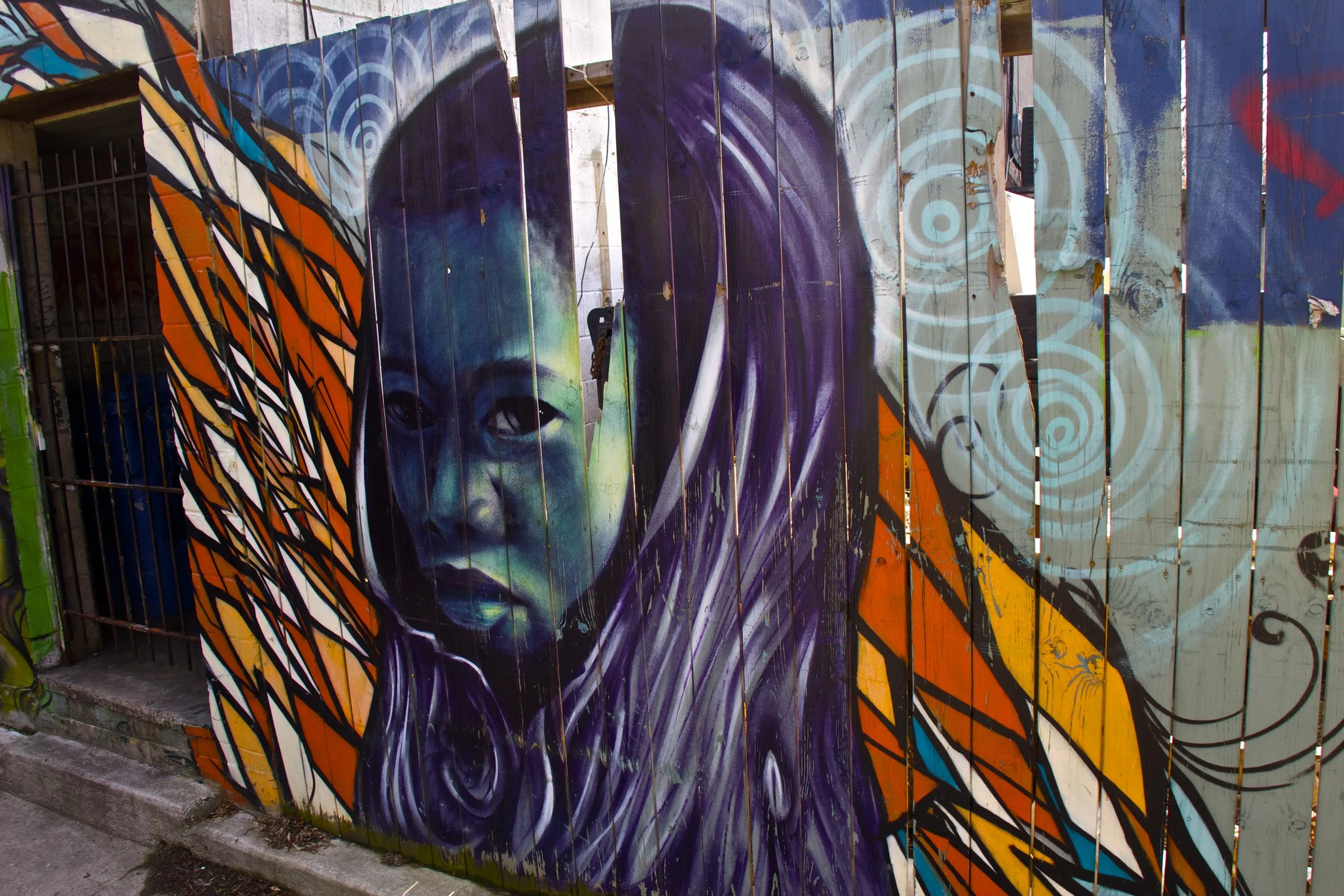


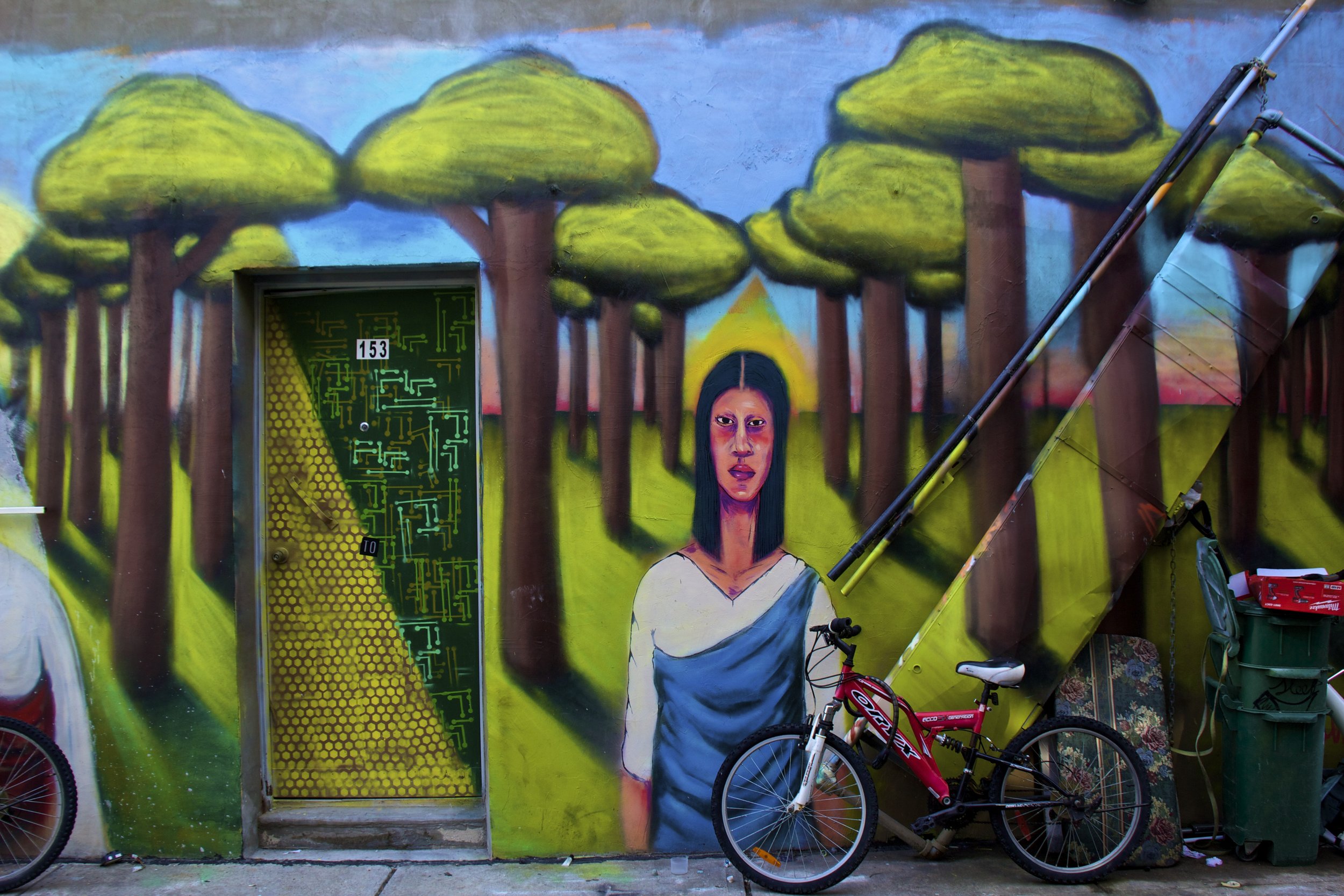
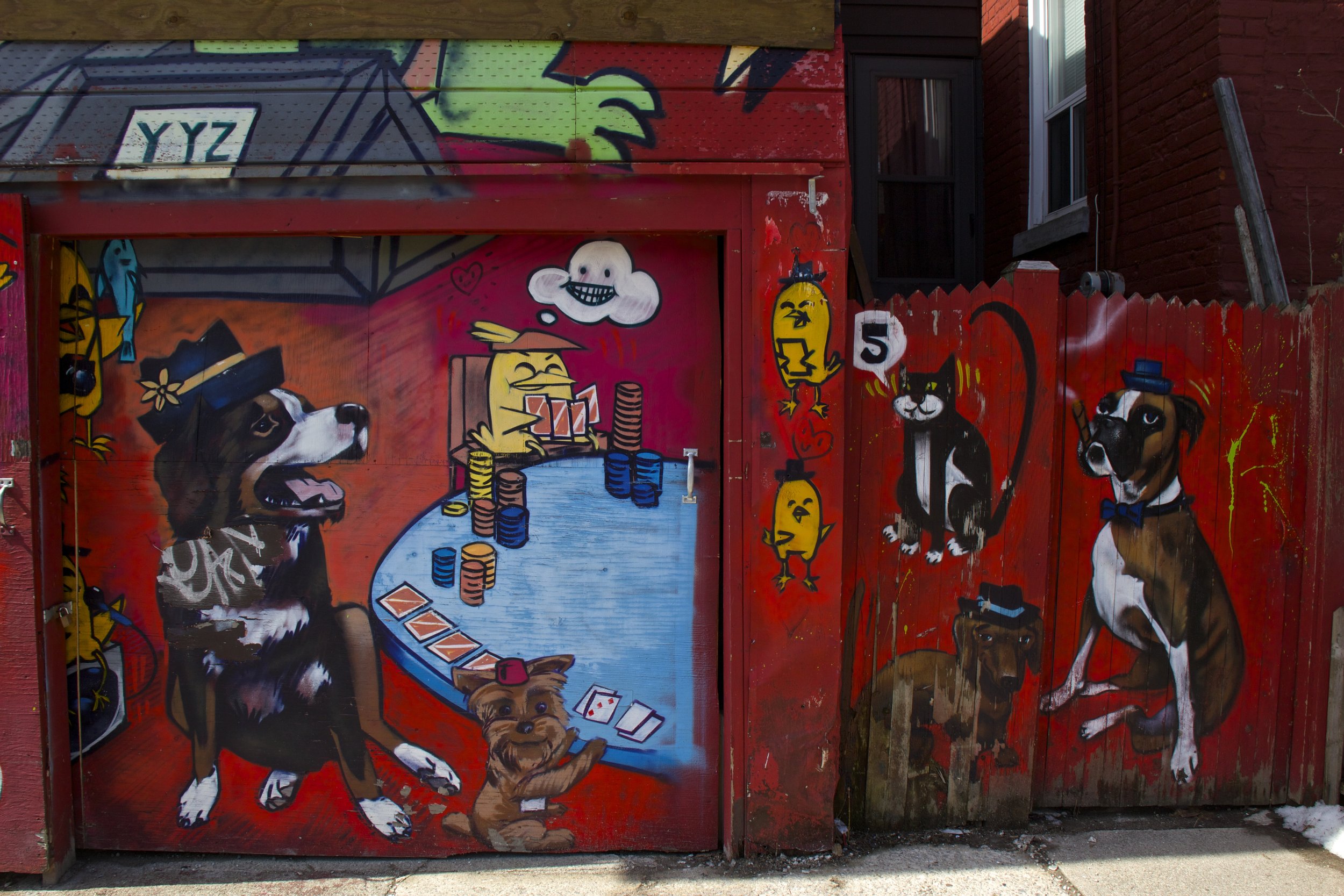


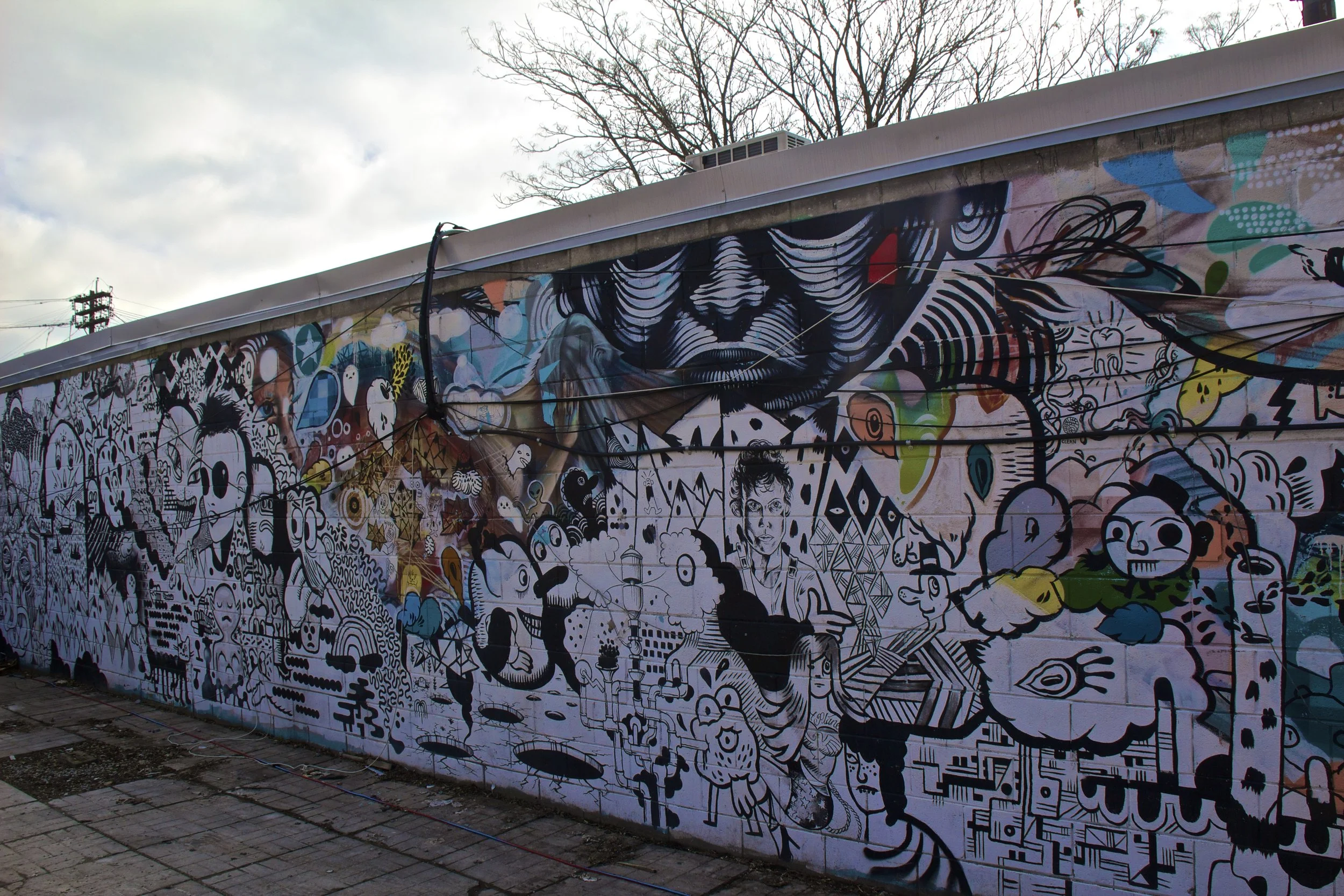
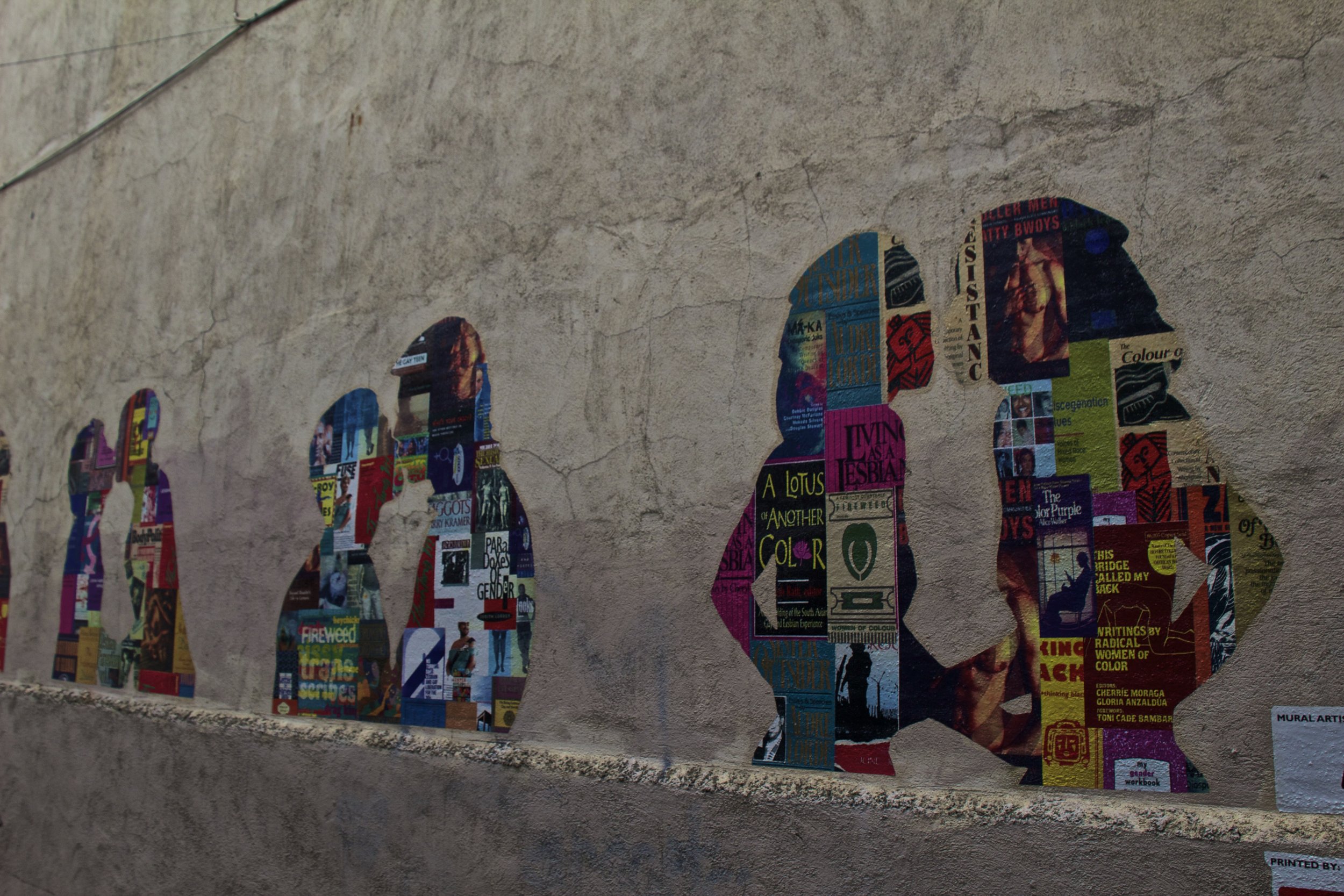


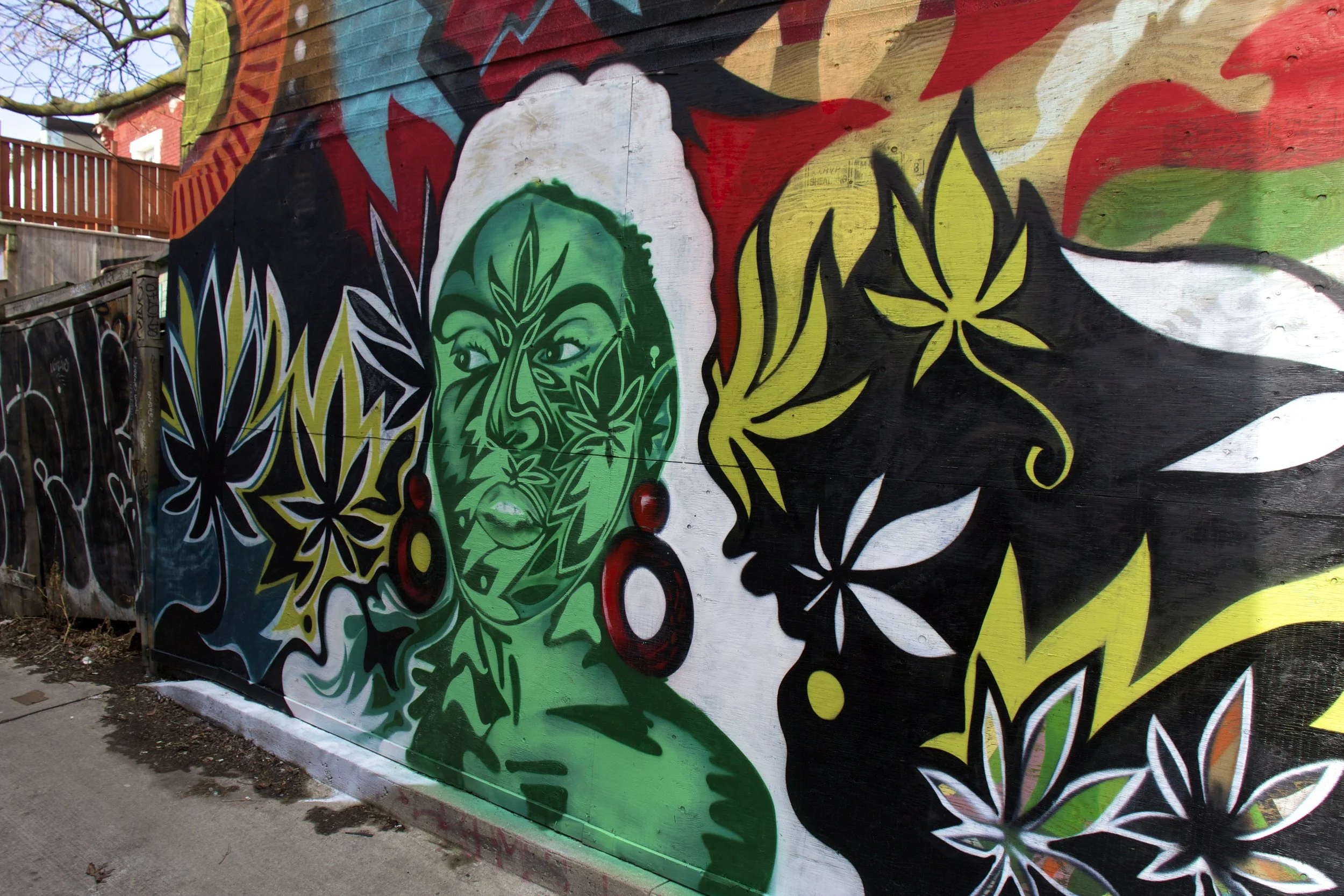
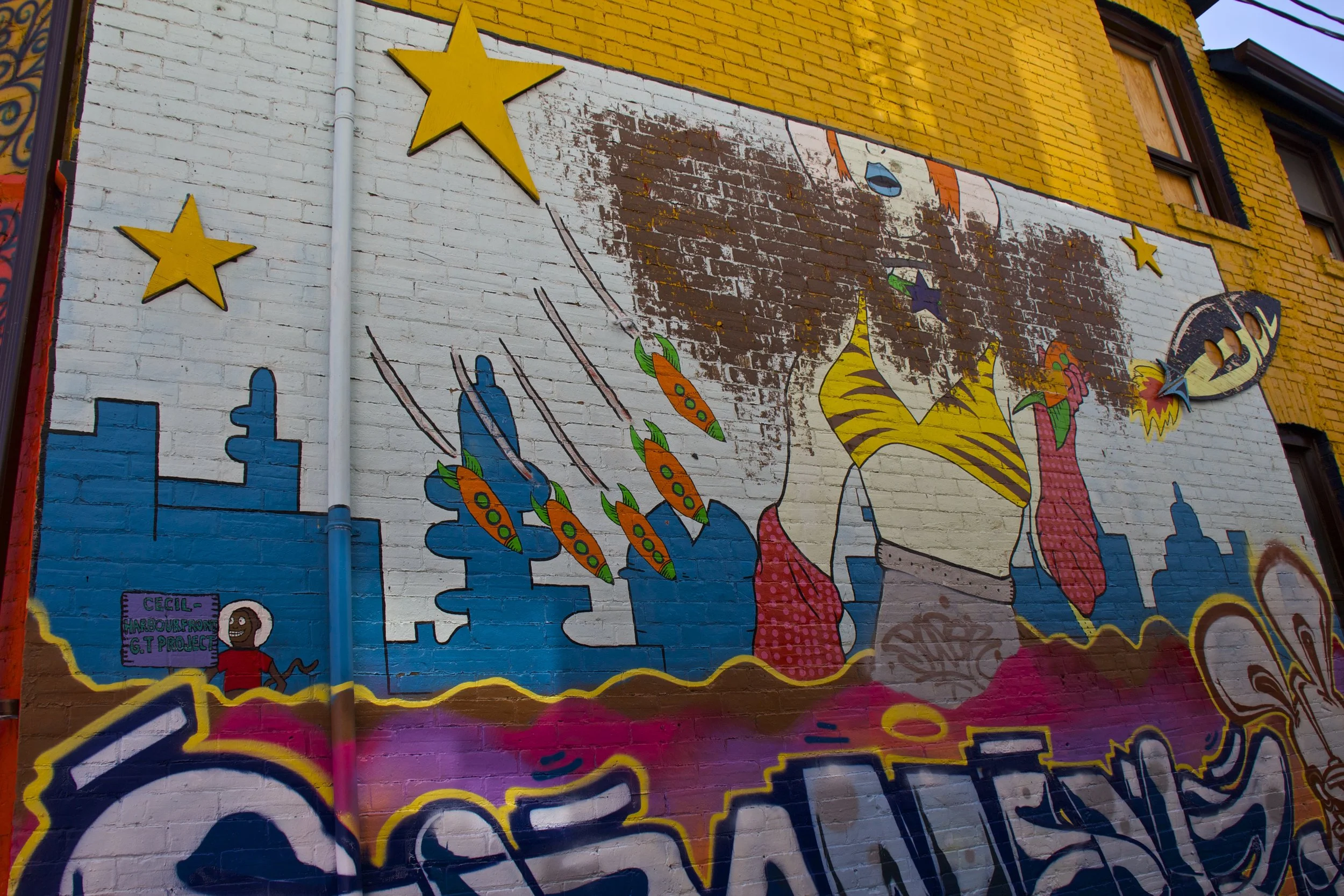


I was totally intrigued by this culture of street art that I had stumbled upon, so I did a little digging on the Internet. It turns out that this sort of street art is actually a public initiative of sorts. There's a government funded program called StART (StreetArToronto) that pays local artists to do art such as this. How awesome is Canada?! Supporting its art scene and sprucing up transitional neighborhoods in the process.
If you're curious, you can visit their website, or connect with them on Facebook. At the very least it's some scenic browsing. Here's a video to show you a bit more about how this got started in Toronto. It's kind of dorky, and this organization isn't behind all of the murals pictured above, but you'll get the idea.
This is just so cool. How often are people open minded enough to come up with solutions like this? Not often. This is how the world should be.

Because Scott Pilgrim is set in Toronto… anybody?? eh??
Well, now it's time for the track of the day. This one is coming to you from a great Toronto band that you should definitely be listening to.


I could talk about the history of San Francisco for ages, but this article is about what has been happening much more recently. Historically, the Mission had been home to a large part of SF’s Chicano/Latino population, but starting as early as the late 1960s, the LBGTQ community began to play a much more defining role in the neighborhood’s identity. You are probably already familiar with San Francisco’s reputation for being the gay capital of the U.S., but what you might not know is that much of this reputation was built right here in the Mission.
However, by the late 1970s, the Mission had become a much more multidimensional haven for fringe culture. It actually developed a thriving punk rock scene, and helped produced such bands as the Dead Kennedys, Jawbreaker, Rancid, and Green Day! Even today, you’ll see remnants of this scene walking around the streets of the Mission with colorful mohawks and studded belts.