
Ok Nairobi was fun, but now it’s time to get out of the big city.
Today we’re going to see the vehicle through which Kenya enters our day-to-day lives most often in the West: coffee & tea. Specifically tea.
We’re heading out to an area called Limuru to visit Kiambethu Tea Farm.
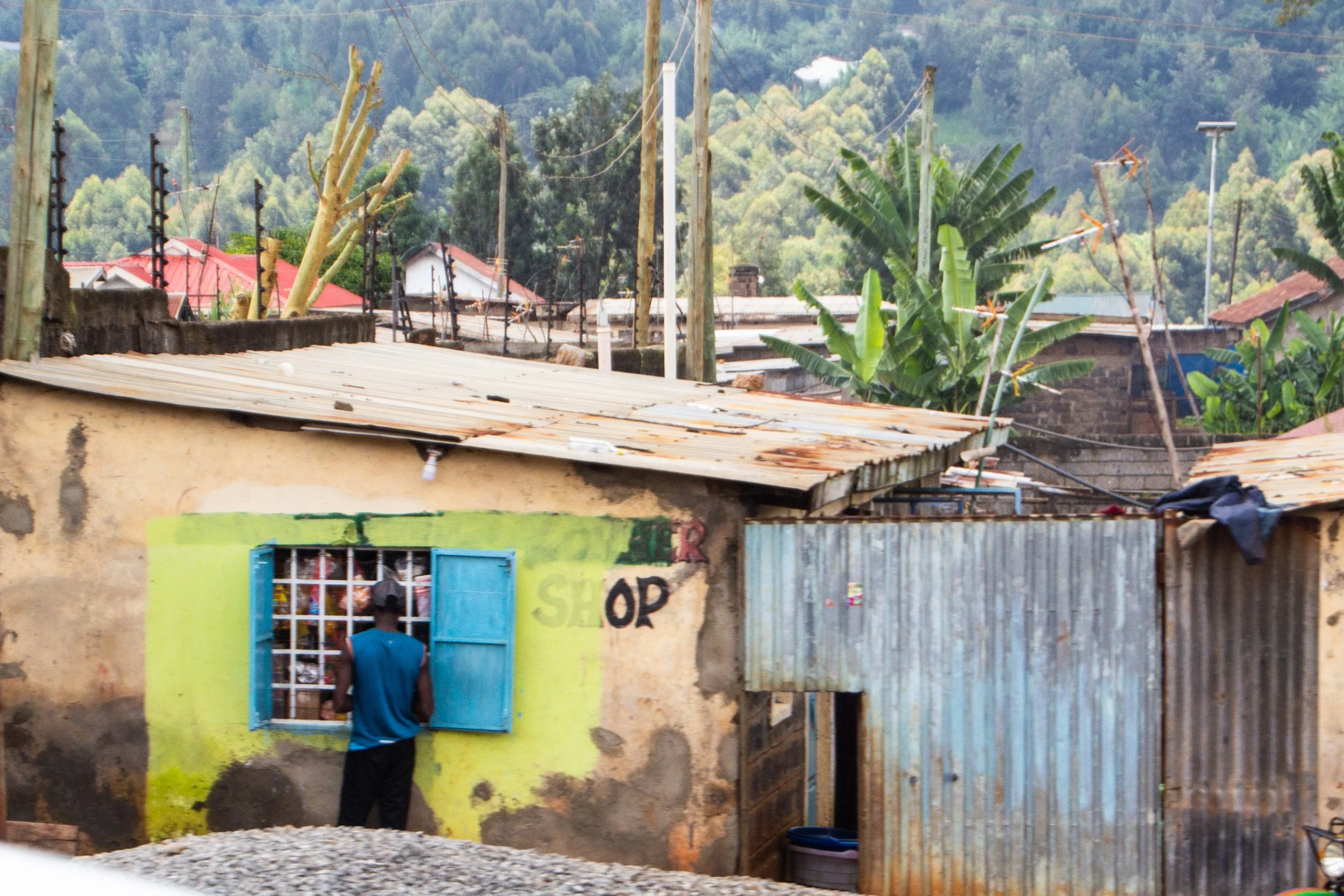
Kiambethu Tea Farm is about an hour outside of Nairobi, and—never having left the Nairobi city limits—it was a really interesting drive. As we left the city congestion behind us, suddenly we were in ~*AfR1cA*~. It it was starting to look a lot more like the pictures of this region that I had seen; dirt roads led off into lush, green rolling hills while run-down buildings lined the road side, often sitting in the shade cast by giant tropical plants. I was snapping pictures out the window as this unfamiliar world unfolded before me.
The moment when we entered the tea fields was unmistakable. See if you can spot where the tea fields start in the gallery below.



Kiambethu Tea Farm
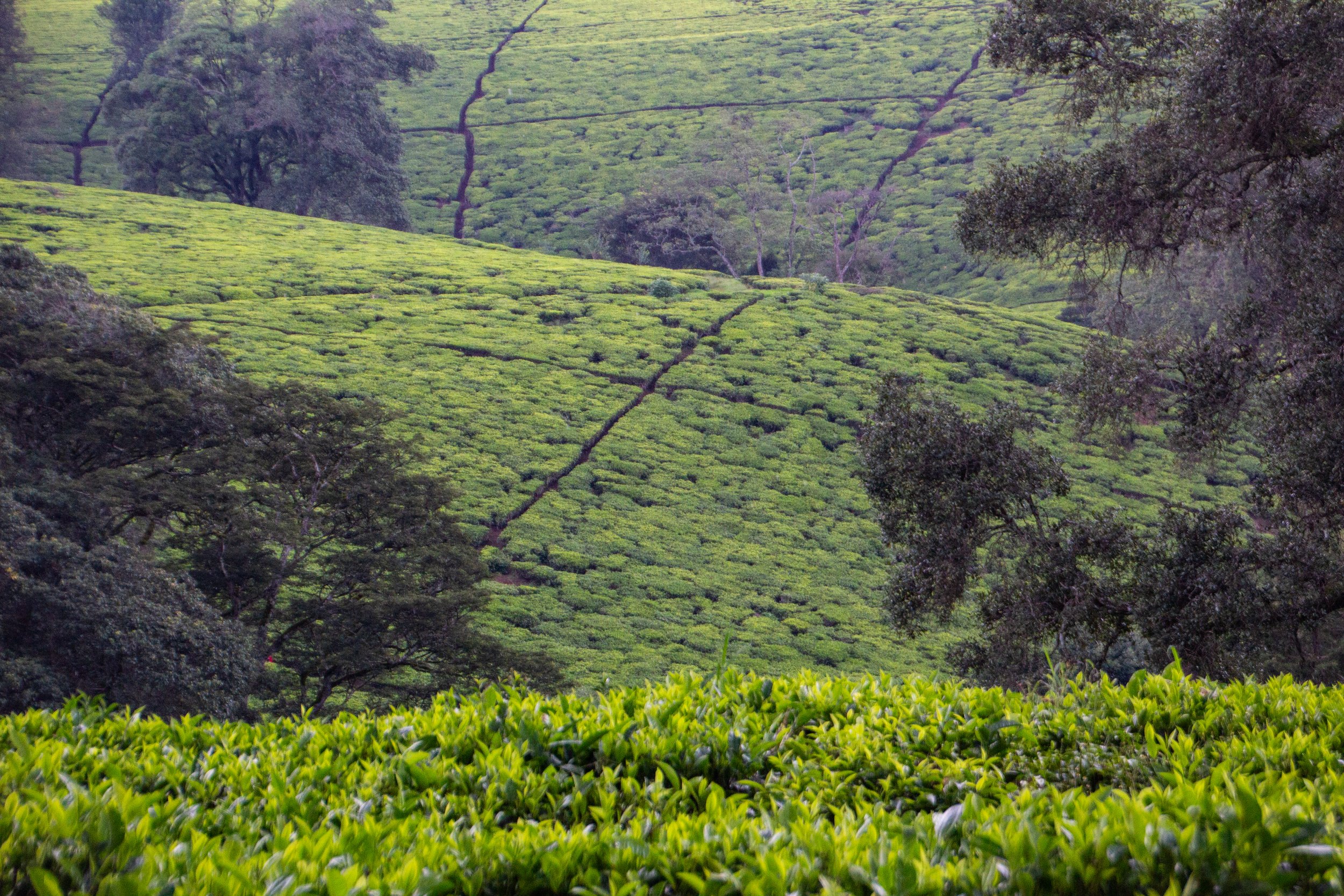
These brilliant green rolling hills stretching endlessly into the distance were INCREDIBLE. I had seen pictures of tea fields before, so I more or less knew what to expect, but seeing these in-person was better than I even hoped.
Eventually we arrived at Kiambethu Tea Farm, and I got to actually walk around in the midst of these fields. I’ll tell you all about this place of course, but today I feel like eating dessert first. Let me show you the pictures before I make you do any more reading…


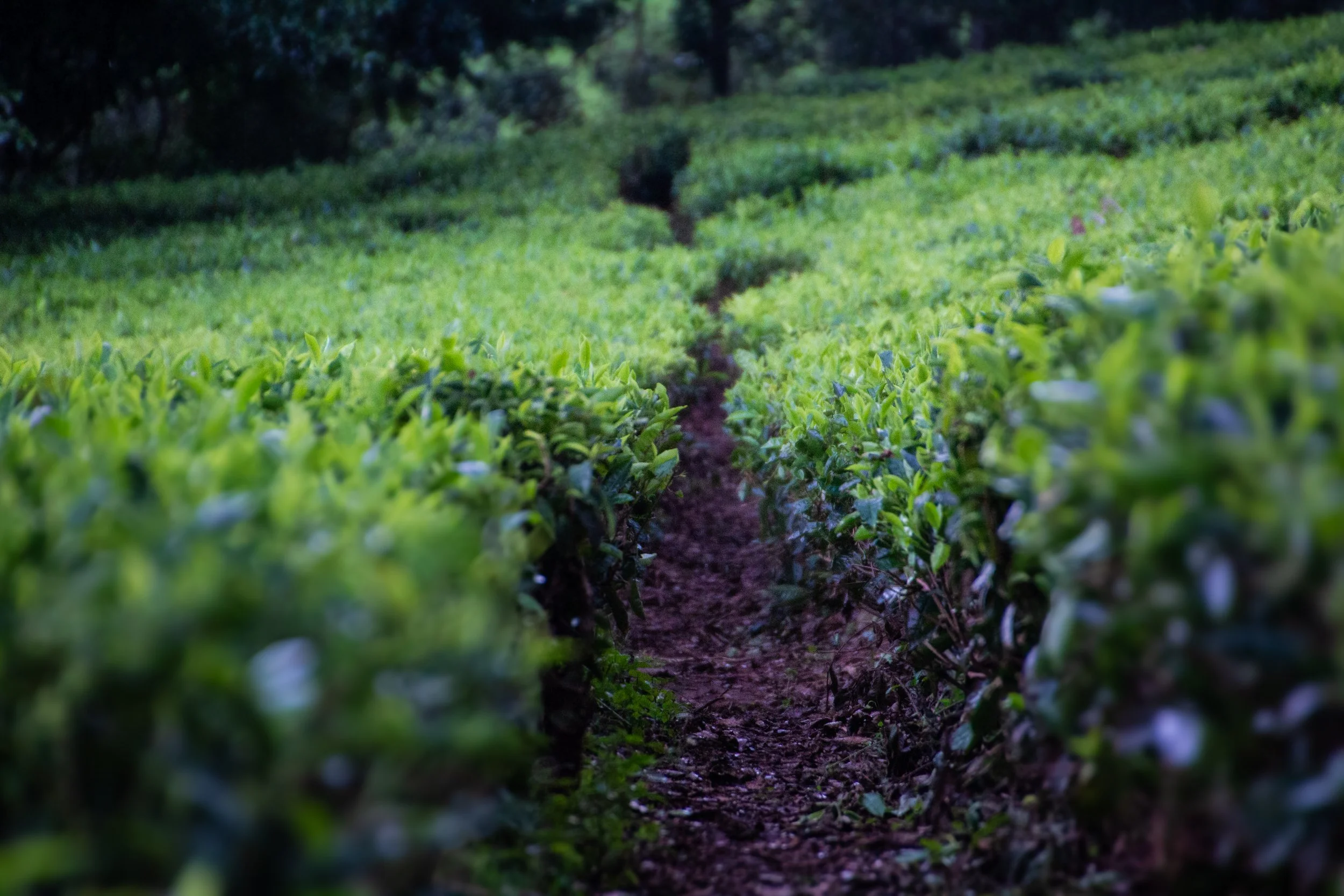
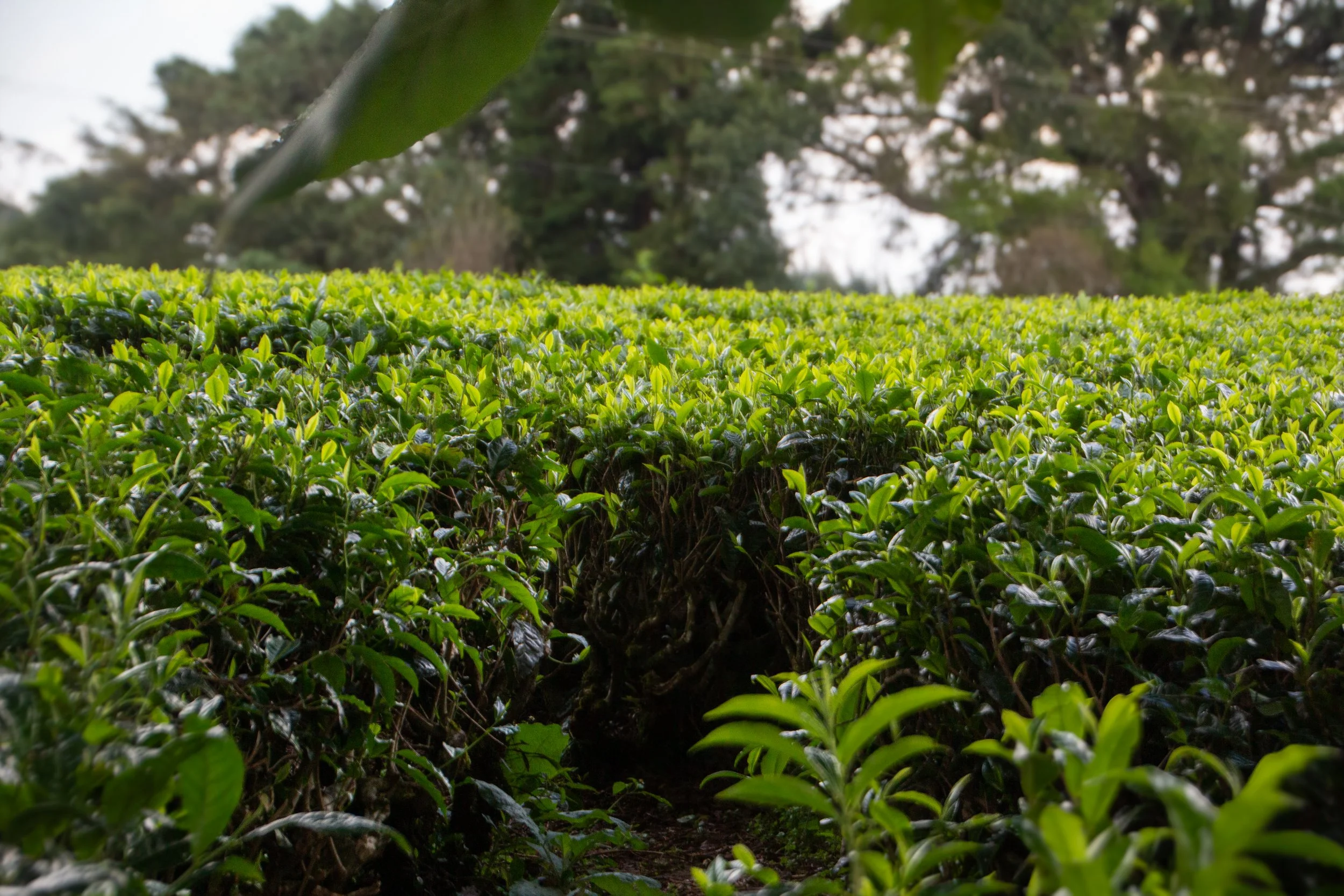
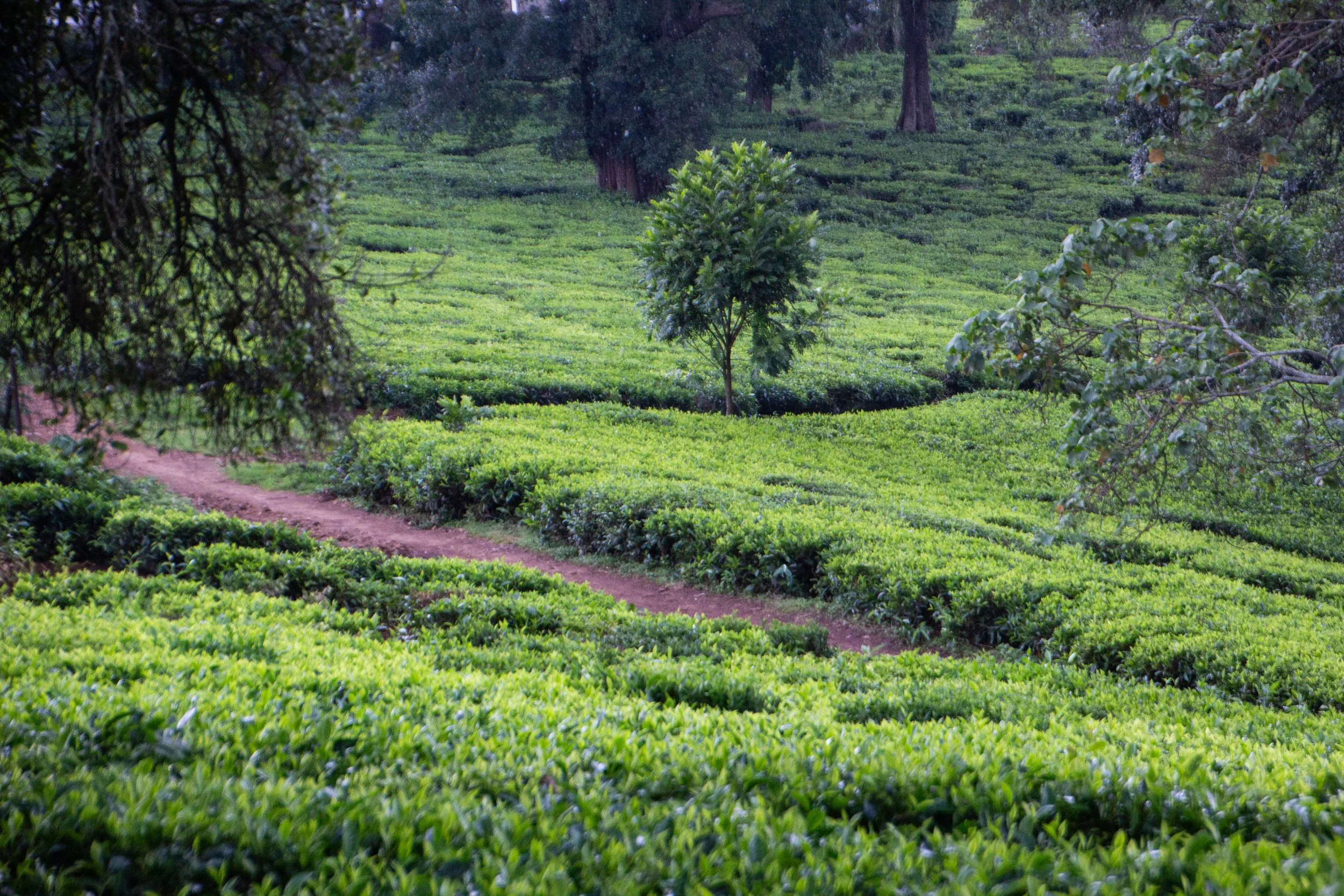


There was some rain that came through in the middle of our visit, so I got to see the light change a good deal throughout this photo shoot. I look at these photos and I can almost hear the gentle sound of rain on the tea leaves.
Now, a bit of history.
It was the British who introduced tea to Kenya in 1903. And, apparently the place where it was introduced was right here in Limuru! Today, the majority of tea in Kenya is grown in the Kenyan Highlands, mostly on the upper slopes of the Great Rift Valley. As I understand it, a good proportion of it is concentrated on the slopes of Mt. Kenya. That definitely makes Limuru the easiest area of tea fields to access from Nairobi; the rest of these areas are quite a distance away.


So… let’s acknowledge colonialism. Kenya had previously been colonized by the Portuguese and the Germans, it was Britain left the strongest colonial mark on this nation, occupying and controlling it from 1890 to 1962. Hence, the origins of tea in Kenya are inextricably tied to the dark and unforgivable history of European exploitation of this magnificent place. These tea fields are so gorgeous that I really wanted them to have a nicer origin story. Sigh.
Colonial history aside, tea as a Kenyan cash crop did not leave with the British. Even still today, Kenya is the 3rd largest producer of tea in the world, behind only India and China, so it’s definitely making money for Kenyan people now. However, some of that money is still flowing into British pockets as well. I don’t have any super academic research to show you on the economic evolution of Britain’s post-colonial presence in the Kenya tea industry… but what I can tell you is that Kiambethu Tea Farm is owned by a British family.
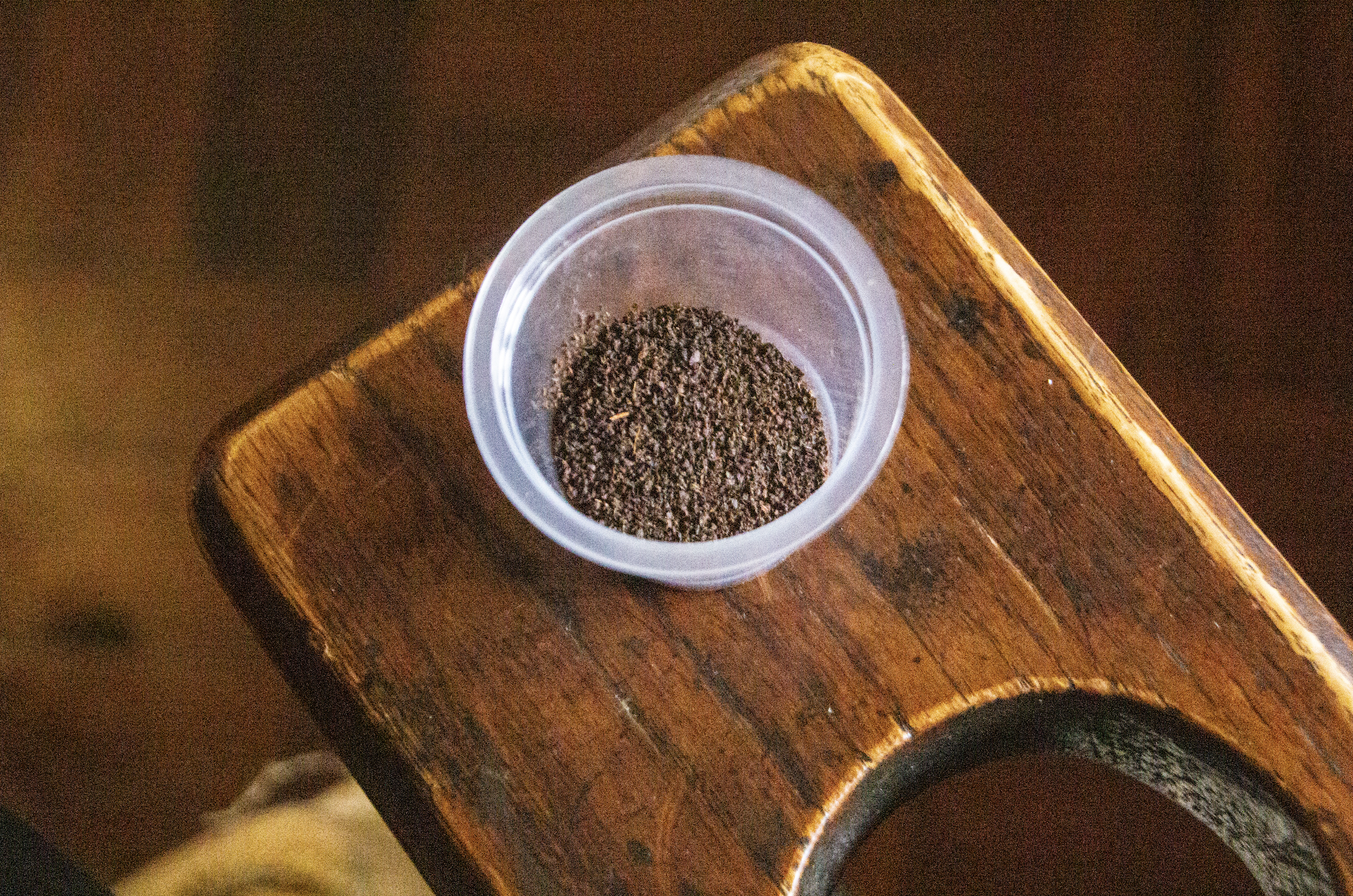


They have lived here for generations, with the ownership of this land dating back well into the colonial period (c. 1910, to be exact). They gave us a tour of their house, a sampling of the tea they produce, and even served us a delicious meal. My tummy was a bit upset after this meal, which I am blaming on the ice cream made from unpasteurized milk, but it was all extremely tasty while I was eating it. They were very nice… but the colonial backdrop to all of this definitely provided a bit of an “ick” factor, for me at least.
Everybody employed by this British family seemed to be local Kenyans… which, didn’t help the ick factor, but I’ll set that aside for the rest of this article so we can enjoy the beauty of this place.

ALL THAT ASIDE, this really is an idyllic little compound. The garden was overflowing with more species of flower and bird than I think are contained in the entire state of Ohio (that’s where I’m from 😂). It made for excellent bird watching.
Before we left, they took us on a brief walk around the main farm area, eventually taking us on a tromp on tiny, muddy paths through the rain-soaked jungle. I would NOT want to be out there at night…

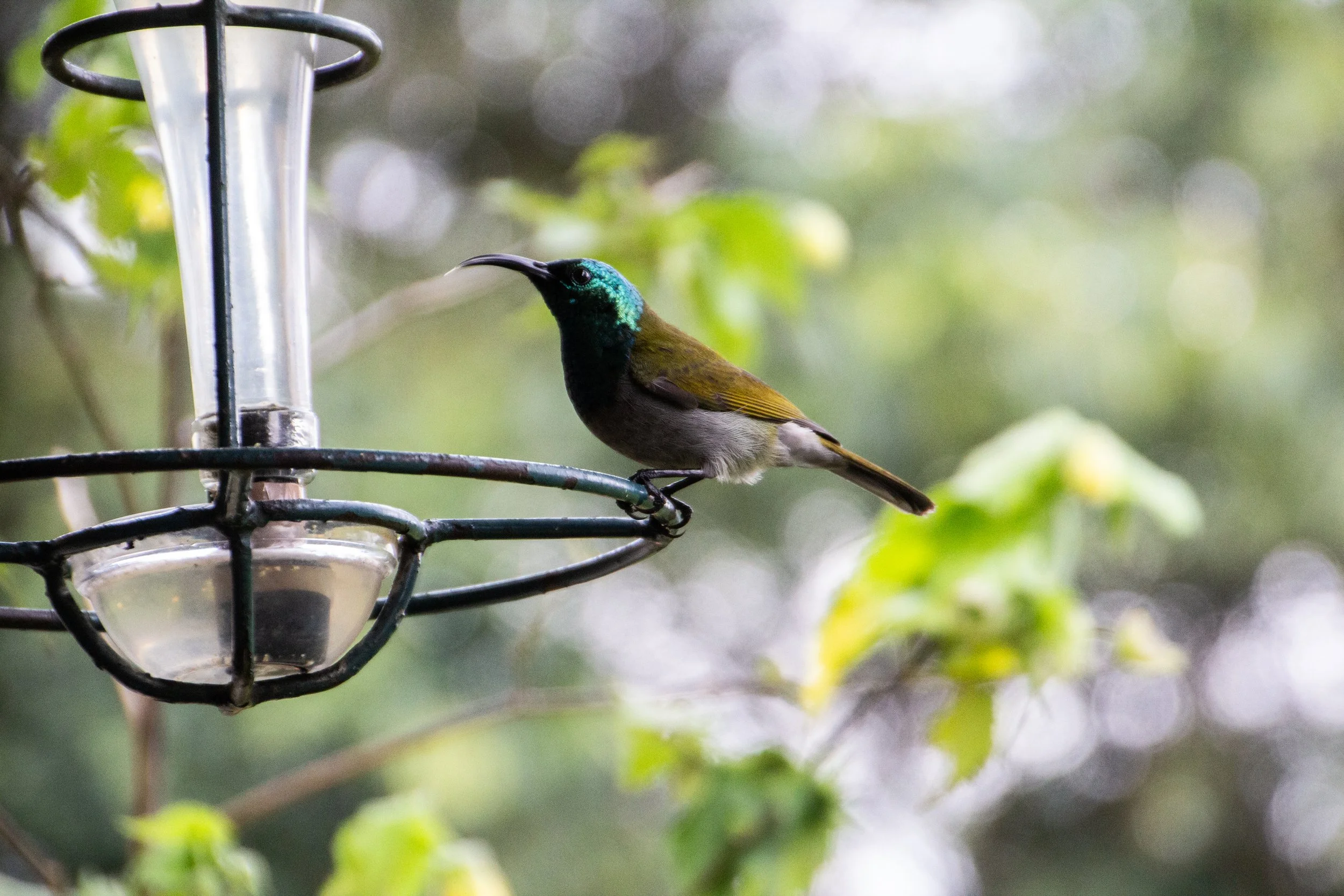


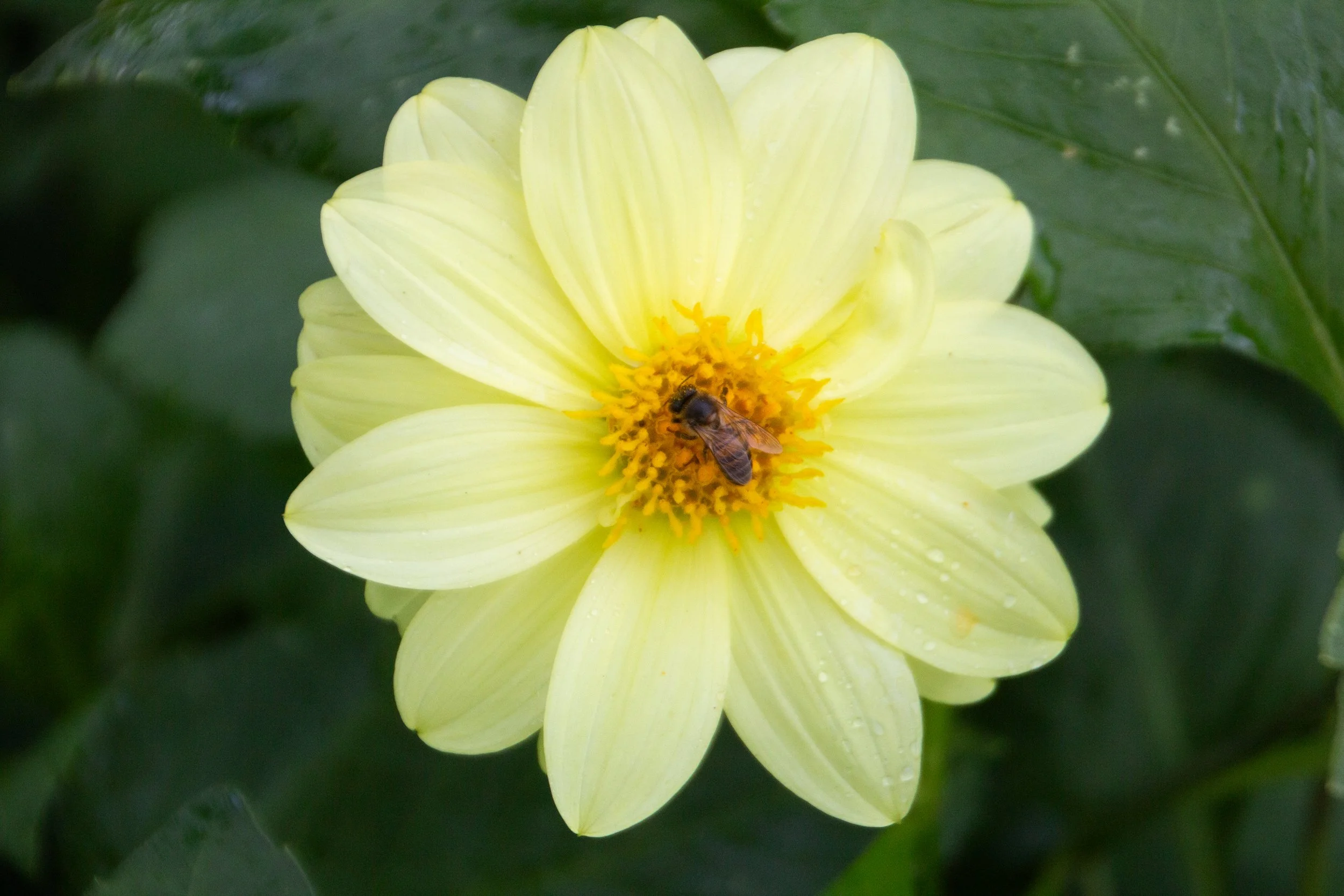


After a beautiful few hours spent exploring this tea plantation, it was time to head back to the big city. We took a slightly different route back, and I—again—spent most of the drive with my camera stuck out the window. This was my first time in Sub-Saharan Africa, and the novelty of it was still quite enthralling to me.


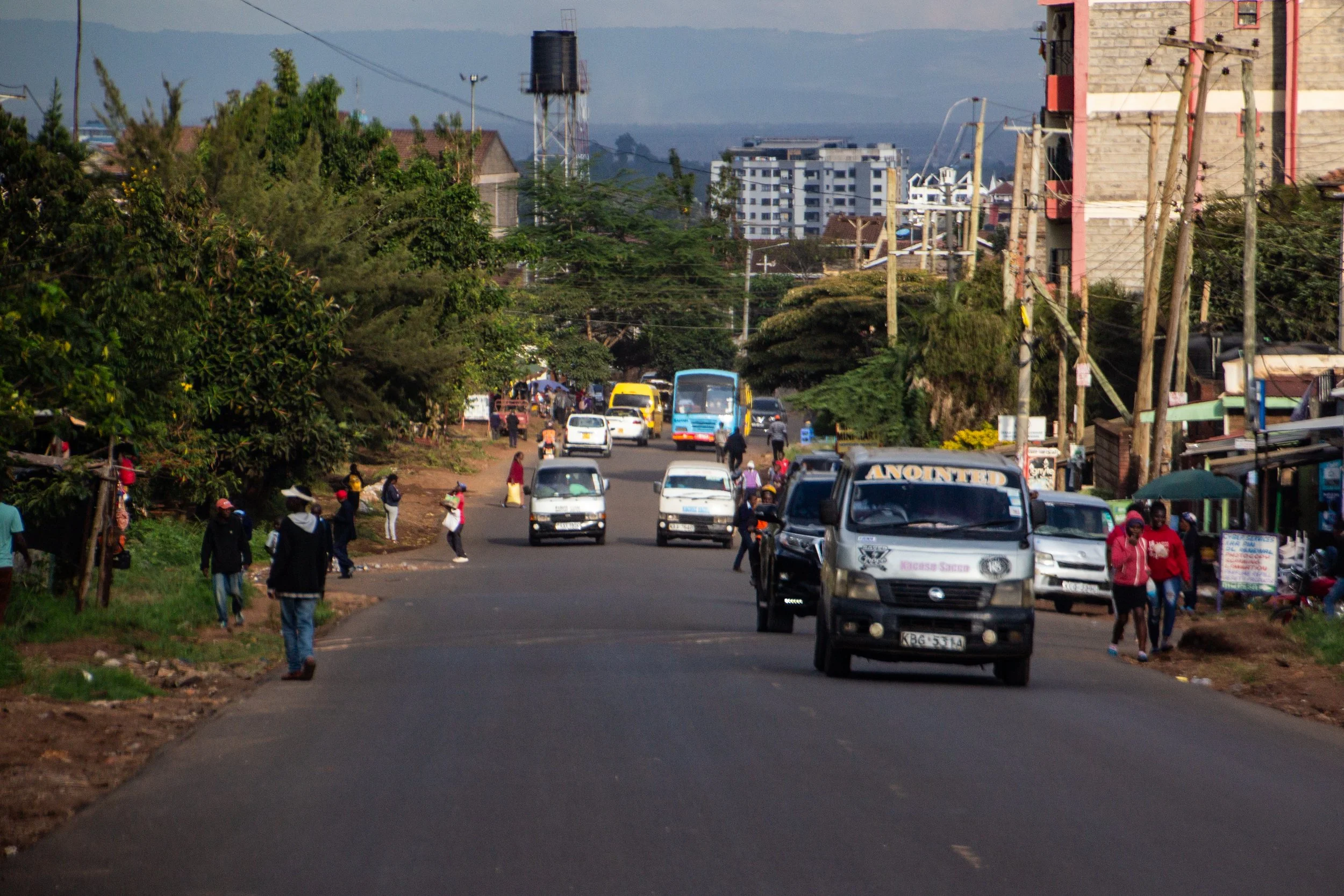

Colonial remnant or not, Kenya’s tea fields are beautiful, and very worth a visit if you ever get the opportunity.
Up next, we’re leaving Nairobi behind for good, and setting out on a Safari where we’re going to meet the majority of the cast of the Lion King. And then, (double spoiler alert) in a moment rivaling the sadness of Mufasa’s passing, tragedy is going to strike. 😢
For now, I’ll leave you with a track from another Kenyan artist that I have come to love since this trip. Enjoy.



Clocking in at the projected 12th largest city in the world by 2100 (a title that is today held by Lagos, Nigeria), Nairobi is the capital city of Kenya, and by far its largest population center. The most common languages spoken here are Swahili, and then English (Kenya is a former British colony). This pretty much covers “mainstream” Kenya, but like most nations on this vast continent, there are a LOT more languages being spoken here in addition to these main 2. In fact, there are a total of 68 languages spoken in Kenya!