

Y’ALL KNOW I LOVE ME SOME STREET ART!
Prior to arriving in Mexico City, I had heard some great things about what was in store for me as far as street art was concerned, but I had no idea just how amazing it would be here. Is it a “thing” that Latin America has the best visual arts scene(s) of any place in the world? Because literally everywhere I go in Latin America, I am blown away by the art I see. And I don’t just mean street art, although that is the focus of this particular article. Fine arts, museums, music, literature. It’s all off the hook! And—back to street art—in the U.S. as well, there seems to be a weird correlation between high concentrations of Latino people and great street art. Does anybody else notice this? Am I on to something here? If I’m creating a racial stereotype here, it’s a good one!
Anyway, on the morning of my first day in Mexico City, a friend and I were taking an Uber across the city to get to the bus station, when I started to see bits and pieces of murals tucked away down alleyways, behind cars, over fences, etc. We were clearly passing through some sort of cluster, so I quickly grabbed my phone and dropped a pin on the map. Come hell or high water, I was going to come back to this spot with my camera.
The gallery that follows contains murals from all over Mexico City that we walked past as some point the week we spent there, but probably 40% of them come from that dropped pin on the map. And probably 60% of my favorites come from that same dropped pin. So before I get into any of this, I should probably tell you where I dropped that pin! It honestly was kind of a random place. The pin was at the corner of Calle Dr Olvera and Eje Central Lázaro Cárdenas in the central stretches of a neighborhood called Doctores. The big landmark here is Museo del Juguete Antiguo México, which is the Antique Toy Museum. If you show up here and just start walking the streets, it’s a treasure trove! It’s kind of a sketchy area, but I never got to the point of feeling uncomfortable here.


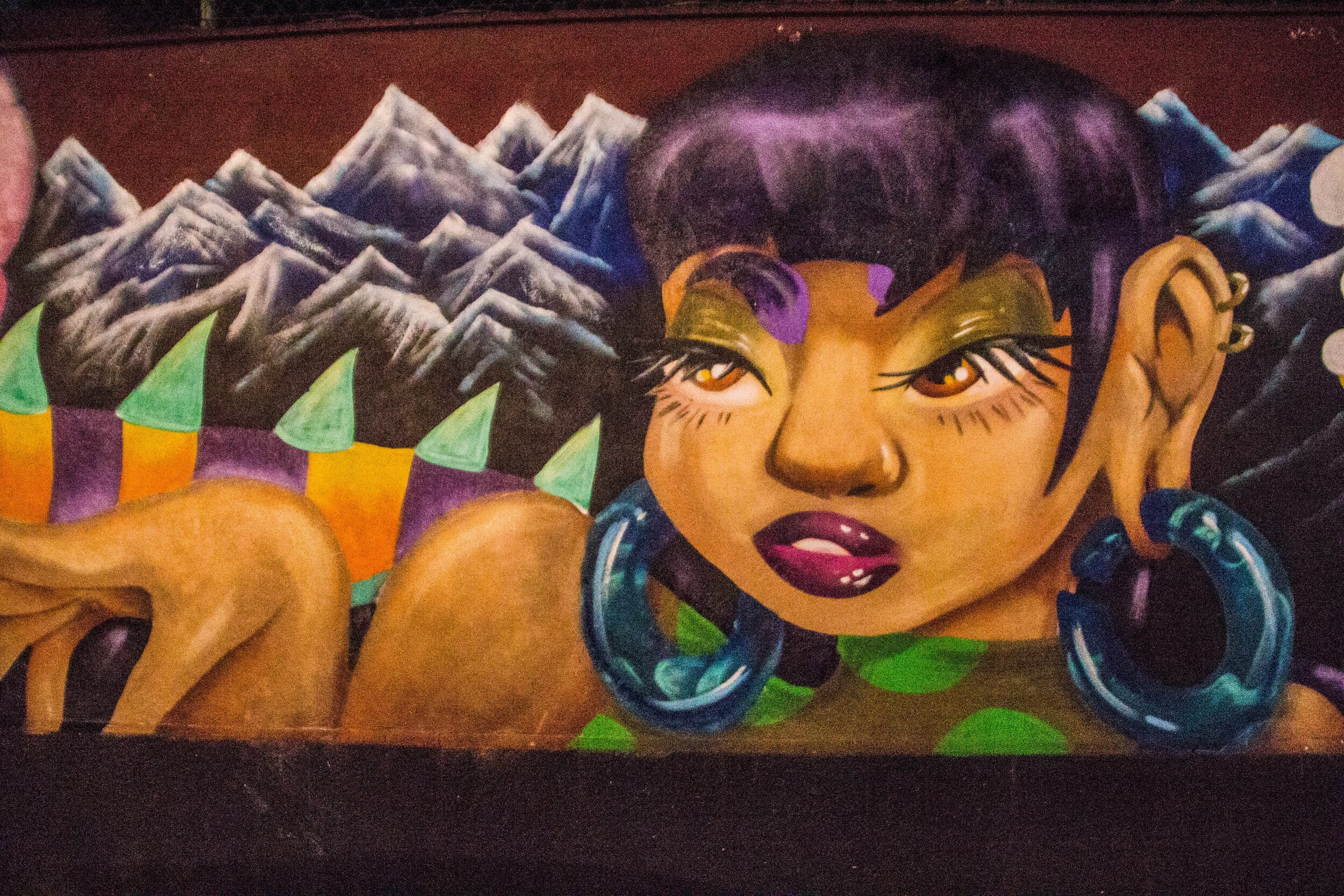


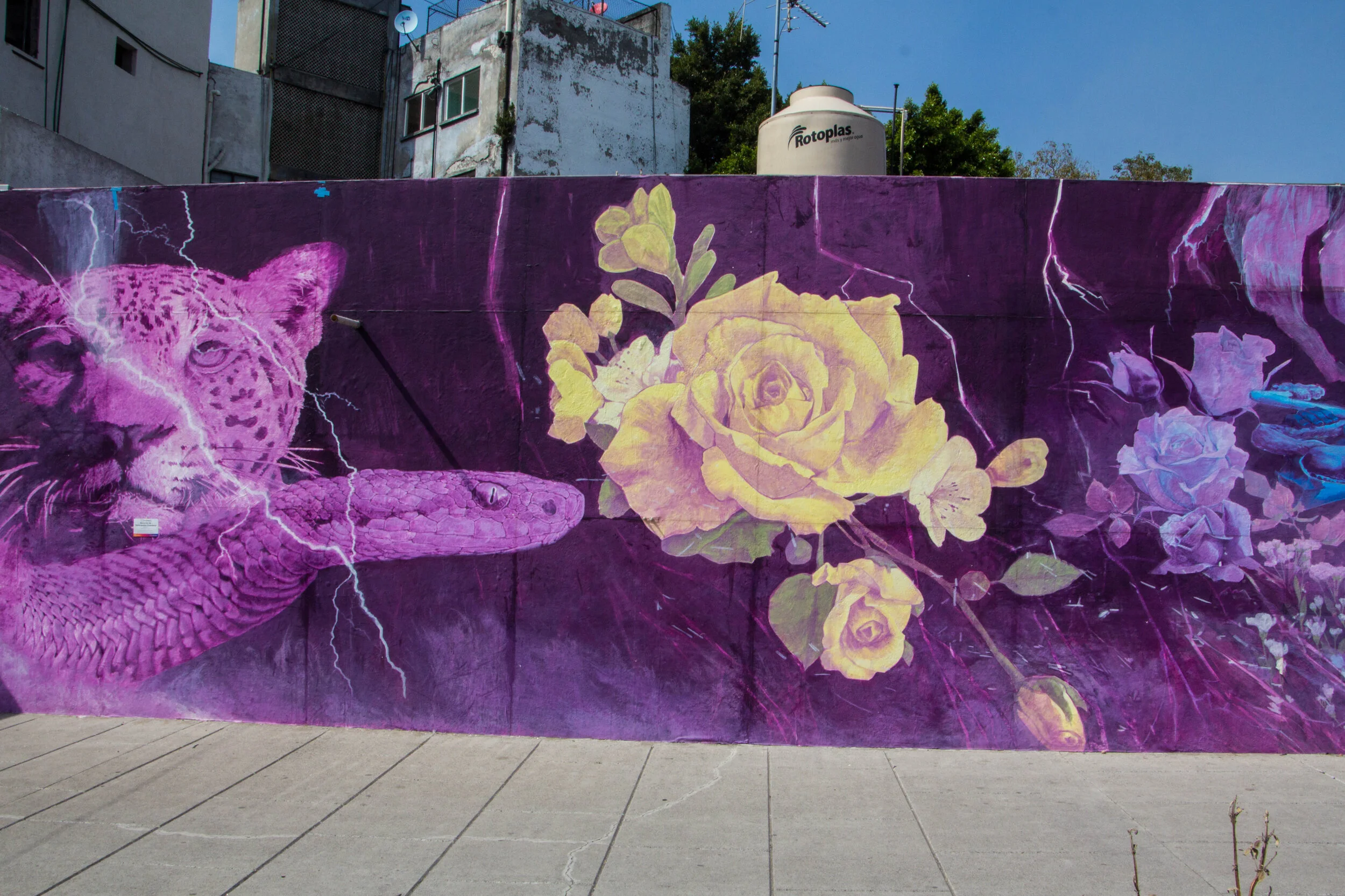


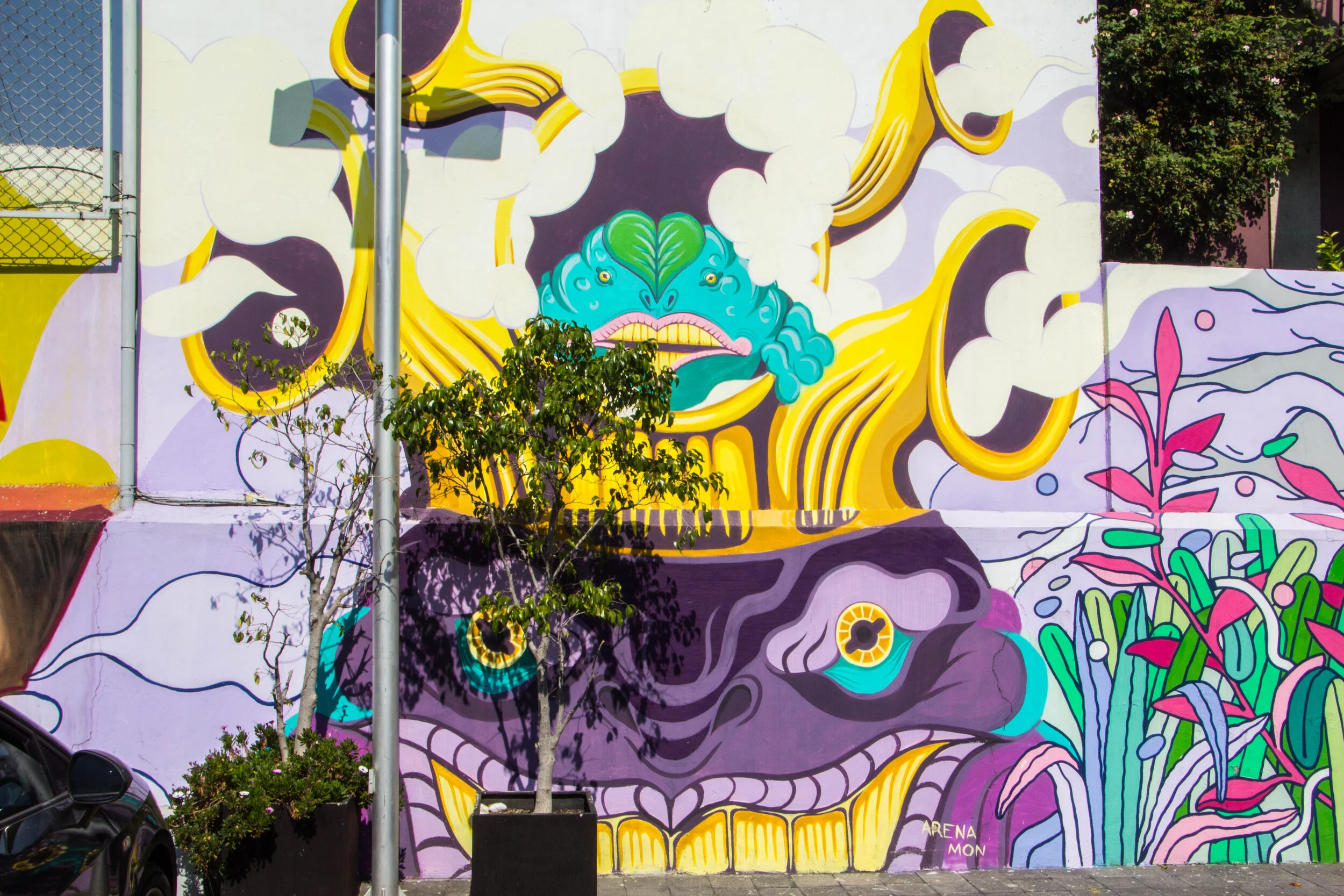


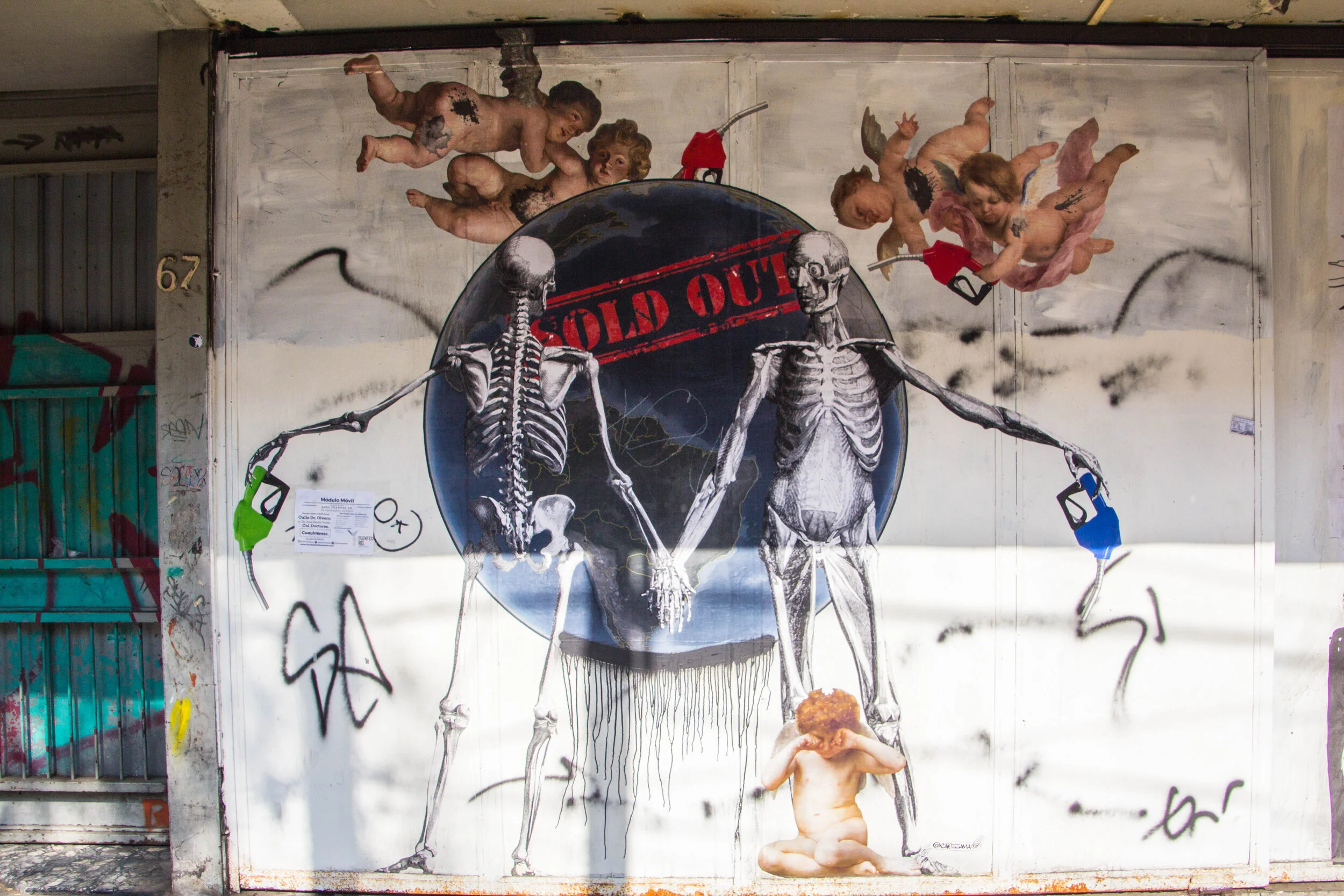


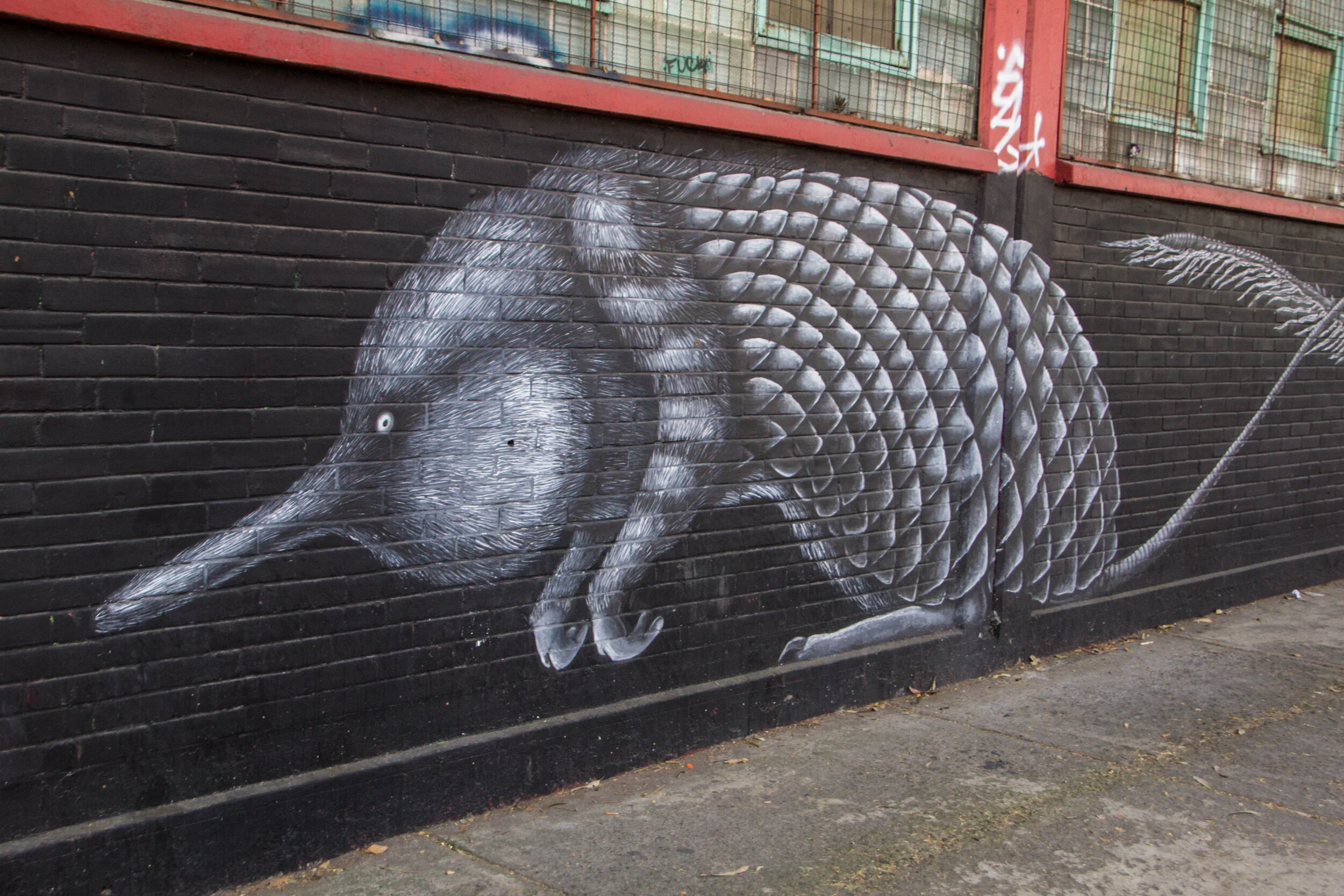


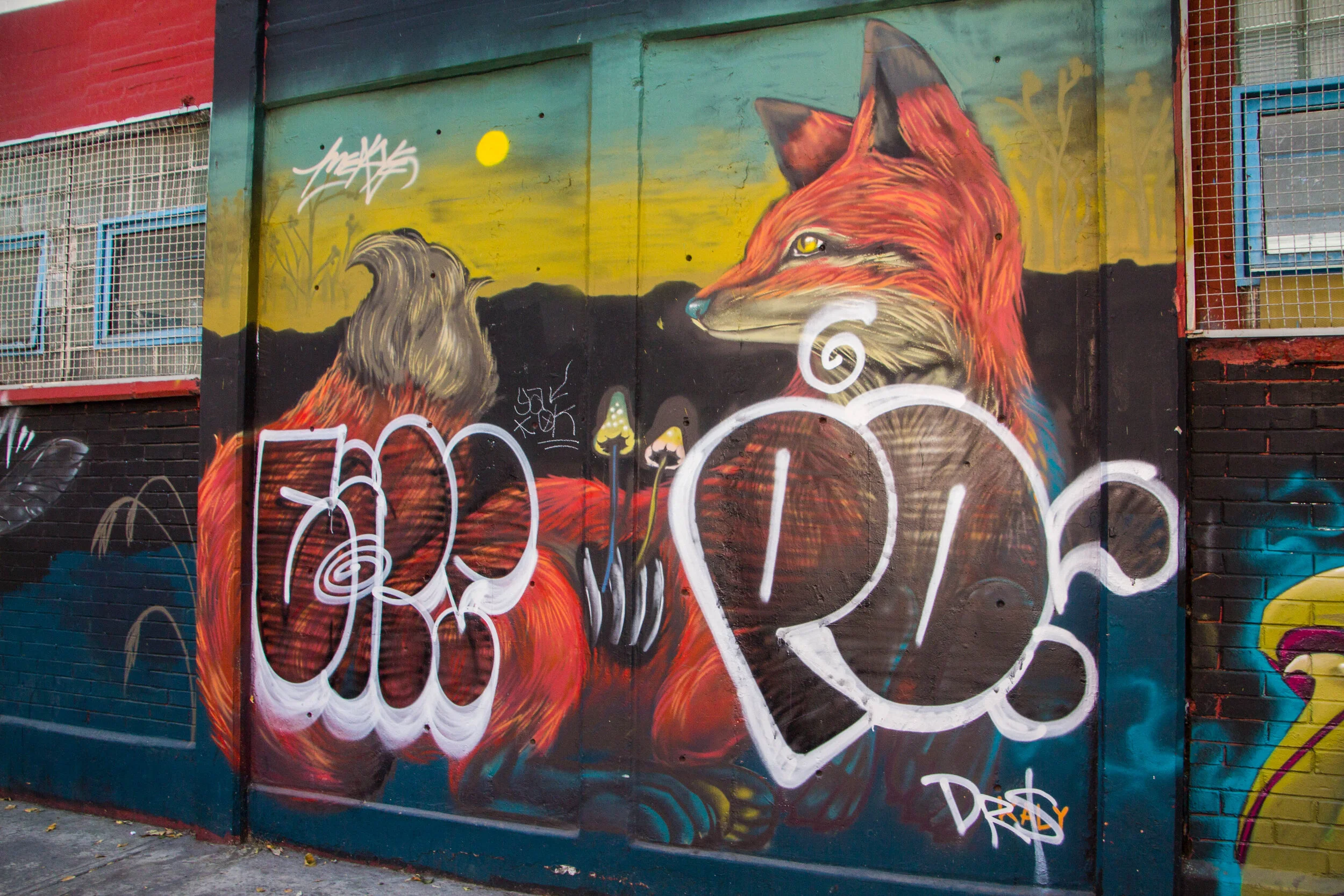


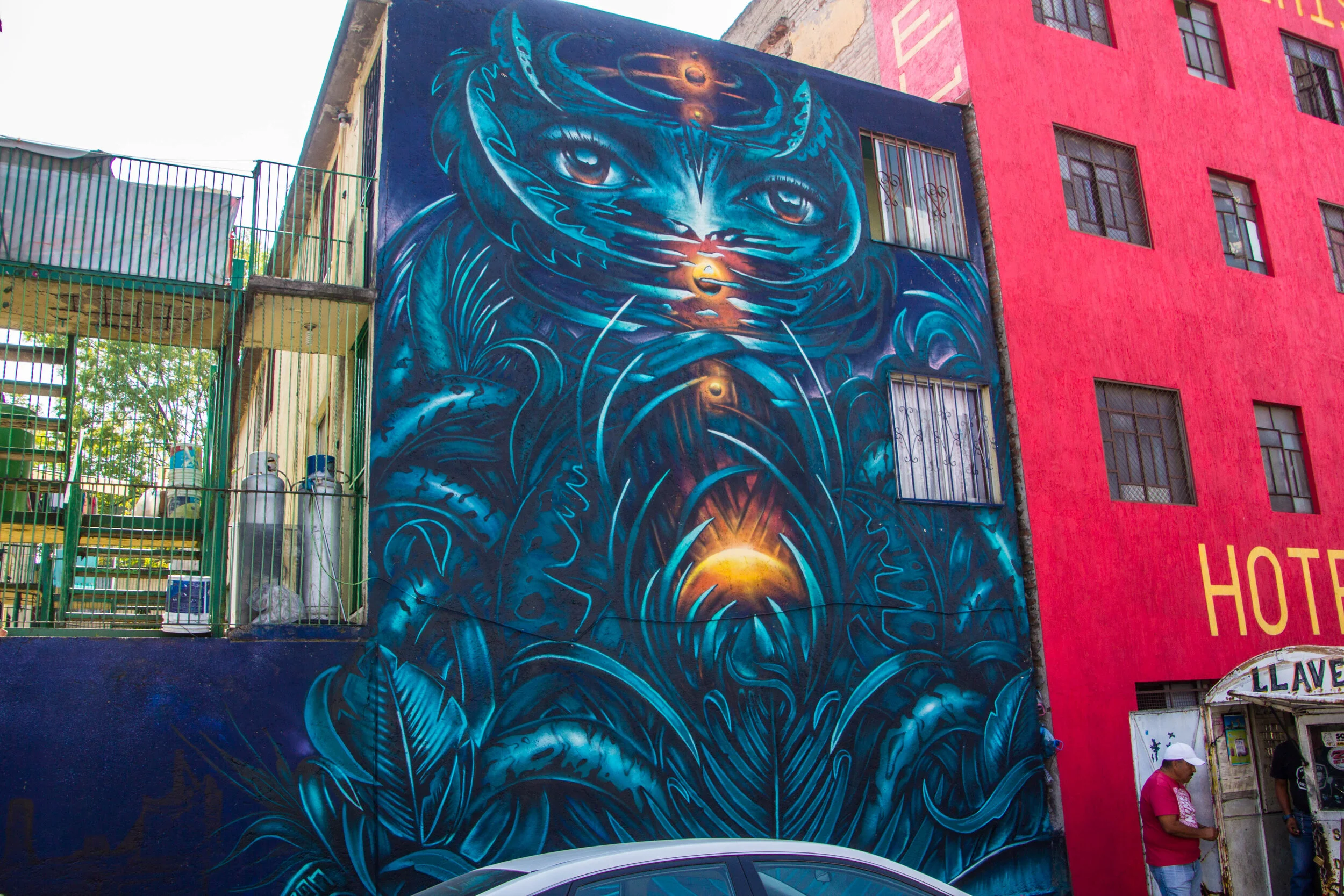


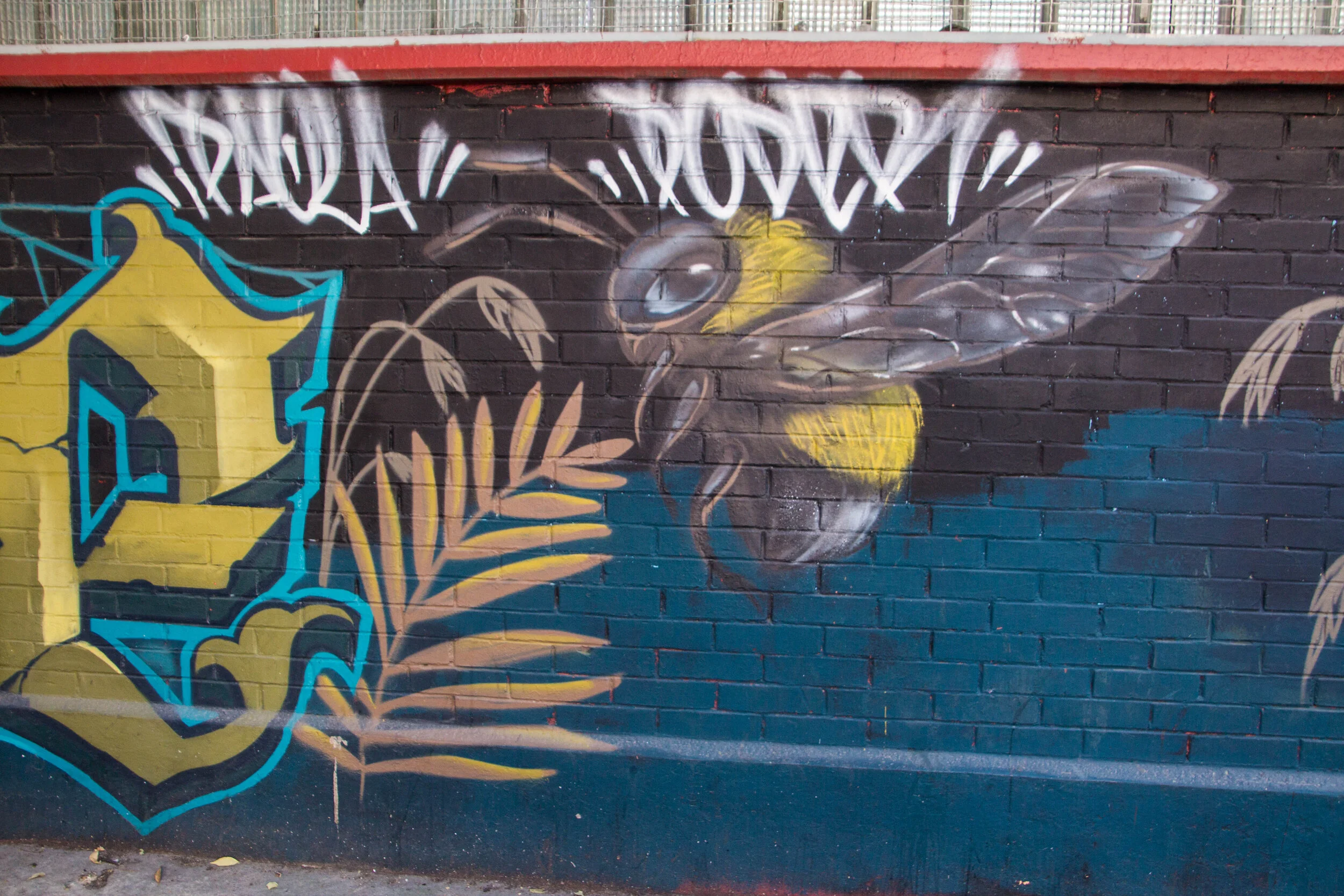


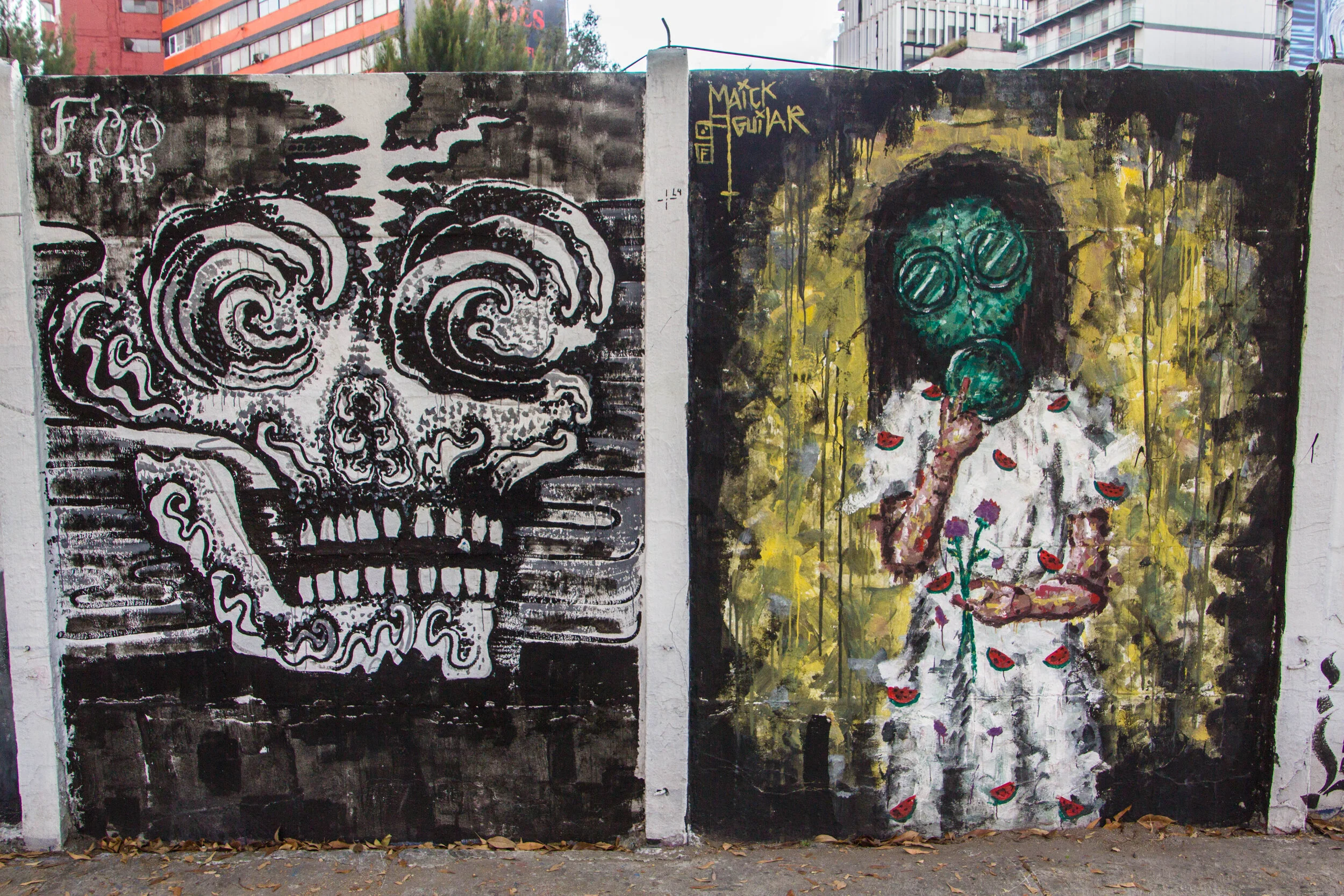


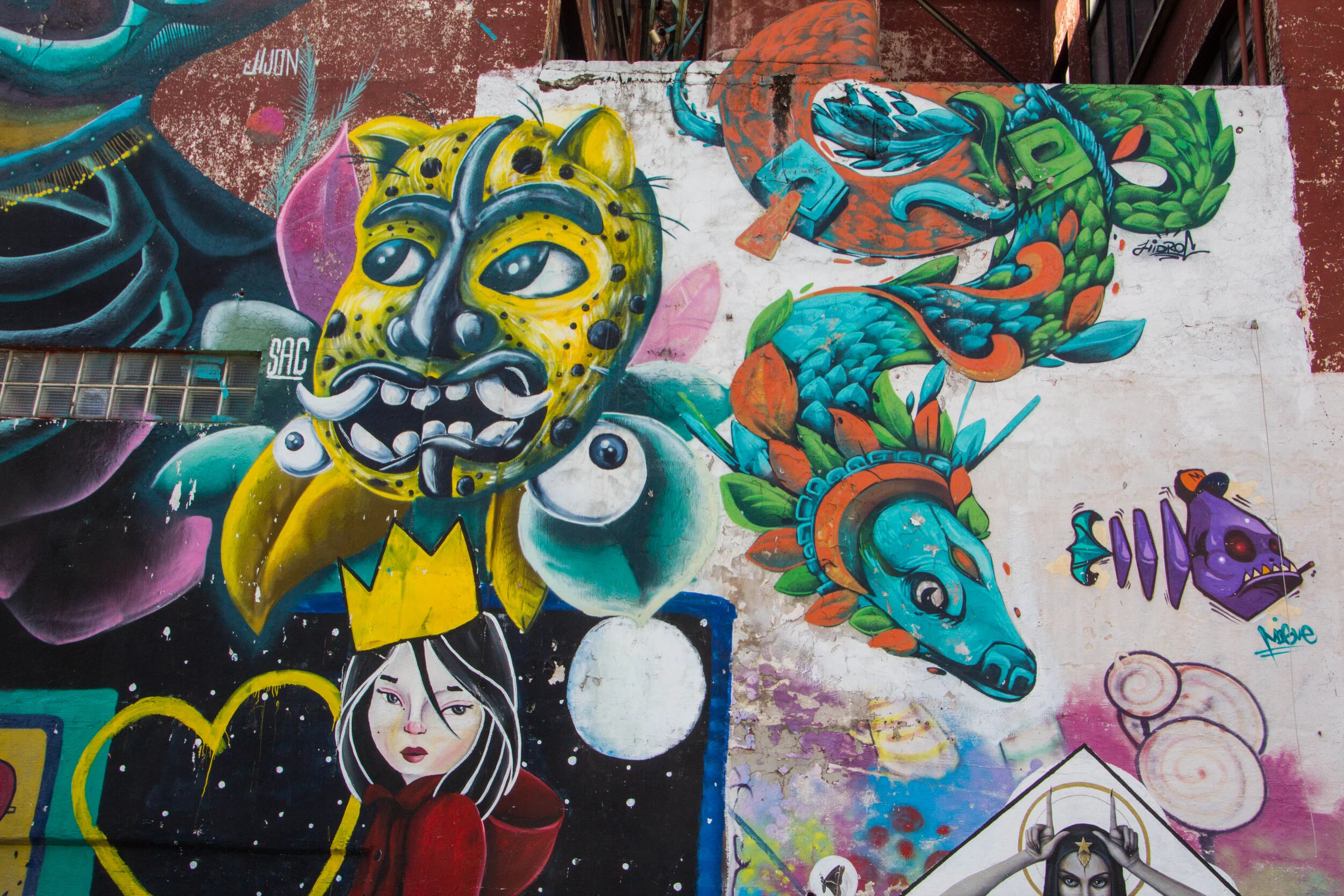


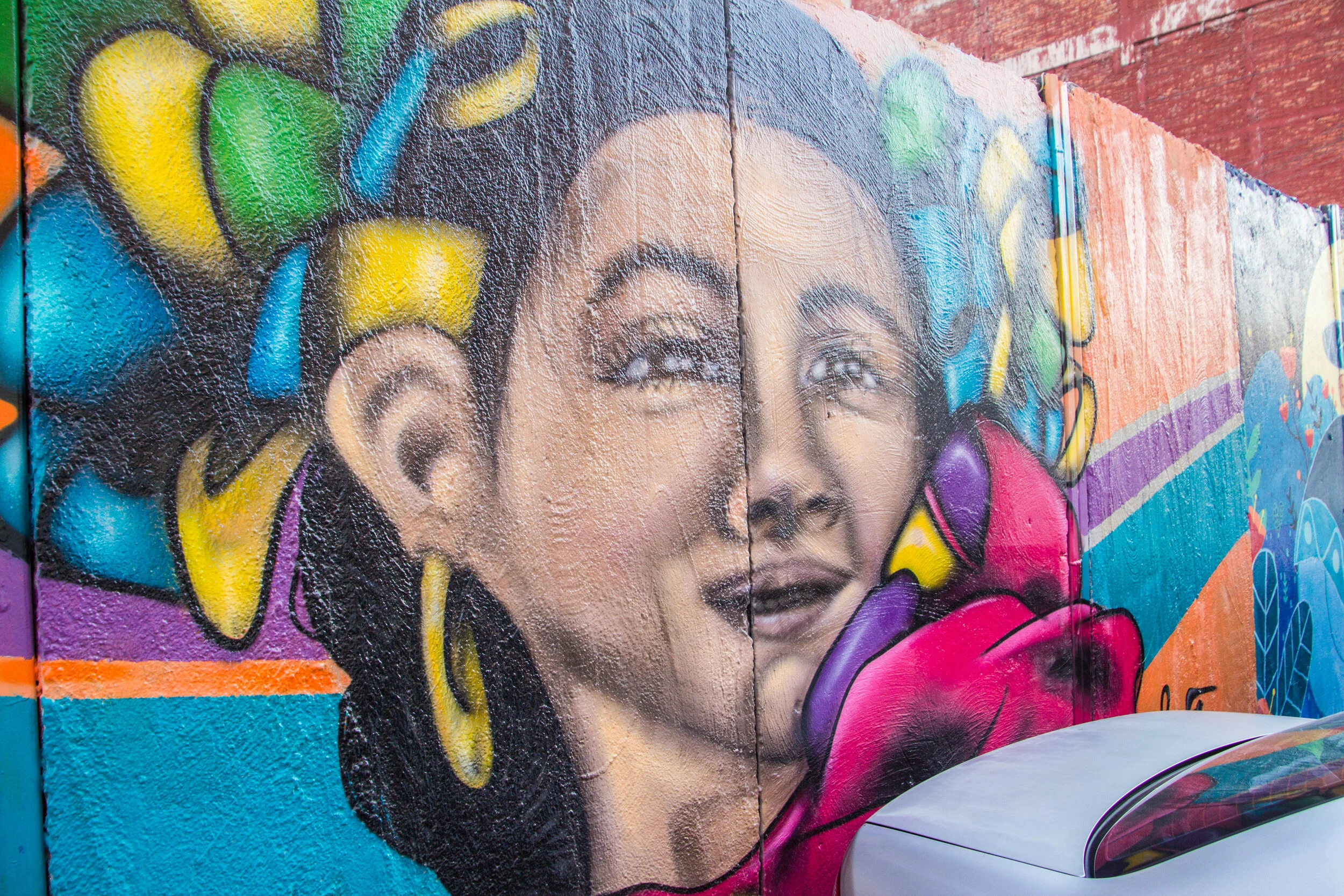


I gotta tell you, walking through these sections of city that are rich with street art feels better to me than any museum. Don’t get me wrong; museums can be cool too, but they’re so sterile. They take works of art that are deeply rooted in specific places and cultures, and bring them into a void where they can be isolated and dissected. I think that you really only get part of the picture when you look at art this way, which is why street art is so cool. Murals like this, especially in that stretch of the Doctores neighborhood mentioned earlier, turn cities into living, moving, breathing museums. These murals reflect the vibrance of the people and communities that surround them. Every time I do one of these street art features, I love this medium more and more.
Through the process of putting this article together, one thing that has become clear to me is that the gallery you see above is only the tip of the iceberg when it comes to street art in Mexico City. You could fill a gallery this size 10 more times over with completely different sets of murals, and you still wouldn’t have covered everything. Next time I’m in Mexico City, I’ll make a 2nd volume to this article. But for now, let me end with giving some recognition to the artists that are responsible for these pieces. Full transparency: I wasn’t able to figure out who the artists were behind more than half of these, so if you’re reading this and can connect one of these murals to an artist not listed below, please let me know! I’d love to give them credit here for whatever it’s worth. But here are some of the artists responsible. Follow them on Instagram!
Koka Engel (@koka_engel)
Alter OS (@alter_os)
Duek Glez (@duek_glez)
King Sekta (@sekta_graff)
Sofia Castellanos (@sofiacastellanosart)
Oscar Fozil Fozil (@foziloscarfozil)
Guillem Font (@guillemfontart)
Arlick Pacman (@arlick_enigma)
Raúl Aguas (@raulaguasart)
Oceane Isla (@oceane.isla)
Maick Aguilar (@maickaguilar)
The Top Tequila (@thetoptequila)
That’s all for Mexico City street art this time around, but I’m happy to tell you that there’s another street art feature from Los Angeles coming up in the queue very soon! Spoiler: it’s also incredible.


Georgia’s cultural resurgence comes in many forms, but today we’re going to focus specifically on street art. Tbilisi is a treasure trove of interesting little alleyways, tastefully decrepit old buildings, and a unique form of urban decay that makes the whole city feel like some sort of massive antique shop. And in the spaces in between the city’s main cobblestone causeways and its many new restaurants and coffeeshops, there is quite a robust collection of murals that… well, I should probably just shut up and show you.
FEAST YOUR EYES!