

I had heard that Lisbon is one of the great cities in Europe when it comes to street art. This, however, was not immediately apparent to me when I first arrived. I had to put in some work to string together the gallery of murals you’ll see below.
The historic center of Lisbon, predictably, is too dense with beautiful historic buildings to allow for many murals. The truly gorgeous European cities—and Lisbon is definitely one of them!—typically make the most of space in a way that doesn’t leave room for big murals. Street are needs empty walls. So in a city like Lisbon, you have to look outside of the city center.
So the majority of these murals came from neighborhoods called Ajuda (west of the city center) and Graça (just east of the city center). As I alluded to in the previous article on Lisbon, we pretty much only had 1 sunny day during our visit to Lisbon, so I spent the entire day on my feet taking pictures. When I finally stopped moving and called an Uber and the most expedient route was to get on the highway. This took my out into some of the less glamorous suburban office park areas, where—by sheer luck—we drove past a couple of incredible murals. I dropped a pin on the map, but I didn’t think I’d ever get back to them. However, the next day proved far too rainy to walk around, so I literally had an Uber drop me off on the side of a highway in the rain to get the murals that I had missed.
At this point, I was starting to think that these street art features might be getting out of hand. But the drill sargent in me had other ideas.

So, without further ado, I present to you all that I could gather of Libson’s many beautiful murals.


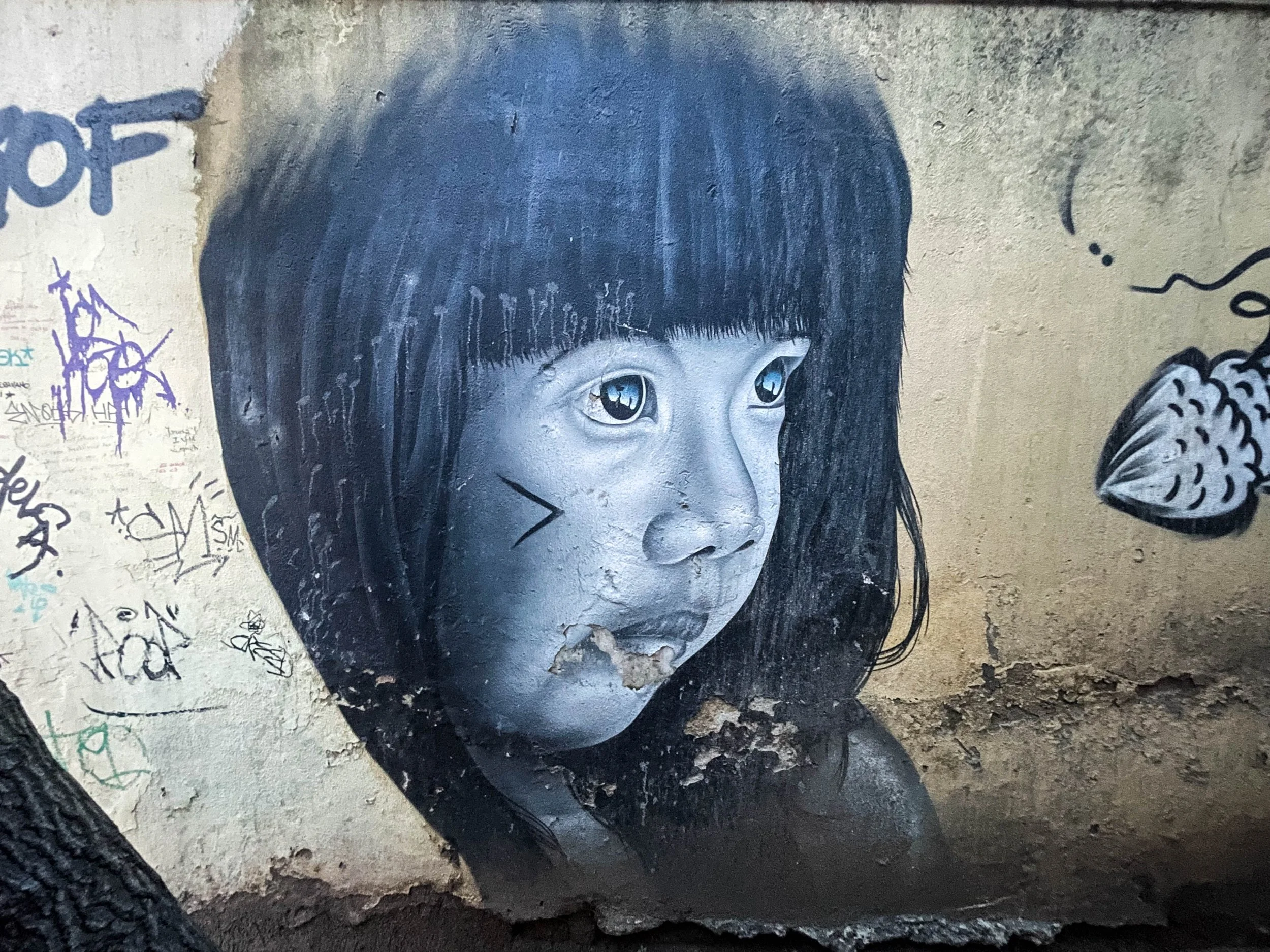


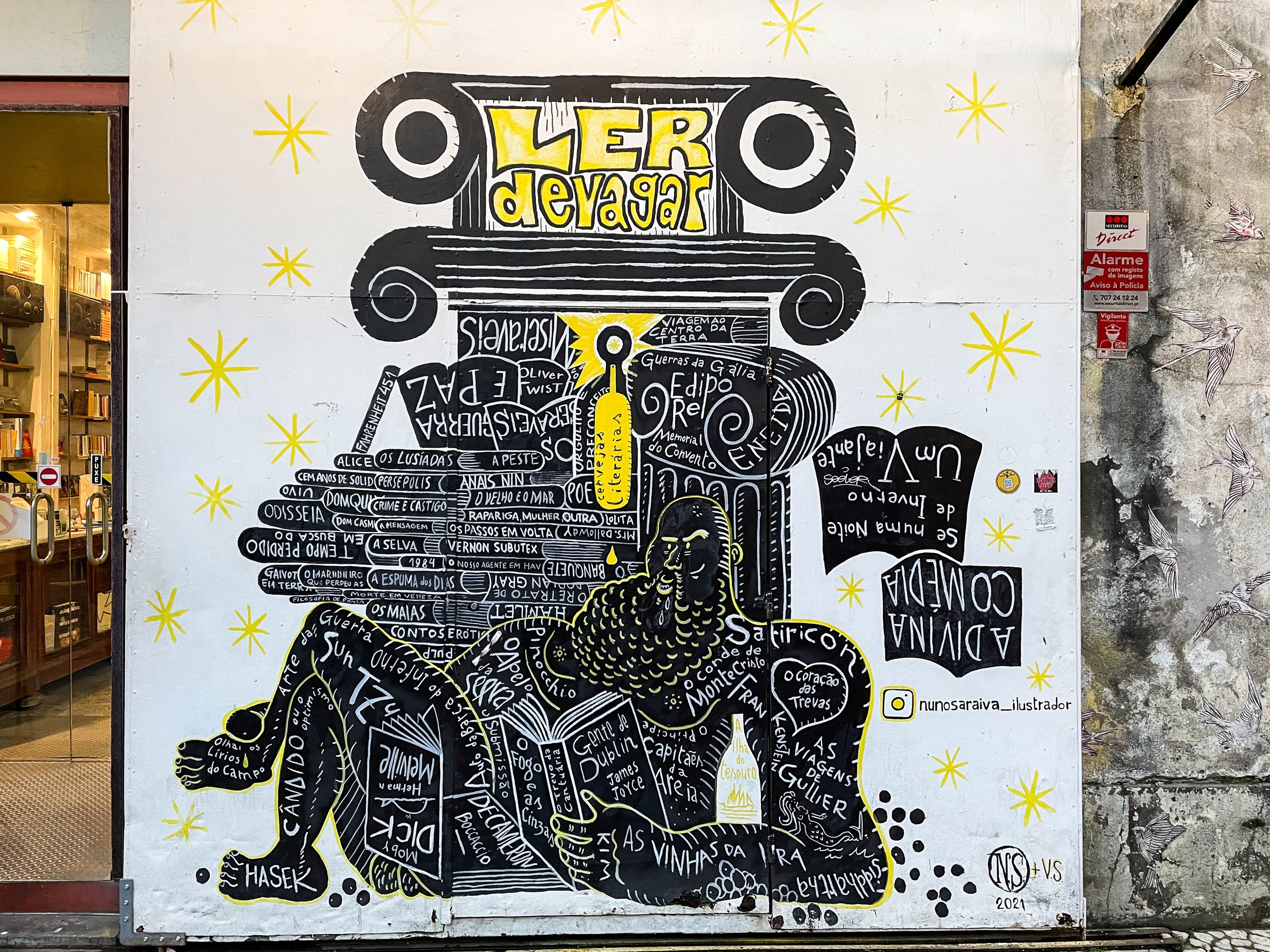


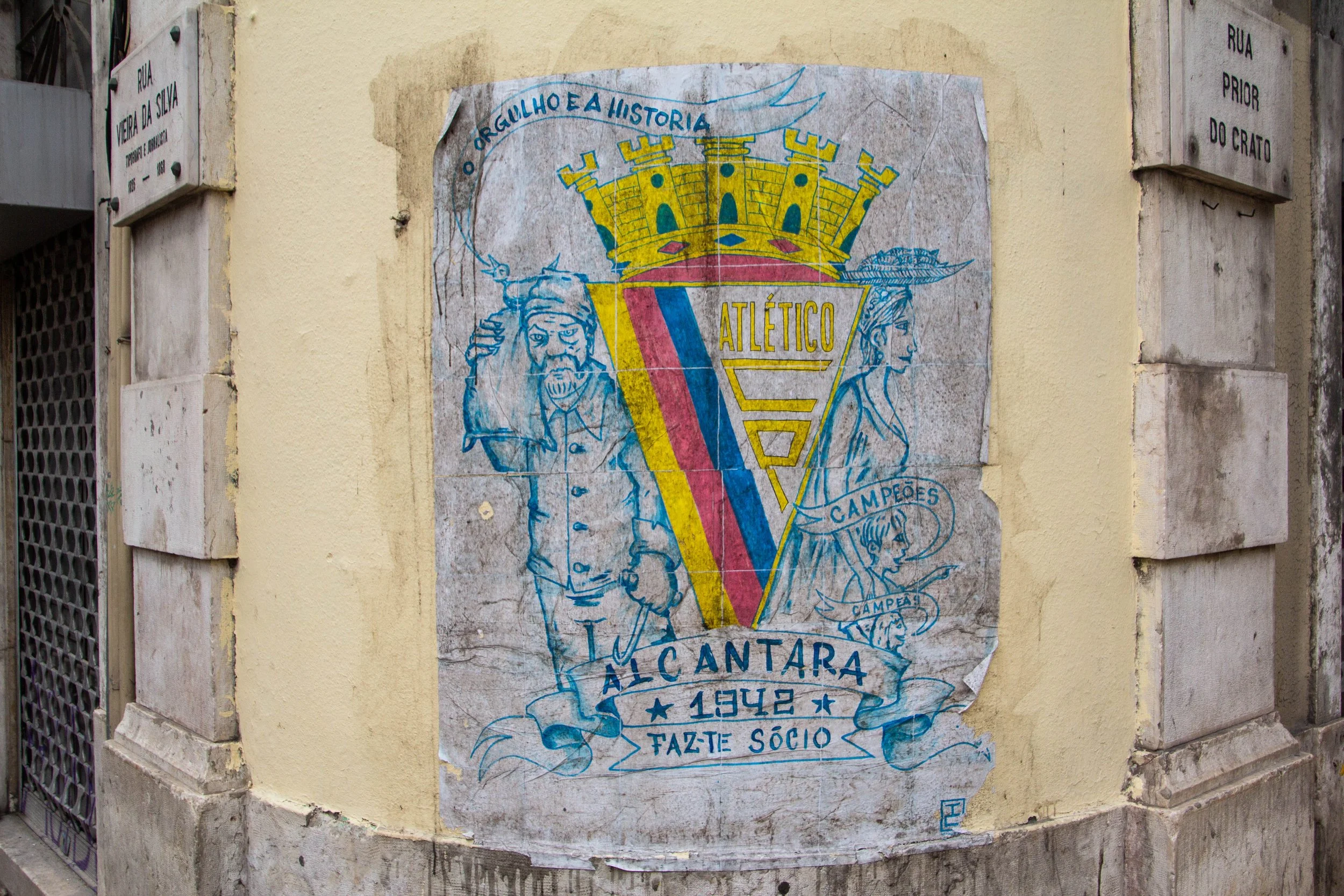
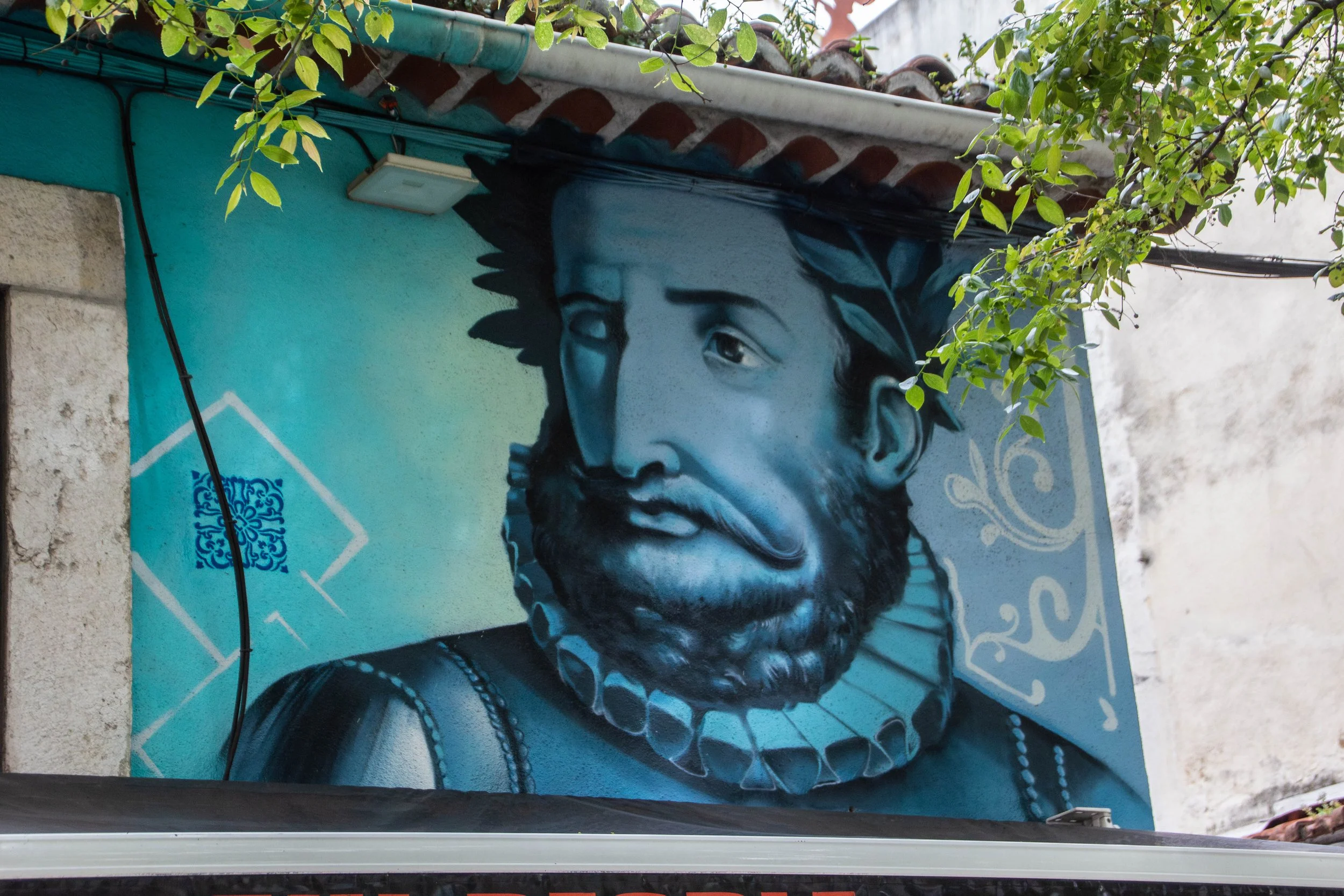


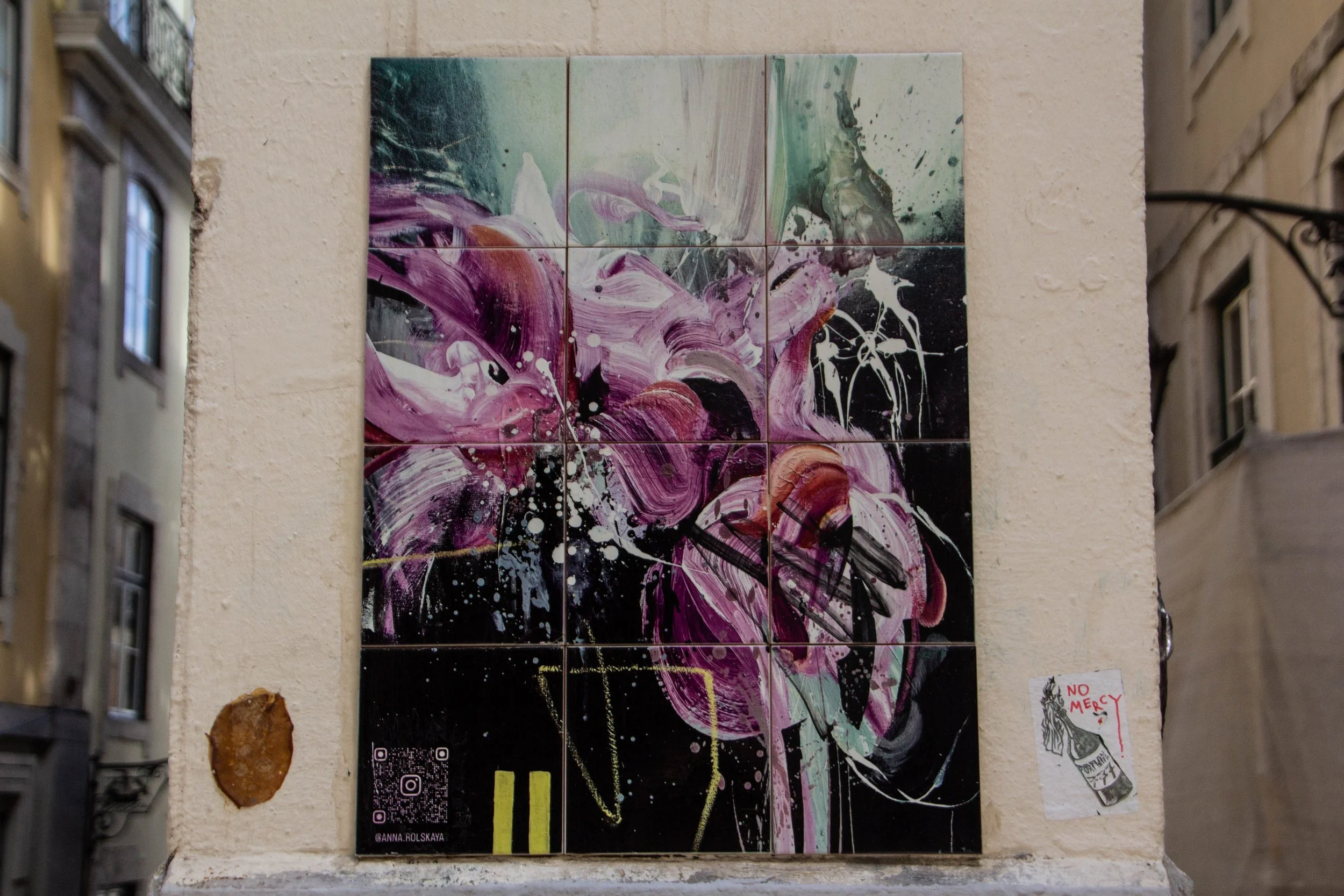
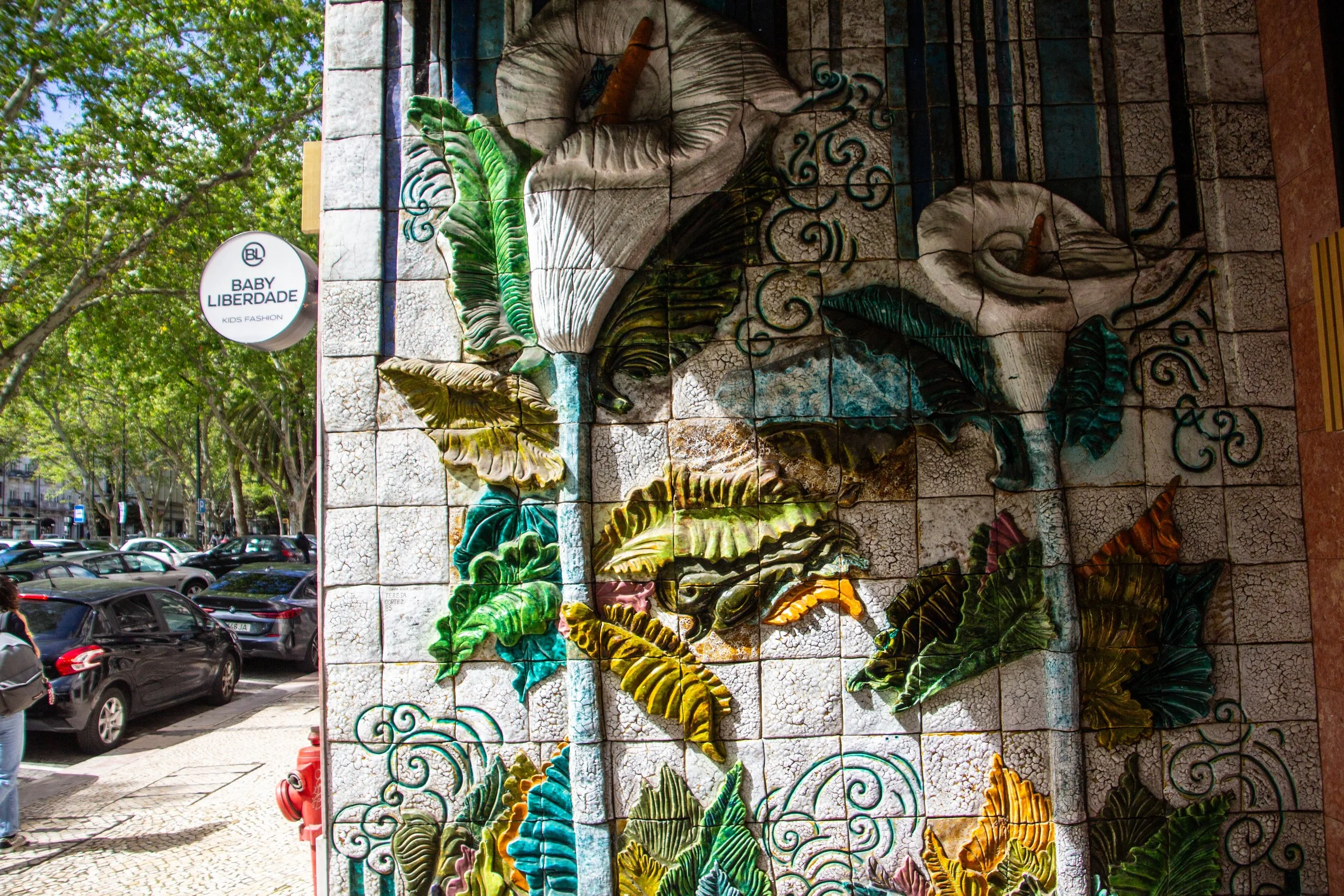


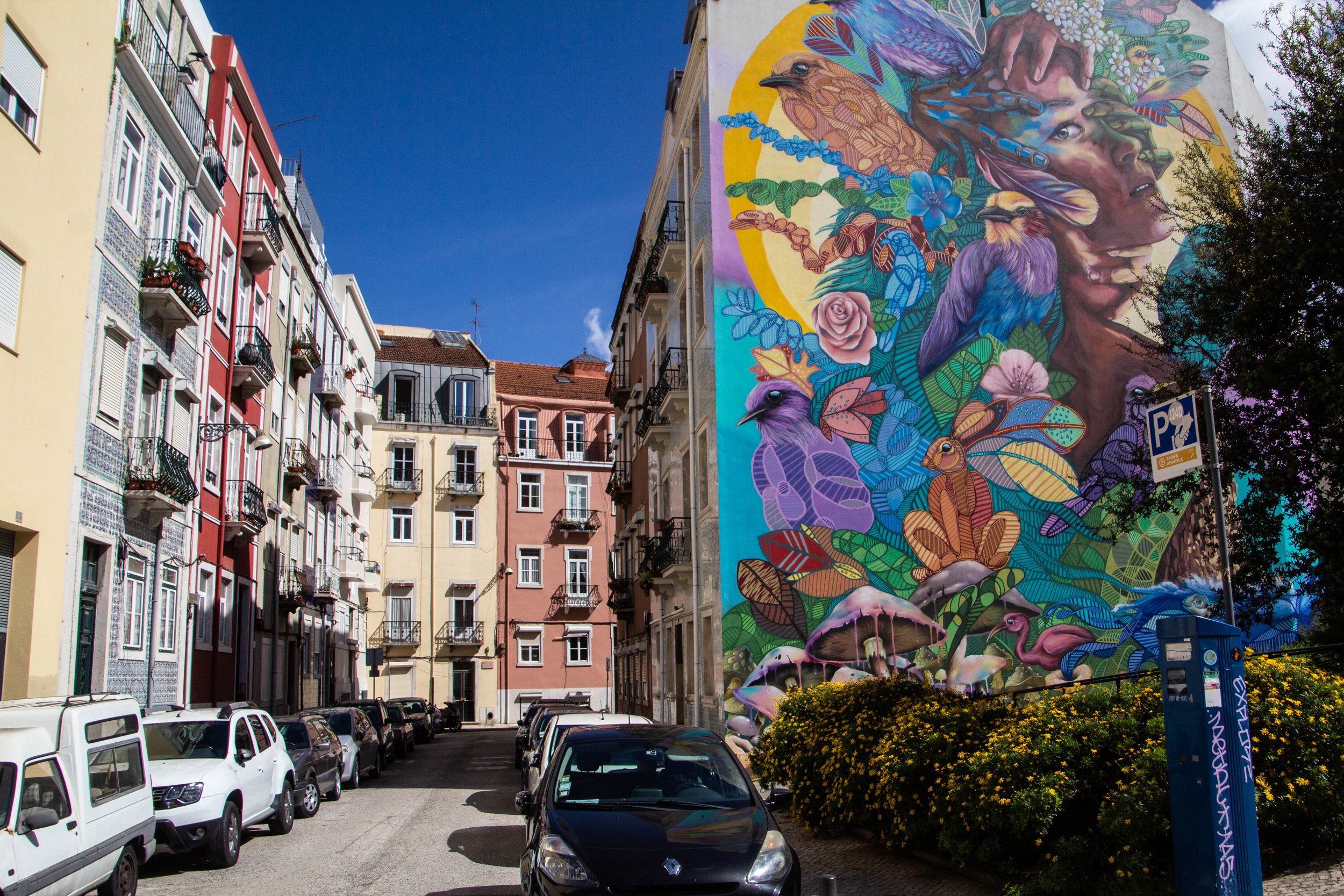
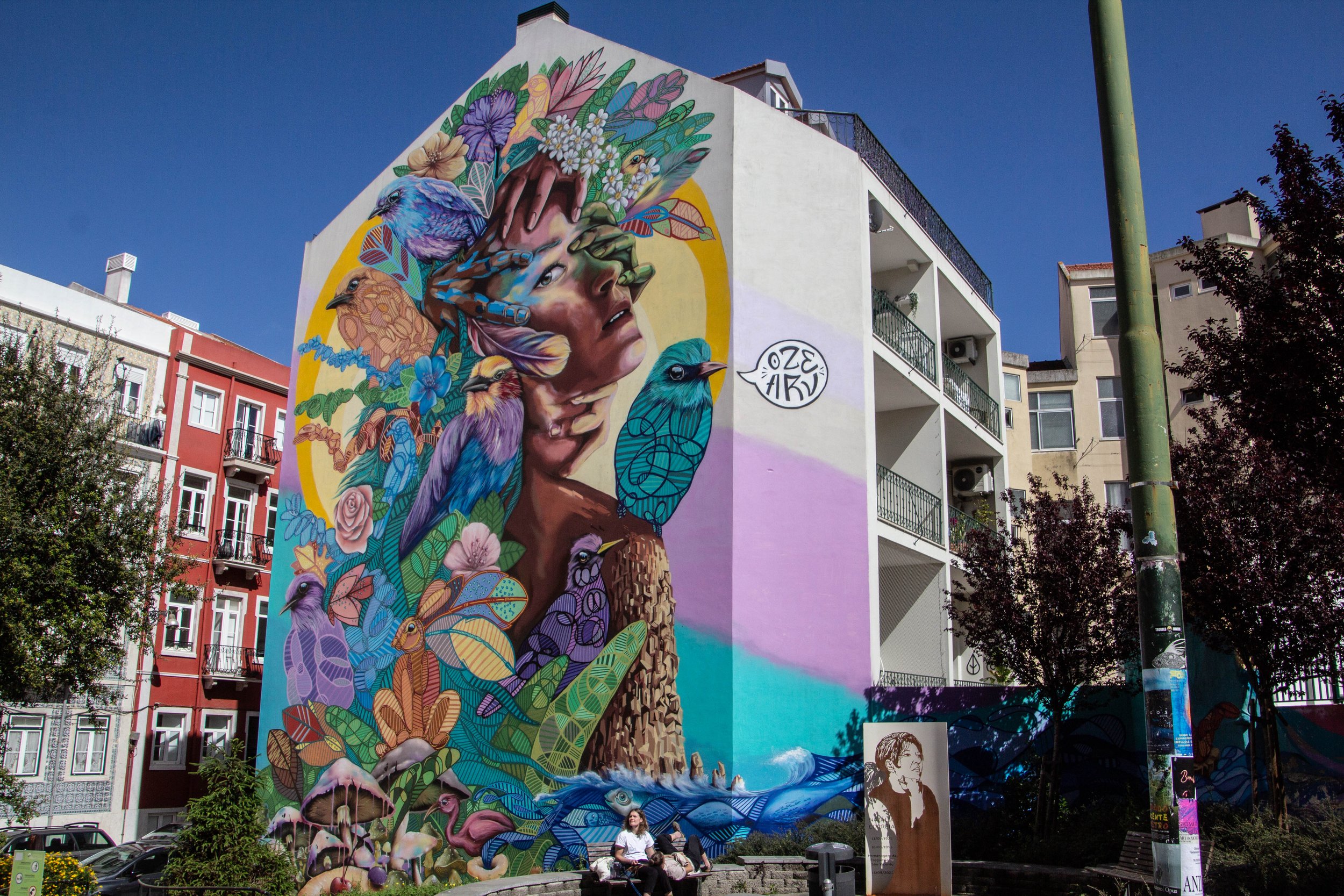


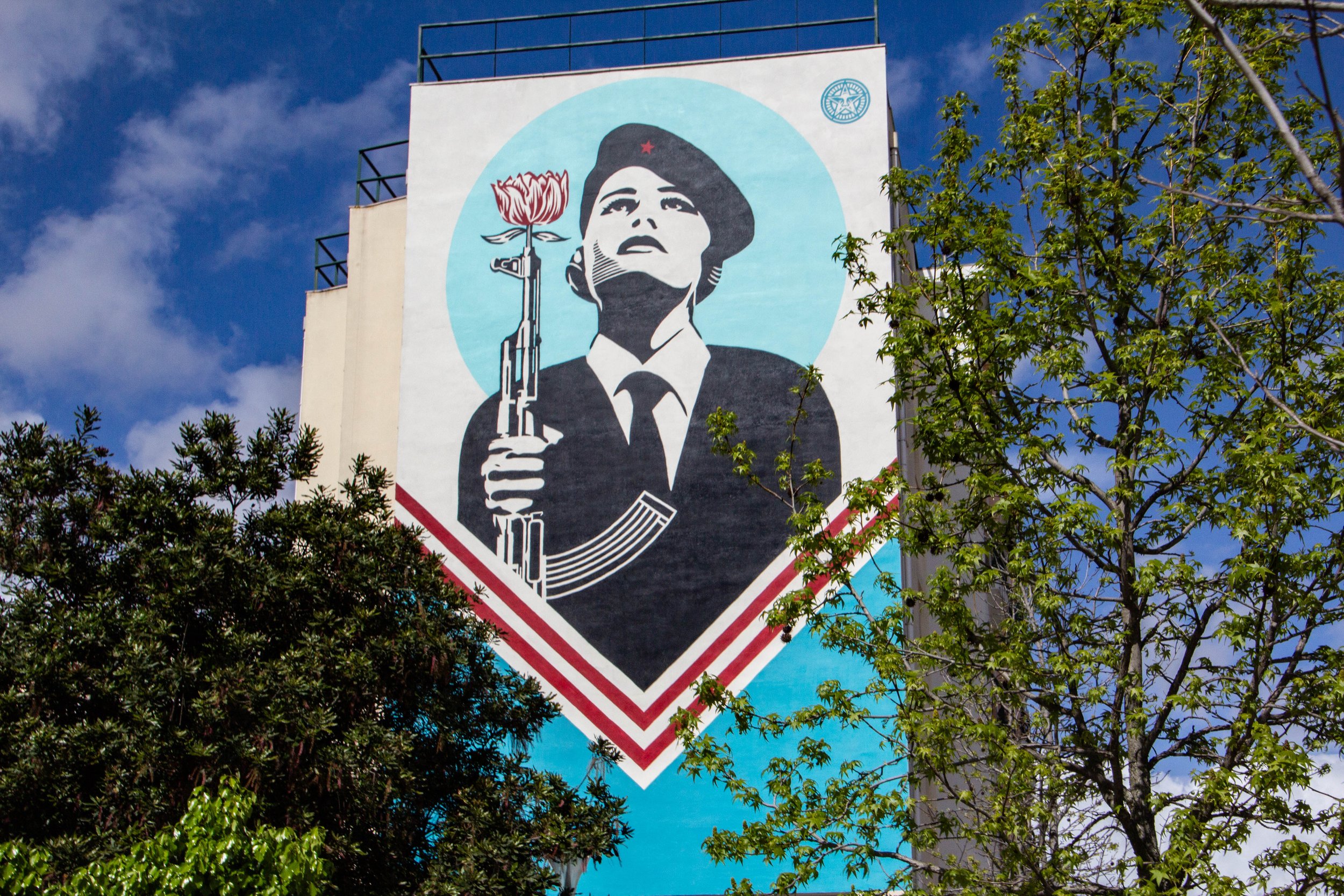


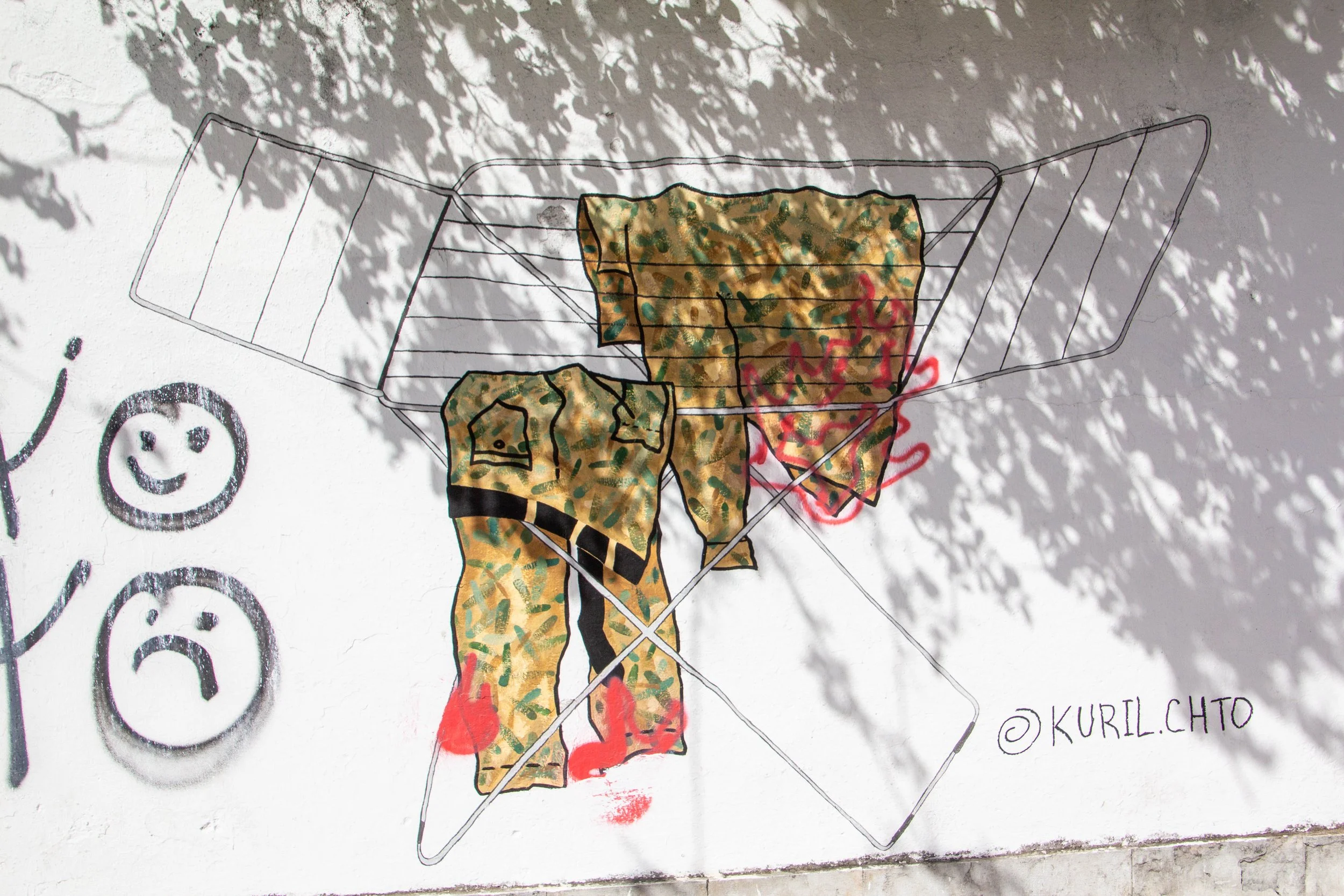


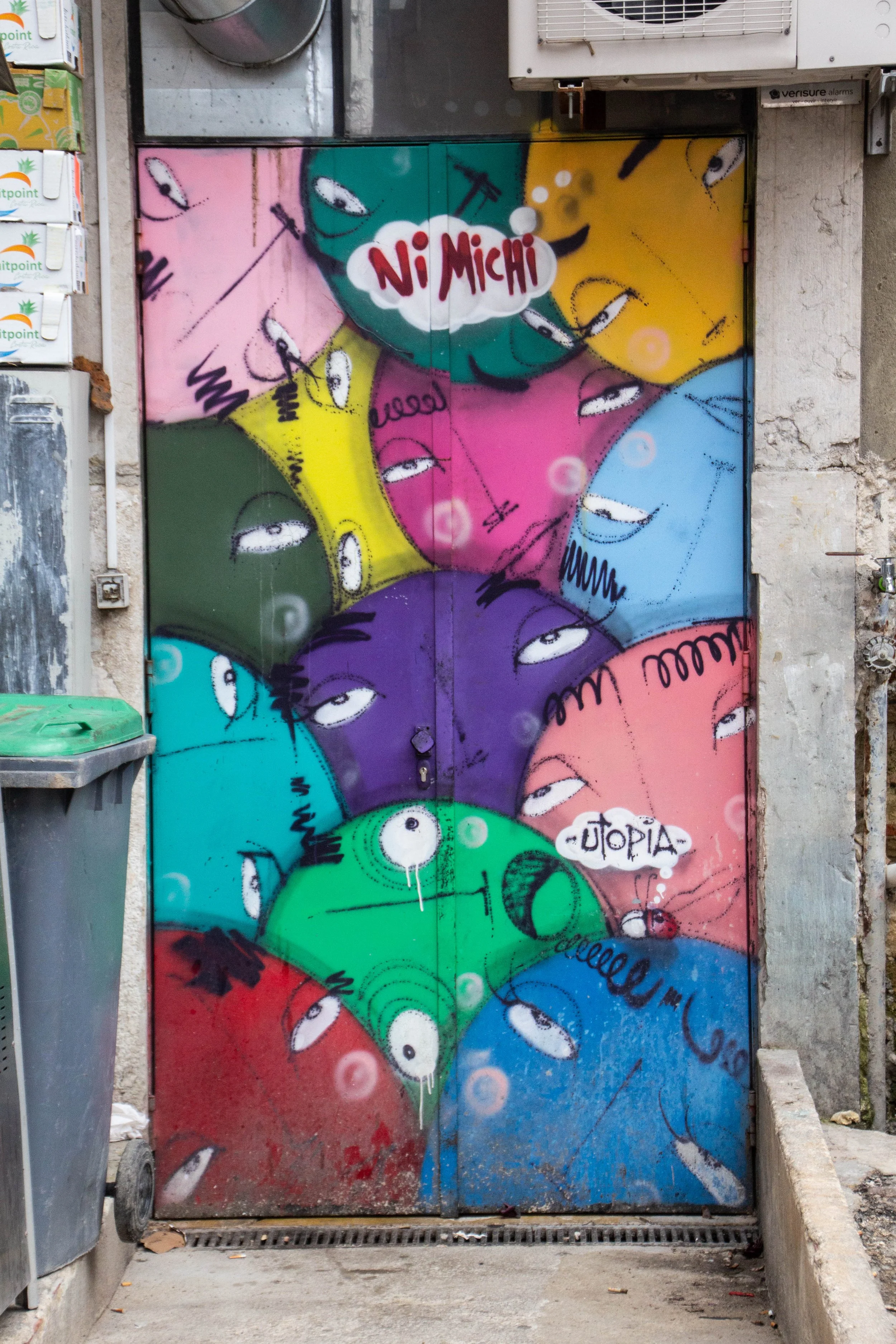


And there’s one mural that I feel I have to separate out from the pack for cultural reasons. One style of art that has a particularly strong association with and significance to Portugal are paintings on tiles, which are called “azulejos.” You’ll seem scattered throughout the gallery above, and although they are most often done in blue ink, the name has nothing to do with the fact that “azul” means blue. The origins of the word are actually Arabic word “الزليج” or “al-zellij” meaning which means “polished stone.” Anyway, these painted tiles are iconic in Portugal. In the previous article there were building fronts made entirely of these tiles. And in the gallery above you will probably notice this style at play as well.
This piece here is one that I separate out because it is a huge collage of azulejos. Each tile is its own work of art. And this is just in some random-ass alley in Lisbon. I looked at this one for a long time. Portugal really has a unique take on street art.
The artist behind this one is Jorge Romão.


That’s all I have for you today! But of course, no street art showcase would be complete without a thorough attempt to credit the incredible artists responsible for all of this magic. Here’s a list of who I have been able to track down, but please reach out and let me know if you can identify somebody that I’ve missed. Also, massive shoutout to THIS AWESOME WEBSITE for making this hunt 100x easier than usual. Also, WOW there is a lot more street art in Lisbon than what I captured here.
DISH (@dish2795)
Nina Paintina (@ninapaintina)
That’s it for Lisbon this time around! But our time in Portugal is far from over. Up next we’ll be hopping a plane and flying out to a tiny little island off the coast of Africa called Madeira. So, before we hit the road, let me share a beautiful song about Lisbon sung in Portuguese. I think Portuguese is the most beautiful sounding language to hear sung.


We’re back with another article set in urban Naples, AND the 2nd-ever showcase of Italian street art! The first took place in Sicily a few years ago, but Naples absolutely crushed Sicily in terms of street art.
Being in beautiful old cities—like those found in Italy—often means less murals. This is because these cities are dense, beautiful, and well-kept—so there’s no empty surfaces for street art. As such, I haven’t yet seen much street art in Northern Italy. However, Southern Italy—being the poorer half of the country—provides a bit more empty space for murals. And Napoli’s unique blend of rich culture and poor economics creates the perfect conditions for Italy the flex its artistic muscles in grittier and more contemporary ways.