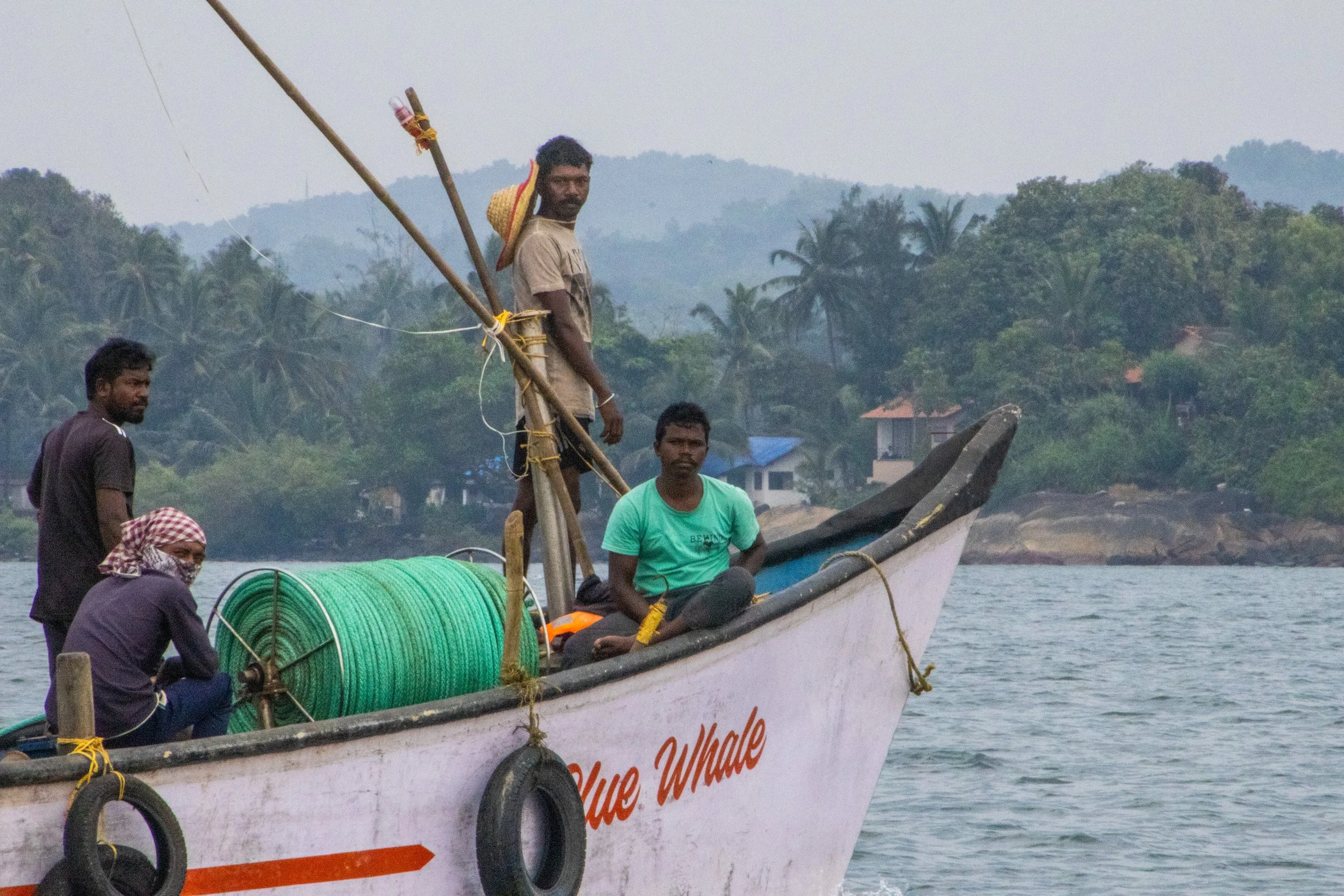
So, what exactly is Goa? Because it’s so tiny, I was surprised to learn that it is actually a stand-alone state in India, on the same administrative level as Uttar Pradesh, Rajasthan, or Maharashtra! Indeed, it is the smallest state in India, and its modern-day borders correspond to the legacy boundaries of Portugal’s once-upon-a-time colony on the Indian Subcontinent.
We mostly associate India’s colonial period with Great Britain, but France and Portugal both had small carve-outs in South India too. When the British finally left India shortly after WWII, the newly independent Indian government had expected Portugal to pull out of Goa as well, but Salazar (dictator of Portugal at the time) had other ideas. Long story short, India reclaimed Goa from Portugal via military force in 1961. The story of Goan identity as it relates to India and Portugal is quite complex, so I won’t delve into it fully here; hopefully in a future article. But I will tell you that Portuguese culture is still part of Goa’s DNA. It’s even got a large catholic population, which is quite out of place in India.
With a metro population of roughly 33 million people… (pause for dramatic affect)… Delhi is the largest city in the largest country on earth. In the overall world rankings, it is 2nd only to Tokyo, but it’s gaining ground fast! In the average Delhi day, there are ~837 births and ~360 deaths, which gives us a natural increase of ~477 people per day. On top of that, there are an additional 200–275 migrants that arrive here per day, mostly from neighboring countries, or rural parts of India. Meanwhile, Tokyo is actually shrinking.
With a population of ~4.3 million, Jaipur is the largest city in the magical west-Indian state of Rajasthan. It is also the capital of Rajasthan, and thusly is the center of political and economic power in Rajasthan. Jaipur was not built until 1727, which is relatively late in the grand scheme of India. Indeed, it was constructed from scratch to replace the previous Rajasthani capital, Amber, which—having been a center of power since the 11th century—was apparently getting crowded and having issues with water availability.
Jaipur was the first city in India to have been planned from scratch, and as such, it has some unique features. To me, the most striking of these features is that it adheres to a very strict grid system, like Chicago. In older cities that evolved over centuries or millennia, in India and elsewhere, you will find no such geometric uniformity.