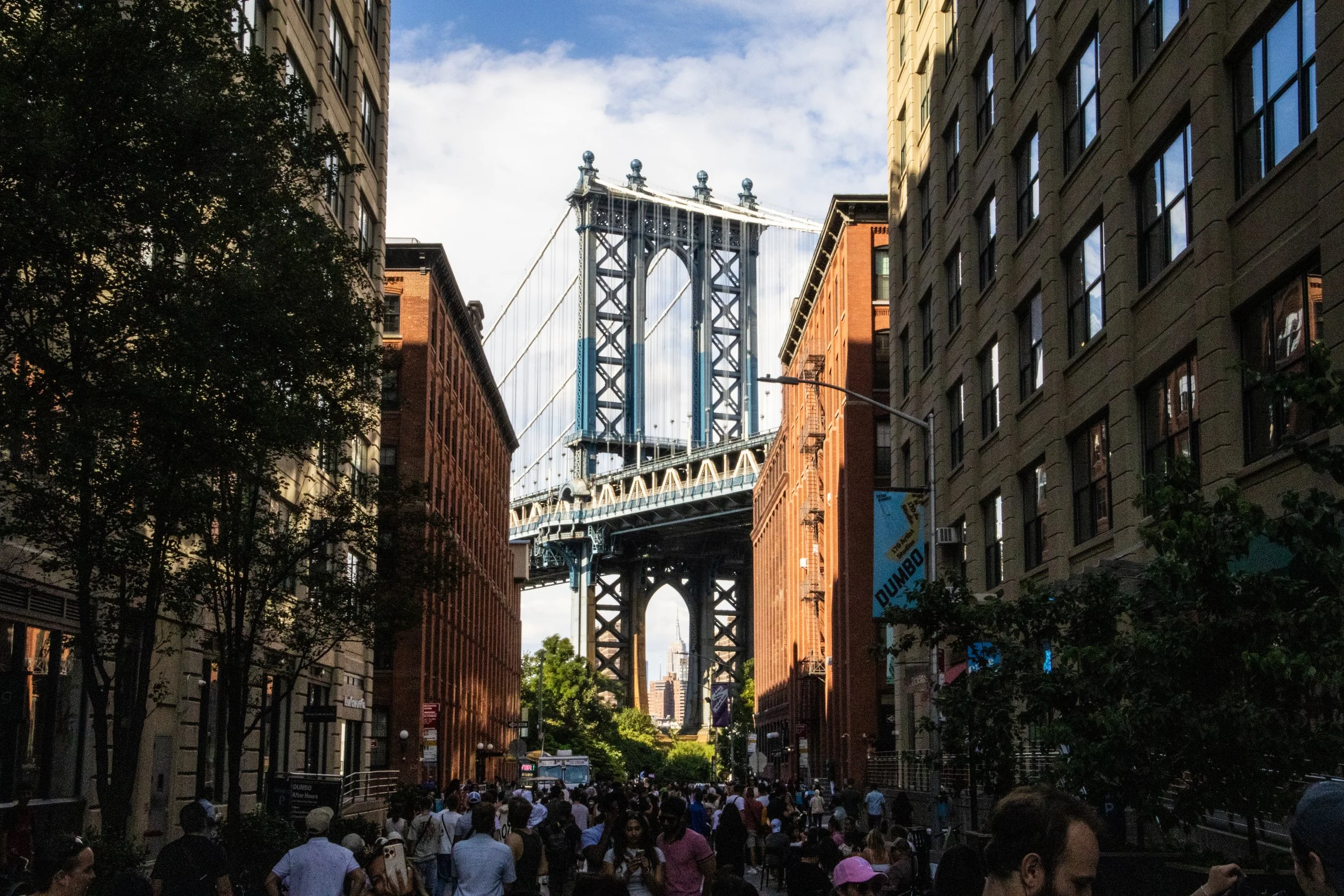
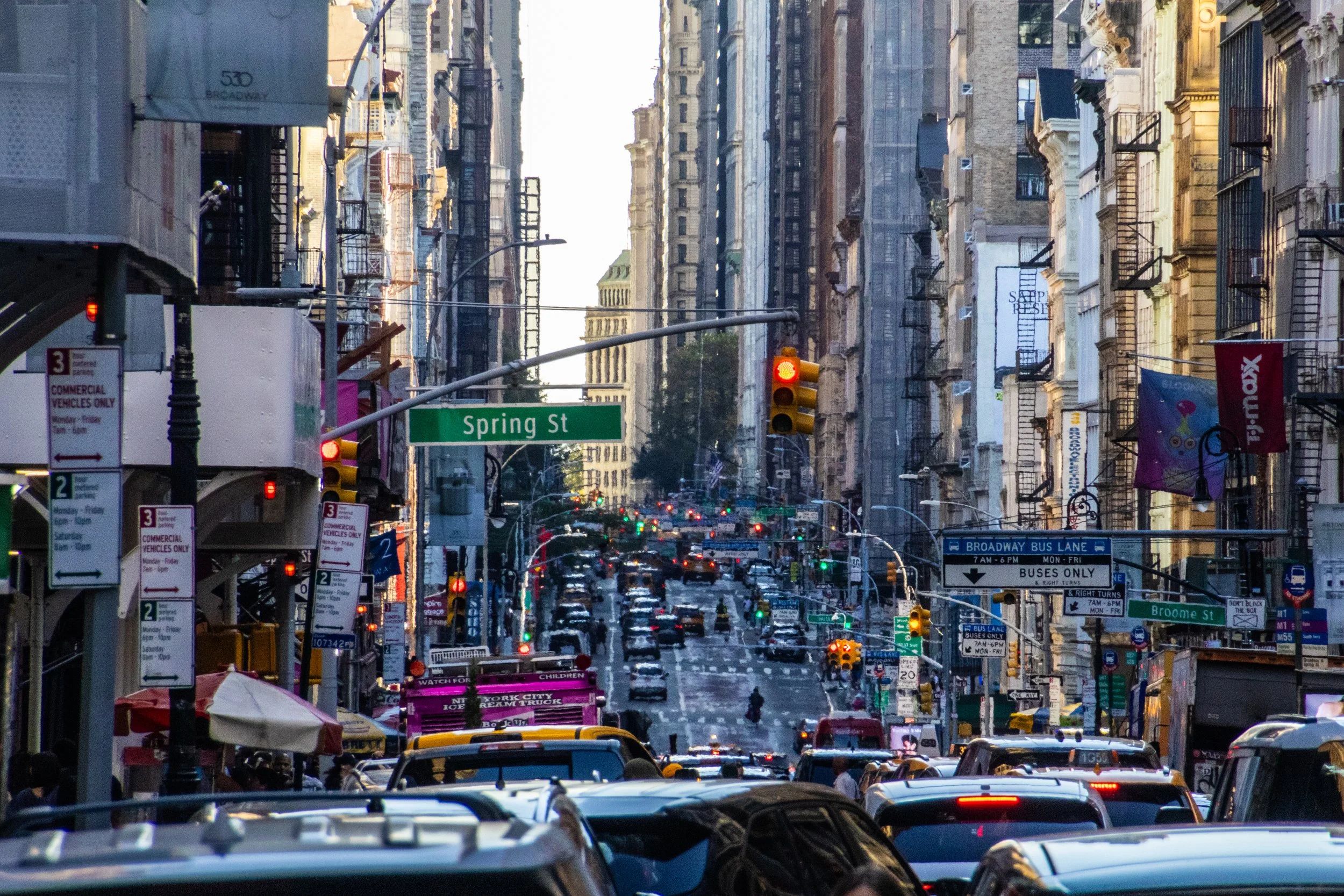
As one of the 5 boroughs of New York City (the others being Manhattan, The Bronx, Staten Island, and Queens), it’s home to some 2.6 million people, which—if it were a stand-alone city—would make it America’s 4th largest city, nearly as large as Chicago! It has a stand-alone GDP of approximately ~$120B, which—for context—is more than the country of Ethiopia.
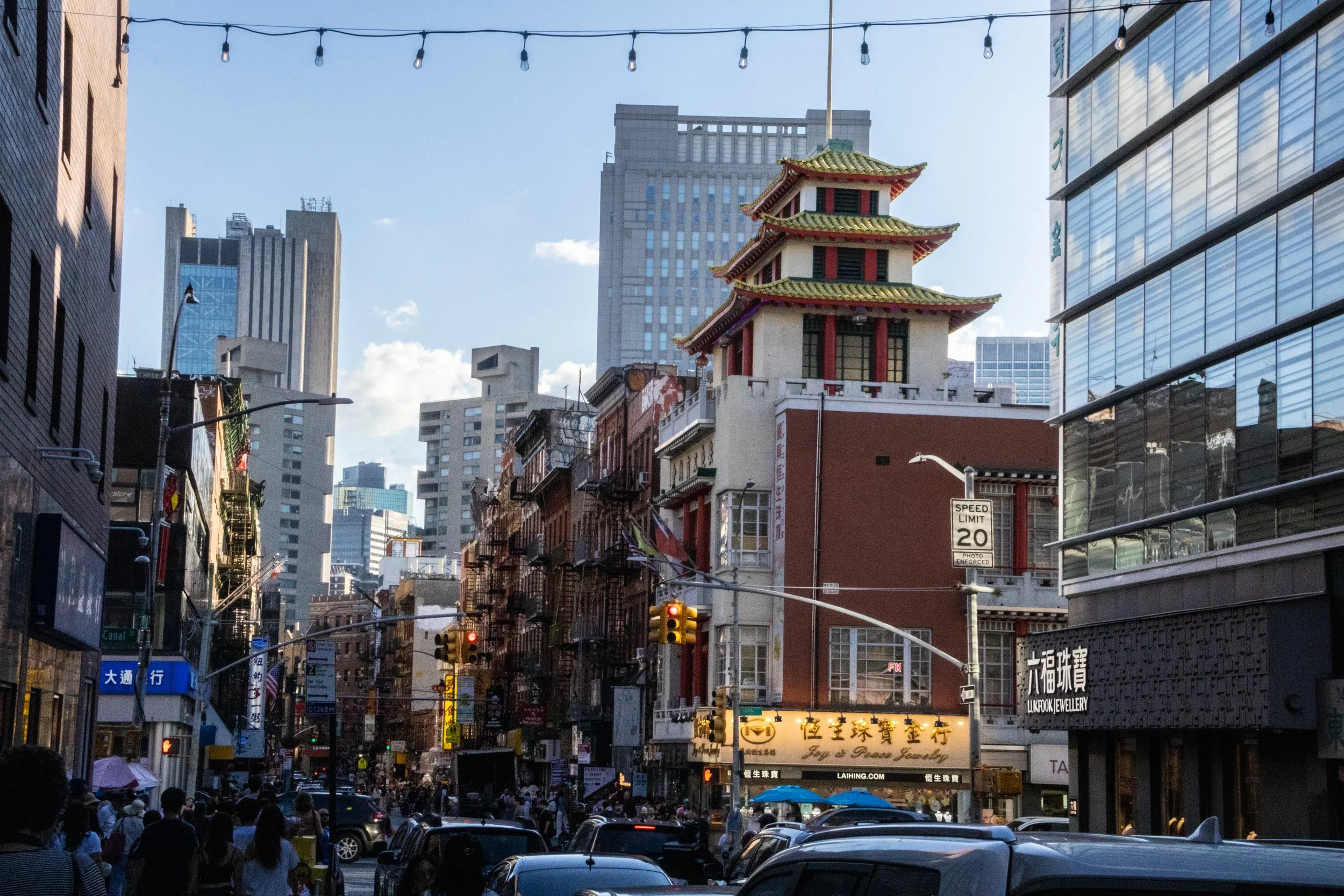
While the ascent of NYC’s Chinatown may have coincided with the shrinkage of Little Italy, giving the impression that the former was “taking over” the latter, the truth is that, by the 1990s, both of them were under equal economic pressure from encroaching gentrification and rising real estate costs. In spite of that Chinatown didn’t start to shrink until the early 2010s. By that point, as had been the case with the Italian immigrants who’d followed a similar path before them to achieve widespread integration into American society, the next generation of this Chinese community soon relocated to other parts of the city, especially Queens and Brooklyn. And just like Italians are now an integral part of the New York identity, this Chinese community is part of the deal now! There are 4th and 5th generation people of Chinese descent walking around New York, which means their families have been here longer even than mine! Cue my recommendation for you to go watch Nora From Queens. Great show.
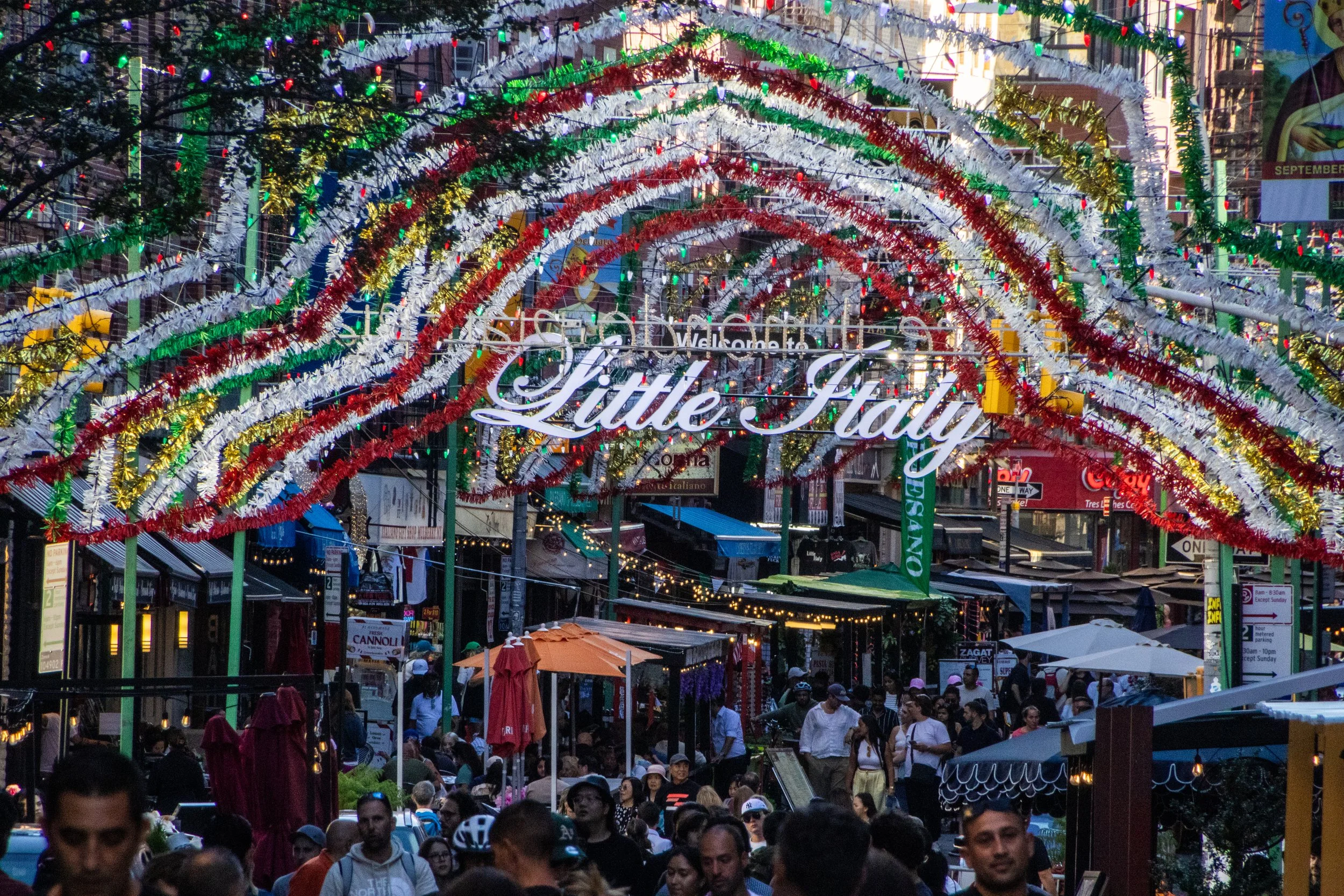
New York City not just one thing; the whole is formed of many thousands of individual threads woven and intertwined together. All of these parallel realities existing on top of each other is a big part of what makes New York so captivating… but some of these threads are more visible to the outside than others. One of New York’s most visible threads is its status as ground-zero for Italian-American culture. Yes, from Frank Sinatra to George Costanza, few immigrant communities in the US managed to balance the simultaneous integration with American society with the maintenance of a shared collective sense of identity like the Italians. Ironically, Italian-American culture has strayed hilariously far from actual Italian culture at this point; the two groups barely even claim each other at this point! But, within the U.S. at least, this shared homeland is a powerful unifier. Indeed, there are about 16 million Americans (~4.8% of the population) that have some level of Italian lineage, including yours truly. 🍕
Although the beginnings of the U.S. as we know it today began with British roots, New York City actually began as a Dutch colony called New Amsterdam. It passed into British hands in 1664 and actually served as the capital city of the newly independent United States from 1785 to 1790. So it has been vitally important since the very beginning. As of 2023, the city alone (its metro area, that is) had a stand-alone GDP of $2.30 trillion, making it the most valuable city in the world. In fact, if treated as an independent country, New York City would rank within the top 10 largest economies in the world, ranking above Italy, Canada, and Australia, to name a few. For a domestic point of comparison, the next largest economy in the United States is Los Angeles with an approximate GDP of $1.1 trillion.
Today we’ll explore few key areas from what is locally known simply as “The European Side”. Istanbul straddles a natural strait called the Bosphorus, which is the official boundary between Europe and Asia. The “European Side” of Istanbul—which is divided into two parts by an offshoot waterway of the Bosphorus called the “Golden Horn”—is decidedly more touristy than its Asian neighbor. The two pieces of the European Side that sit on either side of the Golden Horn are the Historic Peninsula (also call the “Fatih” or Old City) to the south, and Galata–Beyoglu to the north.
By the time the urban footprint of London really began to expand in the 18th century, Hampstead Village had become kind of a trendy place to be for Londons affluent intelligentsia, since it was beautiful, clean, and within striking distance of London. Likewise, the giant natural area now known as Hampstead Heath—which served as a shared backyard for this community—became the focal point of conservation efforts in the face of London’s creeping urban sprawl. Luckily, Hampstead already boasted an impressive roster of rich and influential residents who had the muscle to bring this conservation to reality. The result? Both Hampstead Village & Heath have grown into the stuff of postcards; a beautiful and secluded getaway from the hustle and bustle of London.
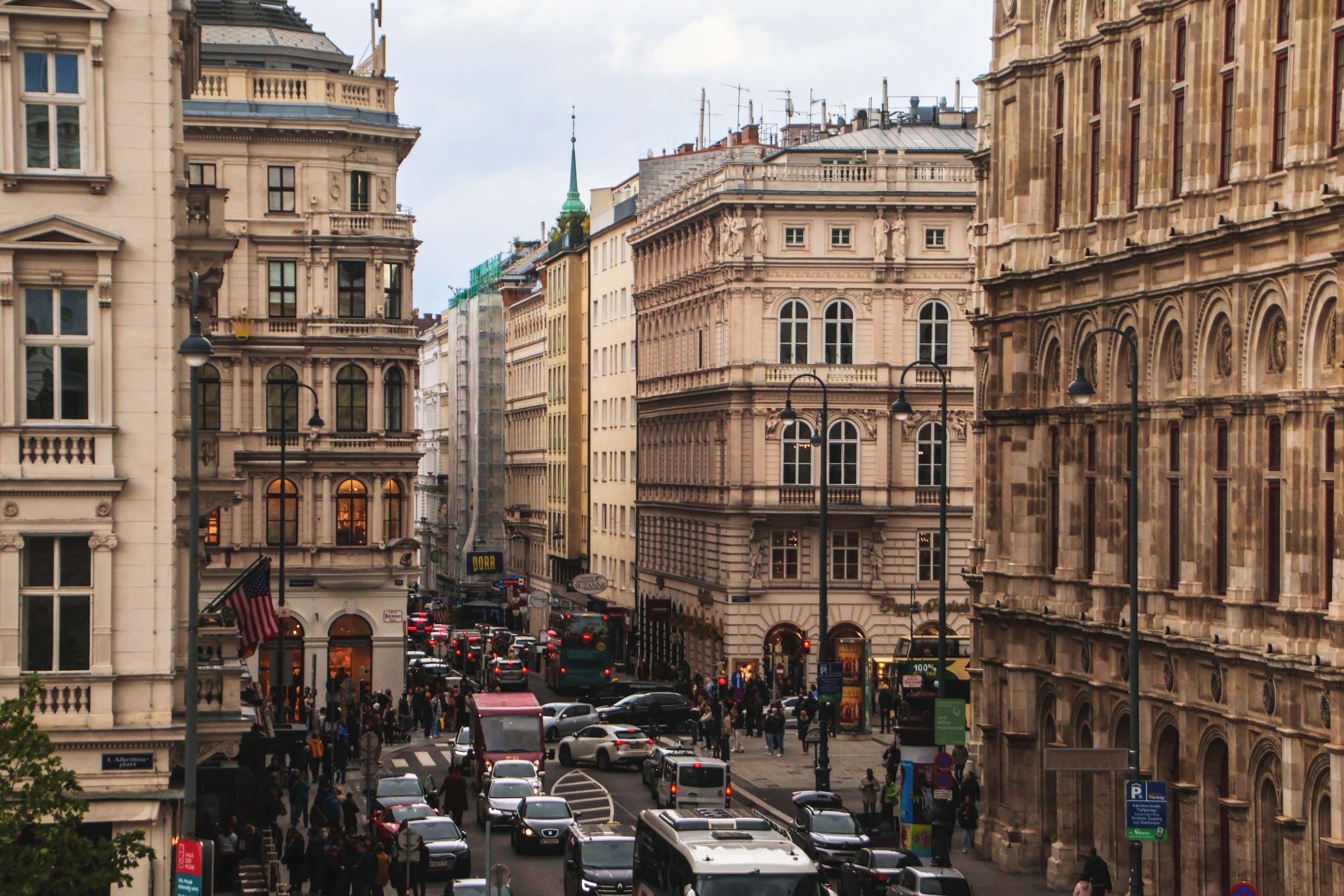
Vienna. It has got a reputation for being one of the most beautiful and most “livable” cities not just in Europe, but in the whole world. And that reputation is very well-deserved! But to me, the geopolitical angle is much more interesting that the generic wiki-tourism preamble. So, why am I saying that Vienna is the “Spy Capital of the World”? Well, I can’t take credit for this designation; it’s a “thing.” If you look it up on YouTube, you’ll find all sorts of interesting explainer videos on this (here’s a good one from Versed). I actually think this is a really good segue into explaining Vienna as it stands today, so here’s the quick version…
Paris needs no introduction, but here’s one anyway.
Paris is the capital of France and—in terms of metro area—the largest city in the European Union by a HUGE margin. According to the OECD, the population is 11.2 million. For context, the next largest metro area population in the EU is Madrid, at 6.9 million. London (now ex-EU) and Istanbul (definitely not EU) clock-in at 13.4m and 14.6m respectively, according to the same OECD data set. So Paris is more than just a historic, beautiful place (although it is those things as well)—it actually fits the definition for a “mega-city”, in the same league as Mumbai, Mexico City or Los Angeles.
As you know, today we’re in NORWAY, which is a new country for this blog! Unlike its Scandinavian peers, Norway is actually not part of the European Union, although it is a member of the Schengen area. Oslo is far and away the largest city in Norway, with a metro area population of 1.5 million people, although Oslo proper has less than half that number. For context, the next largest city in Norway by metro area is Bergen with about 460k people. And Norway overall has a population of 5.52 million people. That’s less than half the population of London, and is more than 7x smaller than the population of the Tokyo metro area. Not a big place, even by Nordic standards. But it’s definitely a beautiful place.
Here are a few fun-facts about Oslo…
Copenhagen is an interesting example of how the center of gravity for contemporary, social life is often not in the historic city center. I think this is true in varying degrees in many cities across Europe, but what I understand from speaking with my Danish friends over here, is that this phenomenon is particularly decisive in Copenhagen. If you move to Copenhagen, most people will tell you that the best place to live is not Indre By, but other neighborhoods that are a bit further afield, a bit less dense, a bit less historic, and a lot less photogenic.
Today we’re going to focus on two such neighborhoods, which have a reputation for the being the “cool / trendy” areas in Copenhagen: Frederiksberg and Nørrebro.