

BOOM! Did all 3 Scandinavian capitals before Q4 of 2024: Stockholm, Copenhagen, and now Oslo.

An Introduction to Oslo, Norway
One thing I recently learned is that “Scandinavian” countries and “Nordic” countries are not the same thing.
“The Nordics” include not only Norway, Denmark, and Sweden, but also Finland, Iceland, and the Faroe Islands.
As you know, today we’re in NORWAY, which is a new country for this blog! Unlike its Scandinavian peers, Norway is actually not part of the European Union, although it is a member of the Schengen area. Oslo is far and away the largest city in Norway, with a metro area population of 1.5 million people. However, Oslo proper has less than half that number. For context, the next largest city in Norway by metro area is Bergen with about 460k people. Meanwhile, Norway overall has a population of only 5.52 million people, which is less than half the population of London, and is more than 7x smaller than the population of the Tokyo metro area. Not a big place, even by Nordic standards. But it’s definitely a beautiful place.
Here are a few fun-facts about Oslo:
Oslo frequently tops rankings both for the most expensive cities in the world, and the most livable cities in the world. This seems to be a bit of a paradox at first glance, but this is one of the tensions of Scandinavia: it’s borderline perfect, but that comes at a cost.
Oslo is closely surrounded by forest! Norwegians are known to be appreciators of nature, so even in the “big city” these forested areas are generally accessible via public transportation in under 30 minutes.
Oslo is a great place to be a parent! There are great laws ensuring maternity and paternity leave are provided to all parents with both generosity and equality. And apparently almost 3 out of 4 fathers take their full paternity leave. However, I should note that other Scandinavian countries are similar in this regard.
The massive Christmas tree that stands in London’s Trafalgar Square each winter is actually a gift from Oslo! This tradition began in 1947 as a “thank you” to England for its role in defeating fascism in Europe in WWII. You can get a taste of this in the “Christmas in London” article I shared last year, which actually does contain a picture of that Christmas tree! Little did I know at the time that it was a Norwegian import. *cue Norwegian Wood by the Beatles
The Nobel Peace Prize is awarded in Oslo! Apparently this was stipulated in Alfred Nobel’s will, so the ceremony takes place every year in Oslo’s distinctive, boxy, brown city hall. There is a picture of it in the gallery below, but not worth pointing out in my opinion. It’s not a very pretty building, but it’s cool that this happens in it!
Oslo: First Impressions


The train ride into the city center from the Oslo Gardermoen Airport is just as smooth and seamless as you’d expect from Nordic paradise. My coffee and I quickly found a seat on the train, and were soon zooming through the Norwegian countryside. After 20 minutes or so we were slithering into the heart of Oslo.
The public transit in Oslo is quite good. There are buses and trains that can get you pretty much anywhere. To pay for admission onto this public transit, you can download an app called Ruter. And if you want to find your way around pretty much any city—Oslo included—Citymapper is the best resource you can ask for.
I had 3 nights in Oslo, stretched over the course of 2 visits, so my time here was relatively brief, but it’s also not a big city. I don’t think you need a super long amount of time to do it justice. Compared to its peers, Stockholm and Copenhagen, Oslo definitely feels much smaller, and much sparser. However, this provides all the more opportunity for nature to infuse itself with the cityscape. It was gray and drizzling for damn near all of my time in Oslo, which makes it tempting to stay focused on your shoes as you walk, but even in these conditions, it was hard not to notice and appreciate all the green space.
Here are a few pictures I snapped in my wanderings throughout Oslo. But first, a few notes on the items contained within this gallery to look out for as you work your way through it:
There are small plaques on the streets around Oslo noting places where Jewish citizens were apprehended by the Nazis during the Germany’s WWII occupation, as well as who they had been
There are a number of pictures taken in a beautiful cemetery in central Oslo called Vår Frelsers Gravlund (Our Savior's Cemetery)
Also, please appreciate the floating swan that isn’t actually a swan…
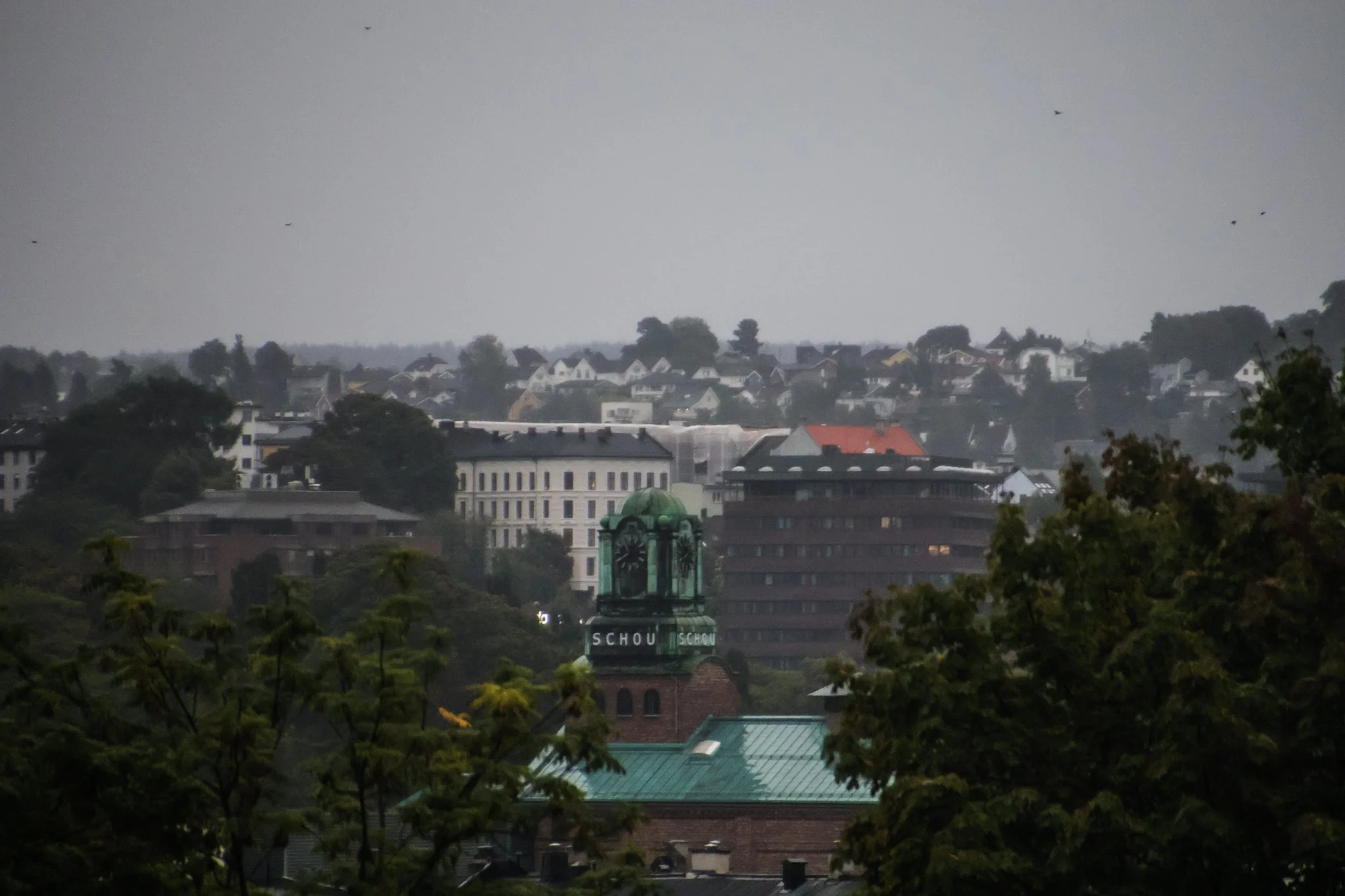


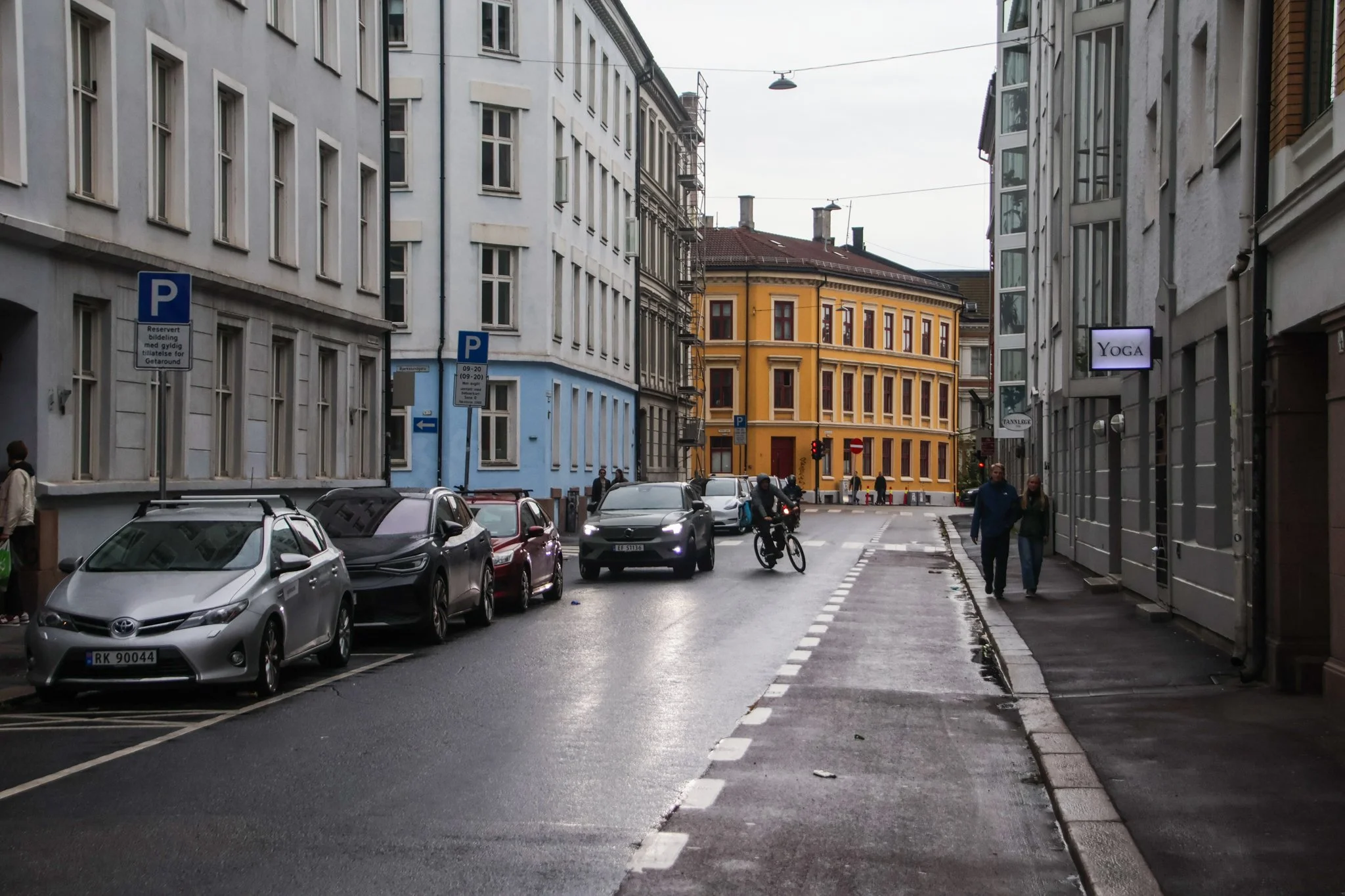


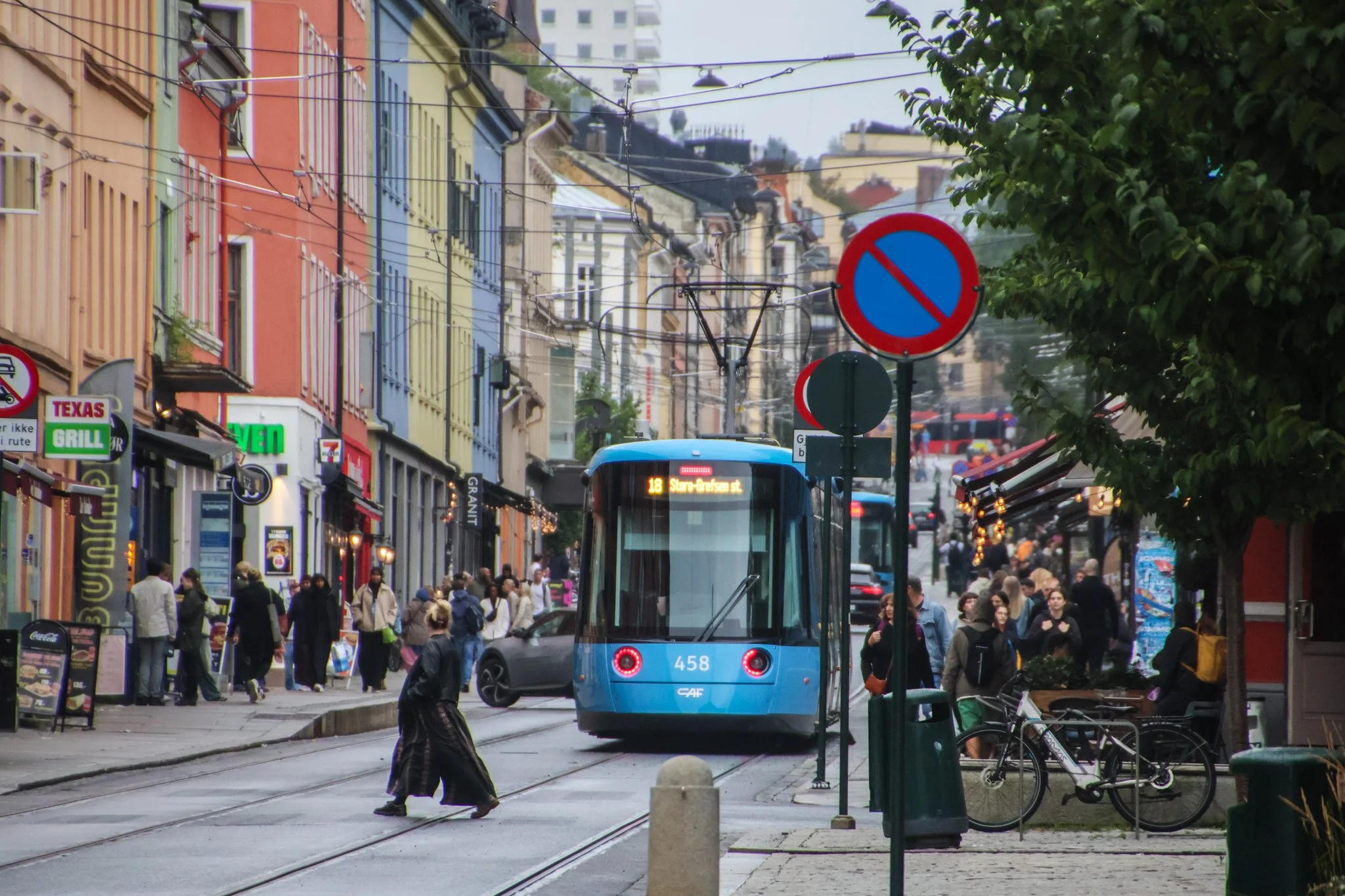


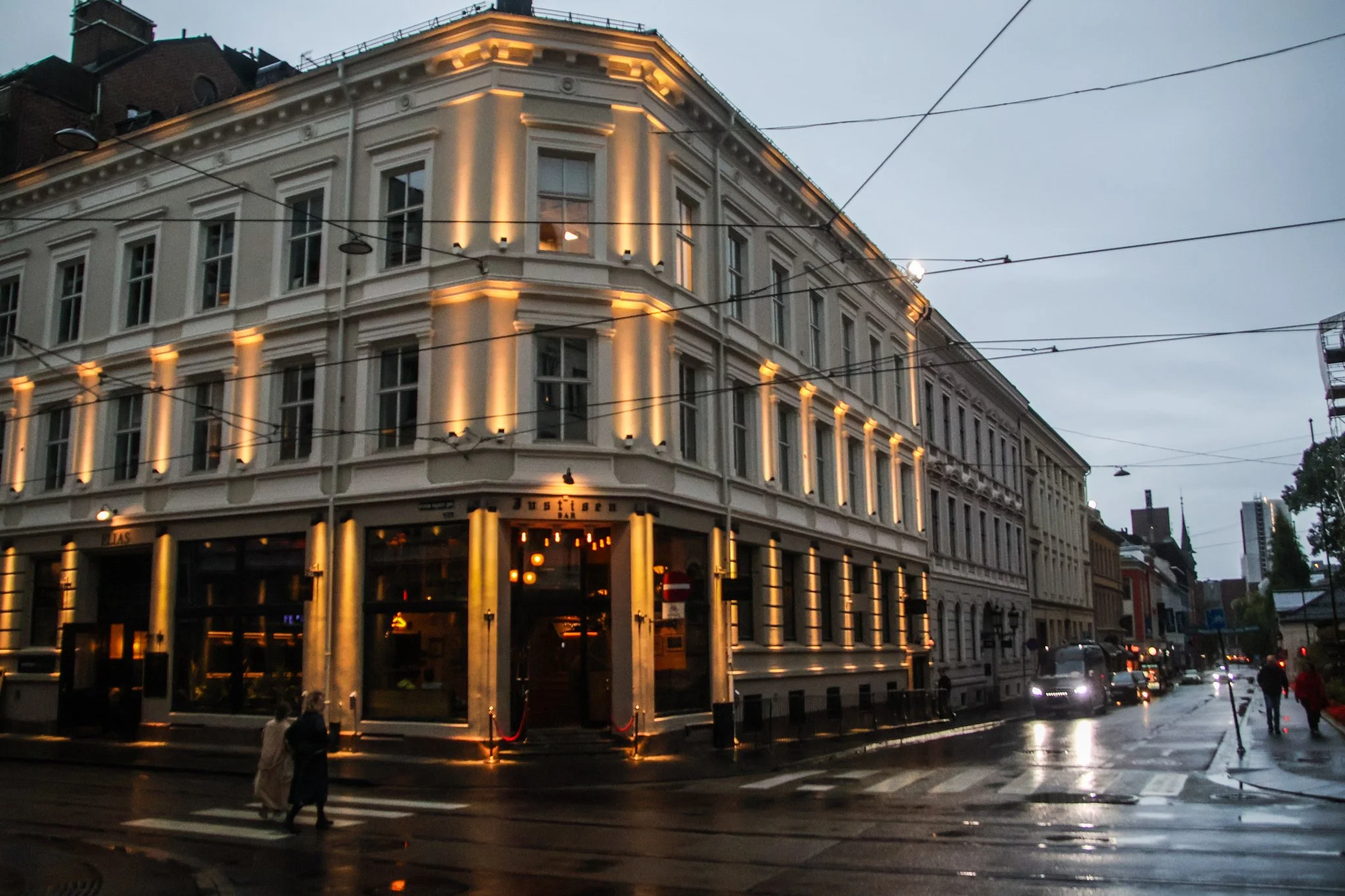


Oslo Street Art
I didn’t find quite enough murals in Oslo to justify creating a stand-alone street art showcase, but I was tempted. The murals here are indeed a defining feature of the street-scape. It’s really just a small place! To pack the volume of murals that would be required for a stand-alone article, Oslo would have to have been packed quite densely with paint. And like many of its European neighbors, Oslo just doesn’t have enough empty space for that. European cities are designed to be beautiful before they are given any tattoos like these…


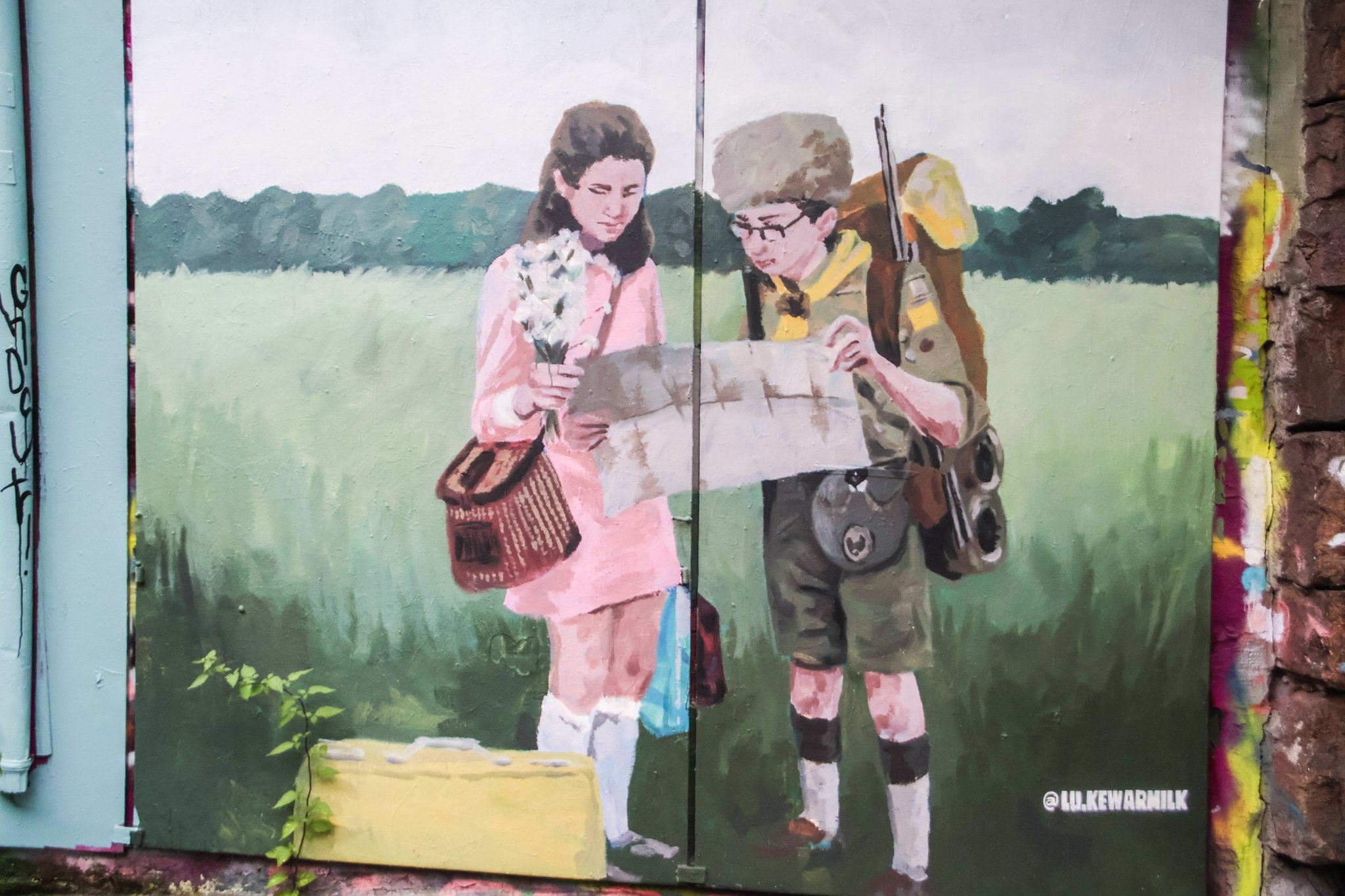
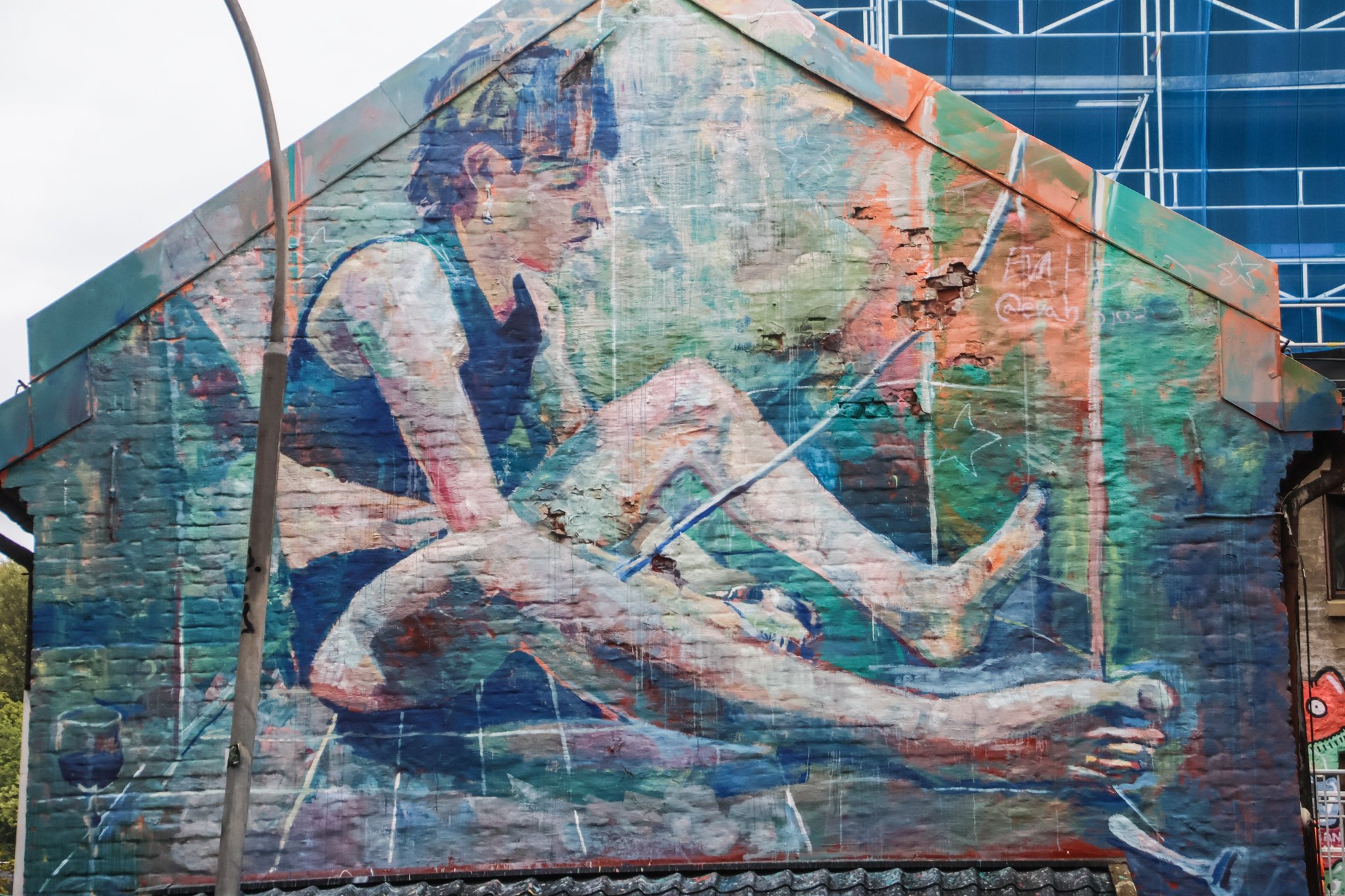


Oslo Opera House
One landmark that I am going to highlight specifically is the Oslo Opera House, which sits in a neighborhood called Bjørvika in the city center, and is home to the Norwegian National Opera and Ballet. Opened in 2008 (ahead of schedule and under budget 👀) the Oslo Opera House was designed by the Norwegian architectural firm, Snøhetta AS. Its futuristic spaceship-like exterior is covered entirely in Italian marble, which helped it quickly win multiple awards, including a prize at the World Architecture Festival in 2008, and the European Union Prize for Contemporary Architecture in 2009.
It is actually quite comparable to the Copenhagen Opera House, which I visited just 3 articles ago! Although the Oslo Opera House is much smaller than its Danish counterpart, I think I prefer it. Here are a few pictures. They are going to make Oslo look bleak and frigid… but I should note that this visit happened during the month of August. 😂


That does it for urban Norway!
Up next we’re going to venture out into the mountains. This, I think, is the REAL draw of Norway, so I was excited to get out into nature. I will 100% be returning to see the incredible fjords of coastal Norway, but in this series, we’re going to go climb some mountains in an area called Trysil, which is inland, close to the Swedish border.


Copenhagen (or, in Danish, København) is the capital city of Denmark. It is also the most populous city, with a metro area population of 2.1 million people, which is almost double the population of its next largest city, Aarhus. If you’ve never taken a moment to observe the geography of Copenhagen, you can do so on the map below; it’s actually pretty interesting. It sits on an island in the North Sea called Zealand—which is home to a whopping 40% of Denmark’s population!—right between Sweden and the peninsula that forms mainland Denmark. This stretch of water is known at the Danish straits, and it separates the North Sea from the Baltic Sea. Thusly, it is quite a consequential water way for trade with Poland, Finland, the Baltics, and Russia.