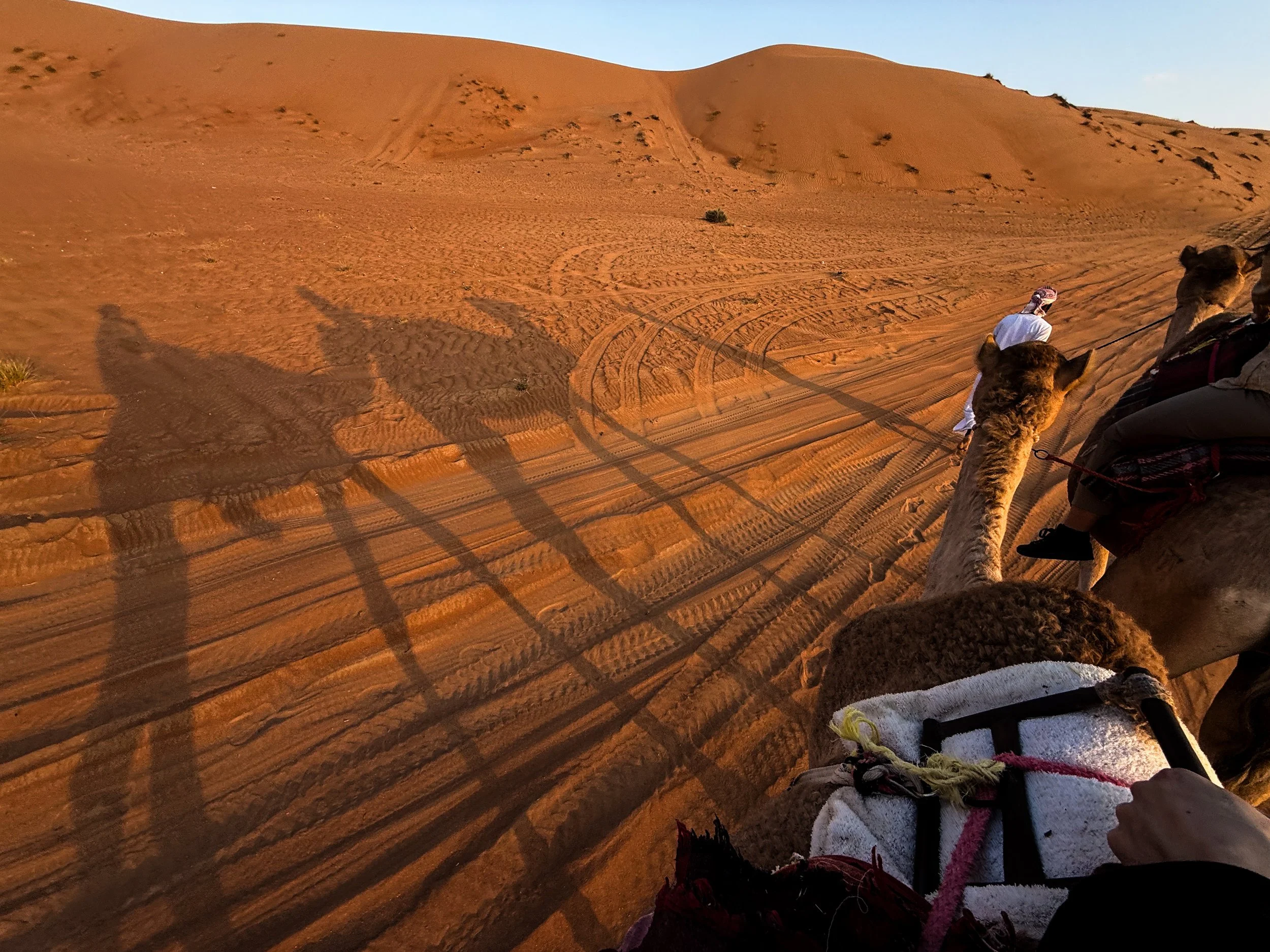
From Saudi to the UAE, to Yemen, to Oman, there are all lots of sub-regions of the Arabian Desert, which have emerged over time based on a combination of local tradition, geographical features, and scientific classification. The geography of this particular corner of the desert is largely dominated by long, parallel dunes (also called longitudinal dunes). A single dune can stretch from 5–20+ km (3–12+ miles) in length. And, in terms of height, they can reach 100 meters high (330 feet). To put that into perspective, that could be roughly equivalent to a 30-storey building!
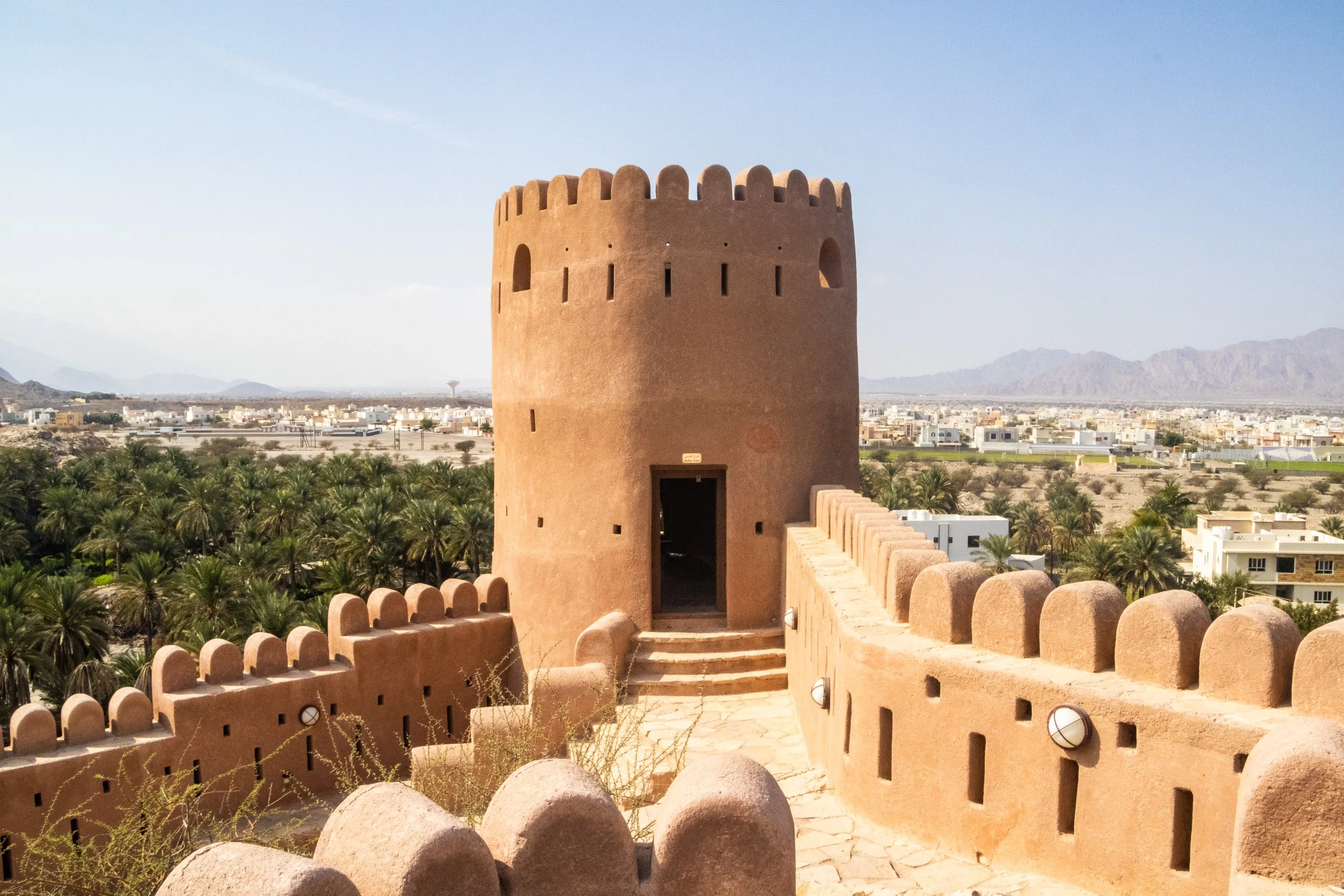
The theme of today is old Arabian fortresses scattered throughout Oman’s Al Hajar mountains. Oman has a lot of these old relics, and we’re going to be visiting 3 of them. We’ll start with Nakhal Fortress, move on to Bahla Fortress, and finish with Nizwa Fortress, which is actually part of a very cool little town bearing the same name. In the past two articles, there was a LOT of information about Oman and the geopolitical neighborhood it calls home. Admittedly, during these articles I was still getting my feet under me in this new country. But this is where we’re going shift gears from educational exploration to something a bit more fun.
So, go use the bathroom now because it’s about 1 hour from Muscat to Nakhal, and we’re not going to stop until we get there. 👀
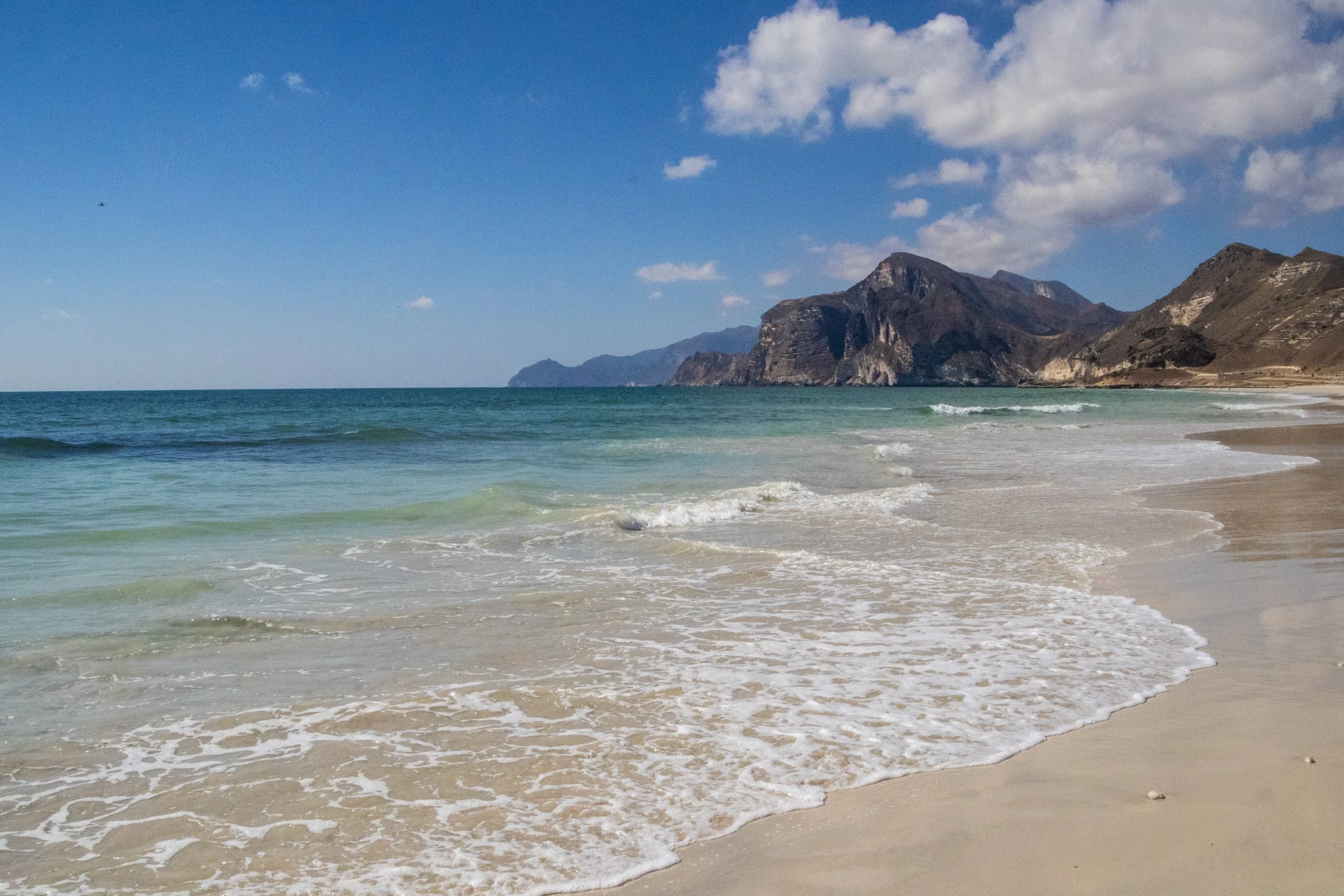
The first time I learned about Dhofar was actually in a BBC nature documentary! Although they are pretty obscure in the wider world, within Arabia the Dhofar mountains are quite famous for the incredible transformation they undergo each year during the monsoon season. During the “Khareef” (the local name for the monsoon season), this whole place transforms from a desert into a massive, green oasis! It happens from June to early September, peaking in July and August and, in addition to being misty and wet (already very unusual within the region), Dhofar also becomes much colder than the rest of the Gulf. There even seasonal waterfalls that pop up all over the mountainous landscape! During this time, there is a huge influx of tourist (mostly from Saudi Arabia and the UAE) that come in to enjoy the greenery and cool temperatures. There is even a Khareef Festival that happens during this time. UNFORTUNATELY, we’re not visiting during the Khareef. This visit happened in mid-December, so Dhofar will be in peak-desert mode.
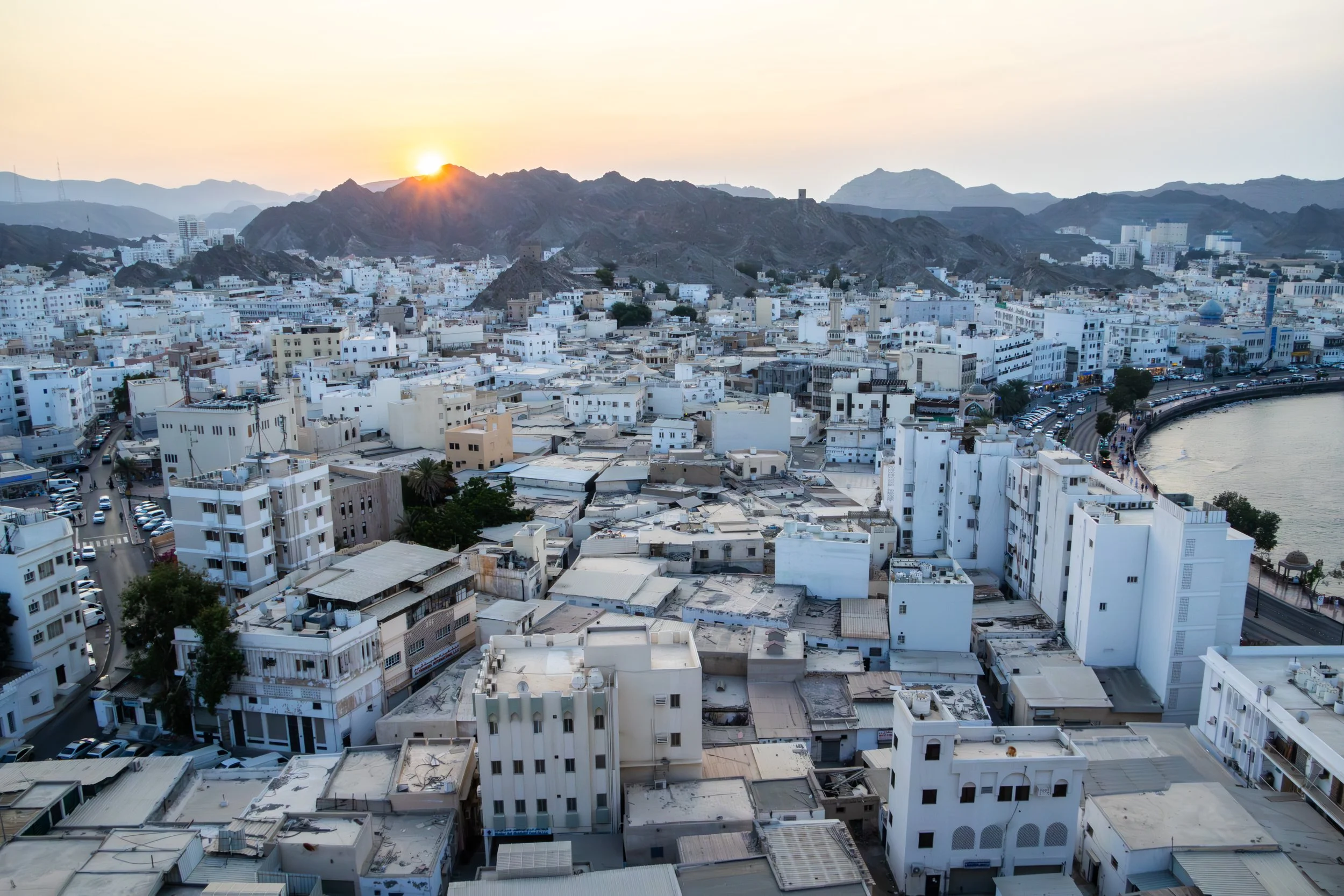
Bourdain said it best: “The Sultanate of Oman defies expectations”. It occupies a very tricky slice of the map indeed, a smaller nation holding its own against all odds in some extremely treacherous geopolitical waters. Its neighbors are the war-torn, perpetually-collapsing Yemen, the conservative and ruthless Kingdom of Saudi Arabia, the opulent, high-flying United Arab Emirates (UAE), and Iran, which needs no introduction. It also shares responsibility with Iran for the Strait of Hormuz; maybe you’ve heard of it? Literally the entire world has had their eyes glued to this strategic global choke point on the world’s oil supply for the past few months… things are TENSE. And right in the middle of this pressure cooker sits Oman: safe, moderate, reserved, modest, welcoming, and beautiful.