
Before We Begin: A Note On the US/Israel/Iran Conflict in the Middle East
This is the start of a 4-article series on Oman, and—at the time of writing this article, Iran has recently been pelting its Arab neighbors (including Oman) with missiles in retaliation to American and Israeli attacks. The fact that Oman owns the non-Iranian half of the Strait of Hormuz actually makes them a major stakeholder in this conflict.
I generally try not to get dragged down into current events in my writing when possible because (a) it shortens the shelf-life of these articles, and (b) this is not a news website, but this feels like the elephant in the room right now. So, I’ve got to acknowledge it, but I will do so selectively.
At the time when this trip actually took place—which was just before Christmas 2025—Oman was one of the safest countries in the world, and I expect that will continue to be safe as soon as this conflict reaches an end.
Up to this point, I’ve been chipping away at the broader “Middle East & North Africa” region page for a while, with visits to countries like Türkiye, Algeria, and Tunisia. But are any of those countries truly, unambiguously “the Middle East”? Well, Türkiye is on the line… but the simple answer is “no”. Growing up in the US in the 2000s, this region cast an extremely long shadow, occupying a huge amount of mental space for hundreds of millions of Americans who would never actually set foot in the region. Well, at long last, all of the information and misinformation about this region that I’ve consumed over the past 20+ years is going to collide with first-hand knowledge. Or, that’s goal at least! Oman is 1 of ~16 countries that make up the universally accepted core of the Middle East, and I fully intend to visit more of them in the future. But Oman has been on my bucket list for a long time, so I’m happy to be starting here. Let’s jump in.
An Intro to Oman & Muscat
Bourdain said it best: “The Sultanate of Oman defies expectations”. It occupies a very tricky slice of the map indeed, a smaller nation holding its own against all odds in some extremely treacherous geopolitical waters. Its neighbors are the war-torn, perpetually-collapsing Yemen, the conservative and ruthless Kingdom of Saudi Arabia, the opulent, high-flying United Arab Emirates (UAE), and Iran, which needs no introduction. It also shares responsibility with Iran for the Strait of Hormuz; maybe you’ve heard of it? Literally the entire world has had their eyes glued to this strategic global choke point on the world’s oil supply for the past few months… things are TENSE. And right in the middle of this pressure cooker sits Oman: safe, moderate, reserved, modest, welcoming, and beautiful.
Oman is no stranger to the navigating this big, bad world; it’s actually the oldest independent state in the Arab world. This is because Oman was never fully colonized by European powers. While Portugal controlled the major coastal cities in 1500s & 1600s, and England later granted it protectorate status, the majority of Oman’s land area has only ever been under the control of local rulers. This level of historically enduring independence is a rare find. To me, it suggests the presence of a strong identity that has never been “watered down” by outside forces. So let’s talk through a few different dimensions of that Omani identity, shall we?
☪️ Religion: Like all of its Arabian neighbors, Oman is almost 100% Muslim. However, Oman is neither Sunni nor Shia; it instead adheres mostly to Ibadi Islam. This is a distinct branch of Islam like Sunni and Shia, but is much less widespread. In fact, Oman is the only country in the world where Ibadis are the majority! How does it differ from Sunni and Shia Islam? That’s a big question, but to summarize my shallow understanding, Ibadi Islam emphasizes moderation, consensus, and tolerance toward other Muslims.
🇺🇳 International Relations: Oman keeps a pretty low-profile, but these Ibadi values can be seen in the way it conducts itself on the global stage. Unlike many of its flashy, drama-prone neighbors, Oman is neutral and pragmatic, avoiding military entanglements and maintaining diplomatic relations with all sides, including both the US and Iran. As a result, it frequently acts as a backchannel mediator for regional issues. Given that The Middle East is the land of perpetual geopolitical unrest, Oman is a real asset to region. When you watch the news, you’ll see Oman referenced often as a mediator and a peacemaker.
❤️ Safety: Domestically, Oman is extremely safe, and basically always ranked favorably in the Global Peace Index (GPI). At the time of writing, Oman is ranked 42nd in the world, which is (1) ahead of France, (2) WAY ahead of the US, and (3), on the GPI’s 1-5 scoring system, less than 0.3 behind Sweden. So there’s no need to worry about a trip to Oman. 😉
📊 Economics: Oman is not nearly as wealthy as some of its neighbors, like Qatar, UAE, or Kuwait, but—among its neighbors—it’s arguably done one of the best jobs of managing the resources it does have, limited though they may be. This is a country that, as recently as the early 1970s, had only 9 miles of paved road in the entire country. At that point, there were only 2 hospitals in whole country, and only 3 schools, which were only for boys. While its success since then is somewhat overshadowed by the opulence of its neighbors, Oman’s rise since then has been truly meteoric. Fueled by the discovery commercially viable oil fields in the 1960s, and guided by the newly minted Sultan Qaboos bin Said, Oman has transformed from an isolated, impoverished backwater into the country I am about to share with you today. Oh, and whilst we are on the topic of economics, I wanted to mention that Omani’s currency, the Omani Rial is ridiculously strong! At the time of writing, 1 OMR = ~2 GBP = ~2.6 USD. We were eating food from our hotel breakfast for lunch on this trip. 😂
🛢 Oil Industry: Yes, Oman is basically another Middle Eastern petro-state, but its oil reserves are nowhere near the scale of its neighbors. For context, Saudi’s oil resources are estimated to be above 260 billion barrels total. UAE is thought to have ~110+ billion barrels. Oman’s known reserves clock in at just 5 billion barrels. This makes their economic transformation all the more miraculous, but also makes their future that much more uncertain.
👑 Political System: In case you missed that earlier, Oman is ruled by a Sultan, which means that it effectively functions as an absolute monarchy. There’s an old saying, “absolute power corrupts, absolutely”, but Oman seems to have been lucky with its rulers thus far! When Sultan Qaboos bin Said took over from his father in 1970, he literally brought the country from the 18th century to the 21st century. He died in 2020, appointing his cousin, Haitham bin Tariq, as his successor in a sealed letter that was only opened after his death. However, even in death, Sultan Qaboos bin Said is held in extremely high regard. He is to Oman as Ho Chi Minh is to Vietnam, or Abraham Lincoln is to the US. And yes, the name Qaboos is pronounced almost the same as “caboose”, the last car on a train. 🚂
Ok, but why was I so interested to come here, specifically? Well, like a great many of the places I visit, I saw this on Anthony Bourdain’s show in my early 20s, and it really made an impression on me. The full episode is now on YouTube, if you’re interested! So, this place had been on my list for about a decade prior to my arrival. In this series we’re going to cover a lot of ground within Oman, but it begins, as it must, with the capital city of Muscat.
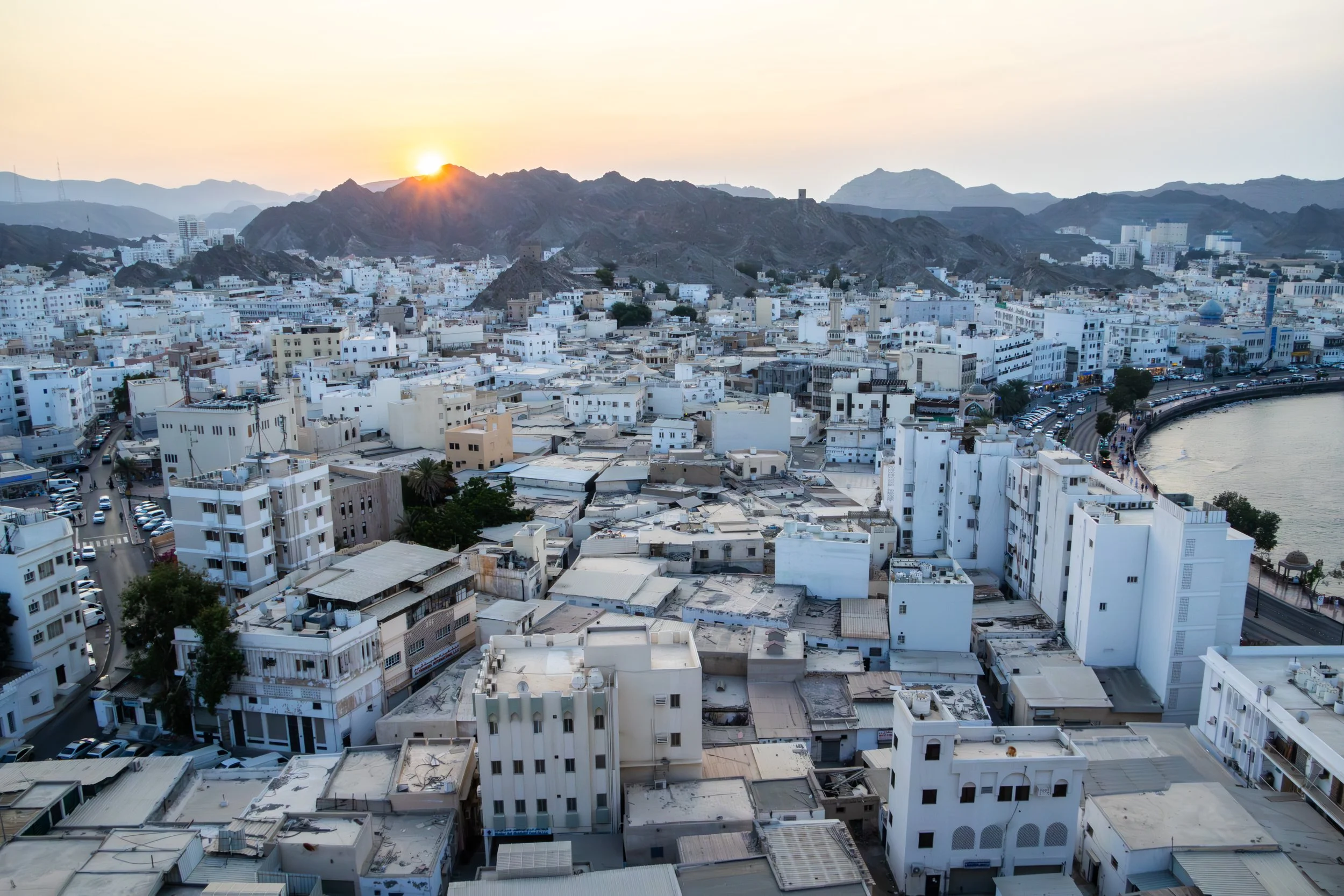
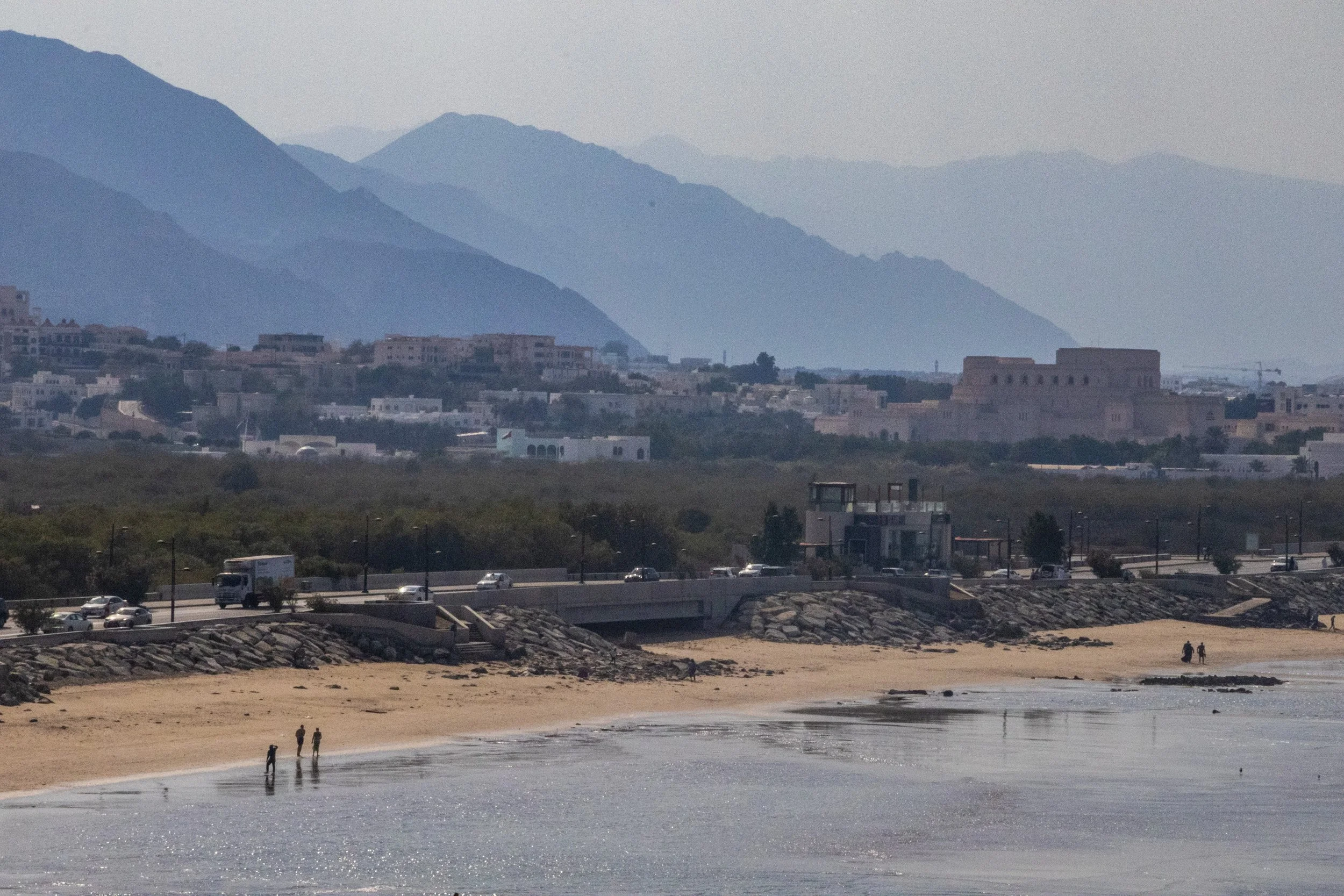
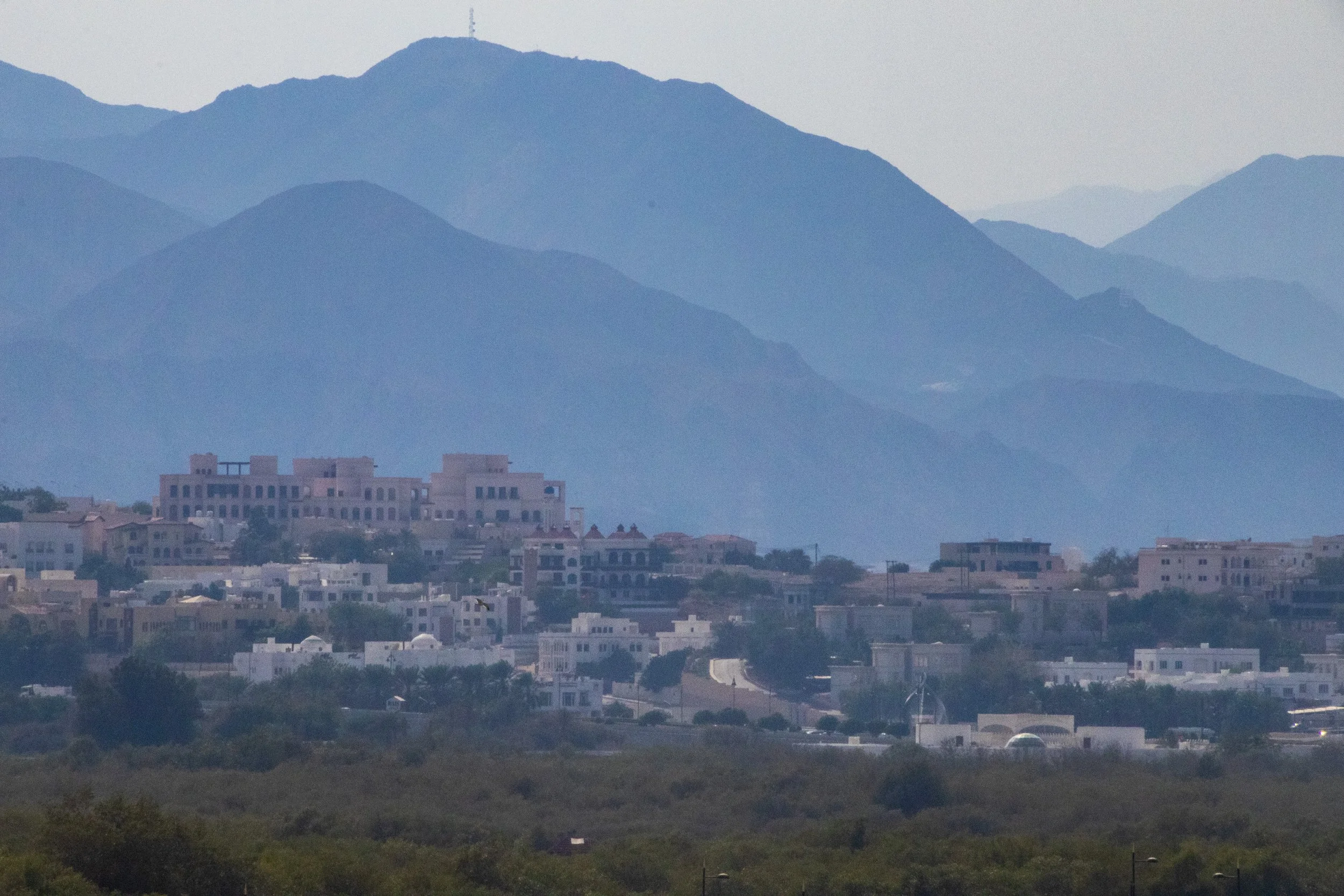
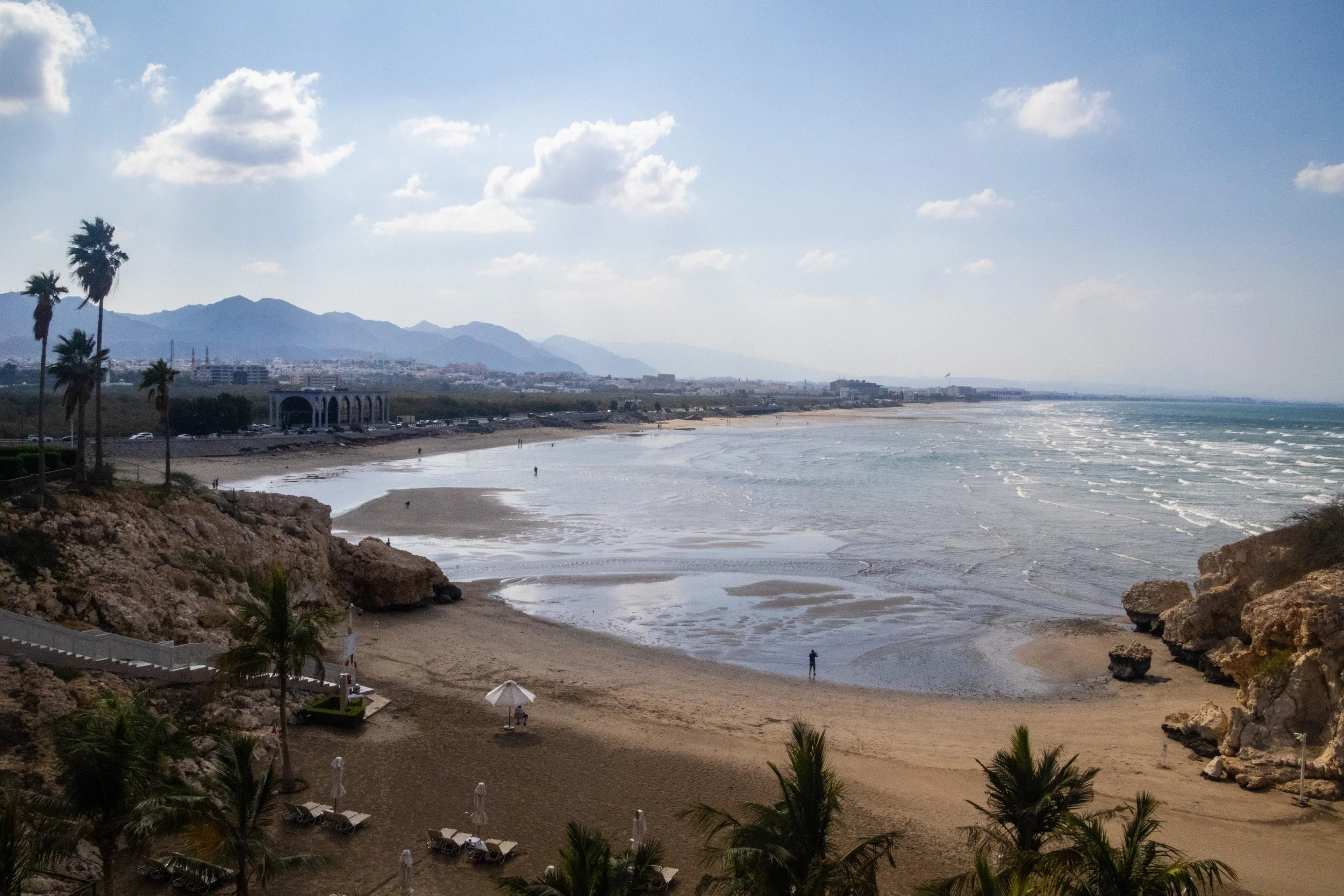
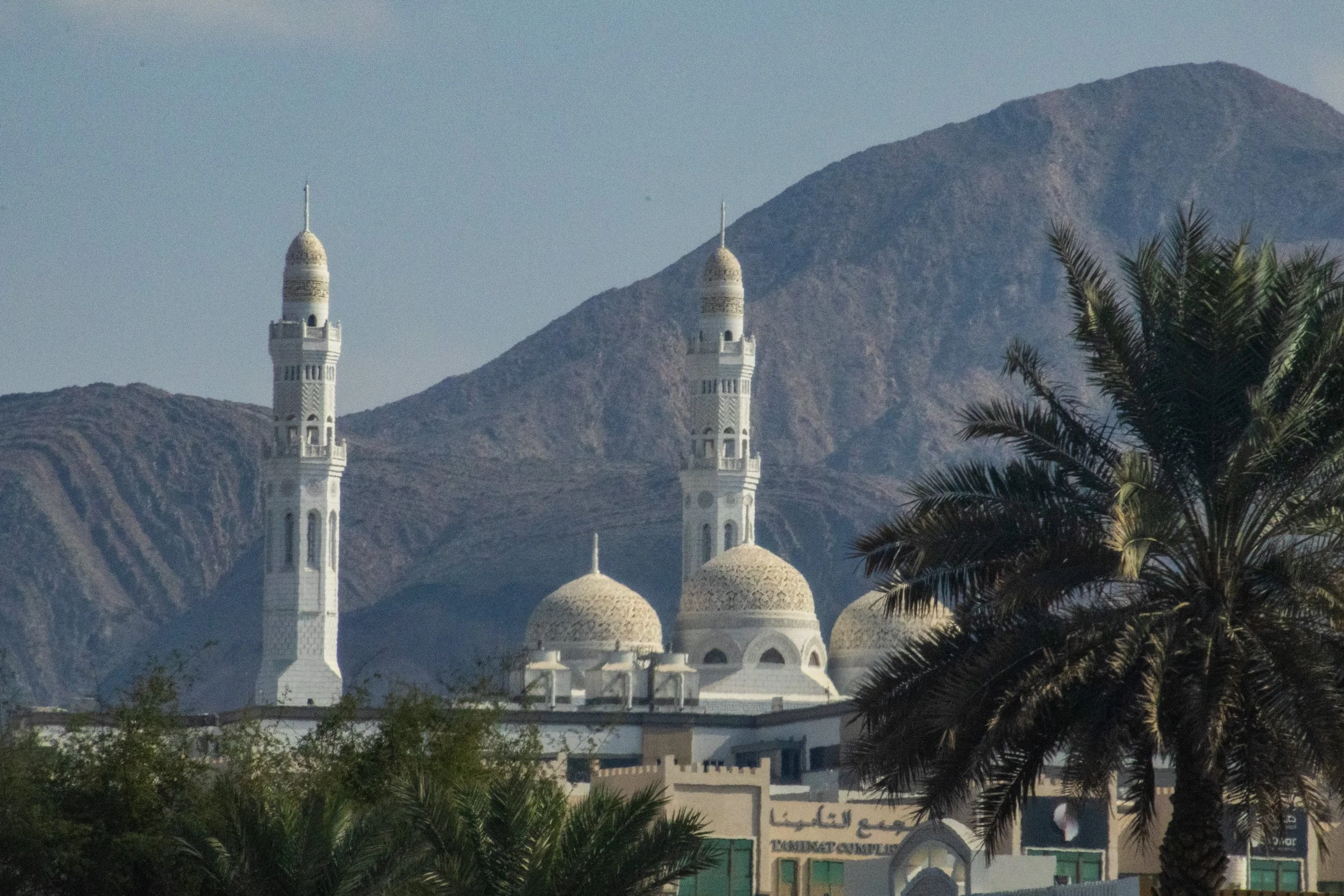
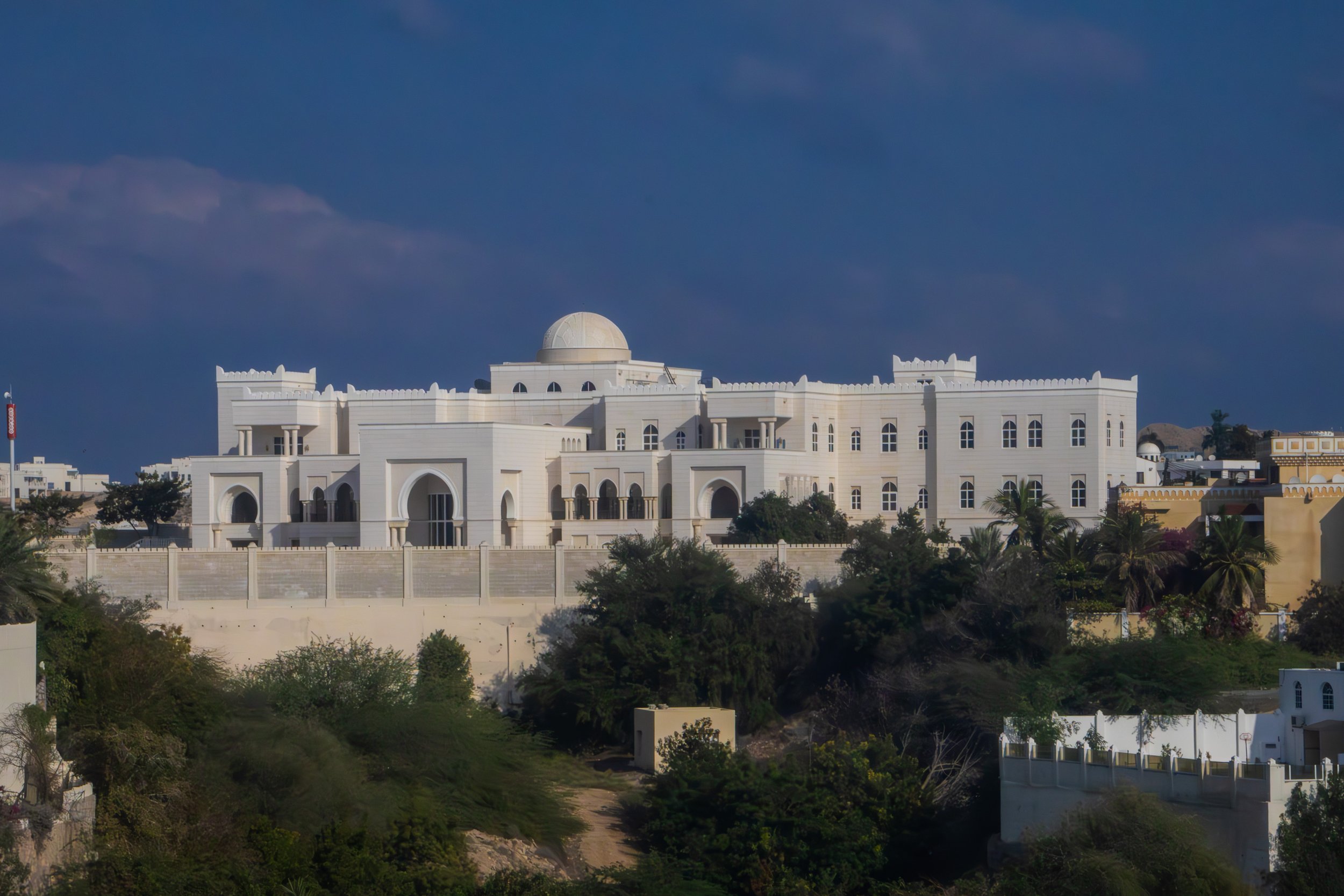
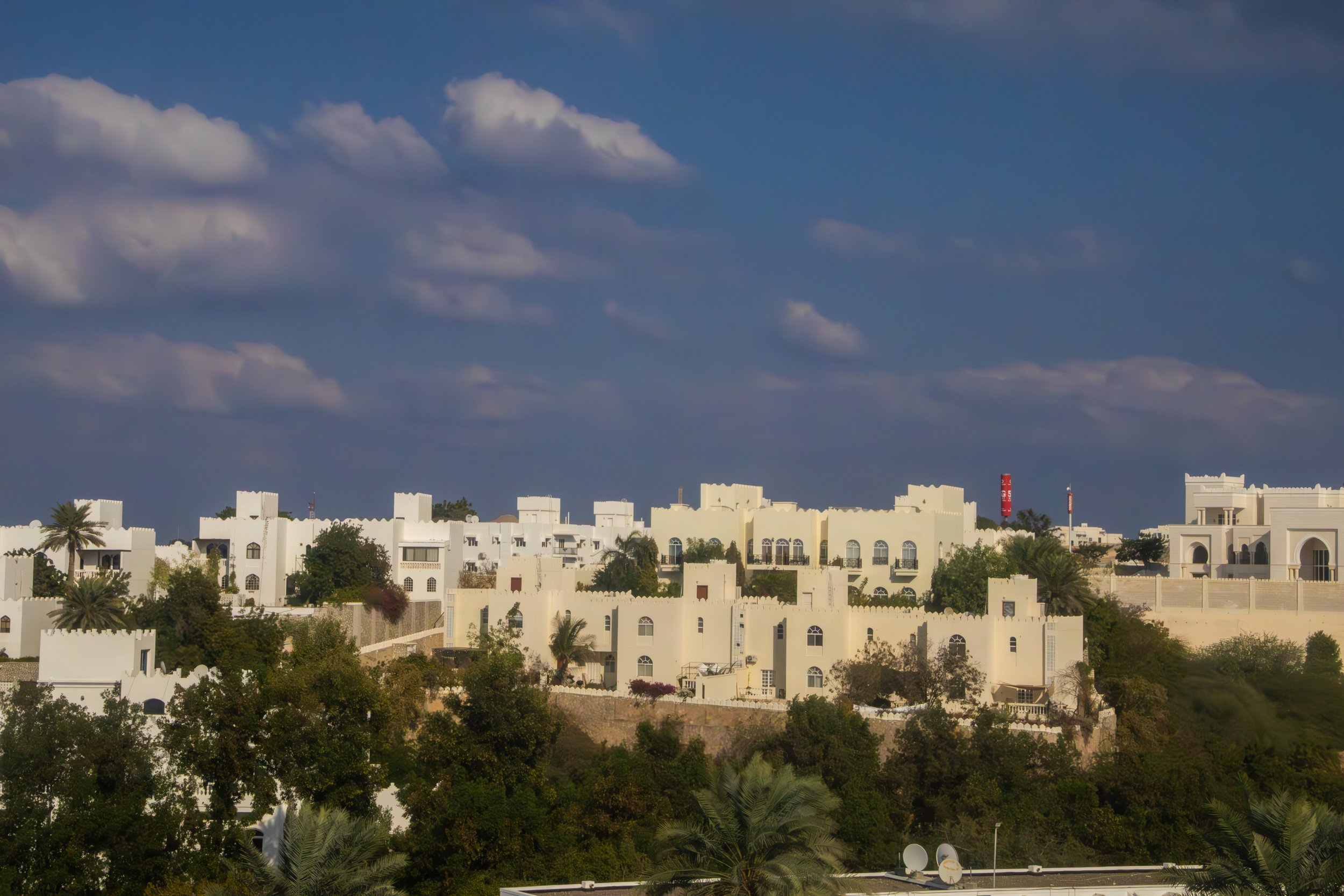
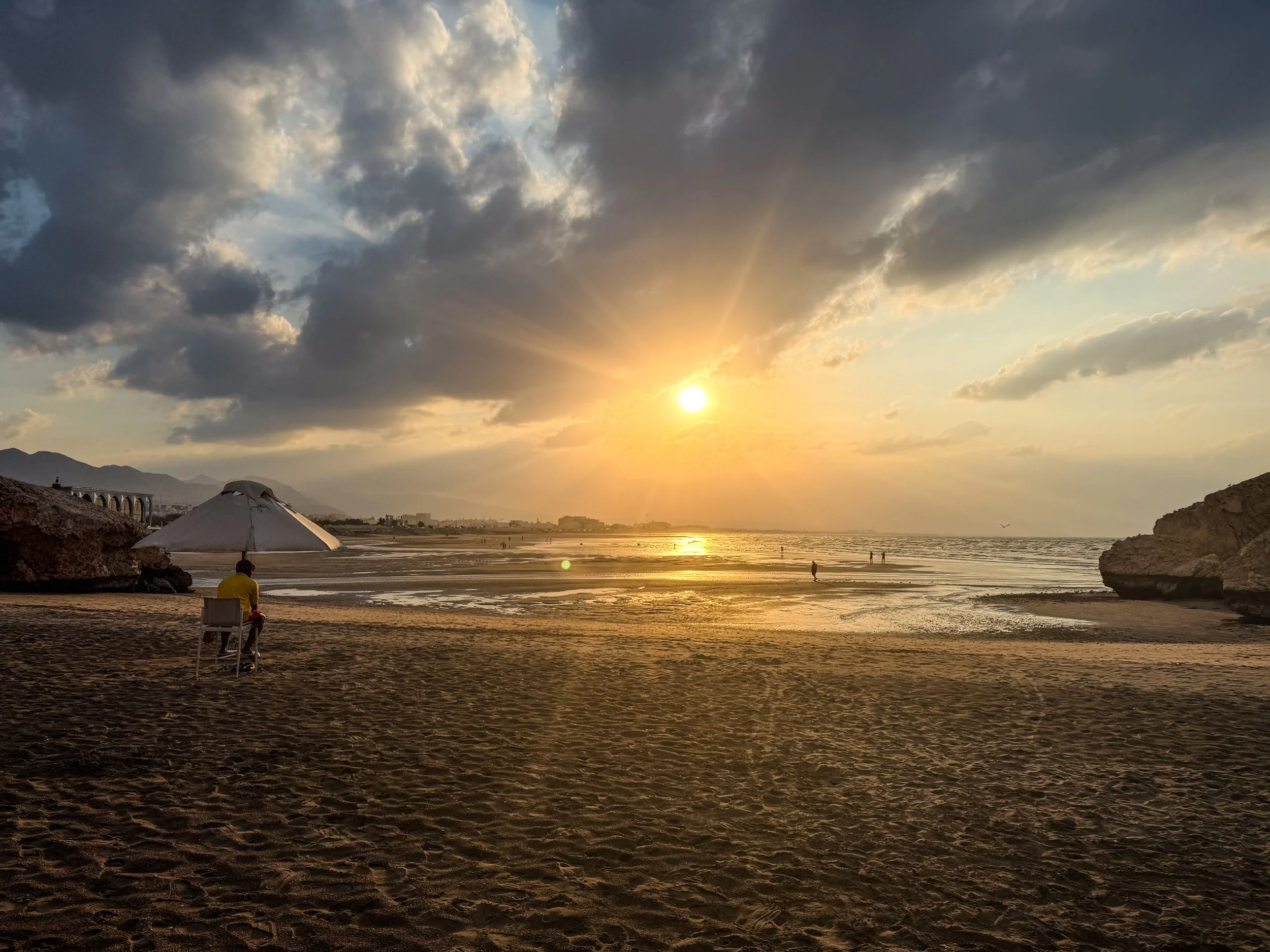
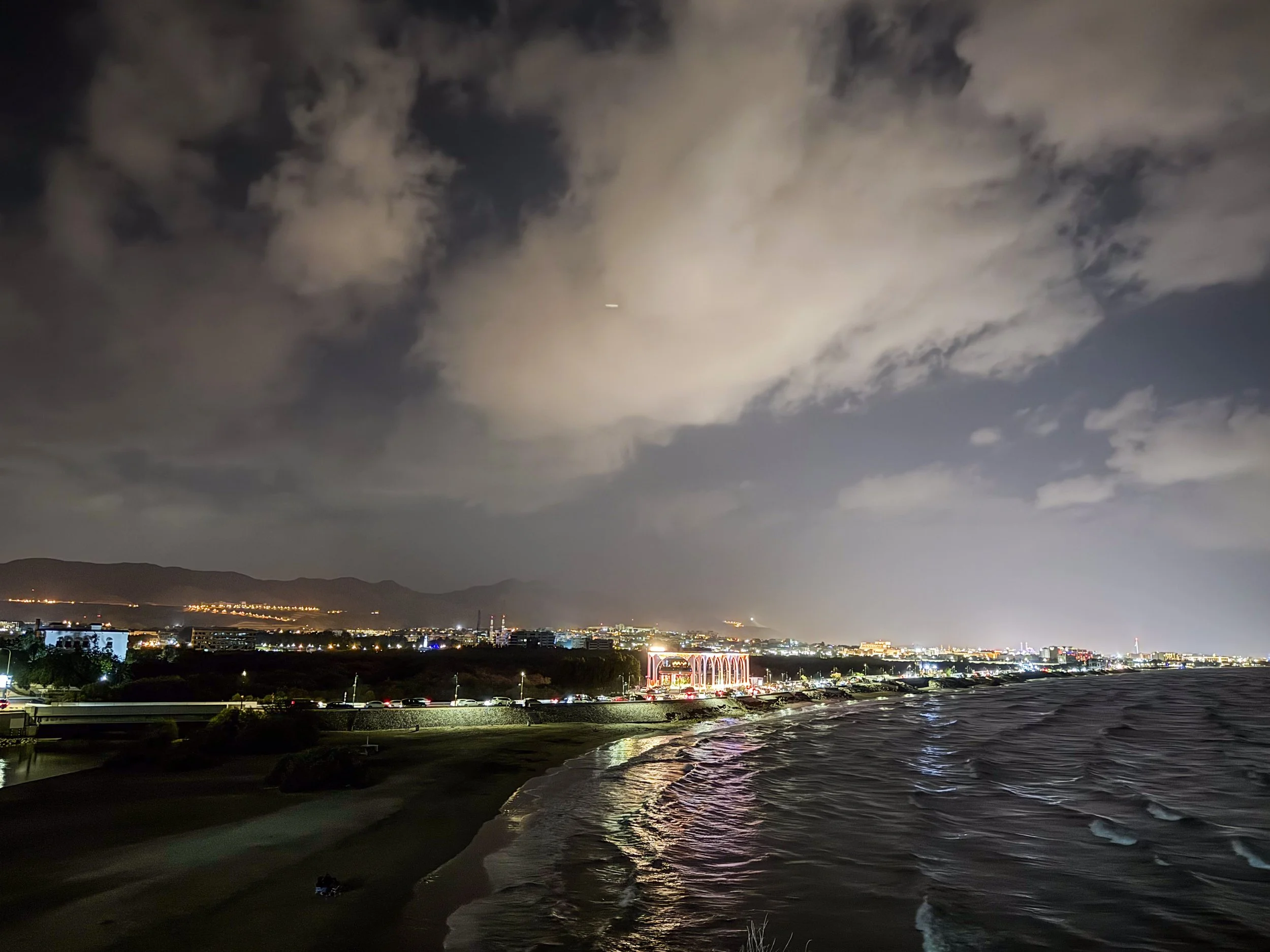
Muscat is quite unique compared to its neighbors. Rather than the glittering high-rise skyline of Doha or Abu Dhabi, Muscat is a low-rise city stretched along the coast composed almost entirely of white buildings. Just a month prior to this trip, when I was flying back from Chennai to London, I had a long layover in Muscat, and I remember looking out the plane window as we landed to see this mysterious white city stretching along gorgeous sandy beaches, and there was not a single person on the beach for miles. Beautiful beach, not even 1 person. It felt so odd to me. Where were all the people?
Likewise, once I flew back and was out in the city, the quiet, impersonal energy of the streets was very striking! And I was surprised how few Omanis I was interacting with. Most of the airport and almost all of our hotels throughout the trip were staffed entirely by migrants from India, Pakistan, and Bangladesh. I would come to learn that, of Muscat’s ~1.75 million metro area population, about HALF are foreign workers. And most of these foreign workers are in low wage blue-collar or service jobs. So, true to my experience, they can be found in hotels, construction sites, retail stores, delivery vans, etc. Meanwhile, Omani citizens more commonly hold white-collar roles. This can make it feel like there is a “servant class” underpinning the entire society, which isn’t great. This is actually a theme across the Gulf states. You see, most of these Gulf countries were actually quite sparsely populated until just recently, and that makes sense! How many people do you think could possibly be supported by the scarce resources of the natural environment here? This is a proper desert! But once oil was discovered, governments started trying to build modern states from basically scratch, and they did not have nearly enough people in their populations to meet the demand for labor. Hence, they began importing workers. However, to preserve national identity, assure political stability, and hoard oil wealth, Gulf states (including Oman) don’t like to give citizenship to outsiders. As a result, of the ~4.7 million people that live in Oman, only about 55% are actually Omani citizens. This statistic is actually MUCH crazier in the UAE and Qatar, whose citizens account for just 12.5% and 11% of their populations respectively! But let’s stay focused on Oman. To put this in perspective, there are about as many people living in Brooklyn as there are Omani citizens throughout the entire country of Oman. The emptiness of this country is really striking. The streets of Muscat were so quiet that it felt like a modern ghost town at times.
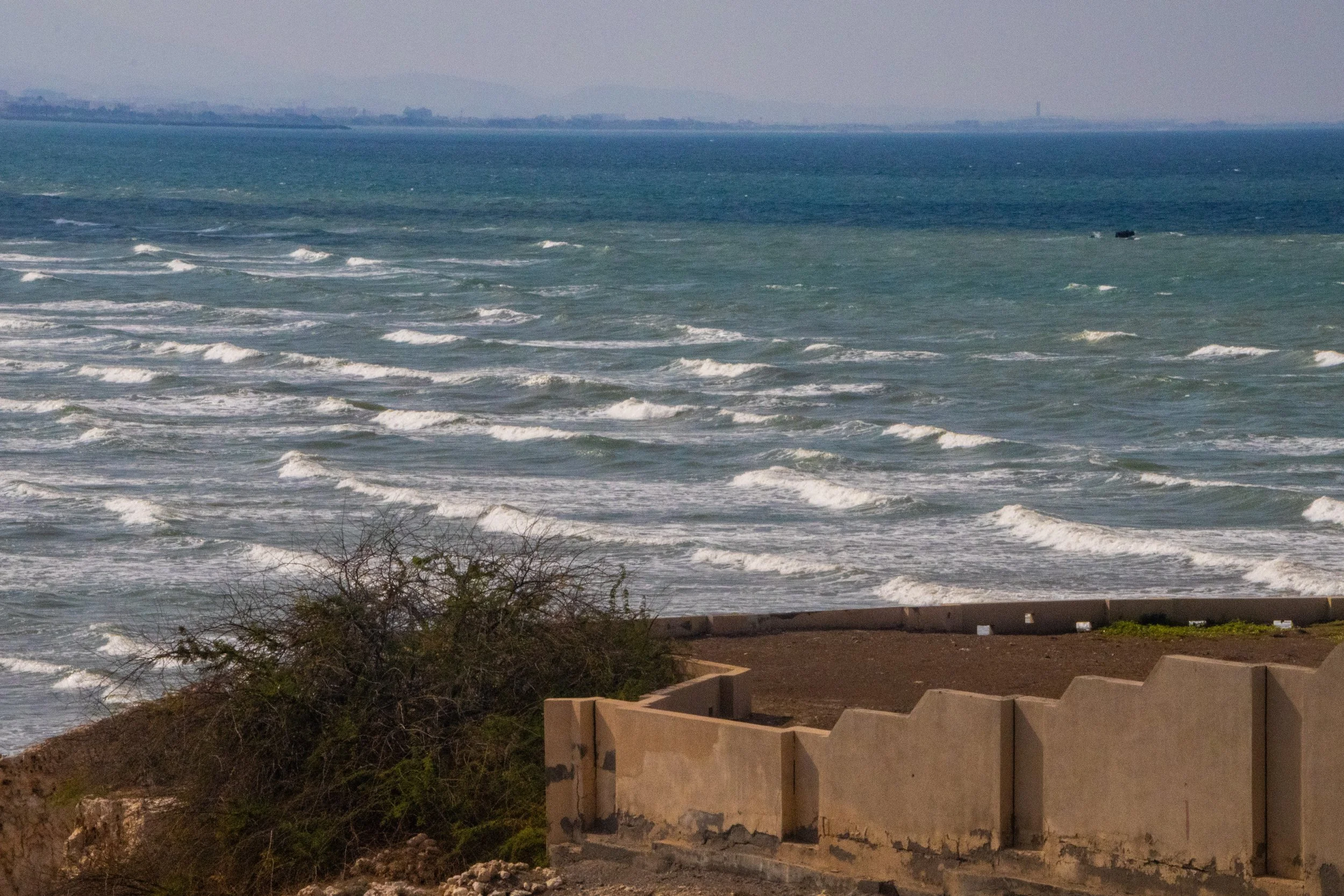
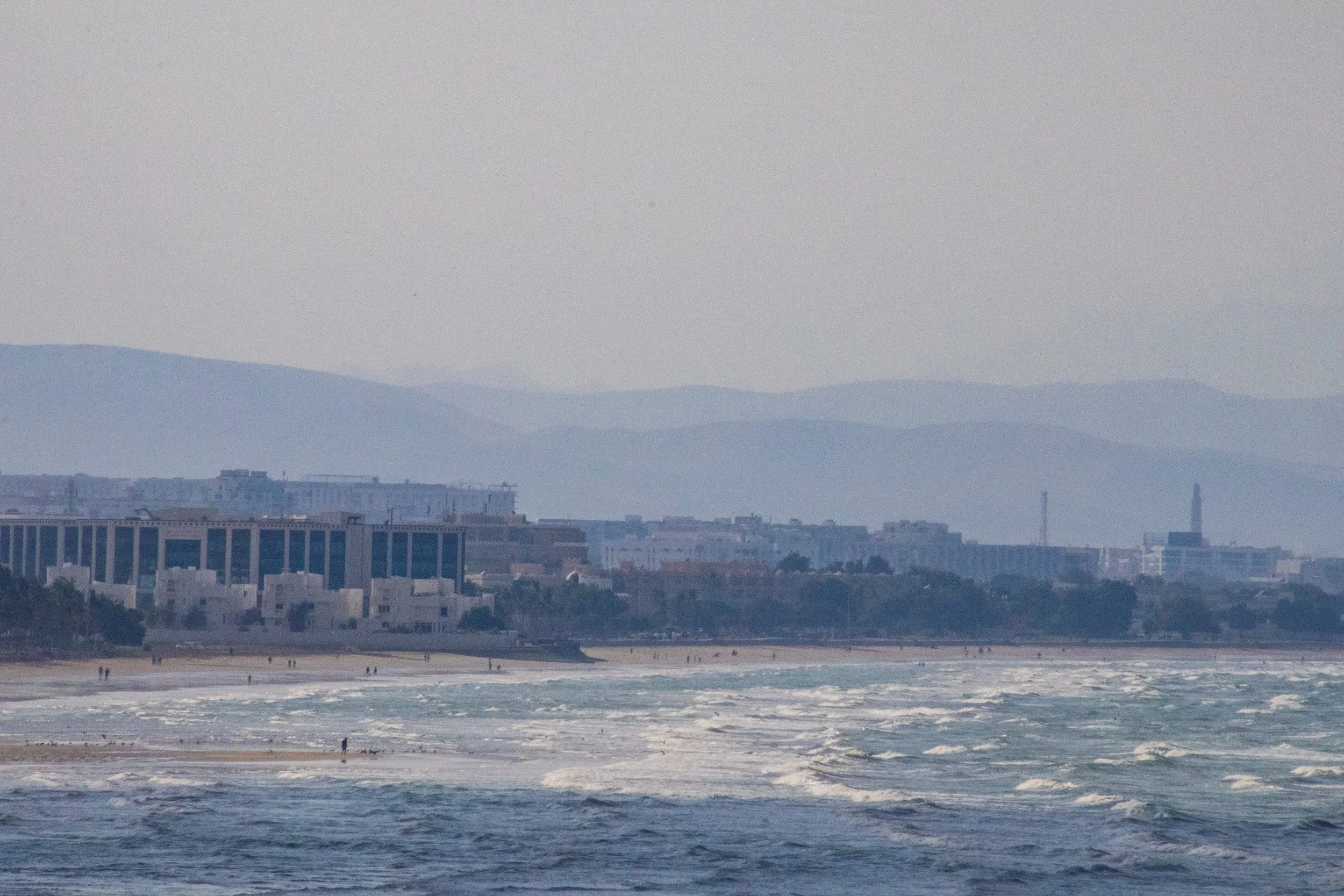
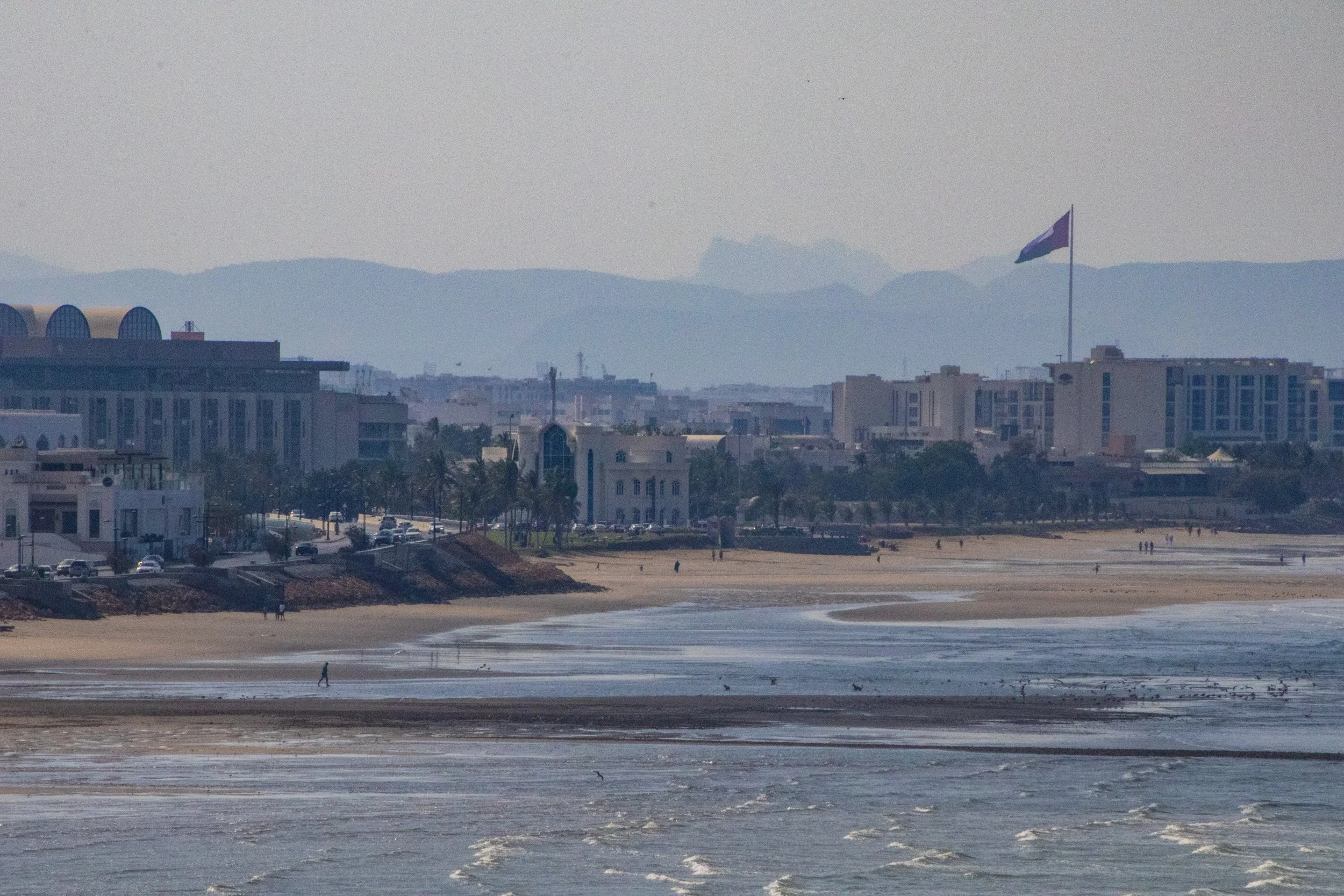
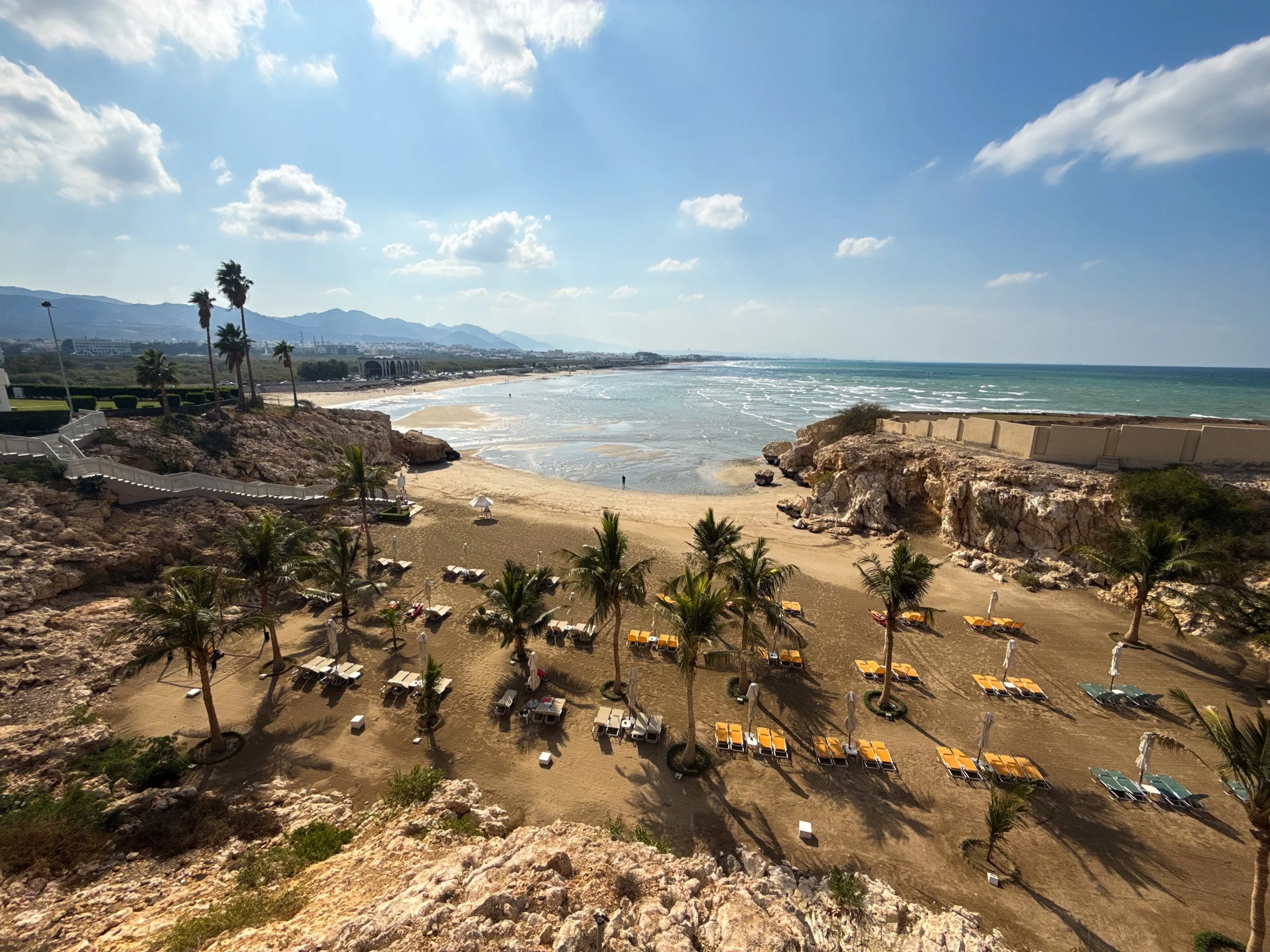
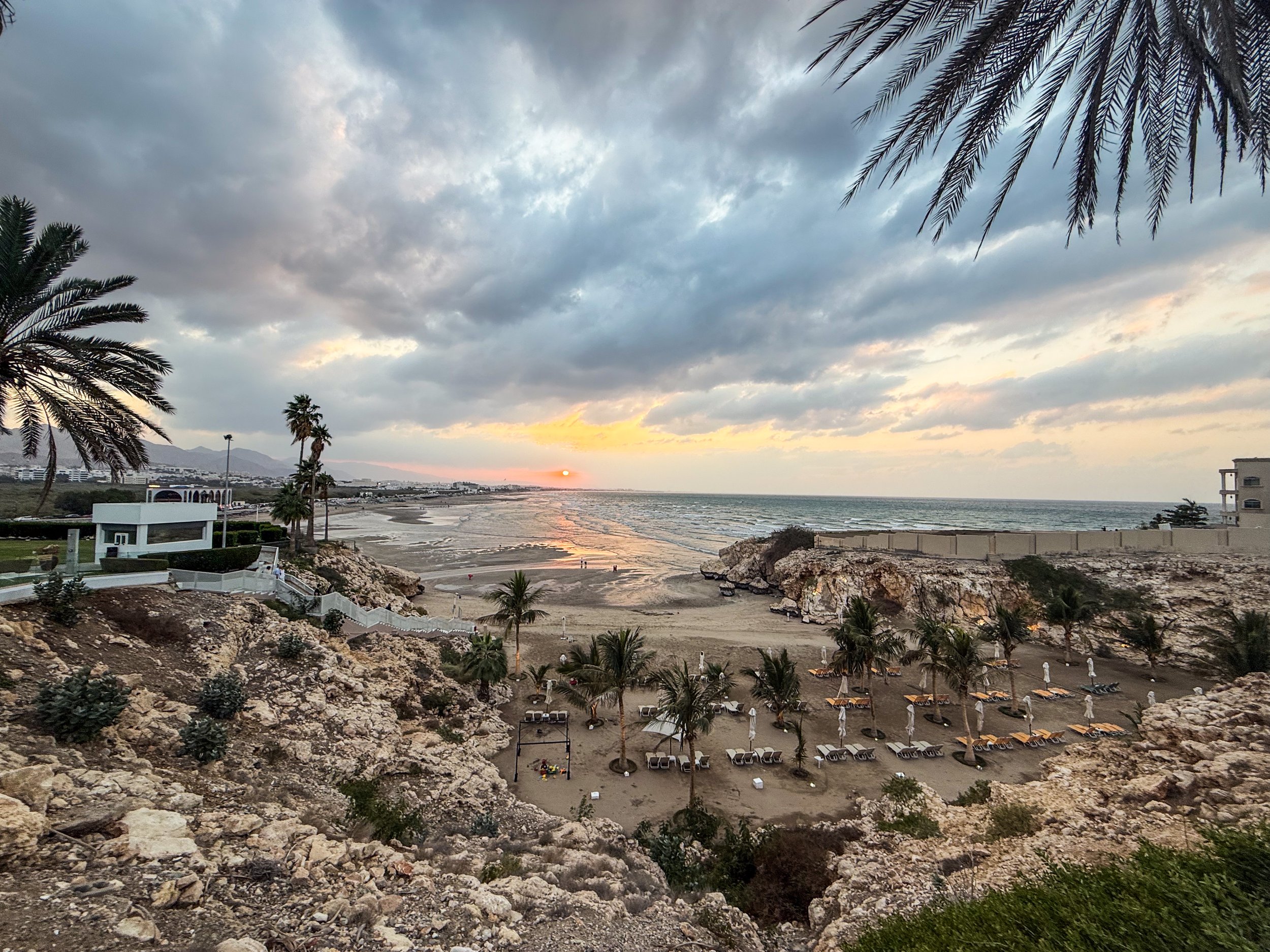
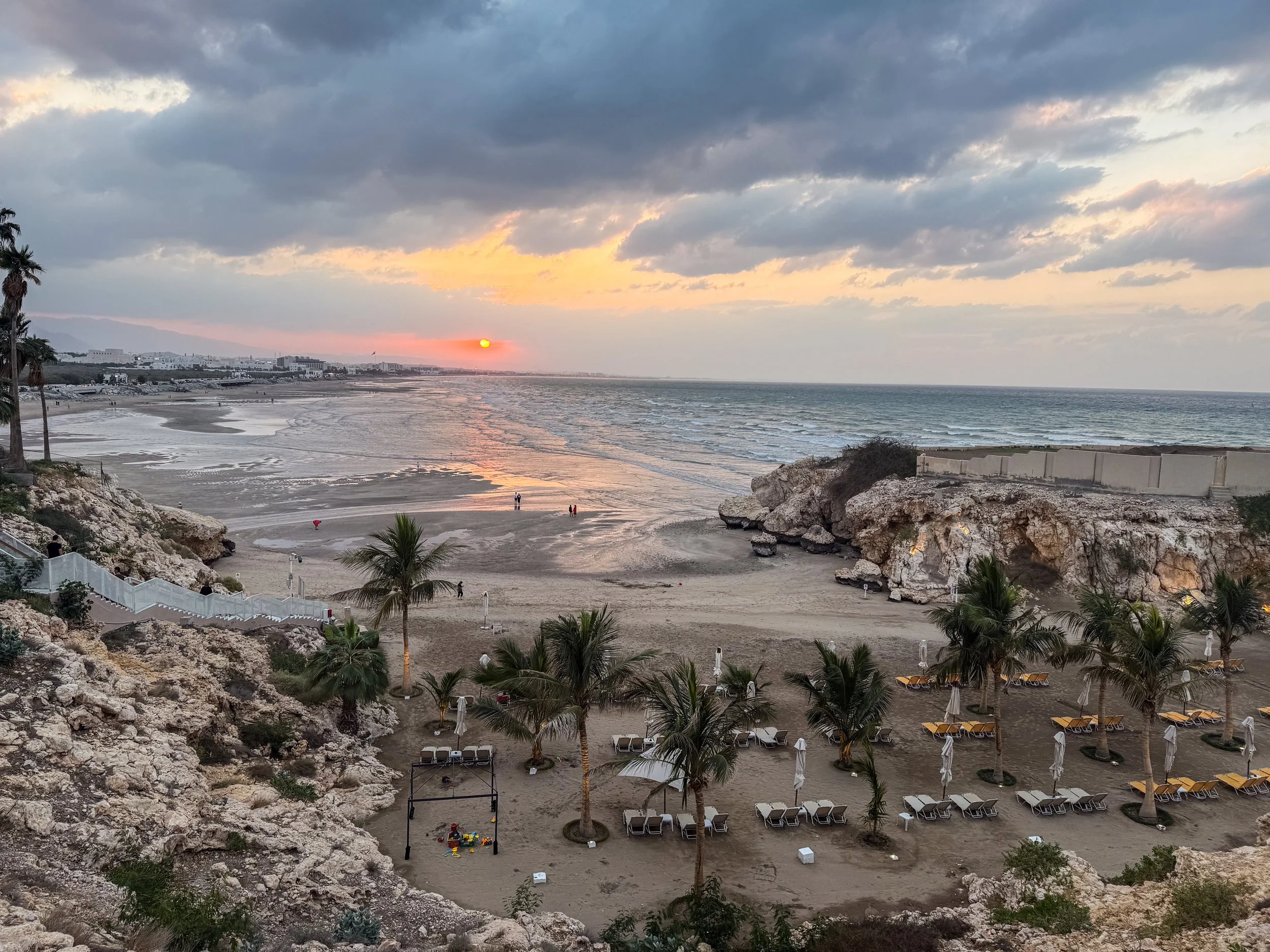
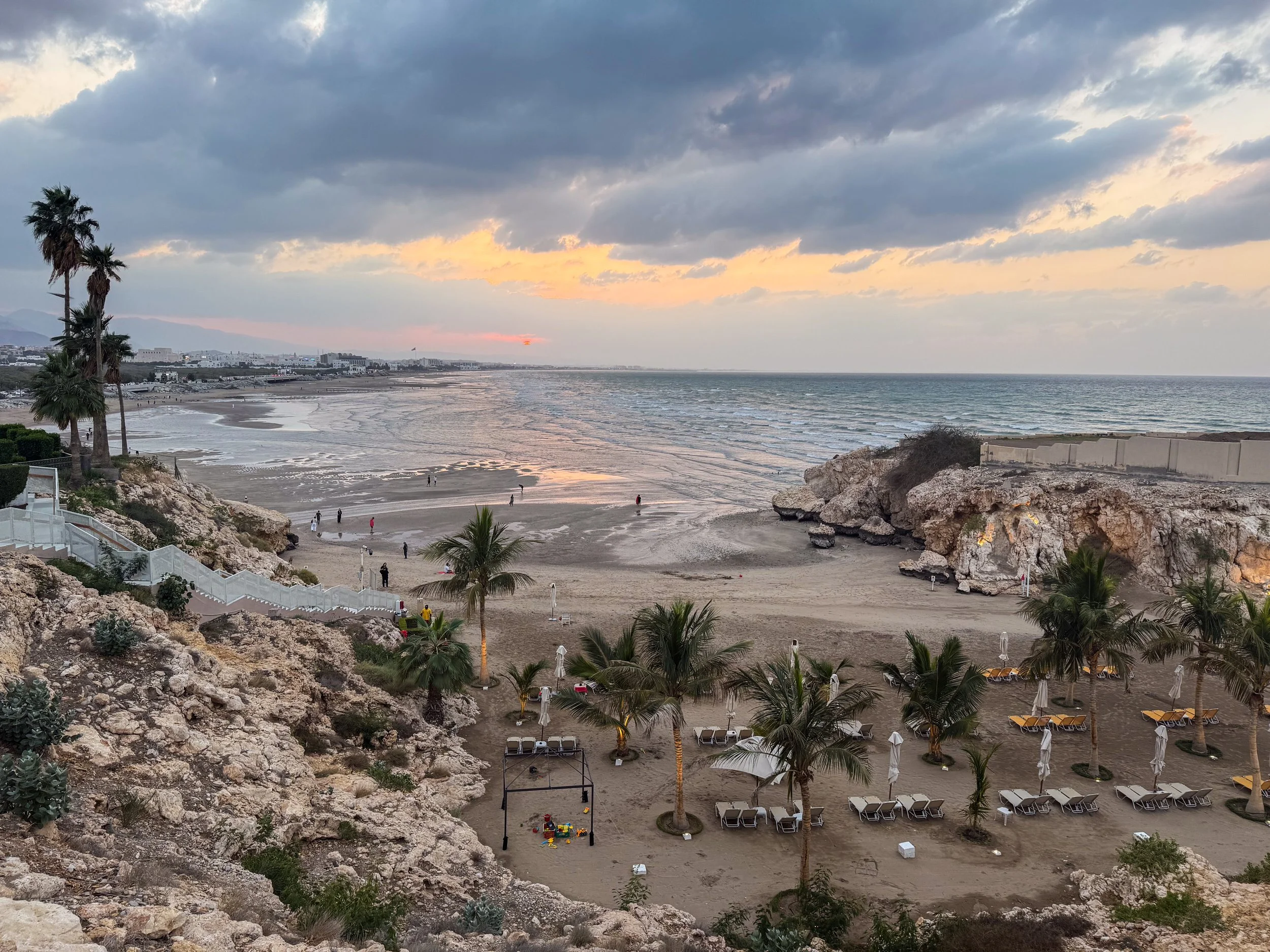
There is a bustling “old town” where Omani culture is readily visible as you walk down the street, but this—I would learn—is not exactly the norm in Muscat overall. For the most part, Muscat is perfect paved roads, office parks, quiet white buildings, and shiny new cars rolling silently from point A to point B. The Muscat Opera house is a particularly beautiful example of this white architecture at its best. However, there are also moments where the paved roads give way to dirt in some of the more run-down parts of town, hinting at the recency of all of this construction, but it’s not easy to find these cracks in the façade. On our 2nd time through Muscat, we opted for a nicer hotel and stayed in the Crowne Plaza which offered sweeping views of the Muscat seafront. For all the sterile emptiness of this city, it certainly is a beautiful seafront! The more modern parts of Muscat were clearly designed to viewed from the backseat of a big, black car, or from the window of a luxurious white building.
Mutrah
So, modern Muscat is a bit sterile and soulless. But that doesn’t mean that Muscat doesn’t have soul! You just have to know where to look. I won’t pretend to be an expert on this, but I felt like my most genuine interactions with the cultural identity of Muscat all happened in Mutrah. I’d tell you that this is the “old town” of Muscat… but if you go even further west down the coast, there is actually a district called “Old Muscat” which is mostly full of government buildings, and is home to the Sultan’s Palace. You can visit; but it is actively in use for governmental purposes, so don’t expect much more than some pictures and a quiet walk.
Meanwhile, Mutrah is what you’d expect from a “historic city center”; it certainly feels very central… except that it is not at the center of anything. On the contrary, it is separated from the rest of Muscat by some formidable mountains. This is because modern Muscat evolved not from a single centralized metropolitan area, but rather from a decentralized group of coastal towns that now form a linear chain along the coastline. Here’s the map so you can see for yourself:
So, if you have only one day in Muscat, go to Murtah.
Mutrah is a historic port town that predates modern Muscat by many centuries. Historically, the Omanis have been a seafaring people, and this port facilitated trade with Persia (Iran), East Africa (Kenya, Tanzania, Somalia, and Madagascar), and the Indian Subcontinent (India and Pakistan) as far back as the 7th century. In fact, Oman actually had an empire of its own for a while that covered coastal parts of these places! It was called the Omani Empire and it lasted from roughly ~1692 to ~1856. It’s one of the least well-known empires I’ve ever encountered in my travels and research, but it created a fascinating cultural fusion, mixing Arabic culture and language with Balochi, Persian, Swahili, English, French, and Malagasy. True to its time, it also had a dark side, heavily facilitating the East African slave trade, but that’s a topic for another day; it really requires more time than we have right now. The main point I want to make here is that Oman has always been a place of regional importance, and the historical gateway for much of that influence was Mutrah. Here are some pictures from the port of Mutrah today…
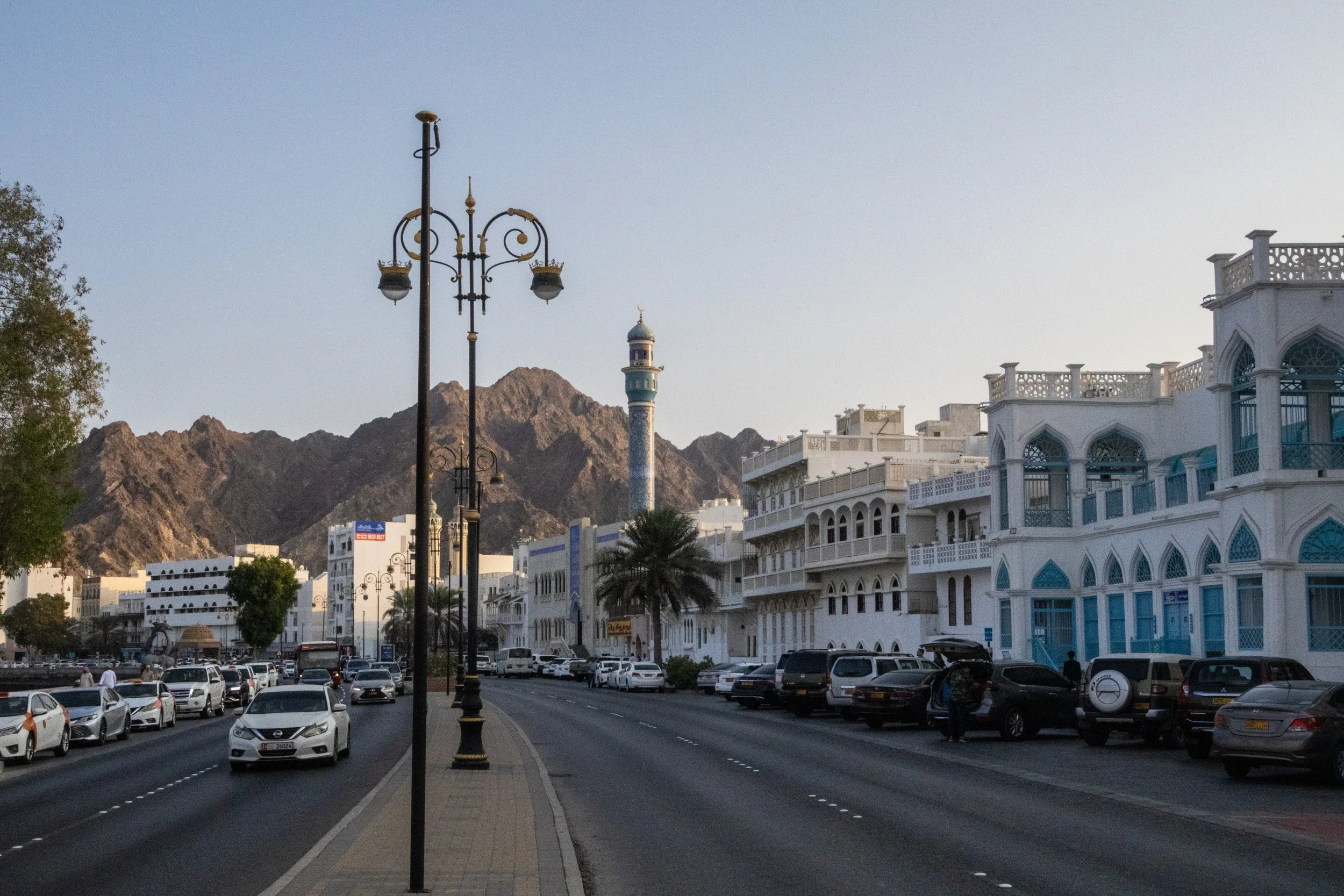
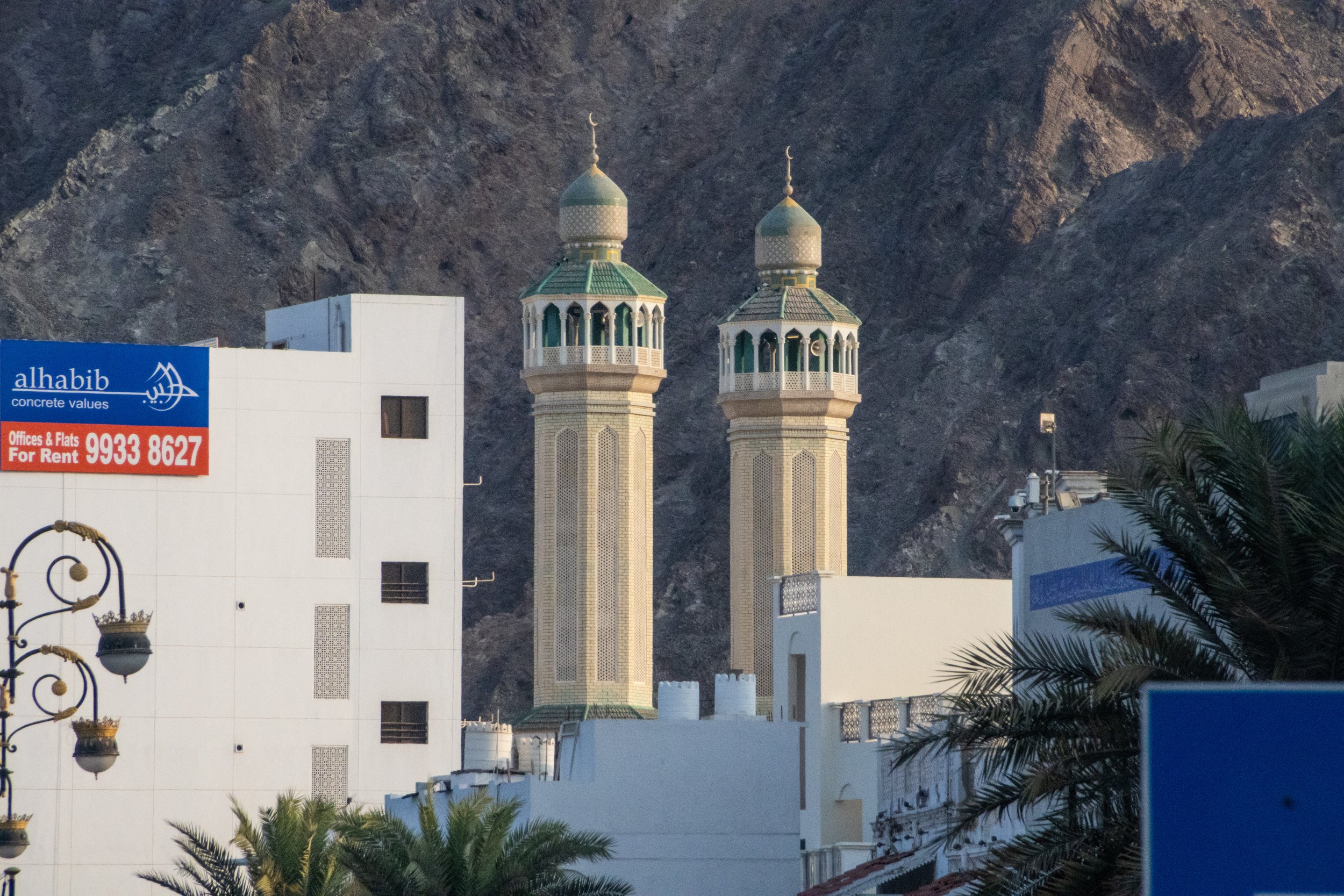
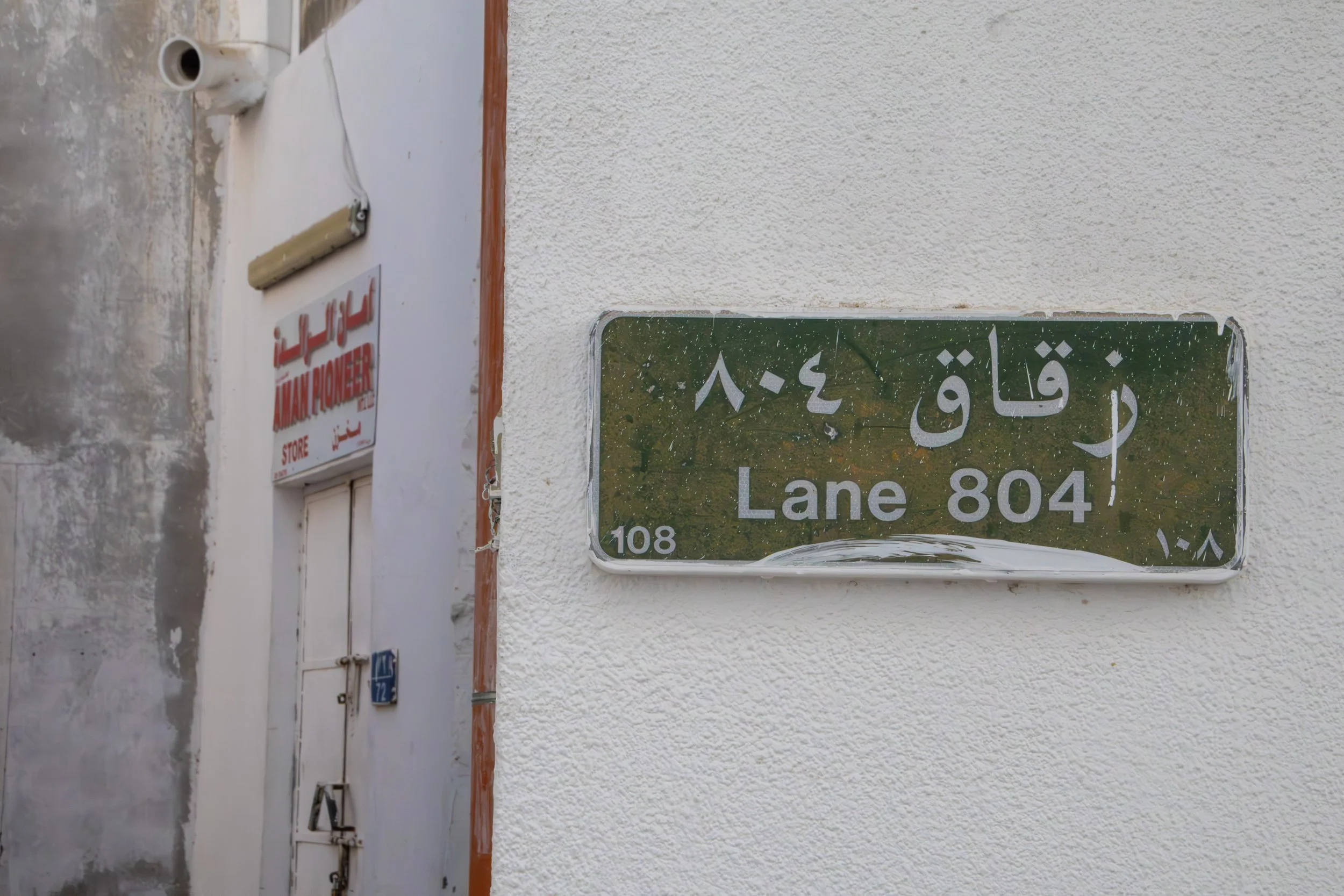
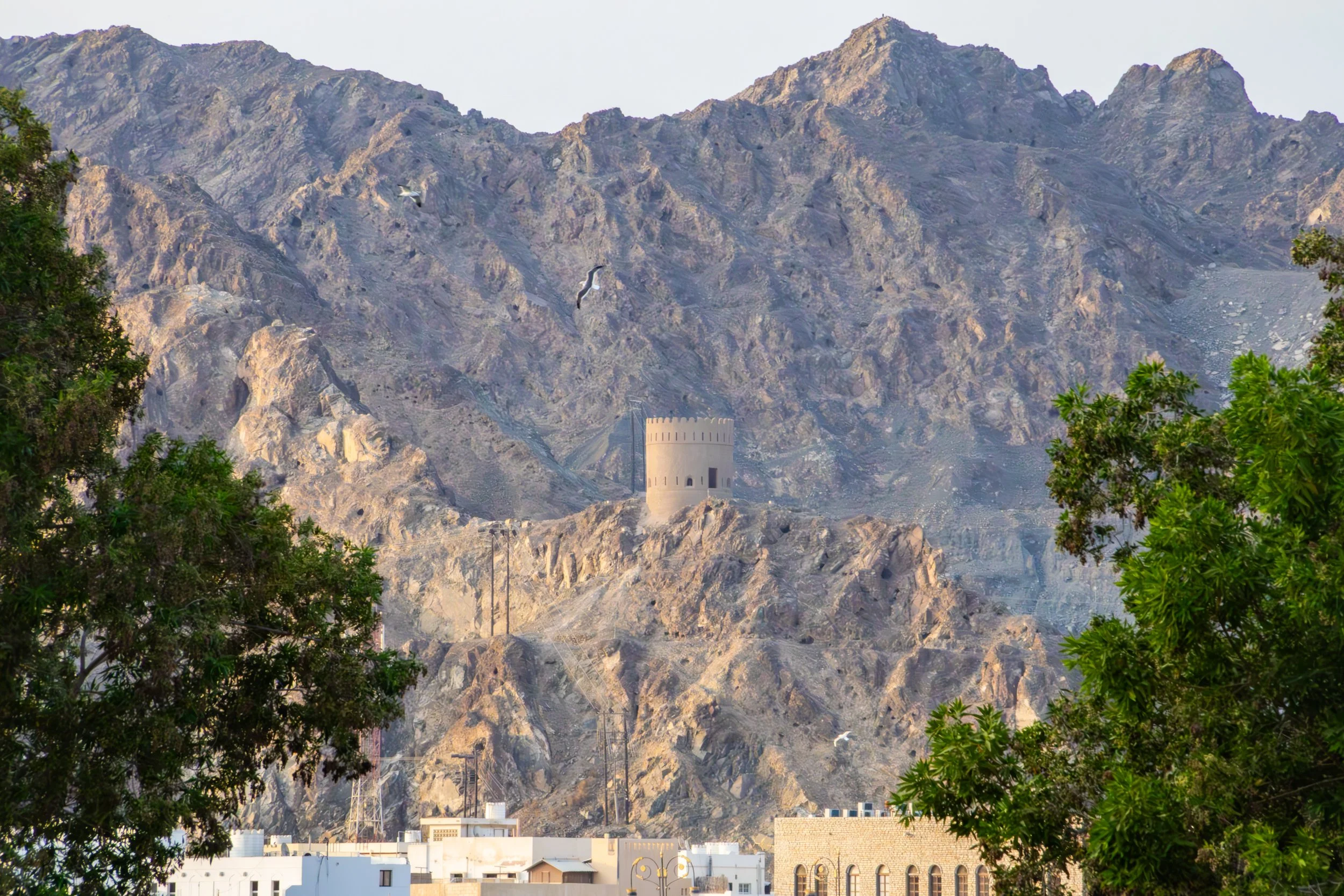
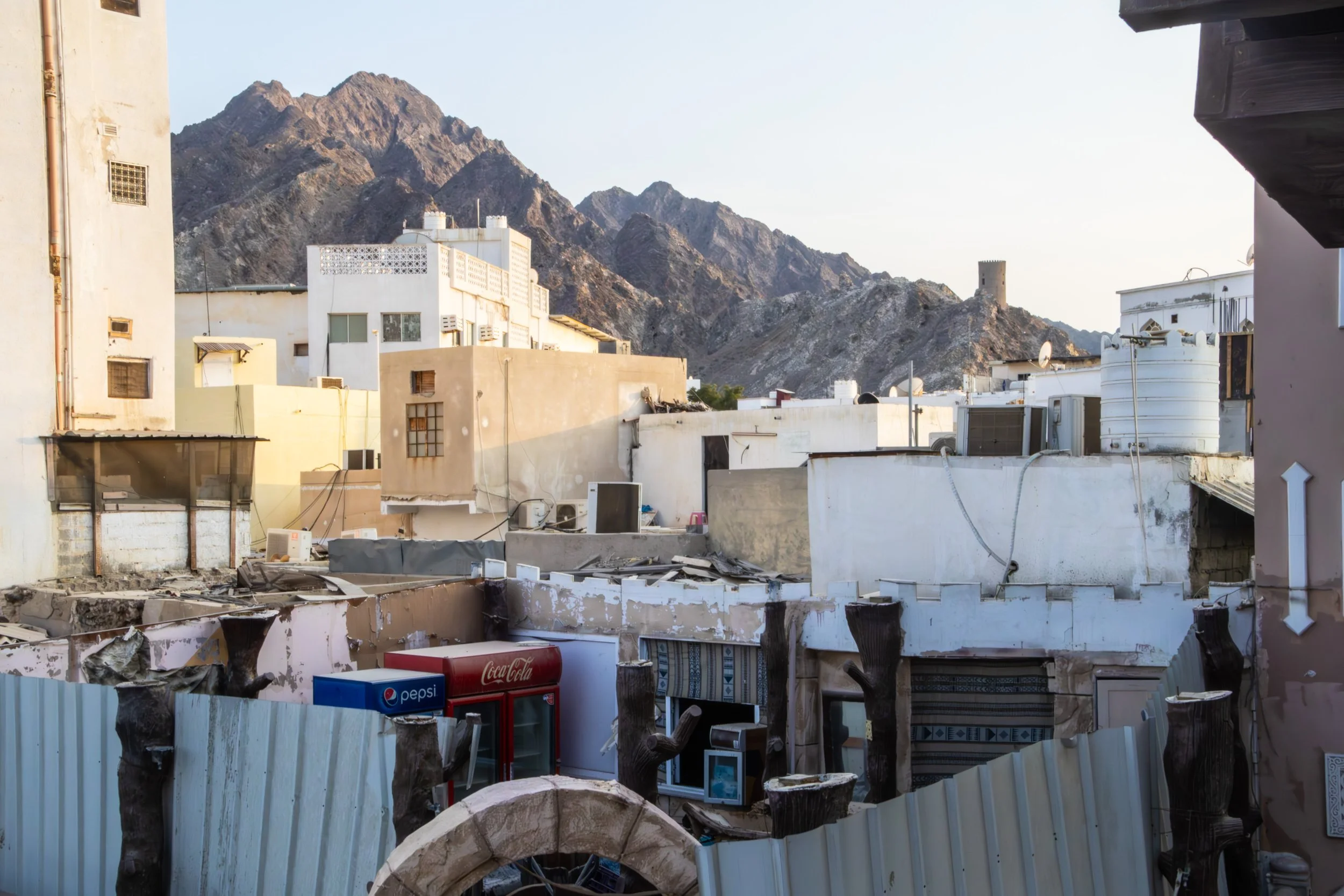
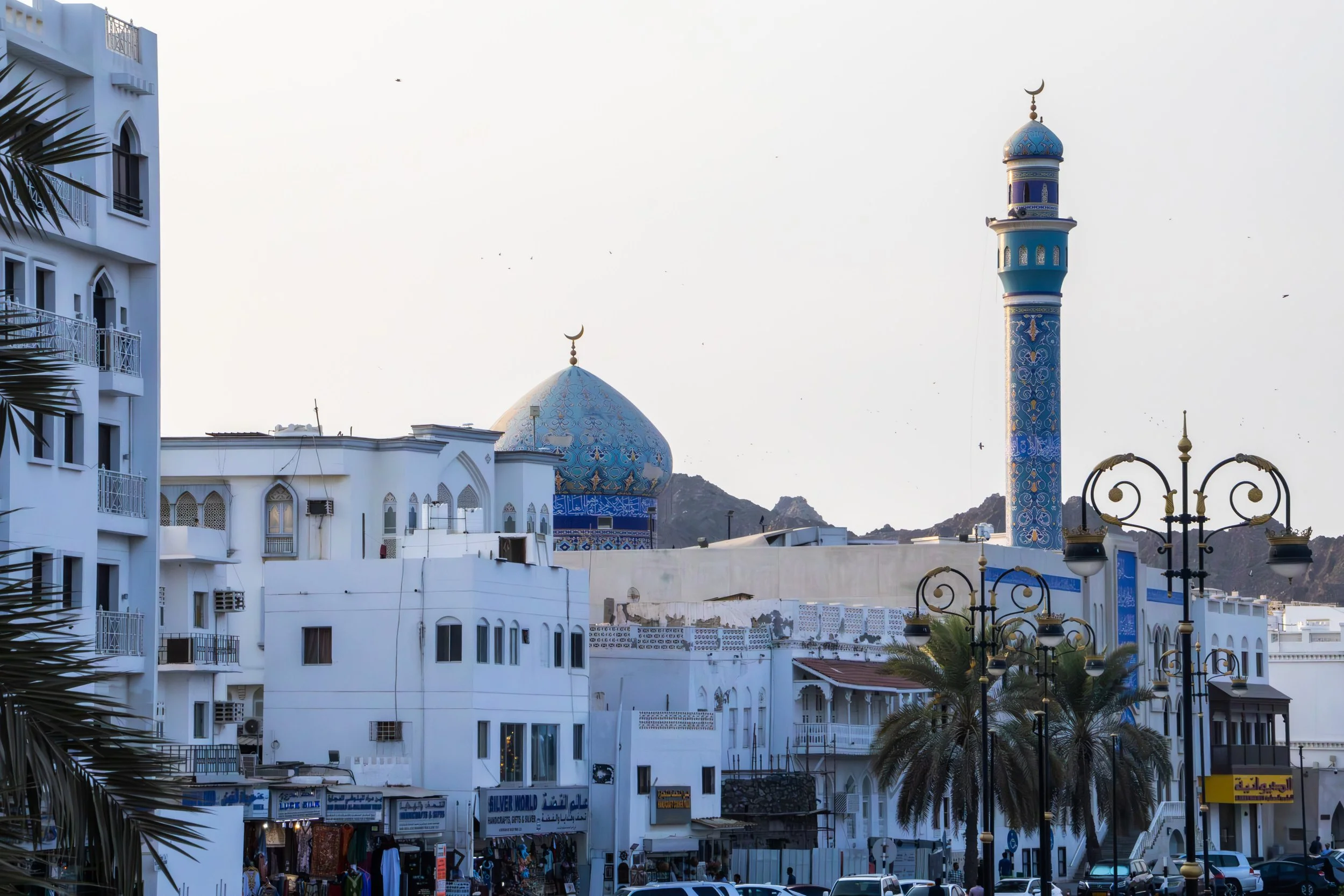
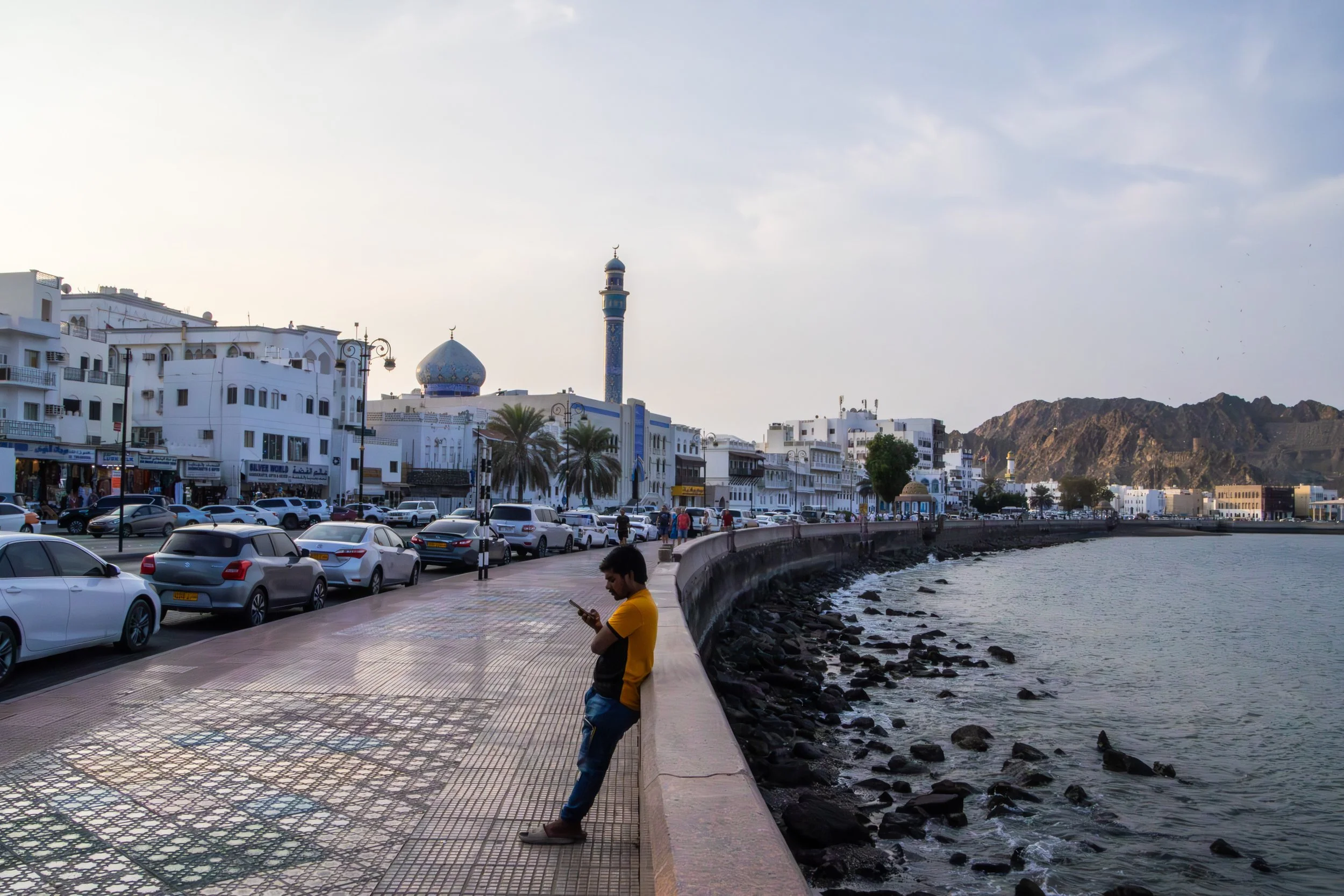
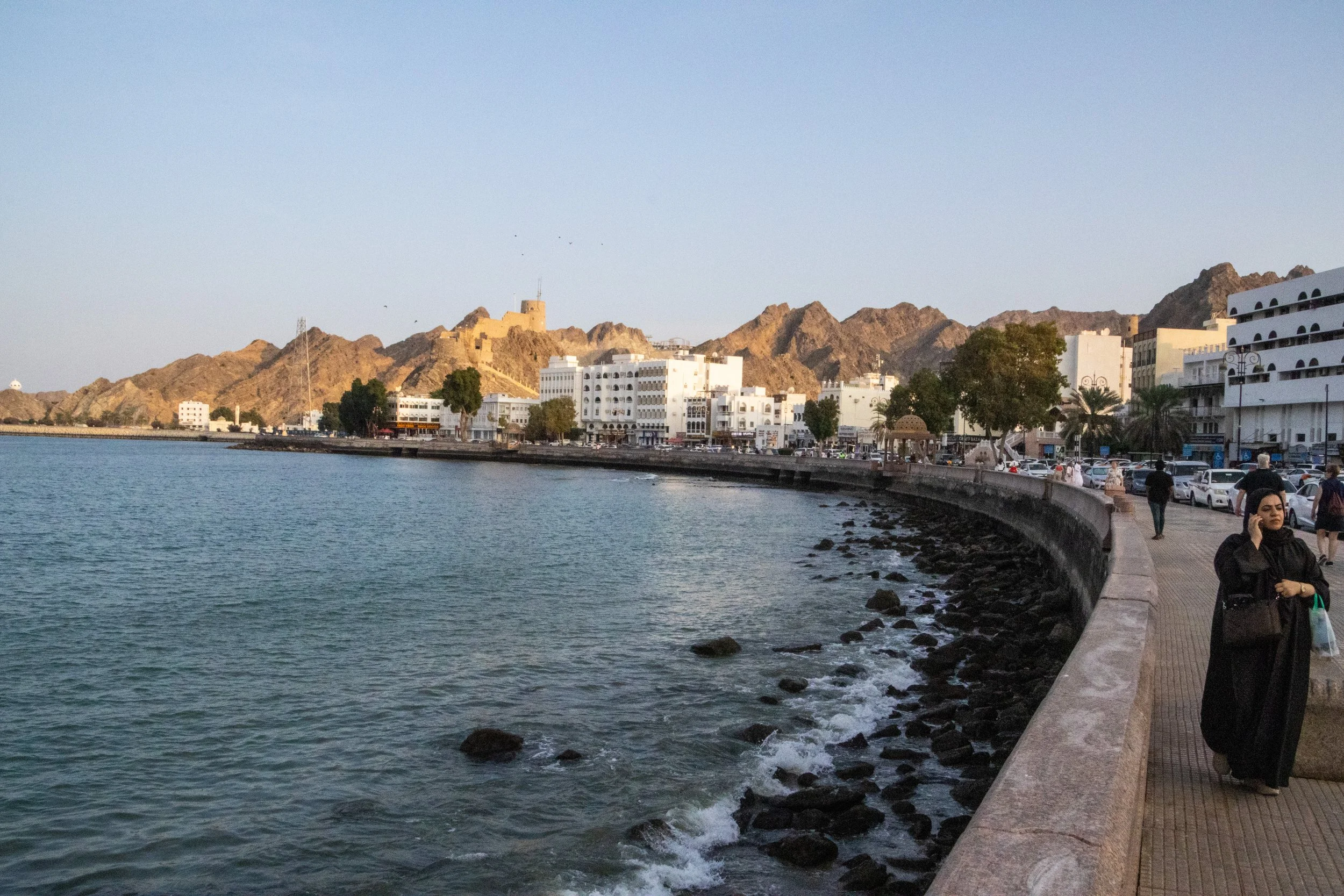
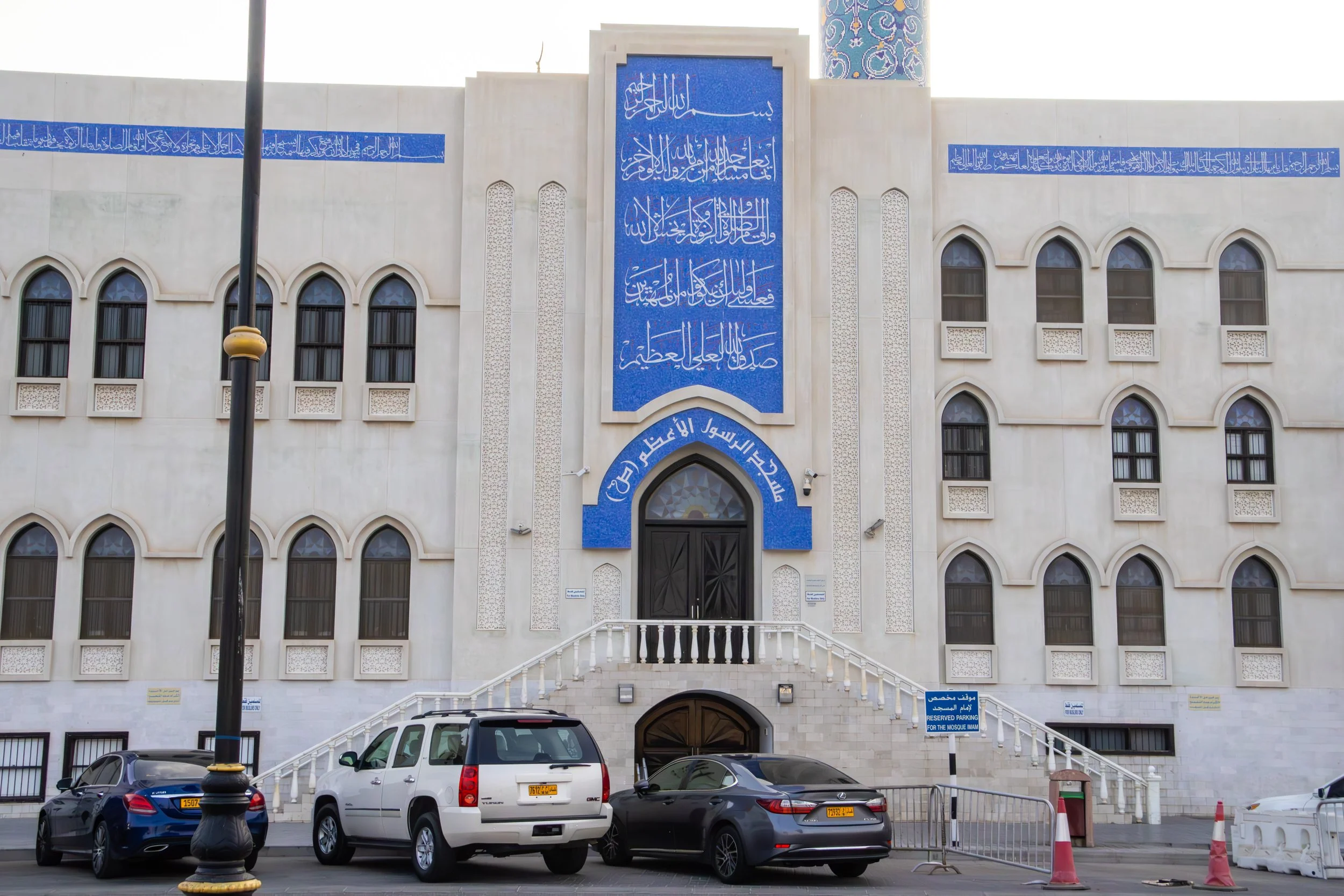
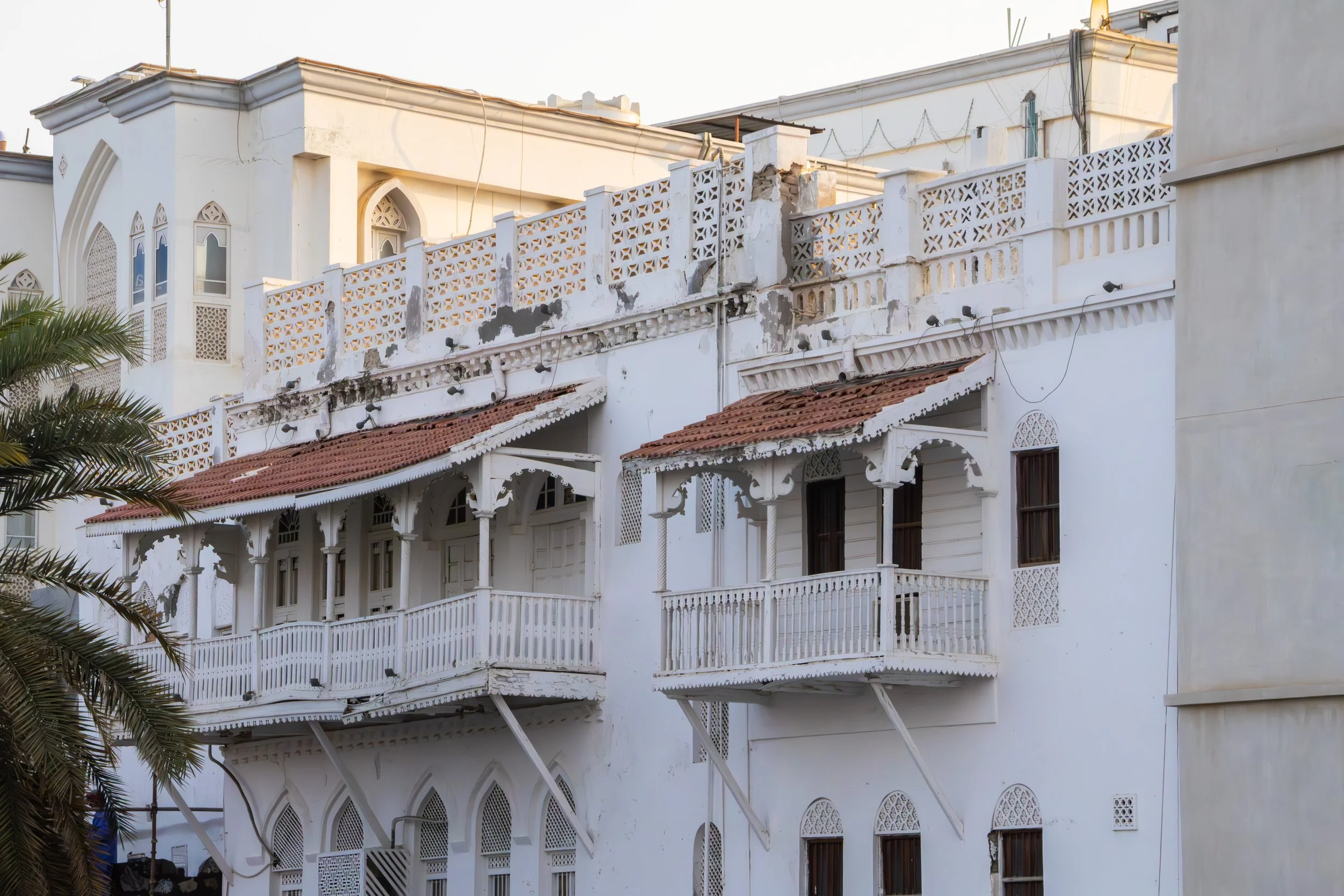
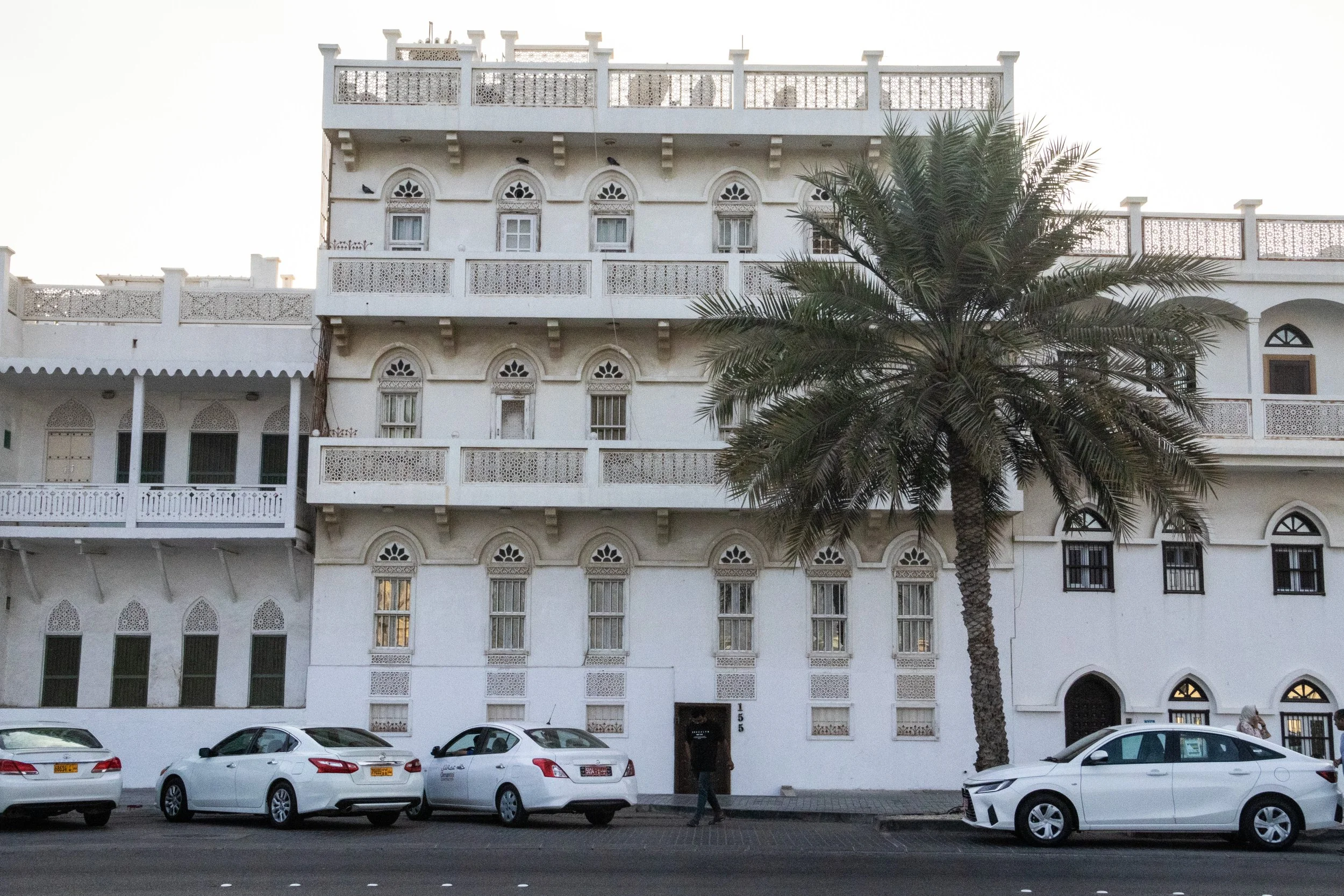
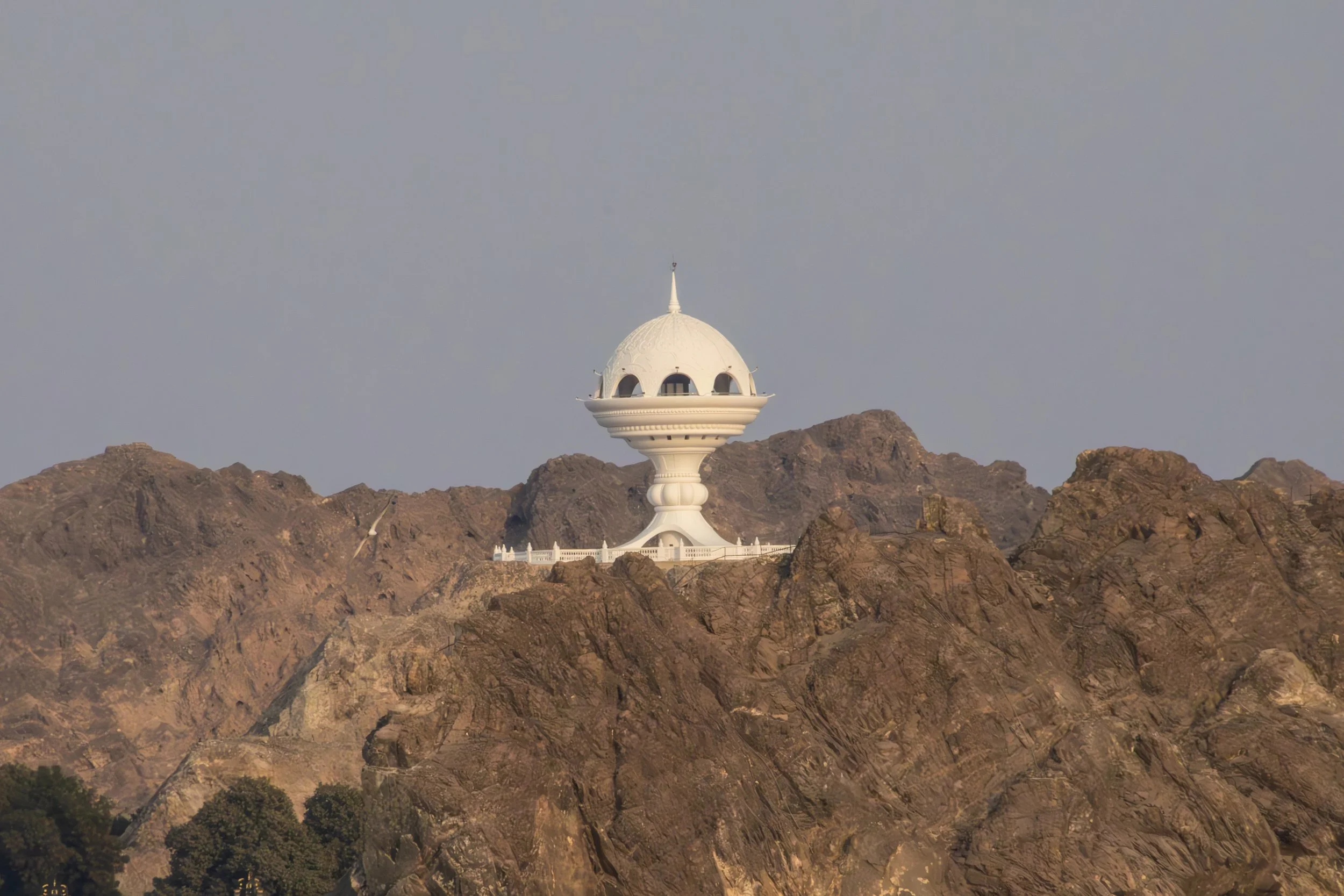
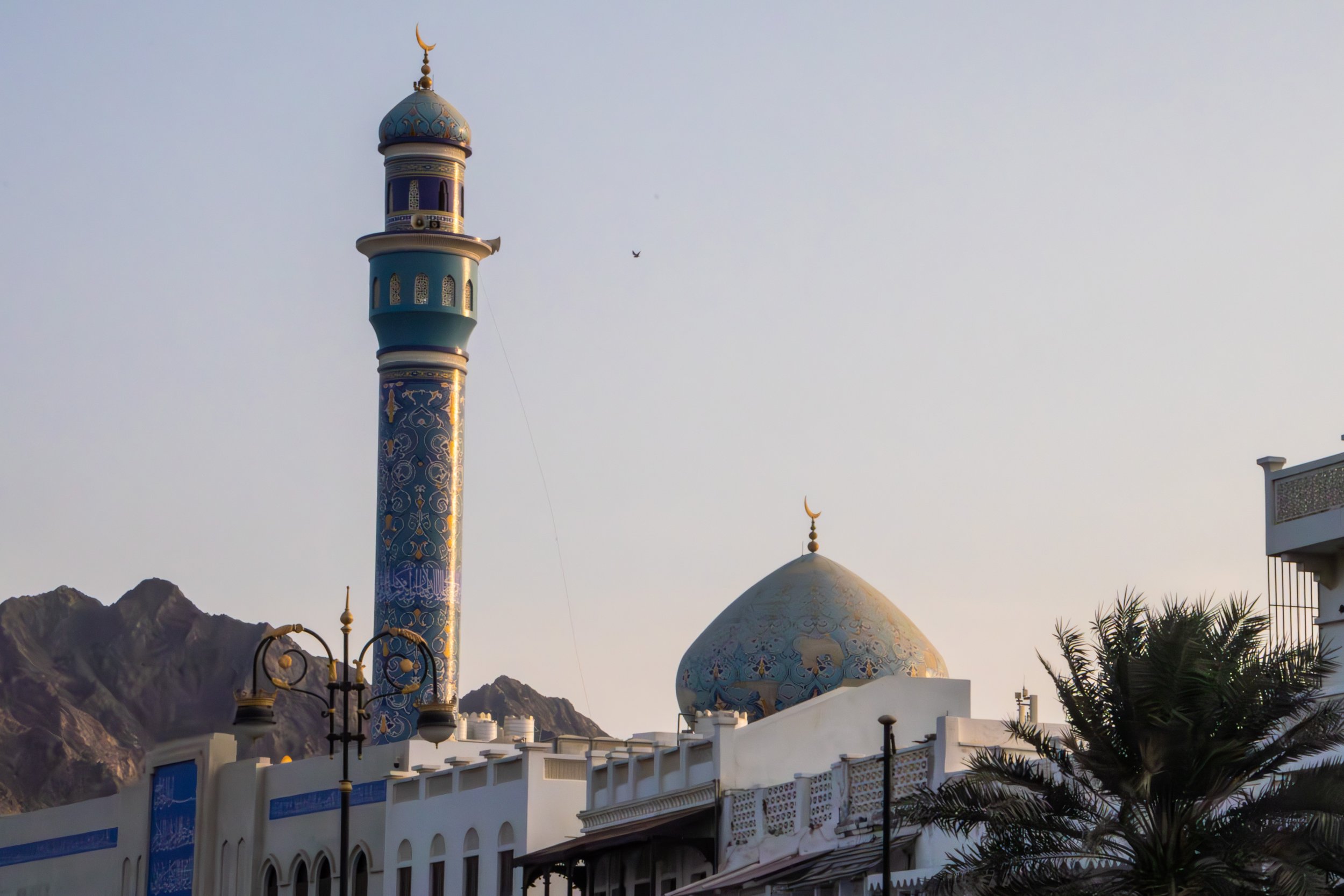
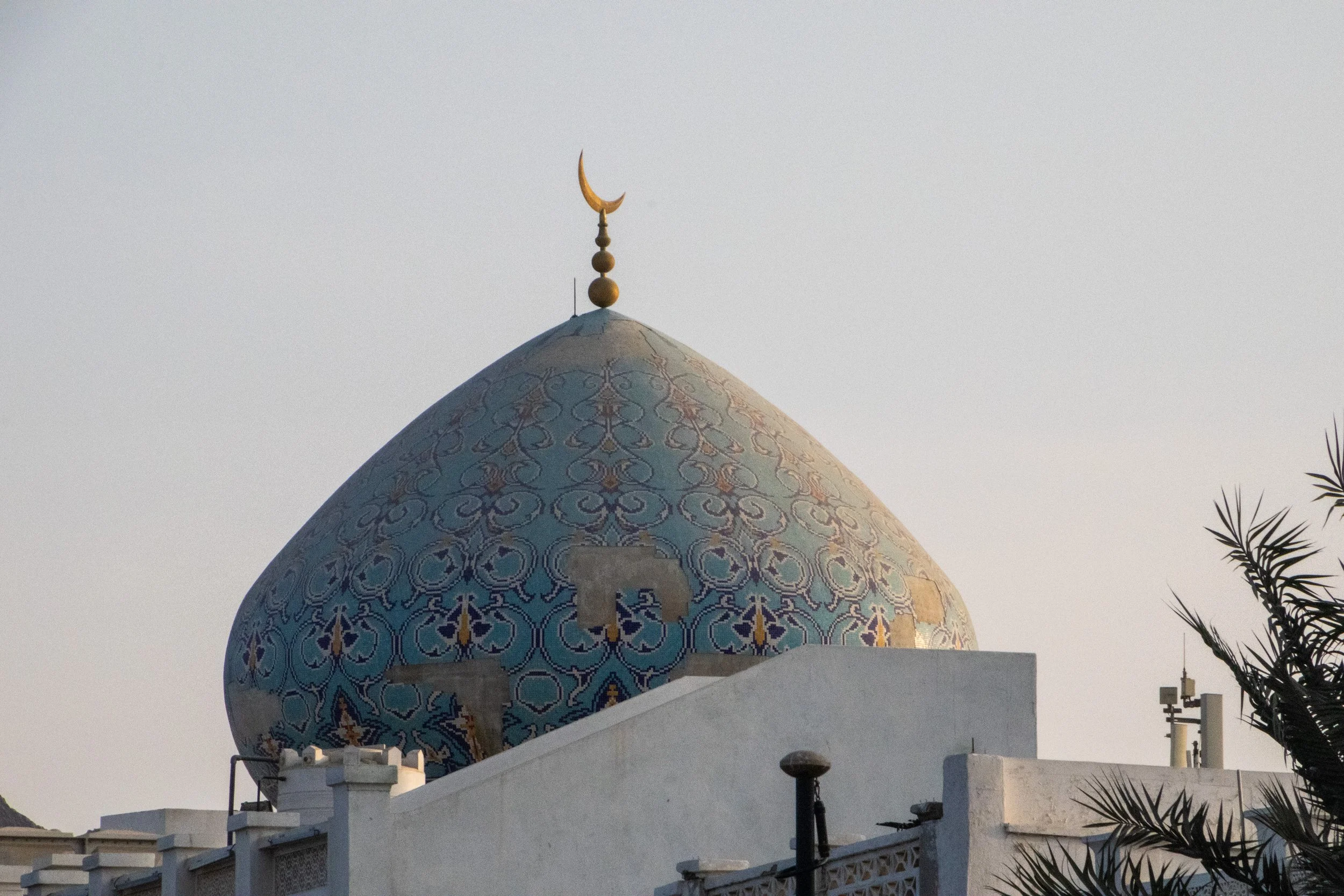
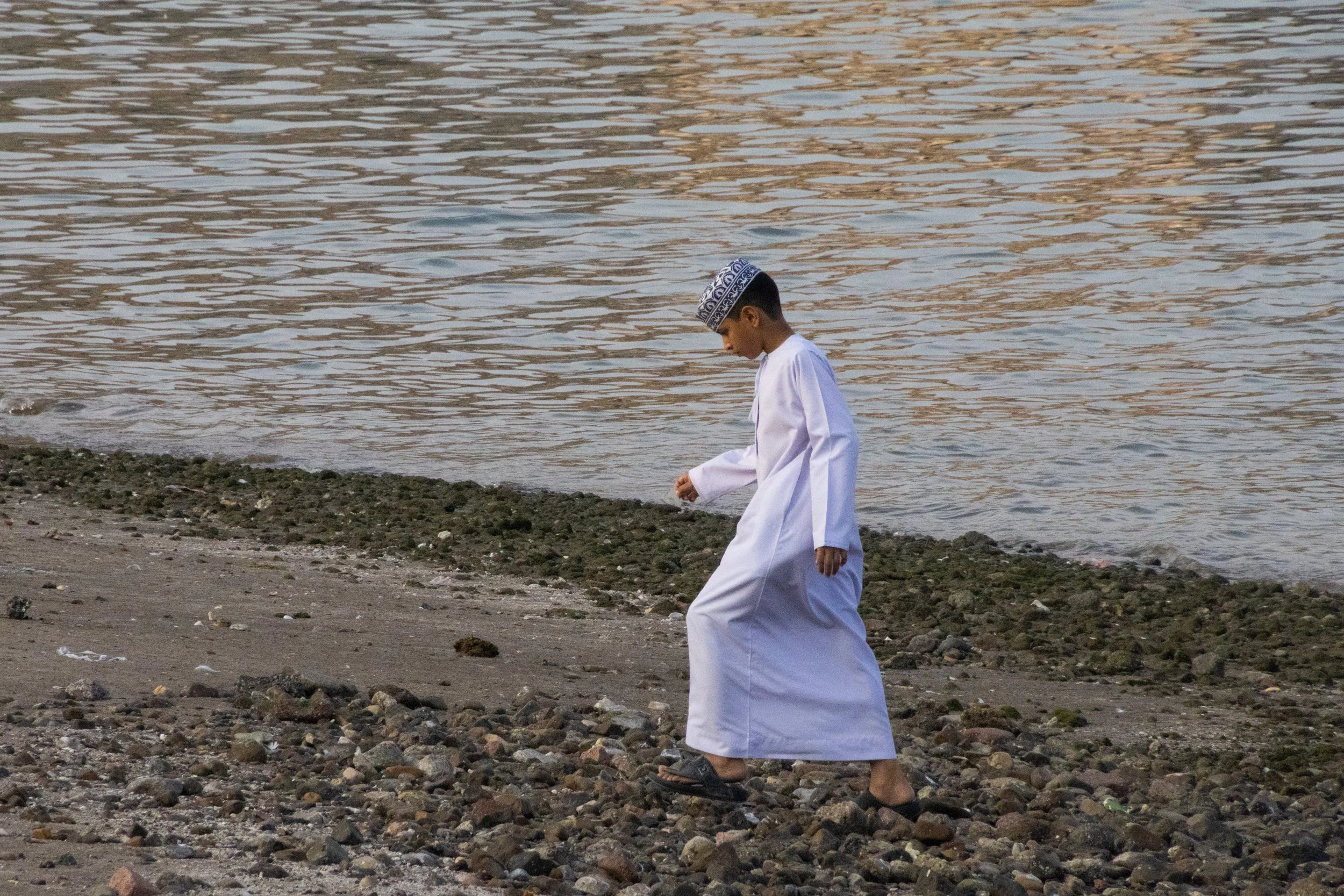
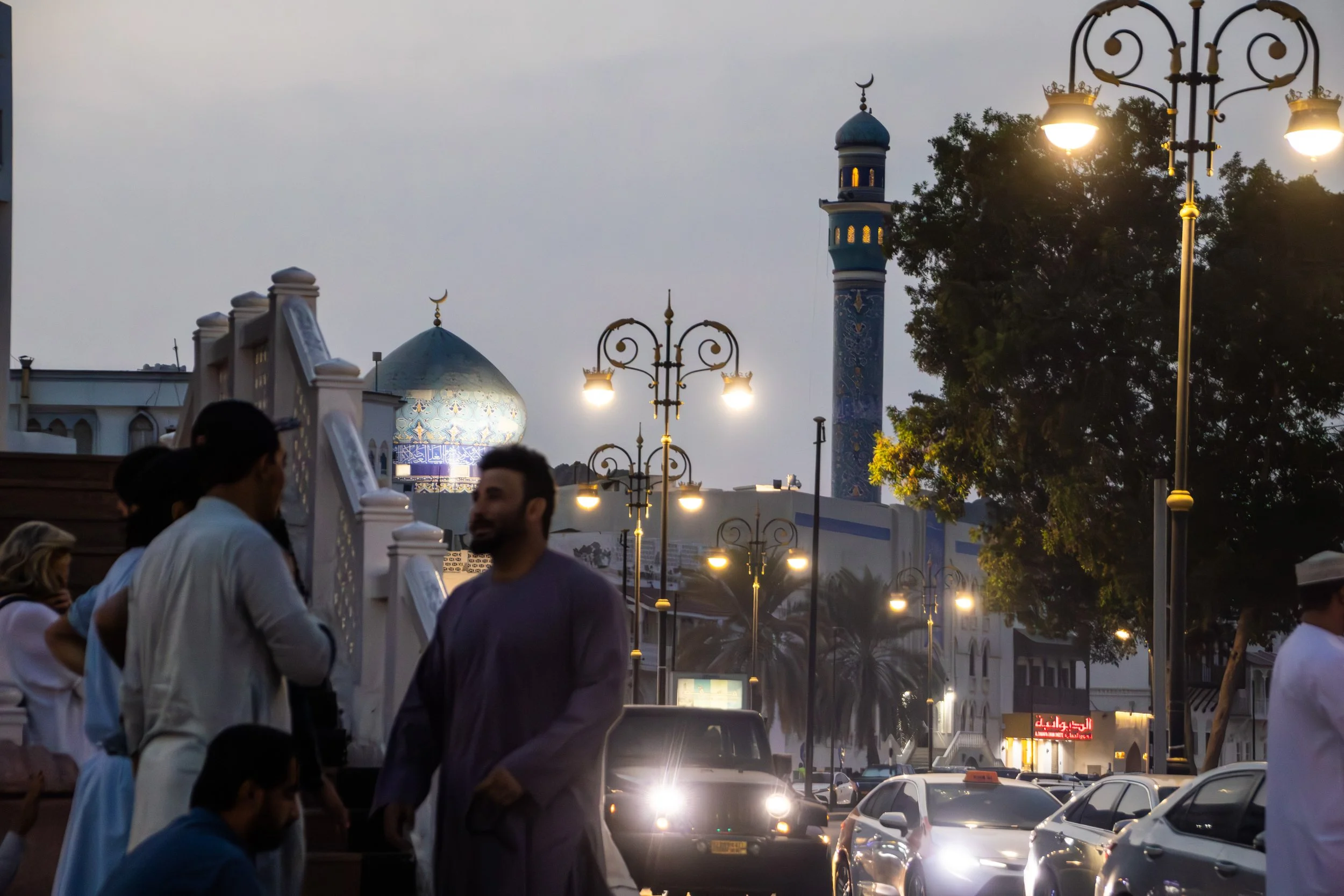
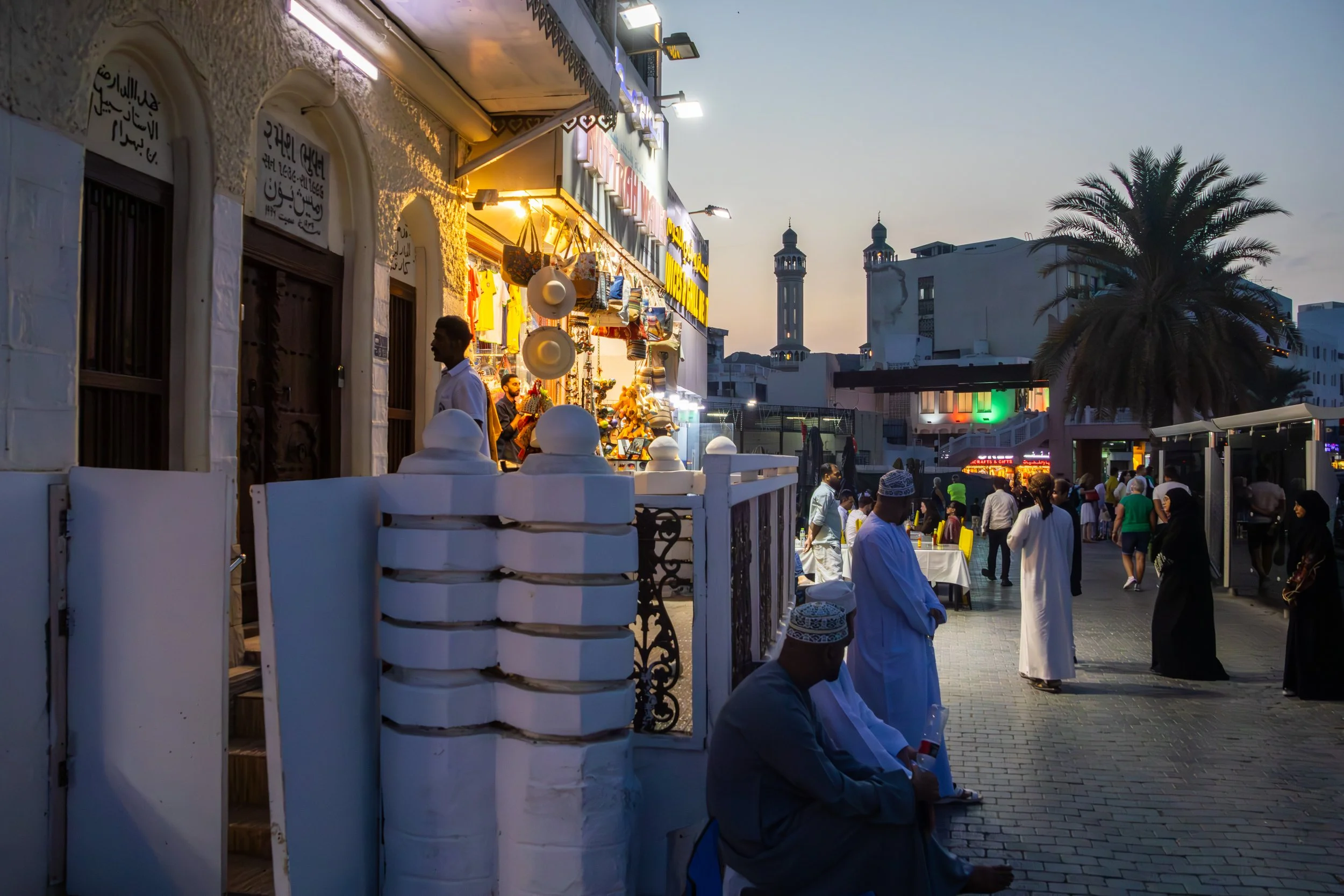
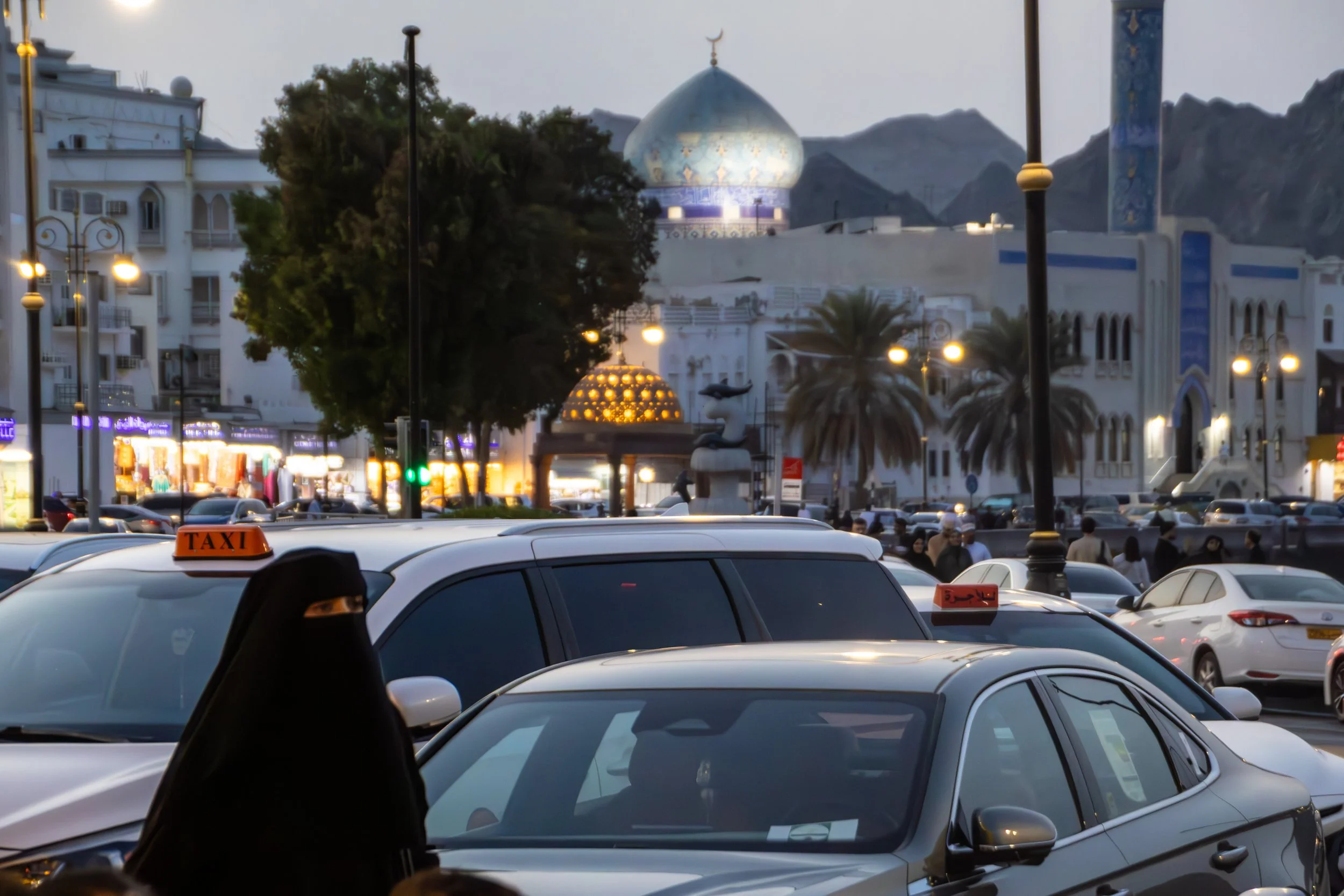
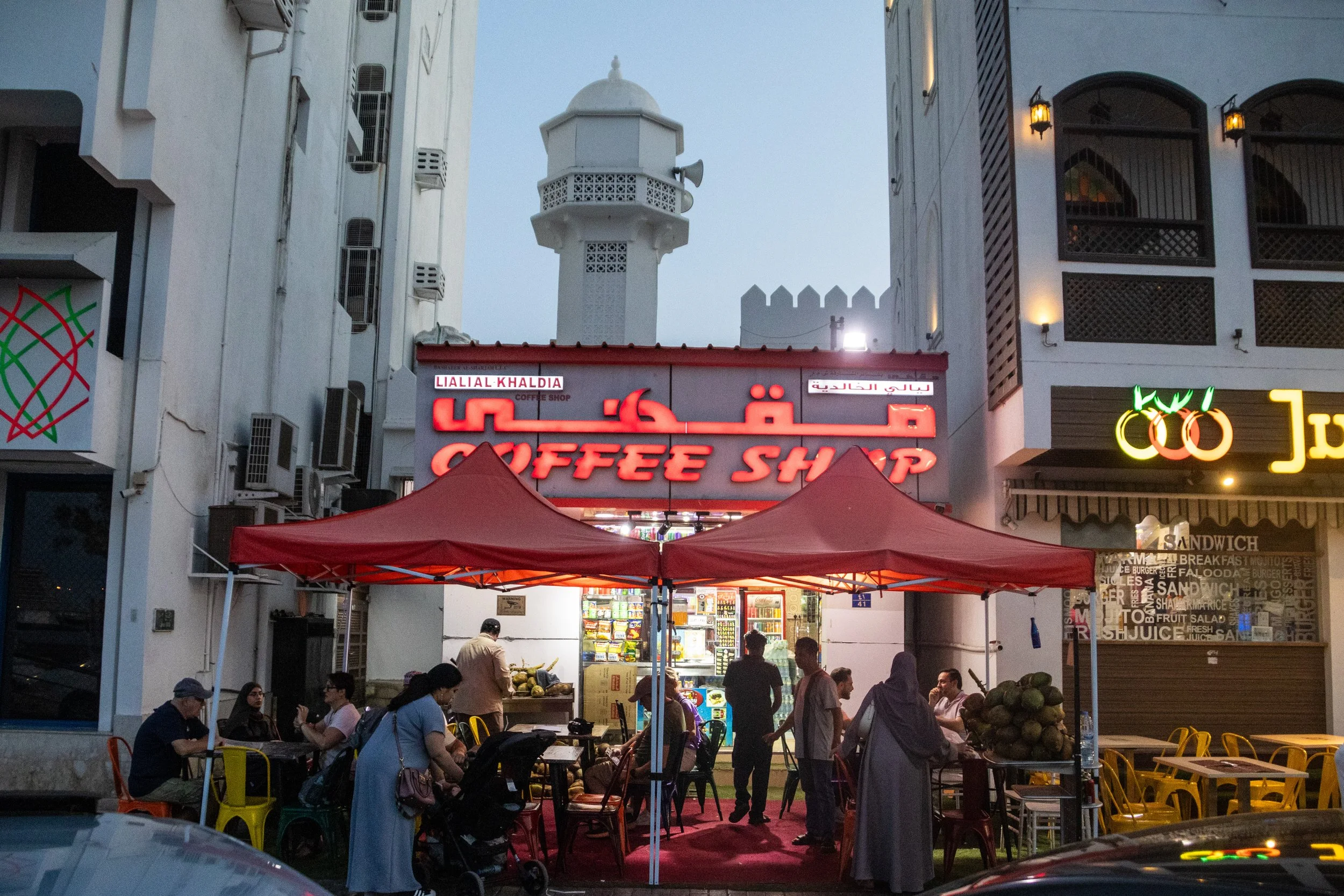
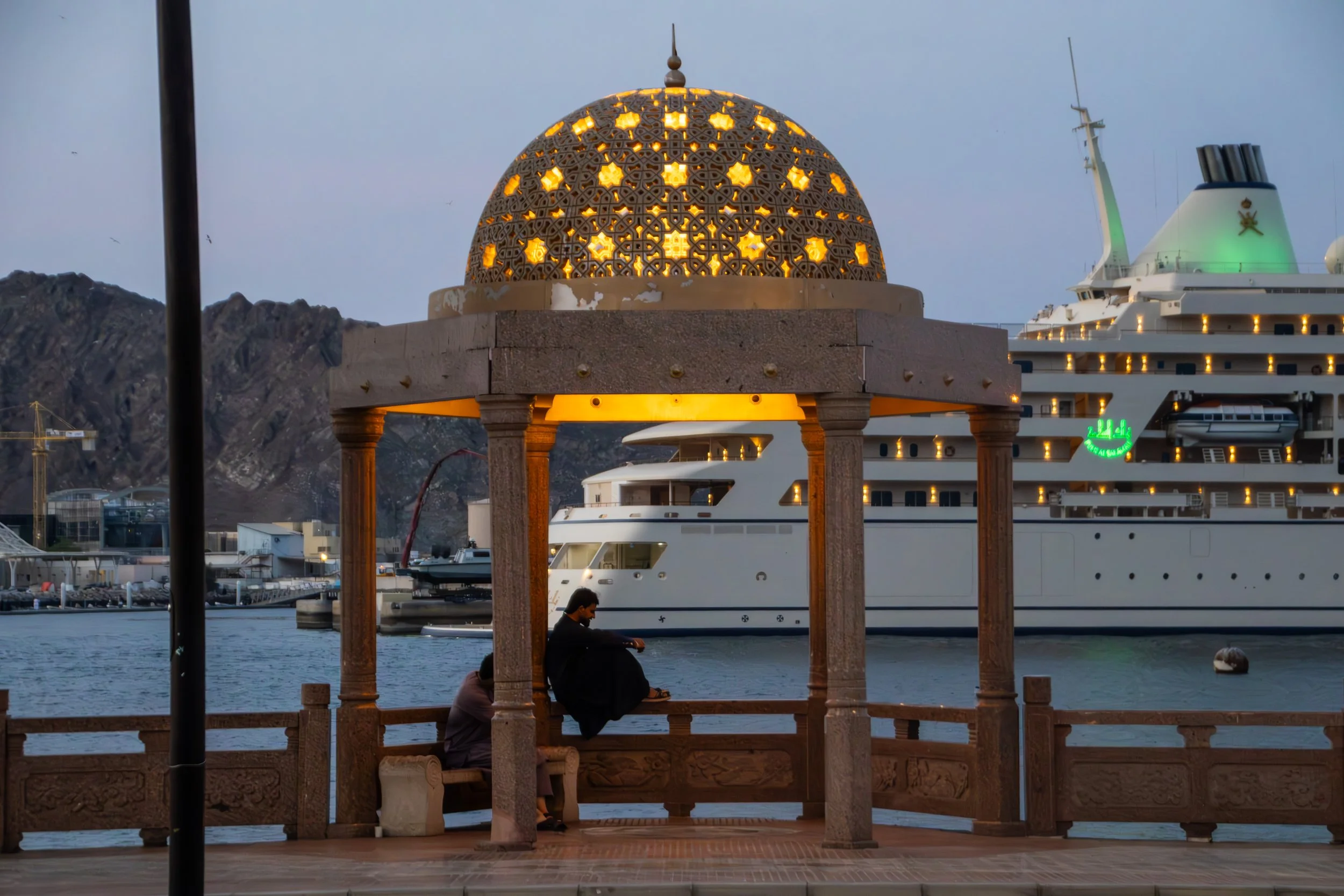
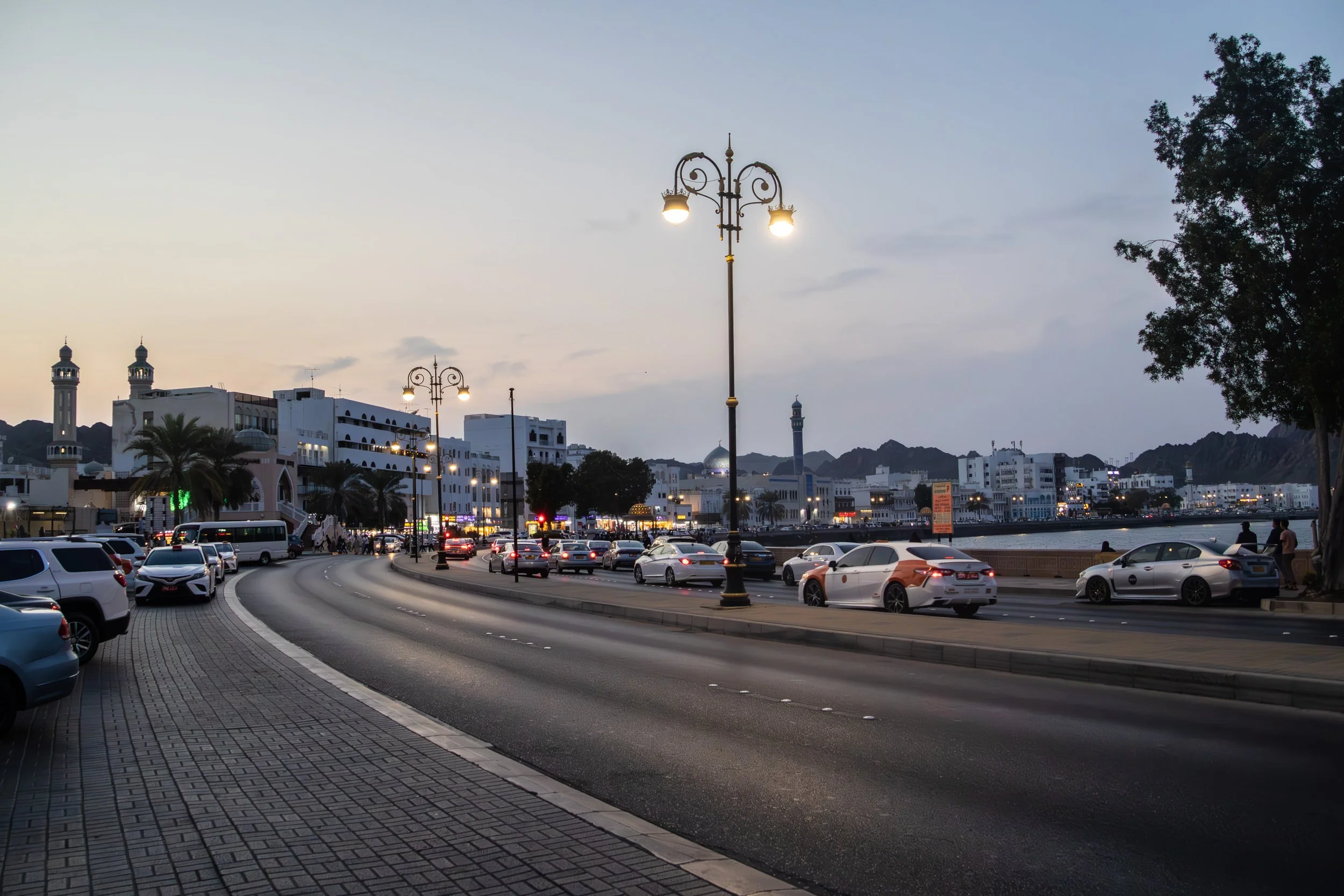
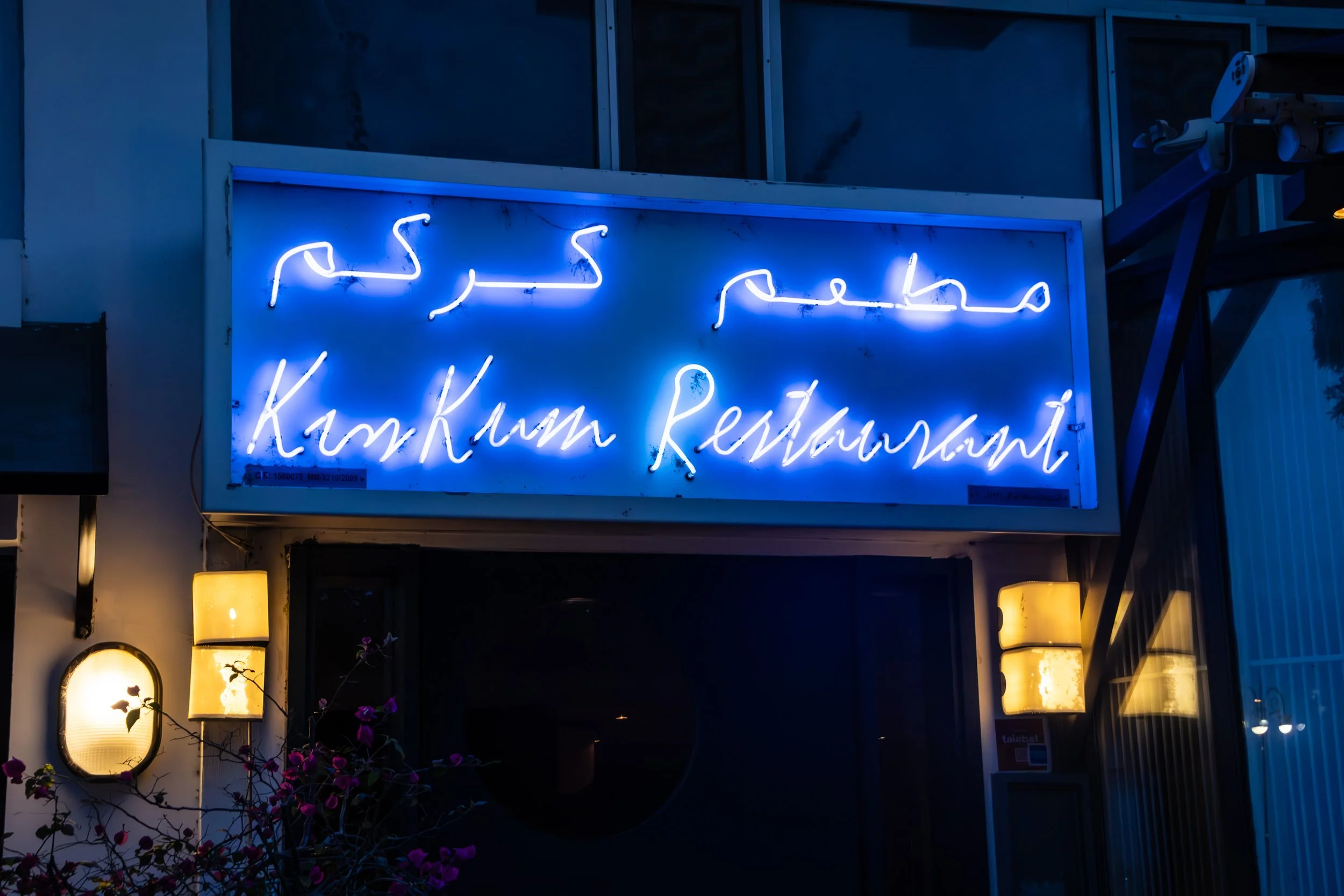
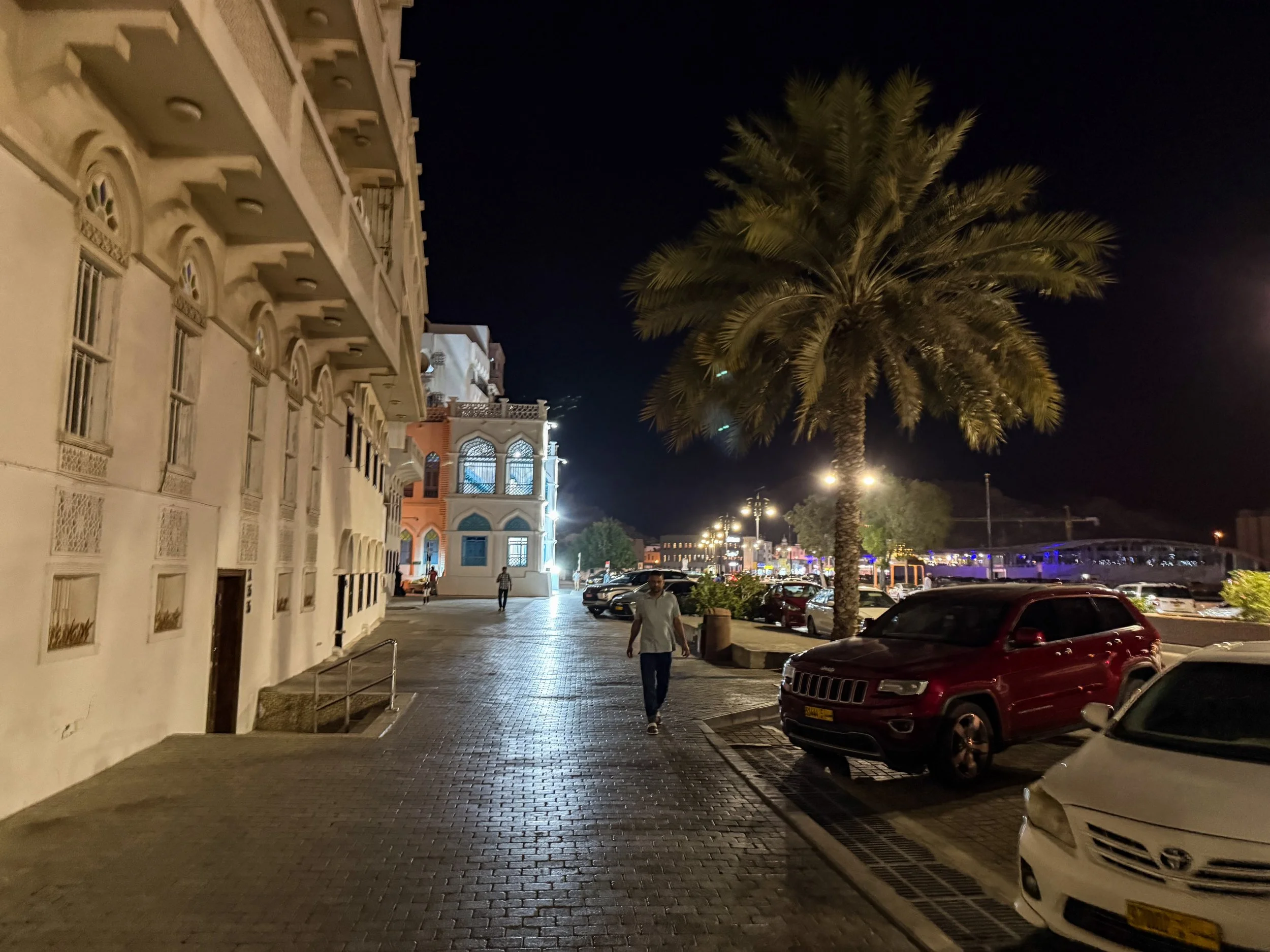
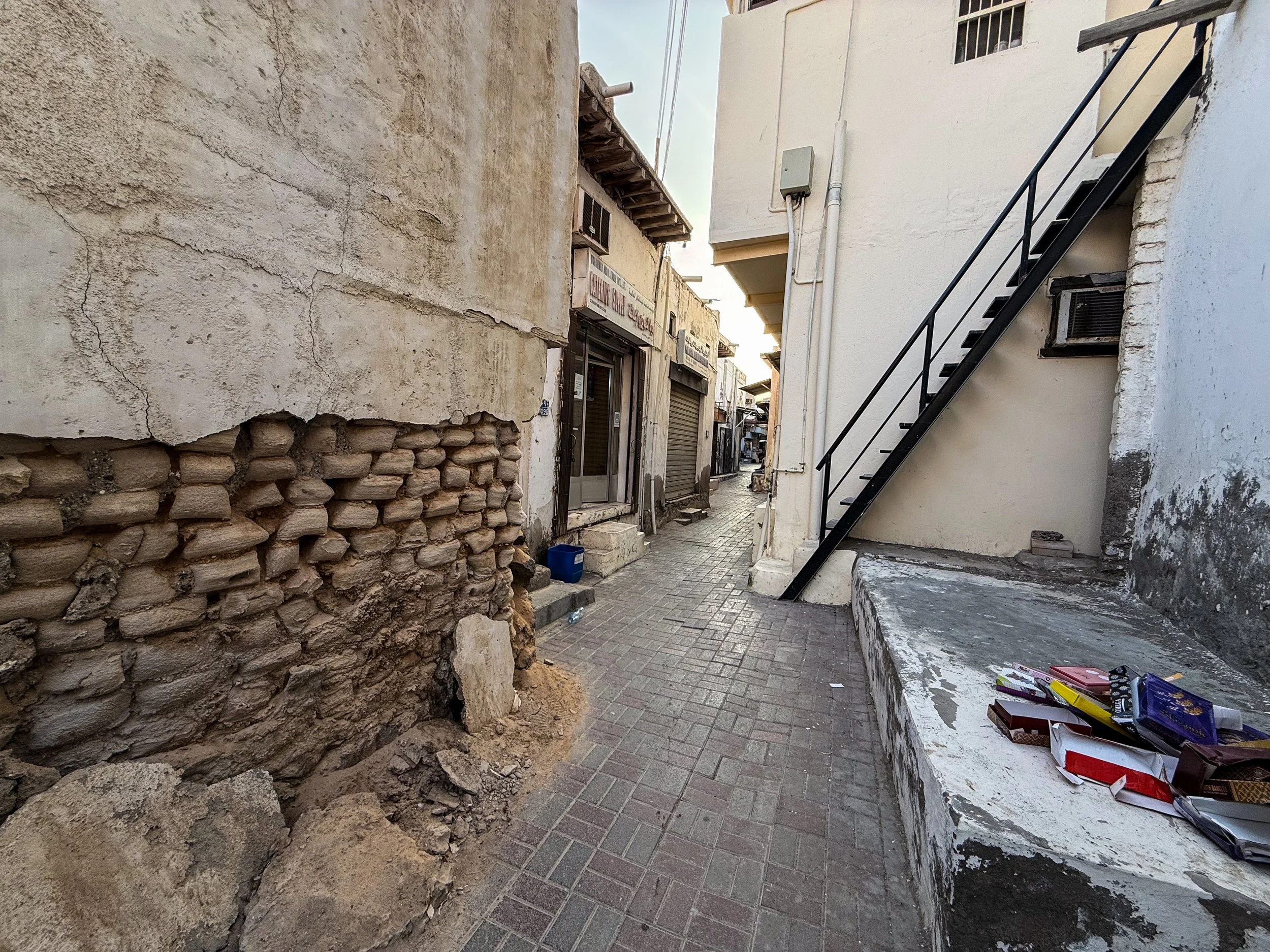
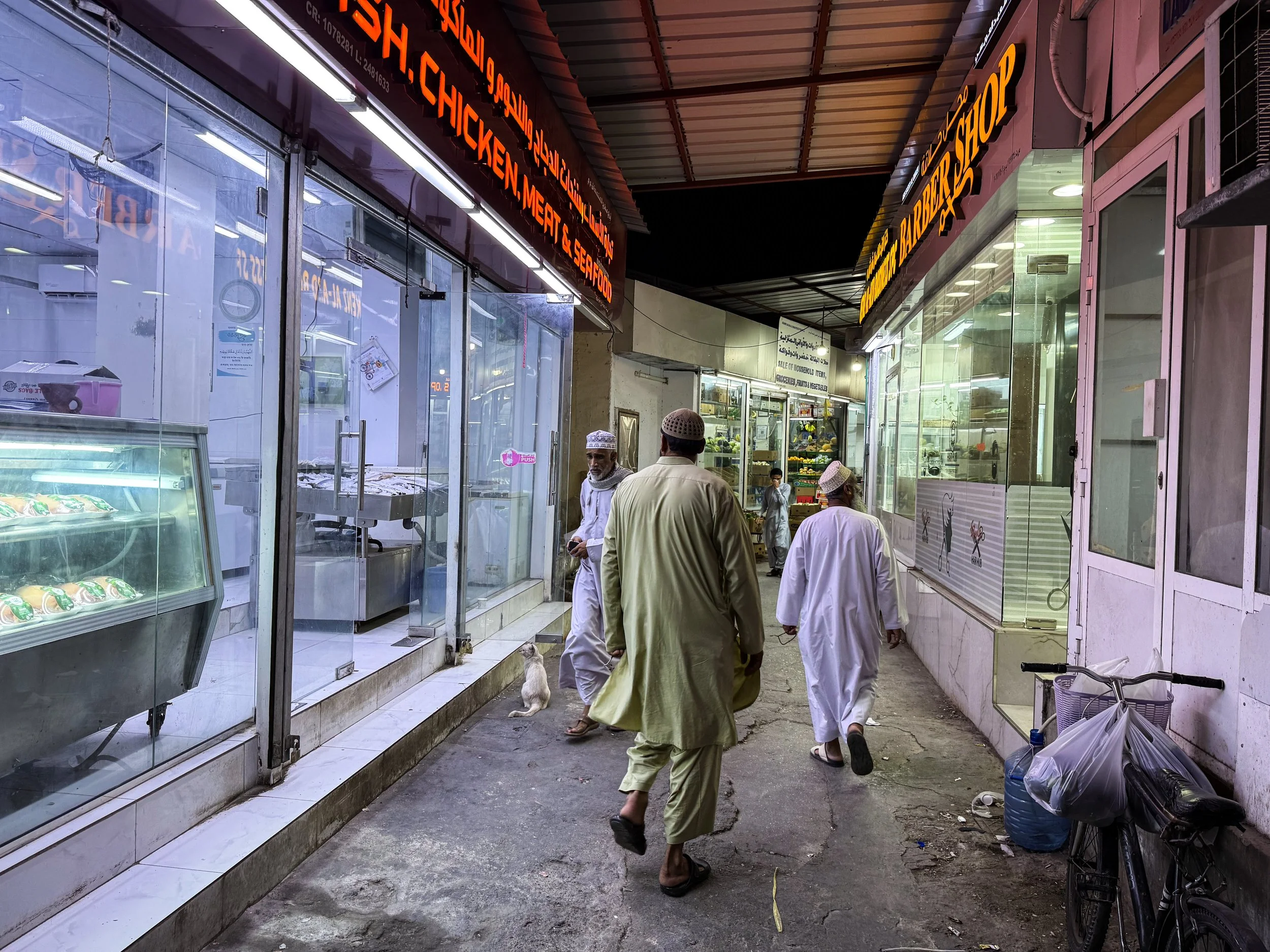
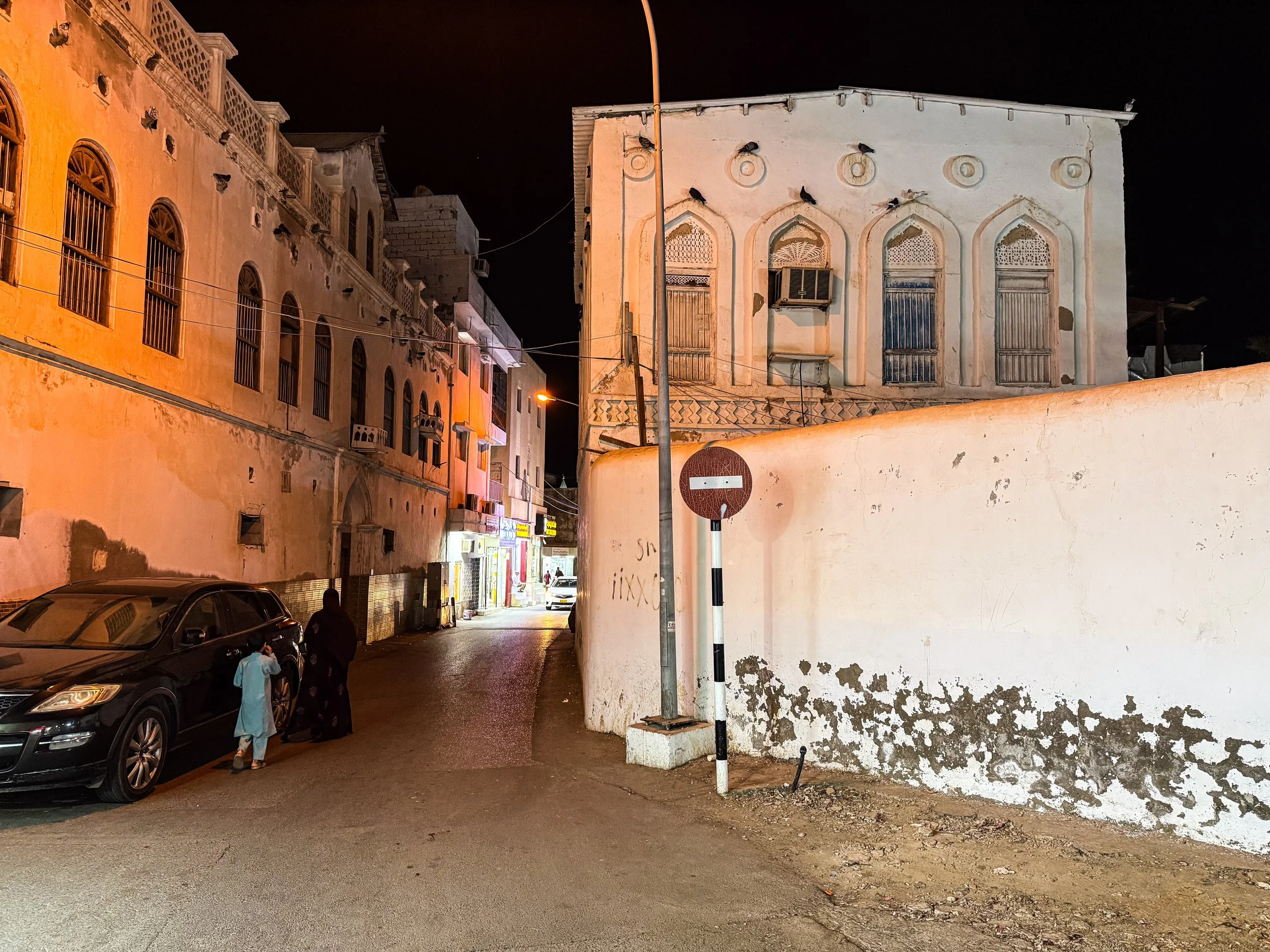
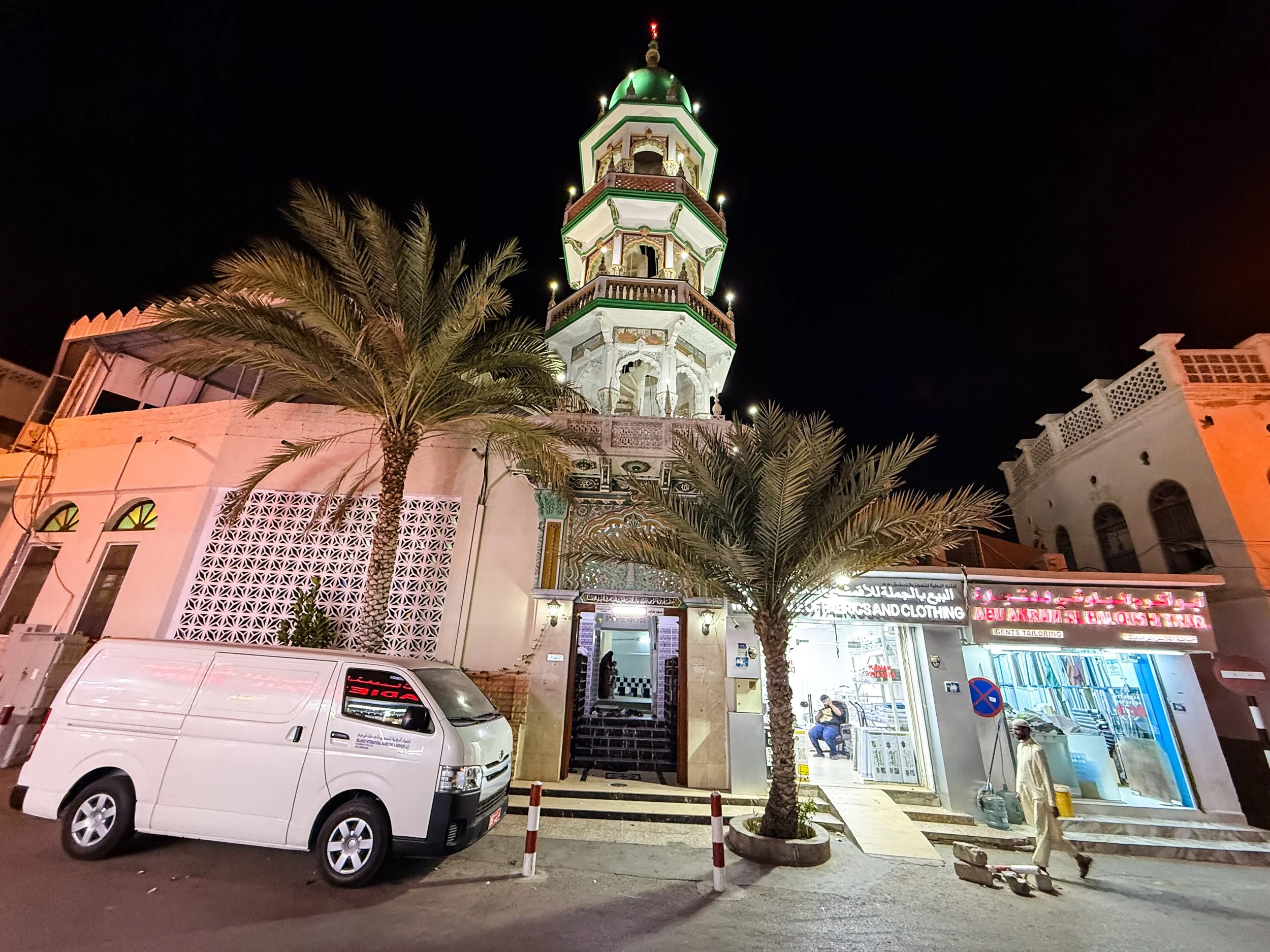
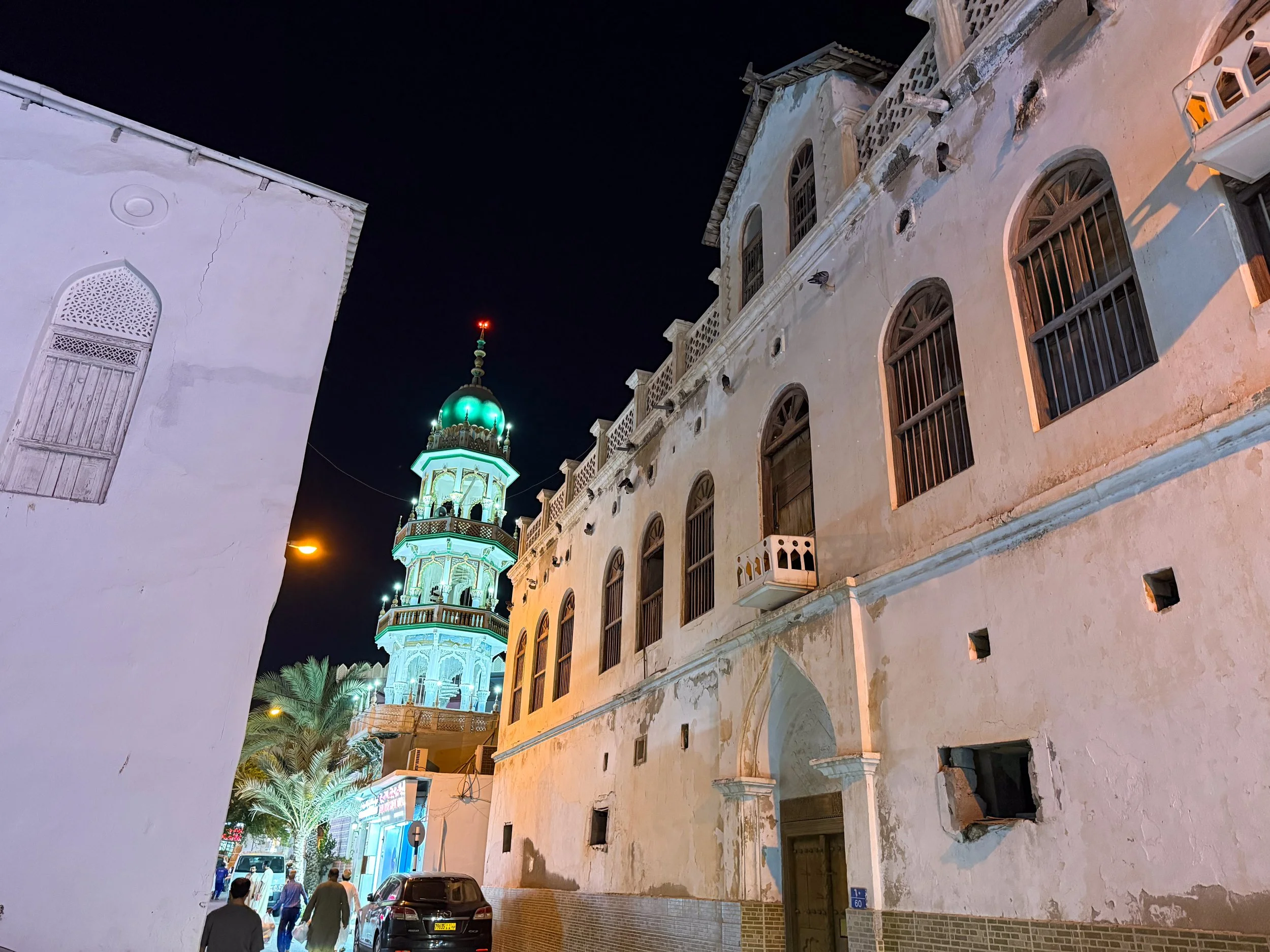
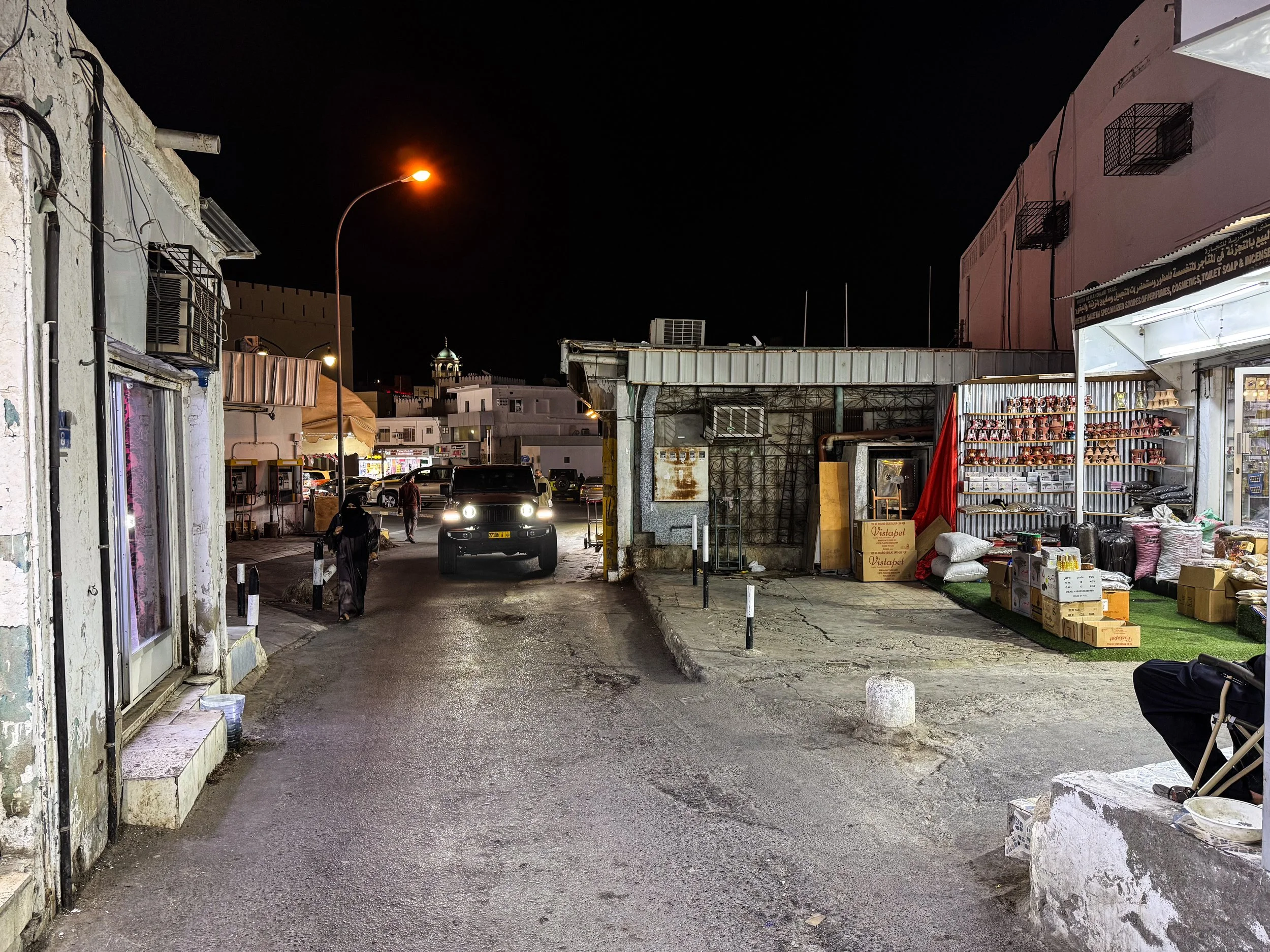
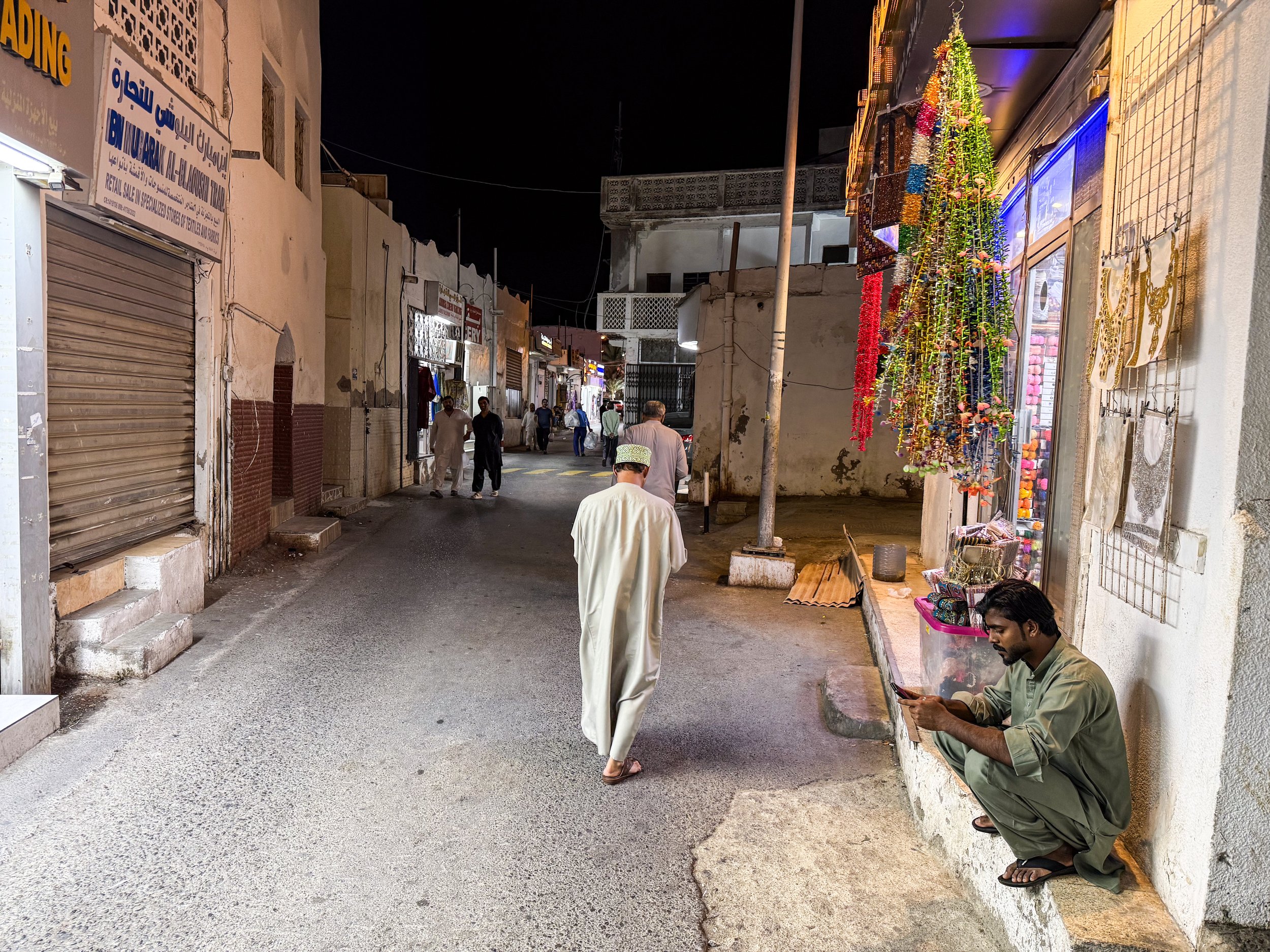
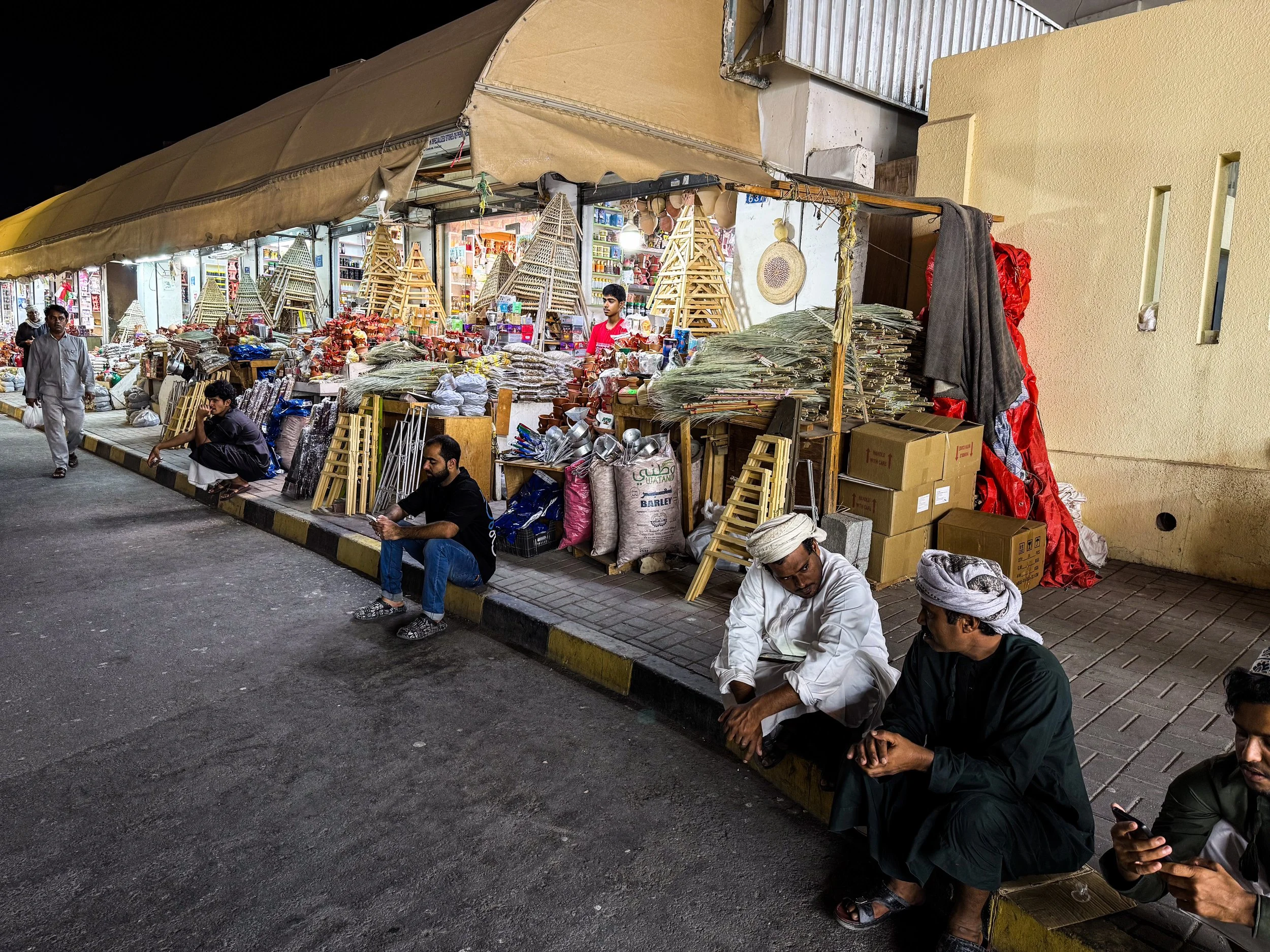
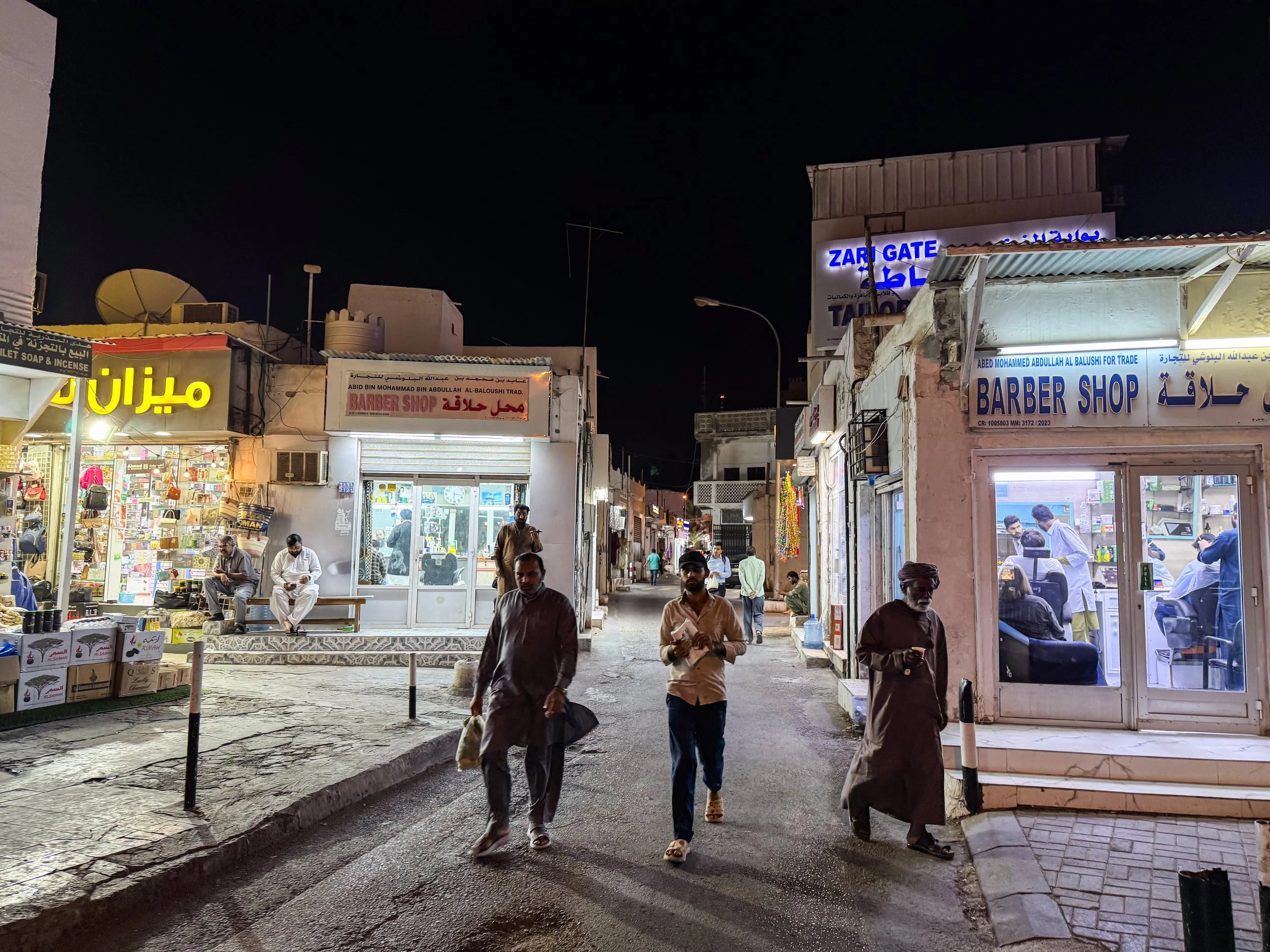
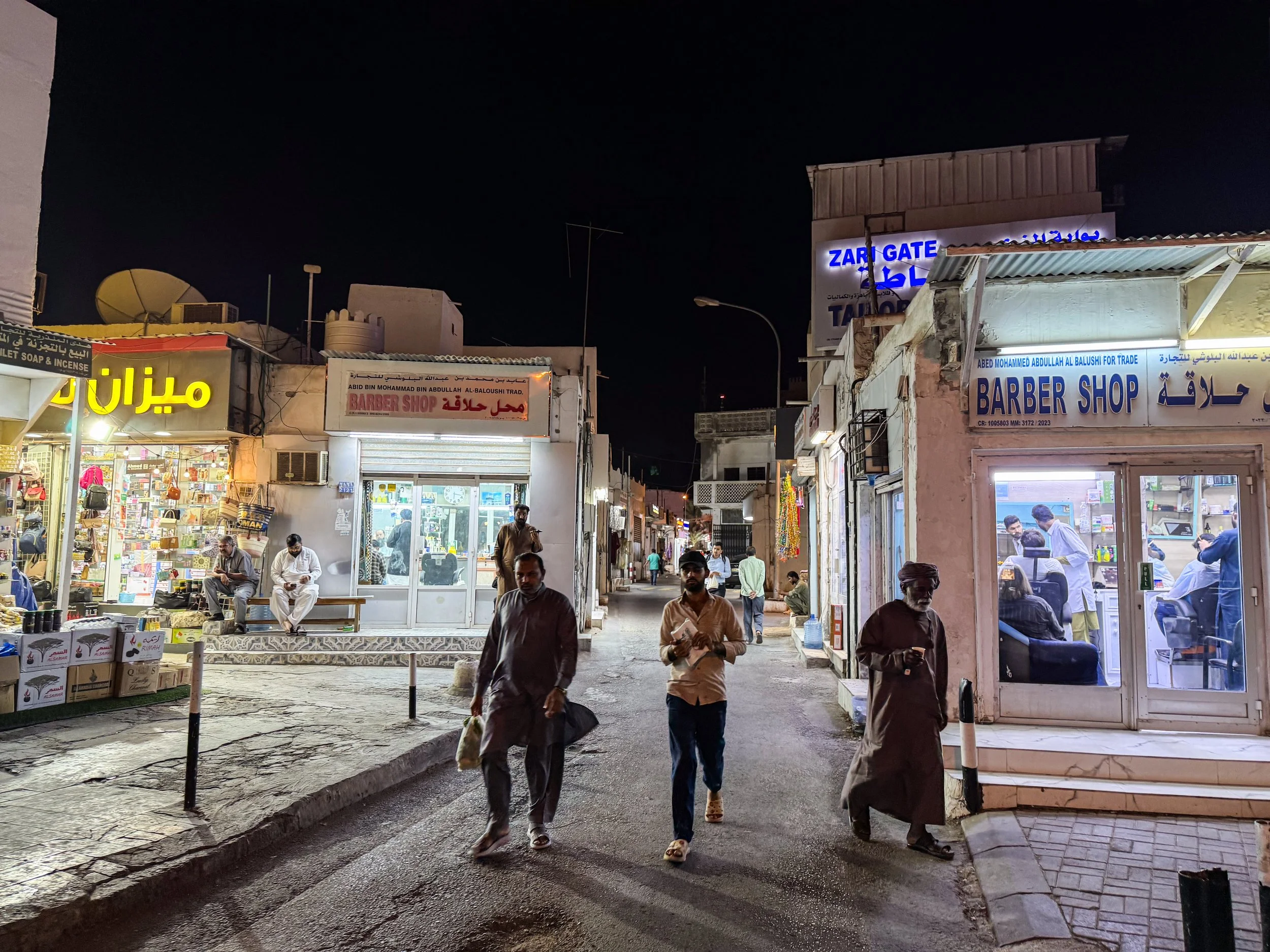
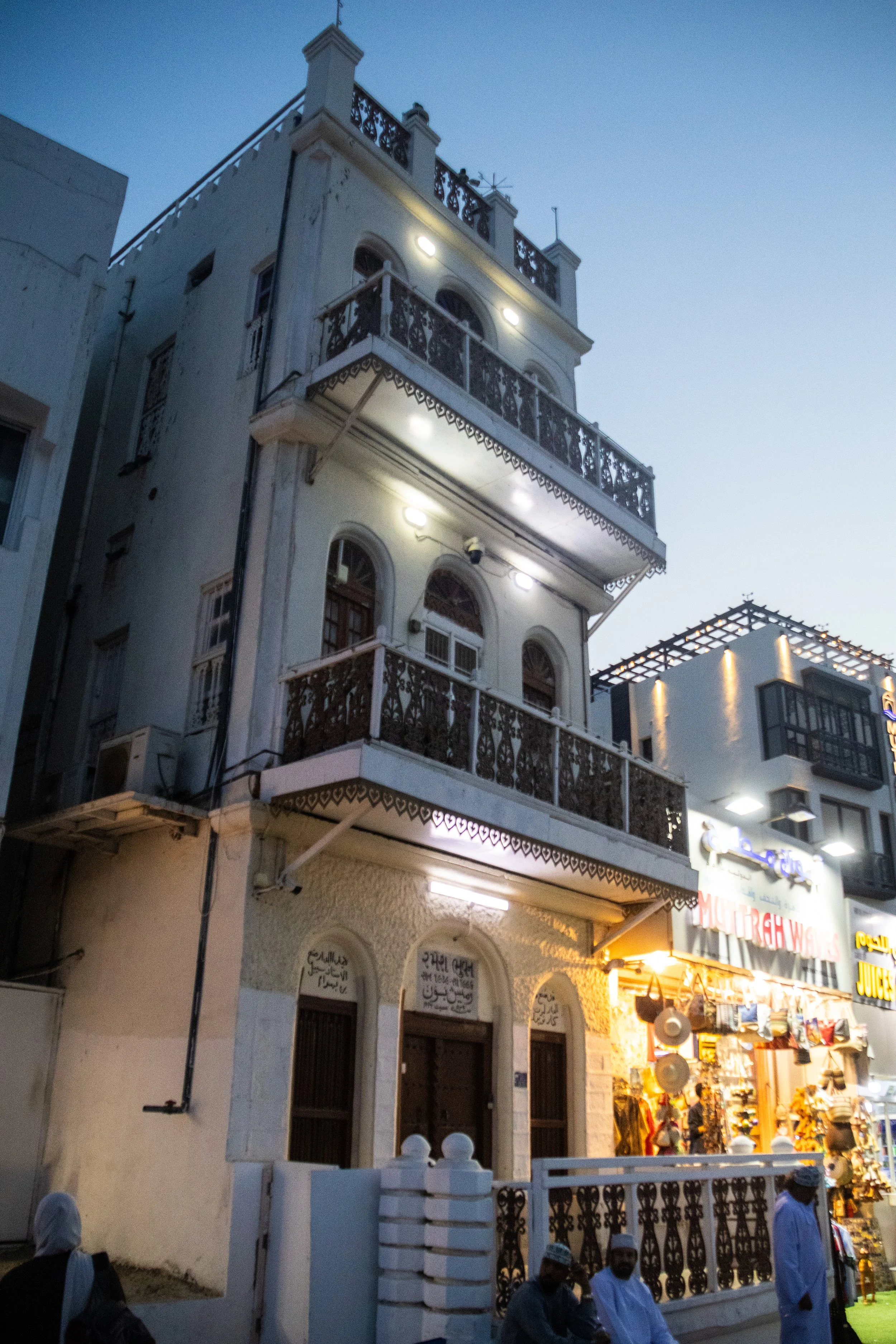
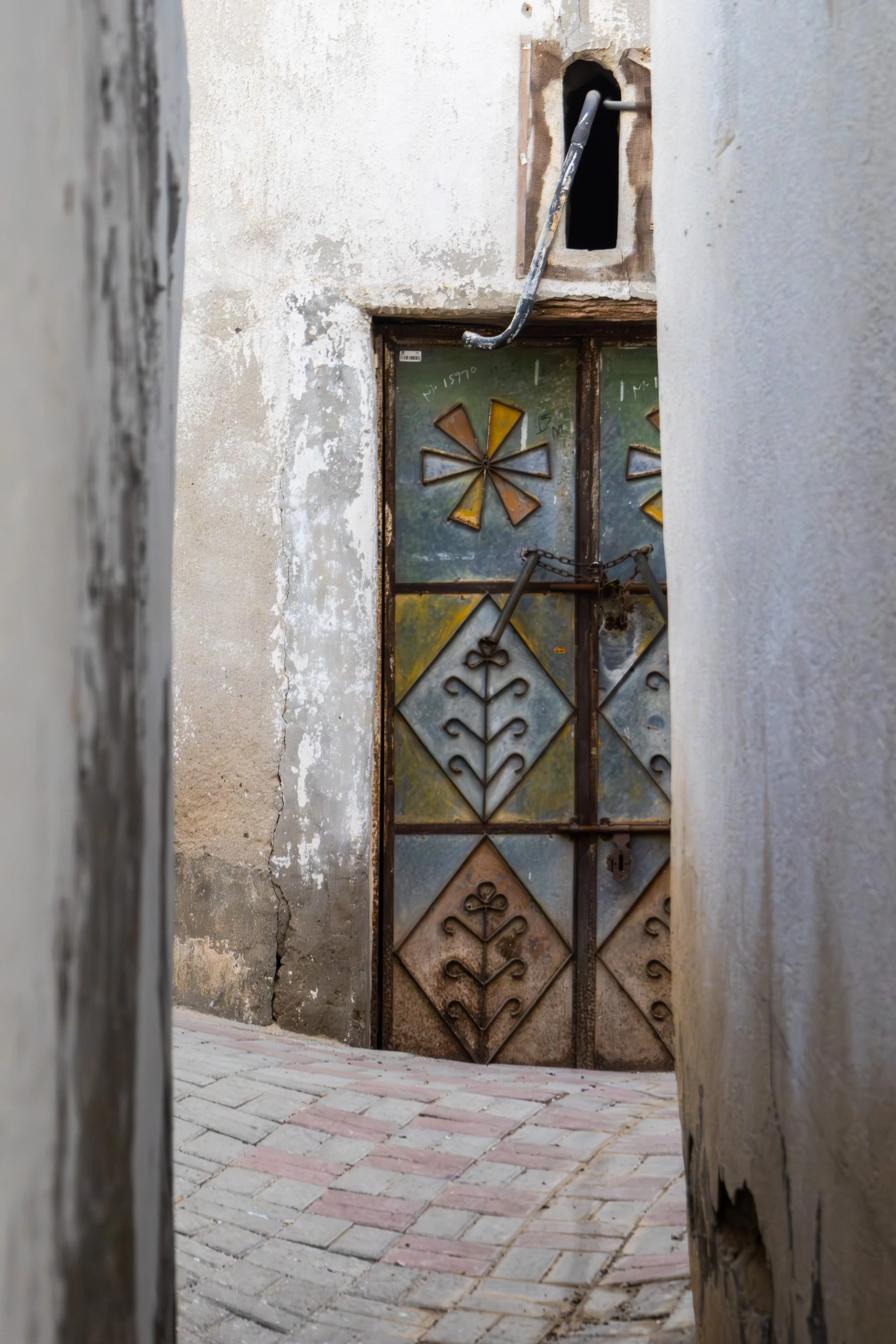
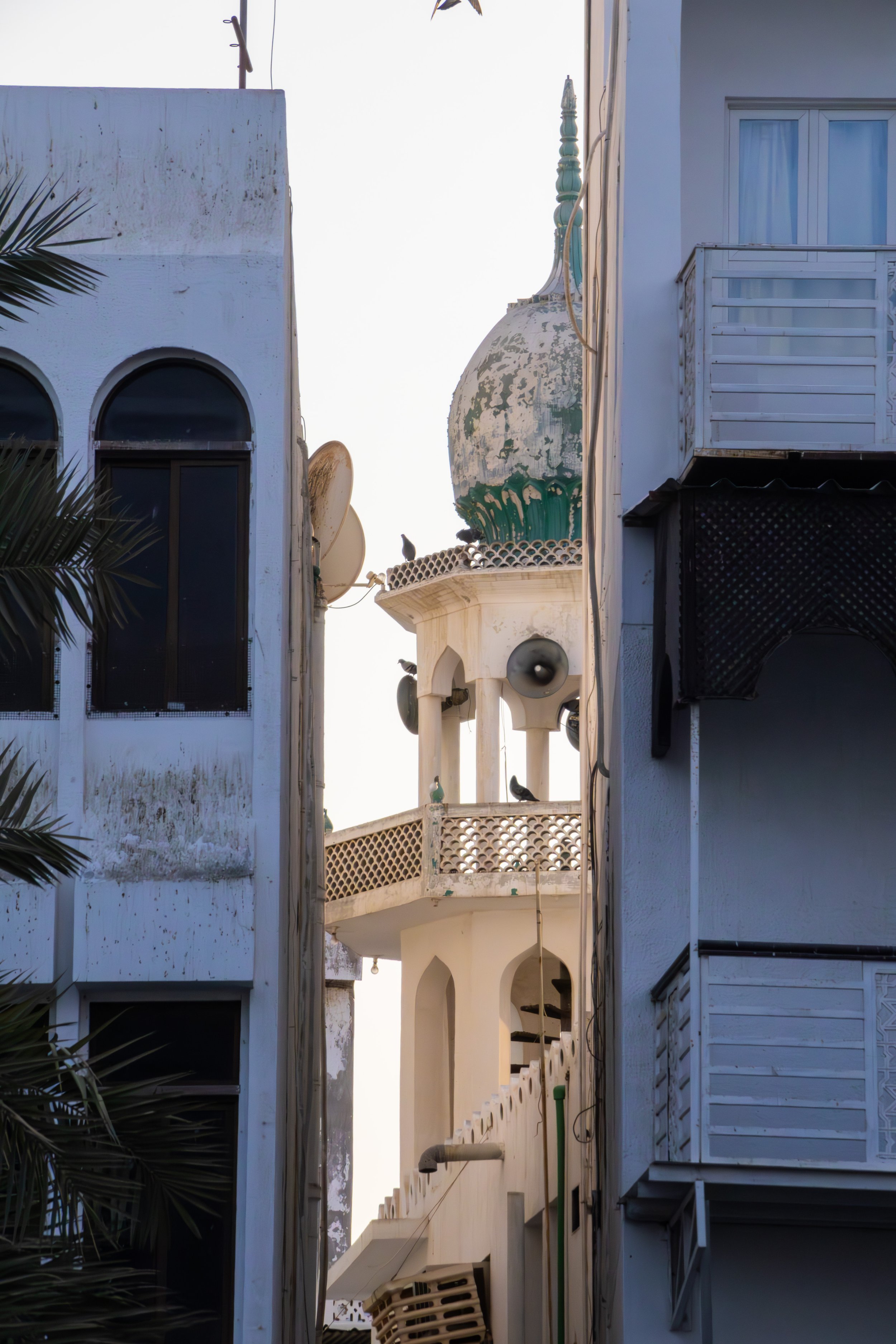
The waterfront area is a lovely walk unto itself, but if you turn away from the sea and dare to walk down any of its many narrow alleyways, you will quickly find yourself transported into the a version of Oman that feels separated from the quiet, modern infrastructure of “new Muscat” by 100 miles and 100 years.
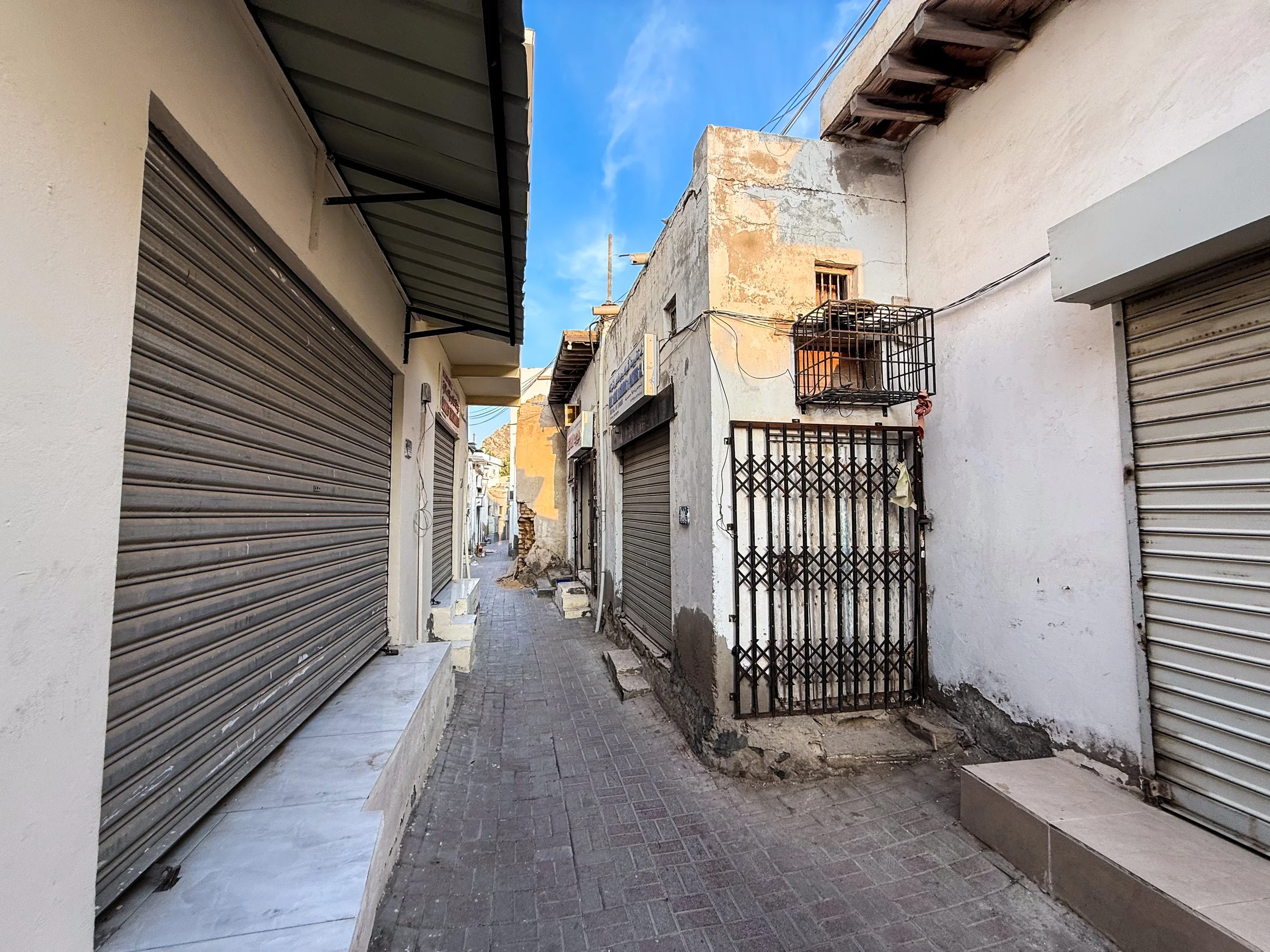
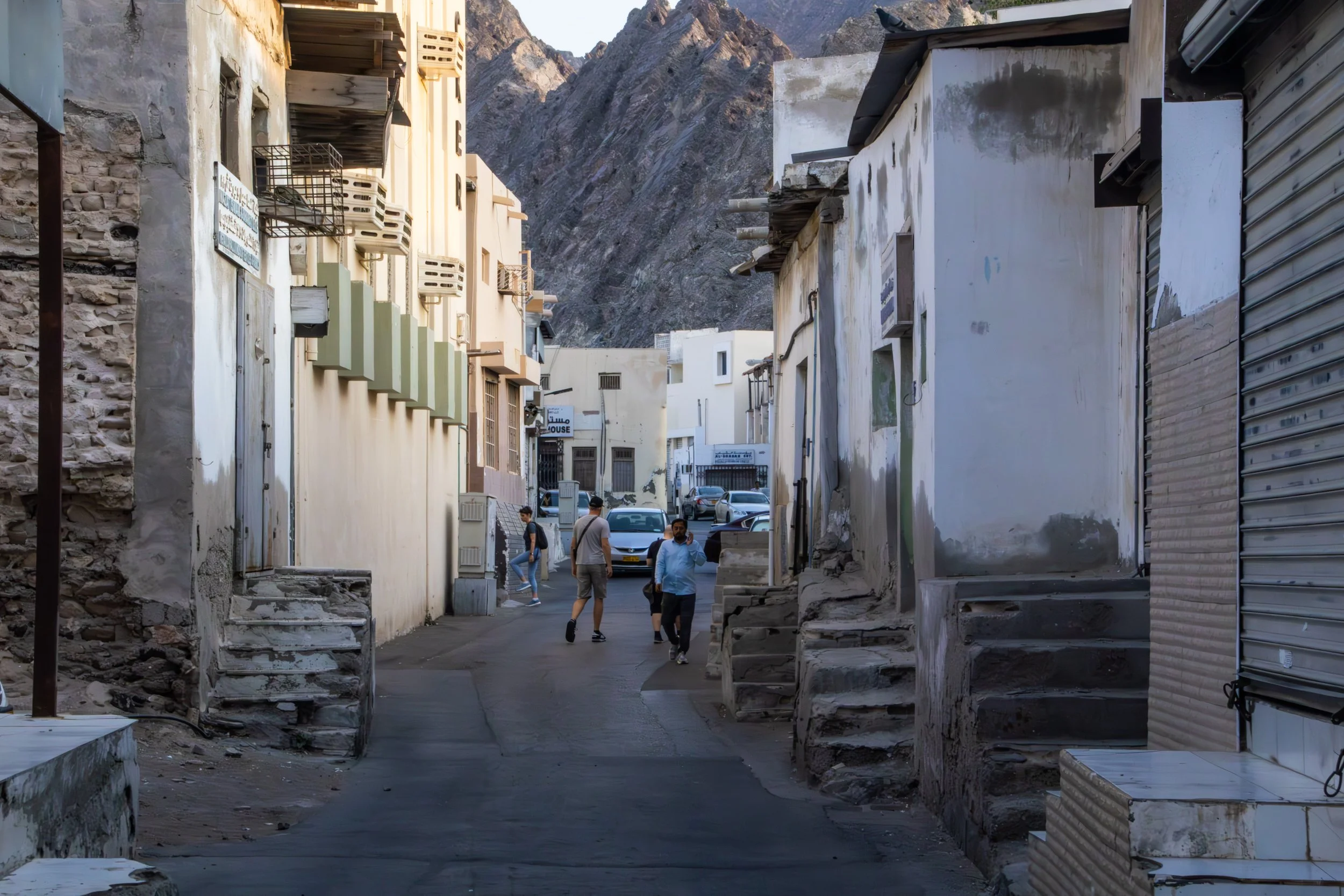
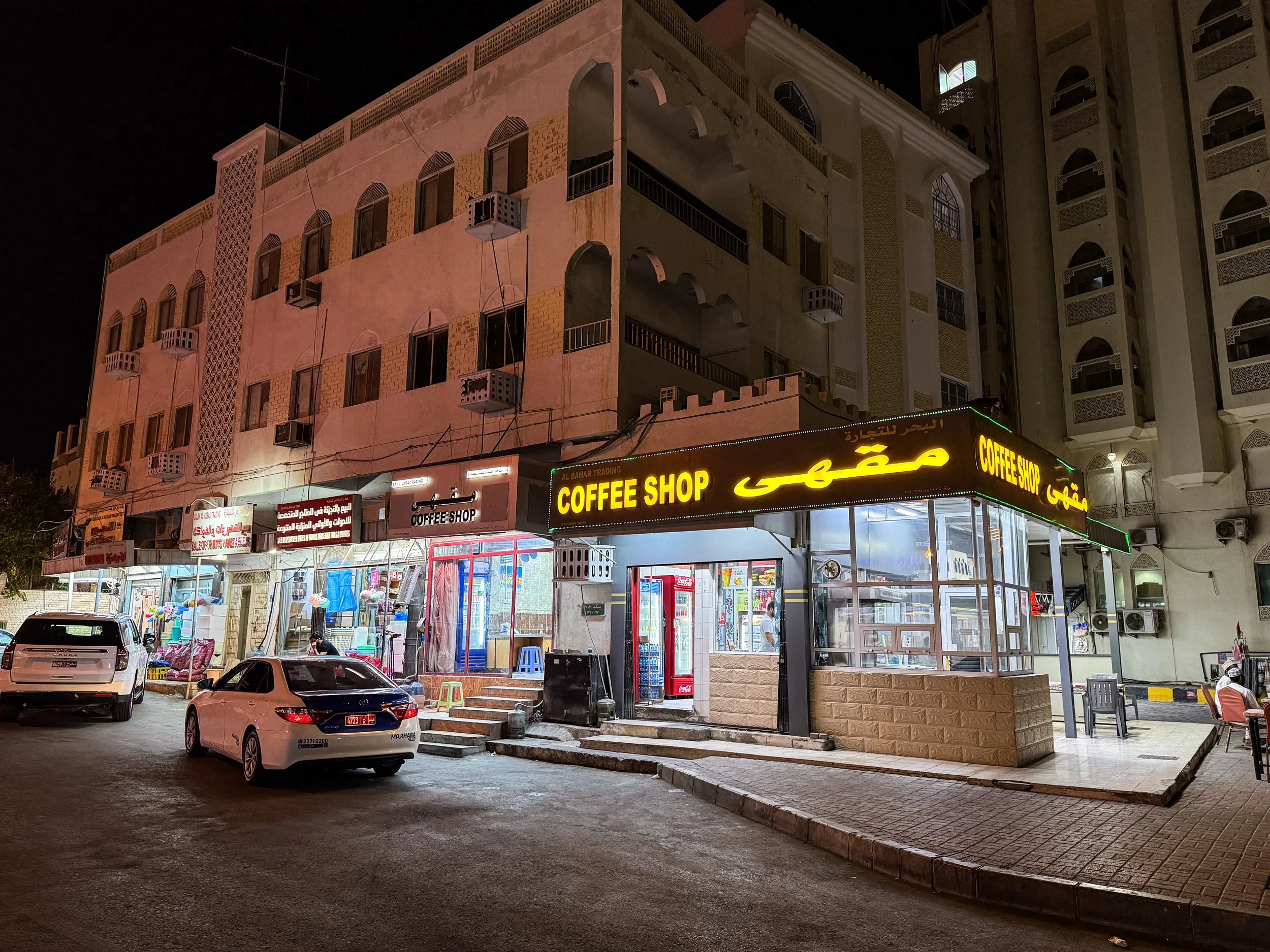
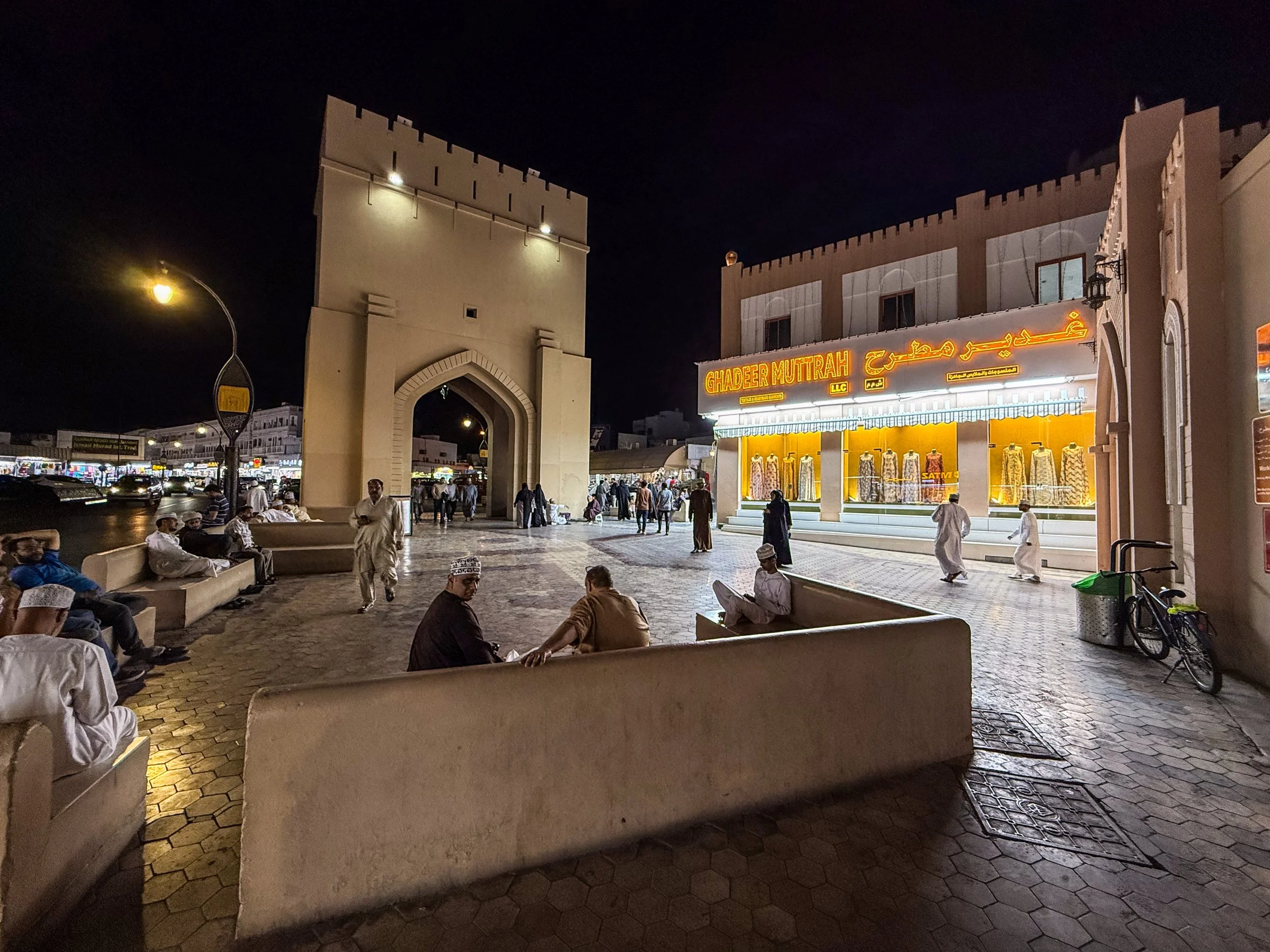
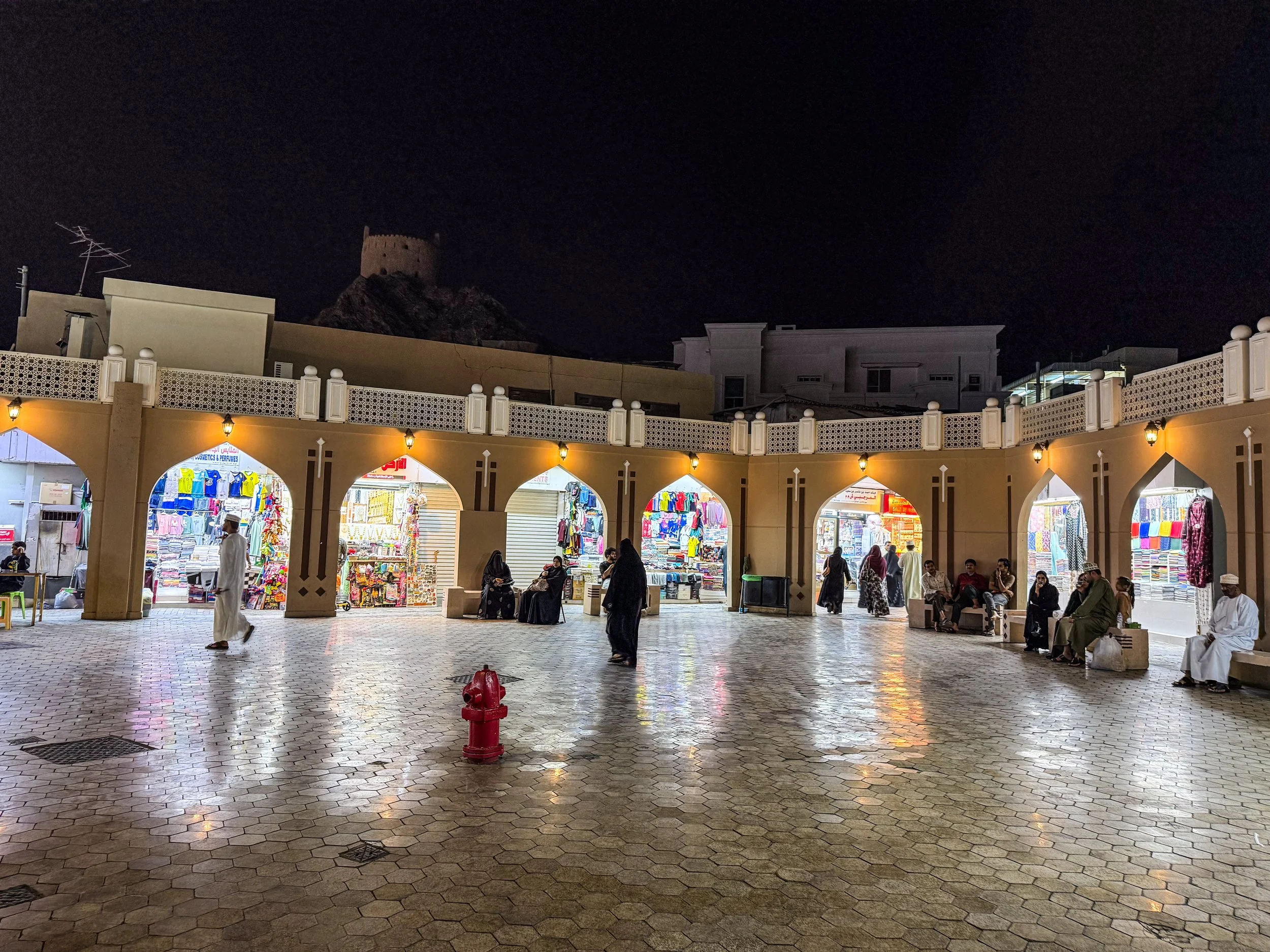
As much as I want to be Mr. Cool-Forever-Unfazed-Travel-Guy, I have to admit here that walking freely through this neighborhood at night gave me some pause. I knew that Oman was supposed to be very safe, but as we walked farther into this neighborhood and the night grew ever darker… I began to have some doubts. As a westerner, I think I’d been a bit brainwashed to interpret a lot of the benign scenery in this neighborhood as indicators of danger, but that was clearly untrue and unhelpful! We walked freely throughout this neighborhood long after dark and never received so much as a negative facial expression! I’ve said it before and I’ll say it again: the world is a LOT safer than it seems, but the only way to truly understand that is to take the leap of faith and travel to unfamiliar places. Travel is a continuous exercise of re-learning and re-internalizing what you thought you already knew: that people from even the most distant of cultures still have vastly more similarities than differences, and that being afraid what is different isn’t just counter-productive, but also needless. Interacting with foreign cultures is one of the great joys of life!
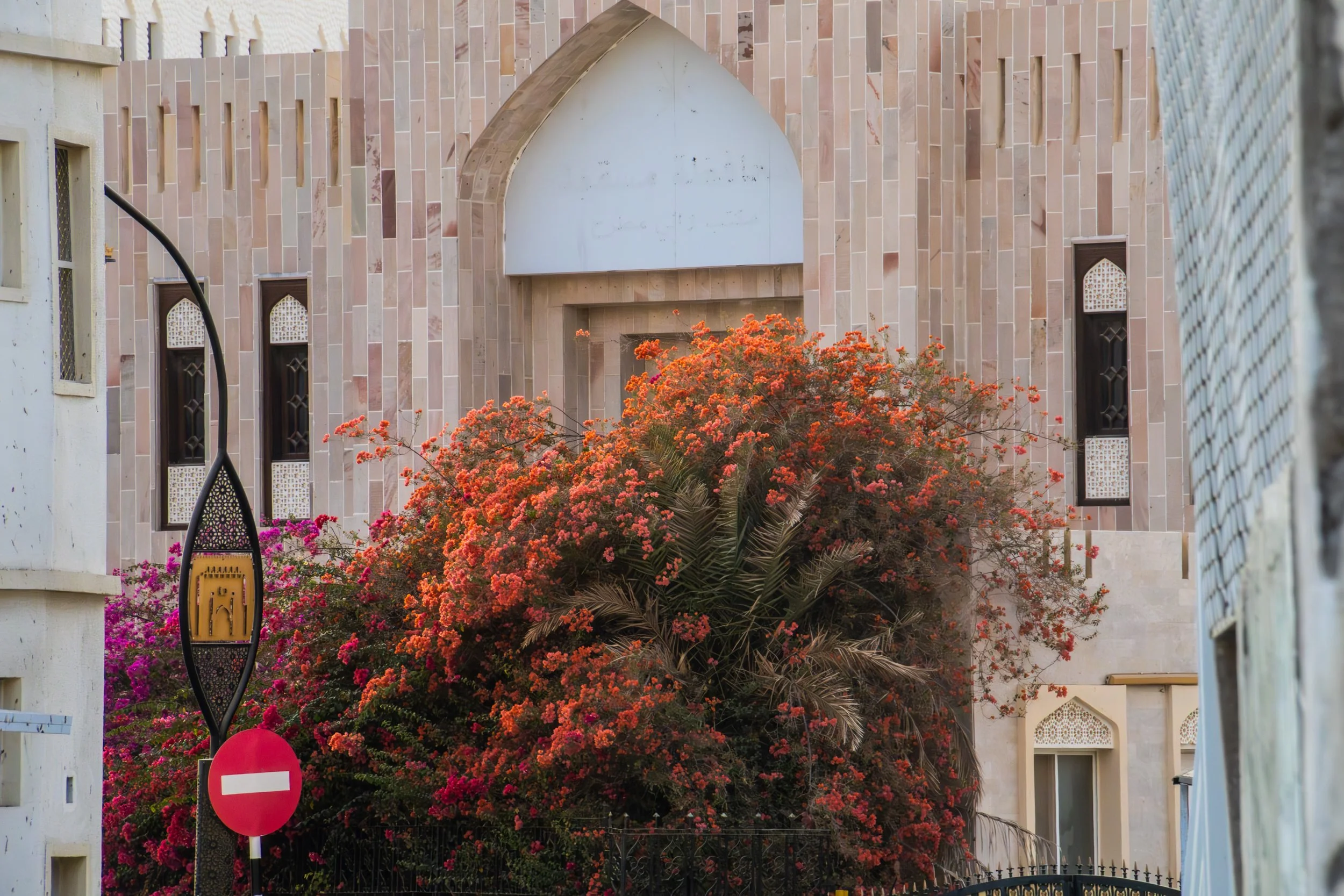
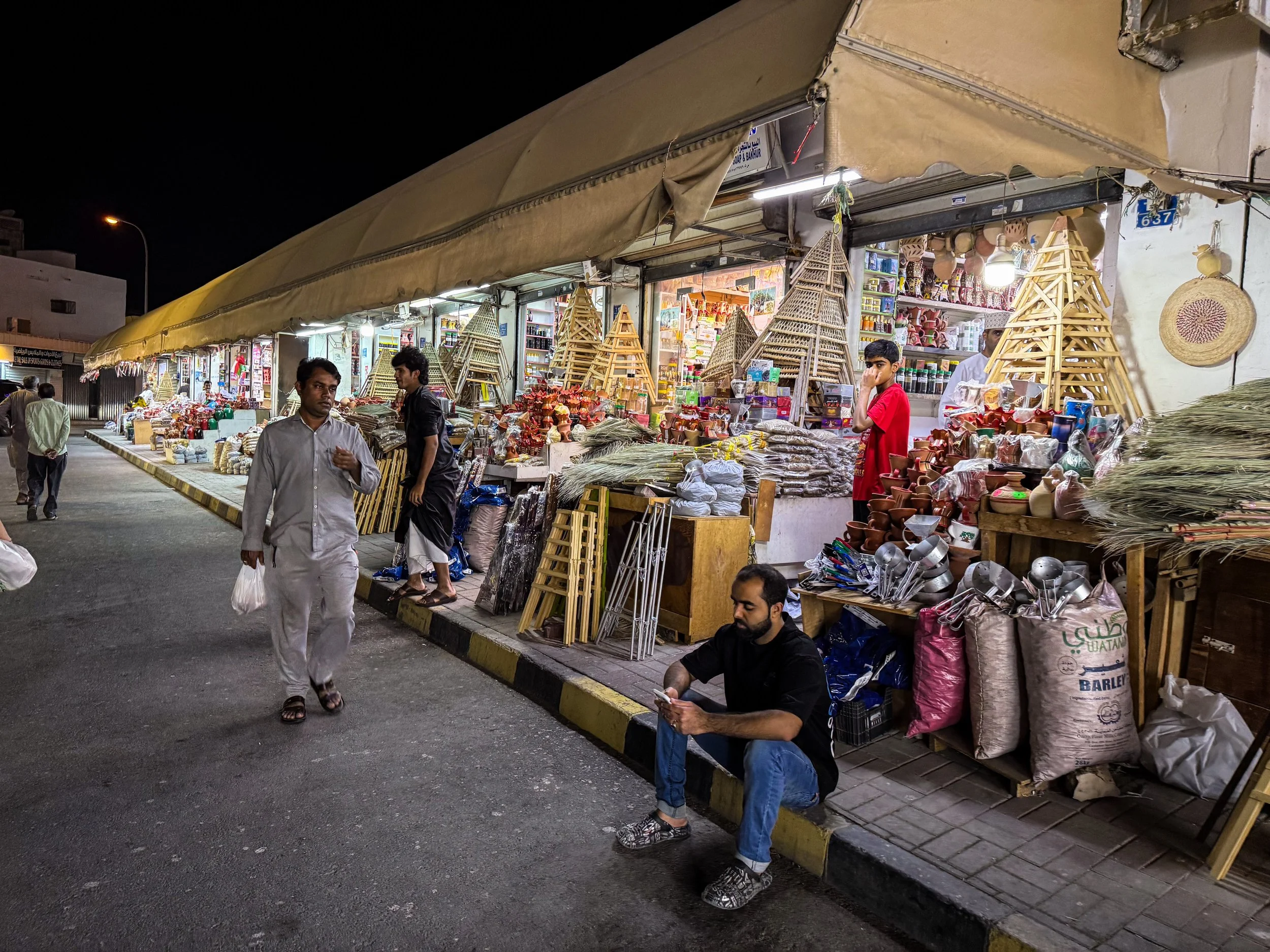
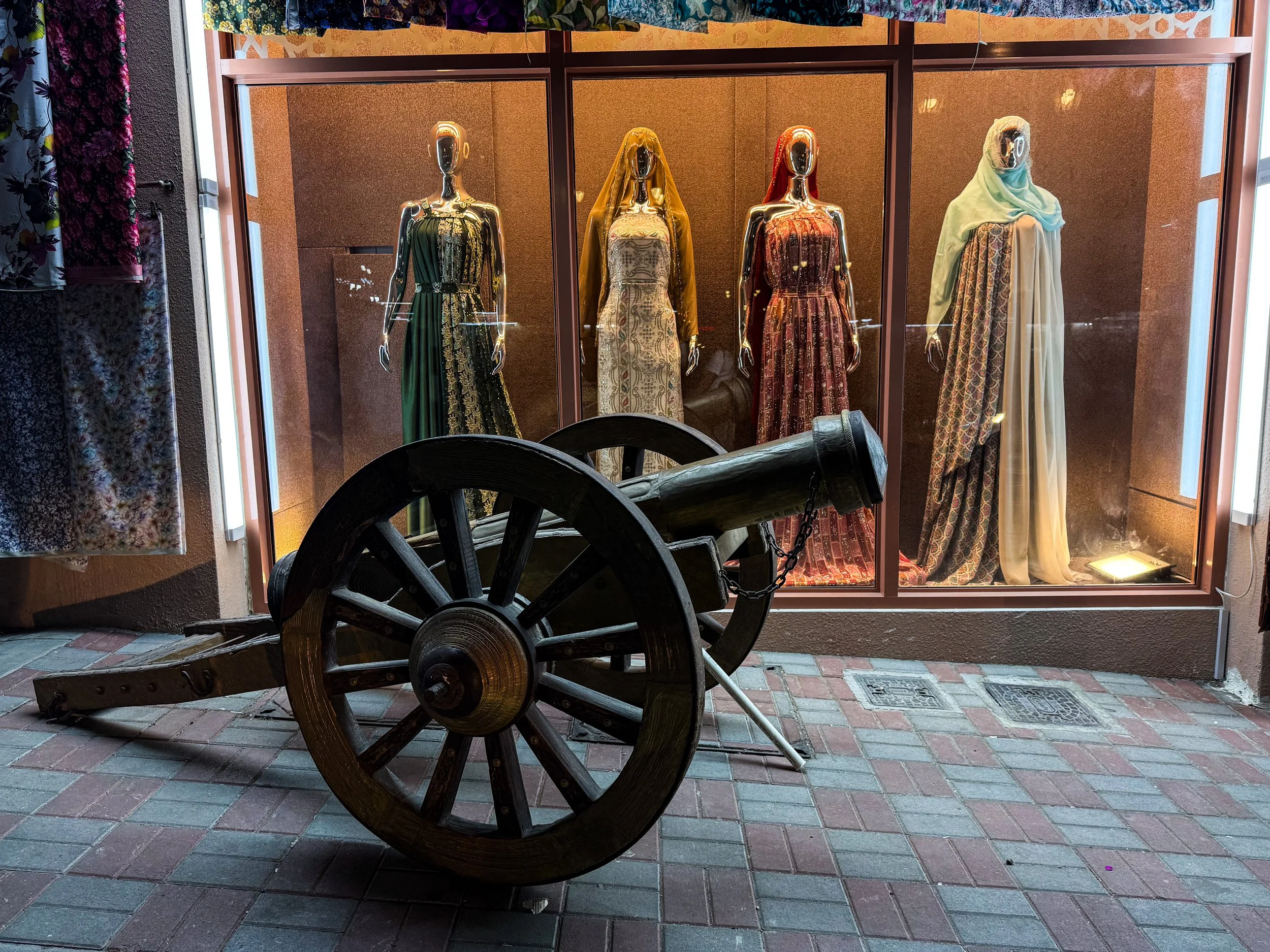
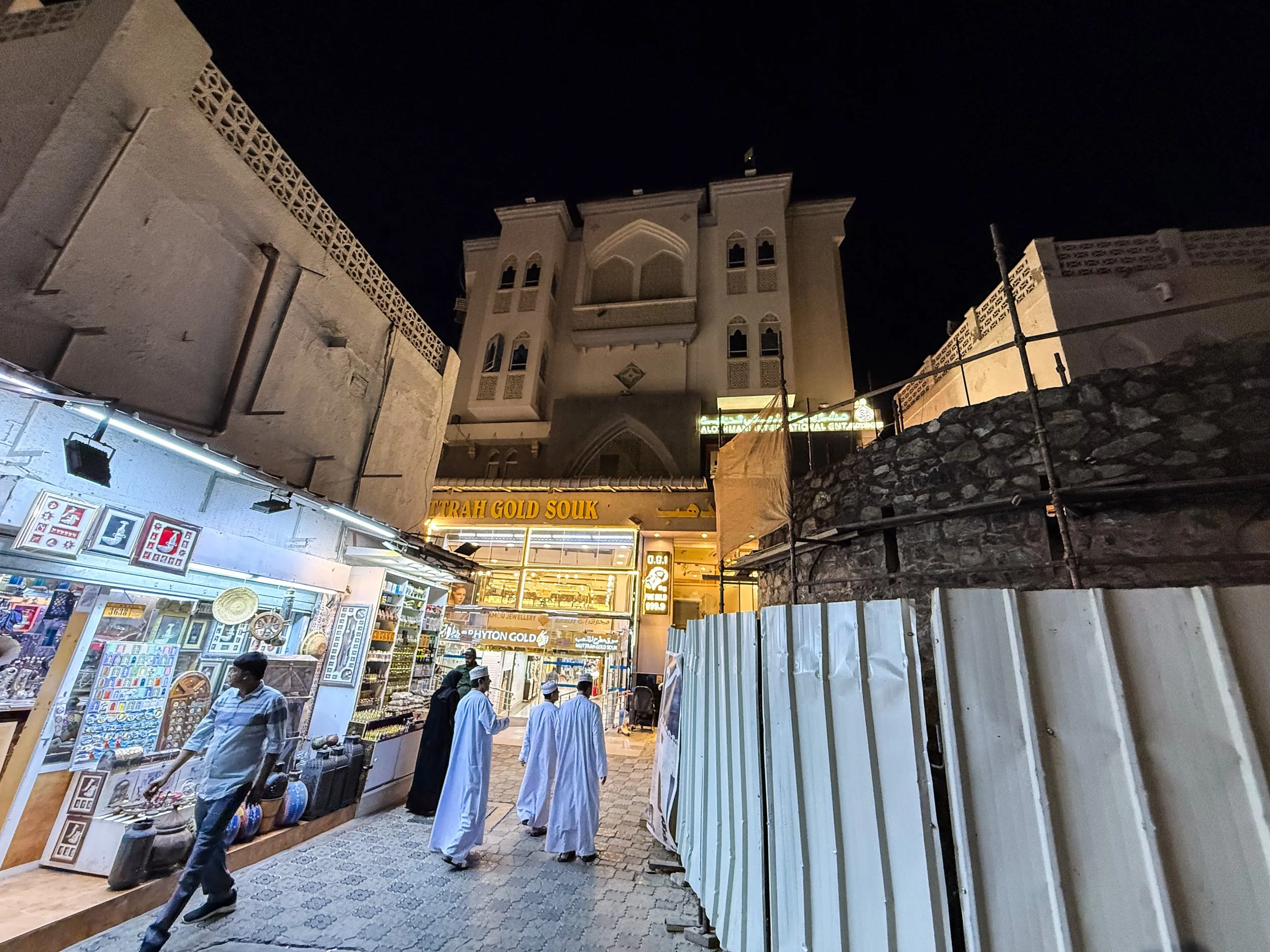
So here’s a gallery of pictures from the streets of Mutrah! This was from my first day in Muscat, but within a few days, any reticence to explore these sorts of places had completely disappeared. We’re going to do walks like this all over Oman in the coming articles!
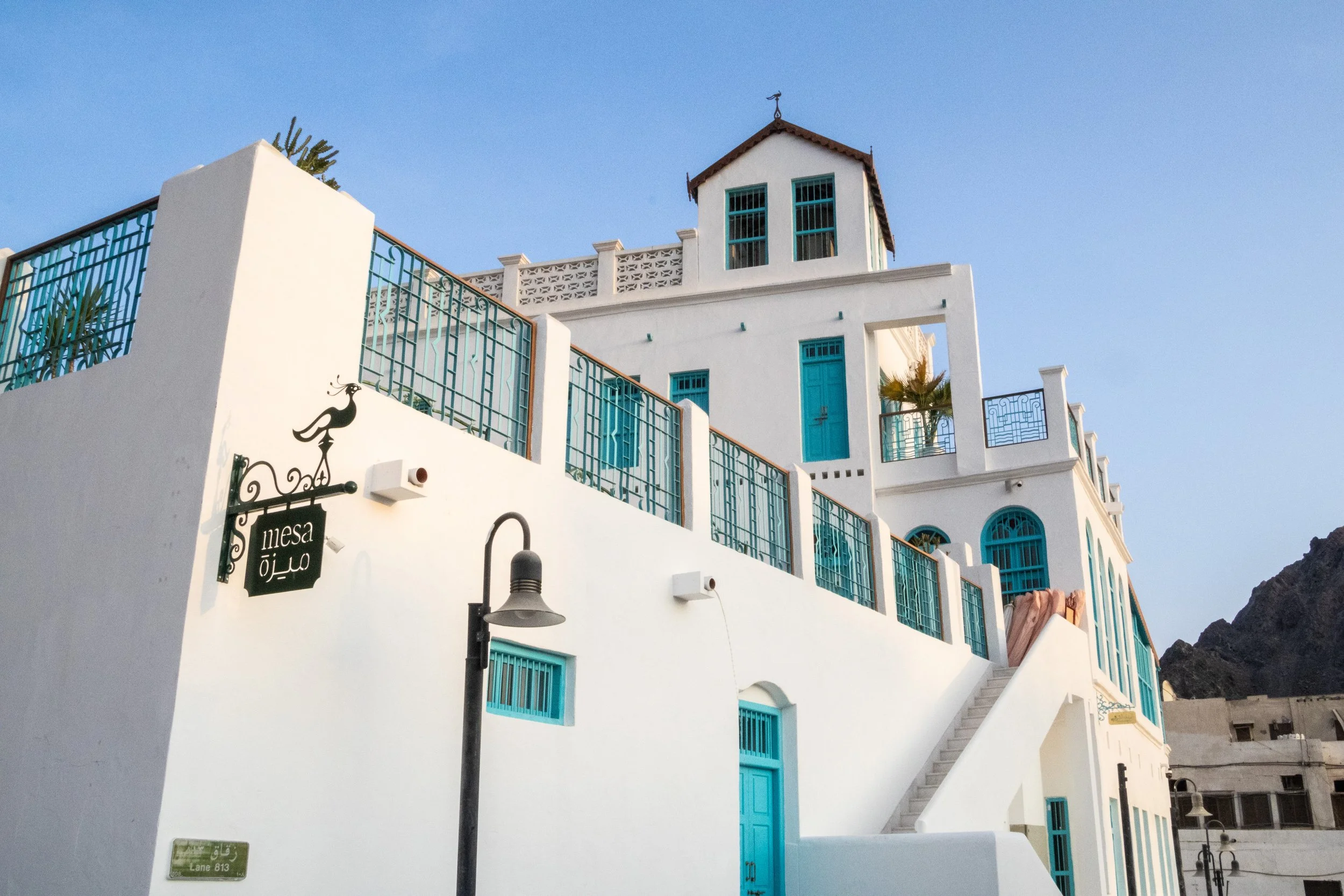
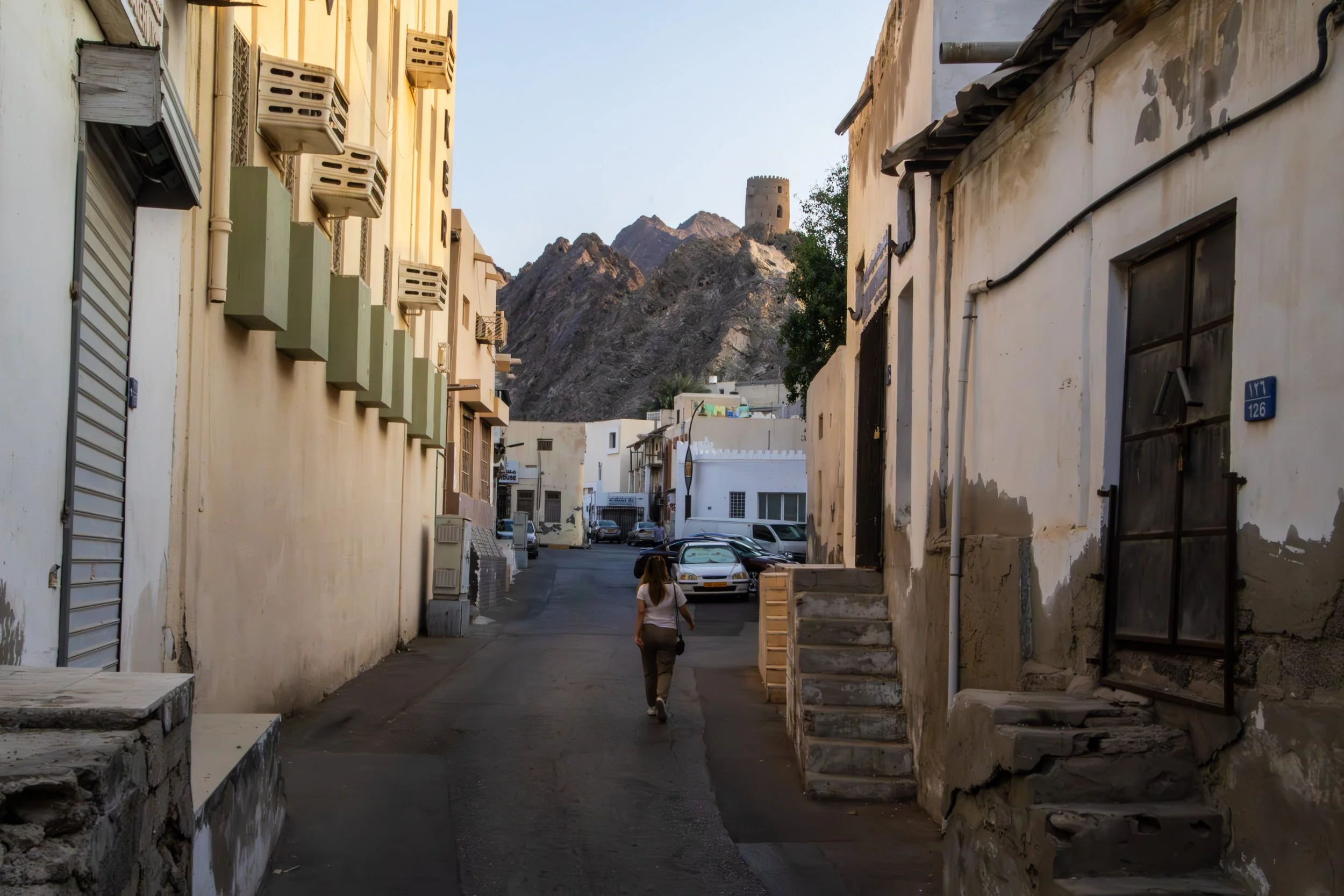
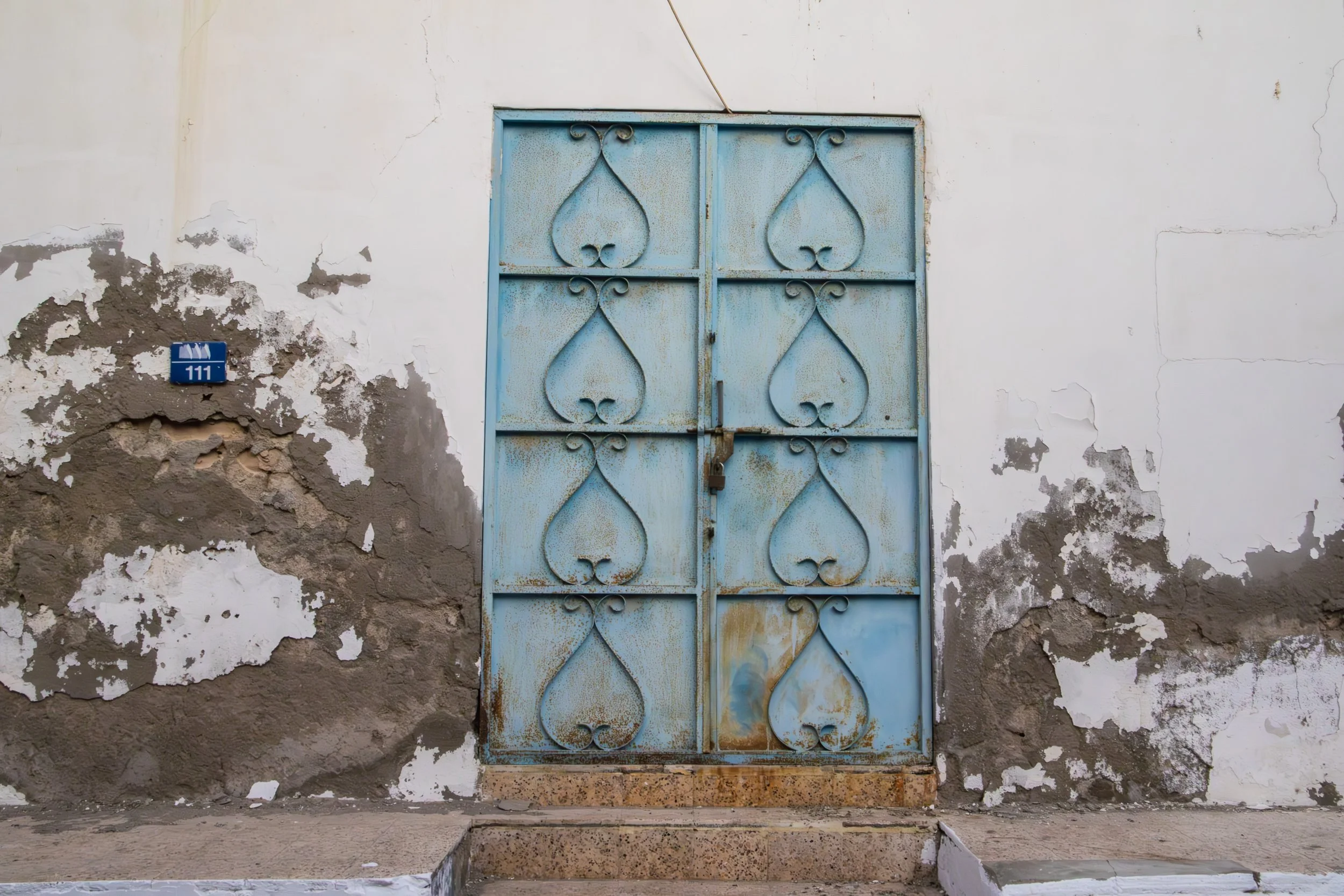
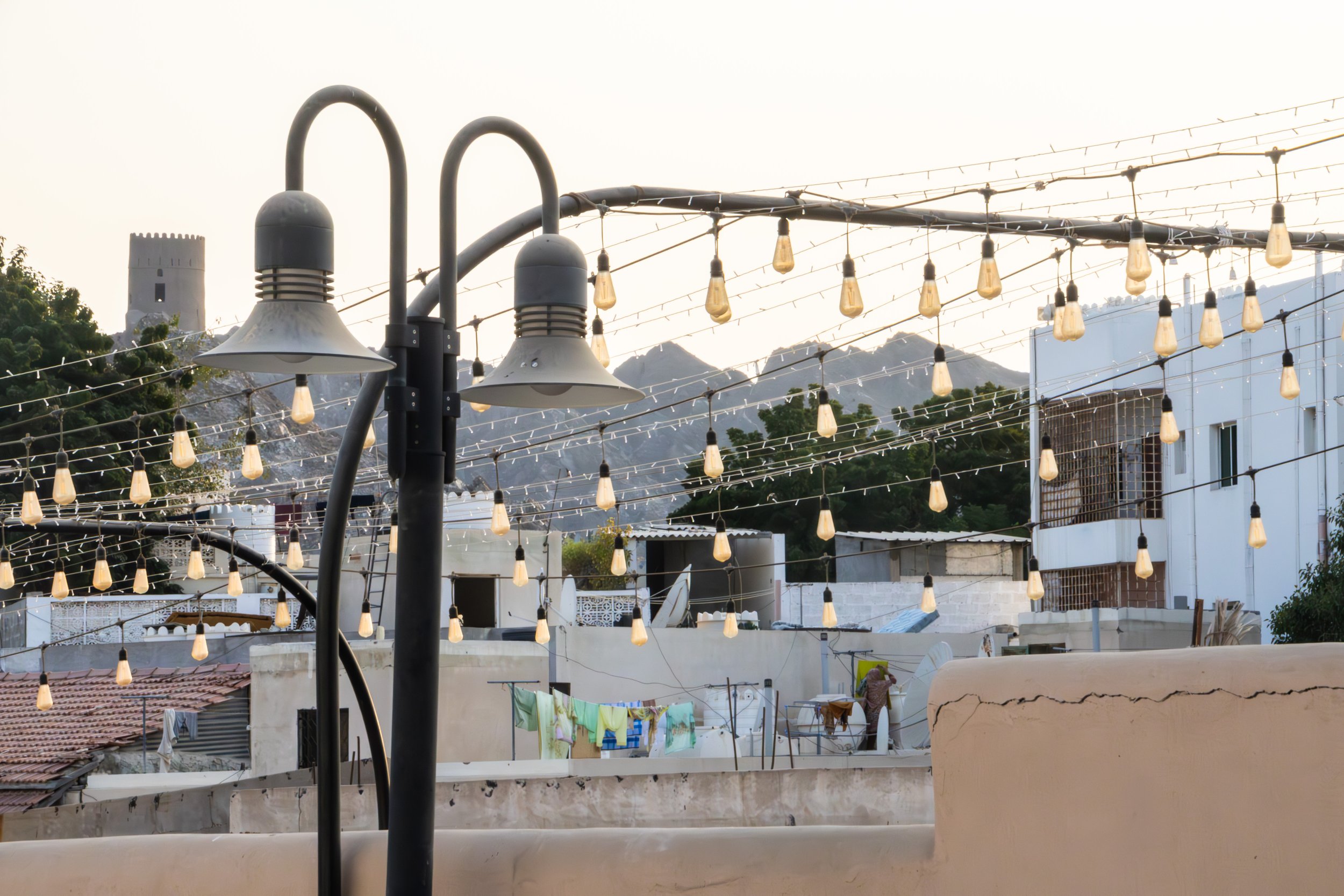
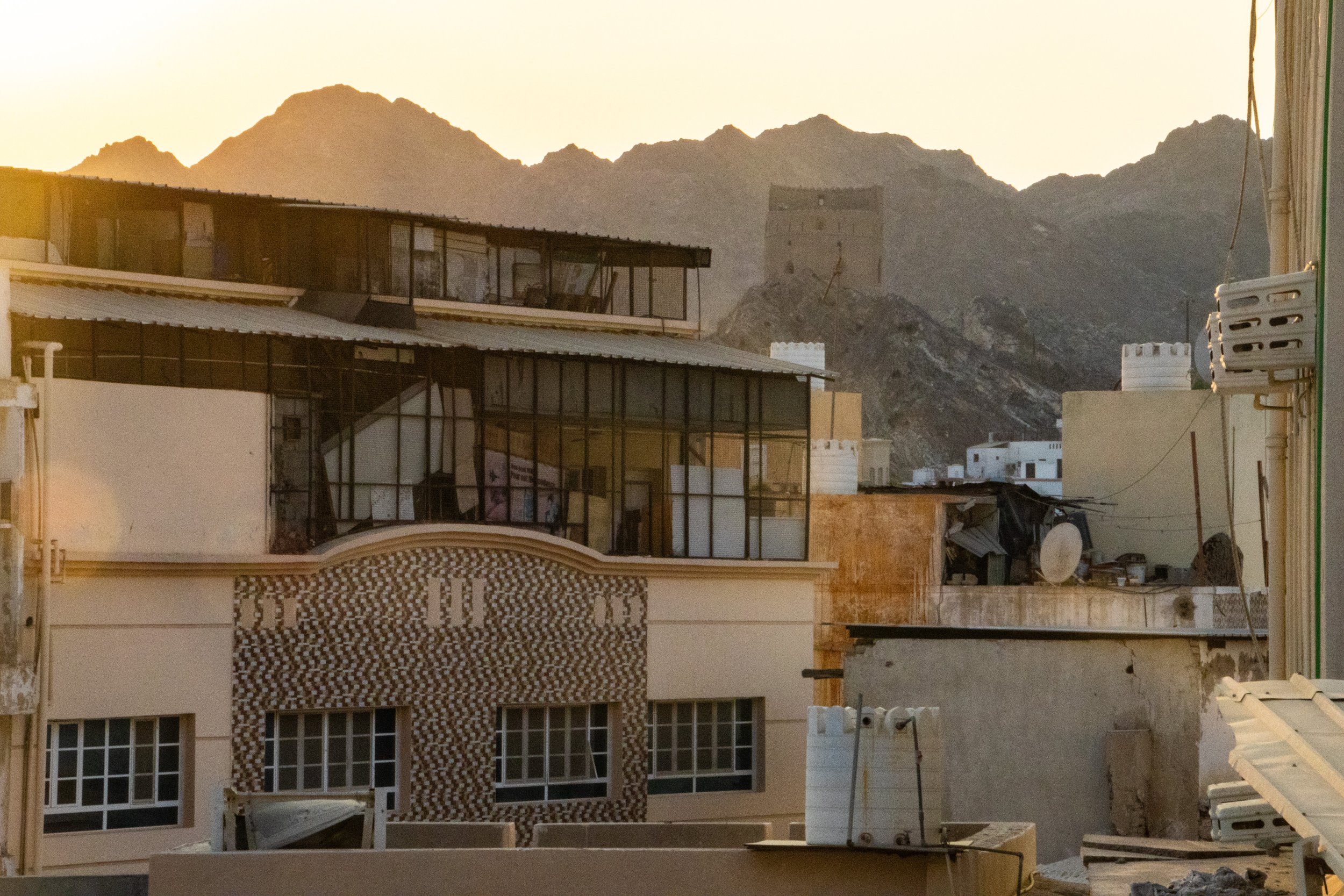
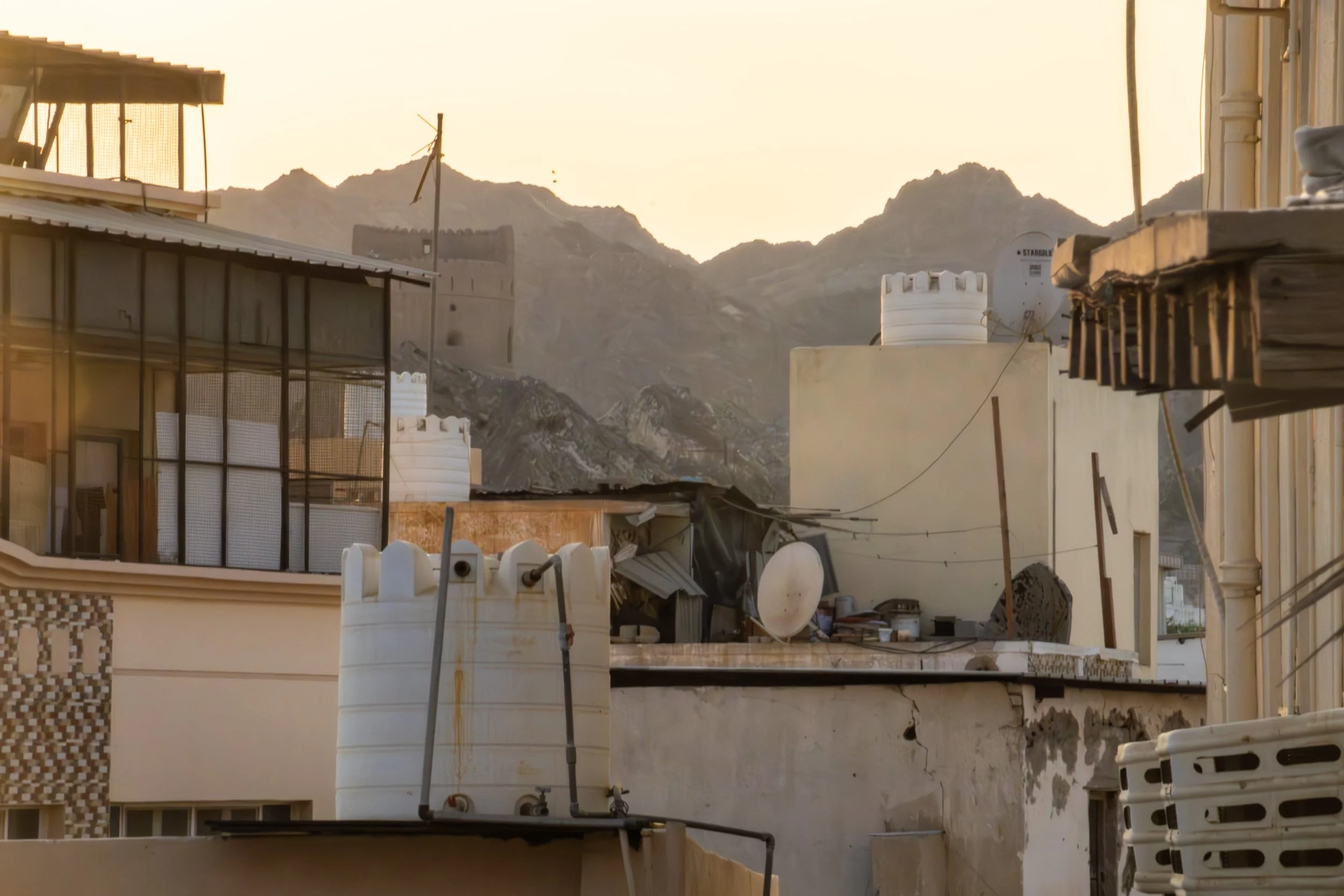
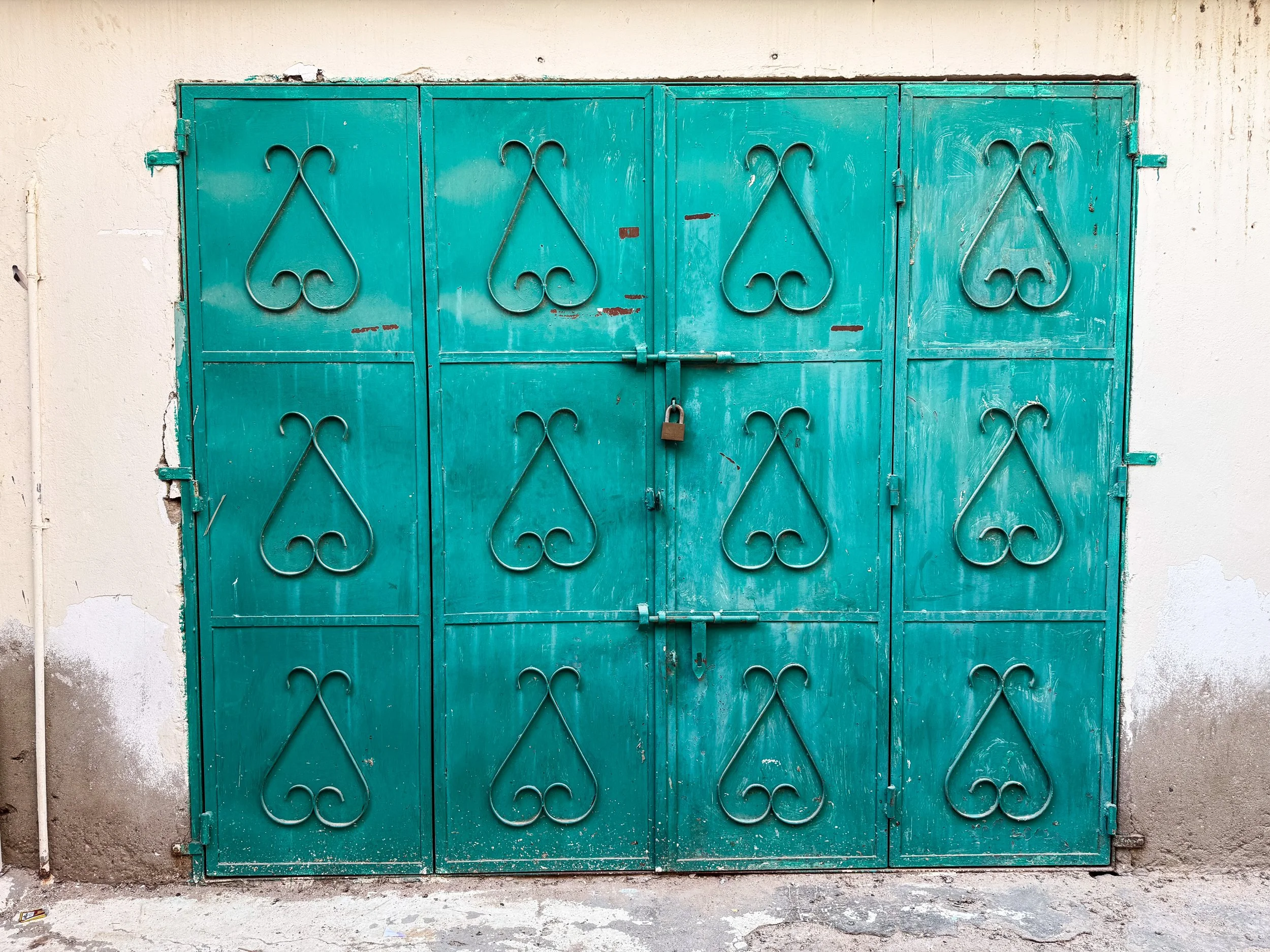
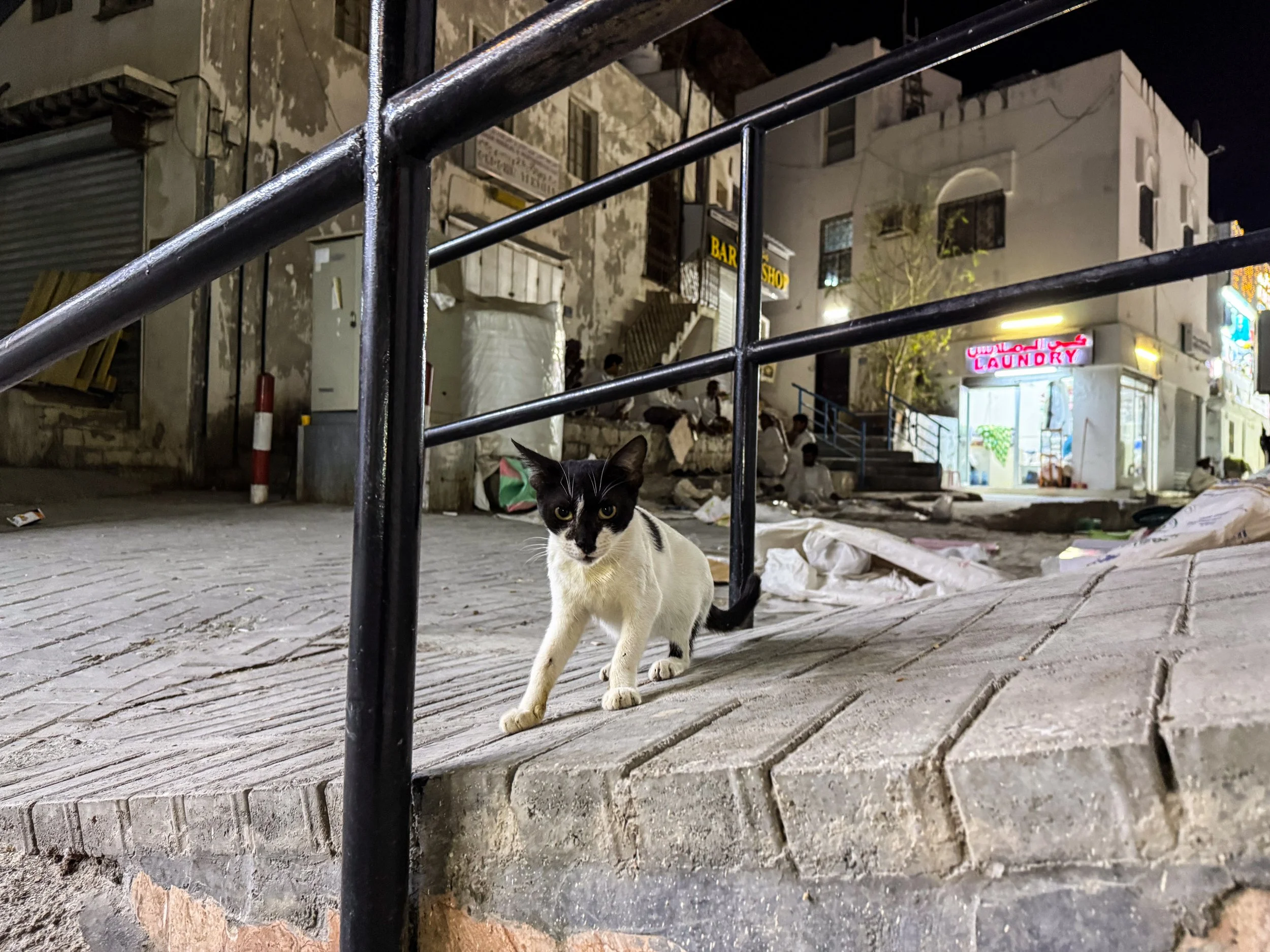
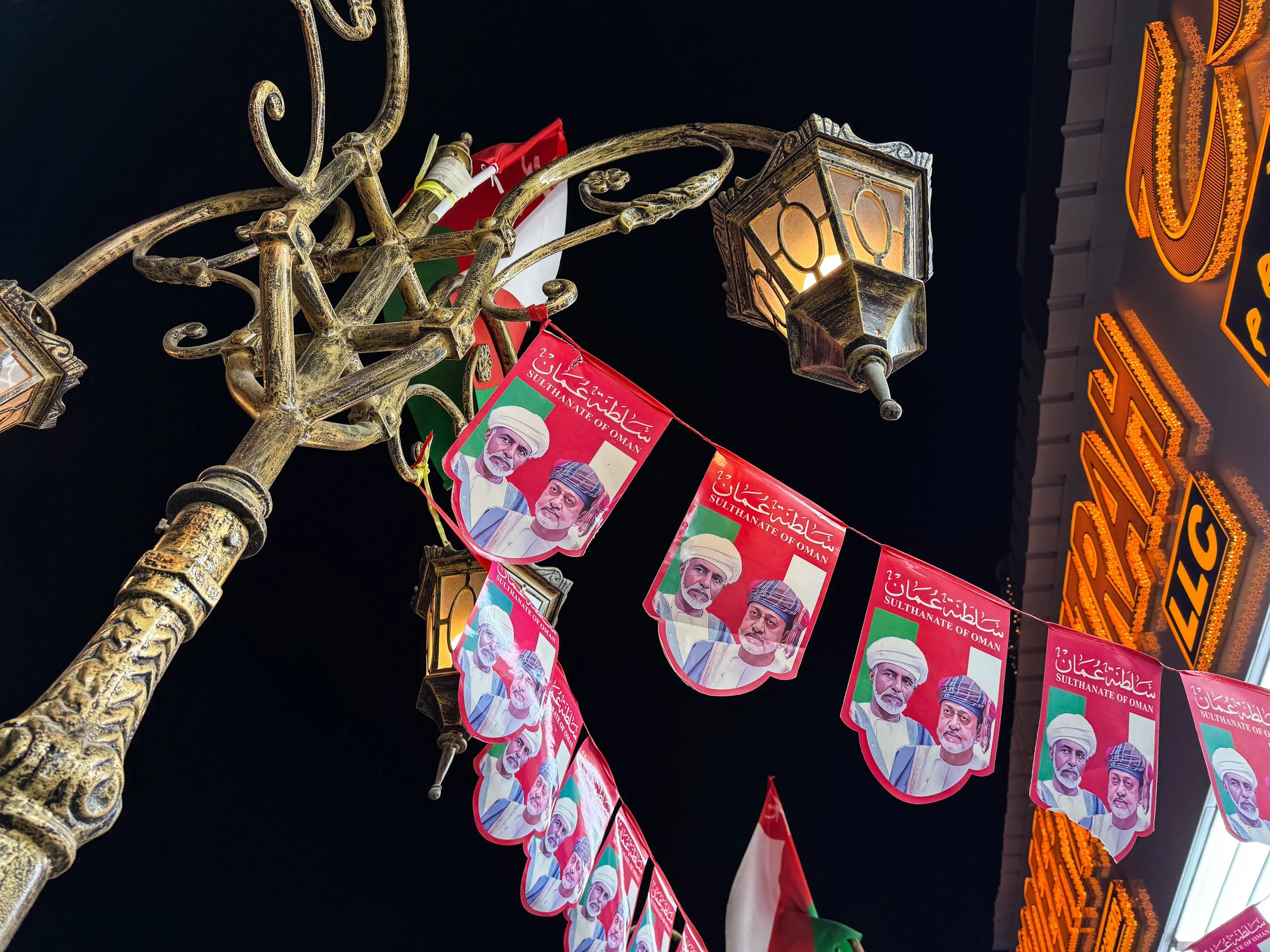
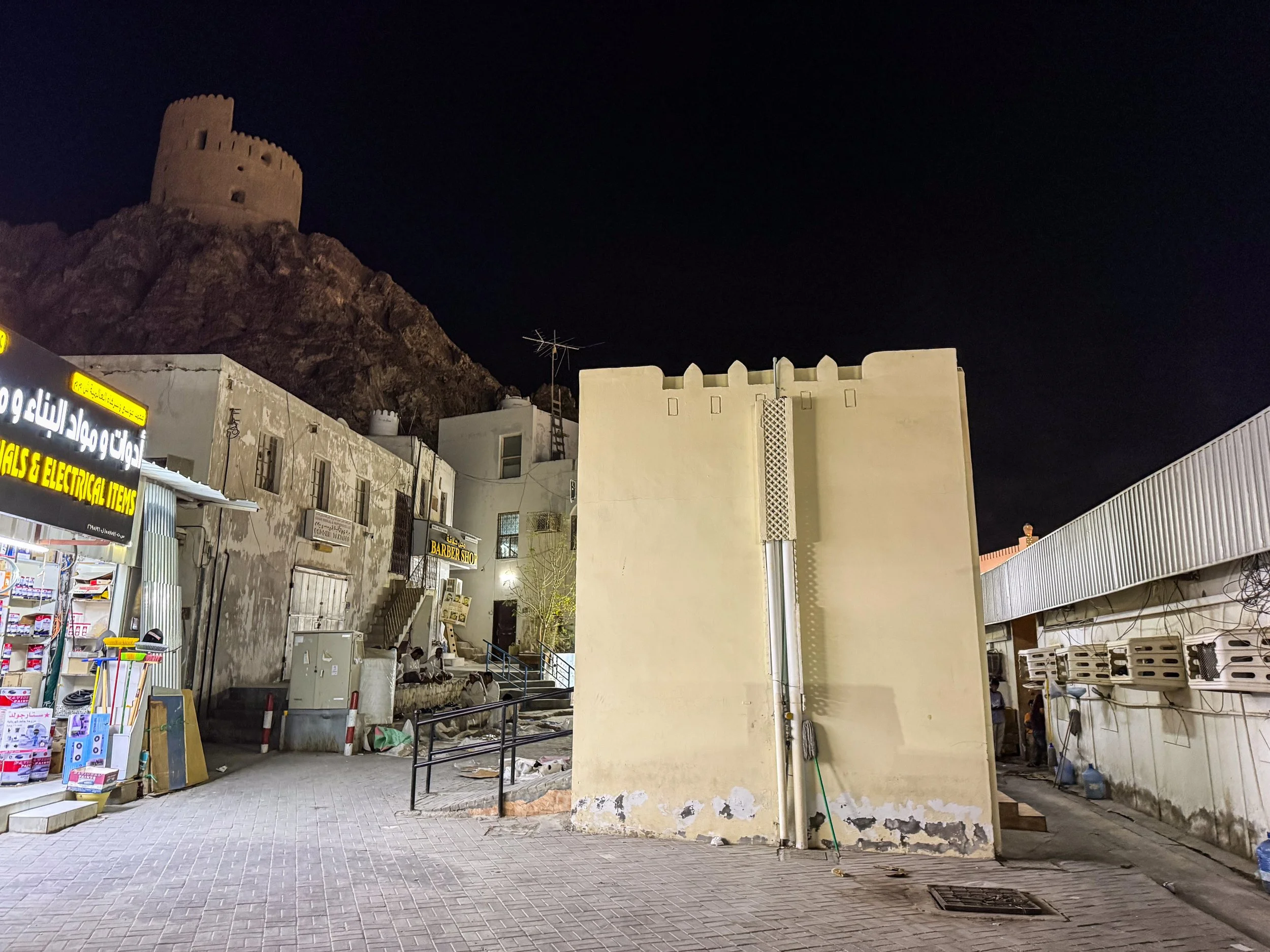
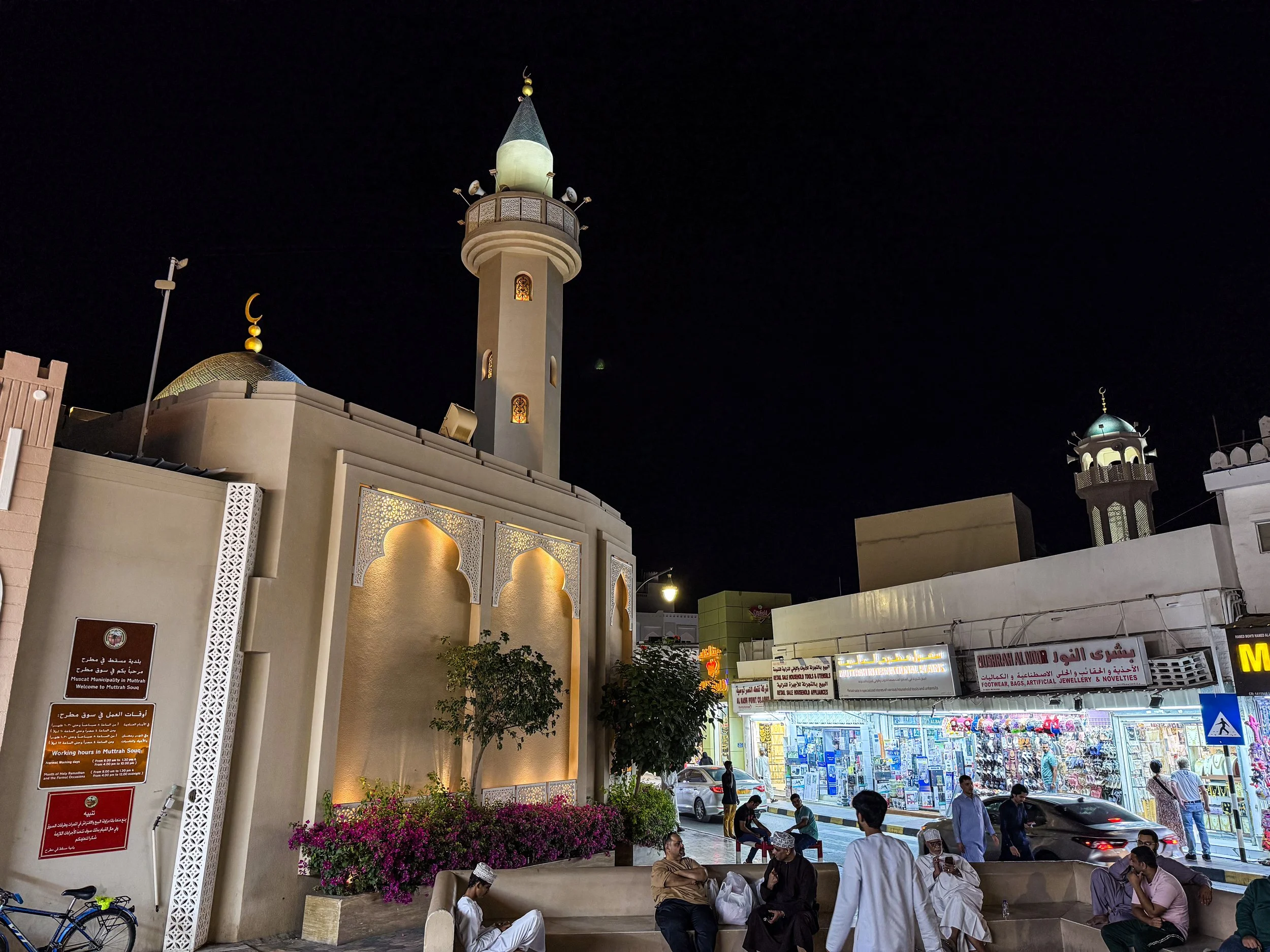
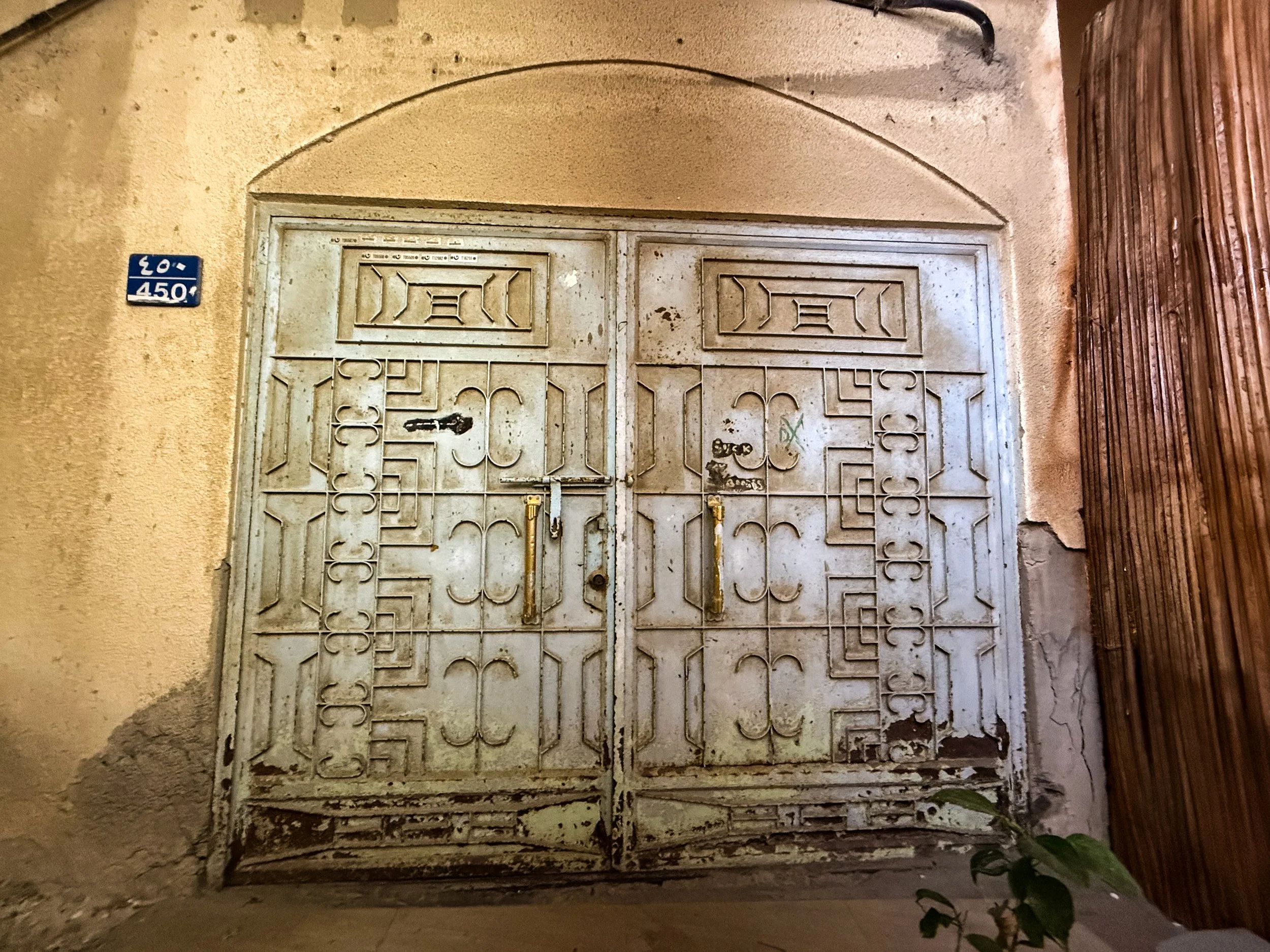
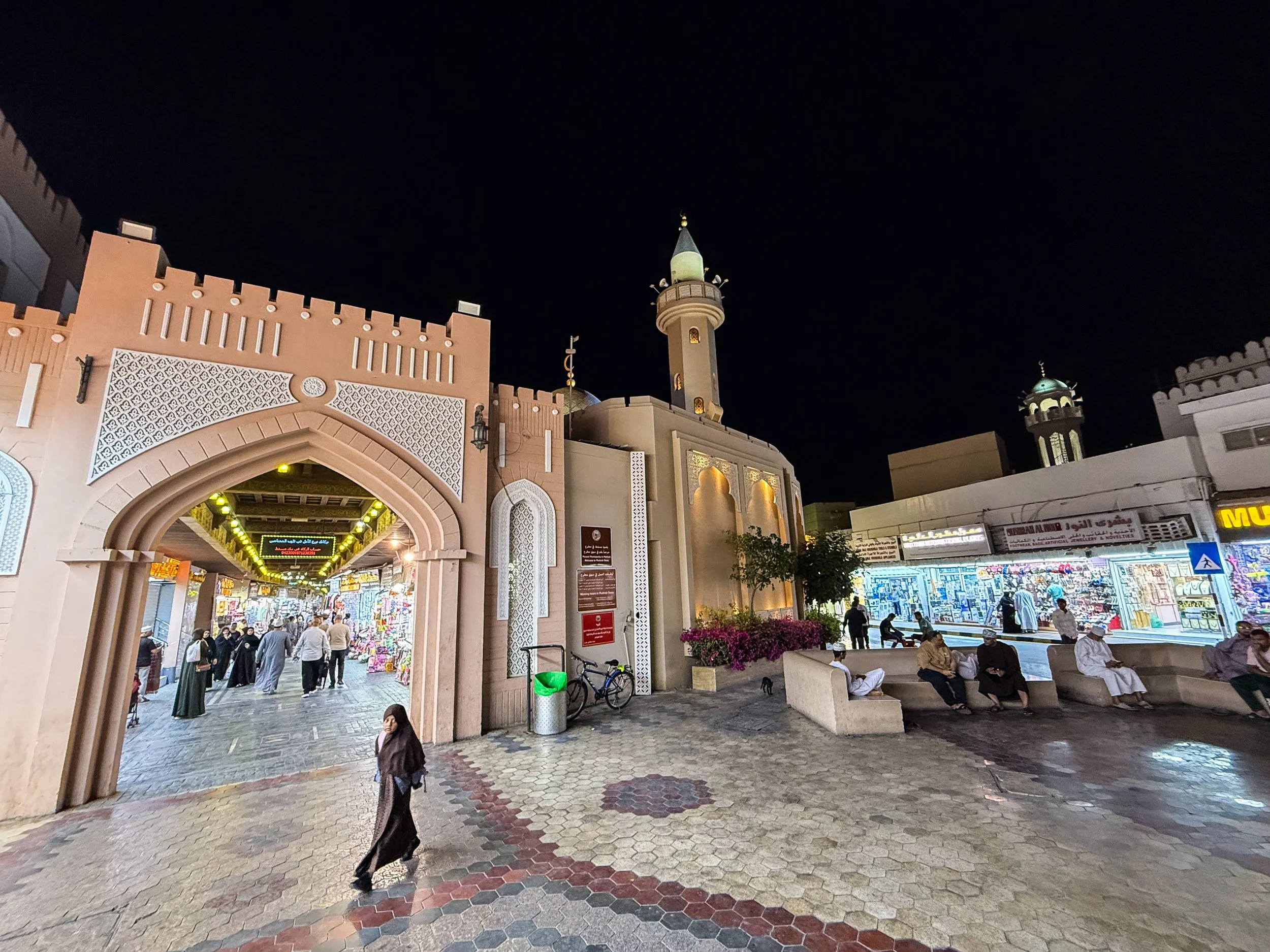
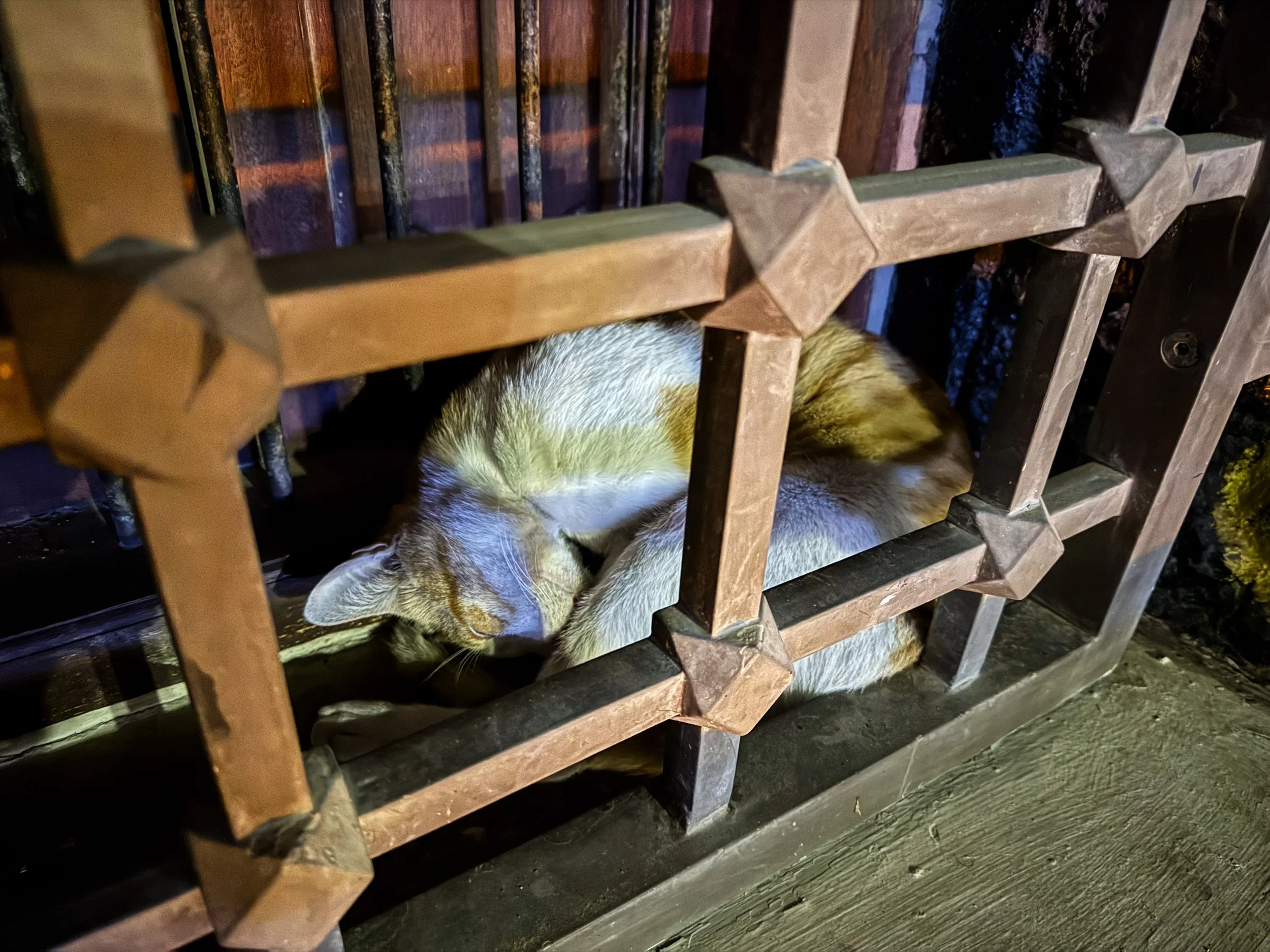
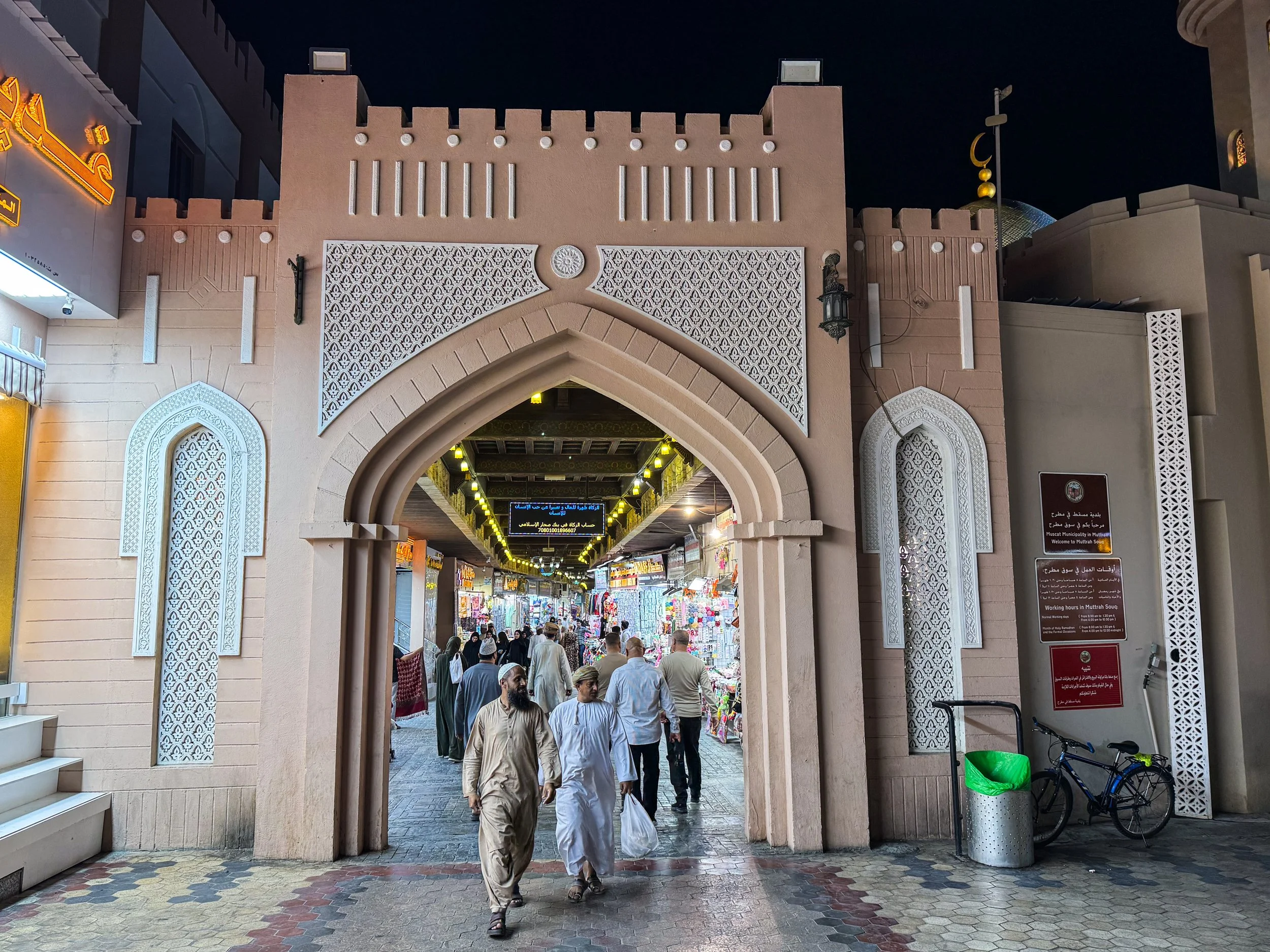
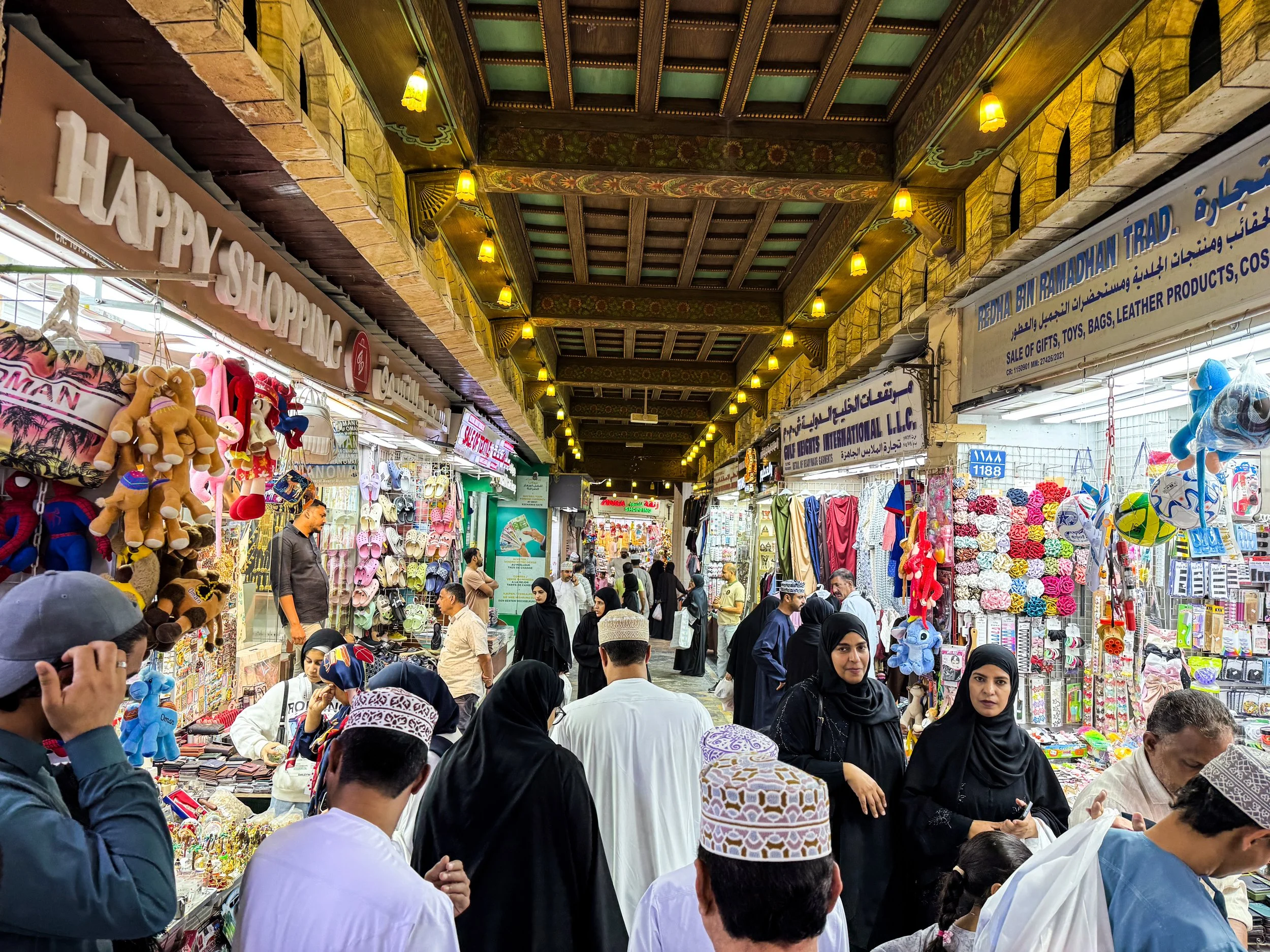
Mutrah’s Souk
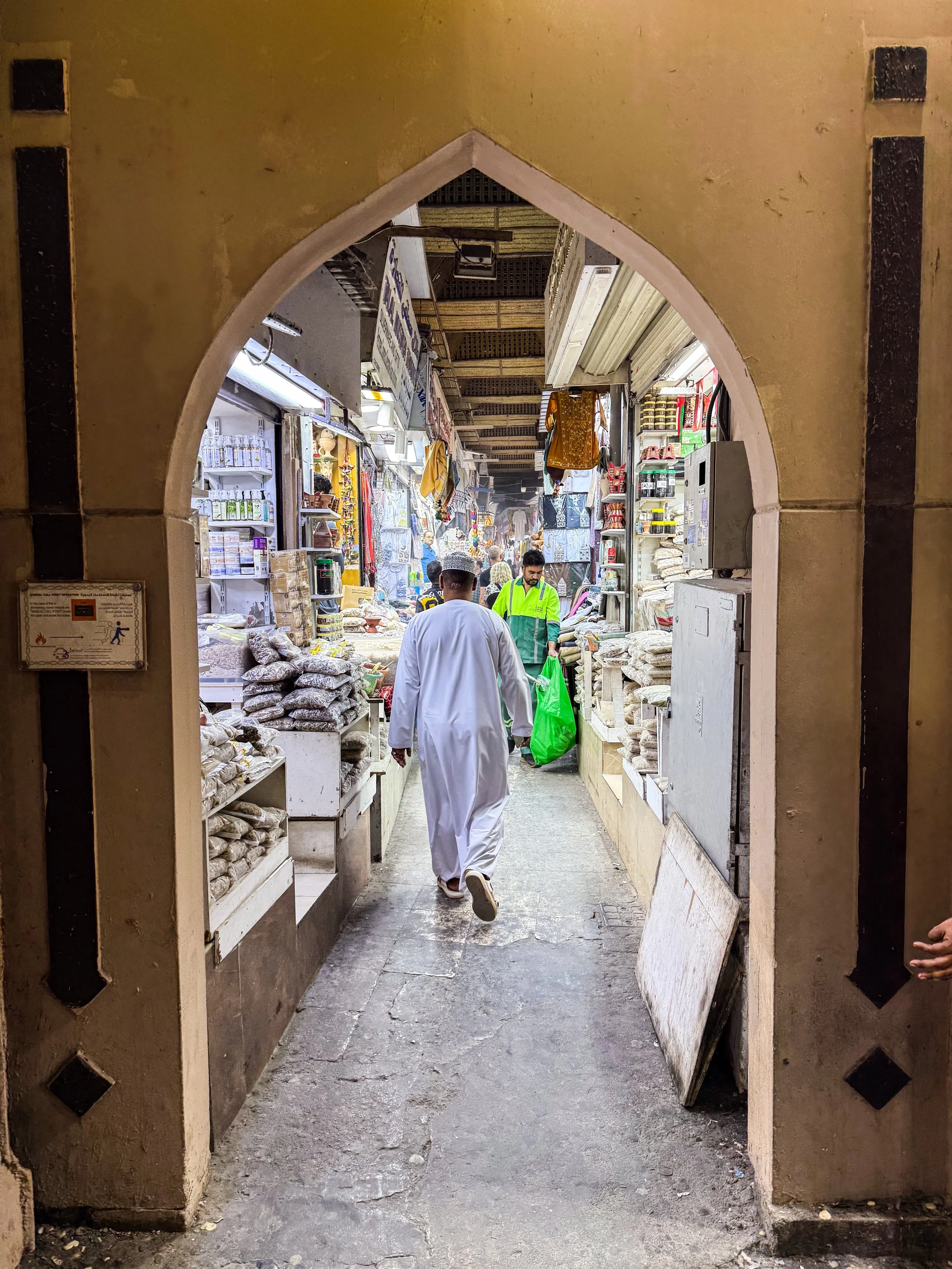
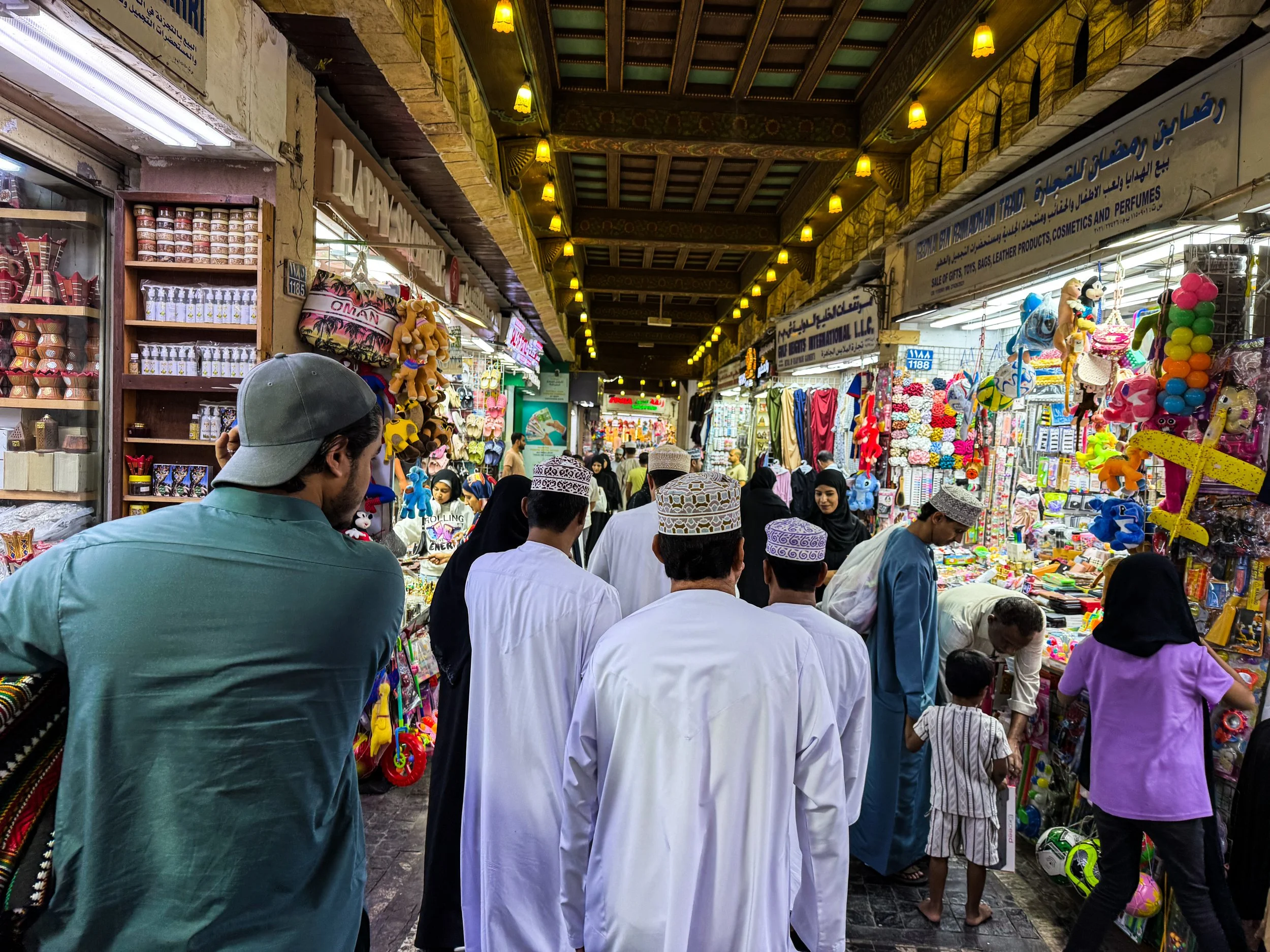
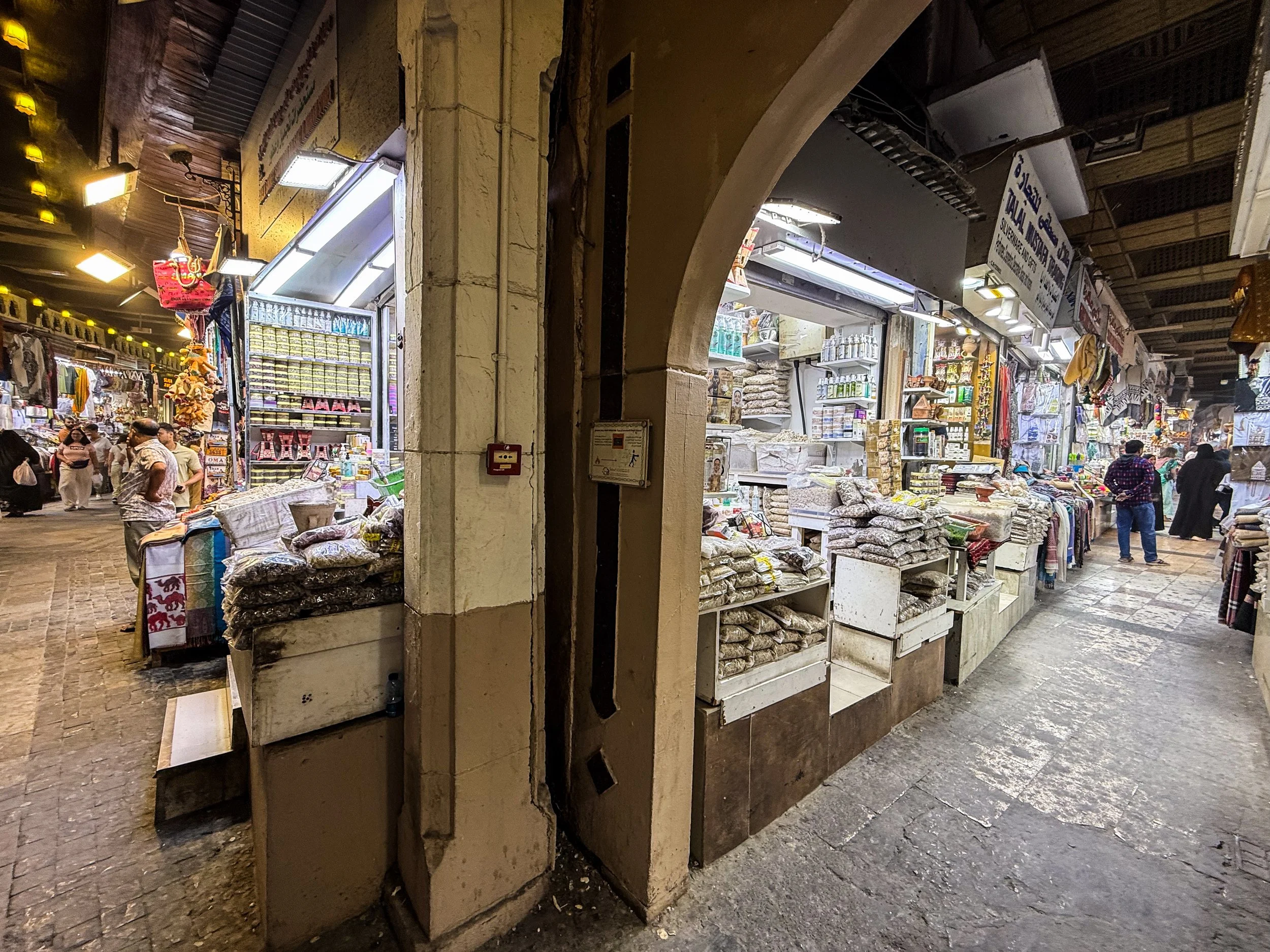
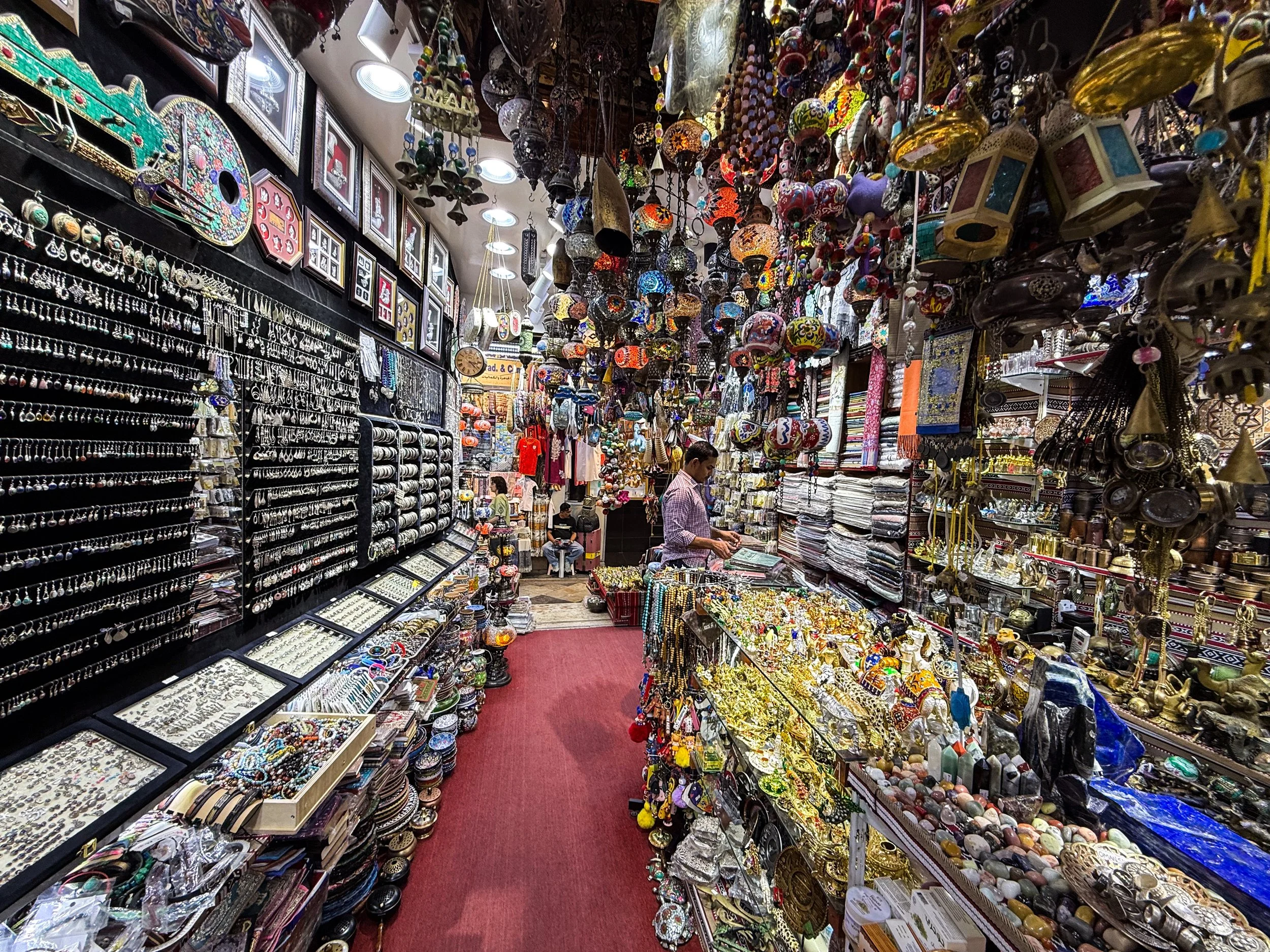
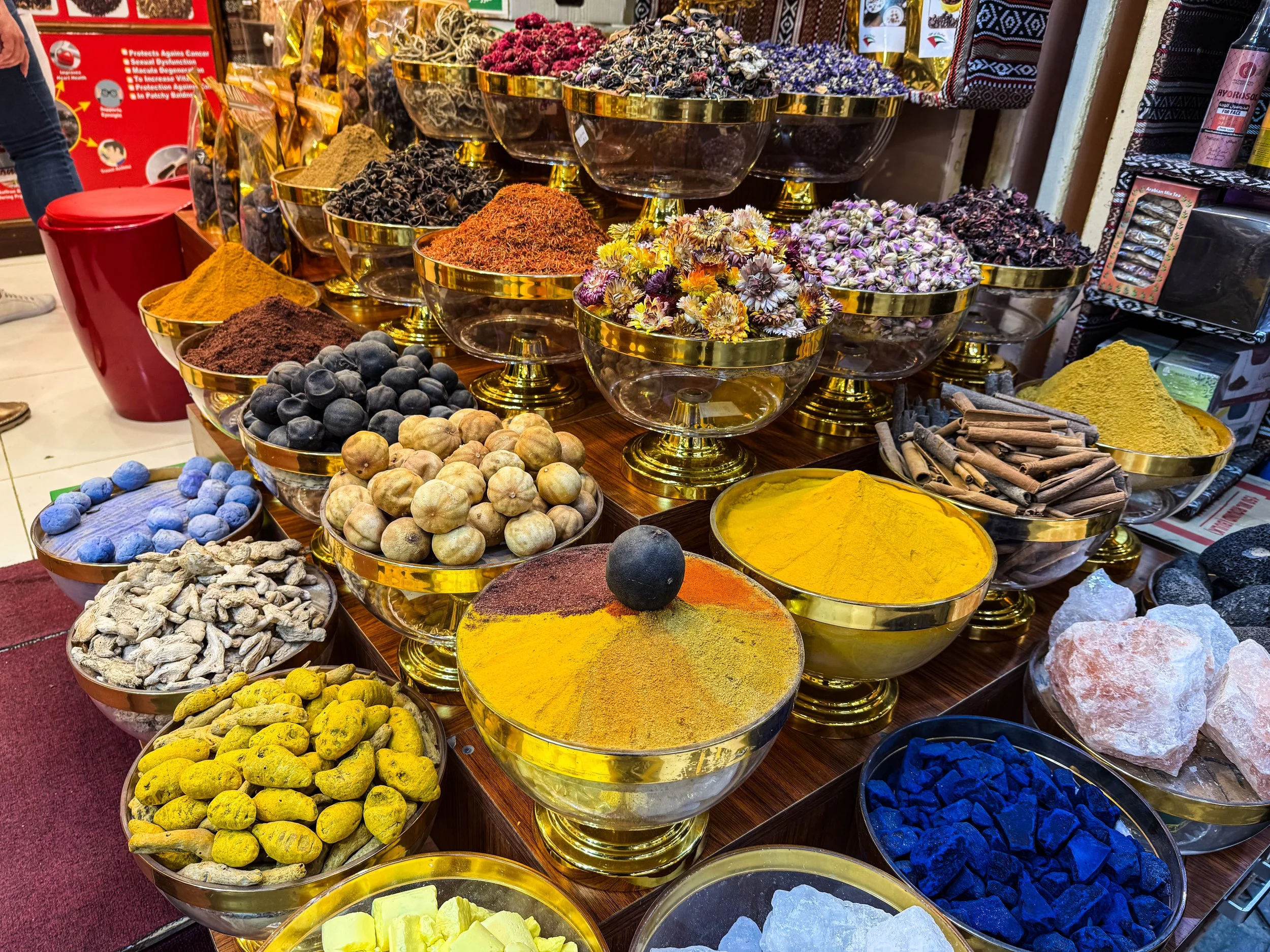
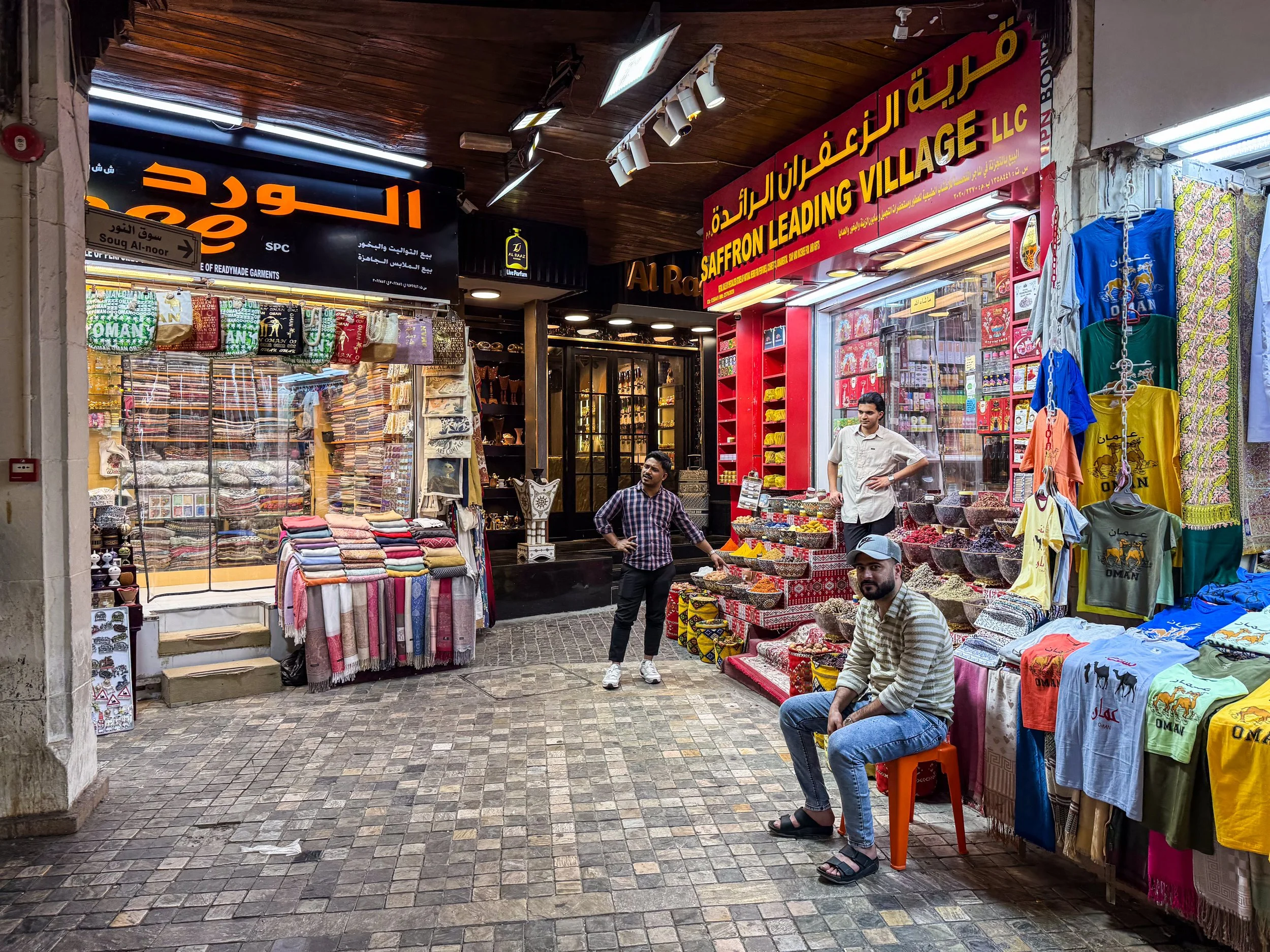
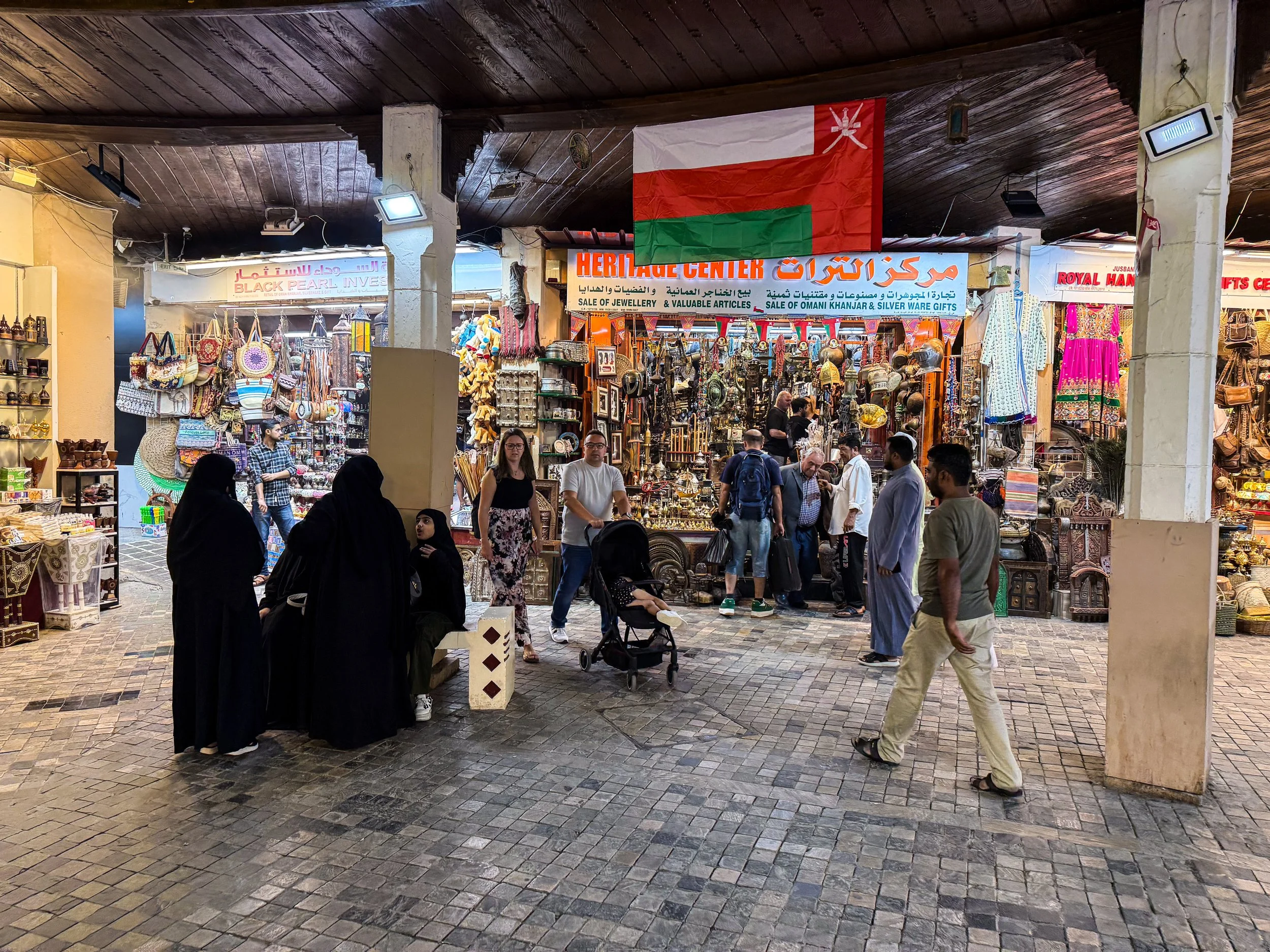
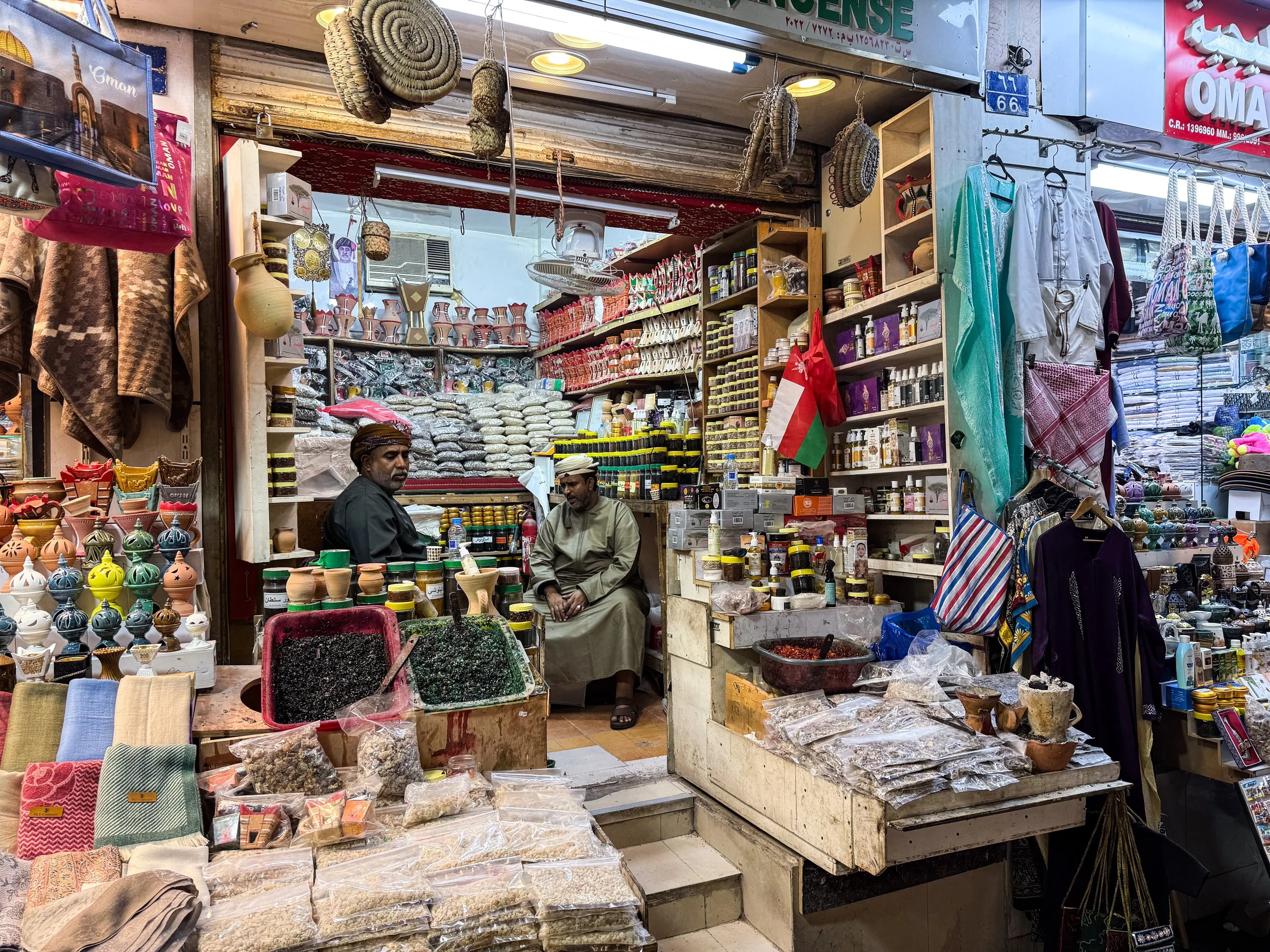
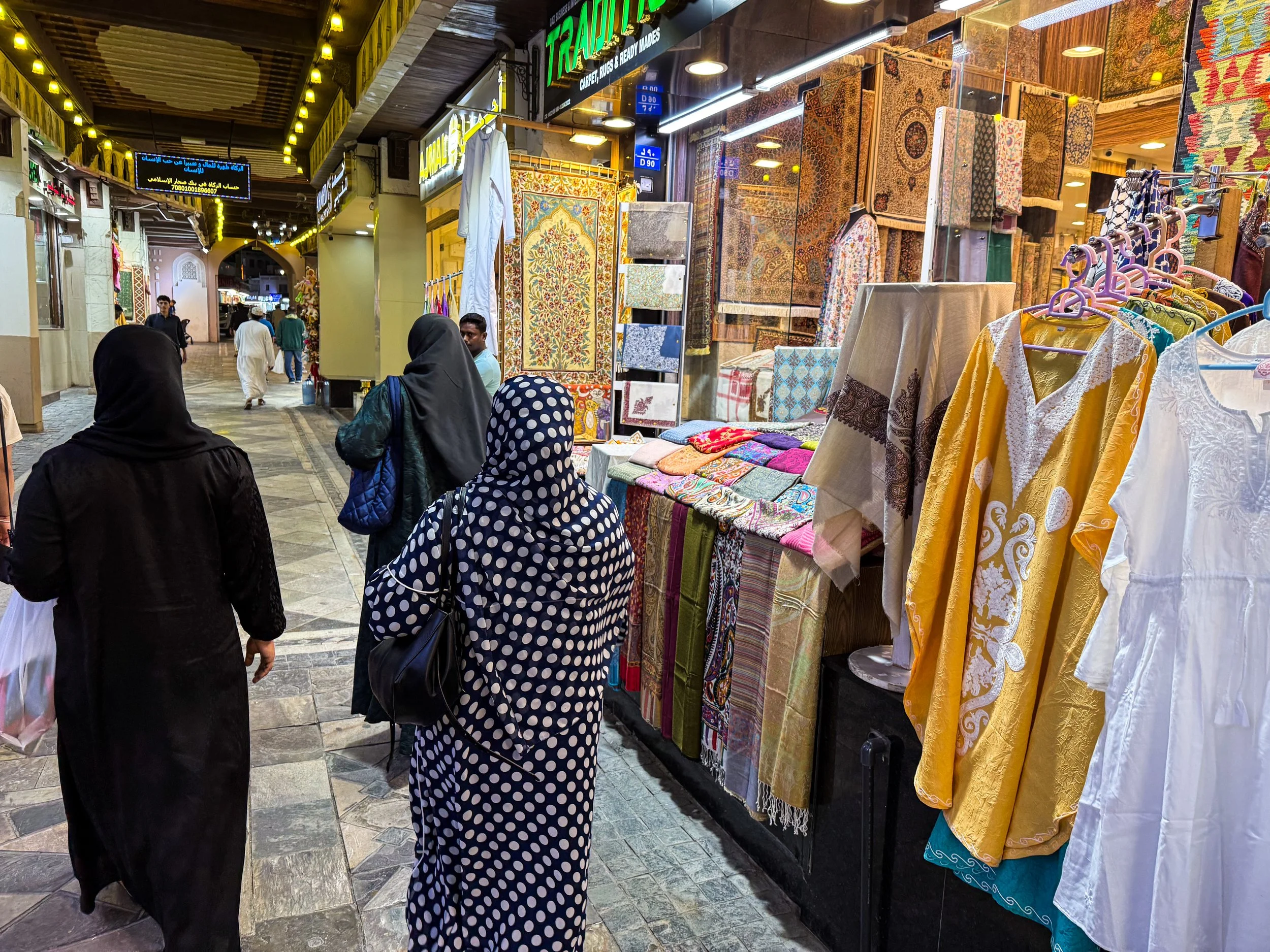
First of all, the word “souk” is the Arabic word for a market. Traditionally this means a cluster of narrow streets or covered alleyways packed to the brim with shops. We’re going to hear that word a lot as we travel through Oman, so we might as well define it up front.
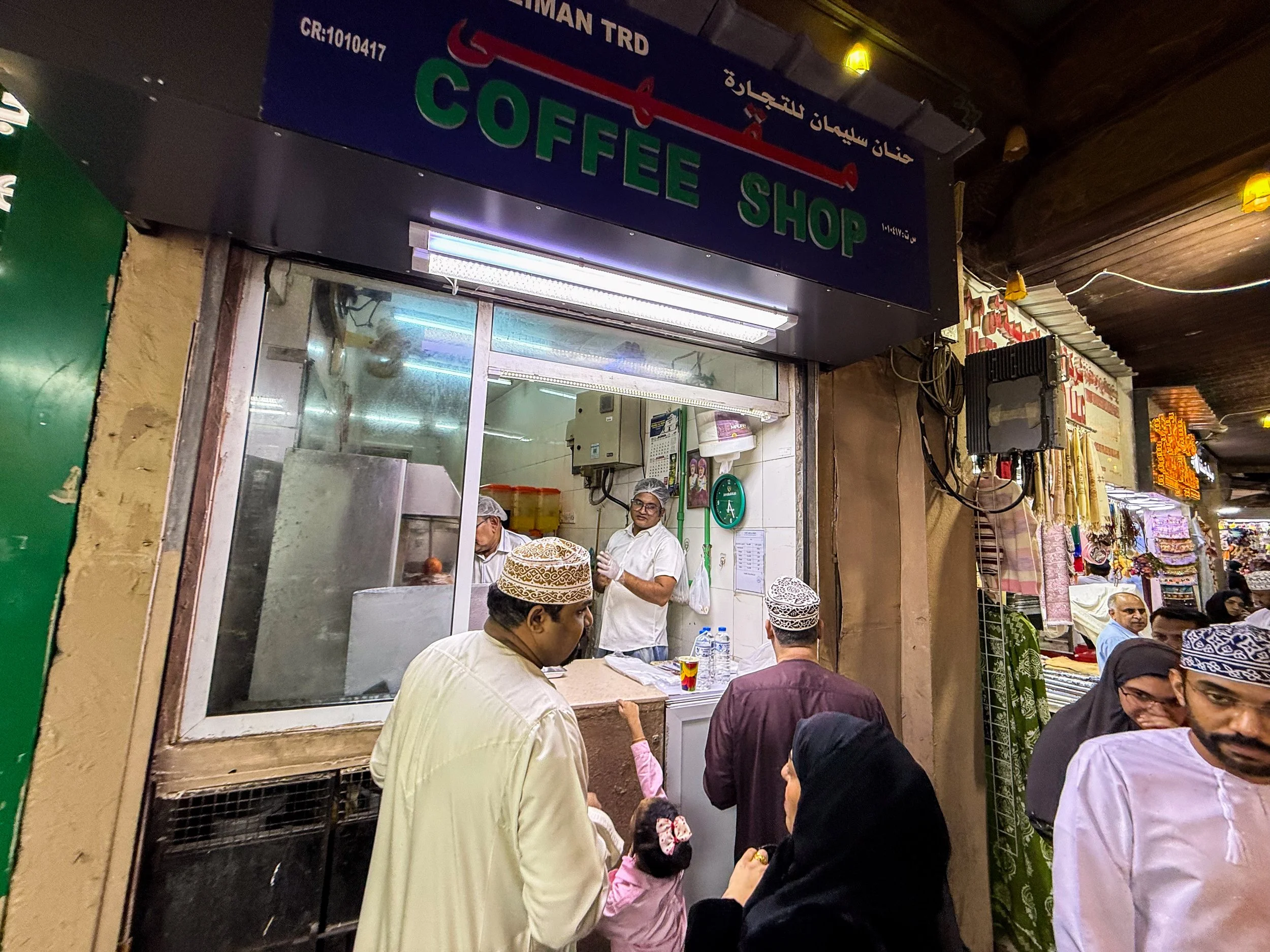
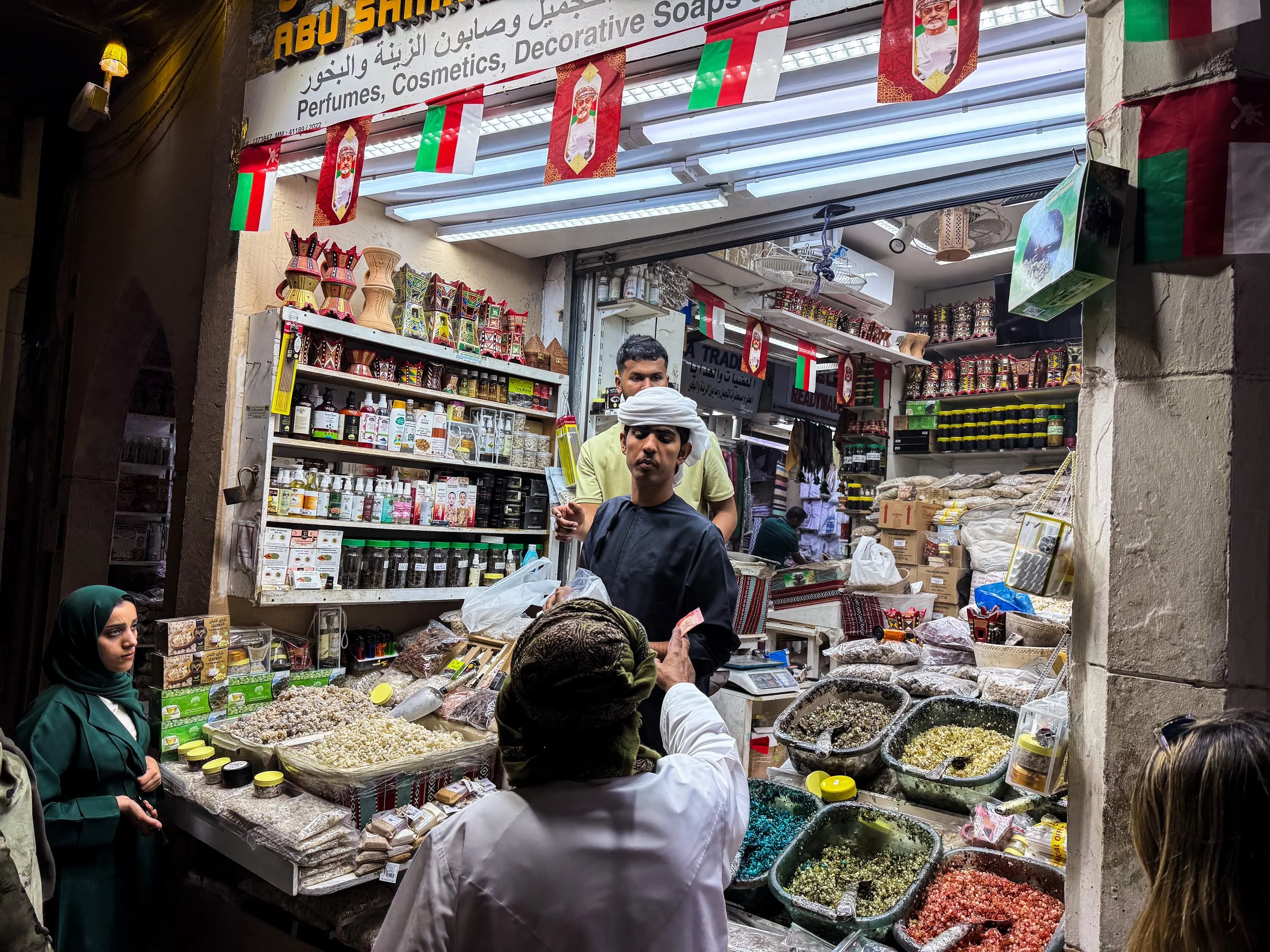
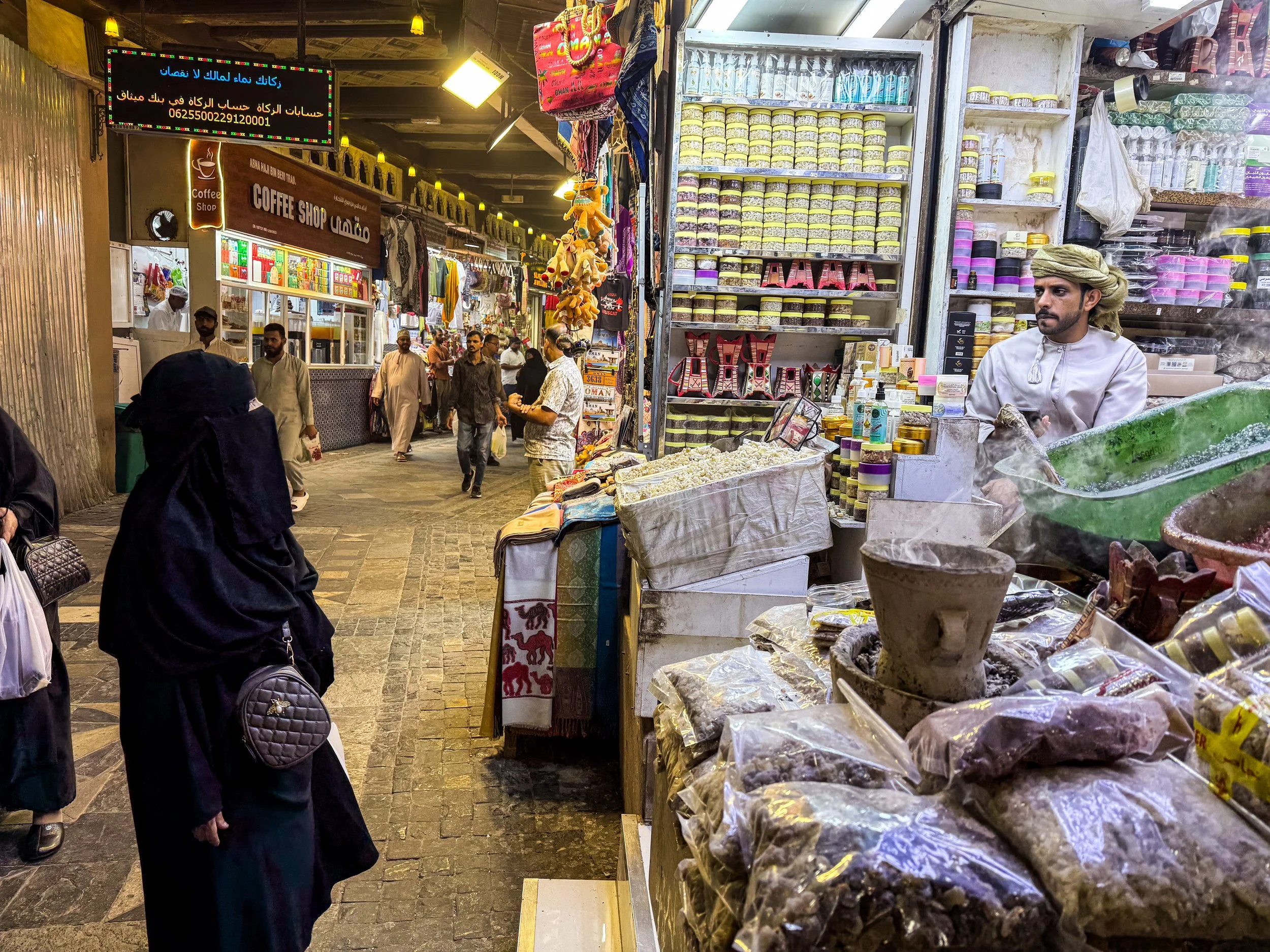
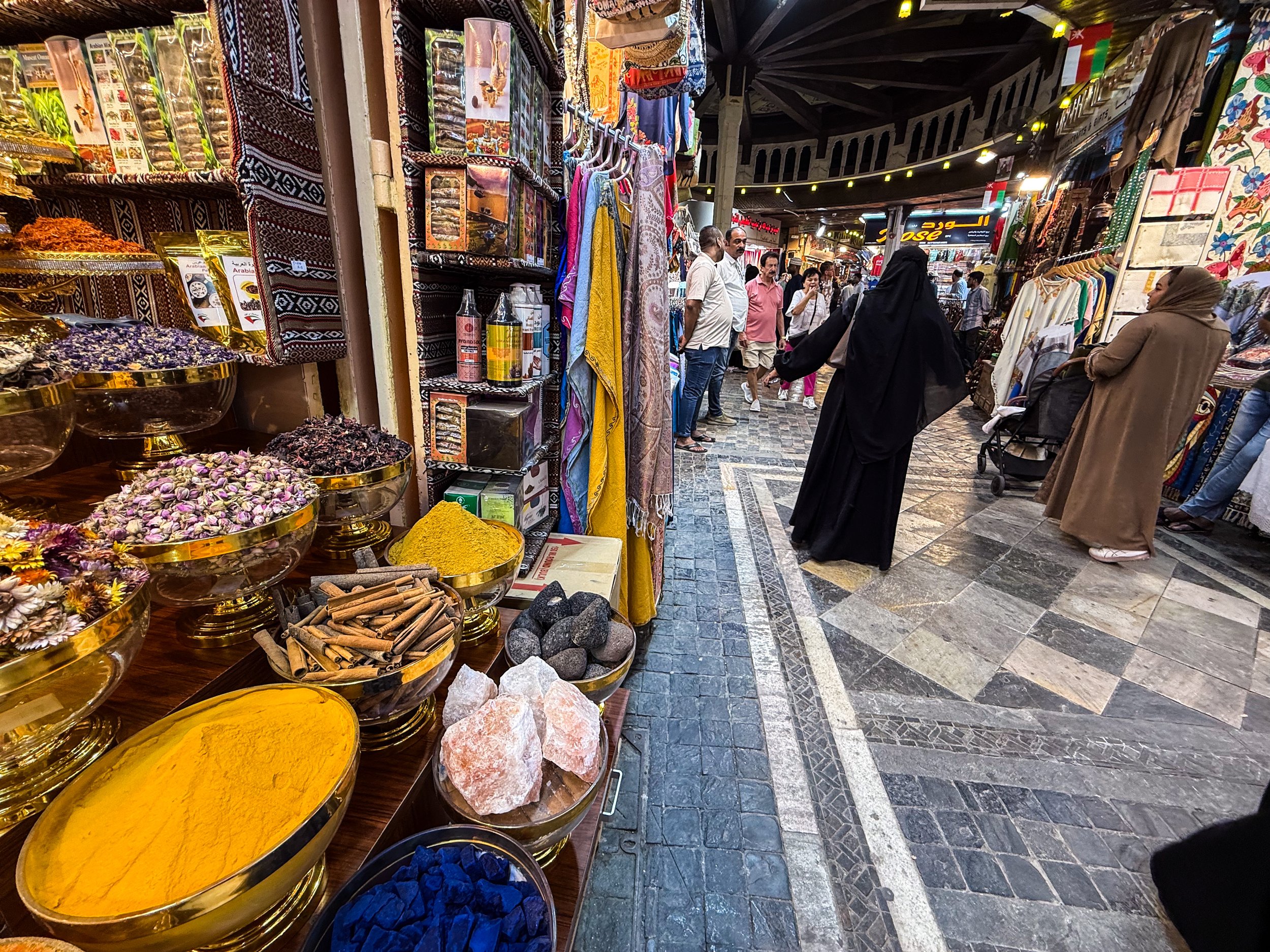
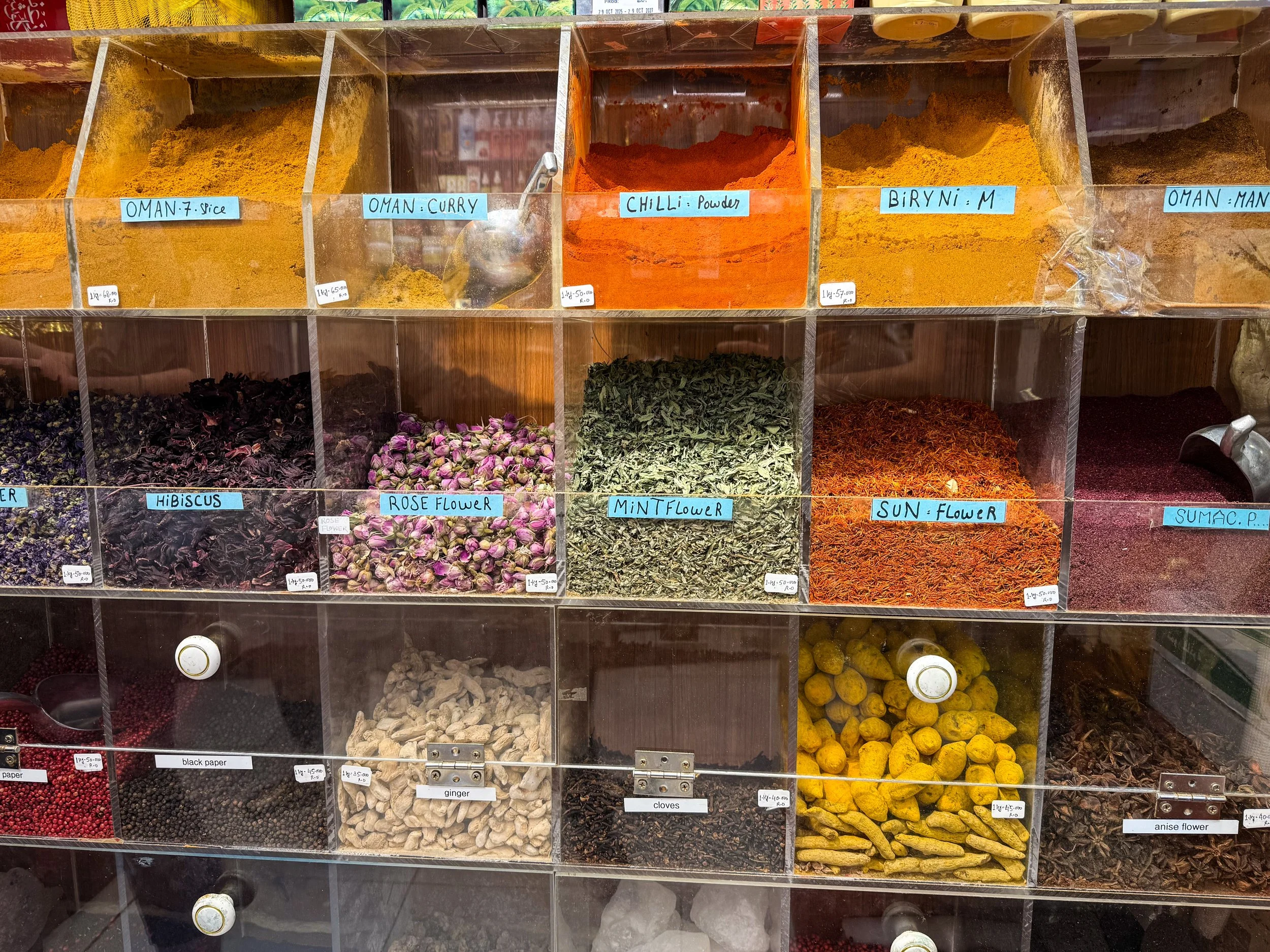
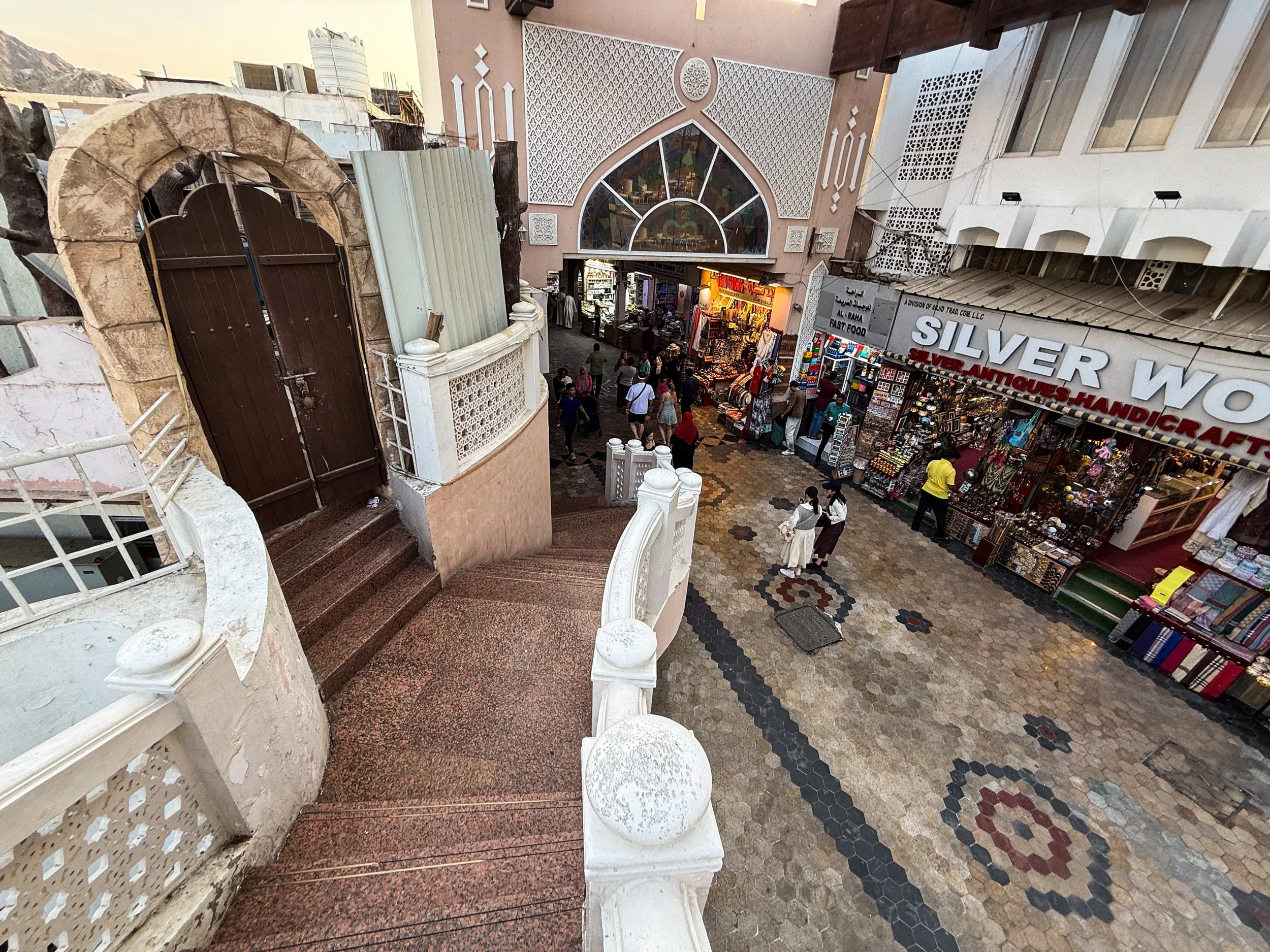
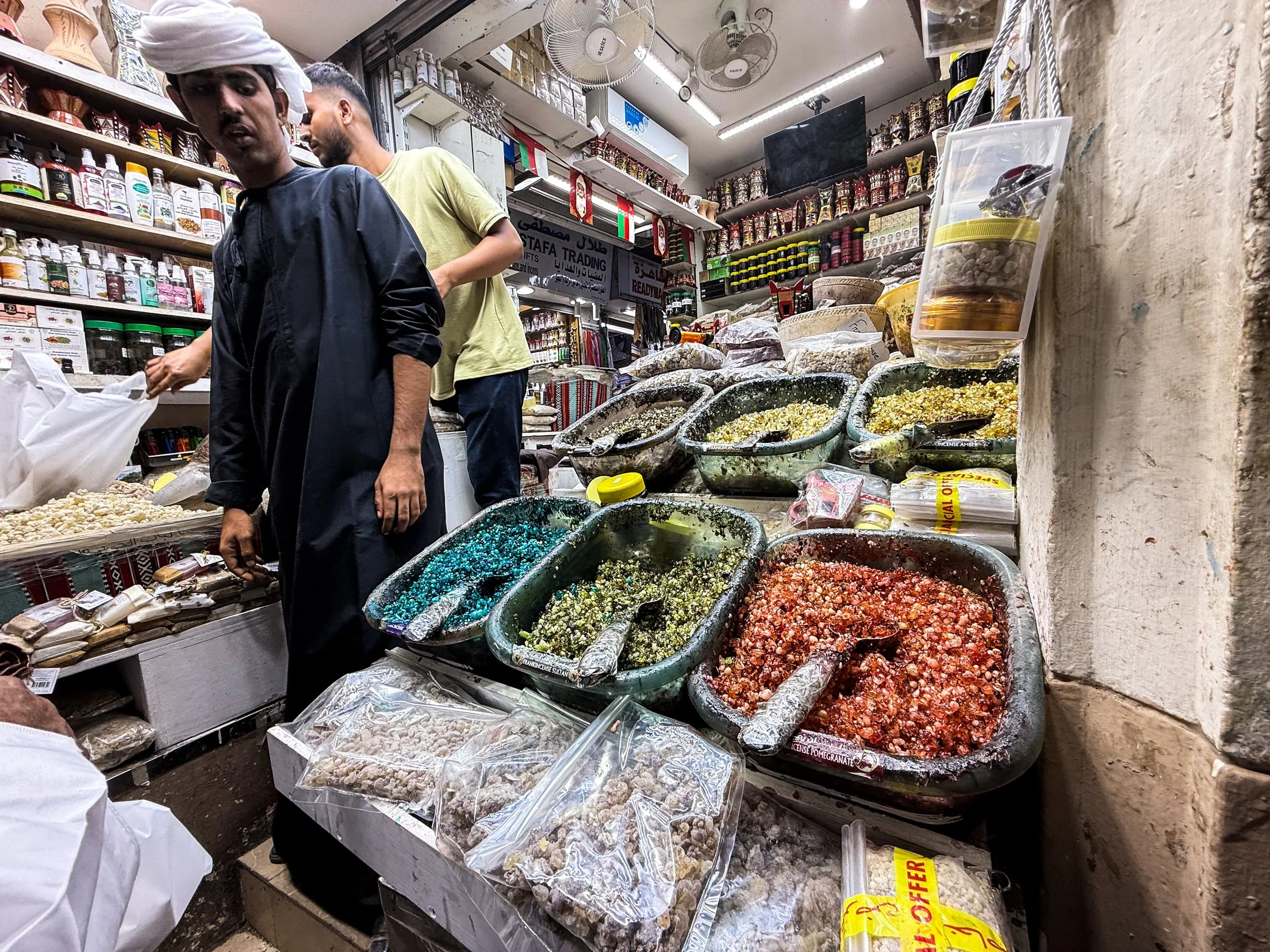
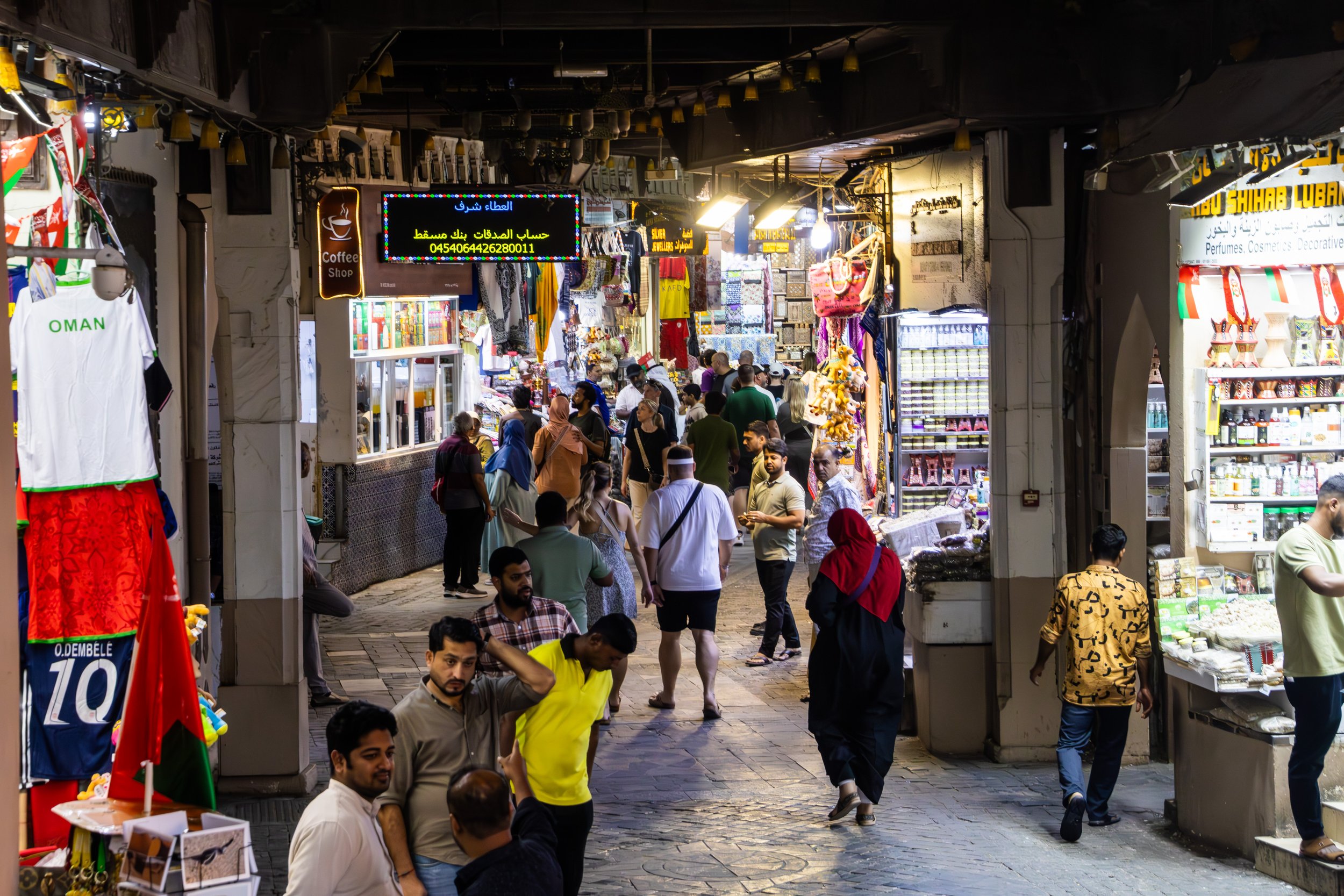
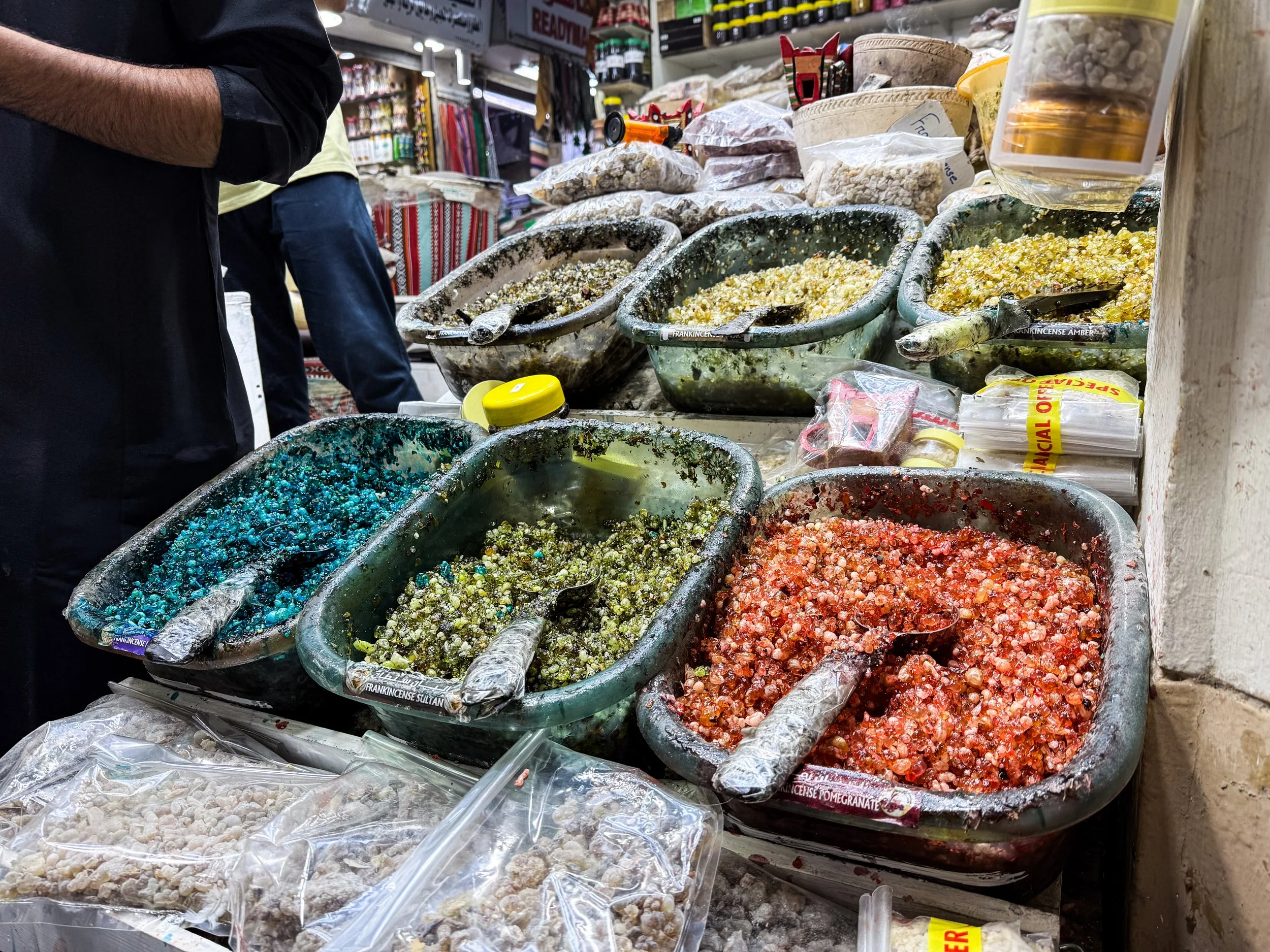
Mutrah’s Souk sits at the center of this district, and has been operating continuously for centuries. It’s packed with shops that sell a combination of traditional and tourist items such as perfumes, oils, silver jewelry, textiles/fabrics, Khanjars (iconic curved Omani daggers), and traditional imports/exports like frankincense, dates, tea, and seasoning. I’ve been in a fair few of these sorts of markets across the region and indeed the world, and this was one of my absolute favorites for two reasons. First, there was very little pressure from shop keepers to buy things. The souk in Tunis was horrible for this; I felt borderline harassed as I walked through that place. In Muscat, there is zero pressure, so you really can explore and enjoy! Second, these shops are packed with some genuinely interesting things! I could have explored these shops for hours! And I happily emerged from this place with a backpack full of gifts for my loved ones back home. 10/10, 5 stars, would recommend!
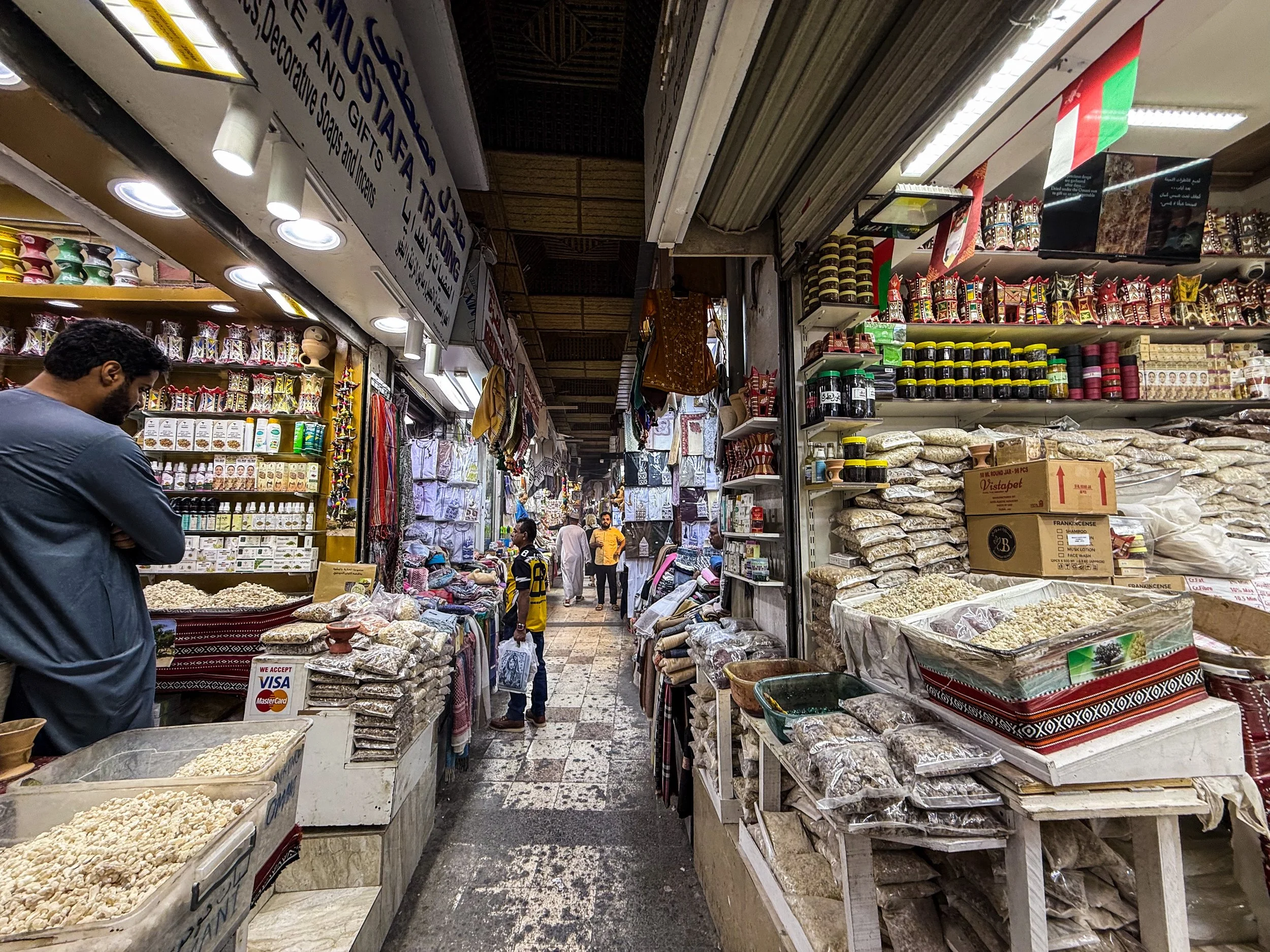
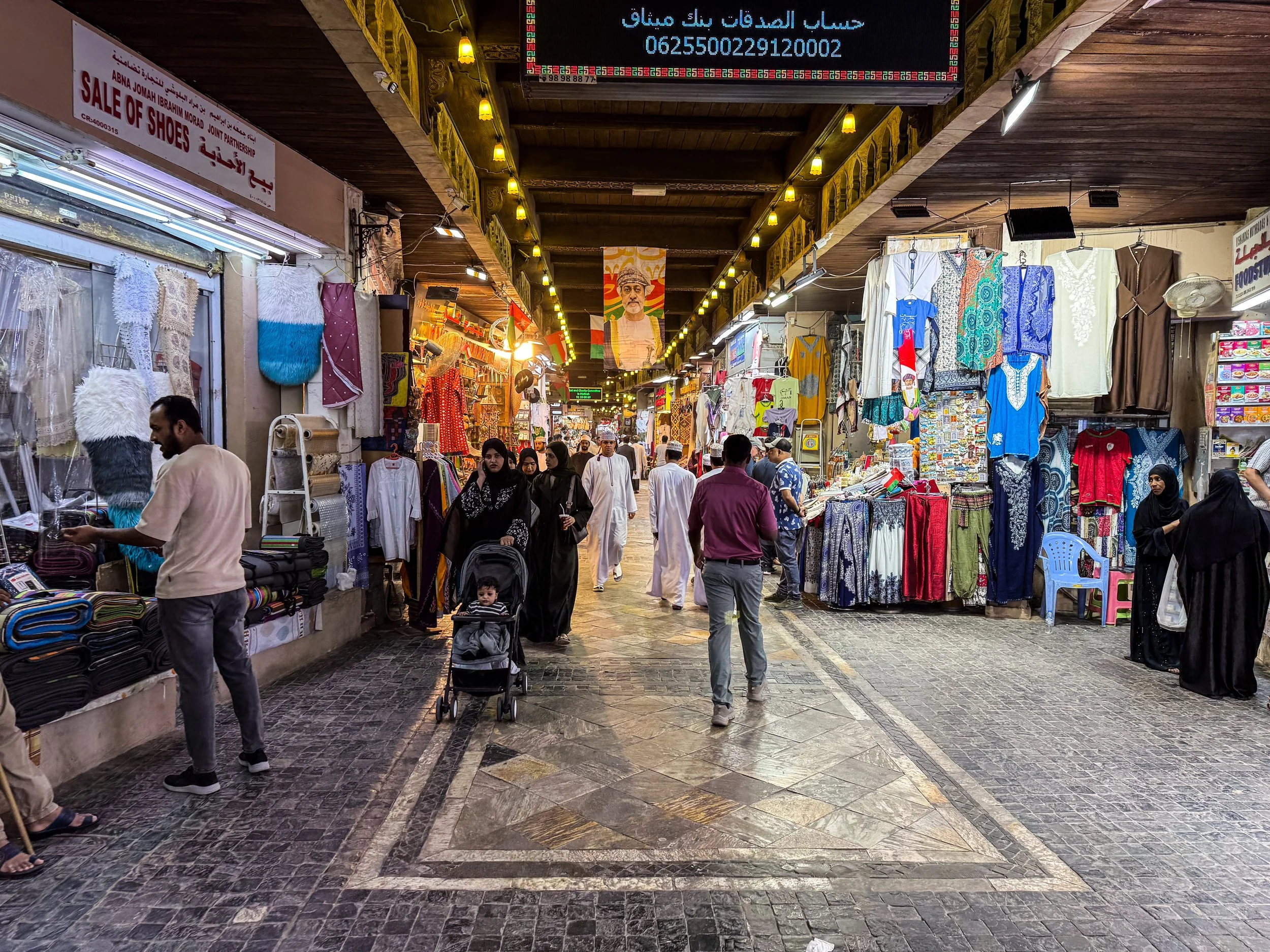
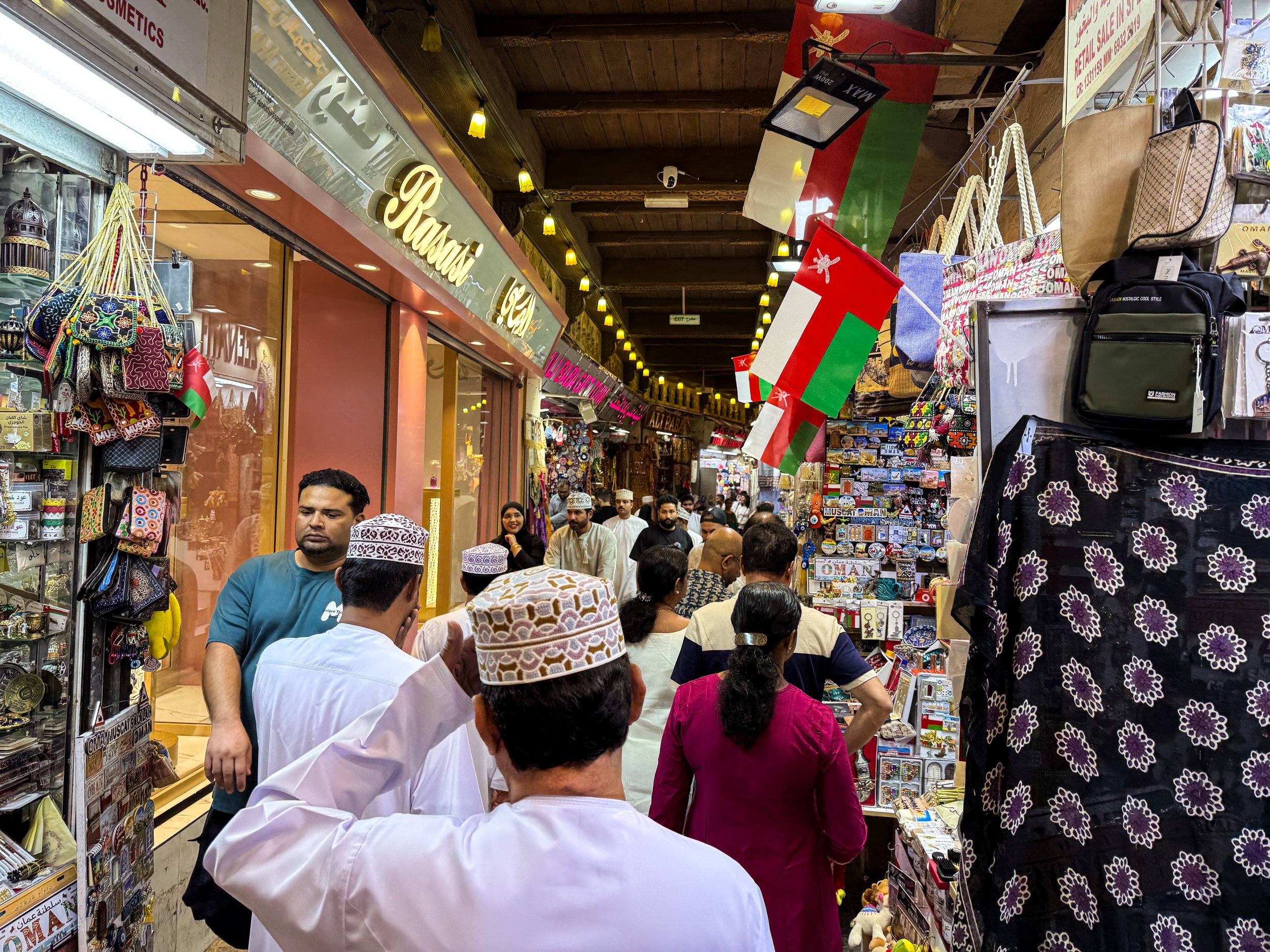
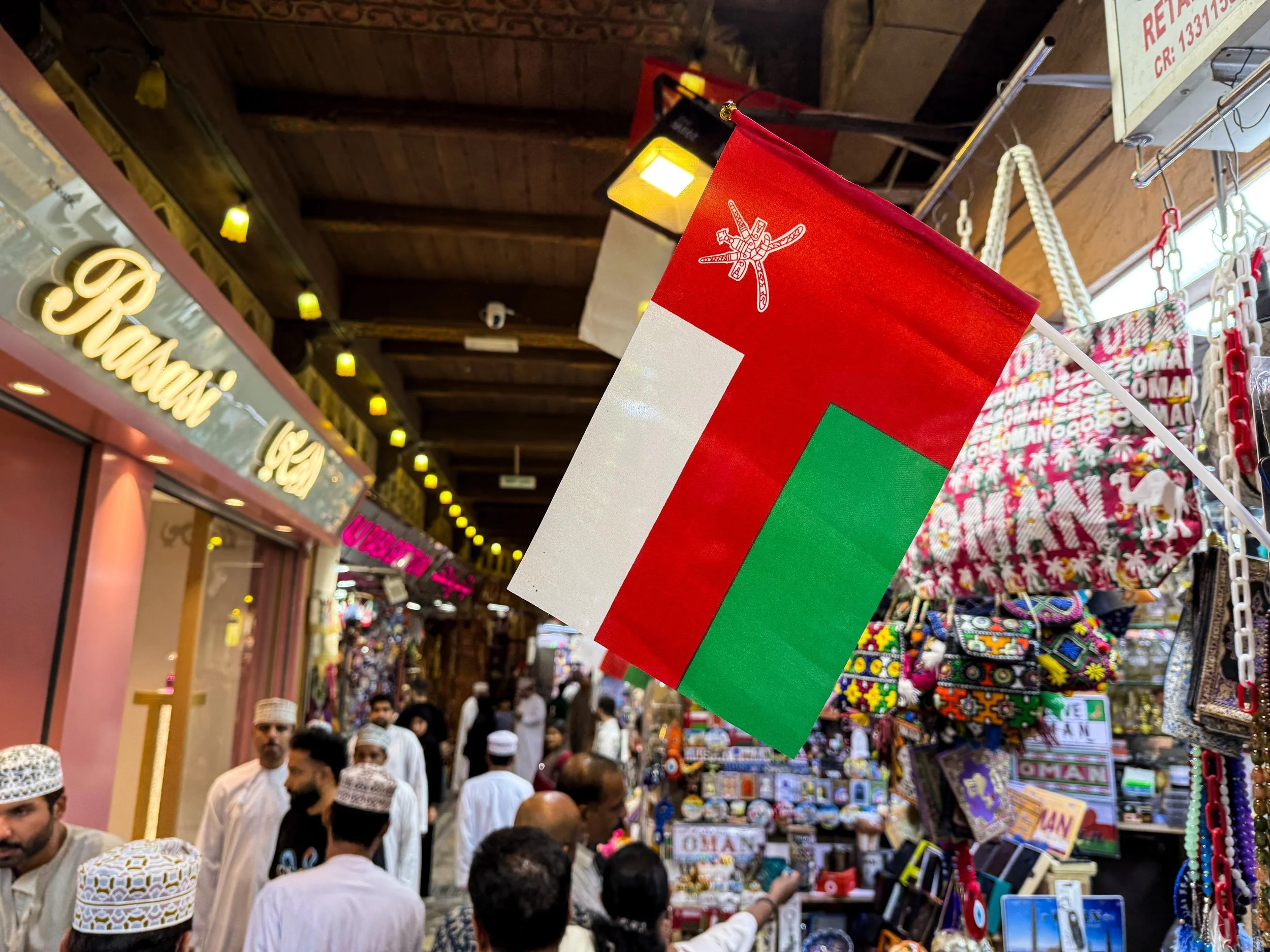
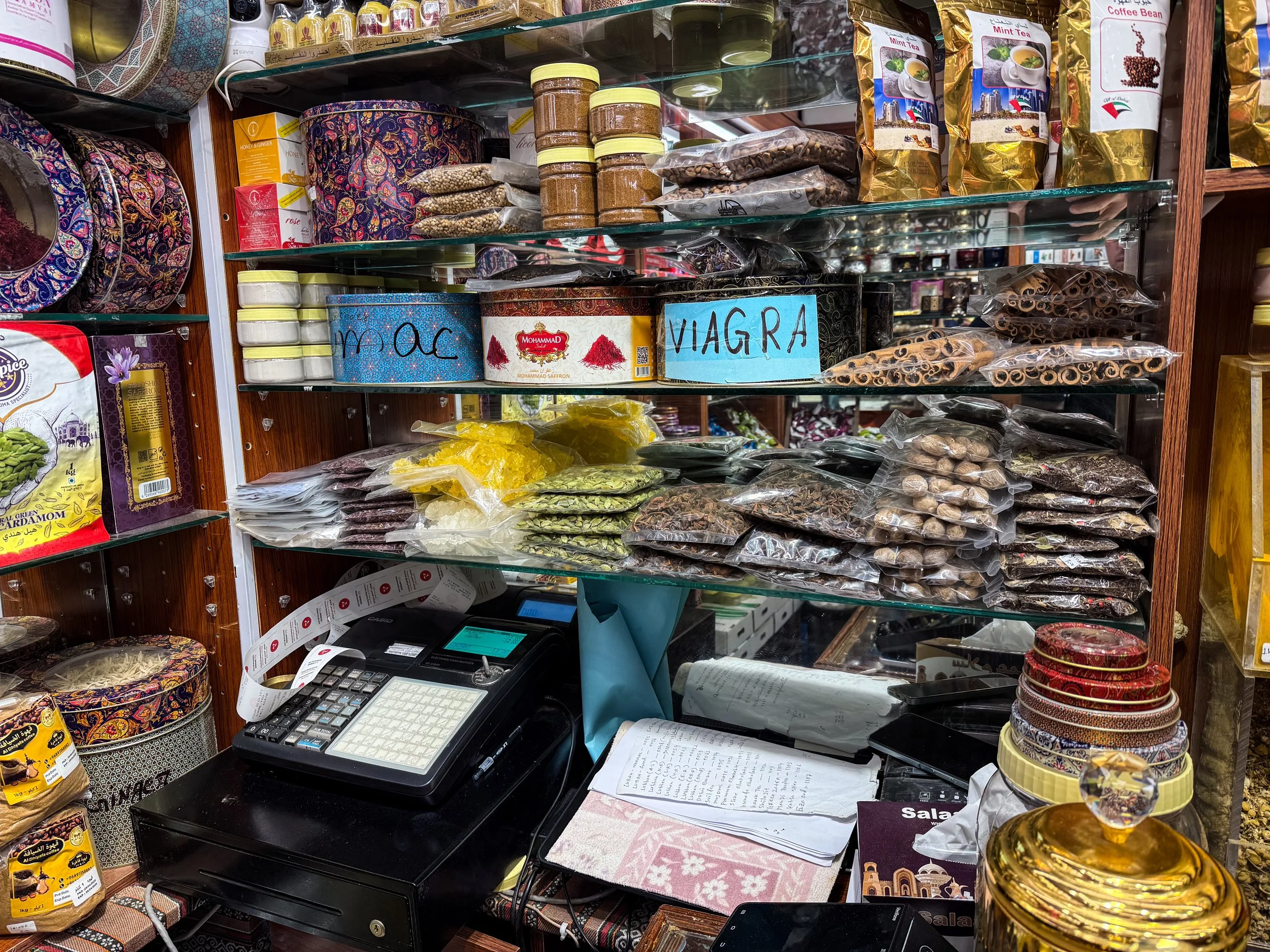
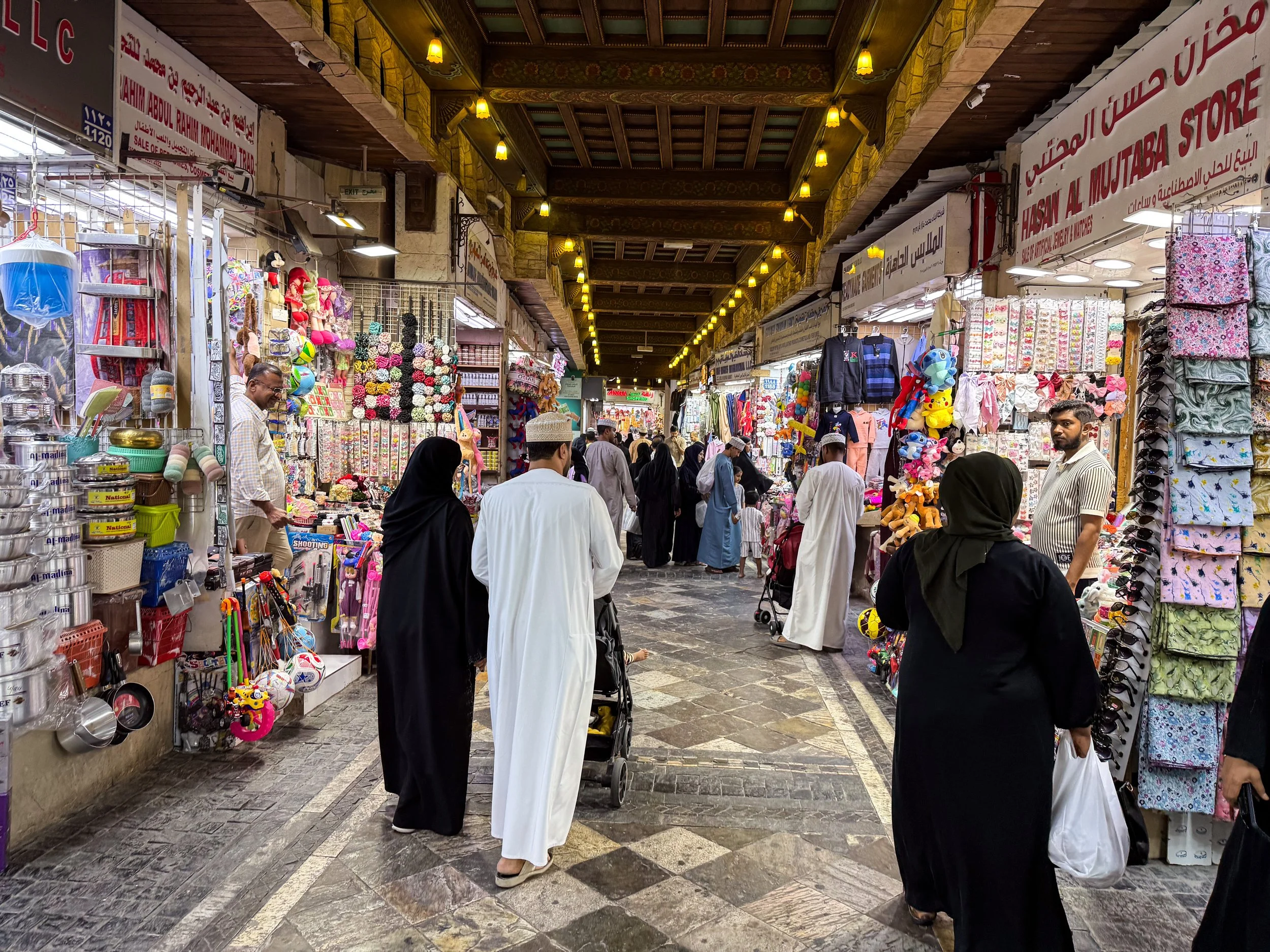
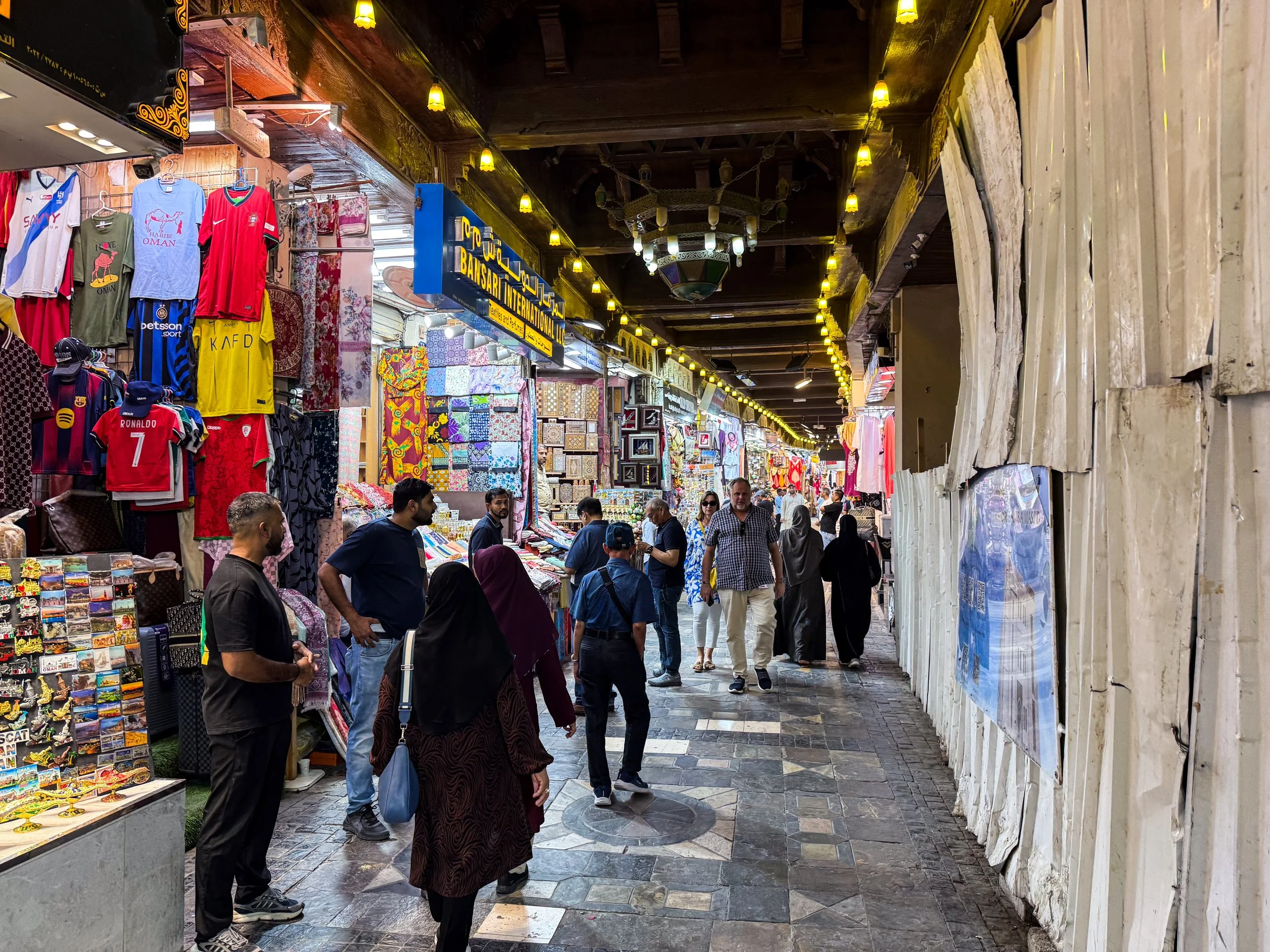
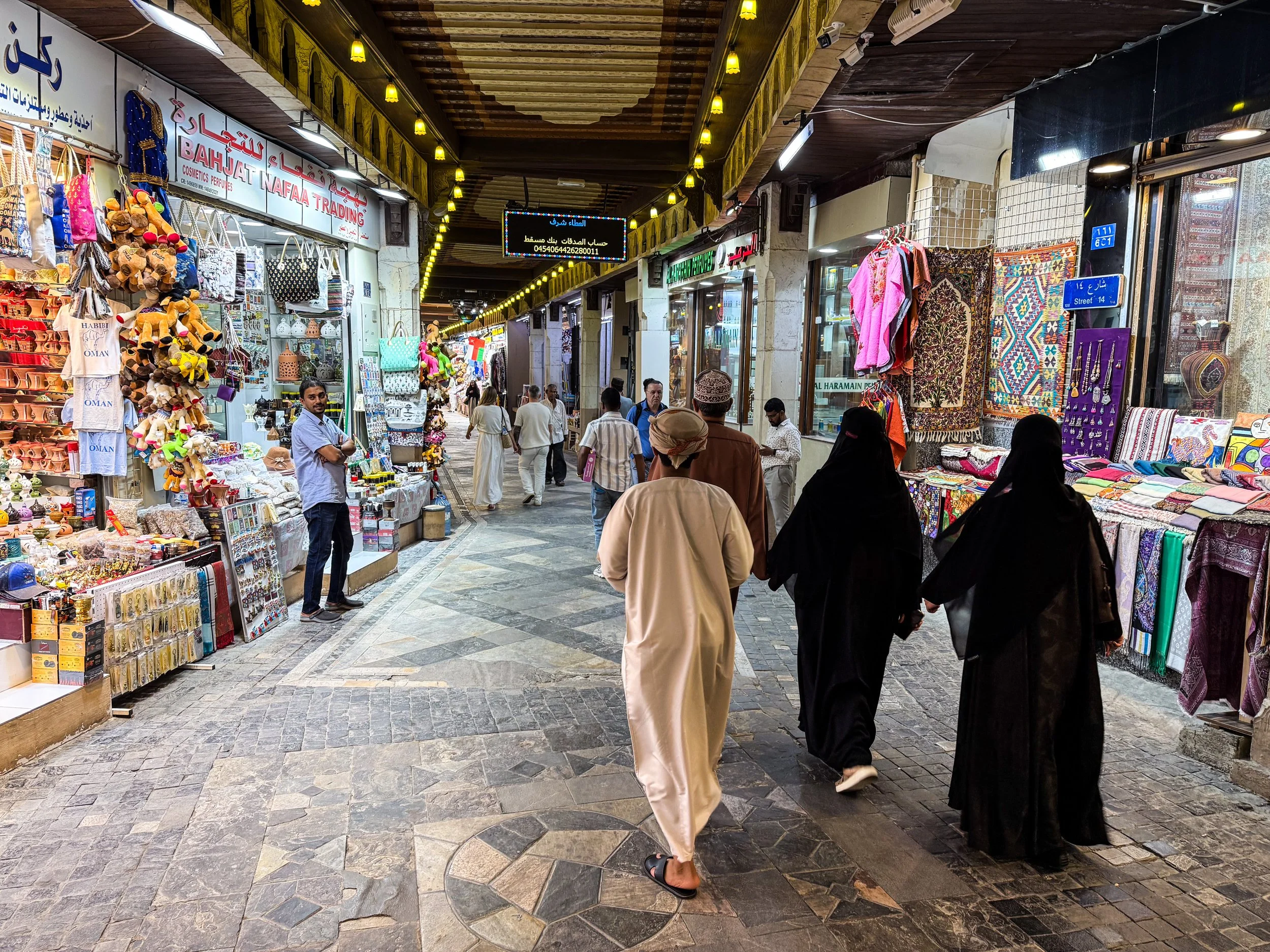
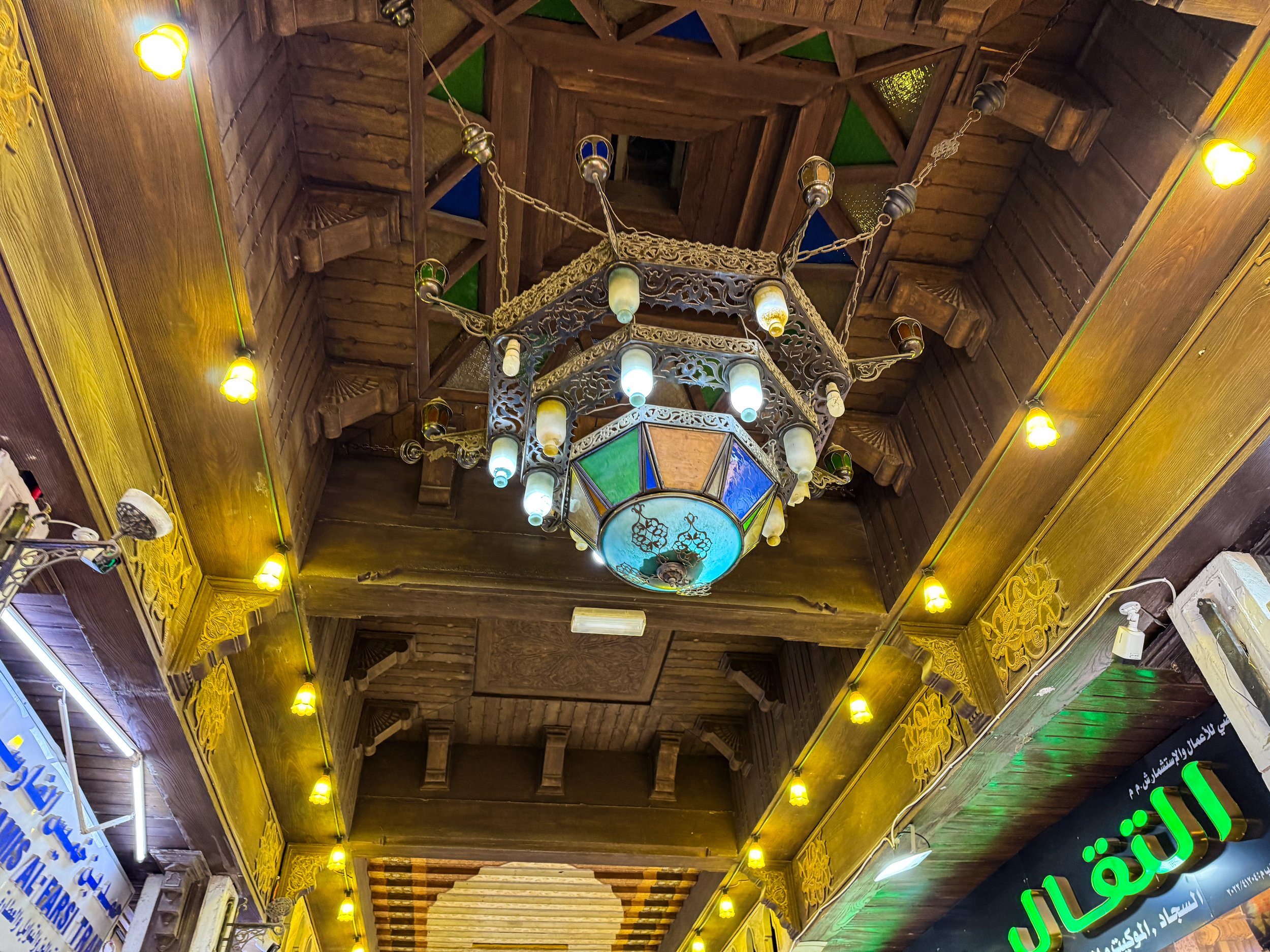
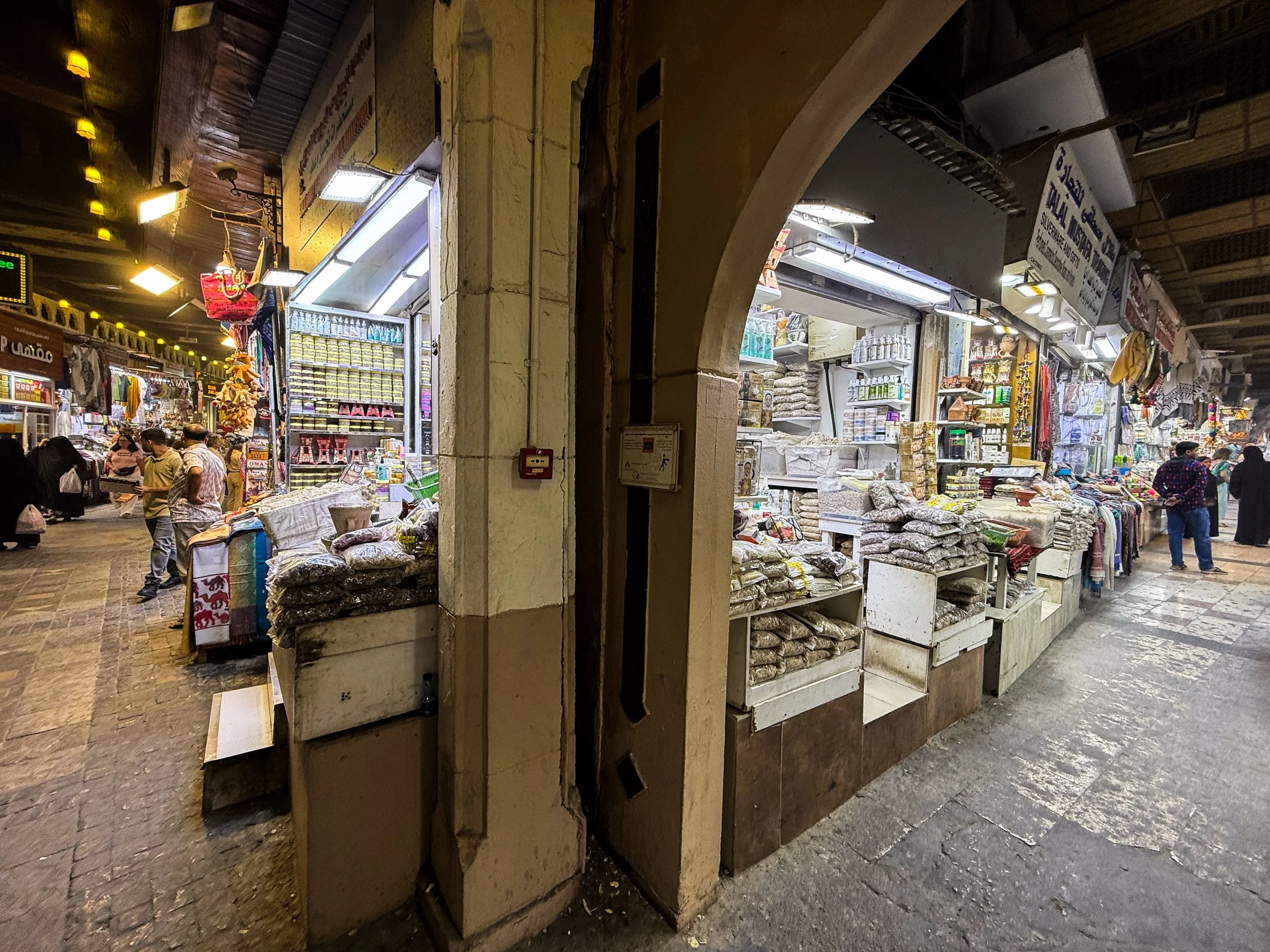
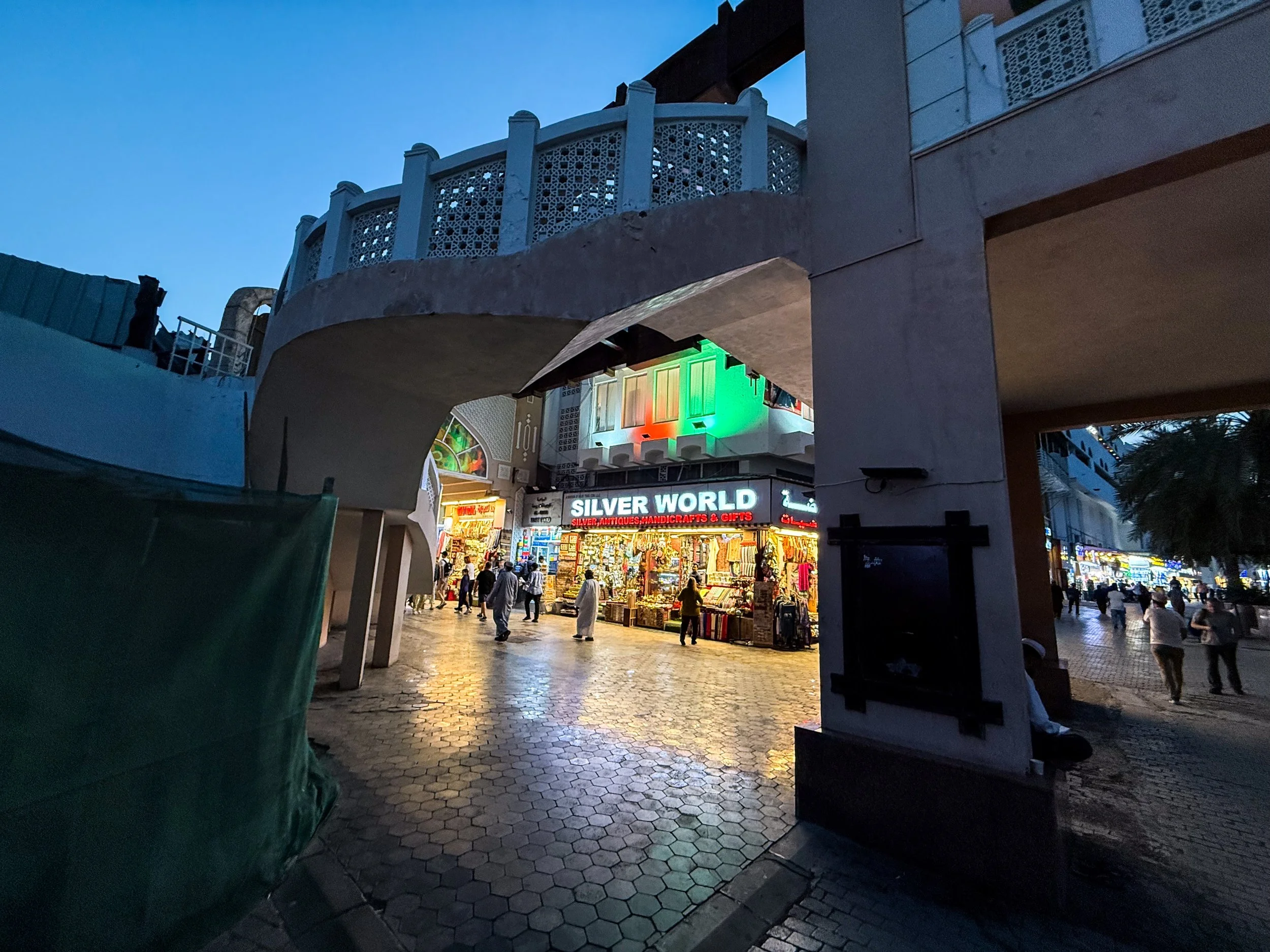
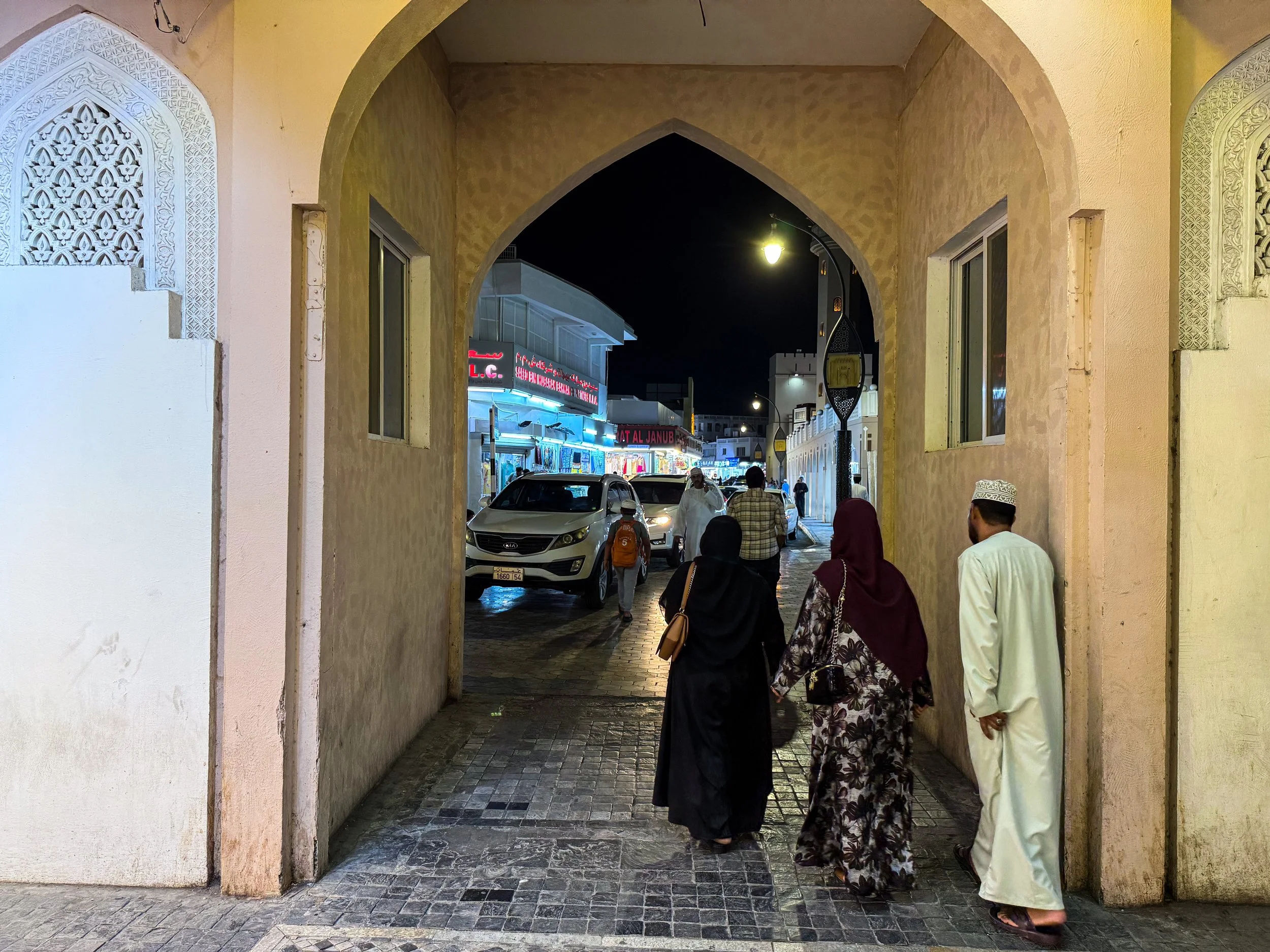
Mutrah Fort @Sunset
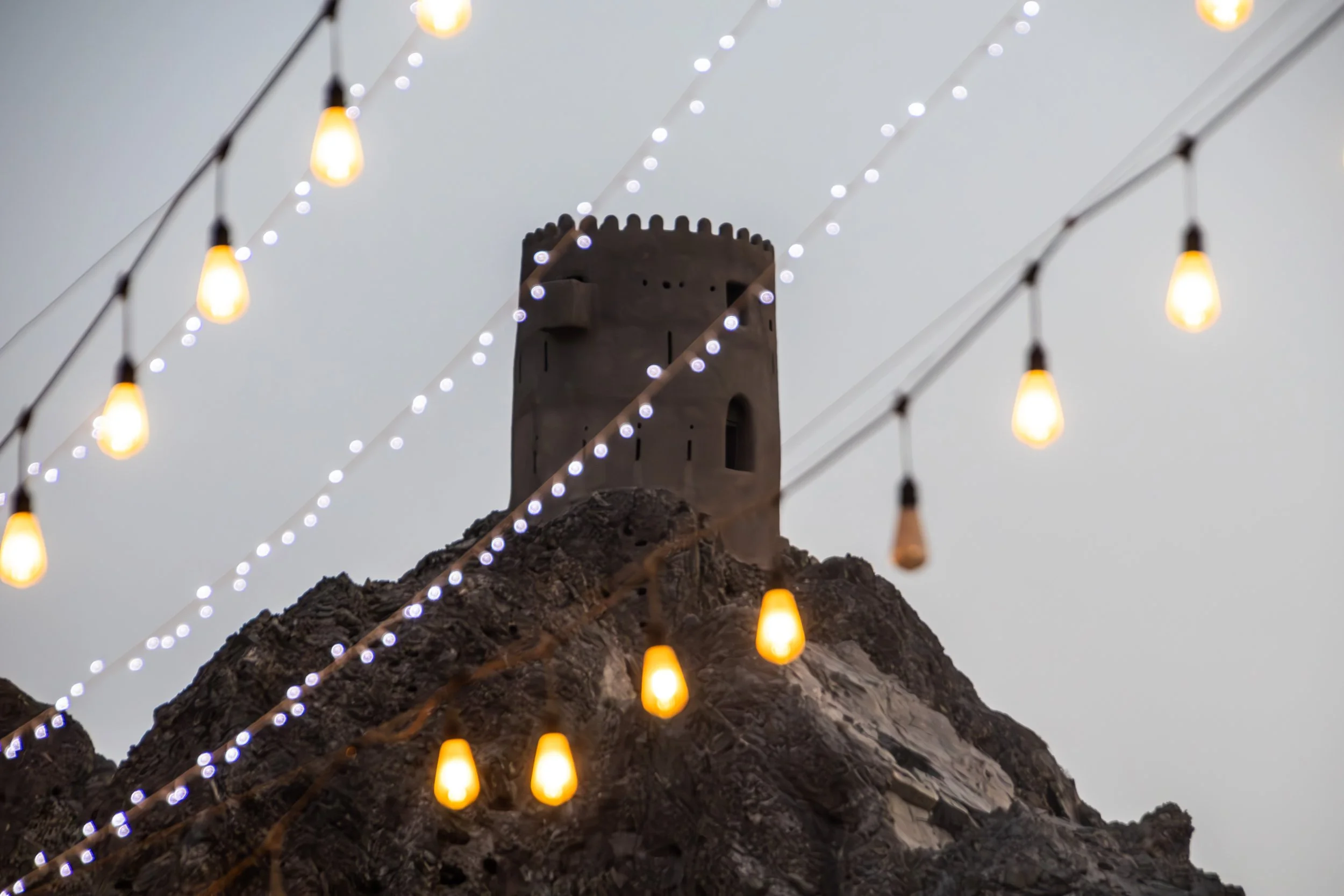
Towering over Mutrah from a dramatic perch atop a rocky hill, there is a massive stone fortress. This is Mutrah Fort. It was originally built by the Portuguese. Remember that, while Oman was never fully colonized, Muscat was controlled by the Portuguese from 1507 to 1650, and it was during this time that the fortress was originally constructed. However, after Oman gave Portugal the boot in in 1650, Omani leaders actually expanded and maintained this fortress, so the structure that you’ll see today was built by a combination of Portugal and Oman.
Here are few pictures of it from across the water, and from the street as we approached the bottom of it.
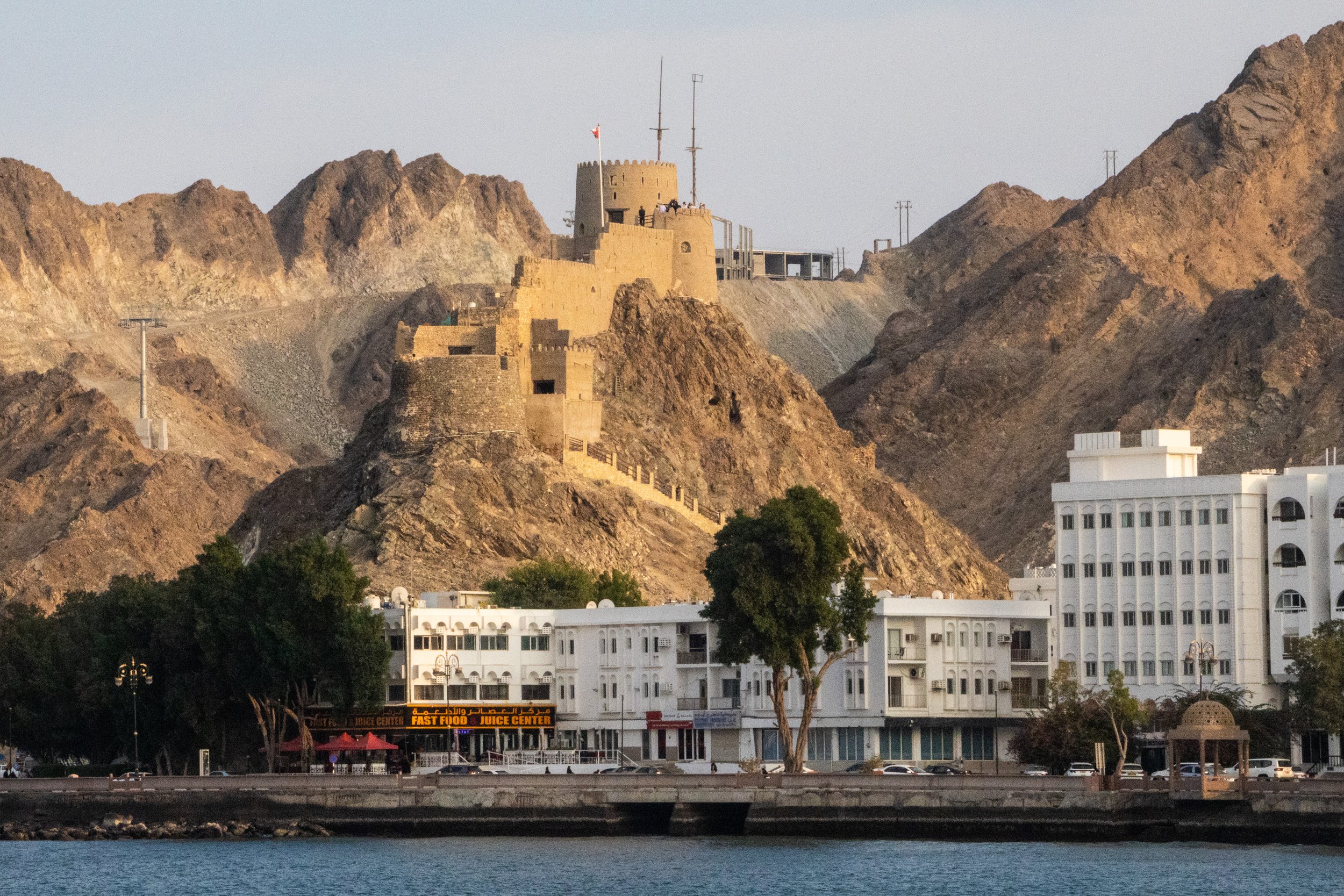
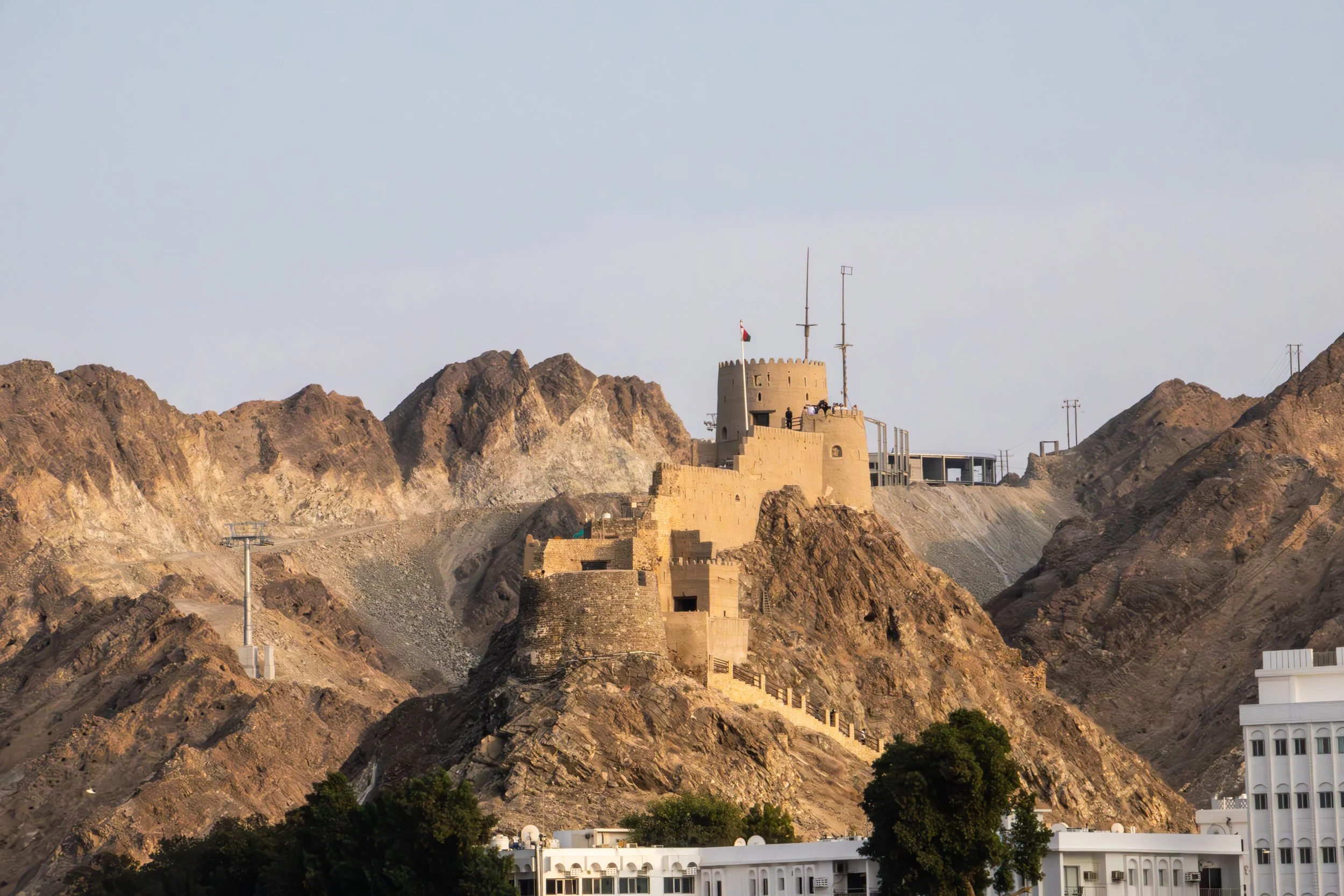
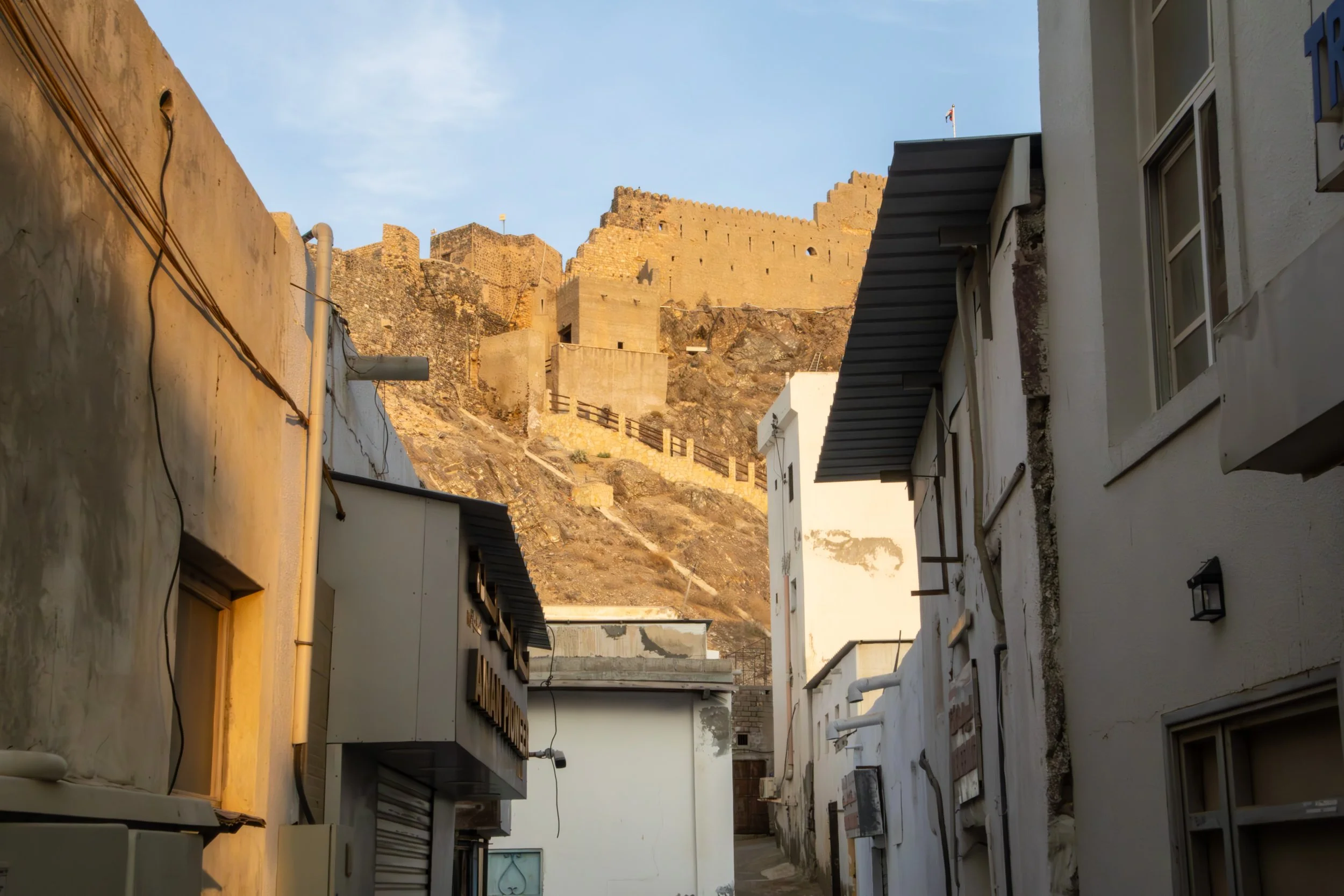
The cost to enter Mutrah Fort is about 3 OMR… sounds reasonable right?
Well, remember that the value of Omani Rial is ridiculously, insanely, unreasonably high. Again, at the time of writing, the exchange rate would make this more like ~£6 or ~$8. I hope you are getting a sense for the type of financial caution needed as one travels through this country… THAT is the real danger. 😂
Atop a long flight of stone stairs built directly into the rocky mountainside, this fortress offers sweeping panoramic views of the port of Mutrah, as well as a nice lil’ cafe where you can buy refreshing drinks and stop for a rest. Regardless of the exchange rates, it is well worth the climb!
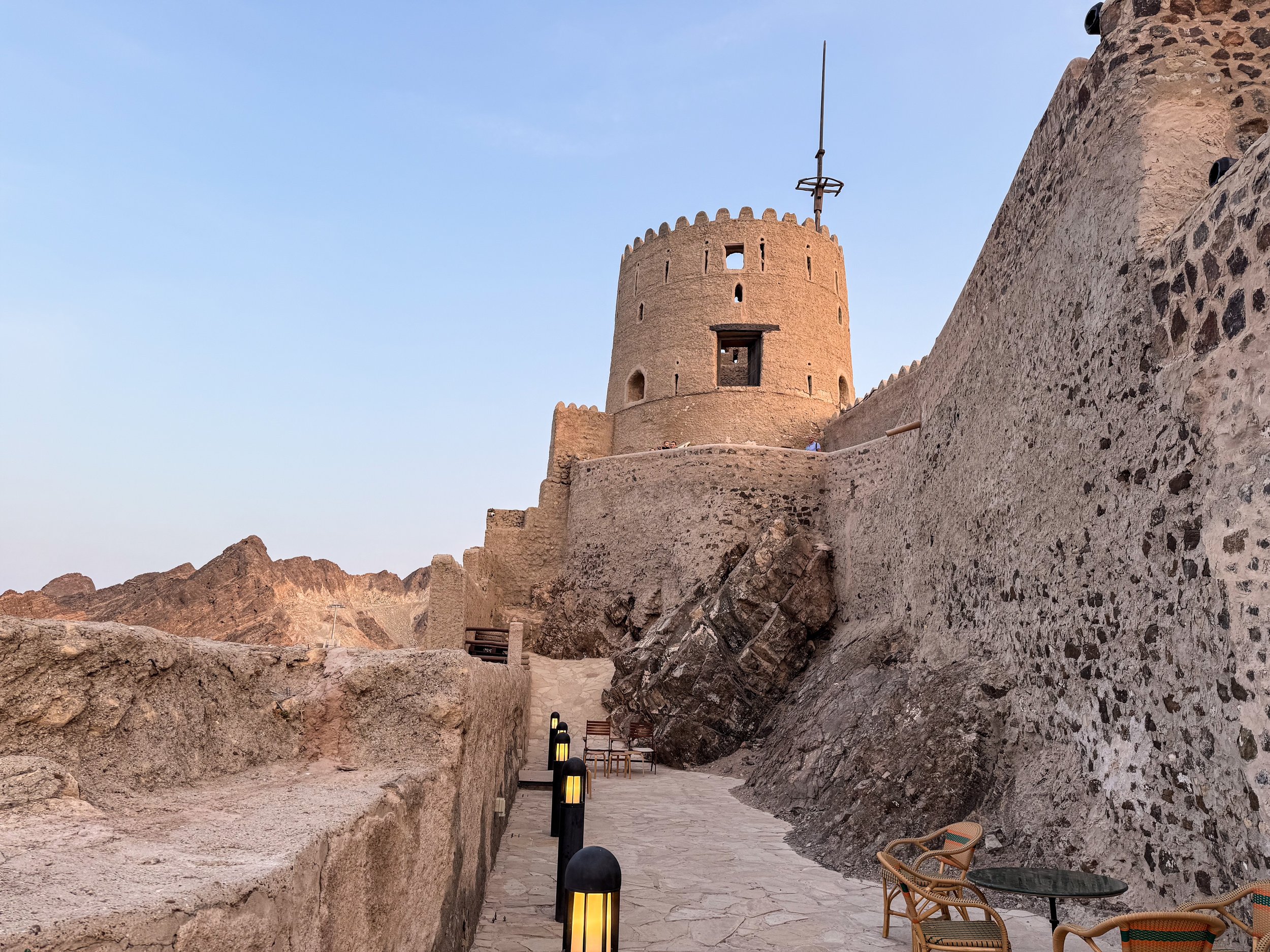
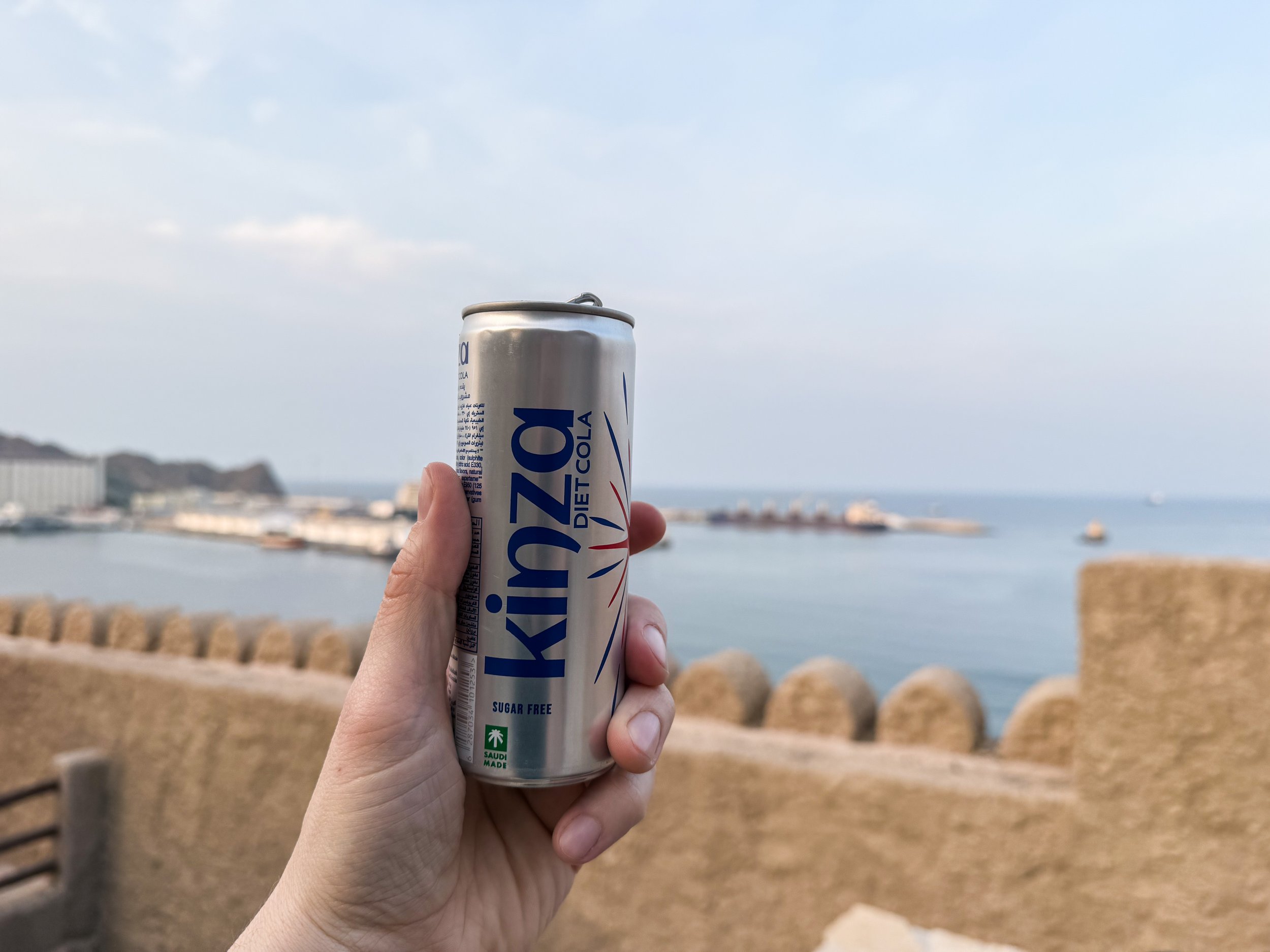
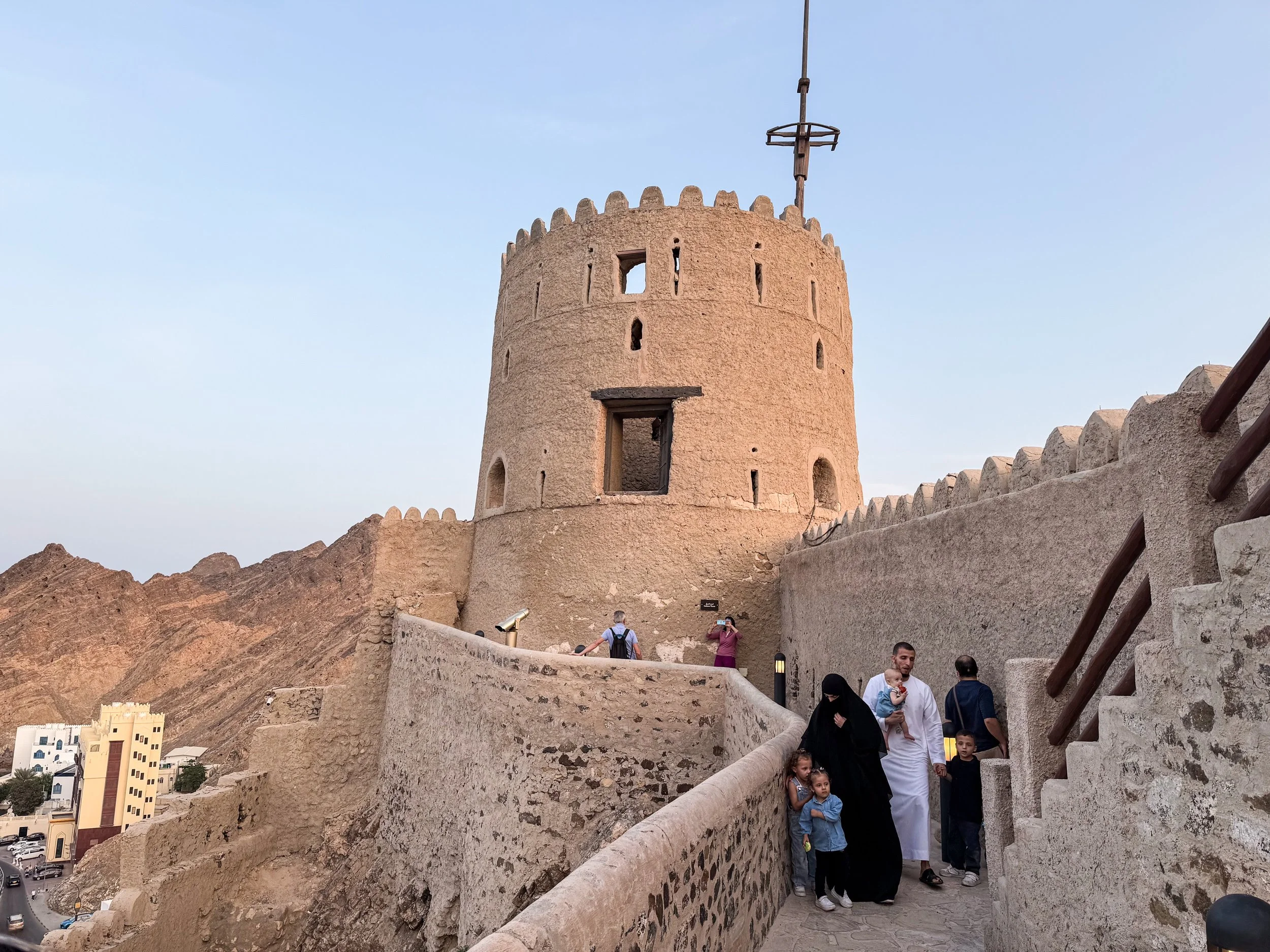
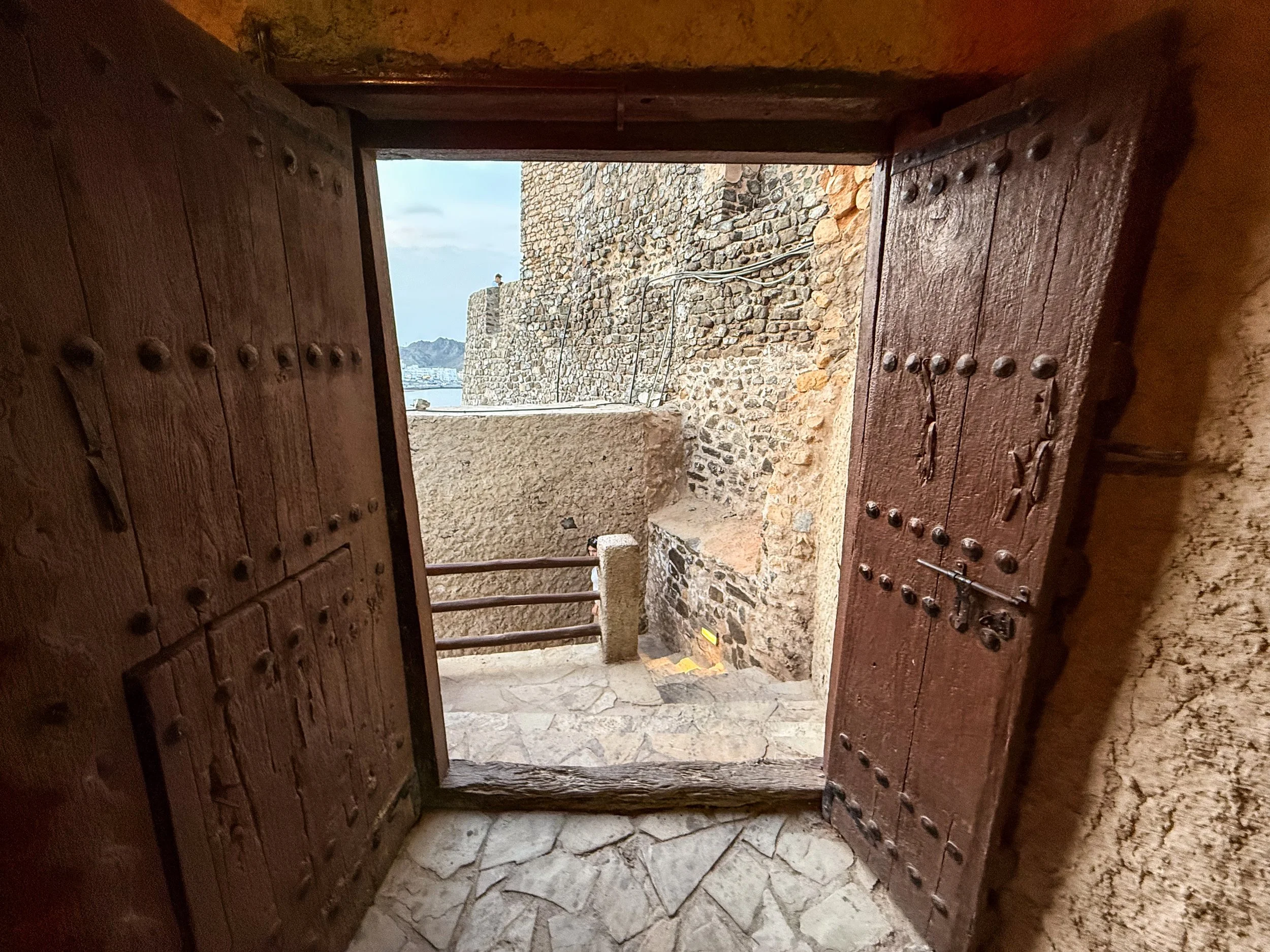
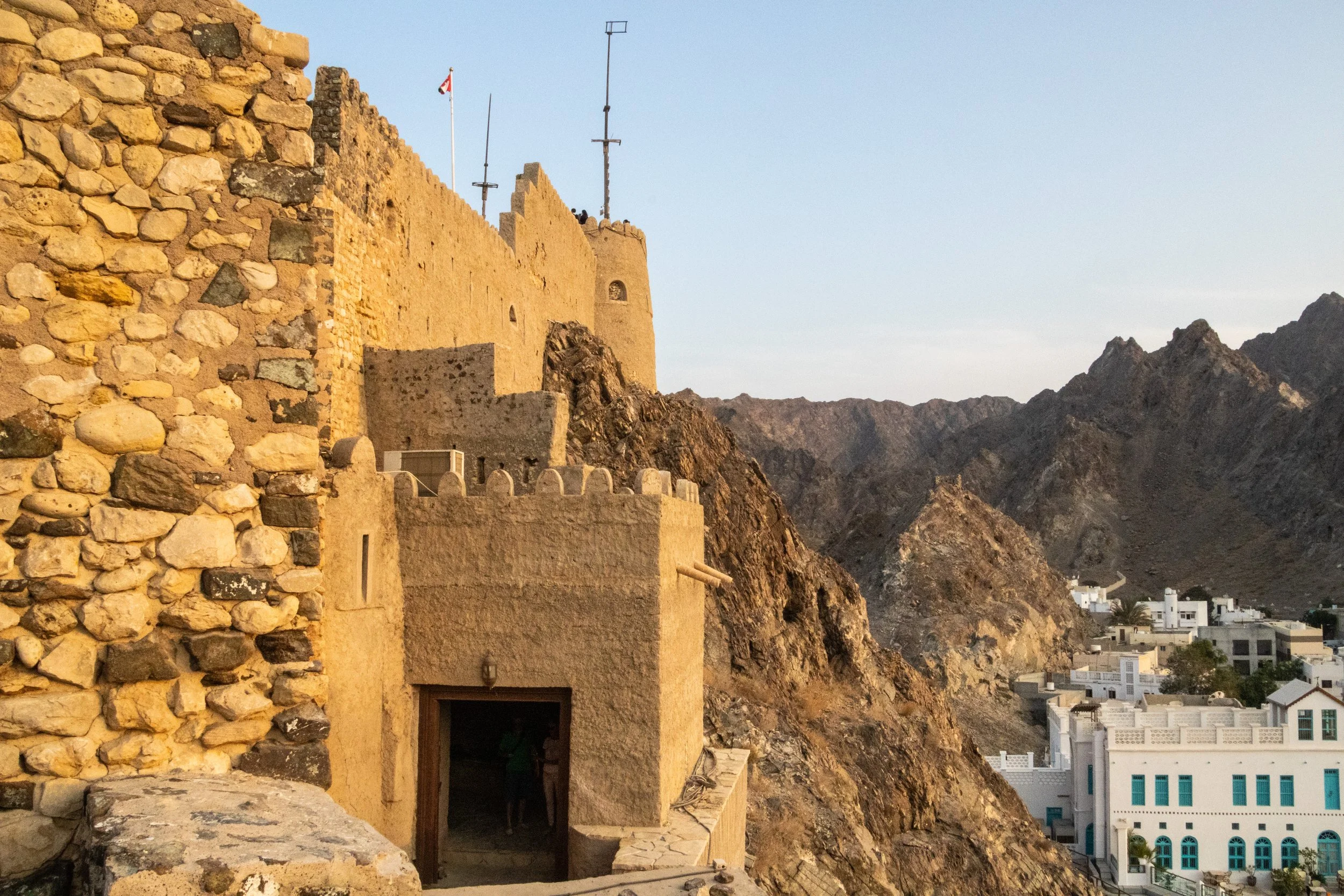
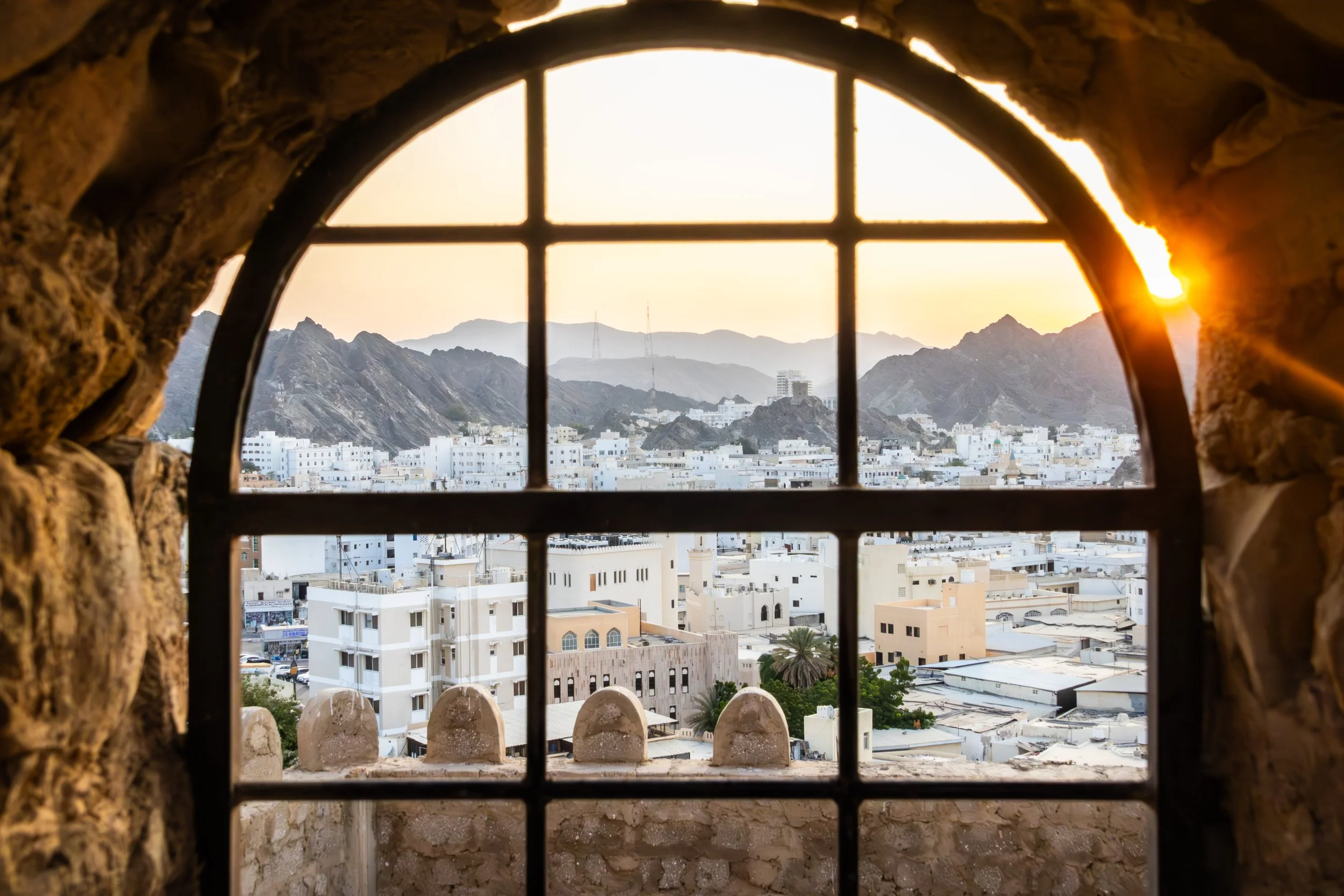
So I want to finish this article with a series of photos looking down from Mutrah Fort over this historic port district as the sun sets. It’s an incredible view, and one that would prove to be prophetic of how incredible this trip was going to be. Most trips have clear stand-outs for what was the best thing or the most beautiful view. That was not the case in Oman. On every day of this trip, there were moments and views that I wanted to stay in forever. And this was the first:
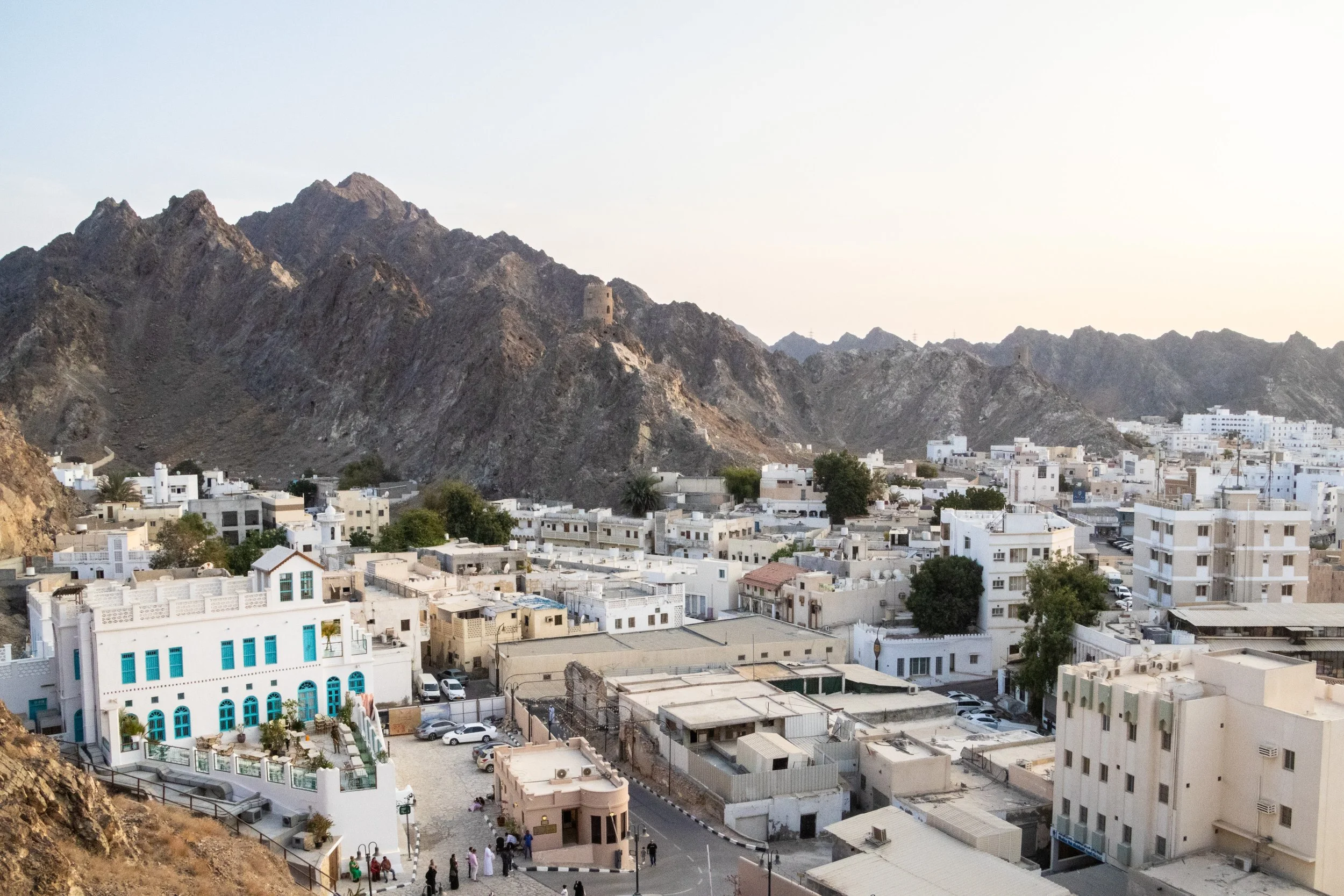
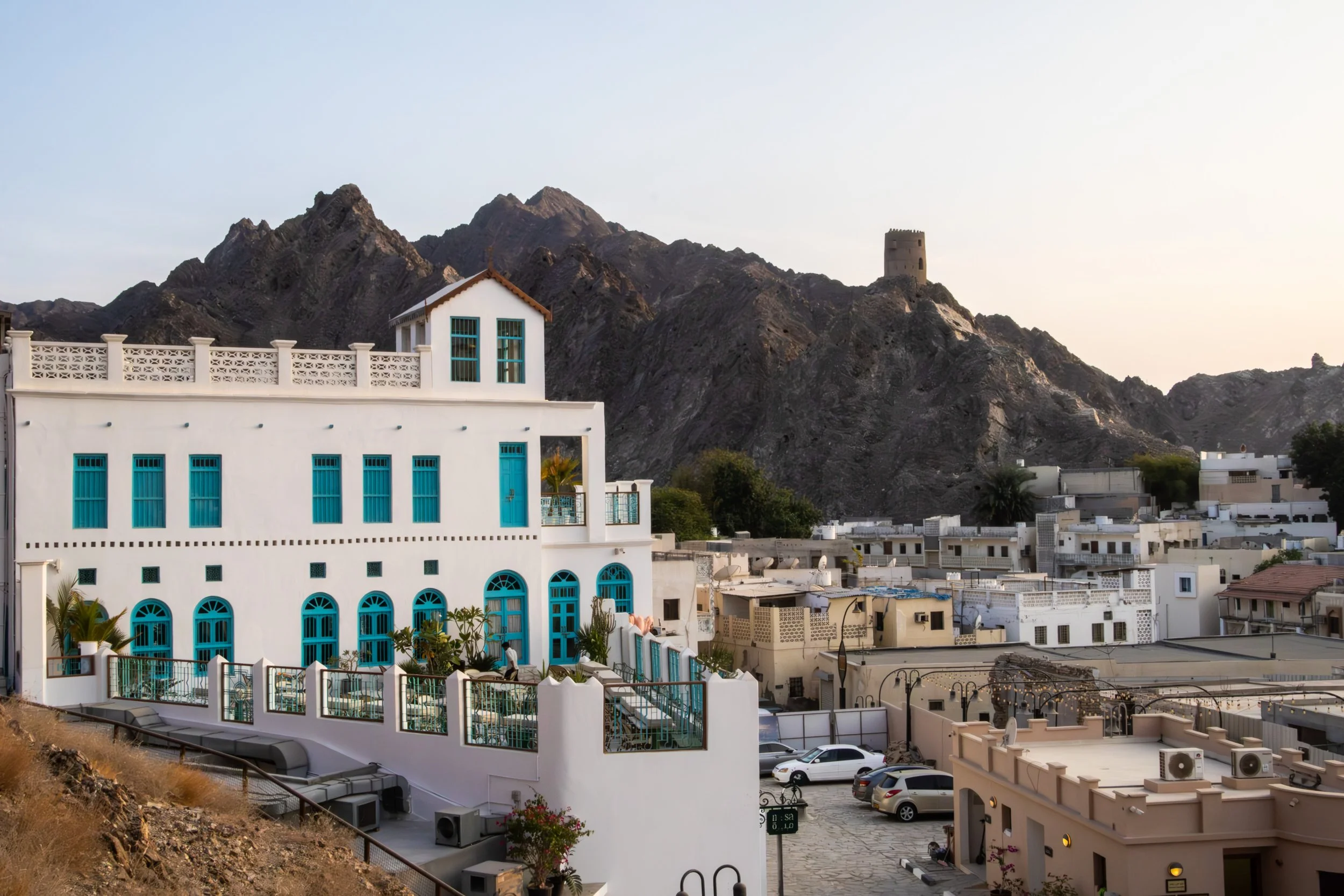
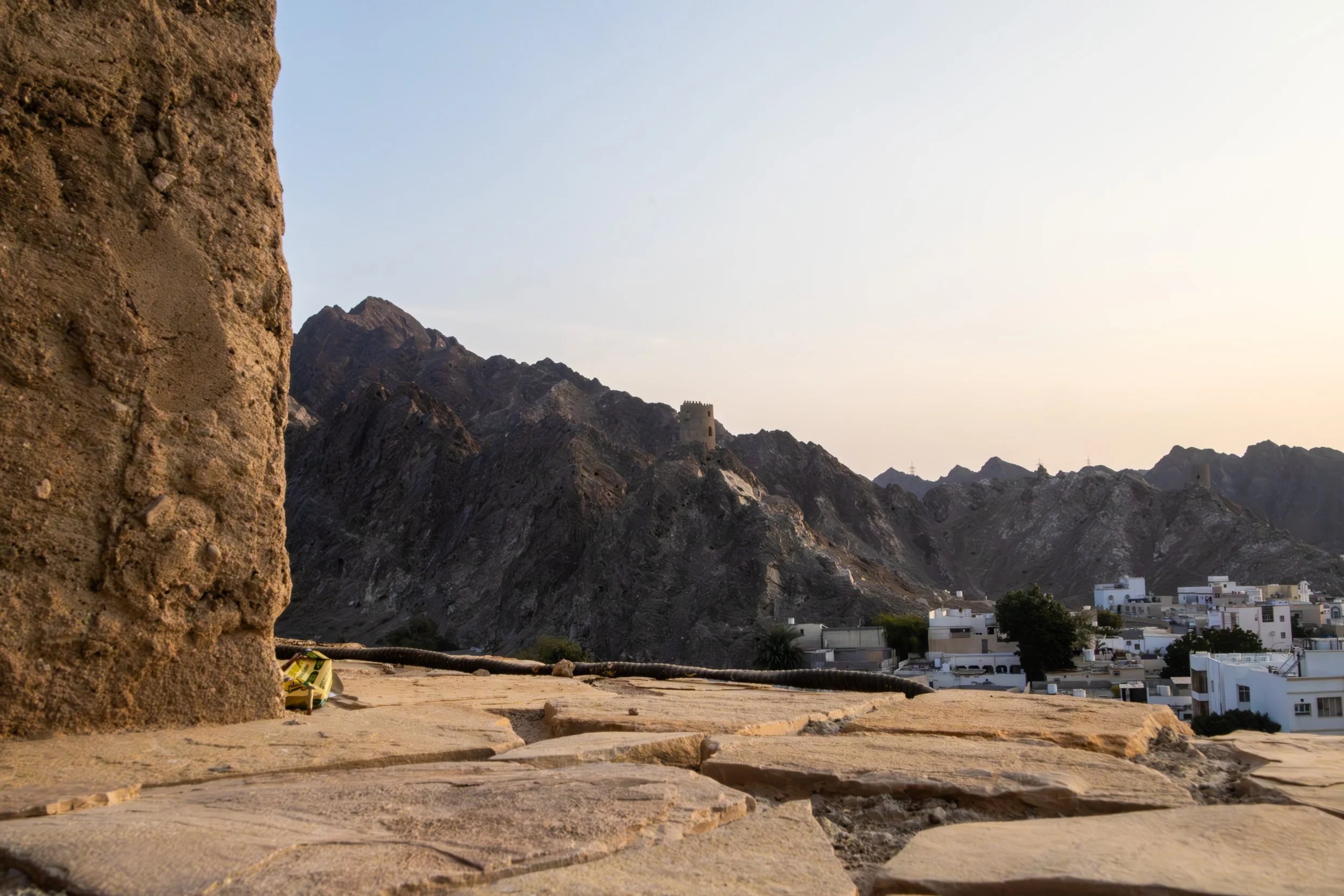
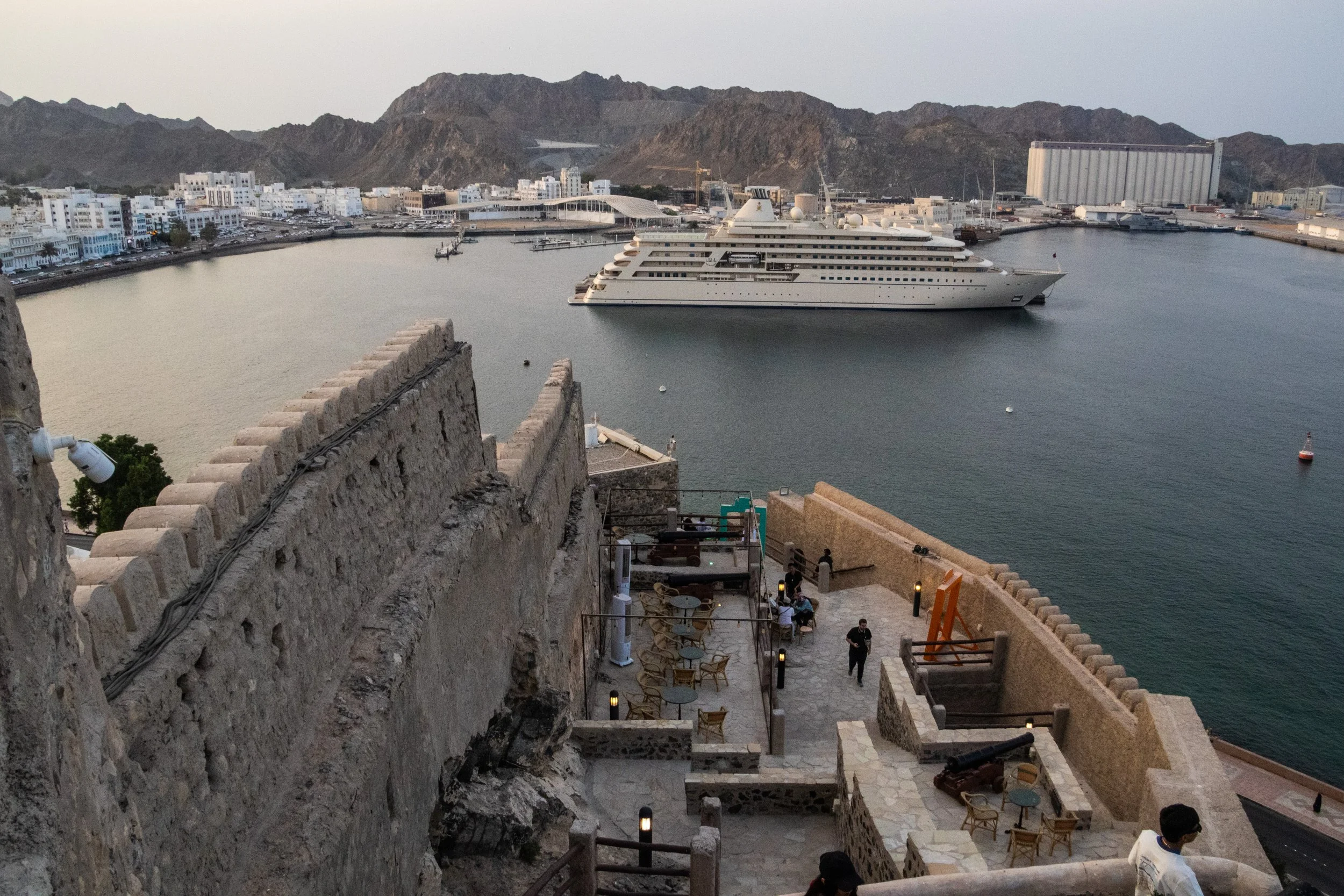
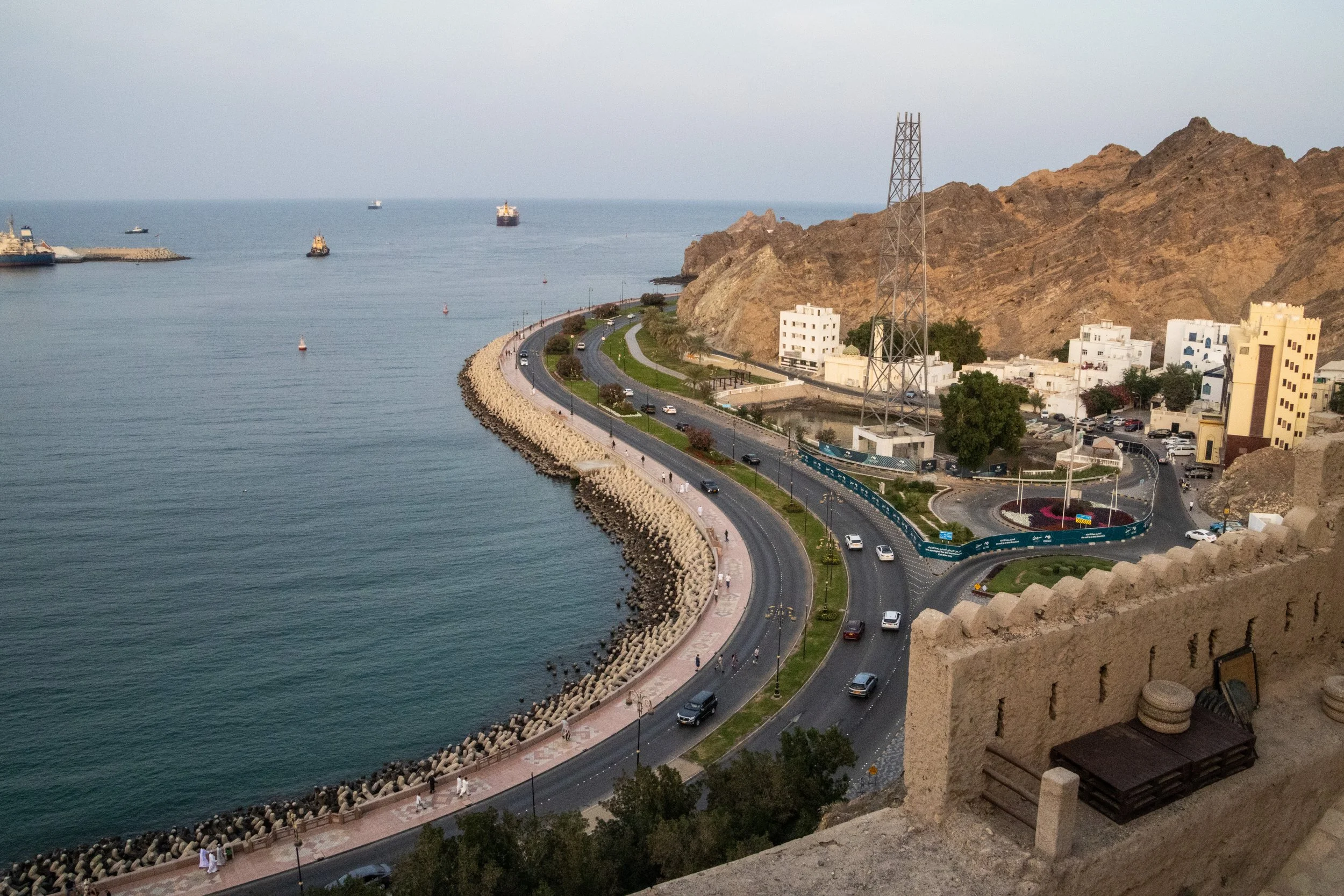
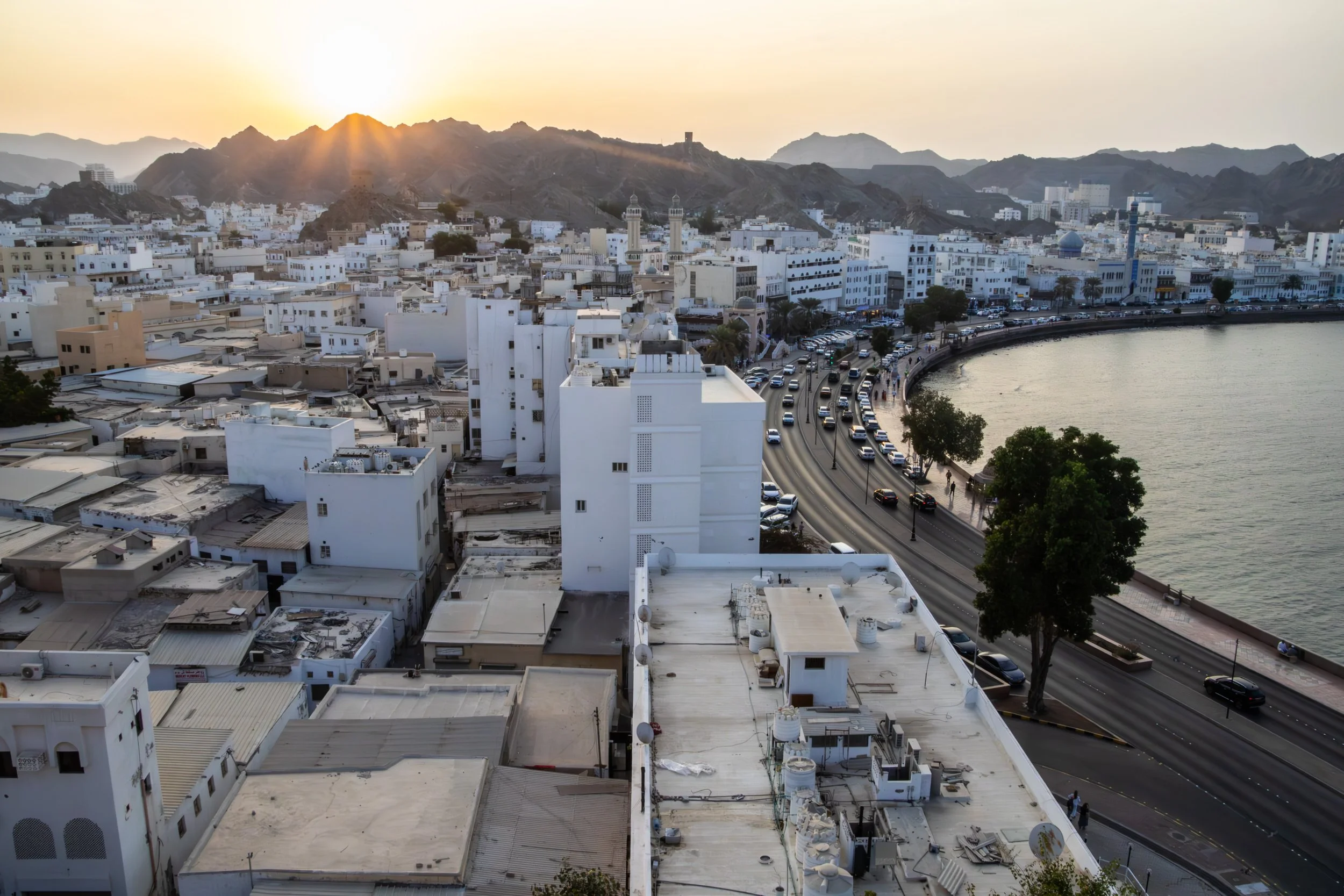
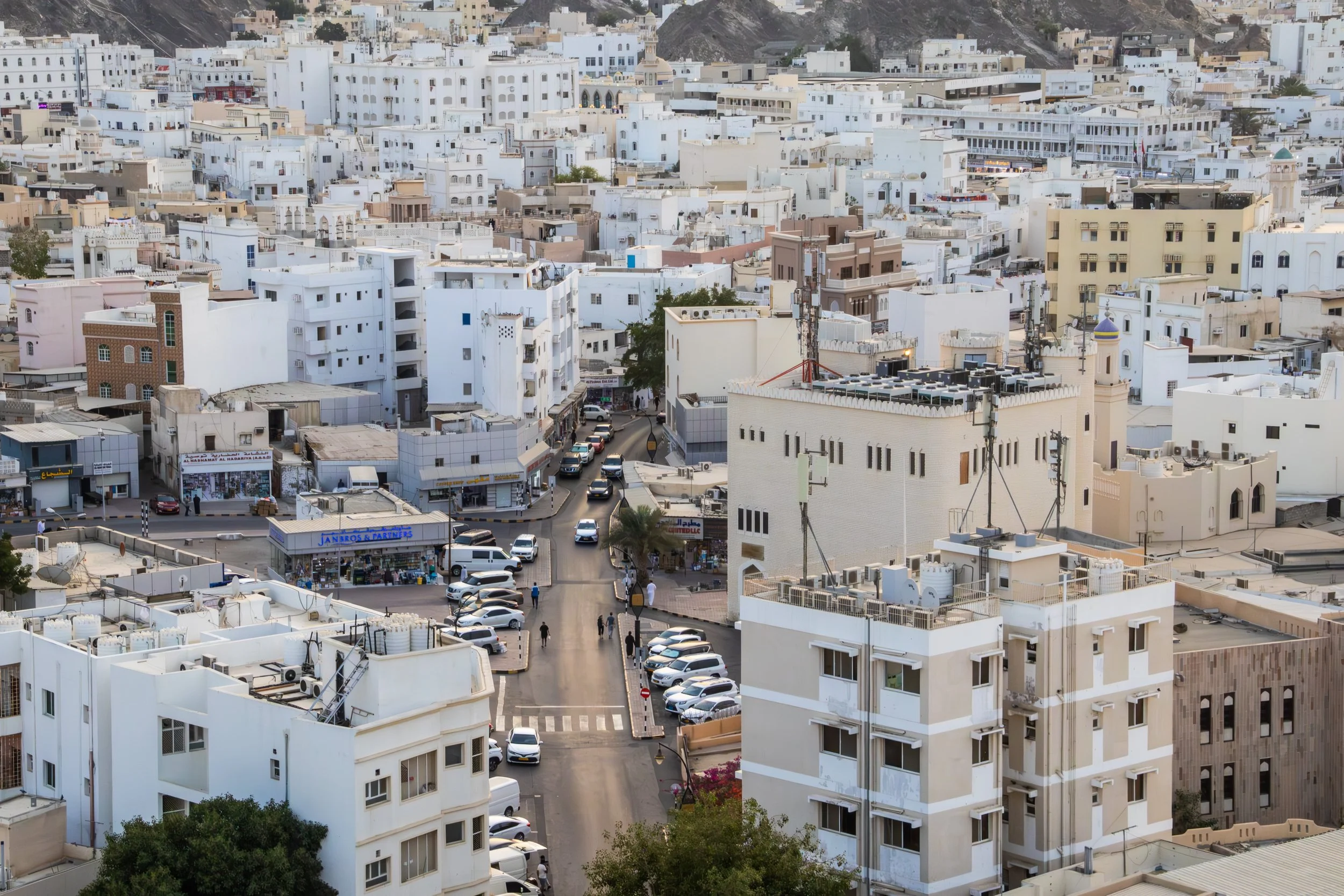
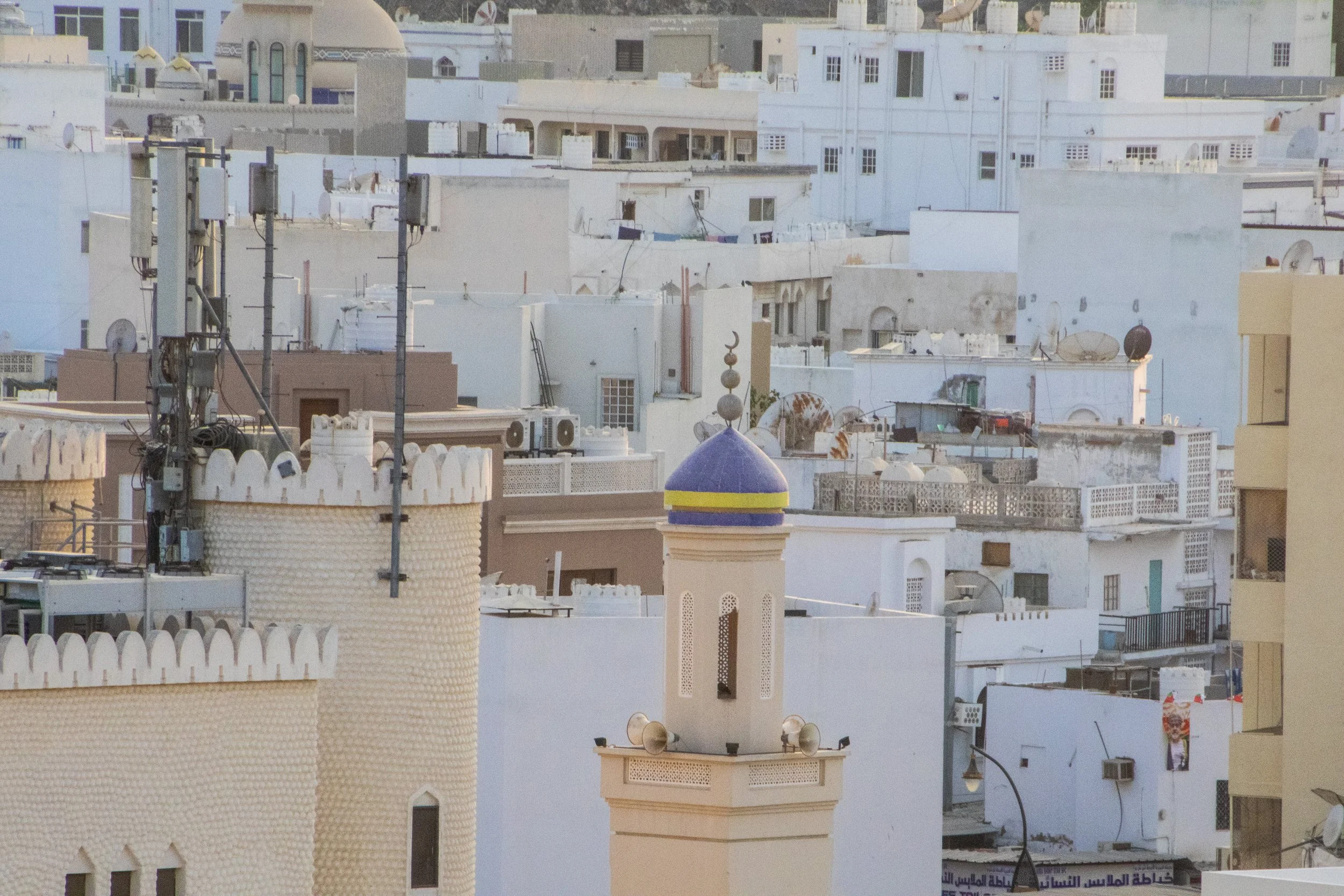
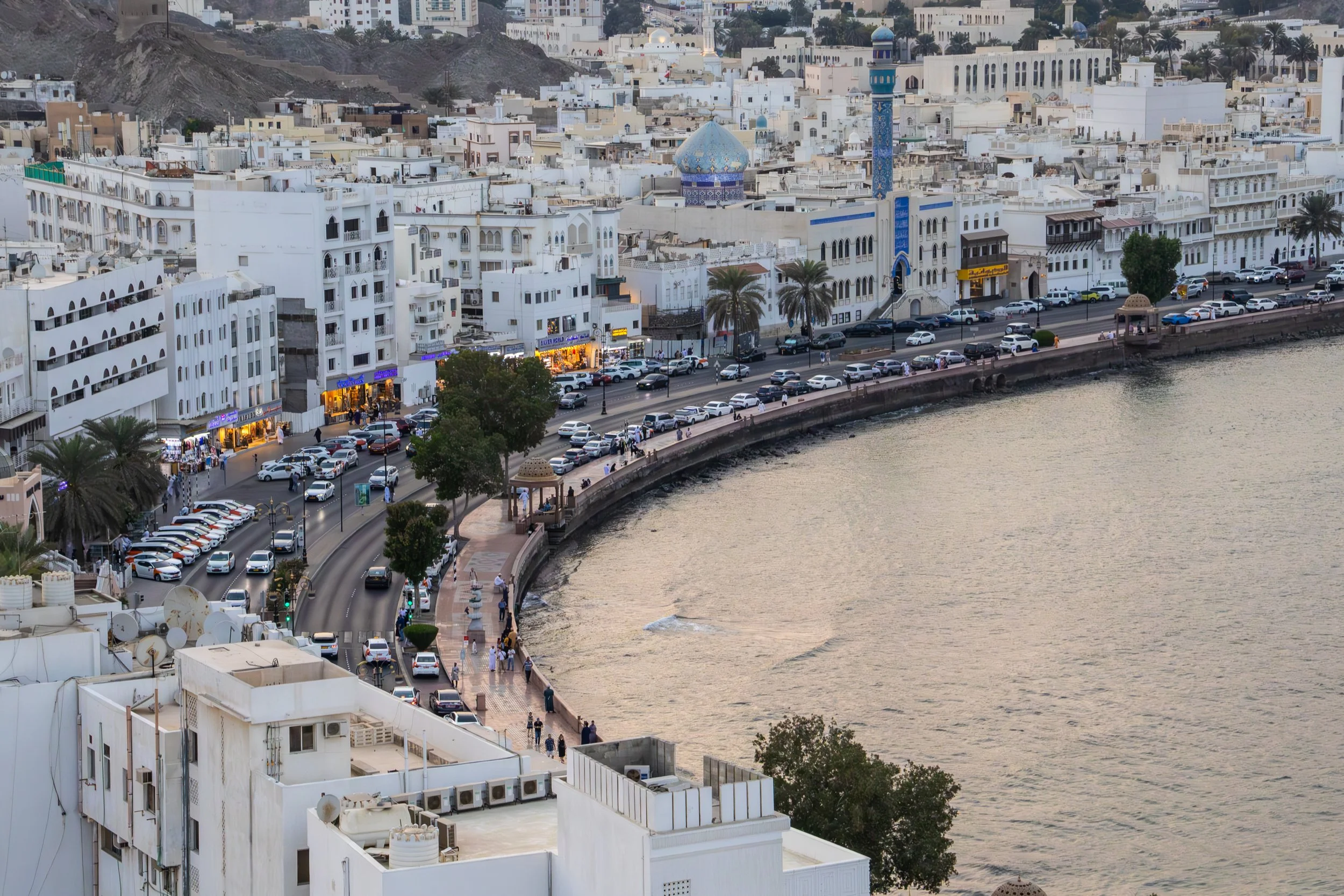
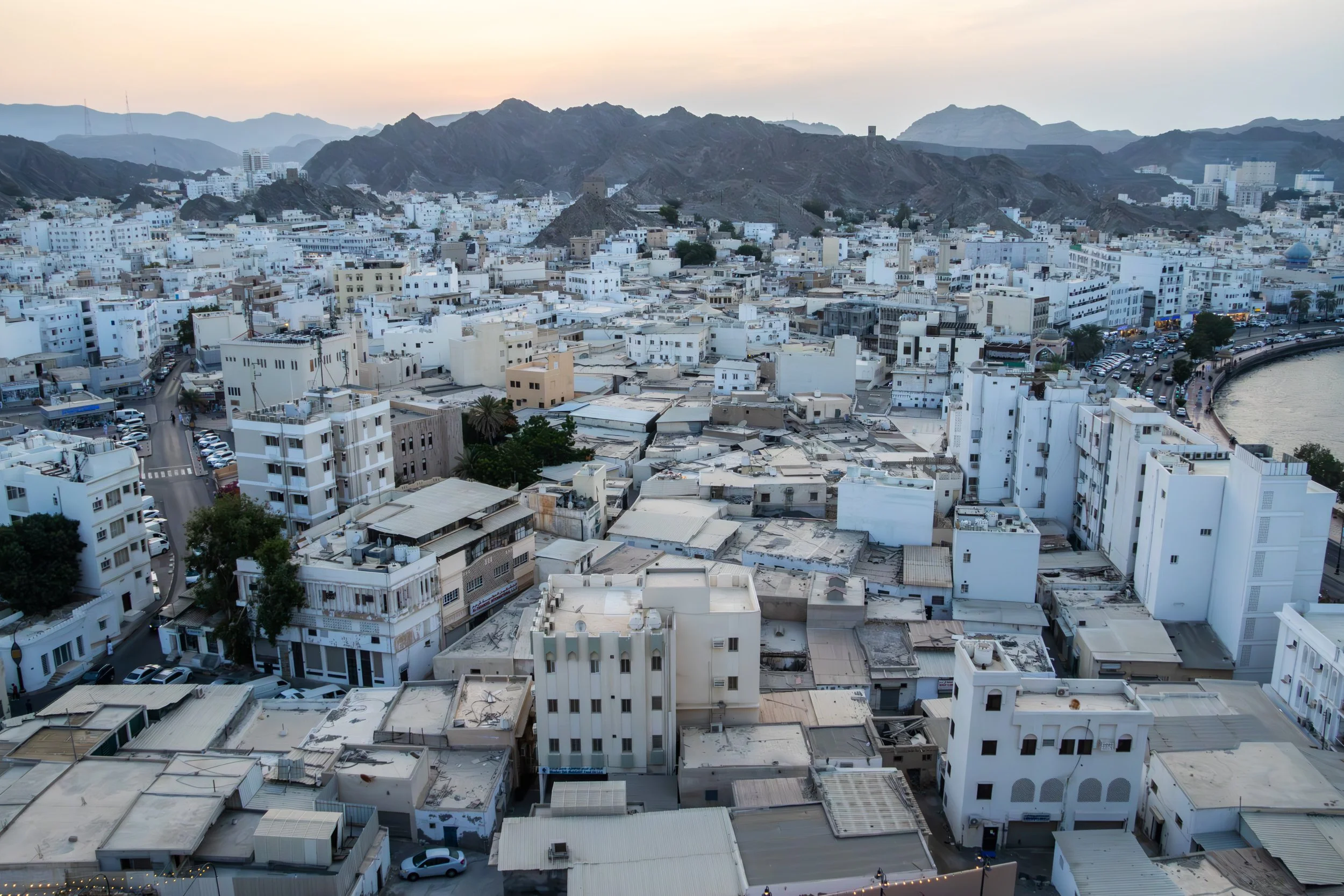
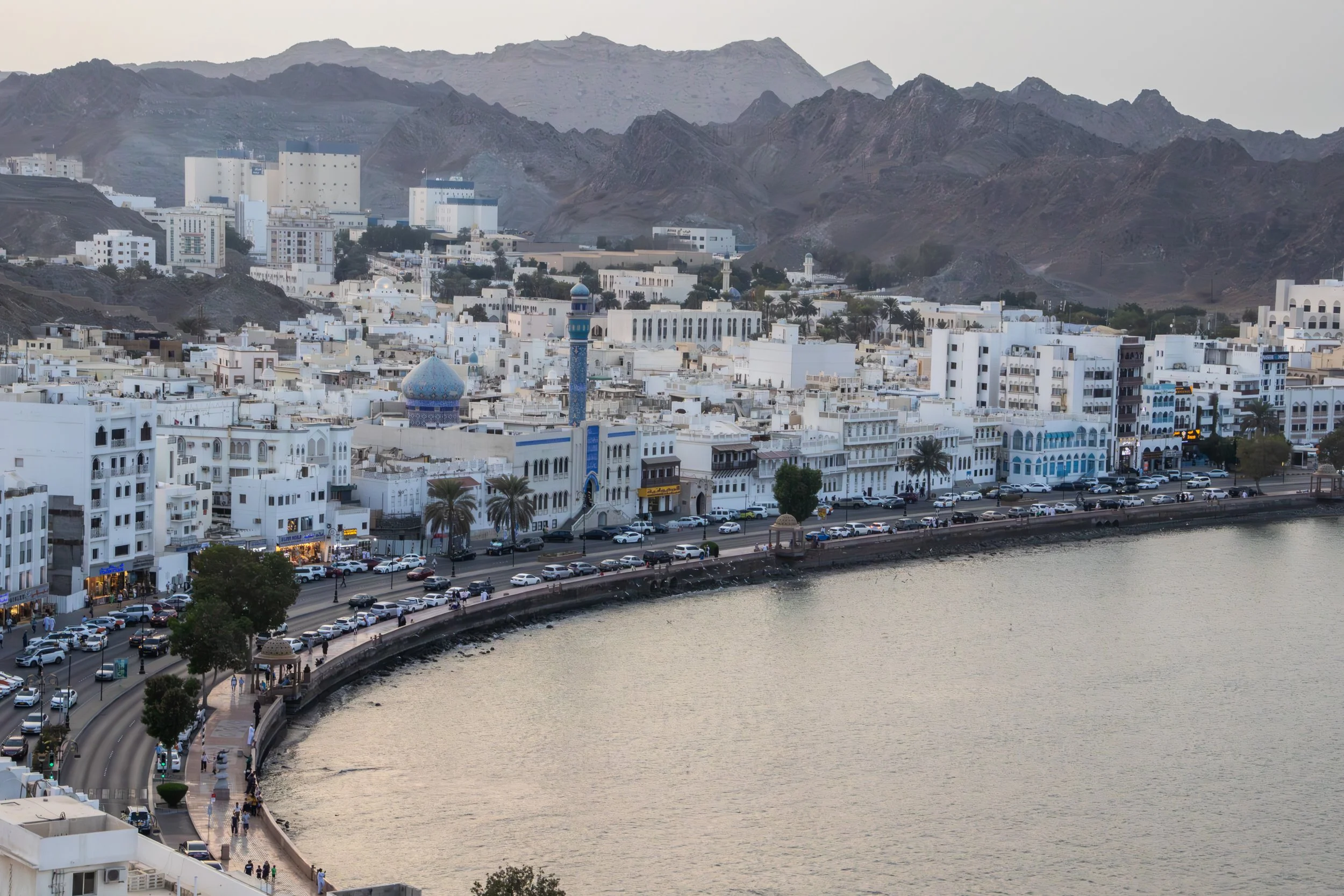
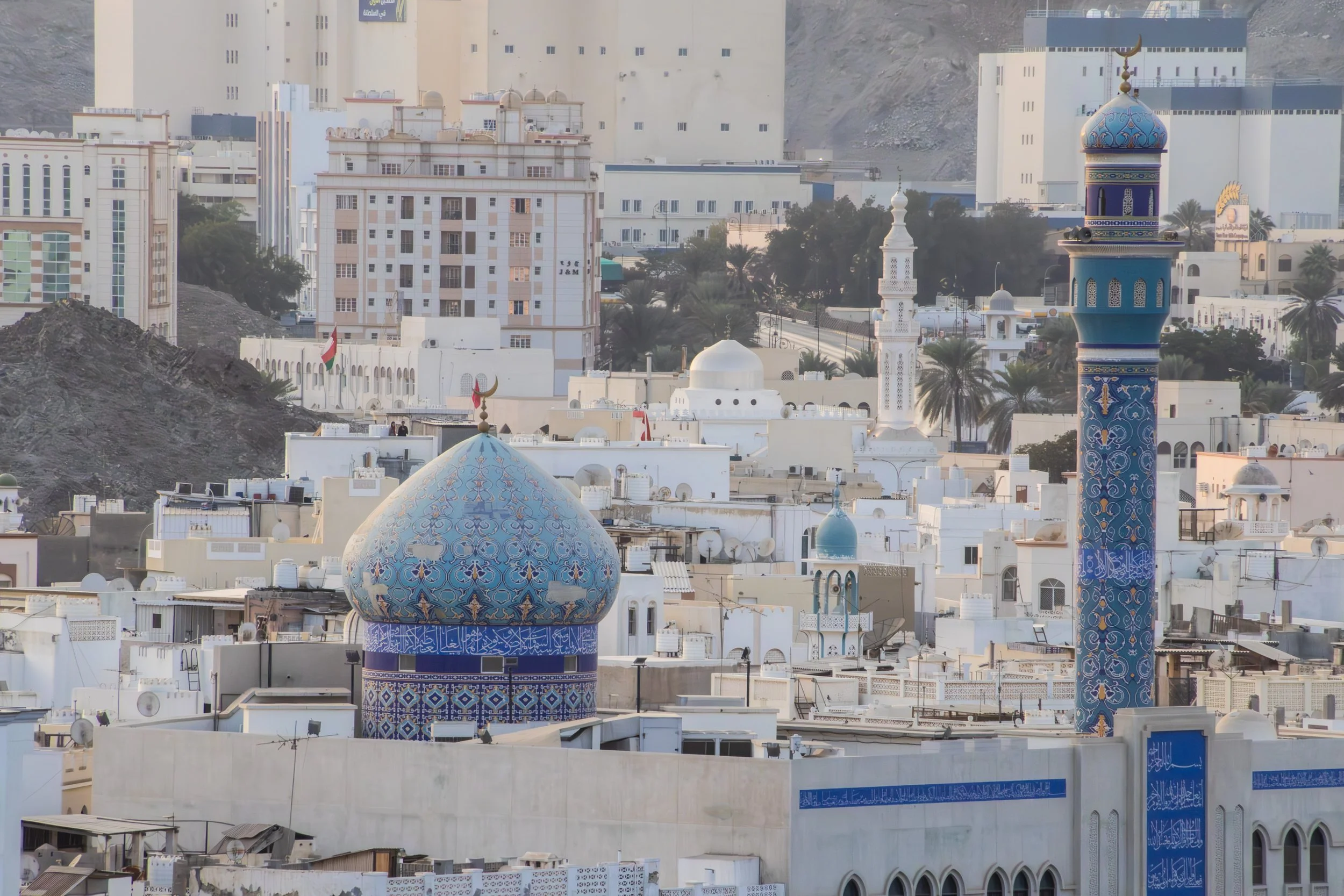
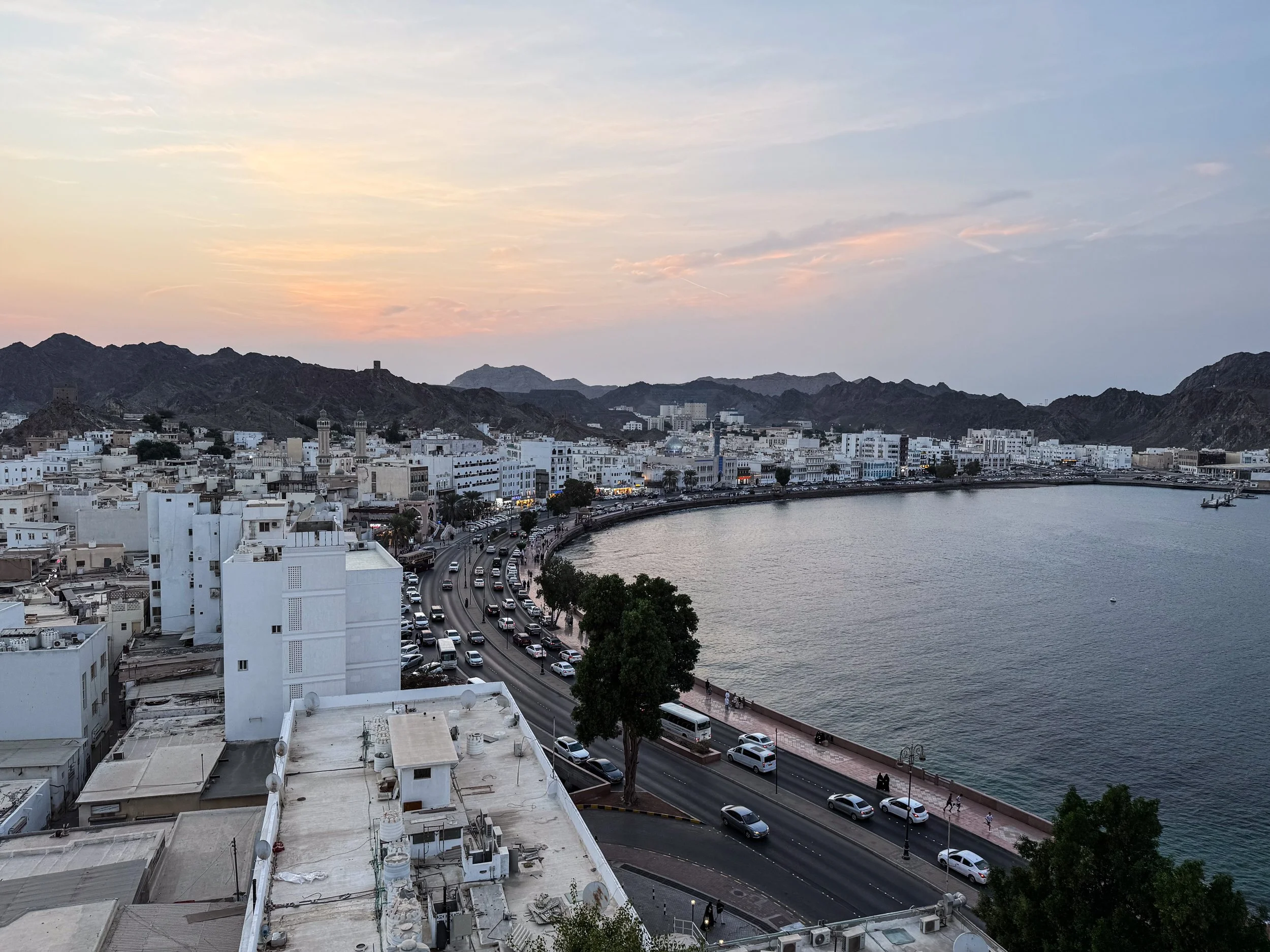
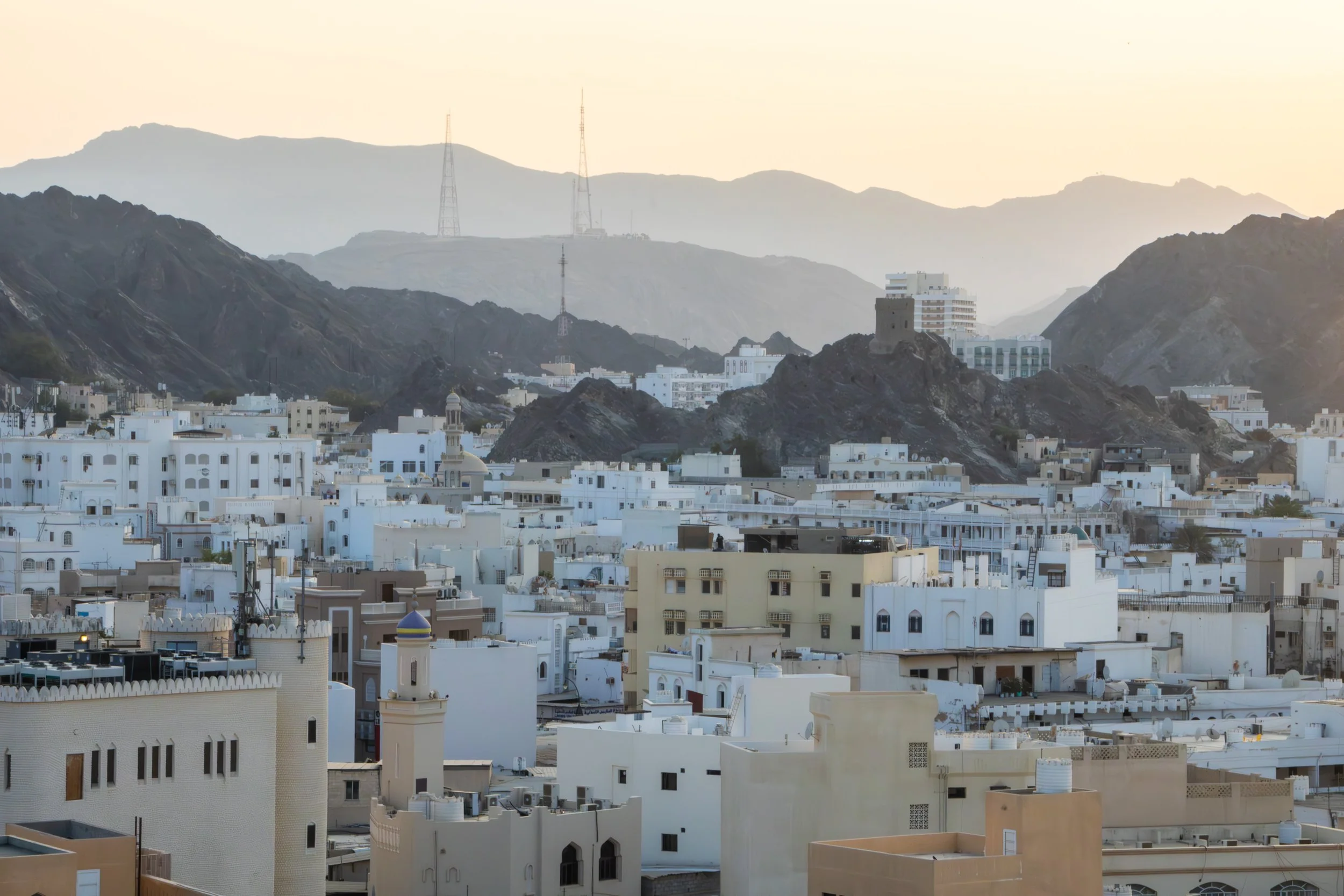
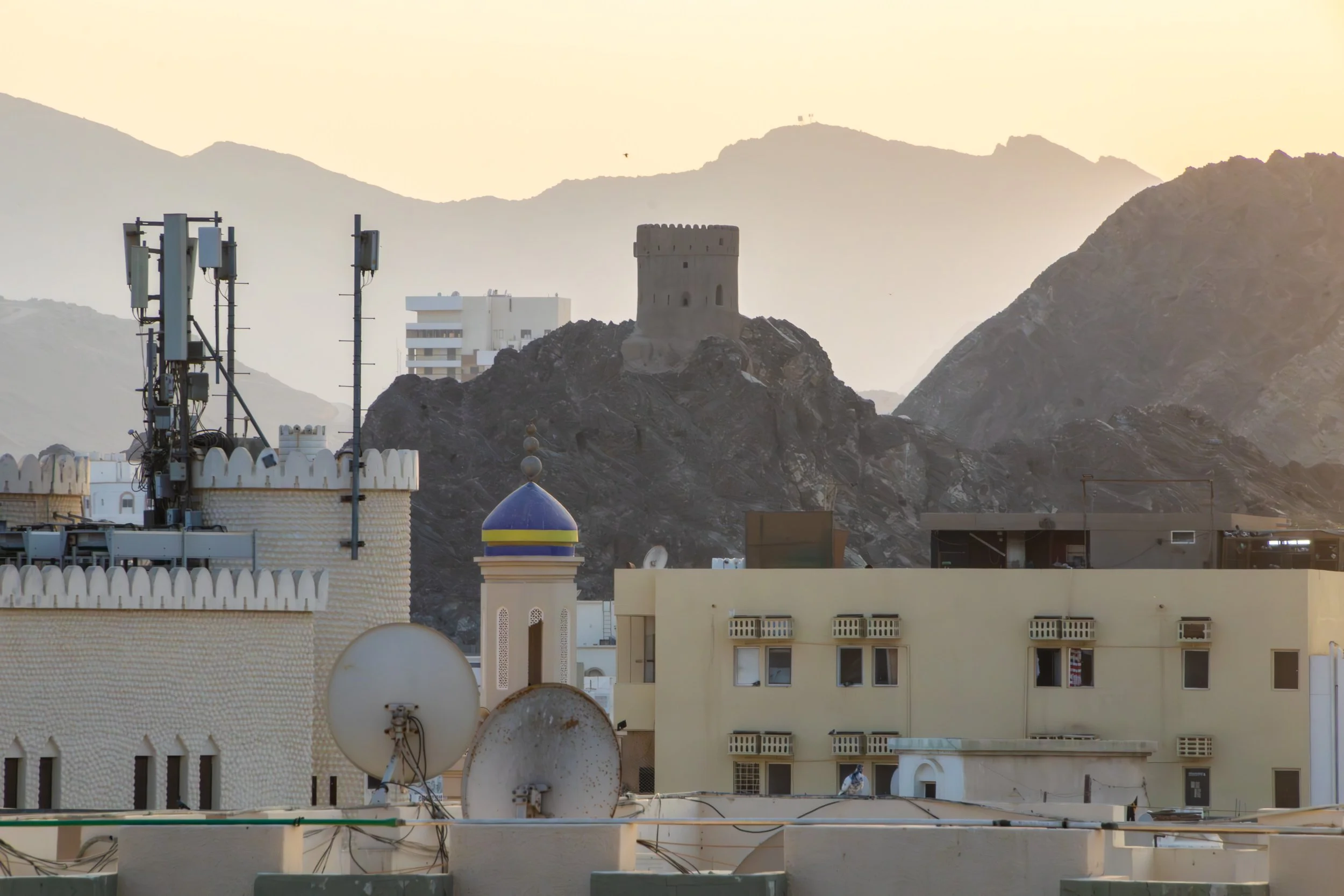
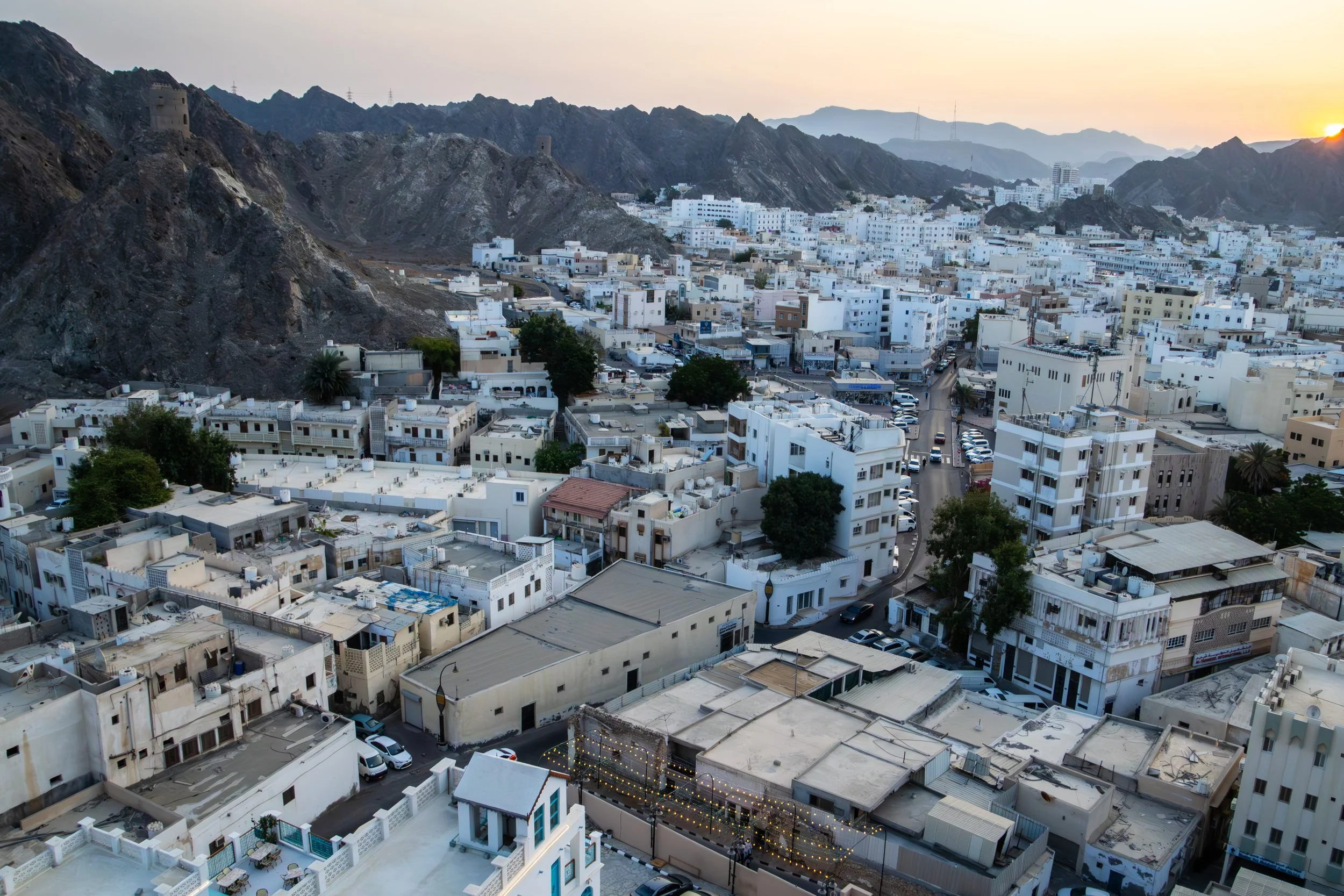
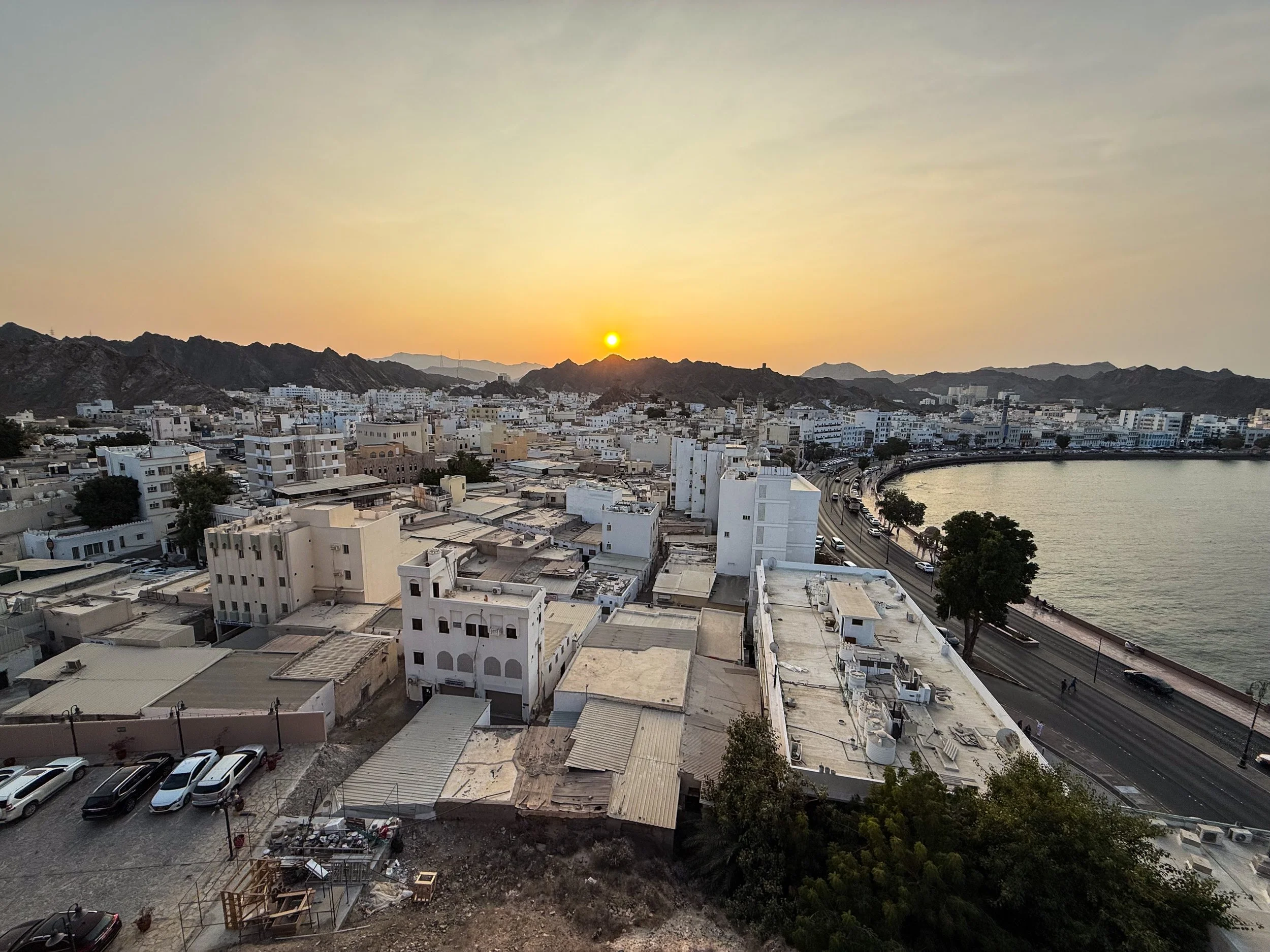
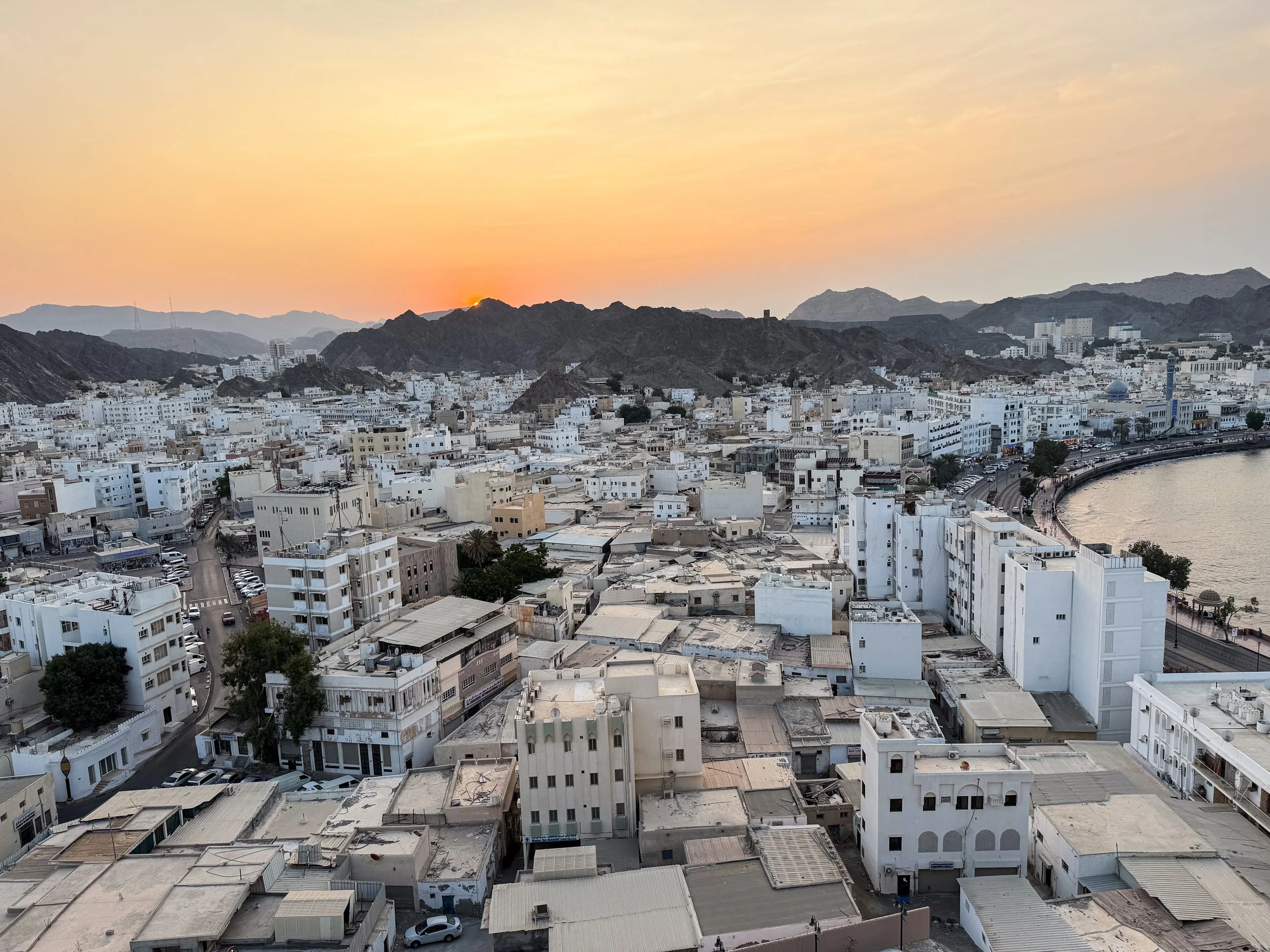
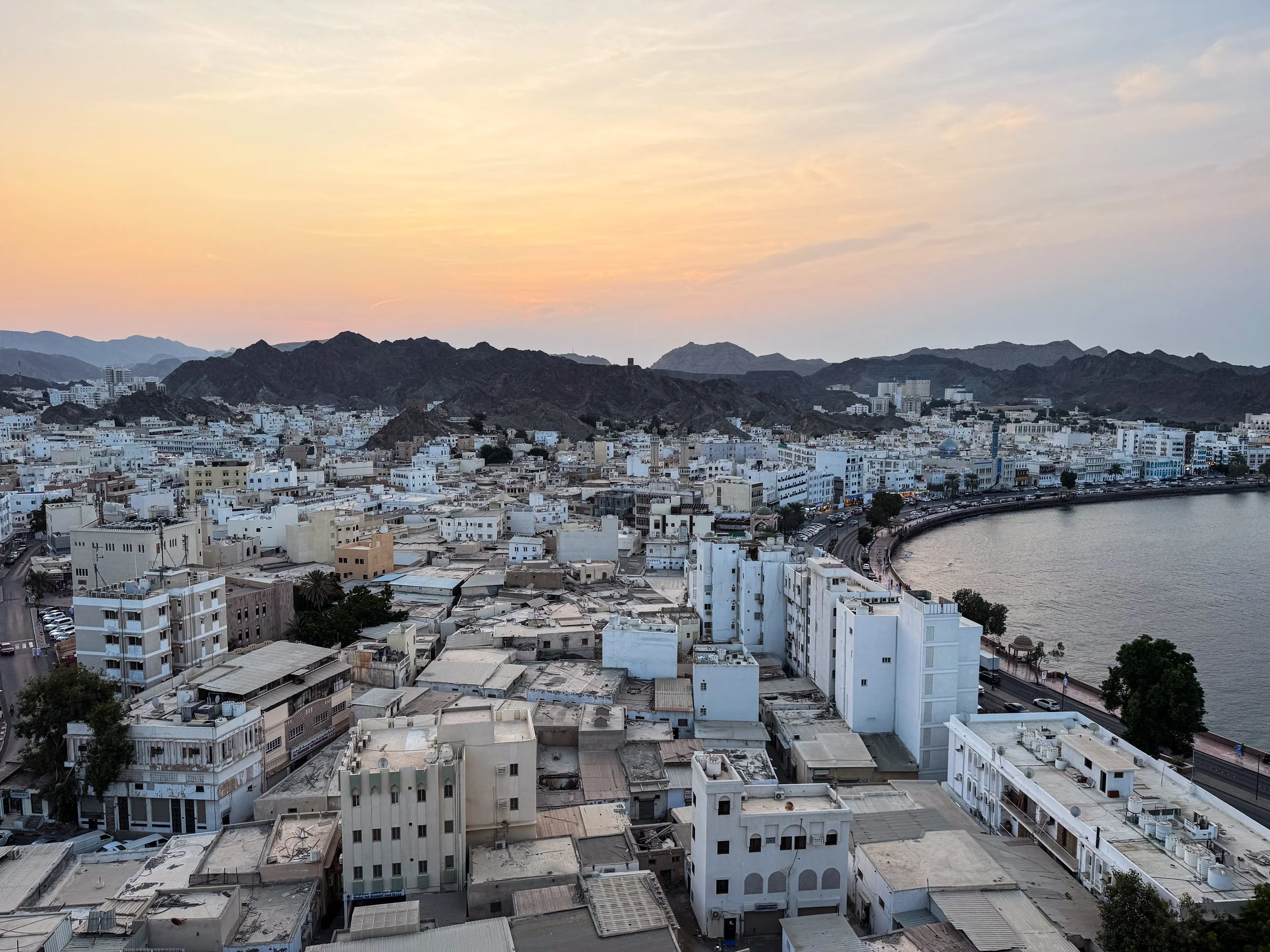
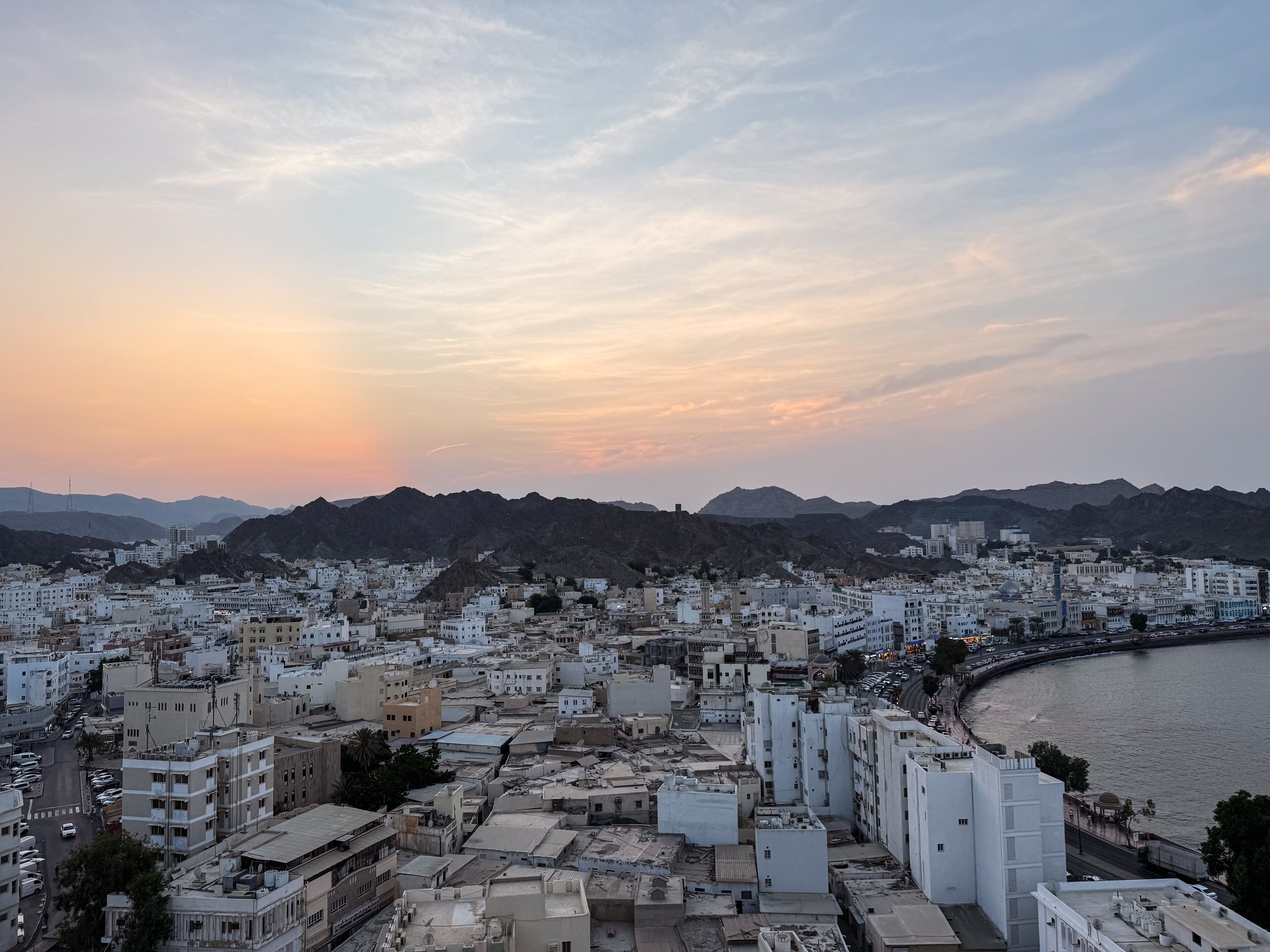
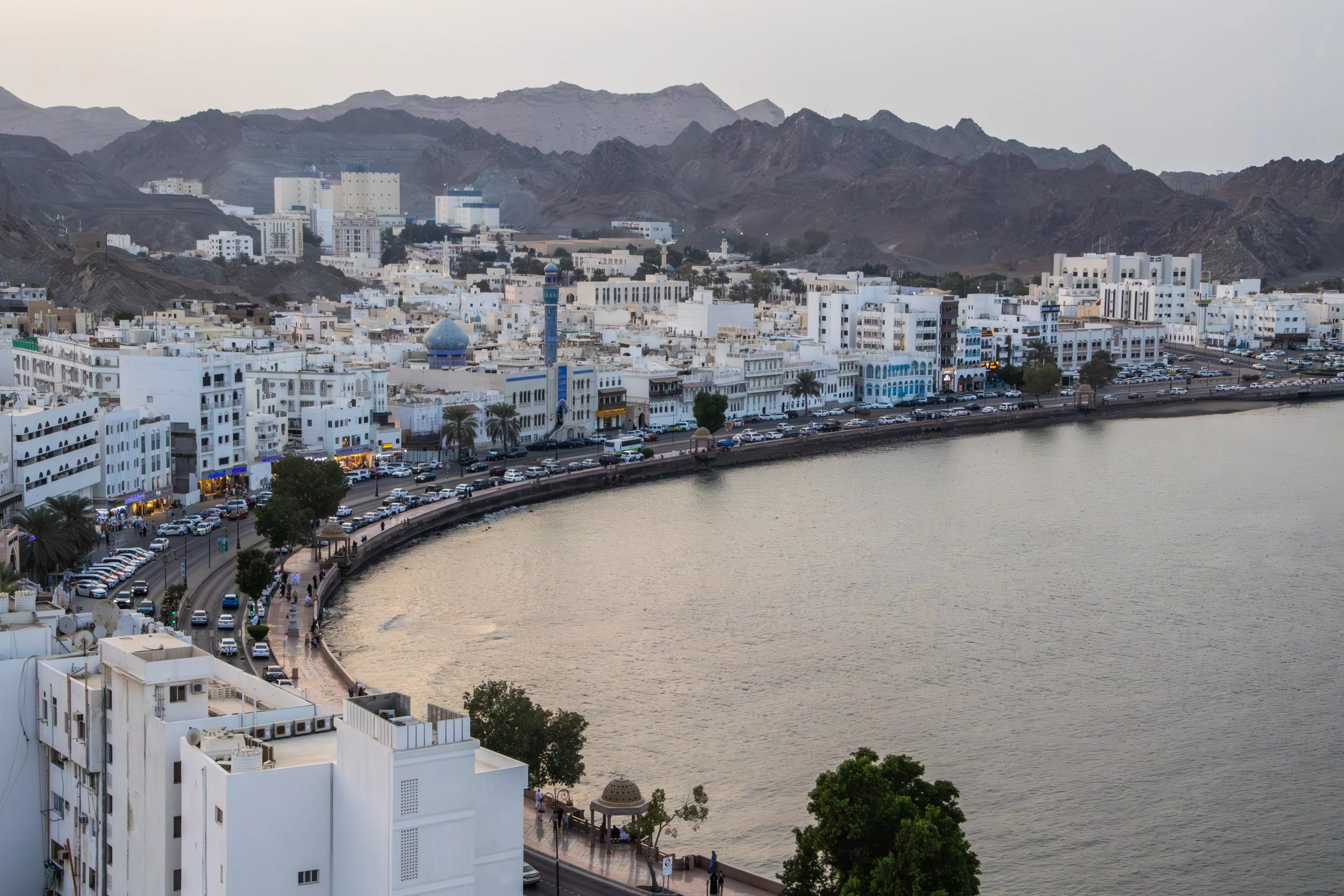
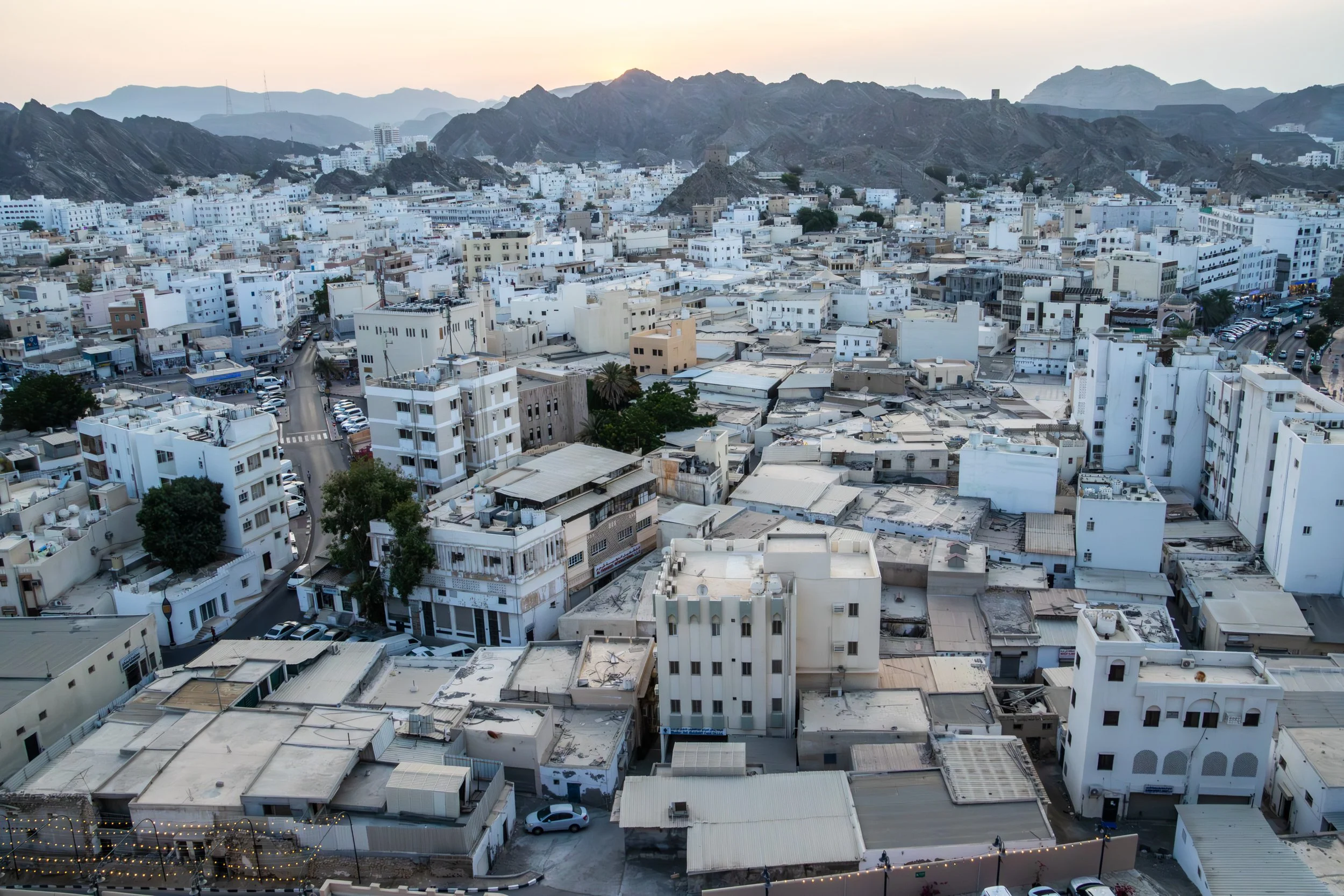
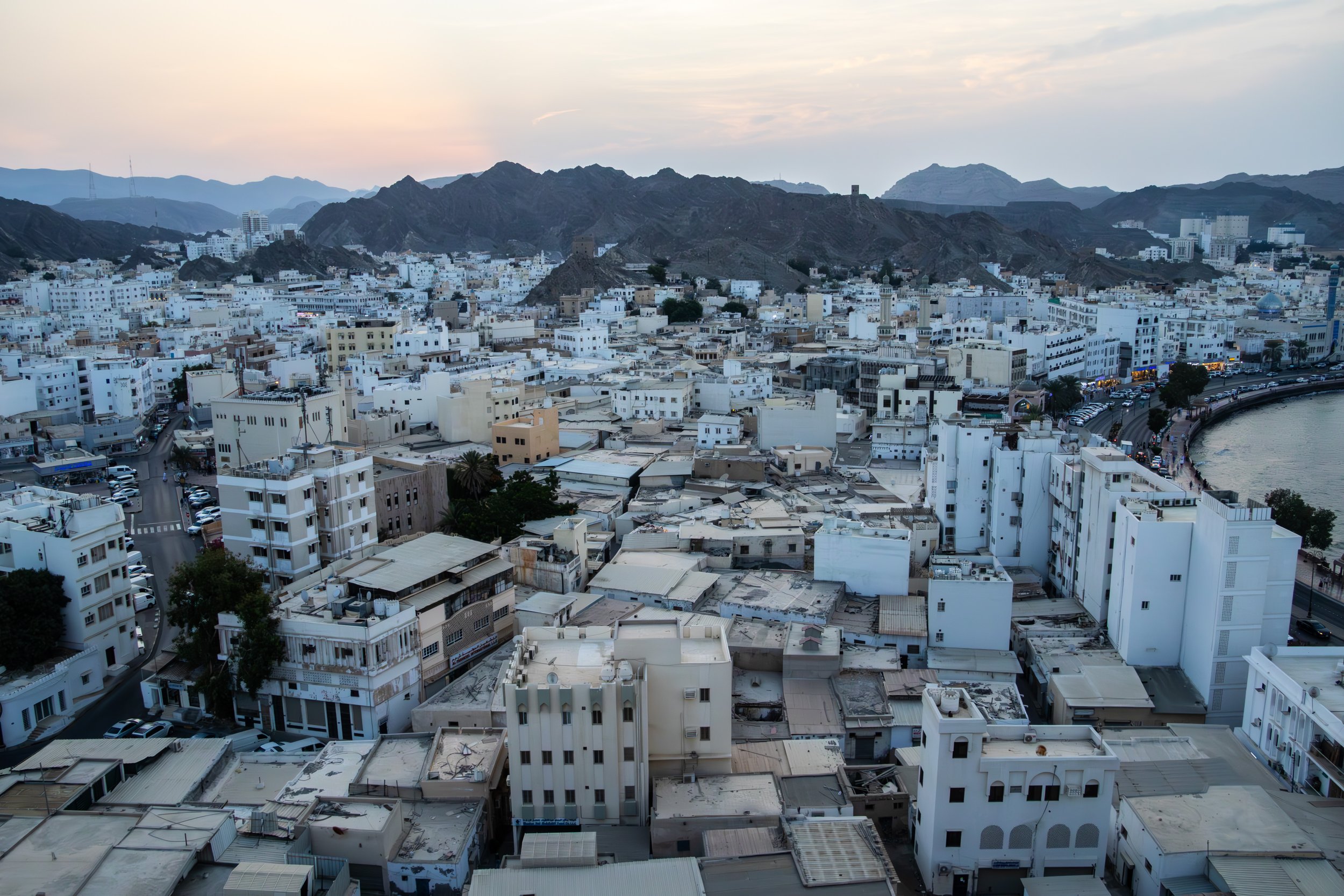
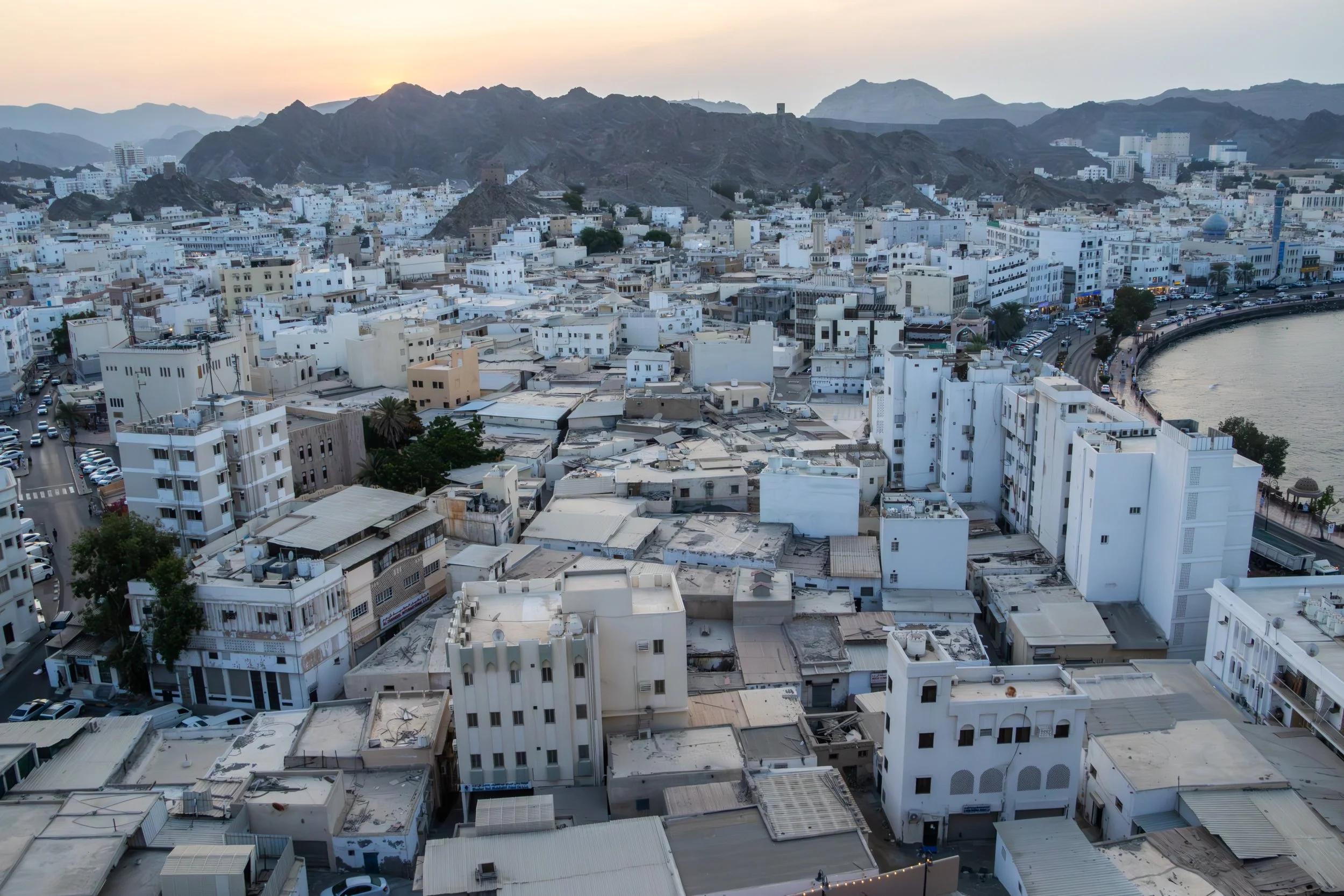
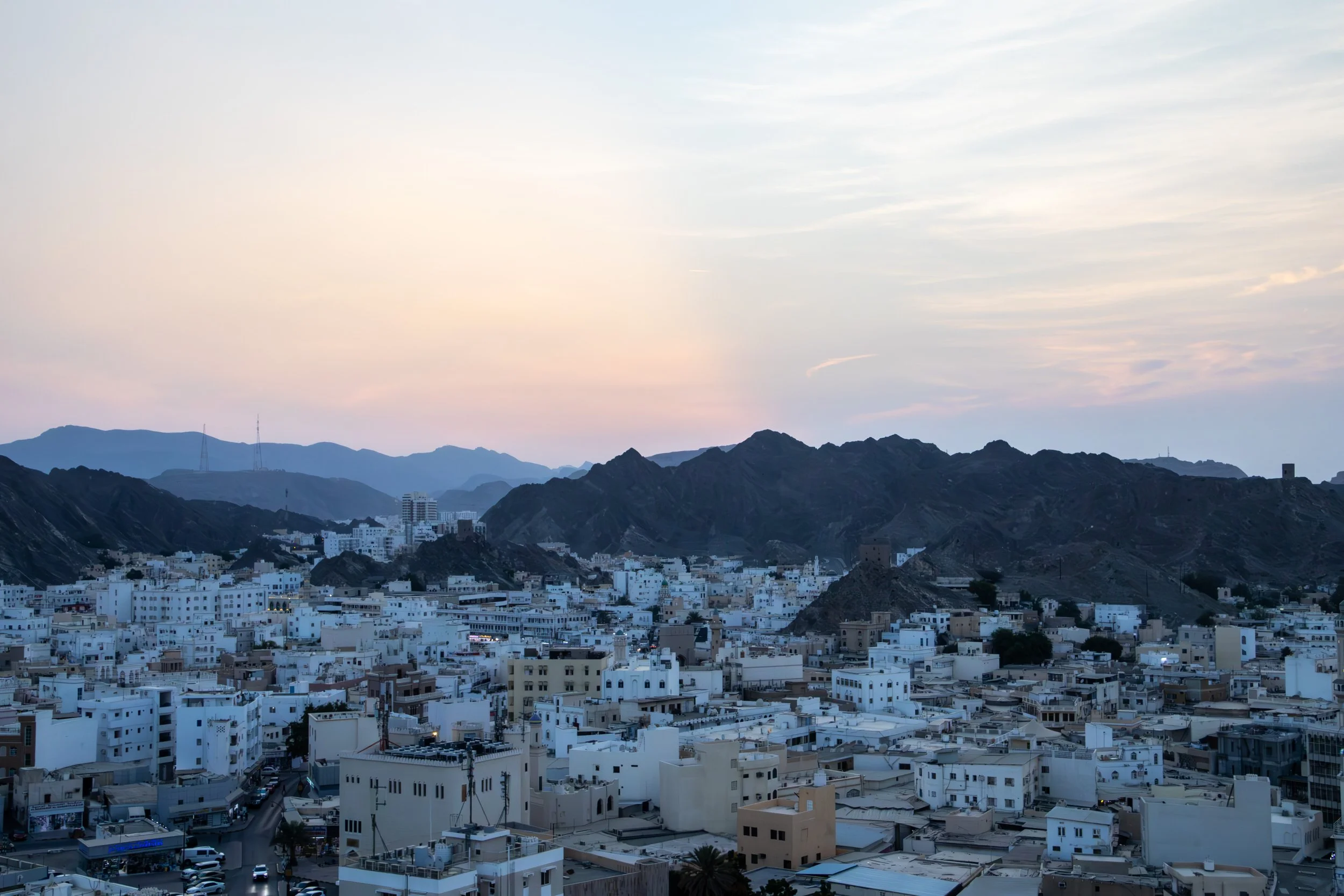
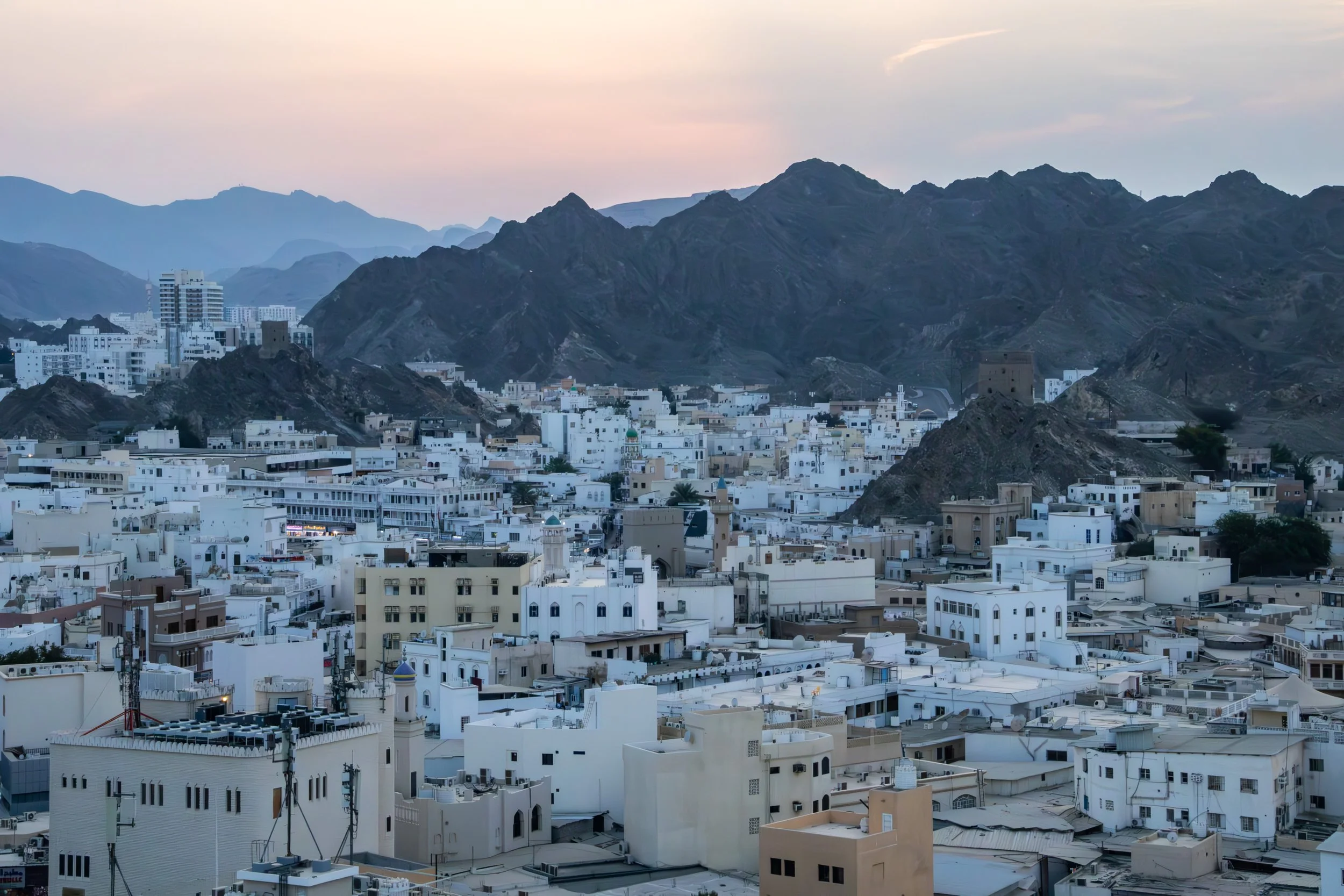
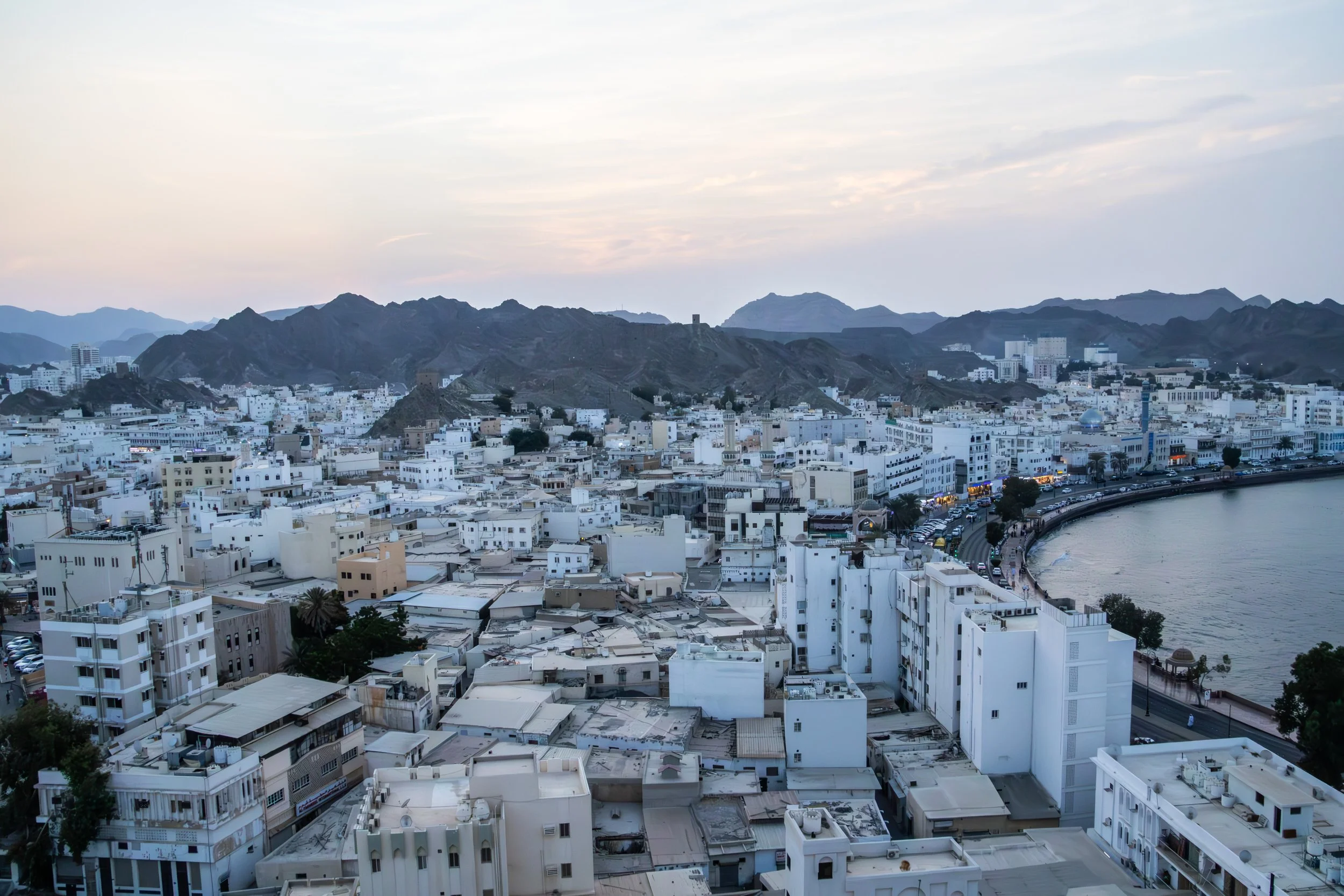
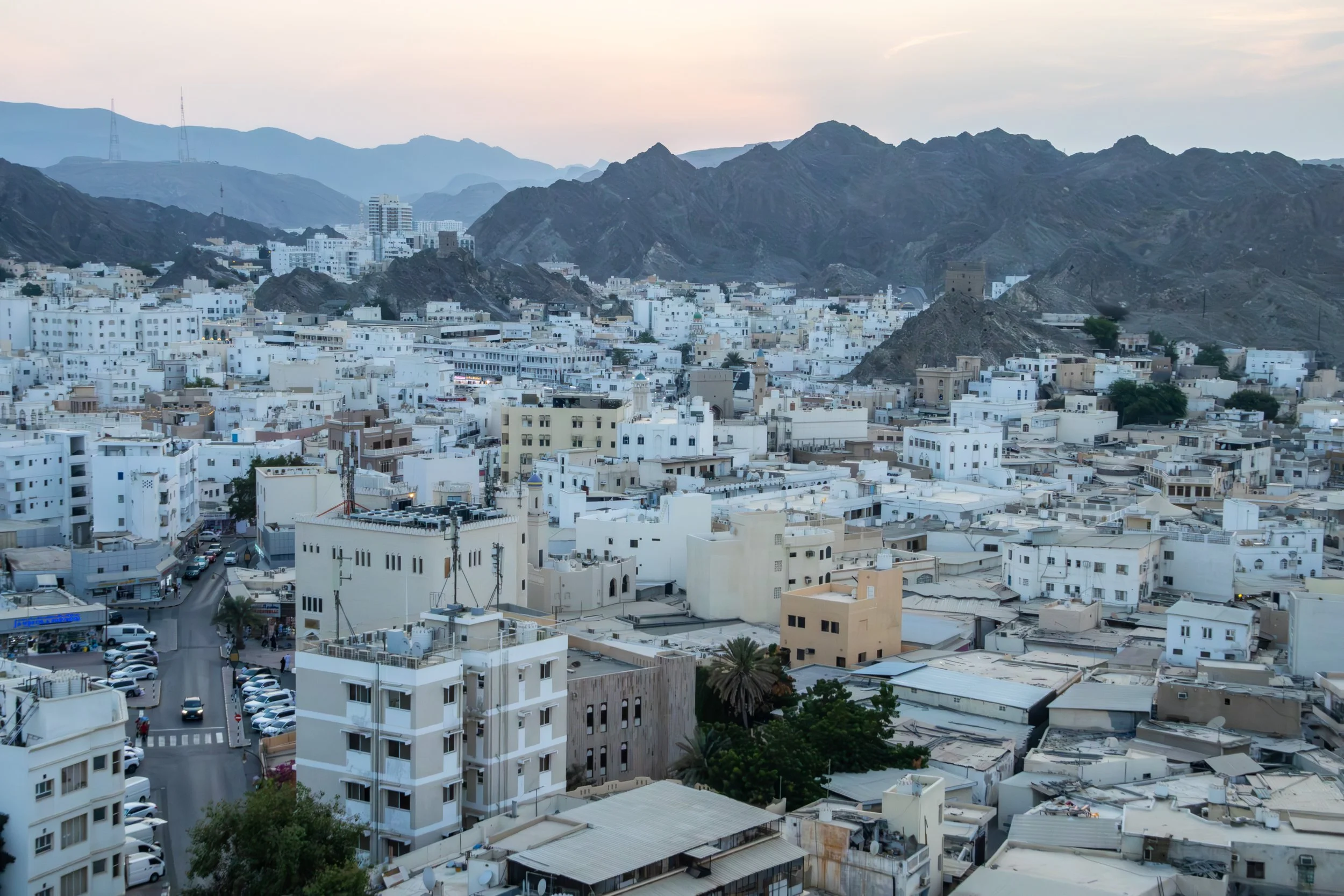
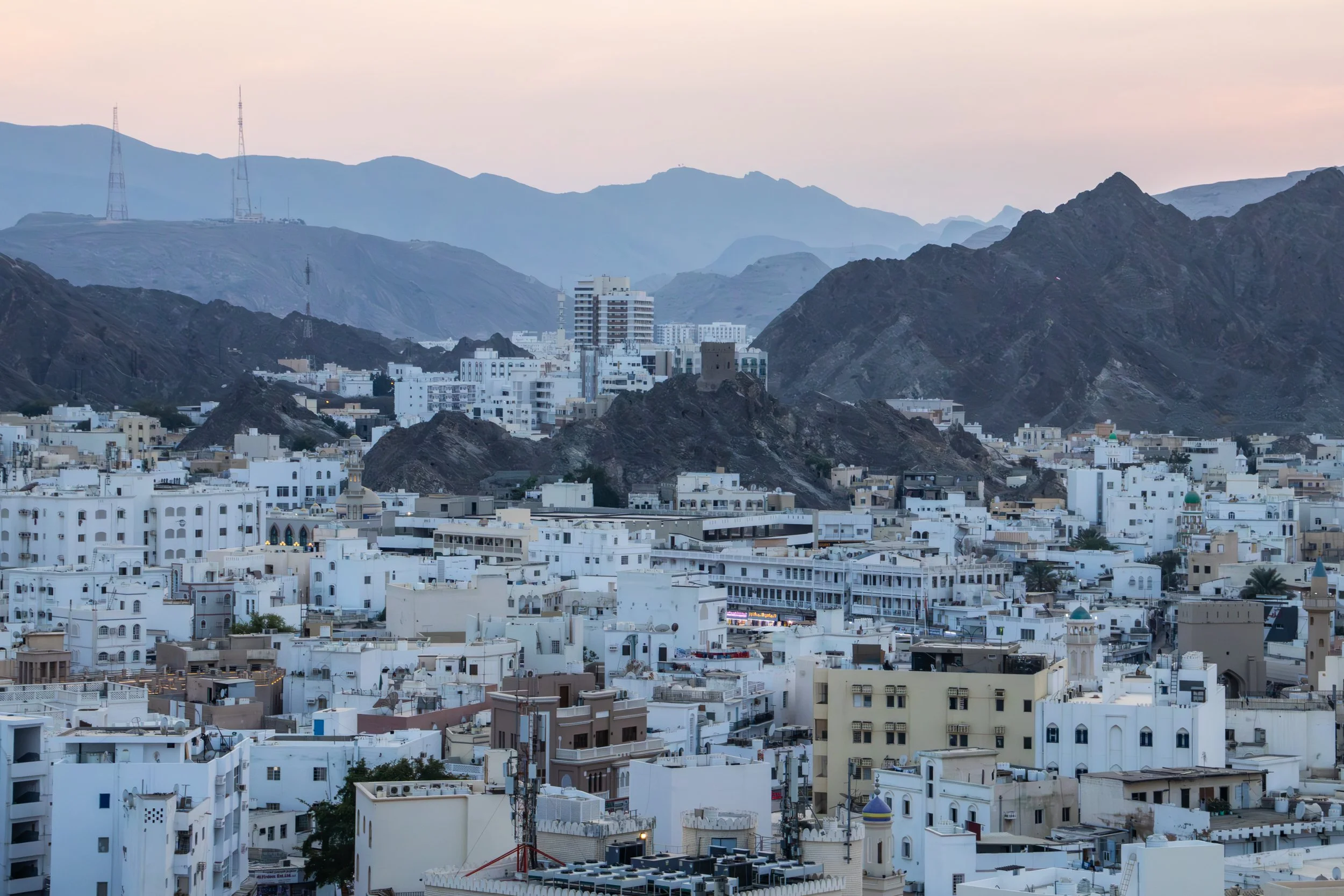
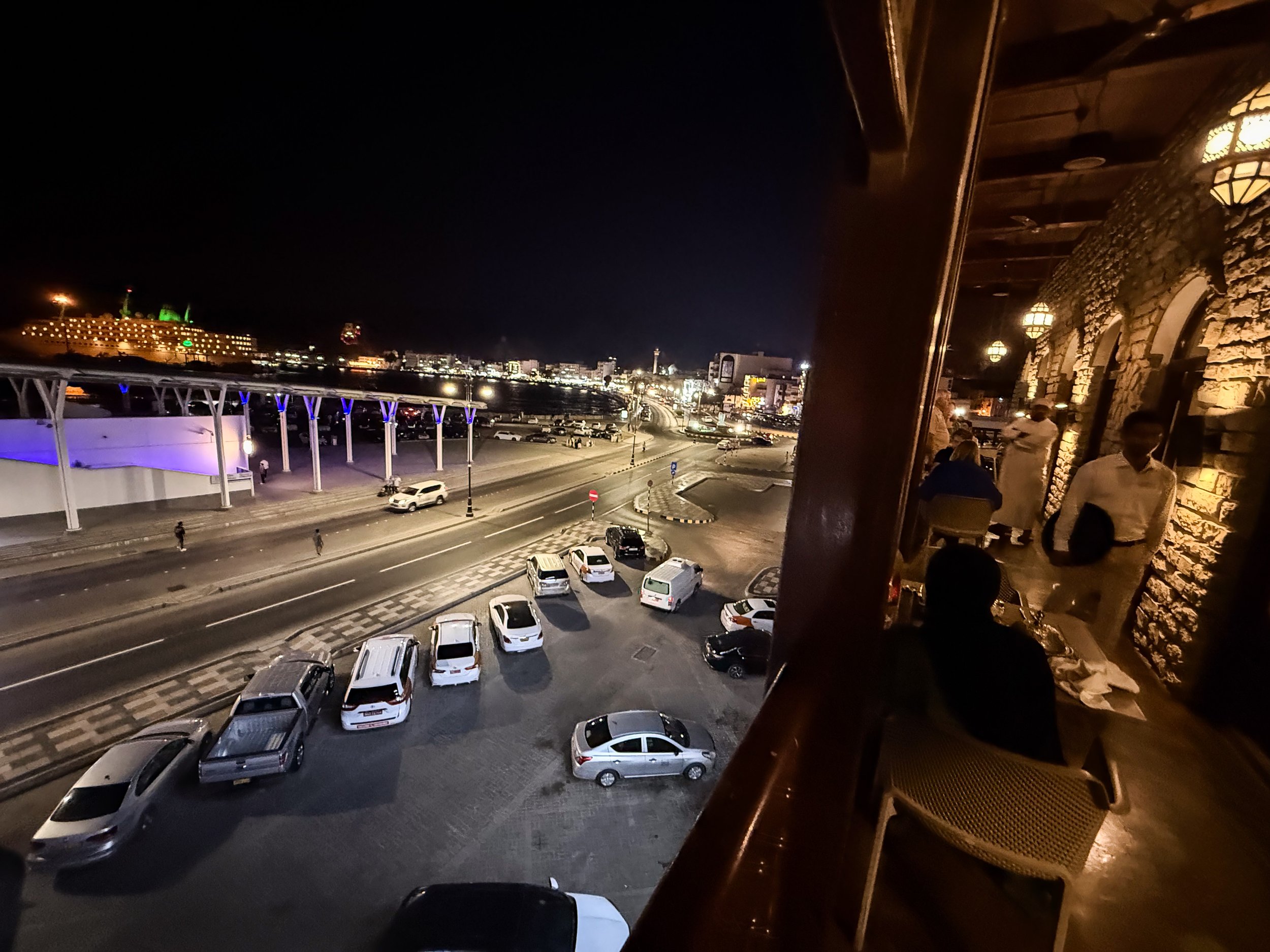
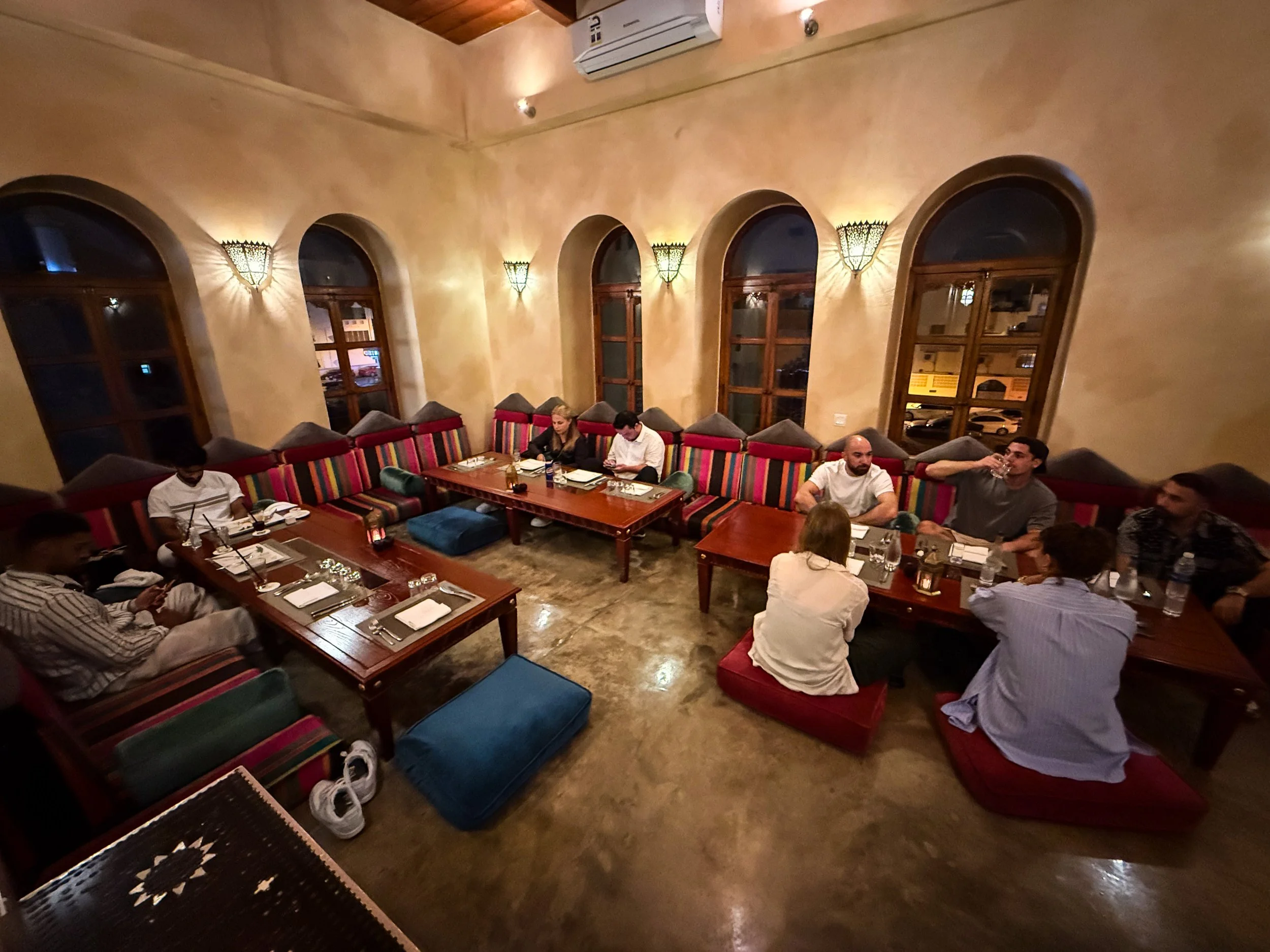
We finished our time in Mutrah with dinner at a restaurant called Bait Al Luban, which was excellent. We found it through a quick scan of Google Maps, but I realized later that this was actually one of the places visited by Anthony Bourdain on his visit to Muscat!
In getting to this restaurant, we had to cross a very busy street. The actual cross-walks were pretty far away, so we were perched on the side of the road, ready jog across as soon as there was a break in traffic. Just then, a police car pulled up, saw me obviously poised to J-walk, and flipped its lights on as it slowed down. I groaned, ready to be in trouble, but to my pleasant surprise, they actually waved us across. They’d held up traffic to give us room to cross! +10 points for Oman right there!
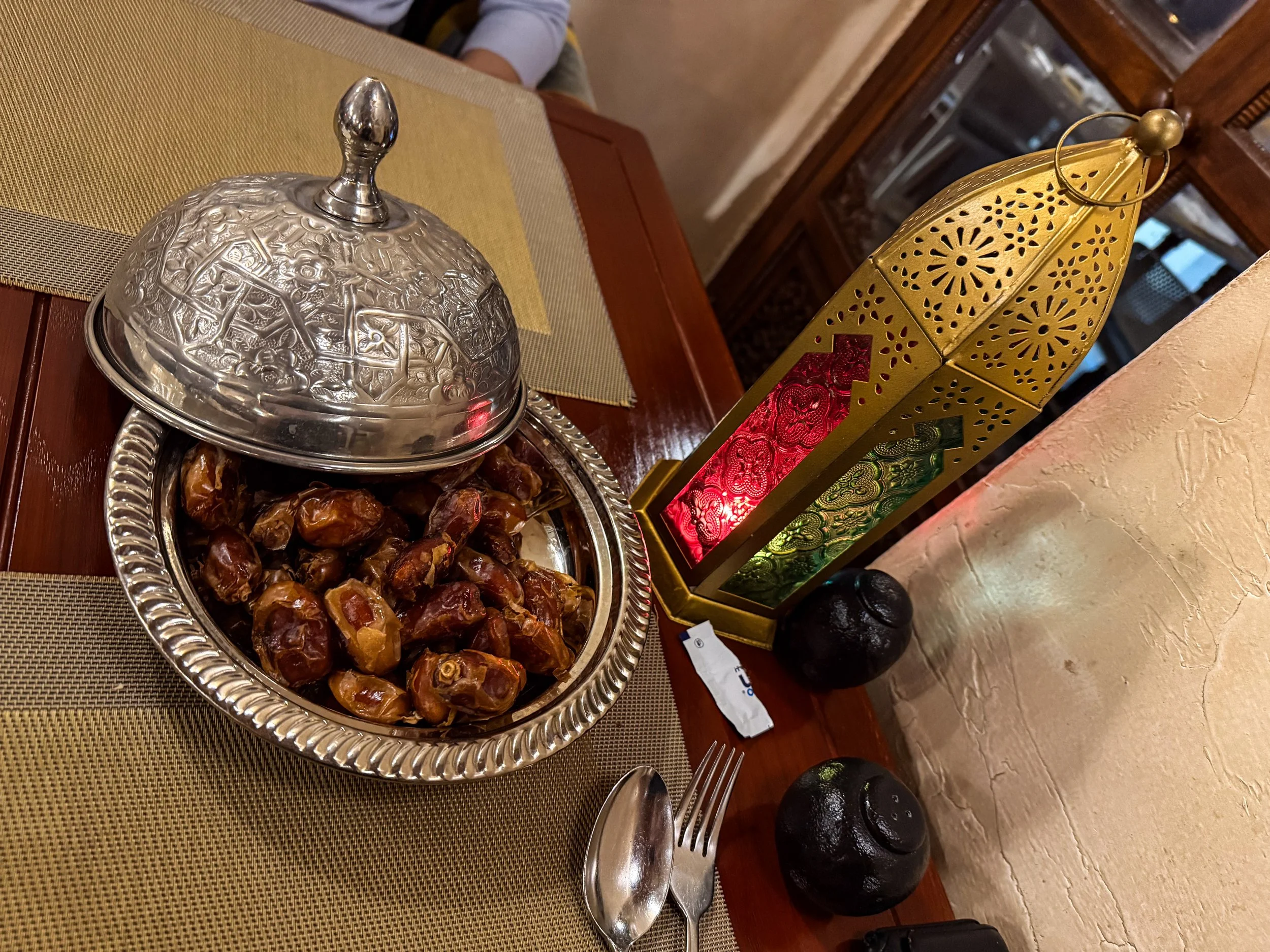
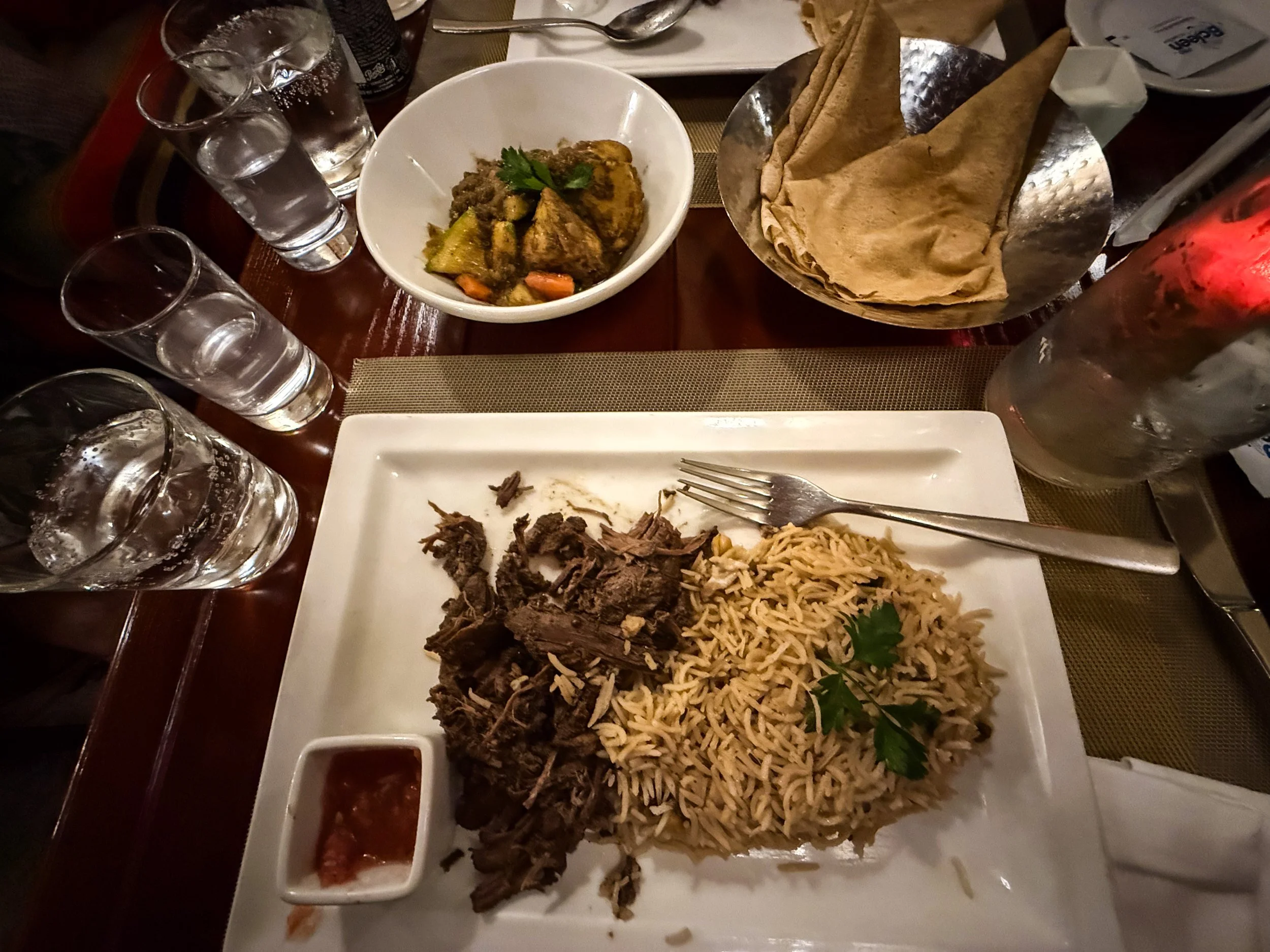
Anyway, at our table at Bait Al Luban, I ordered a dish called Shuwa, which—based on this meal—I would order many more times wherever I went in Oman. Bourdain described this dish as follows: “Slather a goat with a paste of cumin, coriander, cinnamon, nutmeg, red pepper, and cardamom, then wrap it in banana or palm leaves, and bury it. Leave underground for a day or 2 over hot coals…” and voilà!
I’ve always said that Middle Eastern cultures have the best meat of any other family of cuisine. My own personal, completely unverified theory is that these are culinary traditions that did not have many ingredients at their disposal, so they got really good at working with what they did have… which was mostly lambs and goats. Few times has a dish had such high expectations to meet, and even fewer are the times when that dish managed to exceed my expectations. This was one of those times.
TL;DR, if you’re in Oman, order the Shuwa. 🐐
I’m not sure where exactly this fits into the article but another random piece of information about Muscat is that this is where the Swedish artist Tim Bergling (better known as Avicii) died by suicide in 2018. My understanding is that he was at some luxury compound owned by the Omani royal family far from Mutrah… but yeah. I don’t generally tend to feel much personal connection toward celebrities, but I found this one to be particularly sad and disturbing. We miss you, Tim. ❤️
Moving forward, we’ve got a LOT of ground to cover in Oman. This is definitely the “big adventure” of the year, so I’m really looking forward to sharing it with you!
Up next we’re catching a flight to the remote Dhofar region, just a stone’s throw from the Yemeni border. BUCKLE UP KIDDOS!



In positioning Üsküdar right after Bebek in this series, I’m hoping to give you a bit of whiplash. If you’re not reading these in chronological order, I’ll fill you in: Bebek is an affluent, socially progressive community on the northern (European) banks of the Bosphorus. There’s a gorgeous promenade where you can walk along the banks of the Bosphorus amongst fashionable people who seem—at first glance—to be quite Western! But make no mistake: Türkiye is not the West. Places like Istanbul can be confusing, because they often present as very European, but if you dive just a bit below the surface, you’ll discover a world that is quite unfamiliar to Westerners. This is a complicated place, because it contains both realities in parallel. We’re going to use Üsküdar as a vehicle to explore the more culturally conservative side of Istanbul.