

🇮🇳 India Blog Index 🇮🇳
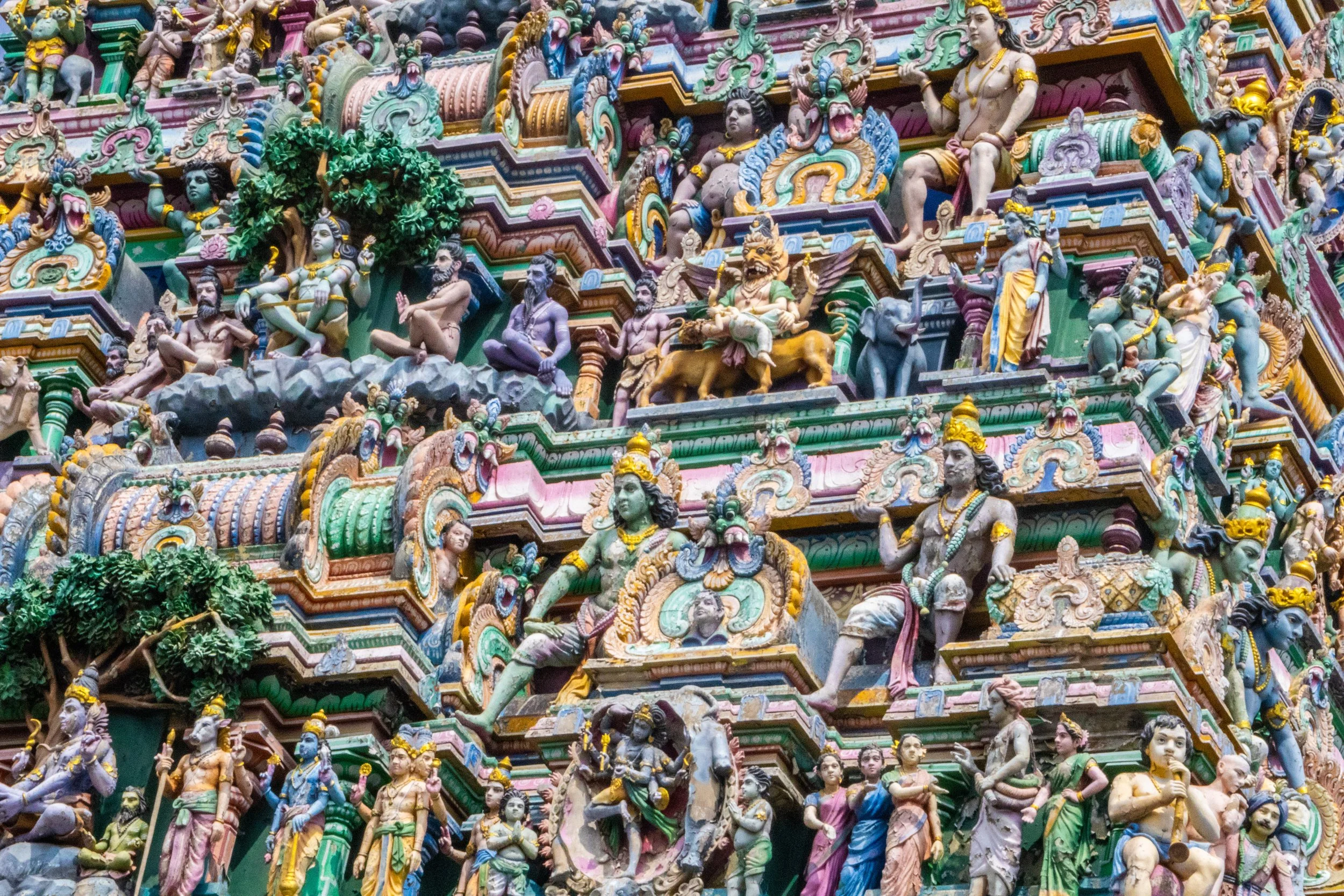
With a metro area population of roughly ~14.5 million people, Chennai is currently the 4th largest city in India, behind only Delhi, Mumbai, and Kolkata. It’s also the capital of the Indian state of Tamil Nadu, which is the formal administrative division corresponding to the Tamil cultural identity. Tamil culture is unique because it is one of the most ancient surviving cultures not only in India, but in the whole world. Its roots can be traced back to ~300 BCE and the Tamil language—one of the world’s oldest living languages—has more than 2,000 years of recorded literature. The Tamil-verse includes multiple different religions (such as Hinduism, Islam, and Christianity), so religion’s typical role as a cultural unifier does not apply here. In its place, the language itself has taken on a unique level of significance.
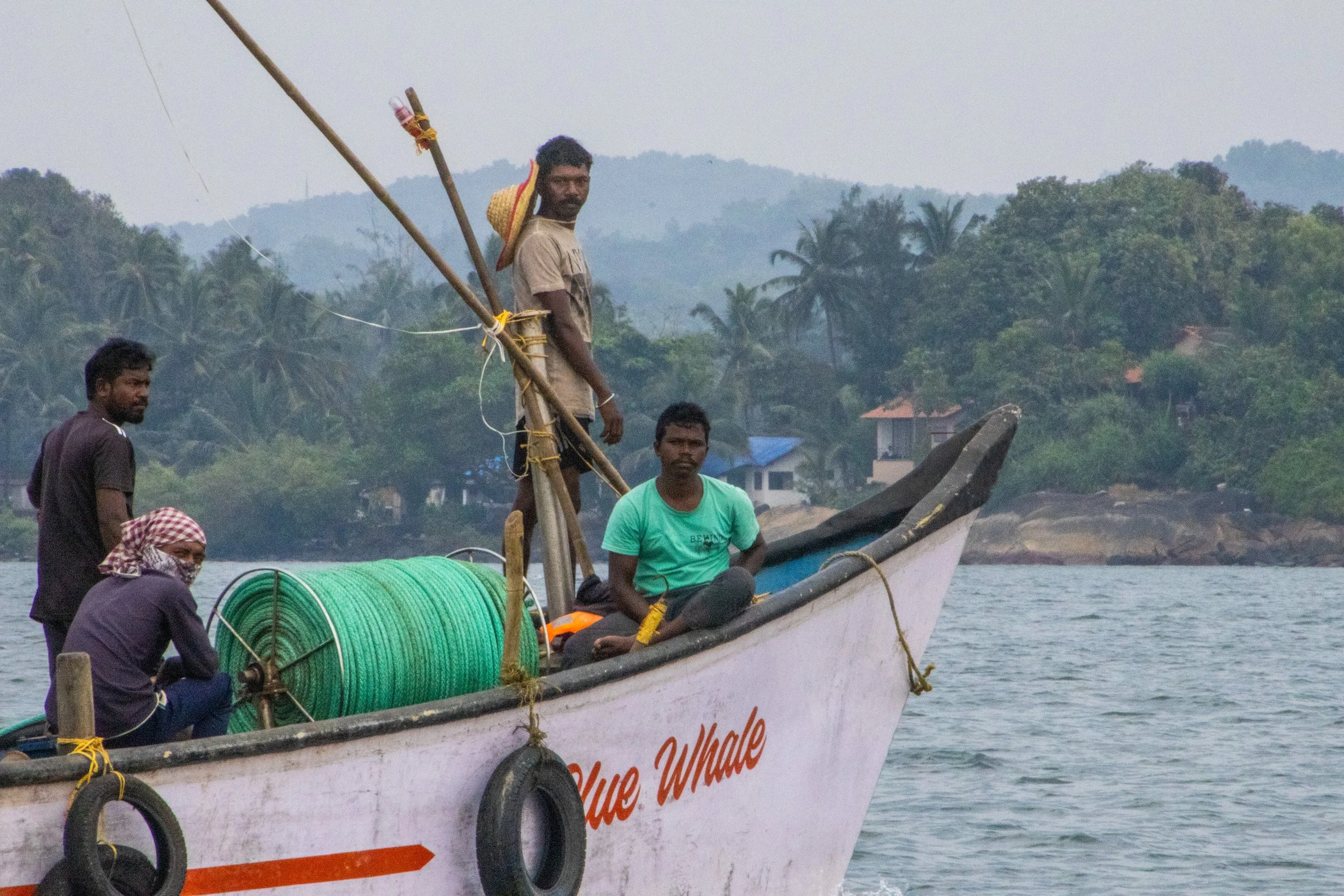
So, what exactly is Goa? Because it’s so tiny, I was surprised to learn that it is actually a stand-alone state in India, on the same administrative level as Uttar Pradesh, Rajasthan, or Maharashtra! Indeed, it is the smallest state in India, and its modern-day borders correspond to the legacy boundaries of Portugal’s once-upon-a-time colony on the Indian Subcontinent.
We mostly associate India’s colonial period with Great Britain, but France and Portugal both had small carve-outs in South India too. When the British finally left India shortly after WWII, the newly independent Indian government had expected Portugal to pull out of Goa as well, but Salazar (dictator of Portugal at the time) had other ideas. Long story short, India reclaimed Goa from Portugal via military force in 1961. The story of Goan identity as it relates to India and Portugal is quite complex, so I won’t delve into it fully here; hopefully in a future article. But I will tell you that Portuguese culture is still part of Goa’s DNA. It’s even got a large catholic population, which is quite out of place in India.
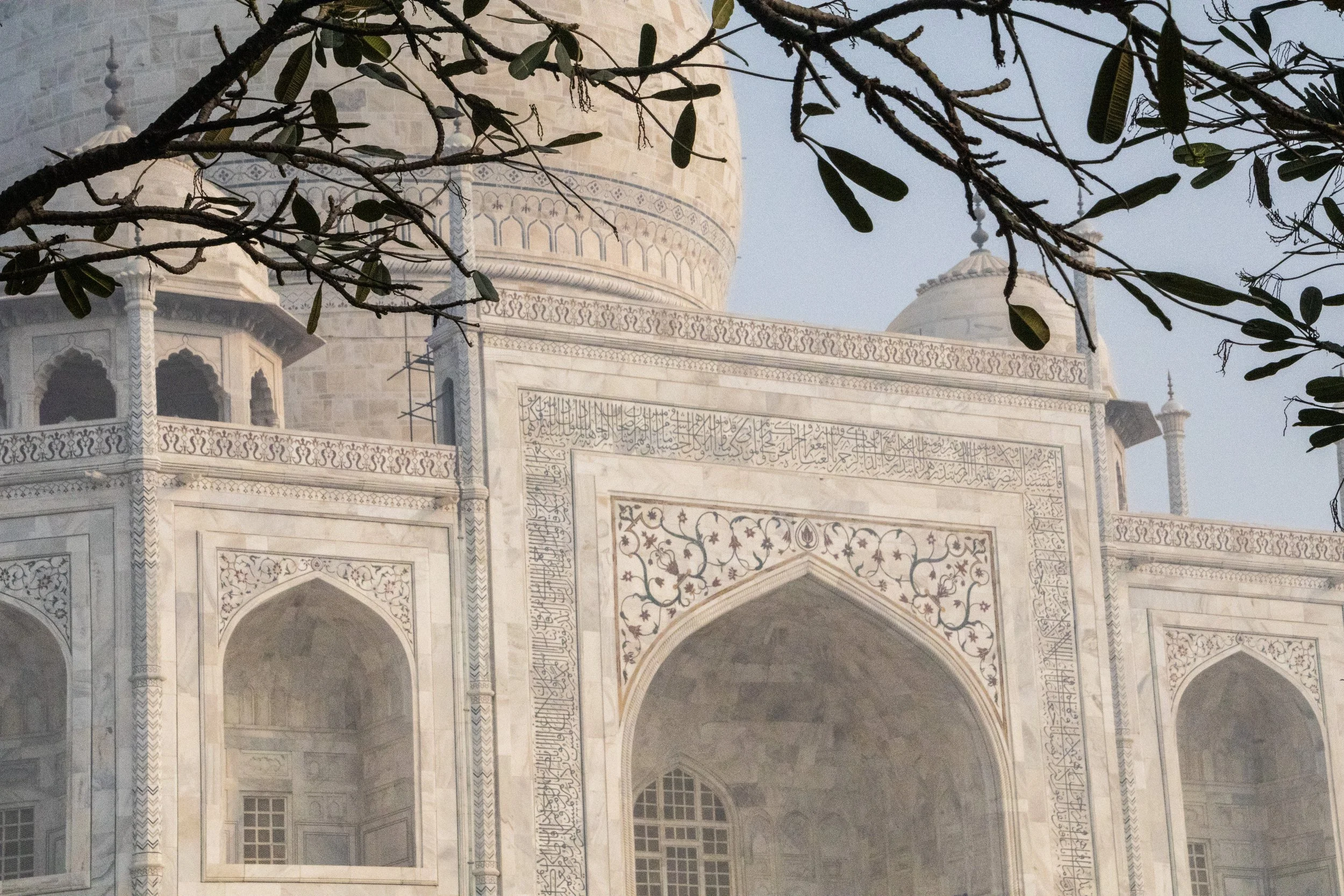
When I first began traveling, my operating assumption was that pretty much everything was a “once in a lifetime experience”. Because, for most people, they are! “Next time” was absolutely never guaranteed. That was definitely the case when I visited the Taj Mahal for the first time in 2015. It’s only just now that I am starting to have the experience of going back to places I’ve already visited. Initially, I was resistant to this, but I’m starting to realize that life is a bit longer than I’d originally thought when I was in my early 20s… I have enough time to do things twice. Or, hell, maybe even 3 or 4 times if I’m lucky! But don’t worry—we’re going to be back to breaking new ground after this article. 😉
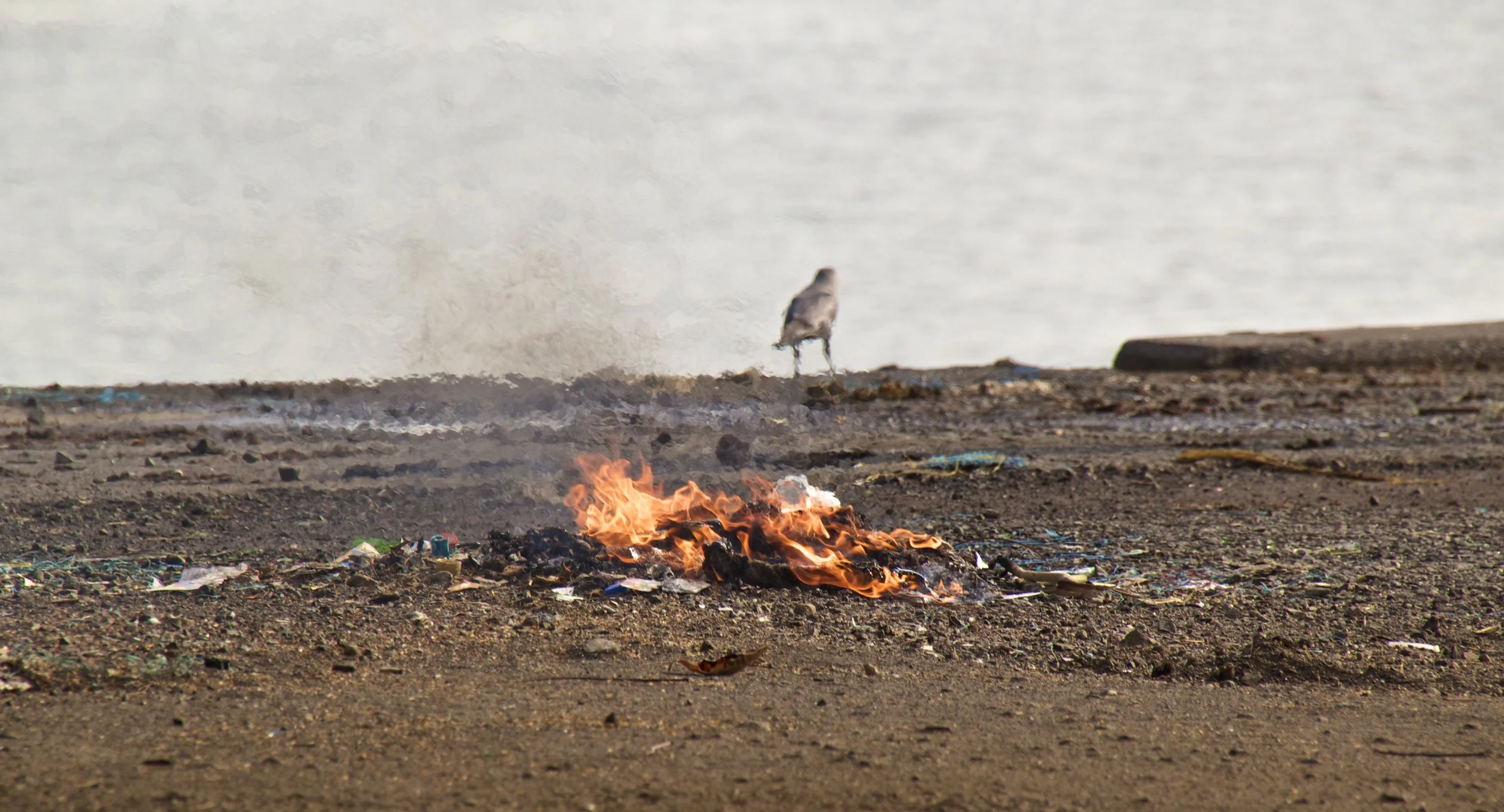
I wouldn’t be writing this article at all if I didn’t have a slightly new dimension I wanted to explore on this topic. Unfortunately, it’s pollution. I touched on this while I was in Delhi, but this little excursion was where the issue really slapped me in the face for the first time.
With a metro population of roughly 33 million people… (pause for dramatic affect)… Delhi is the largest city in the largest country on earth. In the overall world rankings, it is 2nd only to Tokyo, but it’s gaining ground fast! In the average Delhi day, there are ~837 births and ~360 deaths, which gives us a natural increase of ~477 people per day. On top of that, there are an additional 200–275 migrants that arrive here per day, mostly from neighboring countries, or rural parts of India. Meanwhile, Tokyo is actually shrinking.

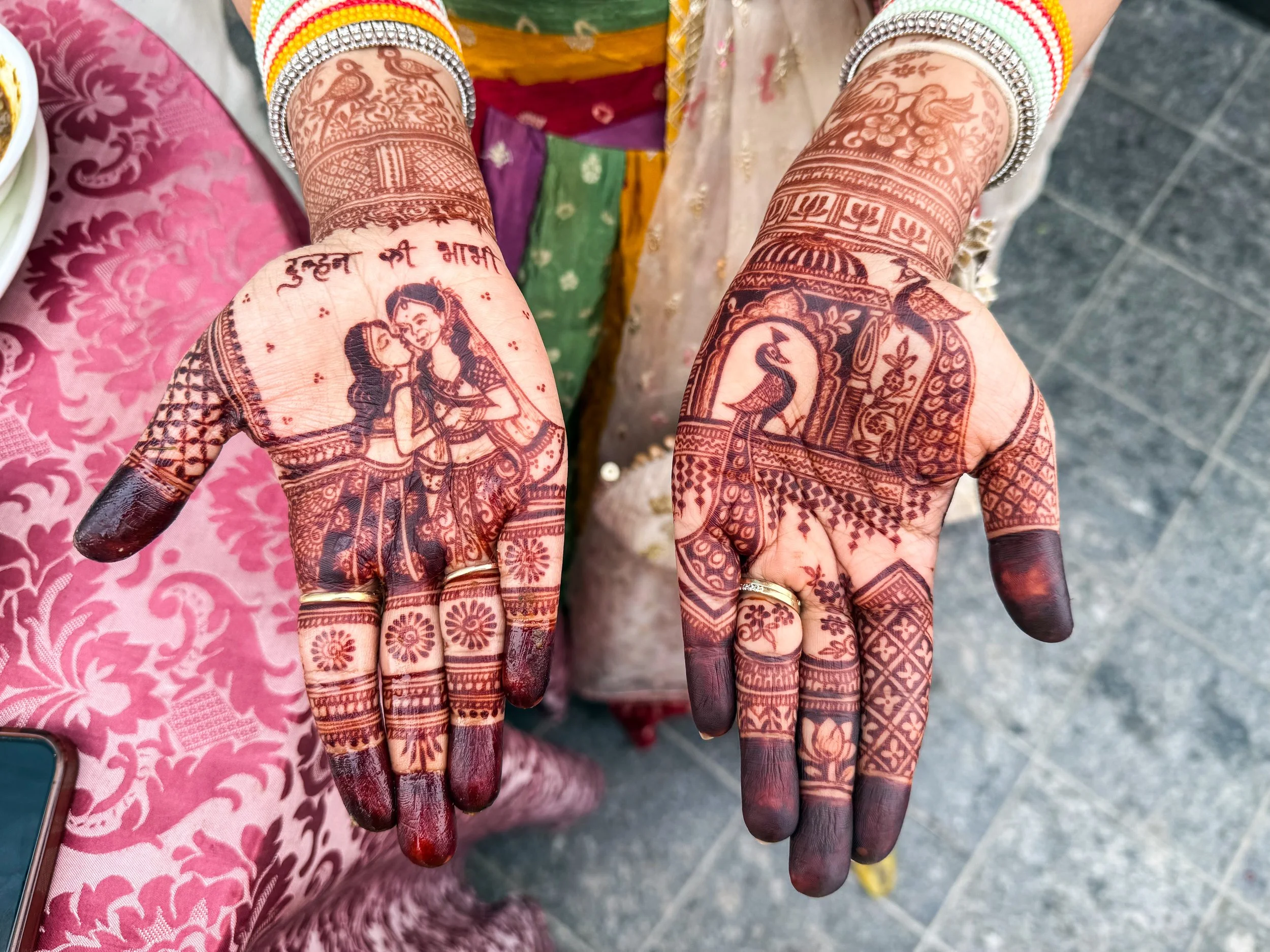
You may have heard about Indian weddings before… TL;DR, if you get invited to one, try your very best to make it. They are extremely cool. But this wedding… I need to disclaim now that this is absolutely NOT representative of what most Indian weddings are like. This is going to be extravagant. My other Indian friends in attendance would caption the obvious, saying “most Indians will never go to a wedding like this in their whole life.” But I’m not going to spend much time talking about the economic dimension of this event. We’re just going to enjoy it for what it is.

With a population of ~4.3 million, Jaipur is the largest city in the magical west-Indian state of Rajasthan. It is also the capital of Rajasthan, and thusly is the center of political and economic power in Rajasthan. Jaipur was not built until 1727, which is relatively late in the grand scheme of India. Indeed, it was constructed from scratch to replace the previous Rajasthani capital, Amber, which—having been a center of power since the 11th century—was apparently getting crowded and having issues with water availability.
Jaipur was the first city in India to have been planned from scratch, and as such, it has some unique features. To me, the most striking of these features is that it adheres to a very strict grid system, like Chicago. In older cities that evolved over centuries or millennia, in India and elsewhere, you will find no such geometric uniformity.

I would be so racist against Indian people by now if I hadn’t taken so many trains. In a place like India, my white skin makes me a huge target because of my perceived level of wealth. As such, most of the interactions I have with locals are about money, and the unfortunate majority of them are not positive. Traveling through this kind of environment, it's easy to get cynical. My saving grace throughout my whole time in India was my time on the trains.
In Asian markets, there is always a huge diversity of marine life packed in ice, frozen in suspended animation, or floundering/wriggling/writhing, being kept alive in 2 inches of water. Some of these specimens are small, but others are freaking sea monsters! It looks like the cast list for one of National Geographic's "deep sea" segments all got caught in the same net. You’ll find the same smorgasbord of marine animals in cities inland as you will in coastal ones, and whenever I bear witness to it, I always find myself wondering the same thing: how did these fish get here? You'd never see fish like that in American supermarkets, so I’ve always been curious. In Mumbai, I finally got the chance to see some of the supply chain, and it did not disappoint.

Mumbai's Kamathipura is the oldest red-light district on the Indian subcontinent, and is the 2nd largest on the entire continent of Asia. The 1st largest is Calcutta, which is something that I didn’t realize when I was actually there. If I had we probably would have paid it a visit, like we're about to do in Mumbai.

My last stop in India: Mumbai Mumbai was actually called Bombay up until 1995, when the government changed the name. Similar to the name change from Calcutta to Kolkata, the Indian government felt that Bombay was representative of lingering British colonial influence. "Mumbai" is apparently the more authentically Indian pronunciation, so they made it official. If you ask me, India needs to cool it with all the name changes.
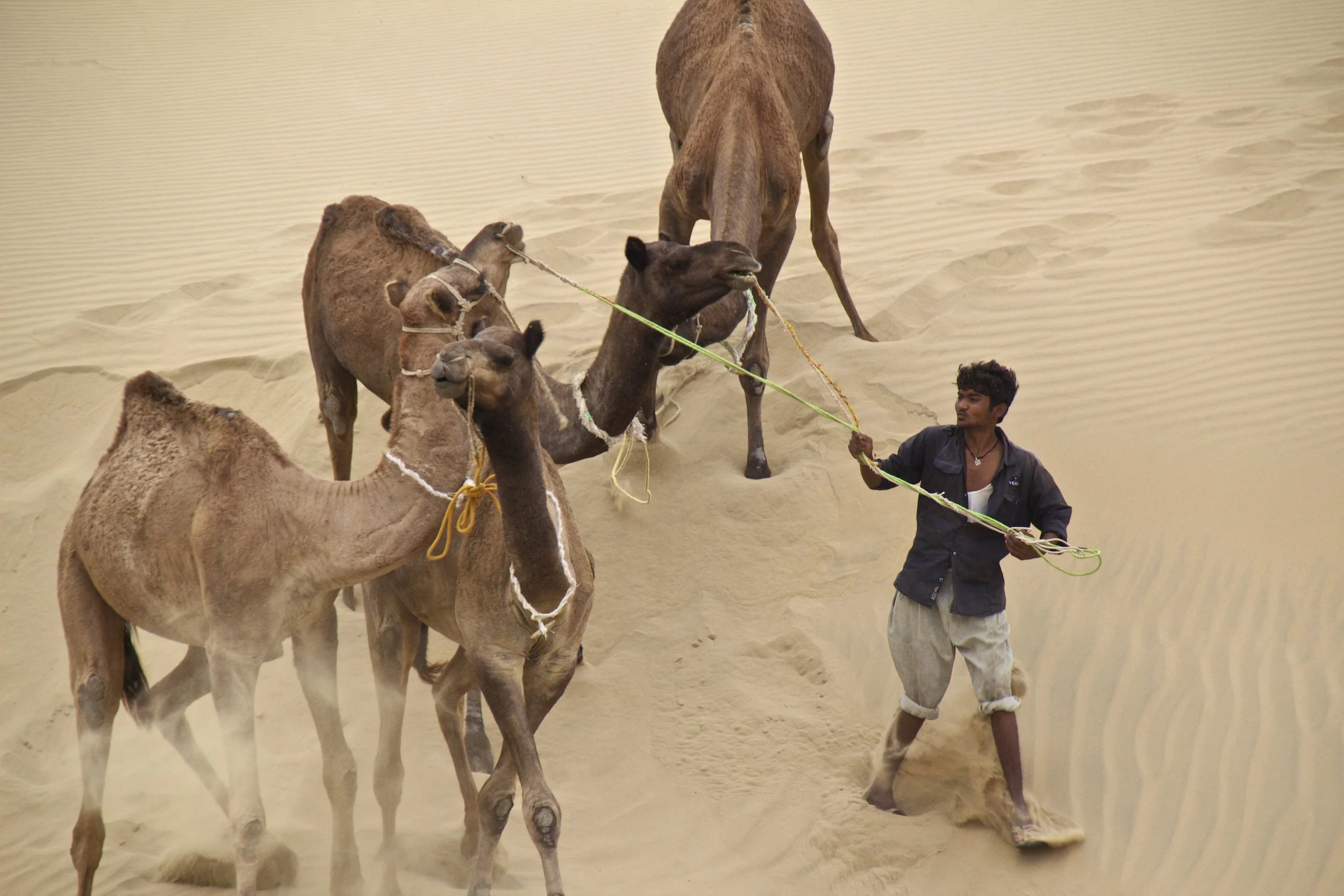
After a day's train ride out towards the West Indian border from Jodhpur, I arrived in Jaisalmer. From Jaisalmer, I hired a jeep to take me farther out into the nothingness of the Thar Desert, stopping through an old Rajasthani ghost town on the way. The last article left off where the road ended. We had been on rough, gravel roads for hours at this point, so we were on the actual edge of India. From here there would be nothing but sand and shrubs until Pakistan. So where were we...

From Jodhpur I hopped onto an over-night train bound for the desert outpost Jaisalmer. Jaisalmer is the last substantial piece of civilization before the Thar Desert (also called the Great Indian Desert). This desert forms a natural boundary between India and Pakistan. Beyond Jaisalmer is nothing but shrubs, dunes, and nomadic goat herders until the border.

This was a highly anticipated destination for me. A long, long time ago, in my suburban, Midwestern, teenage angst, amidst my endless internet searches for all the far away places I would go one day (and boobs), I came across the work of a photographer named Steve McCurry. He had taken the most amazing photographs of places I had never even heard of, one of them being a city that was painted entirely blue, in some far off land. I was enthralled as I clicked through the pictures of children running down the distinct, baby blue alleyways. I don’t remember ever bothering to see exactly where the photos had been taken, as the practicalities of actually getting to places like this had no application for the younger me, who was trapped. The older me however, made a point to dig these photos back up, and figure out how to get himself there.

Welcome to Rajasthan! Land of those awesome, stereotypical, curly mustaches that Indians have. I have been looking forward to coming to this province of India for a while now. So let’s get started. My first stop in Rajasthan was a city called Pushkar. The jumping off point for this little gem is a city called Ajmer.
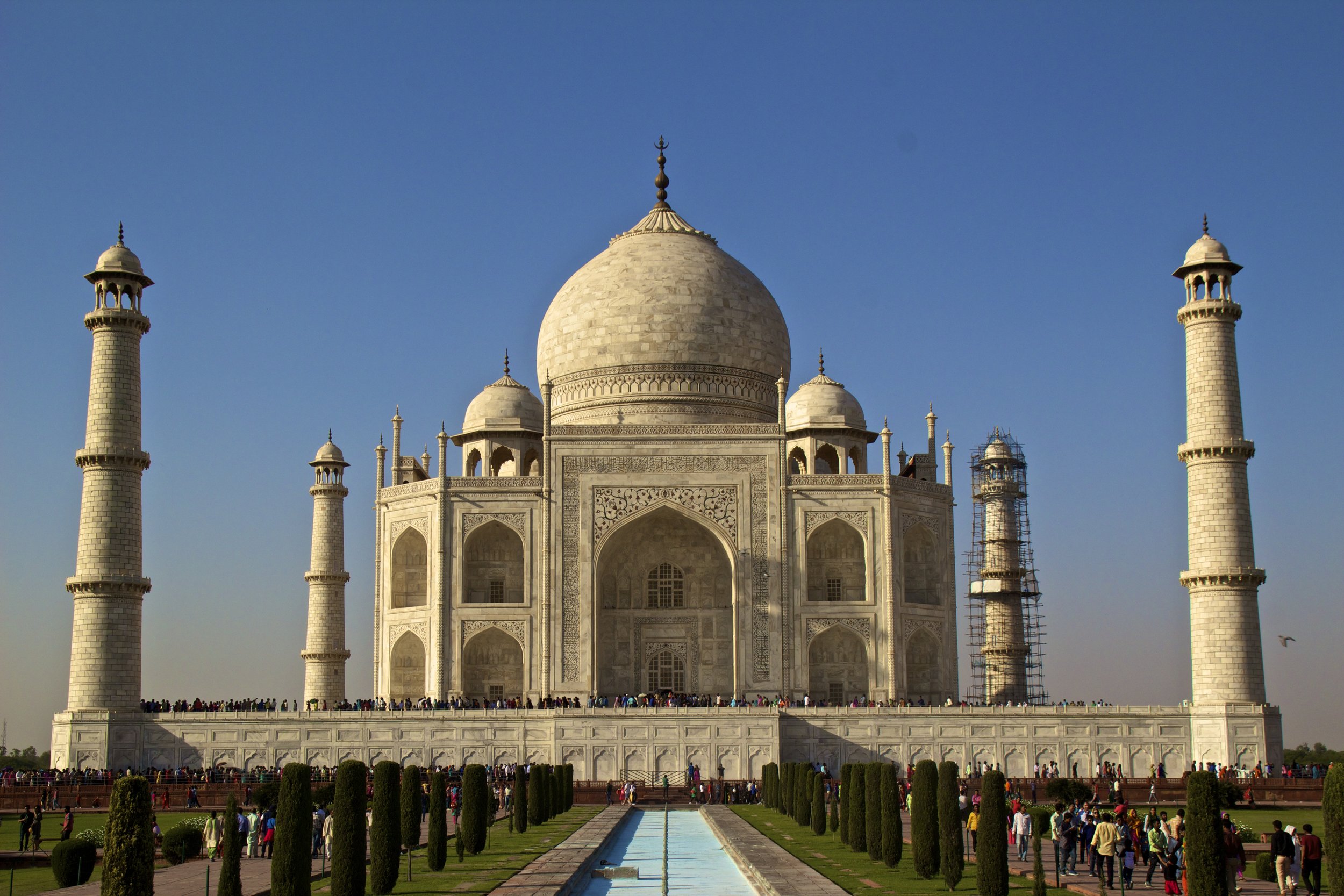
I had gone back and forth about whether or not I would actually visit this shrine to tourism. Was it really worth my time? At that point I was leaning towards skipping it. Maybe it was a genuine change of heart, or maybe it that thick southern accent triggering my American nostalgia, but I decided that this guy was preaching the truth. As much as I hated it, I was pretty much obligated to go.

If that title doesn’t get you excited, then I don’t know what will! I’m not going to sugar coat it though – New Delhi sucks. This is not going to be as interesting as some of the last few posts, regretfully. But even so, let me fill you in on what this city is all about. New Delhi is the capital of India, as well as the nation's largest city. Almost 22 million people call its metropolitan area home, ranking it as the 5th largest city in the world, and the 1st largest city I've visited so far.

Roaming Nubra Valley are Bactrian camels. When I found this out, I immediately found myself wondering how the hell they got all the way up there. As it turns out, these camels’ ancestors were left over from the legendary Silk Road, which passed through the Nubra Valley on its way to the Orient.

It was another 20 or 30 minutes through the canyon before we finally saw Turtuk off in the distance. As we approached, the canyon grew wider ahead of us, and we saw a small collection of trees. It wasn't long before we were in the middle of those trees, and I was taken completely by surprise by what we found. Tucked away in such a remote part of the Himalayas, Turtuk was like a lot like Shangri-La. Despite its harsh, rugged surroundings, this village was a little slice of heaven.

At 18,380 feet (or 5,602 meters) above sea level, Khardungla Pass is the highest motorable road in the world. To put altitude in perspective for you, that's almost 13 times the height of the Empire State Building. It's a little less than the length of 115 (American) Football fields. It is the equivalent to about 3.5 miles. It is also 780 feet higher than Everest Base Camp.
So let's get into it!

If anybody remembers my “travel plans” post about India, one of the big things that I wanted to do was to get to a place called the Spiti Valley in India’s Northern Himalayas. The Spiti Valley would have been cool, but it was just an idea; in reality I just wanted to see the Himalayas, in some way, shape, or form.
Life happened, and I ended up in Leh.

Varanasi is known as the holy city. It is said that all the Hindu Gods live here. After finding enlightenment under the Bodhi Tree, Buddha came here to do his first teaching. There is also a sizeable Muslim community here. The city is therefore packed with religious landmarks and temples.

First, on a clerical note, Calcutta was renamed, or, more accurately, respelled, officially in 2001. Spelling it as "Kolkata" is apparently more phonetically accurate to the Bengali pronunciation, whereas the "Calcutta" spelling was a viewed as a remnant of British colonialism. I'll be using the "Calcutta" spelling just because it's more widely recognized by Westerners... I think.

For this, we'll need to rewind a few months and go back to when I was still kickin' it in Hanoi... After getting my visa into Burma, it was time for me to apply for my visa into India. Living in Hanoi is great because, being a capital city, every country in the world has (or, had) an embassy right next to my house. I could have applied for the E-Visa, but I like to do things in person if I can.

Continuing on now, I know that my point of entry into India will be Kolkata, via Dhaka, Bangladesh. There is a cheap train that can take me across the border. From there, the plan is to continue on to Varanasi, The Himalayas, Jodhpur, Jaisalmer, and eventually, Mumbia.
🇮🇳 Peter’s Map Of India 🇮🇳
Featuring only places covered in Peter's Big Adventure
📸 Sneak-Peek At India 👀


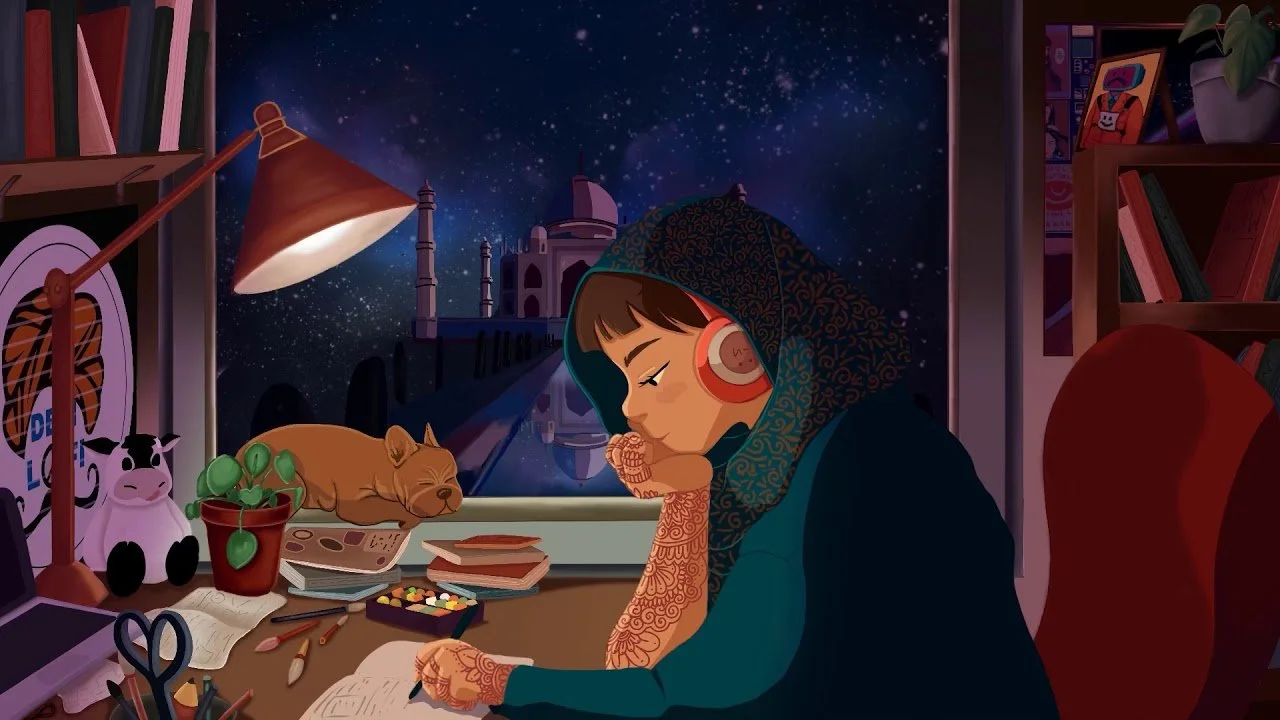
Indian Lofi Girl 🇳🇱 ✍🏼
This is a deep cut from the Internet, but I love seeing the Lofi Girl art translated to the backdrop of different countries. Even though I’m not really into anime (except for Miyazaki movies, obvs), there are very few things that make me more comfortable with the idea of traveling somewhere new than these illustrations. Here are some artist renderings of Indian Lofi Girl that I liked. Left to right, credit for these illustrations goes to Chloe Gunbie + Anime Mirchi.


My fascination with Pondicherry began many years ago when I saw it in the movie Life of Pi. It’s an incredible film, and while most of it takes place at sea, the beginning of the film, as well as the narration throughout, is all set in this idyllic French colonial town in India. Of course I was curious about this place, so I looked it up, and there it was: Pondicherry! It had been sitting on a quiet part of South Indian coast this whole time, but there weren’t many major cities around it so my eyes had never lingered on this particular part of the map. I remember thinking that this far-flung place seemed a bit surreal… it looked like France… but it was in India? I knew very little about South India at the time, and I’d probably never go there… but the way it was represented in the film was absolutely intoxicating!