
Before We Begin: A Note On the US/Israel/Iran Conflict in the Middle East
This is the start of a 4-article series on Oman, and—at the time of writing this article, Iran has recently been pelting its Arab neighbors (including Oman) with missiles in retaliation to American and Israeli attacks. The fact that Oman owns the non-Iranian half of the Strait of Hormuz actually makes them a major stakeholder in this conflict.
I generally try not to get dragged down into current events in my writing when possible because (a) it shortens the shelf-life of these articles, and (b) this is not a news website, but this feels like the elephant in the room right now. So, I’ve got to acknowledge it, but I will do so selectively.
At the time when this trip actually took place—which was just before Christmas 2025—Oman was one of the safest countries in the world, and I expect that will continue to be safe as soon as this conflict reaches an end.
An Intro to Oman’s Dhofar Region
The first time I learned about Dhofar was actually in a BBC nature documentary! Although they are pretty obscure in the wider world, within Arabia the Dhofar mountains are quite famous for the incredible transformation they undergo each year during the monsoon season. During the “Khareef” (the local name for the monsoon season), this whole place transforms from a desert into a massive, green oasis! It happens from June to early September, peaking in July and August and, in addition to being misty and wet (already very unusual within the region), Dhofar also becomes much colder than the rest of the Gulf. There are even seasonal waterfalls that pop up all over the mountainous landscape! During this time, there is a huge influx of tourist (mostly from Saudi Arabia and the UAE) that come in to enjoy the greenery and cool temperatures. There is also a Khareef Festival that happens during this time. UNFORTUNATELY, we’re not visiting during the Khareef. This visit happened in mid-December, so Dhofar will be in peak-desert mode.
I expected Dhofar to feel a bit rough simply because of its proximity to Yemen. If you’re not familiar with Yemen, it’s been in the throes of a violent civil war for many years now, which has evolved to include terror cells of both Al Qaeda and ISIS, some of the worst humanitarian crises of the 21st century, and ultimately morph into a never-ending 3-sided proxy war between Saudi Arabia, Iran, and the UAE. And, as an American, I feel that I should acknowledge that my own country has also been involved as a backer to Saudi Arabia. This awful conflict is still raging even today; here’s a really good explainer video from Johnny Harris if you’re interested. It’s possible that Yemen may not exist as a unified state for much longer… but this is an extremely complicated topic that is still actively evolving and deserves its own article. THE POINT IS, Dhofar is right next door. Soooo, is it safe???
TL;DR - Yes, Dhofar is still safe.
In the previous article we talked at length about Oman’s role a neutral pragmatist in the Middle East, how their Ibadi Islamic values play into this pacifistic role, and how they often serve as a key mediator between opposing sides in conflicts. True to form, Muscat maintains diplomatic relations with all 3 sides of the Yemeni conflict, and has hosted talks and negotiations between them at various inflection points along the way. Meanwhile, their control over Dhofar has been unwavering; in the rare instances of violence spilling across their border, the Omanis have dealt with it quickly and quietly. So, while I wouldn’t recommend doing a picnic along the Yemeni border, Dhofar as a whole is fine.
However, the same could not be said in the 1960s and 1970s. Remember how—in the previous article—we discussed Oman’s radical transformation under Sultan Qaboos bin Said? The final catalyst for that transformation arguably originated here, in Dhofar. A civil war within Oman, now called the Dhofar Rebellion, began here as a Marxist-inspired insurgency against then-leader of Oman, Sultan Said bin Taimur. To be fair, Dhofar’s complaints were all pretty legit! Sultan Said bin Taimur had kept Oman in a state of extreme isolation and under-development, and Dhofar was particularly poor. Remember how—in the previous article—we talked about Oman having only 9 miles of paved road, 2 hospitals, and 3 schools? Basically all of that was in Muscat. What happened outside of the capital was of little concern to the central government, especially in the far-flung region of Dhofar, which, at the time, consisted of mostly rural tribal communities. Sultan Said bin Taimur refused to engage with Dhofari grievances, instead opting for brutal military suppression. The more Dhofar was oppressed, the more support the rebellion gathered, and by 1970—8 years into the conflict—this negative feedback loop had evolved into a Cold War proxy fight, similar to what is happening in Yemen now. At this point, the conflict posed an existential threat to Oman, and that’s when Sultan Said bin Taimur’s son took matters into his own hands. He overthrew his father in in a coup, and from there, the newly-minted Sultan Qaboos bin Said took a different approach to the Dhofar Rebellion. He engaged with the rebels and addressed their grievances, working to undercut the poverty, isolation, and neglect that had plagued Dhofar. Moreover, he went on integrate Dhofar securely into the Omani state, and bring his entire nation from the 18th century into the 21st century. Even though he was an absolute monarch (historically not a great set-up), he genuinely seems to be a national hero and a shining example of the unlikely benefits of autocracy when you have somebody good at the helm.
Salalah & Dhofar’s Tourist Scene
The capital of Dhofar is a small city called Salalah, which is a fun word to say. Even though it’s only got a population of ~332,000 people, it’s actually the 2nd largest city in Oman after Muscat! But make no mistake, this place is small, and even though it has an international airport, it feels quite isolated. And I’ll tell you up front that there is absolutely nothing to do or see in the city itself. Dhofar is a nature destination, as you will see.
The logistics of traveling to a place like this… I won’t bore you with the details, but suffice to say, SalamAir is not in my good graces after this trip. And where do you stay in a place like Salalah? There were basically 2 options: either run-down local hotels, or 5-star resorts. We opted for the latter and paid a bit more than we’d hoped given that it was off-season. But once we got to this resort… it was extremely nice. Interestingly, the resort was divided into two parts: one side was for people from Poland, and the other was for people from Italy. We were on the Polish side, and I think that we were literally the only non-Polish people there. Much of the signage was in Polish. There was some Polish food available at breakfast. Somebody even walked up to me in the hallway and began speaking in Polish once. We had some personal ties to Poland, so we sent a few text messages and it was quickly confirmed that, indeed, Oman is a fashionable destination in Poland right now. It was very random, but these people had not really traveled to Oman; they’d brought Poland to Oman with them. 😂
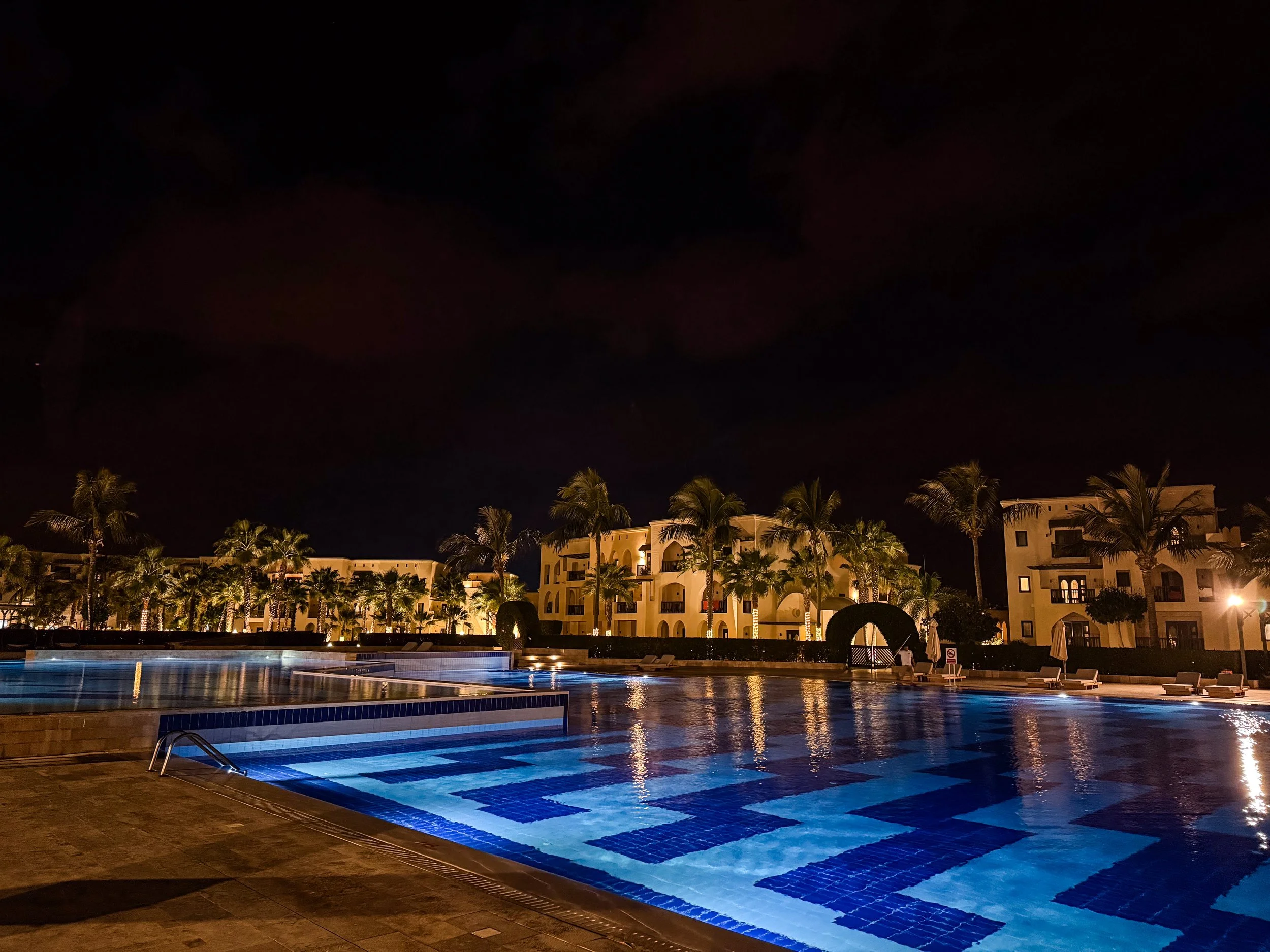
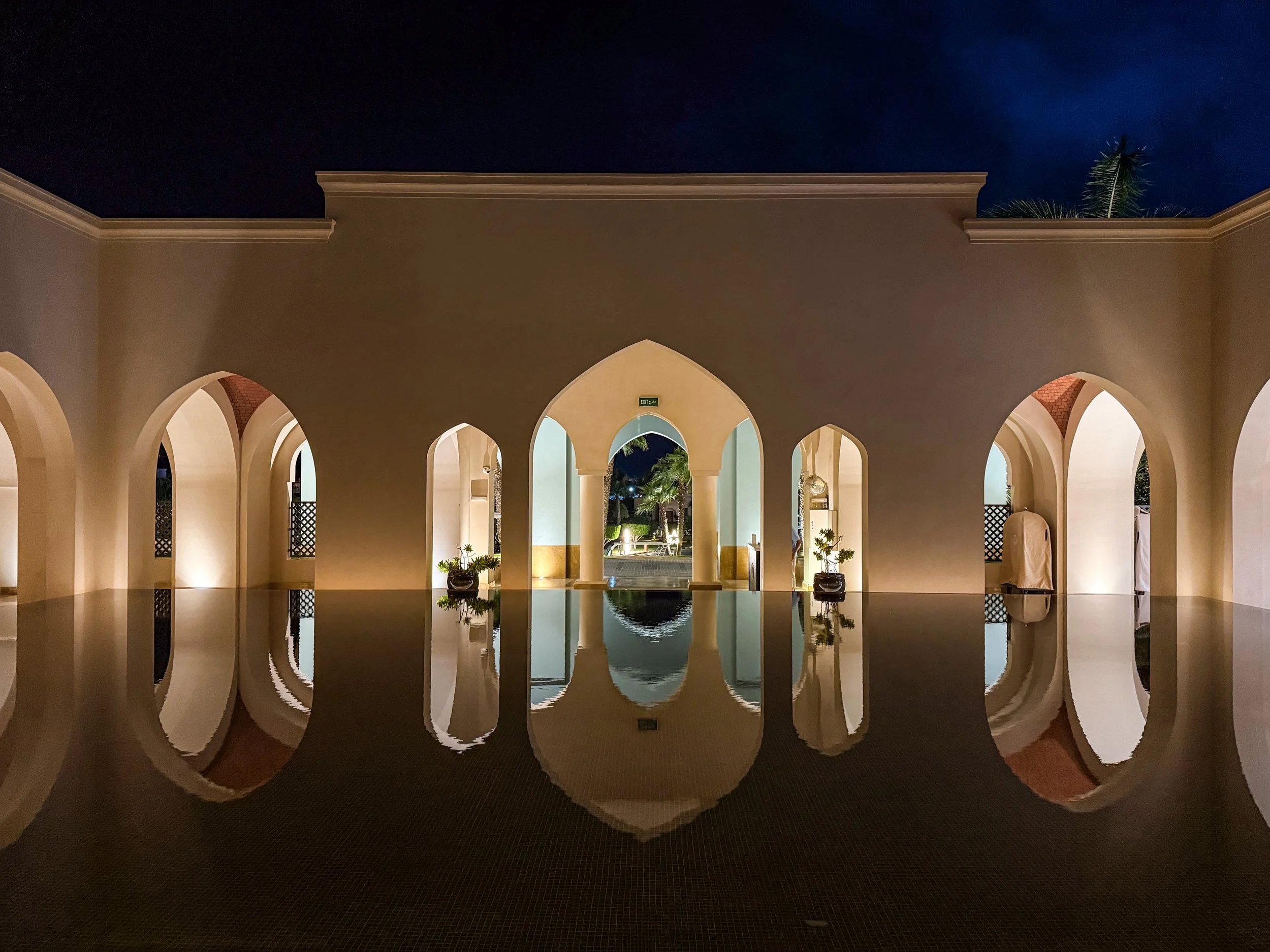
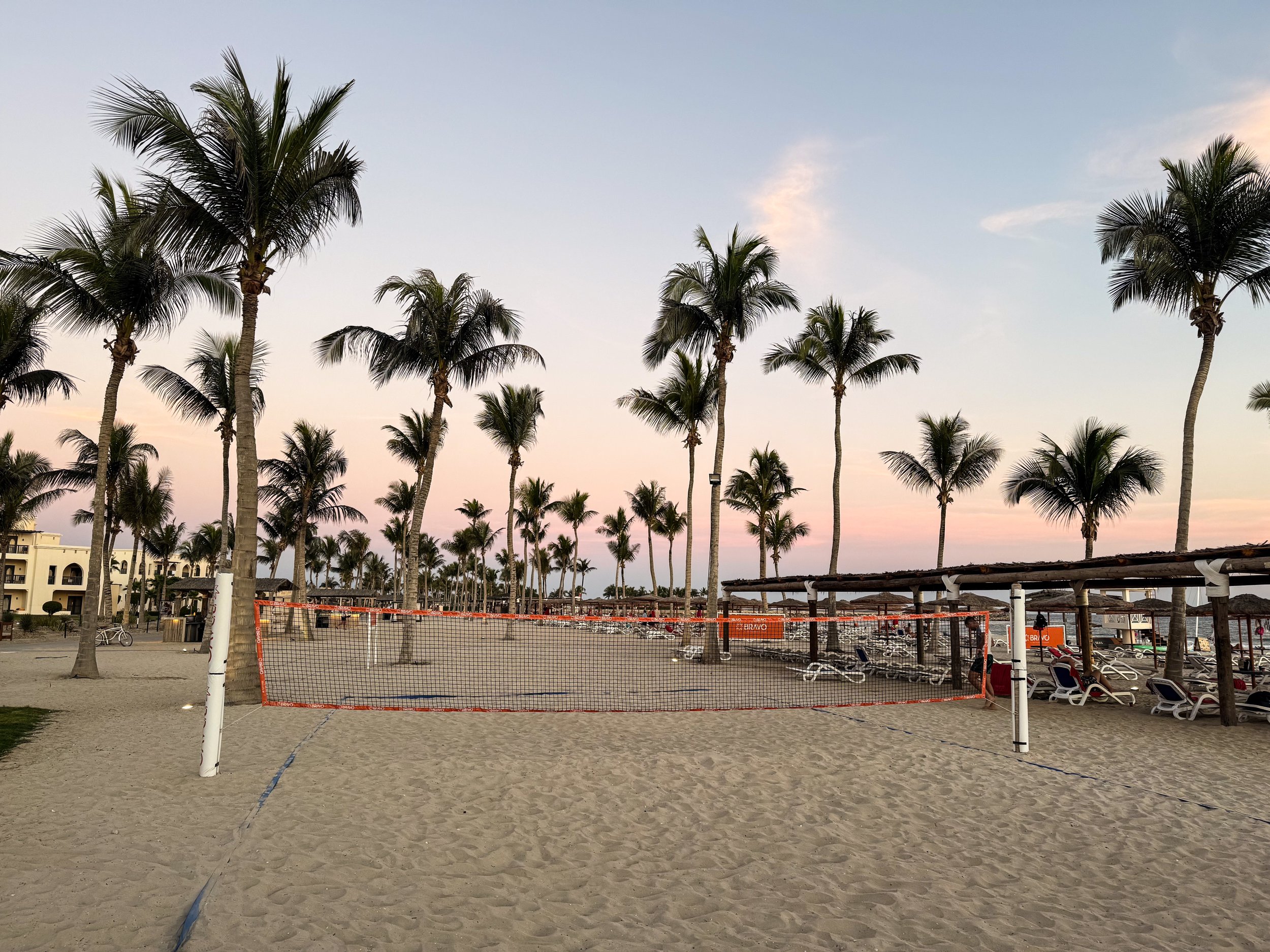
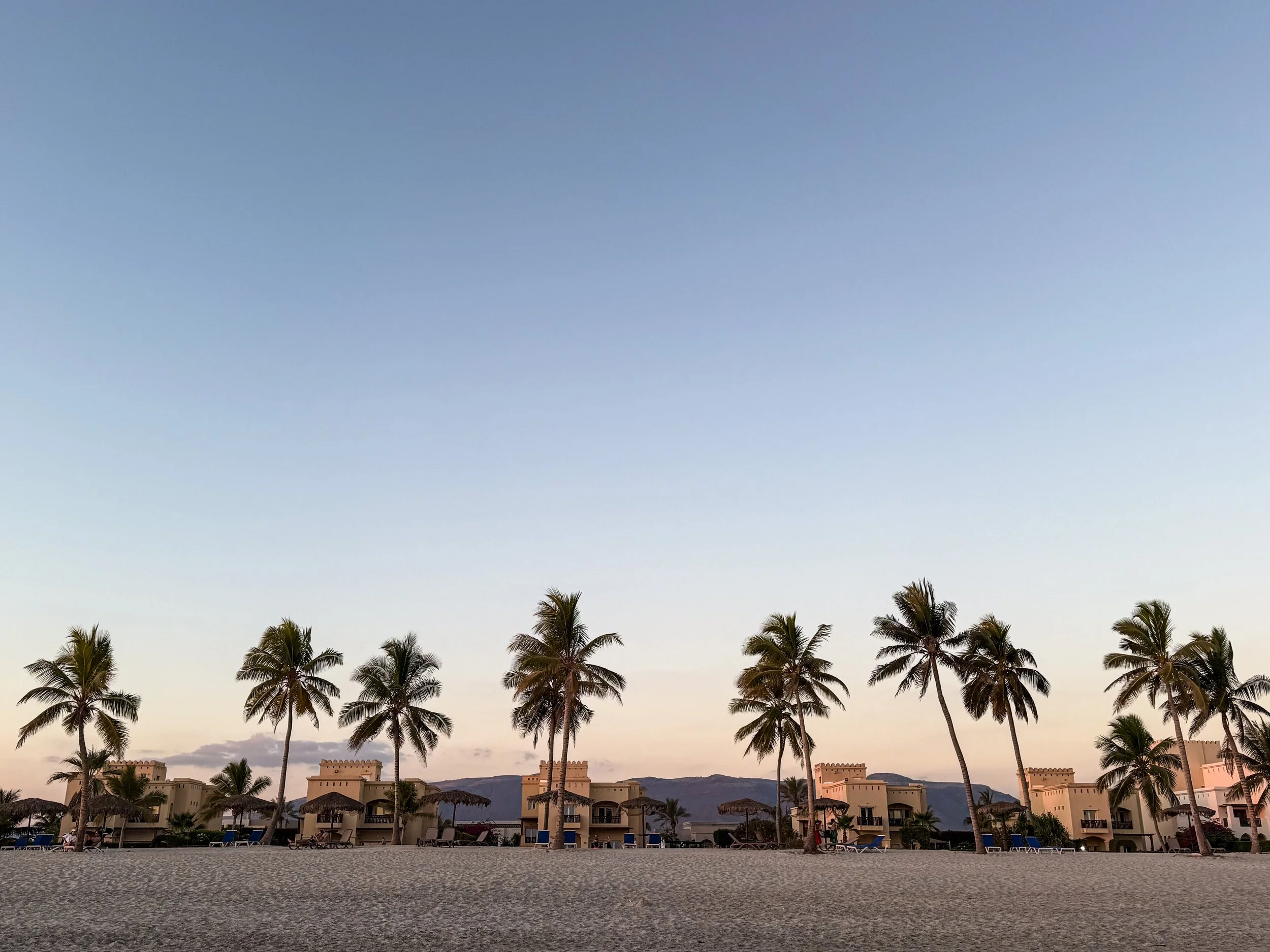
The situation was the same on the Italian side of the resort, but to be fair, I don’t think any of these people had come to Oman in search of cultural enrichment; they’d come in search of a nice resort and a beautiful beach. And that is exactly what they got. It was actually a gorgeous resort! I will admit that my bar for what passes in the “resort” category is probably low because I never stay in resorts, but this was lovely. I think that my biggest regret of Oman is that we didn’t spend an extra night here. I would have enjoyed just taking a day to relax by the pool. If you’re interested, we stayed at the Salalah Rotana Resort.
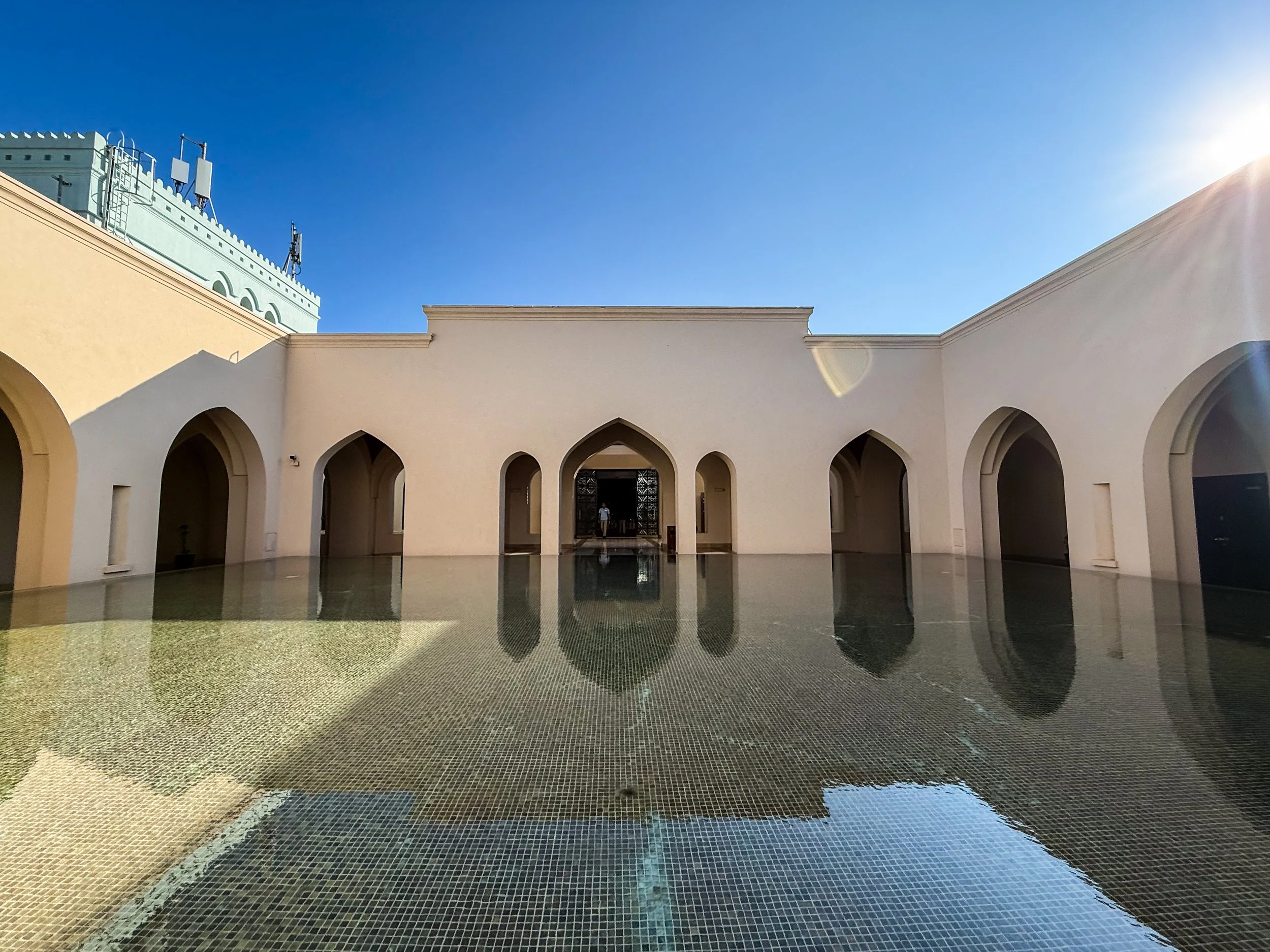
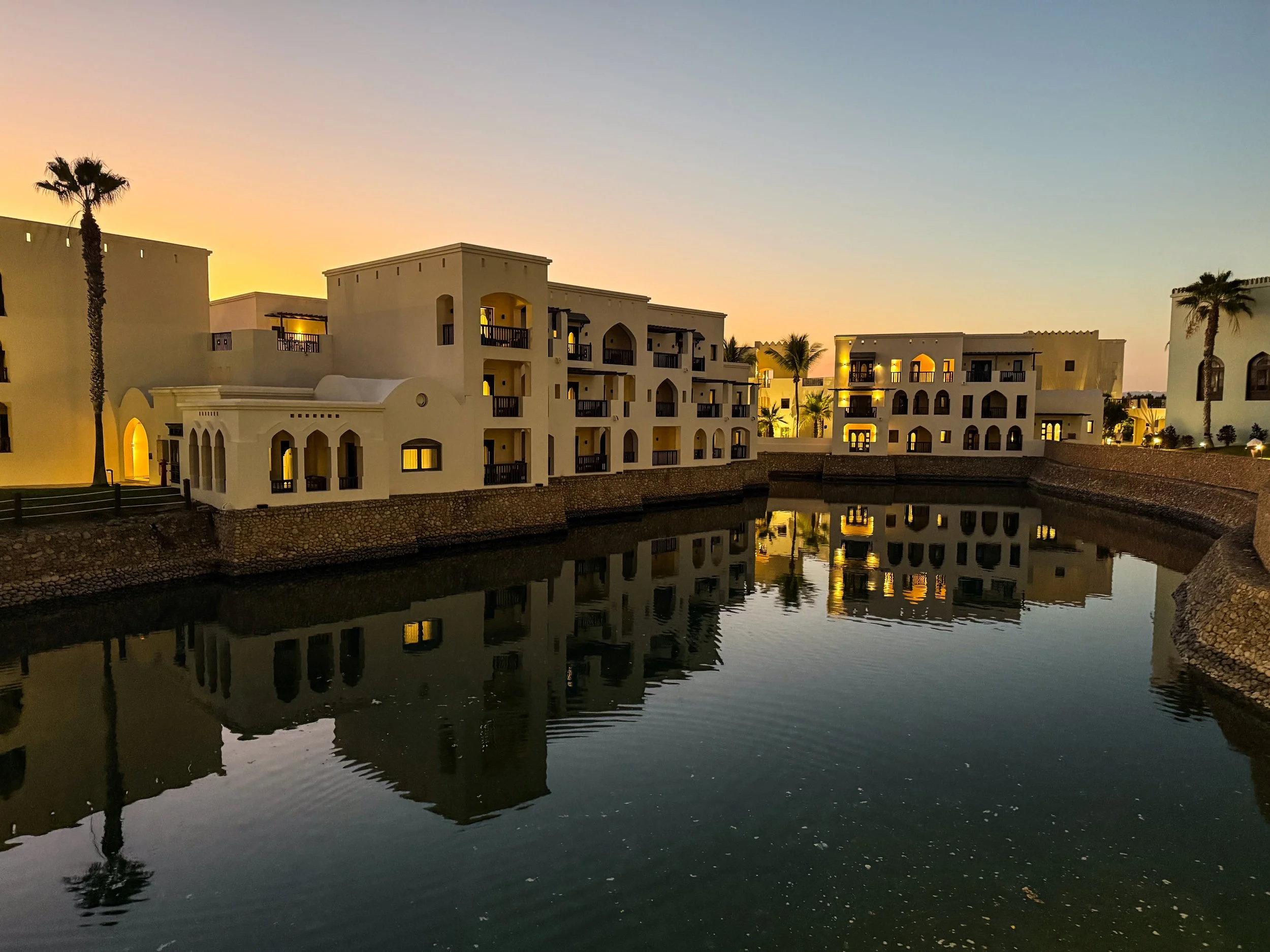
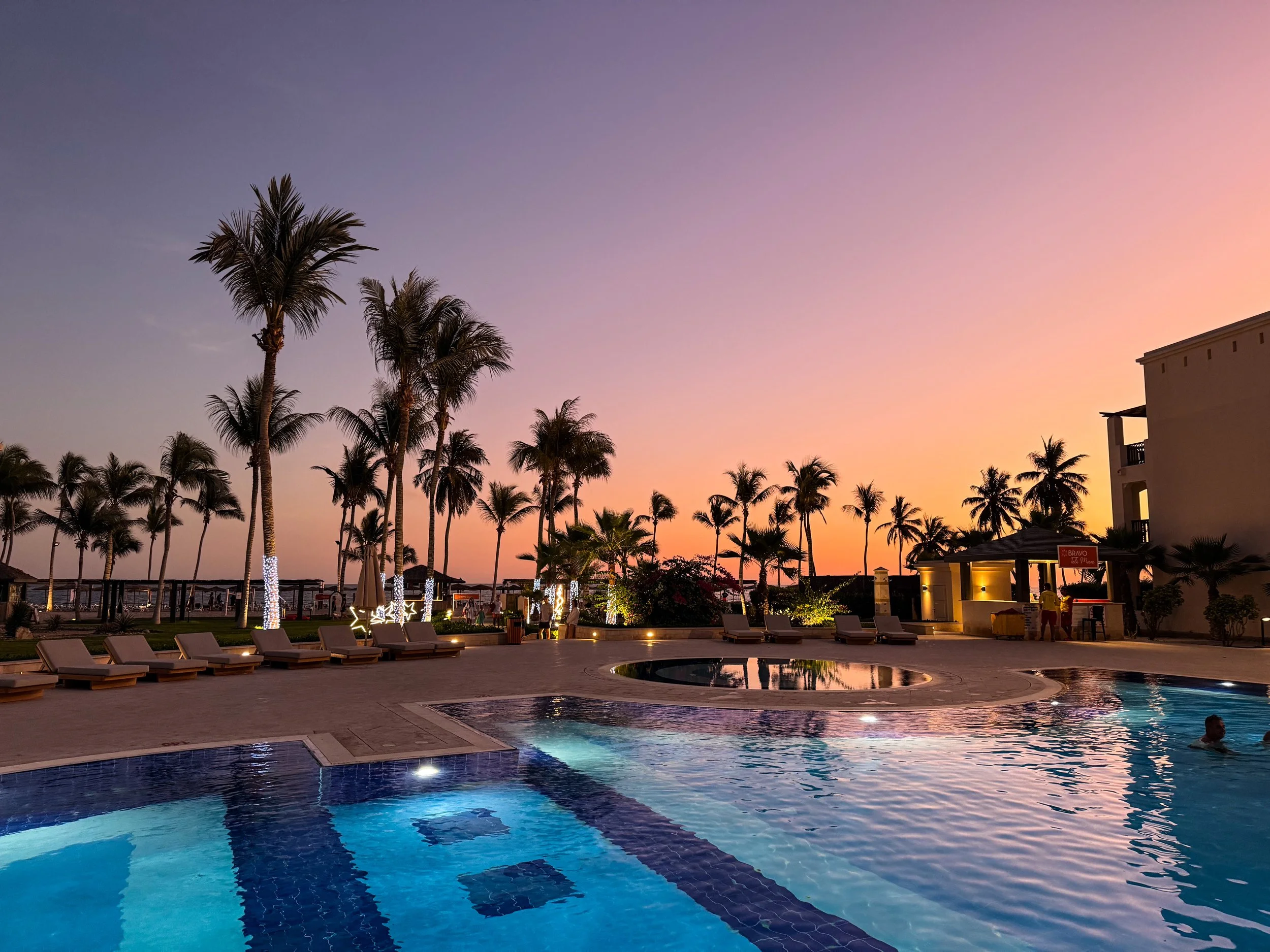
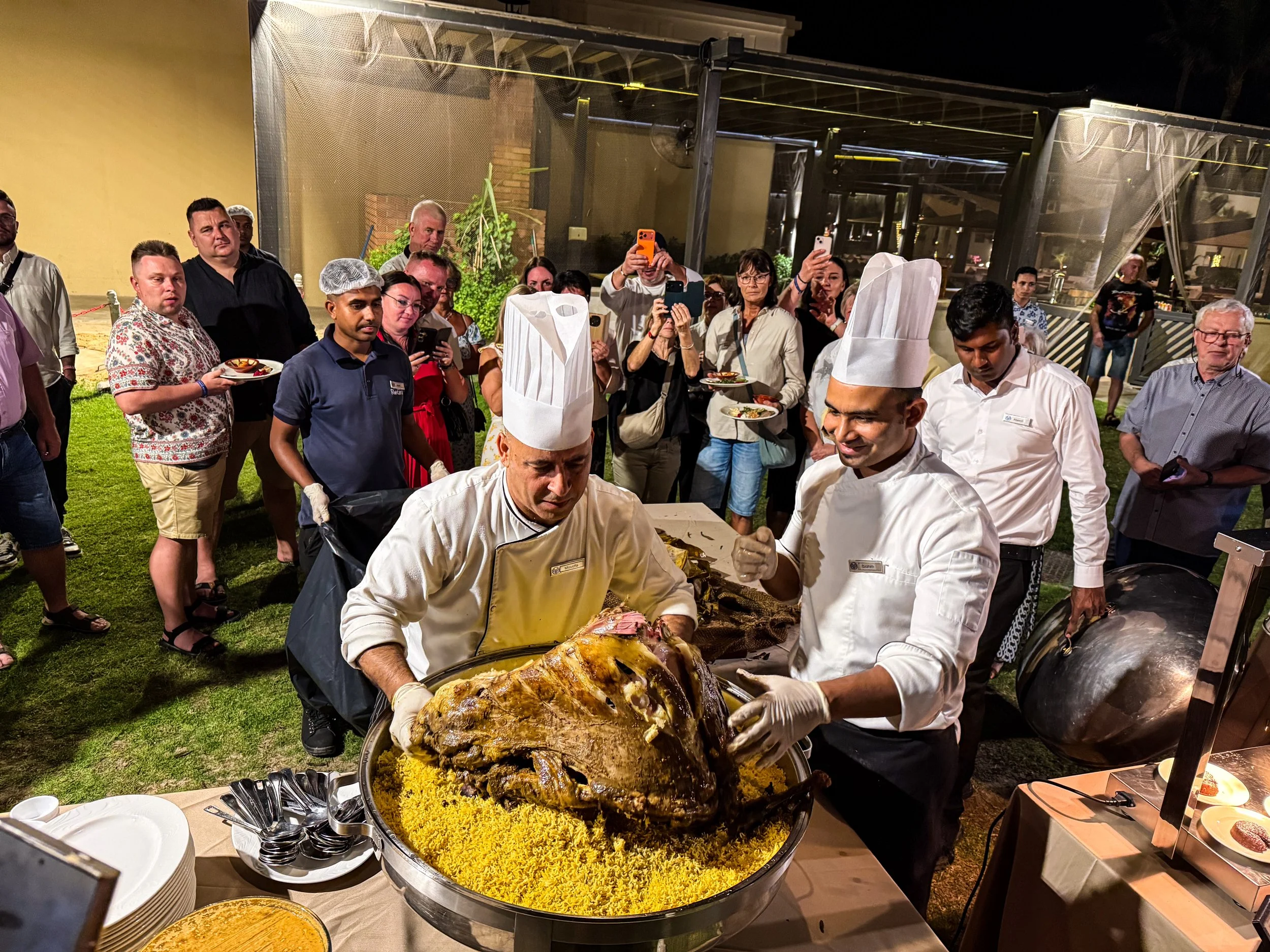
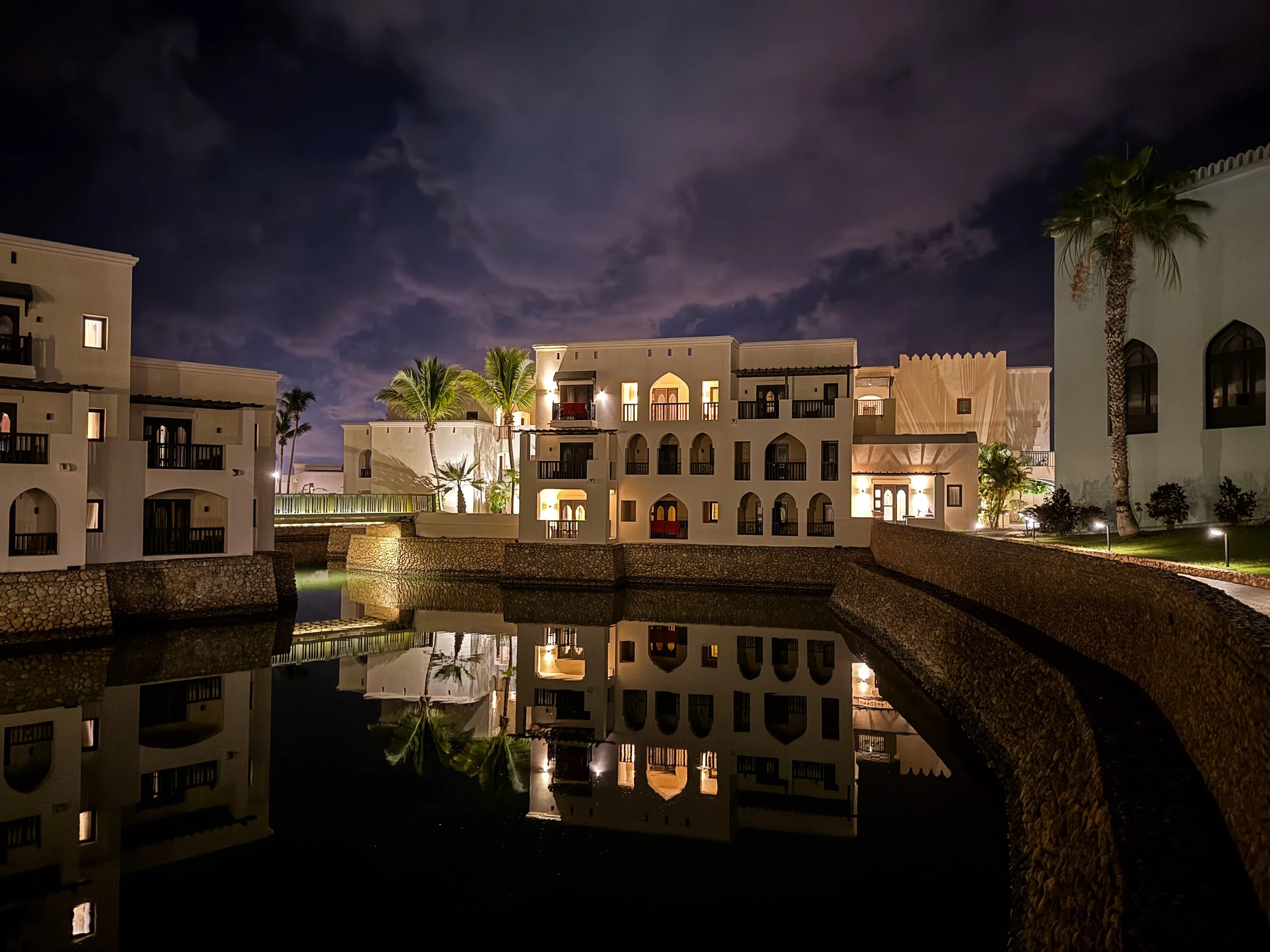
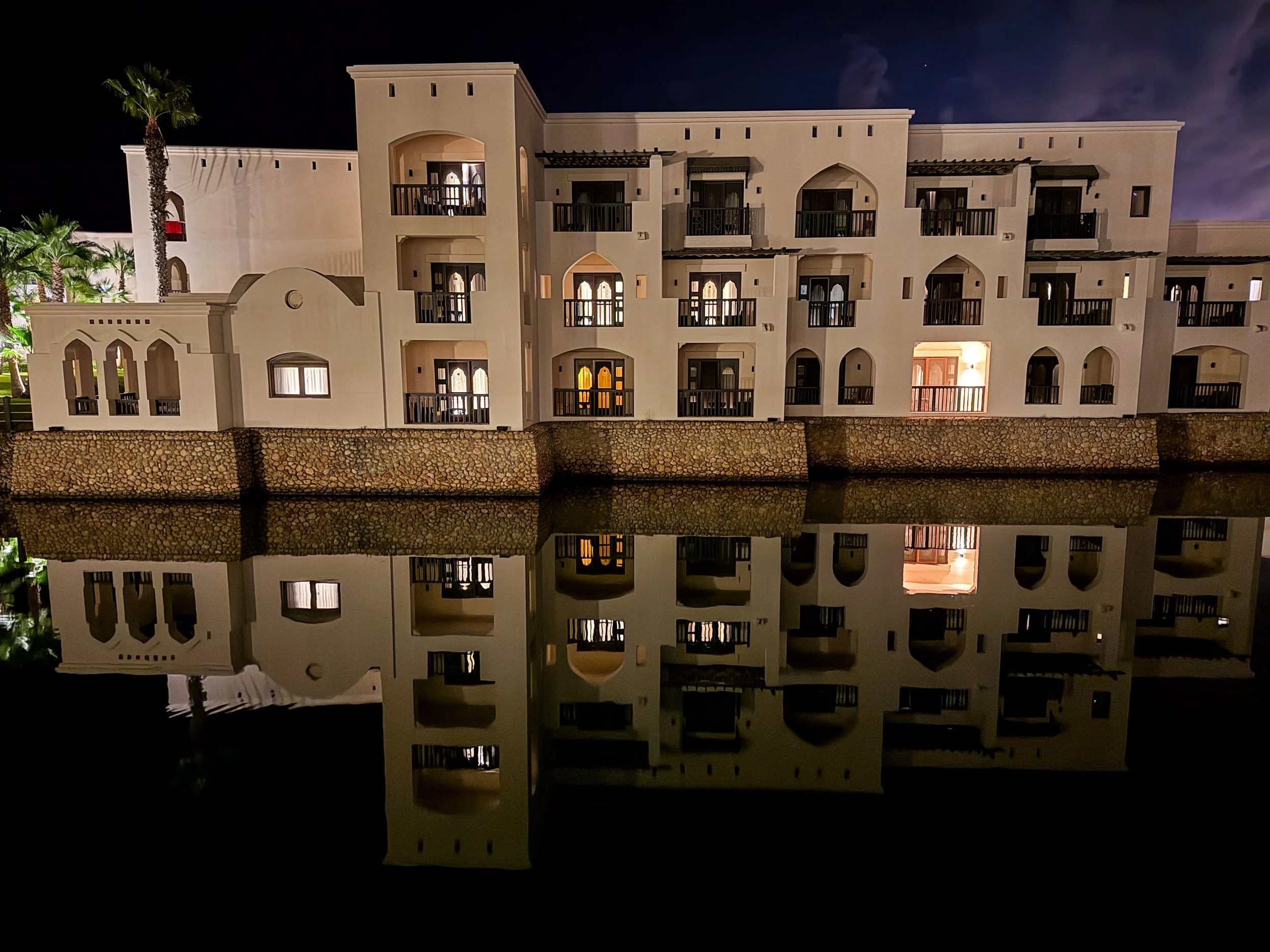
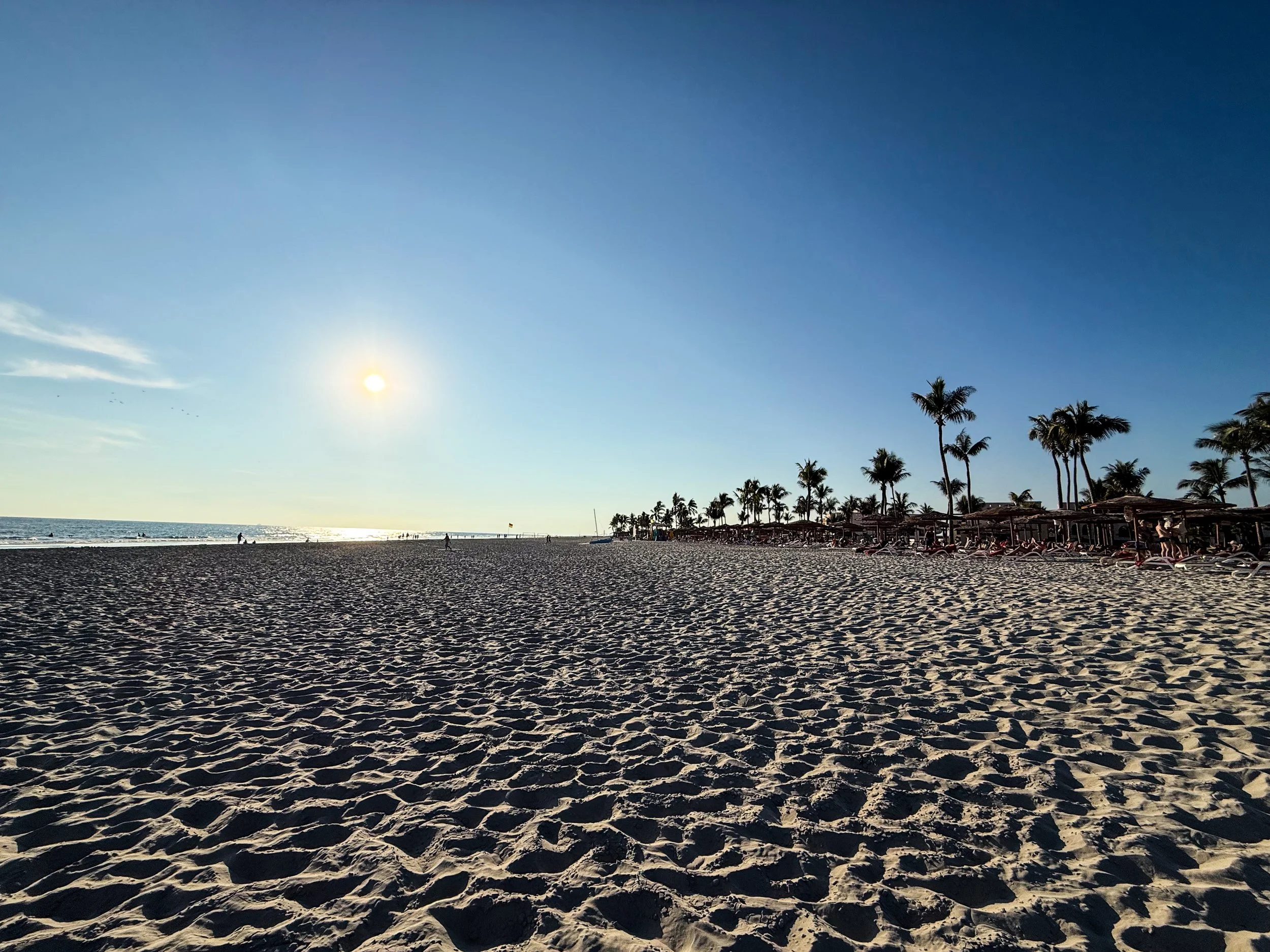
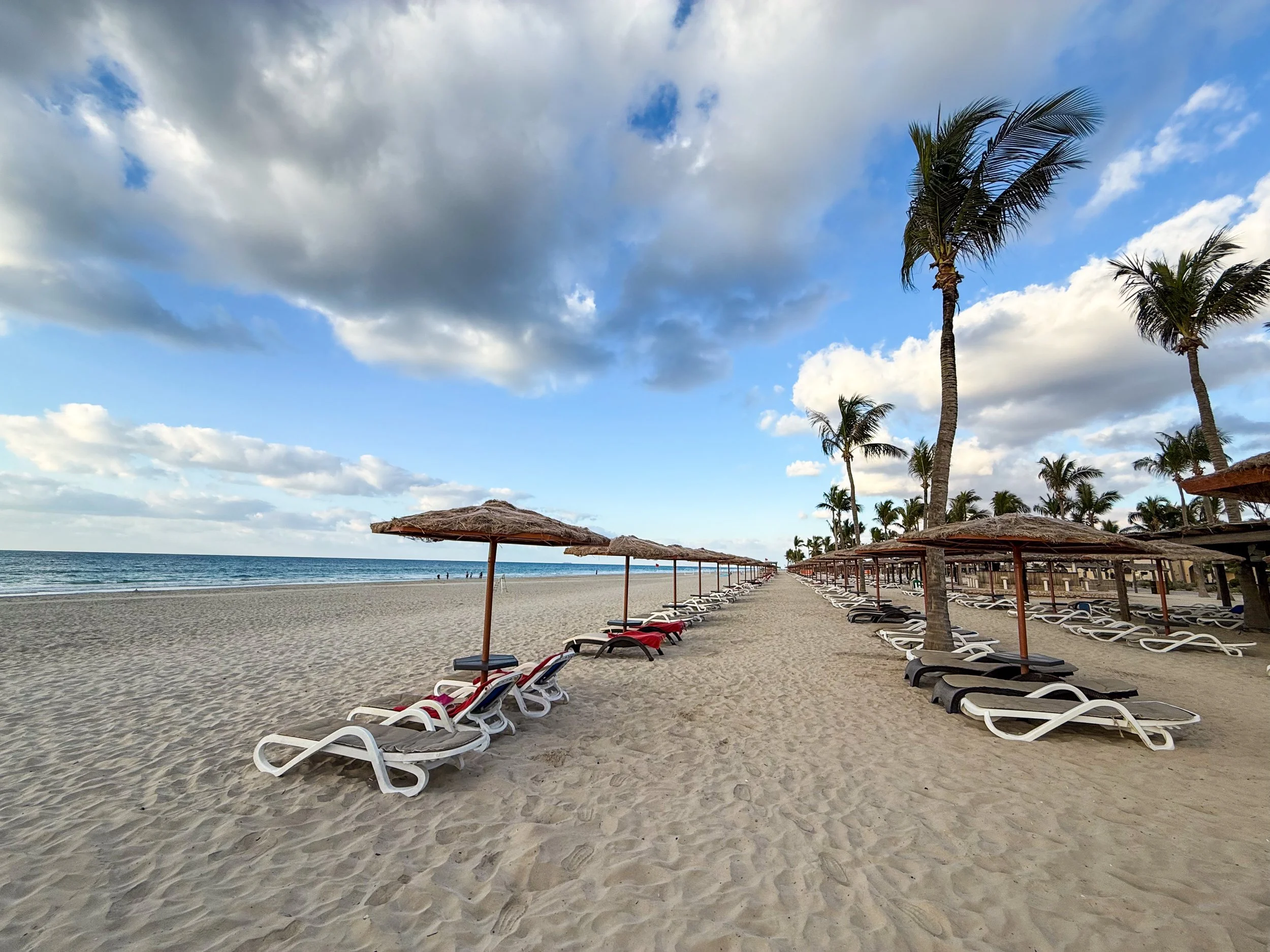
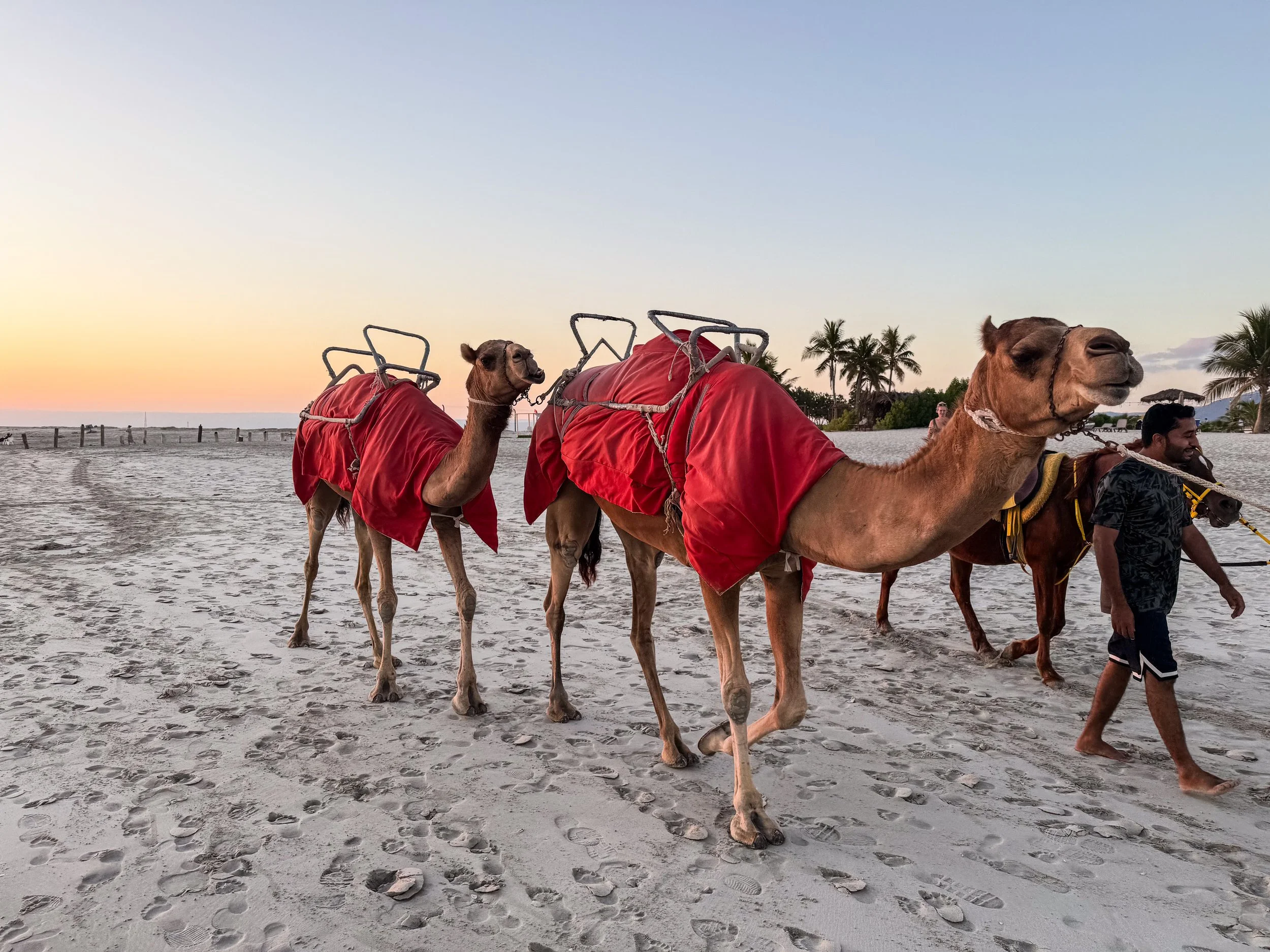
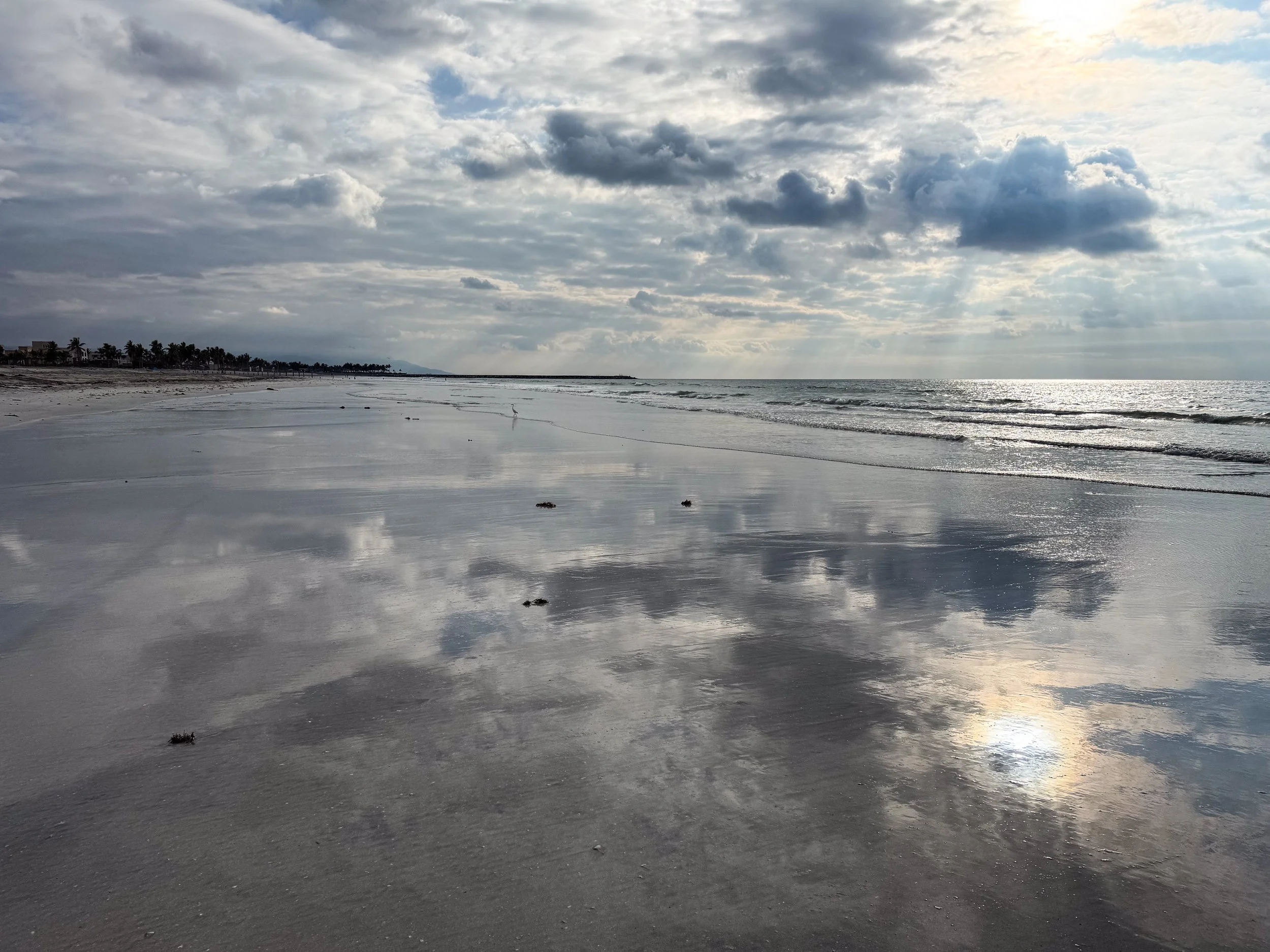
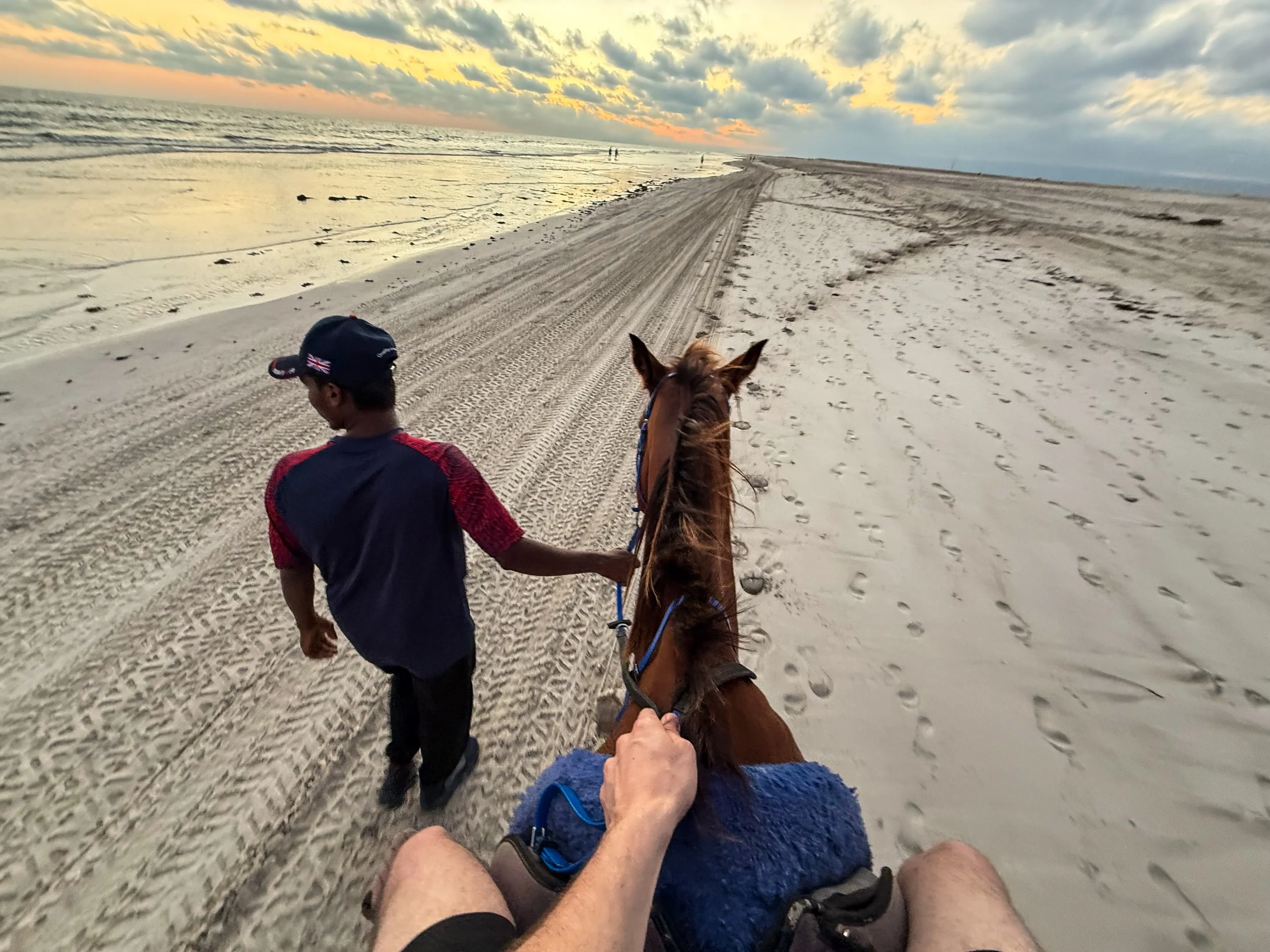
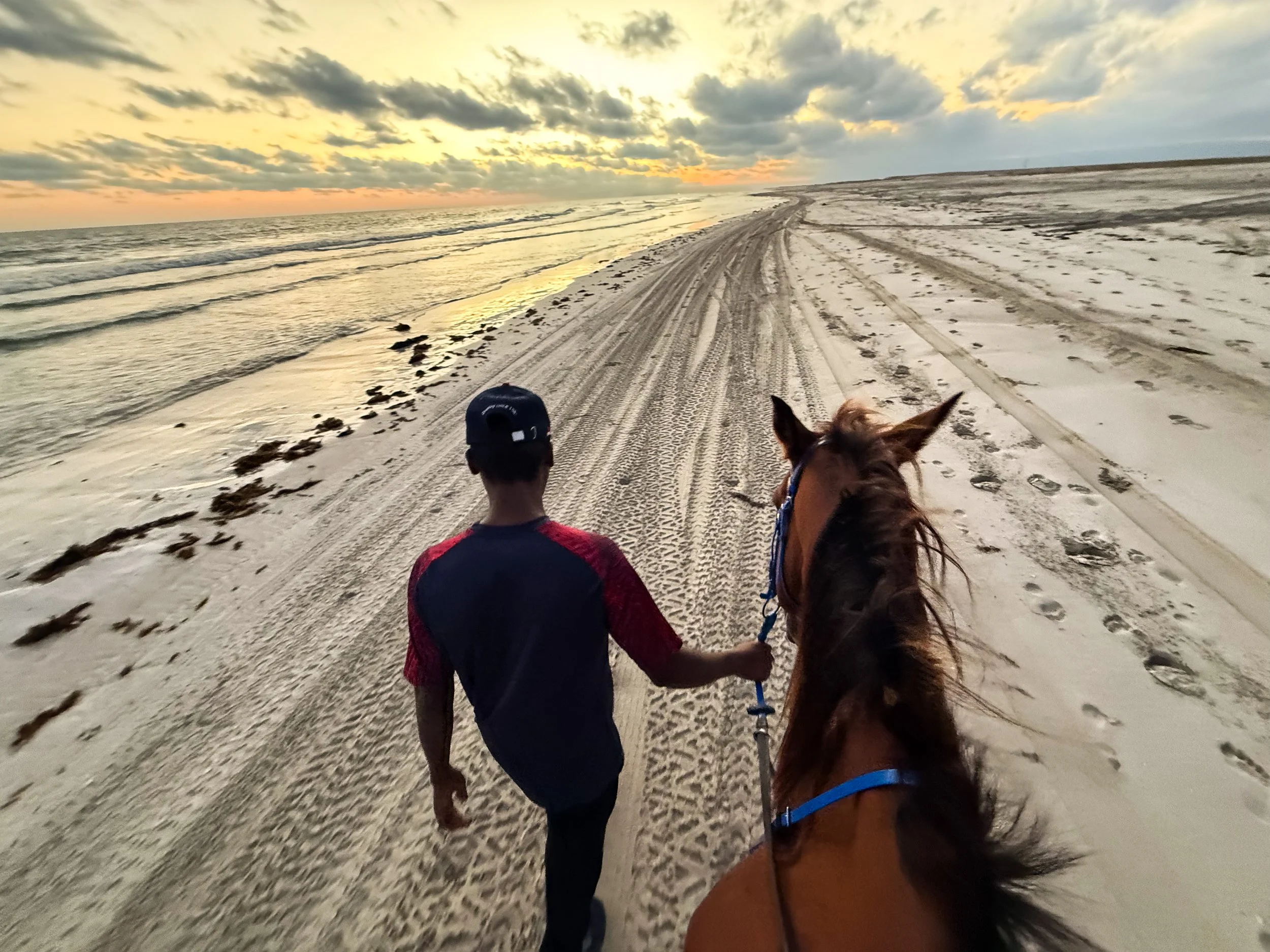
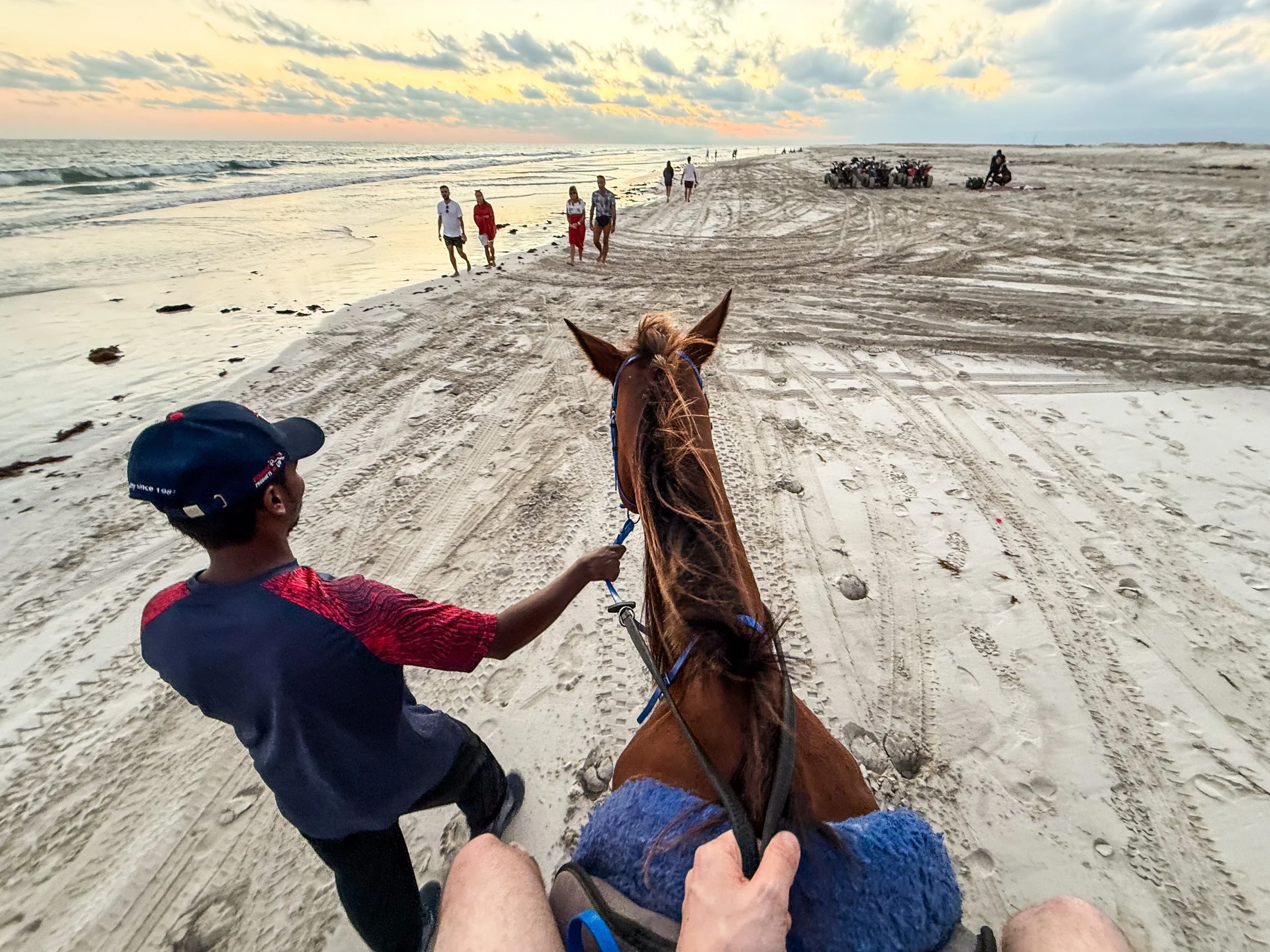
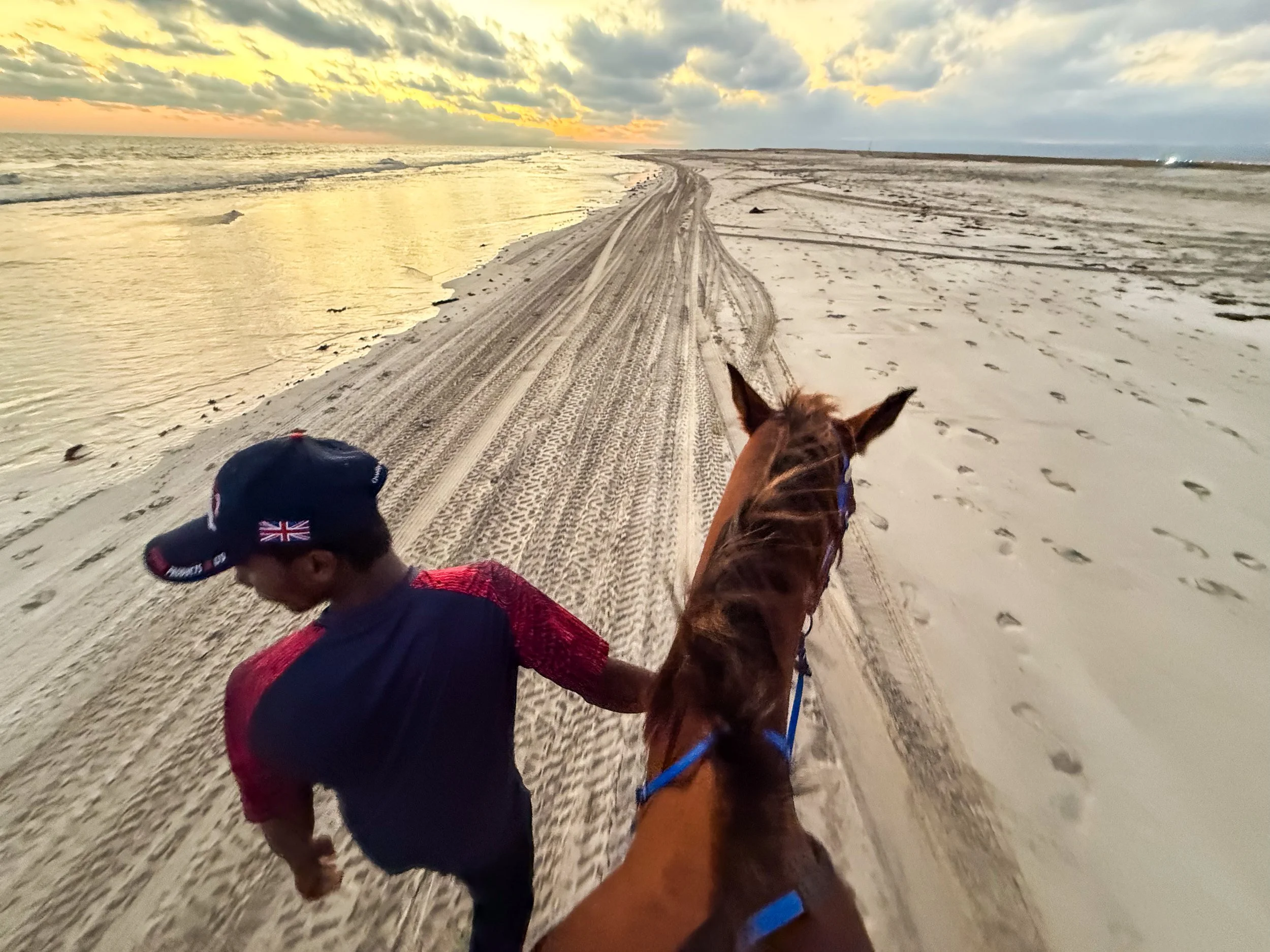
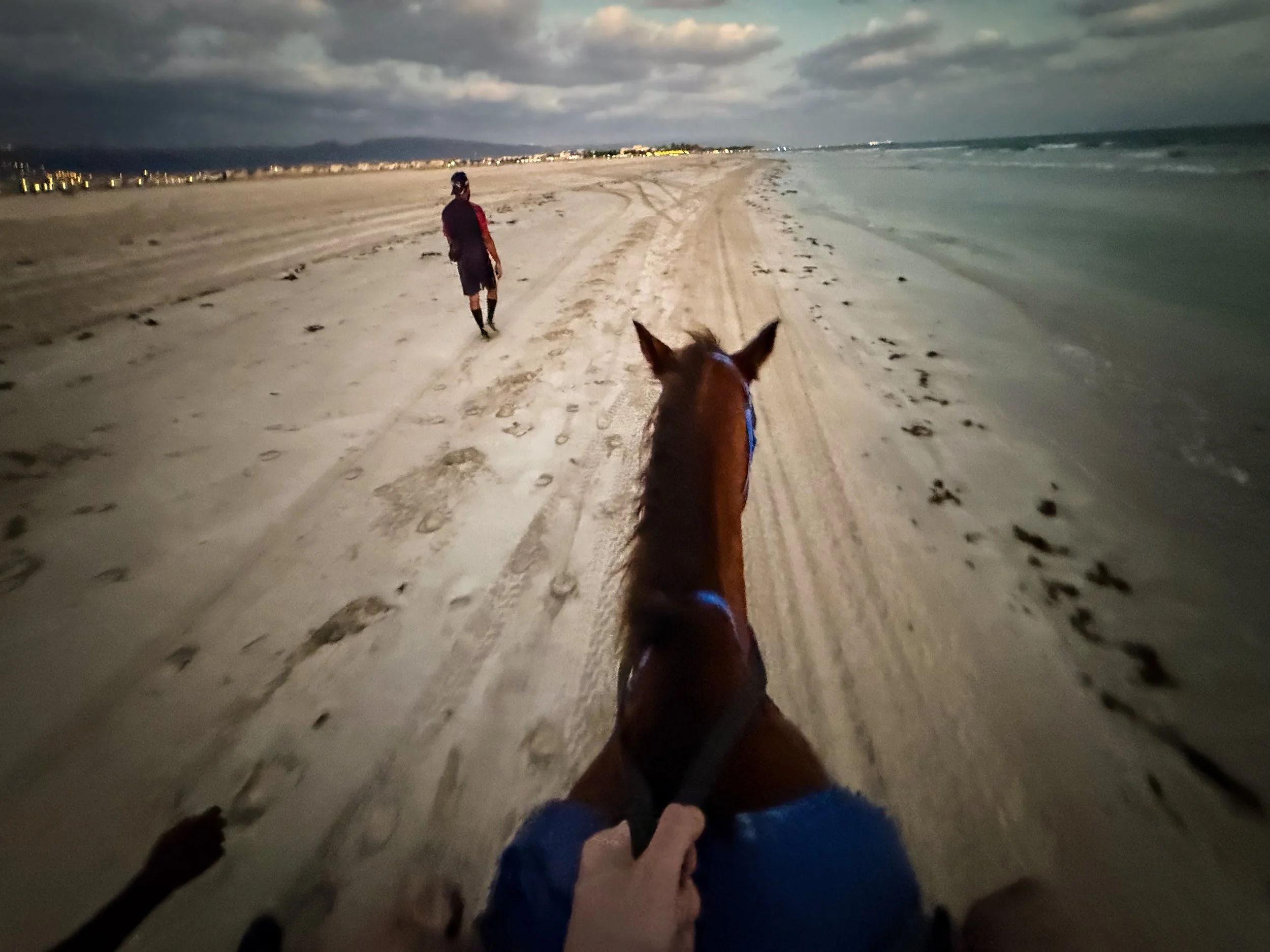
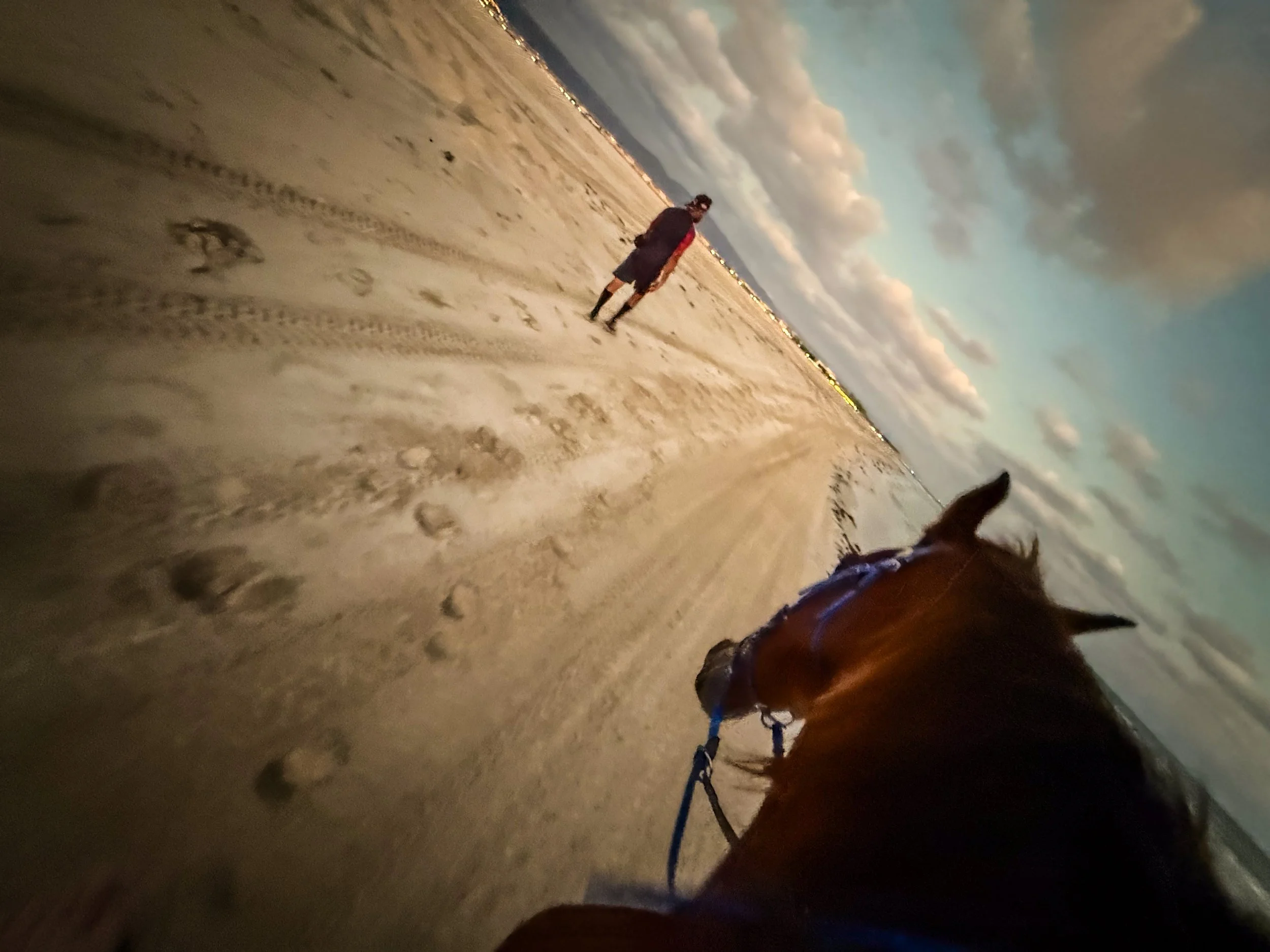
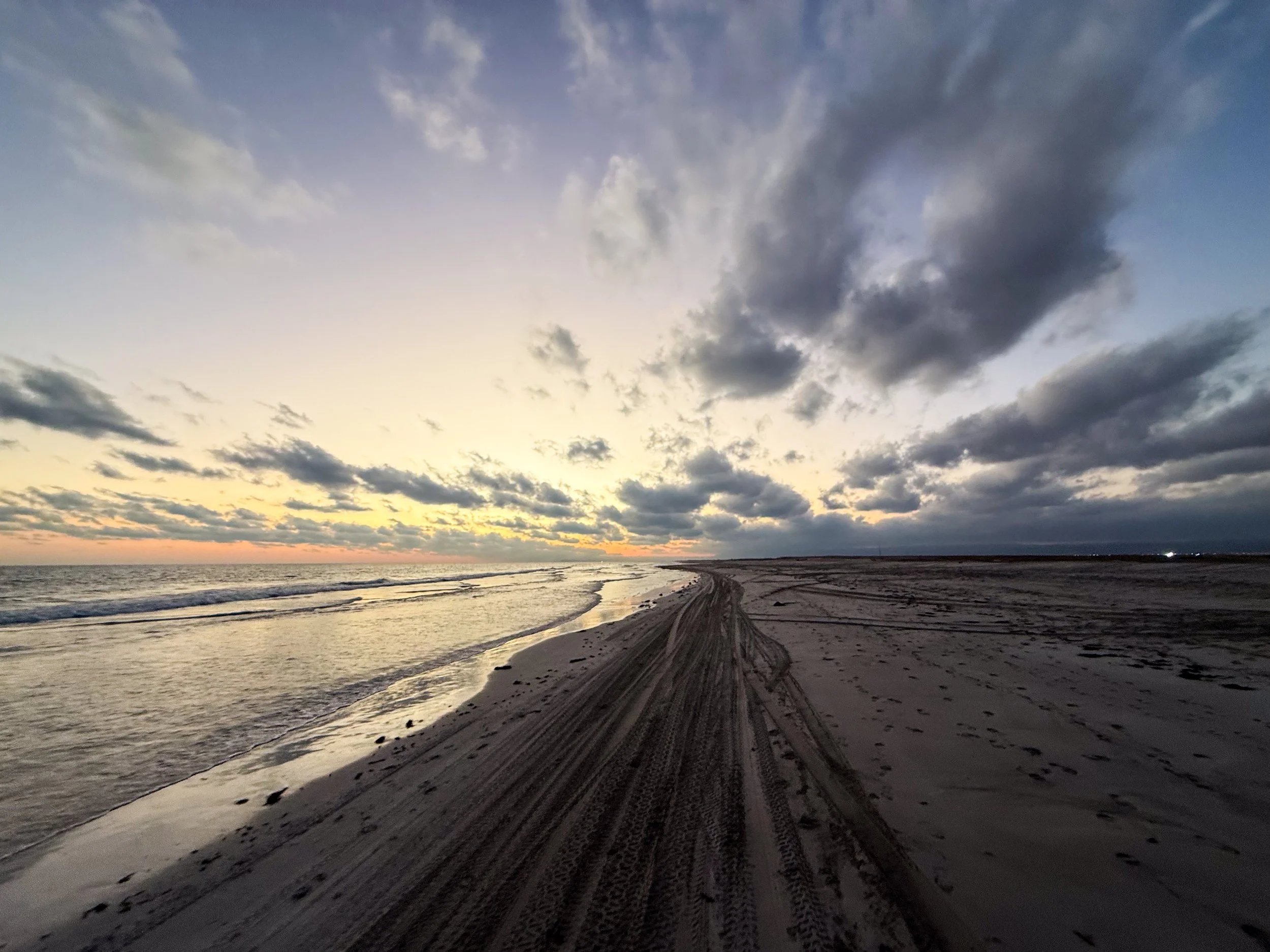
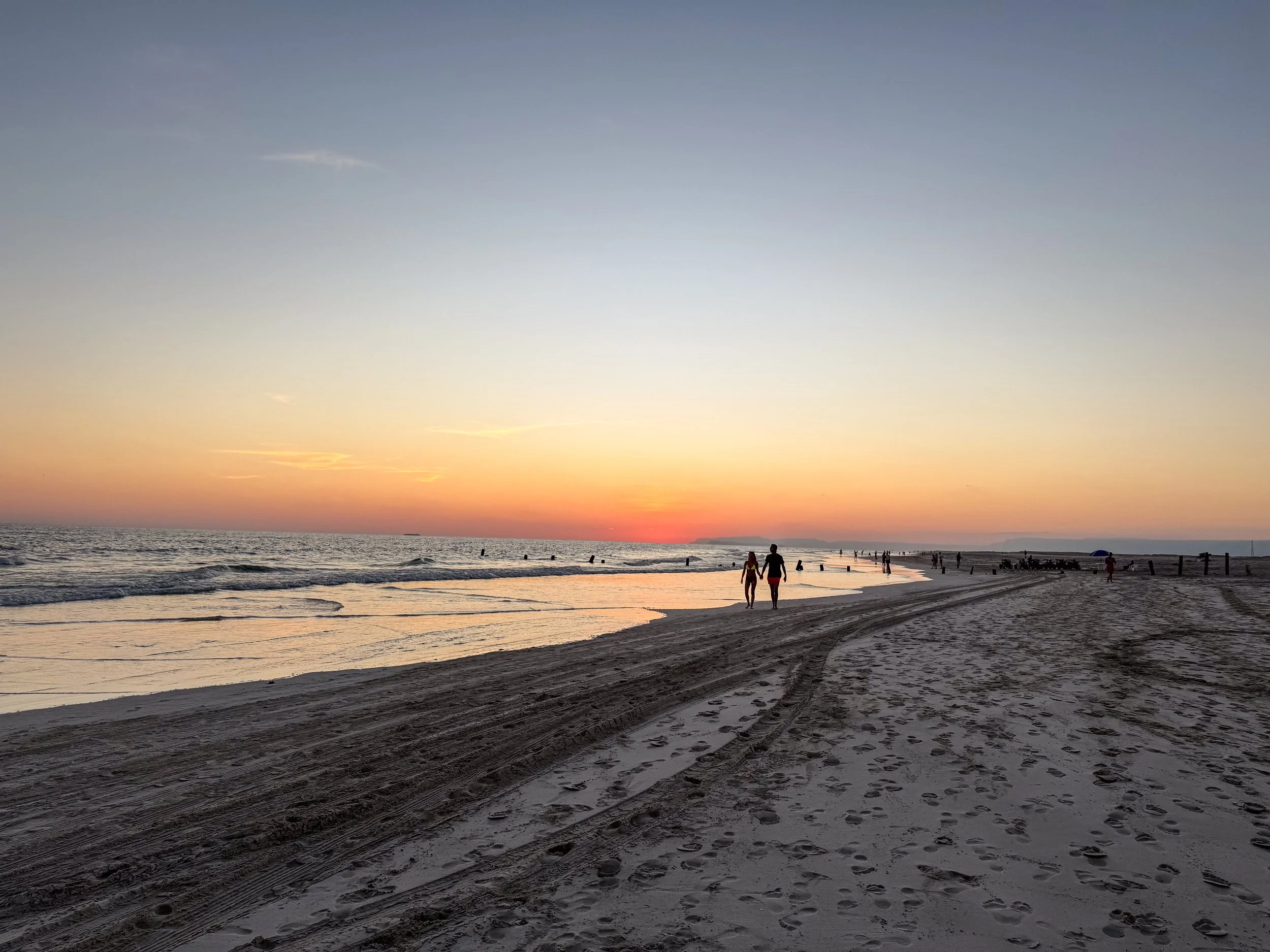
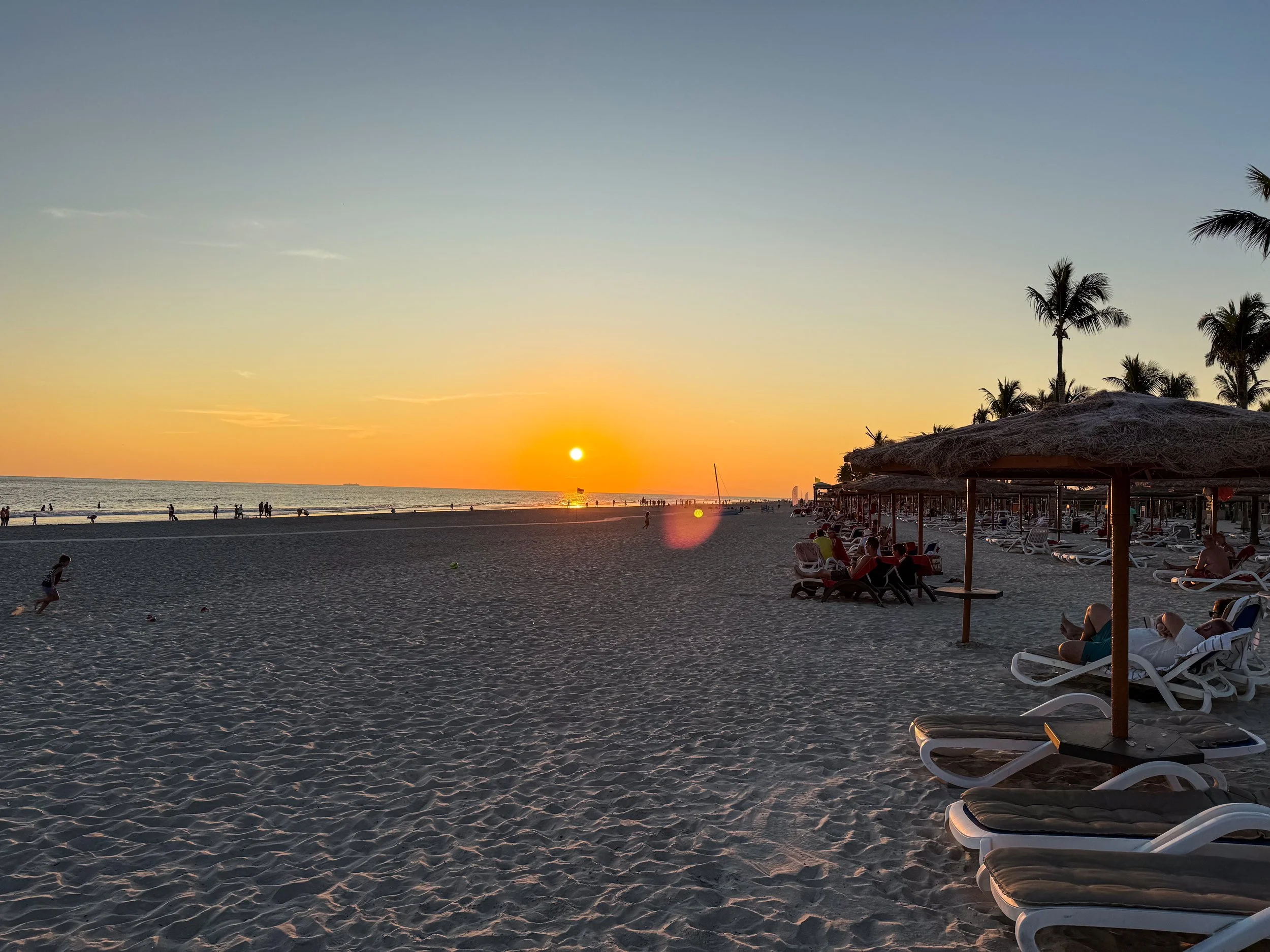
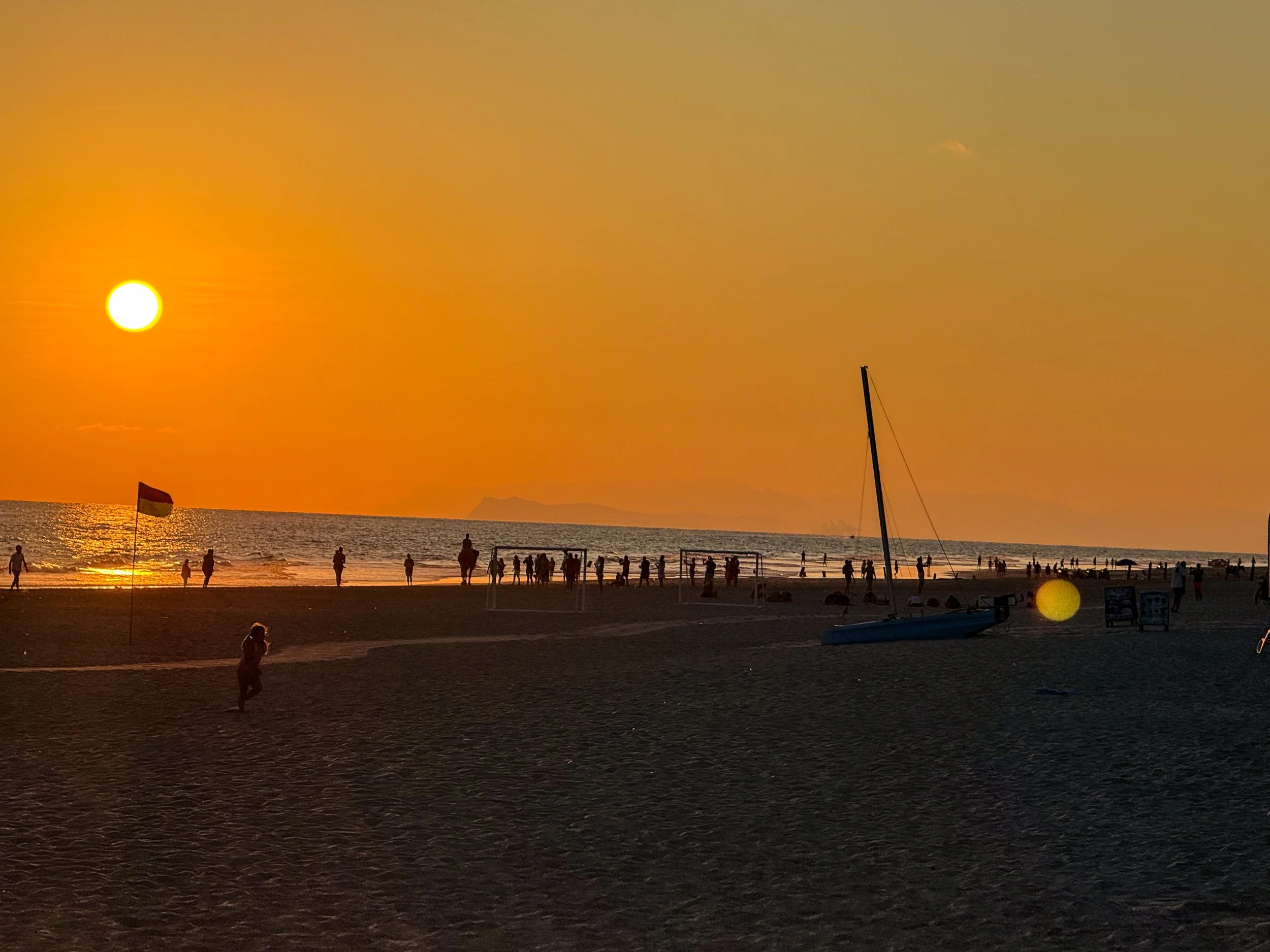
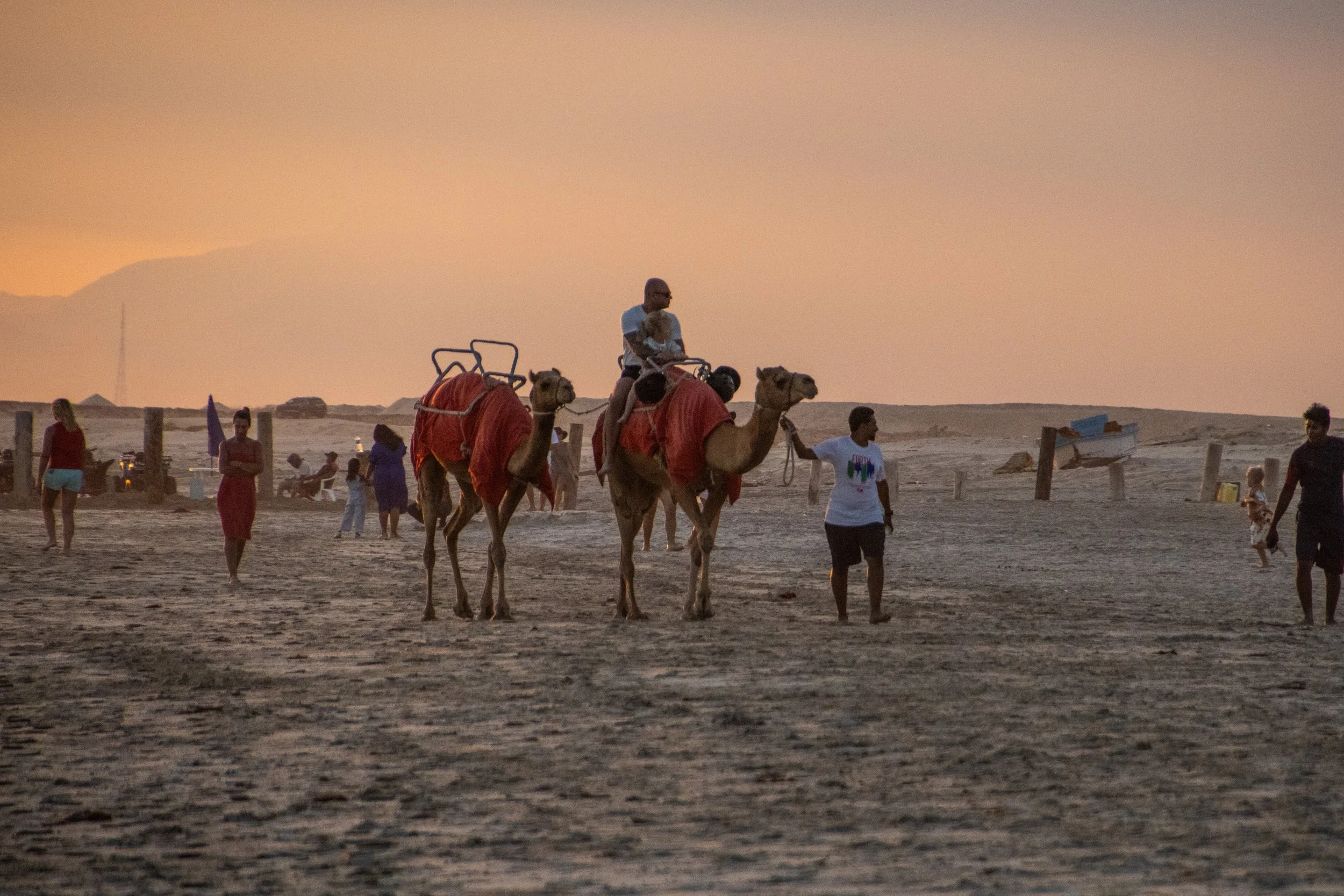
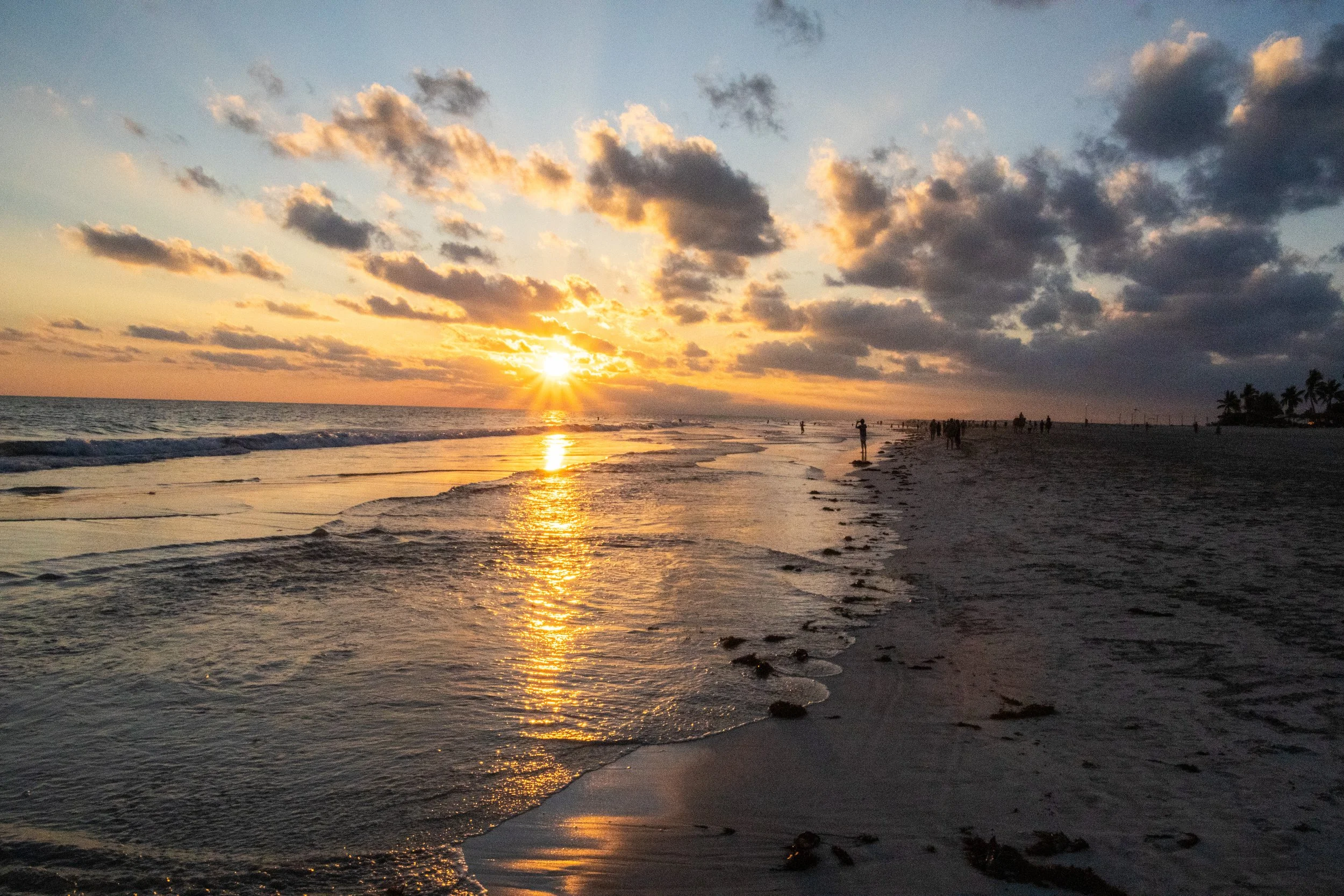
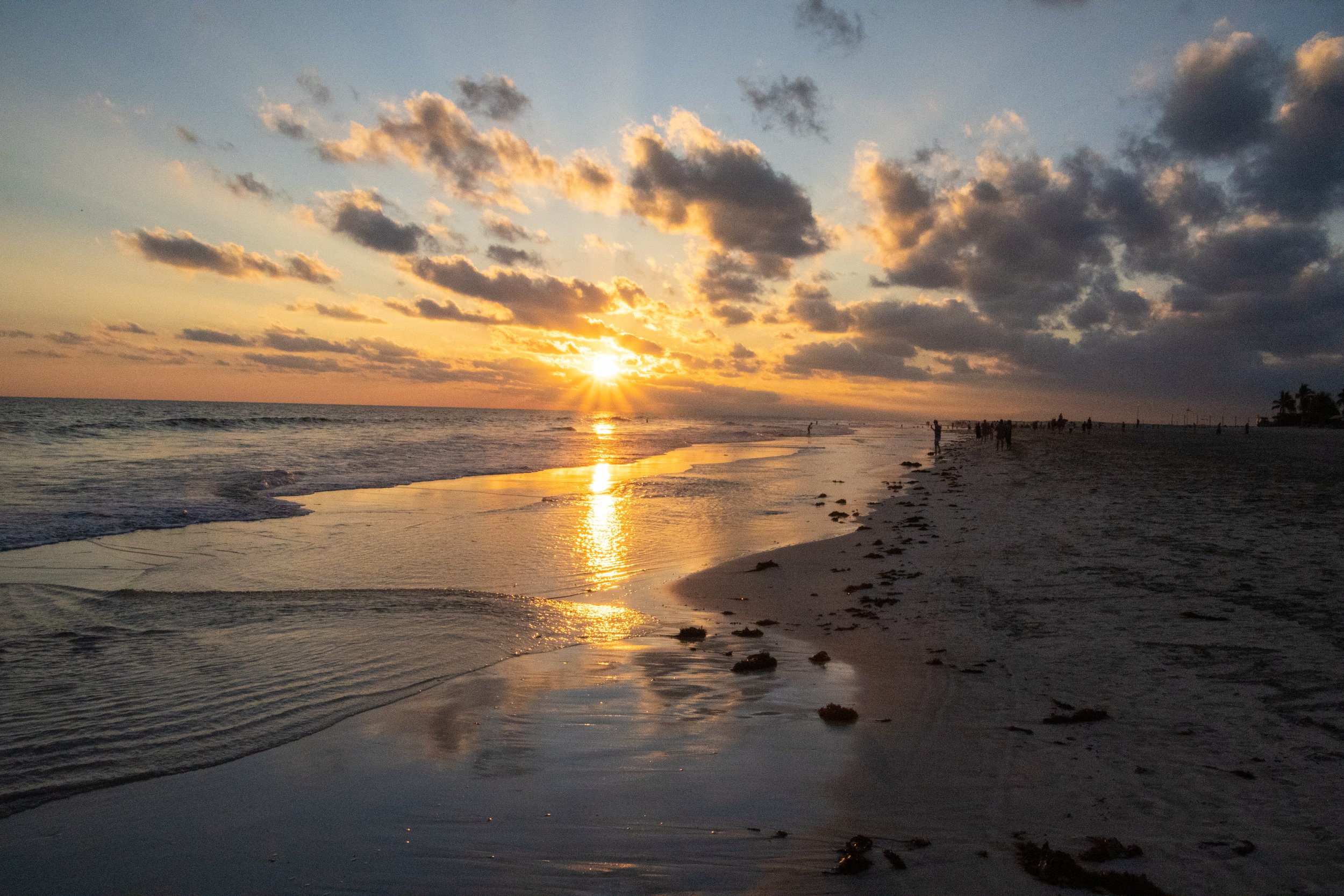
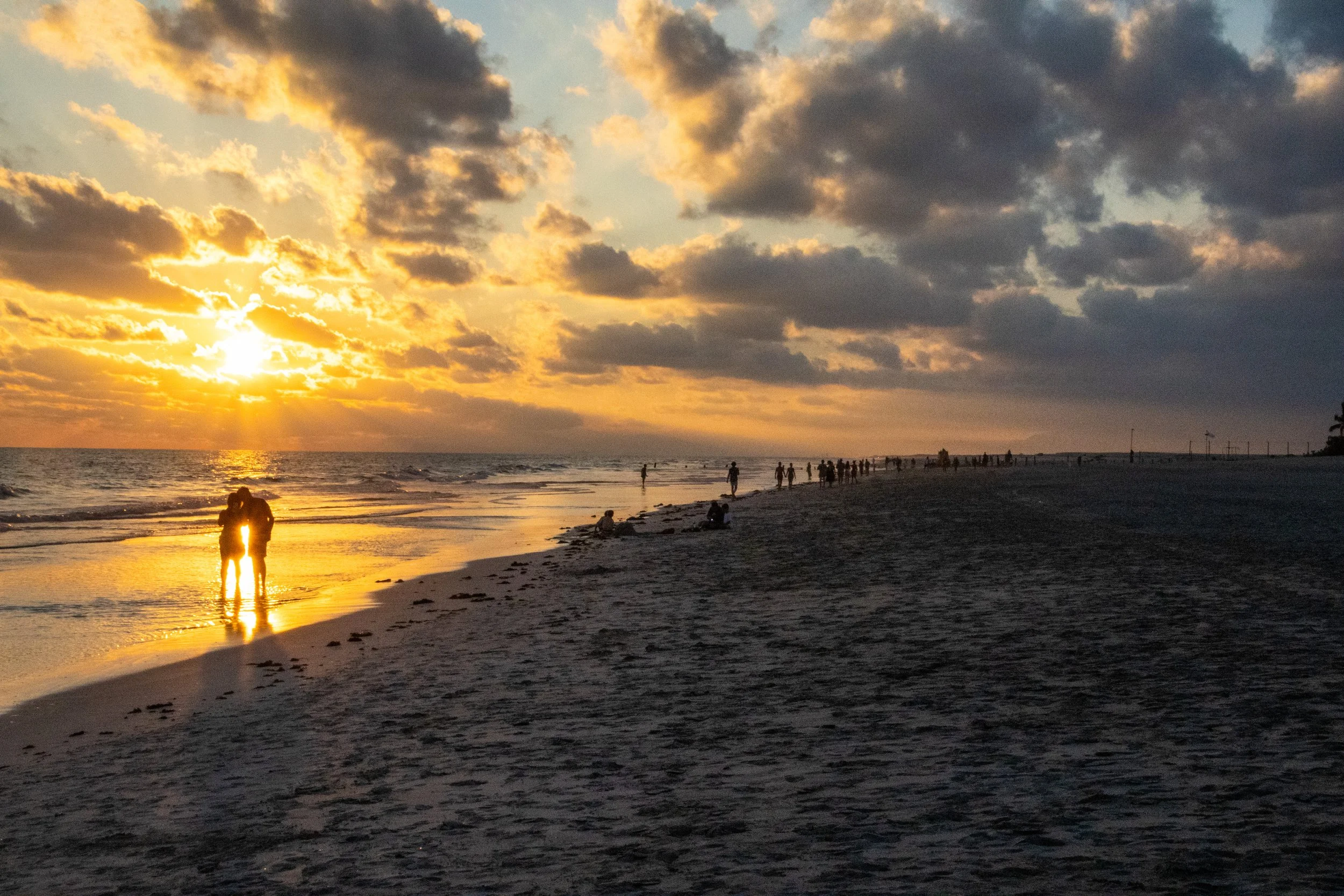
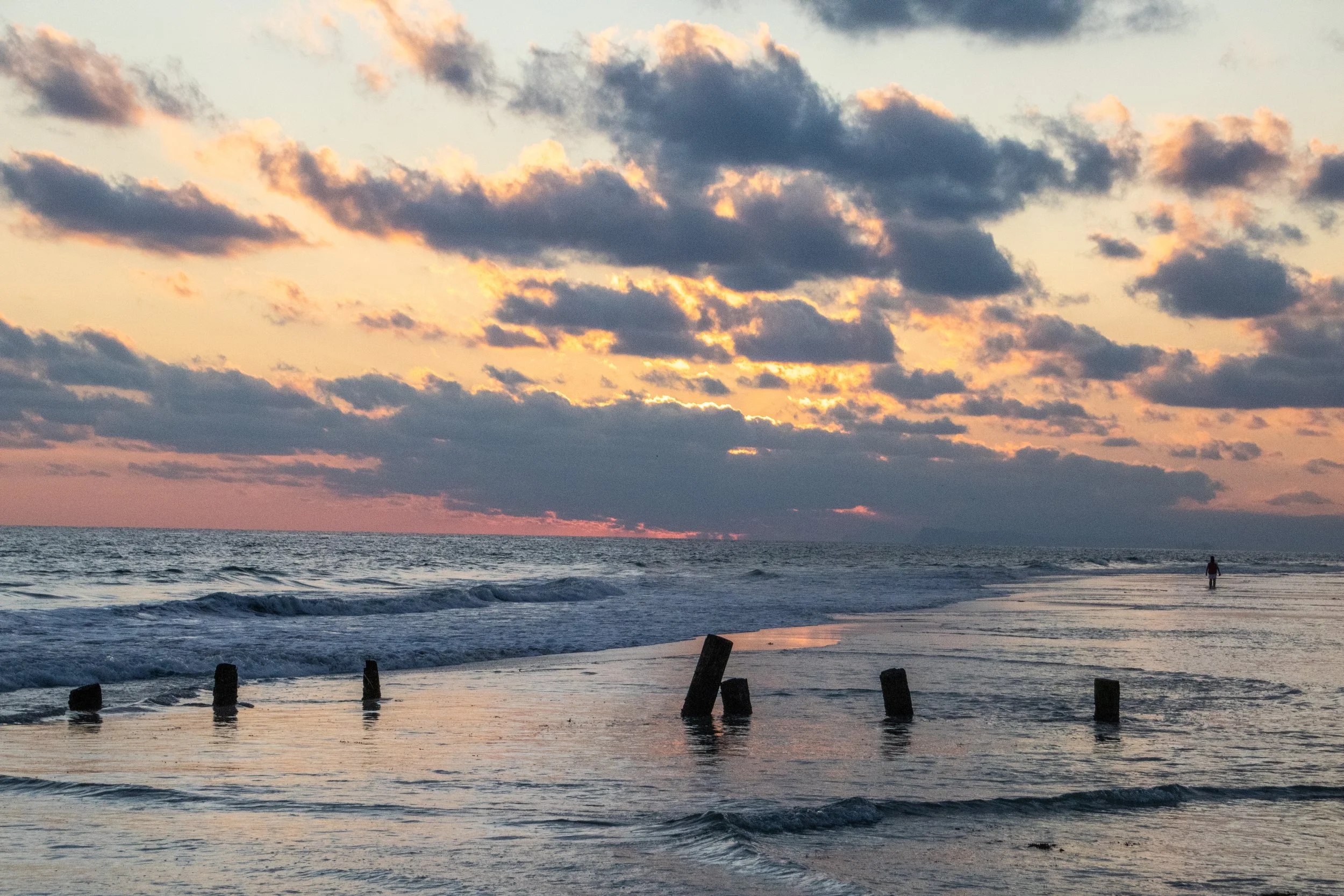
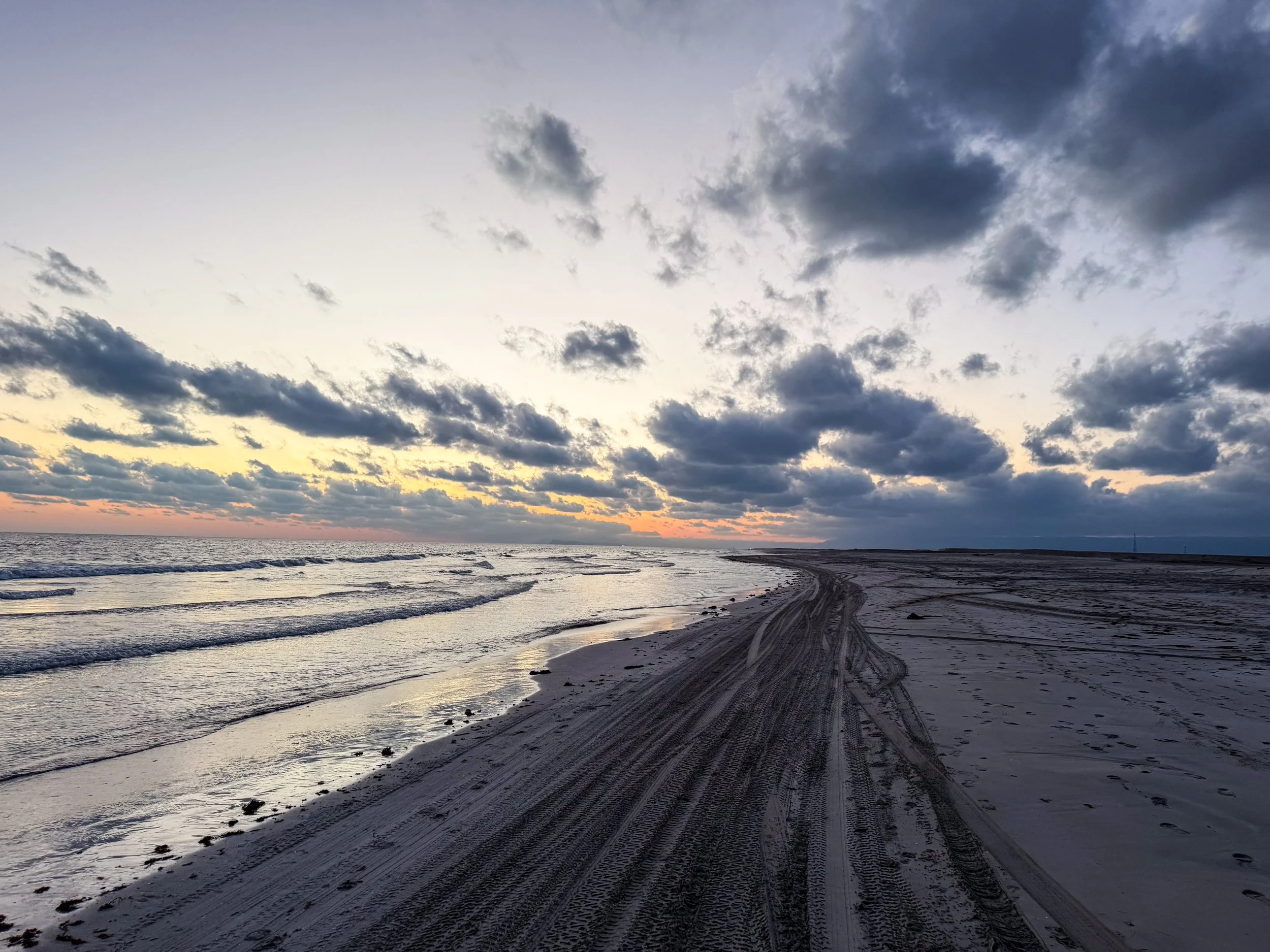
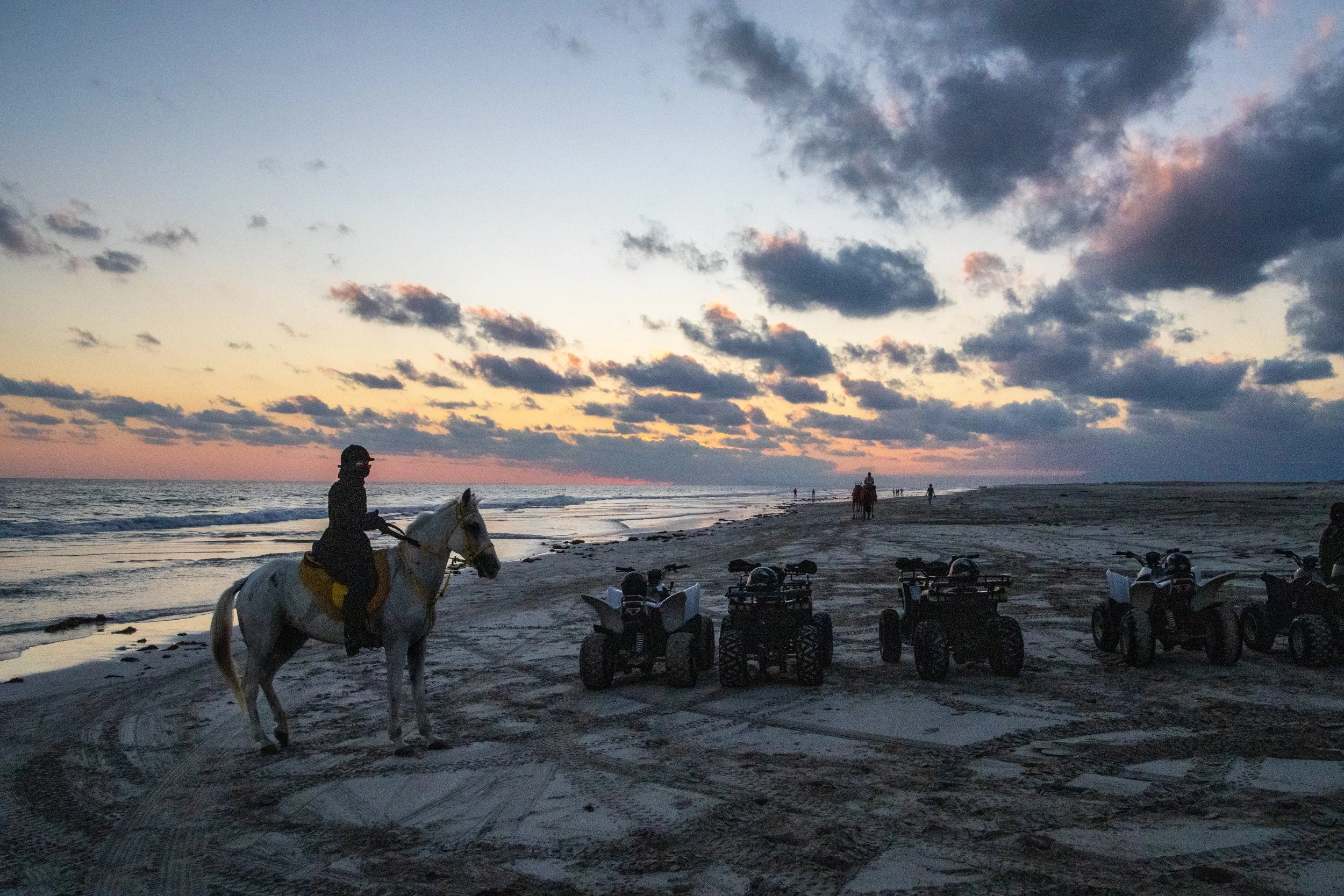
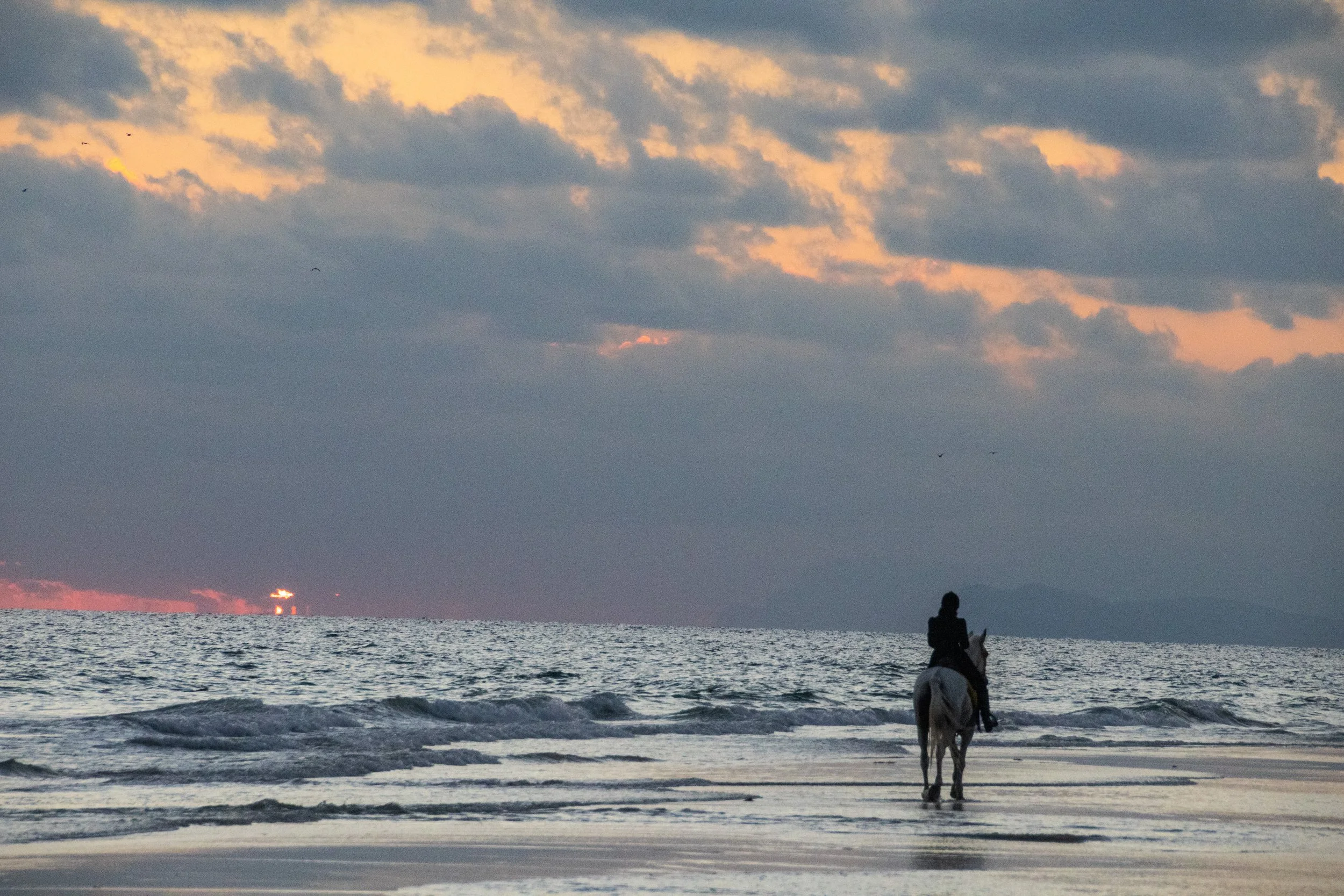
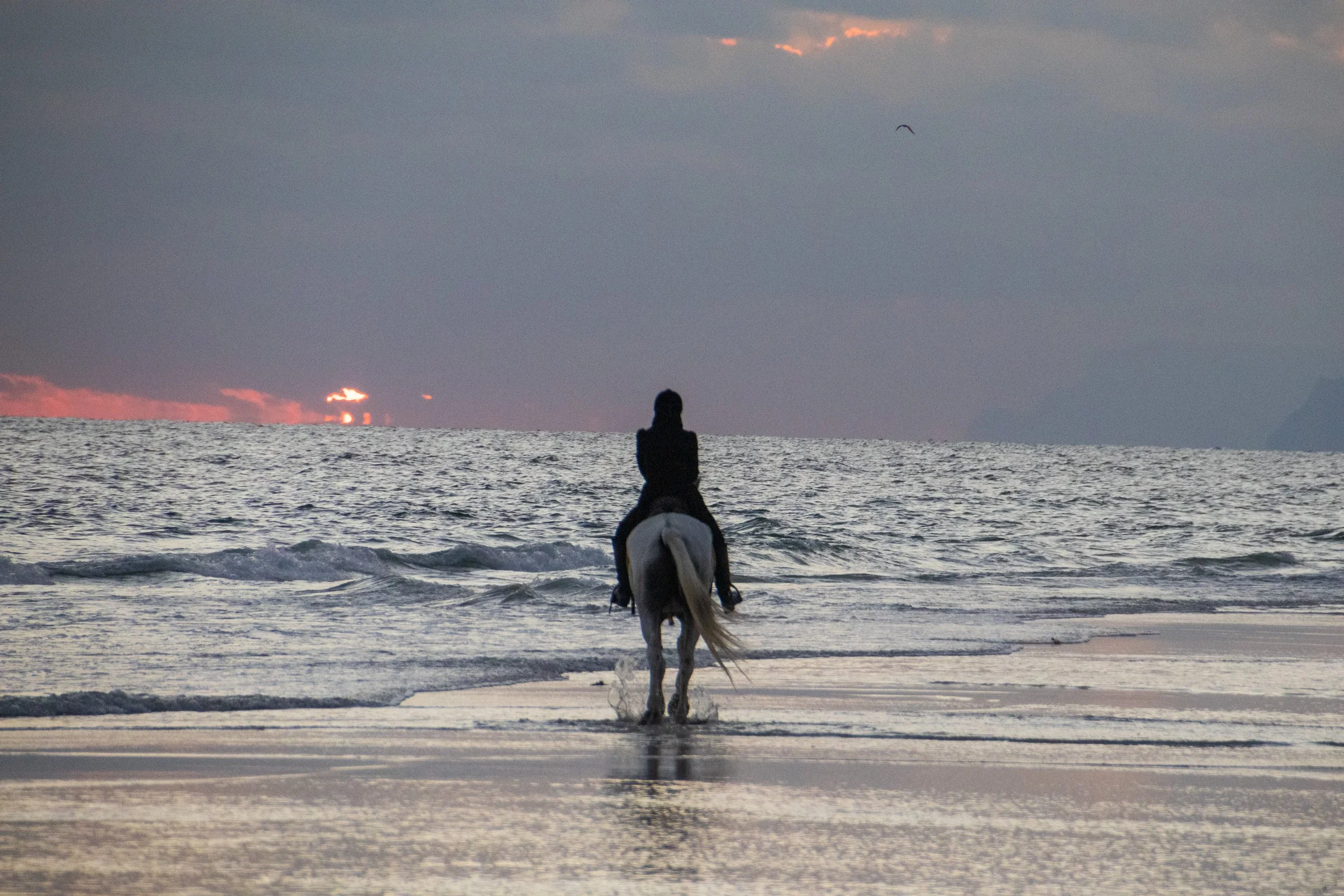
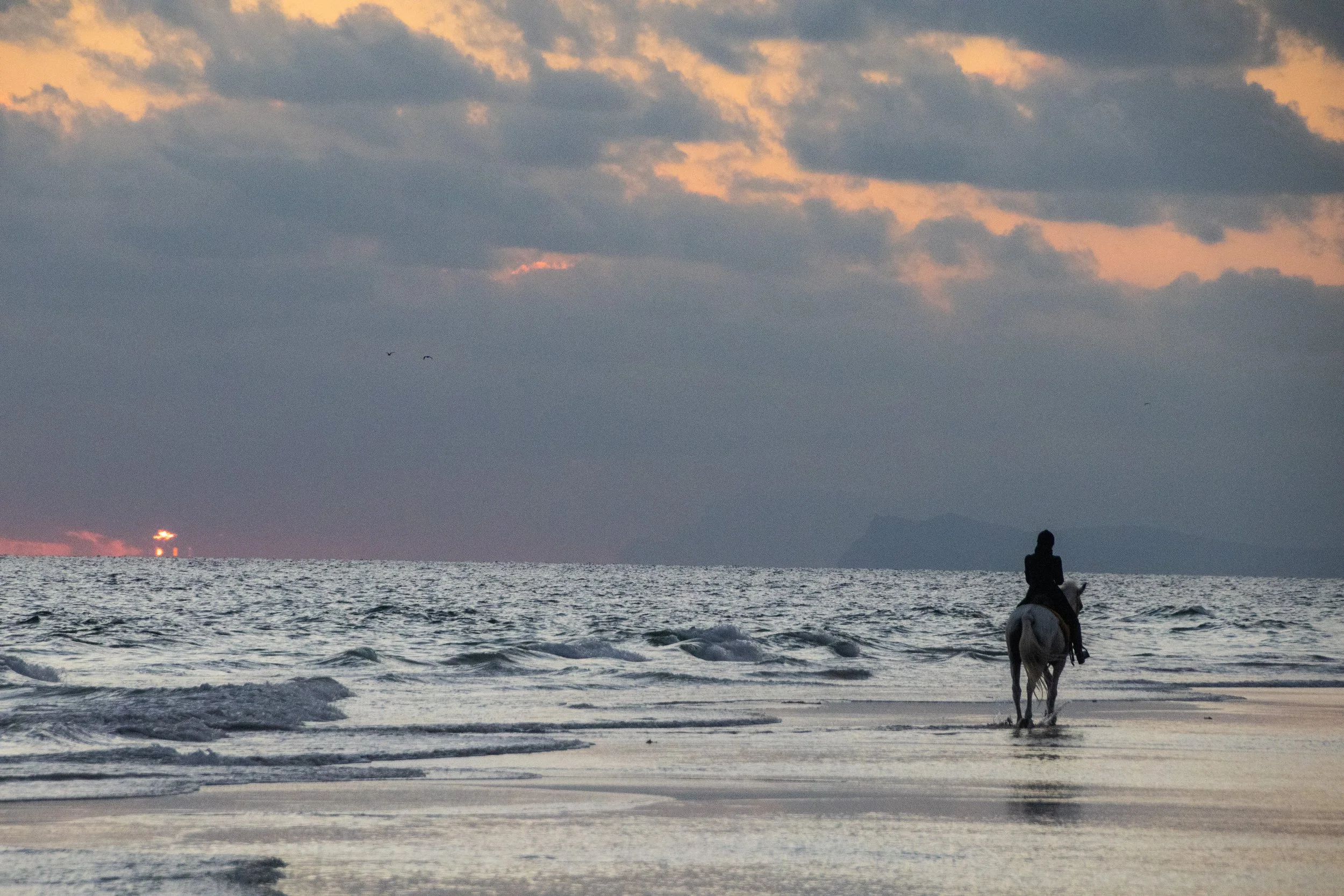
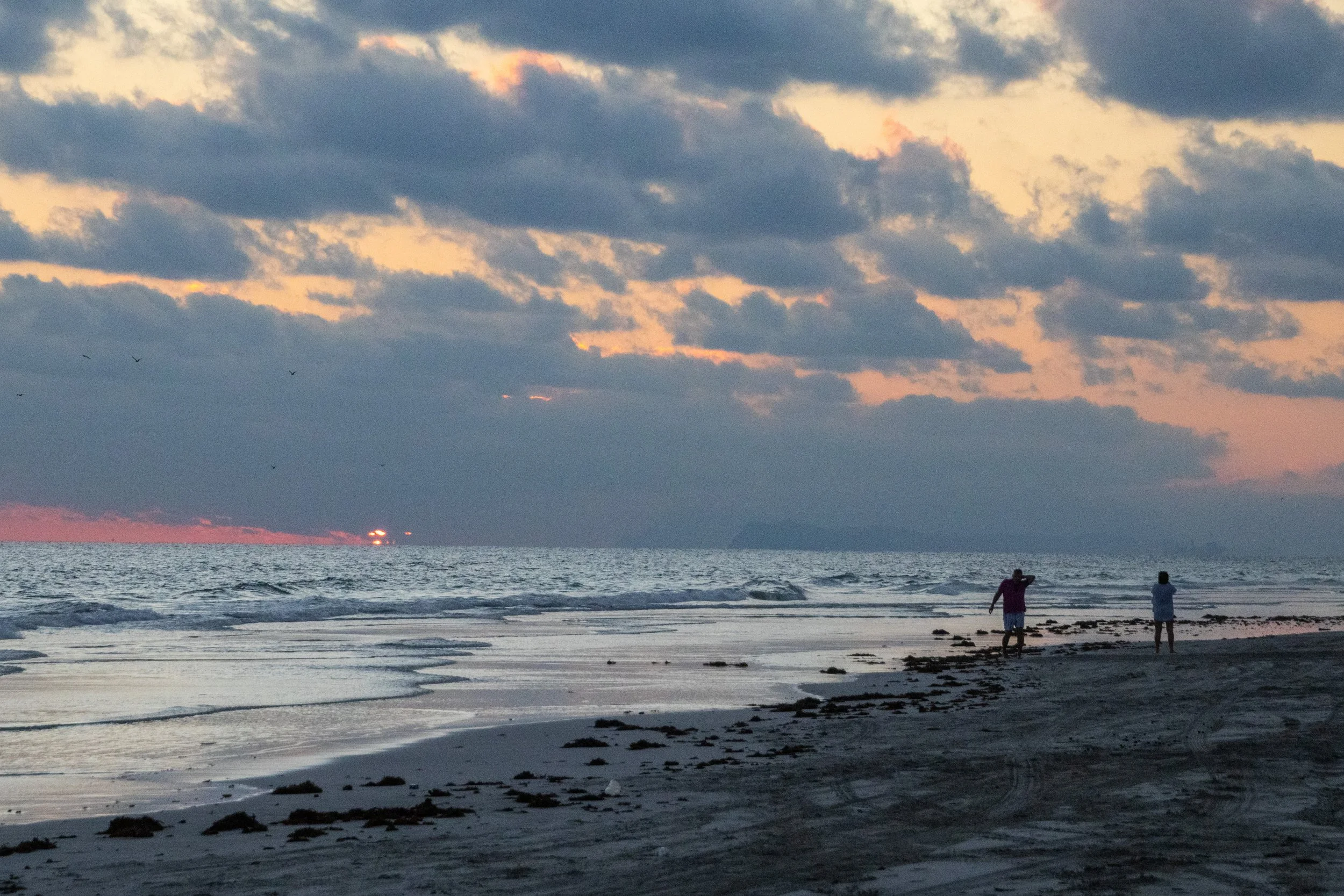
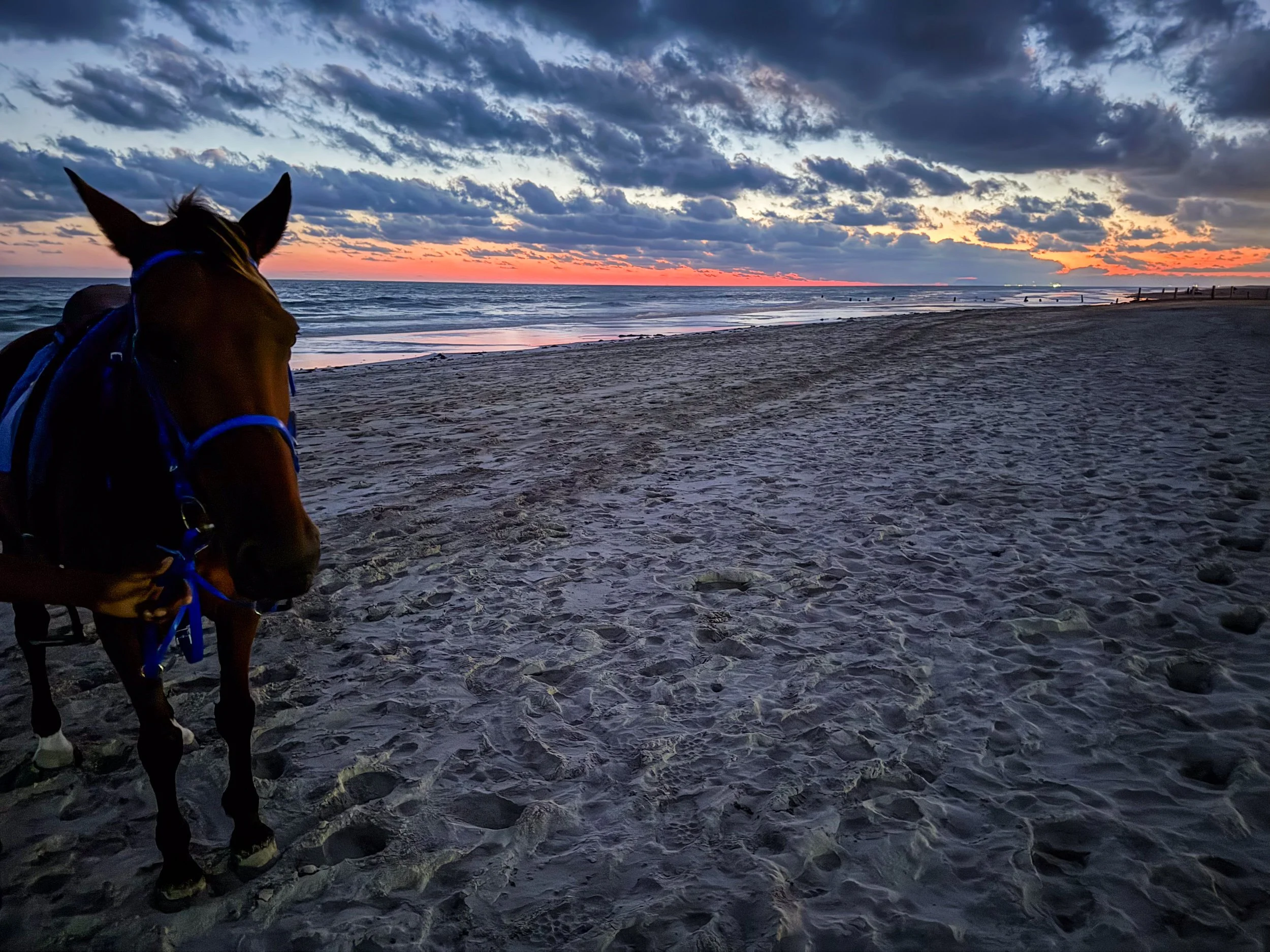
I came to Dhofar based on stunning imagery of coastal mountains, but I remember it now as a paradise of endless sandy beaches. This resort sat on a beach that was actually perfect! The sand was some of the finest and softest that I've ever experienced. At the edge of the resort’s property, there were people that would let you pay a small fee to ride horses and camels up and down the beach, so we sprang for a sunset horseback ride. Spoiler: riding camels will come later in this series! With such a perfect, sandy beach, you’d think that the whole seafront would be developed, but no! Once we got outside of the resort’s property limits, there was just nothing. Almost 90% of Dhofar’s population is based in Salalah, so once you venture outside of it, there’s a lot of empty space.
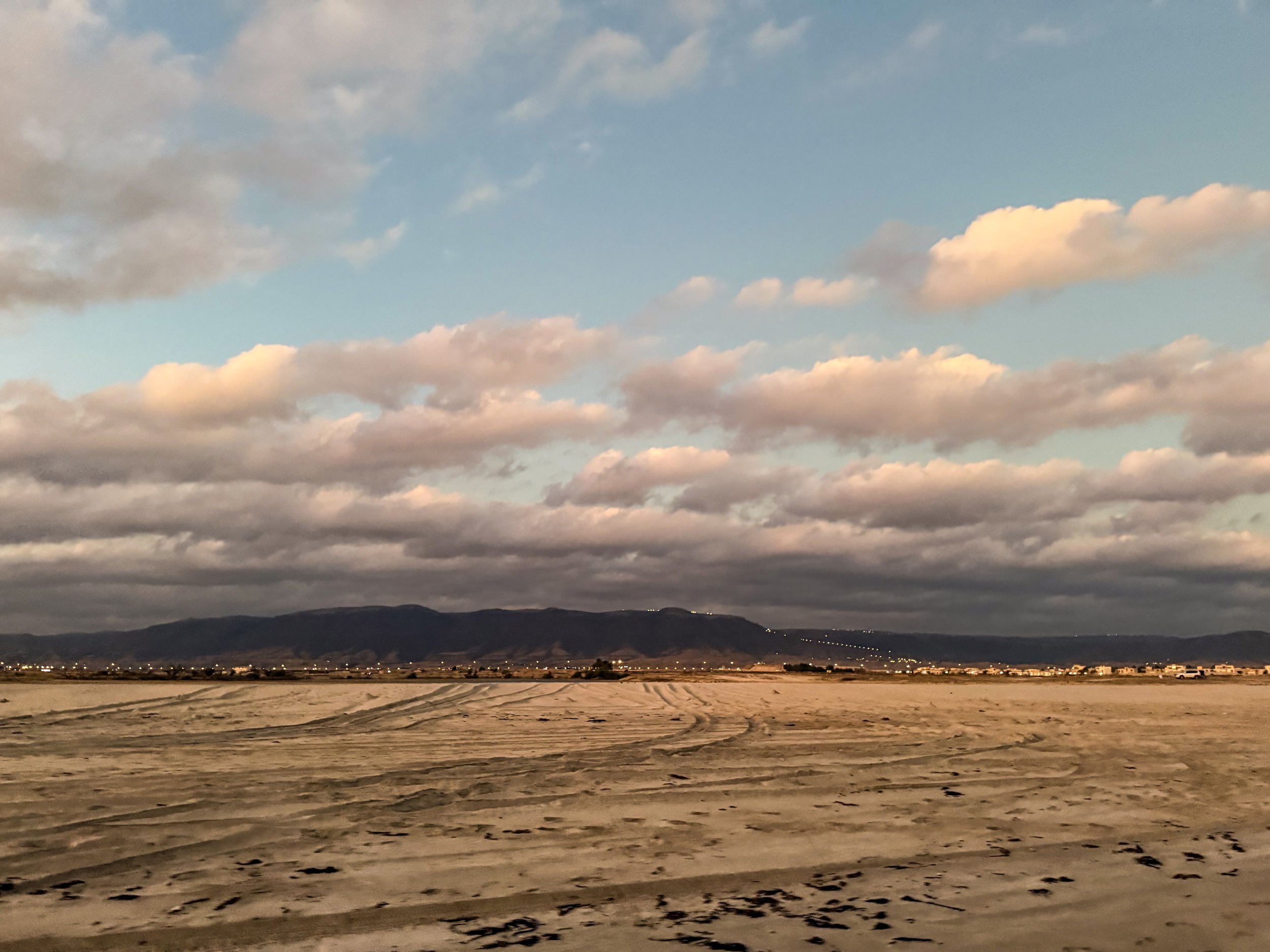
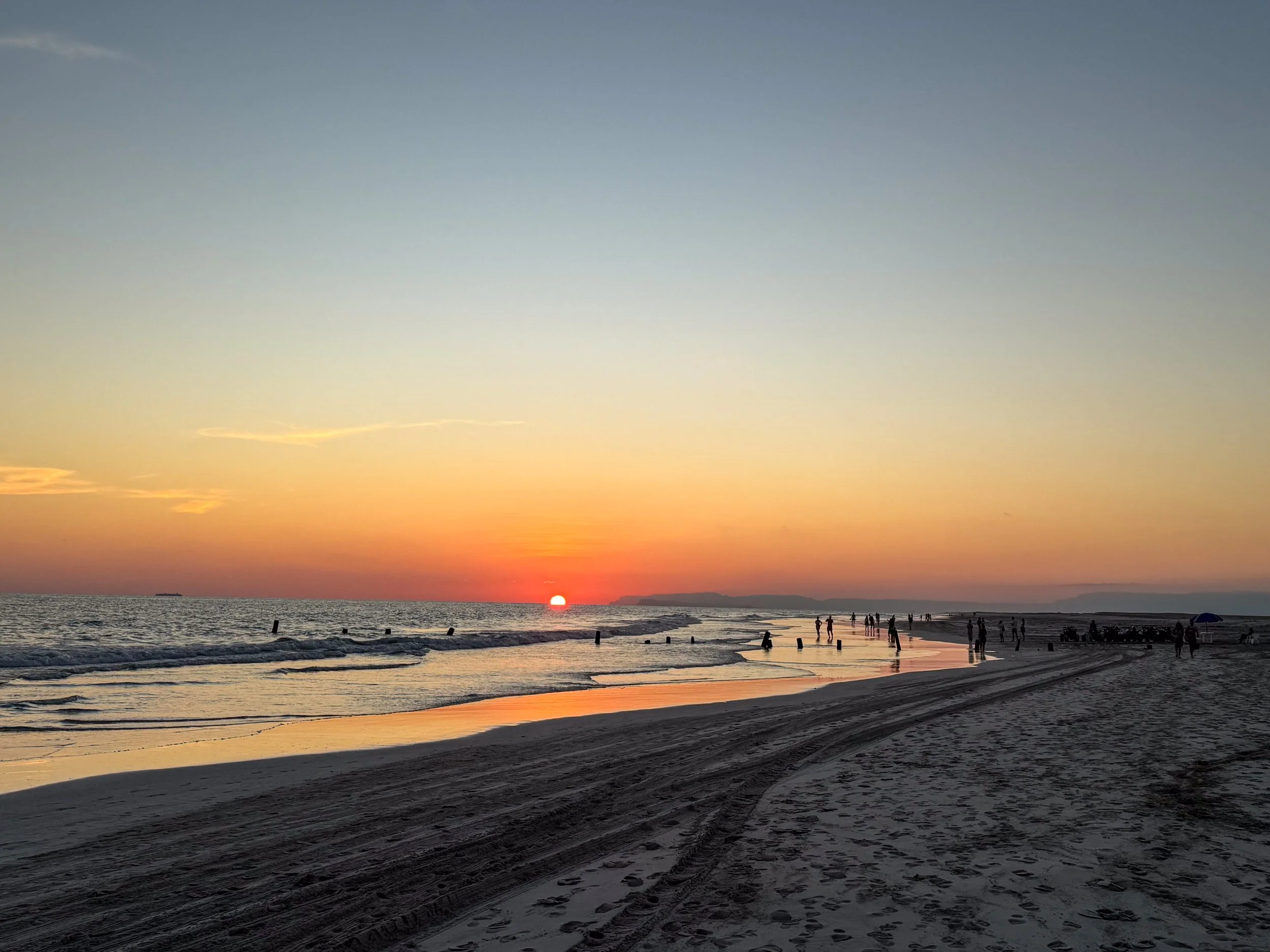
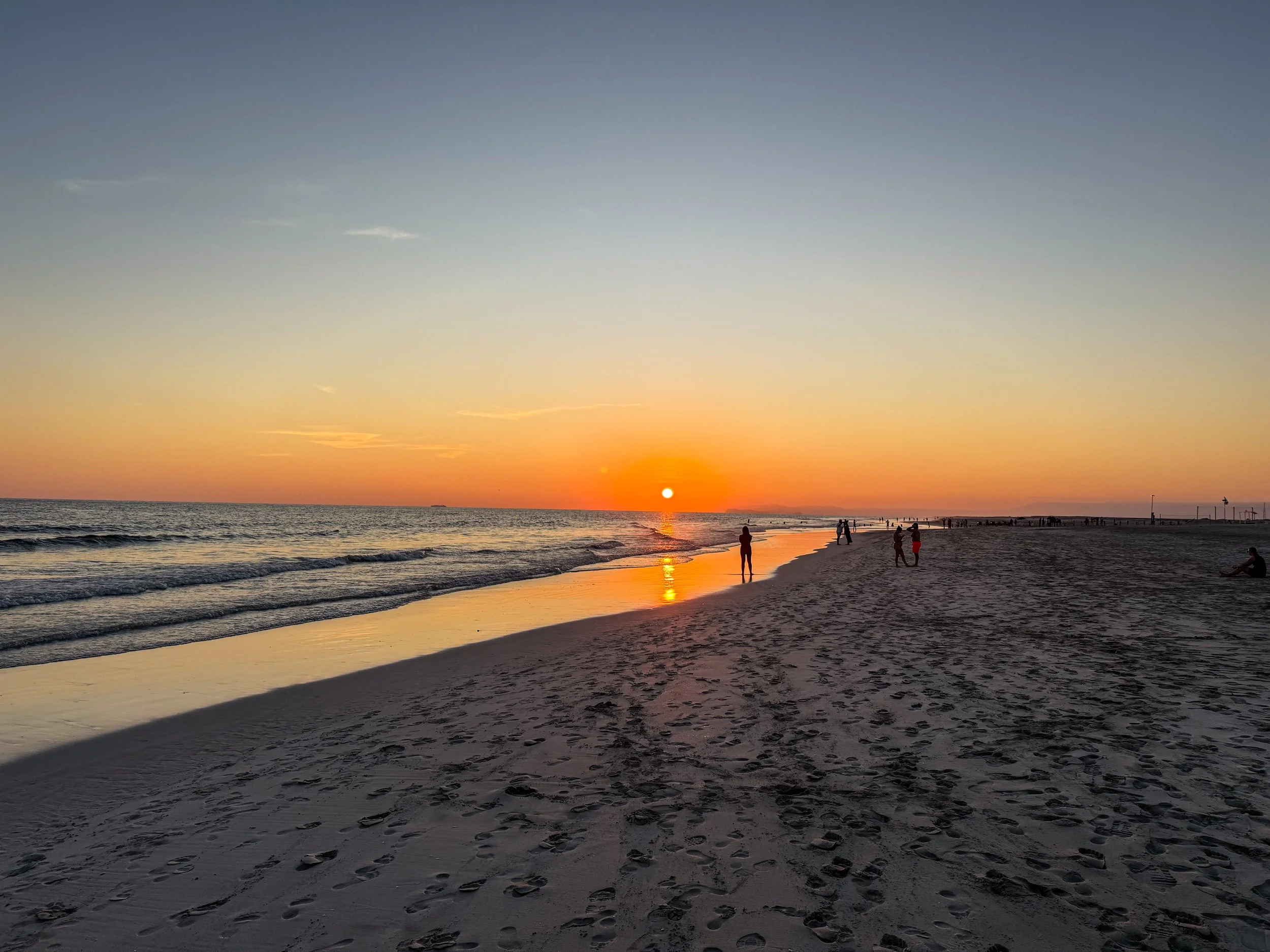
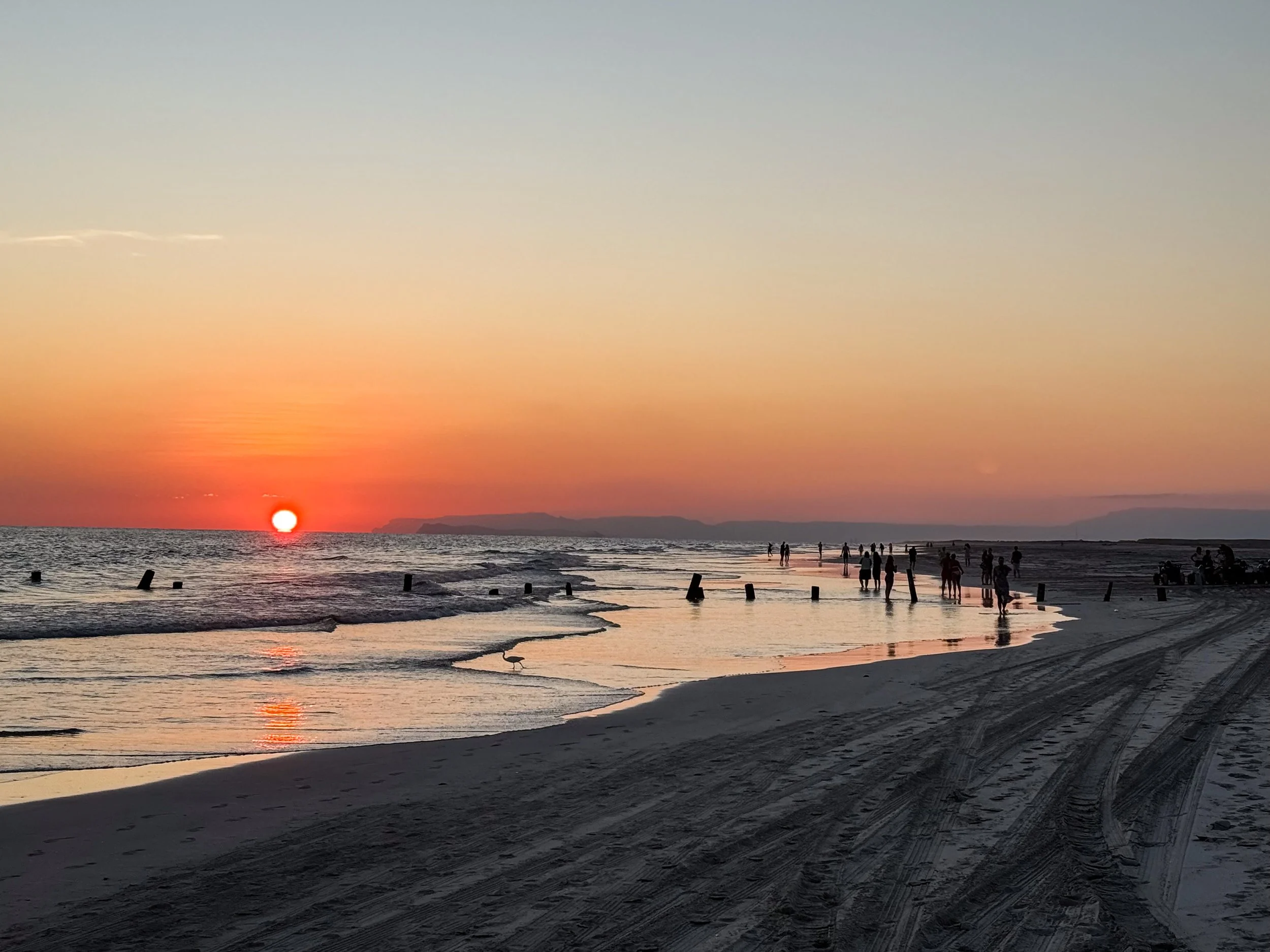
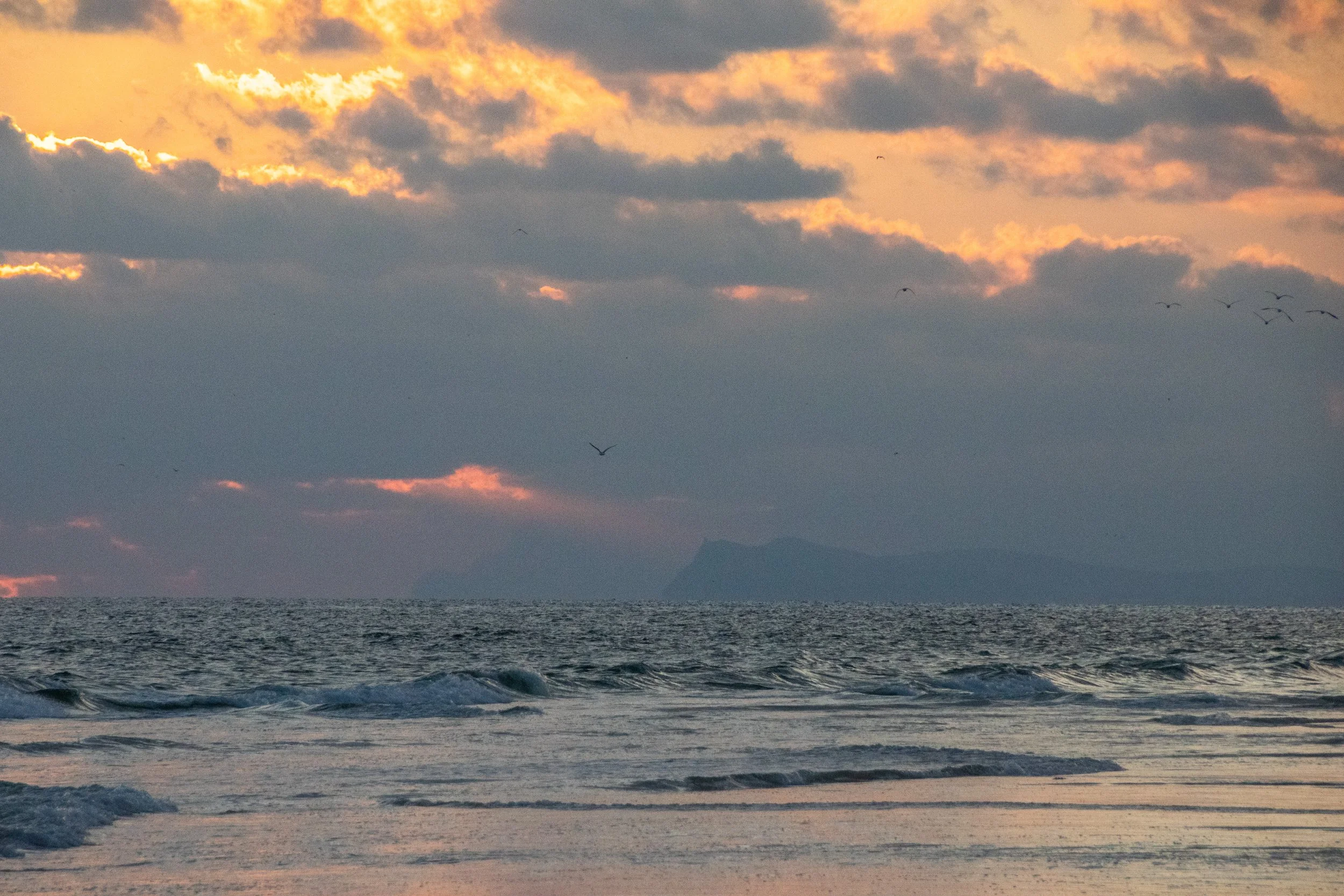
From my perch atop my new horse friend, as the sun sank ever closer to the horizon line, casting the sky in gorgeous shades of orange and pink, I marveled the beauty of it all. In the distance, we could see the twinkling lights of Salalah in the distance, but the beach was pretty much empty save for the occasional set of people walking and the odd parked car nearby. Inland, a formidable wall of mountains rose up in the distance, but the enormous space between the water and the start of those mountains was so conspicuously empty that the headlights of individual cars could be seen from many miles away, slowly making their way through the fading light as dusk fell. A warm breeze blew and—given that I had just recently escaped the British winter—life felt pretty good.
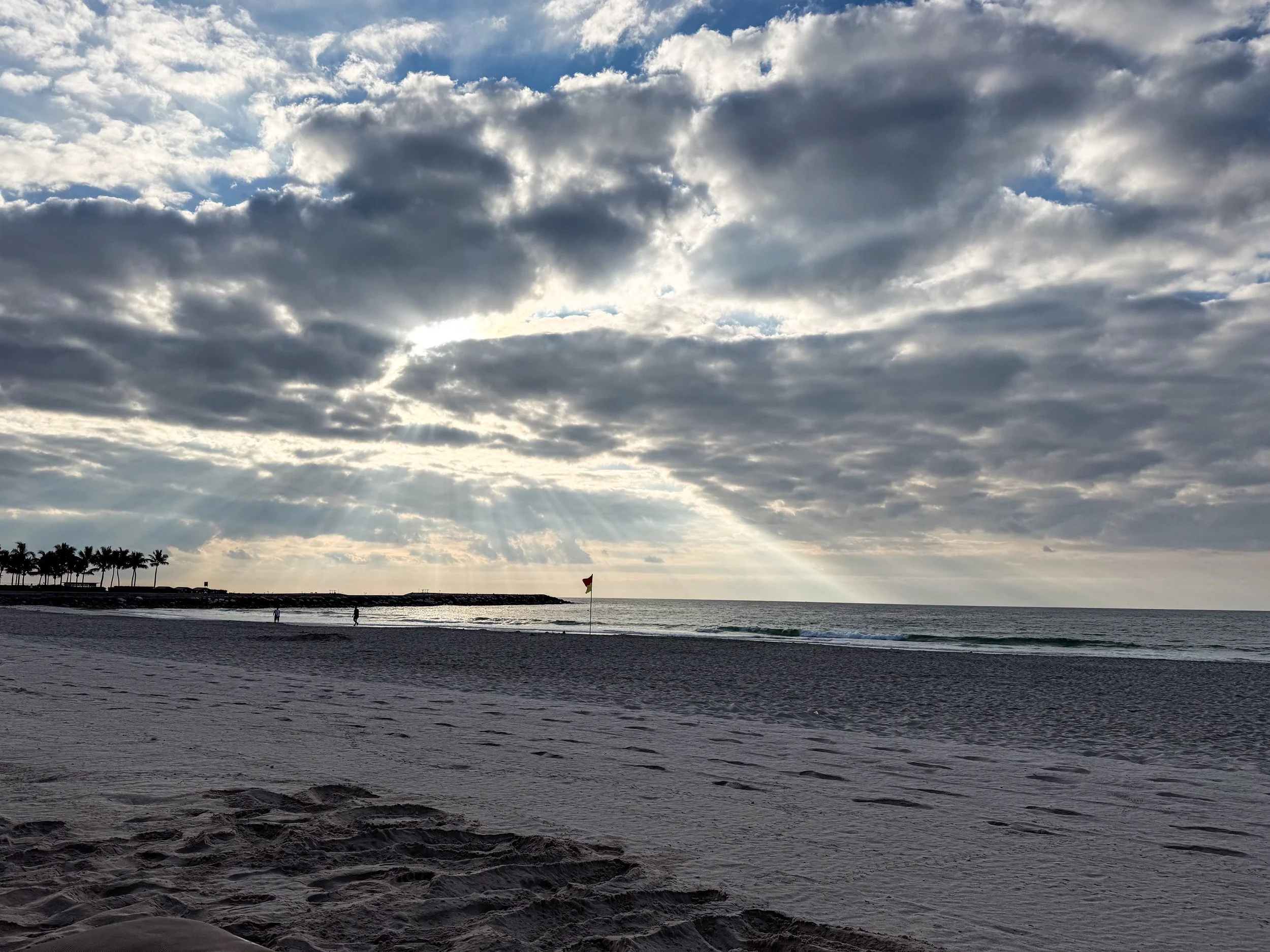
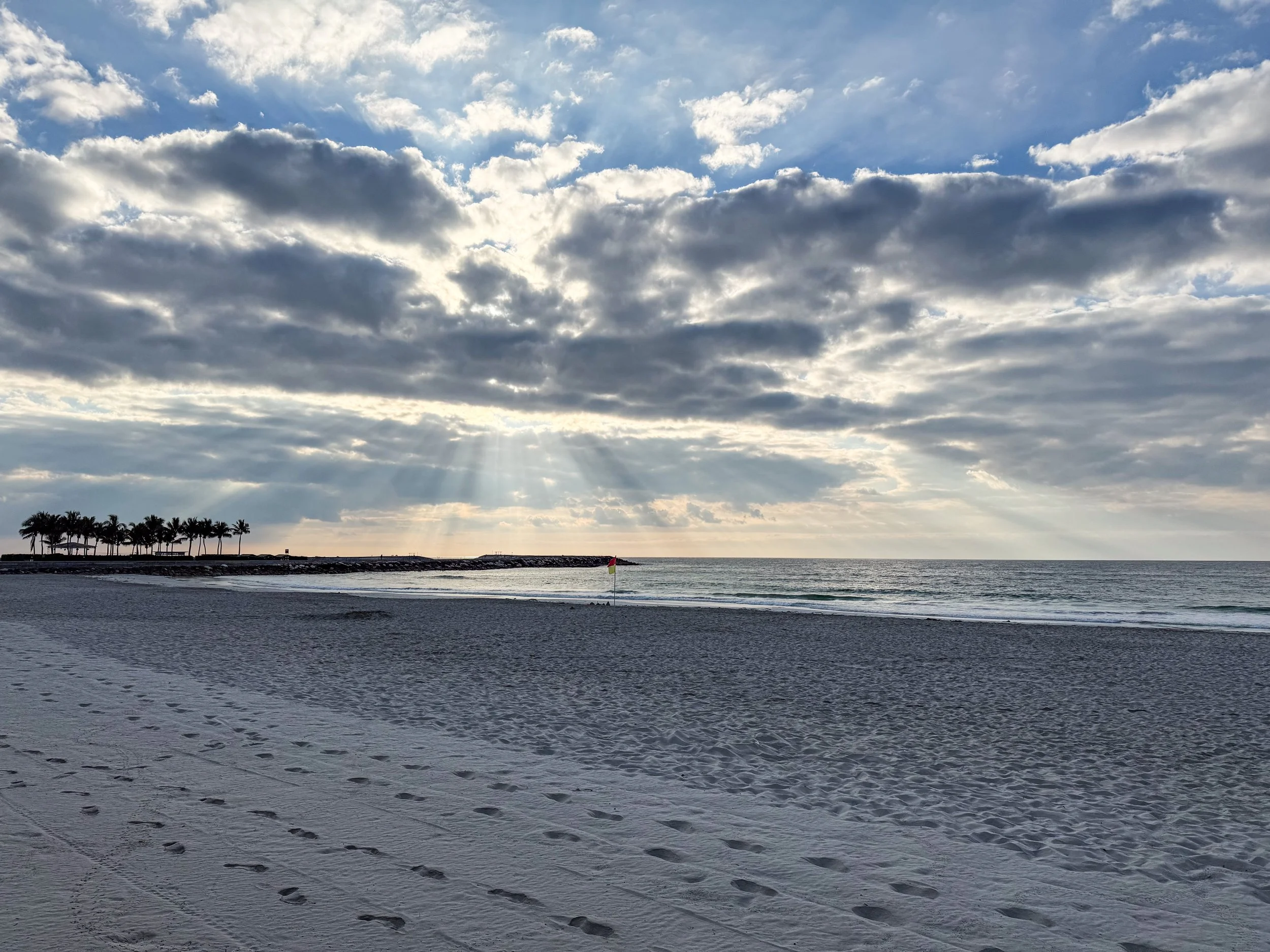
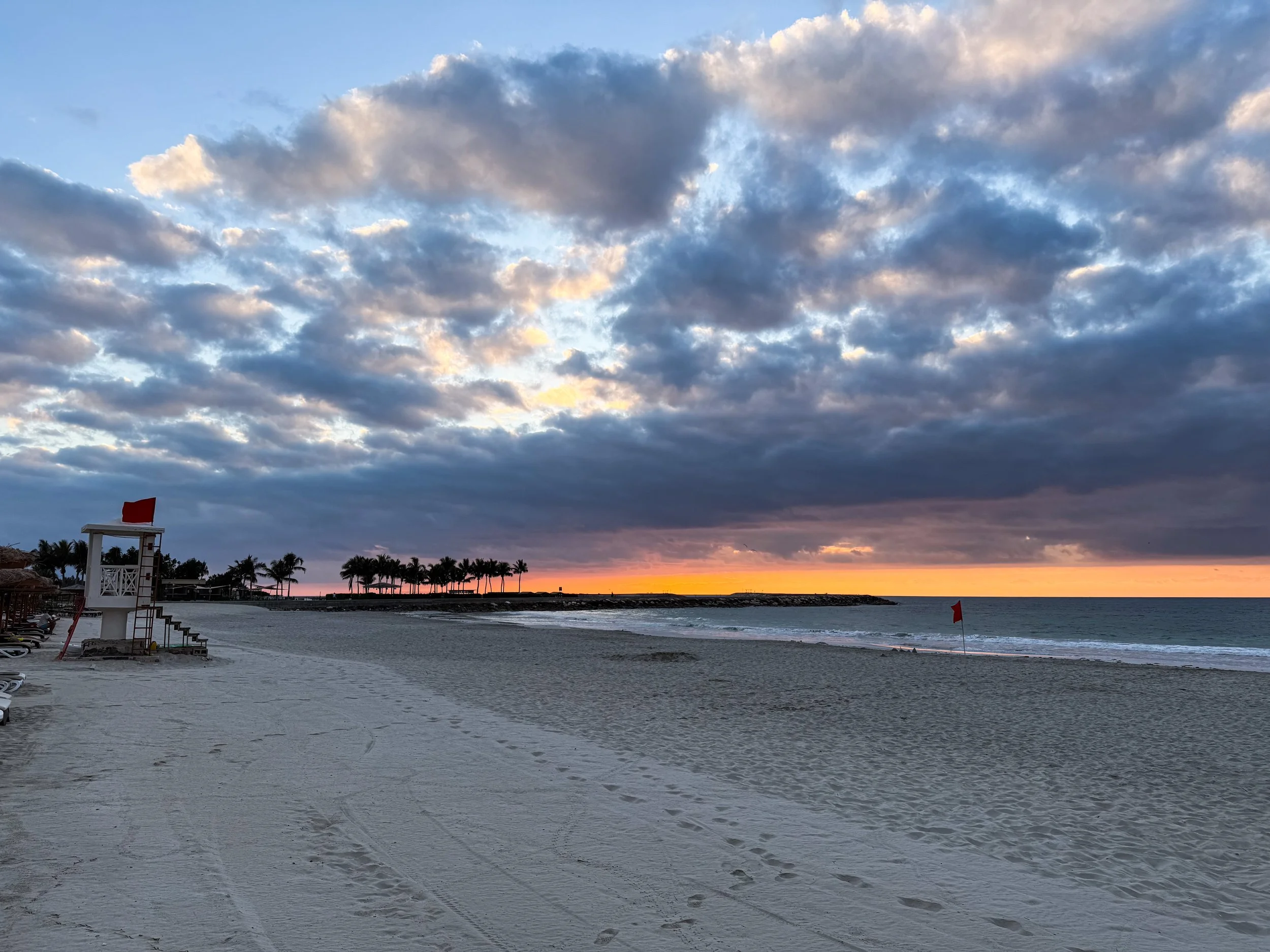
But alas, we couldn’t stay in our idyllic little beach resort world forever. As tempting as it was, we had come a long way to be in Dhofar, so we had to get out an explore it! We’d rented a car, so we had a couple of days to cruise around to our hearts’ content. Our proximity to Yemen was still extremely surreal for me, so I was excited to see what this region had in store for us…
Exiting “The Bubble” / Entering Dhofar
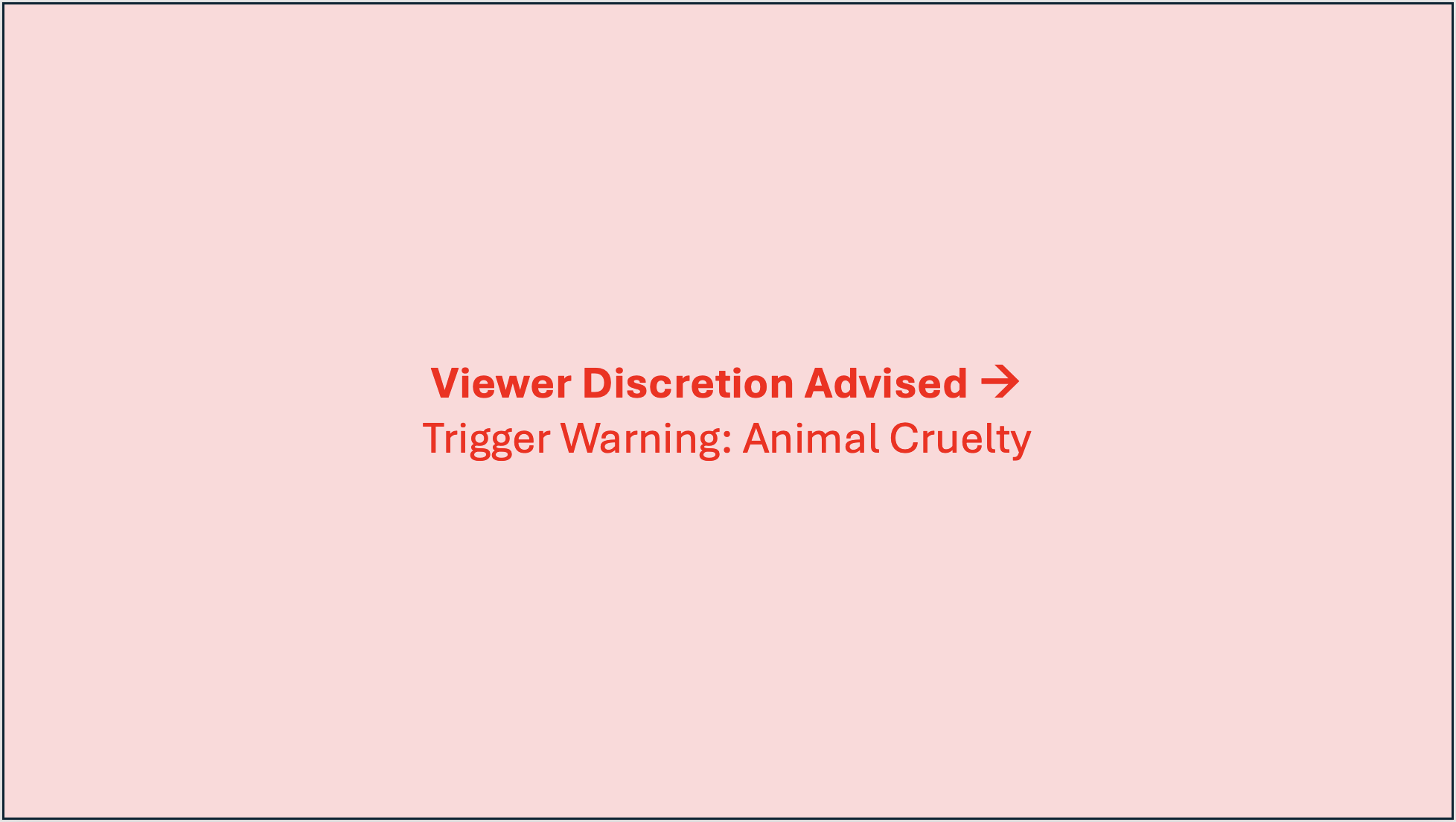
Well, a few minutes from our resort, we came across quite a disturbing sight. I was honestly debating whether or not it would be appropriate to even photograph it, let alone share it here, but in the end I decided to do it for journalistic reasons. It appeared to be a cow that had been tethered to a pole by the roadside and had died there. From the way it was positioned, it looked as though it may have struggled to free itself. It wasn’t clear what had happened—whether illness, abandonment, or something else—but the scene was difficult to take in. We debated cutting the wire that still bound its leg to the post to give it some dignity, but (1) the swarm of flies and insects that buzzed violently overhead was quite threatening, and (2) I honestly didn’t want to mess with it in case this had violated a local law. You can see the images of it if you want, but it’s not a pretty sight.
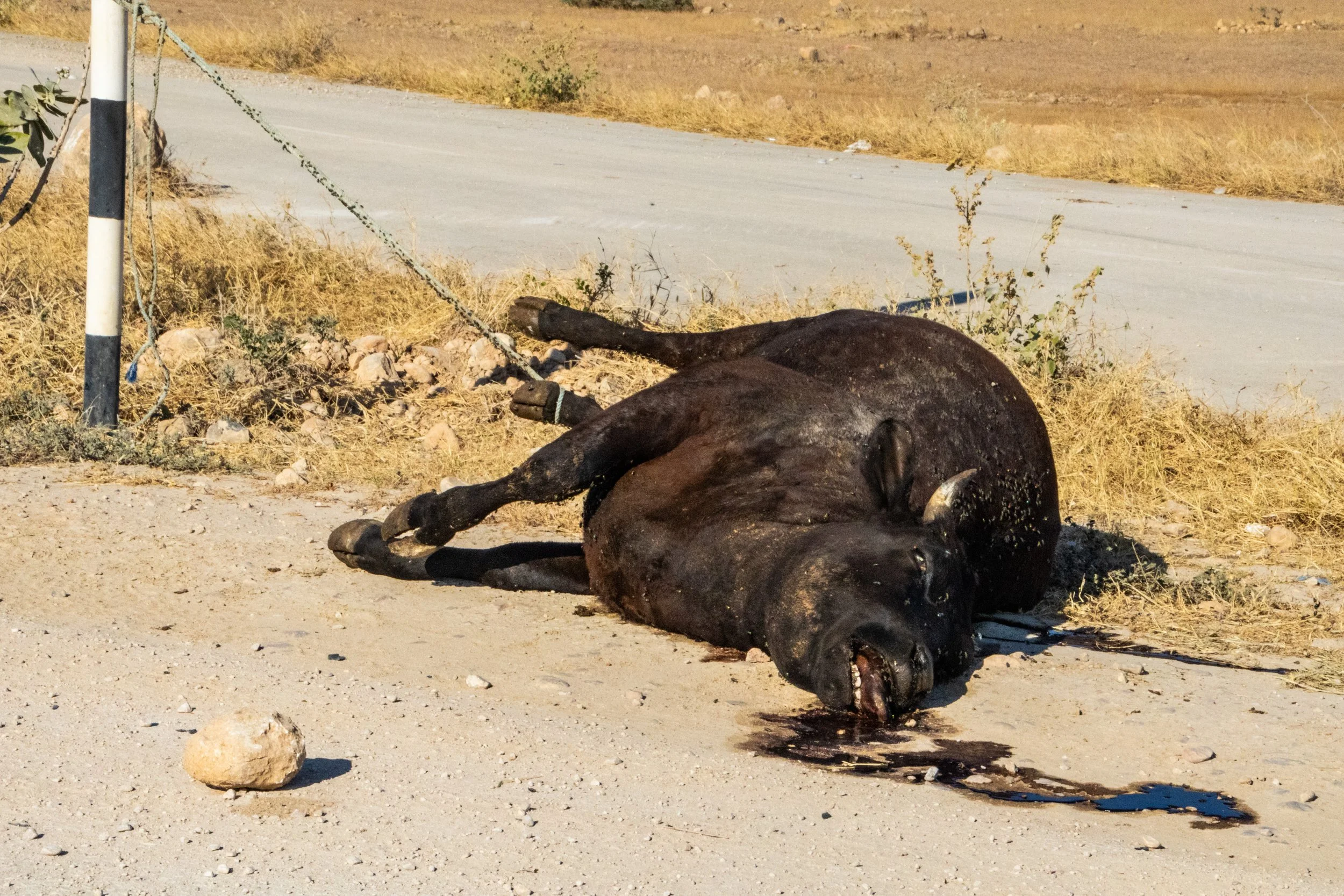
WELCOME TO DHOFAR, right???
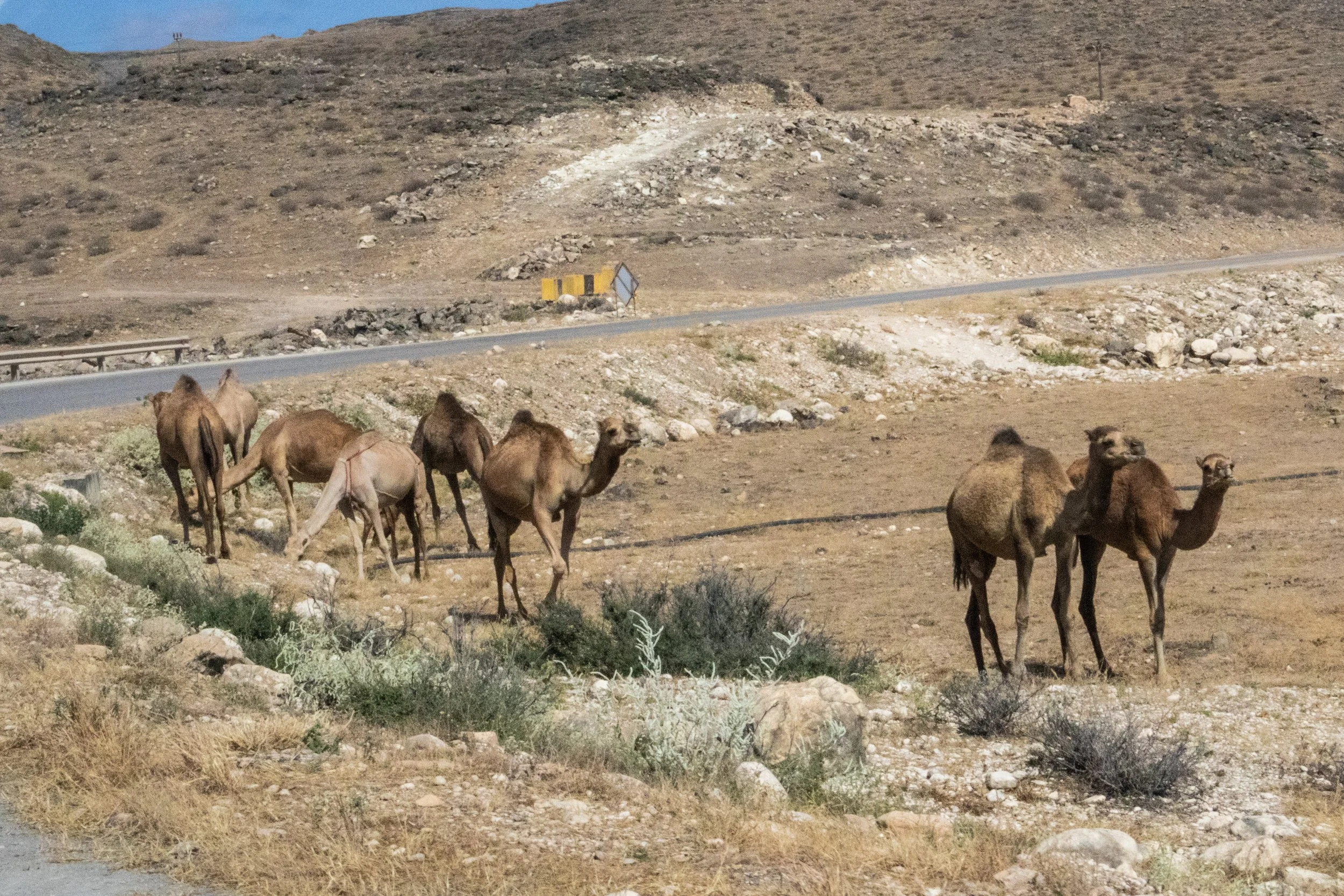
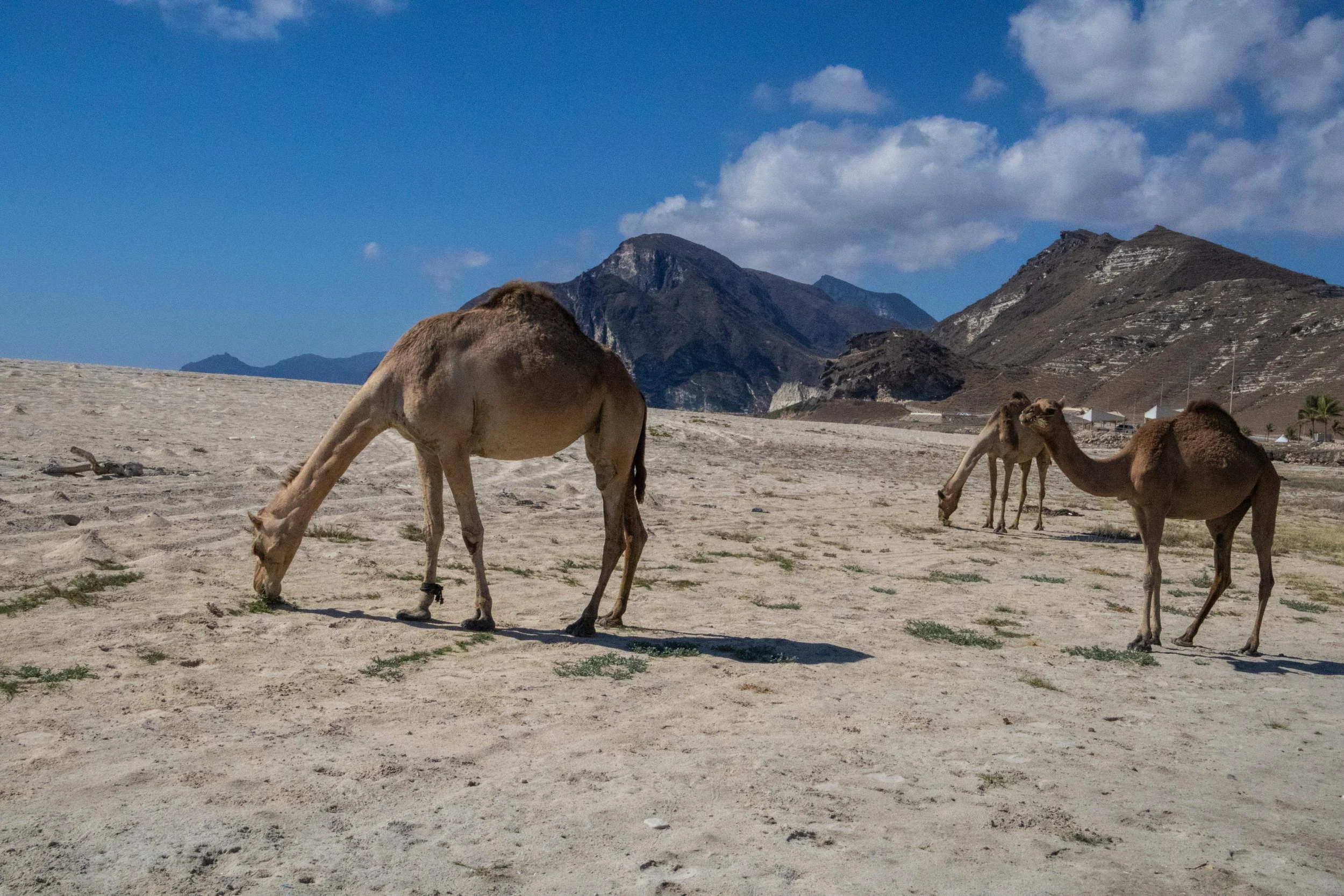
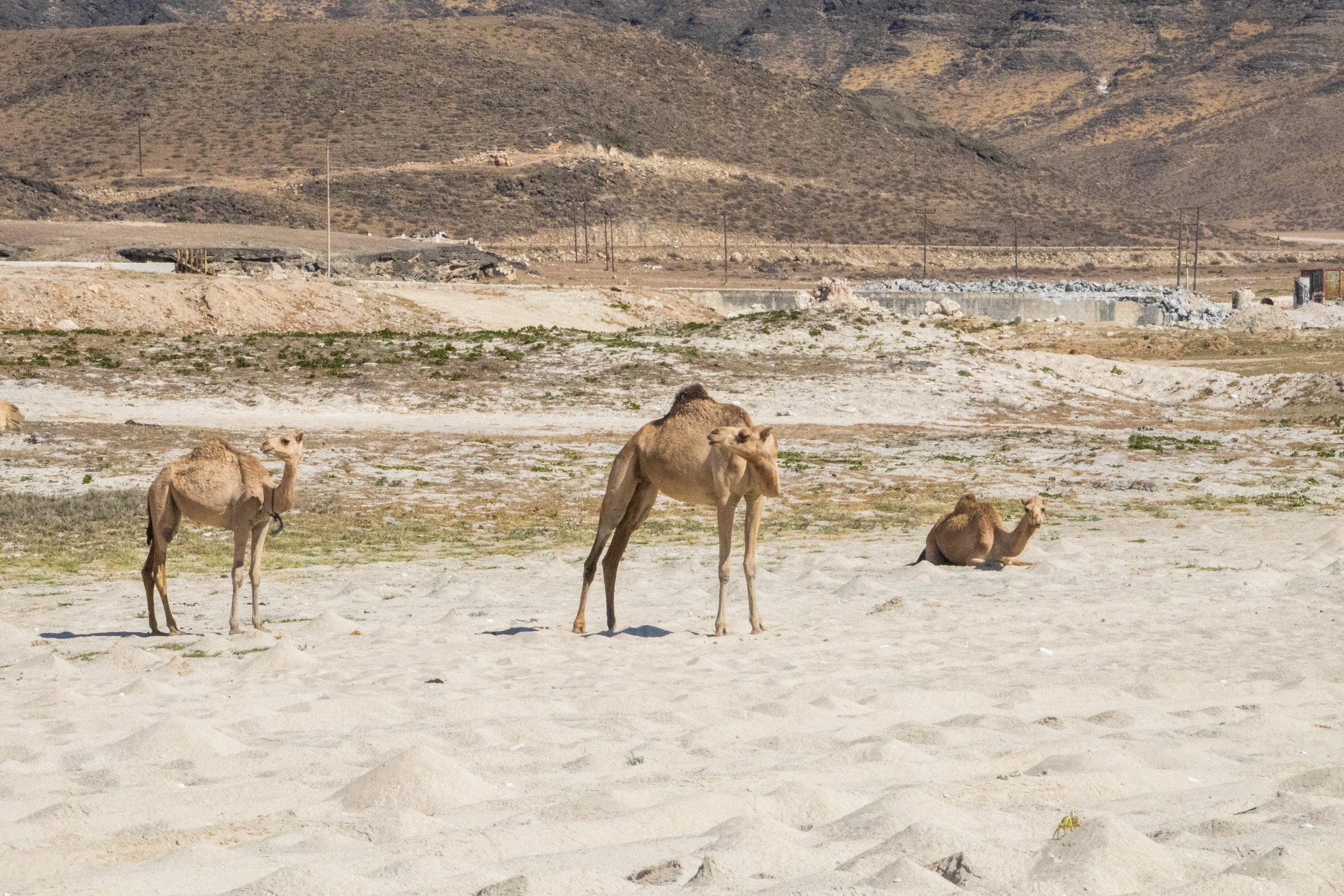
Yikes. Well, there were a number of natural springs and waterfalls that I was interested to see. Were they still active during the dry season? The internet said, in summary, “probably, but they won’t be at their full strength.” That was fine with me, so we set out across the wastes for a local swimming spot called Ayn Athum. Along the way we encountered lots of Arabian (1 hump) camels, walking freely. At times, there were HERDS of them. In a single drive, I’d already seen more camels here in Dhofar than I had anywhere else over the course of my entire life.
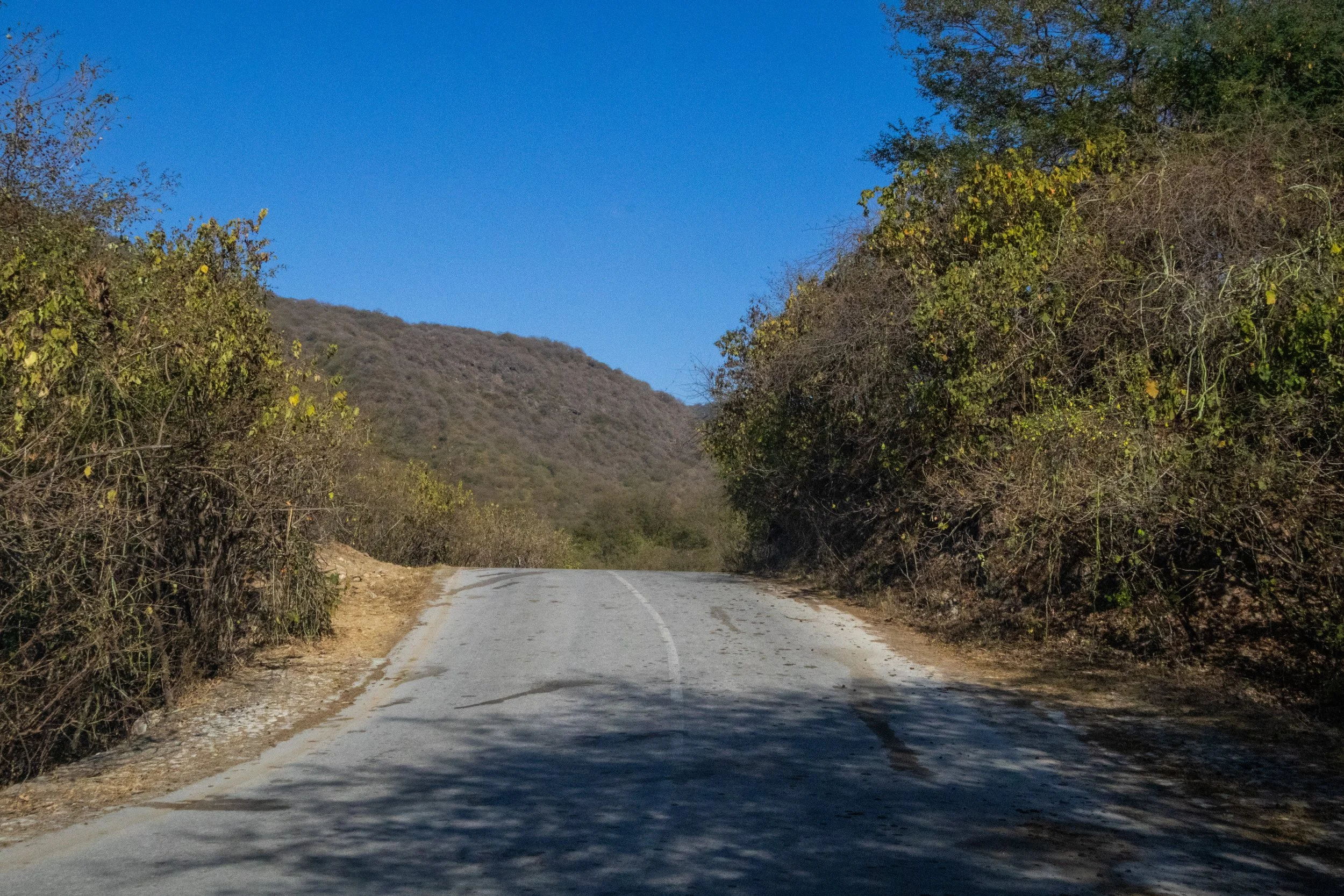
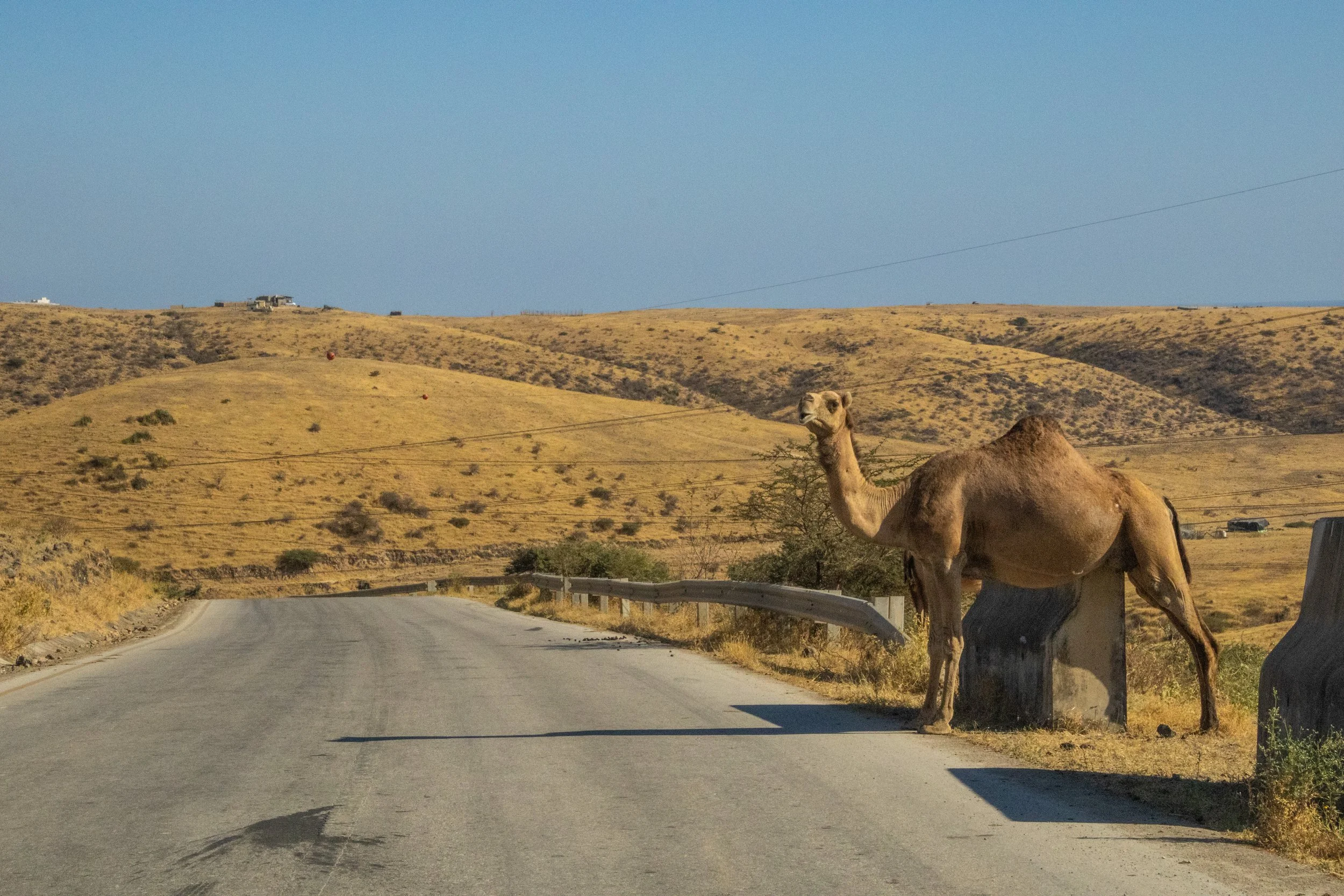
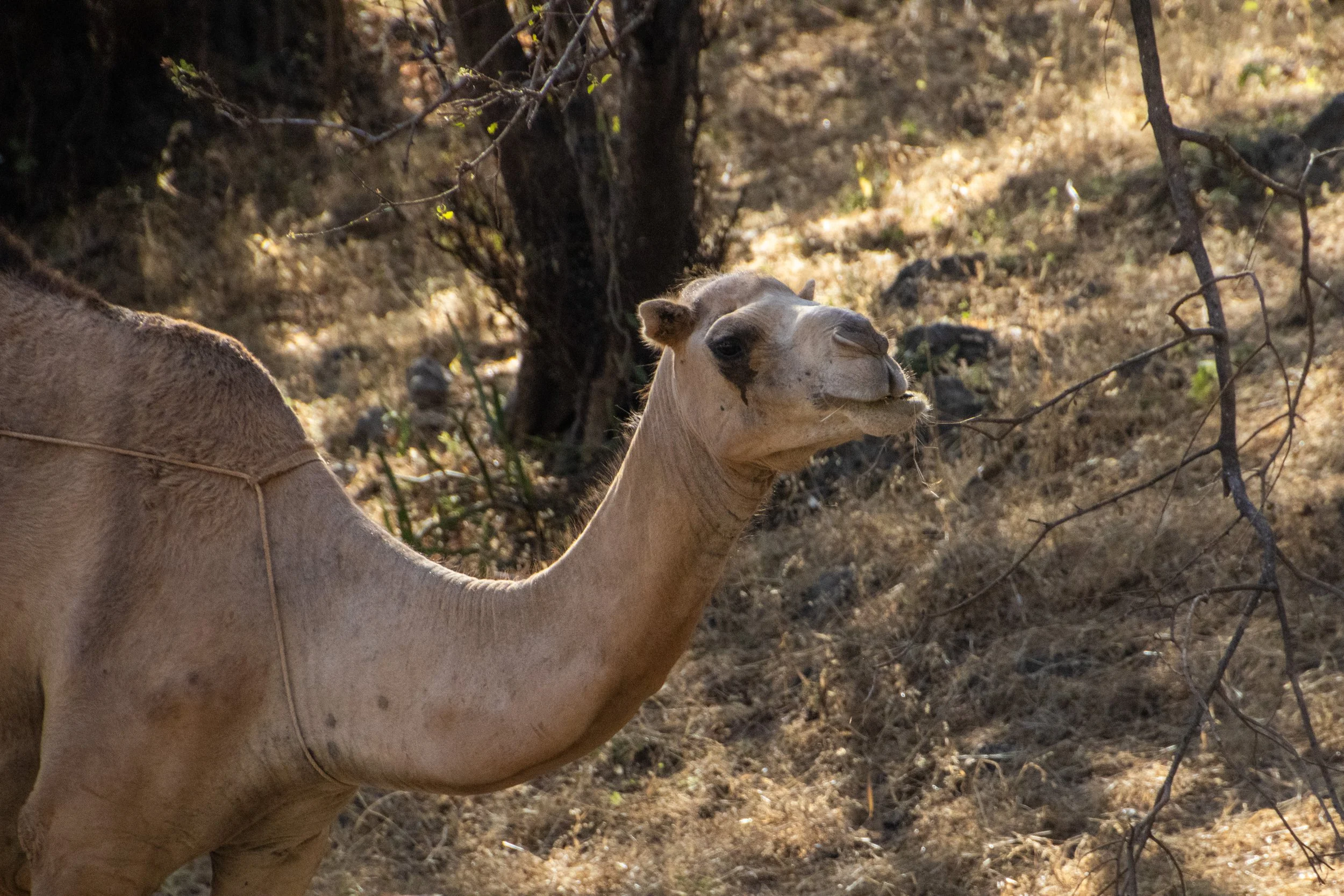
Ayn Athum during dry season
Let’s take a quick moment to type the following search terms into Google Images: “Ayn Athum Dhofar”
Here are the results:
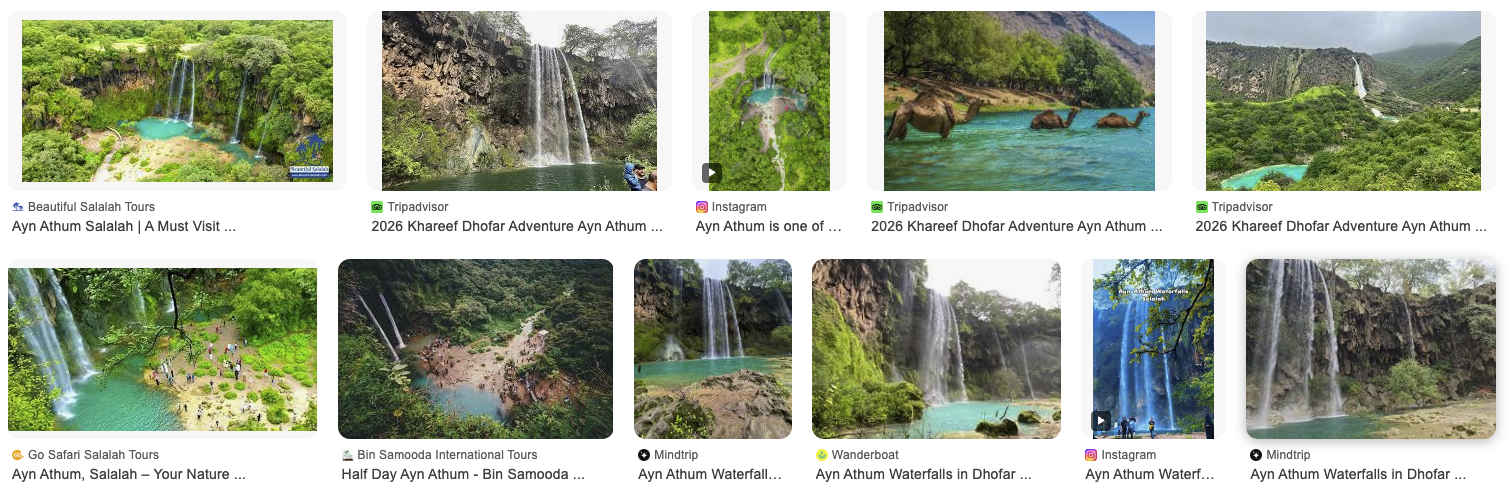
That is what we were hoping to find when we got here. Sure, it might be a bit drier than during the monsoon season, but we’re here, so let’s check it out anyway, right?
Well, after almost an hour in the car and a short hike, this is what awaited us. Not even 1 drop of water to be found here.
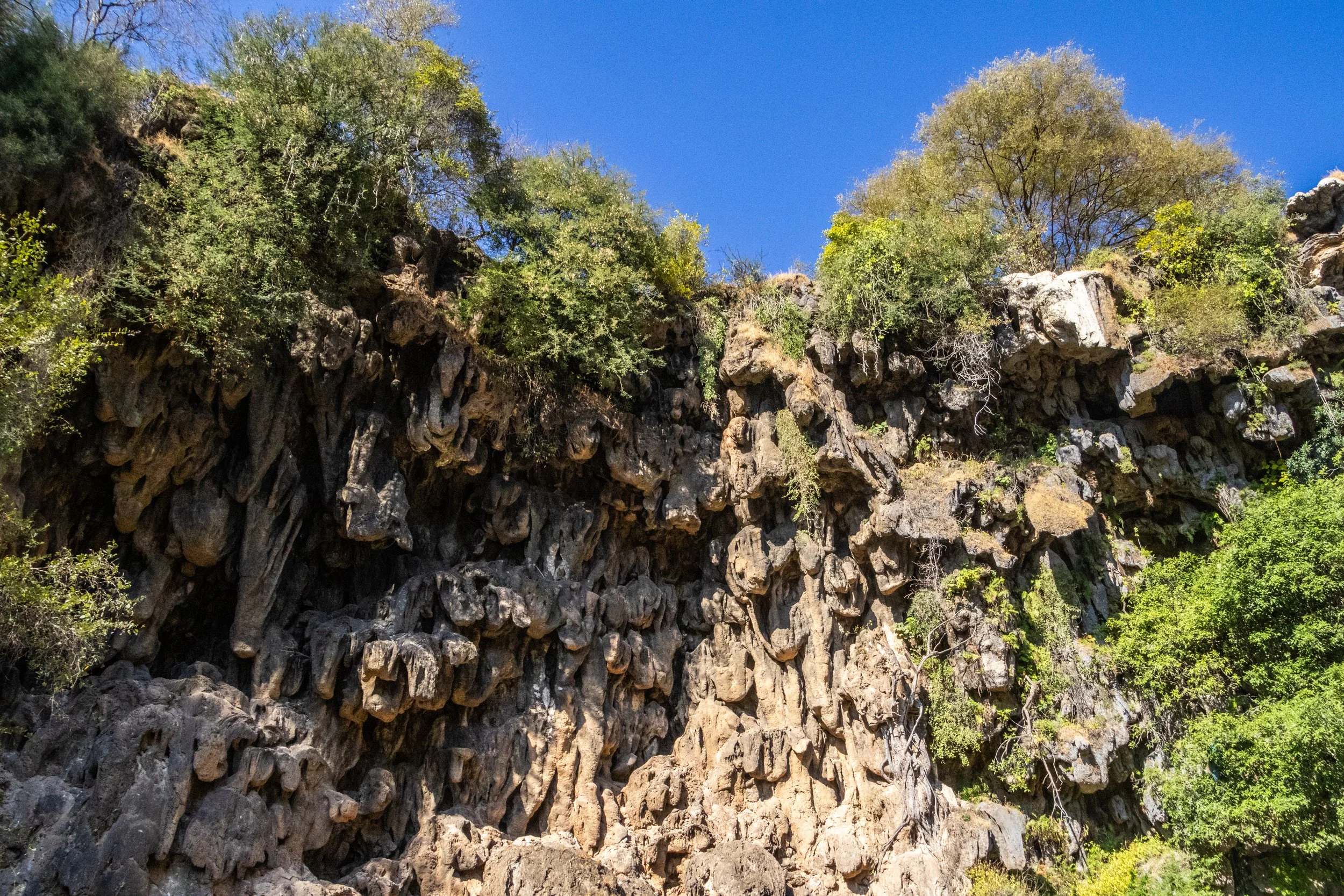
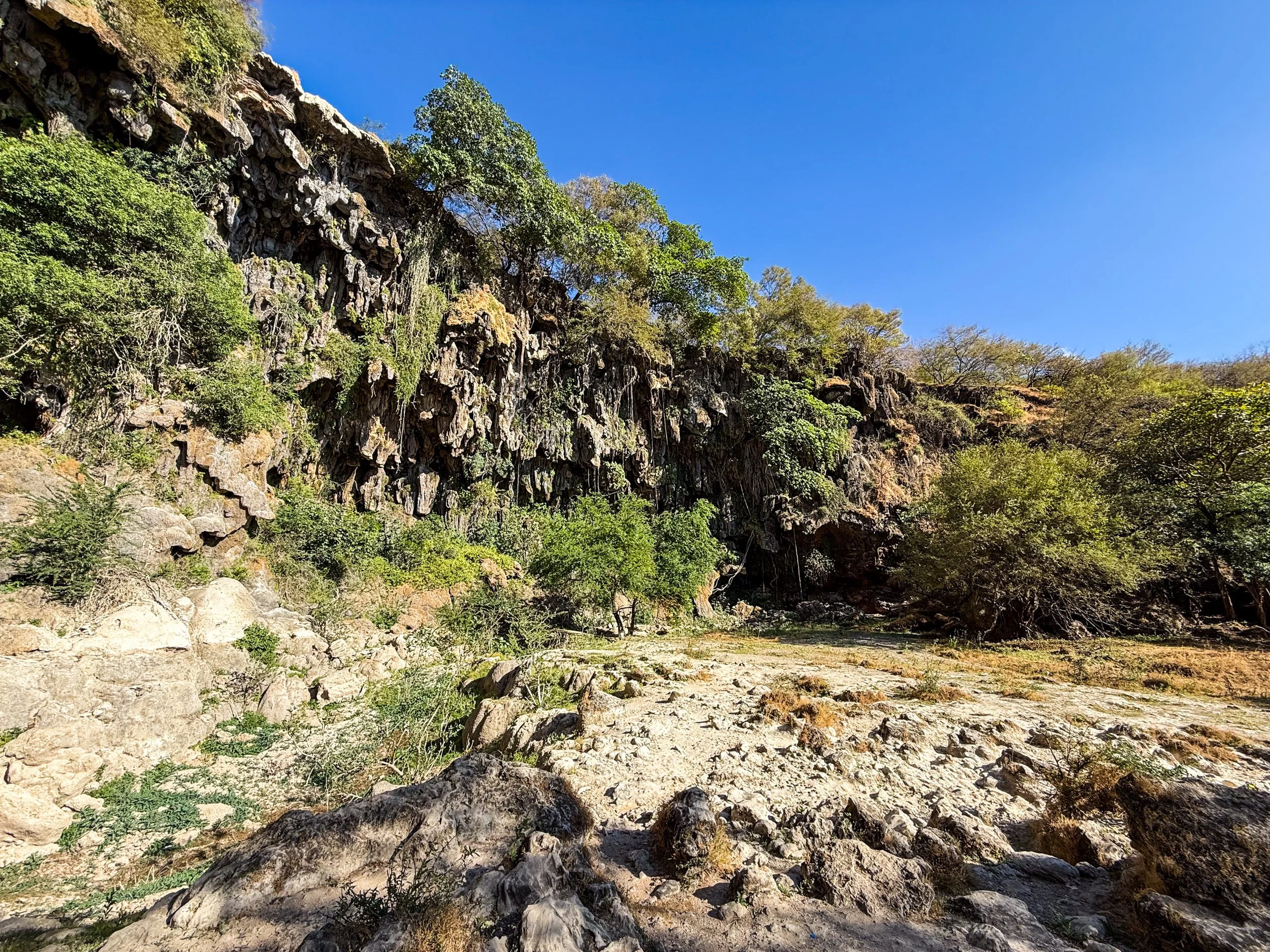
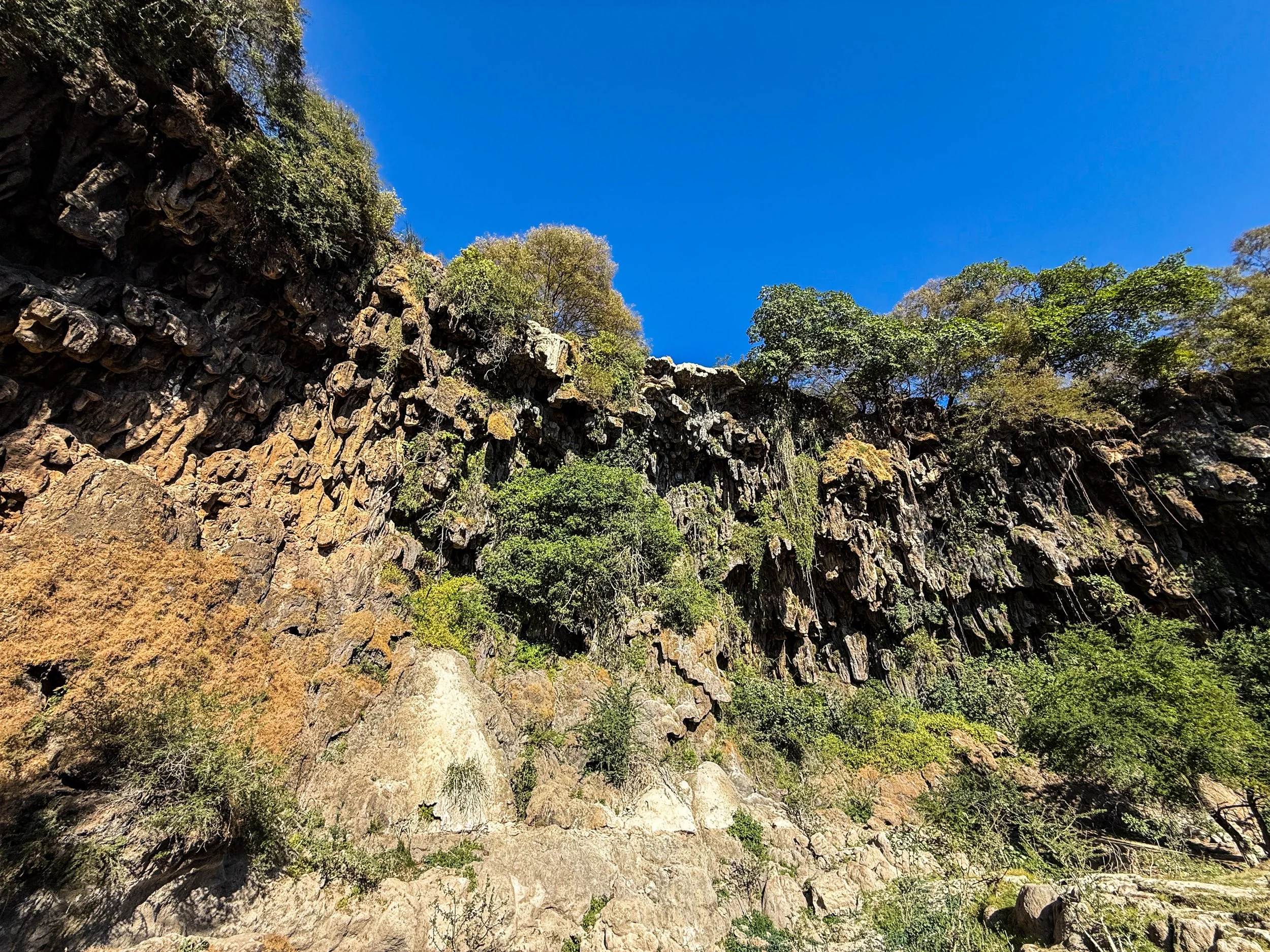
There are lots more of these little watering holes scattered around the Dhofar mountains, but—given that this is the dry season—we can probably rule all of them out. Let’s stick to mountains and beaches then, shall we?
Driving South Toward Yemen: Mughsail Beach
As best I could tell, Mughsail Beach was one of the most famous places in Dhofar. If you get onto Google or ChatGPT or whatever you use to find information and ask it what should be on a tourist itinerary in Dhofar, it is sure to recommend Mughsail Beach at some point. It would seem that this is quite a popular destination! “Seem” is the operative word here… foreshadowing ✨
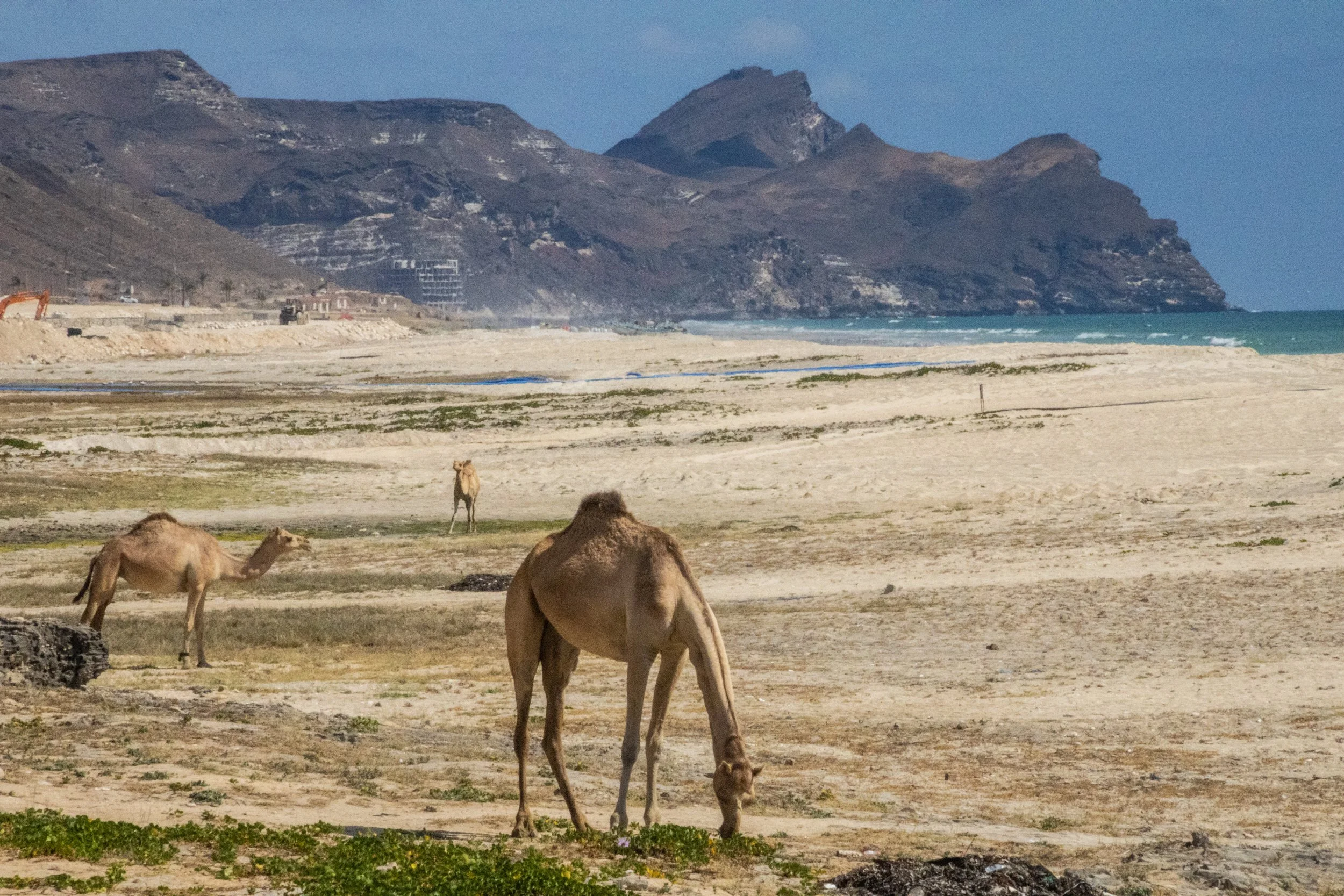
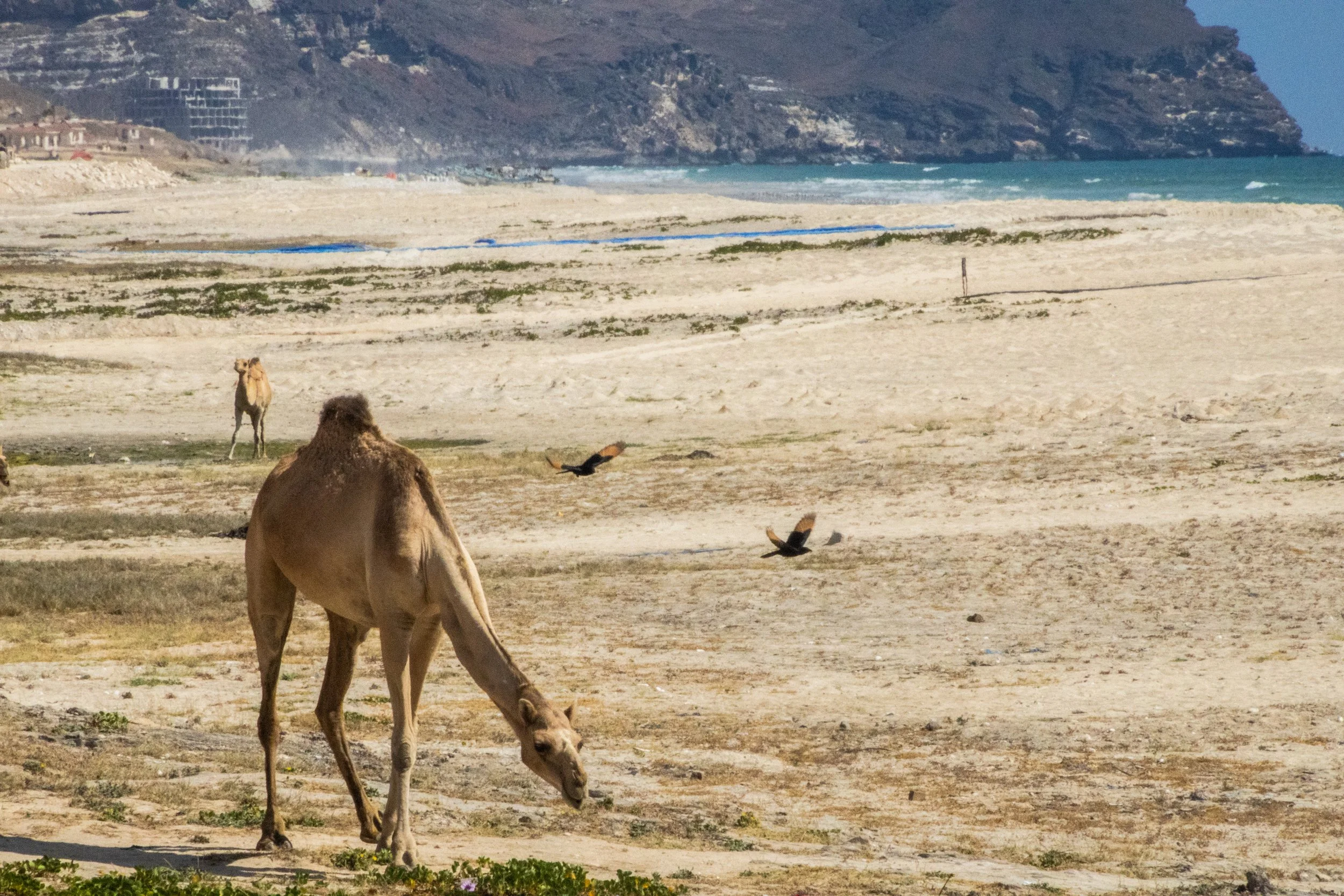
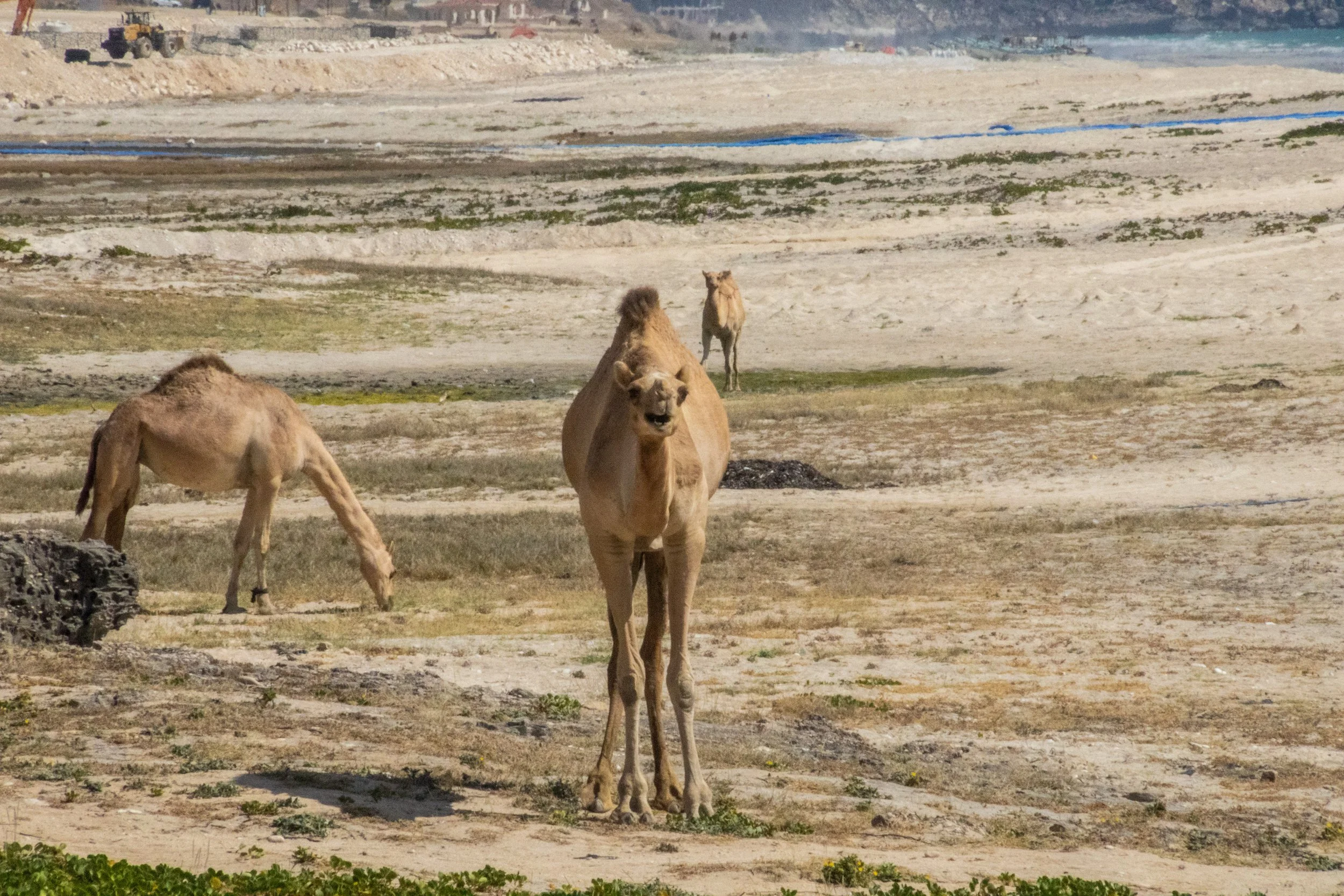
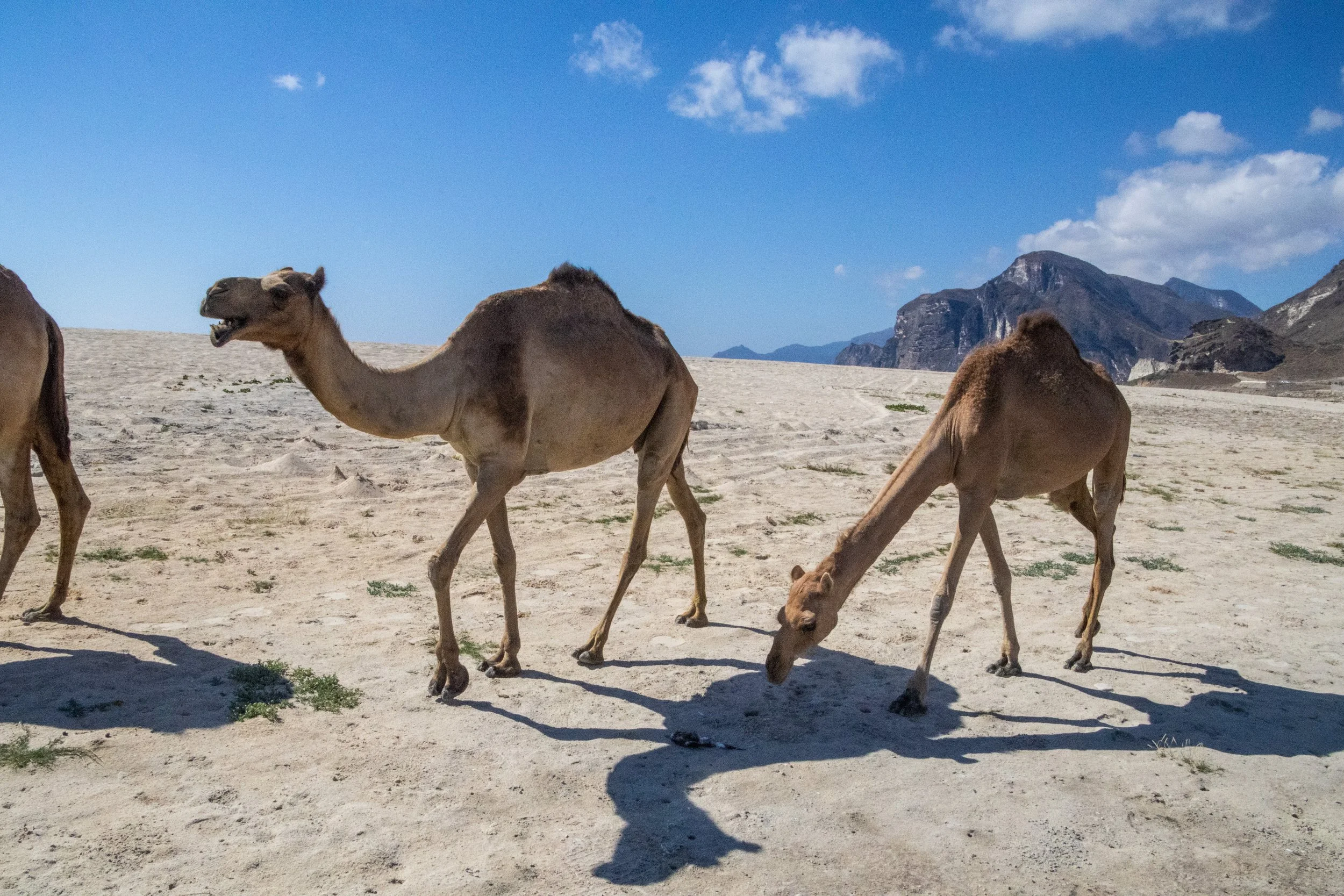
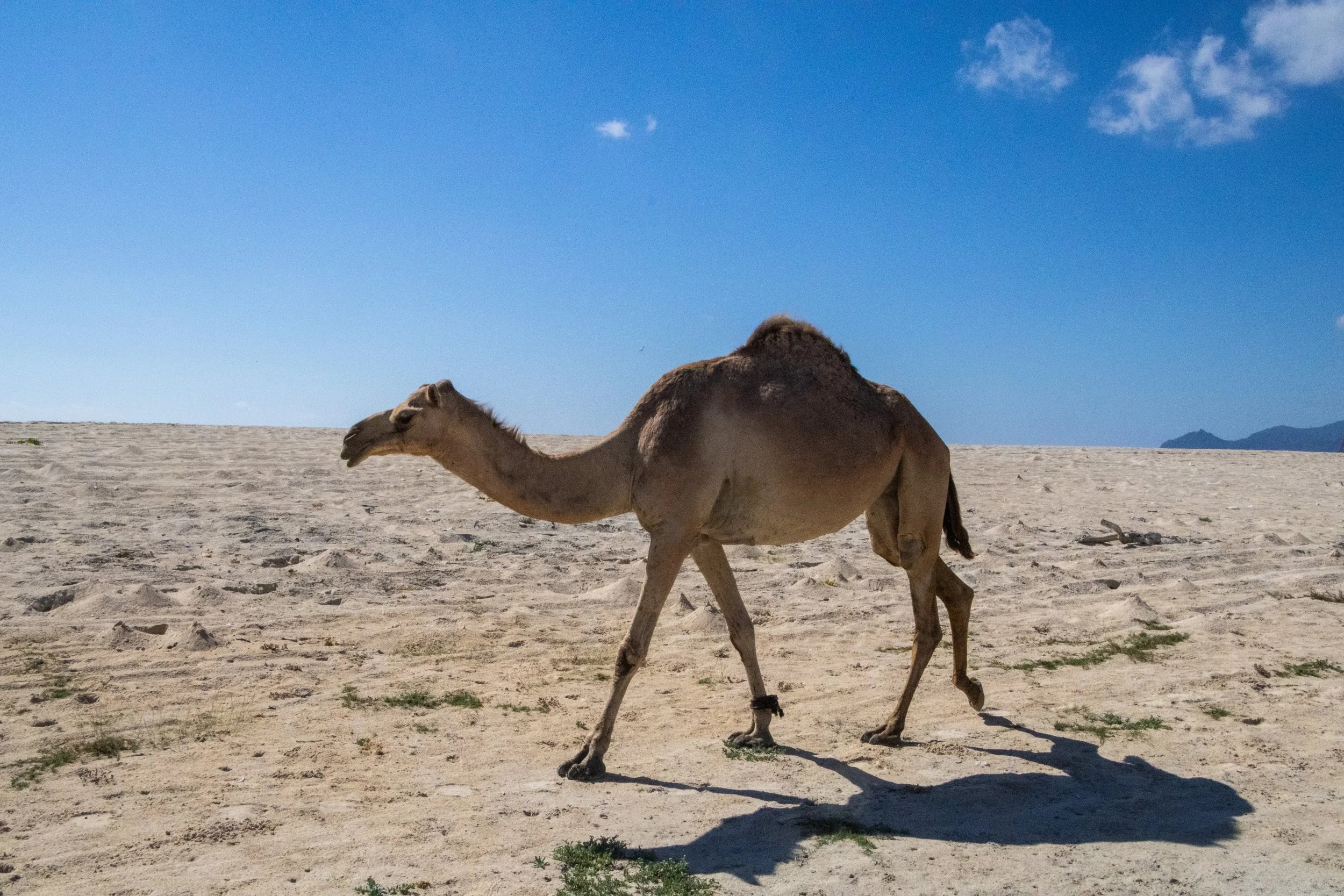
So, we set out driving south down the Omani coast toward Yemen. Mughsail Beach is about a 45 minute drive south if you are starting in Central Salalah. Out here, there’s pretty much nothing. During the dry season, this landscape is completely barren, save for the herds of Arabian camels that always seem to be within sight. As we sped down the smooth highways, we passed Al Maha petrol stations, industrial vehicles, military vehicles, trucks filled with live animals, camels, mysterious newly-built white buildings in the wastes with no obvious roads leading to them, more camels, and lots of towering rugged mountains. Always in sight was the ocean, which promised scenic vistas each time the road bent to avoid a piece of mountainous terrain.
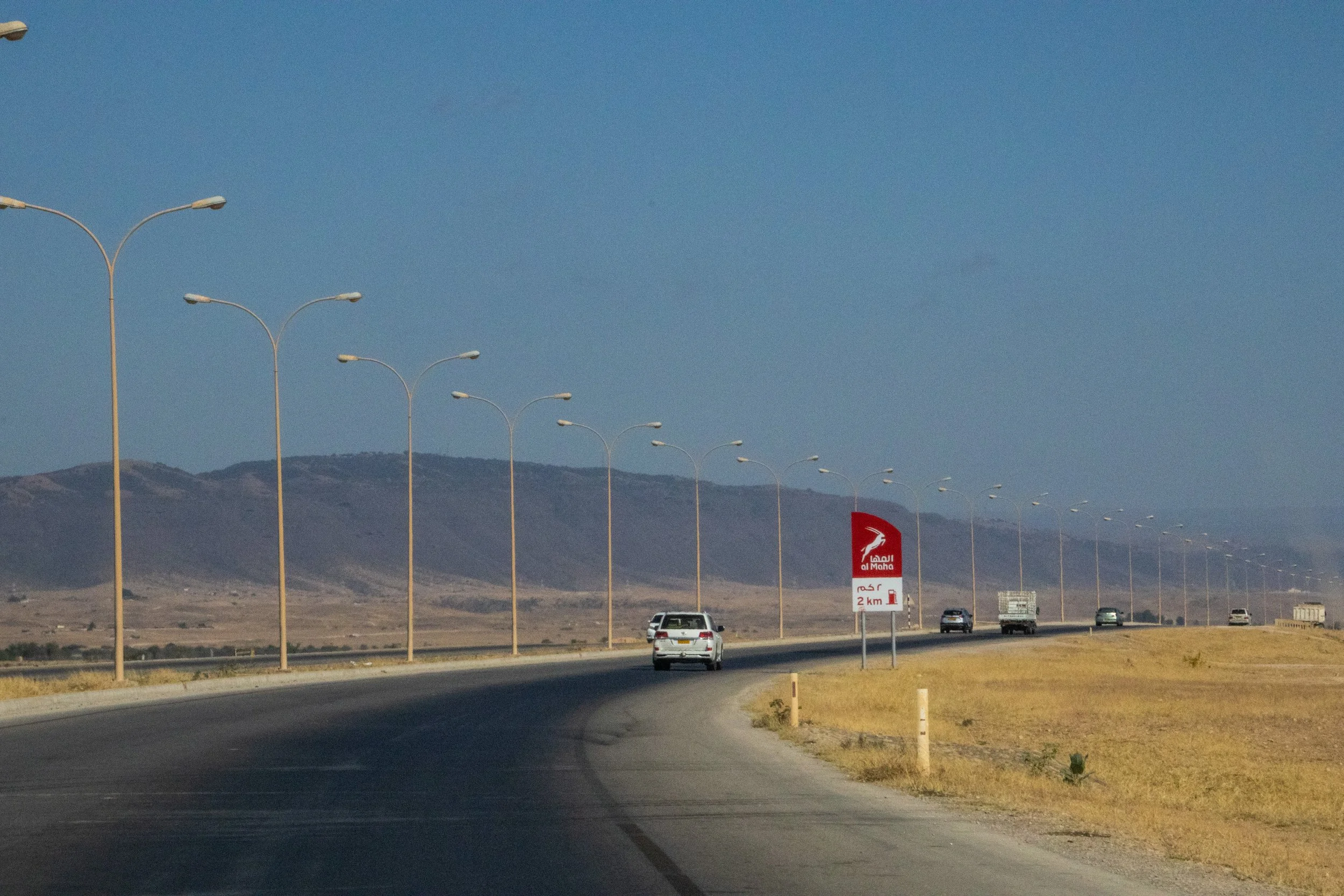
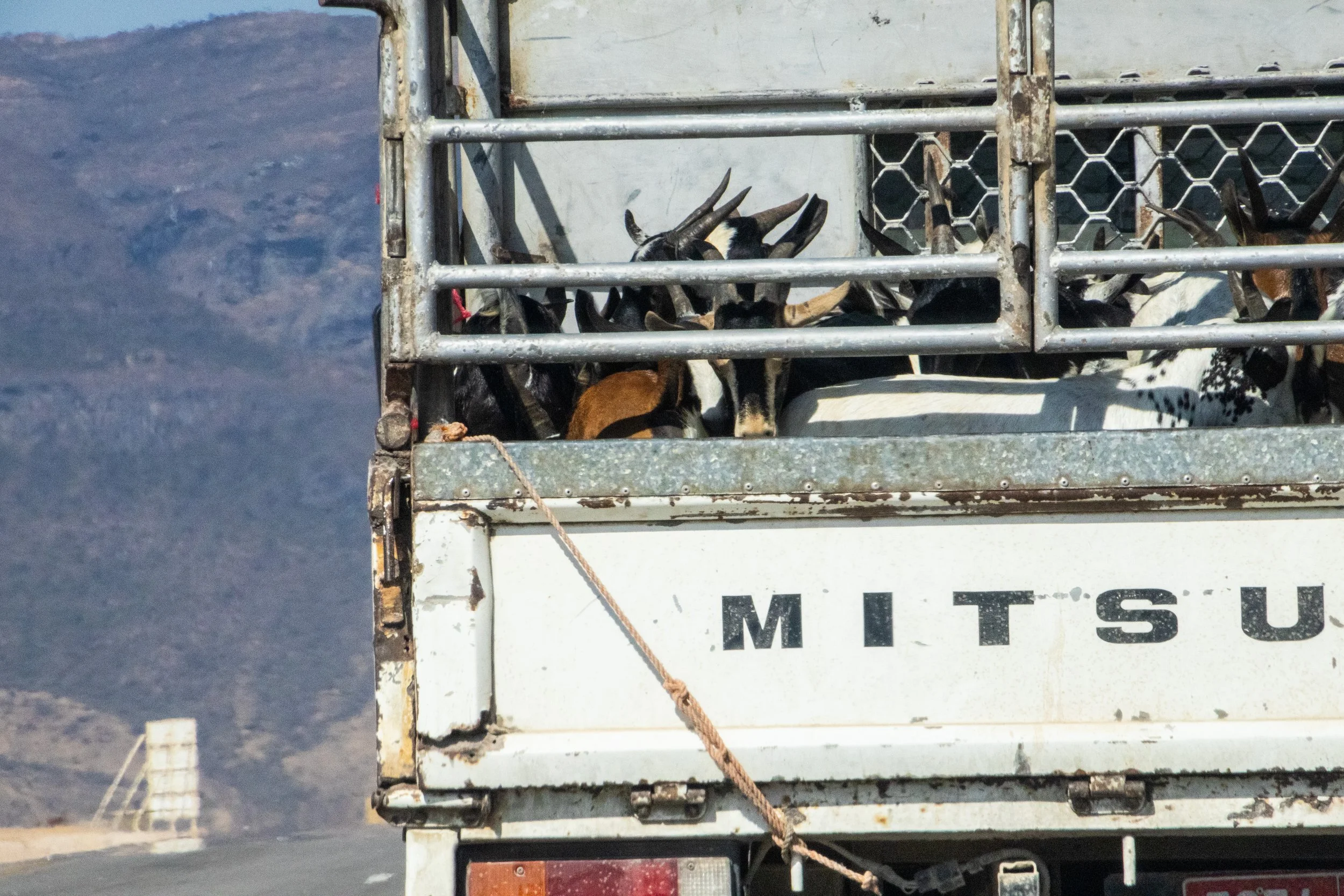
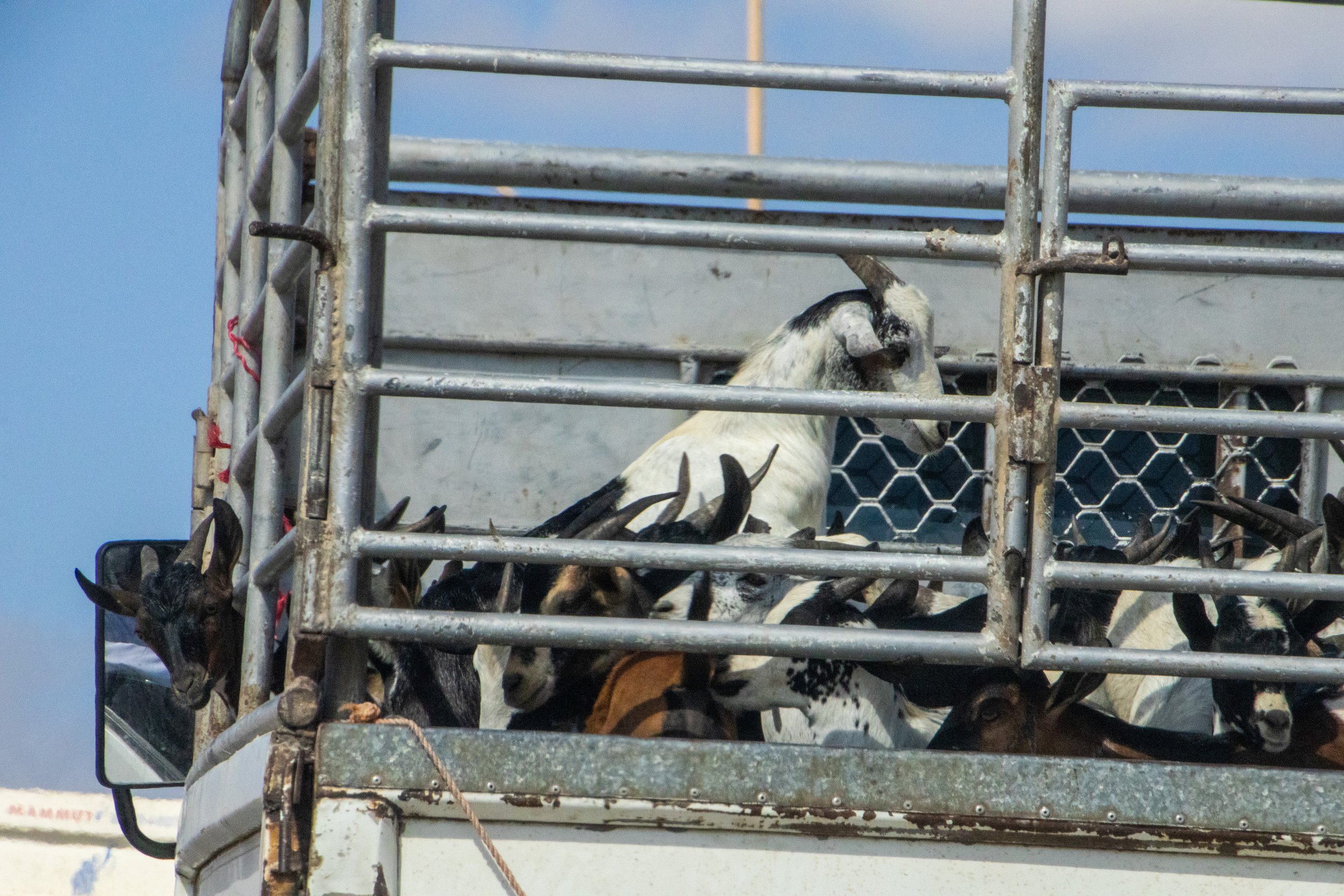
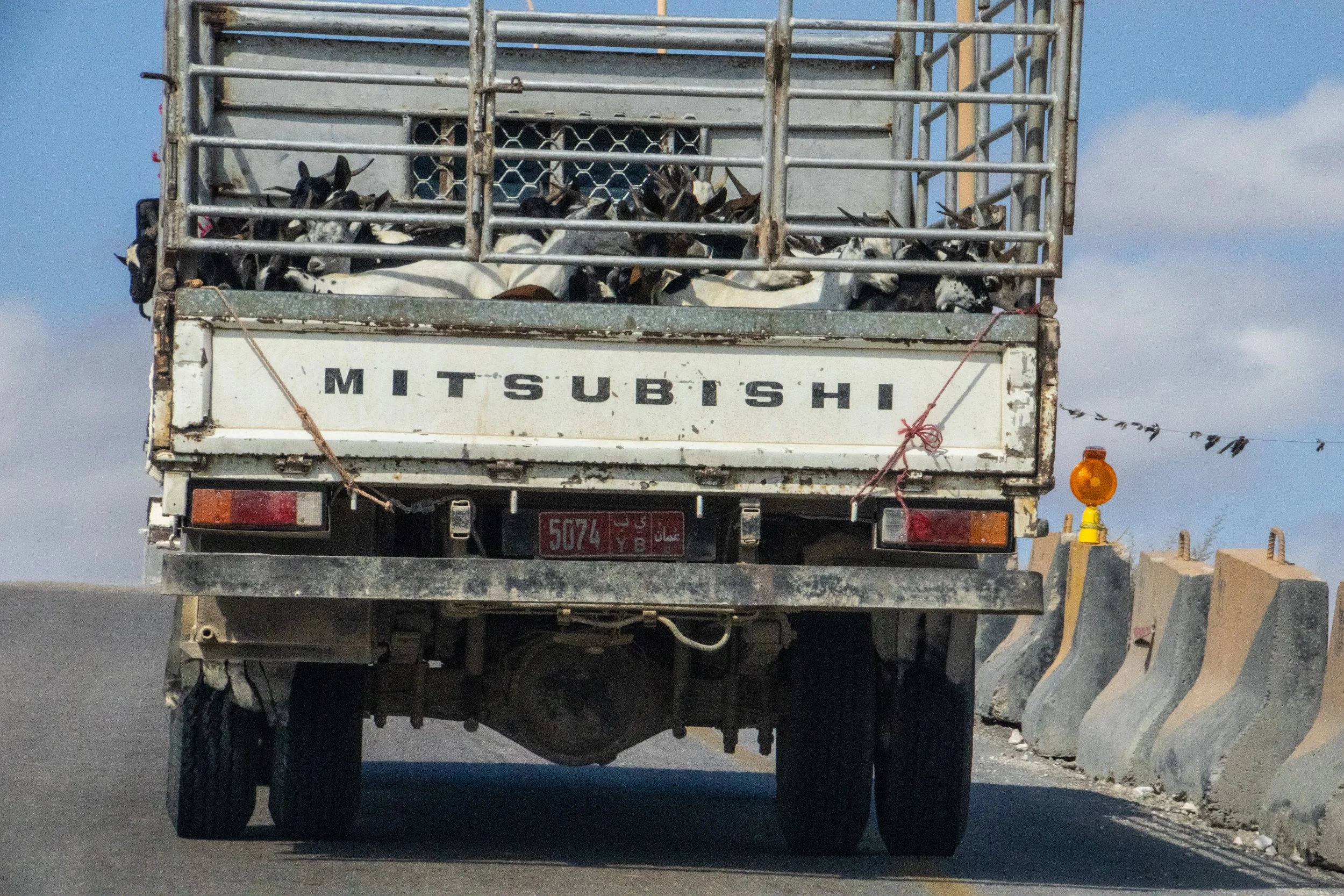
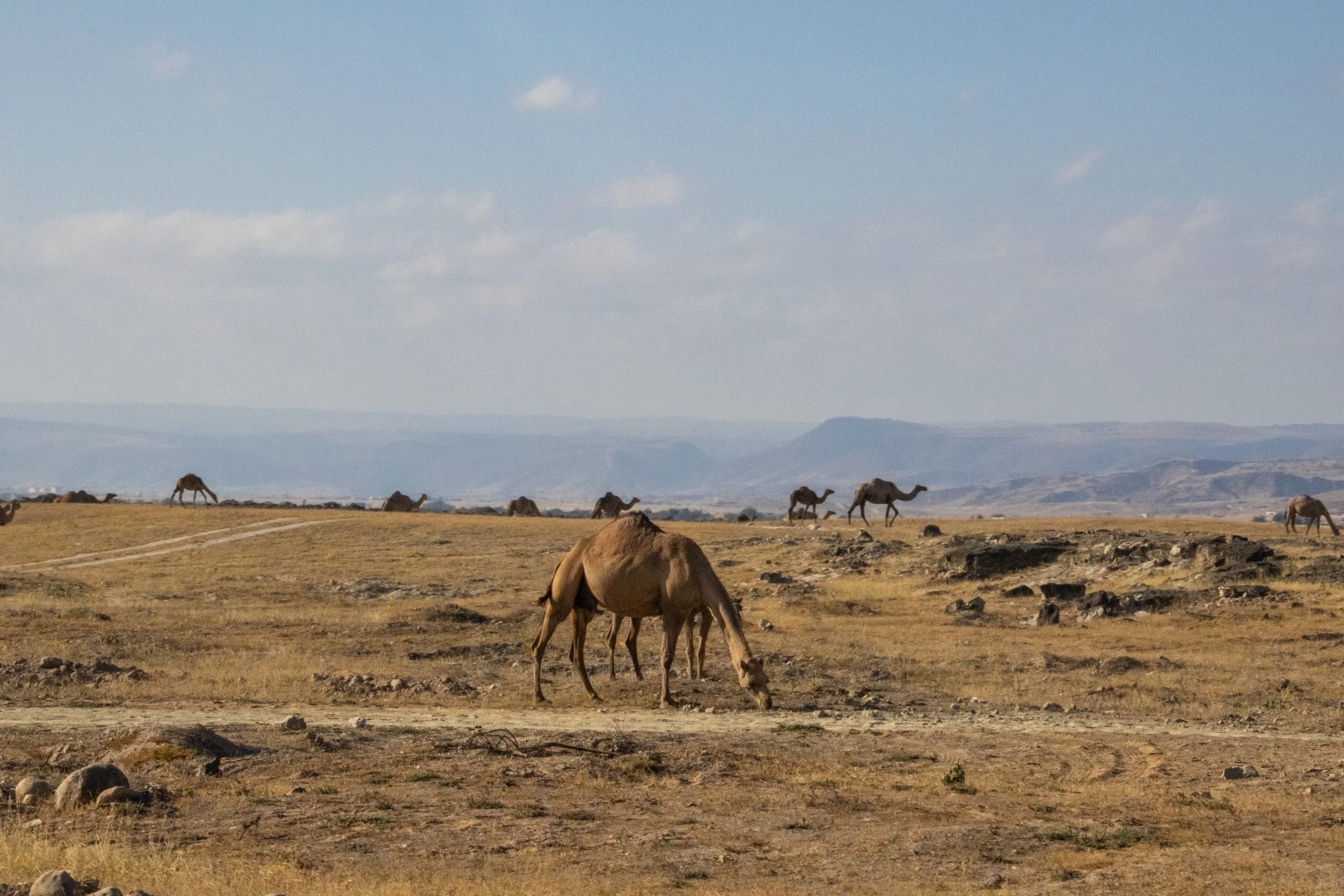
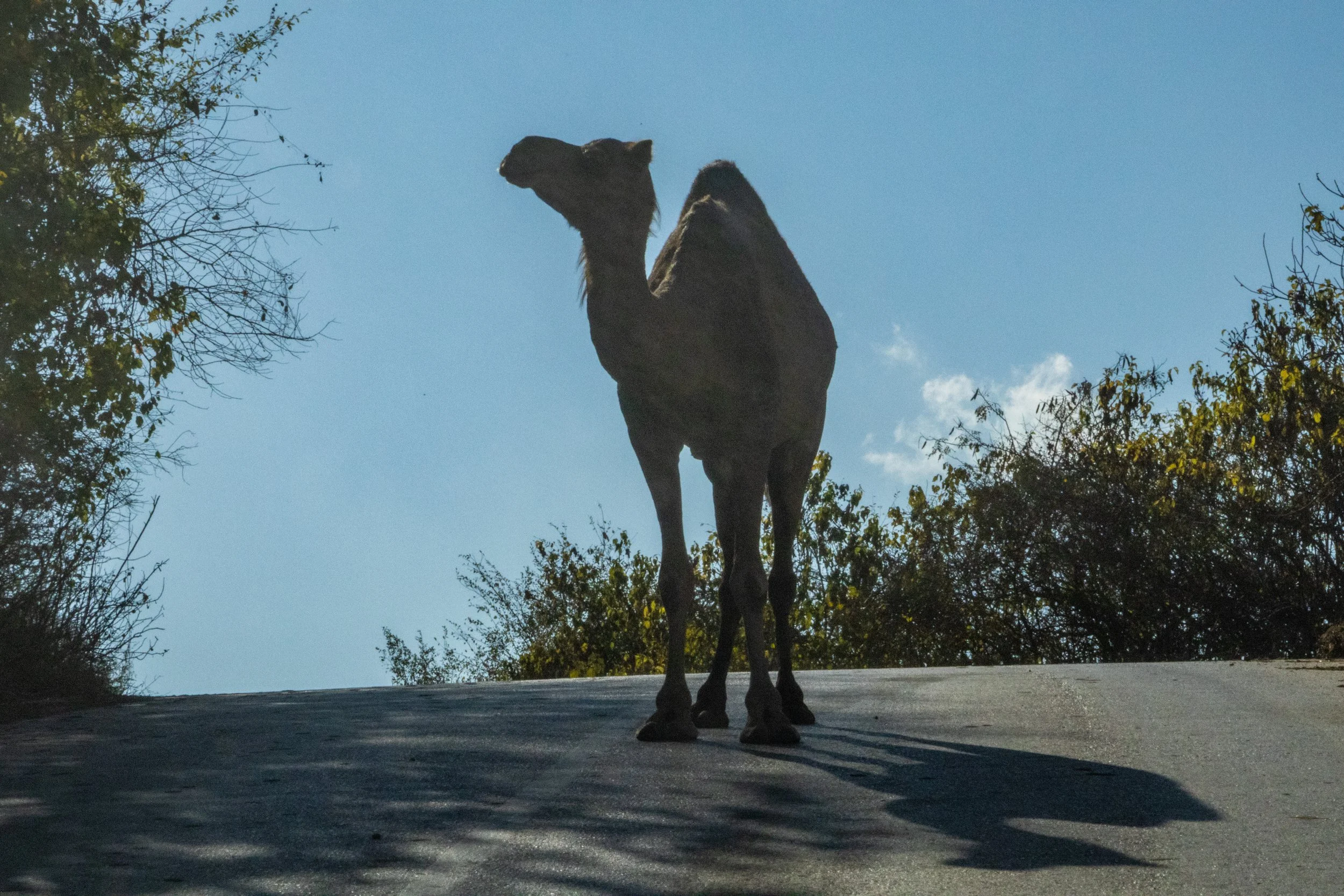
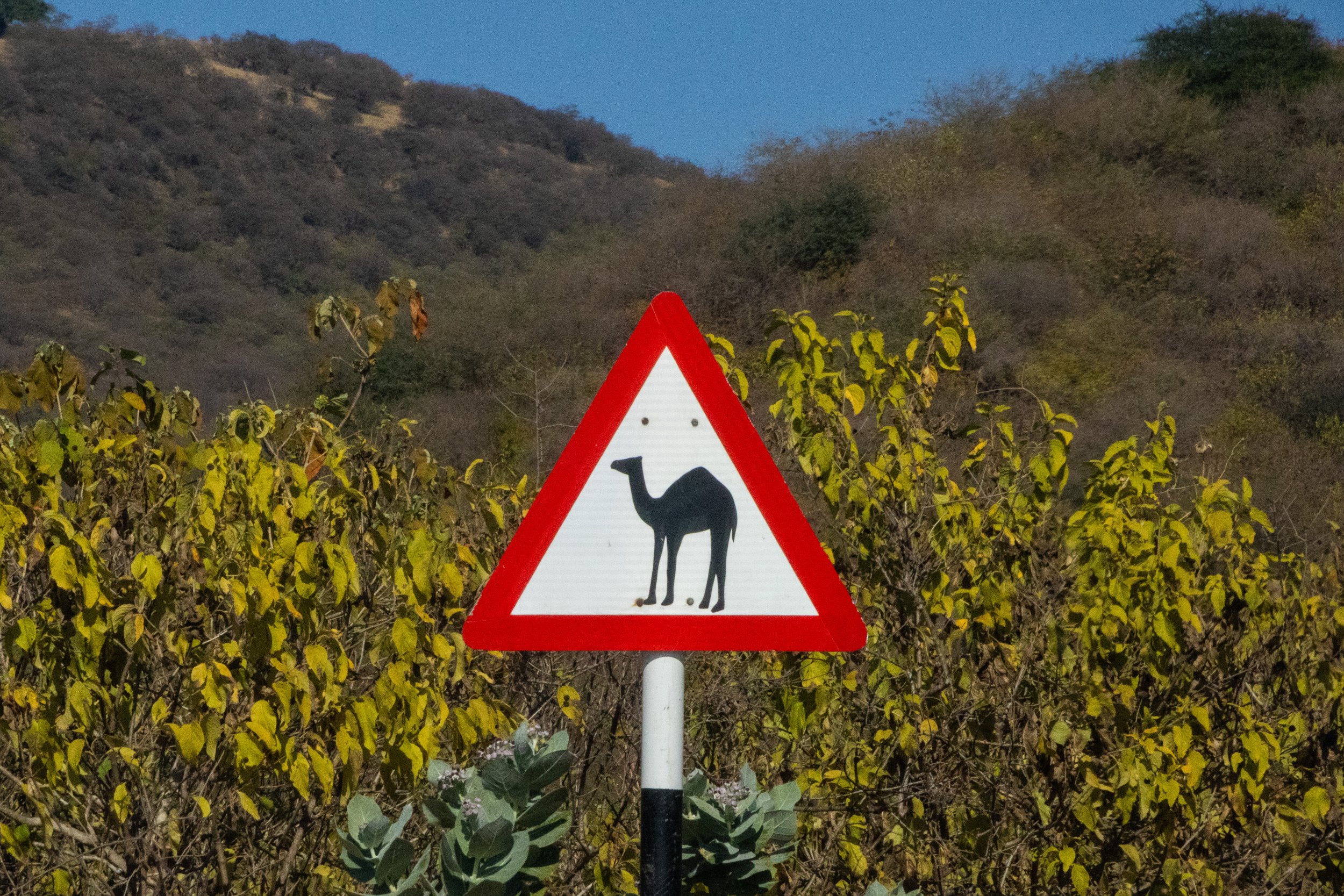
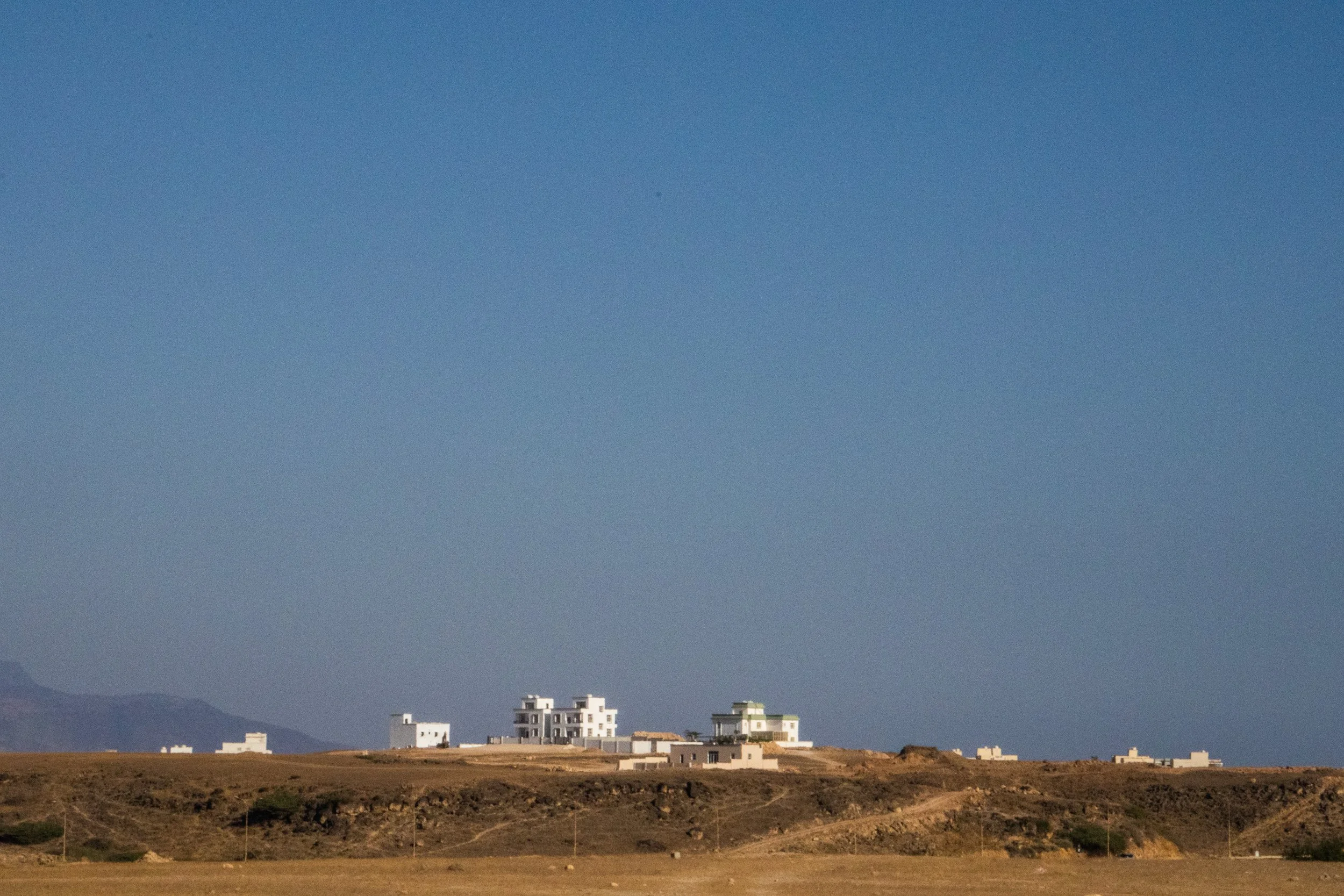
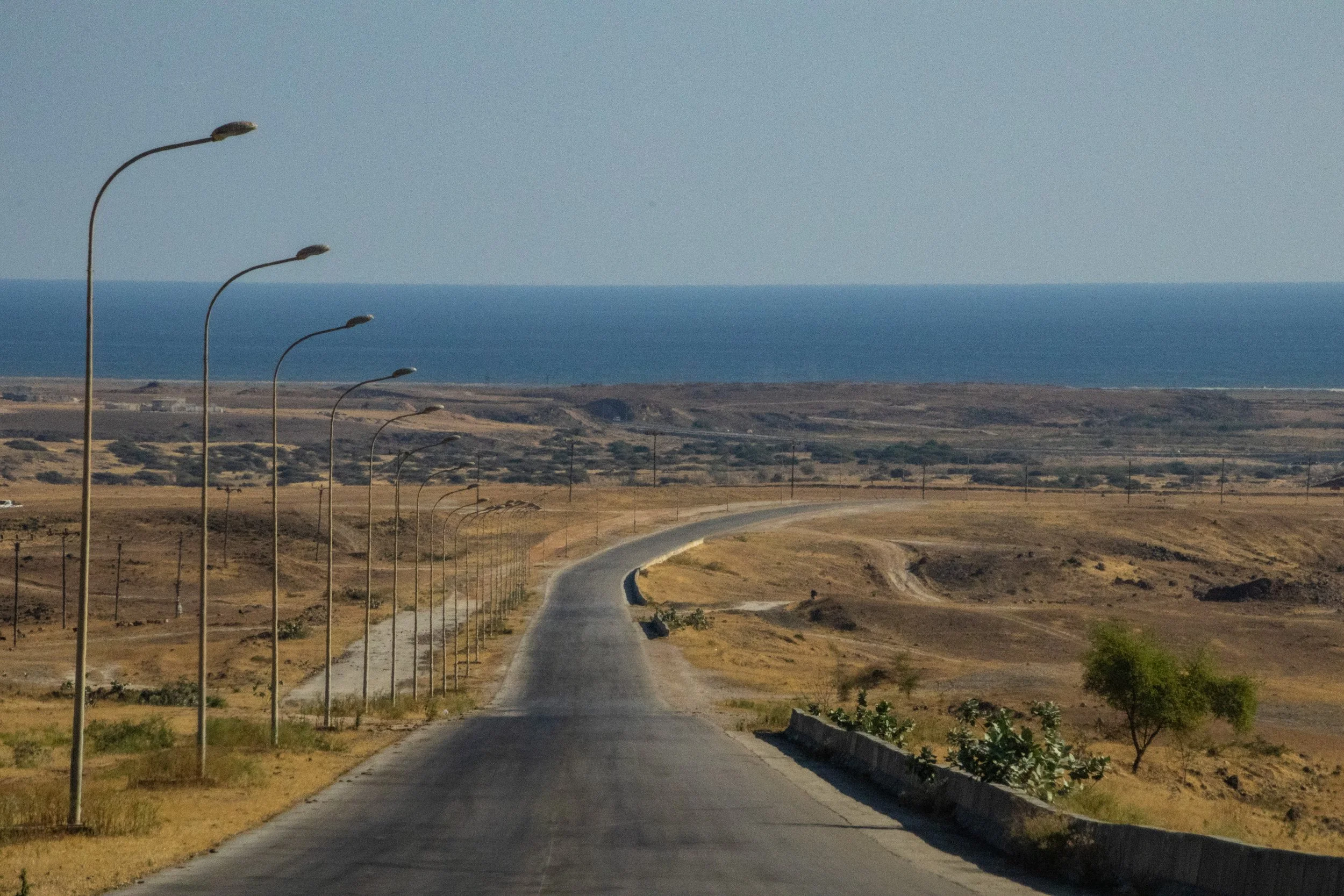
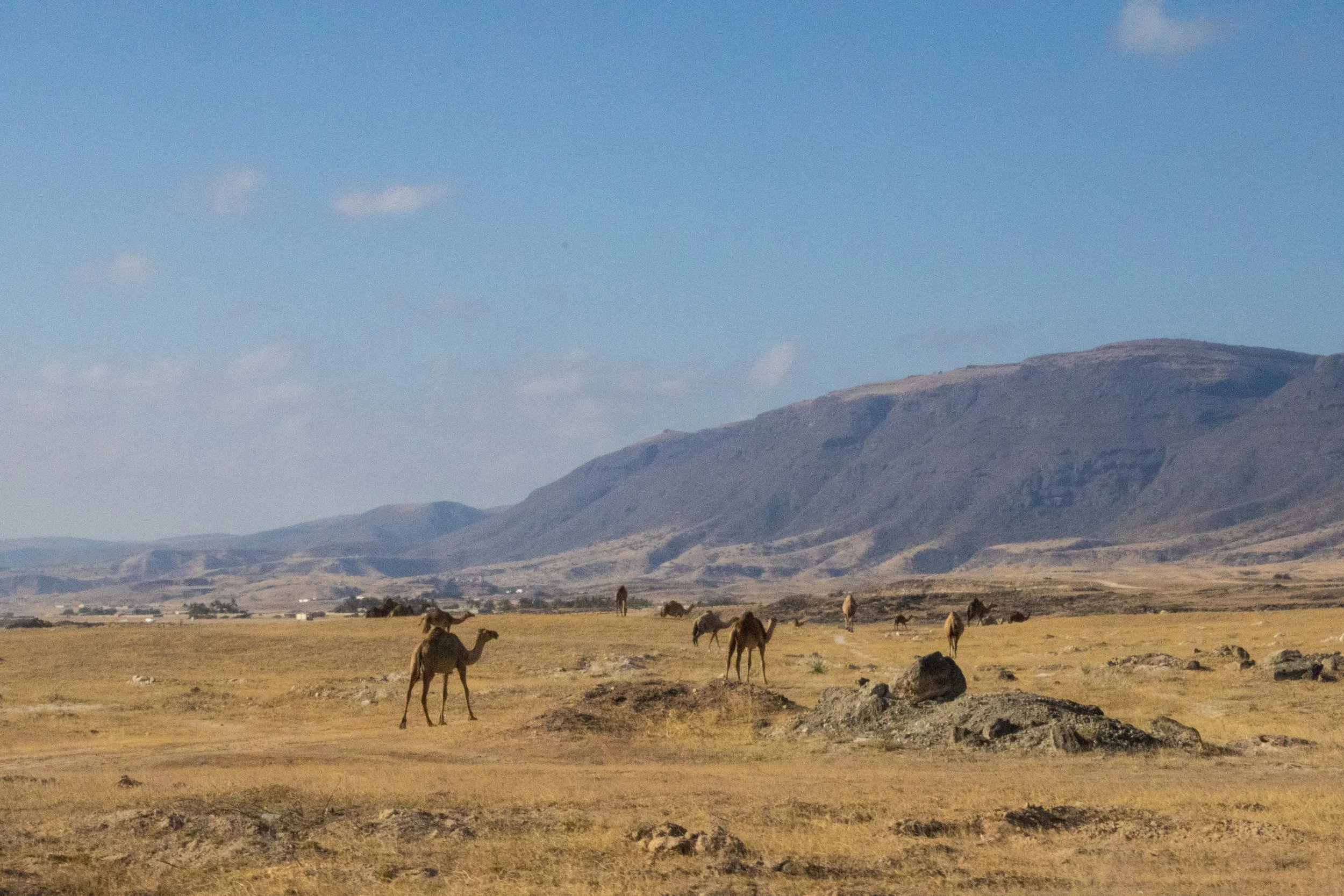
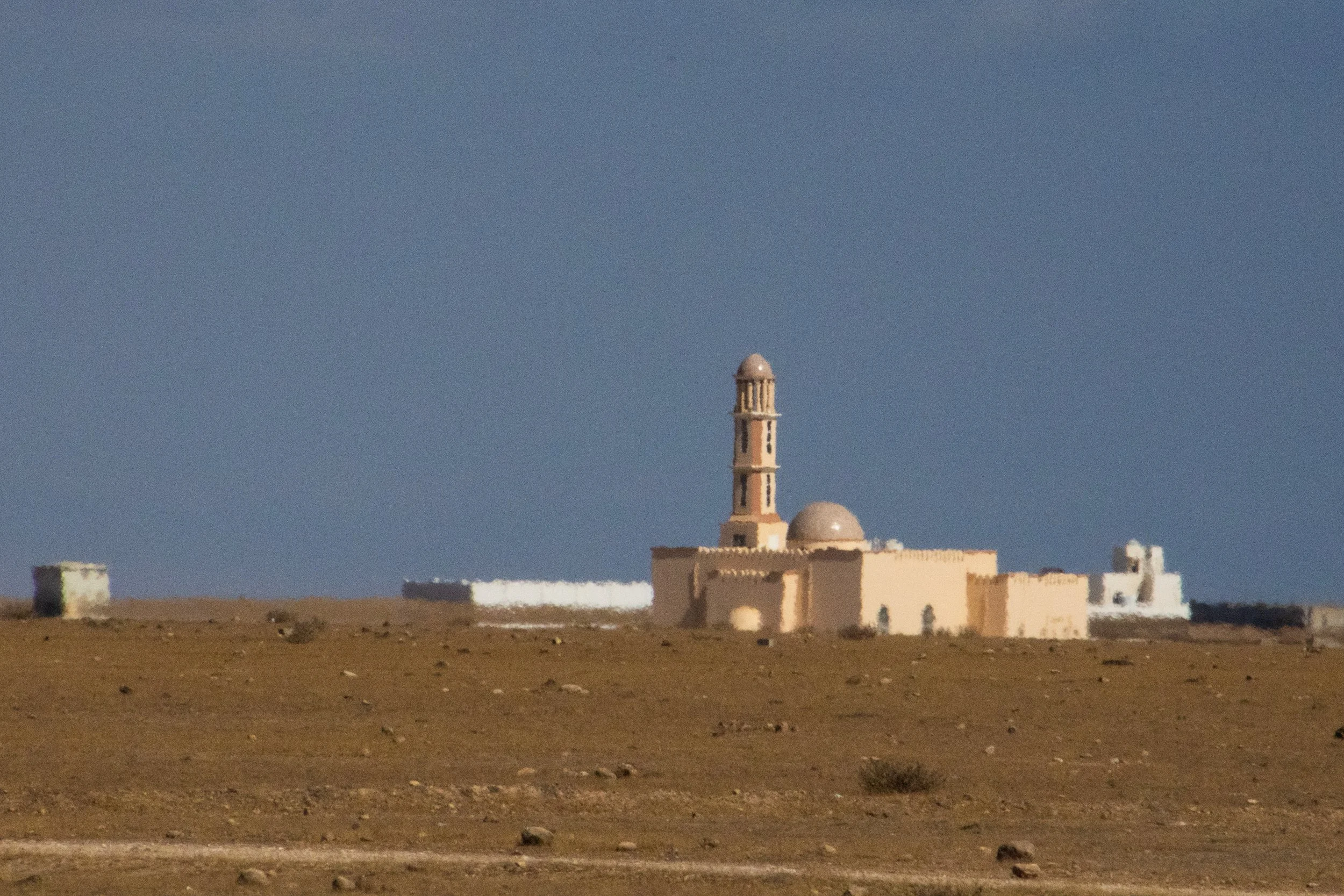
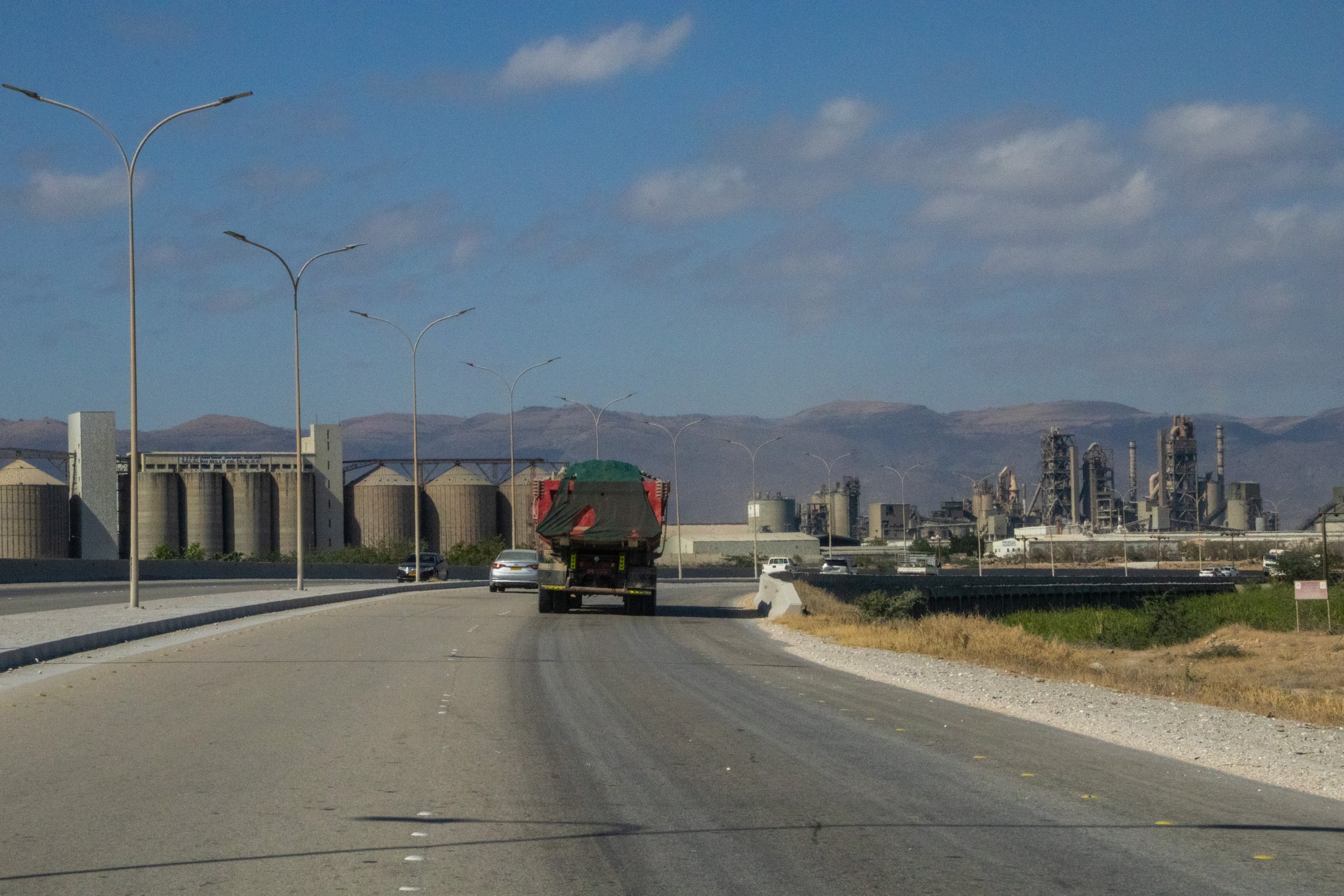
Take a look at the last picture in that gallery. It might not look like much, but I work in the energy sector, so I am always fascinated to see these sorts of pieces of infrastructure. That might be why I’d photographed it and put it into this gallery long before war in the Middle East broke out. It was definitely imprinted on my brain. We drove around this facility twice, seeing a full 180 degree view of it, so when I saw this footage on the news in the first moments of the war in Iran… I damn near leapt out of my chair. “THIS IS THE PORT OF SALALAH. I WAS LITERALLY THERE.”
That link is an insane, close-range video of Iranian drones actually hitting these storage tanks at the Port of Salalah. Here are a few more places where you can see this covered:
“Breaking: Iran Strikes Oman Again: Massive Explosion At Salalah Port After Drone Hits” via an Indian outlet called NDTV Profit (same link as in the paragraph above)
“Oil plant in Oman's Salalah port hit by huge explosion during drone strikes” via The Sun
“Iranian drone hits Oman’s Salalah oil tanks as Qatar and Saudi Arabia intercept attacks” via Al Jazeera (proper news coverage)
ANYWAY 😳 back to the beach?
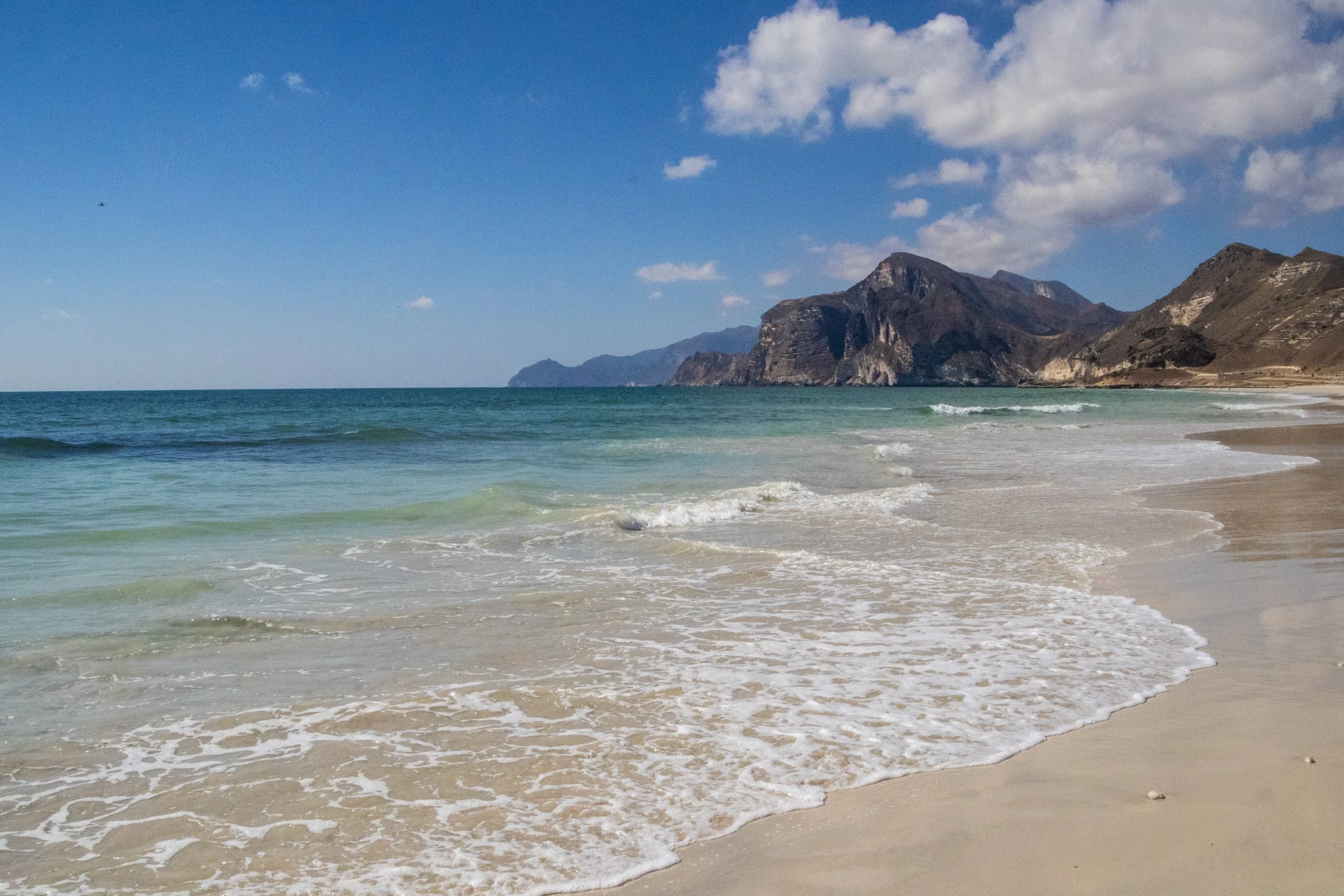
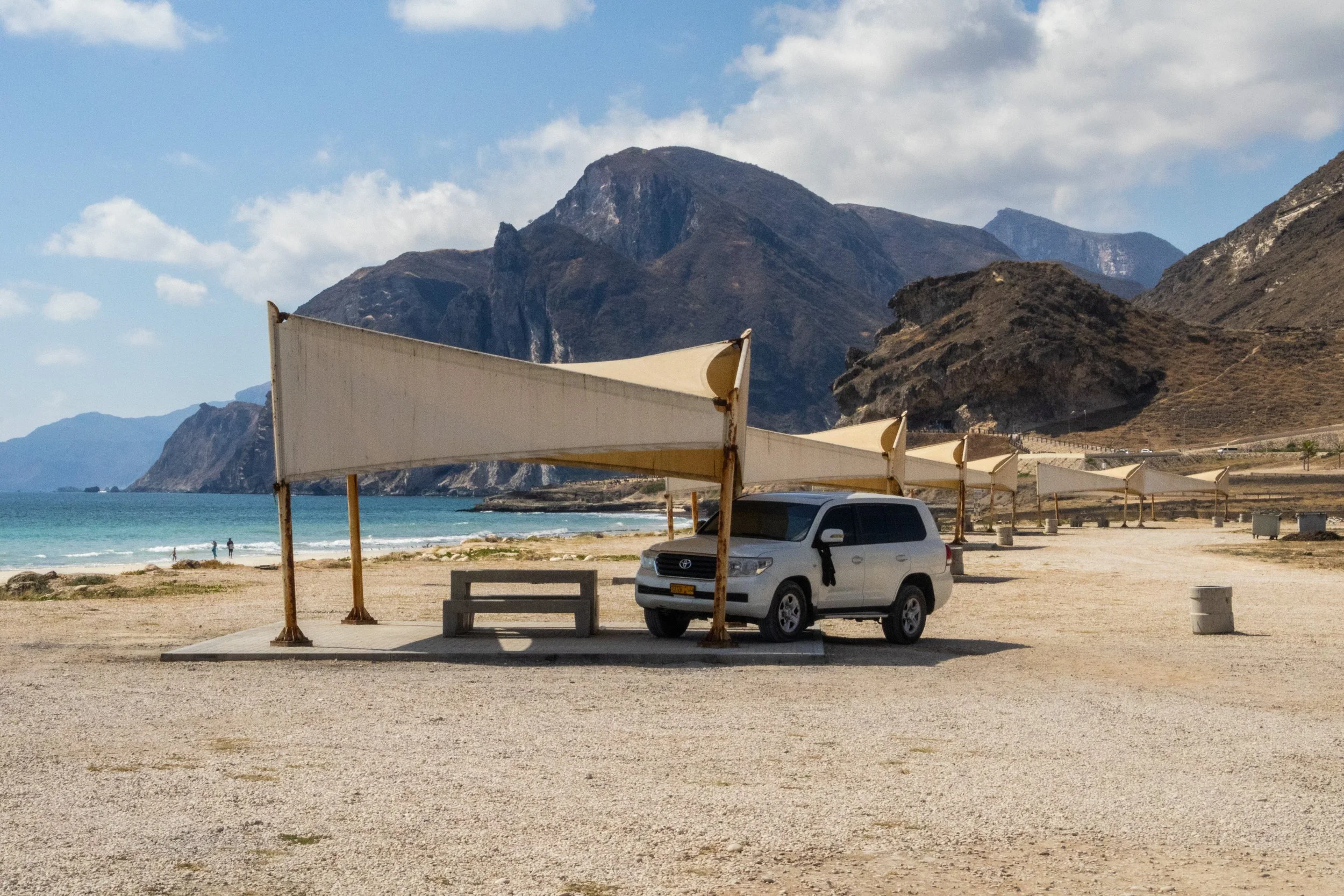
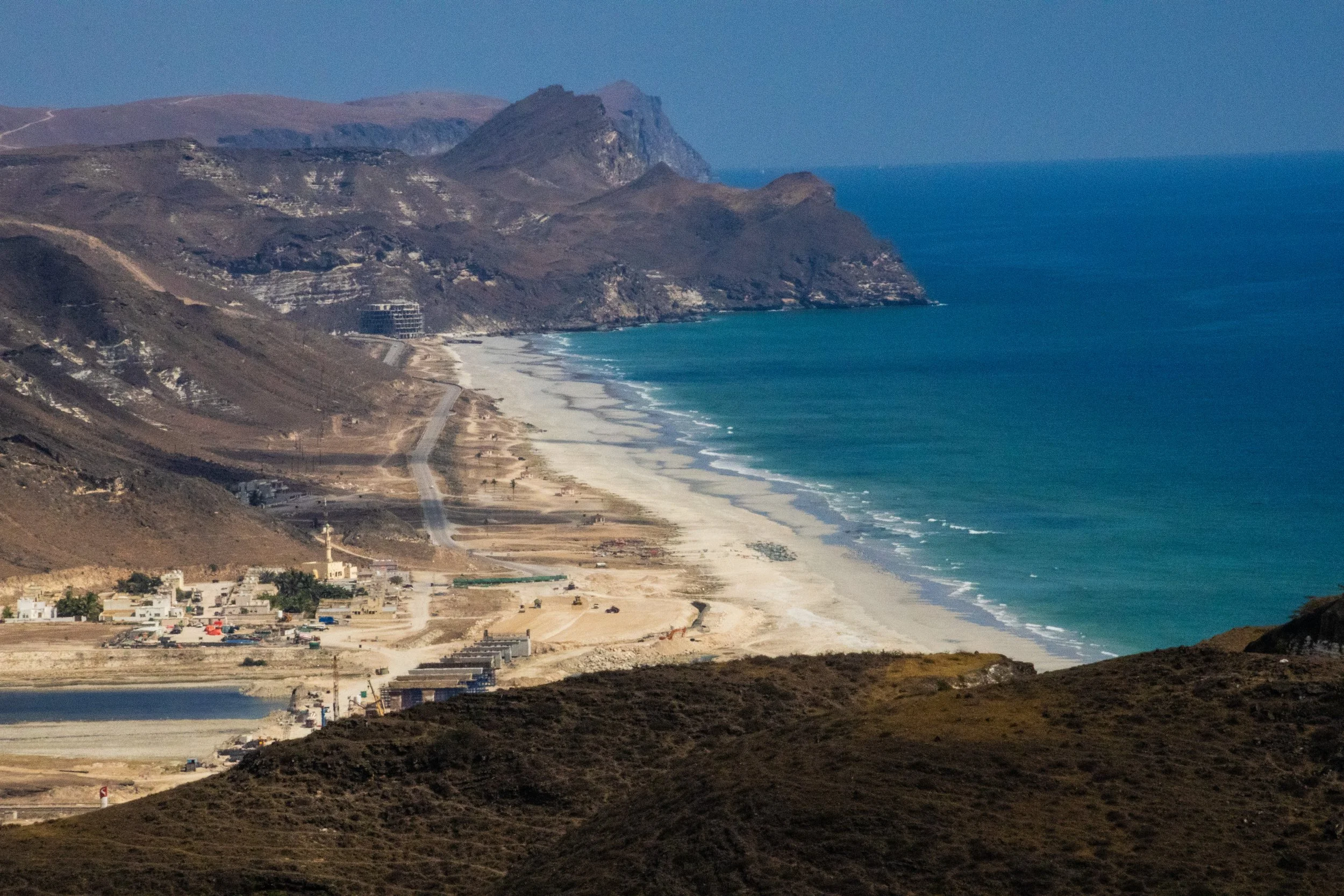
All this industry gradually began to fade away the farther from Salalah we drove. Soon we found ourselves driving down a long coastal highway with an absolutely breathtaking view of the ocean. Teal waves crashed onto mile after mile after mile of perfect, white sandy beaches. And, as far as the eye could see, there was absolutely NOBODY. There were shelters built every few hundred meters that clearly looked like they were intended to host small gatherings or cookouts, but they were unoccupied. I know it’s the low-season for tourism, but you’d really think that somebody else would be here, right??
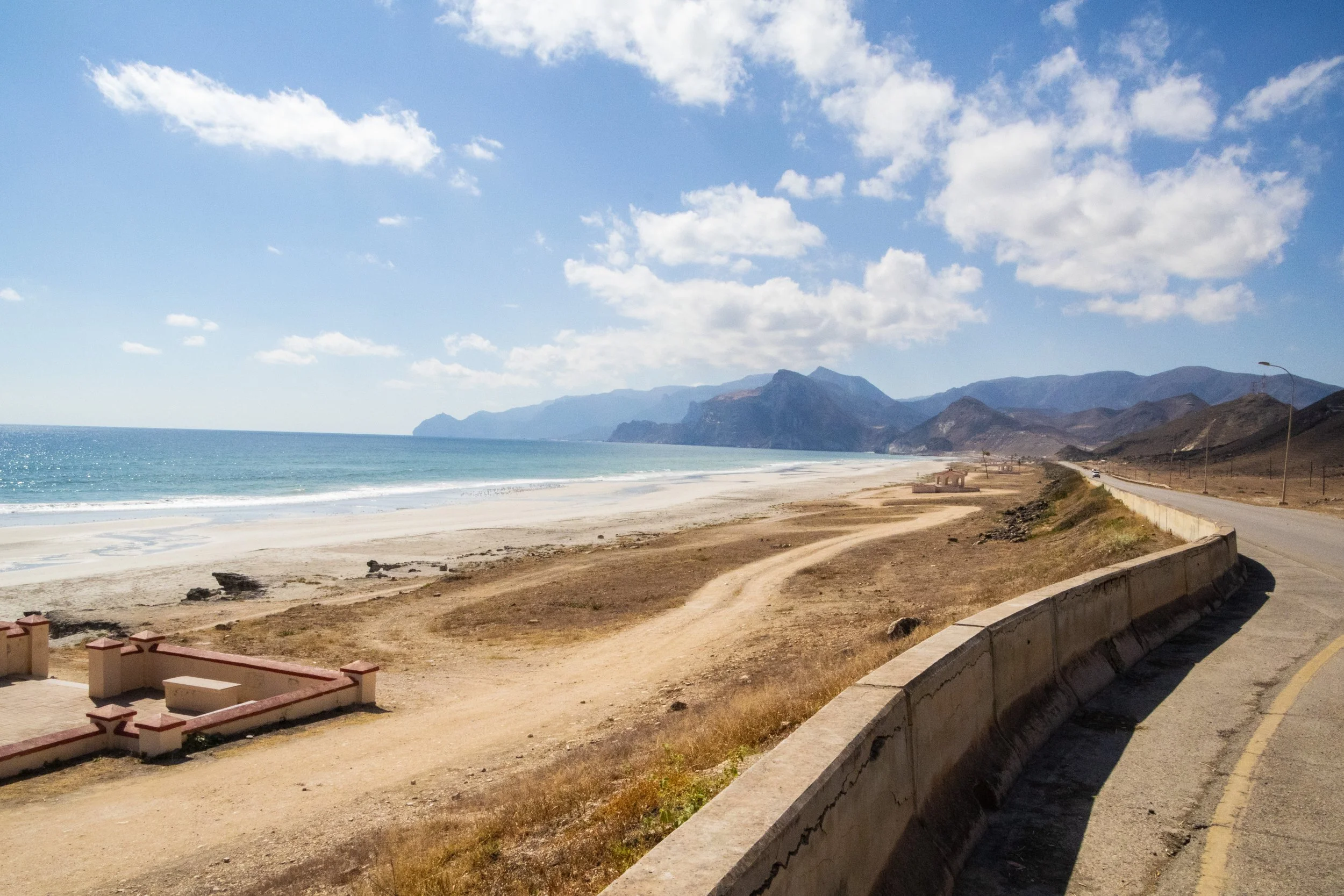
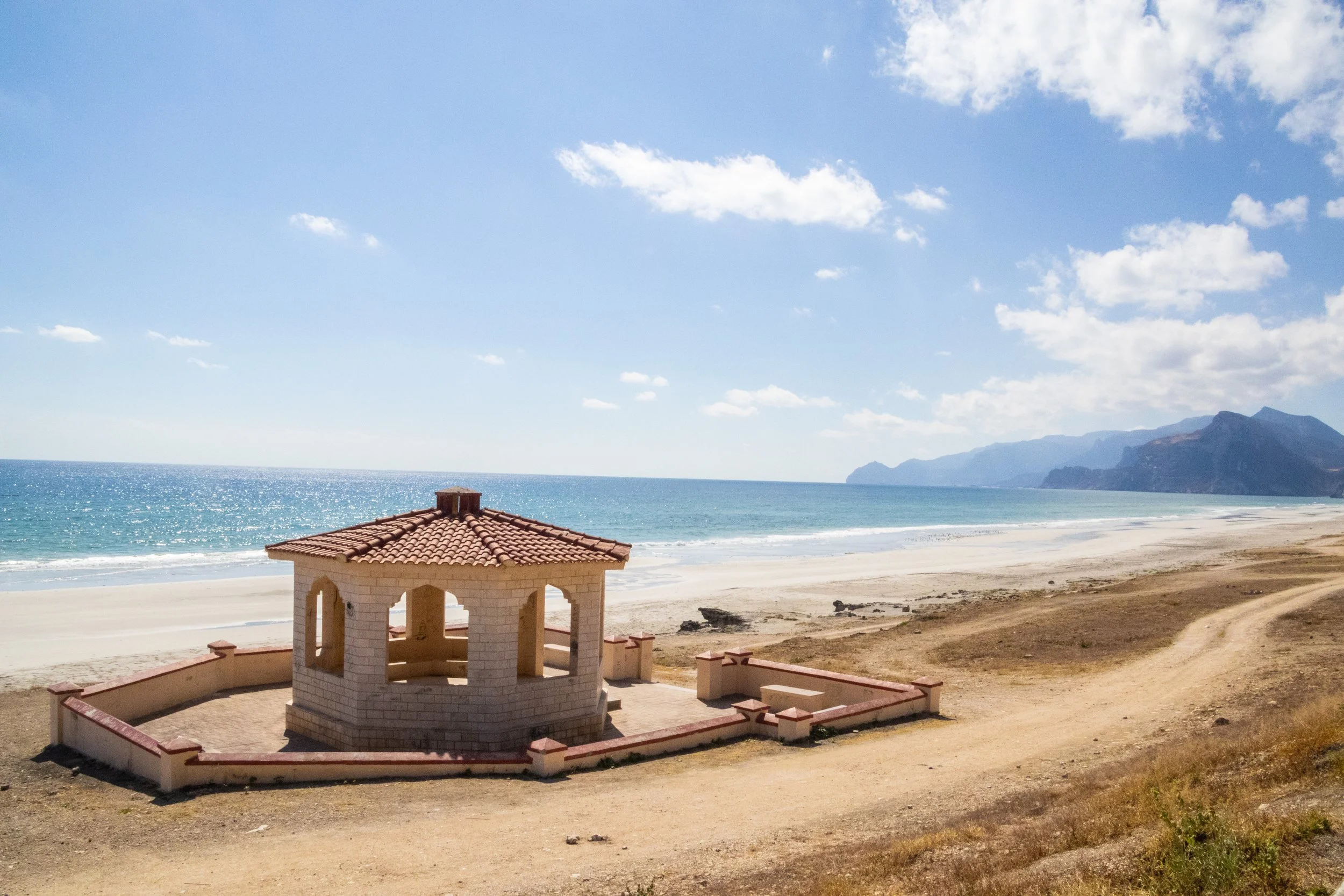
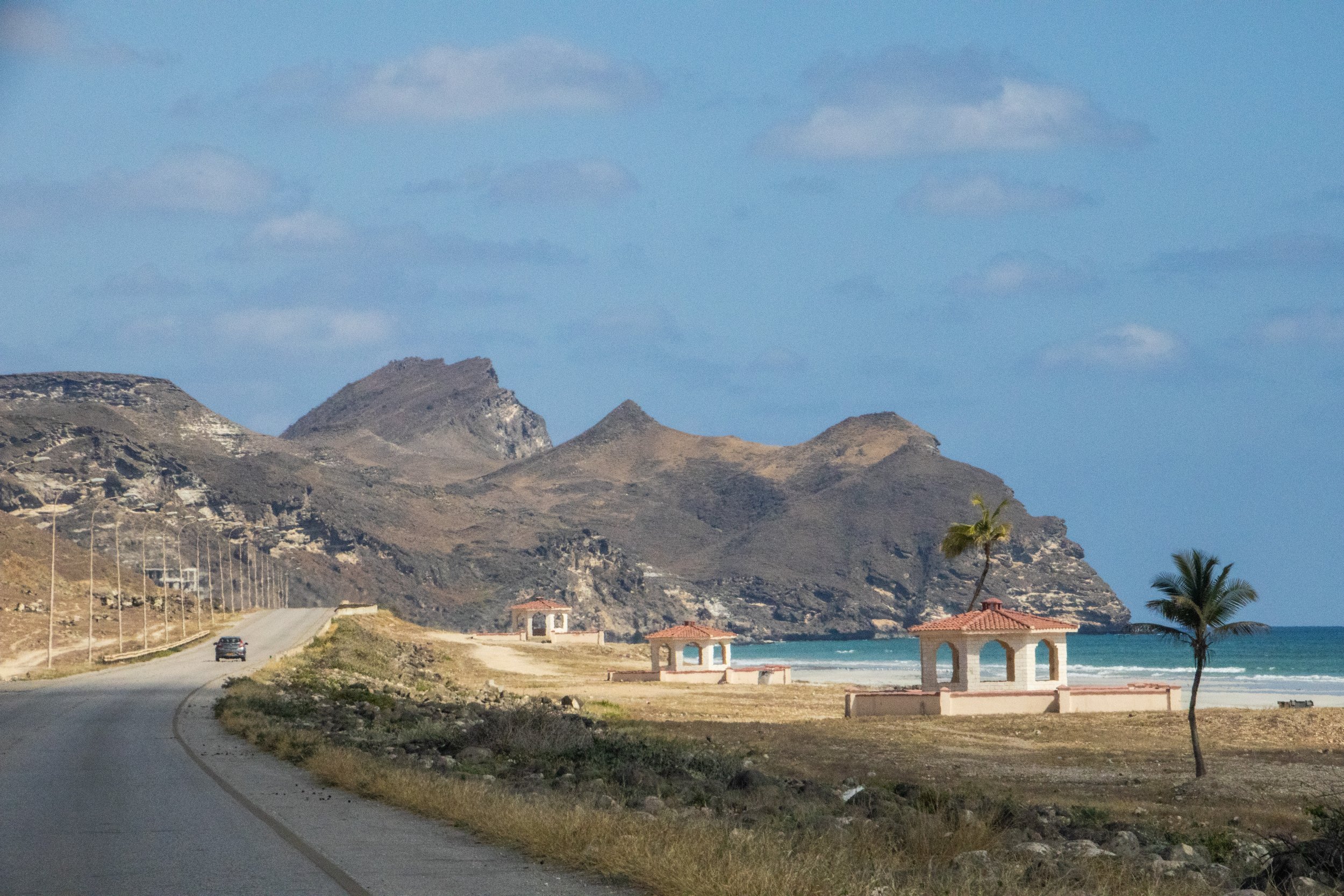
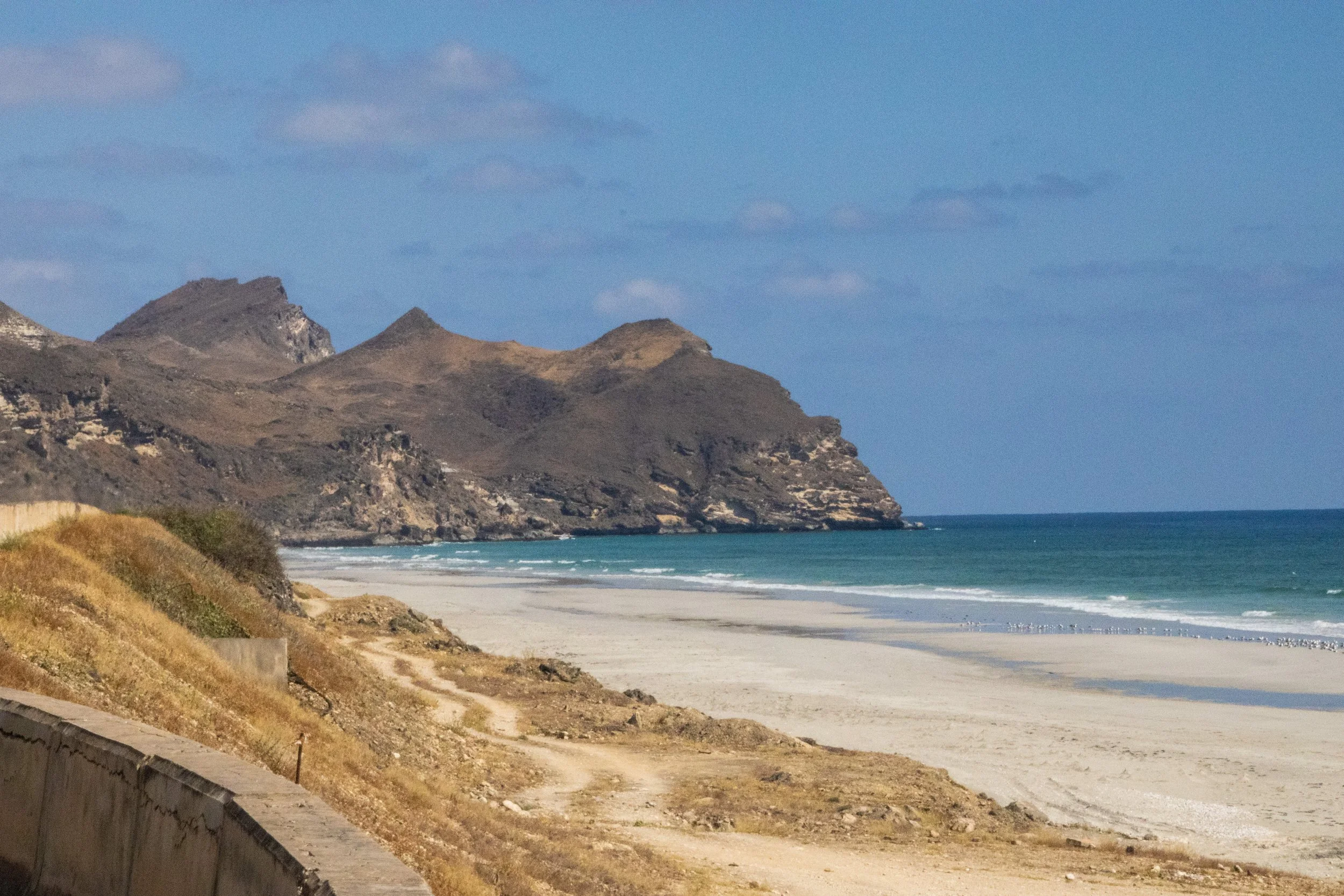
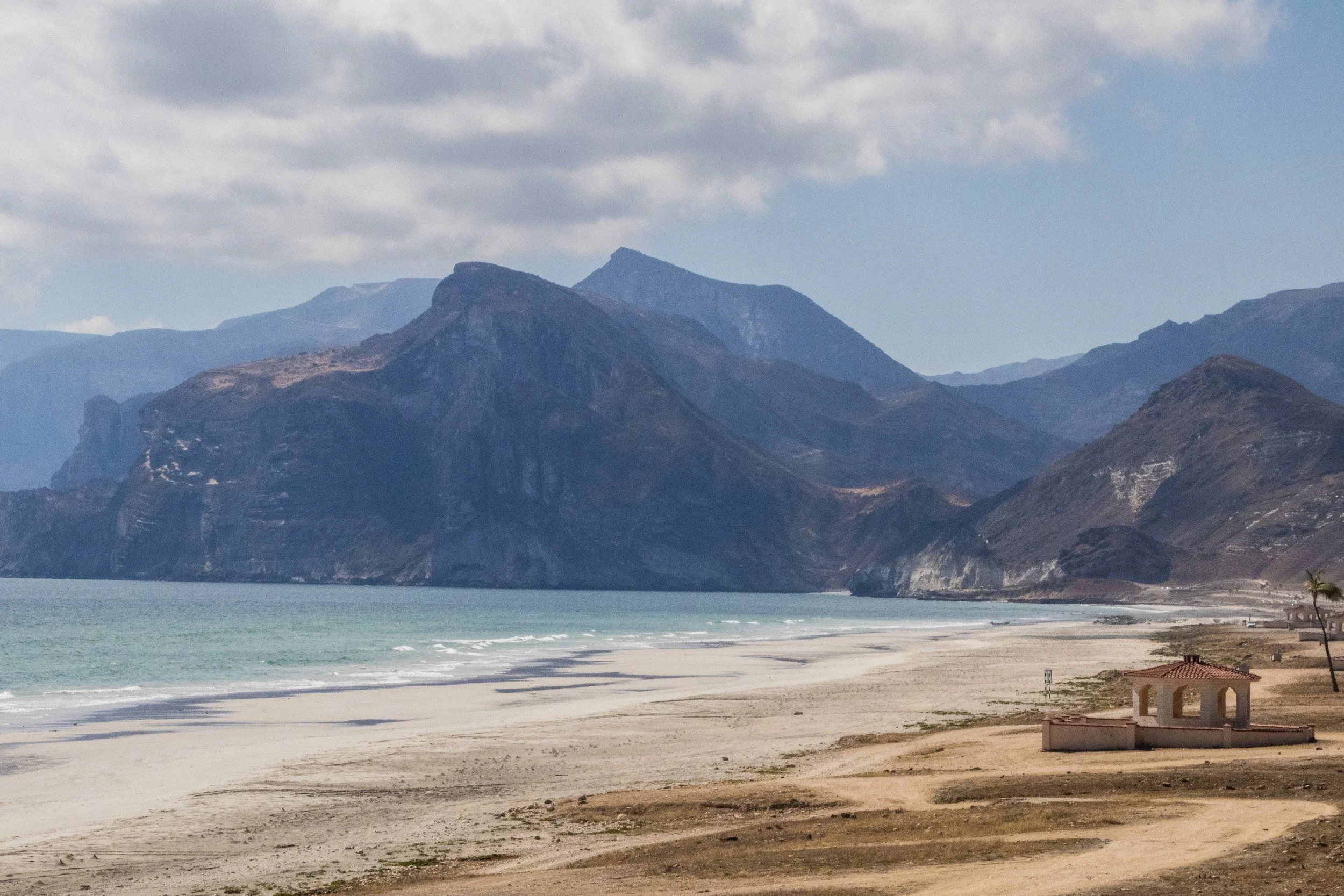
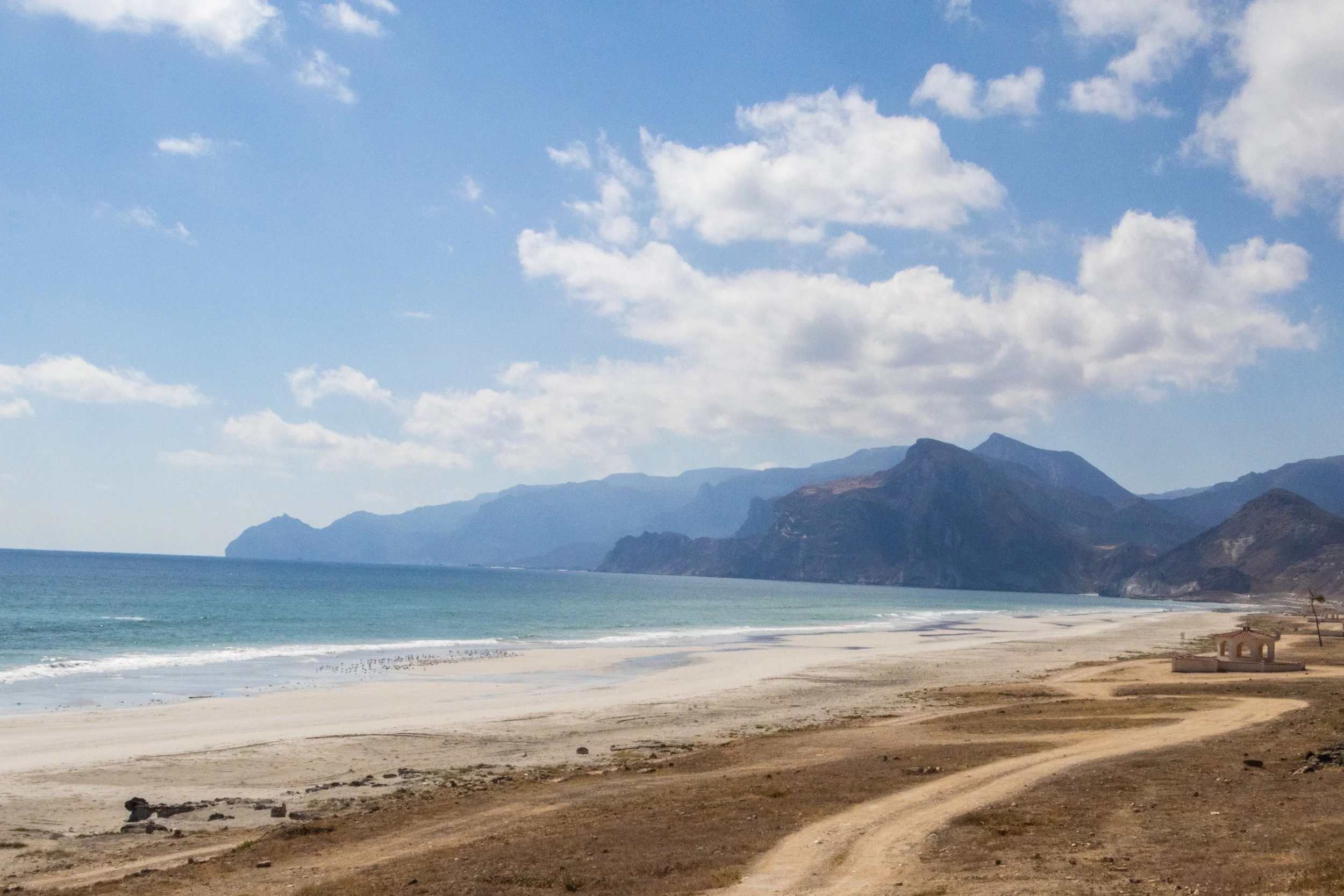
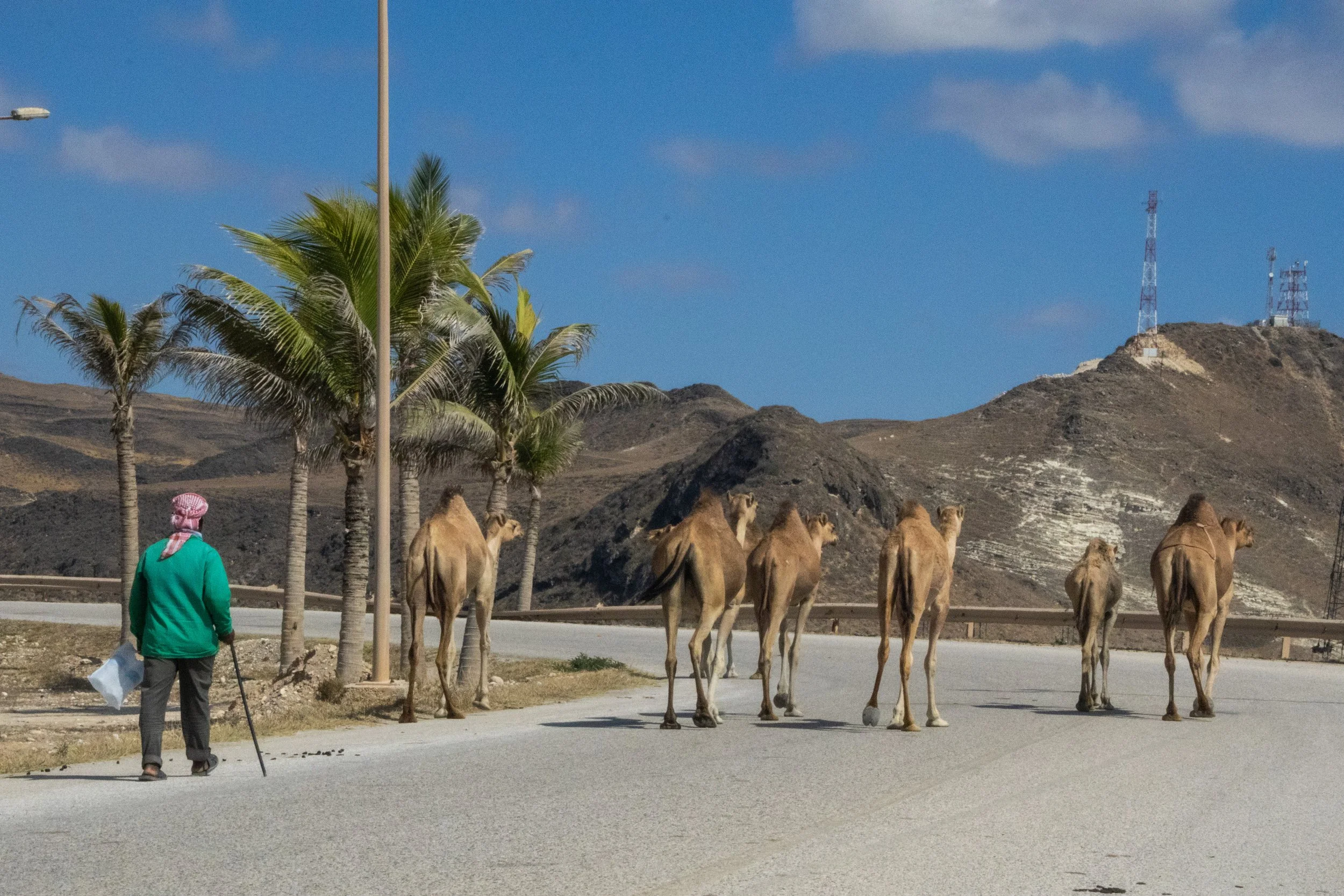
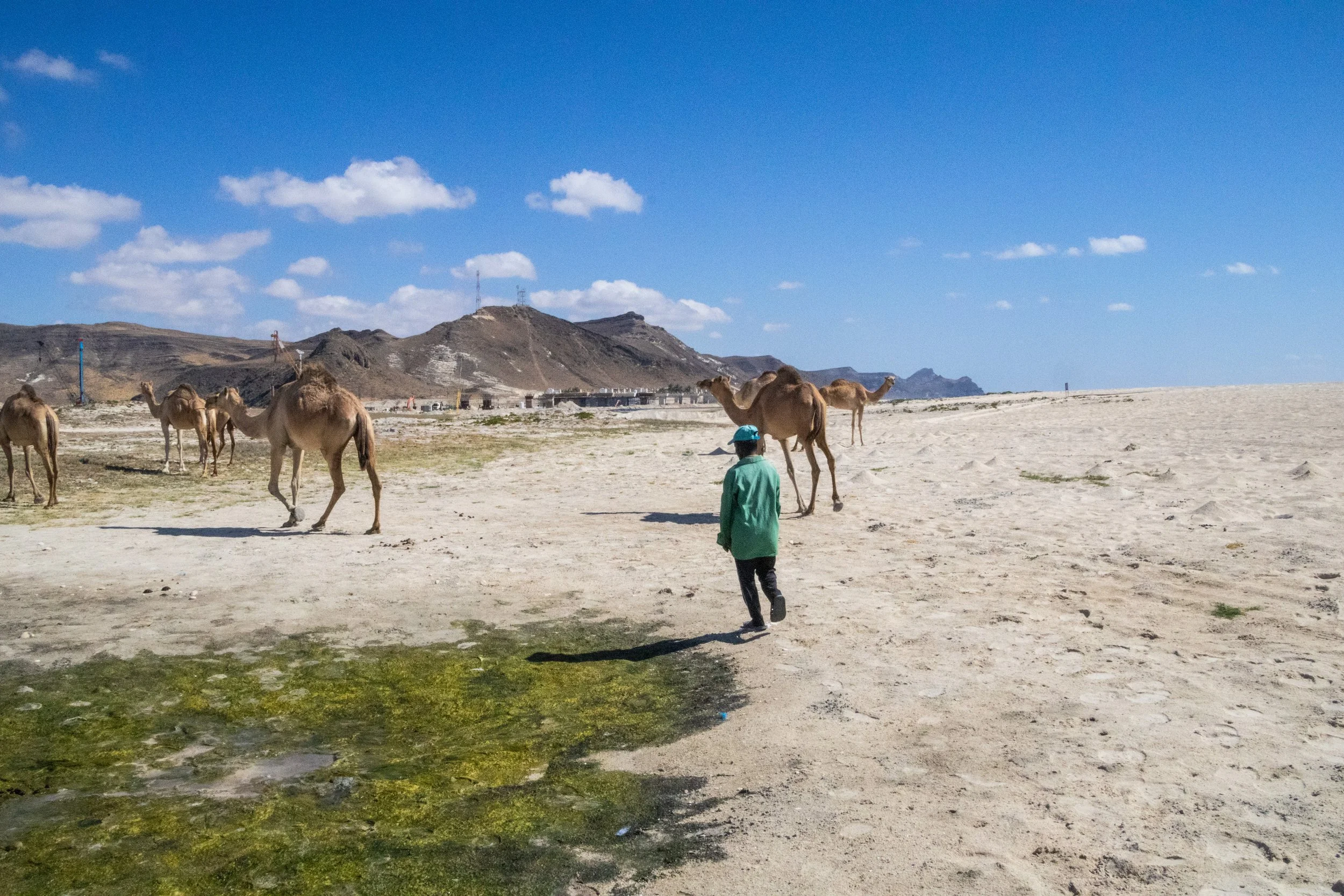
The roads were pretty quiet when we finally pulled off the main highway at a sign for Mughsail Beach. We followed the service road down toward the waterfront and we found a giant parking lot that was completely empty and silent, save for the sounds of the wind and the surf. There was one seemingly-empty car parked off in the distance, but otherwise it was just camels. One camel herder, who seemed to be uninterested in the beautiful beach nearby, walked his camels through the parking lot simply because it was in his path… but otherwise, we were alone.
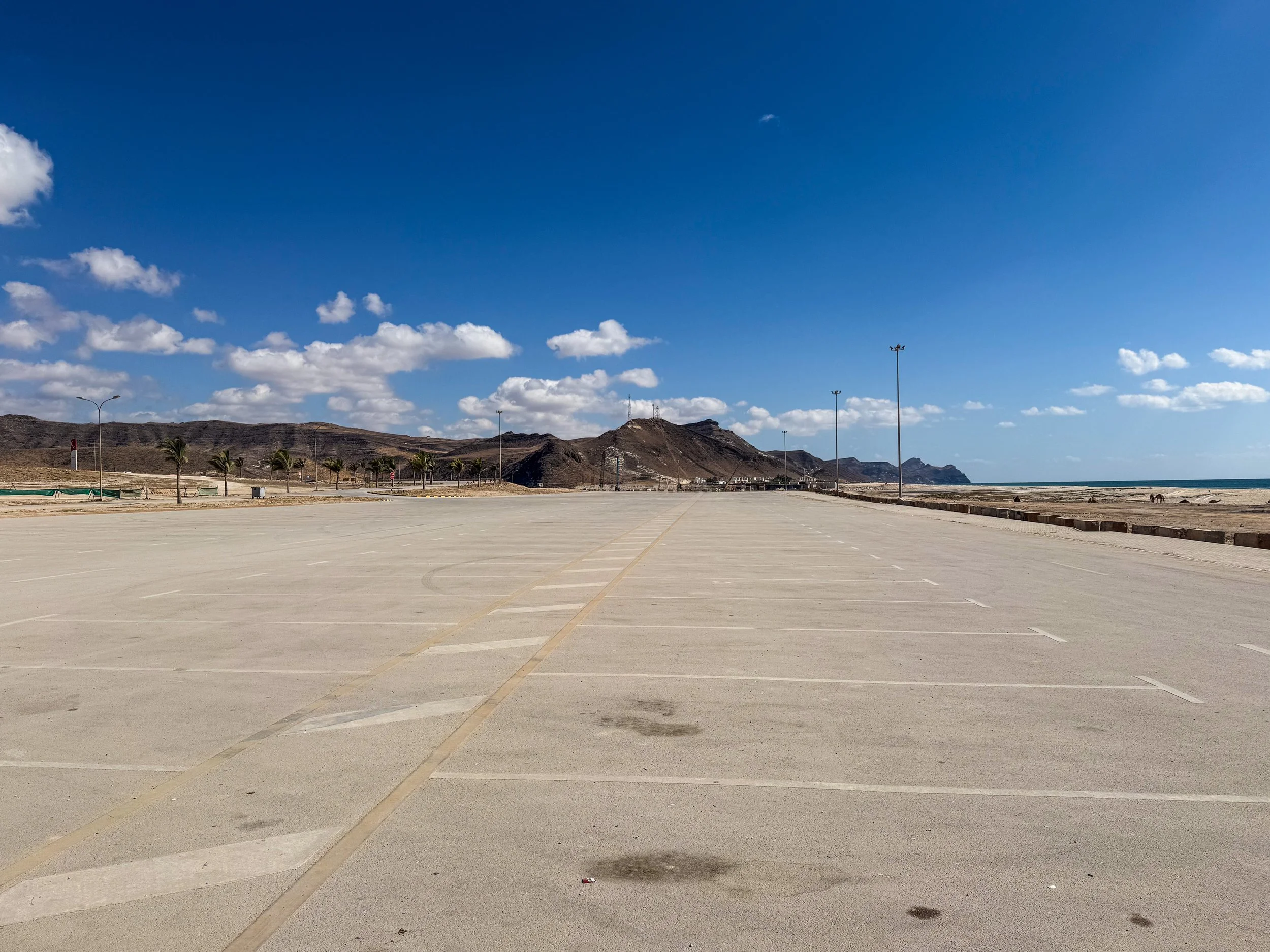
We were so alone here, that I was actually wondering if we were allowed to be here. Had we missed some sort of closure sign somewhere along the way? How is it possible that a beach this beautiful, on a such a perfect, sunny day, would be empty? Was it just because it was ‘low season’ for tourism here? Was it because we were just 60 miles from one of the worst war-zones (Yemen) on the planet? A bit of both? Maybe Yemen was looming a bit too large in my mind, but I was uneasy.
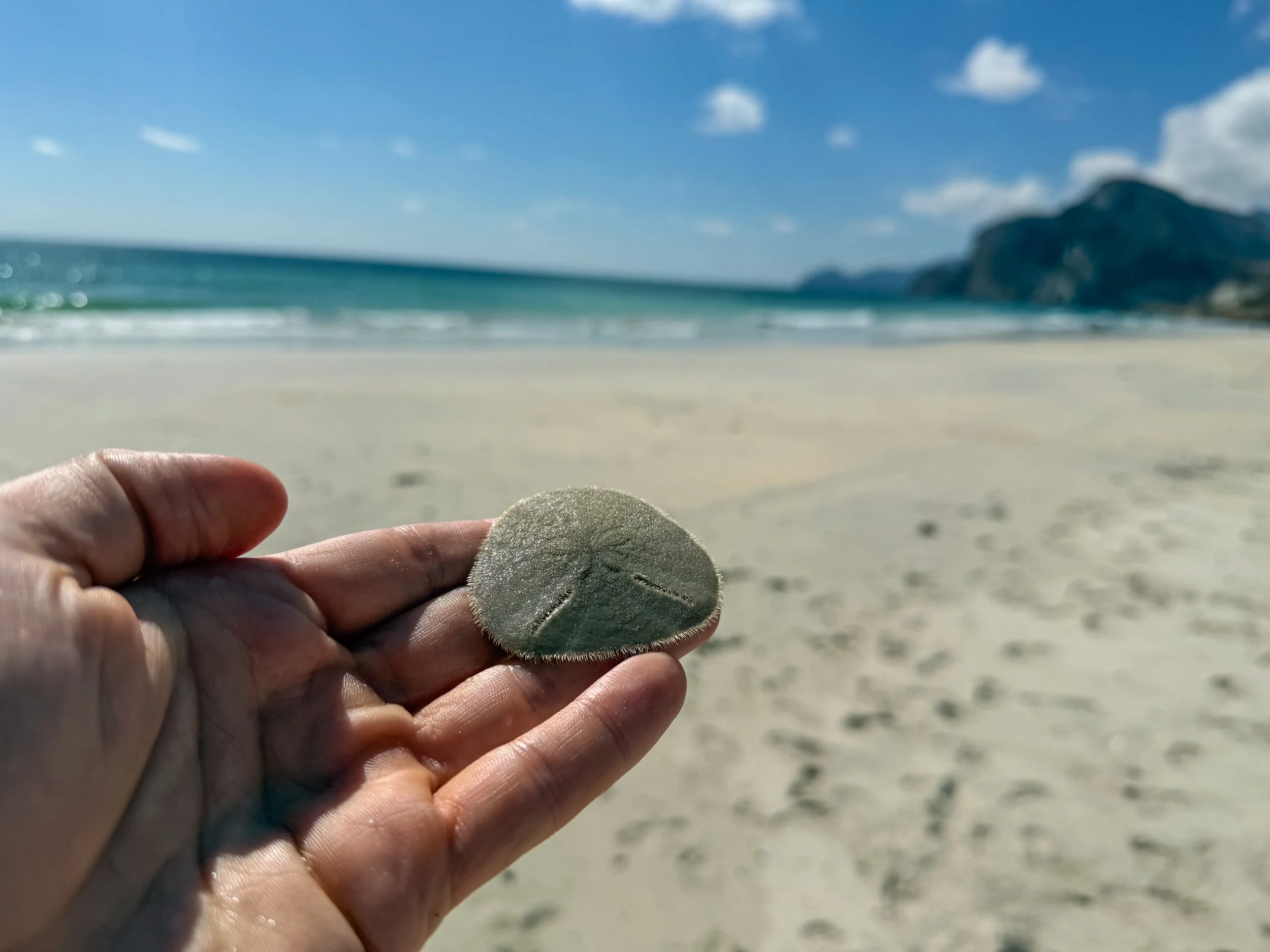
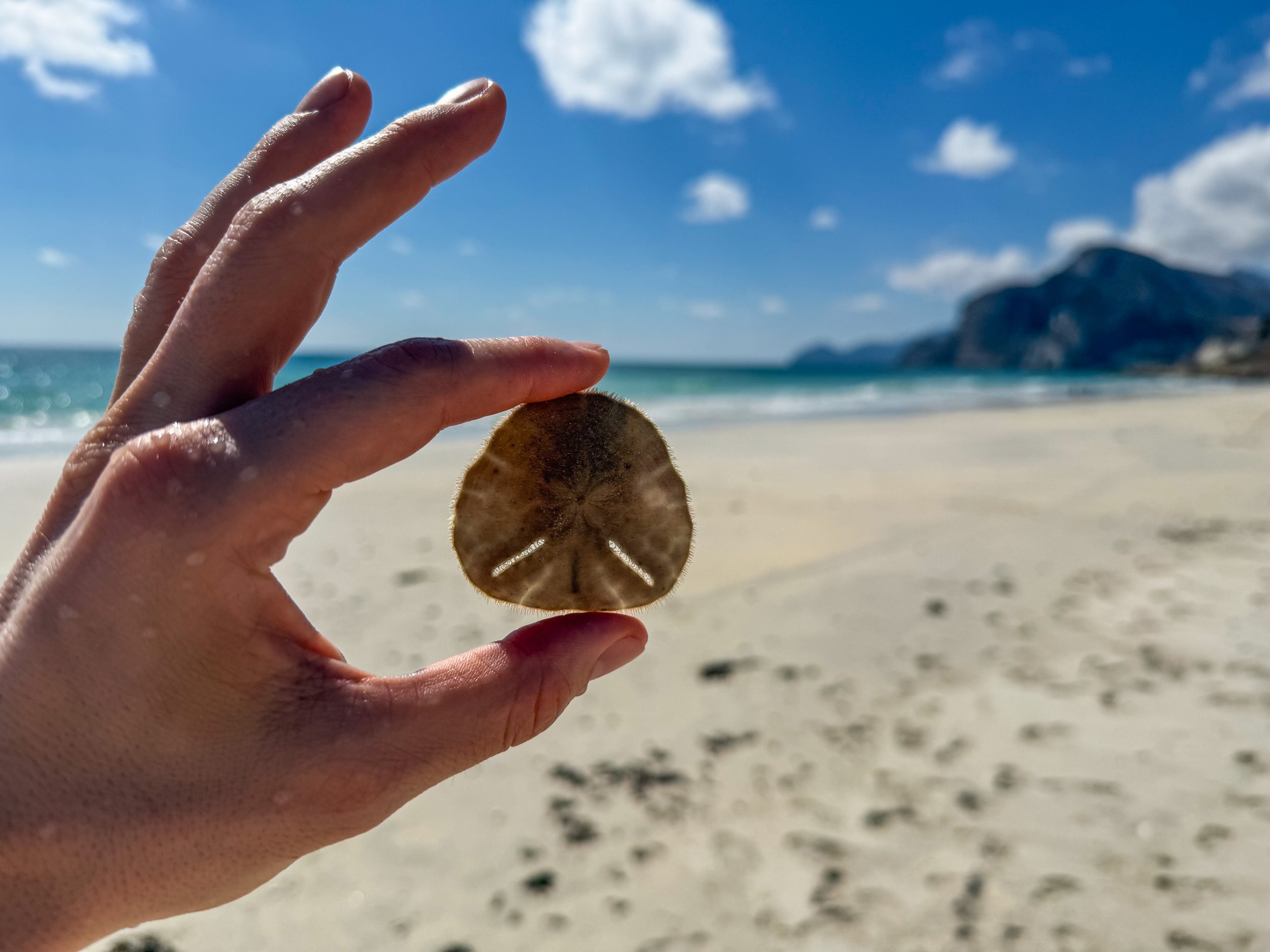
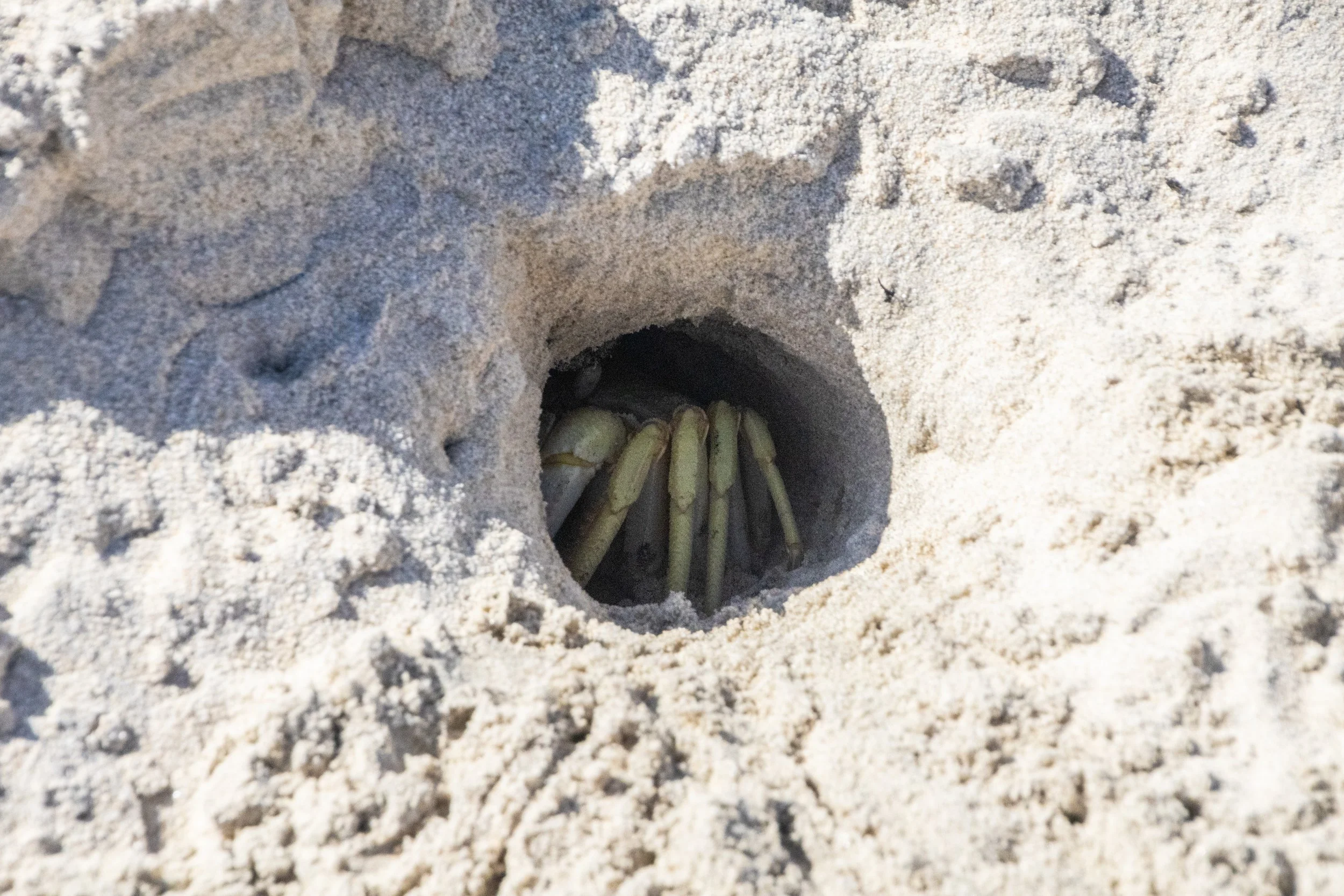
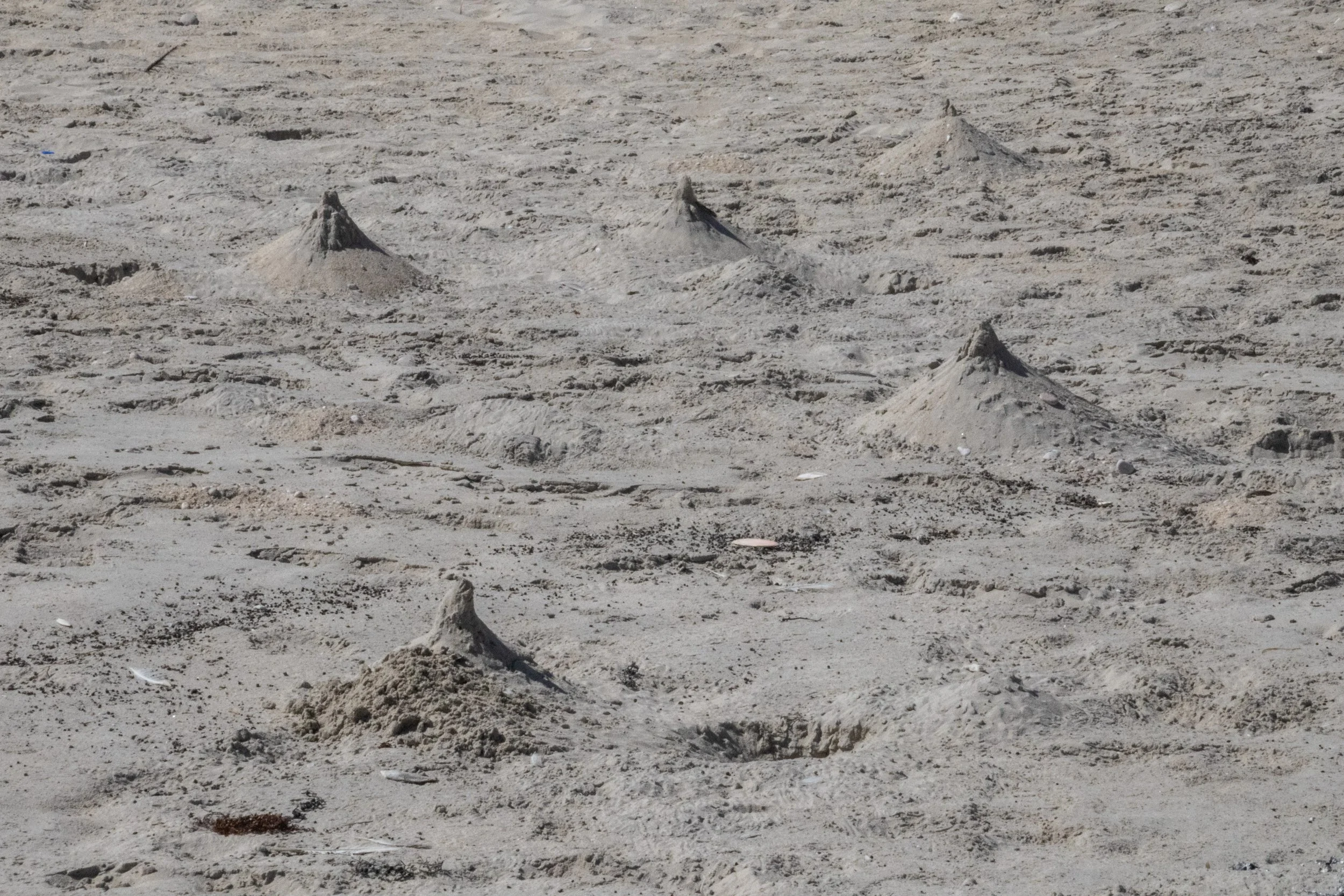
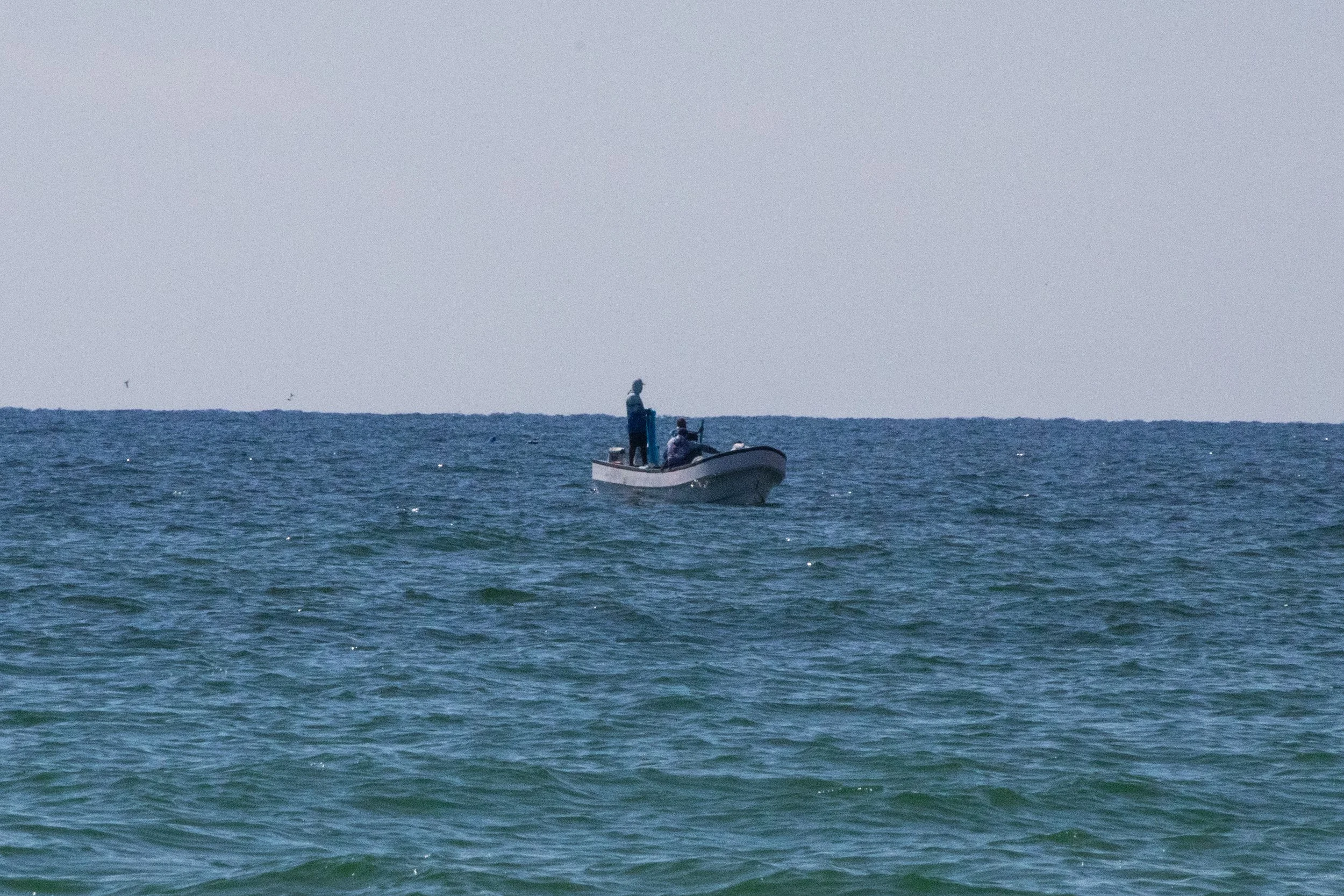
Regardless, we lotioned up and made our way down onto the sand. The water was perfect, the sand was just as fine and soft as it was near our resort, and in the absence of people, the beach was actually teaming with life! Aside from the camels wandering aimlessly in every direction—a once-exotic sight that I was quickly becoming numb to—there were all sorts of interesting birds and crabs darting around in the sand. Based on my research after the fact, I believe these crabs were ghost crabs, which is a very cool name. In the surf, all sorts of shellfish could be found, including sand dollars! And as I walked through the shallows of the water, I would occasionally see a small shimmery fish pass within view. Off the coast there were two men in a small raft who seemed to be fishing. The abandoned car must have belonged to them.
We walked a long way up and down the beach, enjoying the solitude. Honestly, how often do you get a place as beautiful as this all to yourself? Suspicious though it was, it was also marvelous. Eventually, once we were headed back toward the parking lot to leave, we saw an SUV roll up and a family—which included multiple women in burkas—got out of the car. It seemed that they’d come for a day at the beach as well. And not long after, a couple of other cars carrying white tourists rolled up as well. So maybe we just got lucky with an empty beach! I ain’t mad at it.
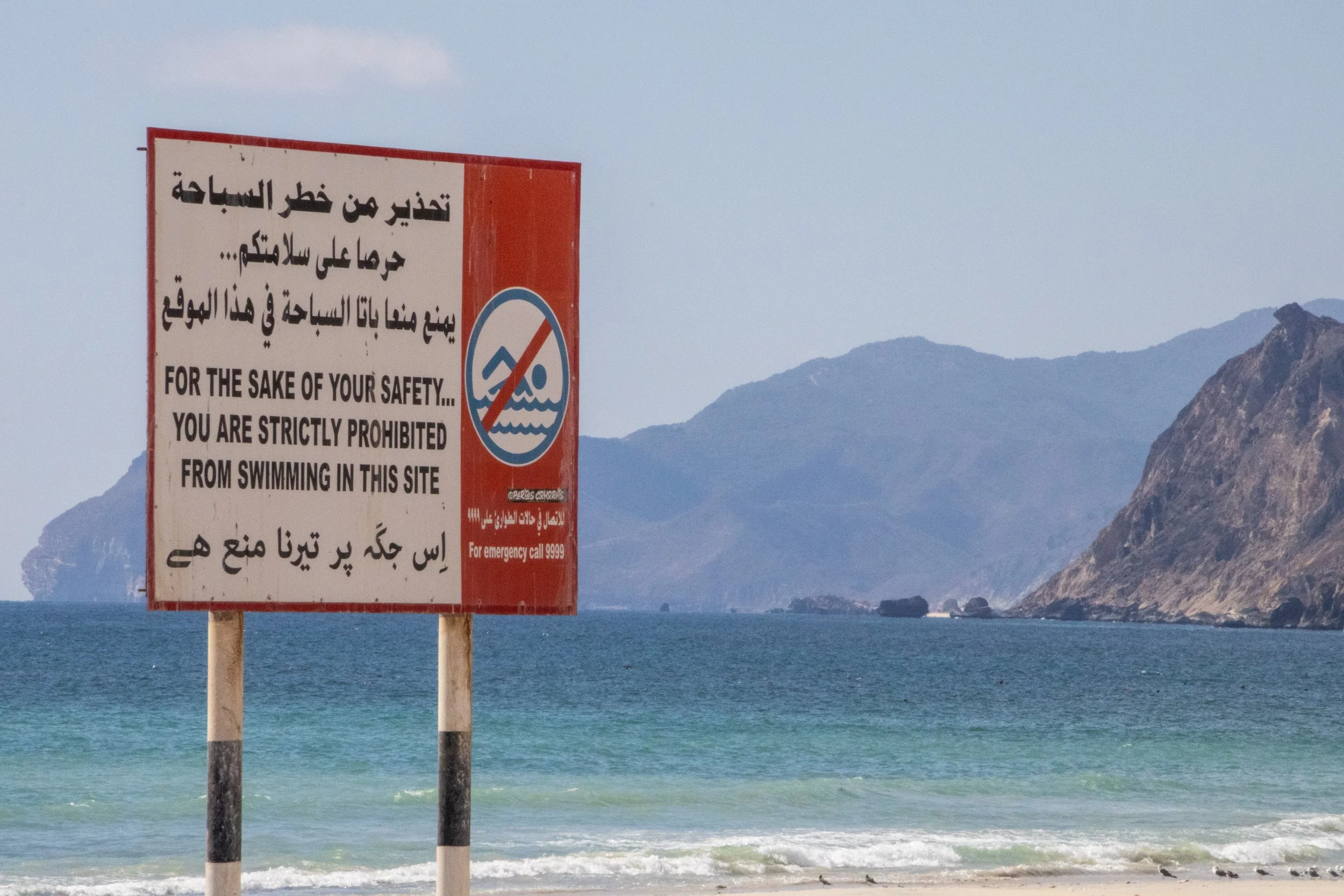
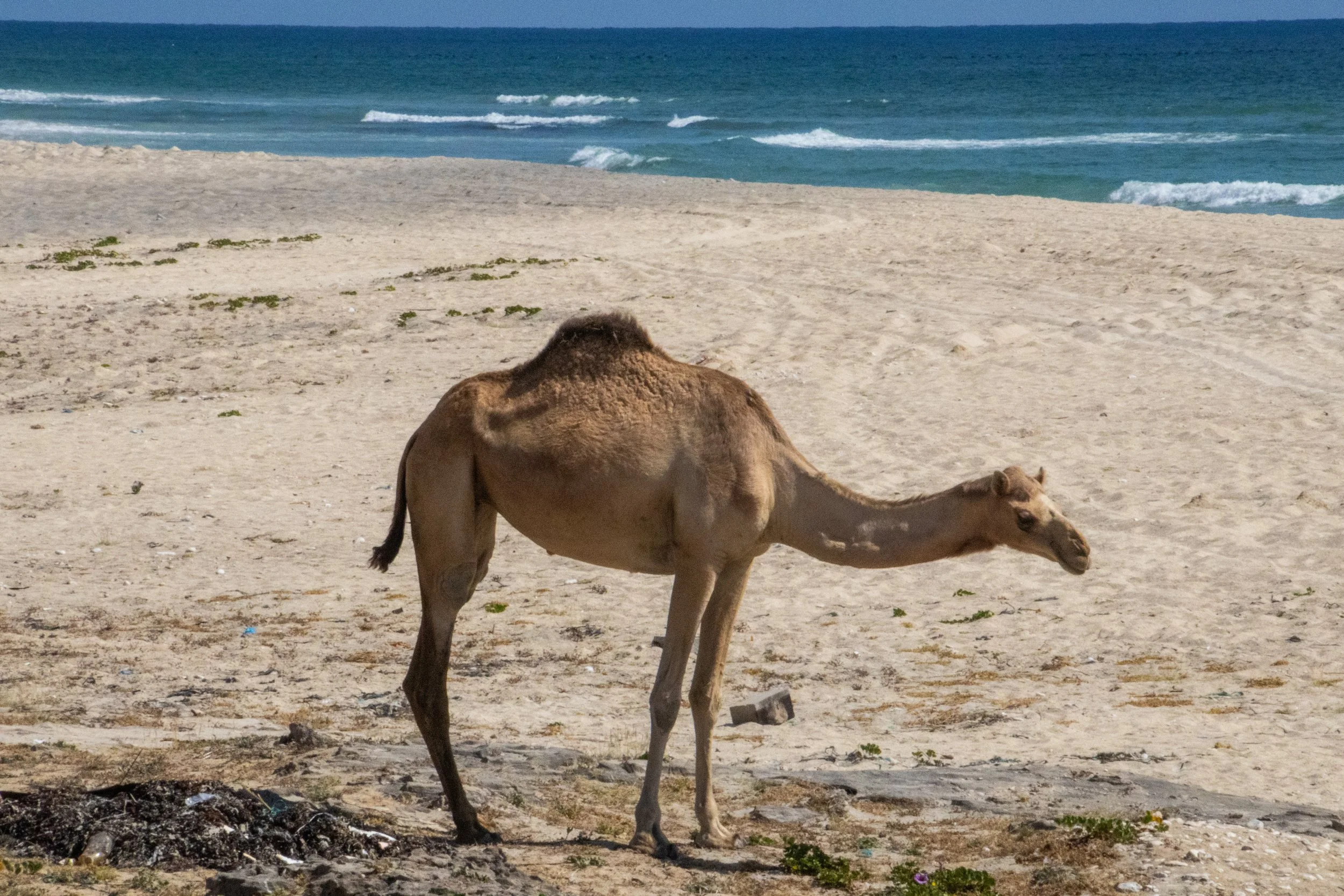
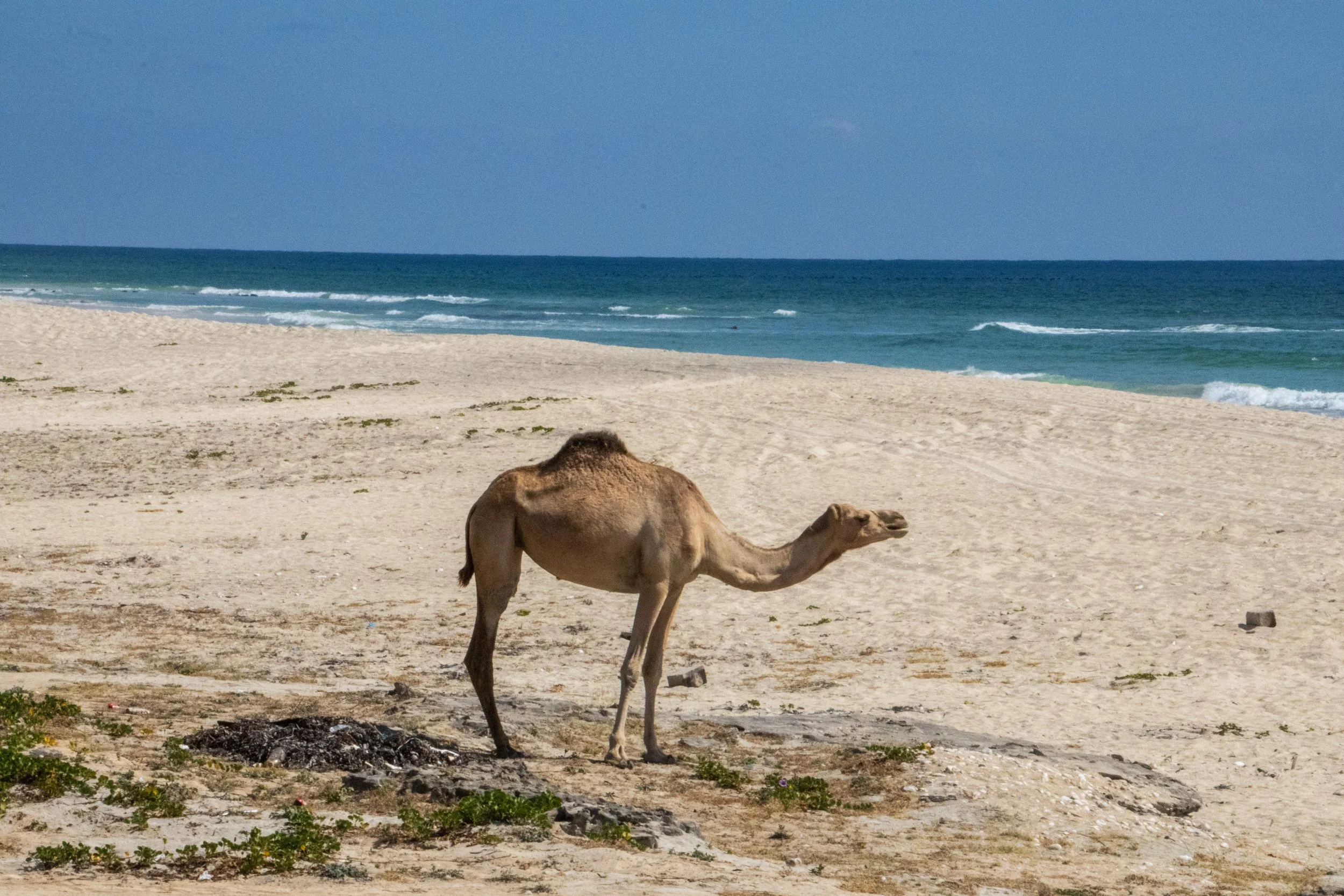
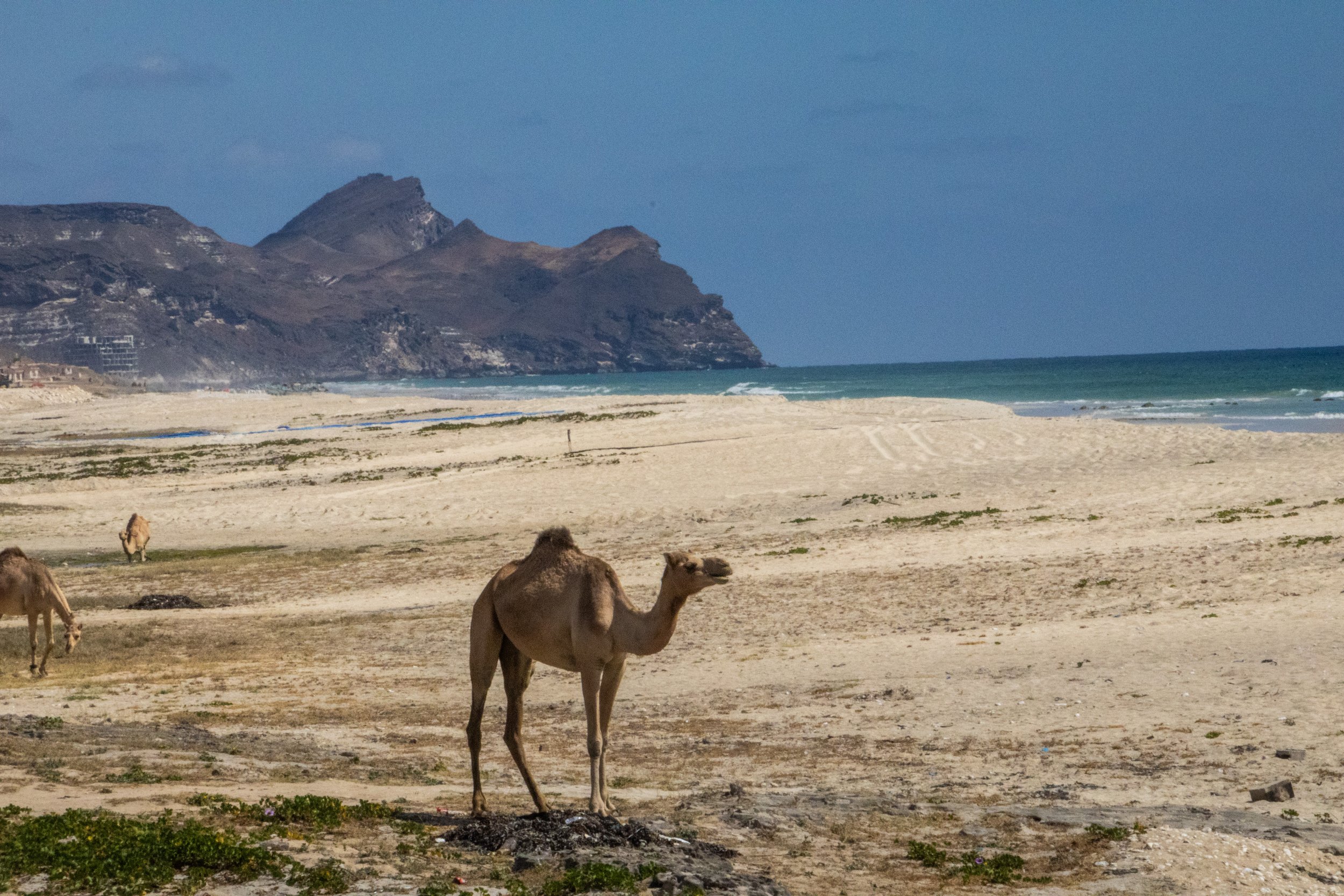
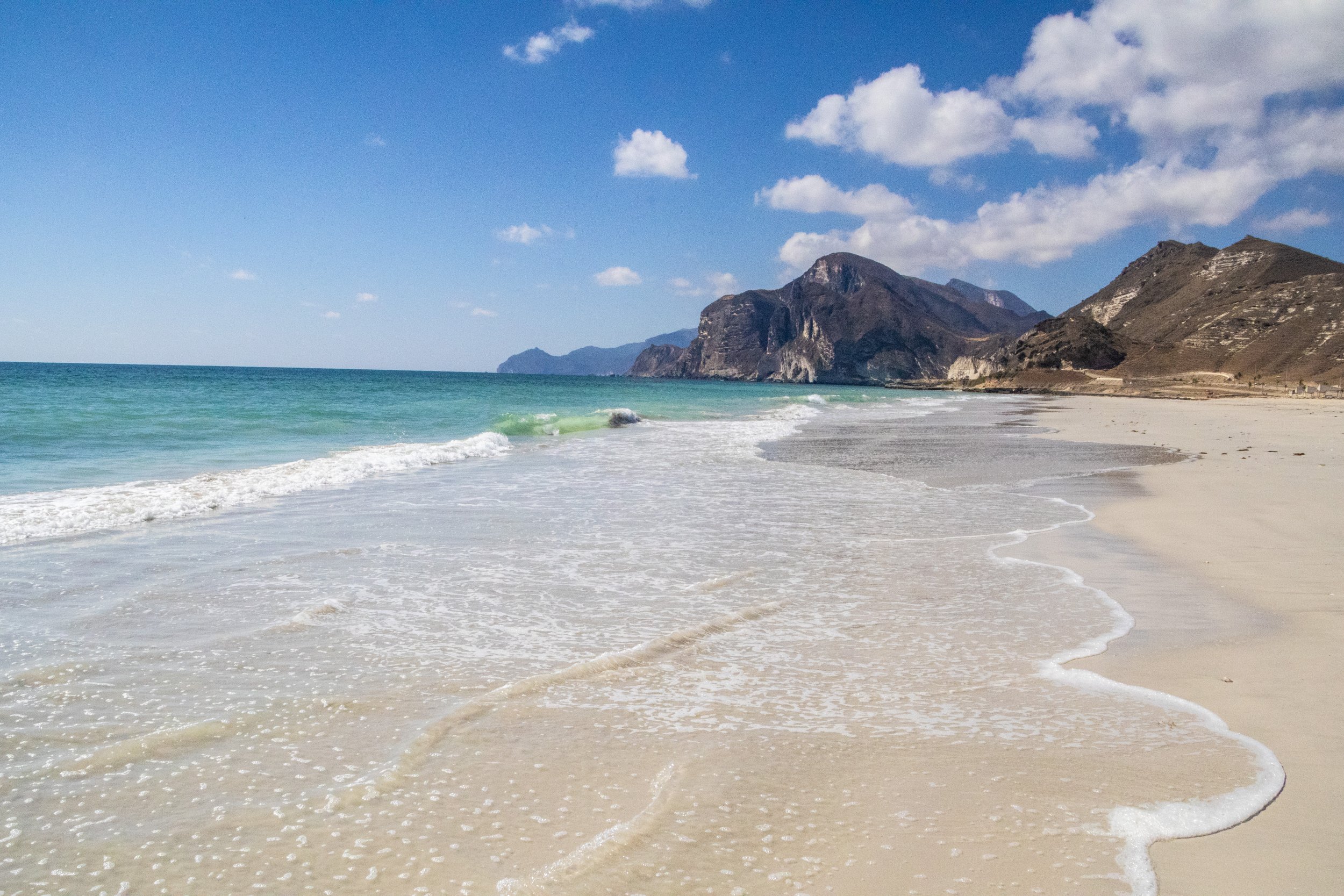
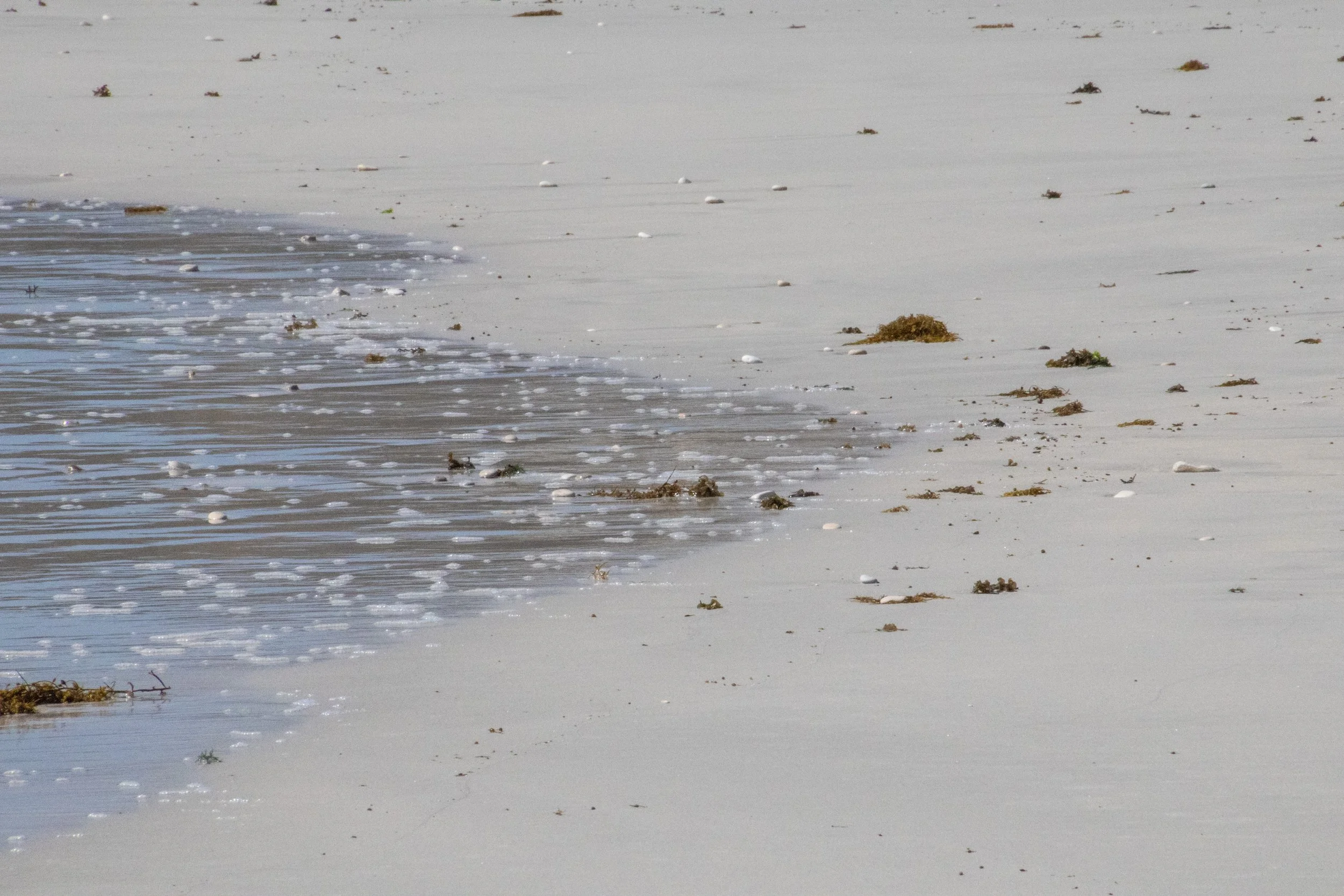
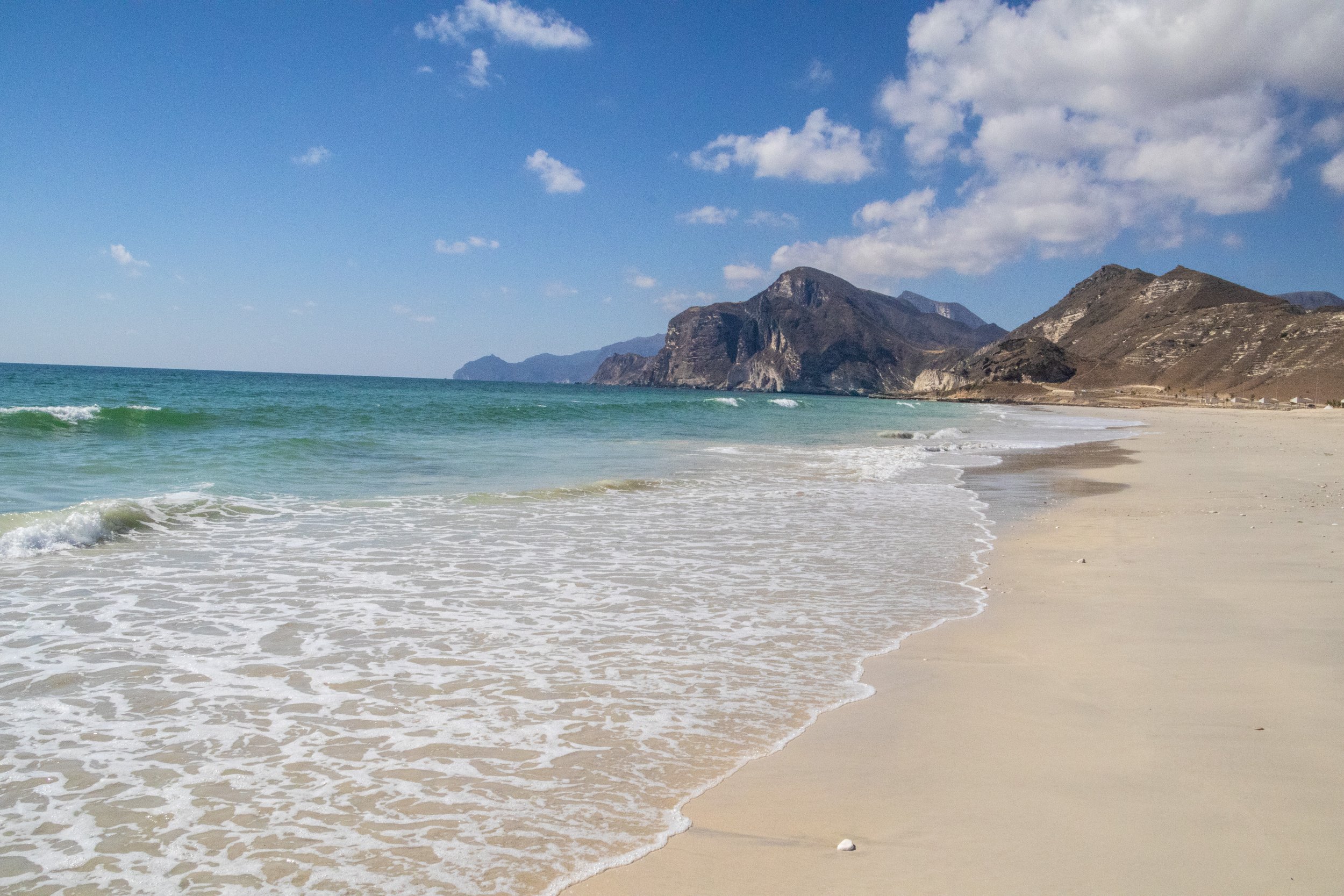
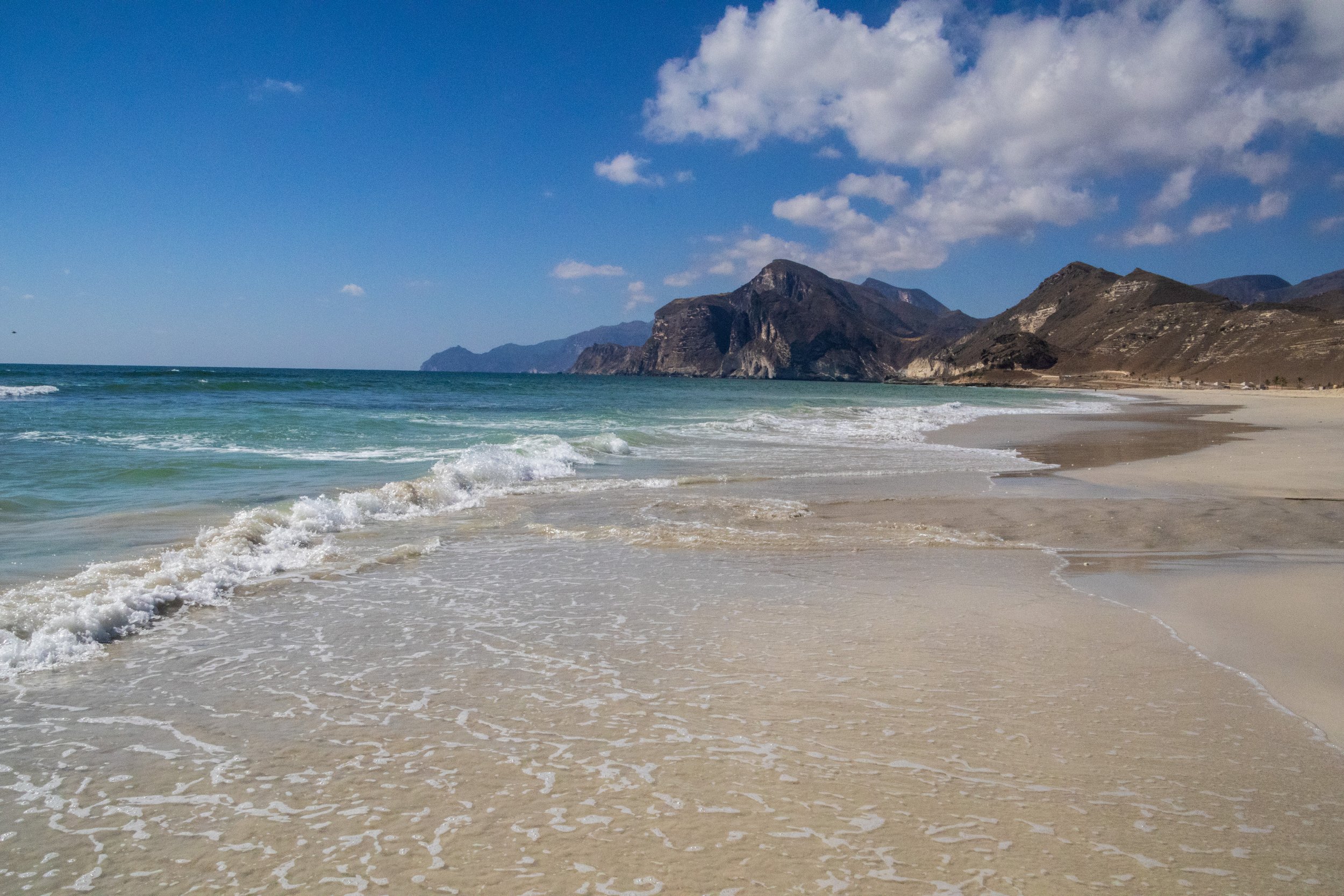
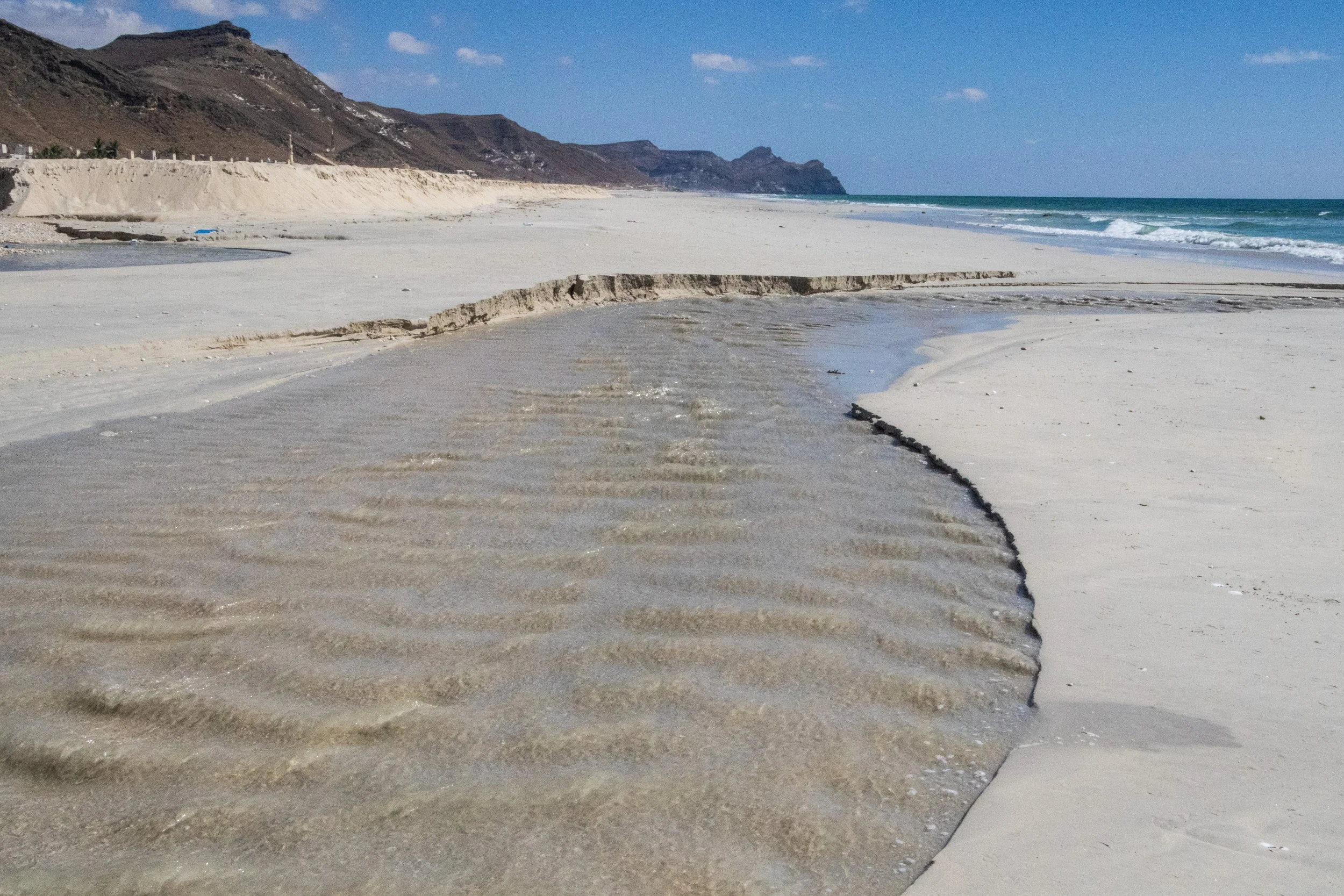
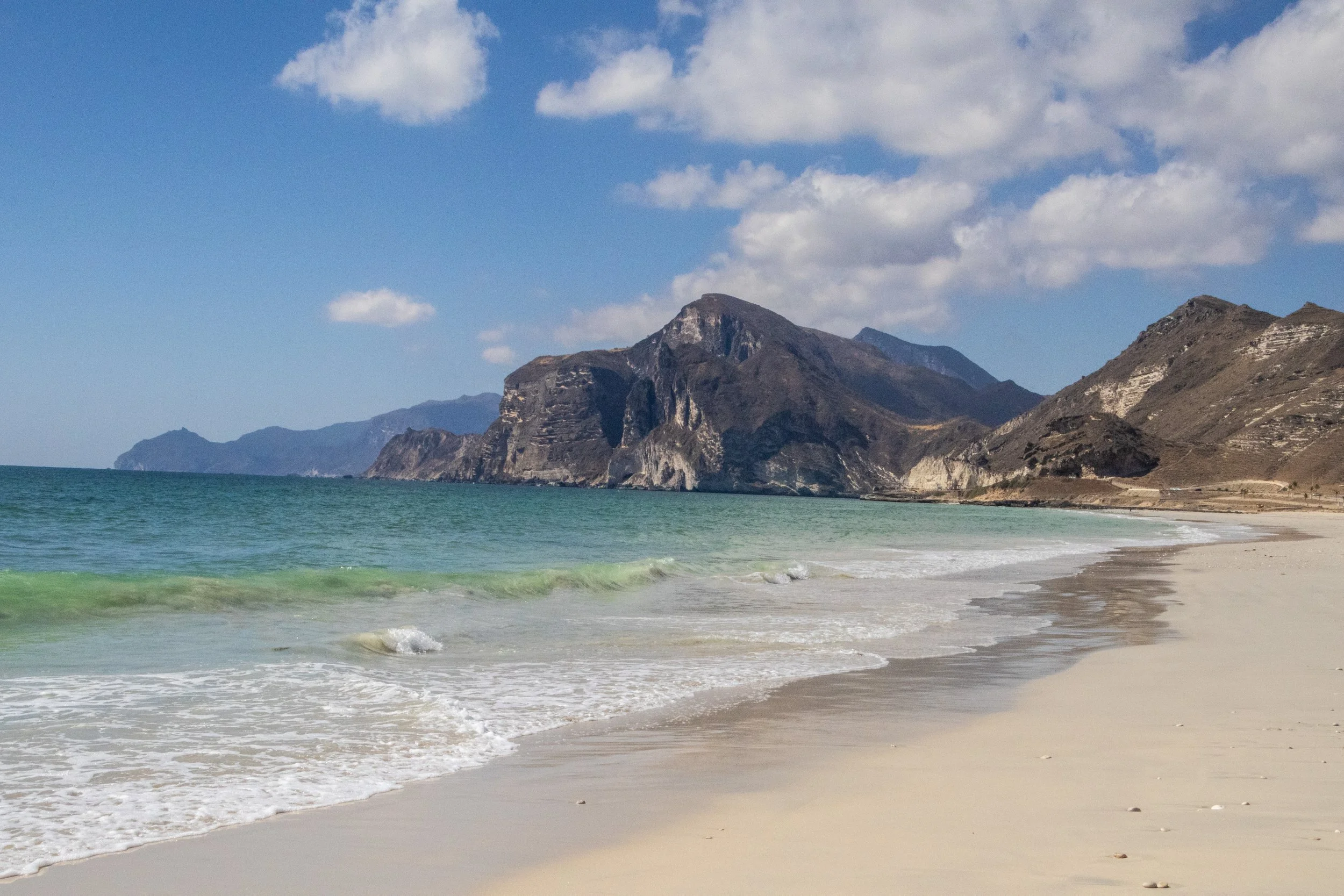
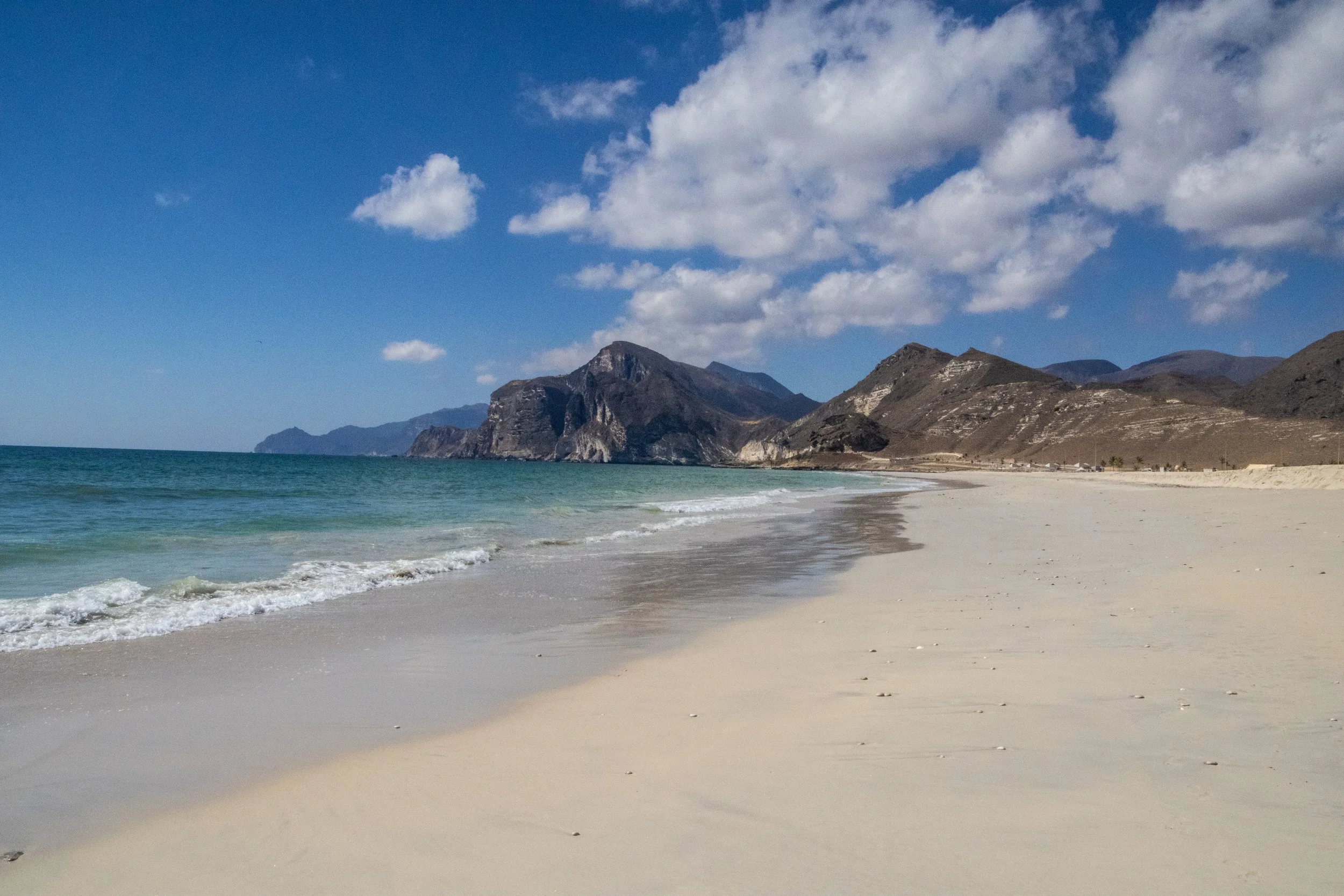
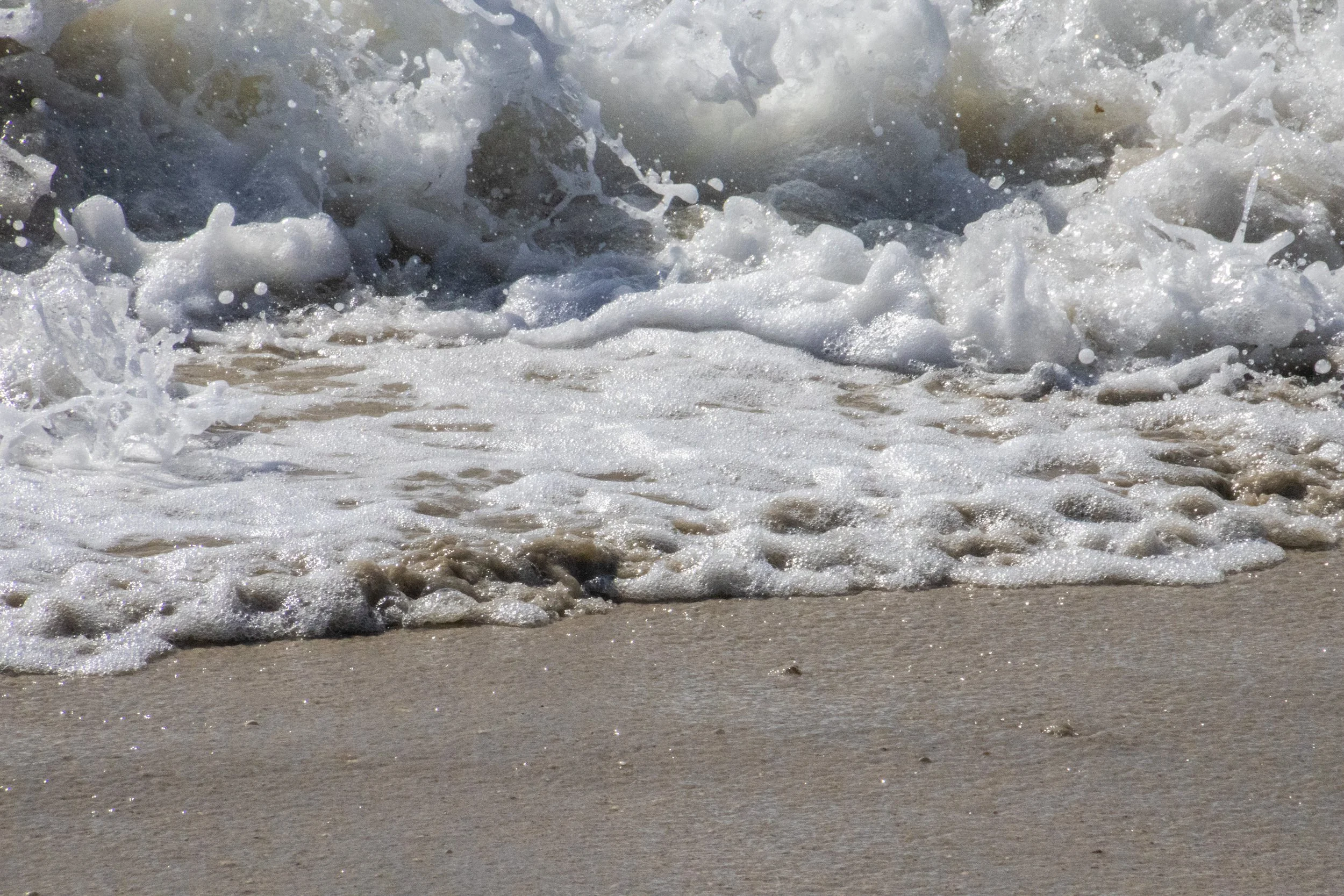
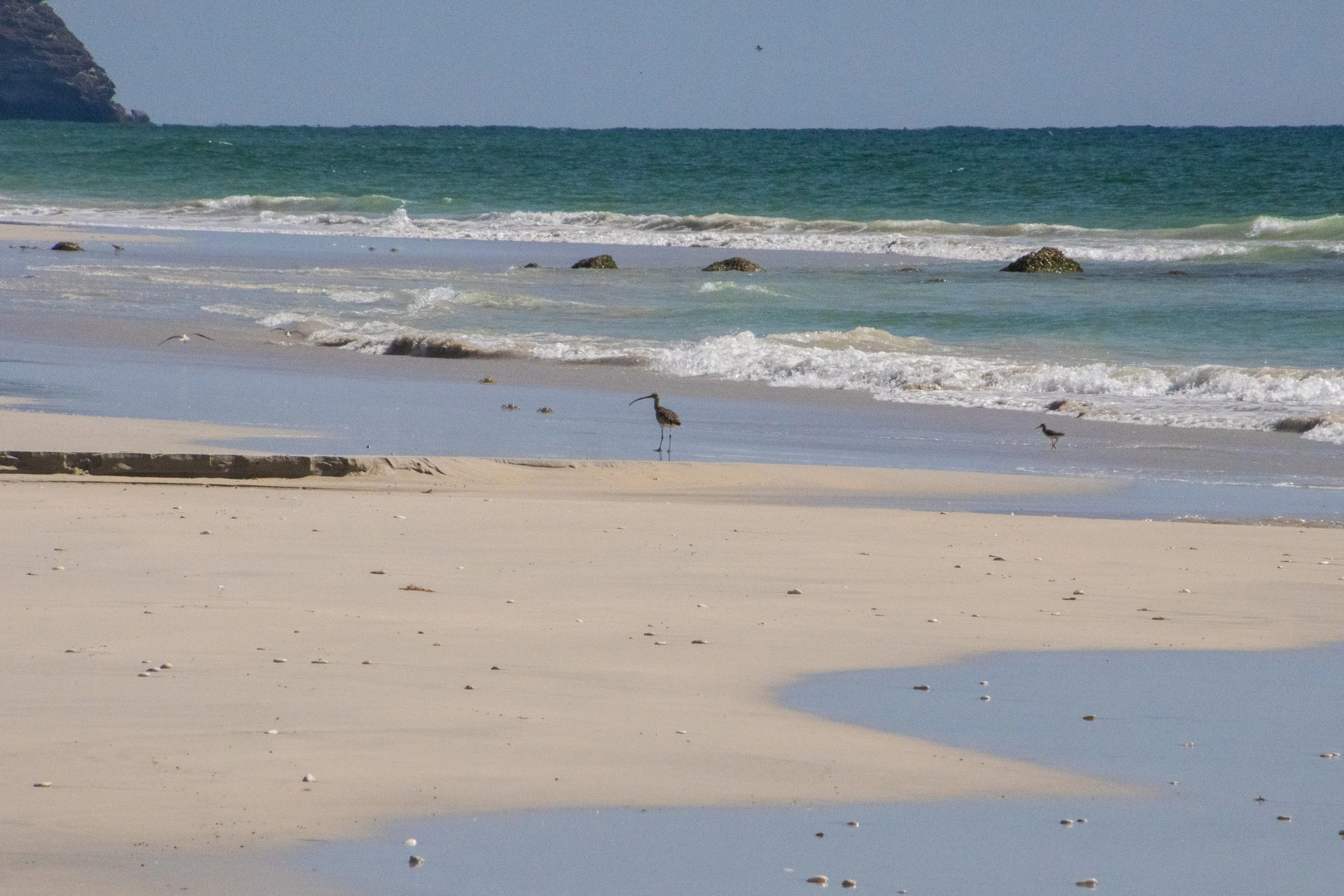
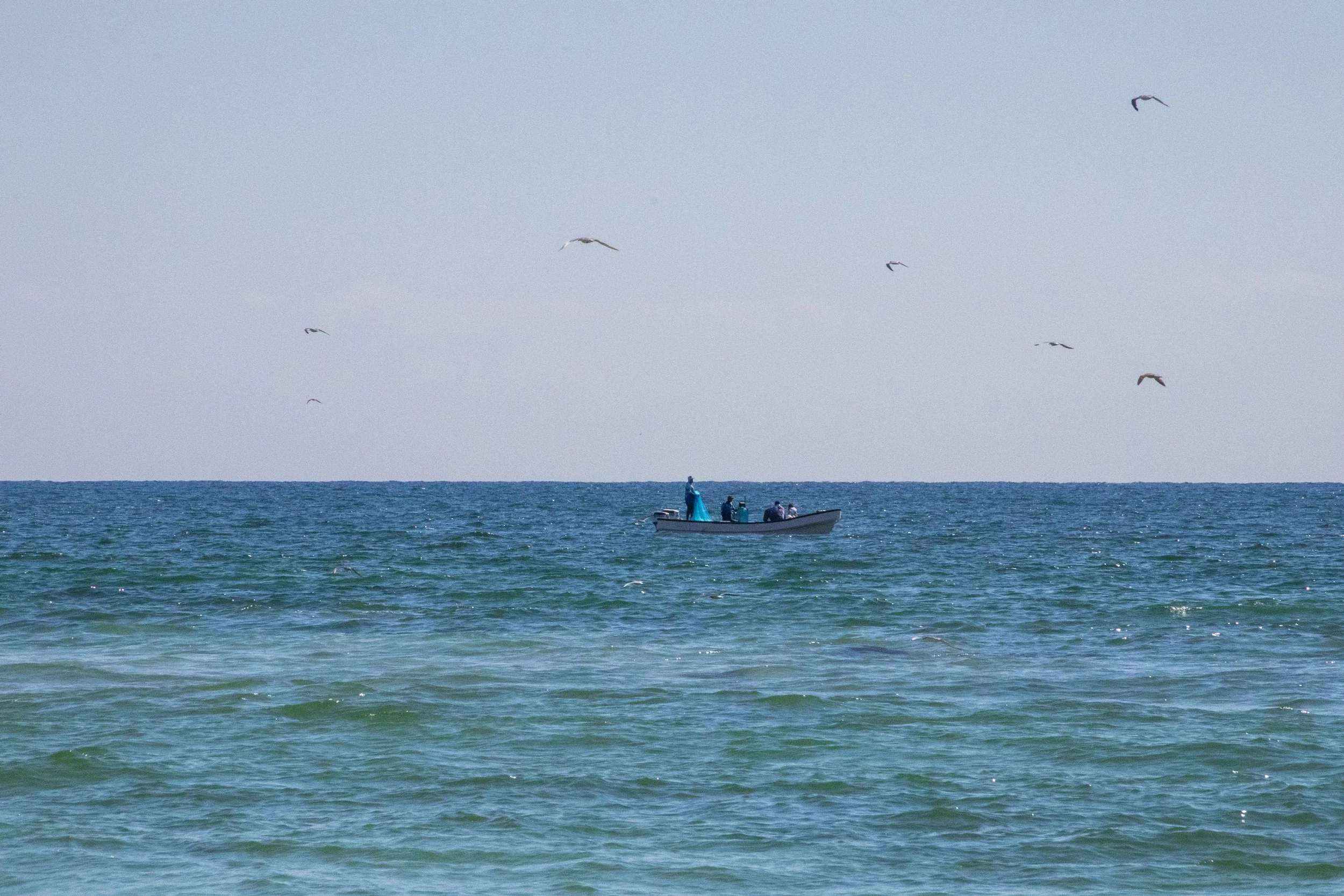
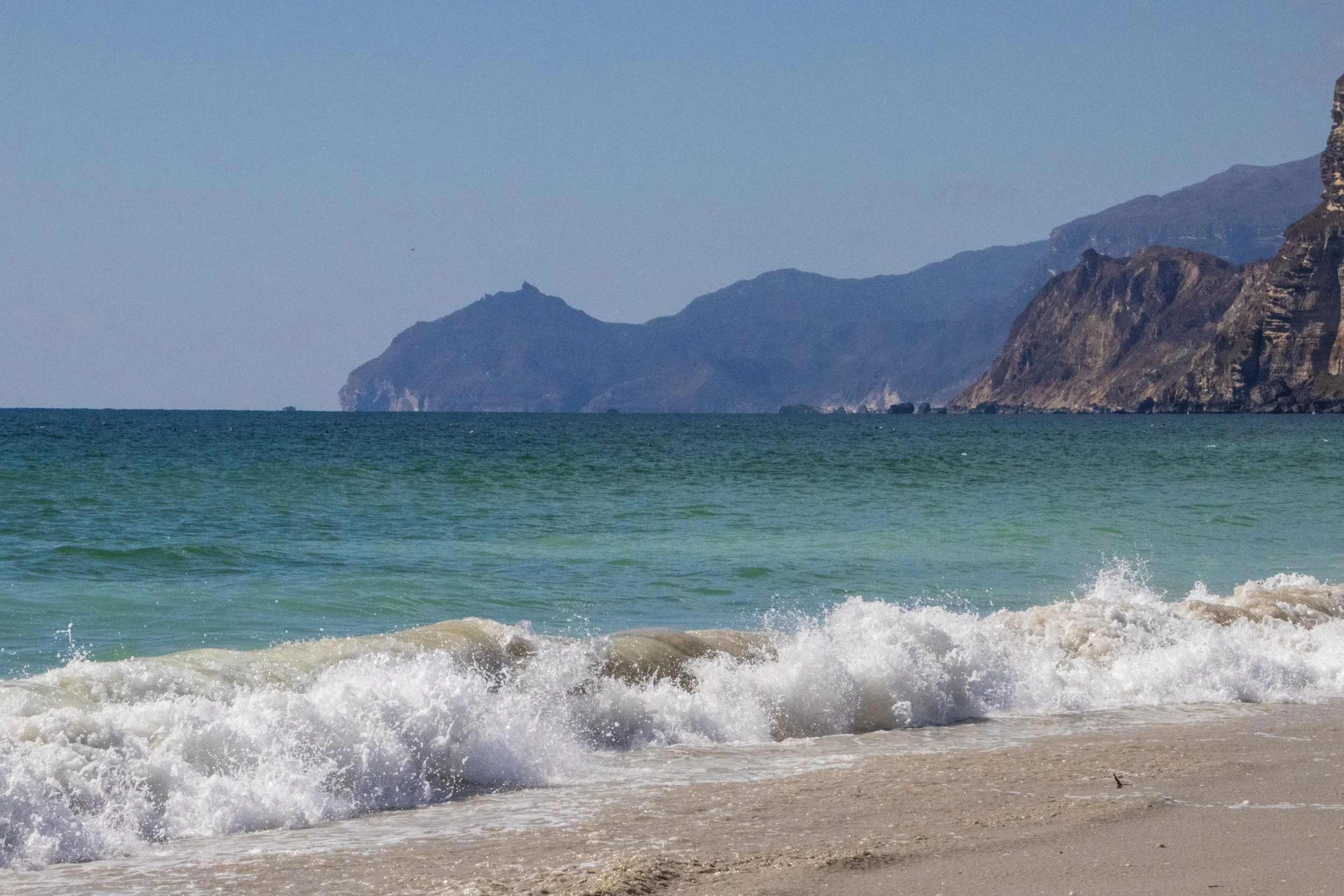
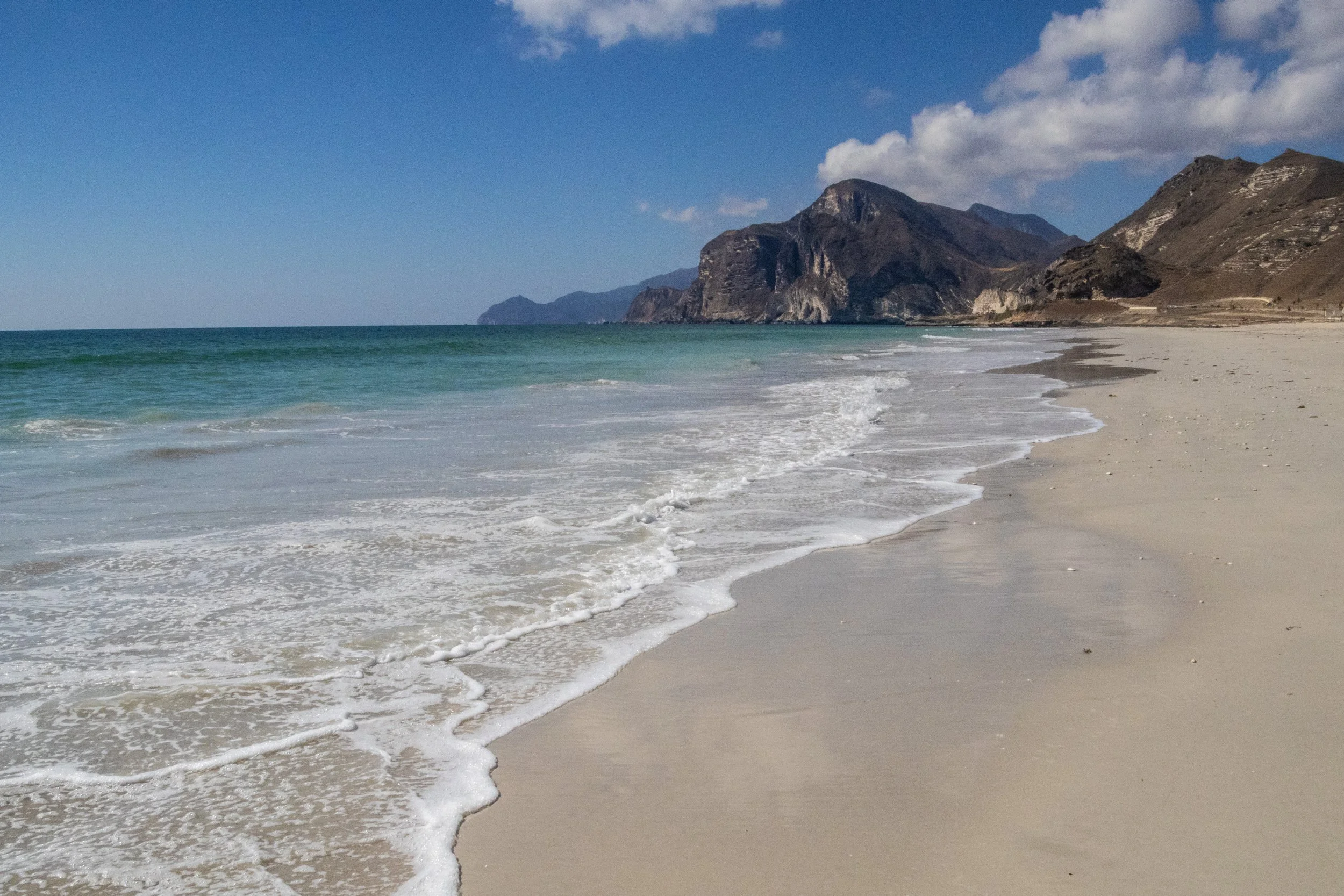
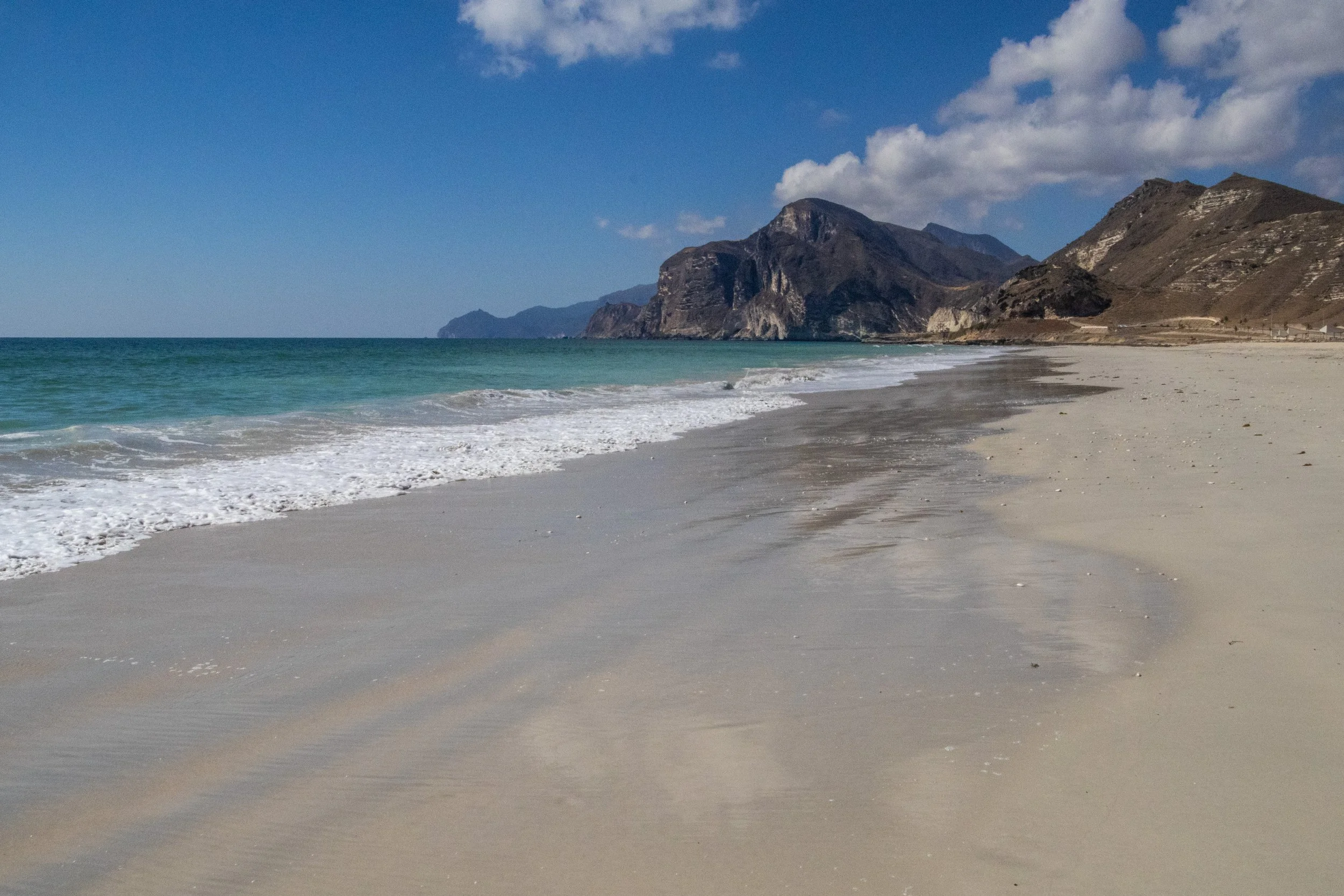
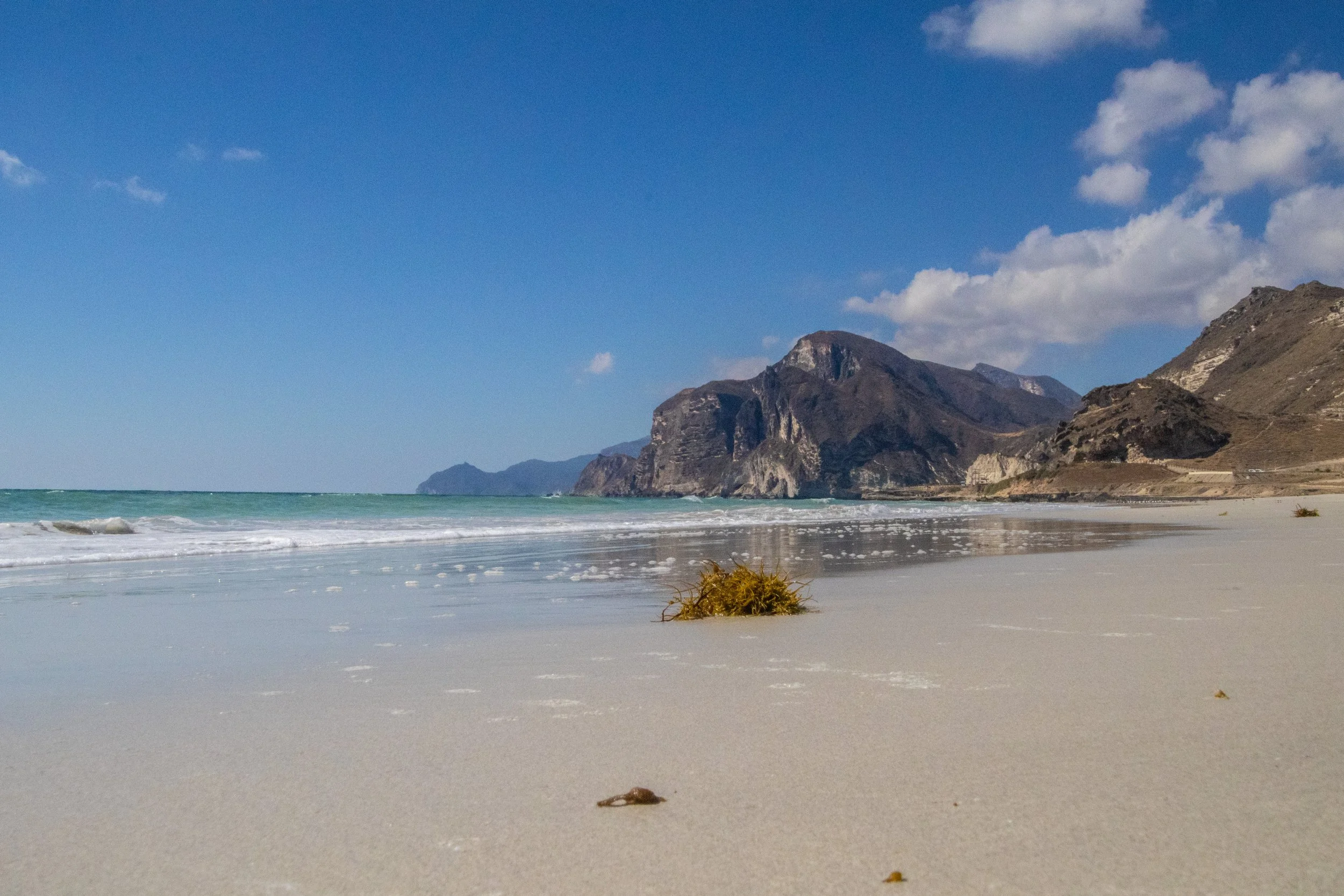
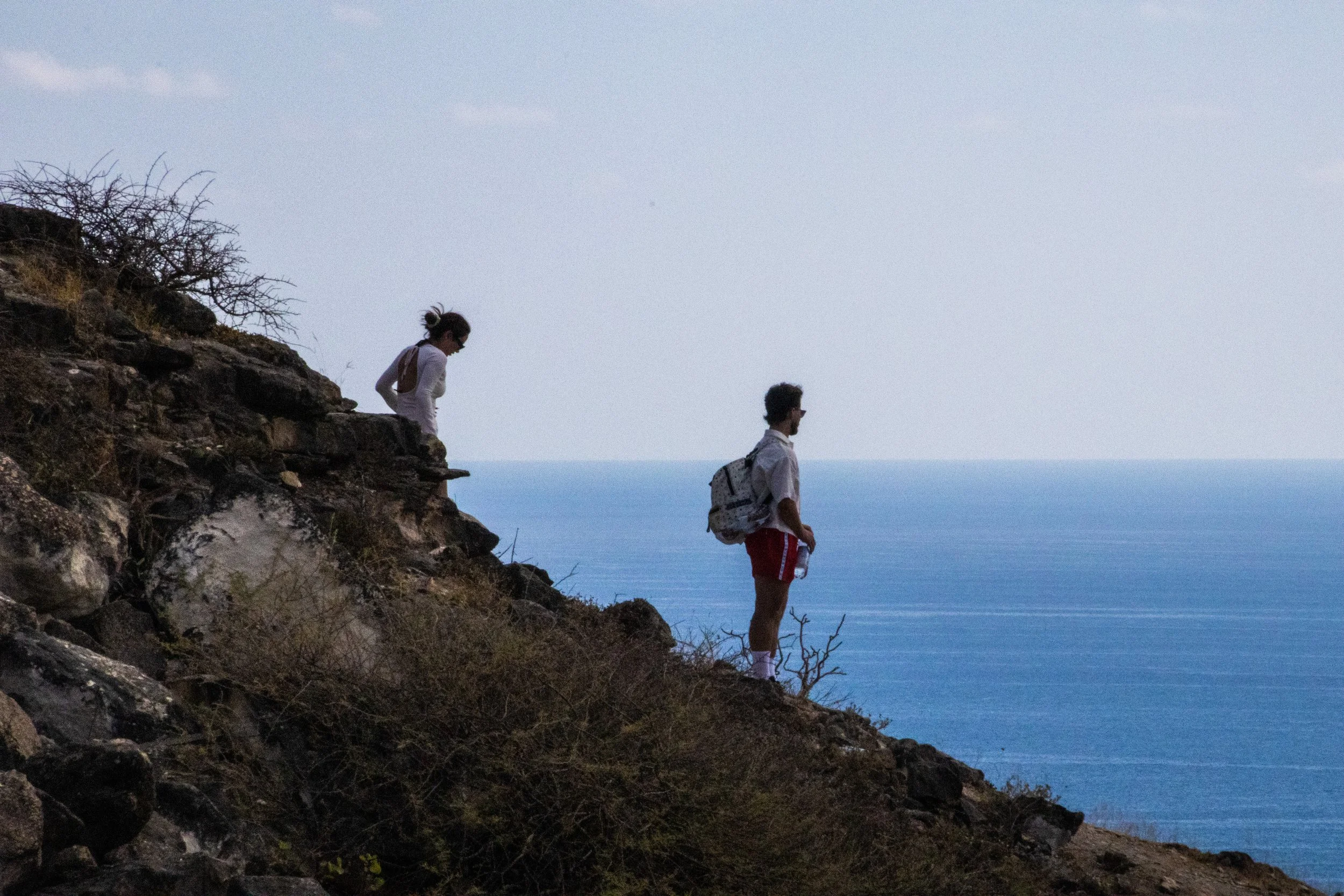
There were supposedly a few interesting look-out points a bit further down the road toward the border, so after the beach we loaded back into the car and followed the winding road up into the mountains. As we made our way up through these barren mountains, we stopped occasionally to get out and see how far we could walk before the ground became too steep to continue. Amidst the dry, arid slopes there were dirt service roads that seemed to imply that some sort of industry was regularly driving around out here. Periodically there were also military vehicles that sped up and down this road, but there were also a couple of other cars carrying tourists like us that got out to poke around.
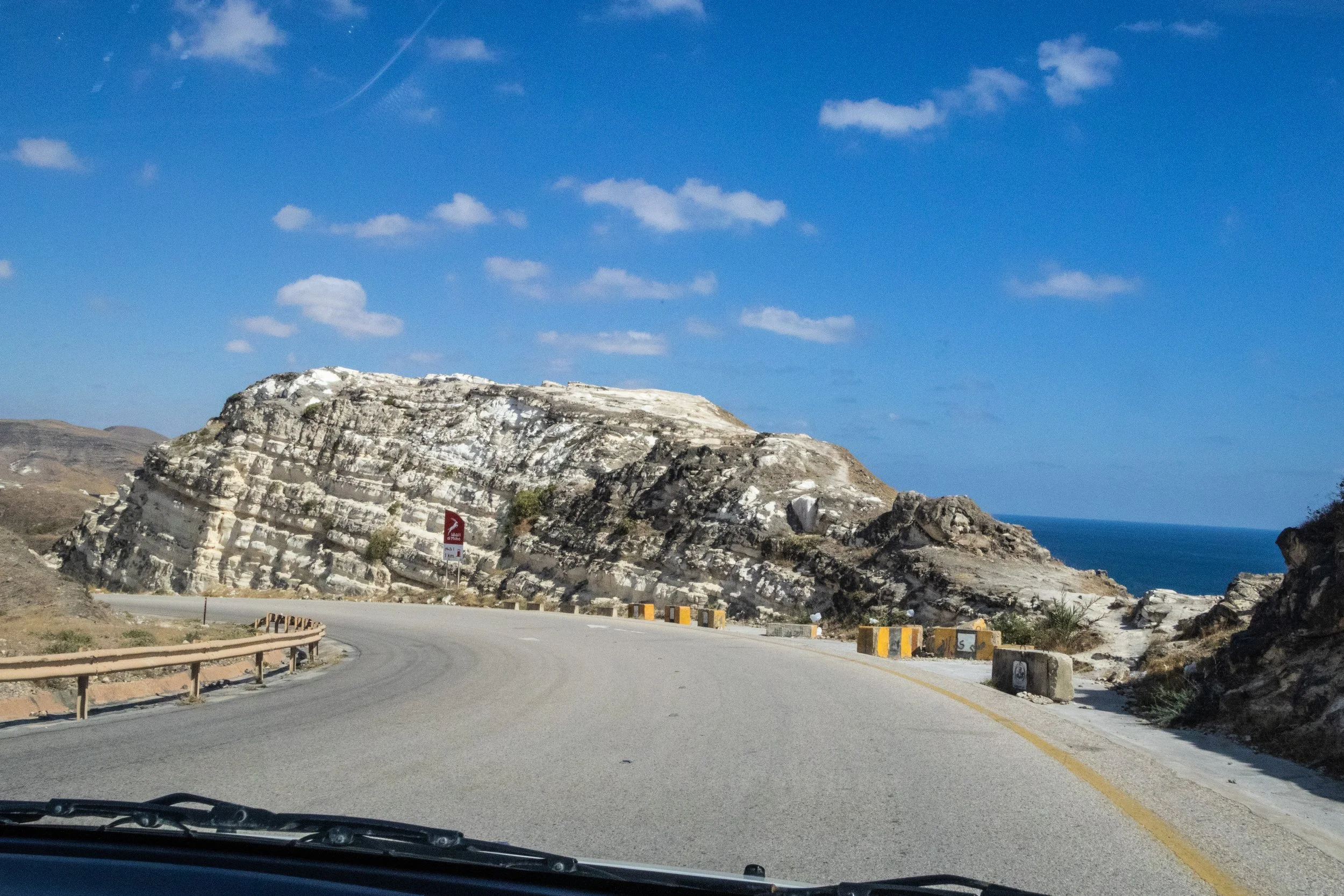
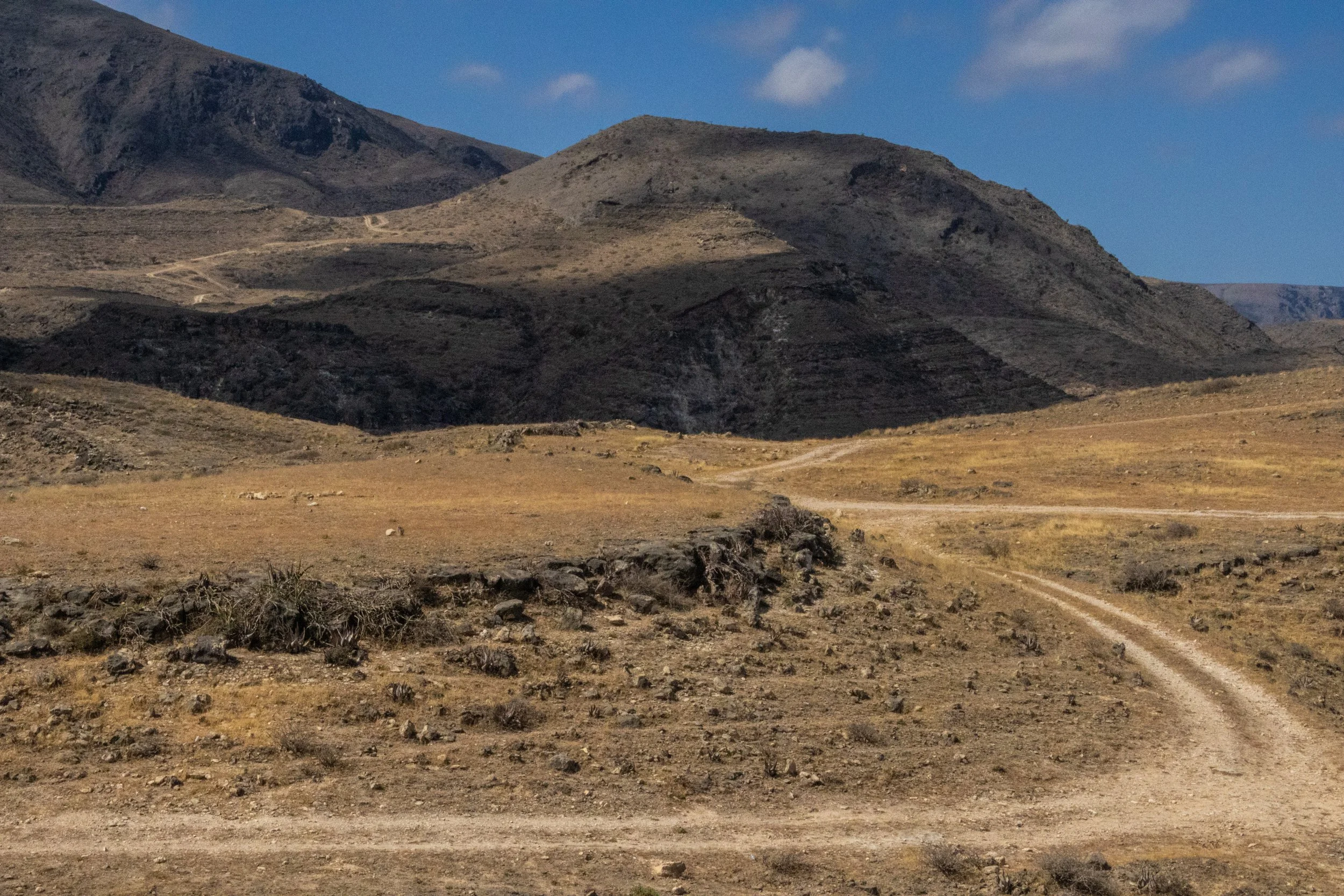
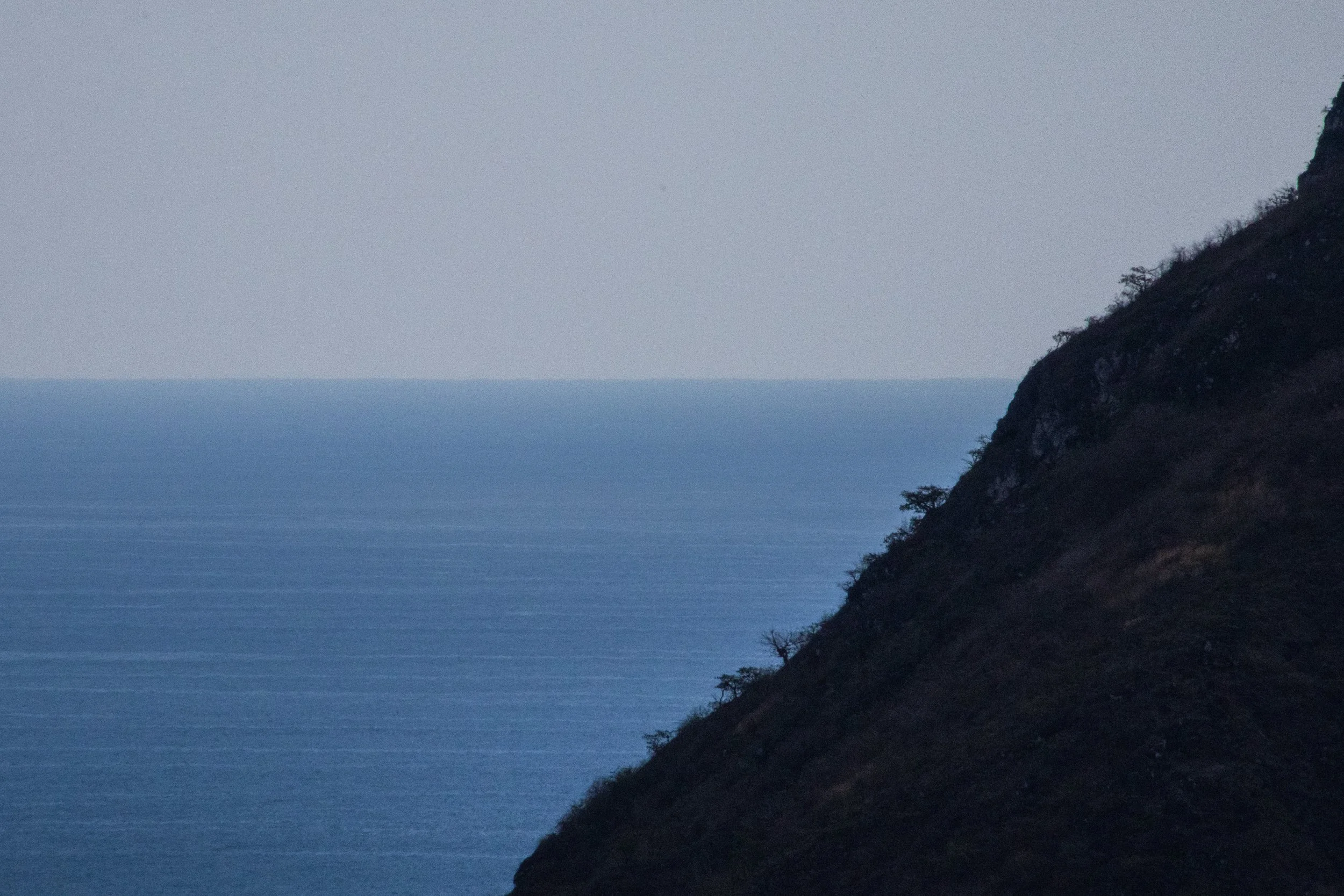
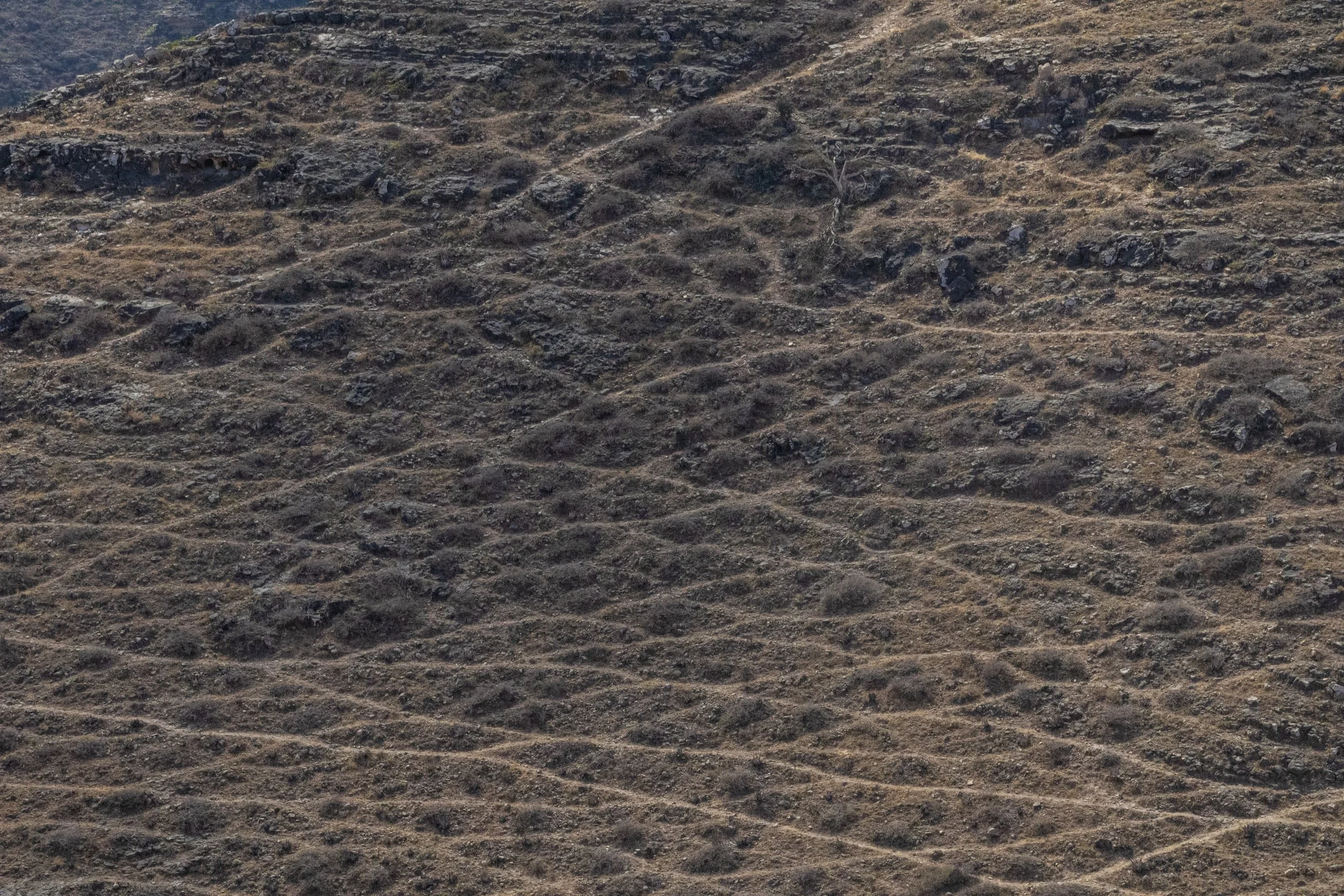
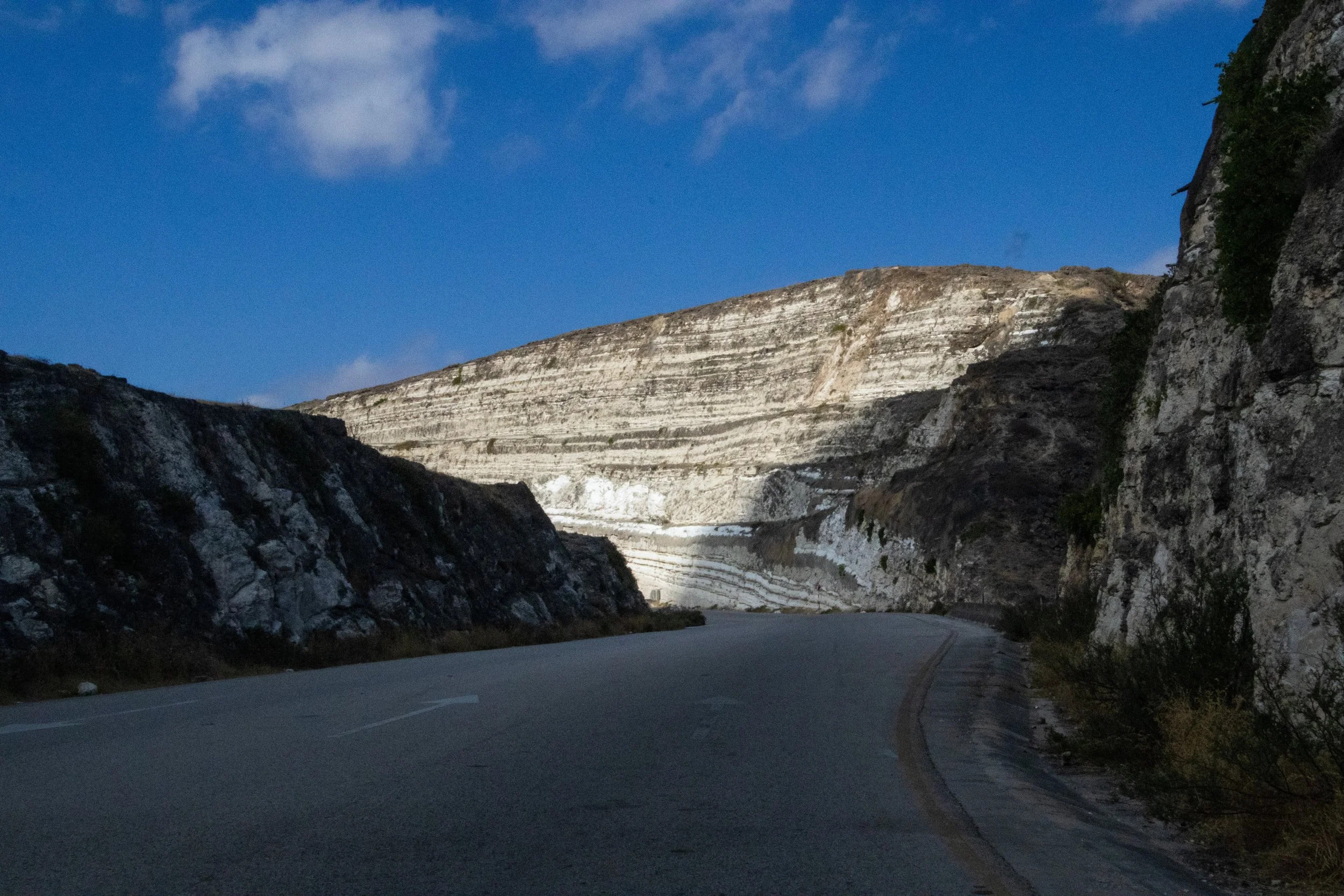
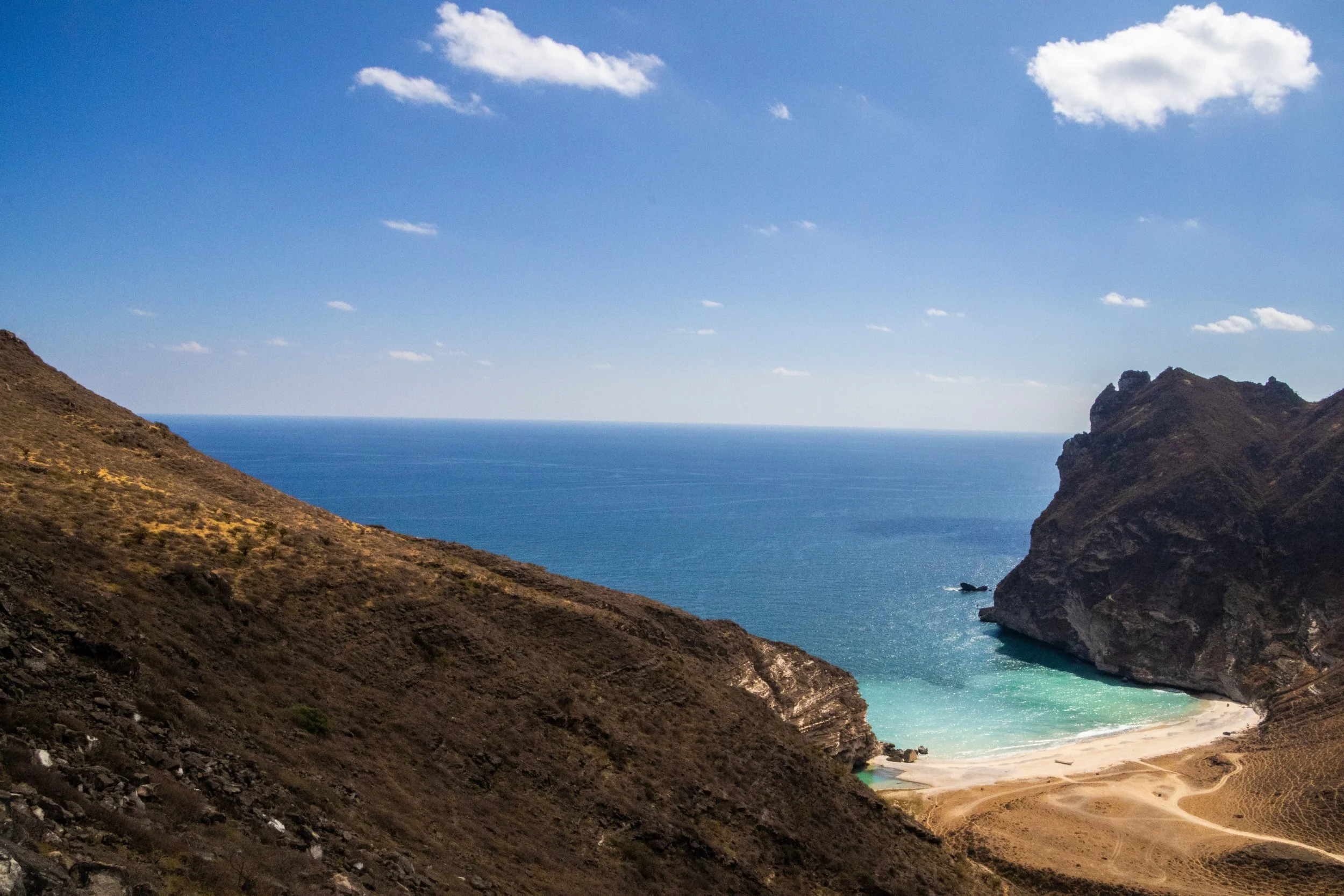
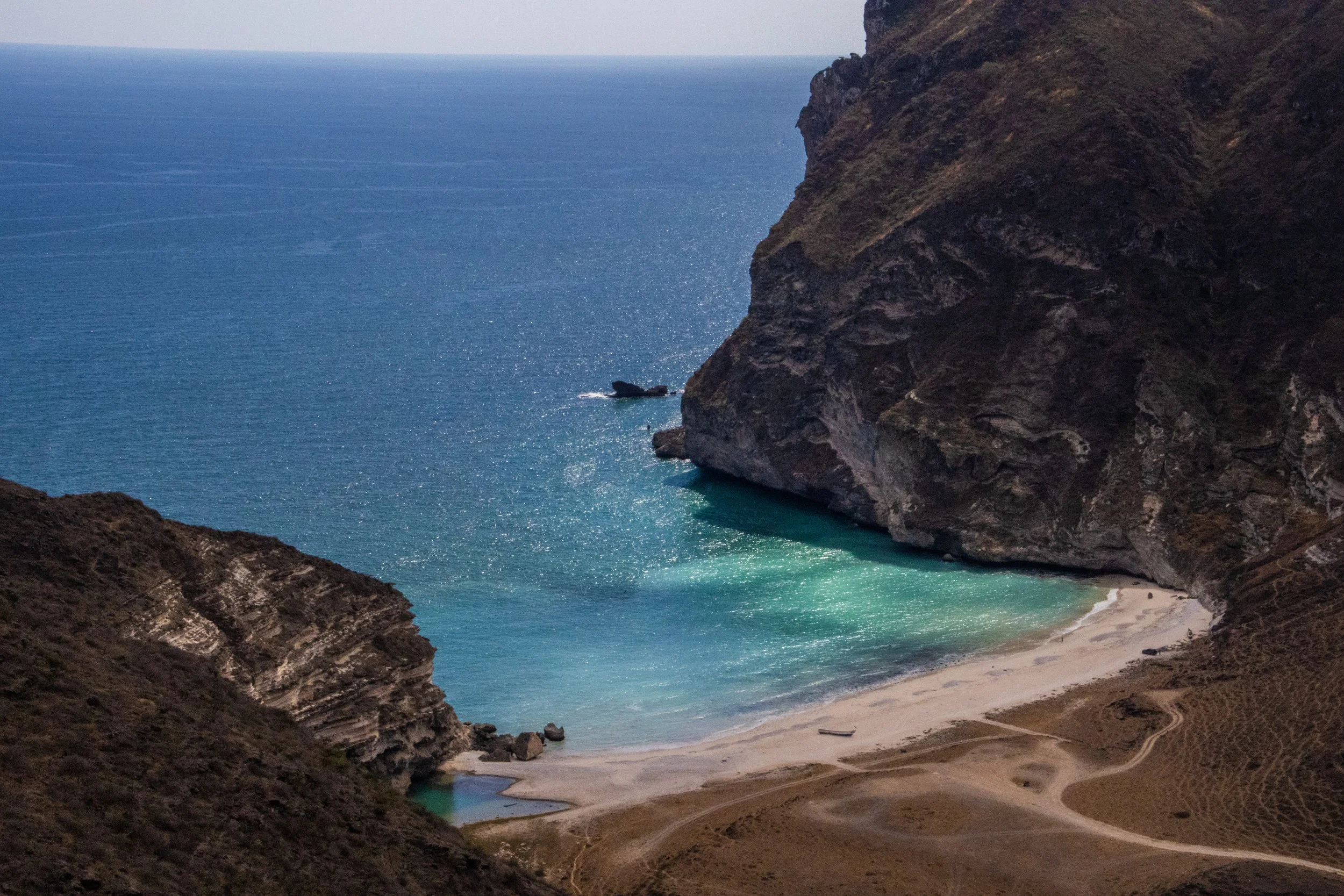
Finally, we found the look-out point we were after. From our perch atop a mountain, we could see down to a tiny little beach nestled into a small inlet surrounded on all sides by impassable mountains. This, I believe, is called Afoul Beach, and it was nothing if not idyllic. It looked like the sort of tropical beach where one would wash-up after being shipwrecked, or find a long-lost message in a bottle. It was clearly accessible through hiking trails, but we opted not to climb all the way down there. There was also an abandoned dirt road that led to it via a snaking canyon nearby, I can have no idea the condition of that road. We were content with the panoramic views up here, because we could see not only the hidden cove containing Afoul Beach, but also the long, empty stretch of sandy beach that had previously led us to Mughsail. As we stood up here, an Italian couple pulled up and began hiking down toward Afoul Beach… and that’s the last we ever saw of them! 😱👻.
JK, they’re probably fine. 😂 We just drove away after that.
Standing up here, I still had an odd sense that maybe I was somewhere that I should not have been. But, that was just in my head. And it actually highlights a beautiful thing: most of the world is free for our exploration! So why not come here, to Afoul Beach? There are tons of obscure but beautiful little corners of map just waiting to be discovered. I’m very grateful that I got to see this one; Oman is a beautiful country.
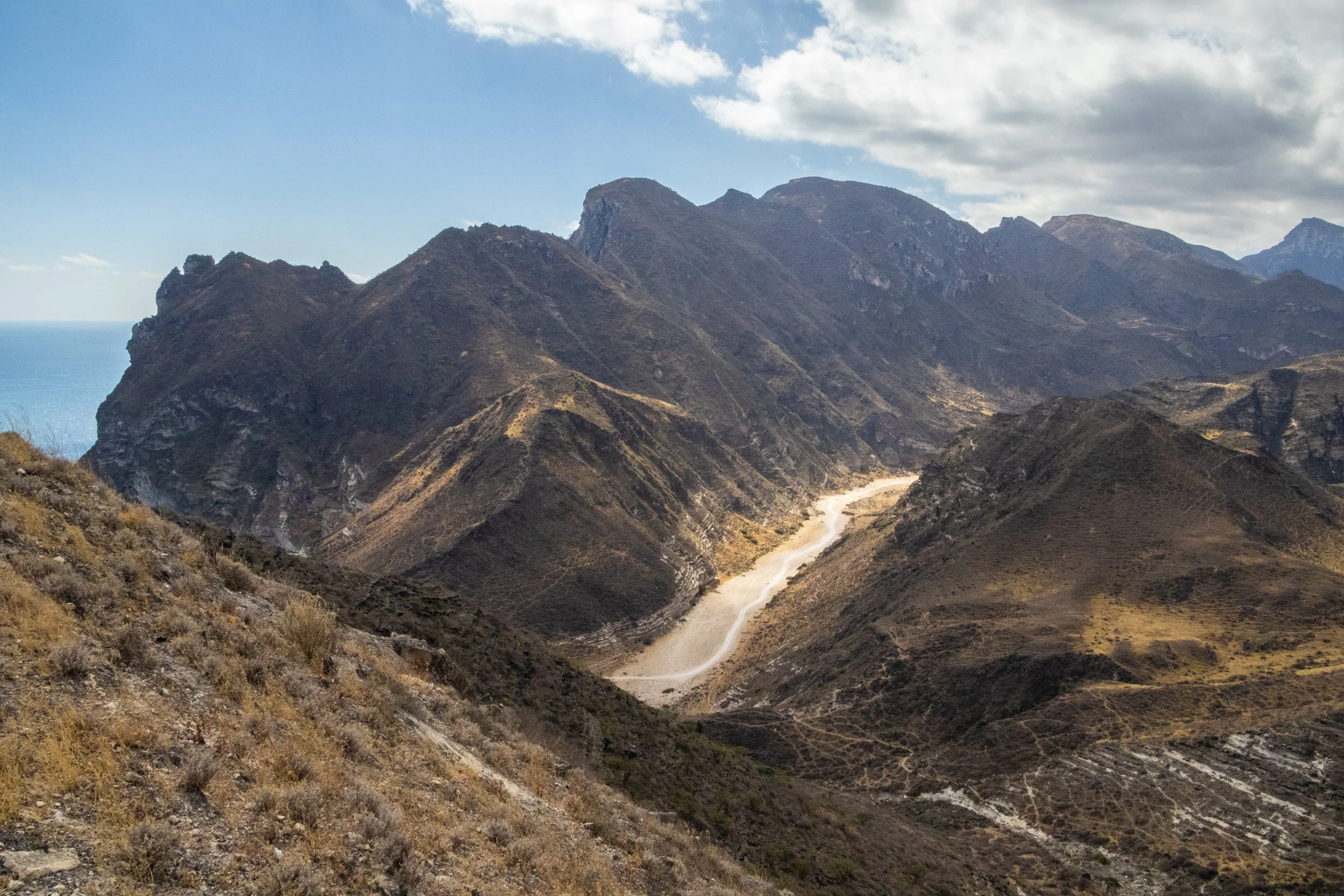
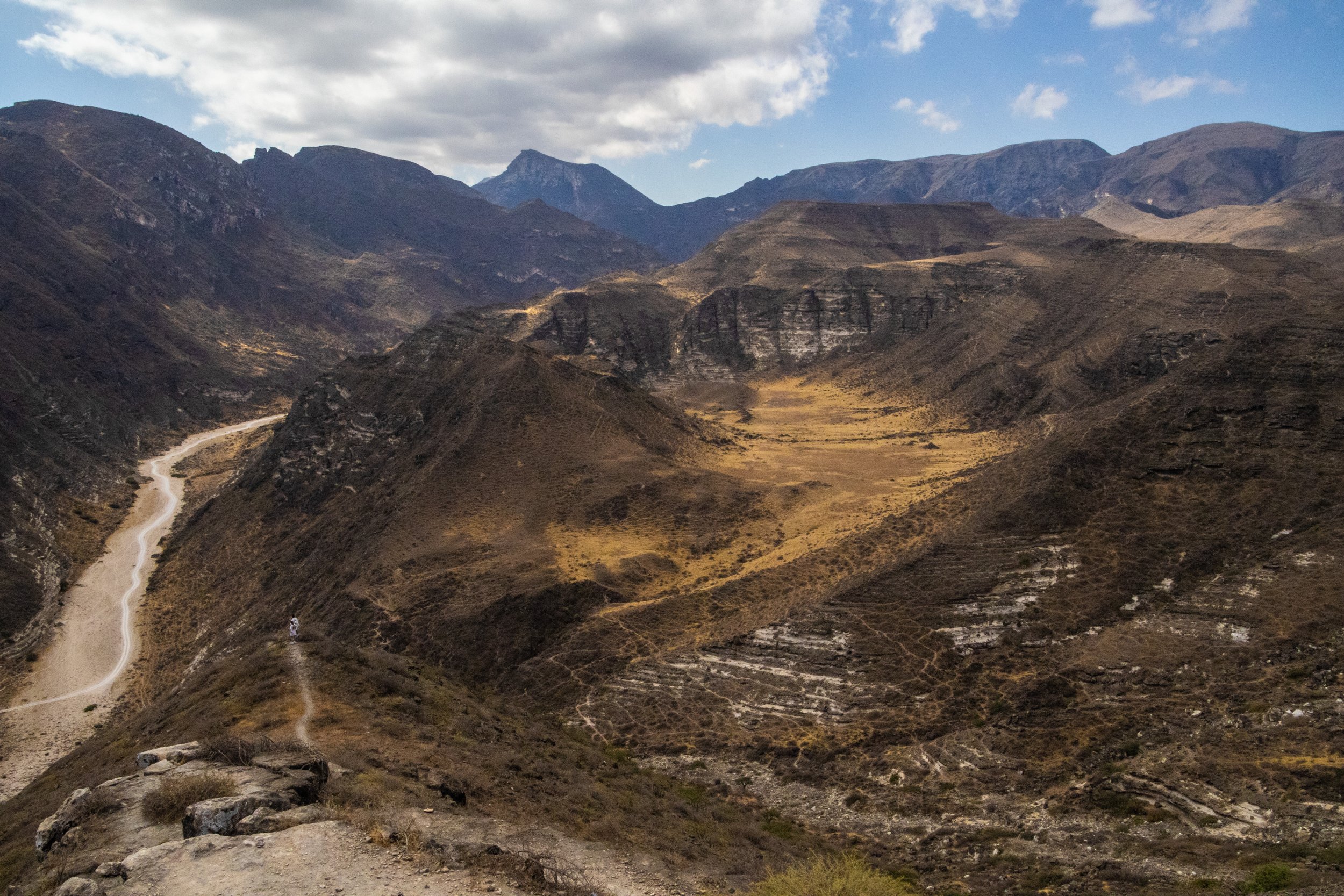
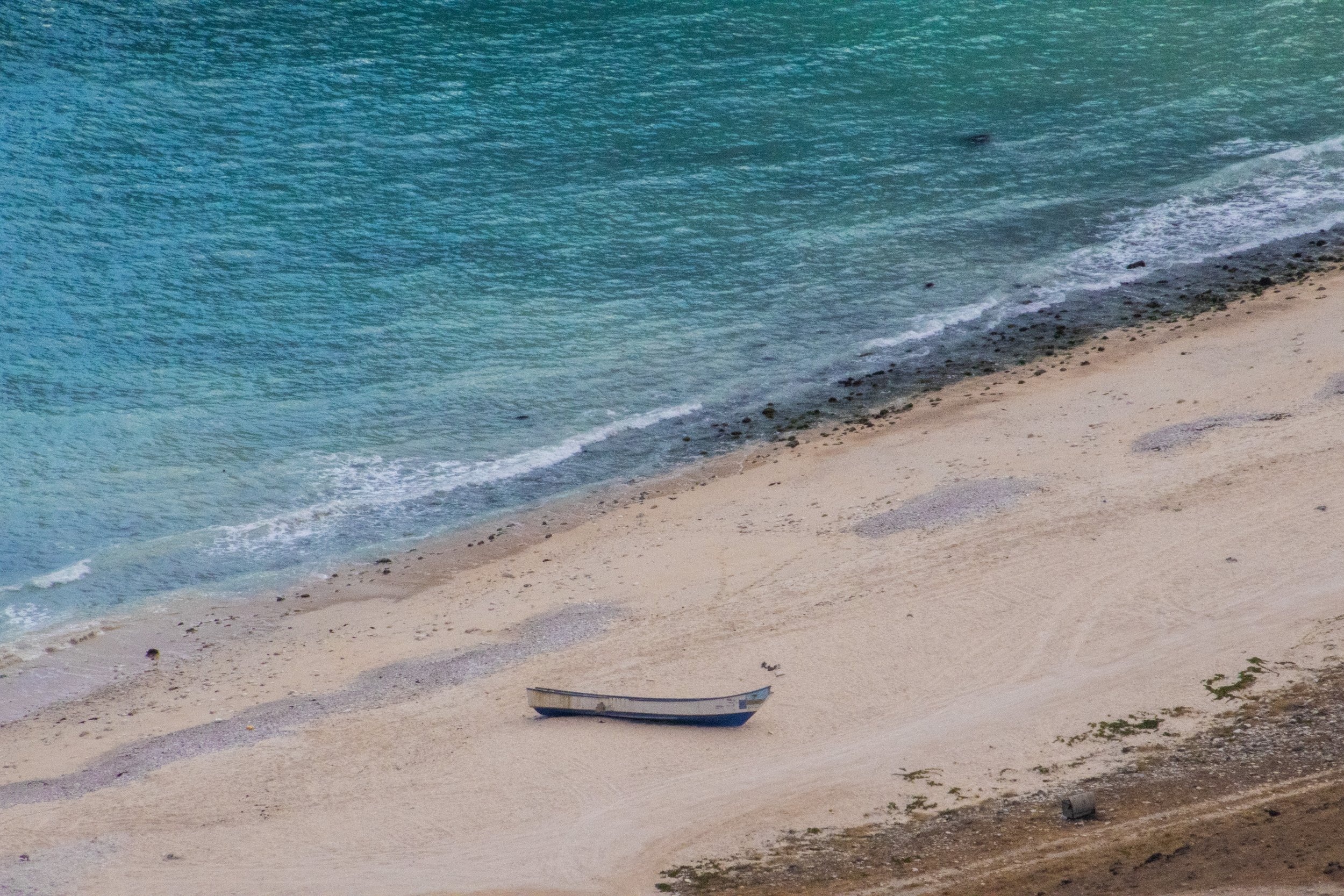
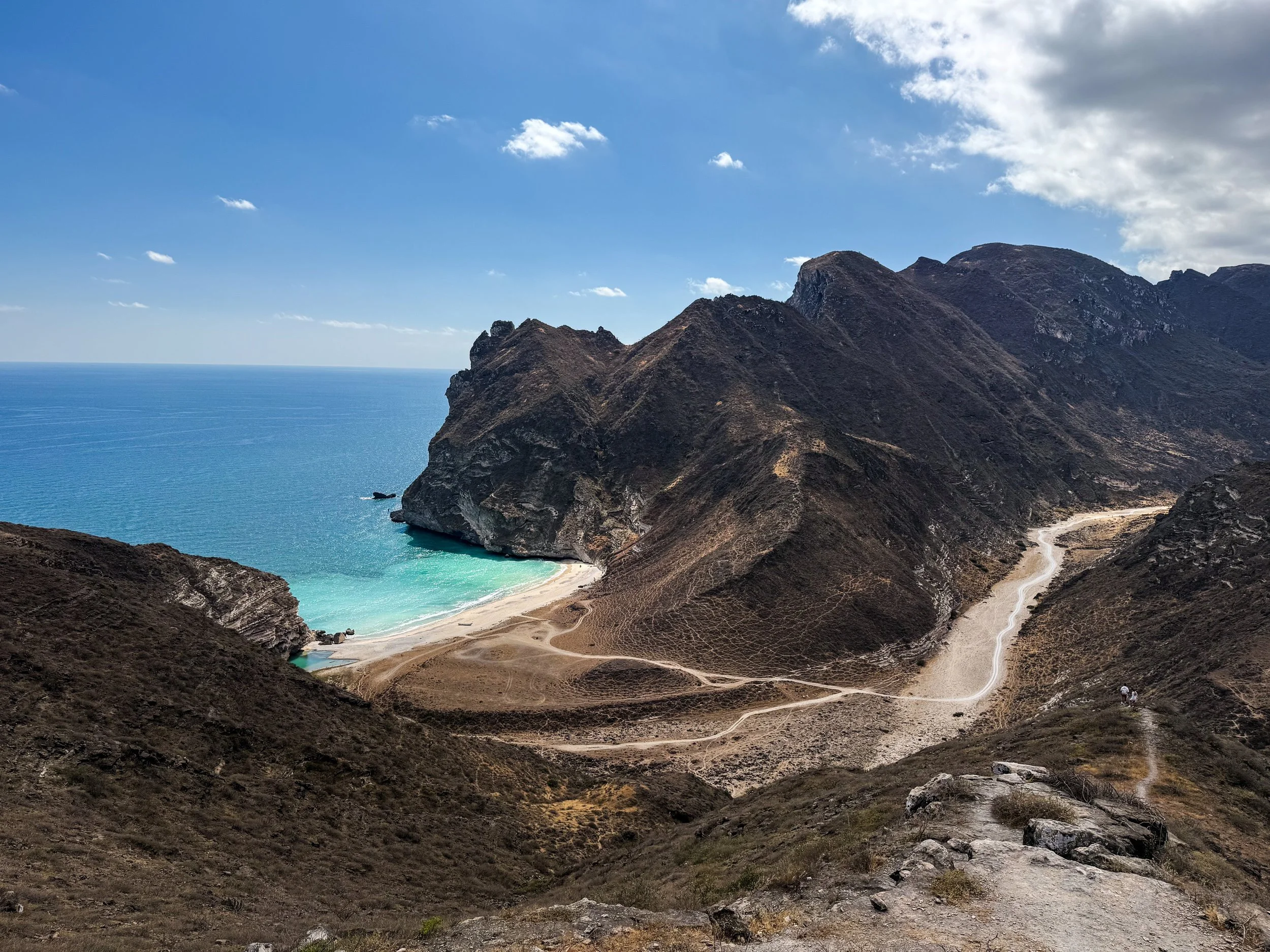
This concludes our stint in the Dhofar Region! Going into this Omani adventure, I fully expected that this would be the most remote-feeling place on the itinerary… but as it turned out, I was wrong. That is yet to come. But before we get there, first we’re going to fly back to Muscat and do a lil’ roadtrip around the north of the country visiting ancient Arabian fortresses. It will be very cool.
Stay tuned!


Bourdain said it best: “The Sultanate of Oman defies expectations”. It occupies a very tricky slice of the map indeed, a smaller nation holding its own against all odds in some extremely treacherous geopolitical waters. Its neighbors are the war-torn, perpetually-collapsing Yemen, the conservative and ruthless Kingdom of Saudi Arabia, the opulent, high-flying United Arab Emirates (UAE), and Iran, which needs no introduction. It also shares responsibility with Iran for the Strait of Hormuz; maybe you’ve heard of it? Literally the entire world has had their eyes glued to this strategic global choke point on the world’s oil supply for the past few months… things are TENSE. And right in the middle of this pressure cooker sits Oman: safe, moderate, reserved, modest, welcoming, and beautiful.