
Somehow… SOMEHOW, I had never been to Brooklyn until just now. I think I must have driven through it before, because when I was a teenager I remember driving the length of Long Island a couple of times with my family, but it certainly did not register. In fact, I was surprised to learn that Brooklyn is even on Long Island! Those always felt like very different places in my mind… but, no. So, I am definitely NOT a Brooklyn expert. I am a more reliable narrator on Manhattan, but out here… I’ll do my best, but we’ll be learning together!
An Intro to brooklyn
When I was growing up, Brooklyn’s cultural reputation across the US was basically as being the “hipster mothership”. I am realizing as I type these words that use of the word “hipster” is on the decline and may even age me… it will be to my hypothetical future children as the word “beatnik” is to me. Well, for any Gen Alphas out there reading this article, hipsters were the cool, artsy people of the 2000s-2010s. Although, I should disclose that I was often accused of being one of them during this time, so I may have a positive bias.
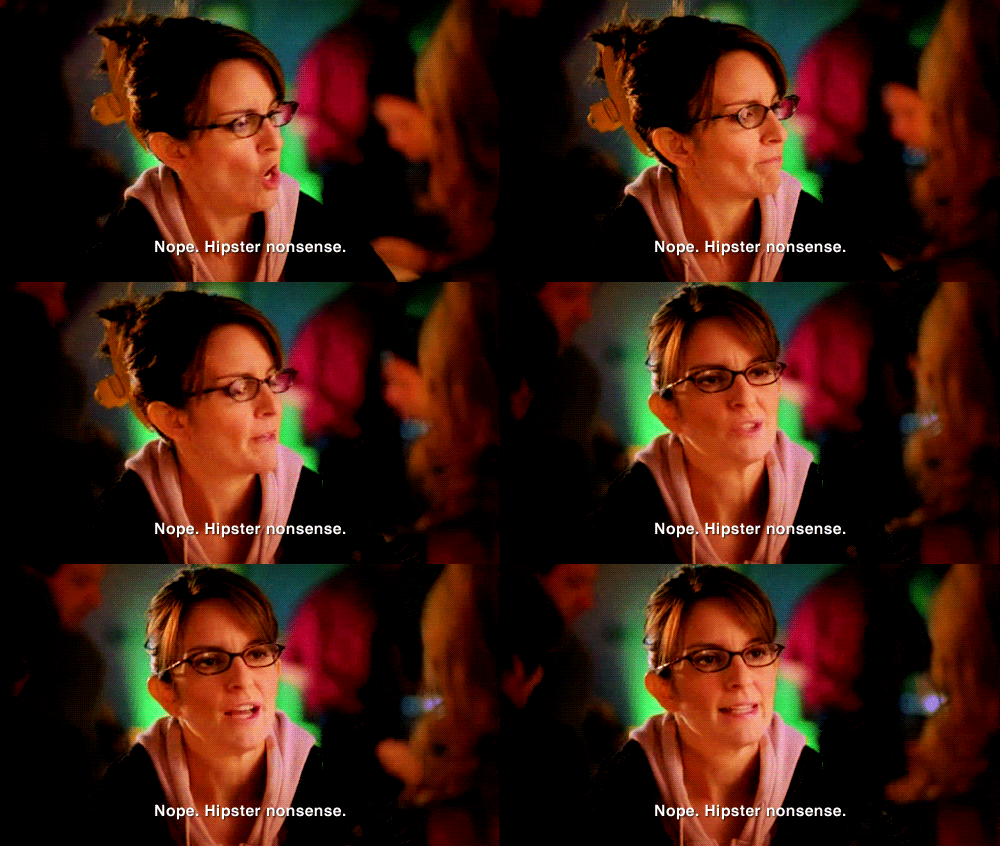
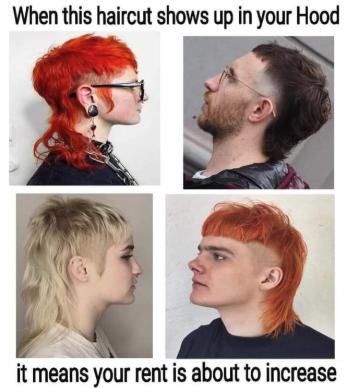
The urban cycle of renewal that gave rise to this social group went a lil’ something like this: from the 1960s to the 1980s, most urban areas experienced some level of post-industrial decline where factories and warehouses closed, crime rose, and there was “white flight” out to the suburbs. Then, starting in or around the 1990s, a confluence of factors drove a gradual revitalization of these urban areas in a phenomenon that is now nearly synonymous was the term “gentrification”. The leading (and most frequently visible) edge of the gentrification wave was “hipsters” moving into formerly dangerous neighborhoods. This gave rise to an entire genre of memes that you’ve probably seen before…
It happened all over the US & Canada, but Brooklyn became emblematic of this shift mostly because of its scale and cultural status. To unpack that a bit, the best way for me to understand the cultural cachet of a place is through music. In the 2000s, Brooklyn offered cheap loft rehearsal space, dense artist networks, DIY venues, and national name recognition that created a positive feedback loop for its music scene. Indeed, bands moved to Brooklyn because there were already so many other bands in Brooklyn. To give you a sampler of some famous bands that originated in or were heavily associated with Brooklyn… there was Vampire Weekend, Yeah Yeah Yeahs, TV on the Radio, Grizzly Bear, The National, MGMT, Animal Collective, Yeasayer, The Antlers, The War on Drugs, Phosphorescent, Big Thief, Matt & Kim, The Lone Bellow, LCD Soundsystem, and many more. Hip-hop is/was more strongly associated with the Bronx, but Brooklyn has some absolutely legendary alumni that pre-dated or existed in parallel to these hipster bands, including the likes of Jay-Z, The Notorious B.I.G., Lil' Kim, Mos Def (Yasiin Bey), Joey Bada$$, and many more. Hopefully that gives you a sense of the cultural winds that are howling through the streets of Brooklyn. And that’s just the slices of the pie that got media attention. Brooklyn has a LOT more to it than just that.
Of course, music is just one thread of this endlessly diverse place! Other “ways in” to the varied cultural identity of Brooklyn include bookstores, basketball, young professionals, street art, and—of course—food. The food scene is largely correlated with Brooklyn’s many thriving cultural enclaves, which notably include Caribbean, Chinese, Orthodox Jewish, Black, and Latino populations, and also “Little Odessa”, which is home to a Russian-speaking population that spans the many cultures once encompassed by the Soviet Union. It’s an extremely diverse place.
And it’s also just BIG. As one of the 5 boroughs of New York City (the others being Manhattan, The Bronx, Staten Island, and Queens), it’s home to some 2.6 million people, which—if it were a separate city—would make it America’s 4th largest city, nearly as large as Chicago! It has a stand-alone GDP of approximately ~$120B, which—for context—is more than the country of Ethiopia.
So… are you exhausted yet? Like I said when I did my initial introduction to Manhattan as a whole, this is far too big a place to address all in one article, so this is going to be a bit of a fly-by. And we’ll start our ‘flight’ with a super cool ferry ride from Manhattan down the East River to Brooklyn. These ferries—believe it or not—are part of NYC’s public transit! Here’s the route we’ll take:
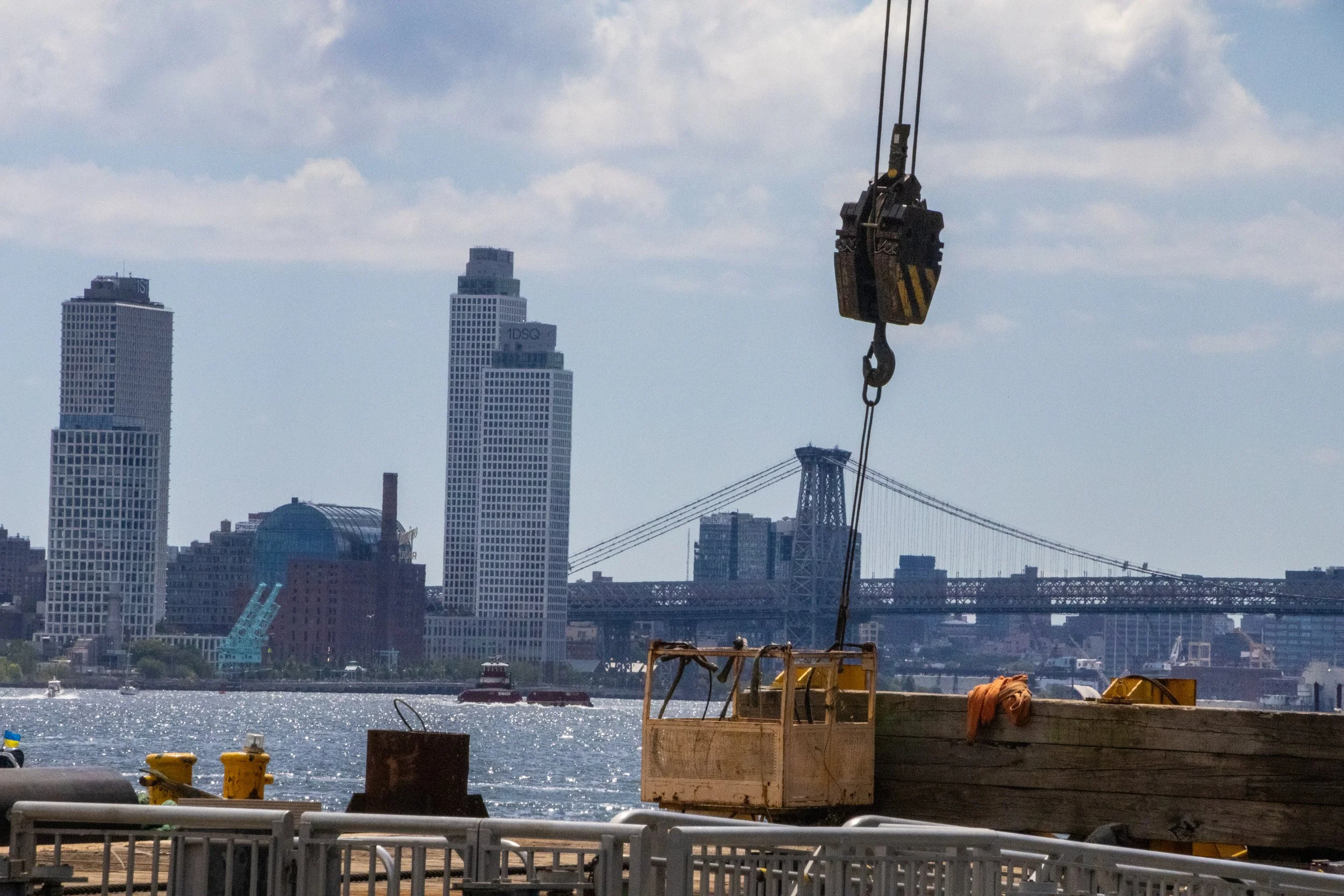
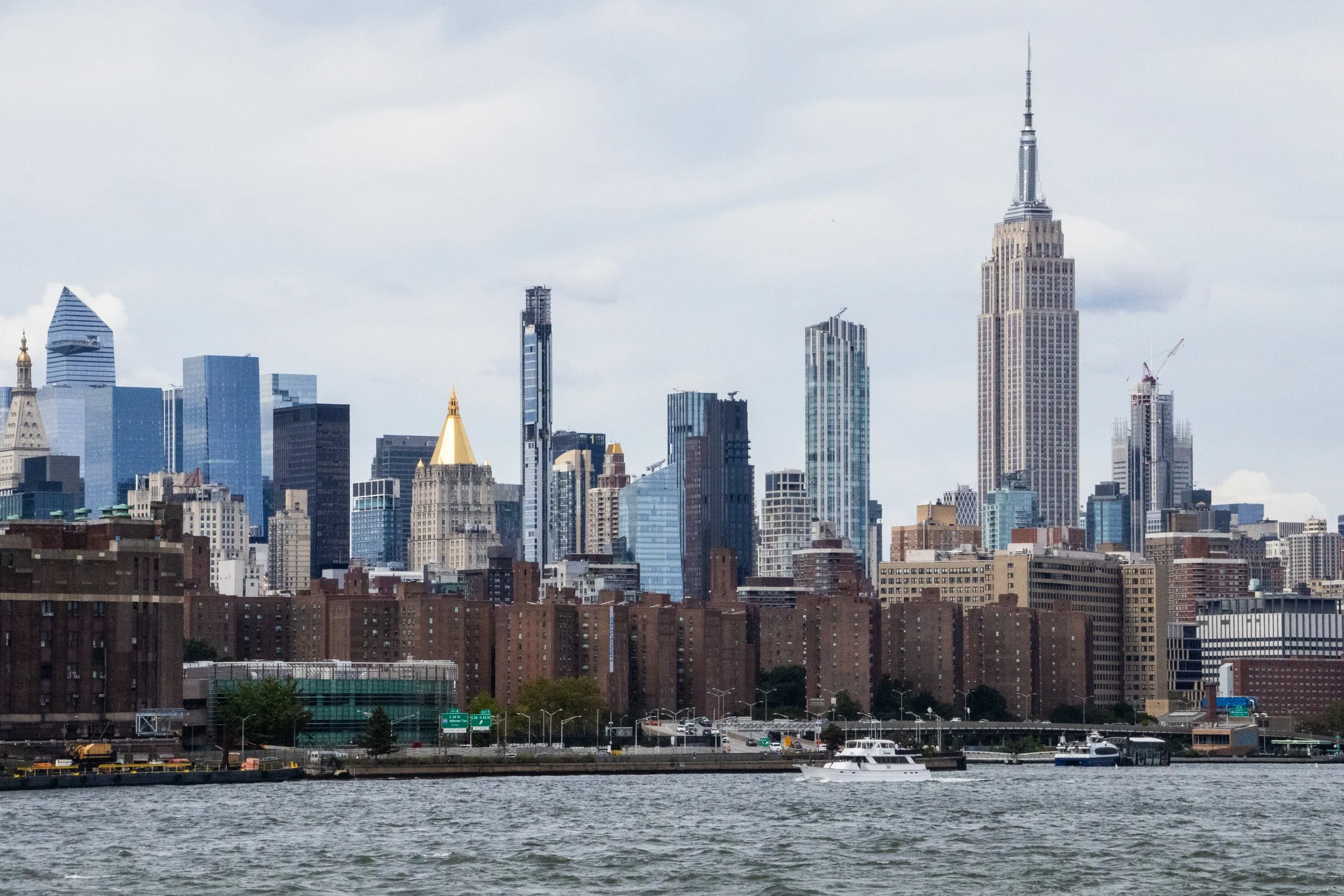
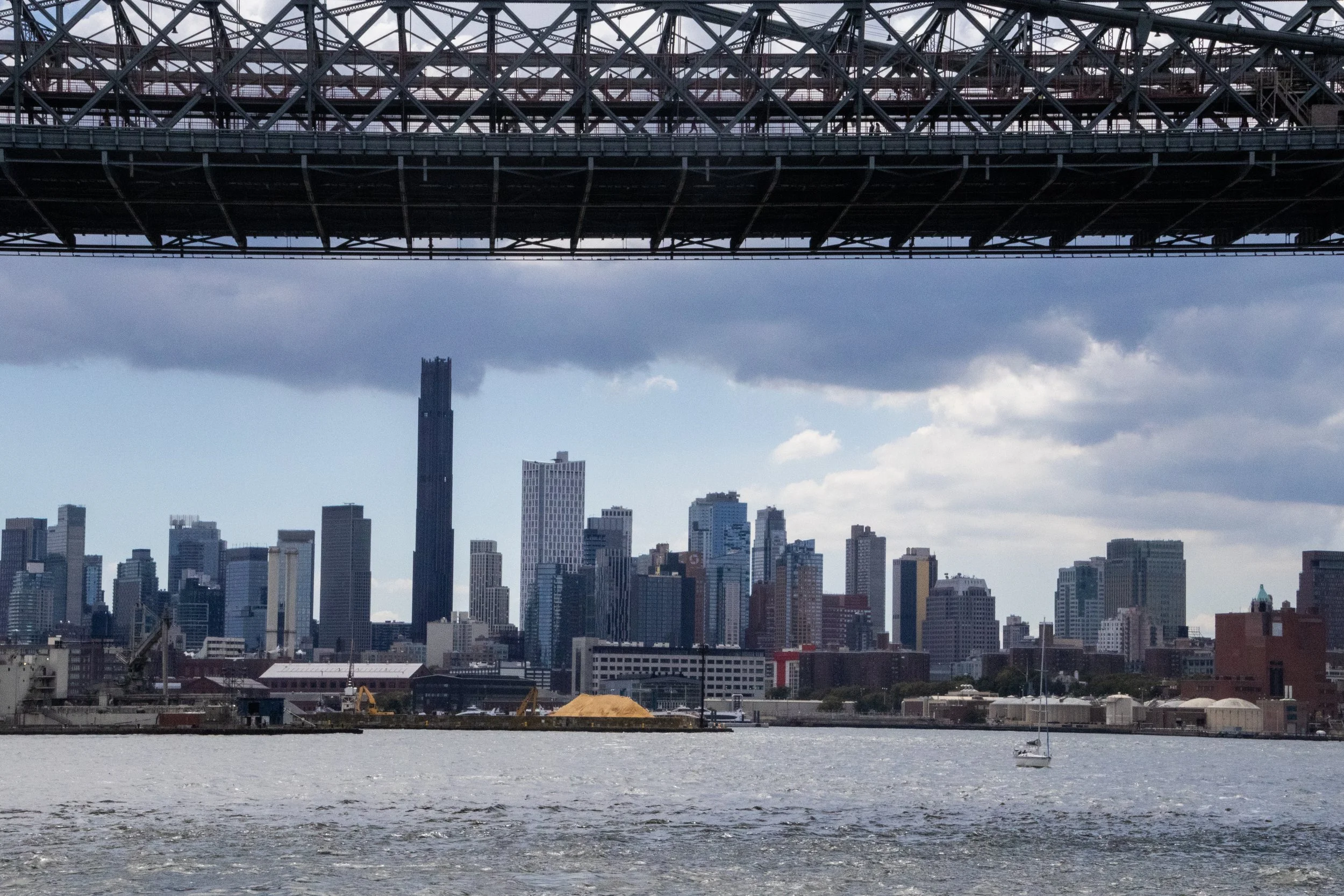
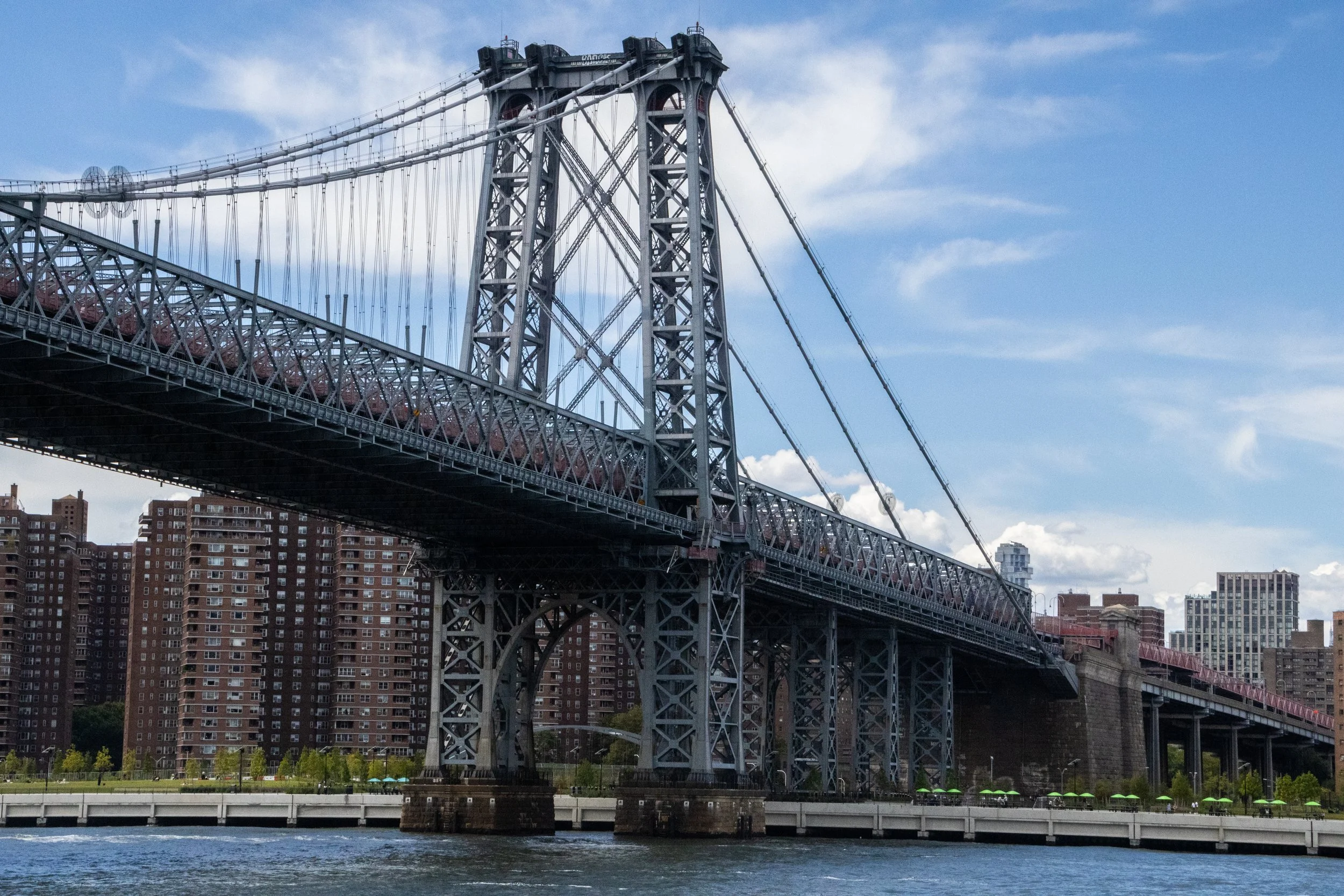
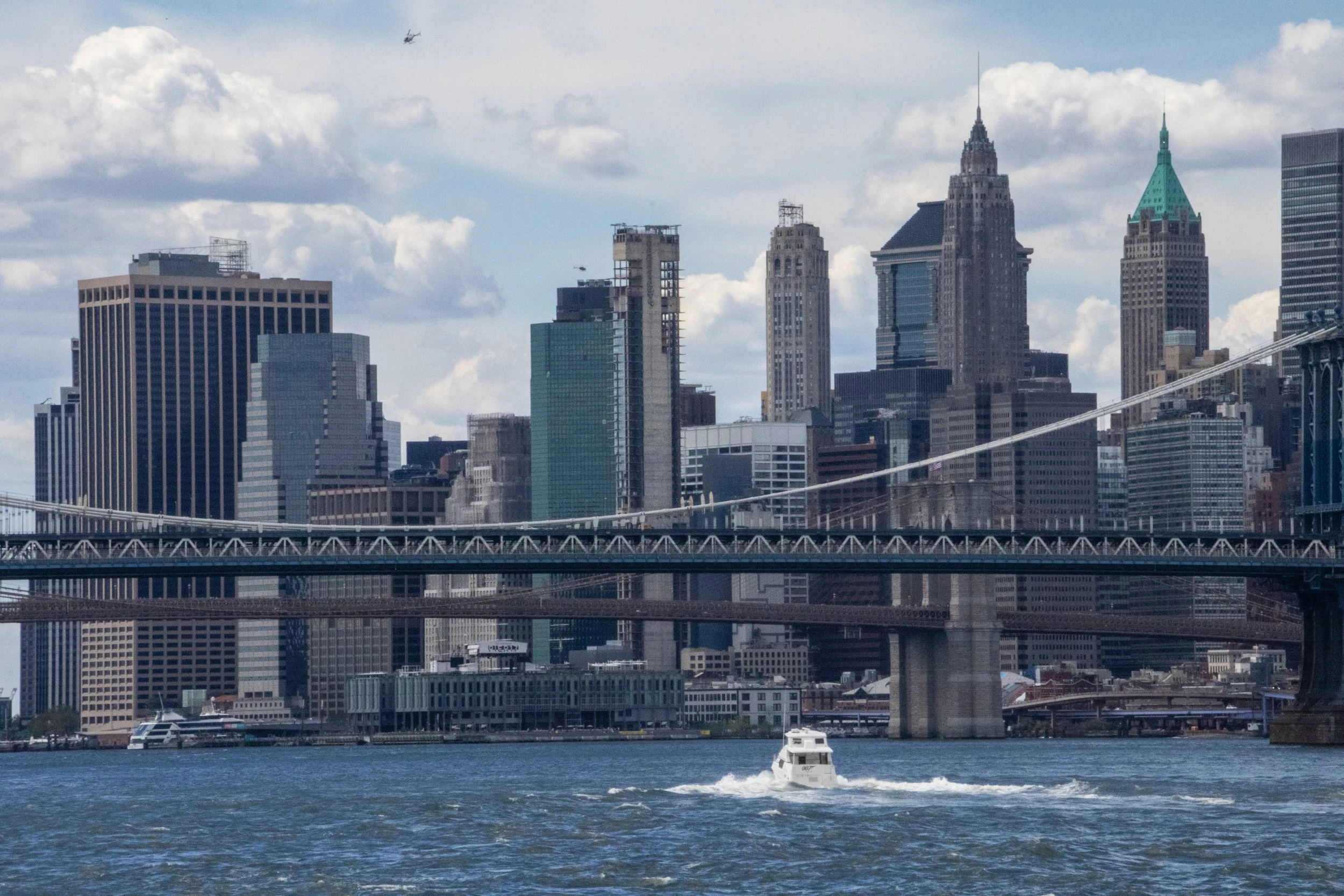
And here’s a bit of the views as we floated down the East River on this fine summer day, all the way from the ferry terminal on East 34th Street to the docks in a part of Brooklyn called DUMBO.
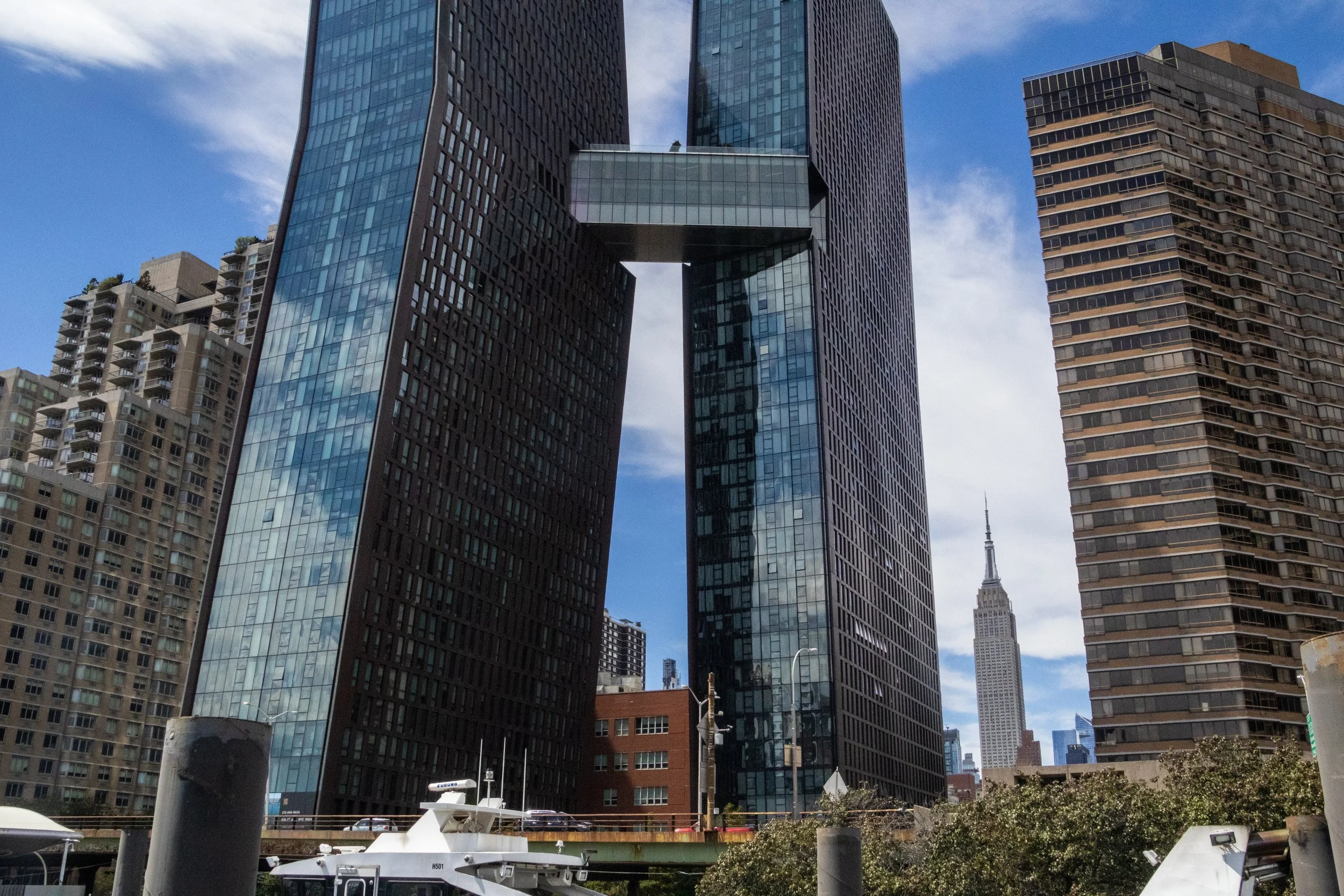
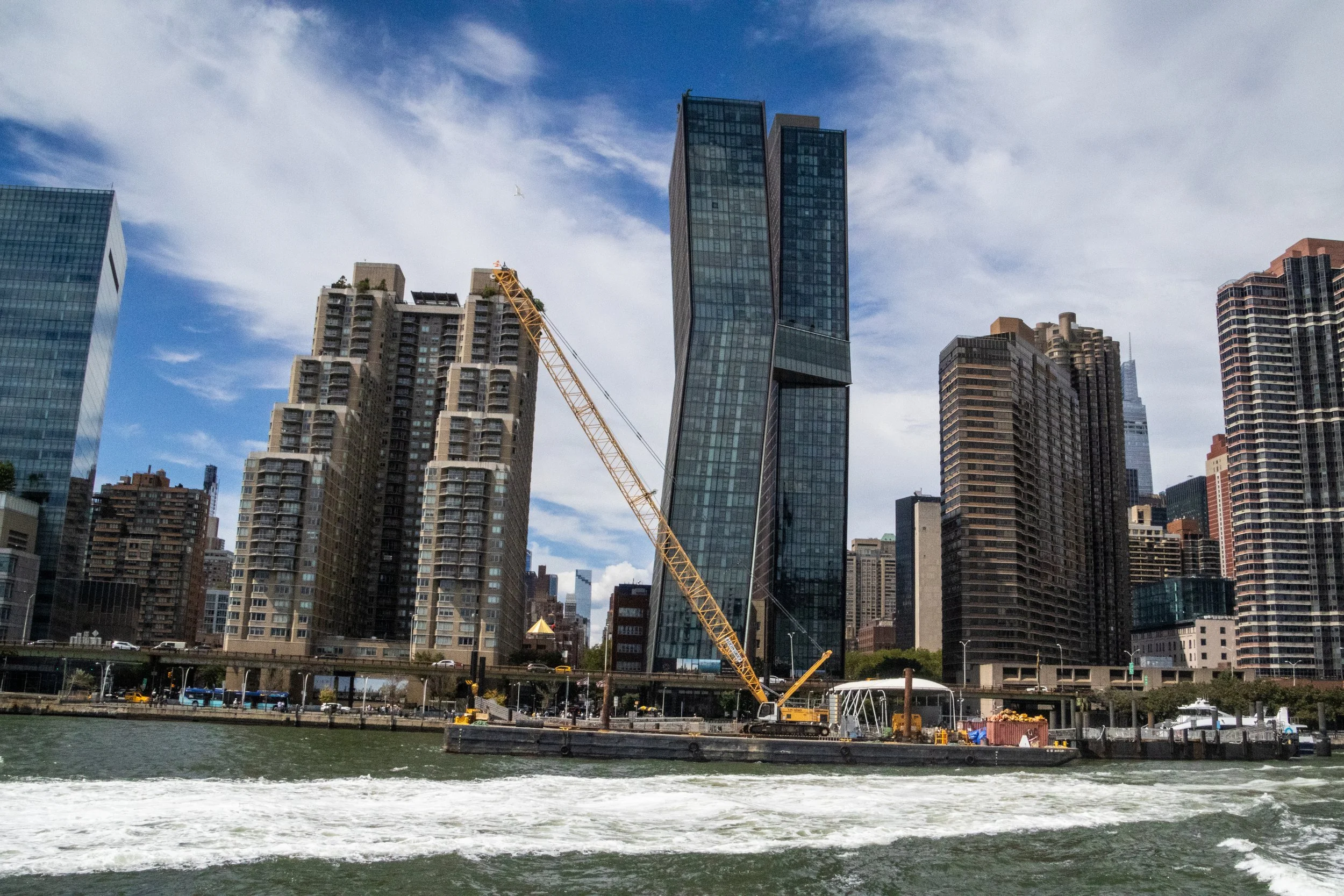
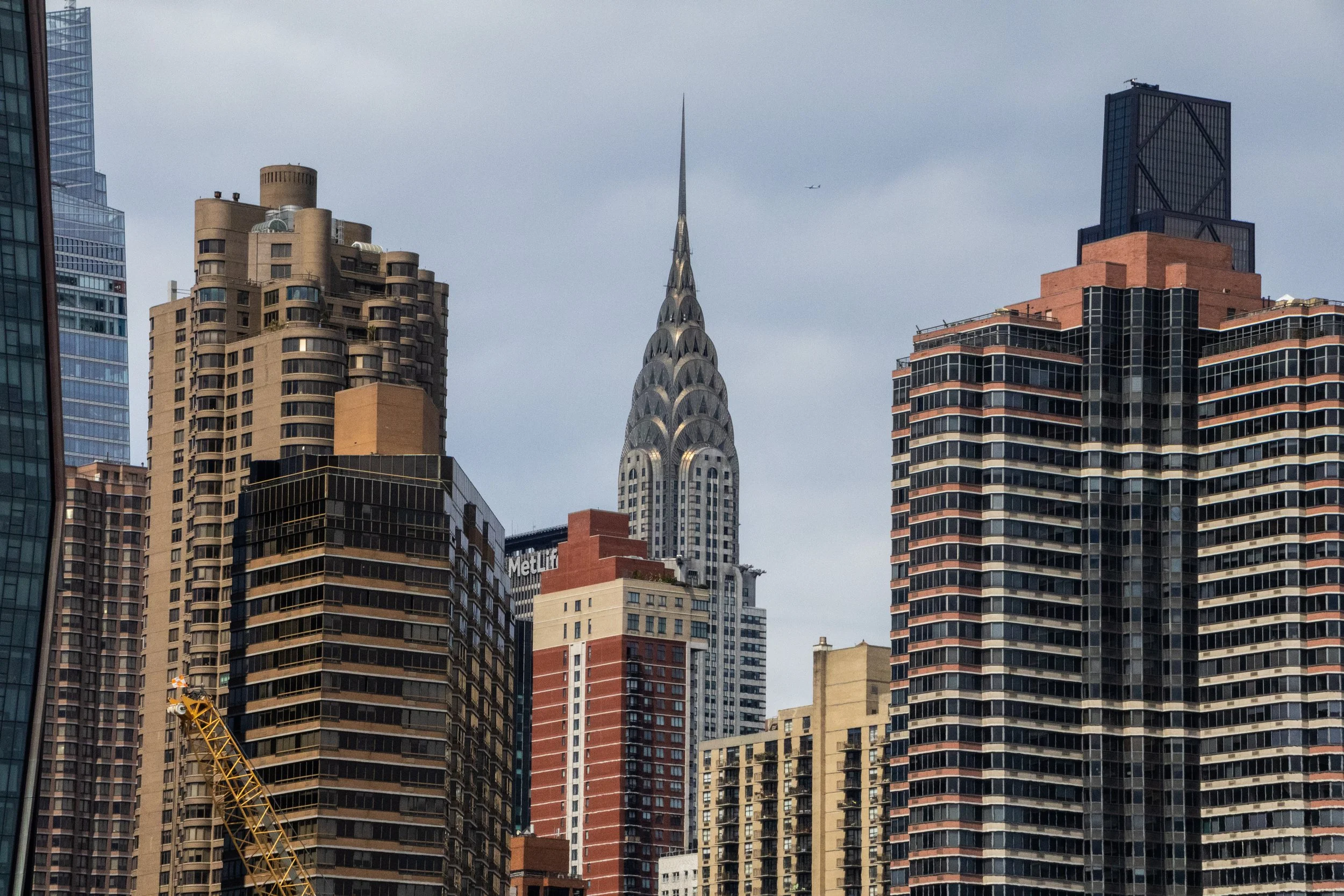
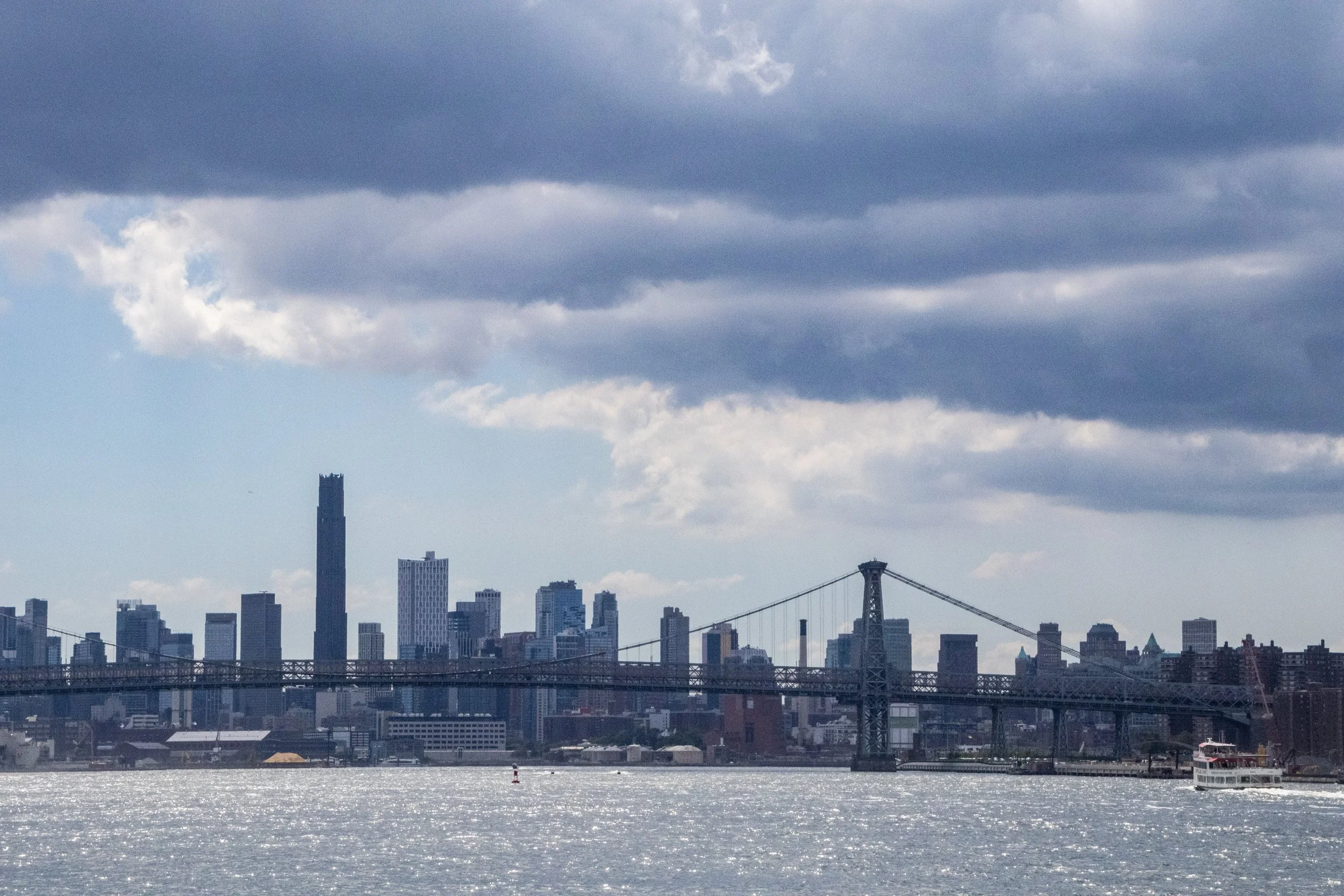
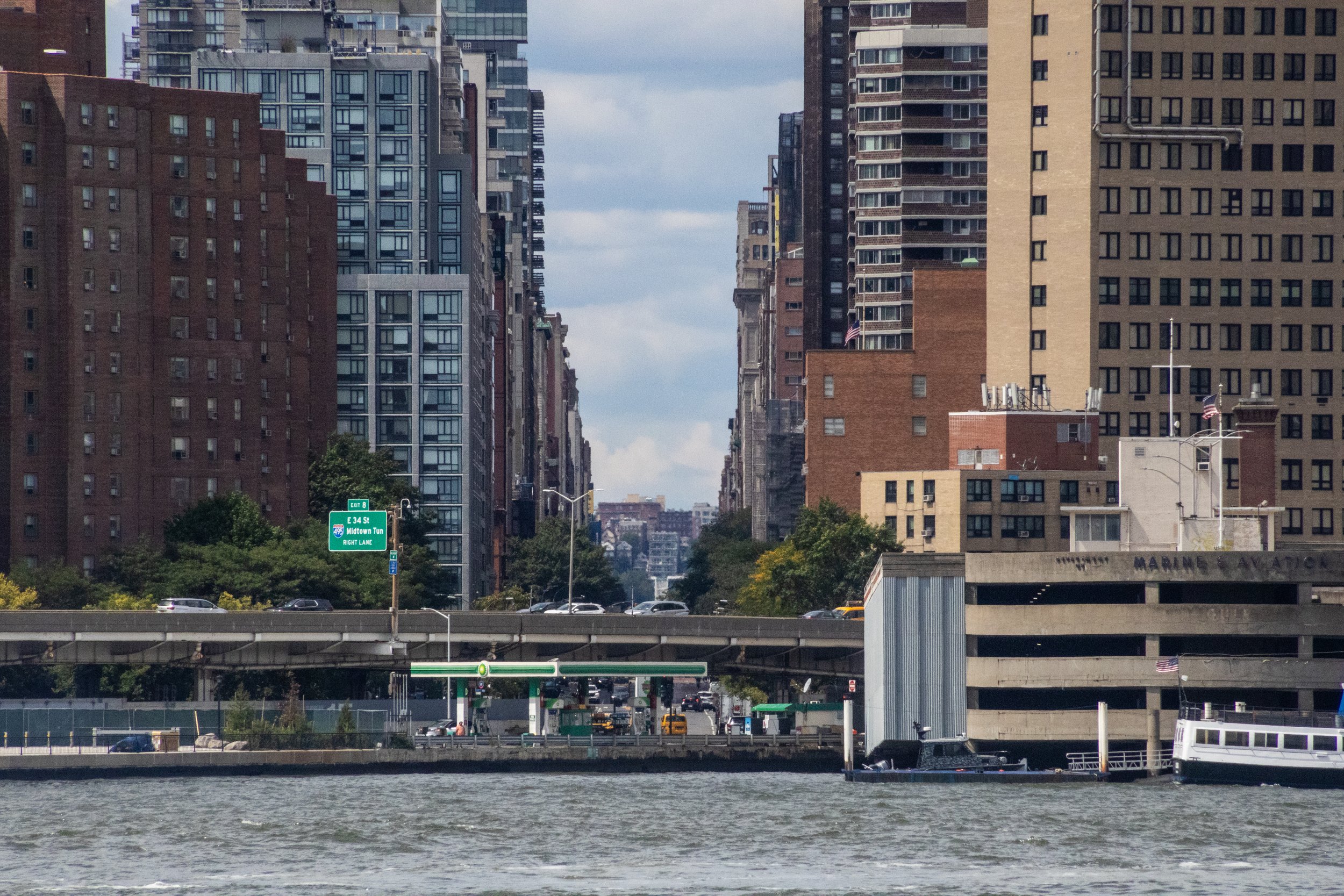
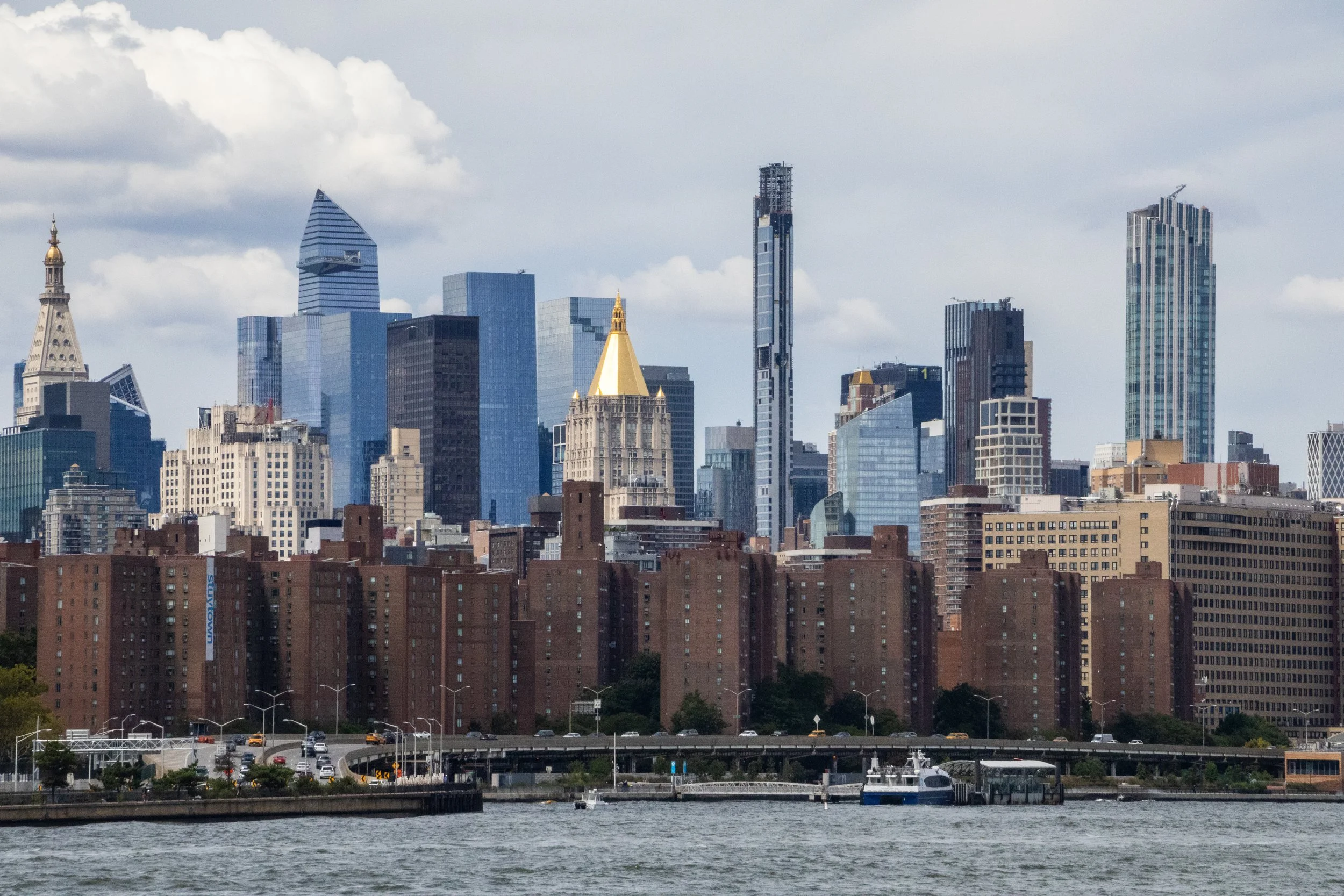
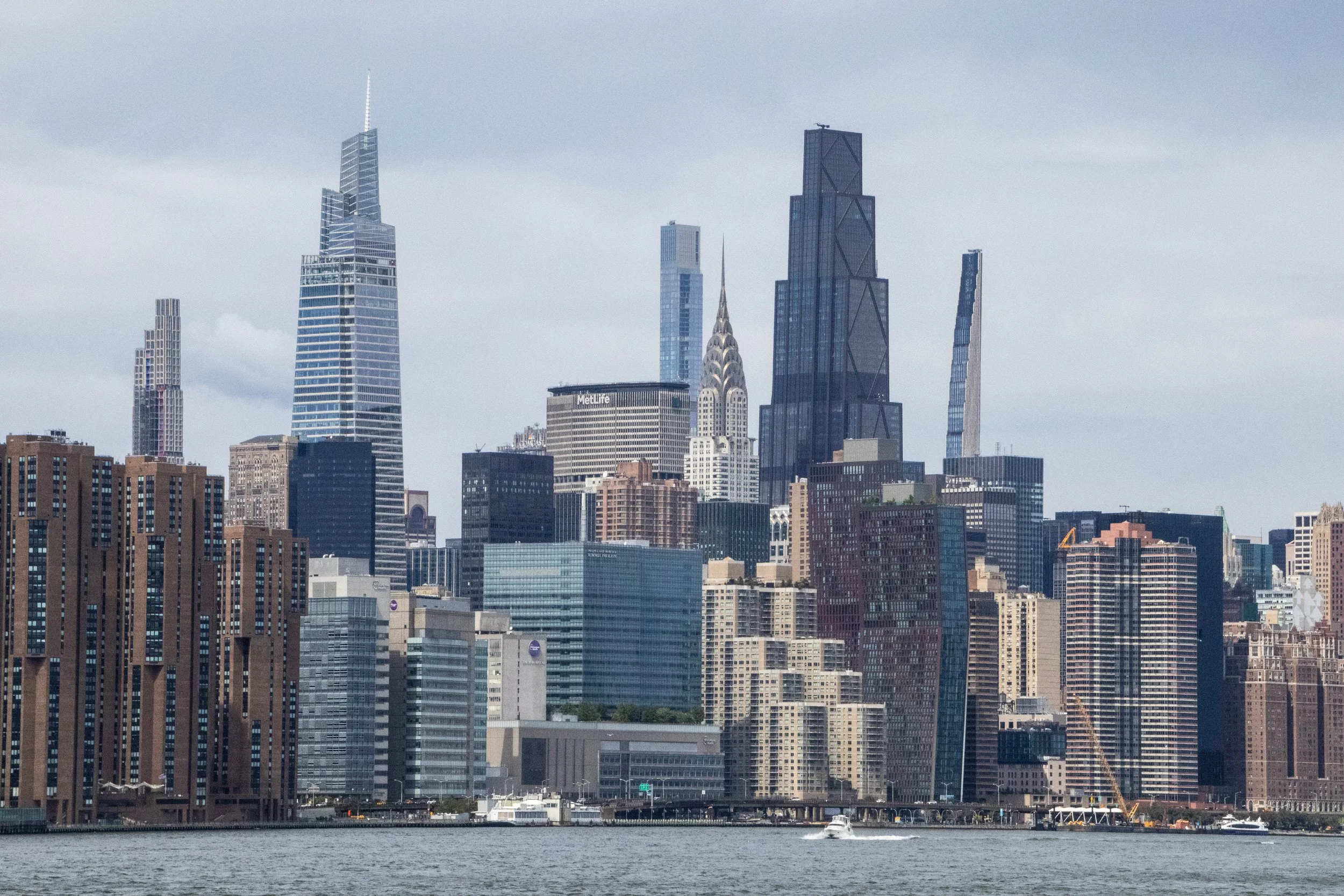
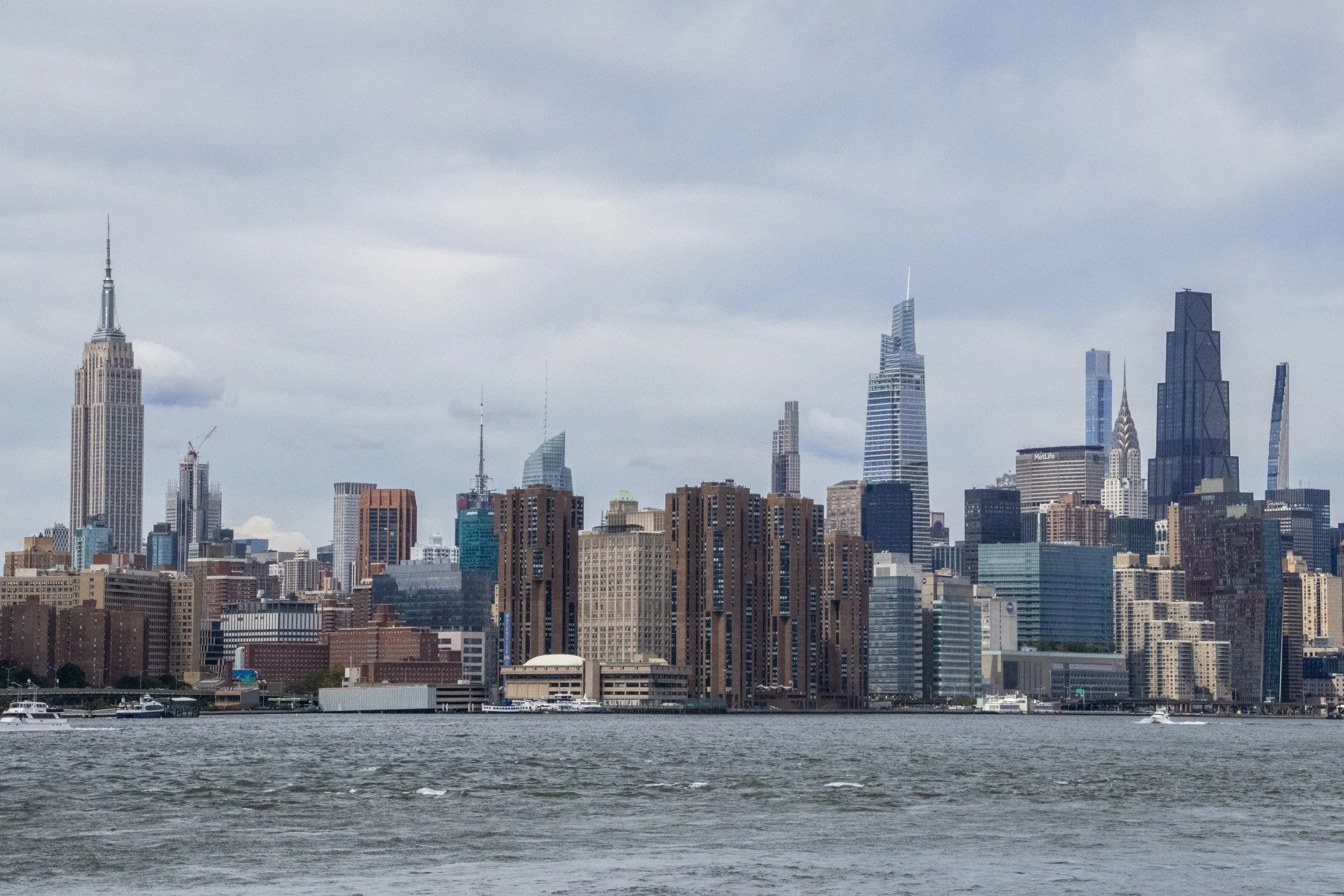
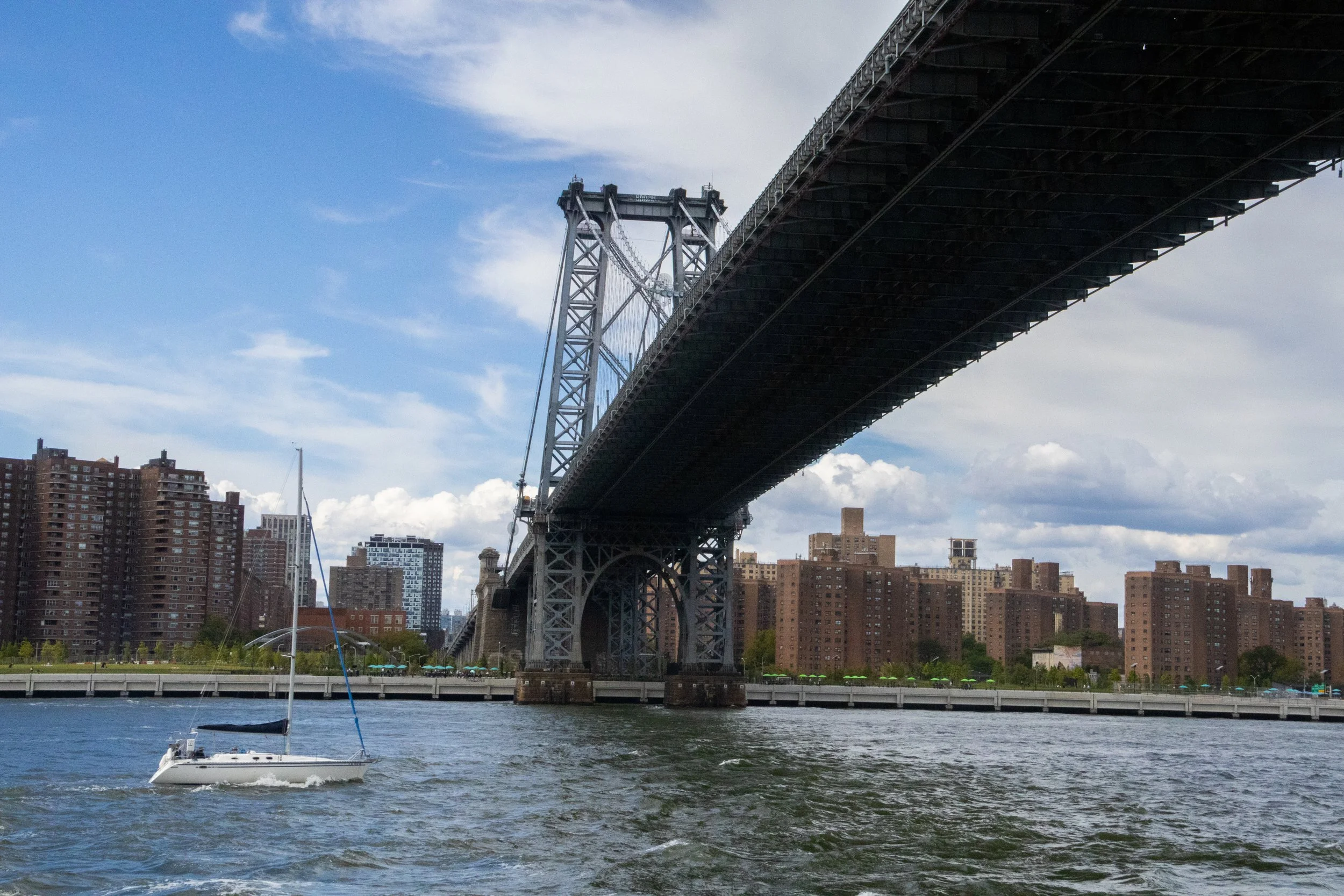
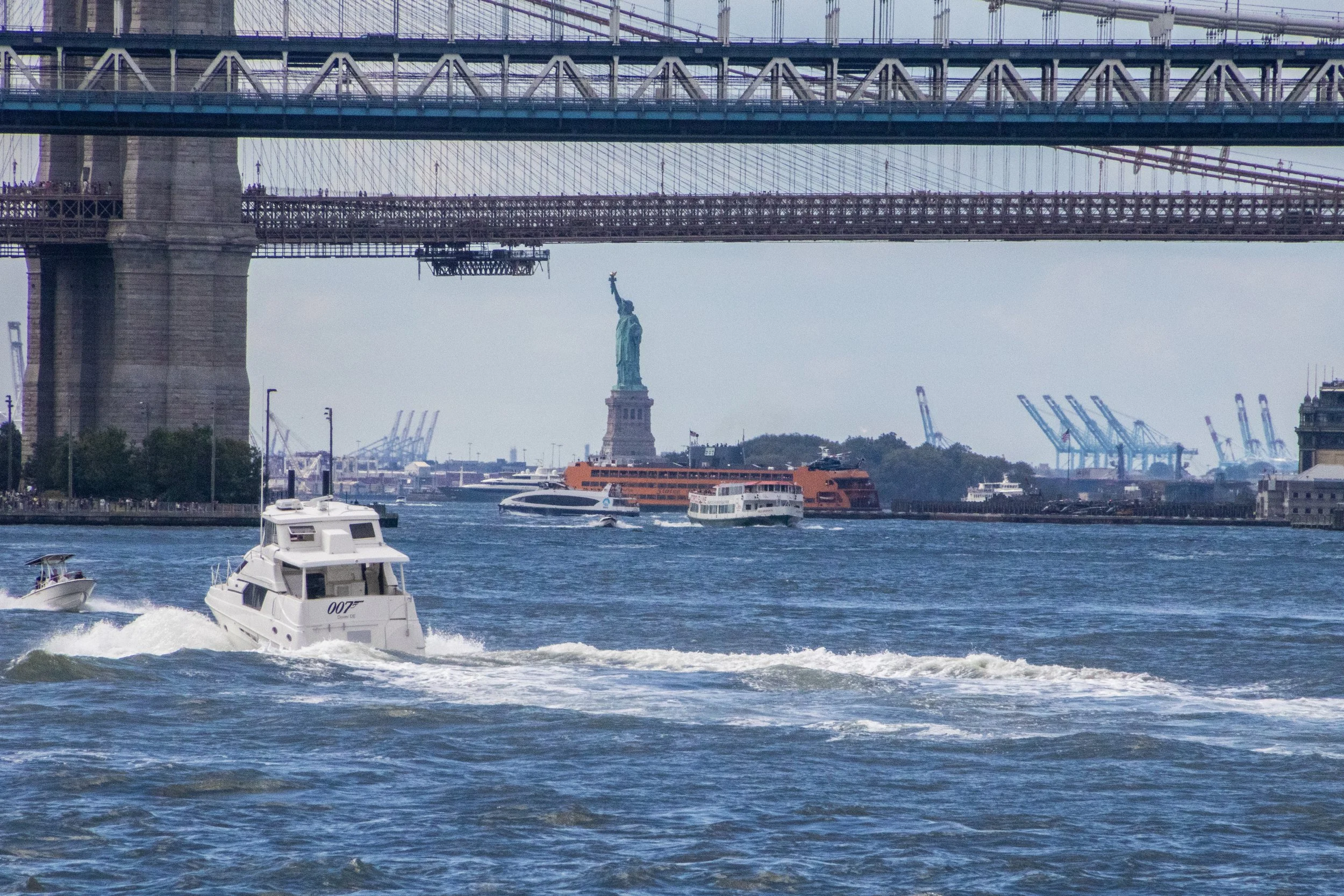
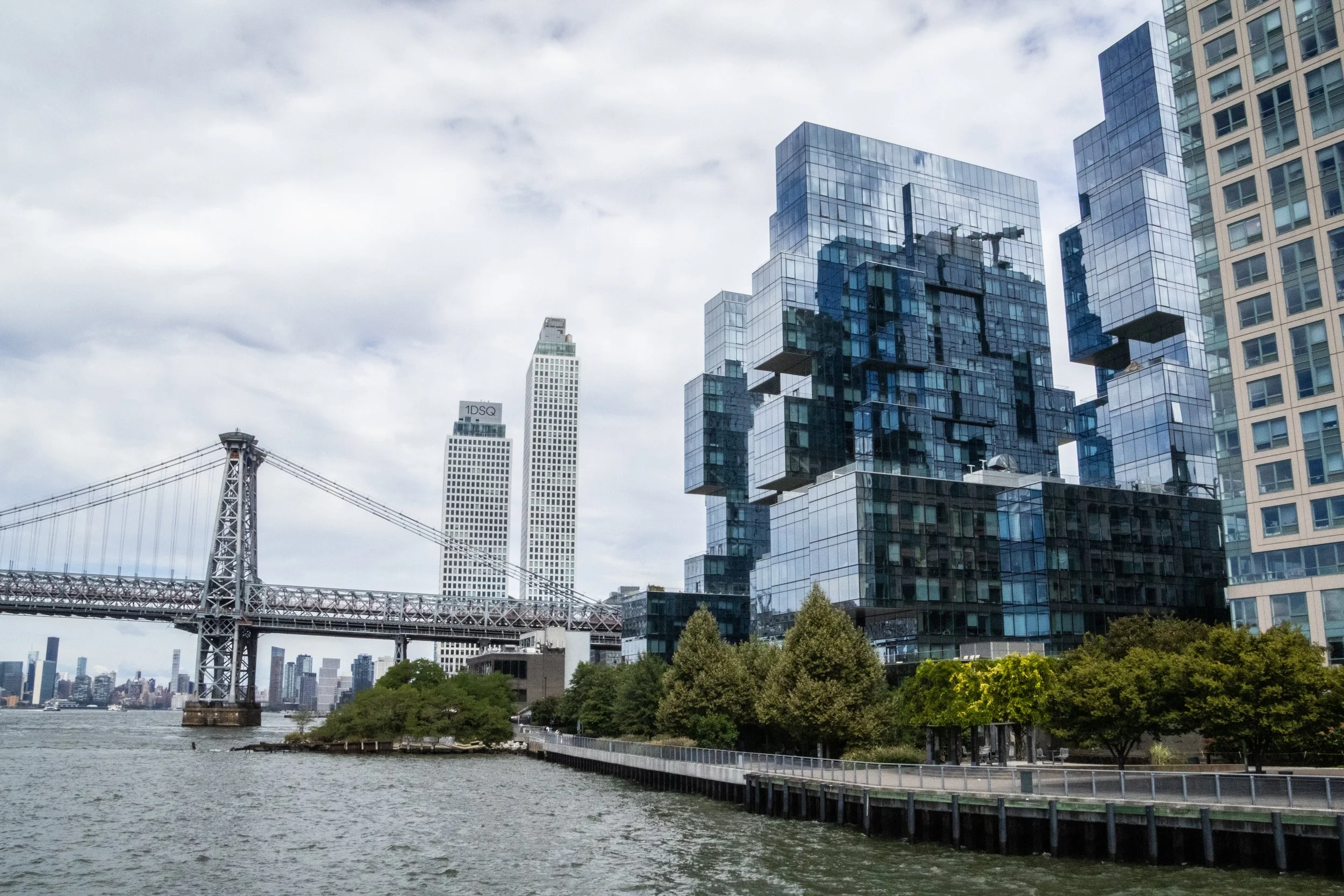
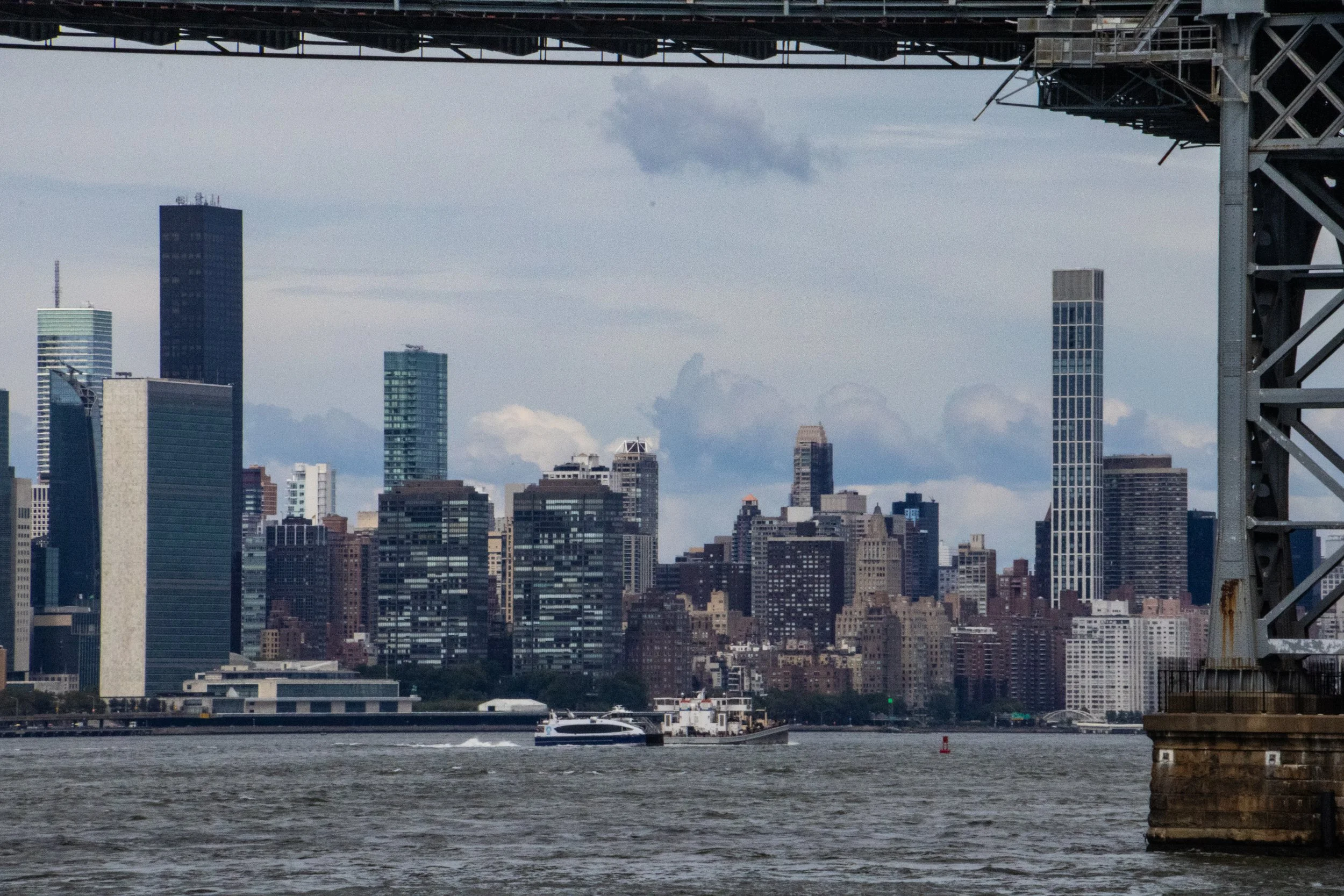
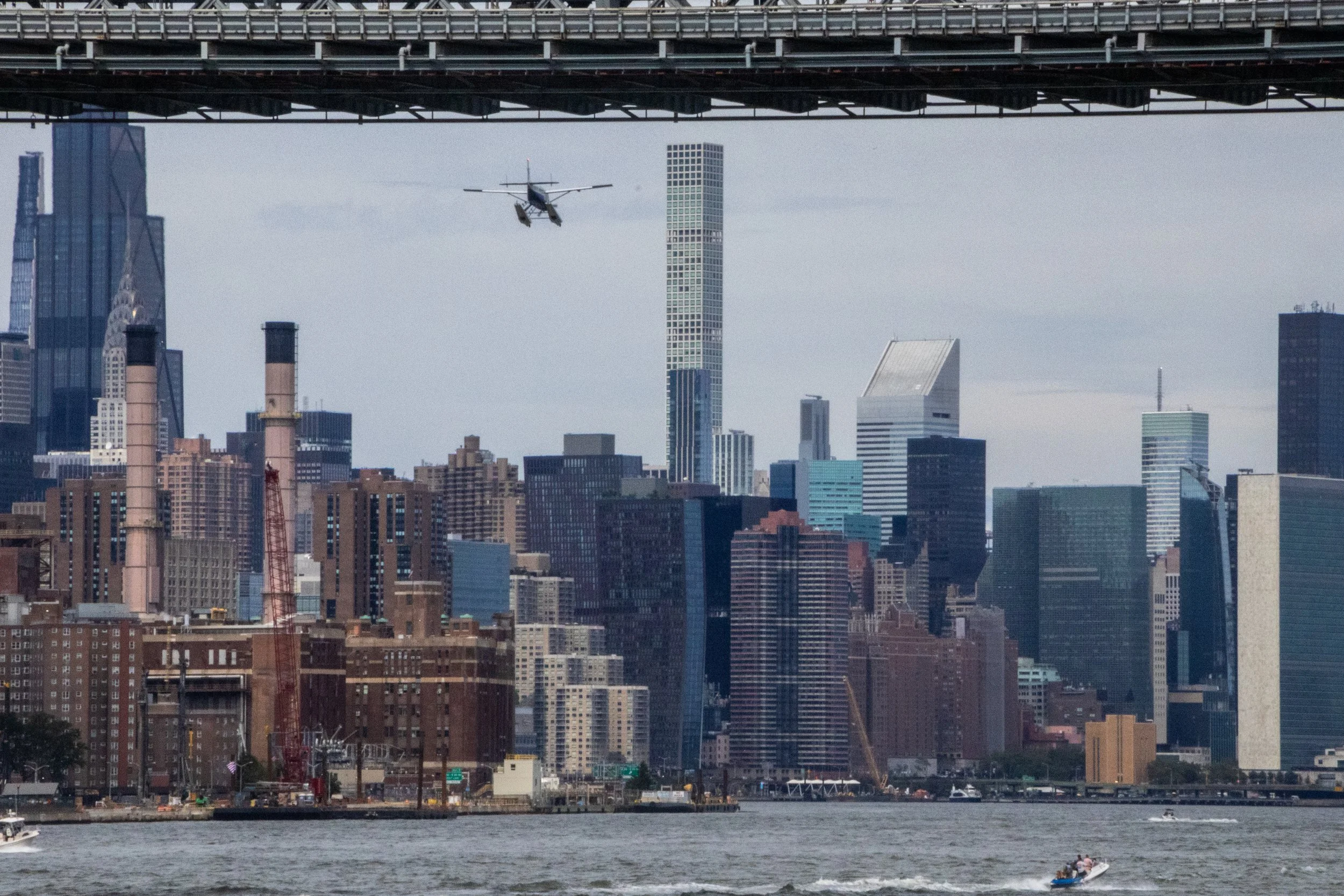
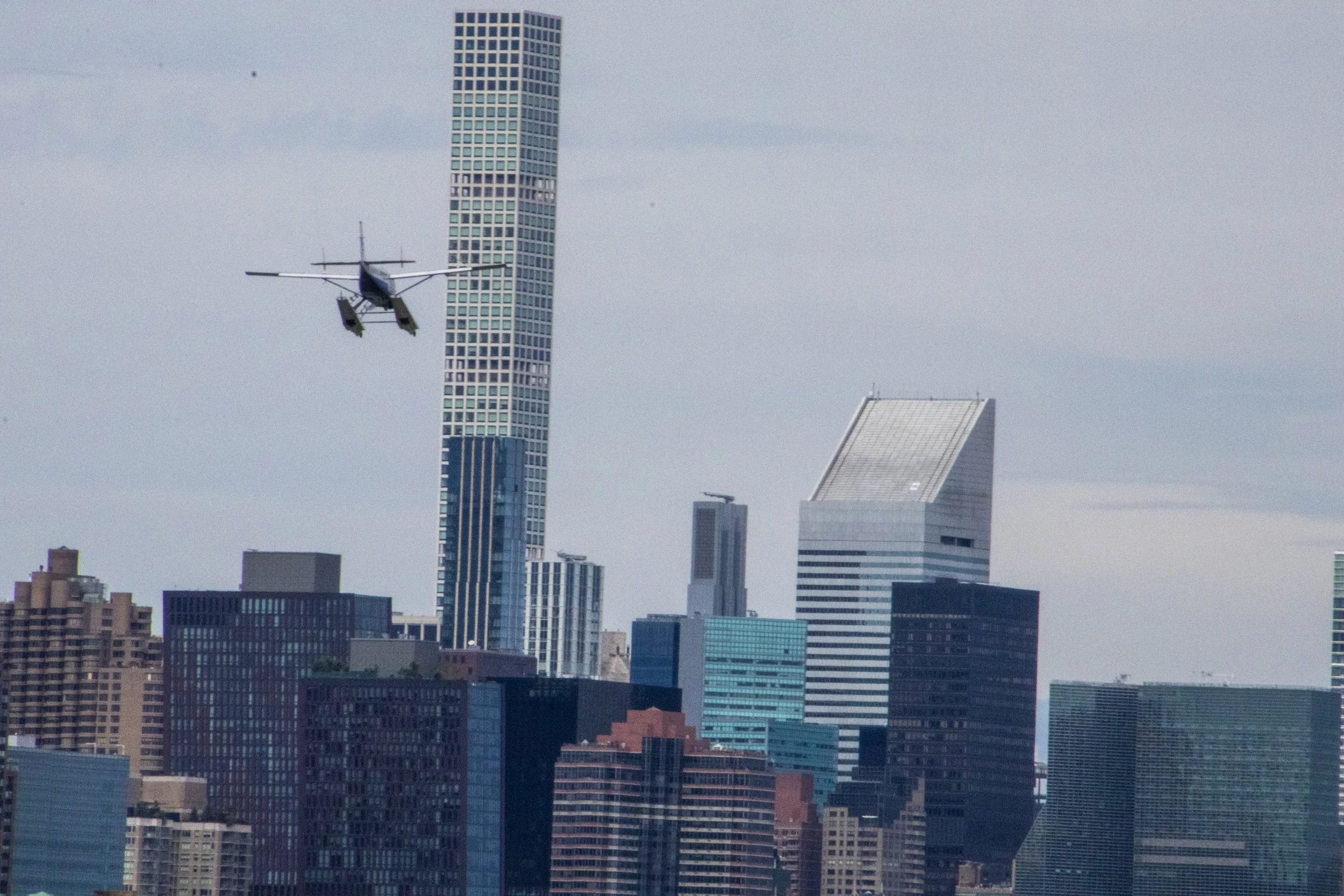
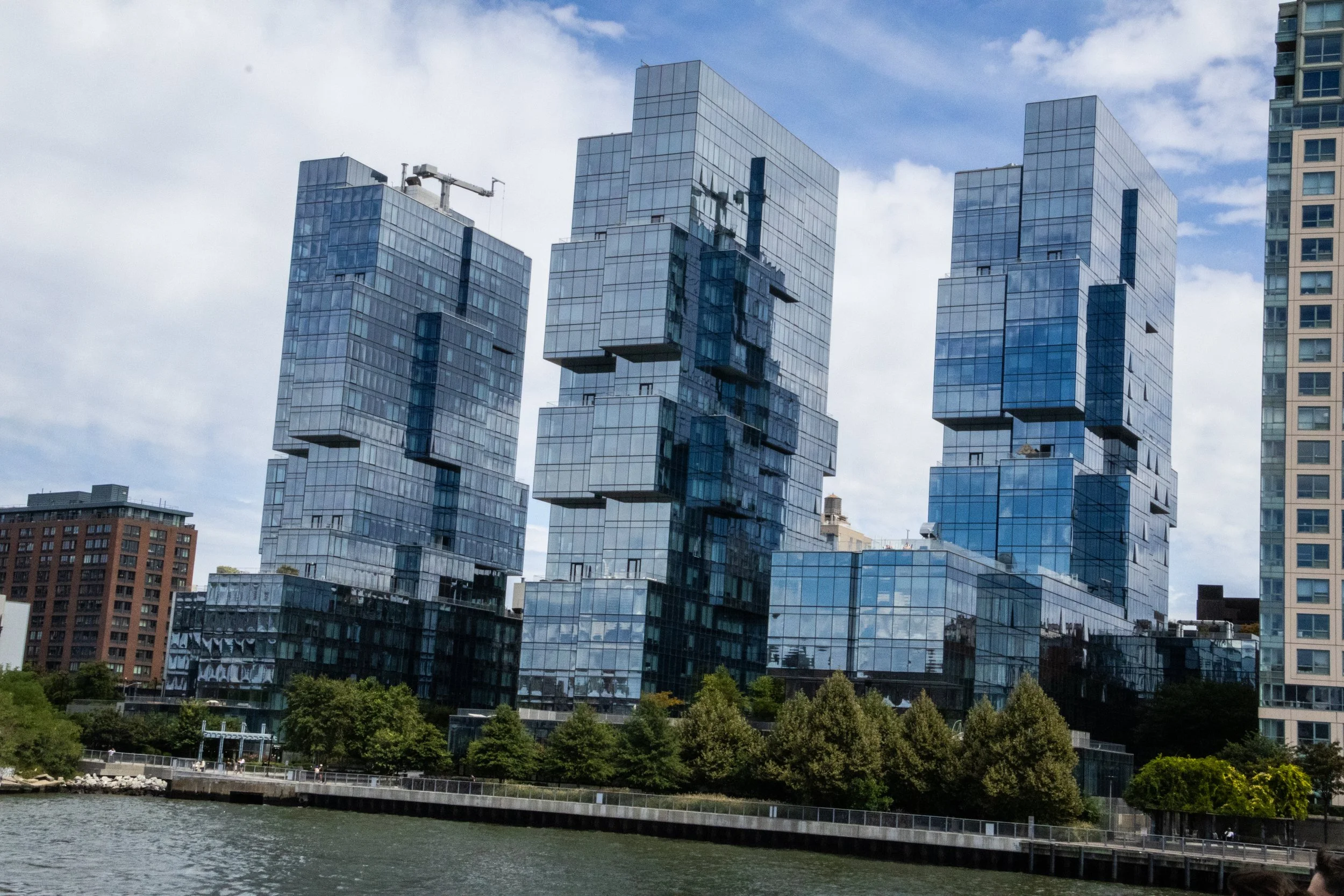
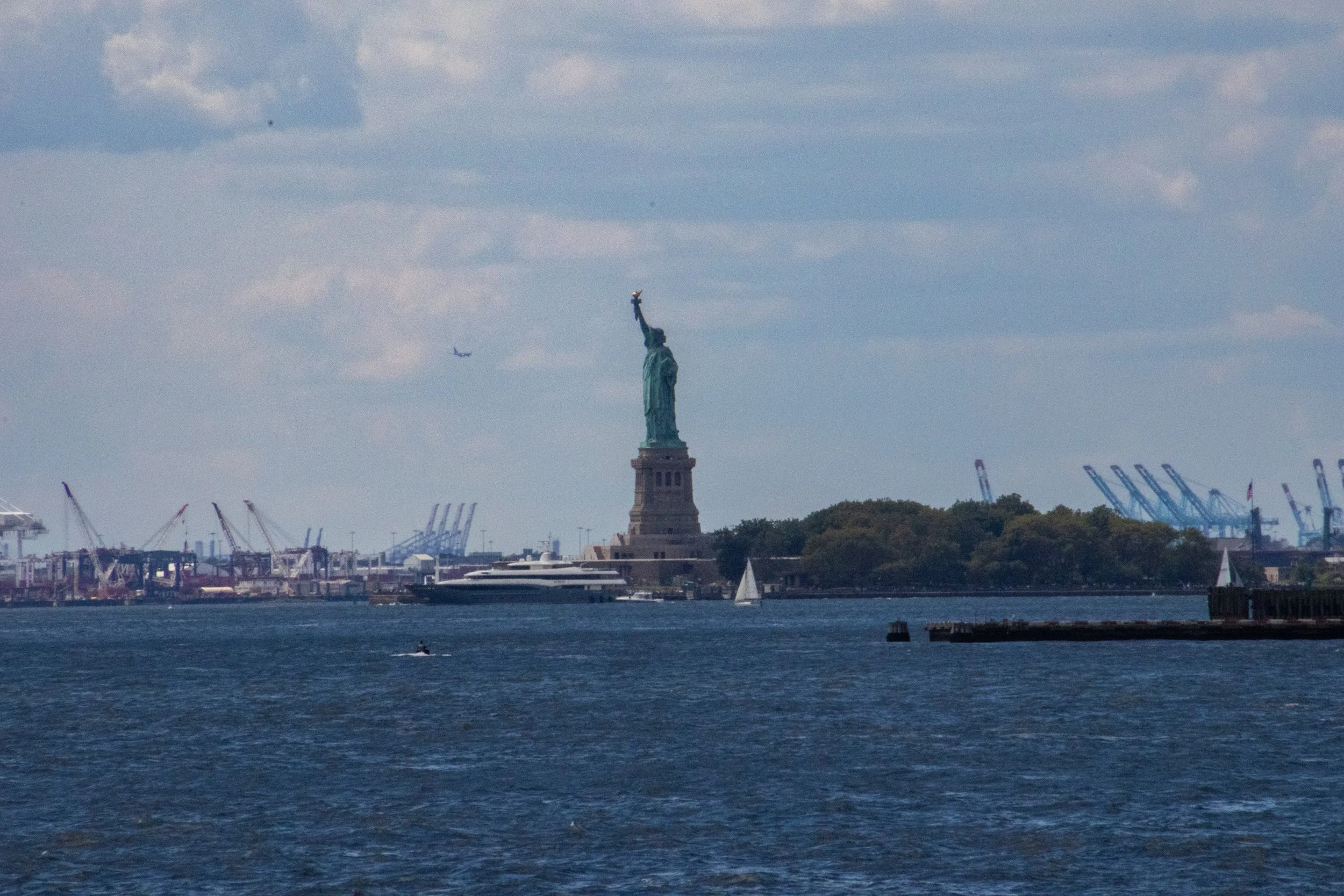
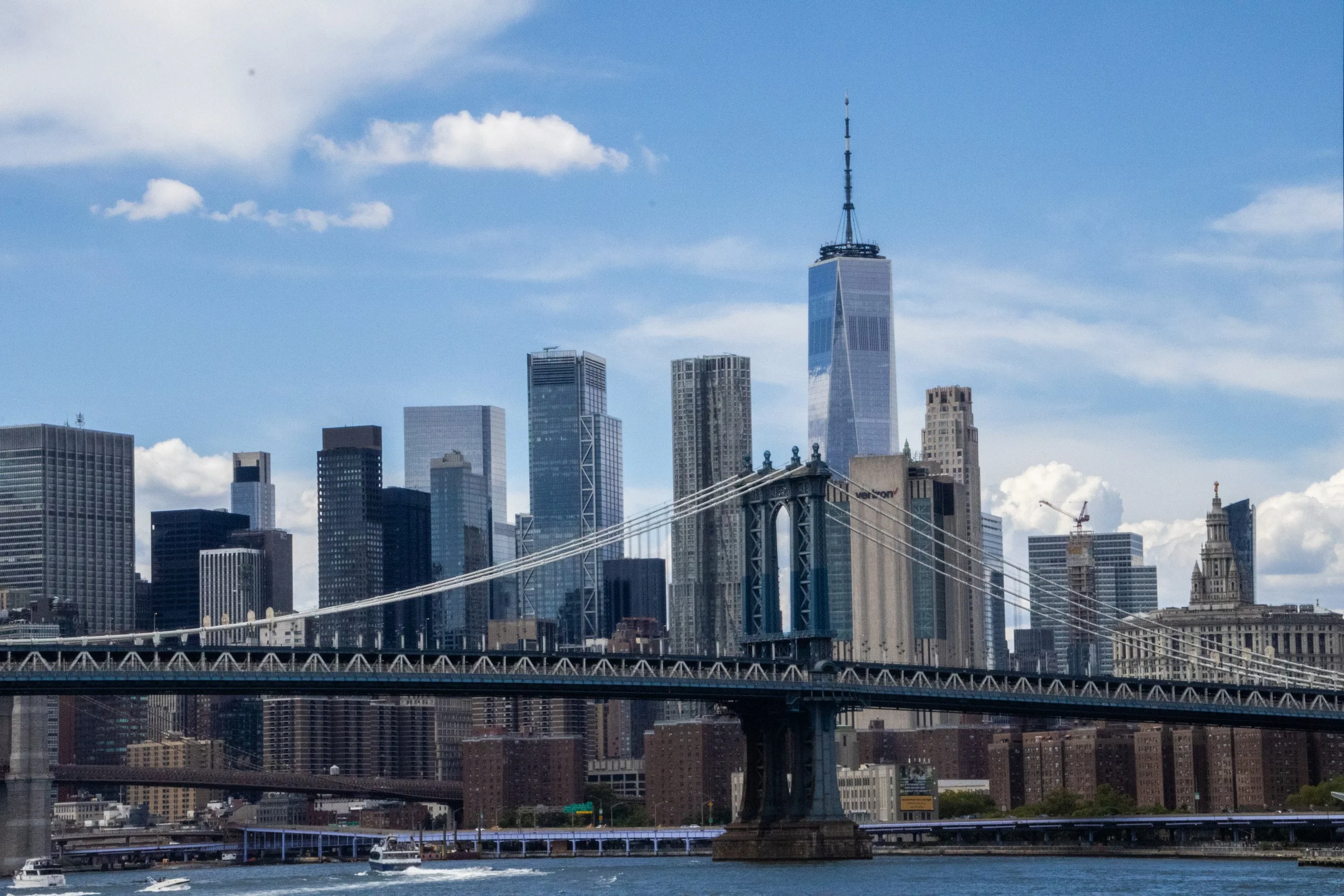
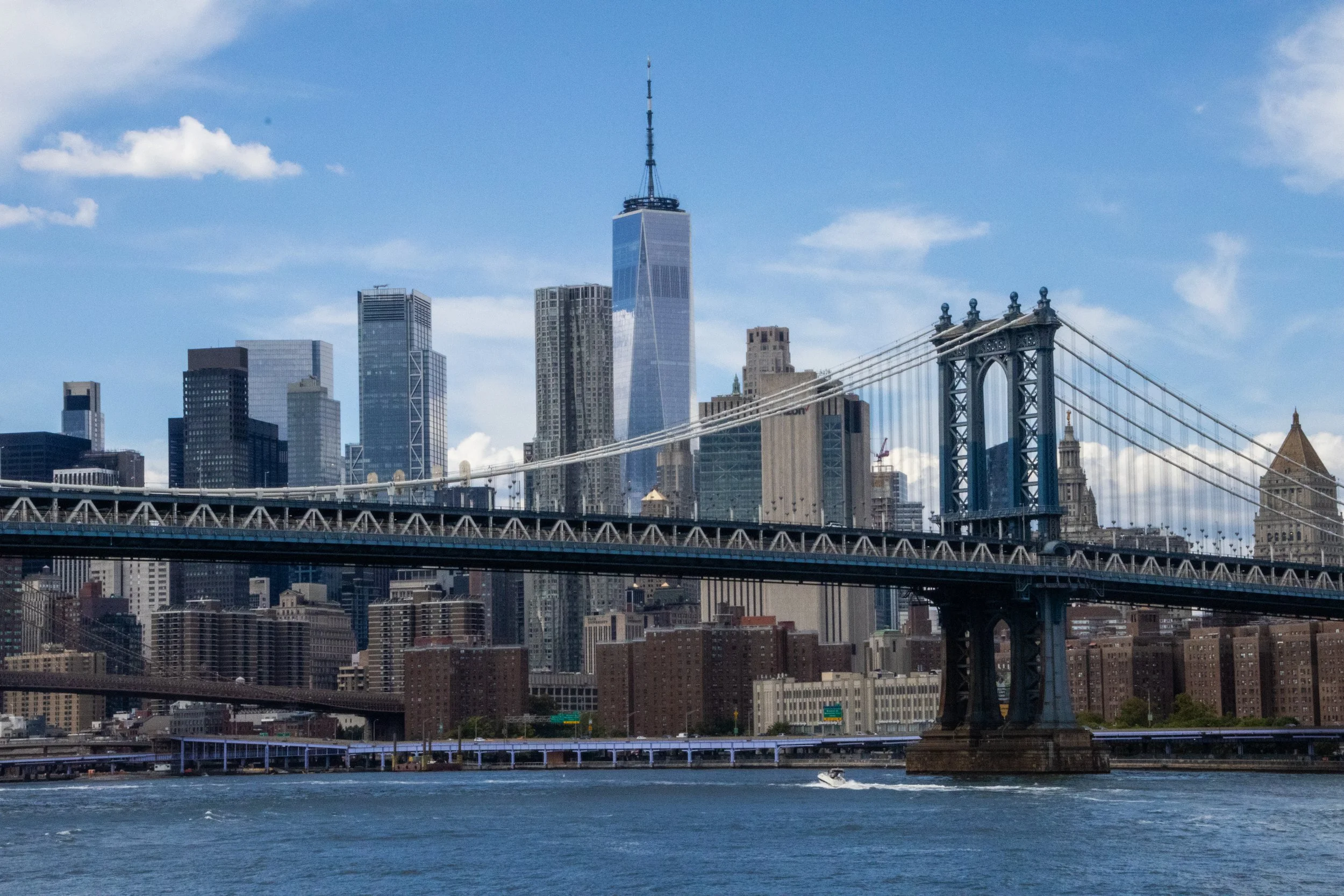
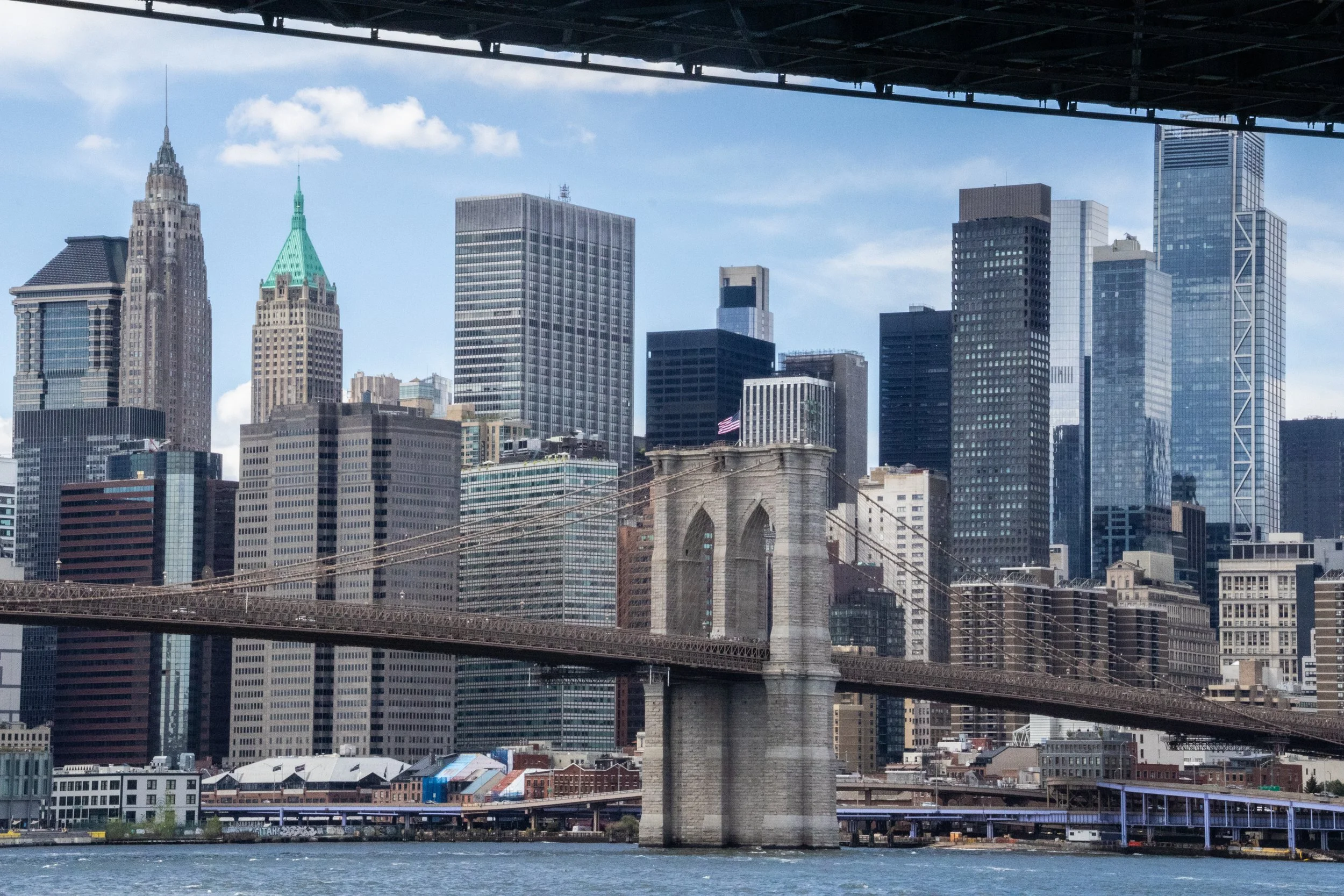
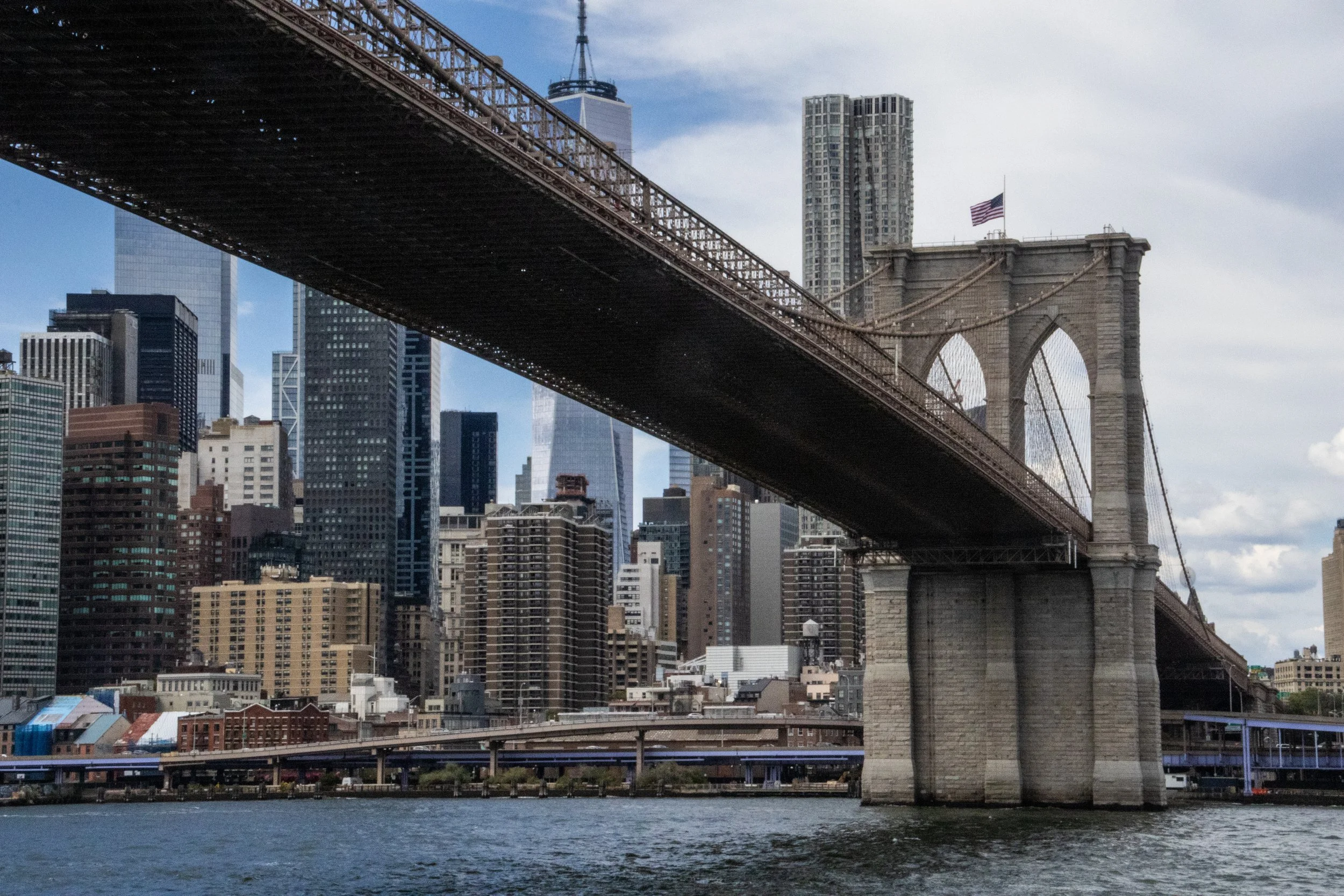
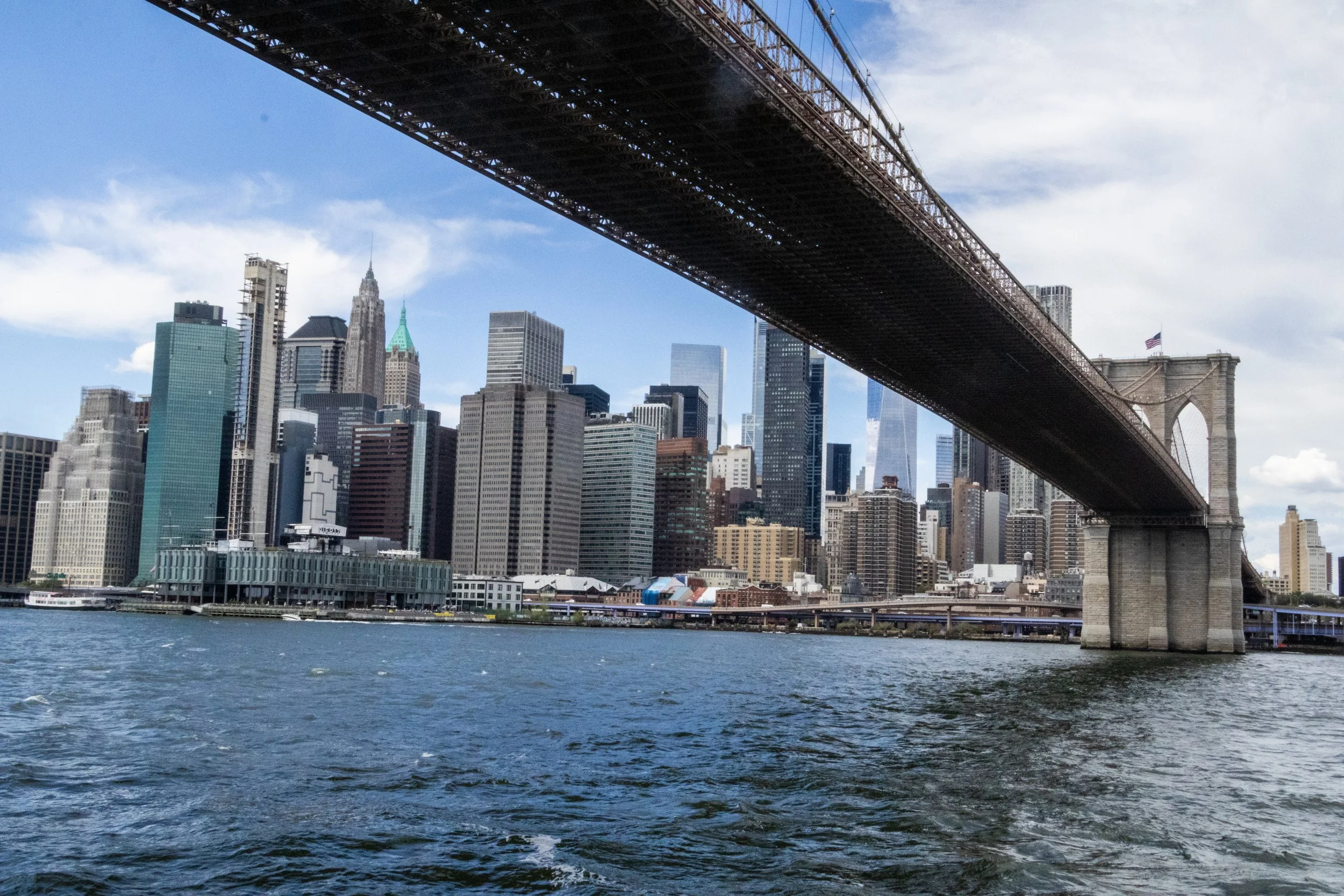
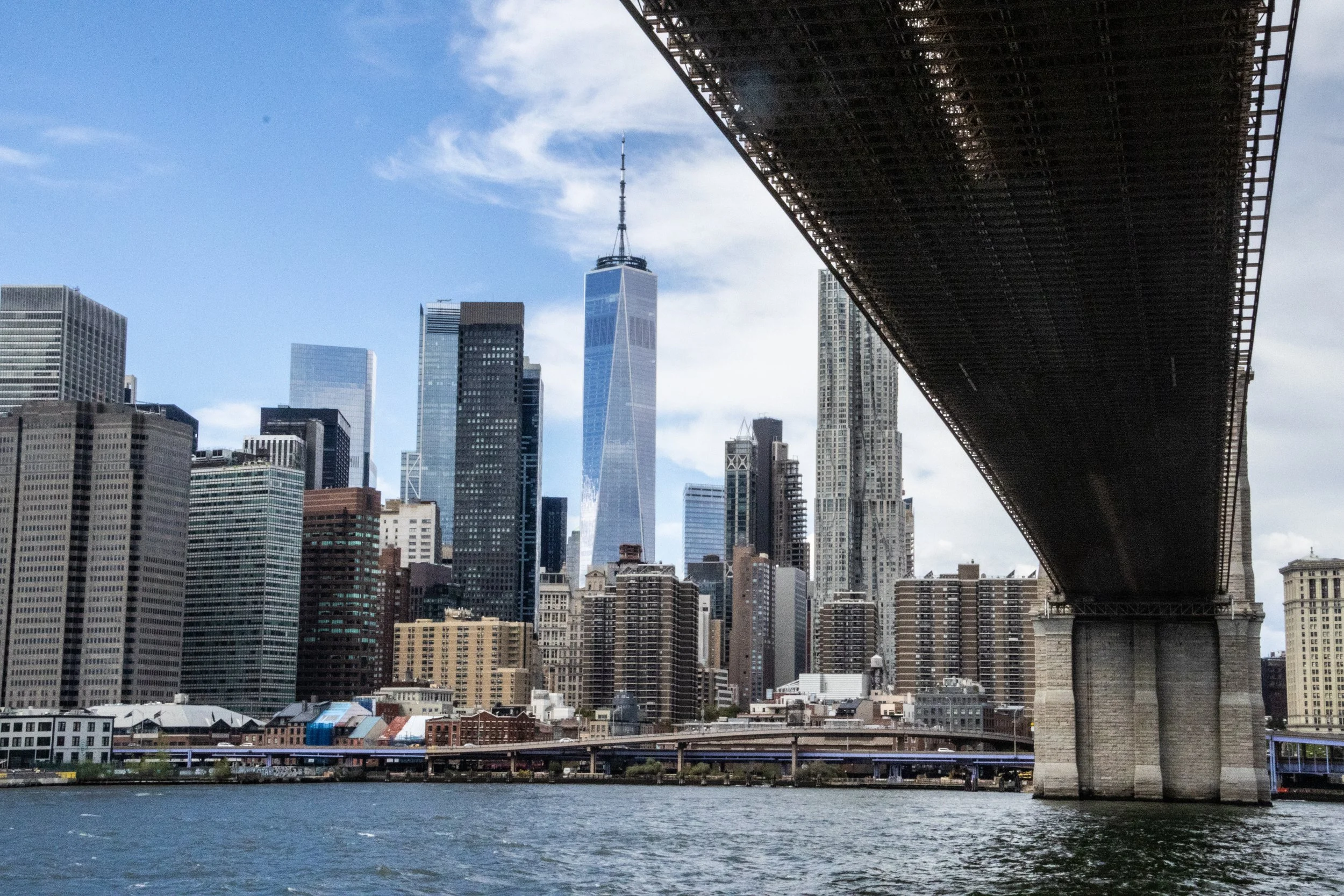
Crossing via the Brooklyn Bridge
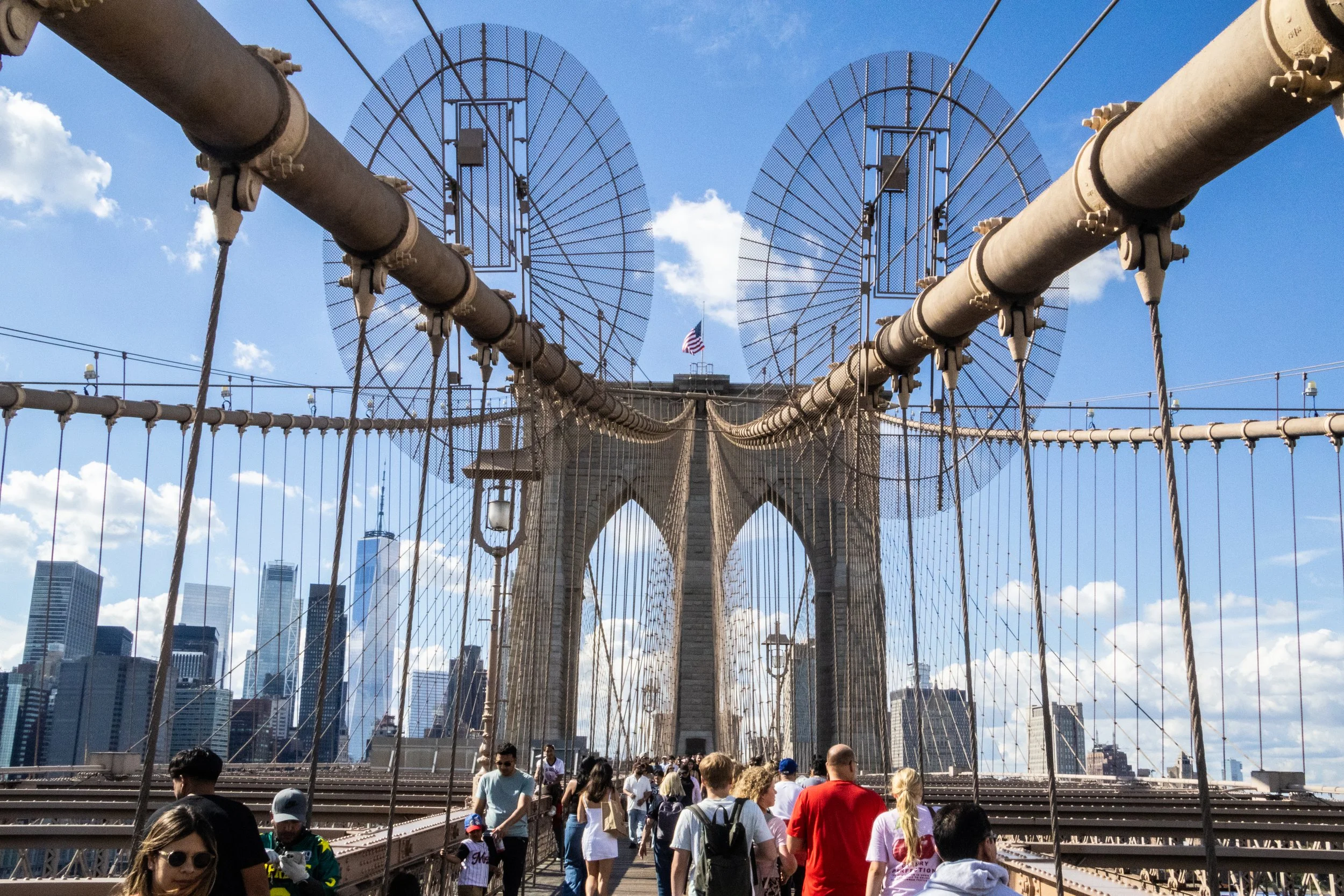
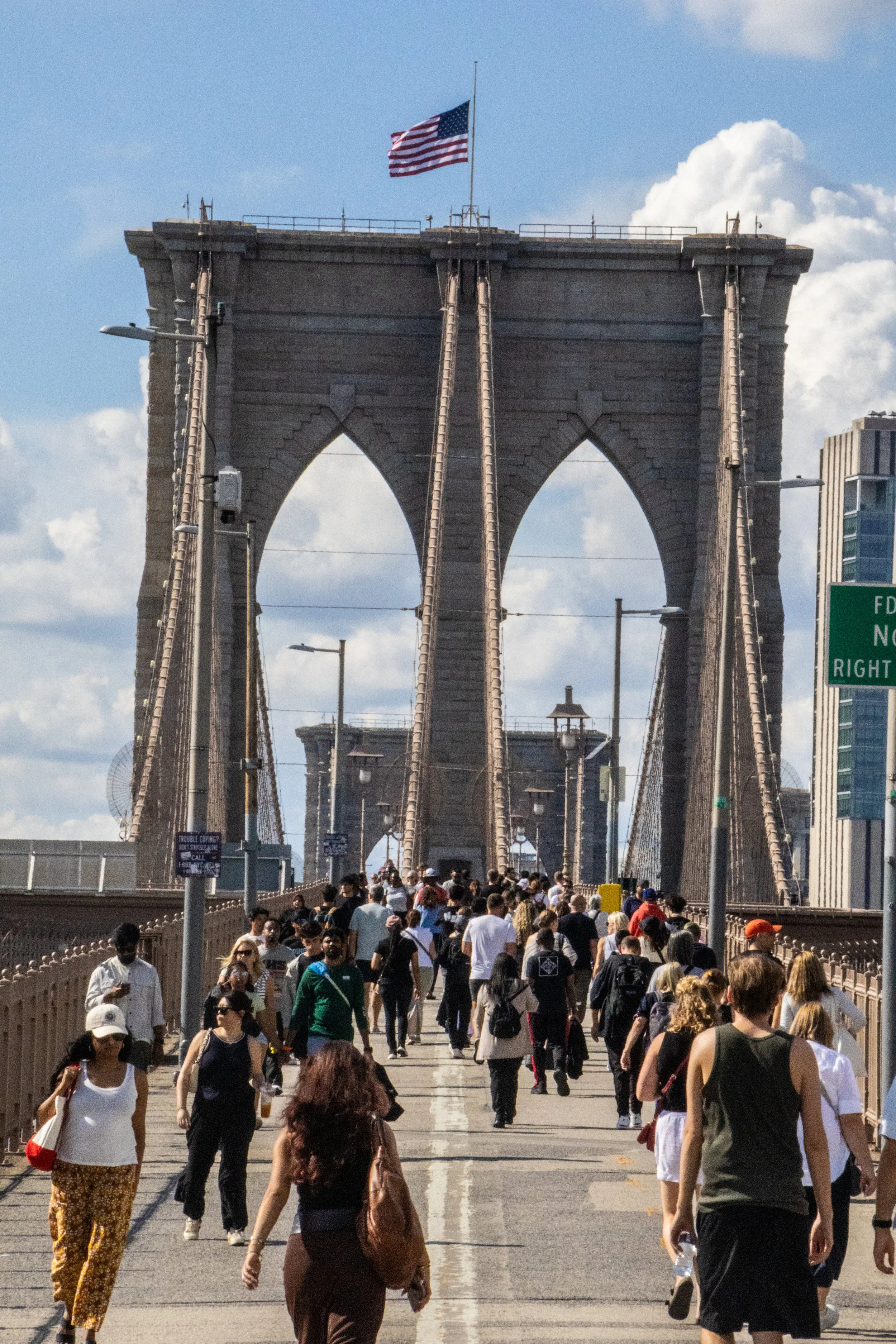
The other super-scenic way to get from Manhattan over to Brooklyn is via the Brooklyn Bridge. New York City has a great many bridges, but the Brooklyn Bridge is definitely among the most notable. At the time of its construction, in 1883, it was the longest and largest suspension bridge in the world, and by far the most famous bridge in America. They called it the “8th wonder of the world”, and it stood as a symbol of the rise of American cities on the global stage. At that time, this feat of engineering was so notable that the public was initially quite worried that it would collapse. The year it opened, there was a stampede on the bridge that killed 12 people that started when some idiot yelled that the bridge was collapsing. So, to address these fears, a showman named PT Barnum drove 21 elephants and a host of other circus animals across the bridge from Manhattan to Brooklyn. This, apparently, helped the public feel safer on the bridge. And now, almost 150 years later, we’re still using this same bridge. But for me, when I think of the Brooklyn Bridge, I think of this scene from the the Coen Brothers movie, Inside Llewyn Davis:
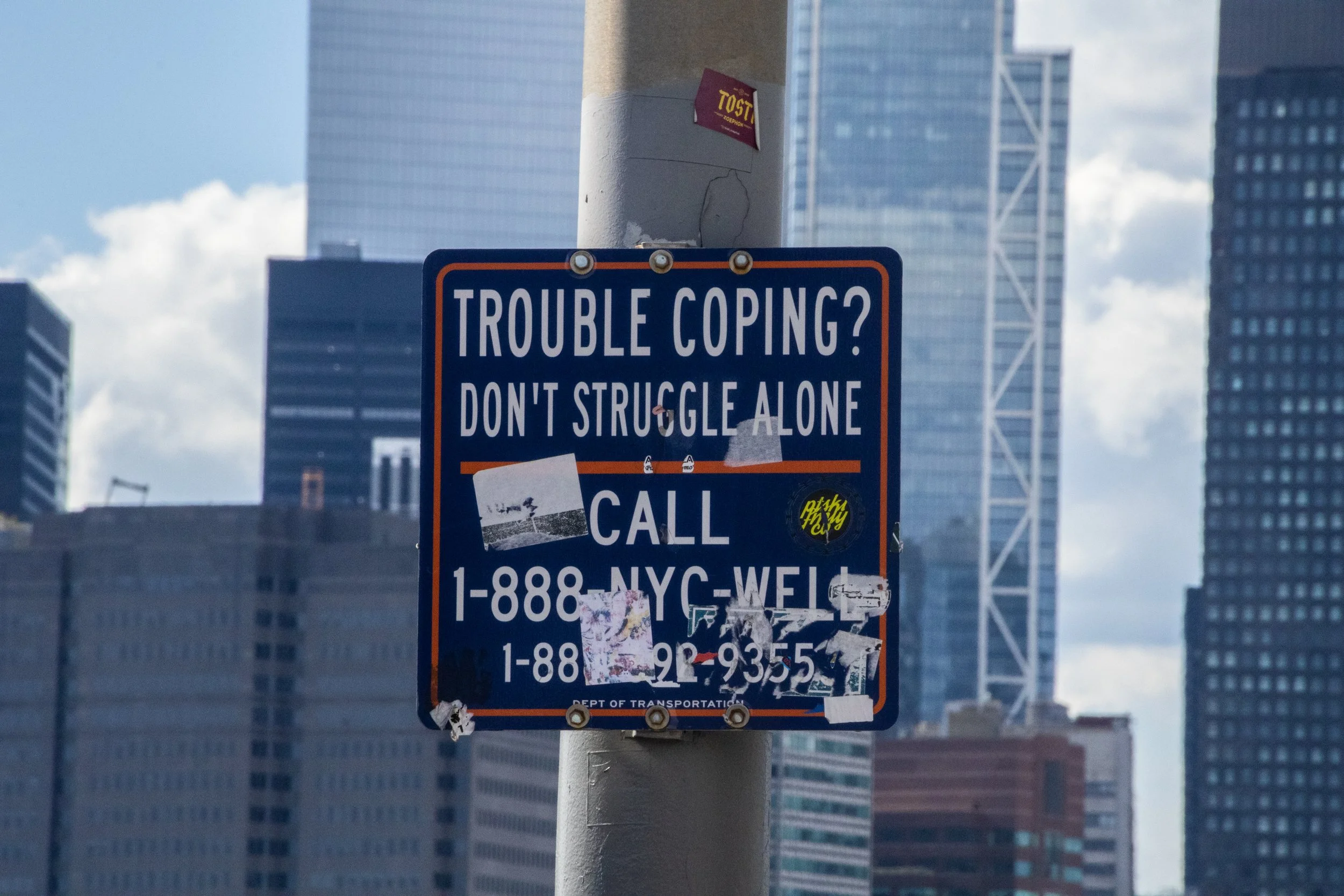
Well, I did the research on this. ChatGPT at one point gave me the number for the American suicide hotline, but here’s the deal with suicide at it relates to the Brooklyn Bridge. Wherever there is a big bridge like this, there is somebody that threw themselves off of it. It’s inevitable. But the Brooklyn Bridge, from a statistical perspective, does not have a strong correlation with this. Despite what this movie would have you believe, this is actually more of an issue on the George Washington Bridge. However, because the Brooklyn Bridge was so deeply embedded into American mythology, and pre-dated the George Washington Bridge by about ~50 years, it became a bit of a cultural cliché. Initially, when people did jump off the bridge, it was sensationalized by the media, and eventually this entered the realm of dark, hyperbolic, theatrical humor. A vaudeville character would theatrically exclaim, “I’ll jump off the Brooklyn Bridge!” and audiences would have an instant understanding of what this meant. So, this Coen Brothers movie is playing on that literary, theatrical tradition. ISN’T THAT JOKE HILARIOUS NOW THAT I’VE SPENT A WHOLE PARAGRAPH EXPLAINING IT??
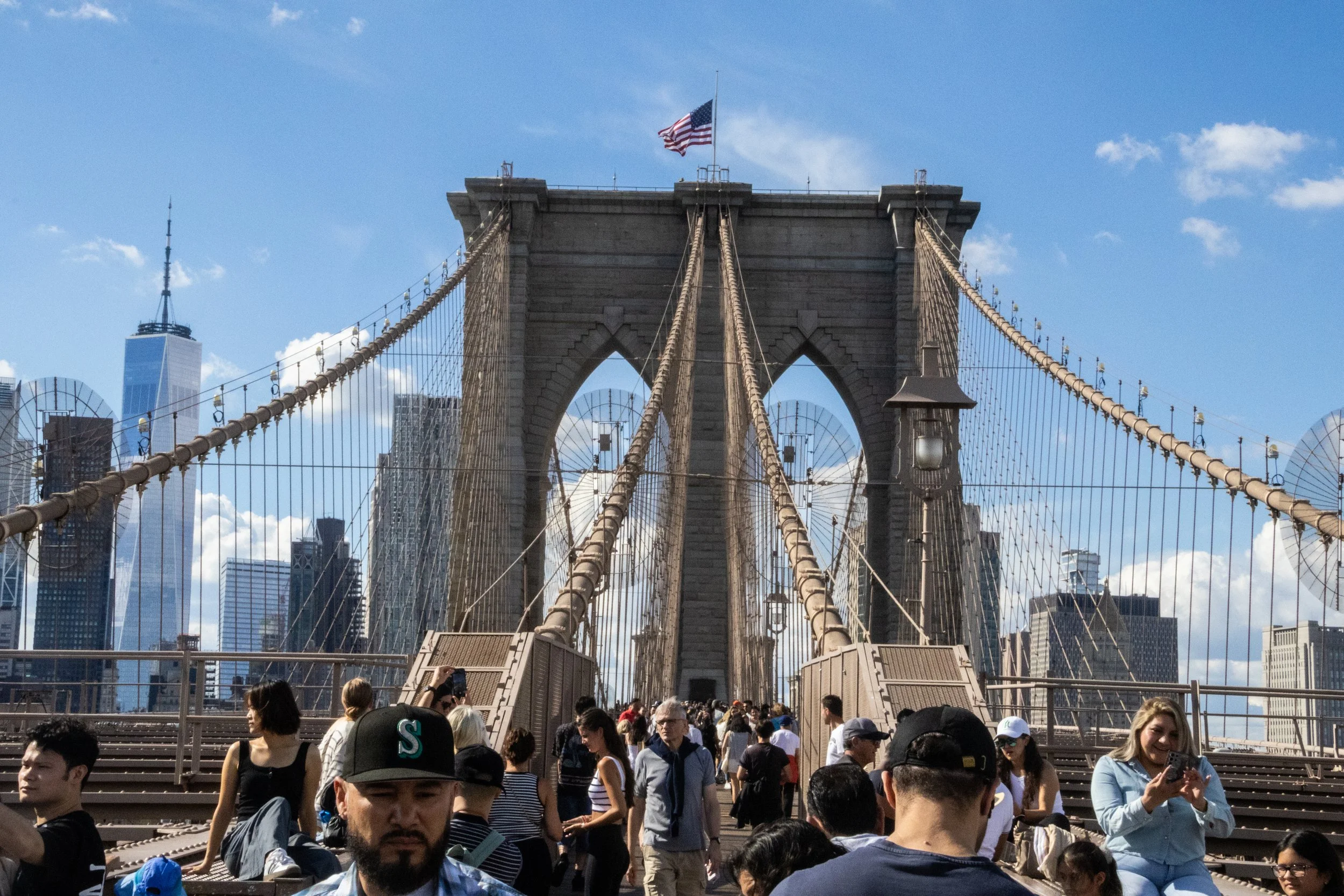
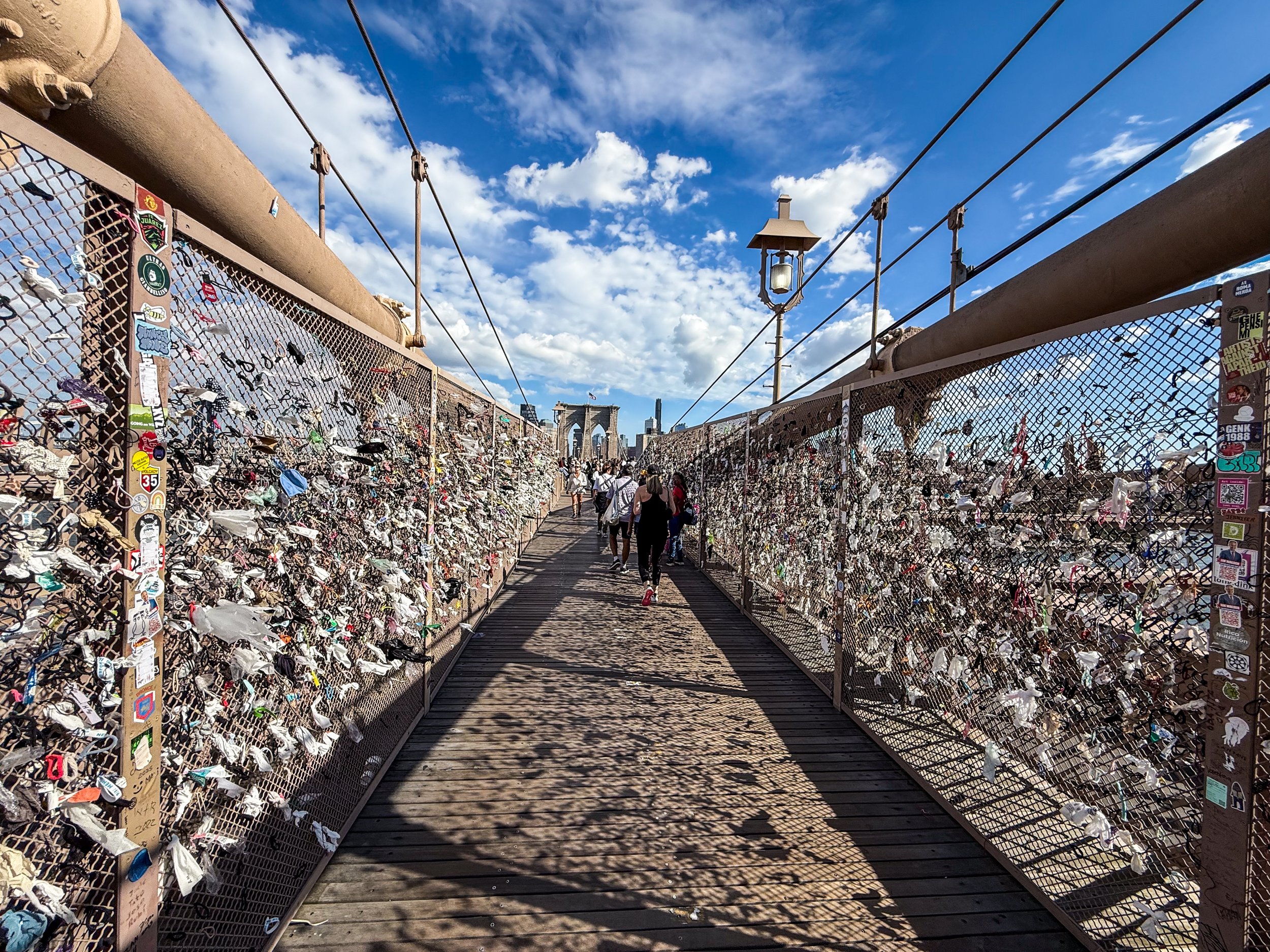
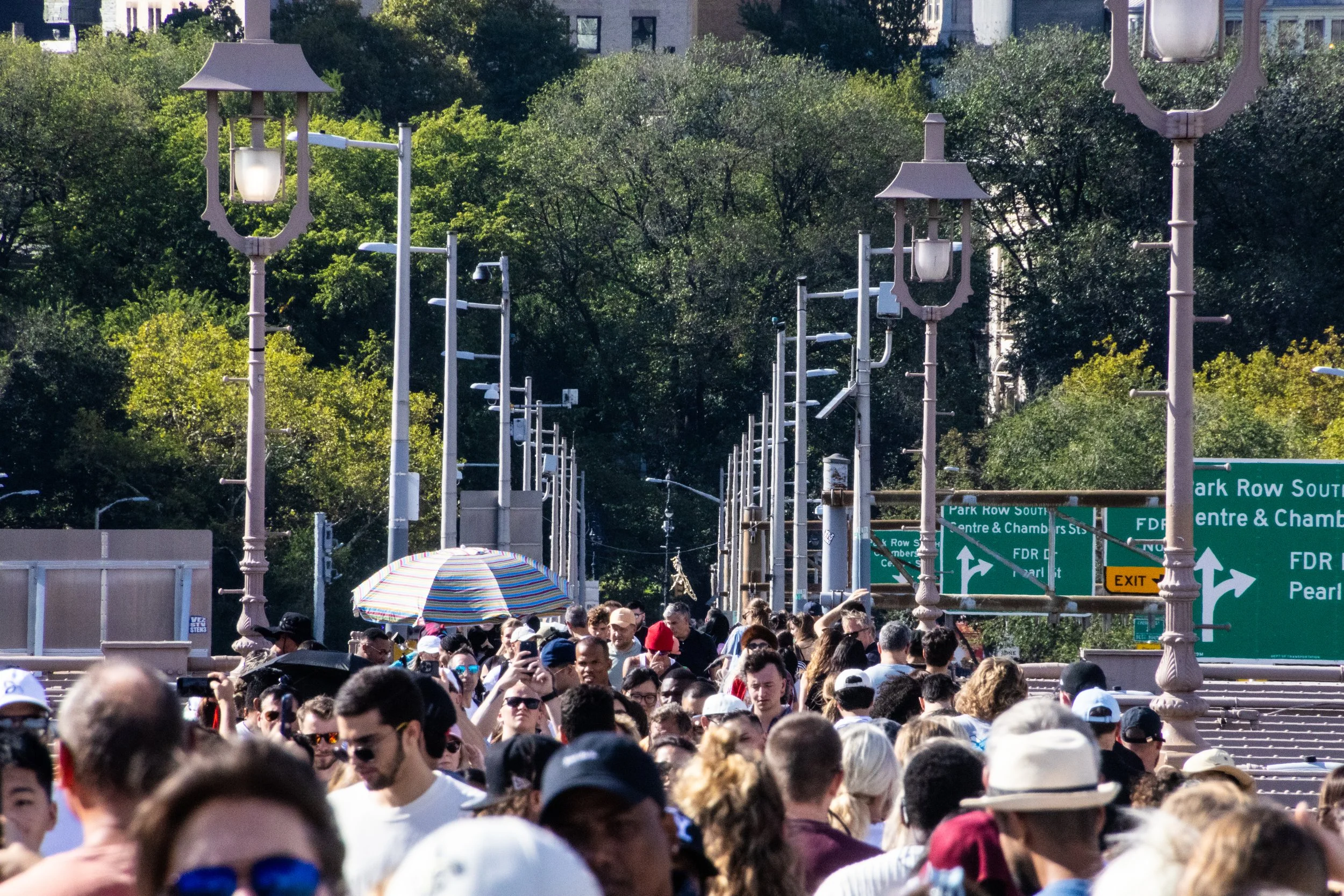
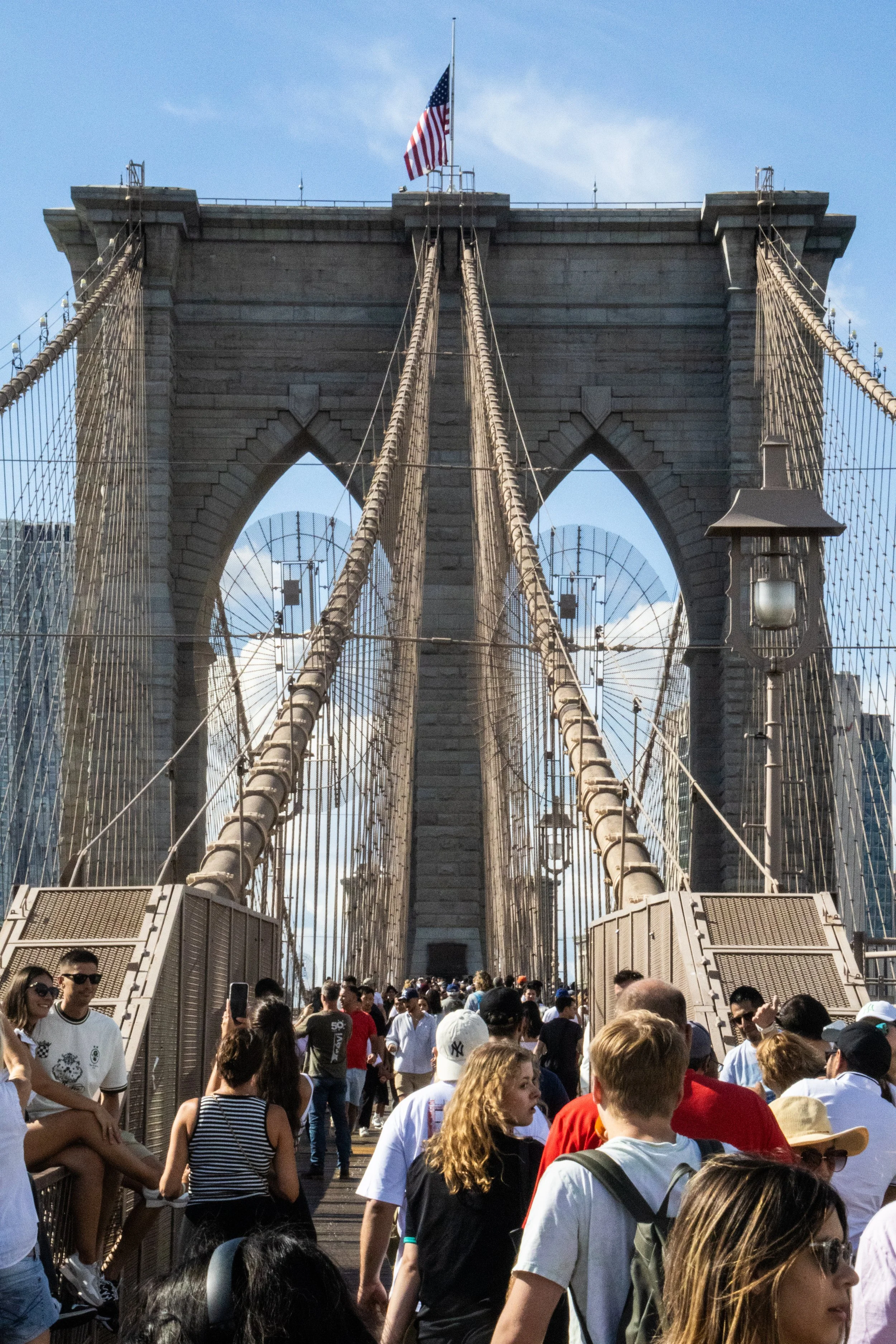
Anyway, walking the 1.1 miles across the Brooklyn Bridge is still an amazing way to see the city. And there are still lots of signs discouraging suicide. As I passed them by, I couldn’t help but glance down at the spaces between the rickety old boards that make up this walkway. It’s about a ~135 foot (41m) drop to the cold, dirty waters of the East River from up here. That’s high enough for ships to pass underneath this bridge, and the boards that make up this walkway often have nothing between them and the water far below. 😅
That being said, I never felt unsafe up here! I still highly recommend it, even if you have some discomfort with heights.
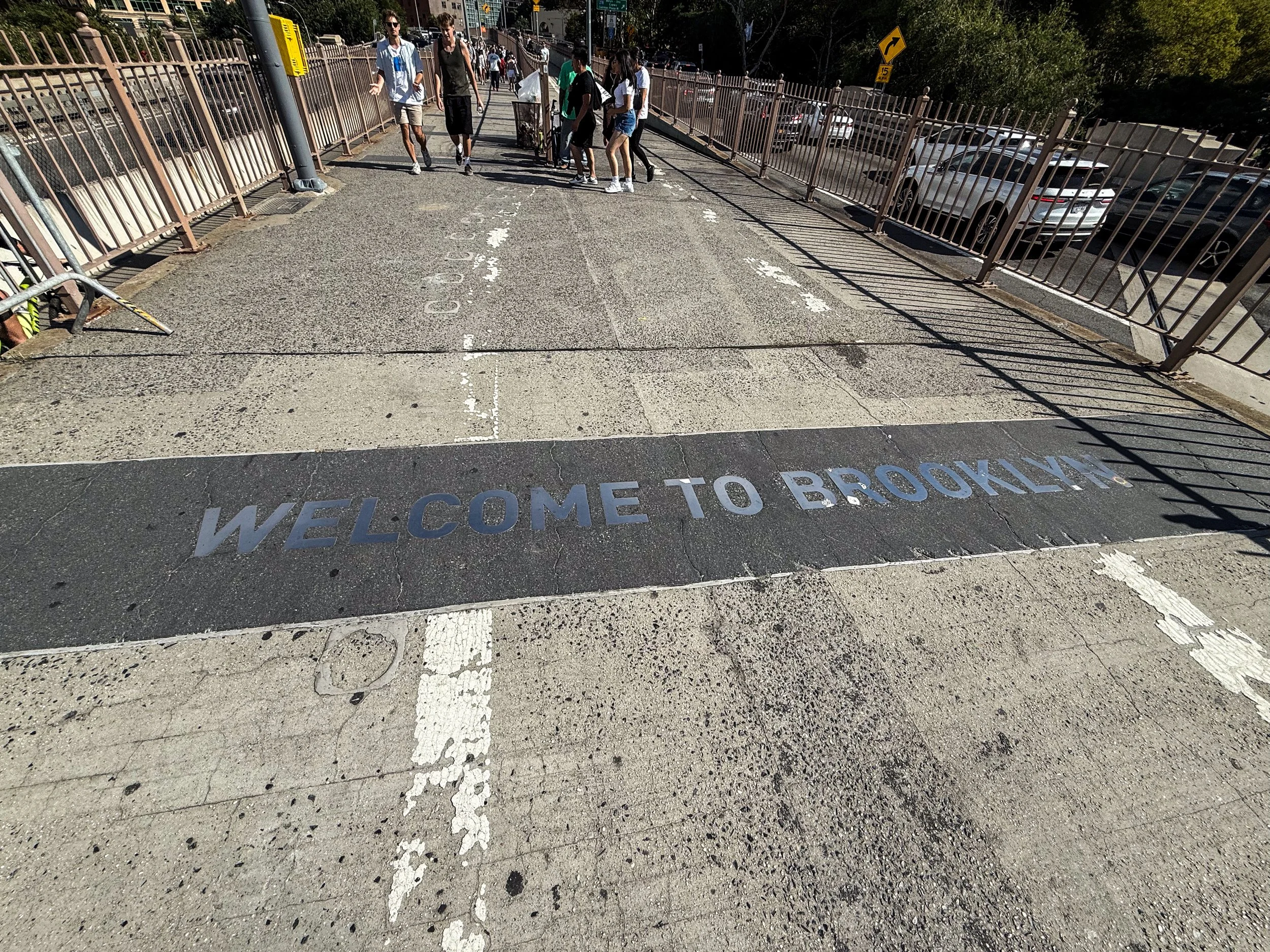
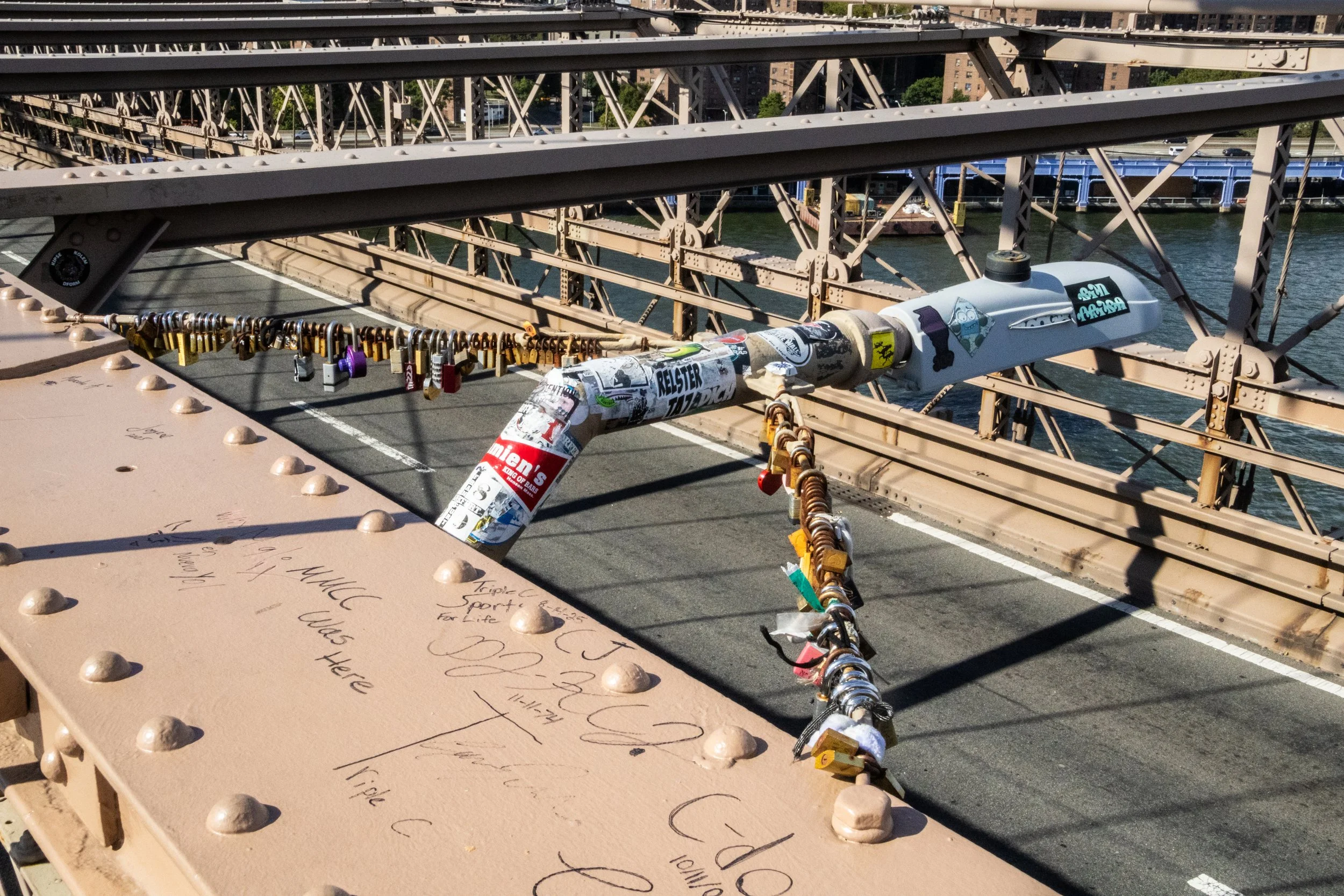
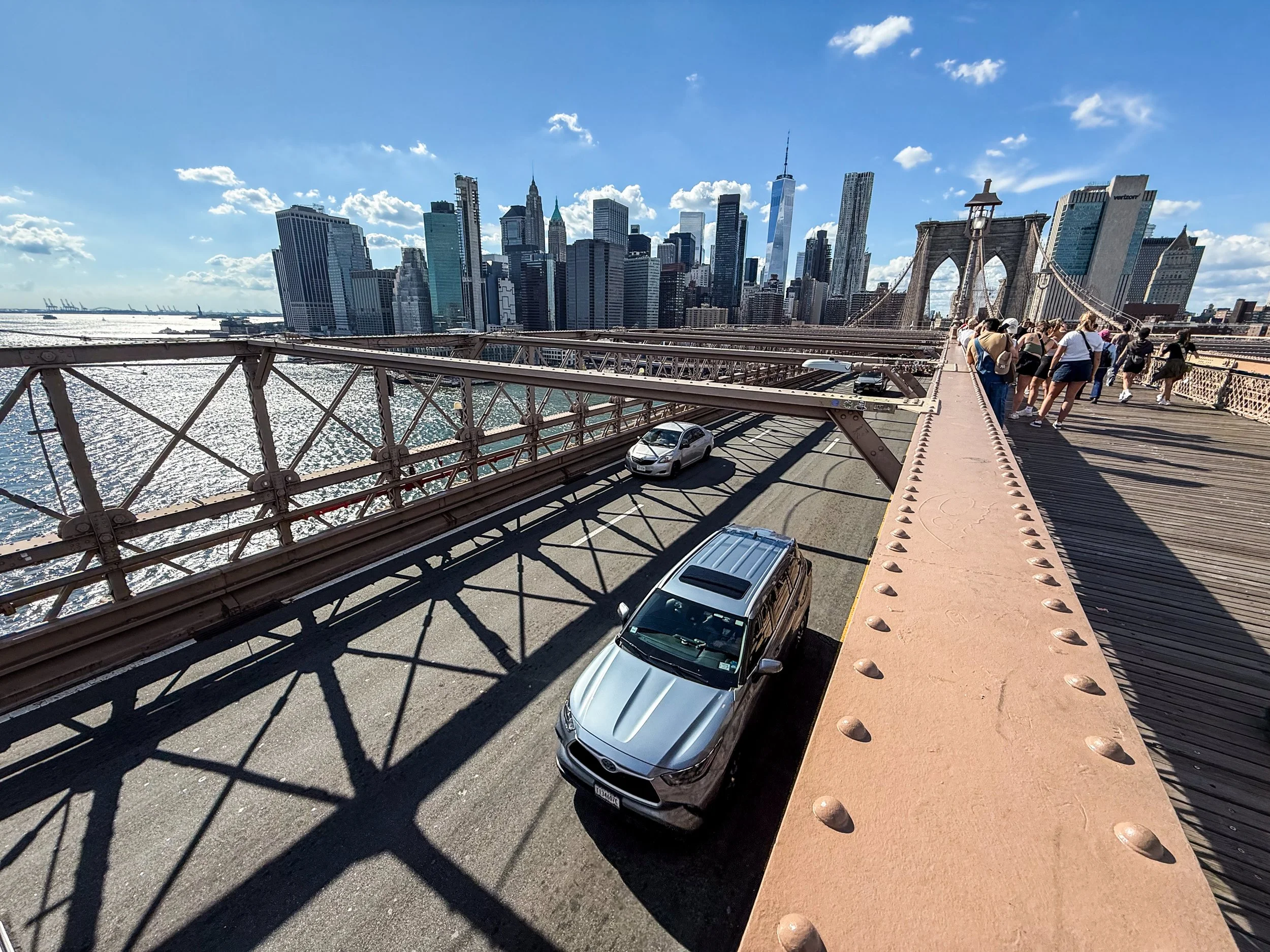
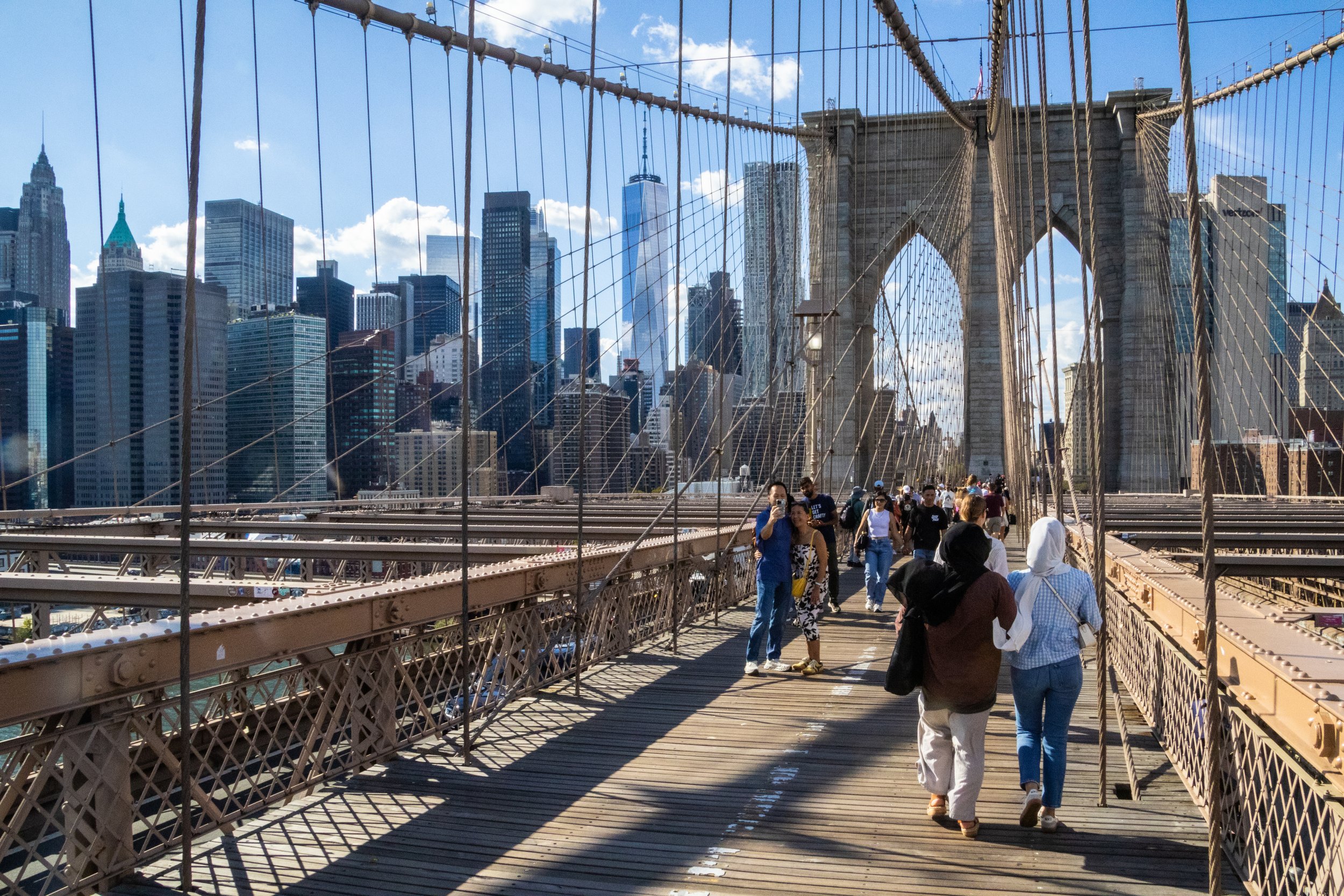
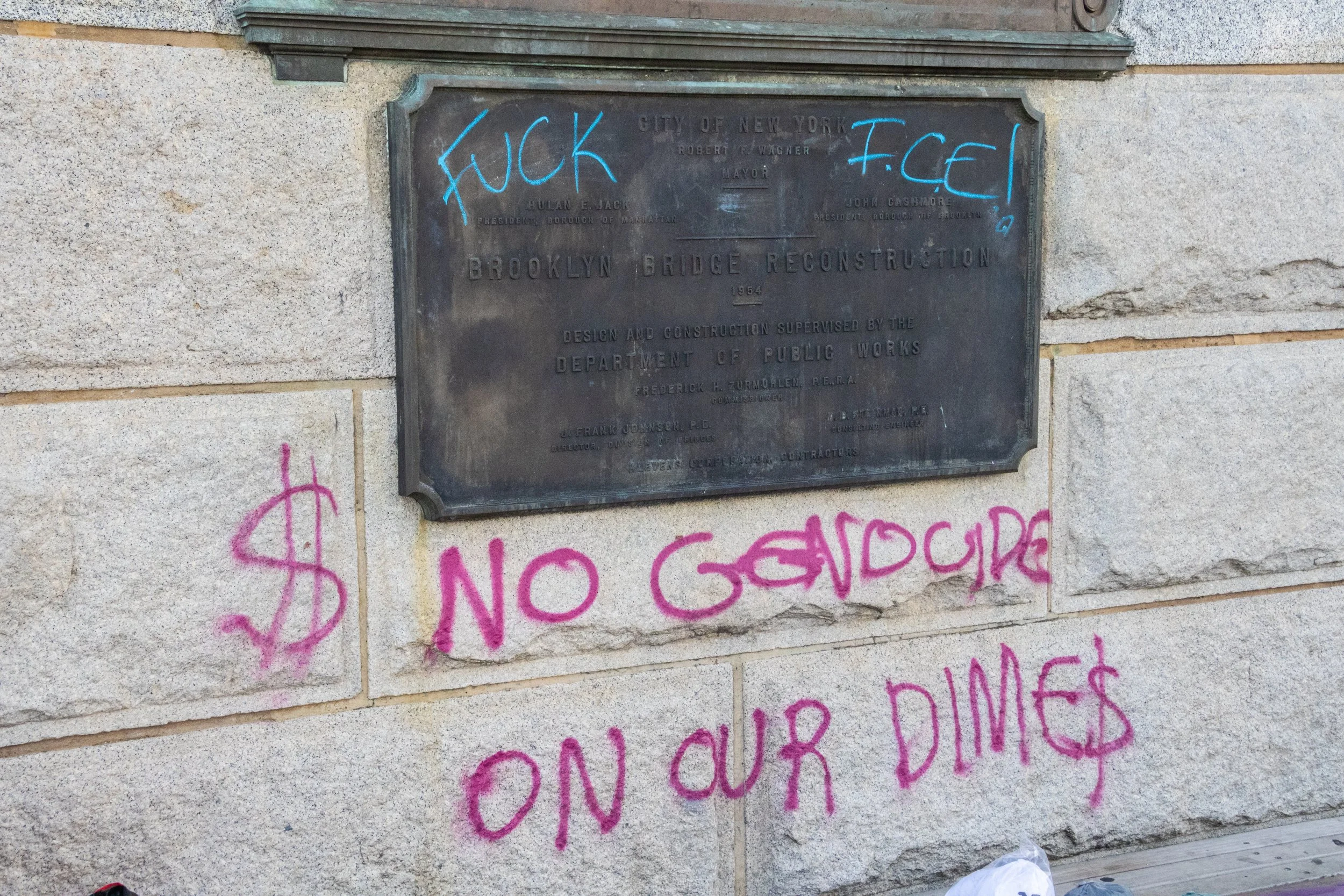
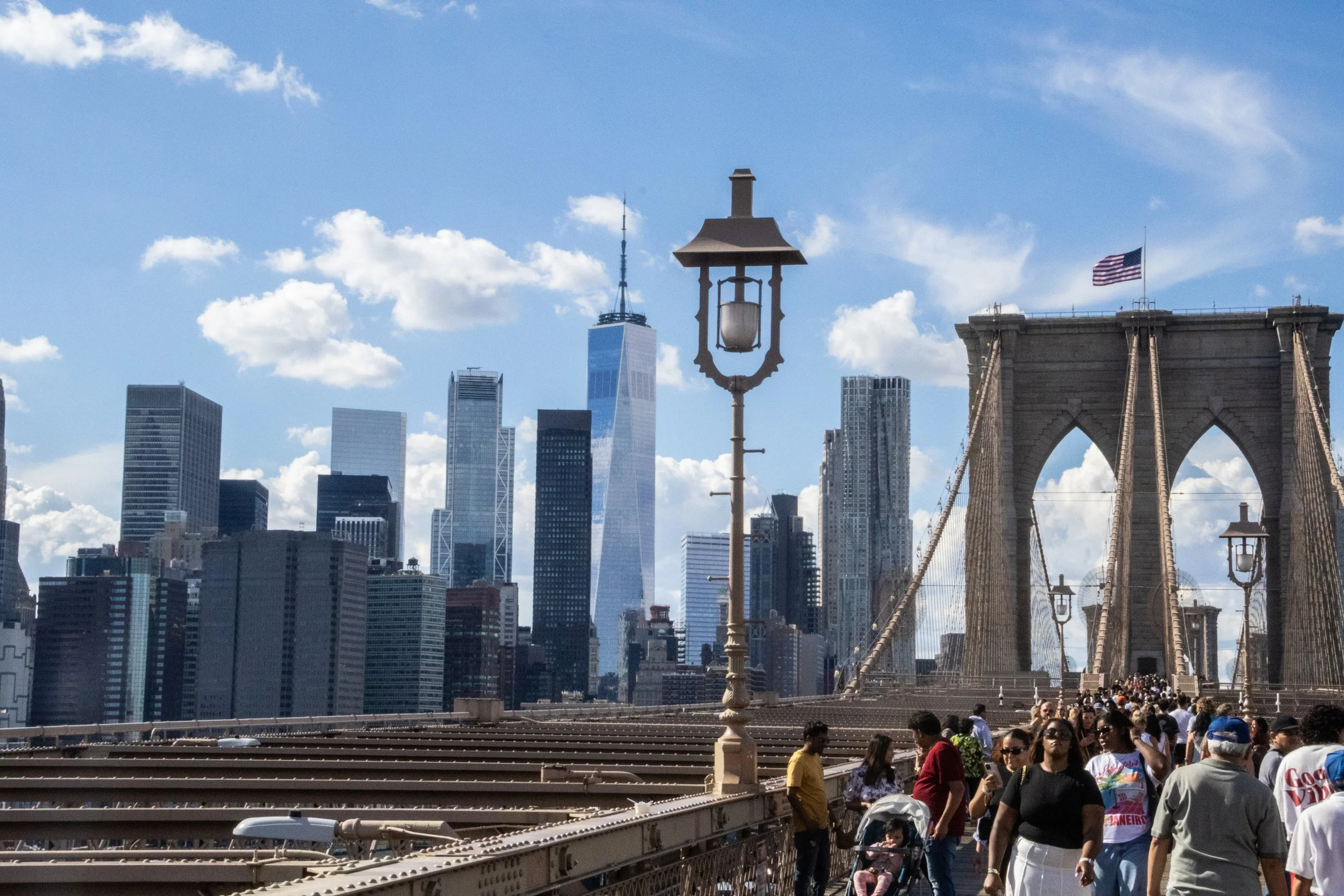
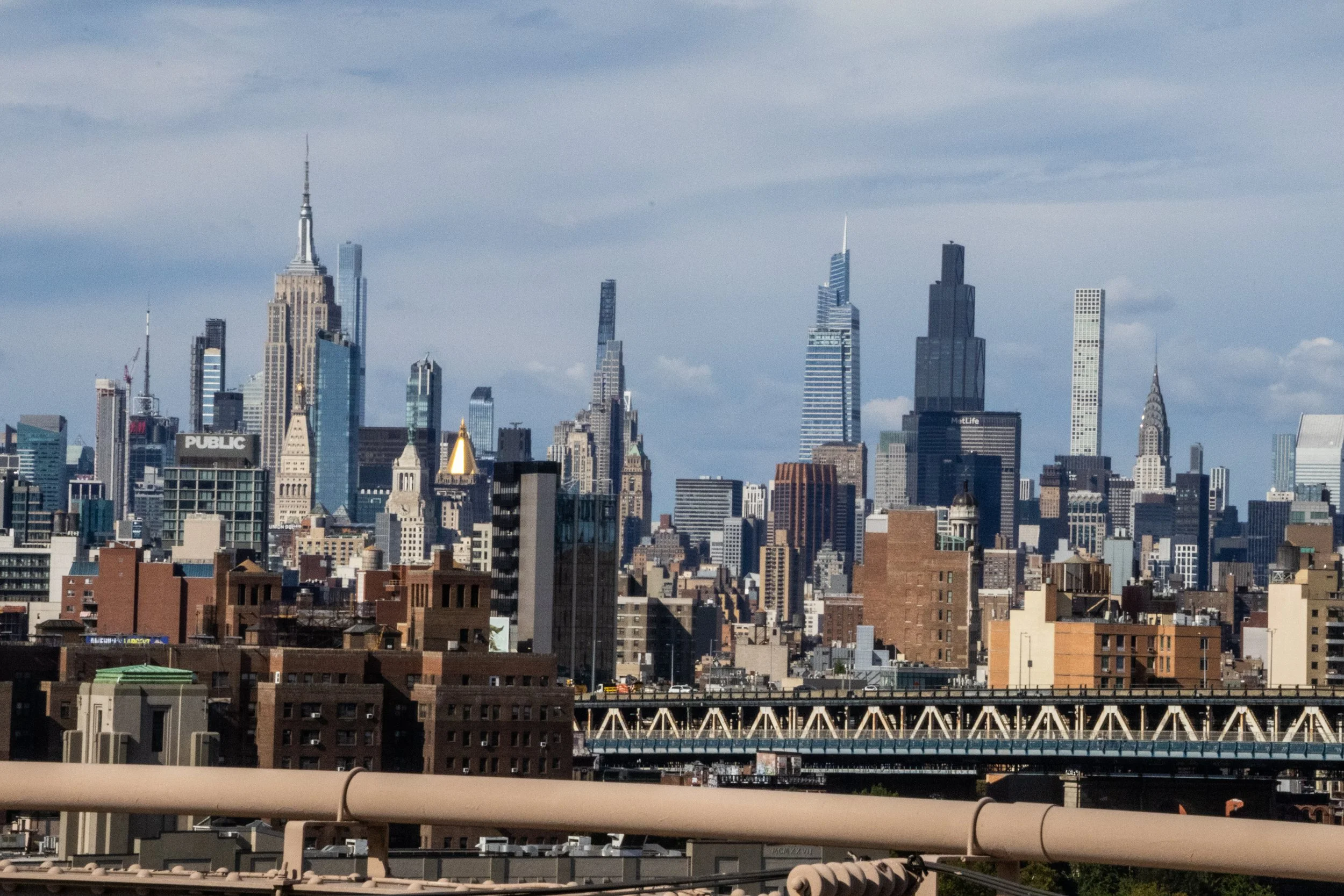
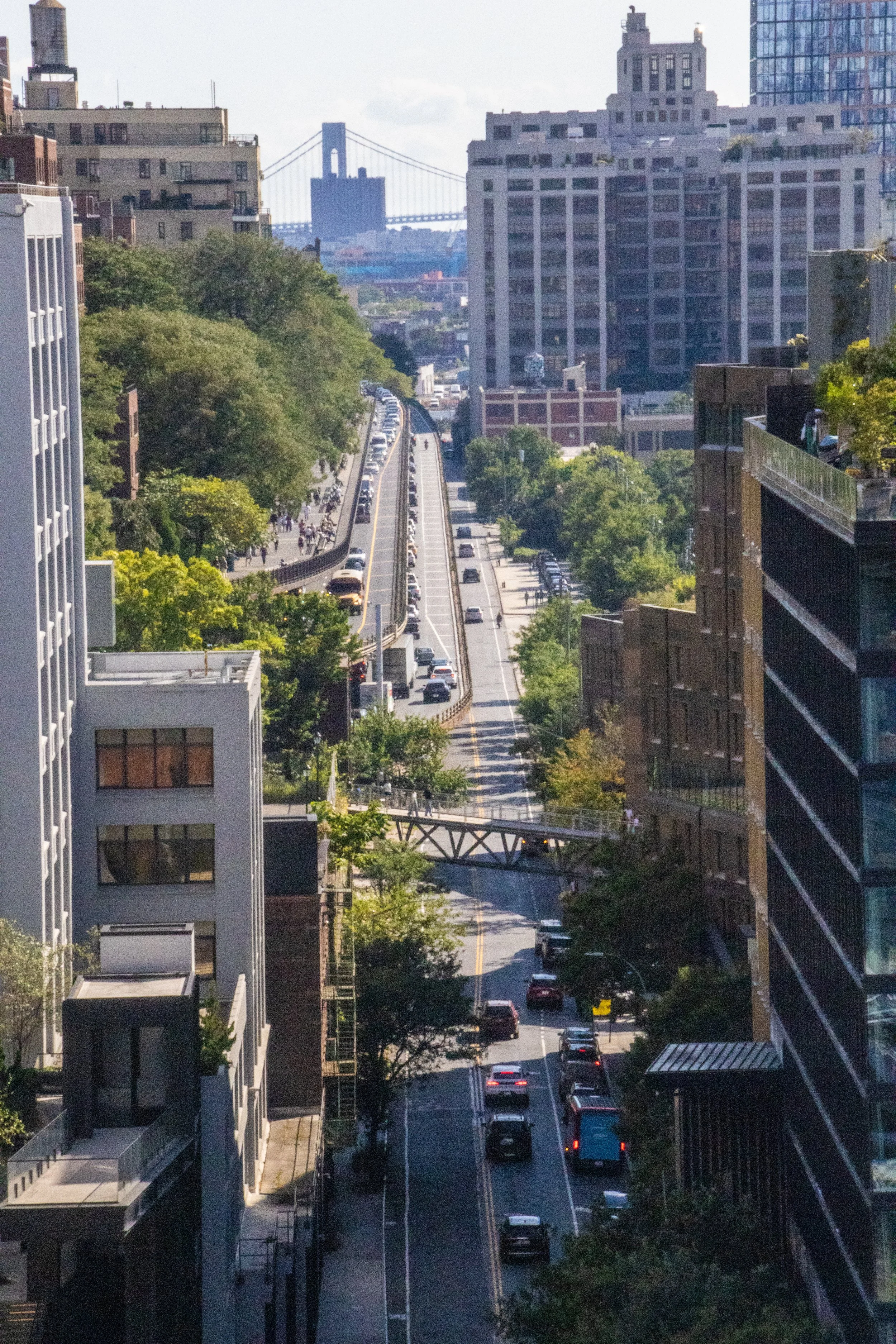
Here are a few images from a crossing of the Brooklyn Bridge. This is the last thing I’m going to show you before we feel the pavement of Brooklyn streets beneath our shoes. I just want Brooklyn to get the entrance it deserves. ✨
DUMBO
Ok, WELCOME TO BROOKLYN!
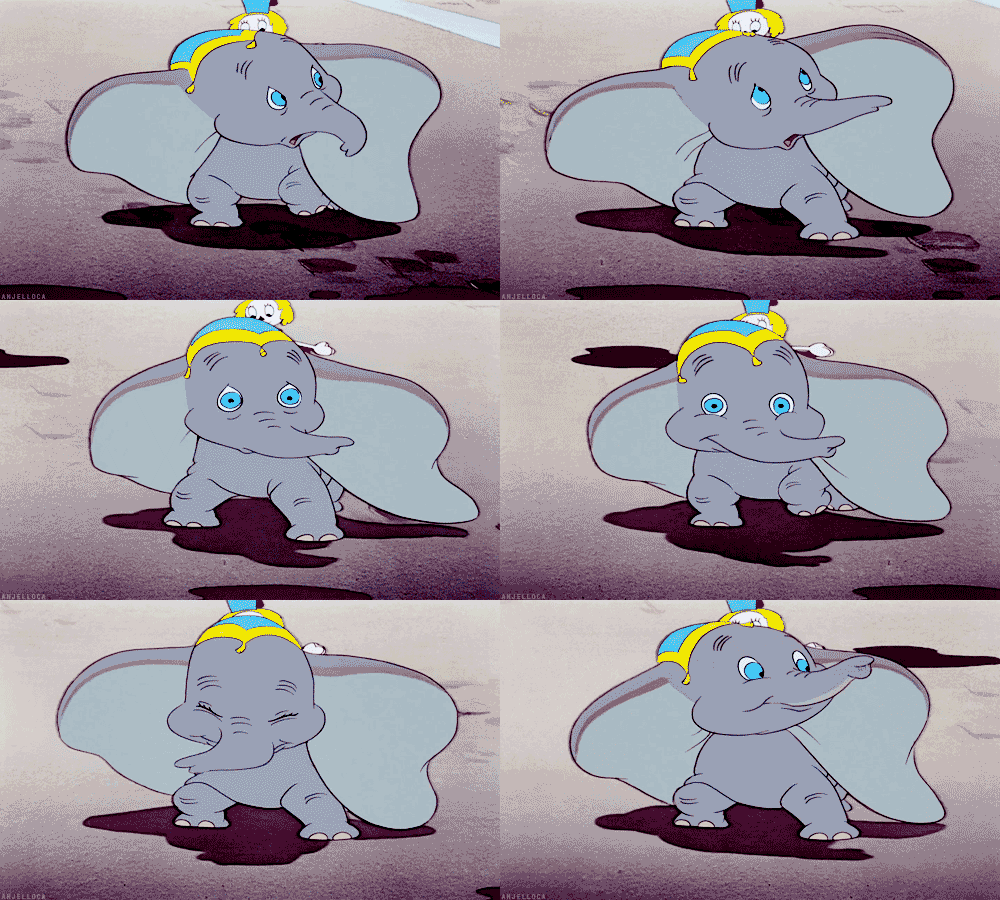
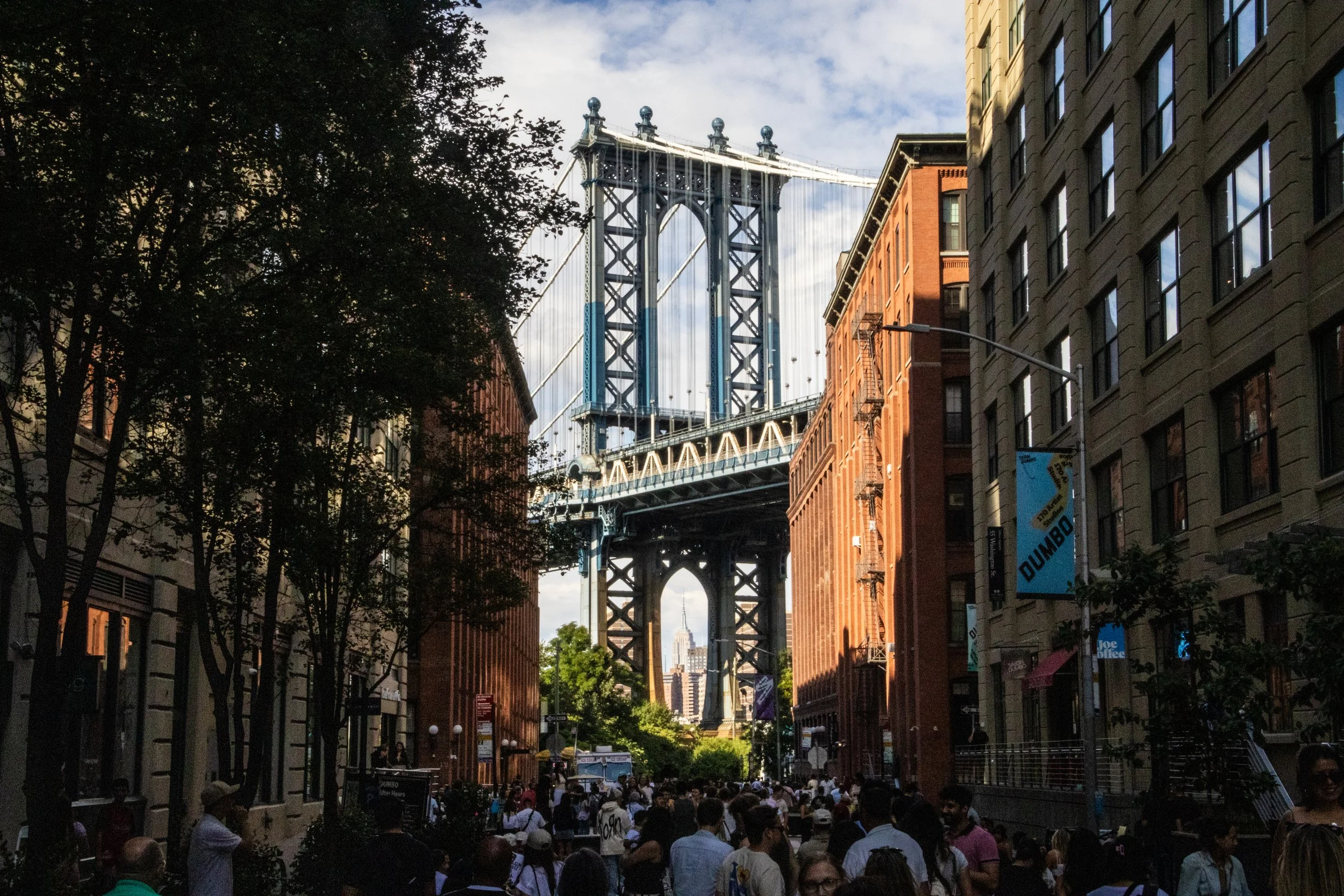
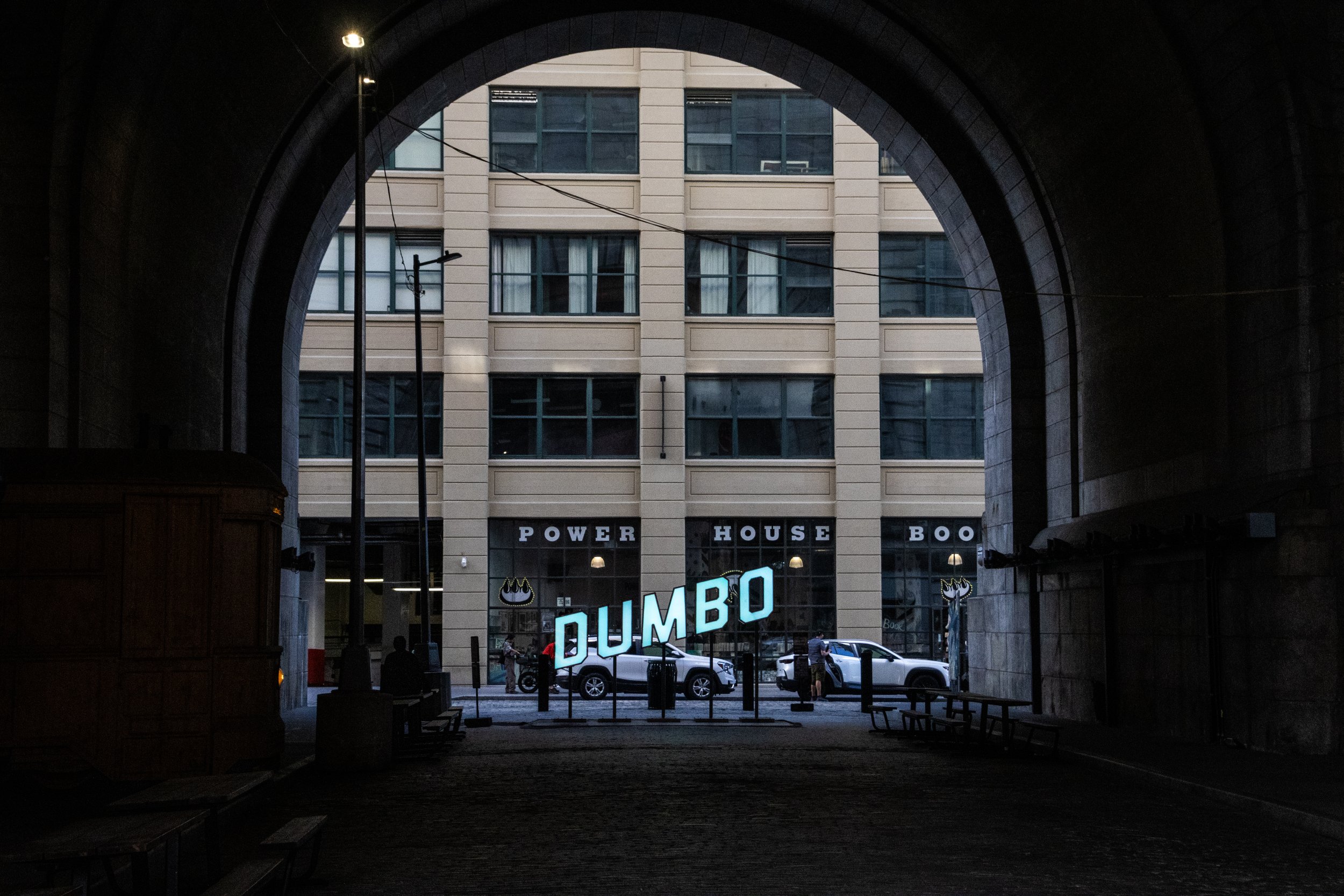
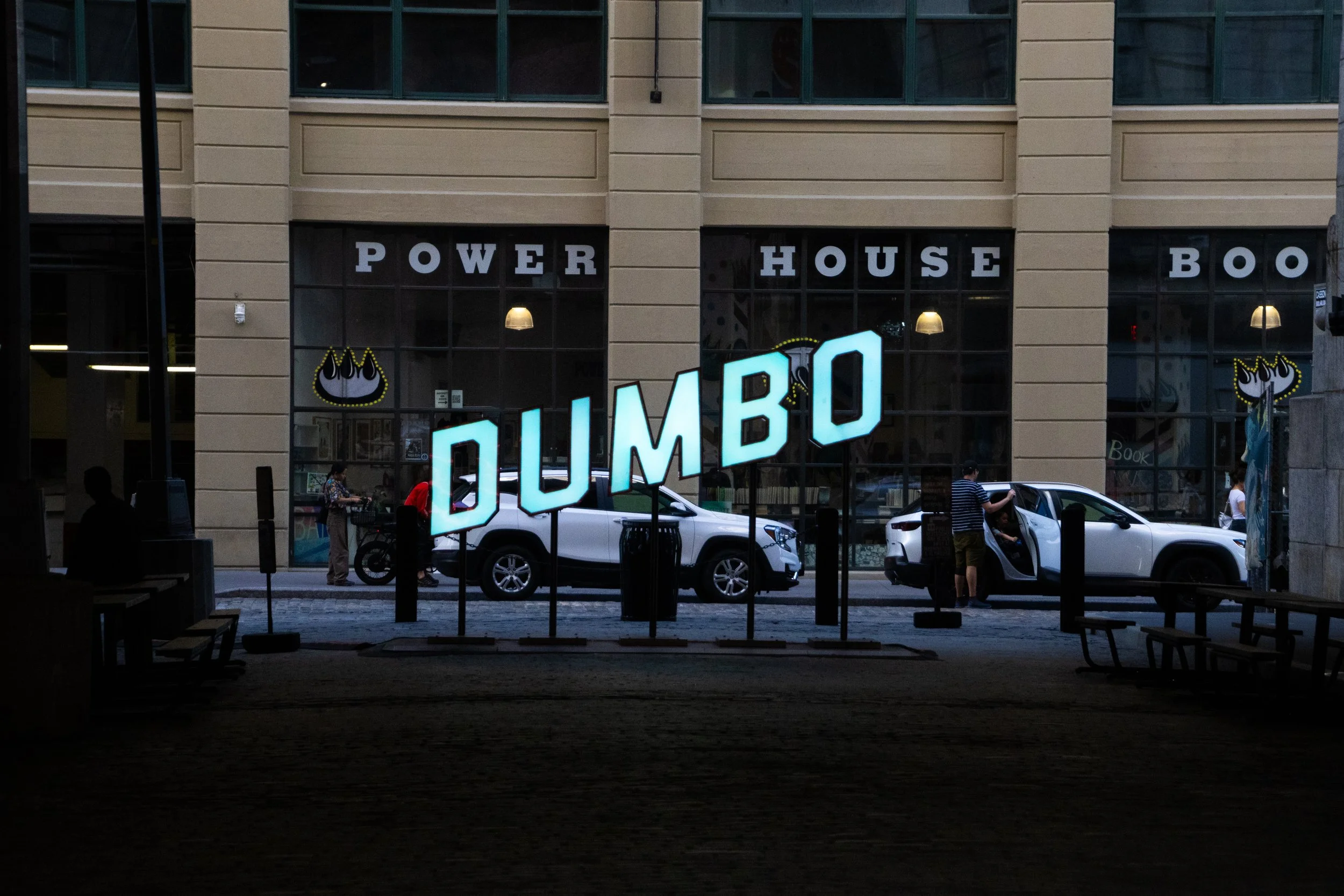
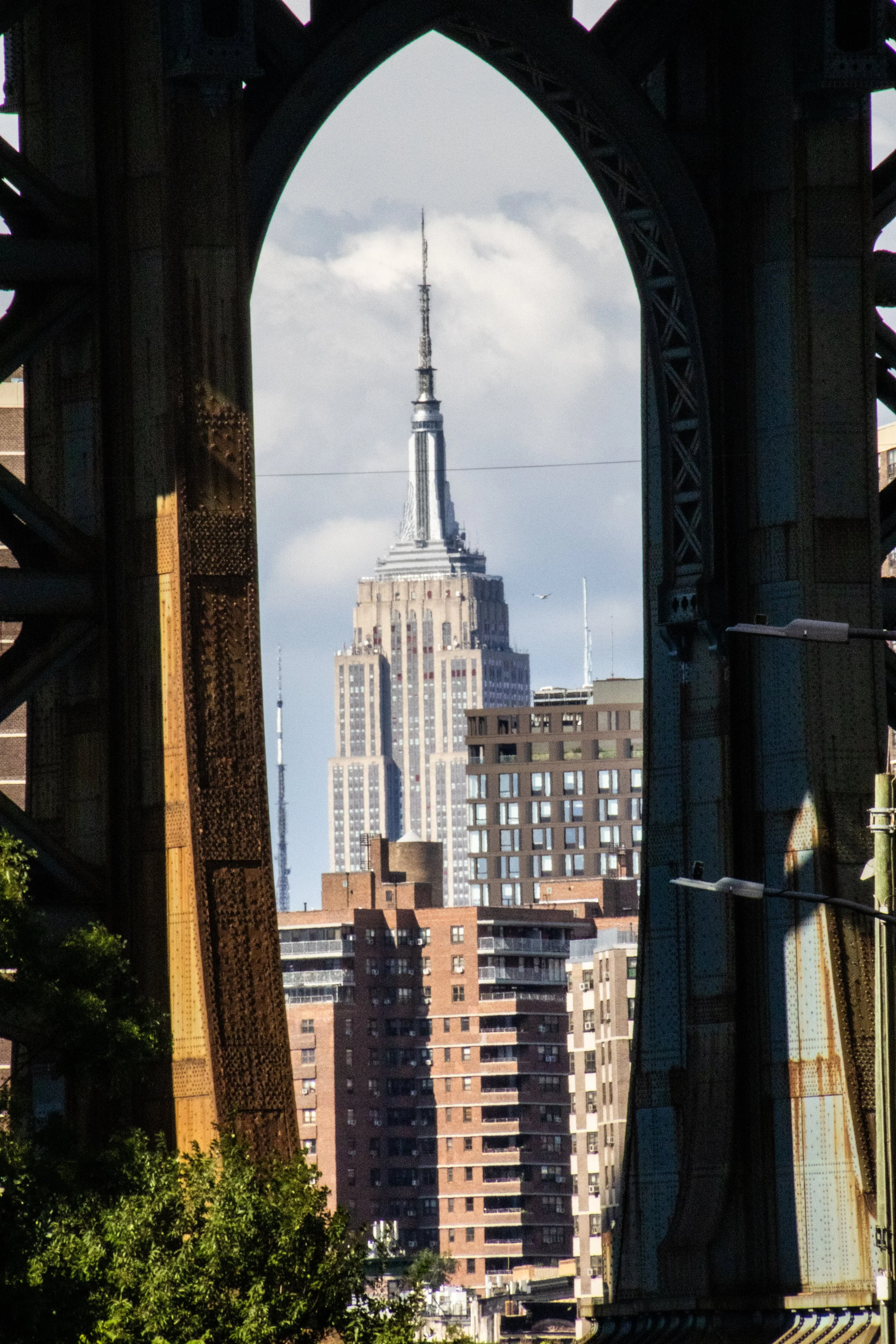
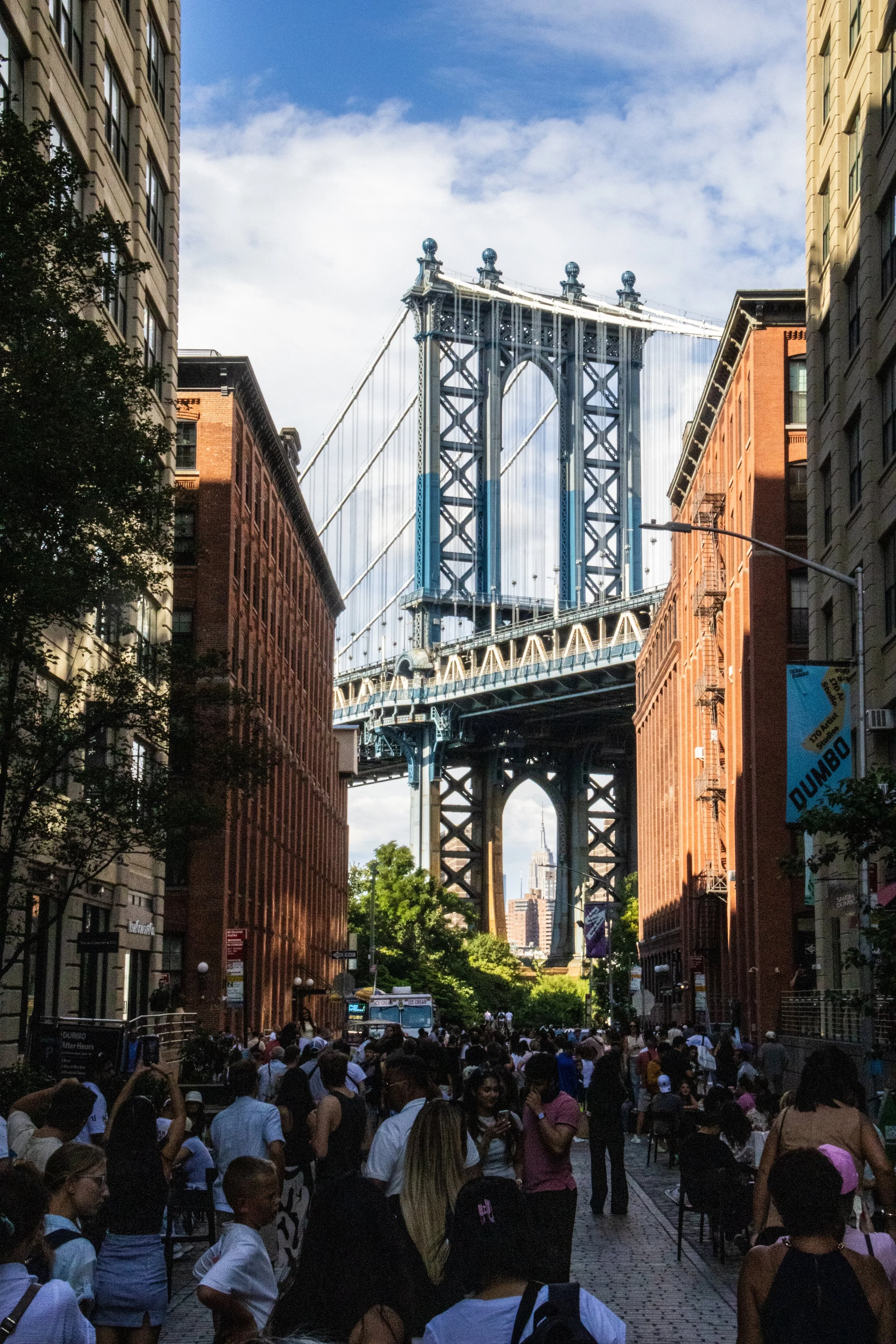
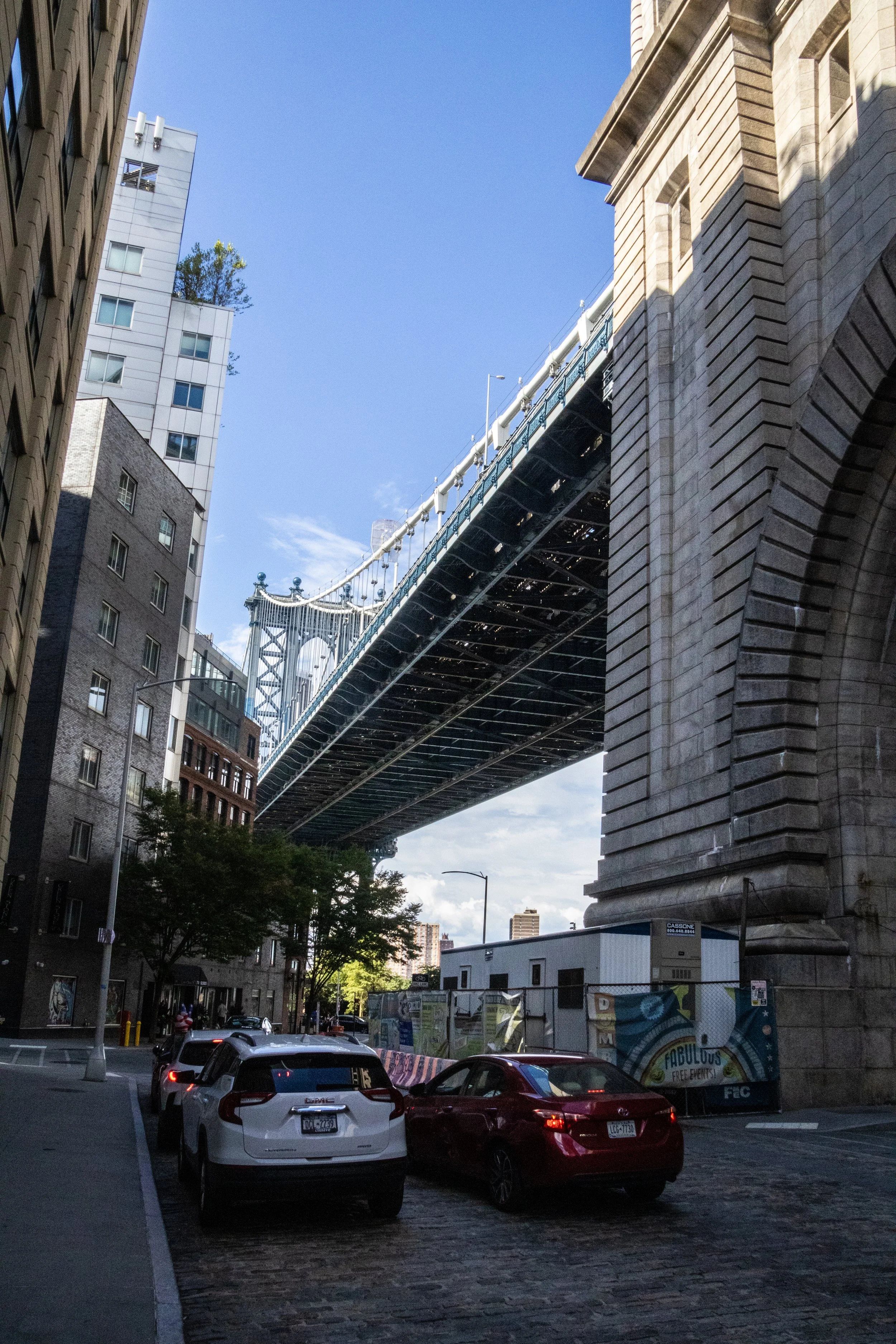
DUMBO is an acronym that stands for “Down Under the Manhattan Bridge Overpass”. And, I am sad to report that is has absolutely nothing with the aforementioned herd of elephants that crossed the Brooklyn Bride in 1884.
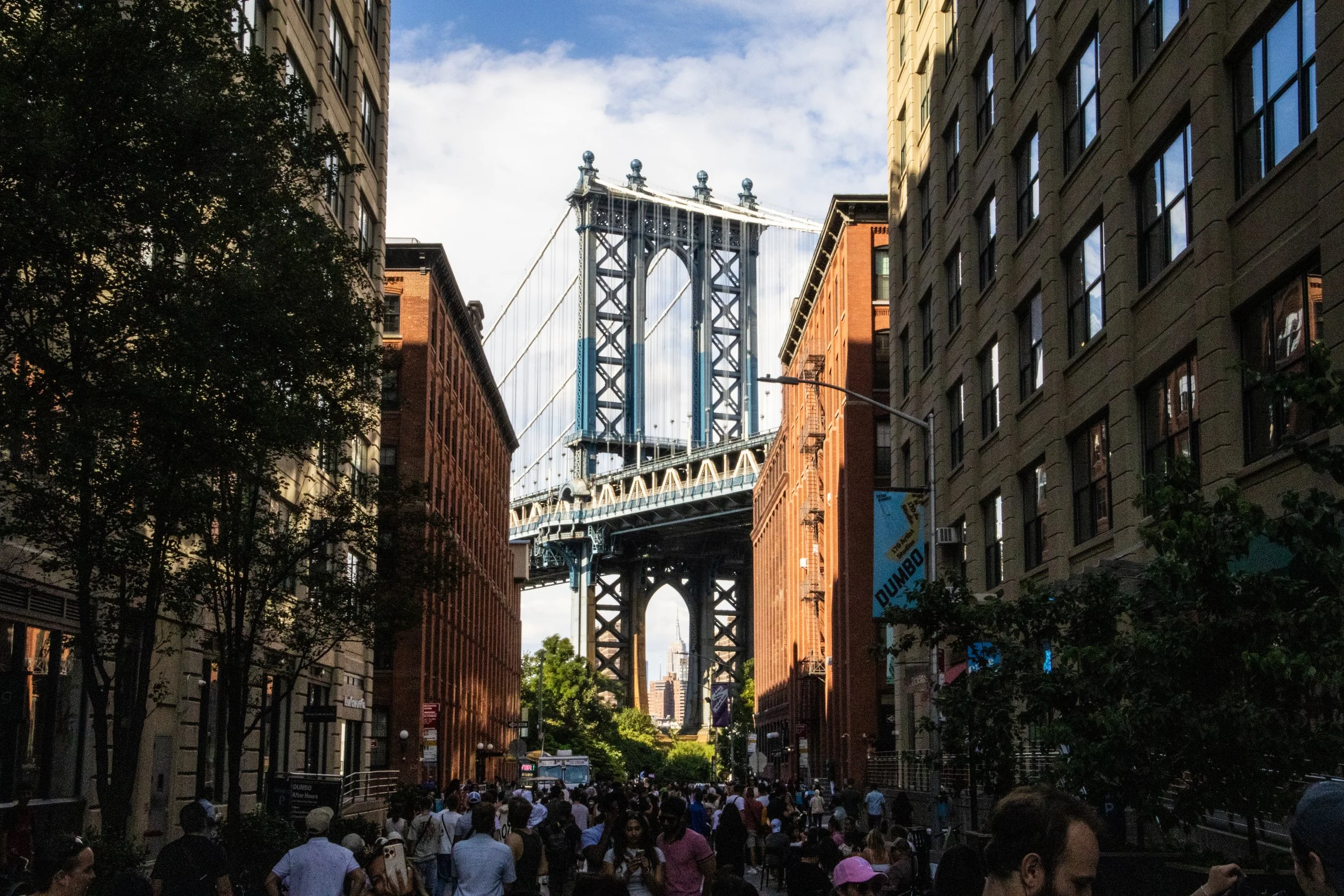
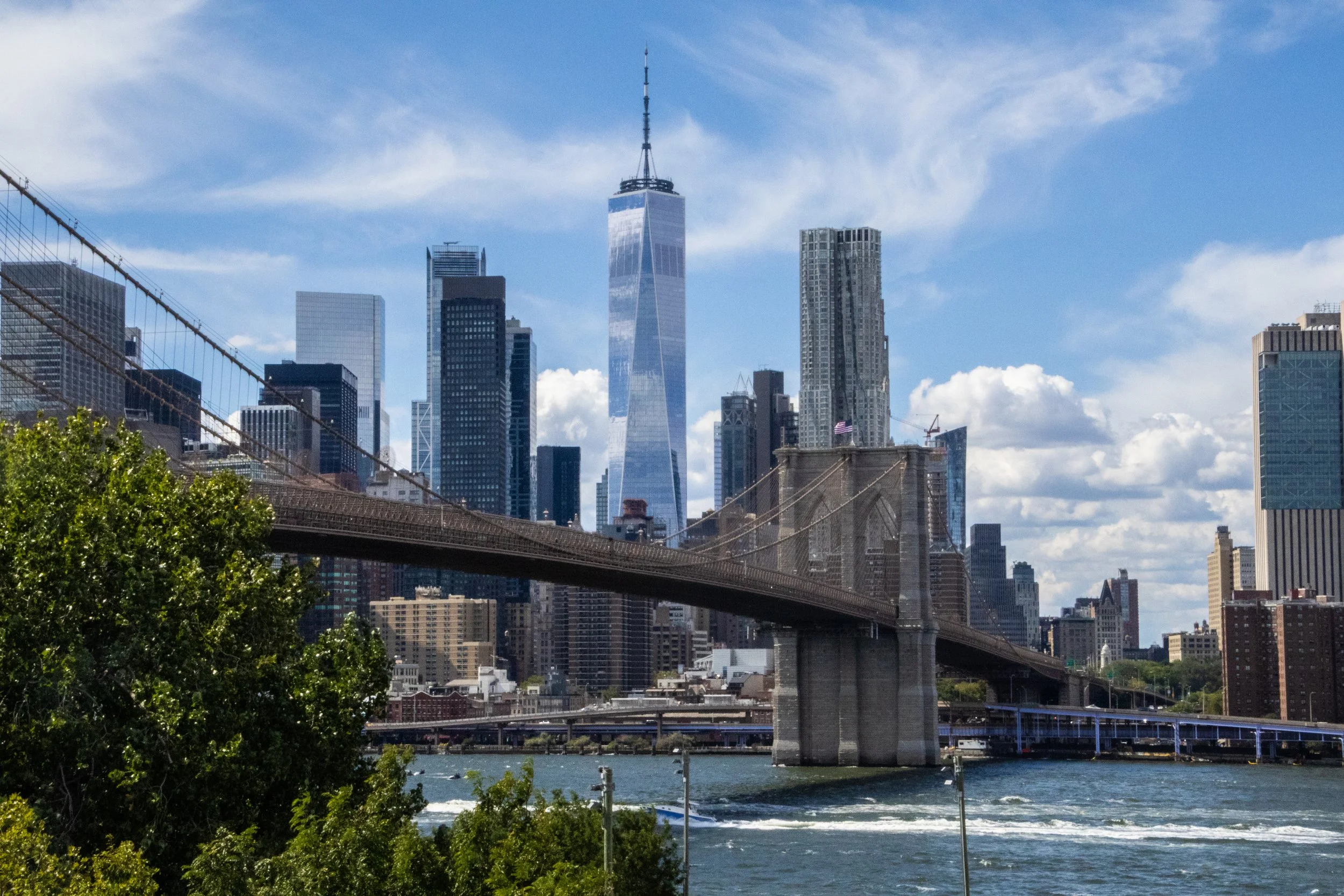
However, it was the first place in Brooklyn that I ever set foot, and is probably the perfect neighborhood to serve as our collective entry point from Manhattan to Brooklyn. It’s a small area, but is one of the most widely photographed places in all of New York City. You may recognize the cover photo of this article from your Instagram feed… this is the view of the Brooklyn Bridge from DUMBO.
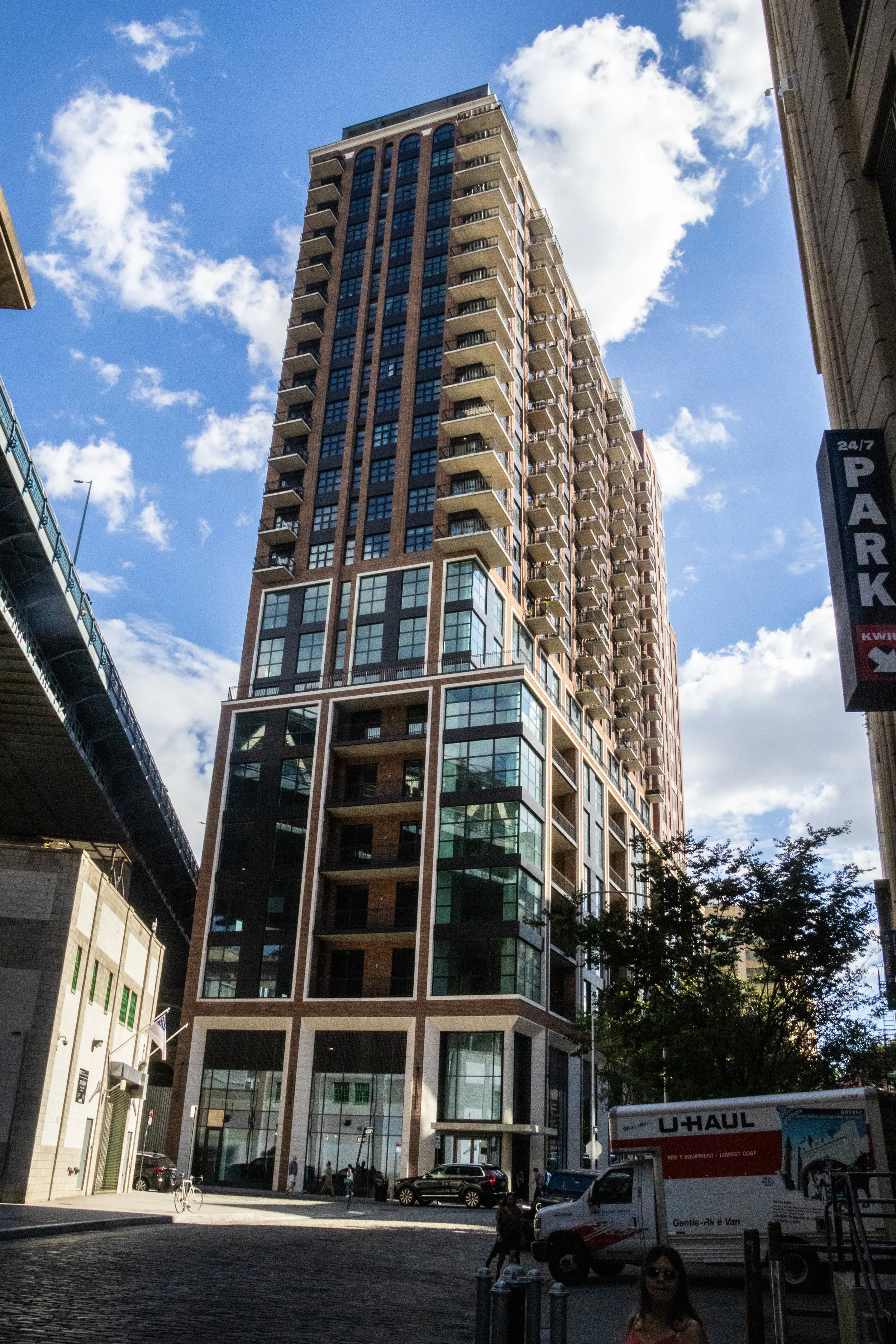
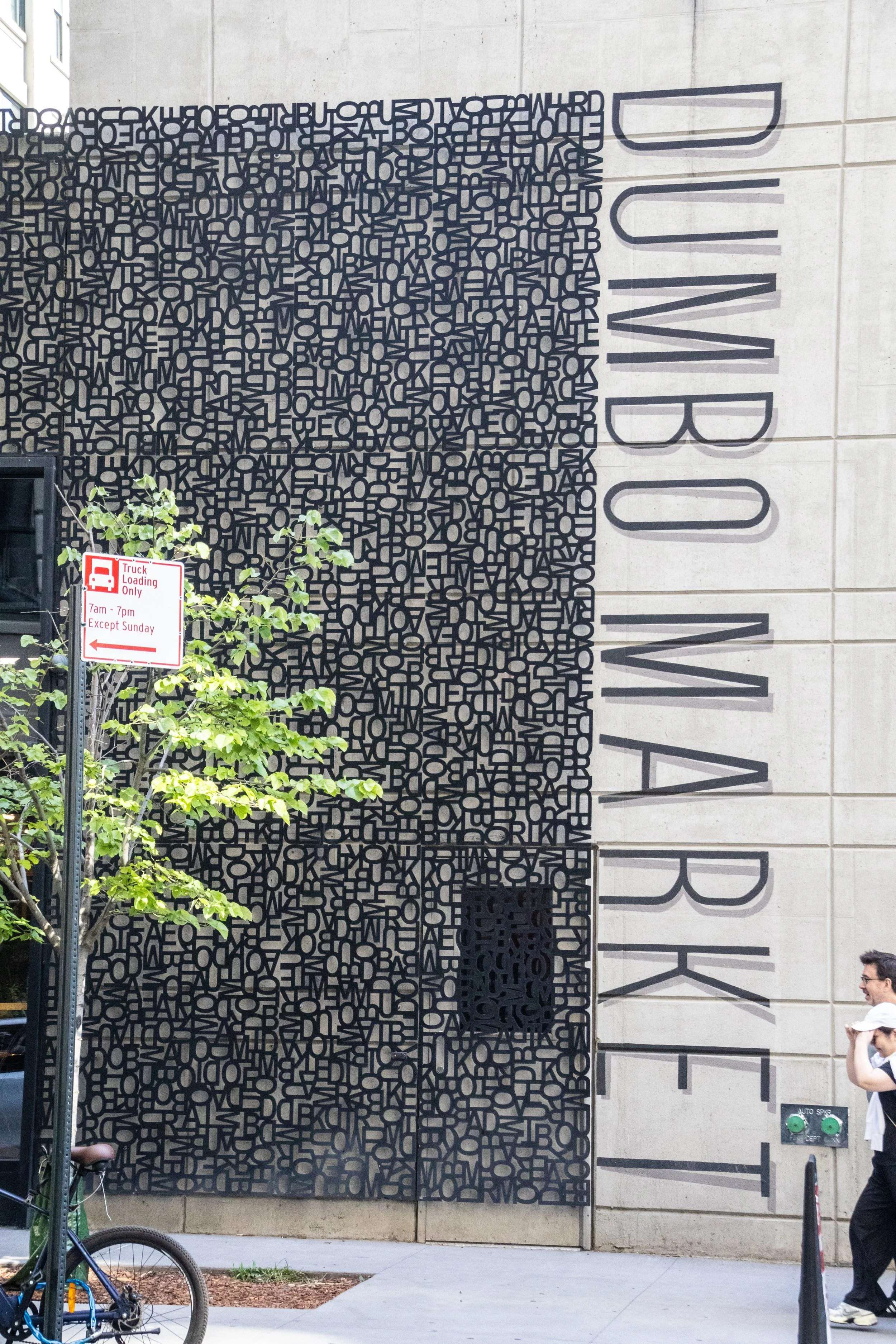
If you’re somebody that is focused on the unfortunate residential displacement that gentrification brings to places like Brooklyn, I’d posit that you can mostly put this set of concerns aside with DUMBO, because it was not historically residential. At the time of the construction of the Brooklyn Bridge, DUMBO was full of warehouses, factories, and industrial buildings. Today, most of those buildings still stand, but they have more recently all been converted to office space, restaurants, and luxury apartments. It’s associated with creative agencies, trendy startups, and venture capital offices. The real estate is not cheap; it’s polished, it’s fashionable, it’s famous, and I don’t know if there is another place that better epitomizes Brooklyn’s industrial decline and subsequent revitalization quite as concisely as DUMBO. The rents here are on par with any sought-after Manhattan neighborhood!
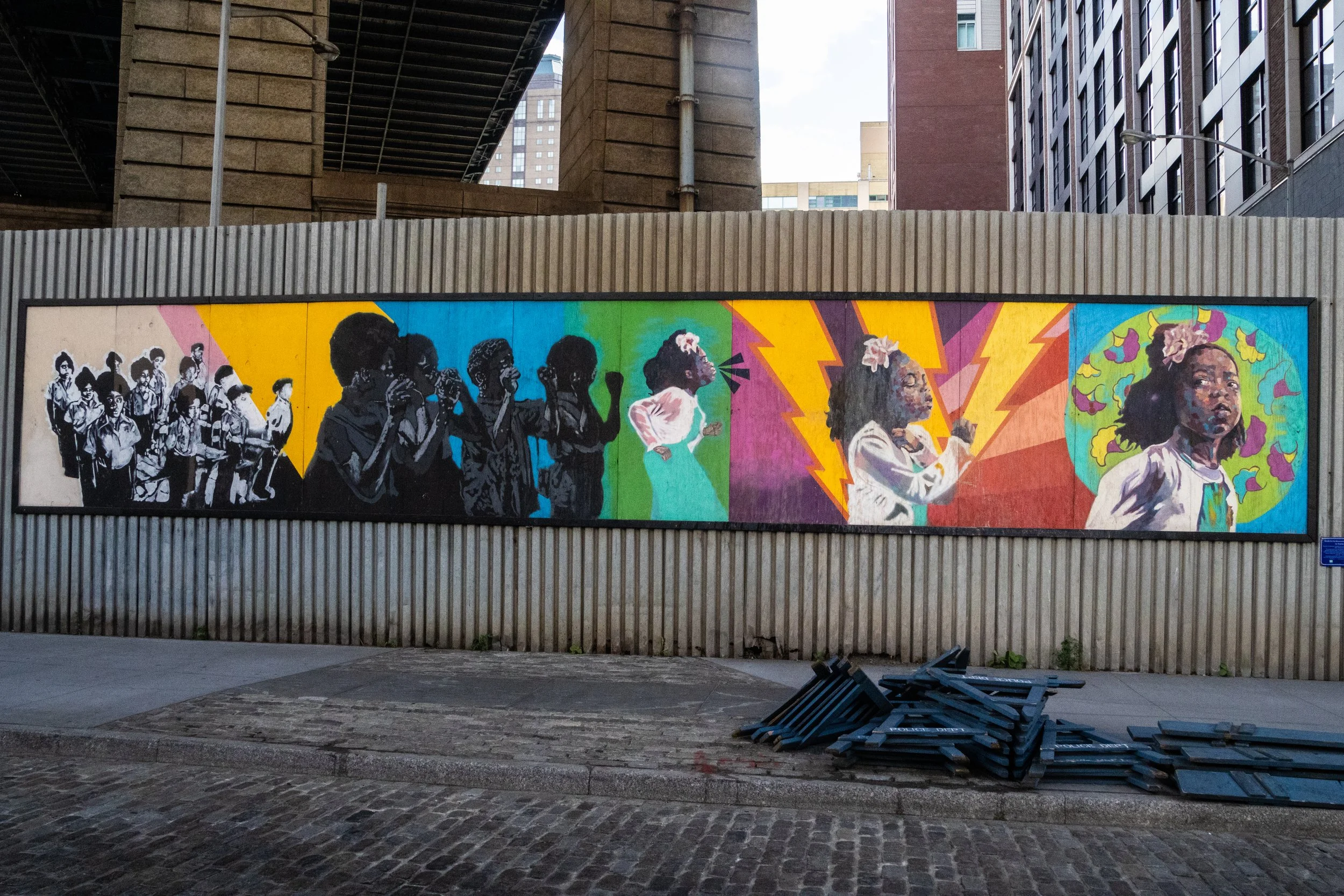
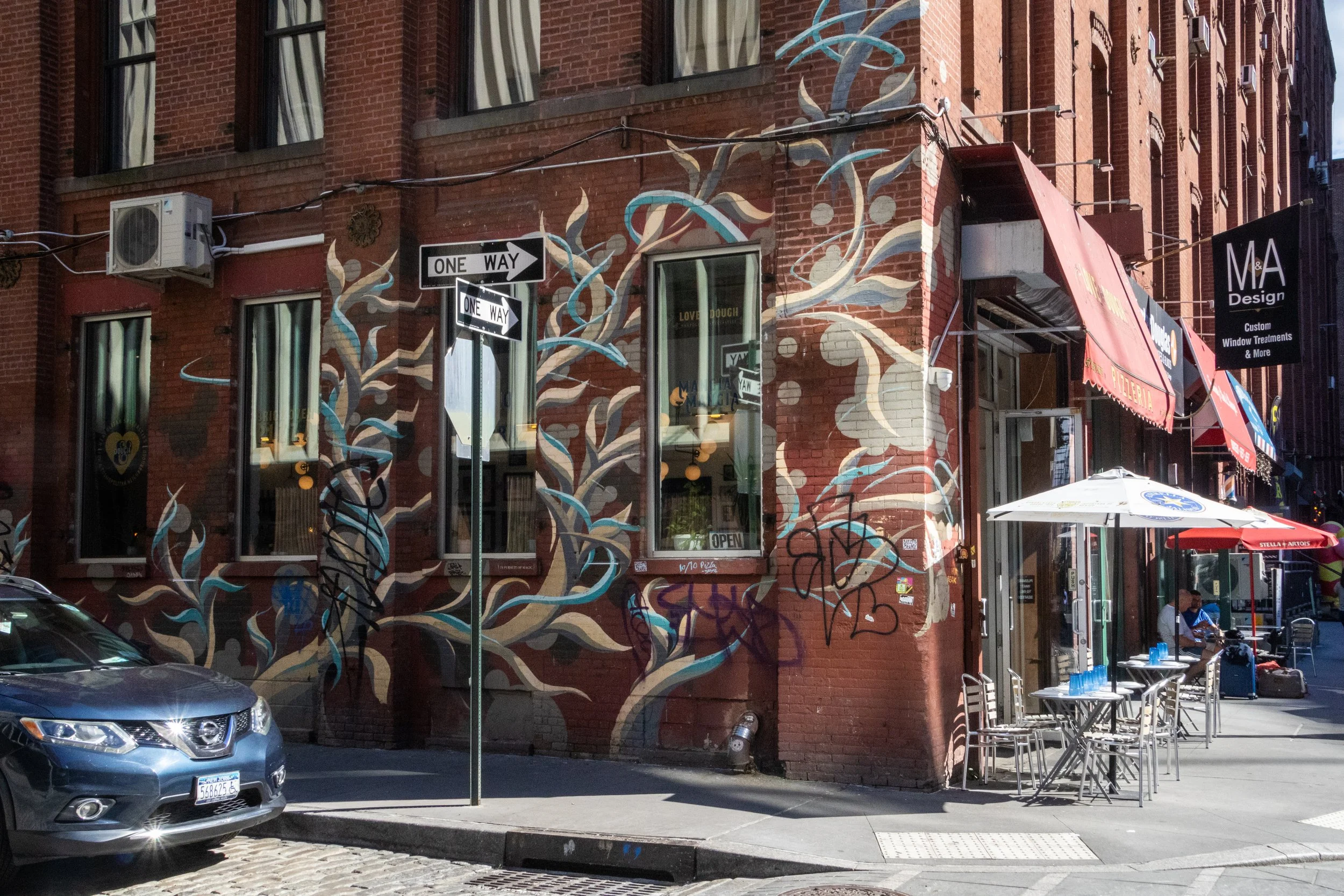
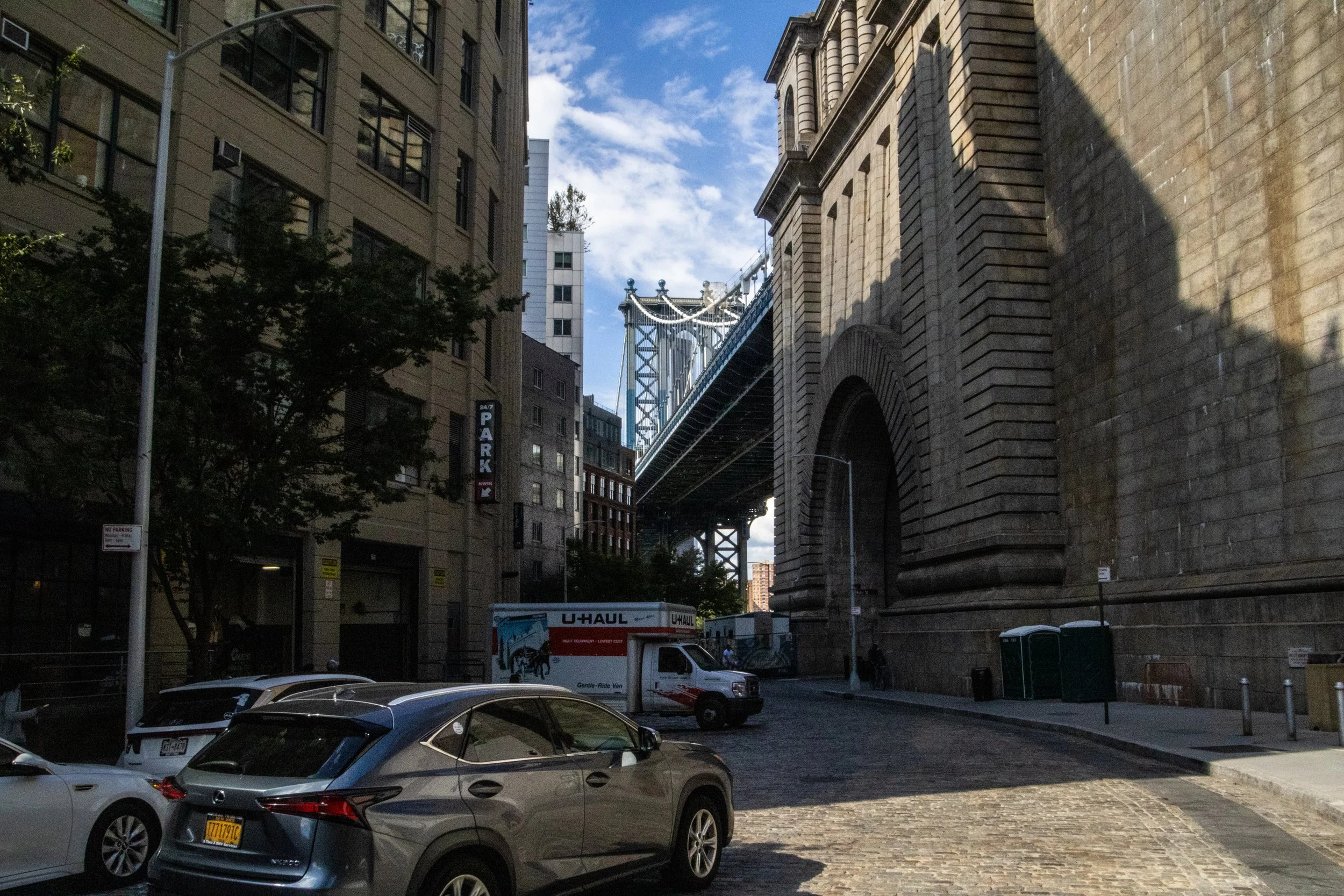
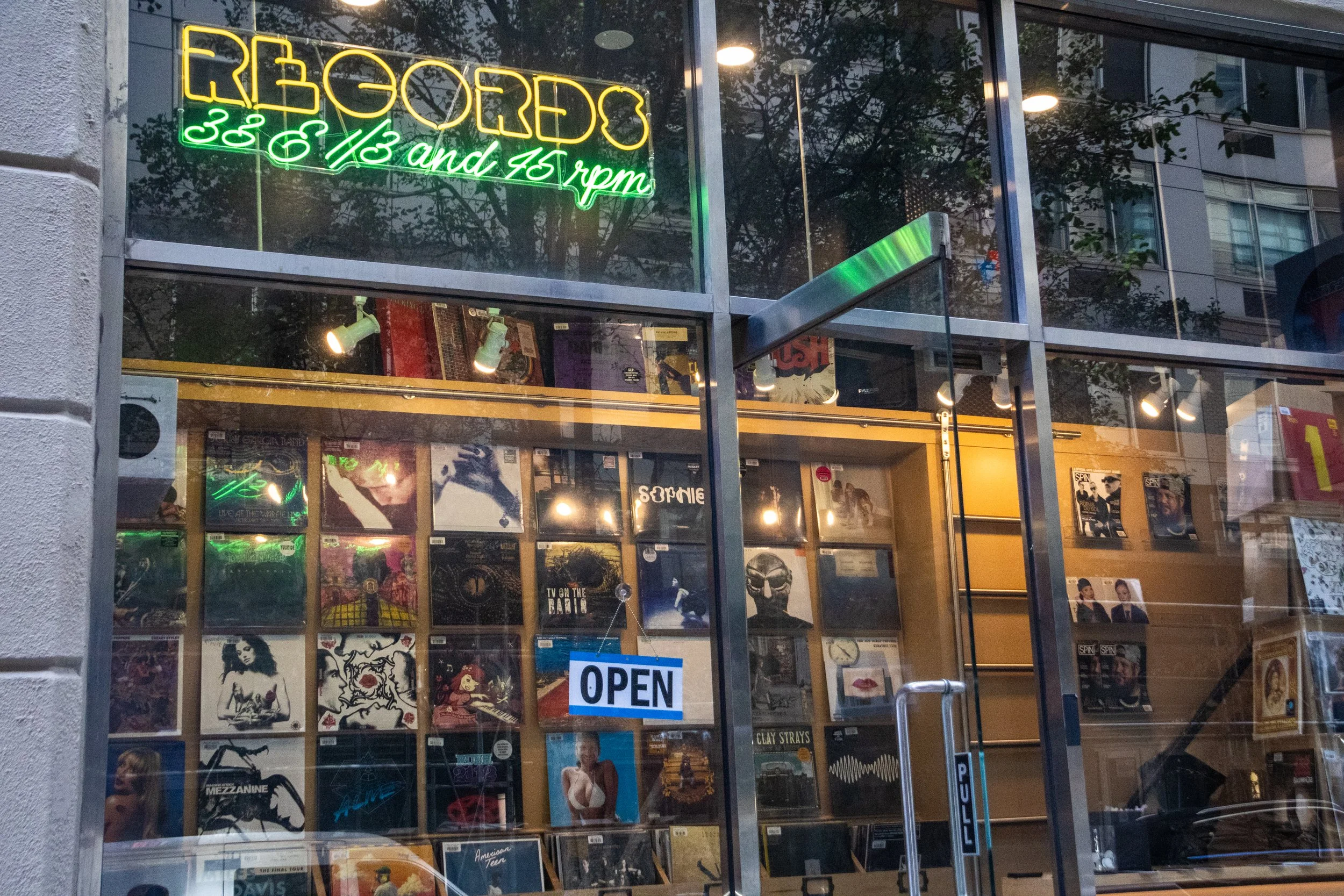
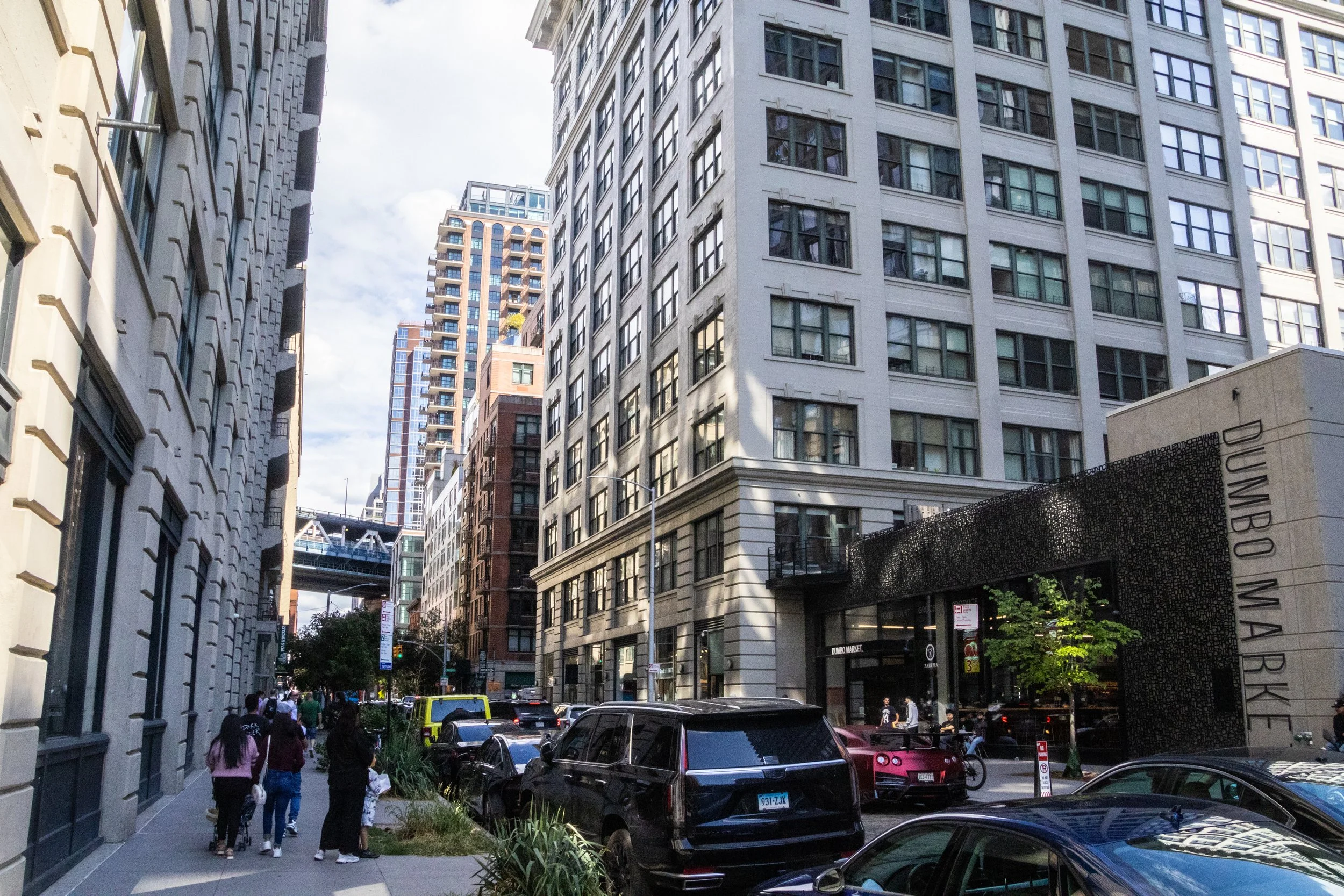
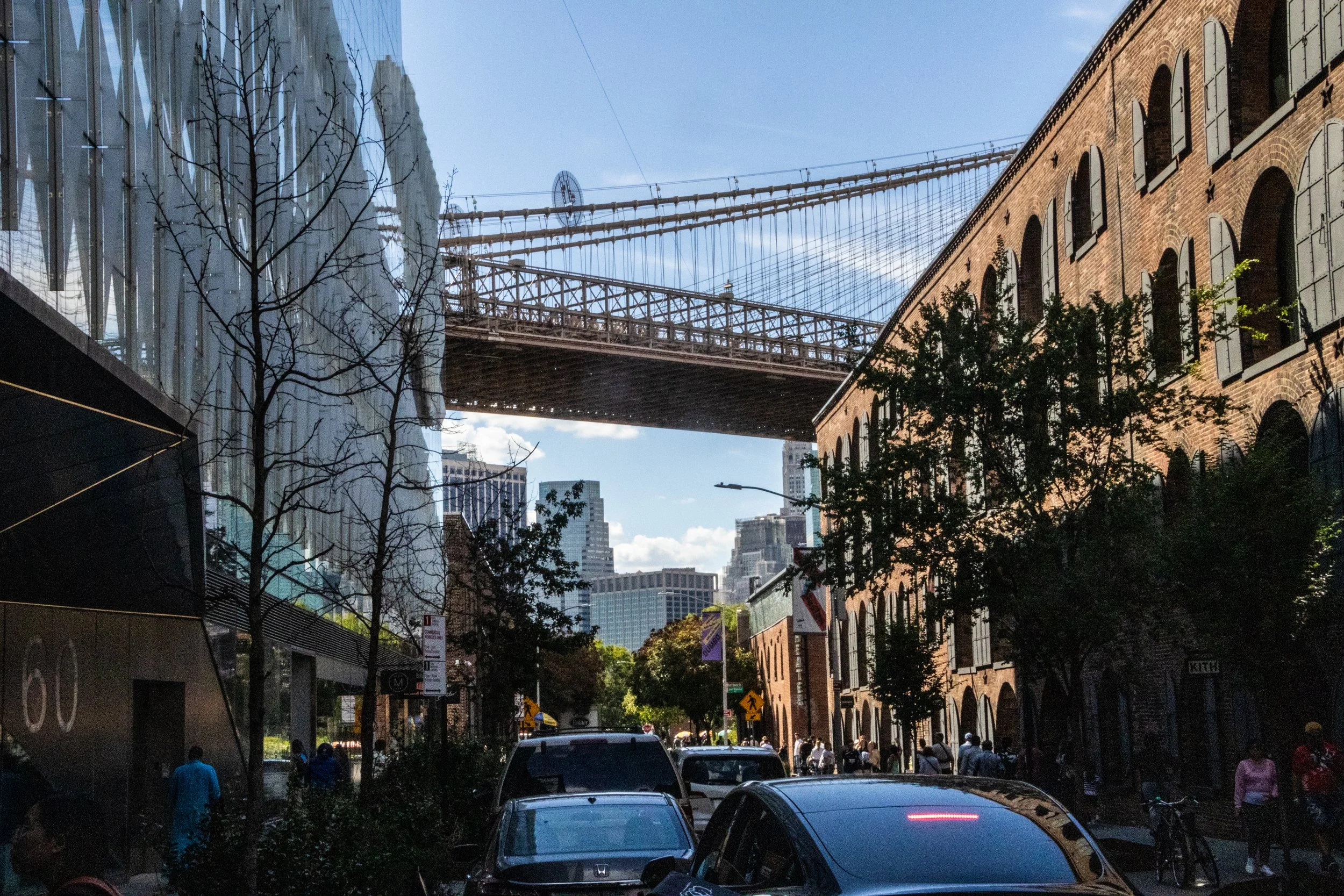
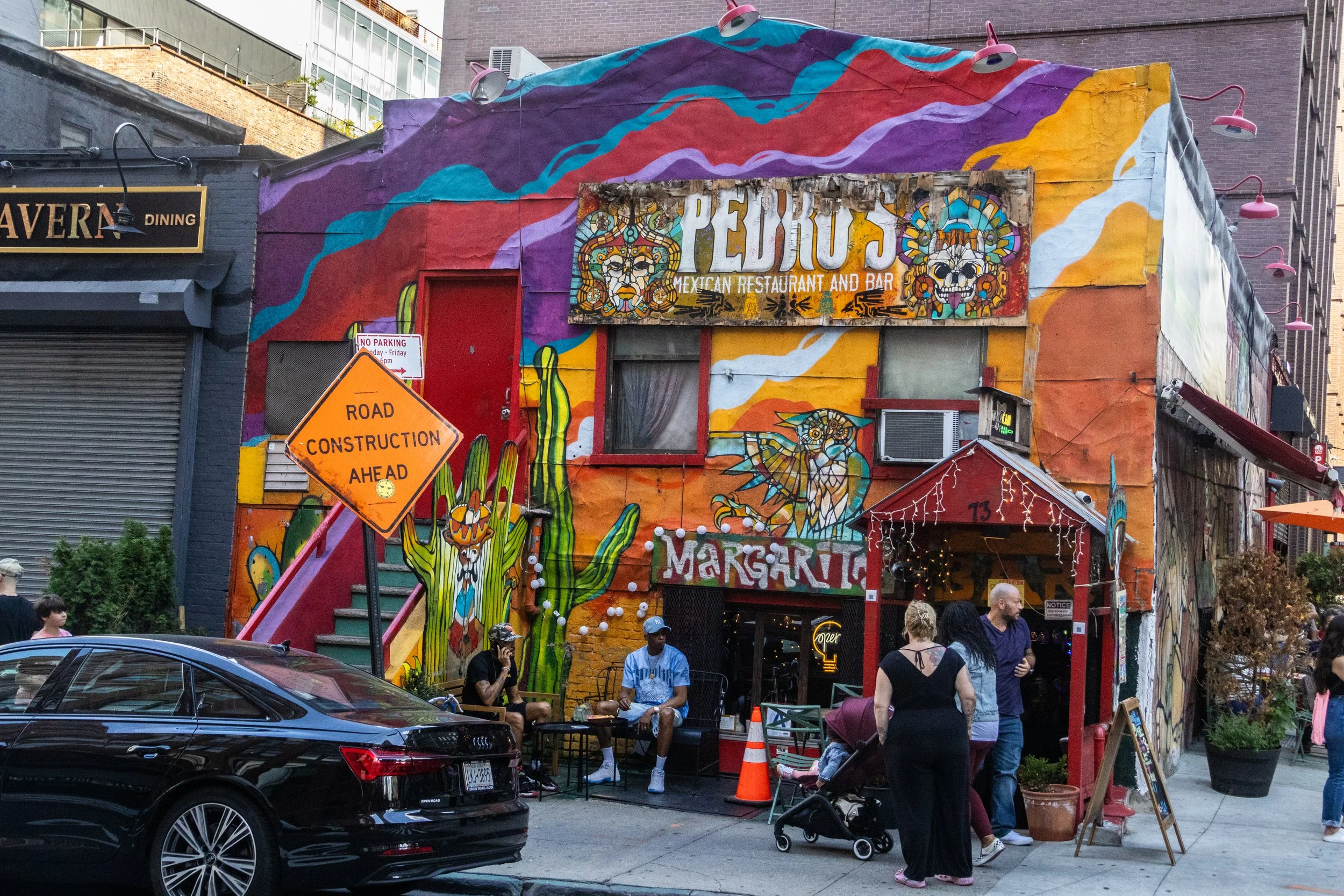
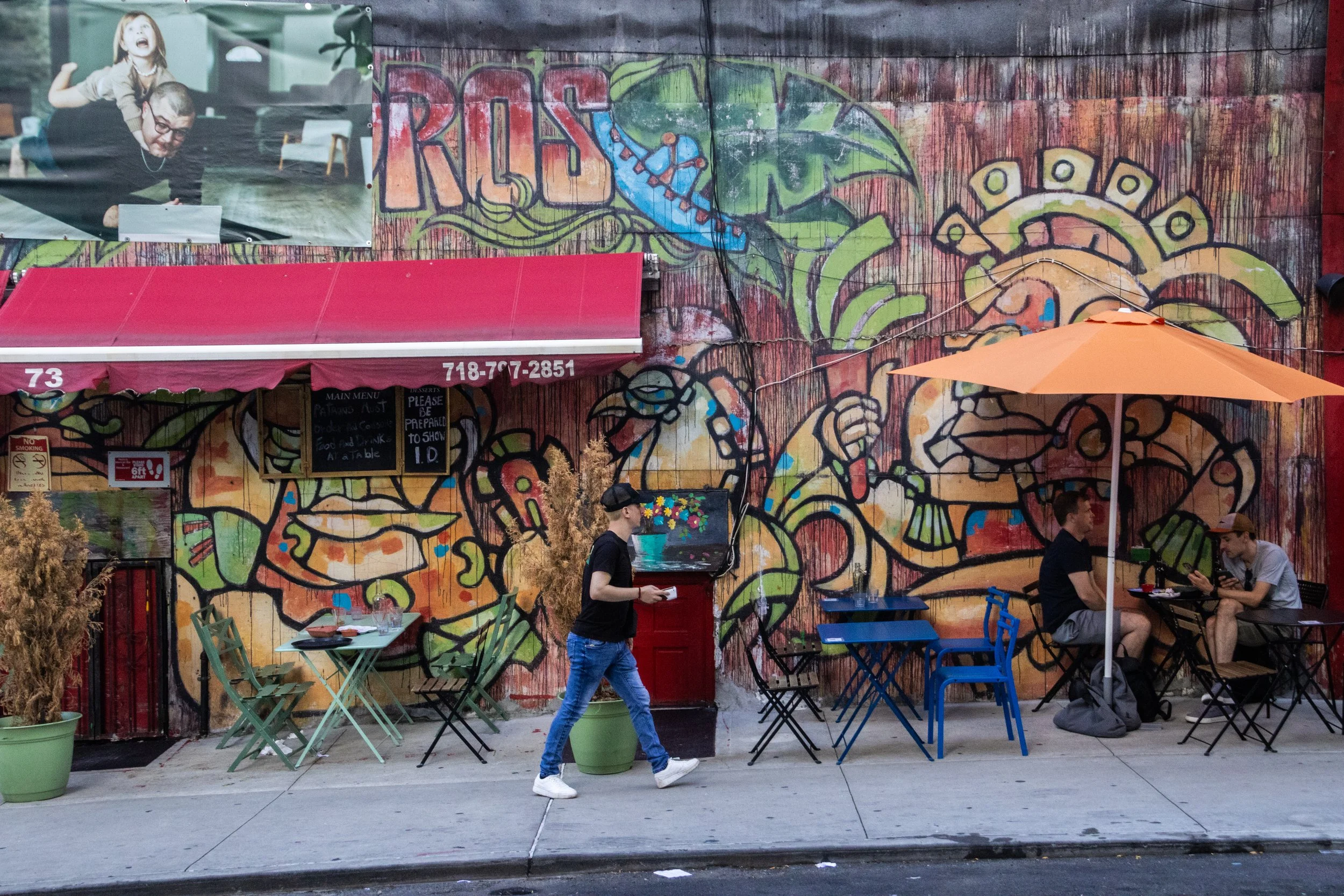
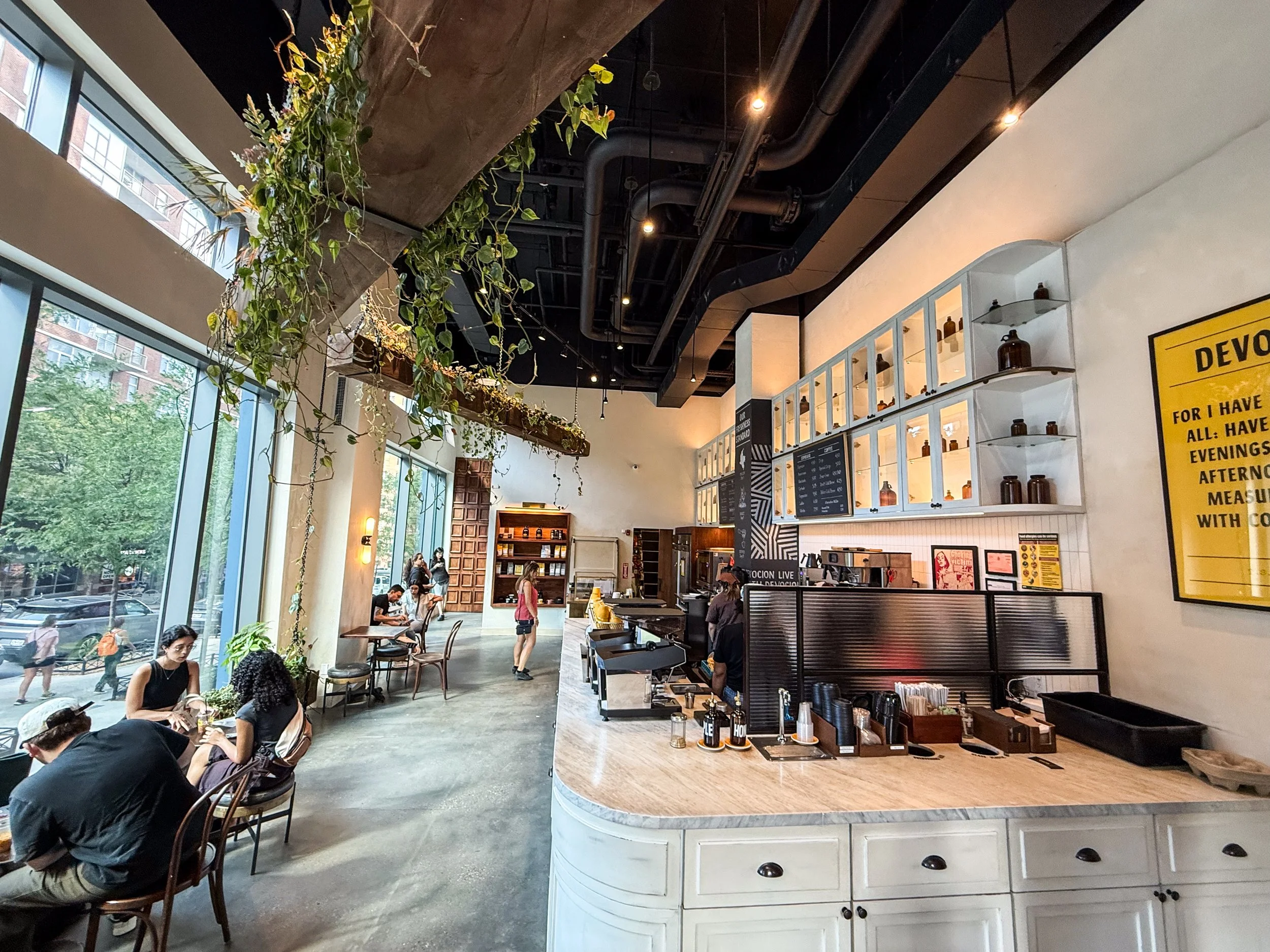
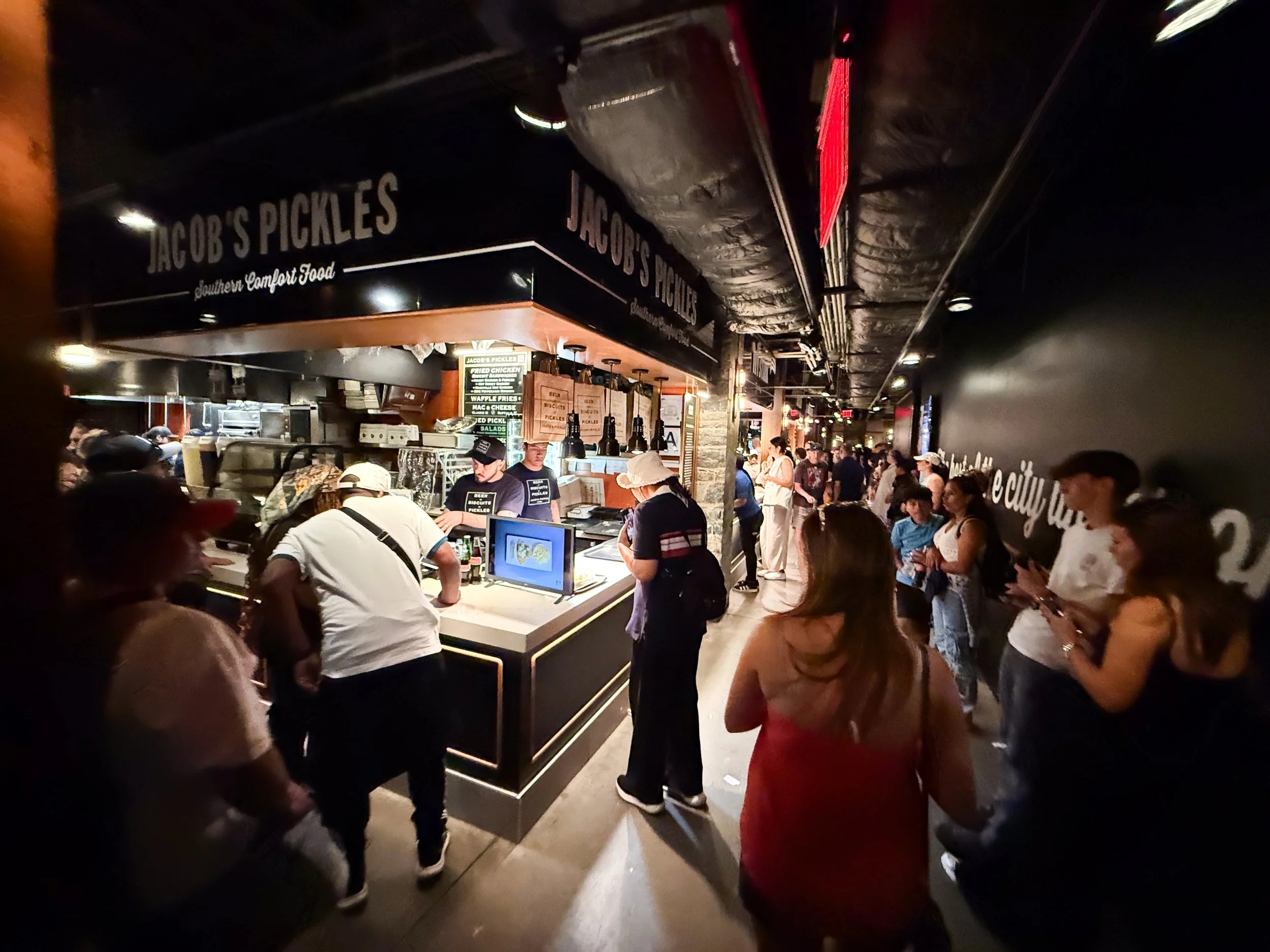
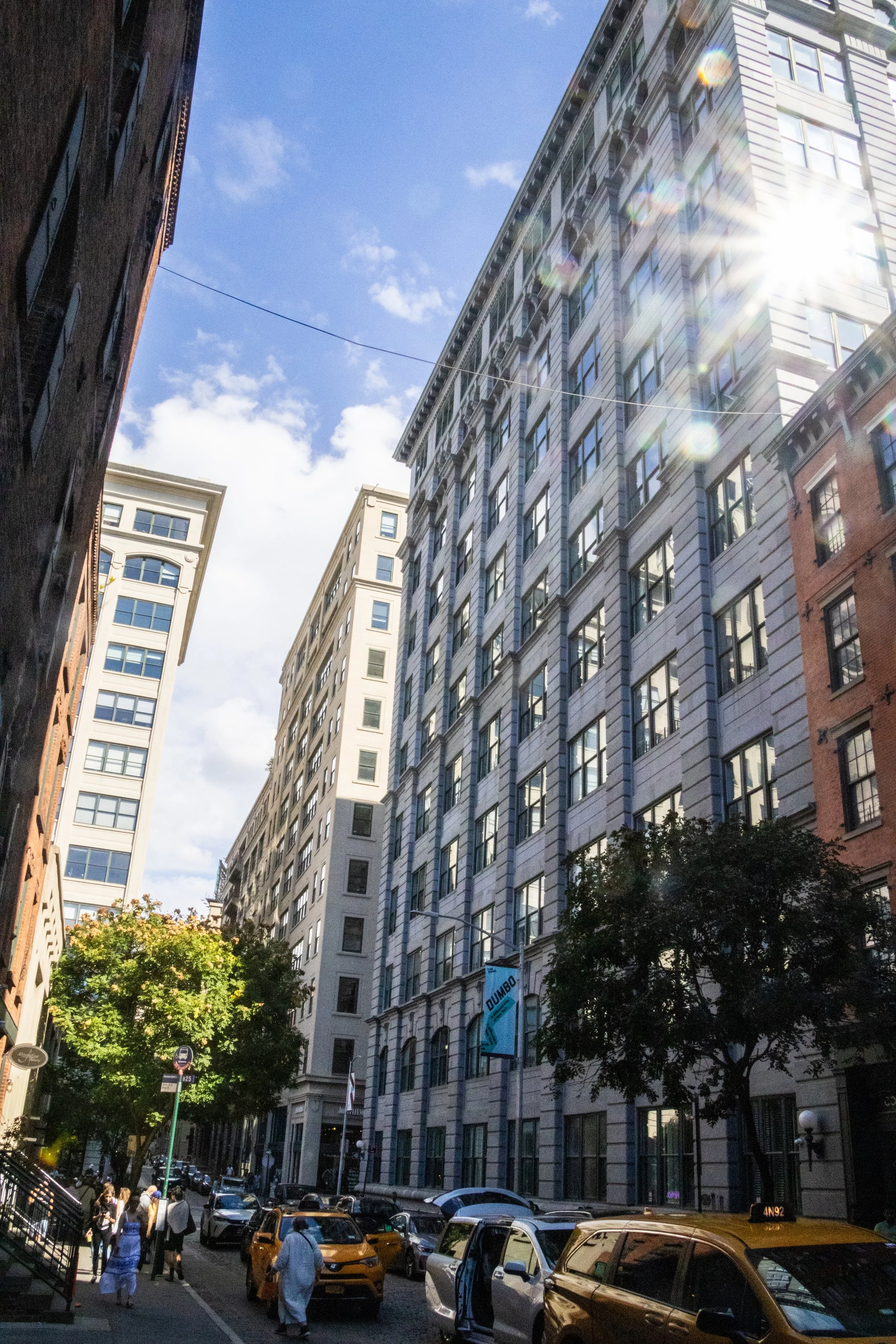
Now we’re going to pick up the pace of our high-level speed tour of Brooklyn. I expect that I’ll come back and do deep-dive articles on some of these neighborhoods in the future, but for now, I just wanted to see them and feel them! I’ll start with Williamsburg.
Williamsburg
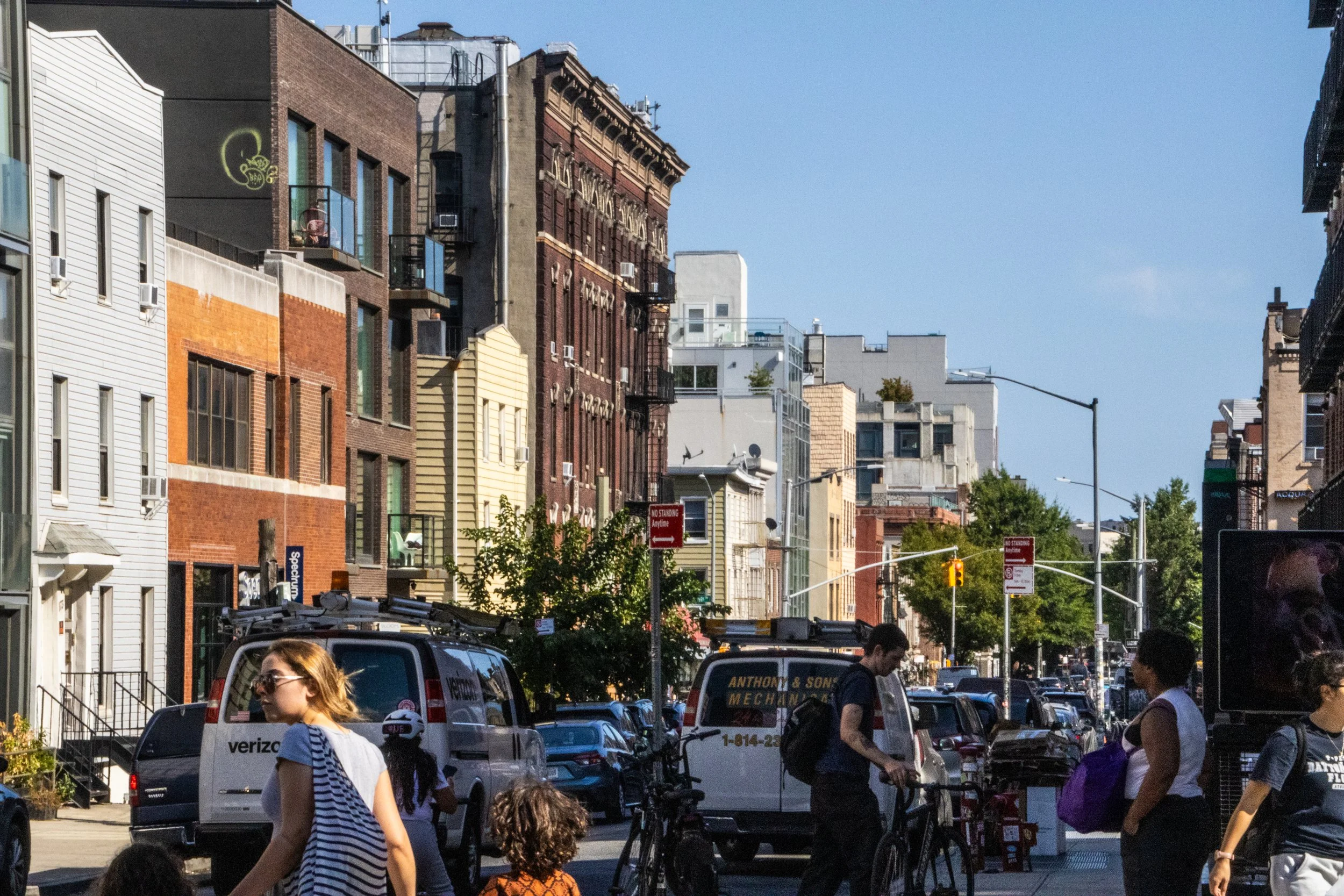
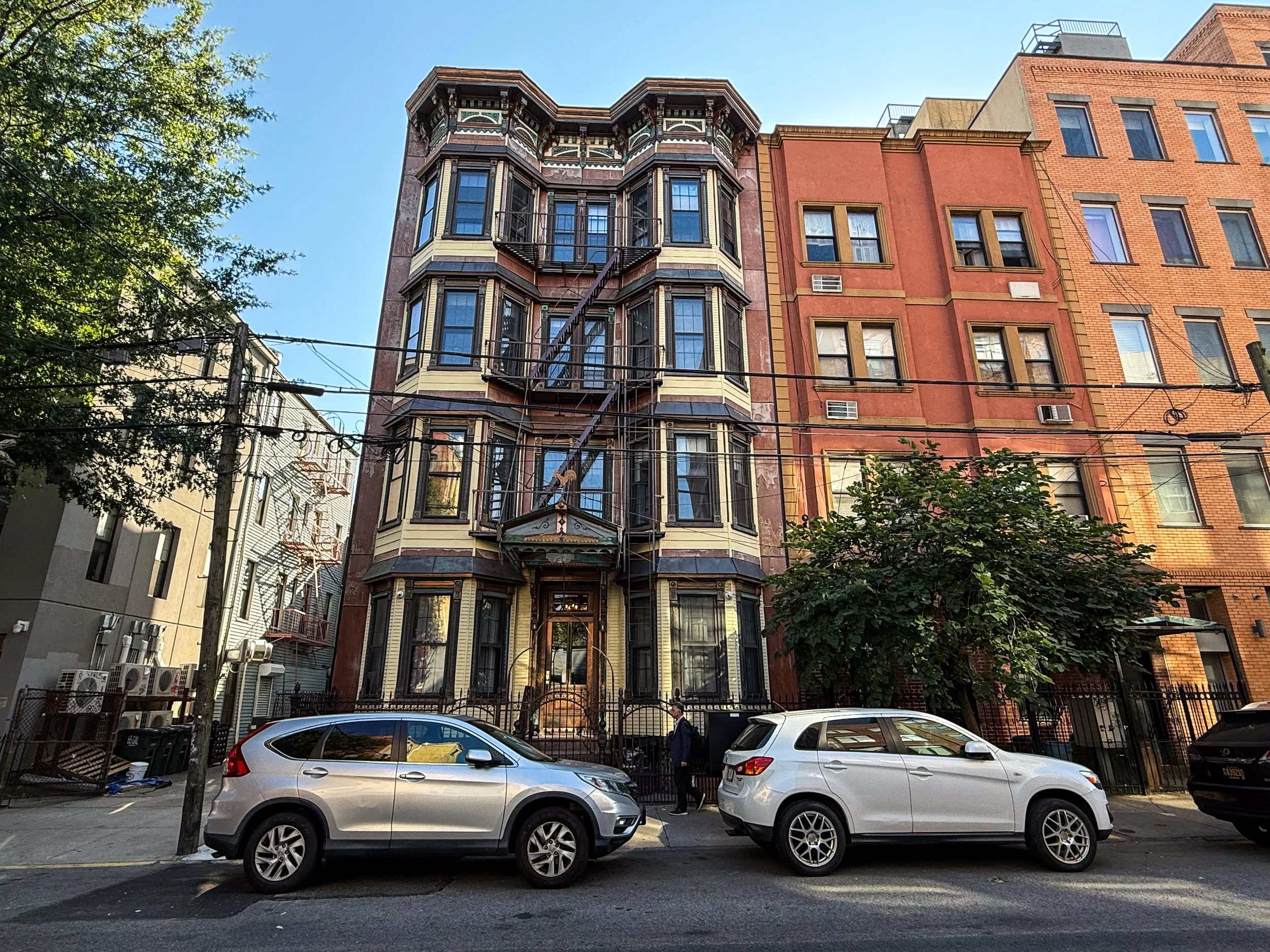
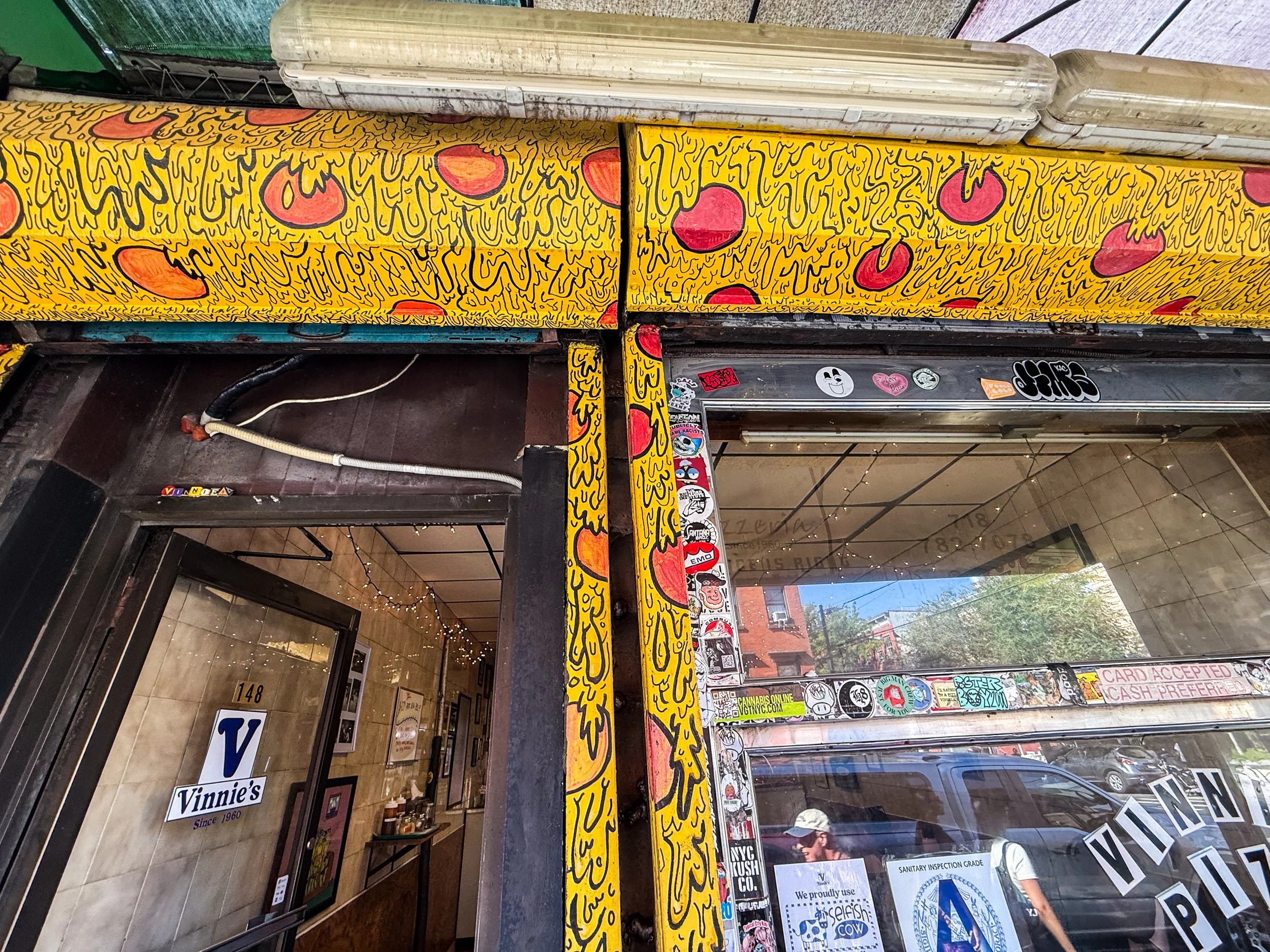
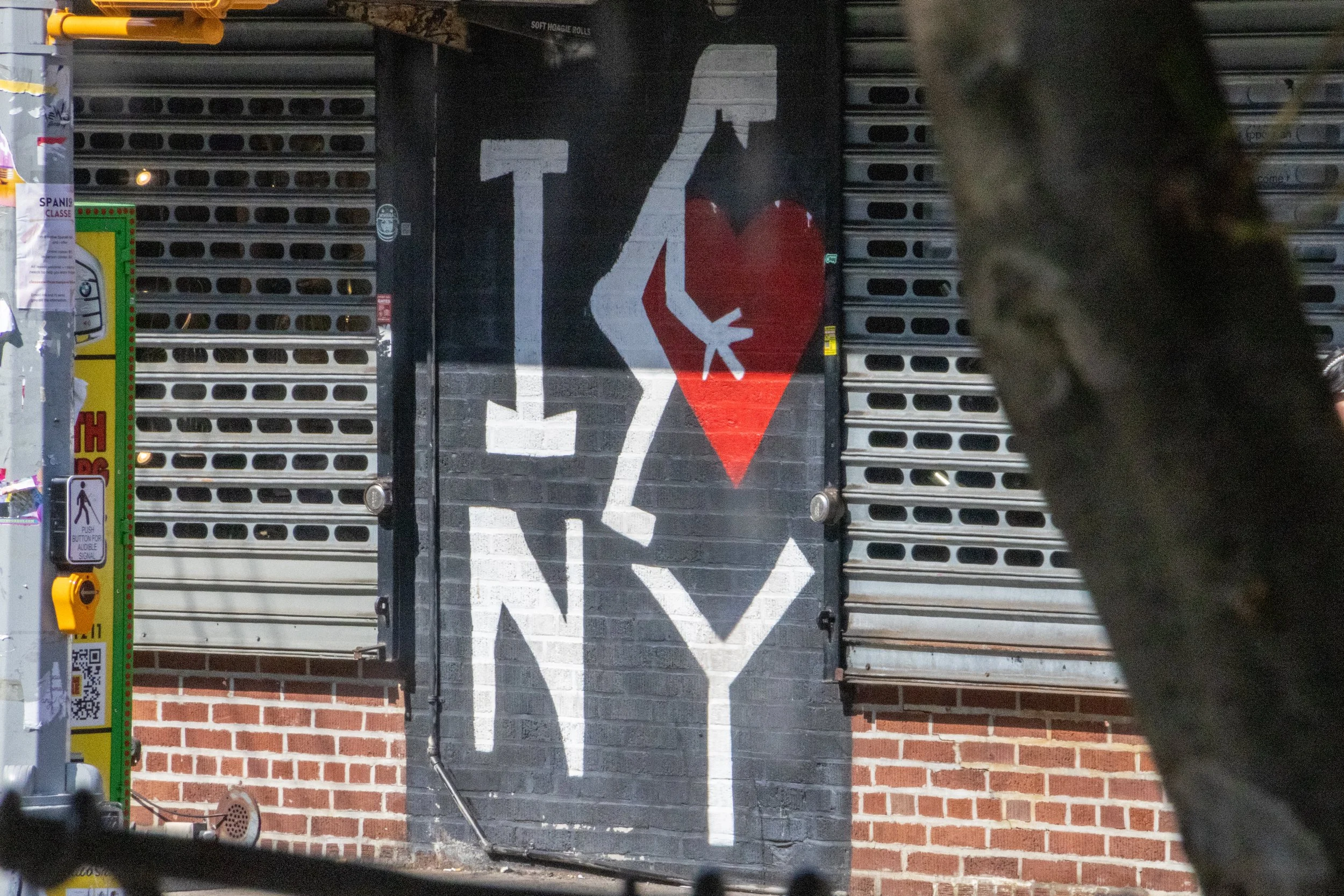
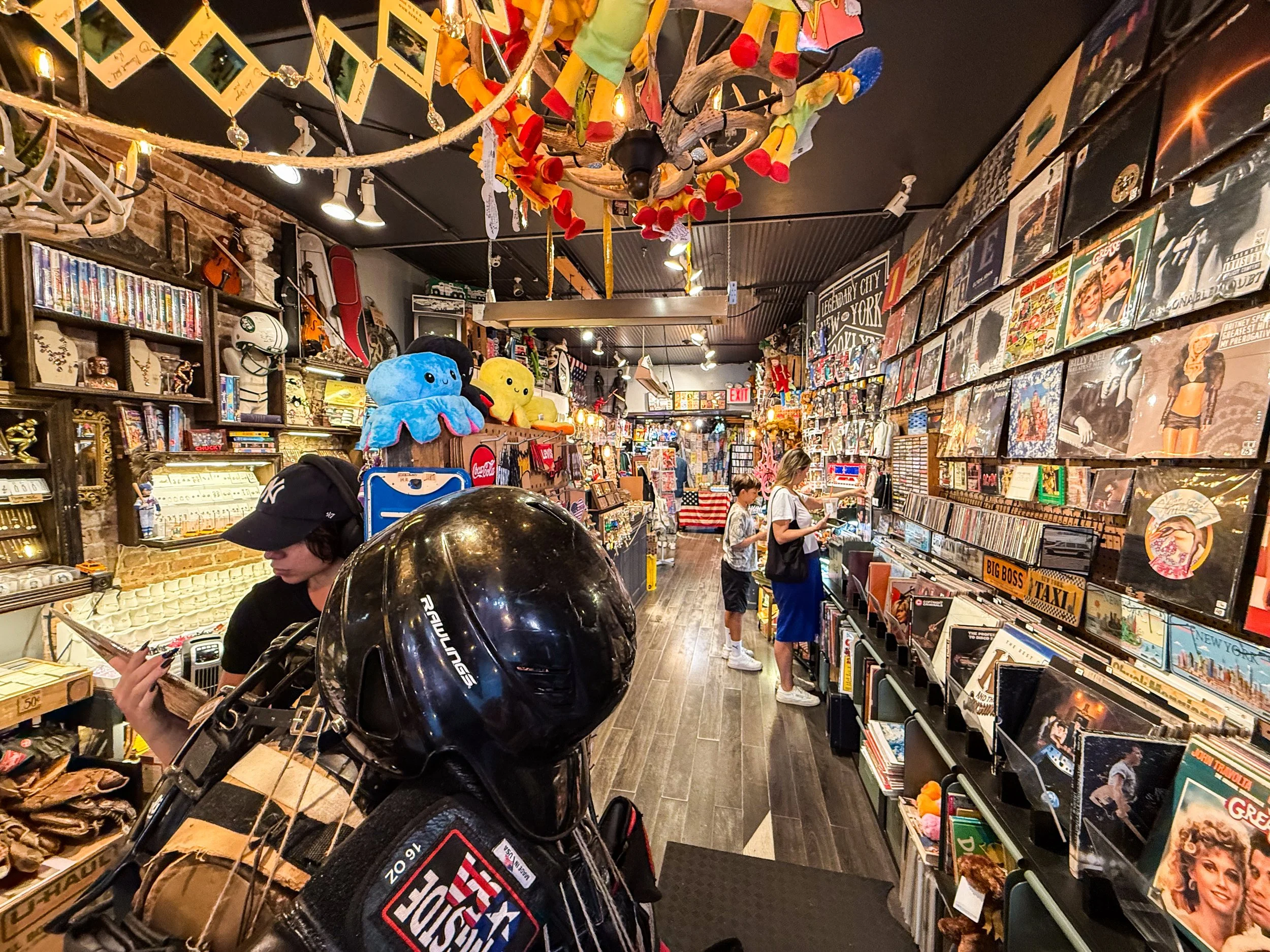
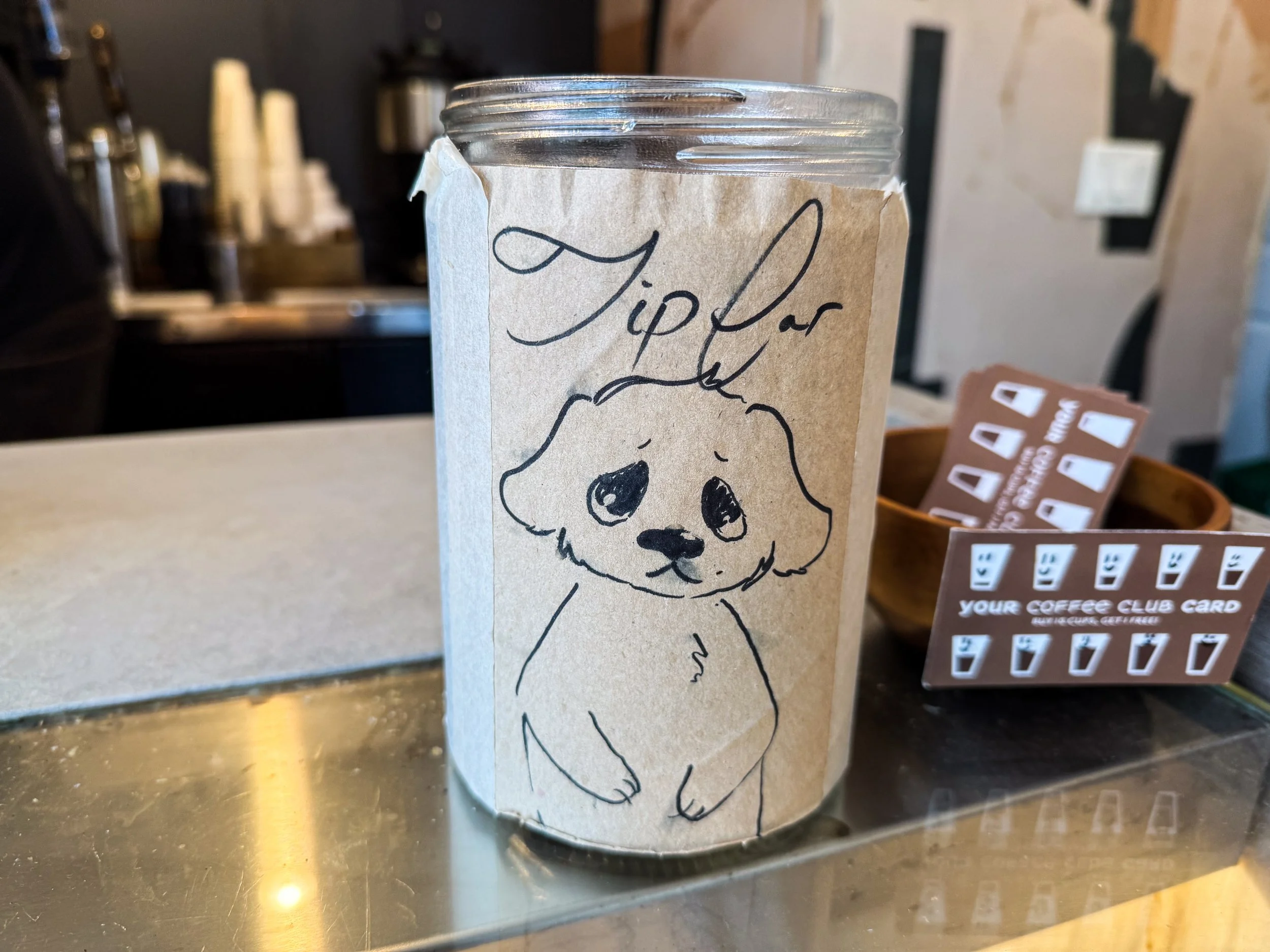
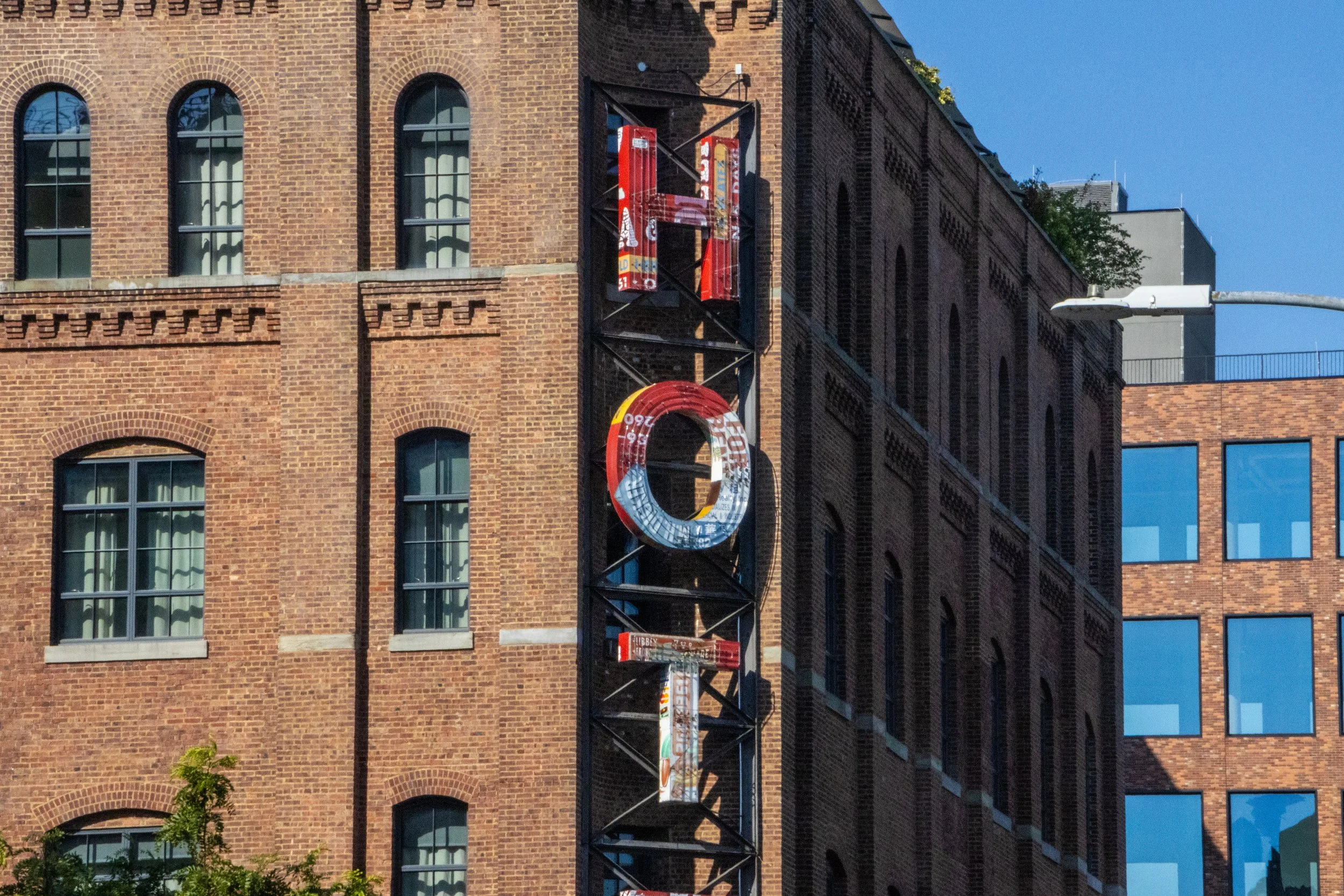
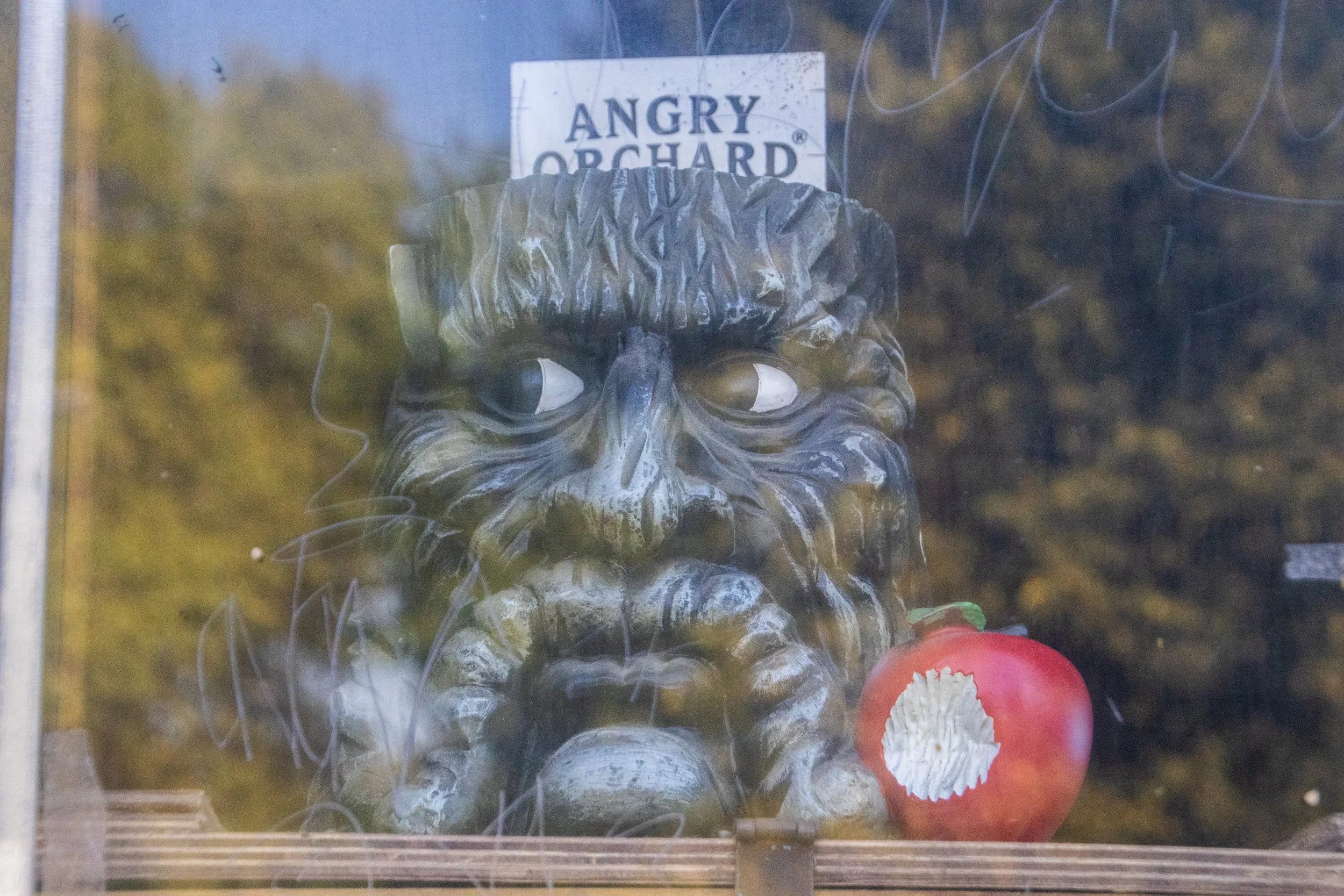
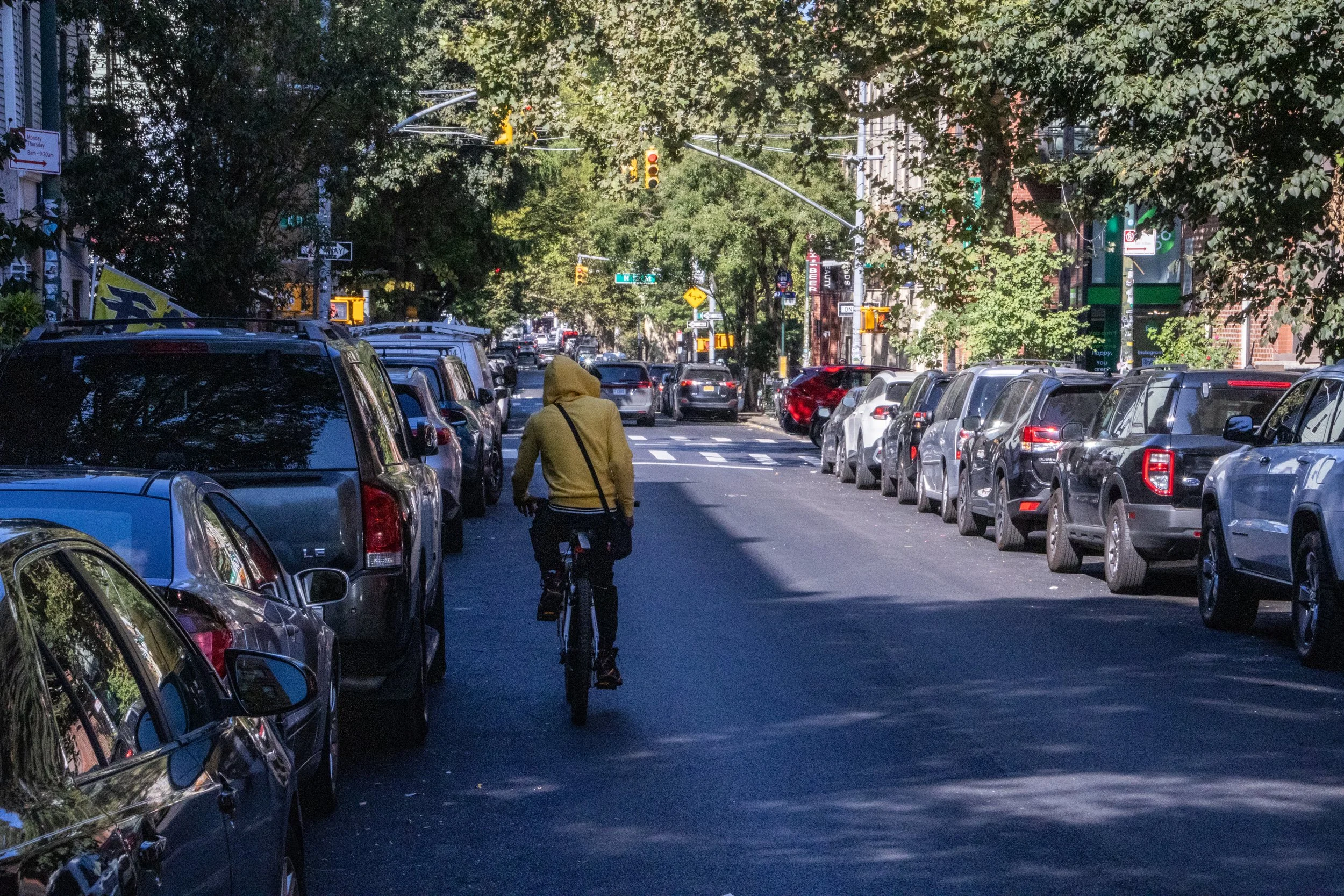
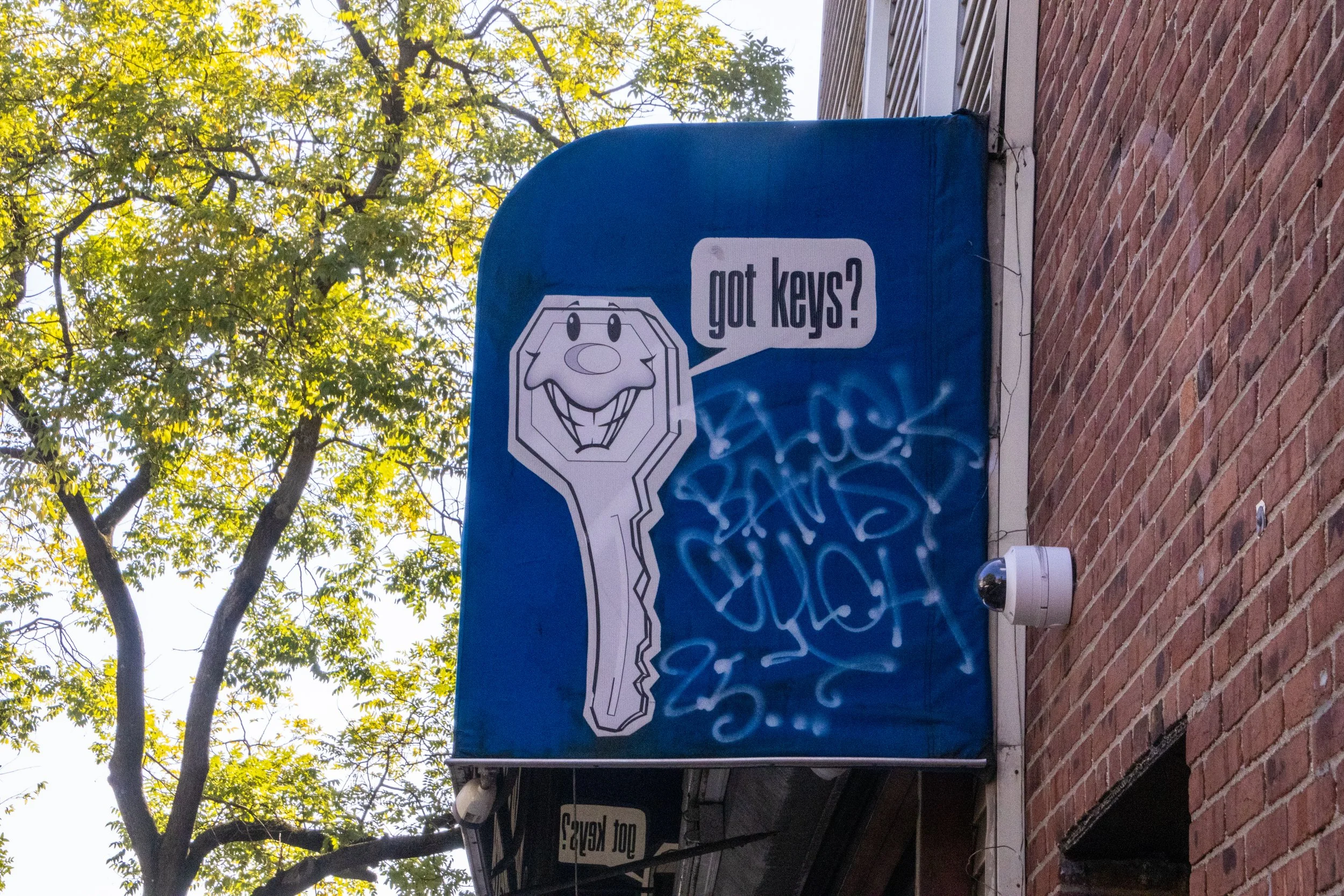
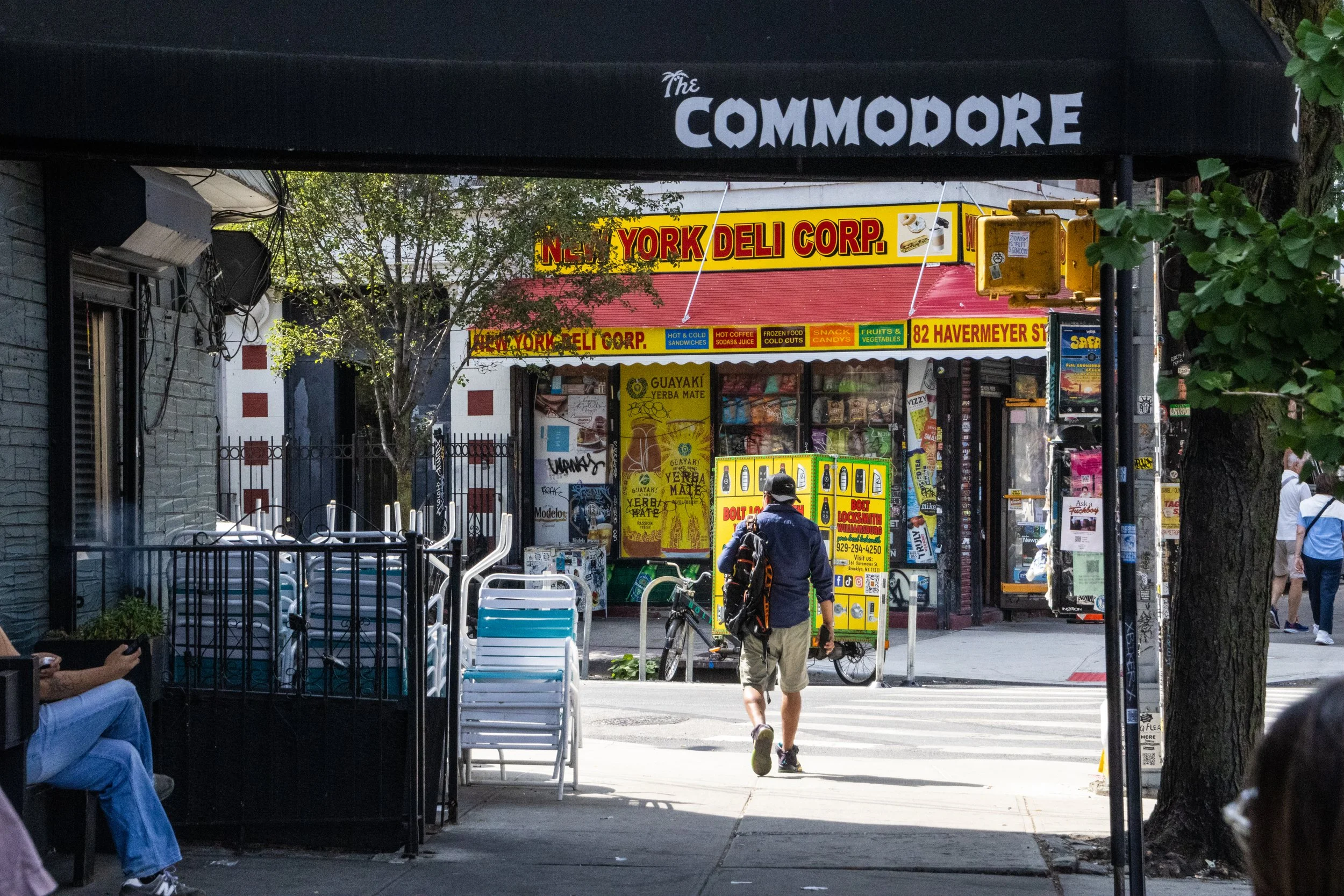
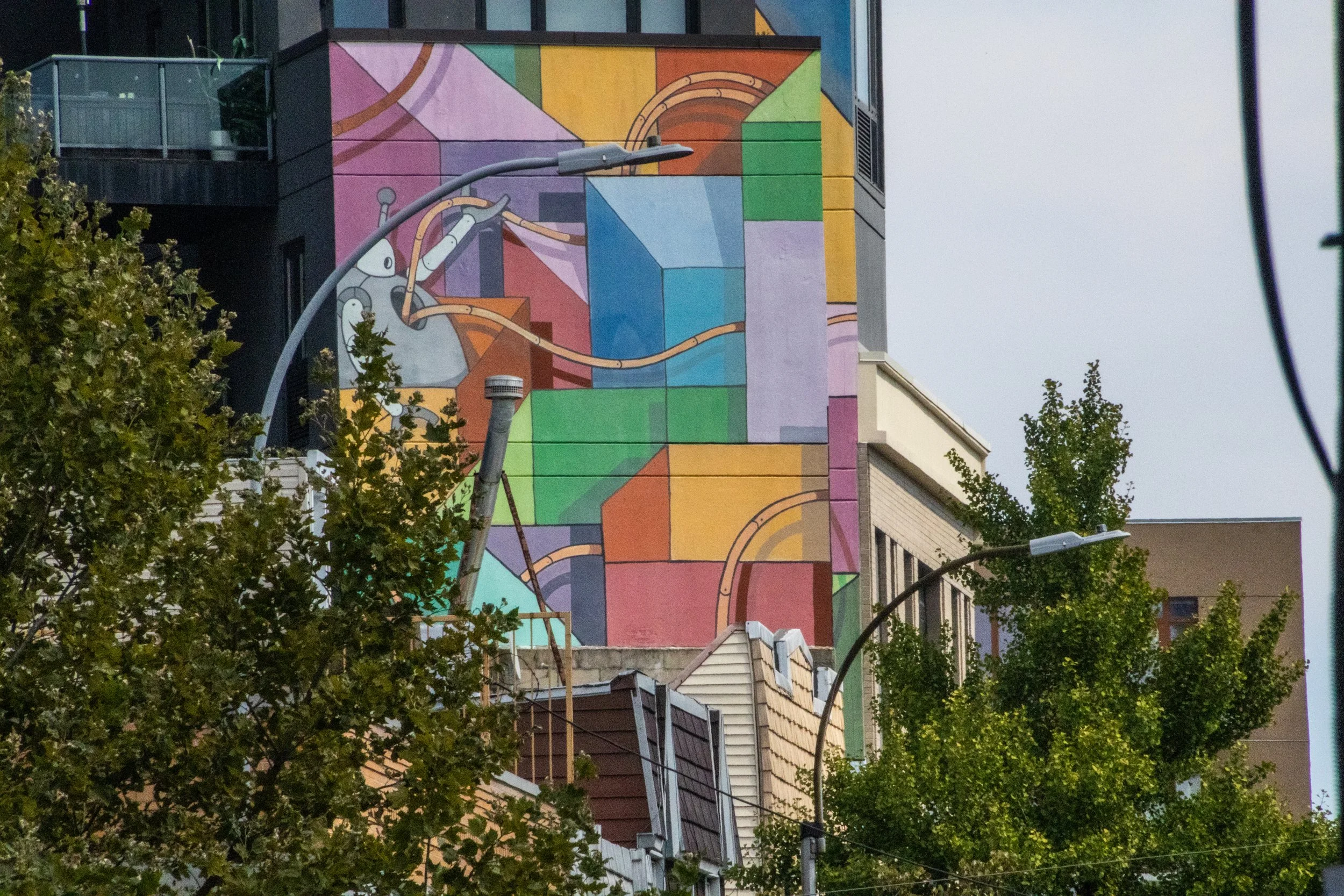
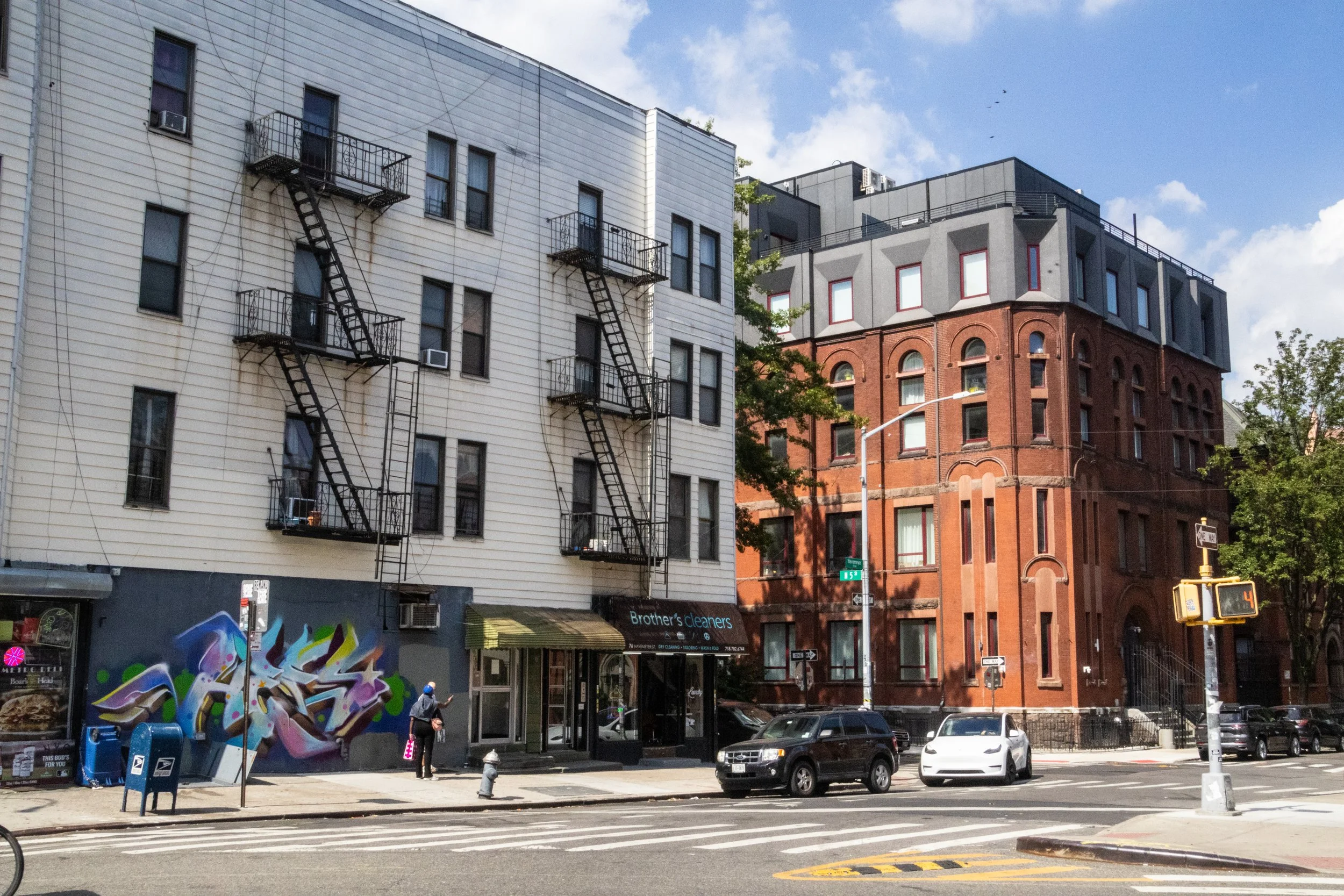
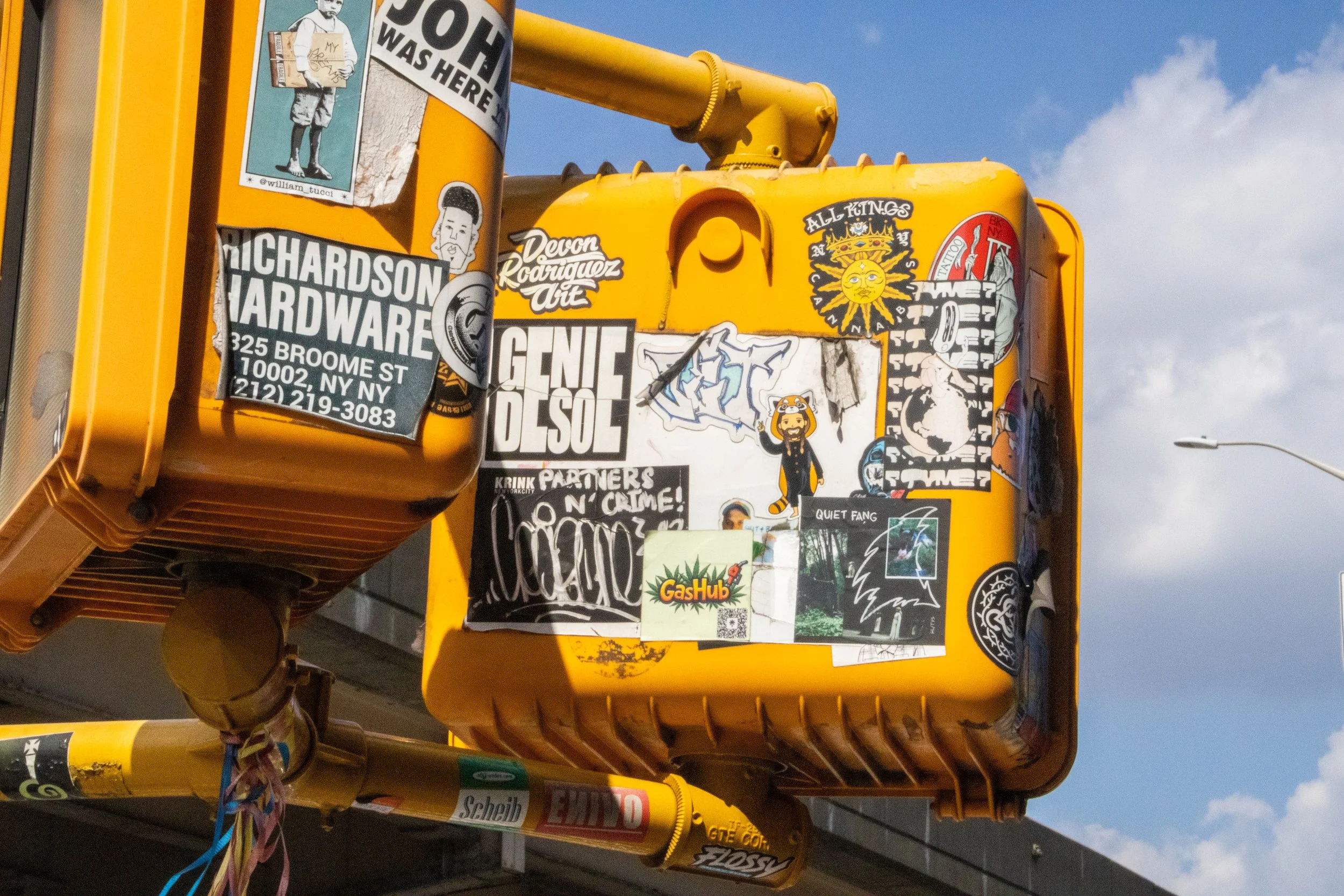
Williamsburg is a big area that is near-and-dear to the heart of Brooklyn’s overarching cultural identity. Remember all that 2000s indie music I talked about at the start of this article? Williamsburg was the part of Brooklyn perhaps most associated with this movement, boasting all sorts of craft coffee shops, vintage clothing stores, indie record shops, and DIY art spaces. But it is not a monolith by any means! It’s got a notable Hasidic Jewish enclave (cue my plug for an awesome Netflix show called Unorthodox) and a long-standing Latino (especially Puerto Rican) community that is now facing economic displacement pressures as the neighborhood’s gentrification continues. Back in the indie hey-day of the 2000s, the economic gears had only recently begun to turn, but now, in the late 2020s, it is one of America’s clearest case studies in rapid 21st-century gentrification. North Williamsburg is now especially expensive, and has an extremely high median income as high-earning professionals continue to move in. For this reason, legacy Brooklynites will commonly comment that Williamsburg “isn’t what it used to be” … but it’s still one of the coolest and most dynamic neighborhoods in all of New York City.
Or, that’s the reputation at least. I’m not an expert on Williamsburg. But I’d like to be.
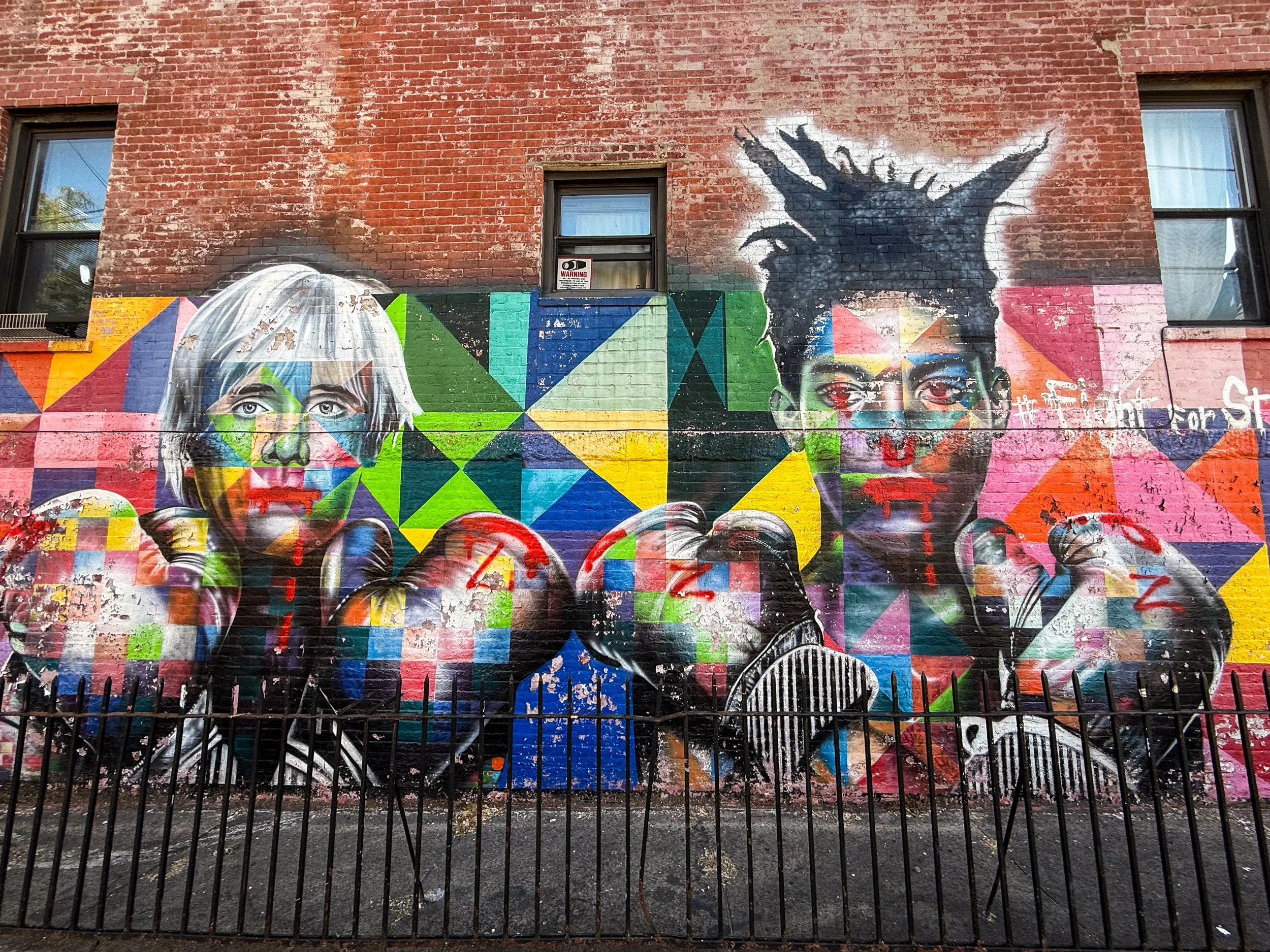
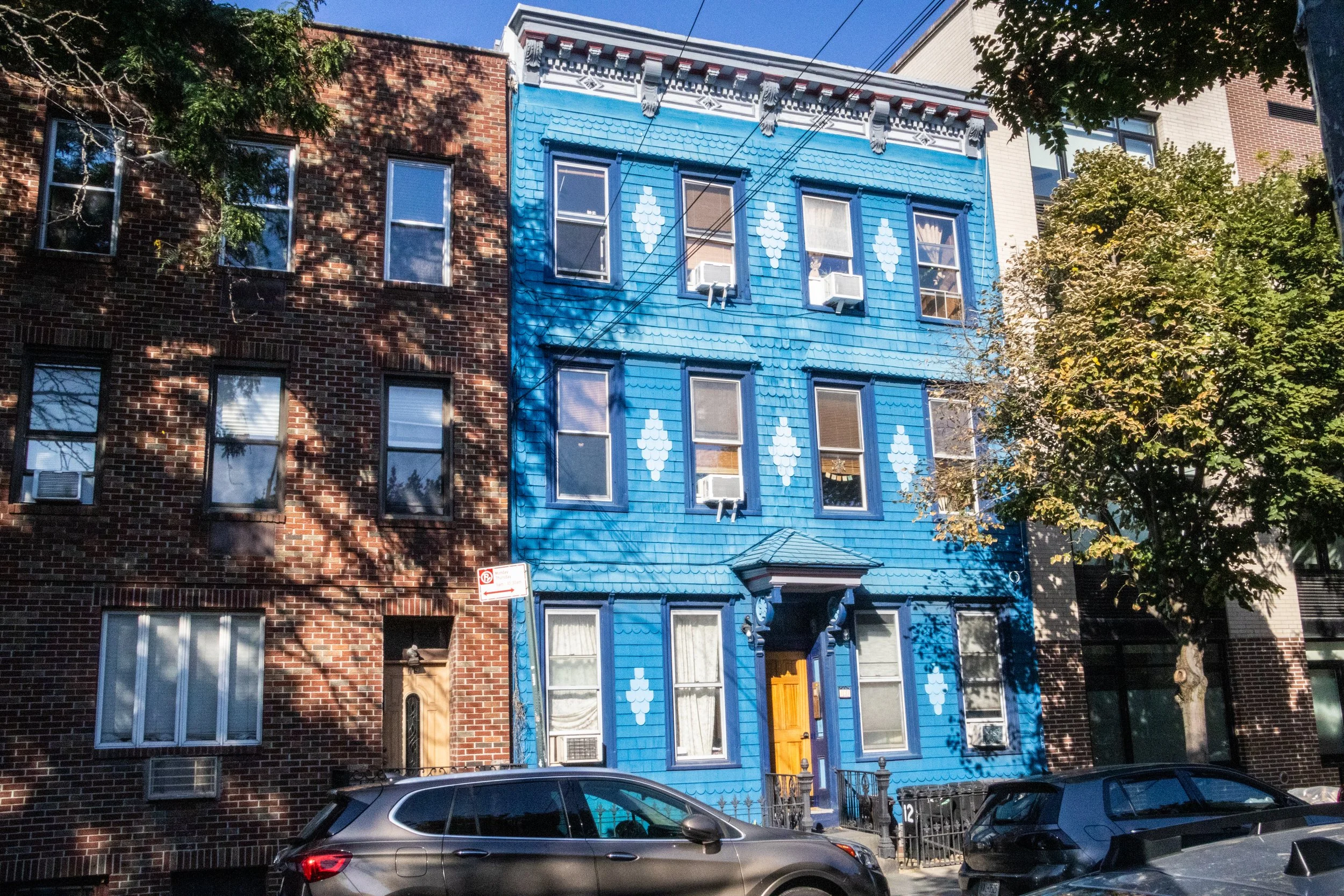
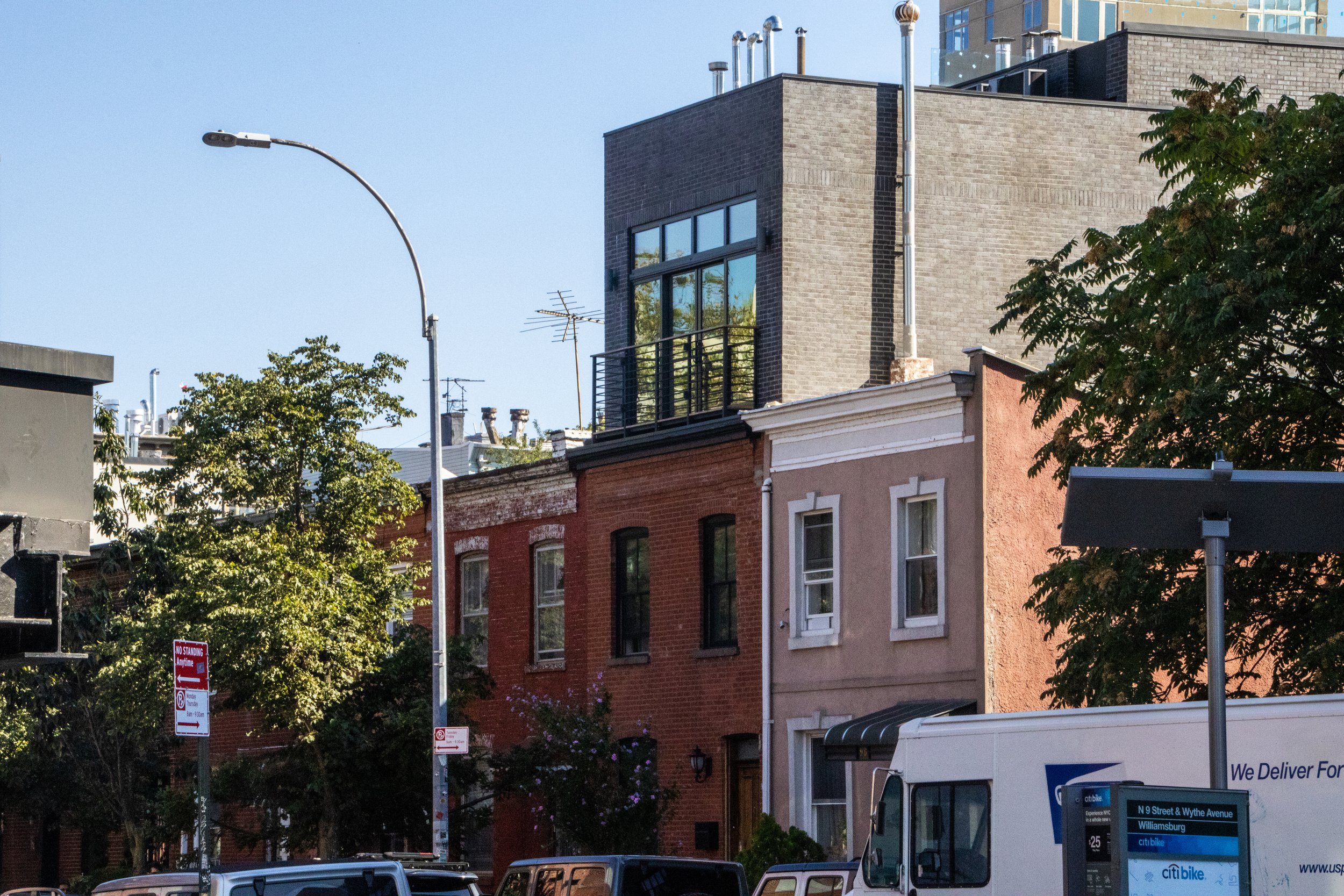
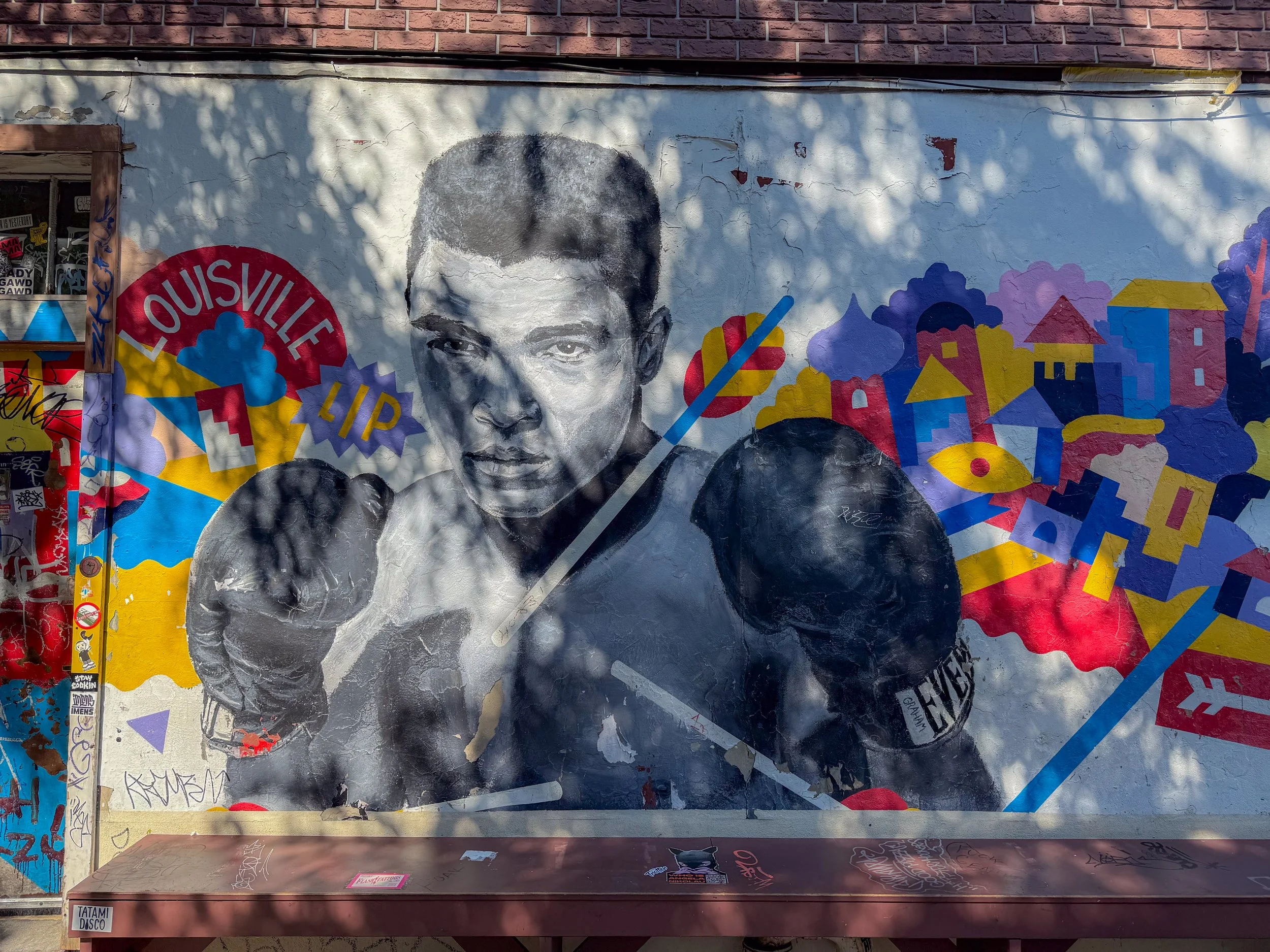

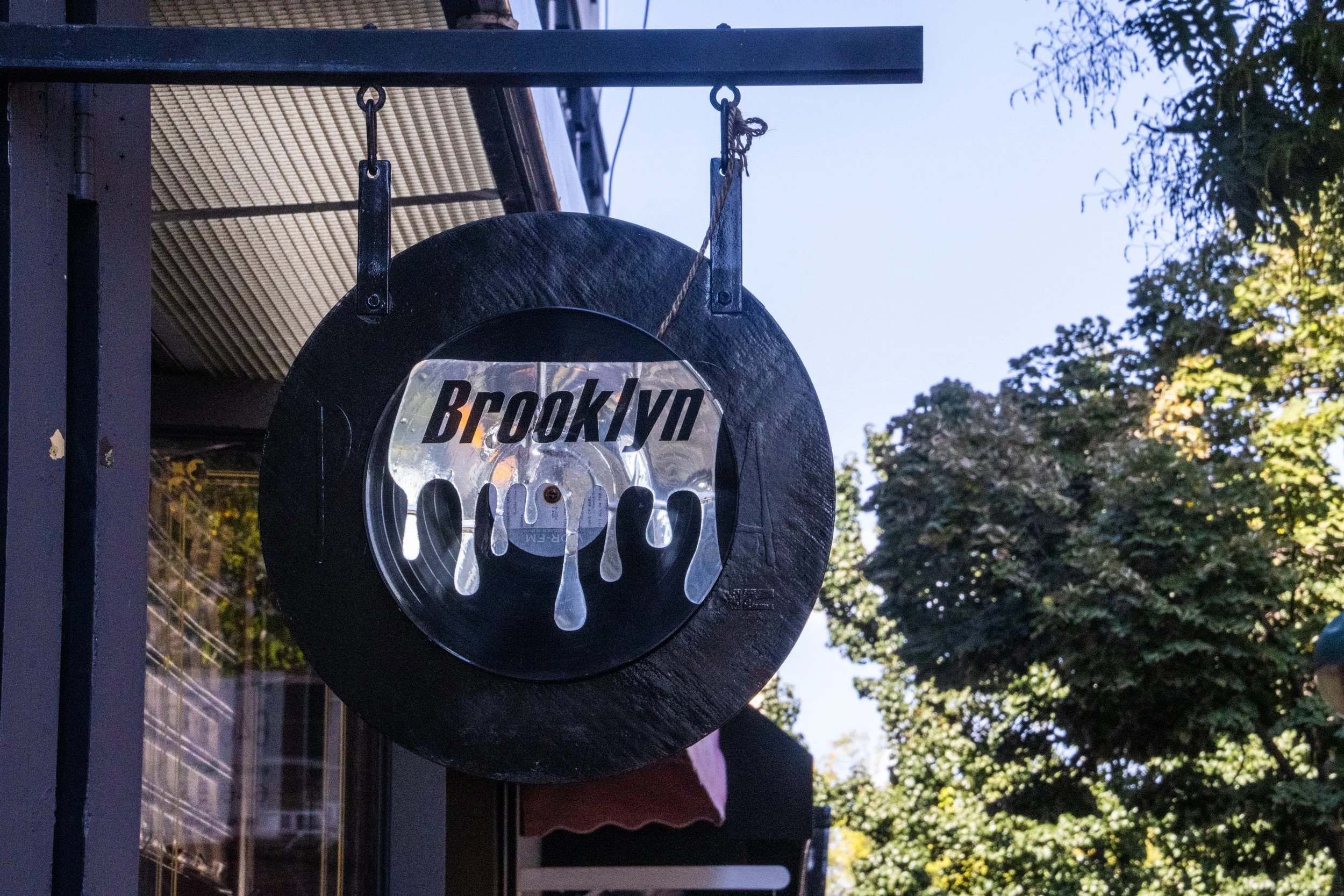
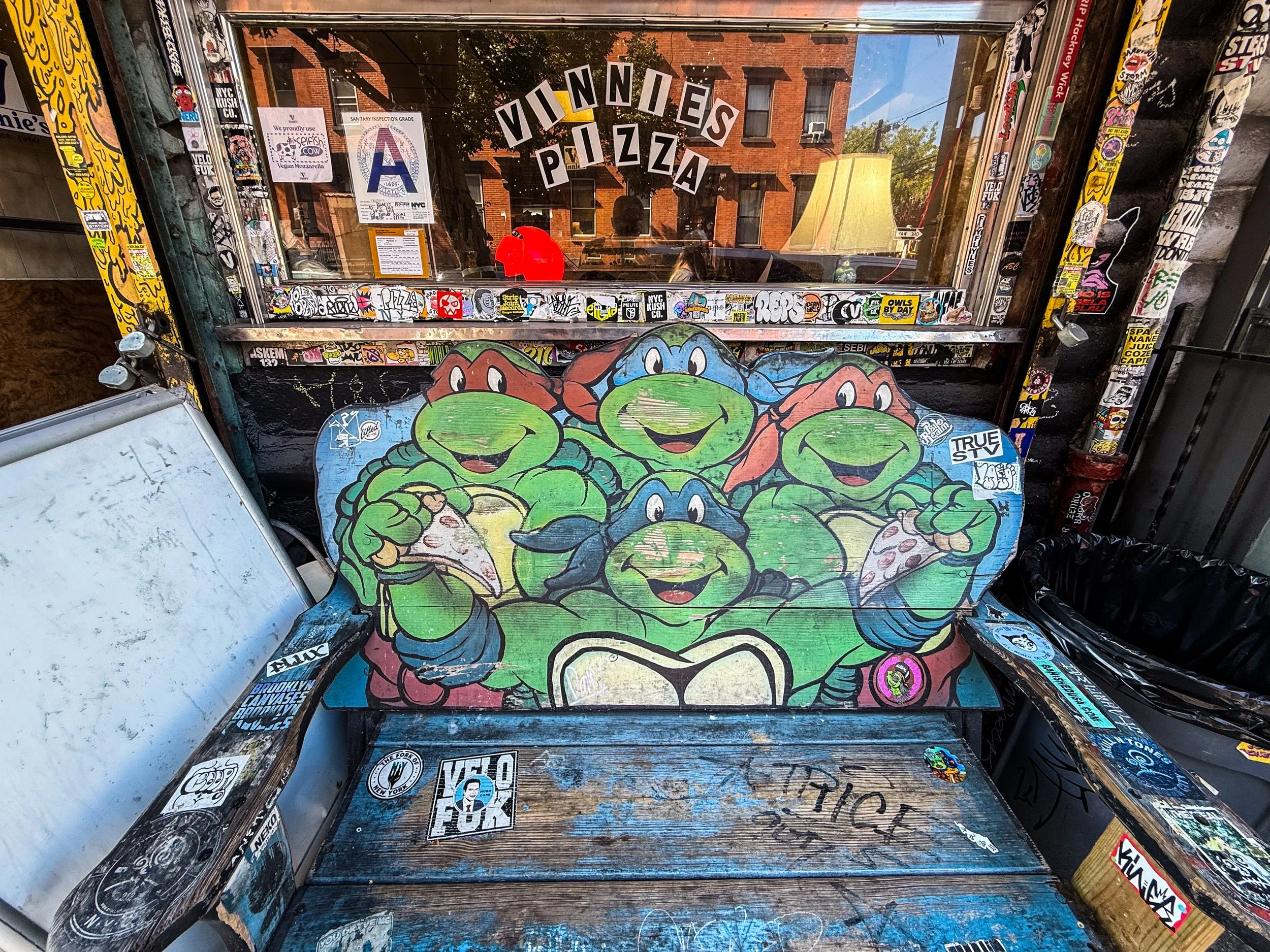
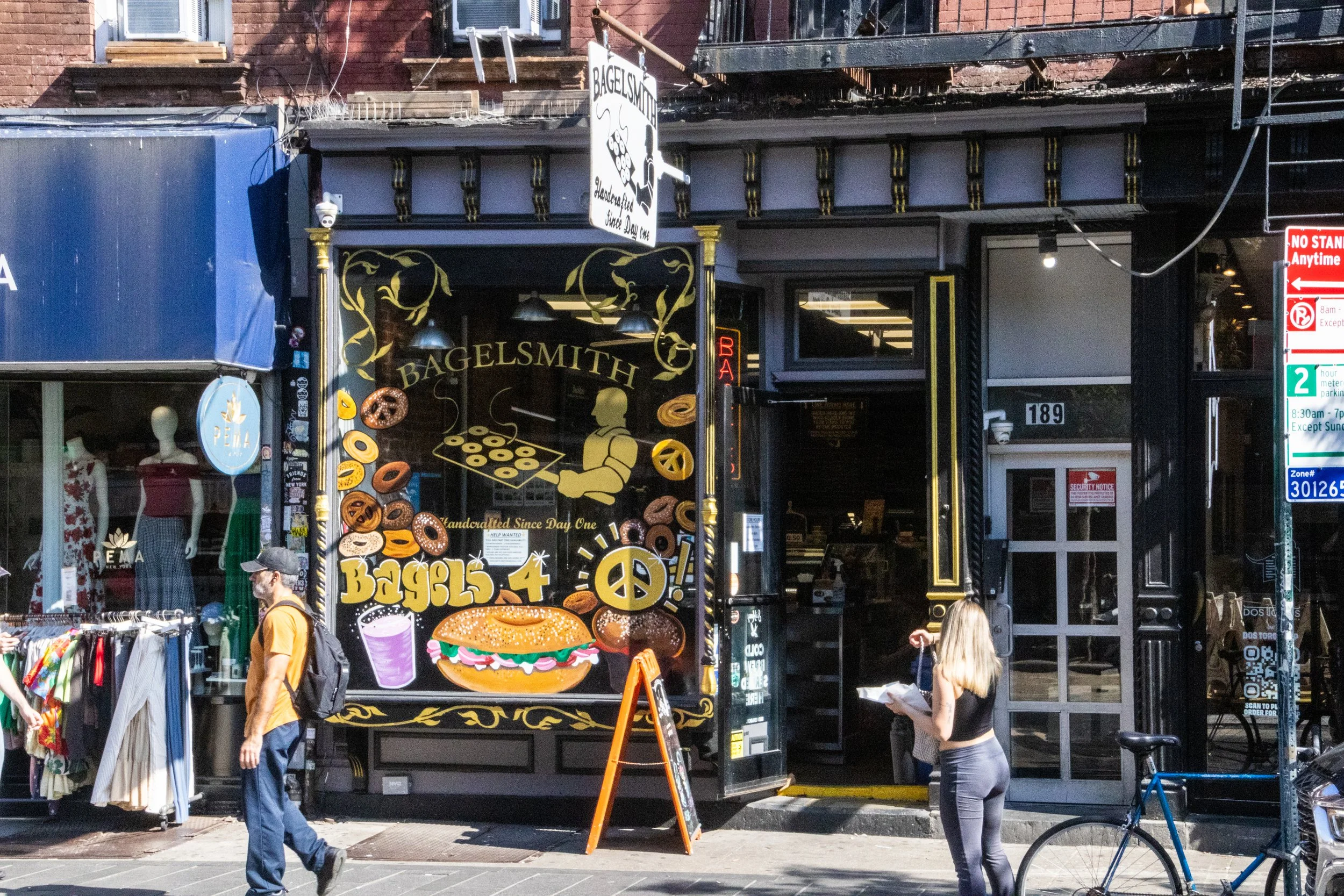
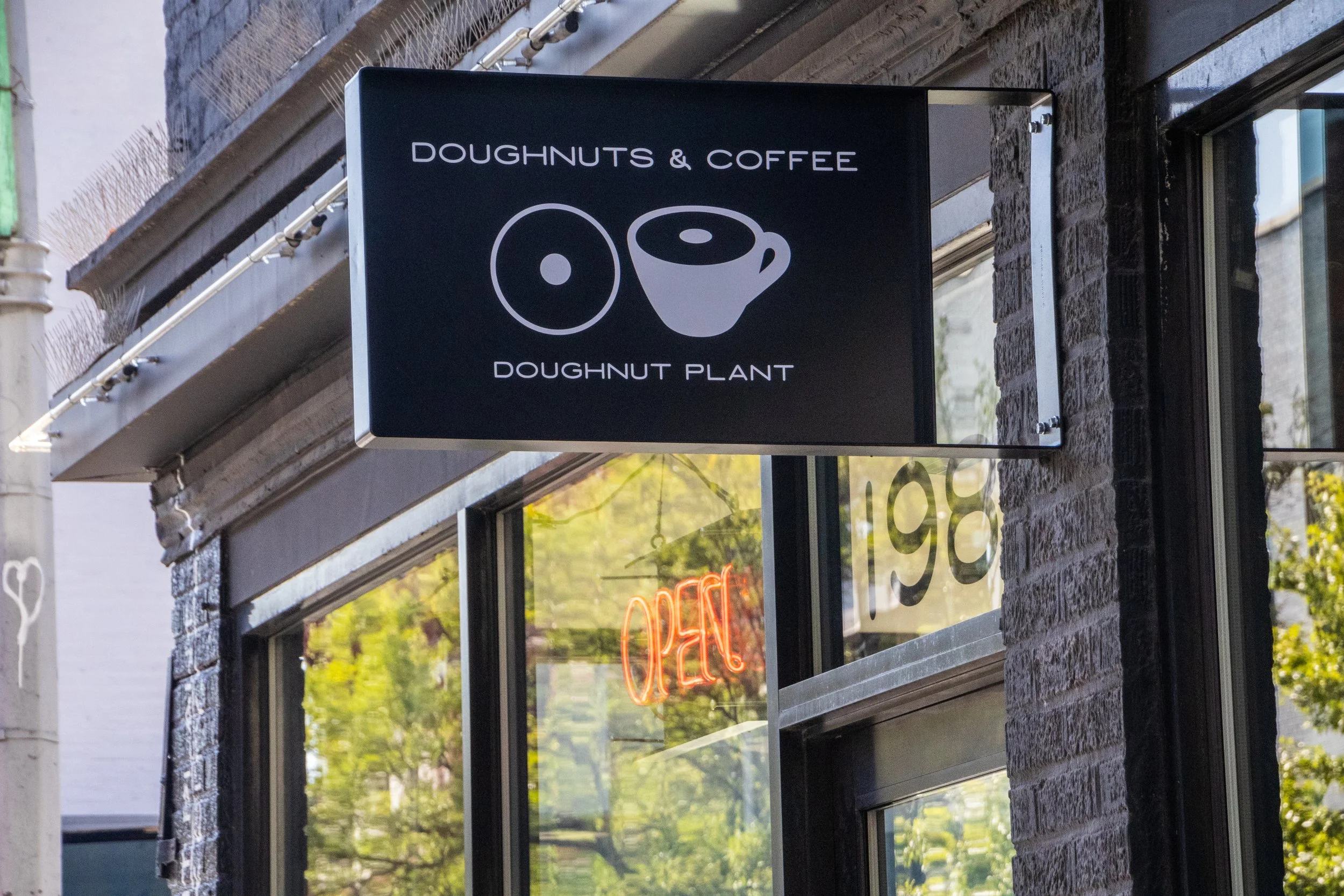
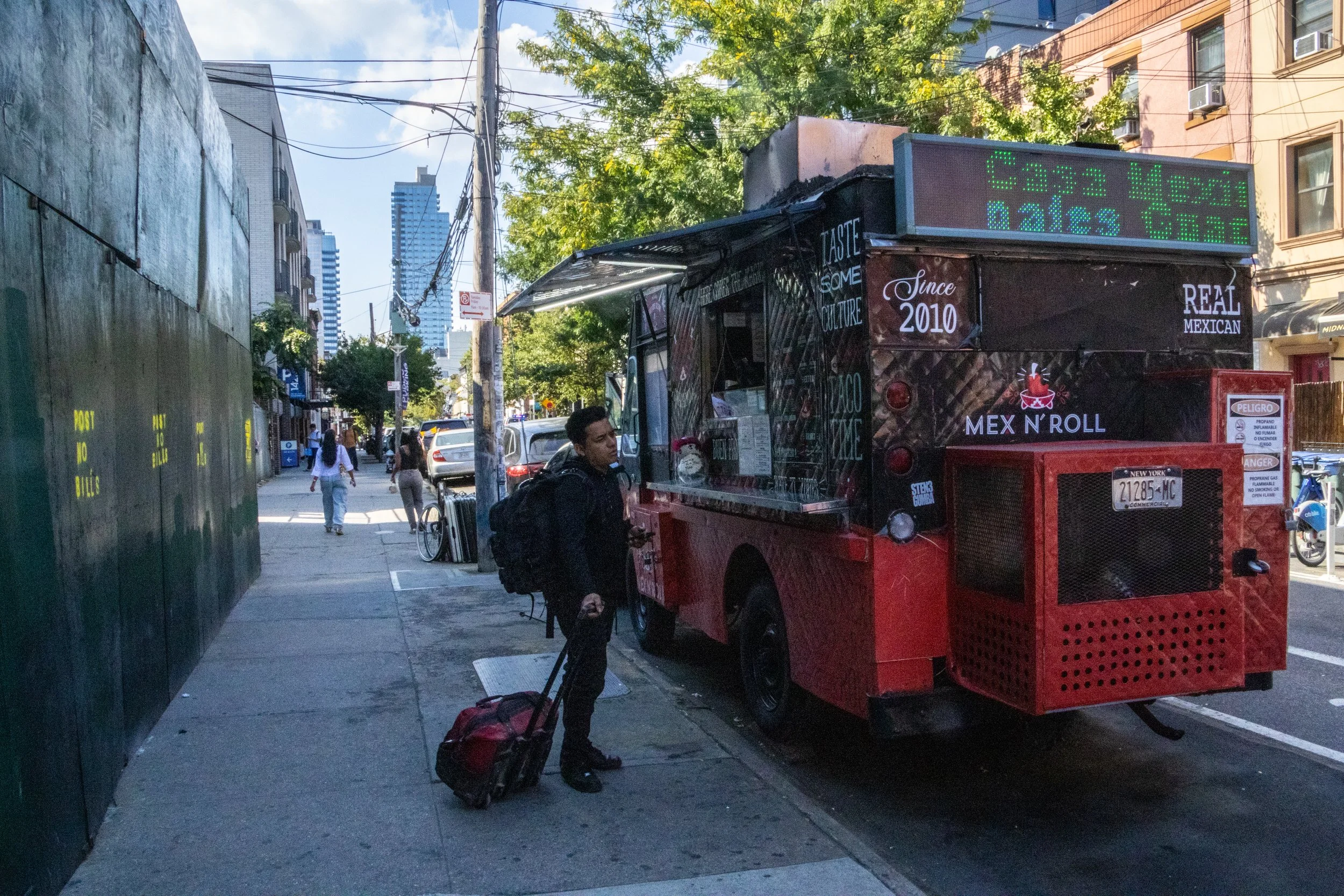
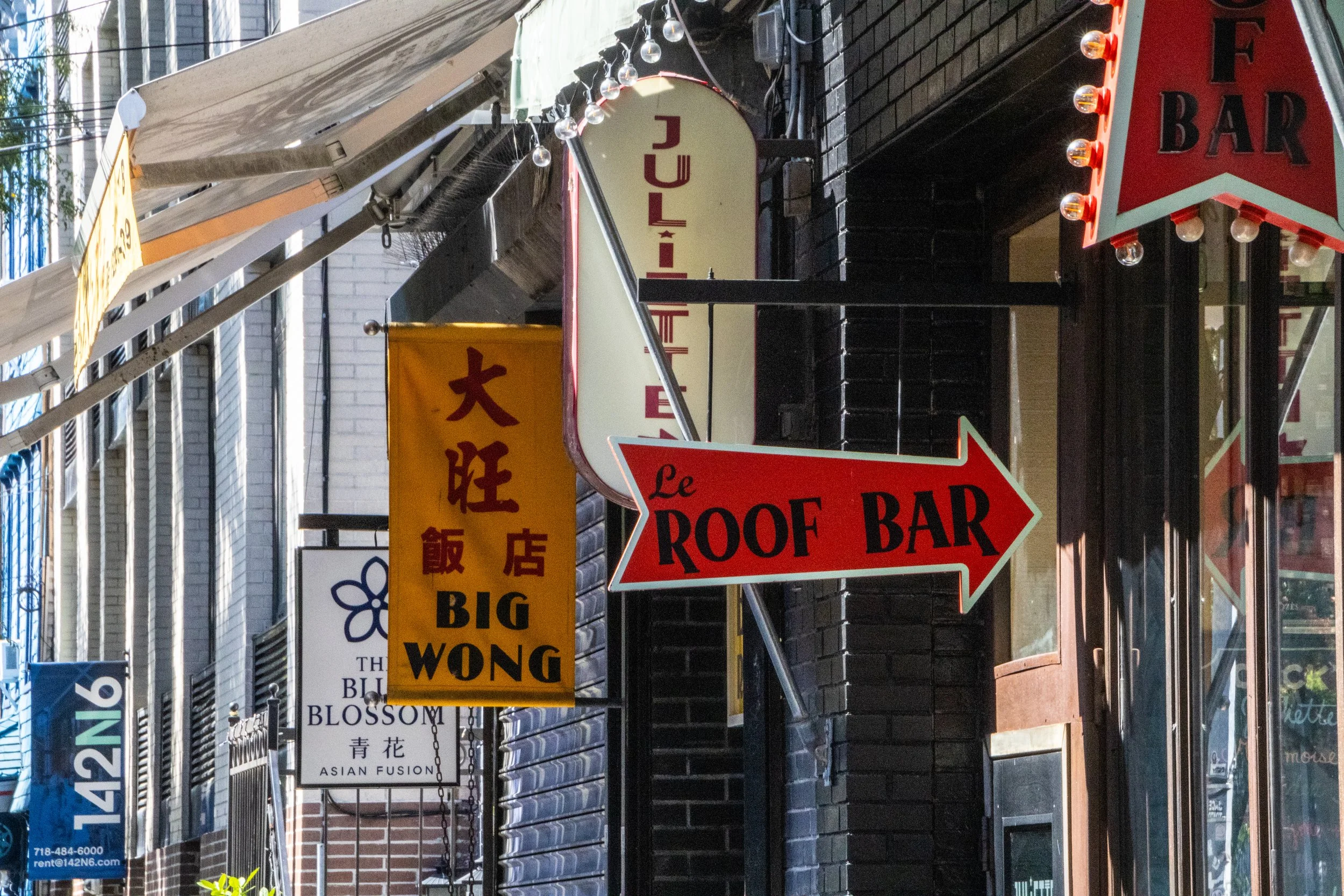
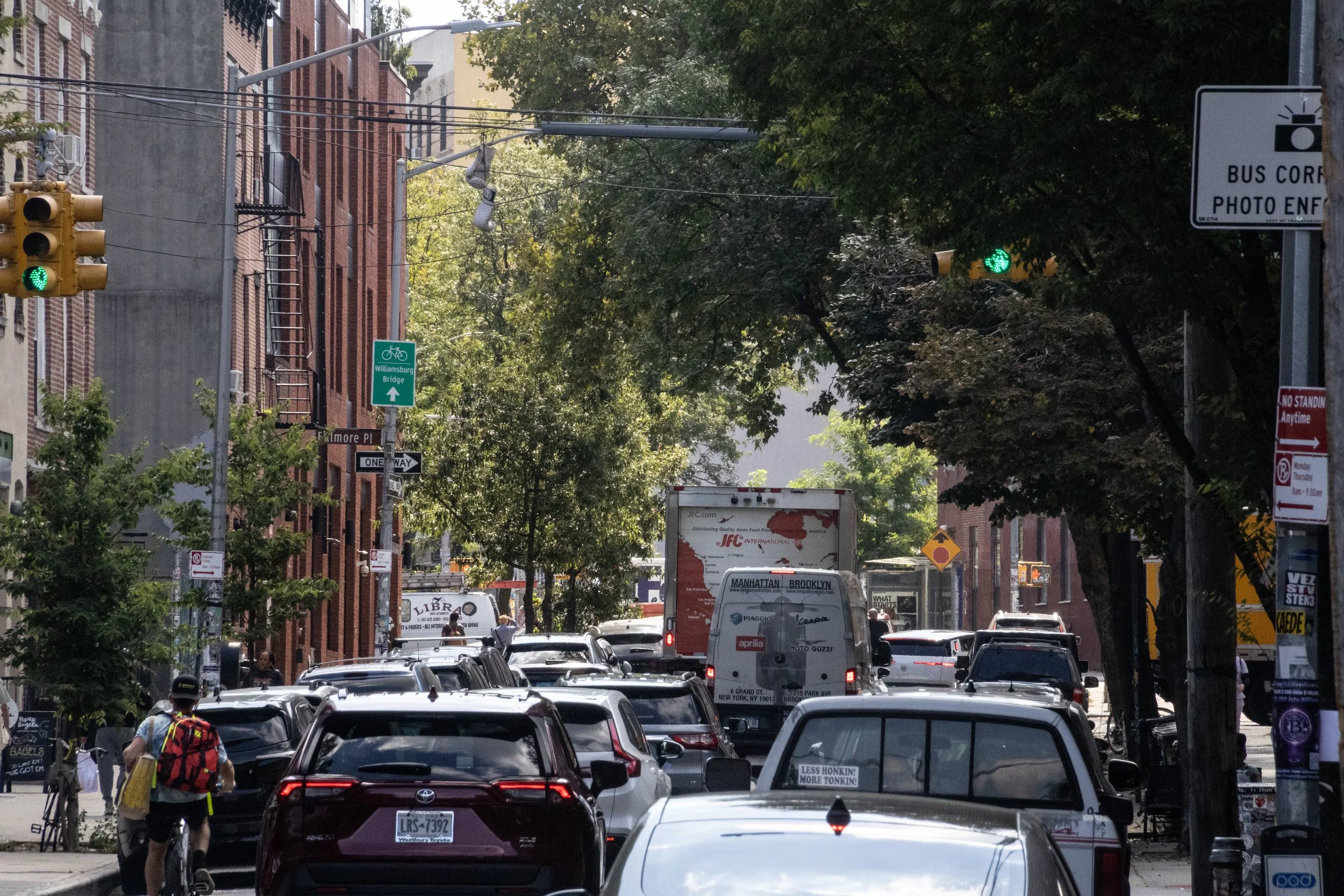
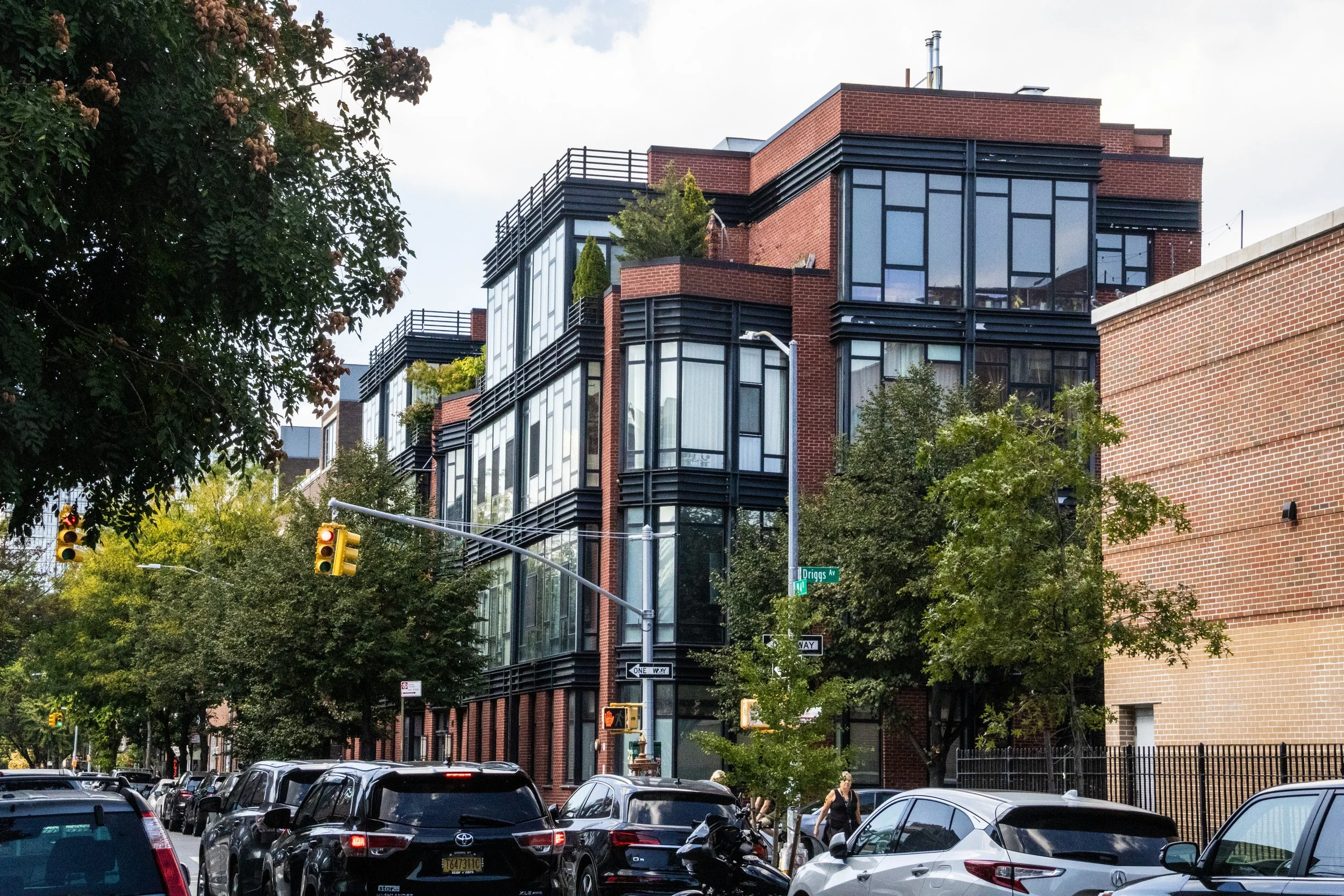
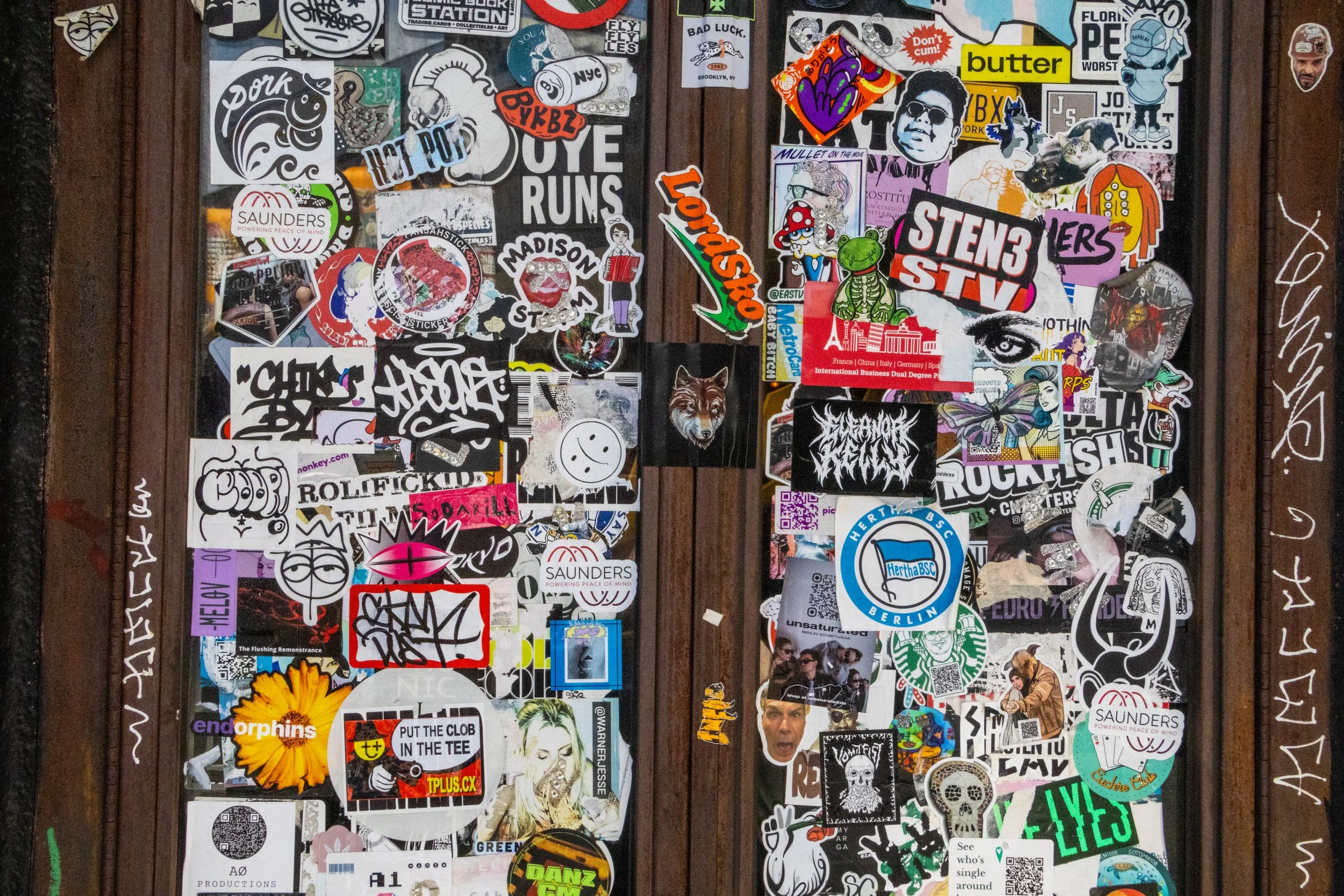
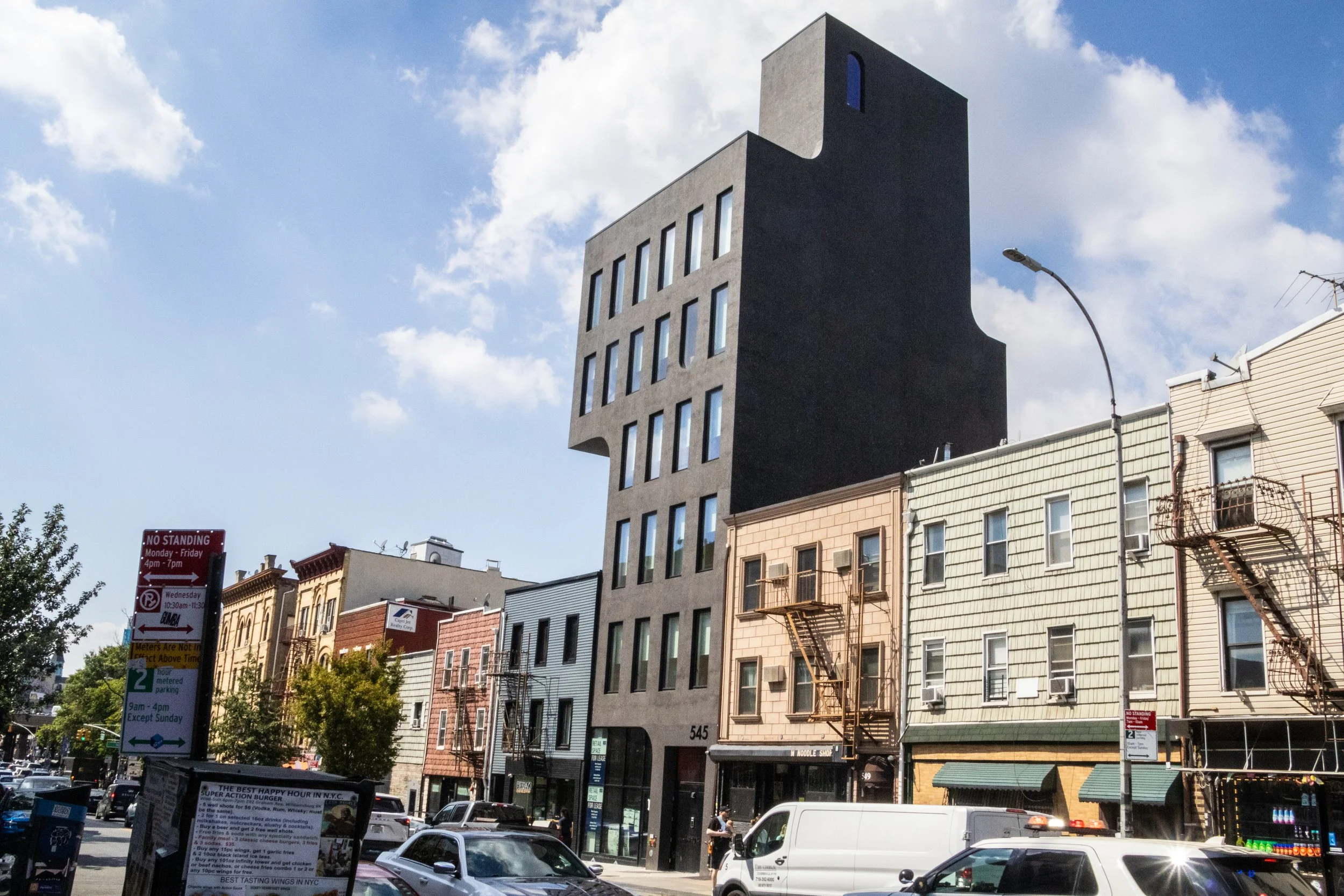
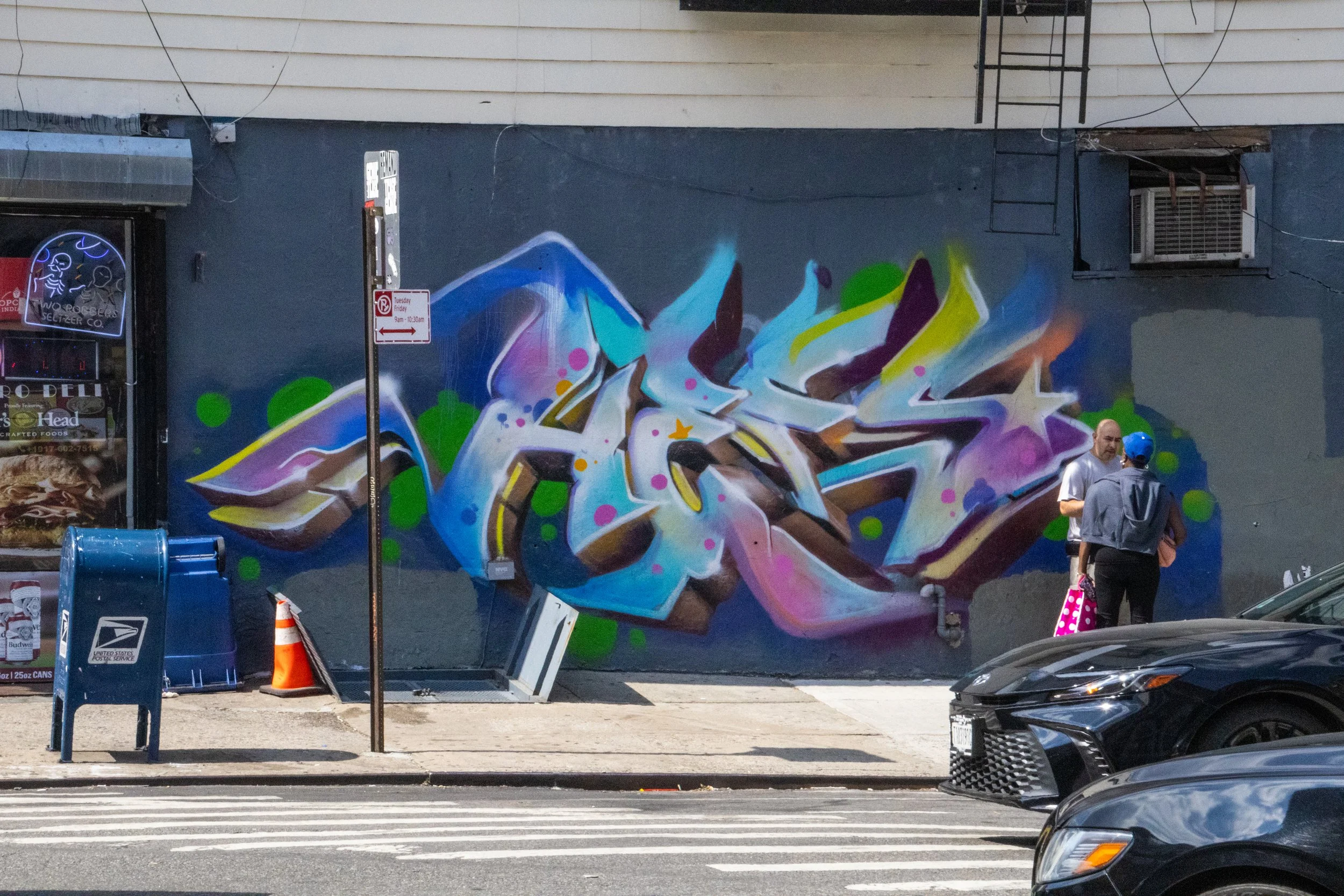
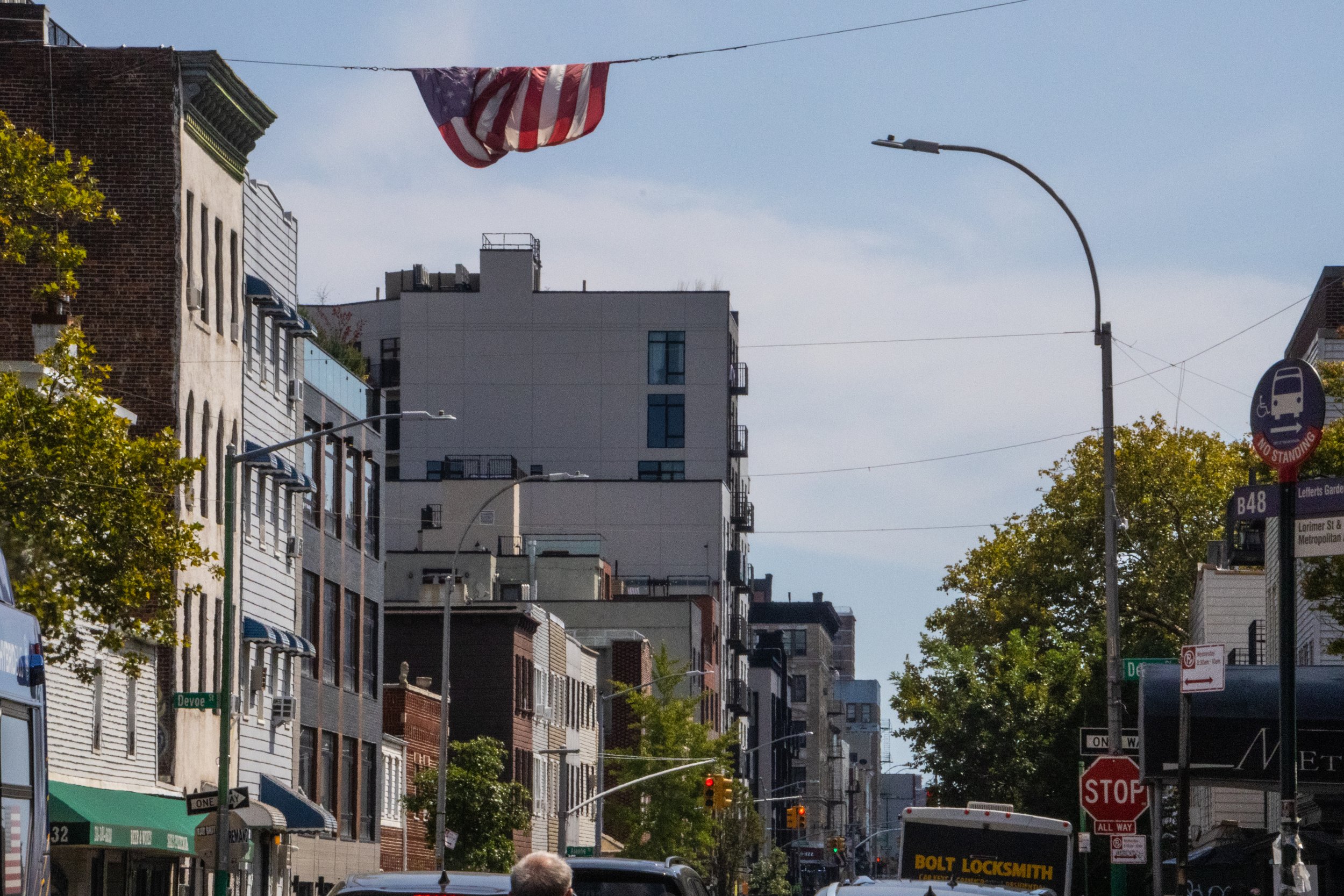
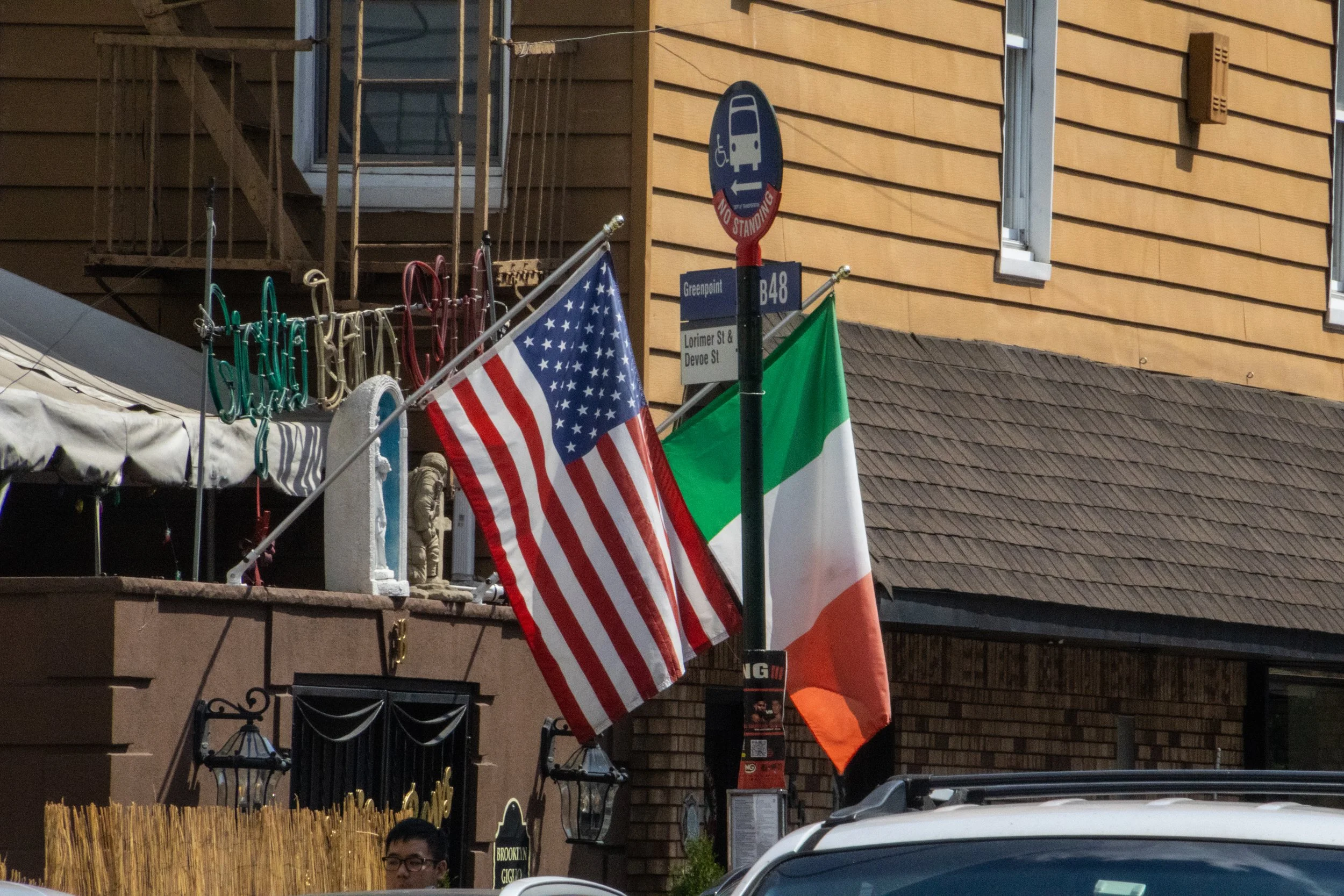
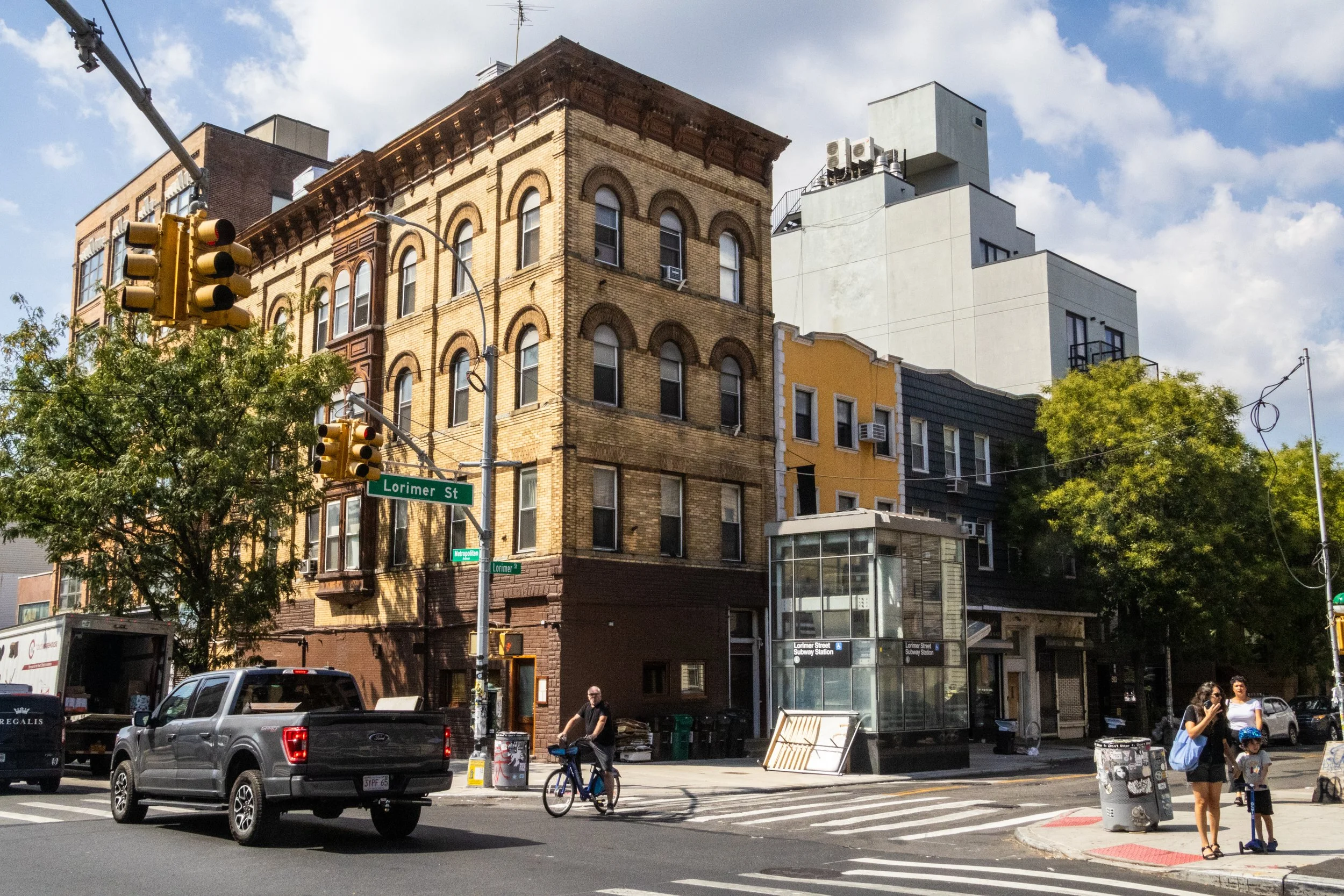
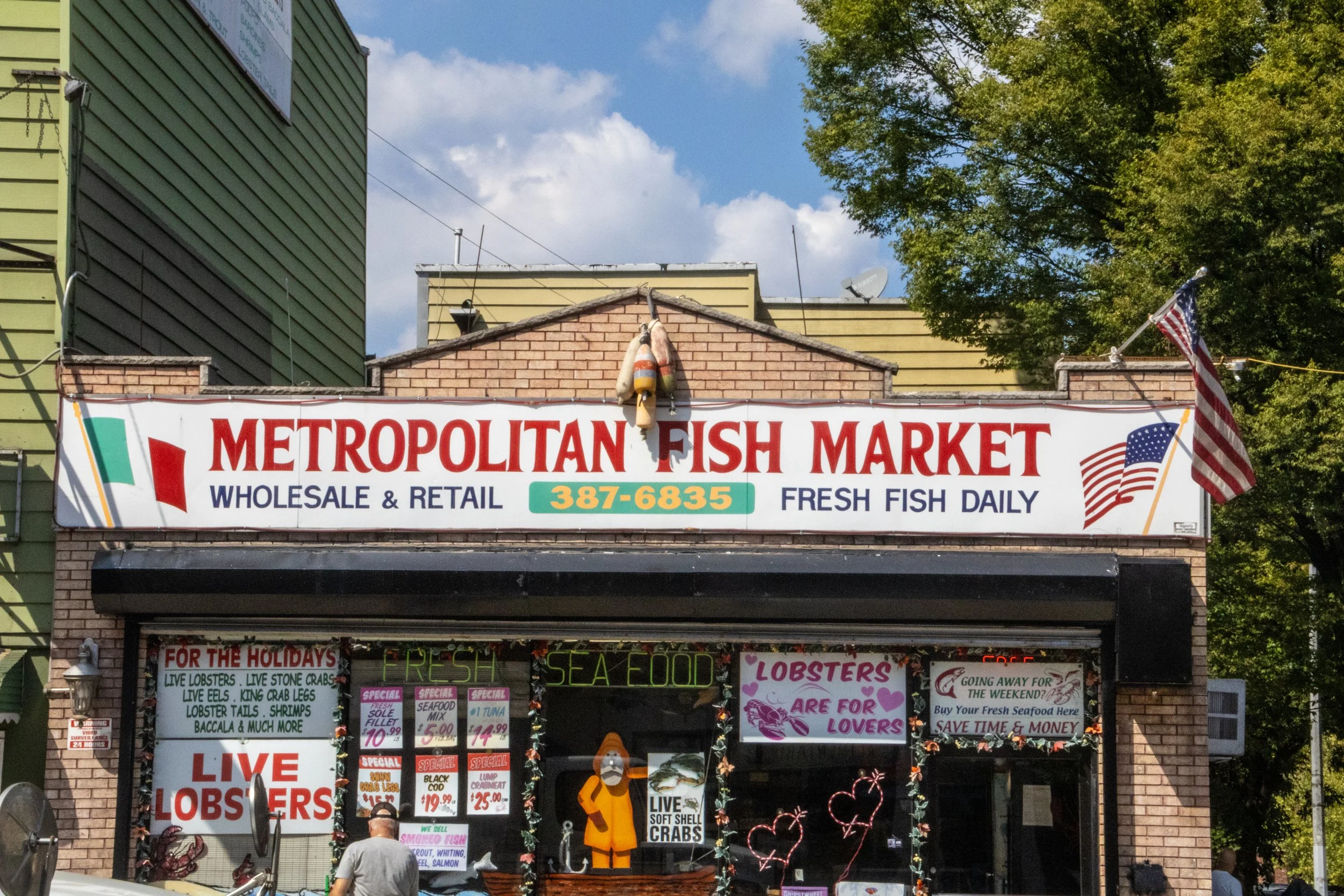
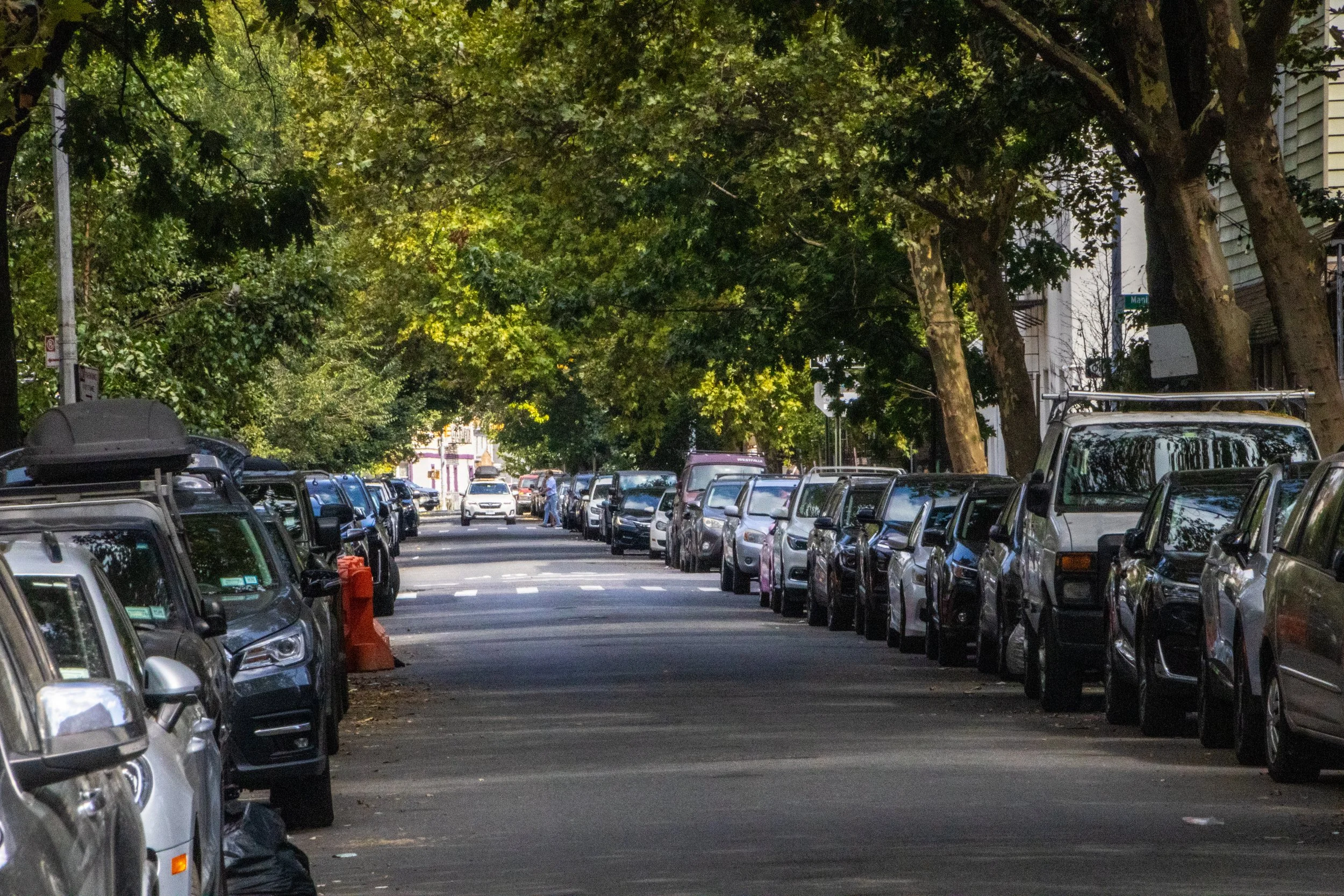
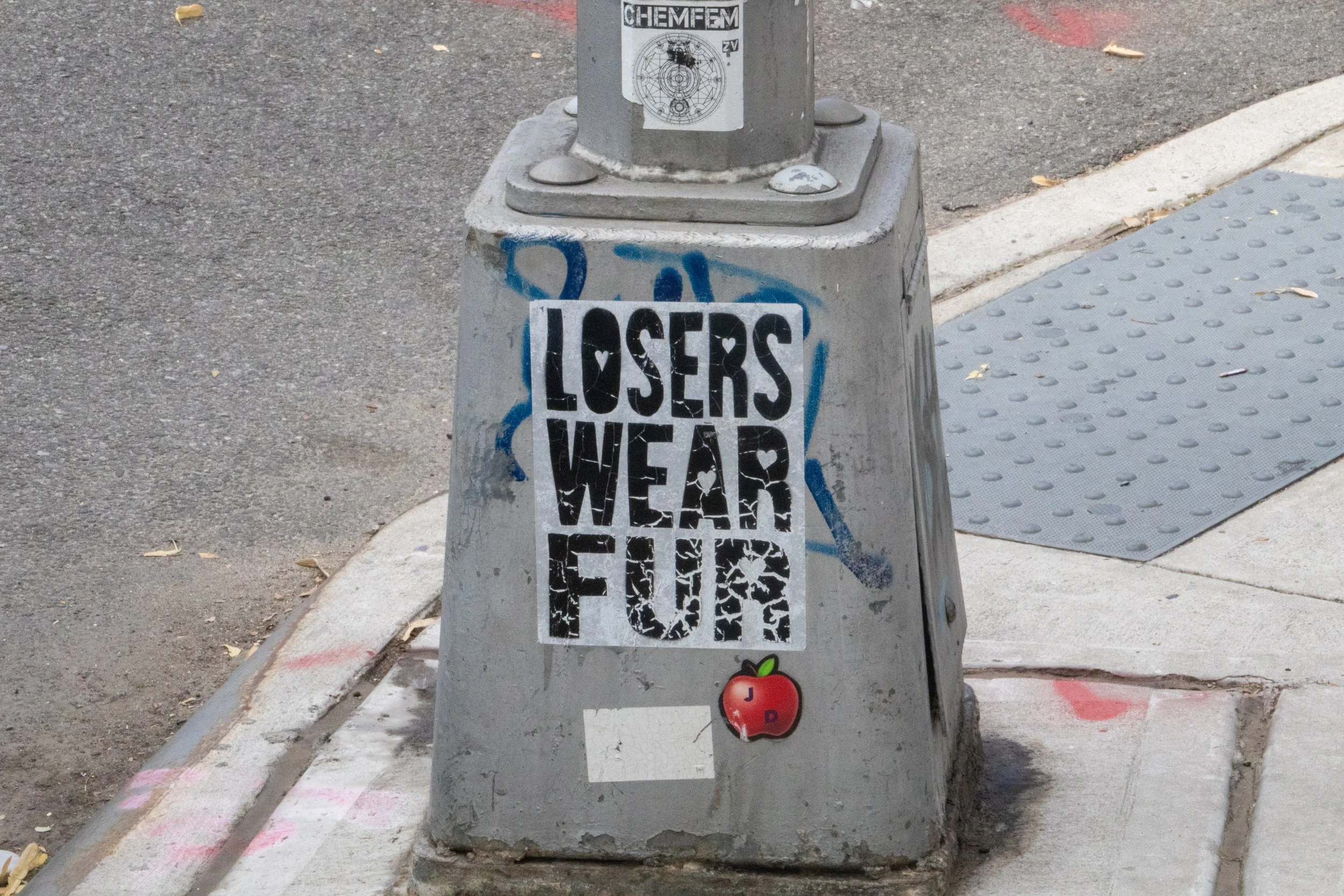
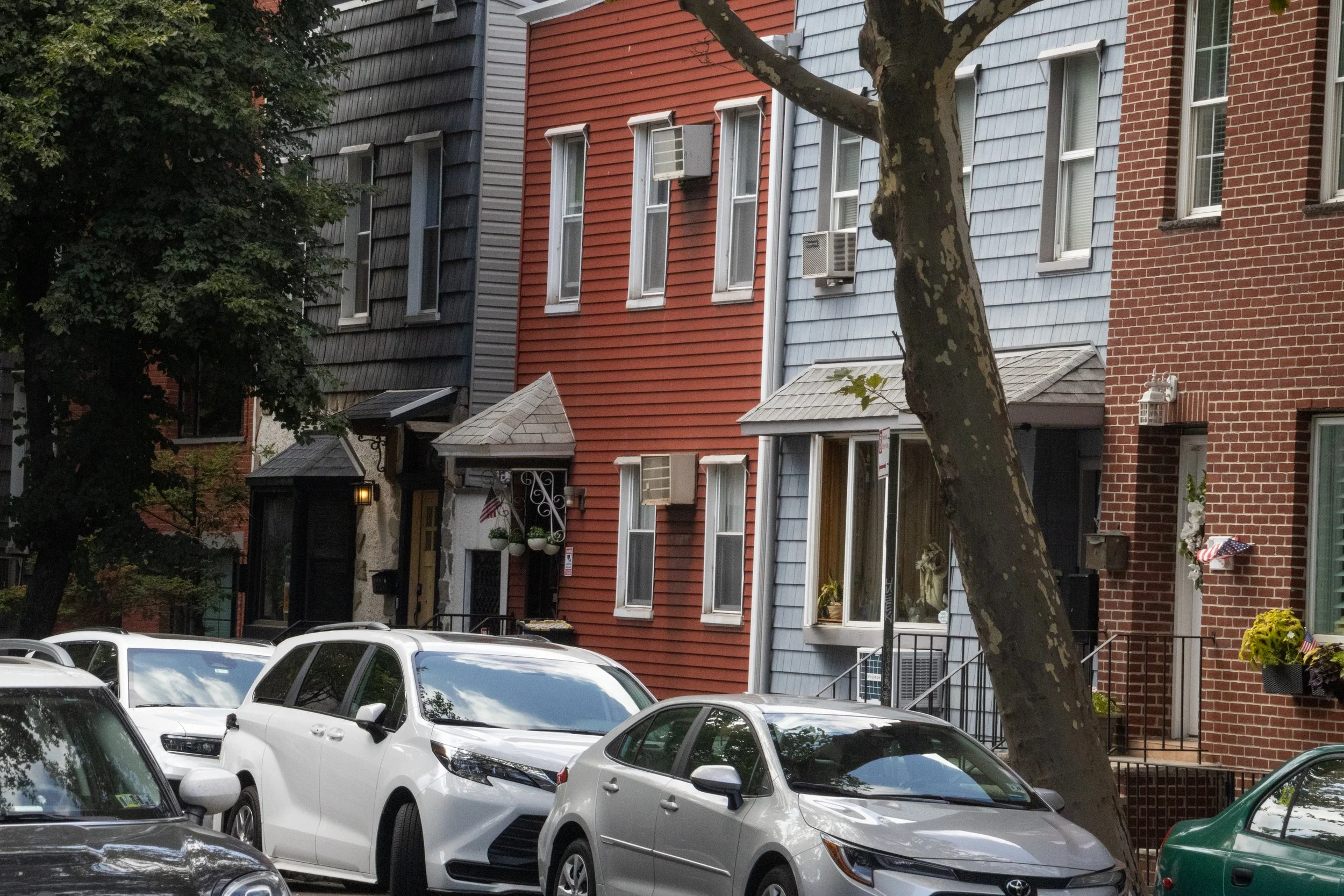
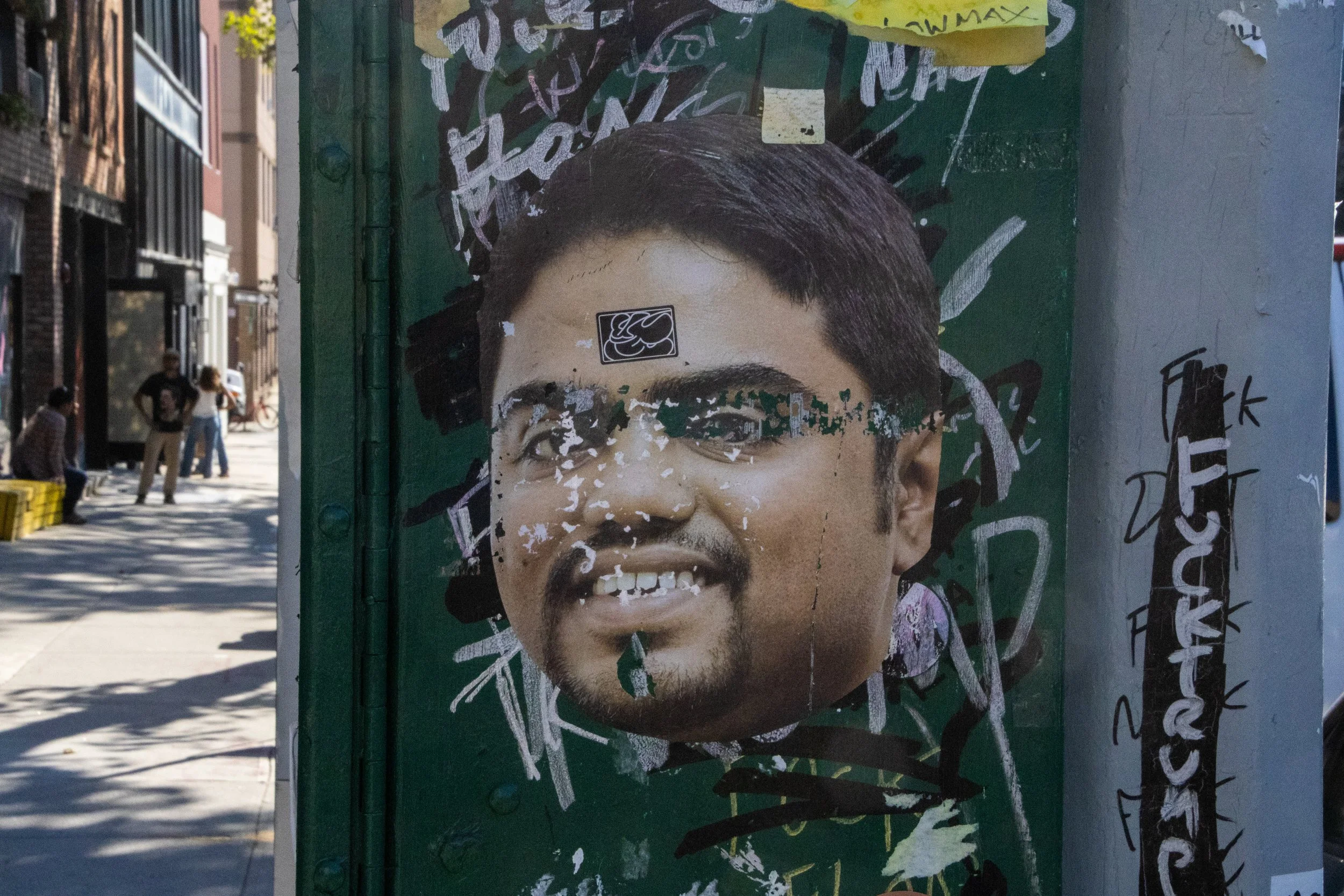
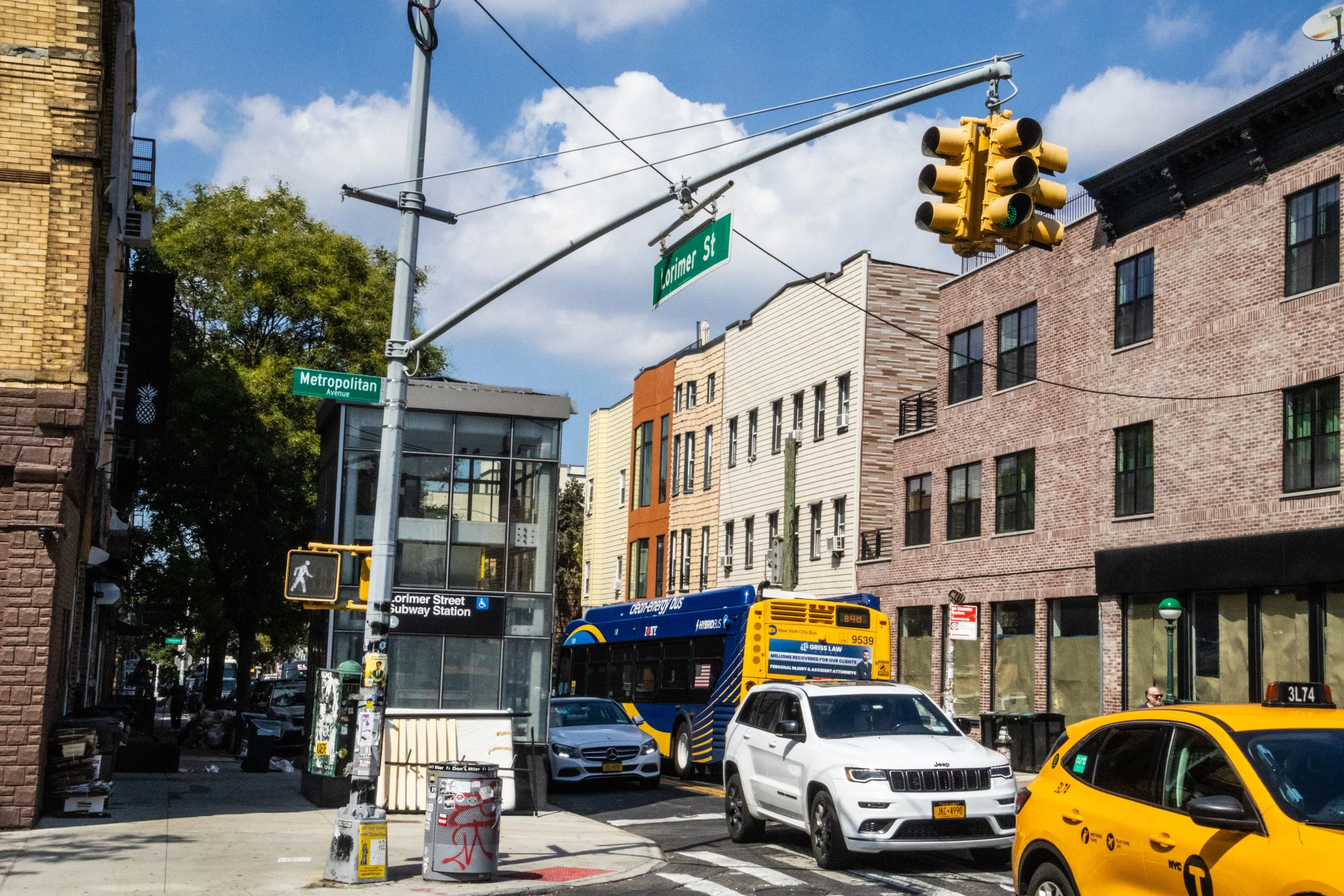
Bushwick
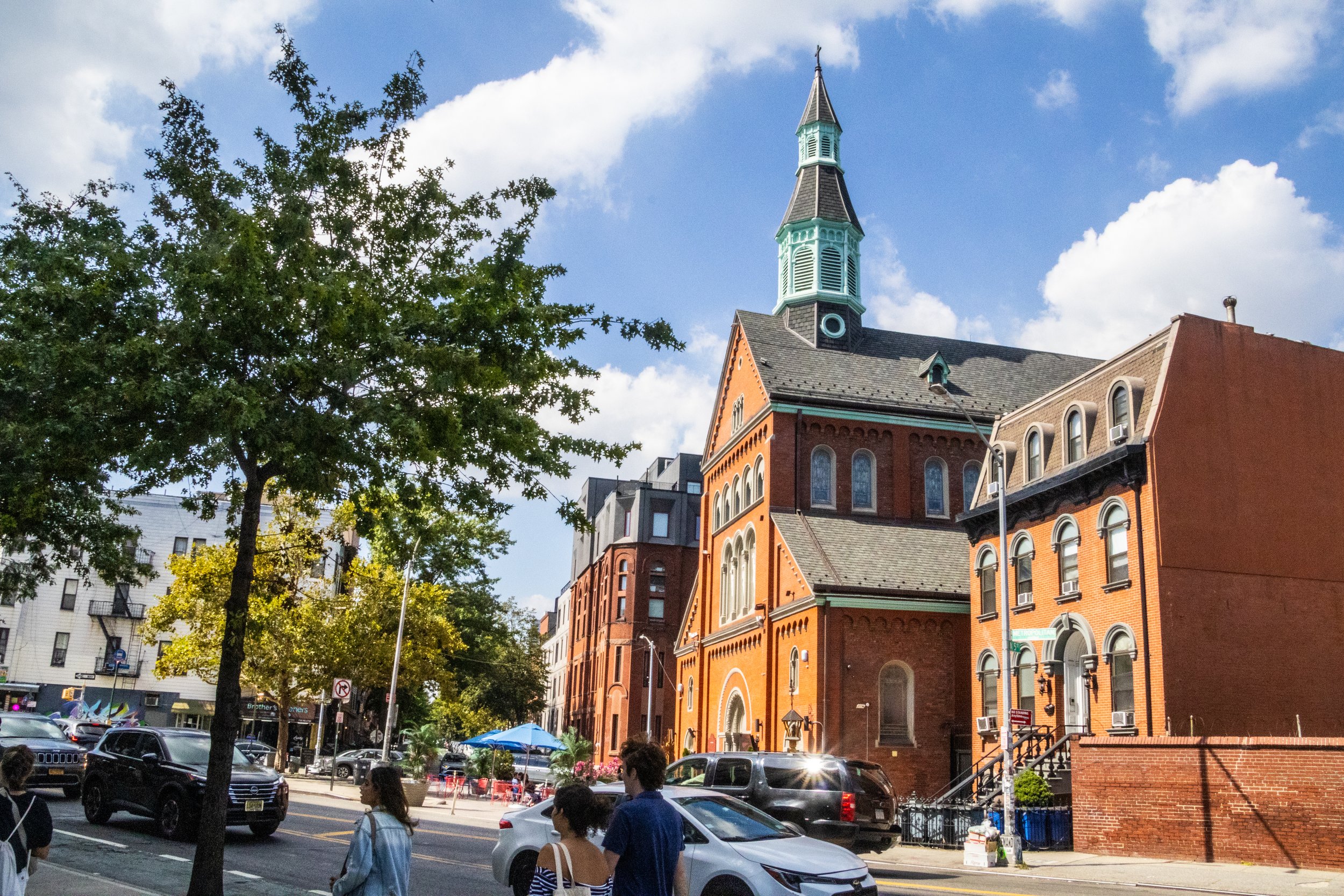
And finally, we arrive in Bushwick. This is DEEP Brooklyn now. And it’s the neighborhood that we’re going to explore most thoroughly this time around (in the next article). For now, I’ll give you the broad strokes.
Bushwick is not as exciting or photogenic as Williamsburg, or DUMBO, or anywhere else in Manhattan for that matter, but it’s the sort of place that’s easier to picture yourself living in. Economically, it feels a lot more accessible, but it still has all the charm and diversity of Brooklyn, and indeed, of NYC overall. It’s still connected to the same subway system as the rest of NYC, allowing easy access to the rest of the city, but it’s quieter. And, my understanding is that it has a whole separate social scene. Bushwick is now (more or less) what Williamsburg was in the 2000s. It is the heir-apparent to Brooklyn’s artist/hipster population, and it’s got the 3rd-wave coffee shops, vintage stores, and dive bars to prove it. However, I should probably note that there are sub-neighborhoods within Bushwick as well, which each carry their own unique set of circumstances.
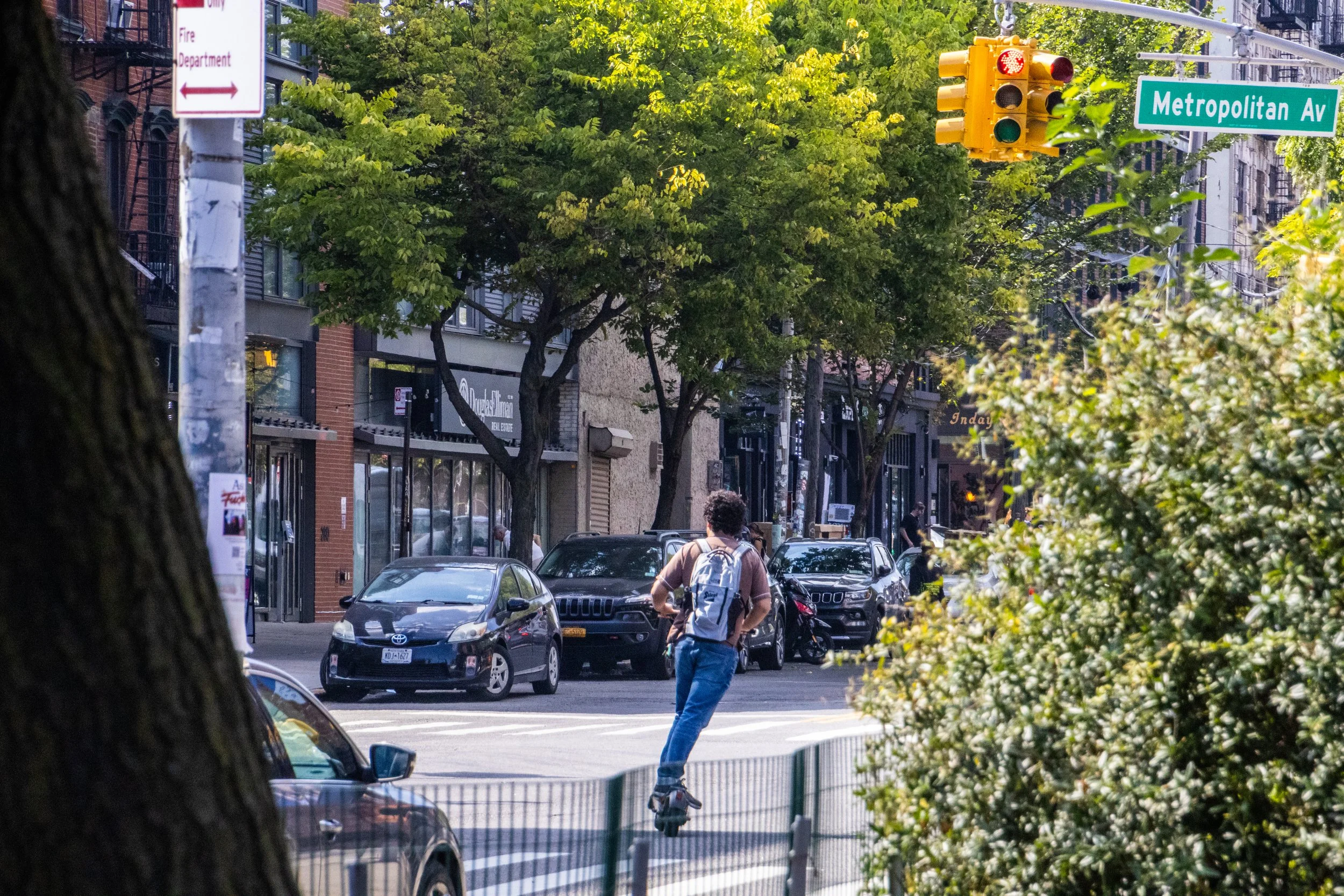
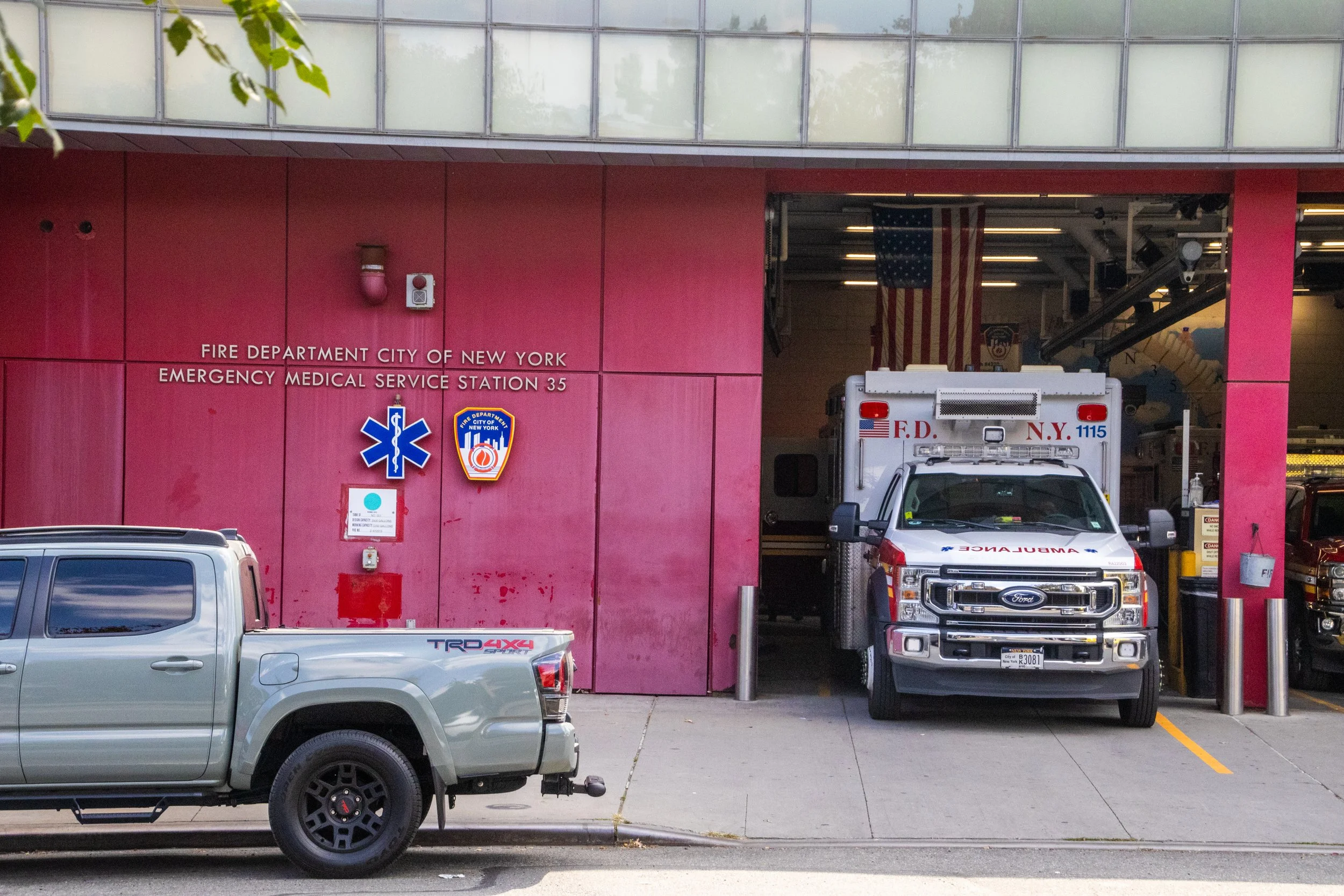
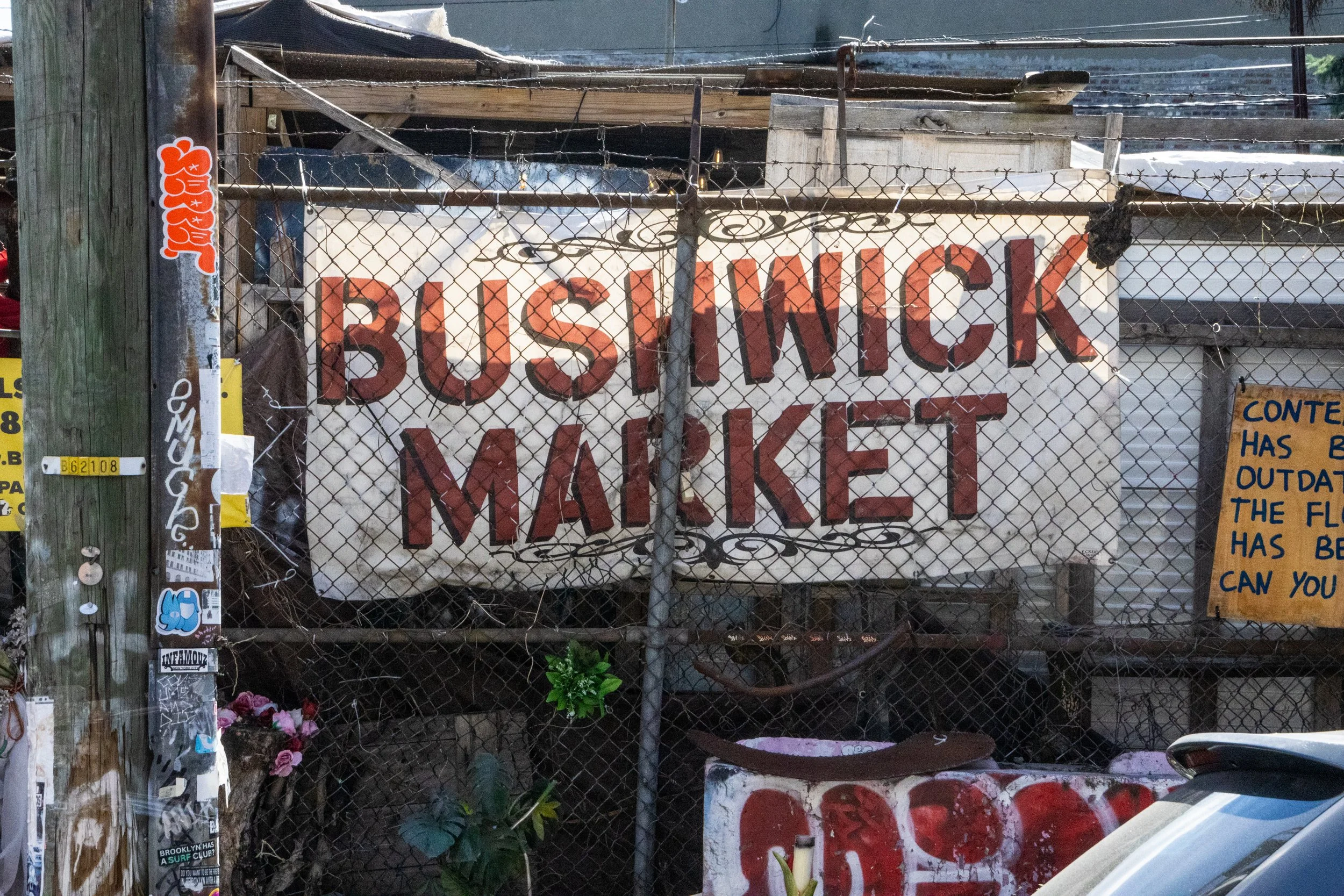
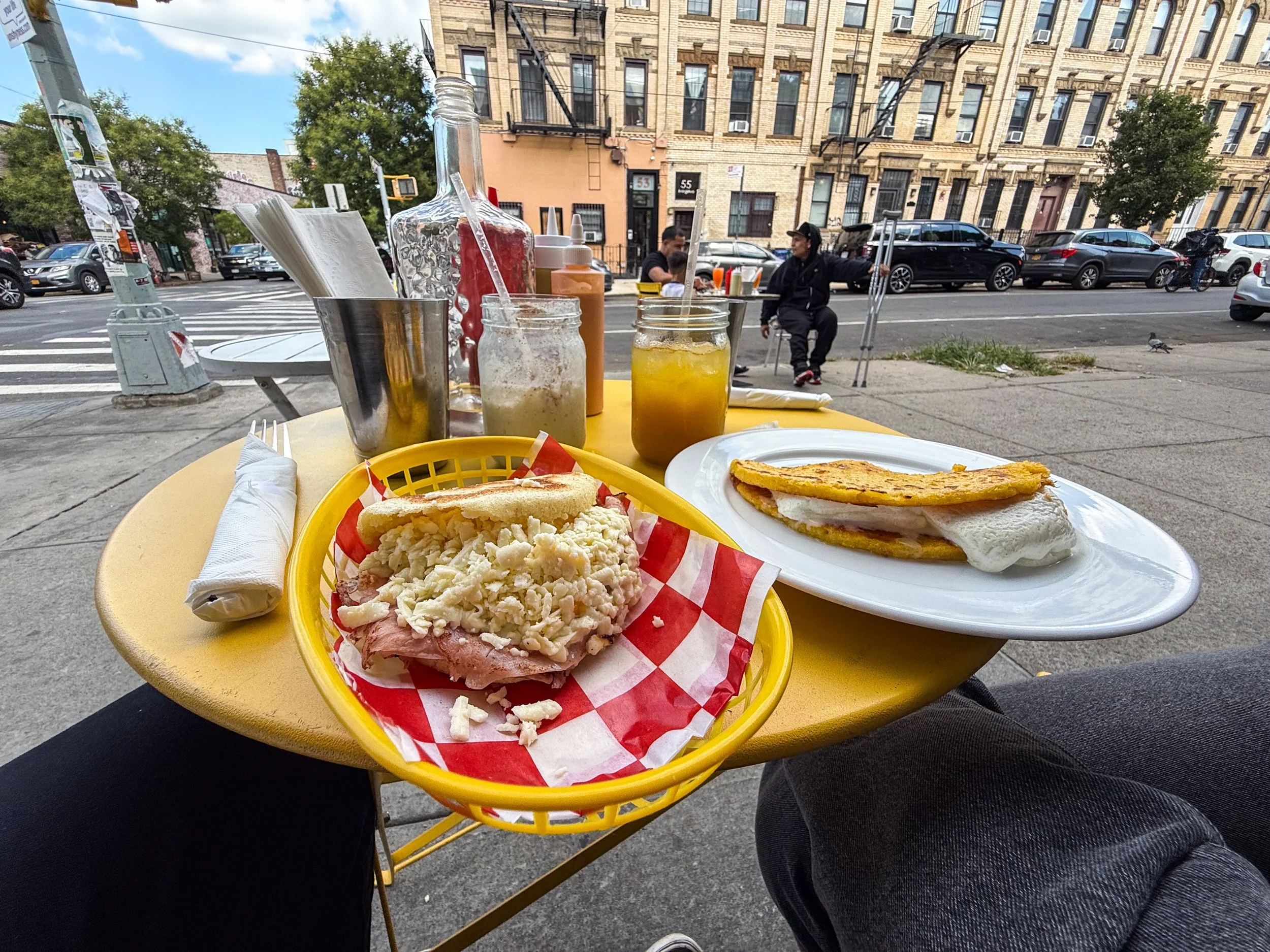
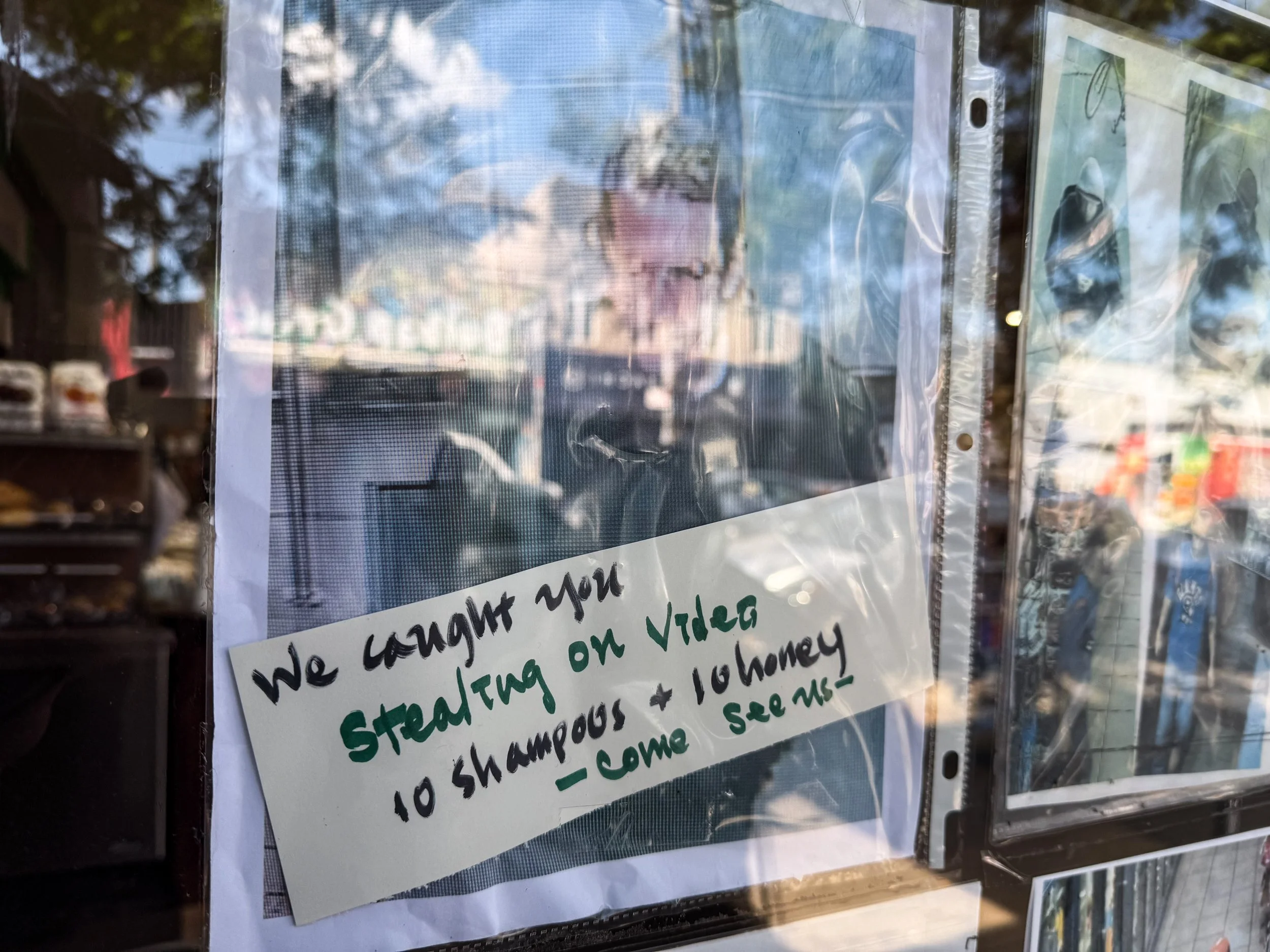
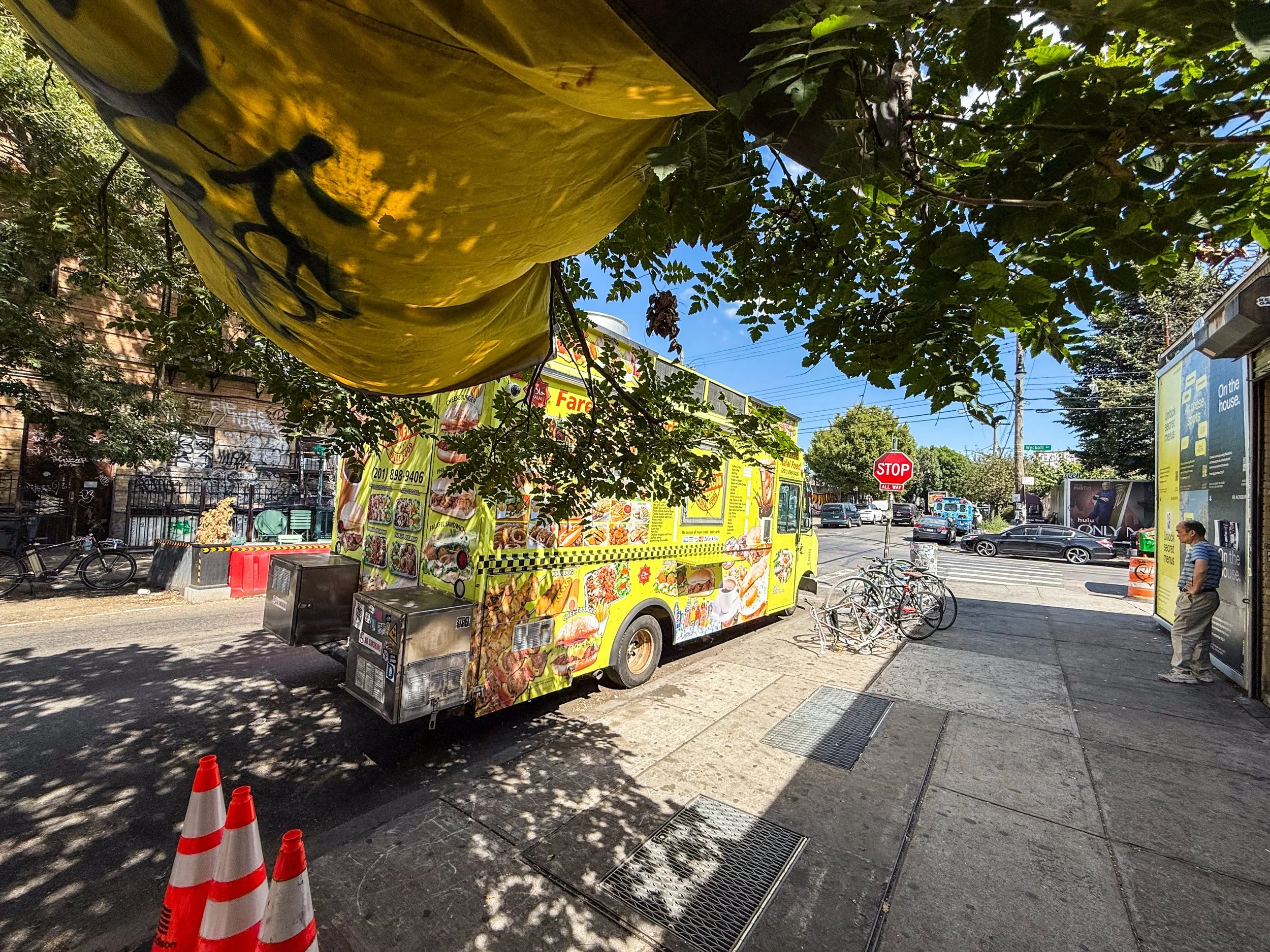
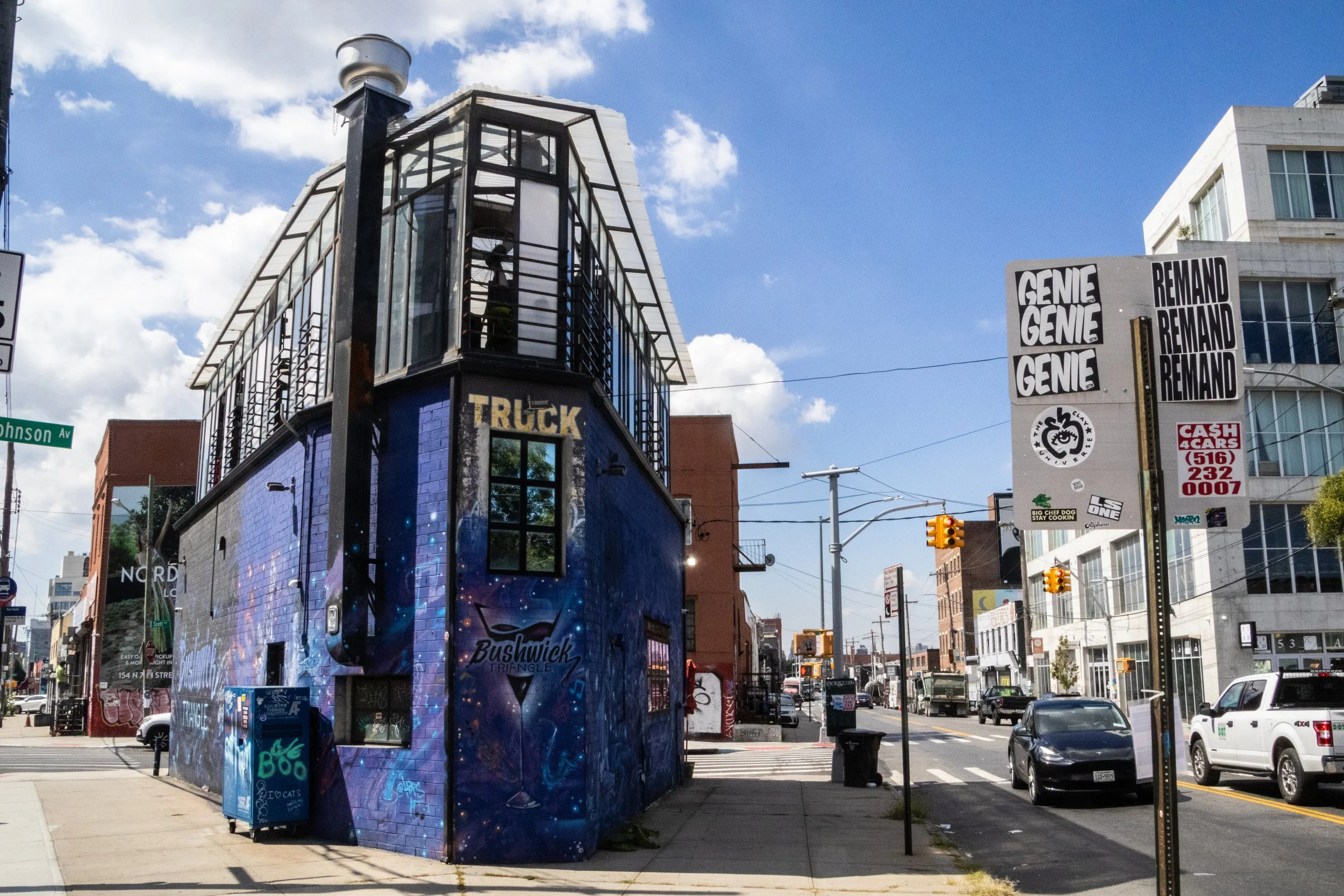
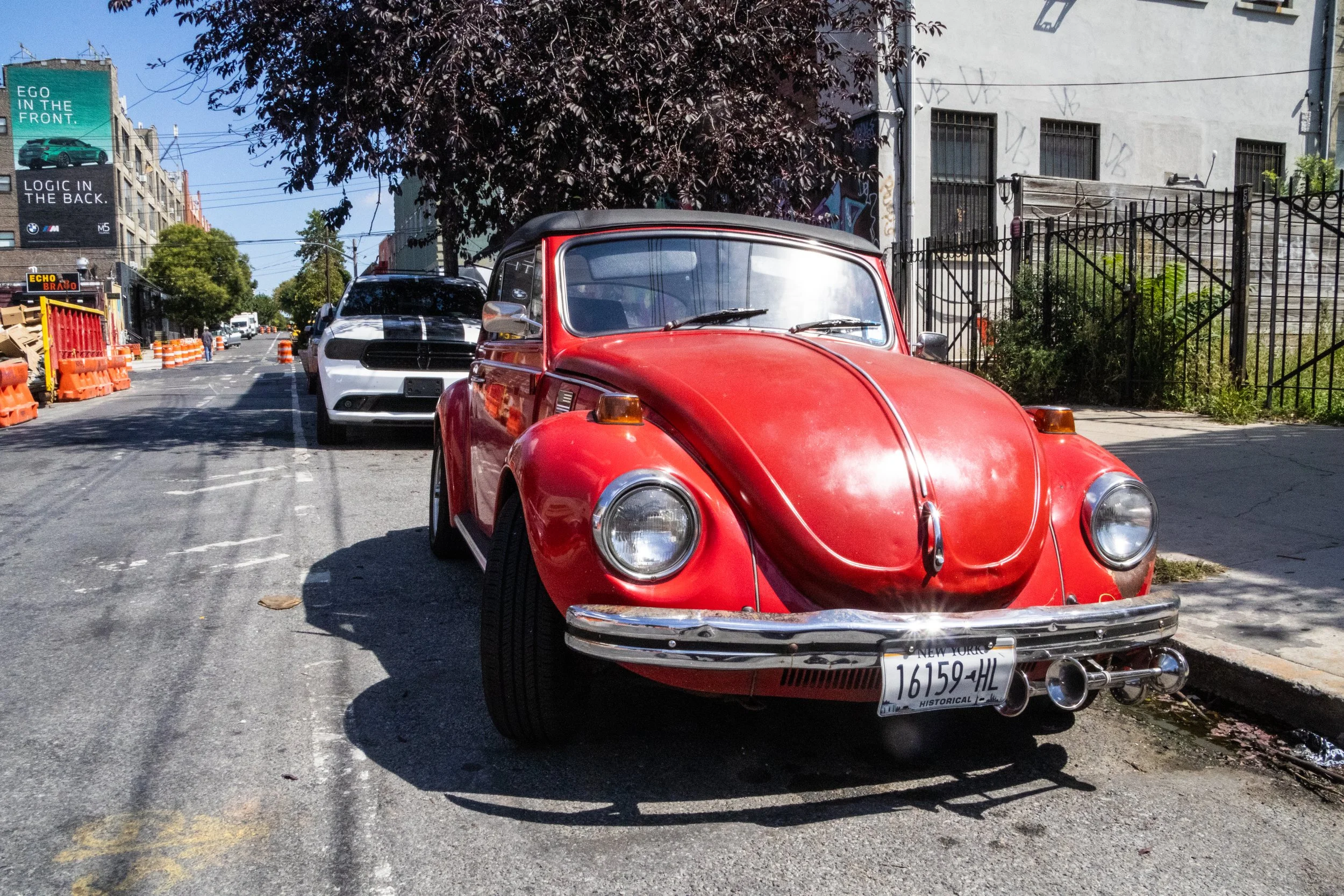
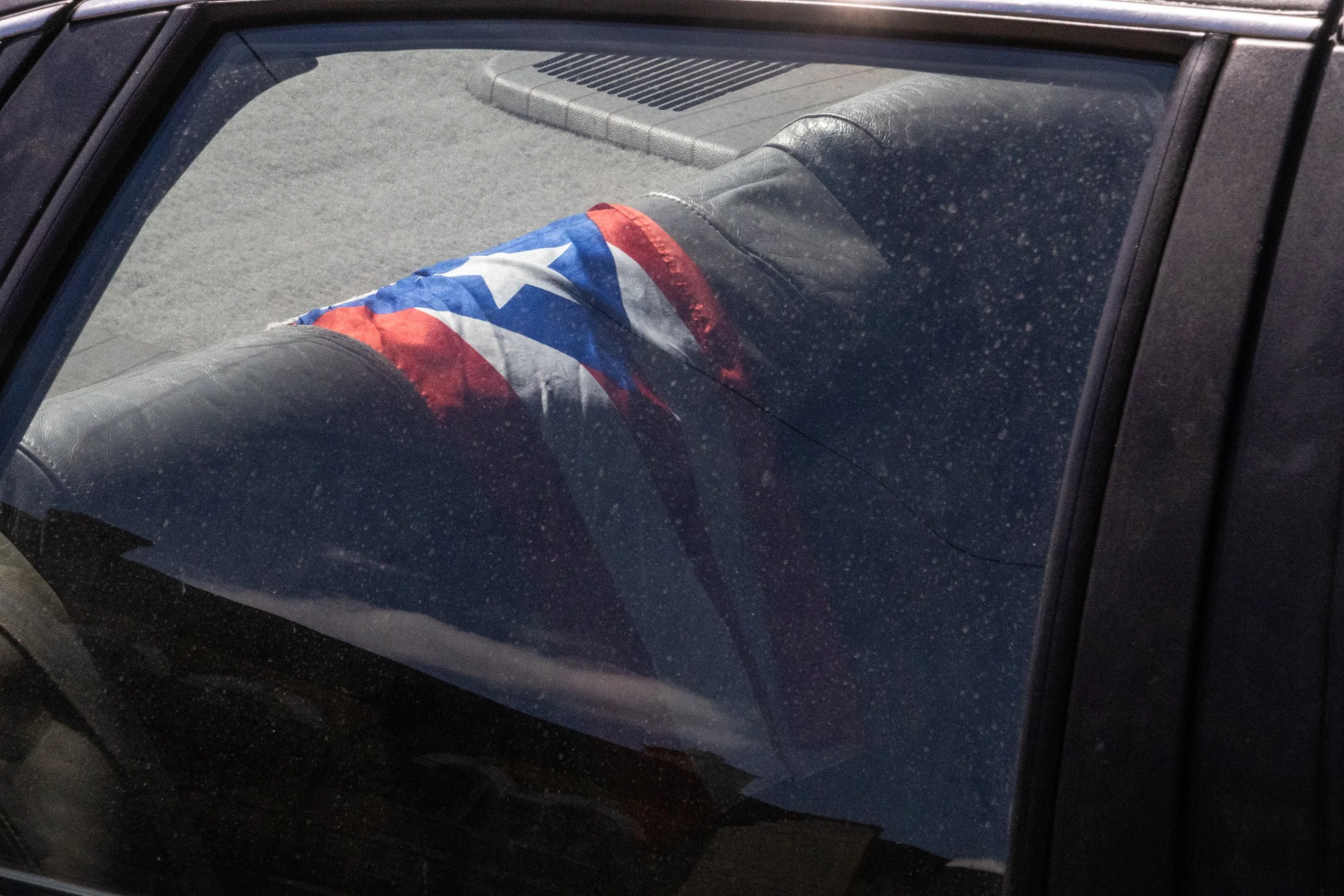
Although there is also gentrification happening in Bushwick, it is still genuinely mixed income, and definitely off-the-beaten-path for visitors. Bushwick is local, communal, and still (generally/relatively) affordable. It’s also a big center for NYC’s Latino population; its most prominent communities are Dominican and Puerto Rican, but there’s a bit of everything out here. We stopped through an amazing Venezuelan restaurant out here that I would highly recommend called Arepera Guacuco. Here are a few snaps from our wanderings through Bushwick on a hot, summer day…
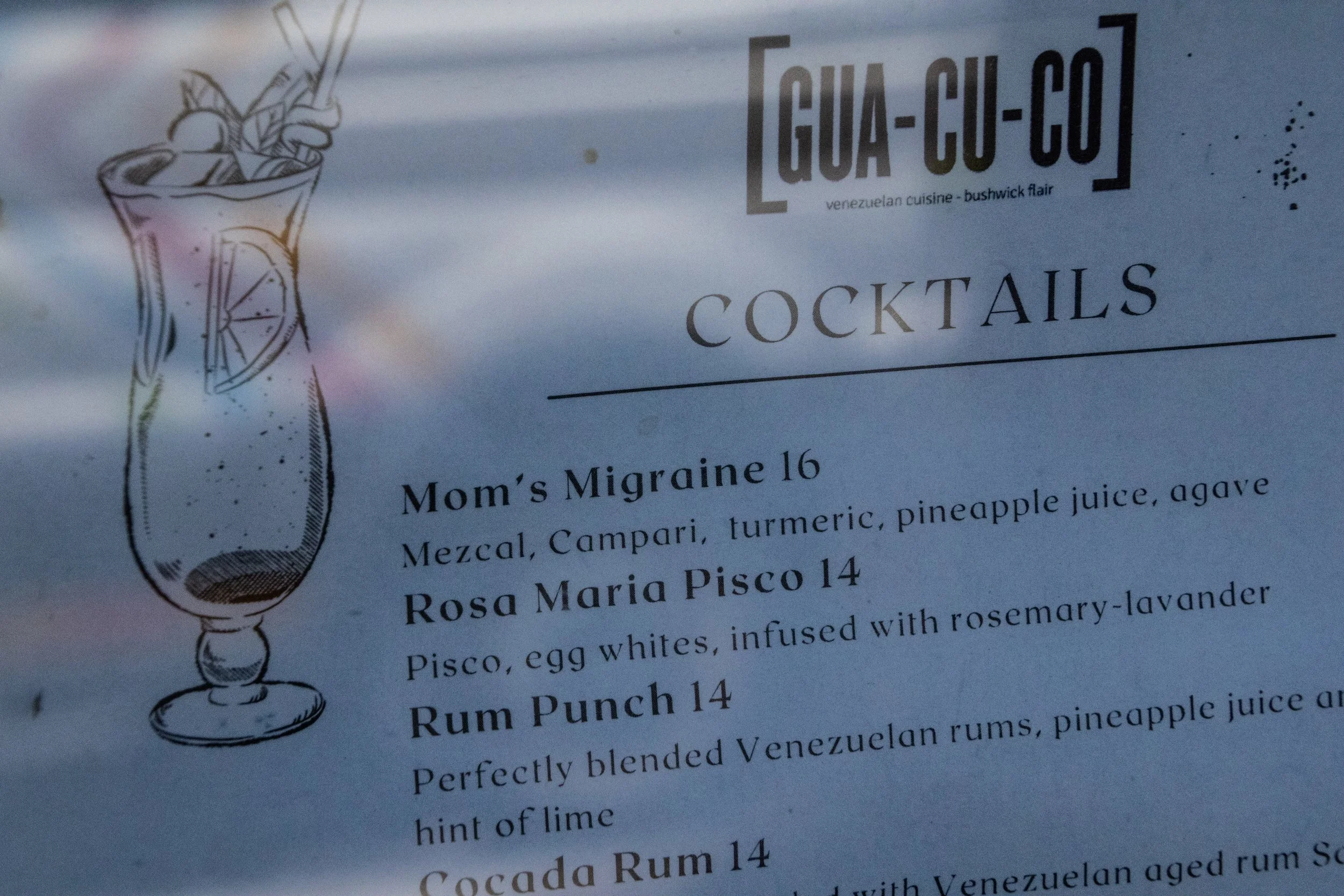
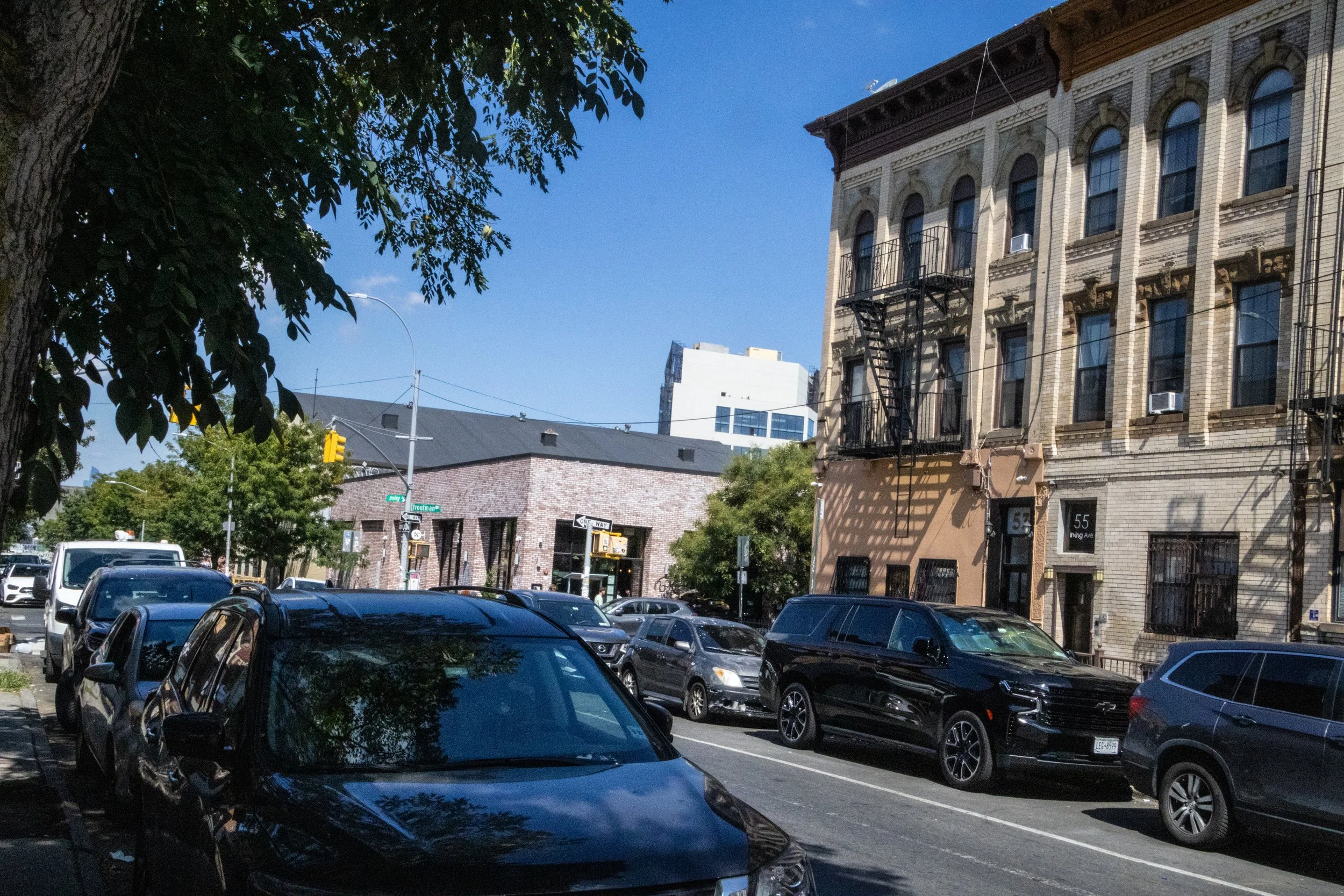
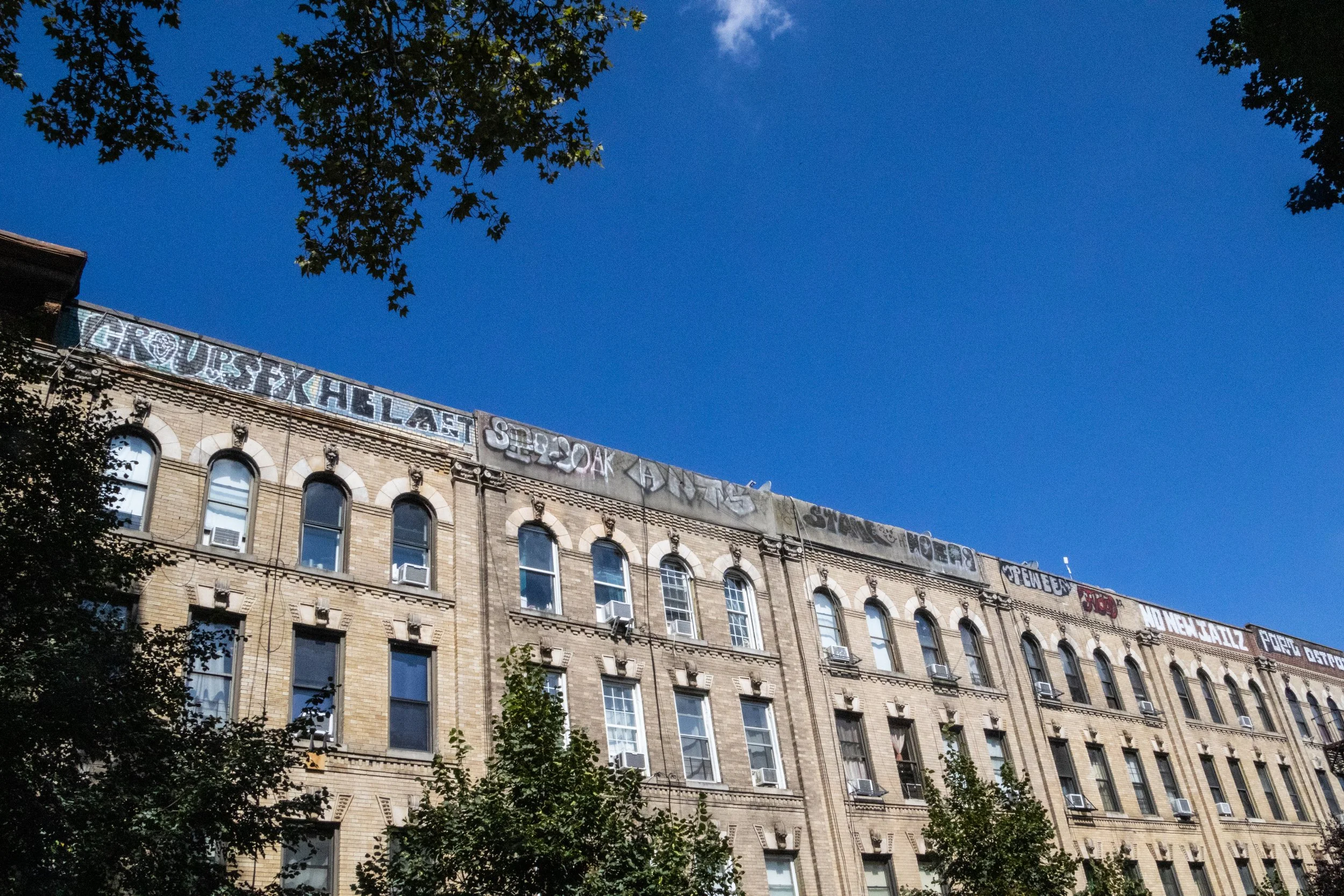
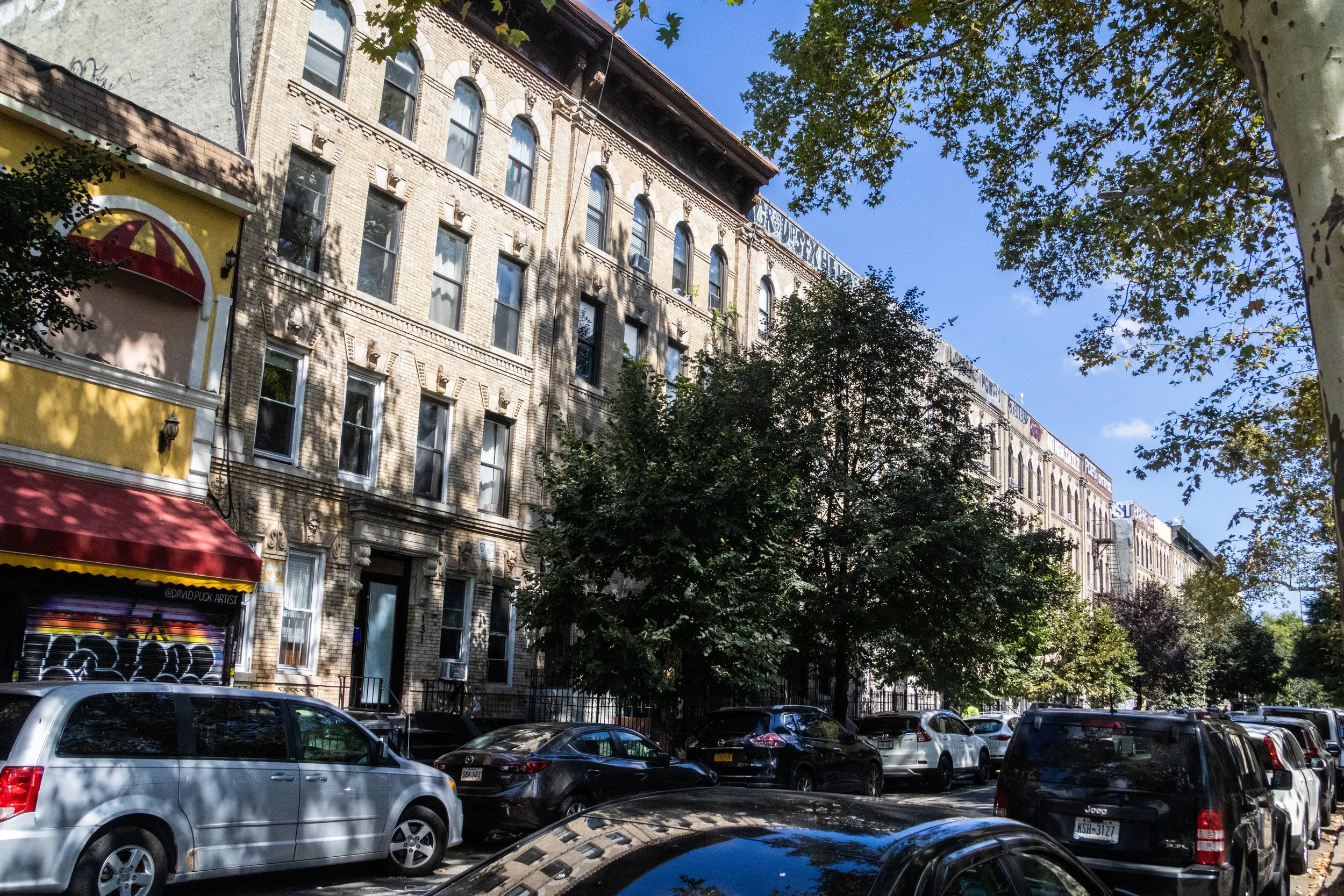
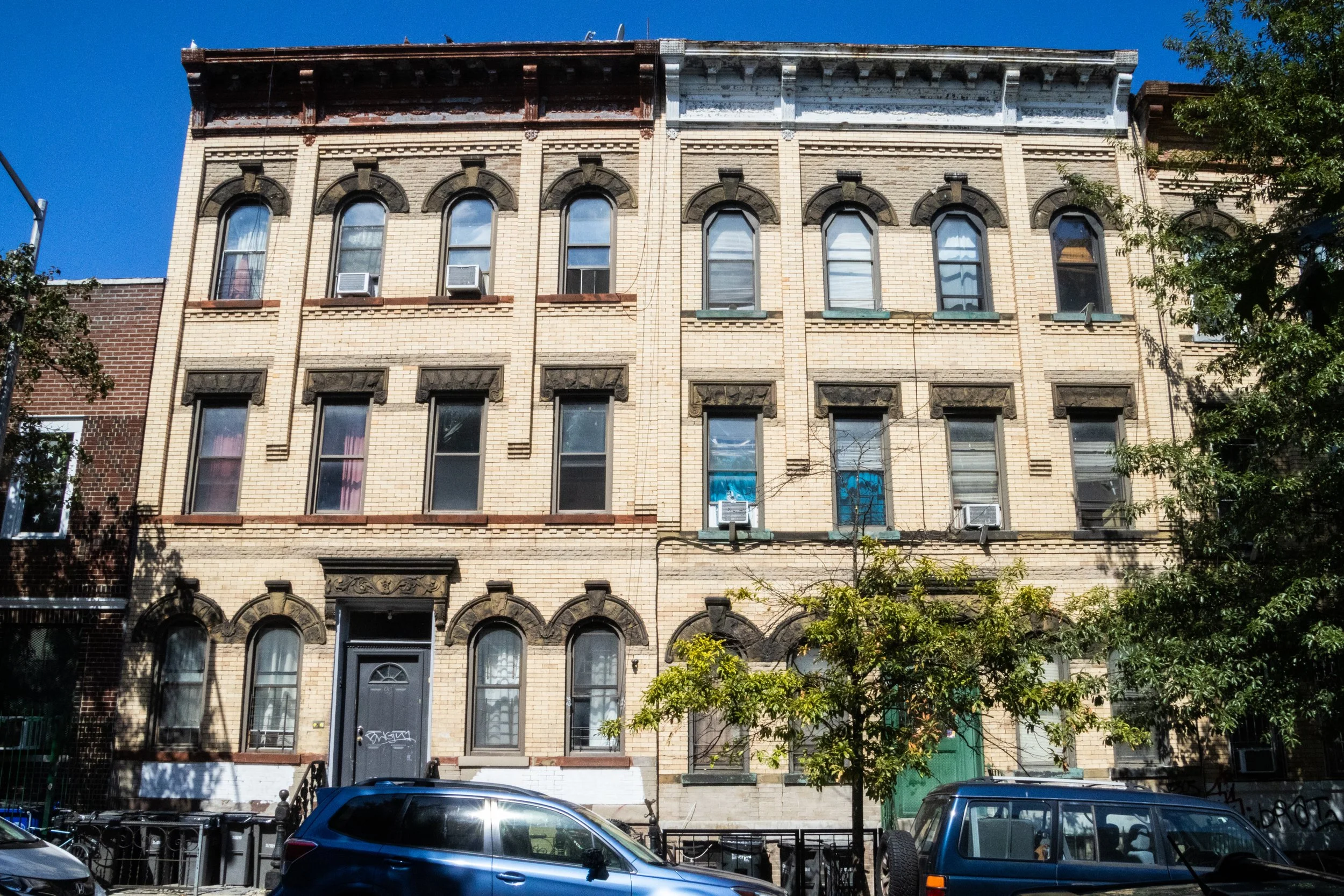
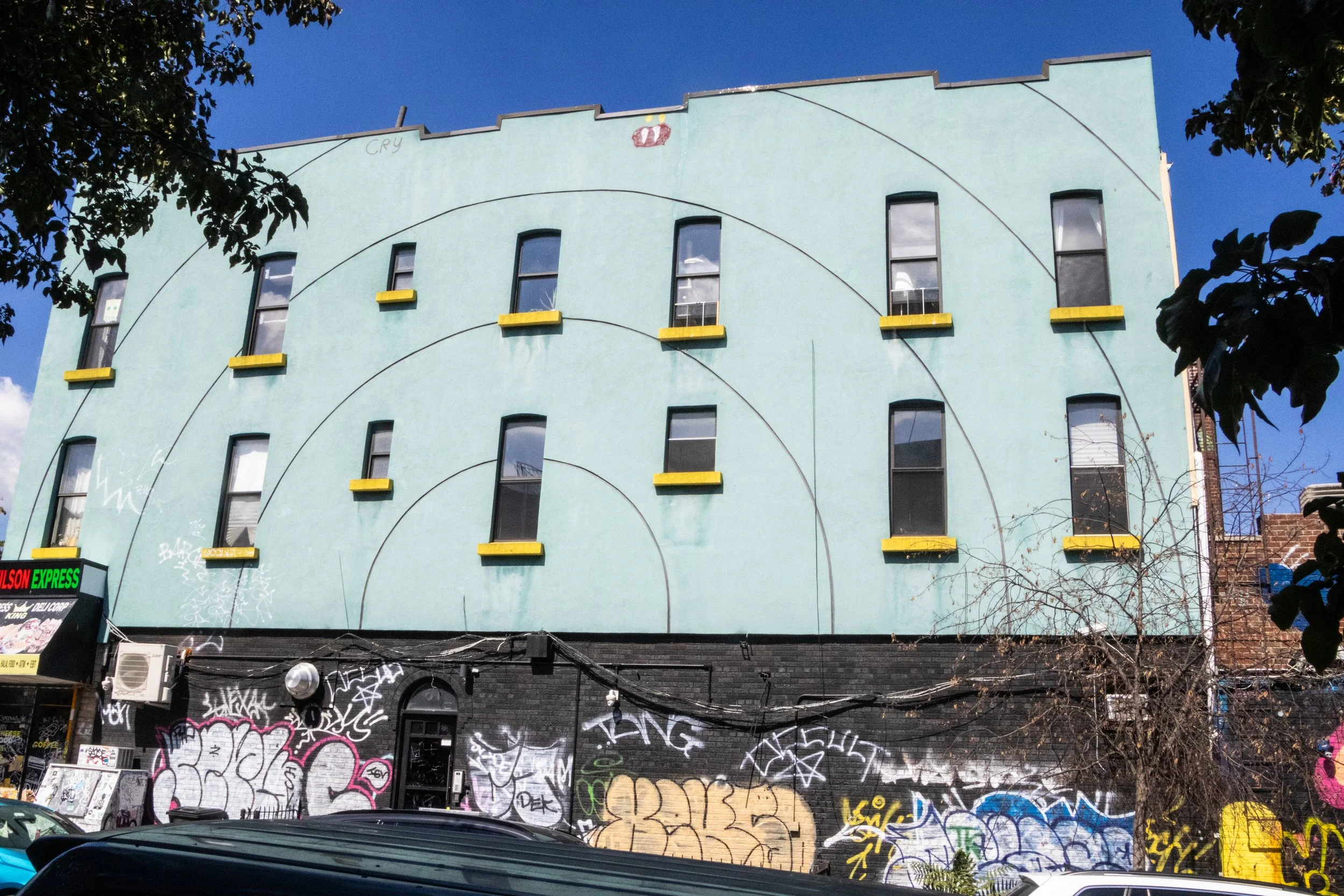
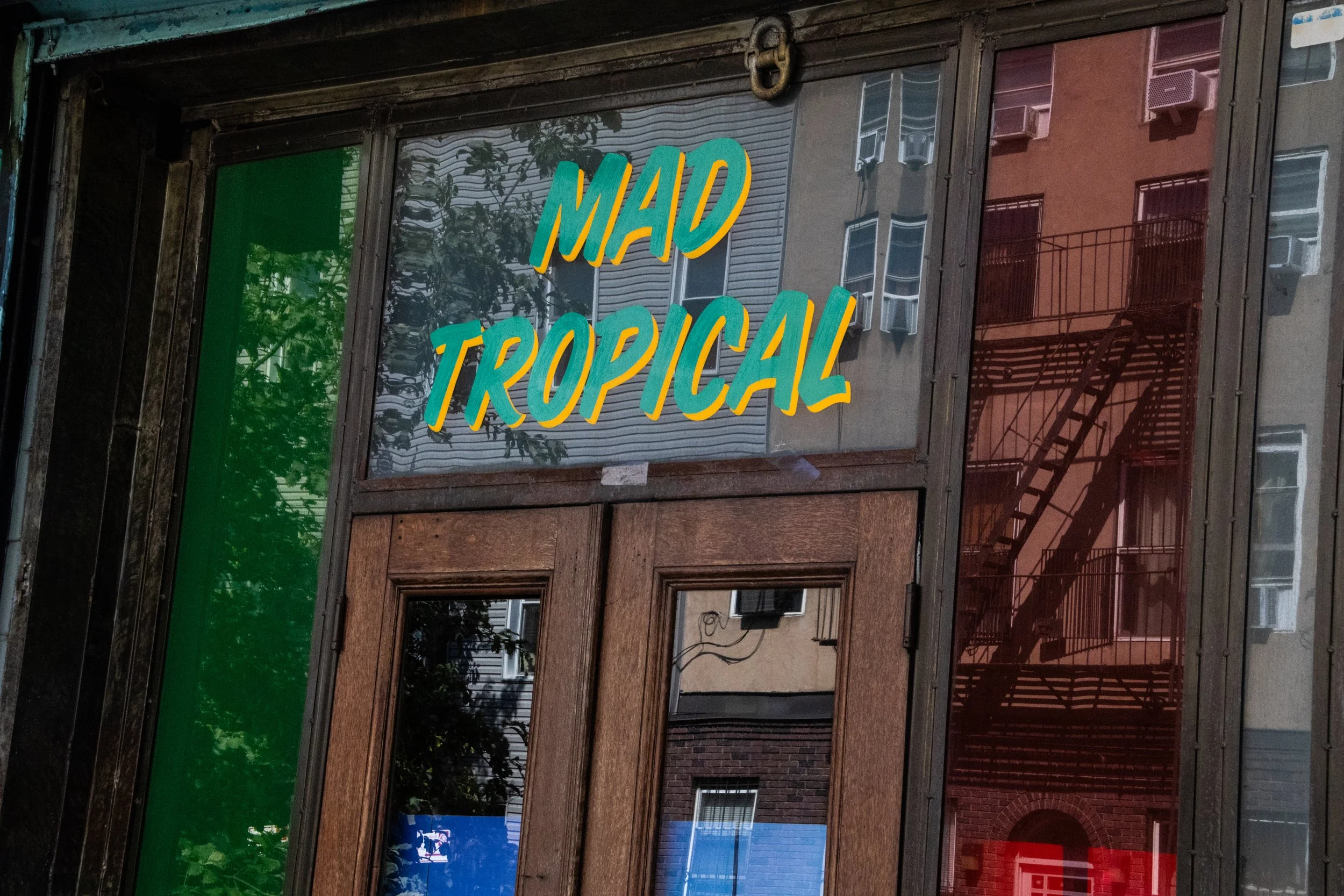
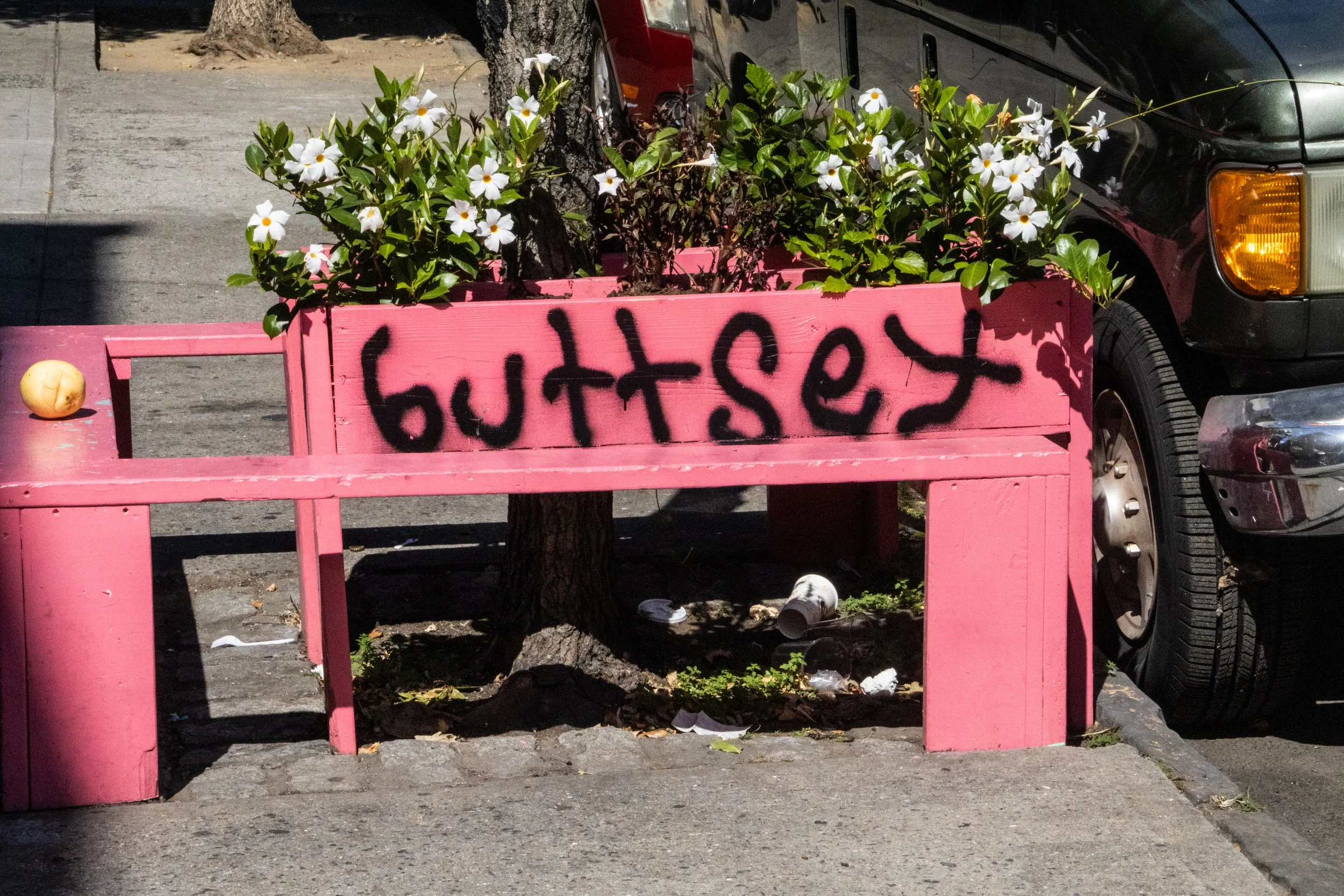
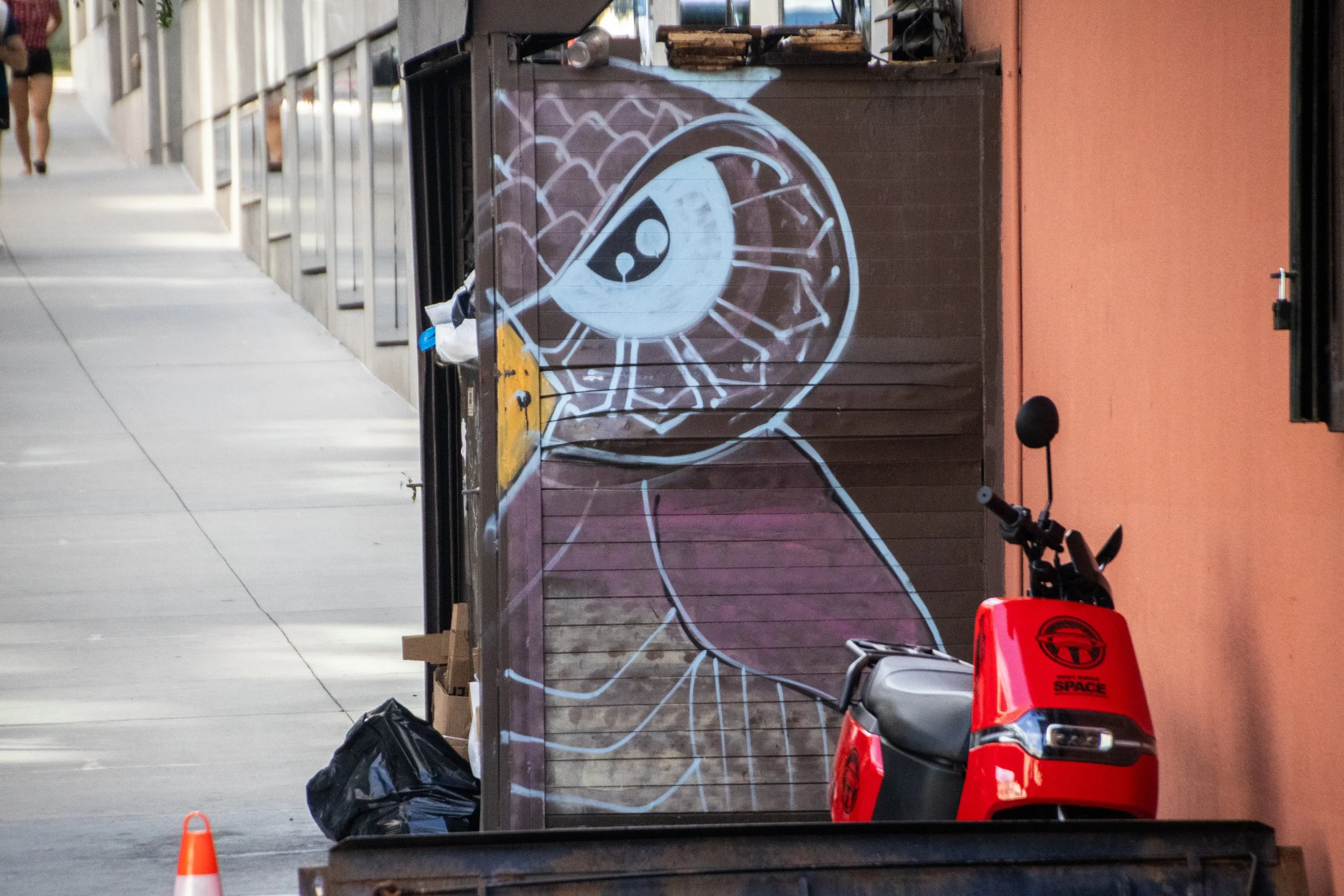
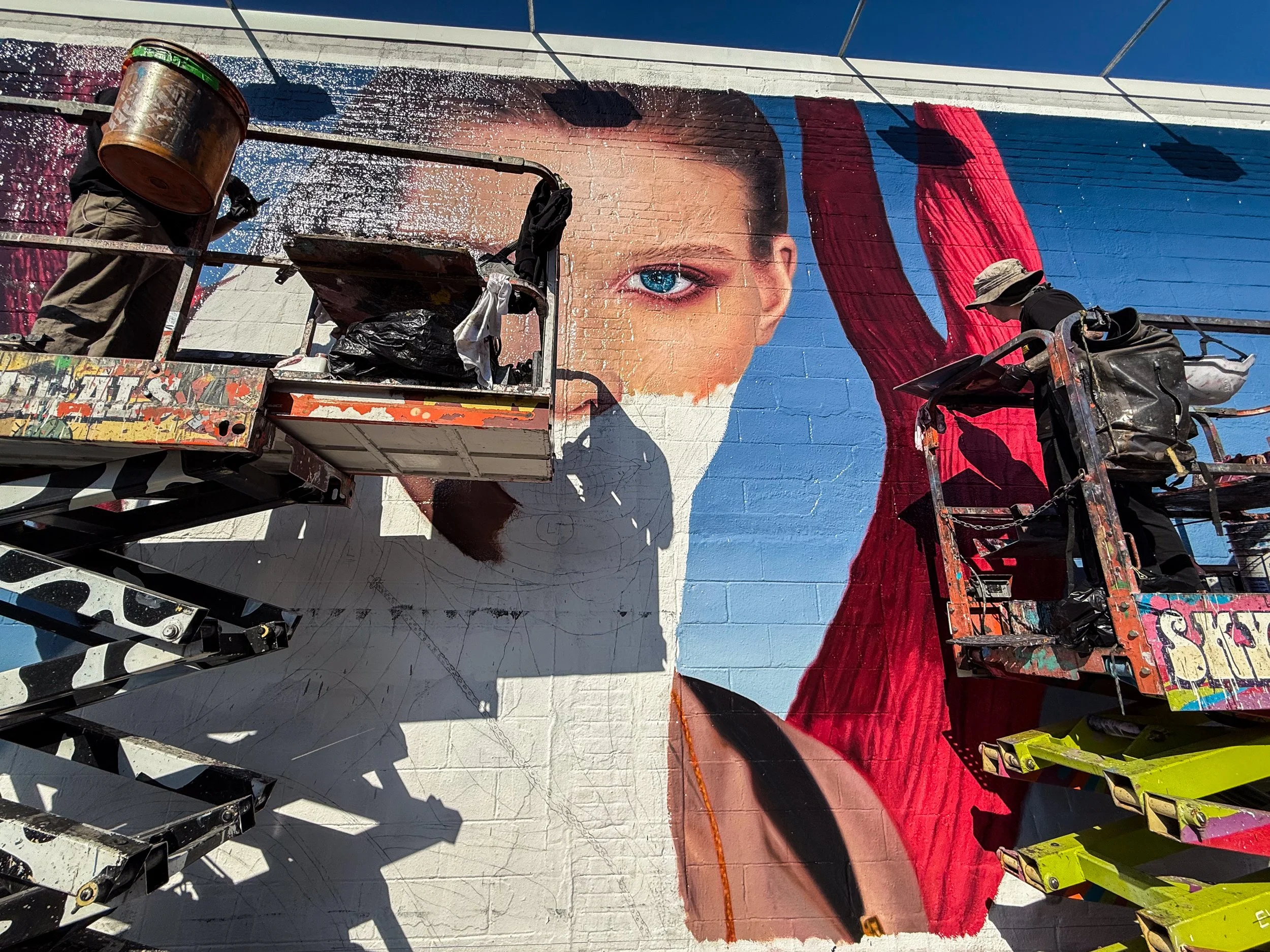
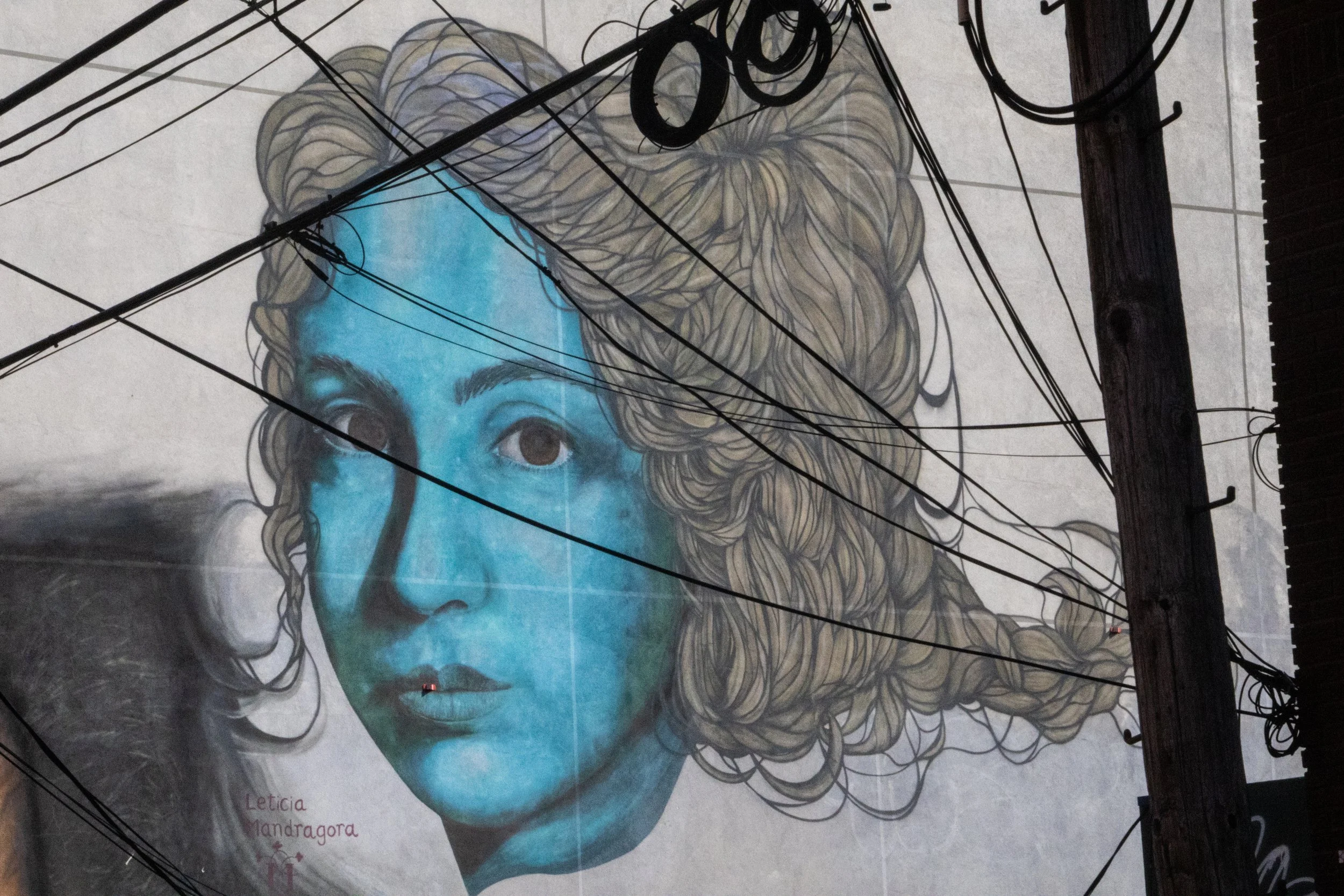
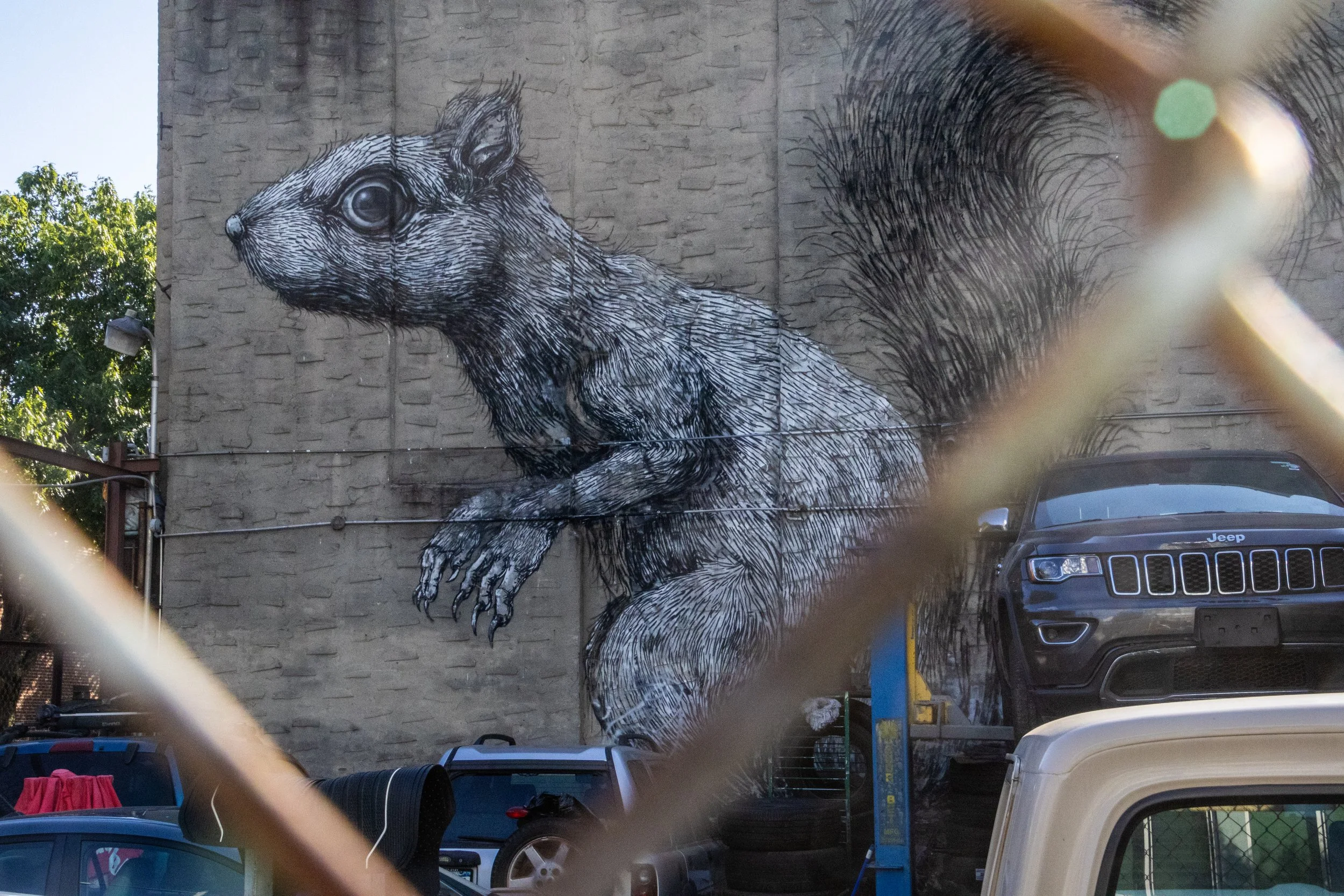
But the real draw (for me, at least; probably not for most people) is the street art.
Bushwick is known as a major center for street art. And that will be our focus in the next article. Here’s a lil preview for you:


That’s it for Brooklyn! I fully expect that I will be back here again in the future, so I look forward to more in-depth coverage of its many diverse neighborhoods. But, in this series on NYC, we are getting close to the end now! The next article will be the last one before we head back to Europe. So I’ll leave you with an amazing track from Vulfpeck drummer Theo Katzman that I have been listening to since at least 2012. Enjoy. 😘


While the ascent of NYC’s Chinatown may have coincided with the shrinkage of Little Italy, giving the impression that the former was “taking over” the latter, the truth is that, by the 1990s, both of them were under equal economic pressure from encroaching gentrification and rising real estate costs. In spite of that Chinatown didn’t start to shrink until the early 2010s. By that point, as had been the case with the Italian immigrants who’d followed a similar path before them to achieve widespread integration into American society, the next generation of this Chinese community soon relocated to other parts of the city, especially Queens and Brooklyn. And just like Italians are now an integral part of the New York identity, this Chinese community is part of the deal now! There are 4th and 5th generation people of Chinese descent walking around New York, which means their families have been here longer even than mine! Cue my recommendation for you to go watch Nora From Queens. Great show.