
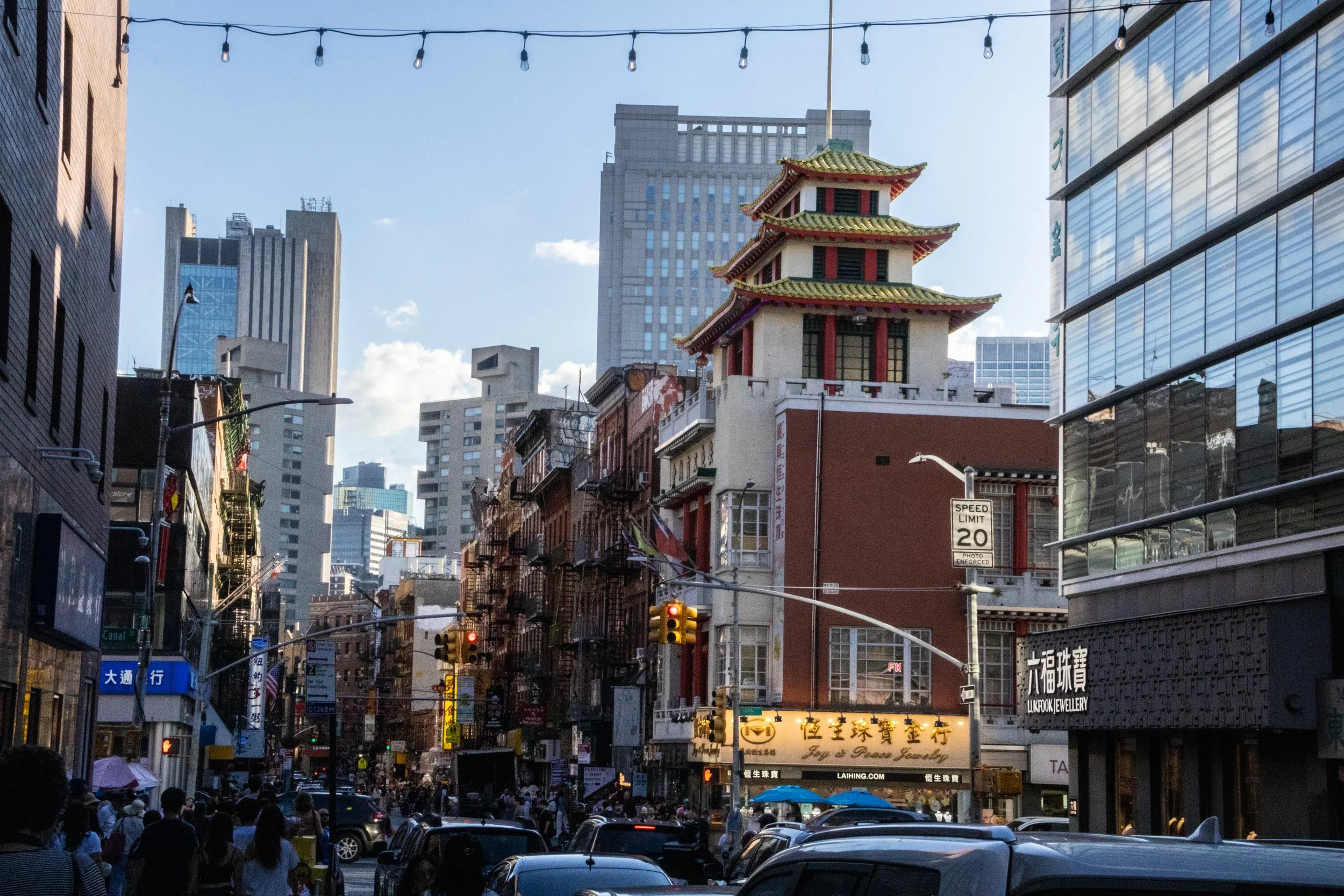
Our neighborhood-by-neighborhood coverage of New York City continues! In the last article we covered Little Italy, with some extra material on Ellis Island and the Italian-American identity. Now we’re going to walk across the street (literally, it’s across the street) to explore Chinatown. 🇨🇳 🐲
The Story of NYC’s Chinatown (very briefly)
When I think of the story of Chinese culture in North America, New York City is not the place that springs to mind. I would usually jump first to San Francisco or Vancouver. Indeed, it was actually Chinese laborers that built much of the infrastructure that first enabled America’s westward expansion. But, predictably, there were some major issues with anti-Chinese violence and discrimination out west. In an article on Denver a few years ago, I touched on a little known-piece of history wherein there was an awful race riot in what was formerly Denver’s Chinatown that caused the equivalent of $1.3 million (in today’s dollars) in damages and basically ran the city’s Chinese population out of town. That’s just one example; there’s more where that came from. Anyway, that sad event happened in 1880, at which point a small Chinese community had formed near Manhattan’s Five Points neighborhood. If you read the previous article on Little Italy, you may recall that this area was basically the poorest, most dangerous slums of New York at the time. And I do mean SLUMS. New York was a very different place back then. But a community is a community, and many Chinese immigrants that were being pushed eastward found refuge here. But, if you’ll recall from the previous article, even the Italians weren’t white enough to be readily accepted into this society, so New York wasn’t exactly a friendly labor market for the Chinese either.
But, defying the racism of the time, the Chinese population here found an initial economic foothold in niche jobs like laundries and restaurants. However, The Chinese Exclusion Act or 1882 put a damper on the expansion and integration of the Chinese population here (and anywhere else in America) for a long time, but this fledgling community managed to establish itself anyway and hang on until the Immigration and Nationality Act of 1965 opened the doors for real. This is where Manhattan’s Chinatown really came into its own. During this time, families were re-unified (which pulled in more women and children), and the racial/linguistic makeup of the community diversified, as immigrants from Hong Kong, Taiwan, and Fujian joined the original population of Cantonese-speaking migrants who hailed primarily from the Guangdong/Toisan regions. To the average uninformed passerby on the streets of New York, this may have just looked like “a lot of Chinese people” on the surface, but China is actually a massively diverse place unto itself.
While the ascent of NYC’s Chinatown may have coincided with the shrinkage of Little Italy, giving the impression that the former was “taking over” the latter, the truth is that, by the 1990s, both of them were under equal economic pressure from encroaching gentrification and rising real estate costs. In spite of that, Chinatown didn’t really start to shrink until the early 2010s. By that point, as had been the case with the Italian immigrants who’d followed a similar path before them to achieve widespread integration into American society, the next generation of this Chinese community soon relocated to other parts of the city, especially Queens and Brooklyn. And just like Italians are now an integral part of the New York identity, this Chinese community is part of the deal now too! There are 4th and 5th generation people of Chinese descent walking around New York, which means their families have been here longer even than mine! Cue my recommendation for you to go watch Nora From Queens. Great show.
Anyway, that’s the extremely fast version of how NYC’s Chinatown came be what it is today. Although it’s now somewhat diminished from its peaks in the late 1990s to early 2010s, it’s still a MUCH more contemporary neighborhood than its neighbor, Little Italy, which is more legacy than function these days. So, let’s take a lil’ walk, yeah?
A Walk Through NYC’s Chinatown (Summer 2025)
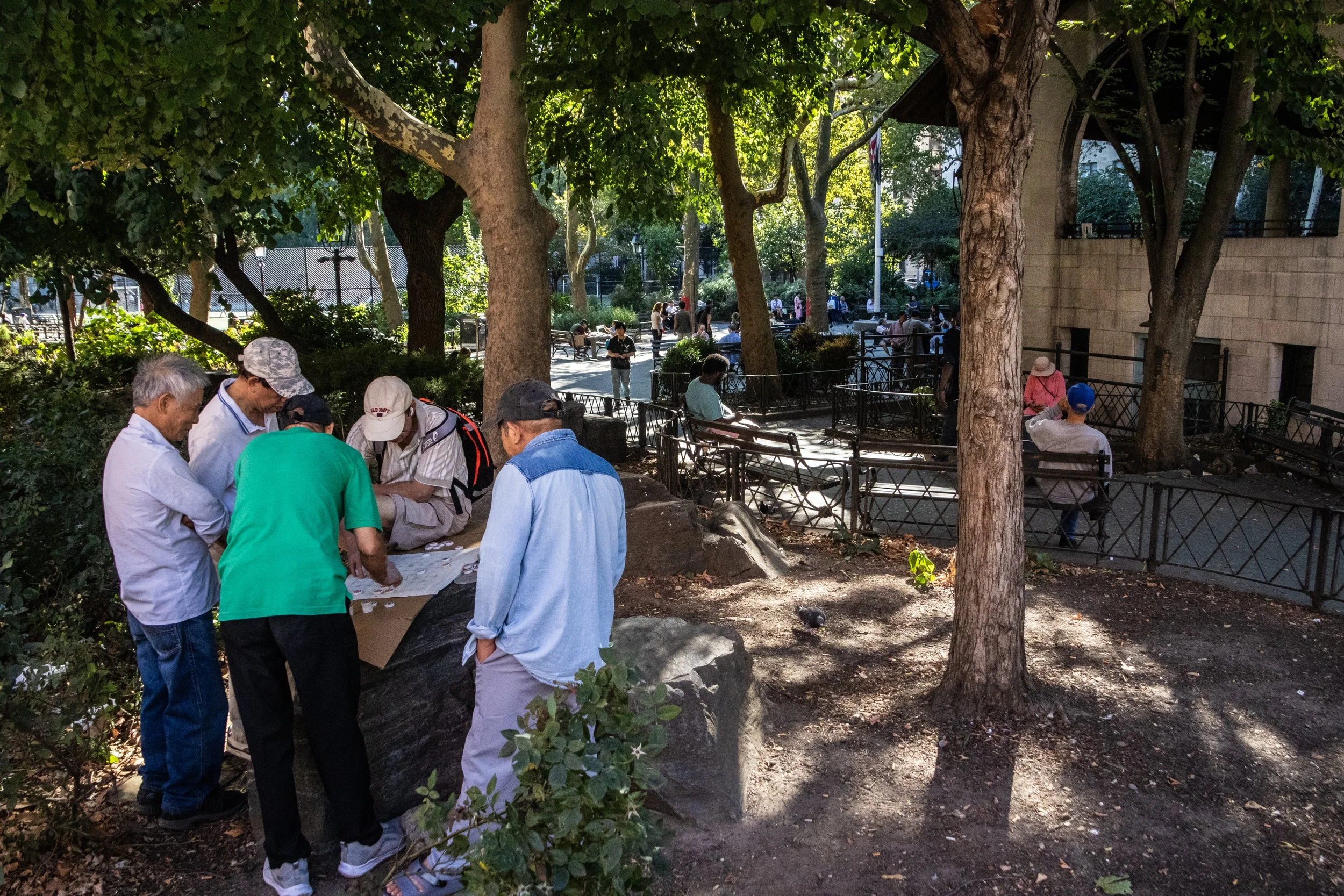
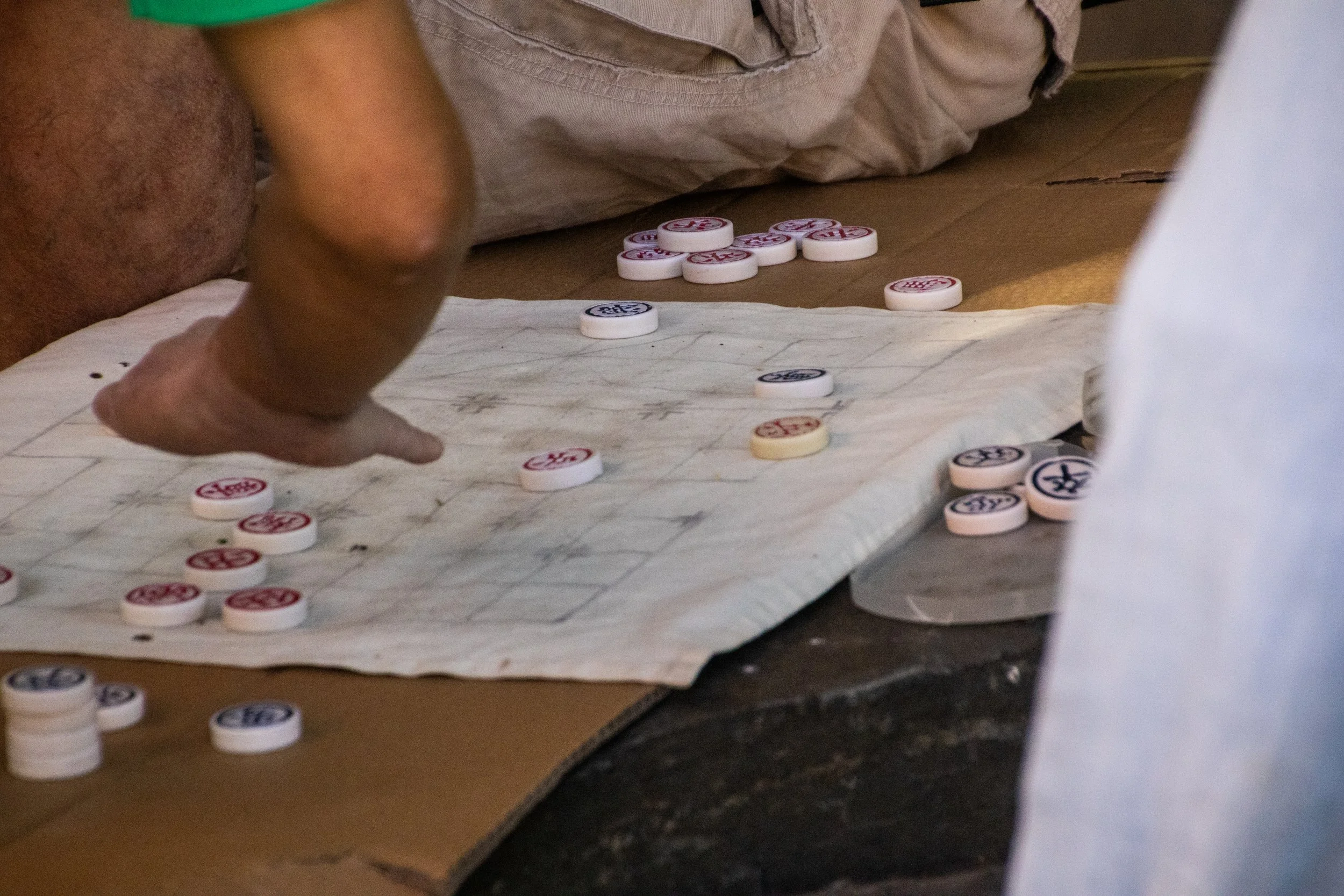
Walking eastward from the New York County Criminal Court toward the intersection of Bayard and Mulberry, there was a group of men huddled around a table in Columbus Park to our right. A closer look revealed that they were playing Chinese Chess (Xiangqi); we’d barely entered the neighborhood and already it was clear that this place would be the genuine artifact!
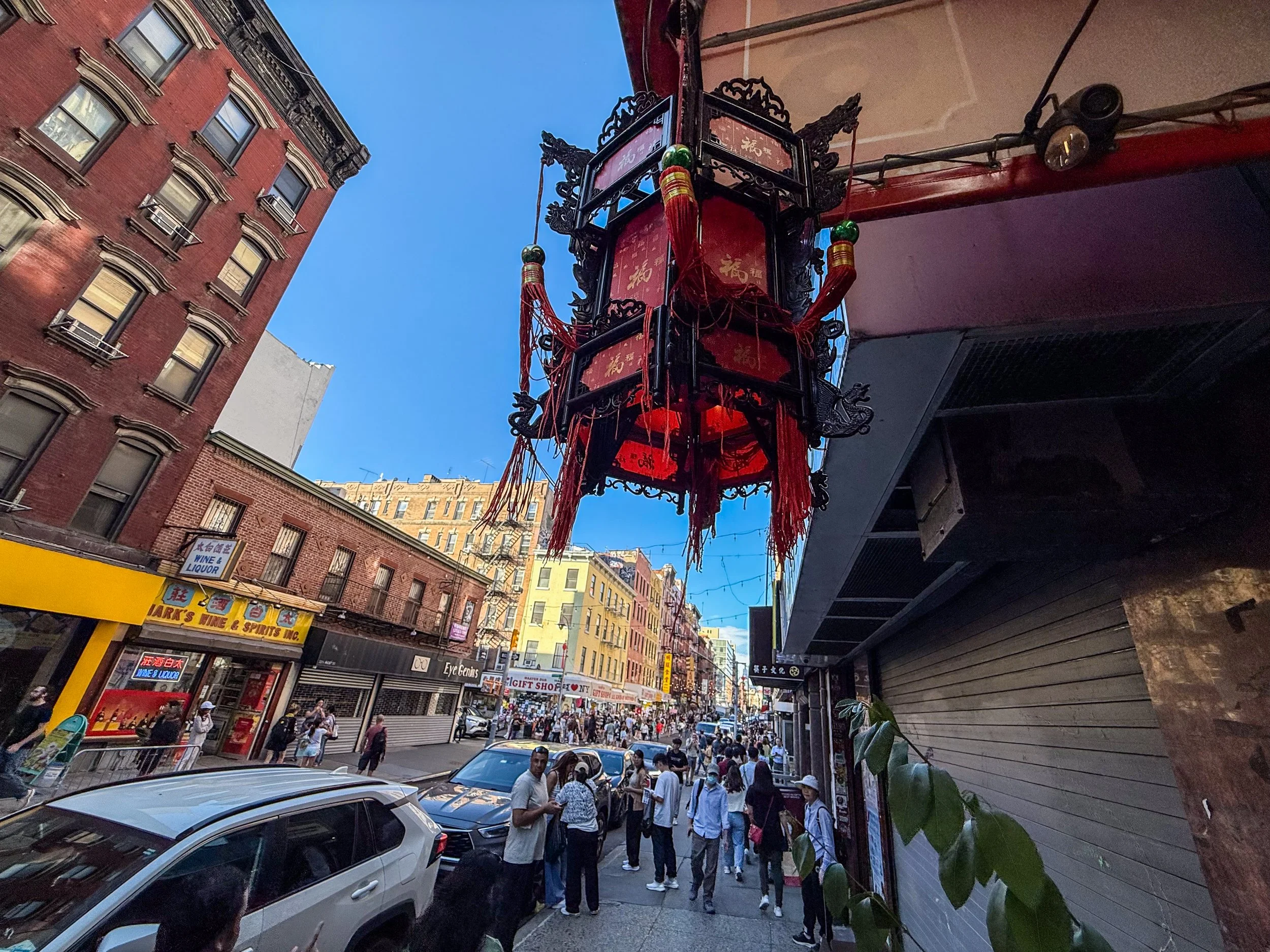
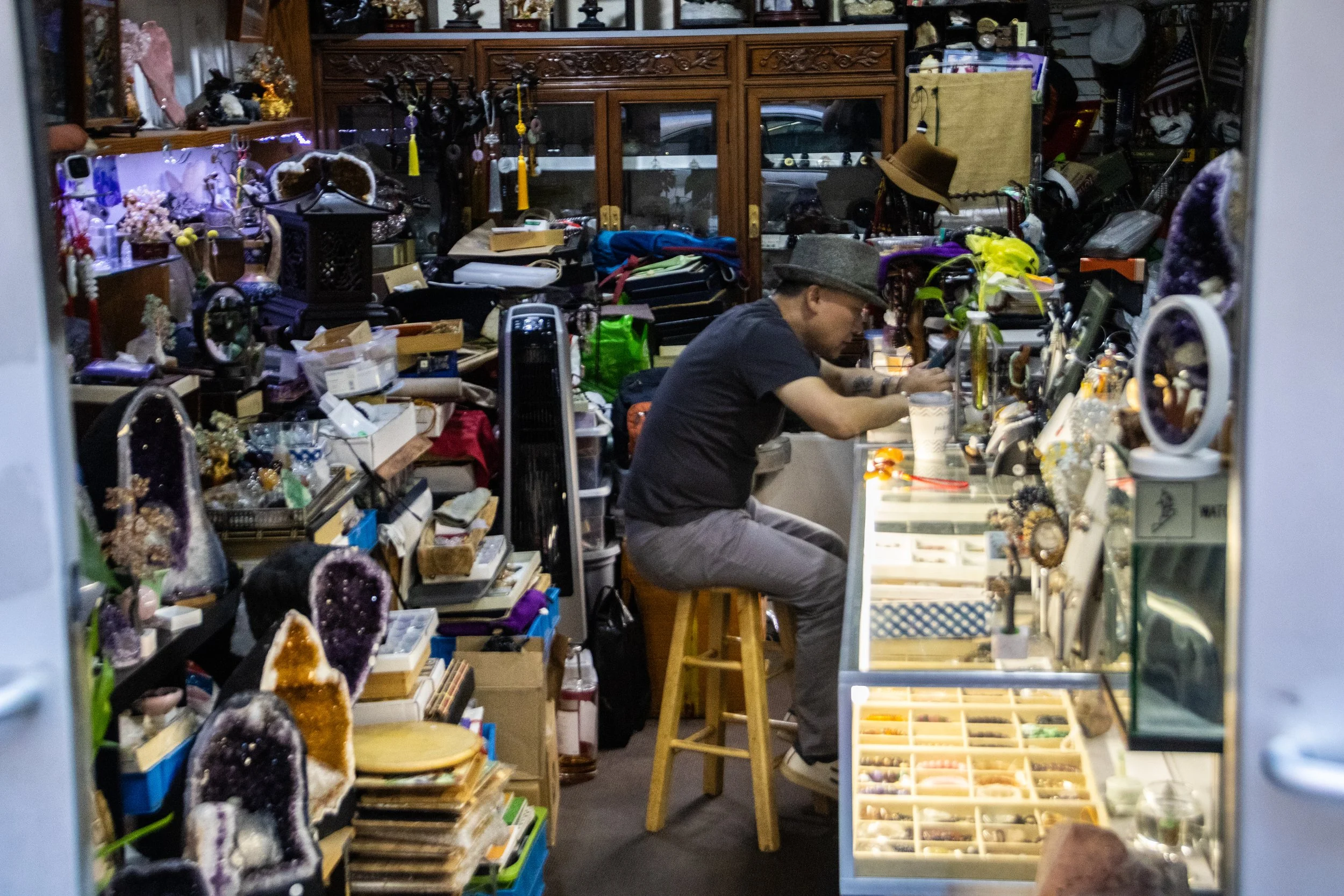
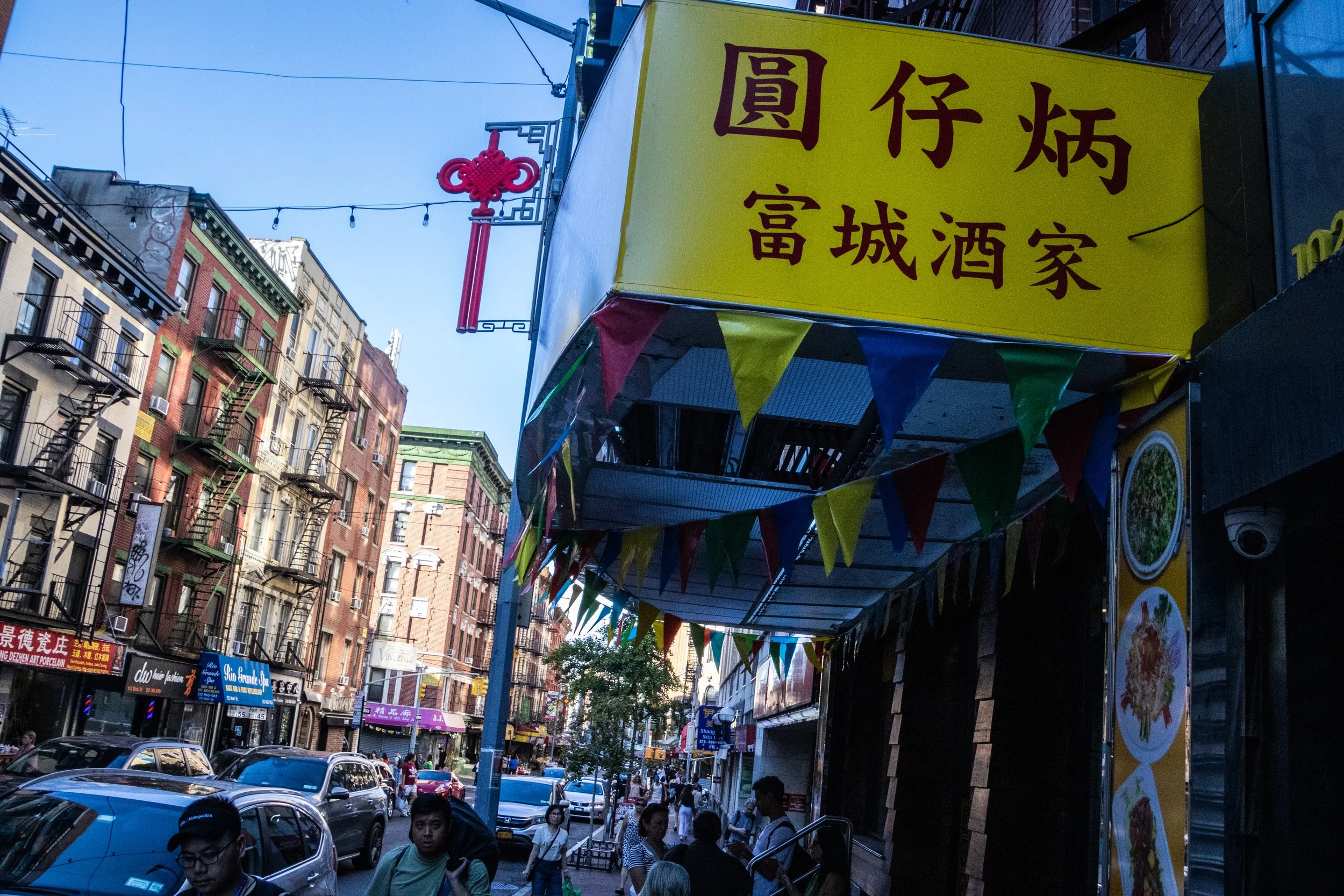
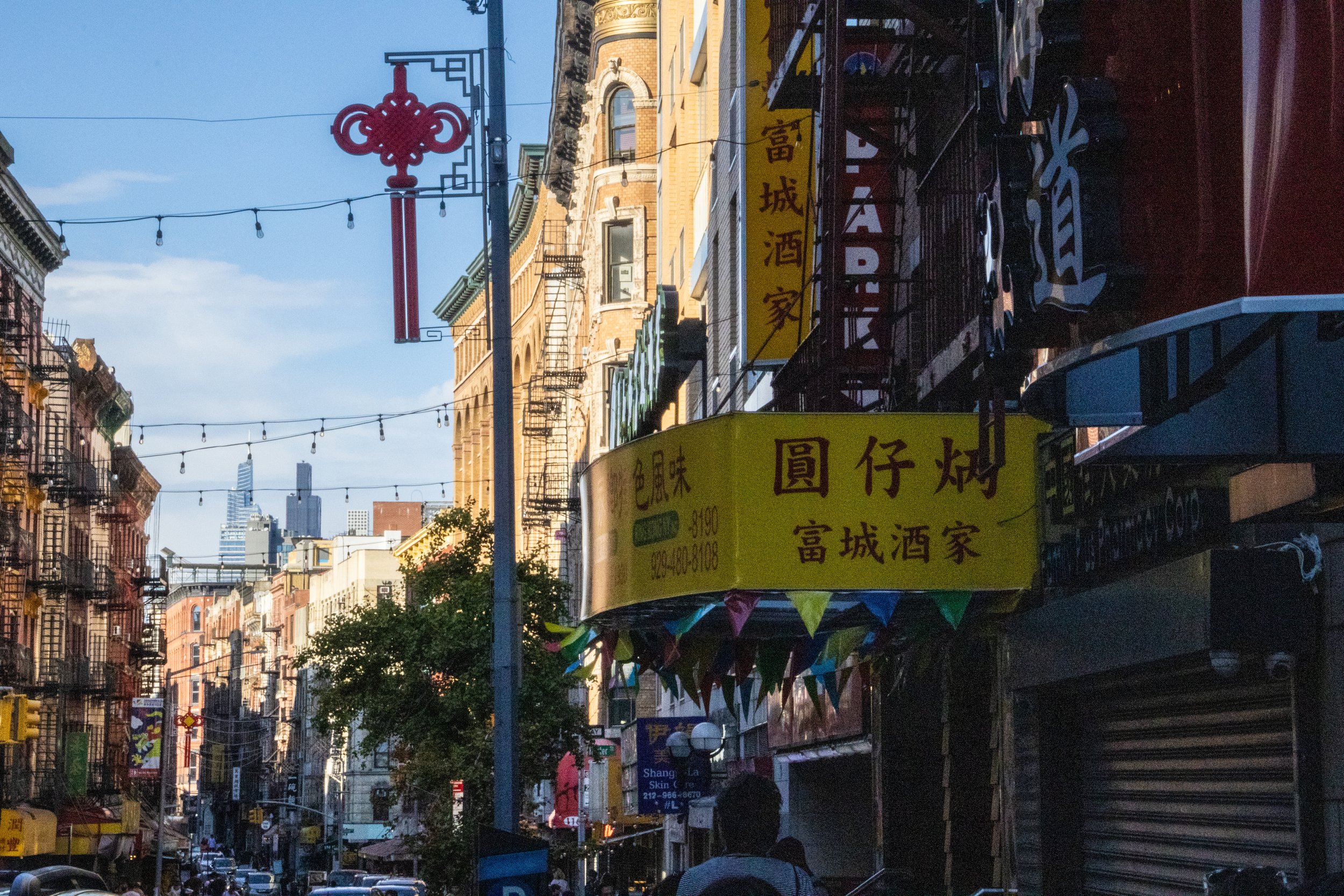
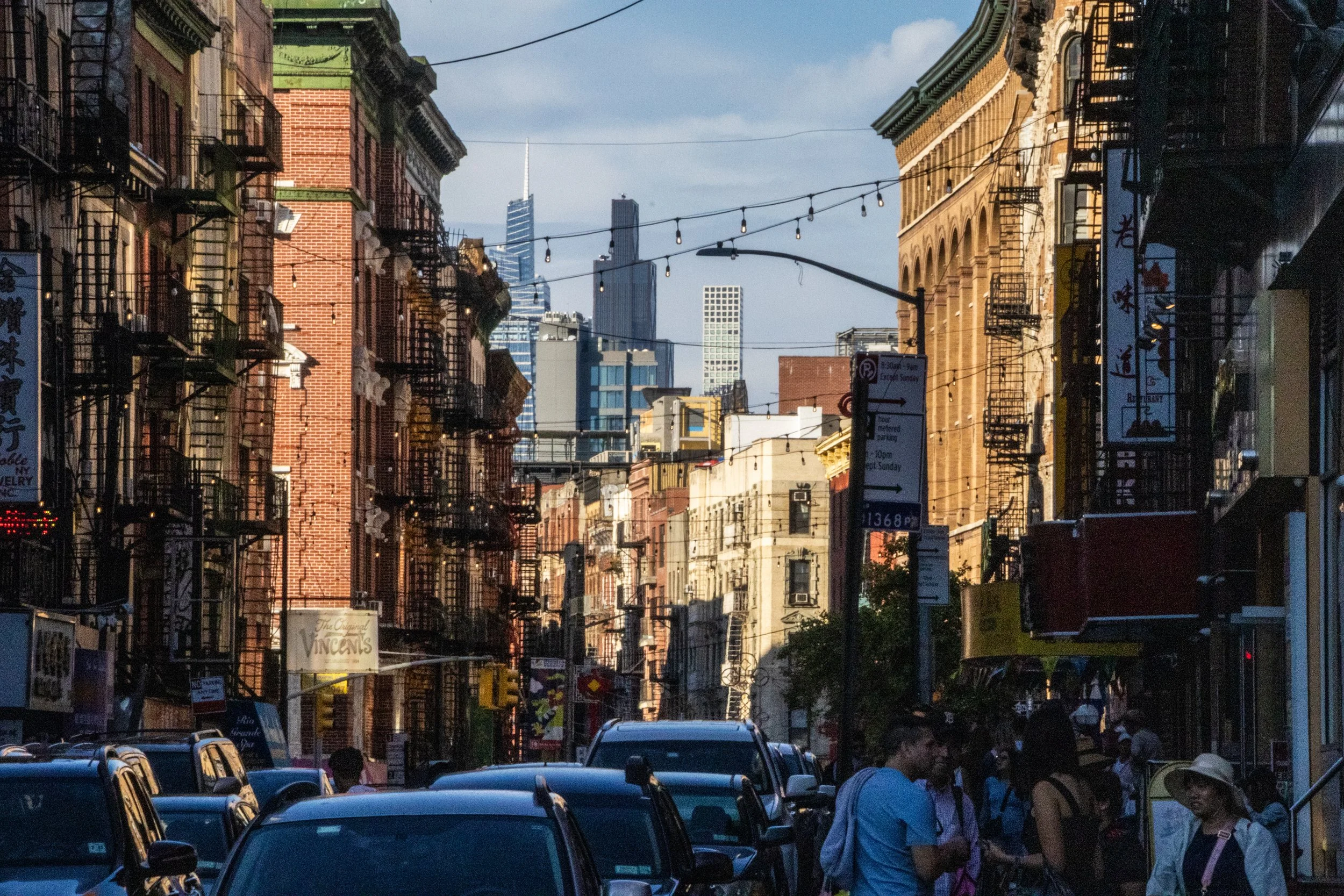
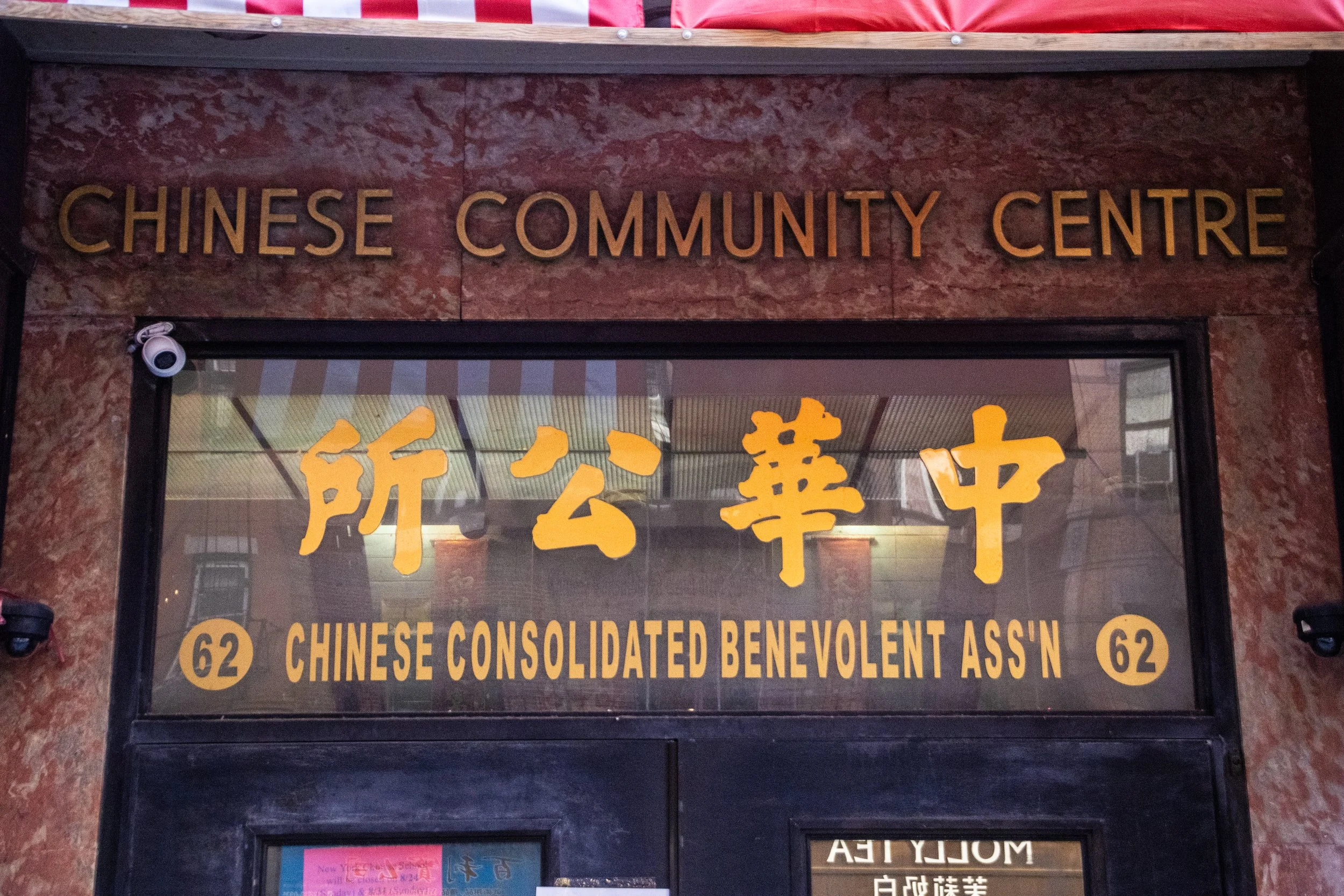
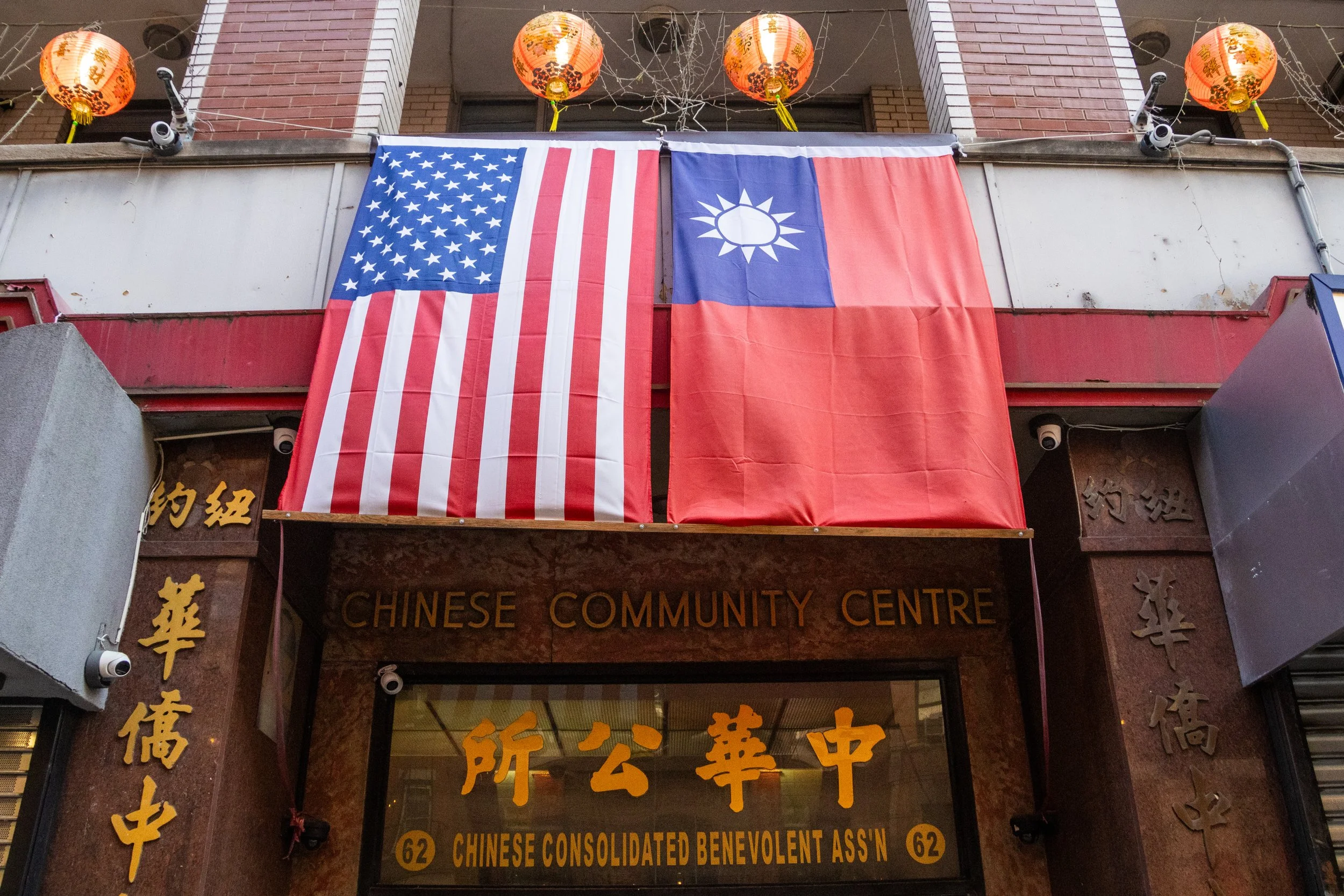
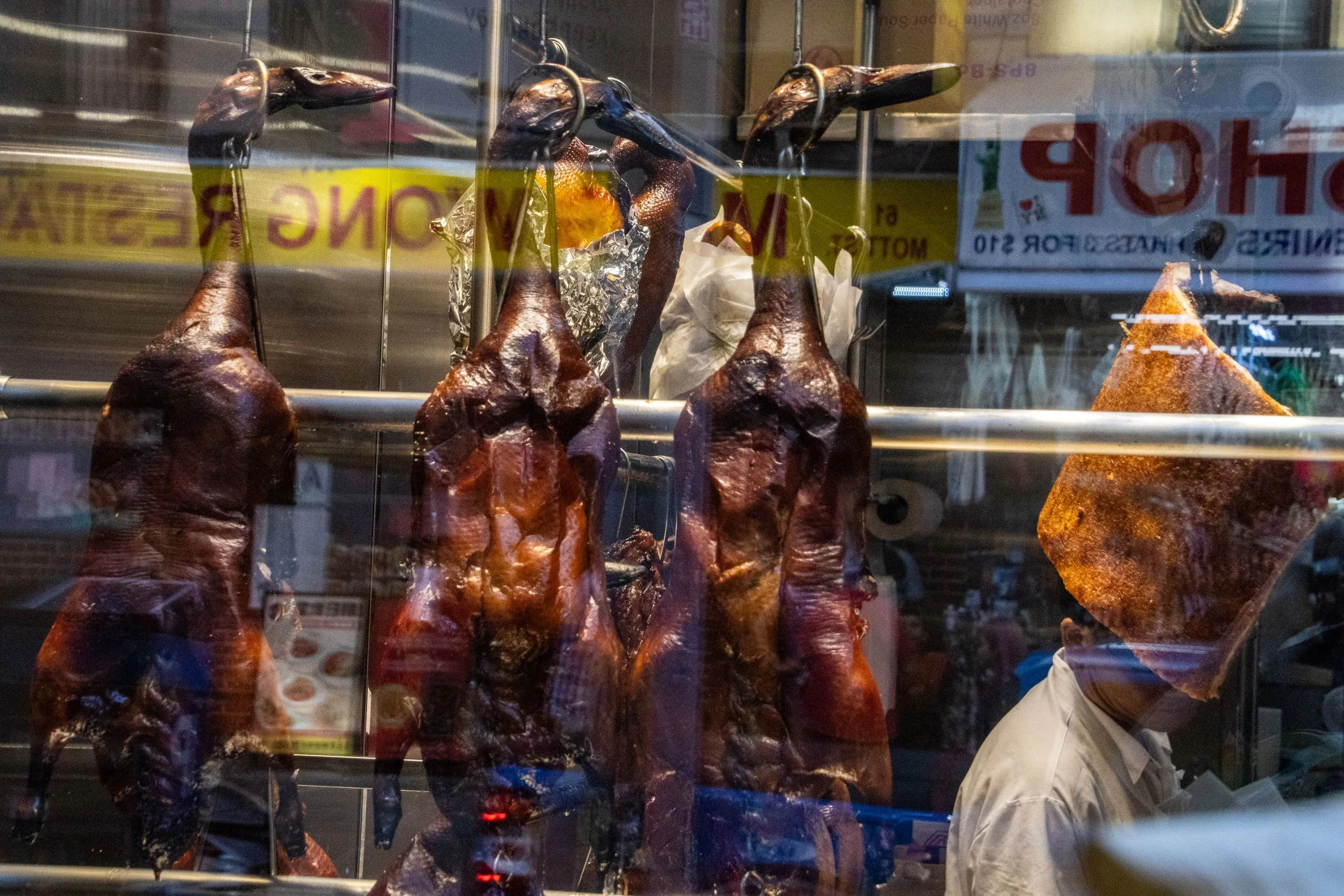
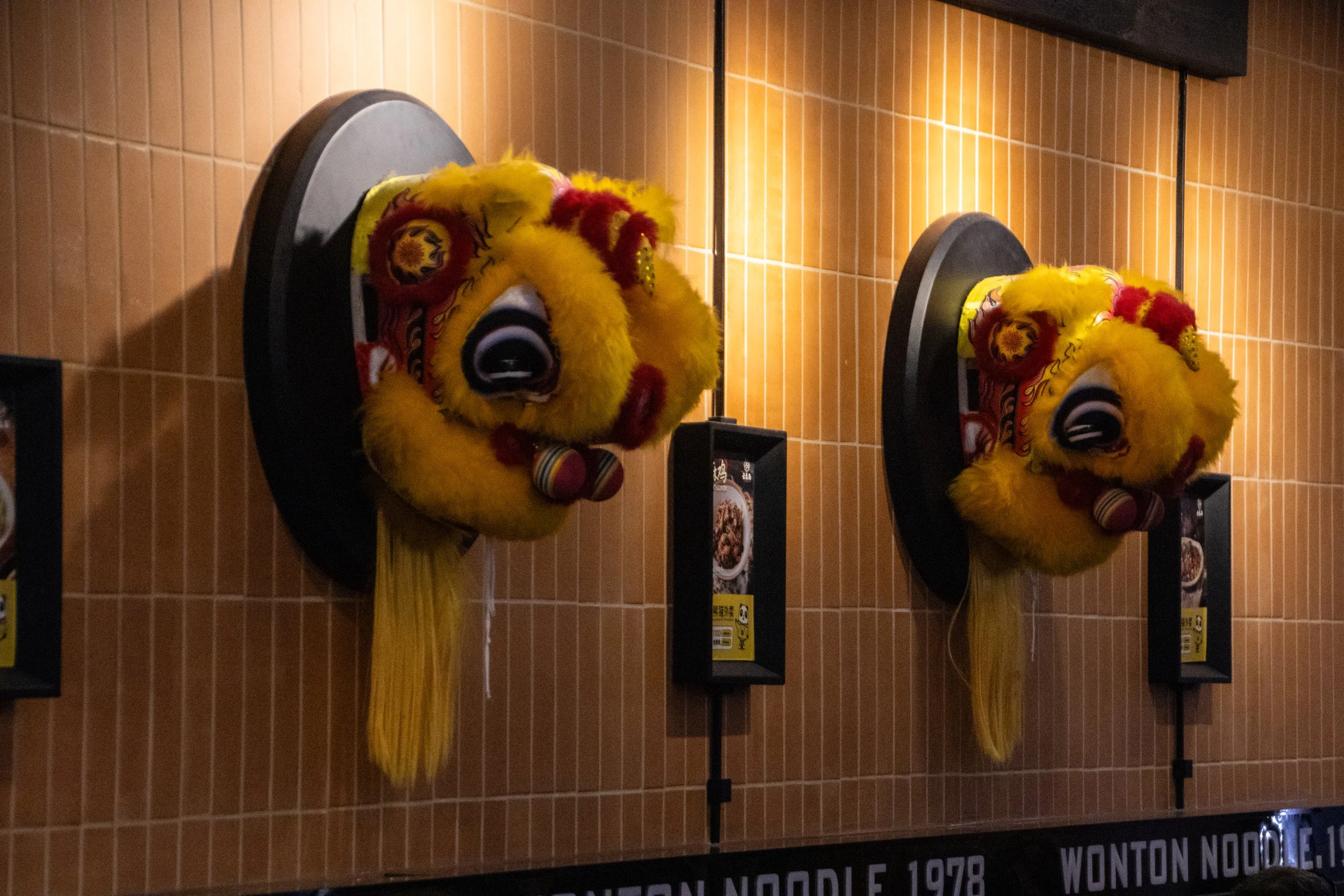
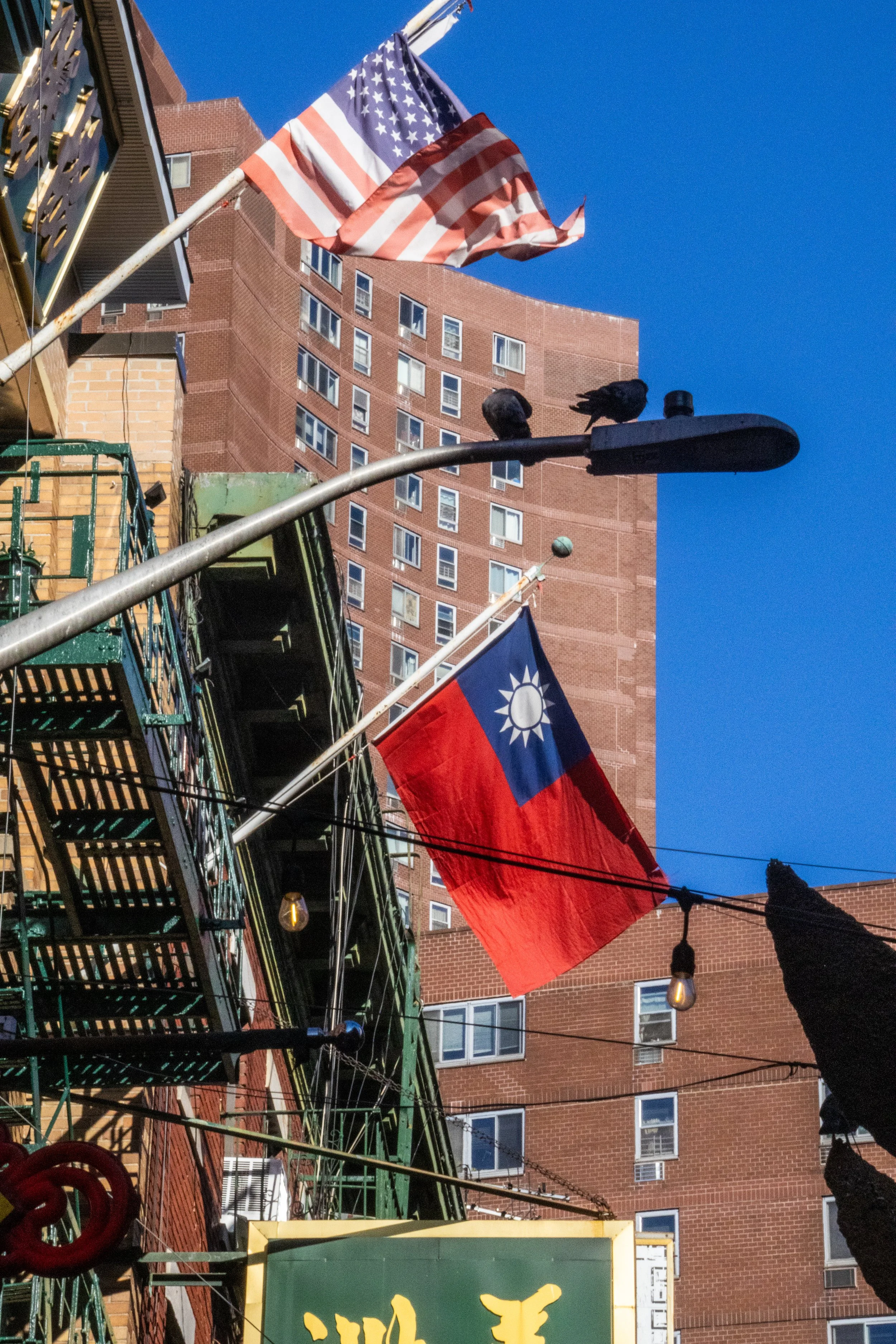
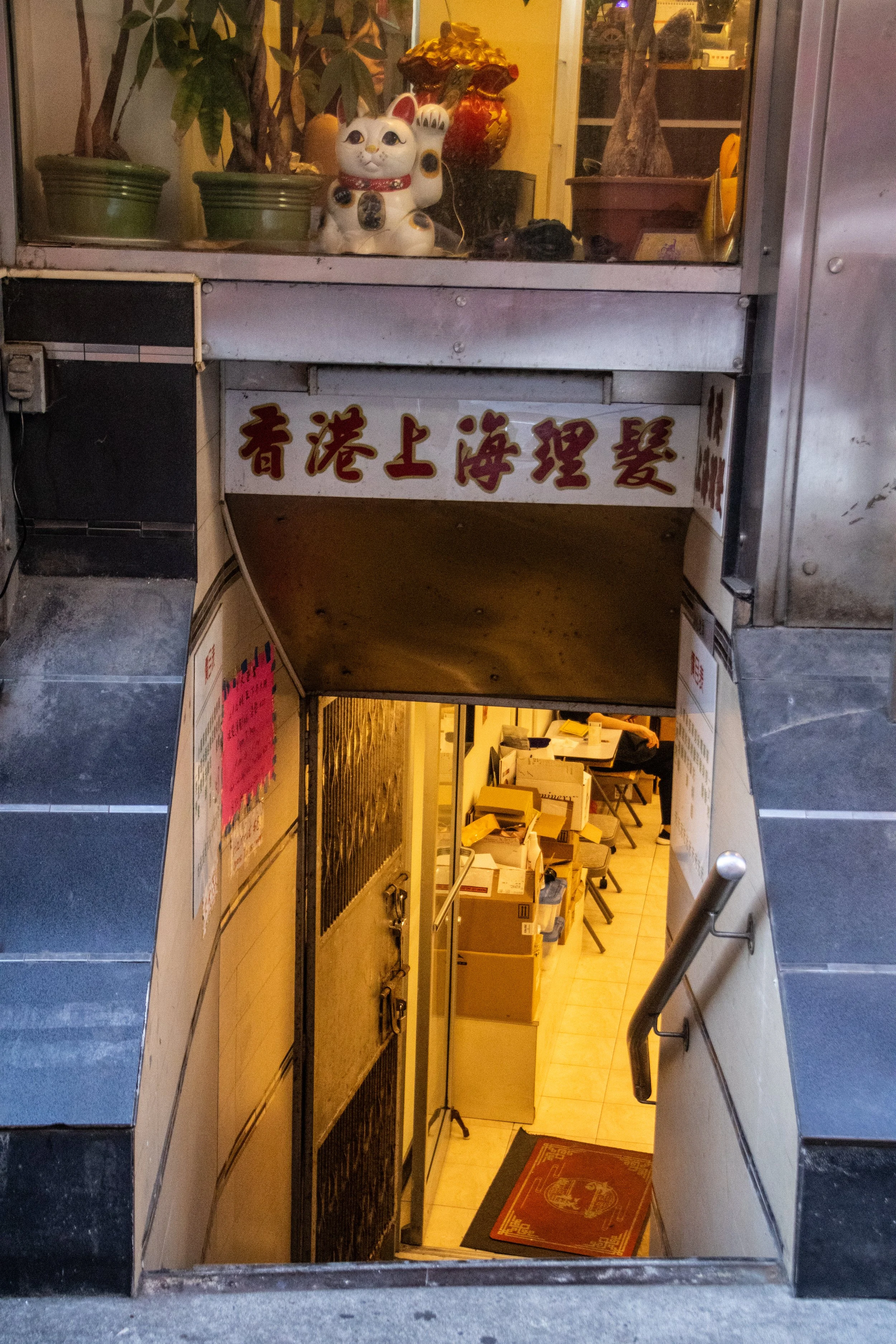
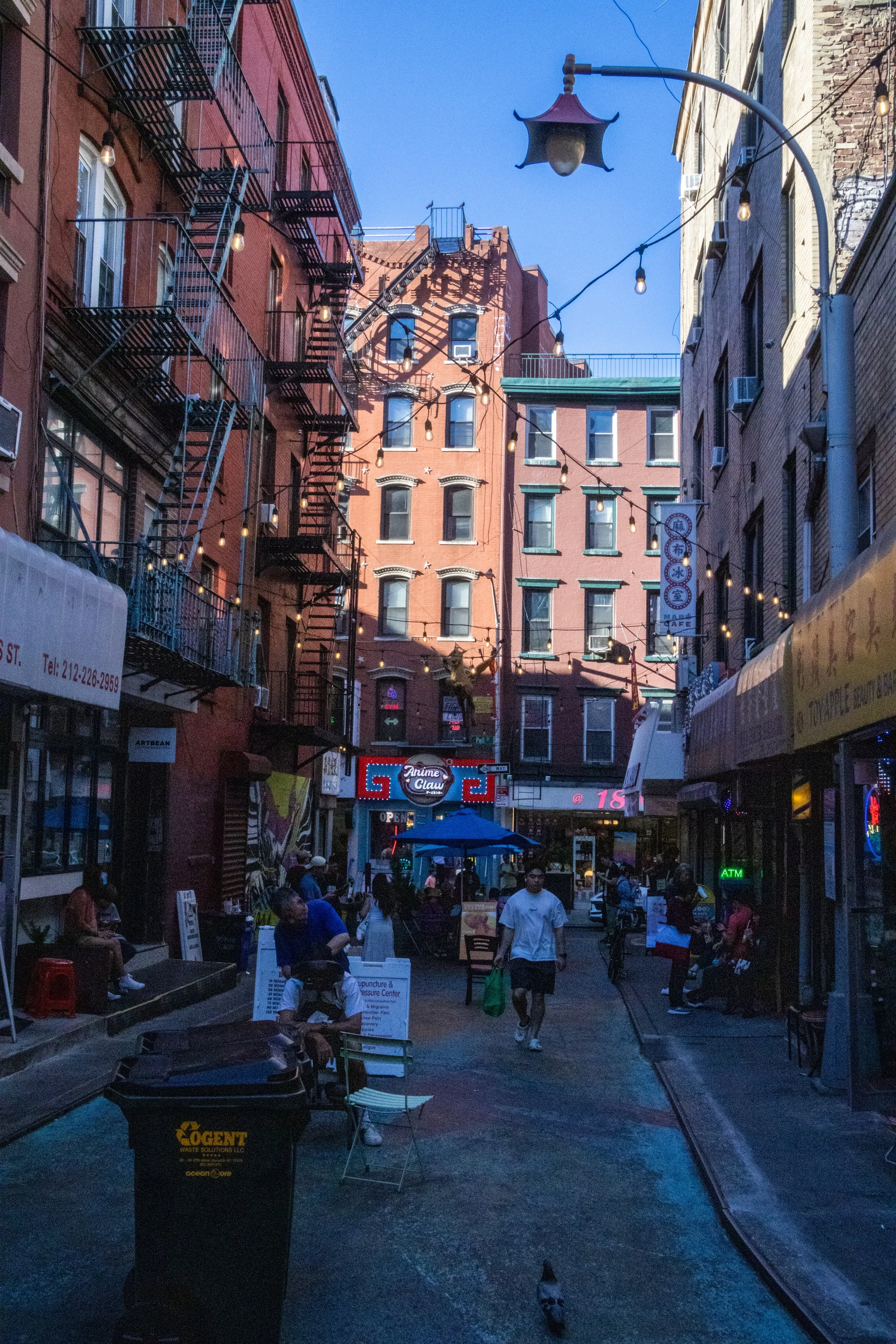
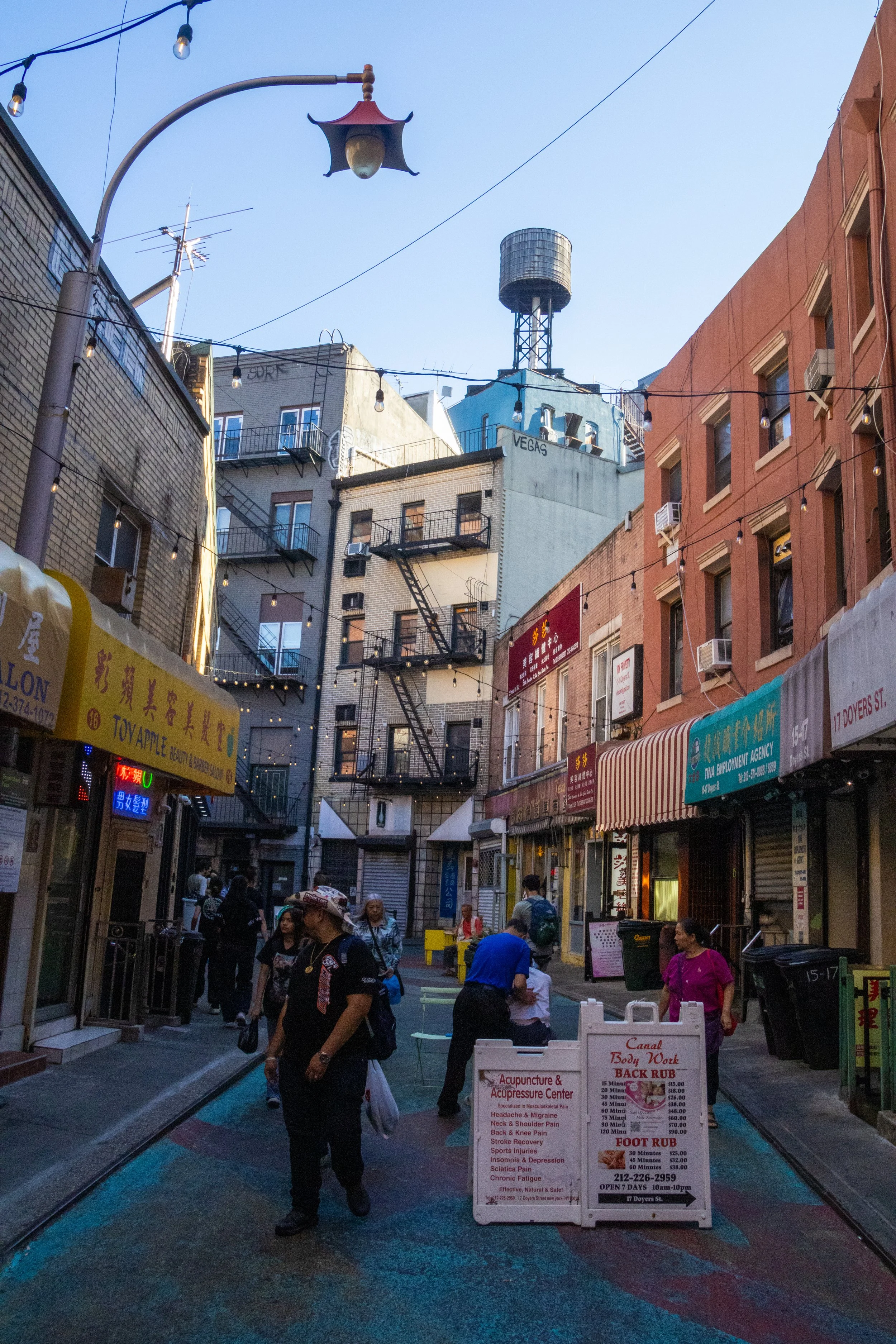
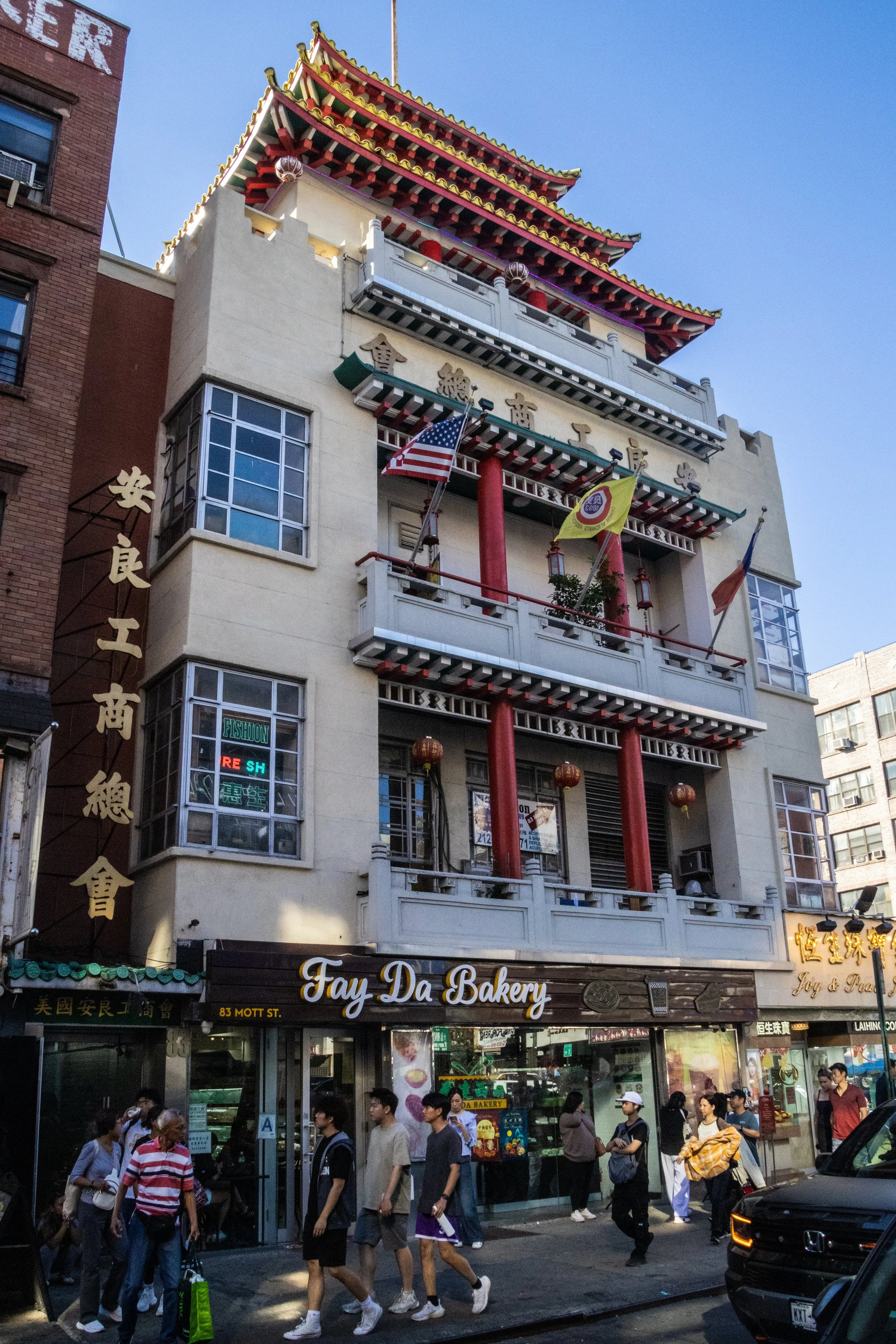
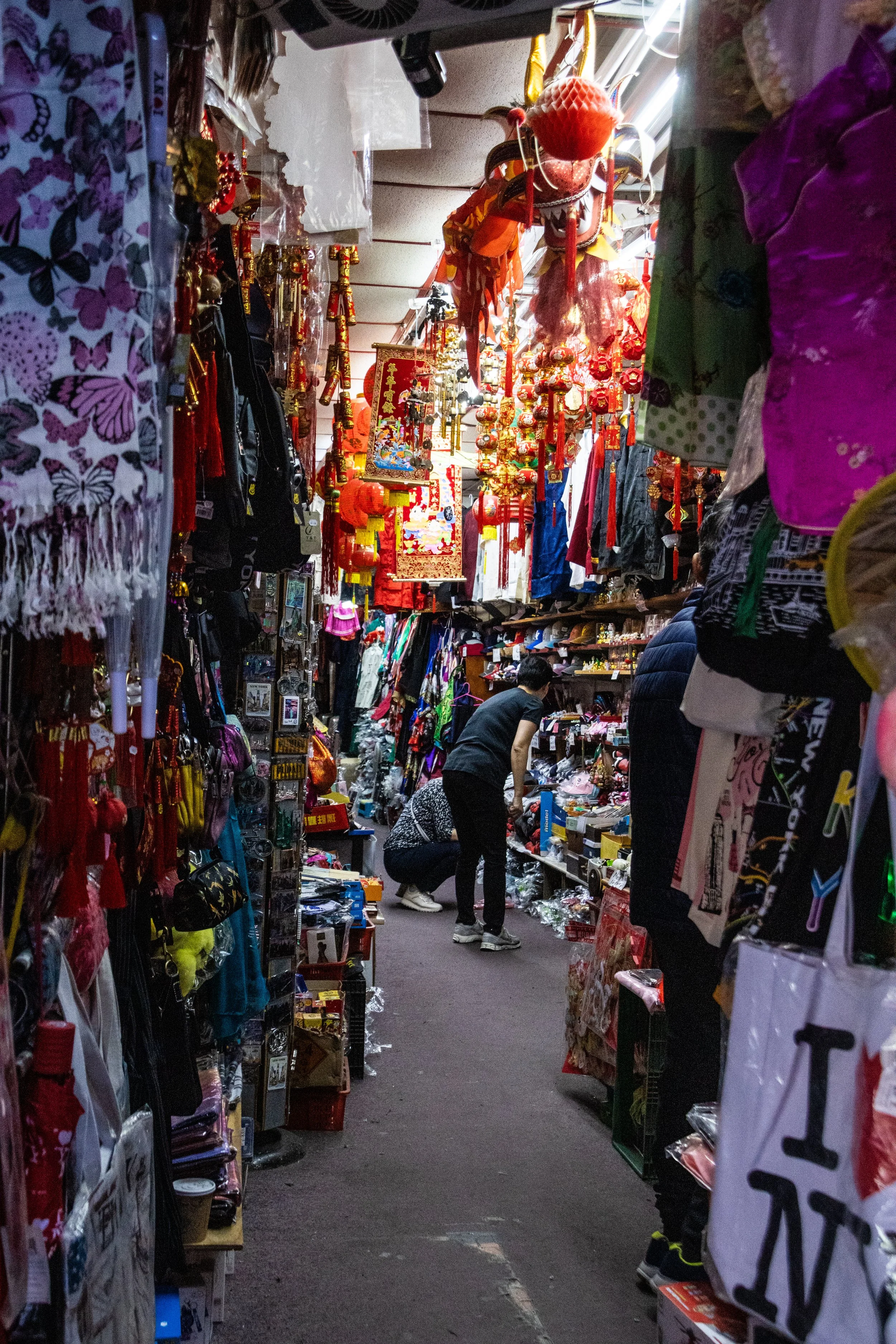
Walking the streets of Chinatown is an experience! The building stock itself is much the same as anywhere else in the city (with a few obvious exceptions, such as the out-of-place traditional structure used as the cover photo for this article) but that is where the similarities end. NYC’s Chinatown is about as close to China as you can get in North America, aside from perhaps certain parts of the San Francisco Bay area and the Vancouver metro area. Every storefront is a Chinese grocer—often specializing in a single good, such as seafood, meat, or vegetables—a Chinese restaurant, a textile-based business of some sort, a massage parlor, or some variety of cultural organization. There are Chinese lanterns hanging everywhere, and the flags of China and Taiwan are never out of sight. When you cross into this neighborhood, the street performers have switched from western instruments to the erhu, and signage tends to be first in Chinese characters, and then in English. But this is New York, and you have free reign to walk into any storefront that looks interesting to see what’s going on! Personally, I love walking into Asian grocery stores, especially the ones that specialize in seafood. Across much of East Asia, going to the seafood section of a grocery store is a similar experience to Monterrey Bay Aquarium; the diversity of sea creatures in tanks or packed on ice is always insane.
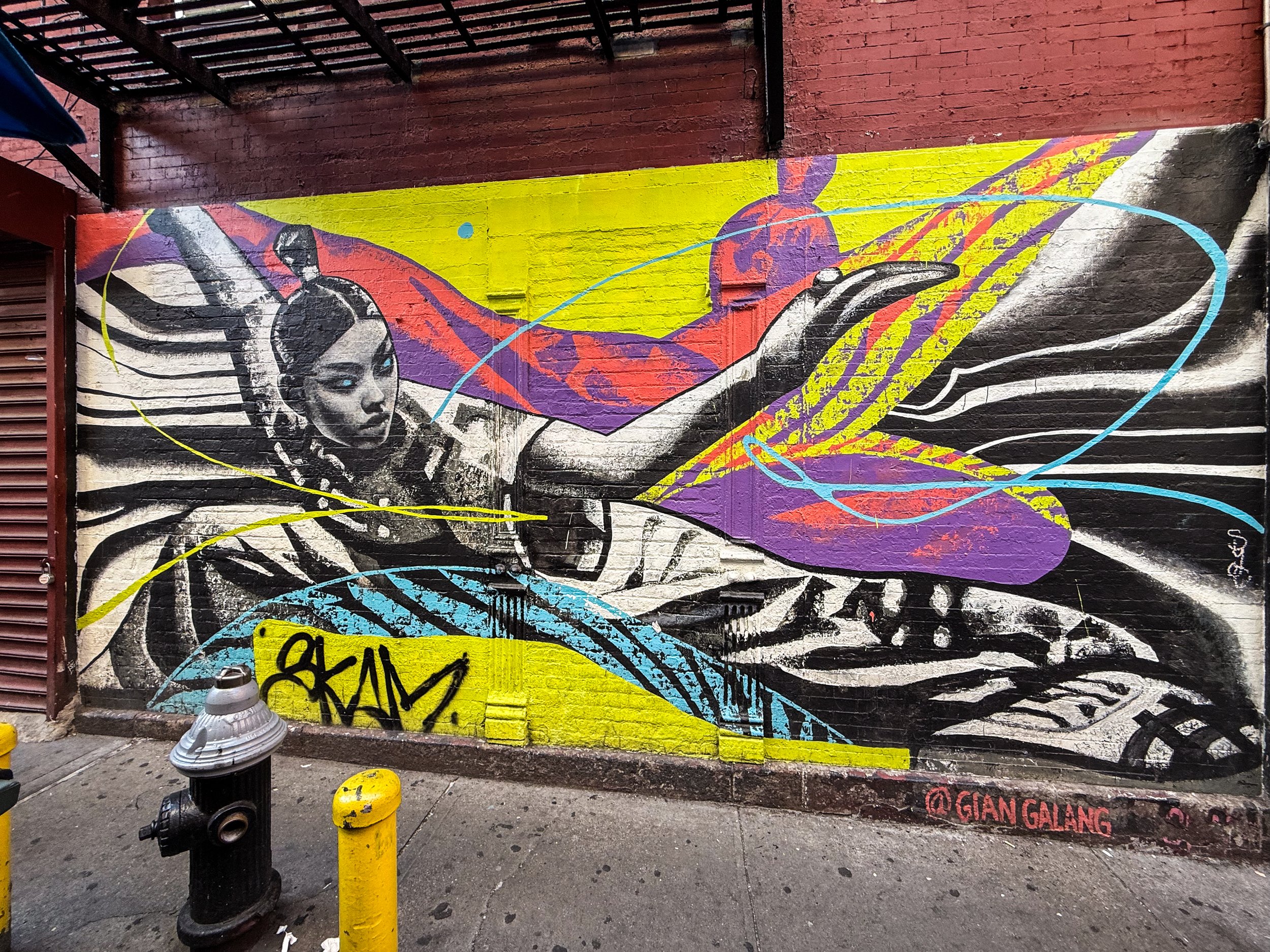
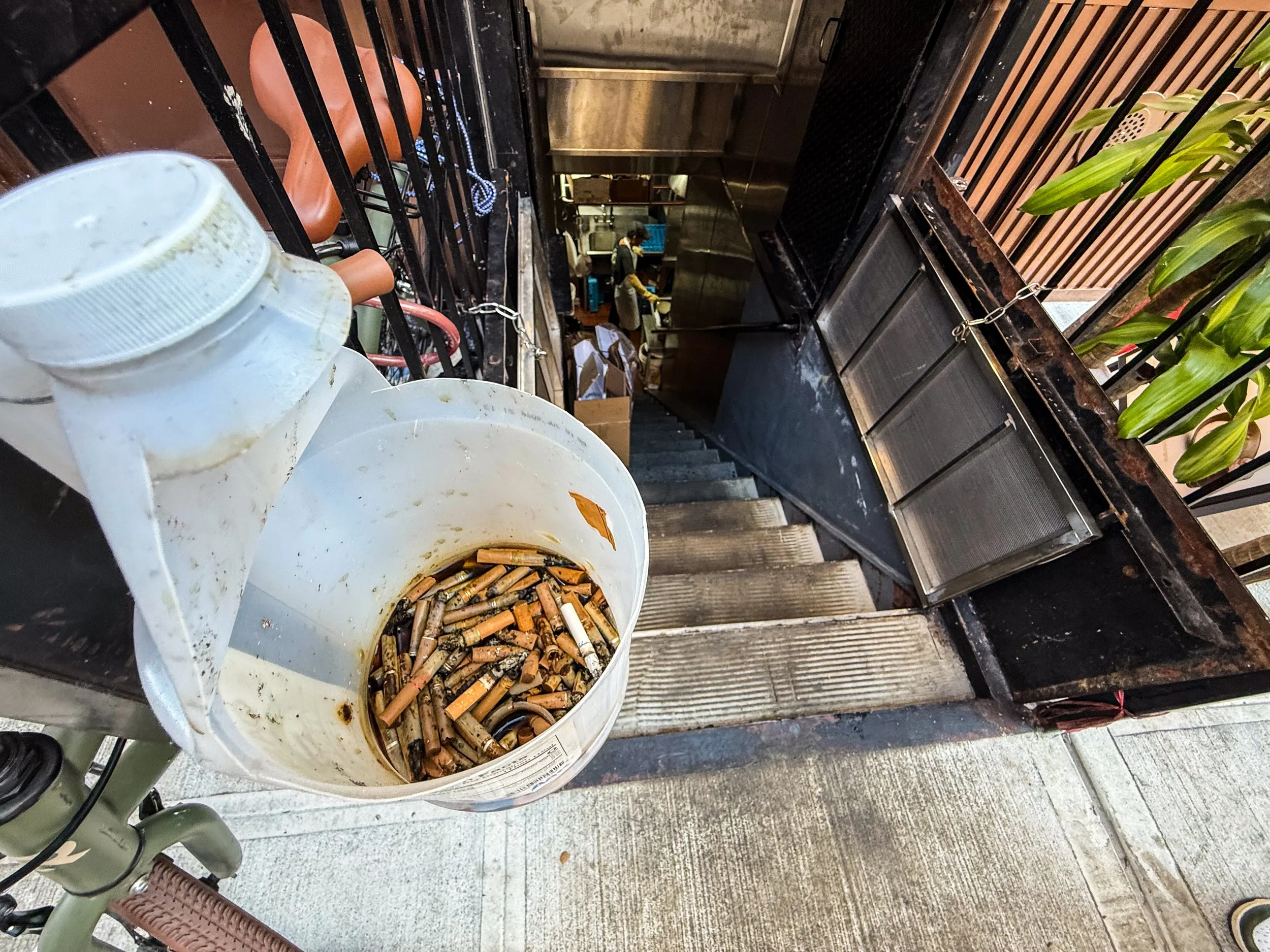
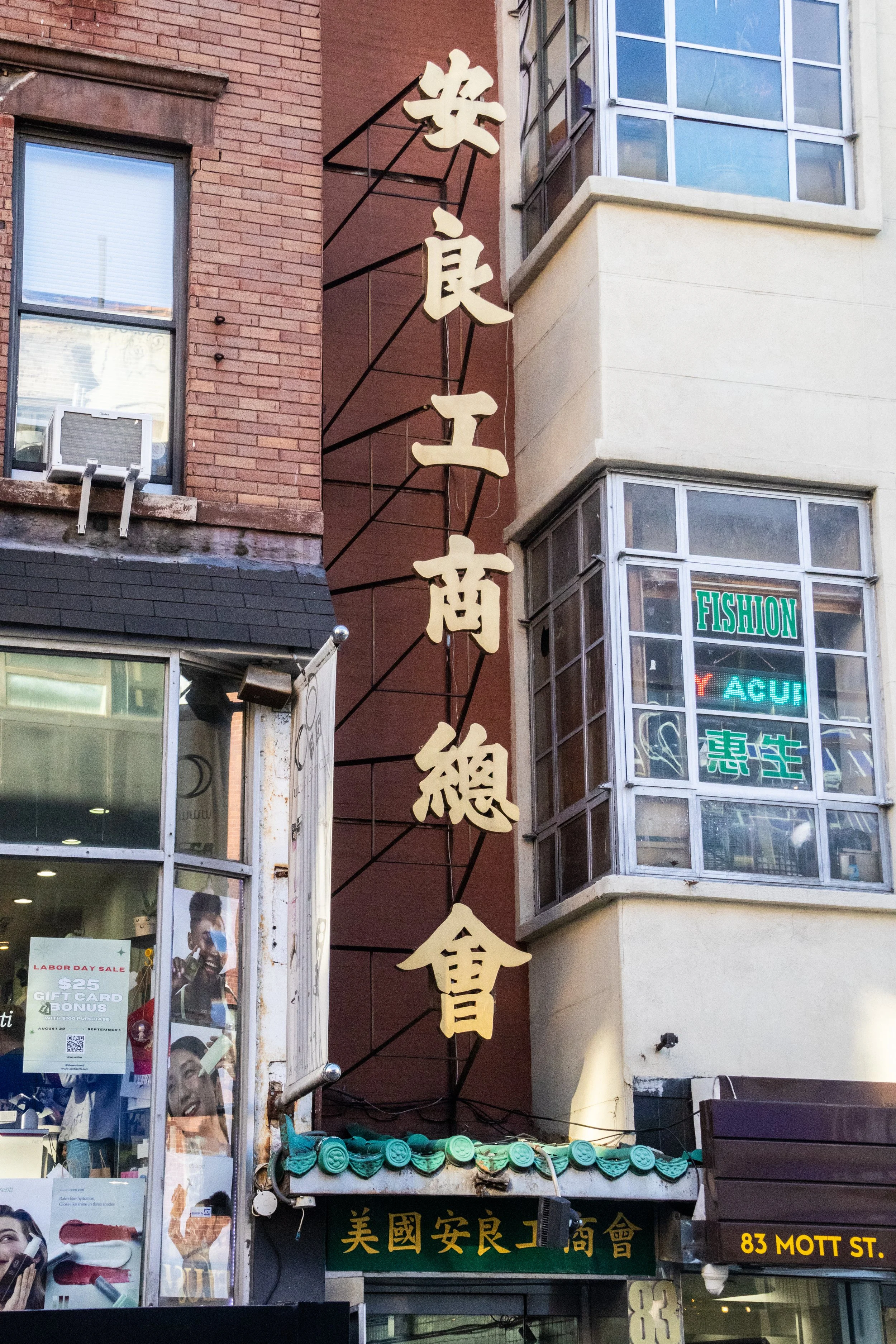
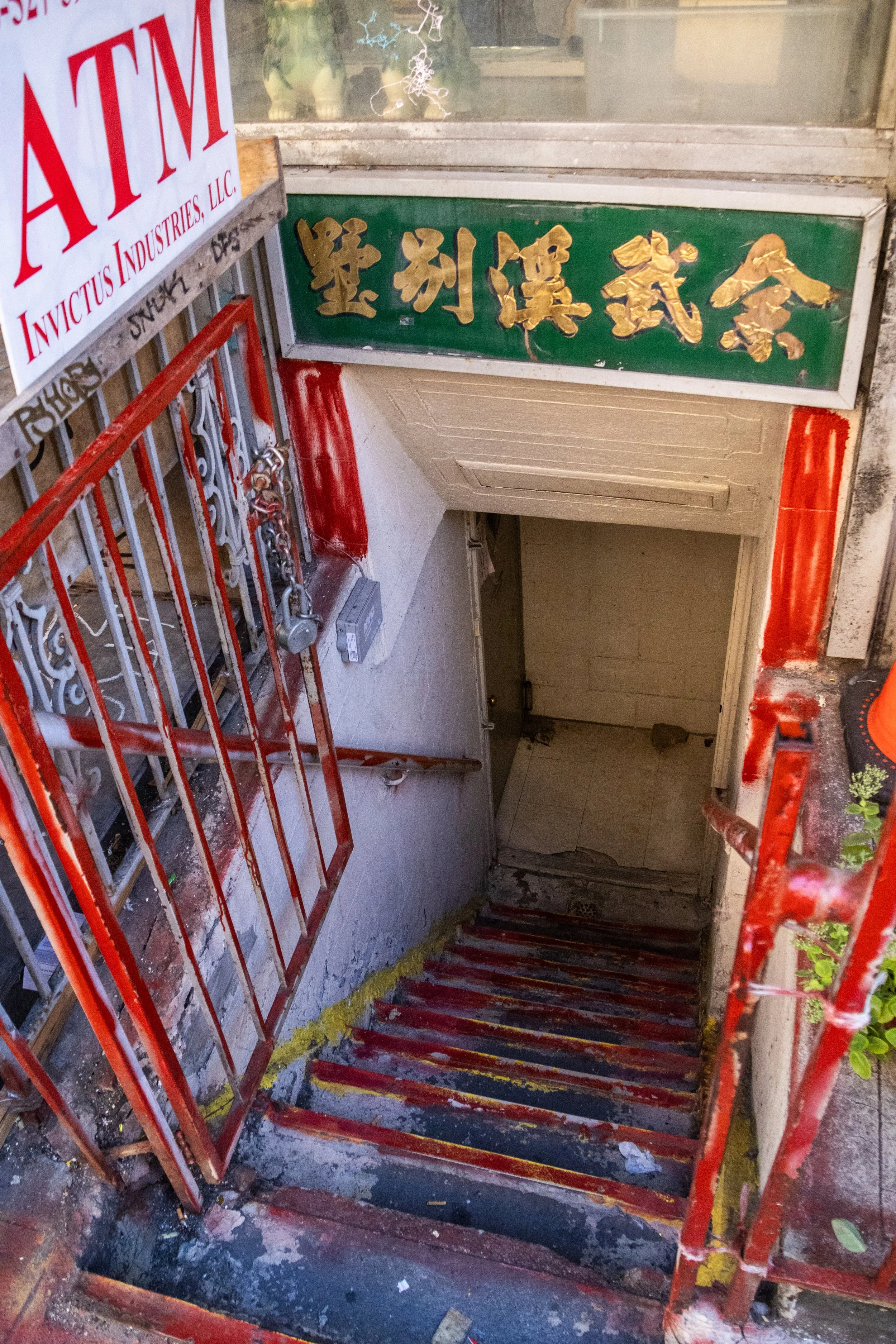
Chinatown covers about 20-25 square city blocks of Manhattan. That’s not a massive area, but it’s extremely dense. Here are some pictures I snapped within those blocks:
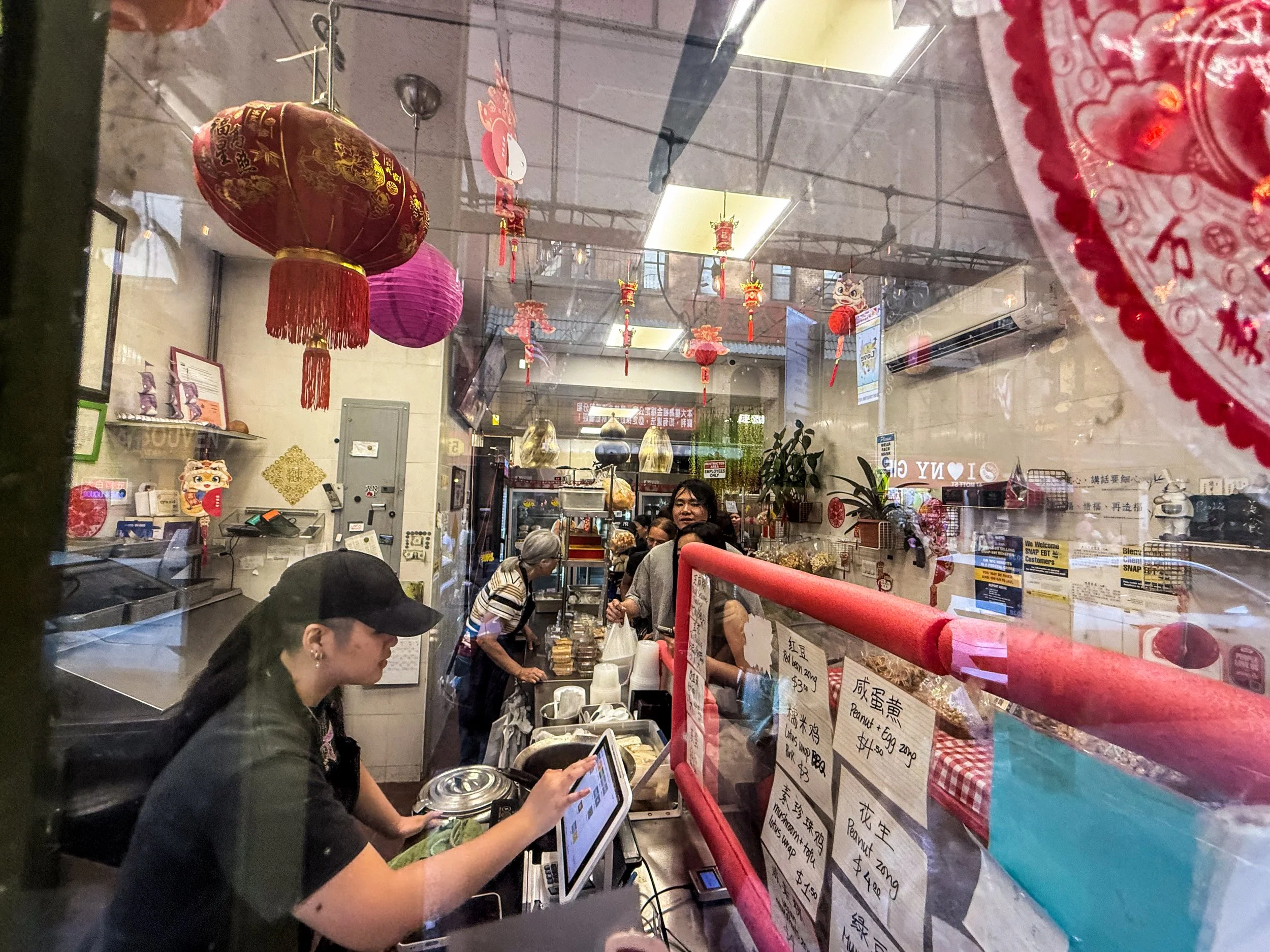
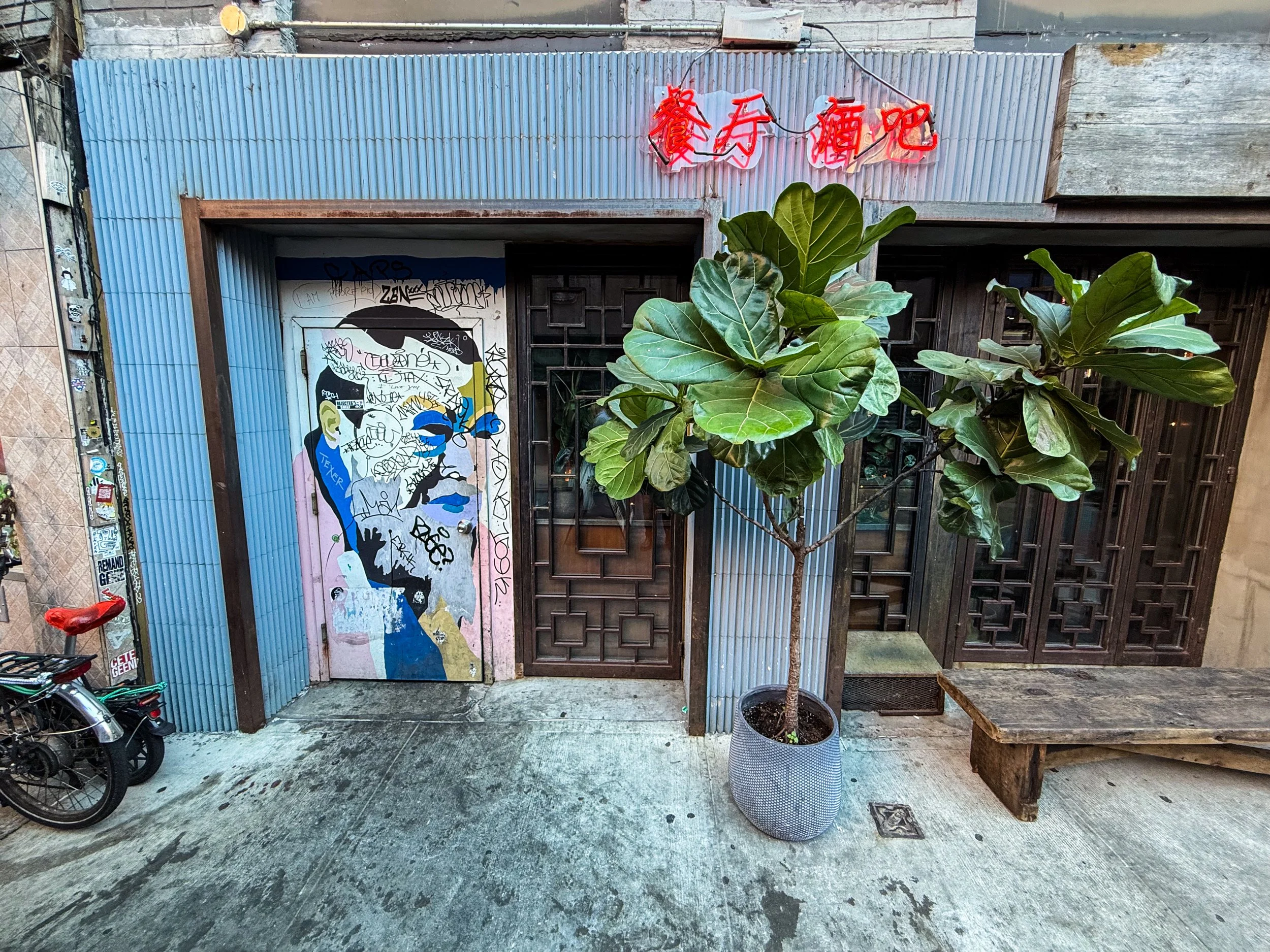
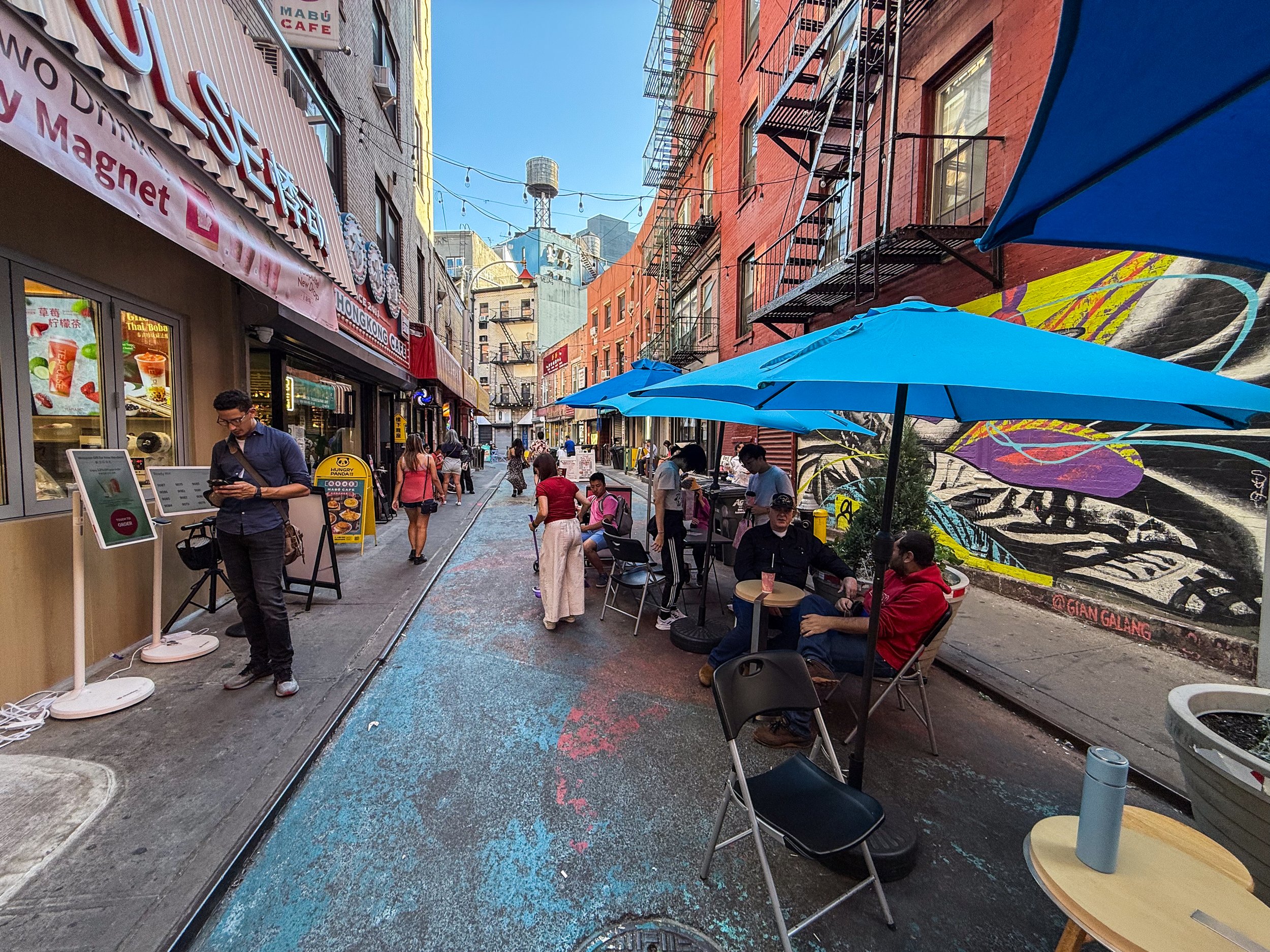
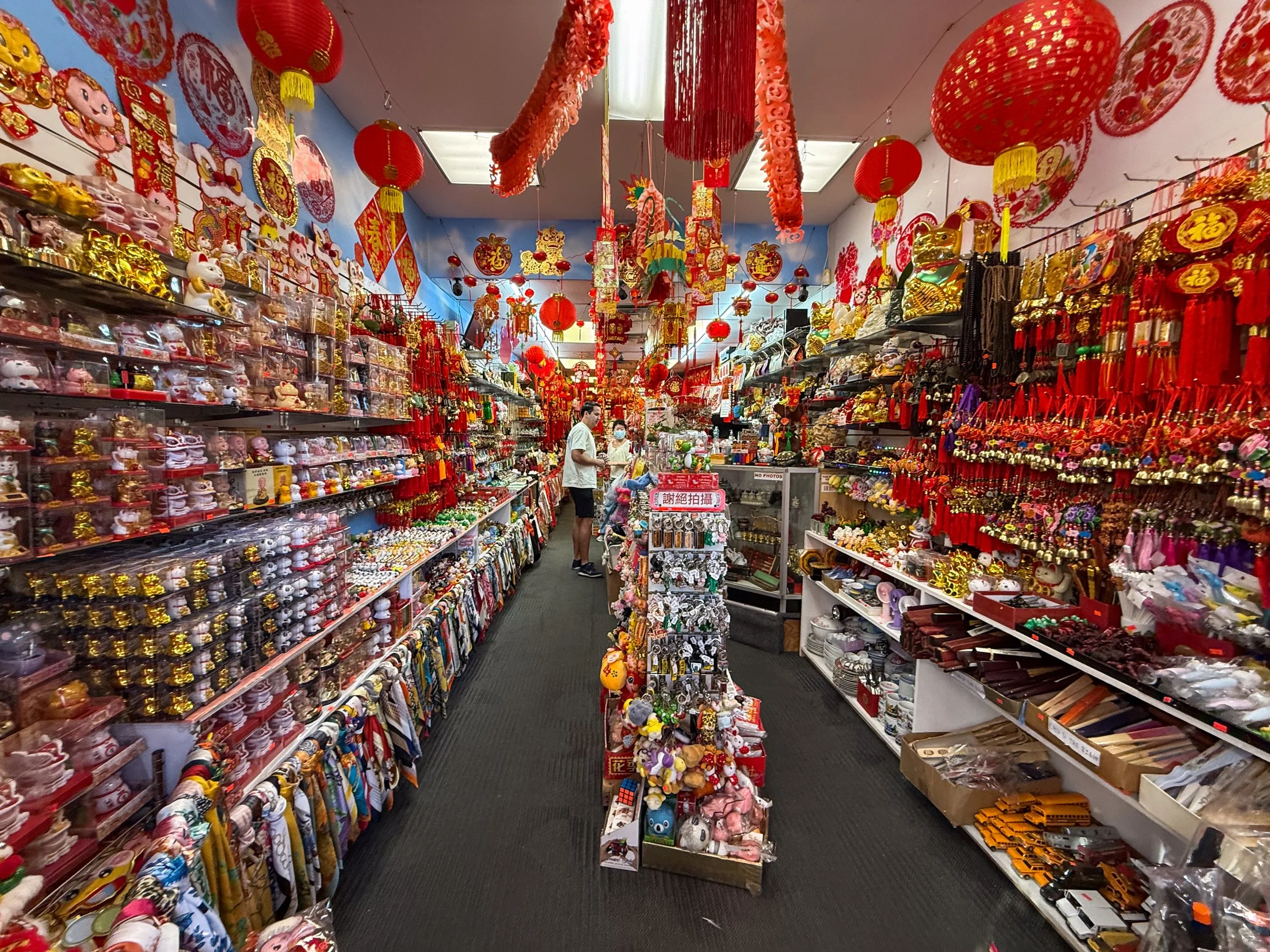
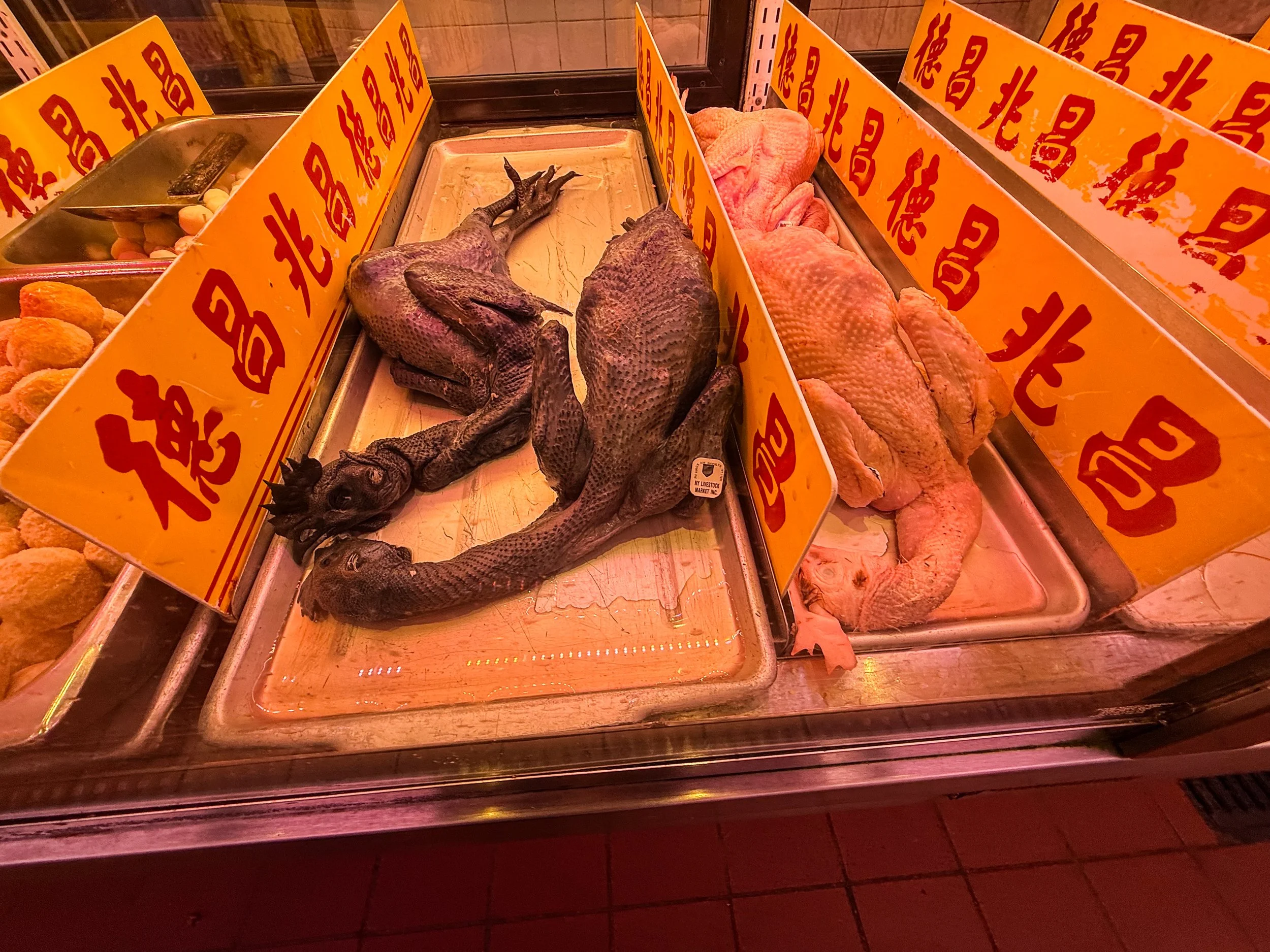

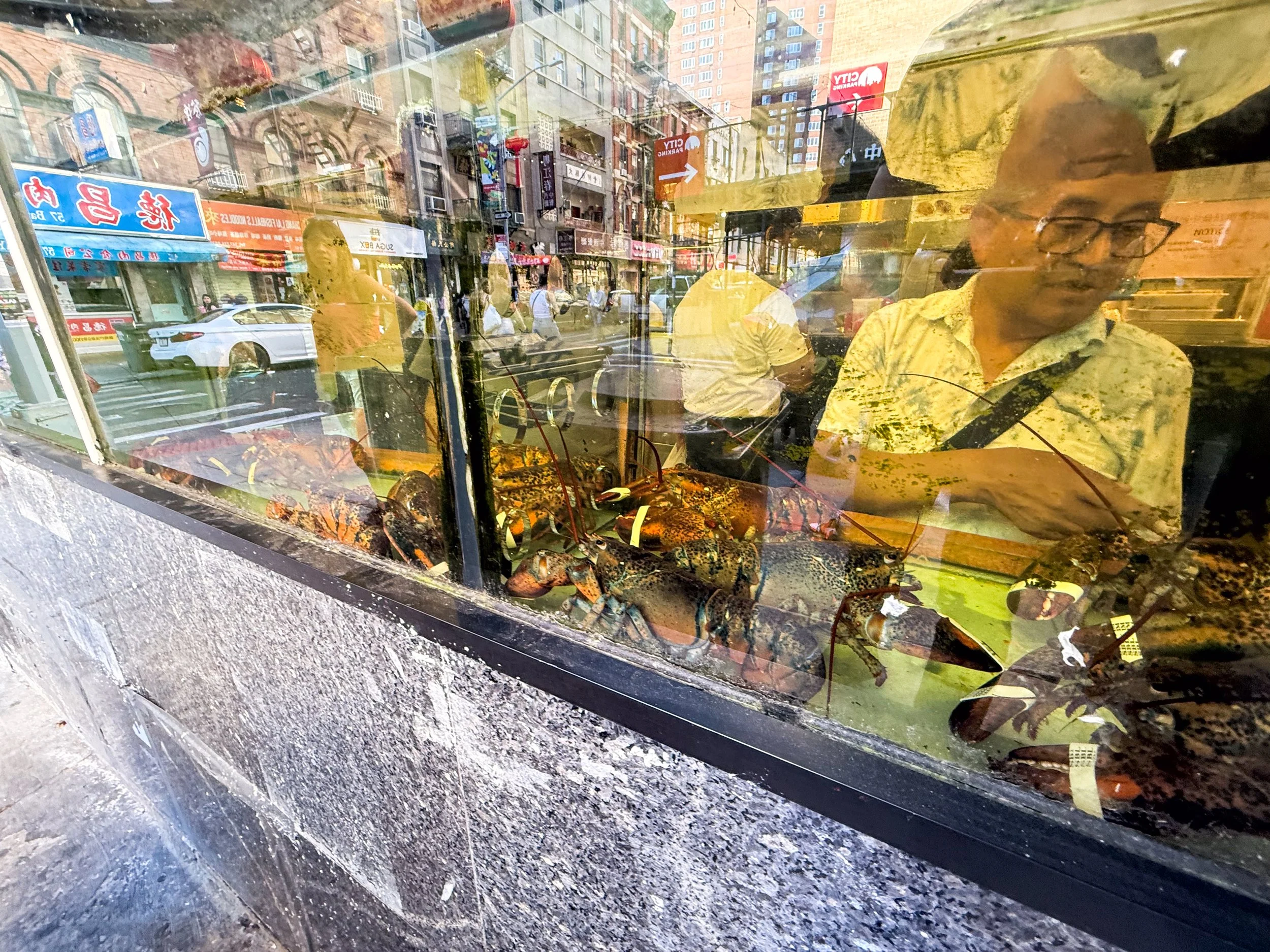
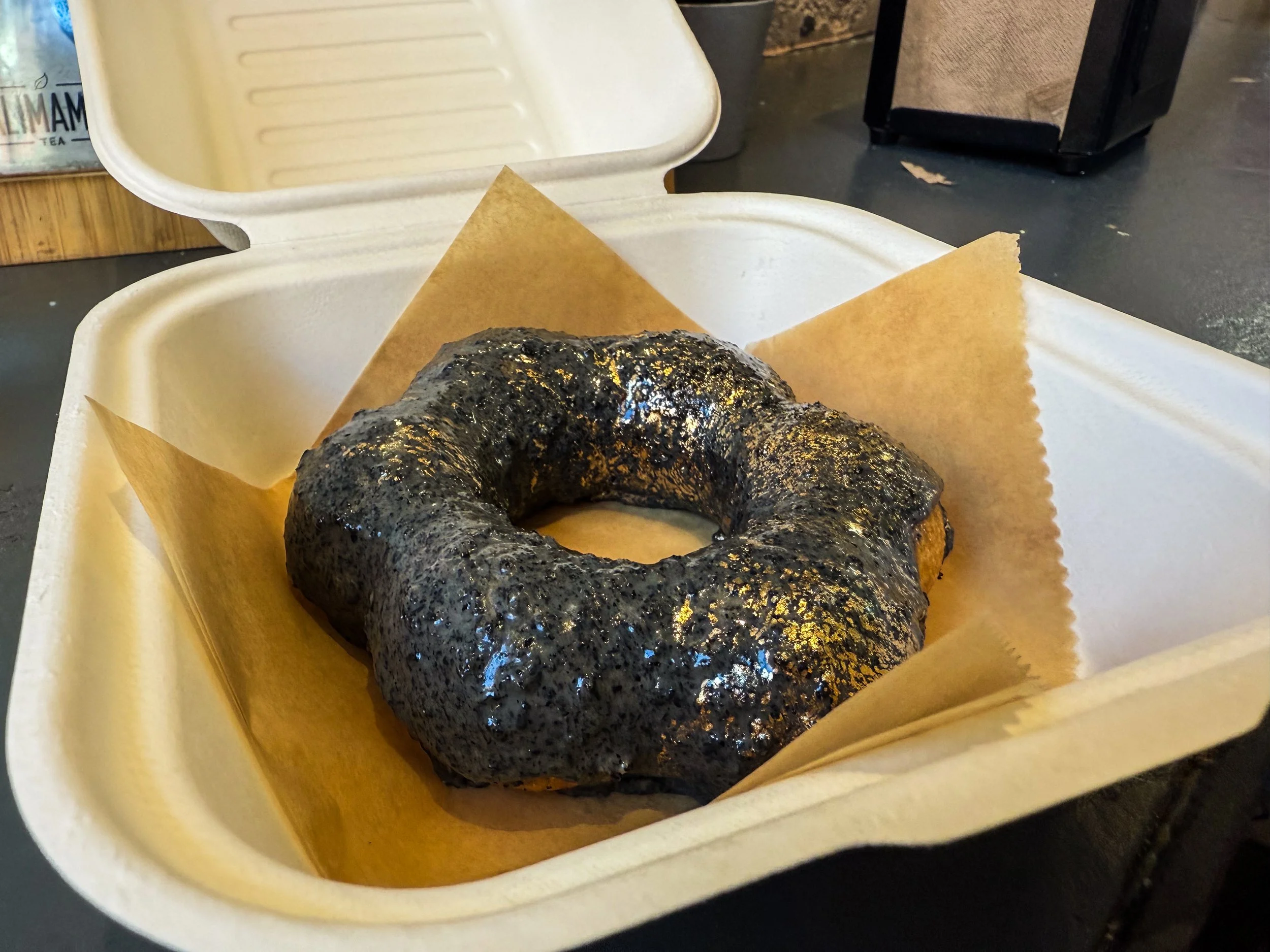
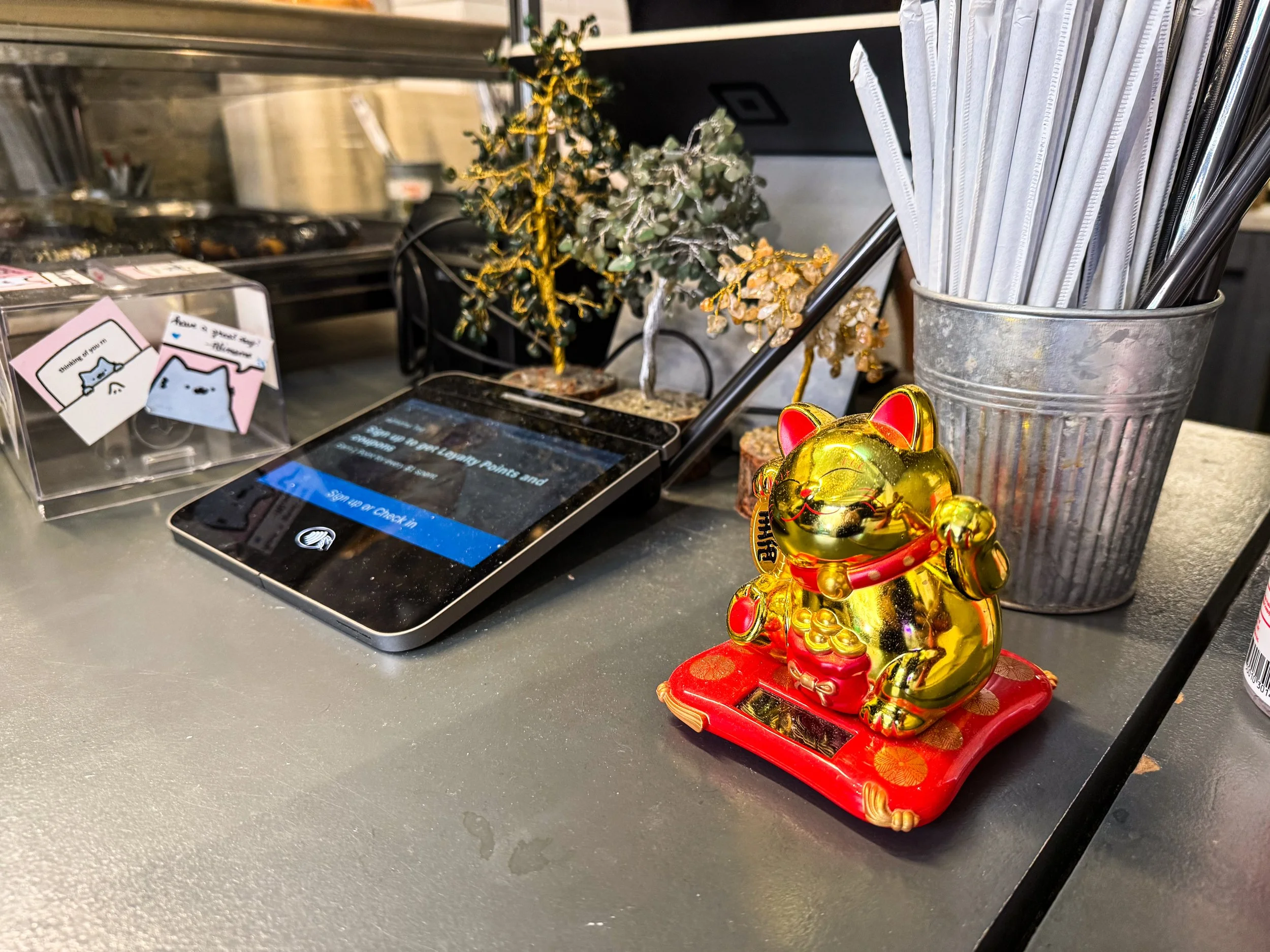
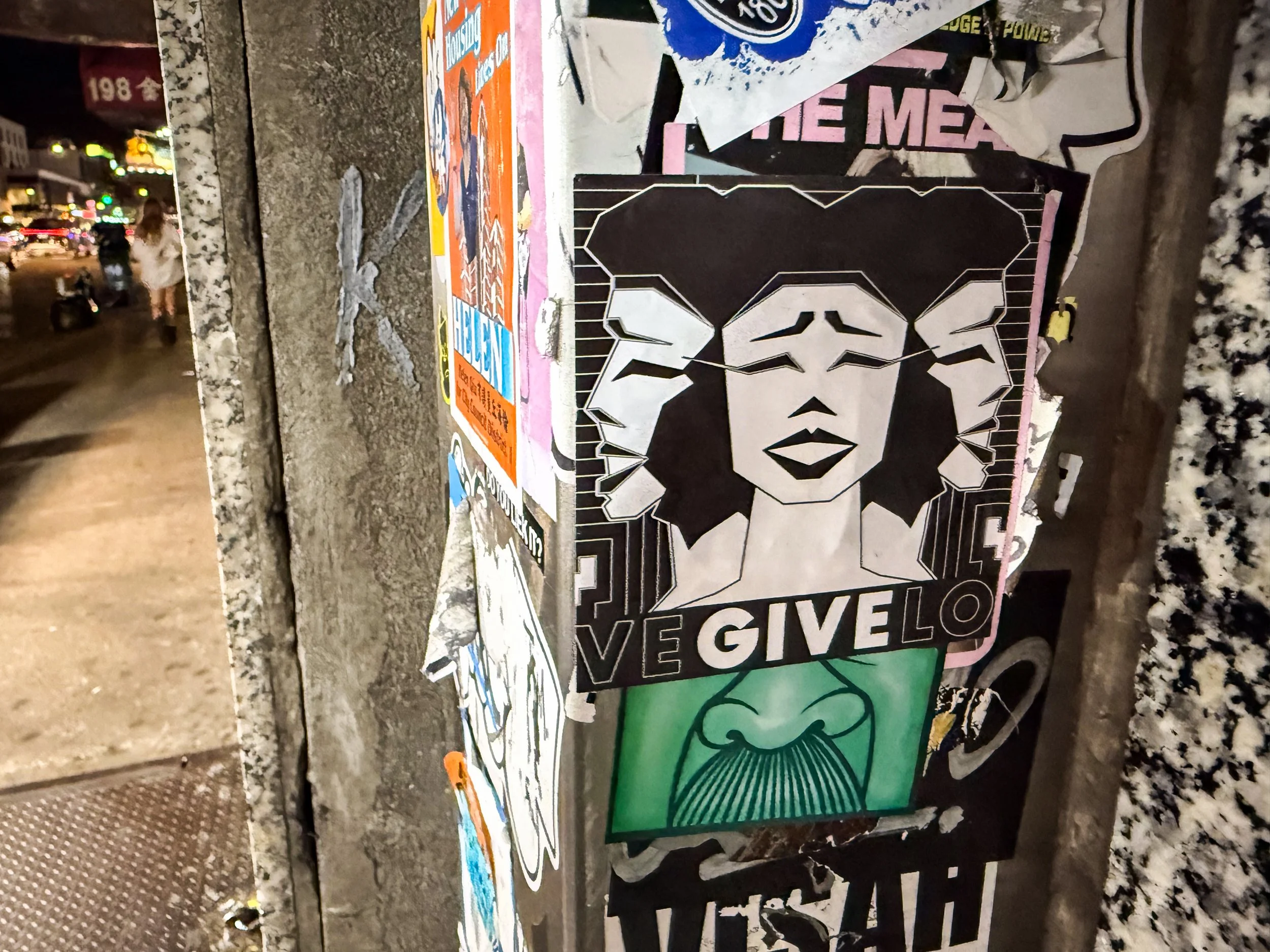
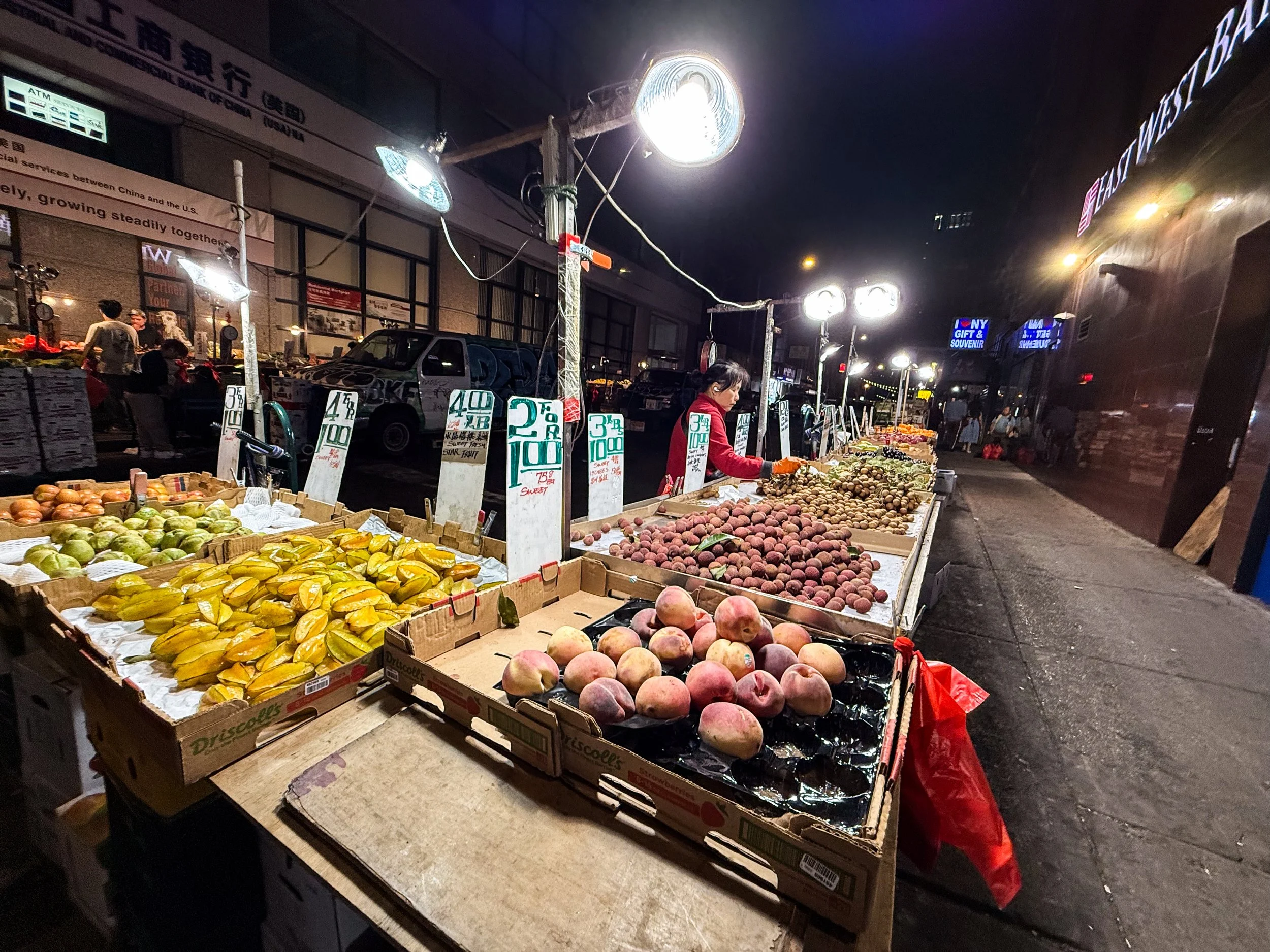
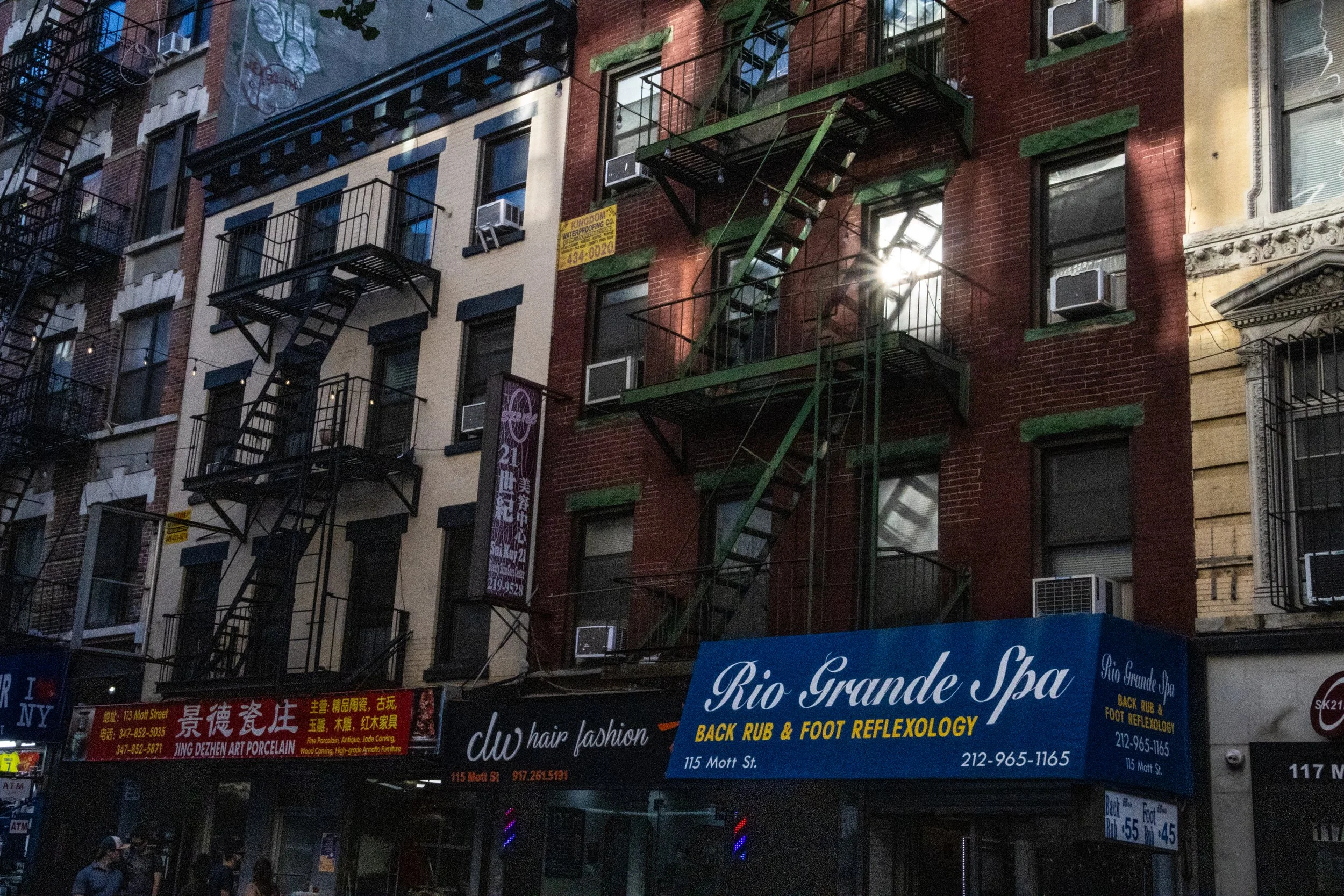
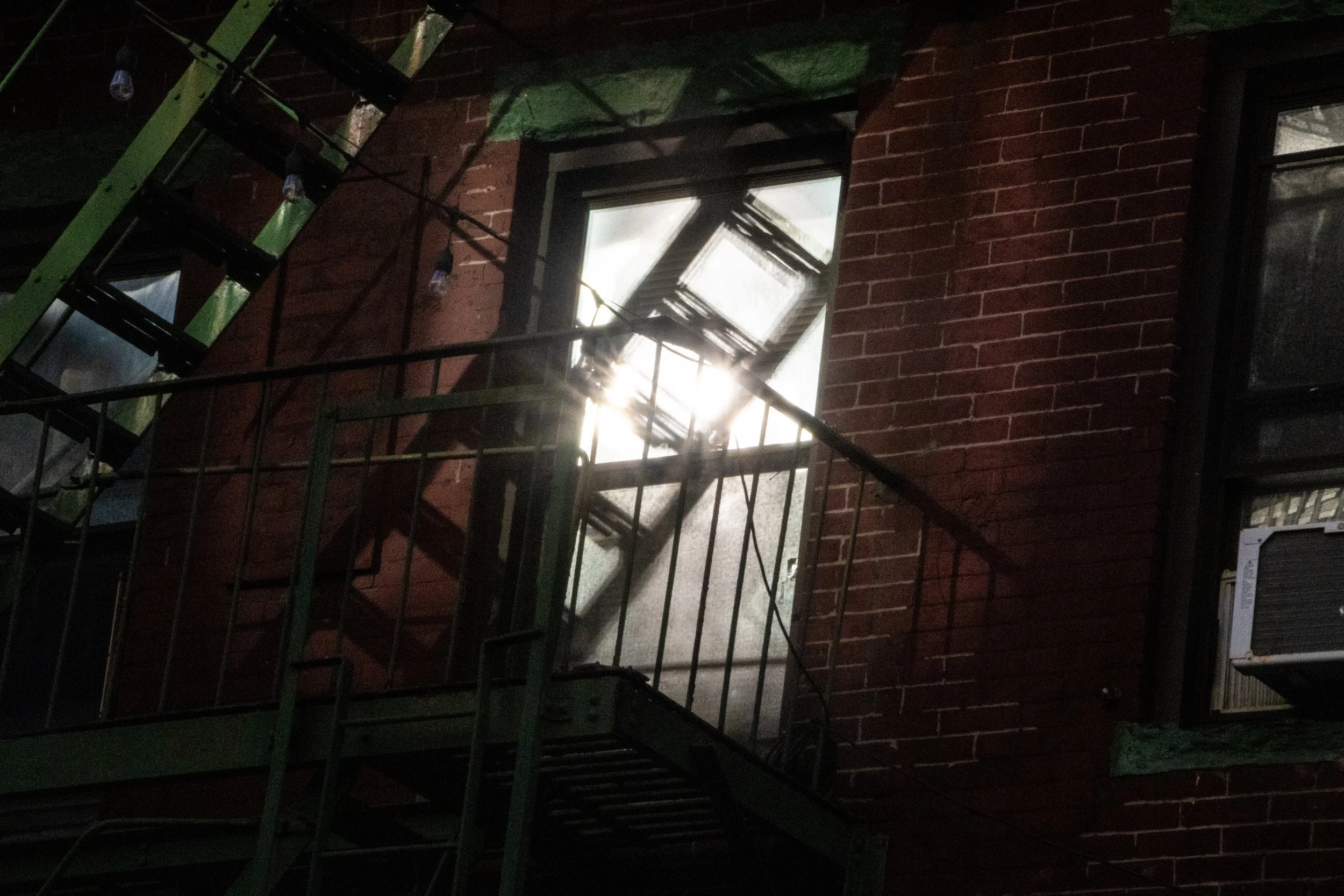
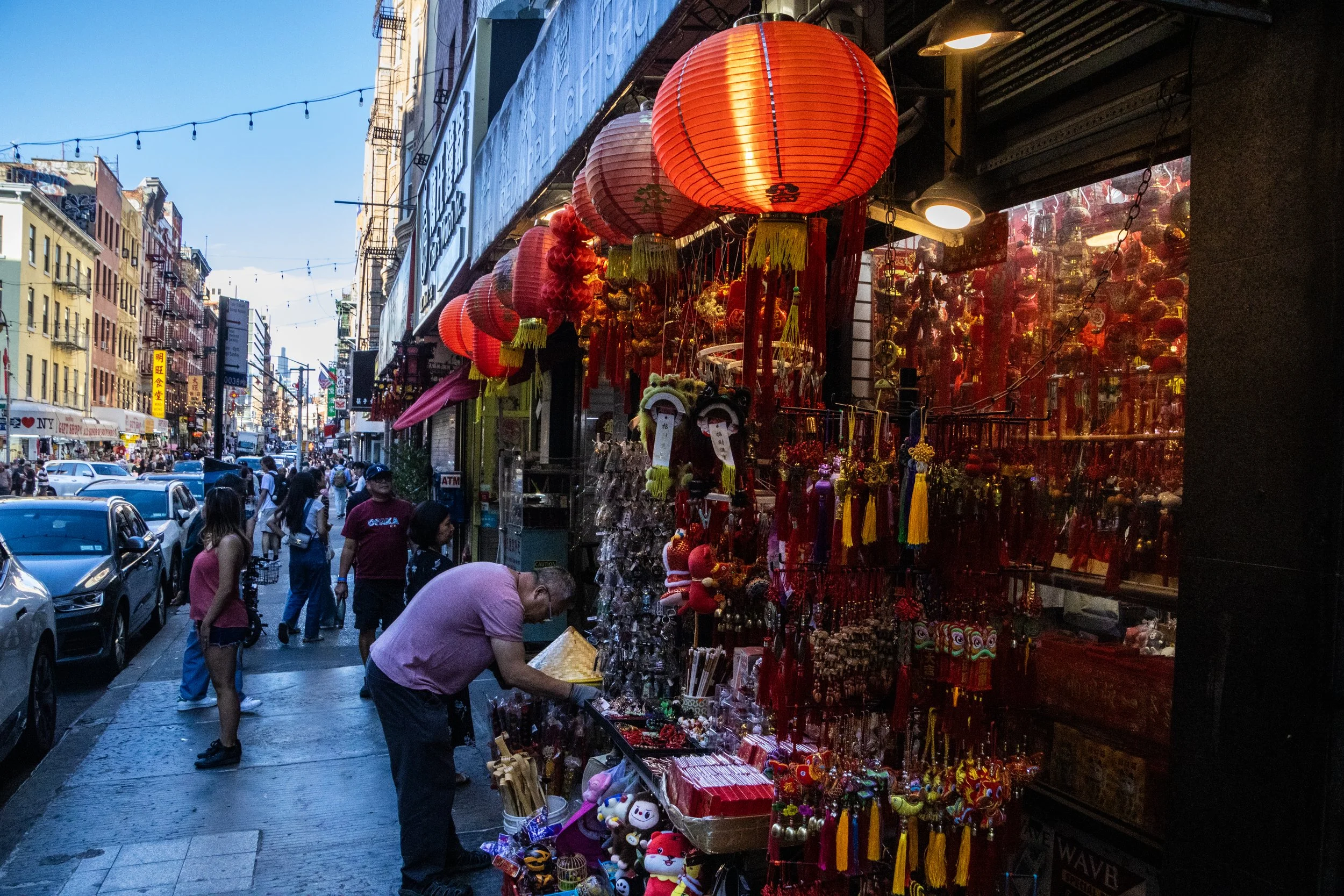
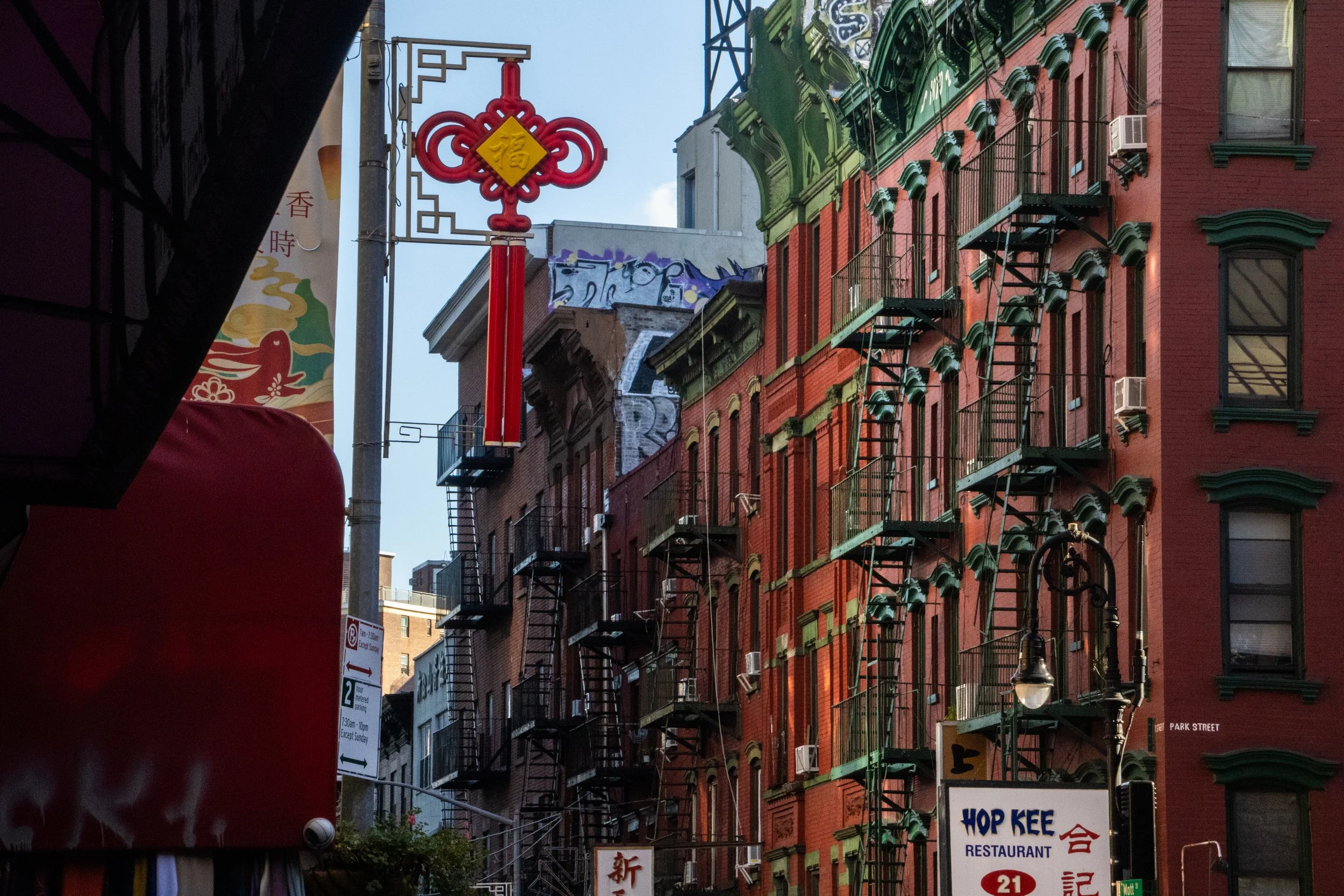
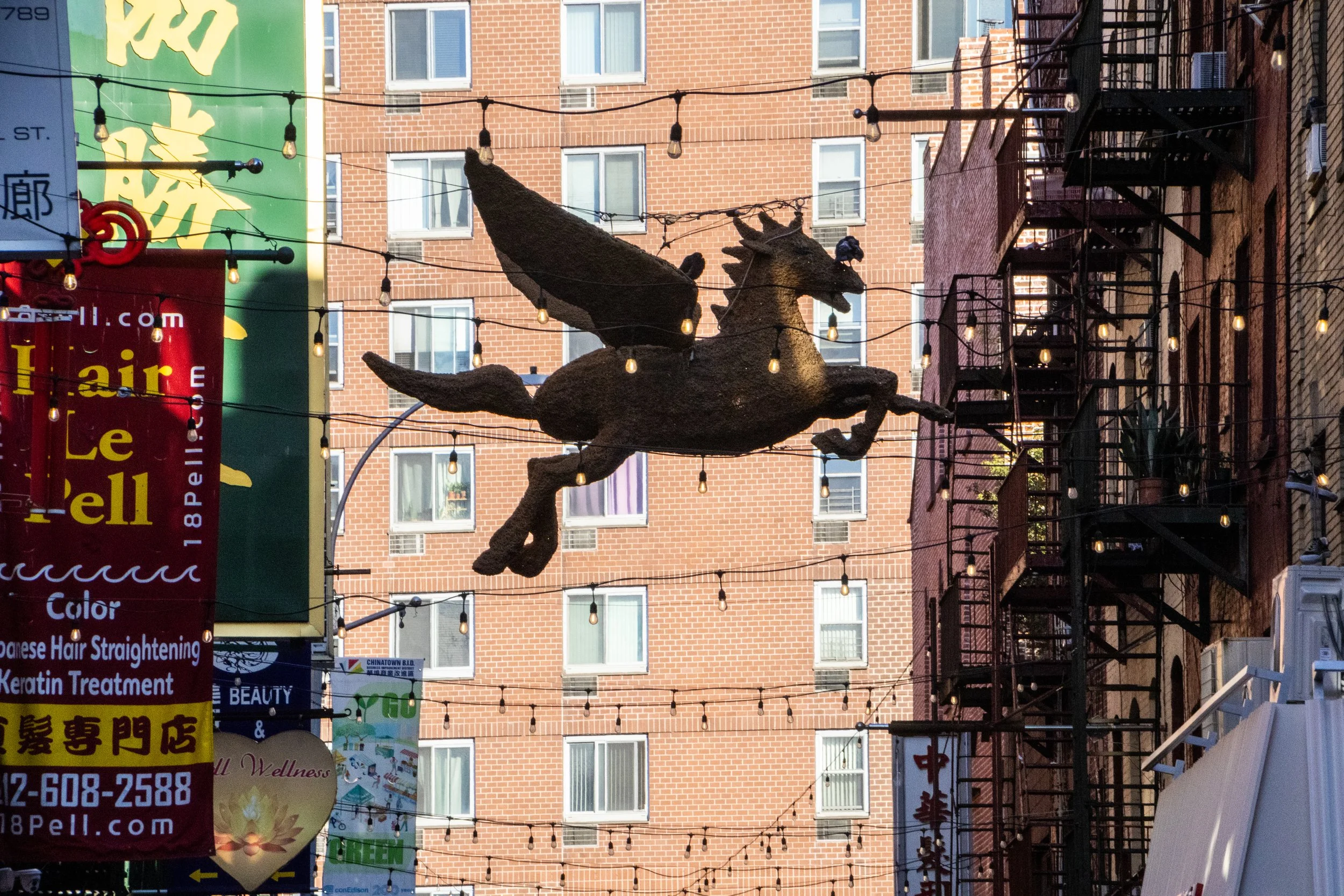
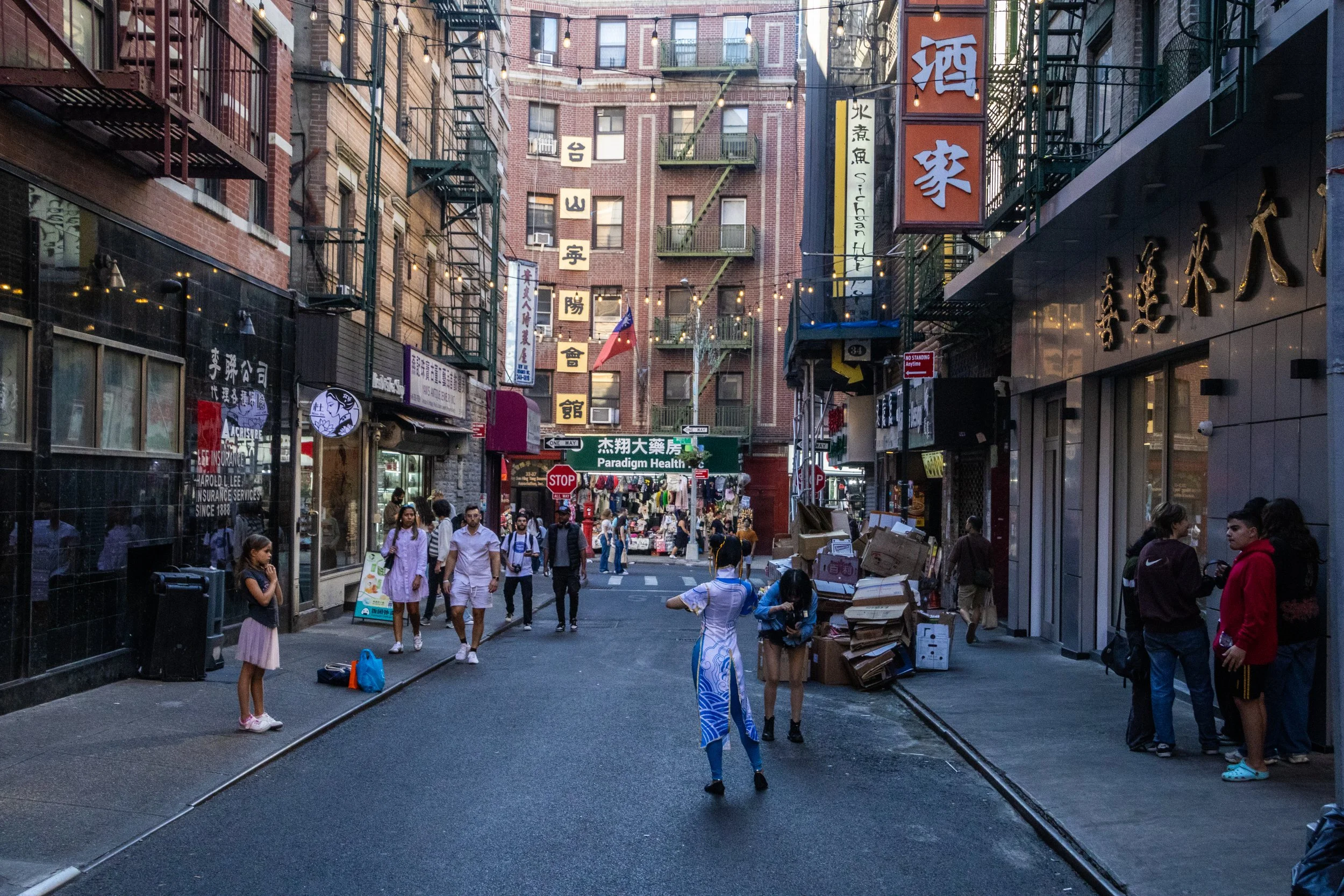
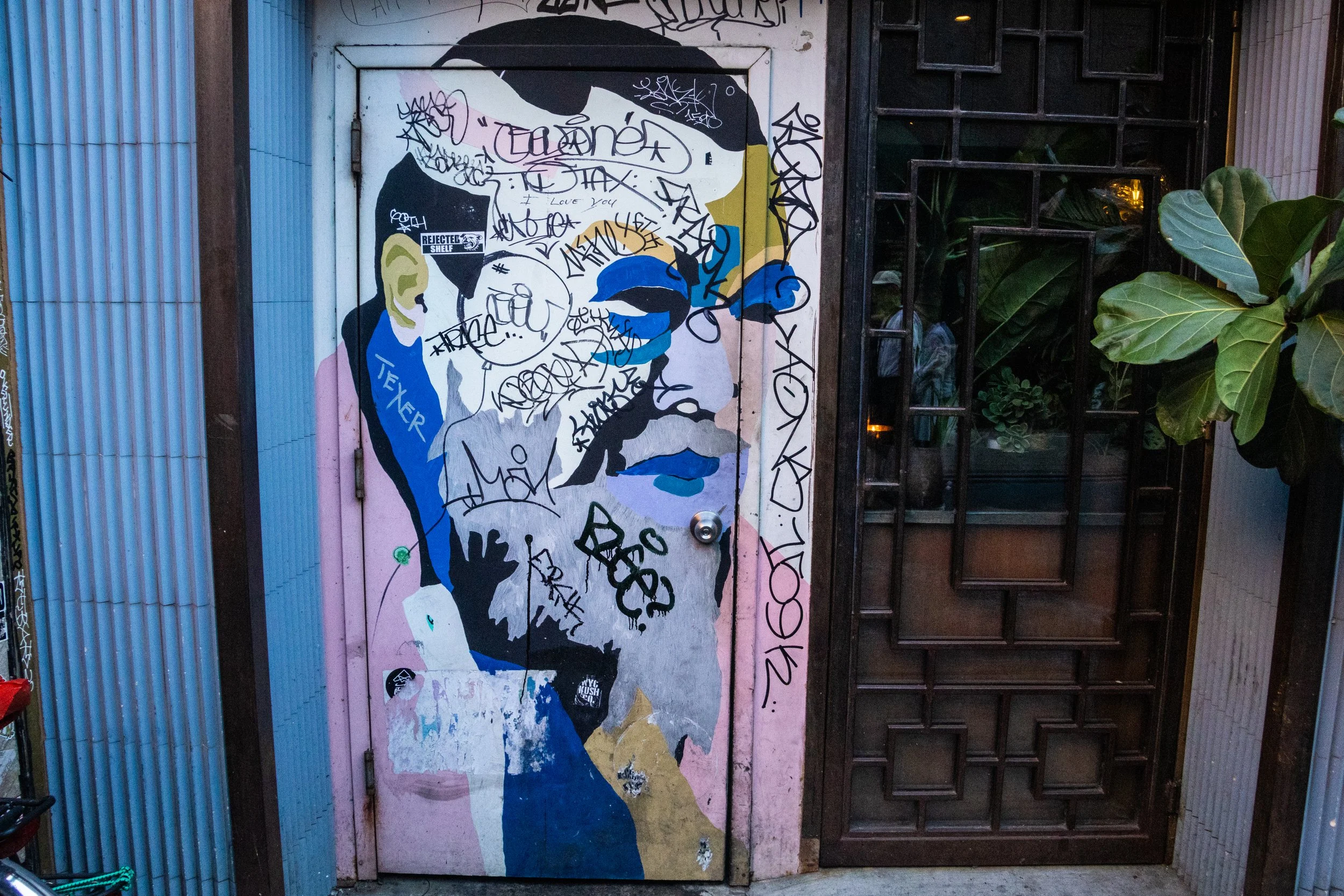
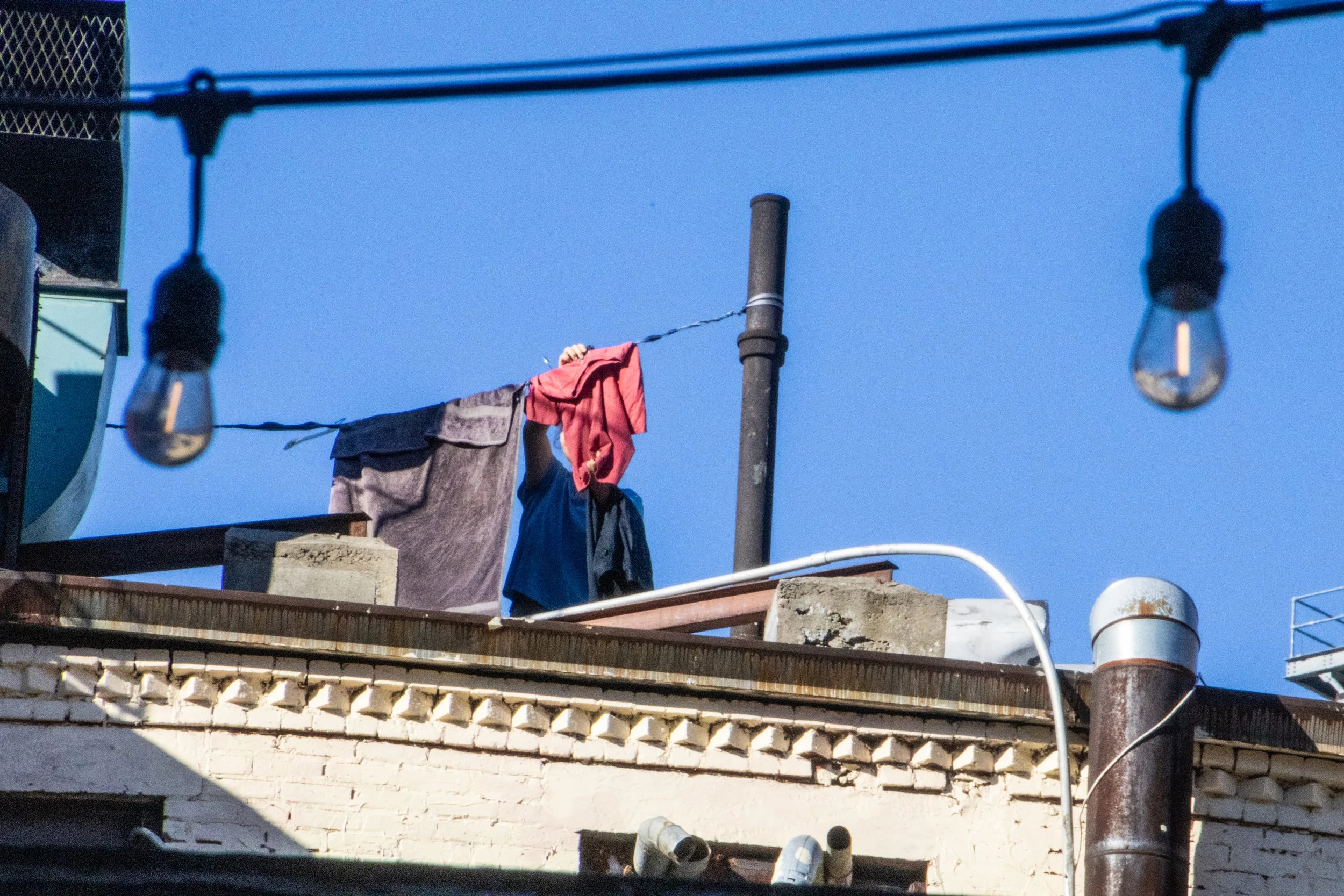

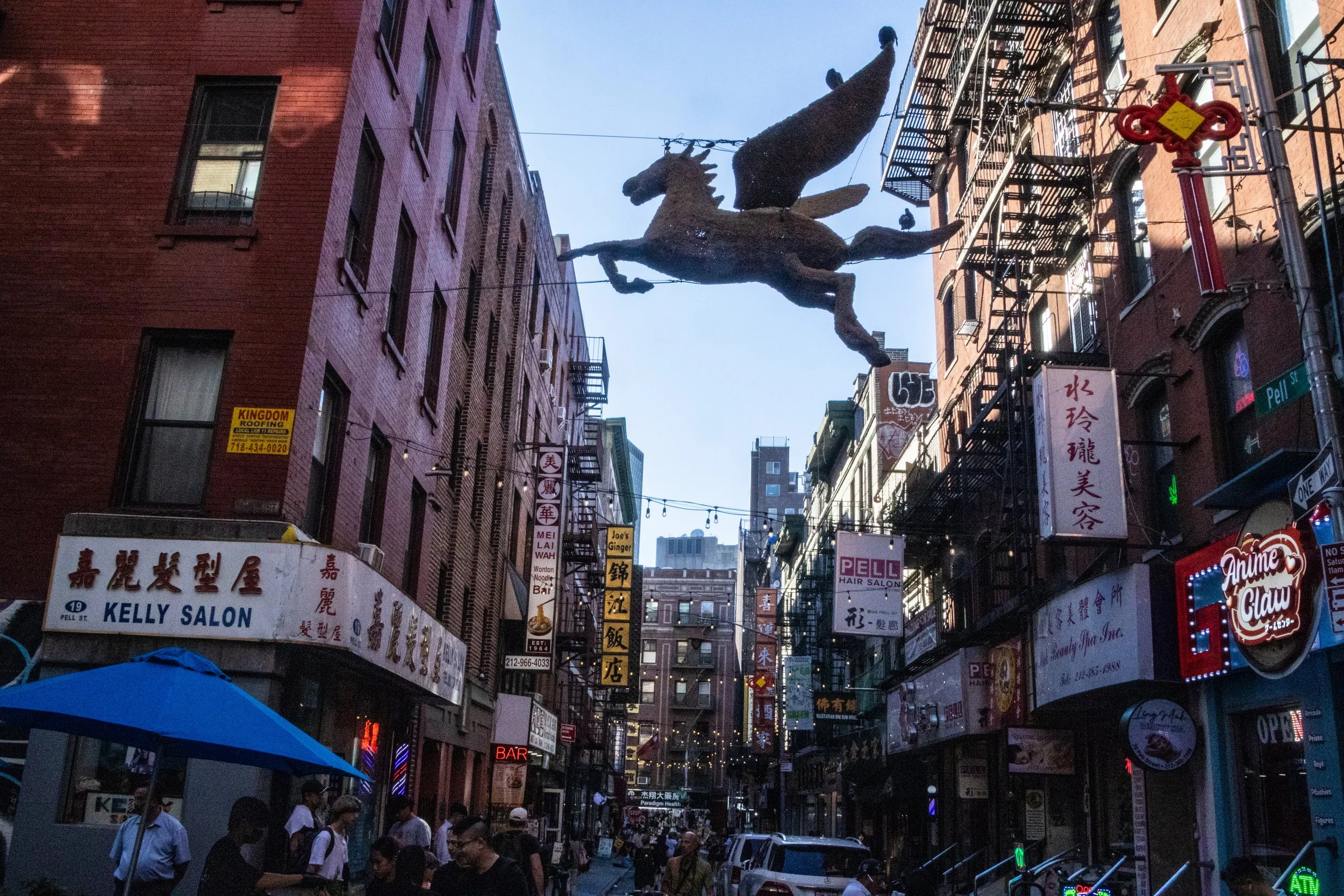
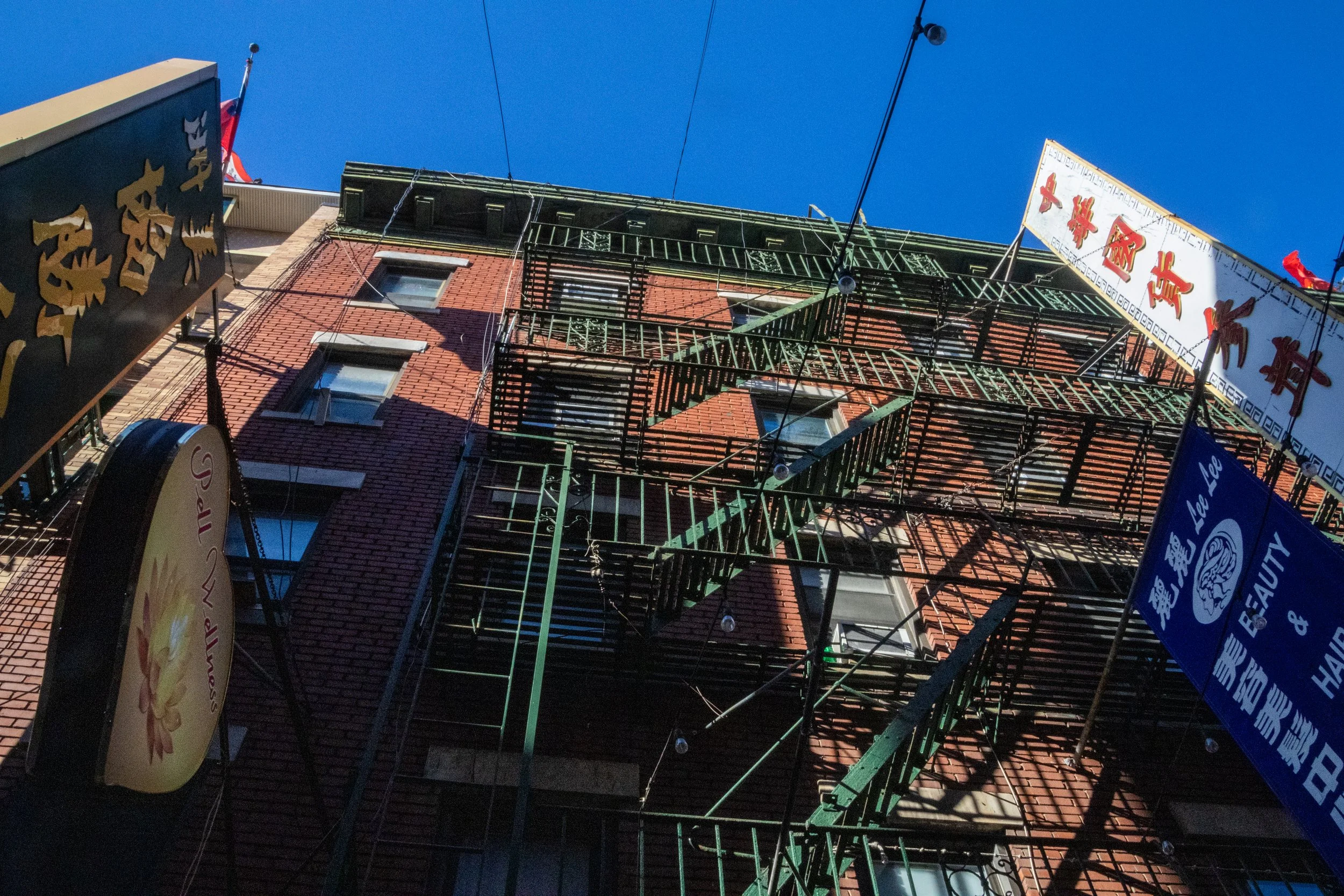
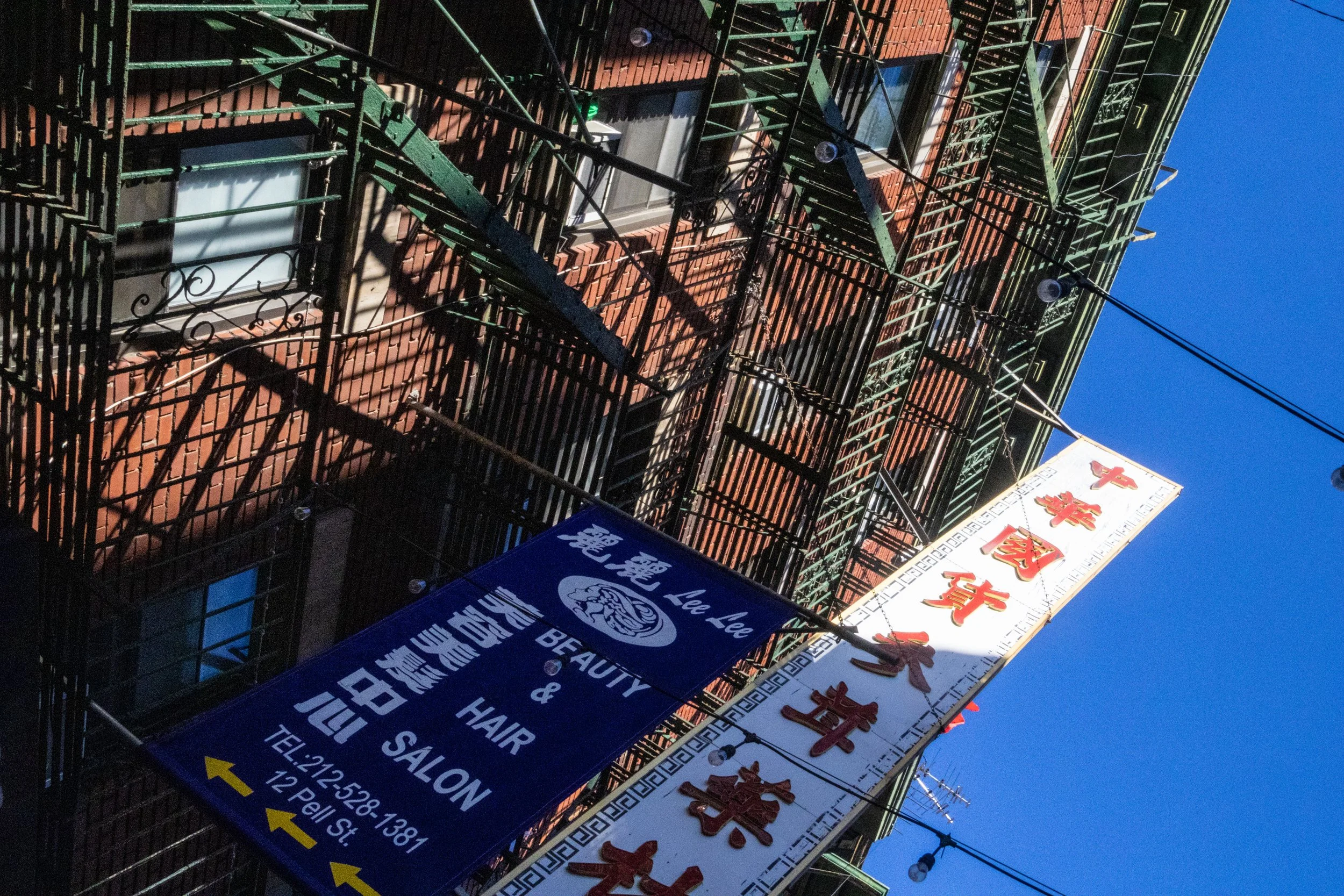
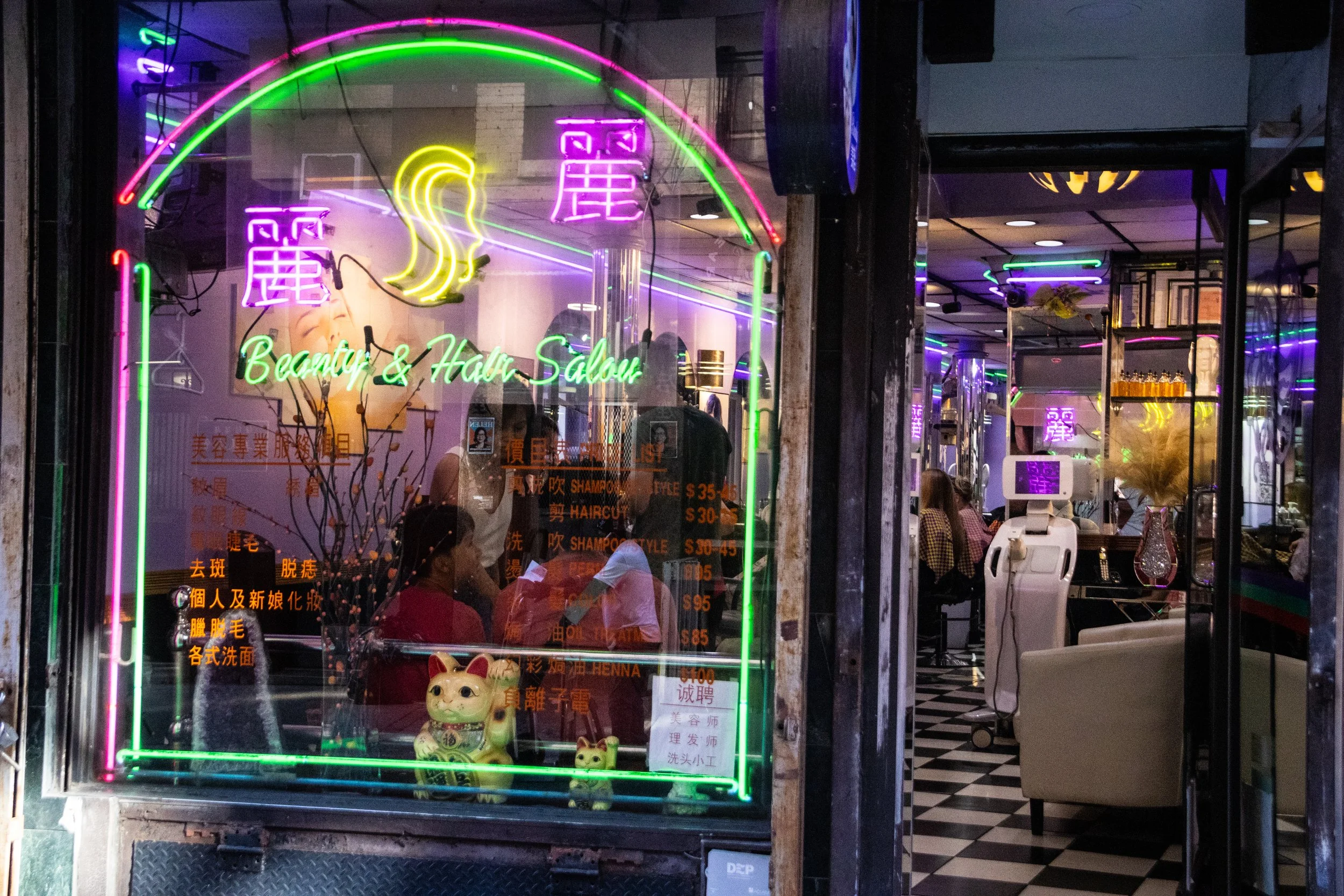
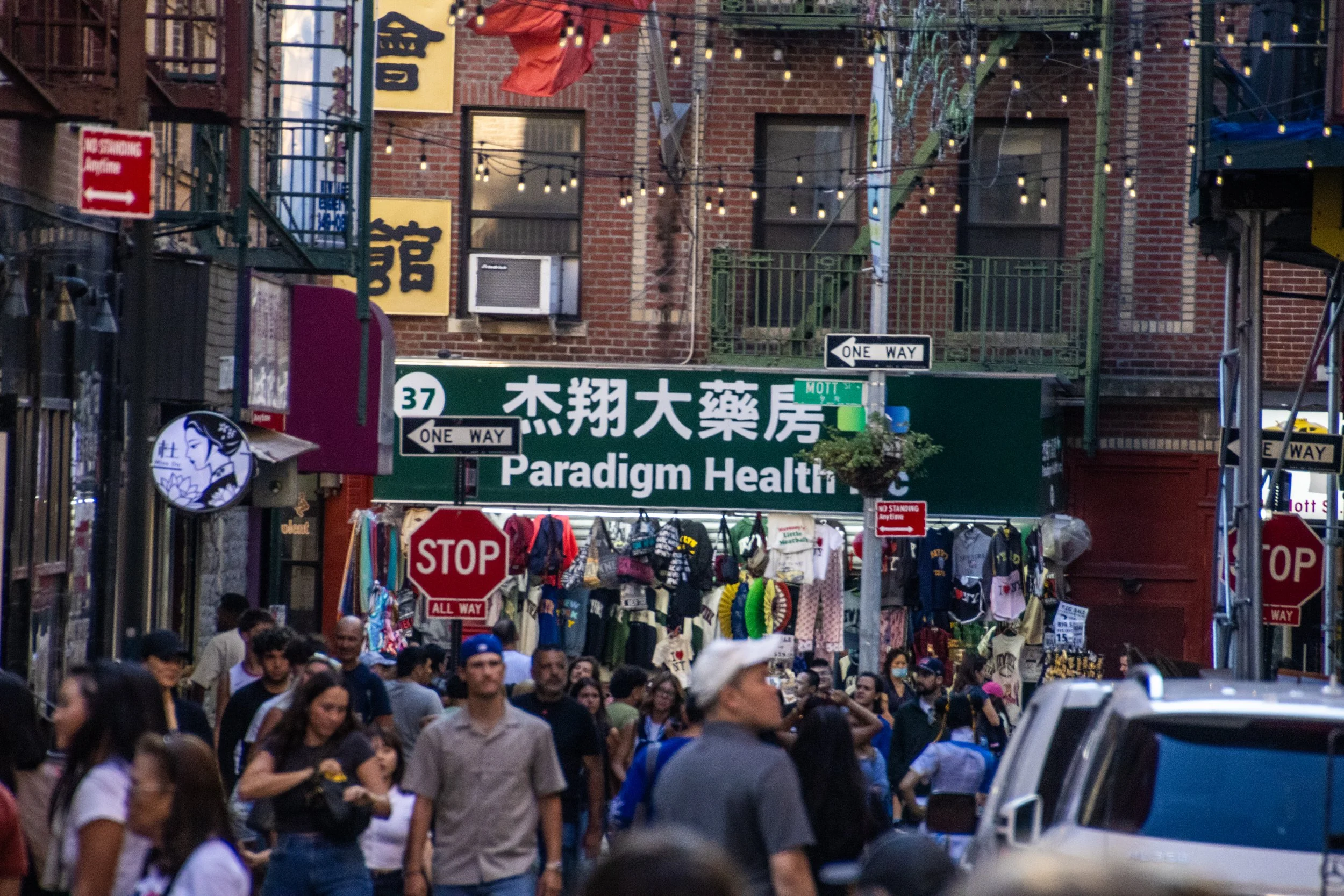
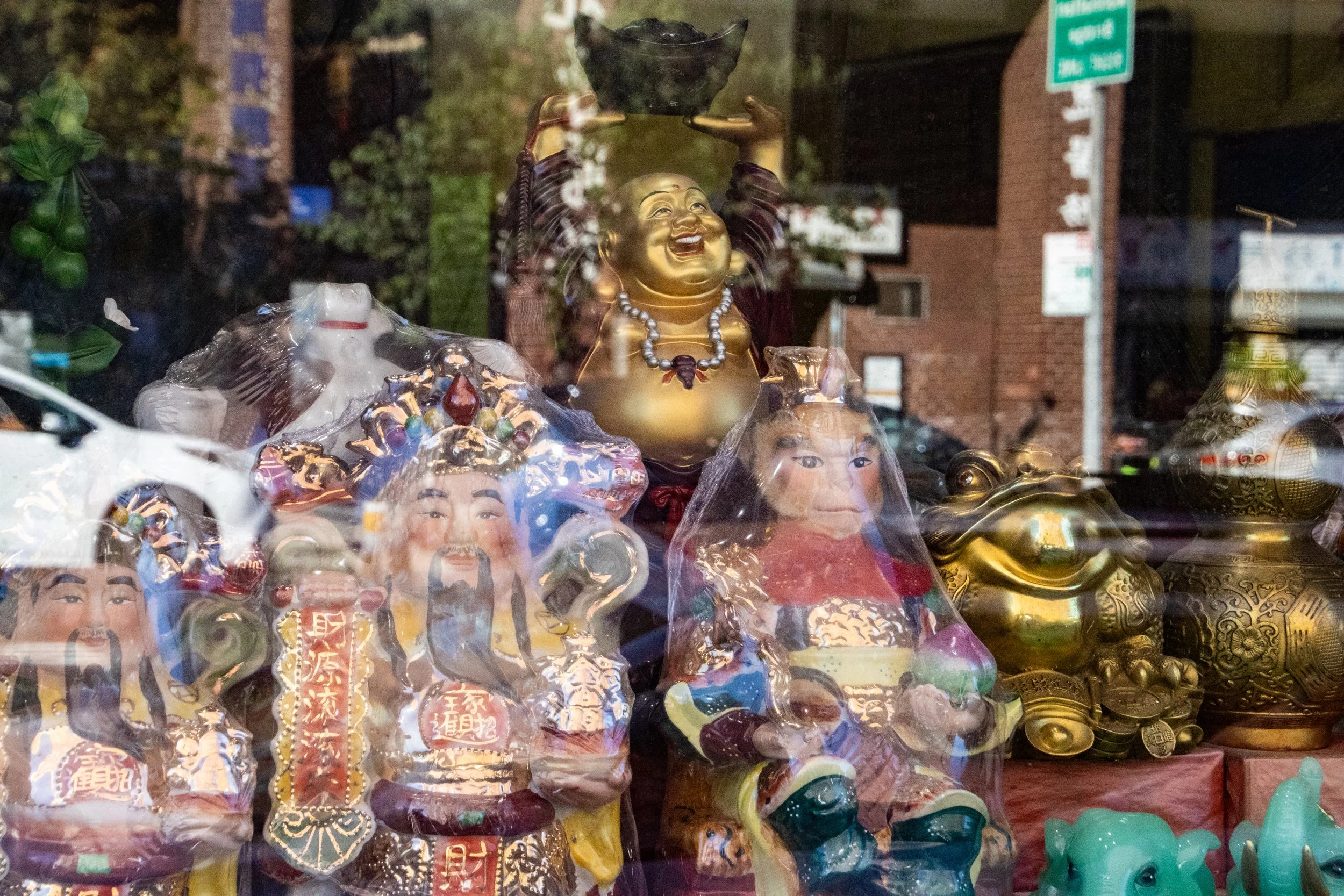
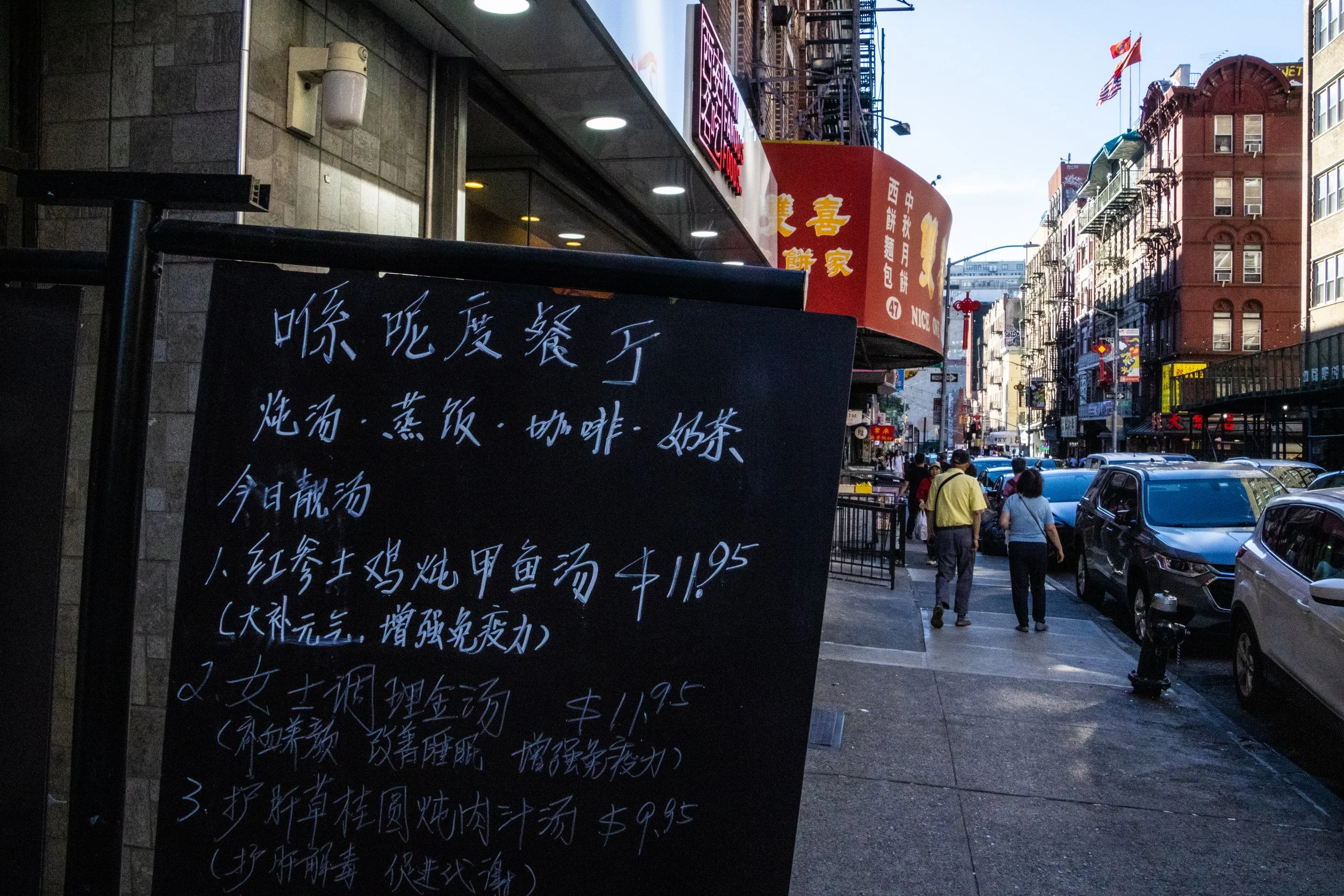
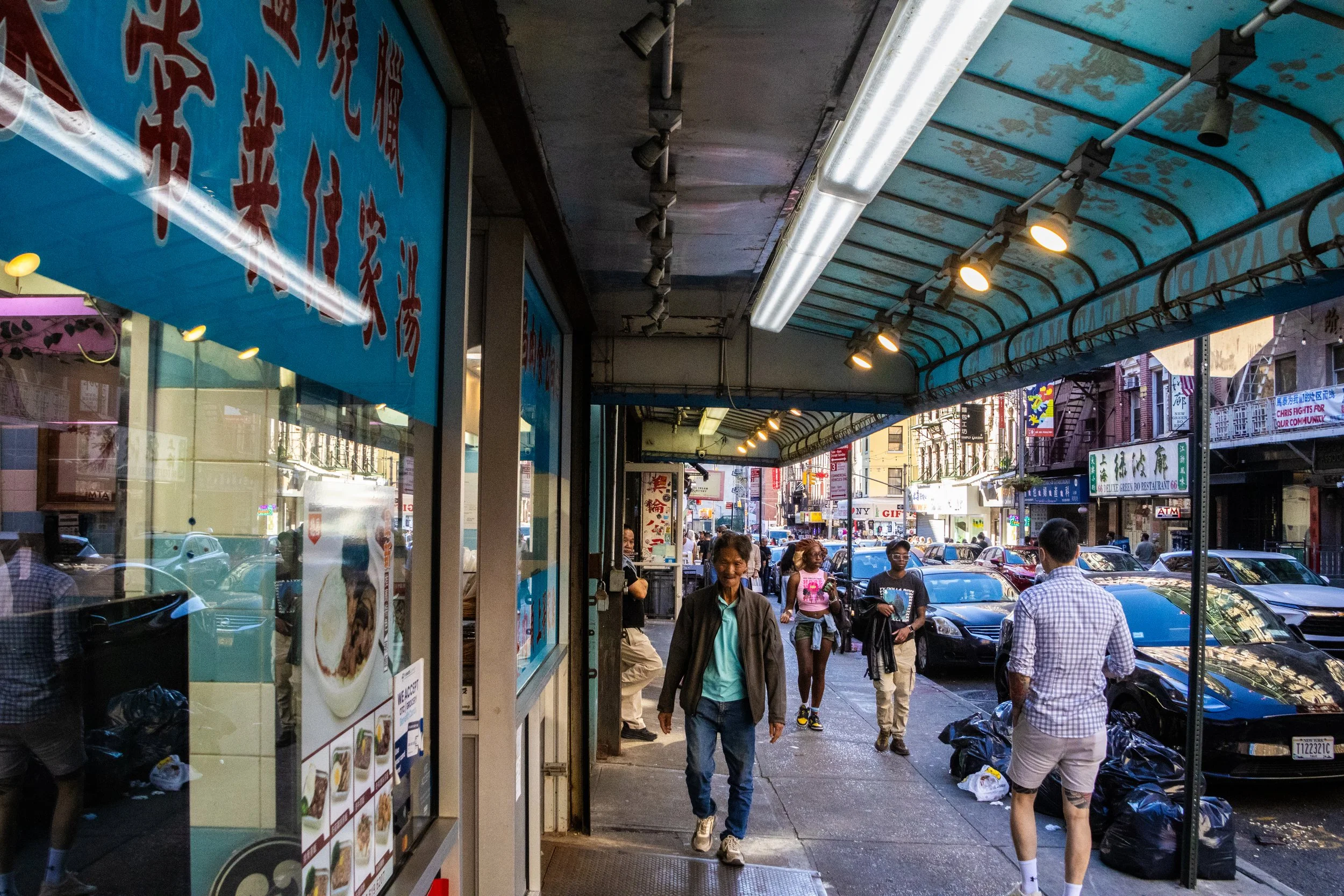
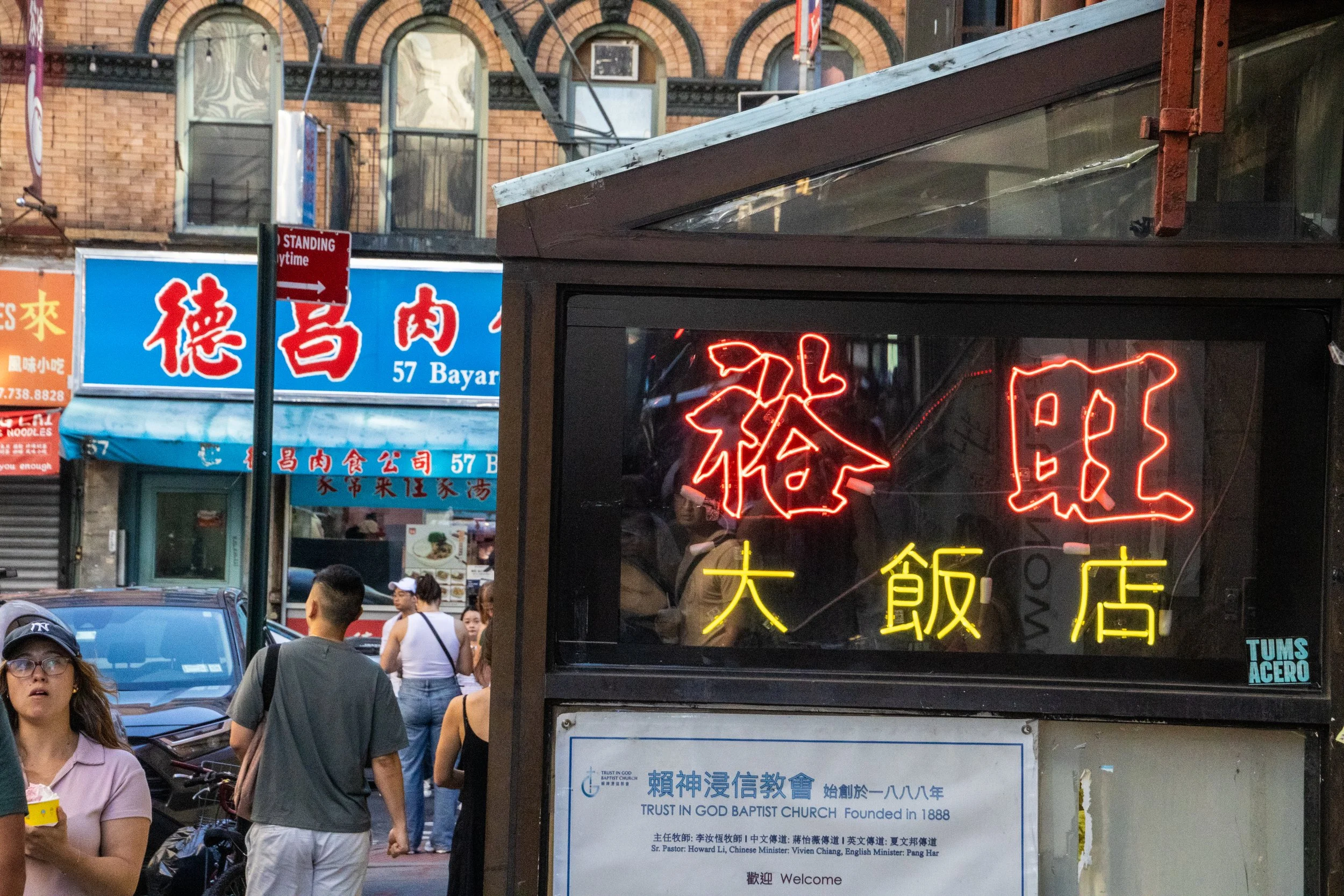
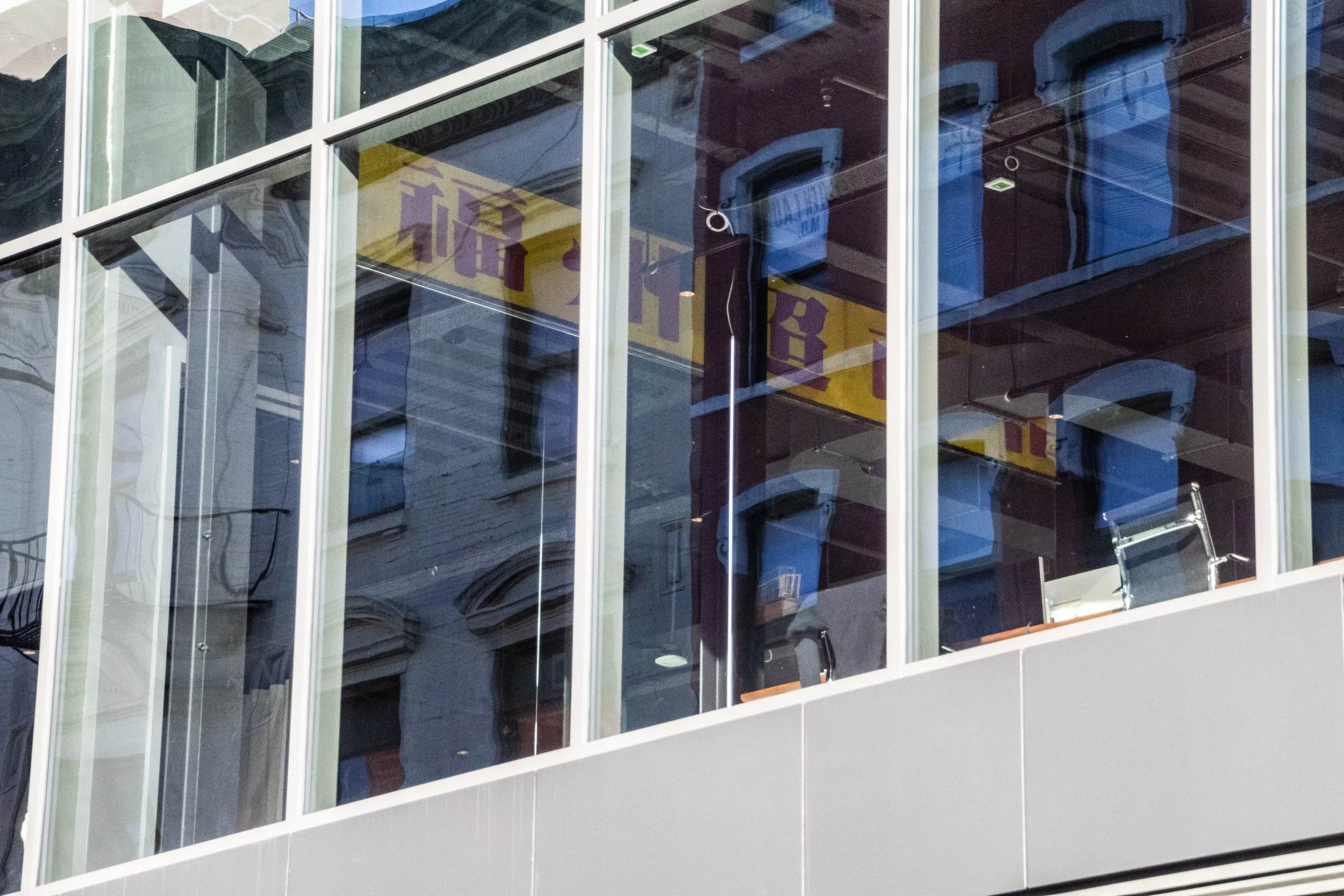
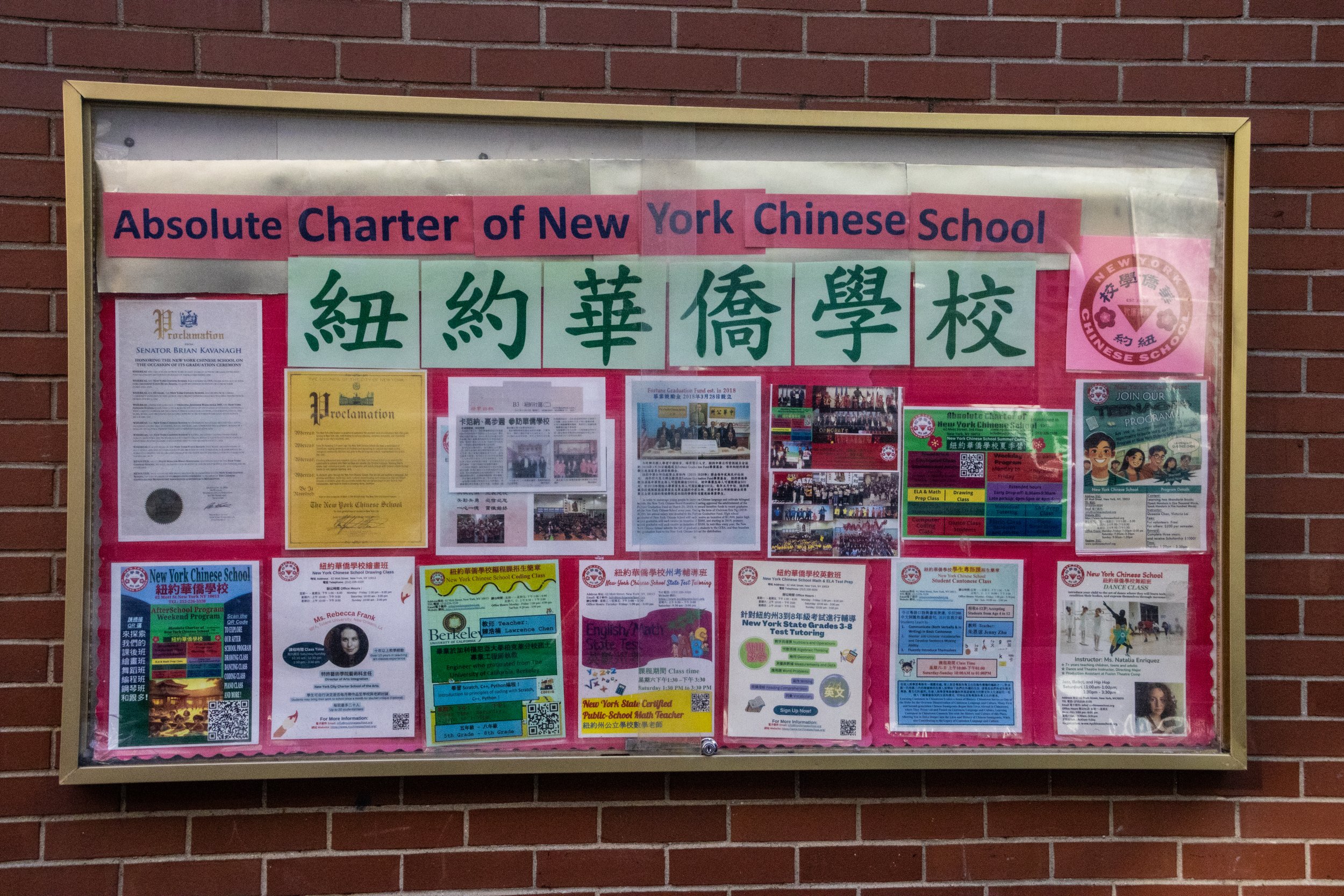
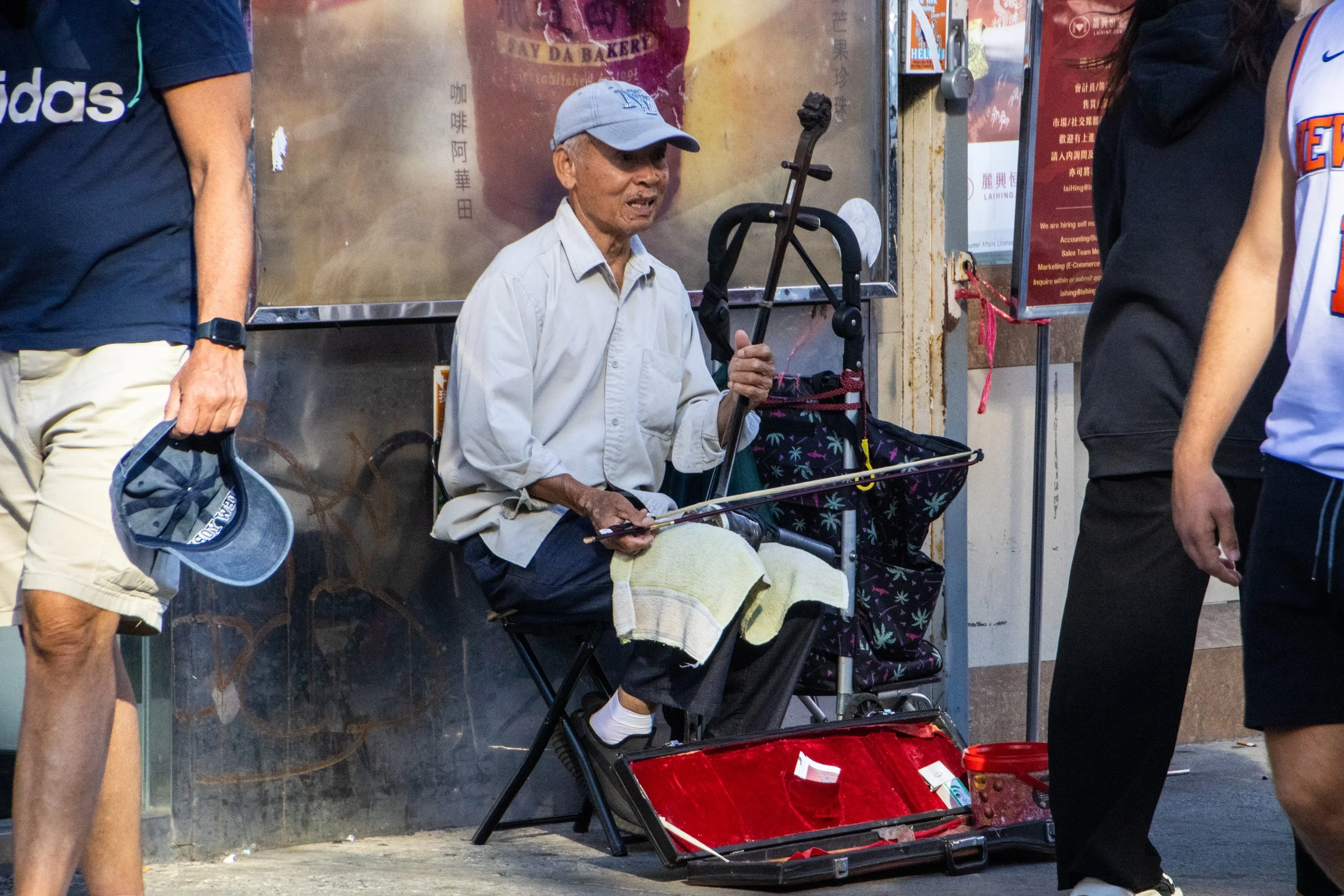
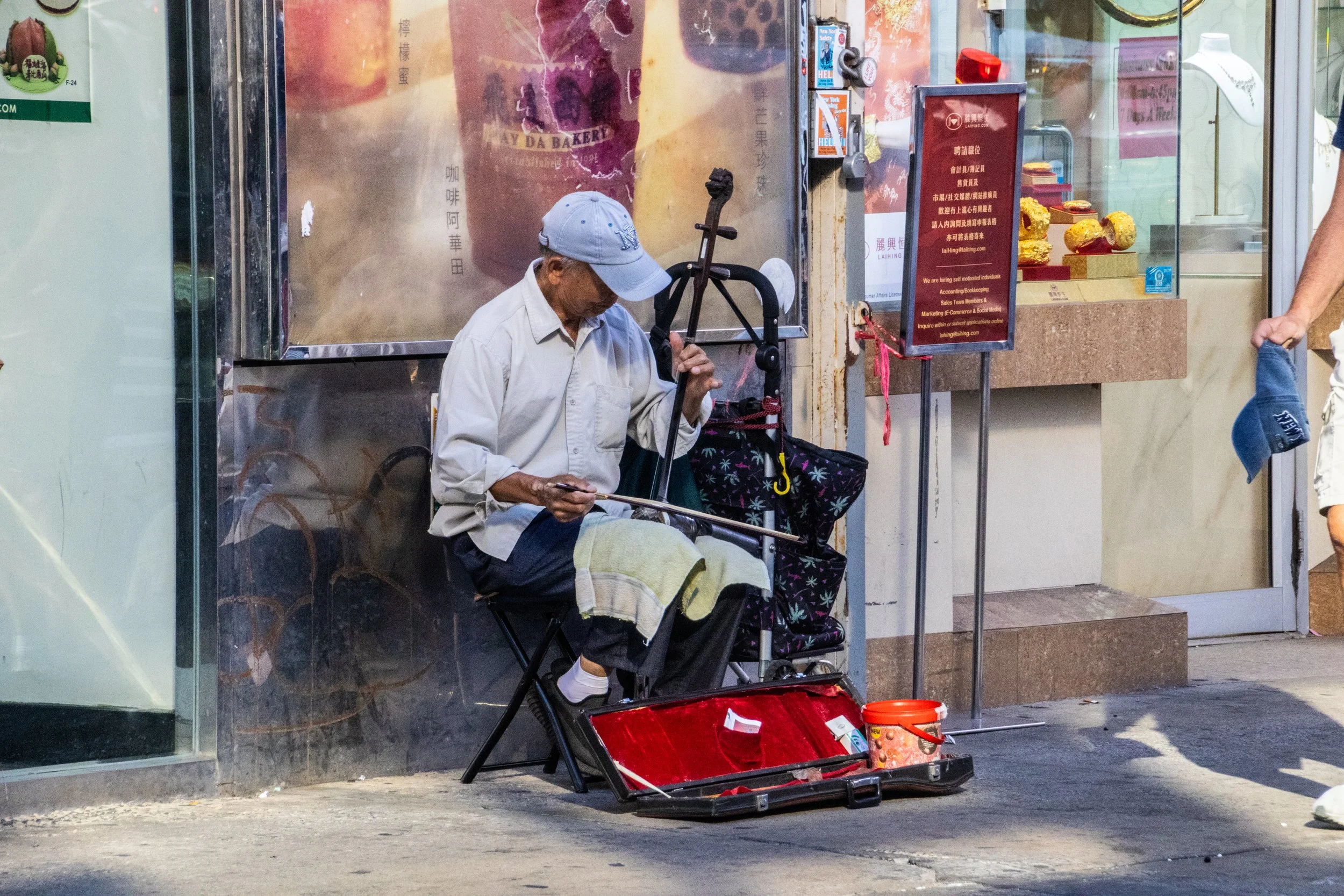
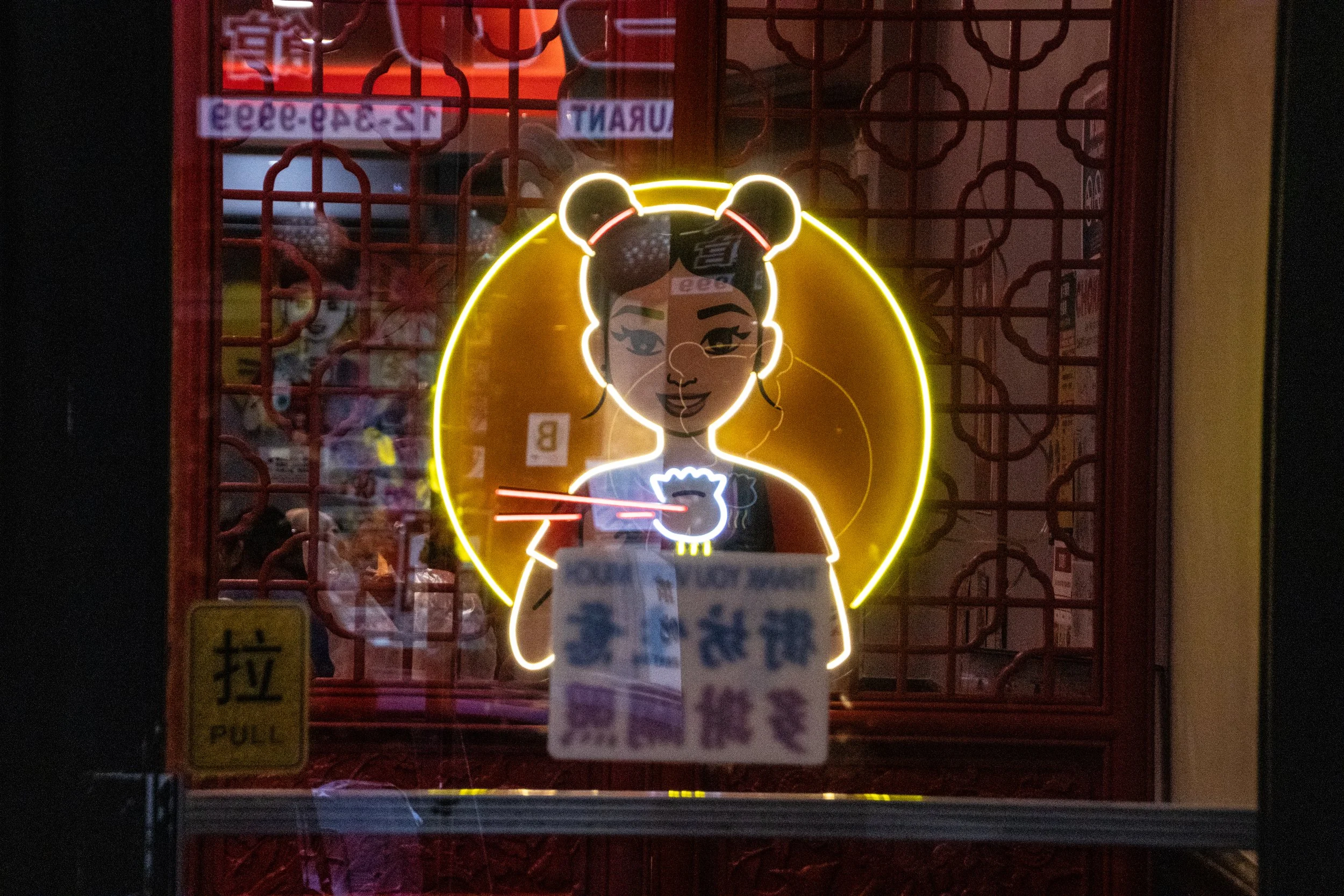
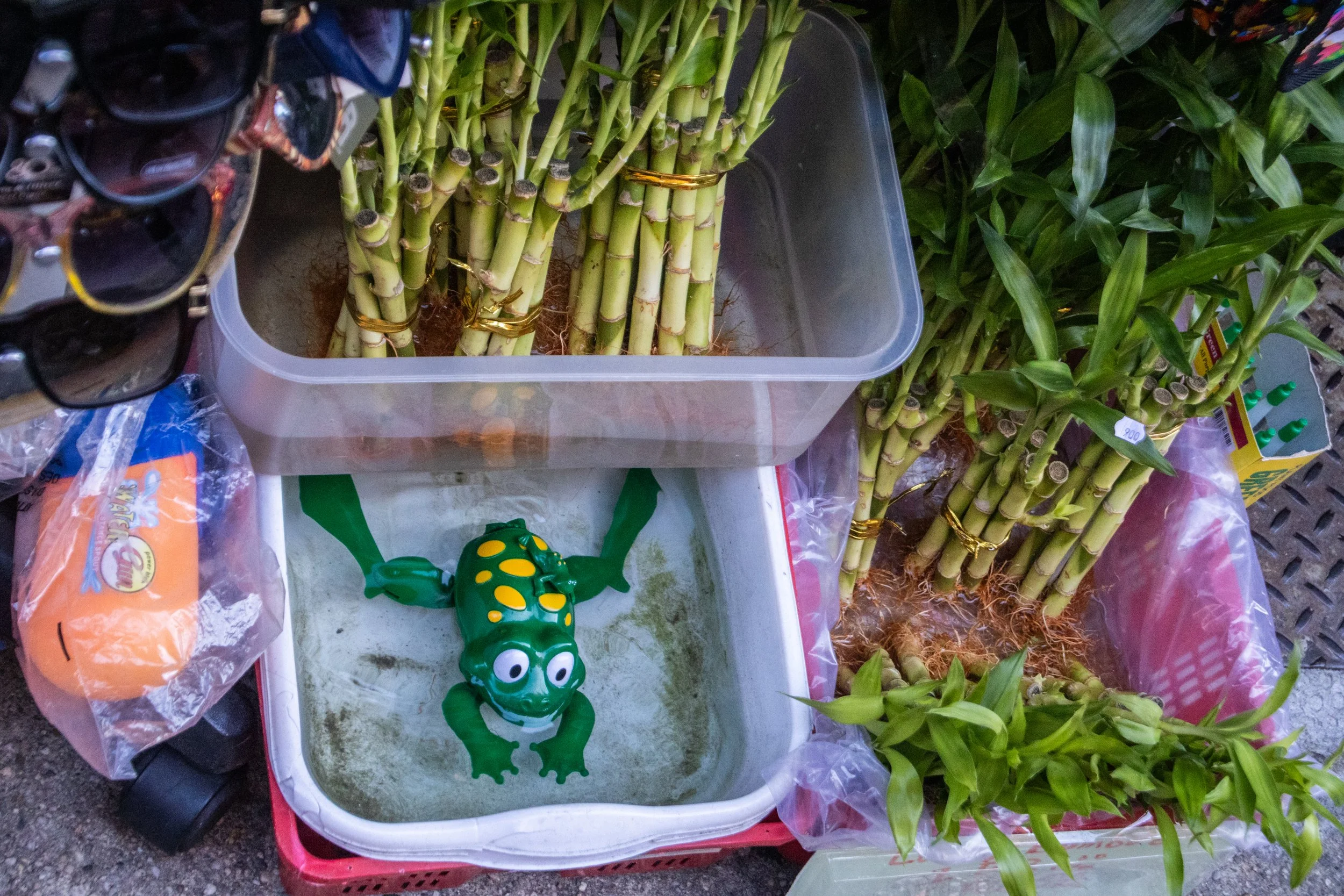
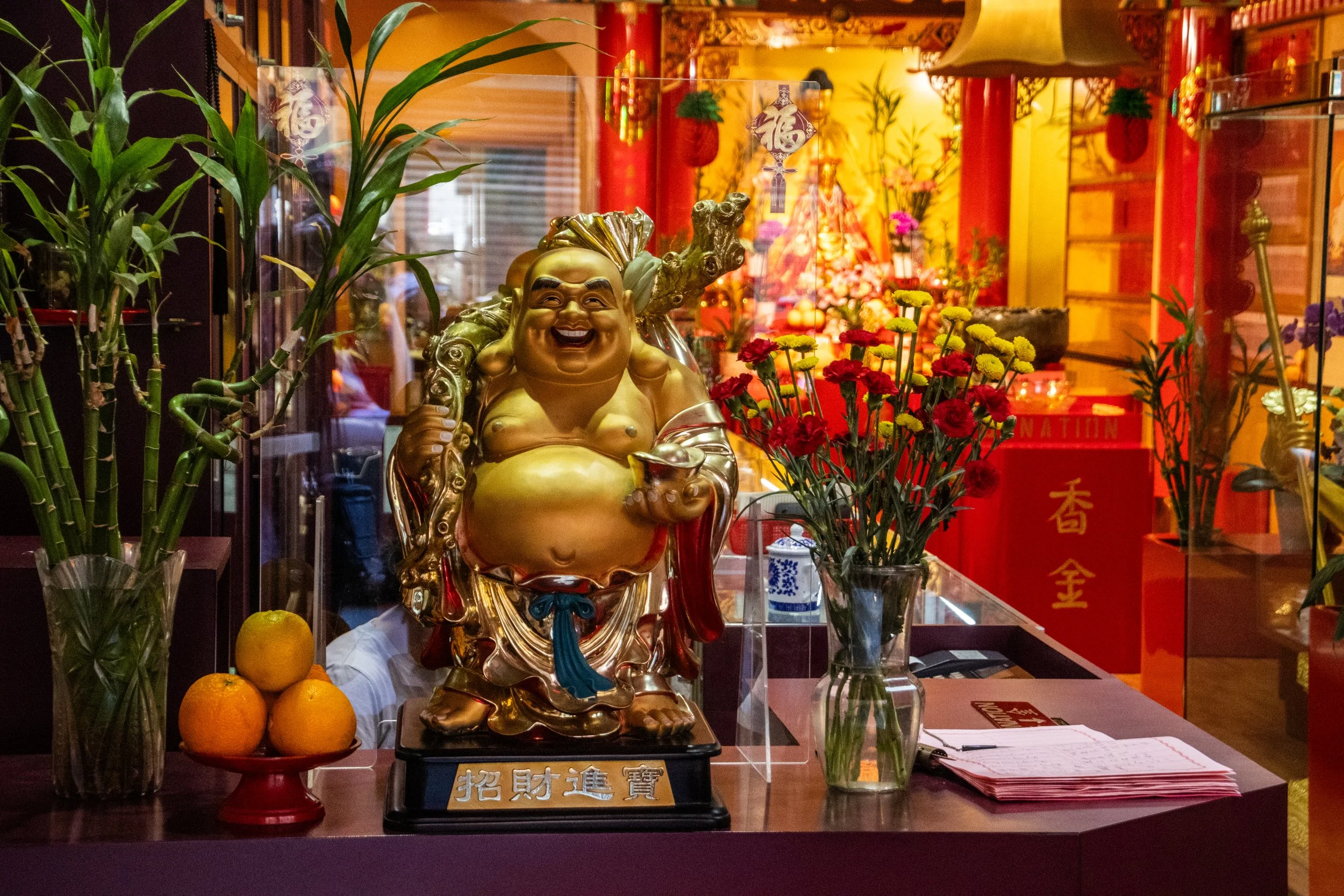
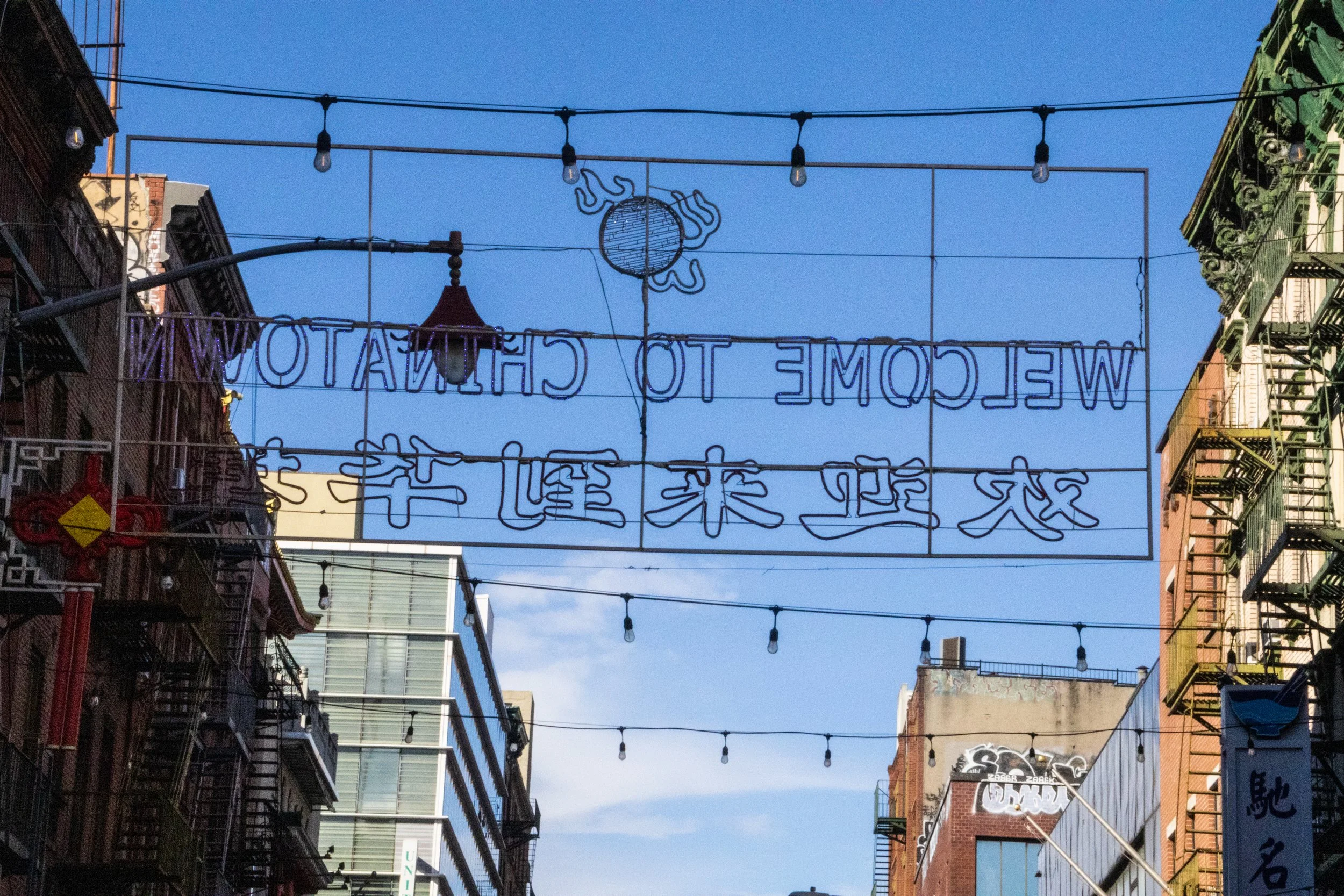
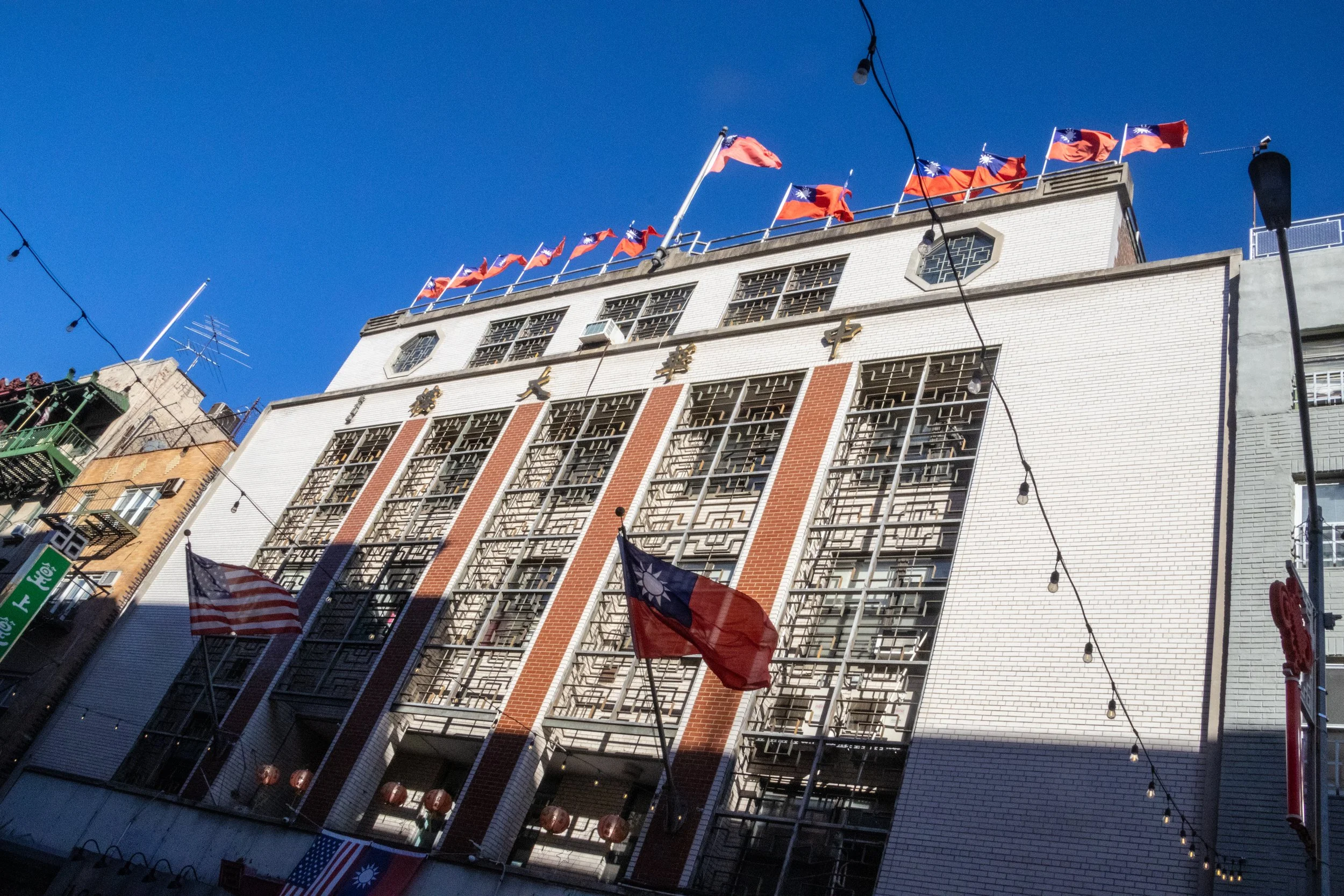
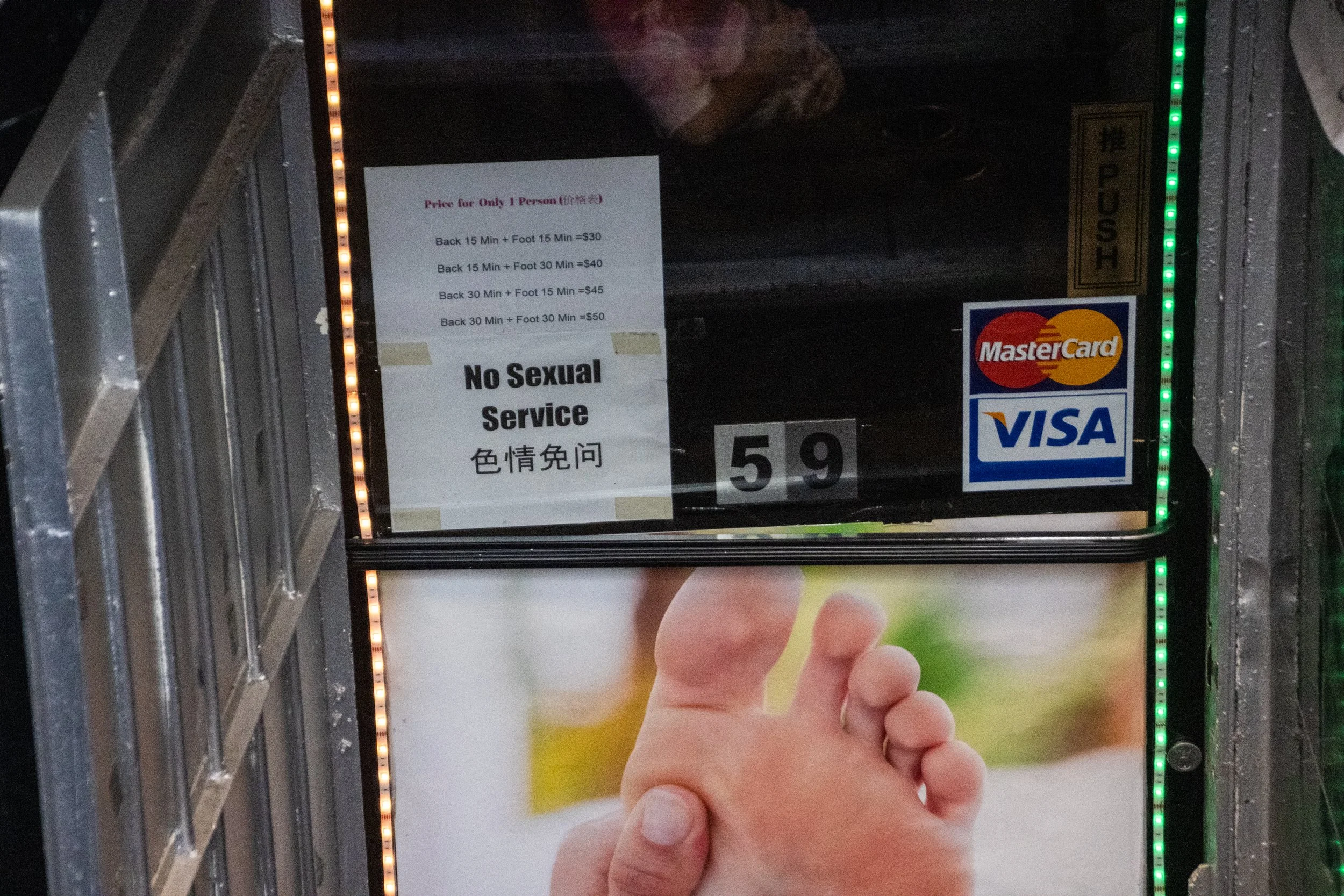
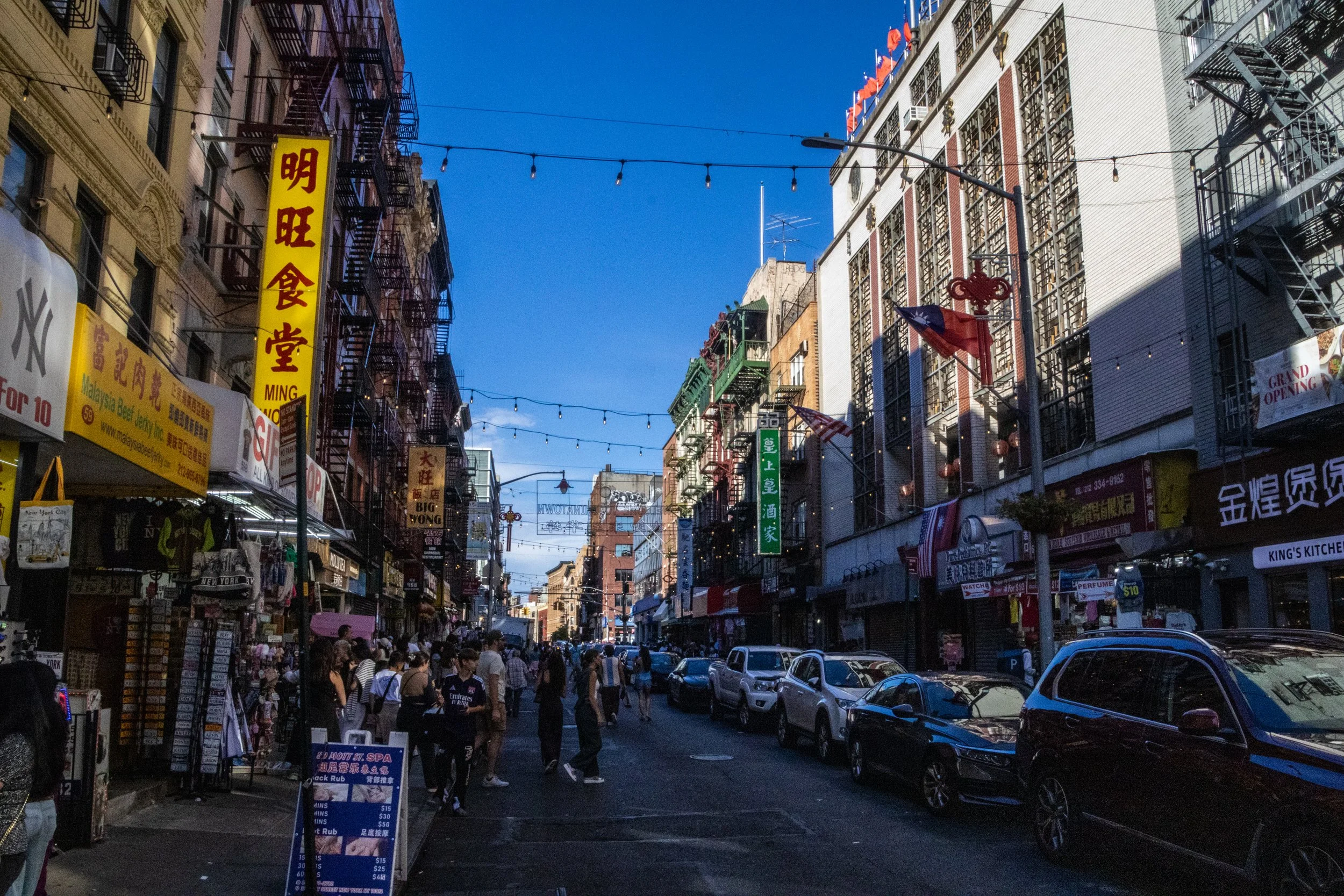
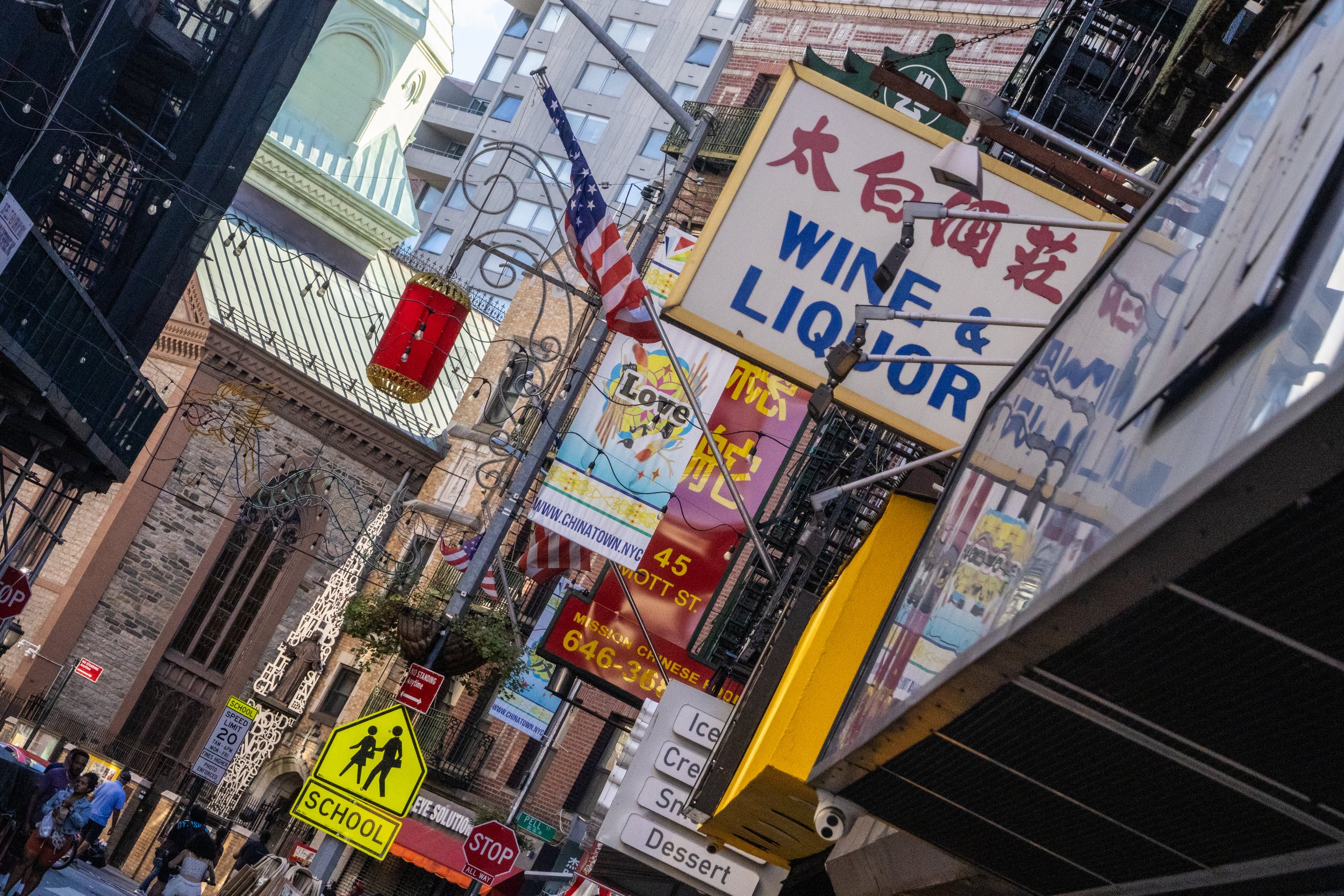
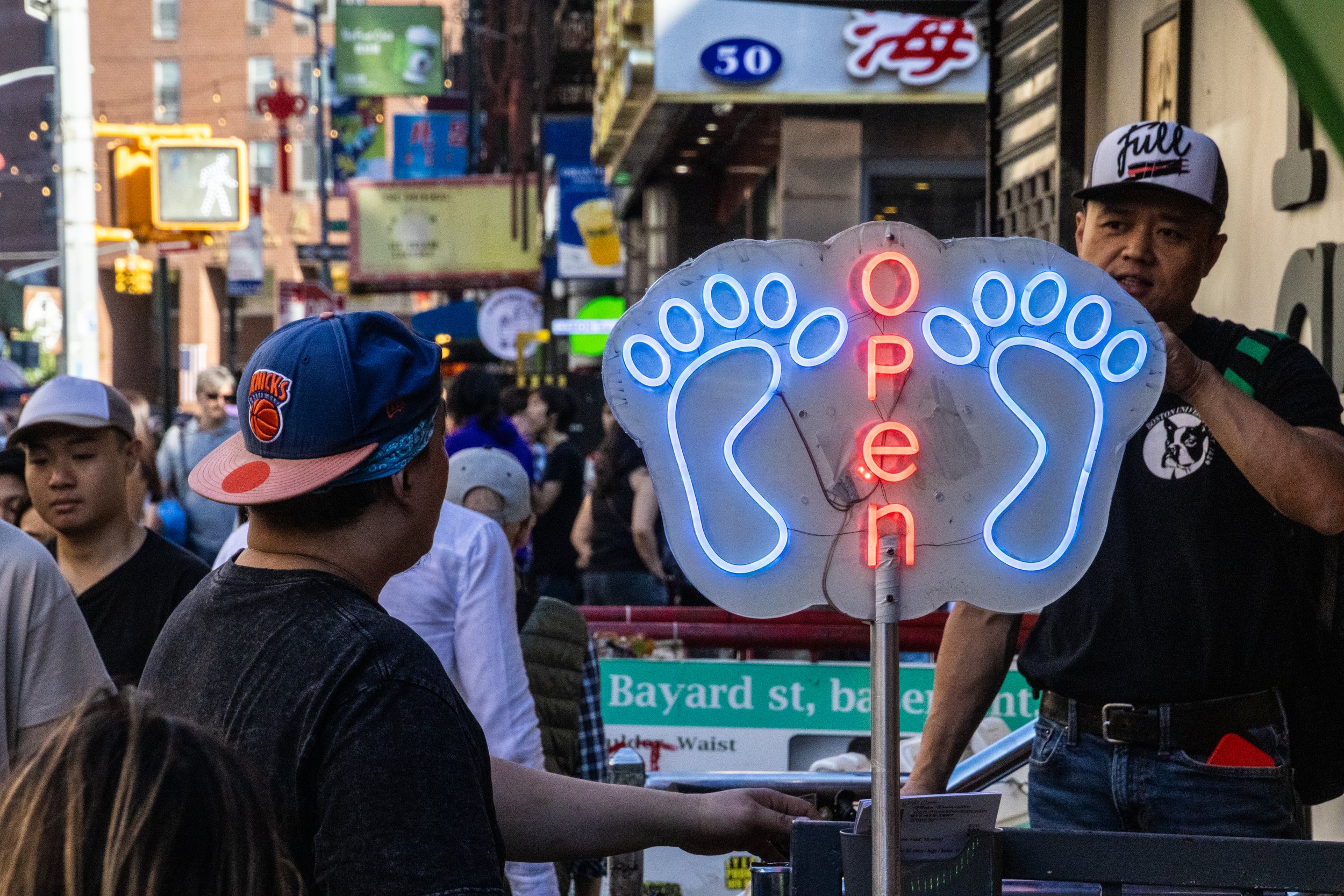
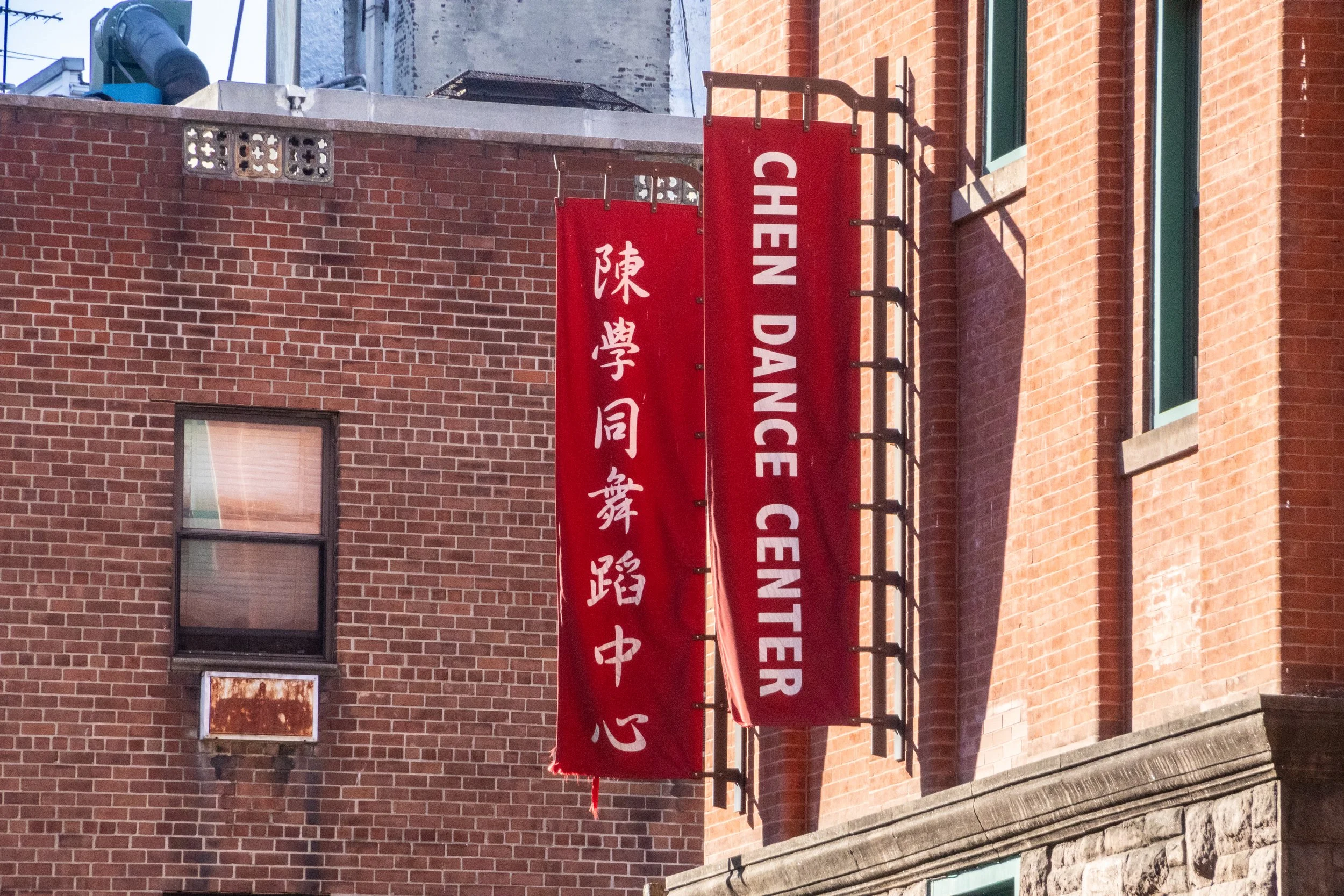
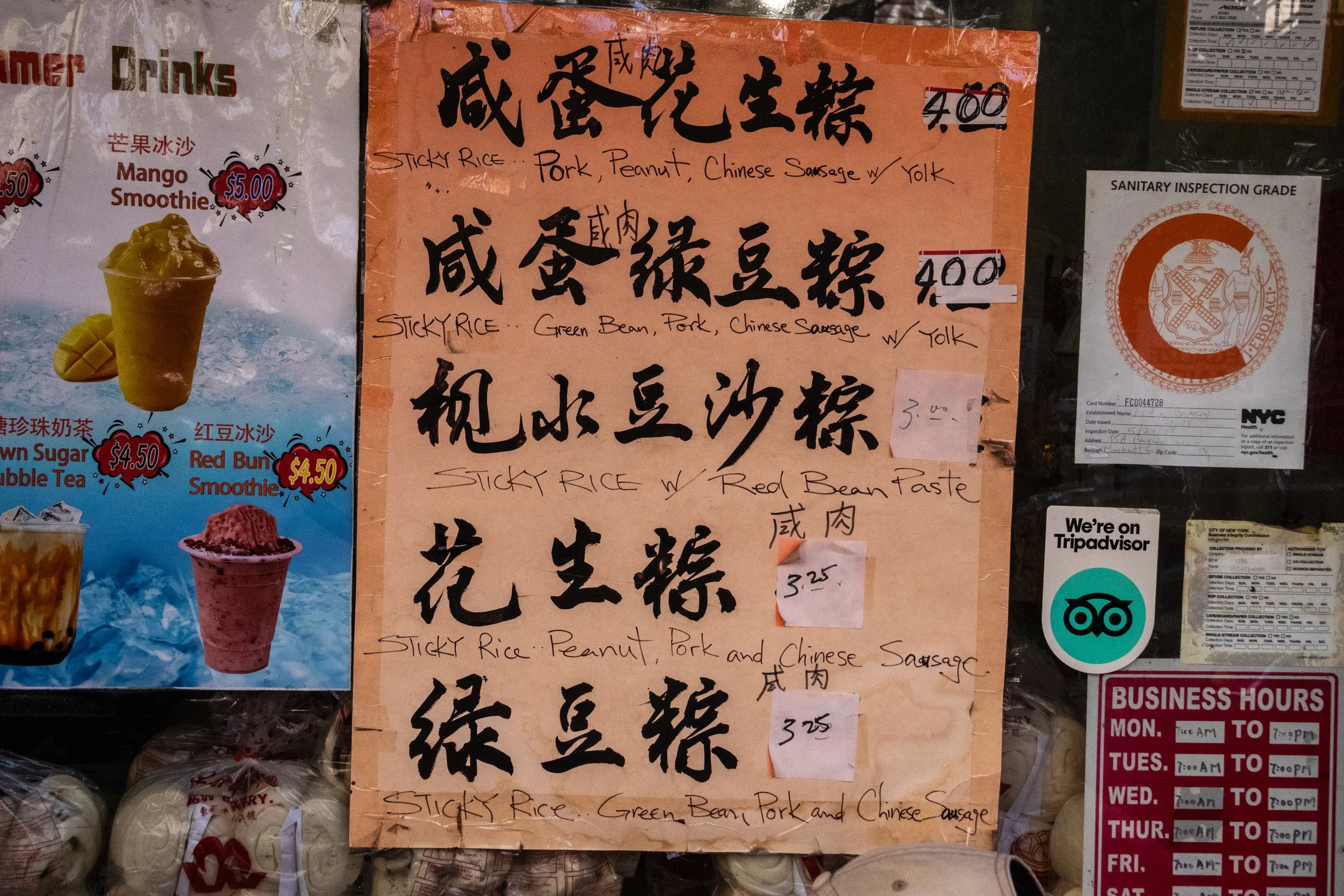
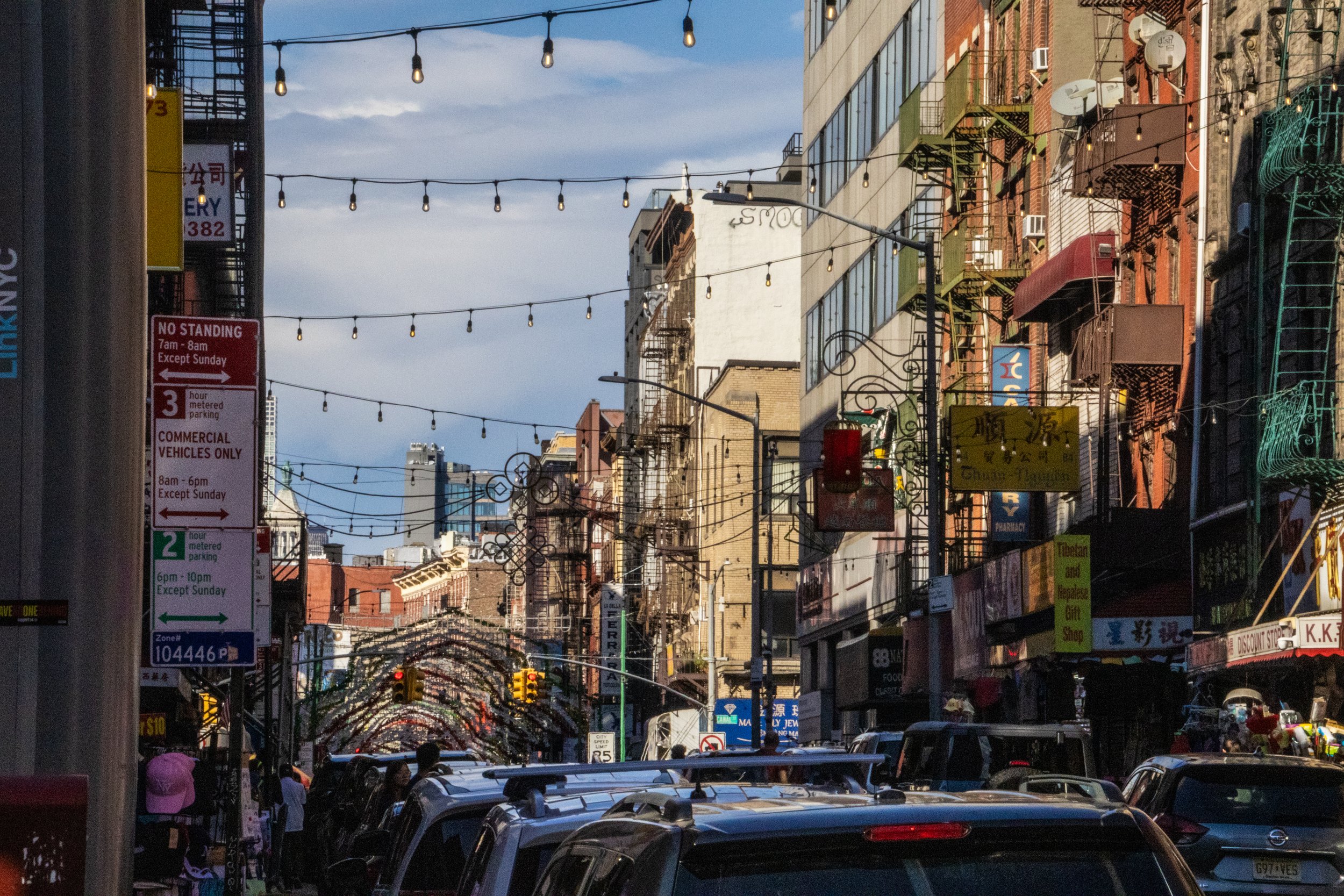
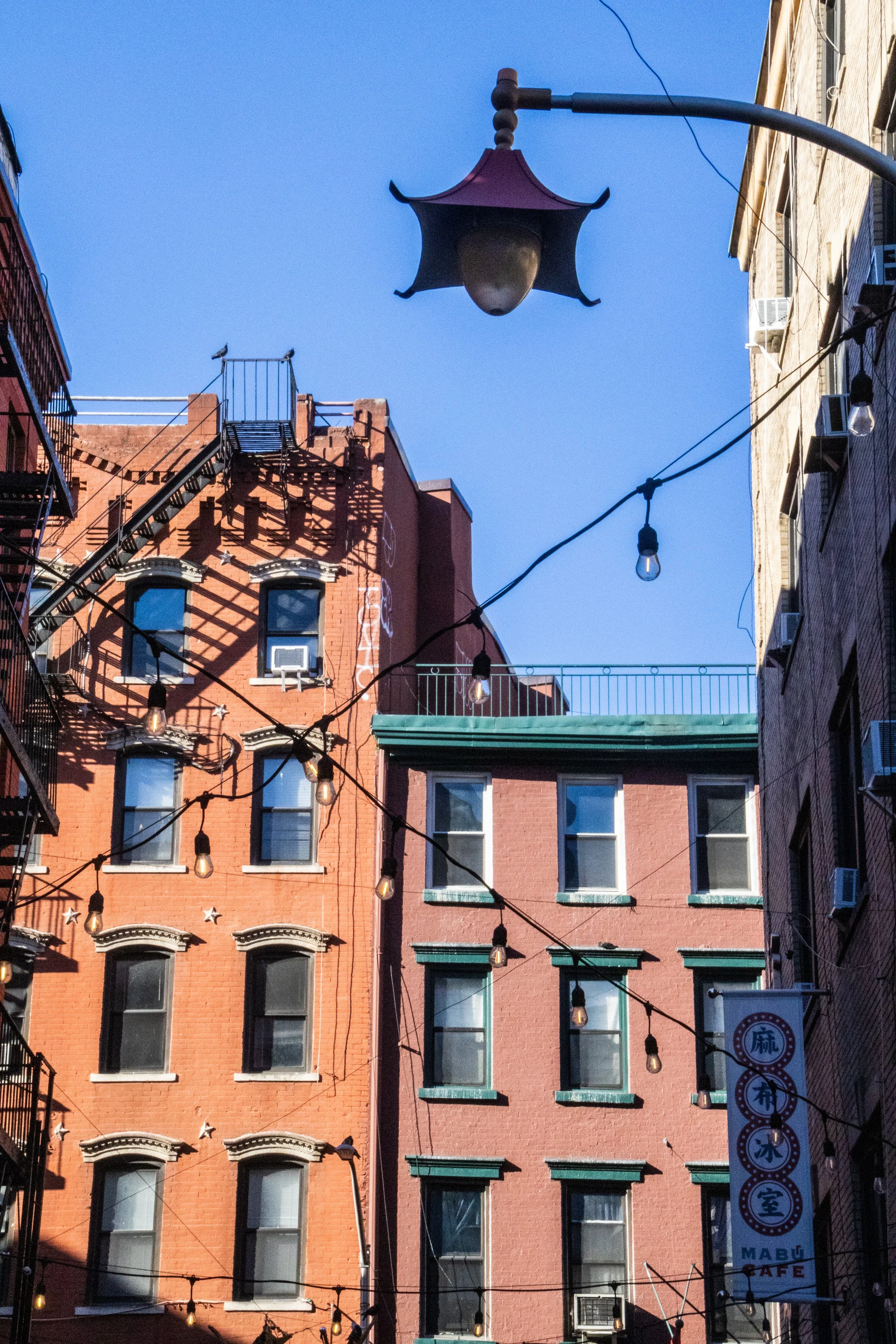
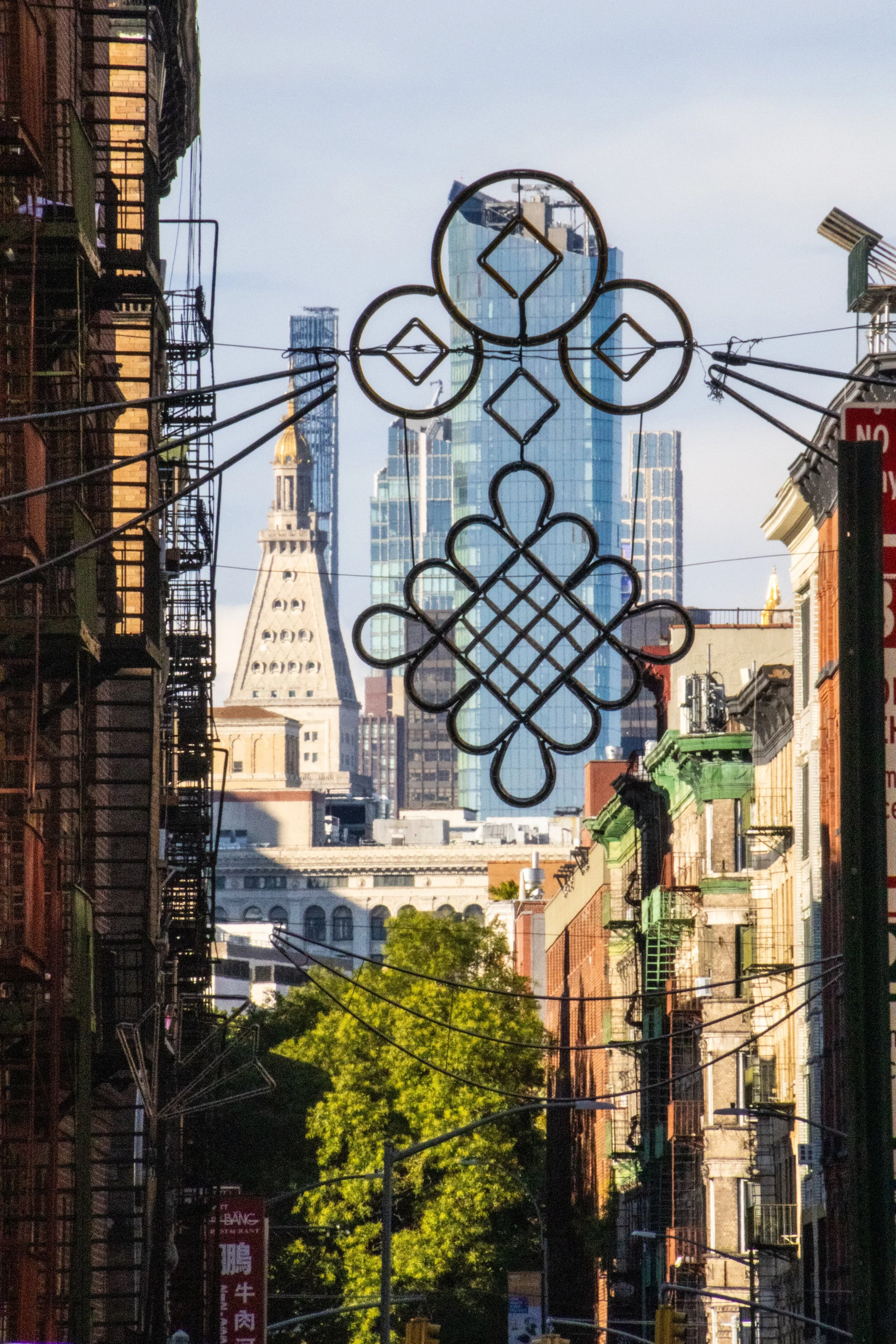
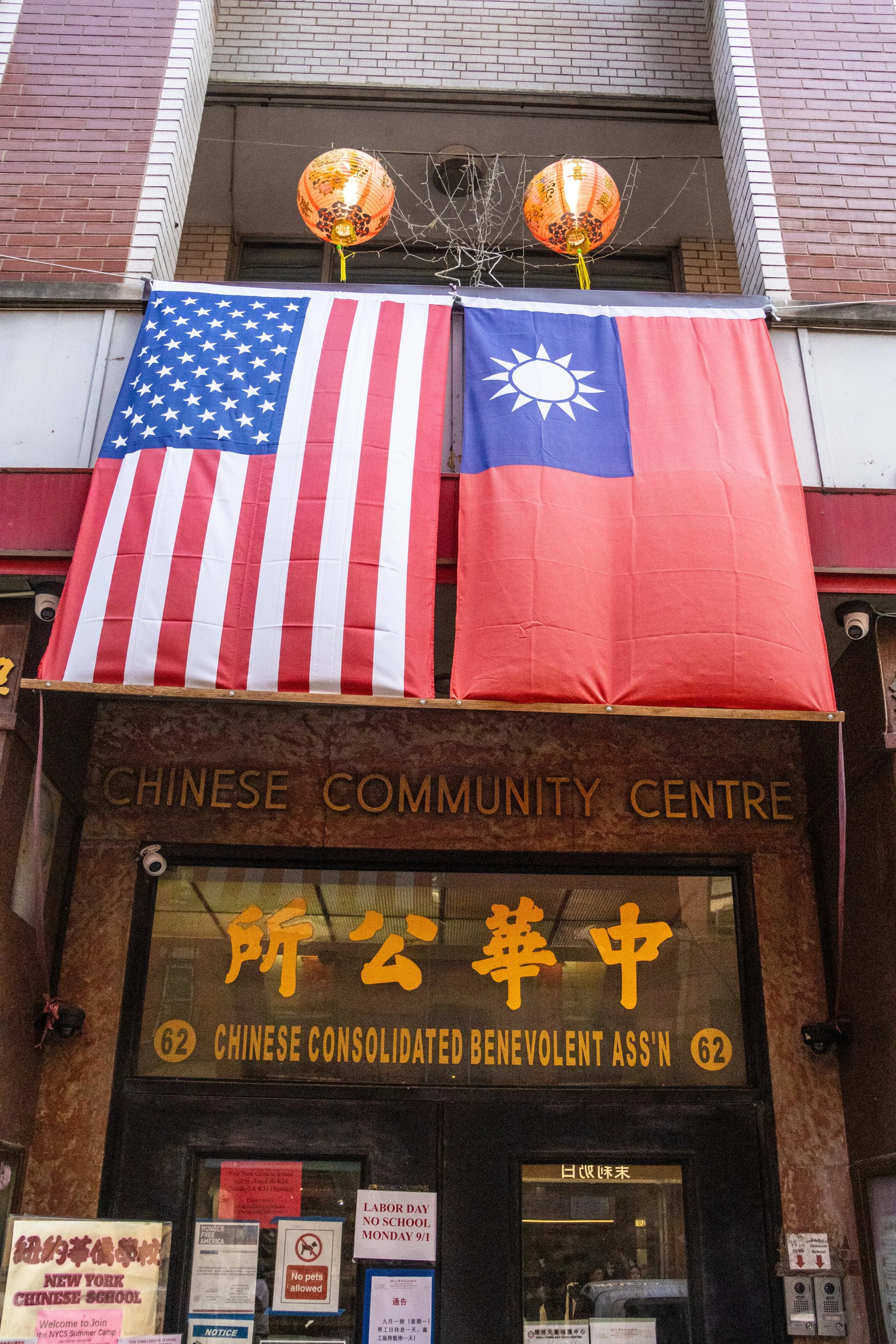
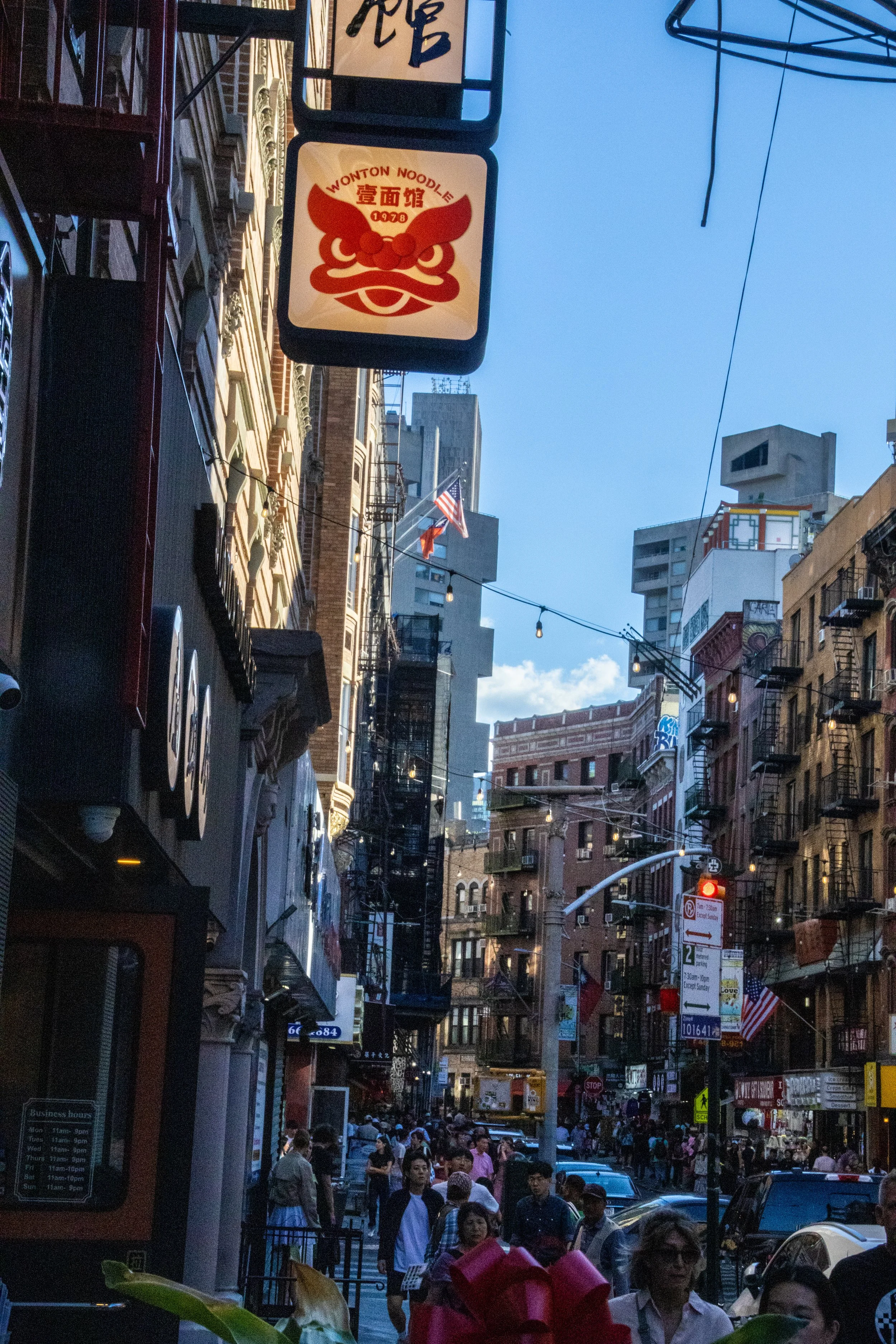
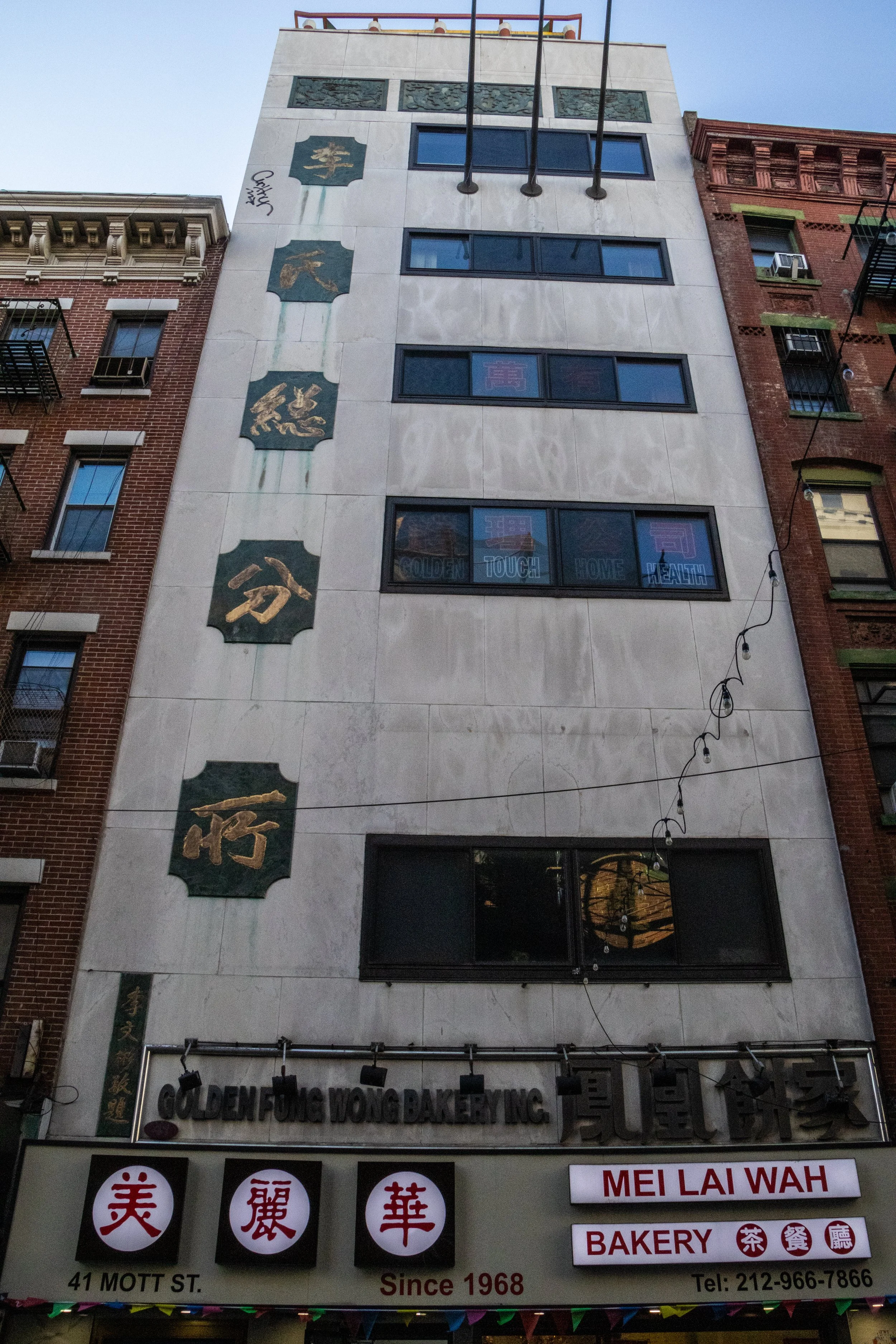
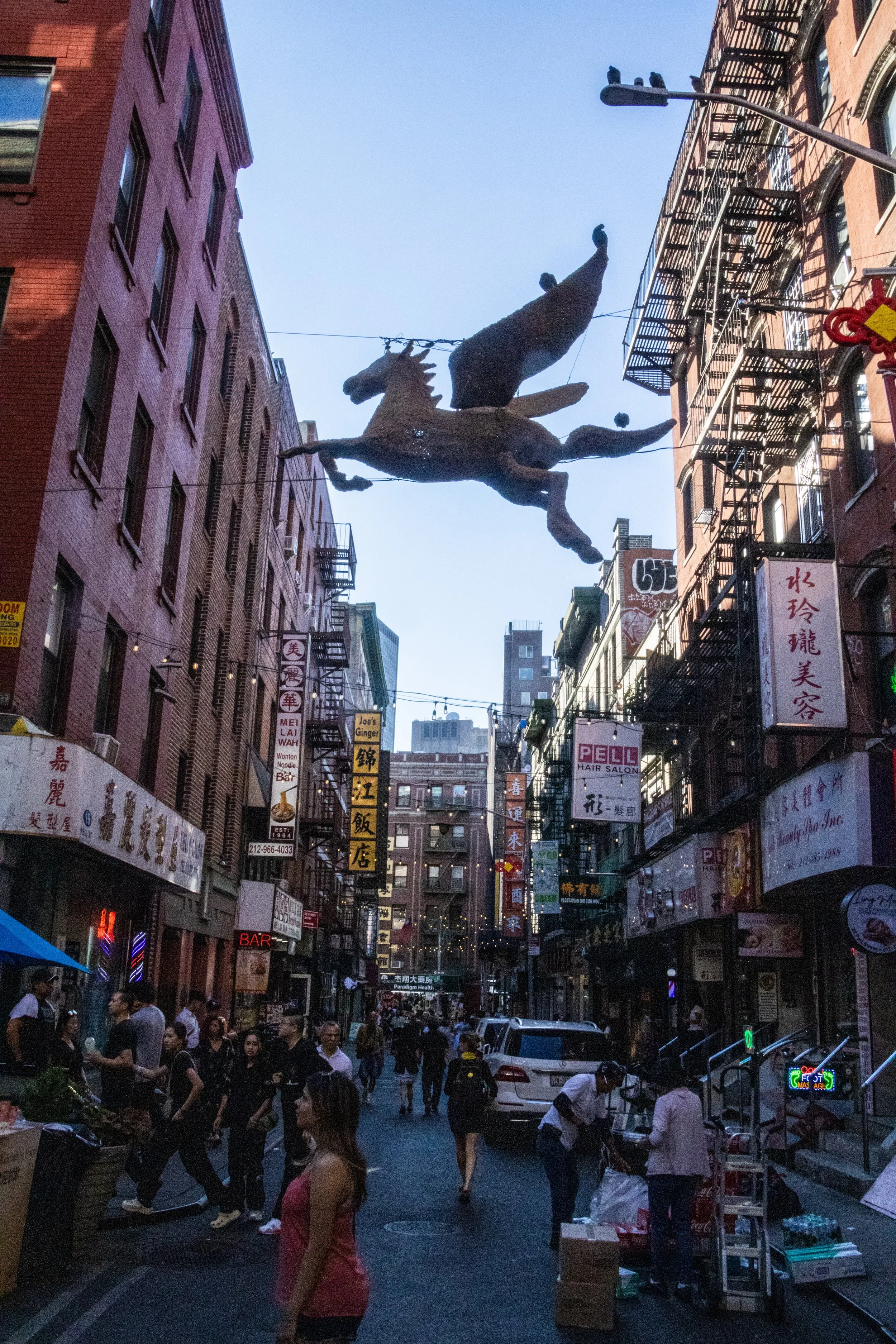
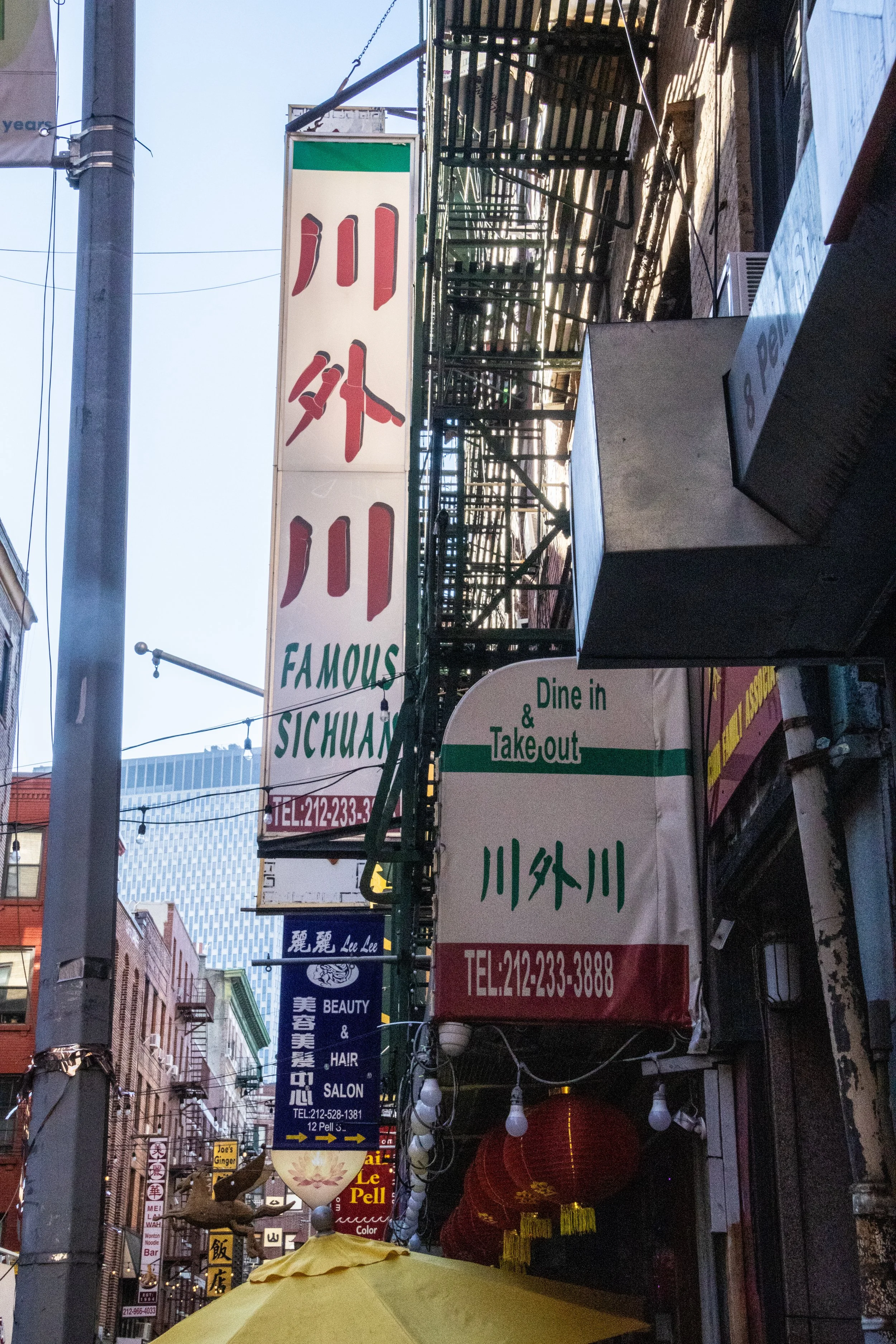
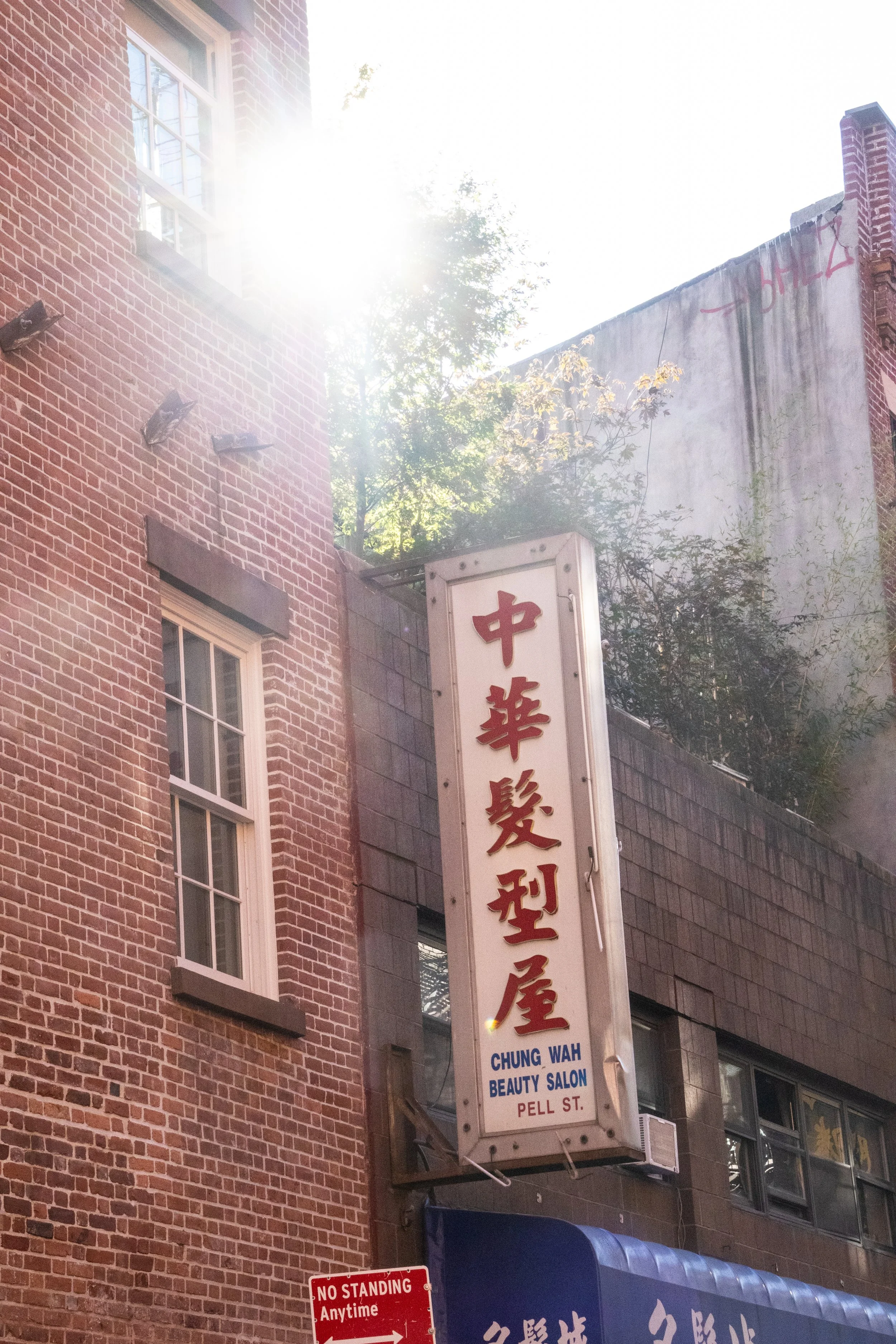
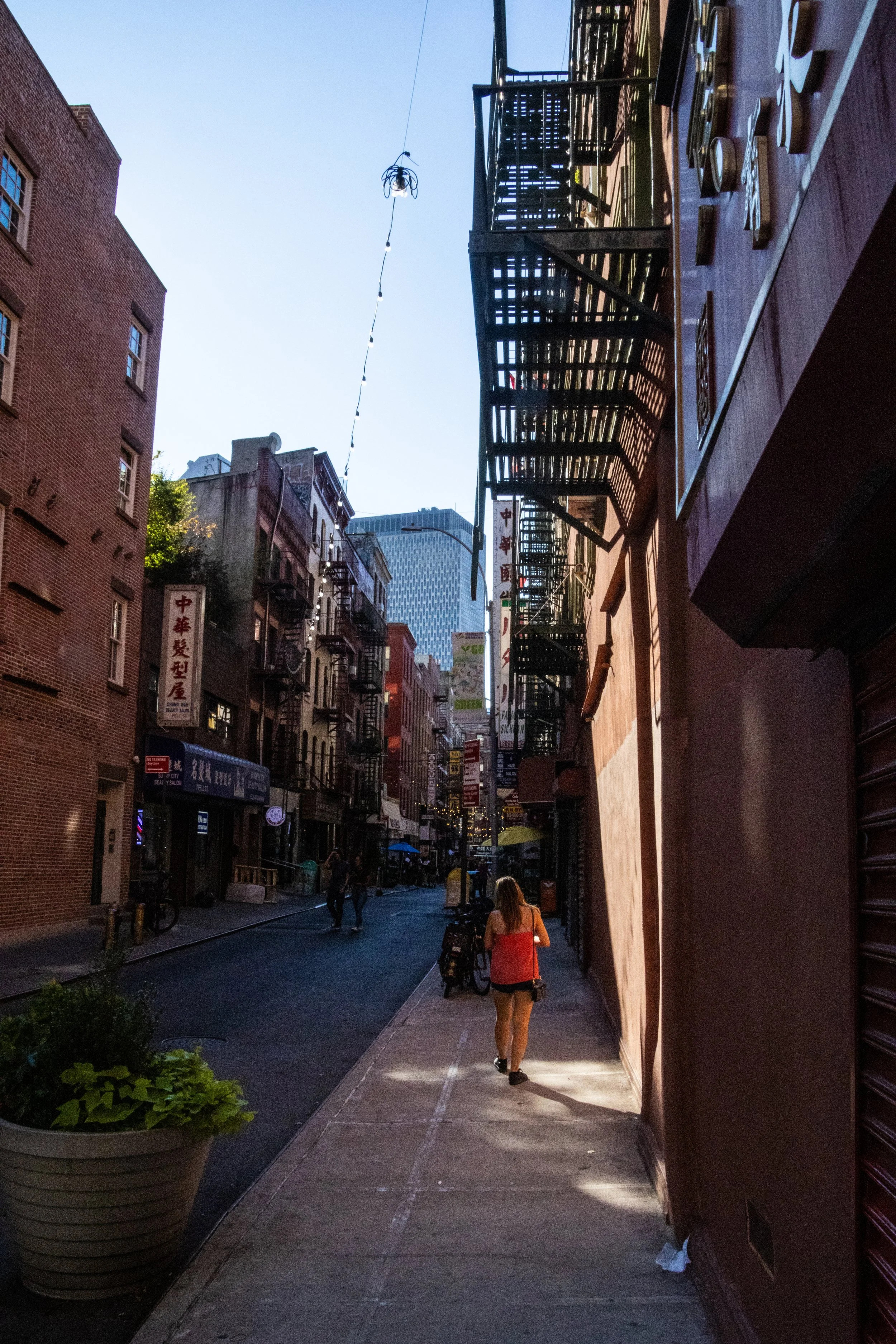
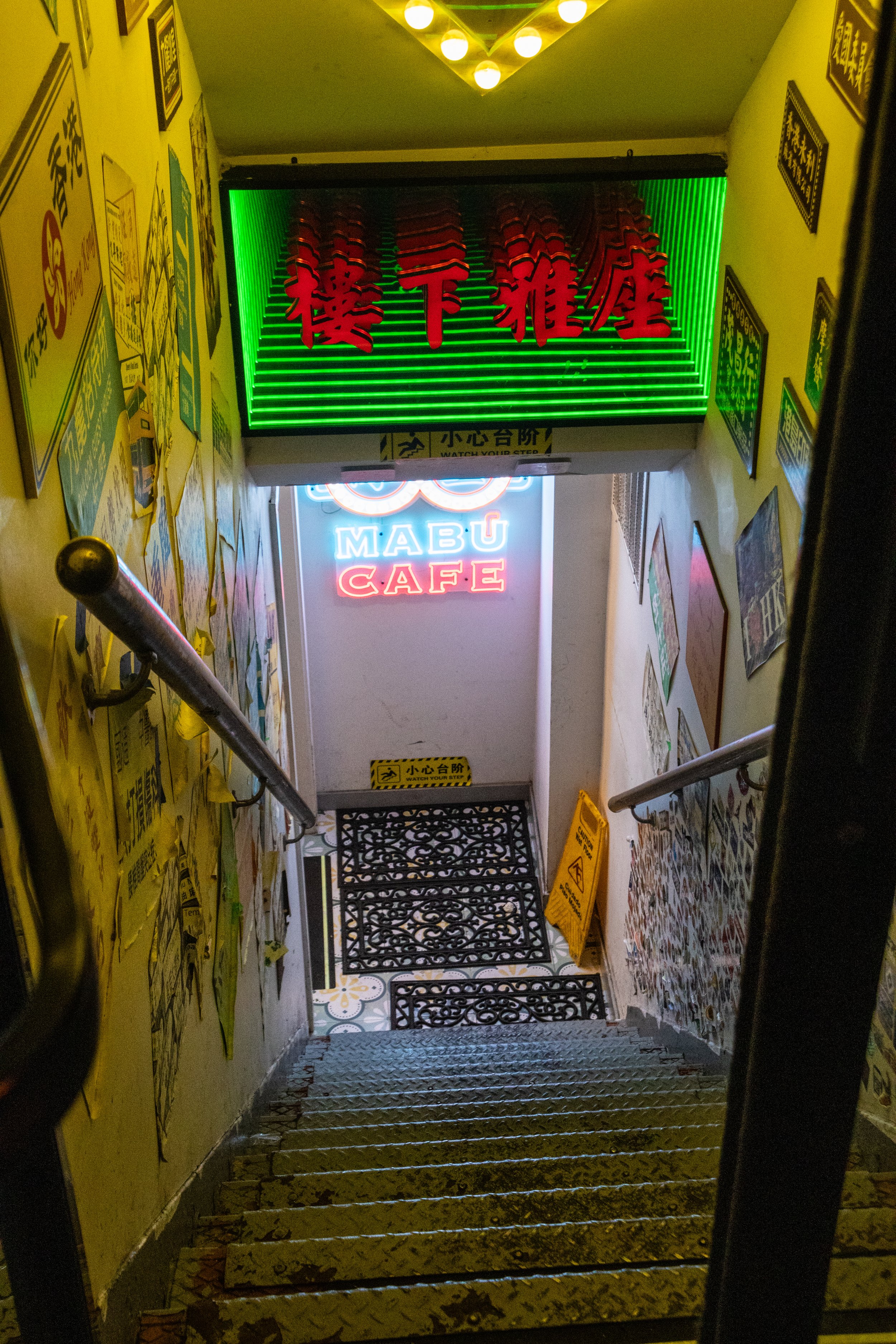
And of course, none of these galleries would be complete without a separate photo walk at night. Especially in Chinatown, the neon signs bent into the shape of Chinese characters is super interesting! Here are a few snapshots from a summer night in Chinatown, as the neighborhood finished its daily dinner rush and began to close down for the night…
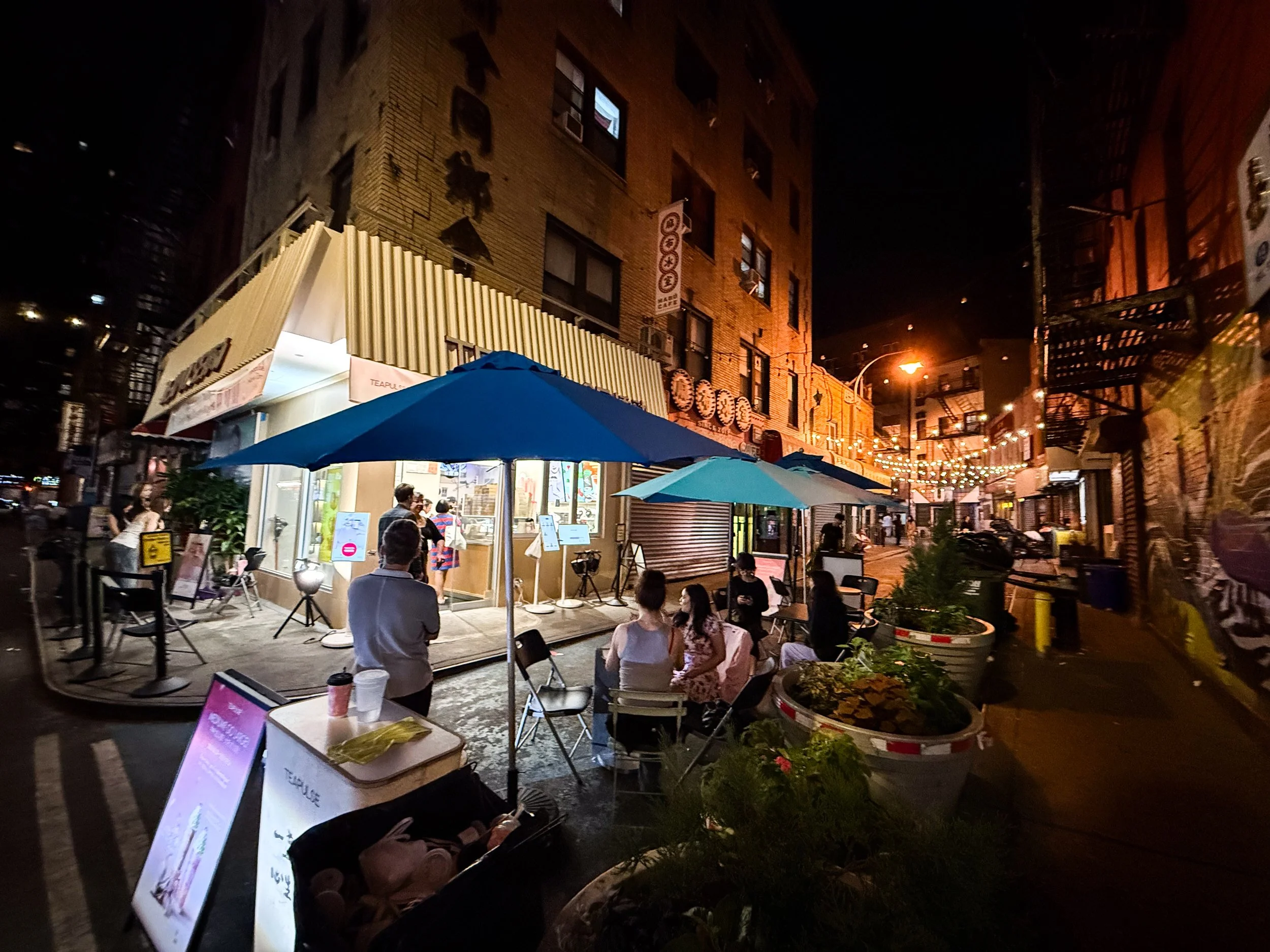
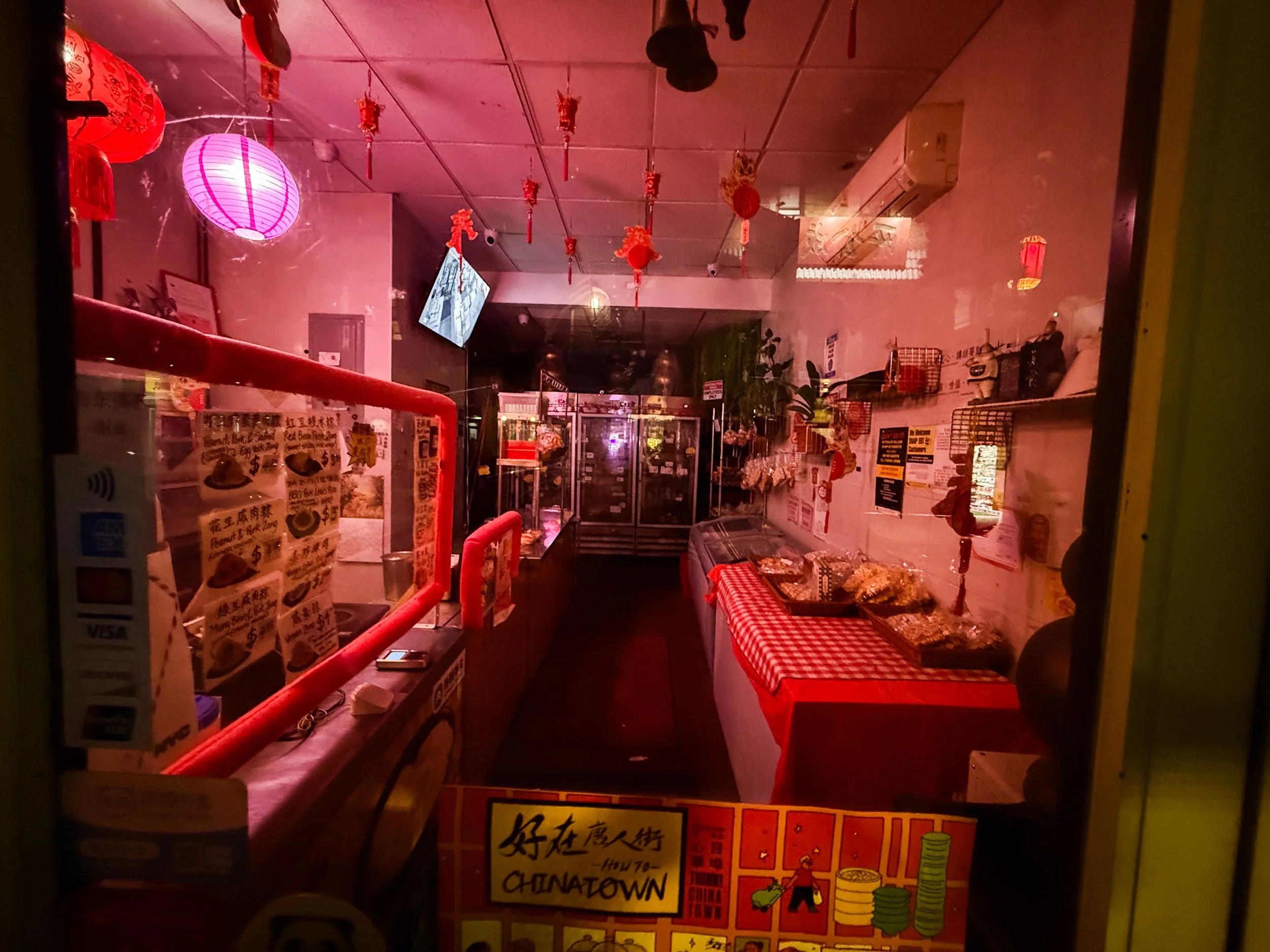
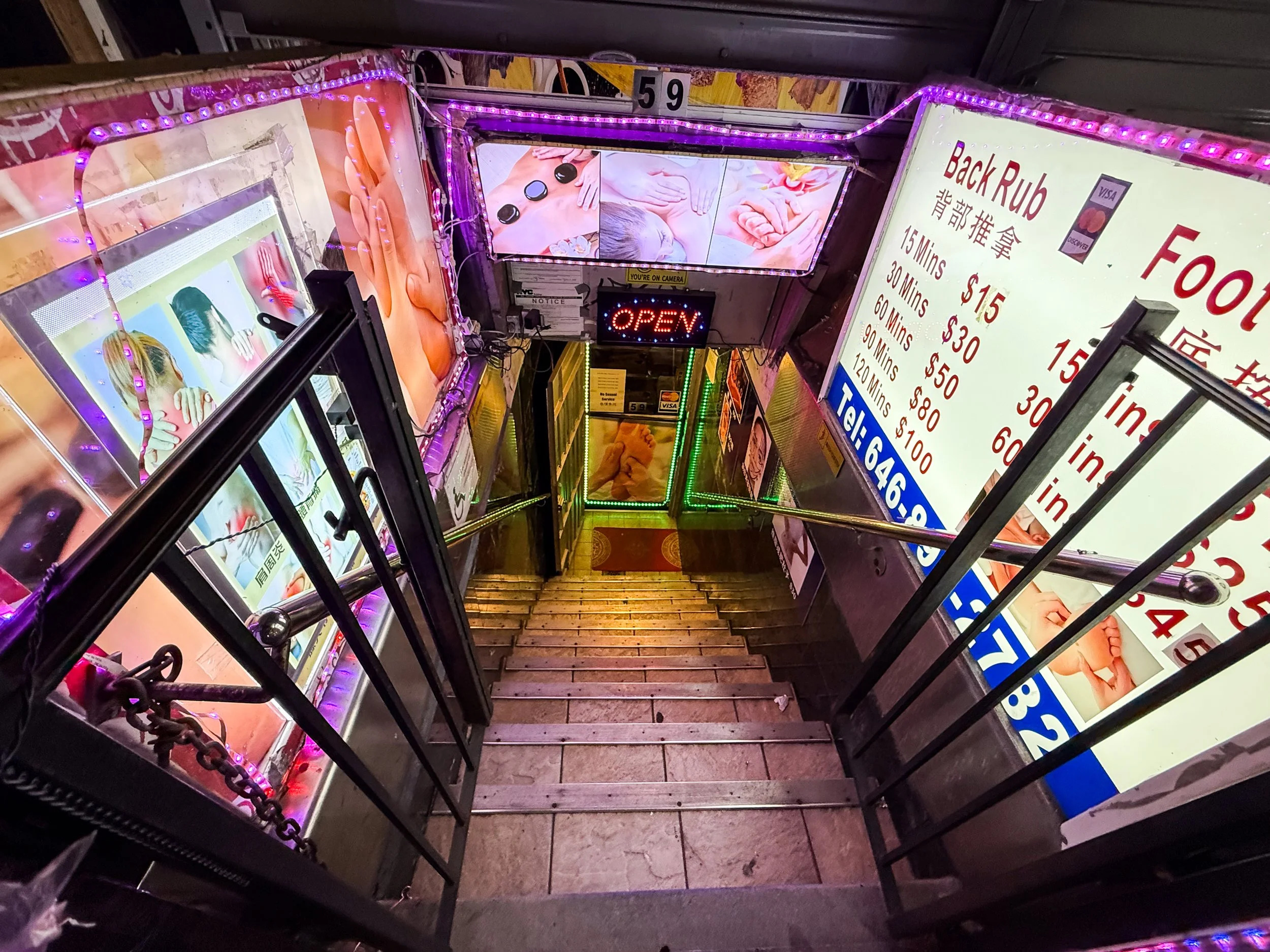
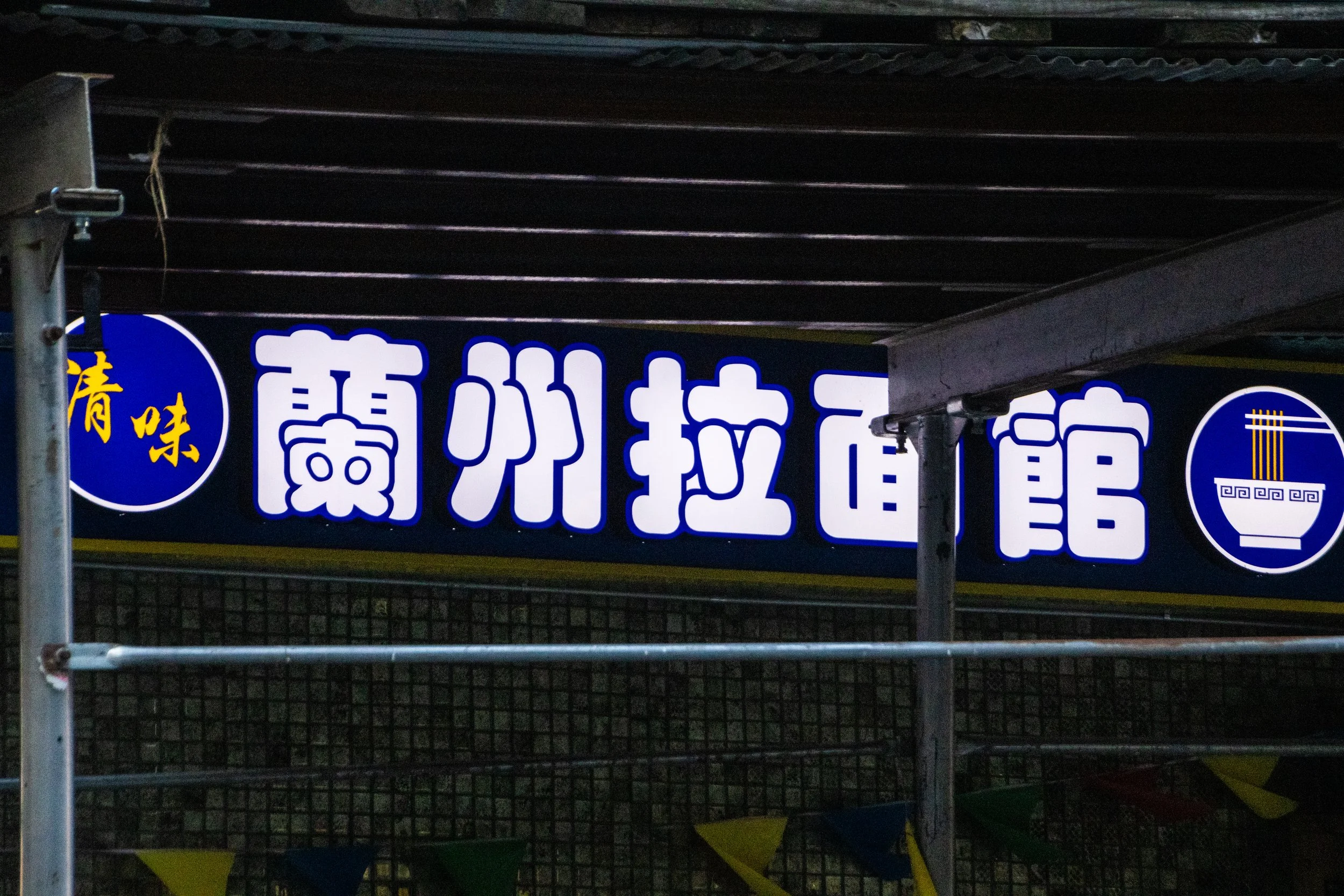
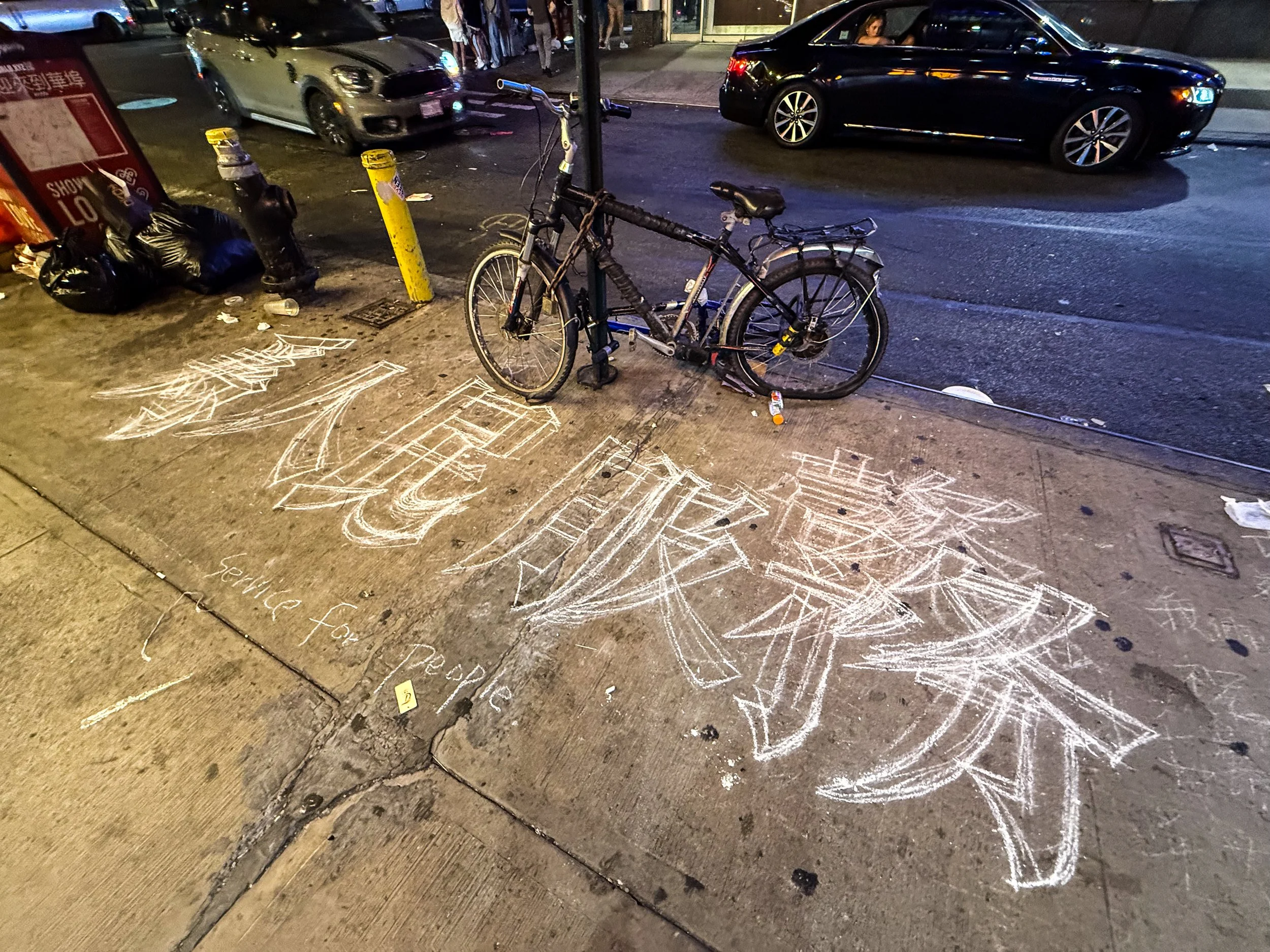
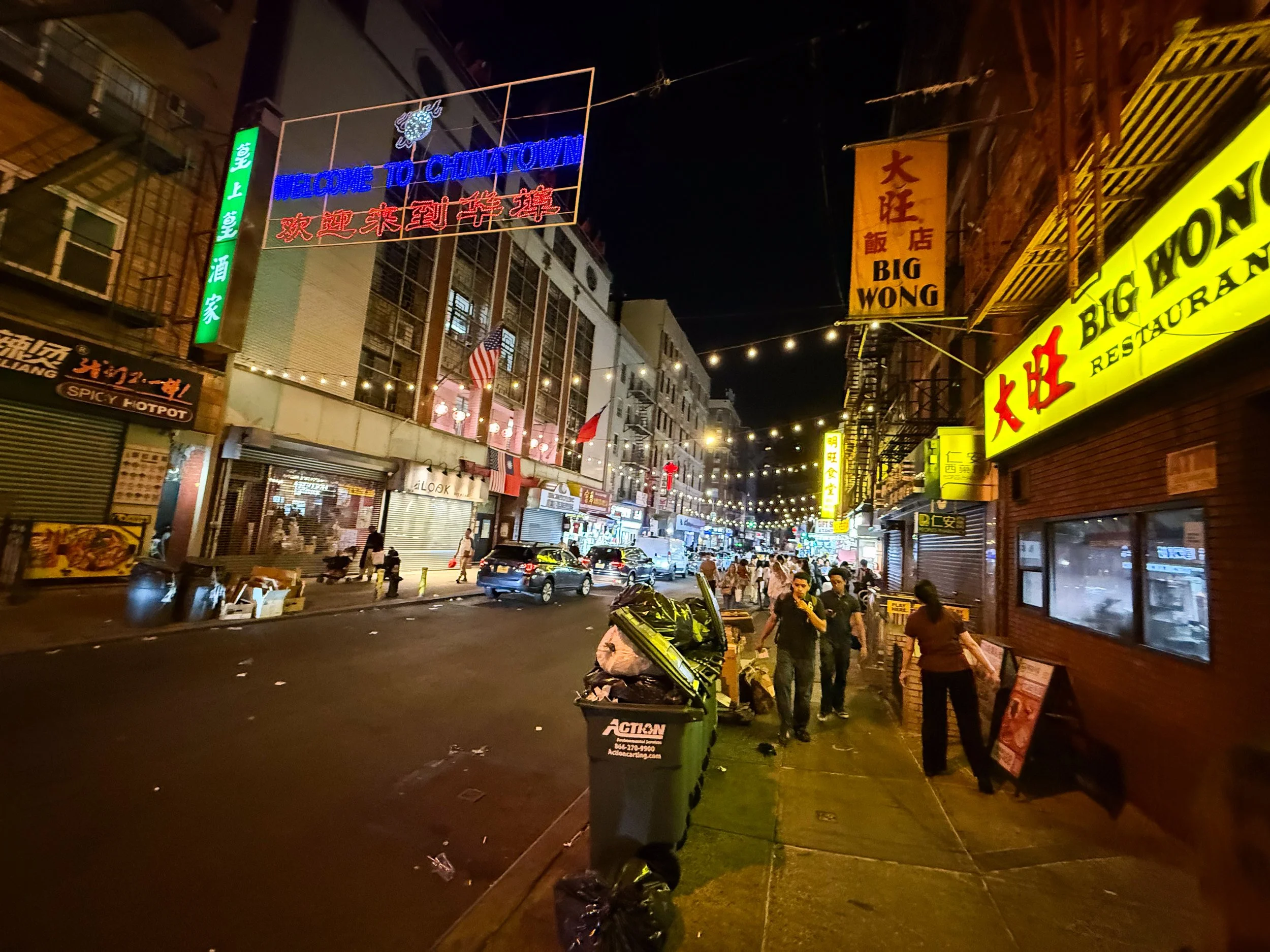
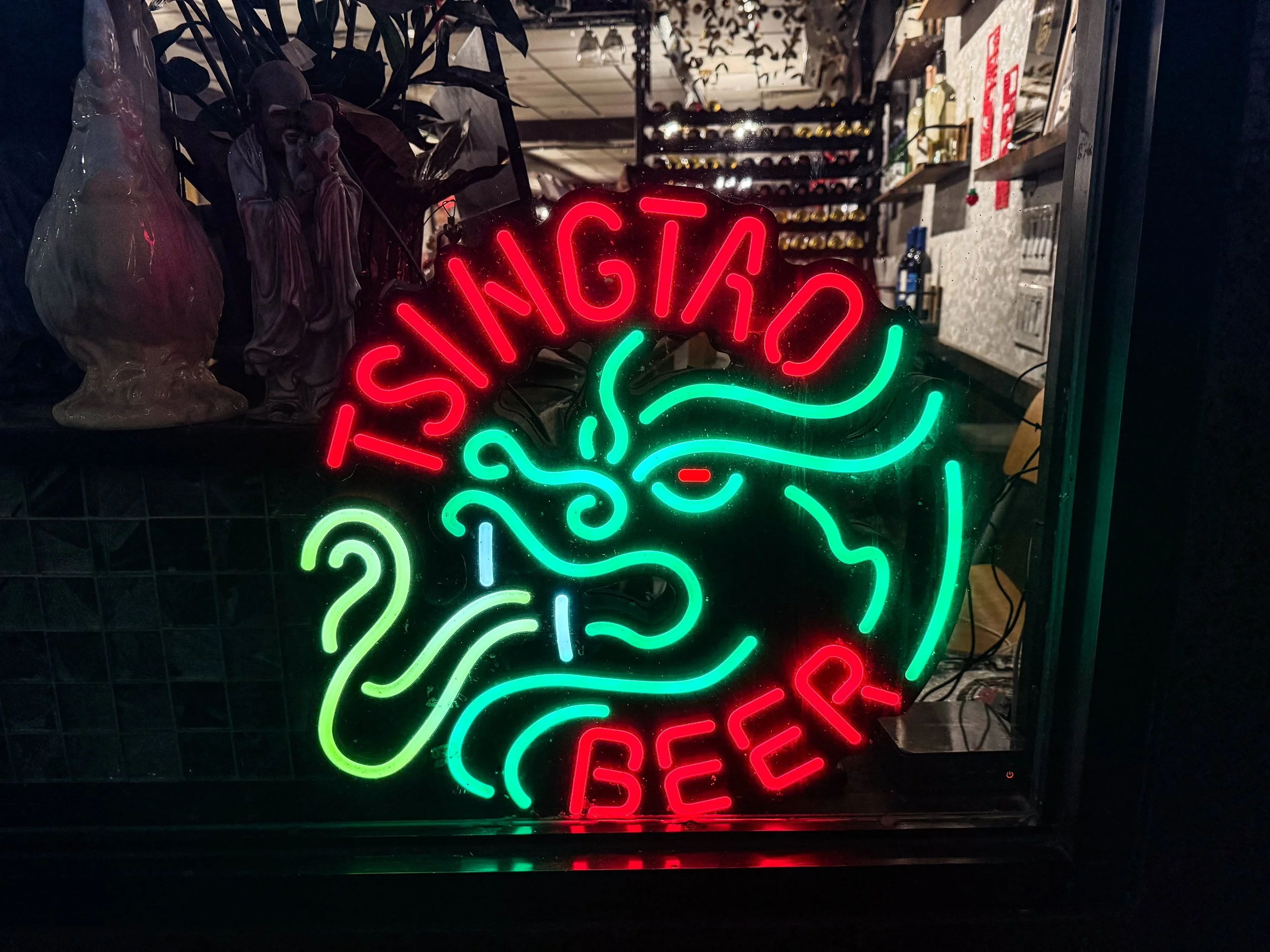
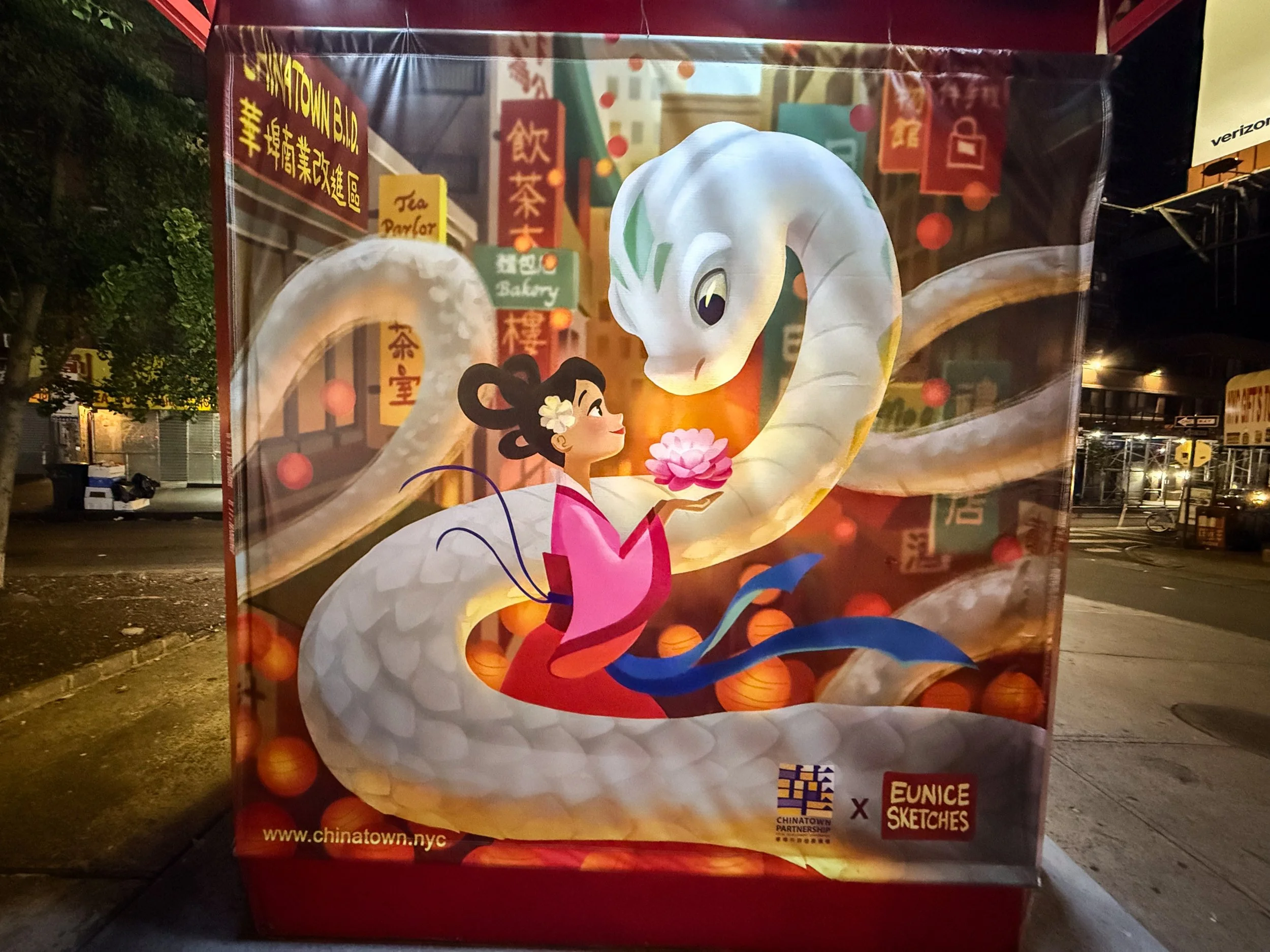
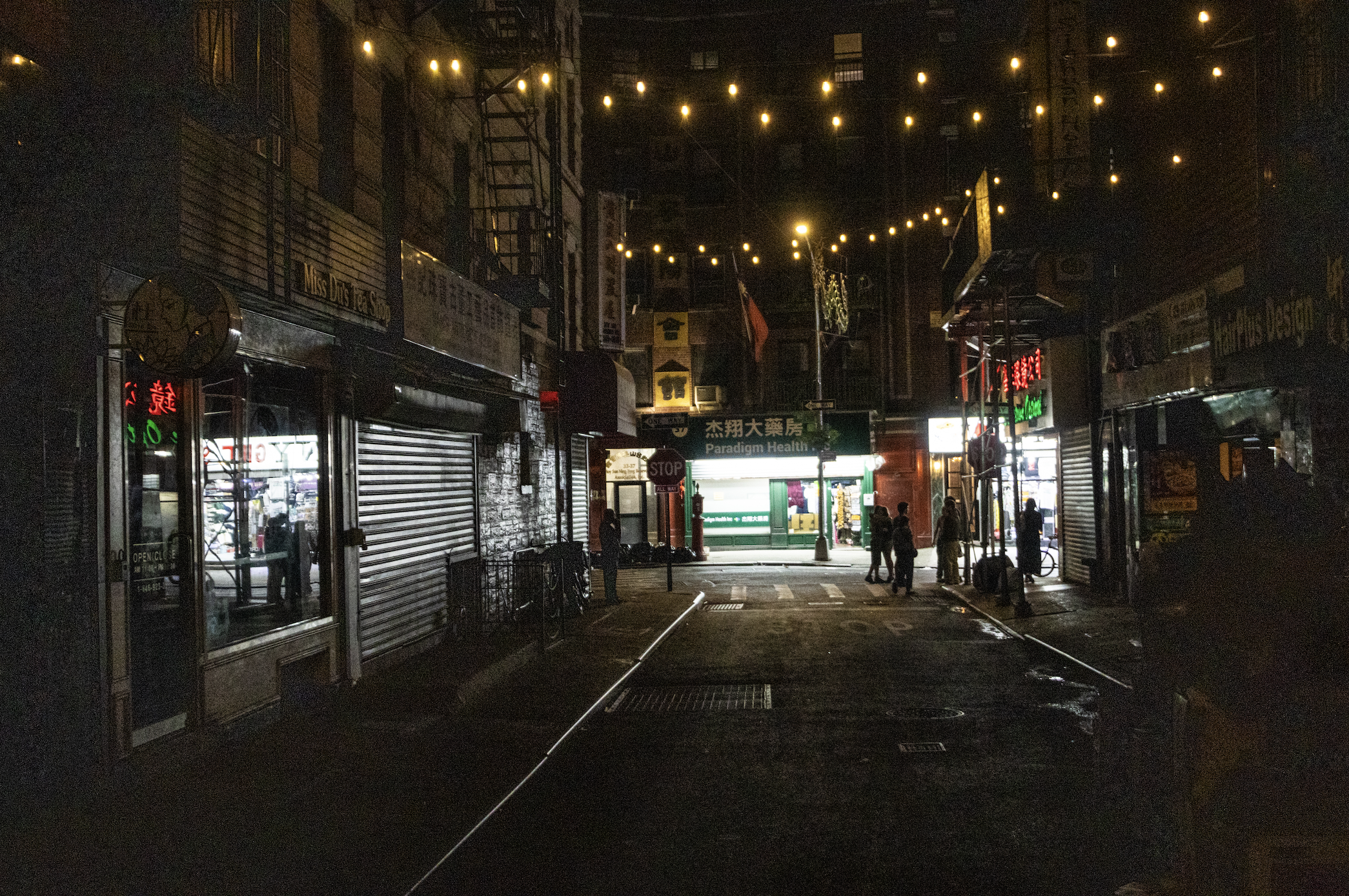
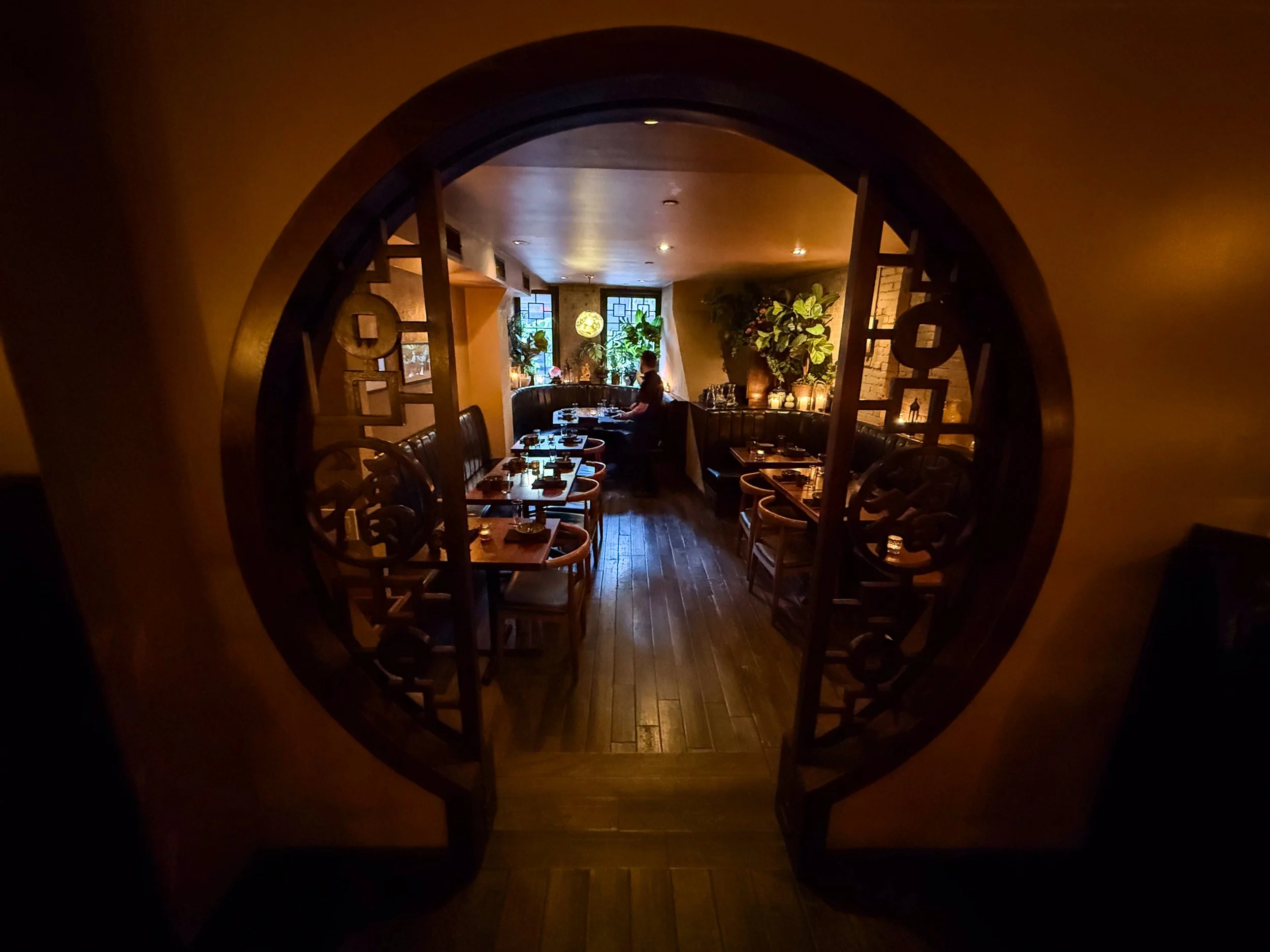
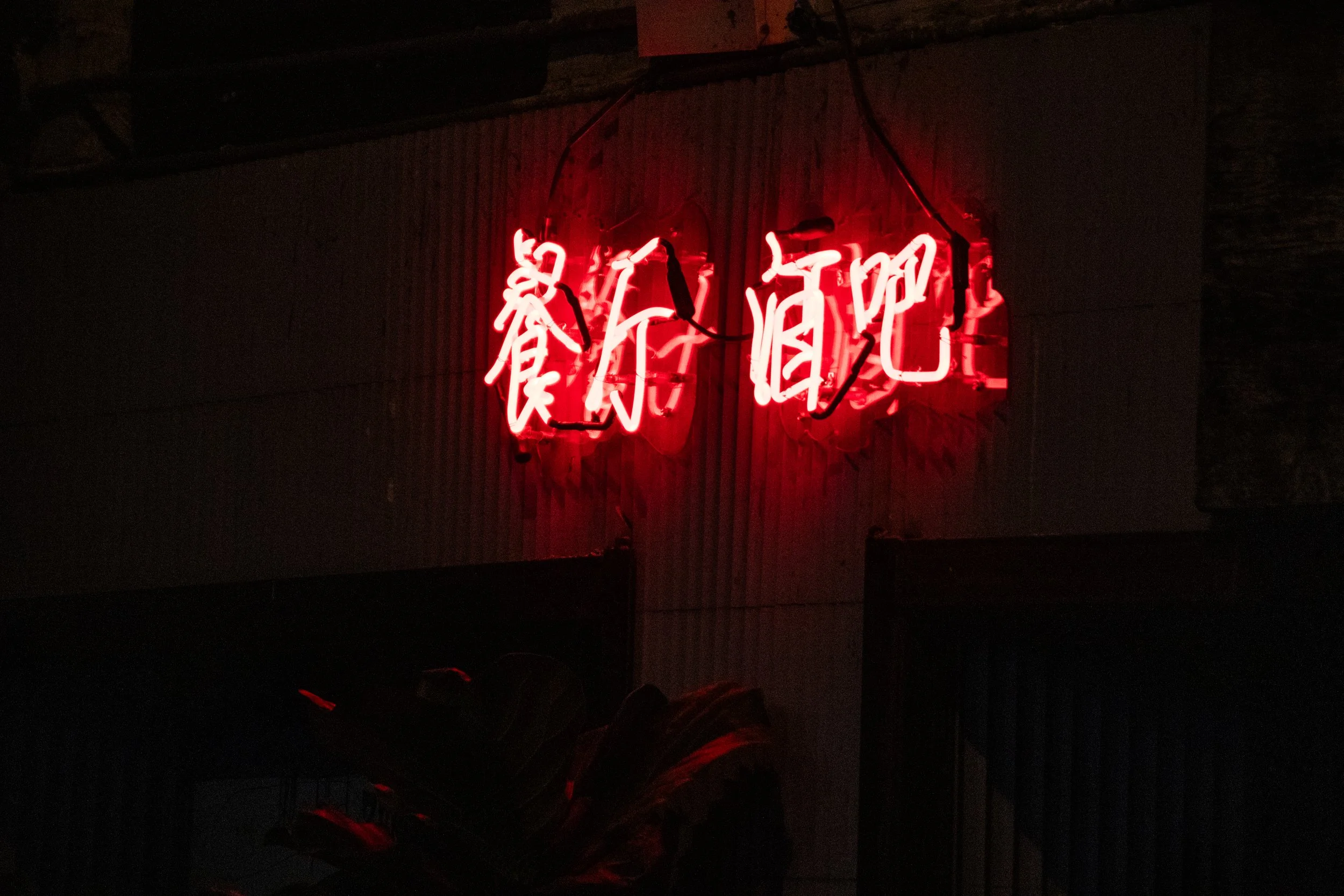
What is there to do after dark in Chinatown? Well, there are definitely some delicious food options, but we were looking for a nightcap, so we stopped into an amazing little speakeasy called Apotheke. From the outside, this place looks like it’s a long-since defunct pharmacy, but as soon as the door opened, the sound of a live jazz band gently wafted out the door. As I have already lamented in this series, bars in New York open and close faster than I will be able to keep up with, but if you’re looking for a cool cocktail bar in NYC, this is definitely a good option!
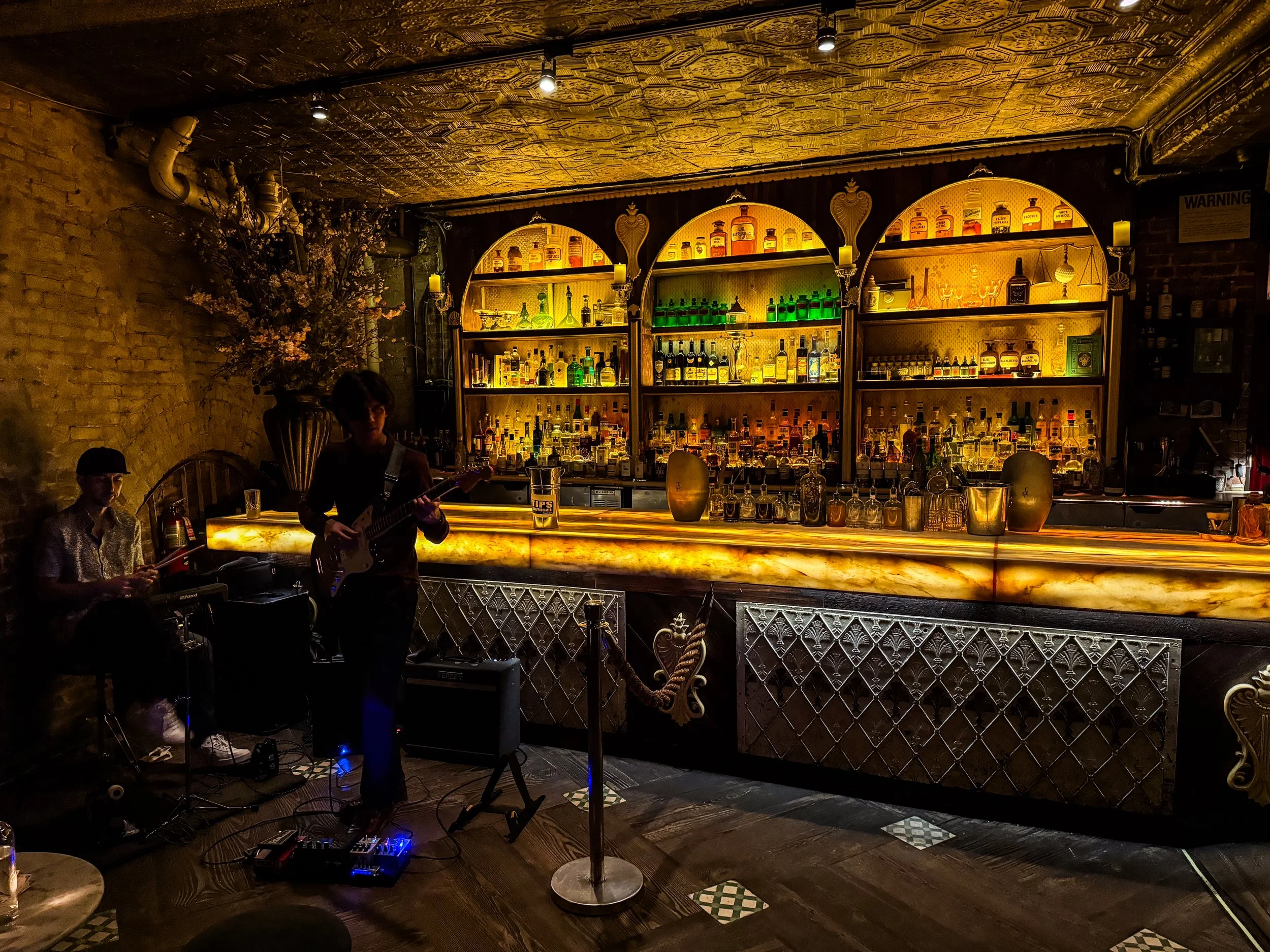
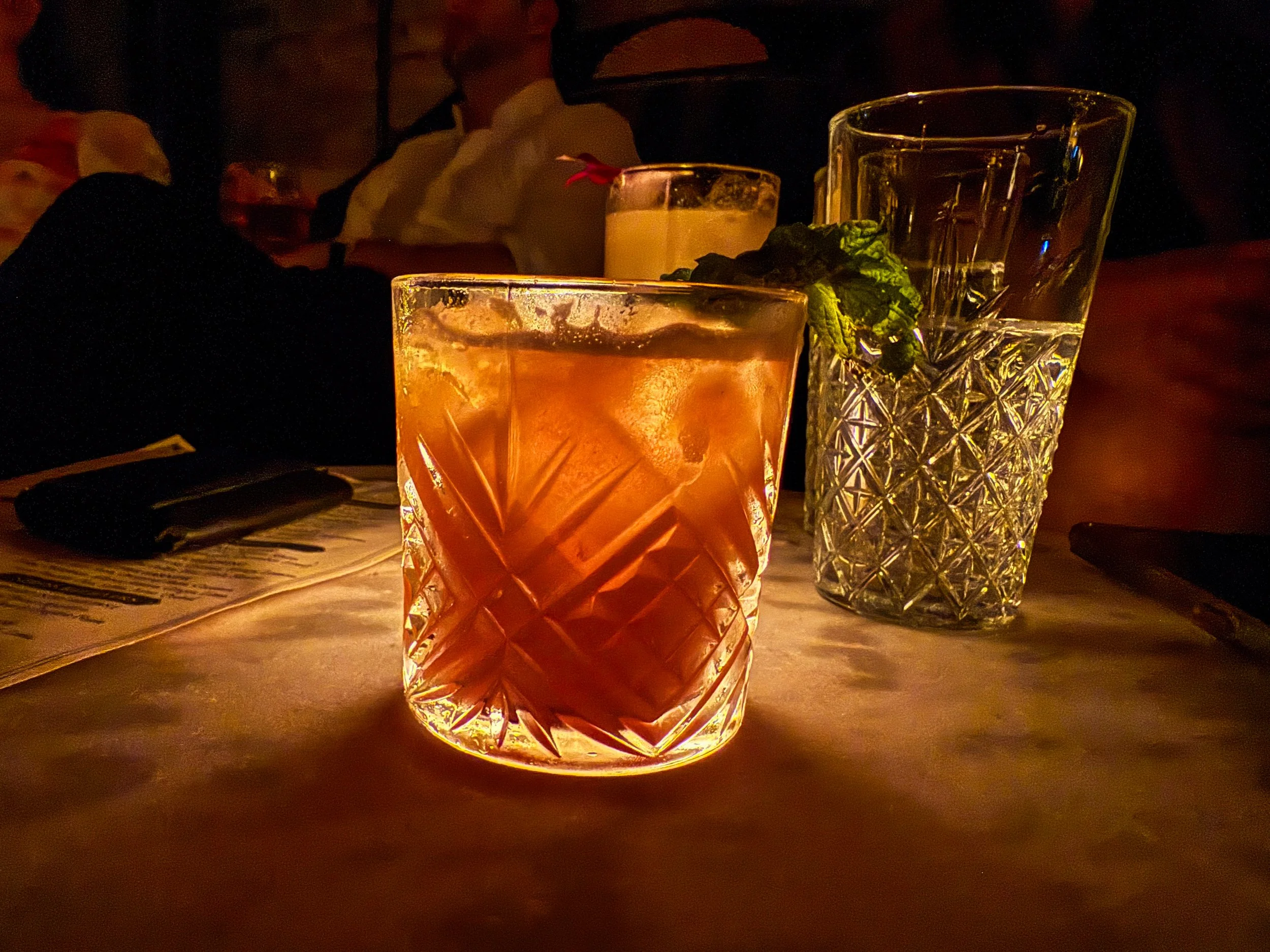
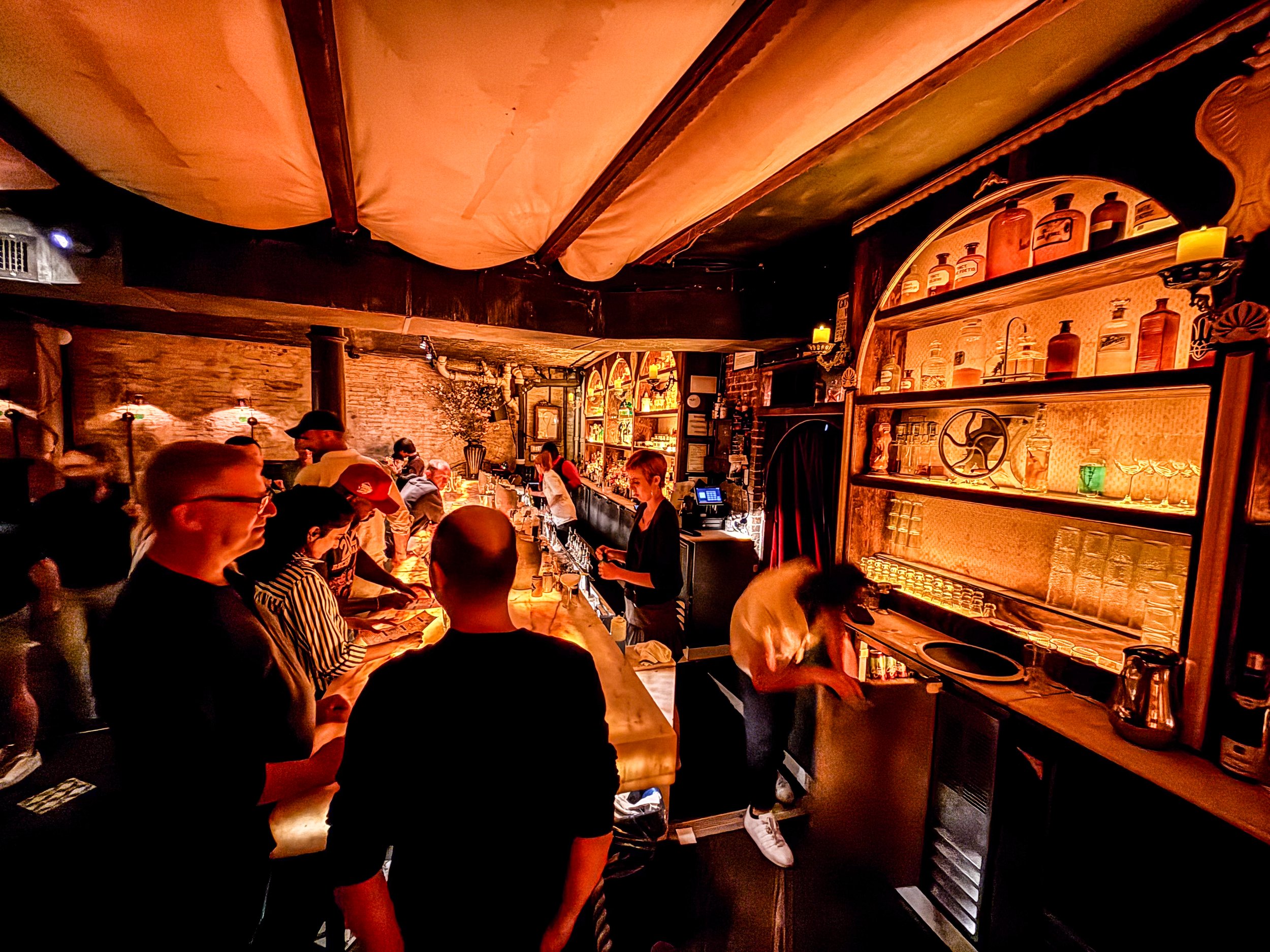
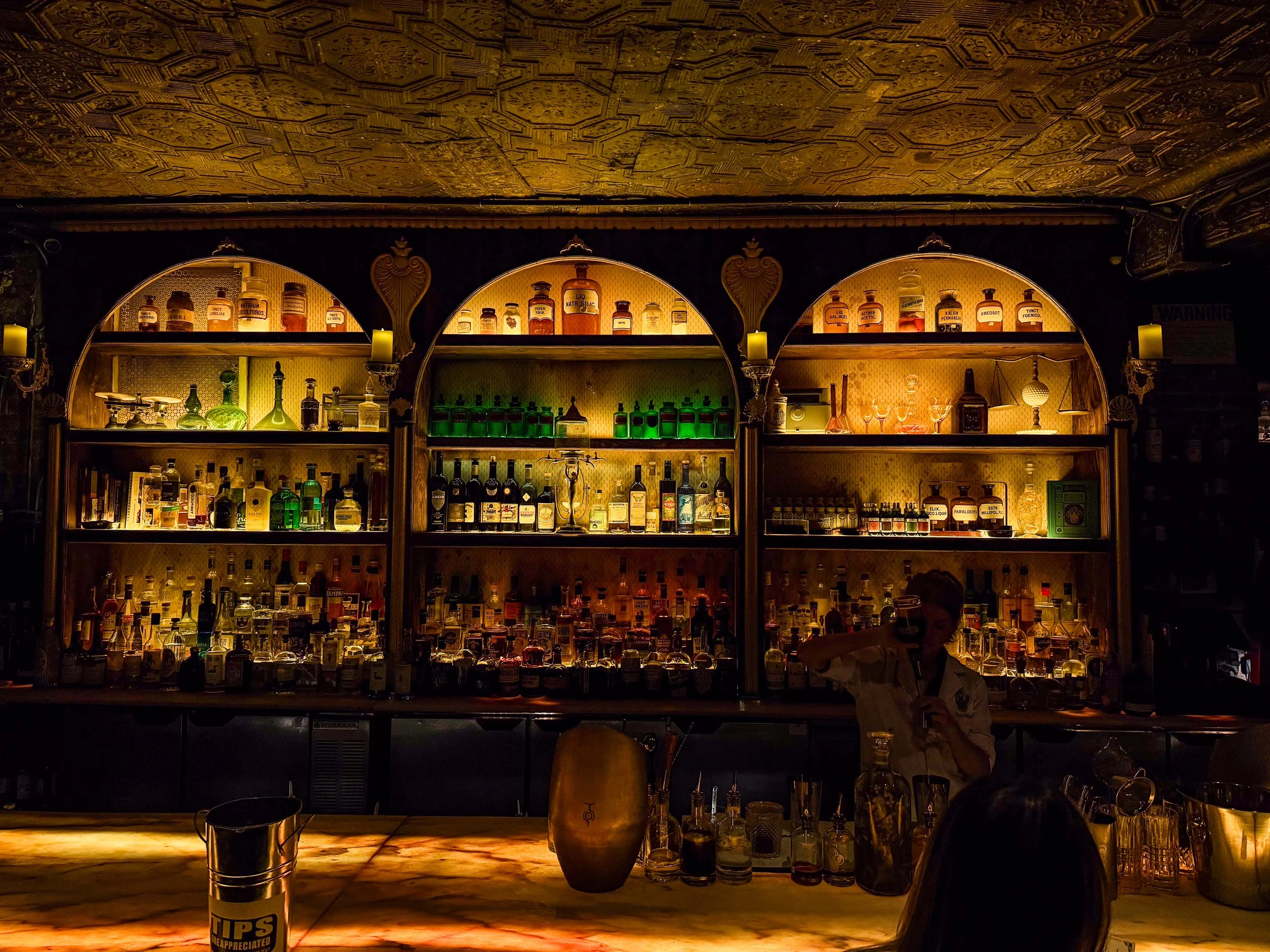
Of course, there are a million other options as well. This is NYC and I don’t think it would be possible to visit every cocktail bar in this city if you had a year. Many of these places would easily be in the top 5 coolest bars if they were dropped into most other American cities, but in New York? Add it to the list! In 2014, before this blog started, I remember walking down the street with my cousin, who was living in Spanish Harlem at the time (an article for another day), when we came across an interesting looking Chinese-style door. With a shrug, we gave it a push to find that it was unlocked. We walked through, and found ourselves in one of the most impressive, immersive, and beautiful spaces I’d yet experienced in life. Indoor koi ponds and giant buddha statues lay at the end of a labyrinth of round wooden hallways… it was TAO. Those familiar with New York nightlife may know of it, but to us…
I remember my cousin turning to me and saying “Only in New York could you walk through a random door on the street… and find this!”
But I digress… TAO is a bit of a corporate knock-off of Asian culture, but it’s cool for the night. Chinatown, meanwhile is the real thing. It’s completely authentic, and yet completely New York. I’ve said it before and I’ll say it again: despite what you may have heard a politician say in the media, the US is a nation of immigrants. And few places embody that melting pot dynamic better than New York City.
To close, it only seemed right that I give you a track from perhaps my favorite celebrity ever, New York’s own Awkwafina. Before she was the giant star she is today, she released some rap albums that are actually really fun to listen to! Her great grandfather immigrated from China to New York in the 1940s and opened a Chinese restaurants. She is half Chinese/half Korean, and grew up in Queens. Some home-grown talent!



New York City not just one thing; the whole is formed of many thousands of individual threads woven and intertwined together. All of these parallel realities existing on top of each other is a big part of what makes New York so captivating… but some of these threads are more visible to the outside than others. One of New York’s most visible threads is its status as ground-zero for Italian-American culture. Yes, from Frank Sinatra to George Costanza, few immigrant communities in the US managed to balance the simultaneous integration with American society with the maintenance of a shared collective sense of identity like the Italians. Ironically, Italian-American culture has strayed hilariously far from actual Italian culture at this point; the two groups barely even claim each other at this point! But, within the U.S. at least, this shared homeland is a powerful unifier. Indeed, there are about 16 million Americans (~4.8% of the population) that have some level of Italian lineage, including yours truly. 🍕