
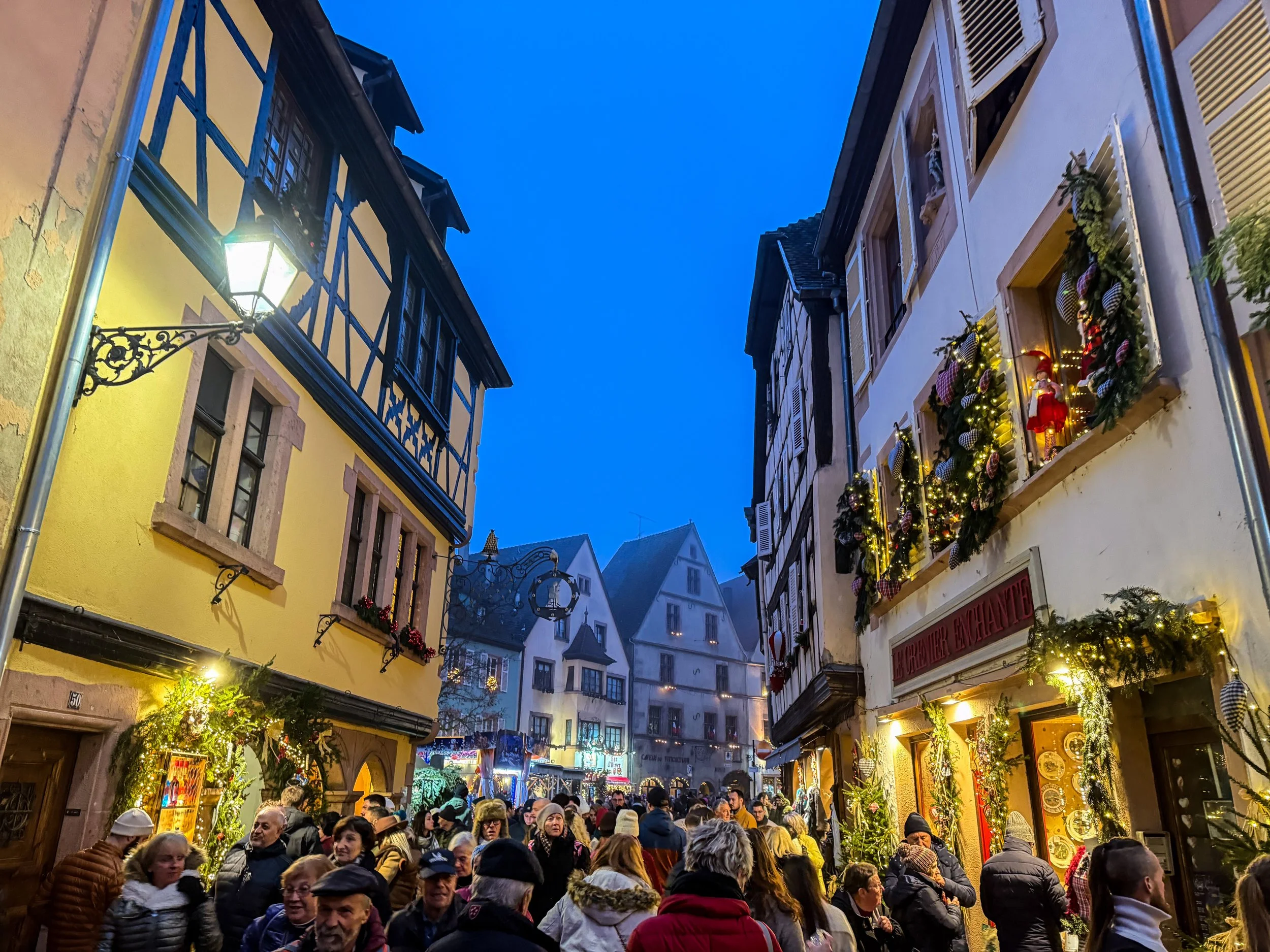
Just kidding. I have no idea what the true meaning of Christmas is.
BUT, if you’re going to find the true meaning of Christmas, Alsace is an excellent place to start. Before we jump into our destinations for today, let me introduce you to Alsace and why it’s so important to our modern-day Christmas traditions. We touched on it in the previous article, which was about Alsace’s main city, Strasbourg, so if you’ve already read that, feel free to skip ahead!
An Introduction to Alsace
Today, Alsace is part of France. But in 1940, it was part of Germany. And just a couple of decades before that, in 1920, it was part of France again. And if you rewind another 20 years, to 1900, it was part of Germany. And 30 years before that—in 1870—it was part of France again! You get the idea…
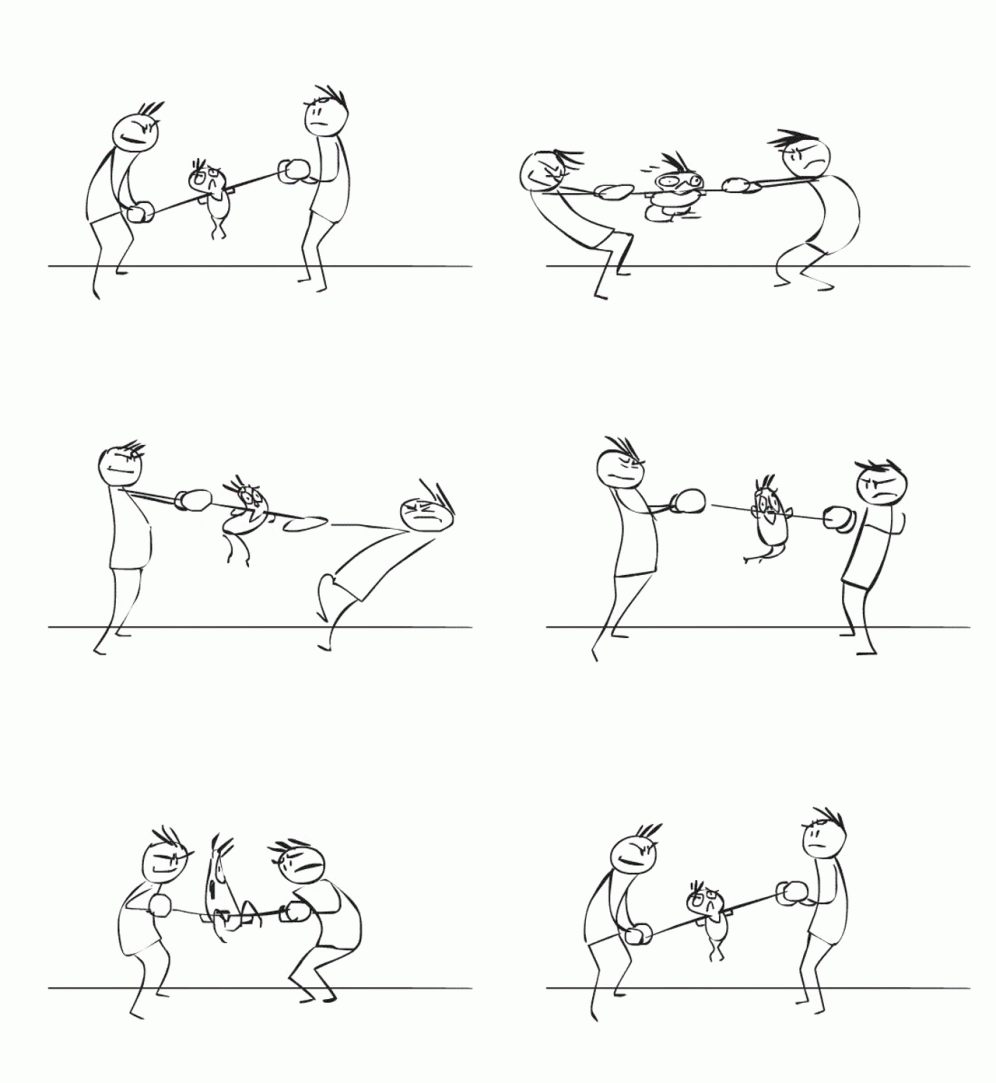
In France and Germany’s long history as neighbors, they fought numerous wars against each other and Alsace has nearly always been caught in the middle, geographically, culturally, and spiritually. Indeed, the cultural identity of Alsace is a bit of a French/German hybrid. People here generally speak both French and German fluently, and actually operated mostly in a regional dialect called Alsatian until the mid-20th century. You may have heard of a historical area called Alsace-Lorraine? This was a historical province of both France and Germany (depending on the year) that existed in 1 piece up until WWII. Its other half, Lorraine, is a province with a history and culture a lot like Alsace, but it’s now a separate administrative region of France. As you have probably inferred, this border basically never moved without violence, so Alsace has had it pretty rough over the past few centuries. Given that WWI and WWII were the last two times this border moved, it’s hard not to think about this period as you travel through this area. Indeed, for me this endless geopolitical tug-of-war completely overshadowed the national identities of both France and Germany. When you are in Alsace, you are in a thought-provoking hybrid of these two worlds, from which the distant power centers of Paris and Berlin feel quite abstract. We’ll come back to this later in the article.
Now, let’s talk Christmas. Here’s a fun fact for you: the concept and tradition of the Christmas tree originated right here, in Alsace! The first written records of Christmas Trees anywhere in the world first appear here in 1521, in a small Alsatian village called Sélestat. If you’d imagined there were snowy spruce trees in the Israeli desert for the actual birth of Jesus… I’ve got bad news for you. 😬
Anyway, Sélestat is about a ~20-minute drive from the places we’ll be visiting today! But this is not a historical expedition; we’re going to visit a few more present-day Christmas Markets! During the holiday season, Christmas Markets are an entire sub-category of tourism in Europe, especially central and northern Europe. You can find them all over the place, but Strasbourg, whose markets we covered in the previous article, is well-known to be one of the best around. But that market isn’t an island; a LOT of the small villages throughout this region have their own festivities. And today, we’re going to take a roadtrip to visit 2 of them. The towns are called Riquewihr and Kaysersberg.
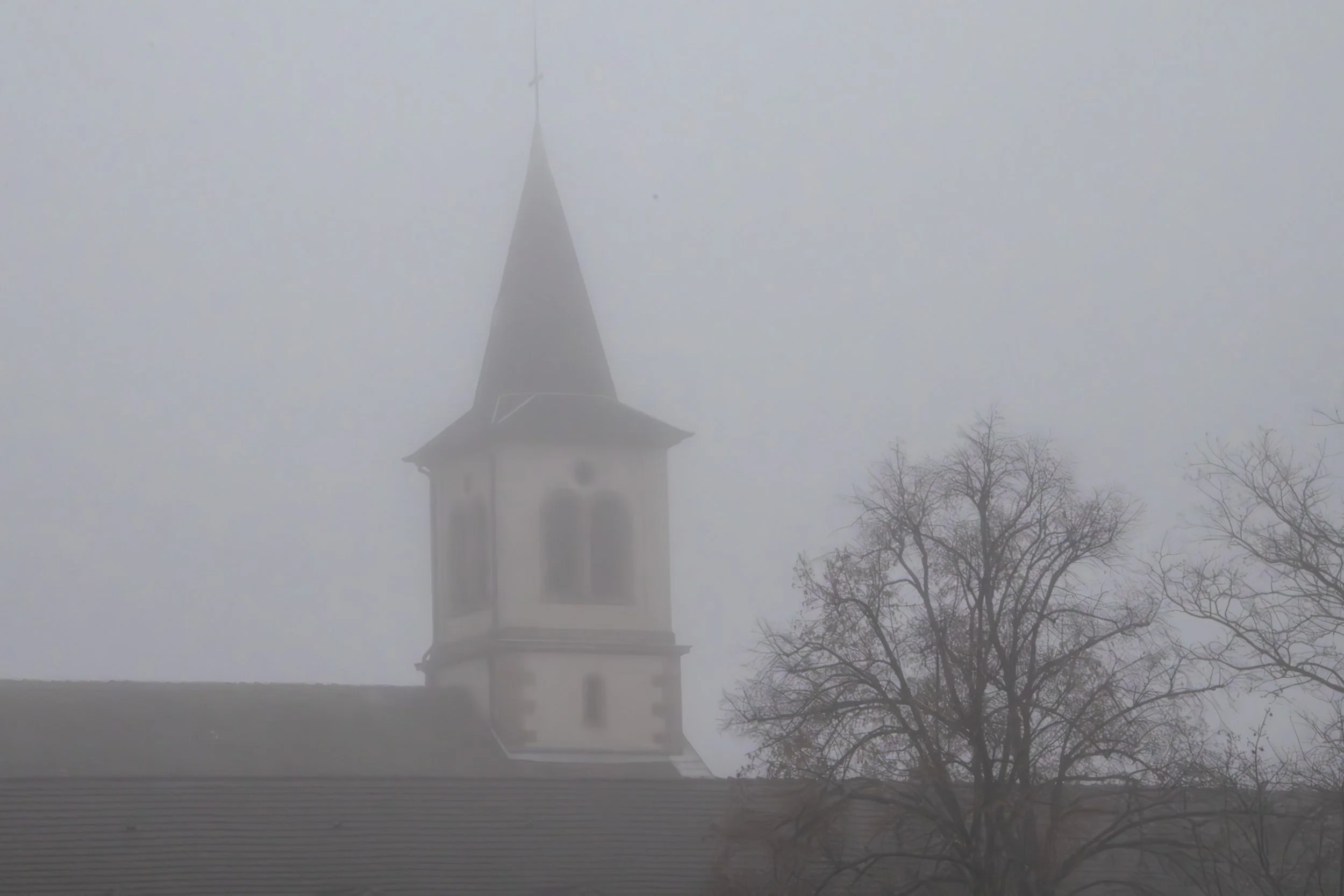
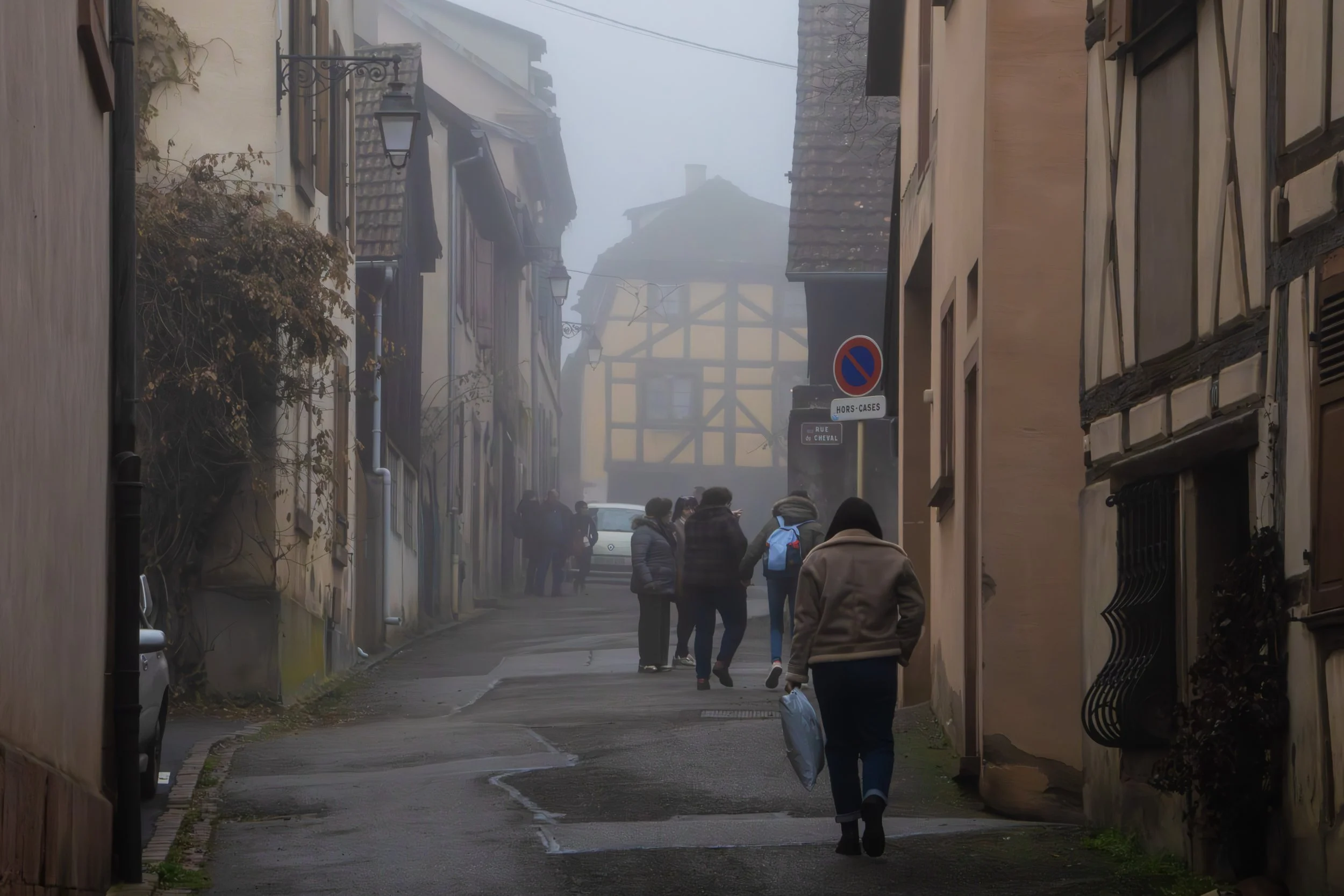
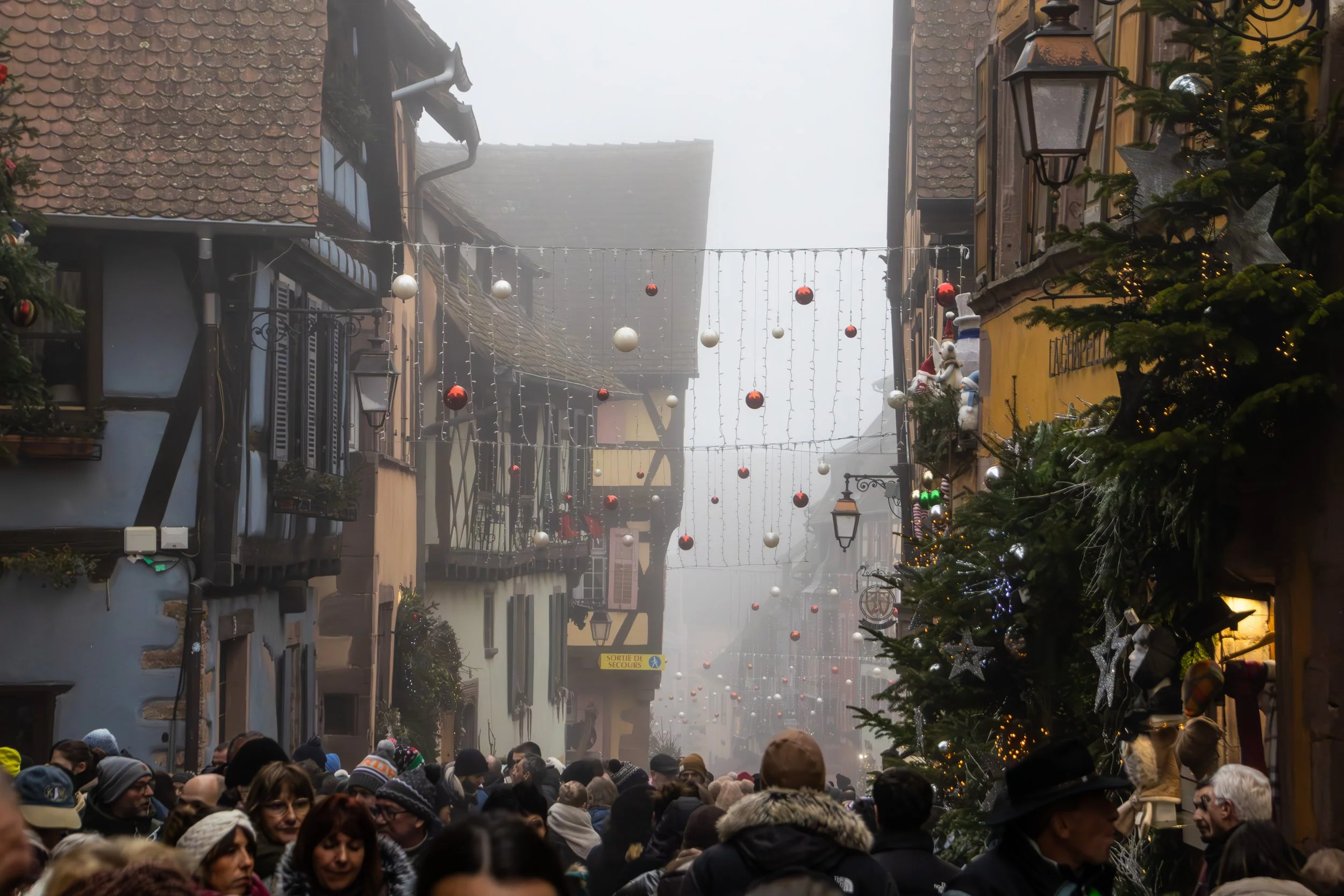
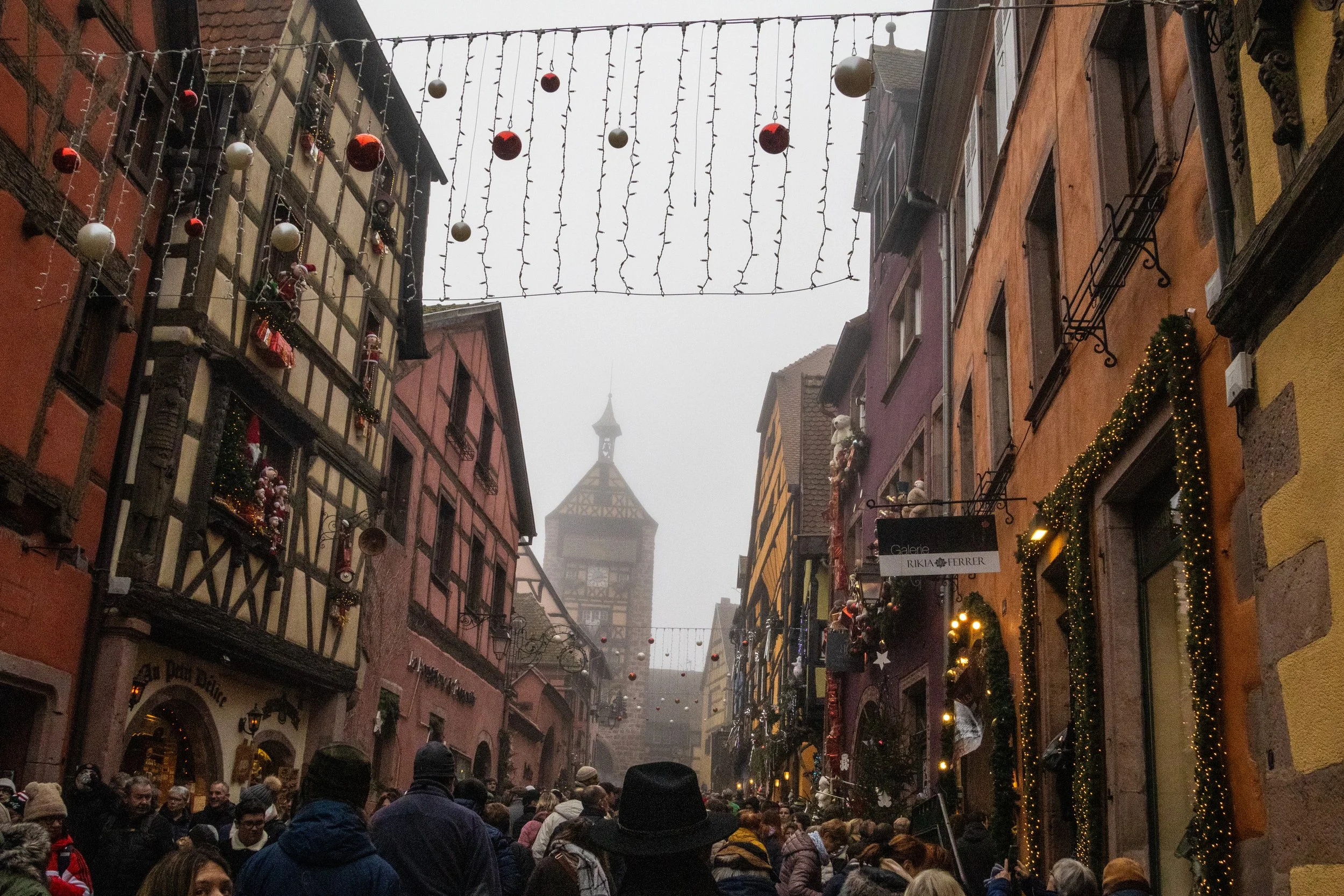
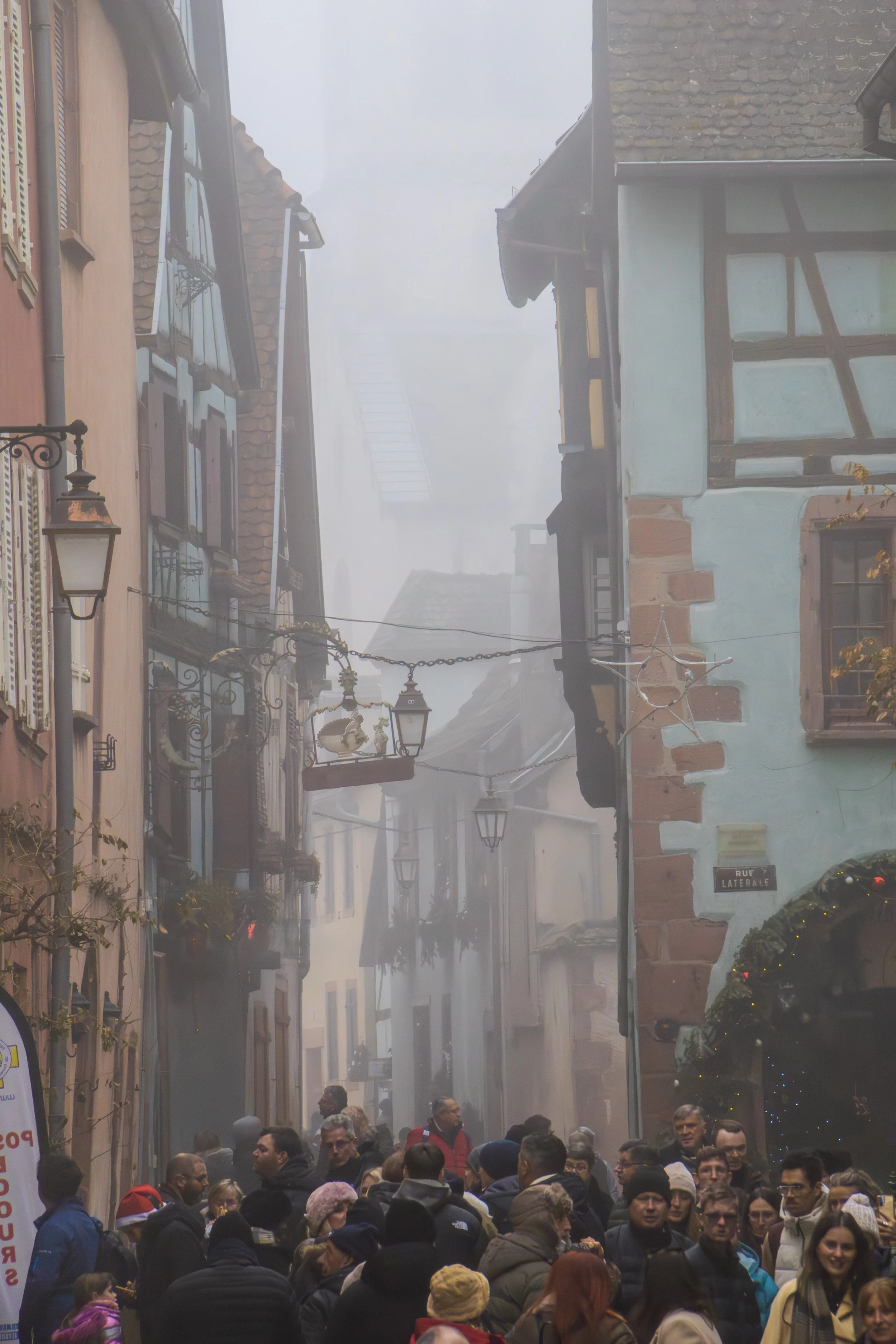
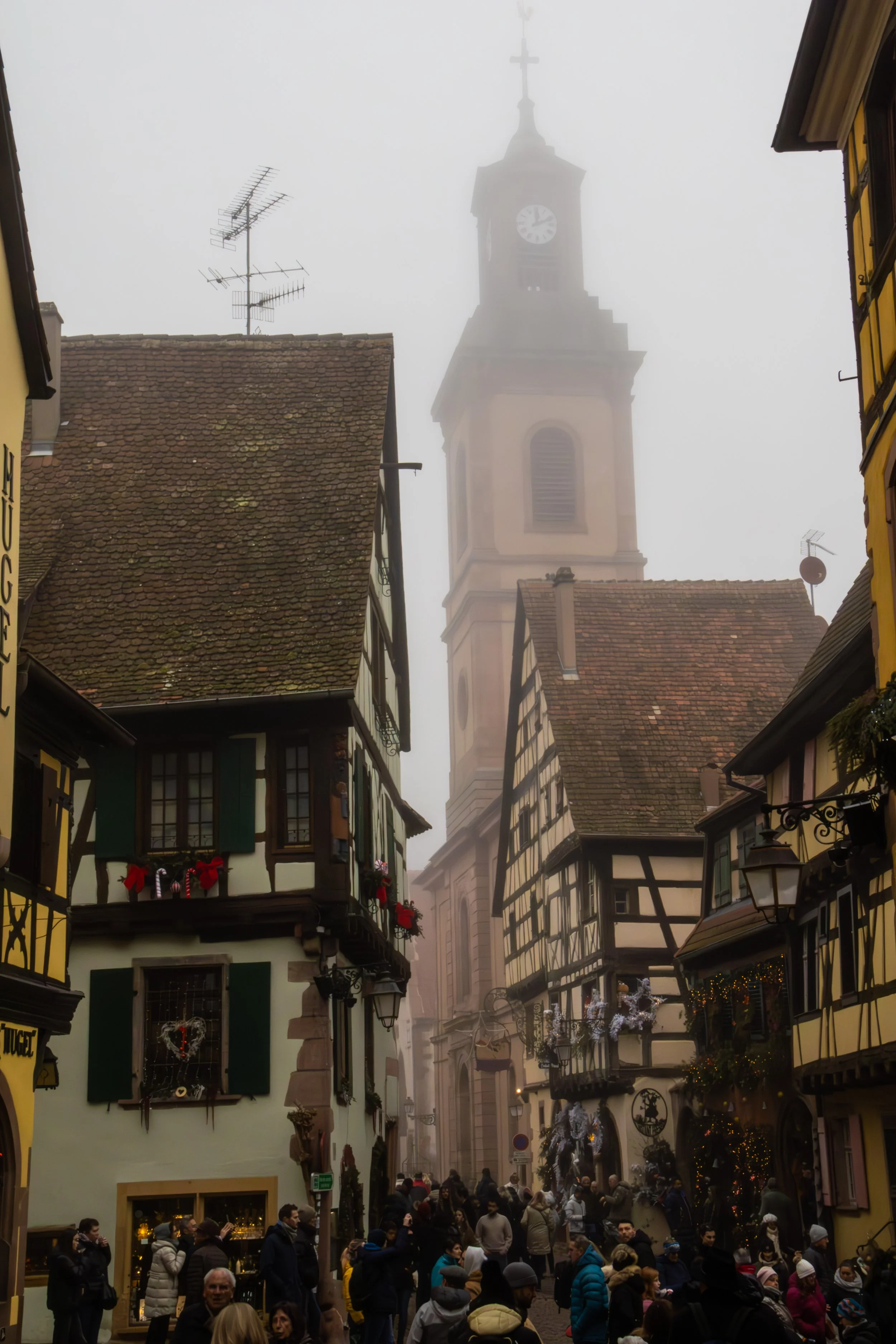
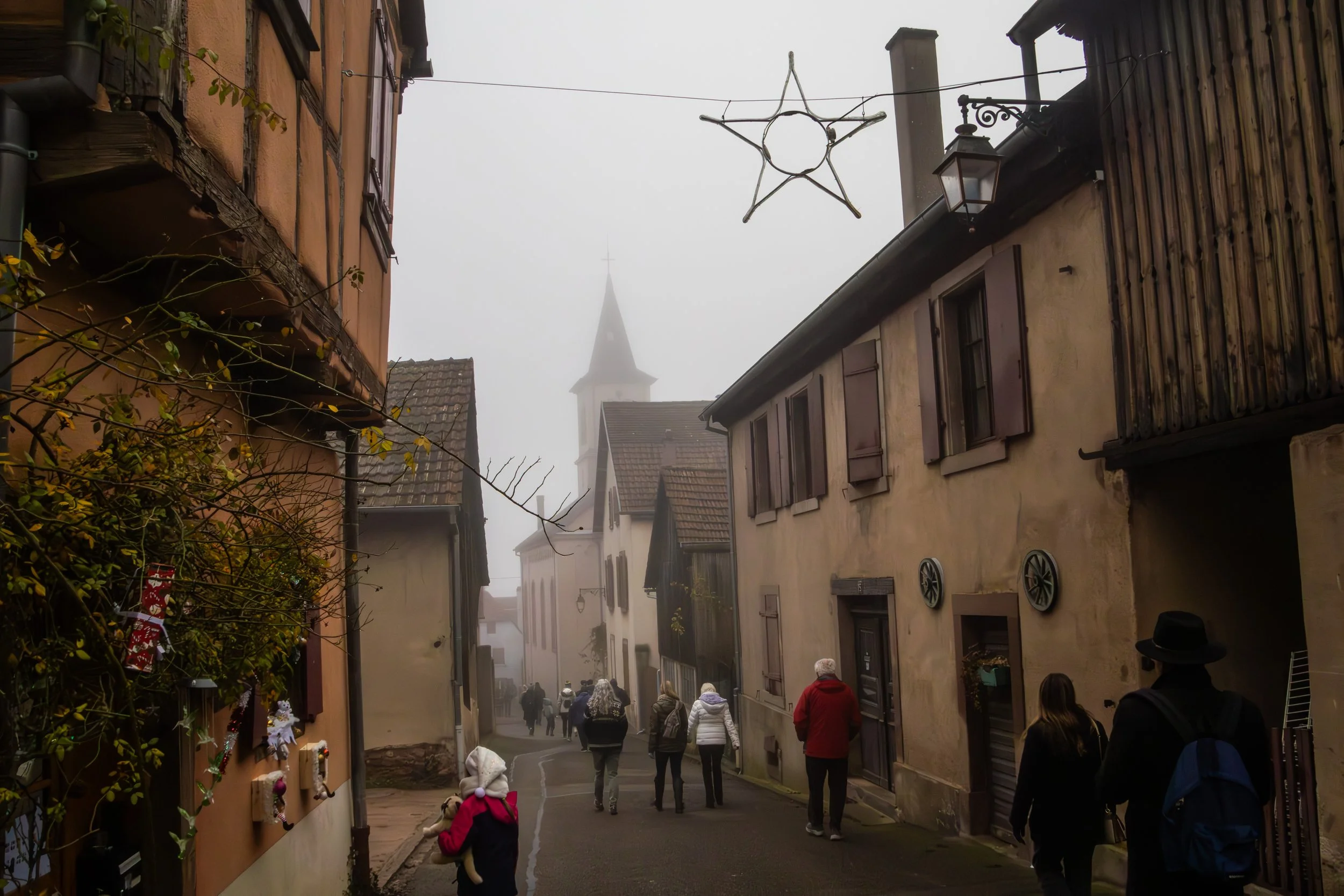
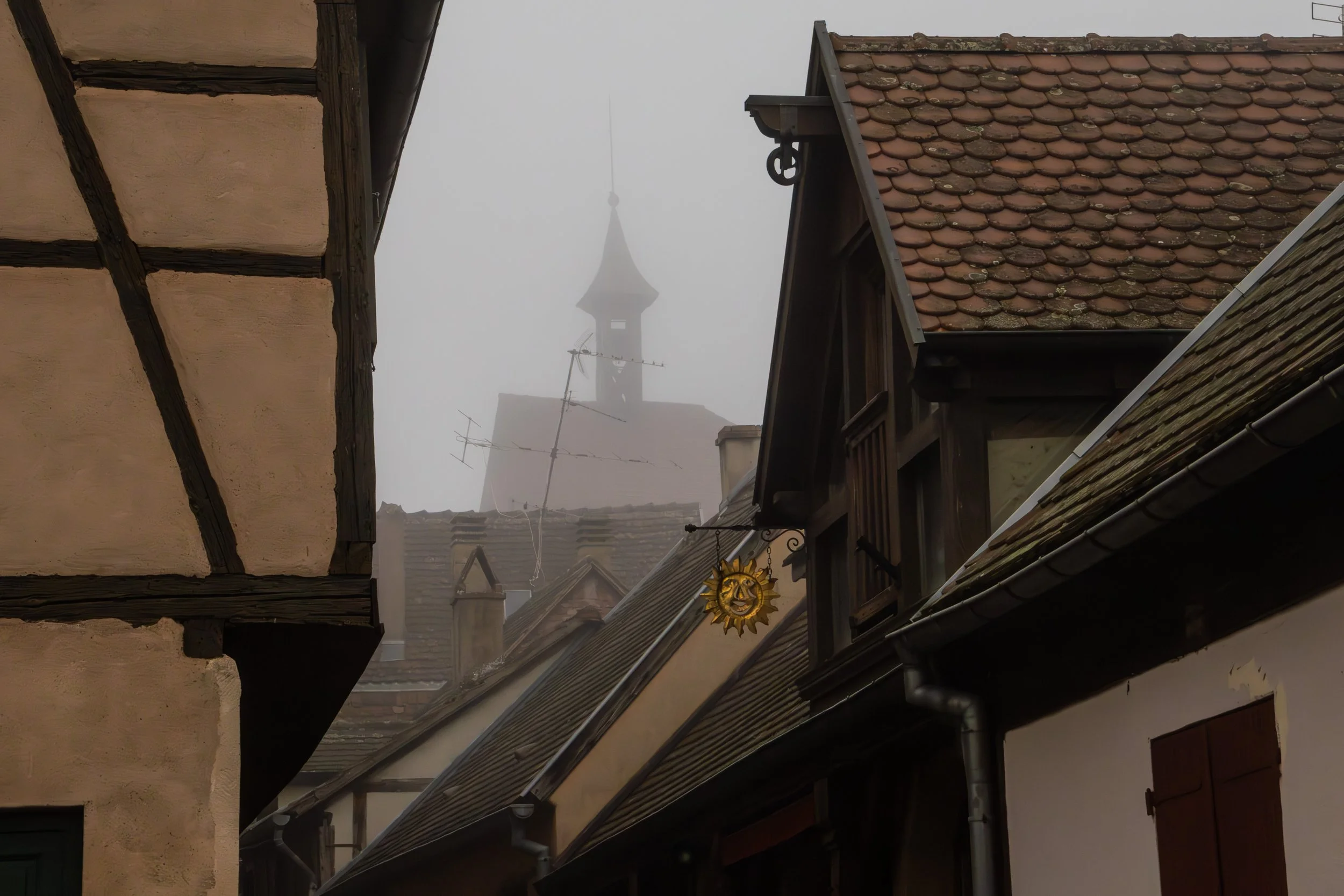
As I mentioned in the previous article, this visit to Alsace was FOGGY. I’ve experienced intense fog before, of course, but what I had not experienced until now was just how long the fog hung around. We spent multiple days in Alsace, and the entire region was covered in a thick blanket of fog the entire time. However, in the absence of snow, I felt that the fog lent a festive aura to the Christmas markets—as if we were in a perpetual blizzard. It made for some really cool pictures… but it was COLD. The level of moisture in the air amplified the cold temperatures to the point that I found myself shivering quite a few times throughout this day. Thank the lord almighty for the never-ending supply of vin chaud (hot mulled wine) available in these villages. Not only was it incredibly tasty, it also kept me warm(ish).
Another drawback of the fog was that it made driving a bit scary. Driving south from Strasbourg to Riquewihr, it was basically white-out conditions. But gazing out the windows as the charming, fog-covered farm fields flew by was still quite beautiful and thought-provoking. You don’t get to experience this kind of weather too often. I couldn’t help but reflect that these fields under this cold fog reminded me of scenes from certain WWI and WWII movies I’d seen. It’s hard not to have these conflicts top-of-mind as a visitor here.
Christmas in the village of Riquewihr
Don’t you dare ask me how to pronounce the name of this town. 😂
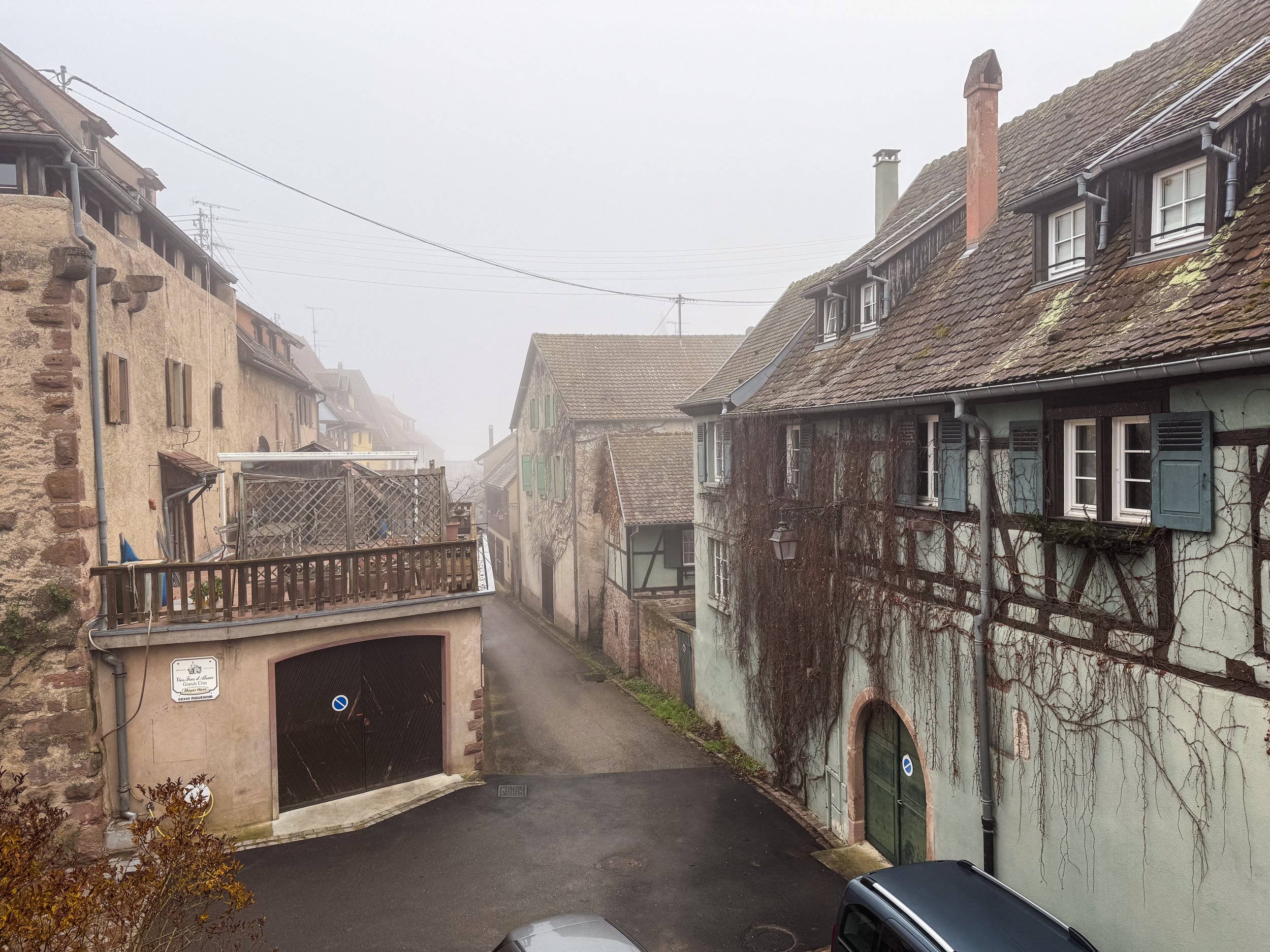
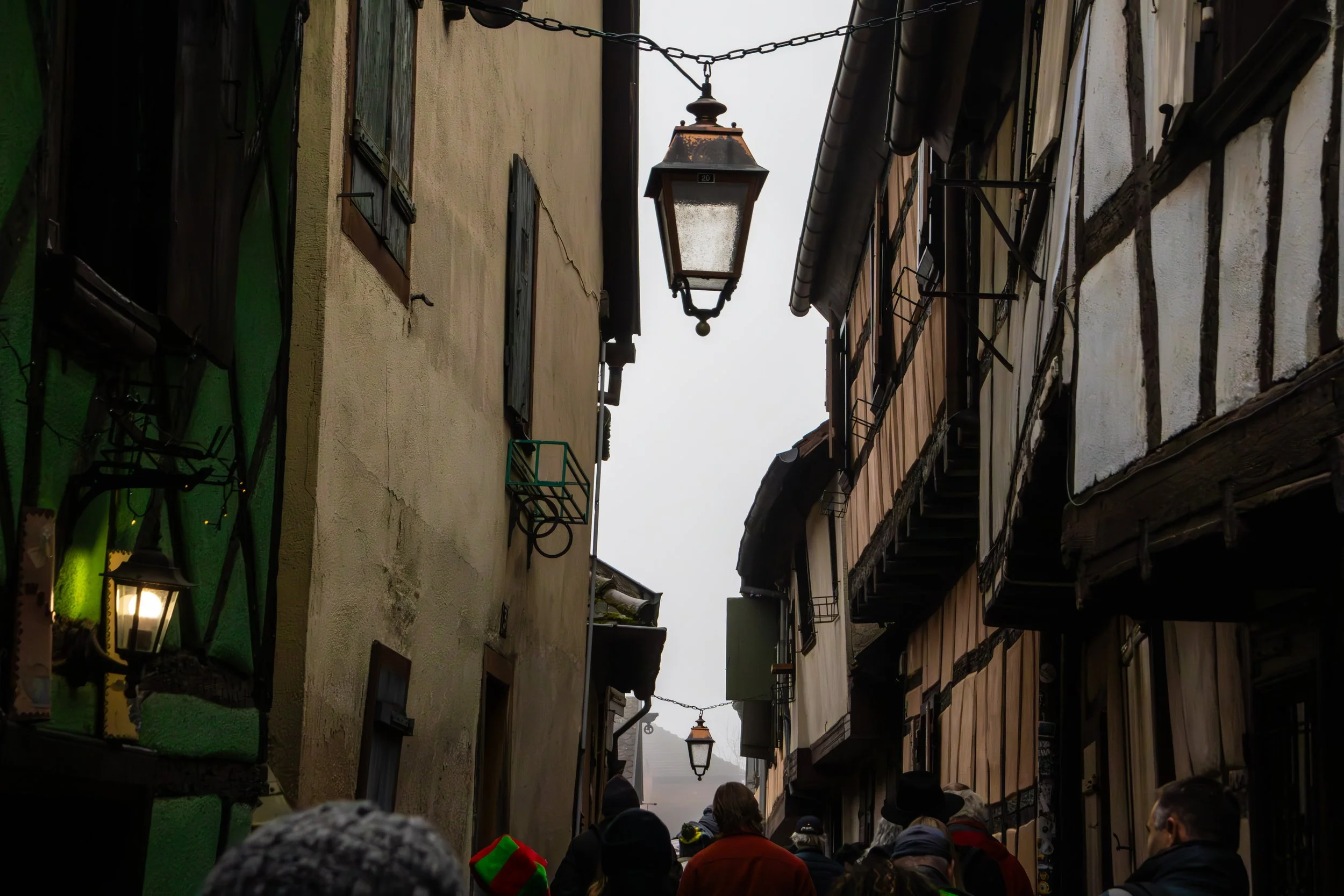
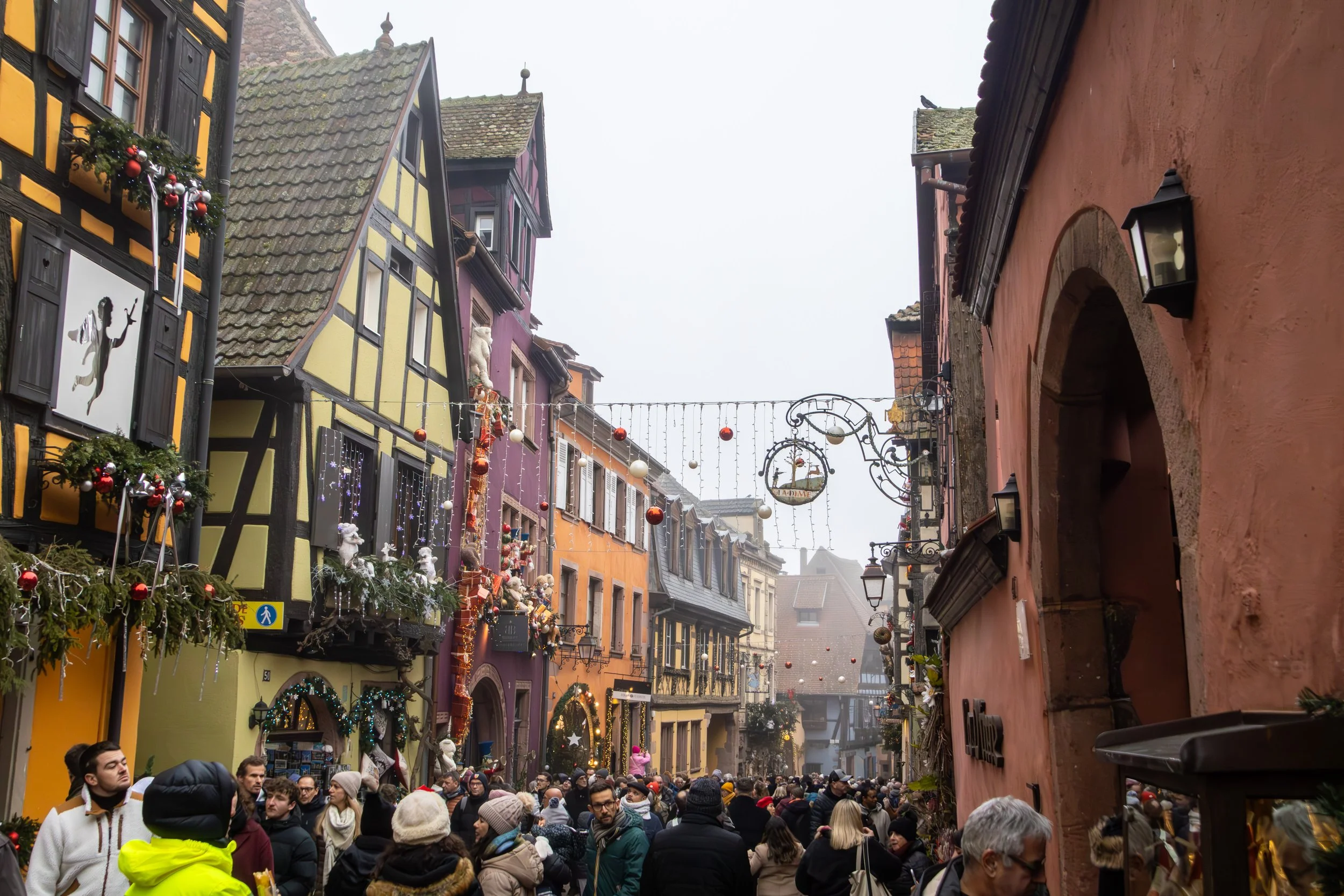
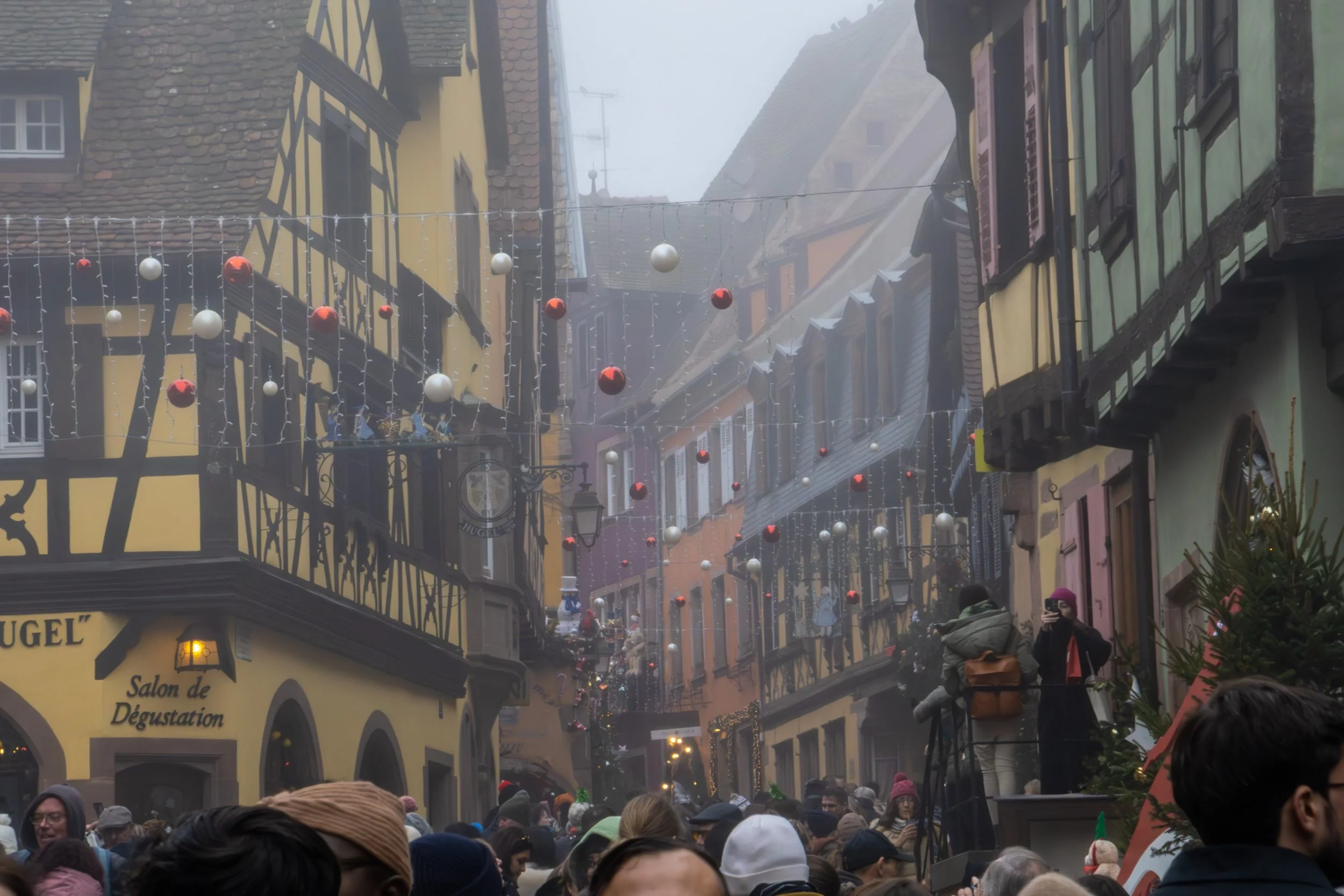
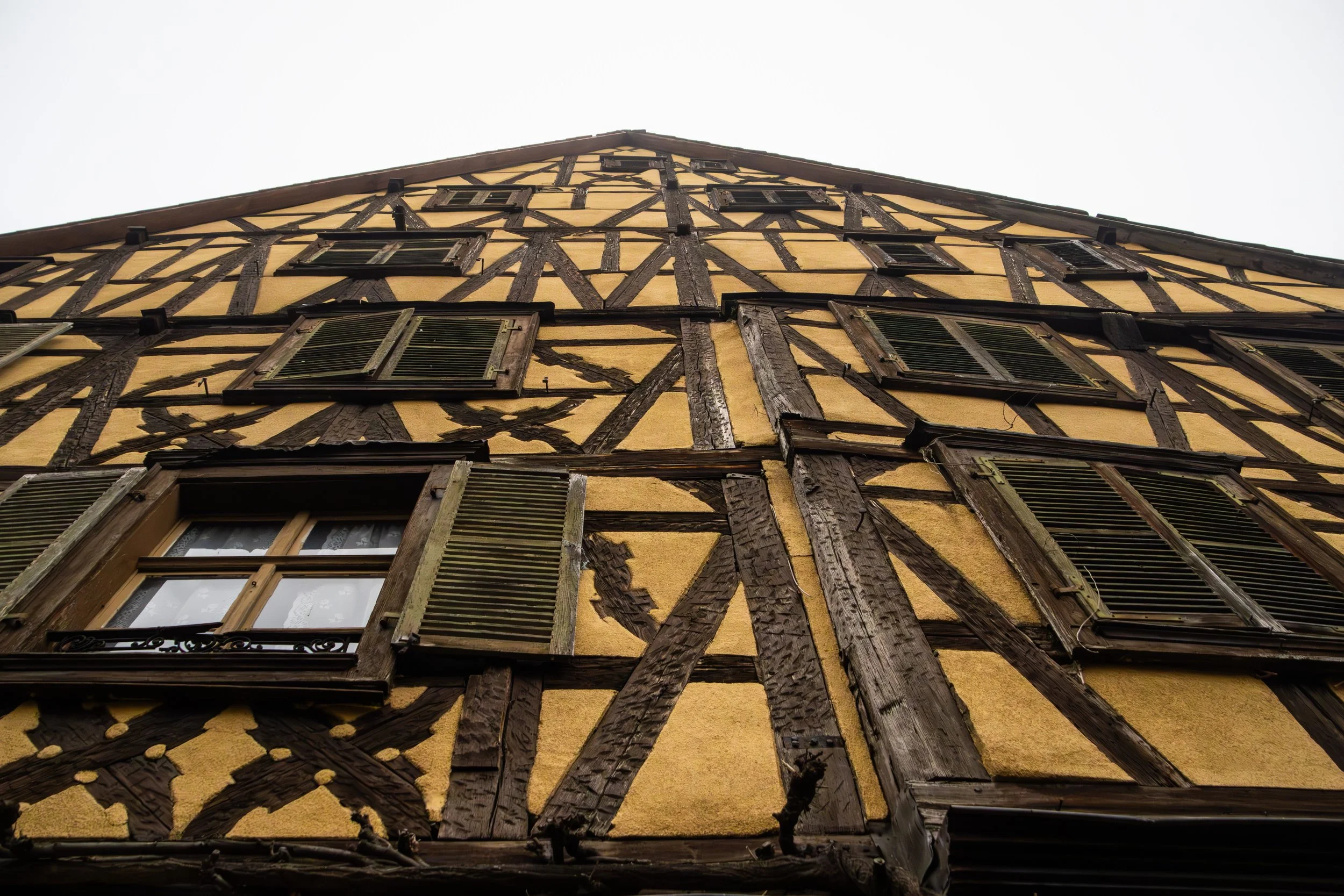
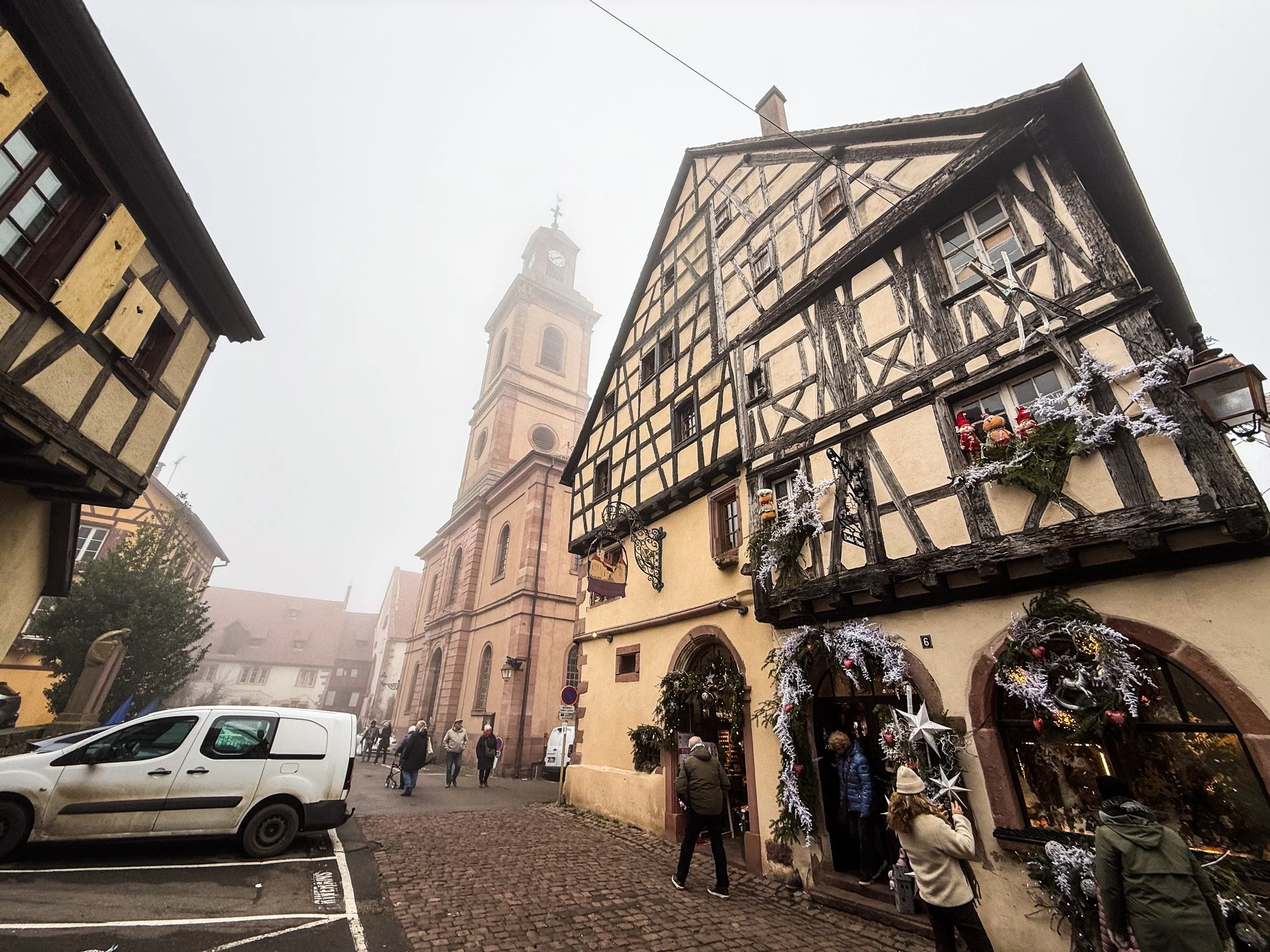
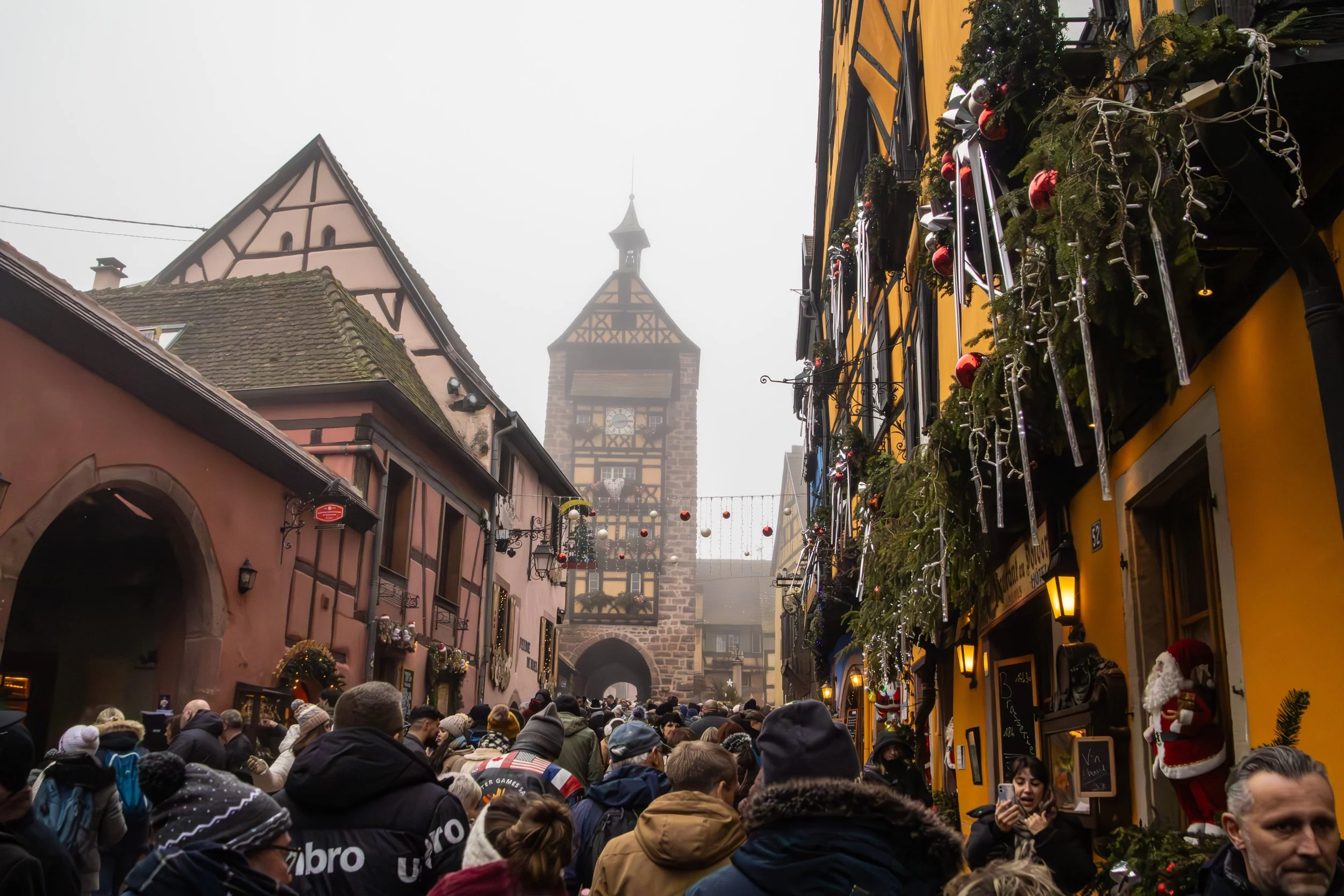
Riquewihr is a small Alsatian town with a population of just over 1,000 people. The first mention of it appears in historical record in 1049, and I’d be surprised if its old town has changed much in the past 500 years. It’s known in the region for its exceptionally well-preserved medieval architecture, and it’s often cited as inspiration for fairy-tale imagery. Surrounding Riquewihr, there are scenic rolling hills covered in vineyards. Alsace actually produces a good deal of wine—to the point that there is actually an “Alsace Wine Trail”. Riquewihr is one of the most famous villages in Alsace’s wine country, and boasts a number of “Grand Cru” (officially designated as being of-the-highest-quality in France) vineyards. My understanding is that the vineyards around Riquewihr are most notable for Riesling.
When we rolled up in the fog, I didn’t know any of that. We had to drive a while to find a parking spot, and when we did, it was down a side street that dead-ended into a vineyard. And when we left Riquewihr to move onto Kaysersberg, we were driving down tiny roads that snaked through huge areas of vineyards. In the fog, the visibility was low, but it clearly would have been beautiful in the summer and fall! Maybe I should come back here in warmer weather…
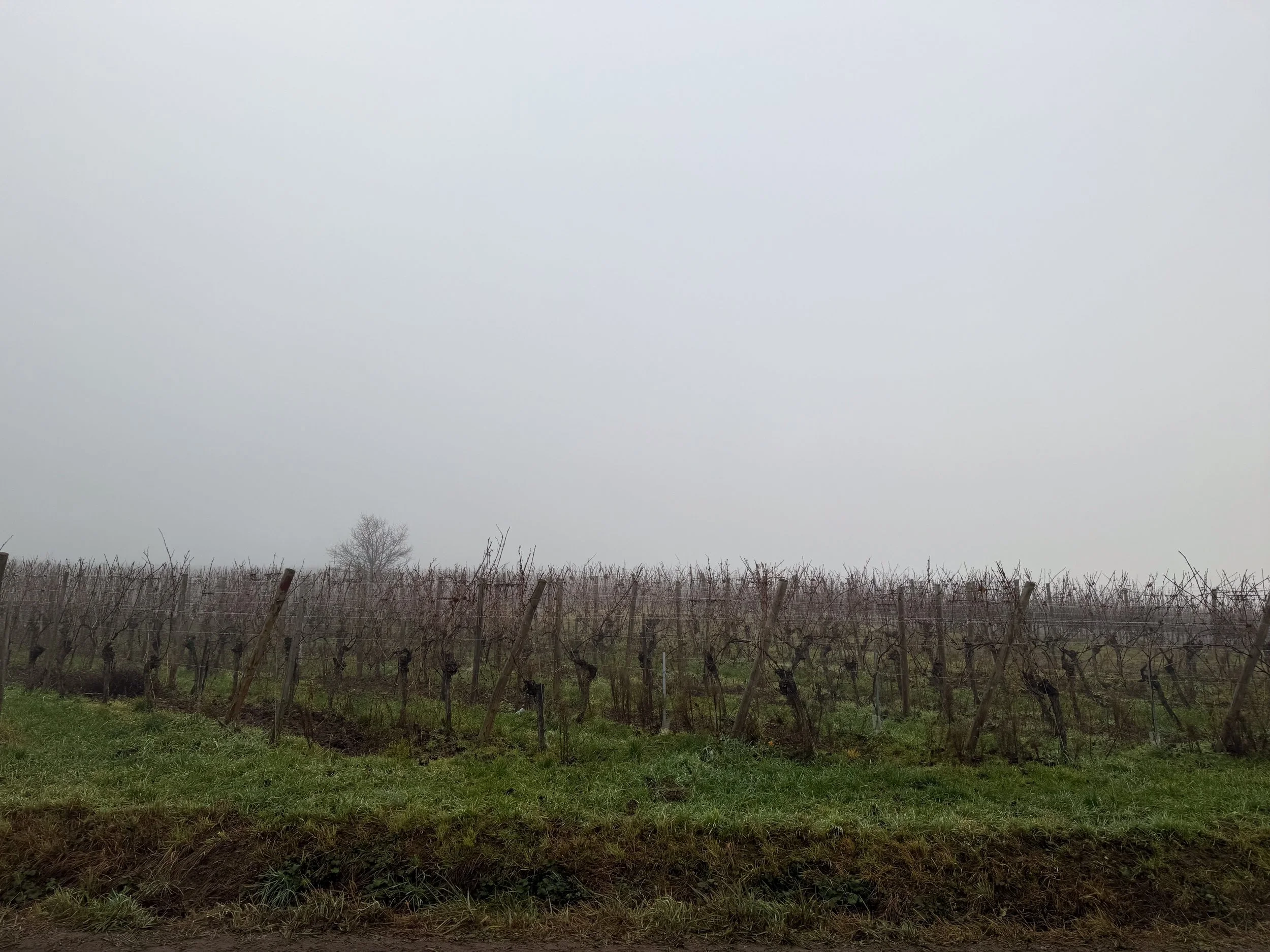
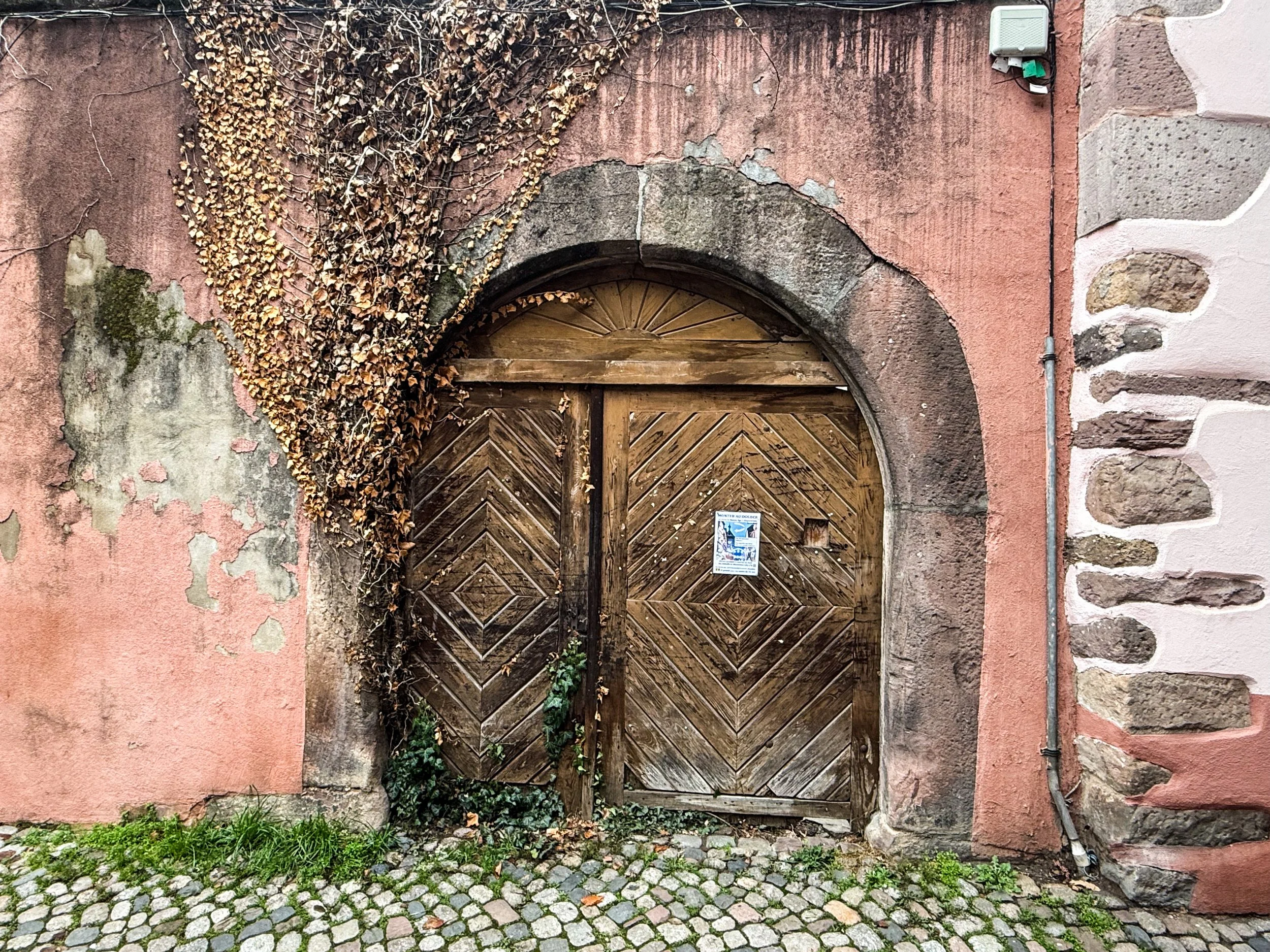
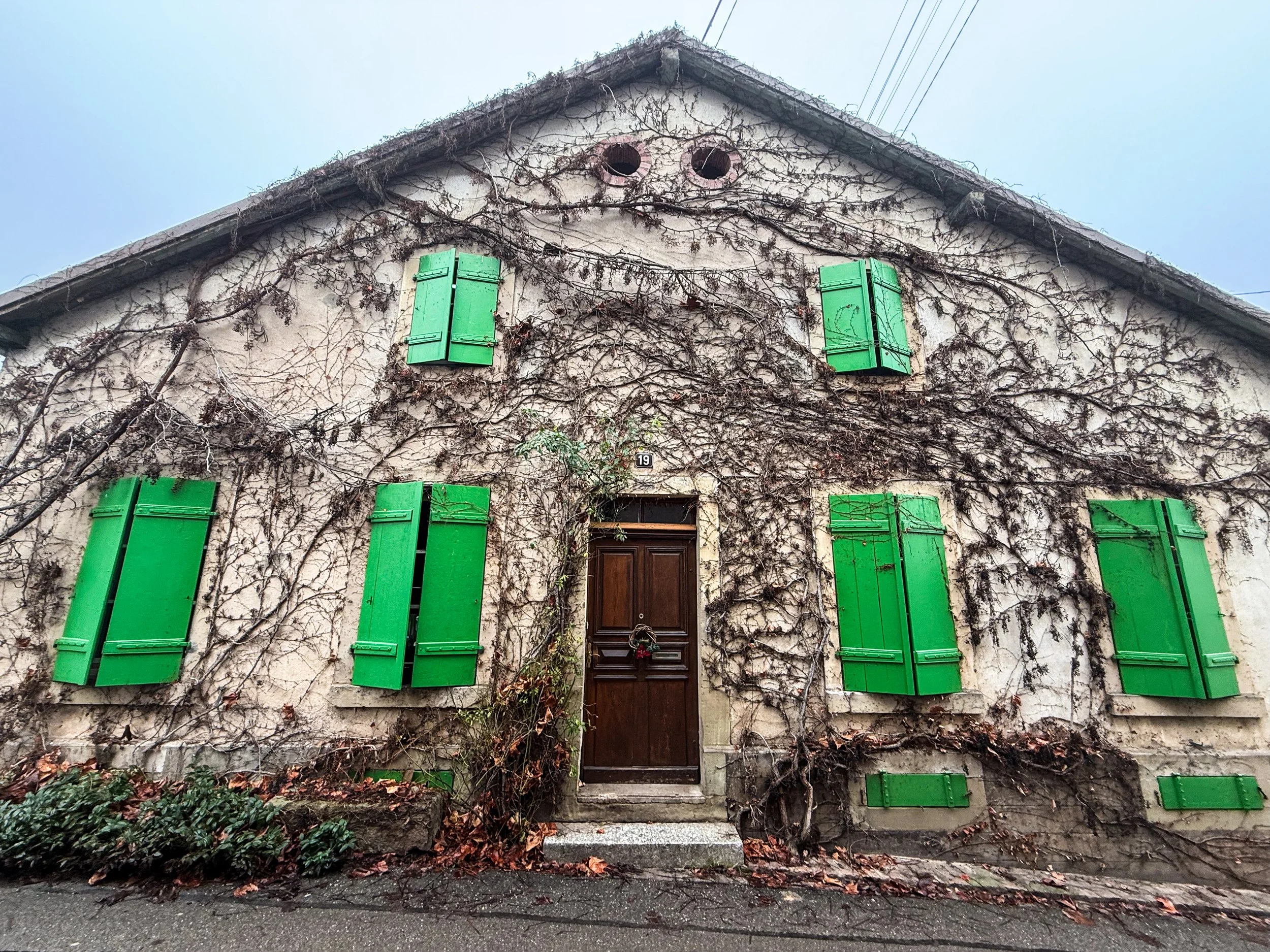
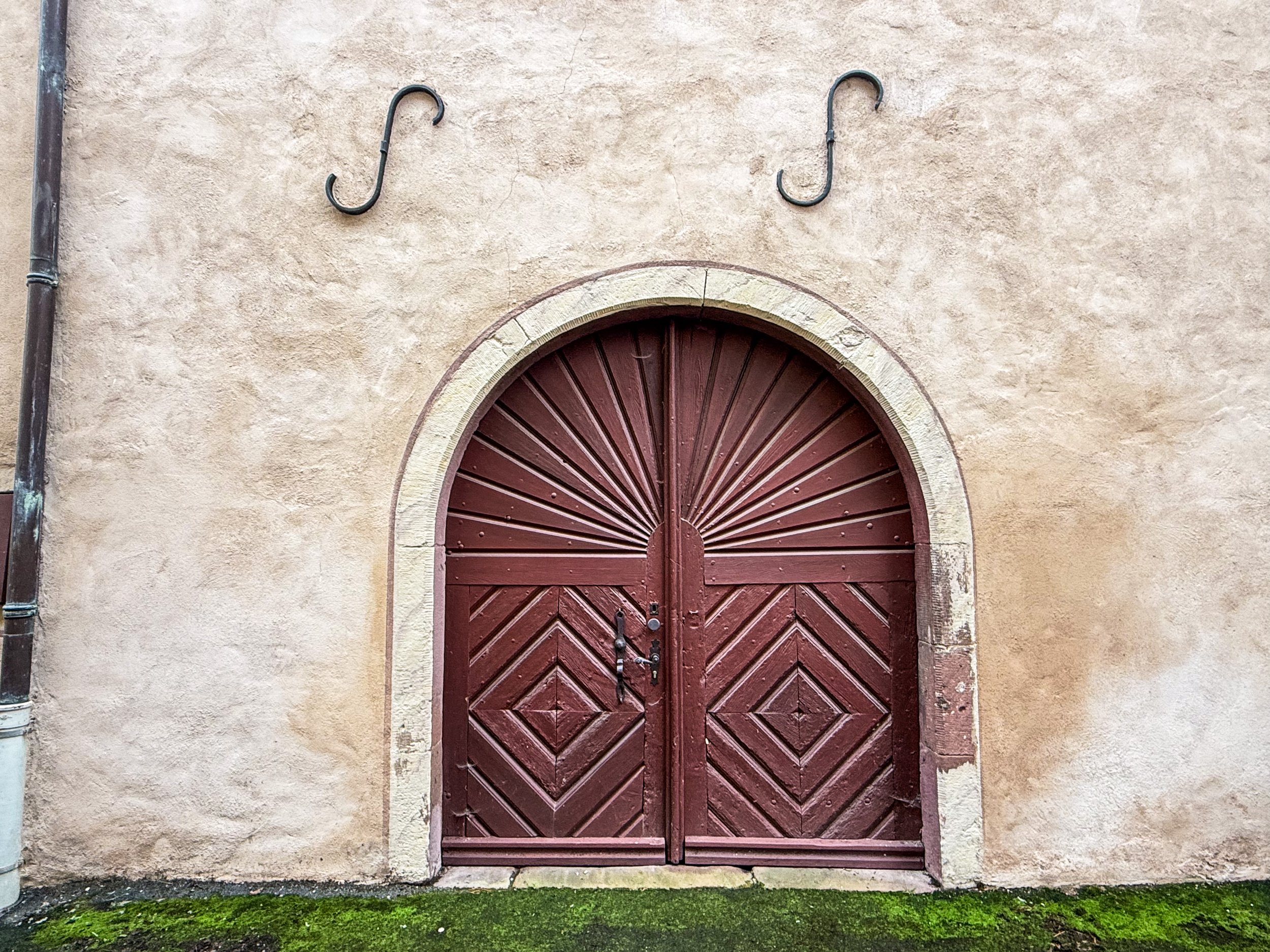
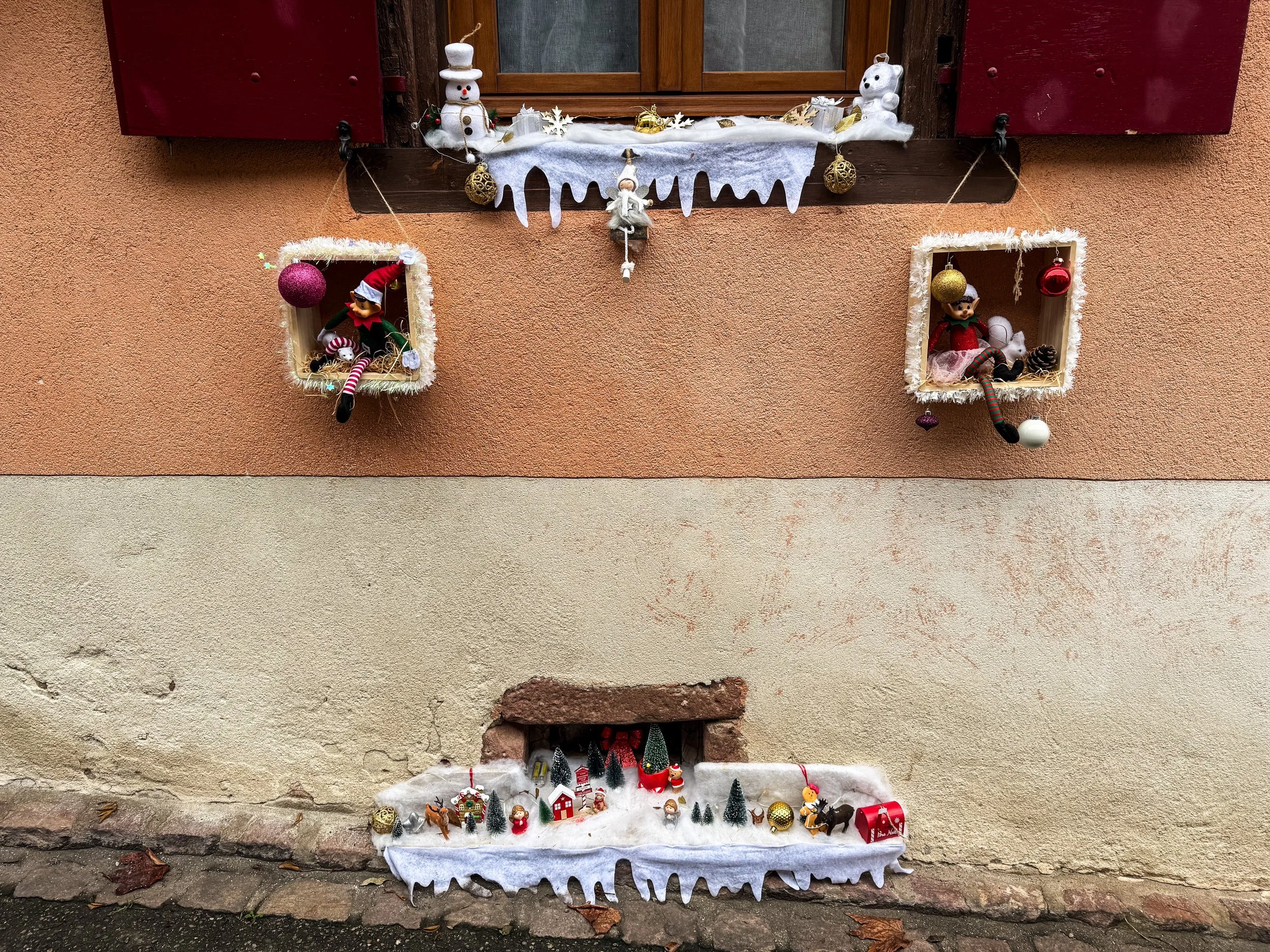
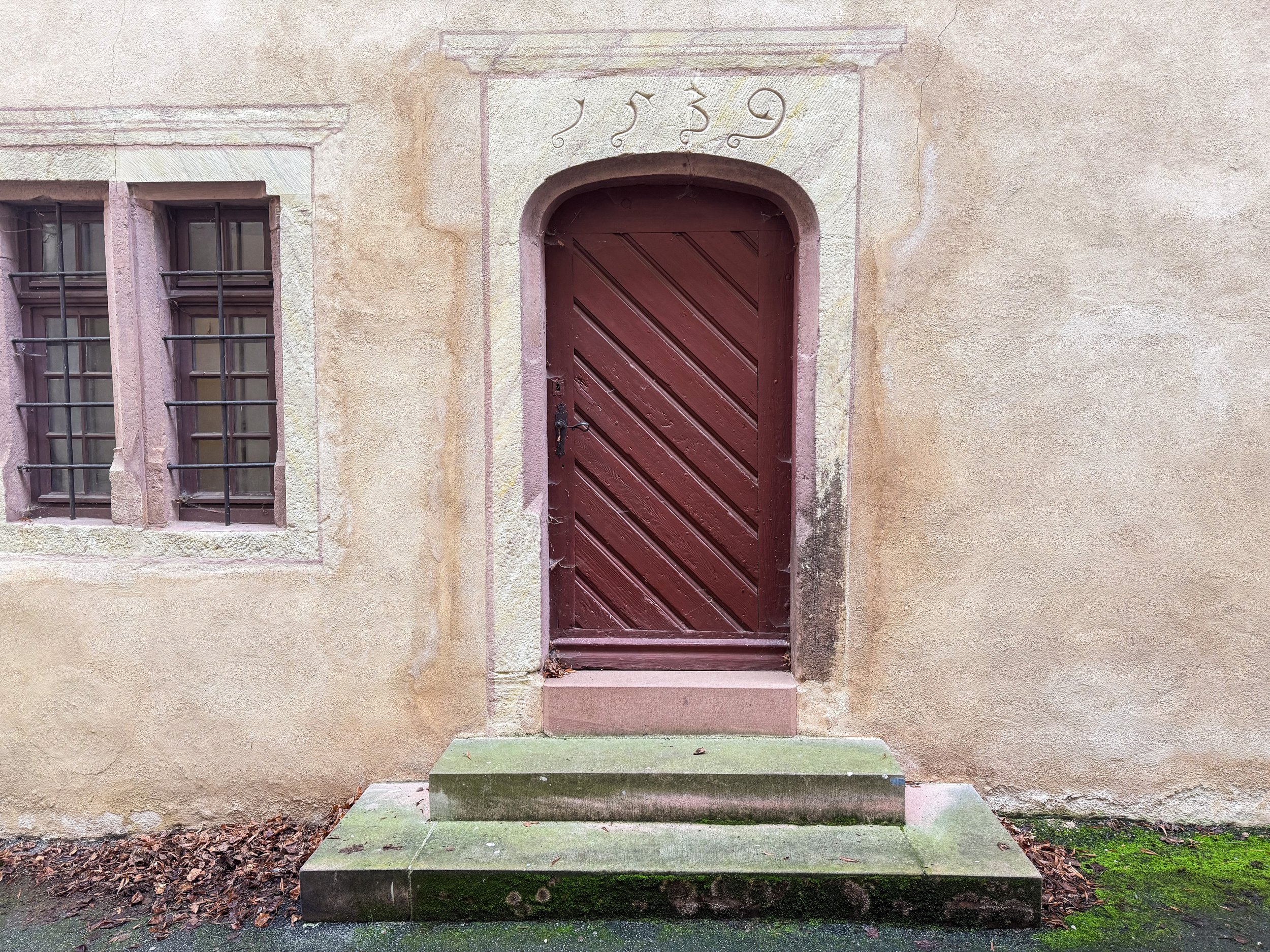
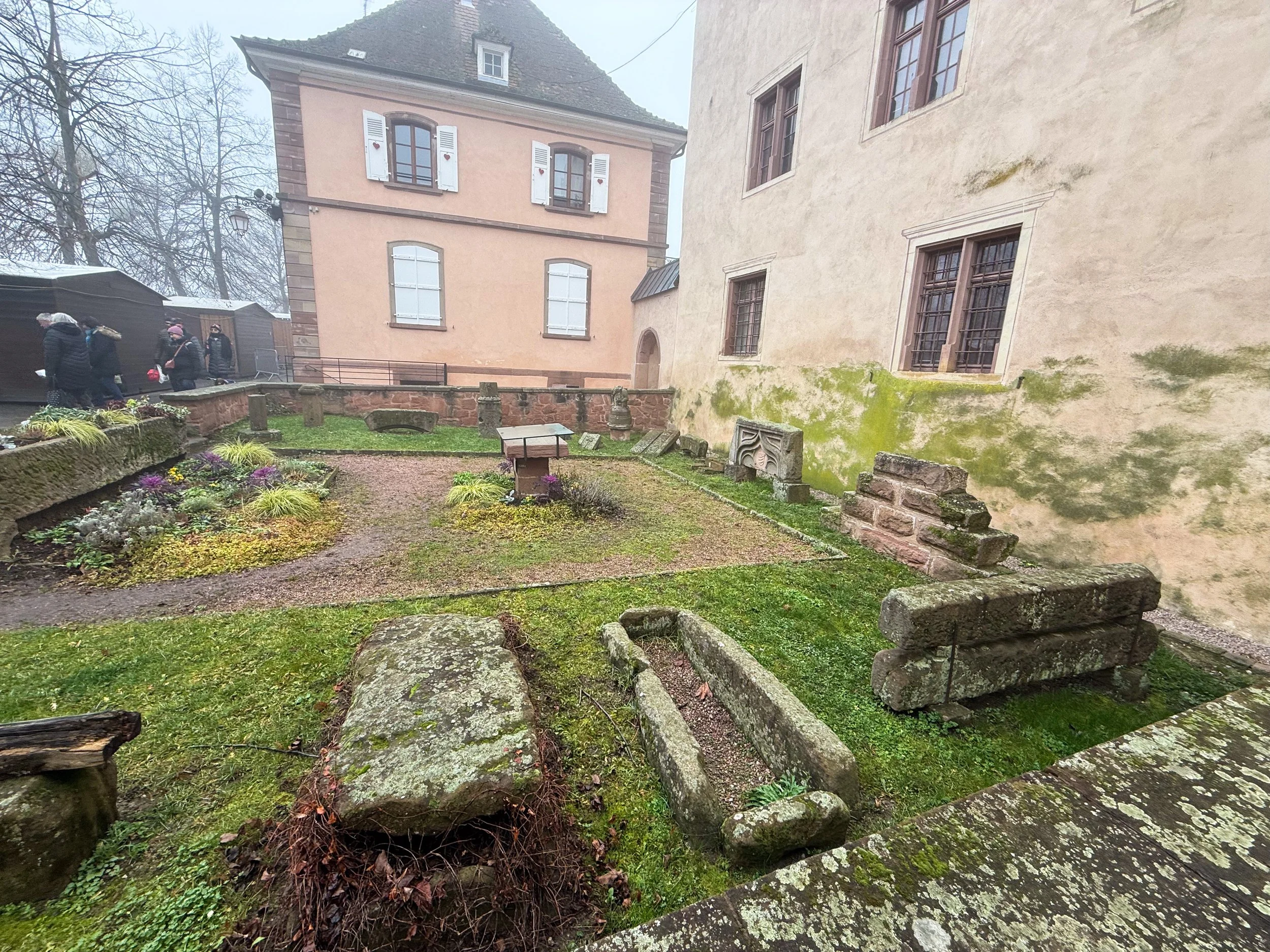
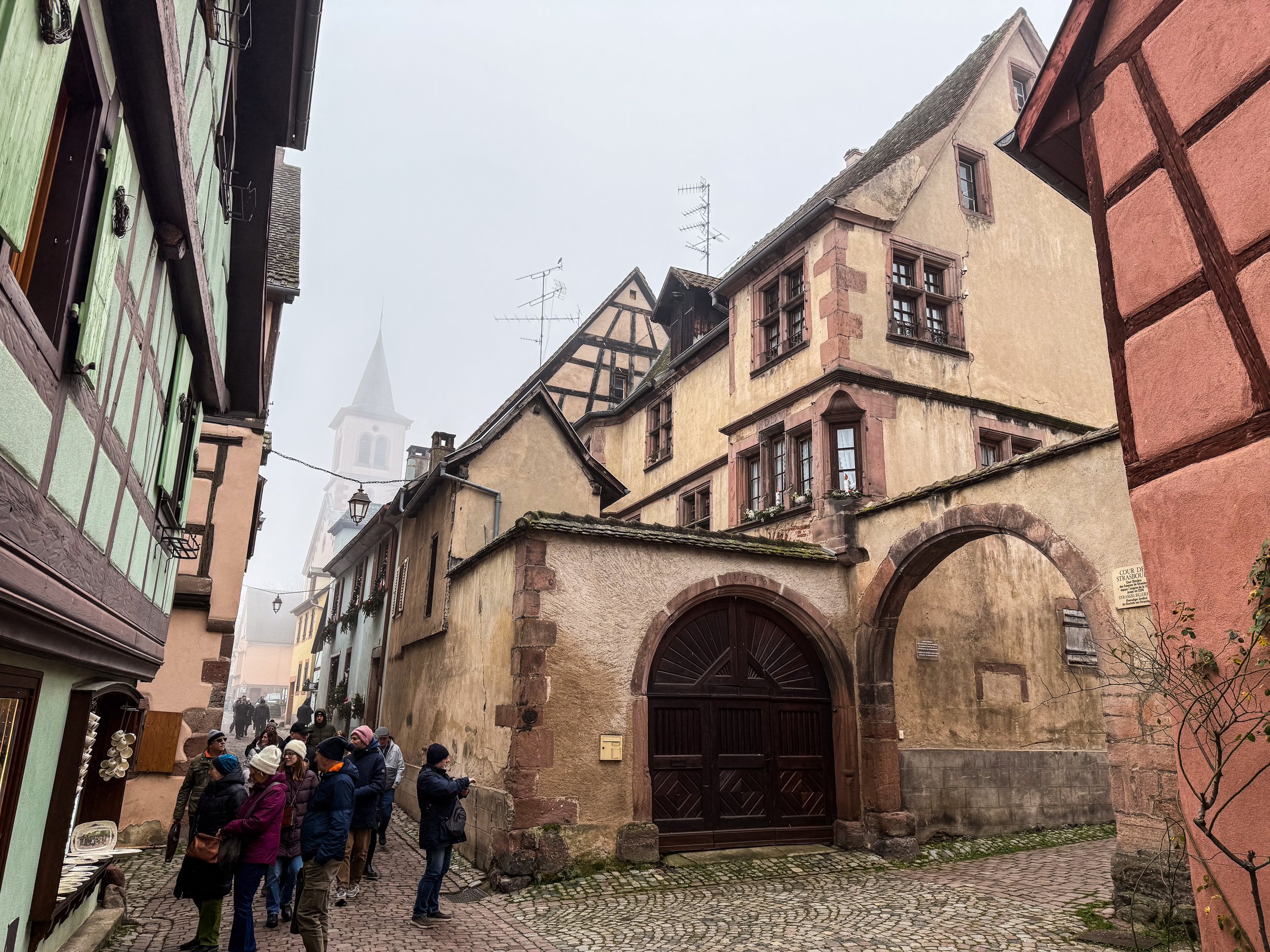
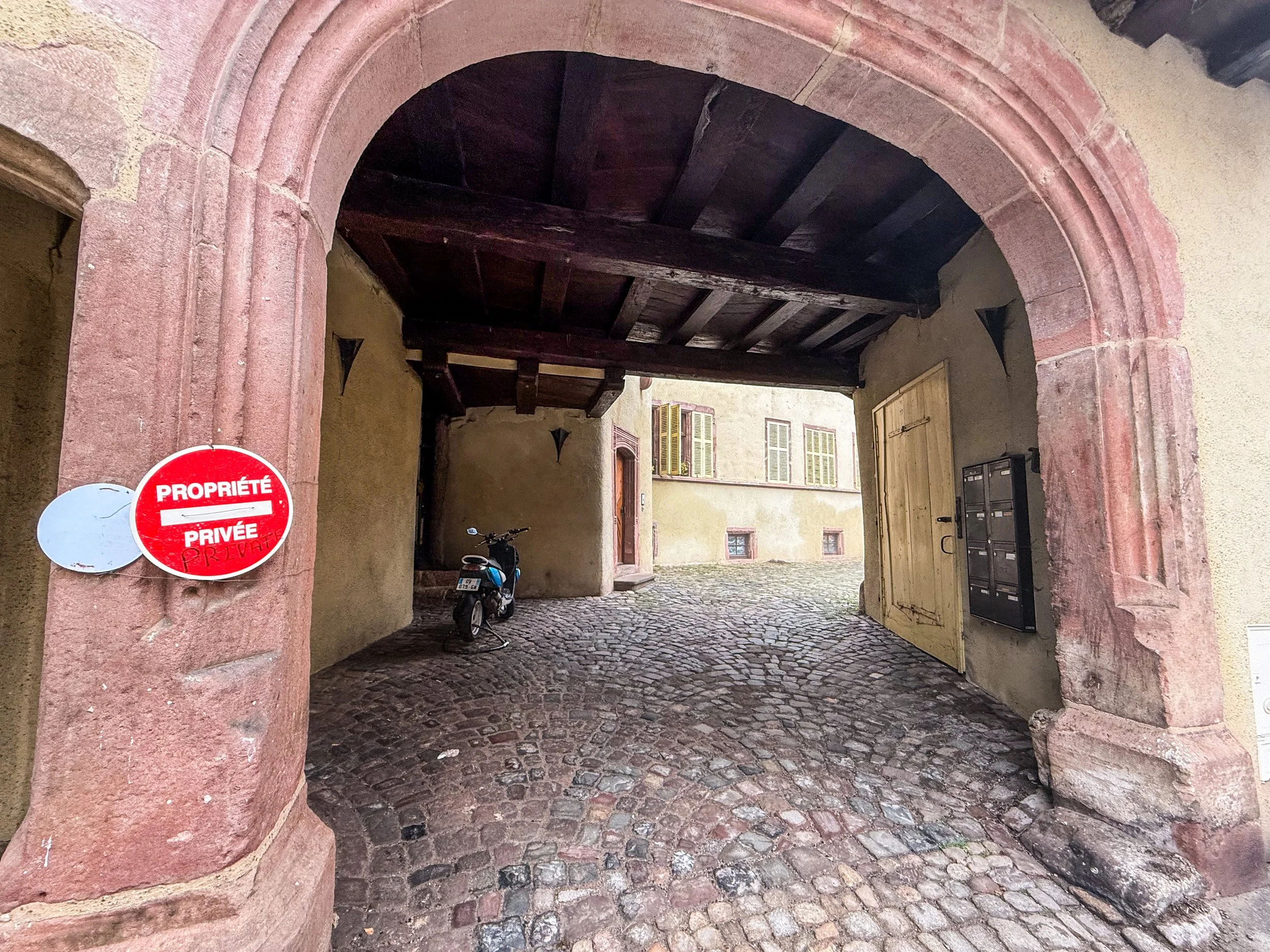
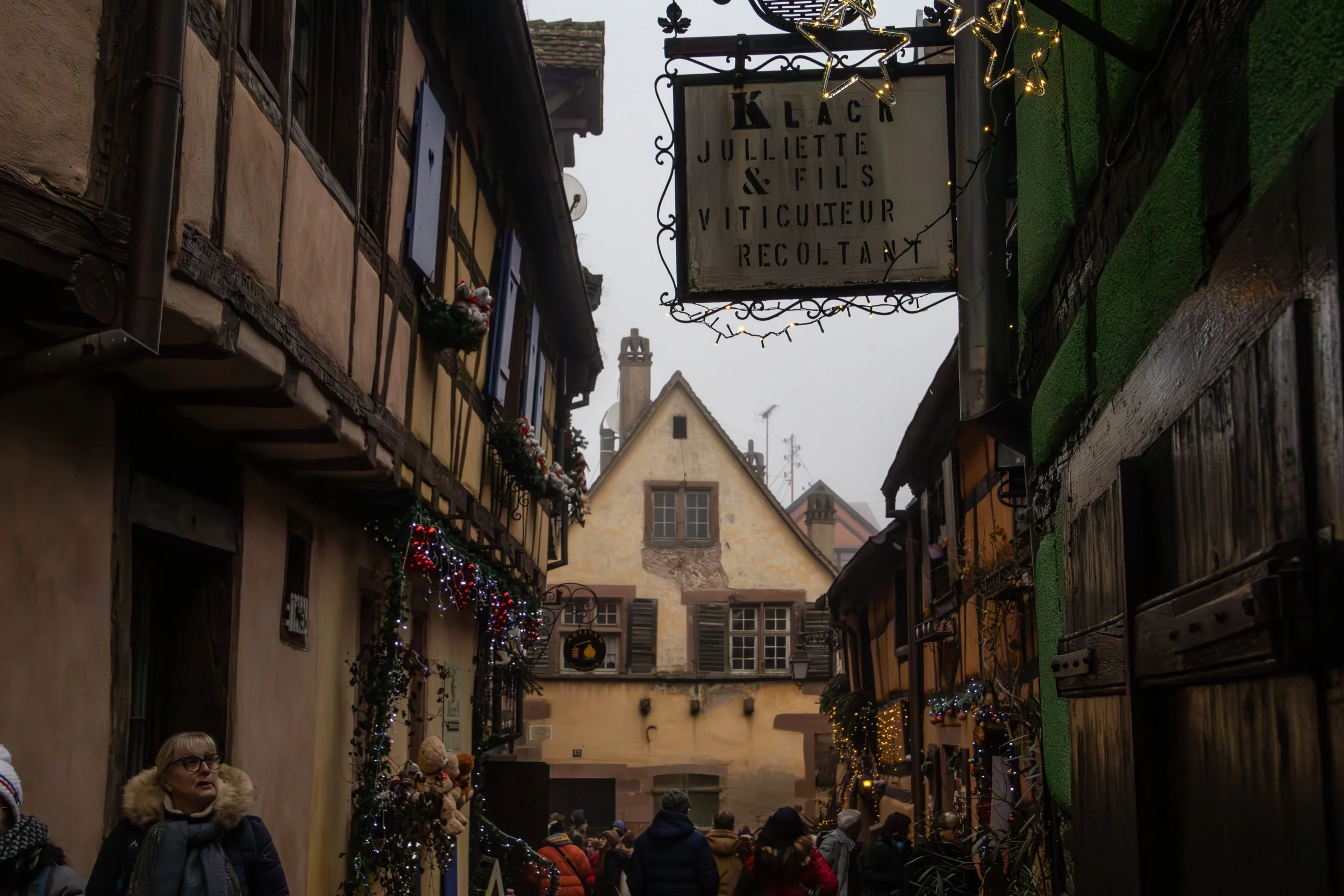
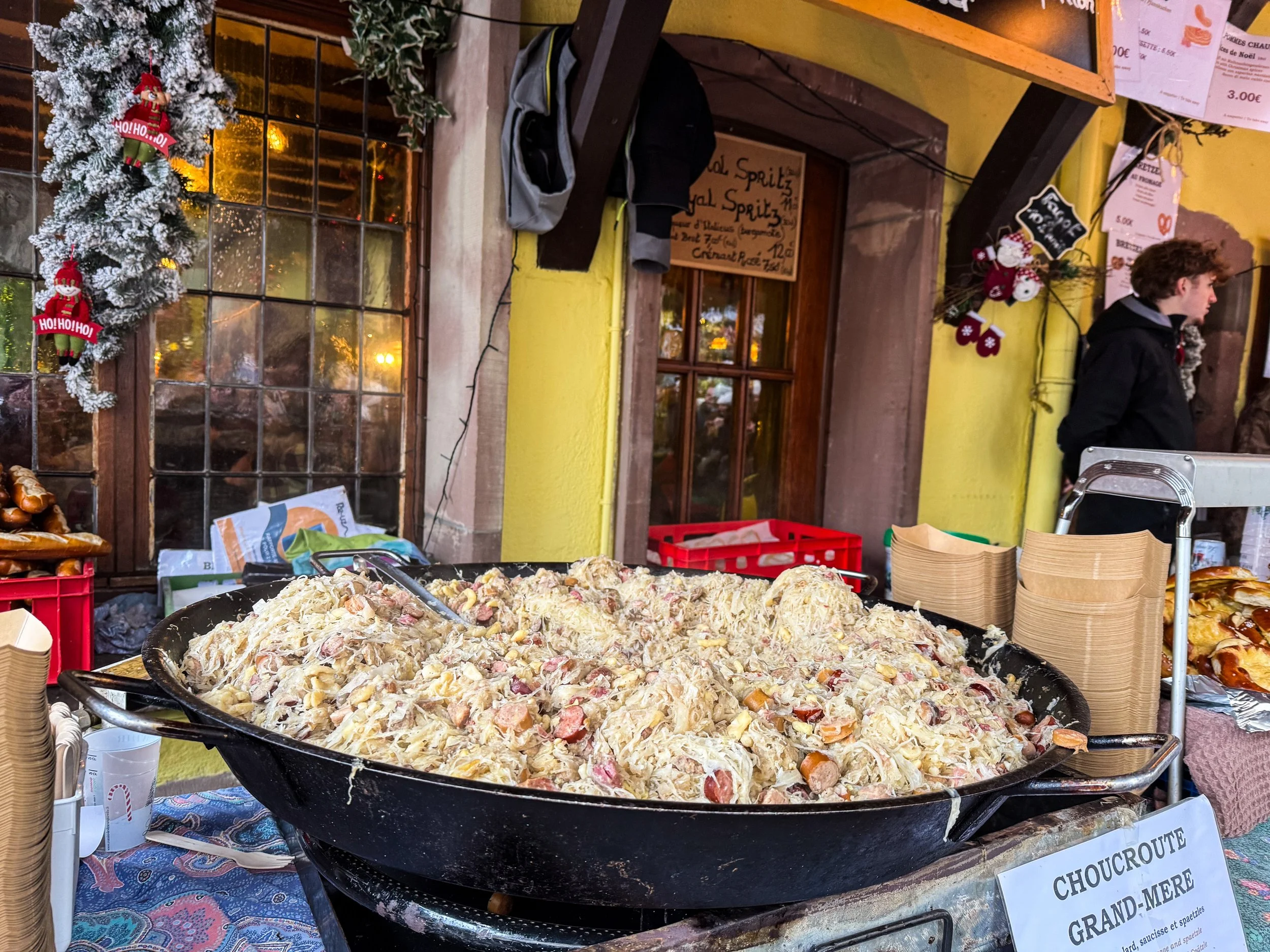
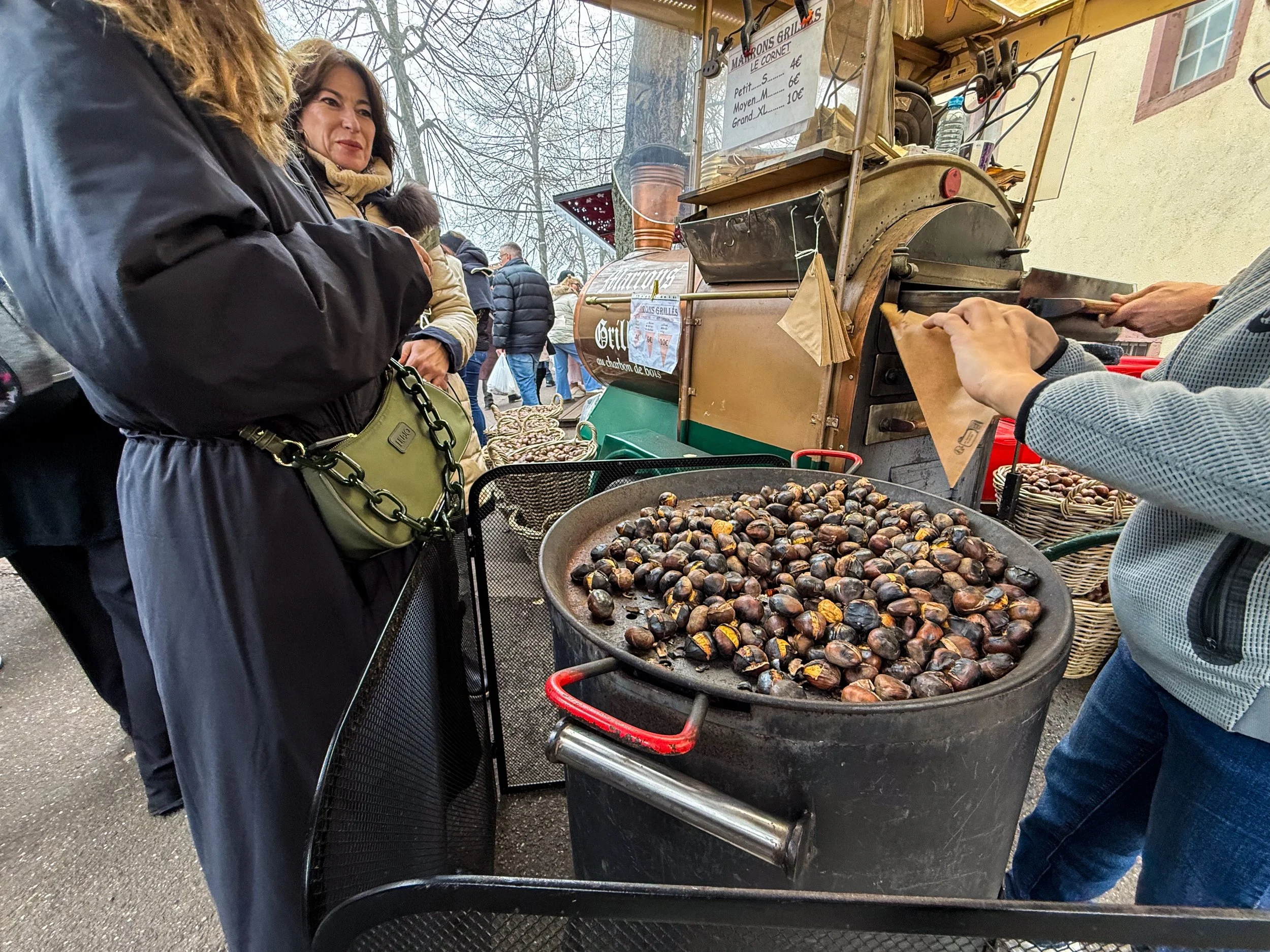
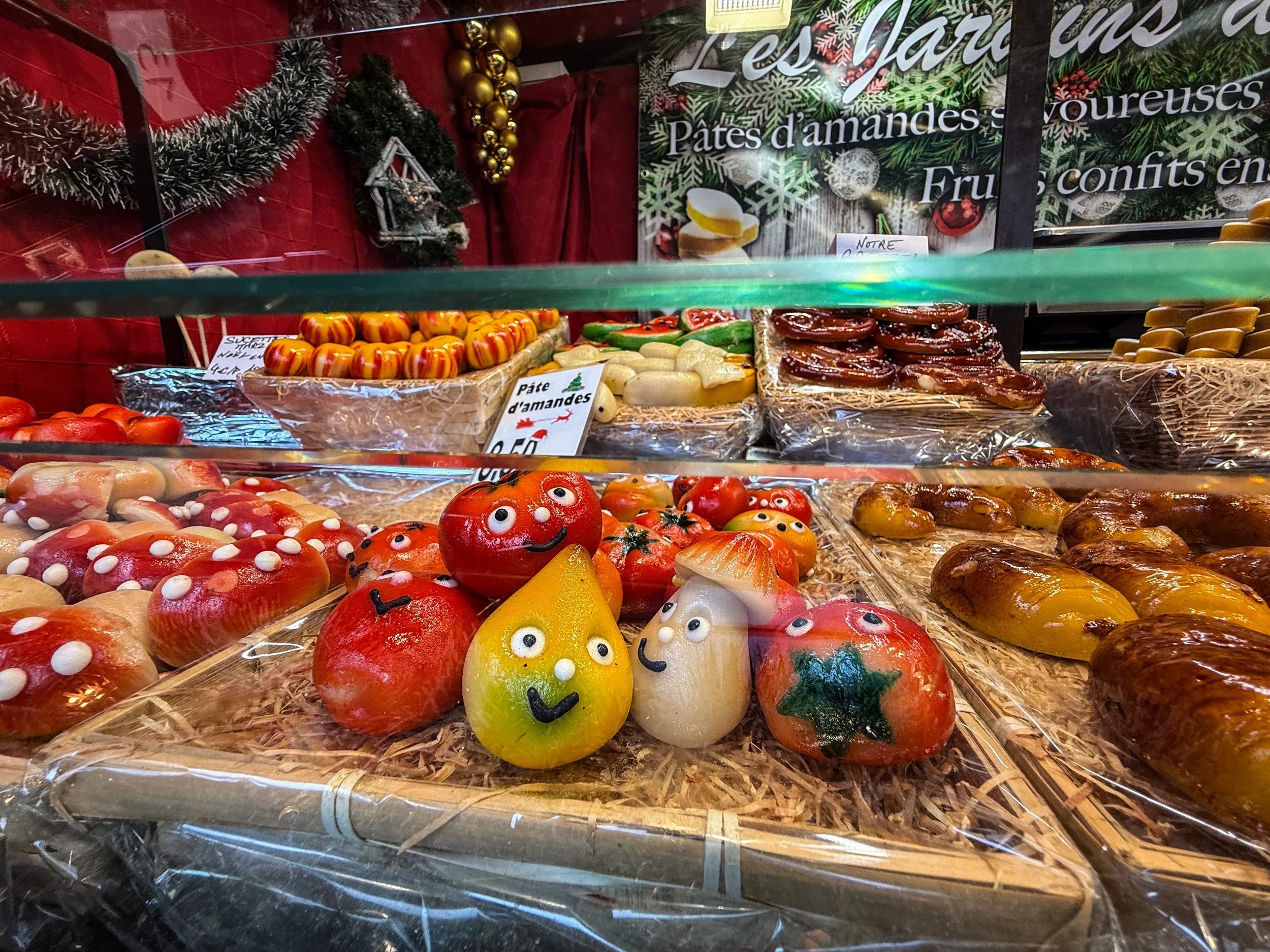
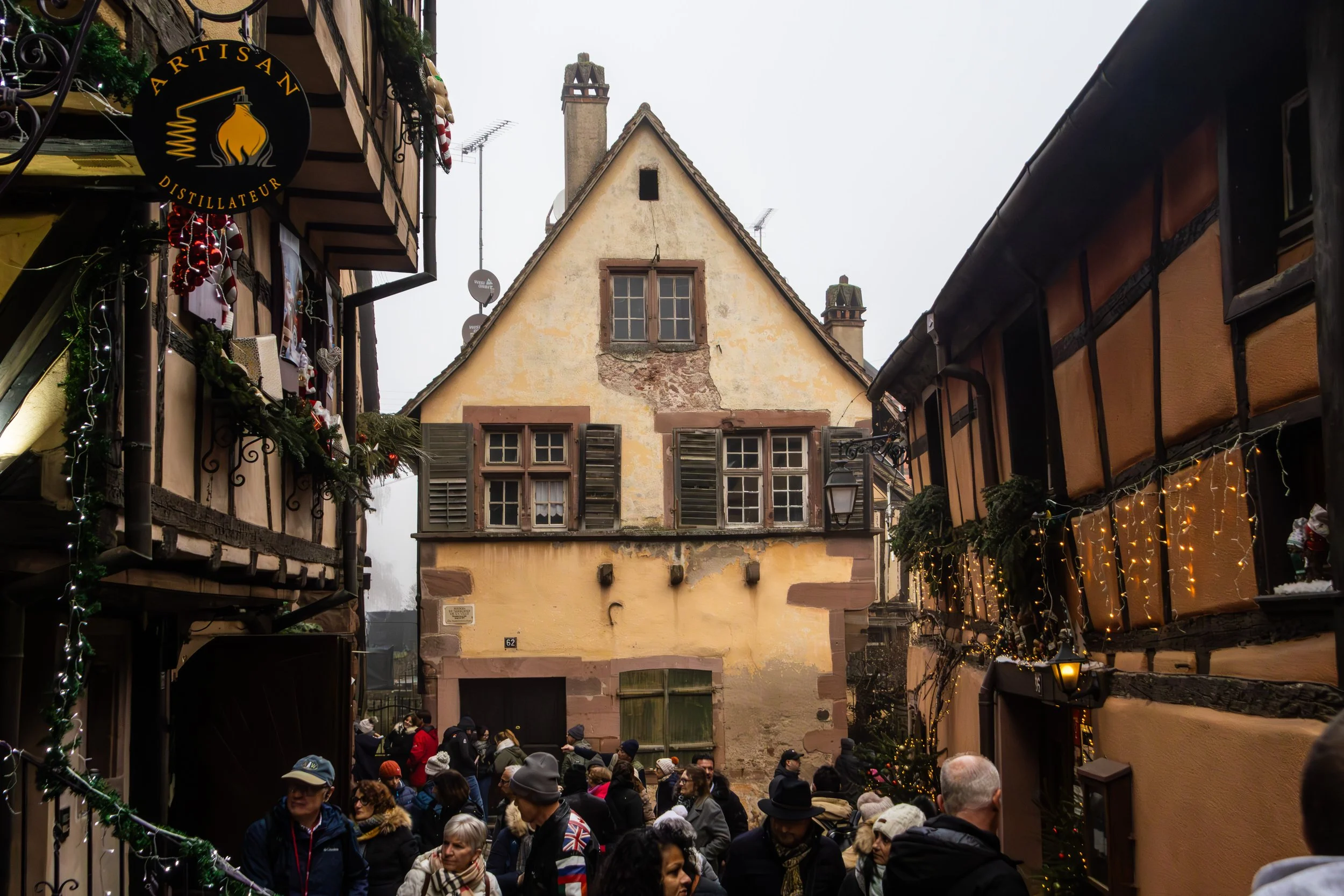
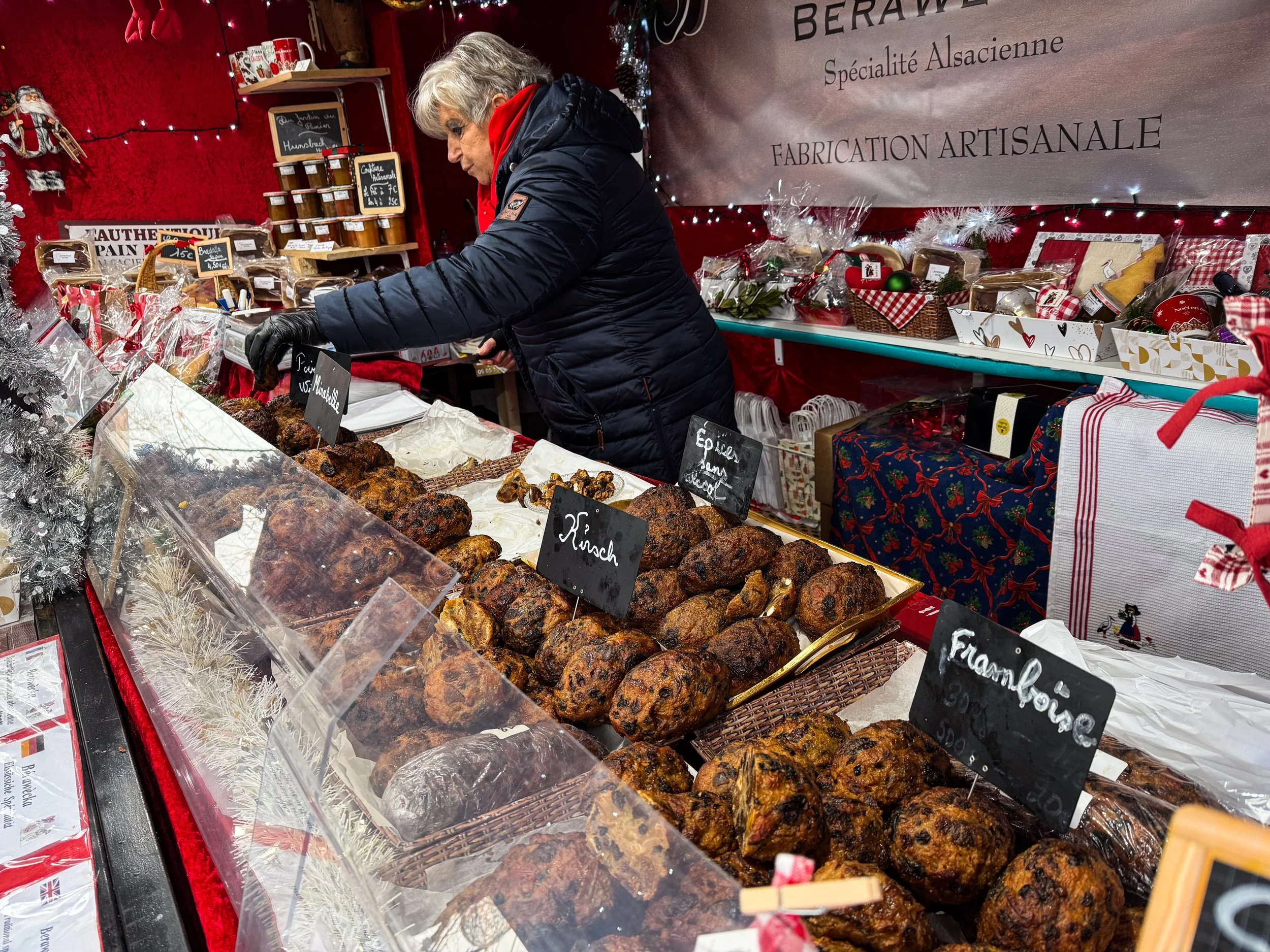
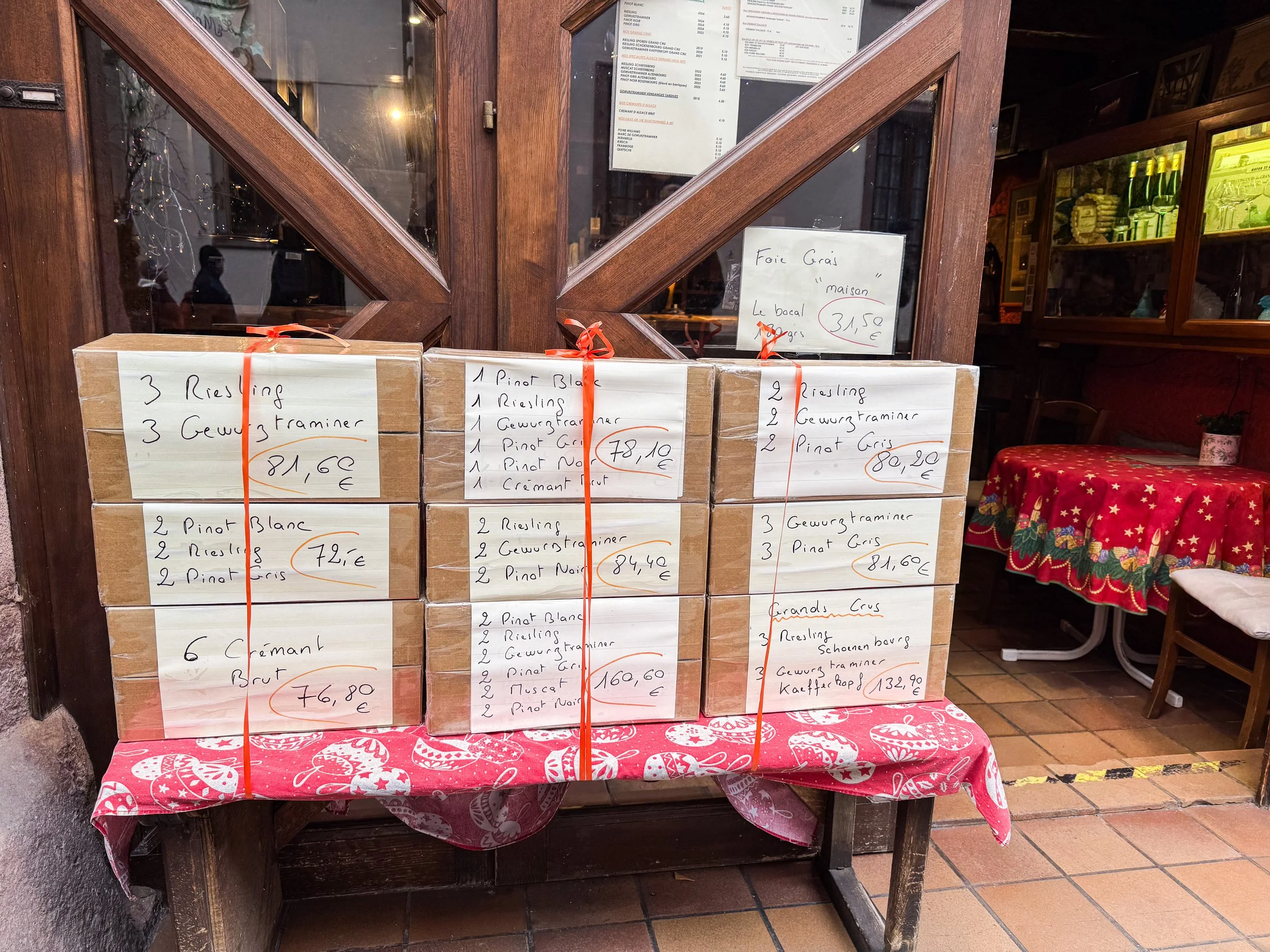
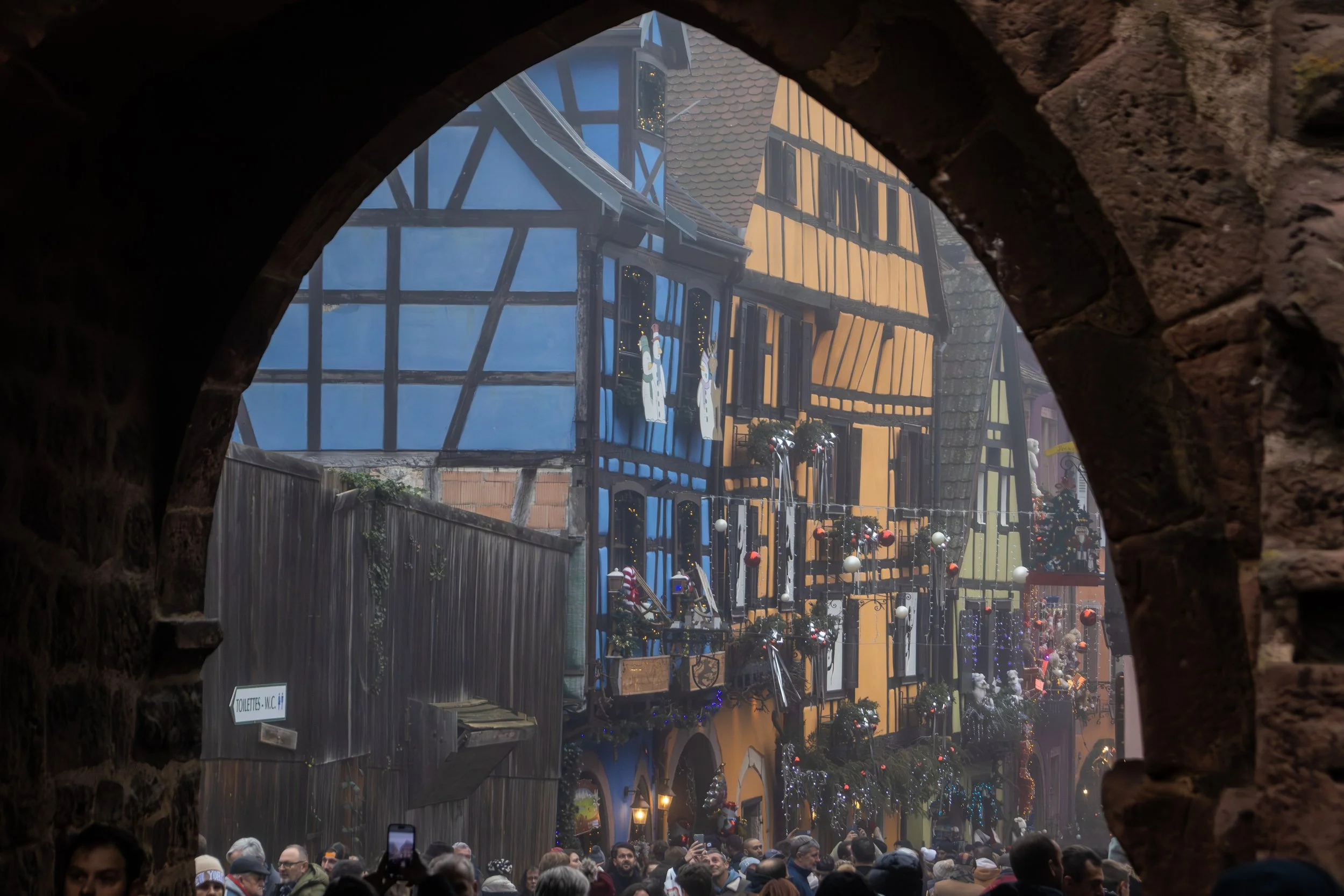
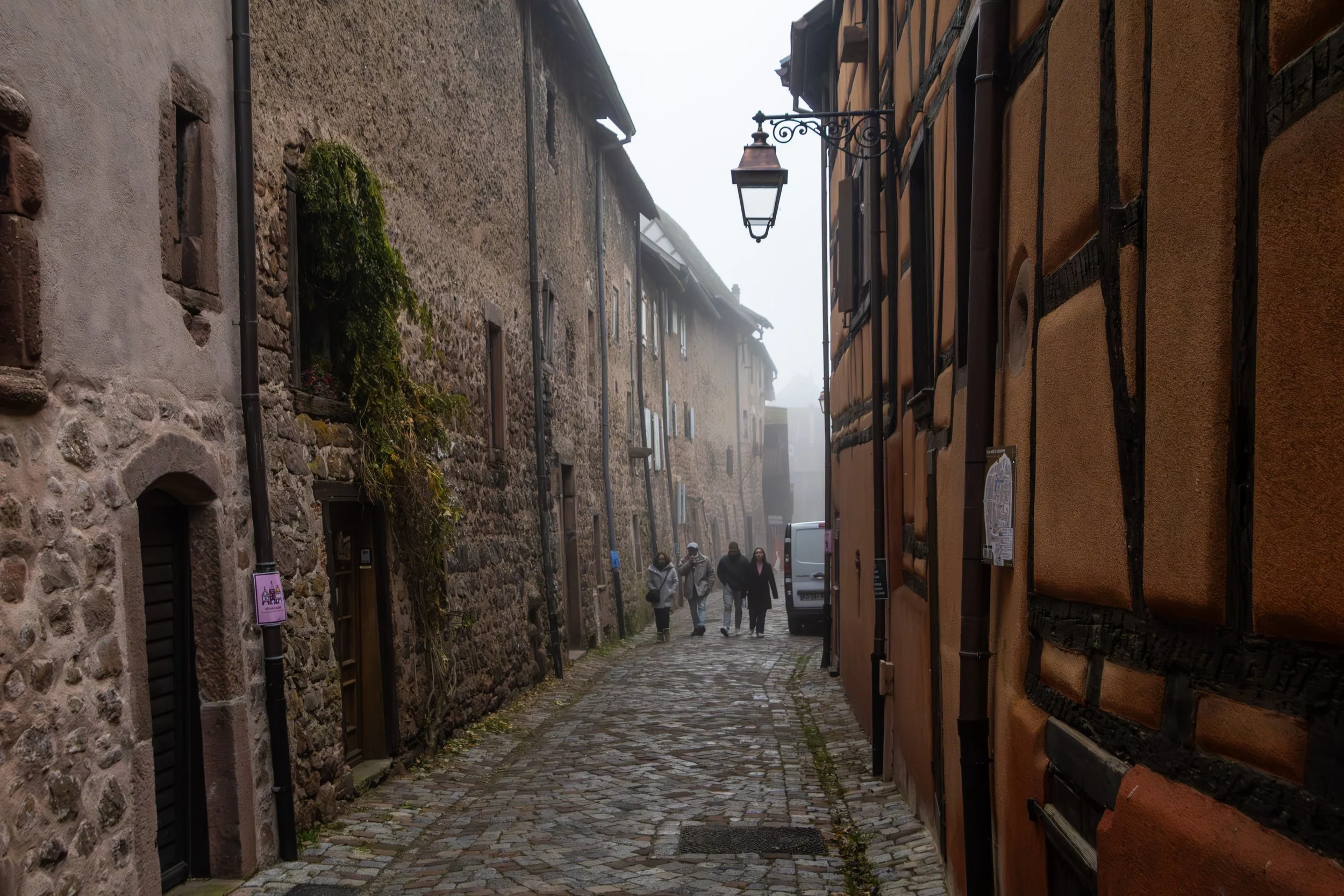
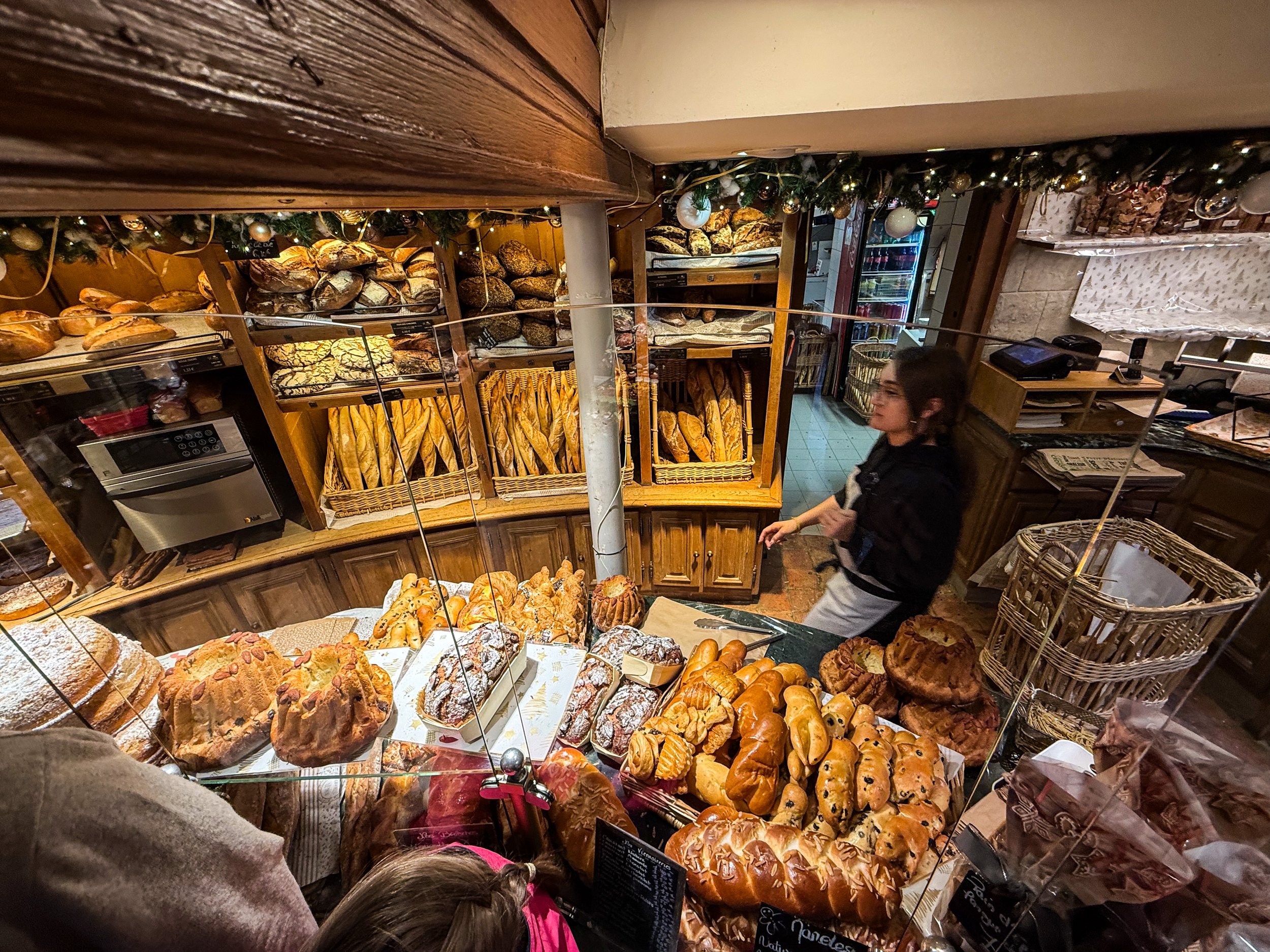
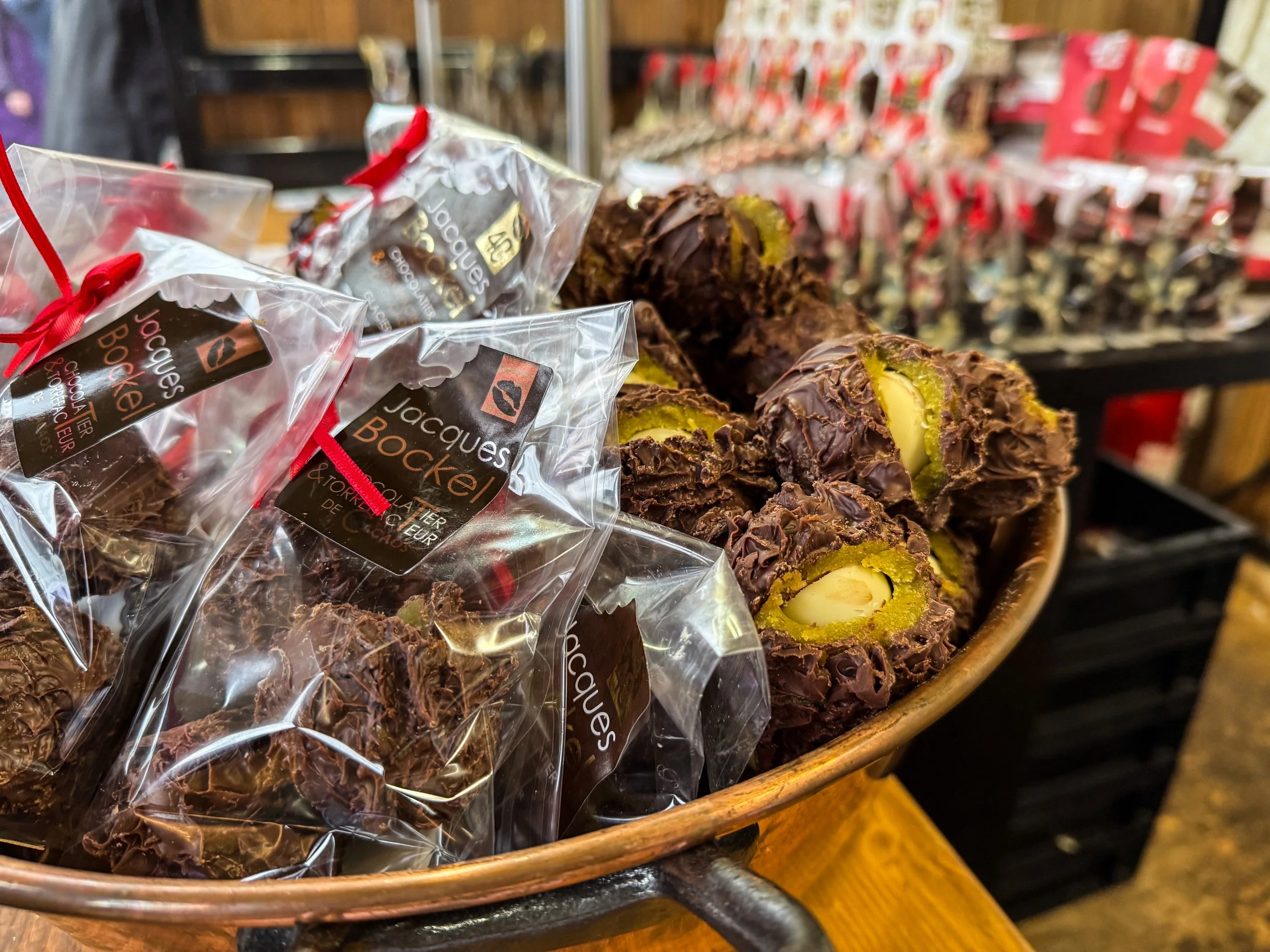
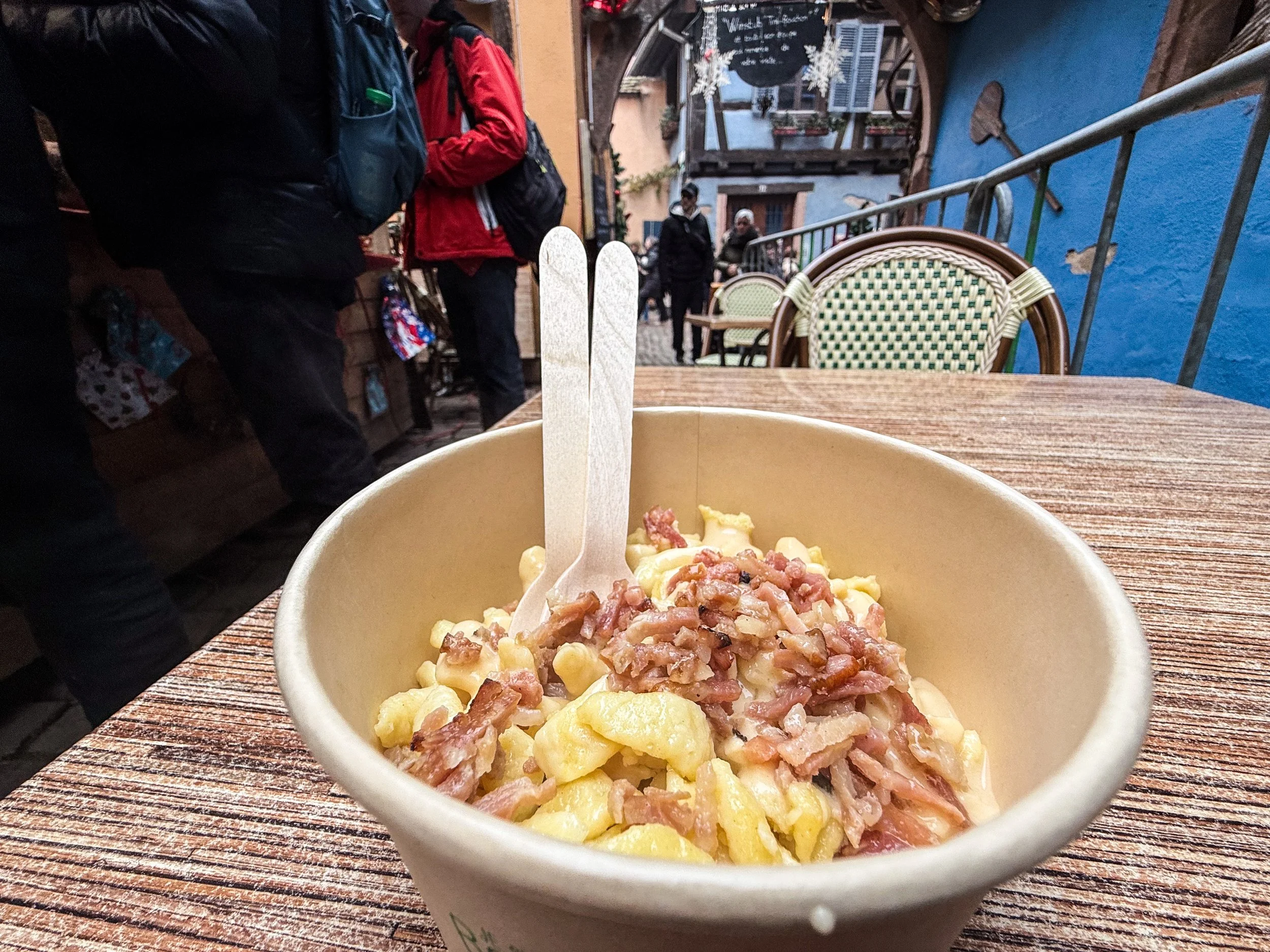
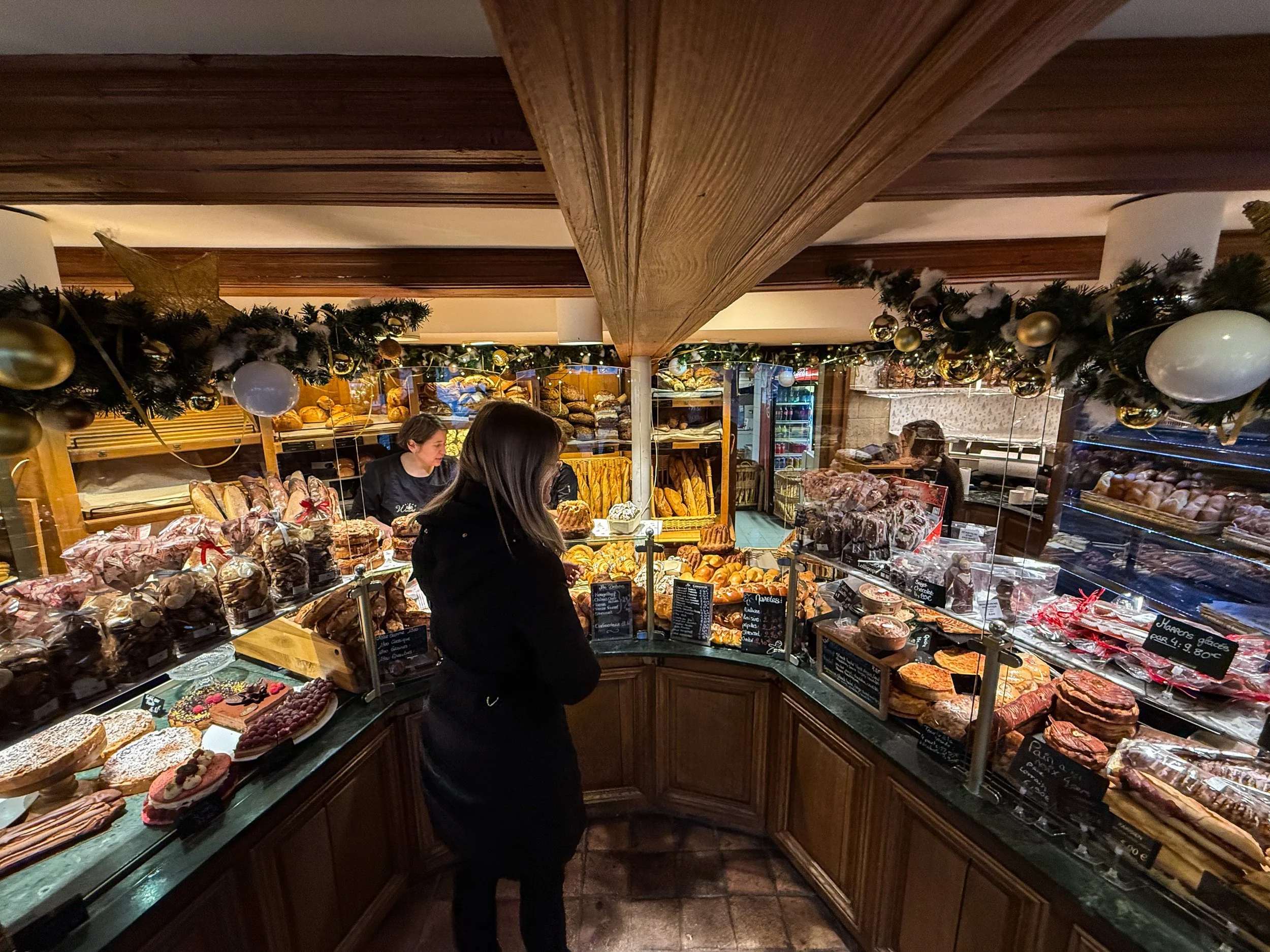
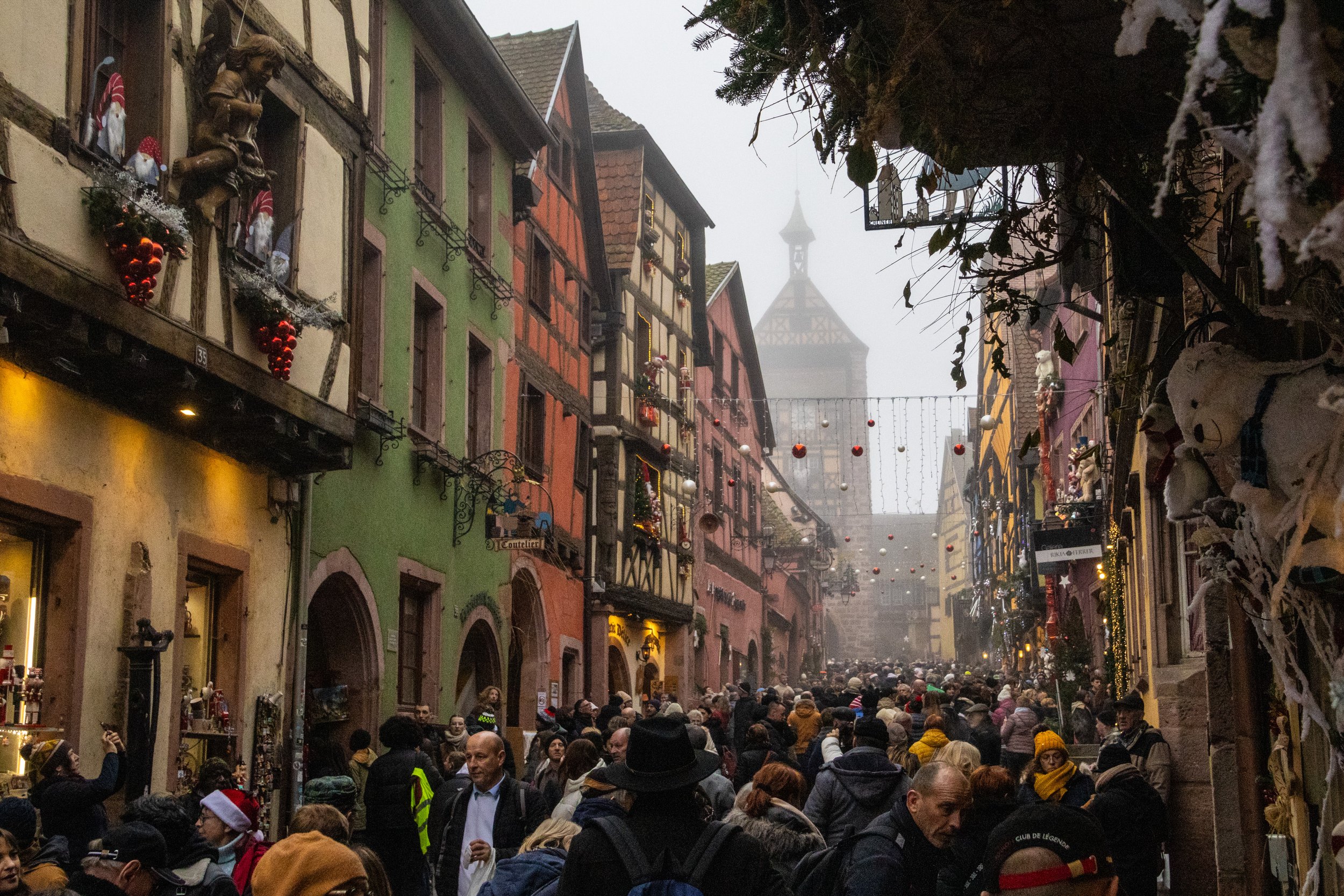
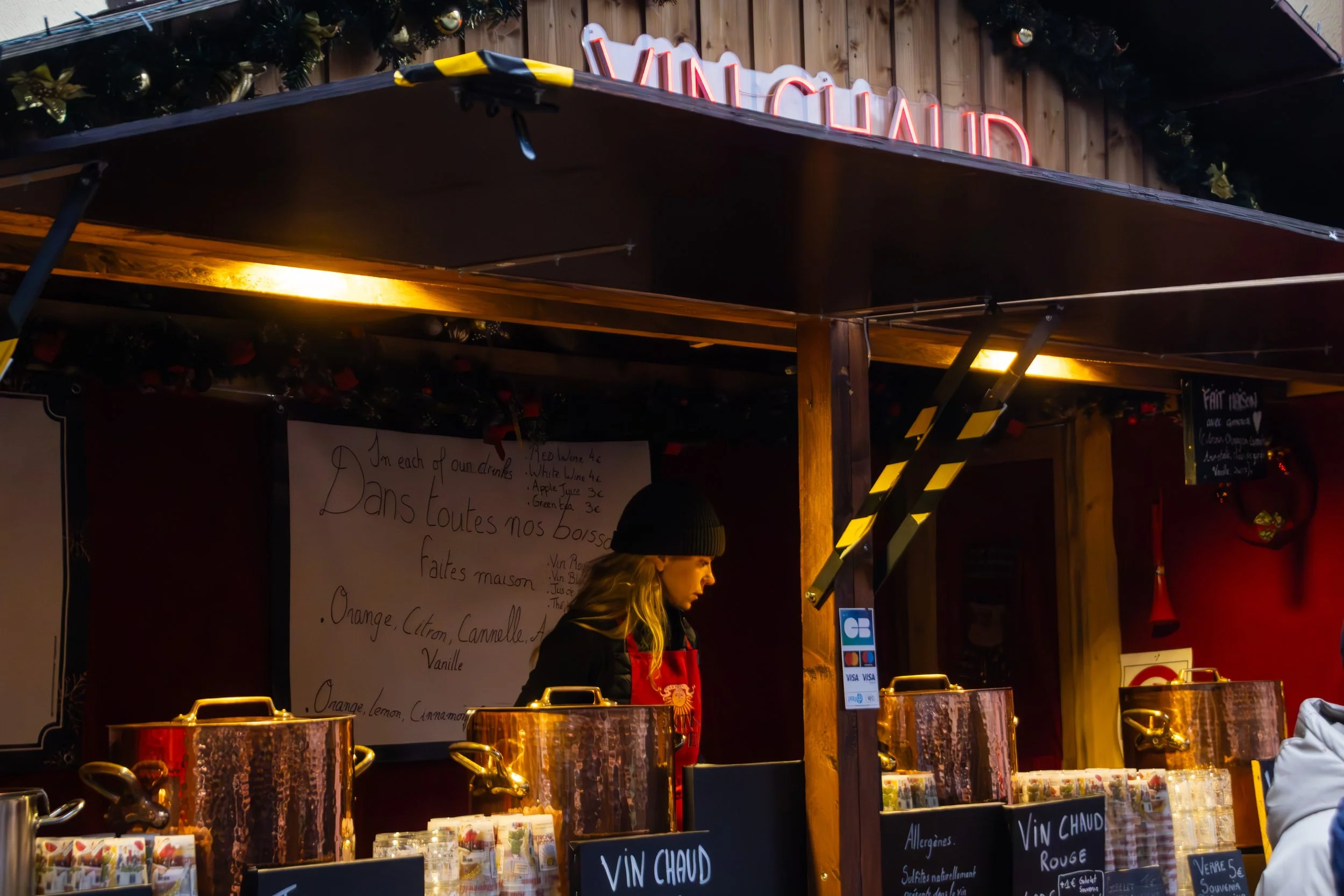
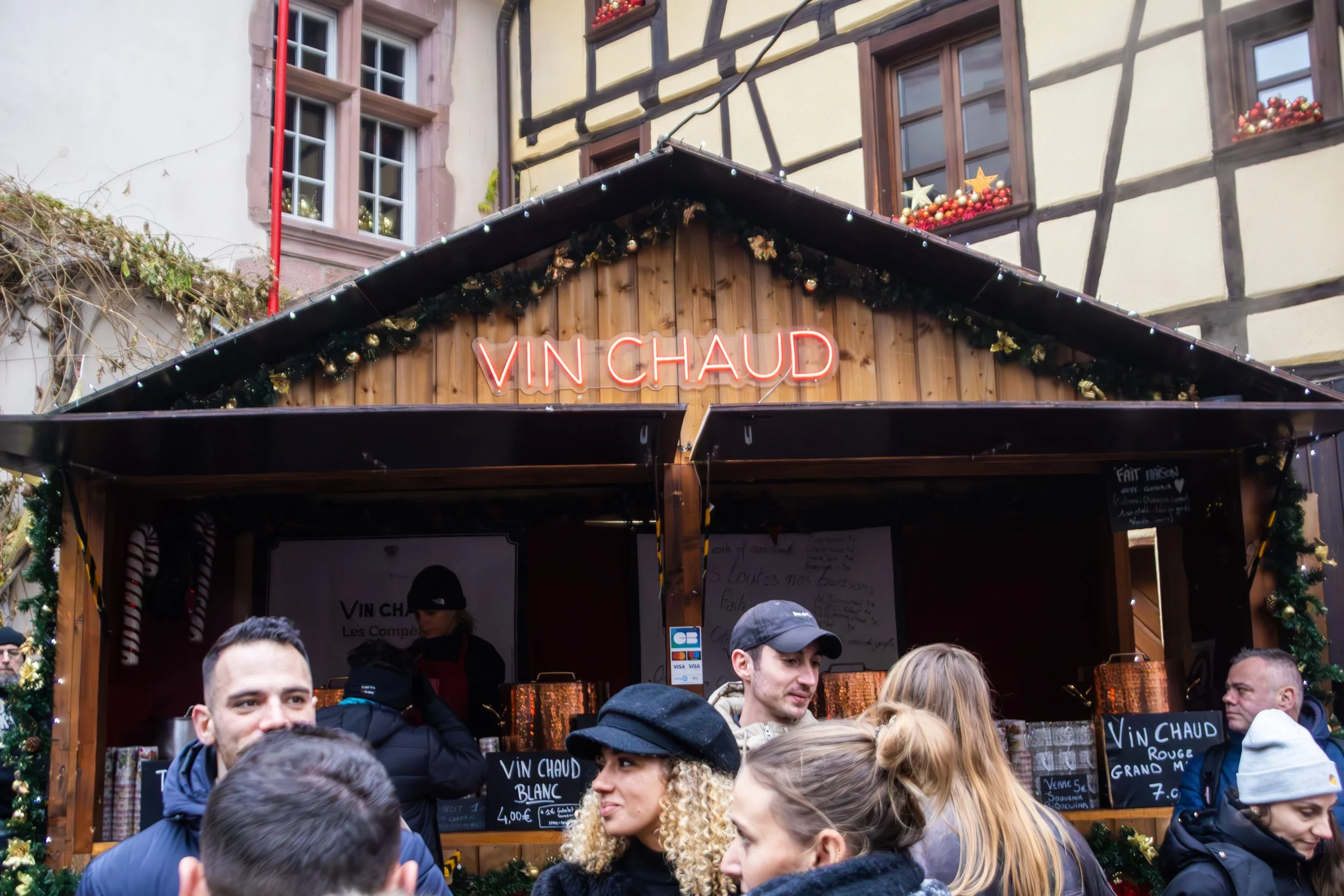
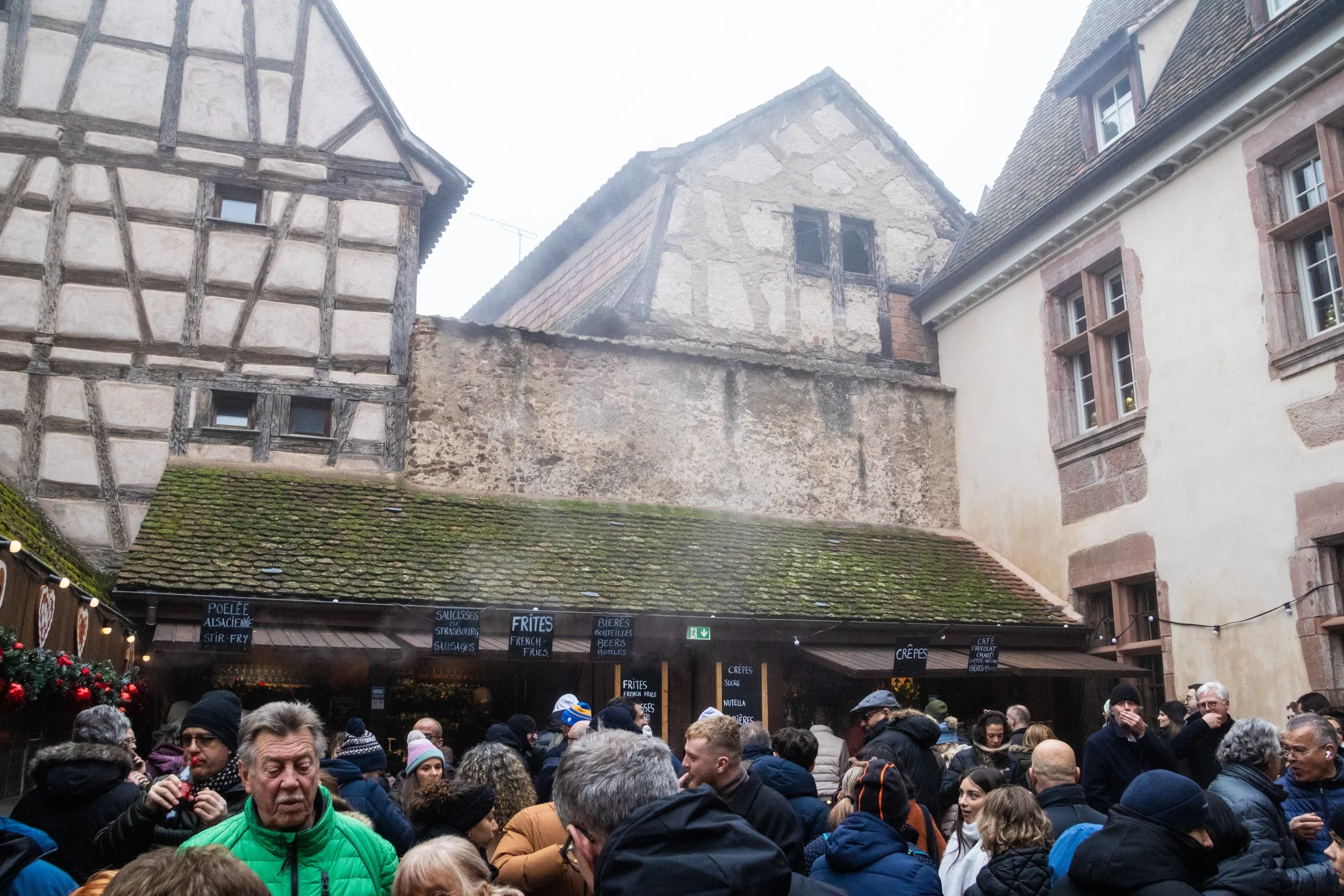
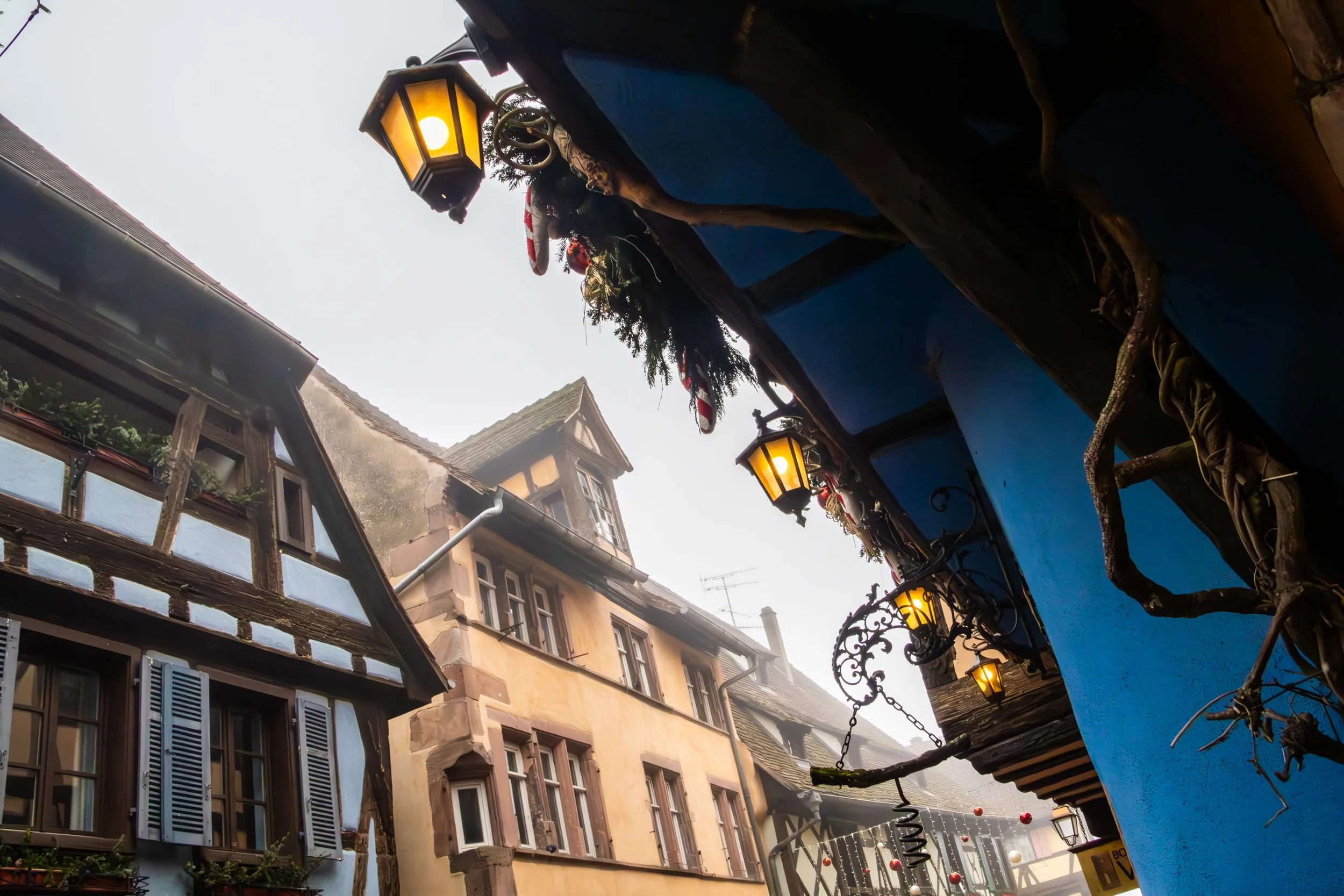
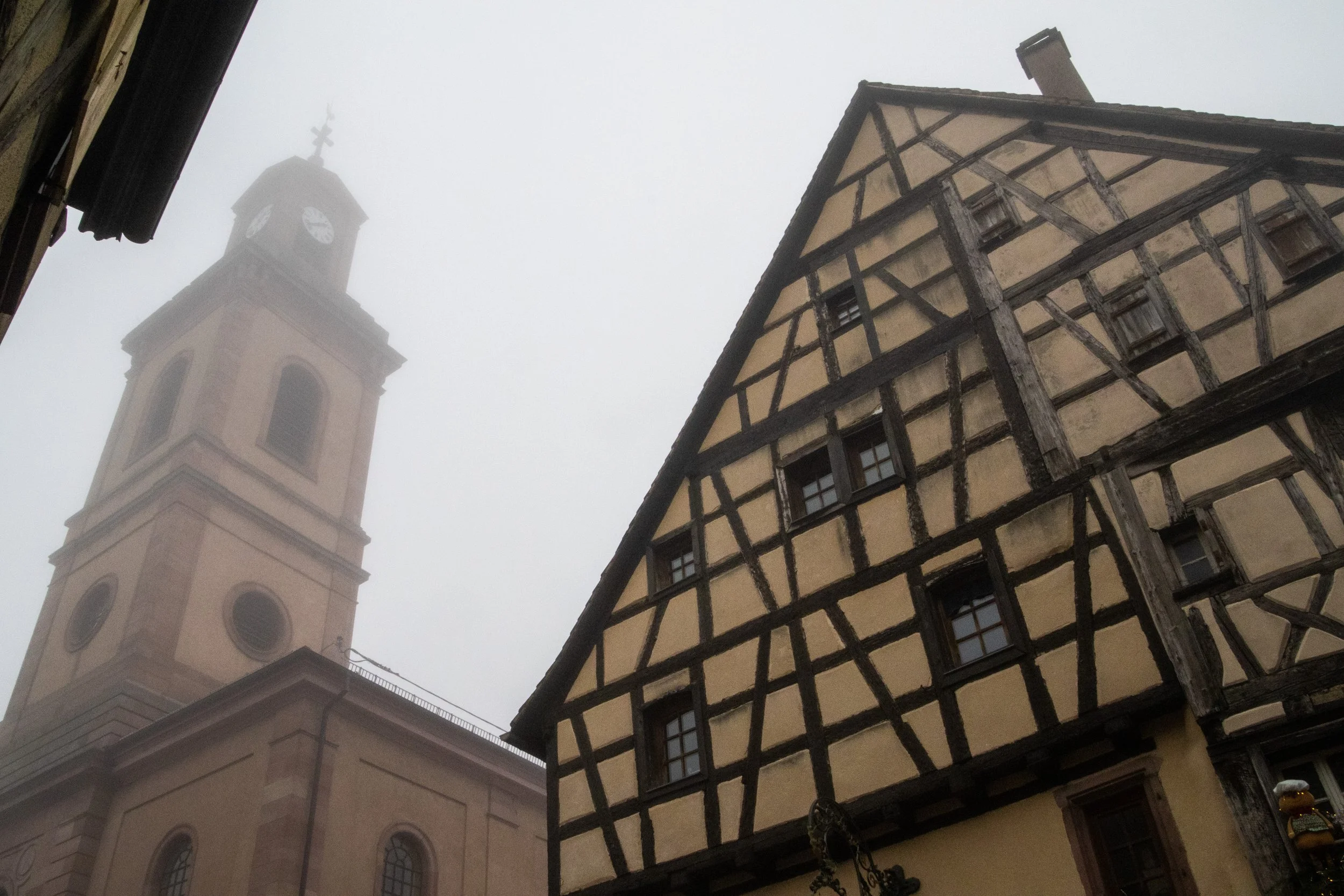
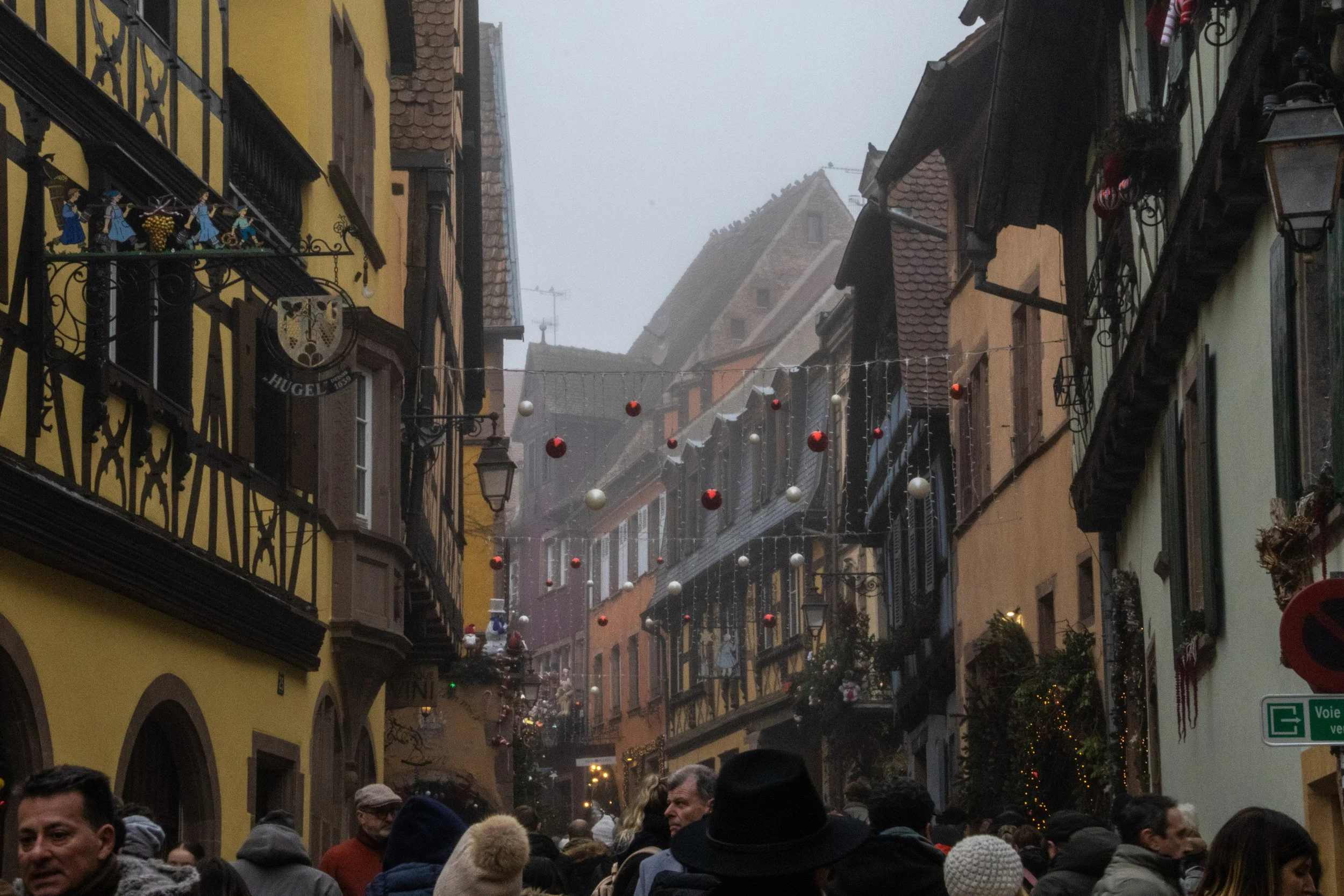
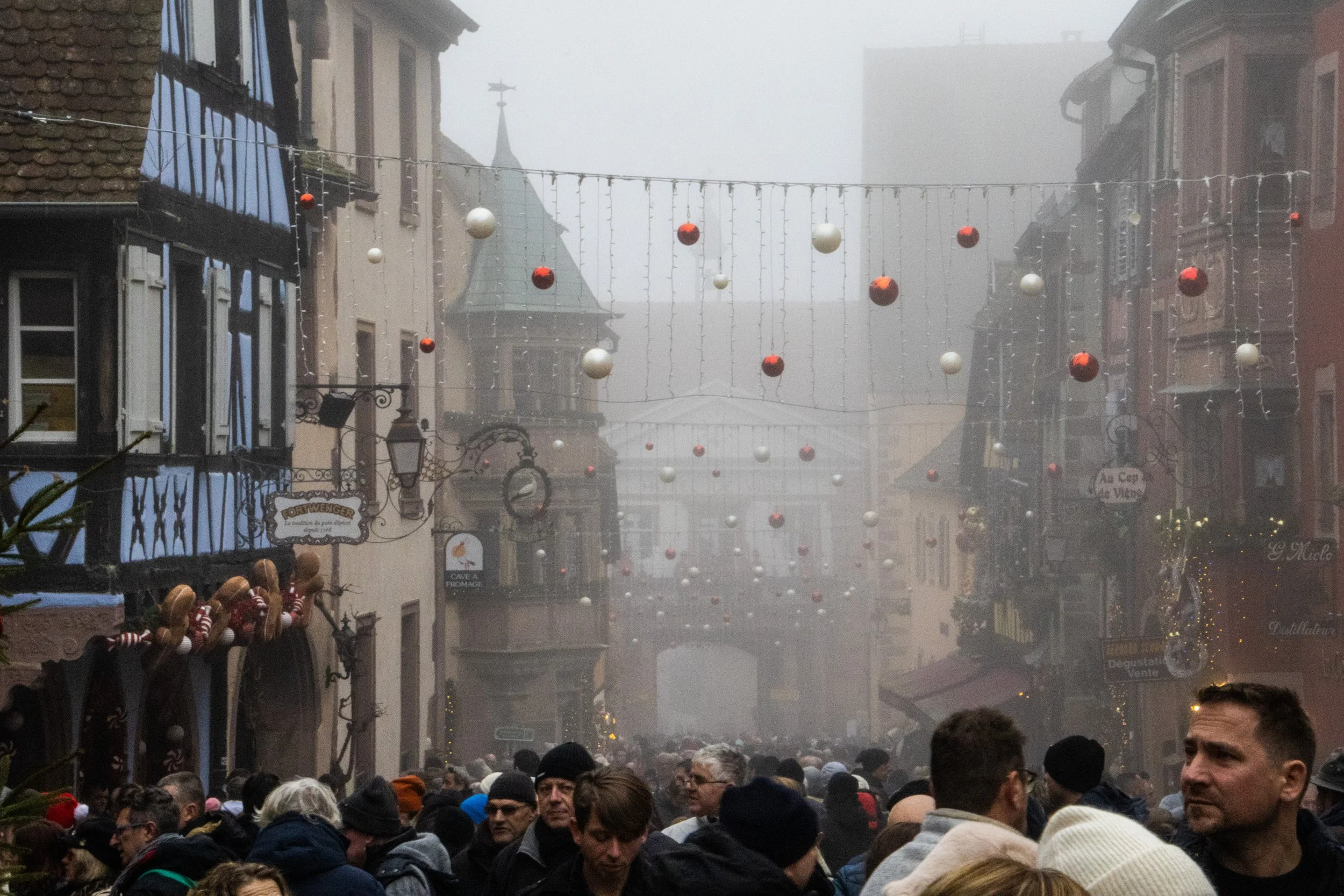
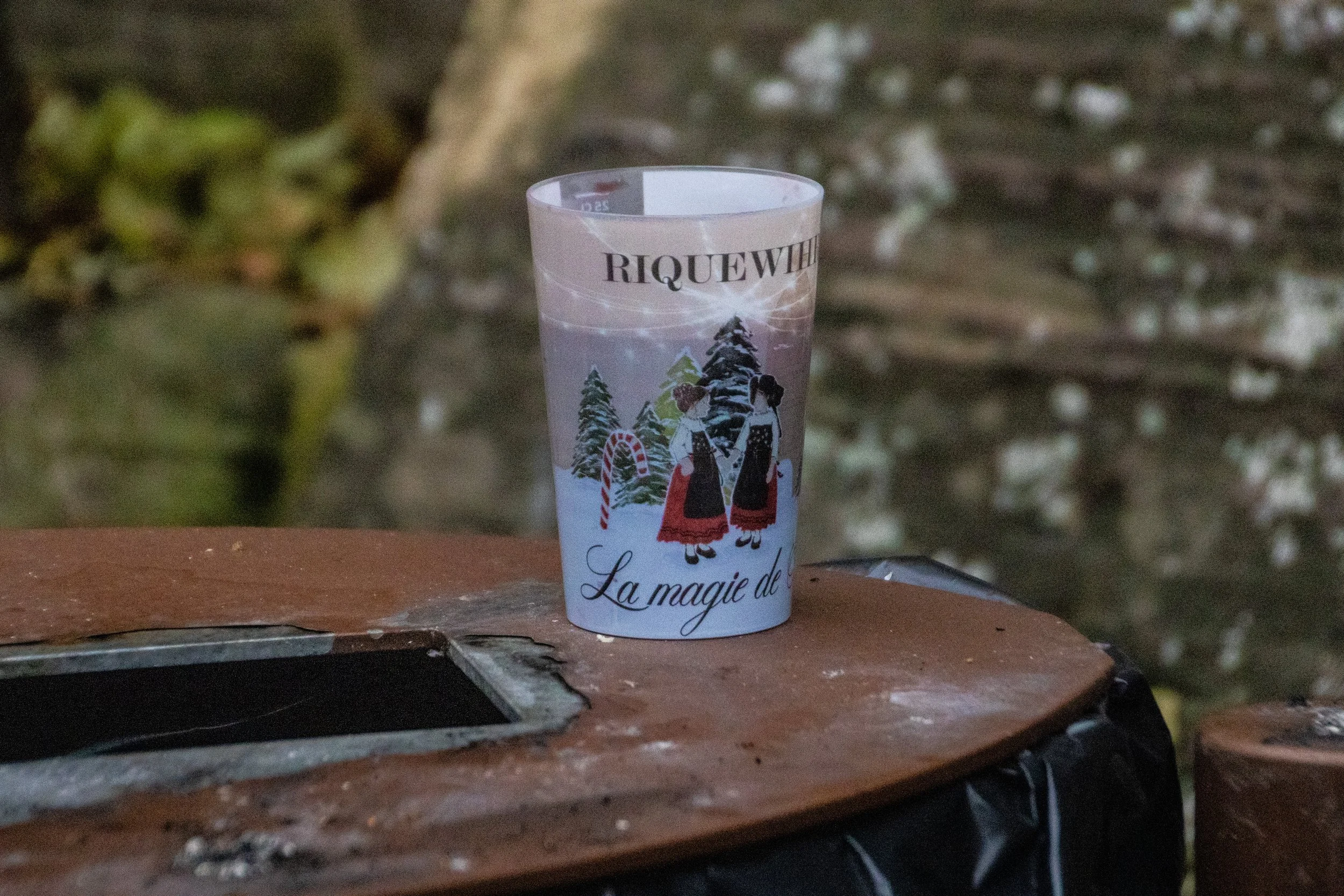
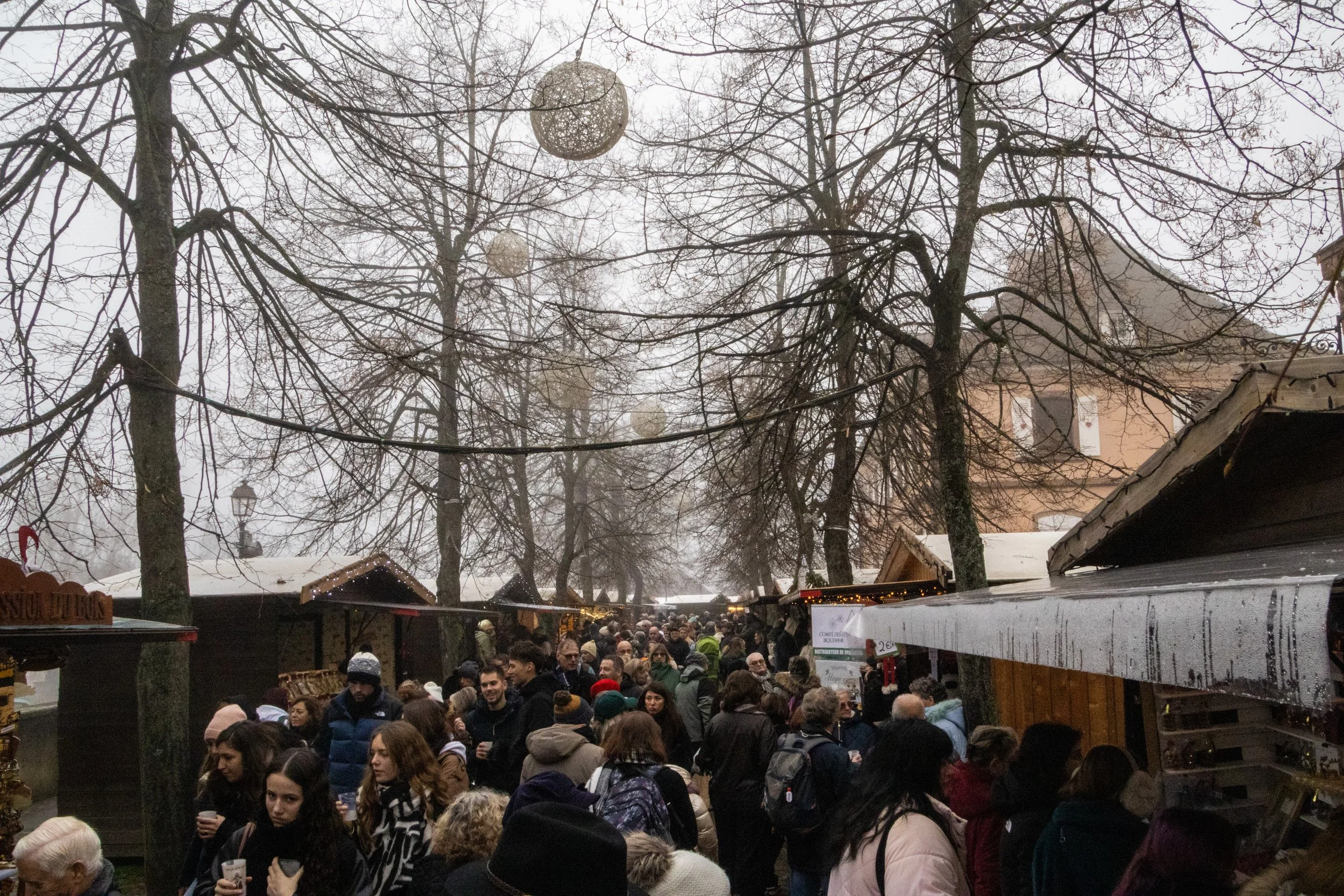
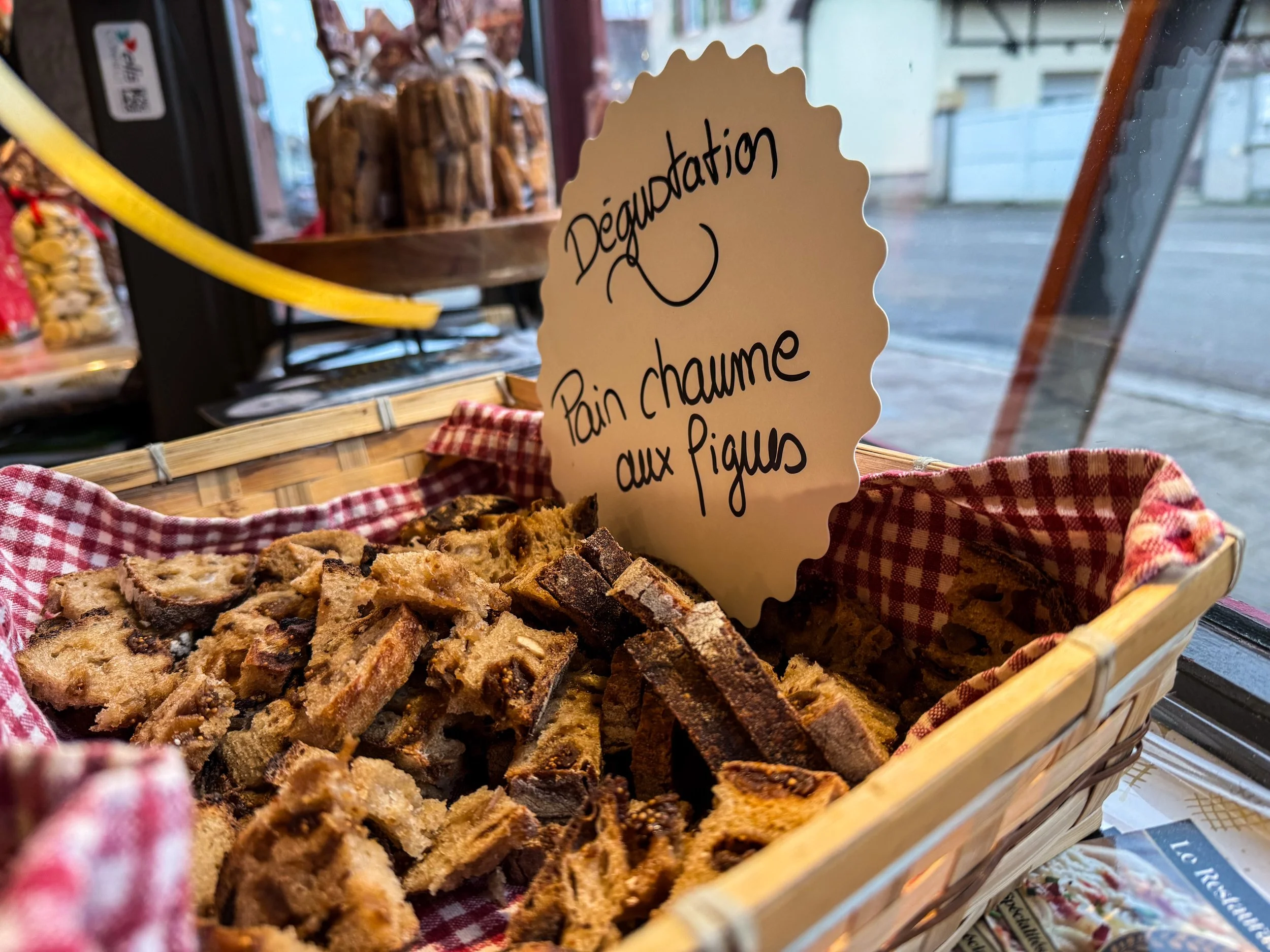
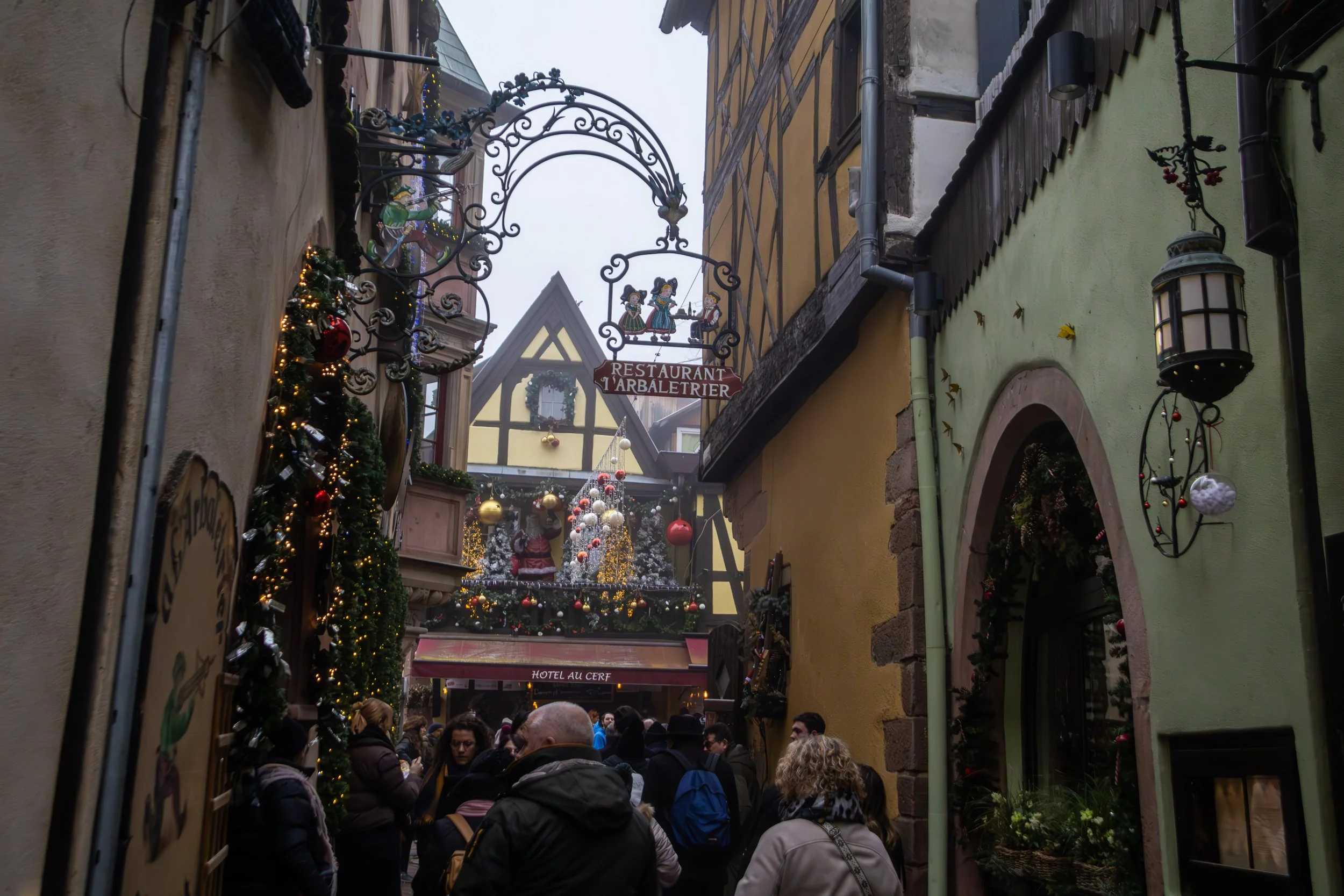
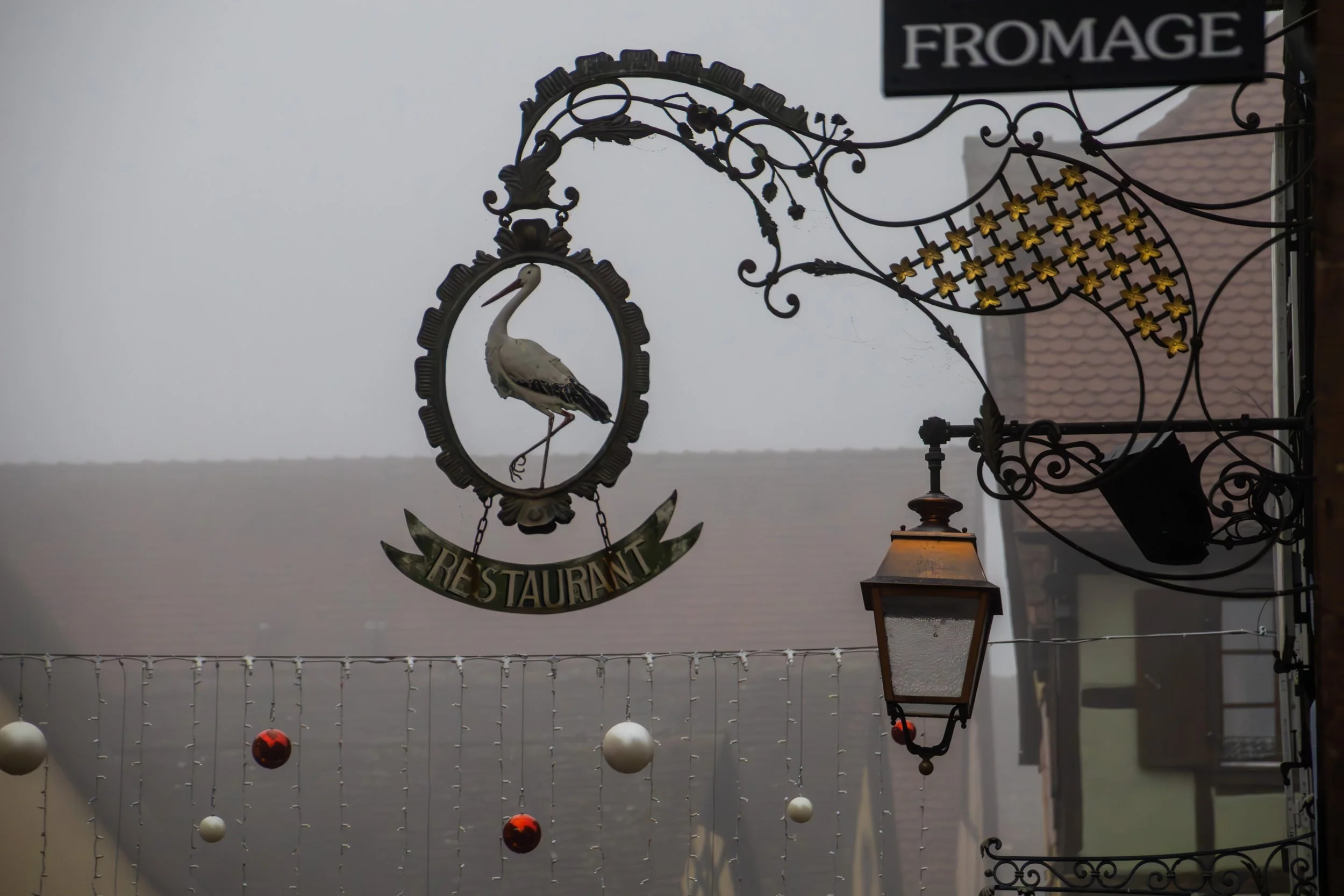
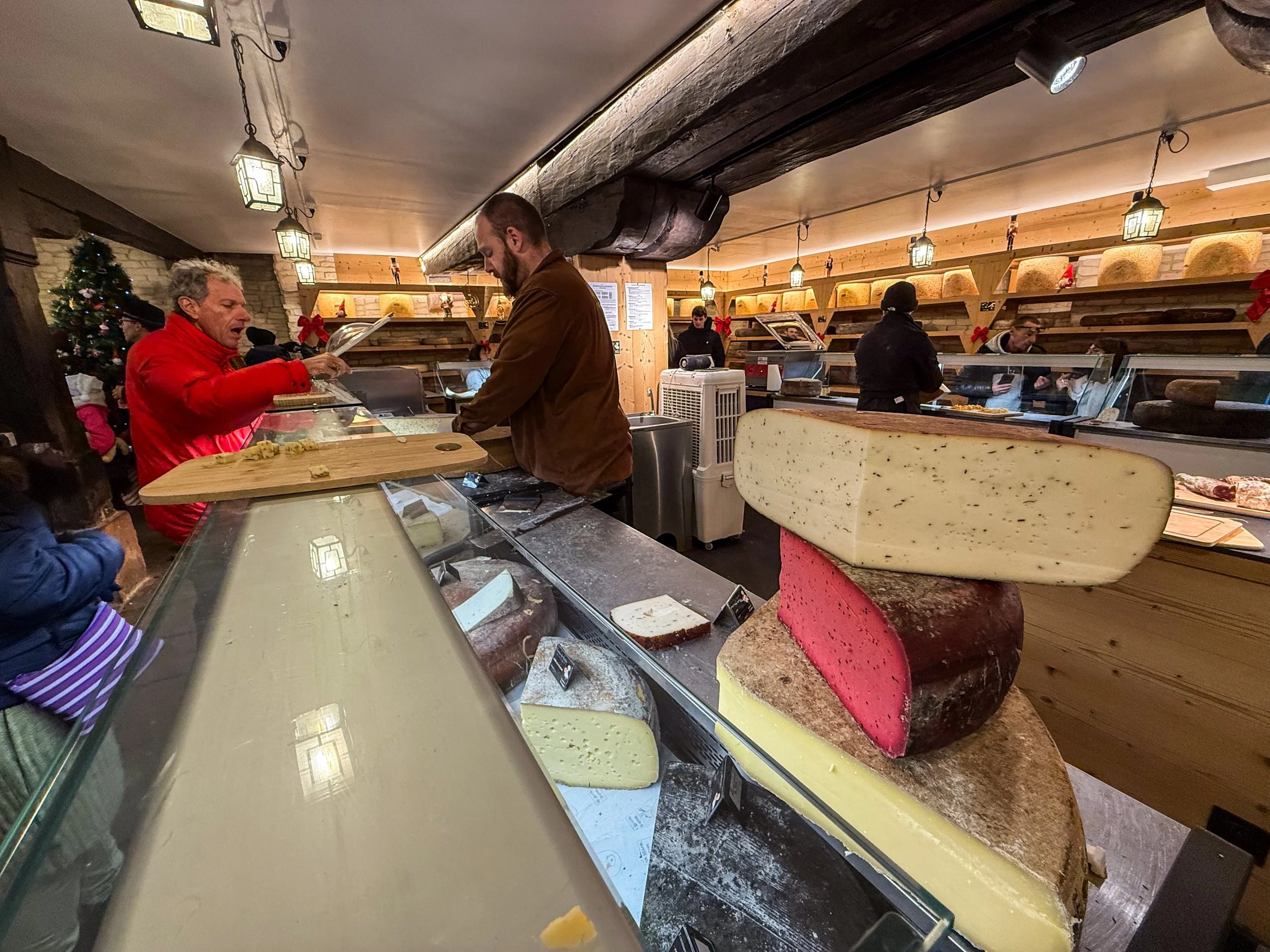
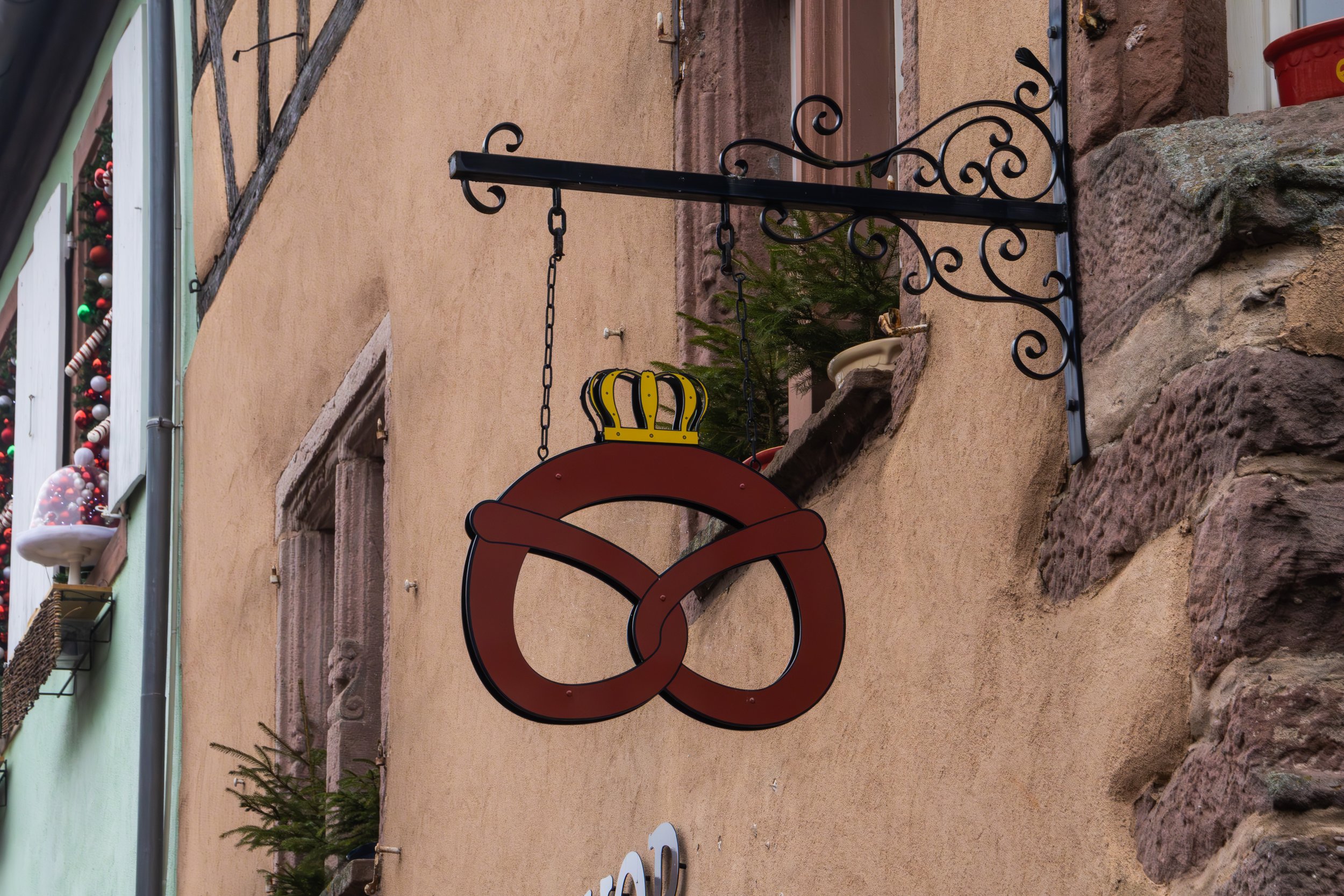
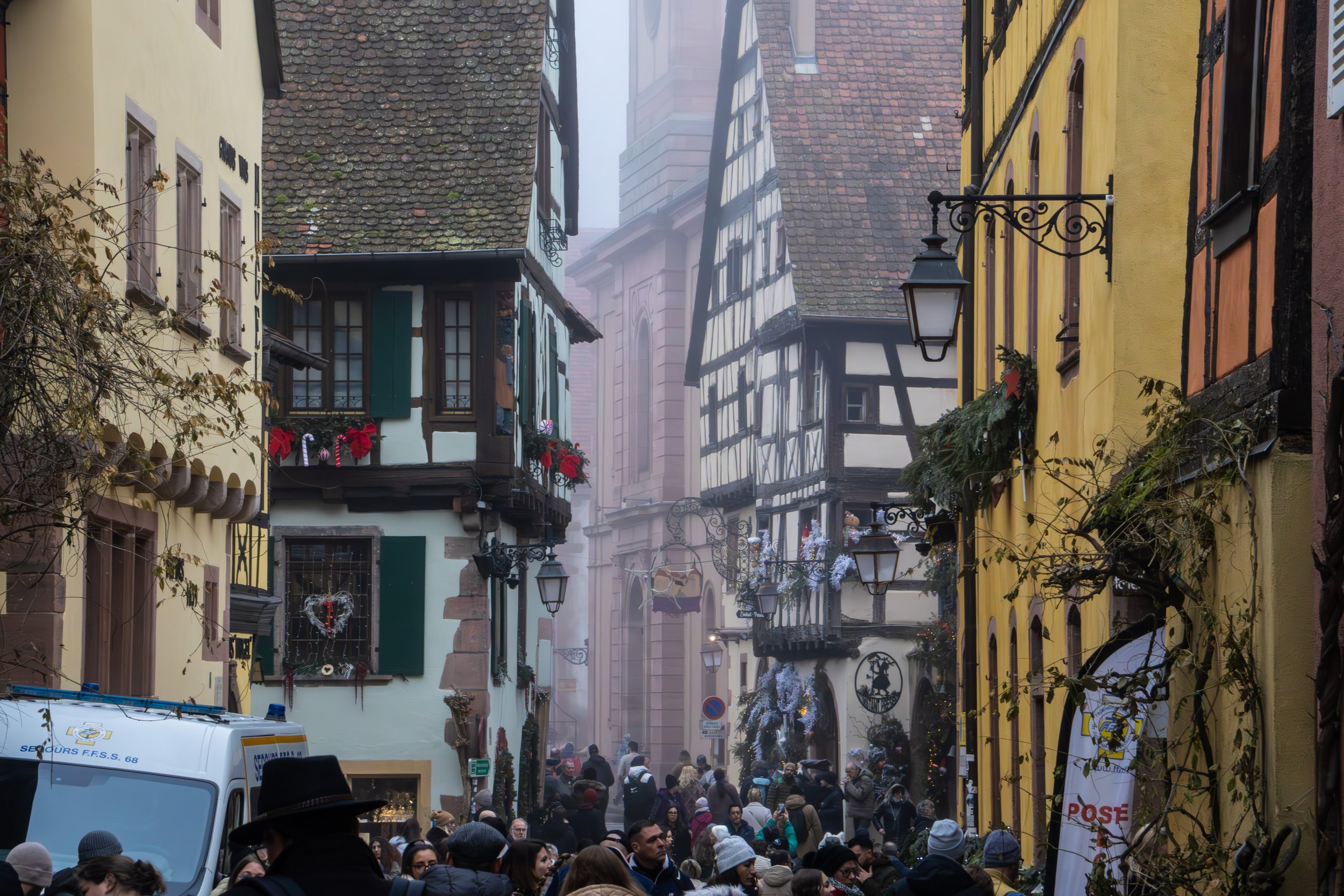
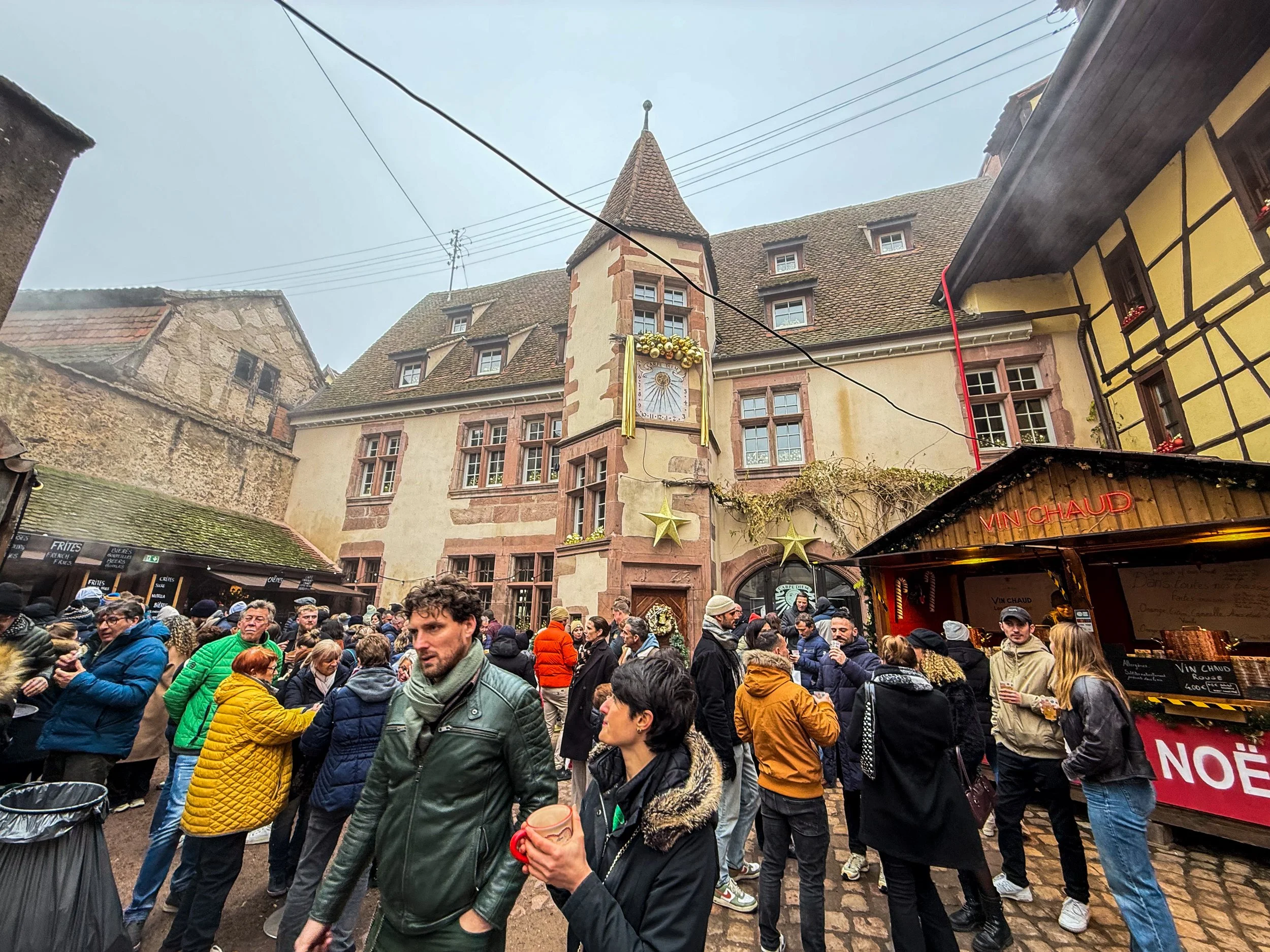
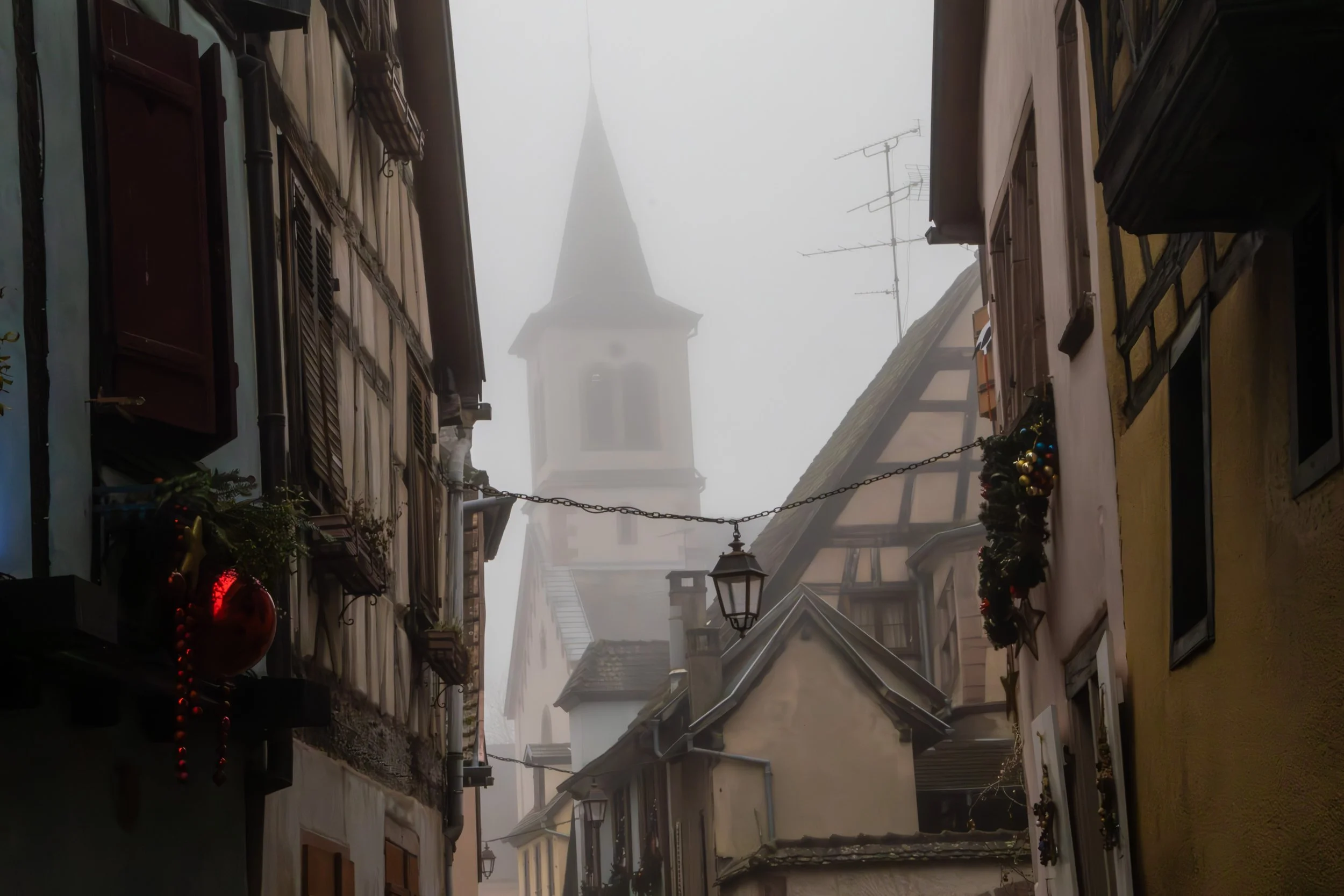
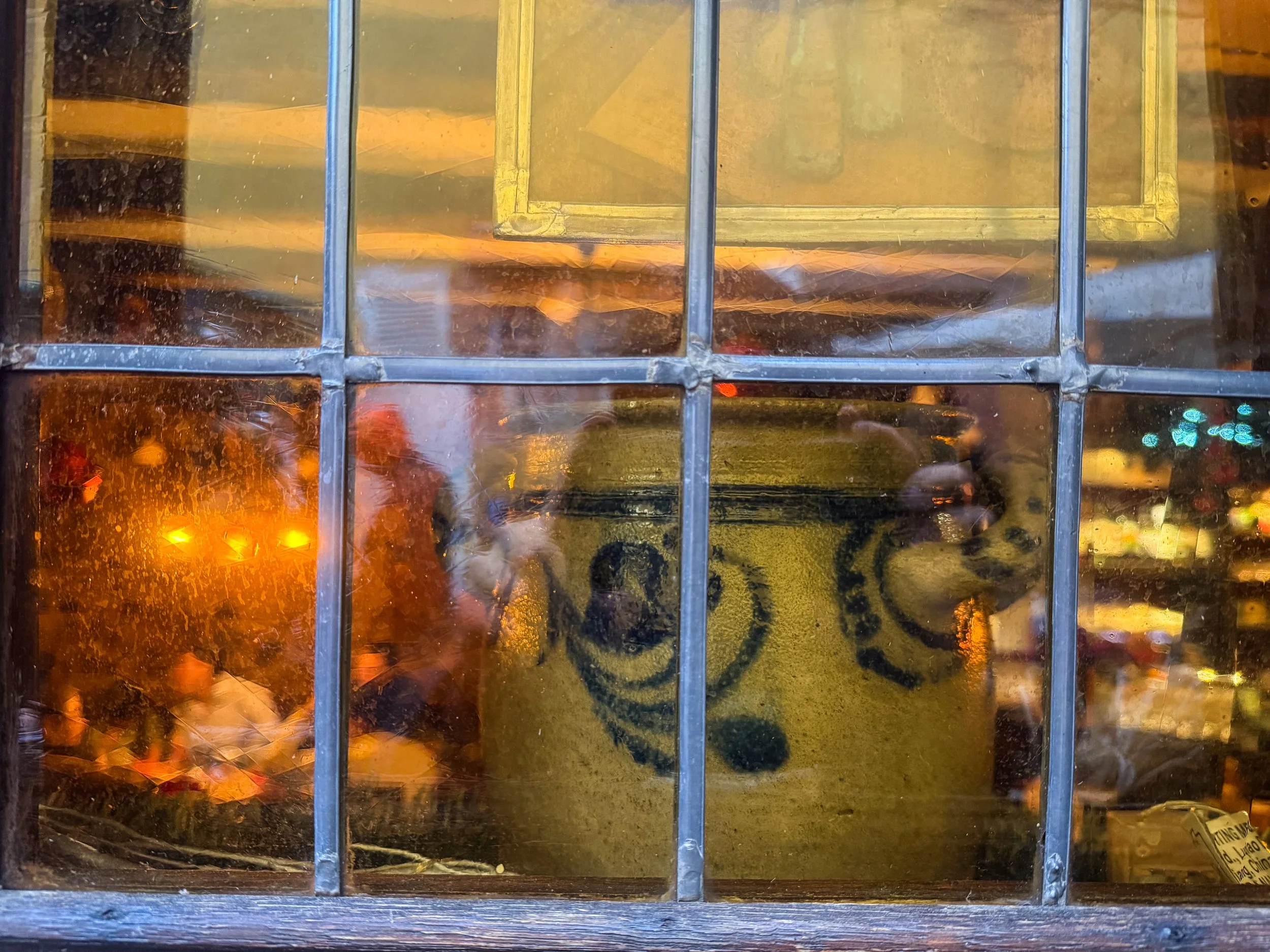
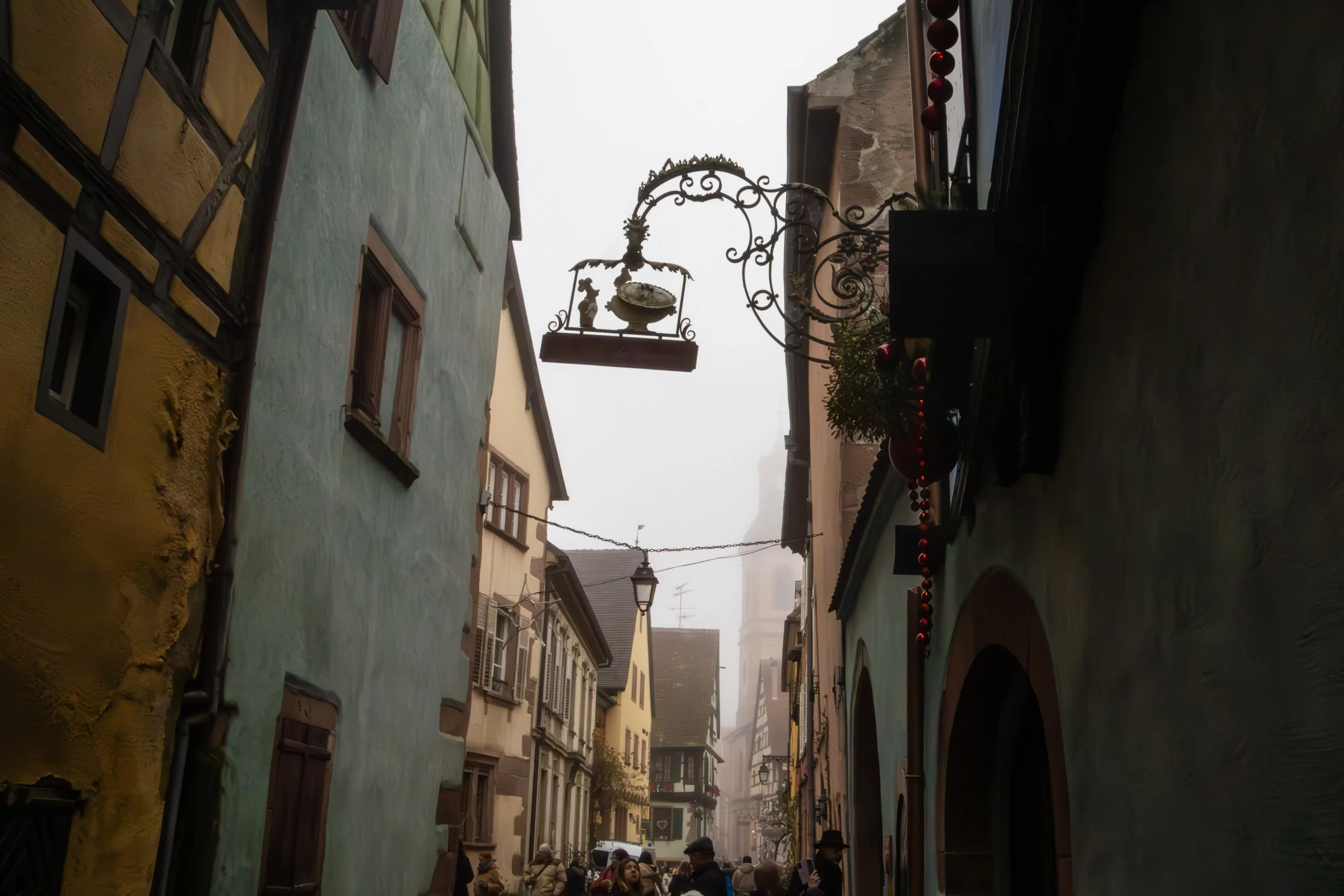
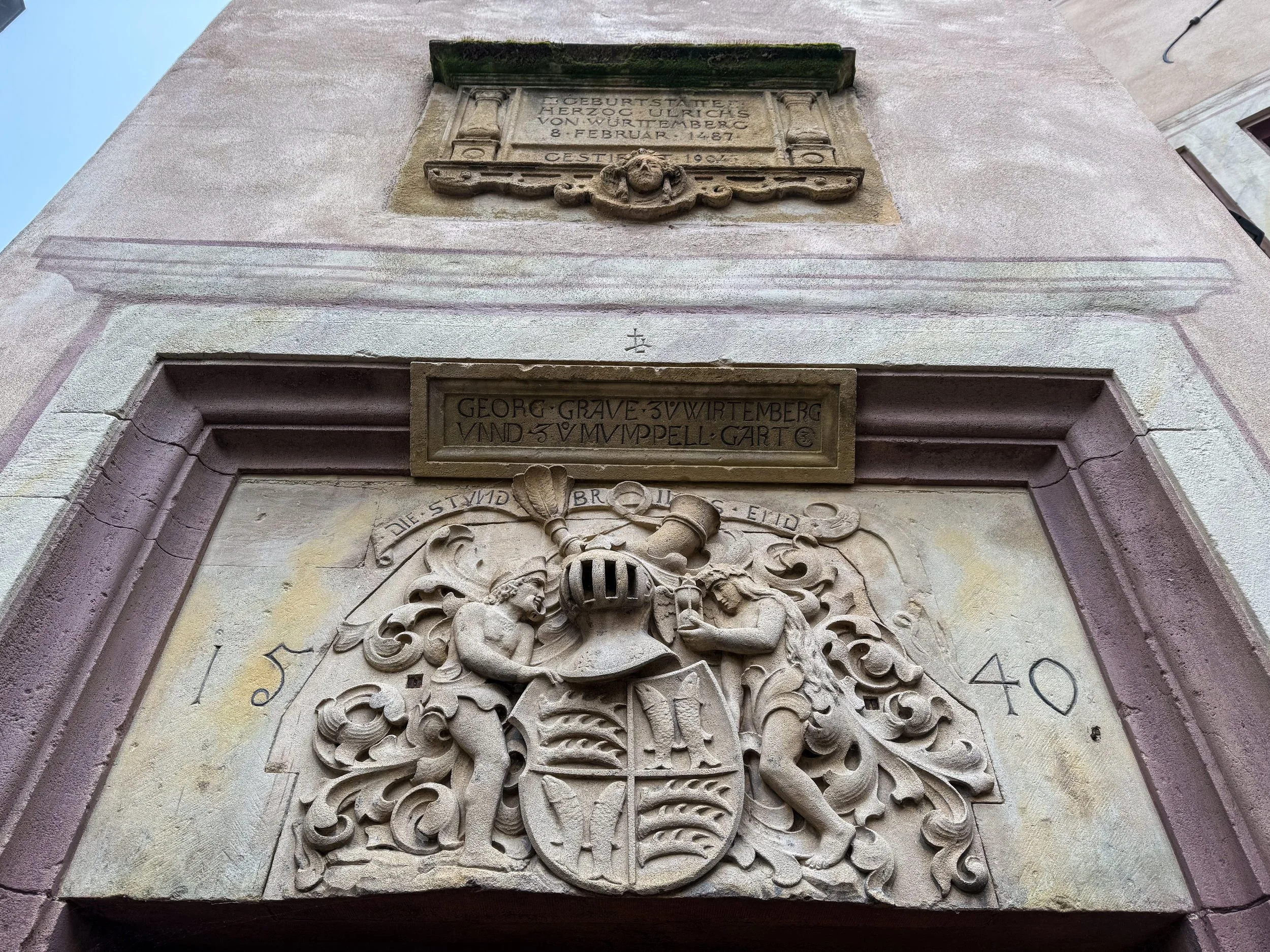
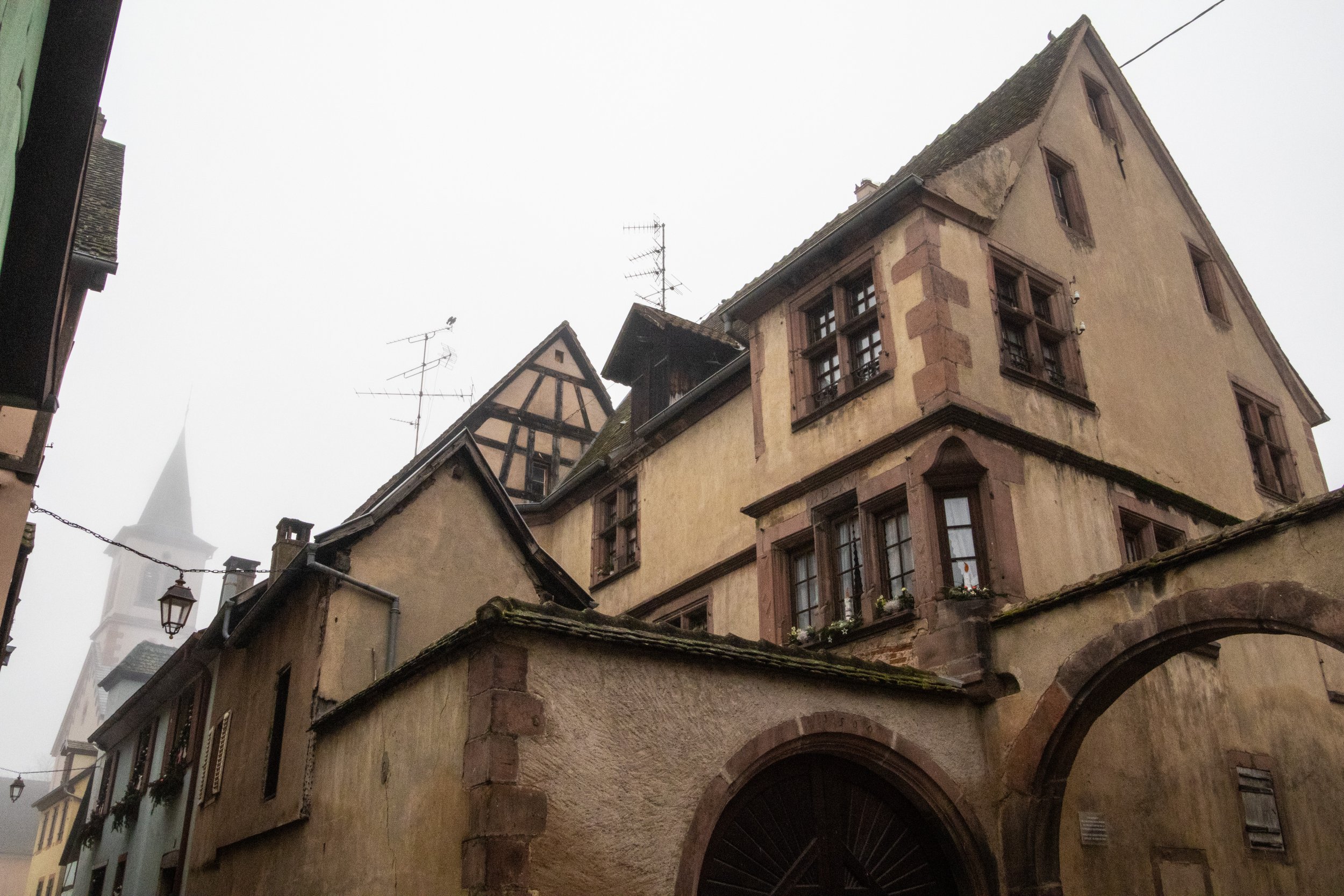
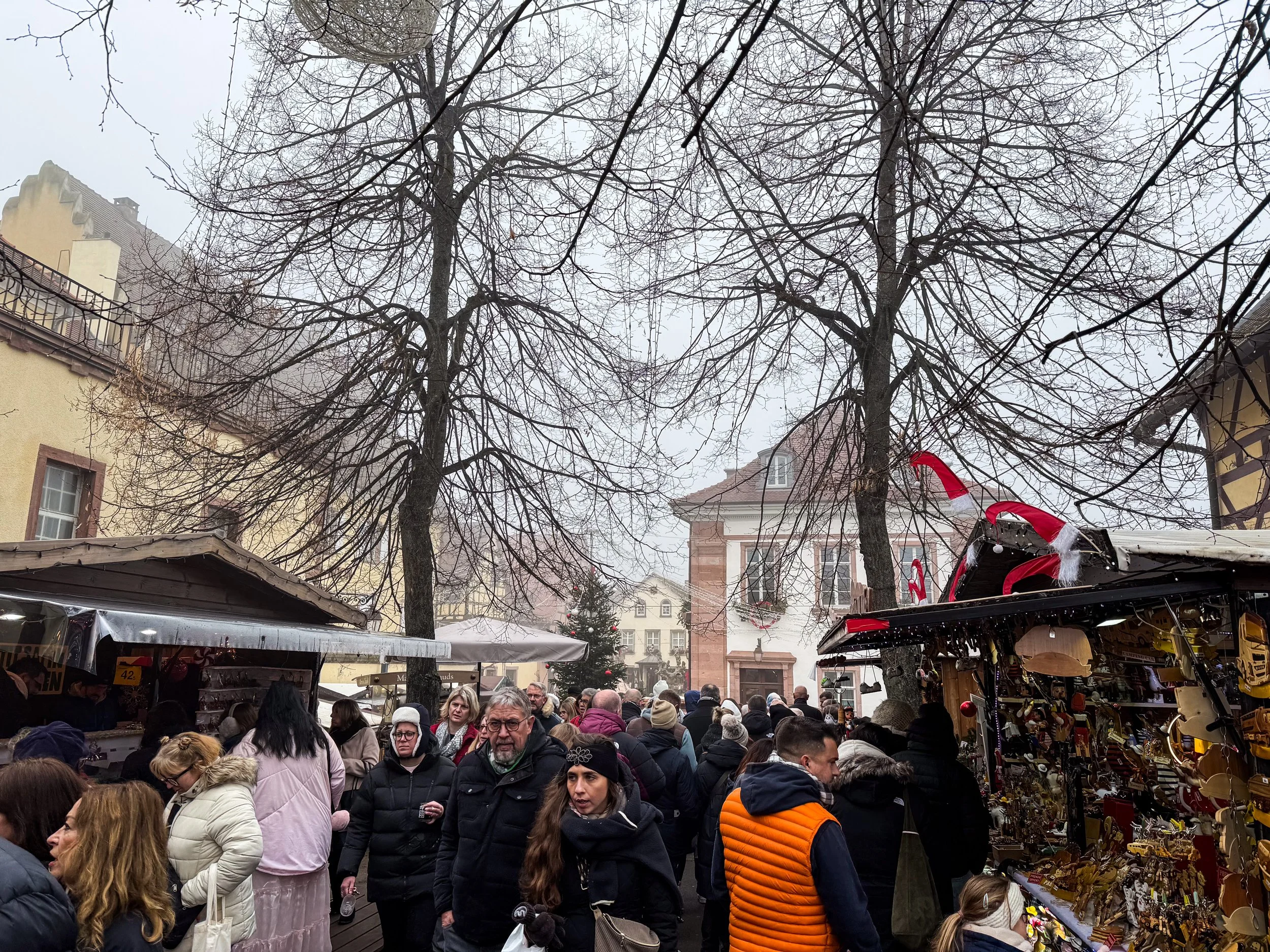
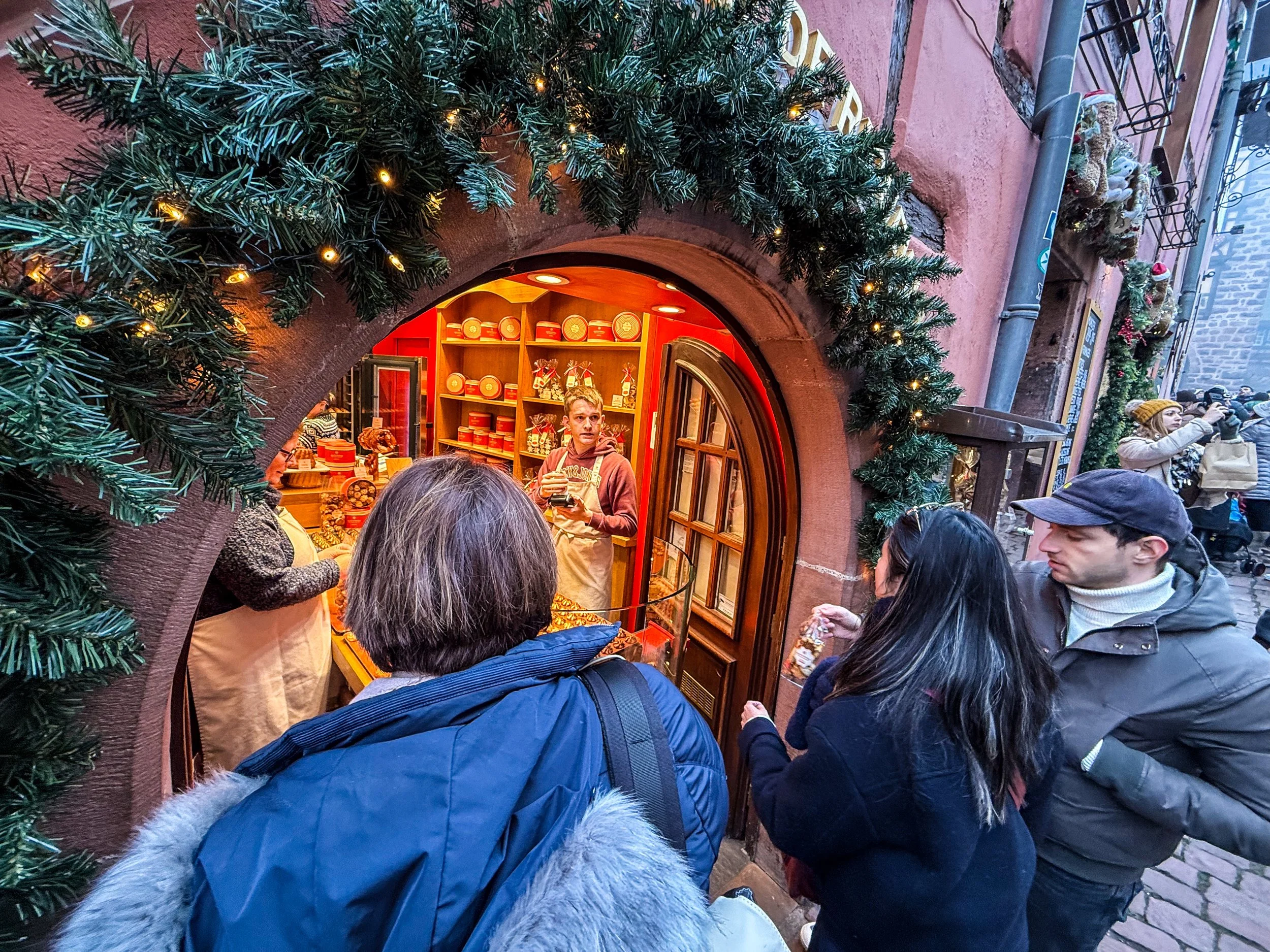
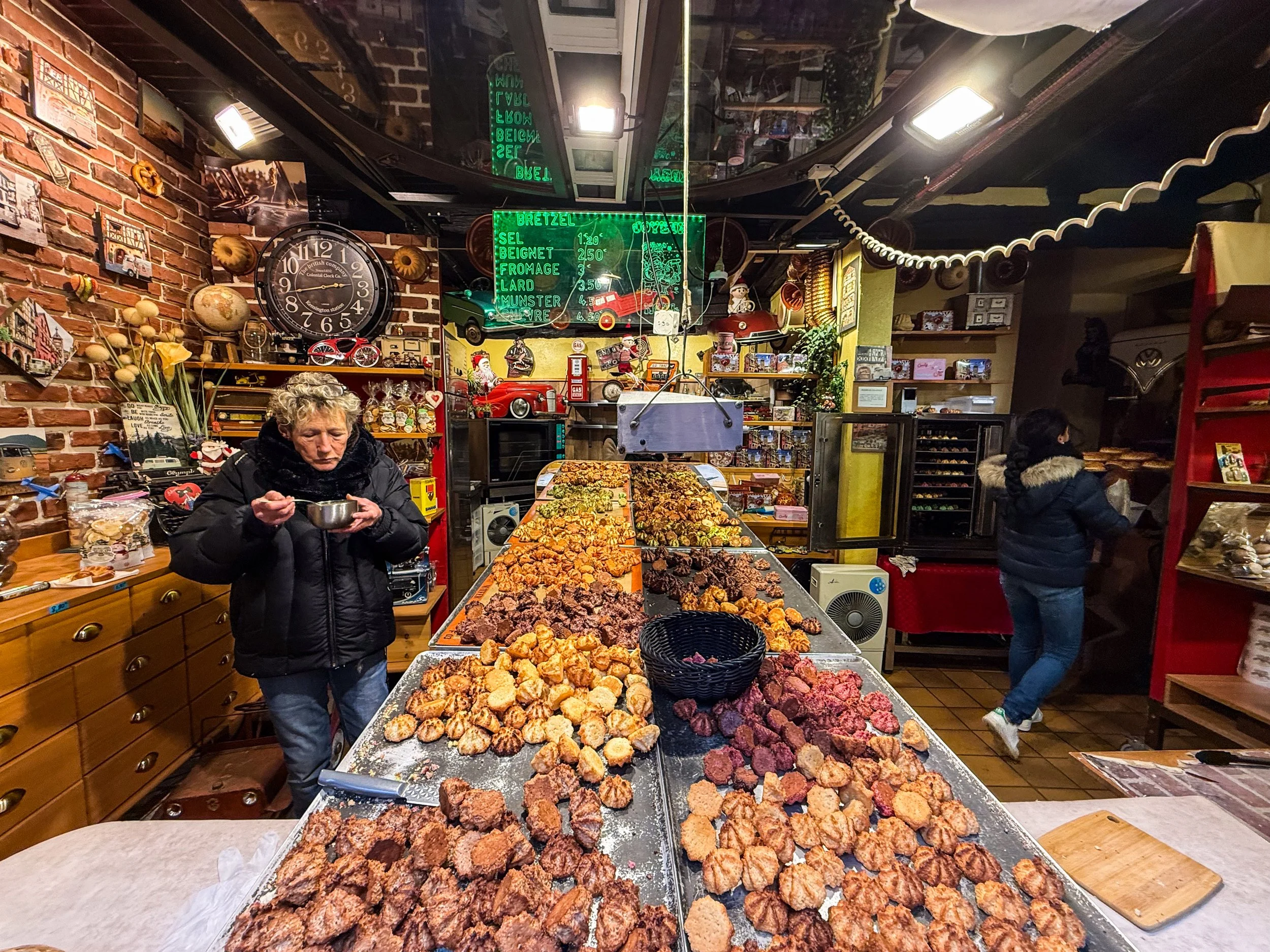
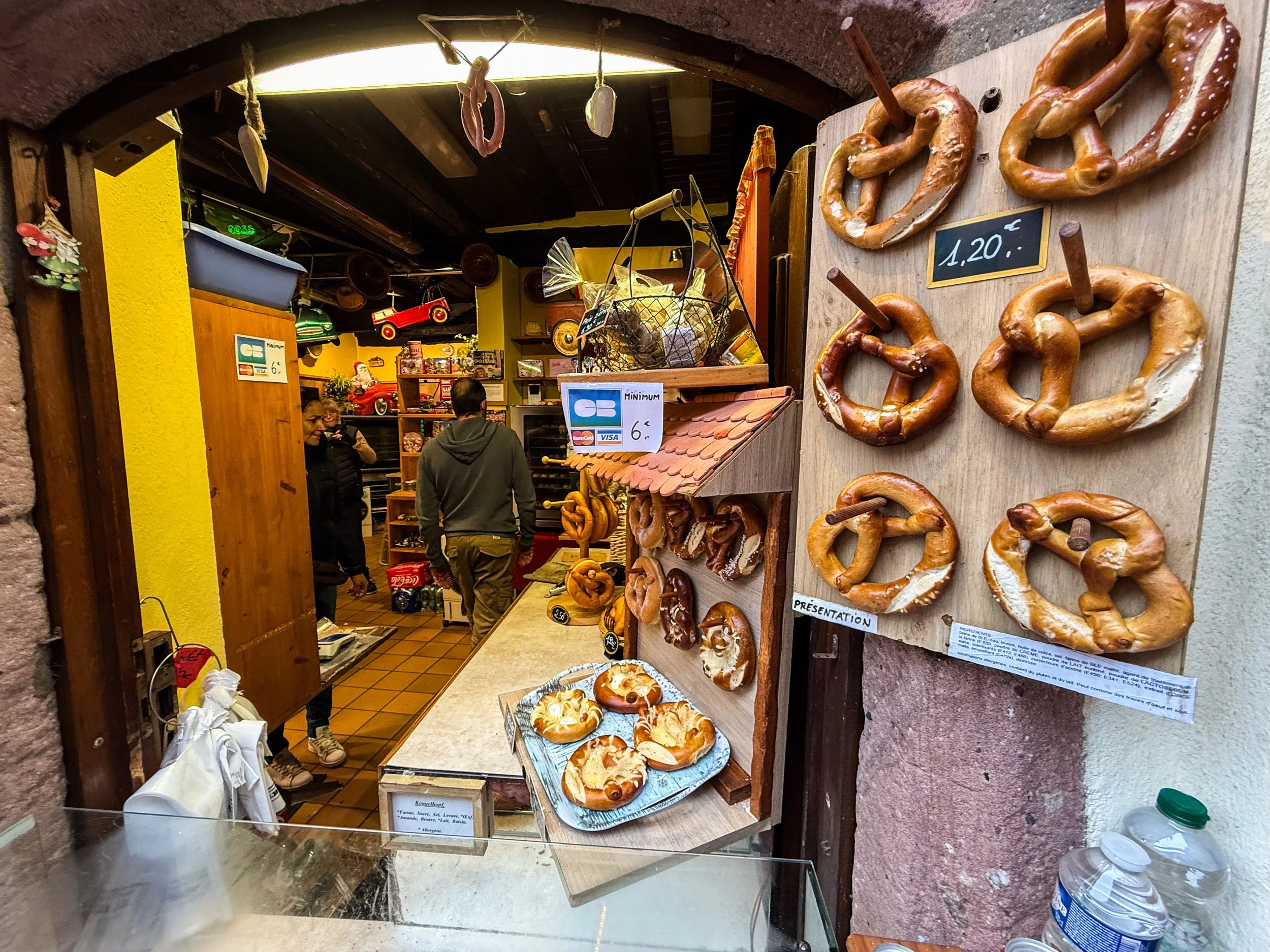
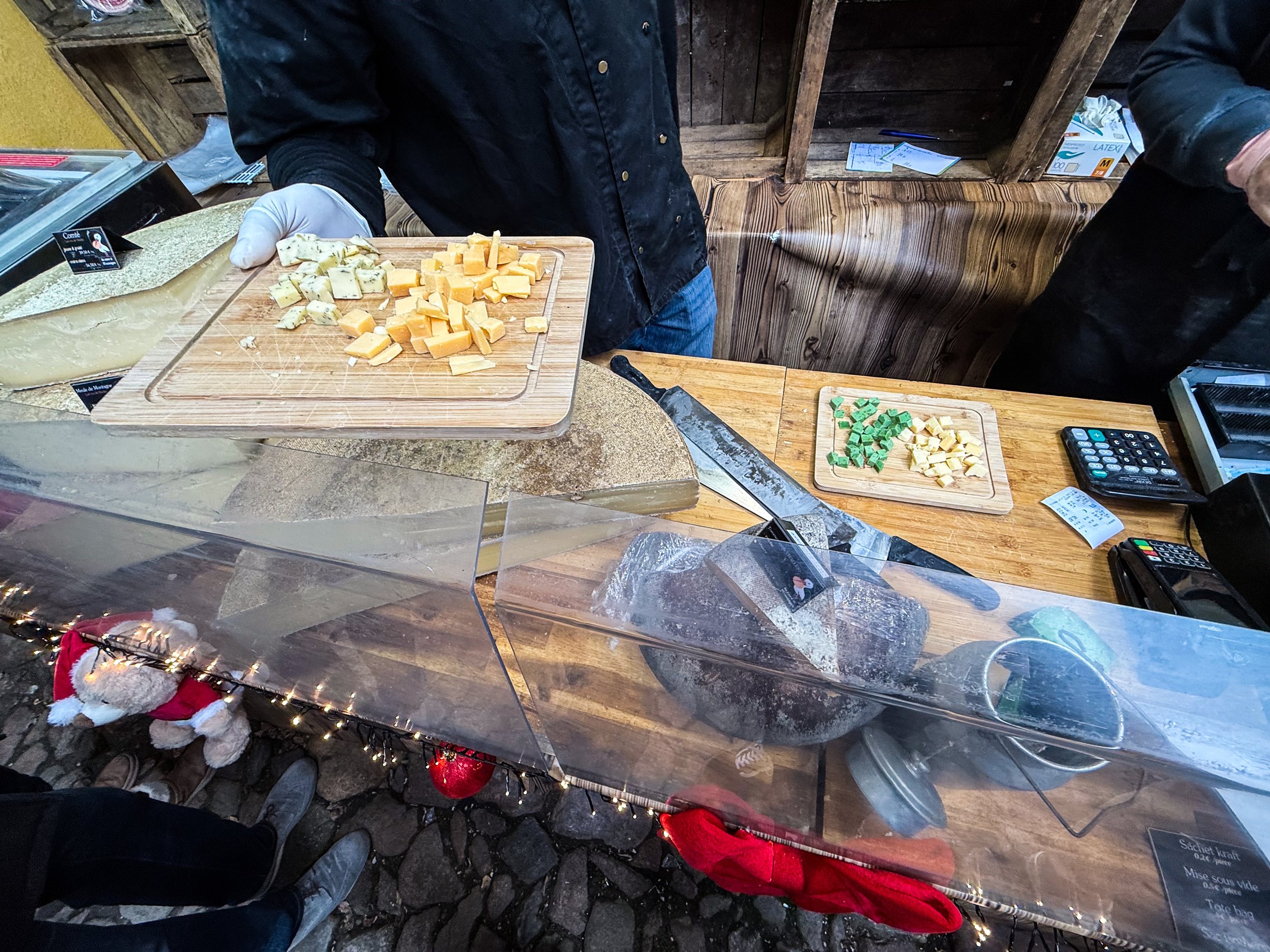
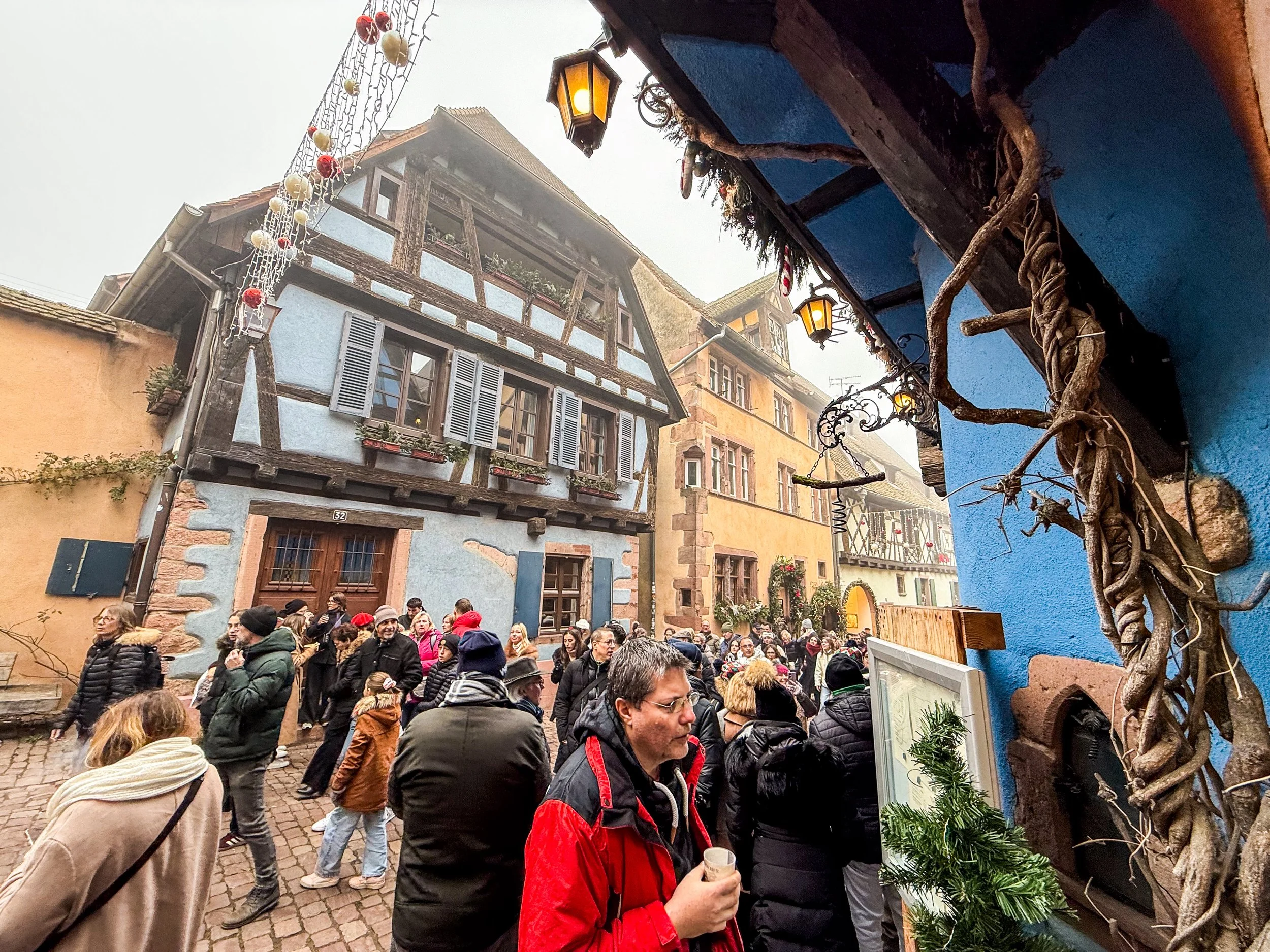
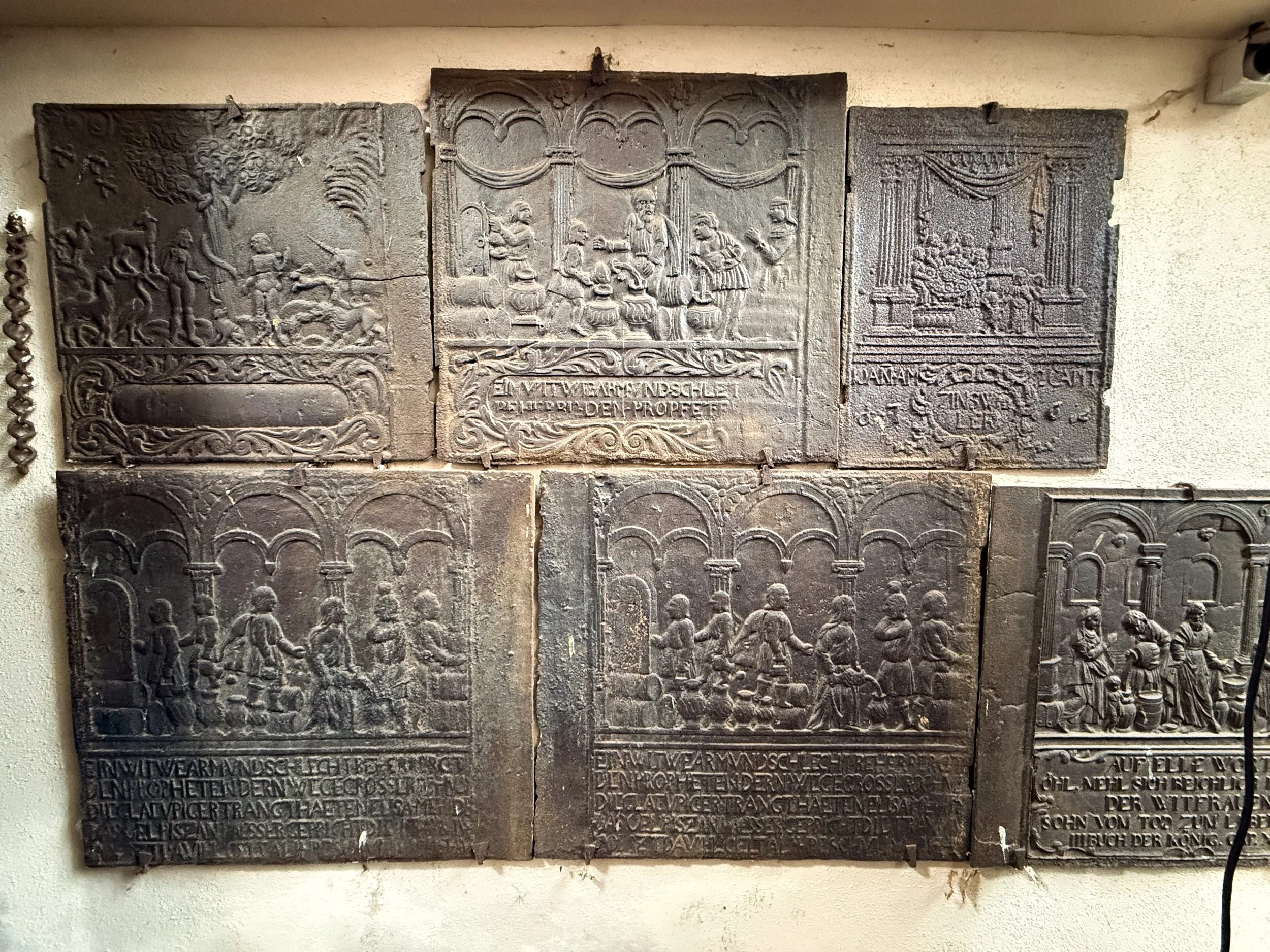
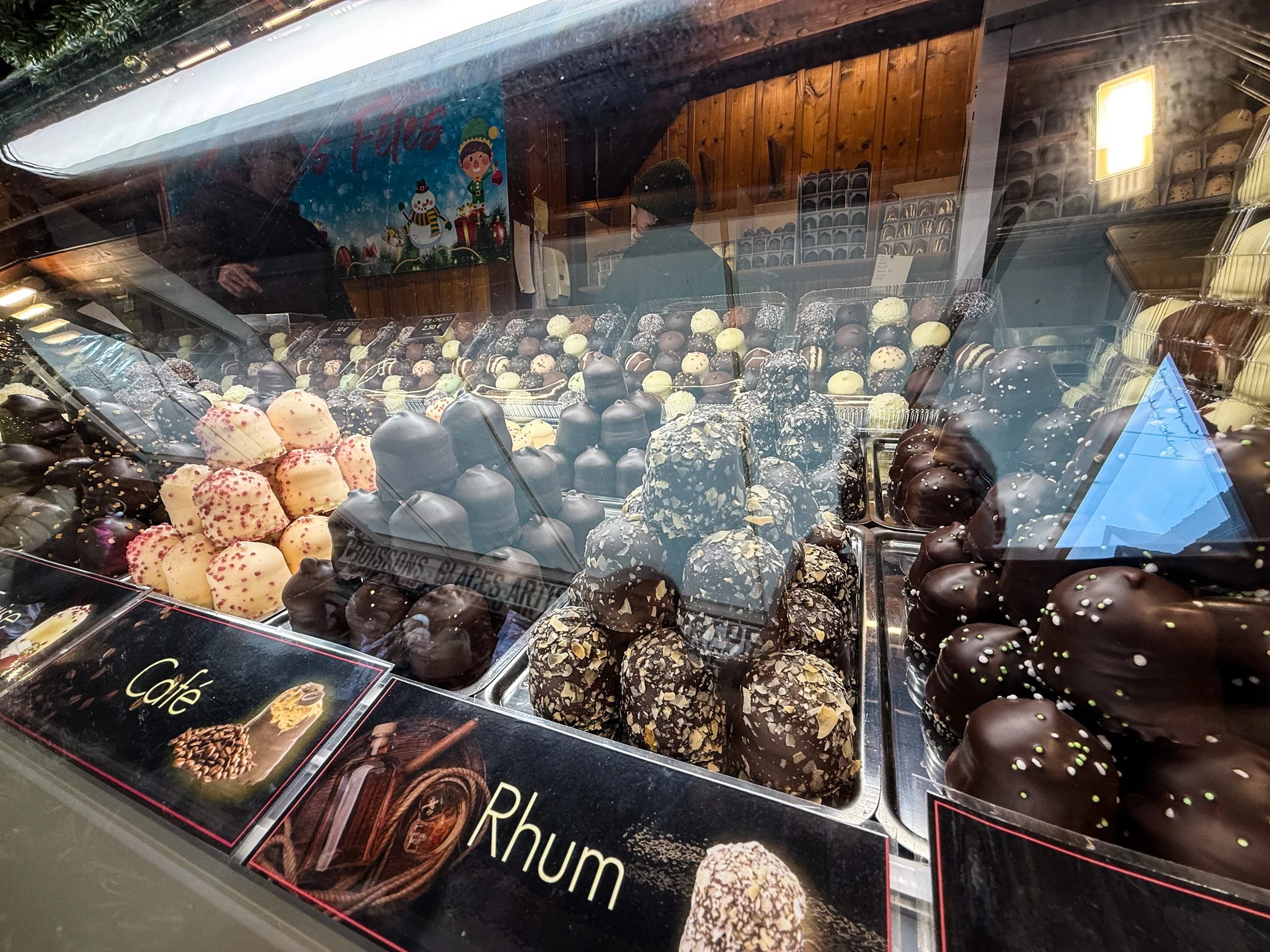
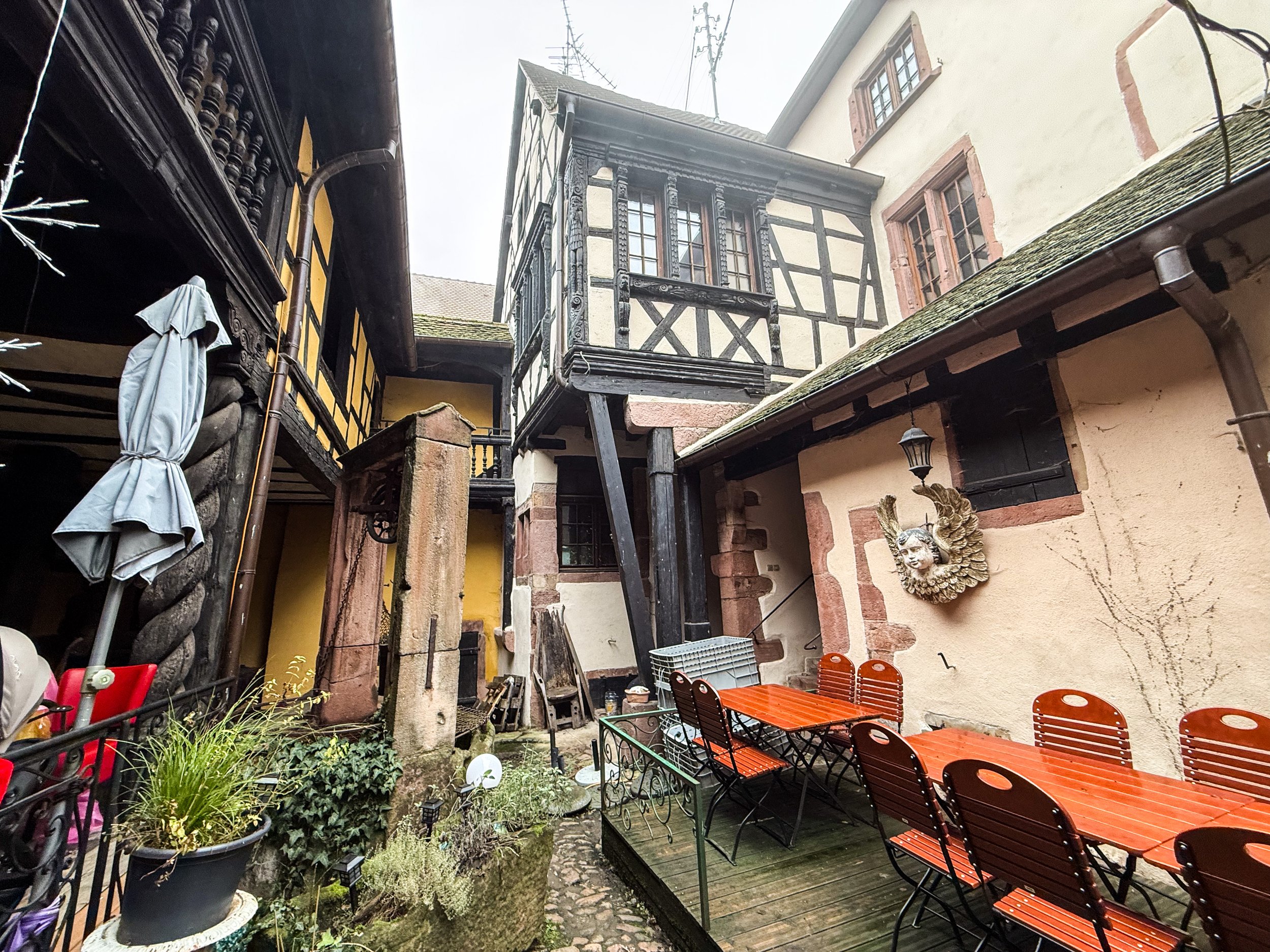
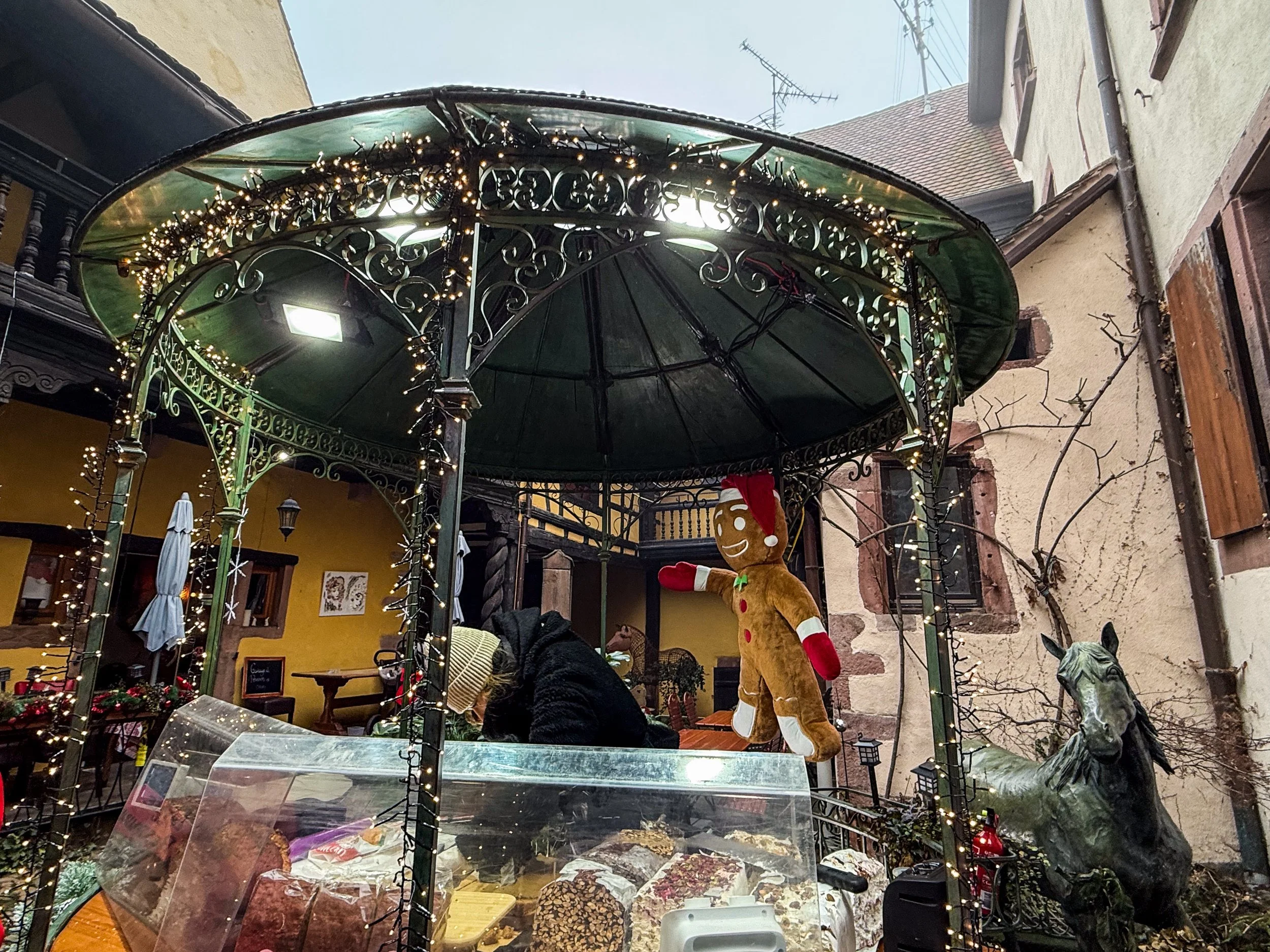
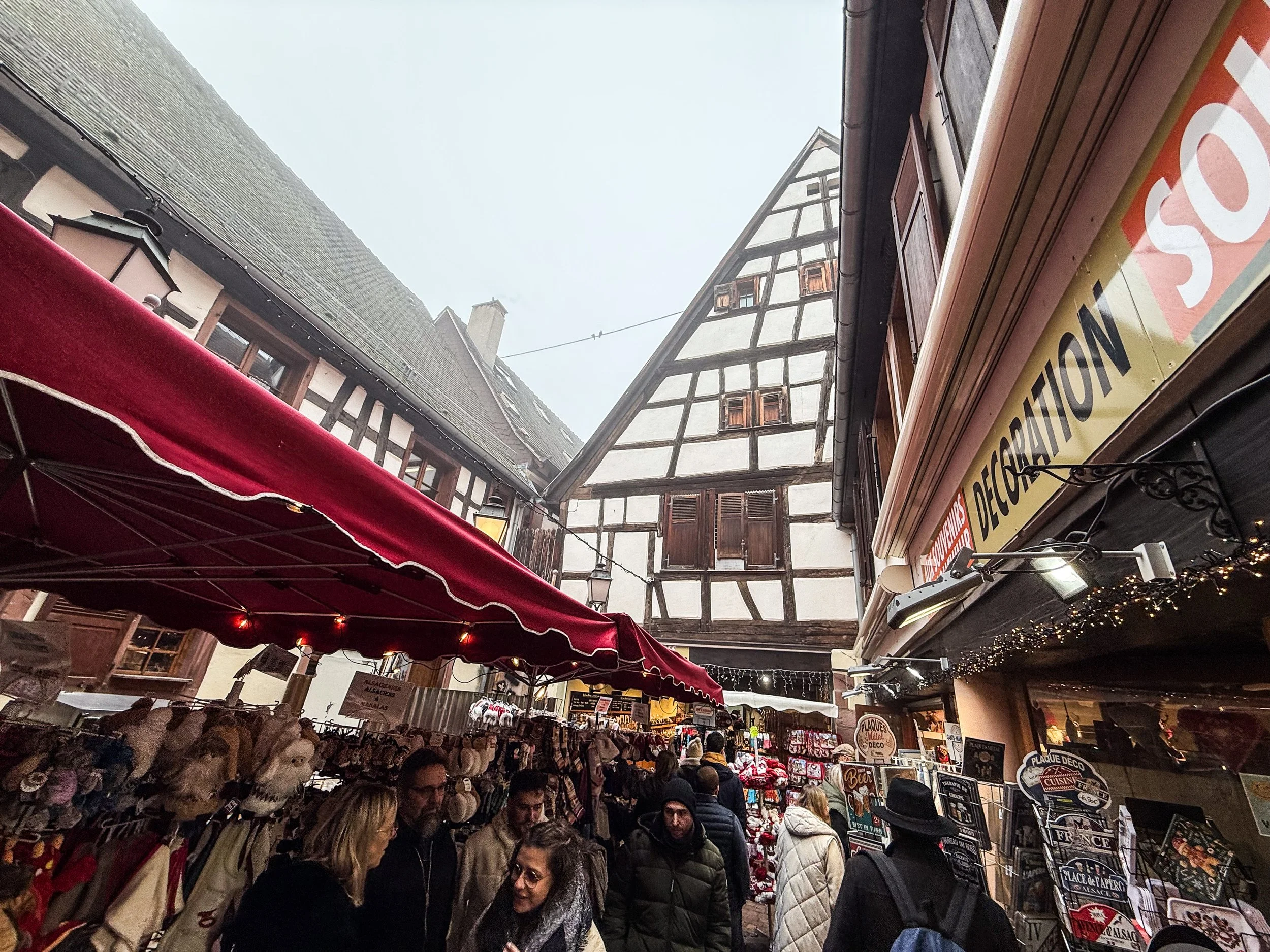
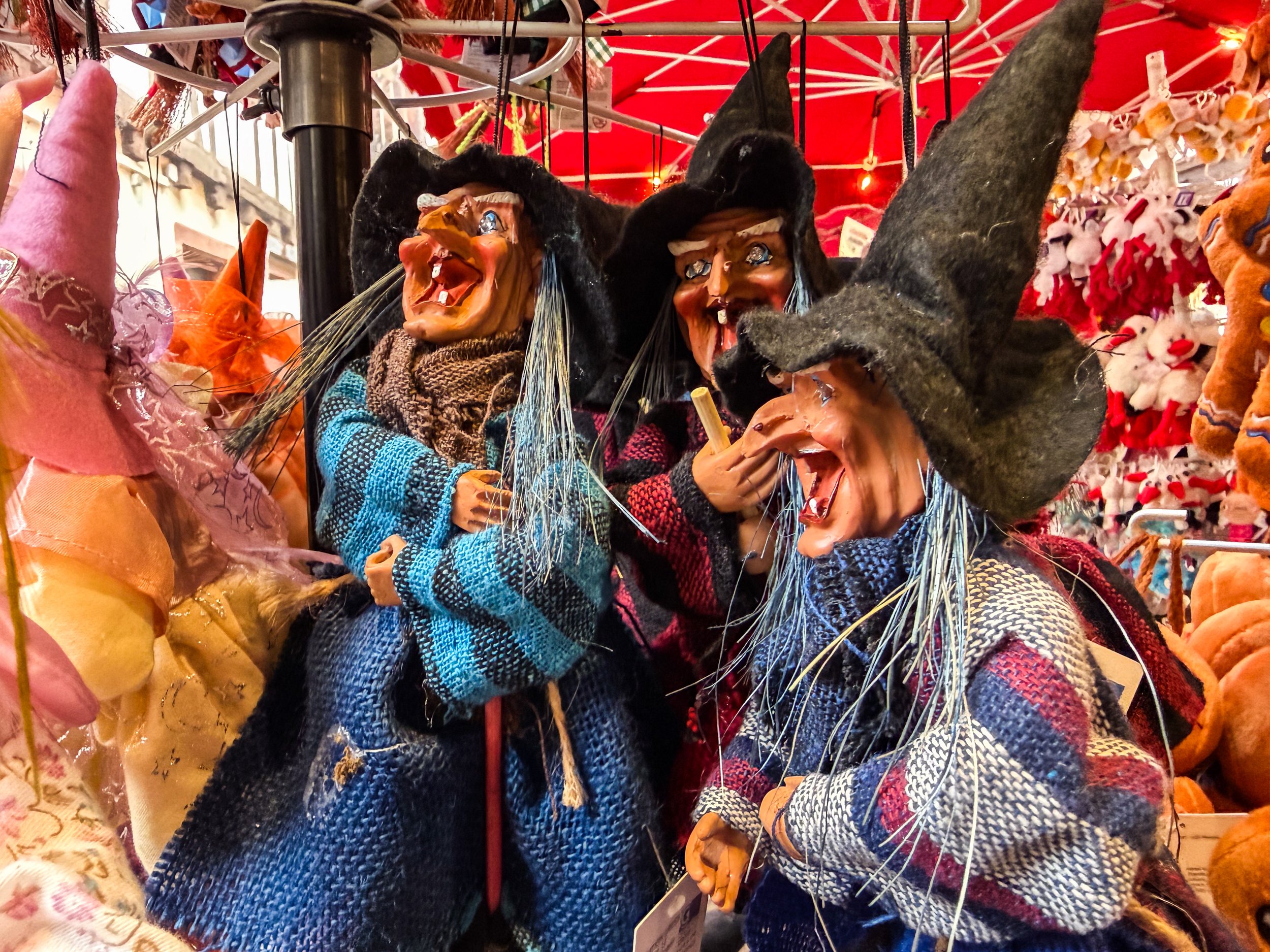
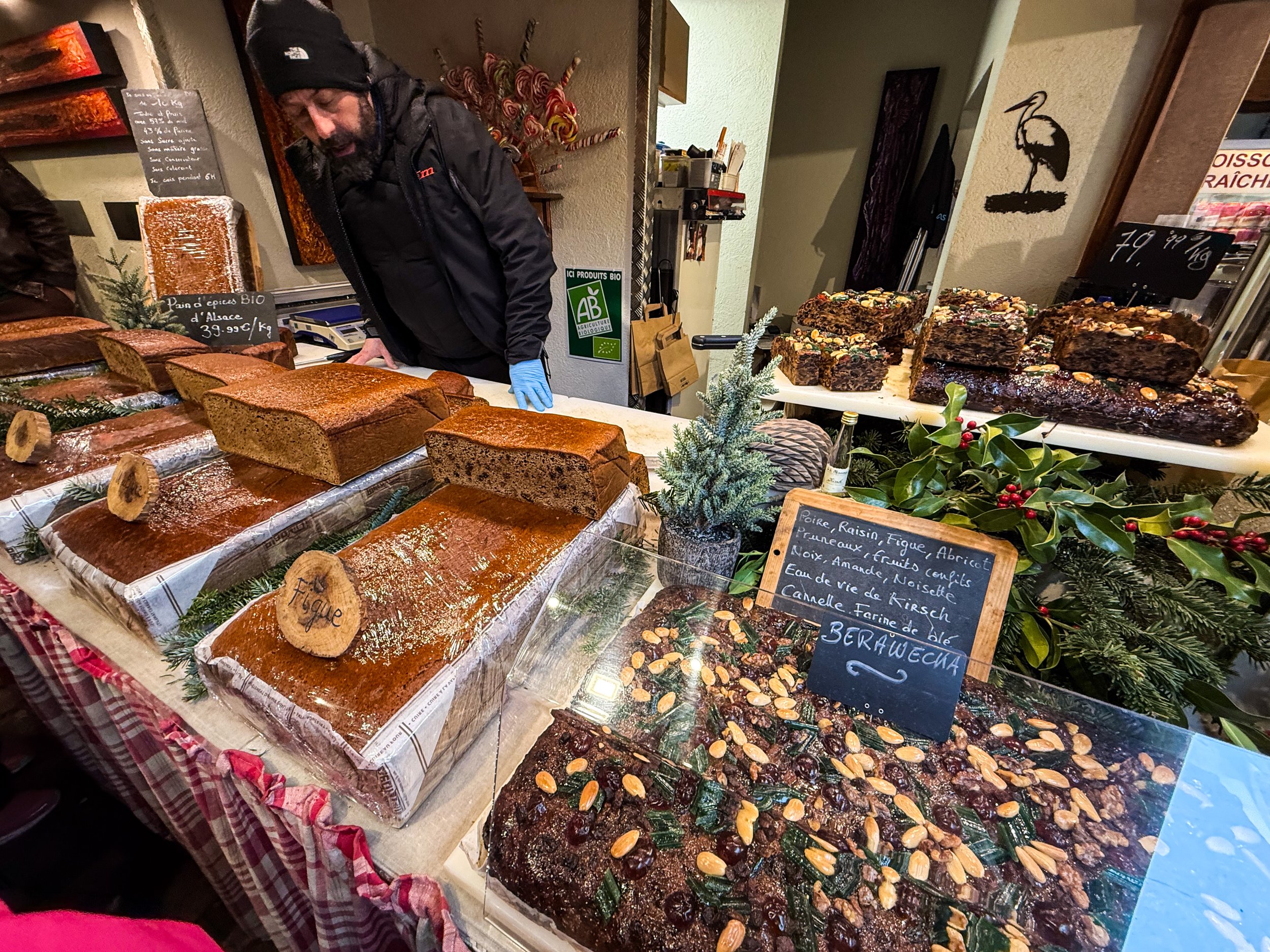
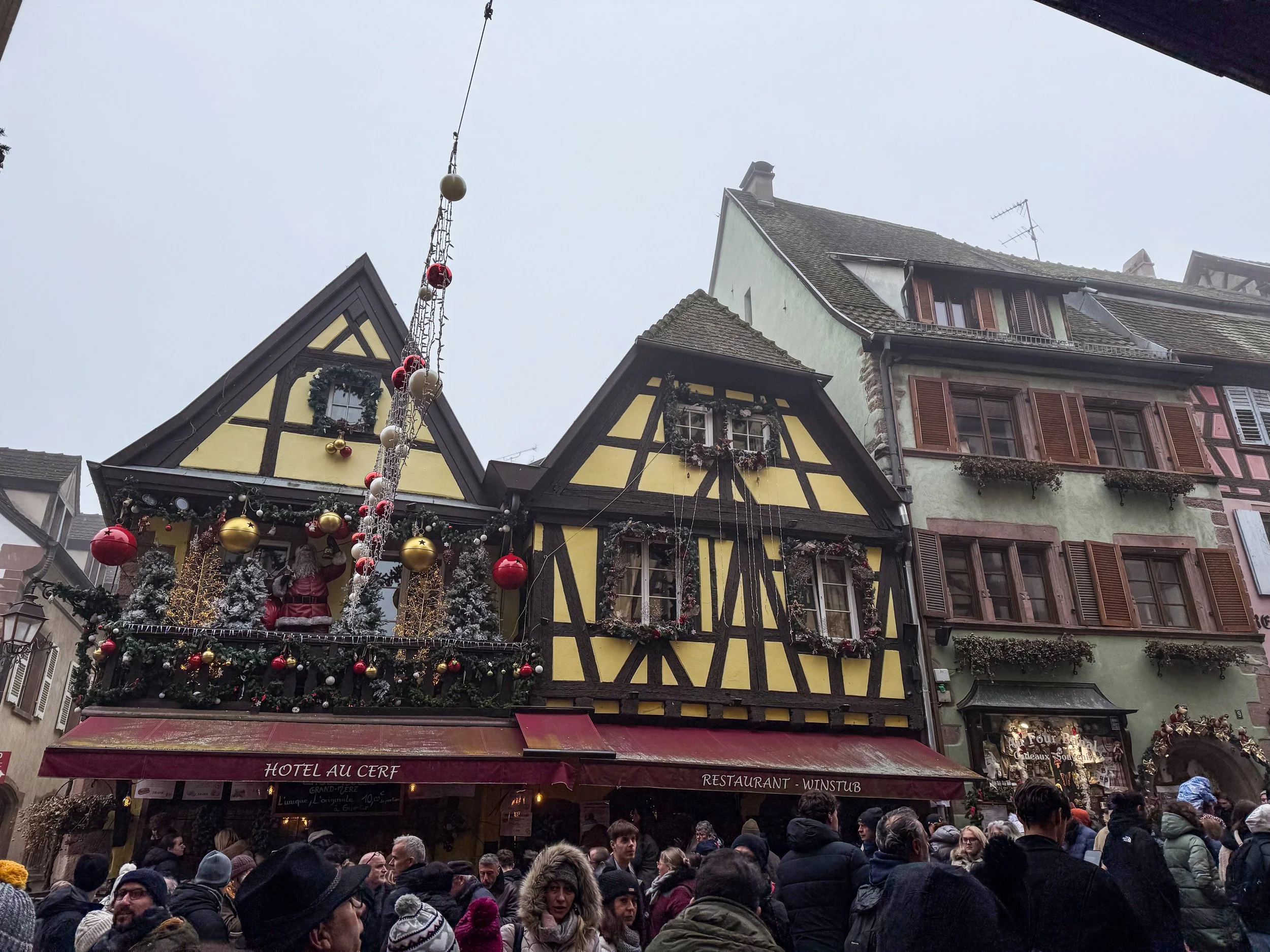
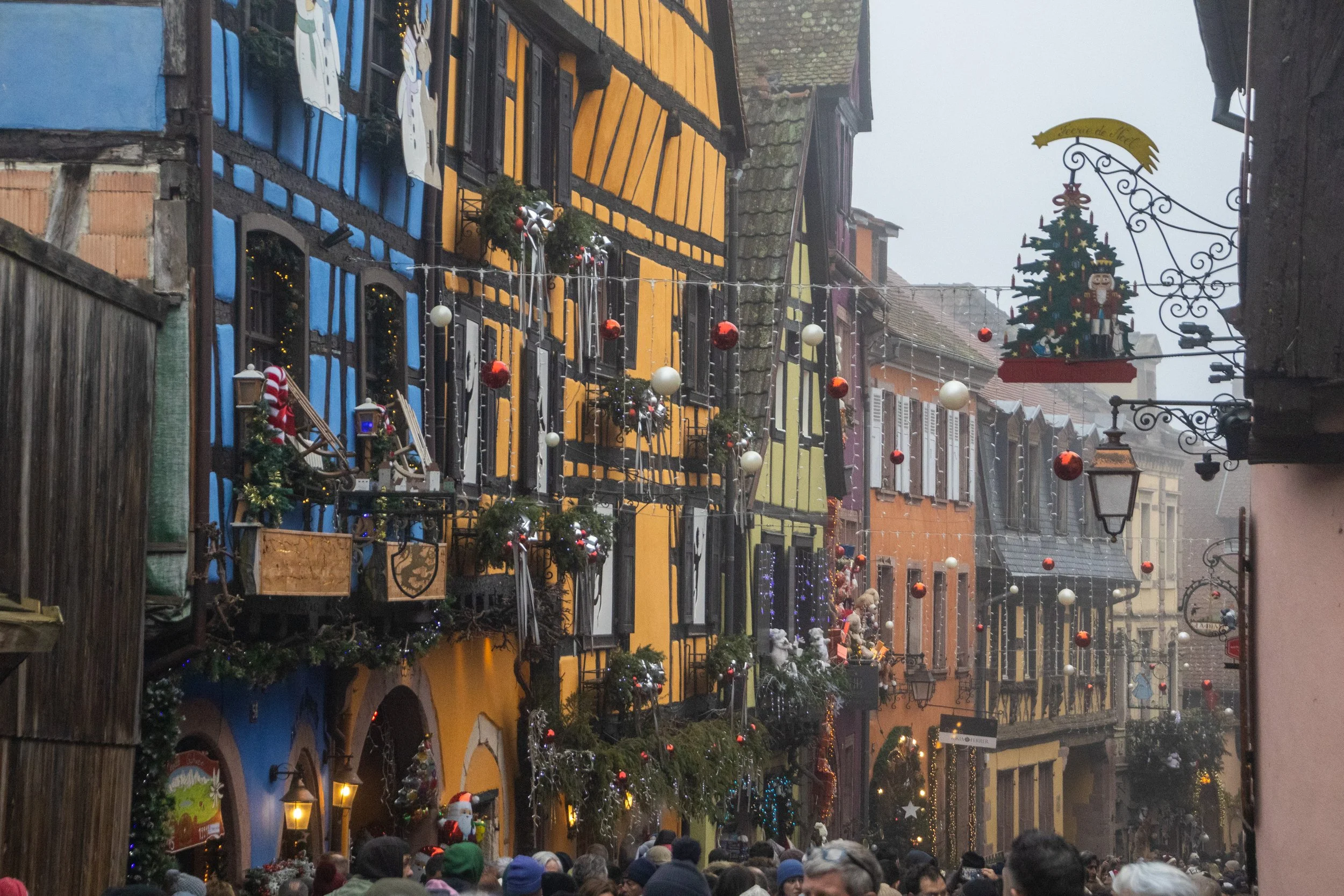
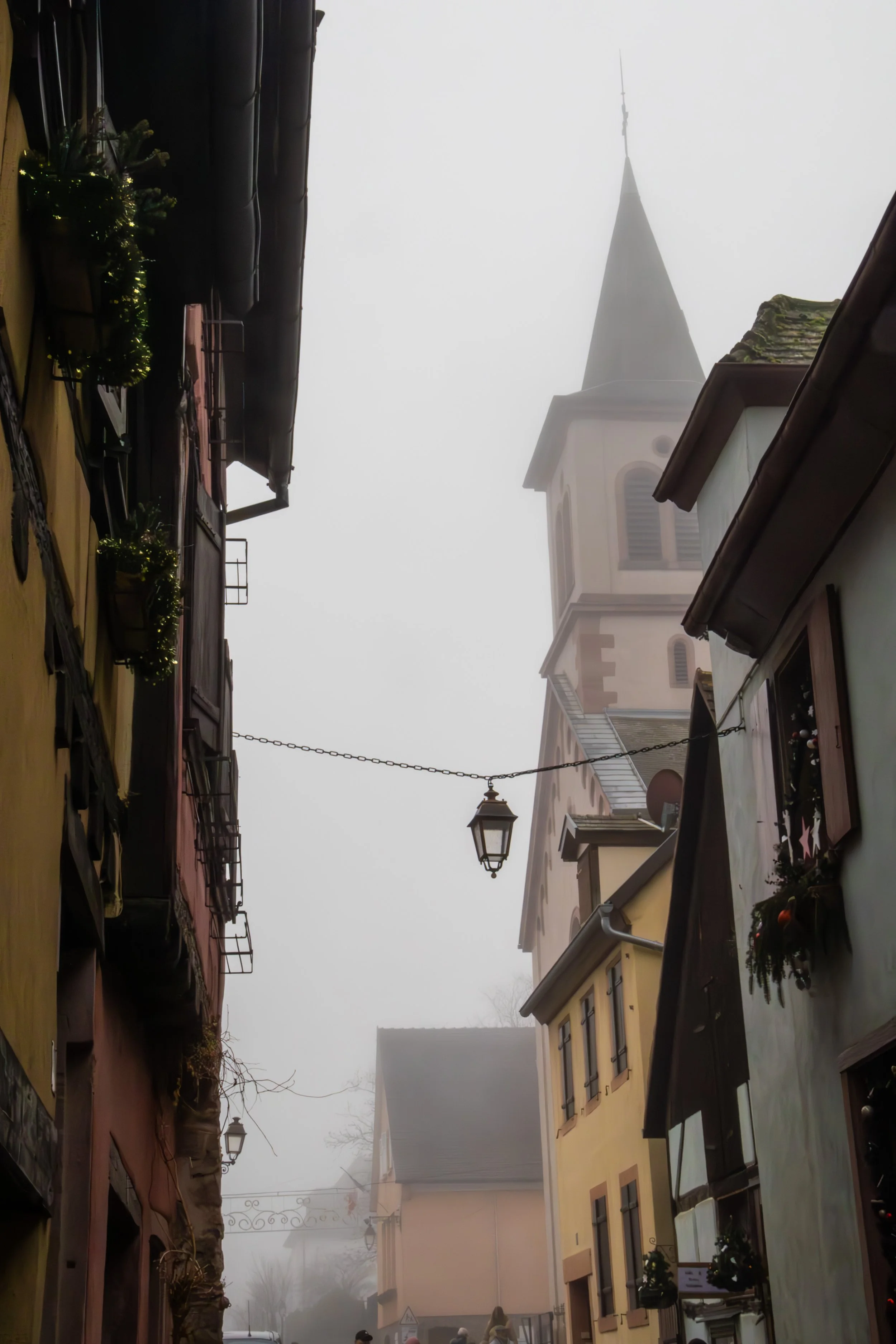
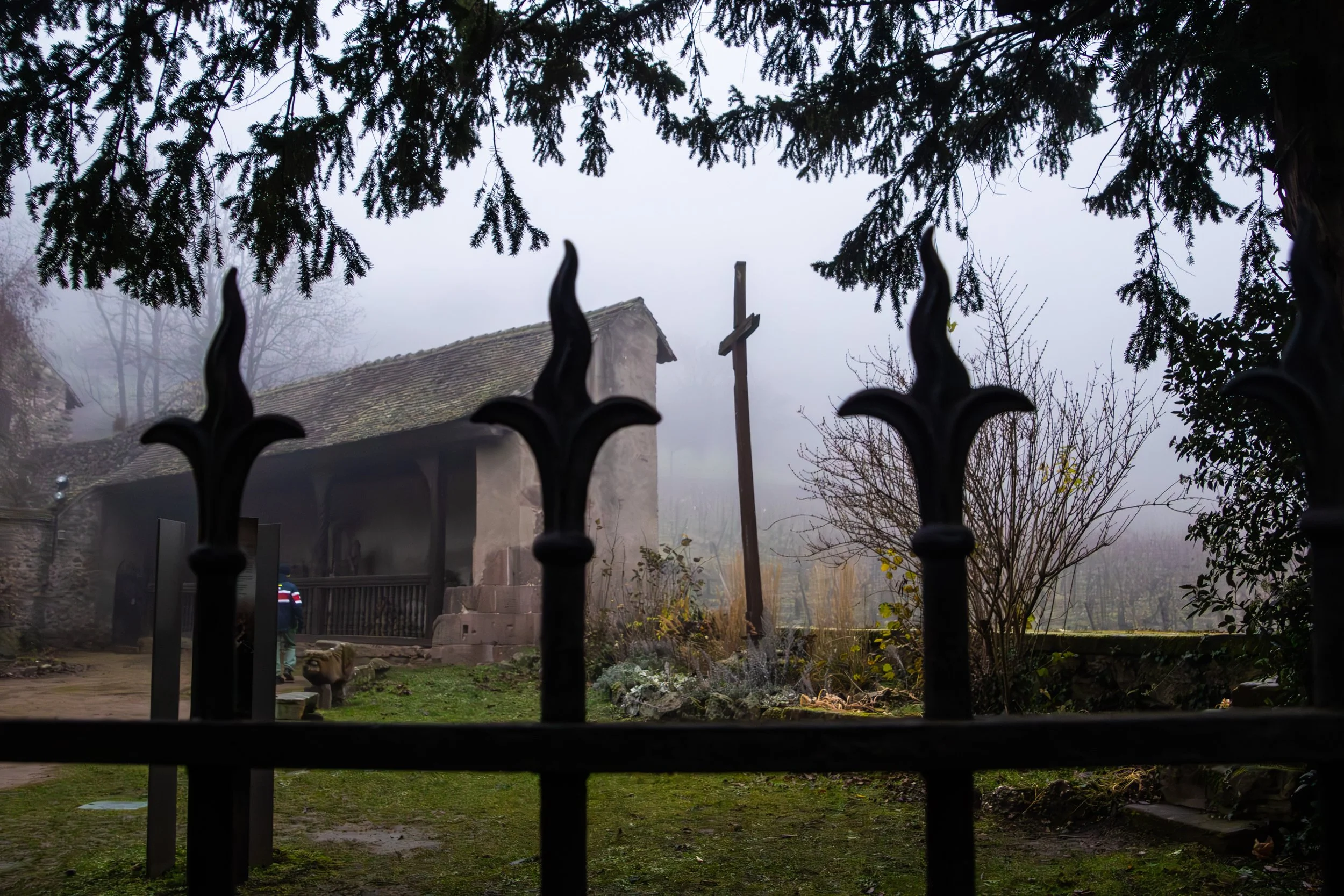
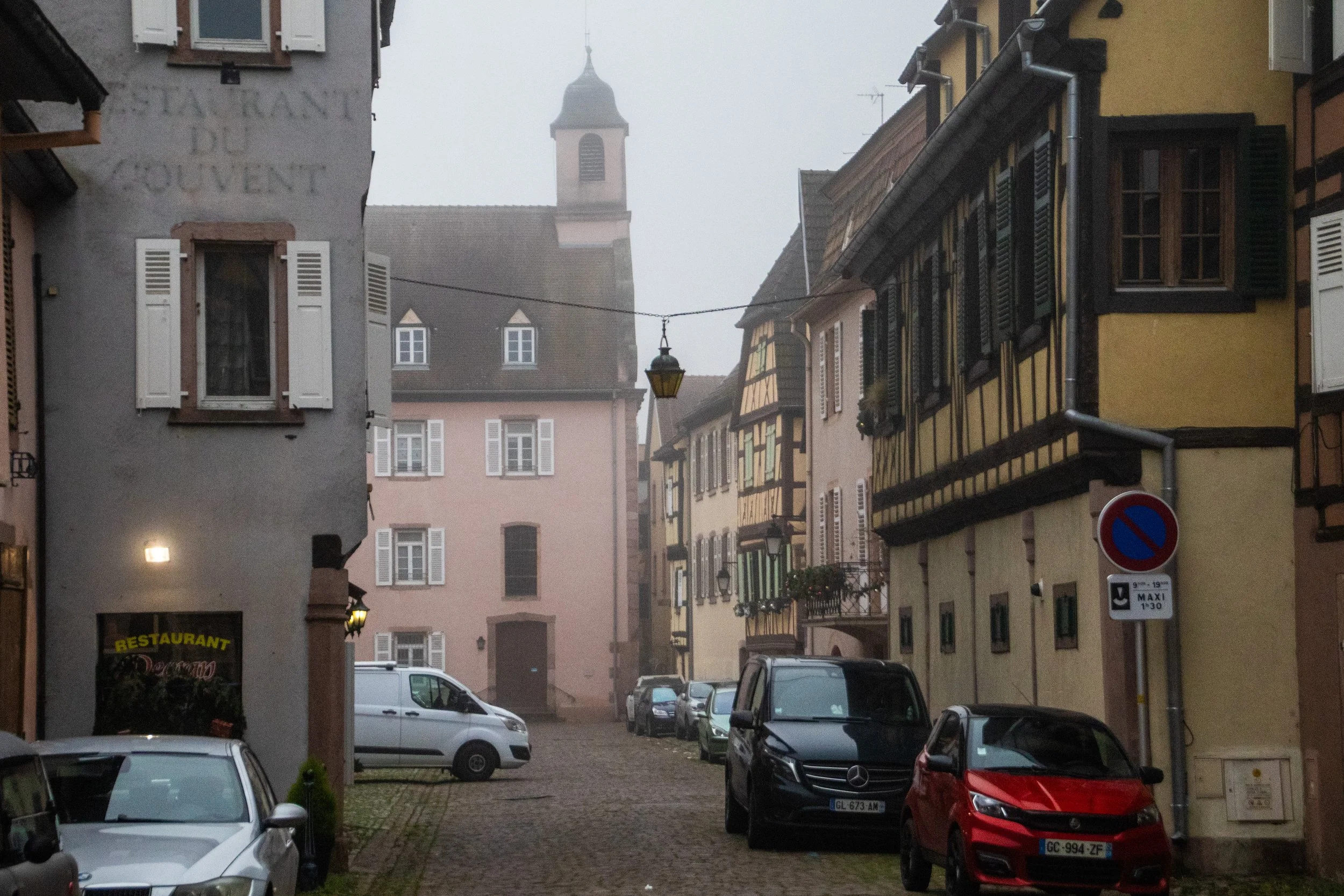
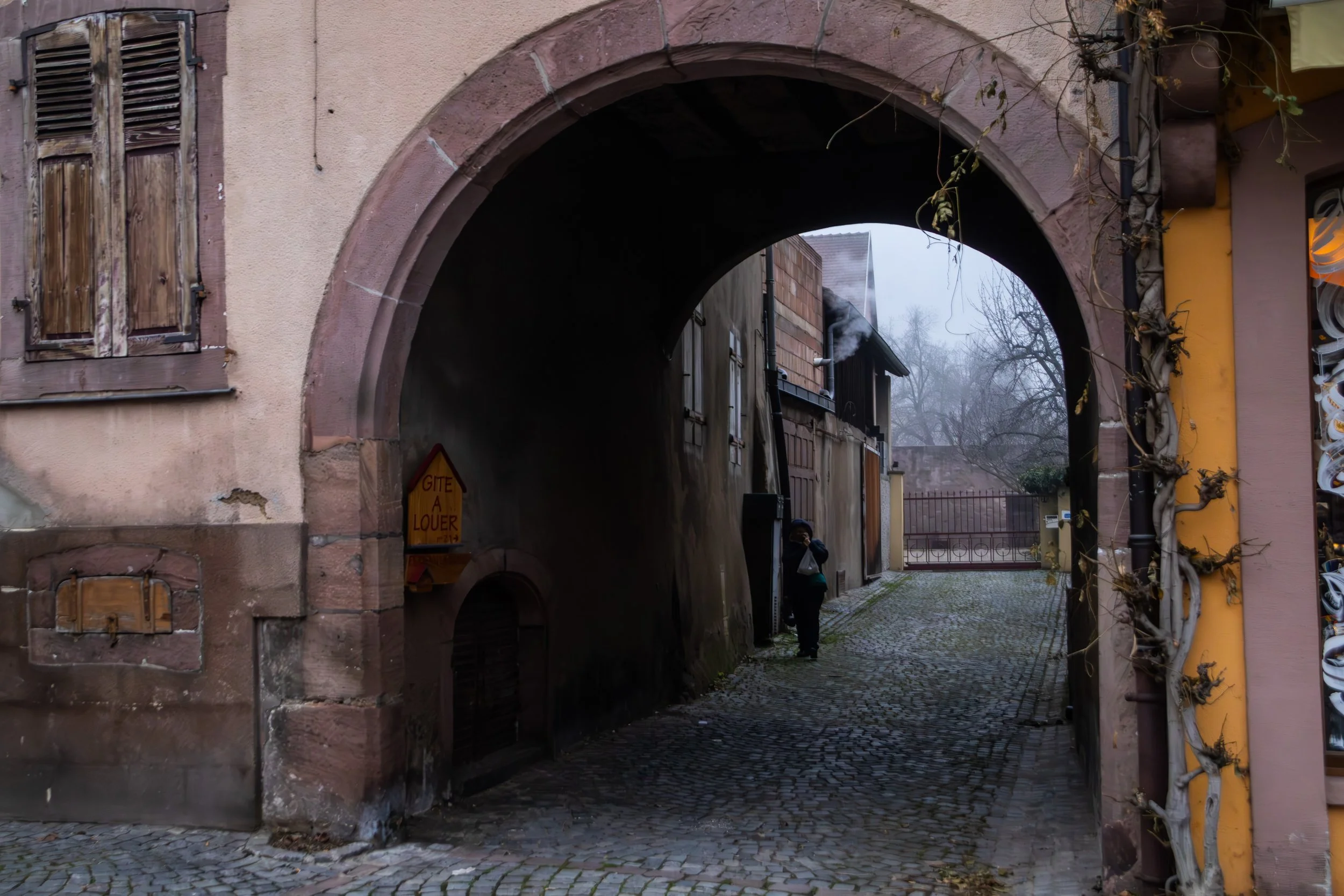
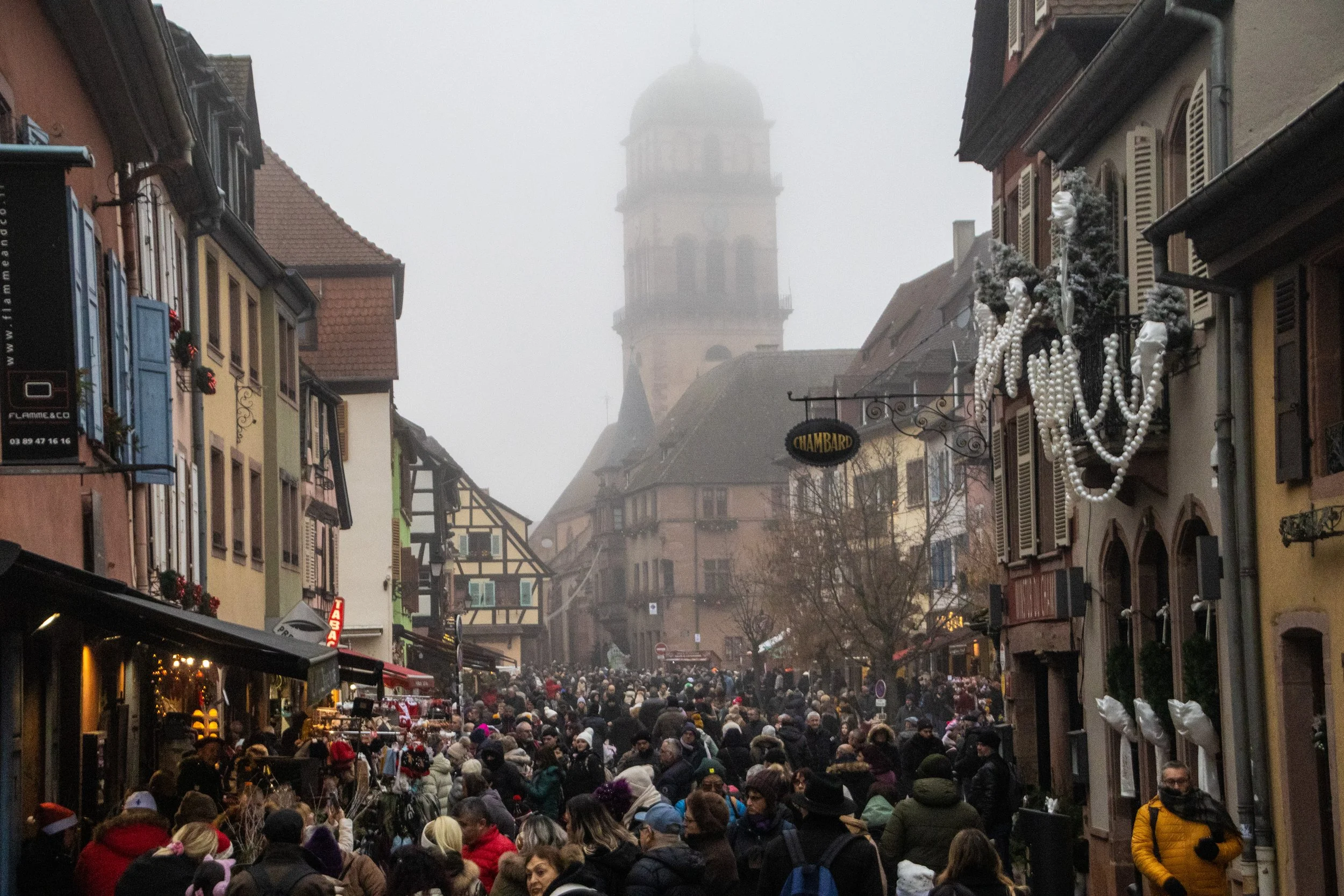
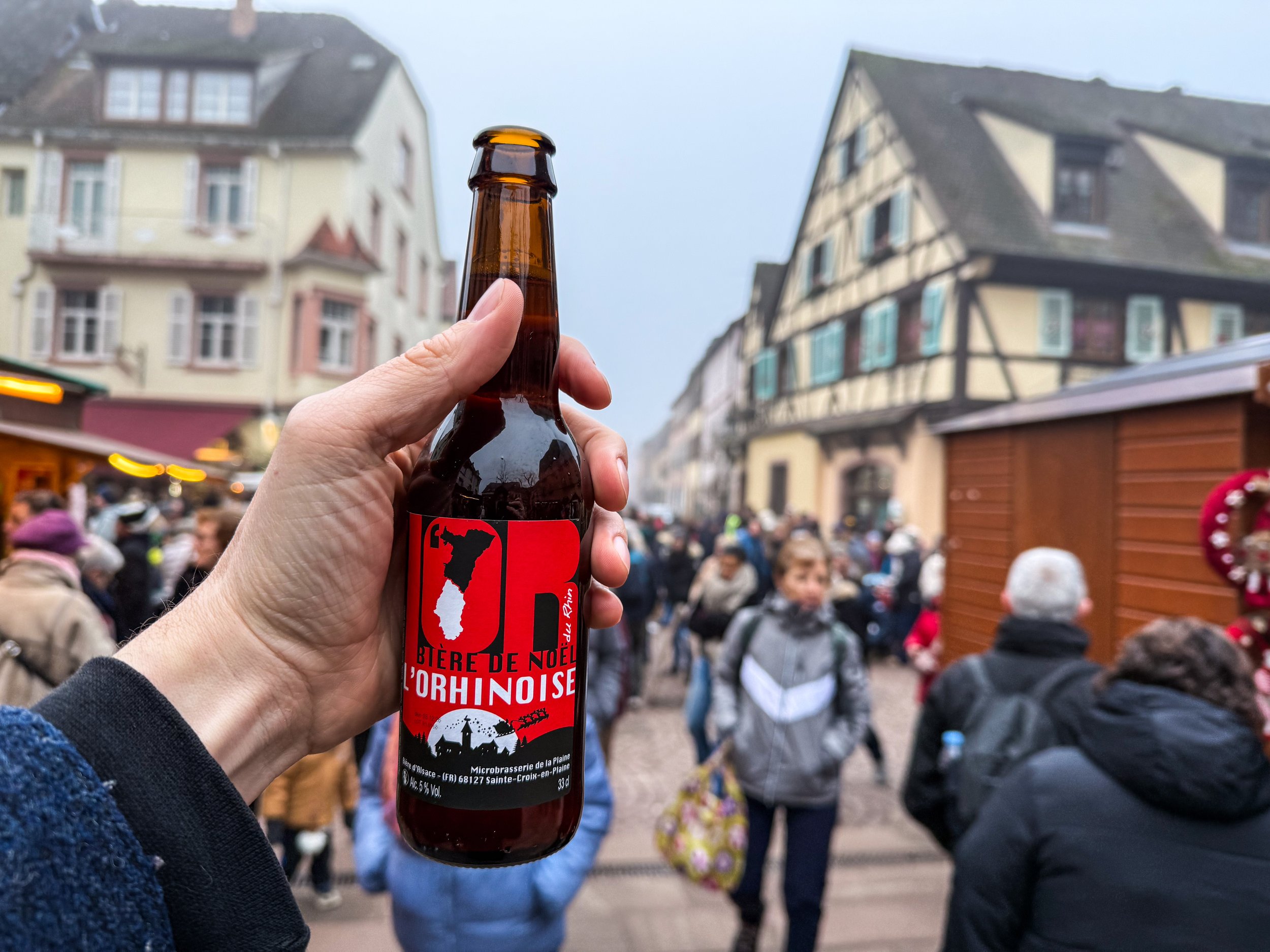
So, by the time we arrived at the entrance to the medieval town, there was little doubt left as to whether or not I would be able to find vin chaud here. It was omnipresent in this region, and I as grew ever colder, I became increasingly dependent on it to keep from shivering. But, in the dreary, penetrating cold, the best way to keep warm was to keep moving, and the charm of this town provided plenty of potential destinations. The gallery below will move chronologically, starting with the foggy vineyards, walking through the outskirts of the town, eventually entering the bustling Christmas Market at the town’s center.
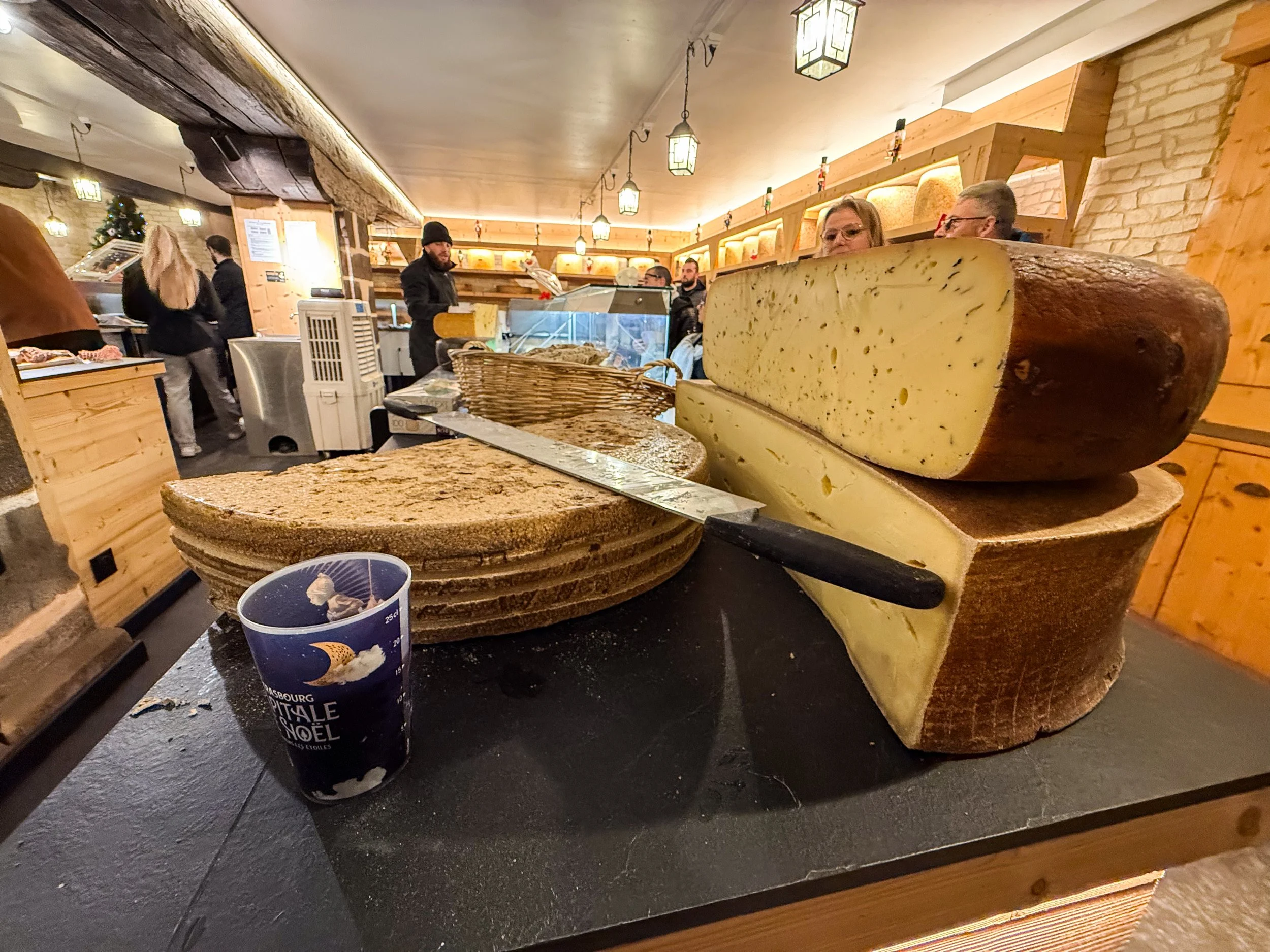
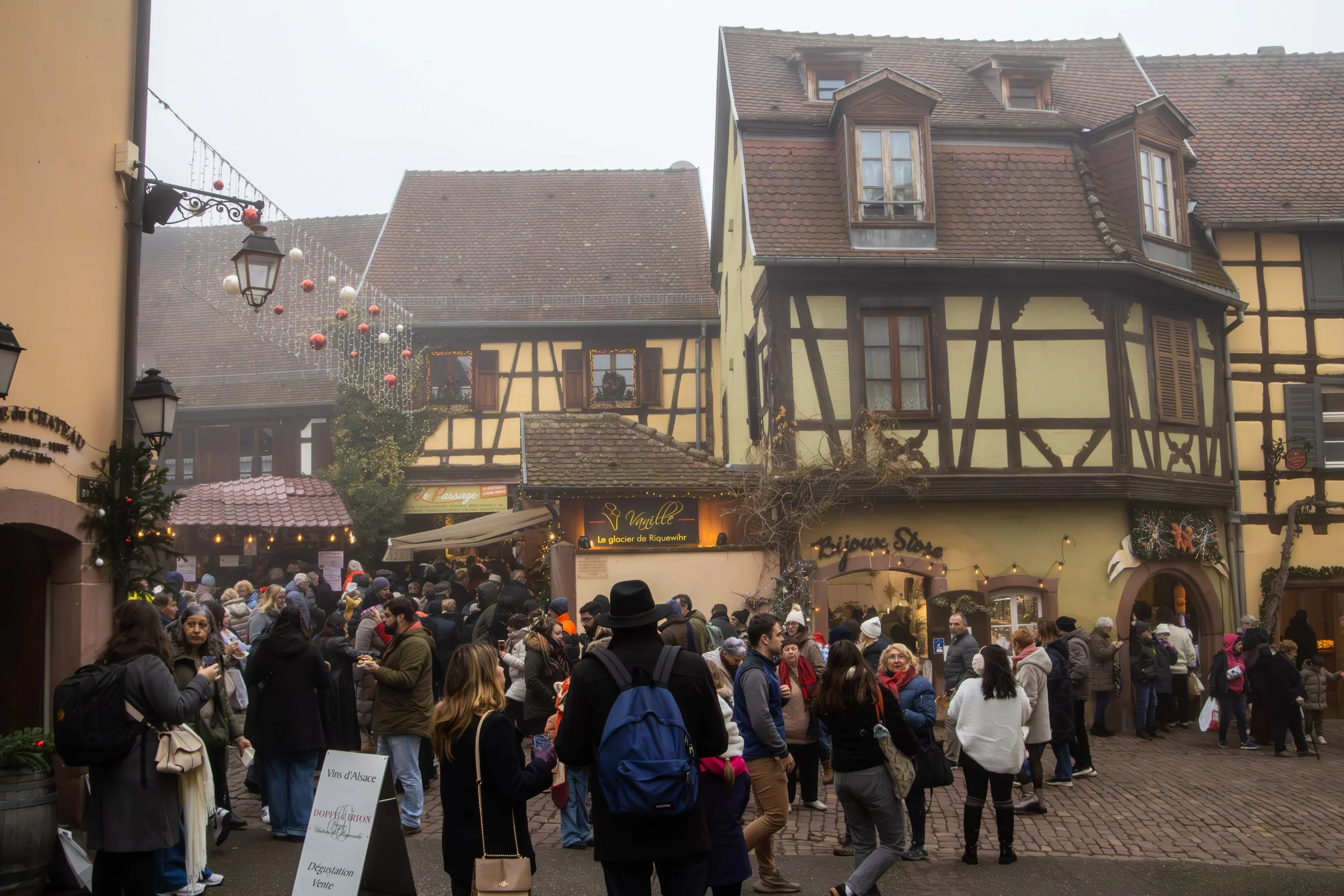
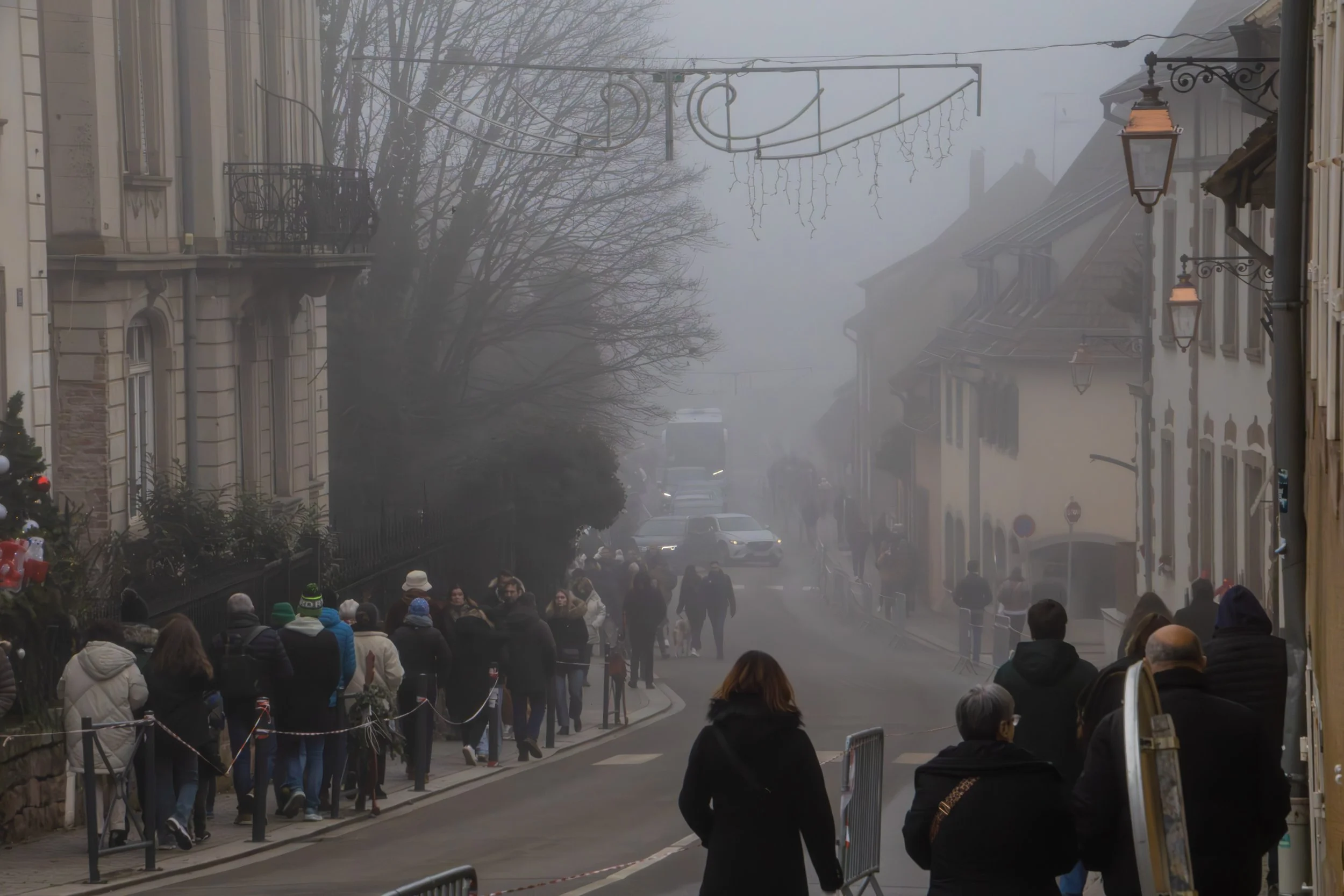
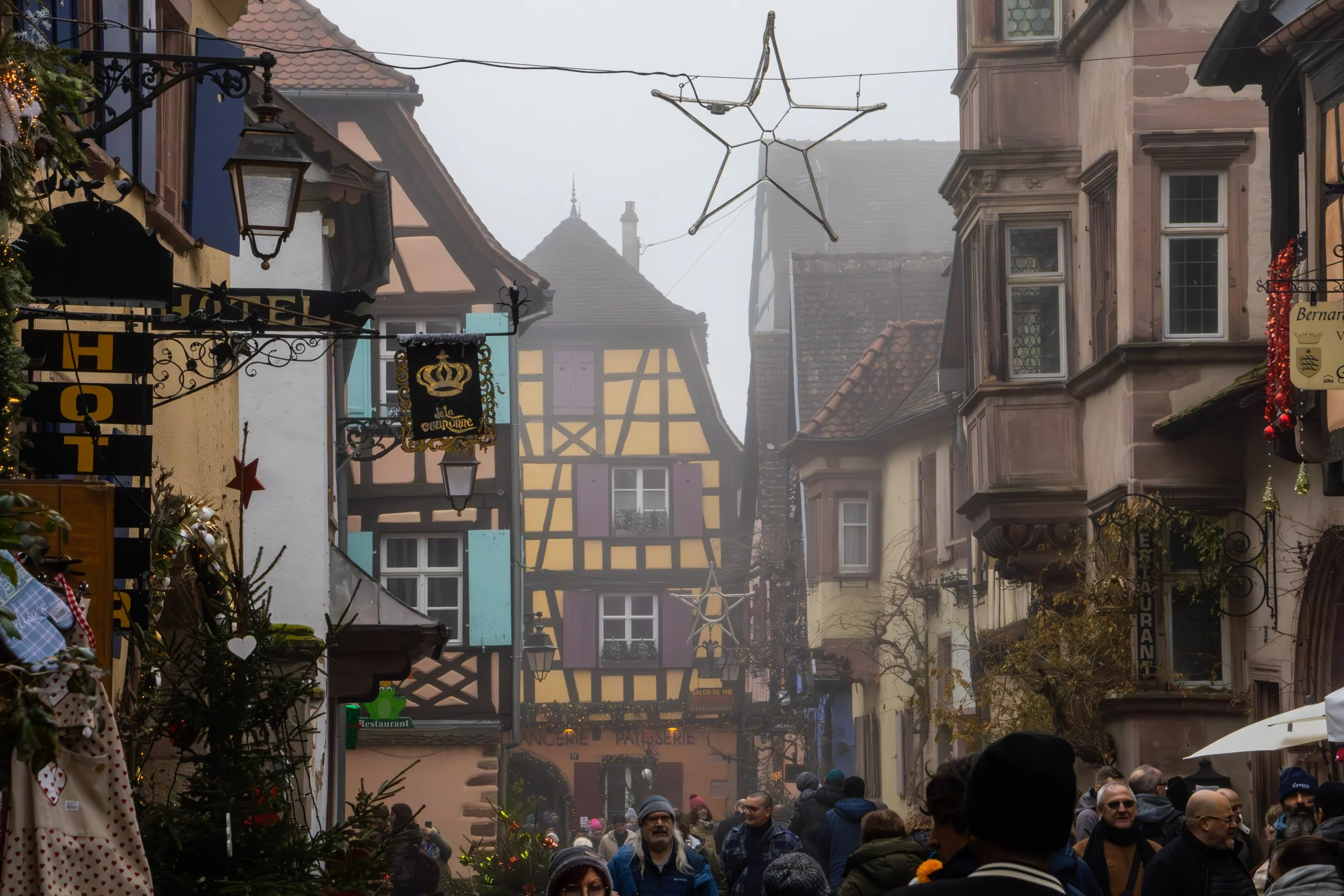
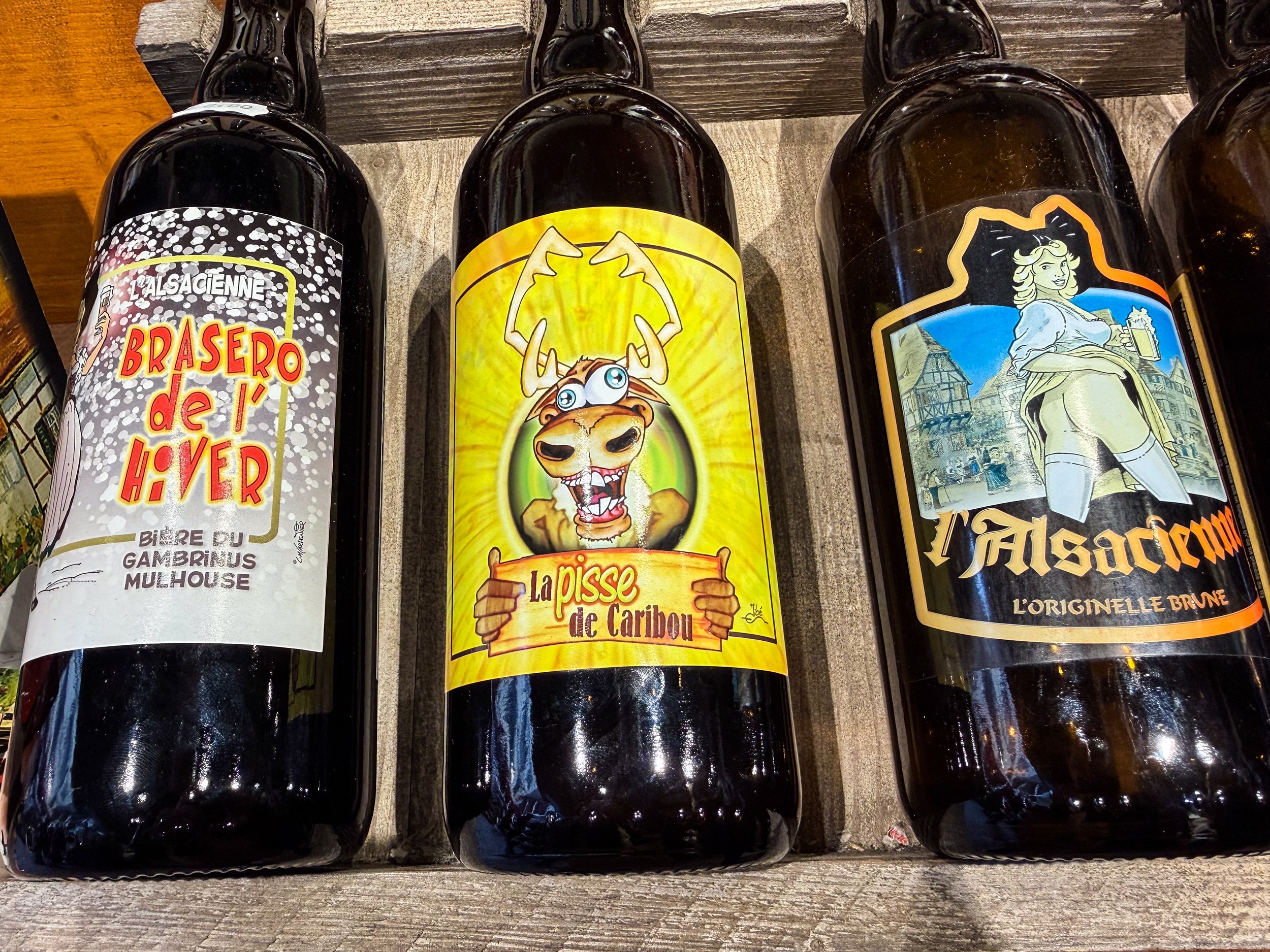
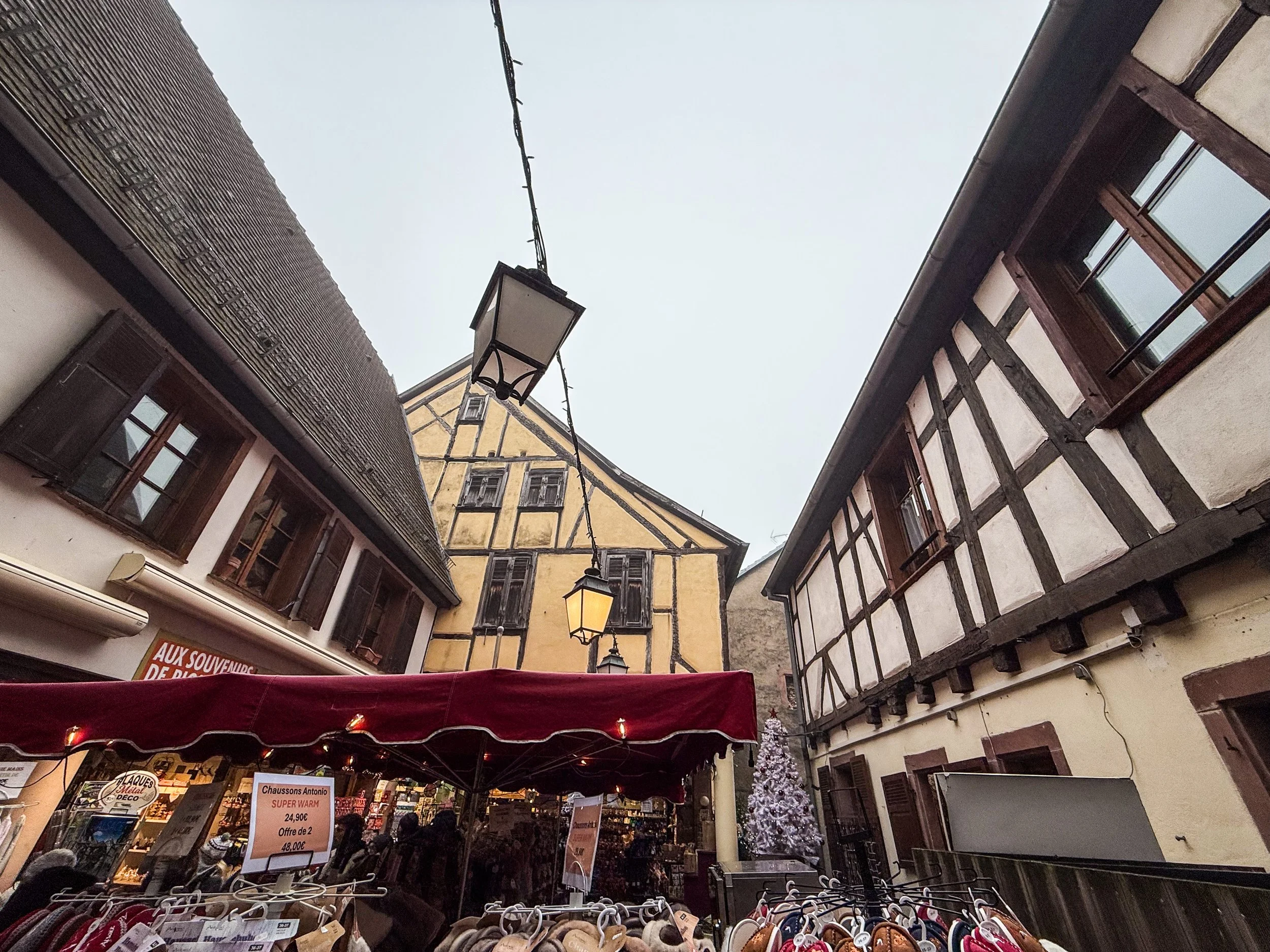
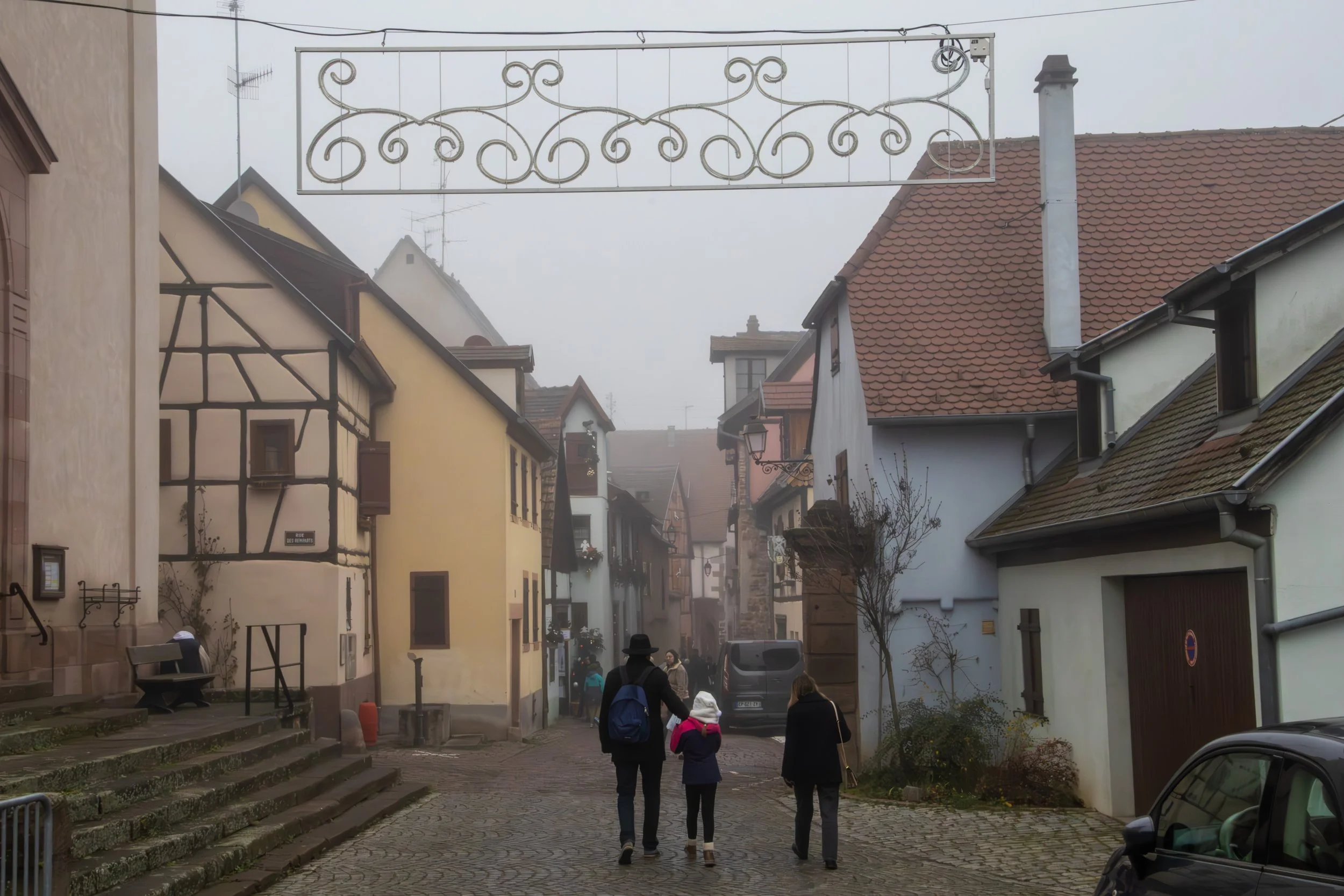
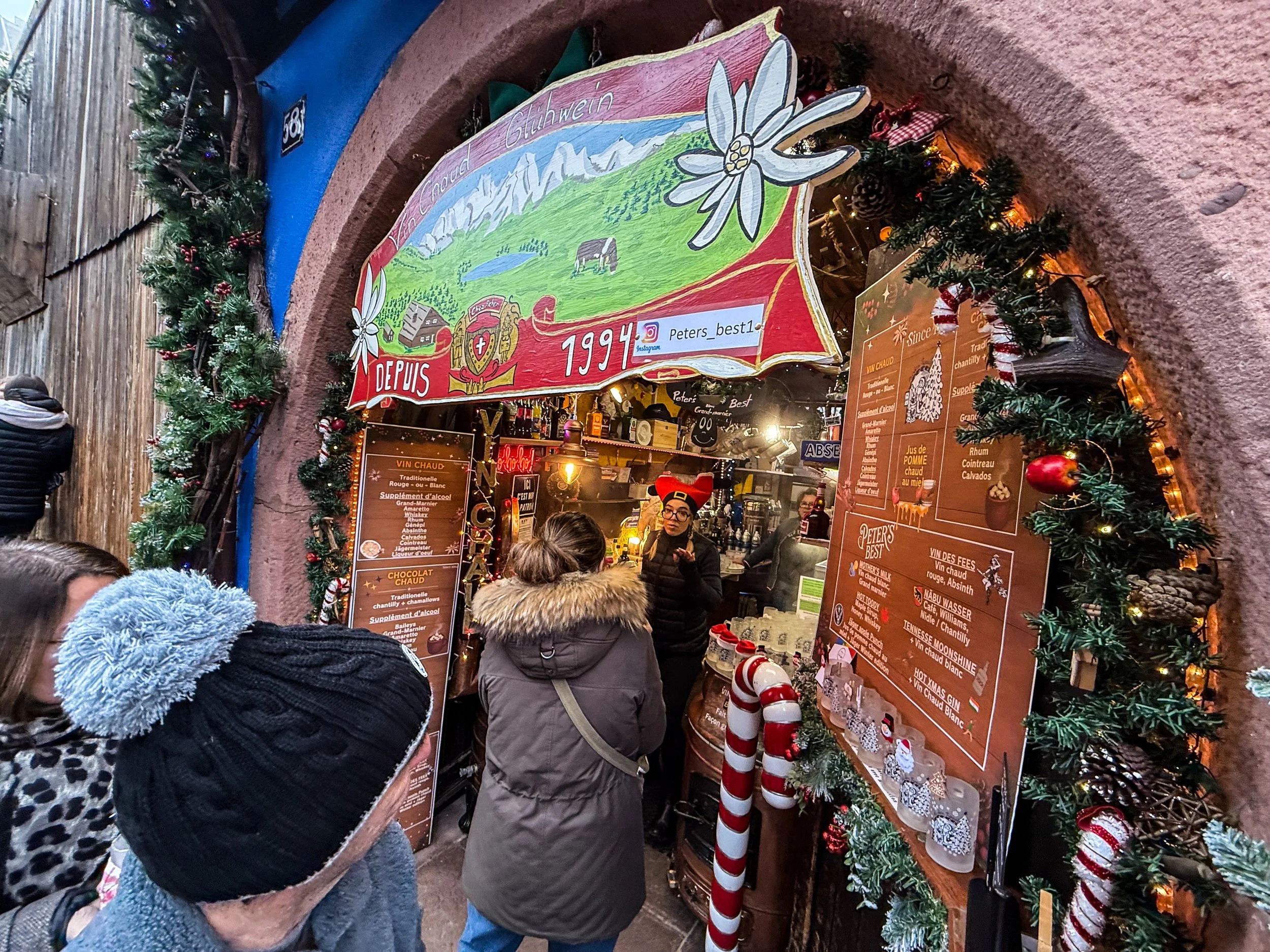
Christmas in the village of Kaysersberg
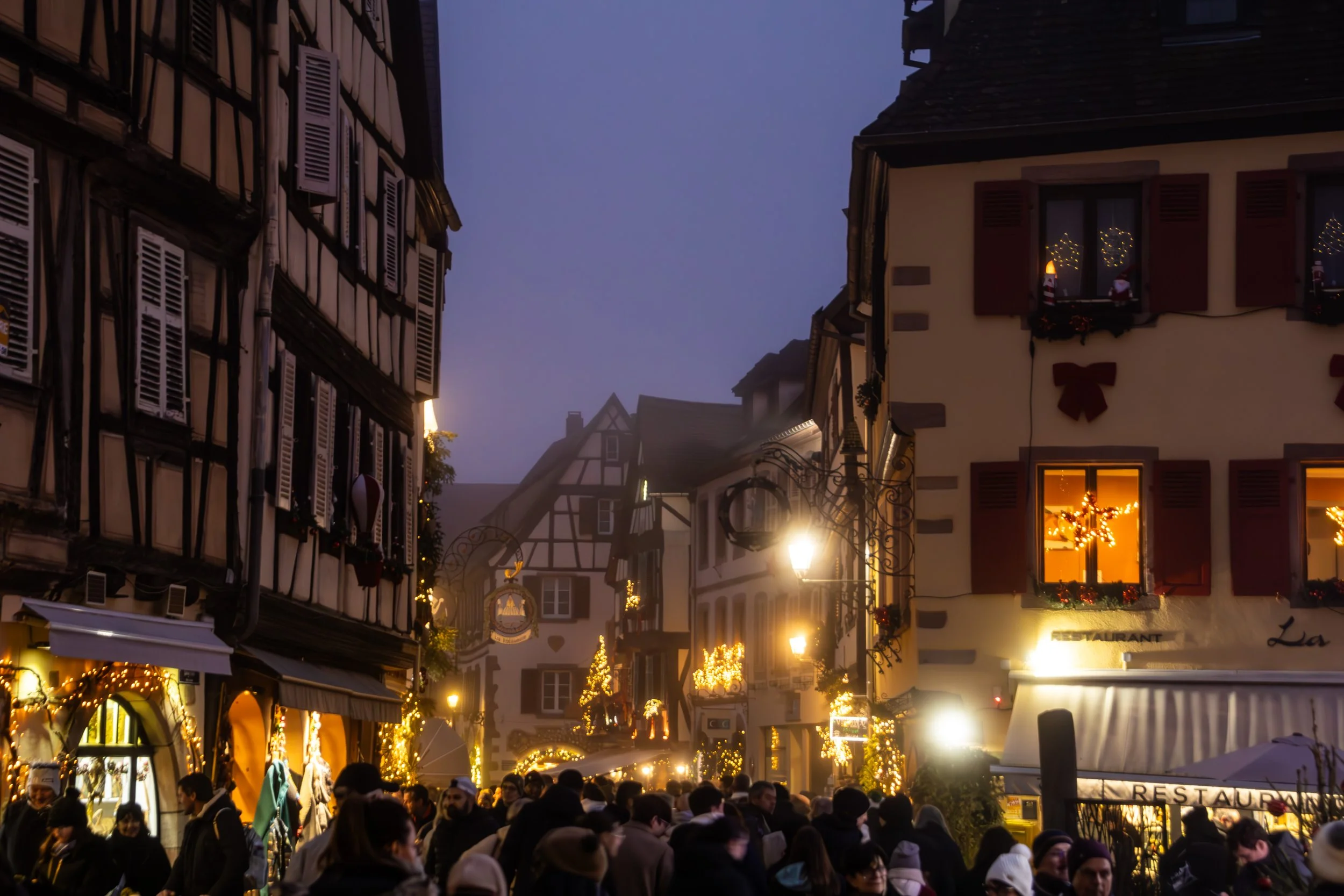
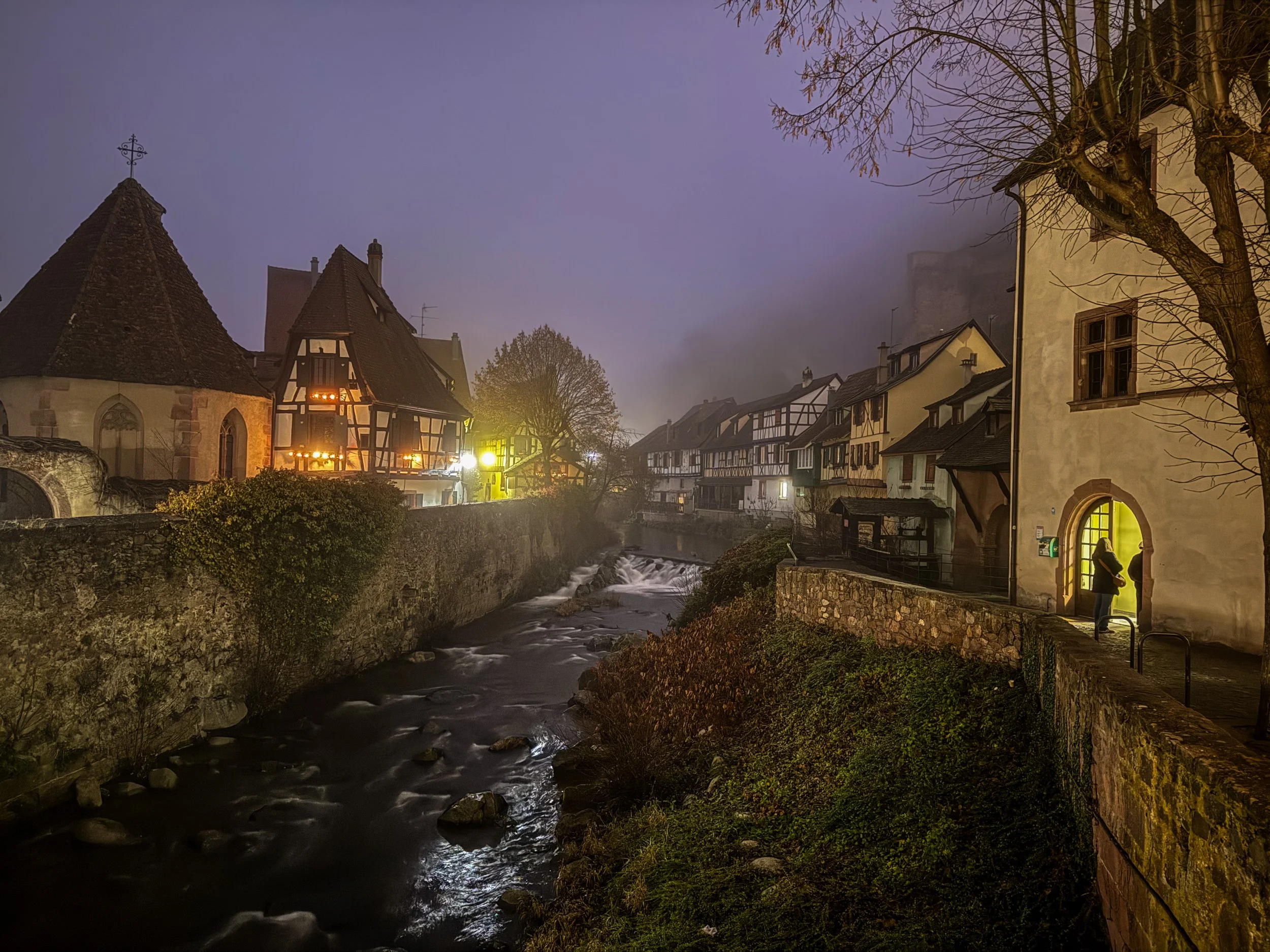
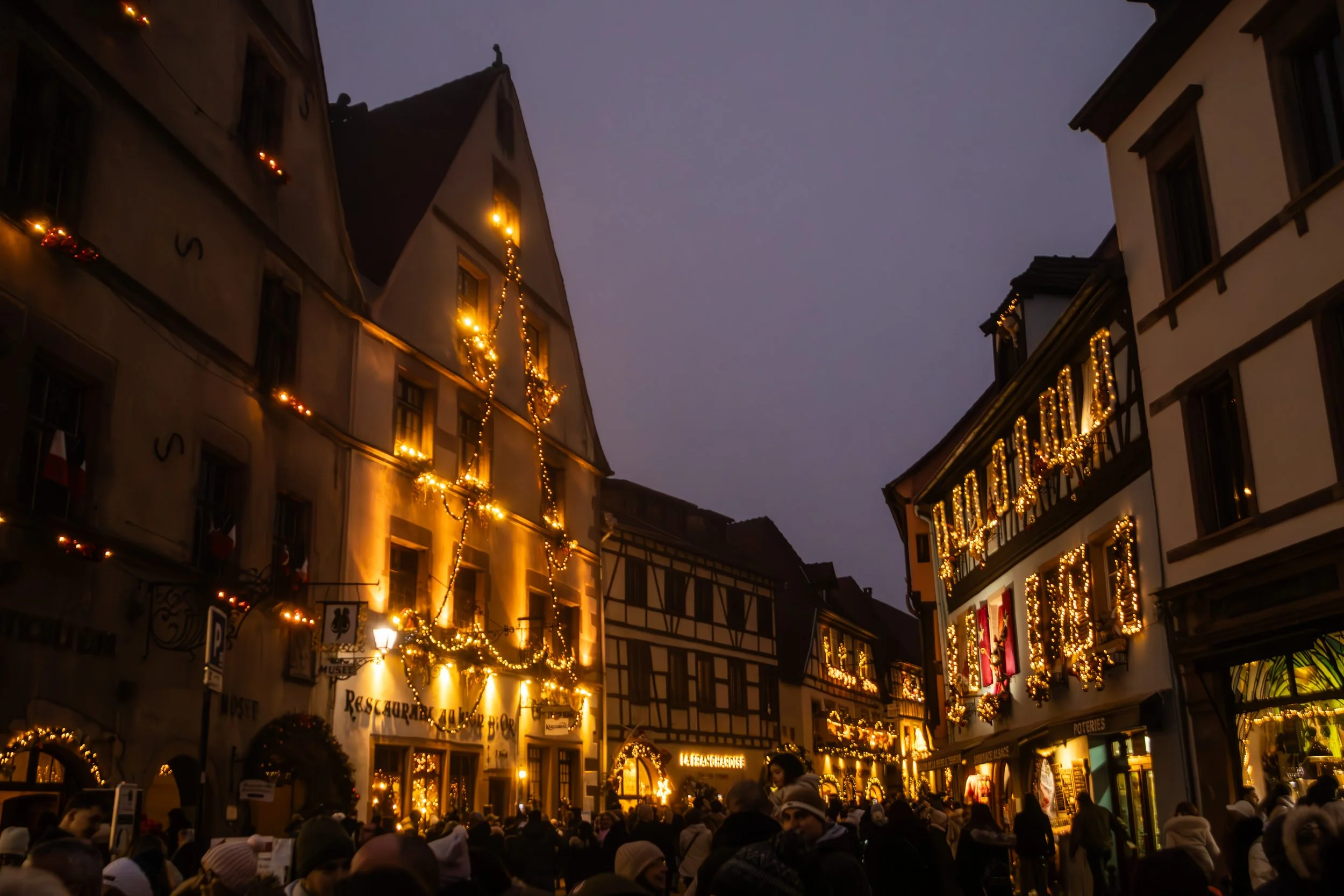
Moving on from Riquewihr, we now arrive at our second and final village of the day. What little daylight had even managed to penetrate this fog in the first place was beginning to fade by the time we arrived here, teeing us up to watch the town move in unison to light up its Christmas decorations. It did not disappoint… but first, some info on Kaysersberg.
Though still quite small, Kaysersberg is much bigger than Riquewihr, carrying a population of just below ~5,000 people. It’s also nestled in the thick of Alsatian wine country; its ‘main drag’ is actually just 1 street removed from a vineyard built on a steep hill. This hill slopes upward to a Castle that dates back to 1227, when this region was part of Frederick II’s Holy Roman Empire. We stumbled onto this vineyard organically—which was cool—but the fact that there was also a castle was sitting just a short ways up the hill? Eh… in the fog, this was less obvious.
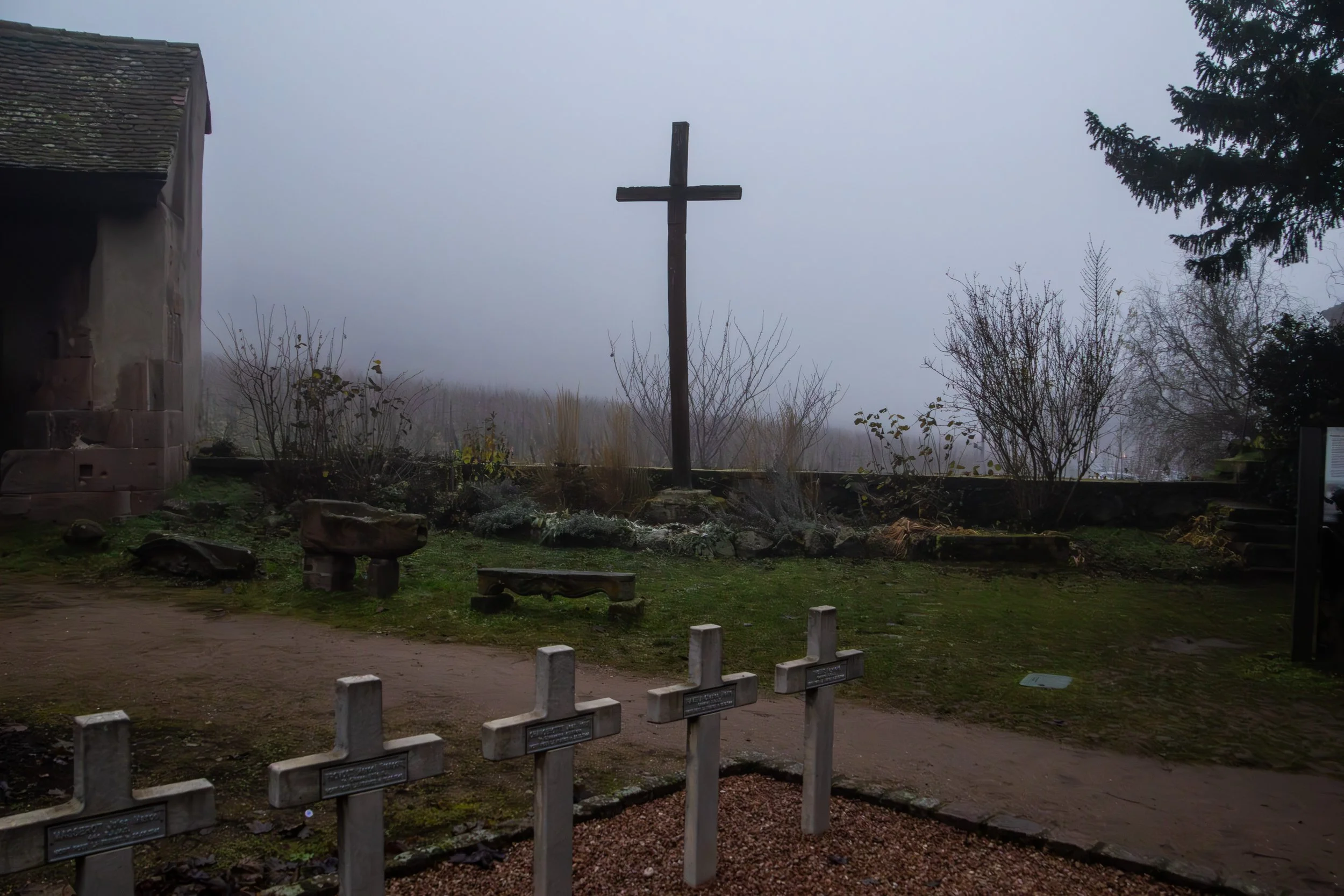
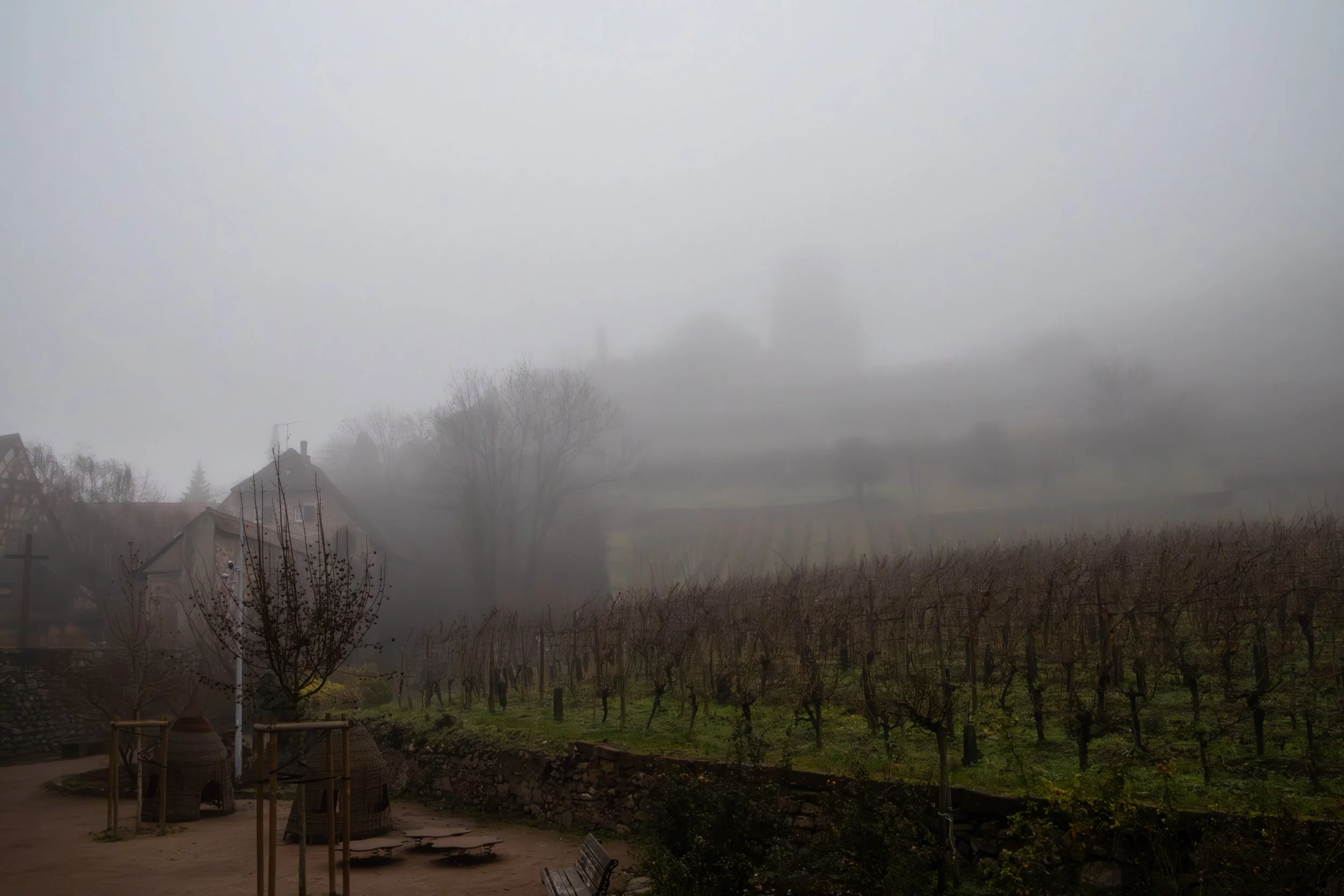
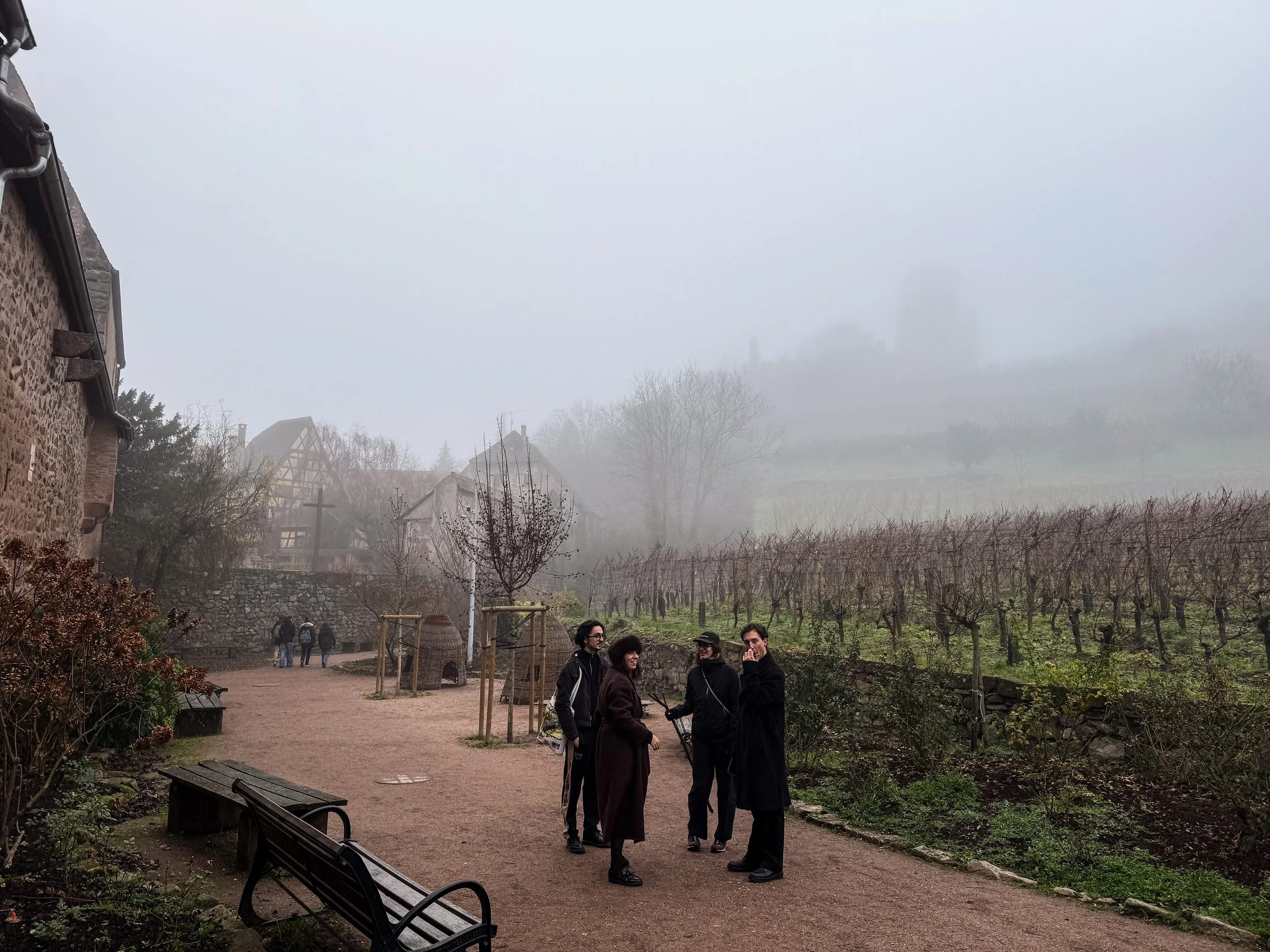
However, once I had identified this shape shrouded in fog at the top of the hill, I would start to look for it from the streets of Kaysersberg as I walked through town. In the gallery at the end of this article, once night fell, you will see it towering over the streets, lights illuminating its shape through the fog. But before we get to night fall, let me show you a bit of this town in the “light” of day…
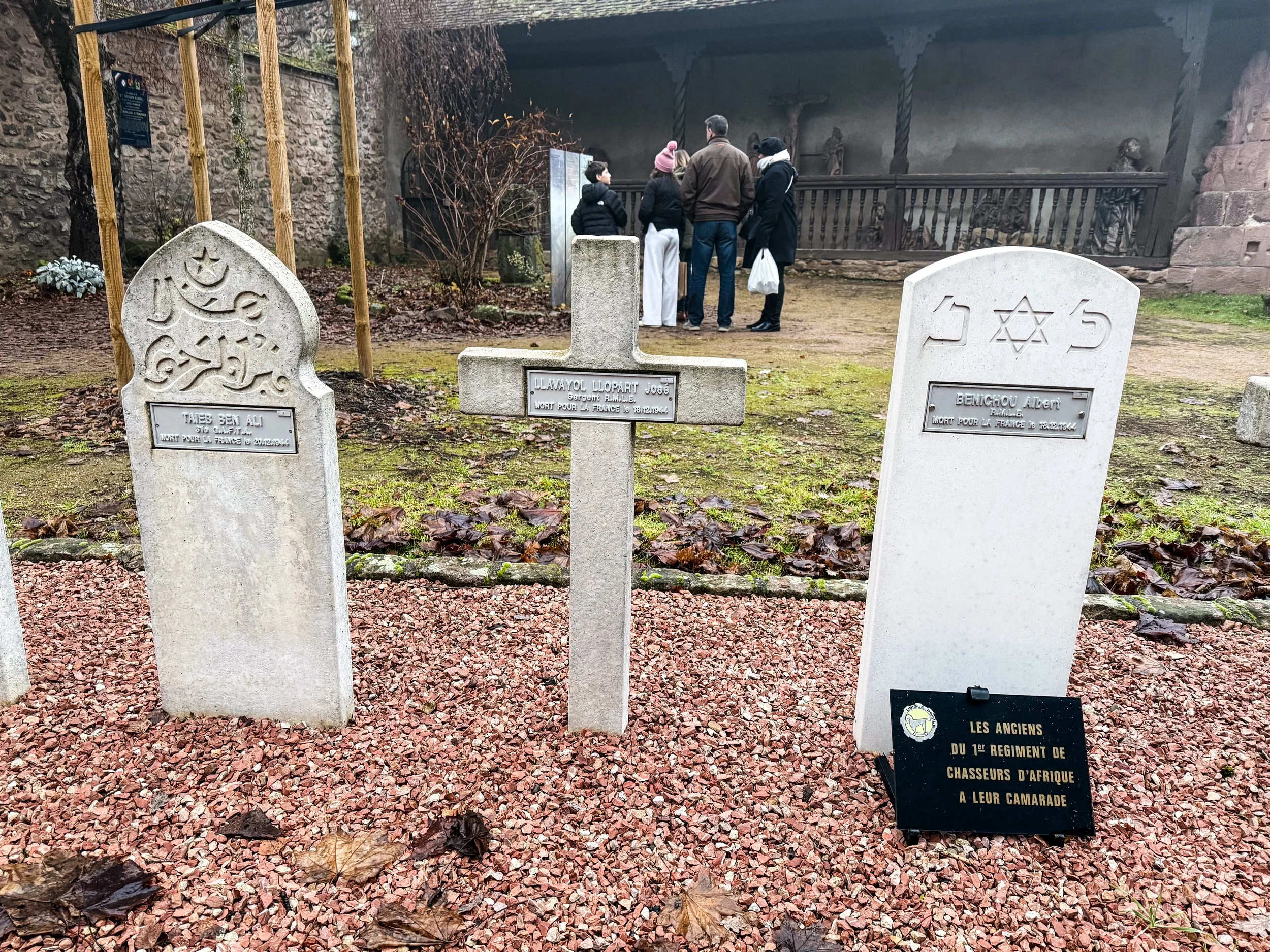
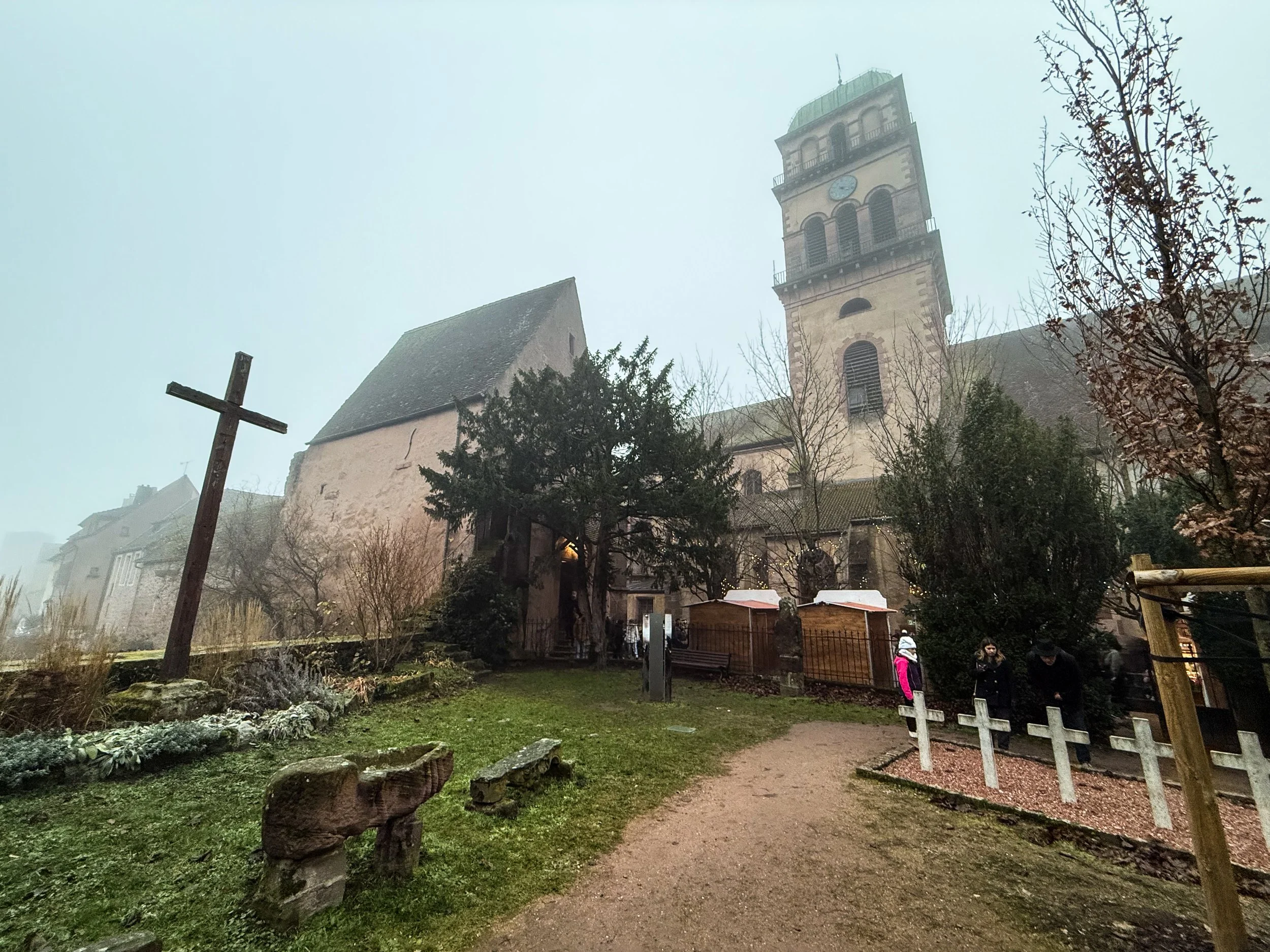
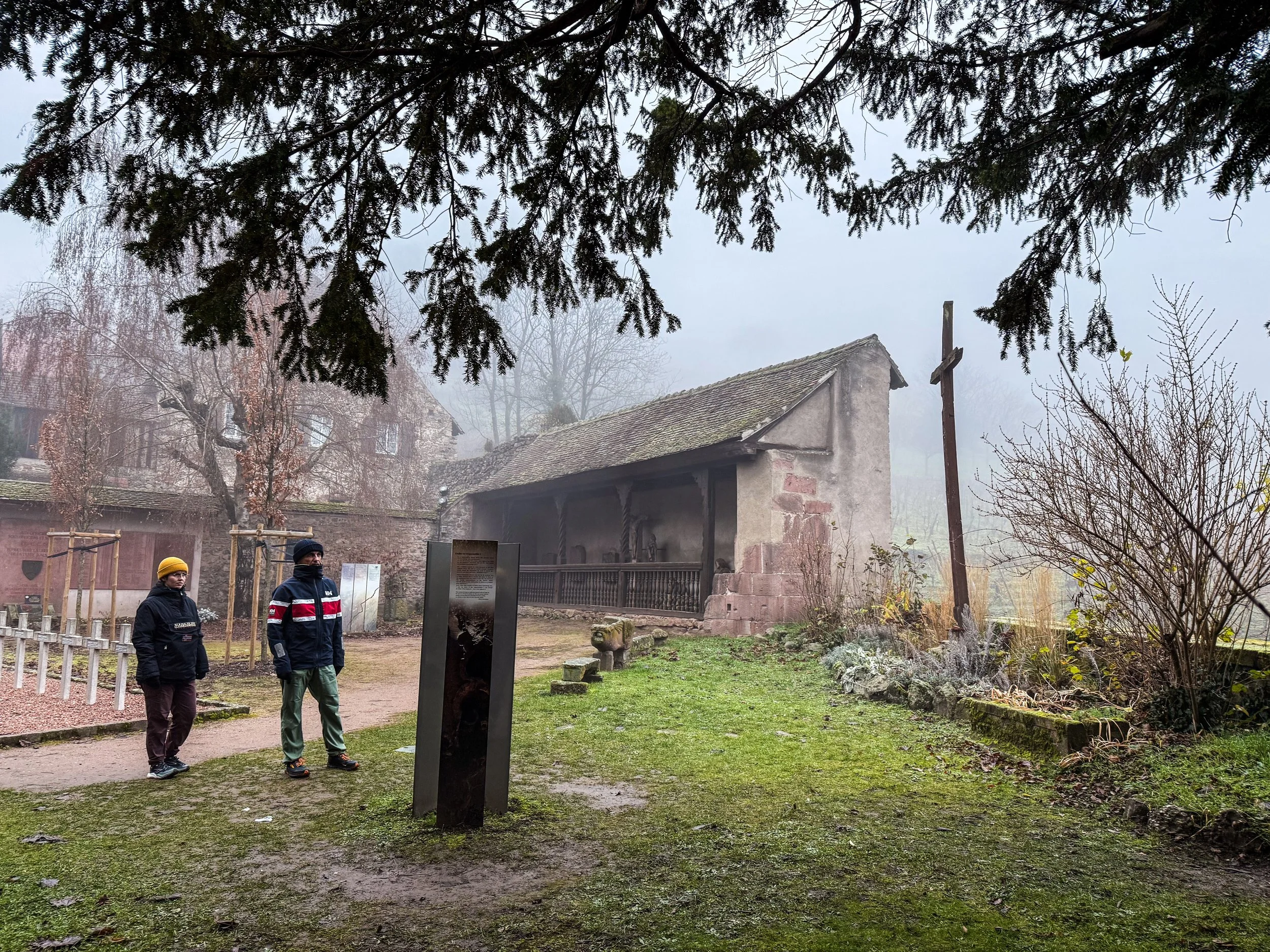
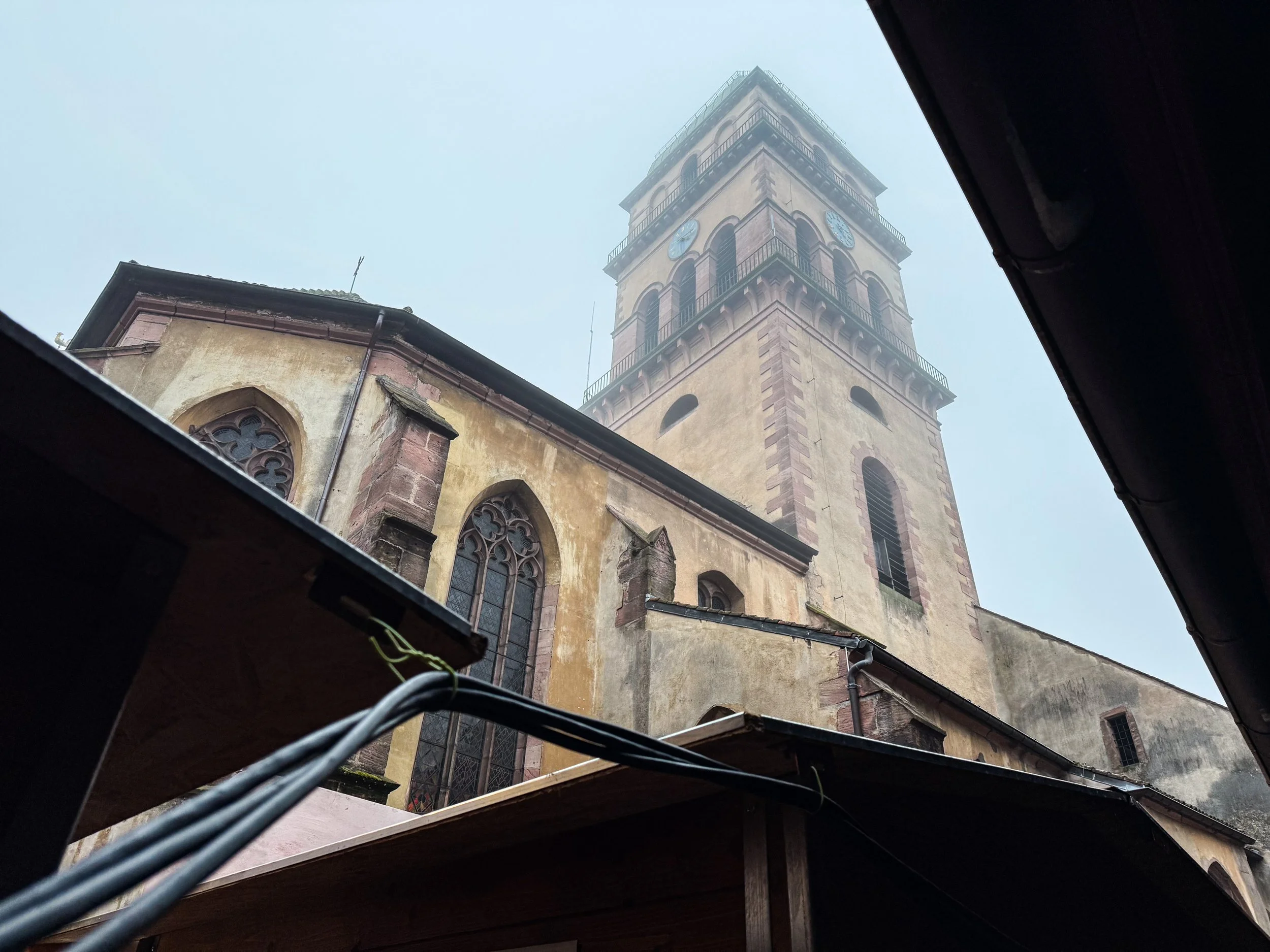
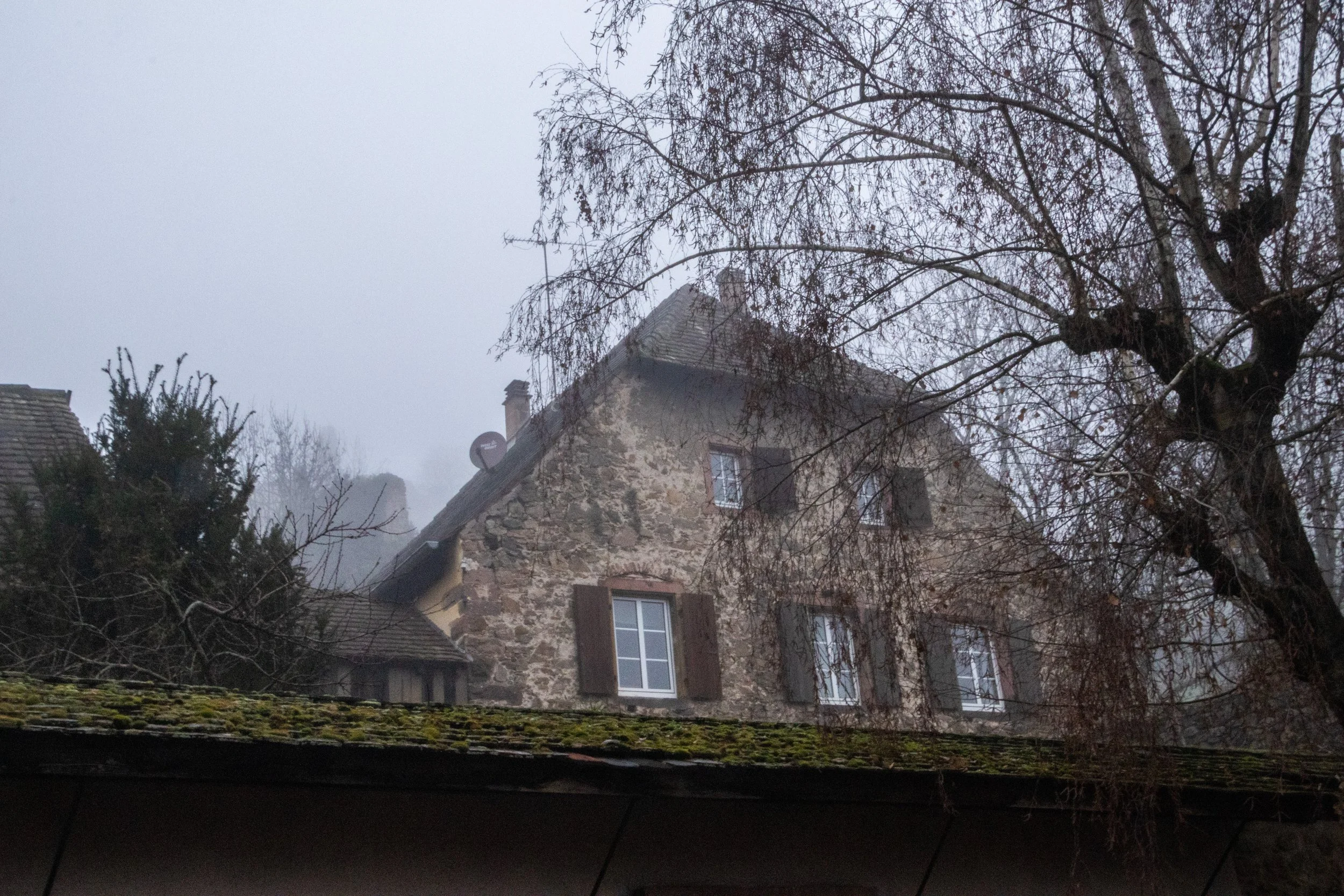
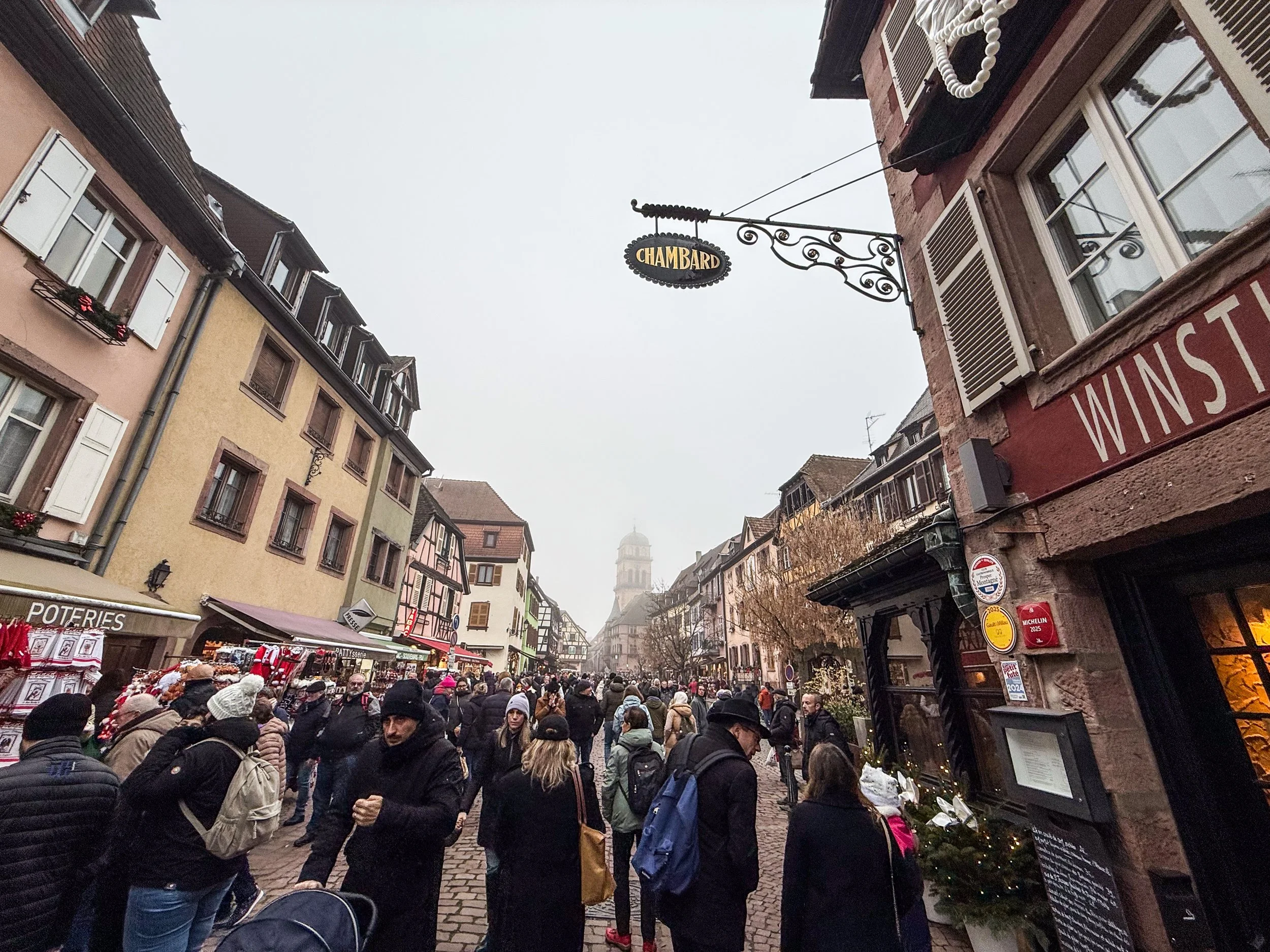
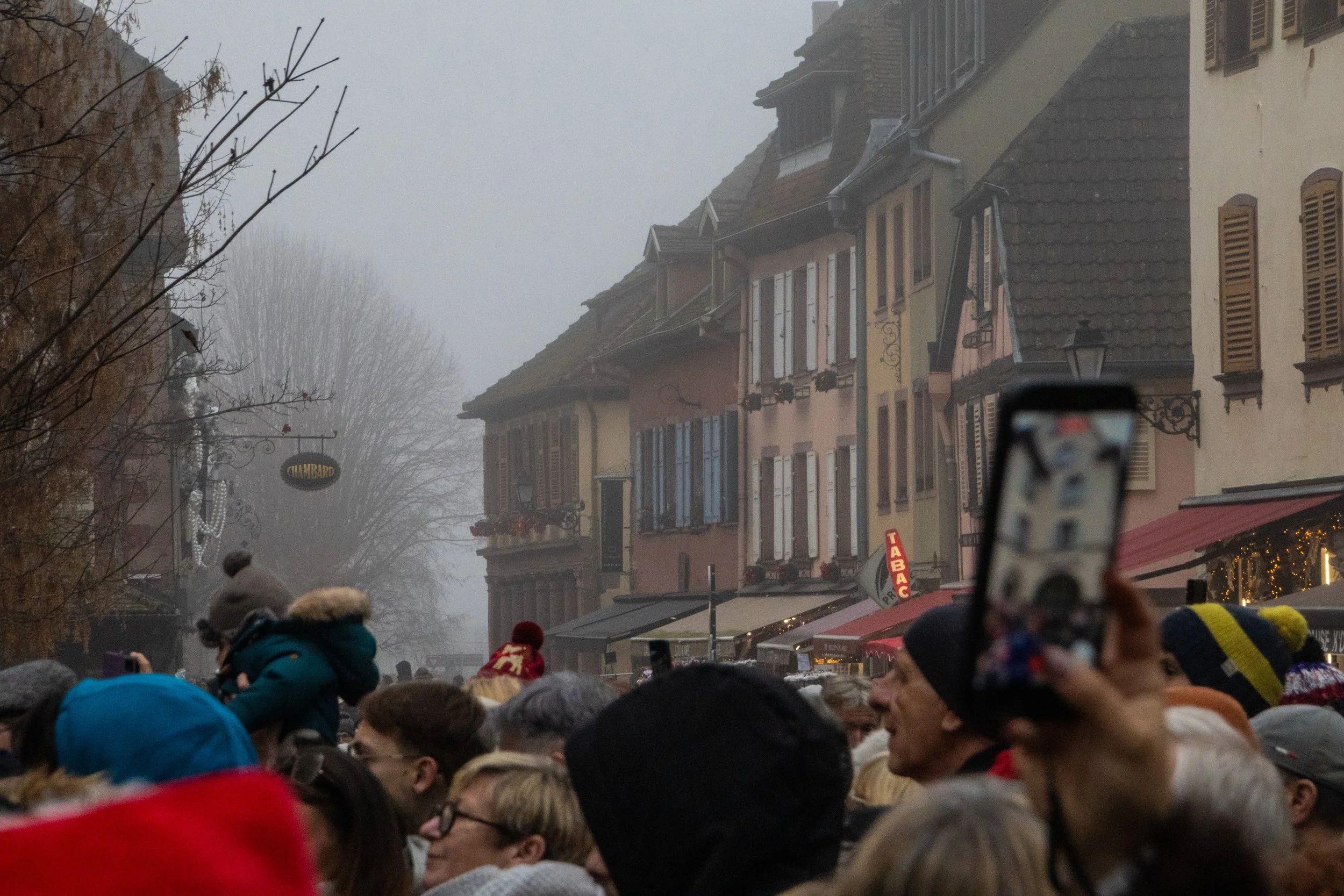
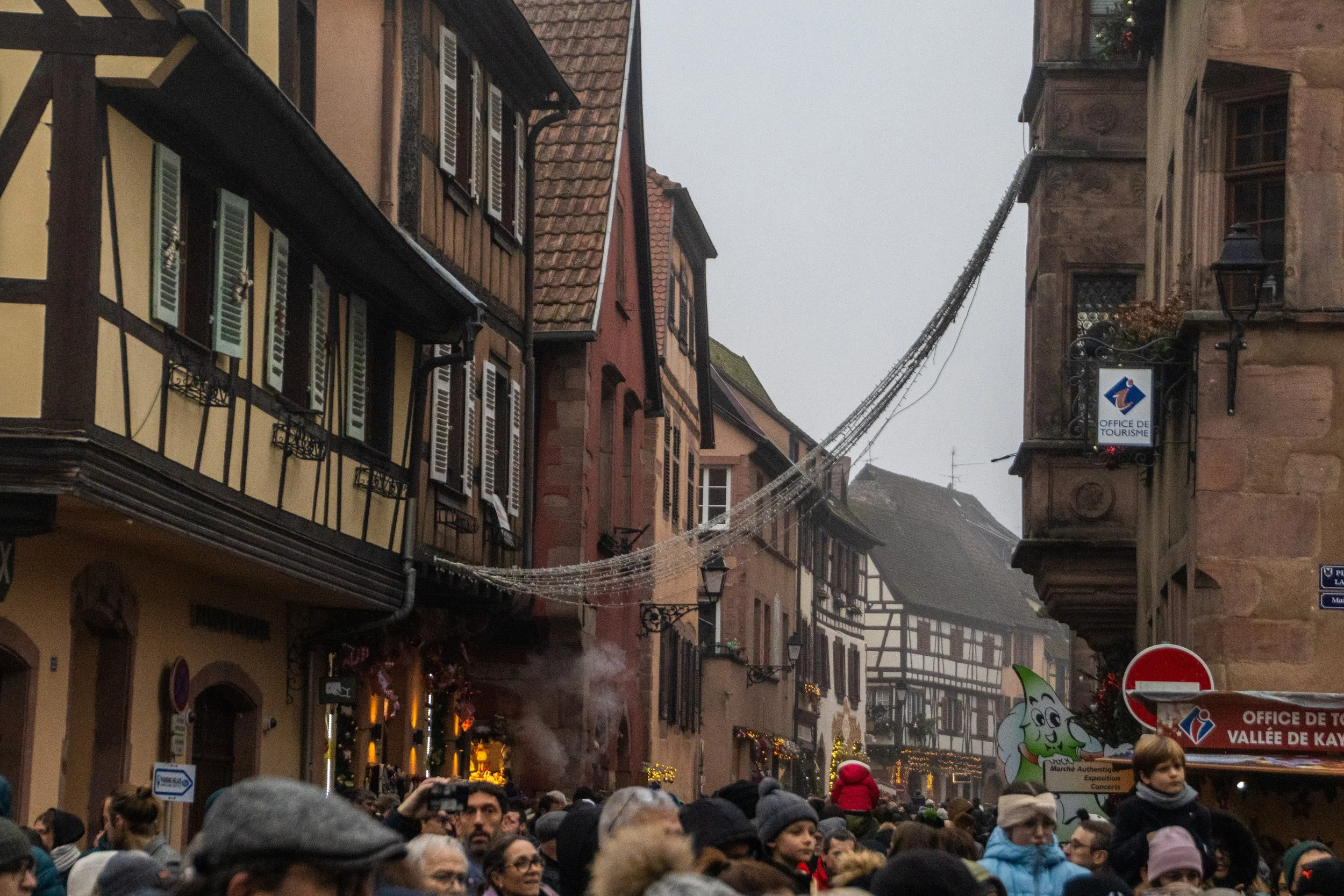
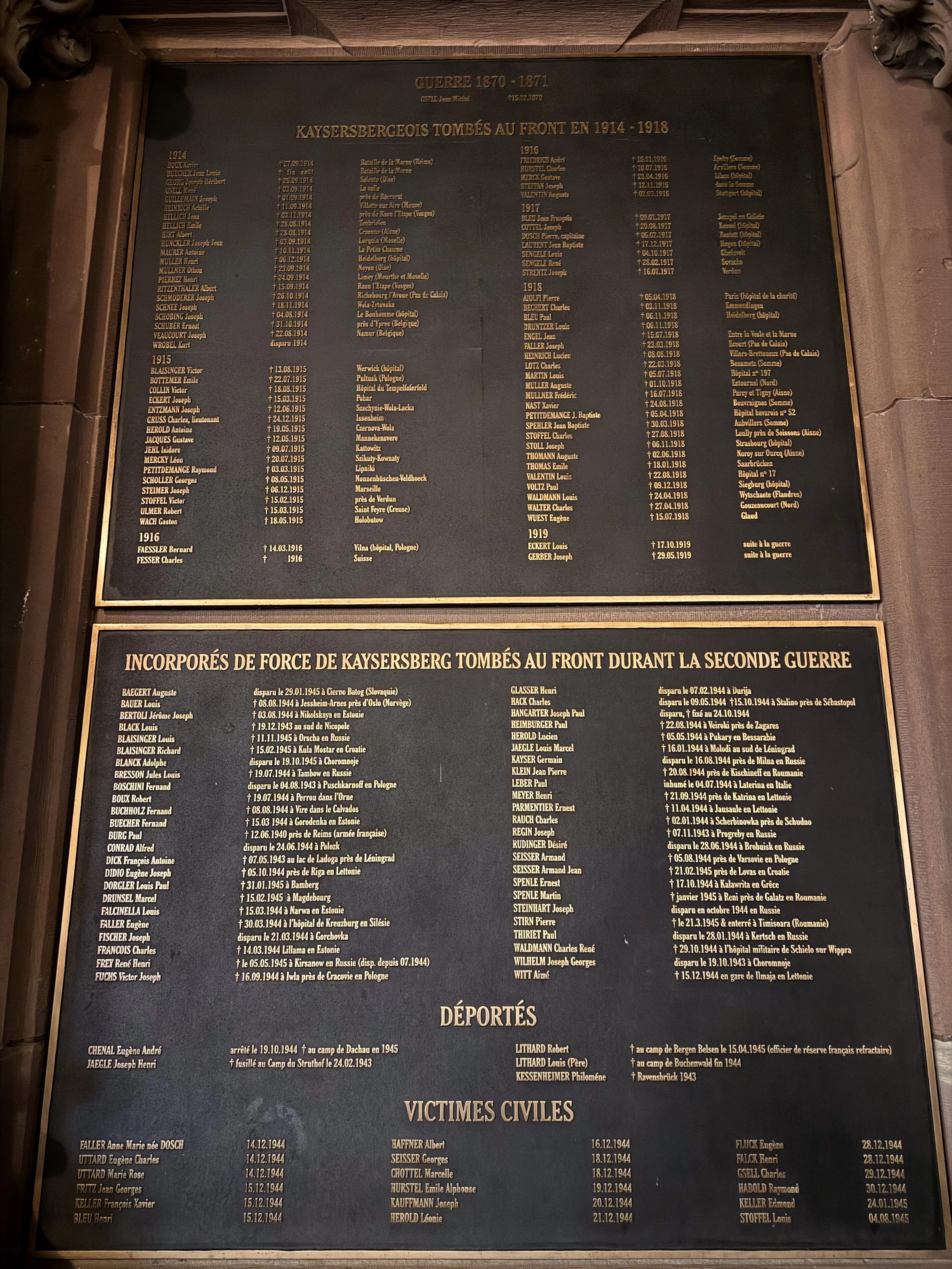
Now, I want to take a quick break from all of the Christmas festivities to highlight an extremely interesting sign that we stumbled across. In the middle of Kaysersberg, there is a plaque memorializing the soldiers from this town that died fighting in WWII. What’s so interesting is that there are notes next to the names specifying which side they fought for; the French/Allies, or the Nazis/Axis. These are people from the exact same town, who probably grew up together and knew each other, who fought on the opposite sides of this conflict… doesn’t this make you want more information??
Let me start in WWI: prior to the start of this war, Germany had taken Alsace-Lorraine from France in 1871 in the Franco-Prussian War. For France, this brought with it national trauma and humiliation that played a significant role in national politics until the start of WWI. When Germany finally attacked France to kick-off WWI, France entered battle with an aim not only of self-defense, but also to retake what they’d lost. “Remember Alsace-Lorraine” was a frequent rallying cry; and indeed, WWI saw the territory returned. France immediately set about re-instating French culture with the locals, who—at this point—had been living in Germany for the past ~2 generations and were not necessarily pro-French. They (the French) even went so far as to suppress the German language, but some of the locals actually felt more German than French, while others were more ambivalent, seeing themselves primarily as Alsatian. Culturally, it was quite complicated.
In the early days of WWII, the Nazis rapidly took back Alsace-Lorraine, and they didn’t just occupy the territory like they did in other places; they fully annexed it and began to integrate it back into the German Reich. Just as the French had suppressed the German language, the Germans now banned the French language. But it didn’t stop there; the Nazis needed soldiers, so they forcibly conscripted thousands of Alsatian men into the Nazi army. These Alsatian conscripts were known as “Malgré-nous” (“Despite ourselves”), and many of them died in the war, including on the Eastern Front. So, this is how we end up with this sign, explaining which flag each of these boys from Kaysersberg died fighting for. It’s really sad. Somebody needs to make a movie about two best friends in this village who end up fighting on opposite sides of this war. I would watch that movie… and I would WEEP.
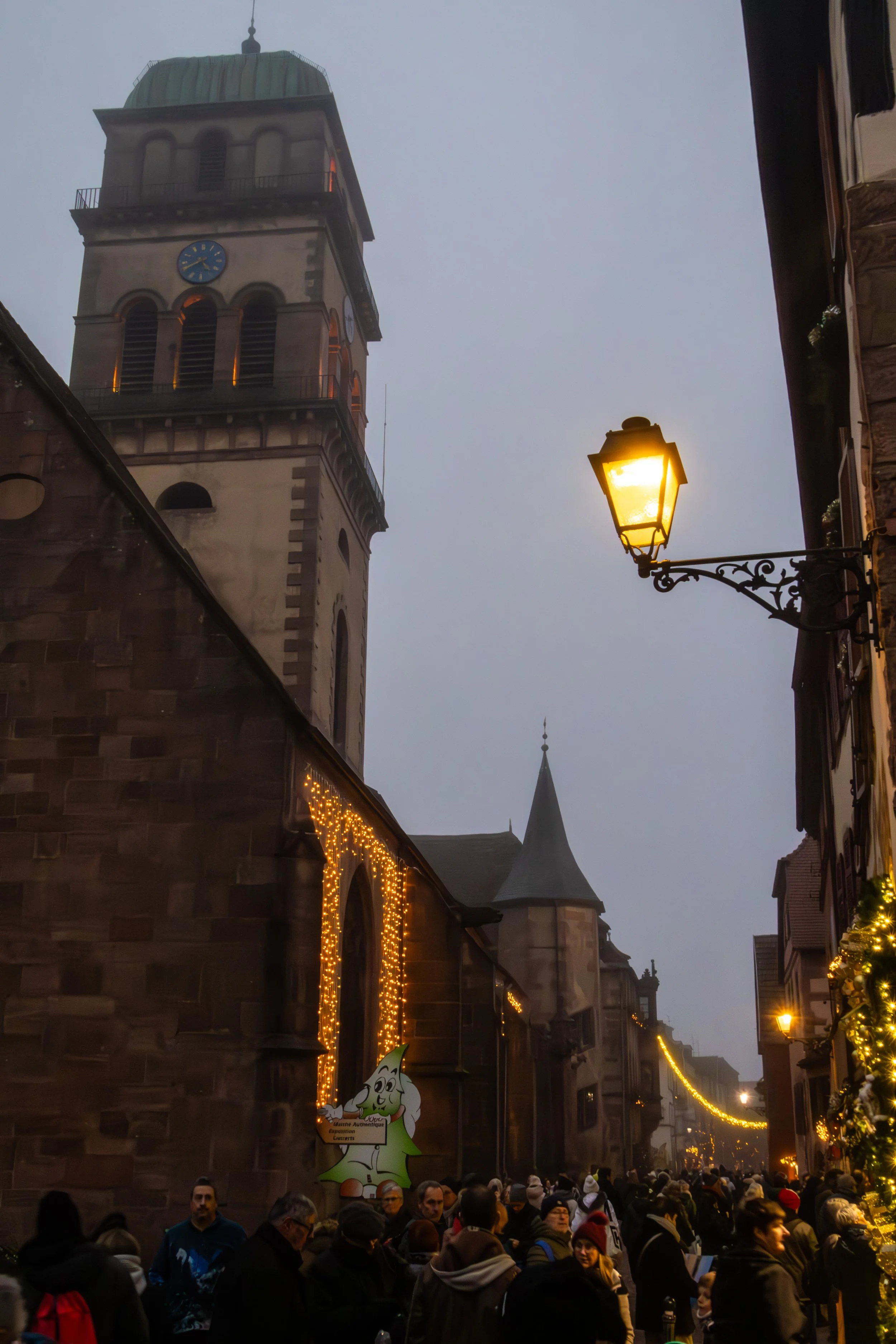
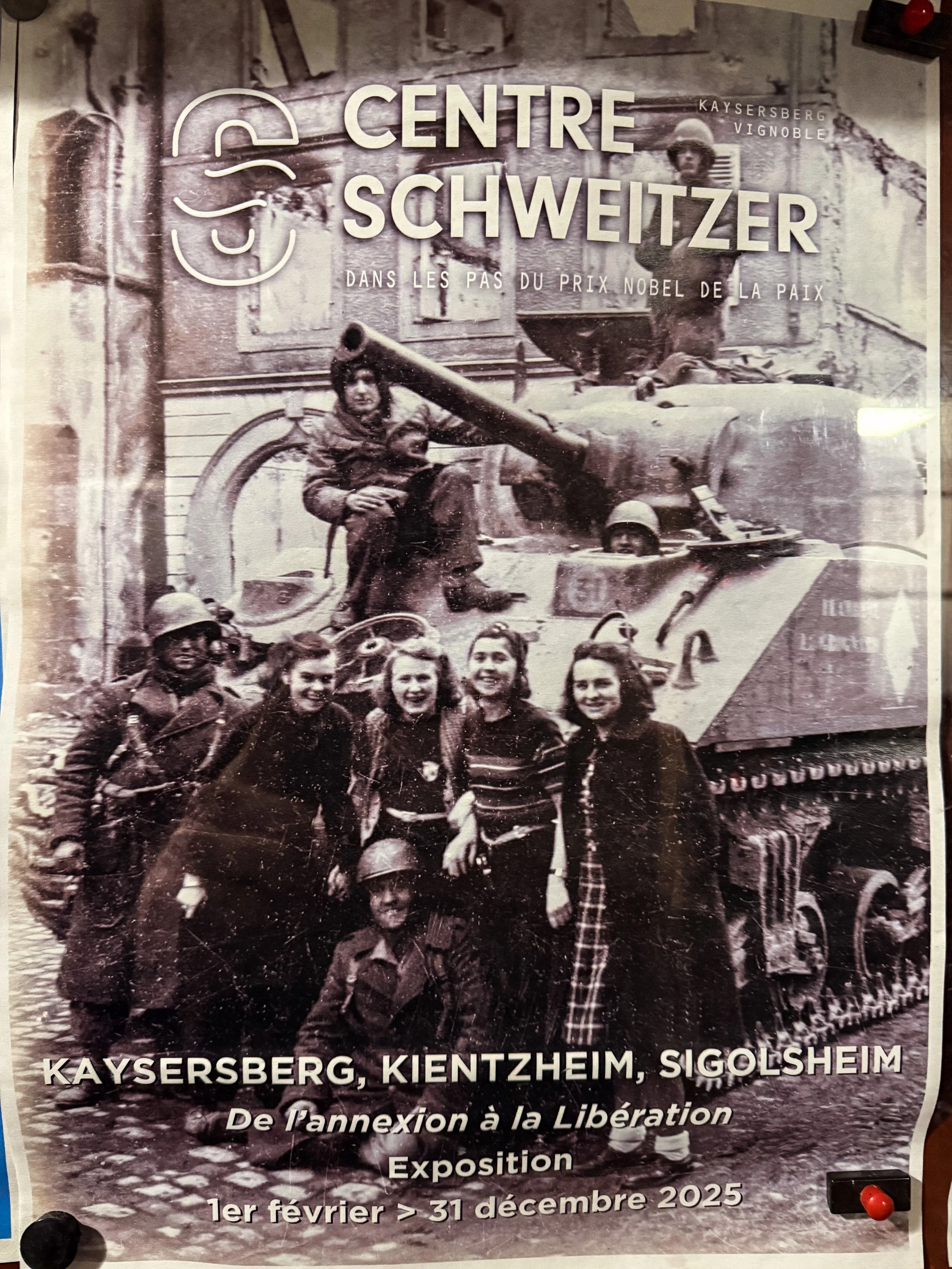
When Alsace was finally wrestled away from Nazi control in 1944, this region saw heavy winter fighting, which stretched through the holidays. The towns probably would have looked exactly the same (minus the decorations, crowds of happy people, and positive vibes). I did some research and found out that this specific village—Kaysersberg—was liberated from the Nazis in December 1944! And in December of 1949, Strasbourg—the Alsatian capital—was chosen as the seat of the newly created European Council, the body that would evolve to be European Parliament today. Strasbourg/Alsace was chosen in order to reinforce and celebrate its role as a bridge between France and Germany, as well as to symbolize broader European reconciliation.
I absolutely could not have scripted that this is a Christmas article and all of these things happened in December. MERRY CHRISTMAS Y’ALL! 😭🎄🇫🇷🍻🇩🇪❤️
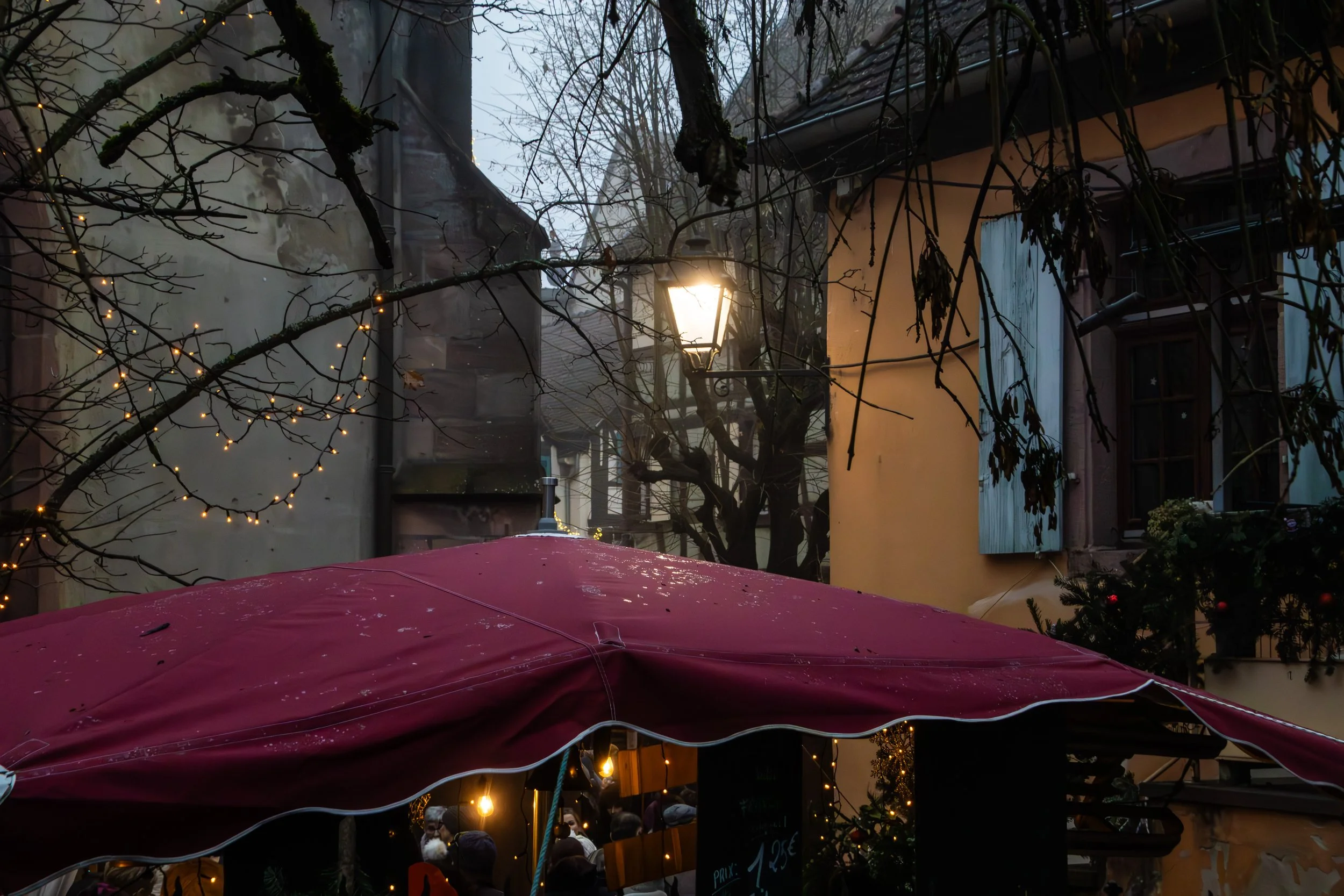
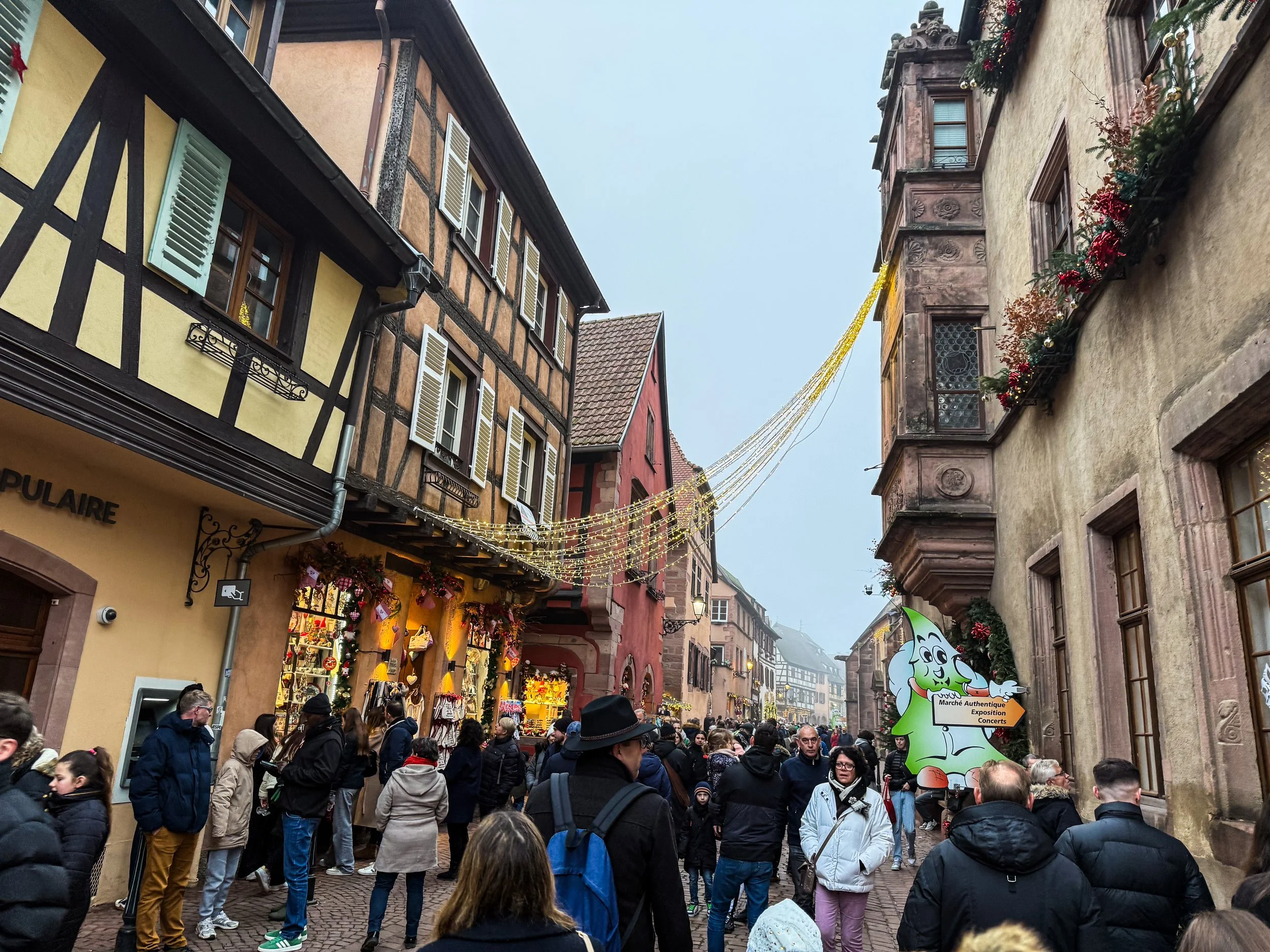
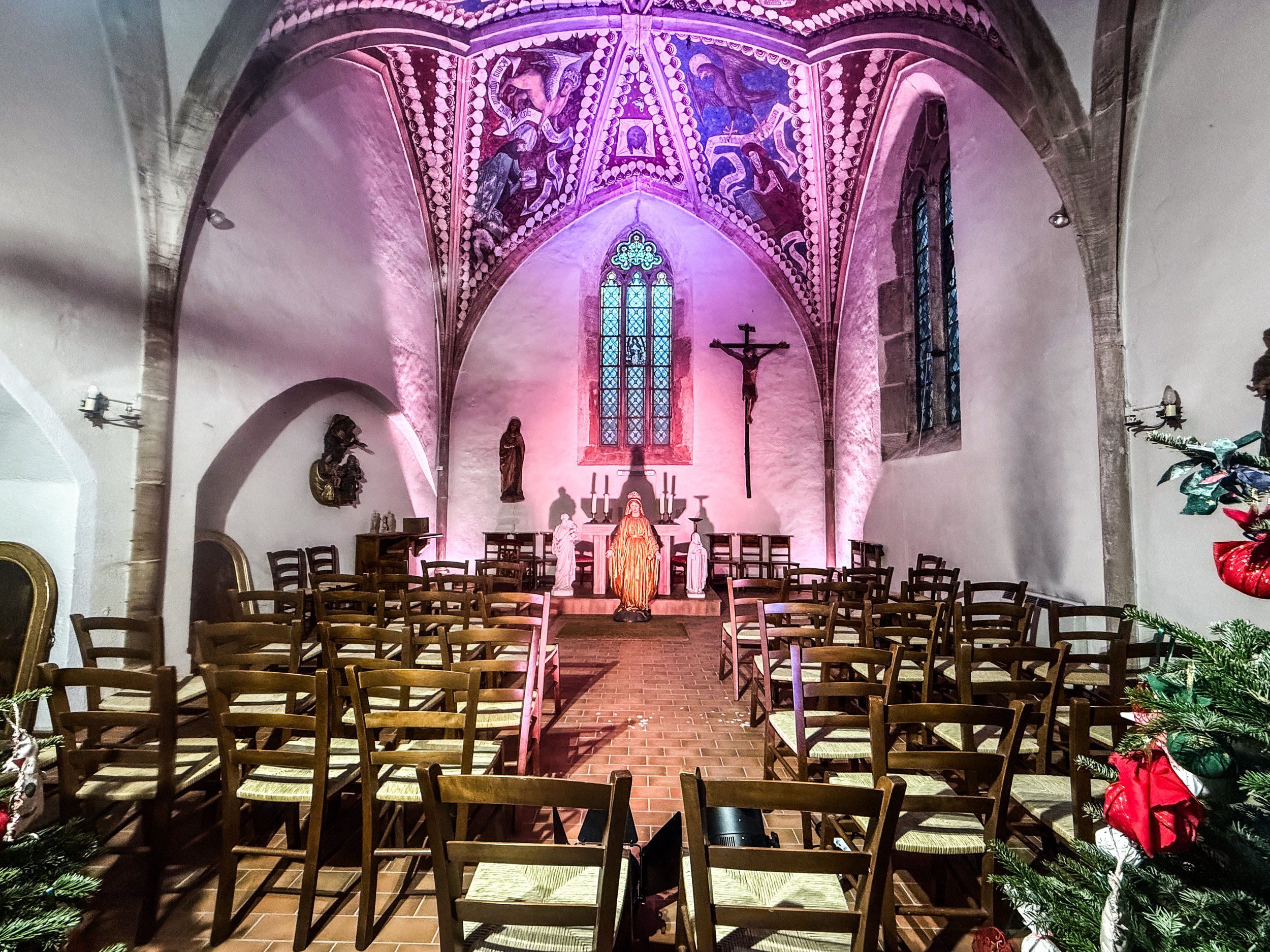
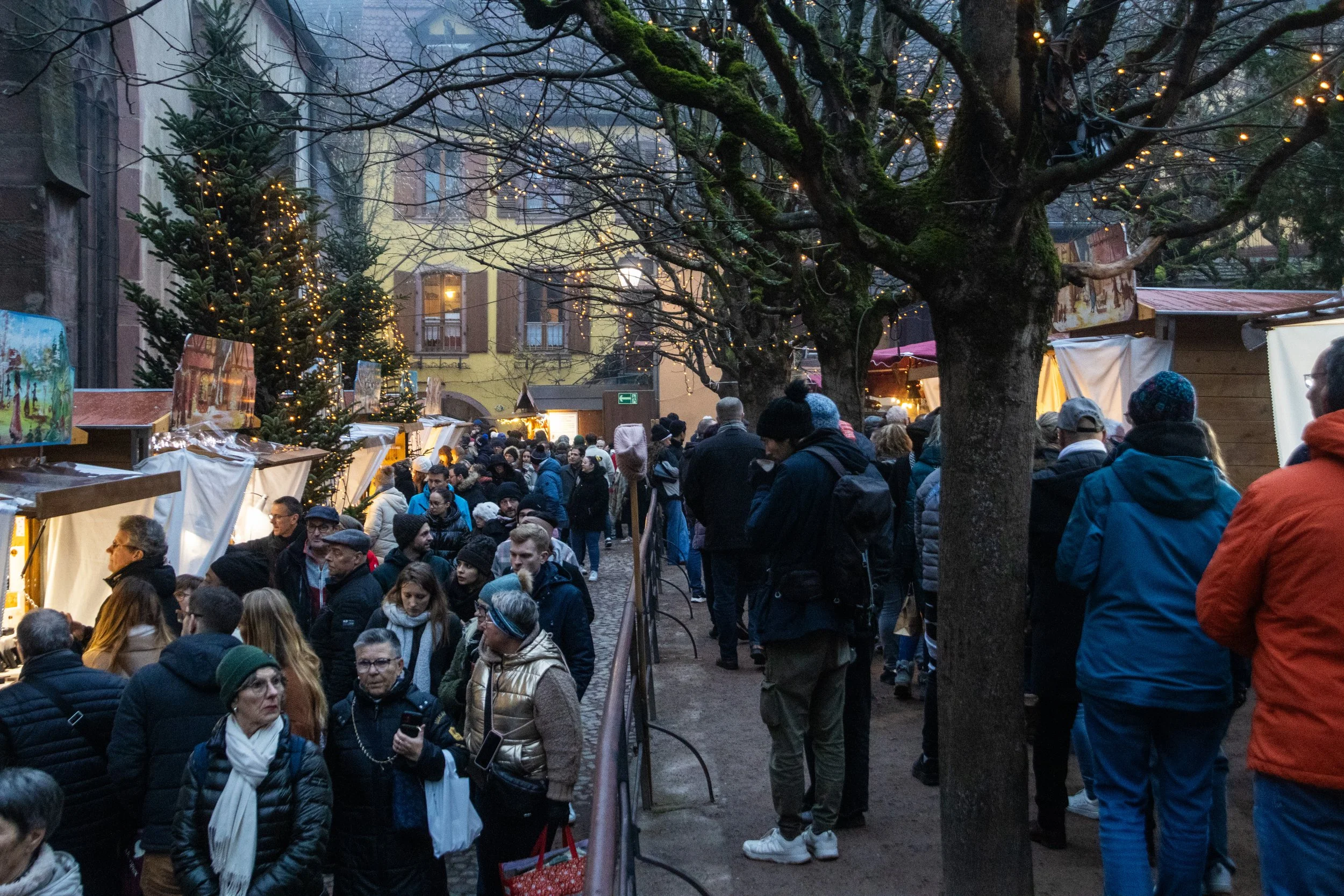
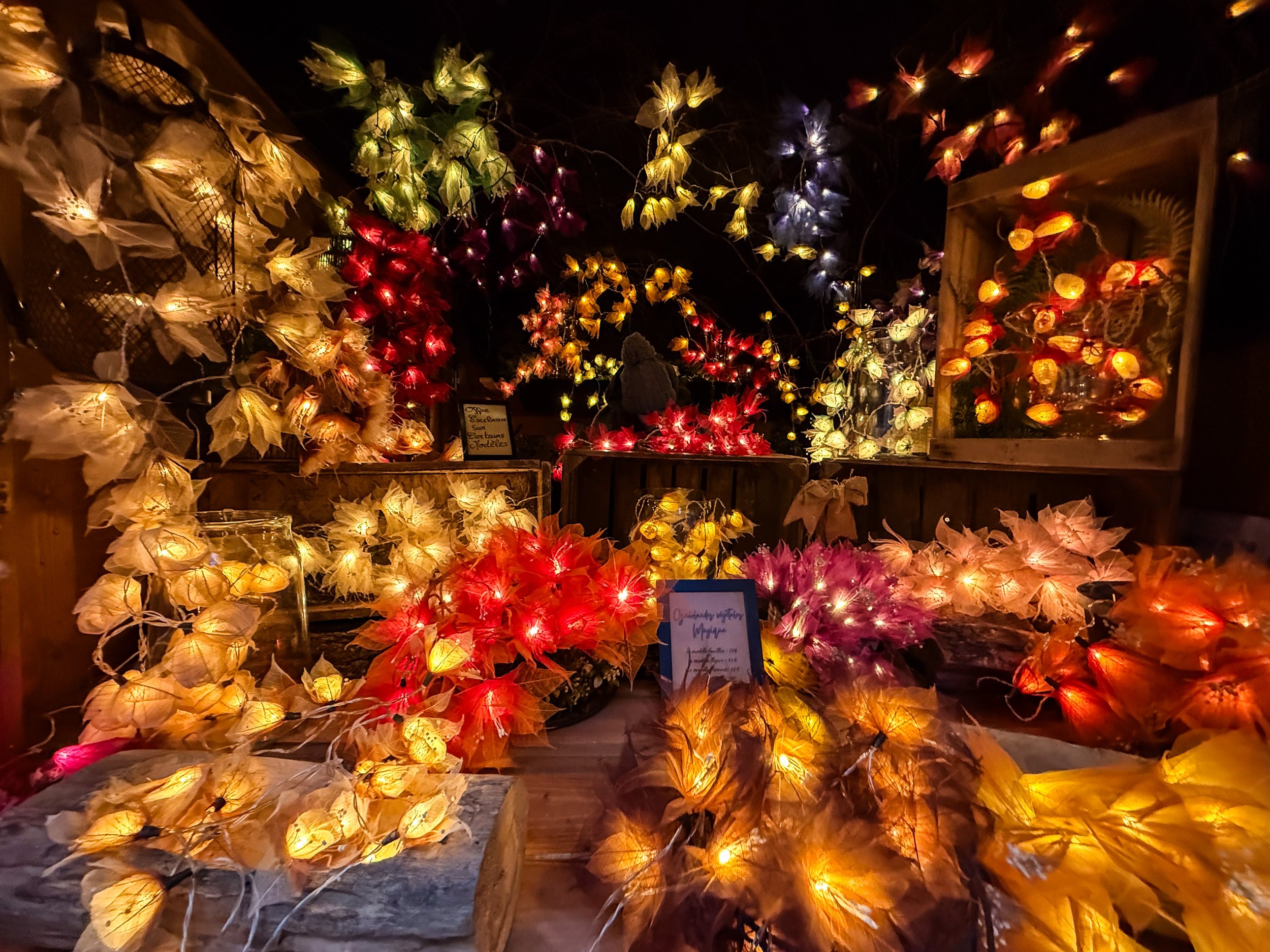
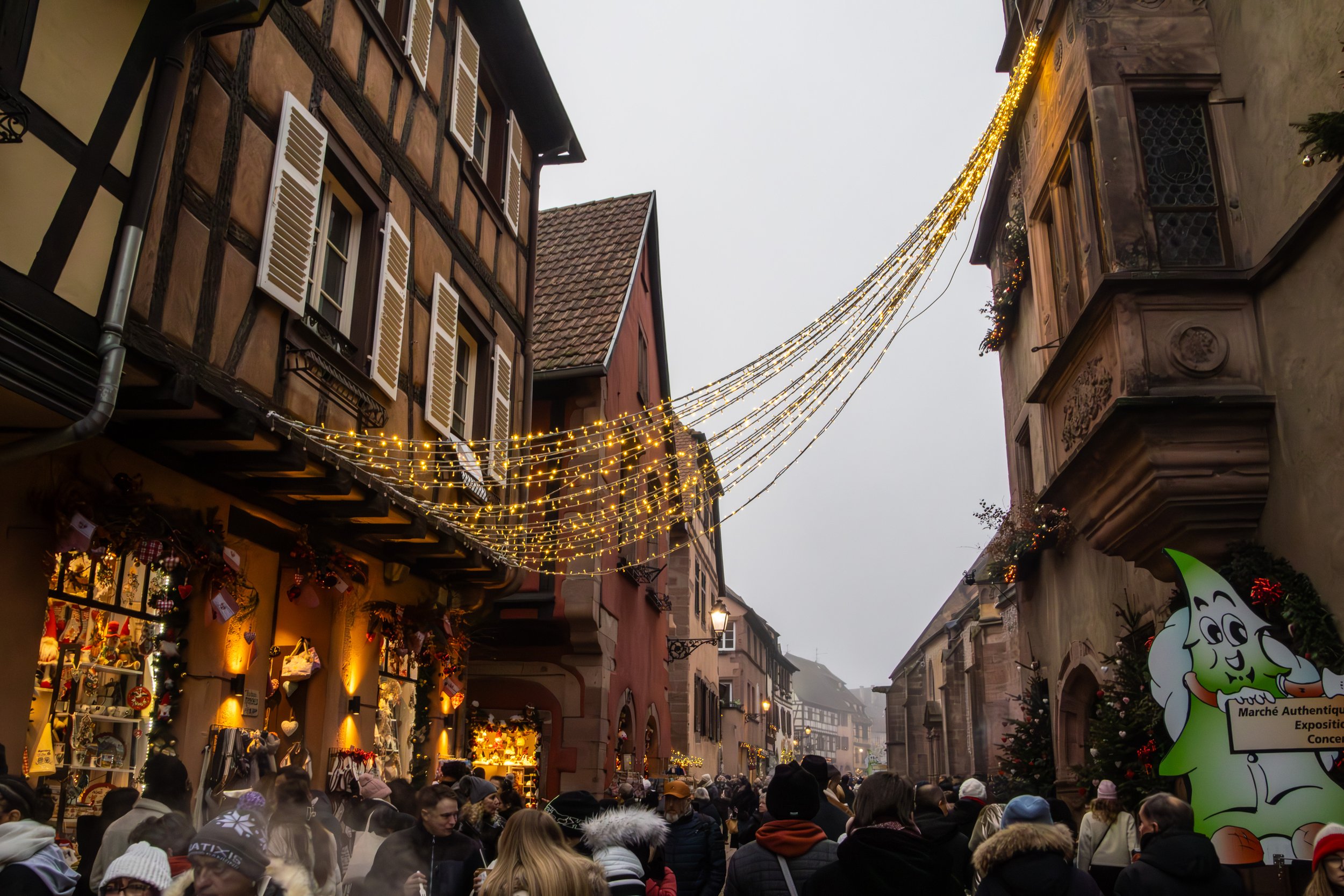
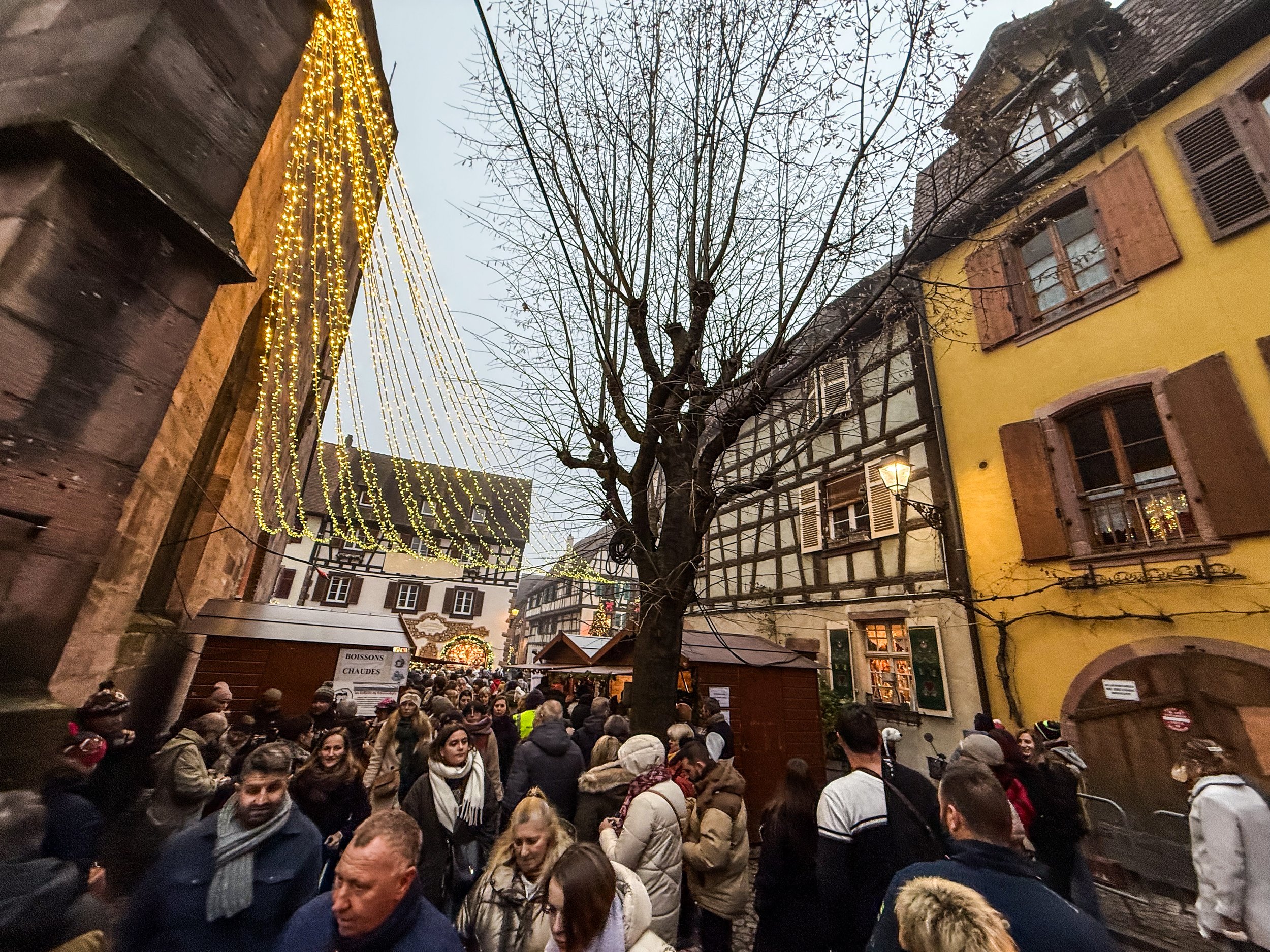
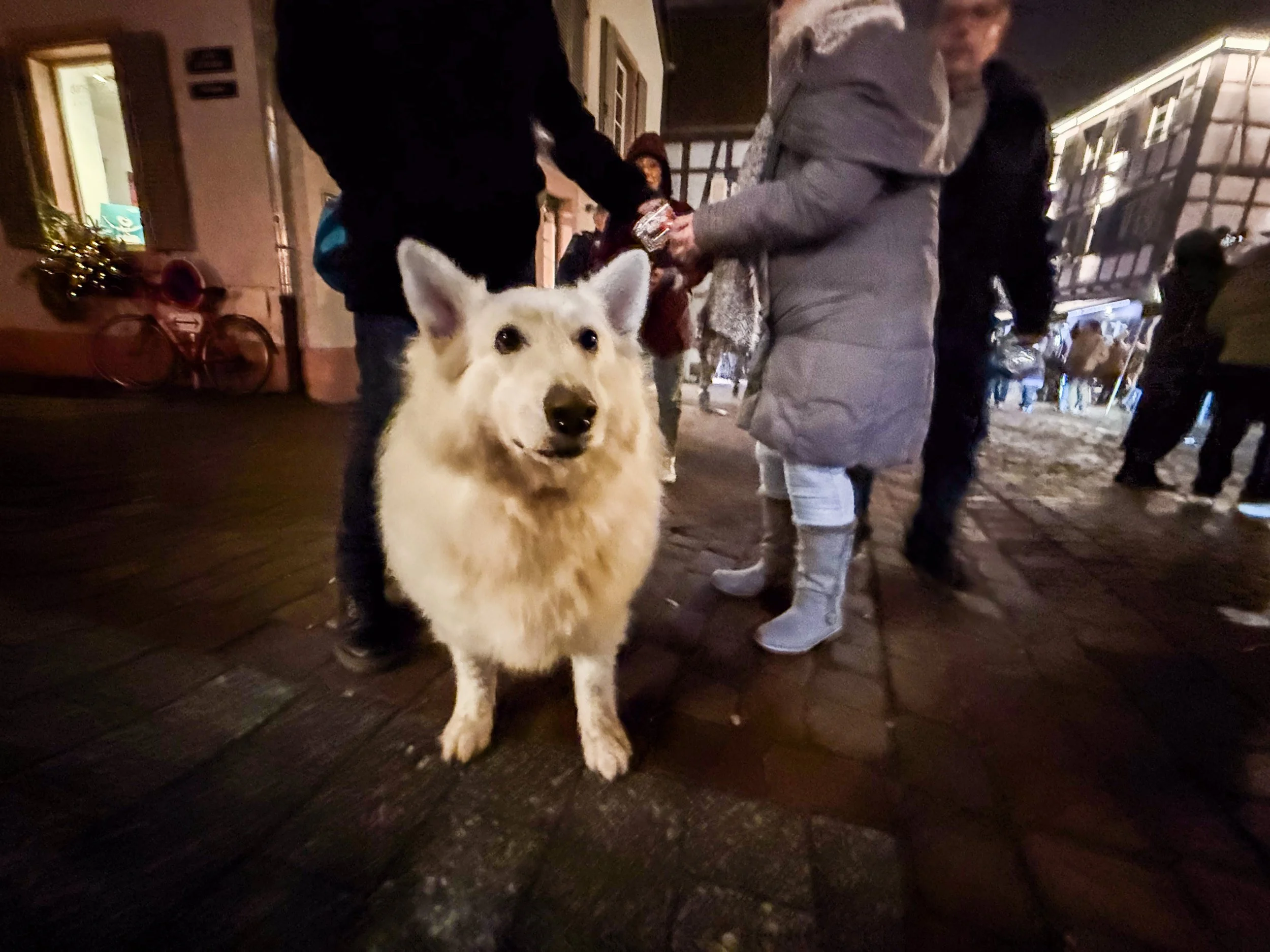
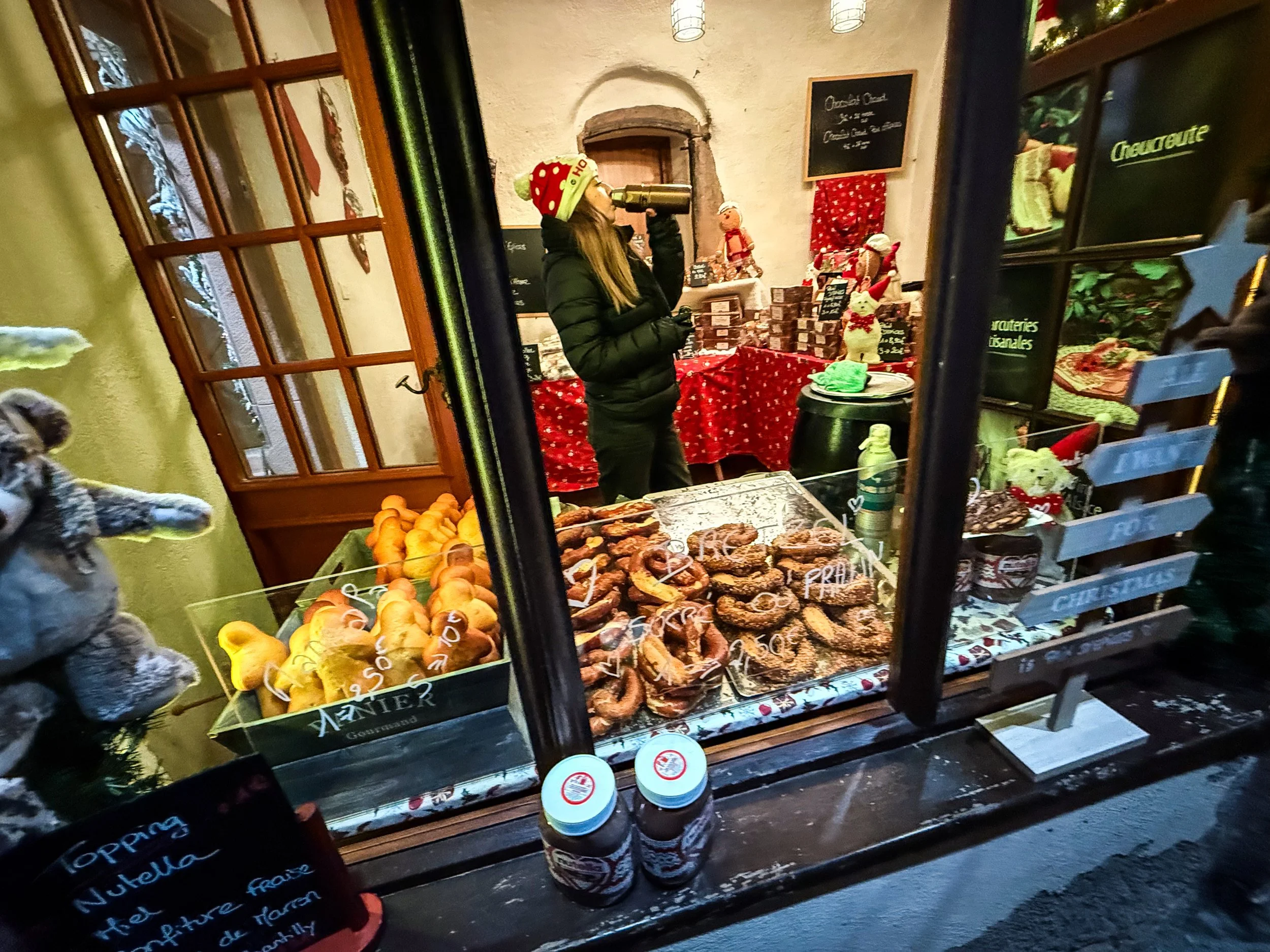
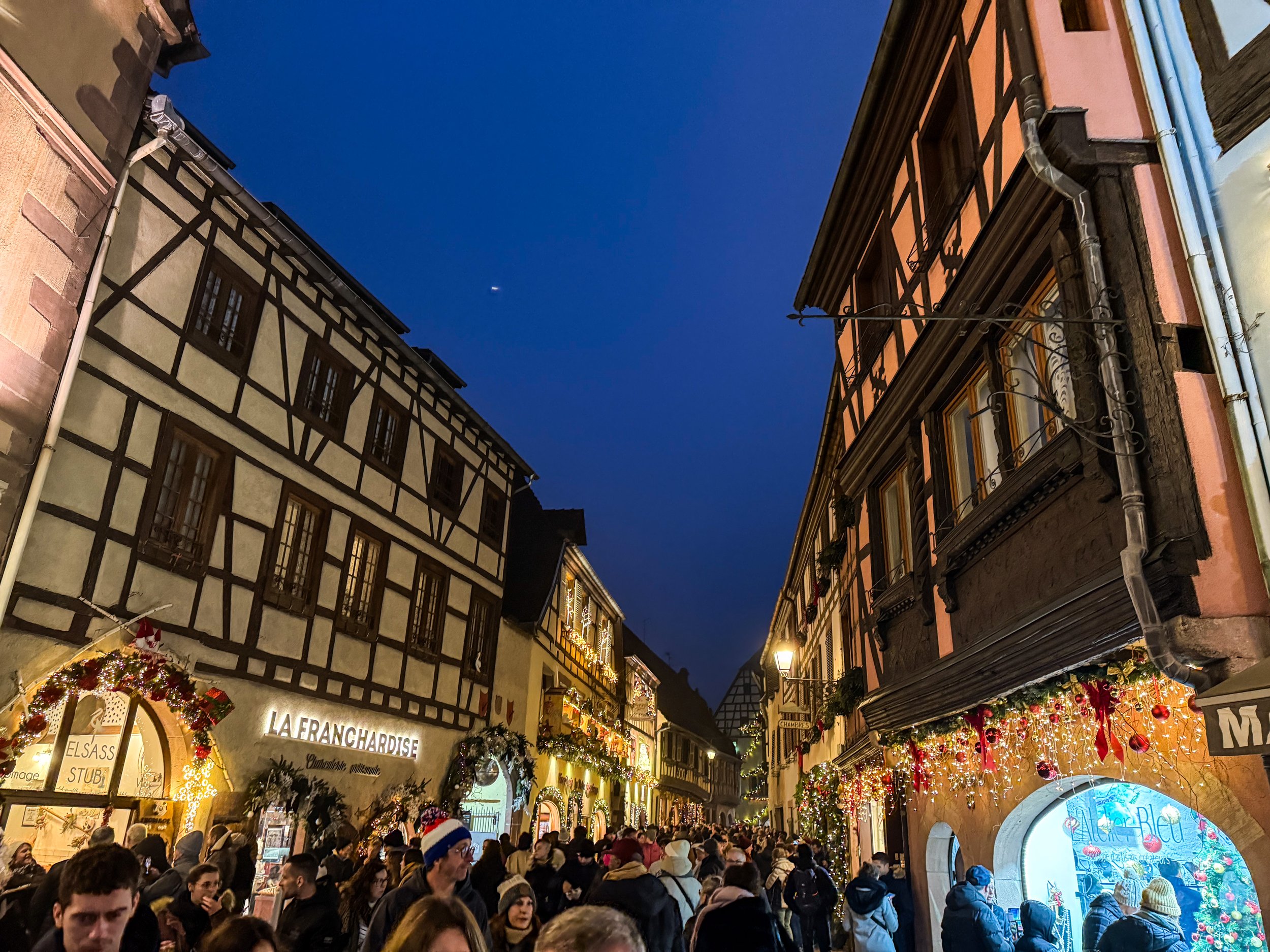
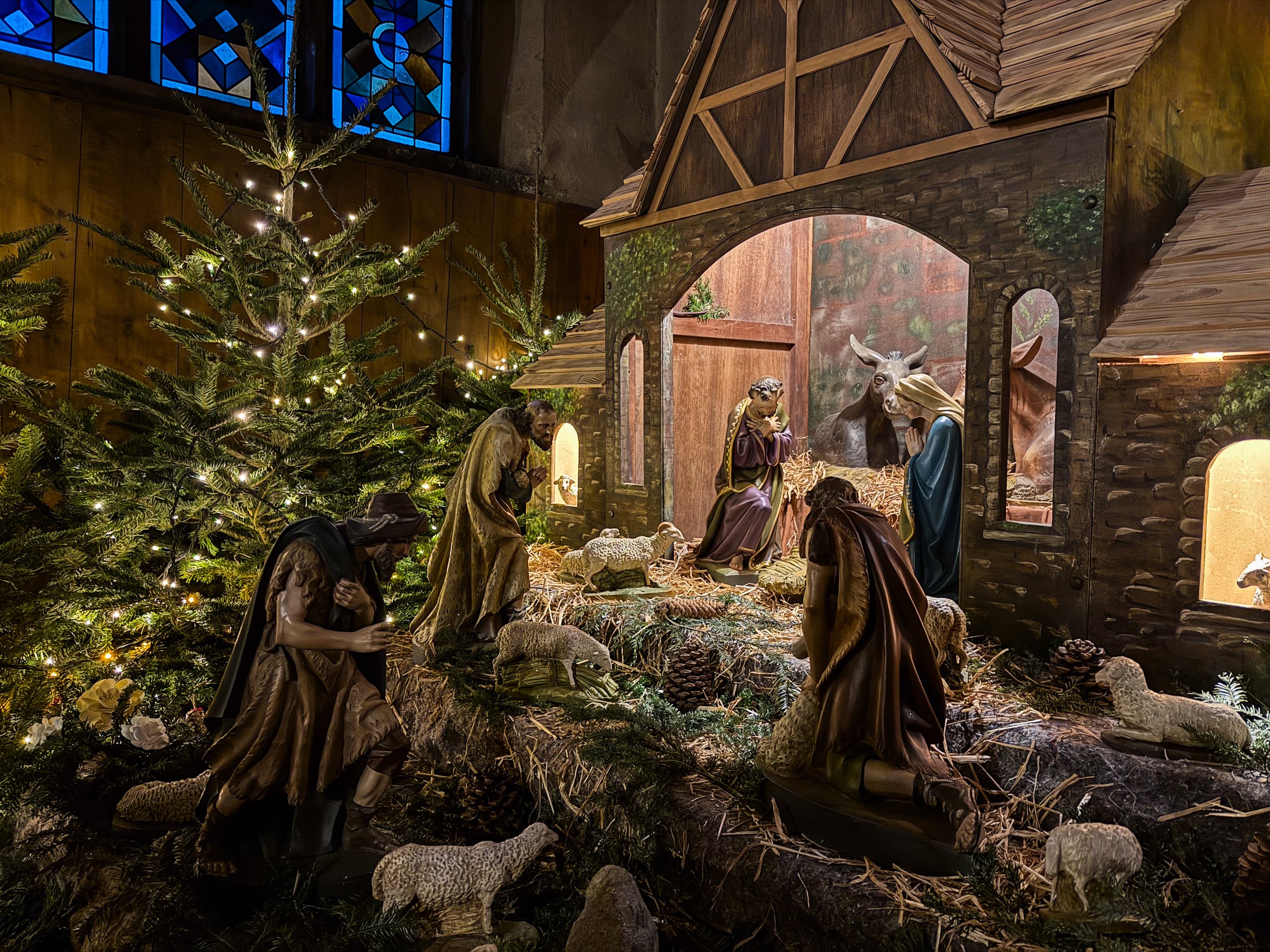
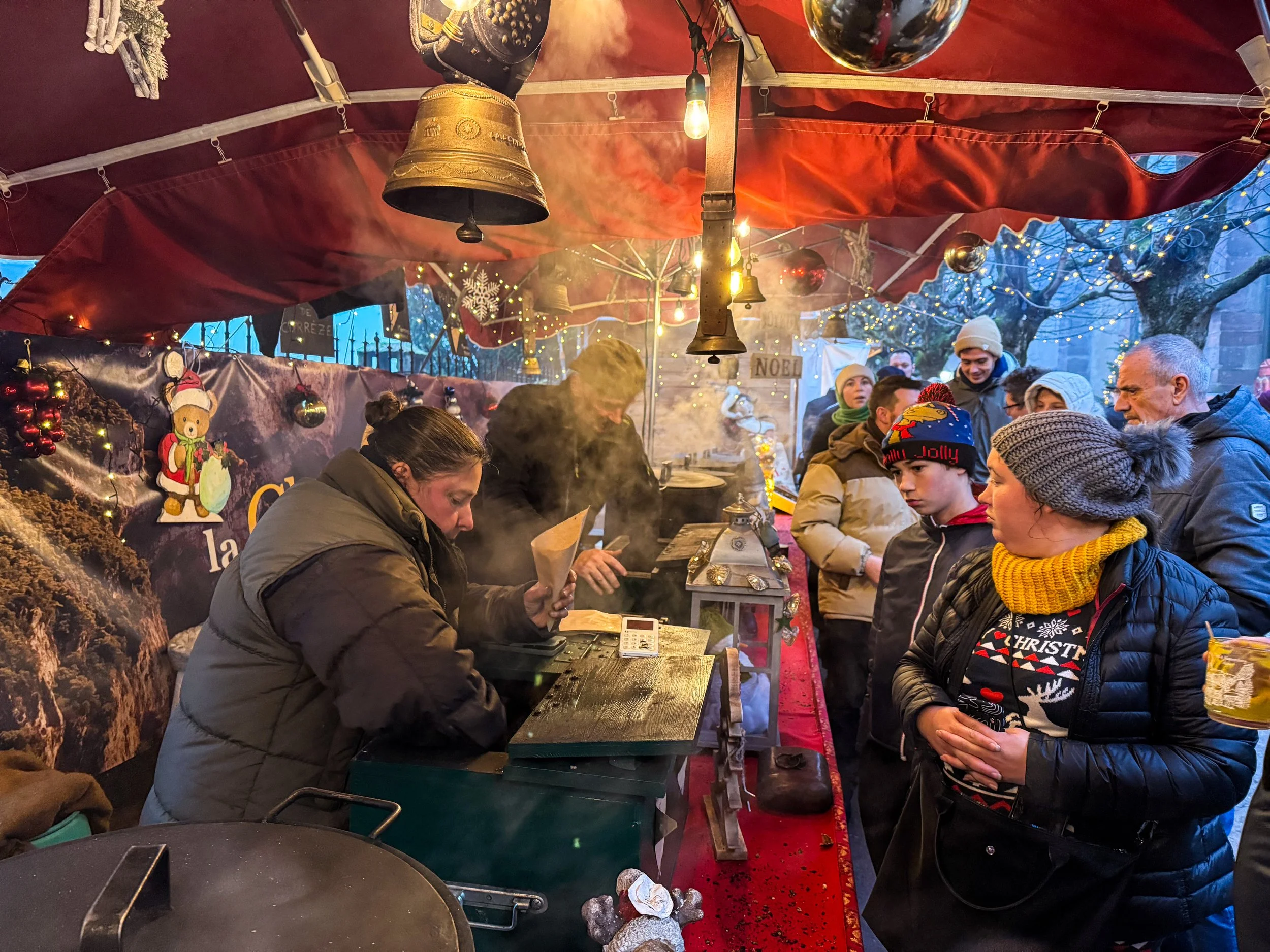
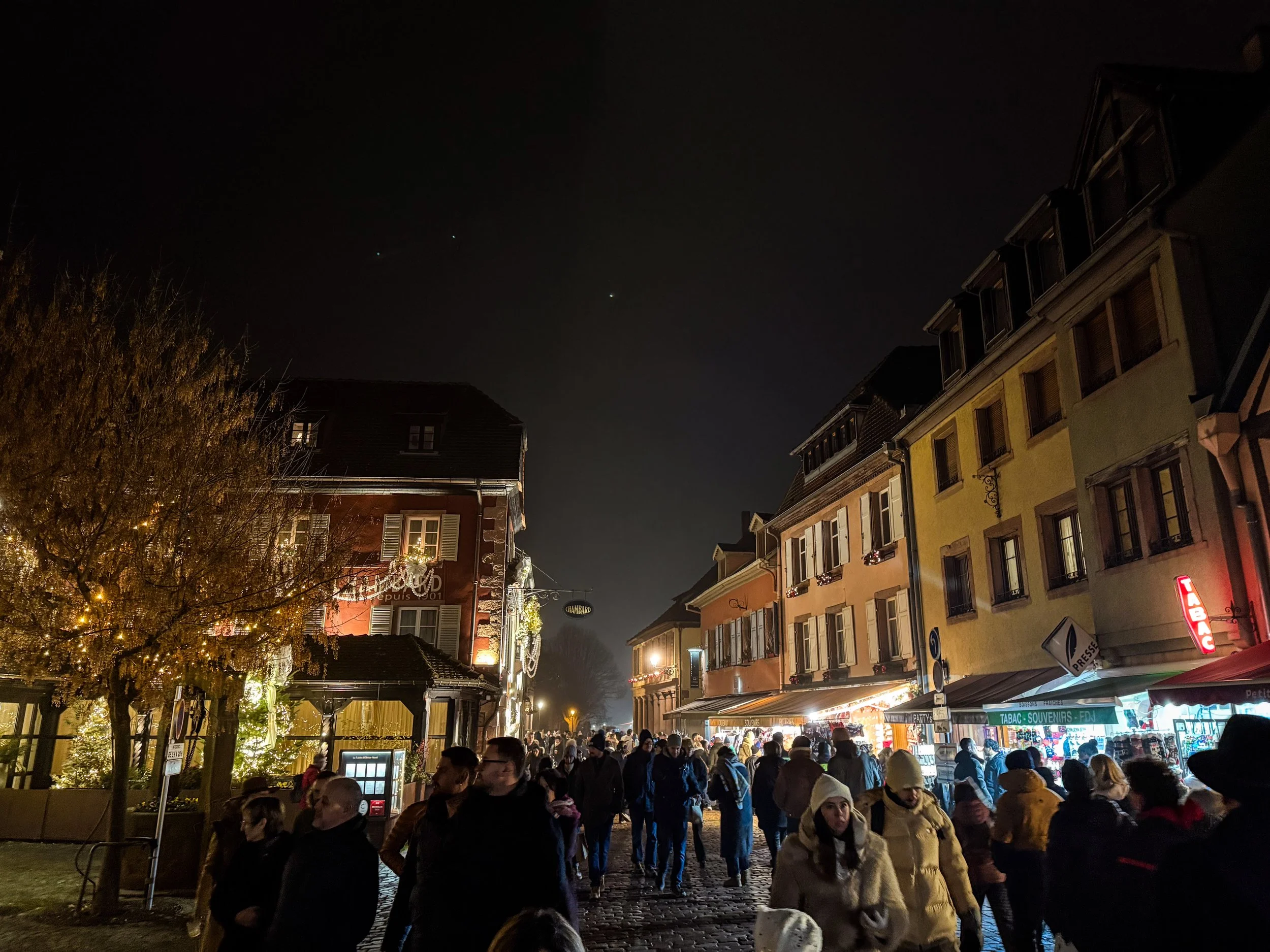
Anyway, let me finish with a photo walk through what remains of my time in Kaysersberg, presenting photos approximately in chronological order so you can see the light change. This town was absolutely enchanting; and I’d wager even more beautiful at night than Riquewihr would have been. But maybe I’ll need to return next year to verify!
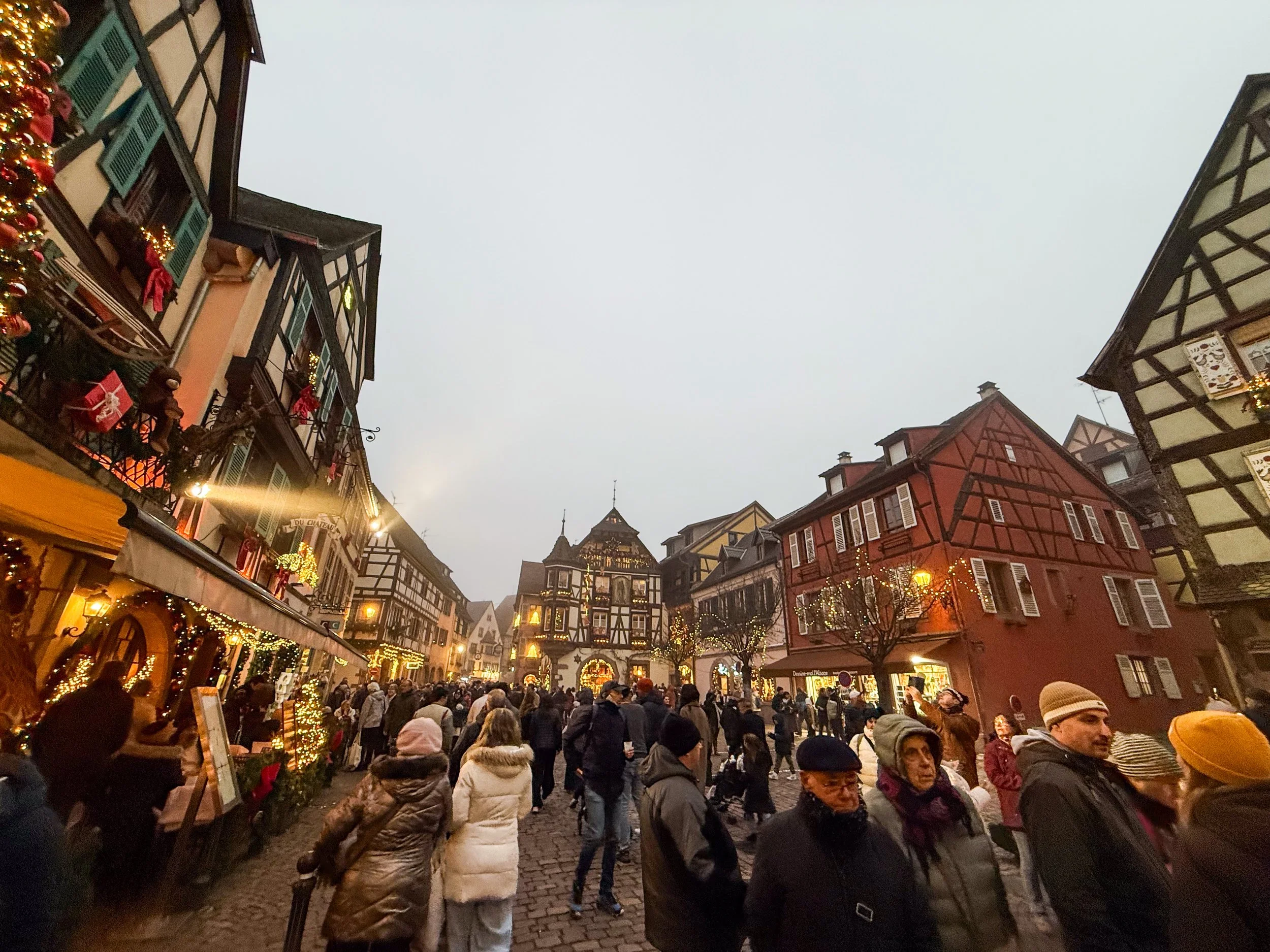
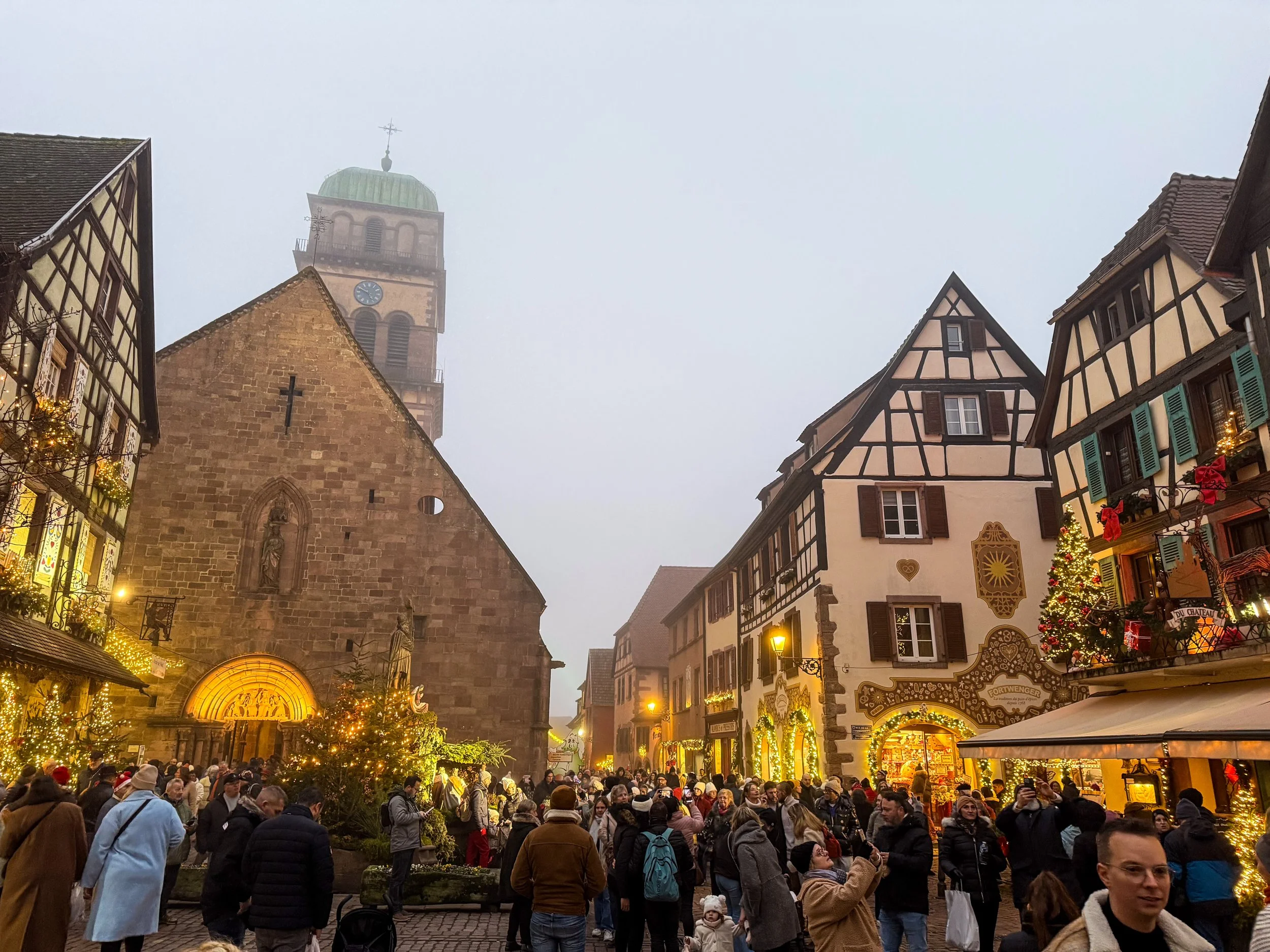
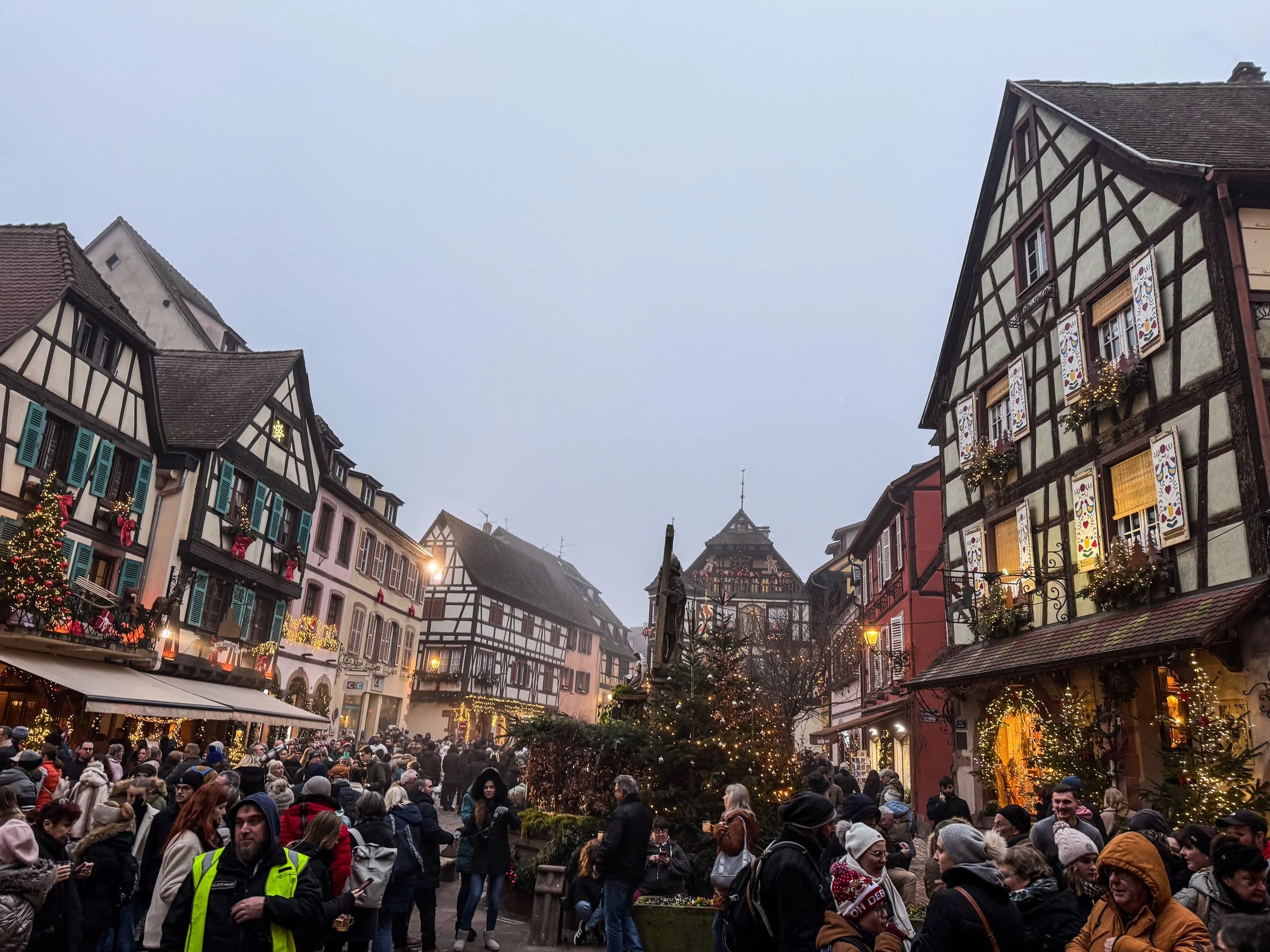
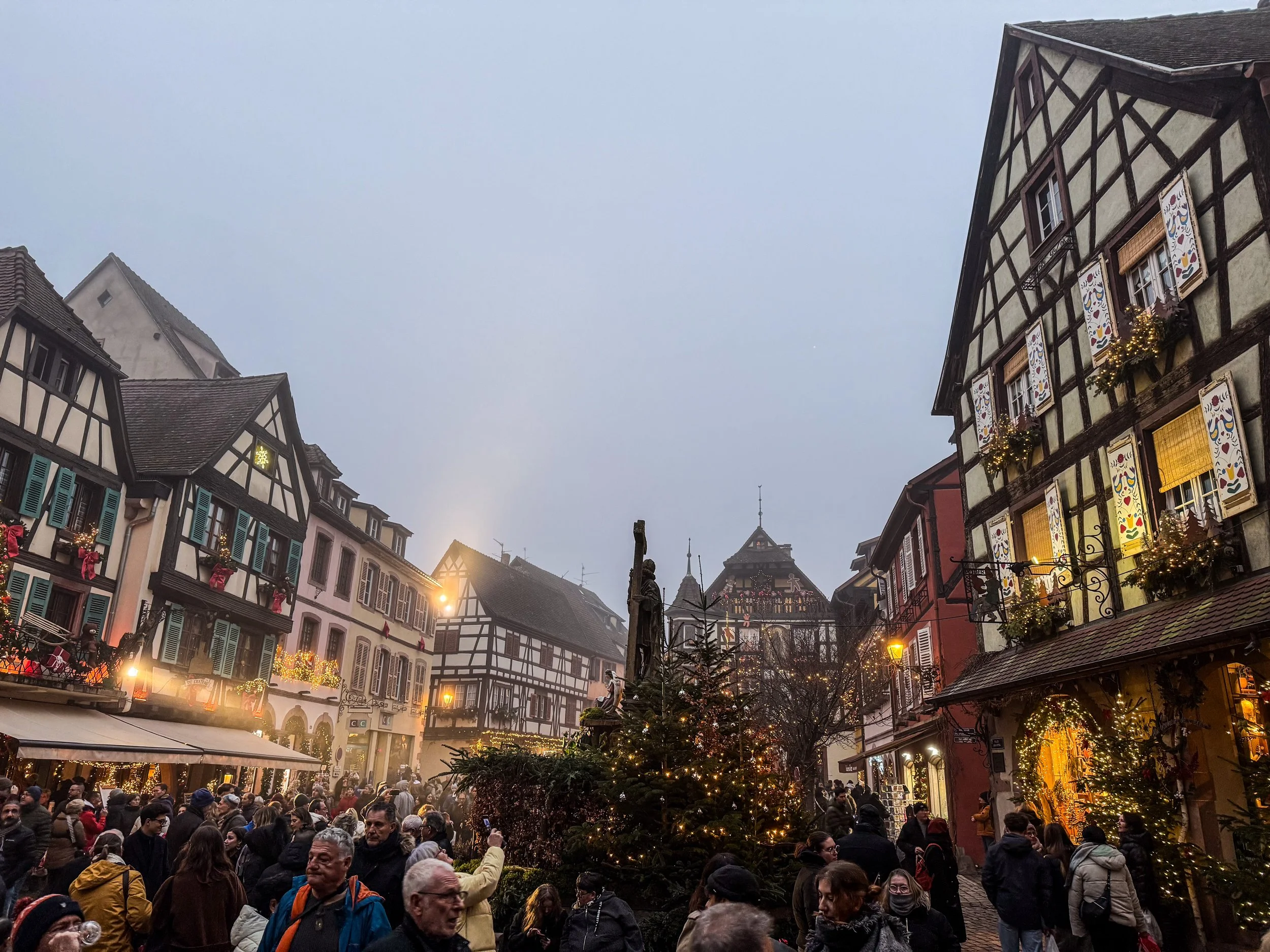
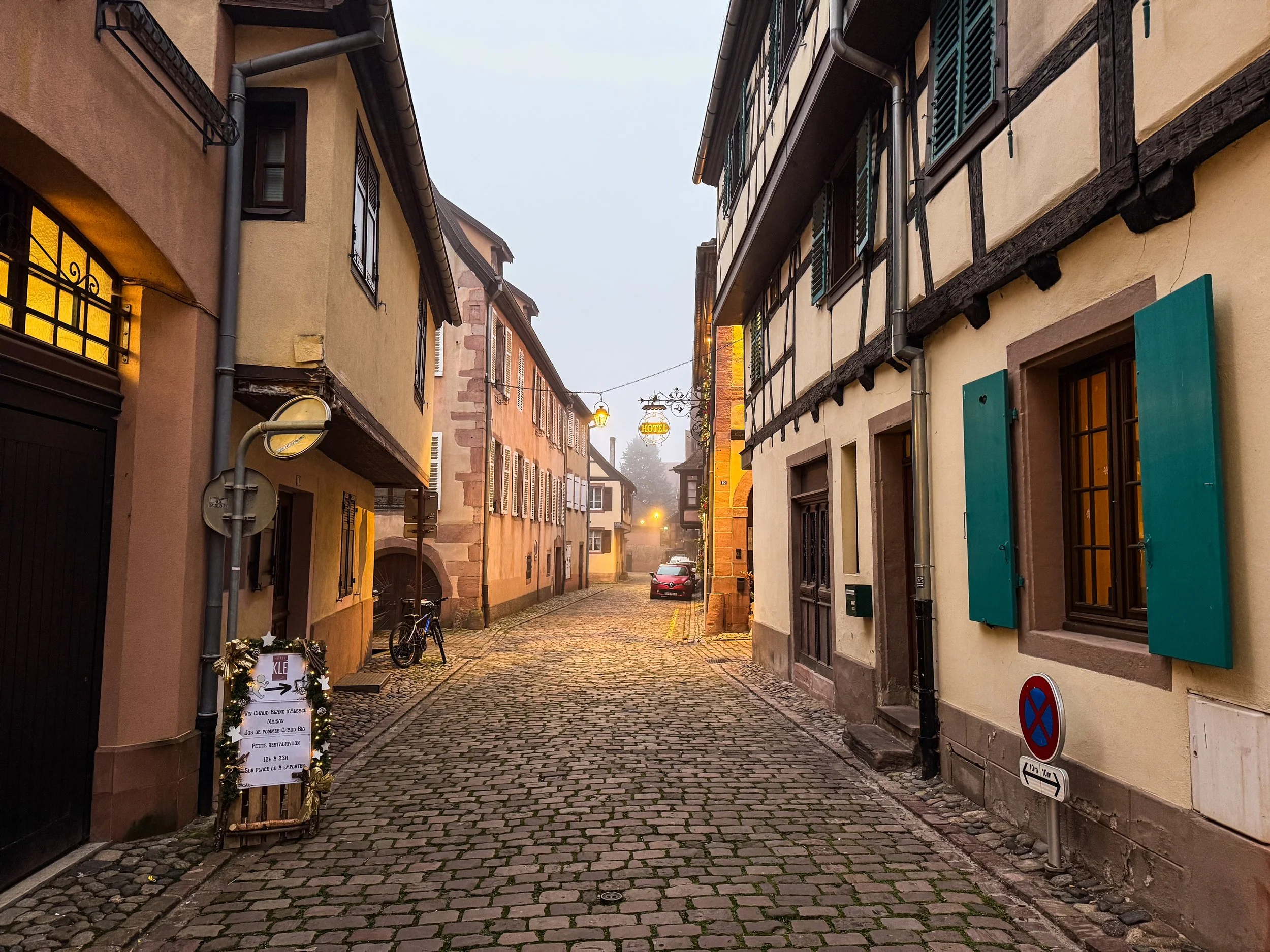
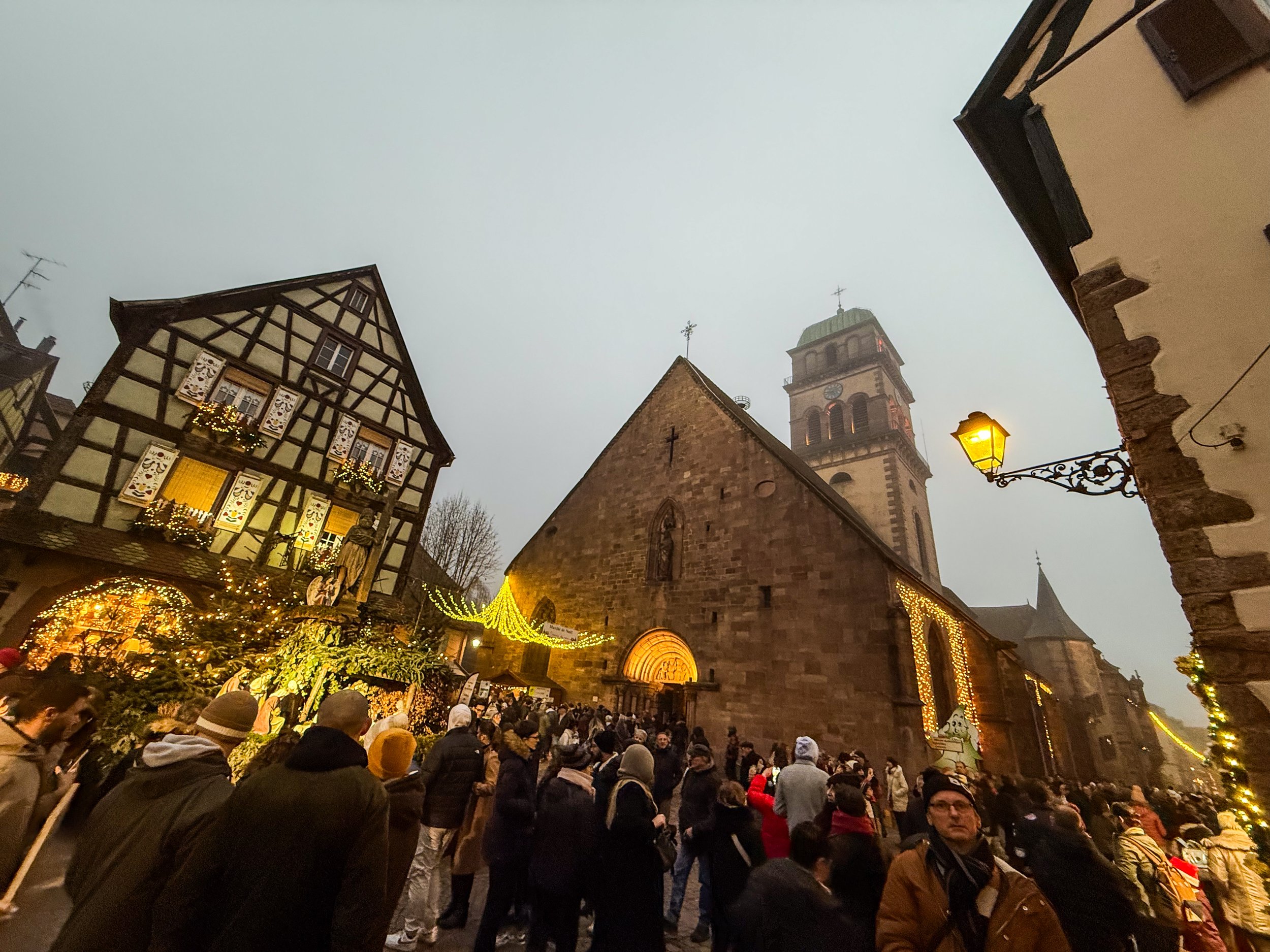
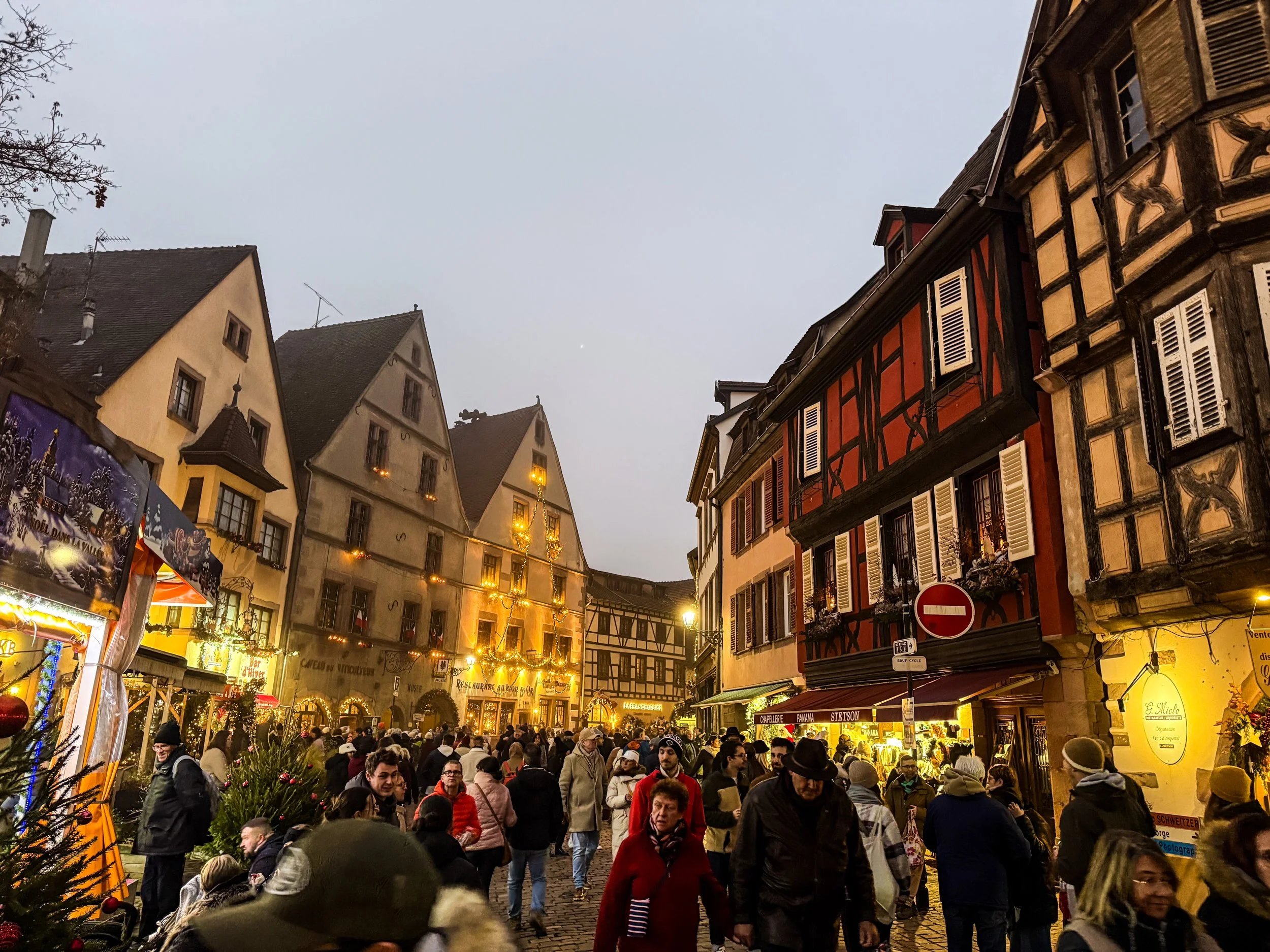
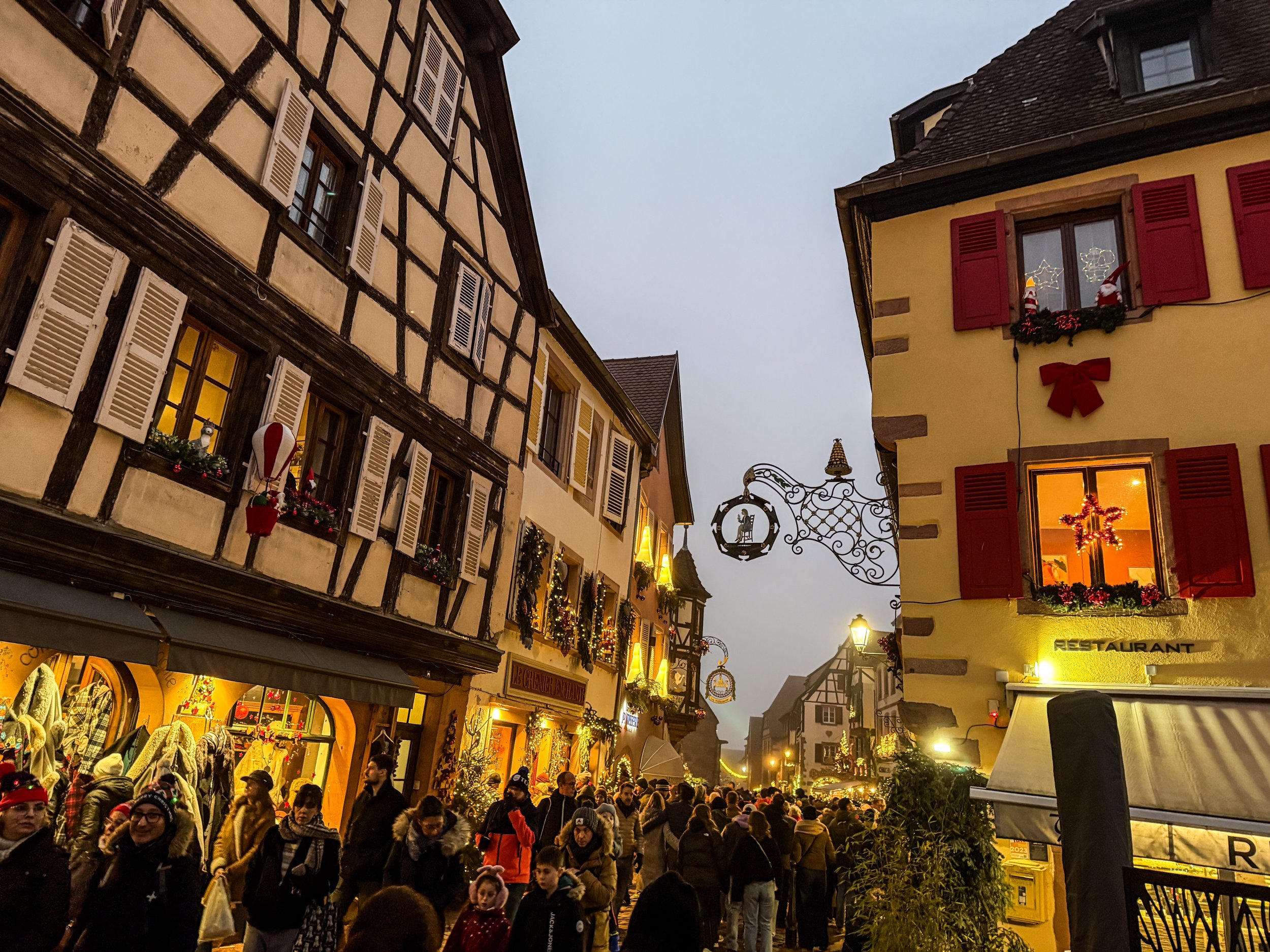
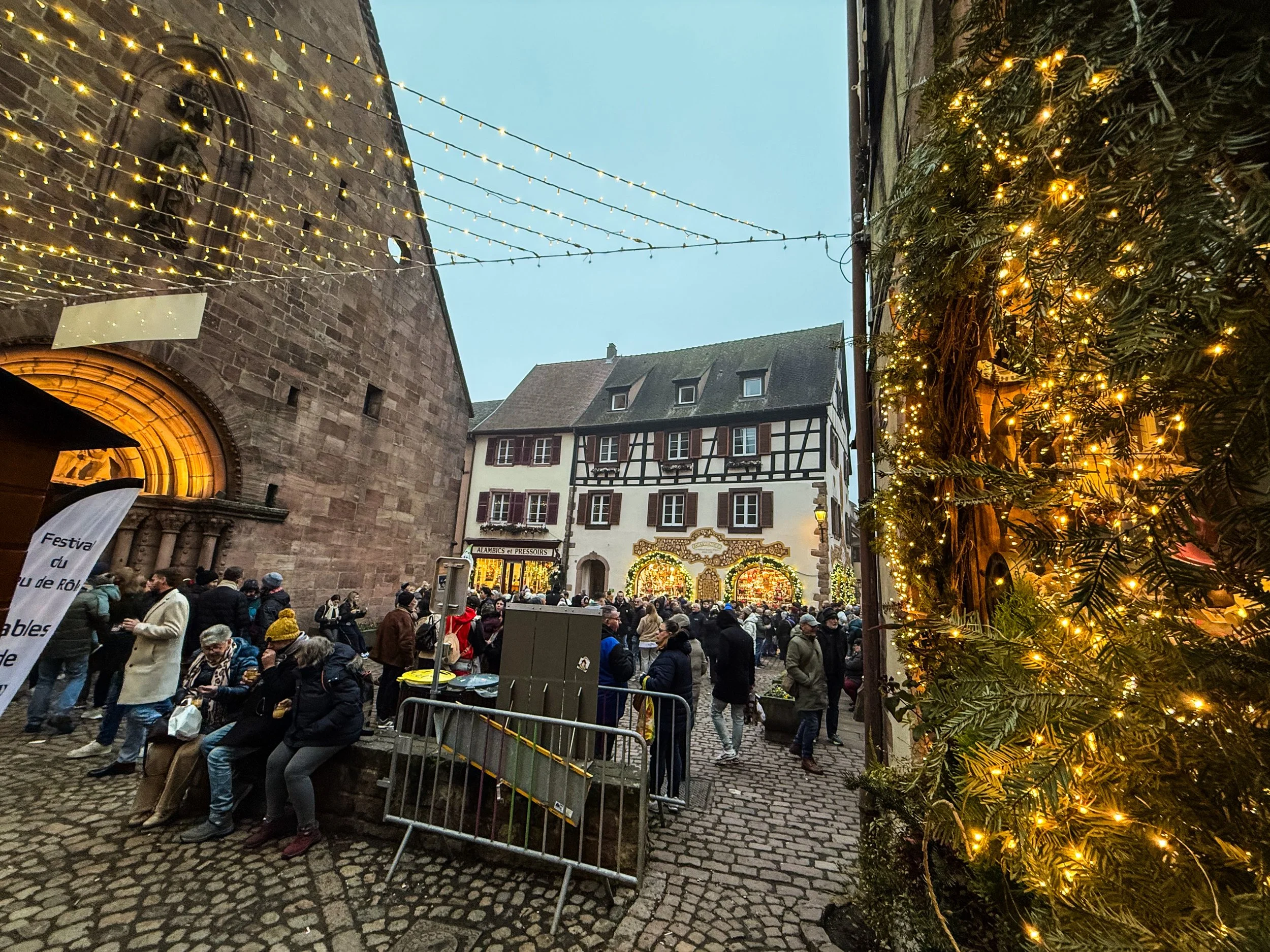
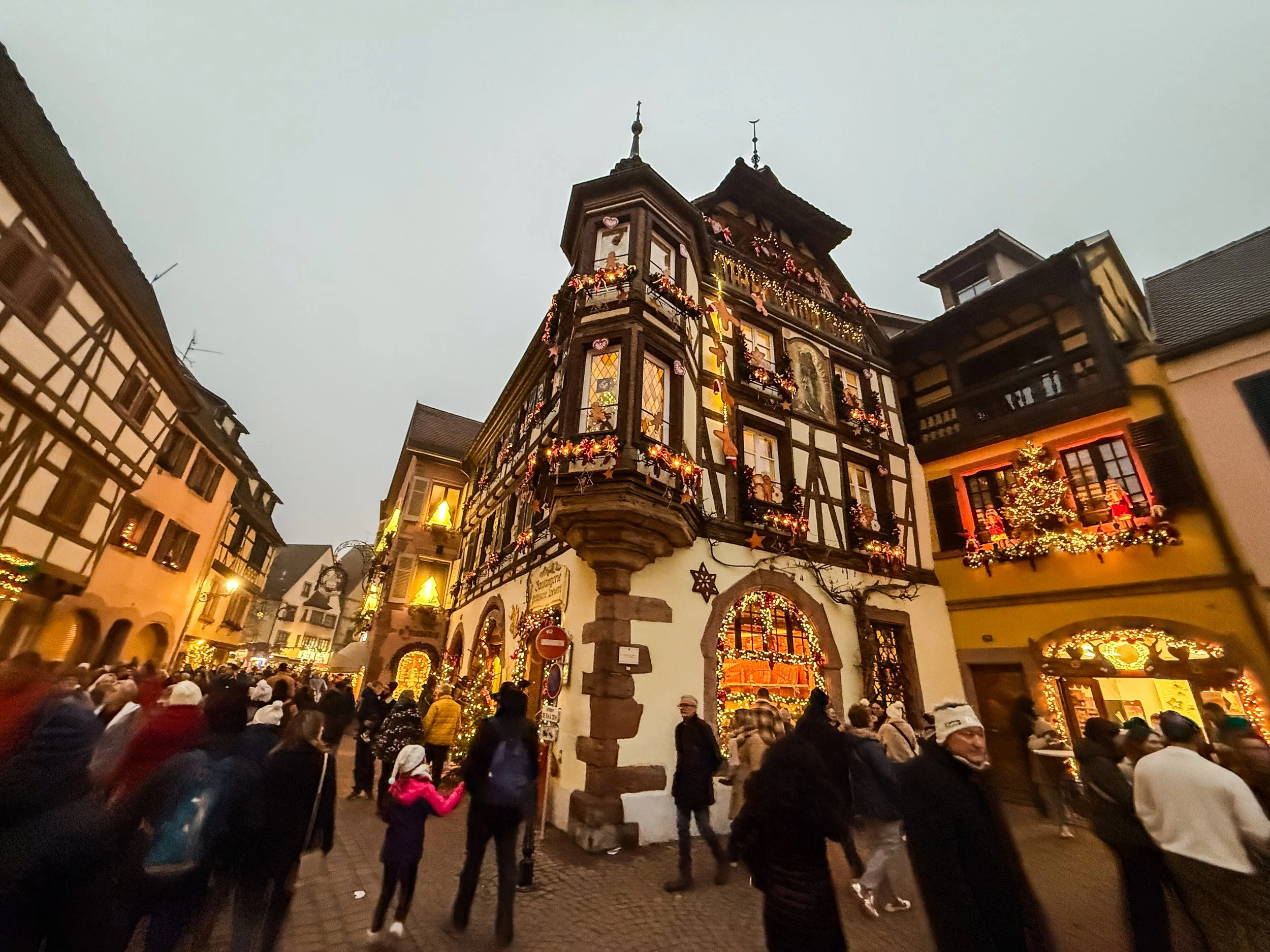
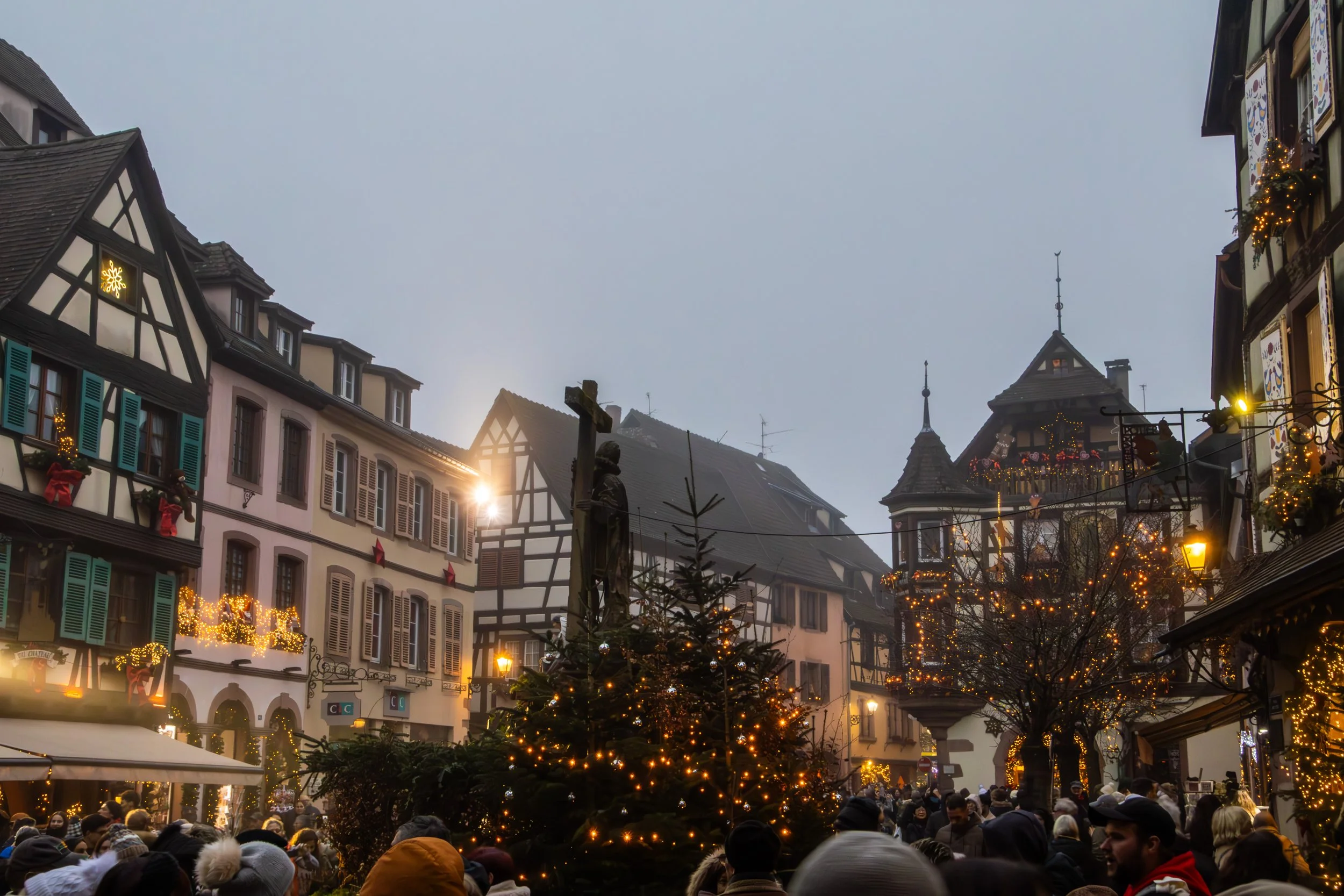
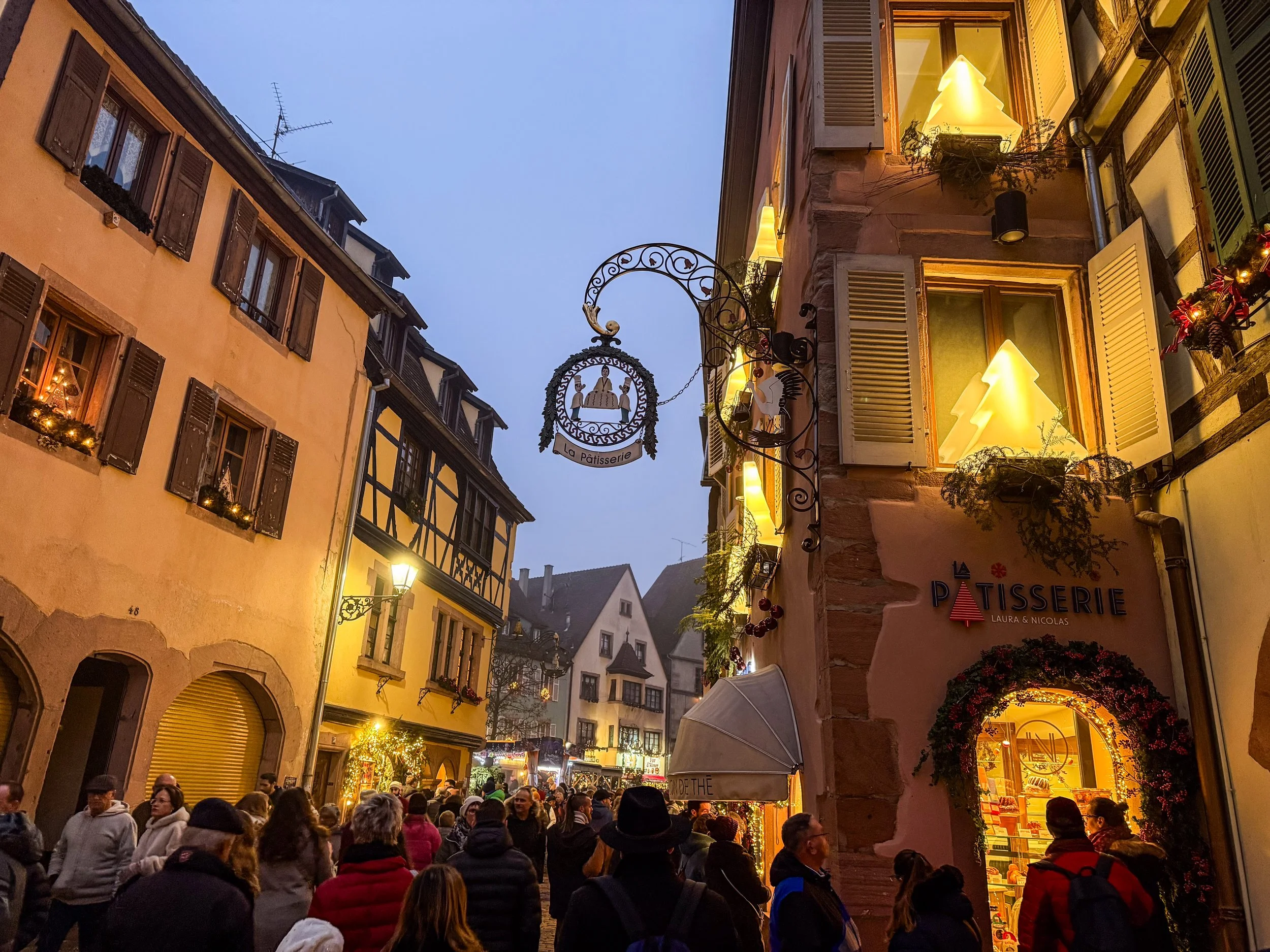
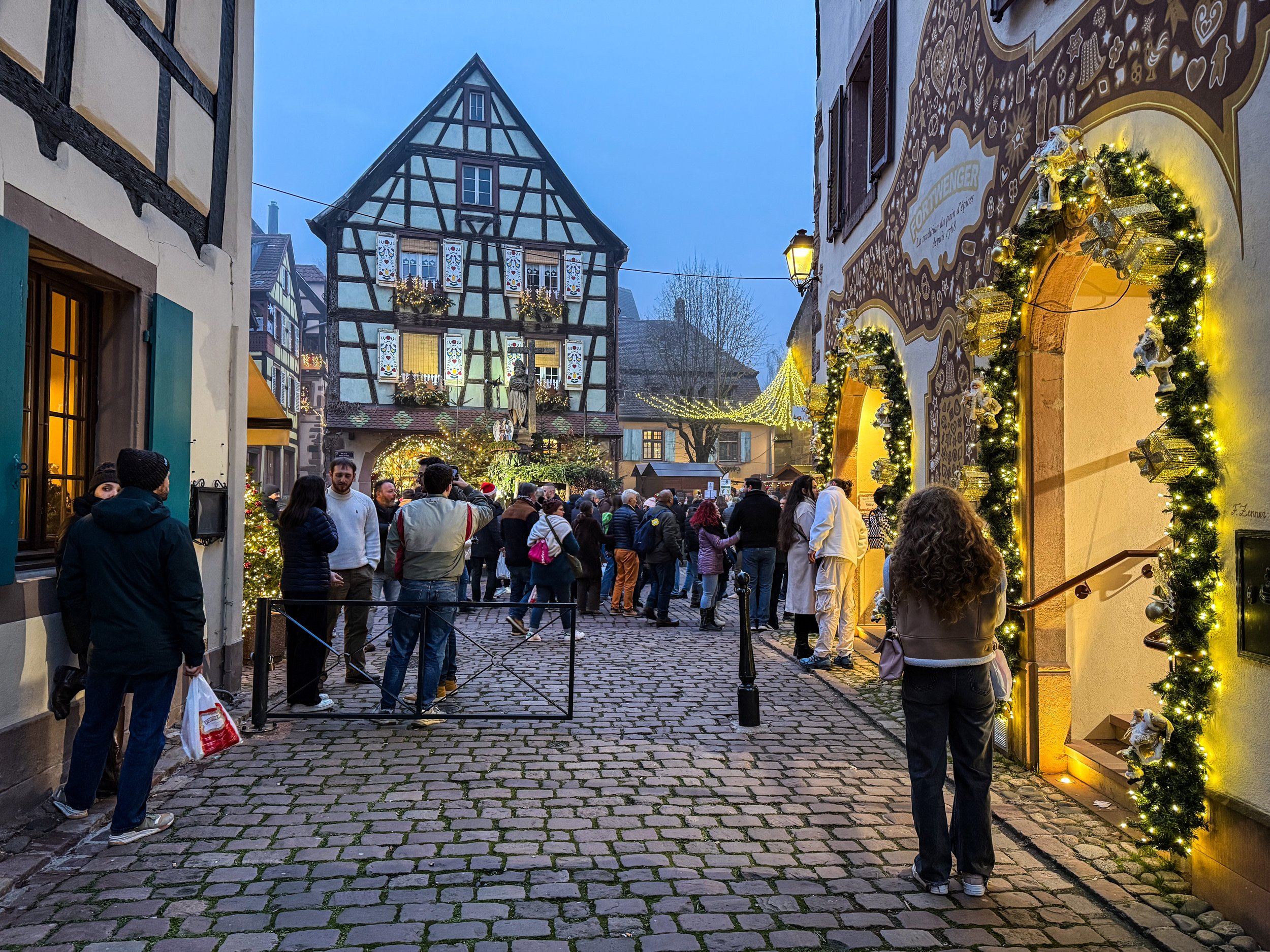
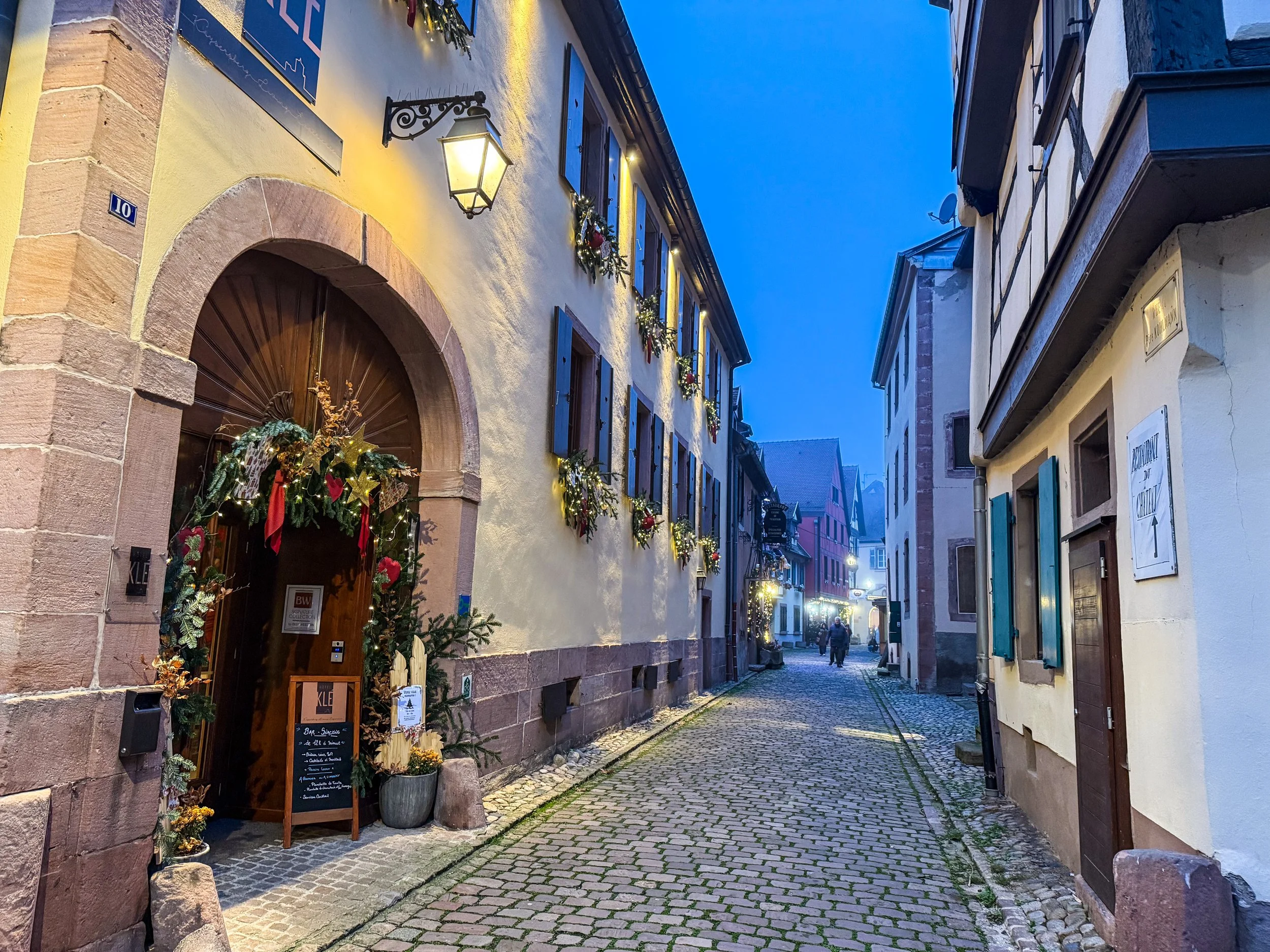
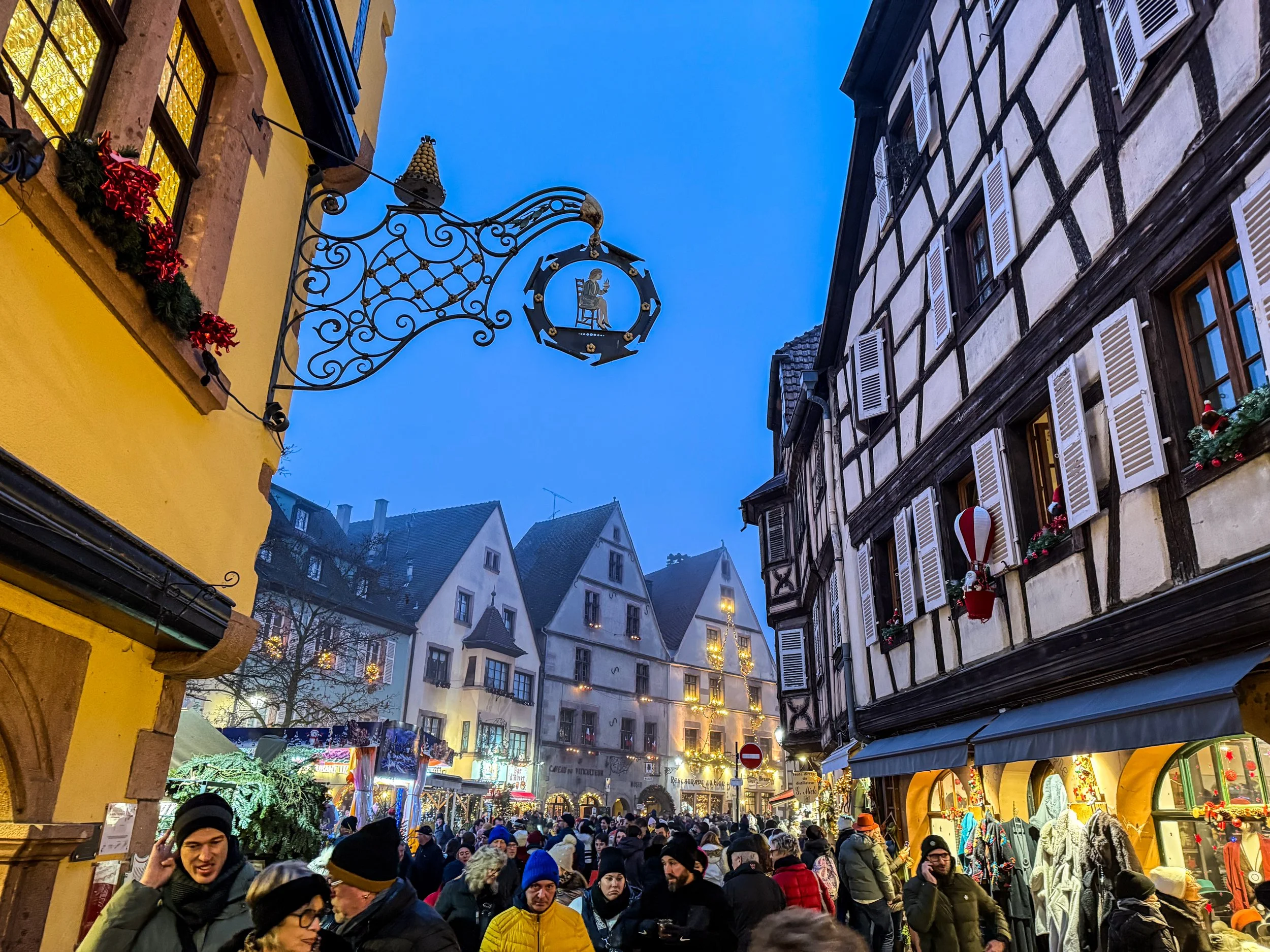
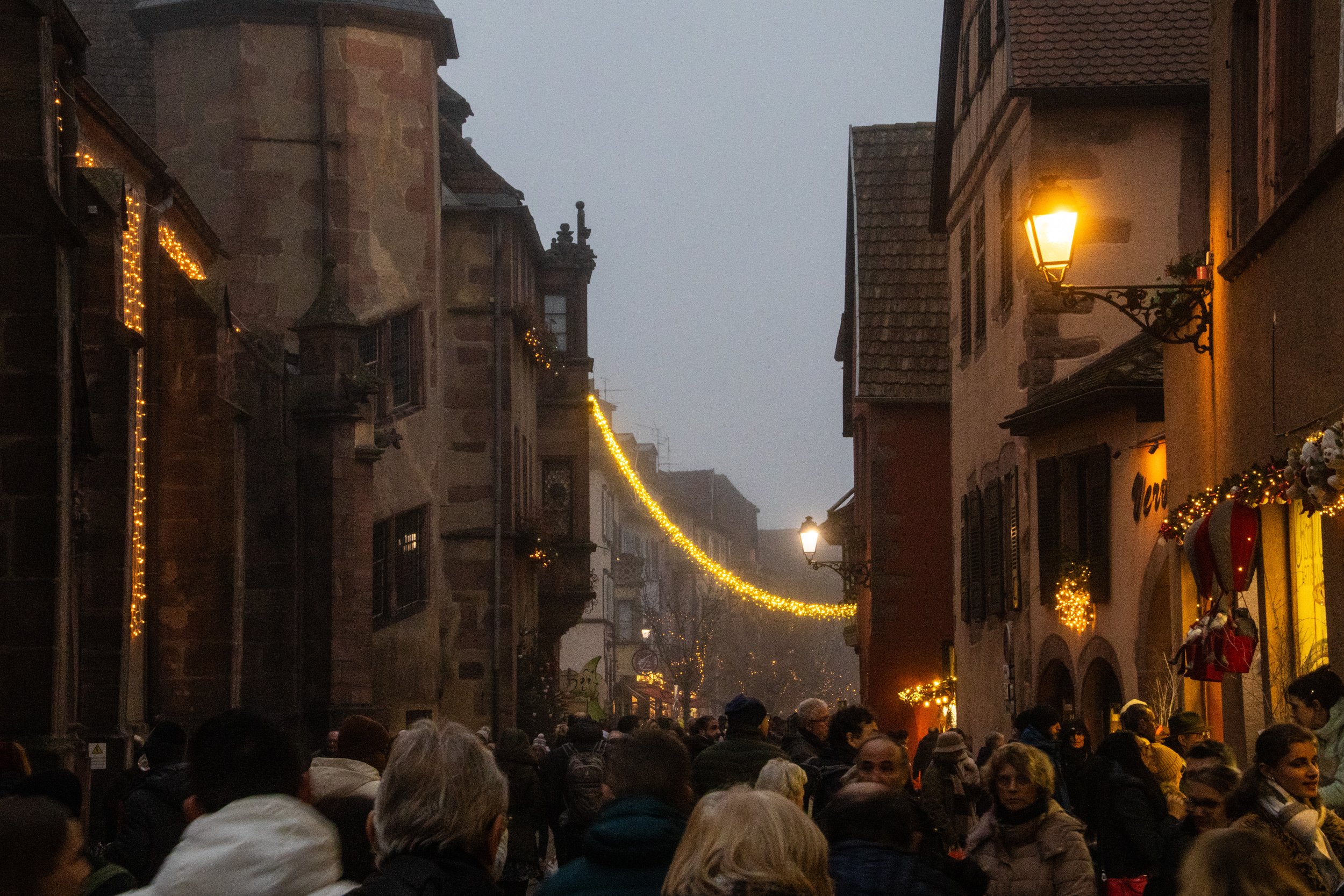
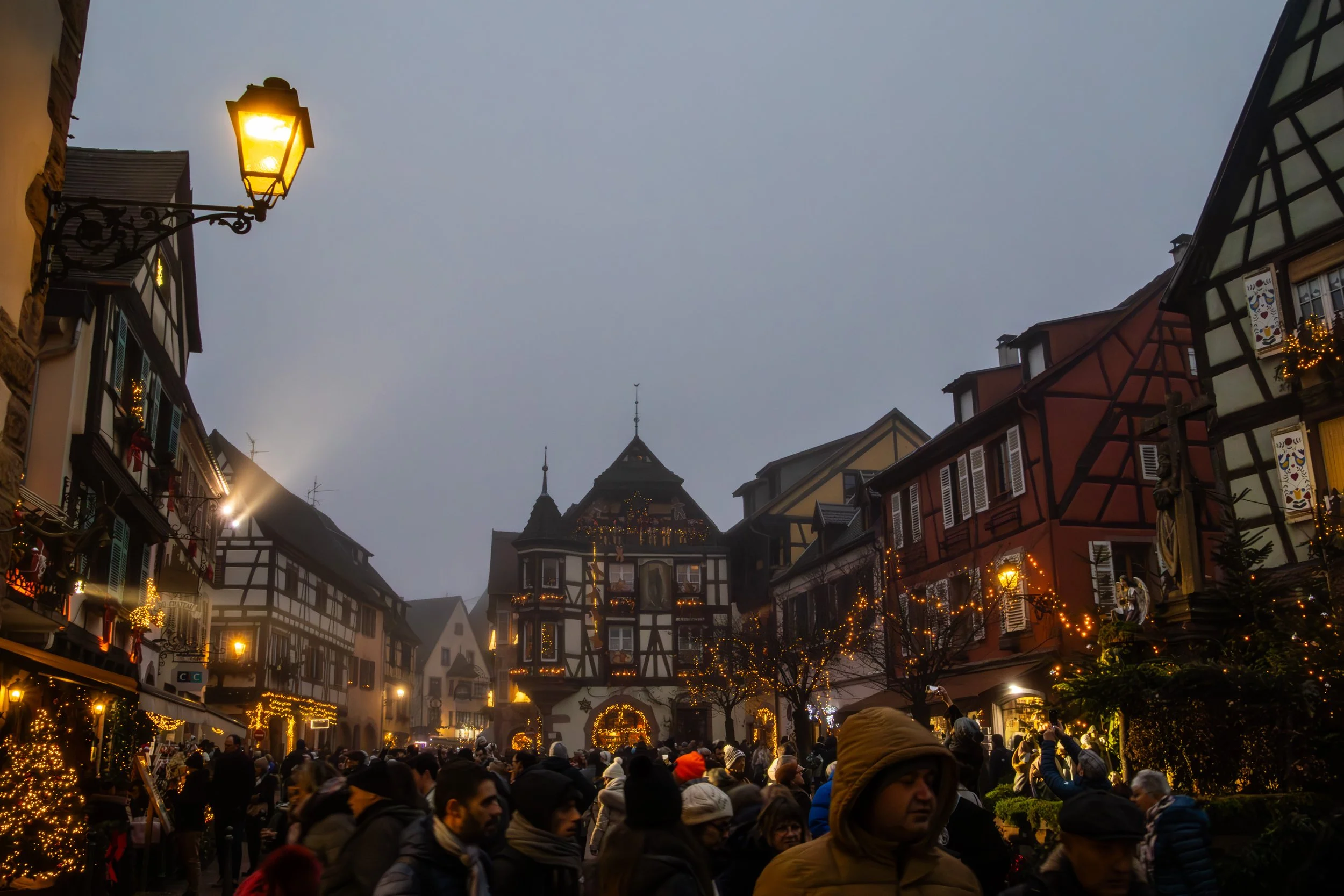
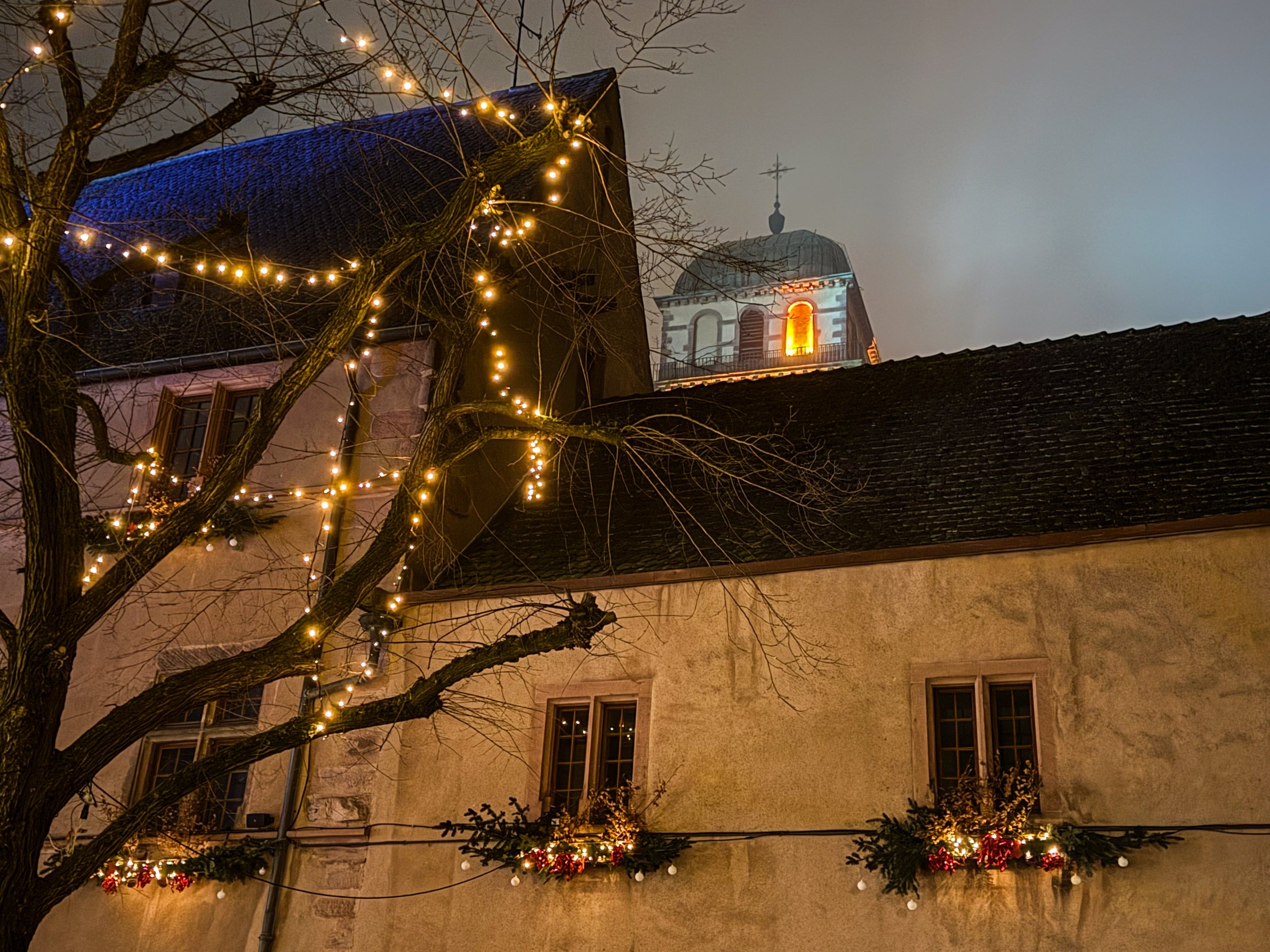
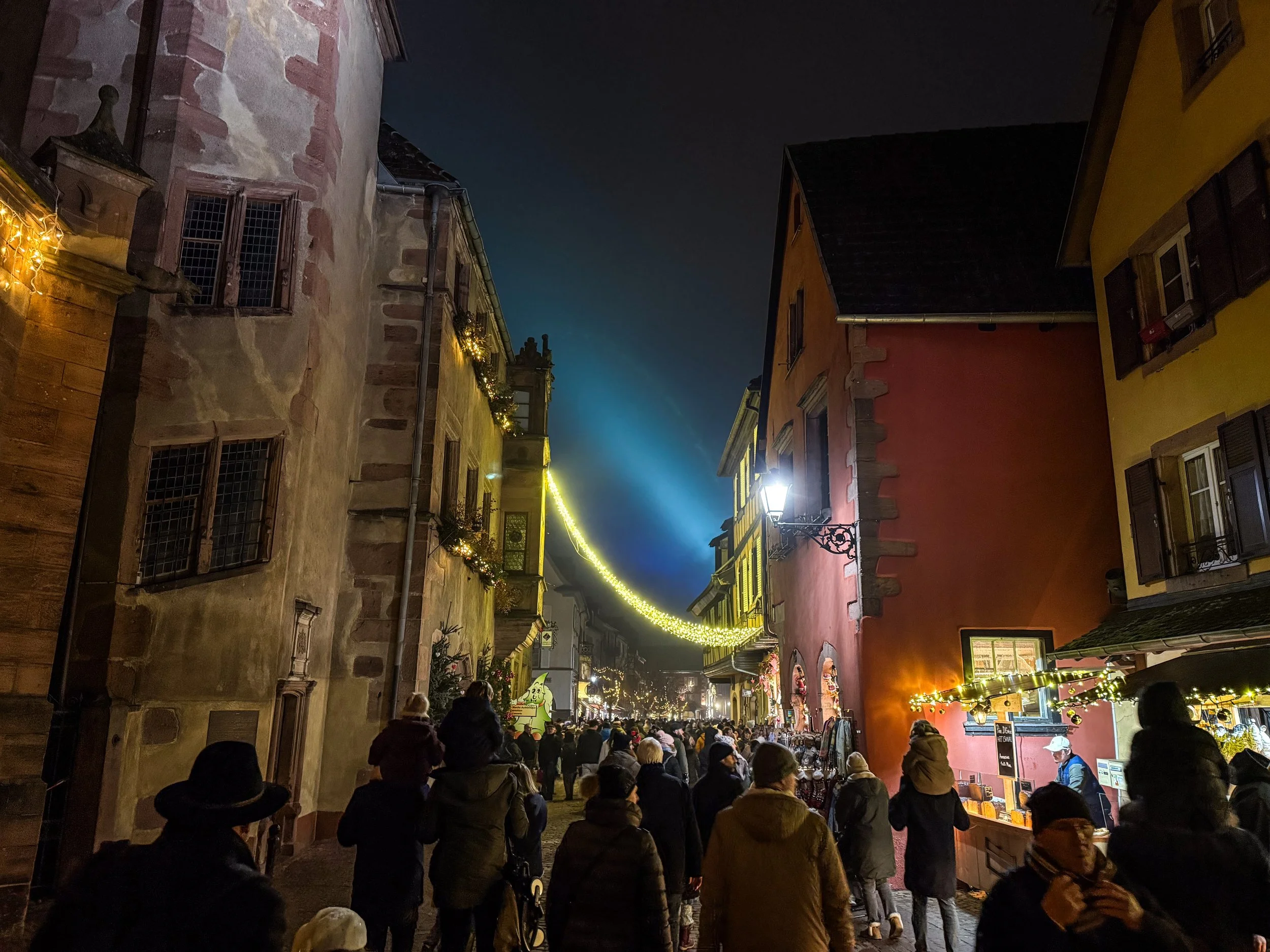
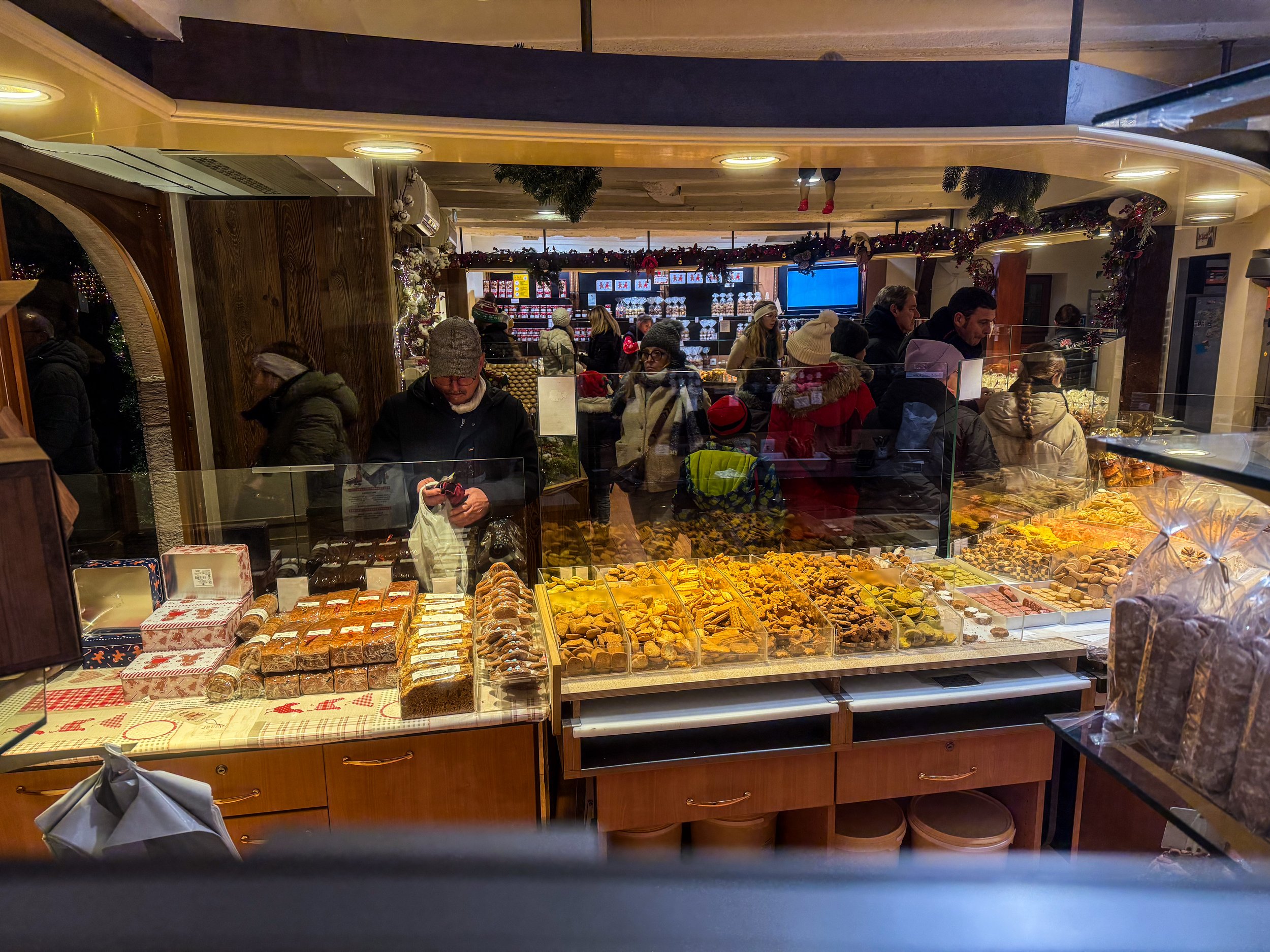
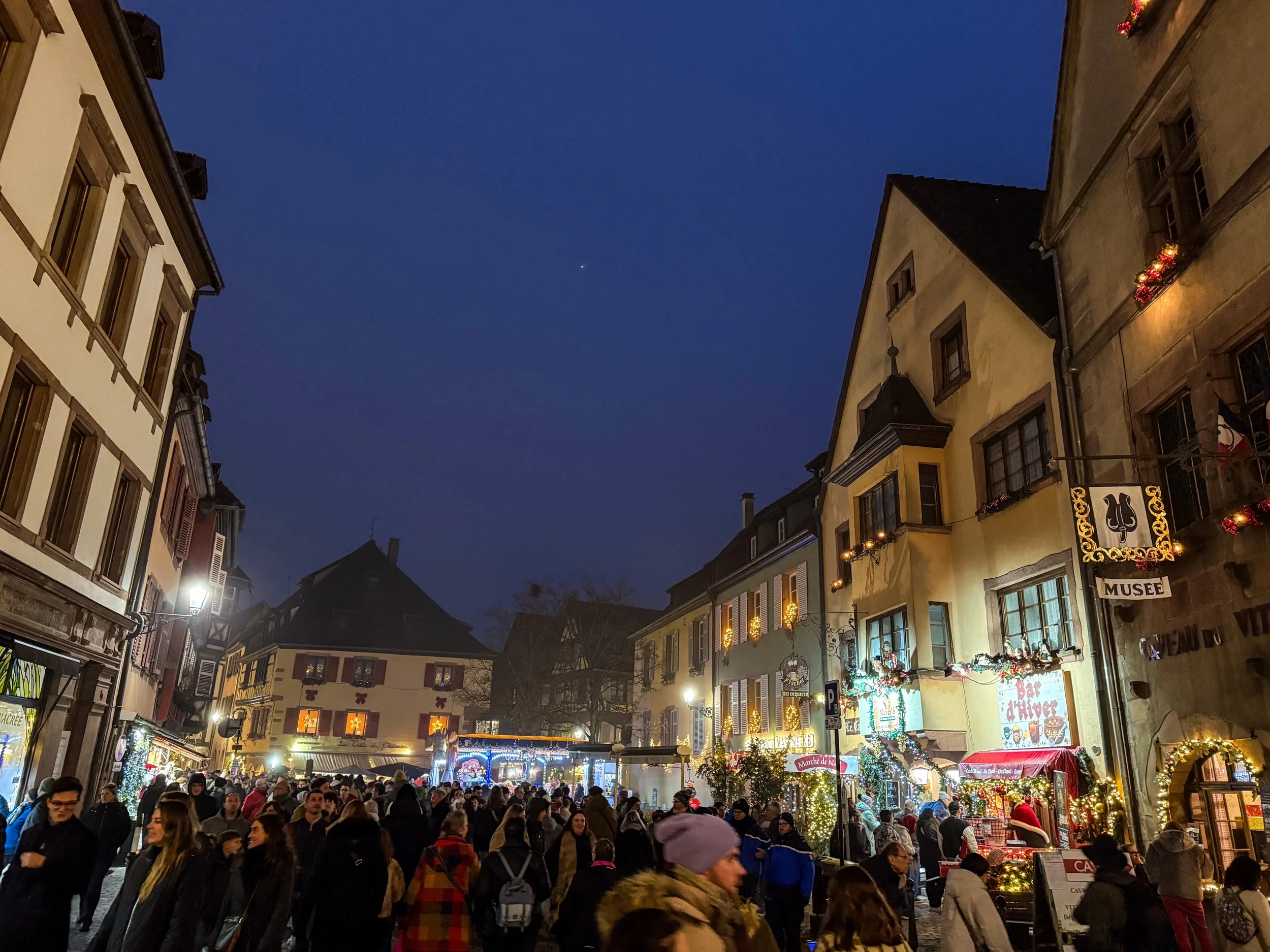
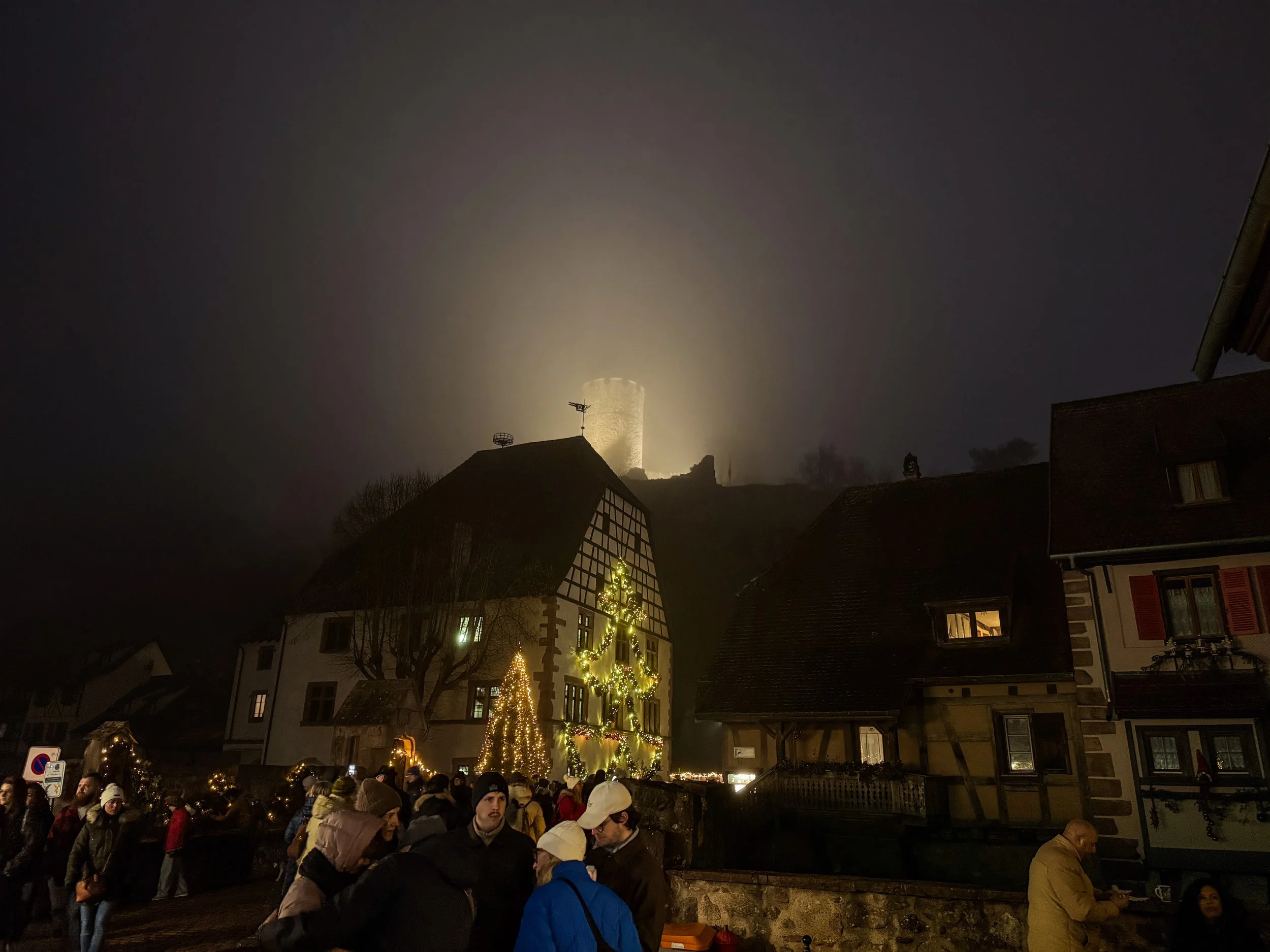
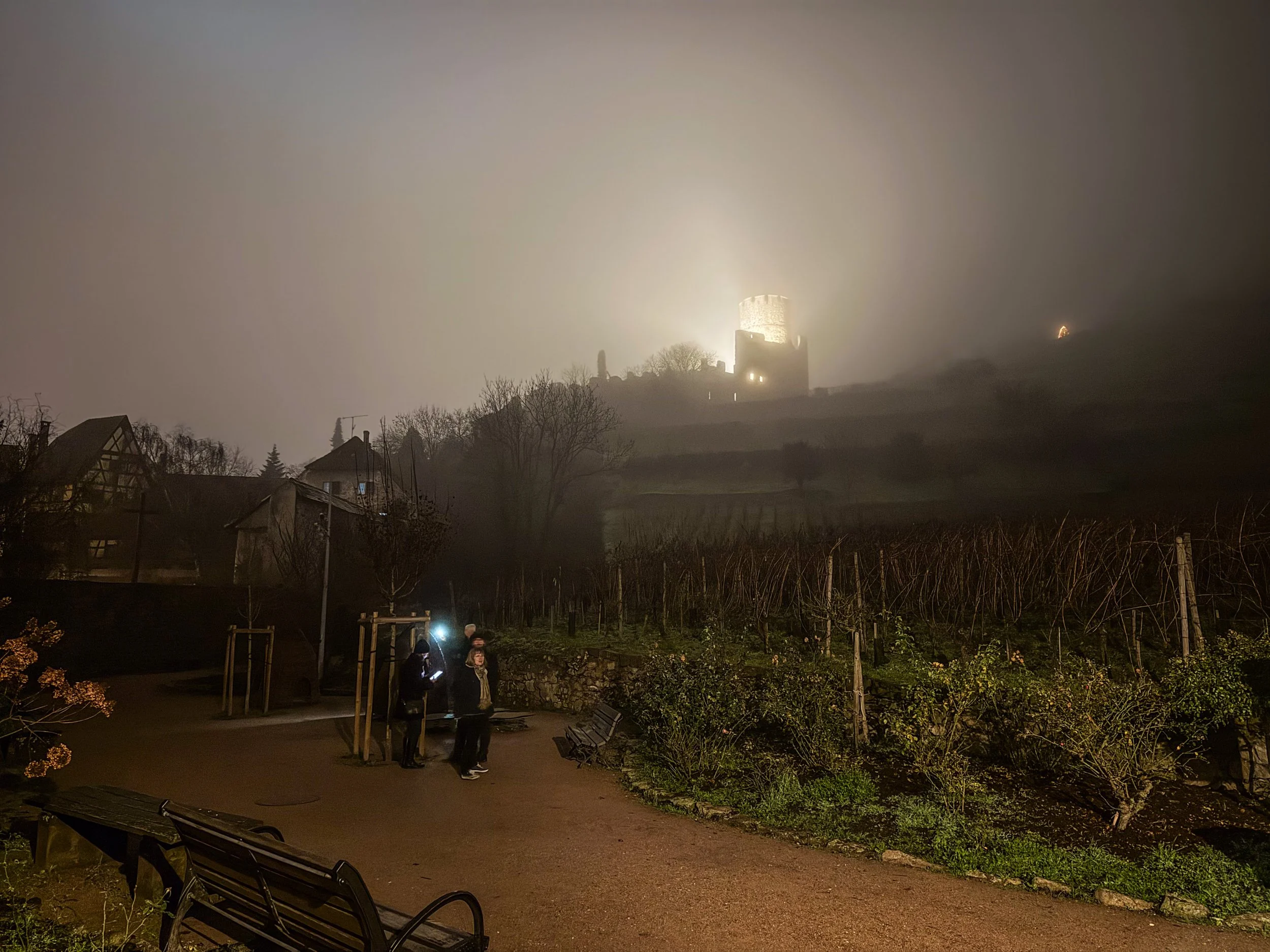
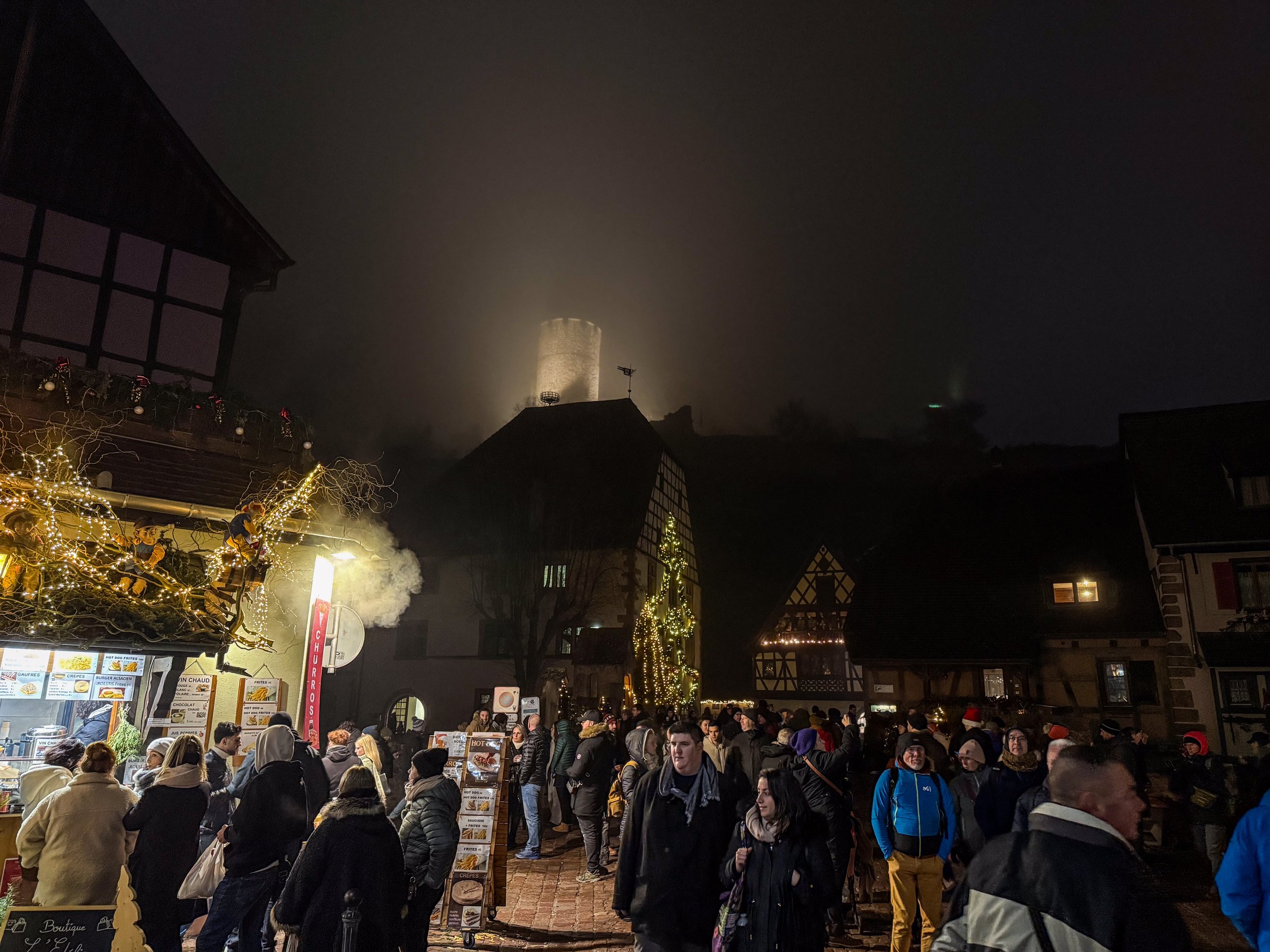
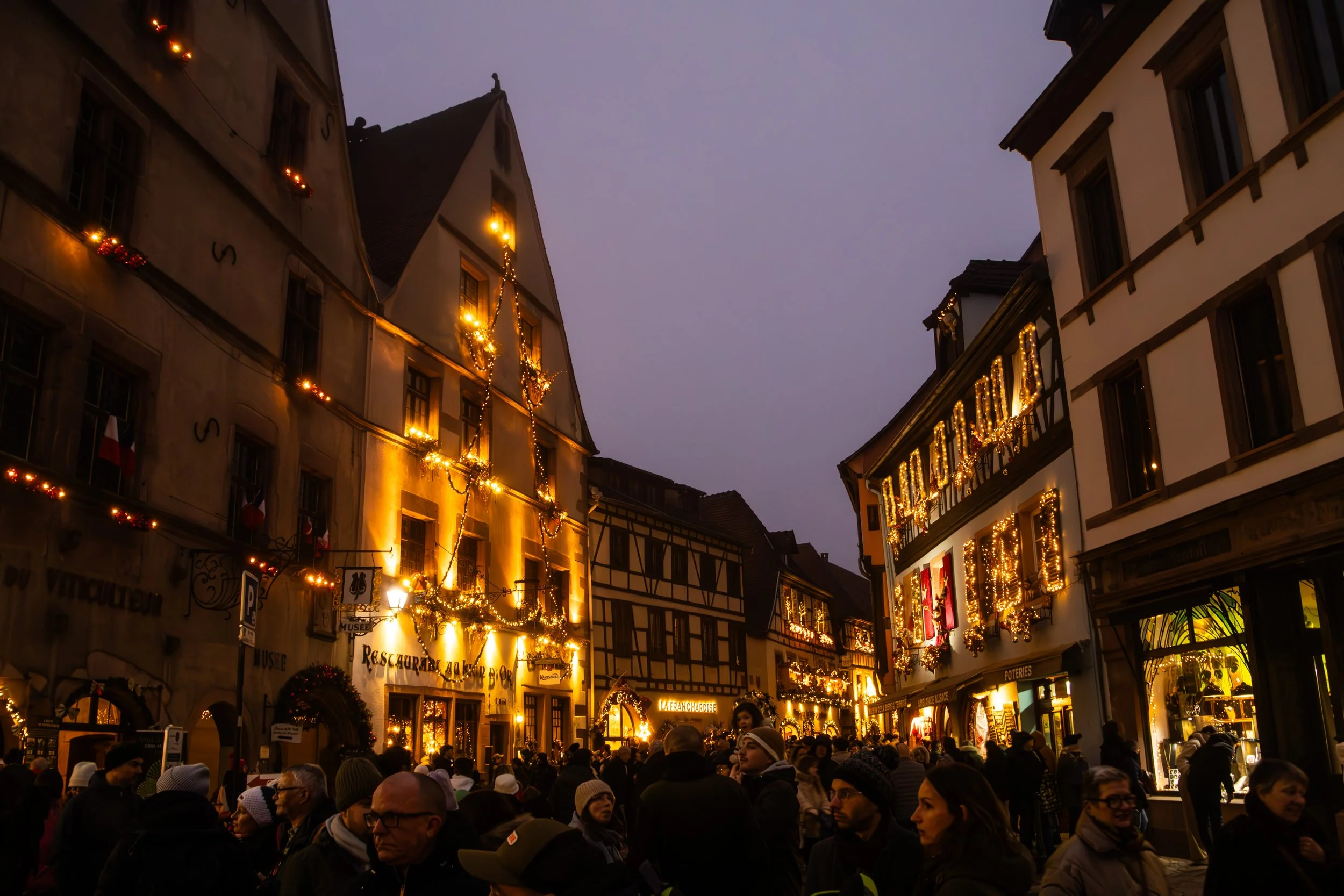
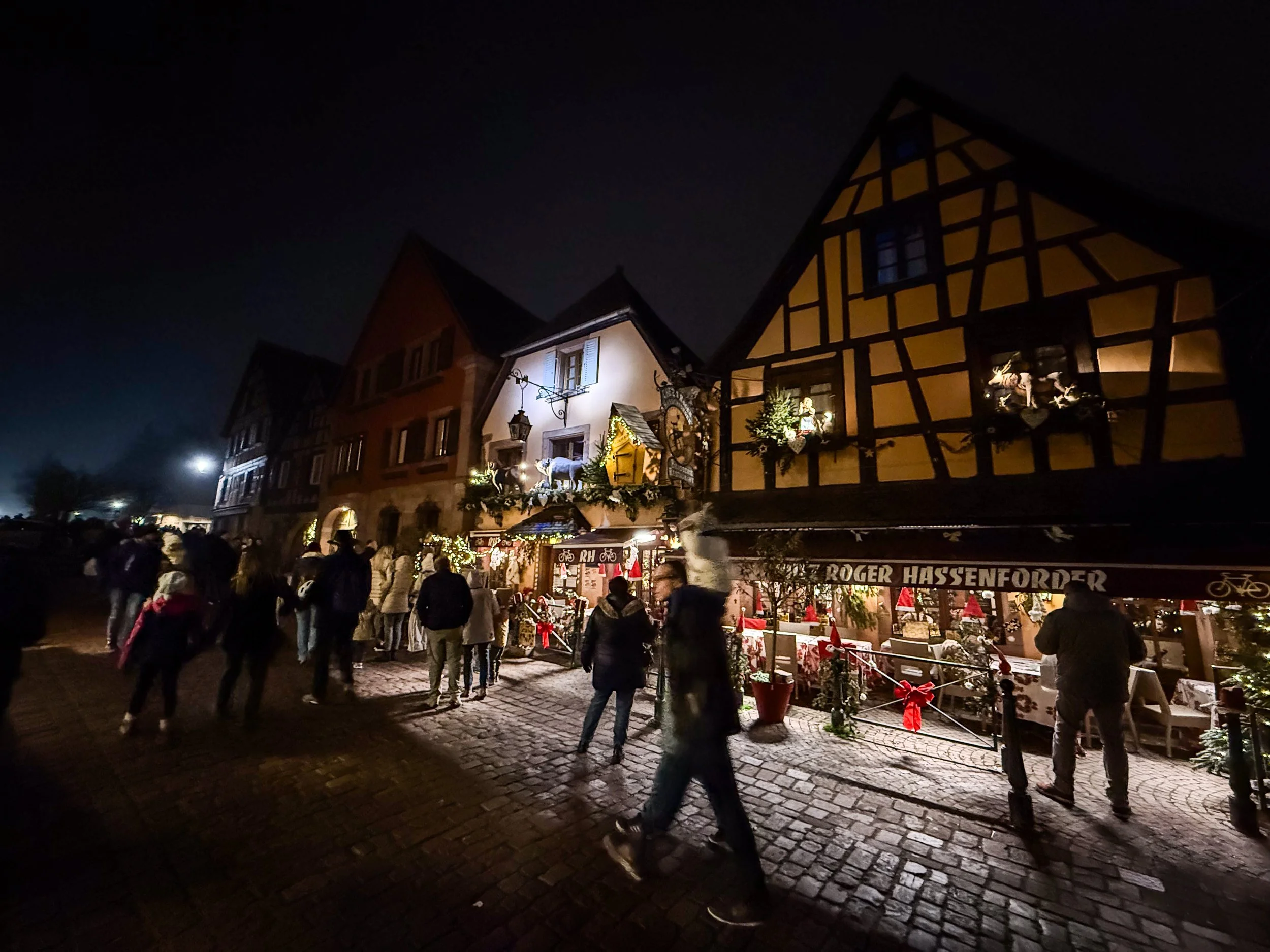
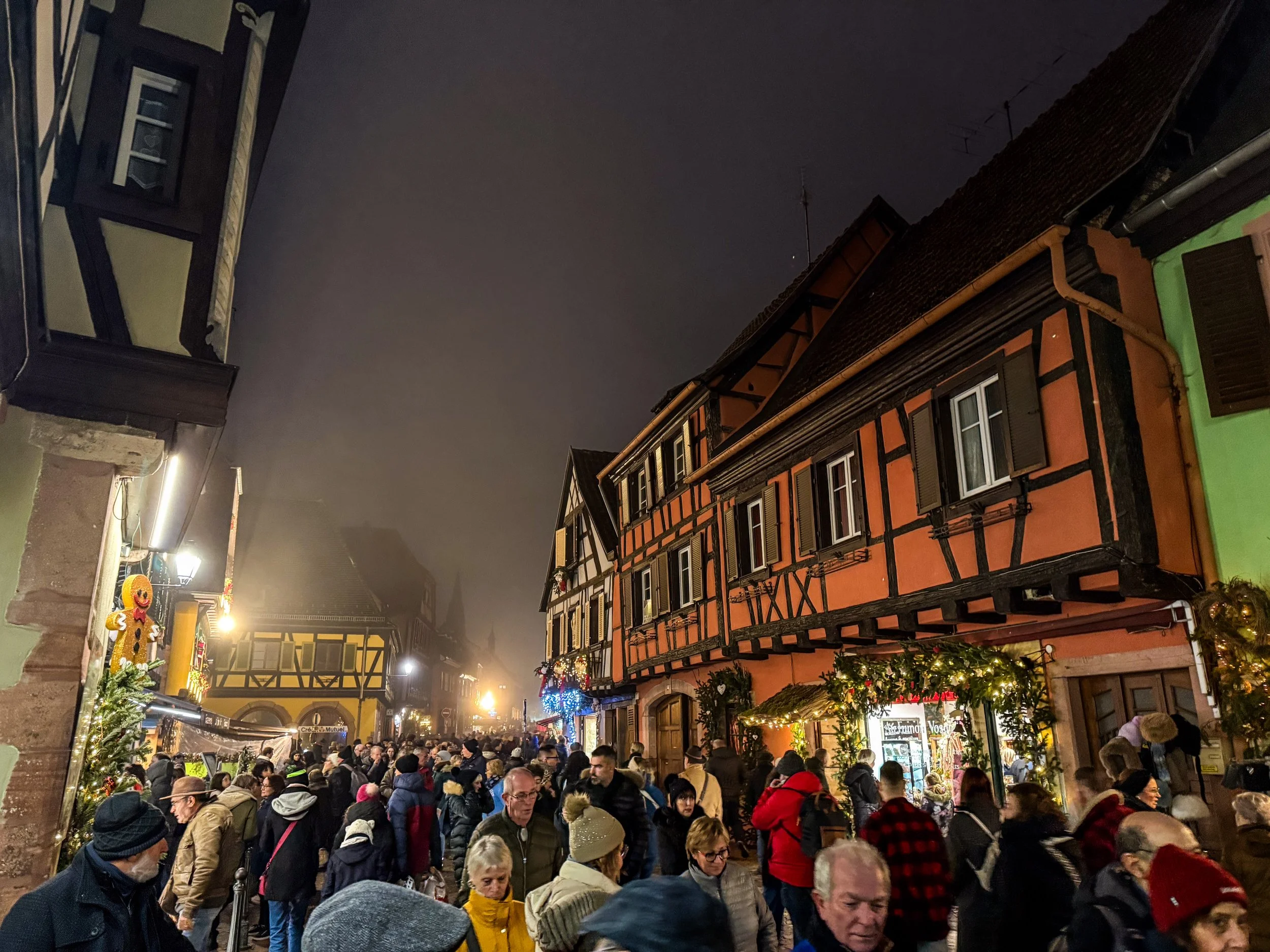
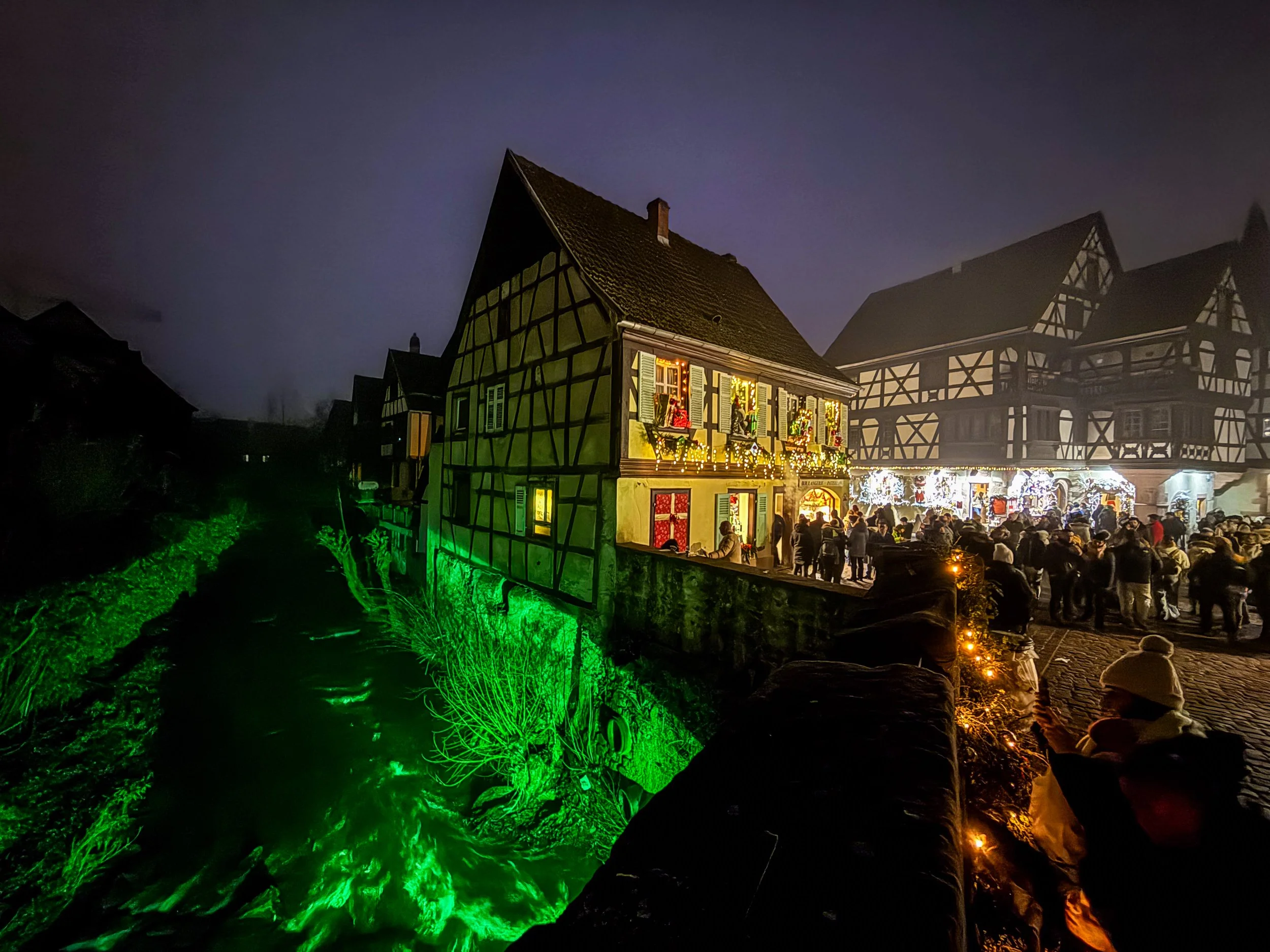
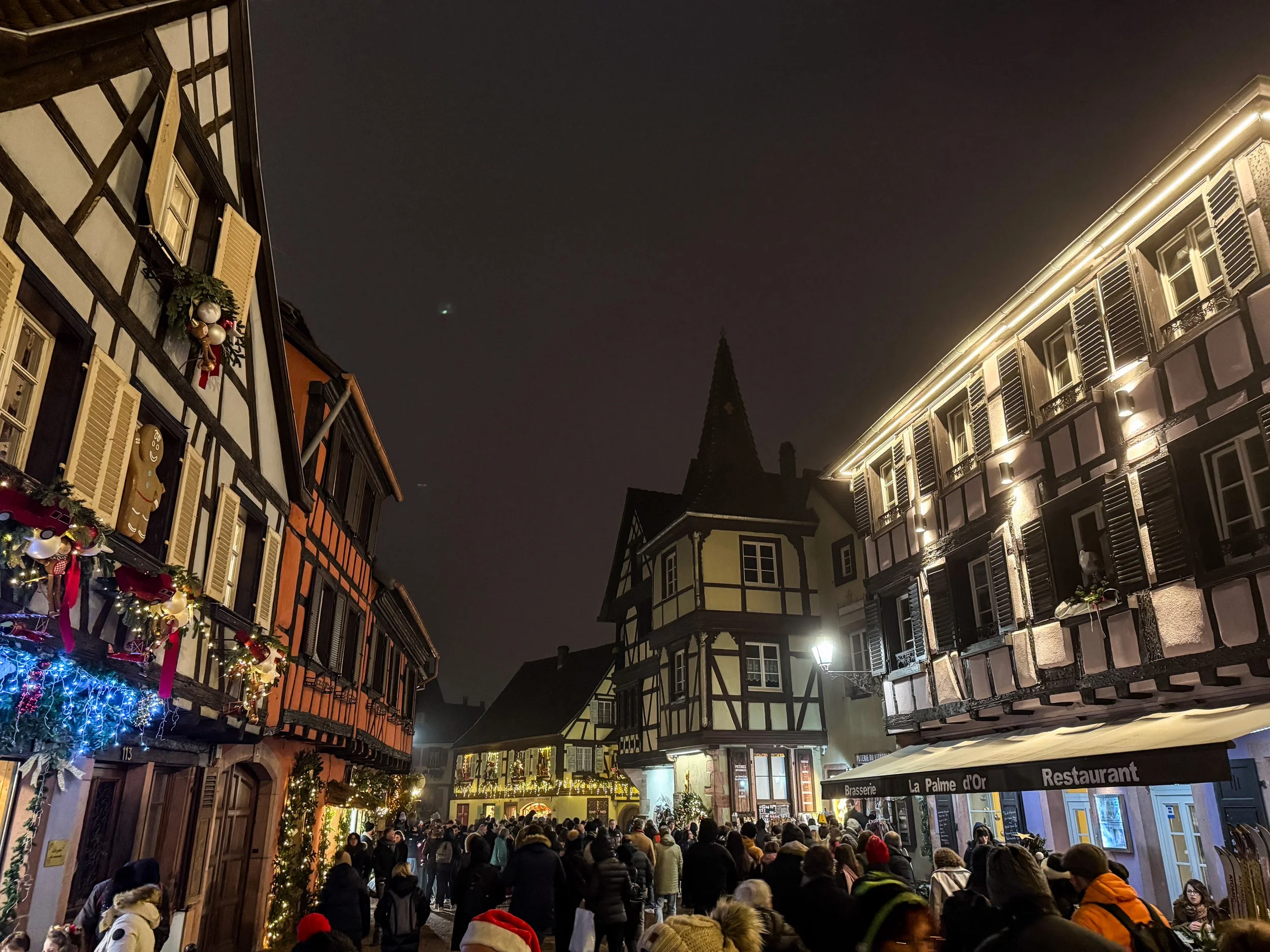
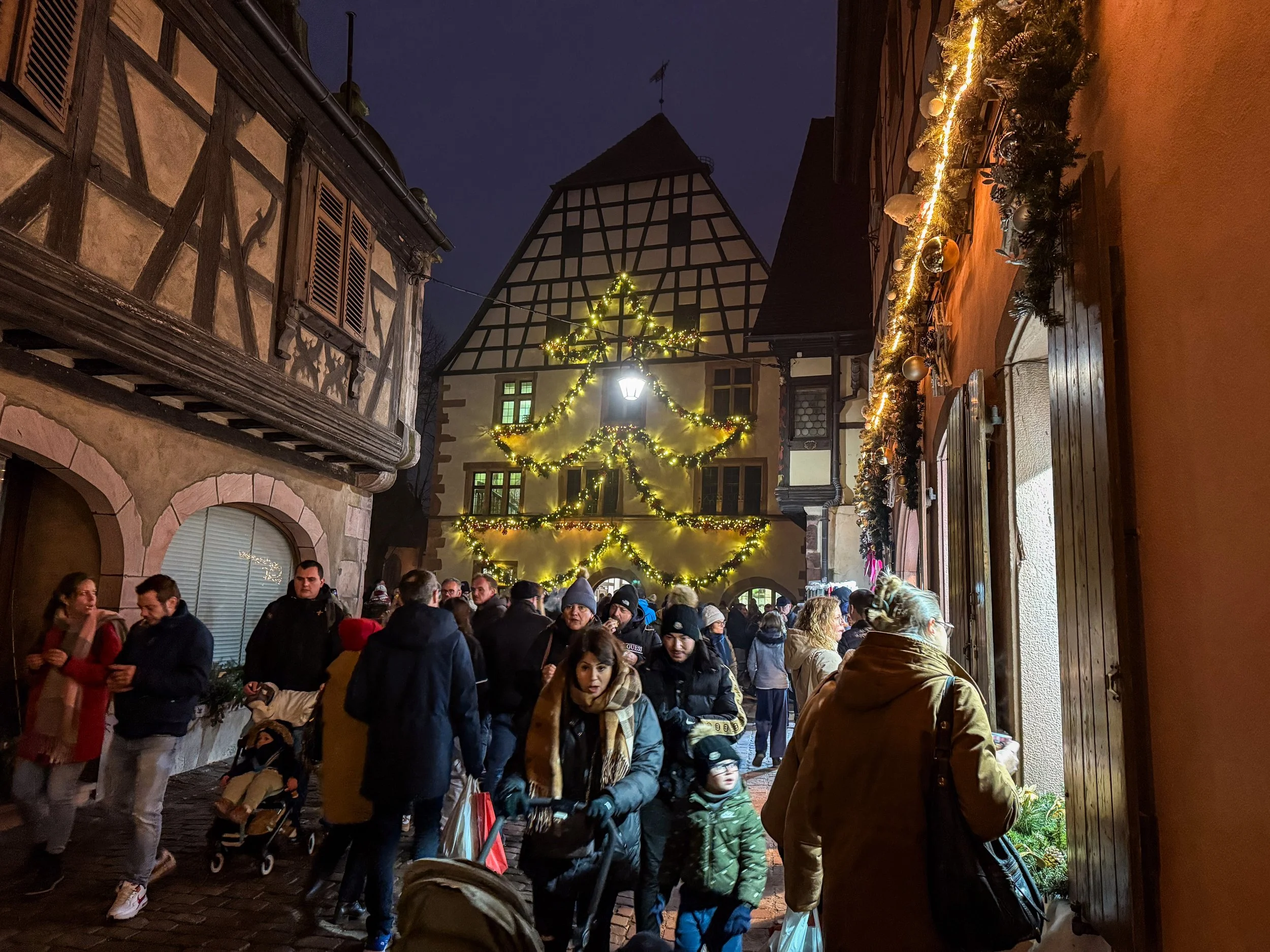
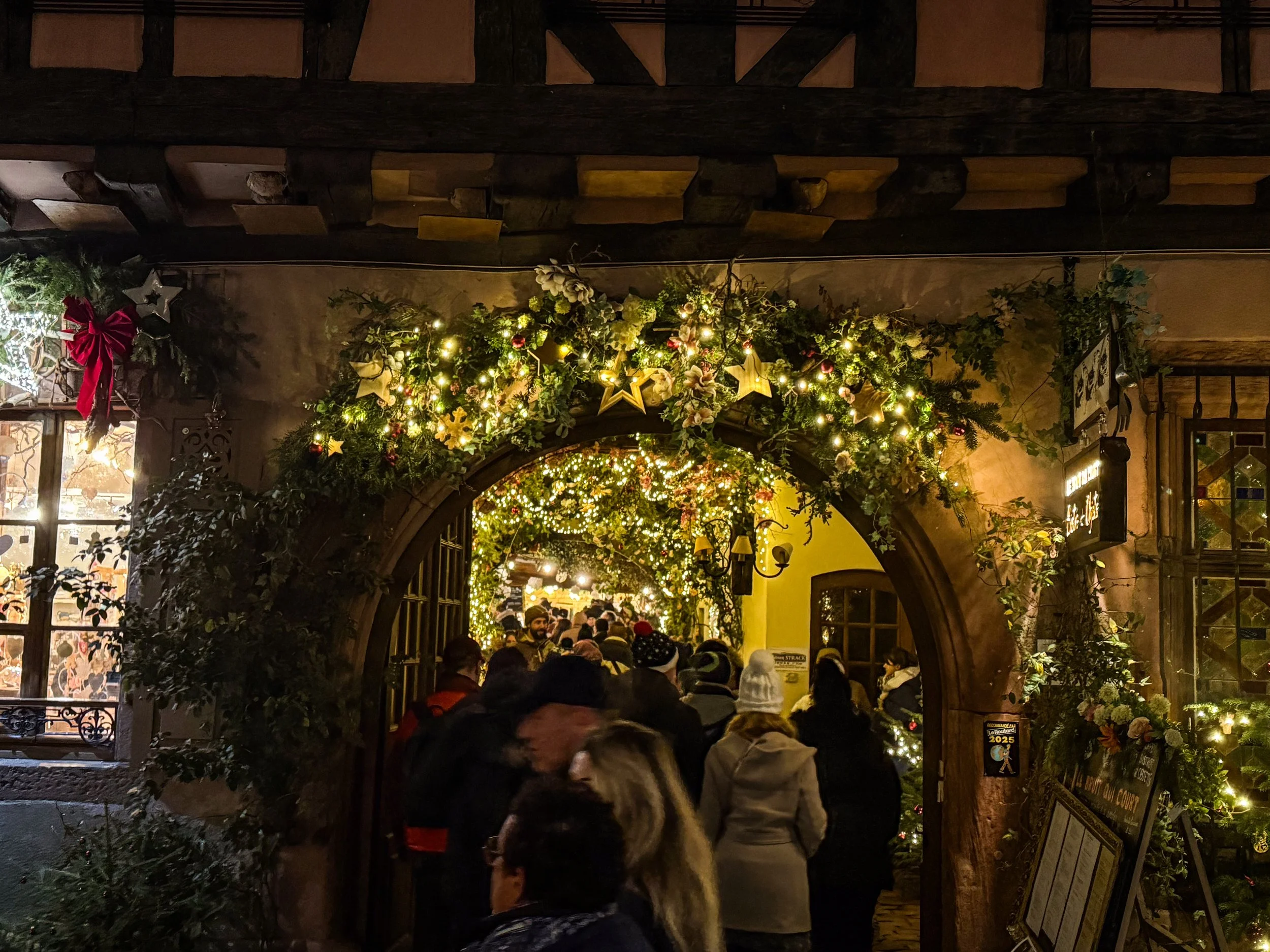
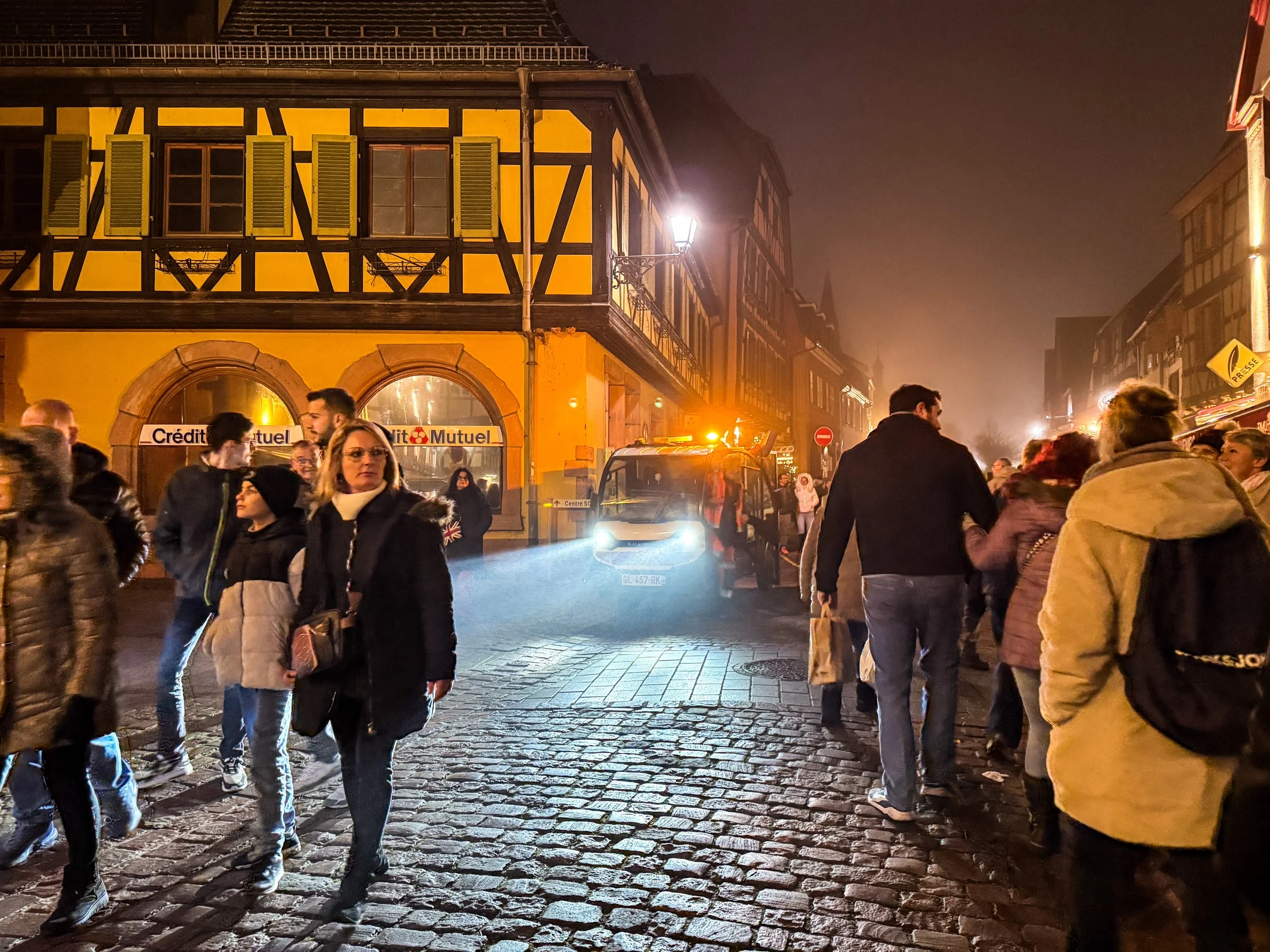
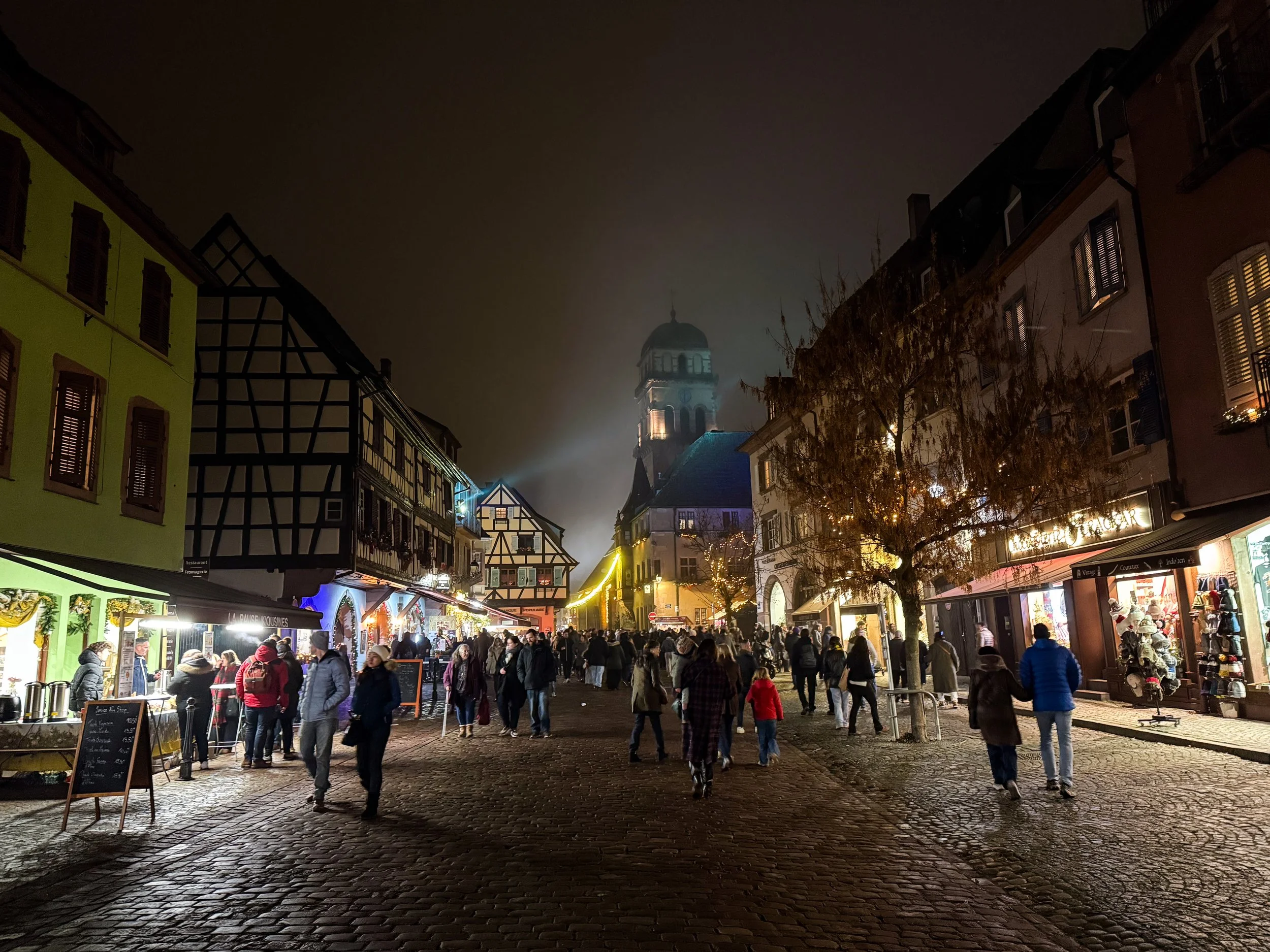
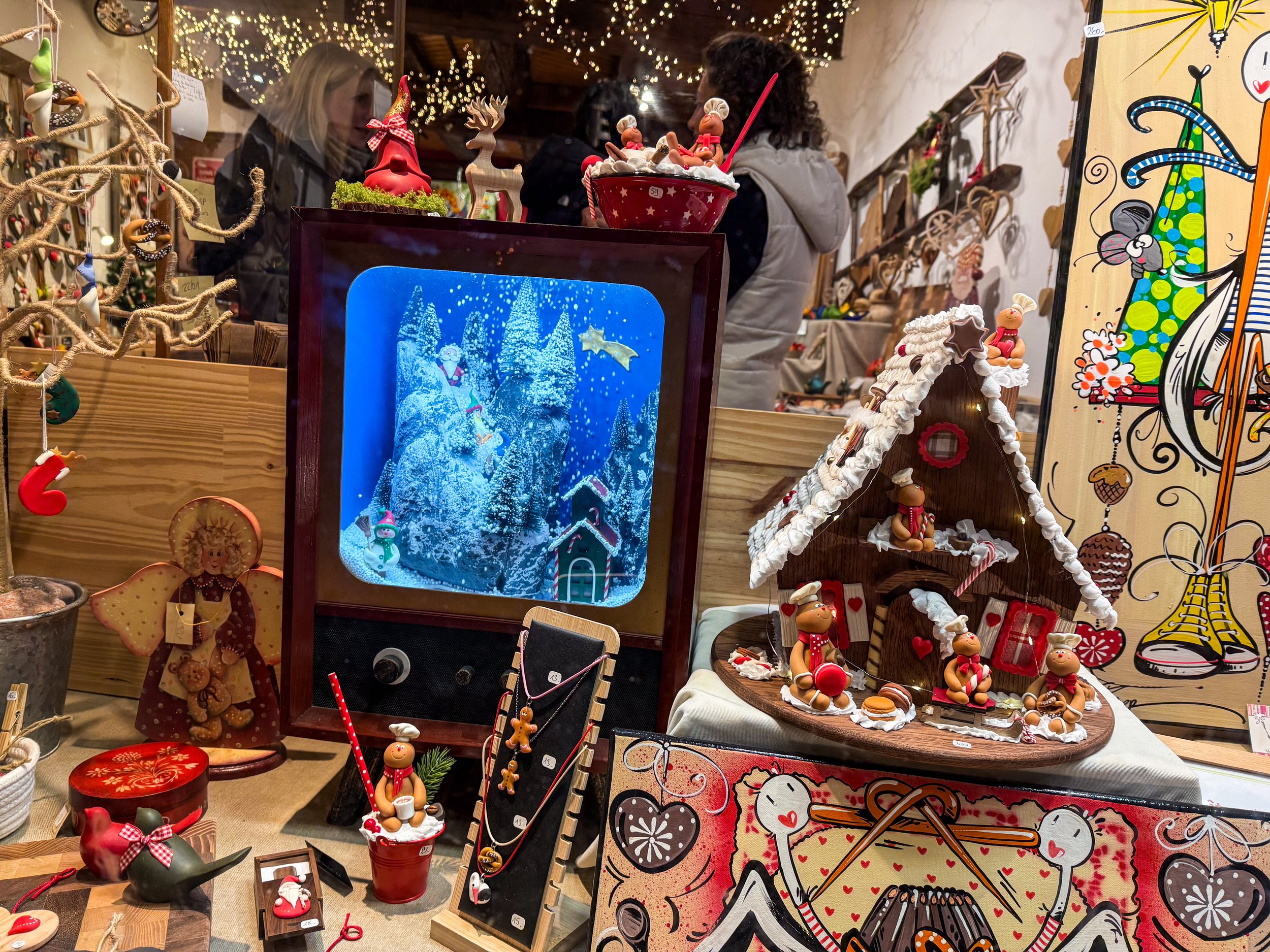
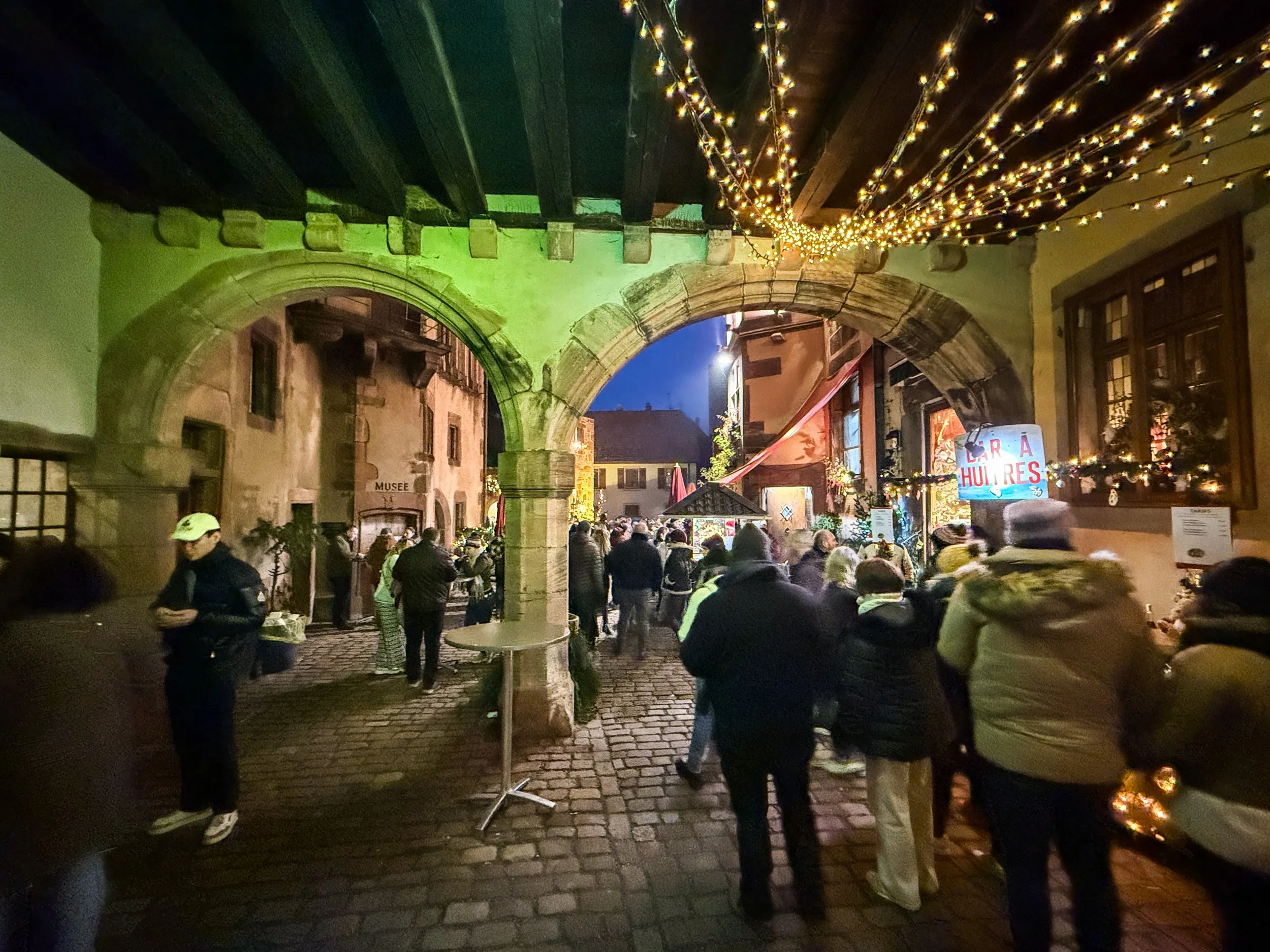
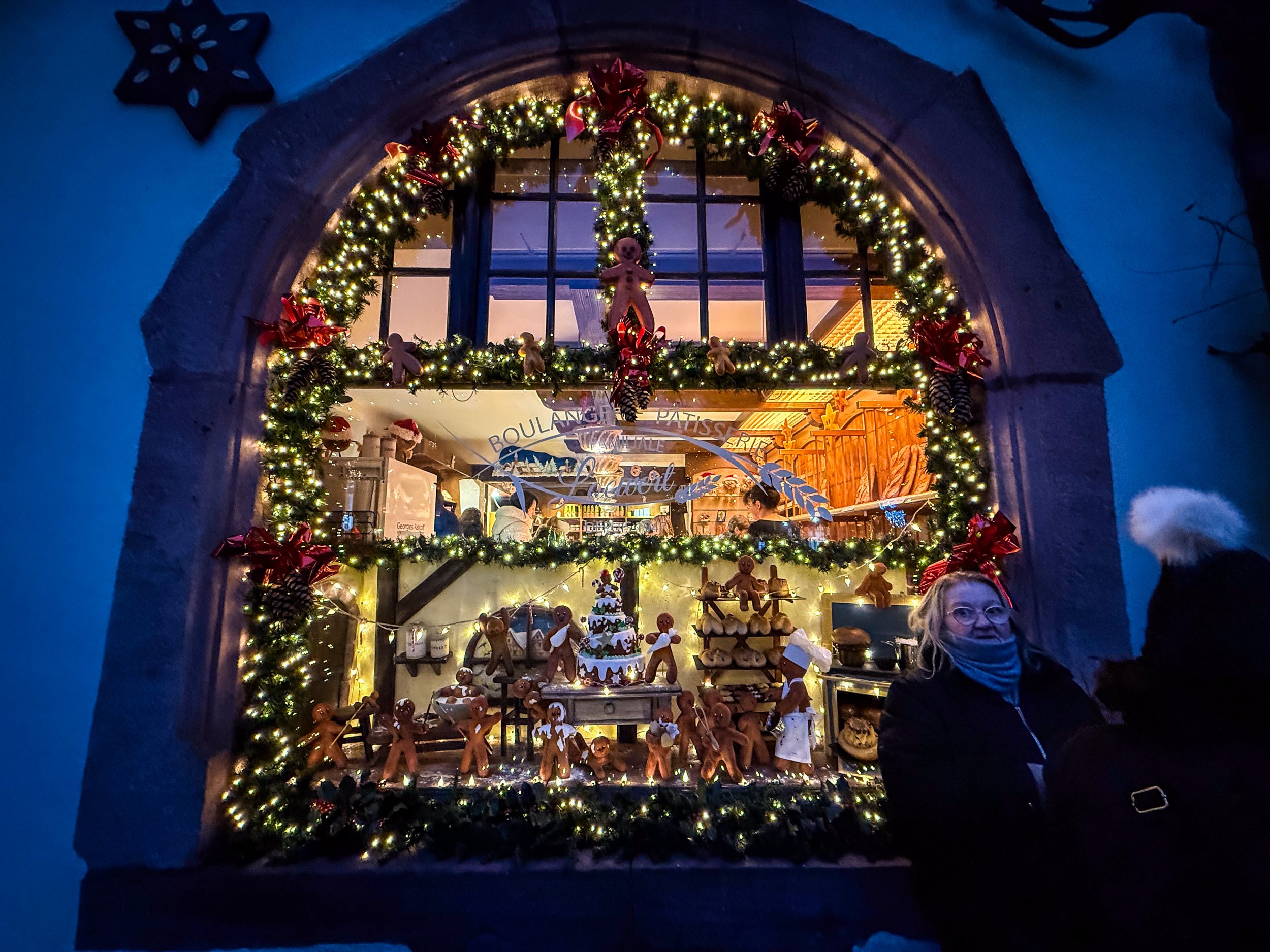
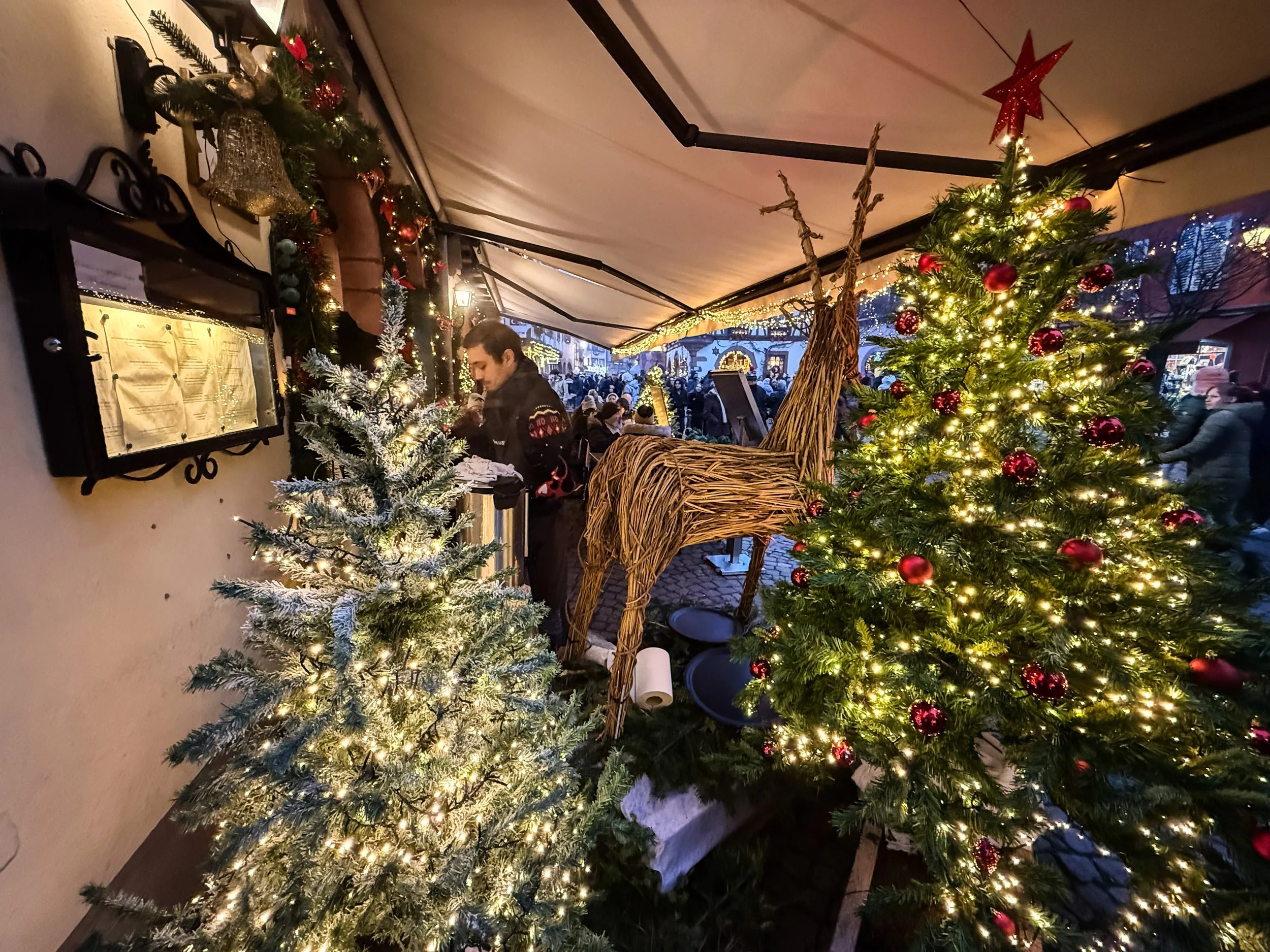
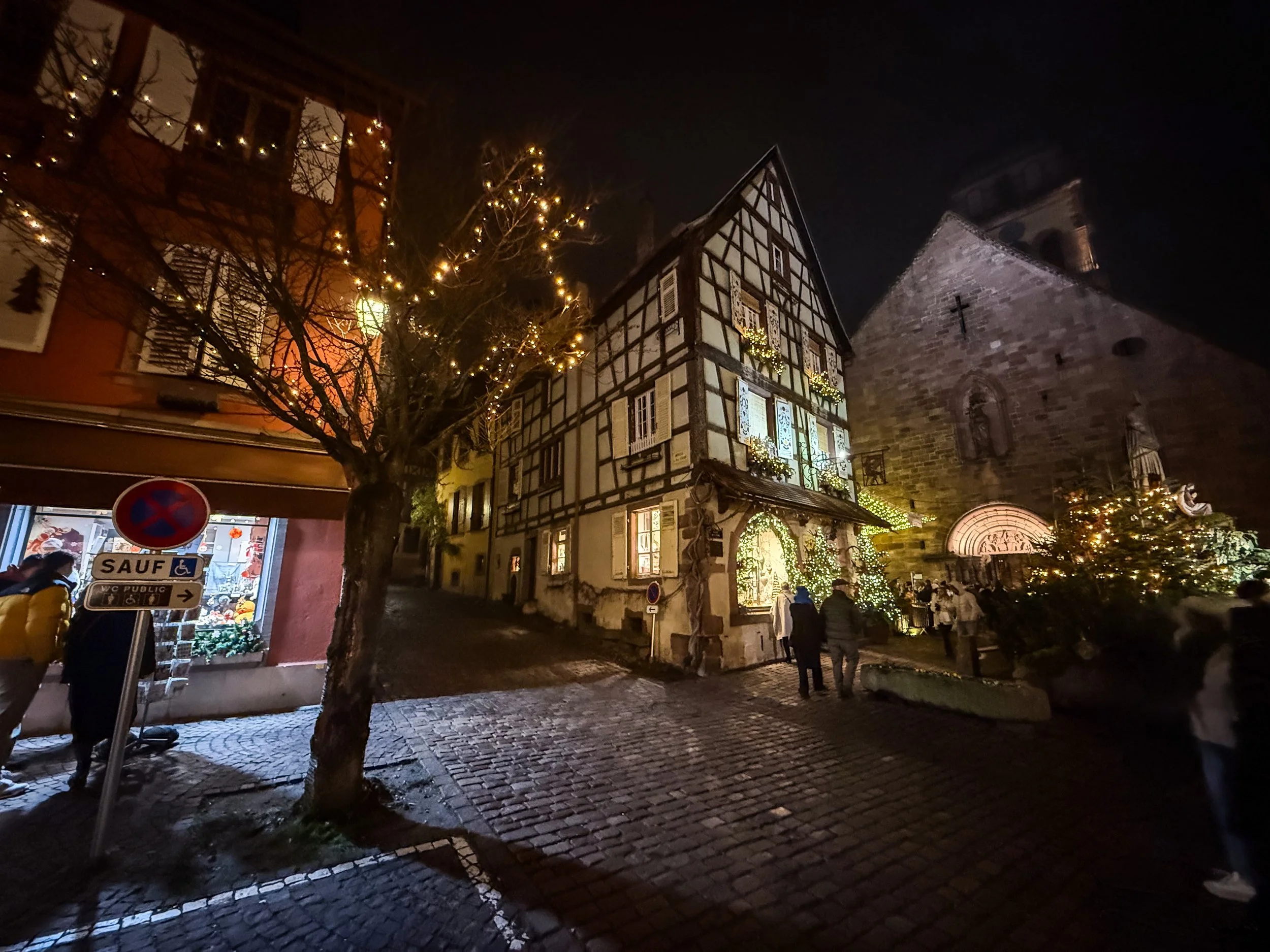
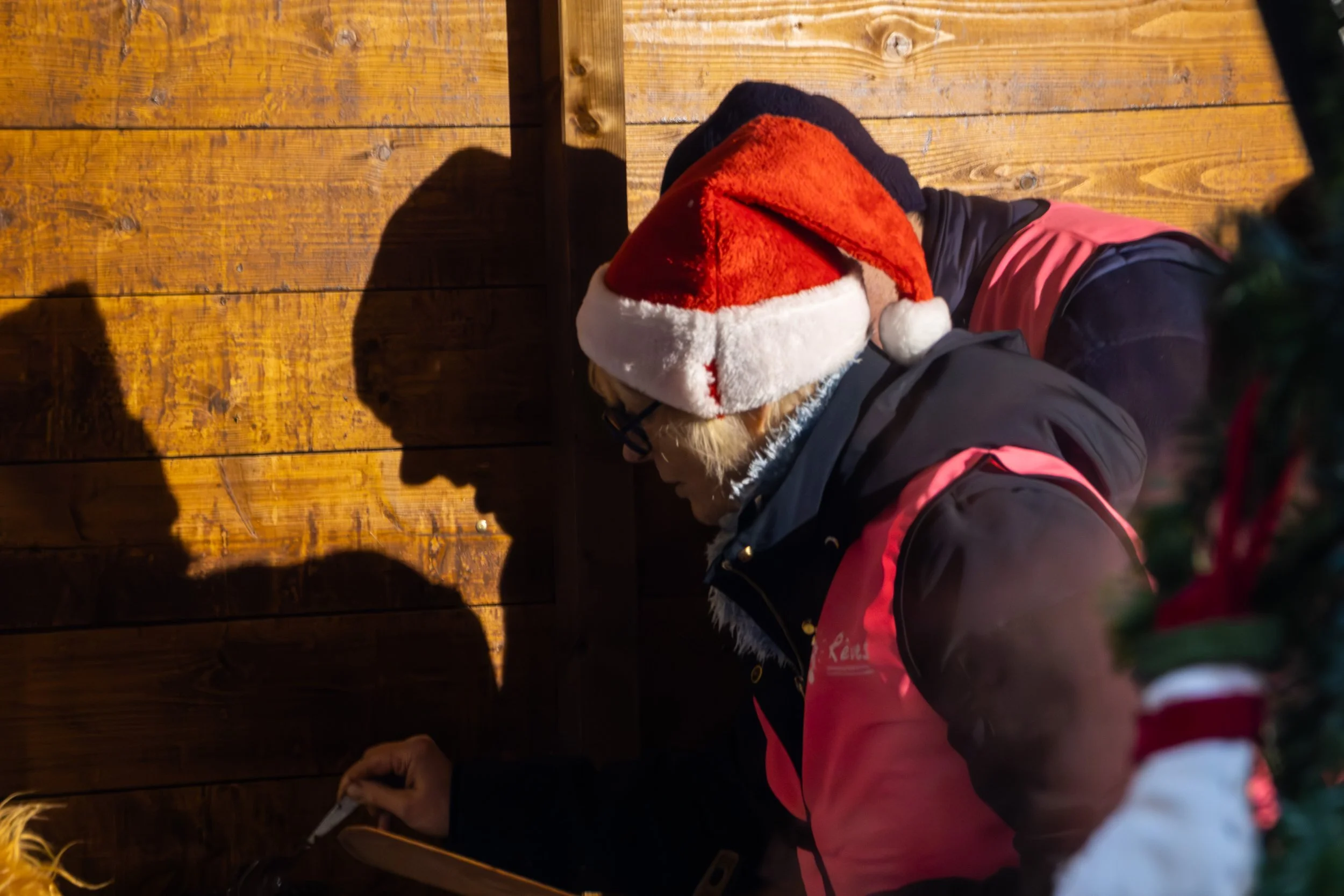
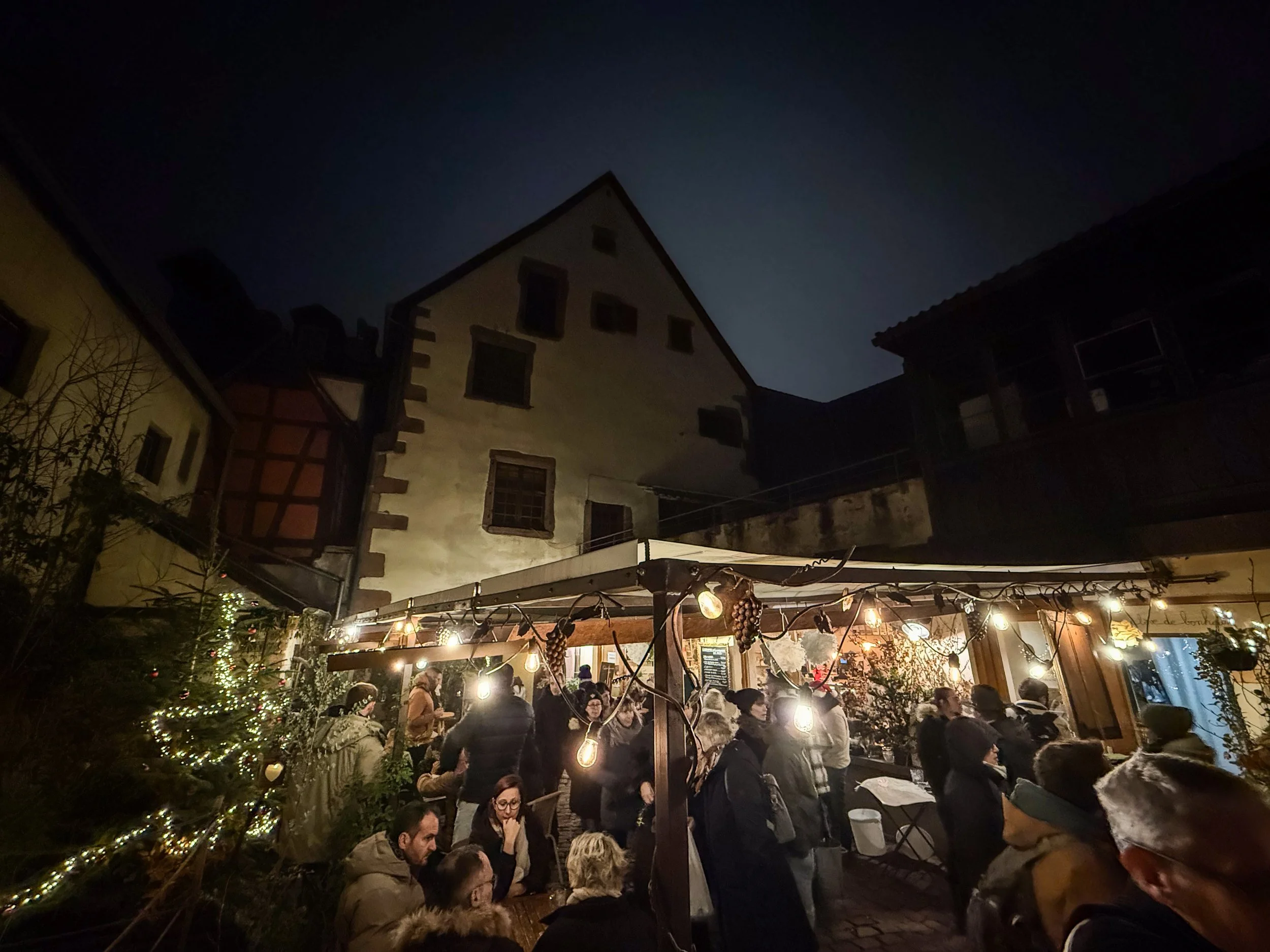
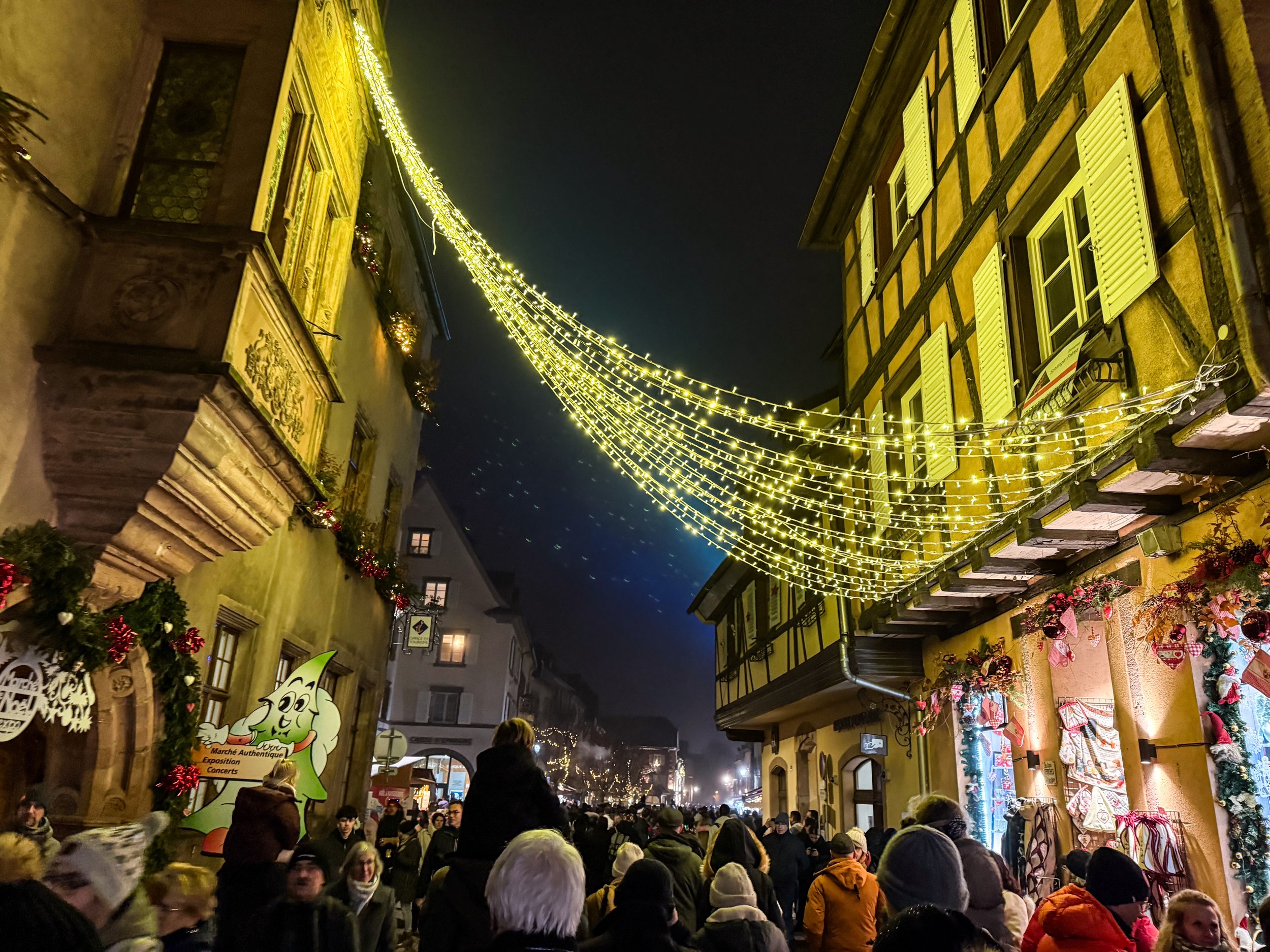
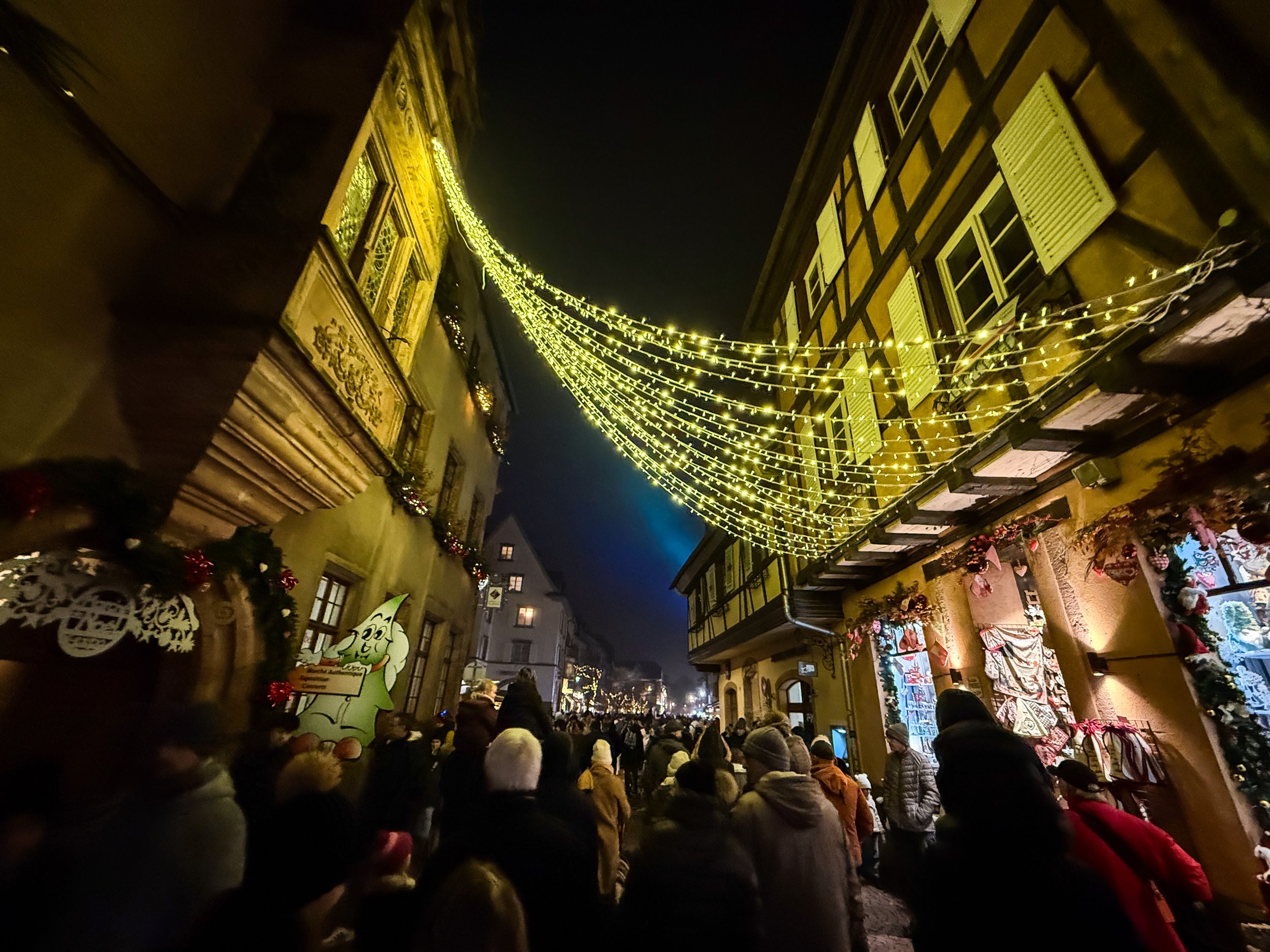
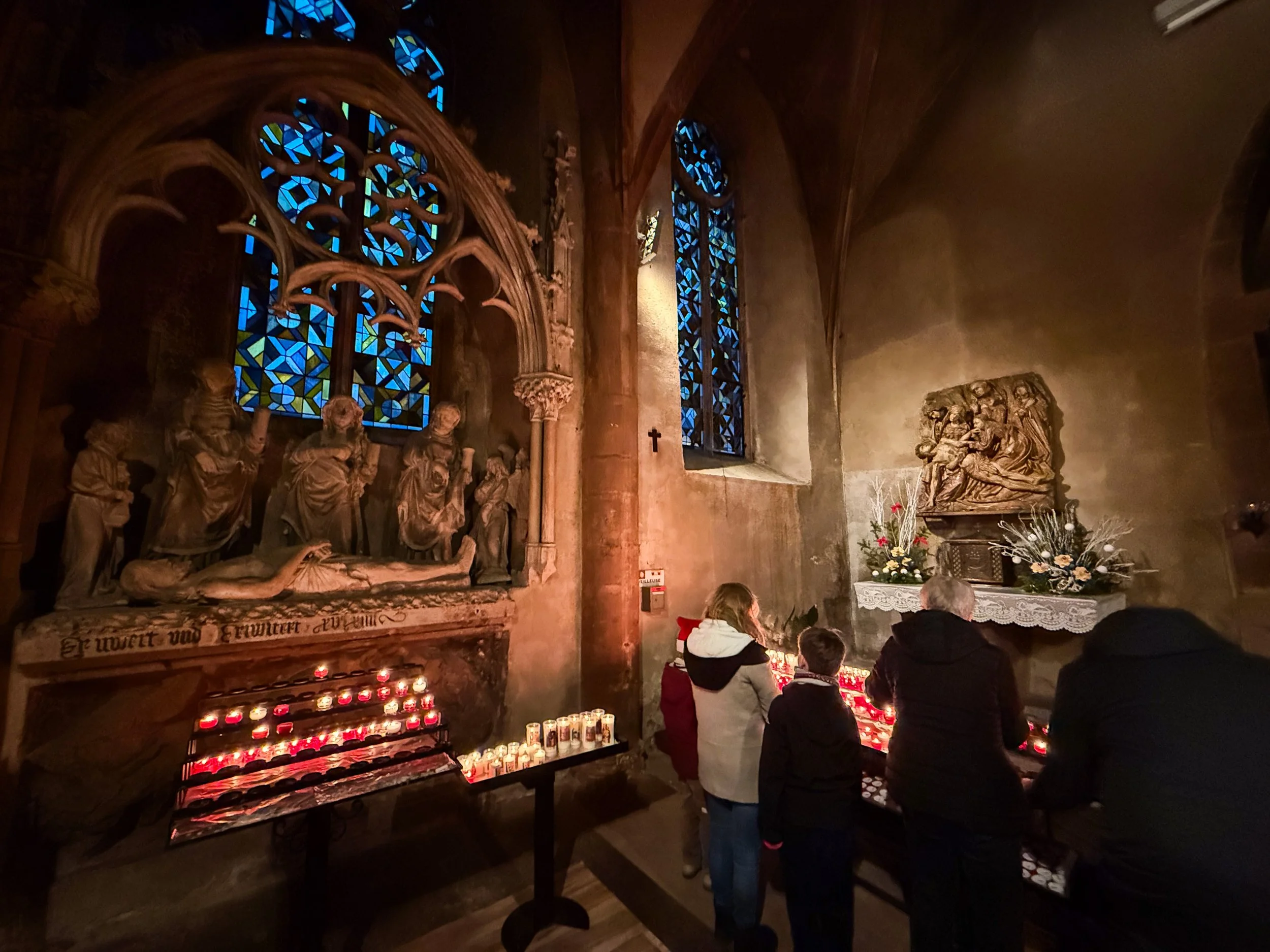
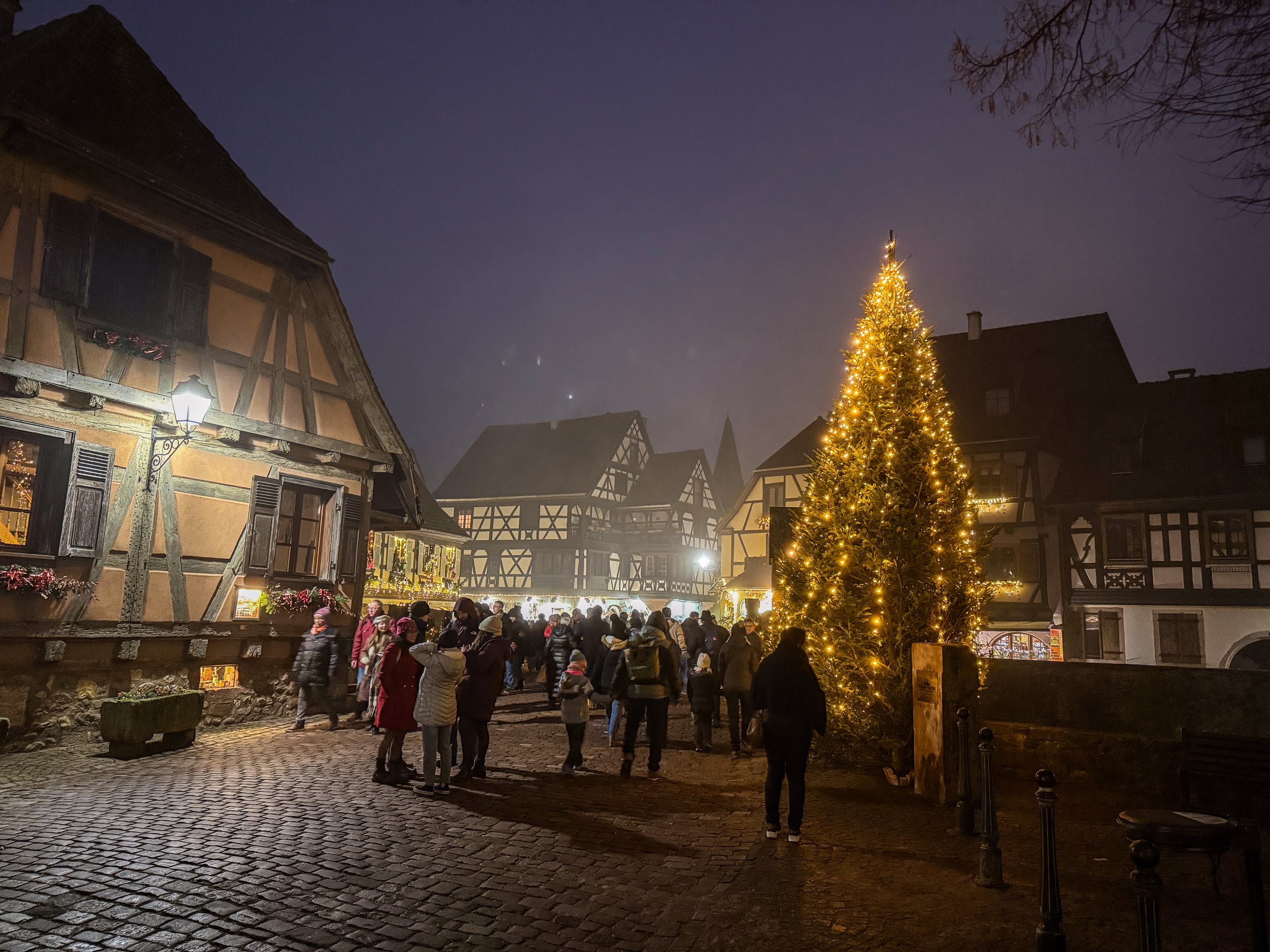
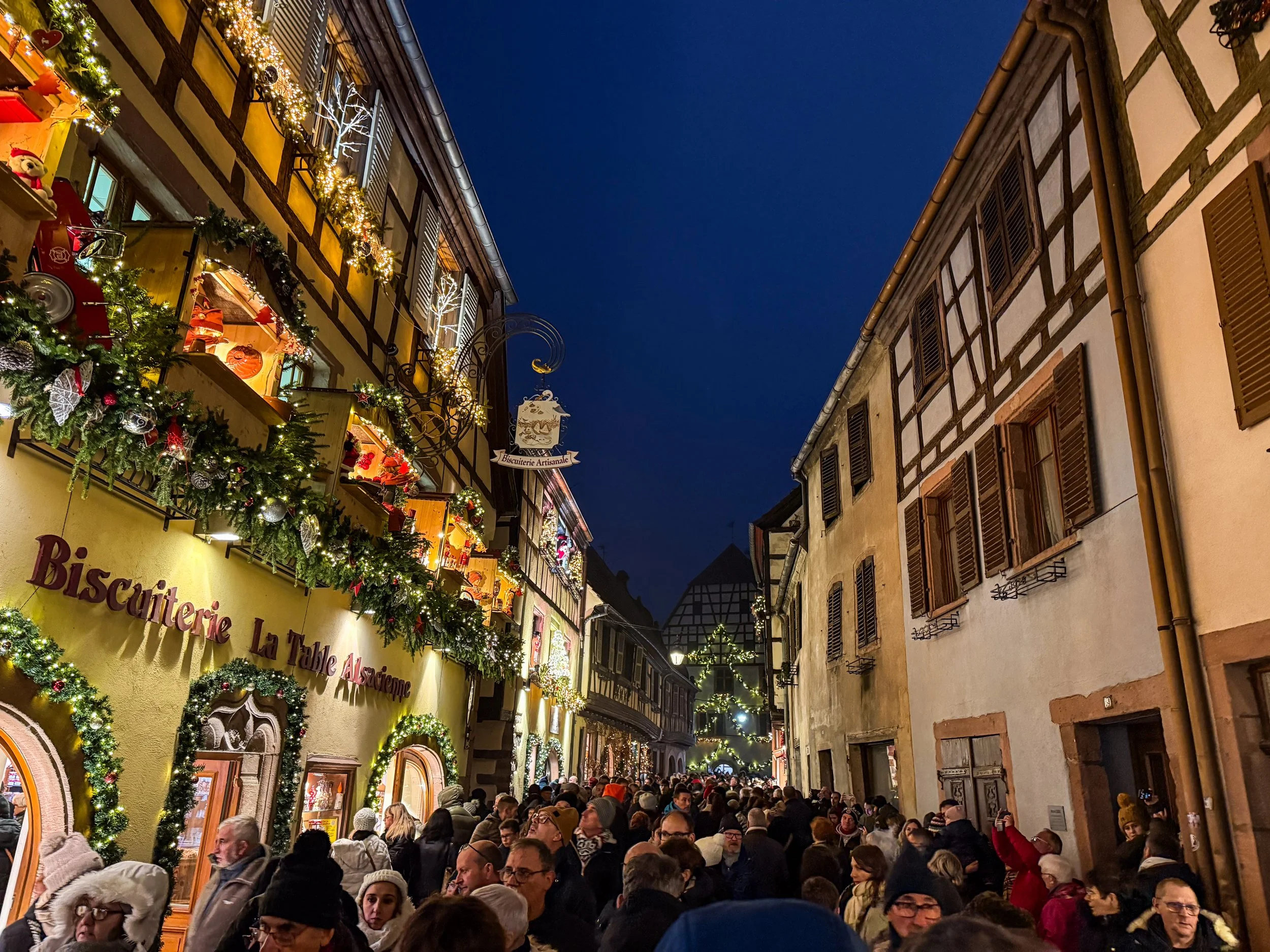
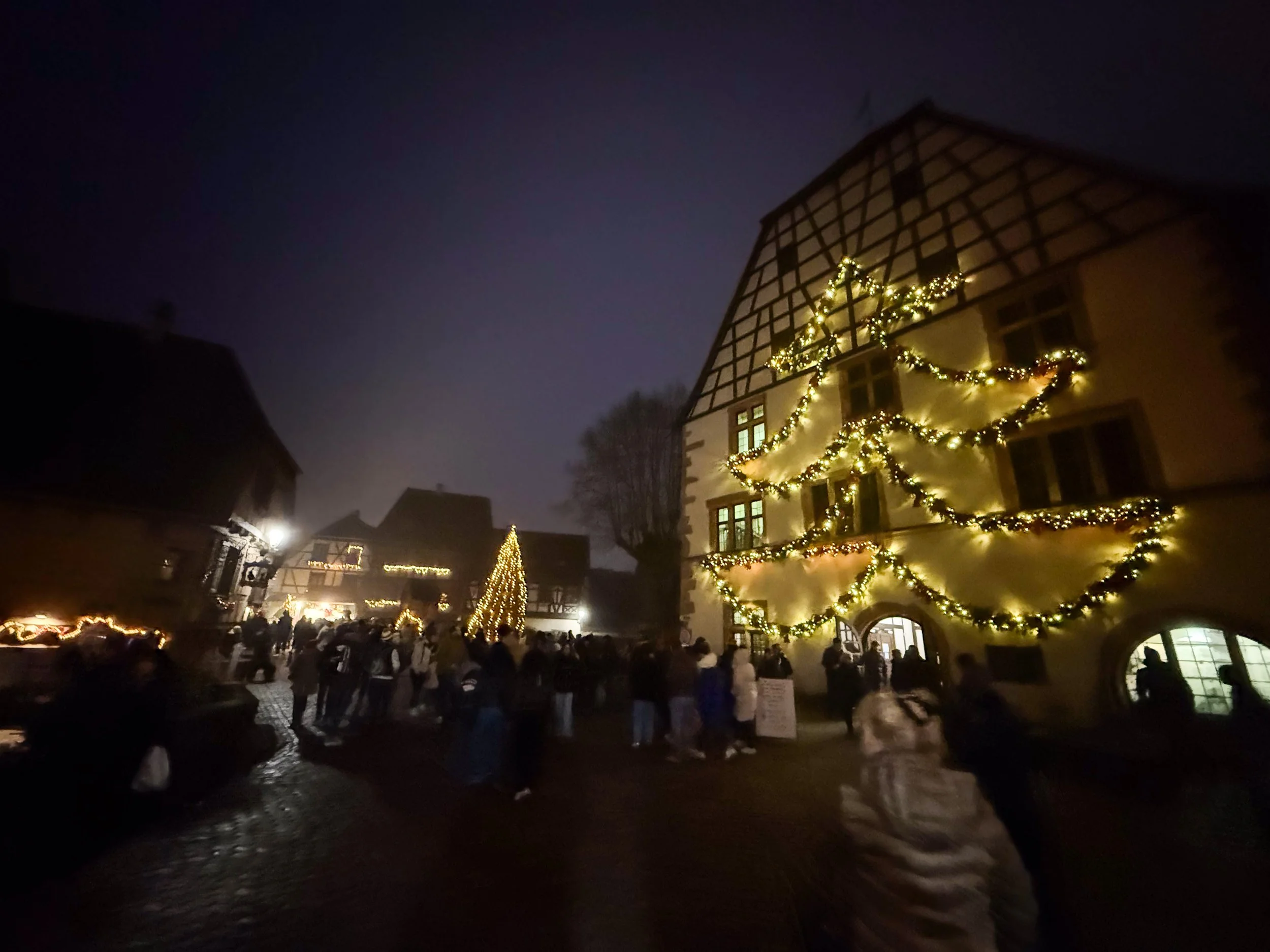
That does it for our time in France/Alsace this time around!
From here, we drove back to Strasbourg, where we experienced a truly heart-warming random act of kindness in the train station as we parted ways with Alsace on our final night. You can read about that at the end of the previous article. As our train cut through the fog to whisk us OUT of this stubborn cloud cover and away to Paris, it was clear that Alsace had gone above and beyond to welcome us and share a bit of Christmas Spirit. 🎄
I’ll leave you with some WWII-era French Christmas music.


This is (probably) the oldest Christmas Tree anywhere in the world. The first written records of Christmas Trees anywhere in the world first appear here in Alsace in 1521. Those records actually come from a little town called Sélestat which is just south of Strasbourg, but the first records of Strasbourg’s tree follow soon after. At this time, Strasbourg was already the largest city in the region and record keeping was a bit spotty, so I think it’s fair to generally just award the title of “the Birthplace of the Christmas” tree to Alsace in general.
So, this isn’t just a Christmas Tree; this is THE Christmas Tree!