

I’m sorry to report that this is the final article in the queue for my brief stint living in Paris. It’s not quite the last article from France, but this is the end of the road for Paris. This little chapter of my life ended as abruptly and unexpectedly as it began. But did you really think I was going to let Paris get past me without squeezing a street art post out of it?
Paris is so densely packed and so beautiful that there’s not a lot of empty space for murals. But even so, it’s a big place, and you can find them if you know where to look. Or, in my case, if you walk around the city enough with a standing policy to take a picture of any mural that crosses your path. That is how this gallery came to be, over my 6 months of living in Paris. It is undoubtedly the least intentional street art feature that I have yet published, but it’s got some real gems in it!
I should note that—because all of these murals were in places that I happen to visit organically in my life—everything that follows comes from inside the main 20 arrondissements of Paris. However, the train ride out to Charles de Gaulle Airport passes within eyeshot of some very cool murals on the side of warehouses, under overpasses, etc. These areas are known to be some of the most sketchy in the Paris metro area, but I wouldn’t rule out coming back to these places for volume 2. I even dropped a few pins on the map based on the views from that train ride.
Anyway, let’s focus on the murals of Central Paris for now…
Similar to my sentiments about the street art I found in Naples, I think the street art of Paris feels quite unique in the context of the murals I’ve seen overall. Indeed, these pieces of art feel like they were directly inspired by and connected to the city around them—which is not always the case! In North America—where there are some incredible works of art tucked away down alleyways in cities like Toronto or San Francisco—the artistry can weirdly begin to blend together after a few cities. Perhaps this is a symptom of the cultural homogeneity of the continent at large, or maybe I’m just looking for meaning in a place where this none to be found… but the murals I saw in Paris definitely felt like they belonged here.
So here’s what I’ve got for you. If you’ve ever been to Paris, (or have spent some time reading through my previous 5 articles on this magical city) perhaps you will agree.


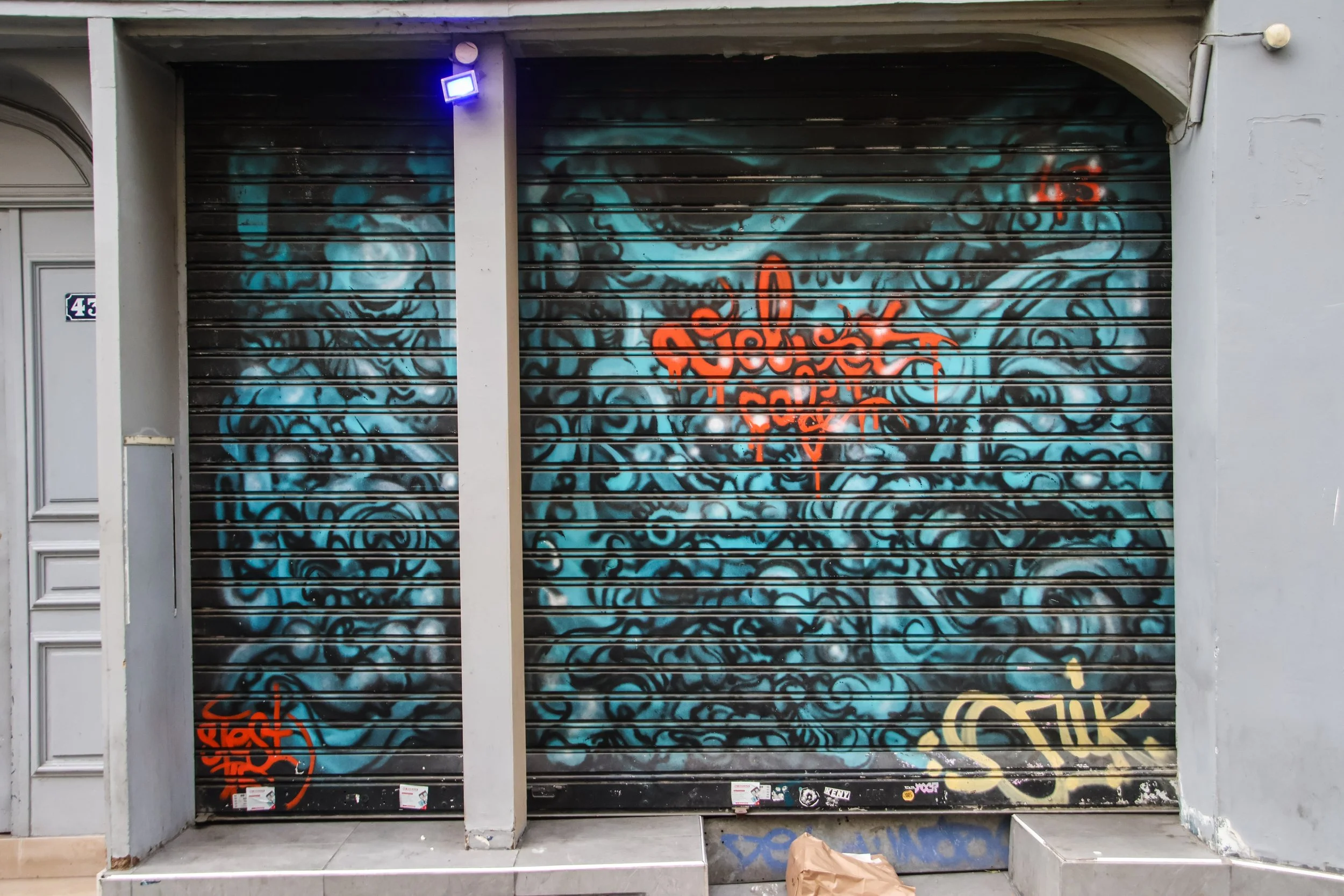


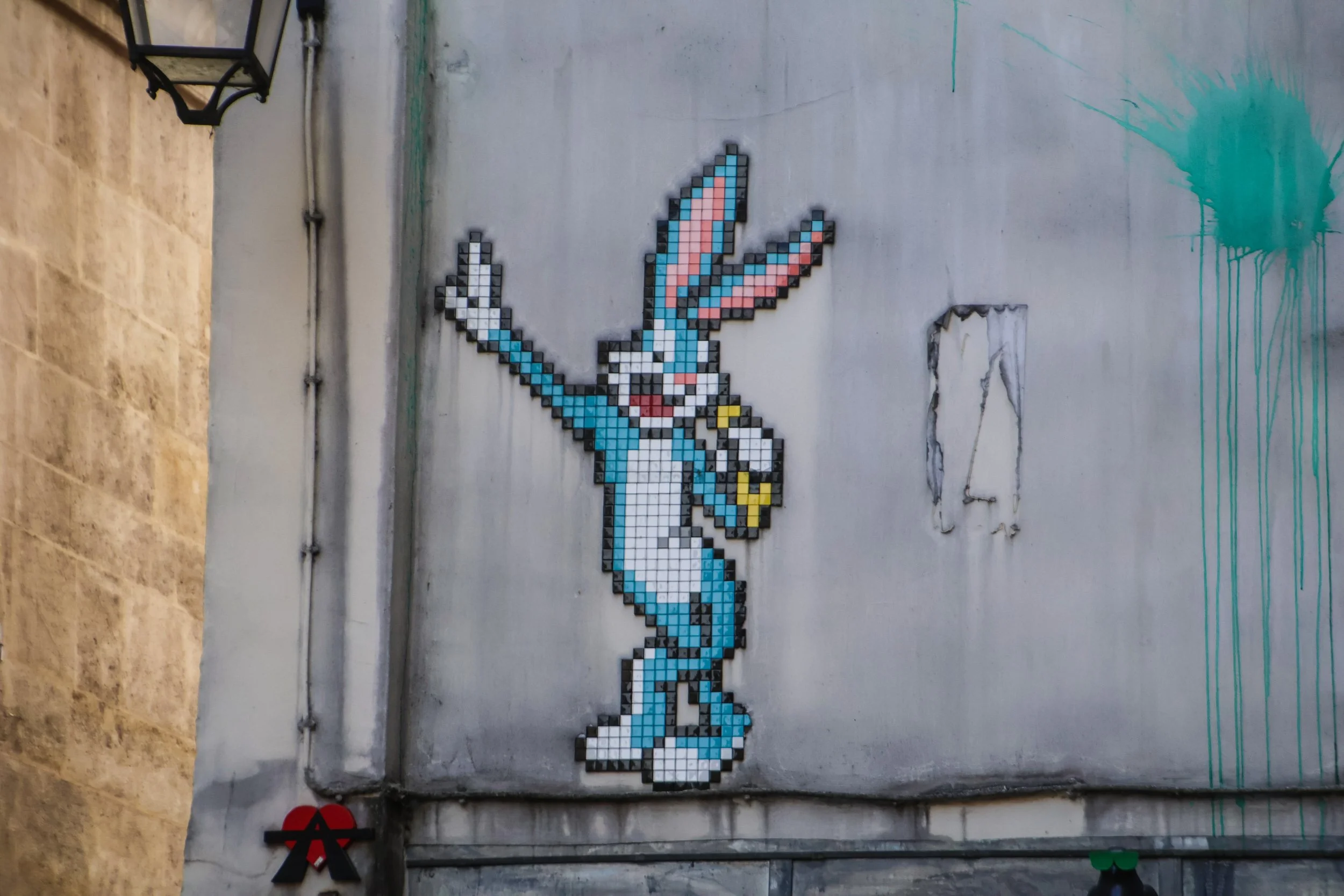


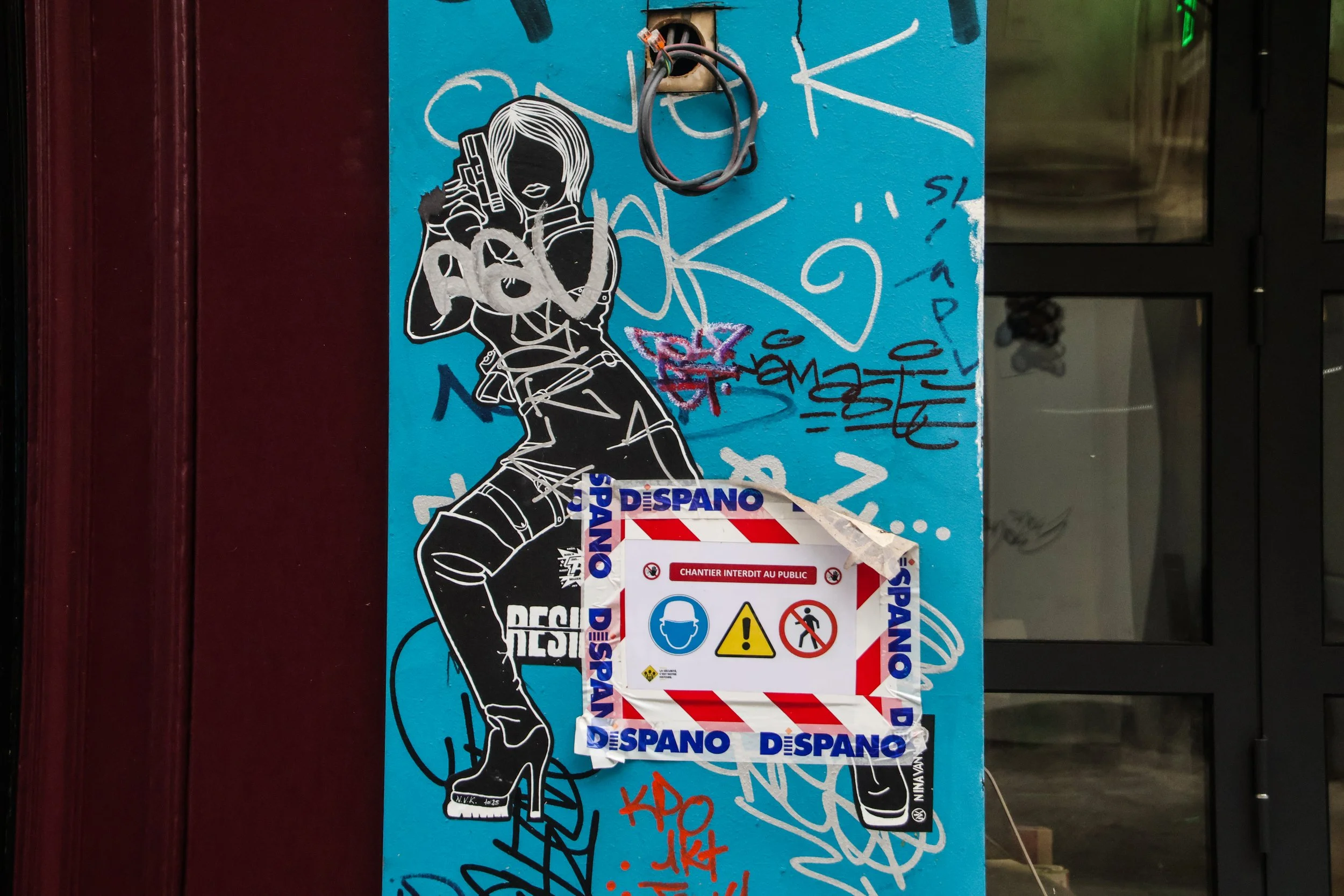


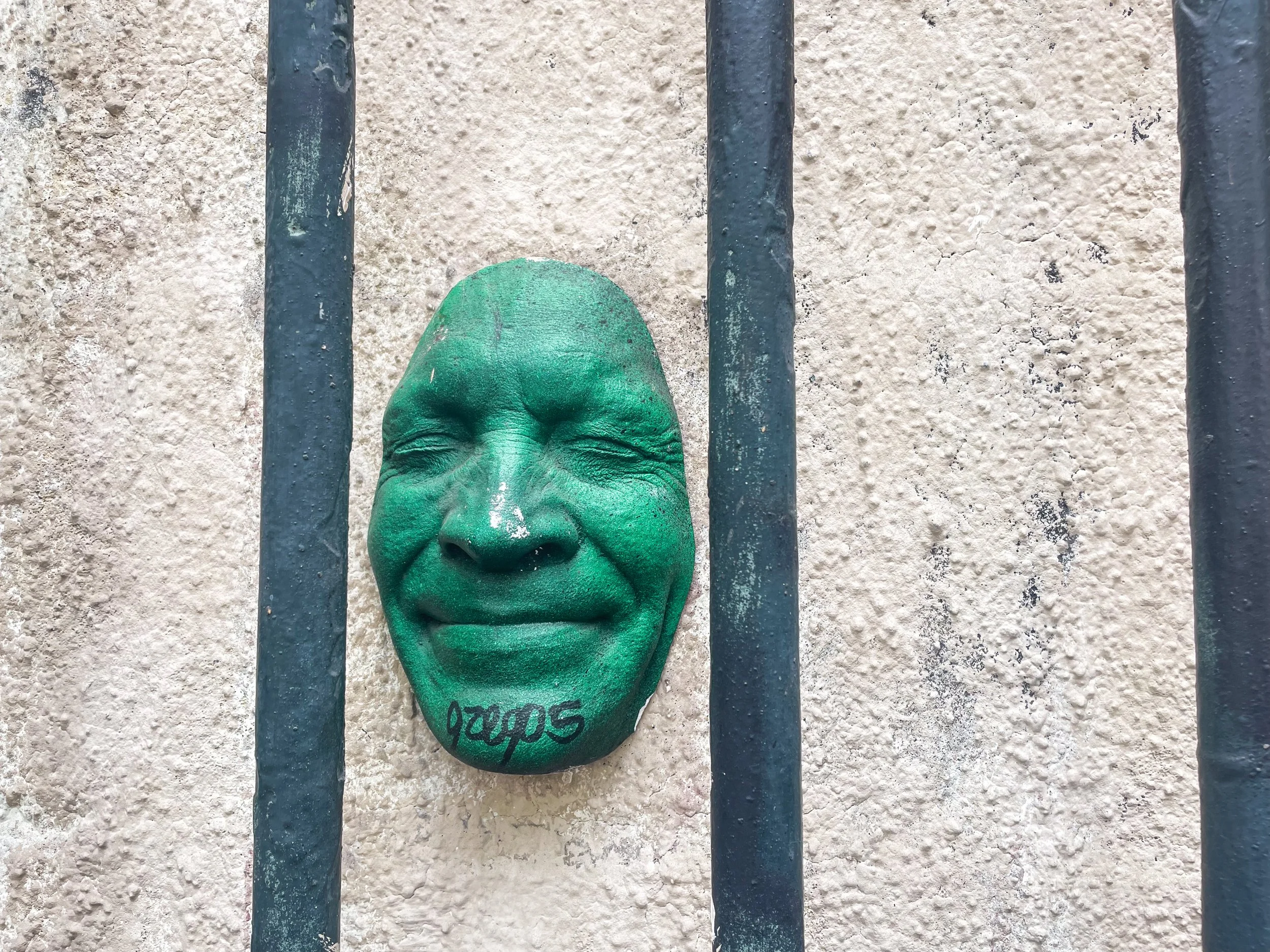


And now, here is my best attempt to track down and credit the artists responsible for these murals. However, as always, if you recognize that I have missed somebody, please do reach out and let me know so I can update this article accordingly!
Danielle Mastrion (@daniellebknyc)
Romain Cayla (@romanoartist)
cooljc_art (@cooljc_art)
Jack Ardi (@jack_ardi__)
Joel Merino (@joelmerinoart)
Toto Le Voyou (@toto_le_voyou)
Jessy Monlouis Doudoustyle (@doudoustyleart)
Jean Jerôme
Eser (@fayalu_)
There you have it! That’s it for Paris (for now), but there’s more in the queue both for France, and for street art!
For now, I’ll leave you some music & additional content to peruse.



The historic center of Lisbon, predictably, is too dense with beautiful historic buildings to allow for many murals. The truly gorgeous European cities—and Lisbon is definitely one of them!—typically make the most of space in a way that doesn’t leave room for big murals. Street are needs empty walls. So in a city like Lisbon, you have to look outside of the city center.
So the majority of these murals came from neighborhoods called Ajuda (west of the city center) and Graça (just east of the city center).