
I’m not even gonna lie. Sometimes when cities that didn’t have much happening in the way of street art suddenly start commissioning a million murals all over town to make things “trendy,” it feels fake to me. I’m not gonna name names, but it just doesn’t feel true to the city’s identity. And it annoys me. I’m close-minded like that.
But this is NOT the case with Columbus. It hasn’t historically been quite so colorful as it is today, but now that this is really beginning to change, it feels natural. It feels like an actualization of the identity Columbus has always had.
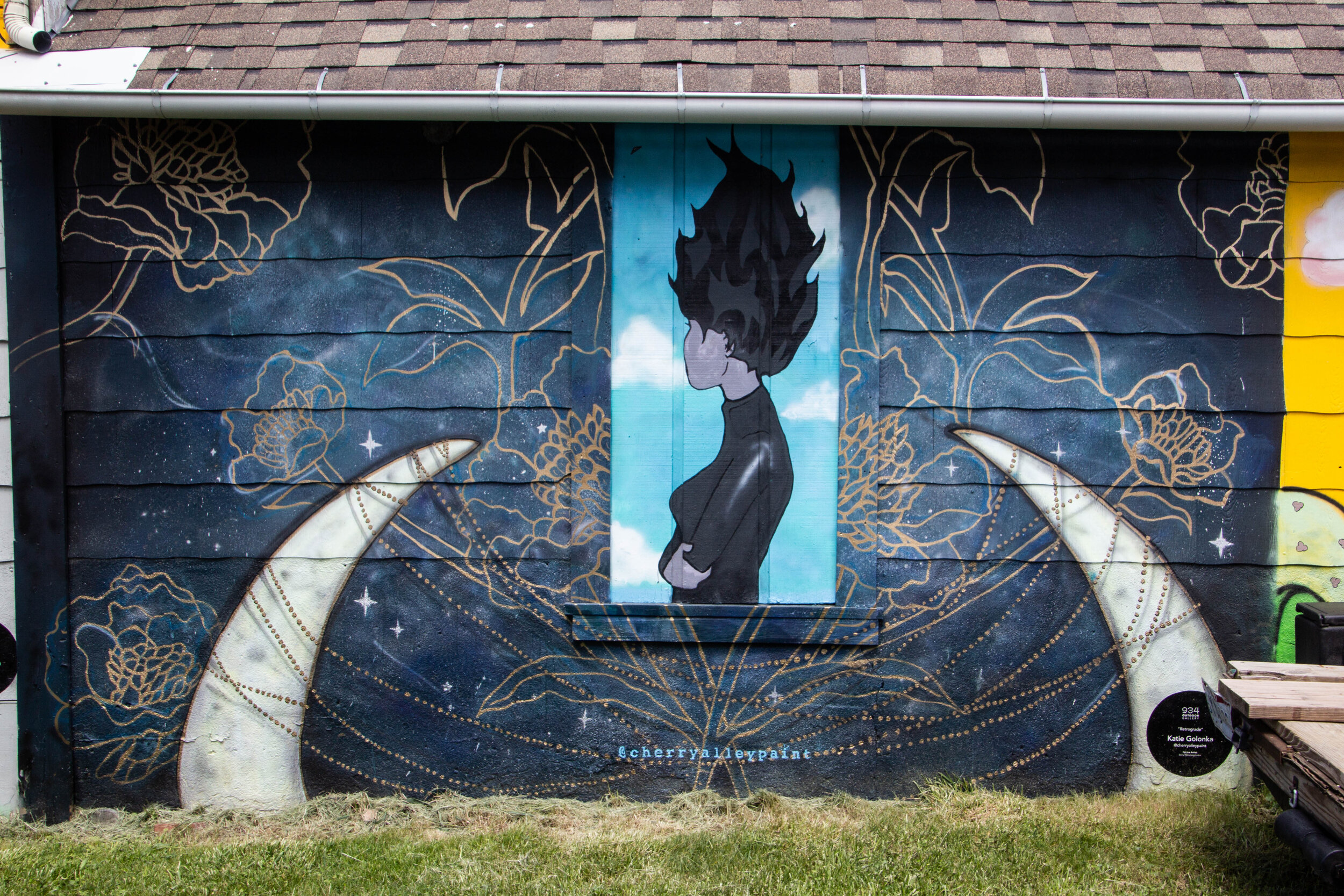
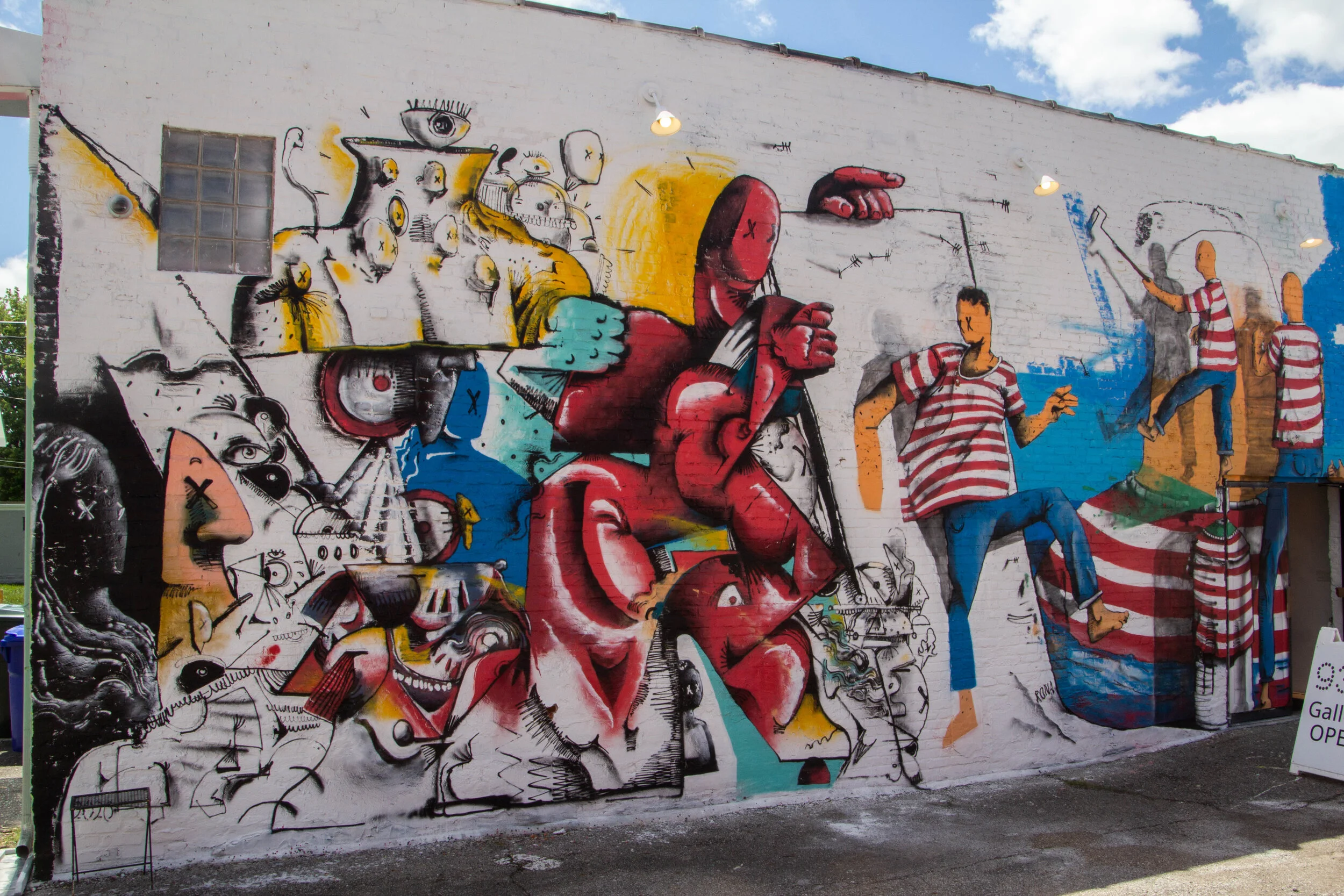
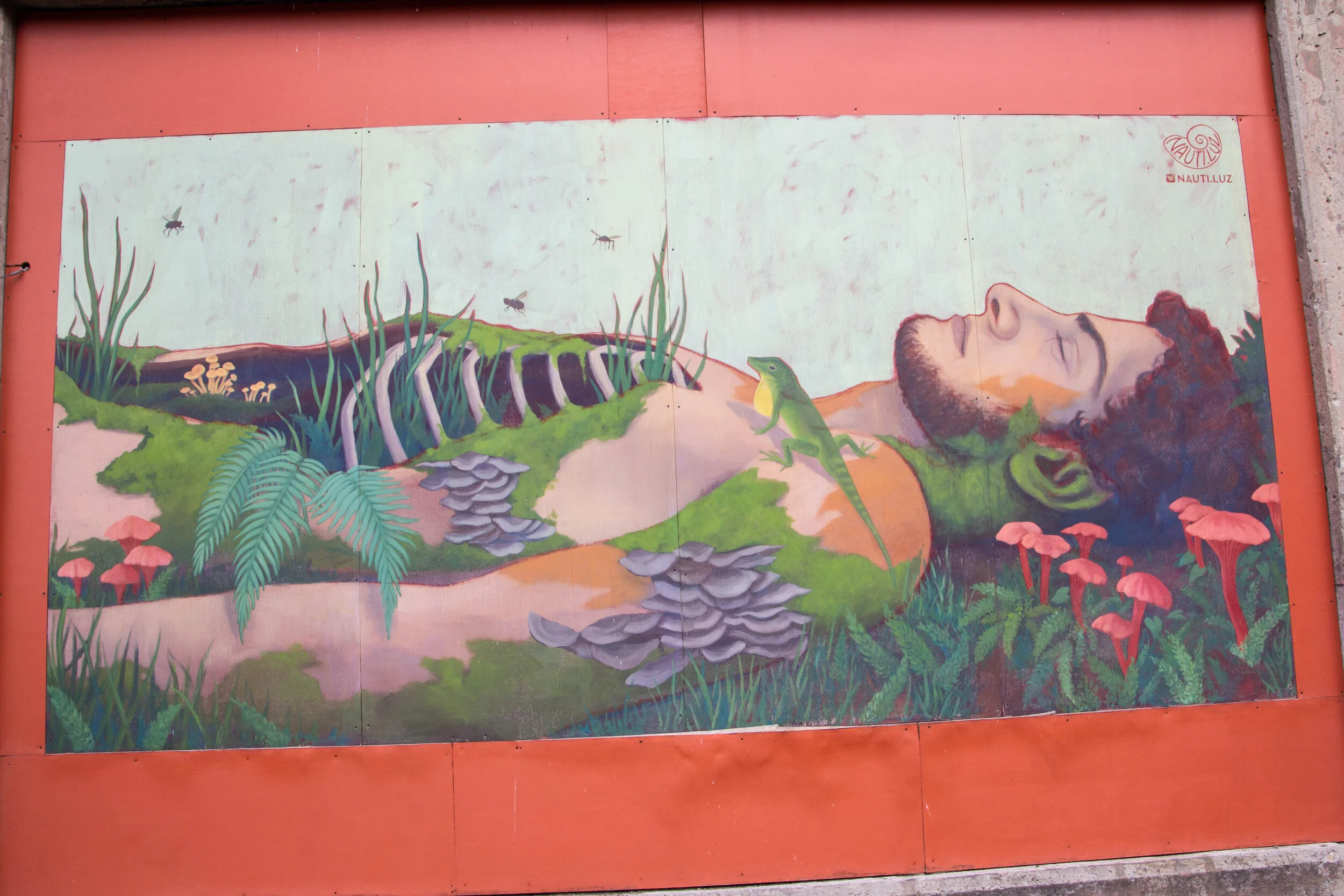
If you don’t know, I was born and raised in Columbus, so I feel pretty qualified to make statements on its true identity. And in this particular installment, I was lucky enough to have my mother—who is a Columbus-based painter (IG/Website)—give me the visual arts grand tour of the city. Even though this is my hometown, at least 50% of this stuff was new to me. Columbus is a big city and is growing rapidly, but it’s still small enough that she knew, or was at least specifically aware of almost every muralist that contributed to the gallery below. Some of the murals you will see in this article have been around long enough to attain “landmark status” in Columbus, but most of them are new… ish.
The series below existed as of May 2021 in various nooks and crannies across the Franklinton, Hilltop, Linden, Clintonville, Short North, and Bronzeville neighborhoods.


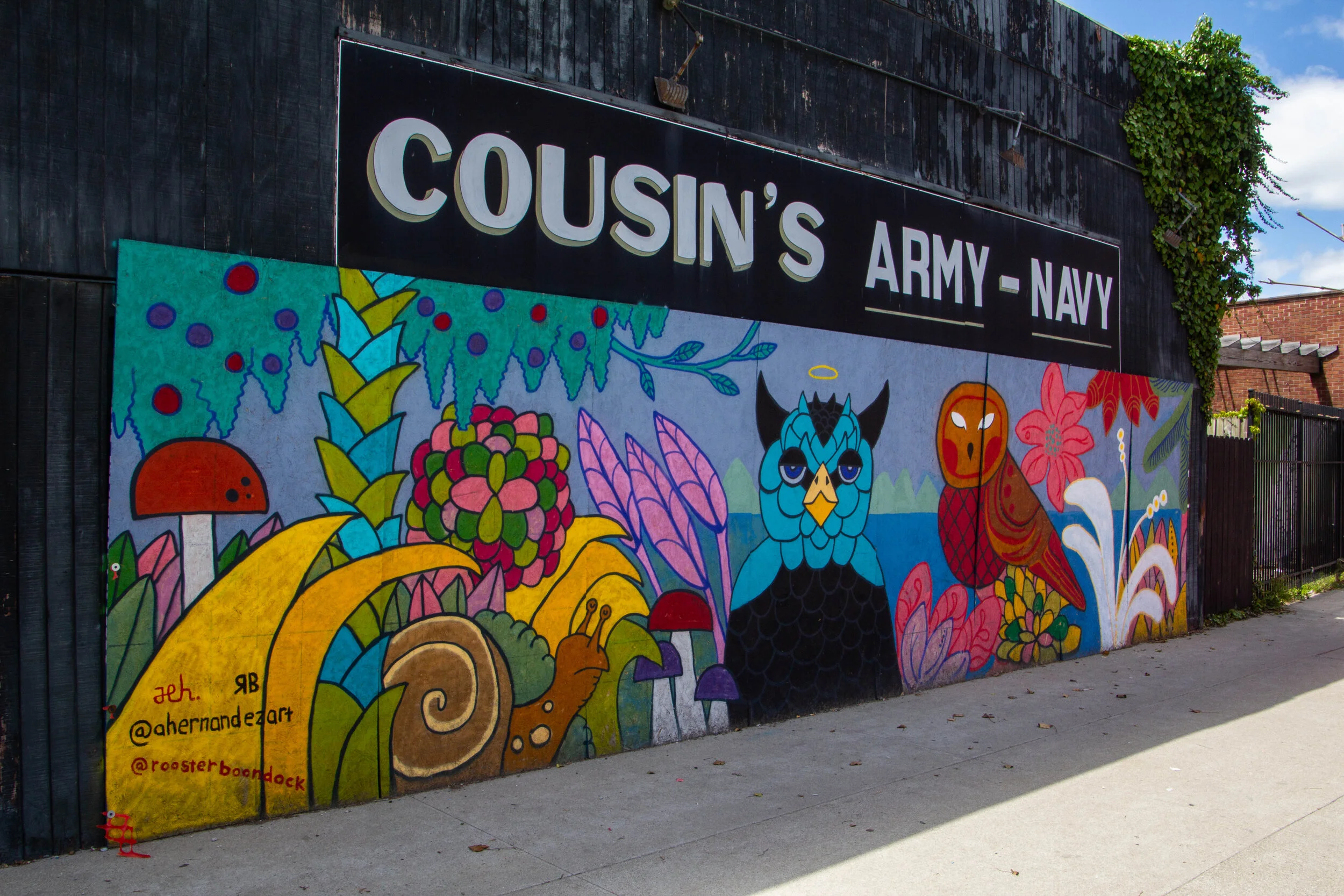
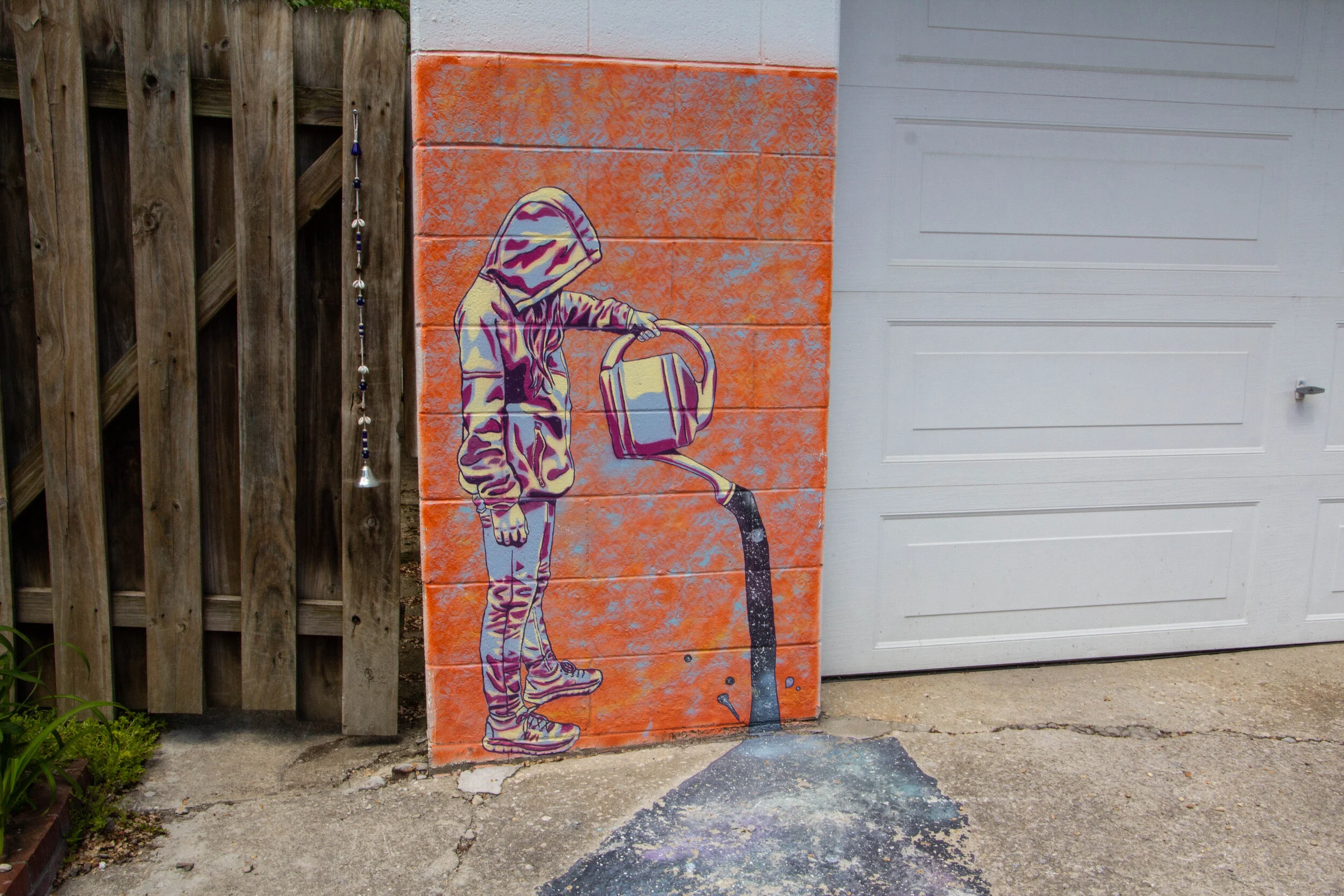


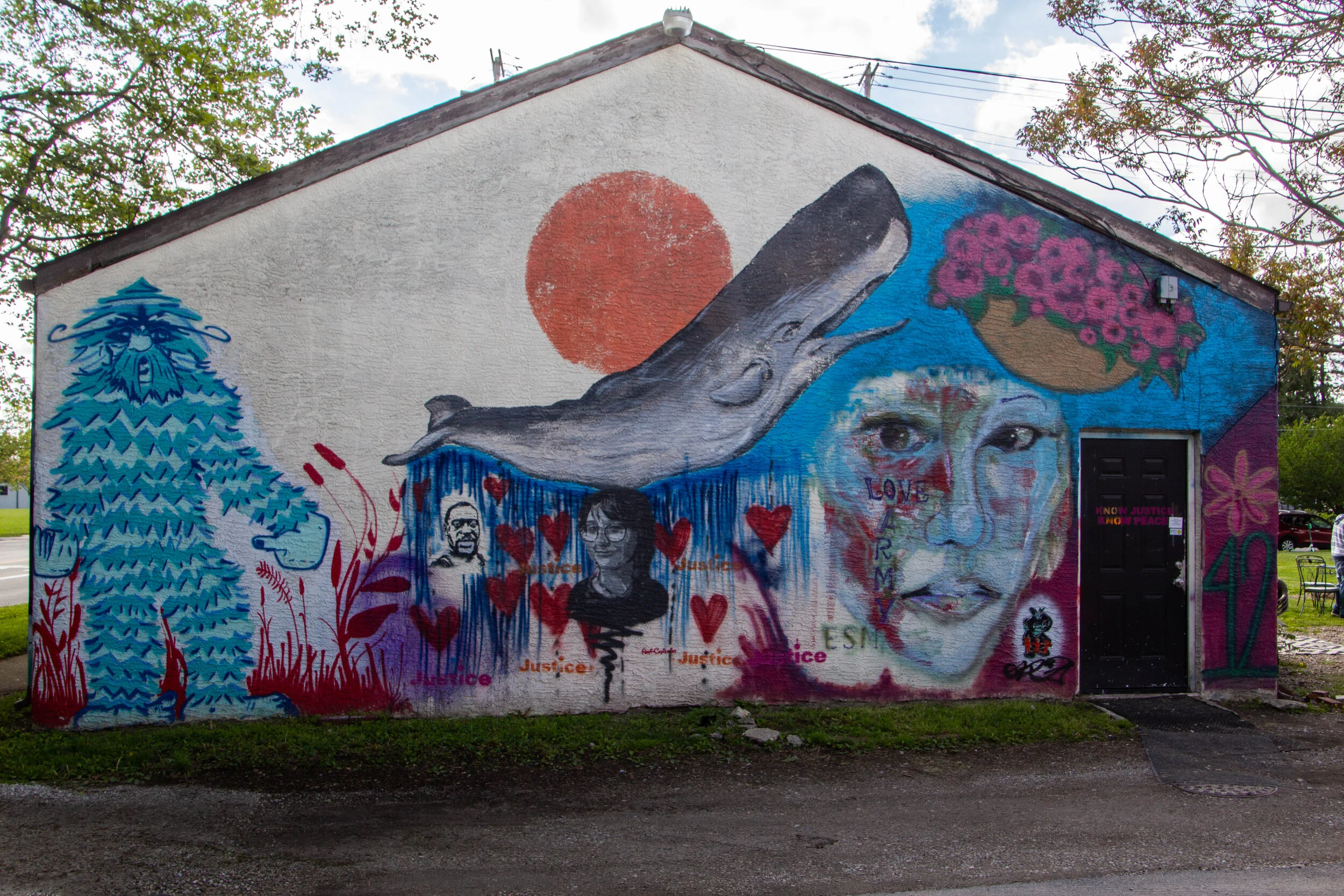








Whew! That was a lot, and I’m sure that by the time I publish this article, it will already be out-of-date. So let’s consider this “volume 1.”
Columbus still seems to have a borderline non-existent reputation on the national level, but it’s one of the fastest-growing cities in America and is one of the most randomly/unexpectedly cool places that you could ever have the good fortune of ending up. So in this article, it’s even more important than usual that I list the artists who are featured above. The talented folks who created the stuff are as follows, along with links to their Instagrams and/or websites, are listed below in no particular order👇👇👇
Katie Golonka (@cherryalleypaint)
Francesca Miller (@_callmefree)
Austin Chambers (@aft6six)
Michelle Carter (@chelly_usagi)
Rick Borg (@rick.borg.58)
Karji Jimi Weah
Gabriela Torres (@ms.torressss)
Kaylynn Etienne (@kalebetta)
Martin Blenkinsopp & Davey Highben (@blenkm_highben)
Grace Buchholz (@airs_and_graces_)
Dennis Baek (@dennisbaekdesign)
W.E. Arnold (@wearnold)
Eric Grohe
If you’re reading this and realize that I missed somebody, please let me know! I’d love to be able to give credit where credit is due.
Since I’m nostalgic for Columbus, here are a couple other random snaps from the day that we hiked all over the city to compile this article. Left to right, these were taken in the Short North, the Olde North, South Linden, and Clintonville, respectively. Sigh.


That is all for today! But there’s a 0% chance that this is the last you’ll hear from me about Columbus. I’ll be in and out of Columbus for the rest of my life.


I’ve gotten to the point with these street art features that I plan my trips around them. If I can get a day to myself, I’m gonna wander around with my camera all day until I find 100 murals I love. And I’m not just doing it “for the ‘gram” anymore! Seriously, these days of wandering are often what makes me feel like I have gotten to know a city at all. That is especially true for a place like Los Angeles.
In a city where most of the time spent between two points is in the back of an Uber, staring at your phone, walking the streets isn’t exactly “normal.” This is a car city. So going through the exercise of walking 10 miles in day, exploring this city street by street, looking in nooks and crannies for murals, poking around small businesses—this can really give you a feel for the DNA of Los Angeles. Of course, whatever I’ve managed to see so far is just a drop in the bucket! But it’s exposed me to a lot. And it helped me internalize the map of this city, so that I started to be able to find my way around without a map.