
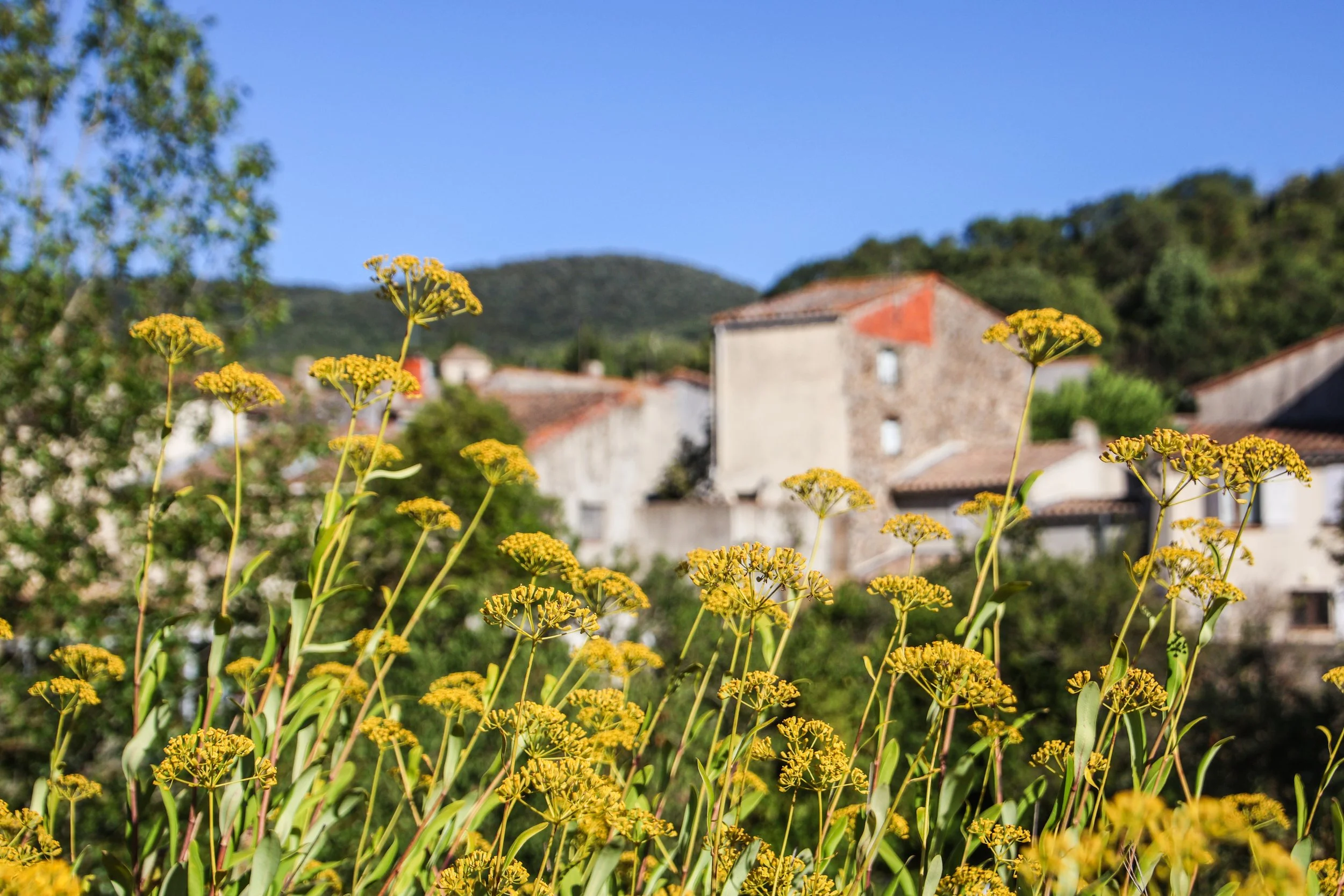
Continuing this mini-series in the South of France, I have to give a massive thank you to Sophie and her family, who took me into their home for a couple of days this past summer and introduced me to all of these beautiful places. In doing this website for the past decade now, one constant thread is that you learn infinitely more about a place than would have otherwise been possible when “locals” take you in, and that was definitely the case here. And, in this case, I think I can confidently say that I never would have come to these places at all, let alone have had such an enriching interaction with them, if it hadn’t been for my hosts.
A Quick Intro to Occitania
Today, we’re in the ✨S0uTh 0f FrAnC3✨, which is a destination that carries with it some implied glitz and glam. Indeed, when you picture the “South of France”, chances are that you think of places like Nice, Cannes, or Saint-Tropez. Most of these post-card “French Riviera” destinations are over near the Italian border, in an administrative region called Provence-Alpes-Côte d'Azur. But that ain’t where we’re going today. Instead, we’re going to the even-further-south region of Occitania, which was actually only formed in 2016 when France merged the administrative regions of Languedoc-Roussillon and Midi-Pyrénées. But don’t let its administrative “newness” fool you: Occitania has a story that dates back farther than France itself.
In the 11th & 12th centuries, this region was actually richer, better economically connected, more literate, and more urbanized than northern France. Furthermore, there was a group of Occitan languages spoken here (e.g. Languedocien, Gascon, Provençal, Auvergnat, Limousin) that were distinct from French. During the French Revolution, France pursued one of Europe’s most aggressive linguistic unifications, and Occitan was one of the toughest nuts to crack, because its linguistic traditions had history and prestige of their own to rival French. Ultimately France’s campaign to make its entire territory speak French was successful, but this is an interesting topic to learn about! Unlike other sub-regions in Europe with active political and cultural identities (such as Spain’s Basque Country), my understanding is that Occitania’s historical language and culture today are more of a memory; one of many layers that now serve as a backdrop of this beautiful region. Still, the simple fact of knowing that this region was once a lot more consequential than it is today (to me) serves as a good prelude to the towns I am about to show you… because they are quite magical!
Occitania may not be the exact post-card image you’re used to seeing from South of France… but honestly, it’s just as beautiful, and comes with the added benefit of being a LOT less touristy. For visitors, it is a place that rewards depth over speed, local connection over checklist sightseeing, and genuine engagement over consumption. I didn’t know that when I visited, but that was certainly my experience here. I would happily come back to this region to just take it slow, exploring more of its medieval towns, ruined castles, vineyards, rivers, and hiking paths.
Speaking of medieval towns, let’s jump into town #1, shall we?
Lagrasse
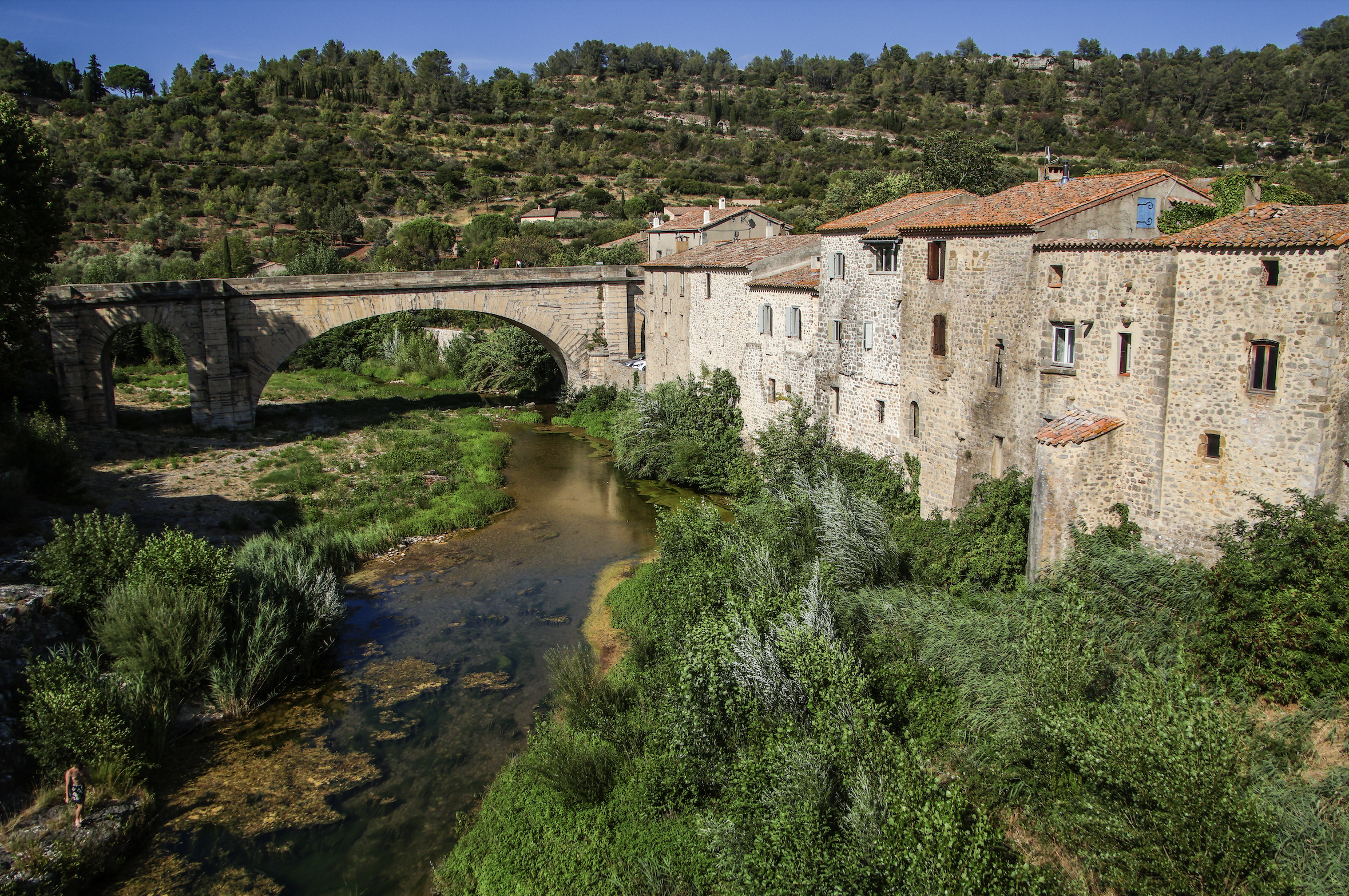
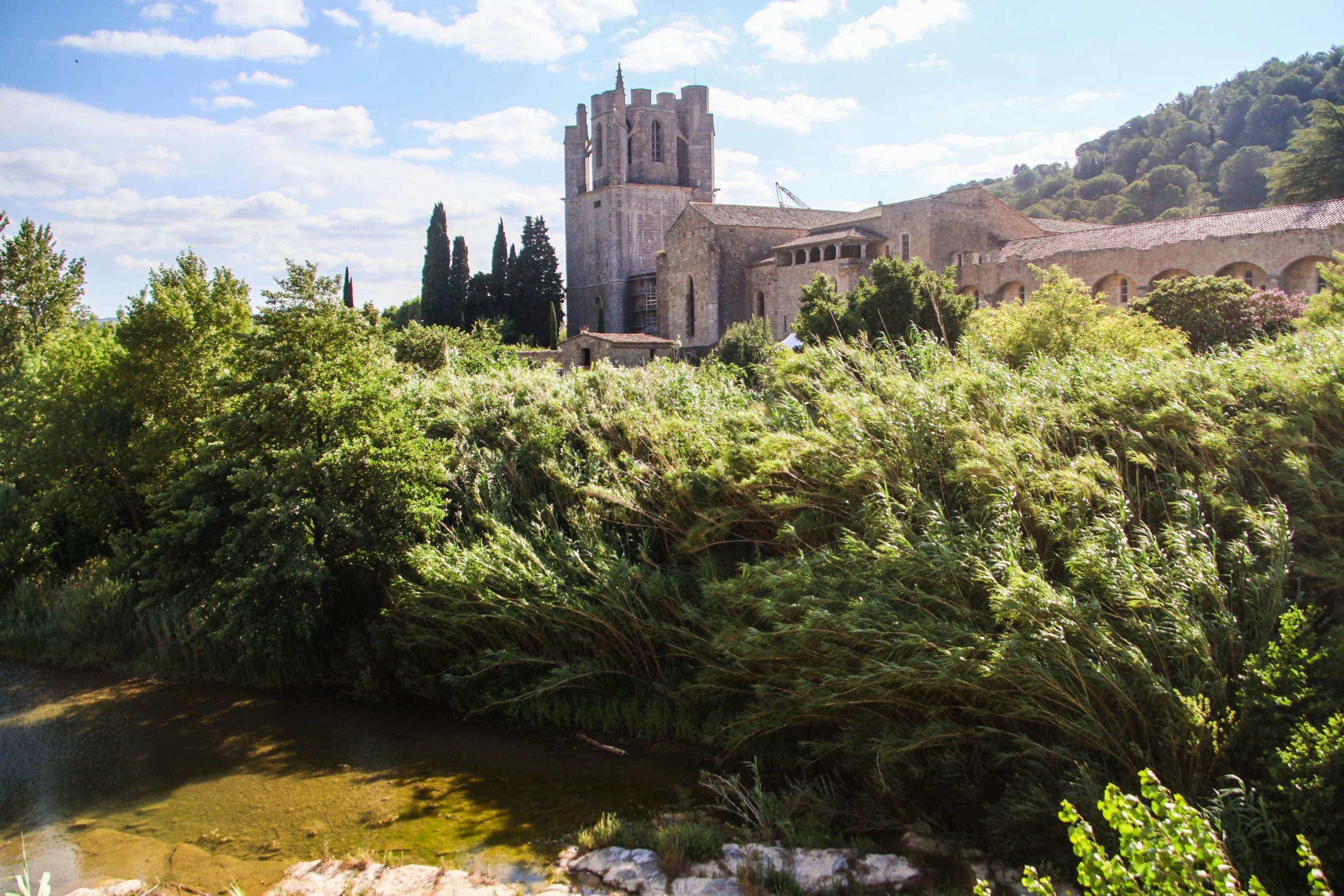
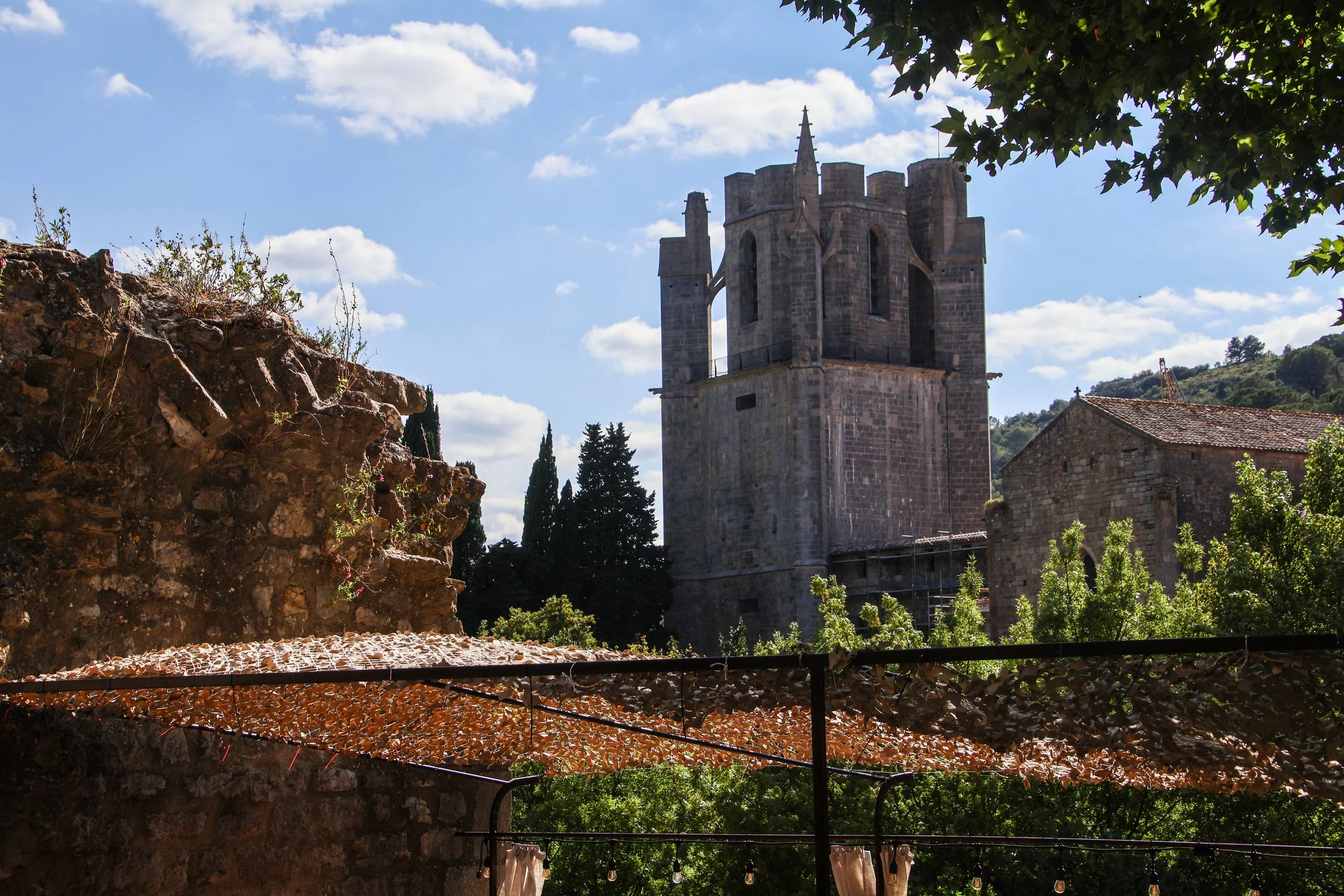
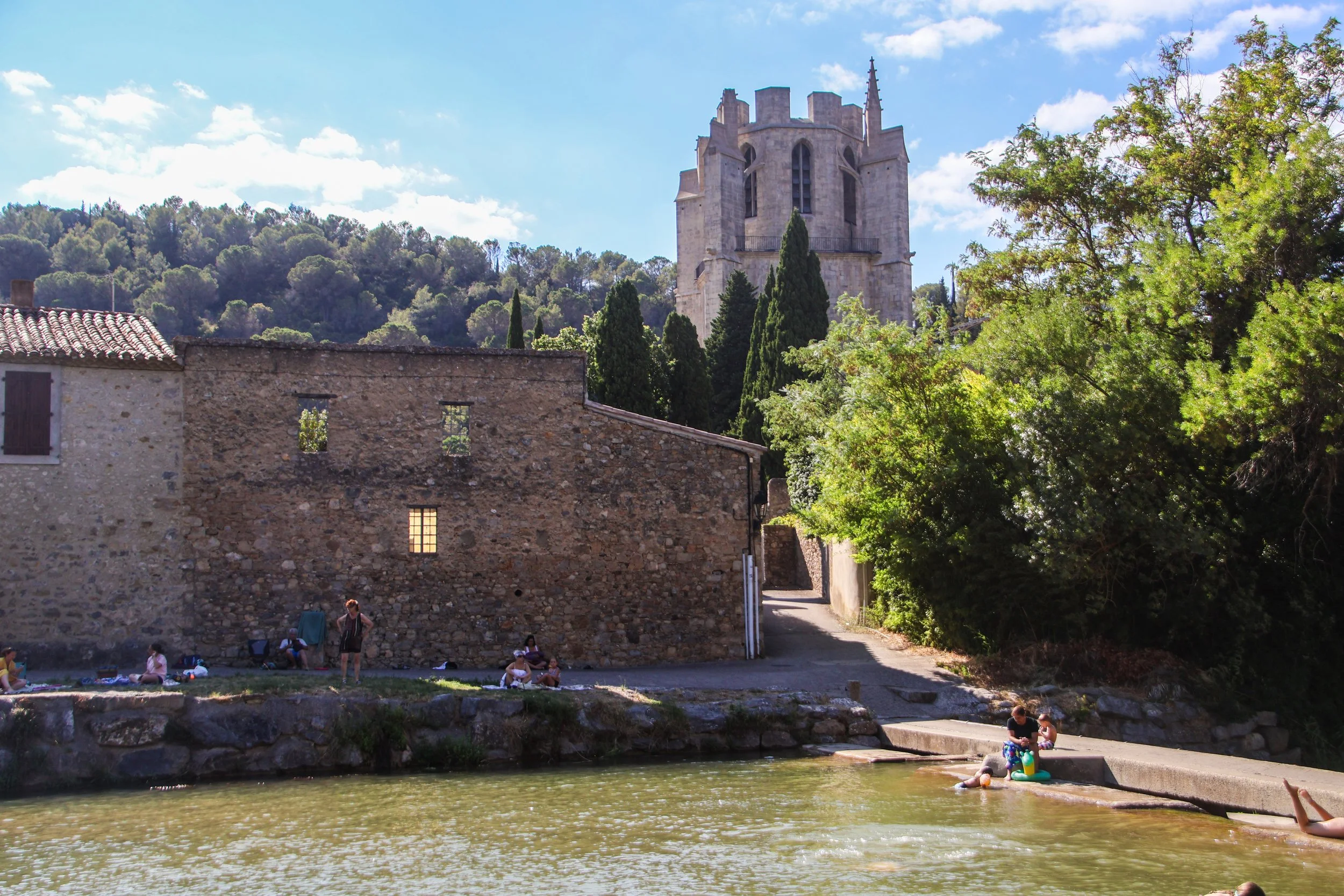
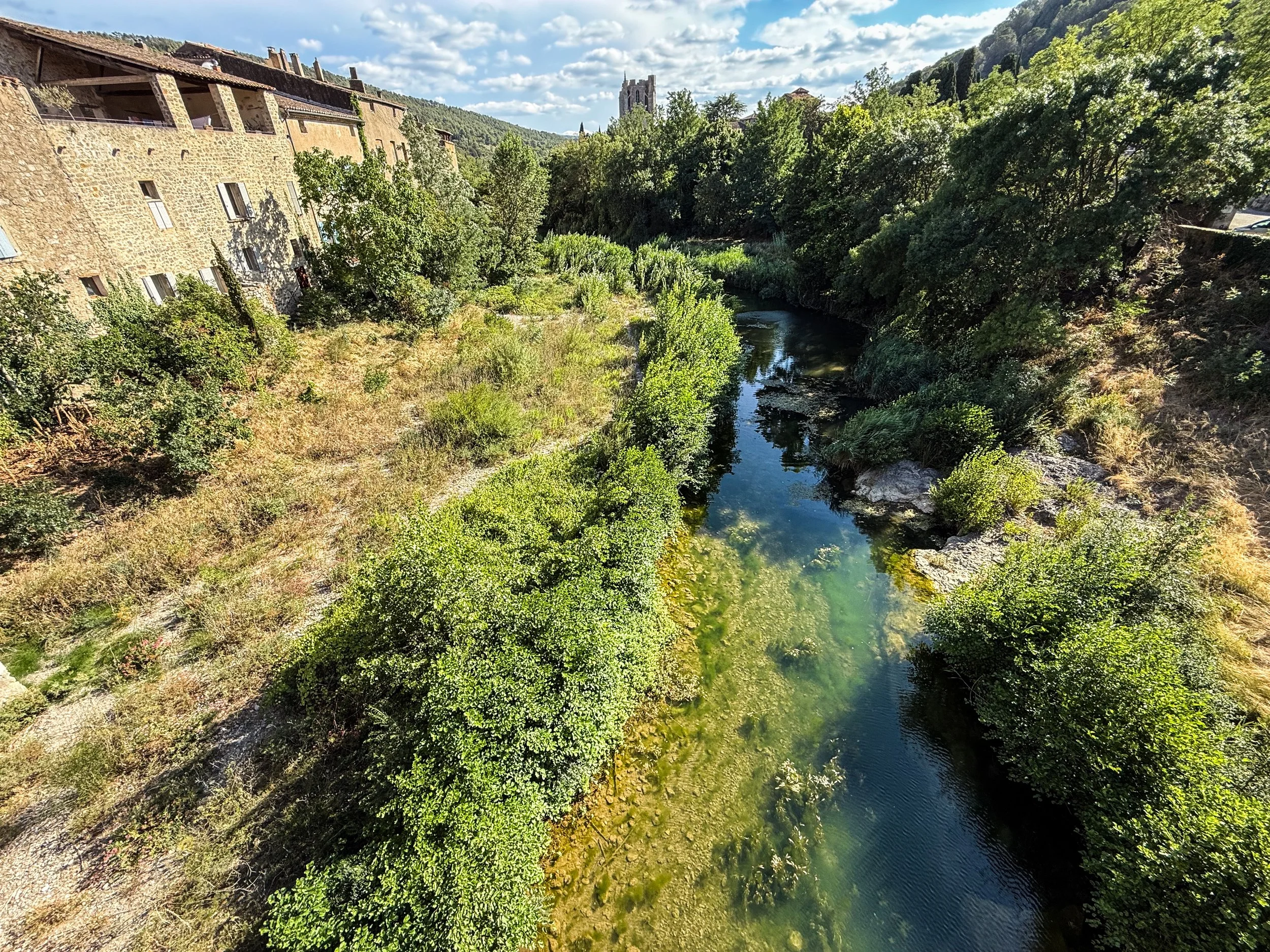
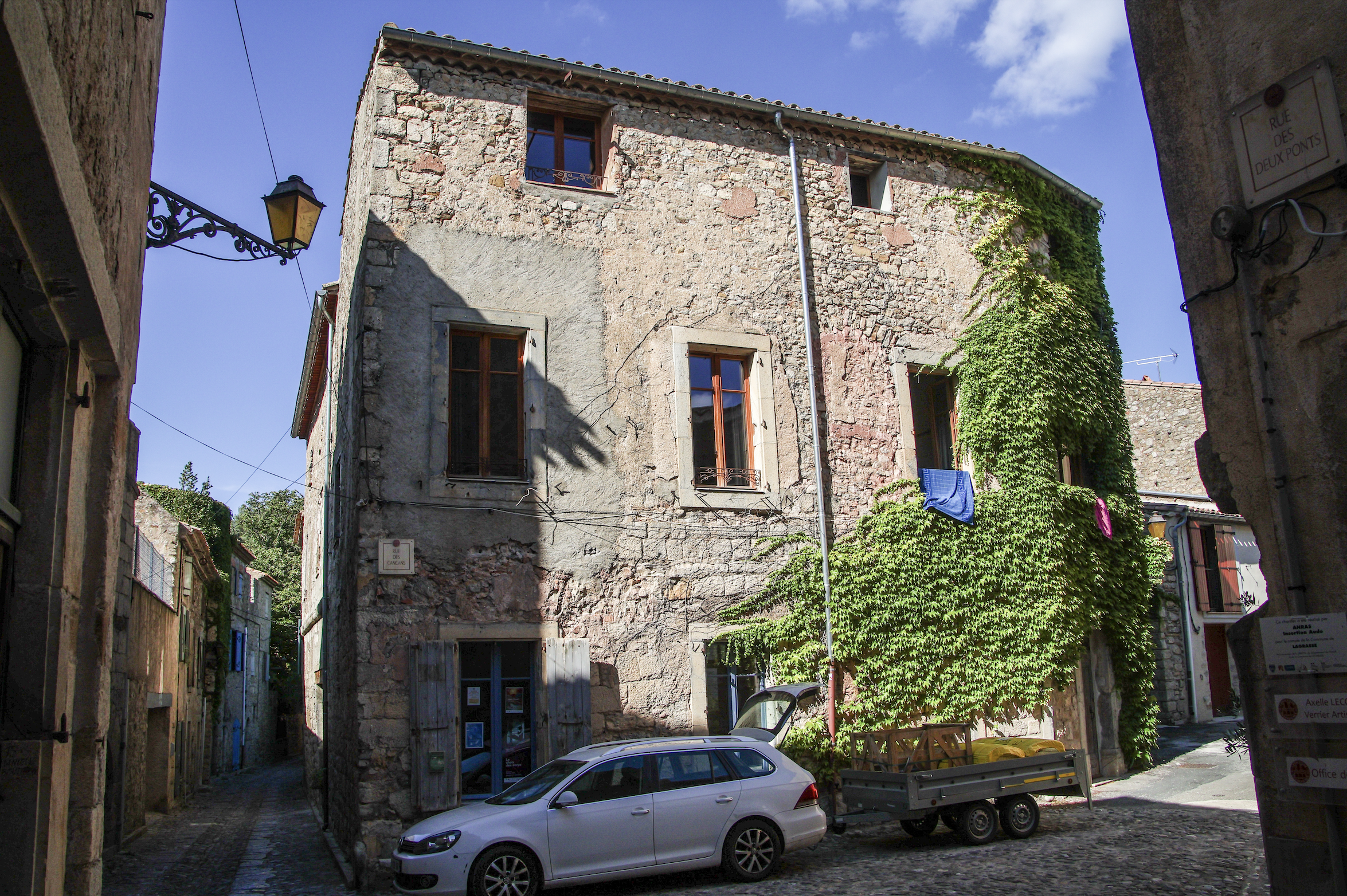
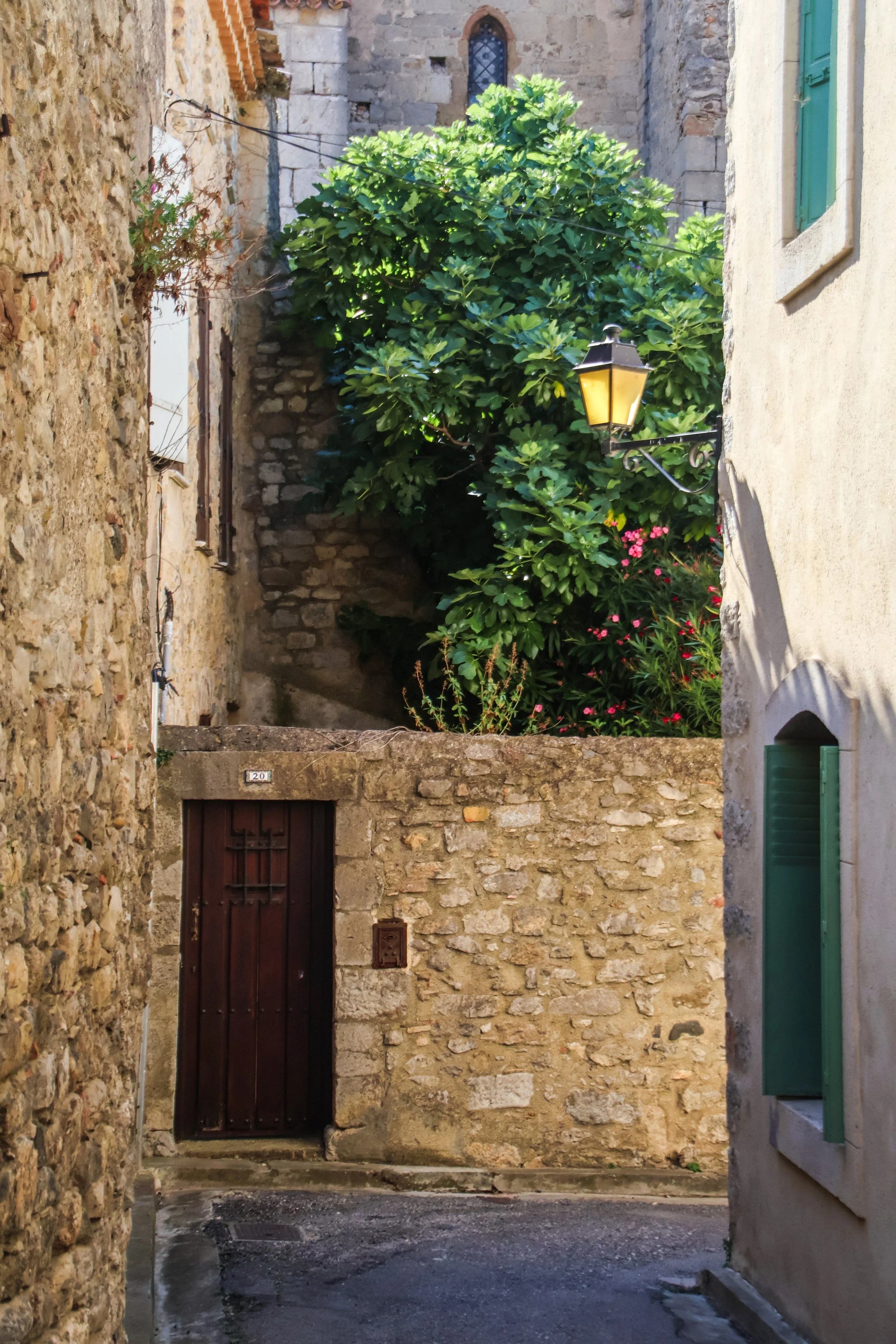
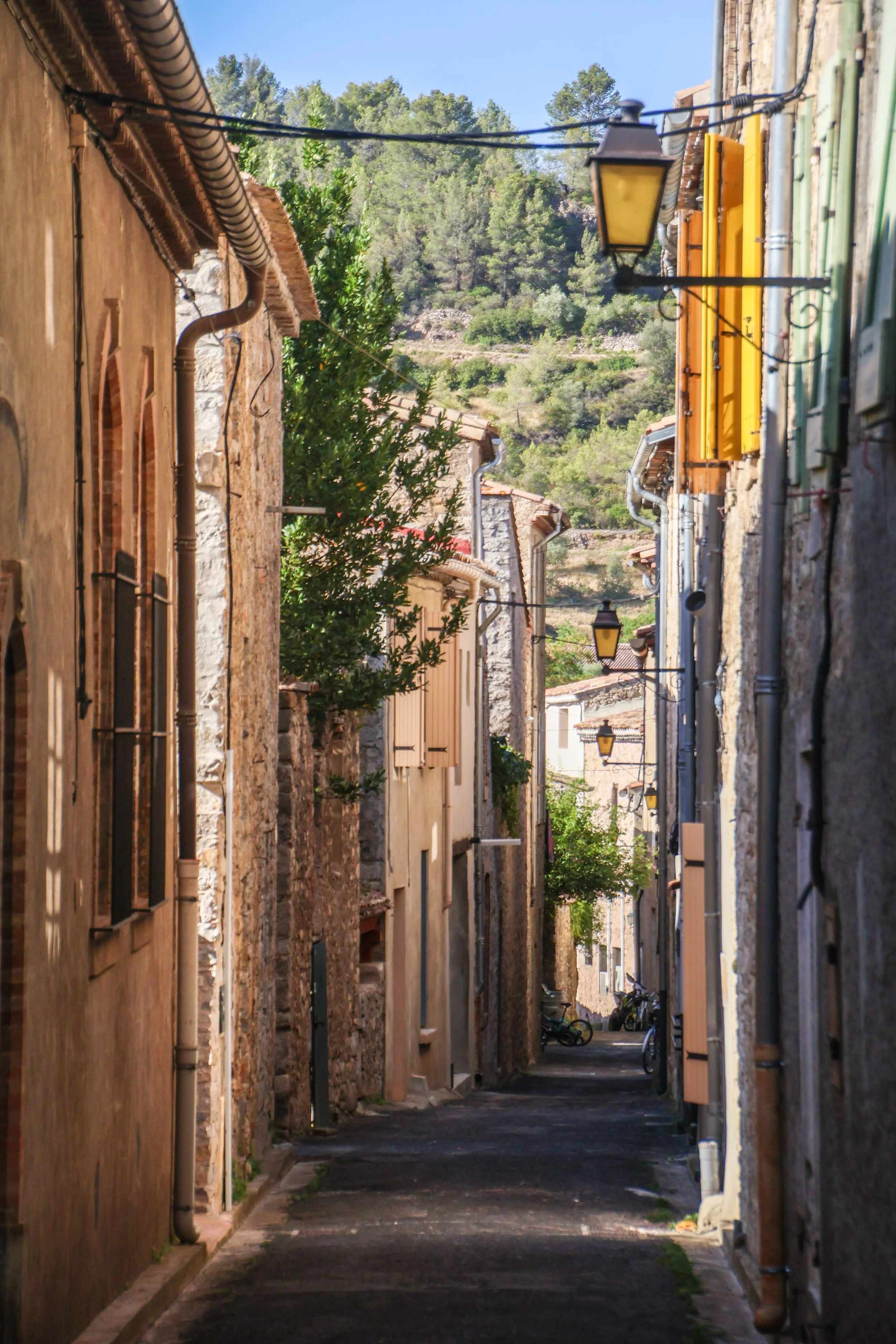
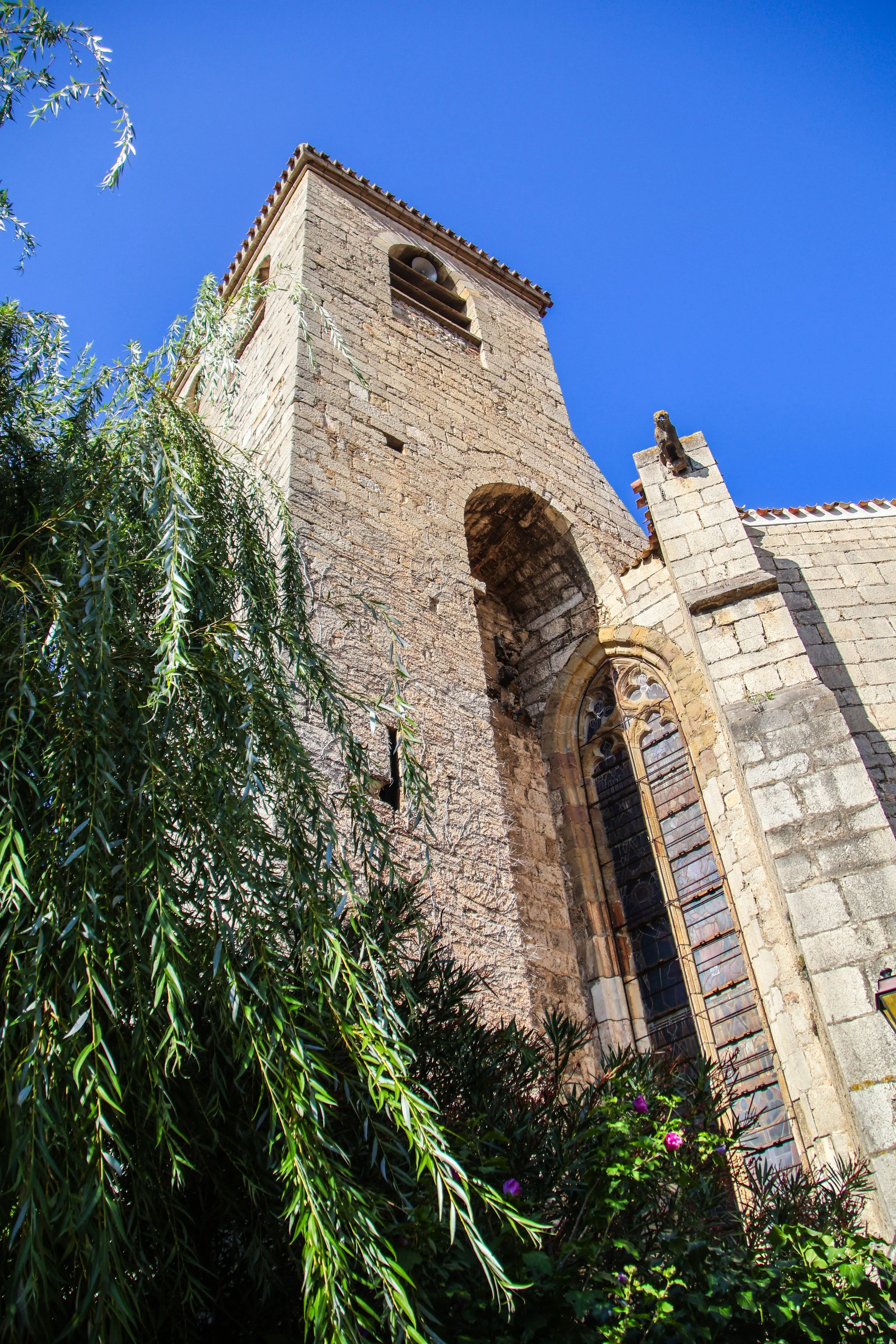
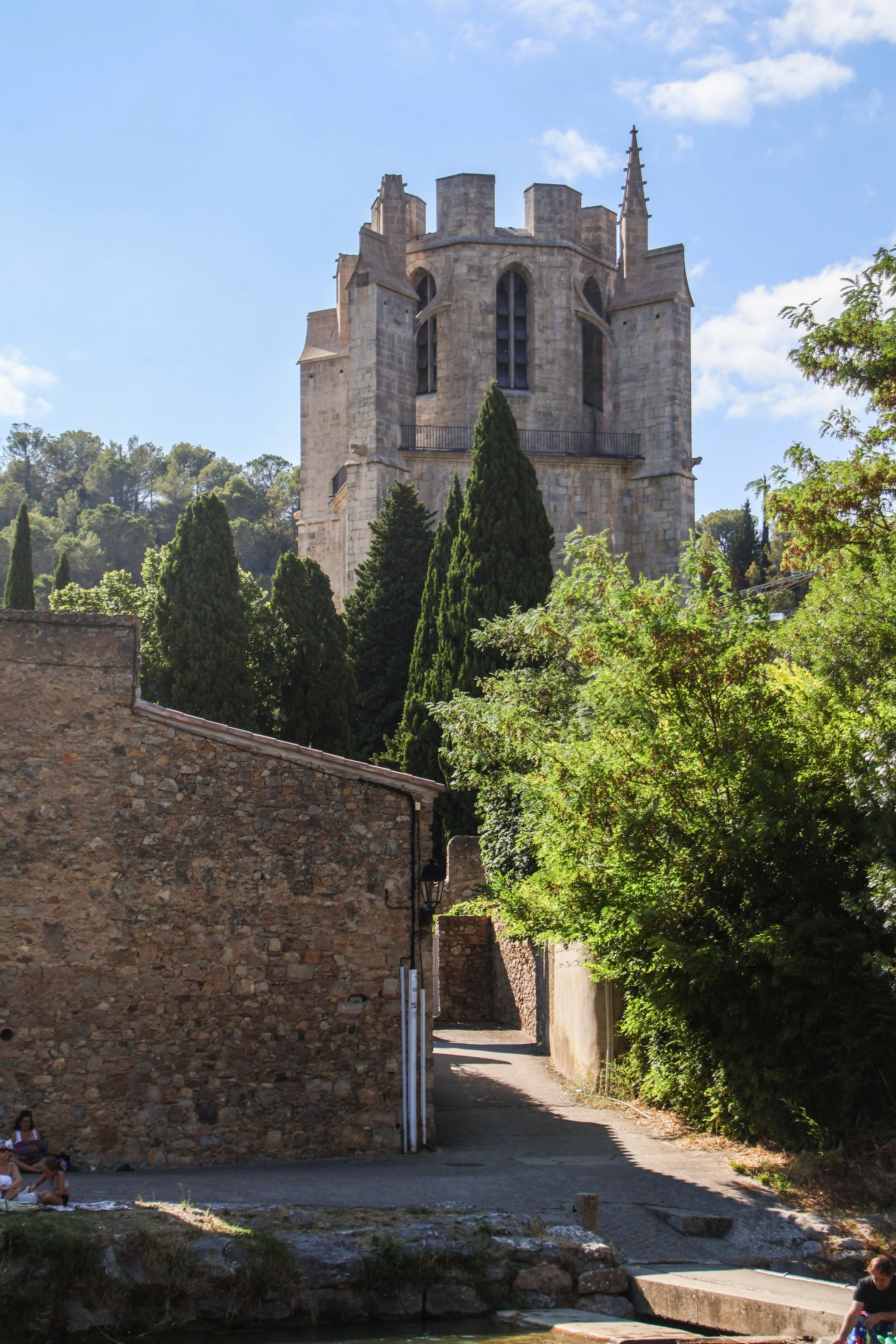
Lagrasse is a small but exceptionally well-preserved medieval village on the Orbieu River. Nestled amongst low, rolling hills dotted with vineyards, Lagrasse is routinely cited as being one of the of the most beautiful villages in France. The town itself rose to prominence during the Carolingian period (~750-987 CE), largely anchored around a Benedictine abbey that became a powerful regional force. The abbey still stands to this day, but for me, the real magic is in the town itself.
Because of the enormous queue of articles that has piled up 😰 I am writing this article in the dead of winter. With the outside temperature below freezing, this warm, sun-drenched summer afternoon I spent in Lagrasse feels like a distant, idyllic dream. Just outside of the town there is a small “beach” area on the river banks, where locals put down towels and cool off in the water. The towering medieval abbey looks down on this watering hole, casting silent, toothless judgement on the scantily clad swimmers below, while simultaneously imparting all passersby with a sense of peace. Just up the cobblestone streets, there is a small shop selling gelato to an eager line of visitors. One for me as well, please!
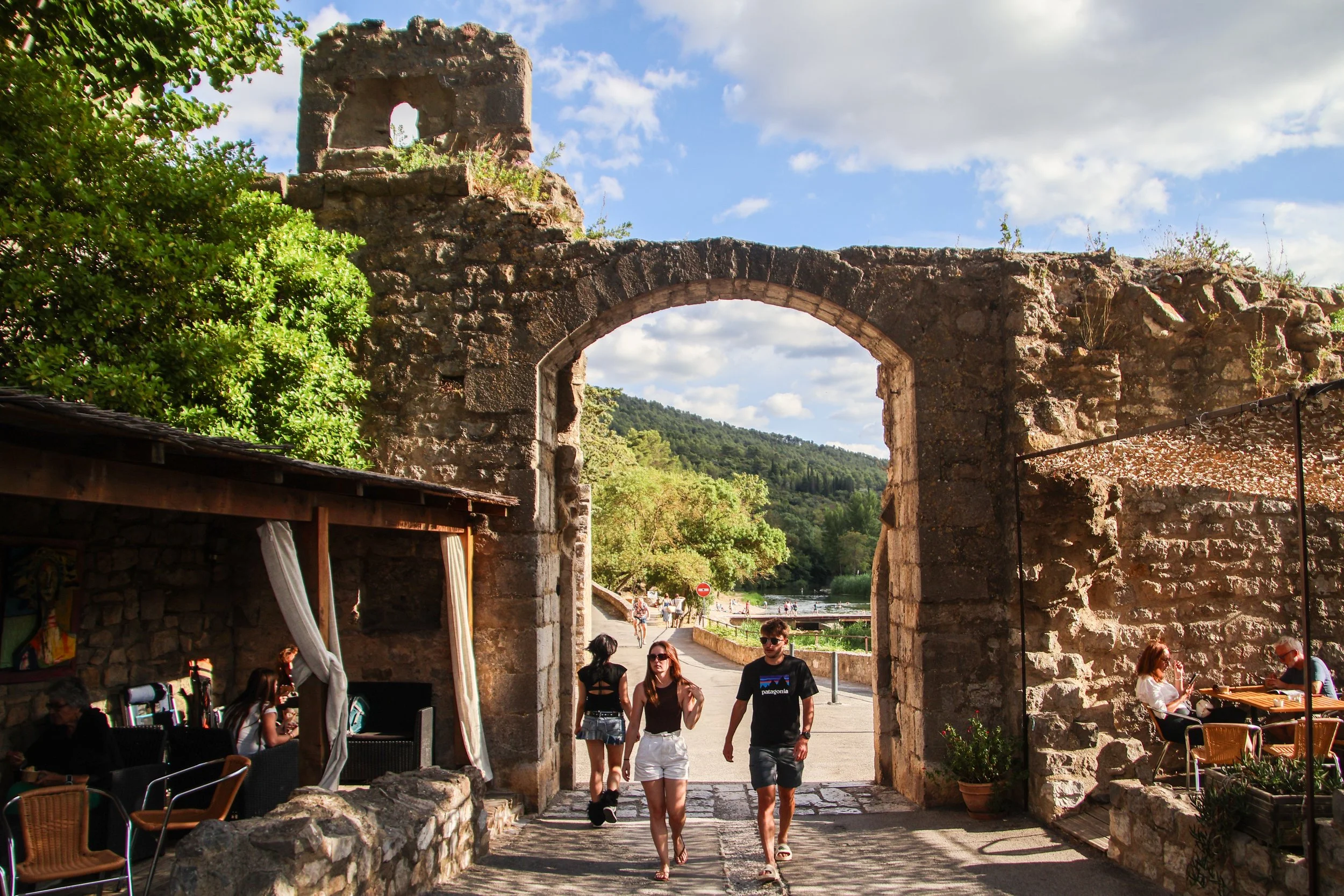
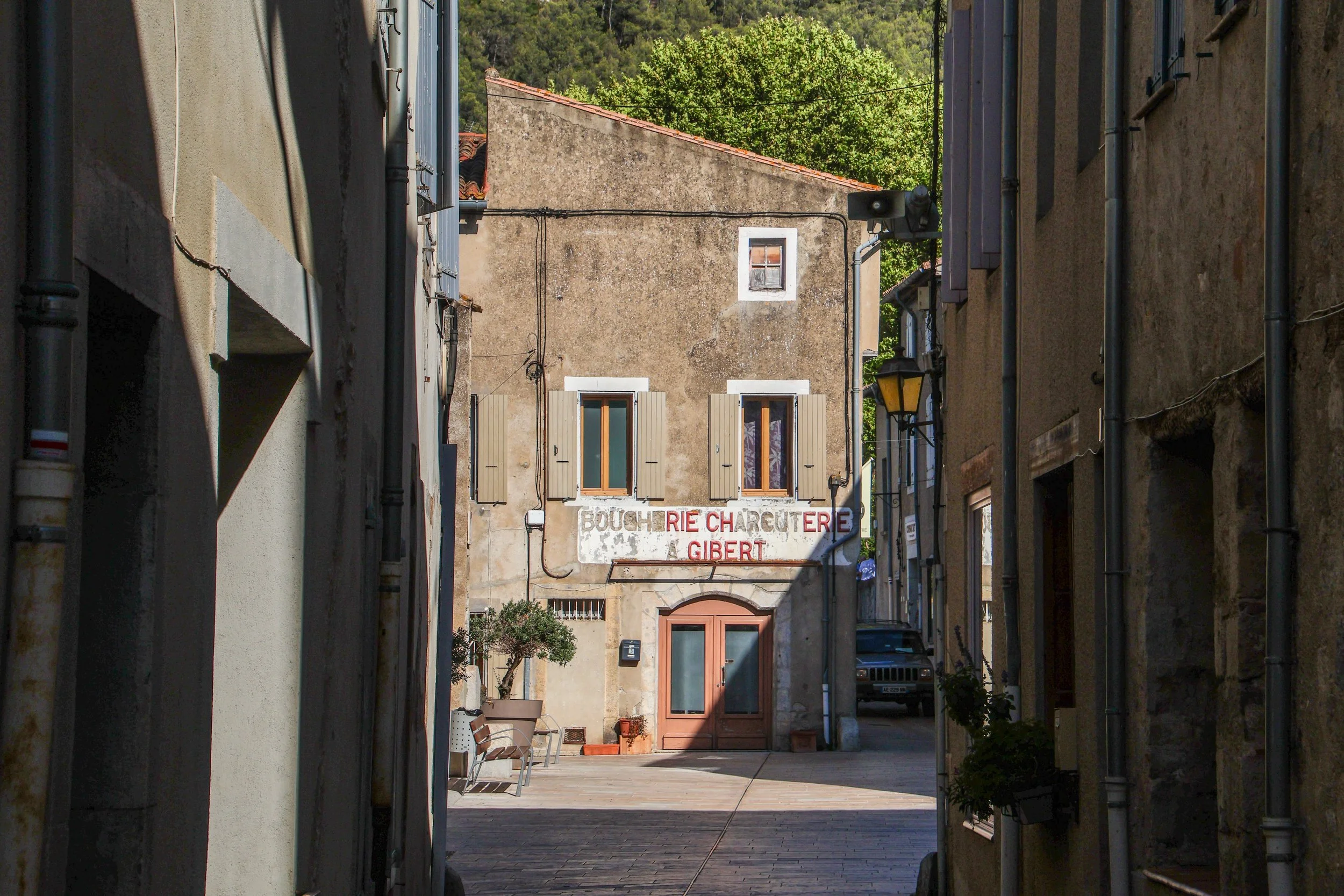
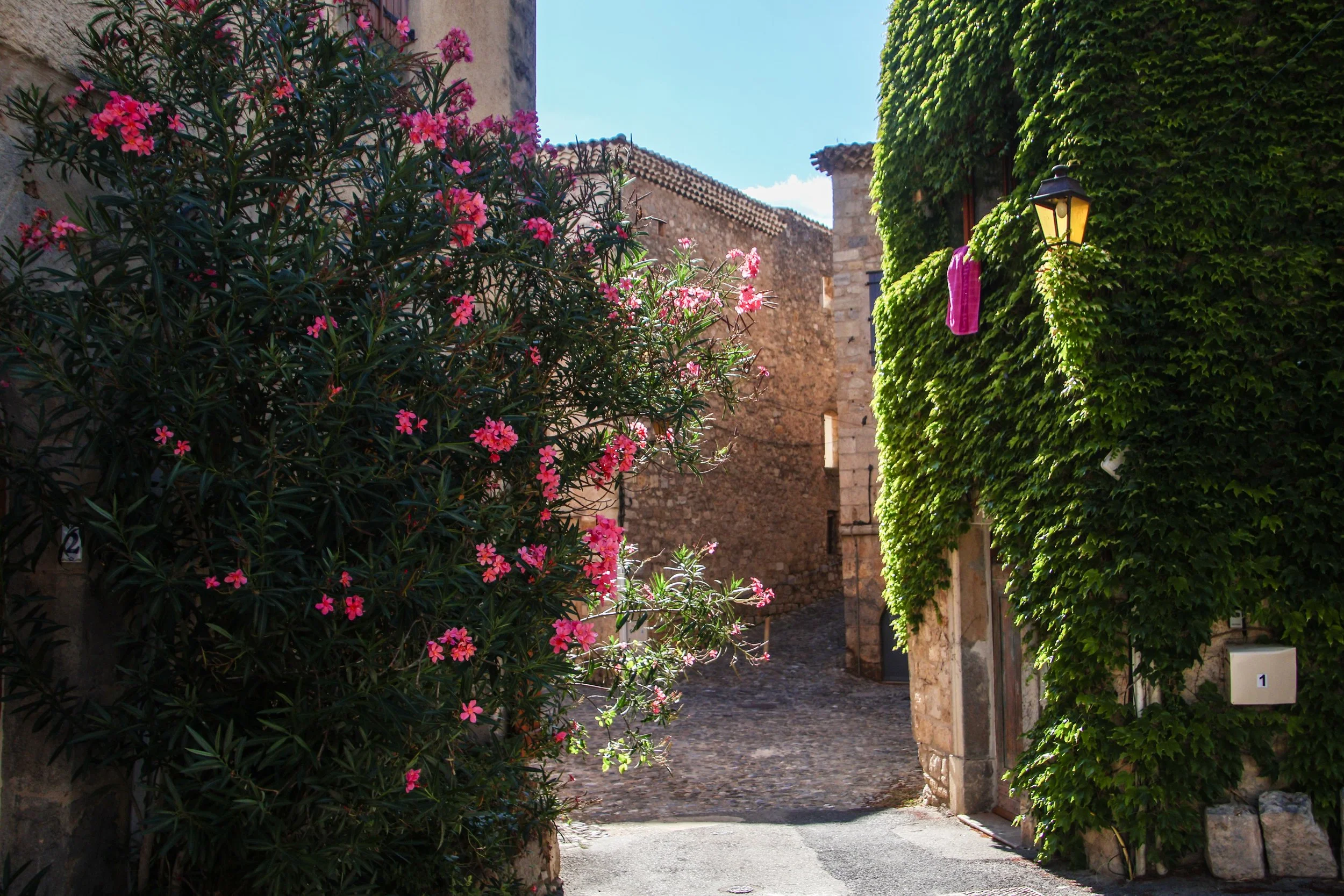
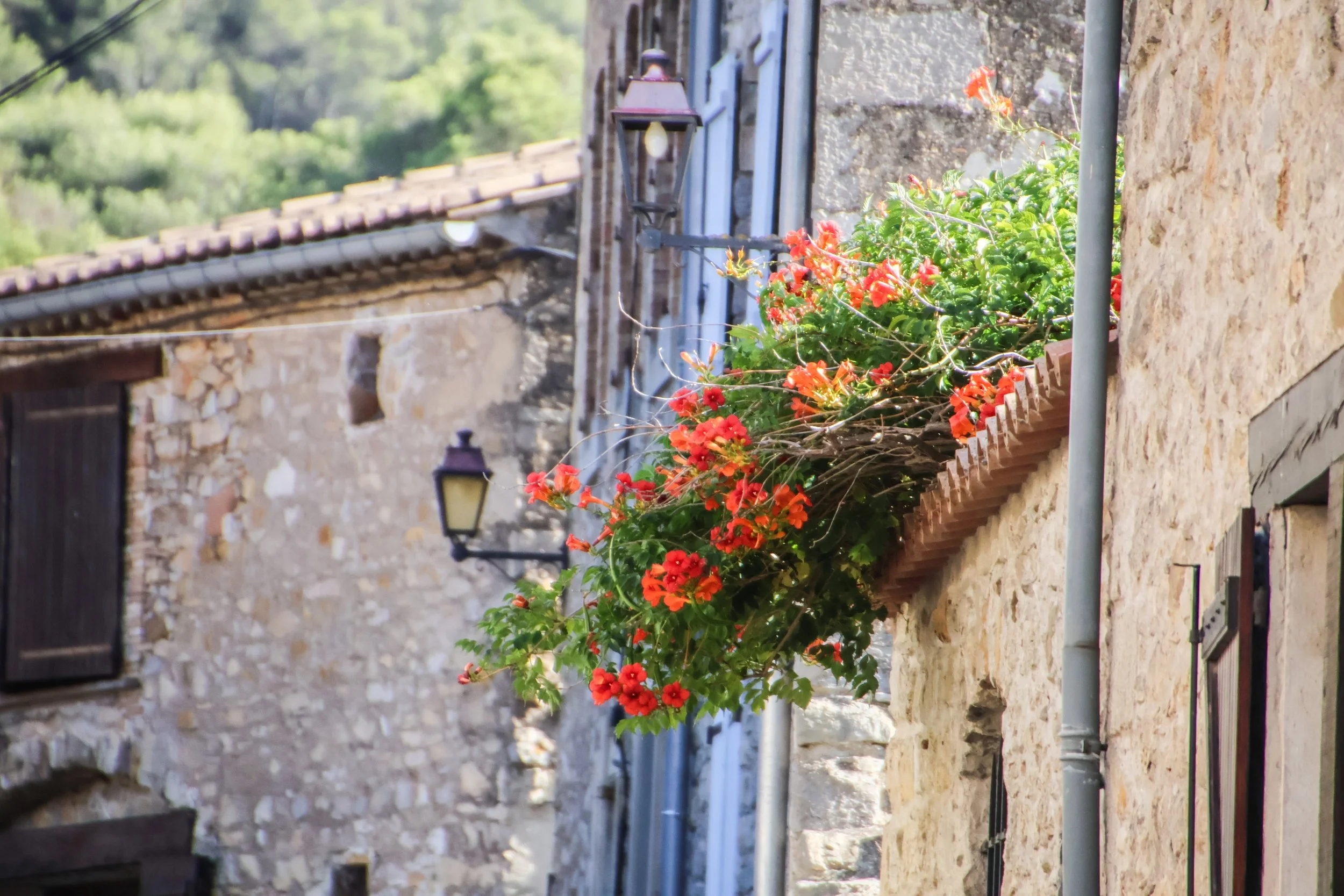
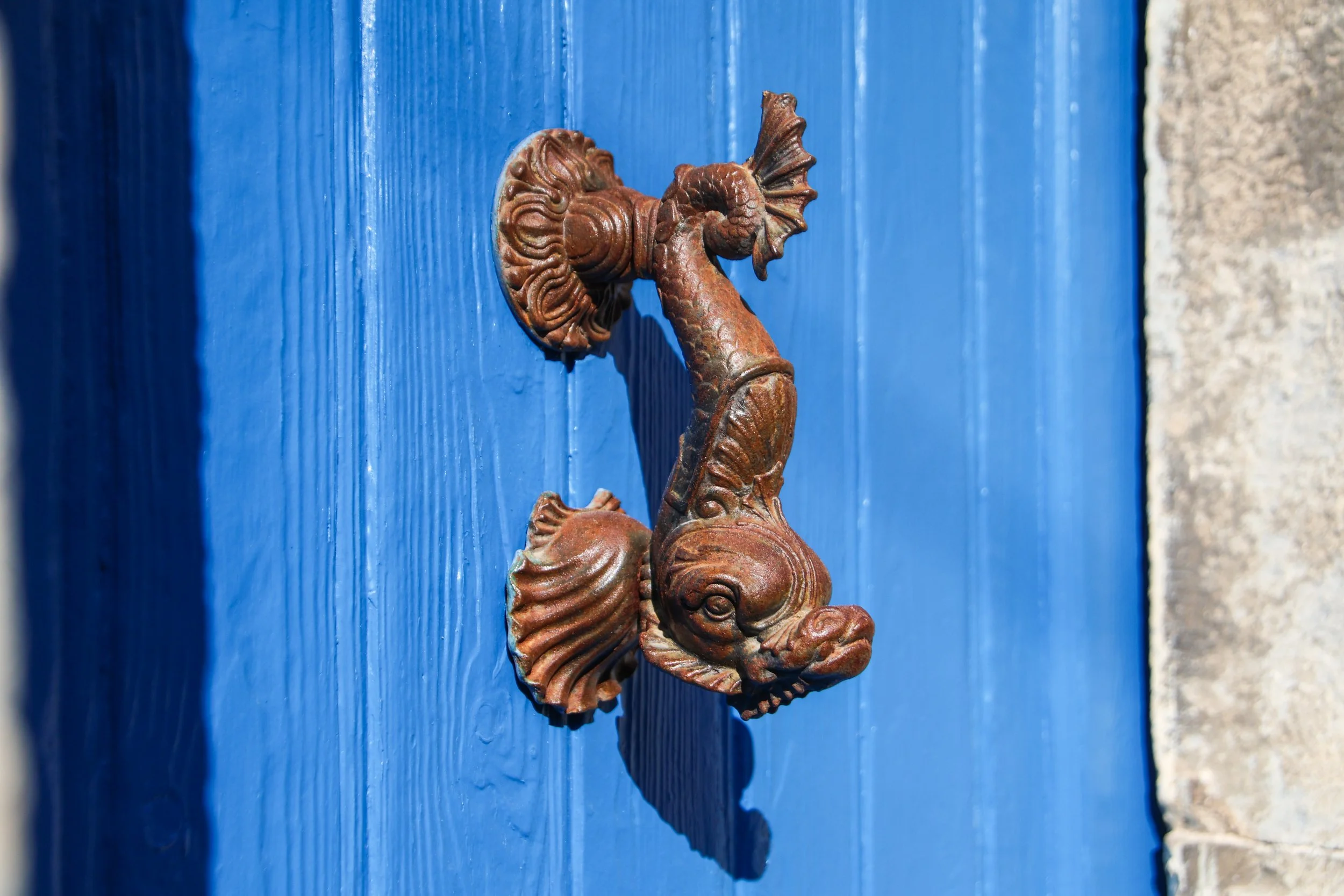
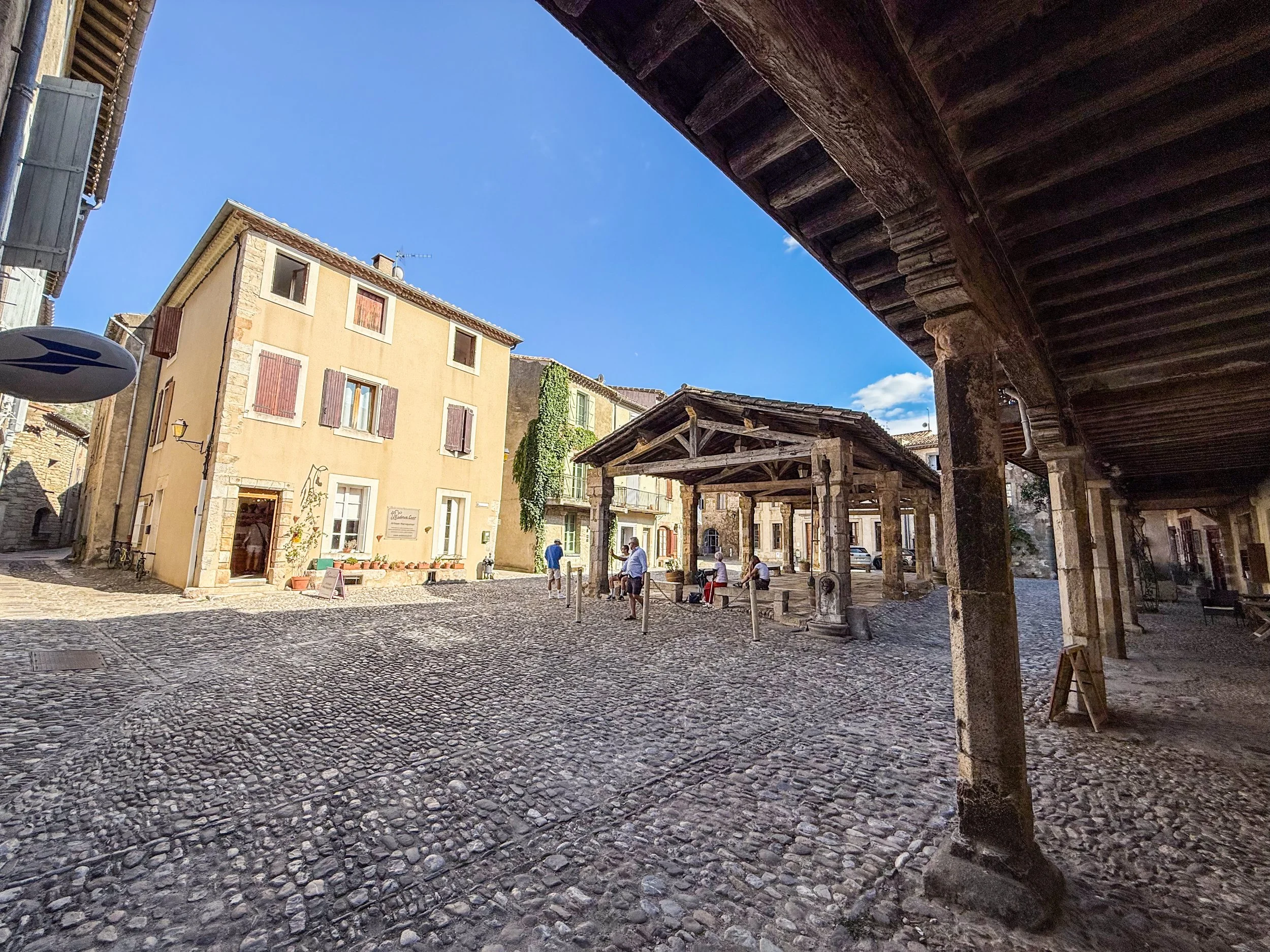
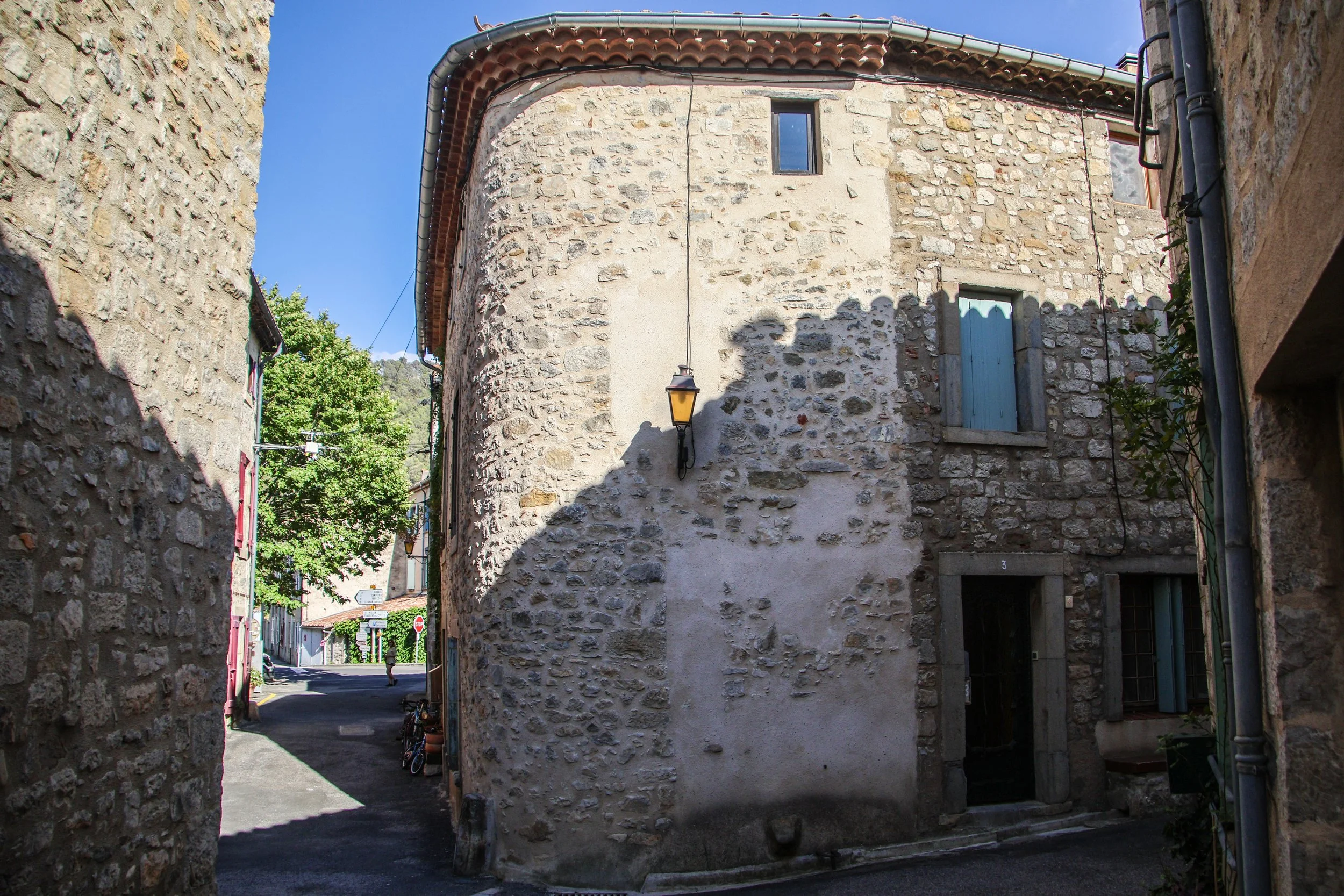
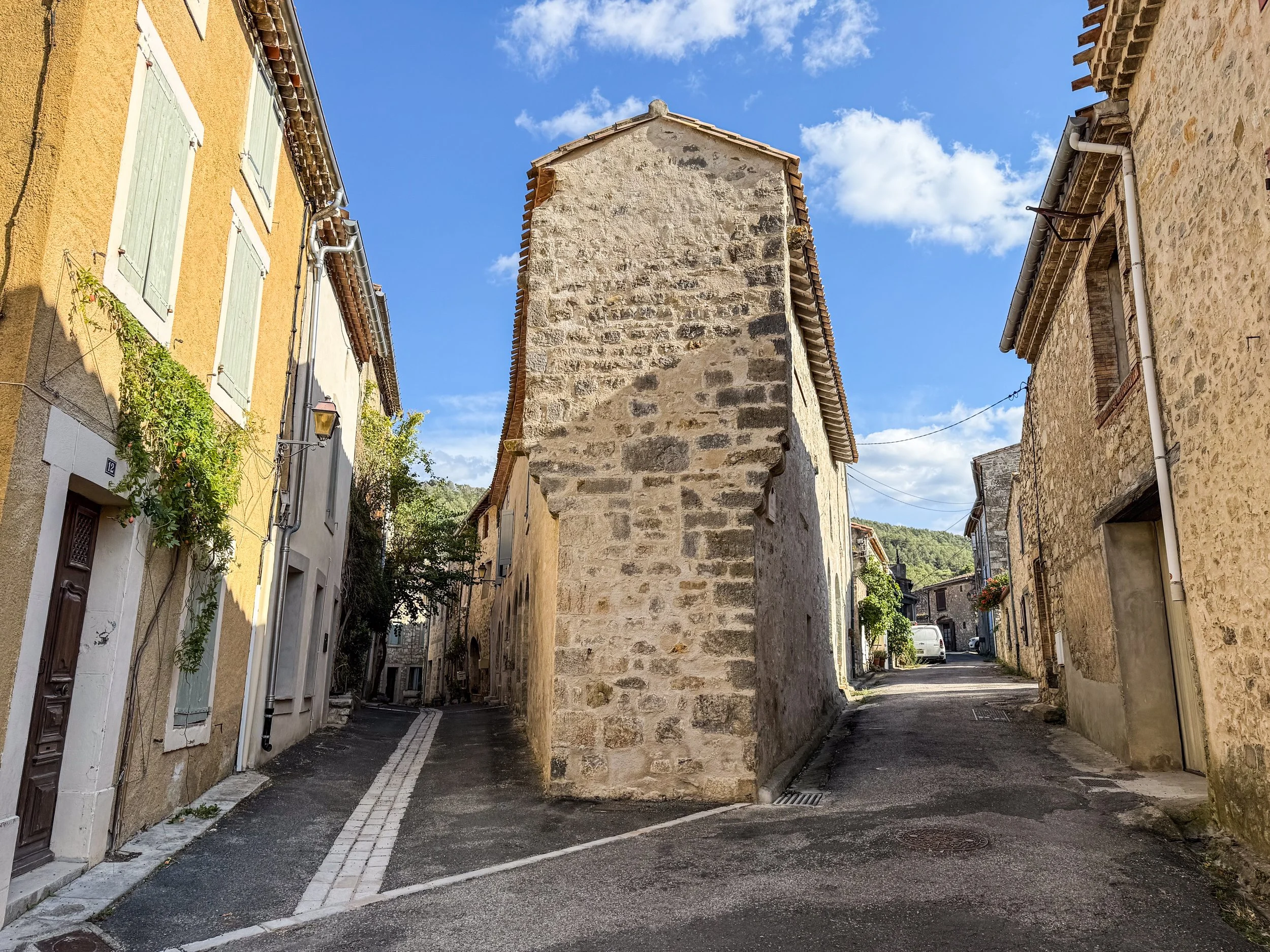
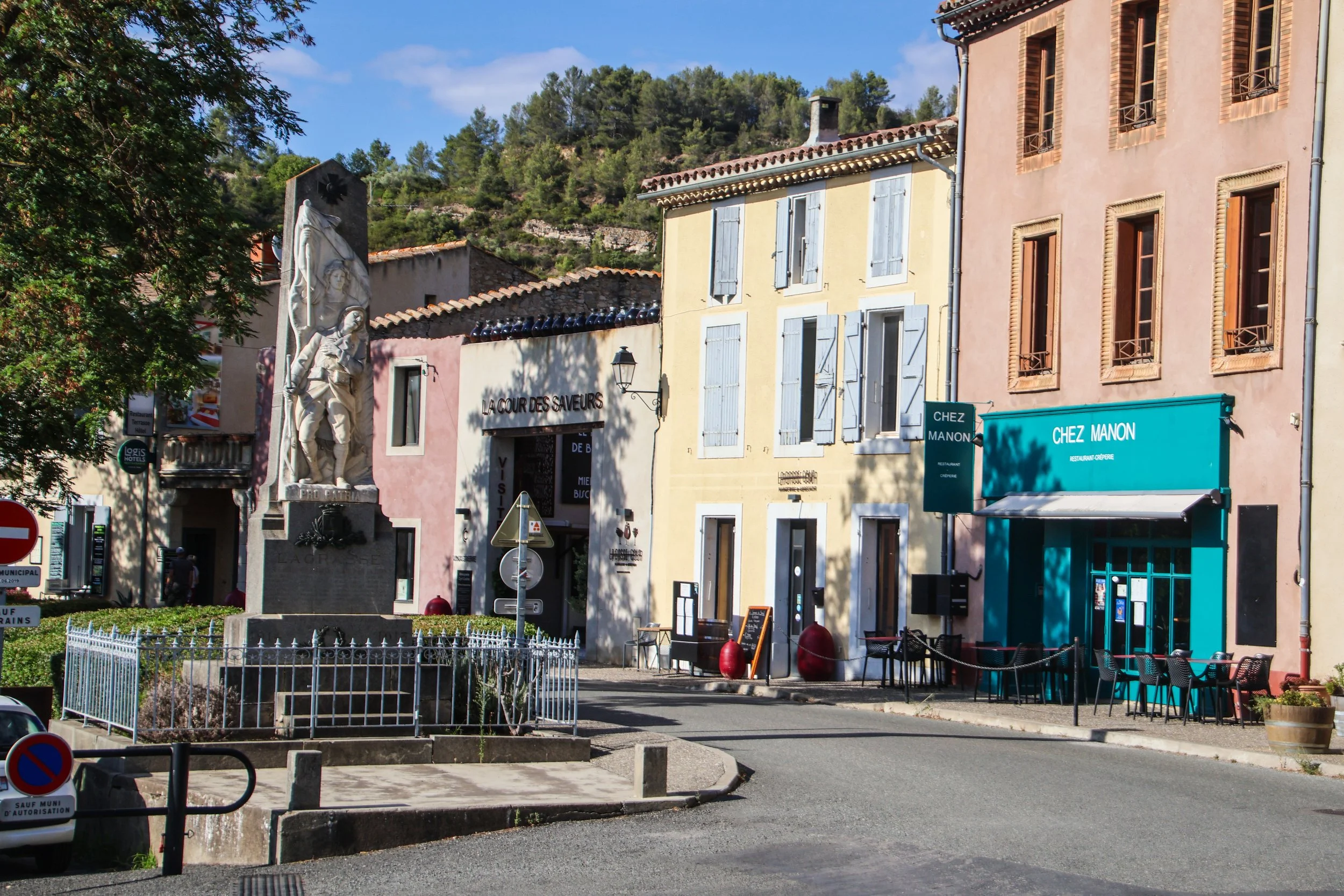
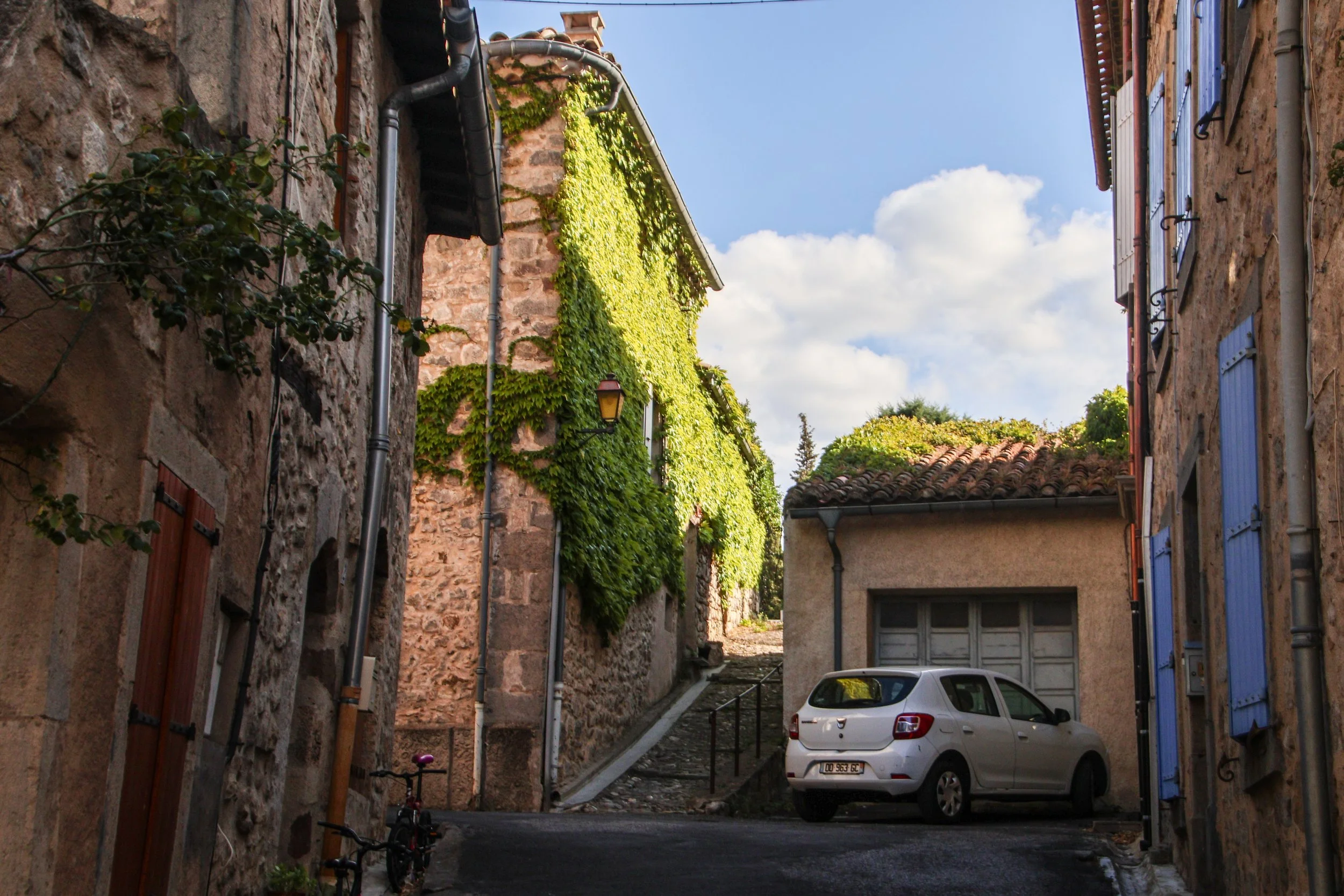
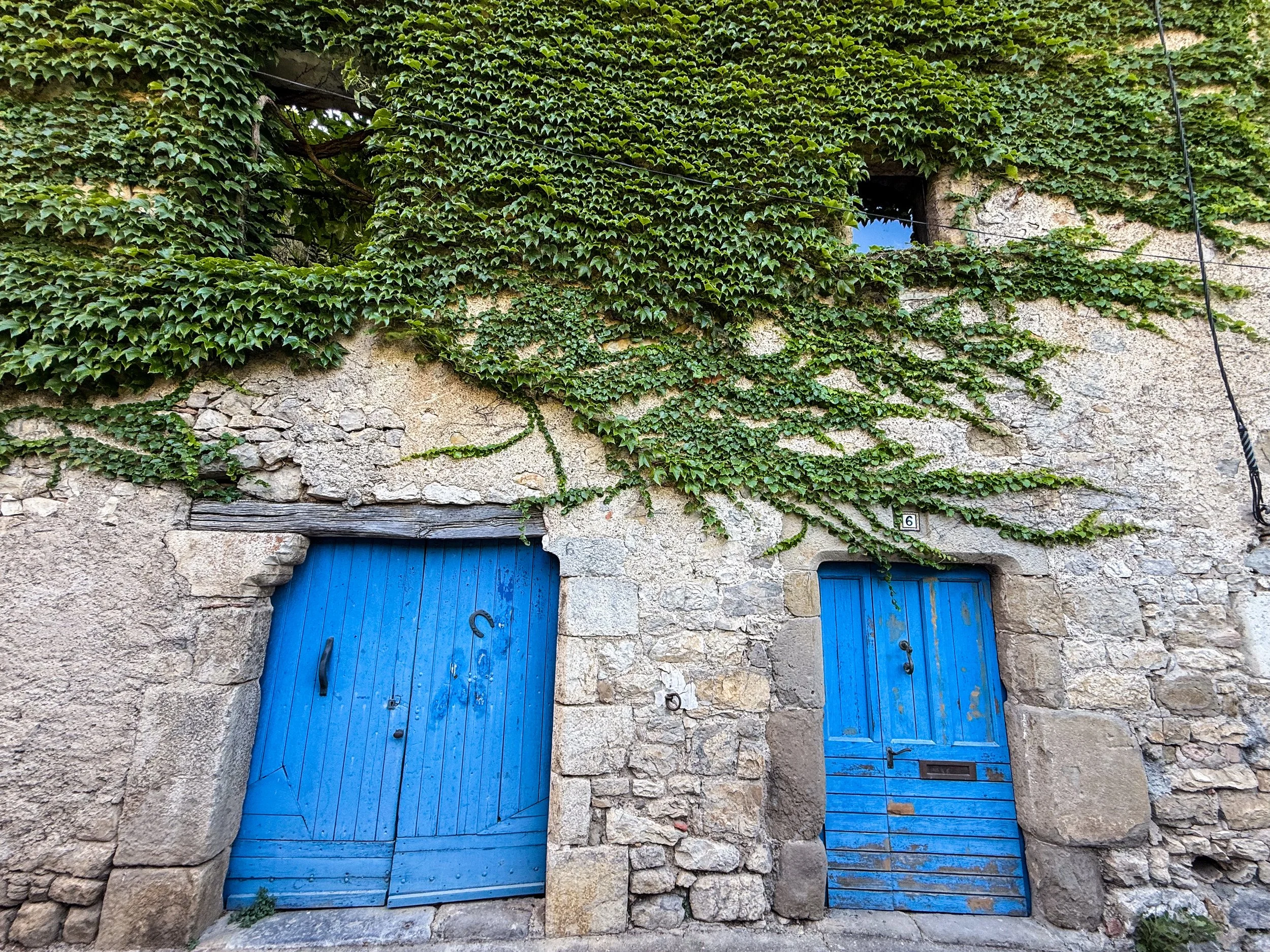
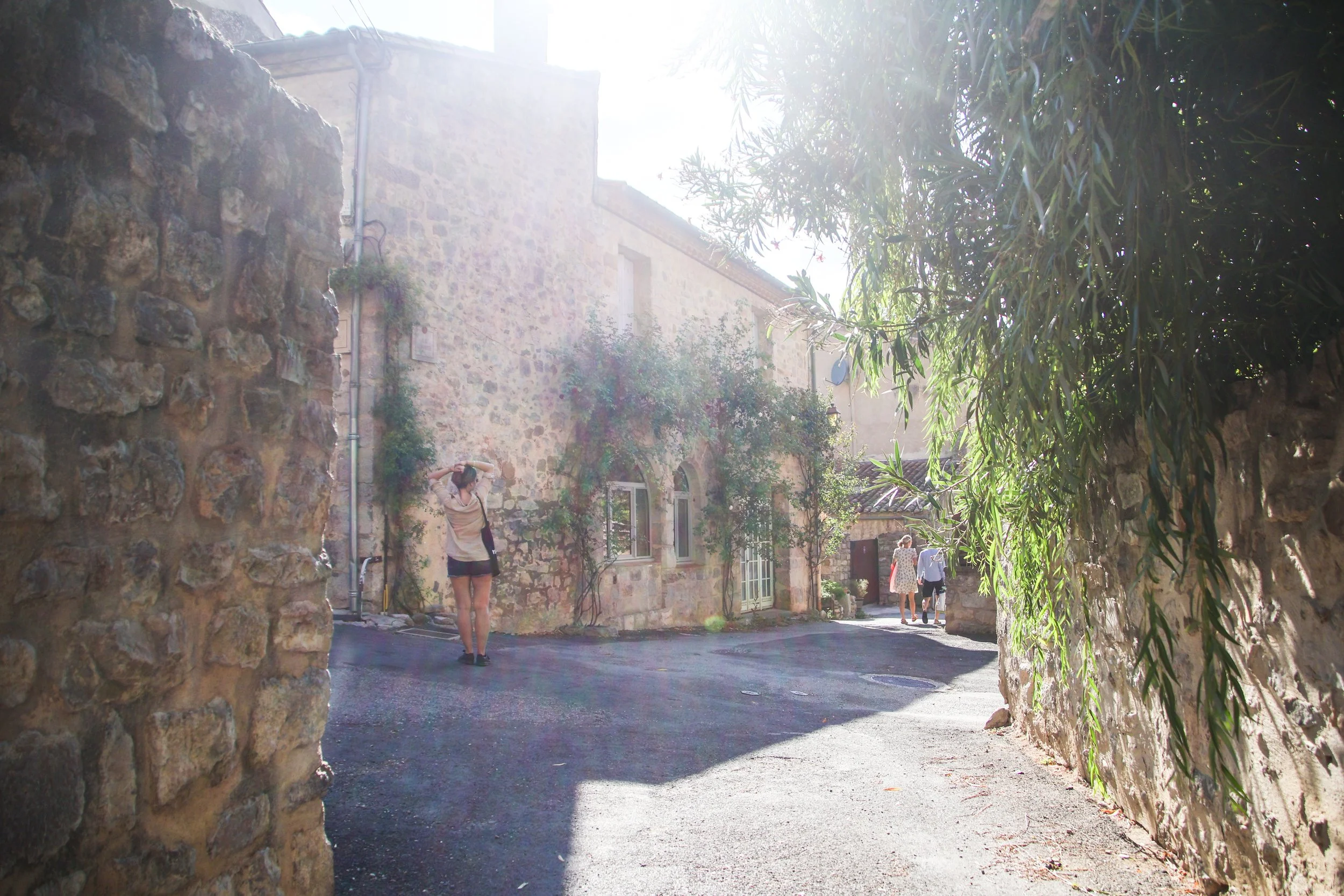
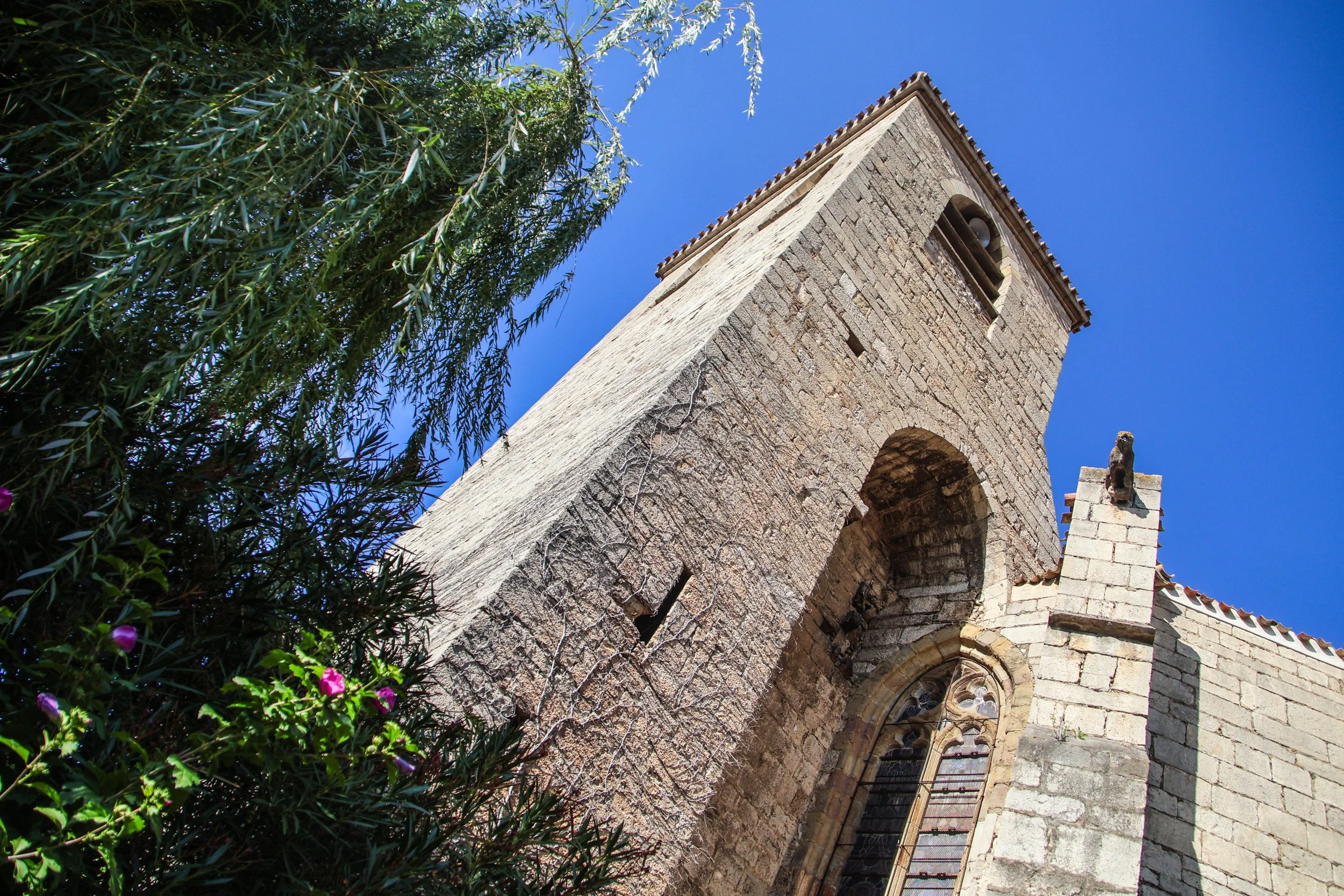
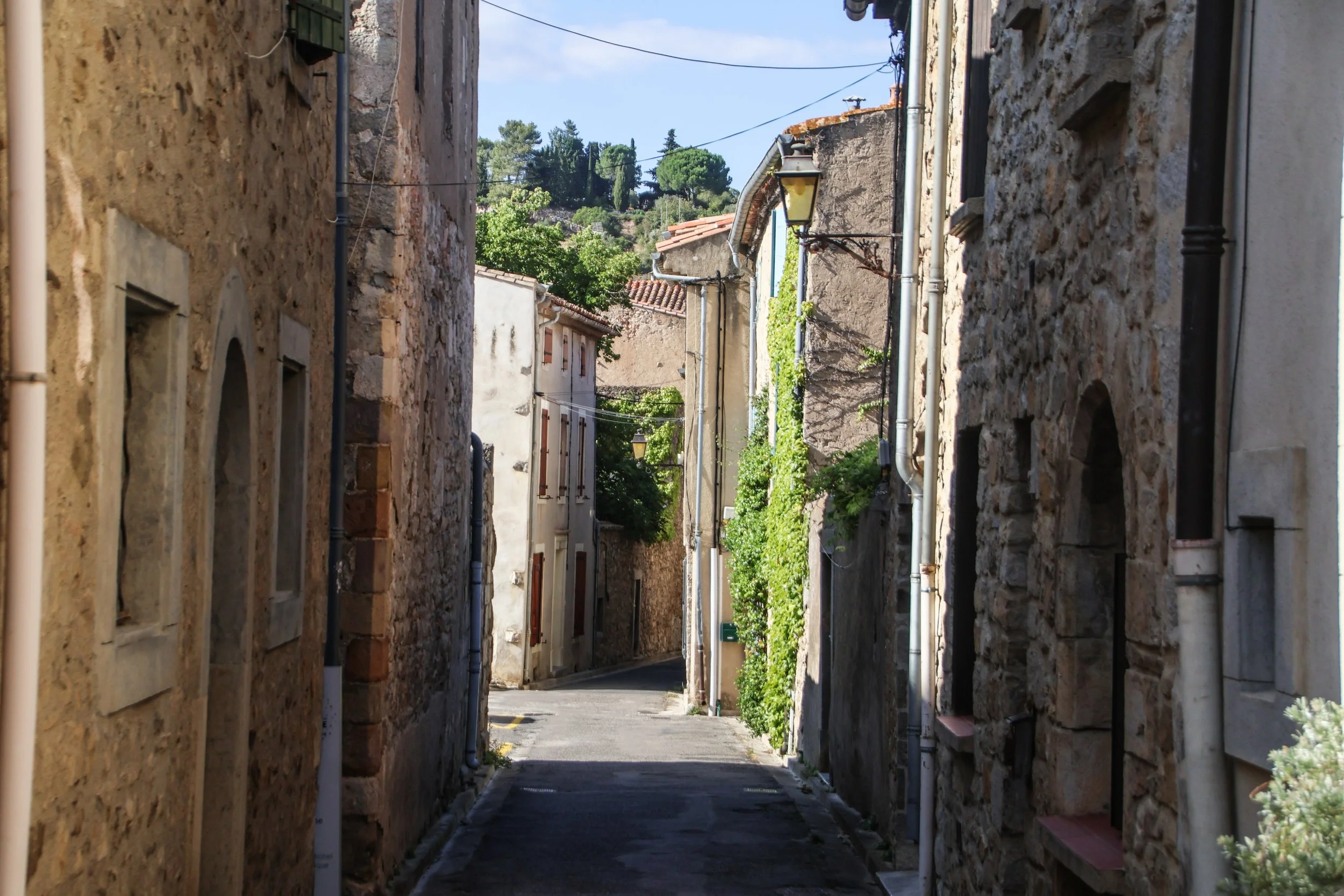
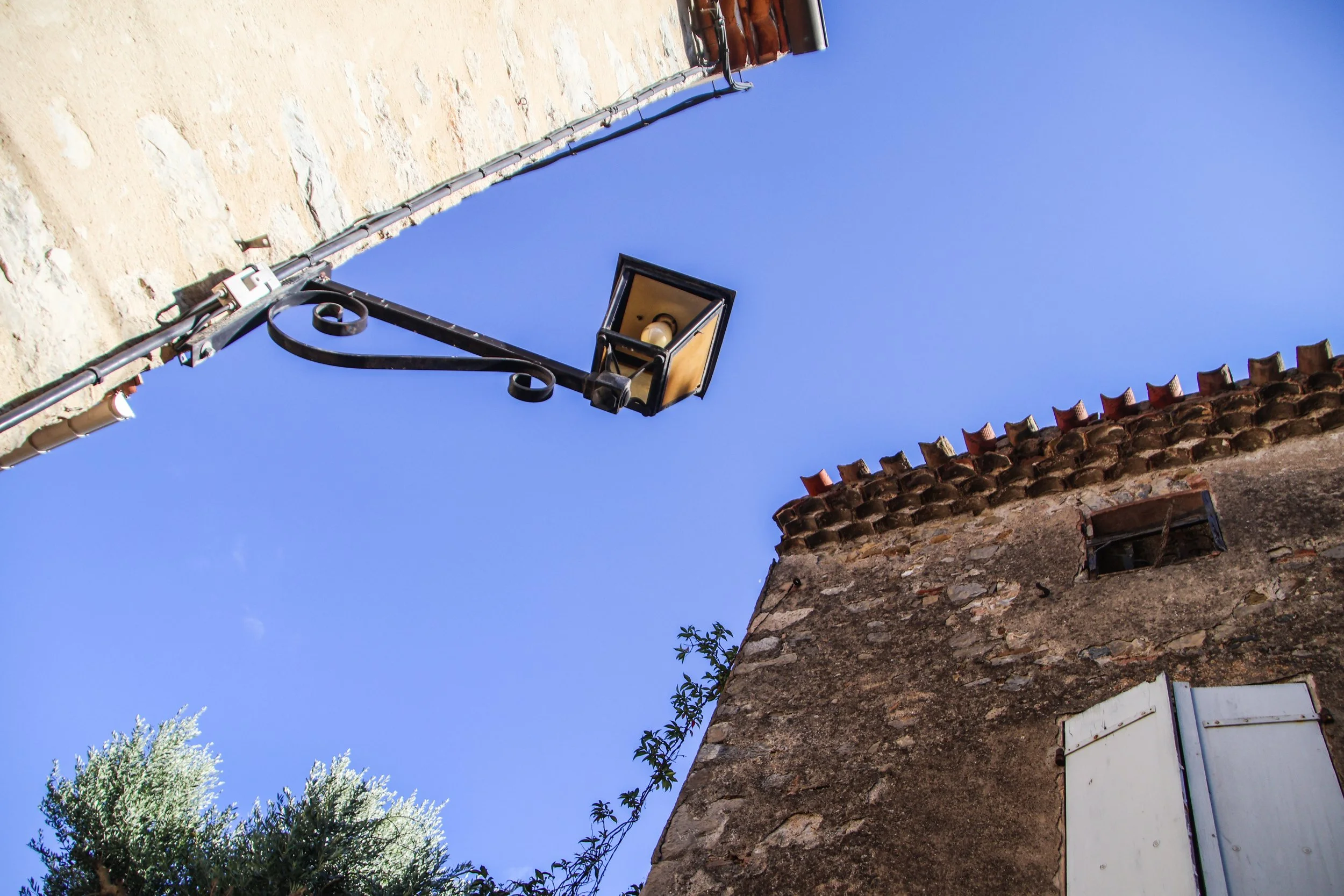
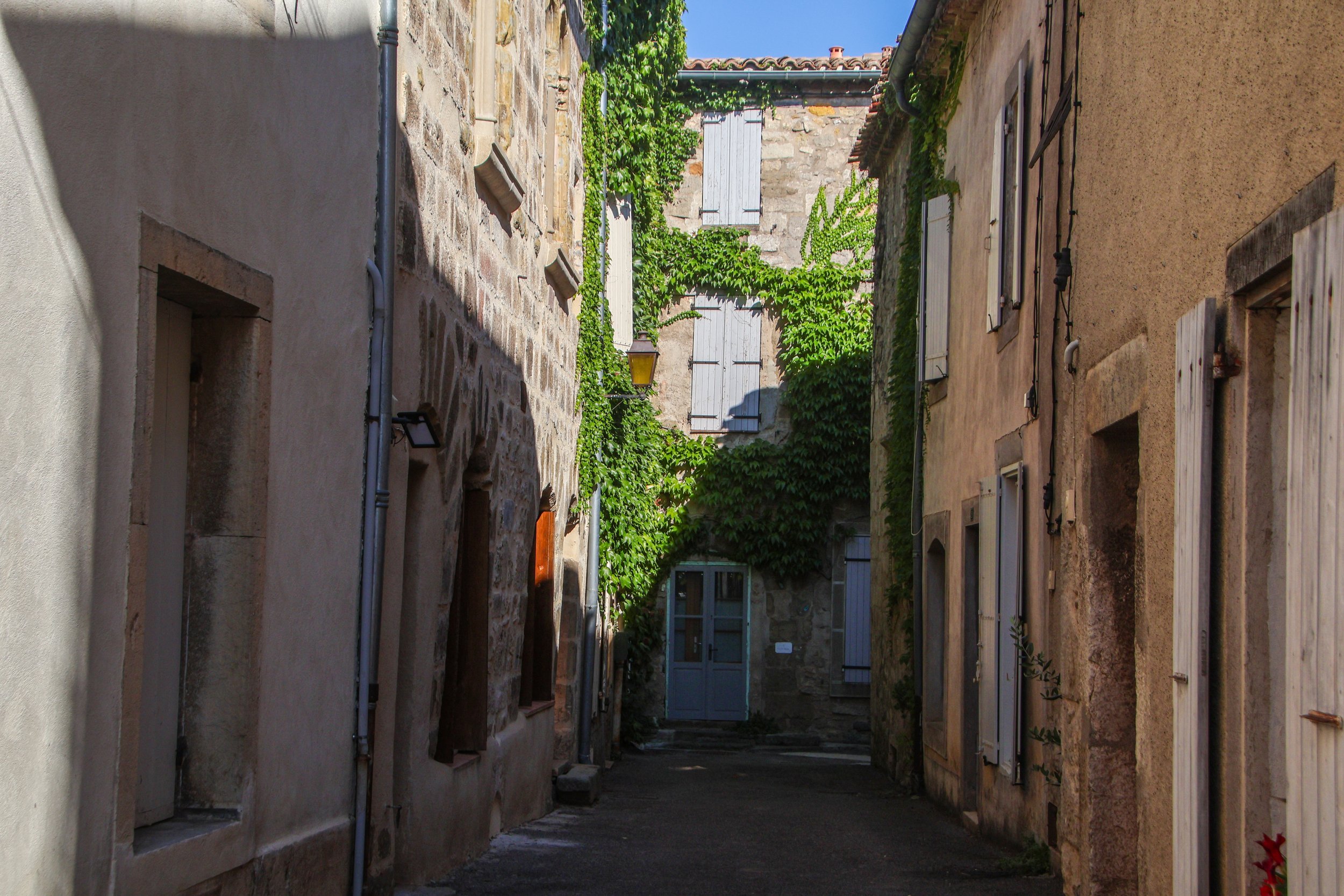
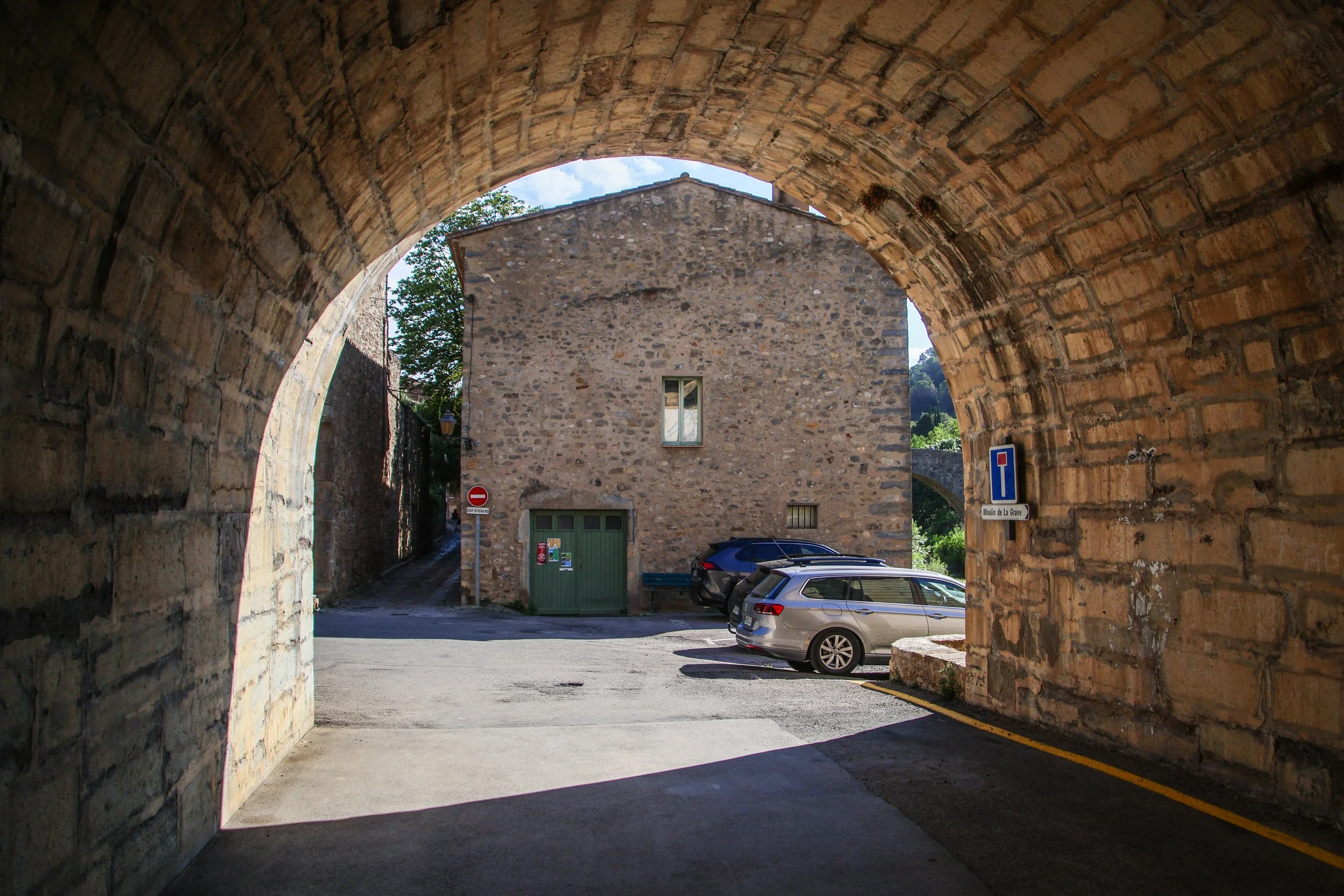
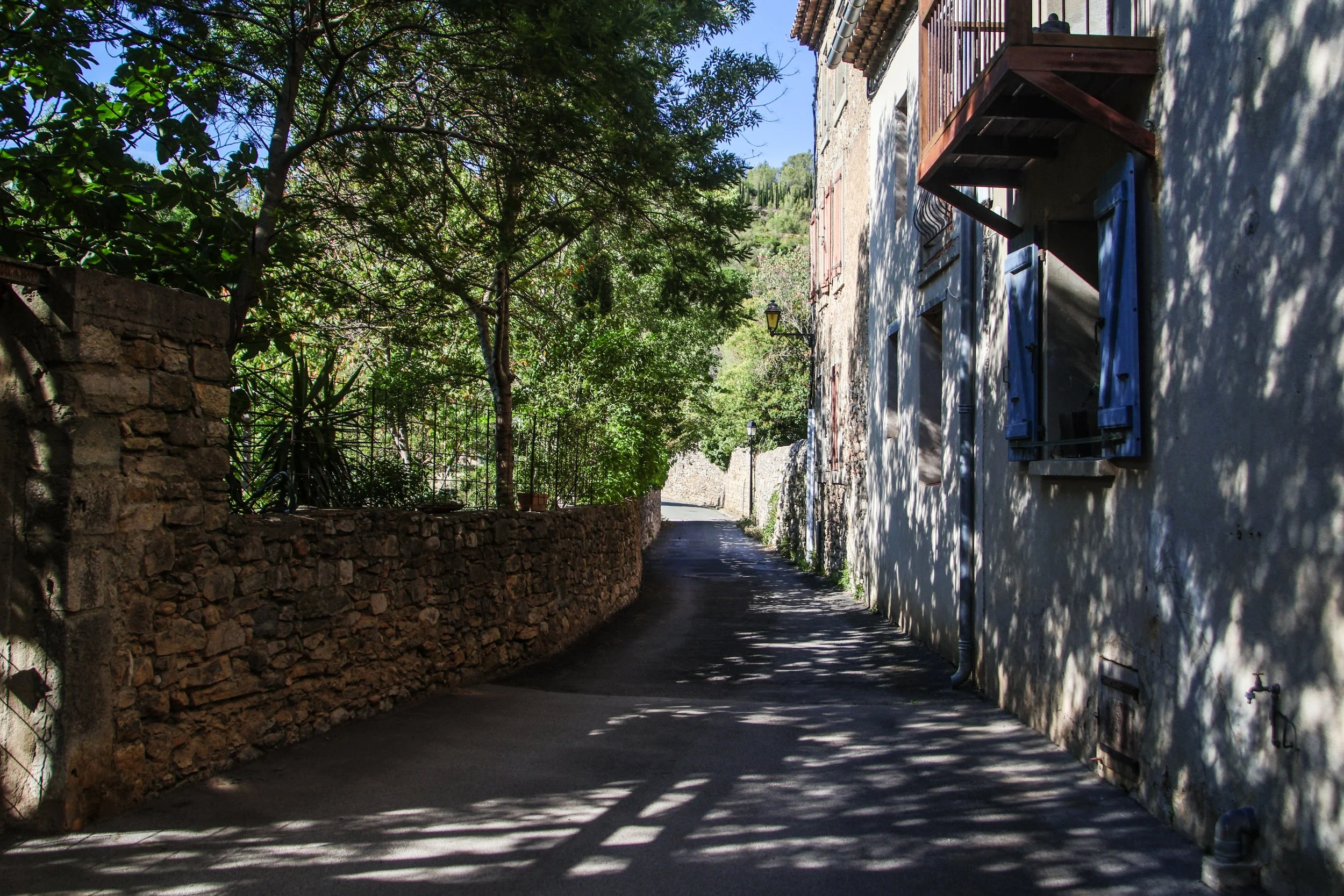
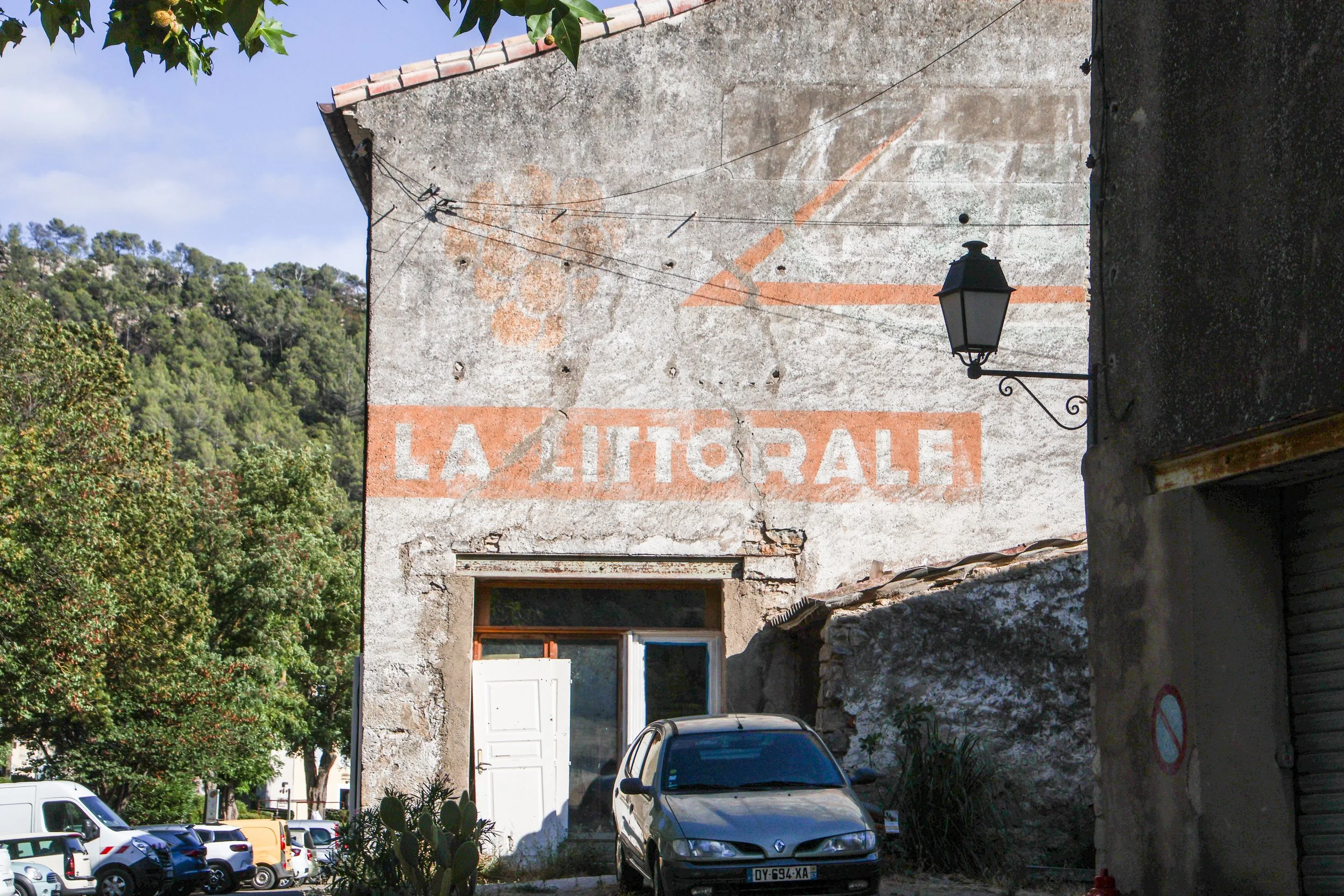
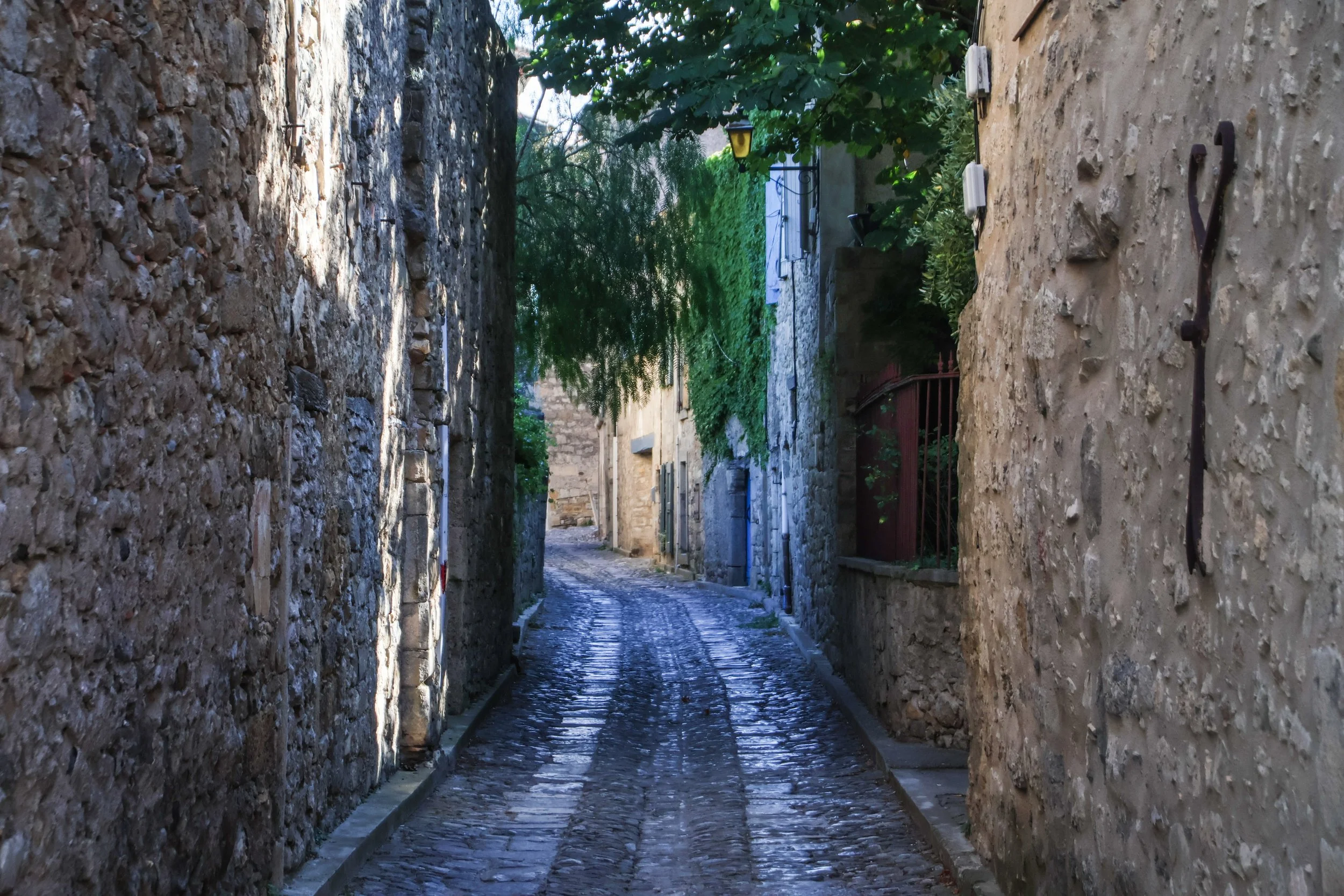
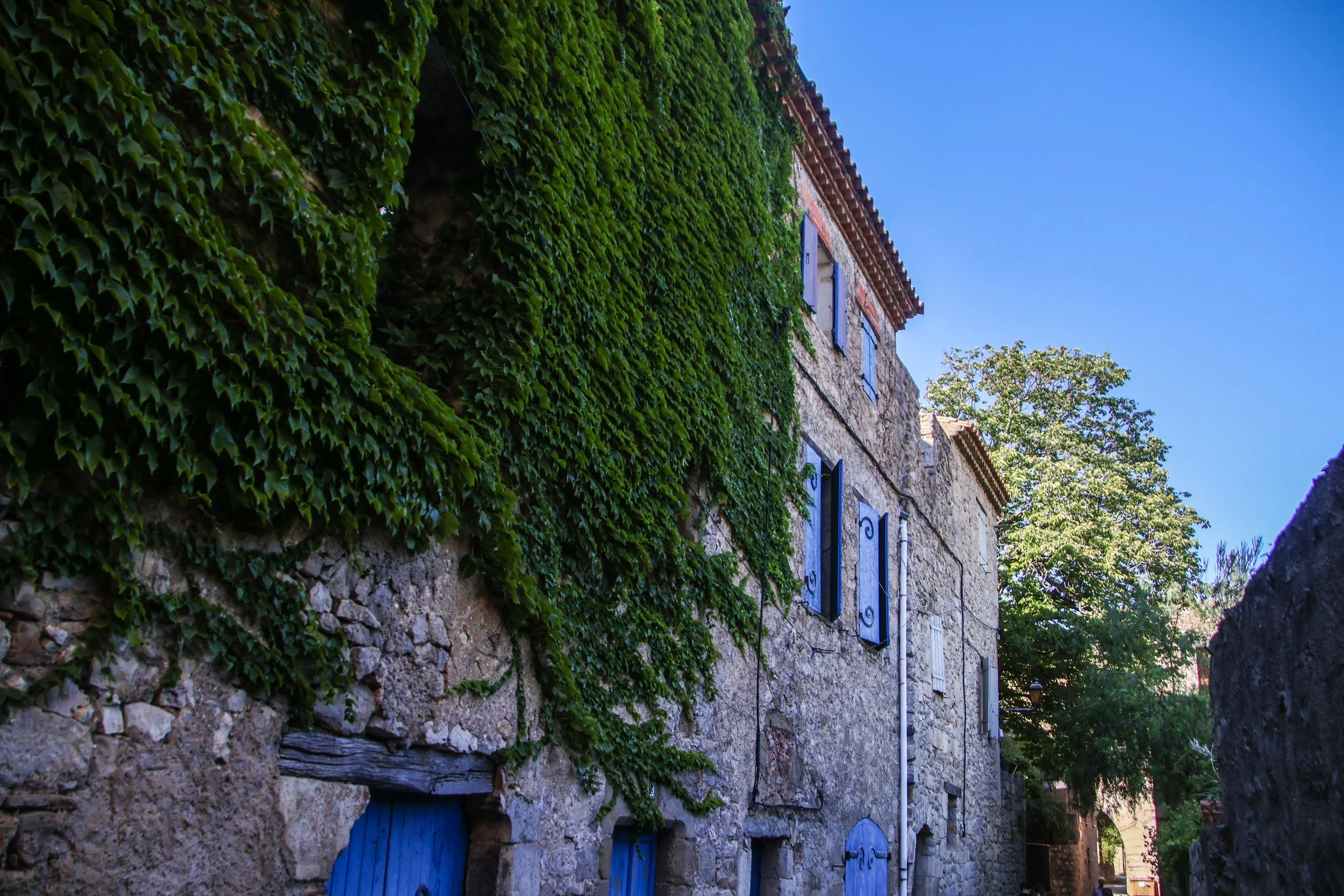
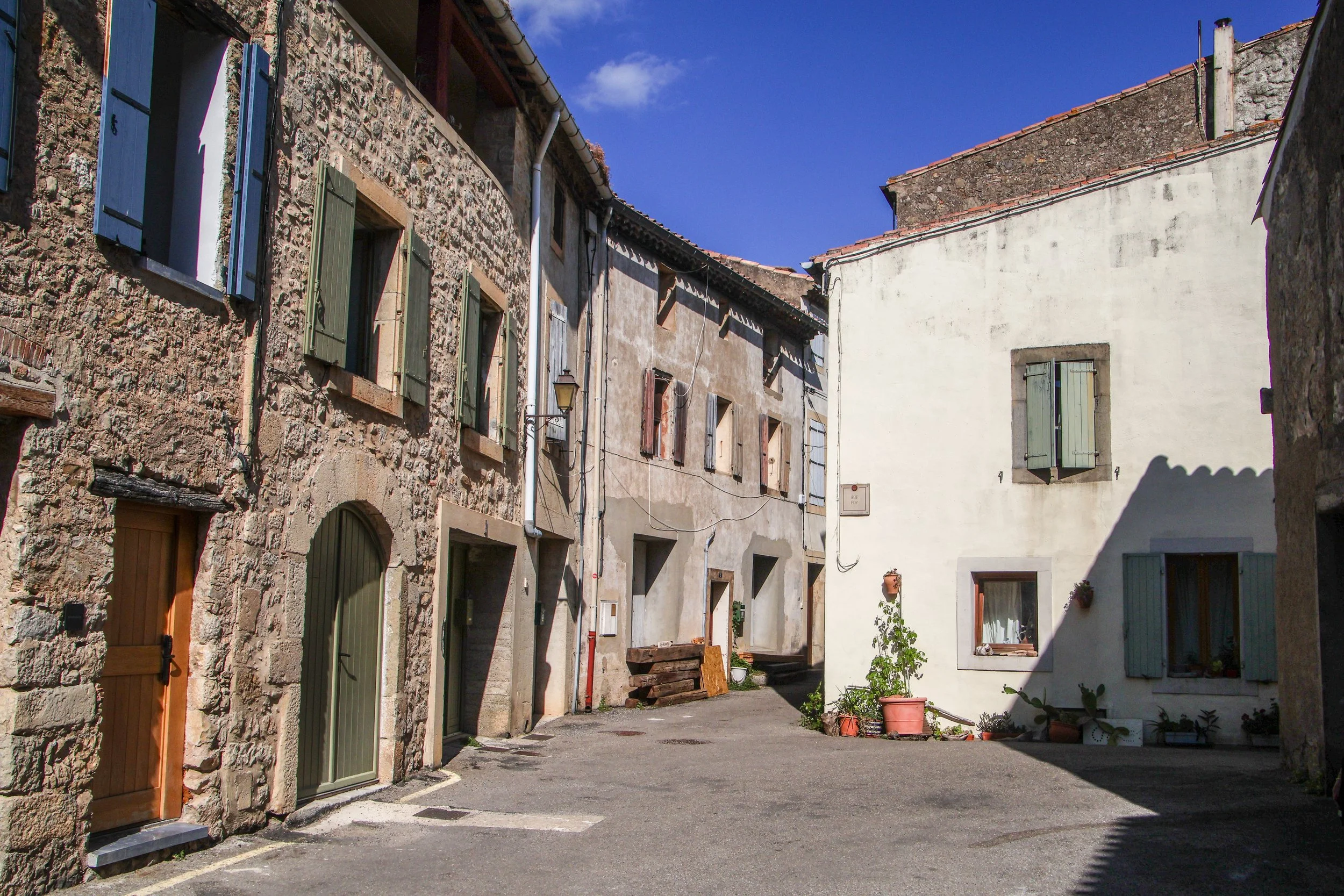
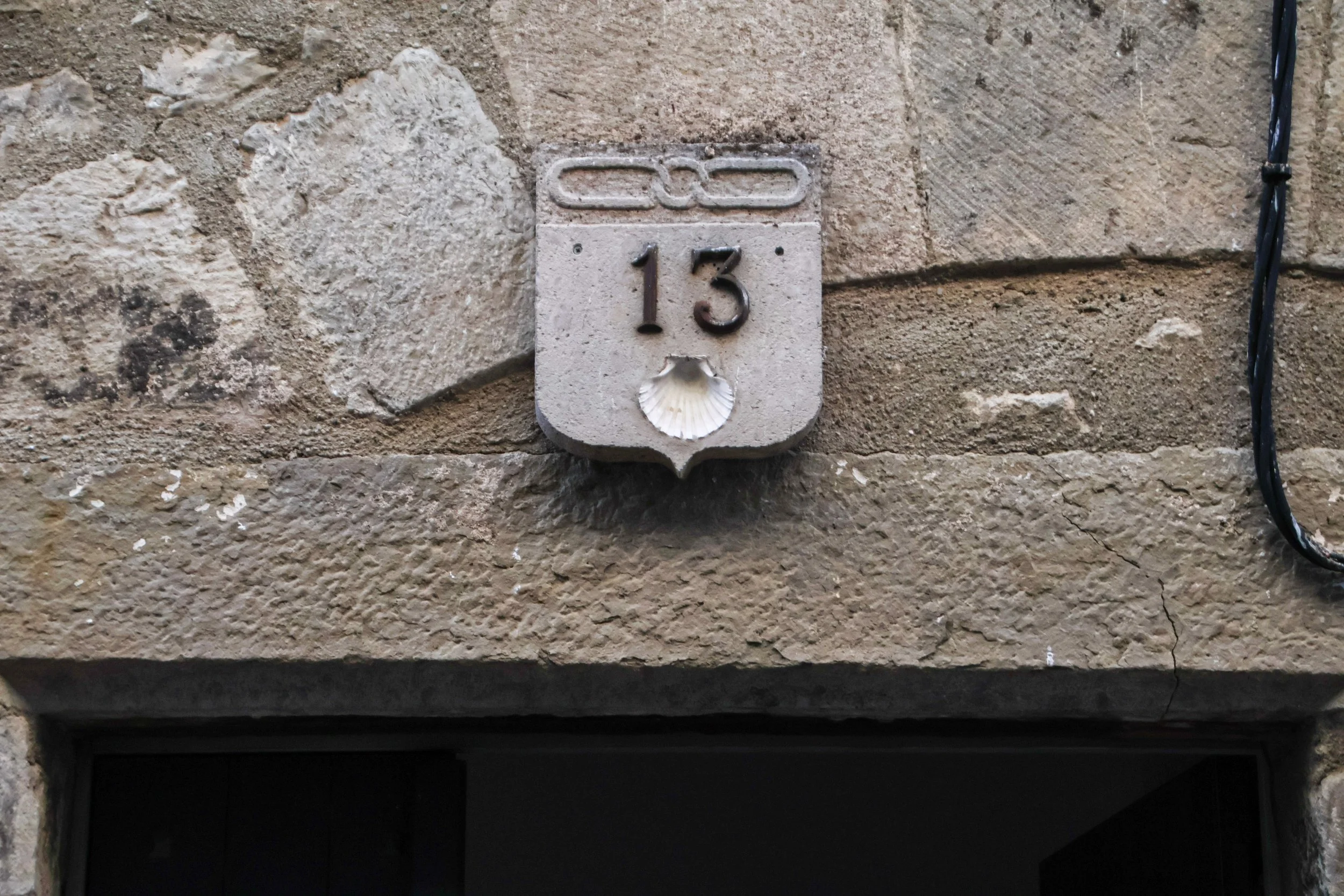
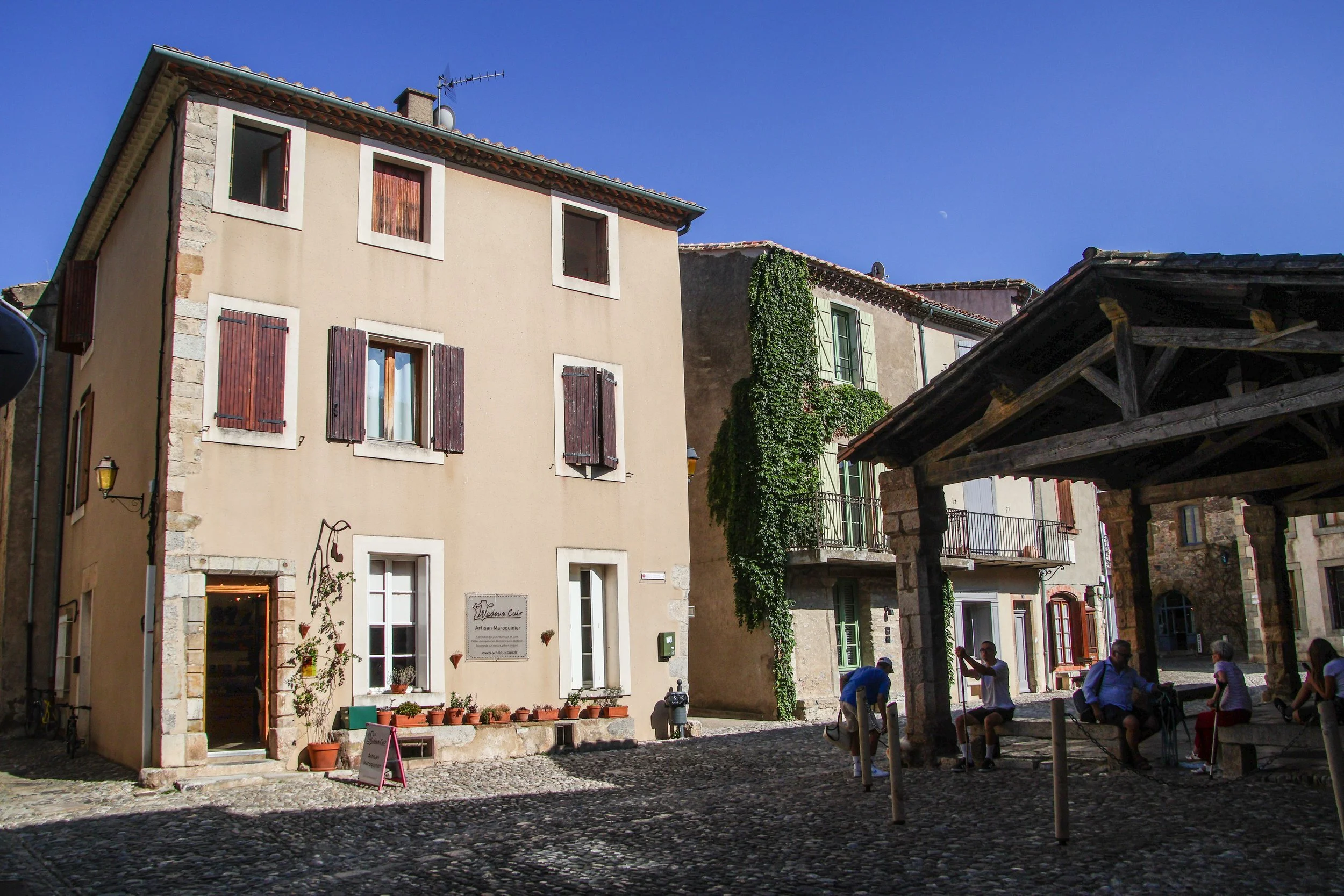
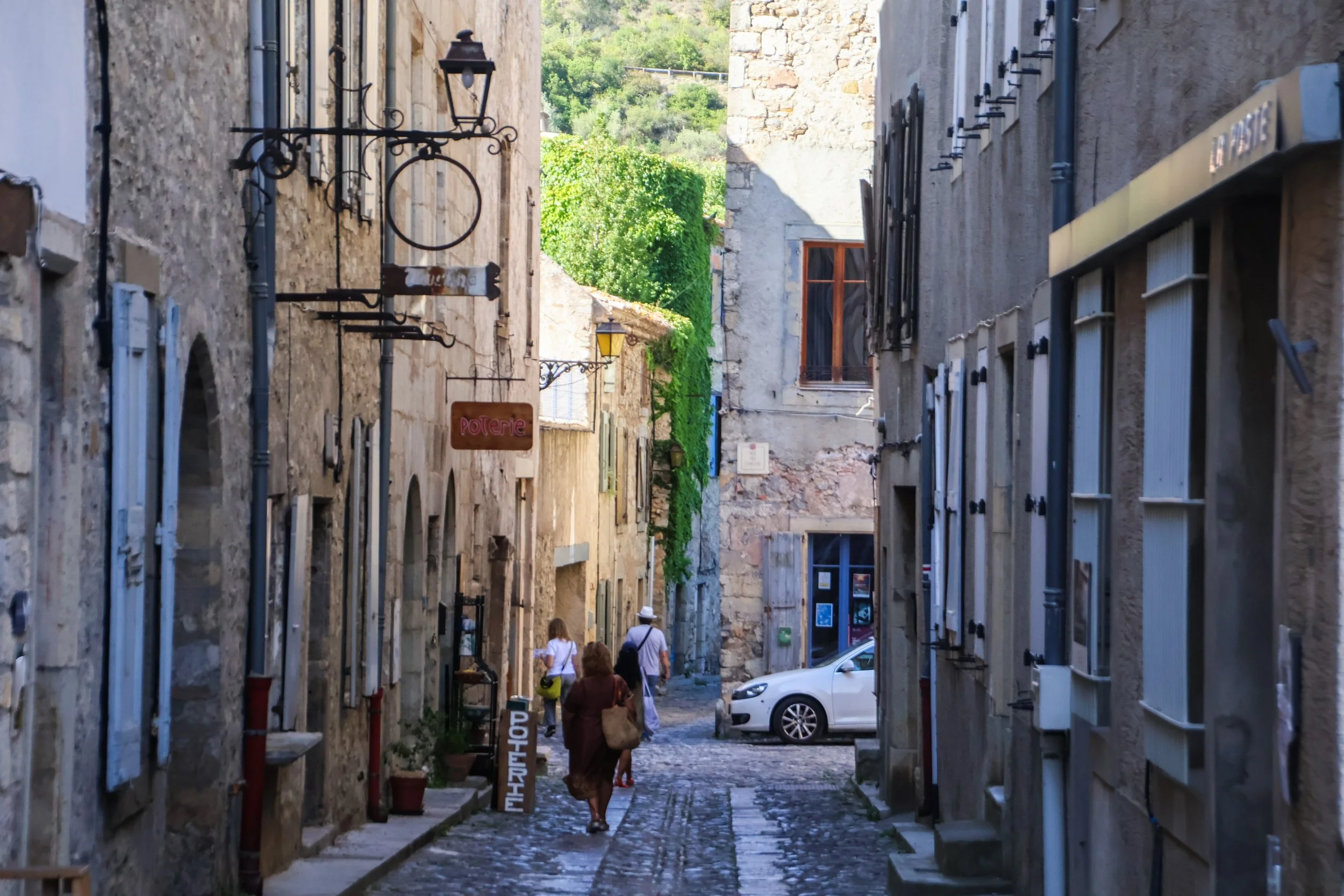
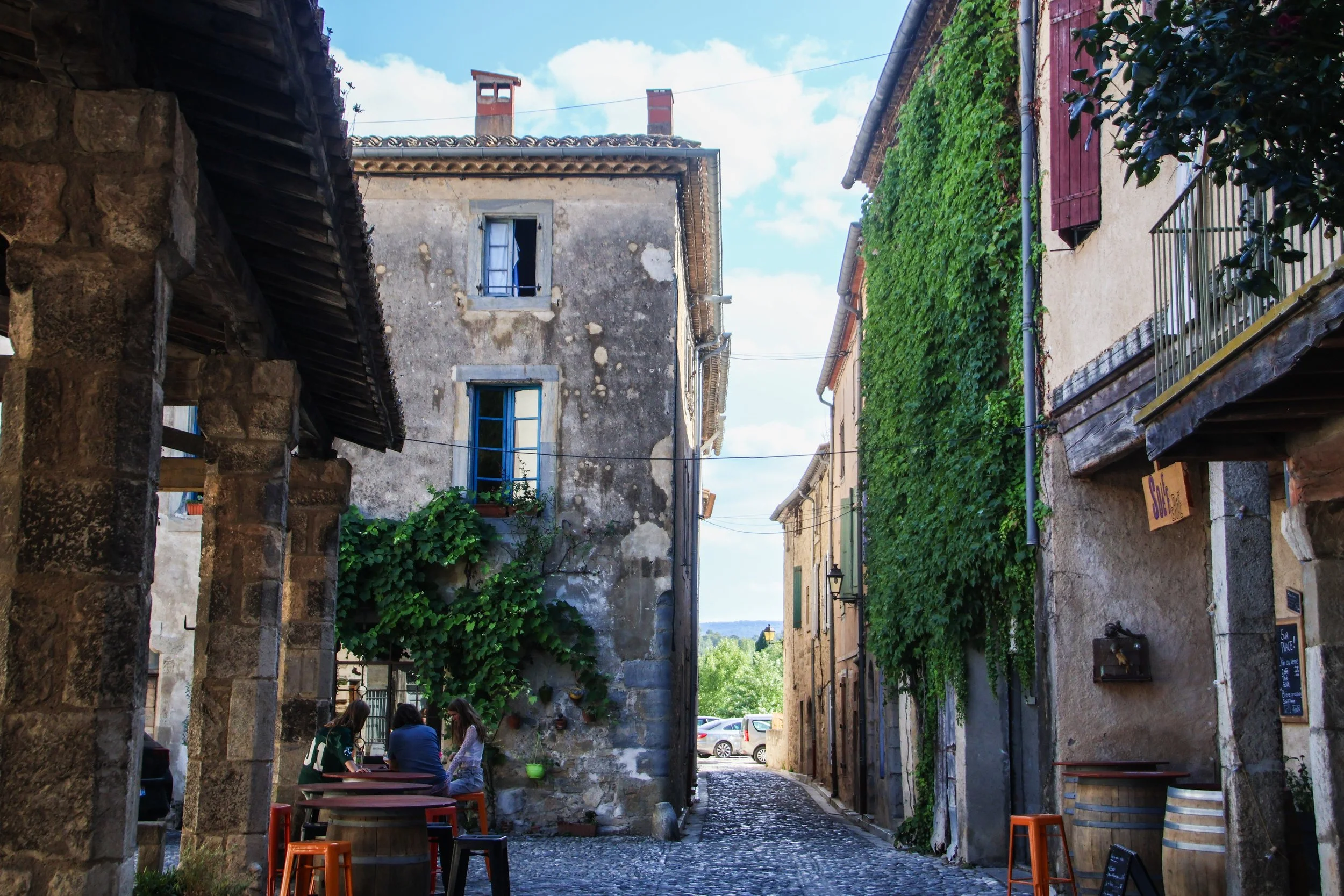
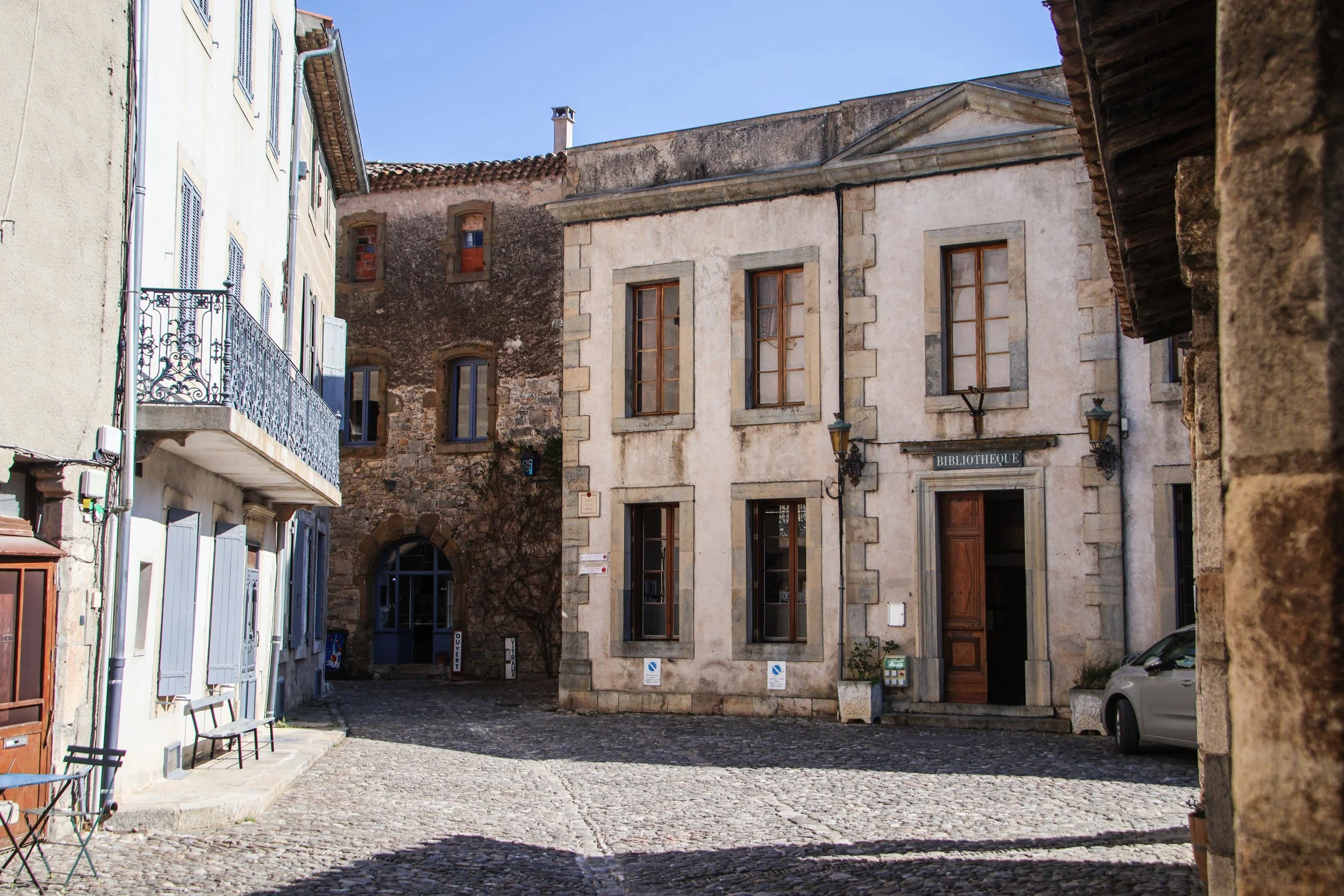
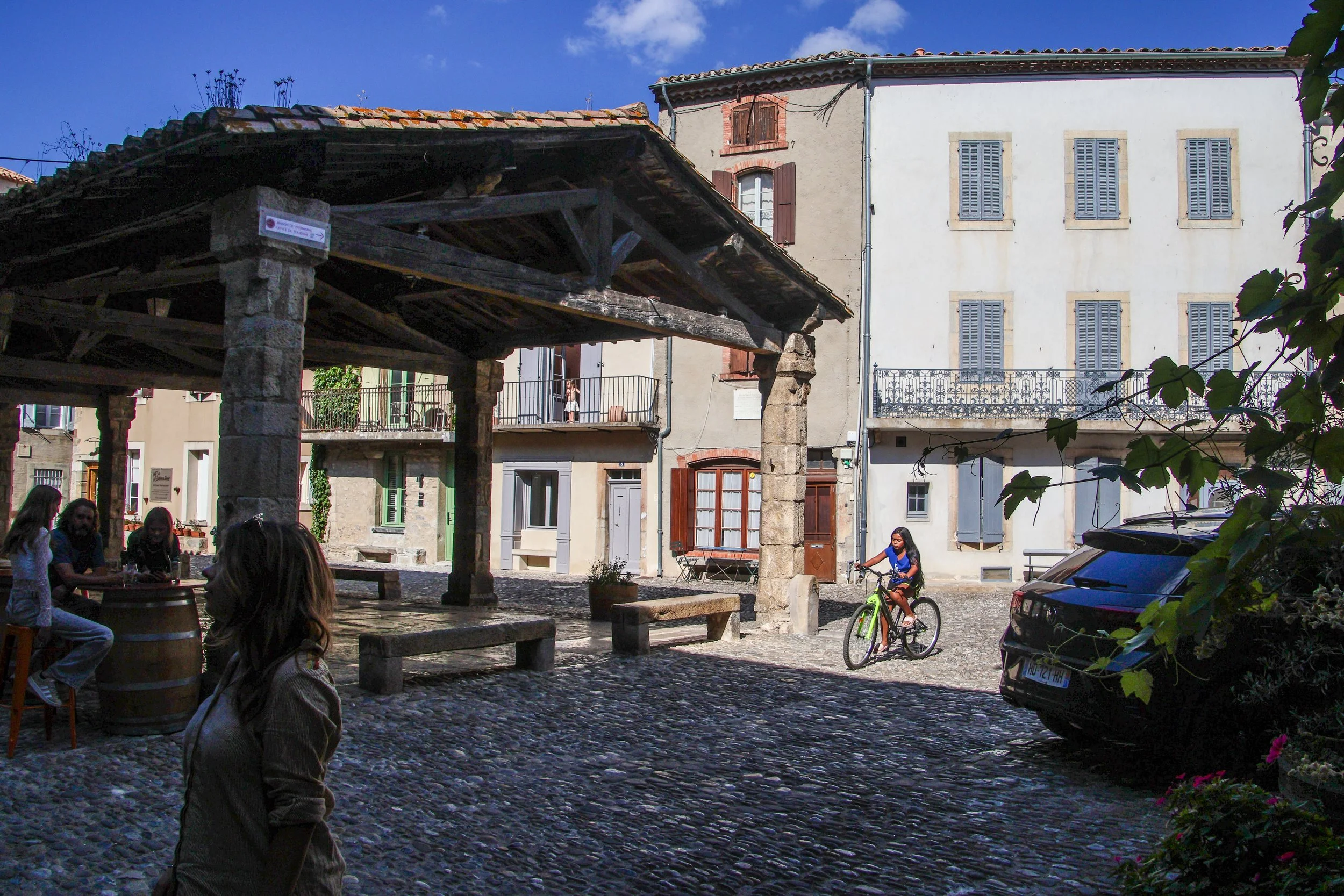
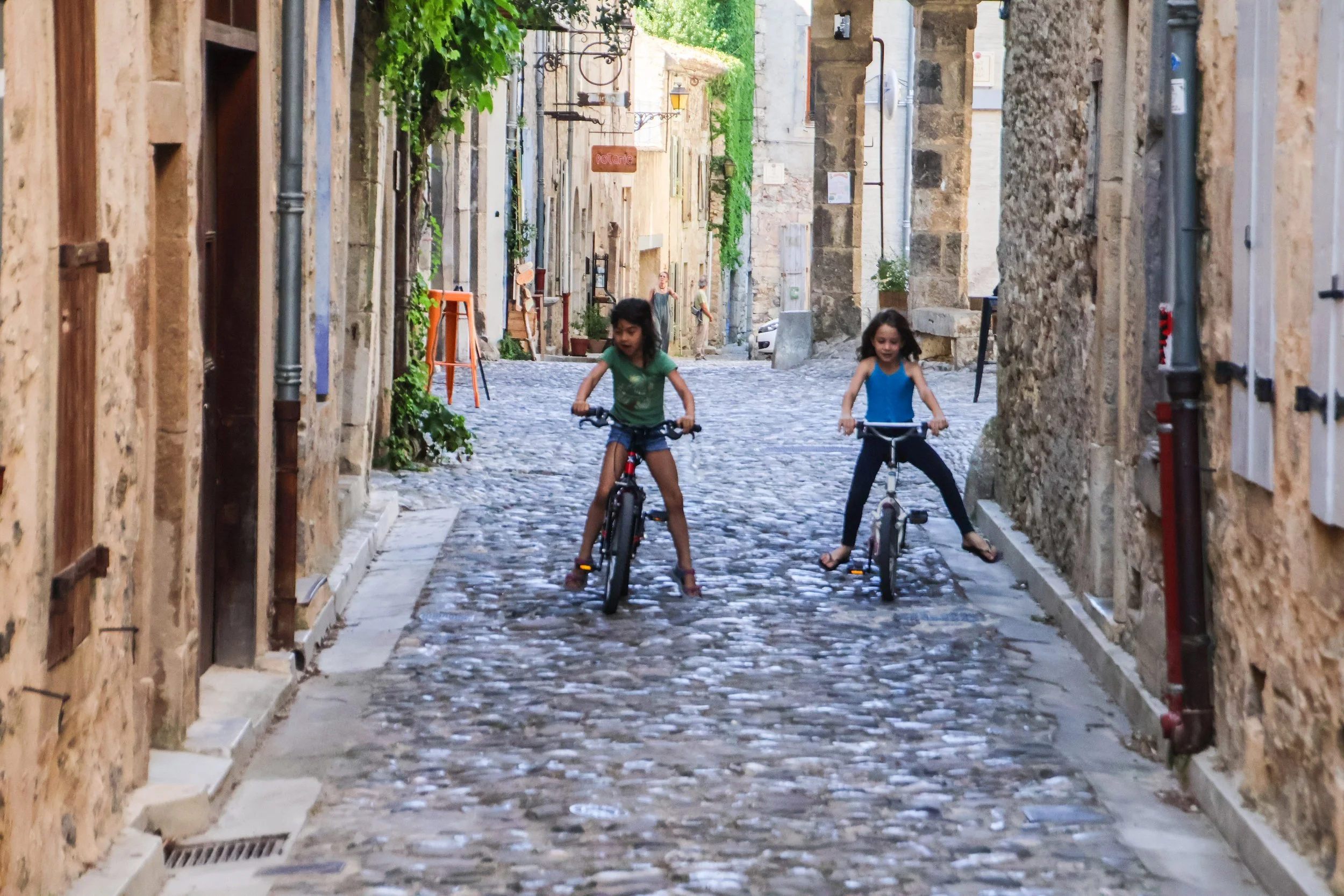
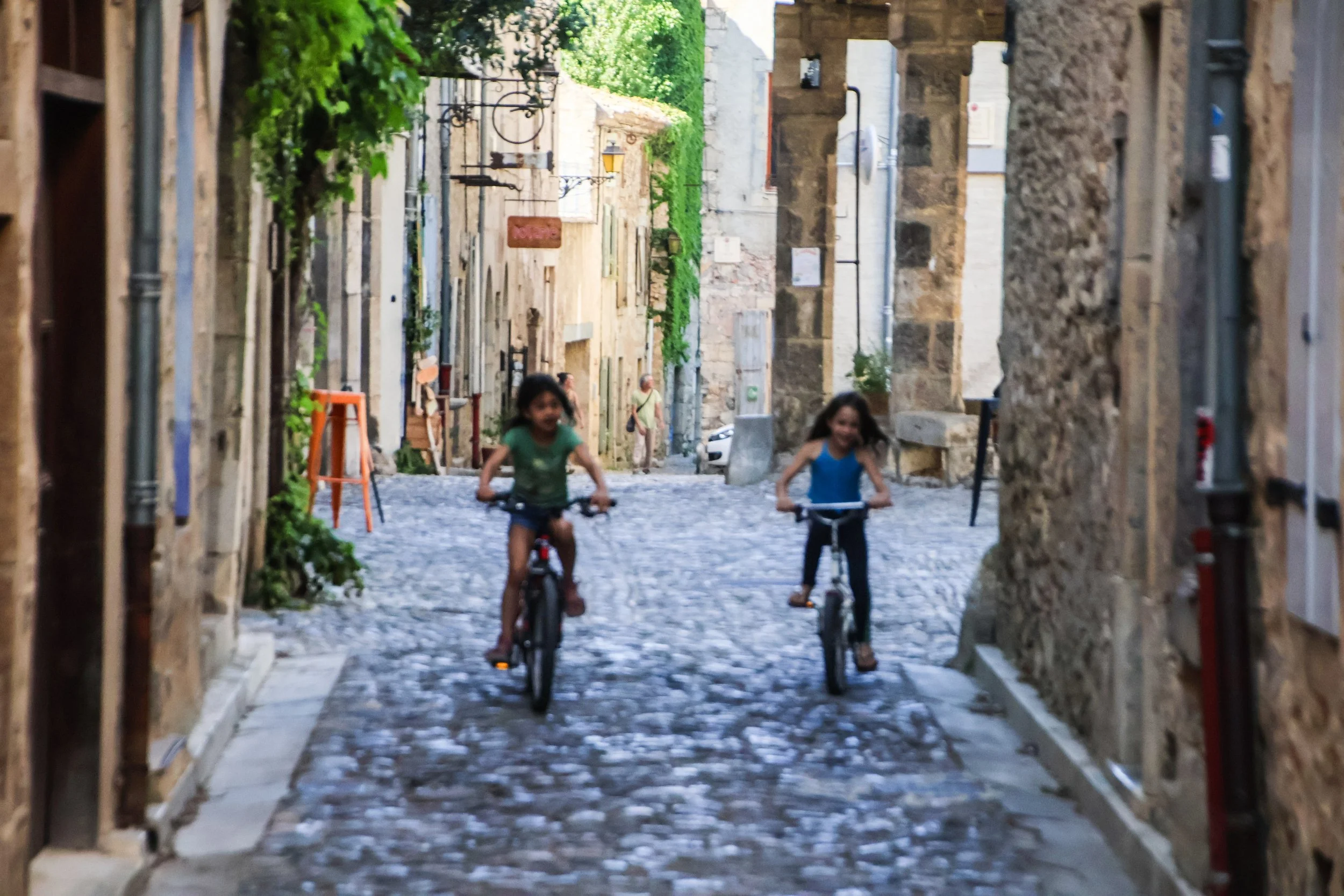
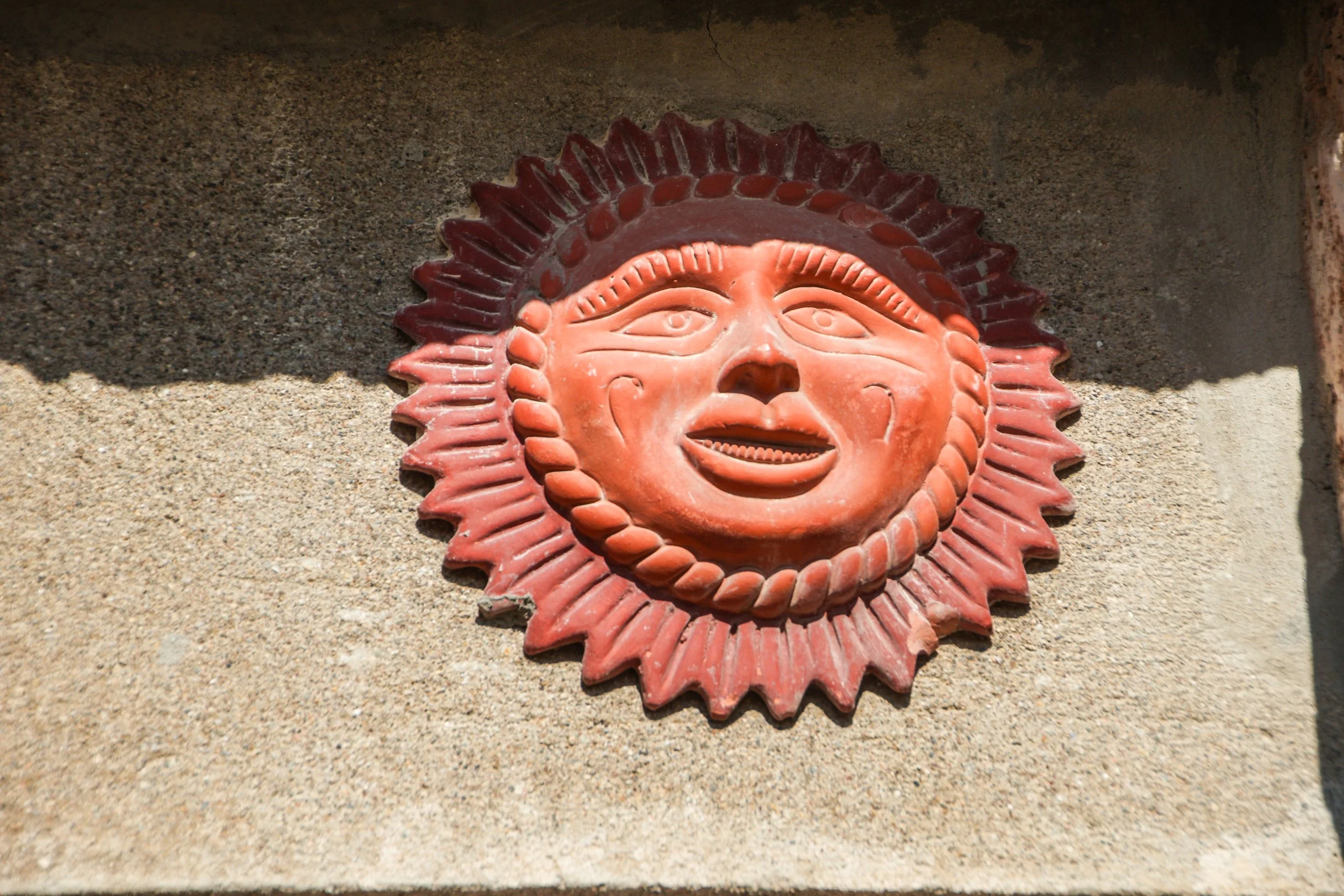
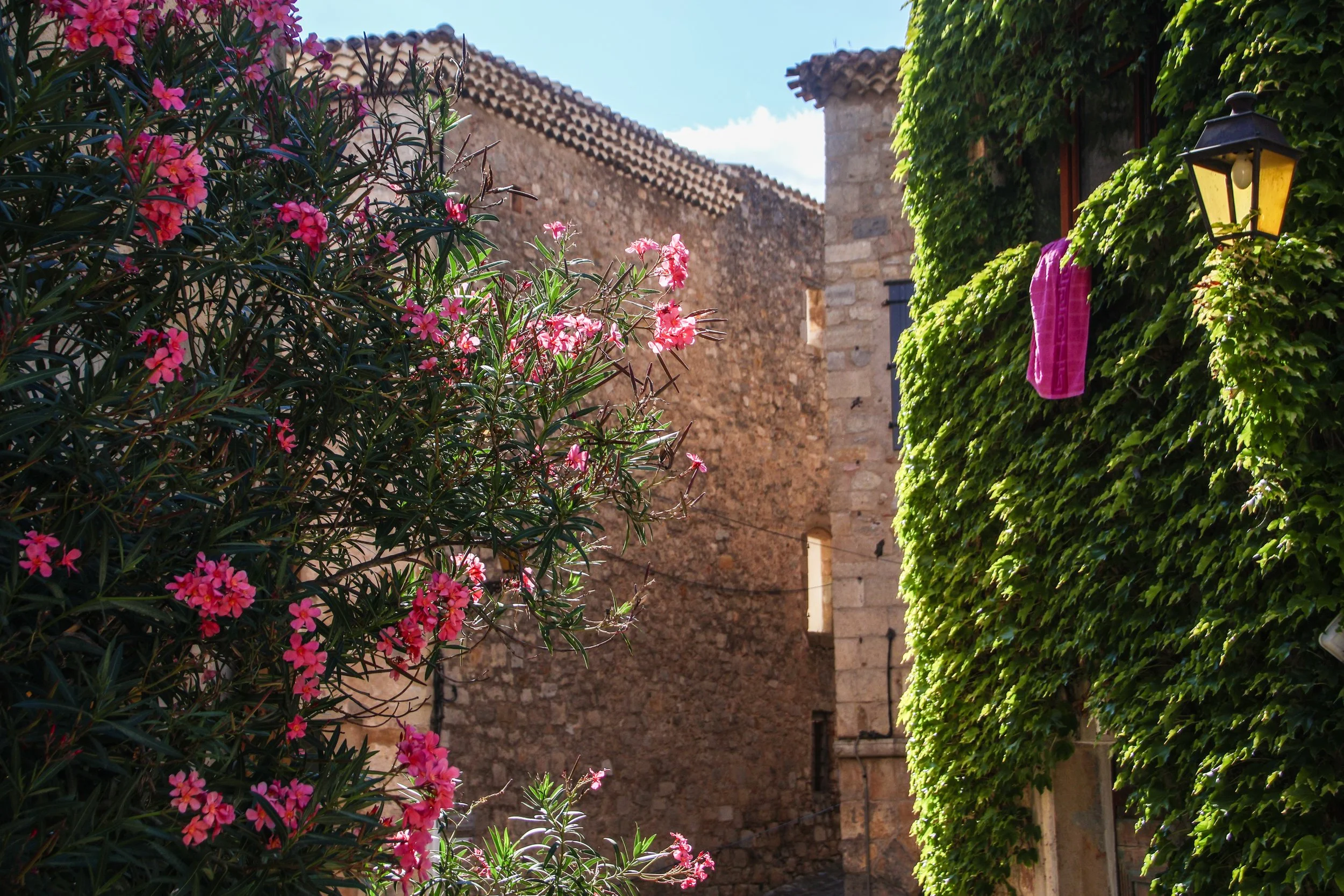
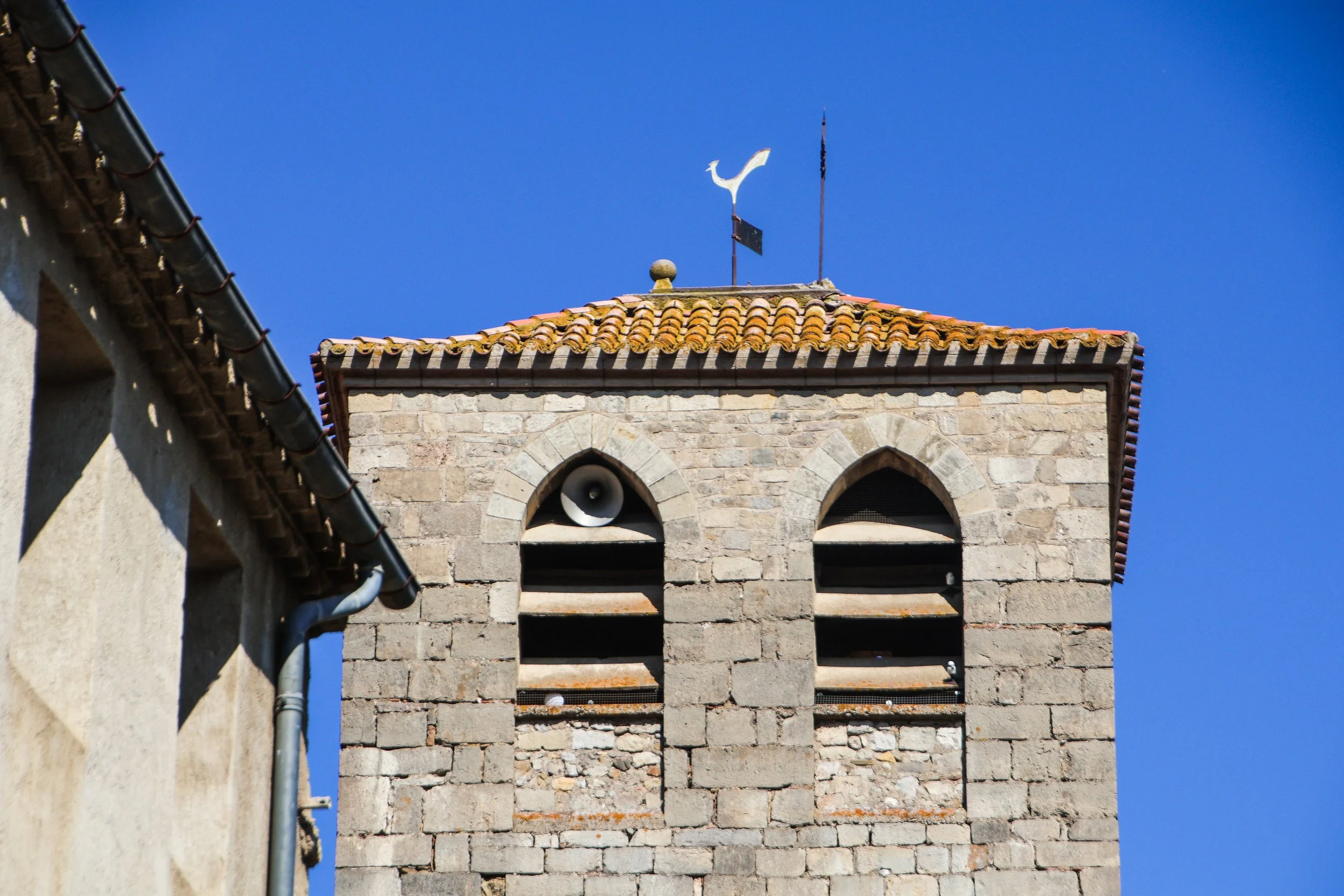
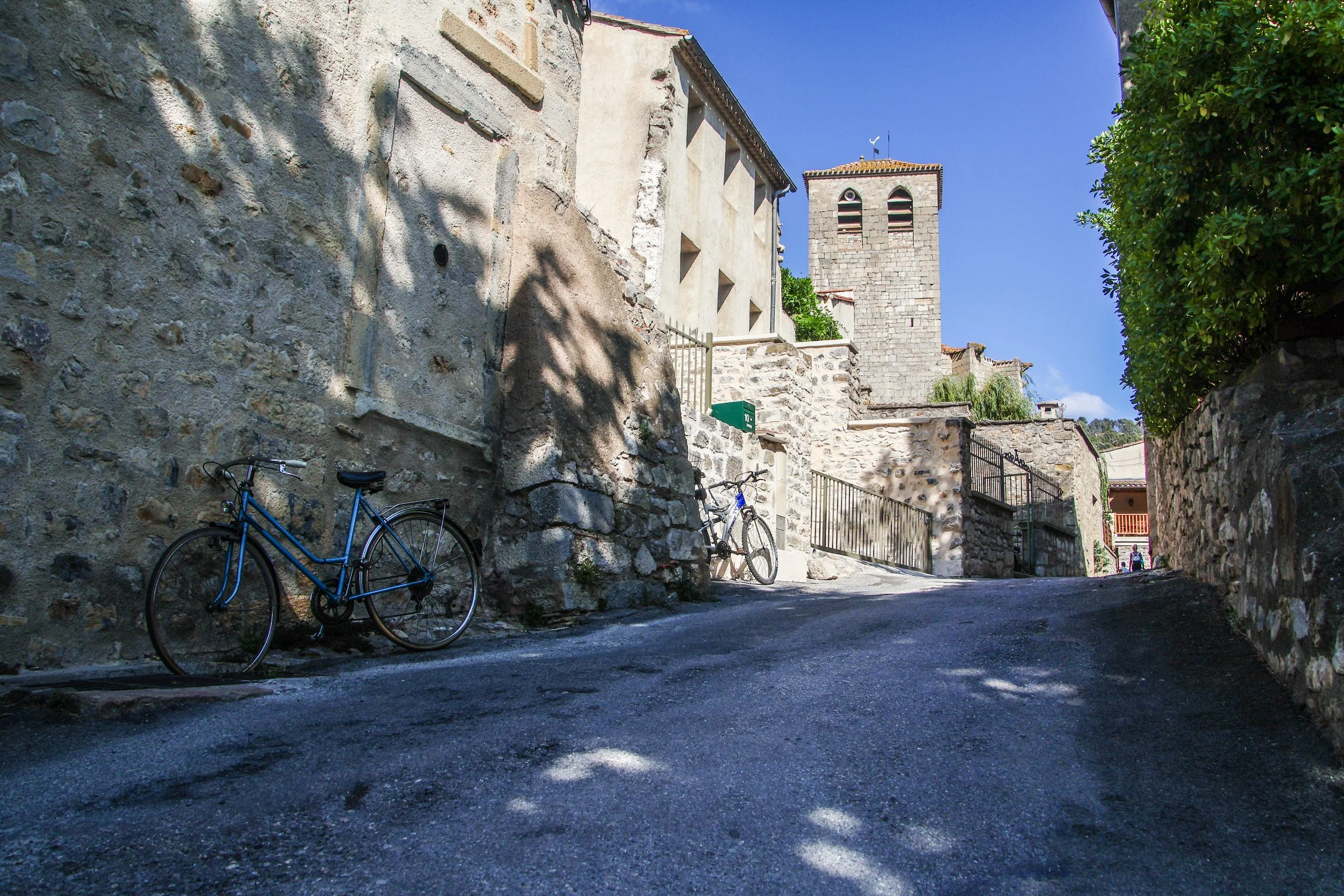
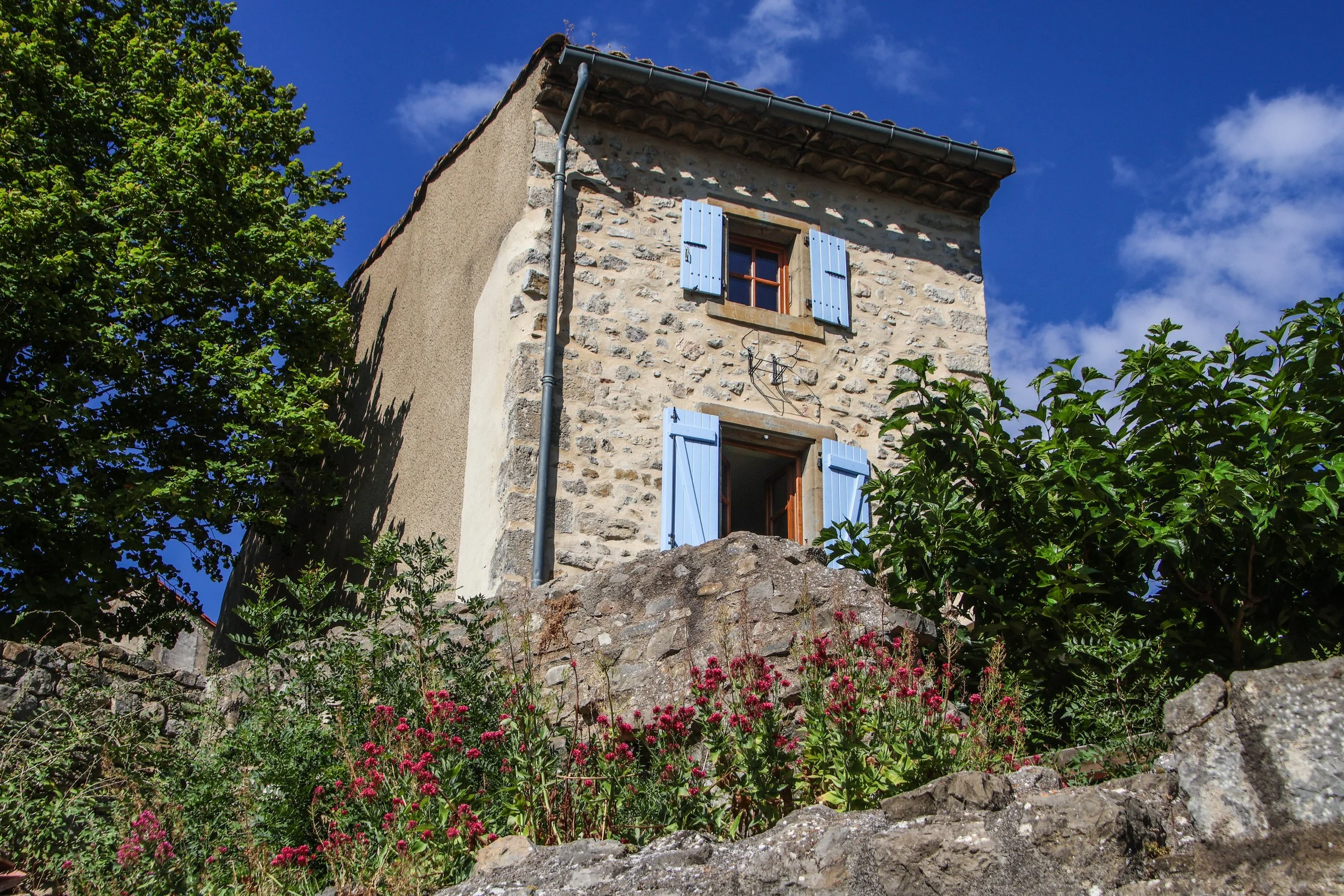
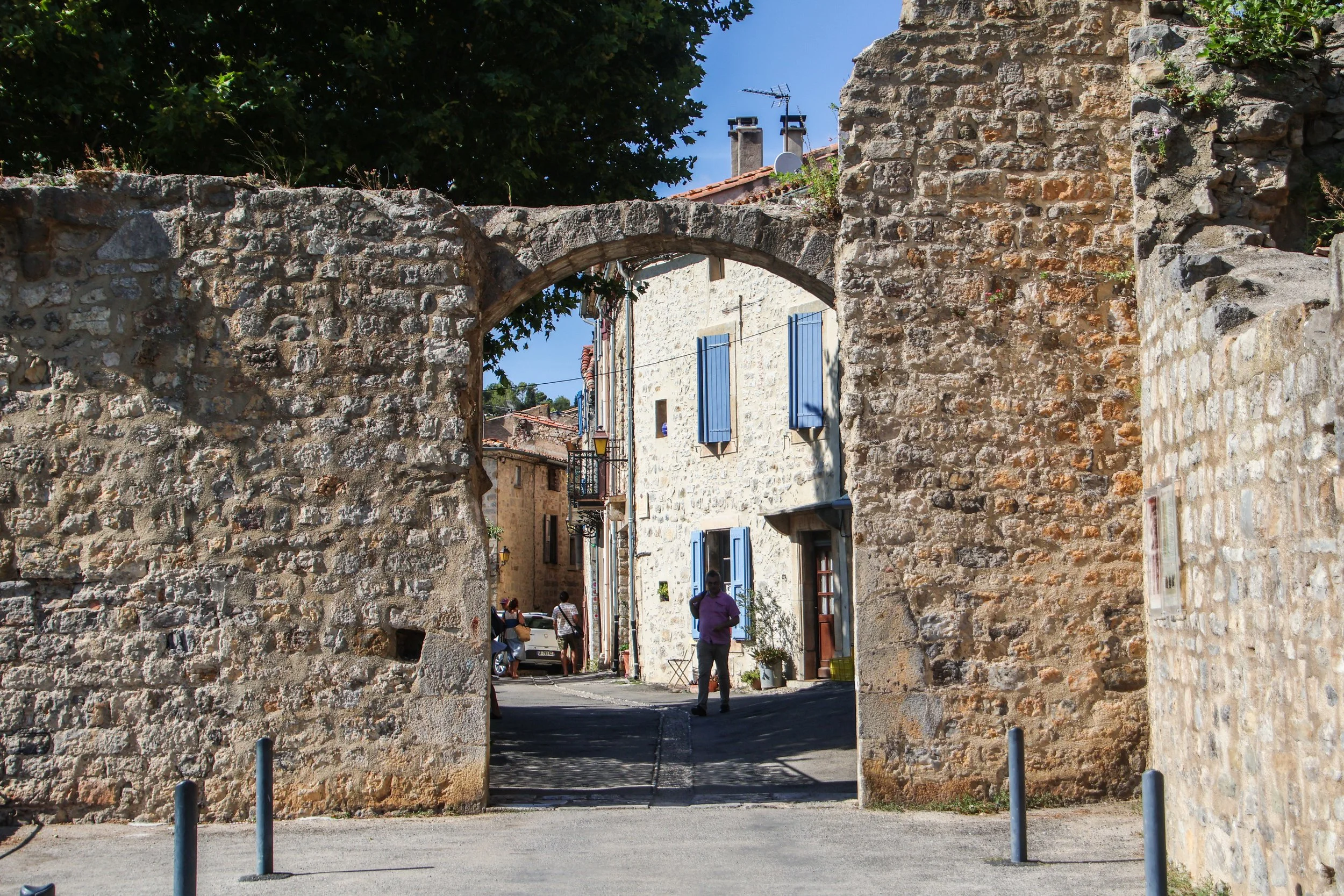
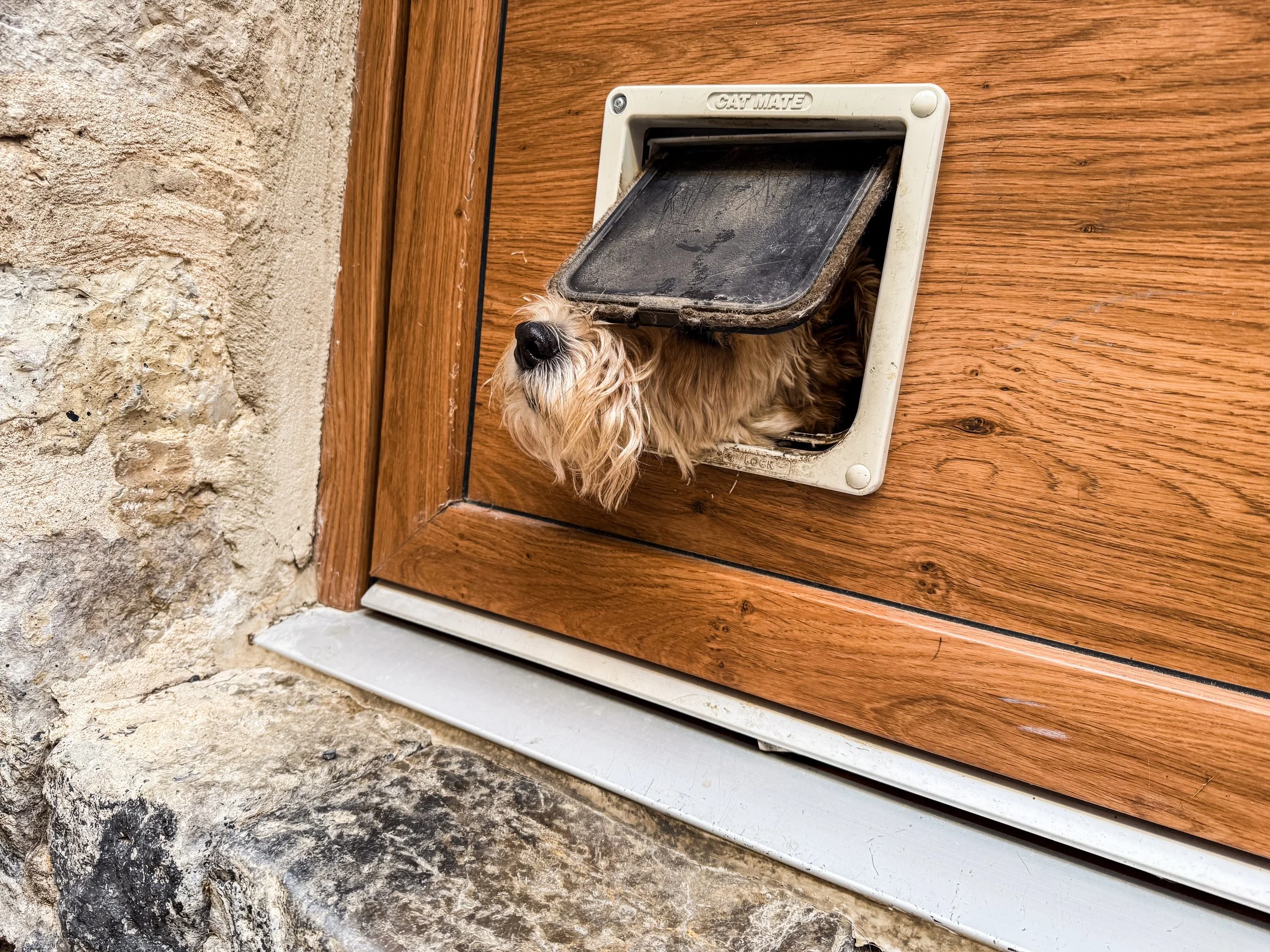
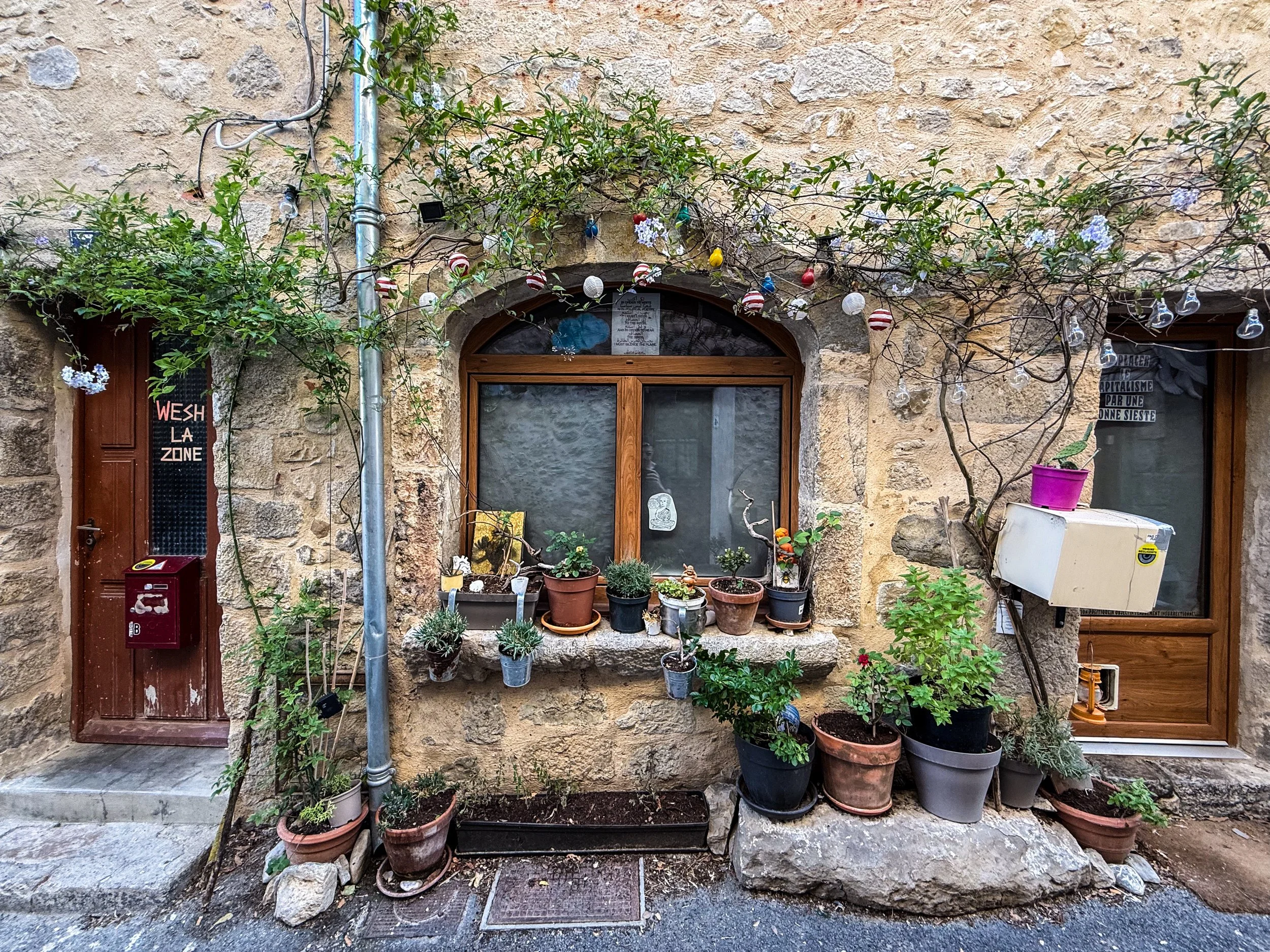
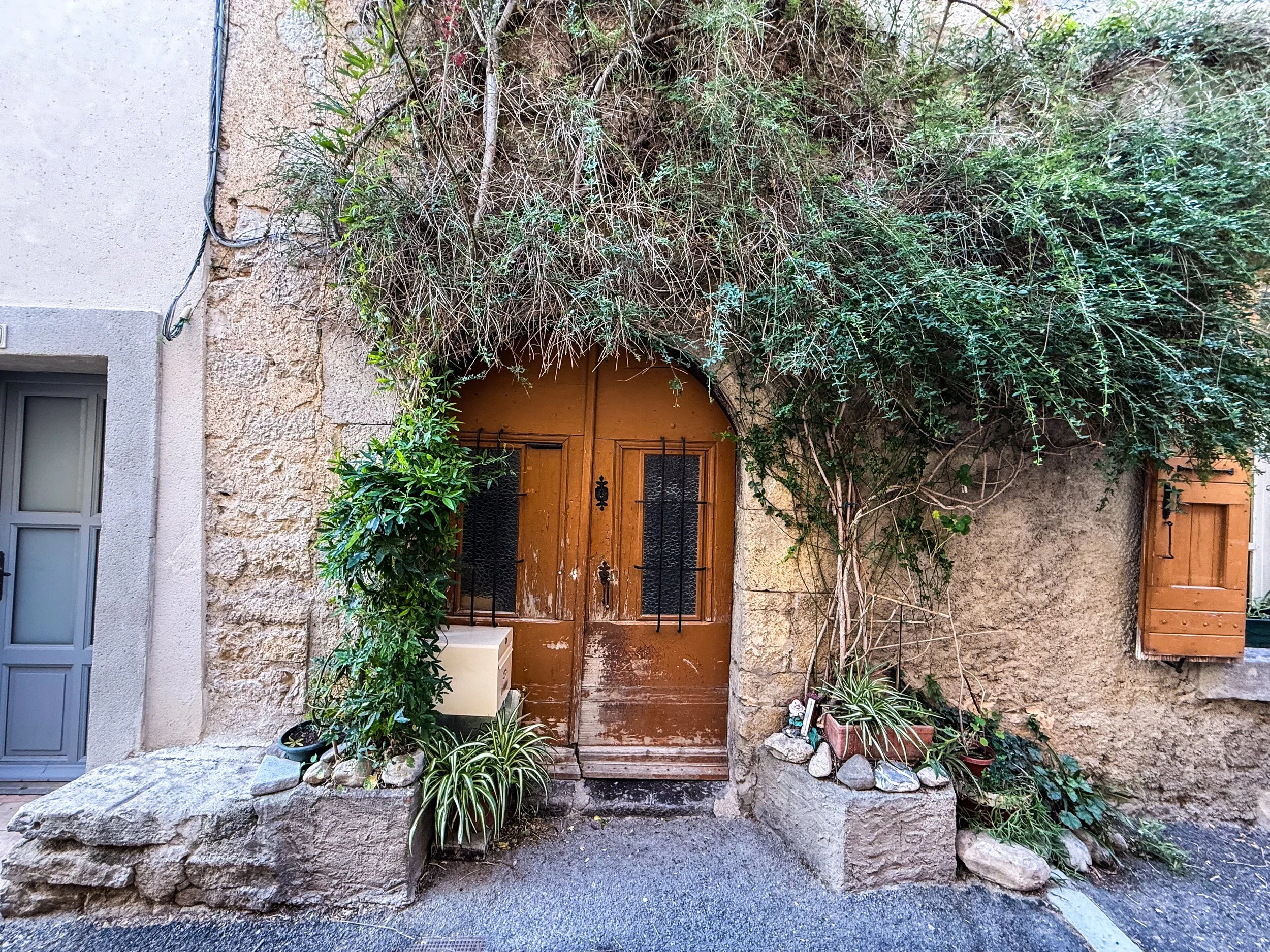
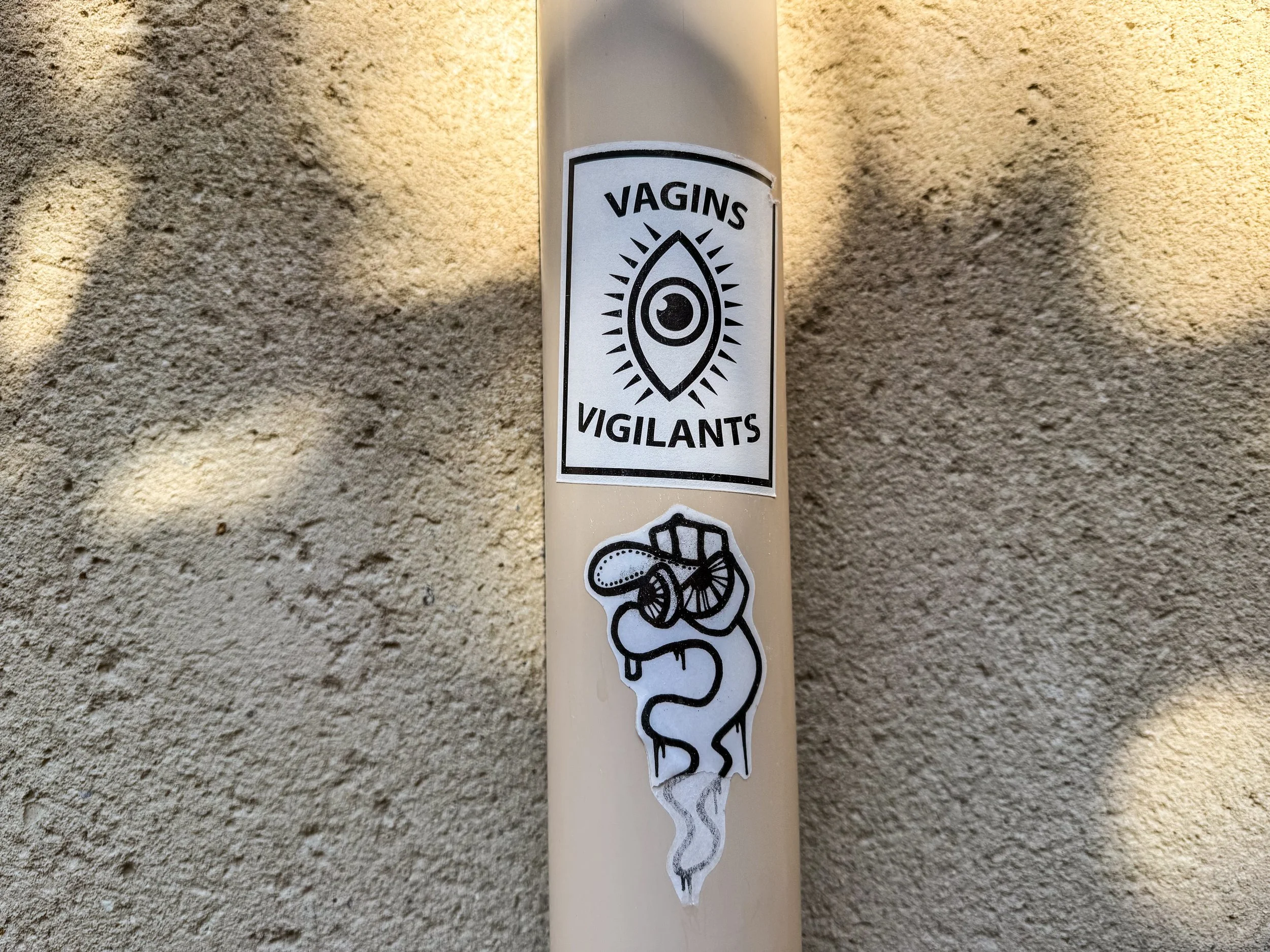
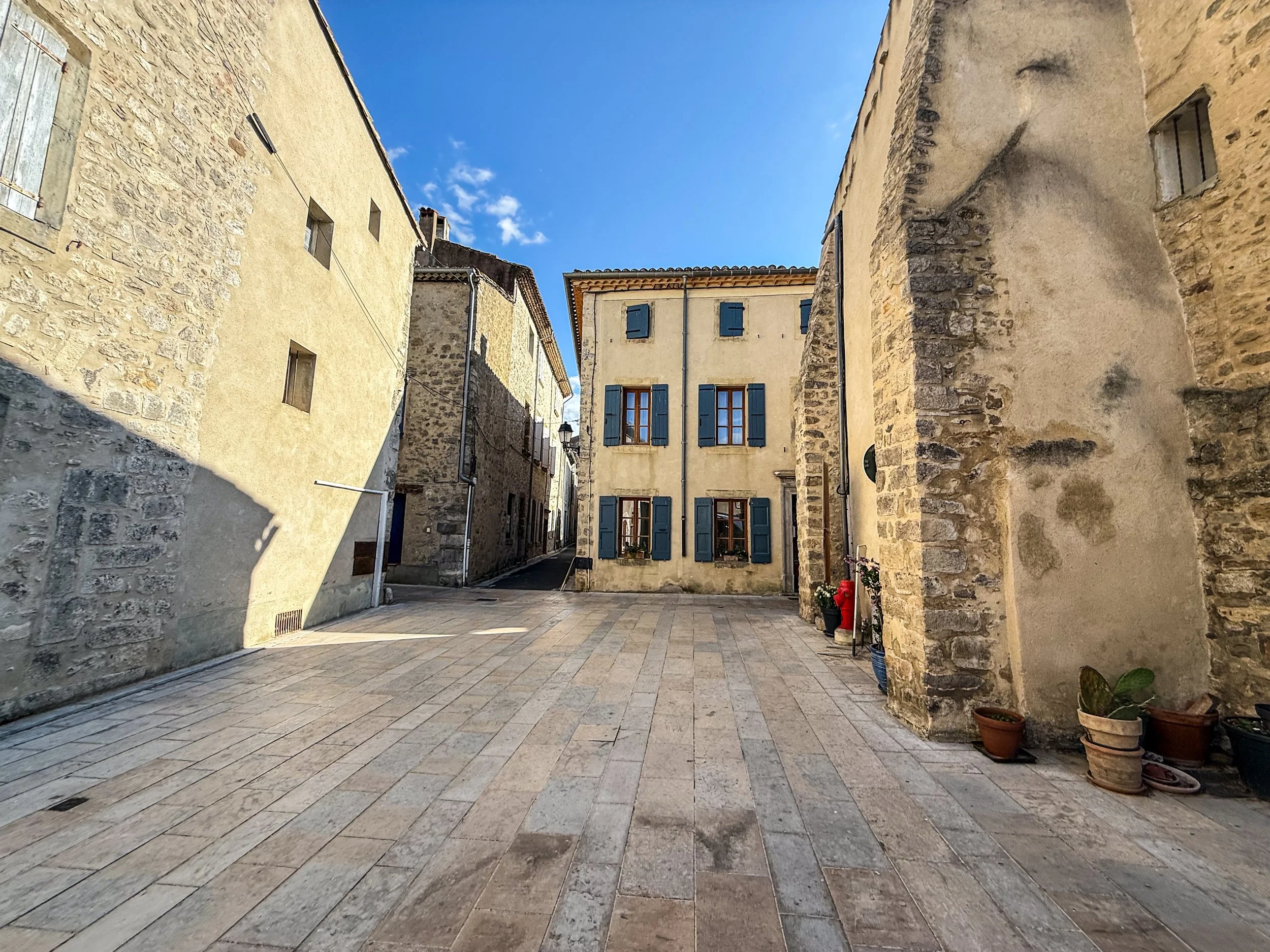
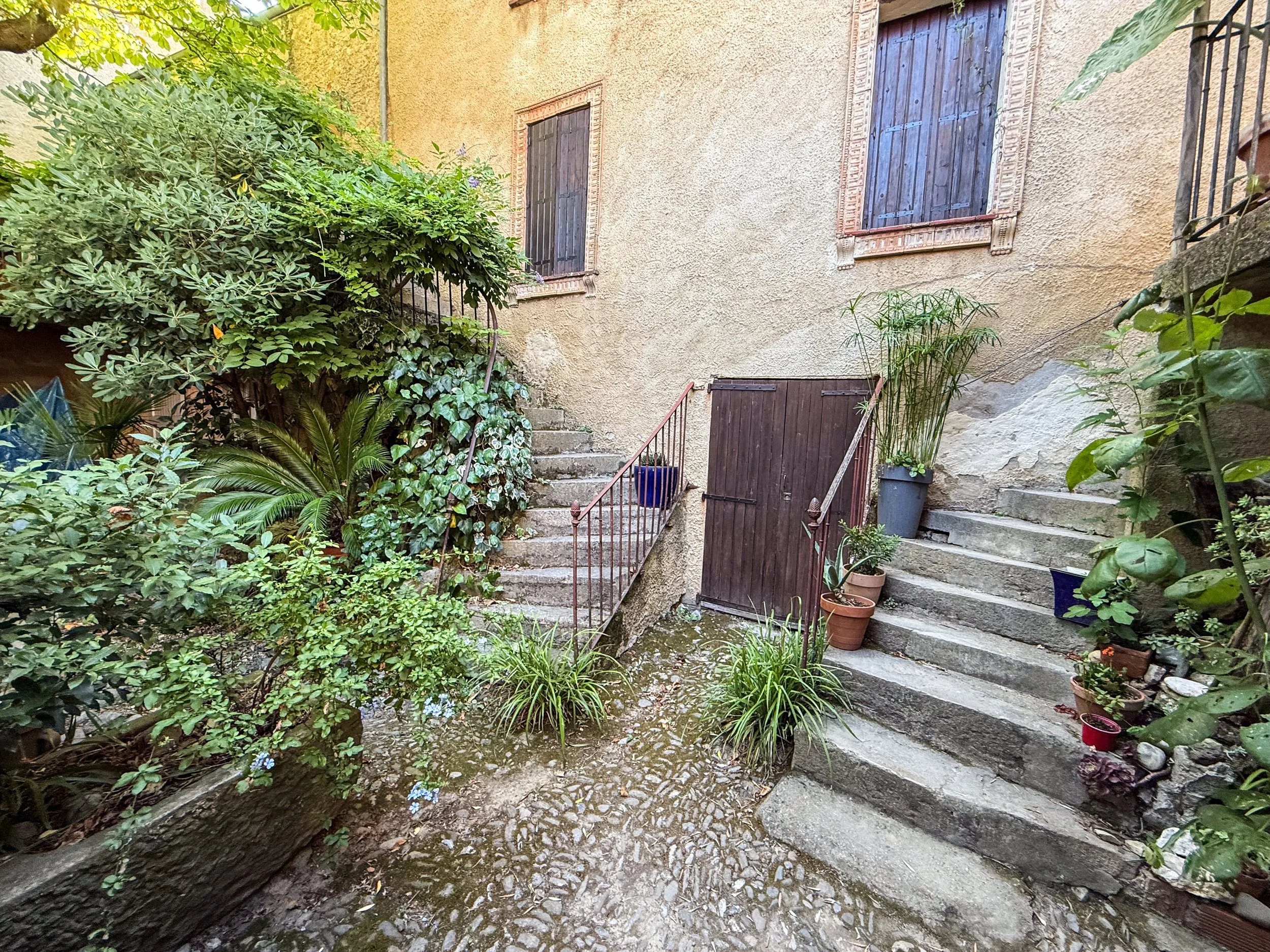
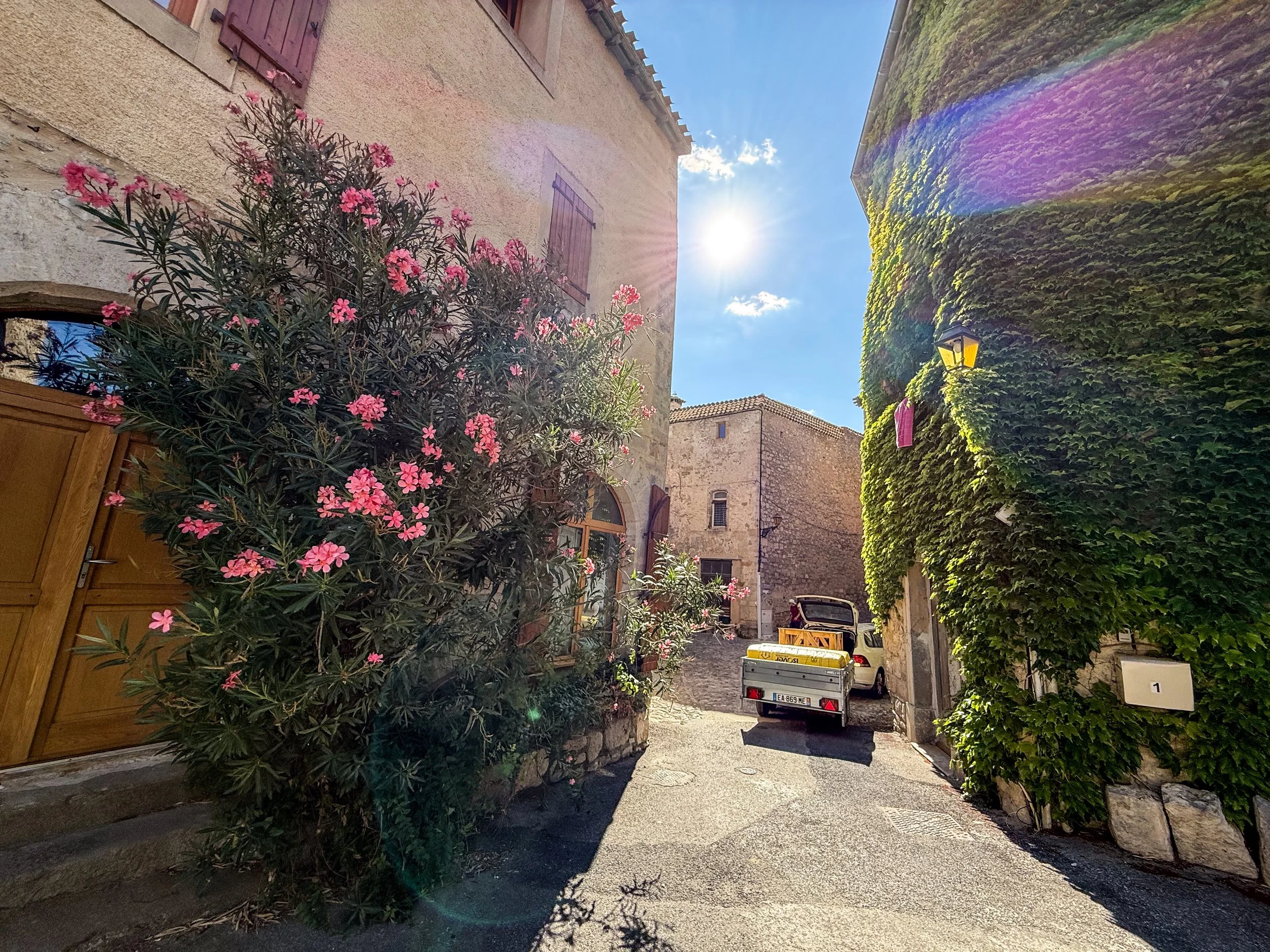
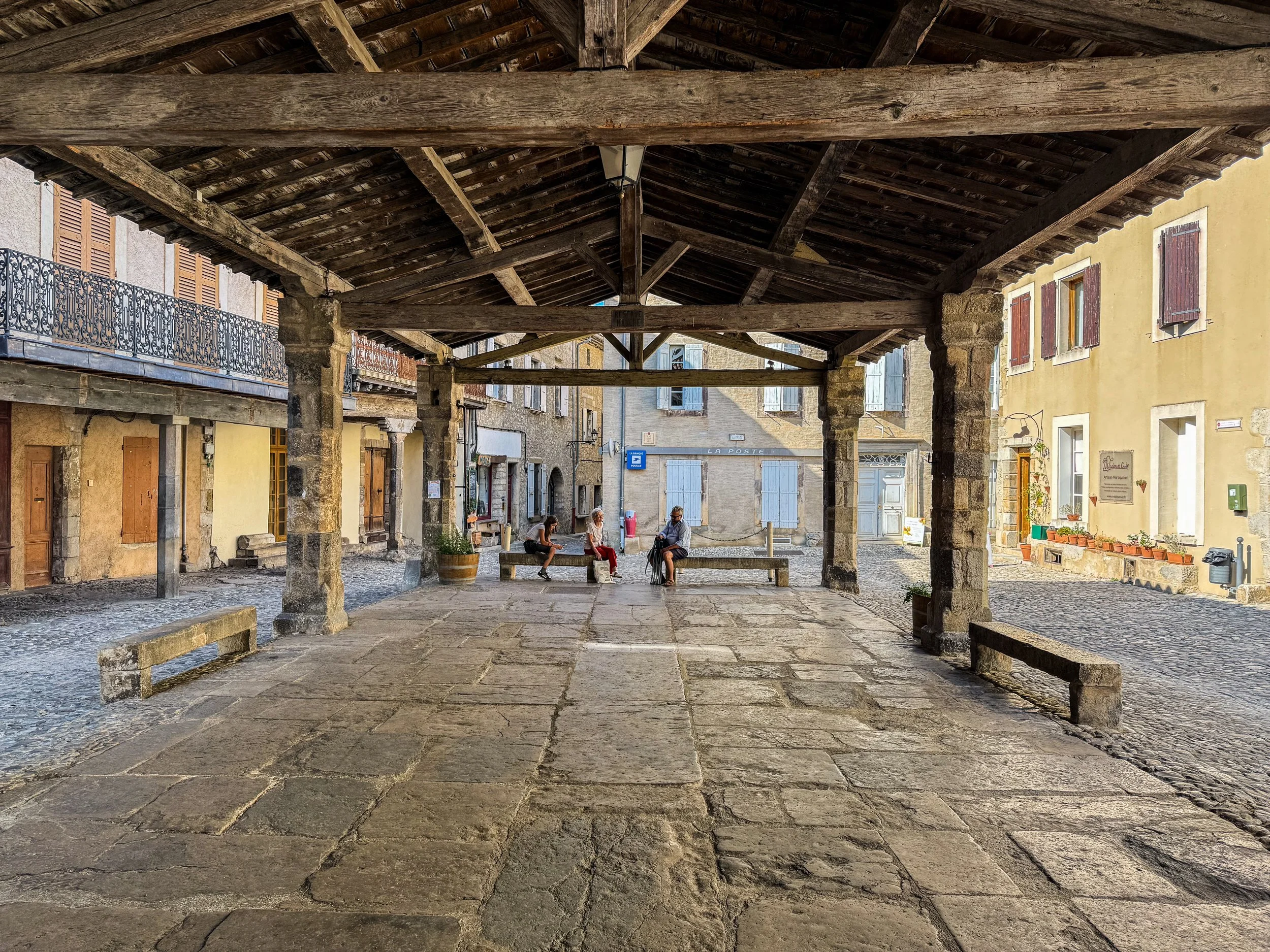
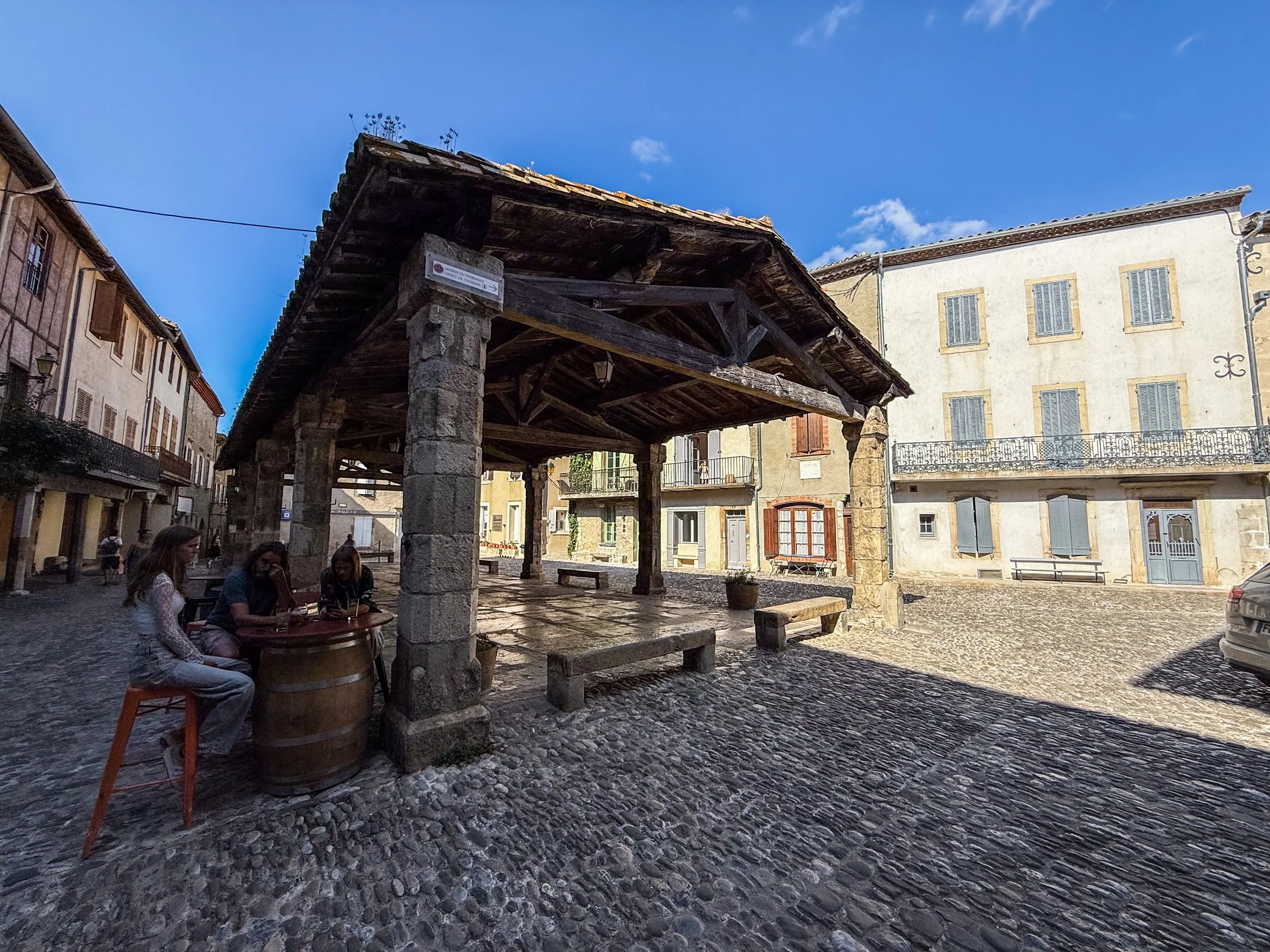
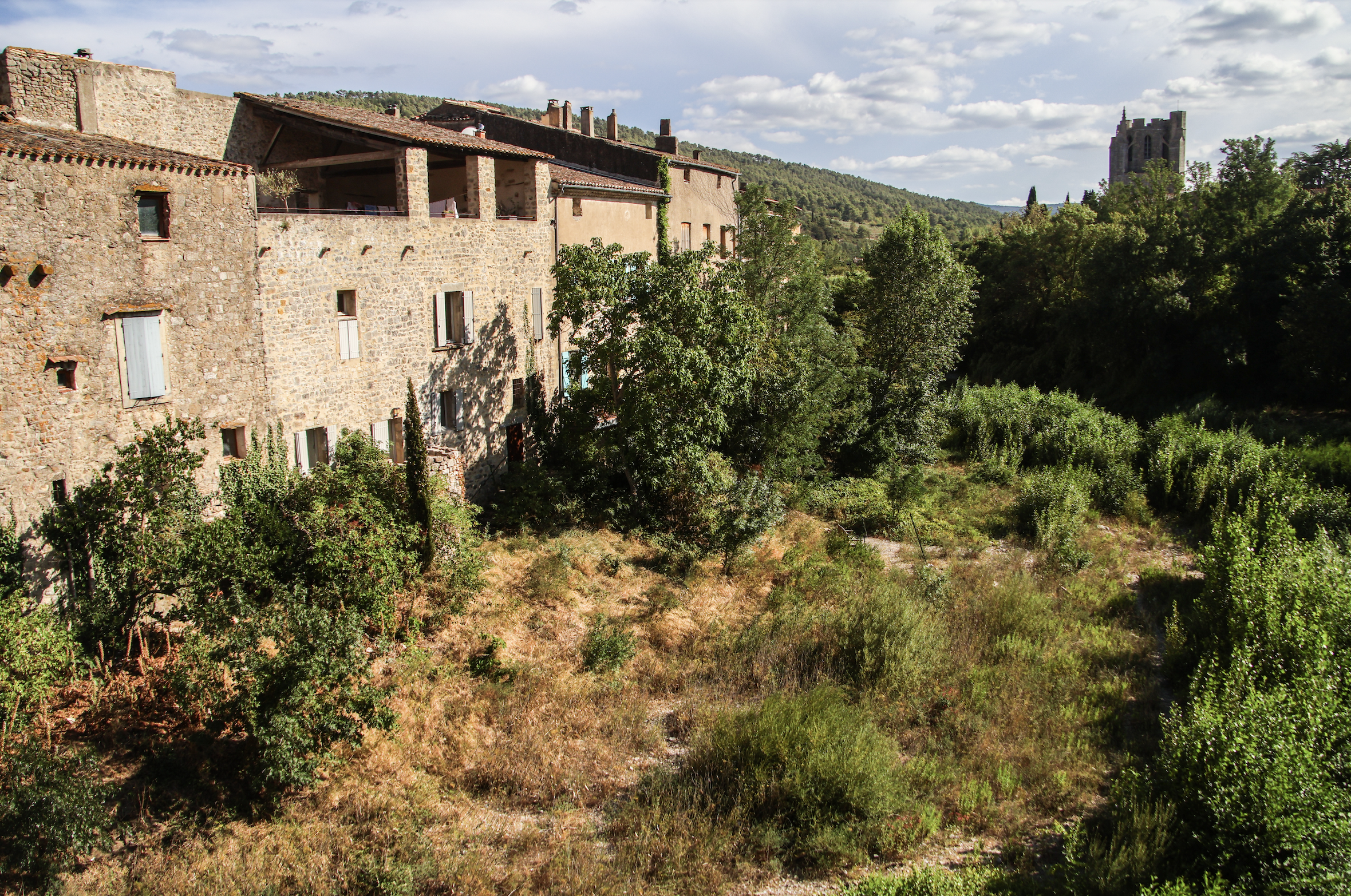
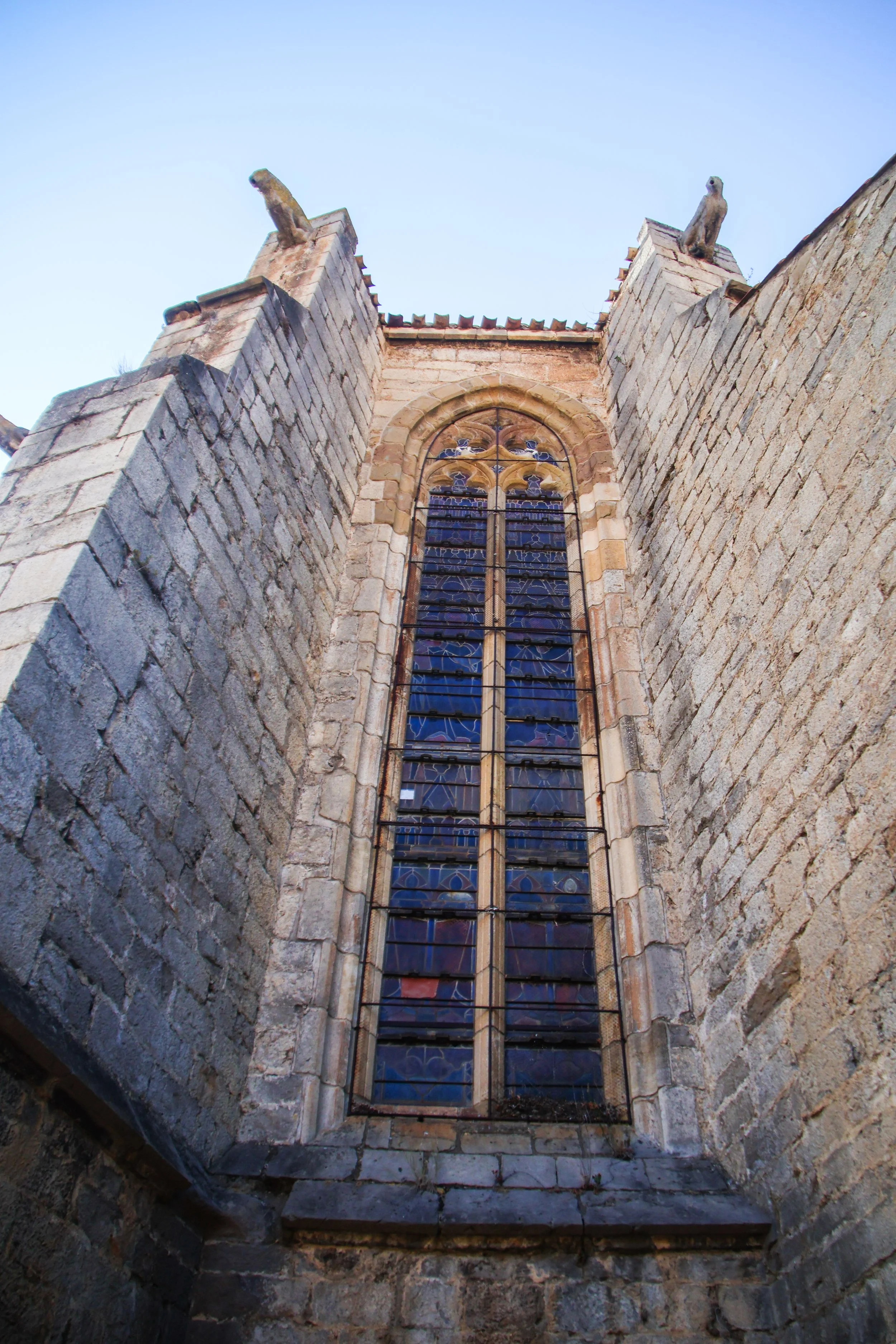
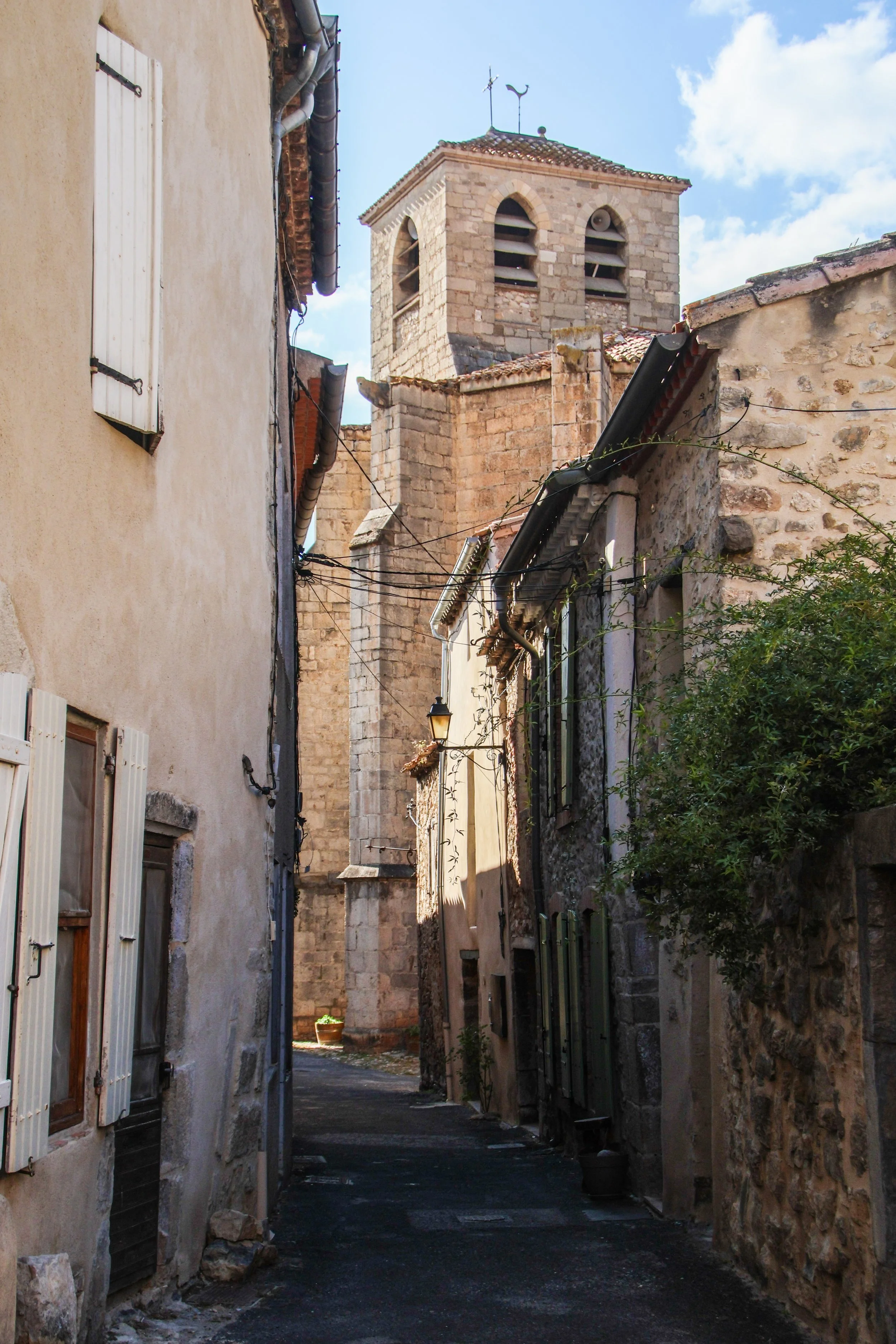
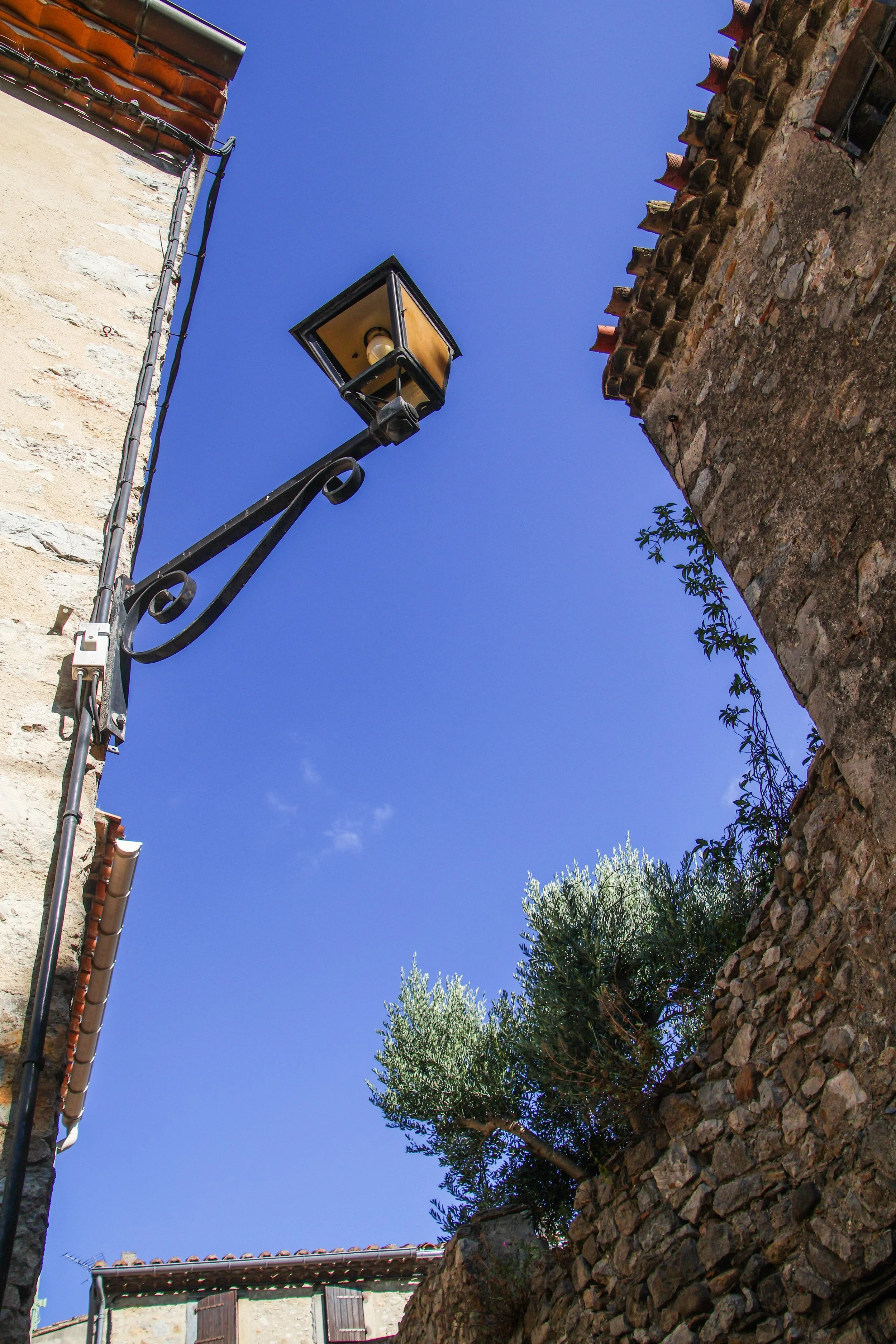
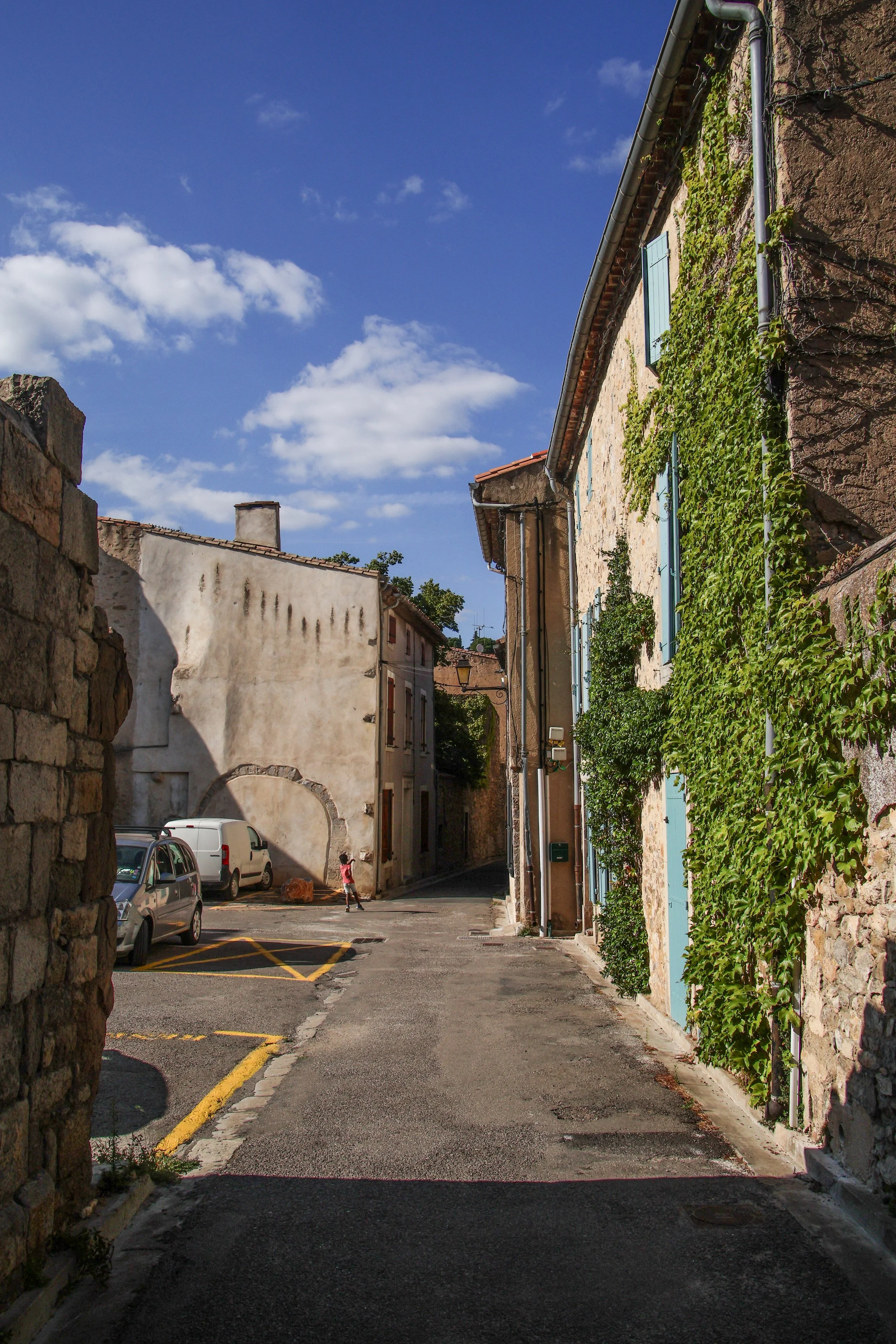
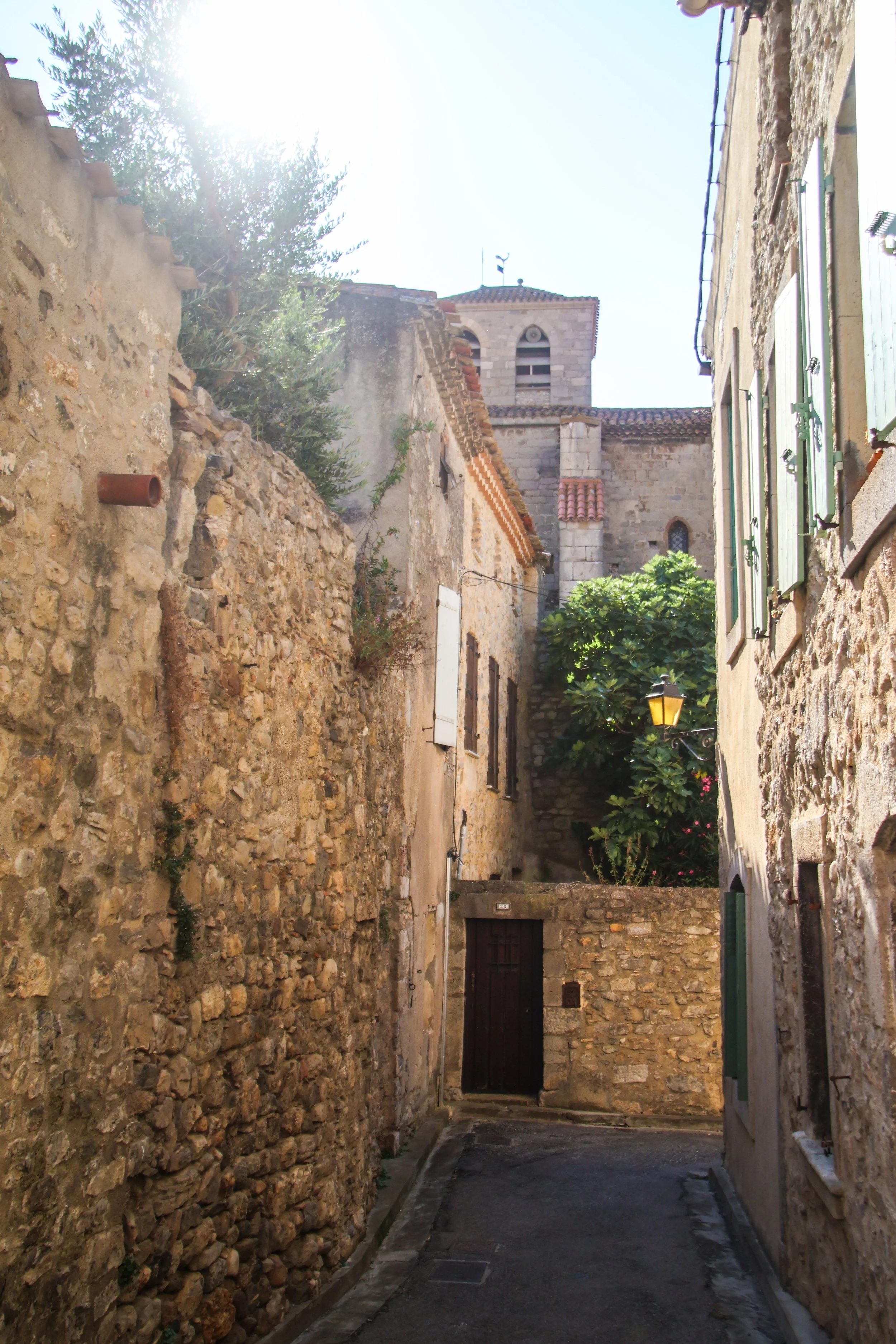
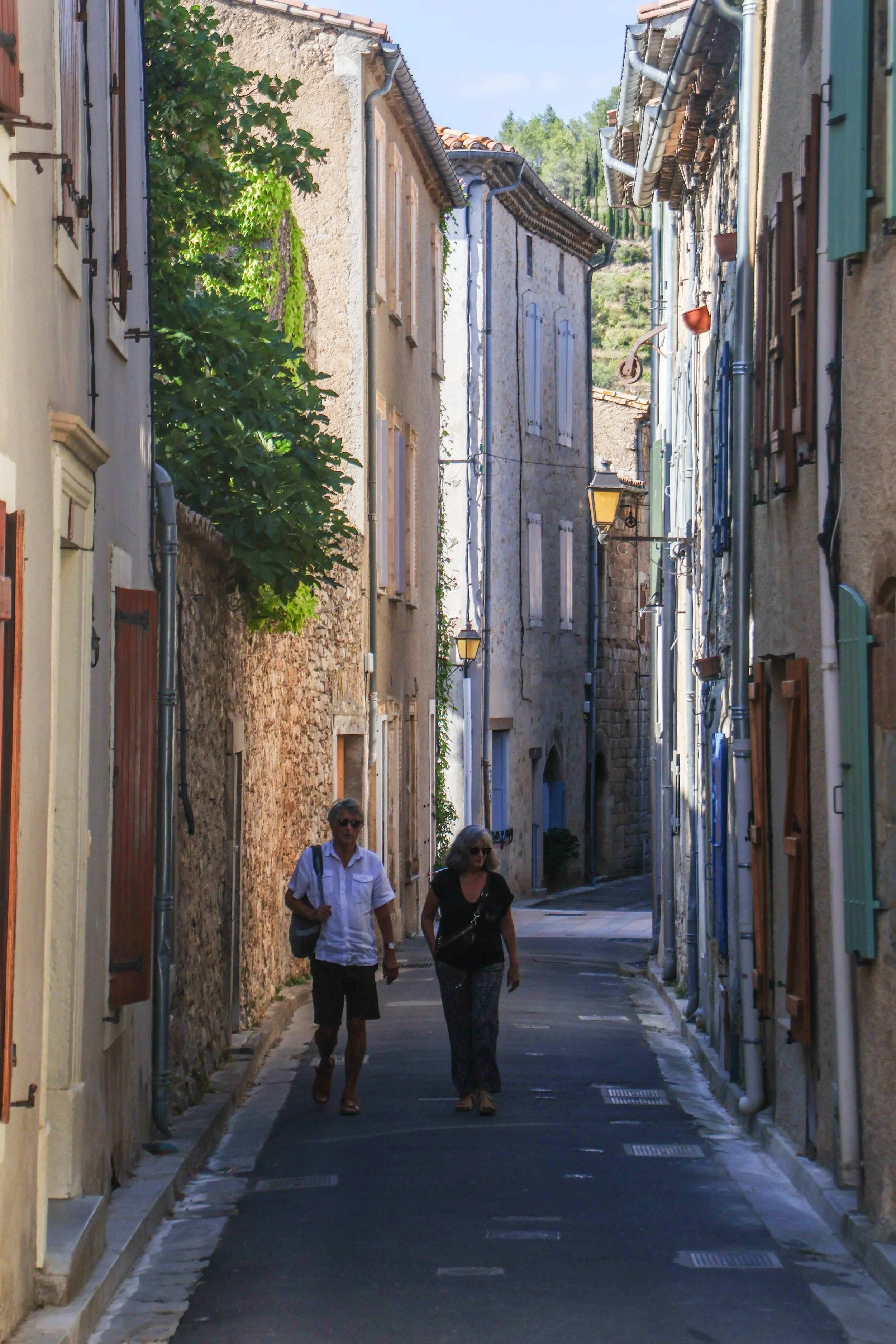
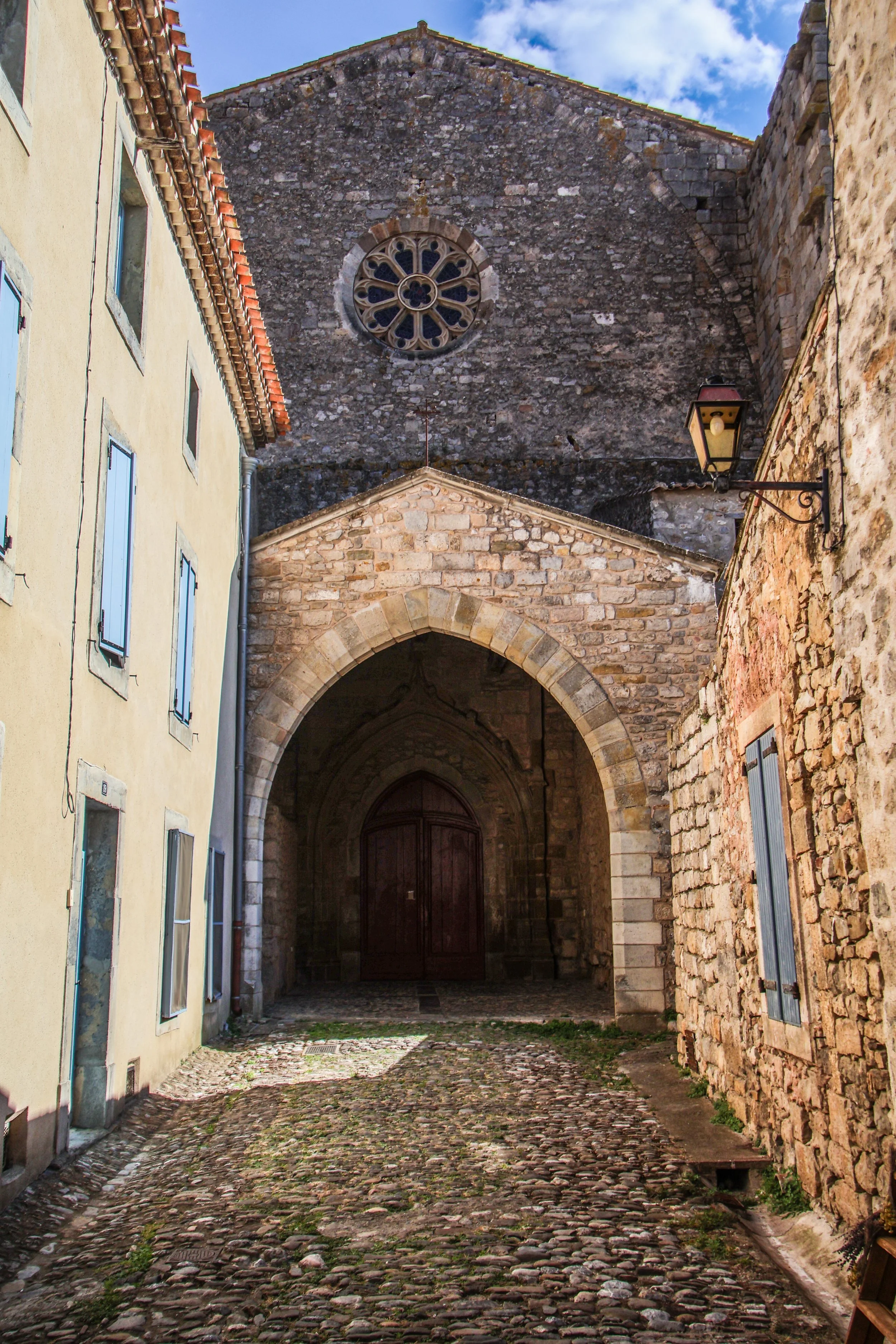
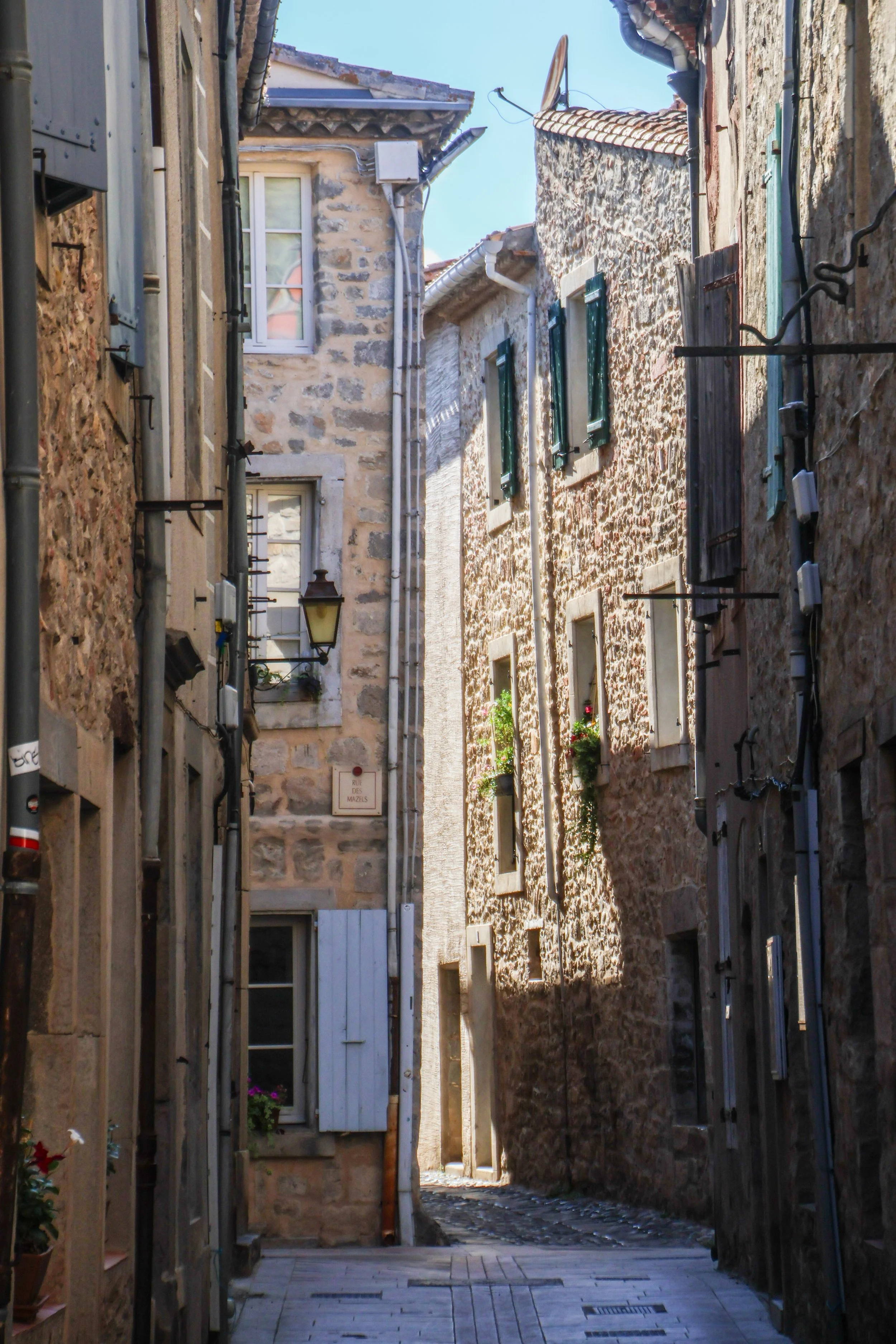
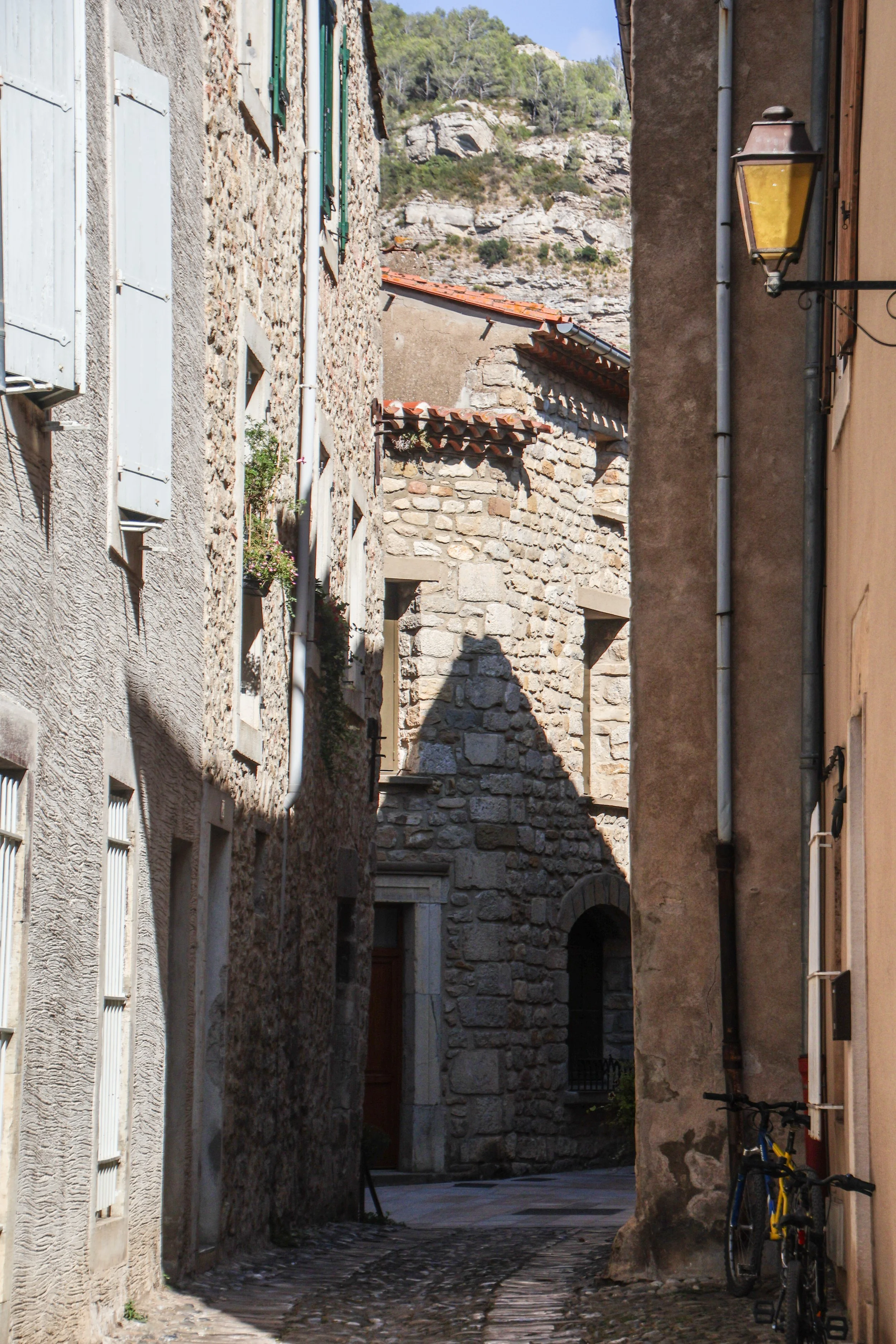
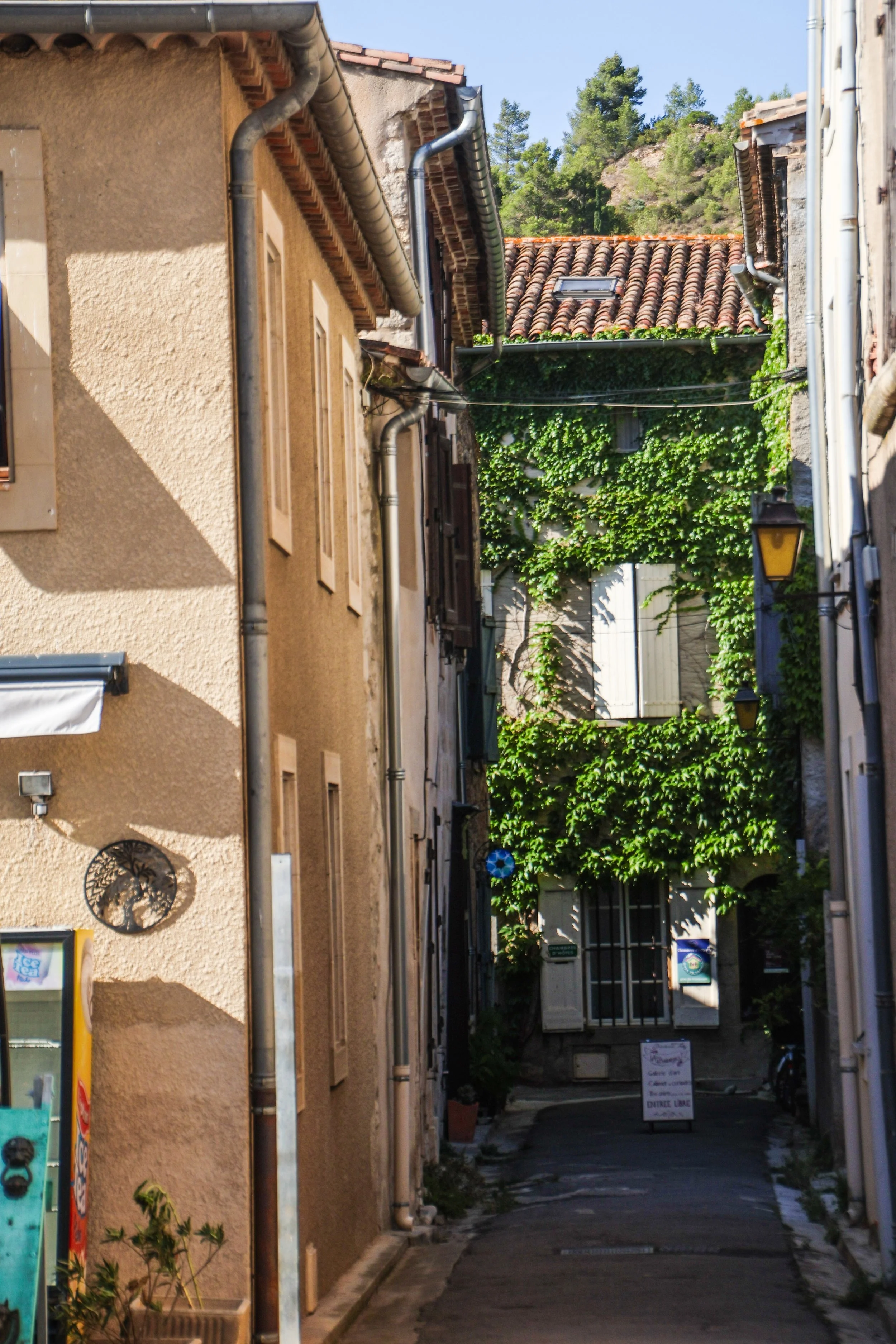
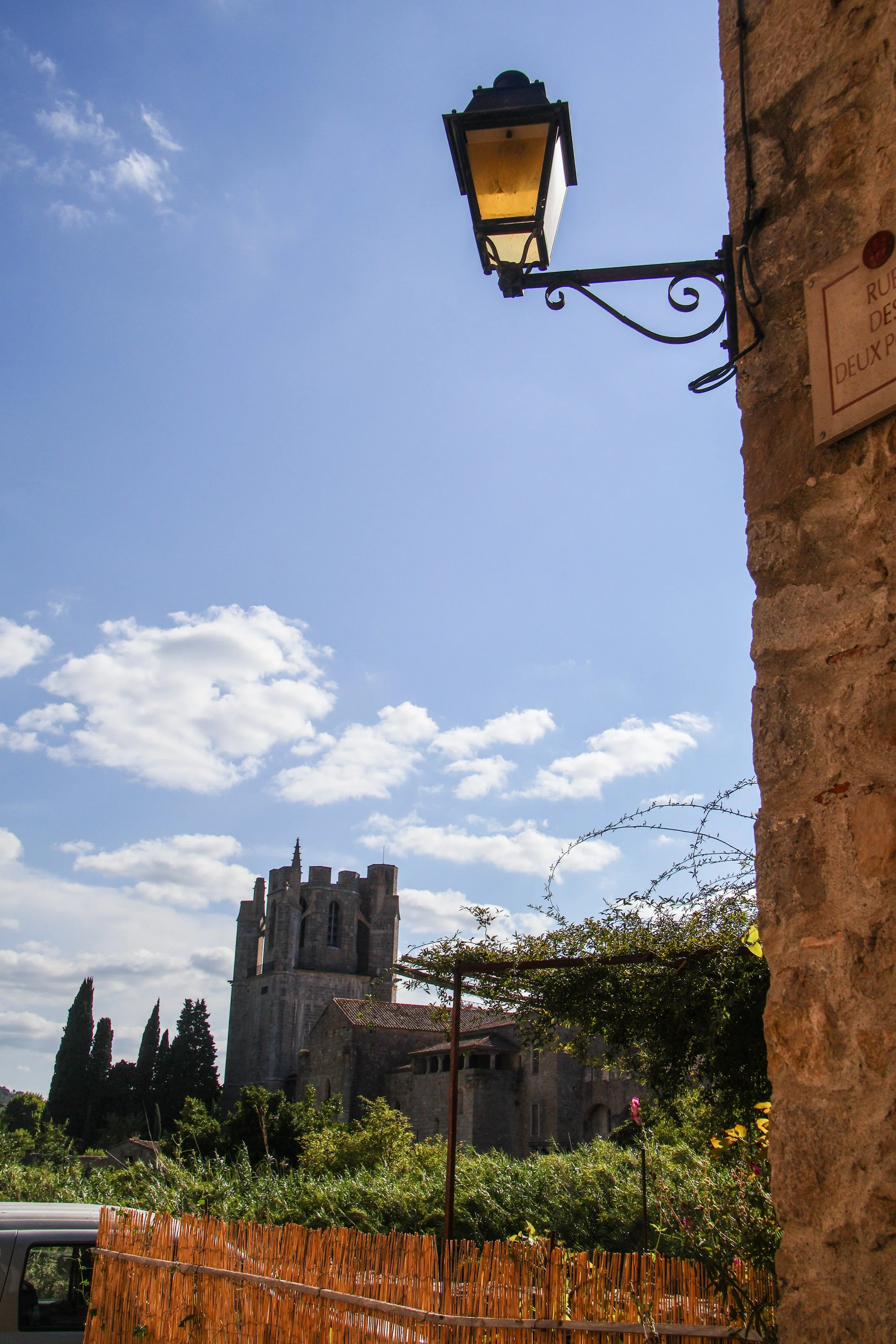
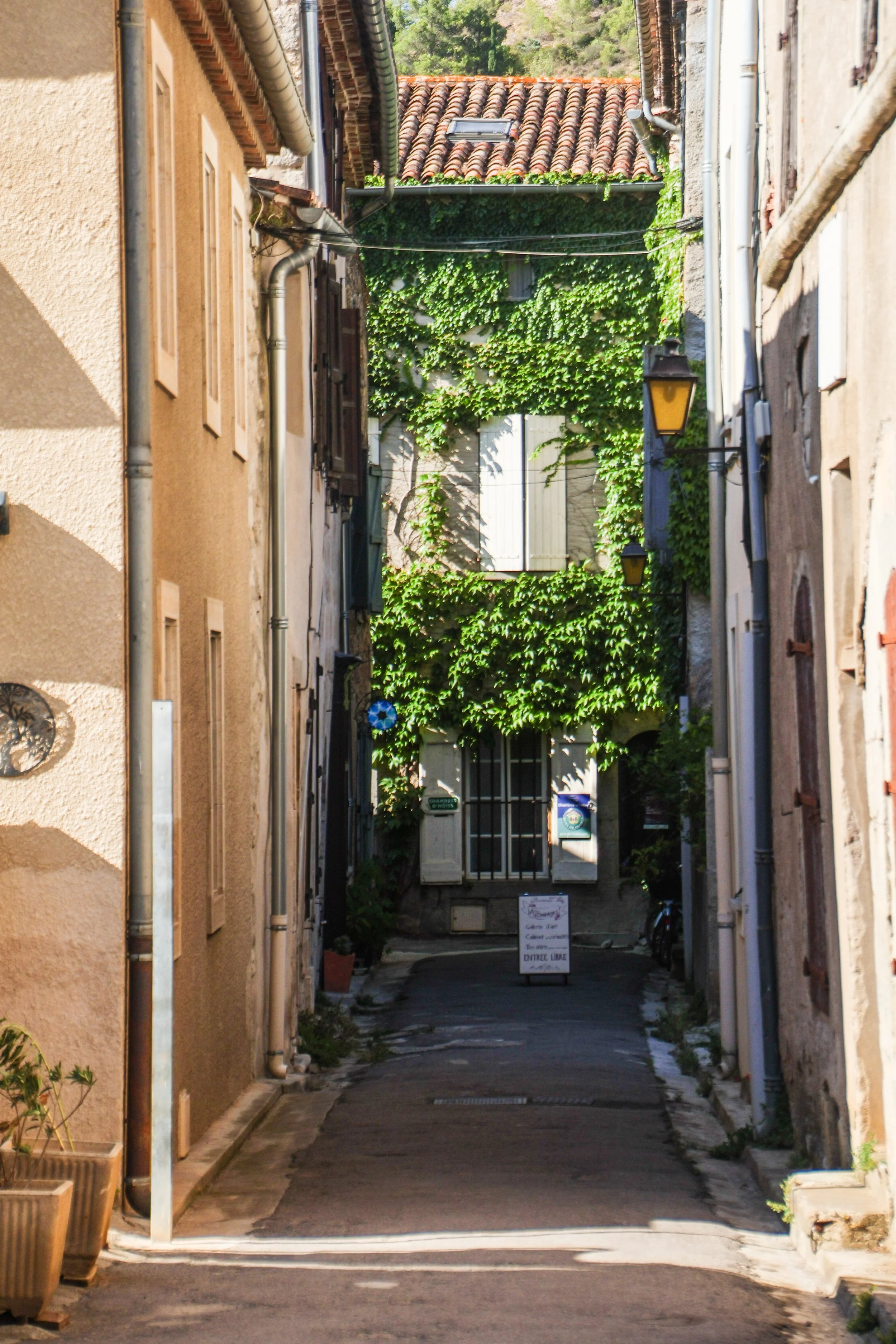
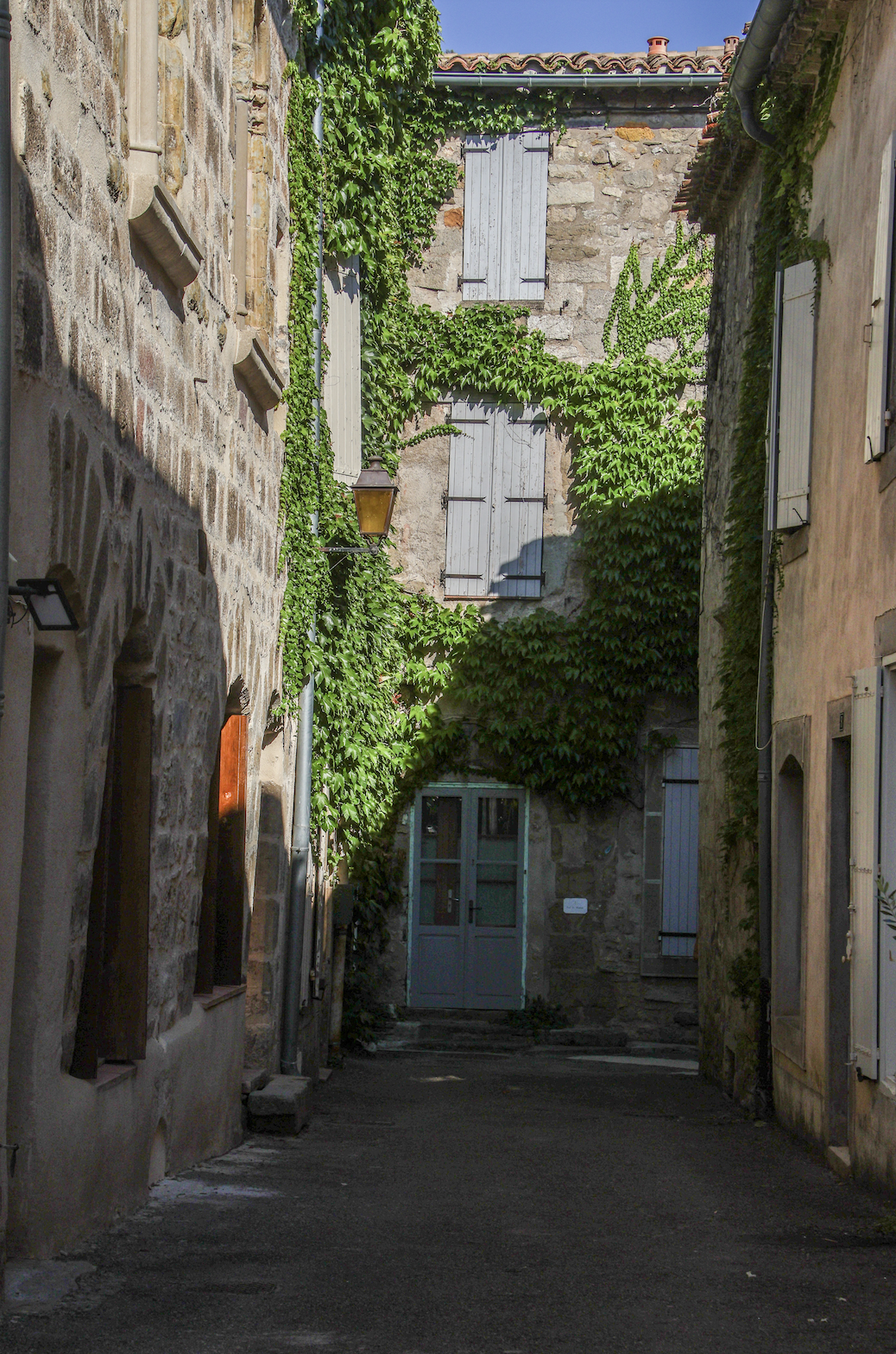
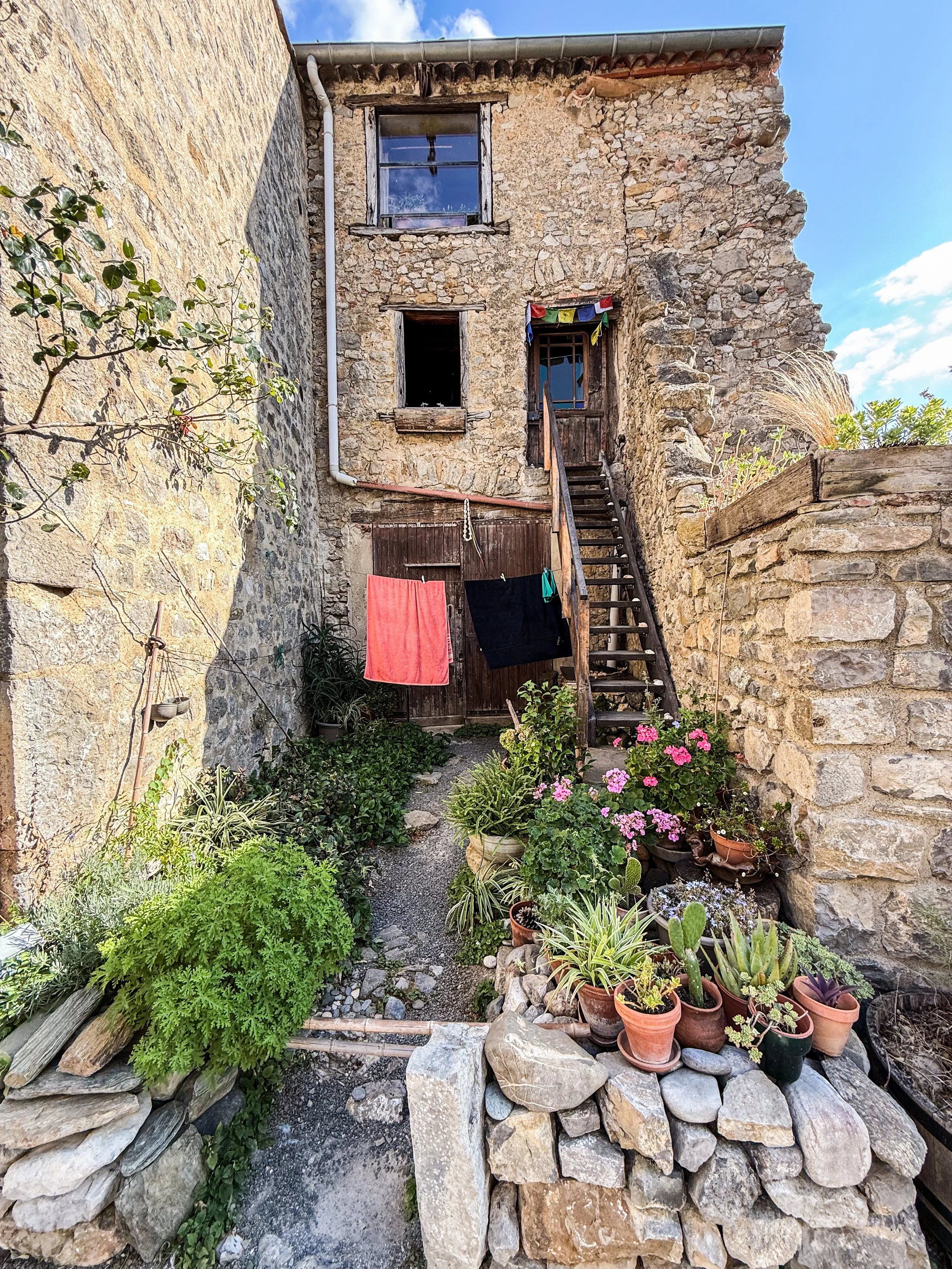
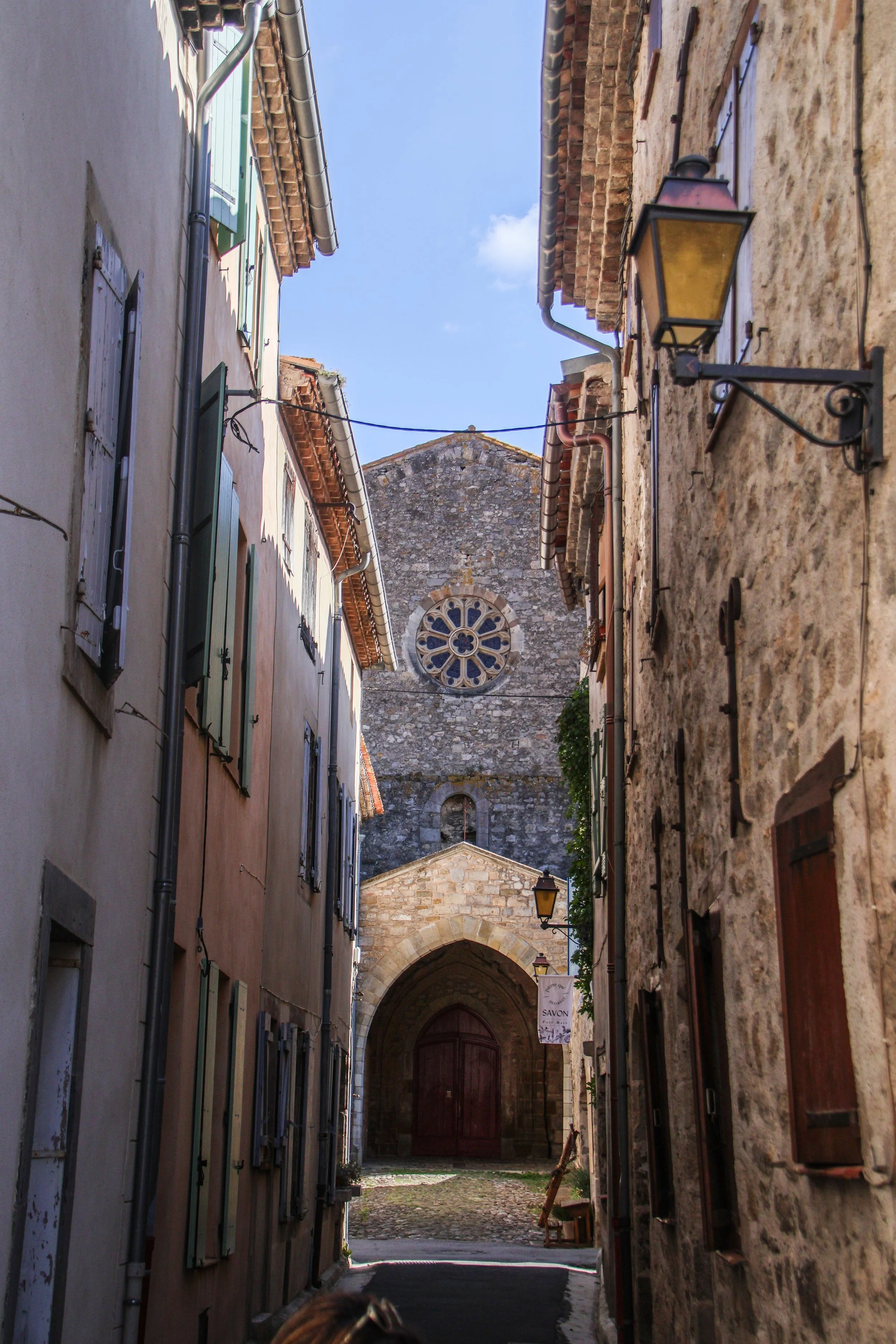
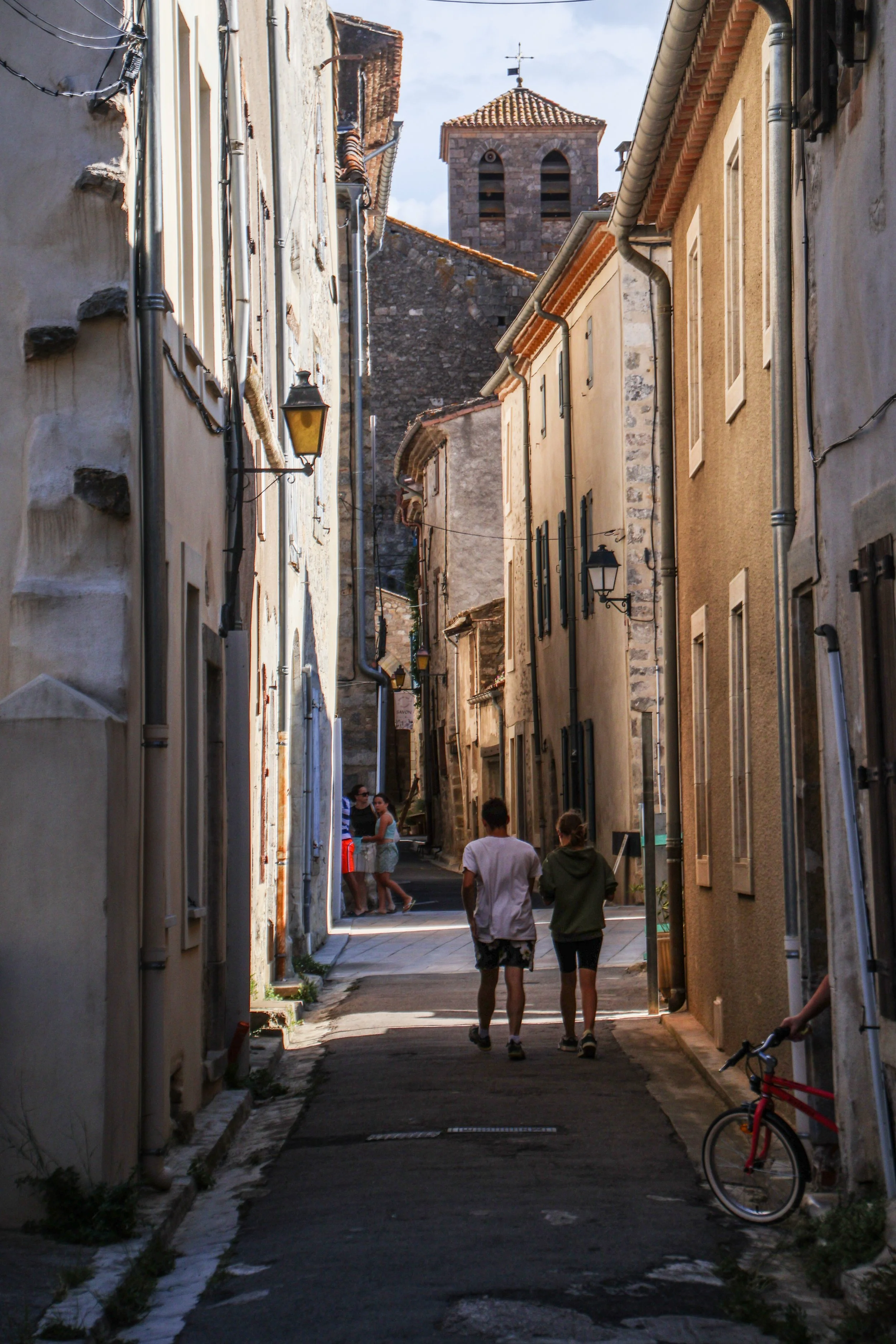
We spent quite a while simply walking these quiet streets. Although my Parisian hosts were characteristically unimpressed with the beauty of this town (shocking!), I found it to be just perfect. Every little detail of this place was perfectly yet effortlessly placed. In fact, I felt this way about most of the places I visited in Occitania! It was definitely true in Villerouge-Termenès in the previous article, and it will once again be true in the next town we visit later in this article. ALL of these towns are worthy of a slow, observant day spent wandering their weathered alleyways. Here are a few snaps from my afternoon in Lagrasse. I’d encourage you to summon up some inner peace and click through these slowly, as that is the preferred pace of life here.



Intermission: Plage Leucate
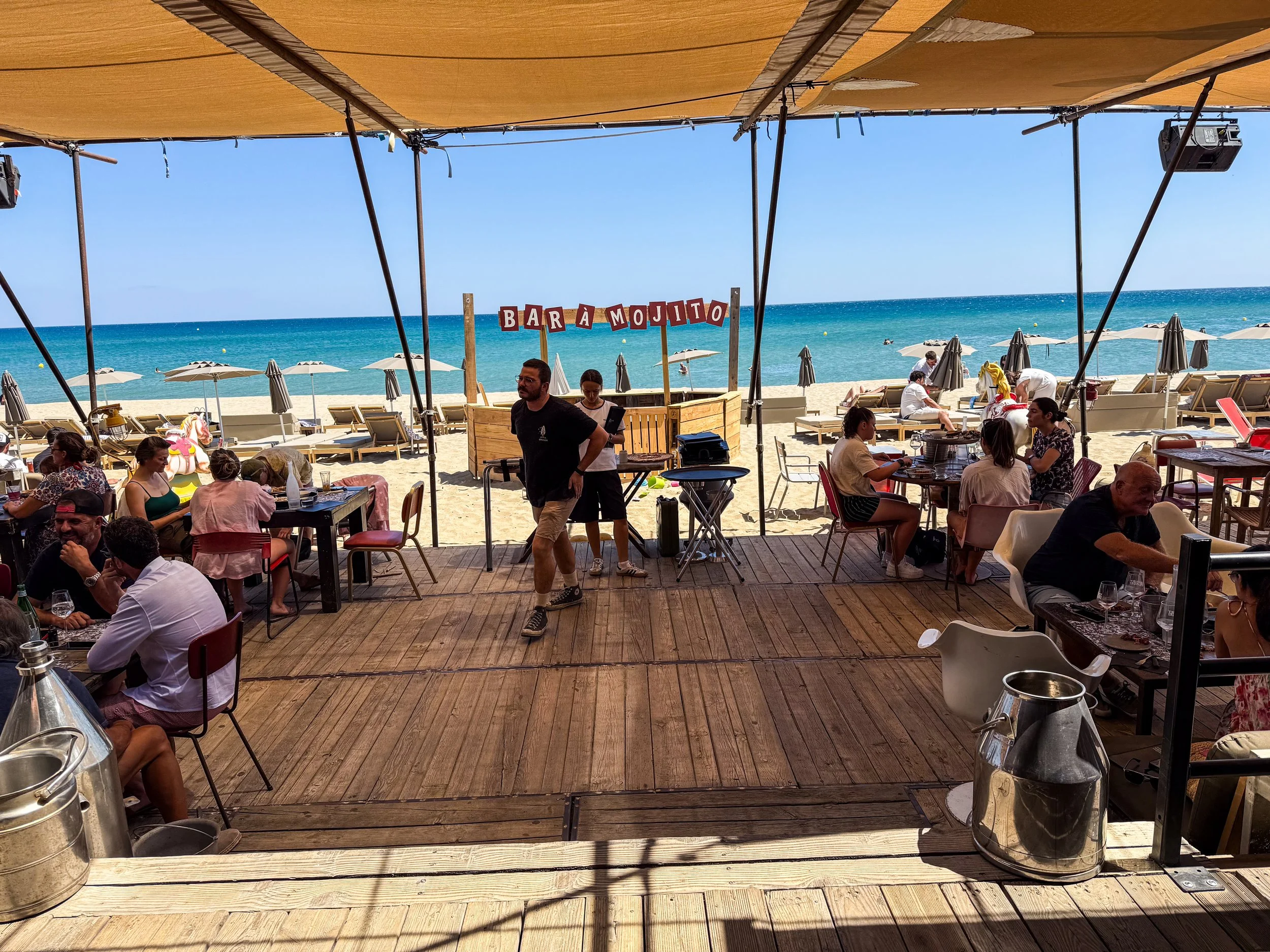
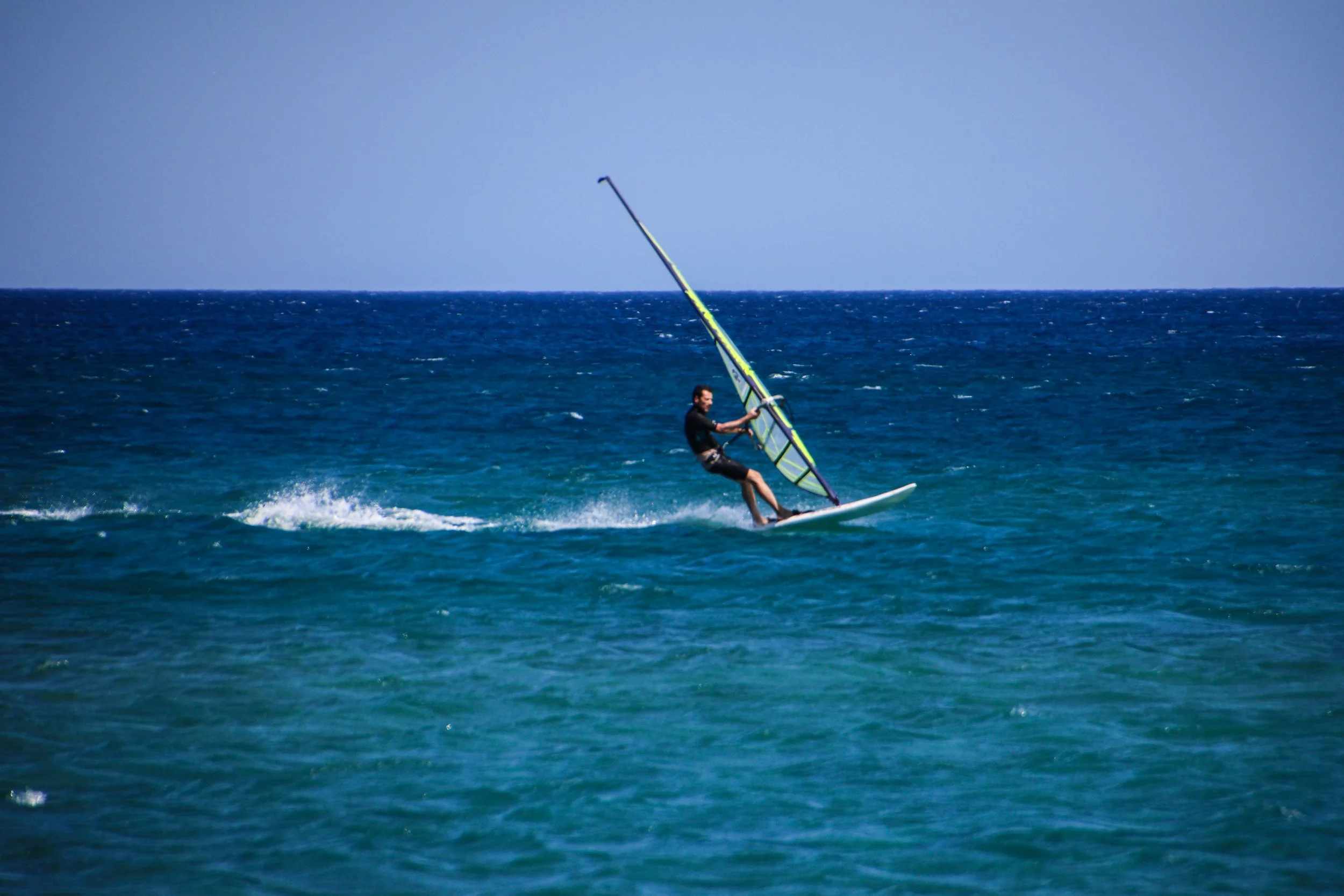
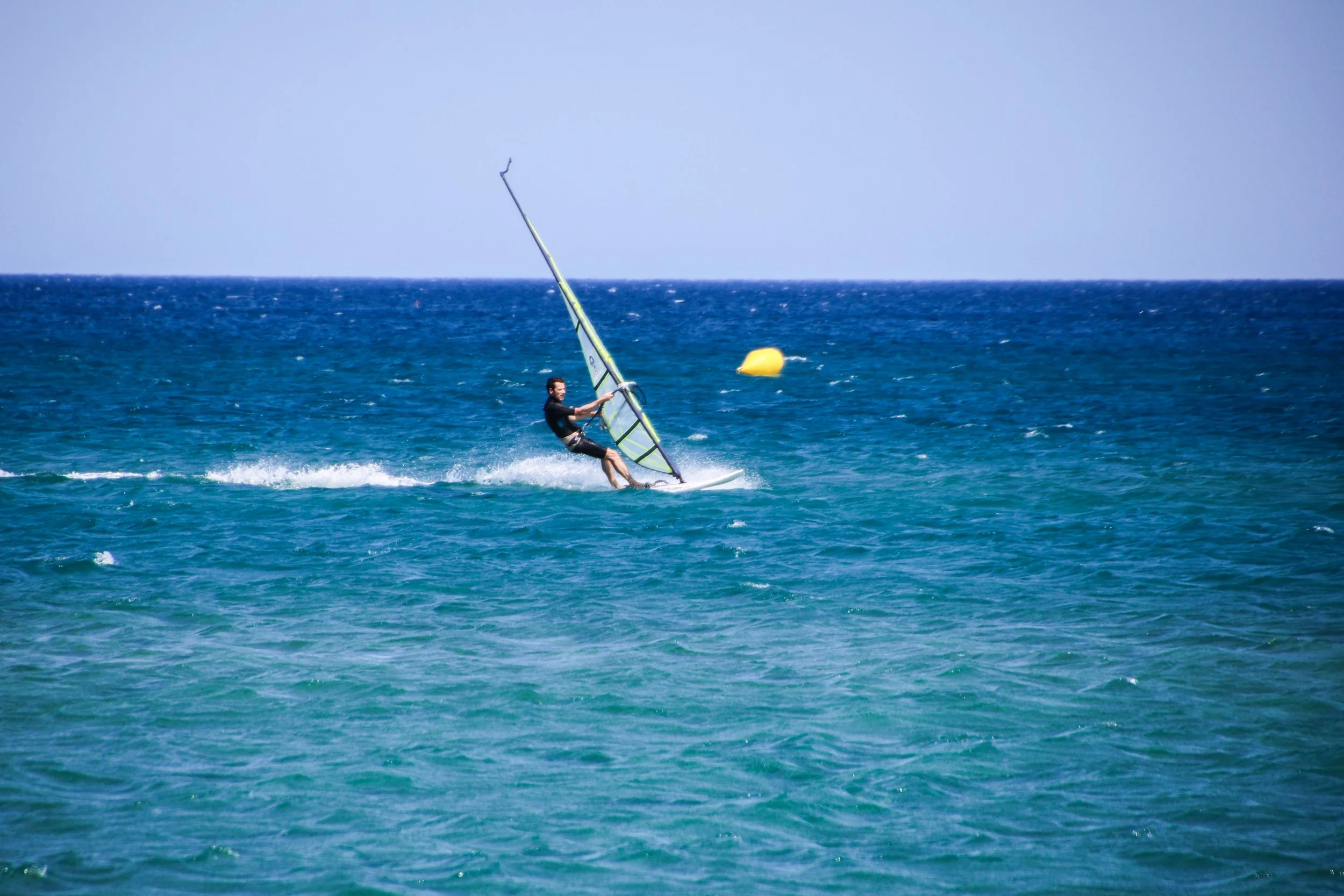
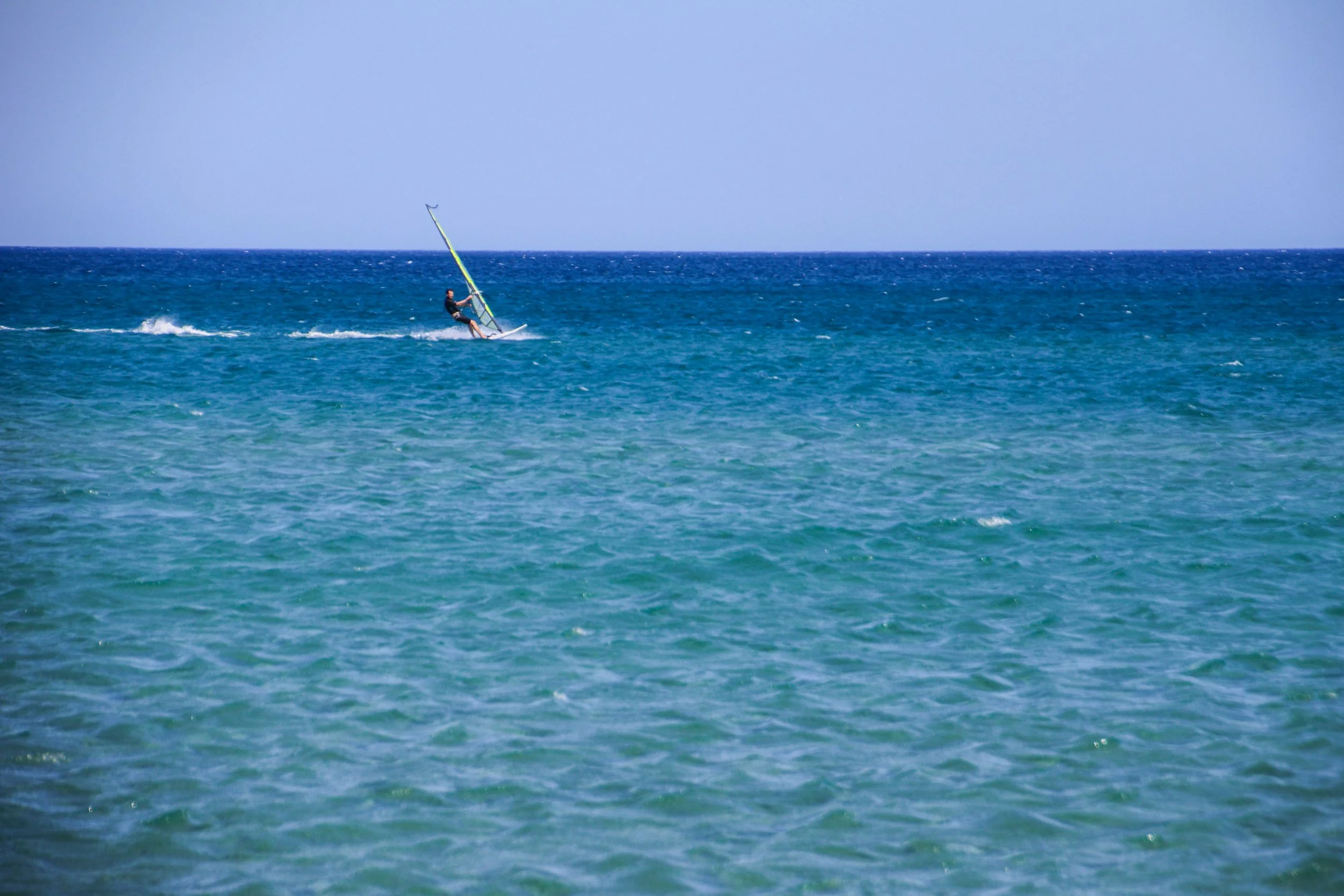
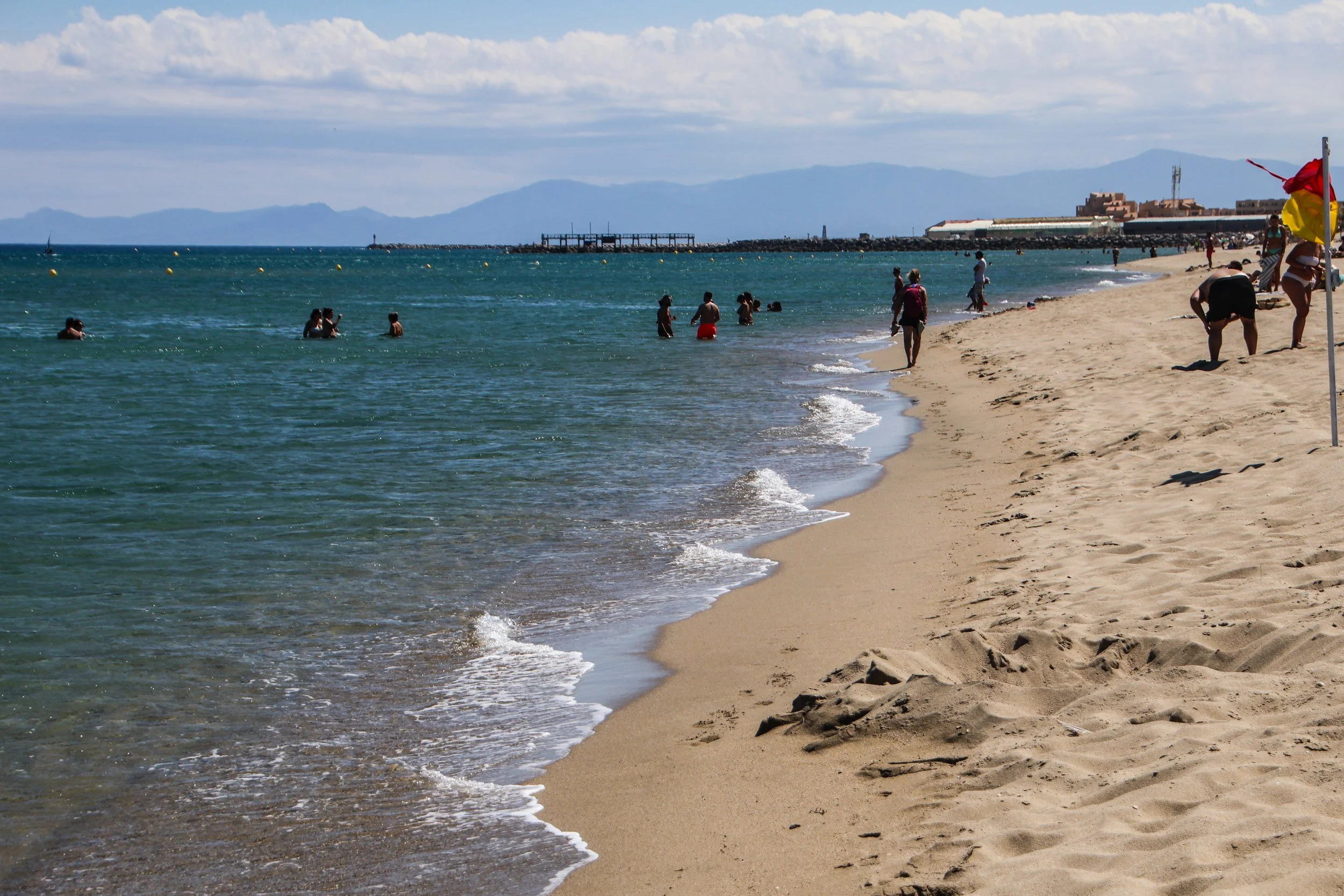
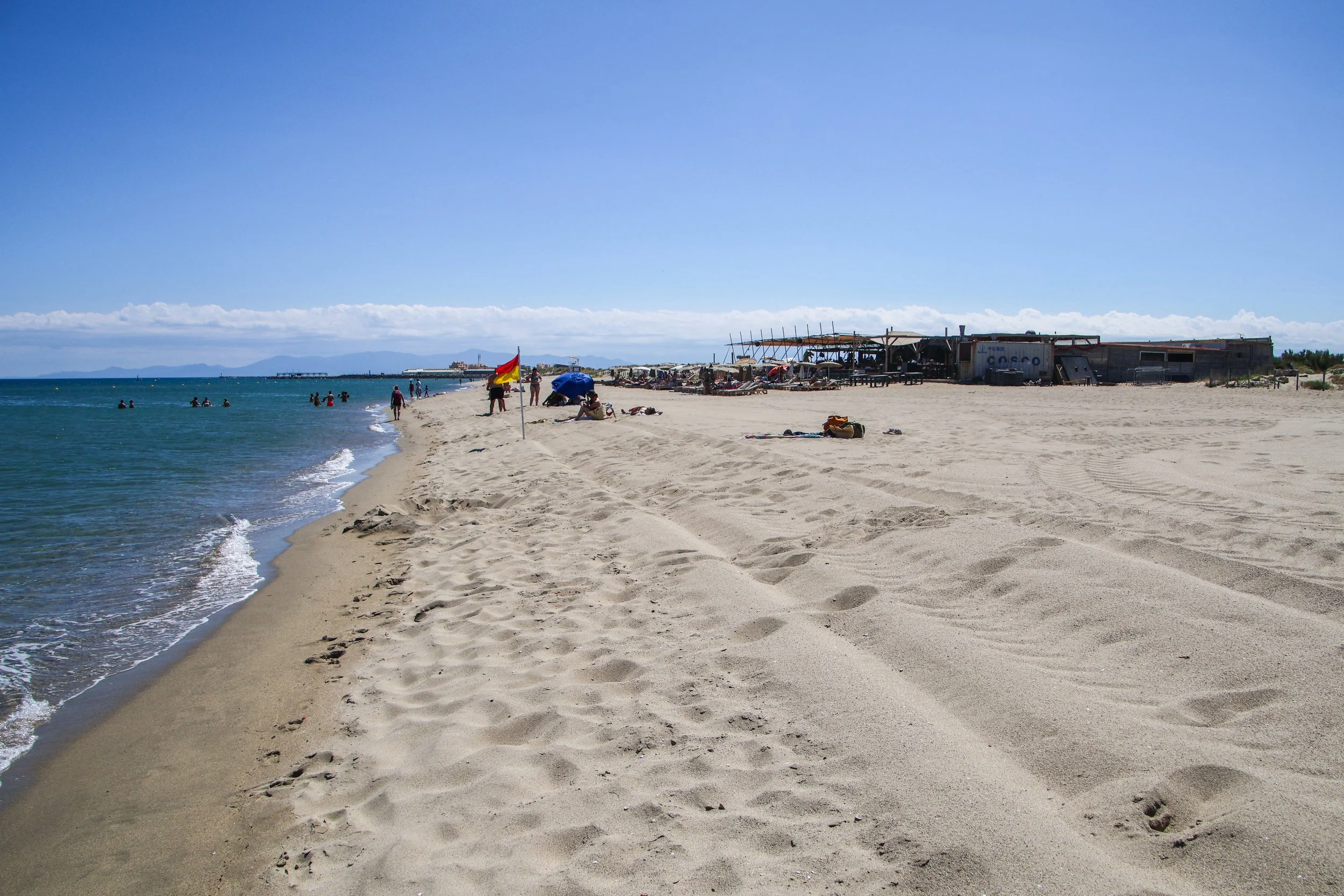
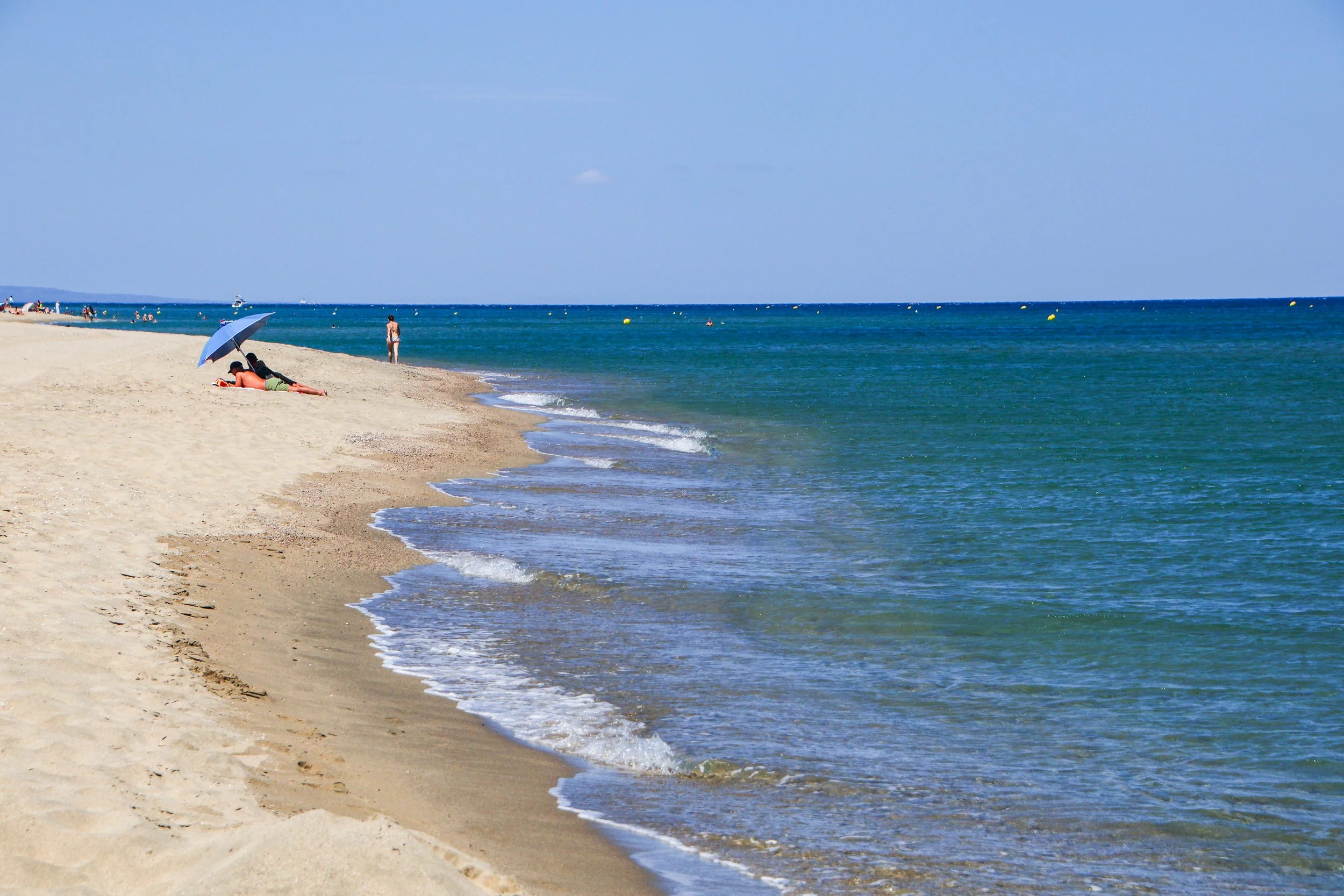
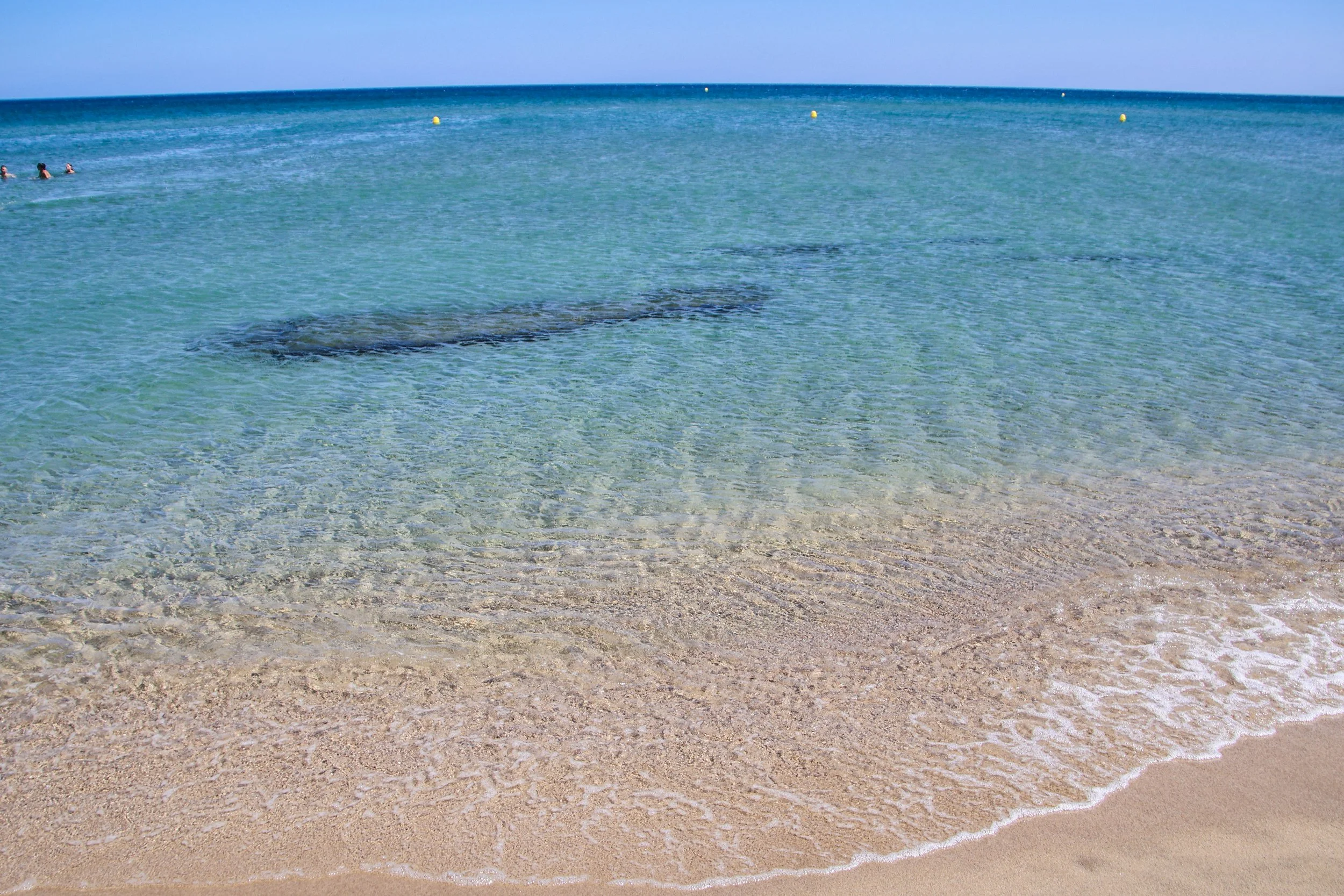
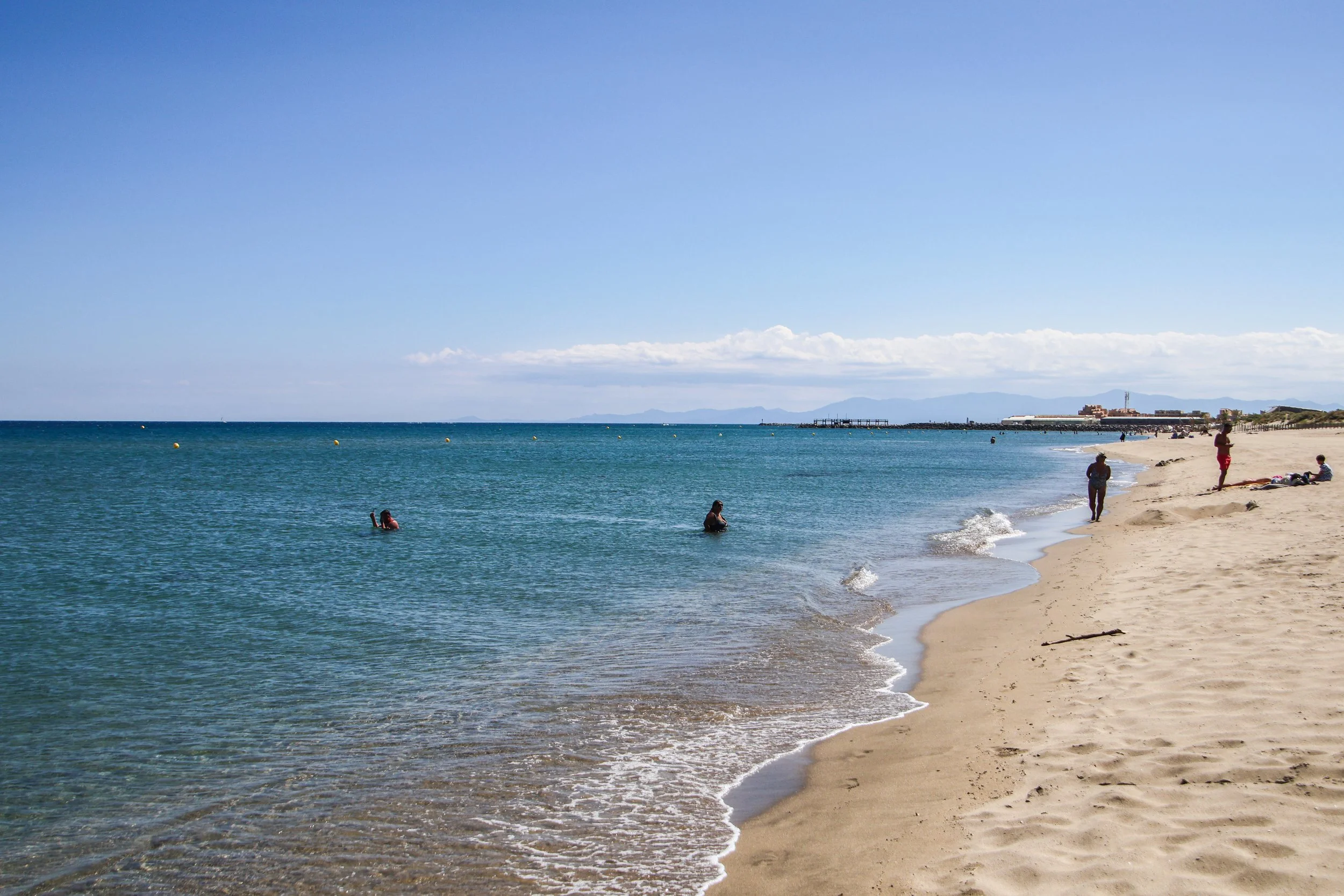
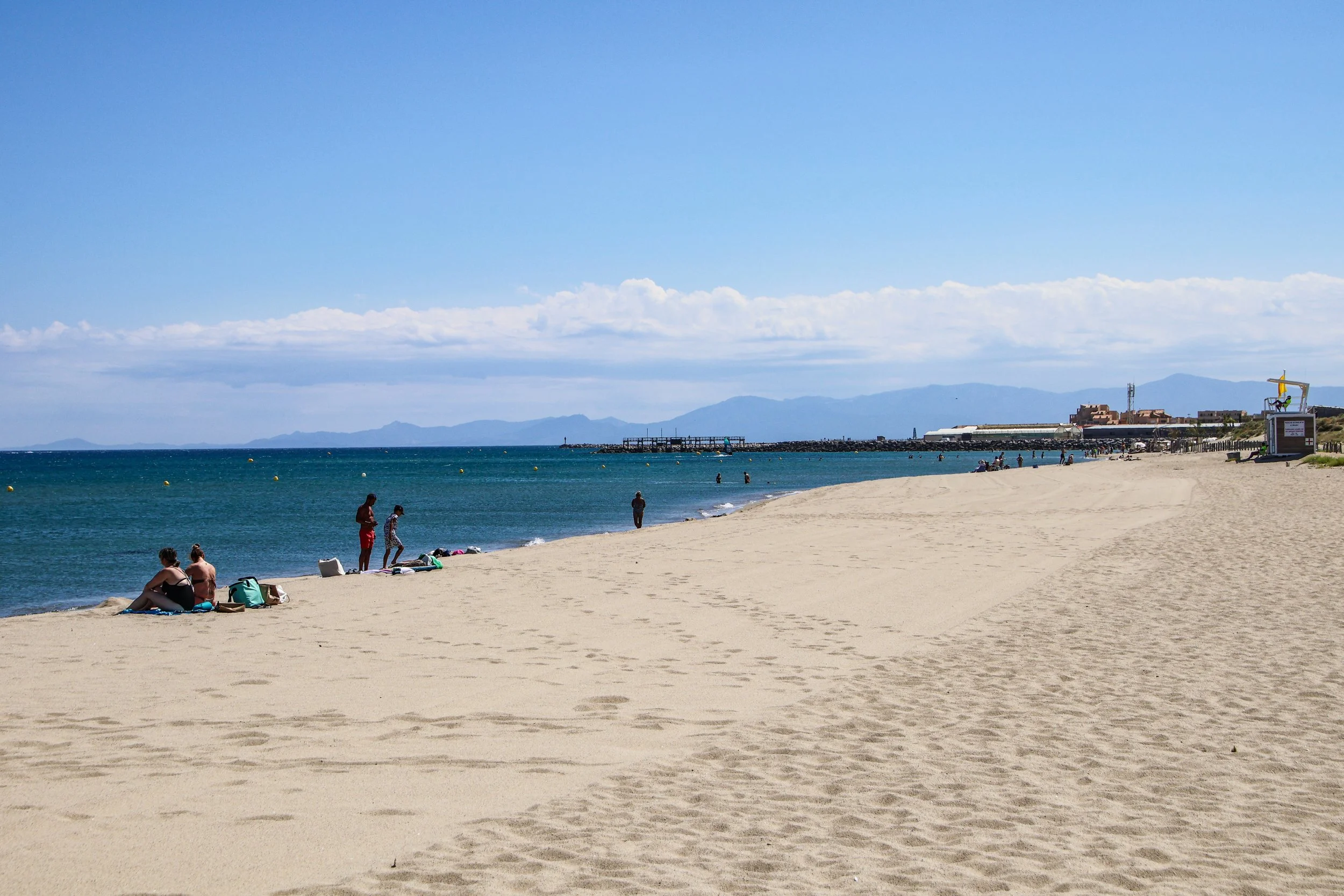
In the summertime, the populations of these little towns in the South of France rise dramatically. Indeed, almost everybody in Paris will—at some point in the summer—disappear to “the South” for an undisclosed amount of time. Whilst rural villages like Lagrasse certainly get their share of extra traffic, the prototypical “summer in the South of France” experience is to go to the beach. And Occitania has plenty of them! As an intermission to this article, we’ll take a quick stop on the coast at Plage Leucate.
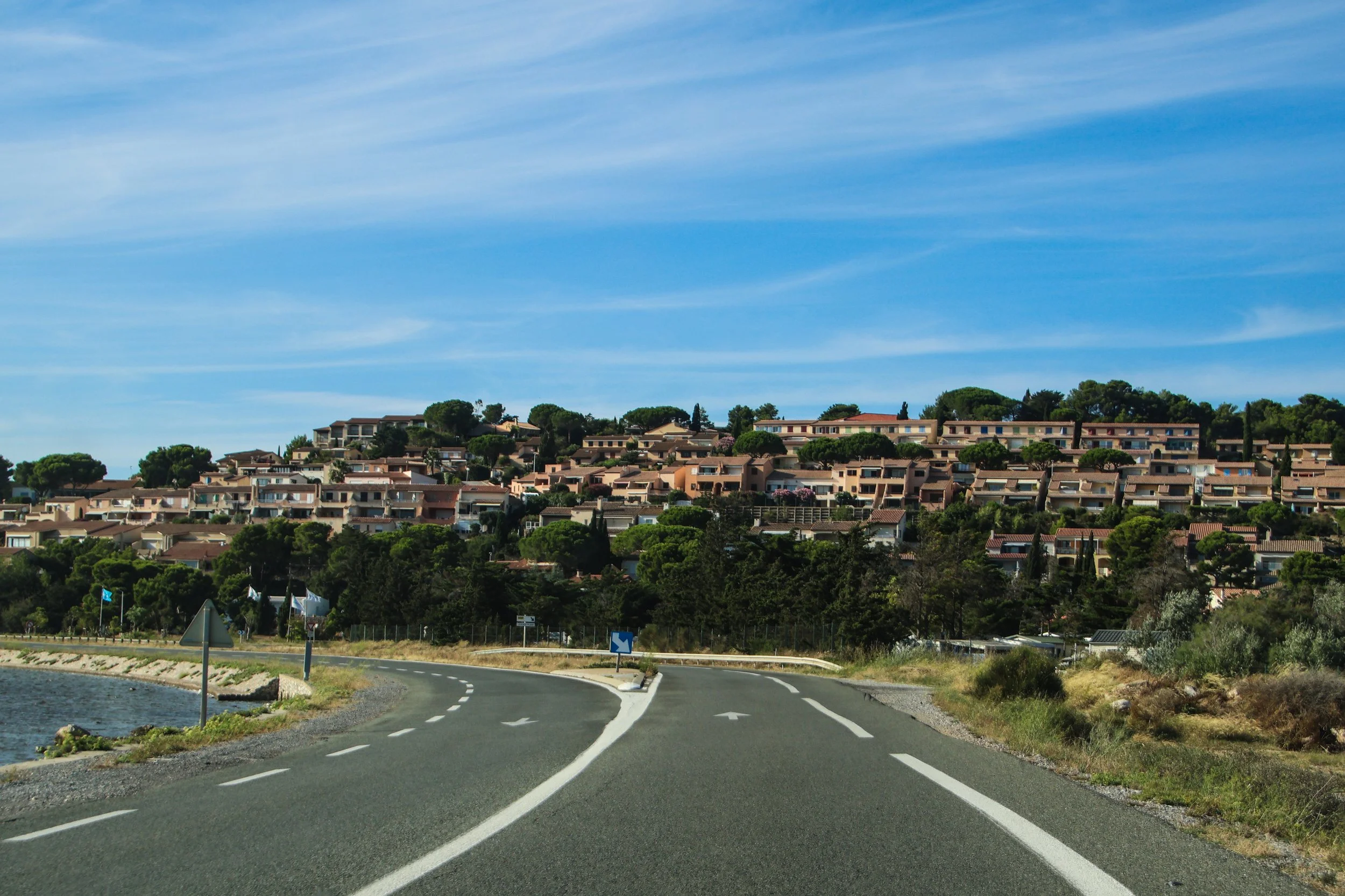
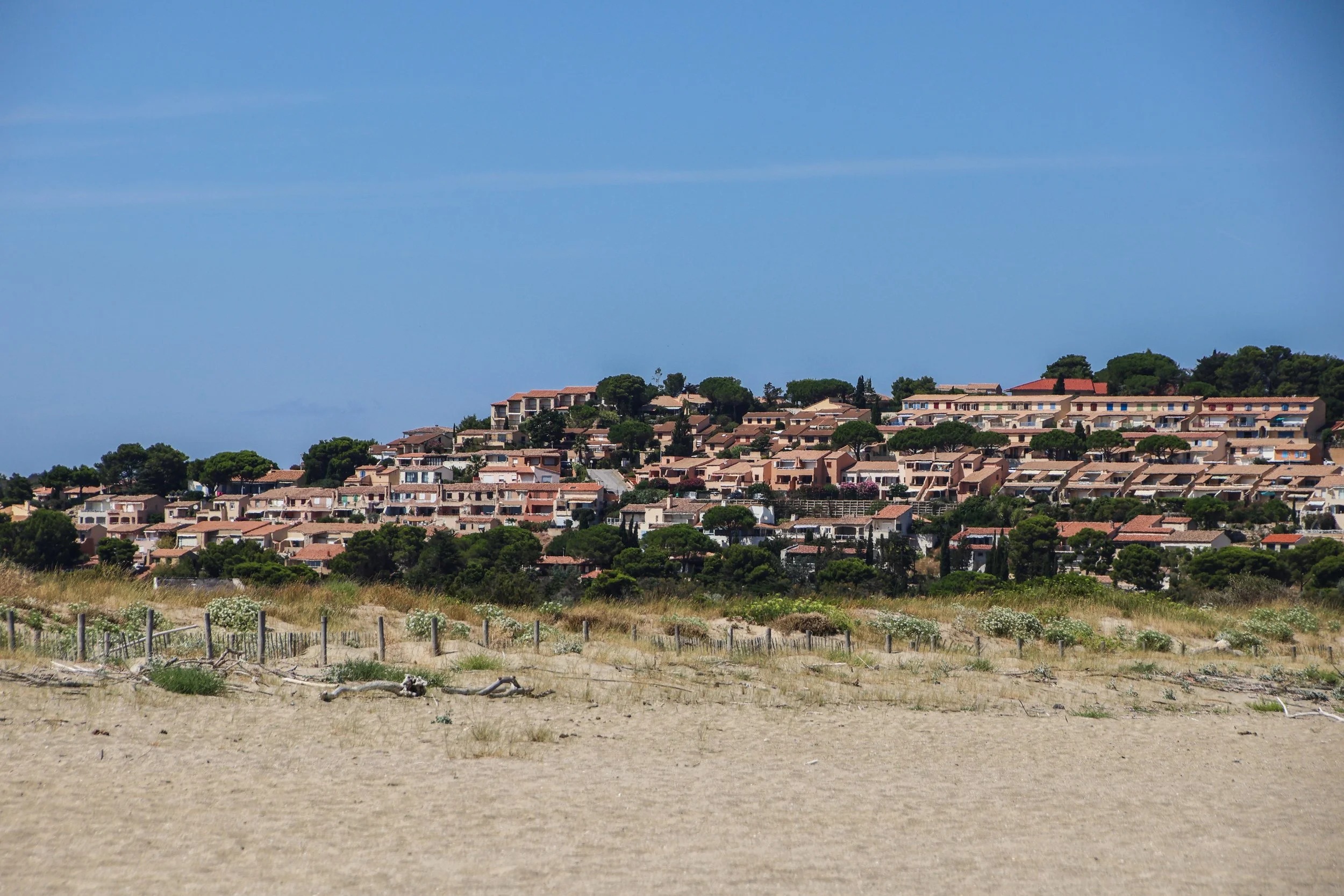
I am always taken by surprise when I see how beautiful these Mediterranean beaches can be! And—since I work in the energy sector—I had the added bonus of getting to look at an onshore wind farm that situated in the nearby coastal hills. Some people think wind farms are ugly; I am not one of them. I LOVE looking at them. But check out this beach! I’m not an expert on this (yet), but I’m pretty sure the beaches over near Saint-Tropez, Nice, etc. would have been a lot more crowded. Another point for Occitania!


Félines-Termenès
Finally, we arrive at the tiny little village that served as “home base” during my time in Occitania: Félines-Termenès, or simply ‘Félines’.
When I say tiny… the population is about 130 people. But—like many of these little towns—the real-time population tends to swell in the summer, and dwindle away to almost nothing in the winter. The same is true for larger towns like Lagrasse… but Félines is particularly small. So, why was I staying here?
Because one of our my gracious Parisian hosts owned property in this town which functioned as sort of a summer home. In fact, their family has deep roots in Félines, with multiple groups of relatives owning houses in this village. My understanding is that not many of them live here year-round, but over the summer, the whole village becomes sort of a summer camp for their extended family and many of their friends from all over the country. During my visit, there were at least 4 or 5 different houses in the mix—probably more!—which played host to families that came in and out from all over France, including French overseas territories like Mayotte! Whether their stay in Félines was going to last for just a weekend, or for multiple weeks, the groups of people that came and went during my brief stay here were nearly all multi-generational. Ages ranged from young babies to the elderly (80+). It was nothing if not wholesome. ❤️
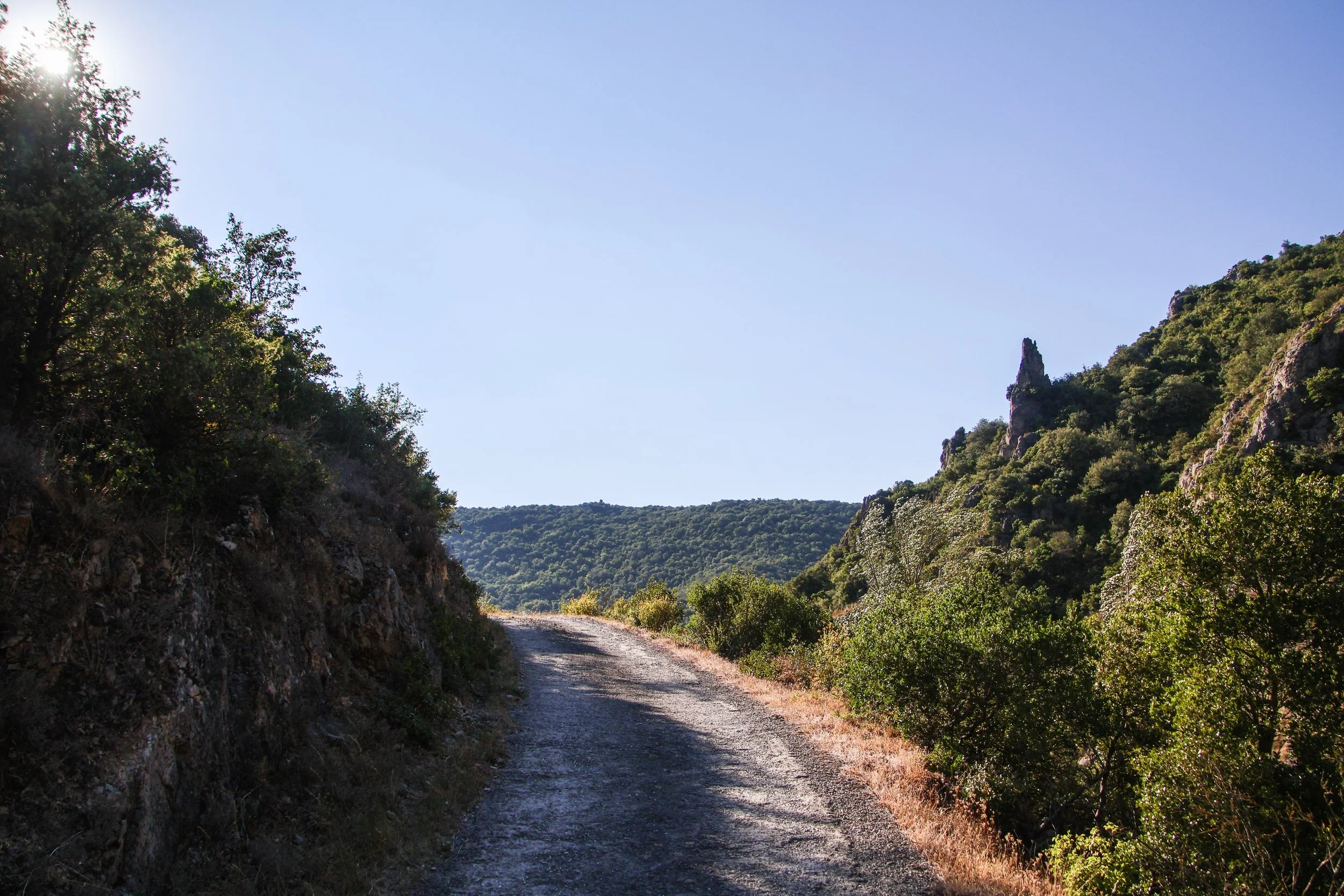
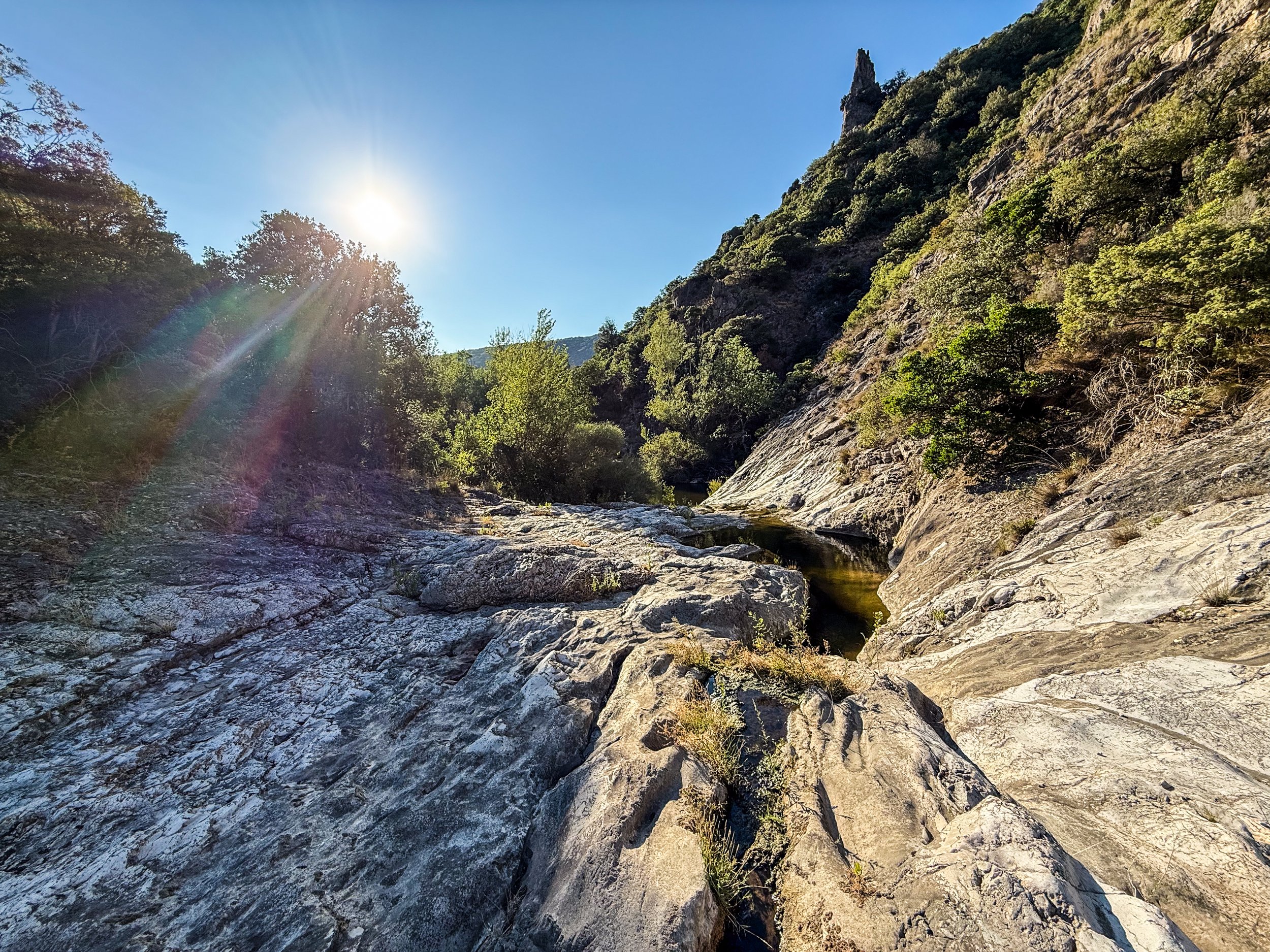
During the day, sub-groups of them would break off for their own sets of activities. Often they would make their own fun, but this region also has lots of cool nature-based activities to offer, so there was always a few people off on a hike, out for a run, swimming in a river or lake nearby, or canyoning. I did get a chance to go out for one mini-hike in a natural area just outside of town…
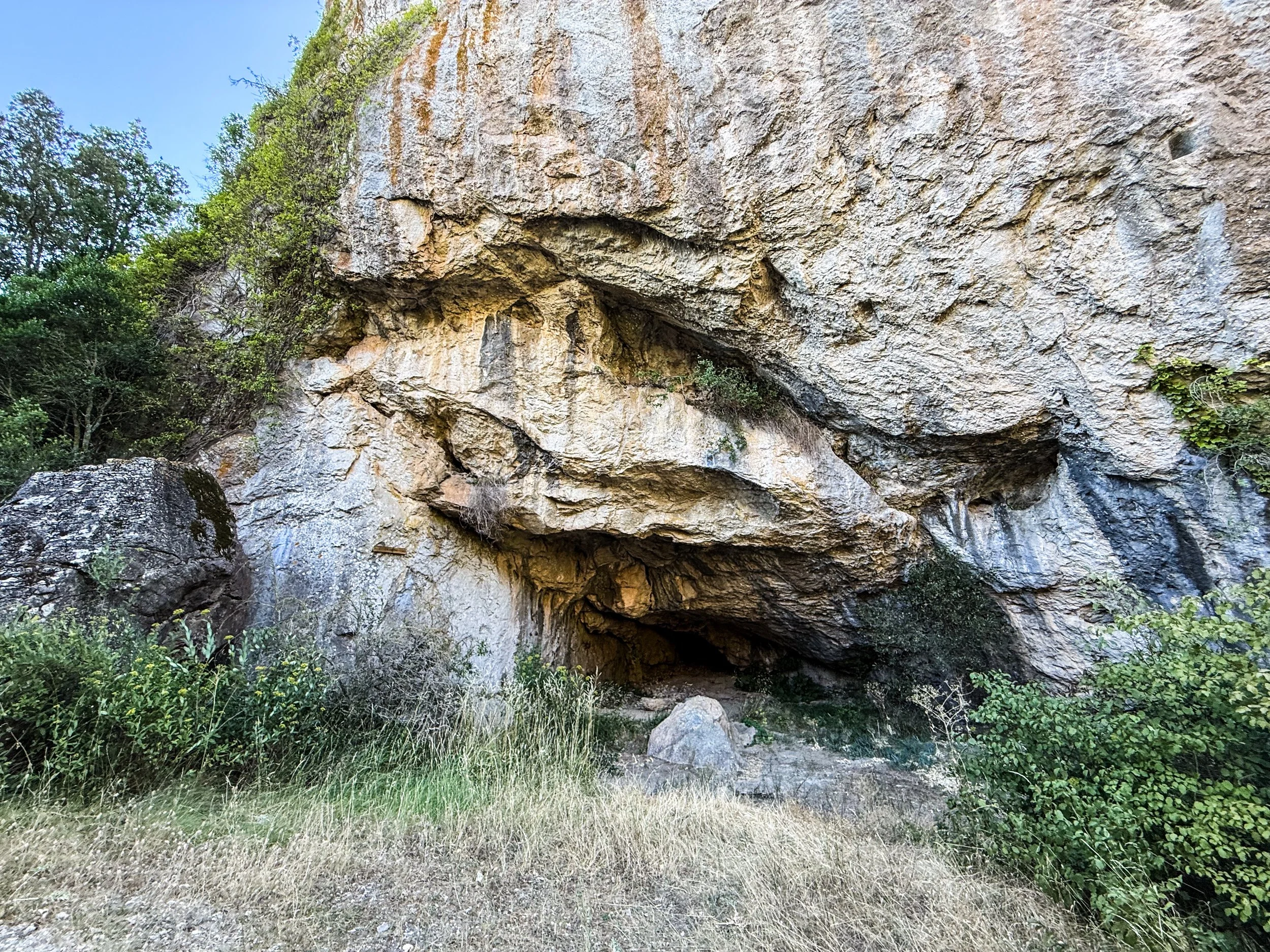
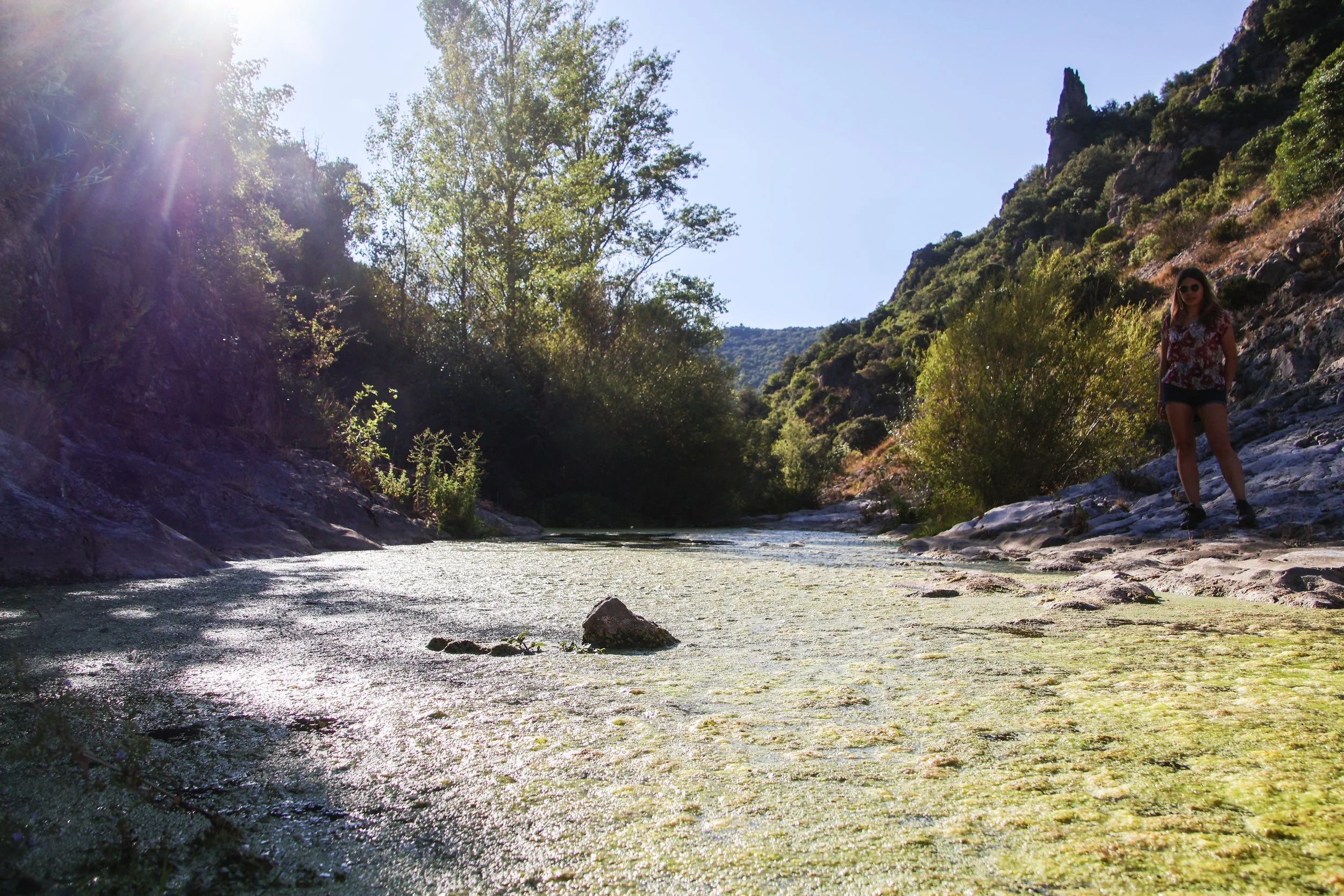
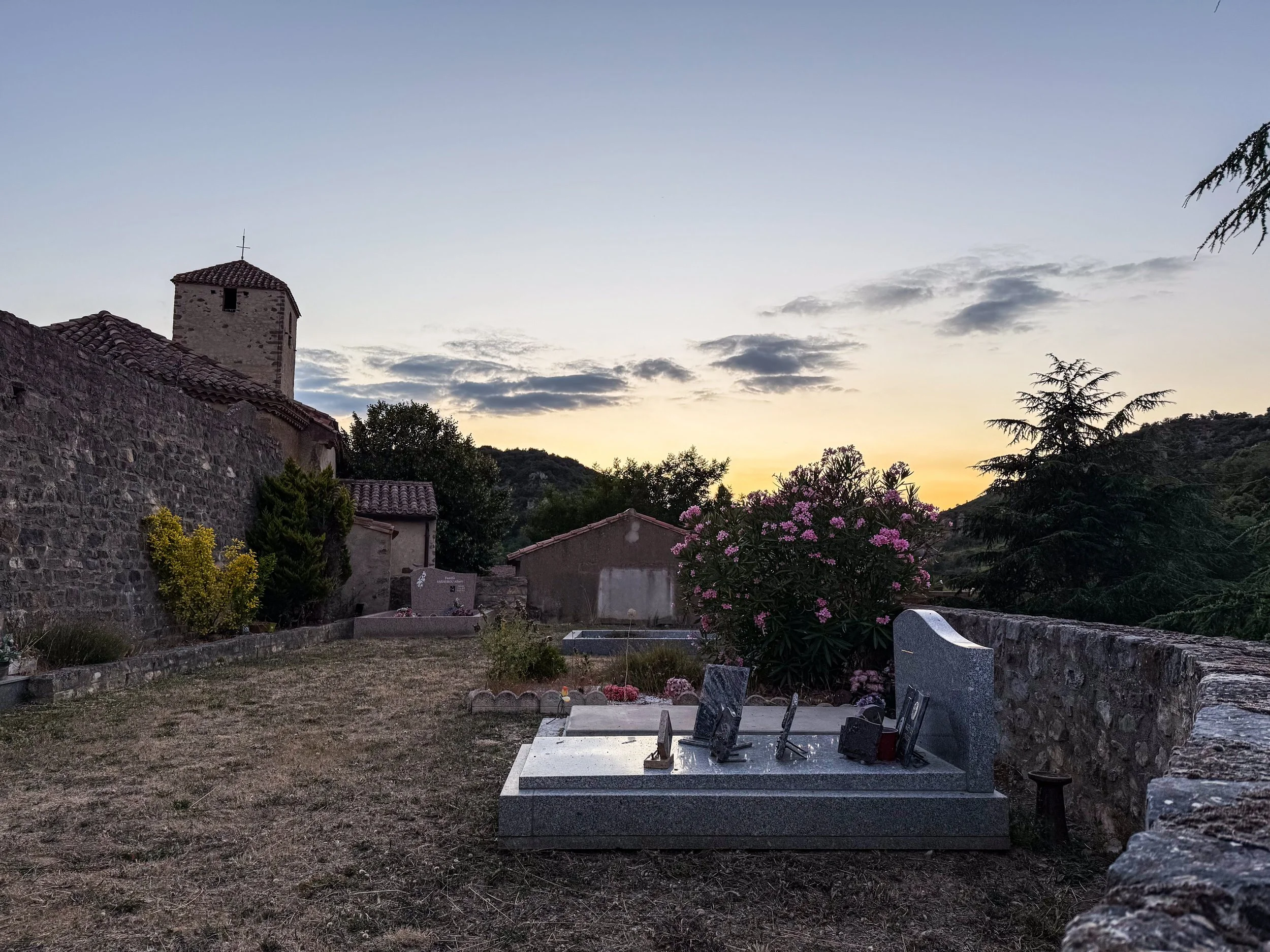
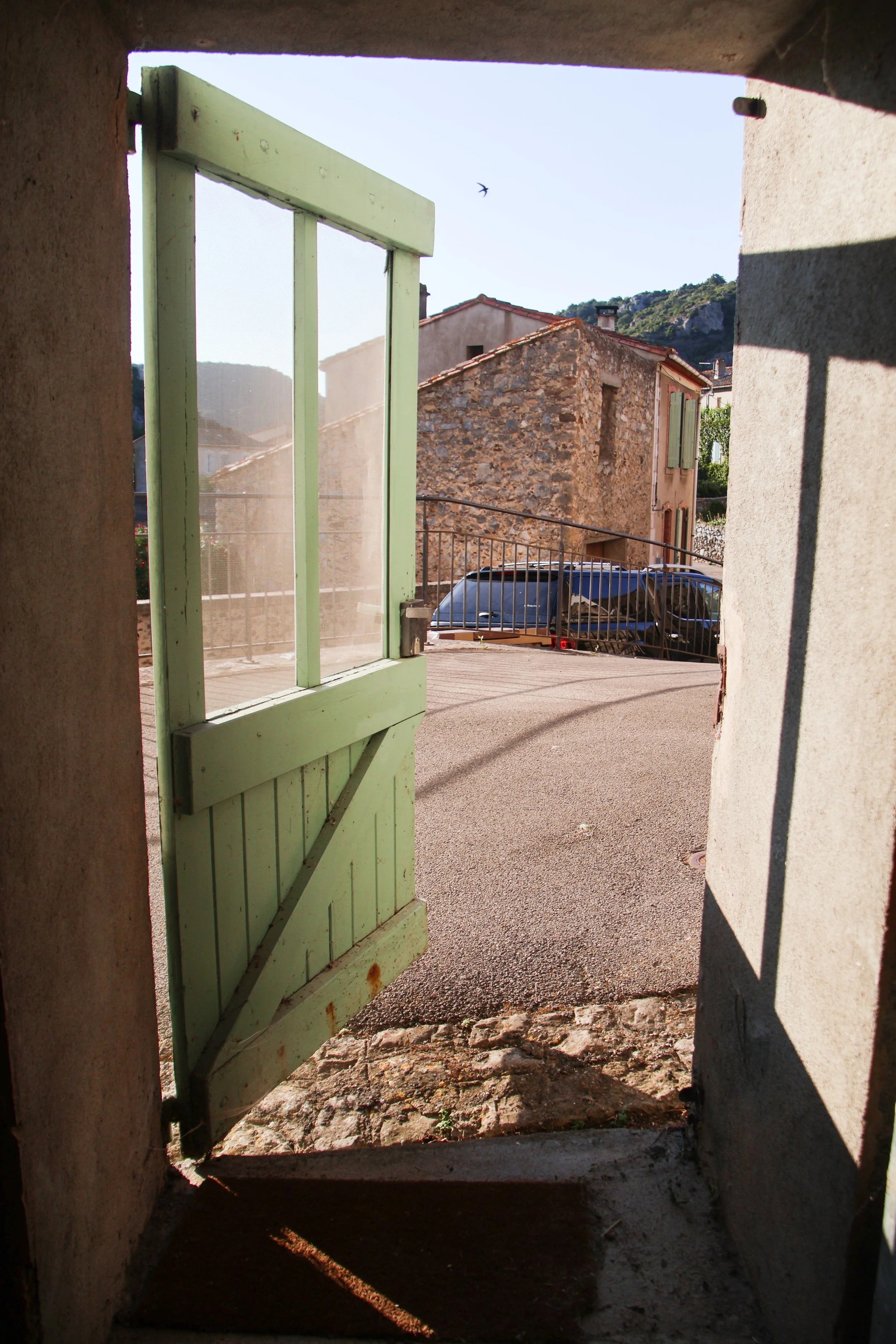
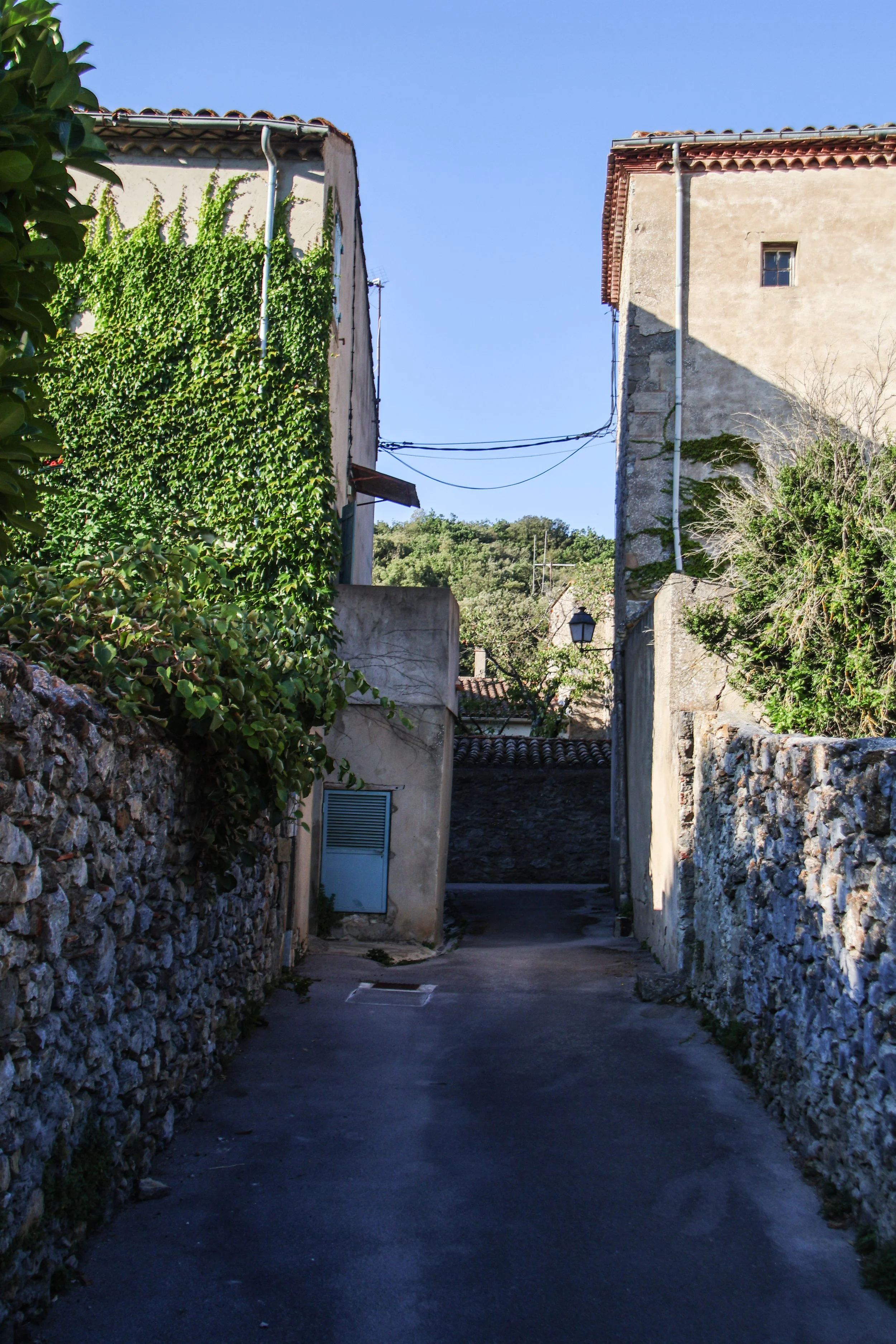
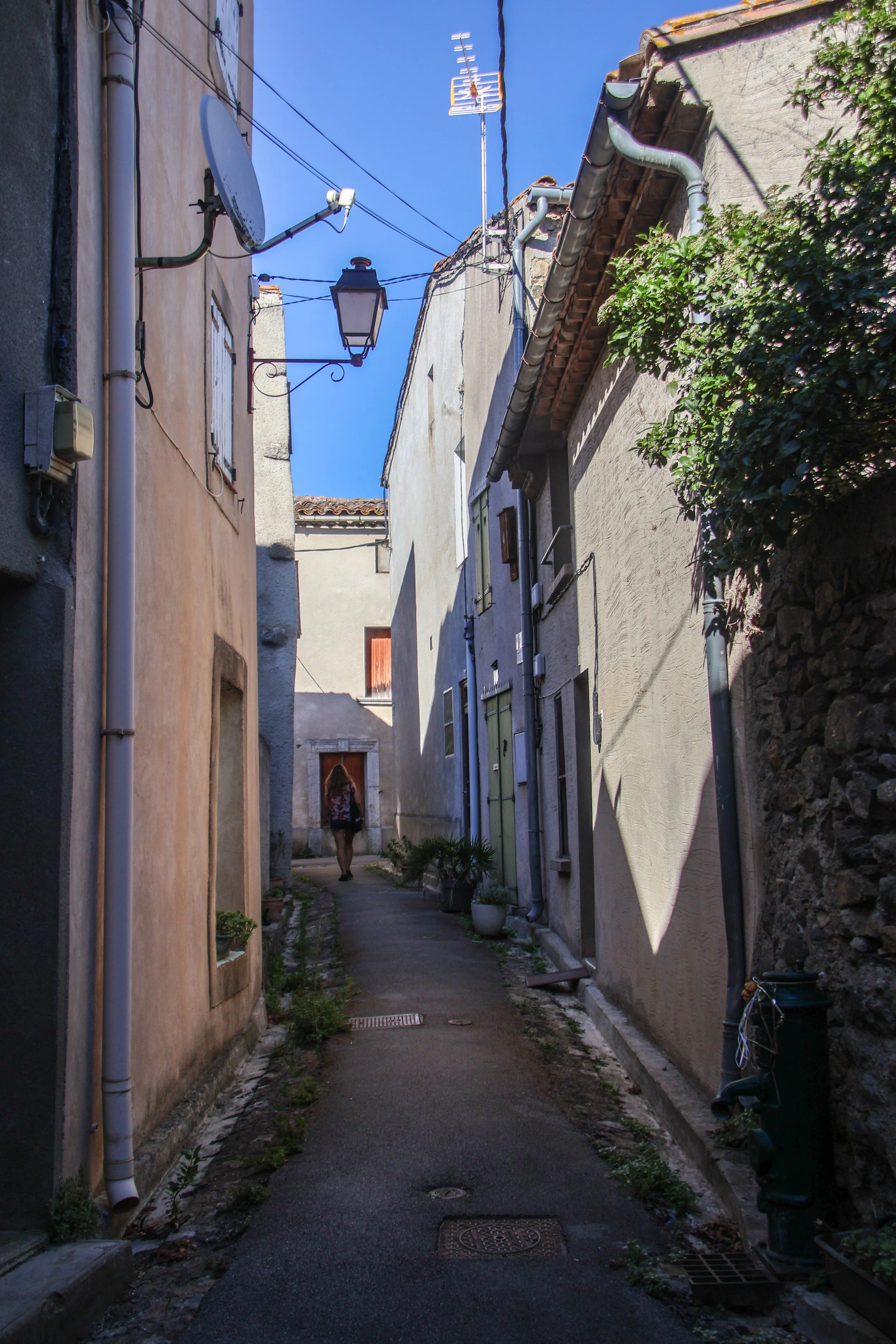
…but what I am most excited to share with you is the town itself. It’s a teeny tiny place, but like all the other villages I explored here, it felt completely perfect to me, down to even the most minute detail. Here are some pictures of Félines:
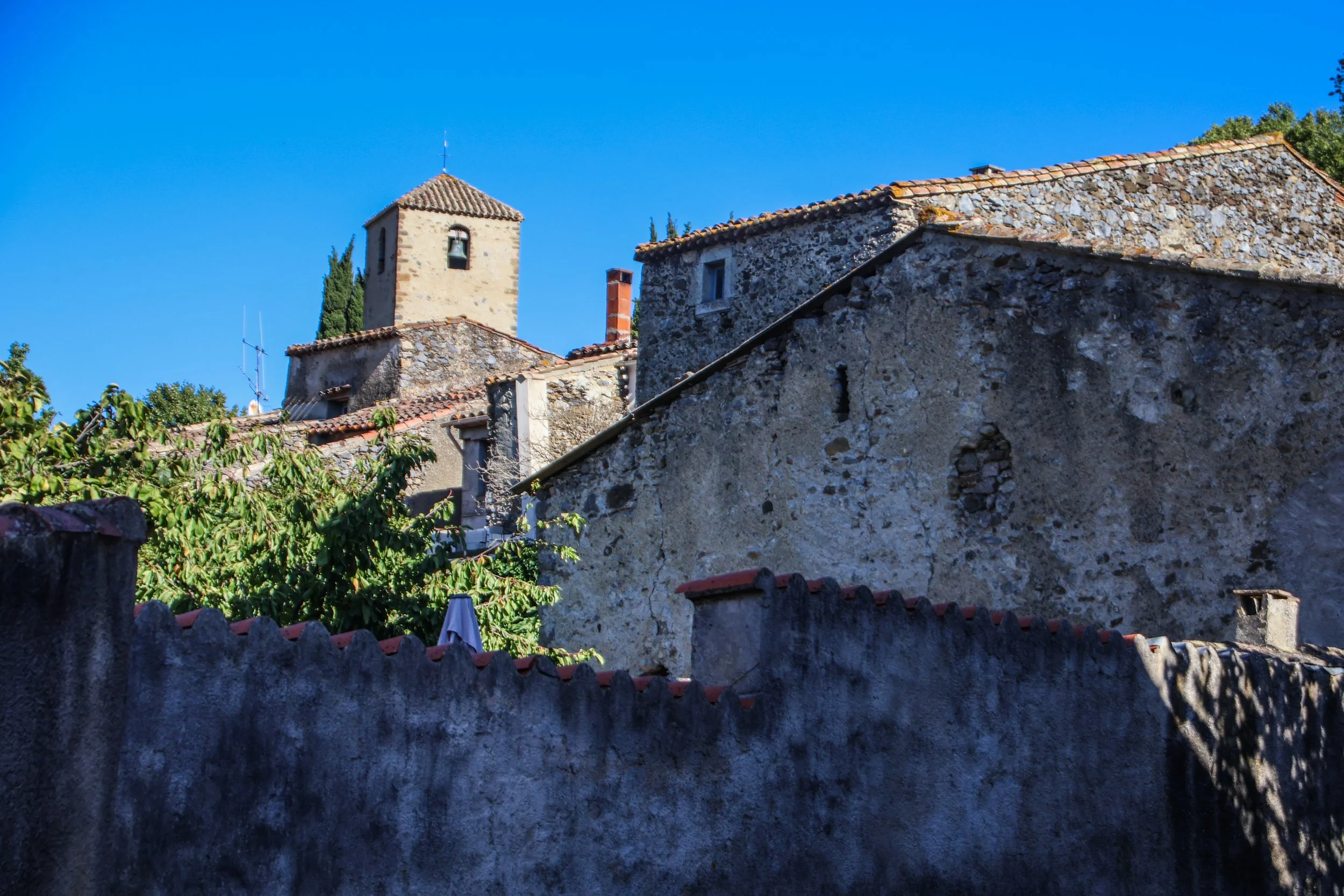
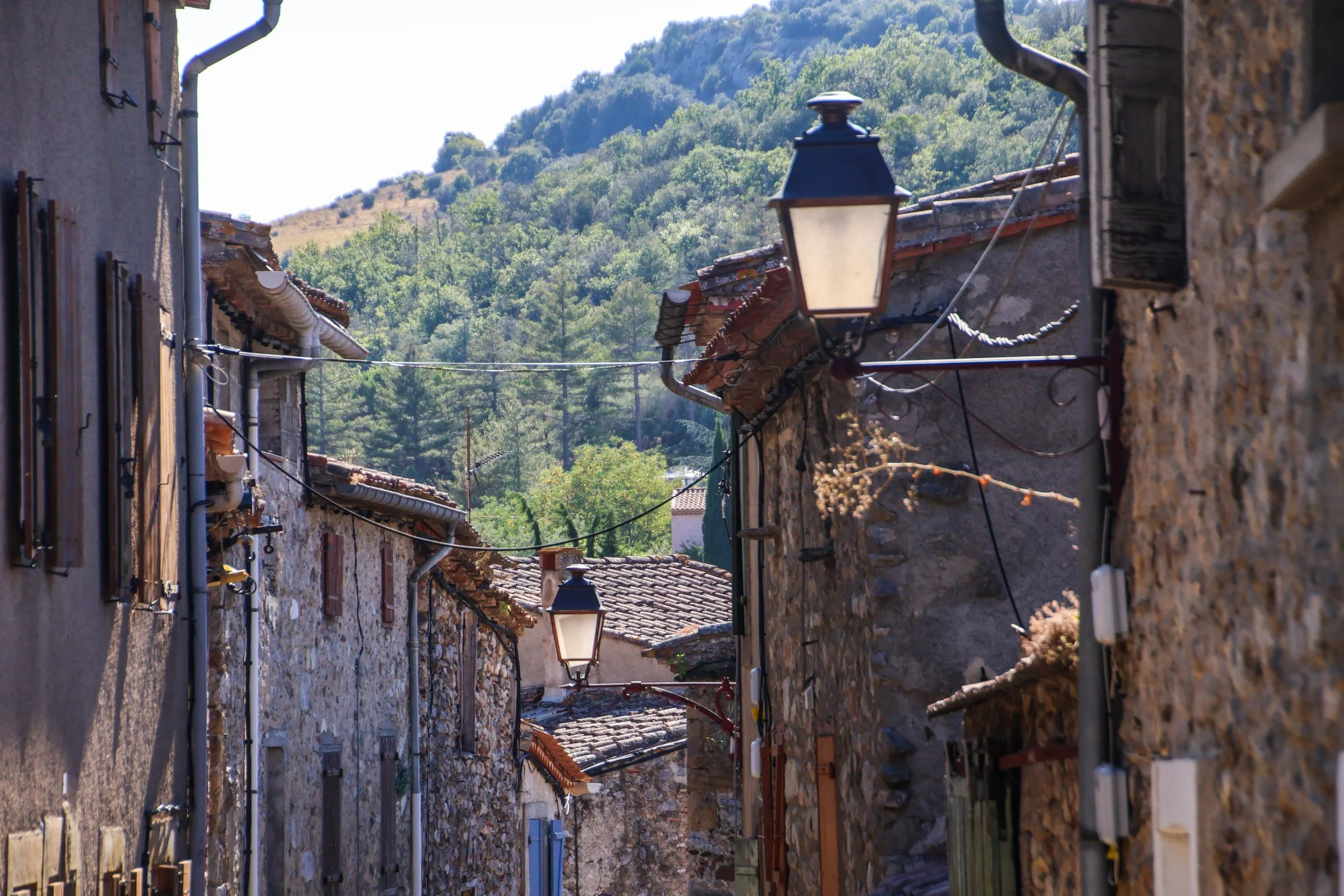
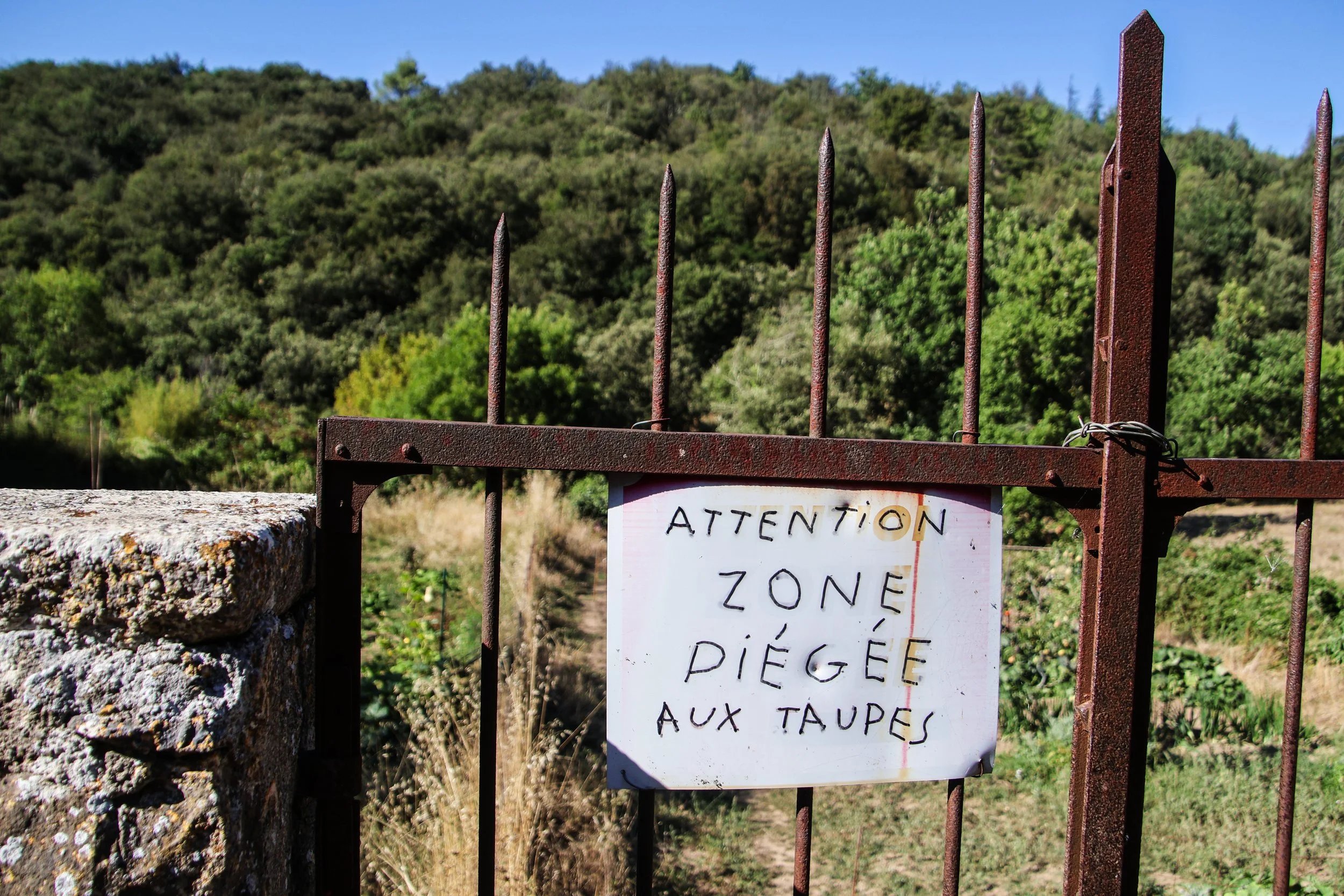
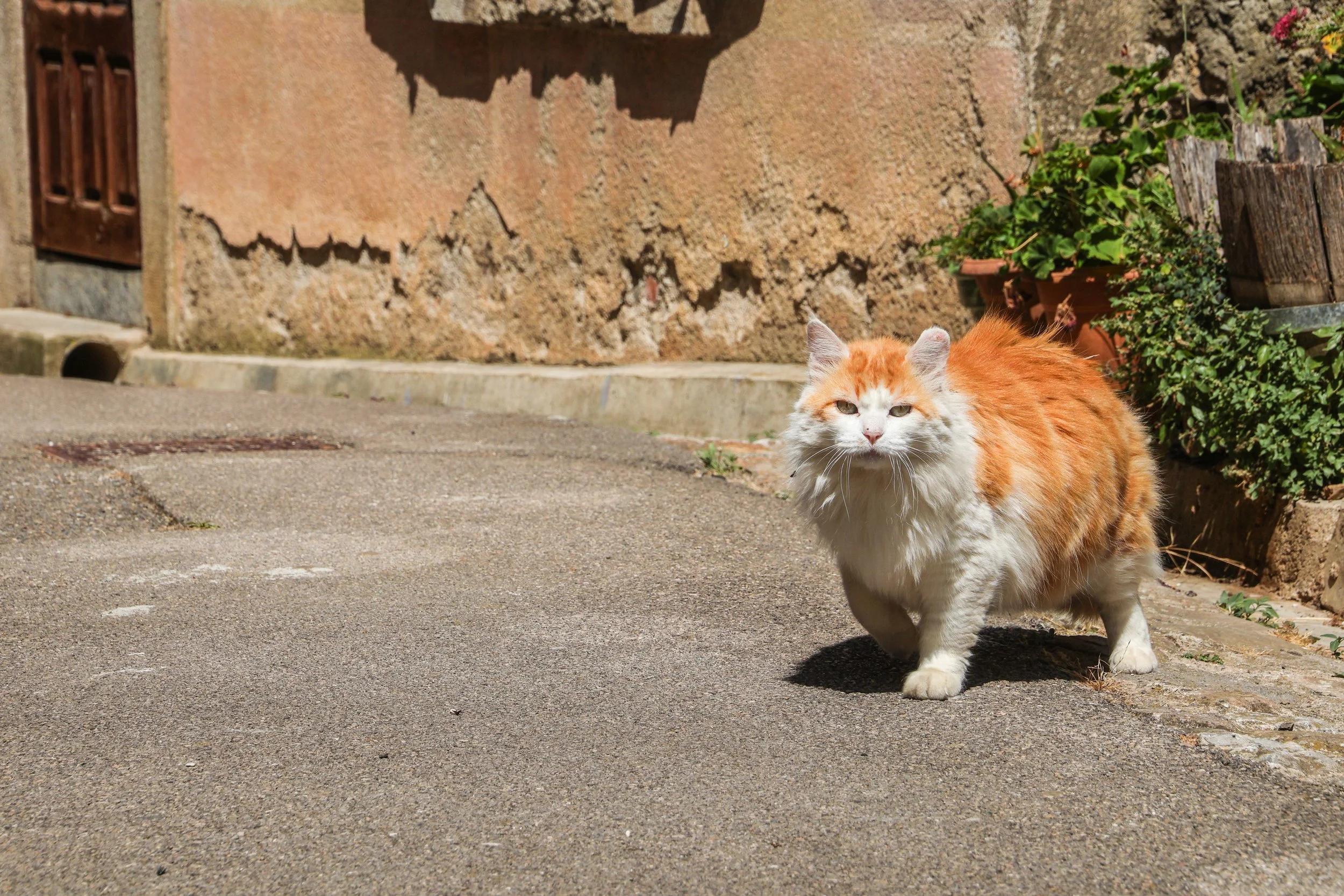
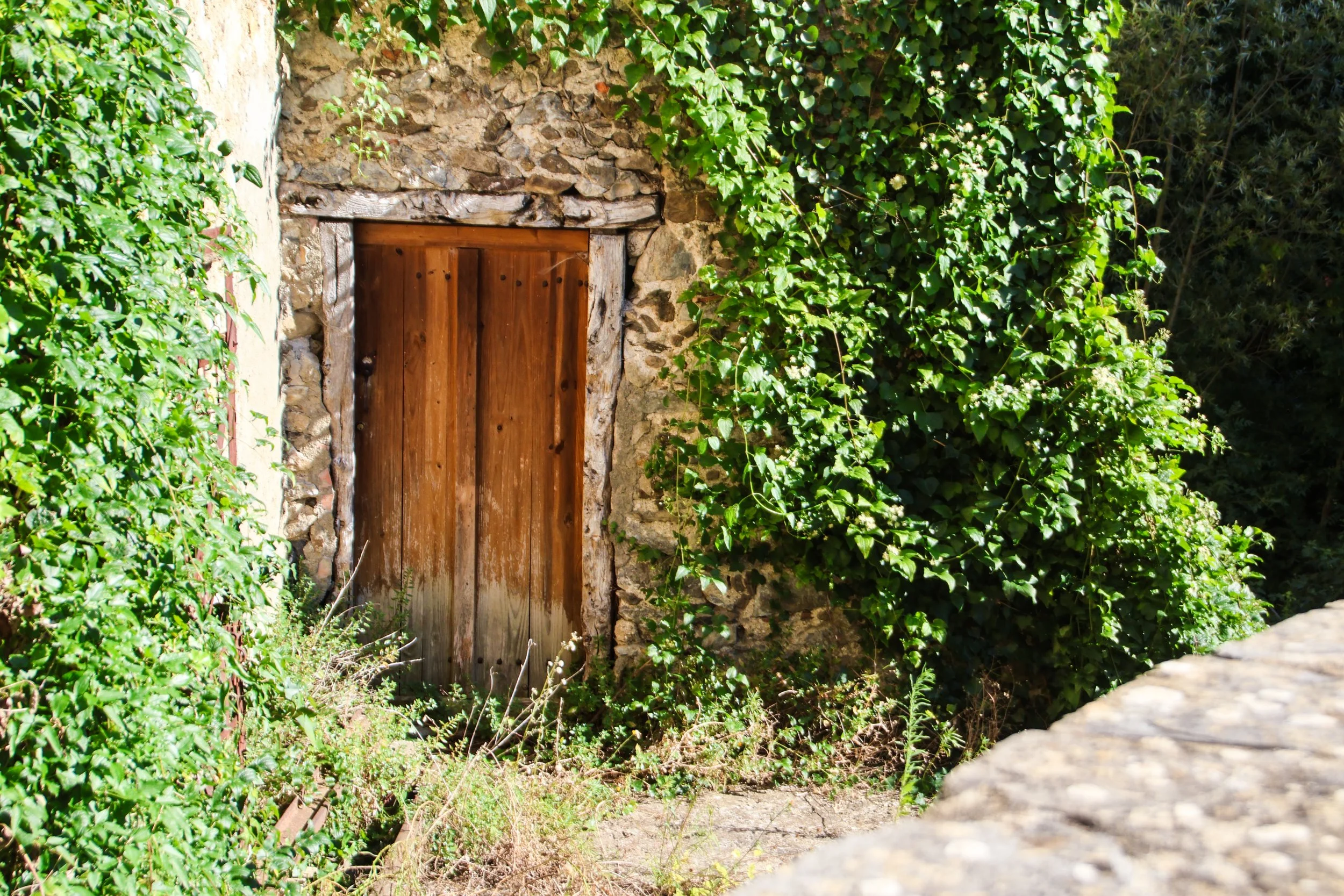
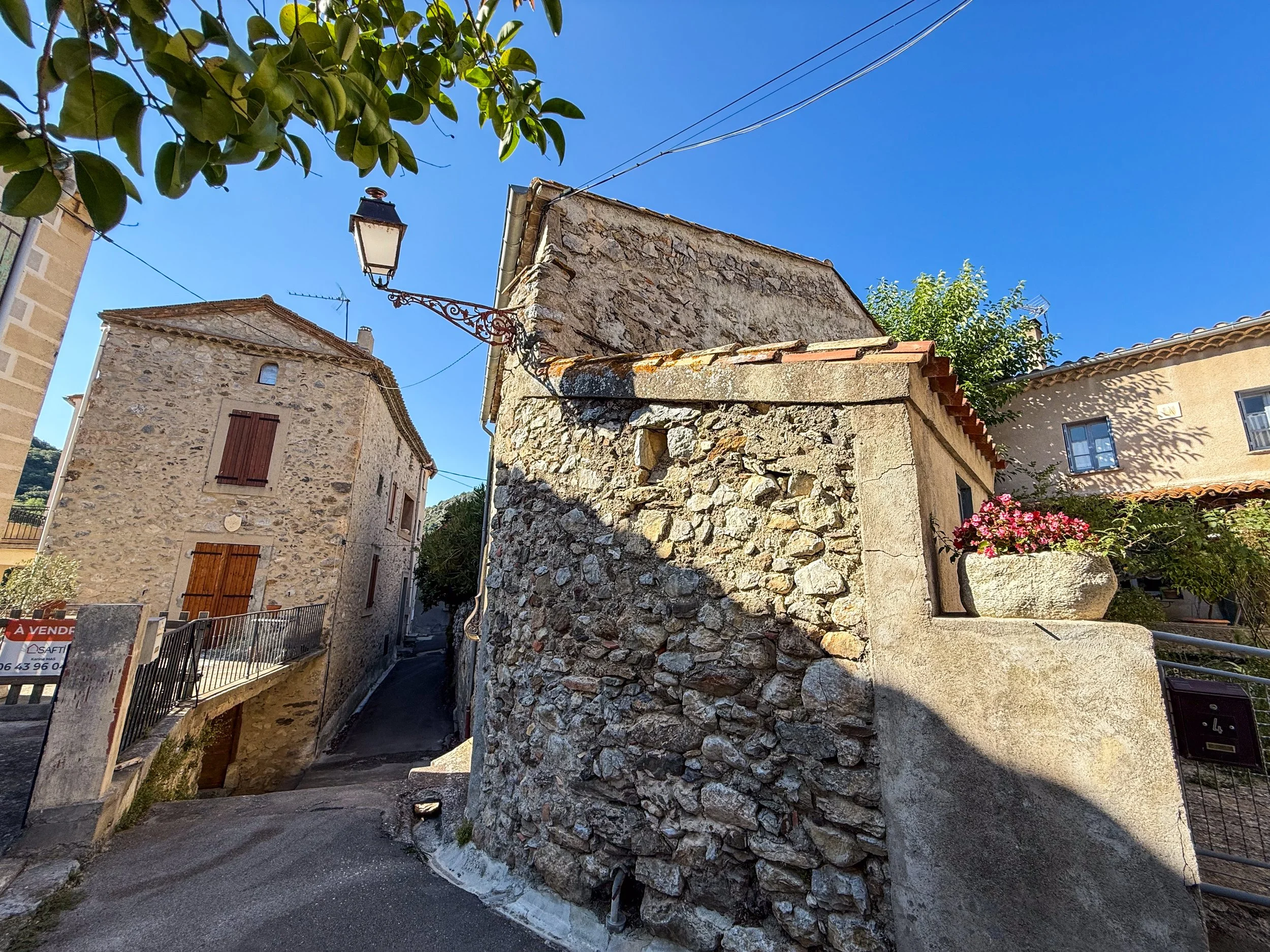
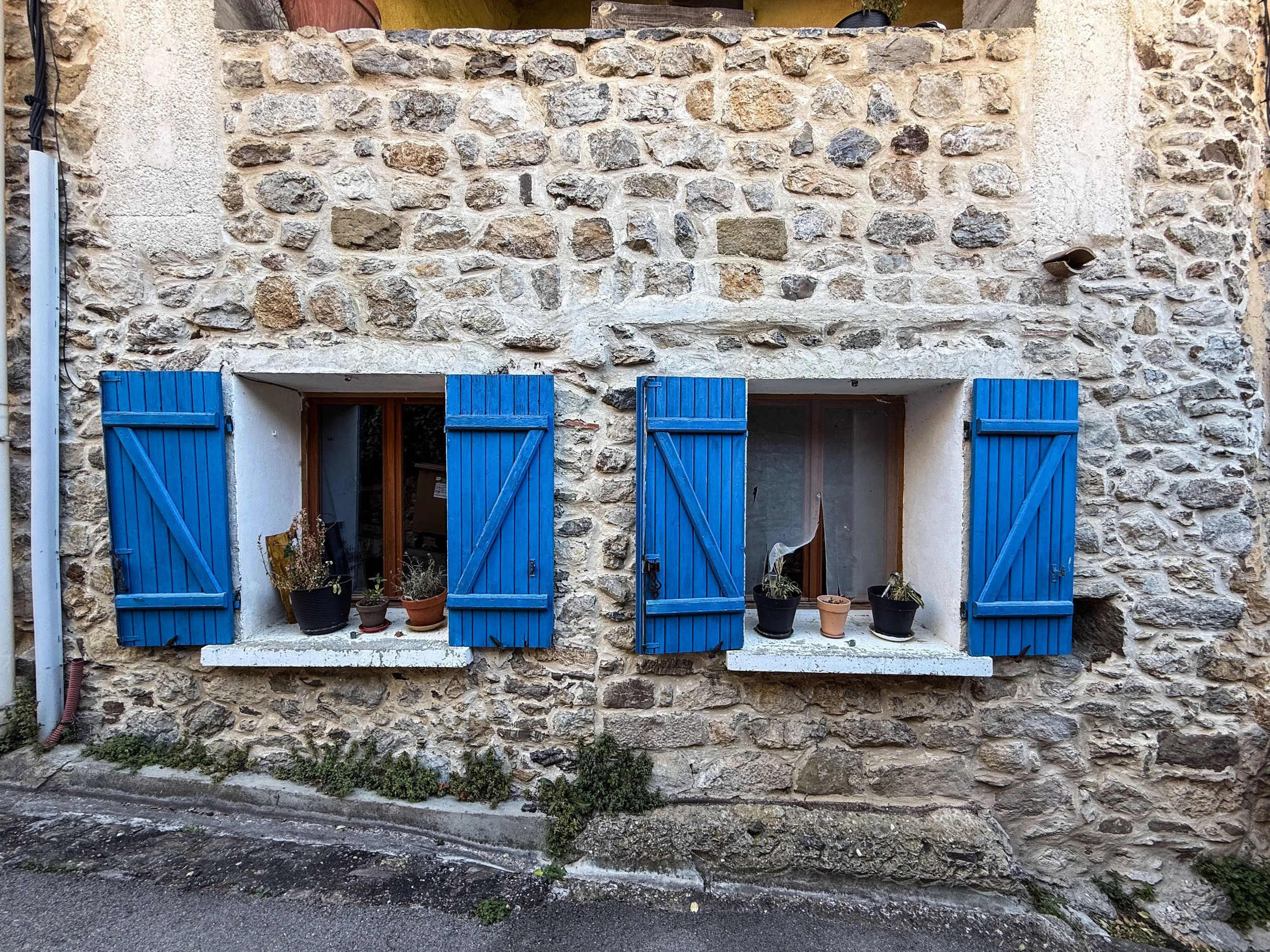
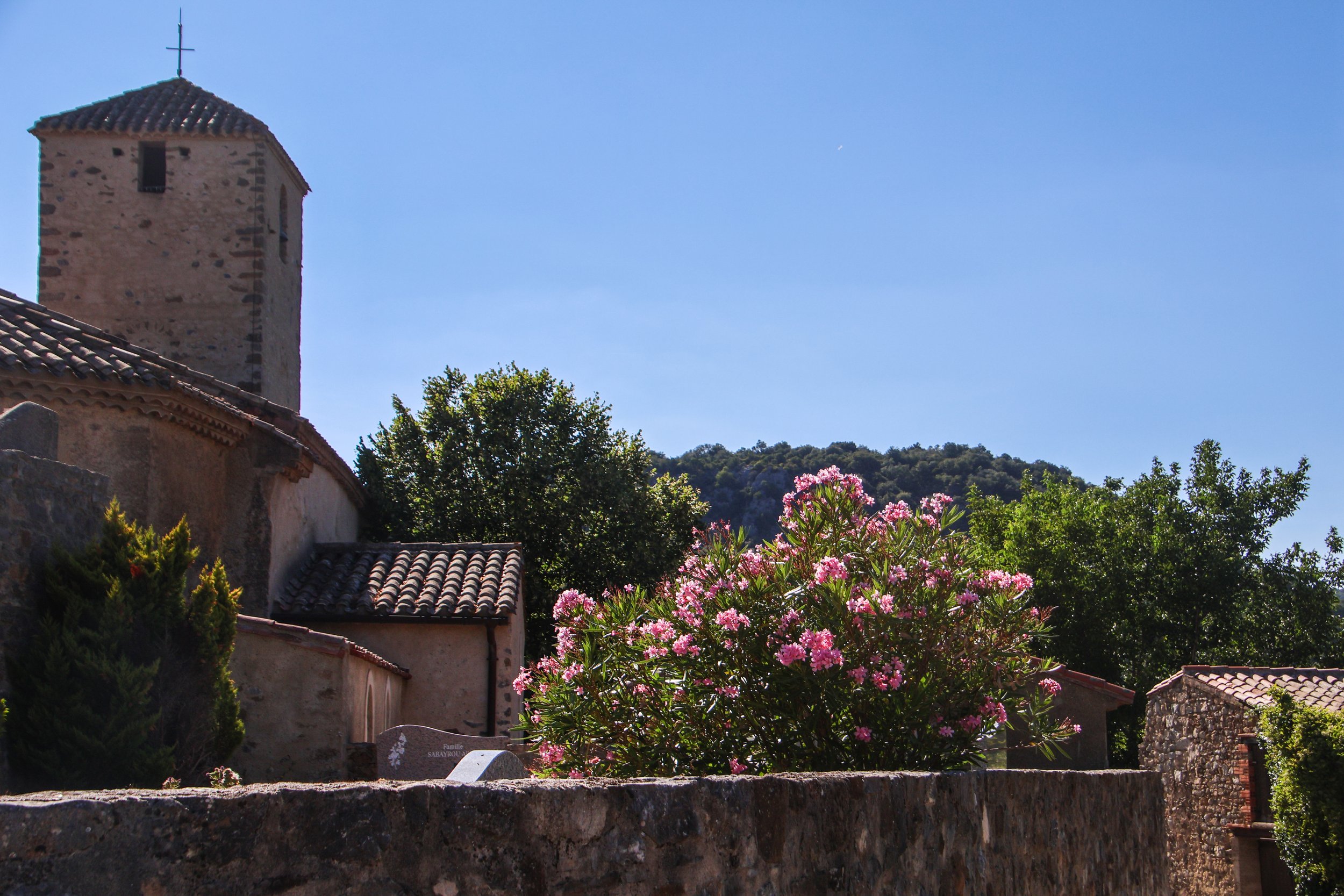
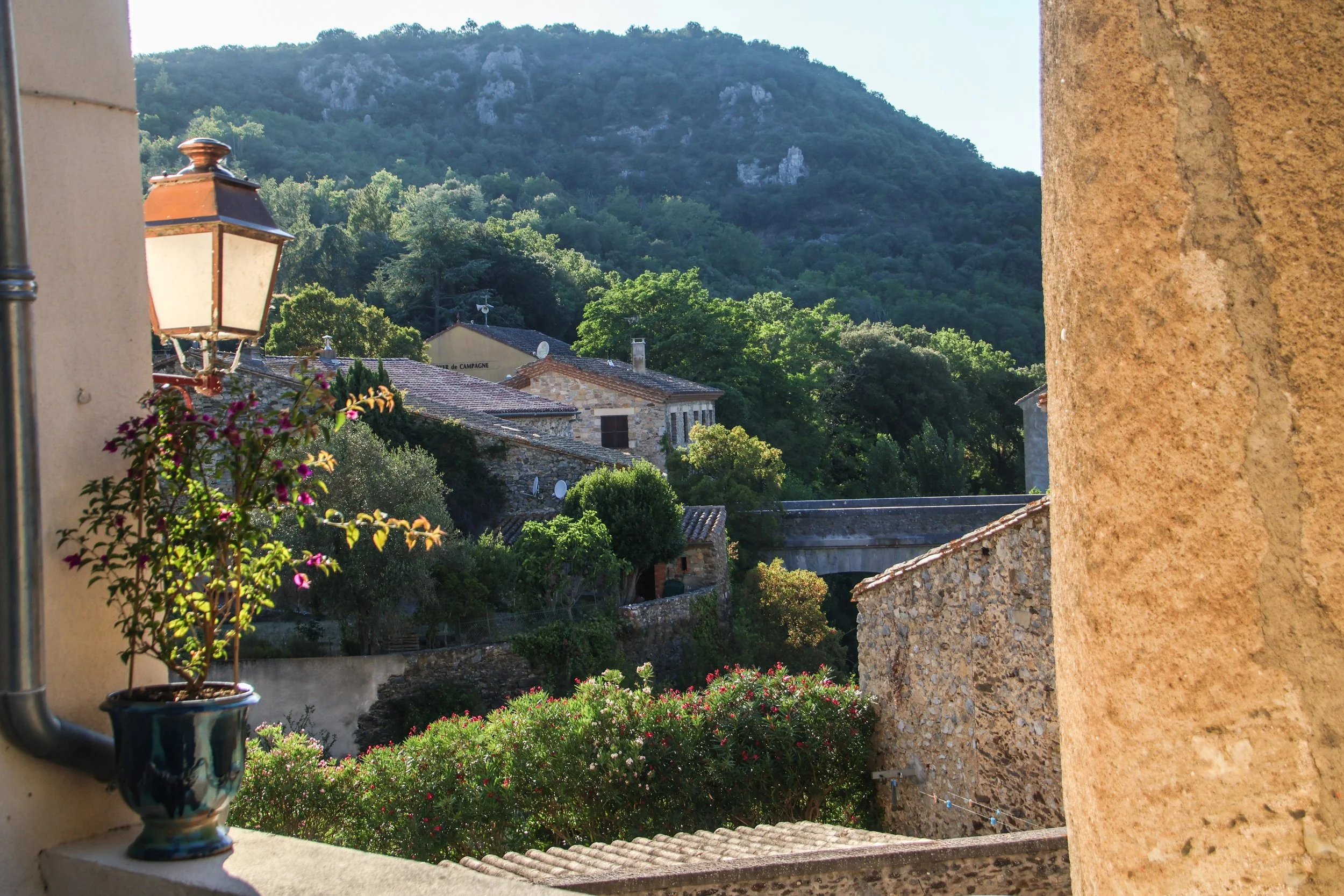
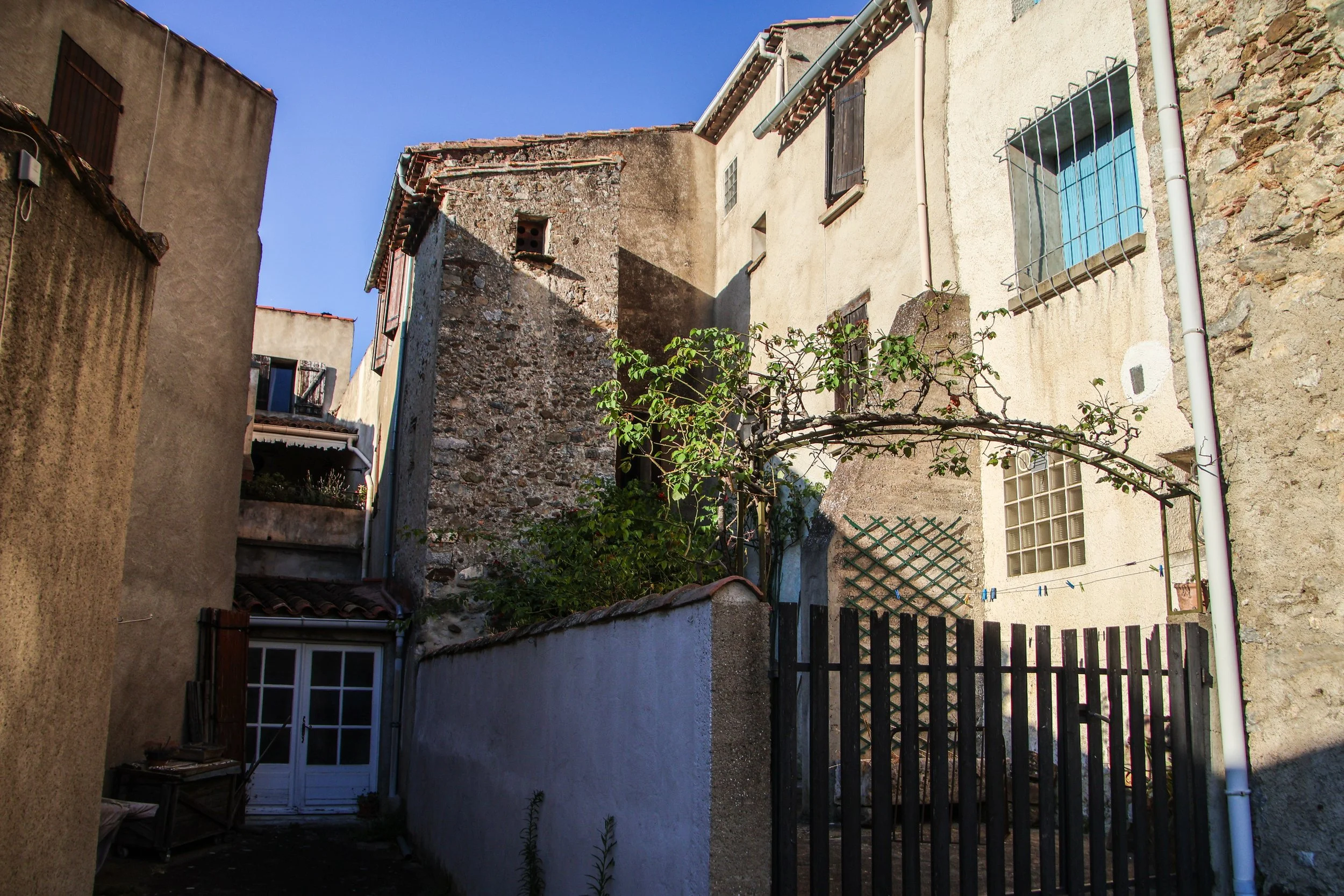
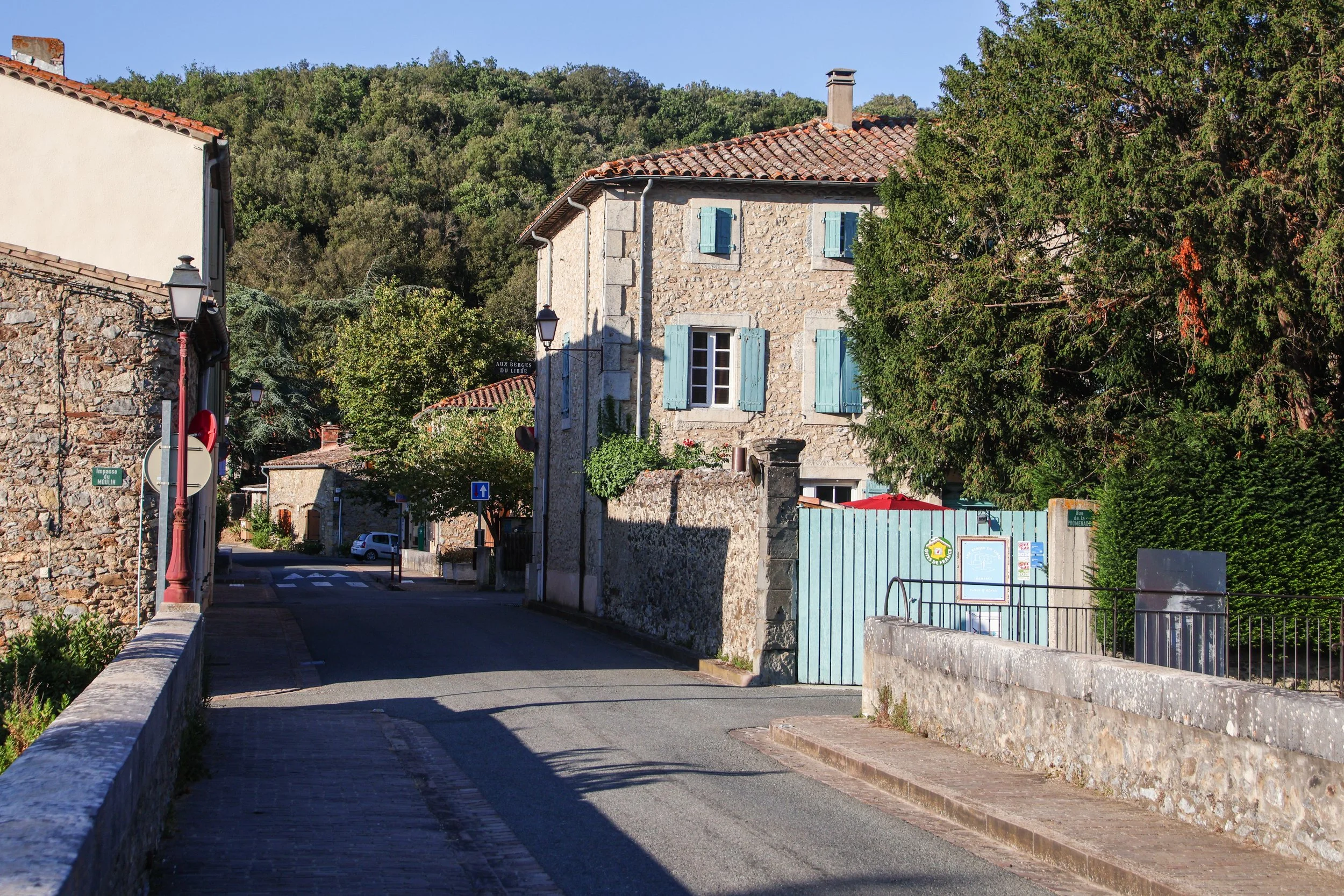
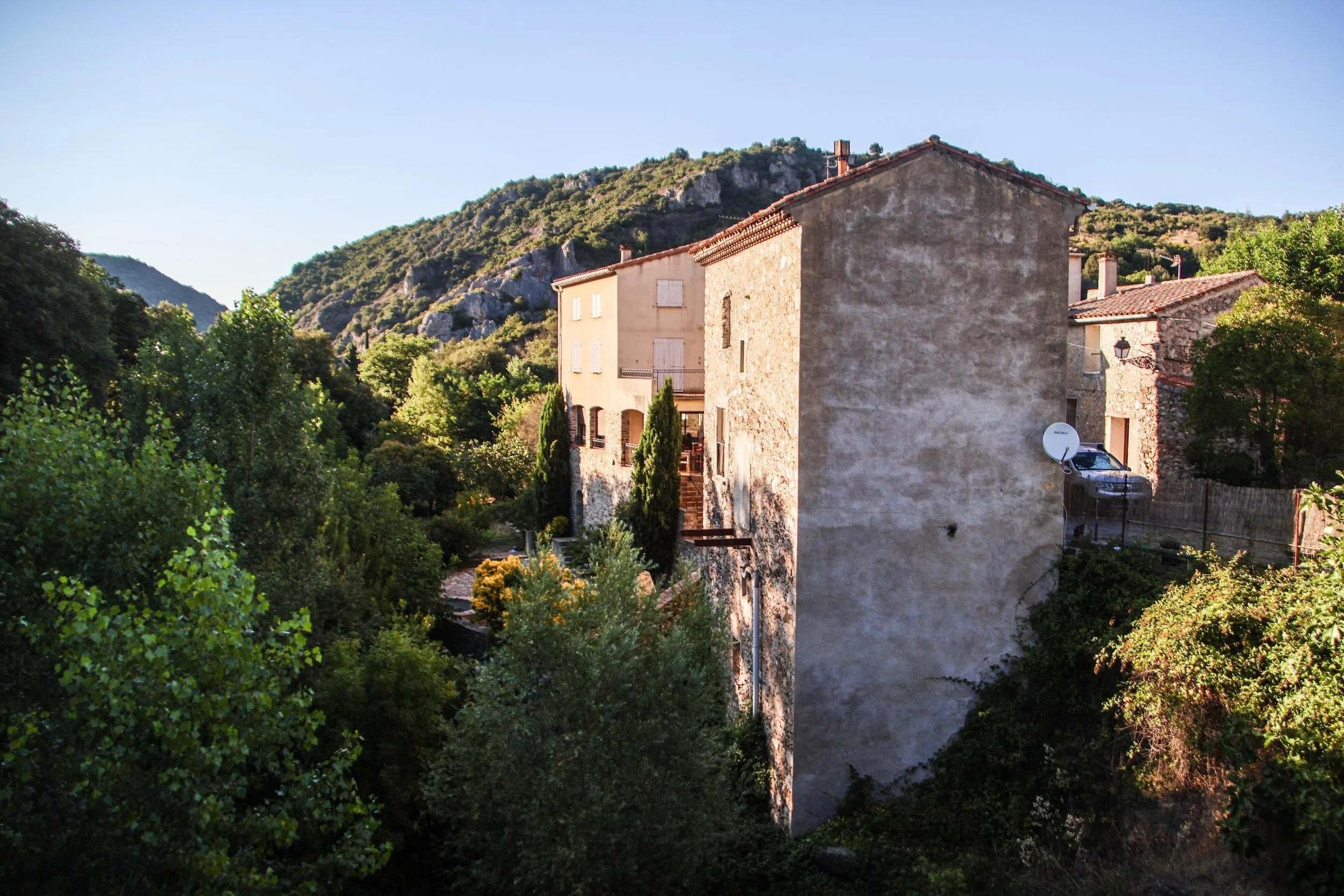
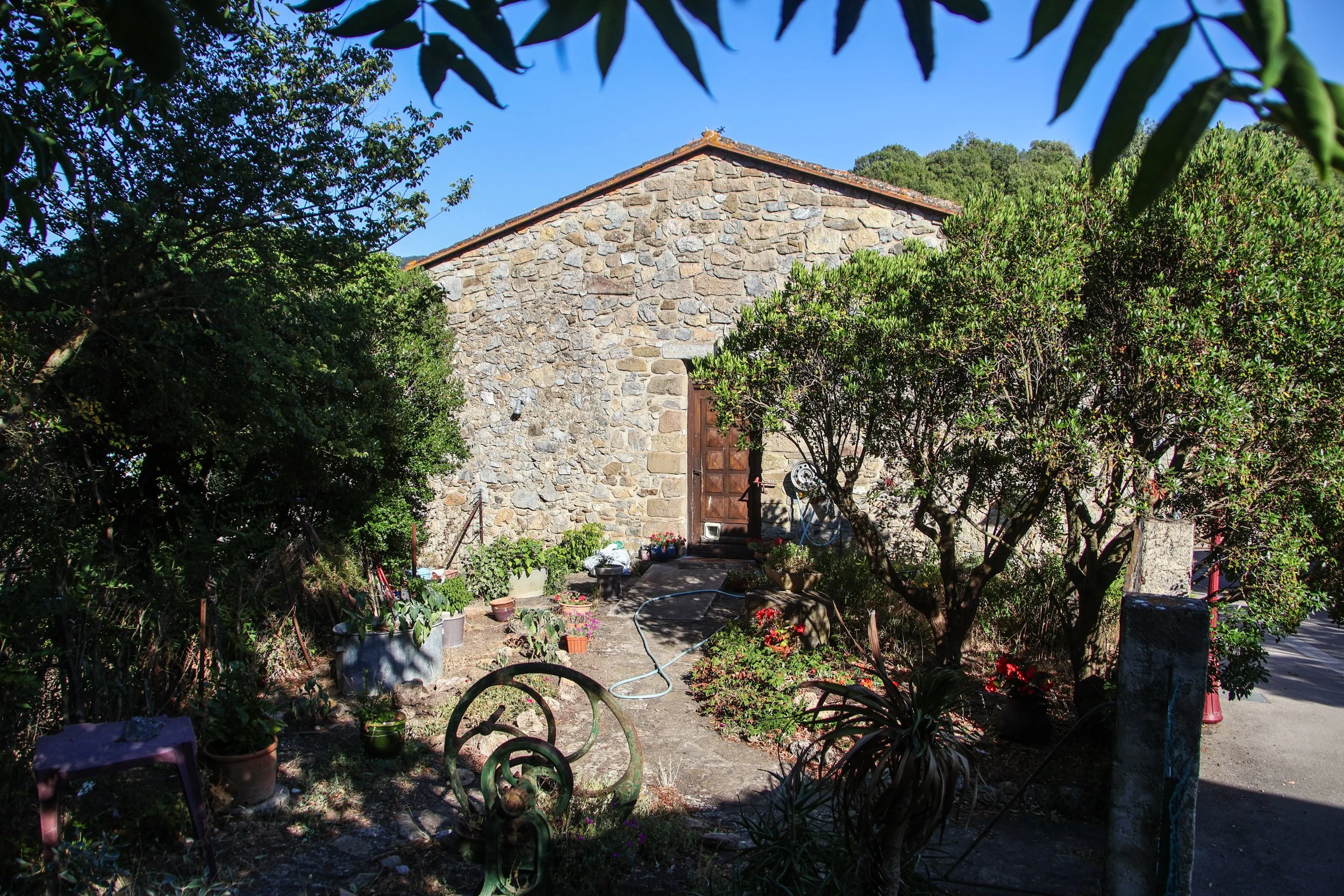
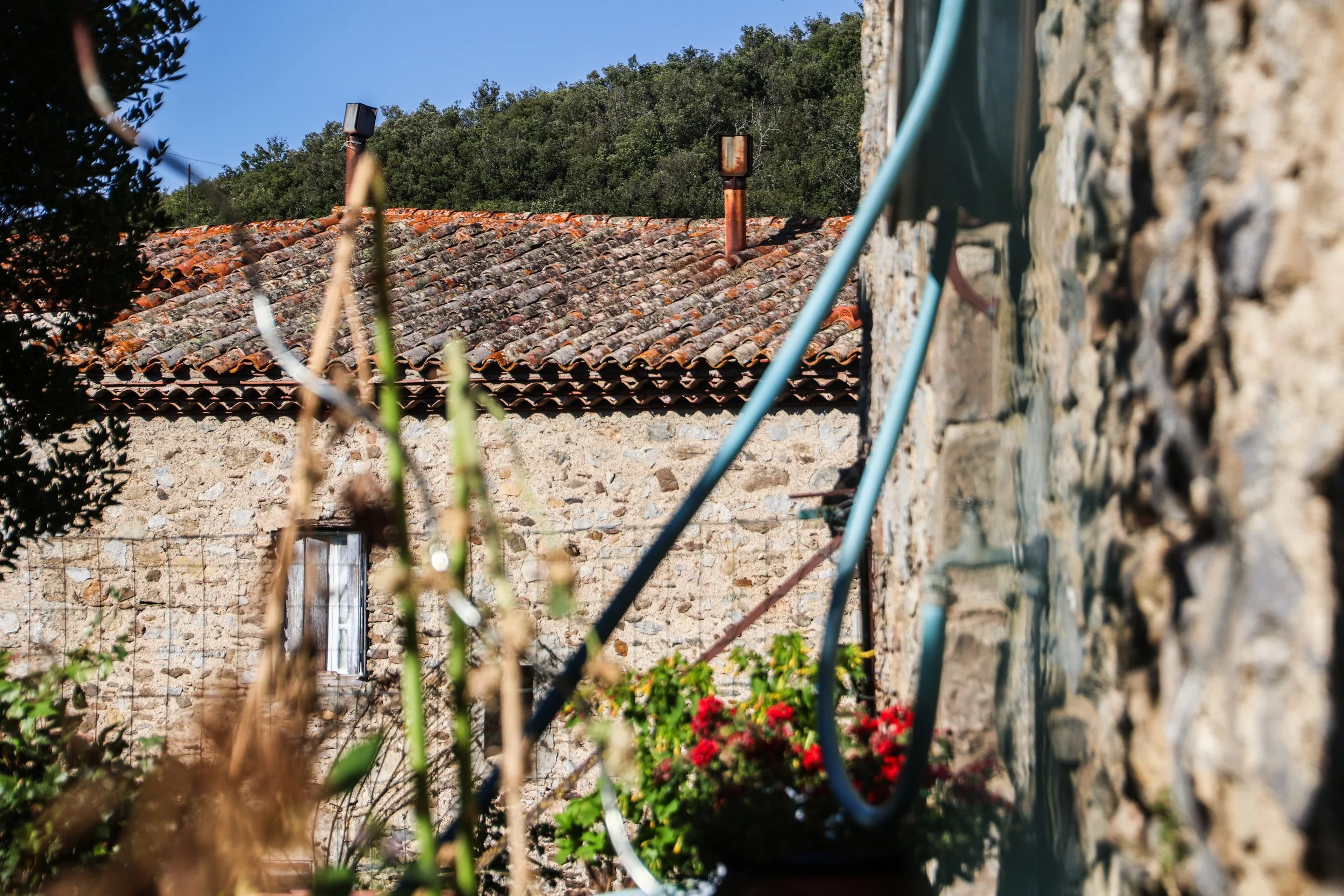
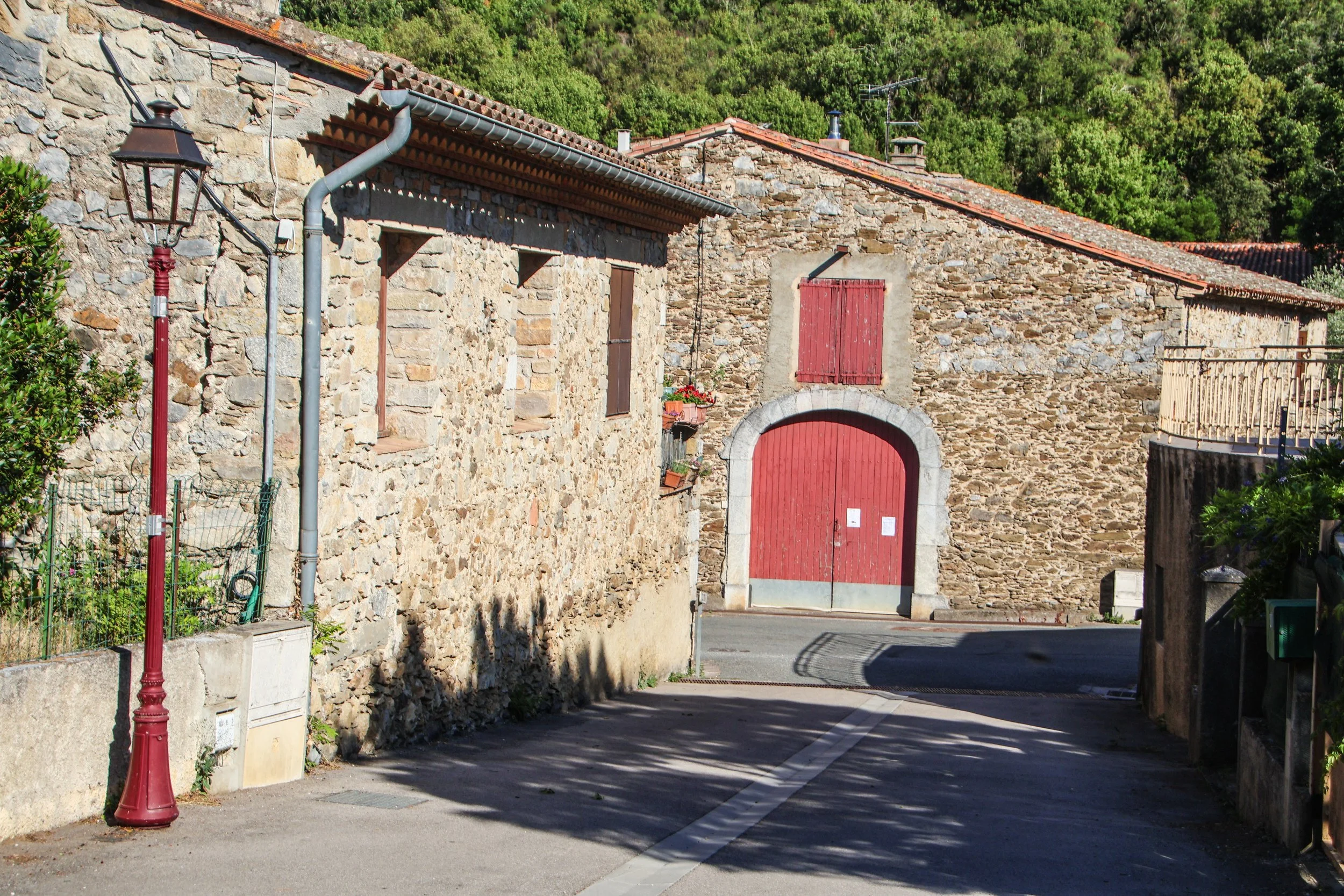
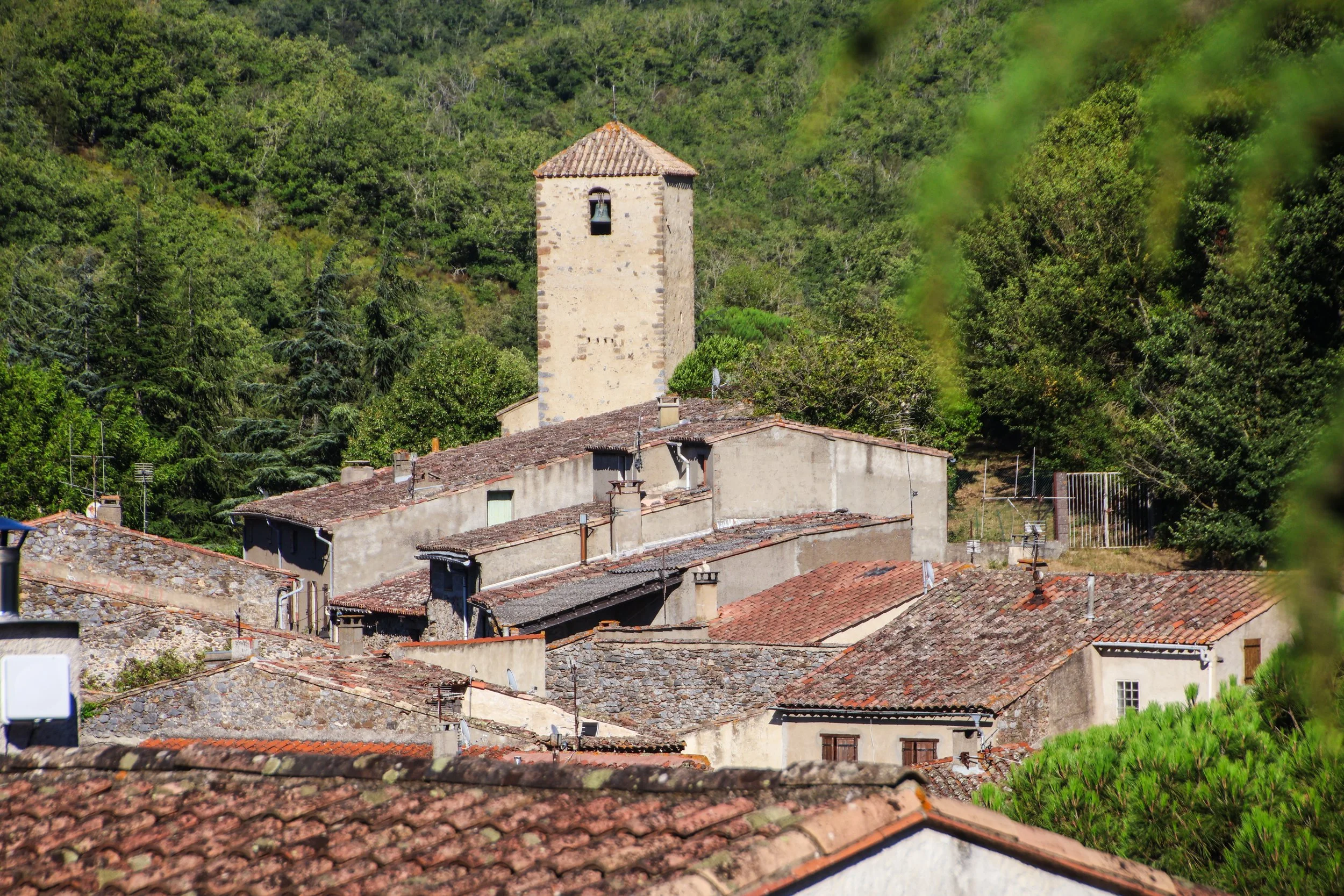
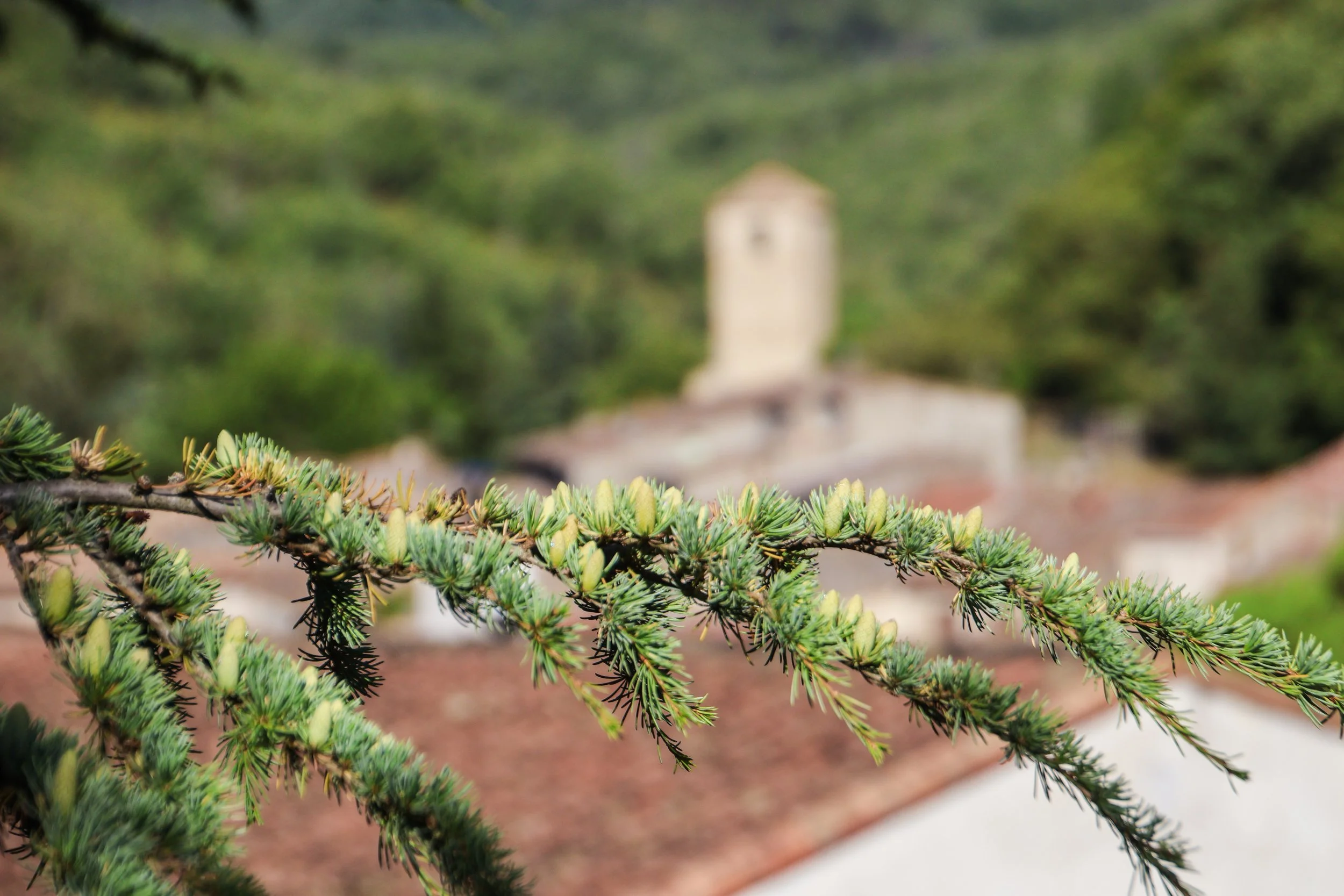
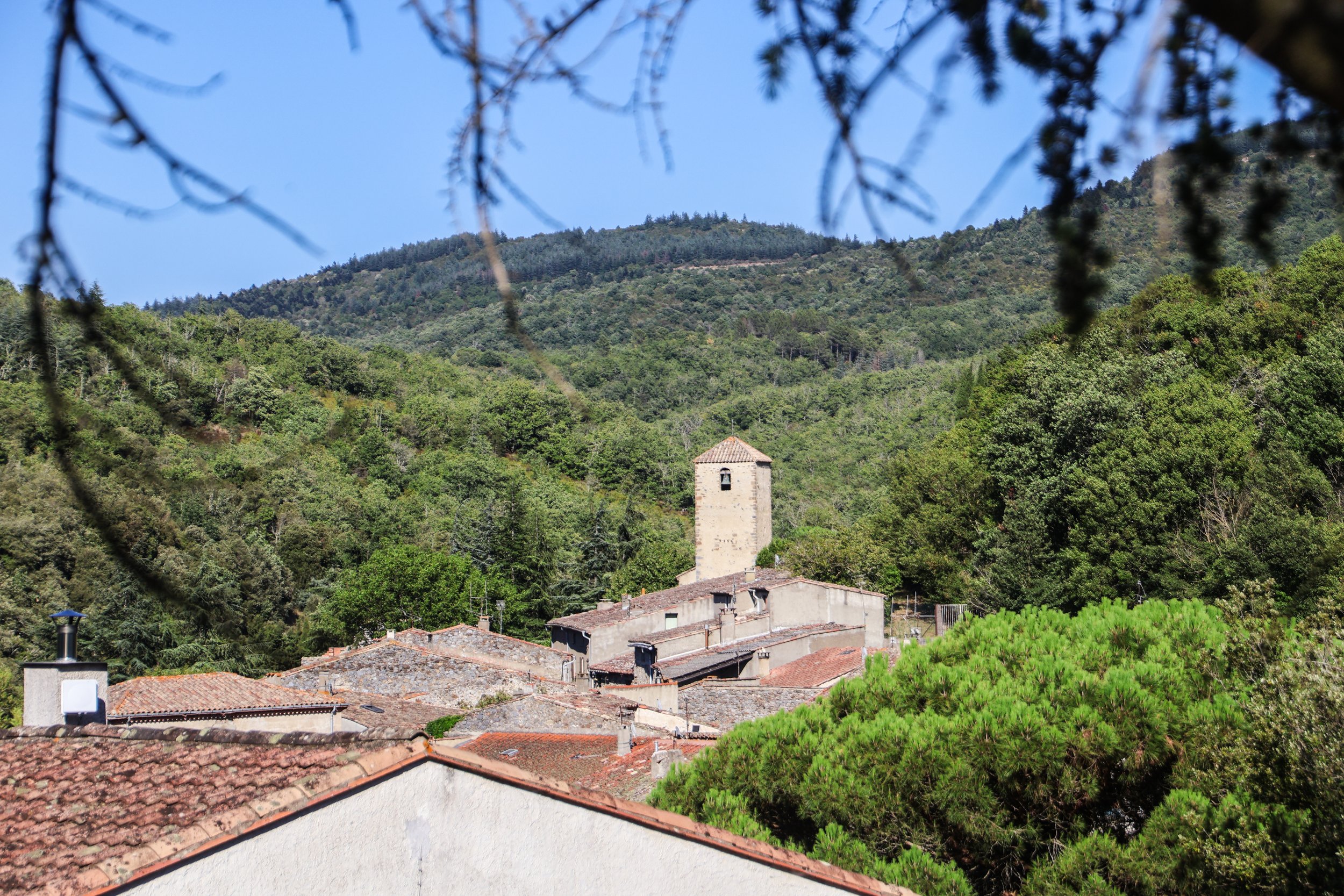
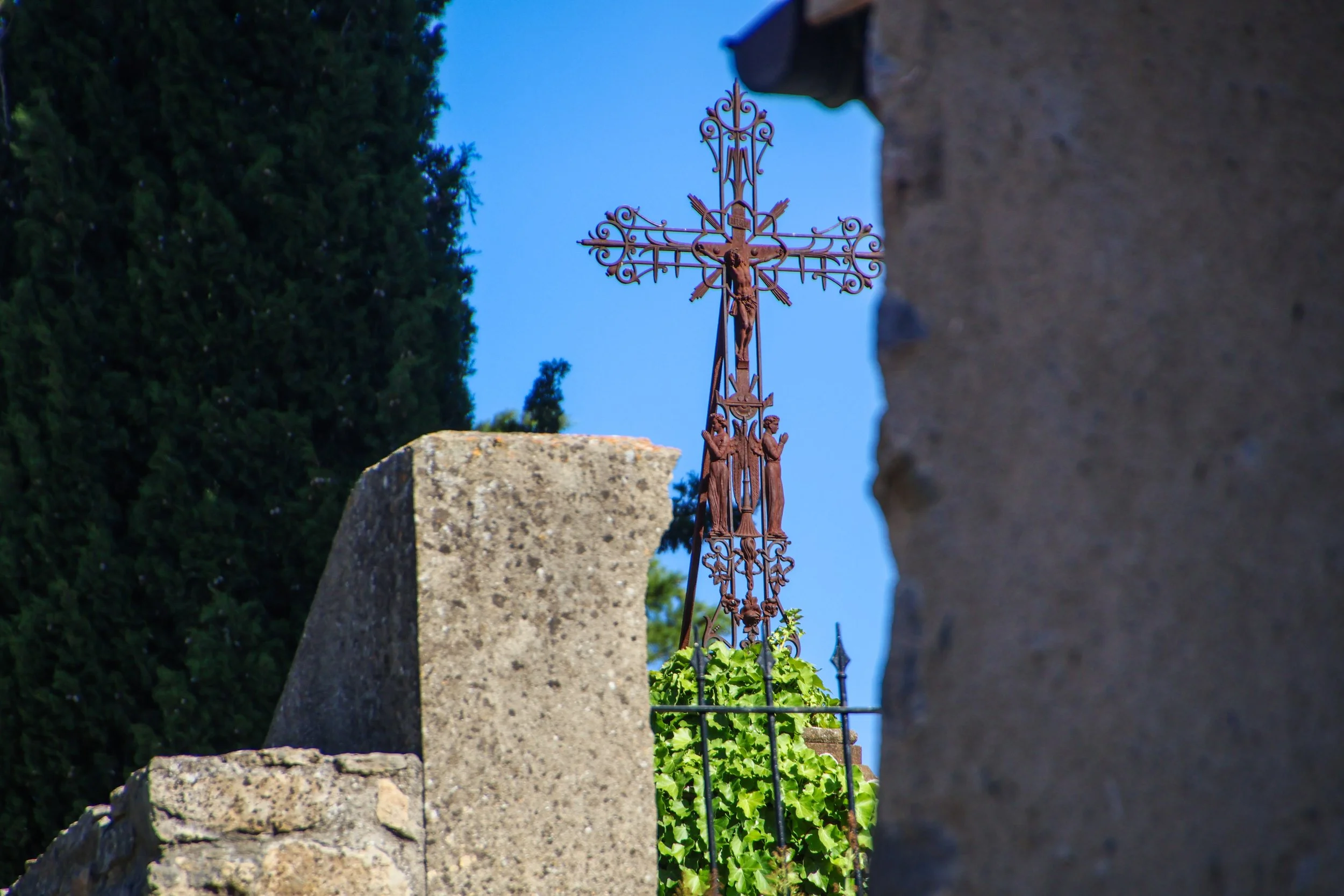
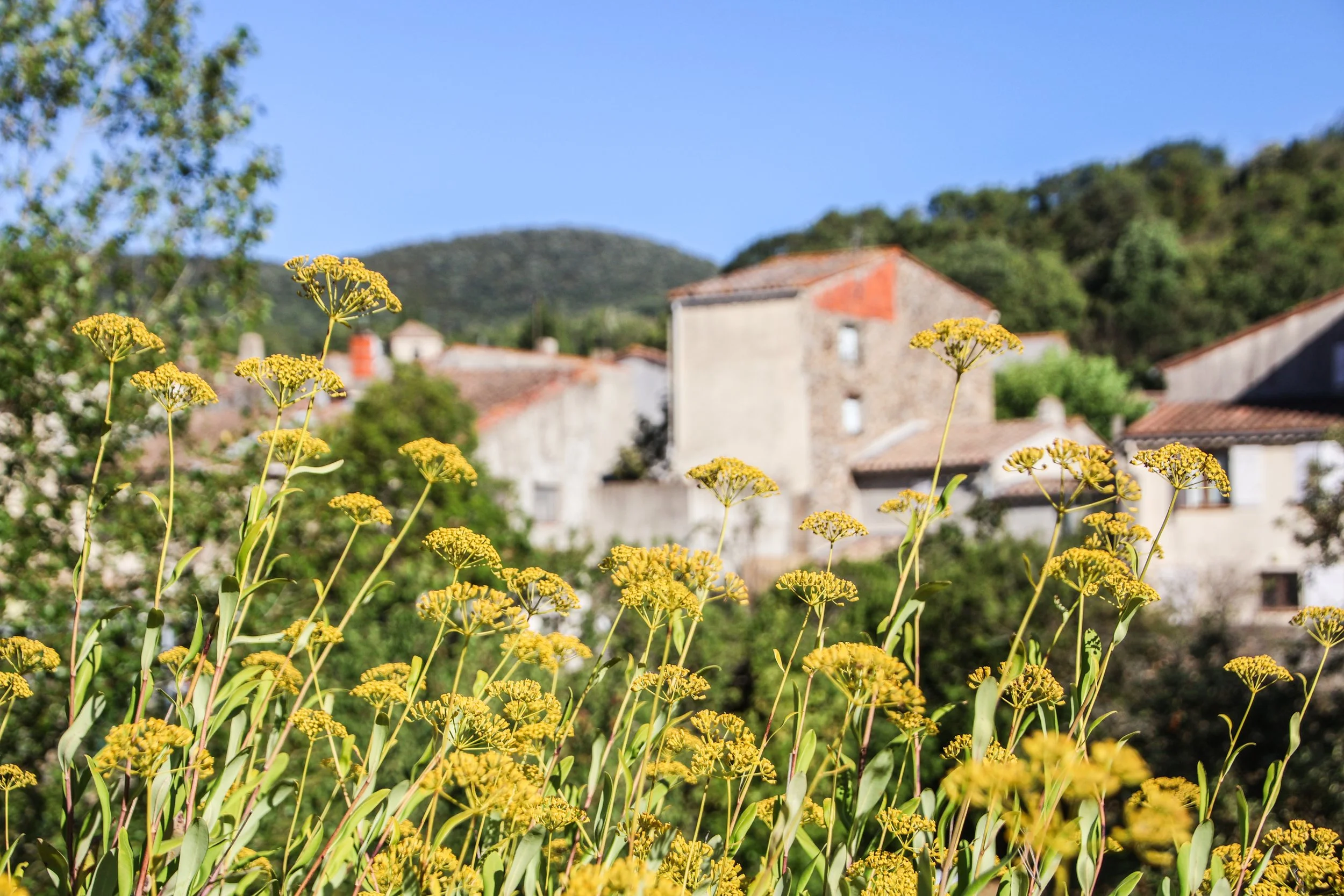
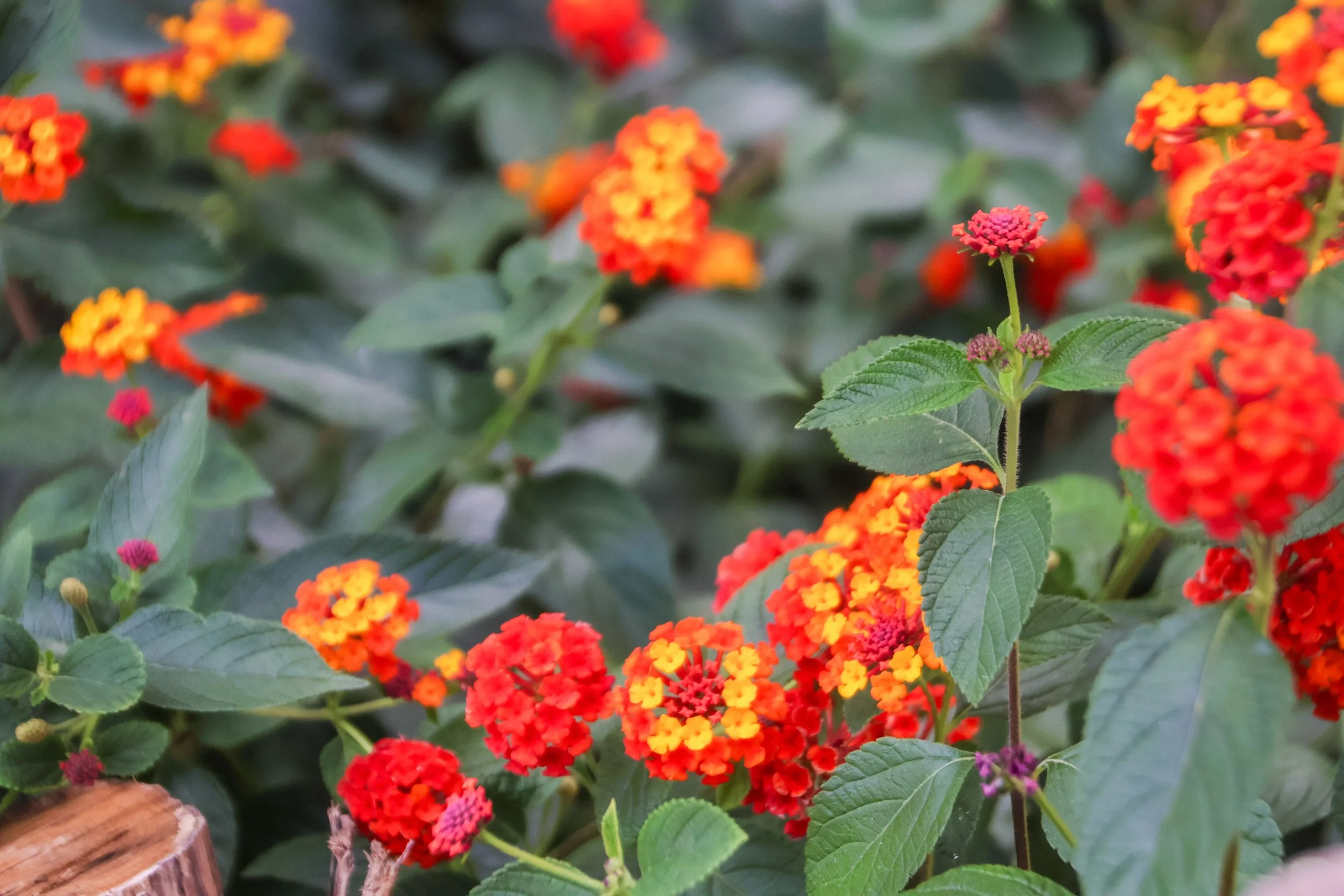
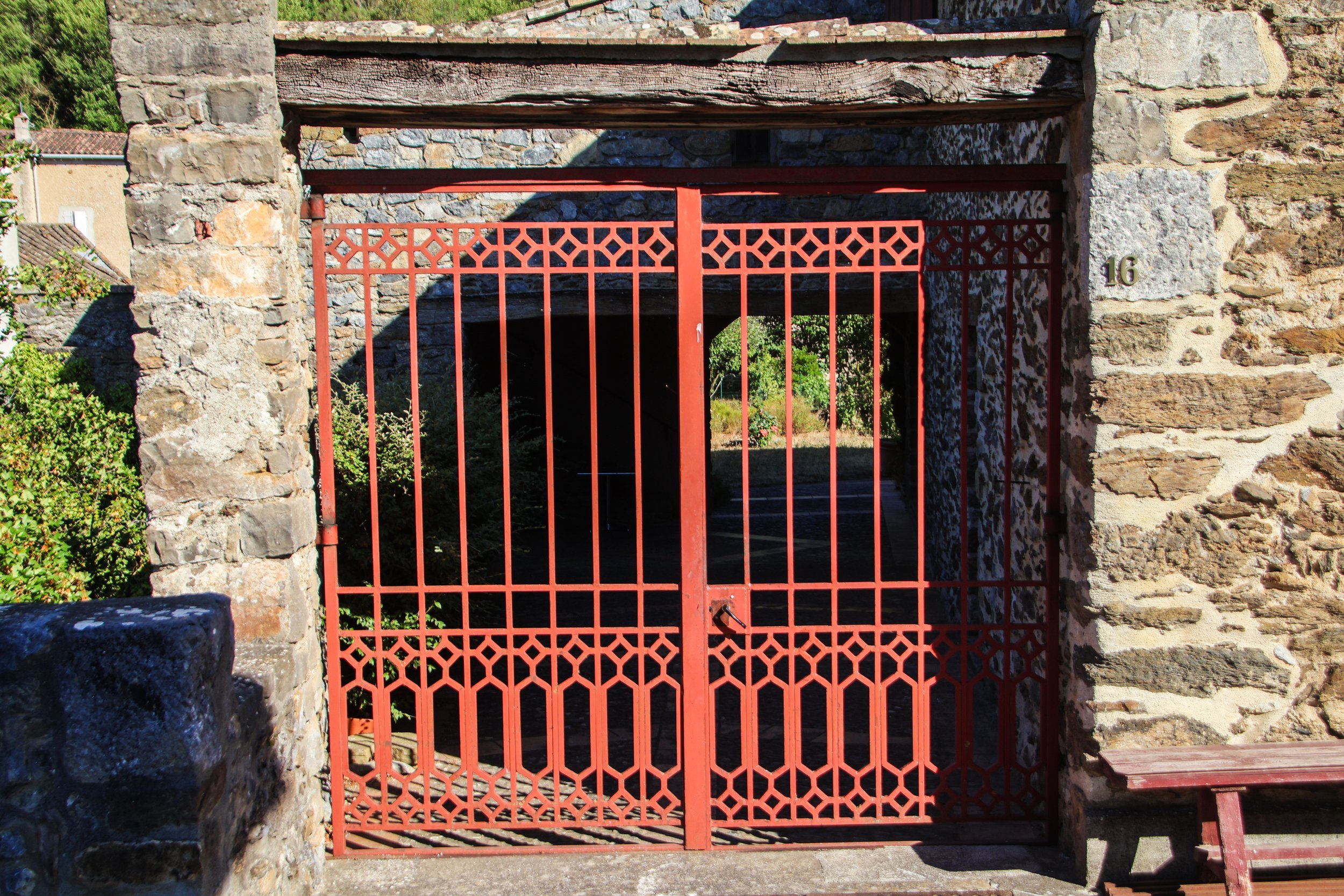
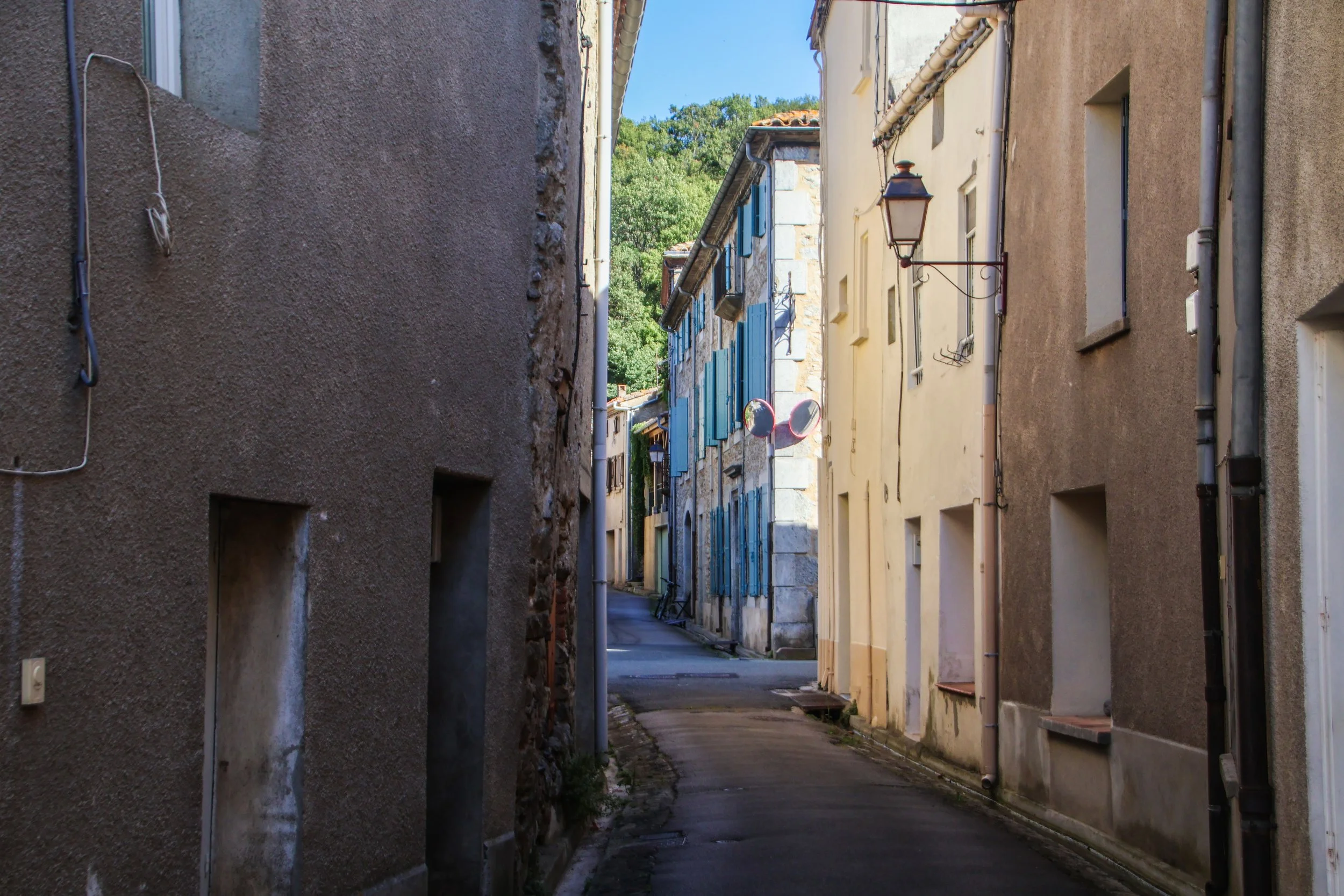
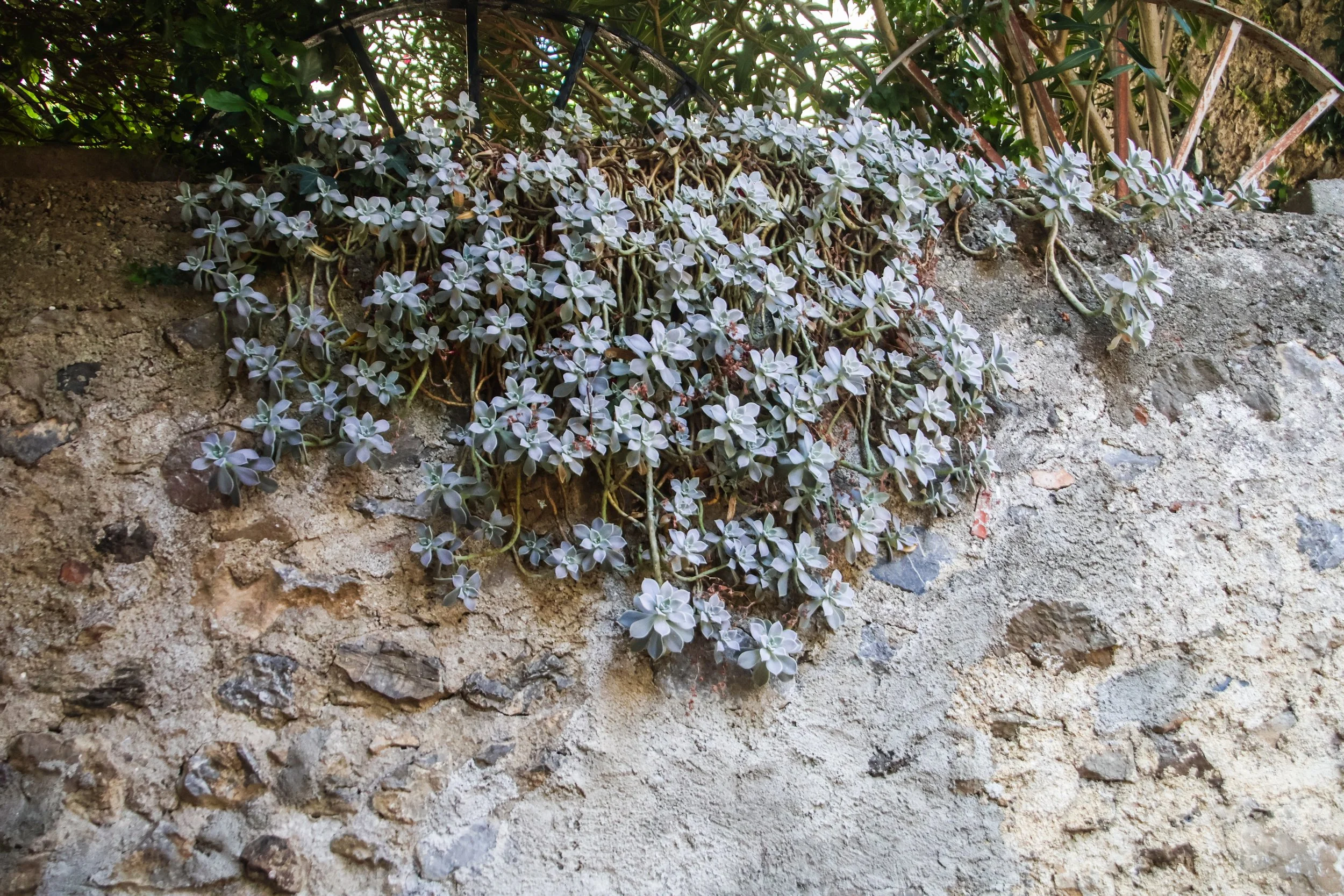
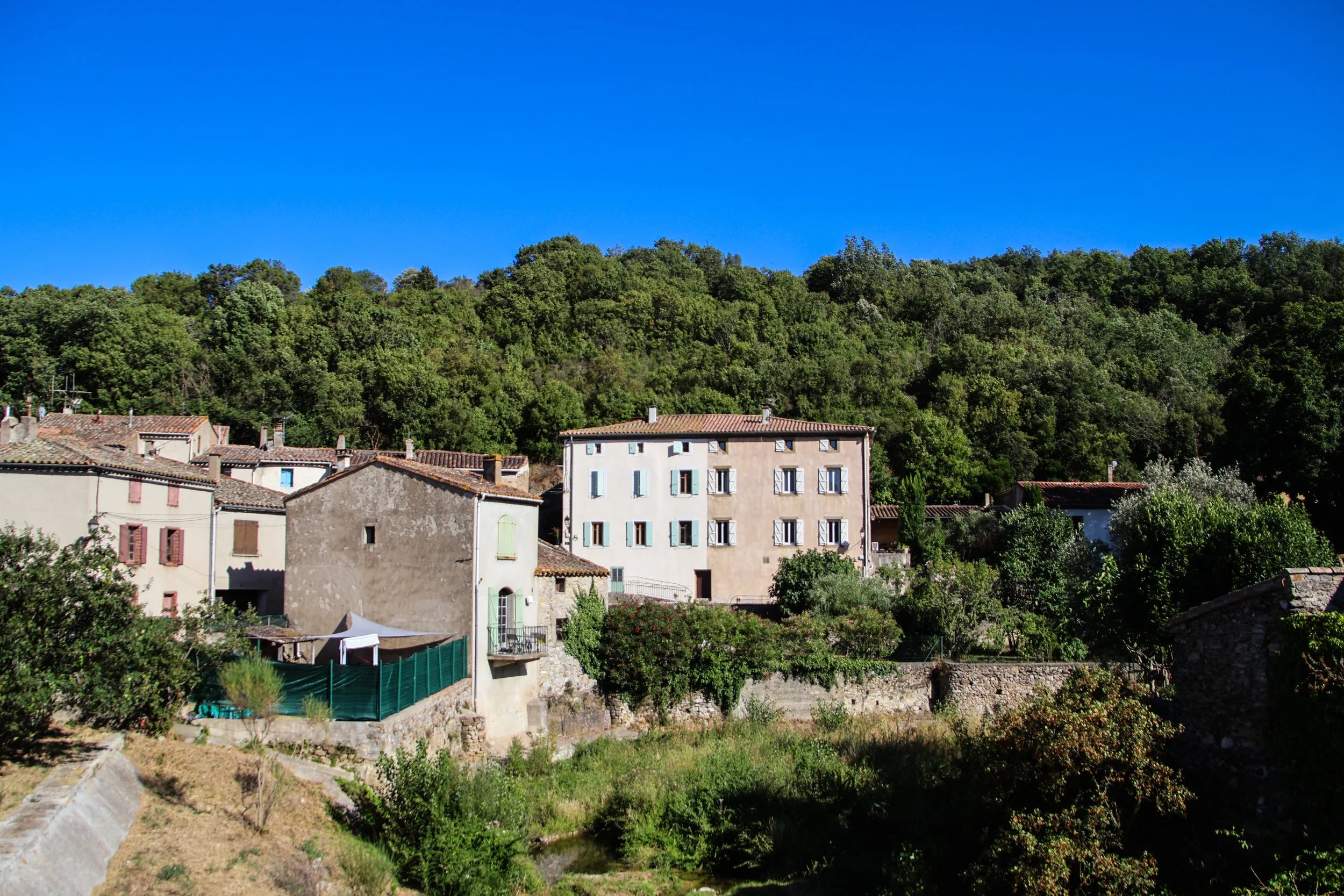
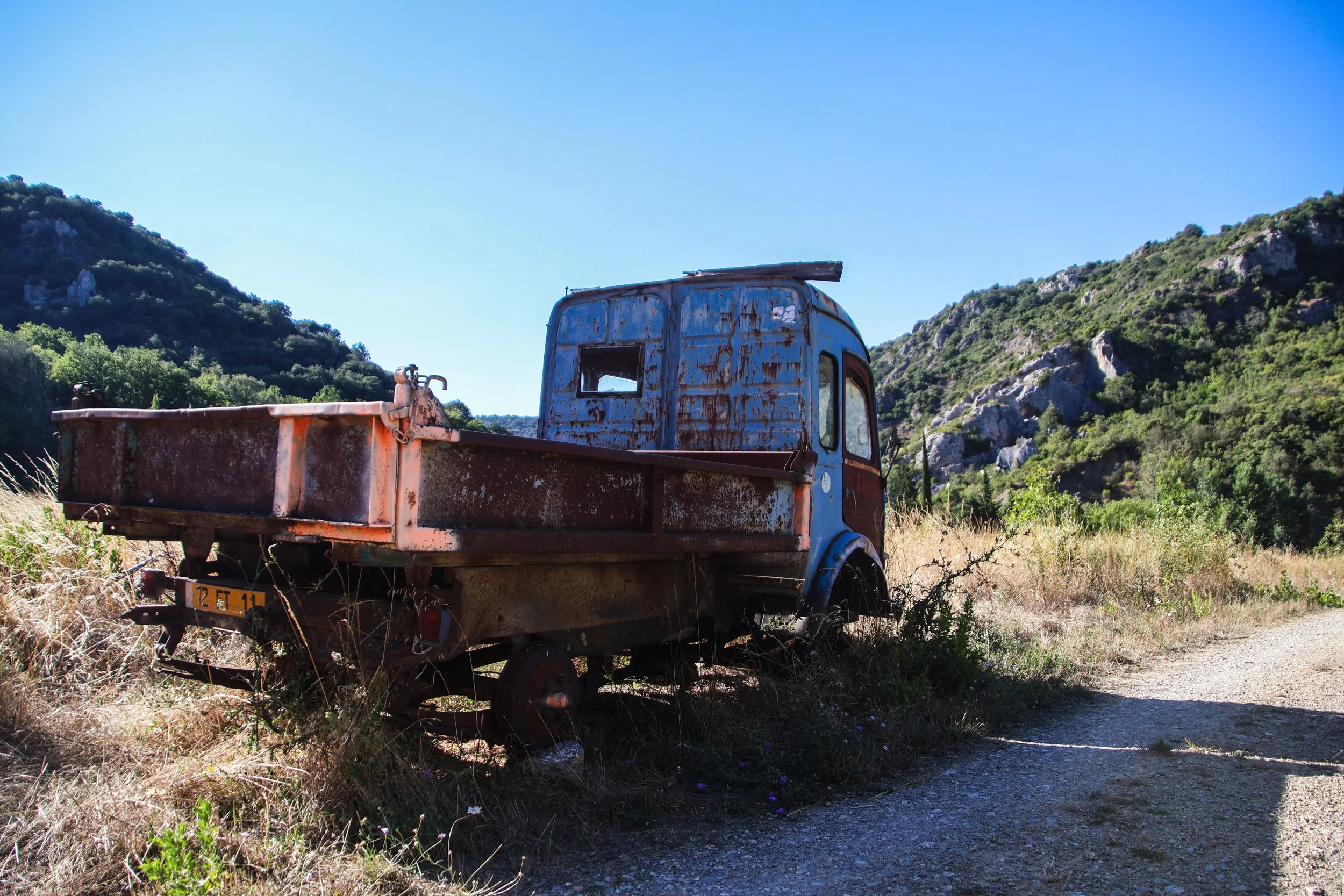
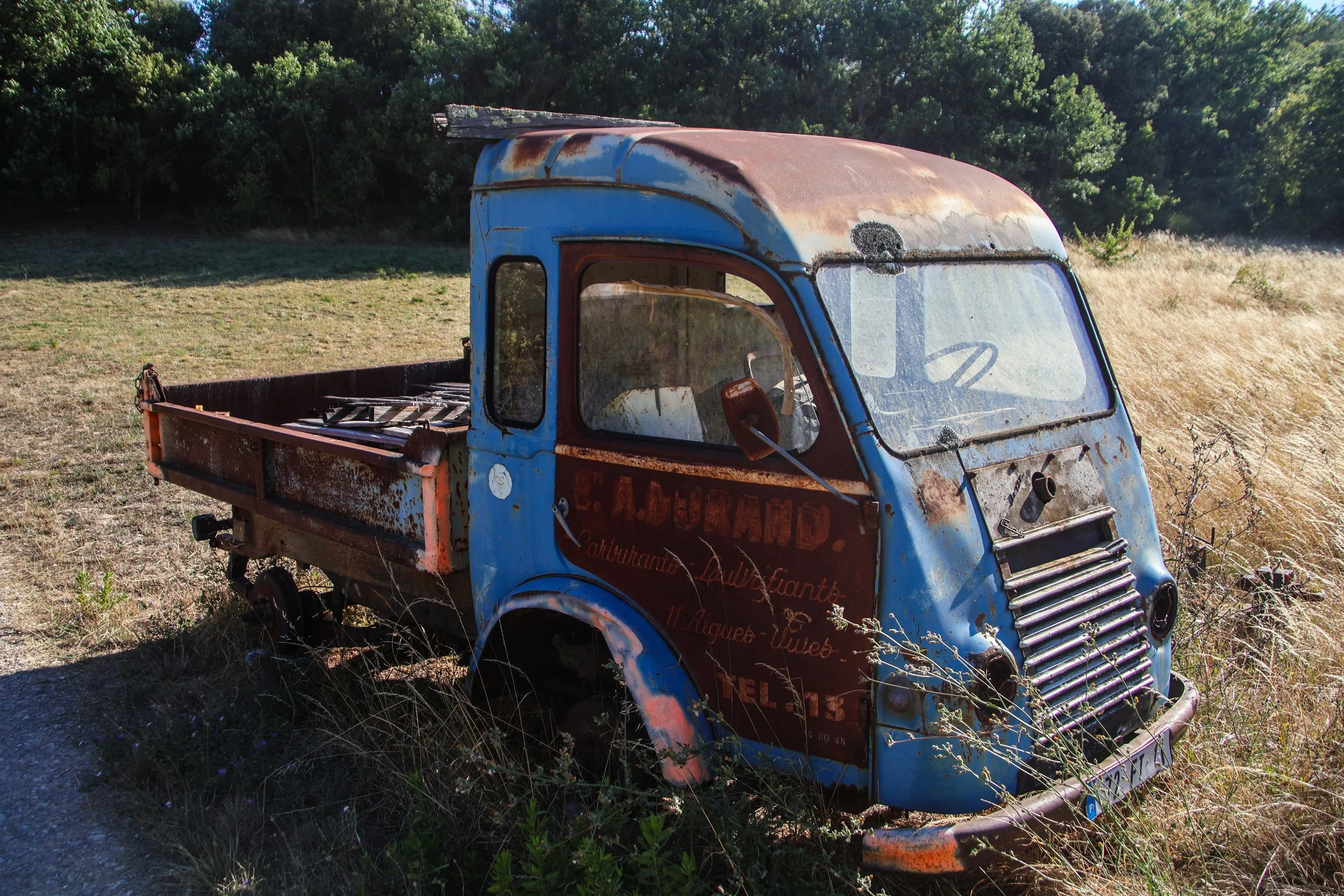

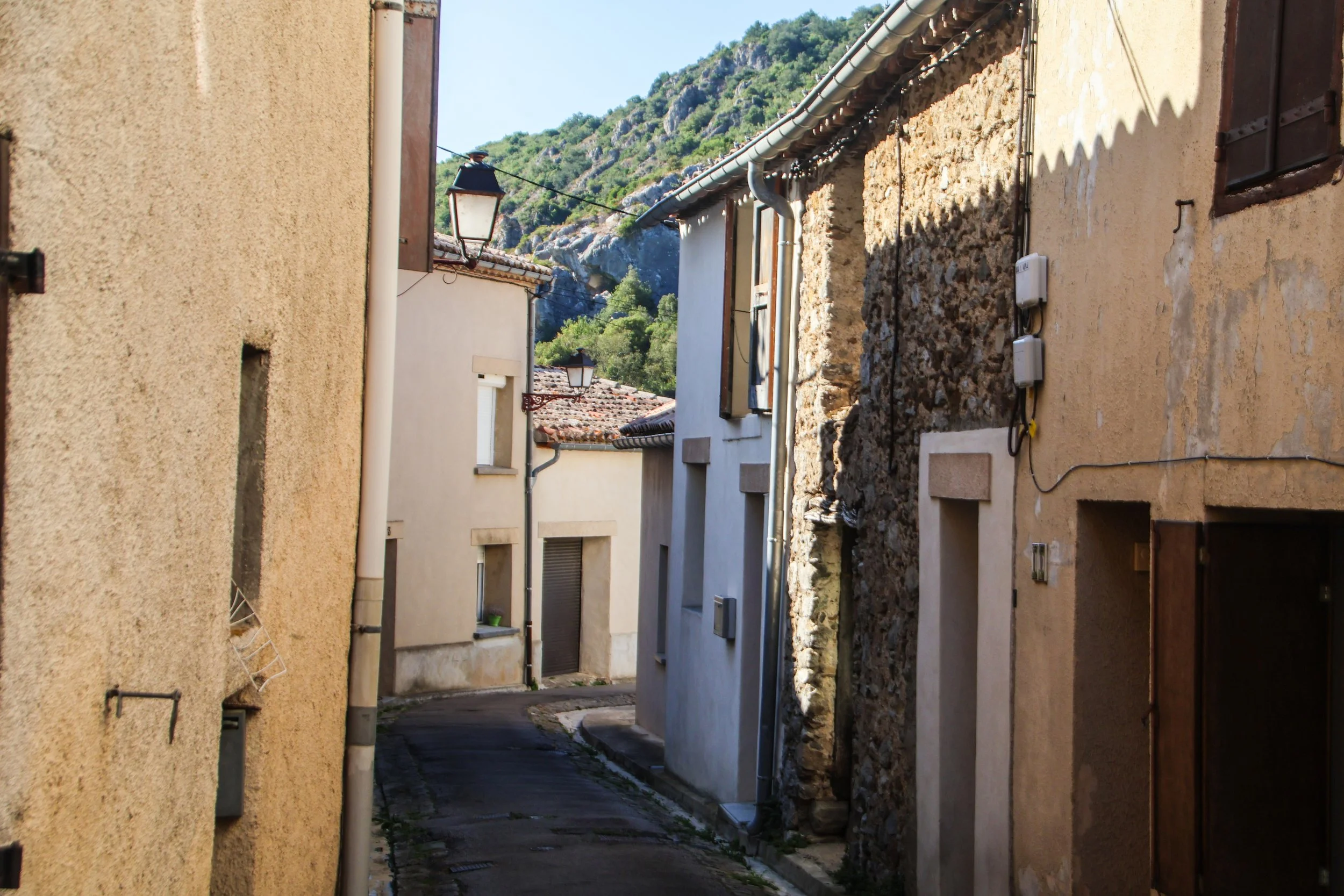
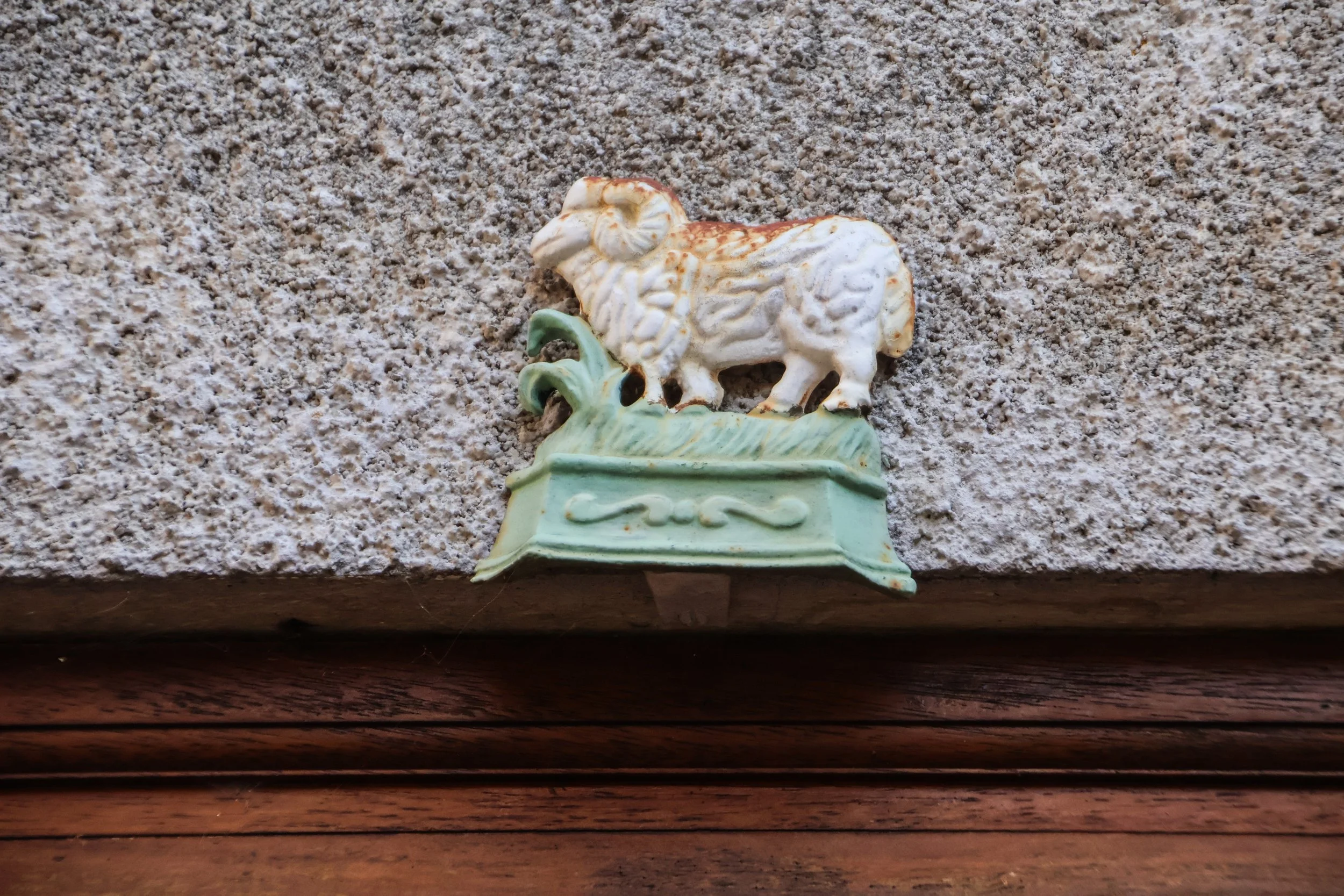
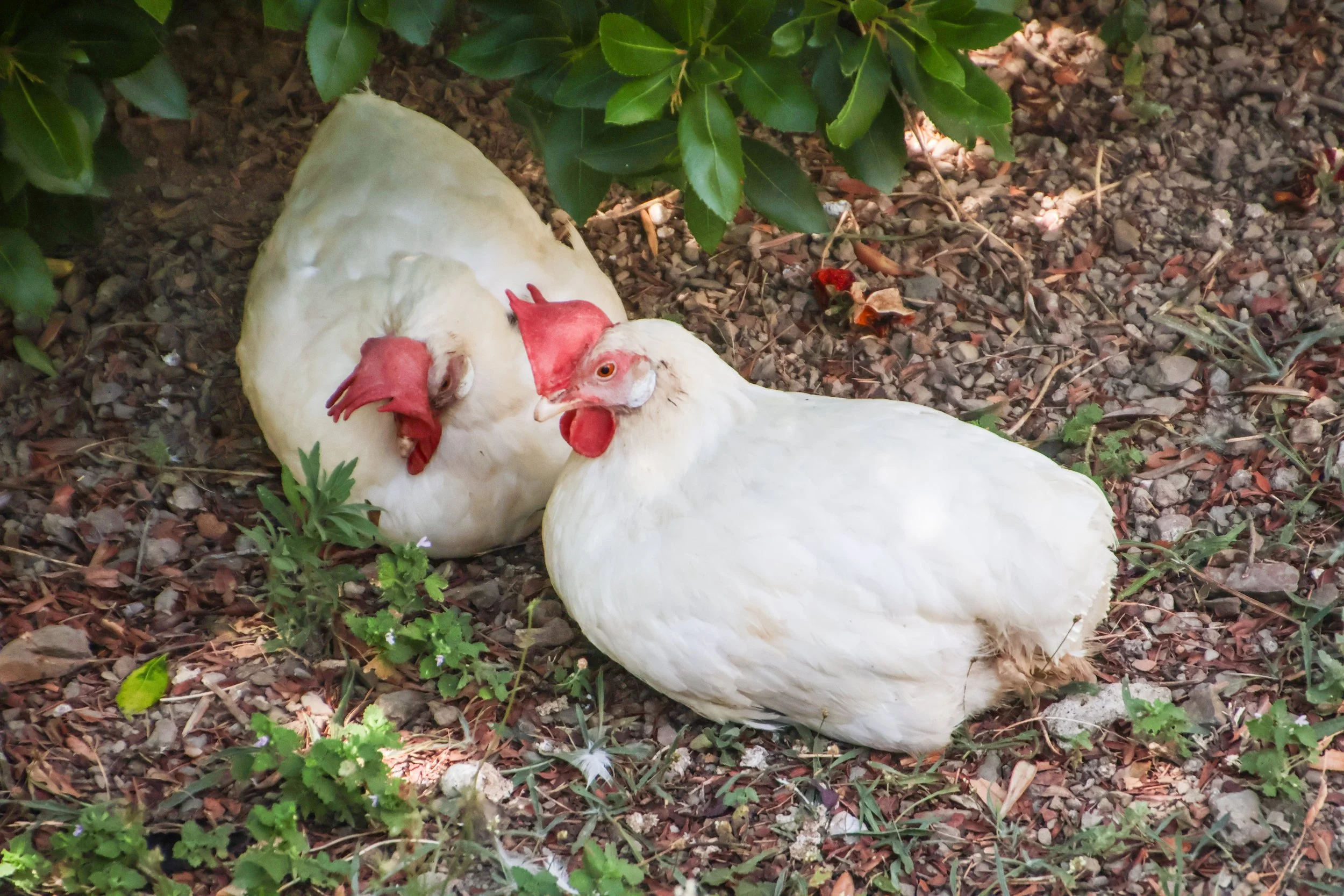
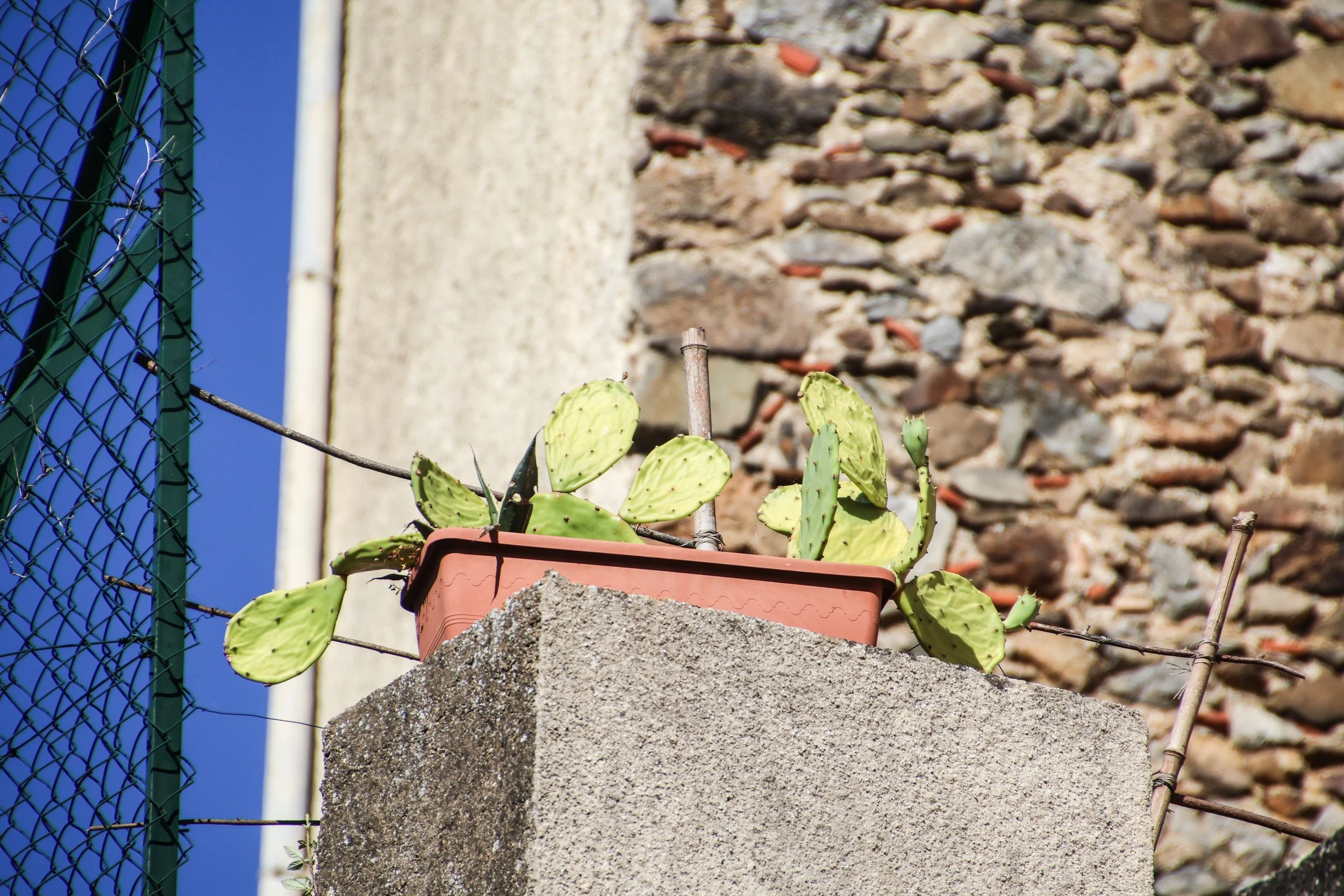
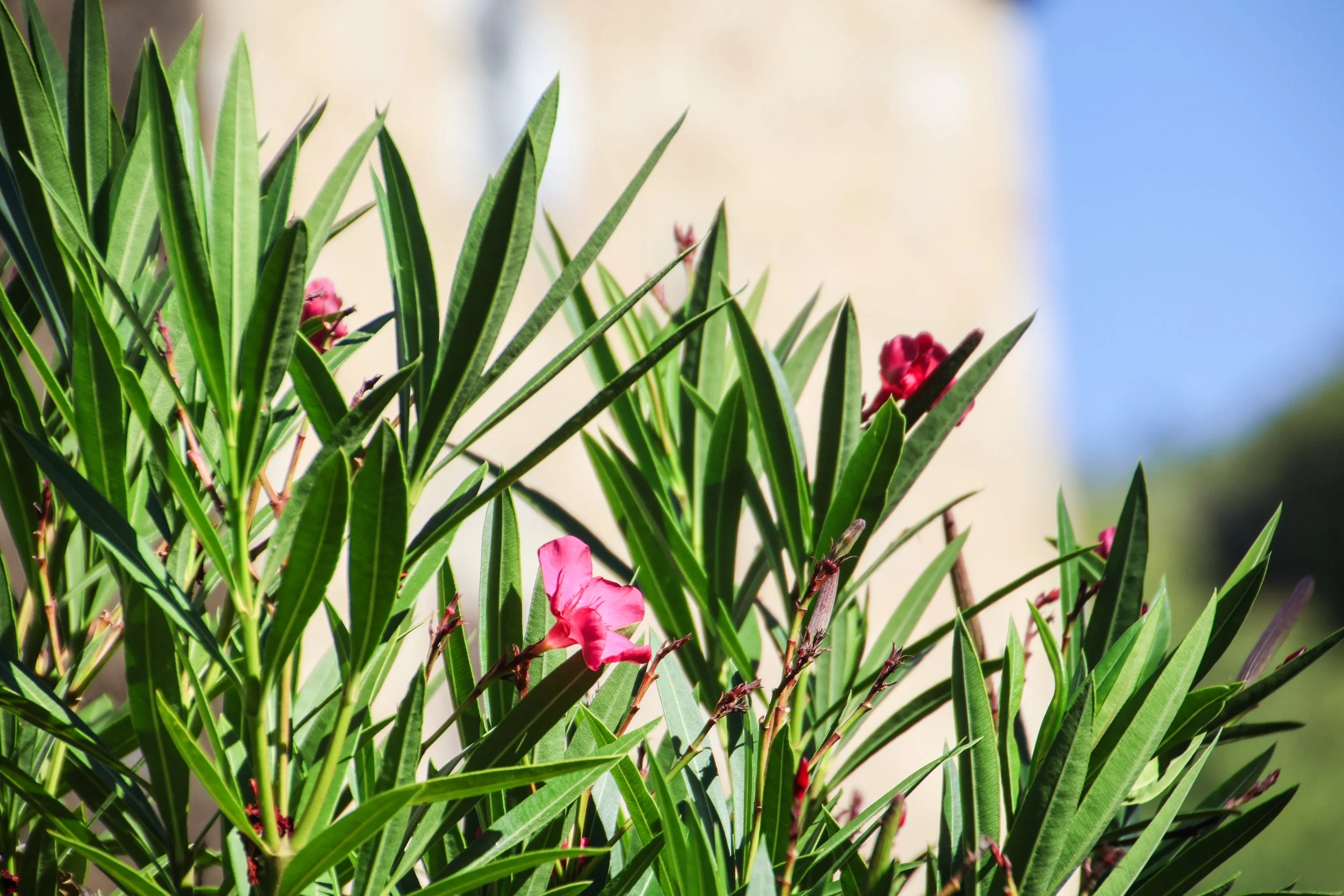
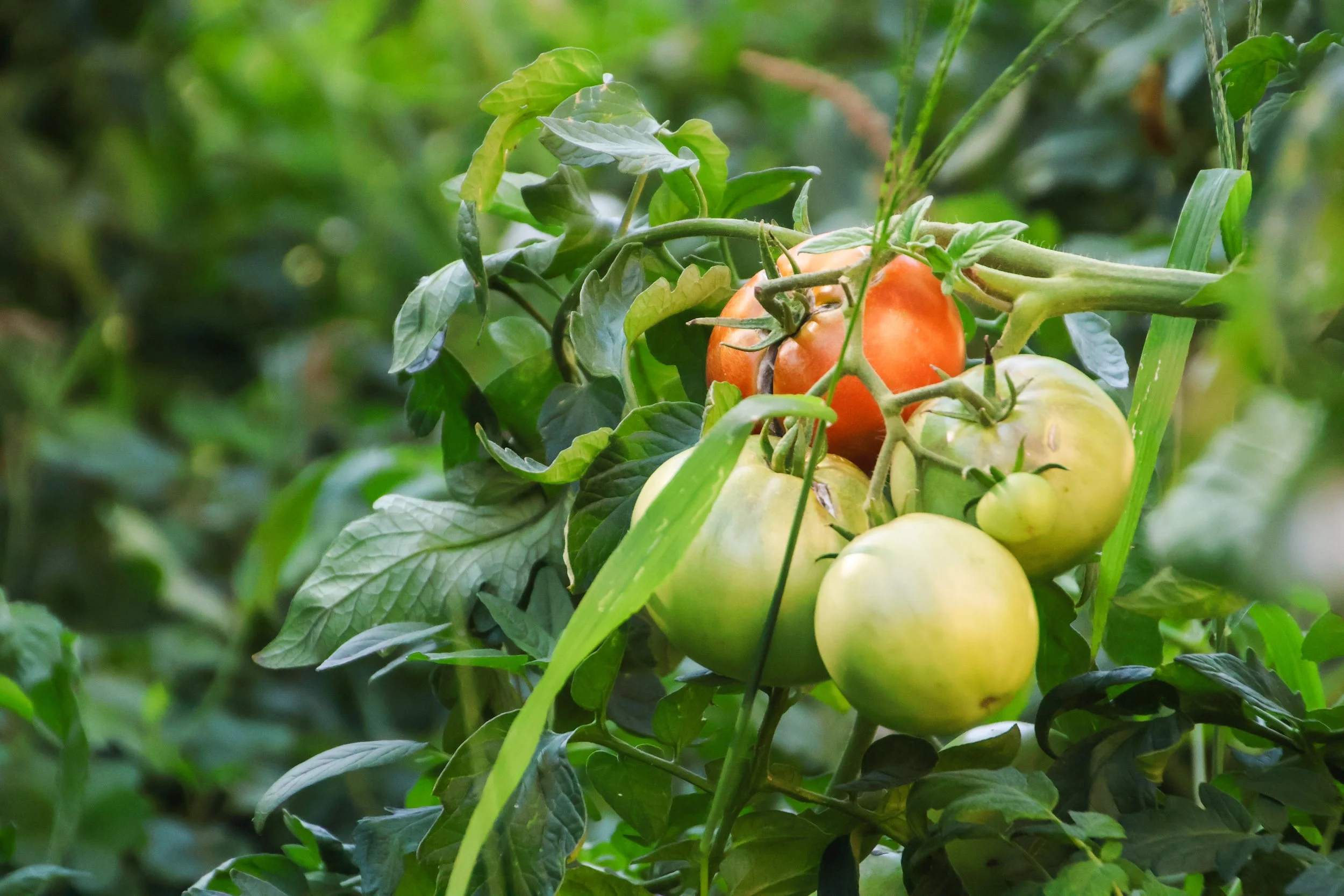
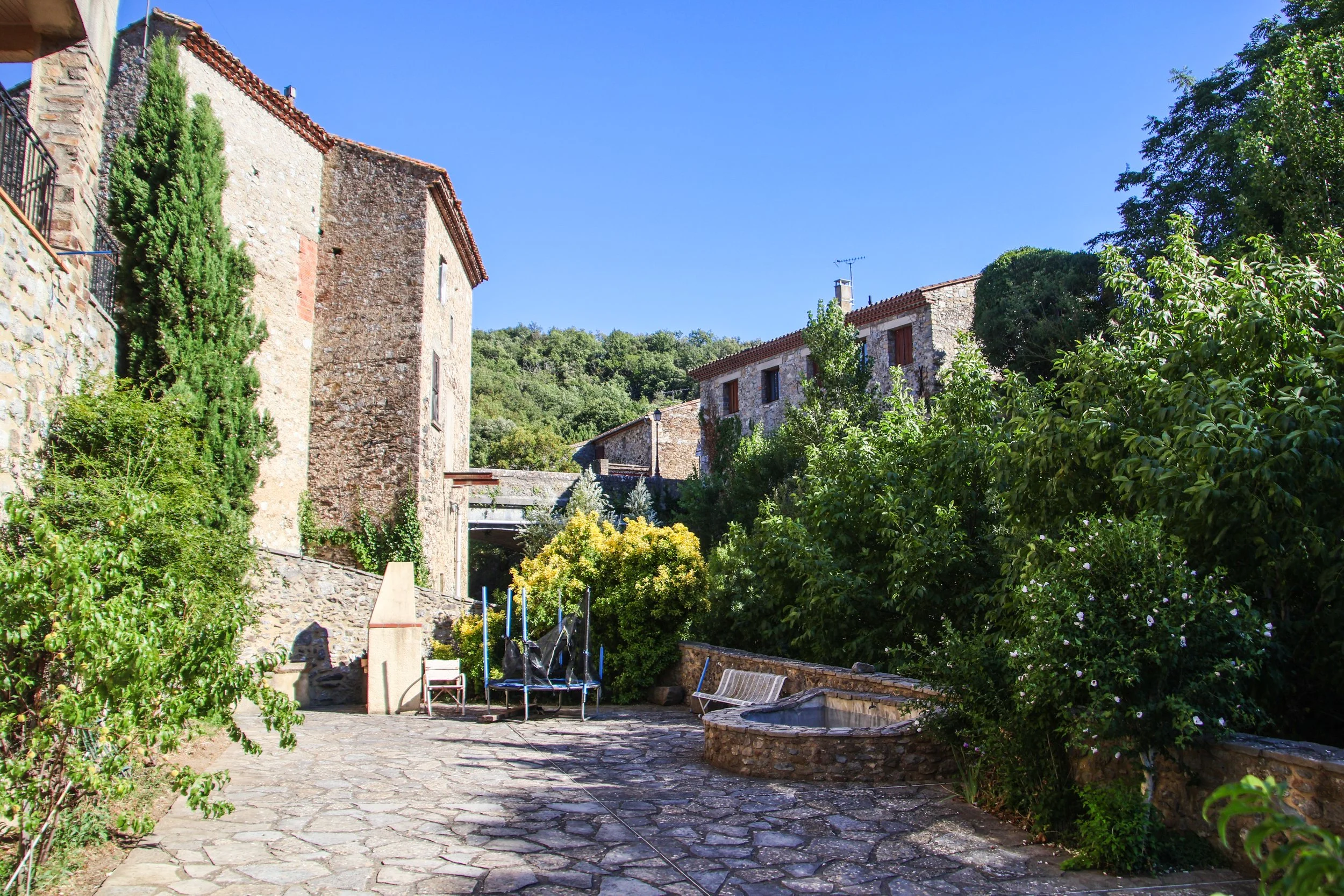
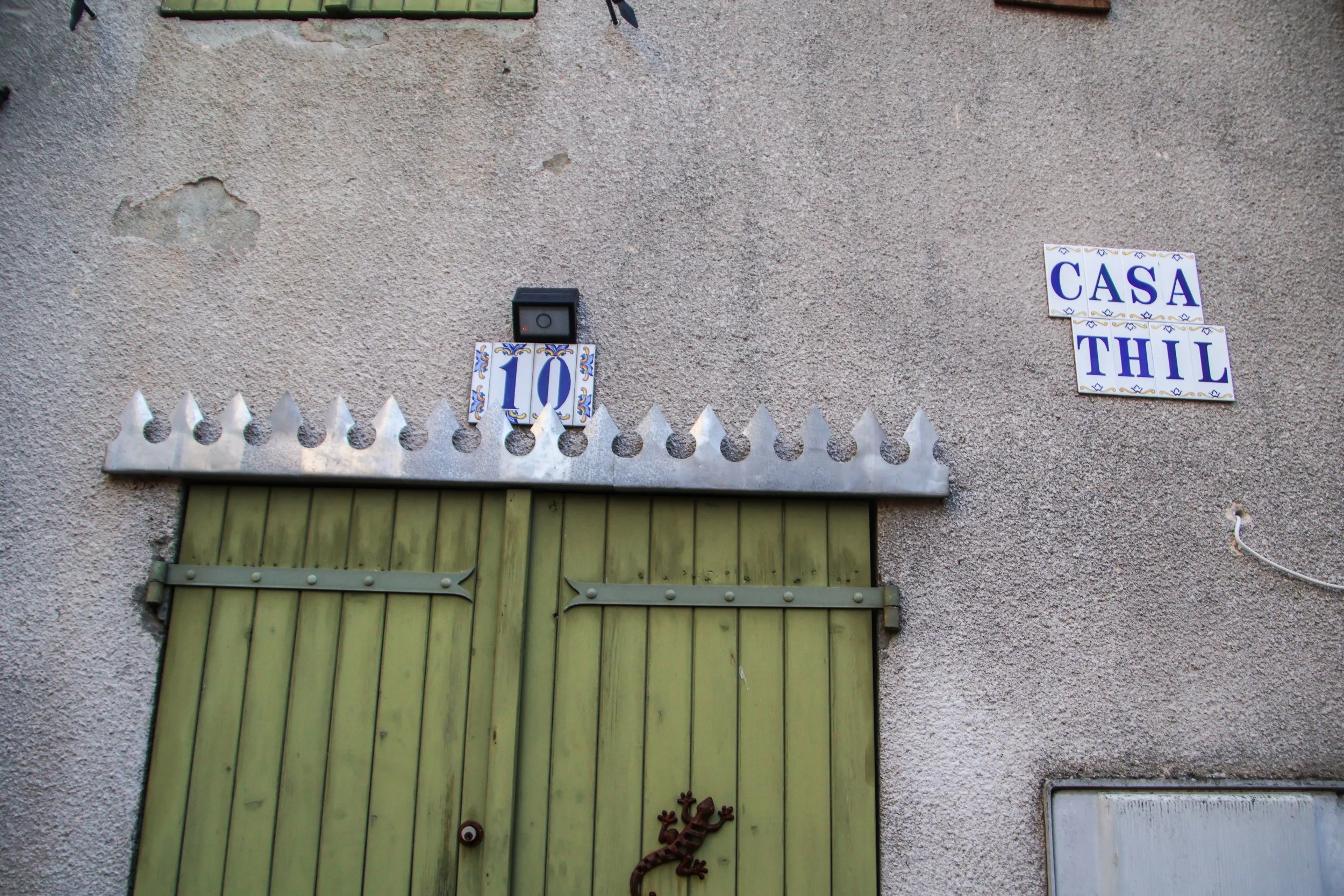
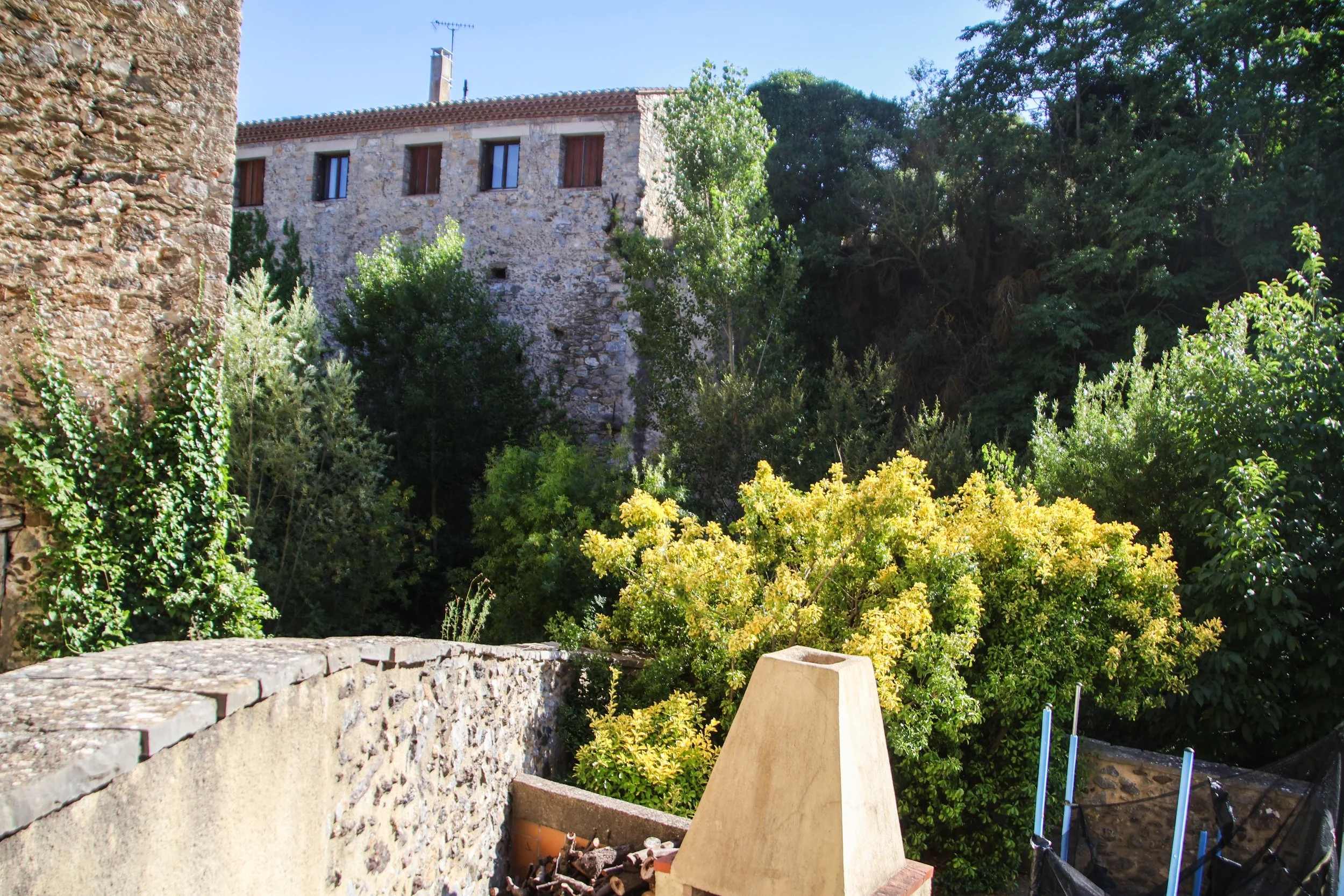
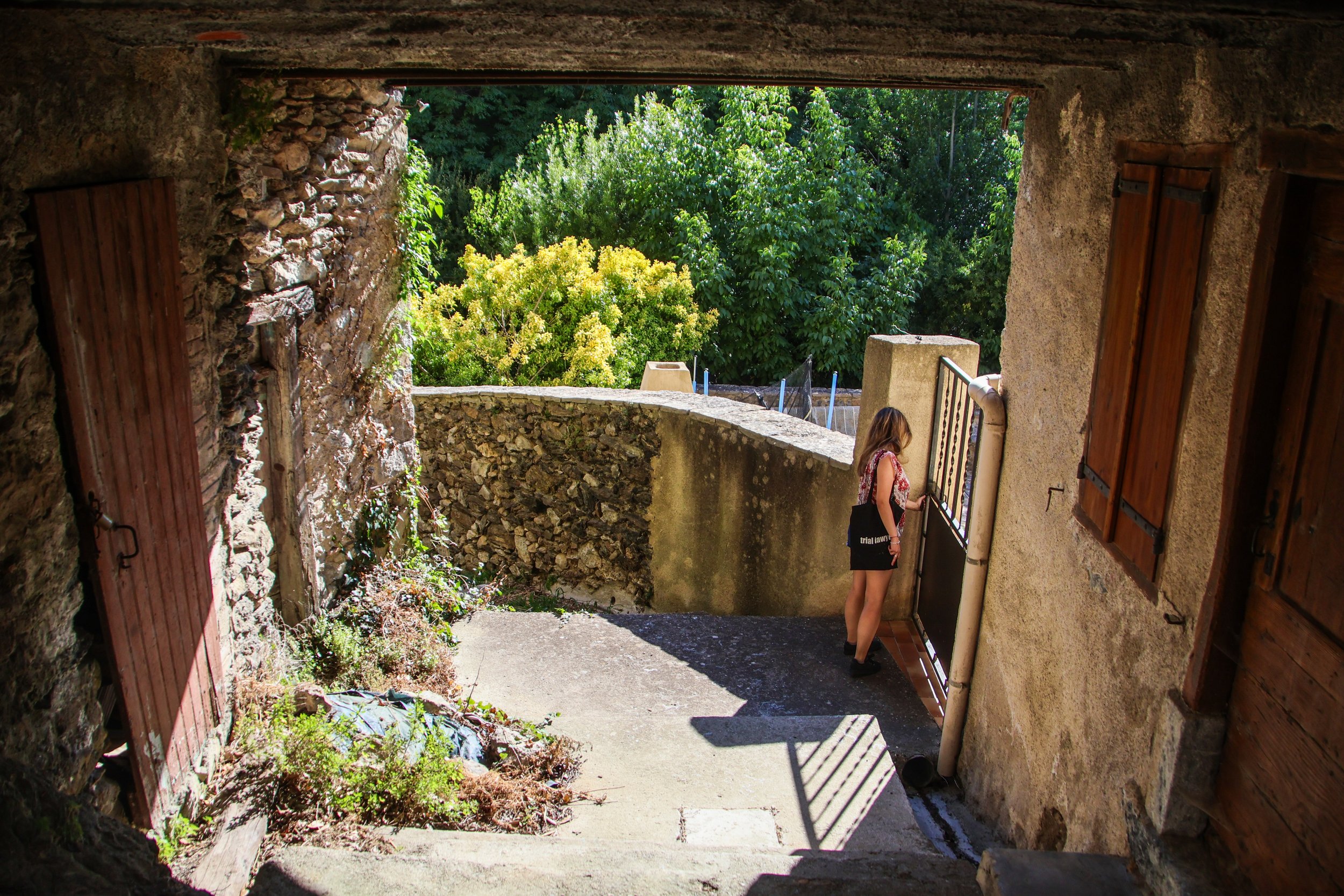
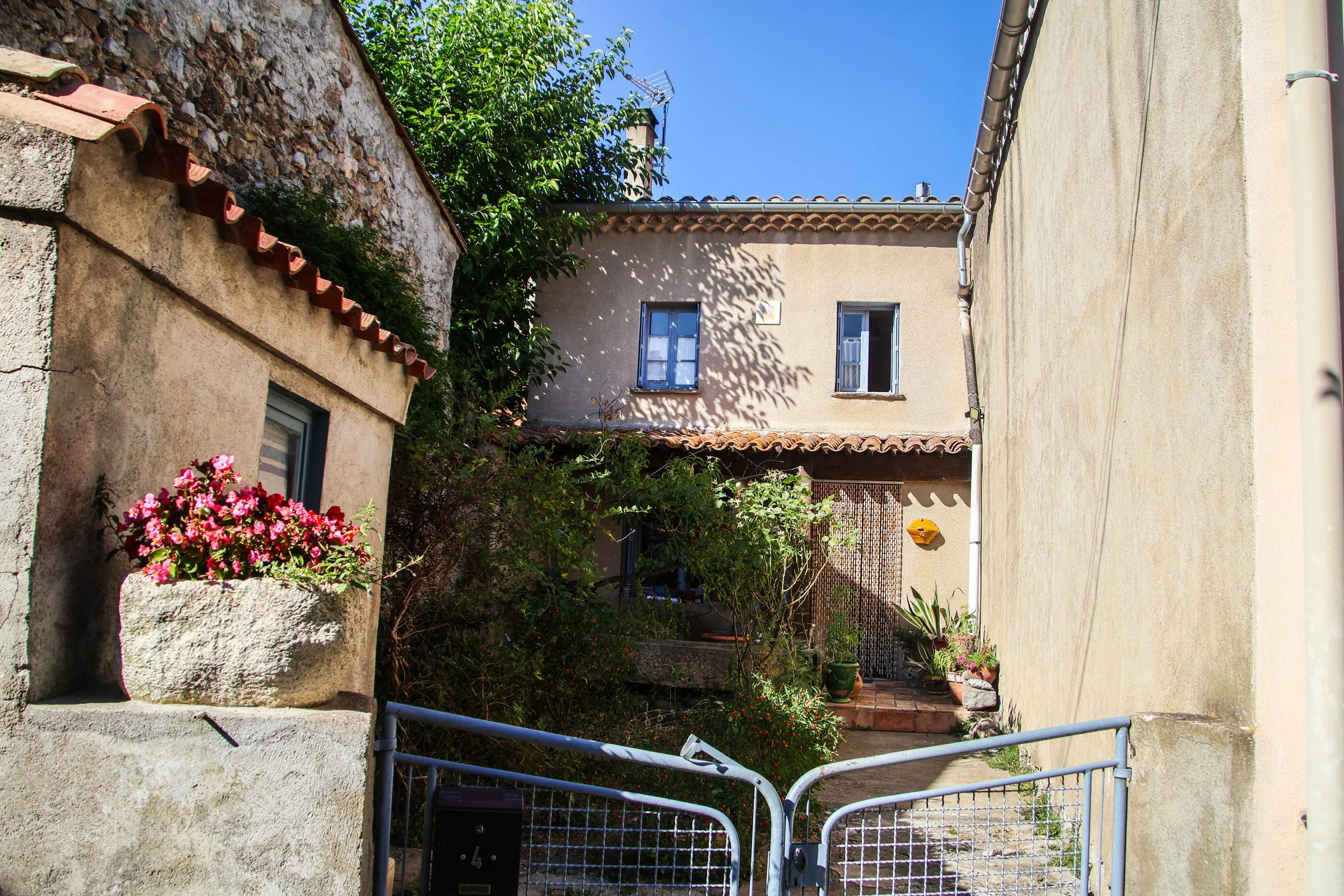
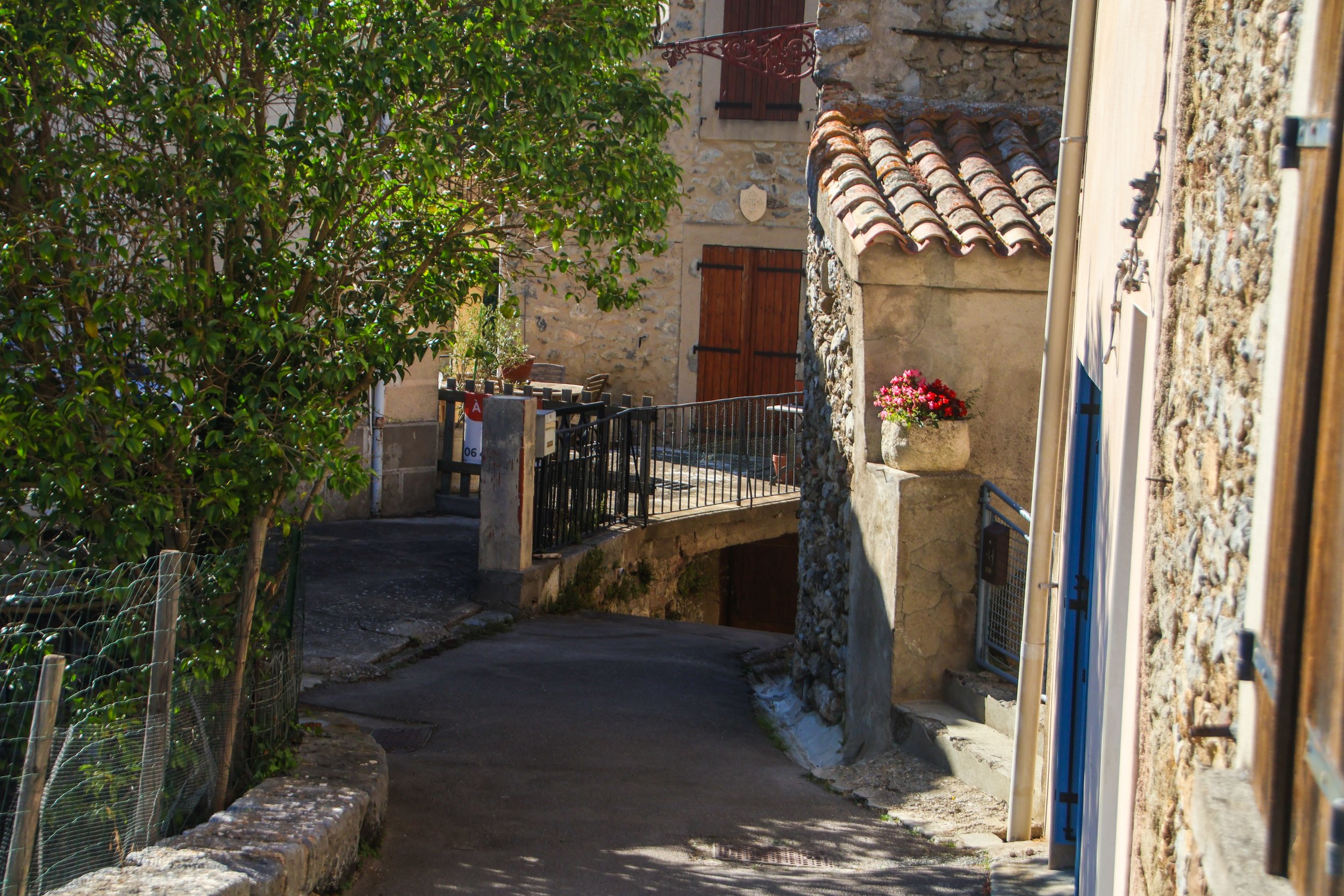
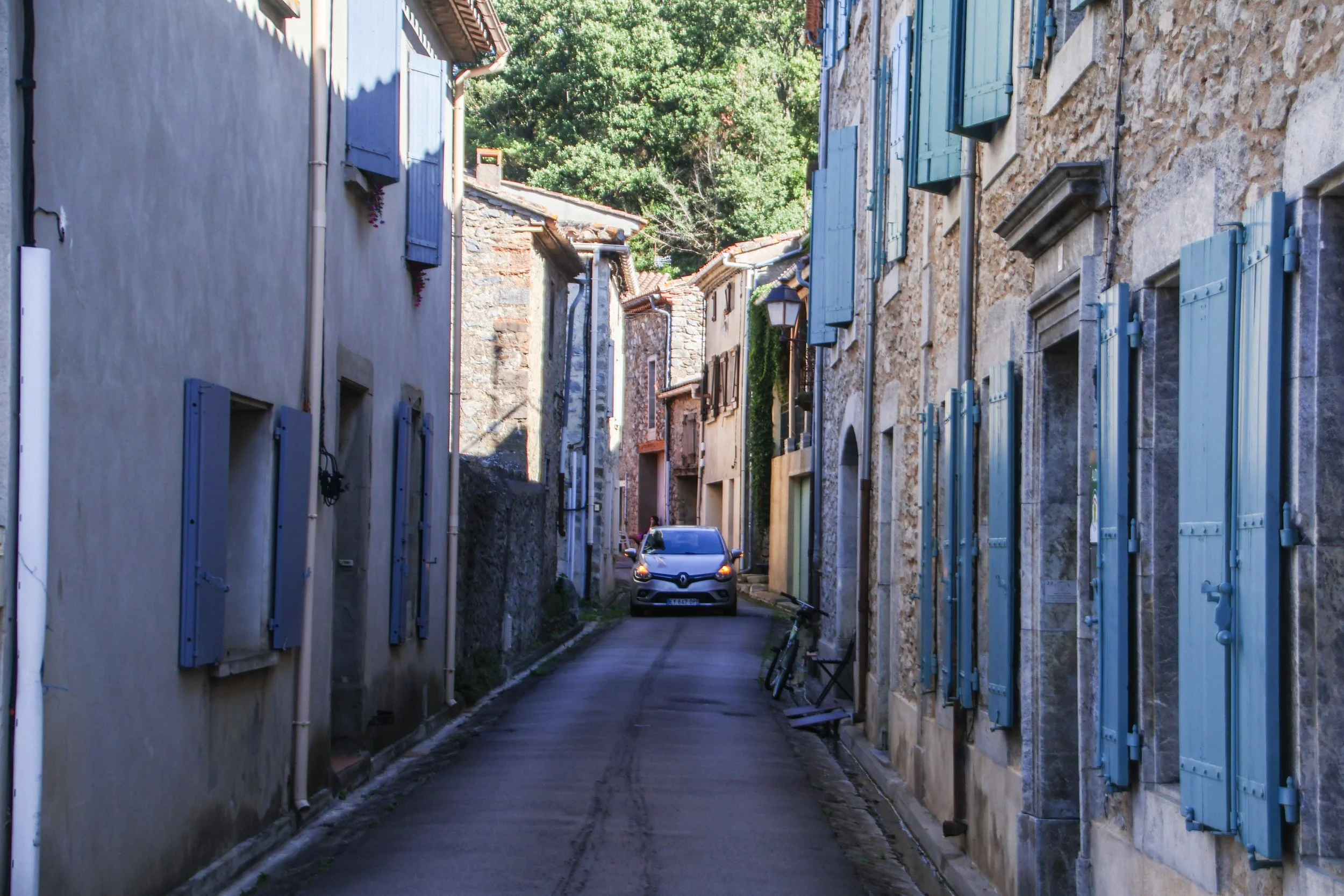
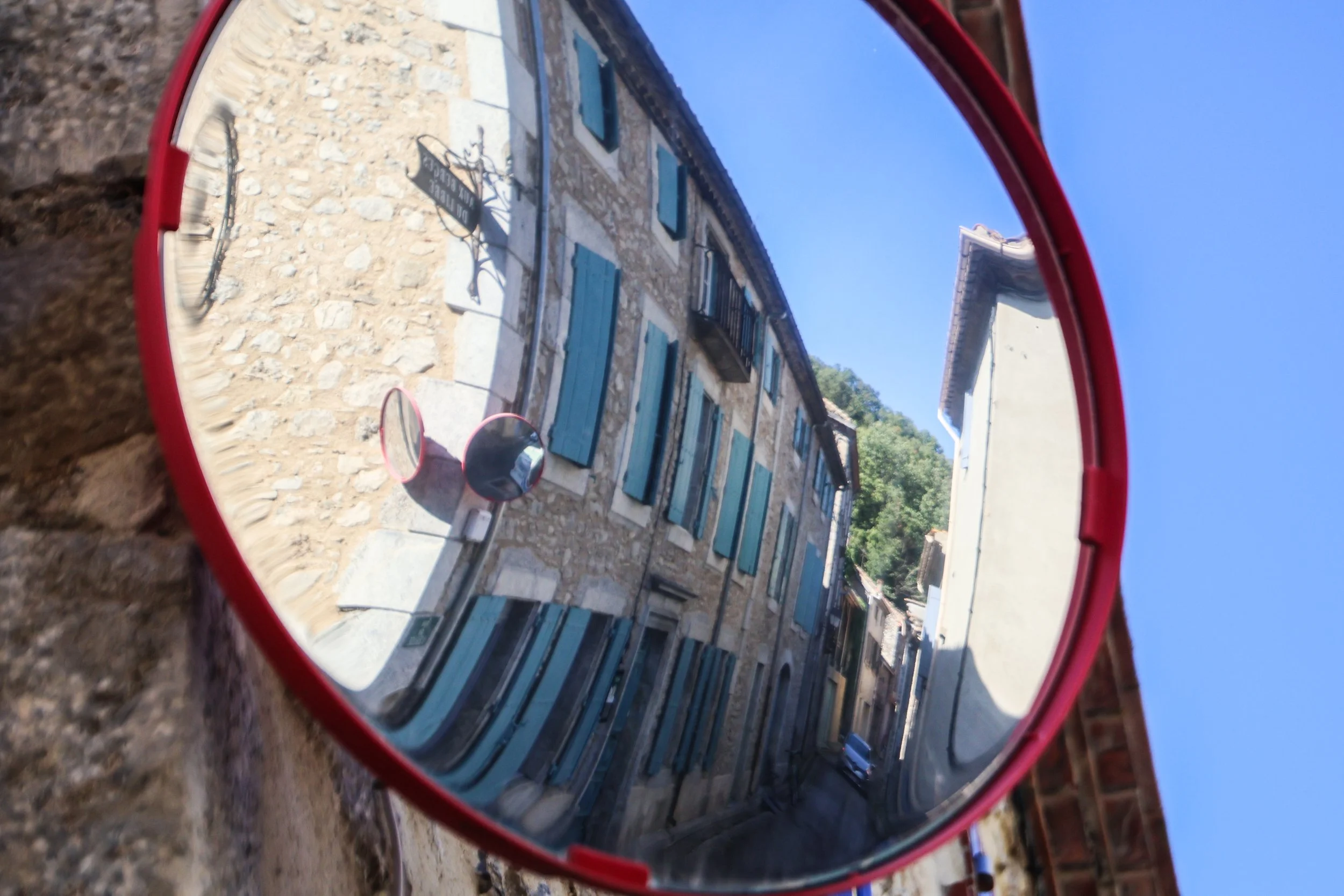
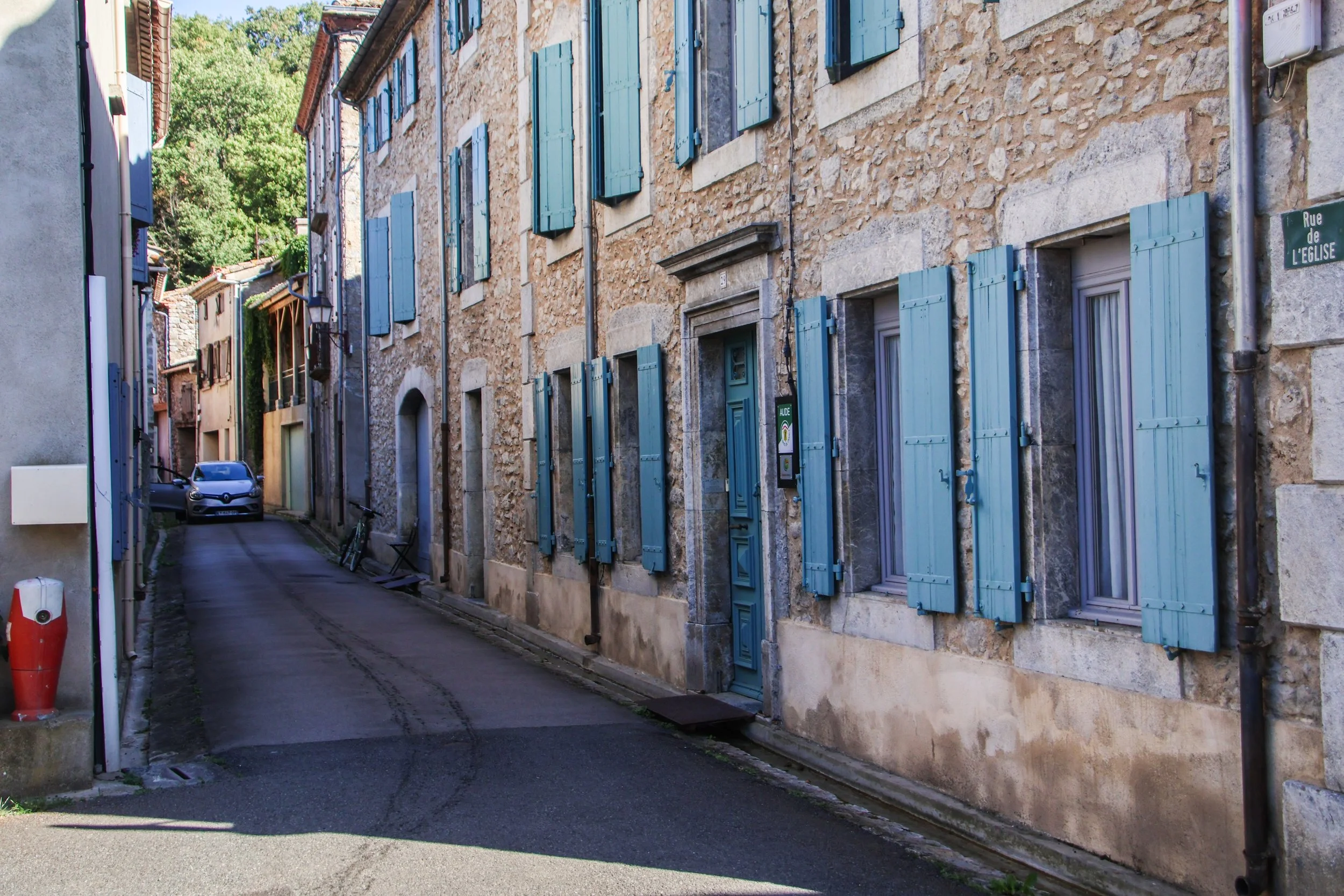
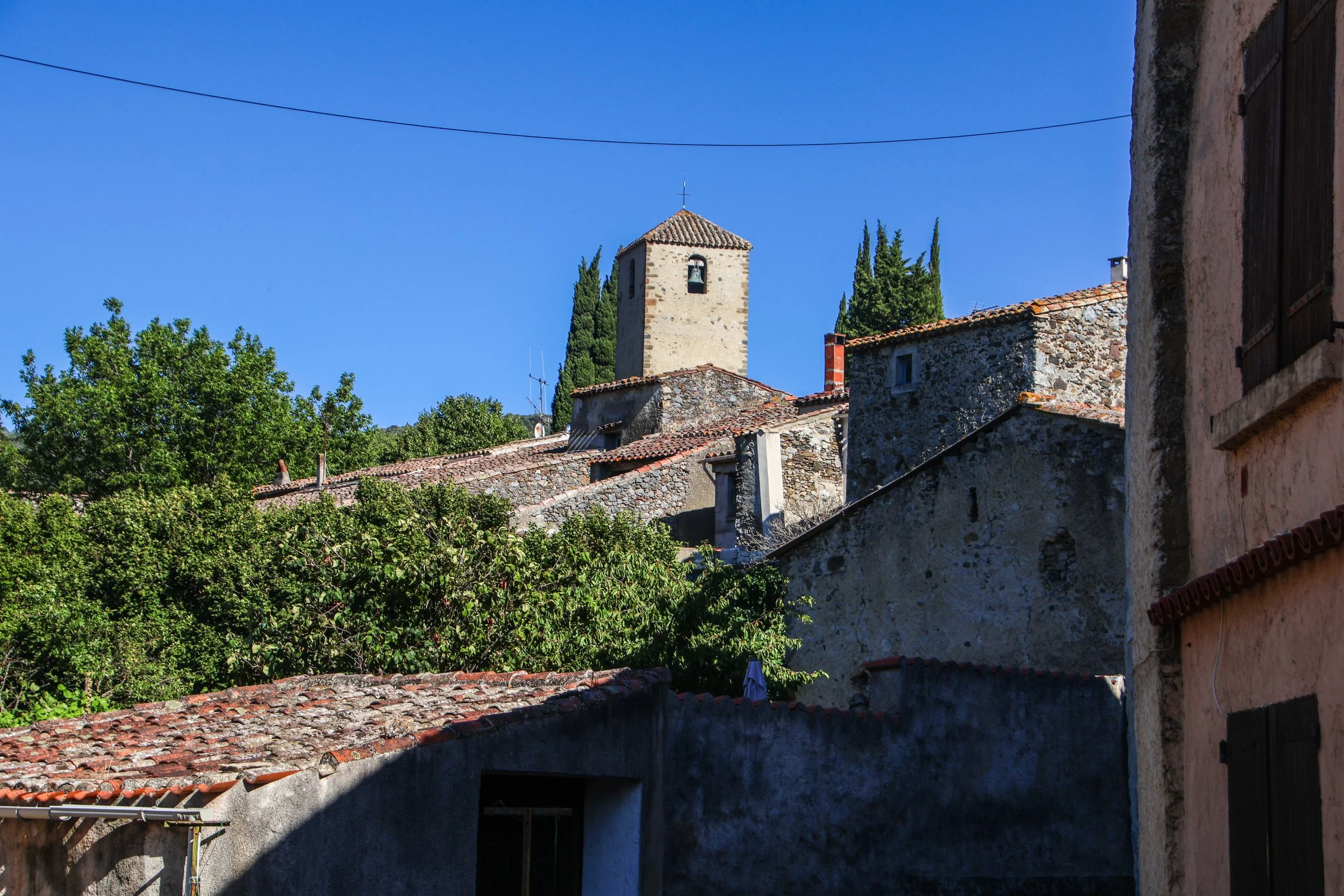
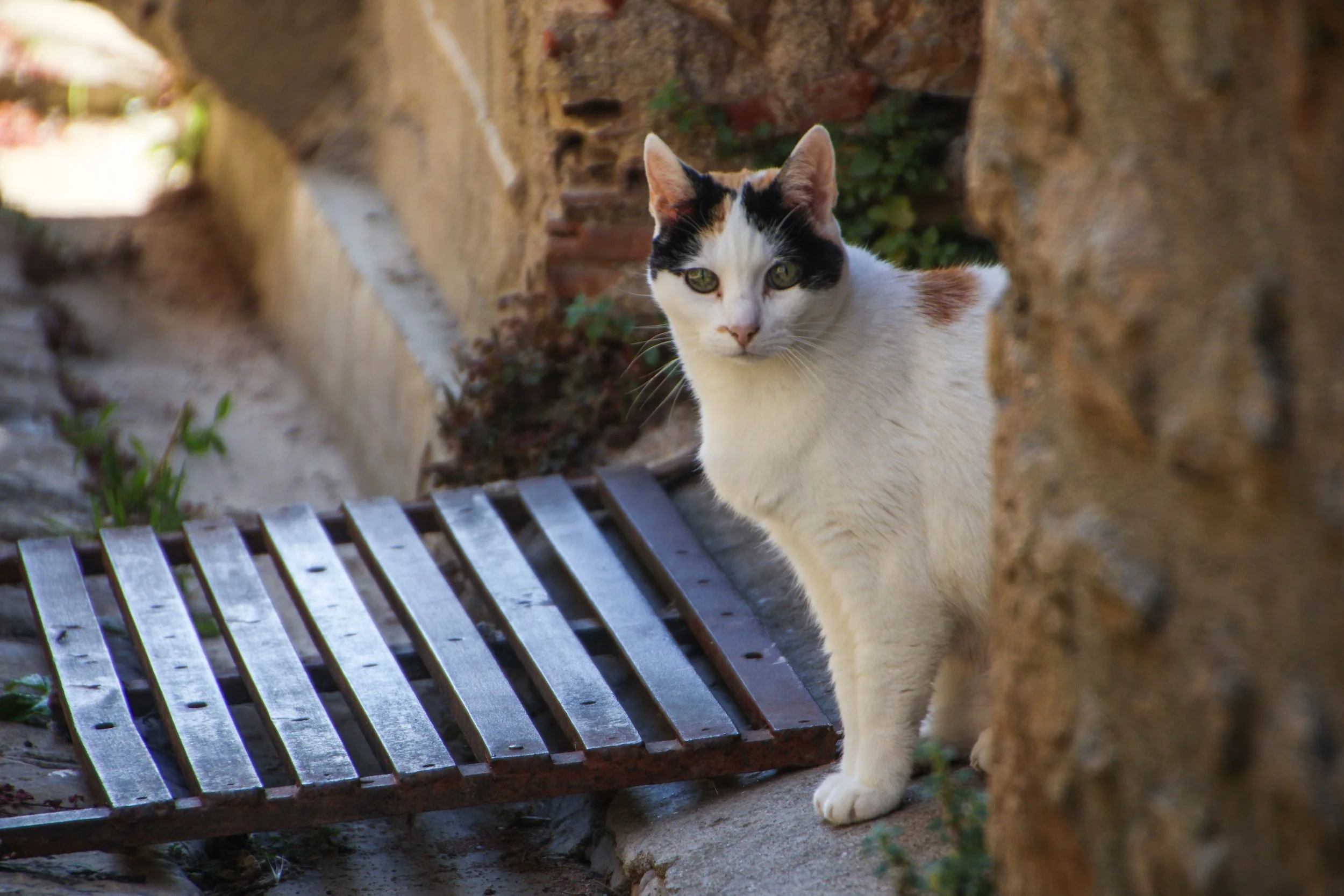
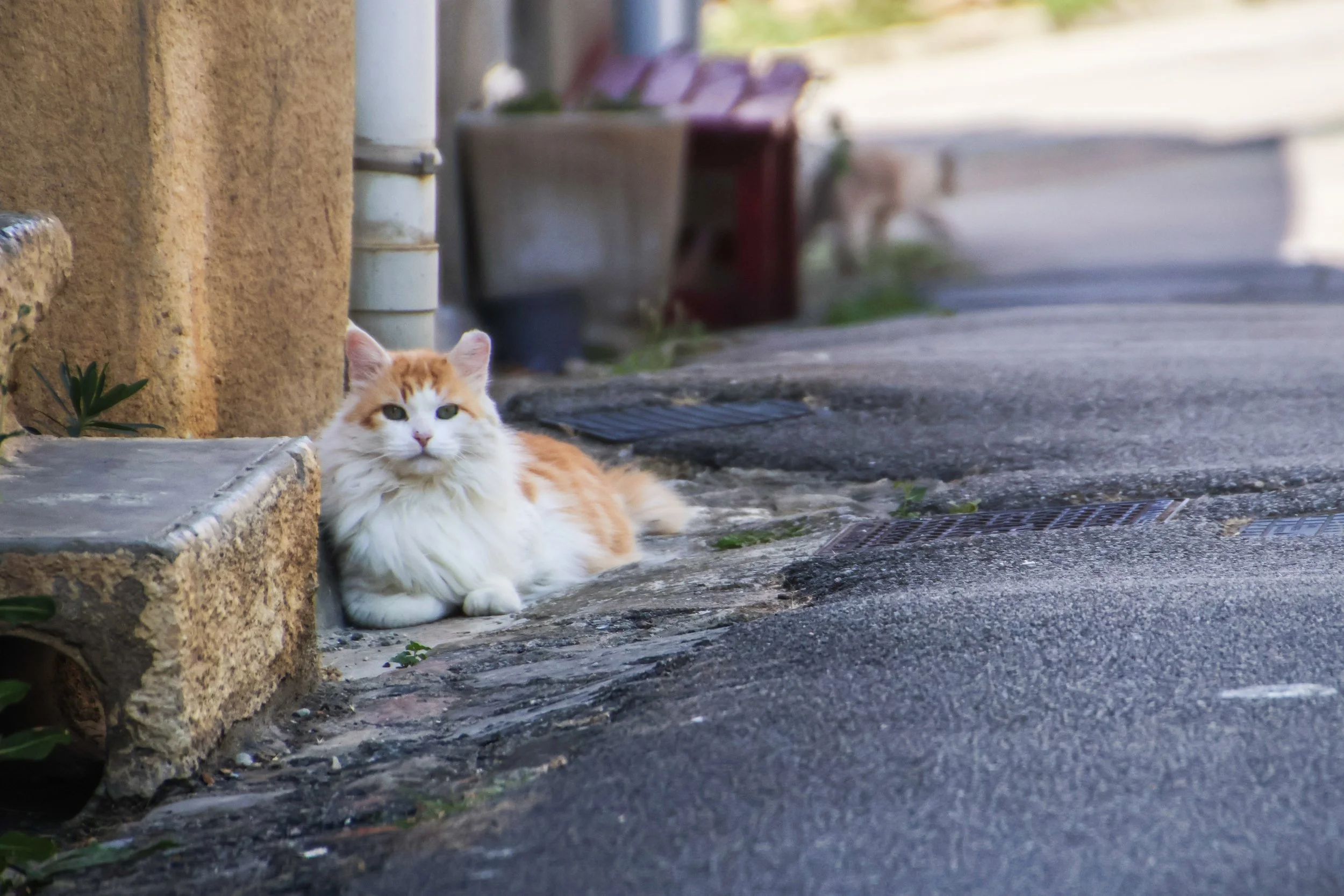
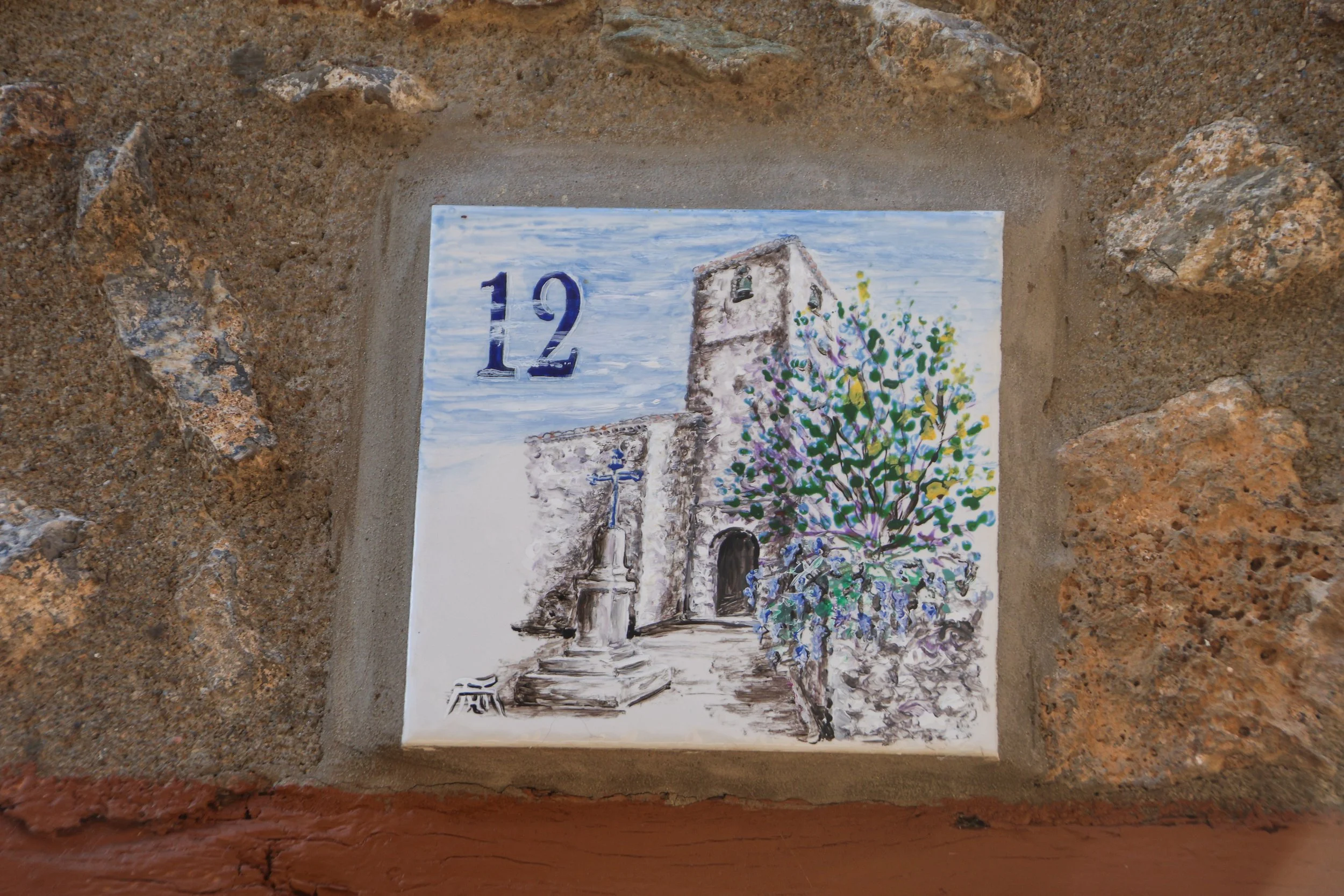
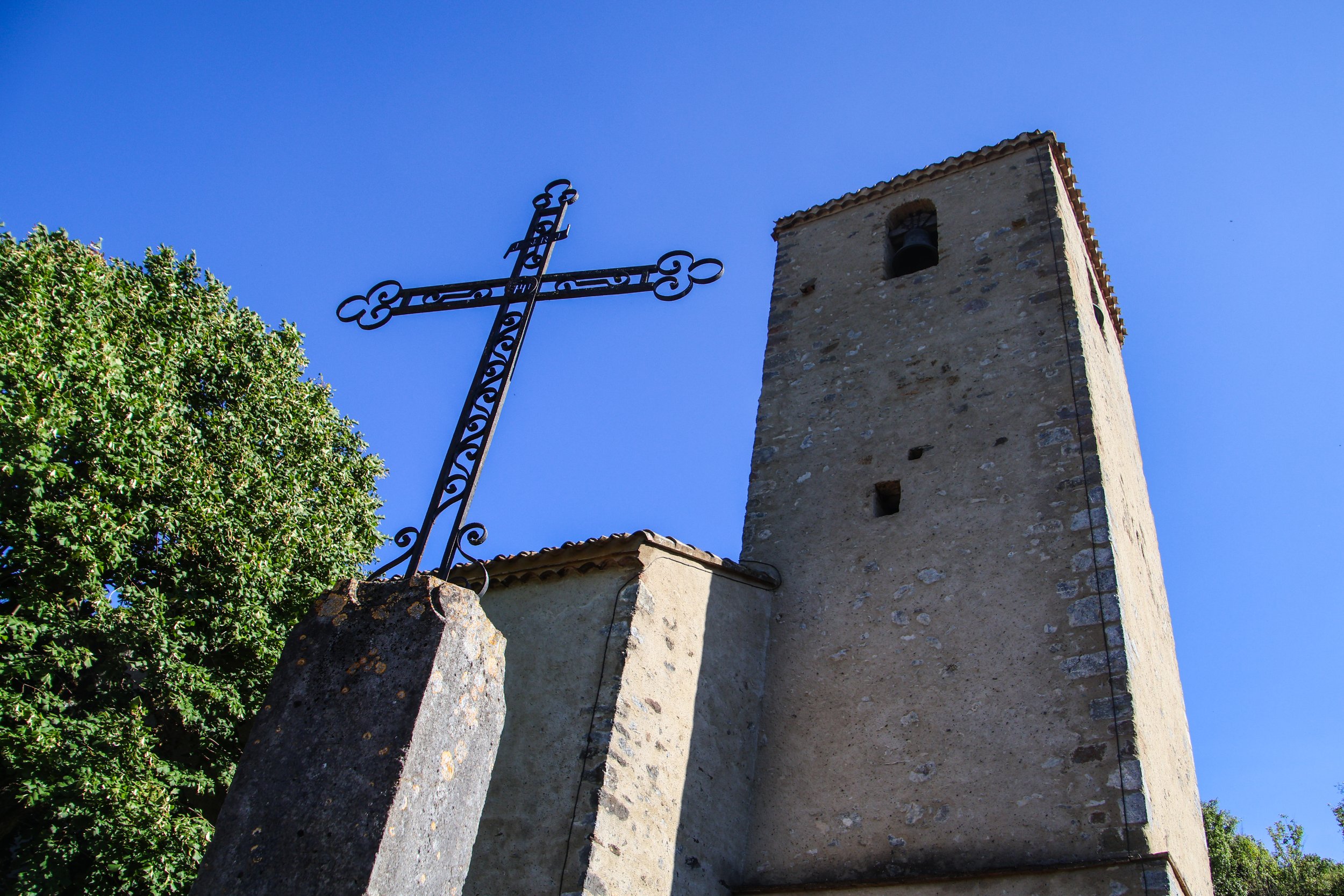
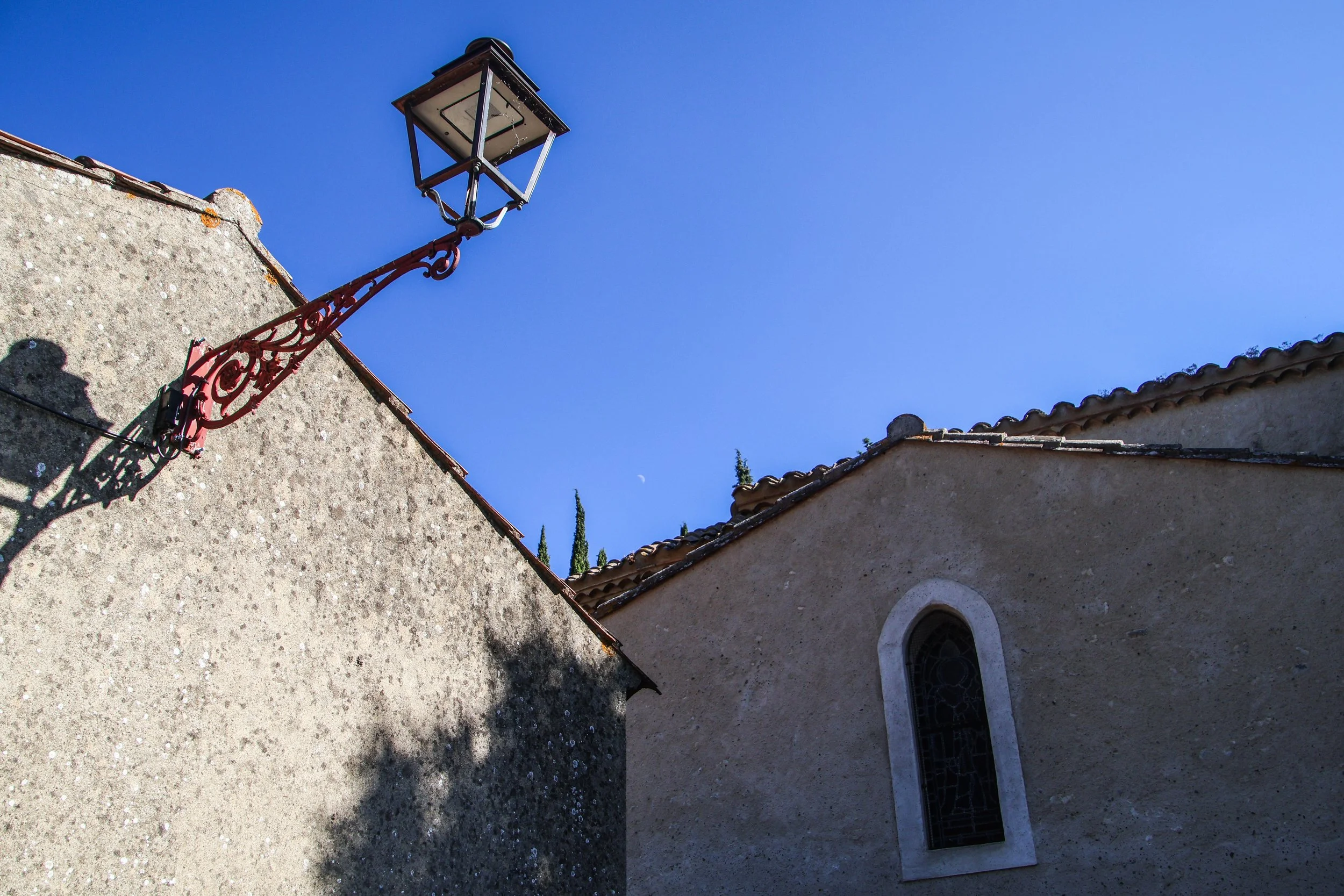
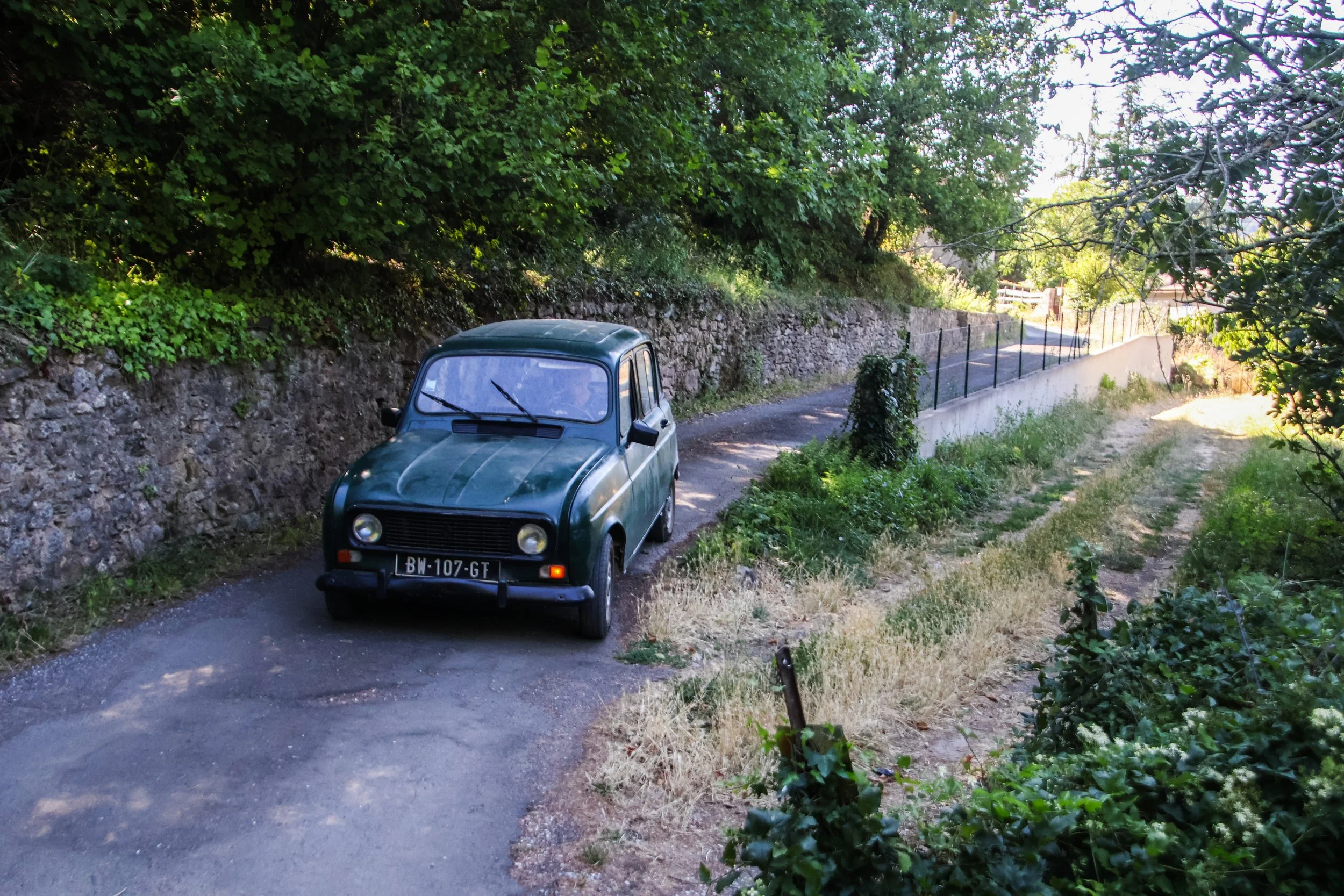



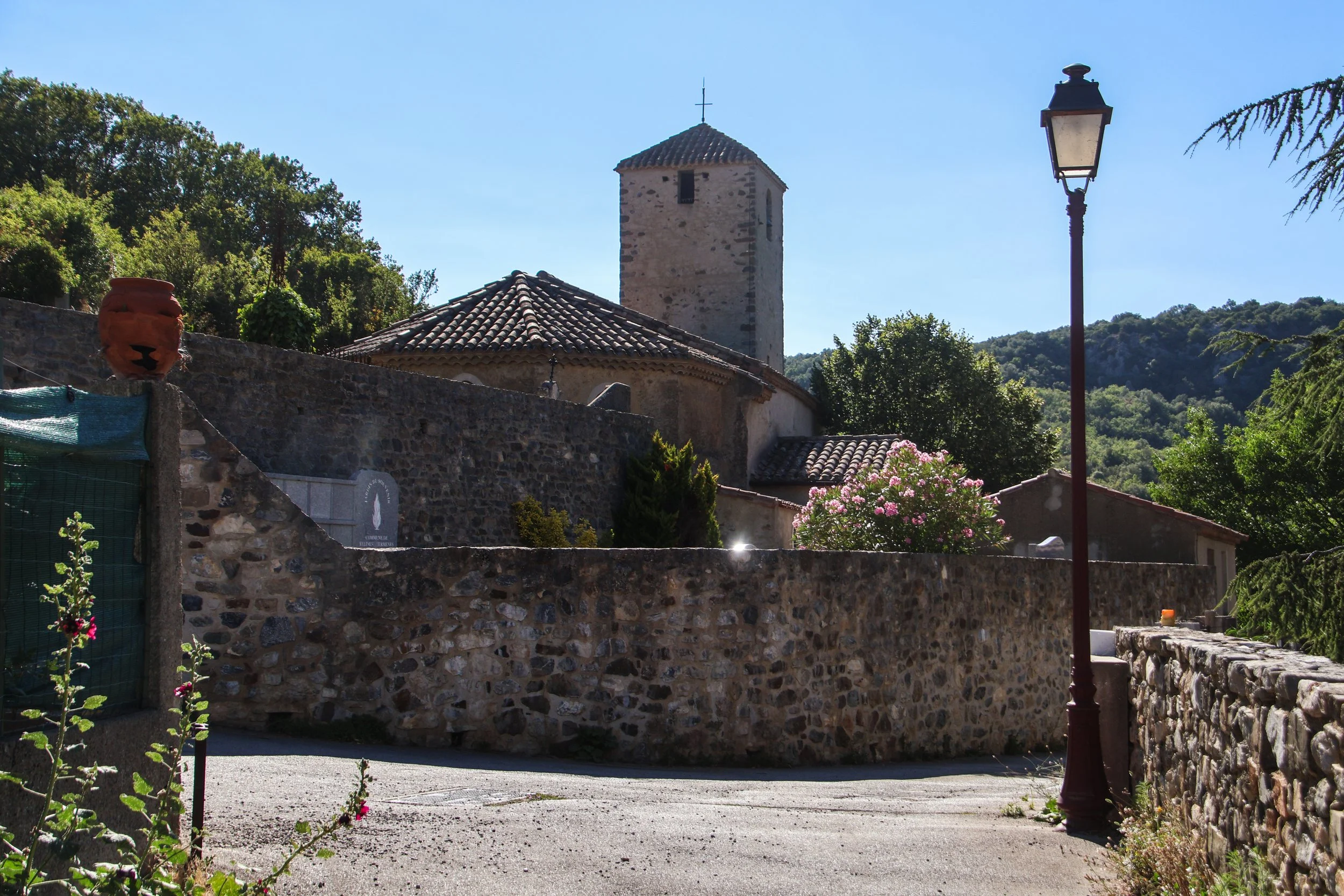
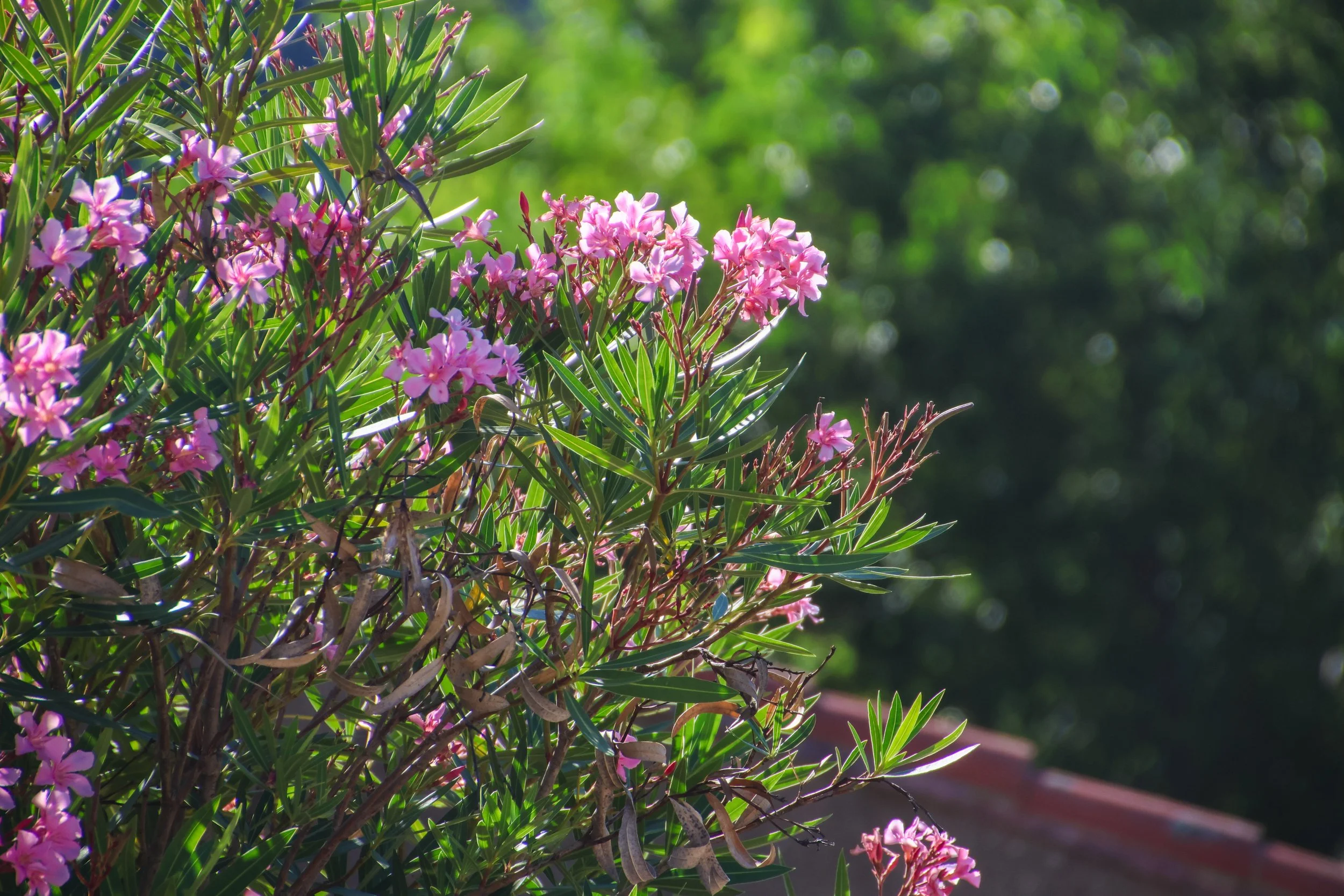
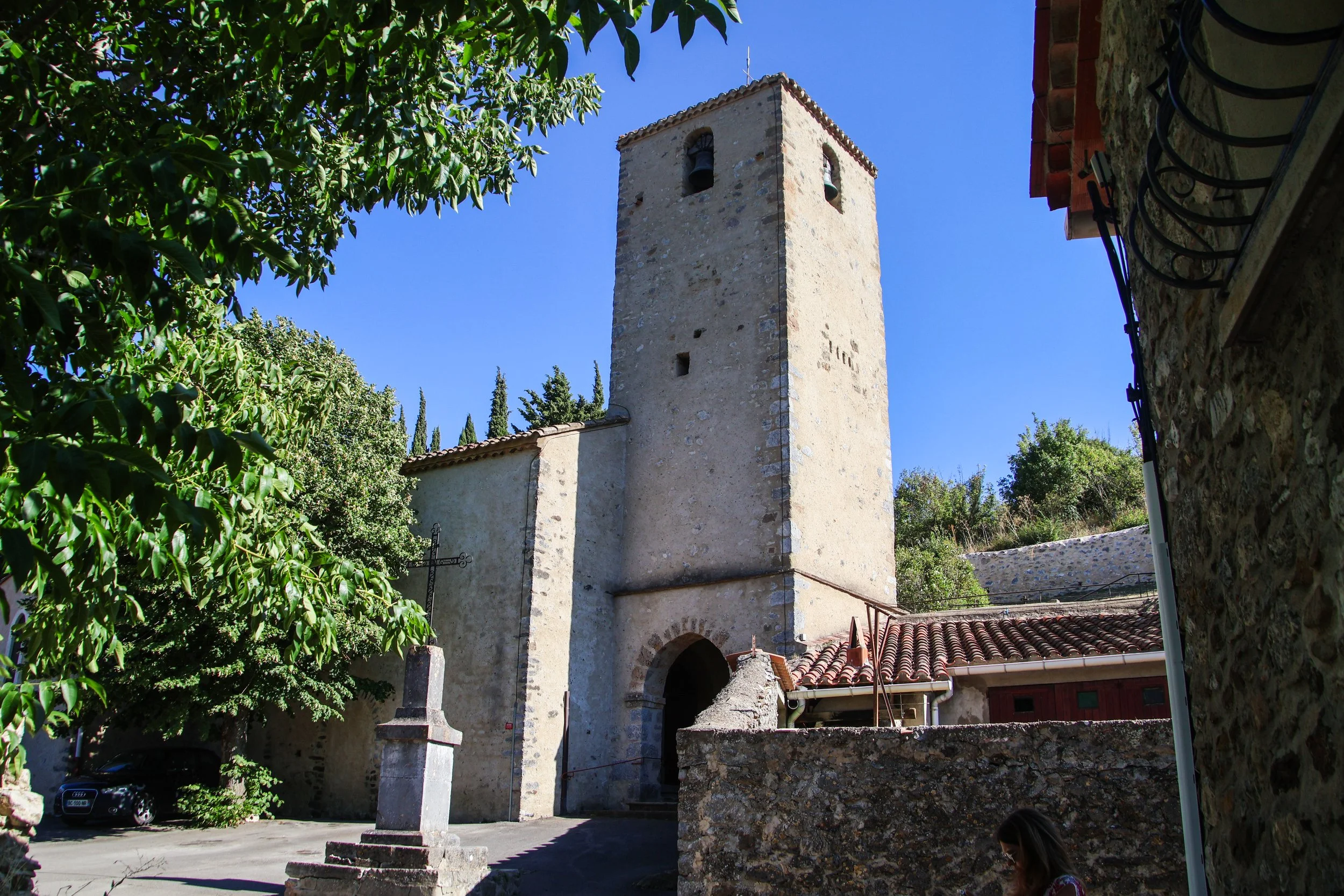
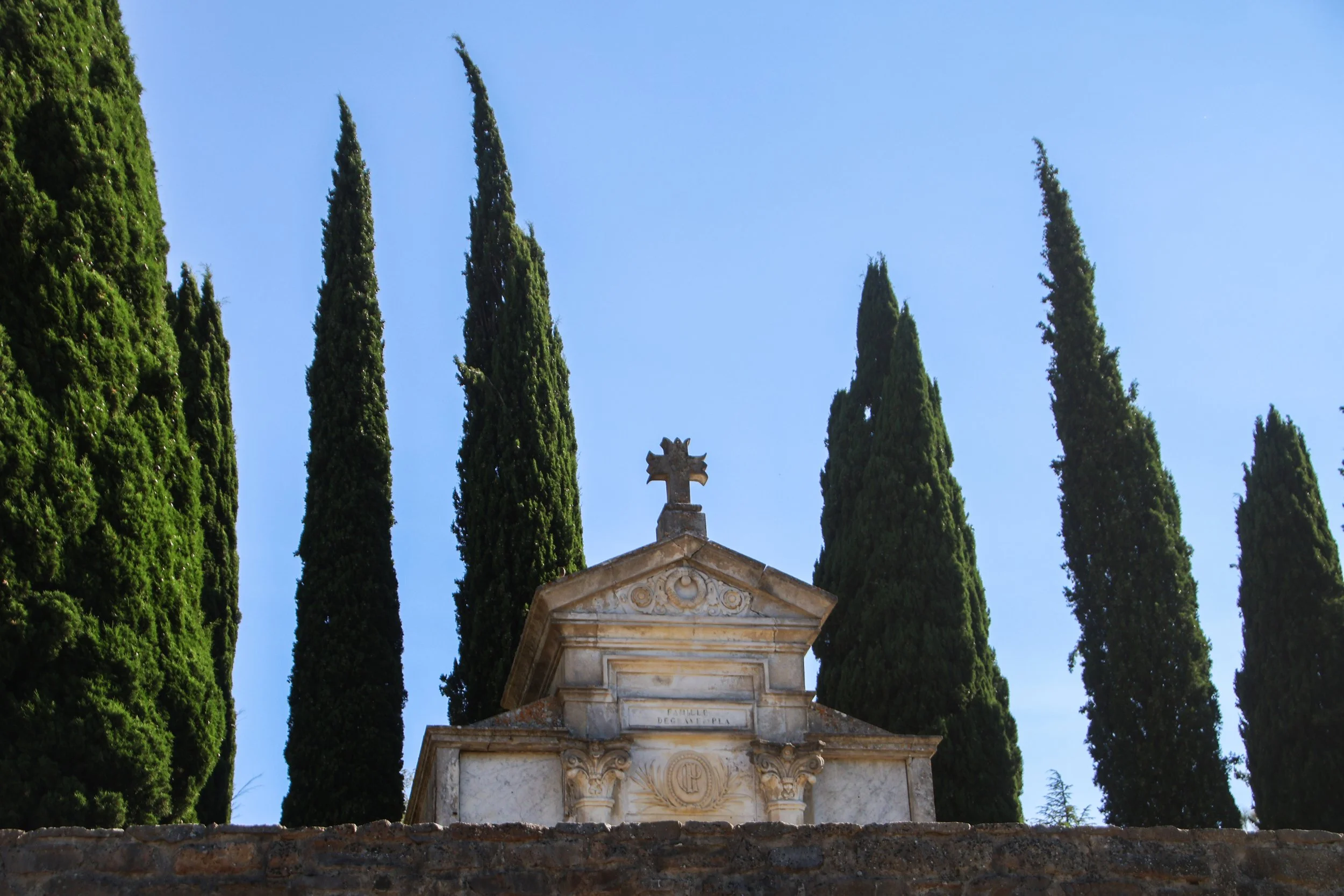
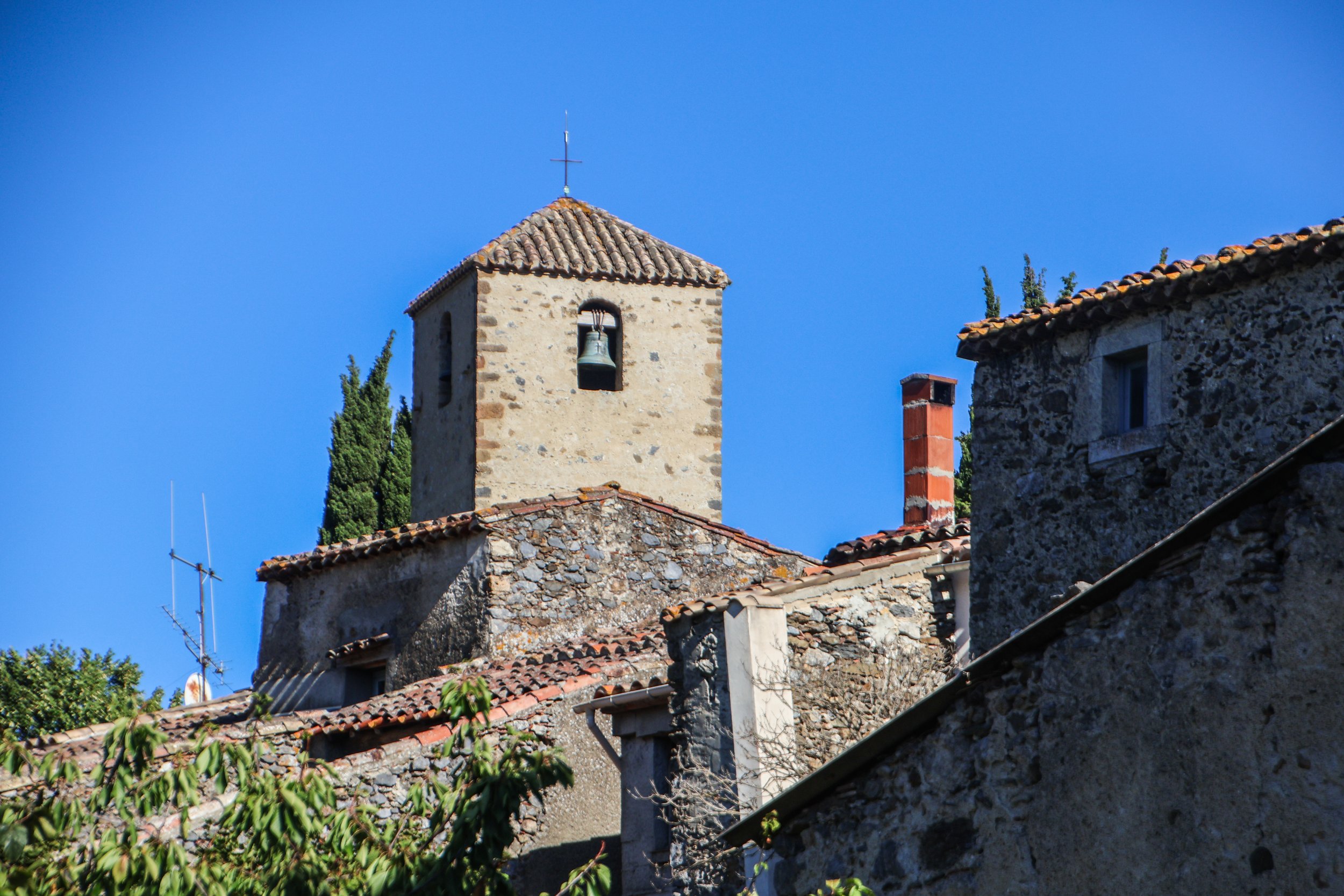
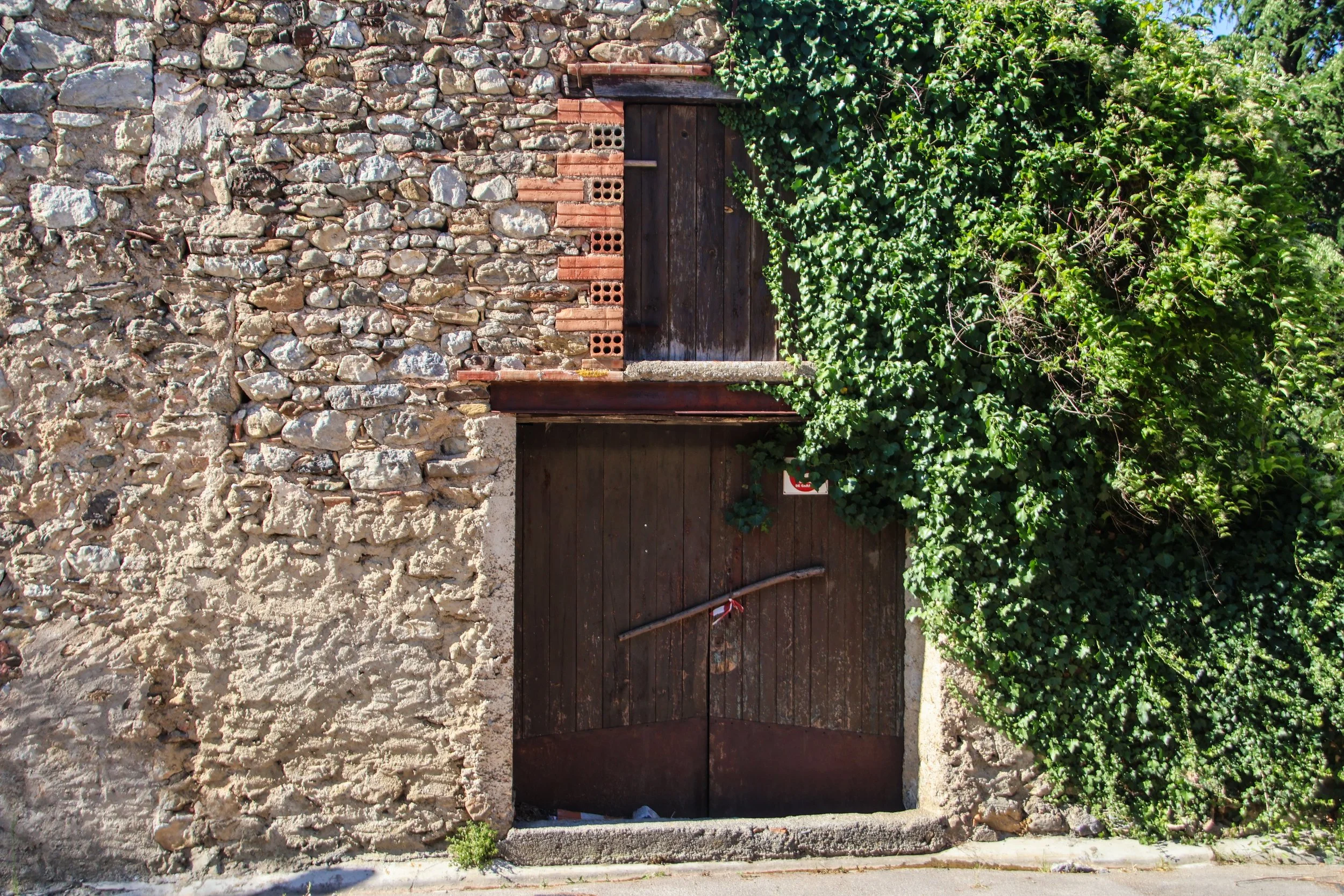
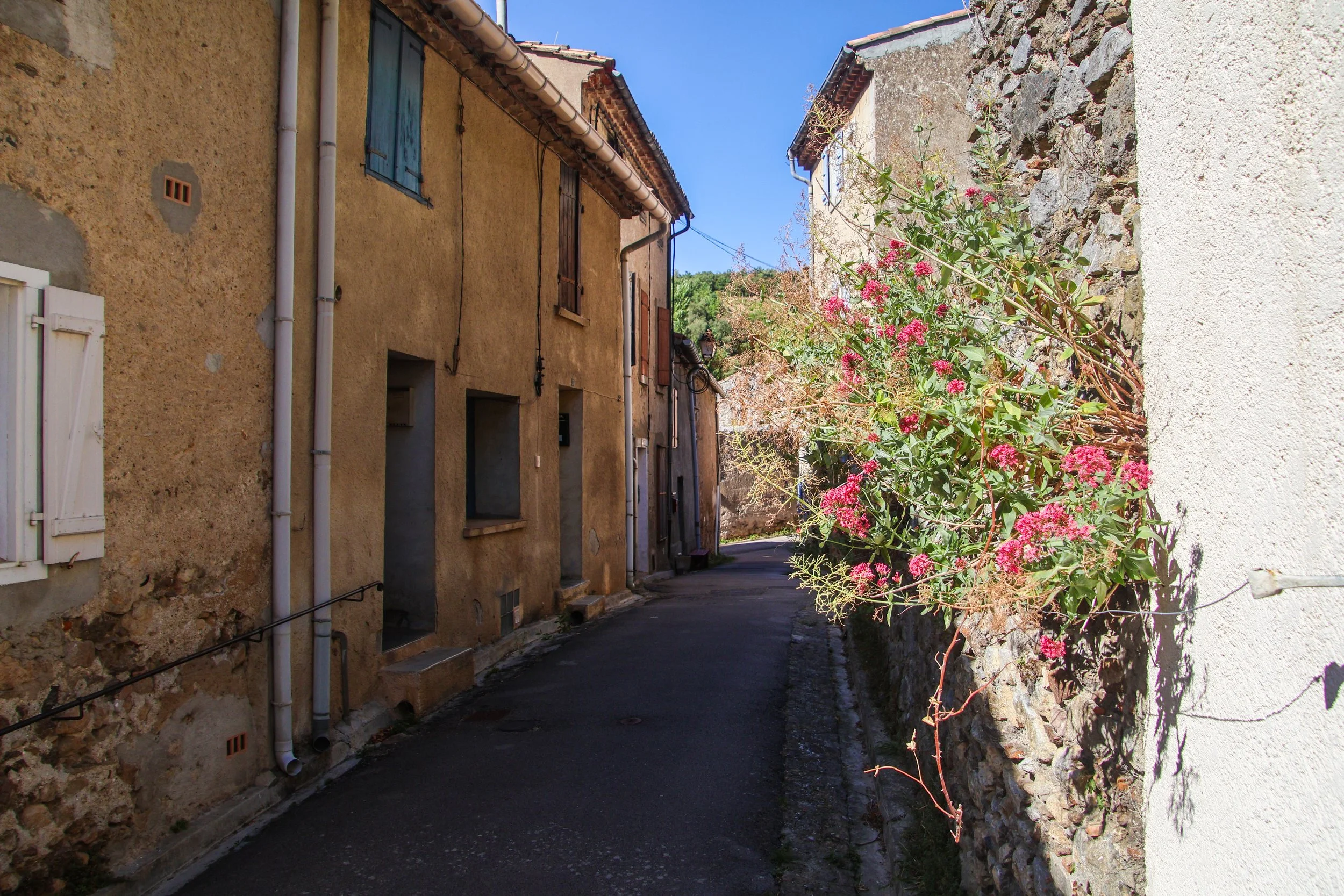
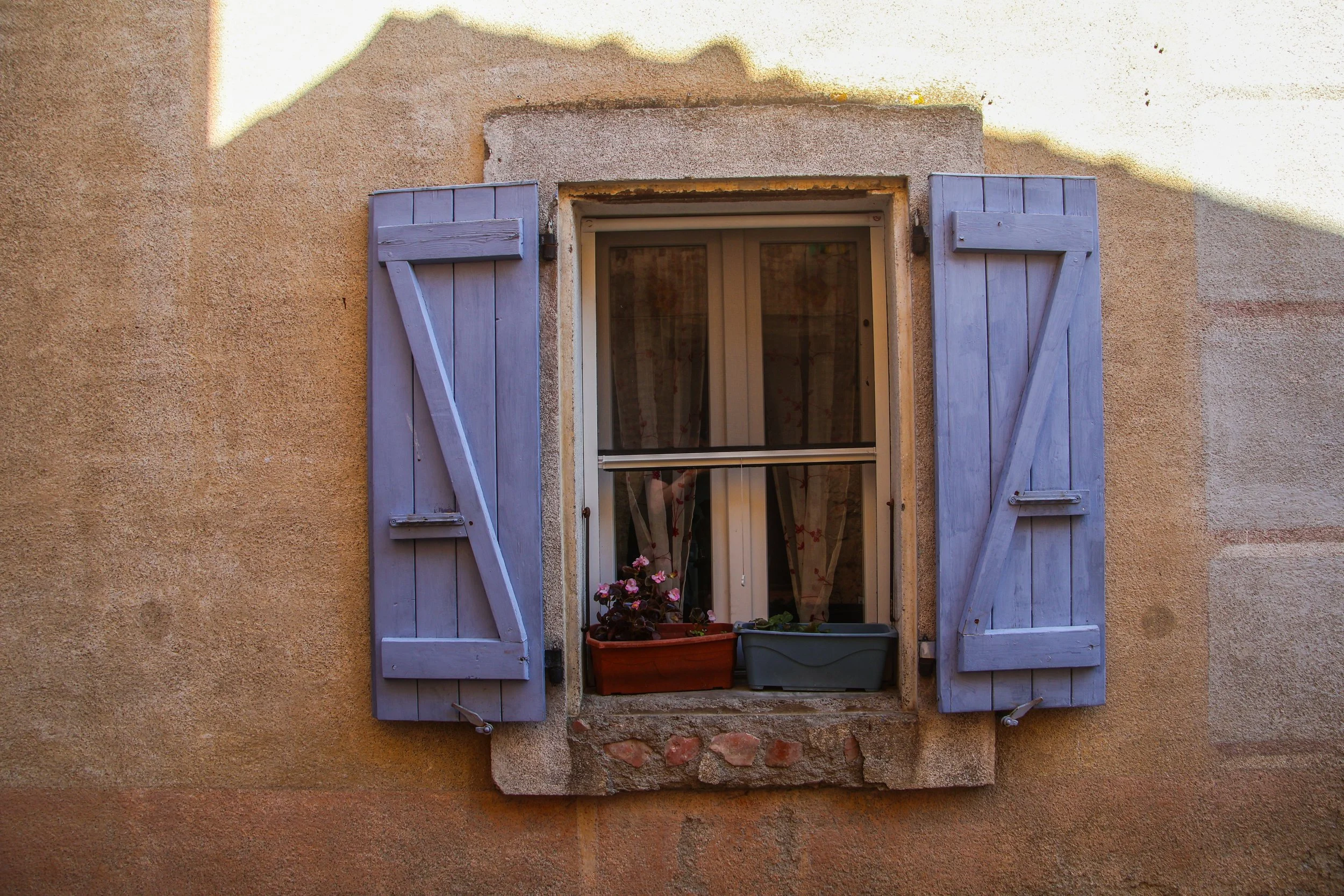
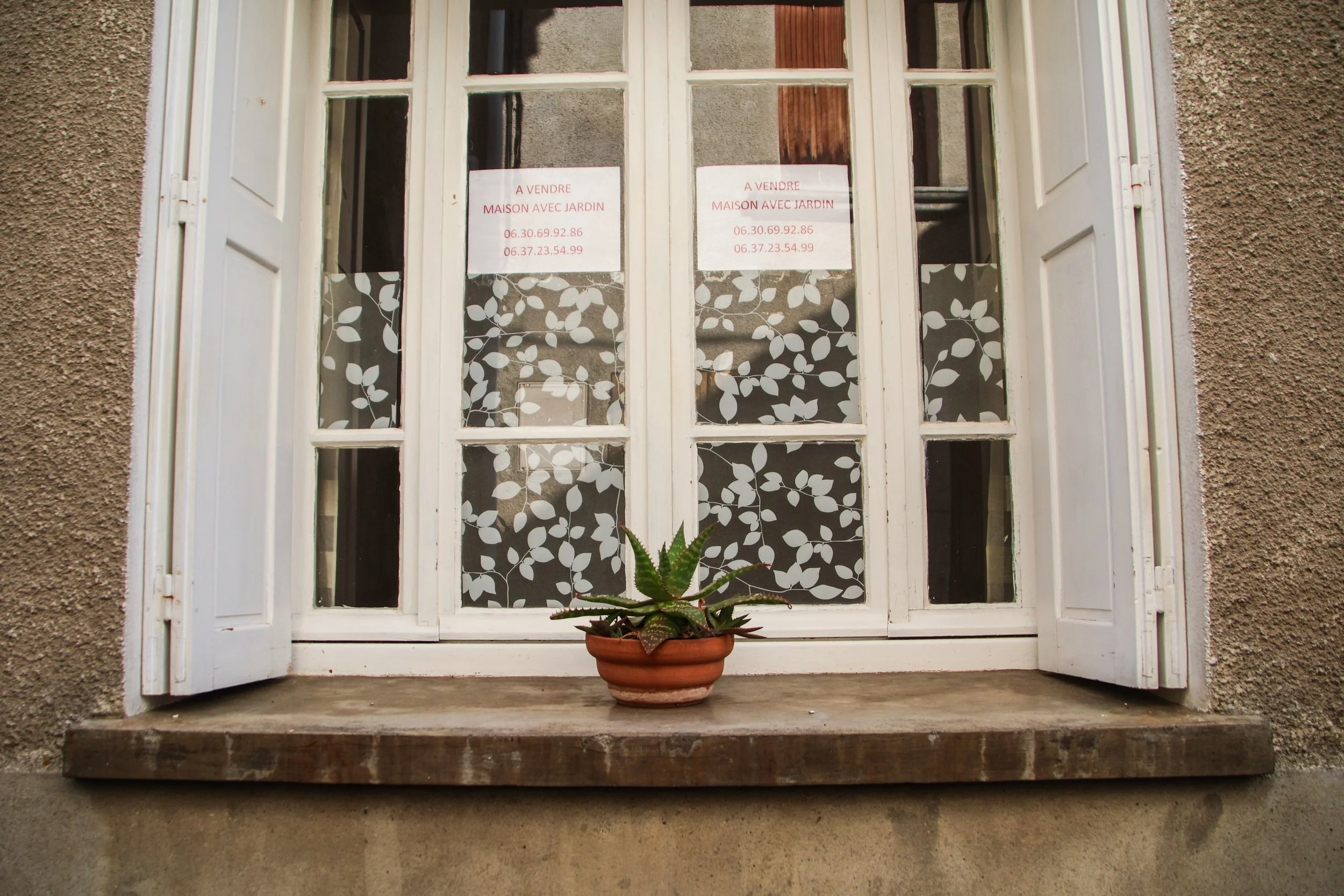
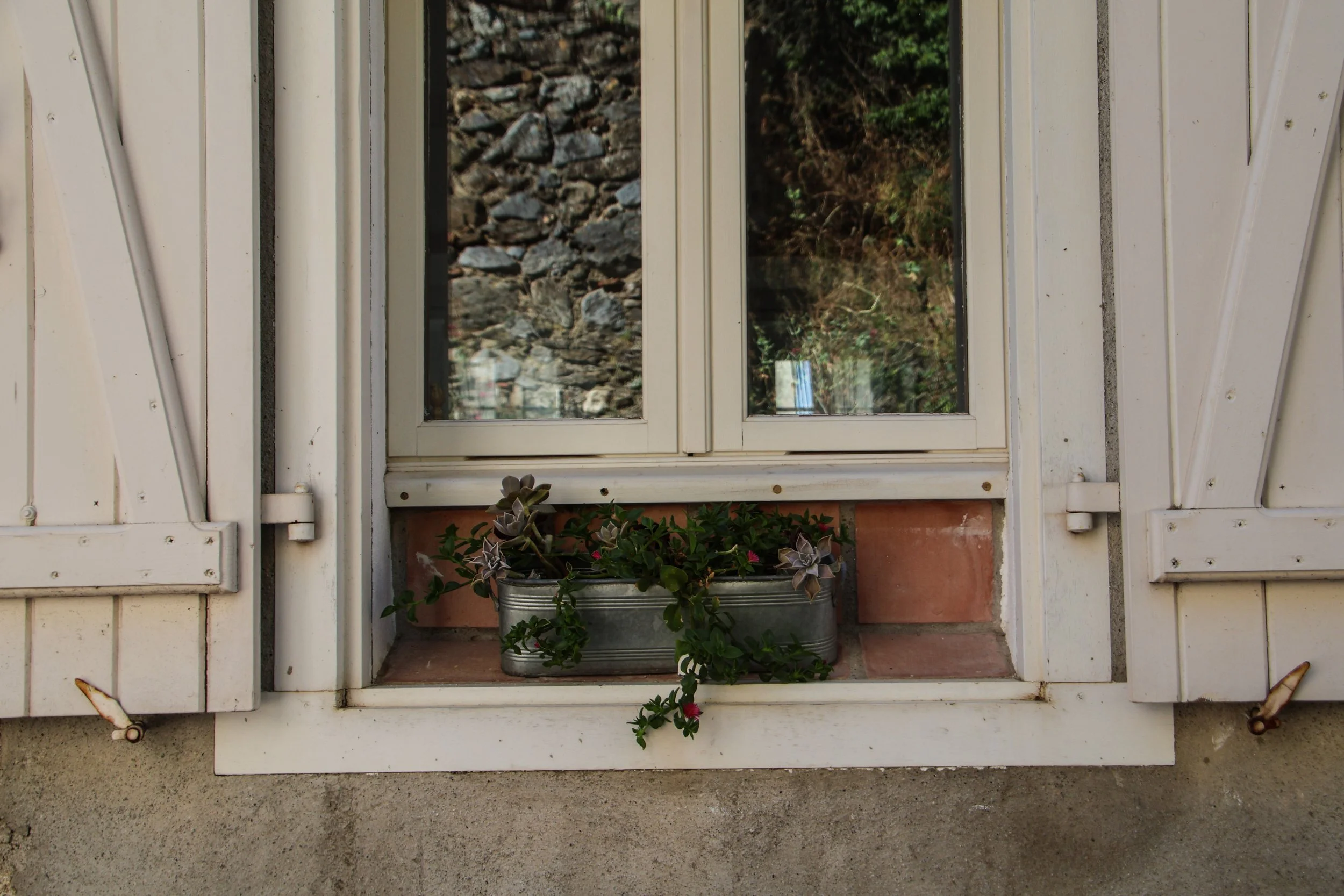
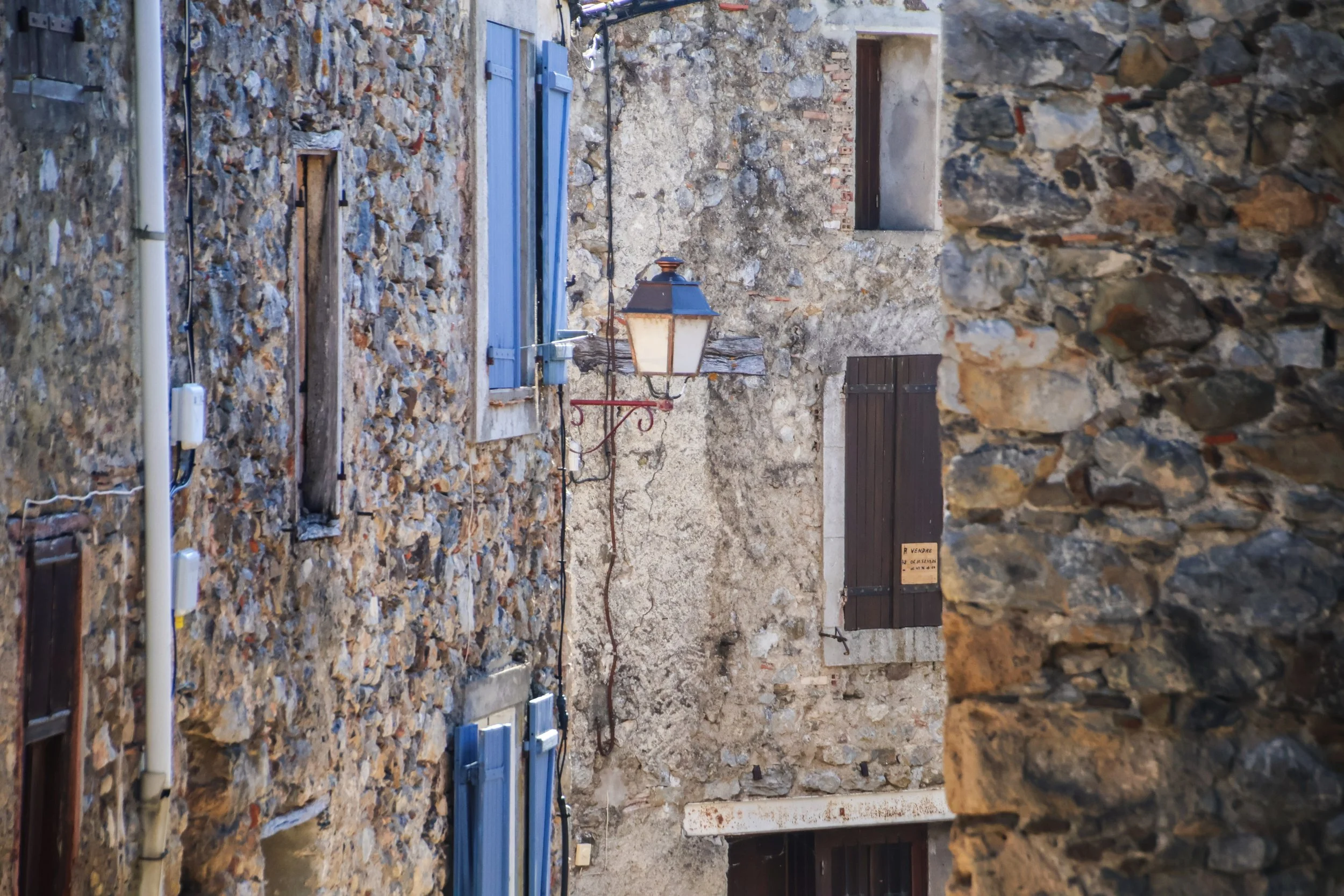
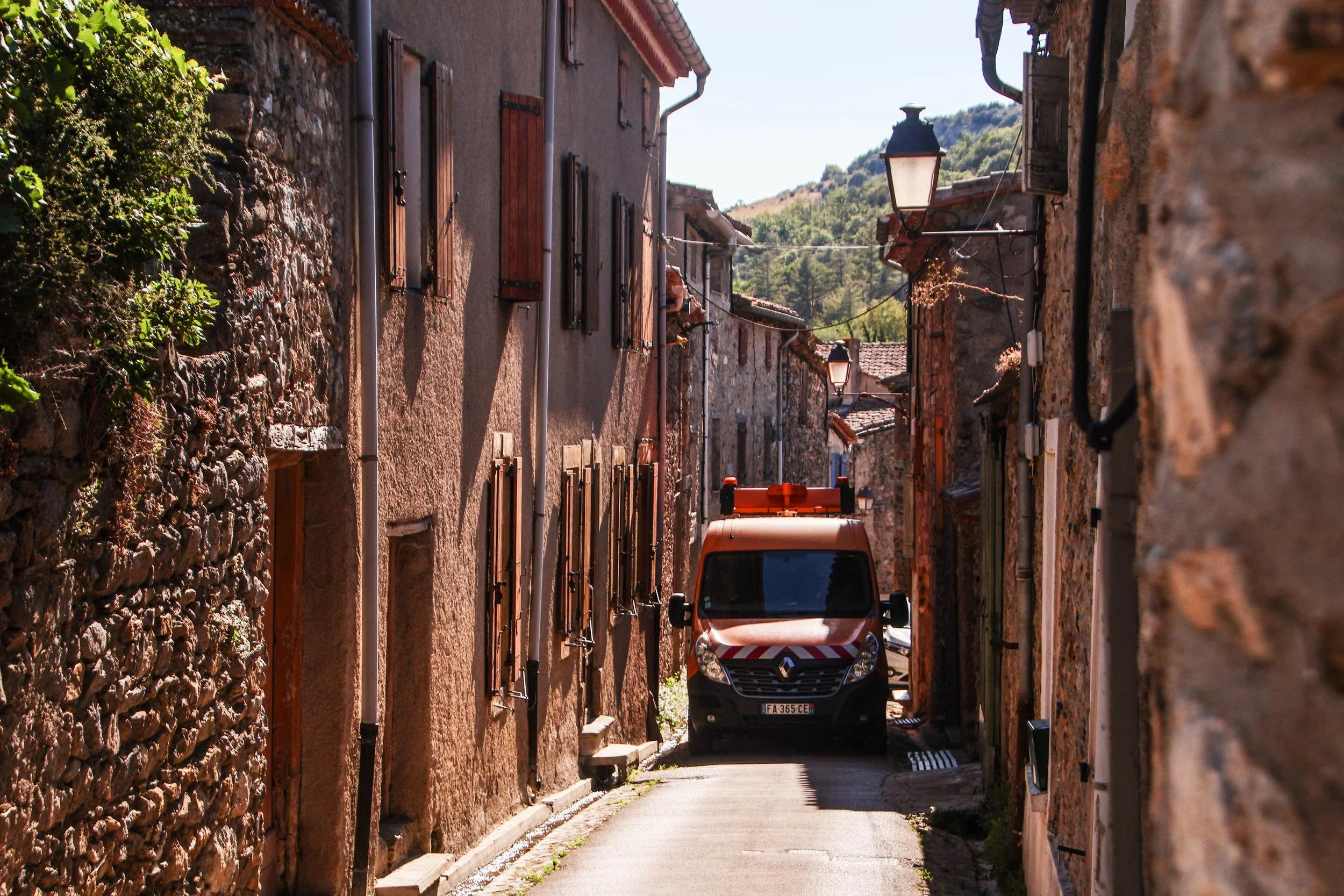
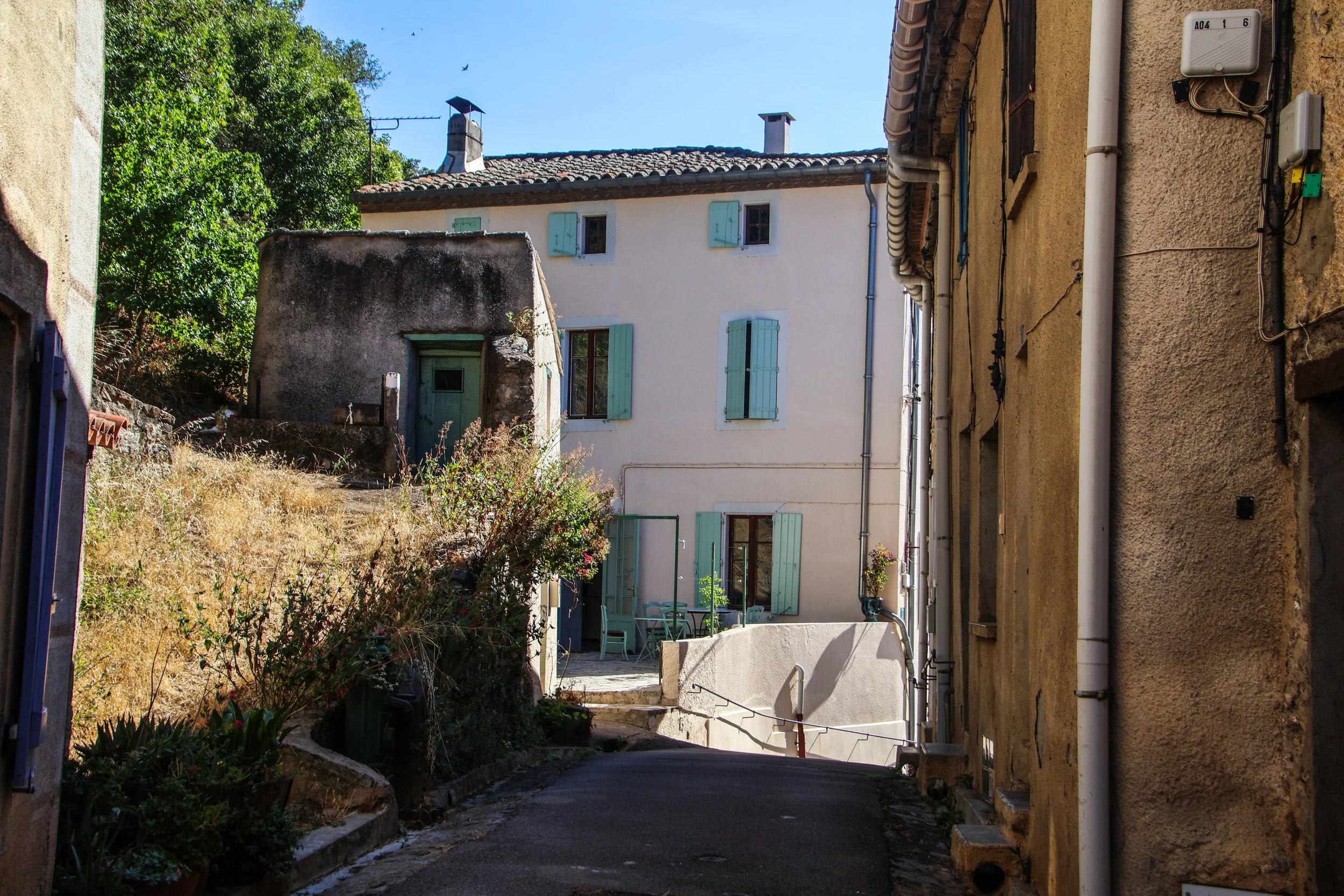
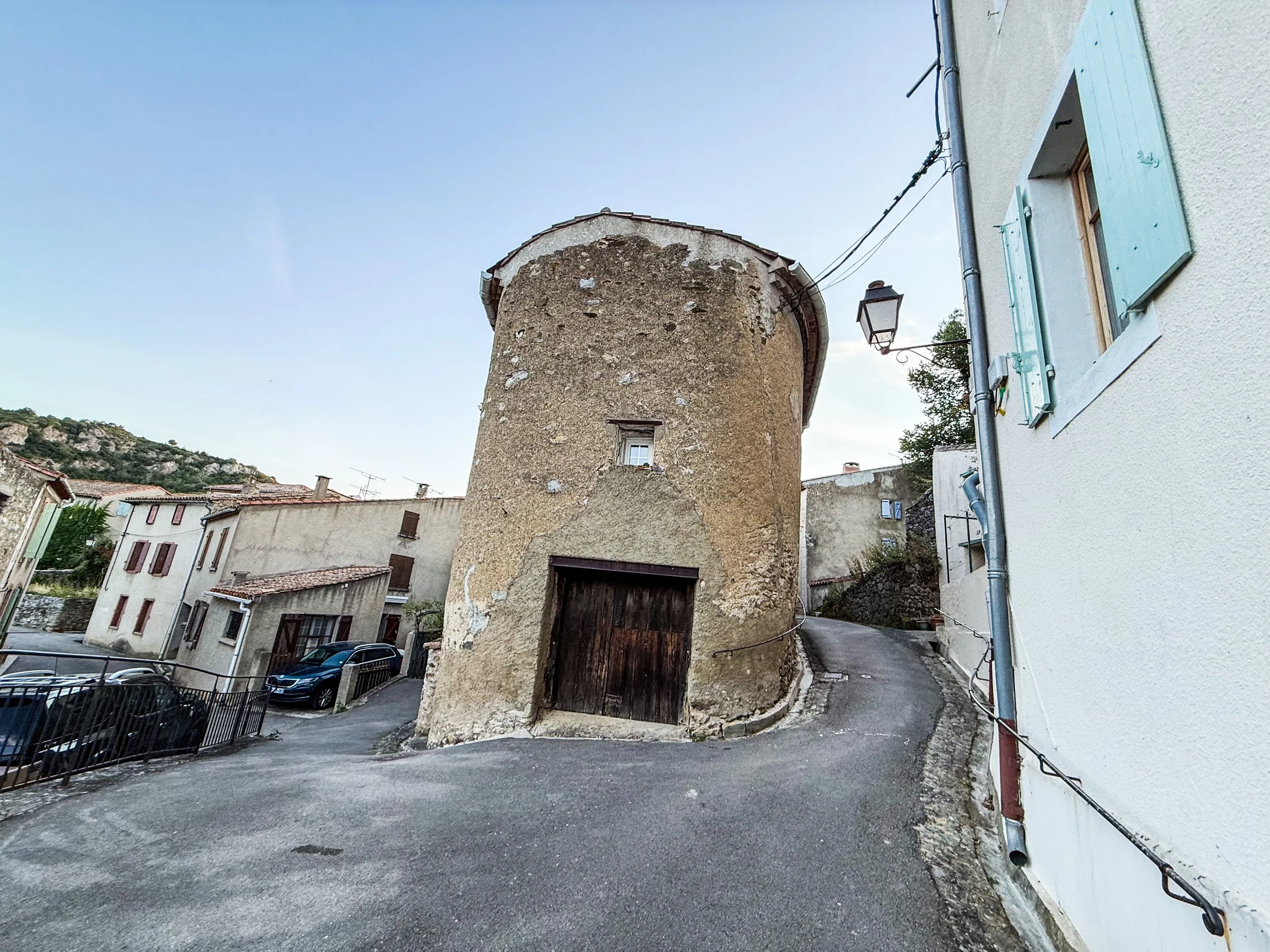
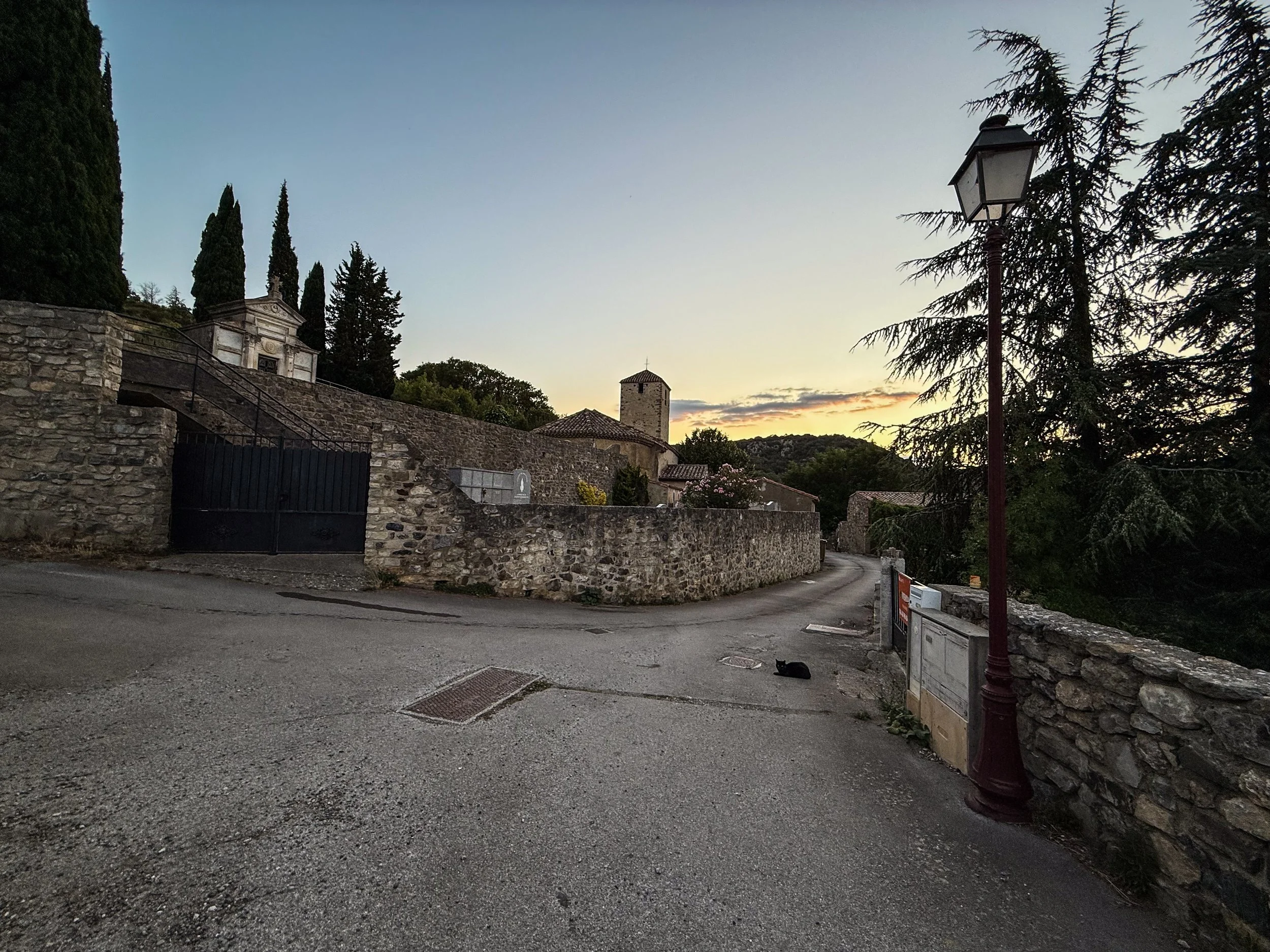
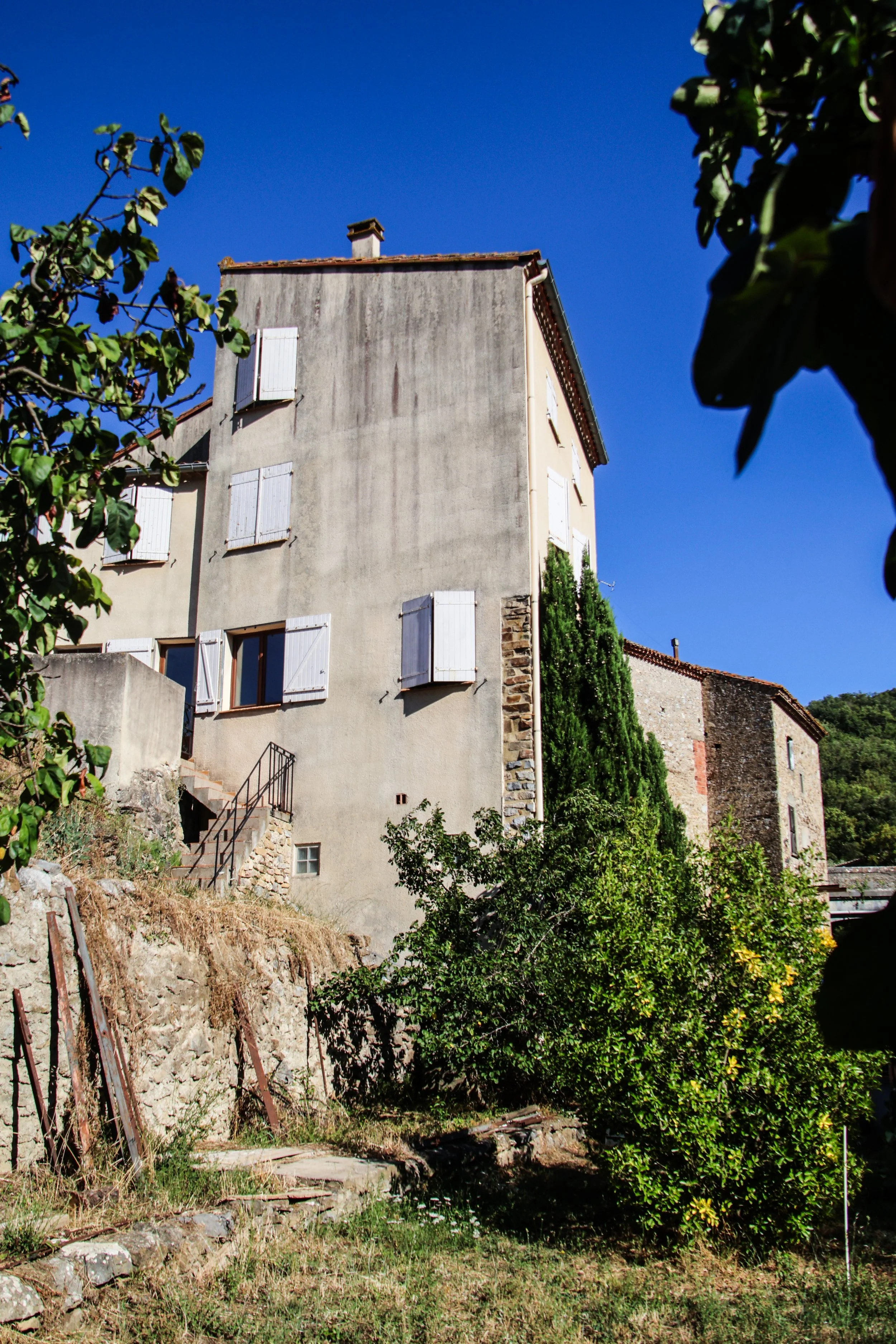
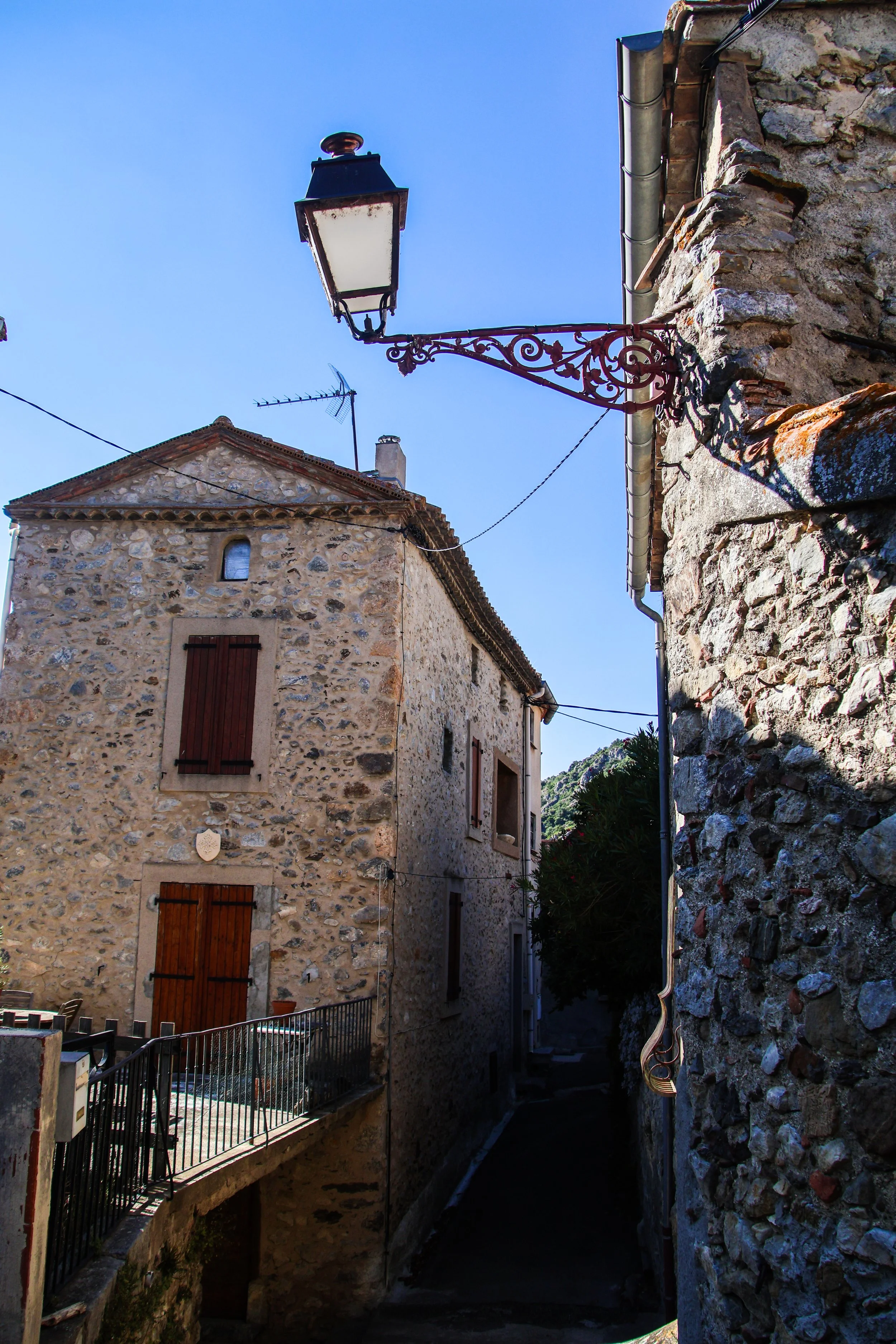
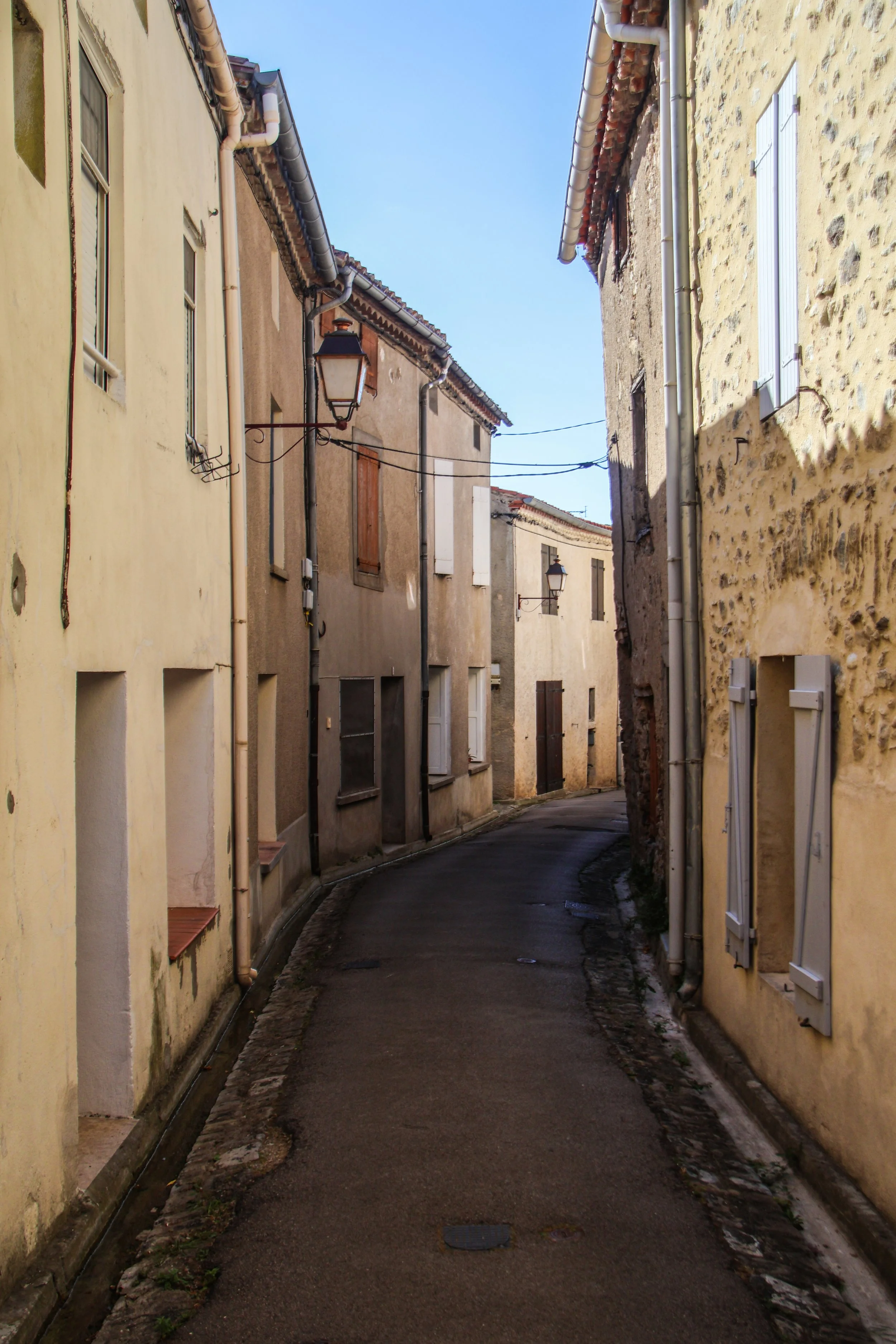
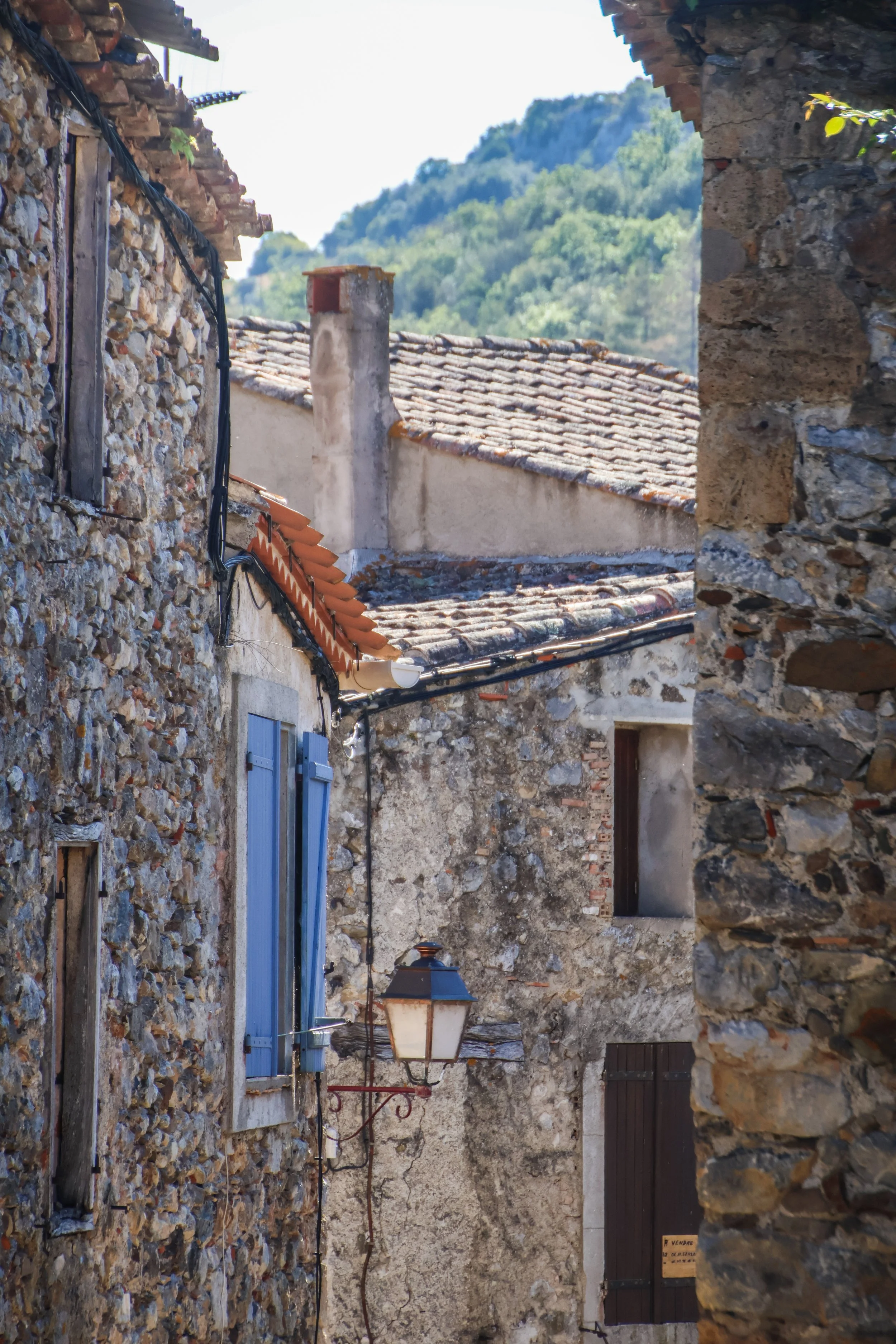
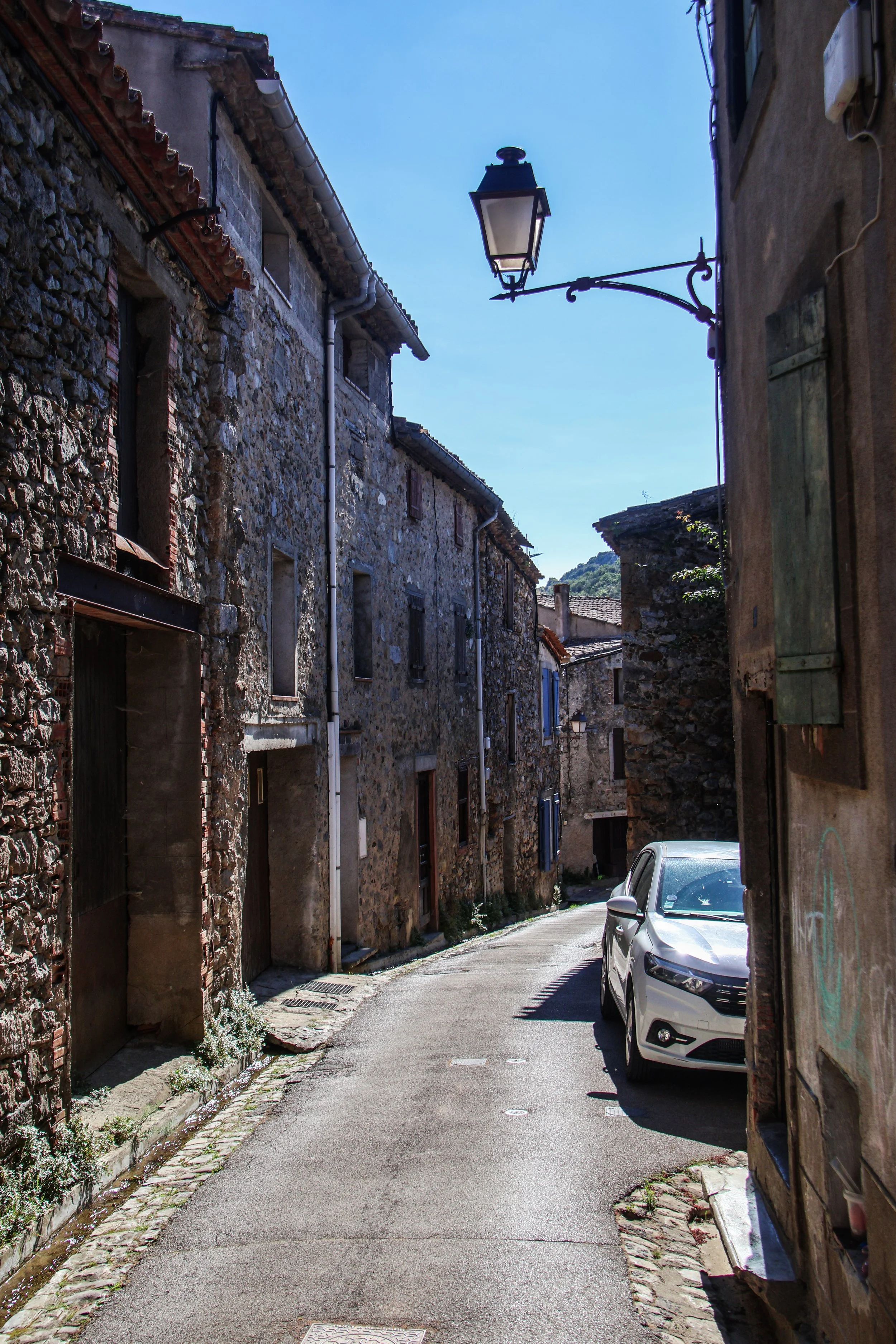
Like any small town, this place has its own little quirks, oddities, and stories. For example, there is an old man named Andre who—apart from a break for lunch—would spend all day everyday sitting on one of the town’s two small bridges. Members of our extended tribe would drive past him often, and occasionally say something to him—perhaps a friendly greeting or some sort of pleasantry—and his answer was always the same: “yeahhhhhhhhhh...” 😂🤷🏻♂️ Small town life!
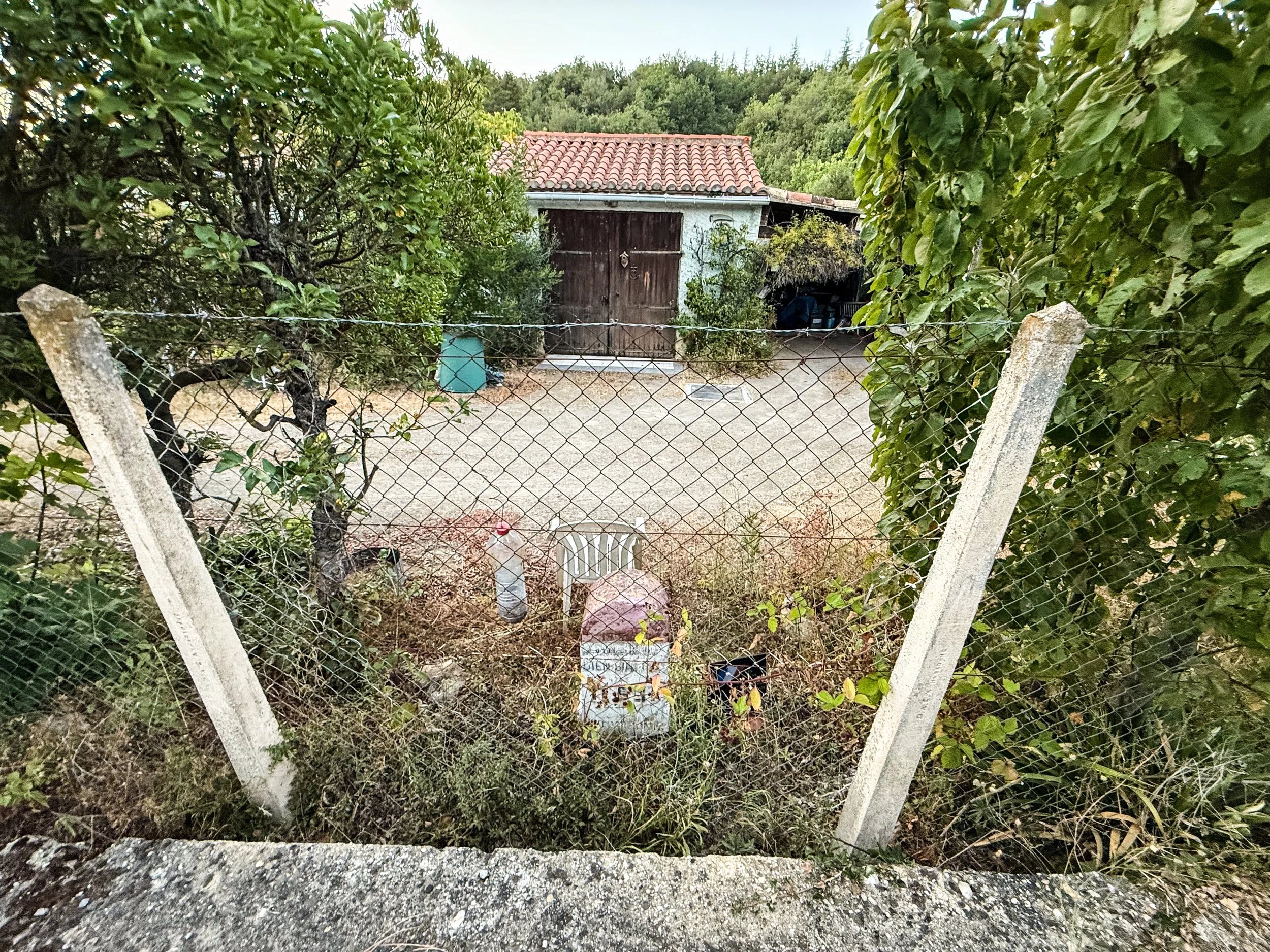
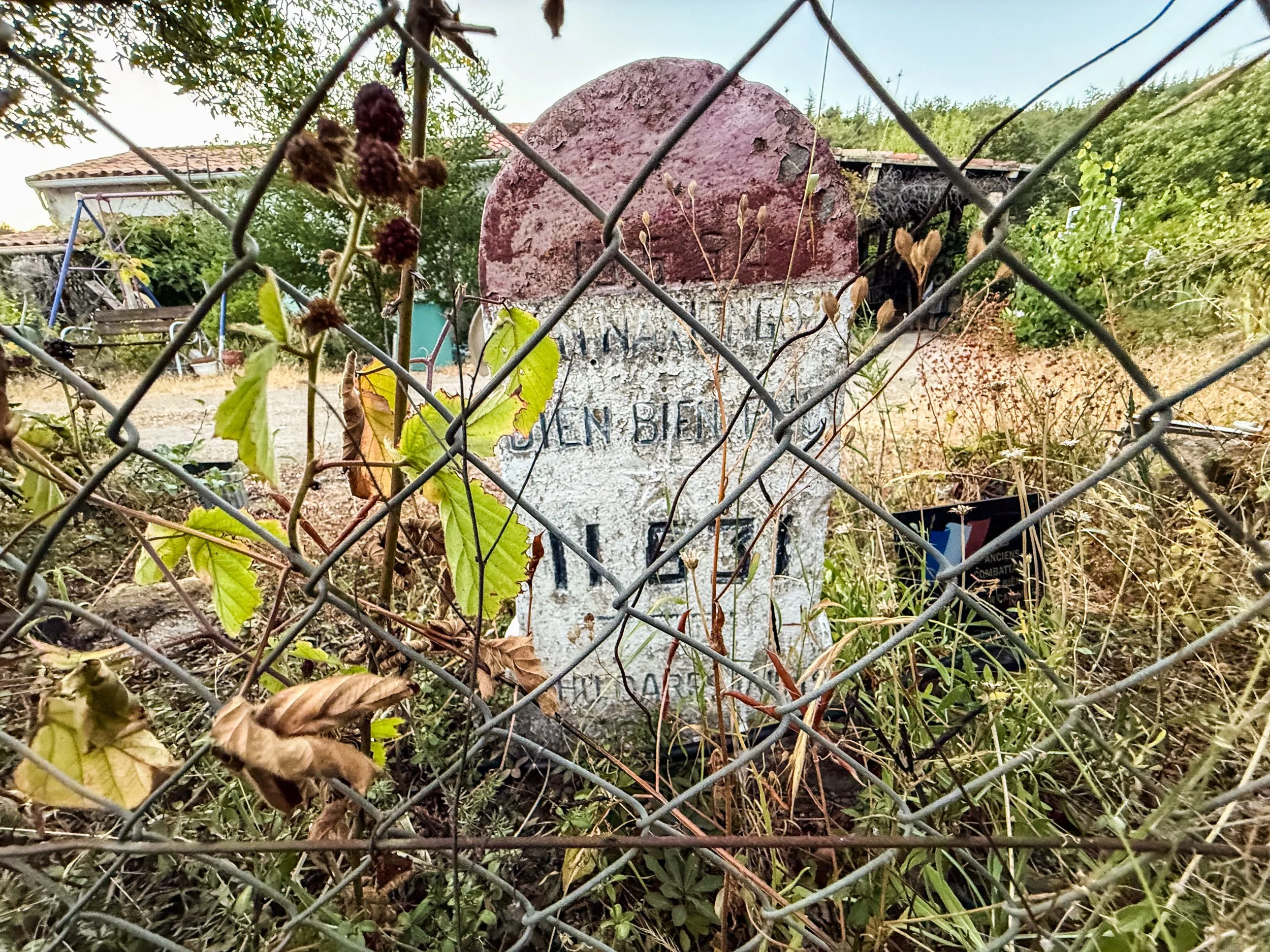
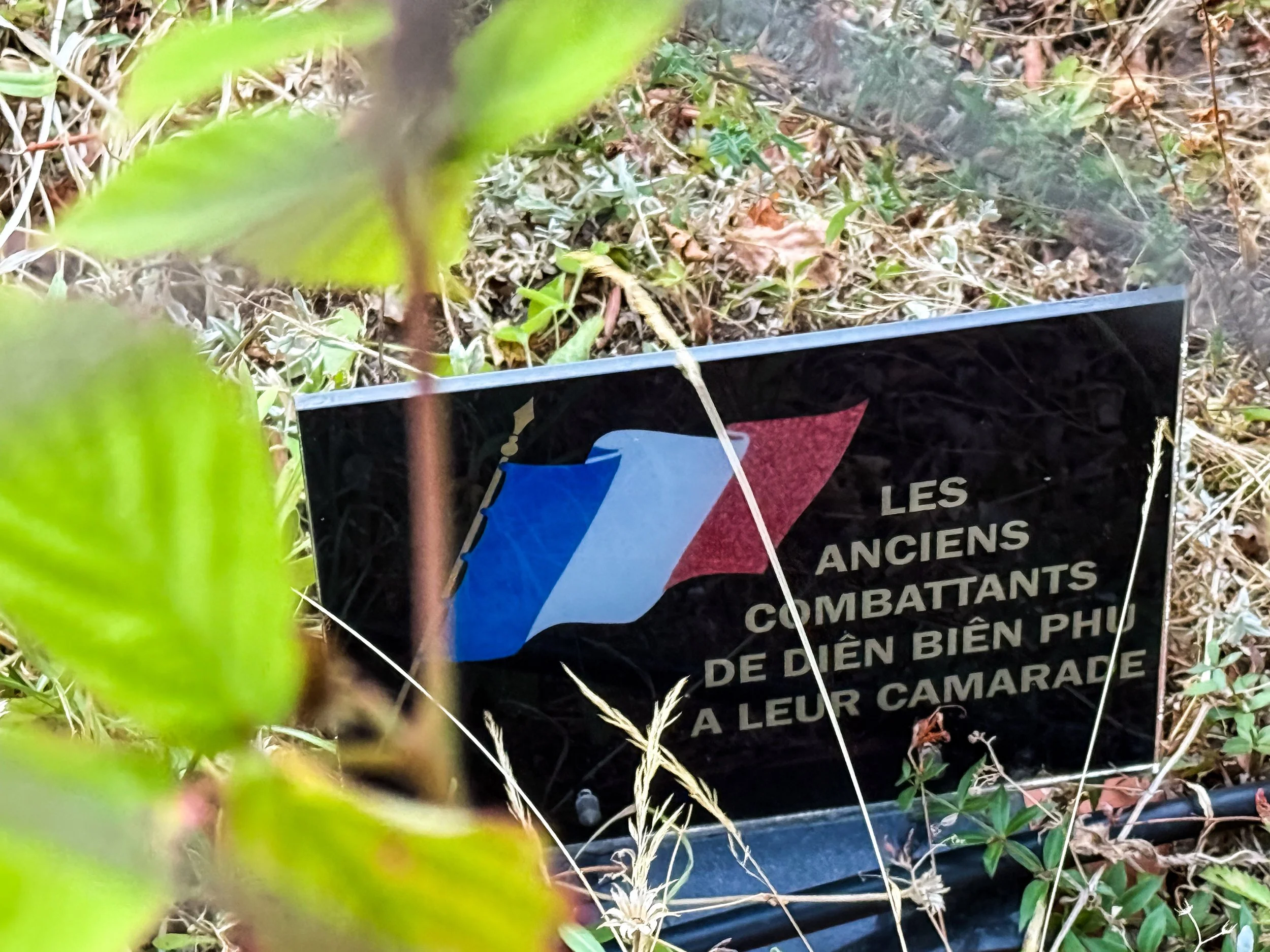
One genuinely interesting little detail of this town is that—tucked away on a dirt road leading out of town, up into the surrounding hills—there is a small monument for the Battle of Dien Bien Phu. This is a commonly known historical event within France, but it’s a bit obscure for the rest of us, so I’ll fill you in. In summary, Dien Bien Phu was the 1954 battle where Vietnam—which was a French colony—won its independence from France. So… why is there a monument for it in Félines, of all places??
The monument was at the house of a solider who fought in this battle. His name was Jean Dréan, and he’s actually sort of a low-key notable guy within France. Apparently he fought in Dien Bien Phu when he was just 15 years old (he’d lied about his age in order to enlist). He went on to become a mercenary soldier, fighting in connection with French and American military operations in in Laos, Egypt, Algeria, Senegal… and potentially Chad, Niger, and Myanmar as well. Some of the details are a bit fuzzy. Overall, this paints a picture of a kinda unsavory character… but he apparently developed a bit of a soft spot for Vietnam, learning the language (no easy feat!) and eventually adopting a small Vietnamese child in 1996.
He’s passed away now, but his house remains here in Félines, with this monument sitting quietly outside. The house (I’m told) is (or, was?) full of lots of different medals & distinctions. Dréan had actually received the rank of Grand Officer of the Legion of Honour, which is the highest medal possible in France. I’m told that somebody very high-up in the government was set to present him with this medal… but Dréan didn’t like the guy, so he refused the honor and waited for somebody else to move into the position. It took about 10 years for somebody new to enter this job, at which point he finally received his medal at the age of 95. He died a few months later. I guess it was spite that was keeping him going all that time! Here’s an article about Dréan from La Dépêche.
Anyway, as each day came to a close, people would emerge from their daily activities just in time for dinner. The houses in this extended group of family and friends would host communal, home-cooked dinners on a rotating basis, which—space allowing—would sometimes have 30+ guests sitting at a single table (usually composed of multiple tables pushed together). 95% of these people were strangers to me when I arrived, but all of them welcomed me into their world with a smile and open arms. My French is pretty bad, but it’s improving. However, whilst I remain a French n00b, those around (that were able) were very happy to speak English with me, even though they weren’t always super comfortable with the language. I appreciated this gesture greatly because it allowed me to feel like I was part of all this; like a part of the family! When you read about how a sense of belonging and community leads to longer life in the Blue Zone literature, THIS IS WHAT THEY’RE TALKING ABOUT. This is what life is all about.
After dinner, the adults would sit around chatting and laughing over glasses of wine, while the kids would run around and do kid things. Below is a picture of my final dinner in Félines. By numbers, this was the smallest dinner of my whole stay, but it nevertheless required us to carry extra chairs downs the road so everybody could have a place to sit. It was about a 30 second walk through absolutely perfect temperatures… I don’t know if I was even wearing shoes.
Sigh. This place had really good energy. I’m grateful that I was allowed to drop in on it; what a cool little slice of life!
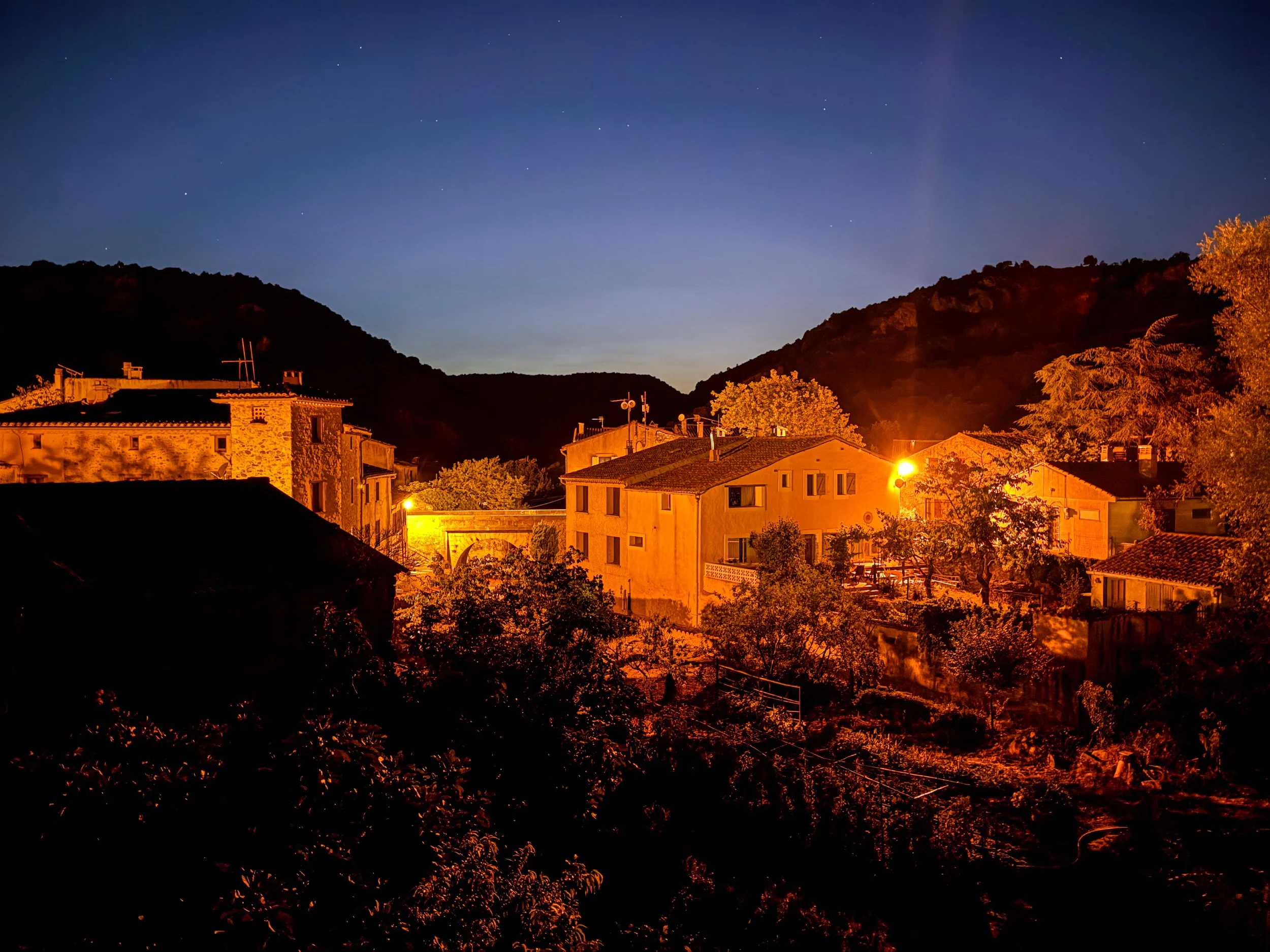
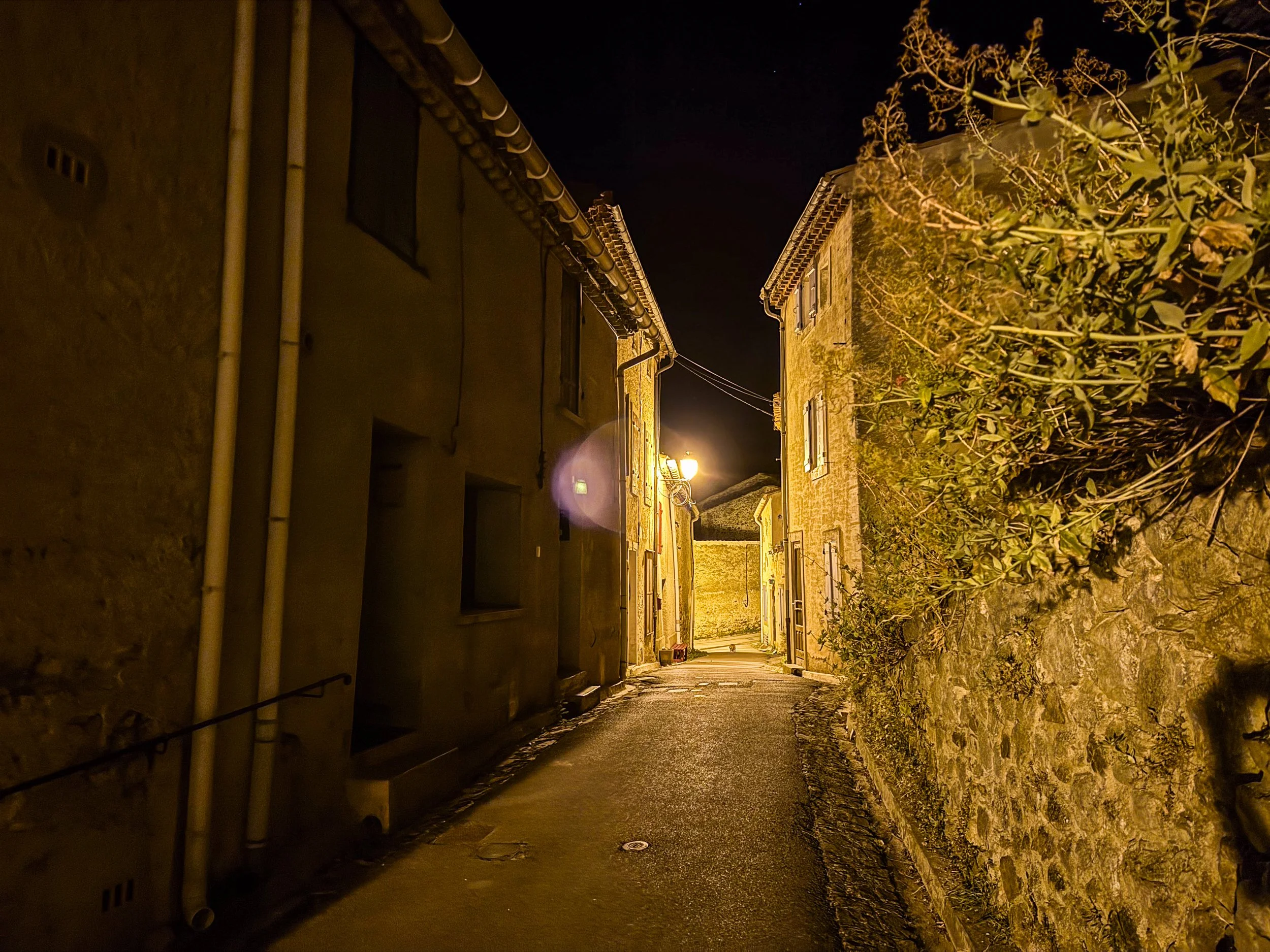
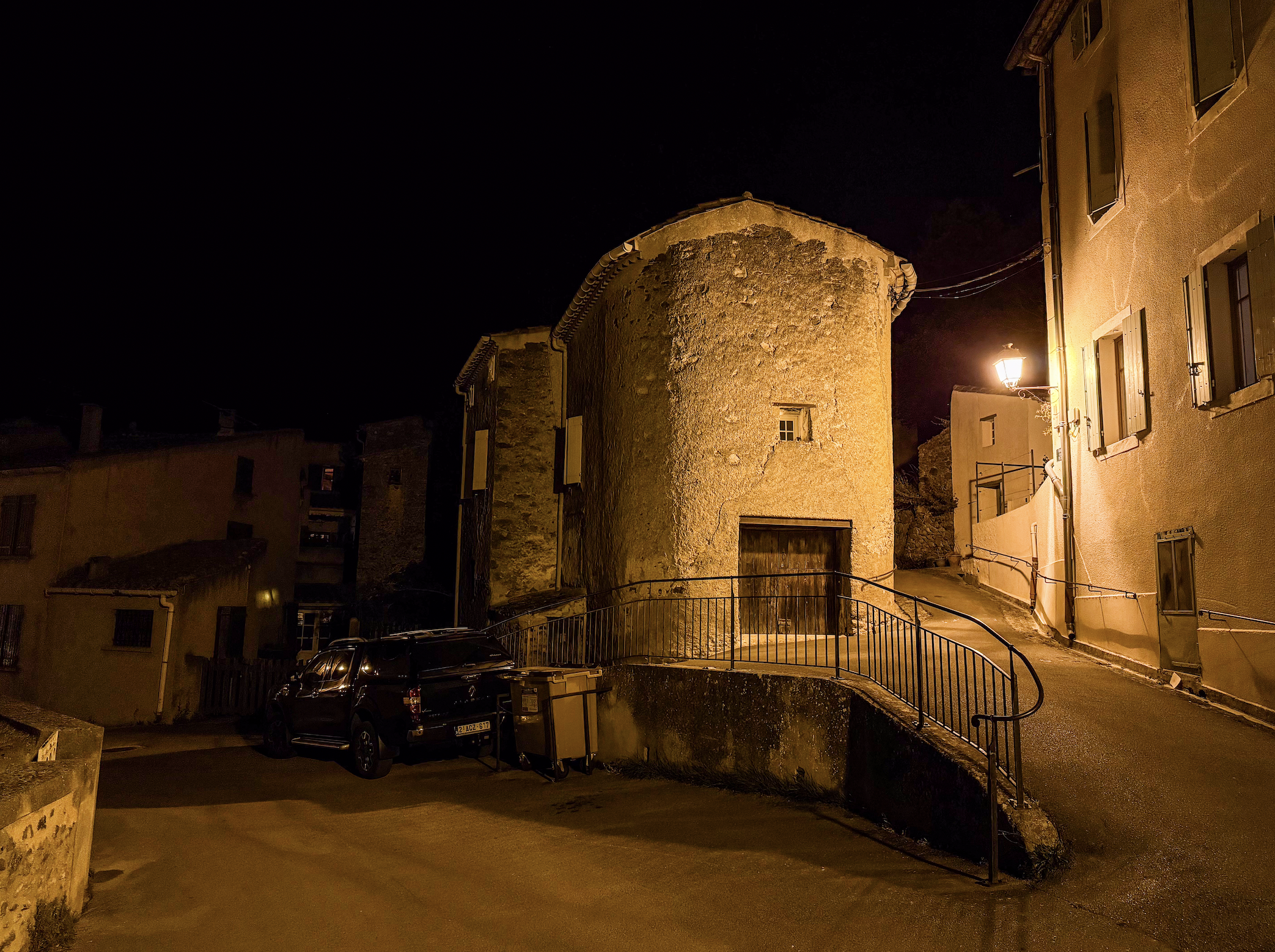
Eventually, dinner would be over, and people would go home one by one, leaving Félines quiet and peaceful in the fading summer heat. I’ll leave you with a couple of pictures of Félines at night:
This is where the article should have ended (cue a nice, sunny “Track of the Day”)… but no.
Just a few days after we left, wildfires broke out in basically this exact spot! That sounds scary, but it’s a bit abstract until somebody texts you this video. This was taken from Félines. 😧
Welp, party’s over! It sounds like people started going home at this point.
This was apparently the worst fire in France in 76 years. It burned 160 square kilometers over three days, displaced hundreds of people, and killed one old woman who apparently refused to leave her home even as the fire closed in. Here are a few links with prominent news coverage of the event:
Le Monde: Wildfires blaze in southern France: 'It looked like the apocalypse' 🇫🇷
Le Monde: Firefighters unite to battle France's largest wildfire in decades 🇫🇷
ARA: The massive fire in Occitania, the worst in France in 76 years, has been stabilized 🇪🇸
I wanted to end with this for 2 reasons. First, it’s a great example of how the impacts of climate change are a very real and present threat to everything we hold dear. Just because you haven’t felt the impacts yet, doesn’t mean you’re not going to. In Europe, the threat of wildfires is not exactly top-of-mind like it is out in California, but the world is changing. We’re all going to feel it. Second, to really underline the issue of climate change, the next article in the queue—which will take place a couple weeks later on the other side of the planet—will ALSO start with a close-encounter with a wildfire.
In my professional life, I deal with the topic of climate change constantly, but it’s only recently started to show up on this blog… so I’m going to lean into it! Here’s a real quote from Bill Nye the Science Guy to close on.




Aix, like nearly everything in this part of the world, has a recorded history that stretches back well before the birth of Christ. Whenever I write these articles, I’ll always take a quick dive into the proverbial pool of history to see if there’s anything notable I should highlight… and in the case if Aix, I mostly came up empty-handed. In fact, the most interesting thing I dug up during my research—aside from the recent unearthing of a Roman amphitheater in a nearby suburb—was an interesting Medieval legend about a Dragon that supposedly sat on a nearby hill atop a pile of bones, both human and animal. This legend is interesting, because—although the presence of a Dragon cannot be confirmed—the pile of bones was known to be very real! It’s been the subject of numerous scientific inquiries to identify all of the original owners. There’s a really interesting article about this called “The Dragon at the bus-stop” that feels like it sets the scene quite well for a children’s fantasy novel.
So, with that in mind, the history of Aix feels relatively uncomplicated in my head. For all the history buffs, the history is there! But, for the rest of us, I don’t think you’re doing this place a huge disservice by just enjoying it for what it is now: a magical little place in the South of France.