
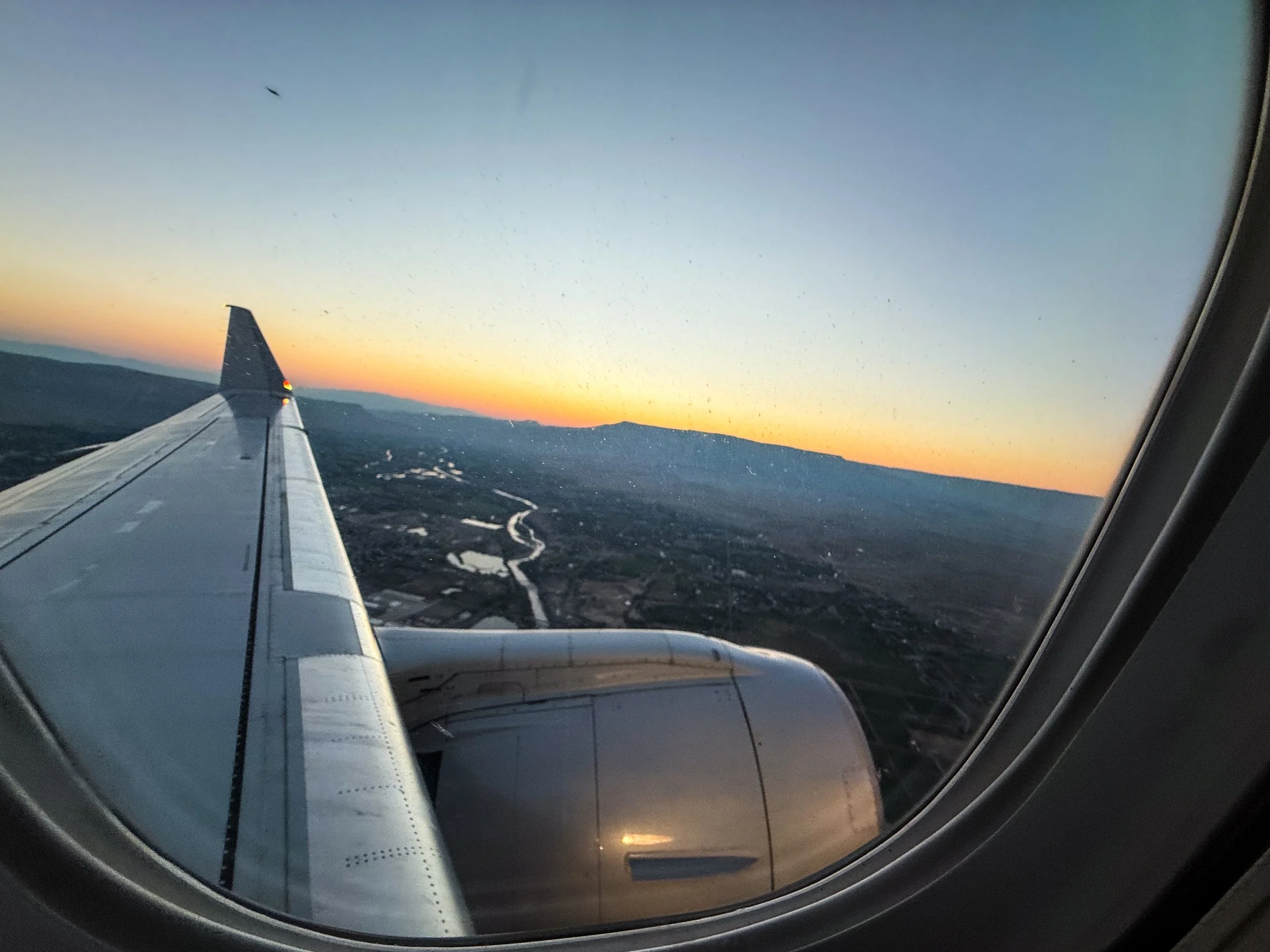
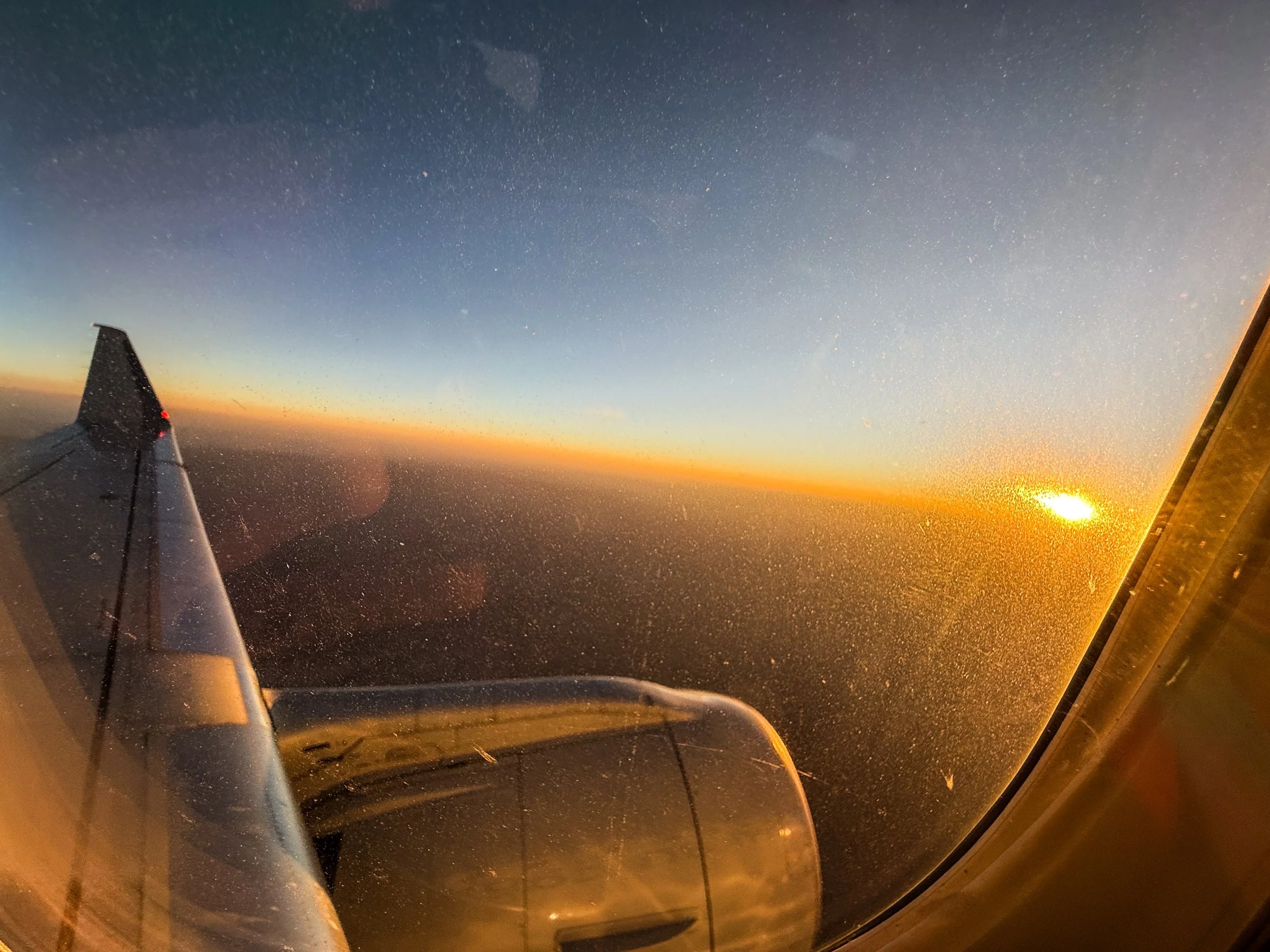
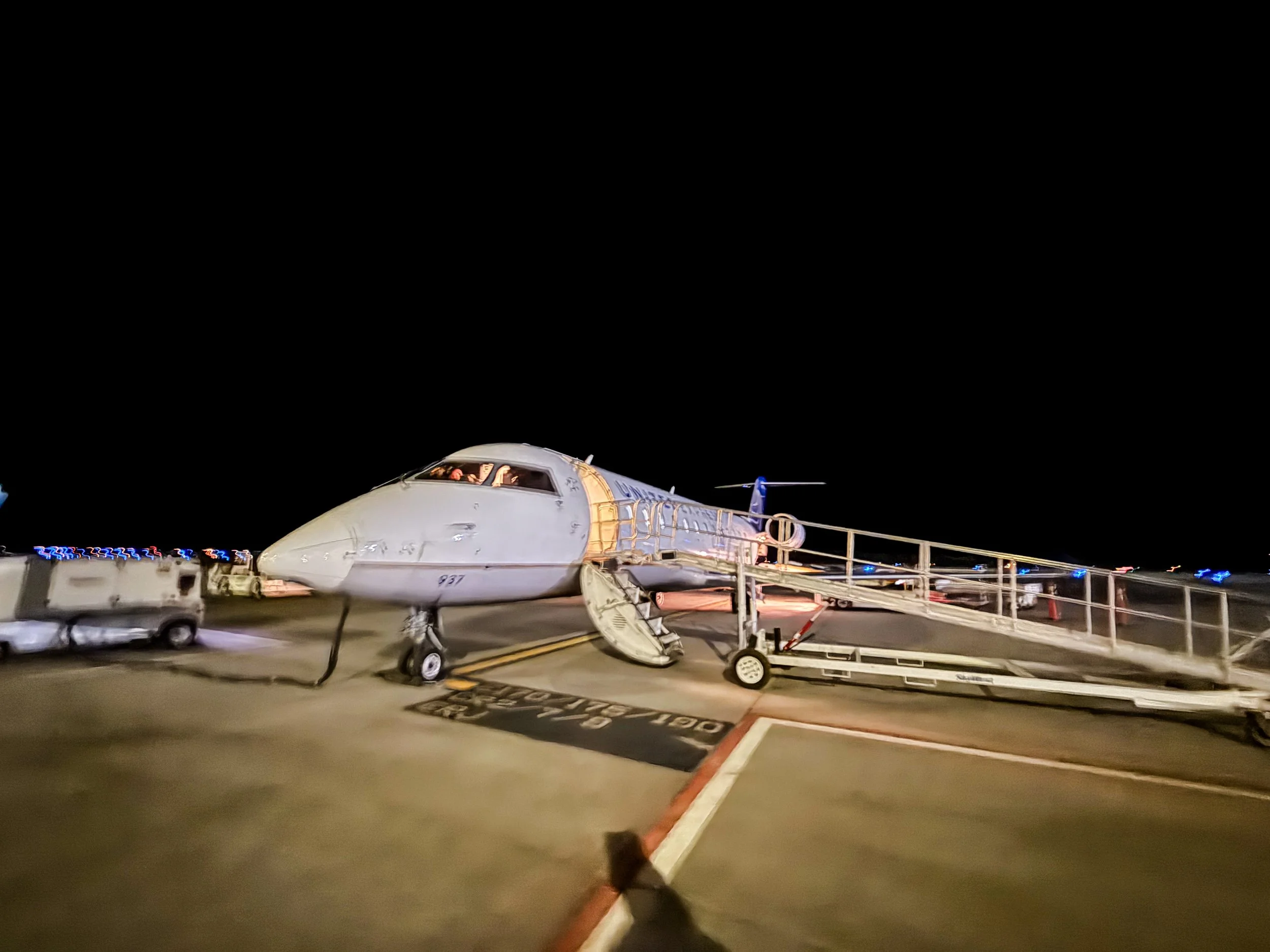
The last article ended with us narrowly avoiding the largest wildfire in France in a generation. And France is not a place that is top-of-mind in the wildfire department! Fast forward a few weeks, and I was the other side of the Atlantic, on a small plane hopping over Colorado’s Continental Divide, on a late-night flight from Denver to Grand Junction. It was a short flight and I had little chance of falling asleep at that point, so I looked out the window at the lights from the tiny towns tucked into the mountain valleys below, imagining what might be going on down there. And then, I saw something I’d never seen before. The darkened slopes of the mountain directly below us had a large patch that was glowing. It took me a moment of squinting my eyes through the glass to realize what I was looking at: it was another wildfire. Albeit, a small one, but a wildfire nevertheless. 😳
I was glued to the window, observing it as closely as I could until it passed out of my sight. We hear a lot about these fires on the news, but I’d never actually seen one until this moment. I tried to get a picture of it on my phone but it’s just a blurry, unidentifiable, yellow-ish-orange blob; not worth sharing. But it’s crazy that, right on the heels of this near-miss in France, I was again so close to a wildfire, on the other side of the planet. Tell me again how climate change is a hoax, plz??
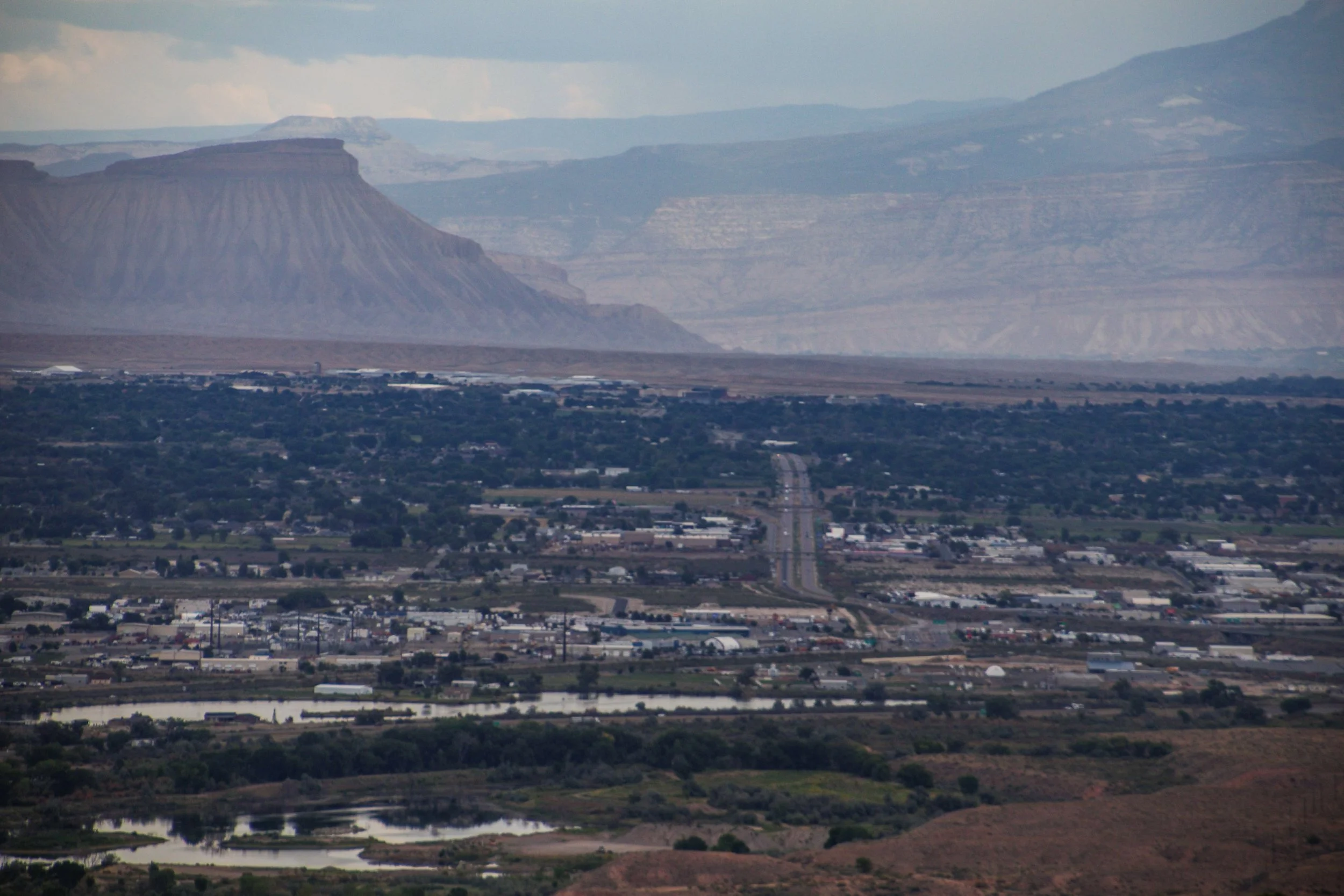
Here are some sharable shots from the flights into and out of Grand Junction. In the black of night, the shots were unusable. But the images of that fire are burned into my brain now… no pun intended.
Colorado National Monument: Rim Rock Road
The actual town of Grand Junction isn’t much to write home about. We’ll explore it later in this article, but the first thing you need to know about it is that it’s known more for its proximity to nature than anything else. Specifically, it sits right next to the Colorado National Monument.
The Colorado National Monument is basically a National Park. Except that it doesn’t have the “National Park” designation, which can only be imparted by Congress; rather, it was dubbed a “National Monument” by the order of President William Howard Taft in 1911. At the time, National Monument status was faster and easier to secure than National Park status, which was typically reserved much larger areas of land. Indeed, at just 23,000 acres, the Colorado National Monument is smaller than most National Parks, but it’s managed by the National Park Service all the same. In fact, the experience of coming here feels basically indistinguishable from a National Park.
At the risk of sounding pedantic… I’m going to clarify that the name “Colorado National Monument” REALLY IS as generic as it sounds. Like, they couldn’t be bothered to give it an actual name? This sounds like a placeholder title. Like, what if Yosemite was called “California National Park”? Yellowstone, Zion, Arches, Big Bend, Joshua Tree—parks are supposed to have names! 🙄
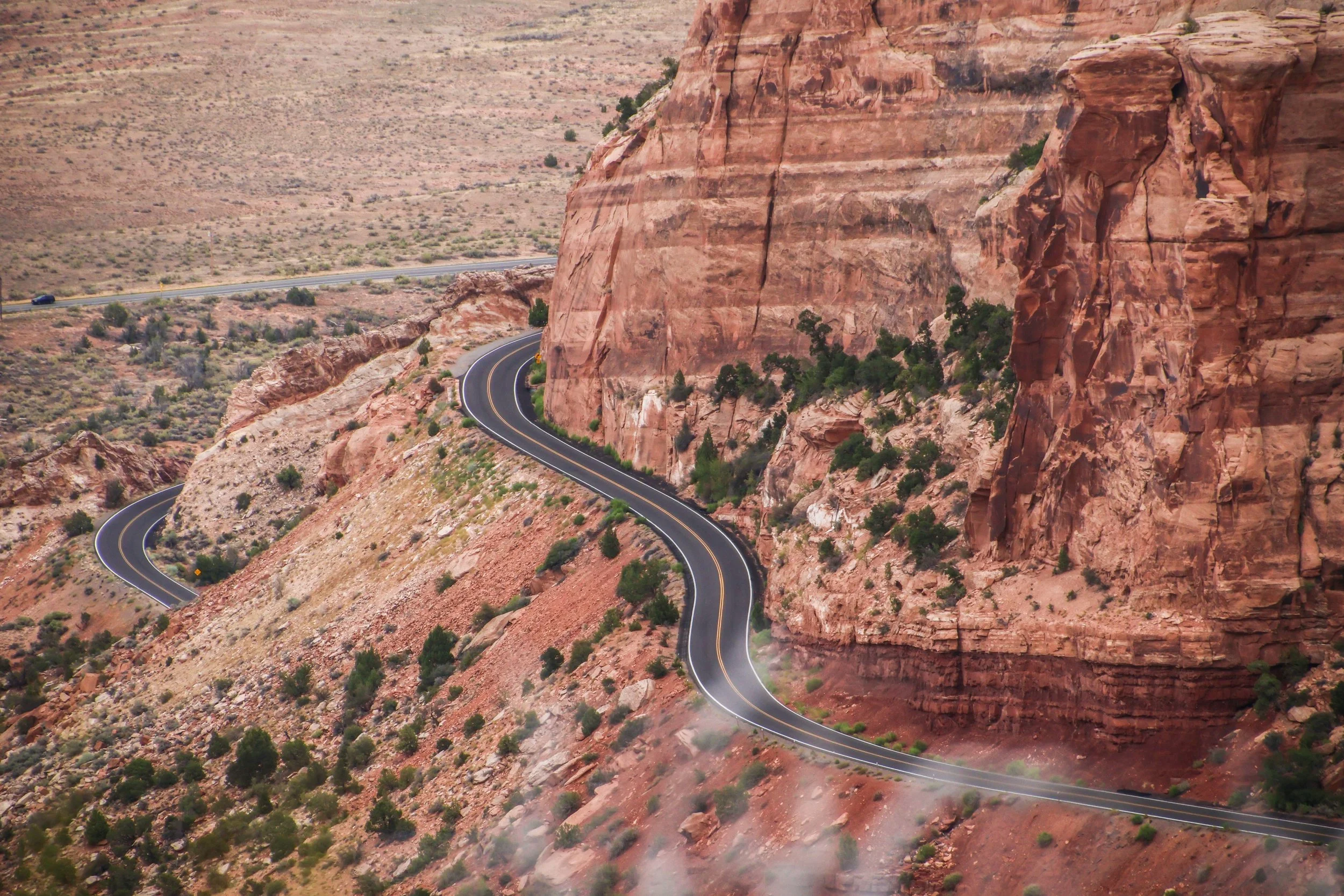
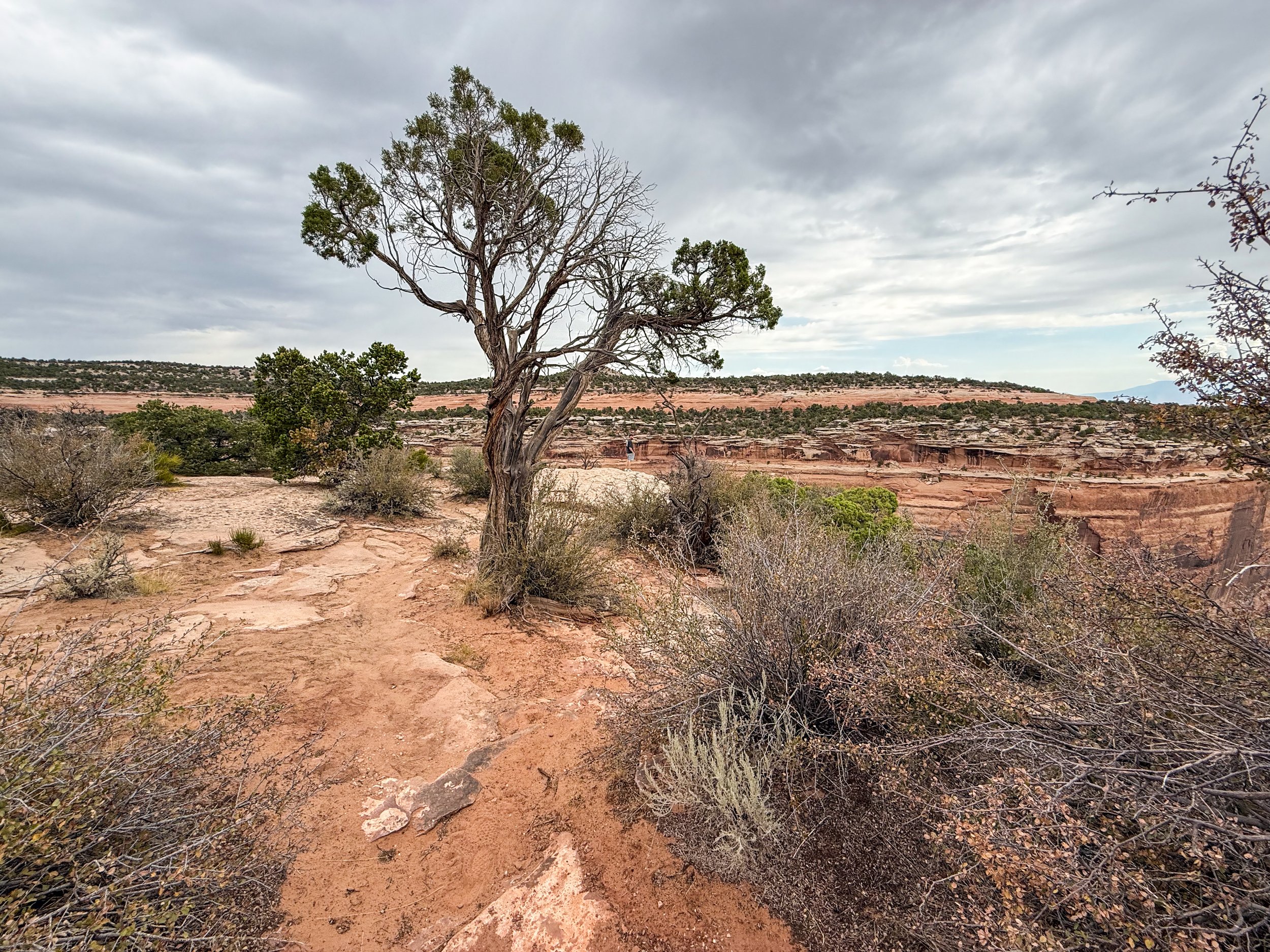
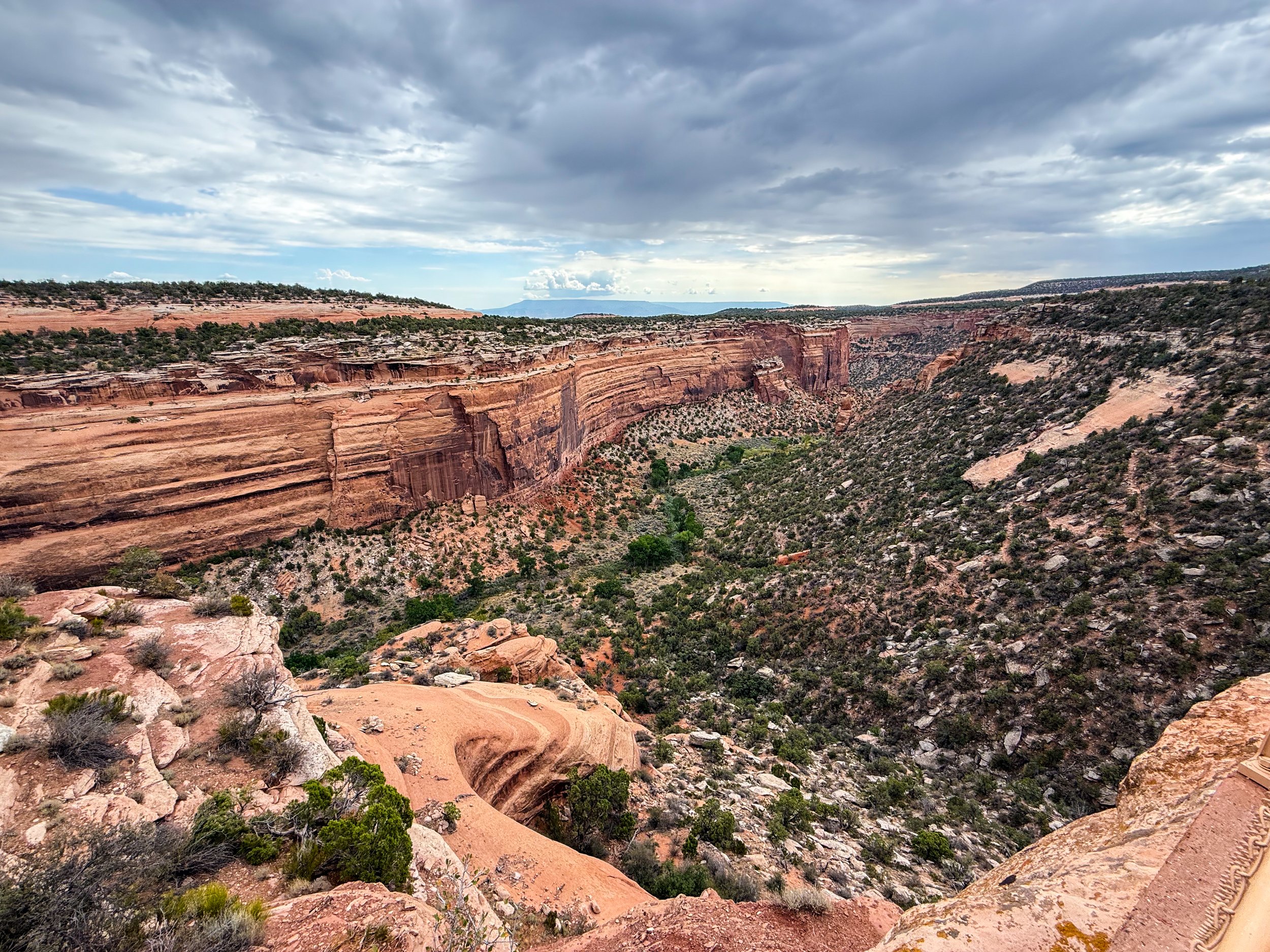
Moving on—the Colorado National Monument isn’t a single landmark, but a large area of landscape, which includes massive rock formations, deep canyons, and rugged plateaus, all of which were carved over millions of years by wind and water. The primary thing to do here is the Rim Rock Drive, which is a 23-mile-long paved road that brings you past a great many breathtaking views over dramatic sheer cliffs and expansive valleys. There are lots of places to stop along the way, many of which have their own hiking trails and camp sites. Today, we’re going to drive the Rim Rock Road. Check this out…
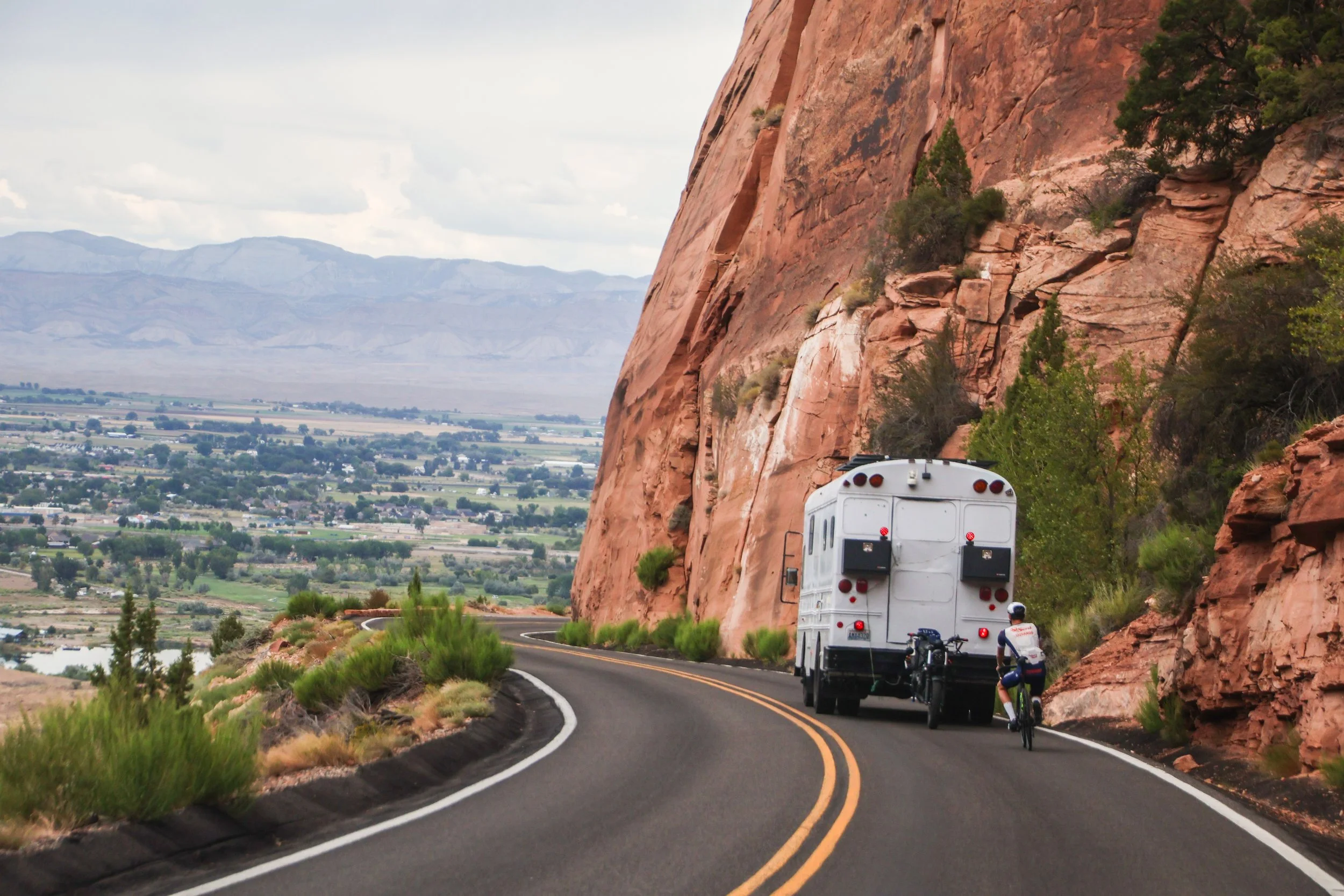
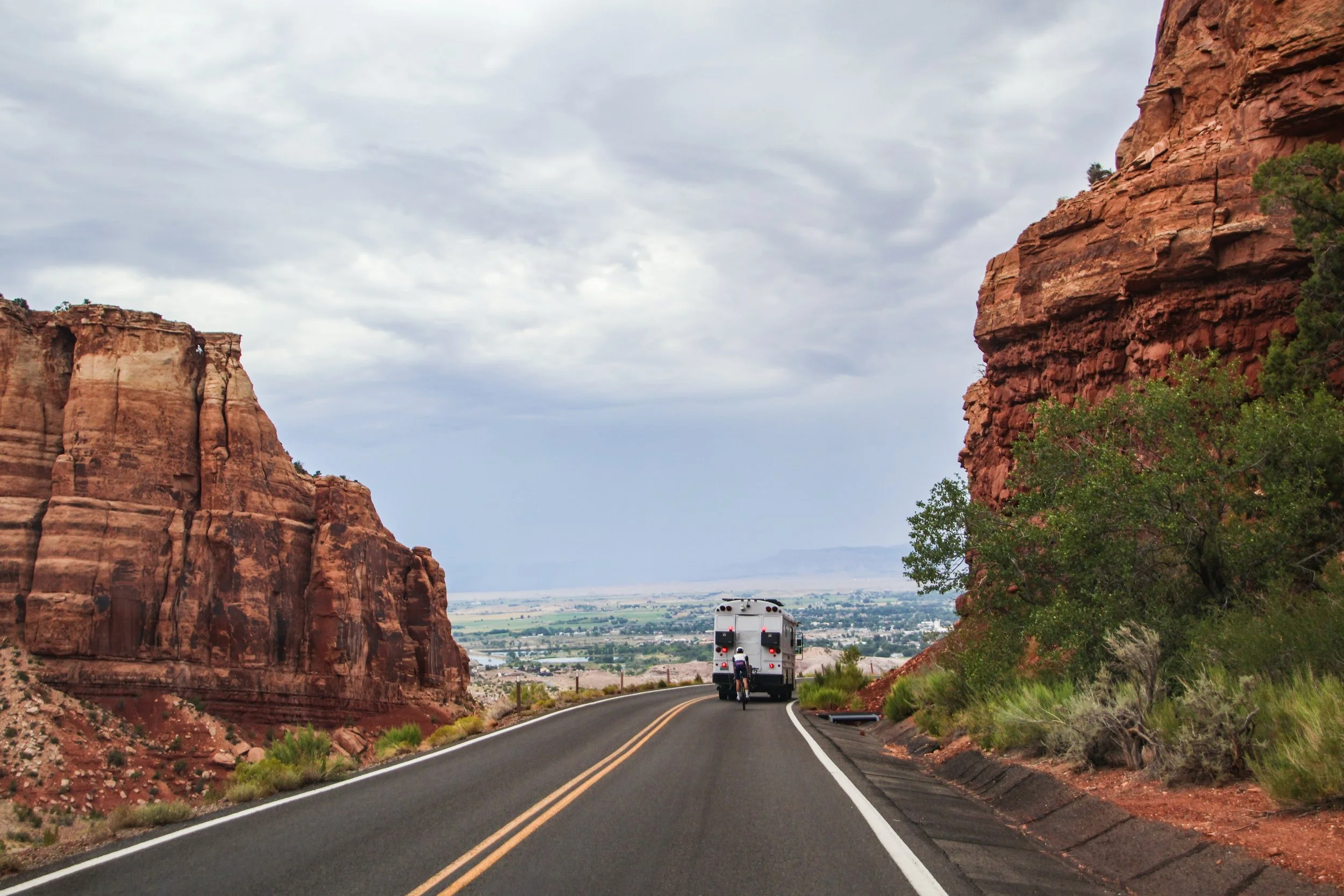
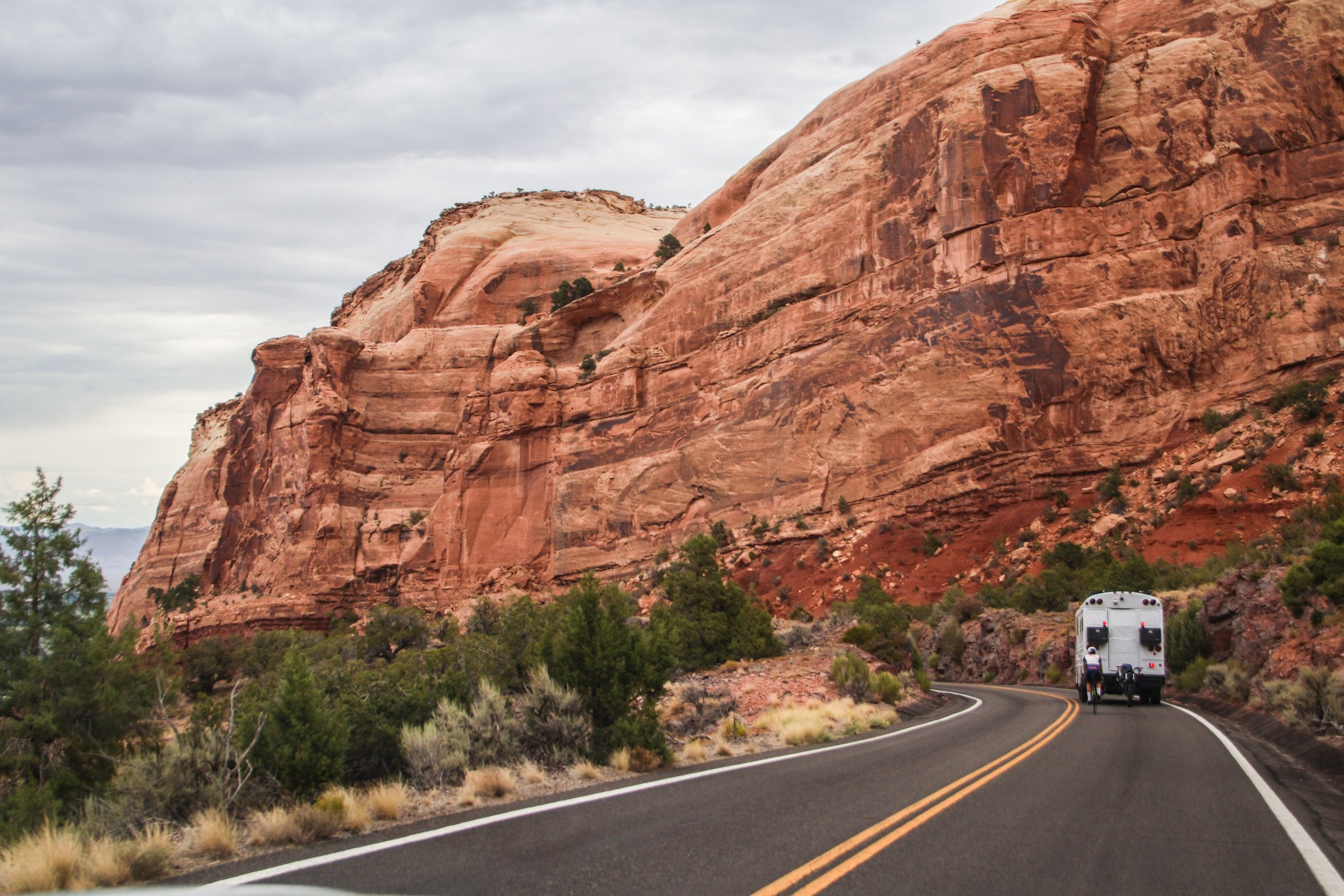
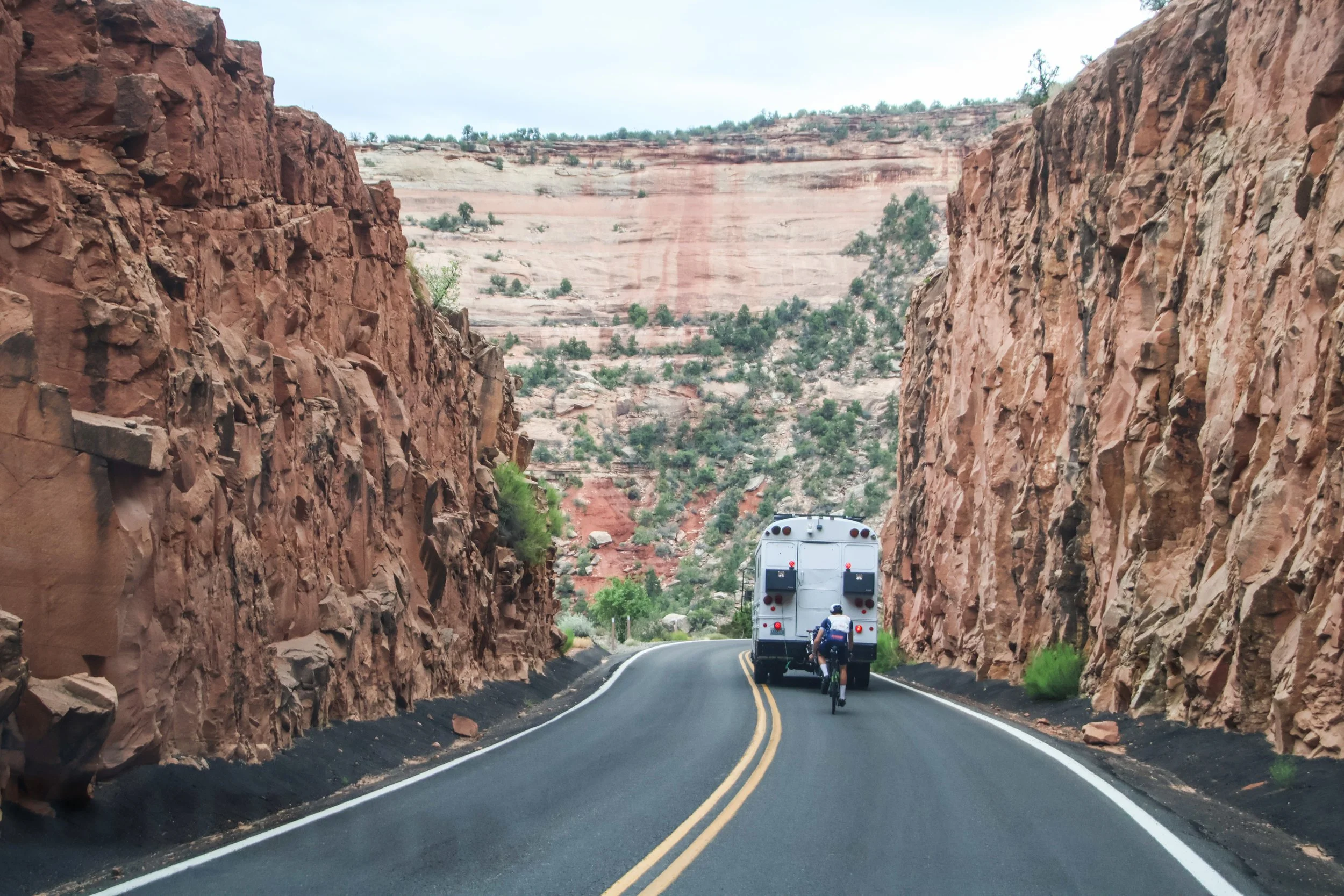
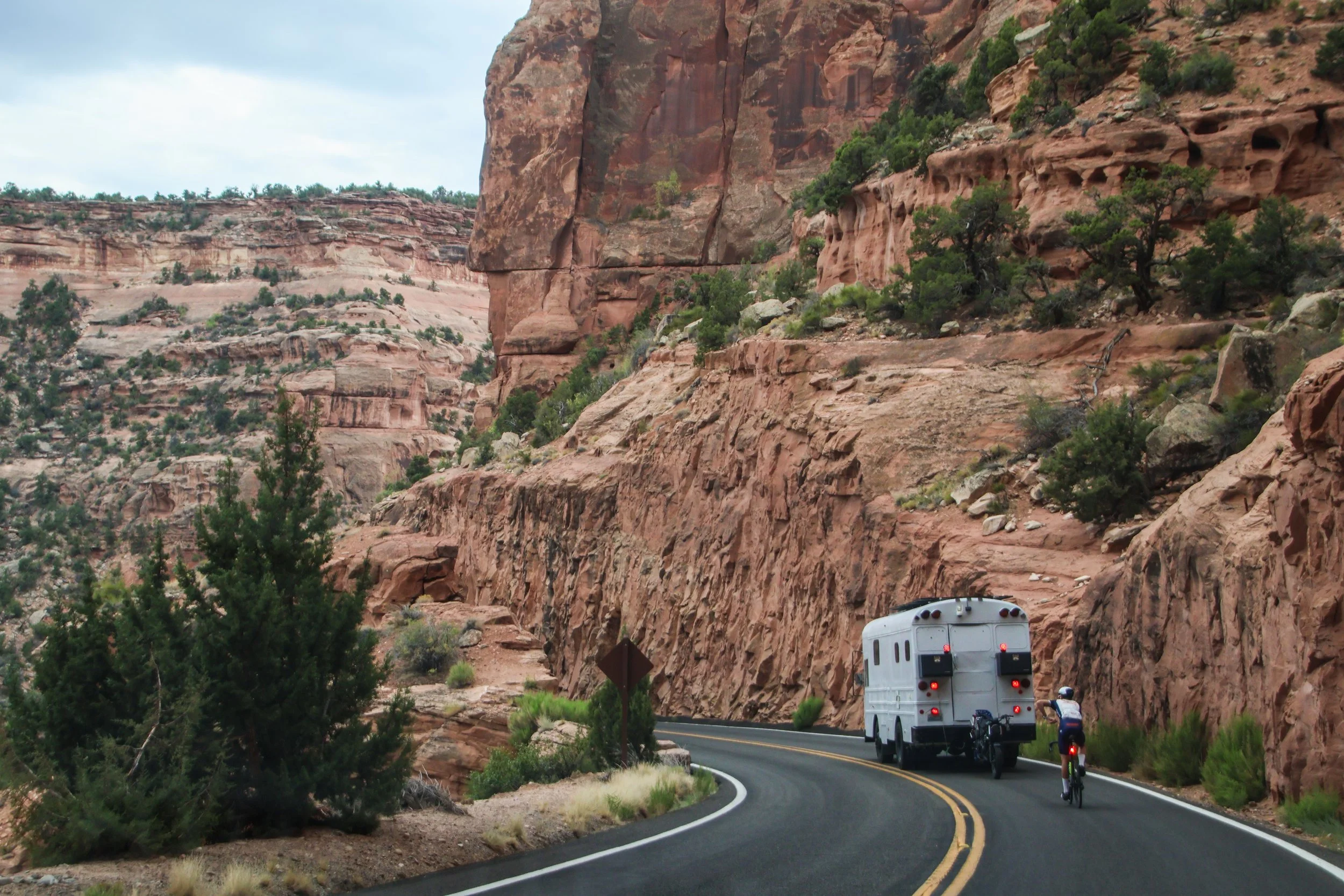
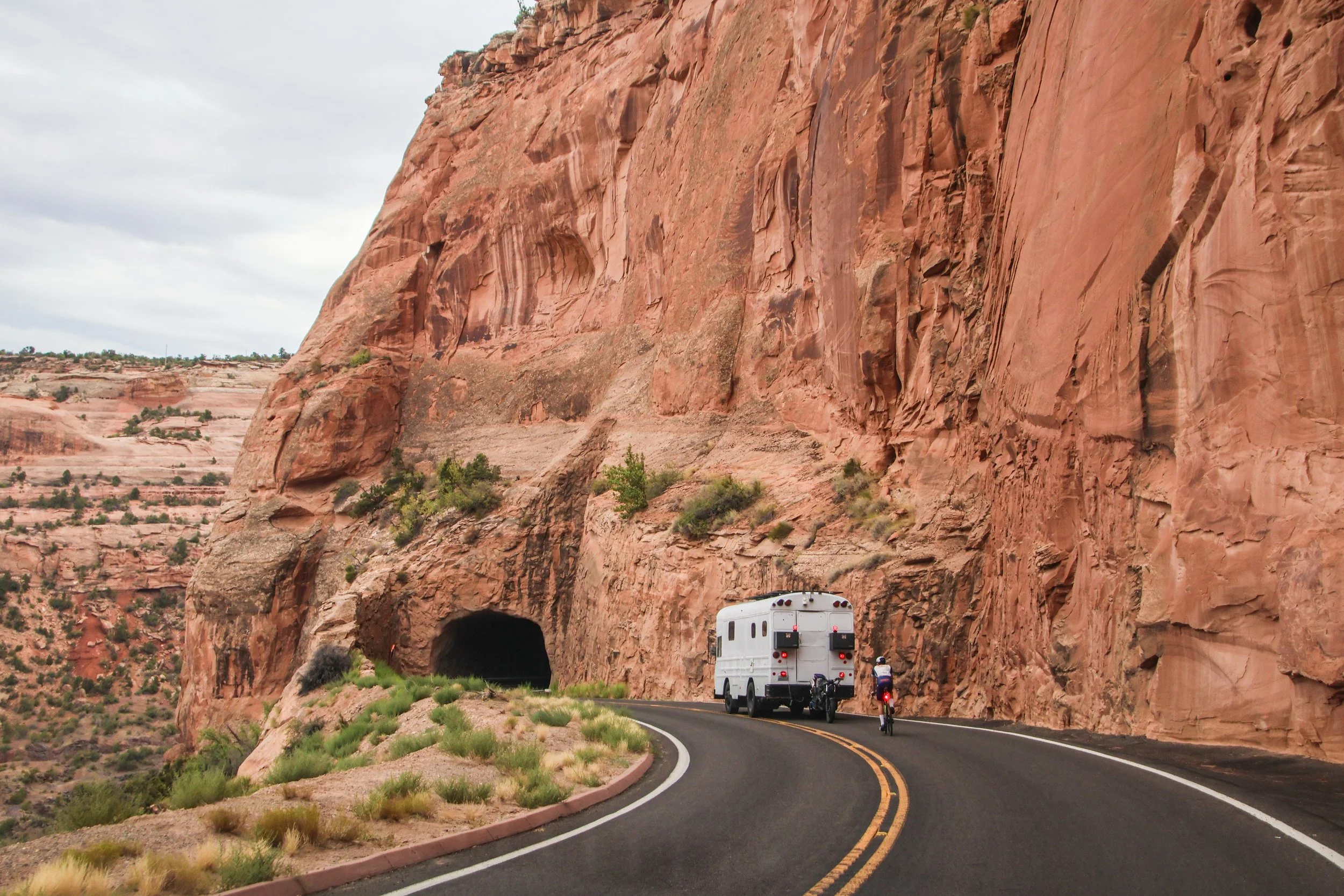
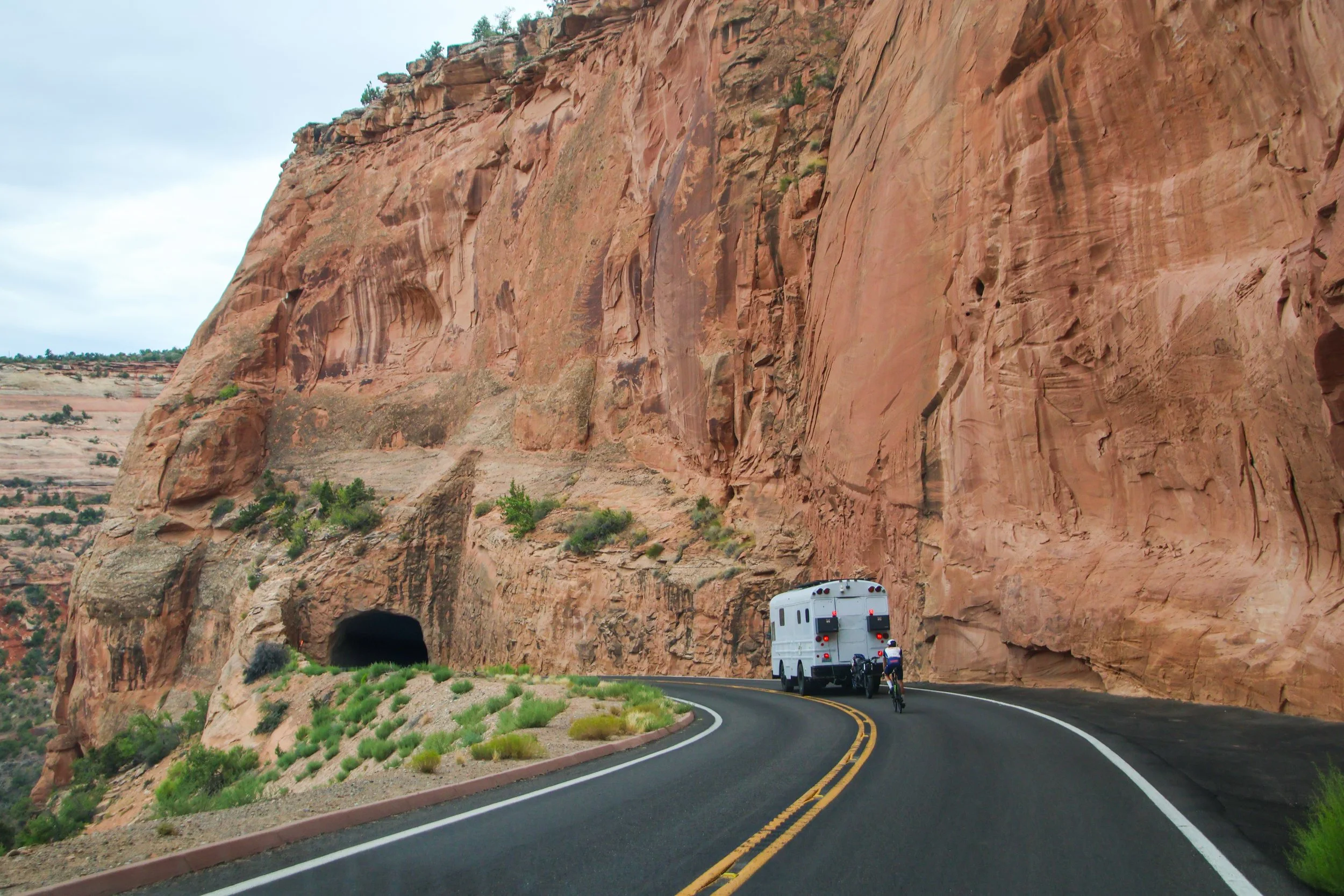
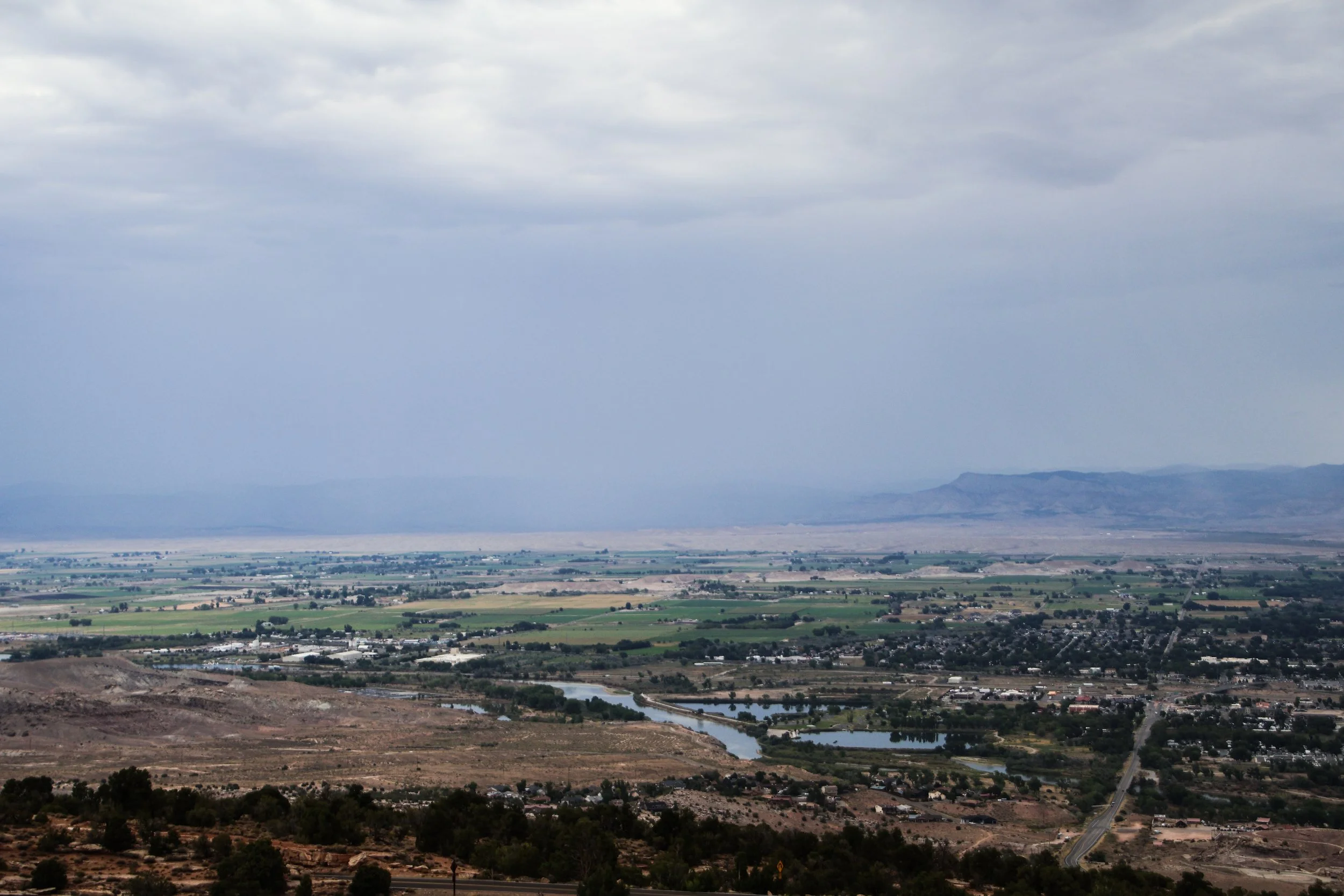
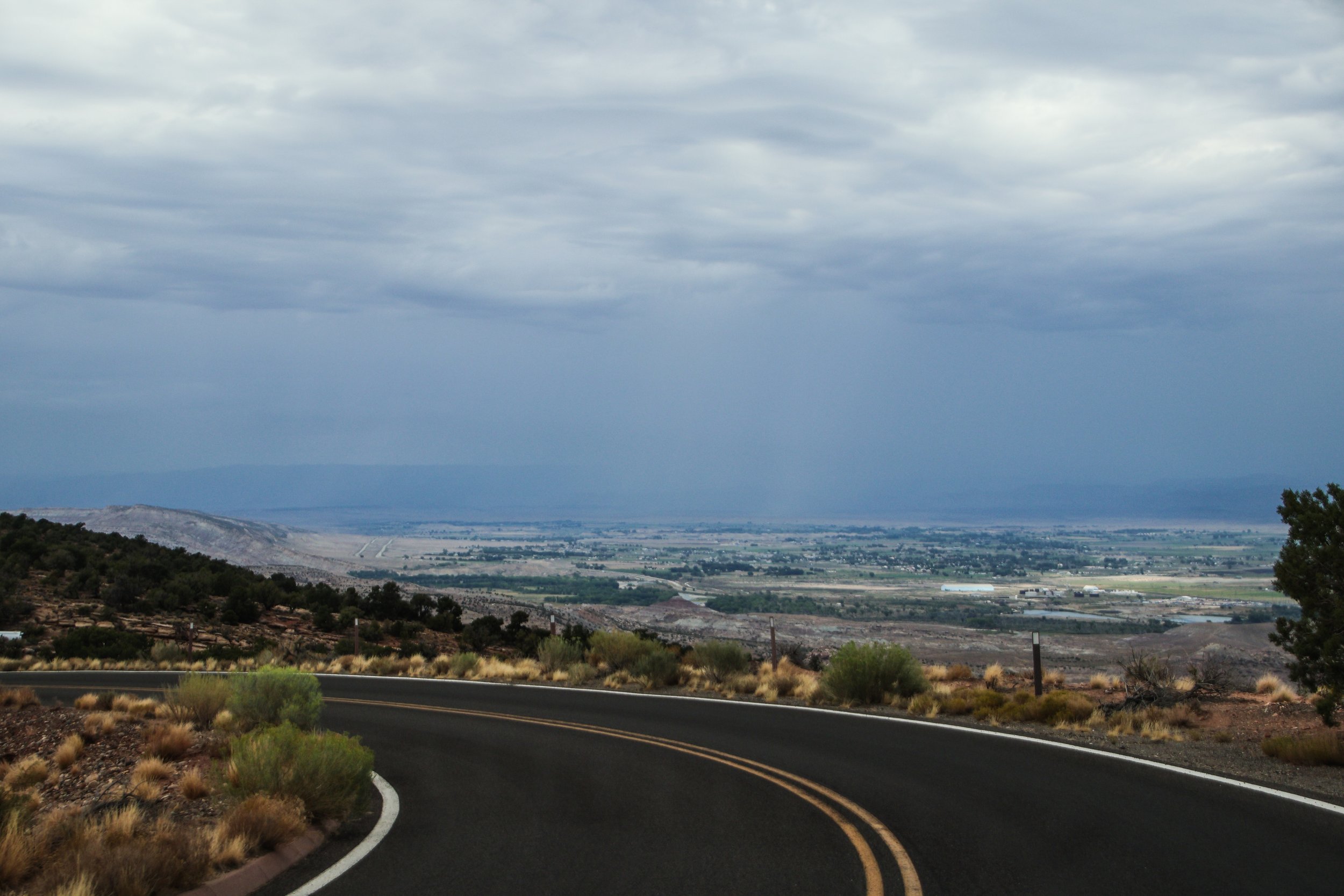
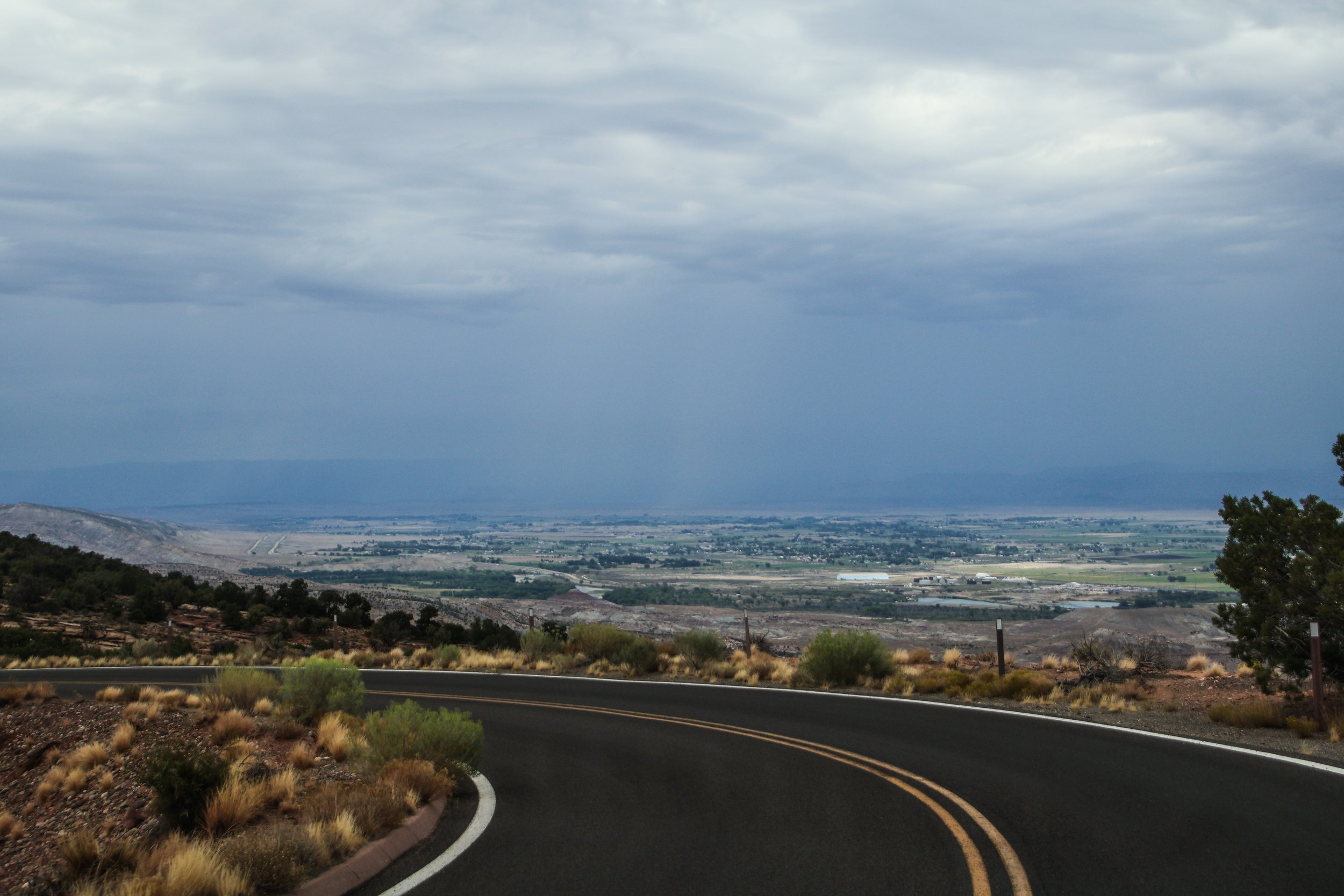
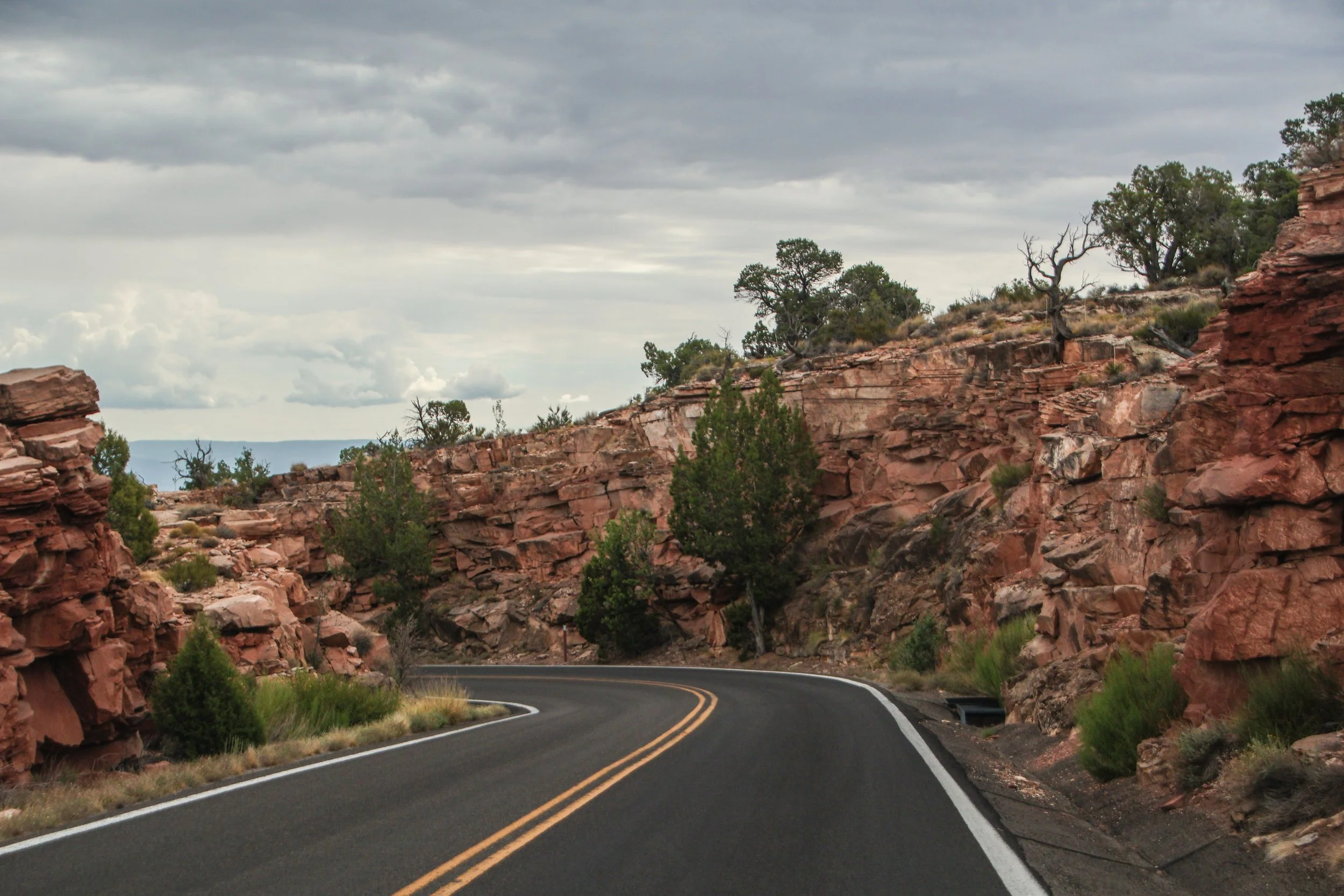
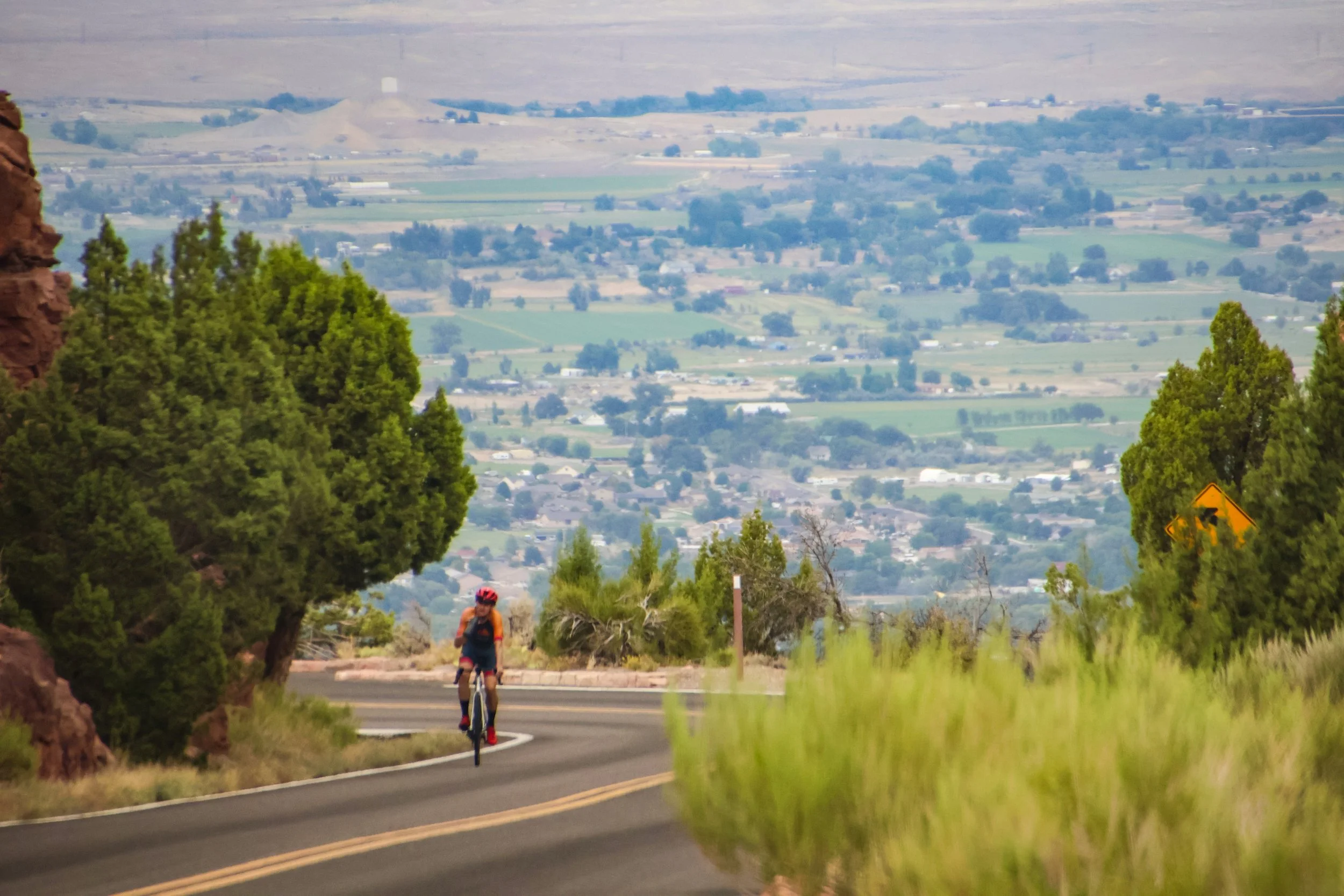
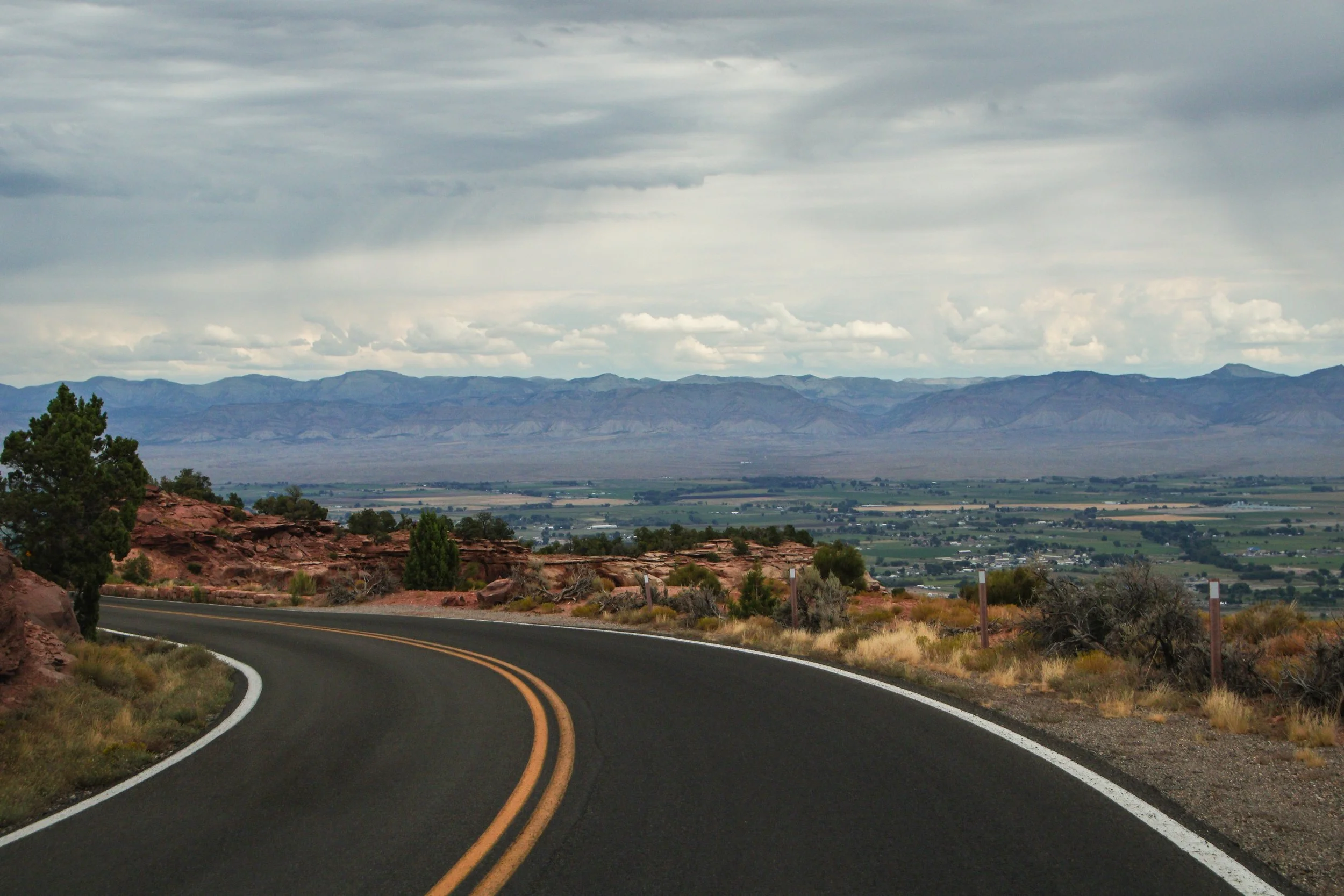
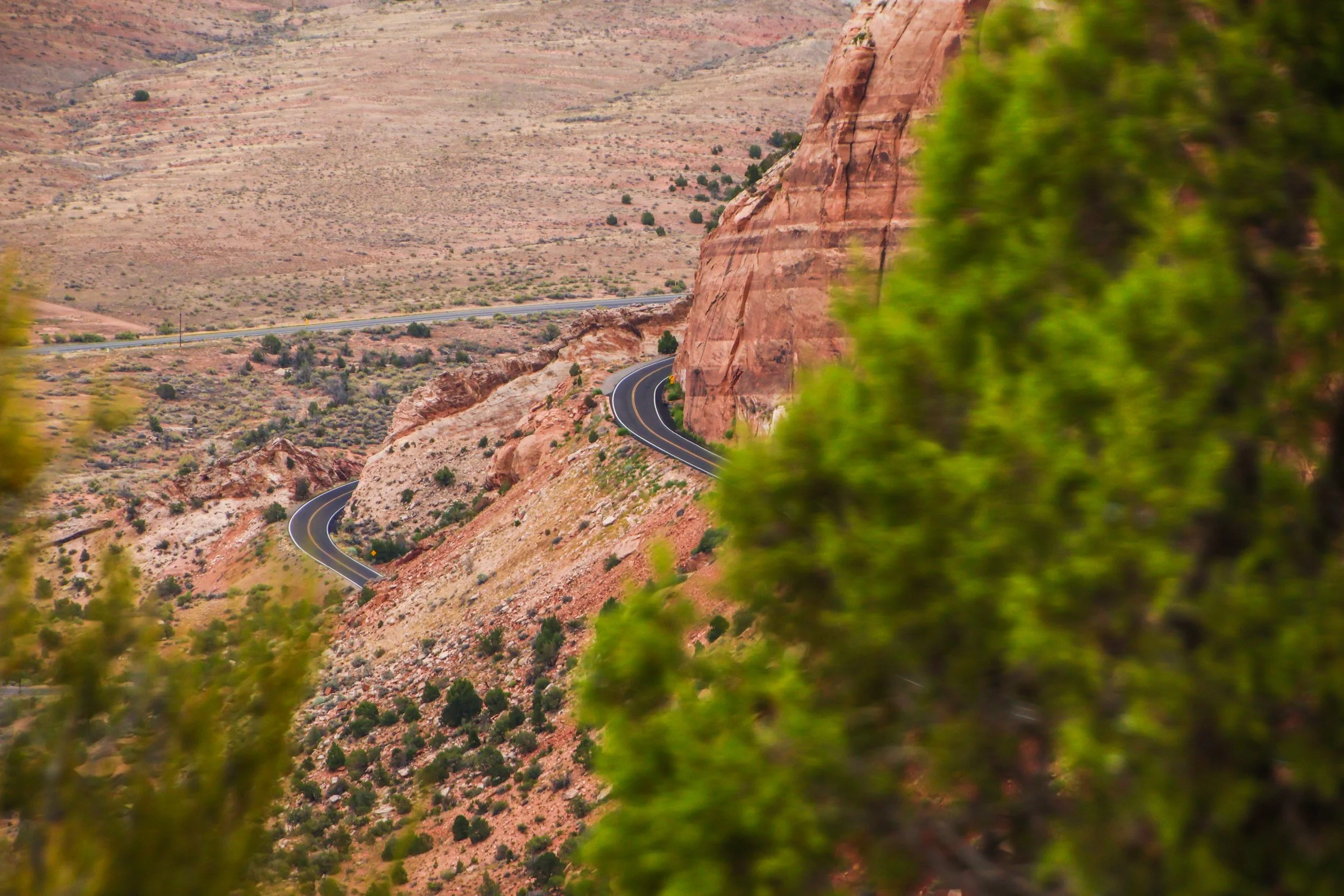
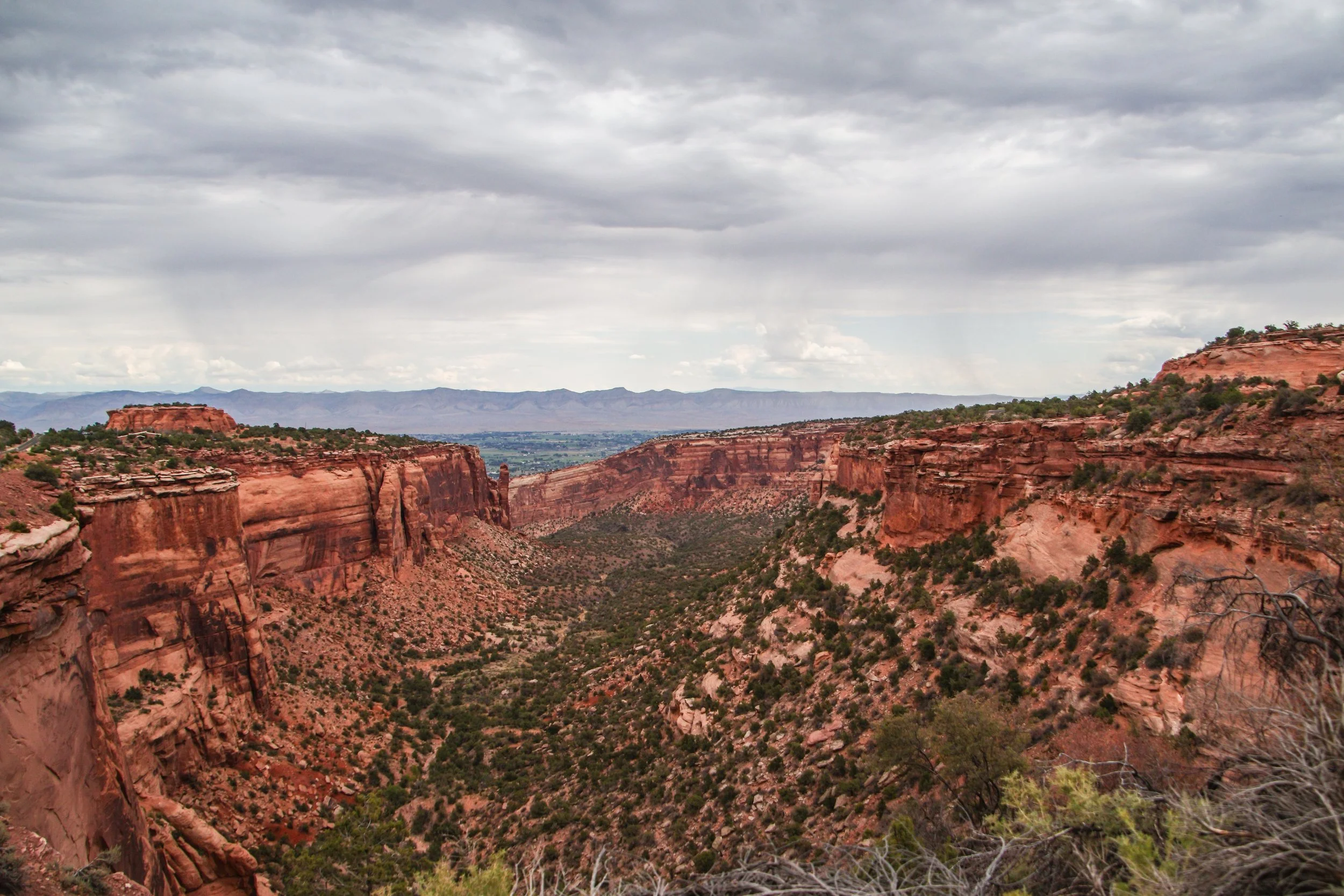
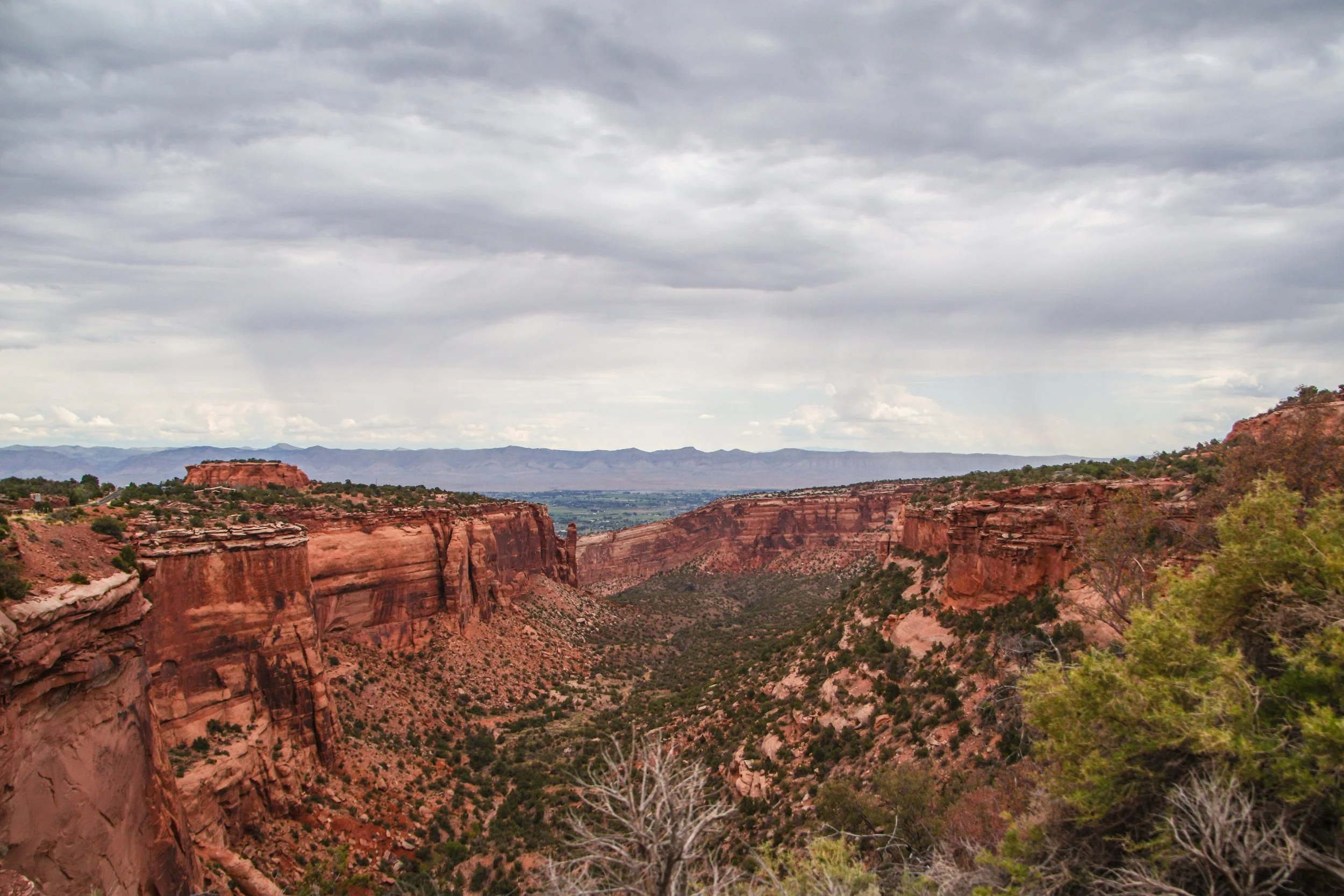
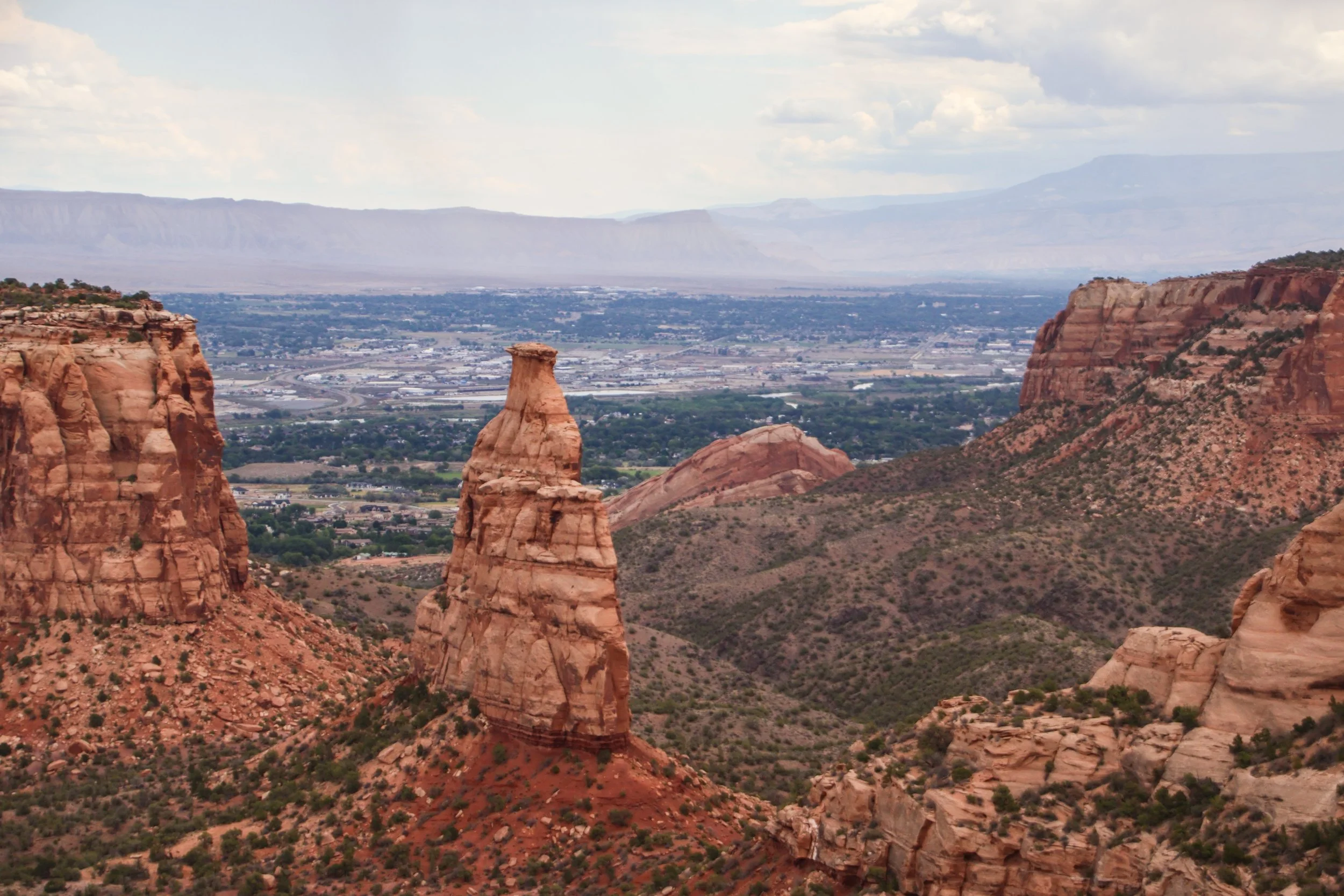
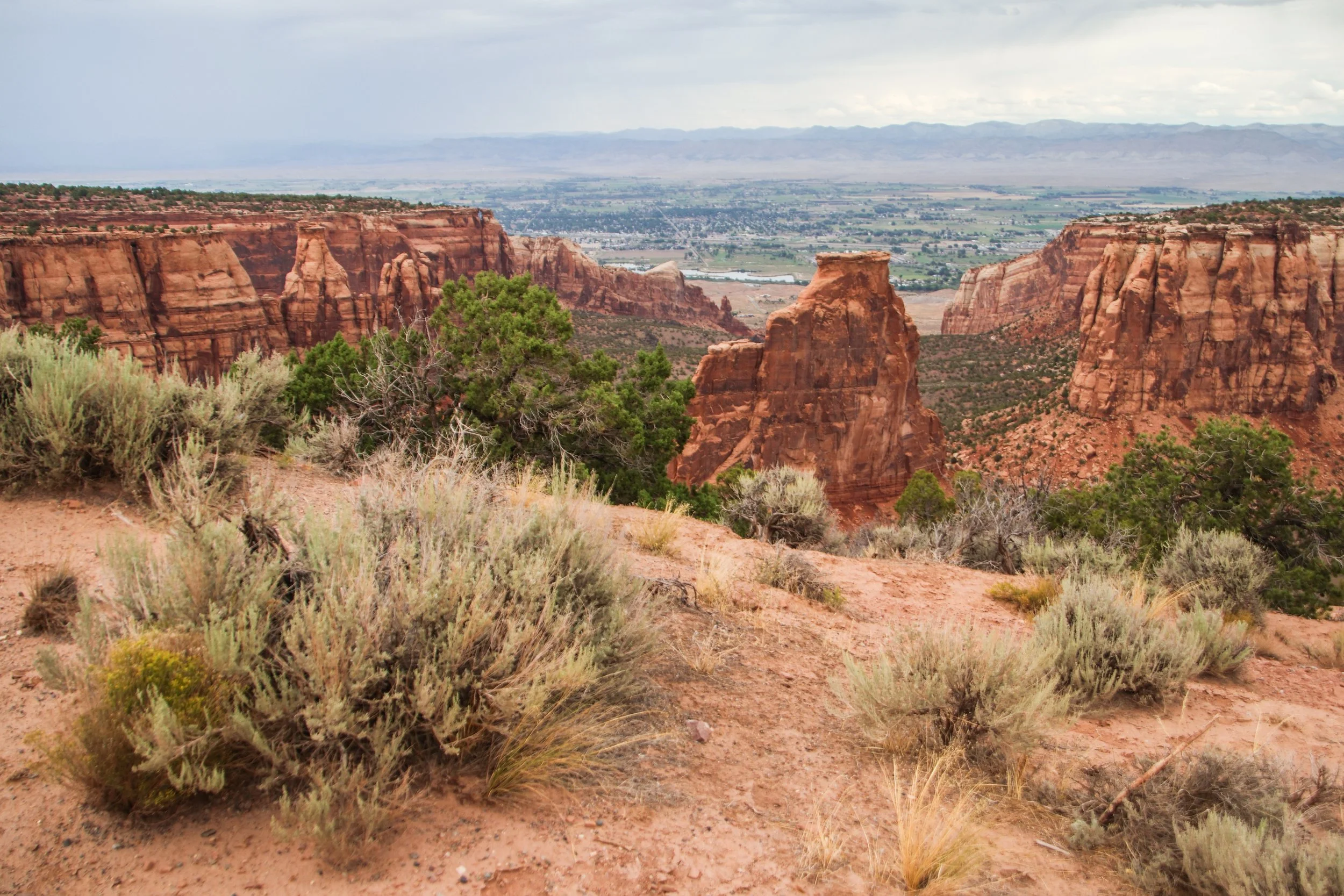
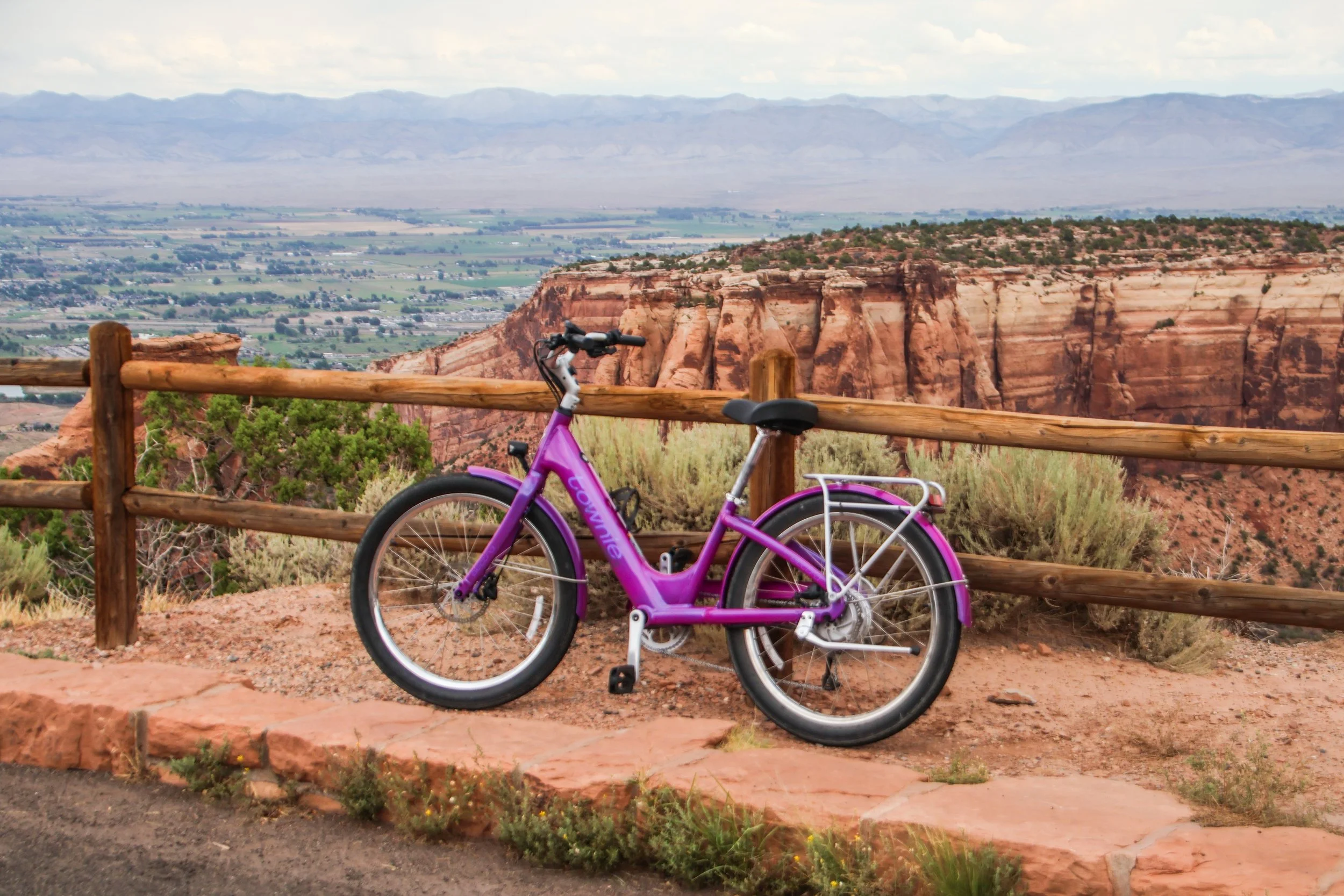
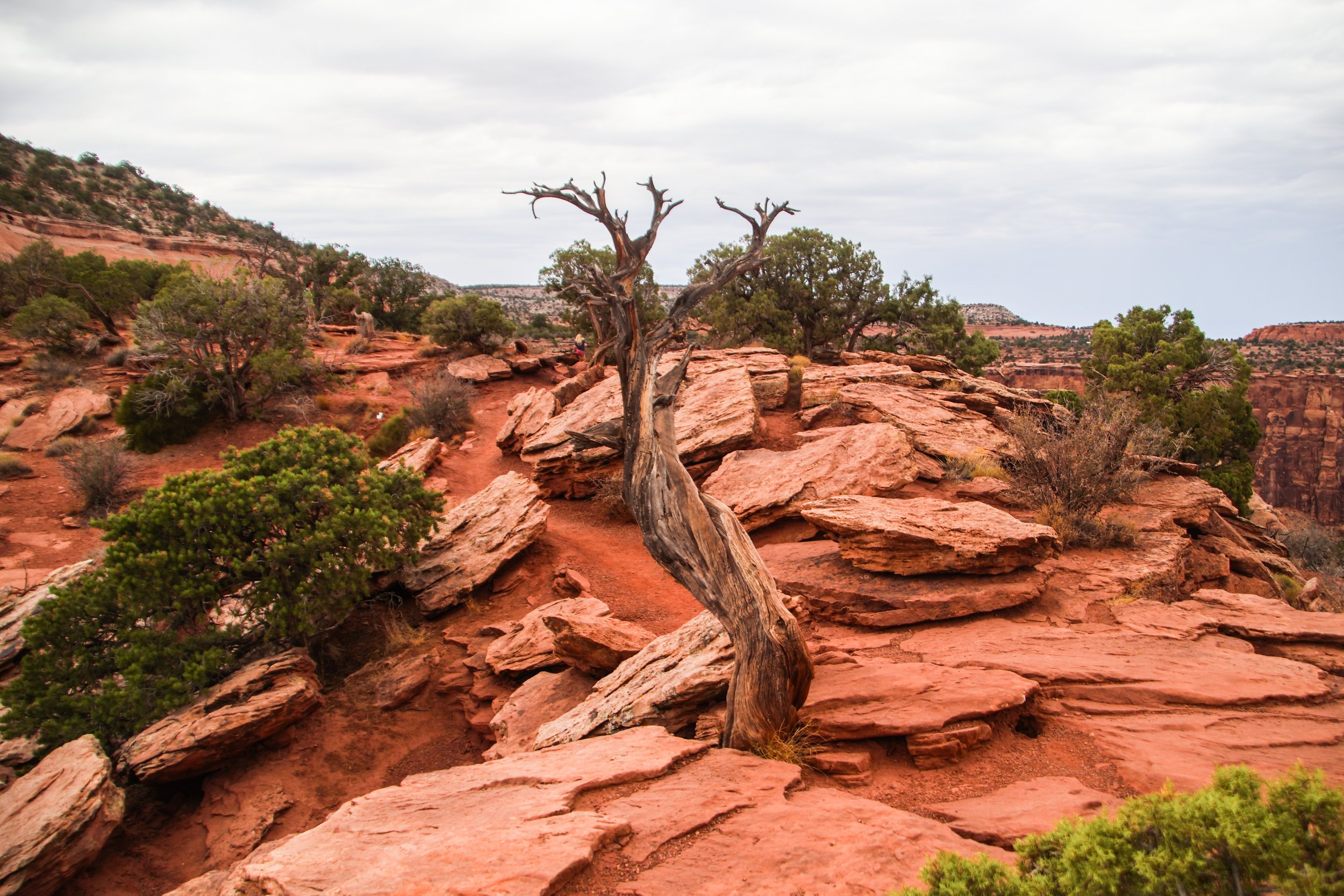
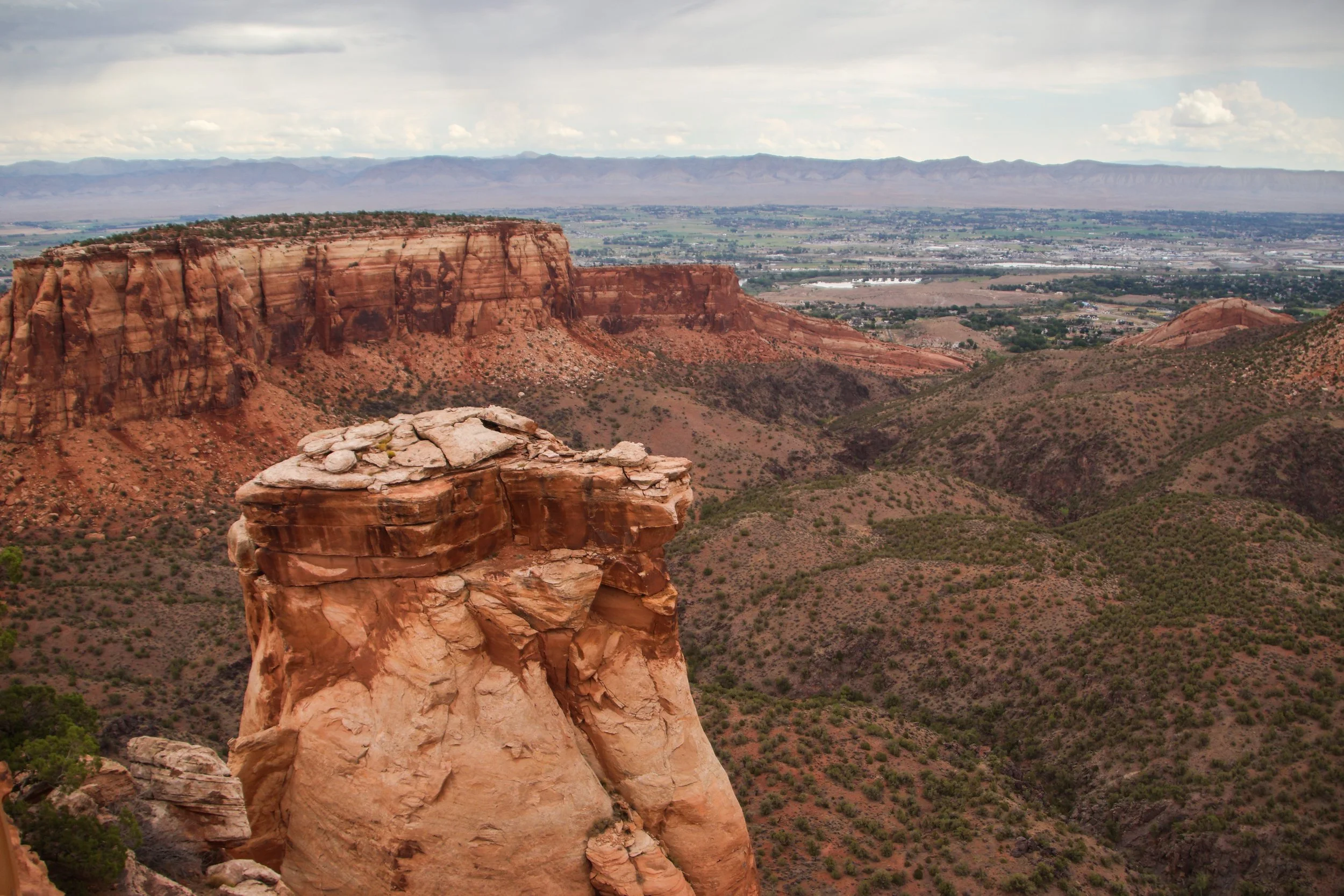
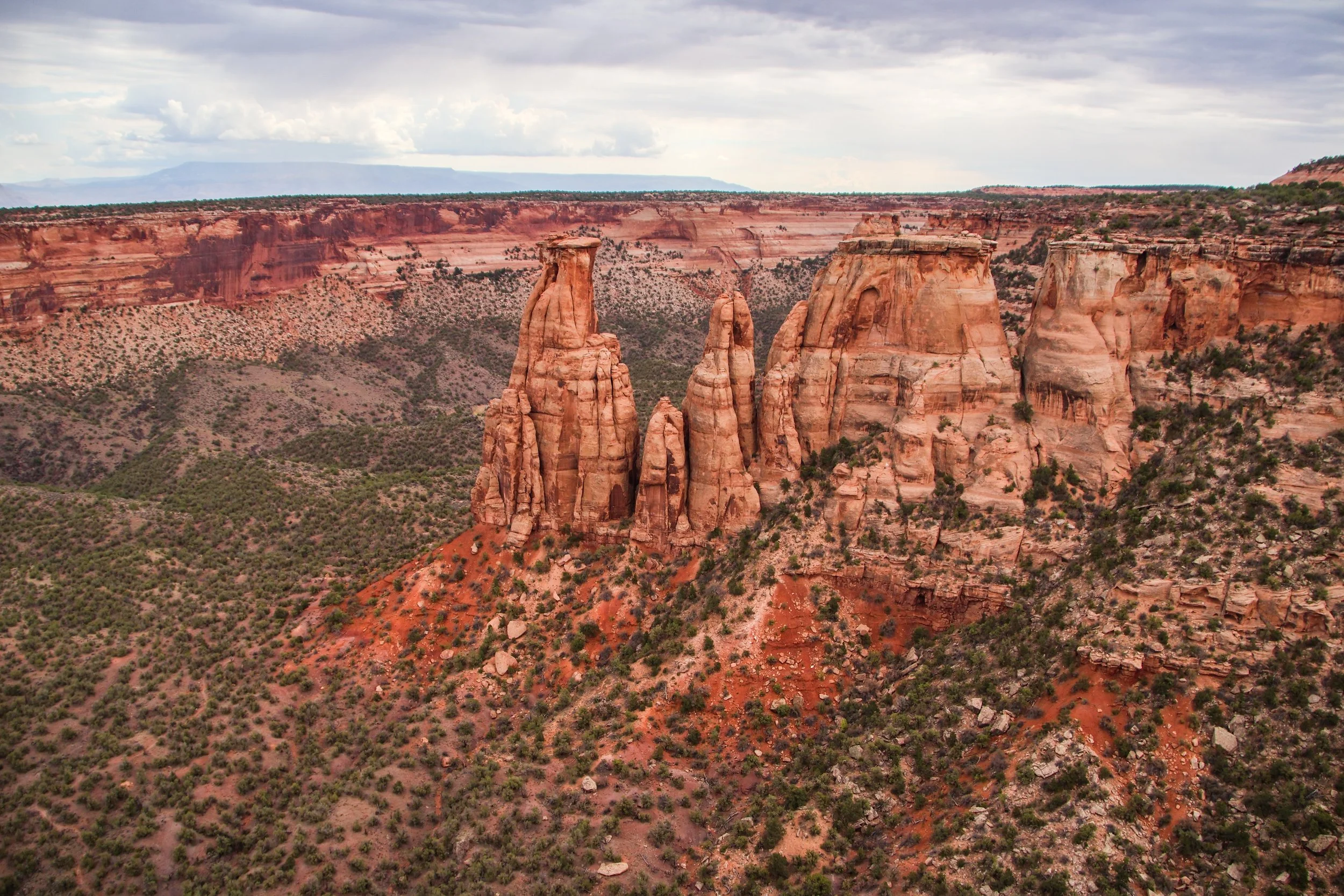
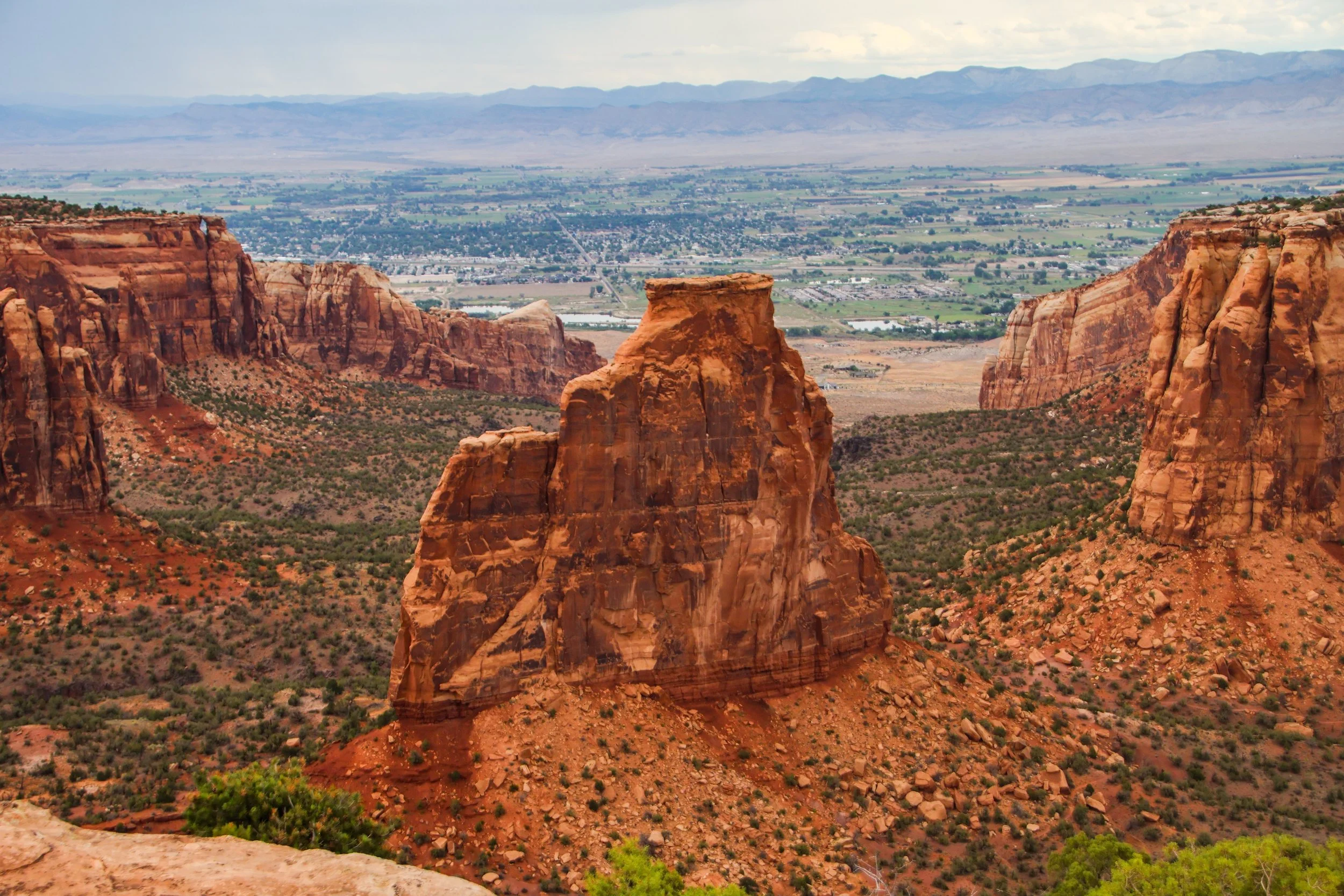
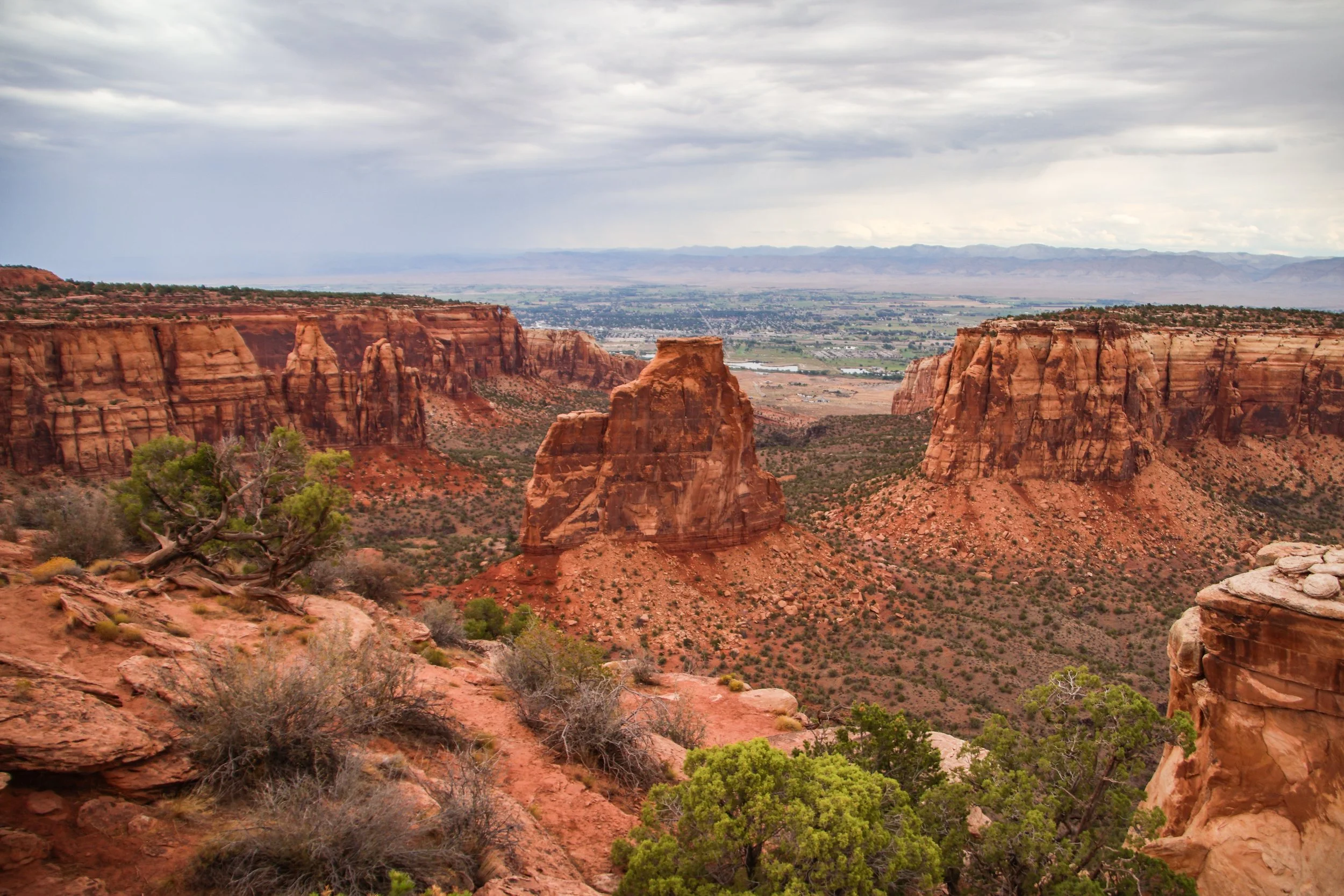
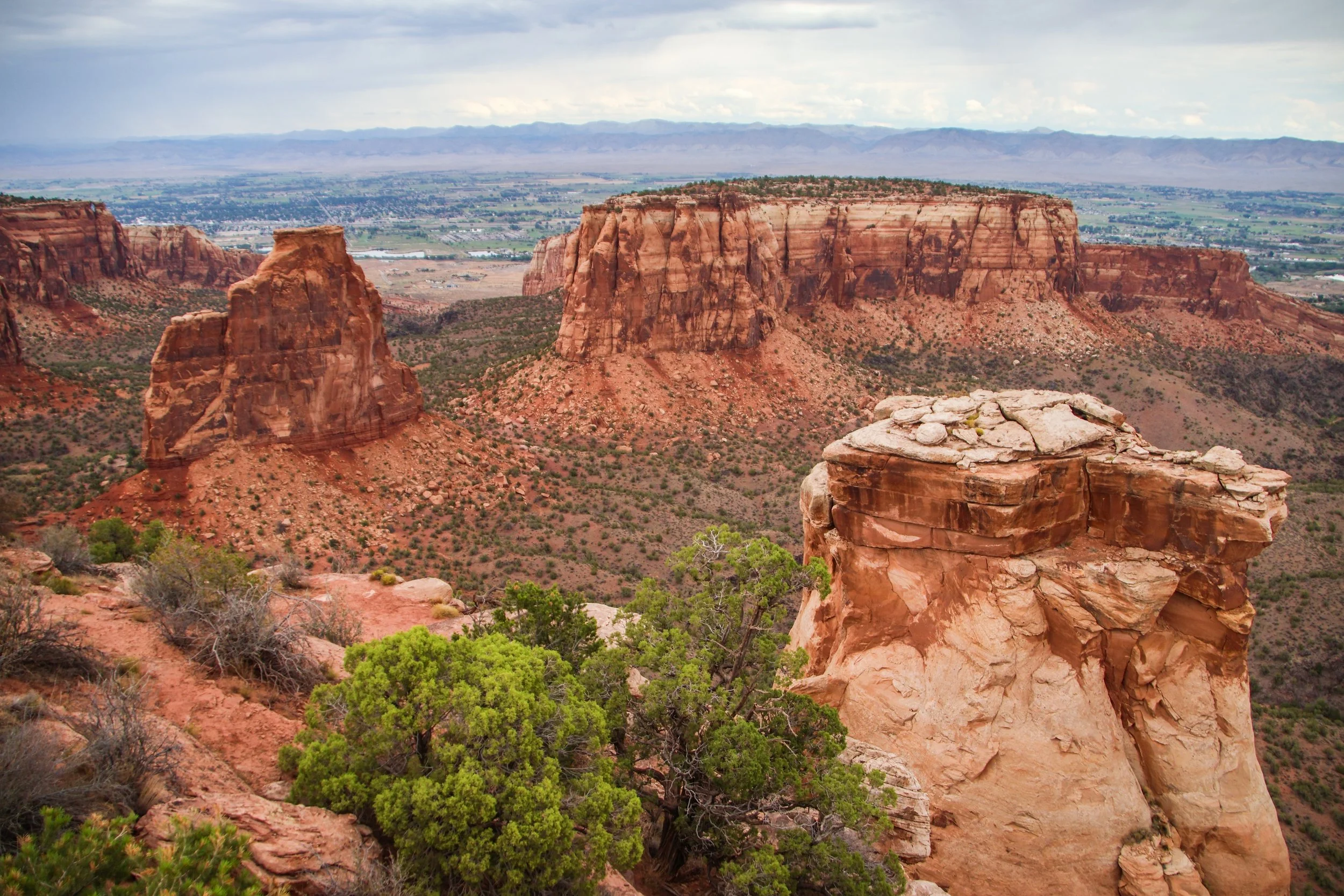
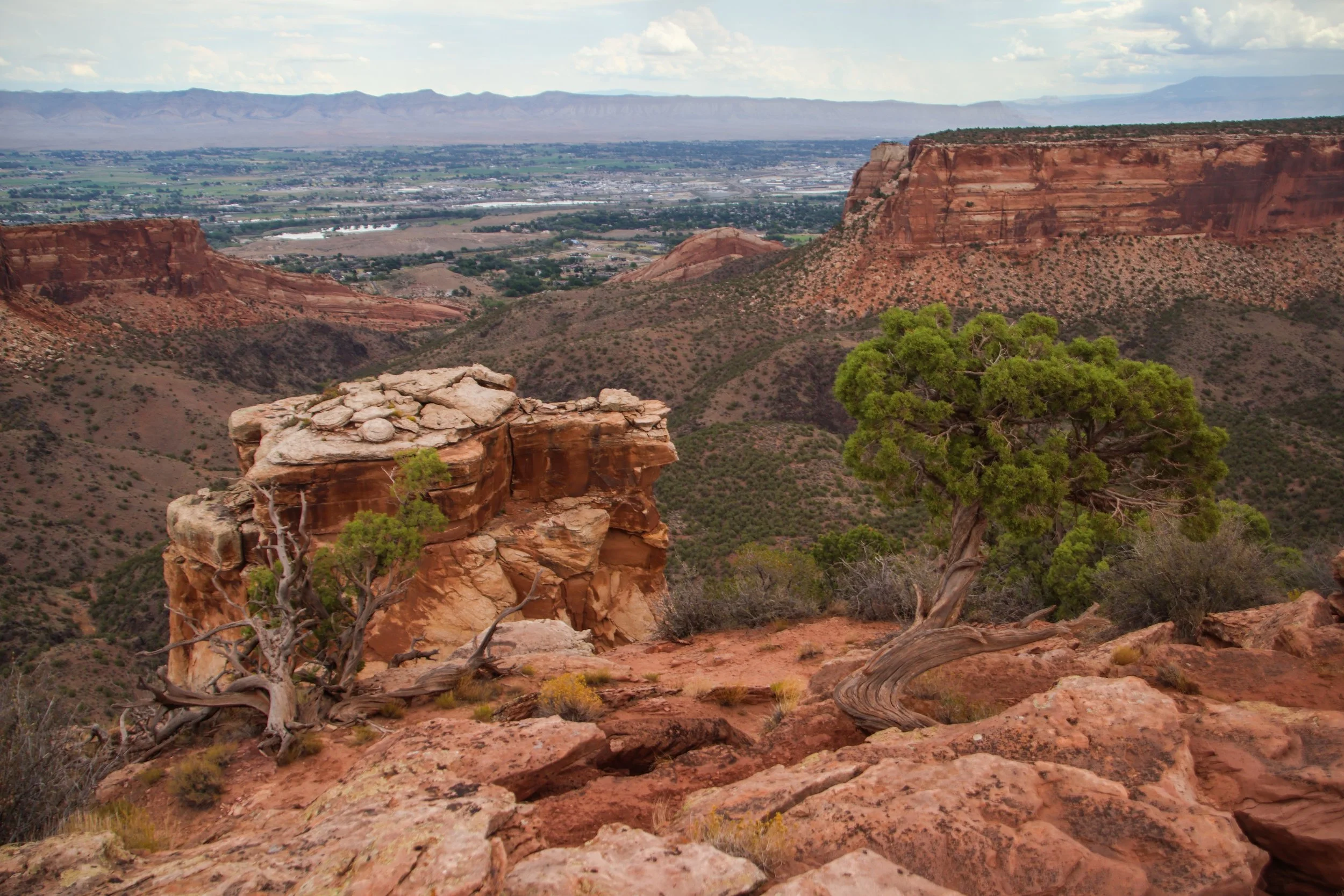
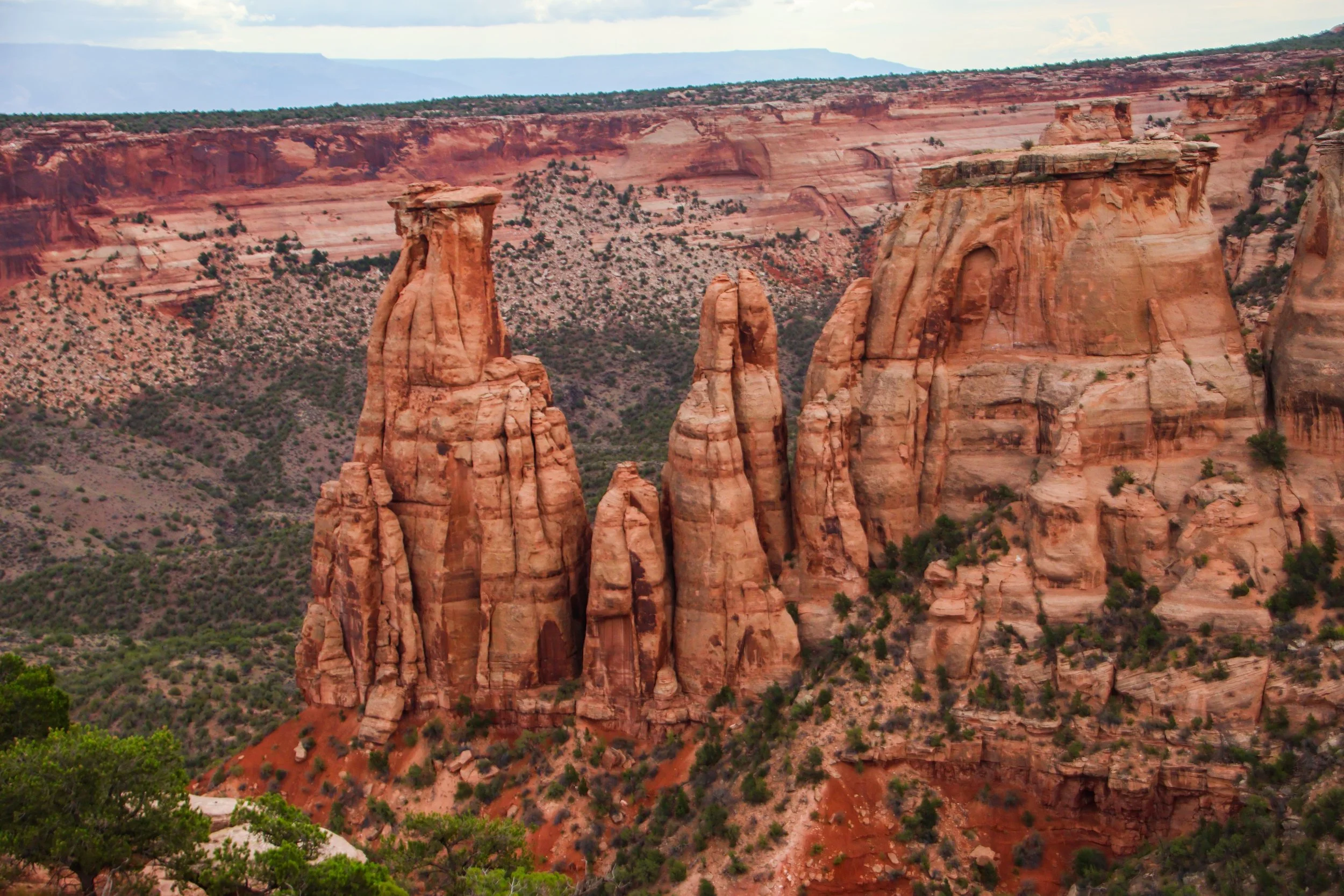
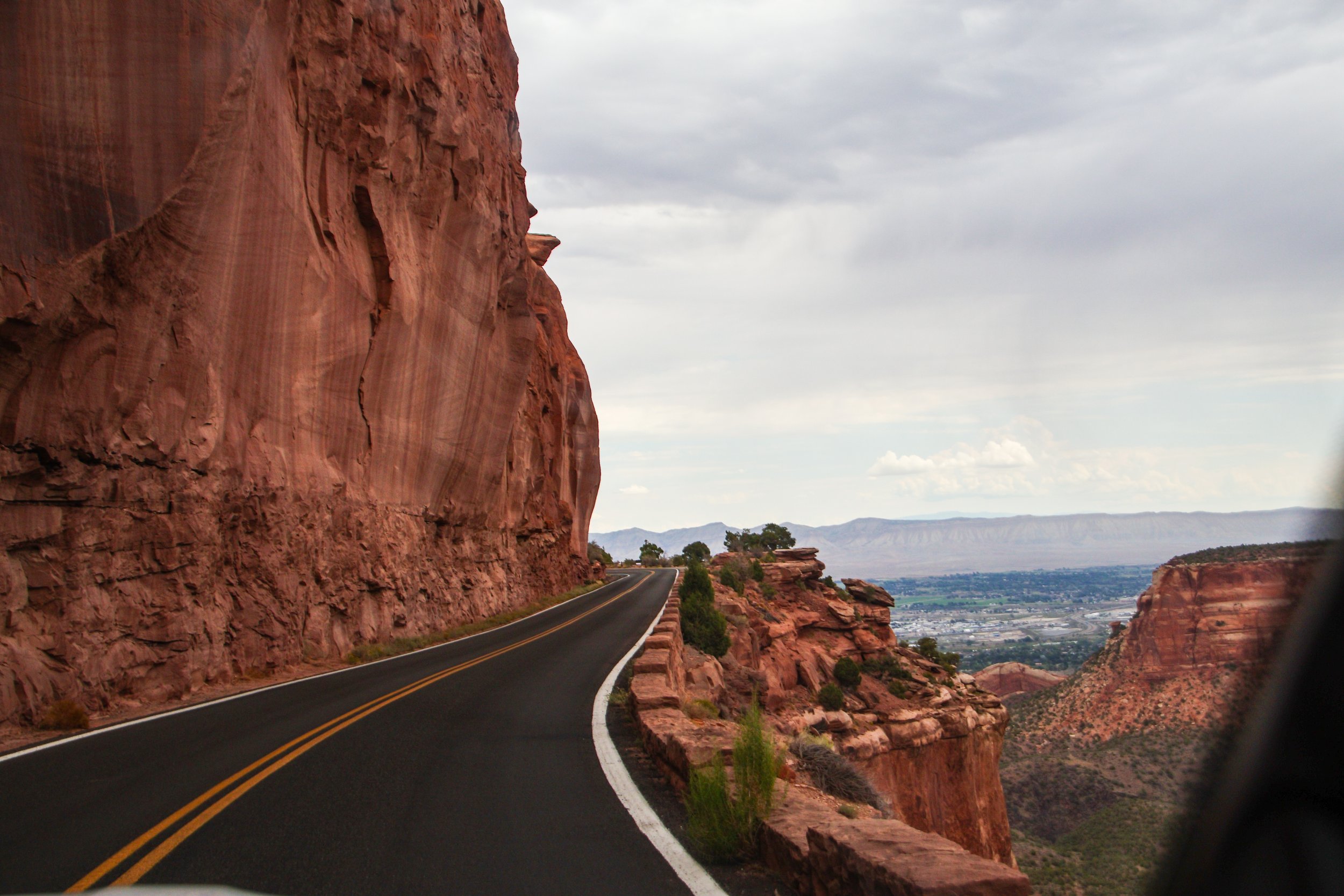
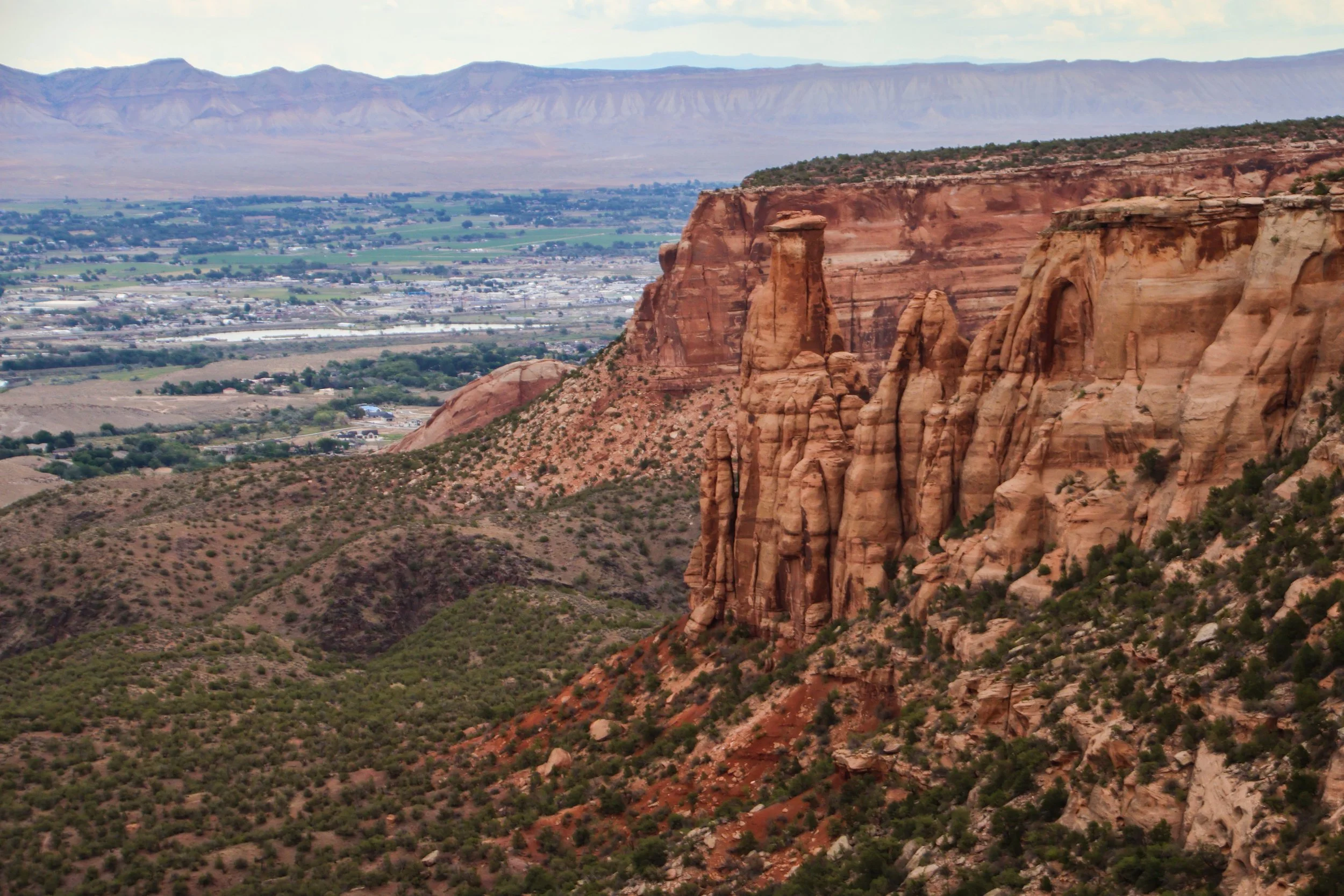
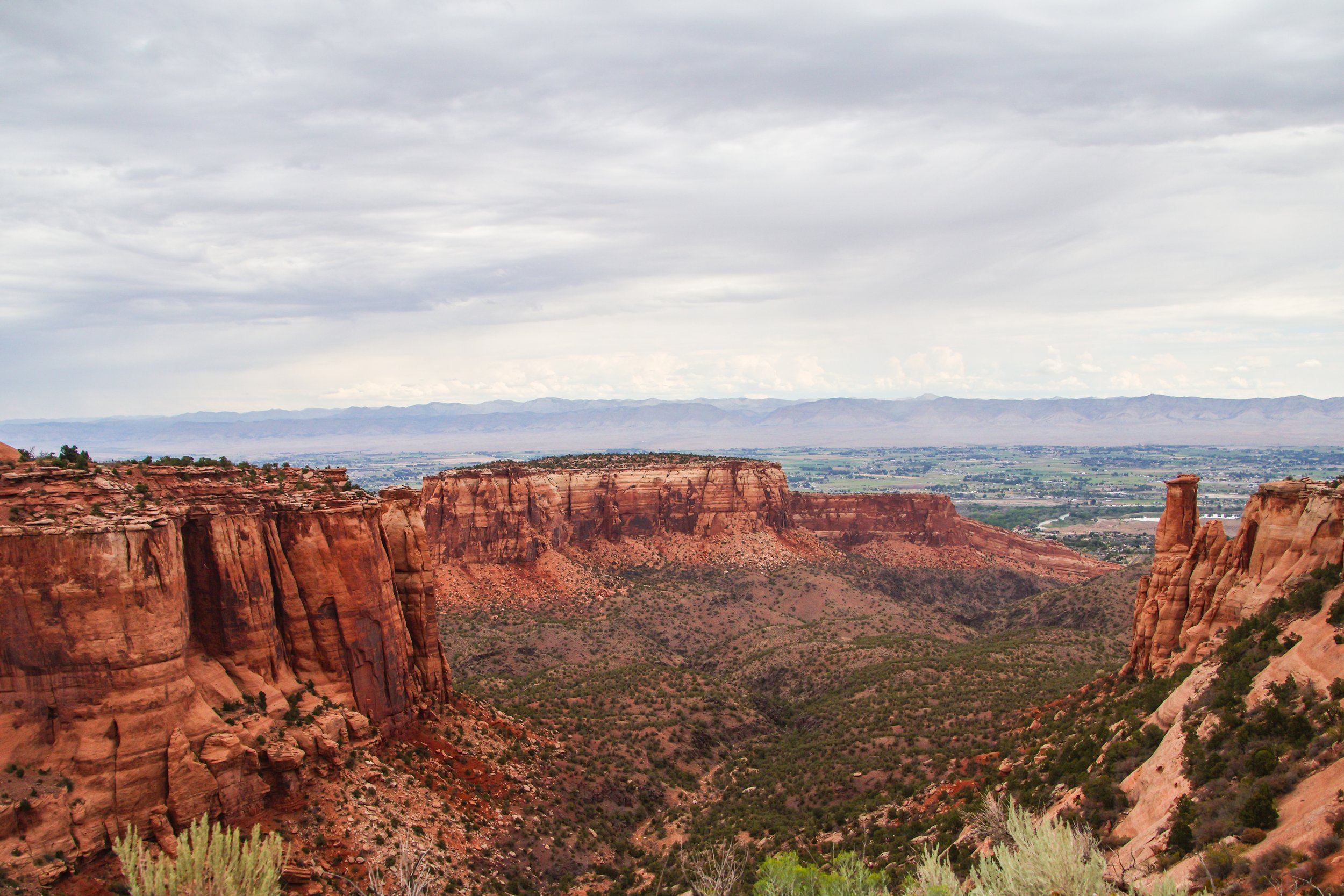
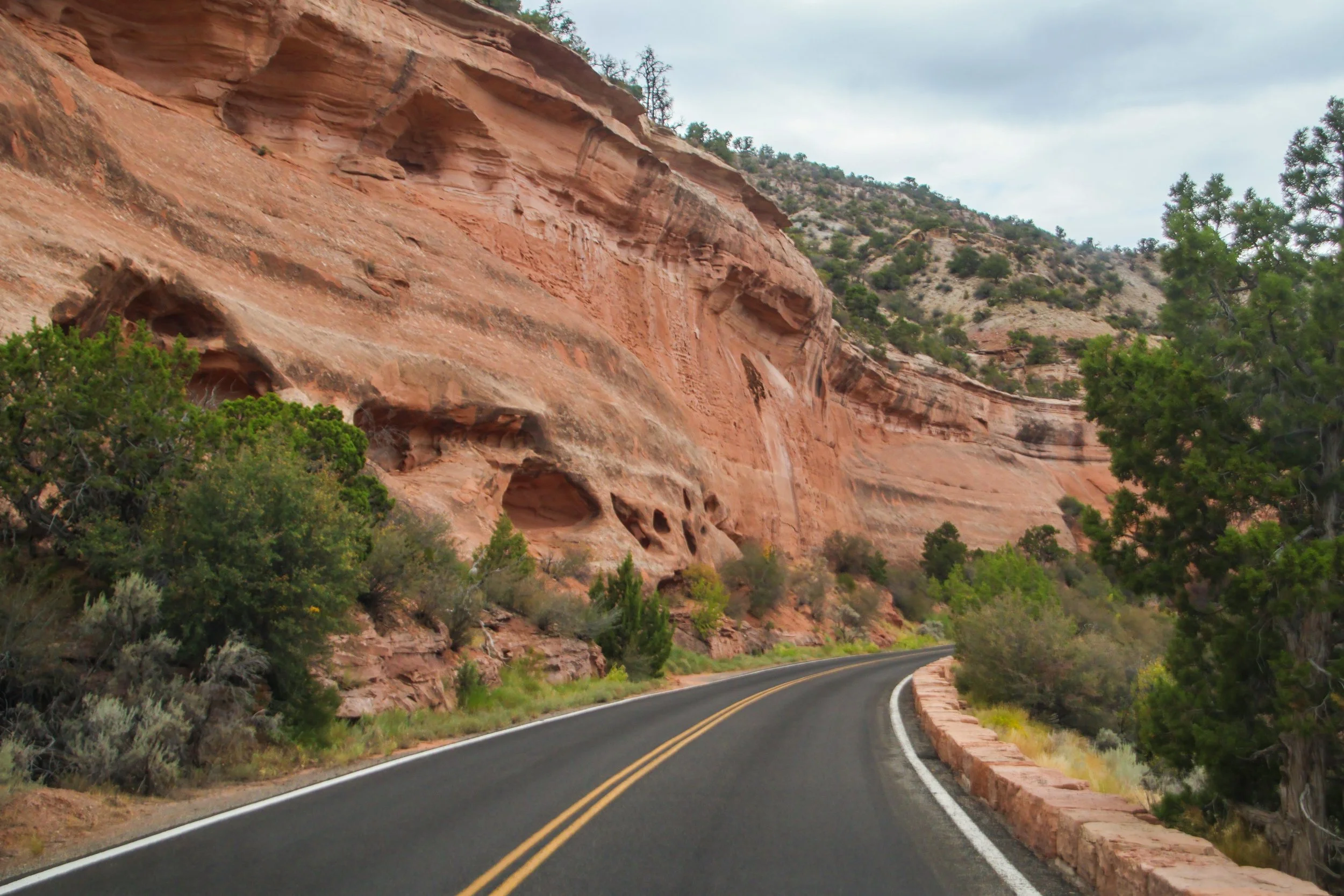
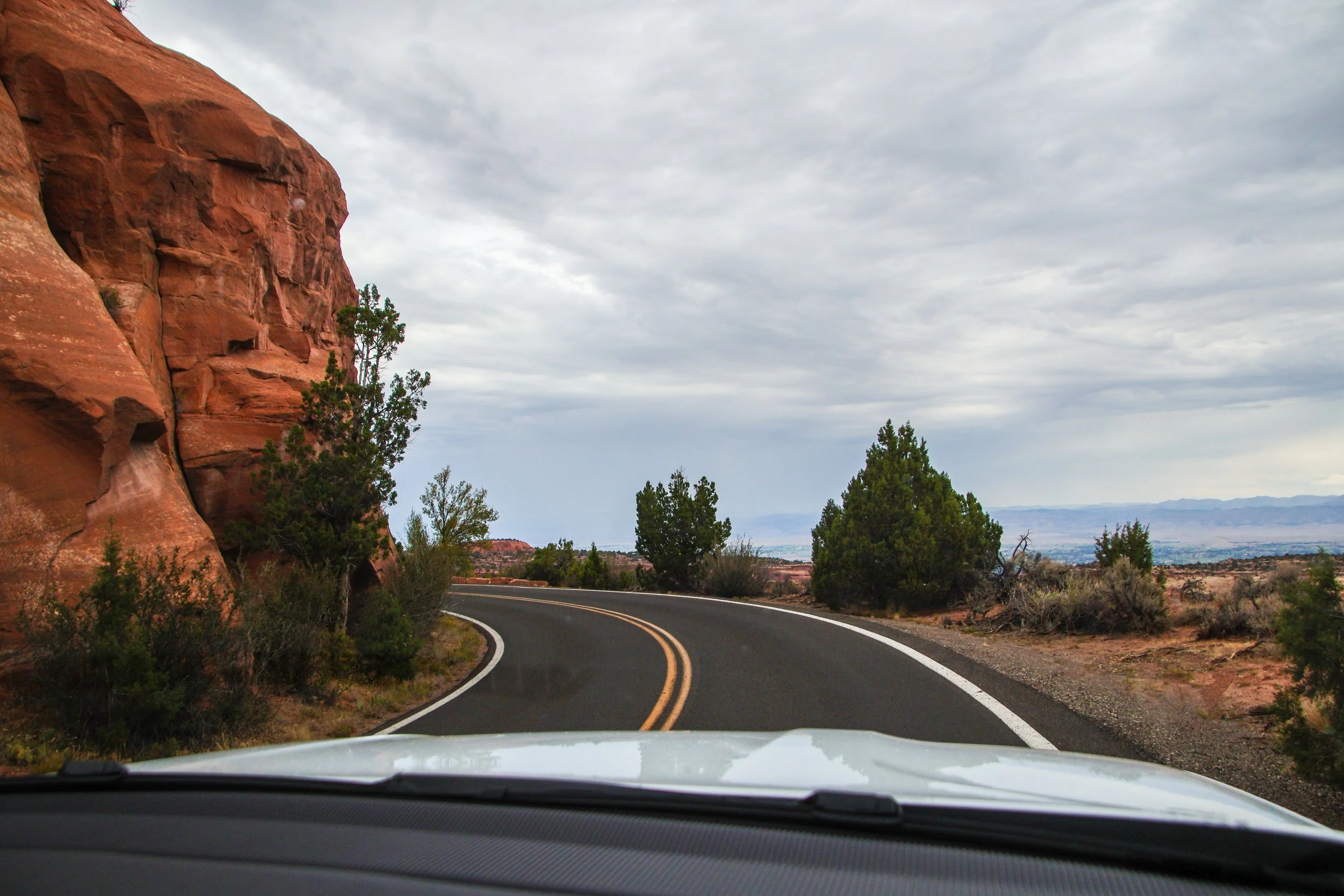
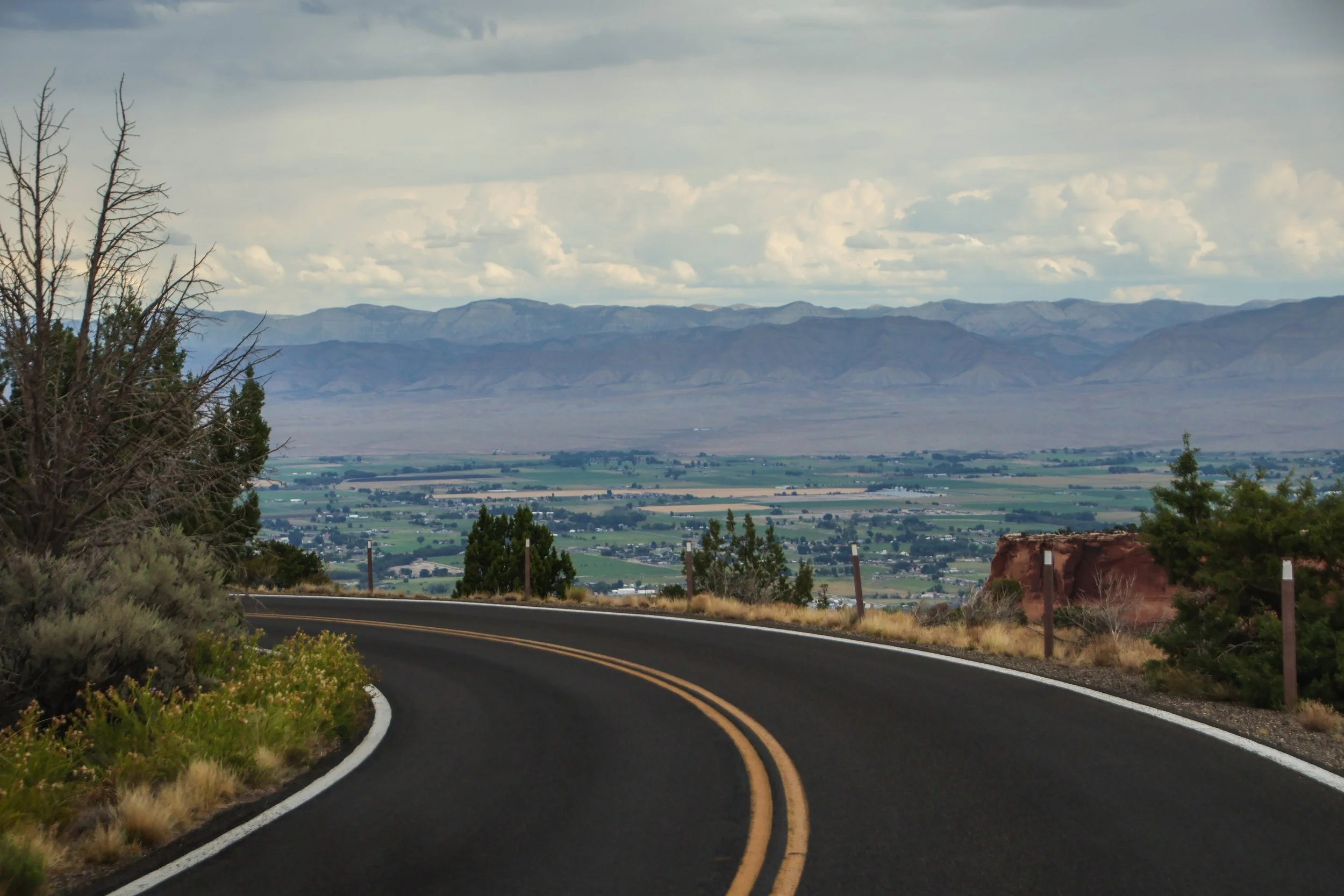
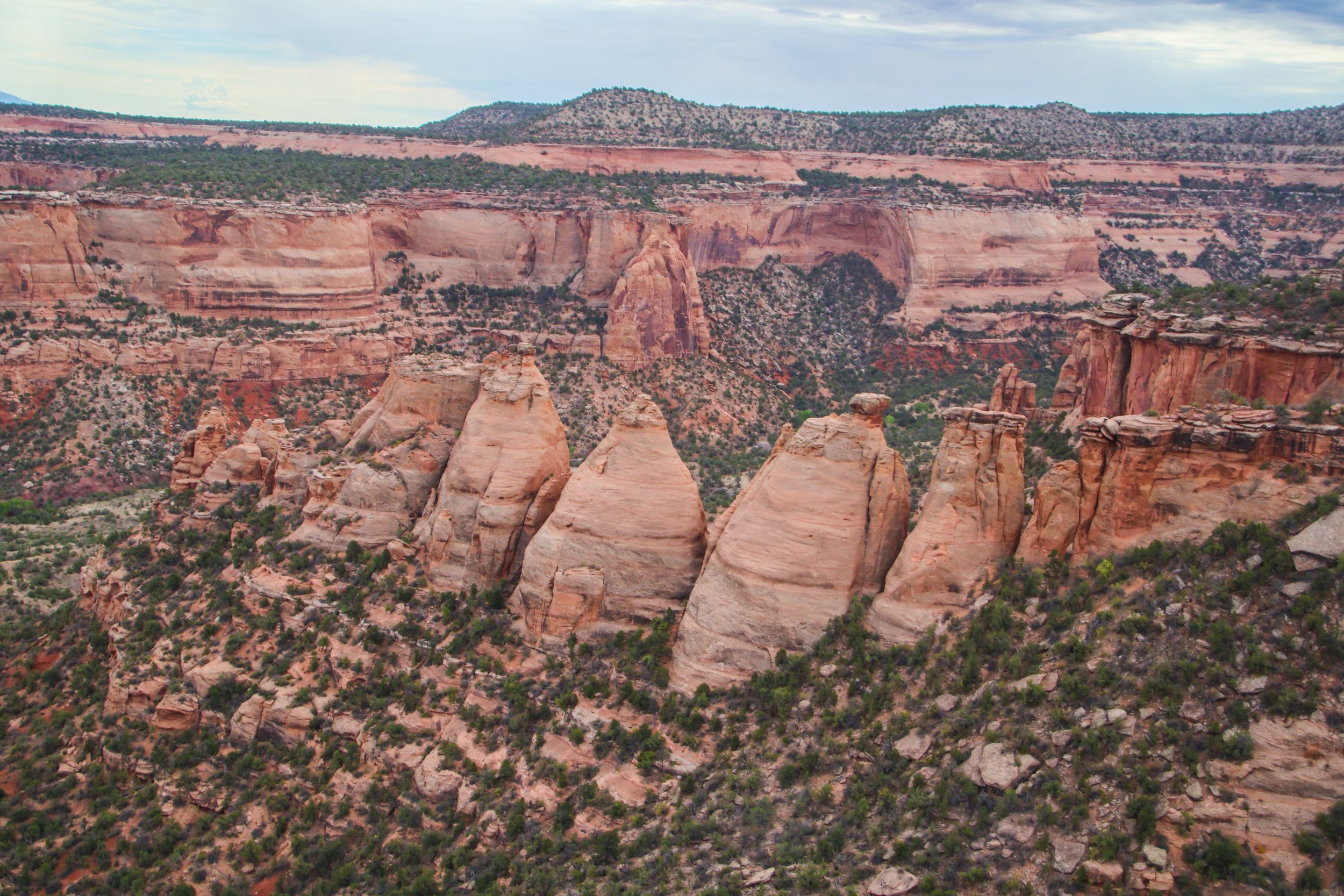
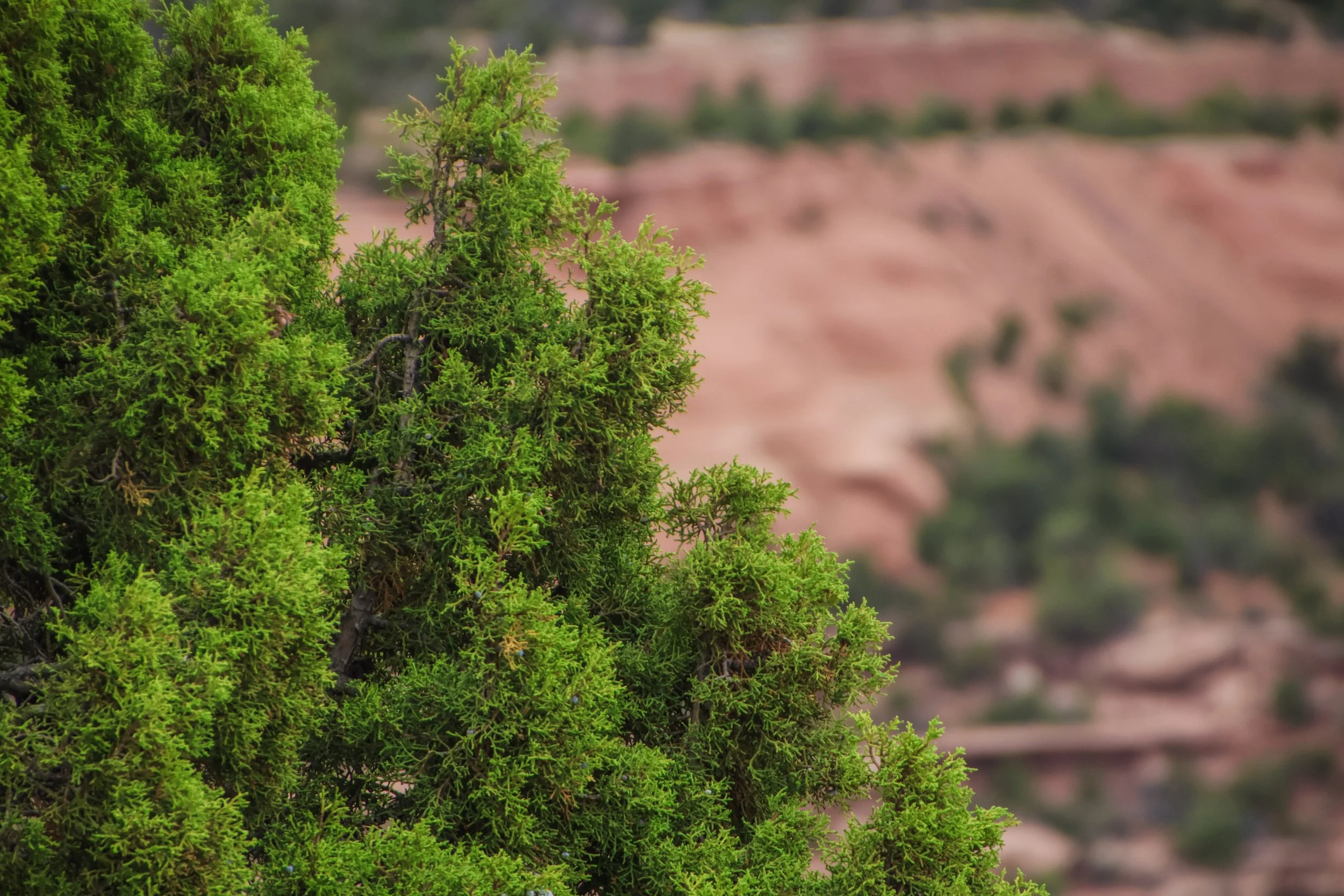
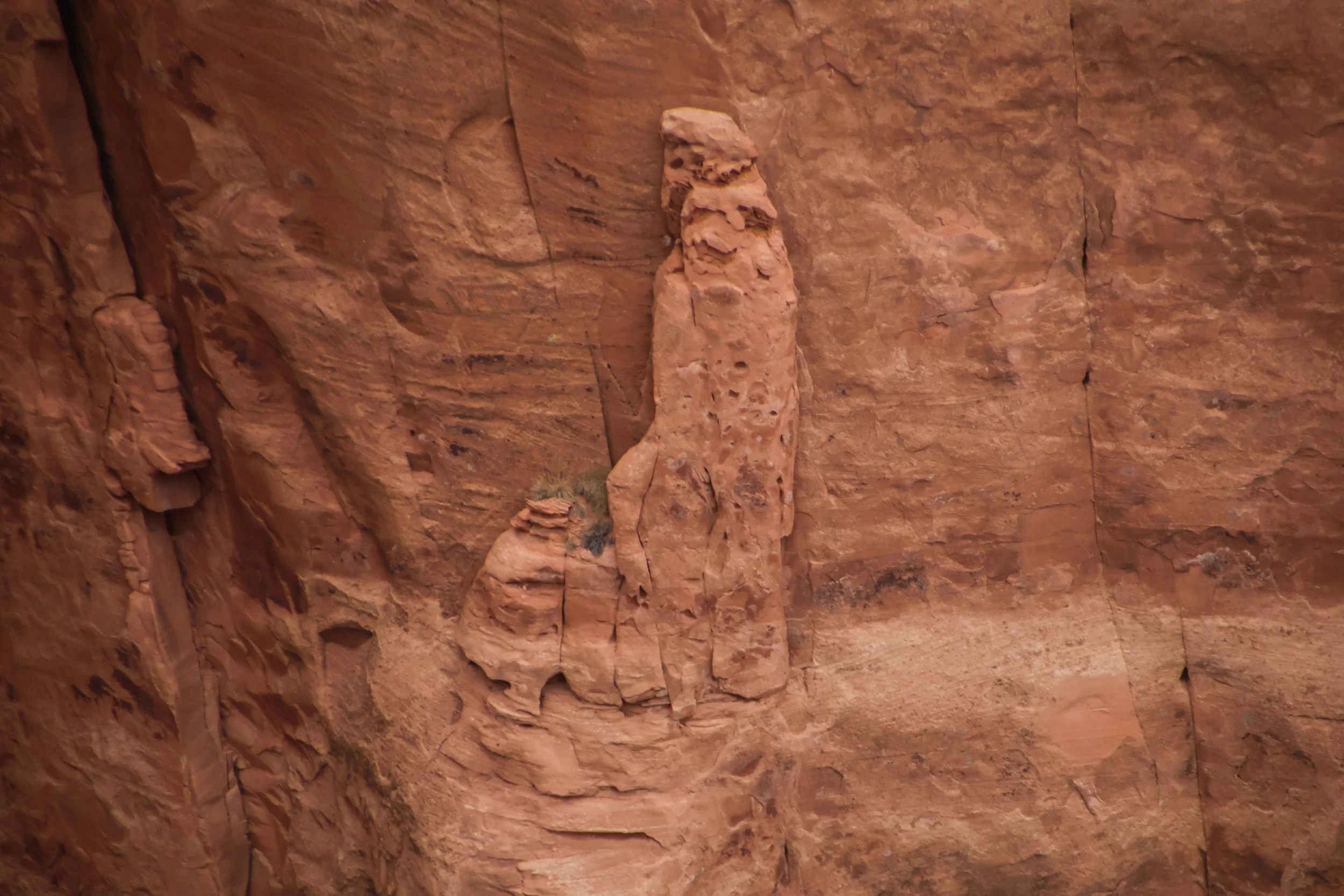
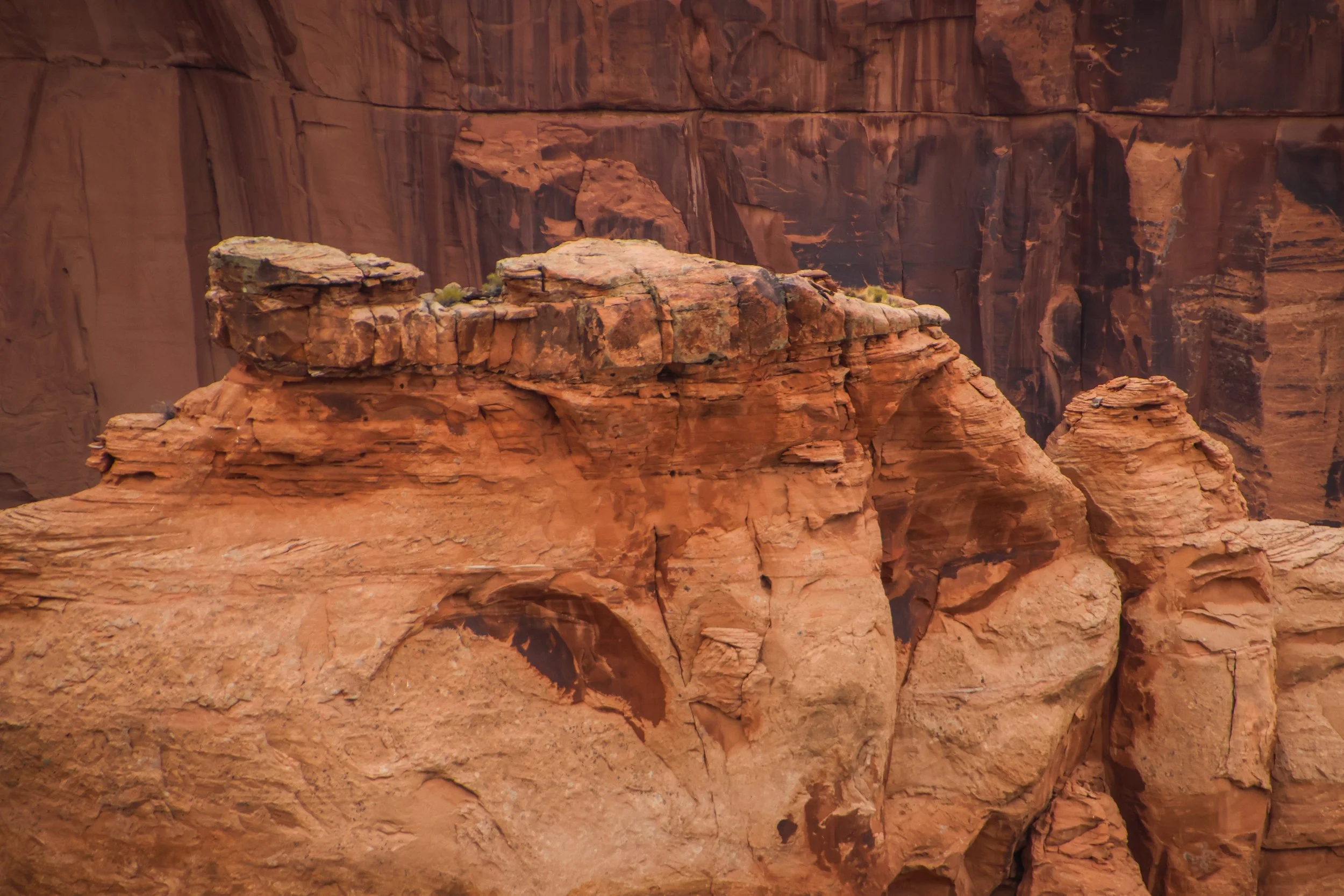
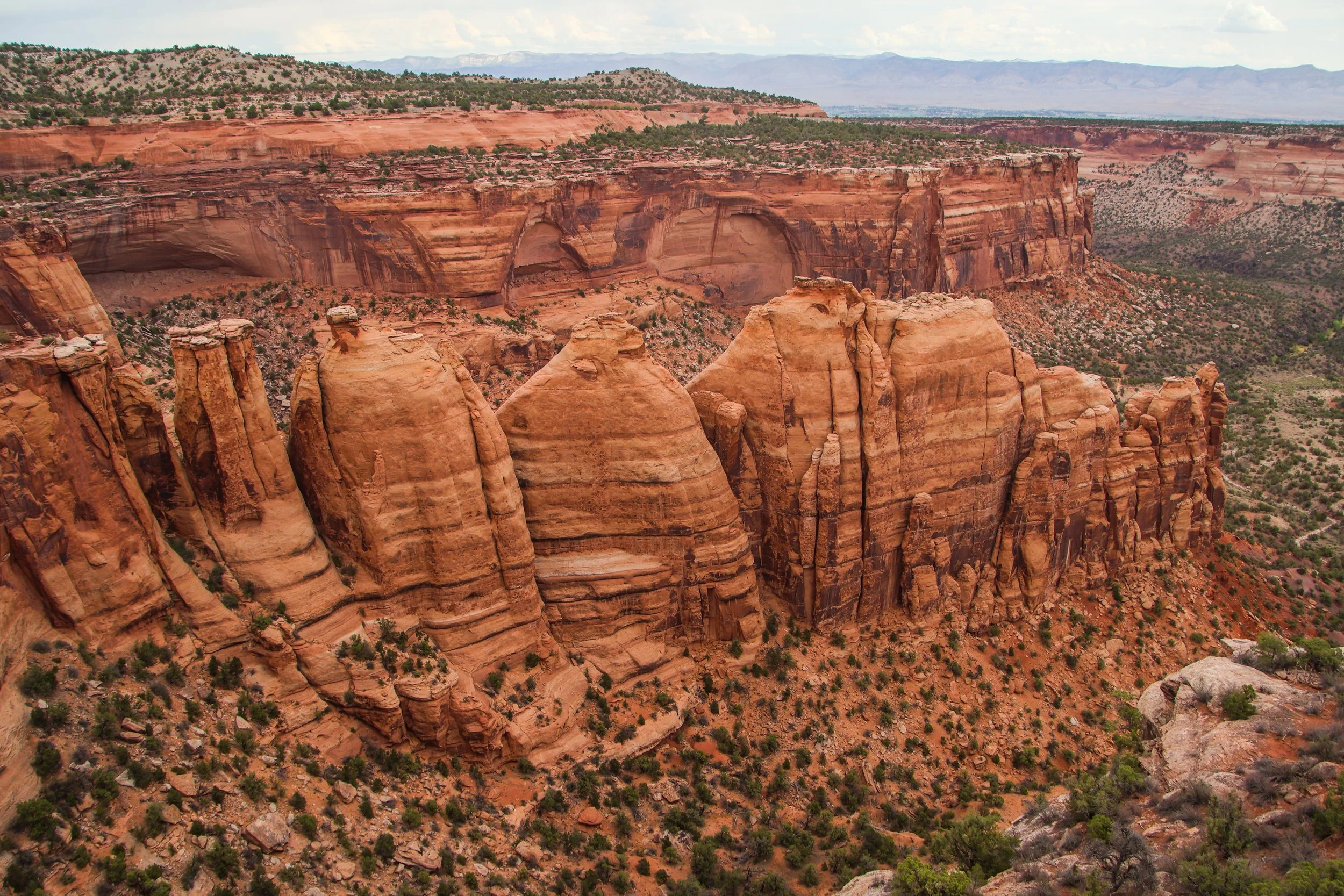
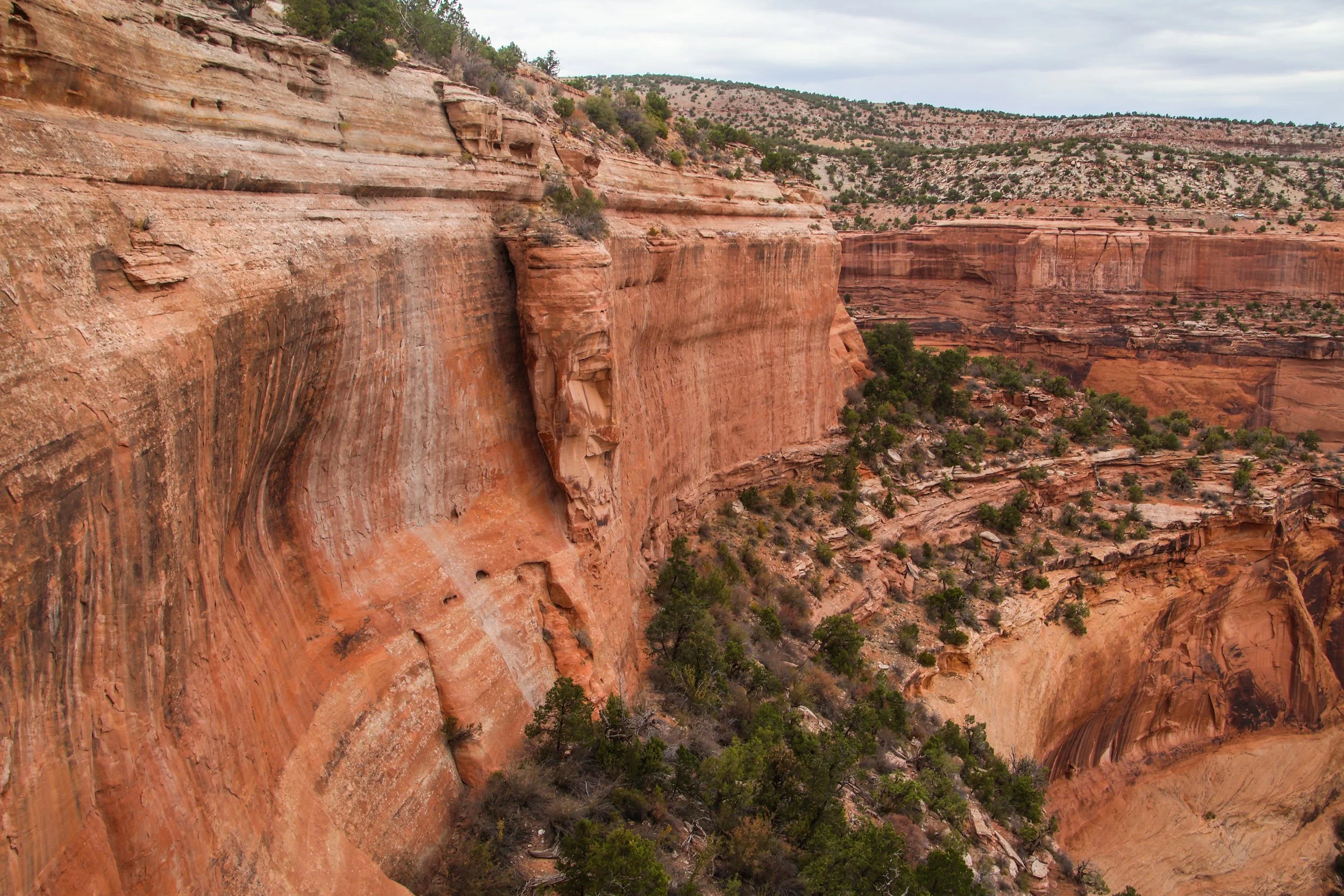
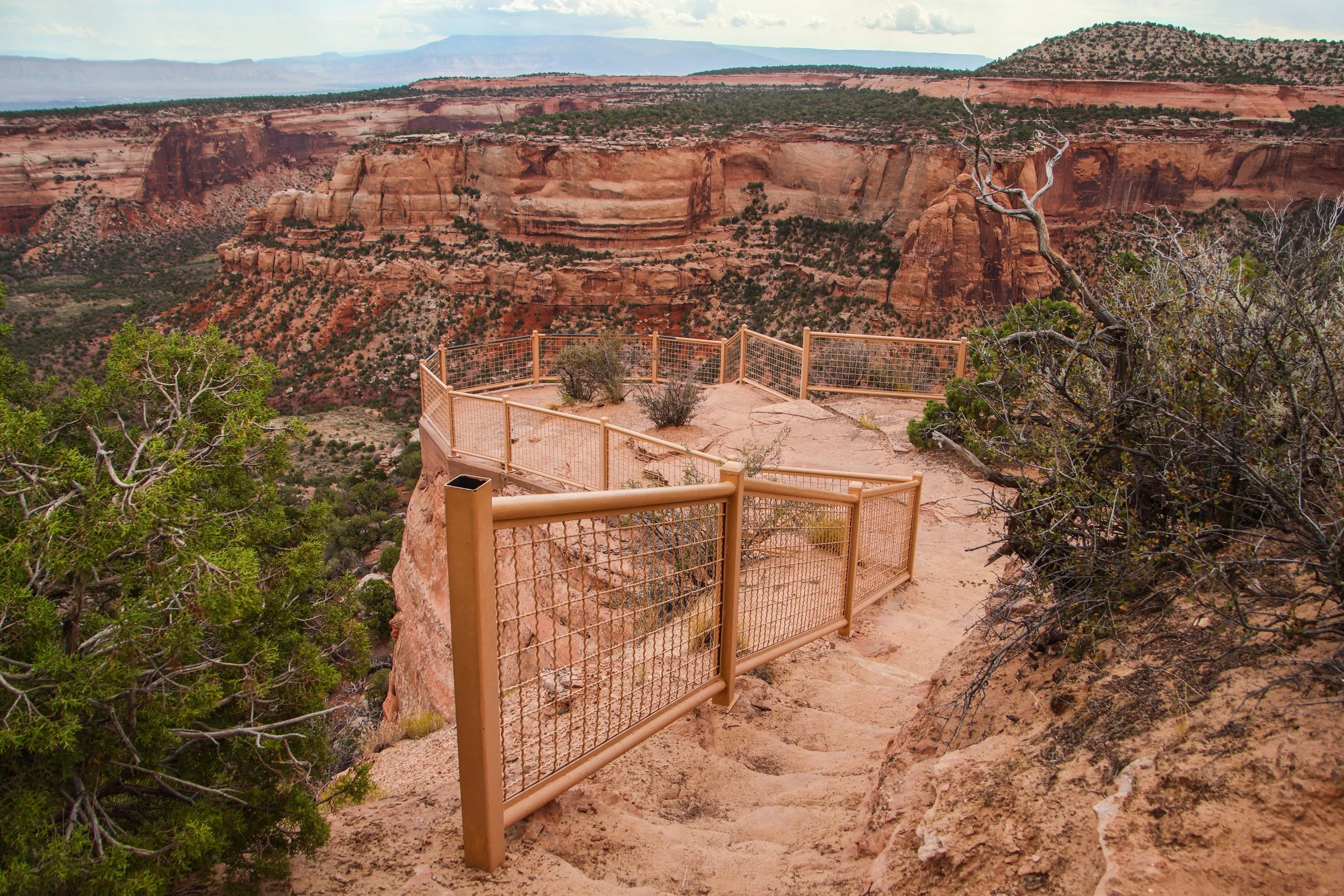
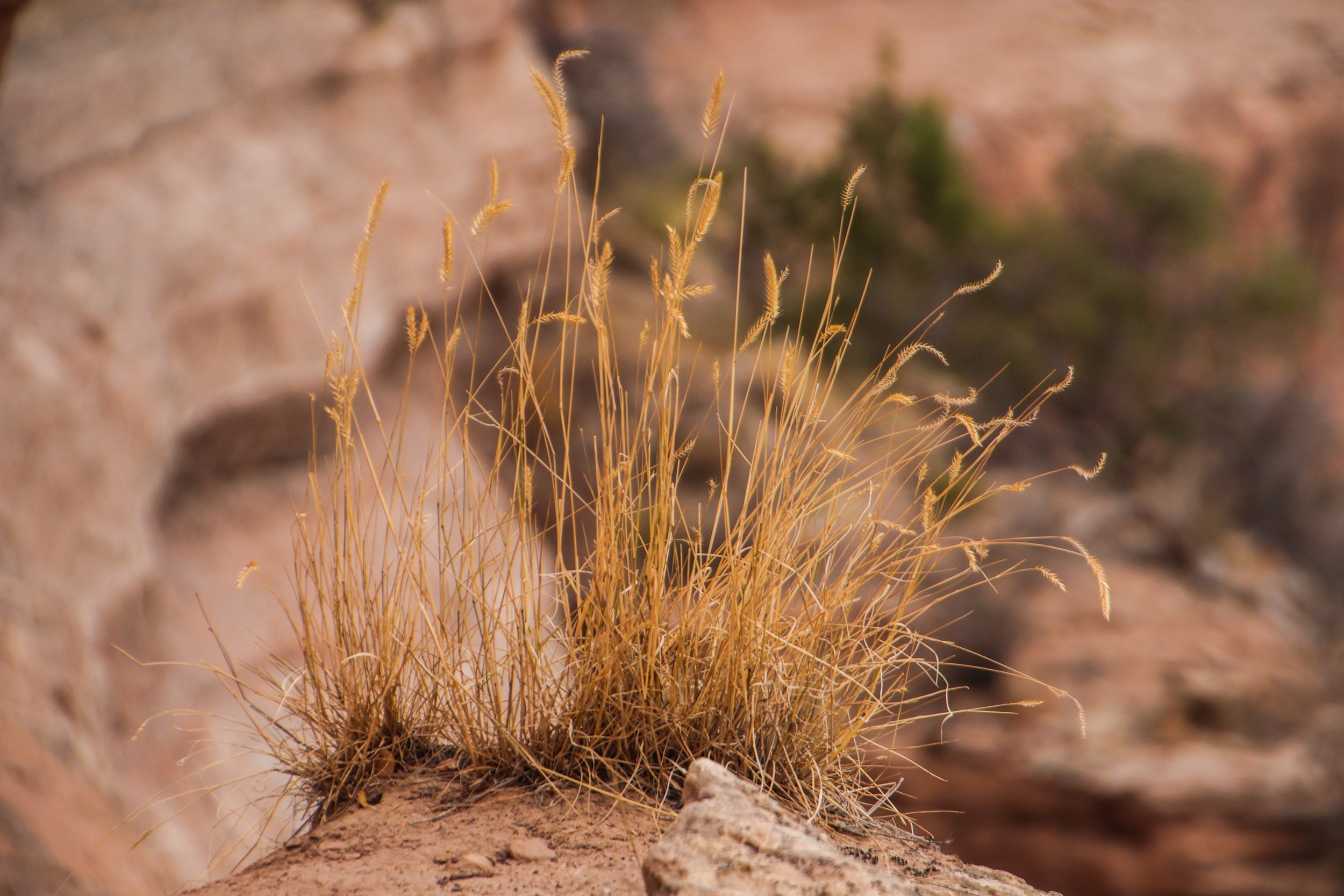
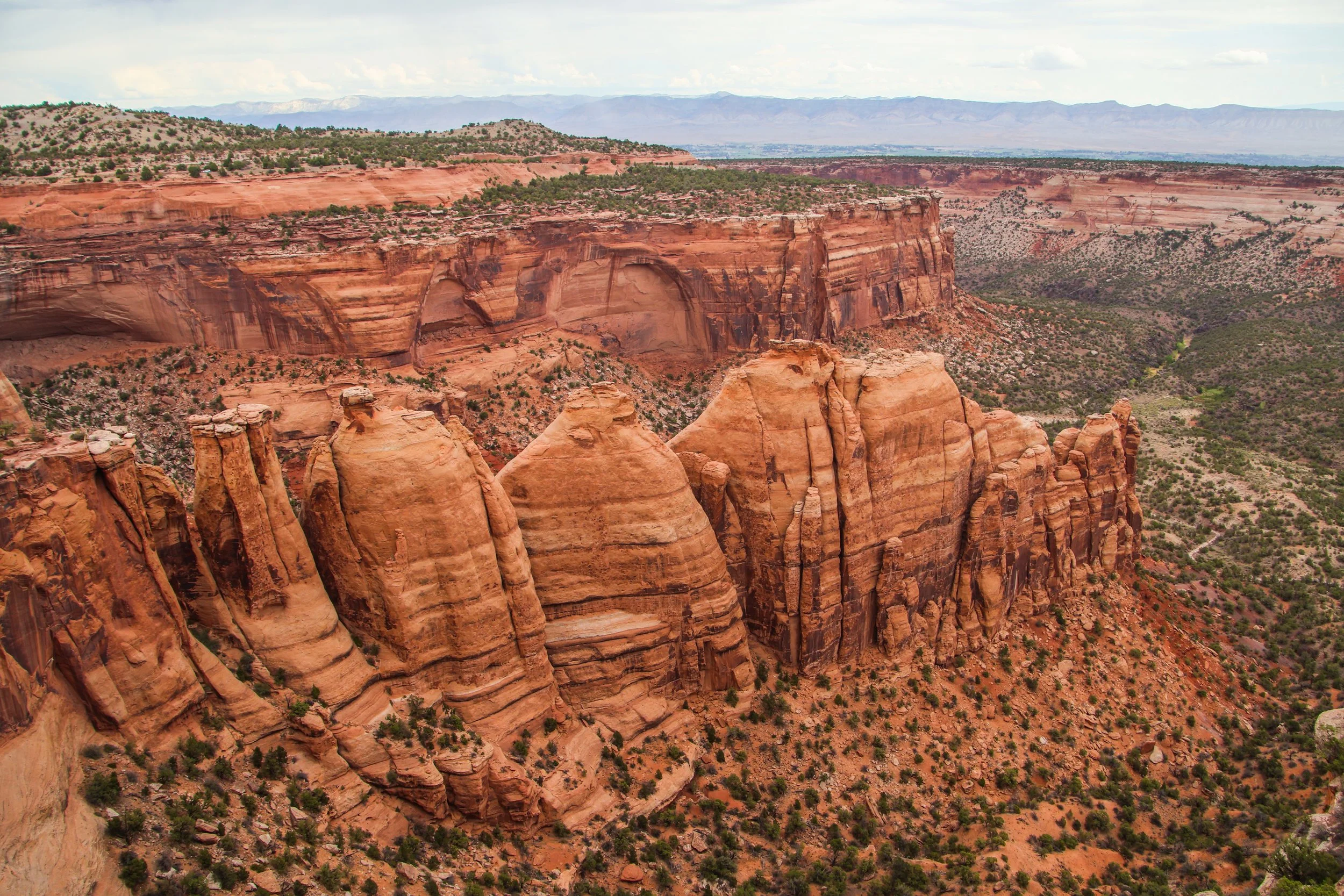
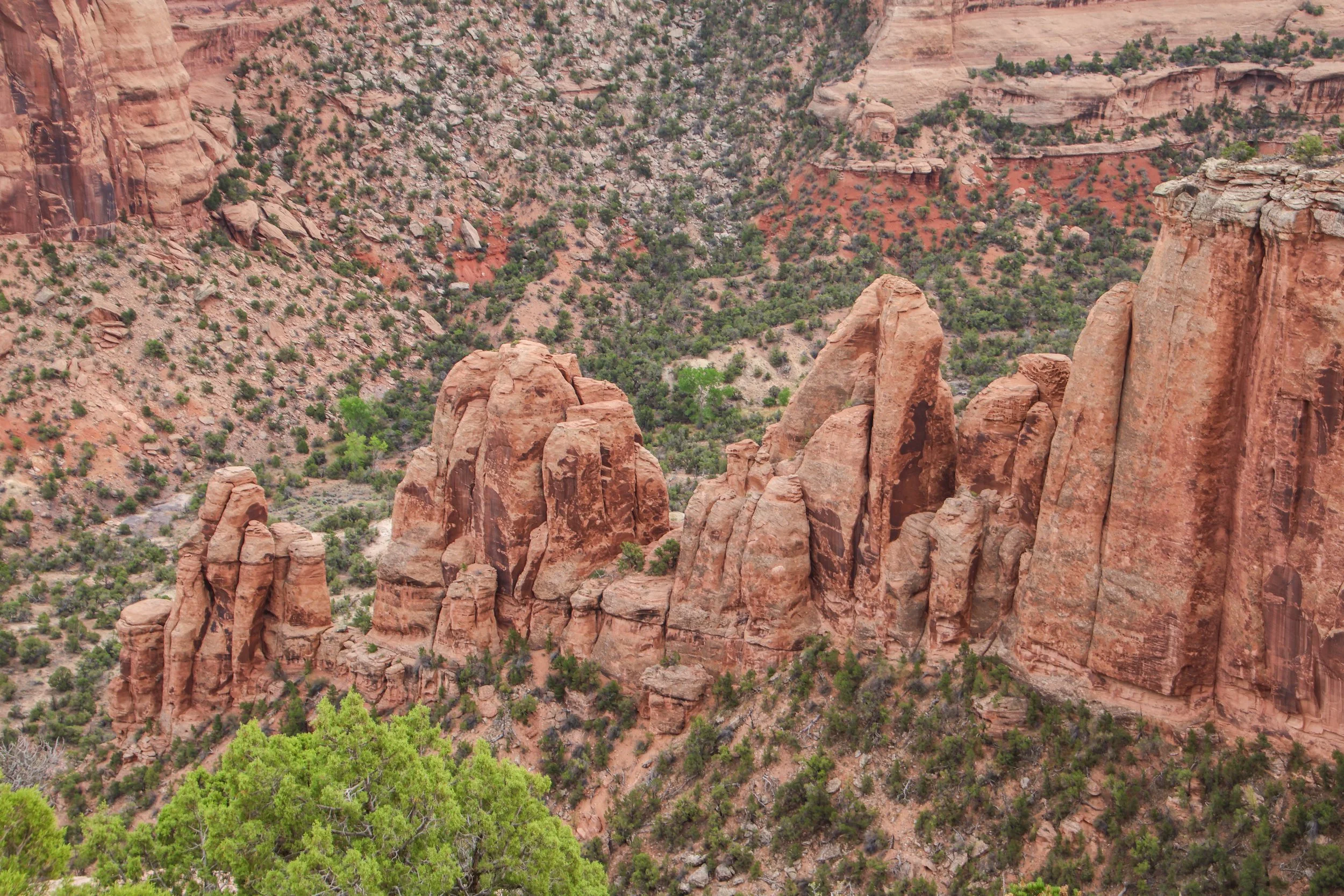
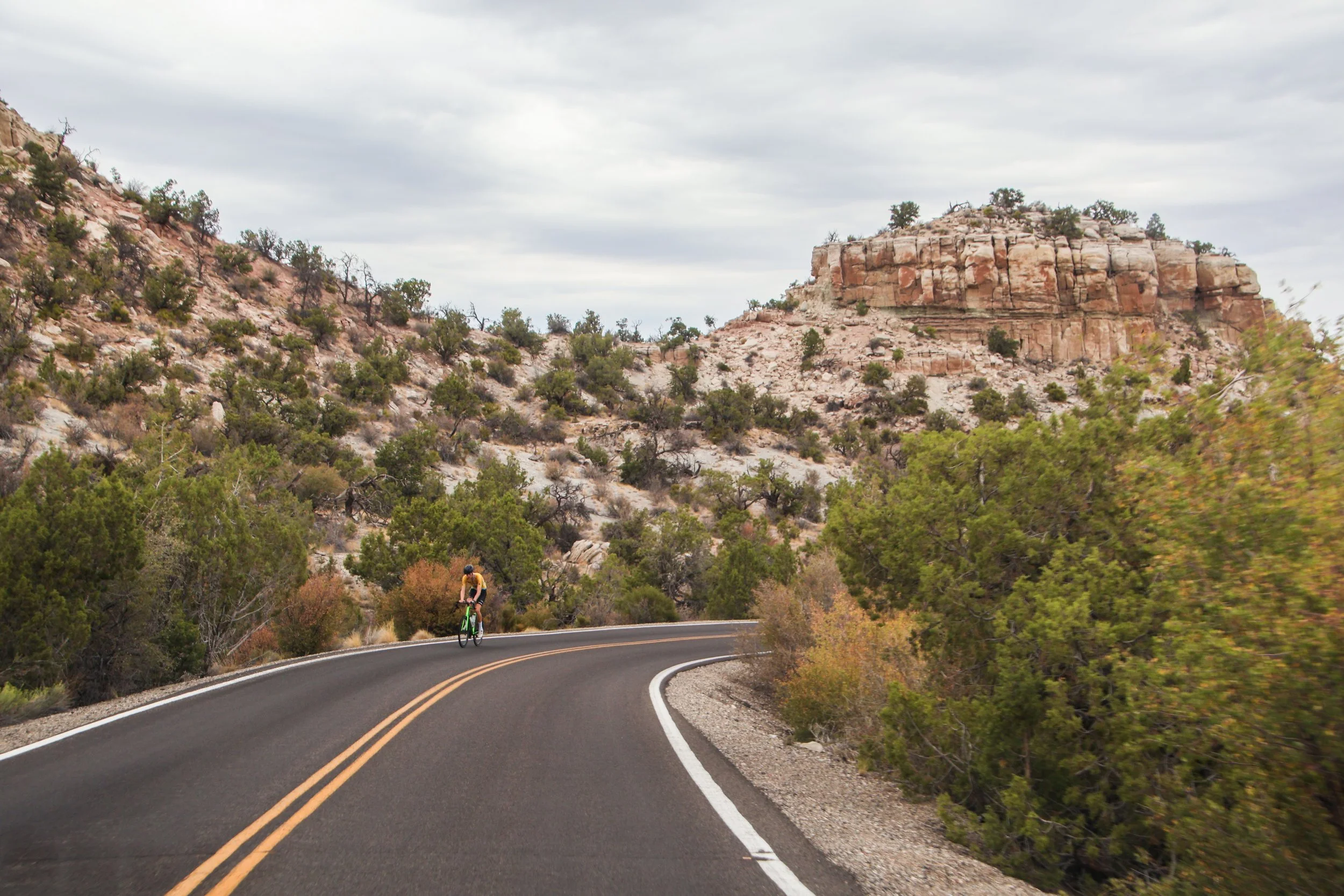
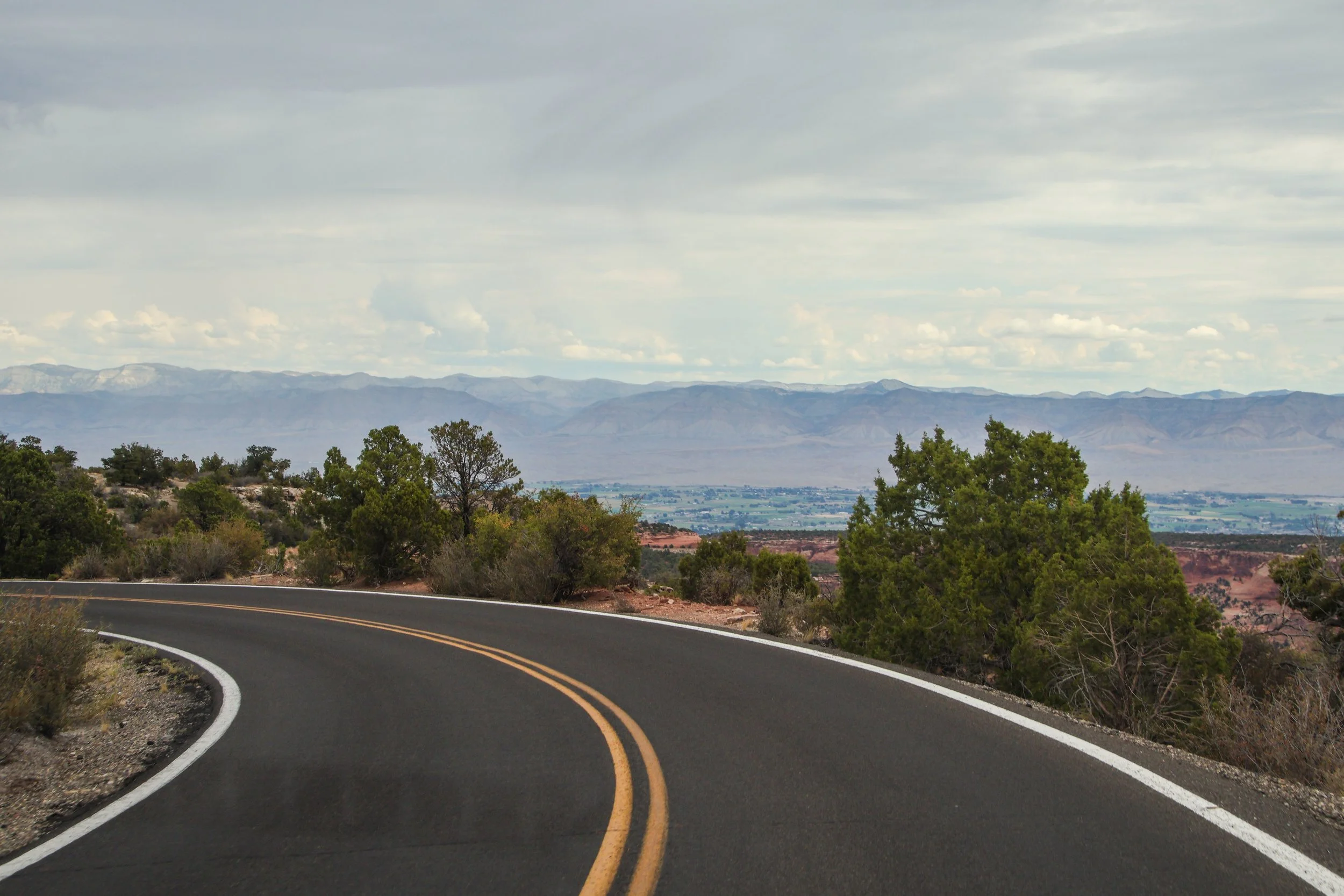
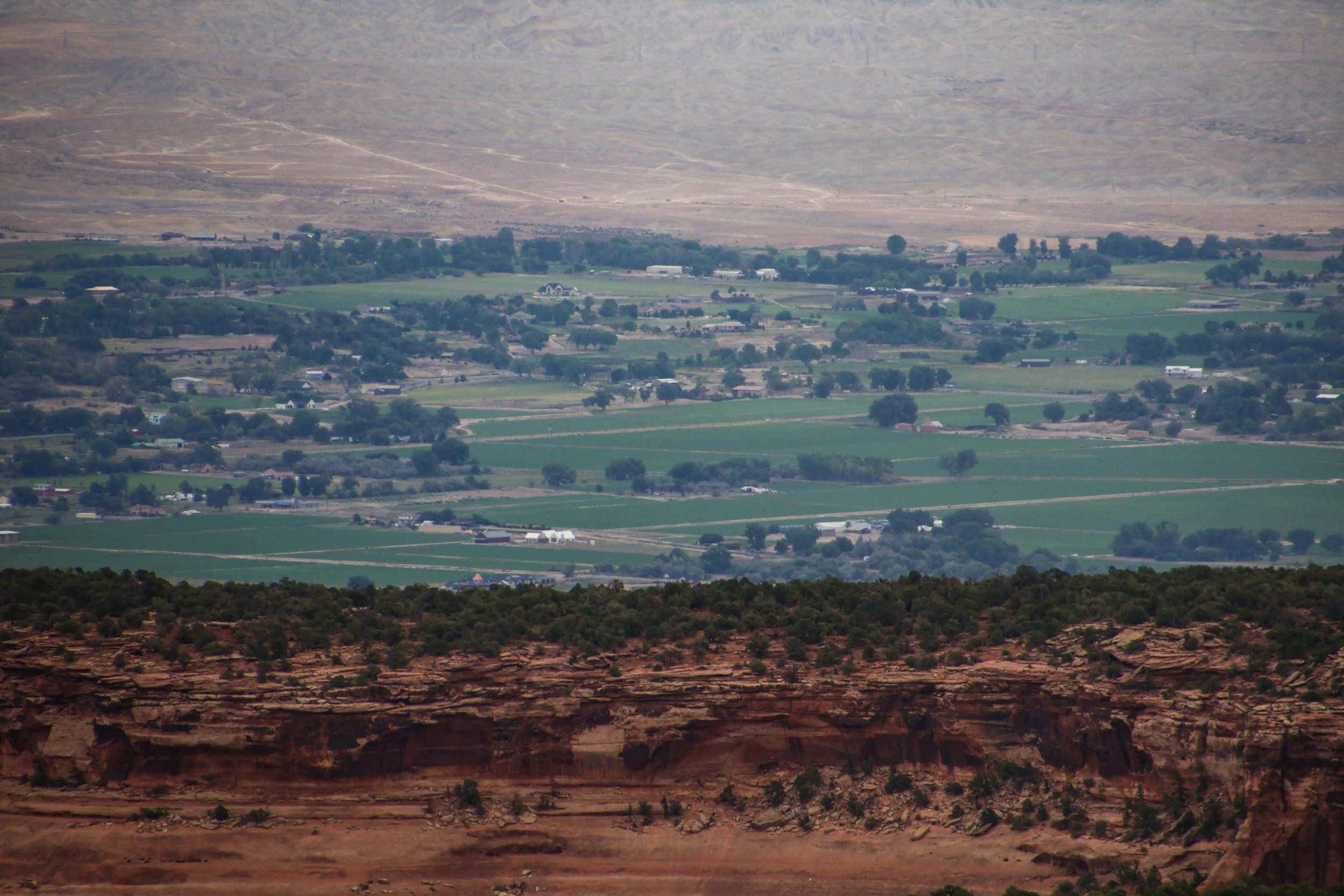
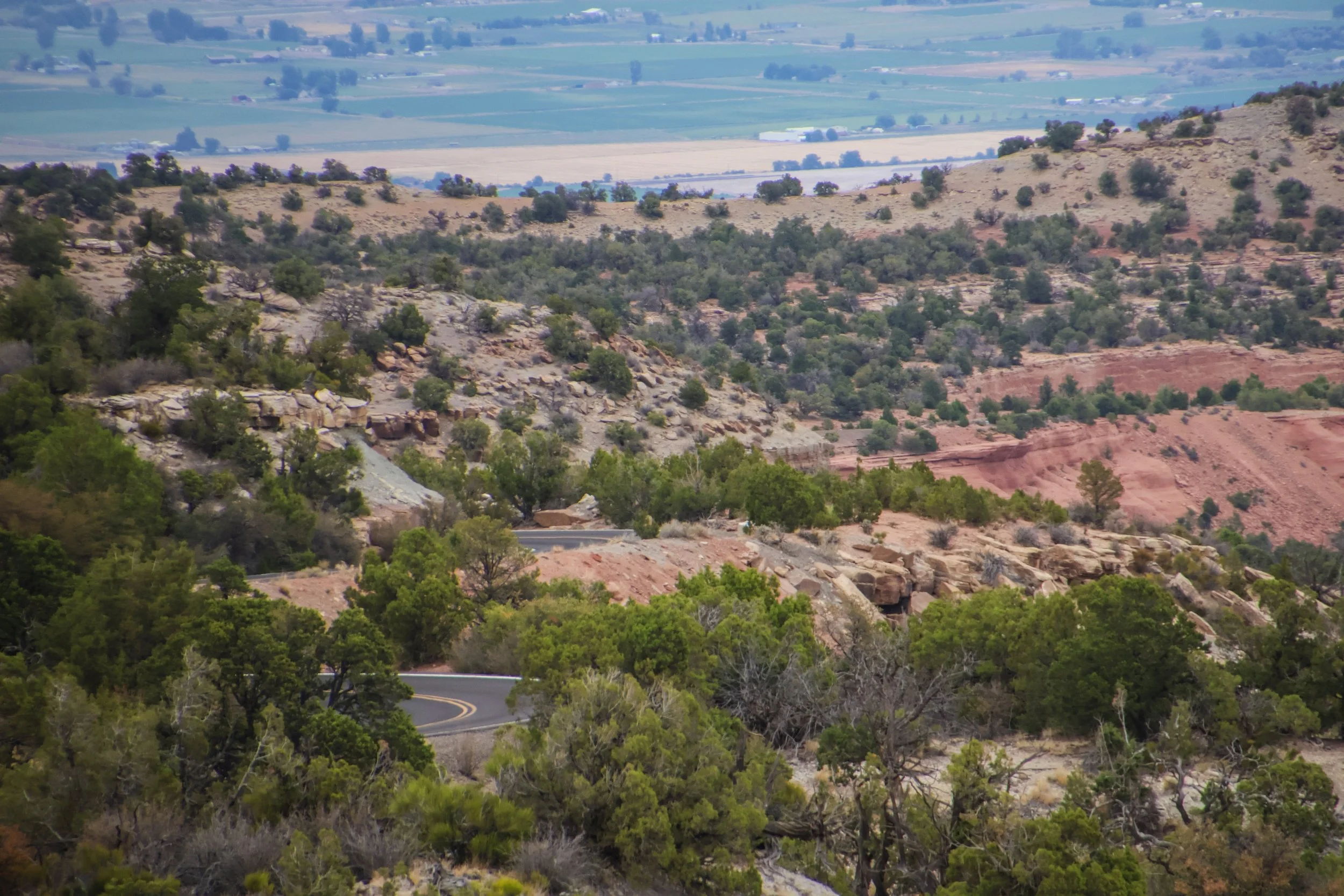
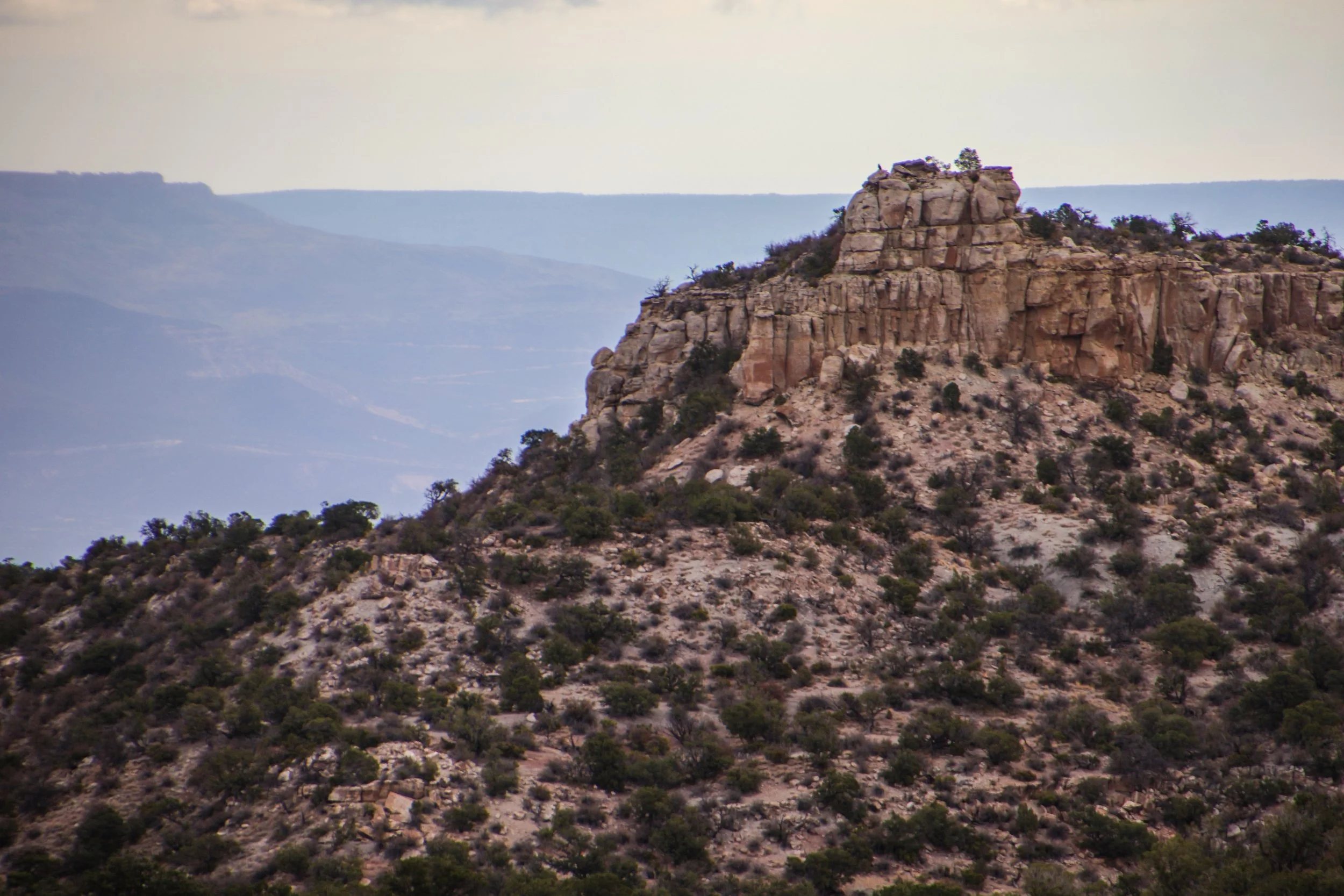
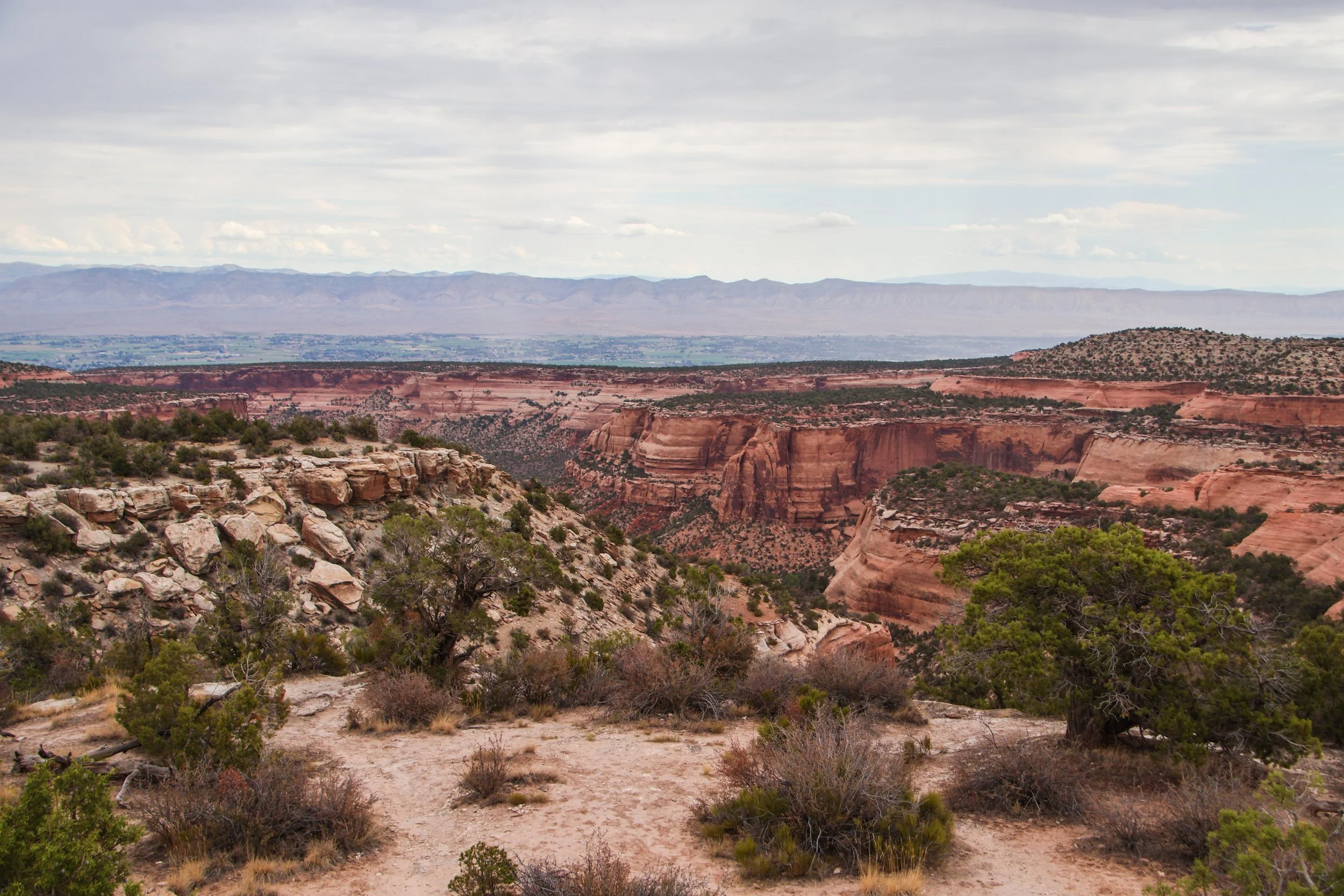
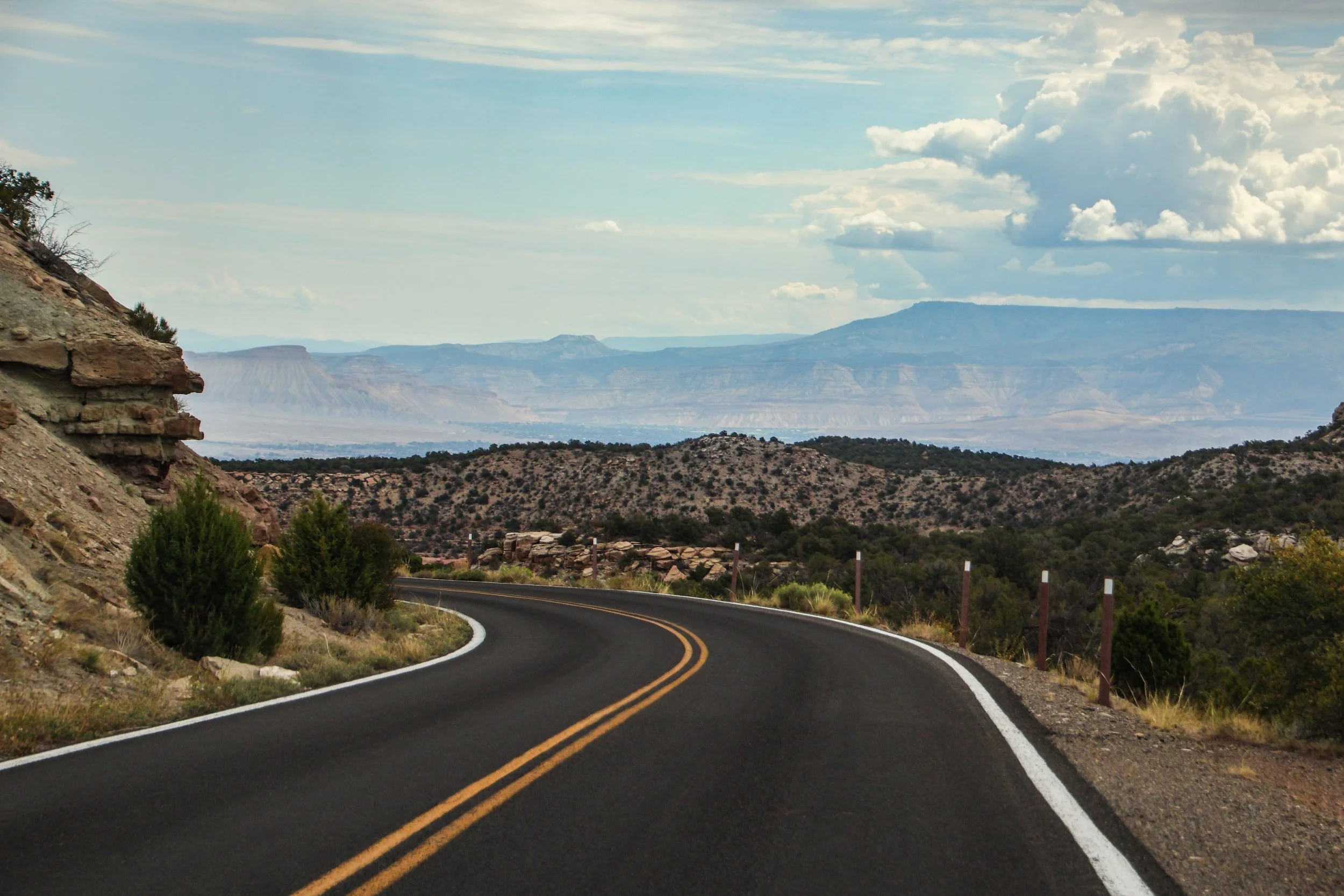
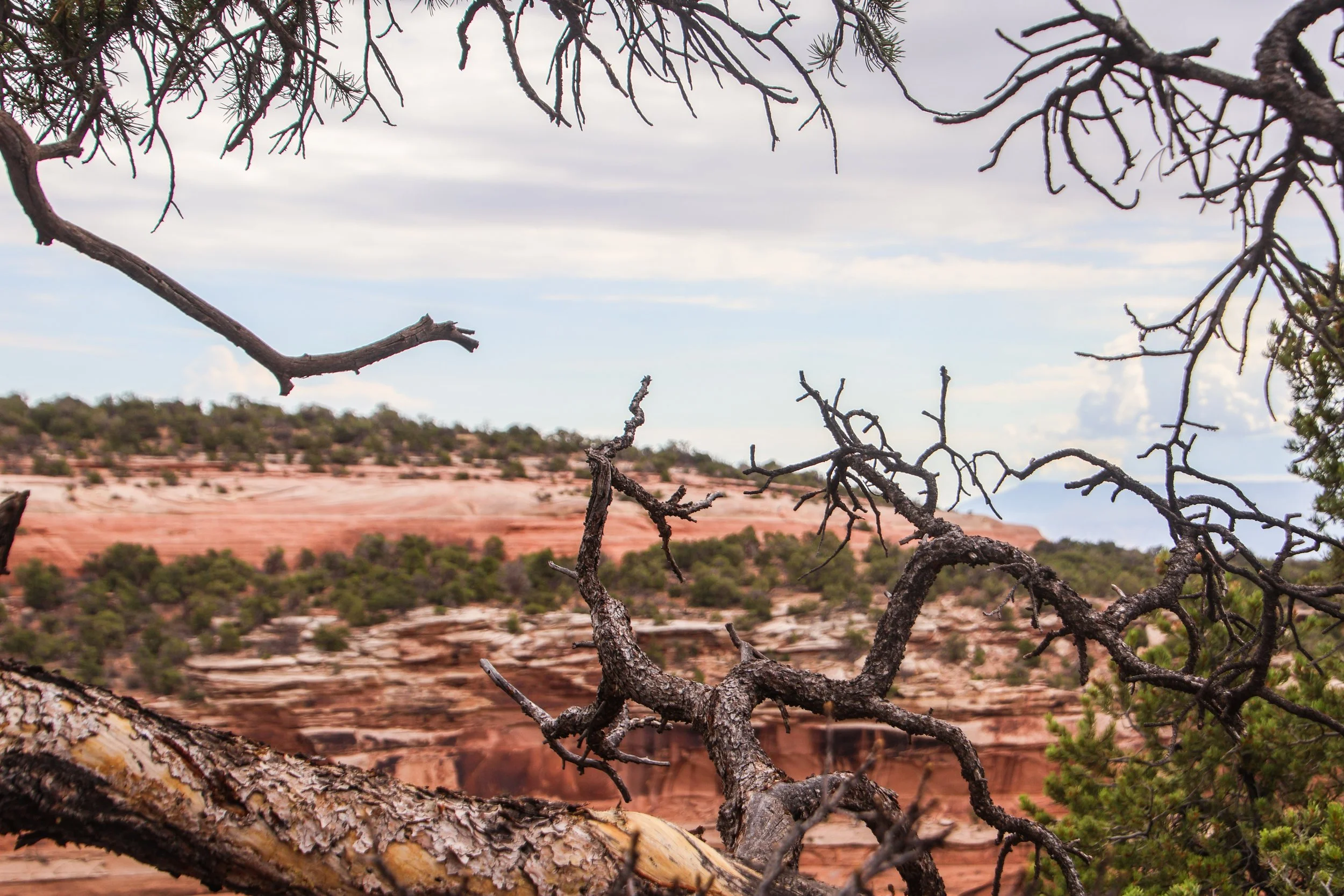
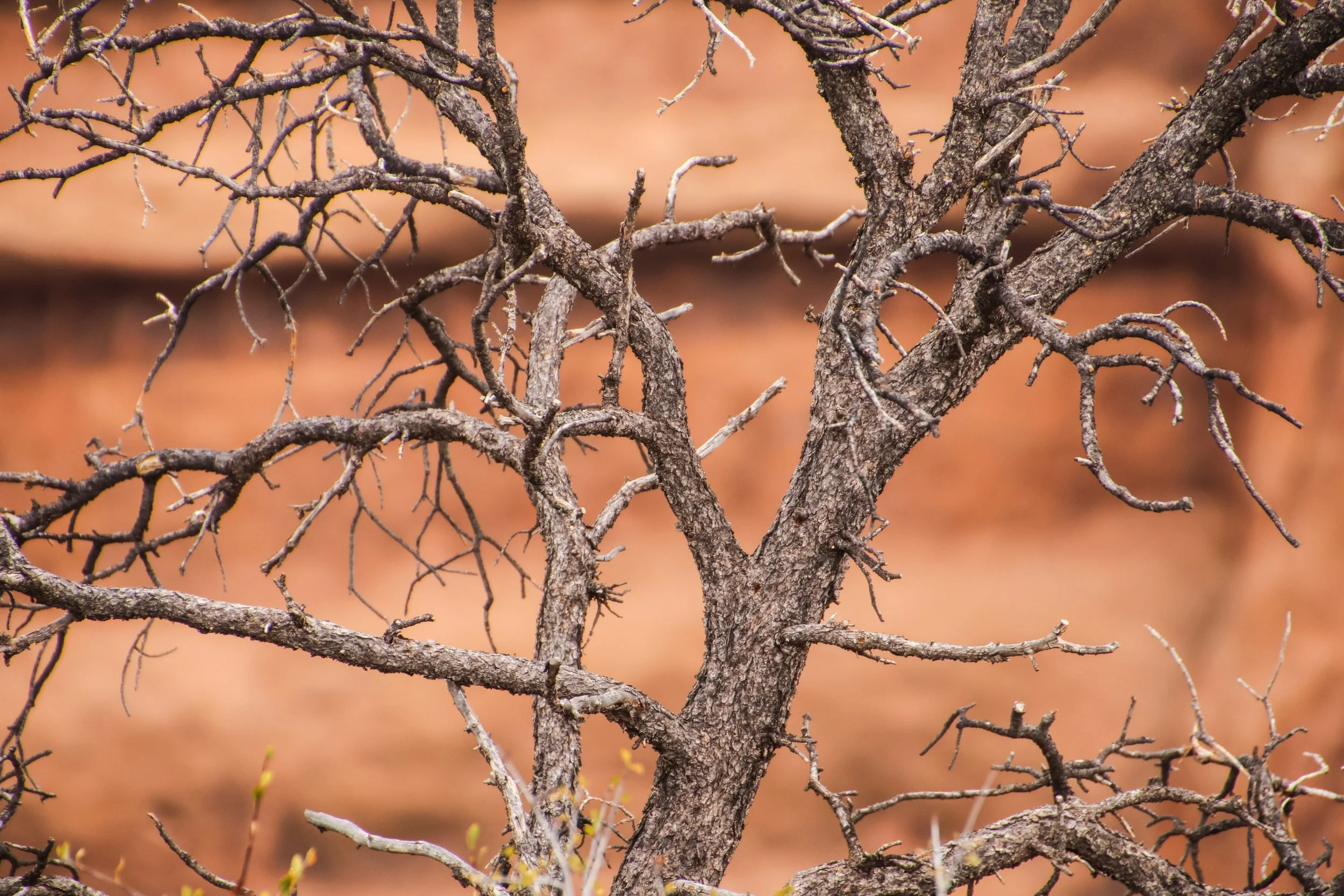
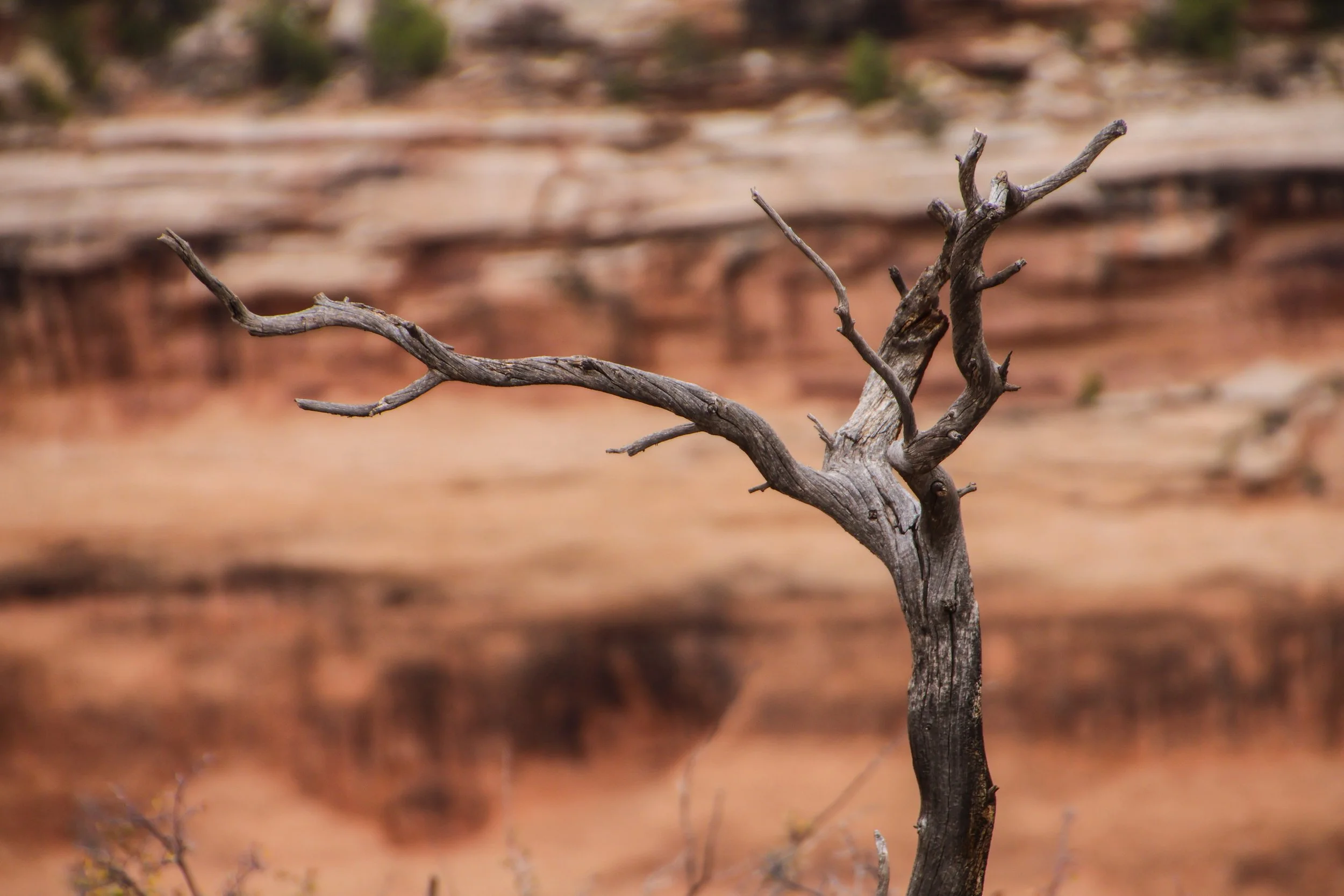
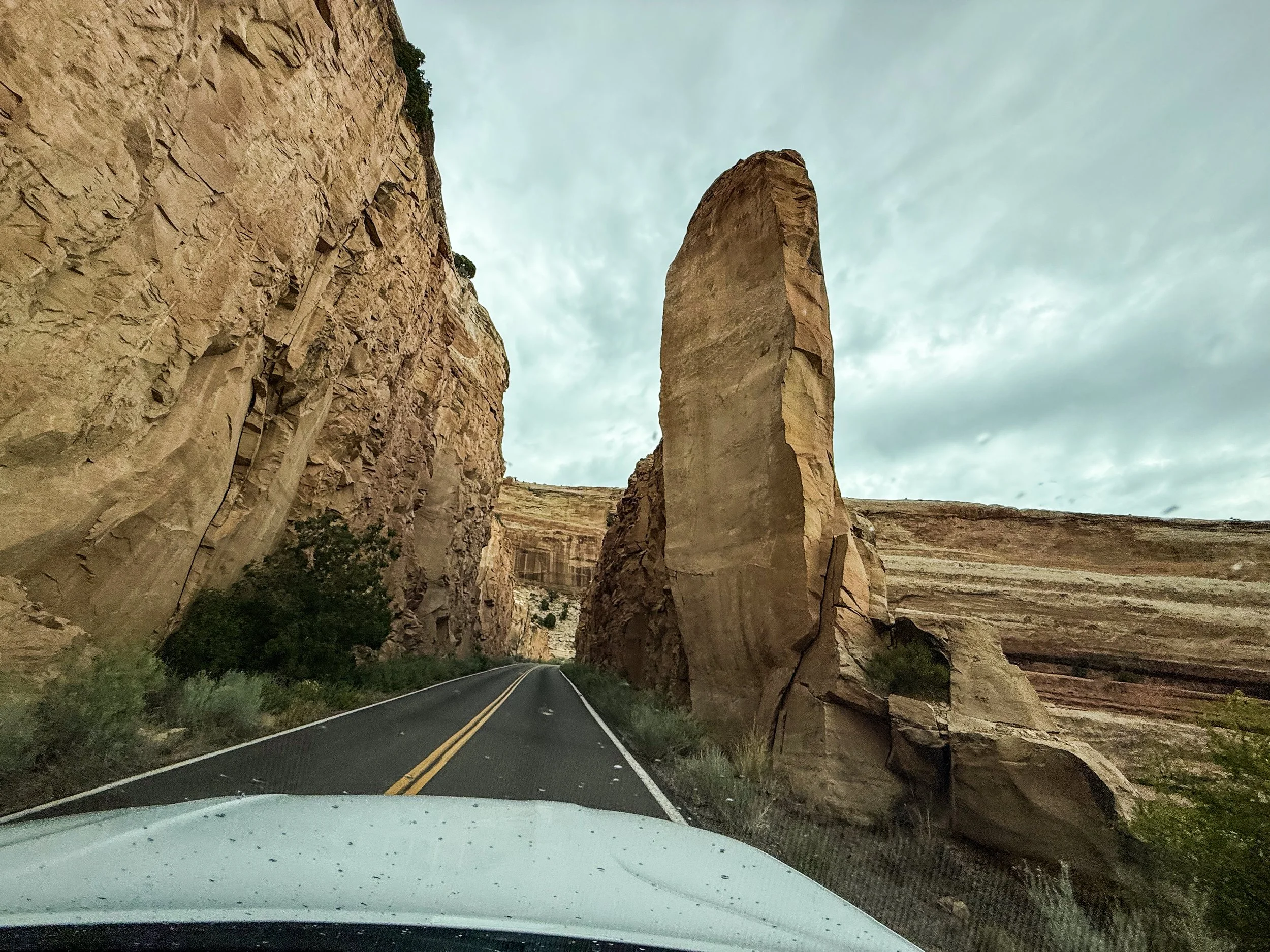
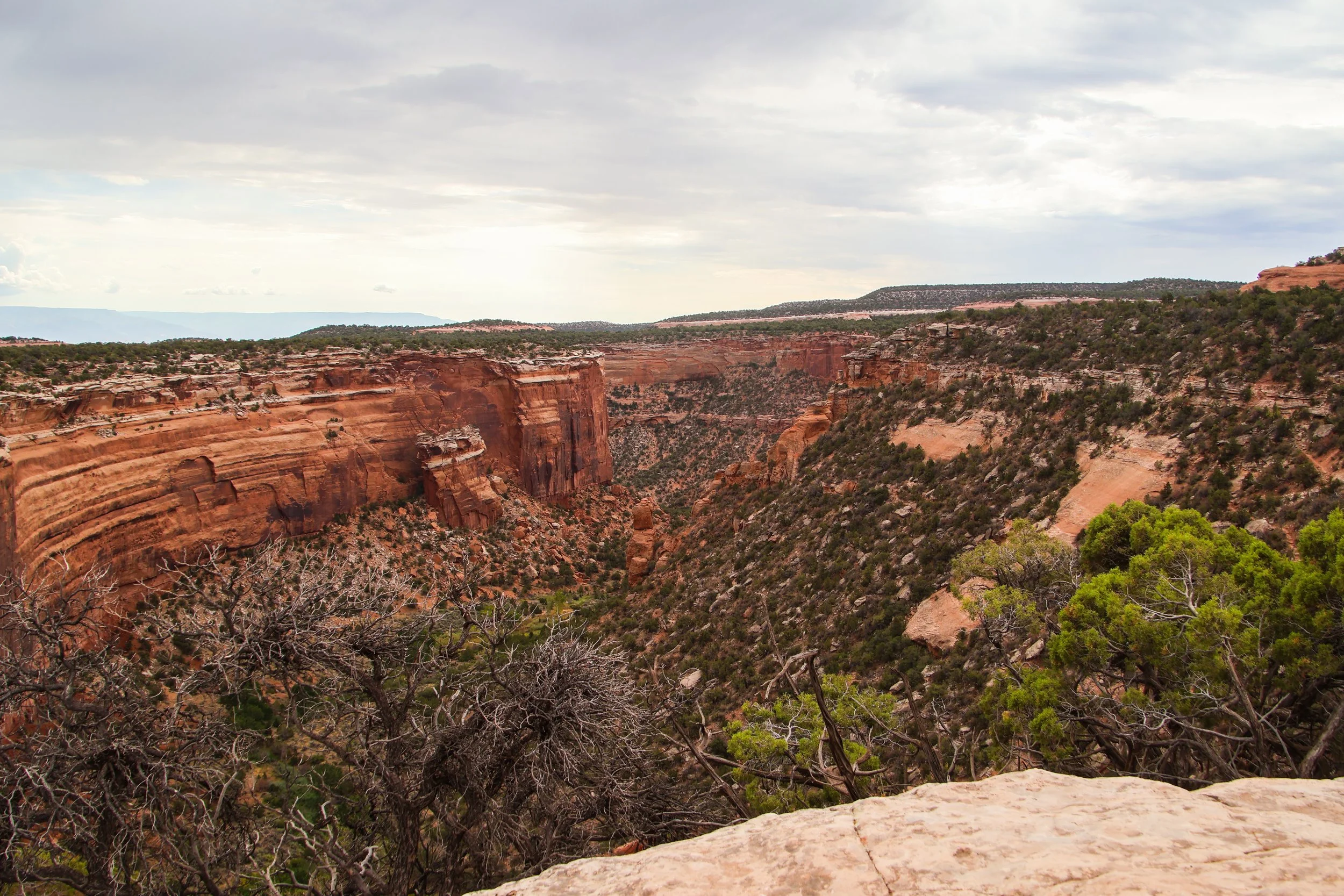
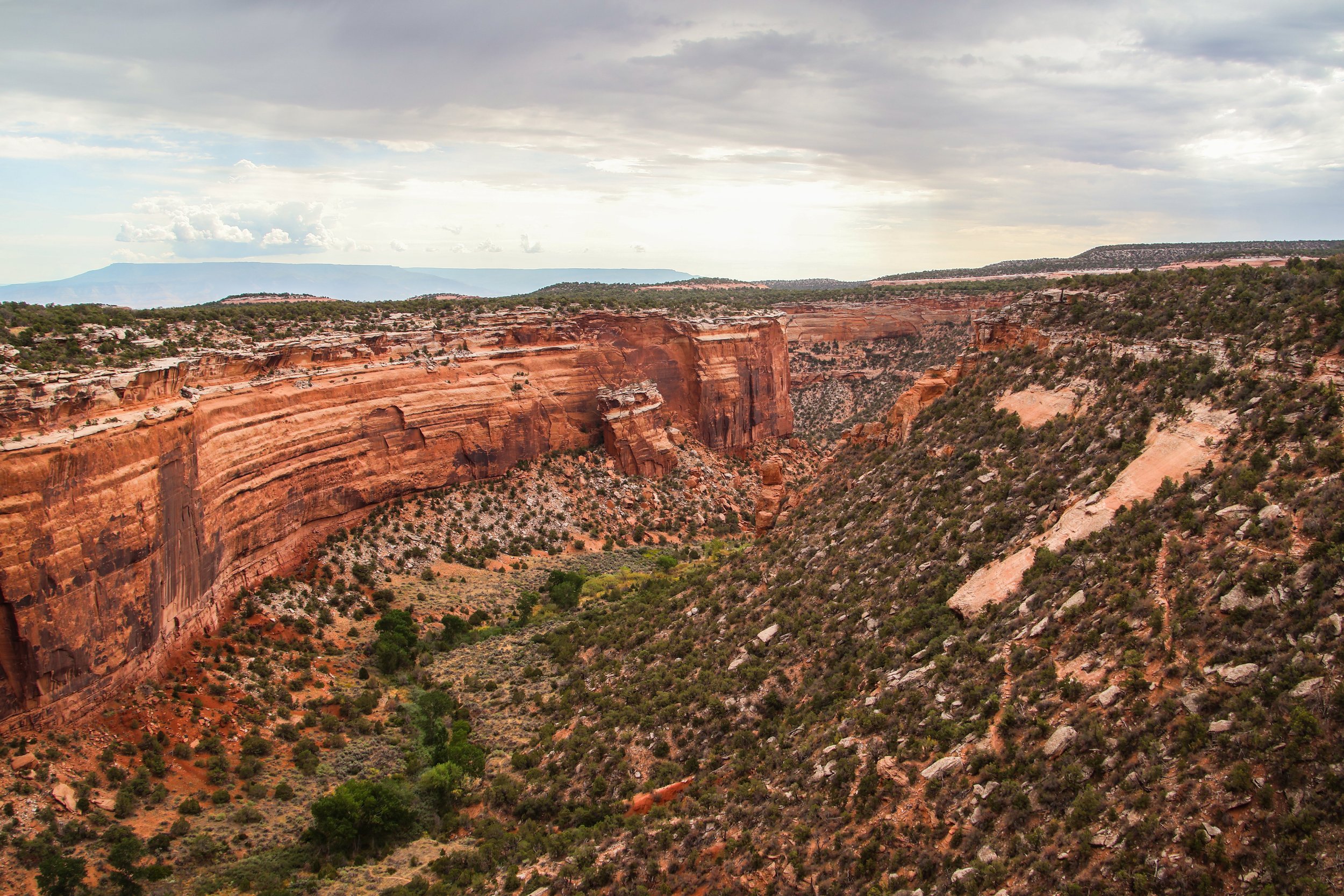
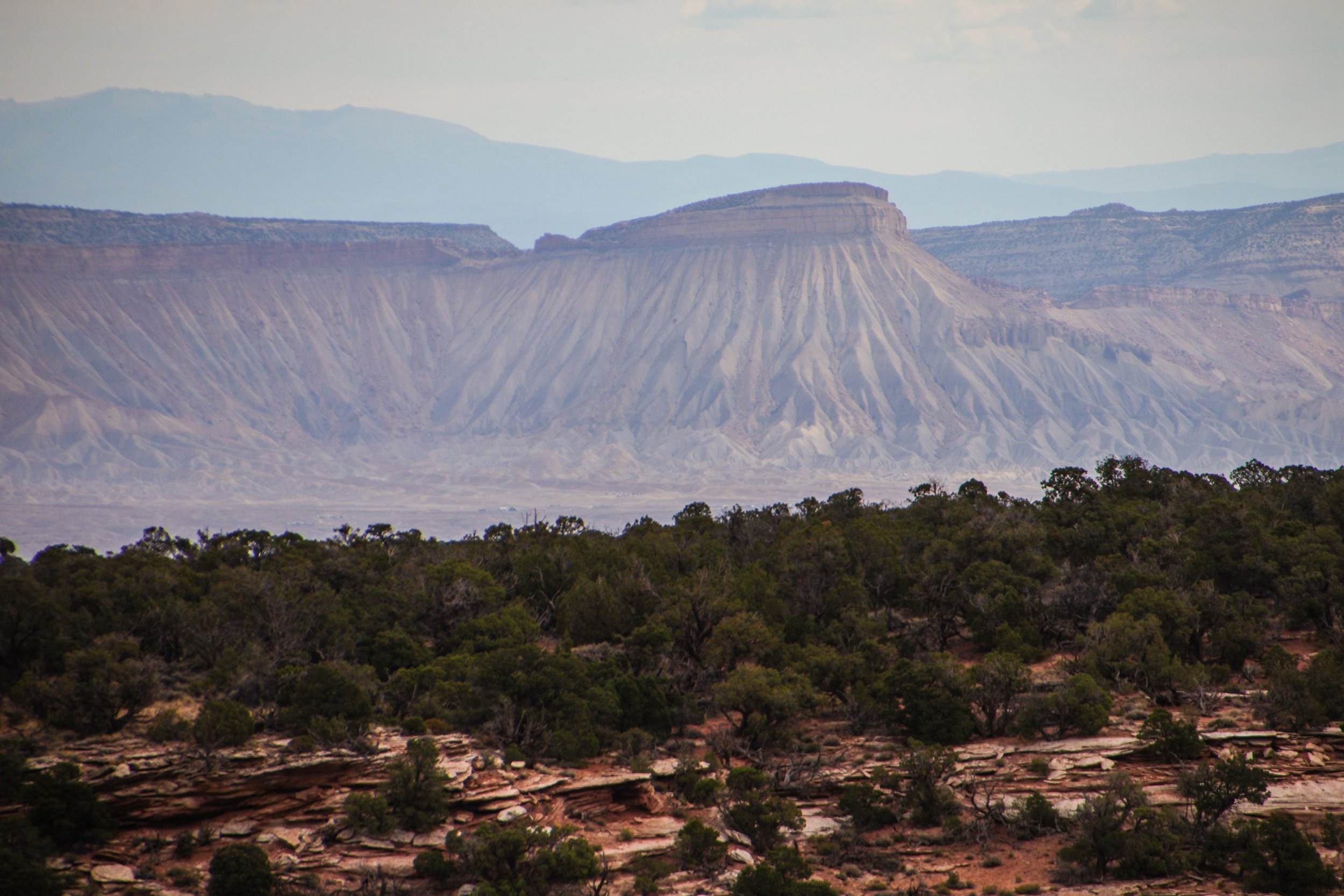
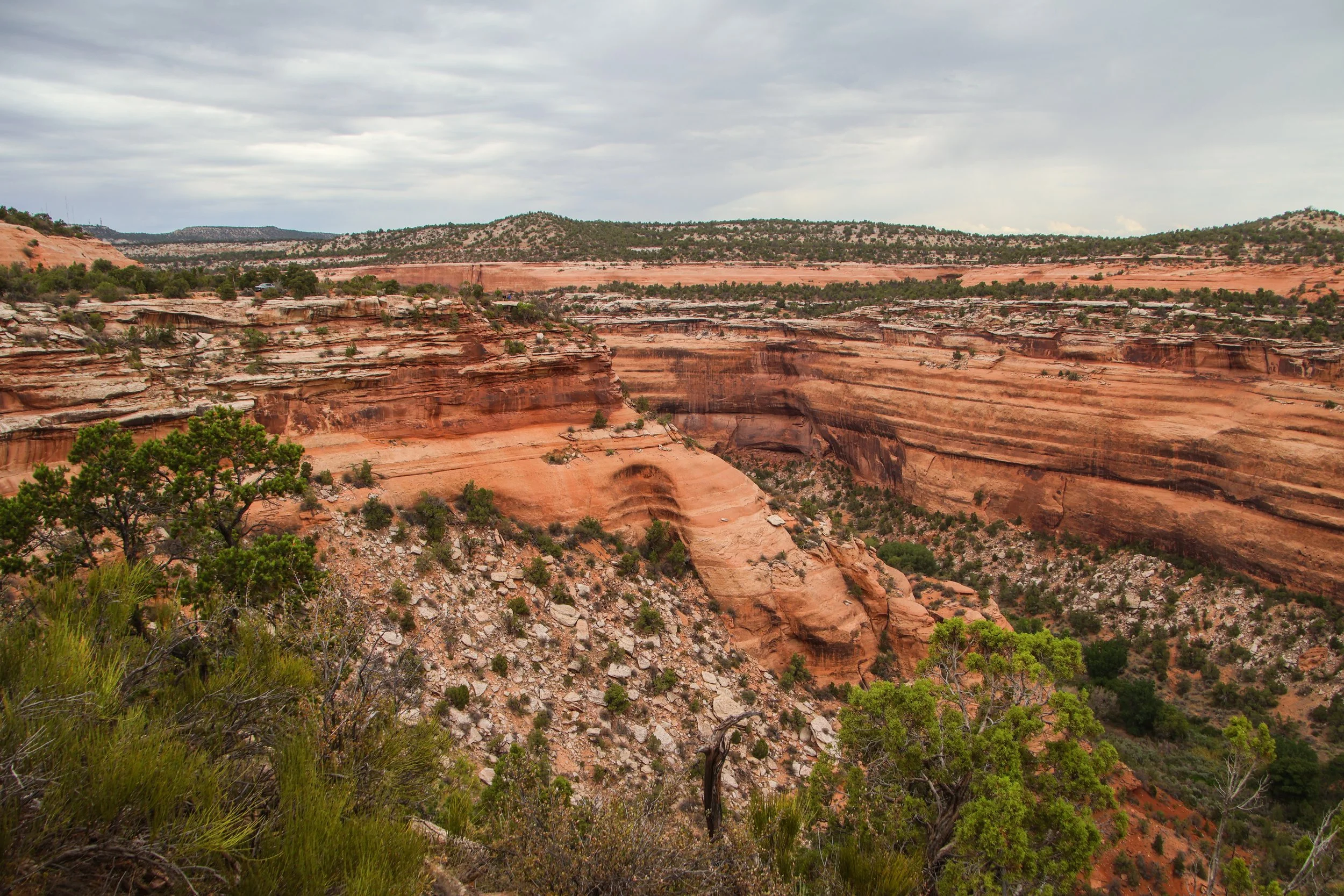
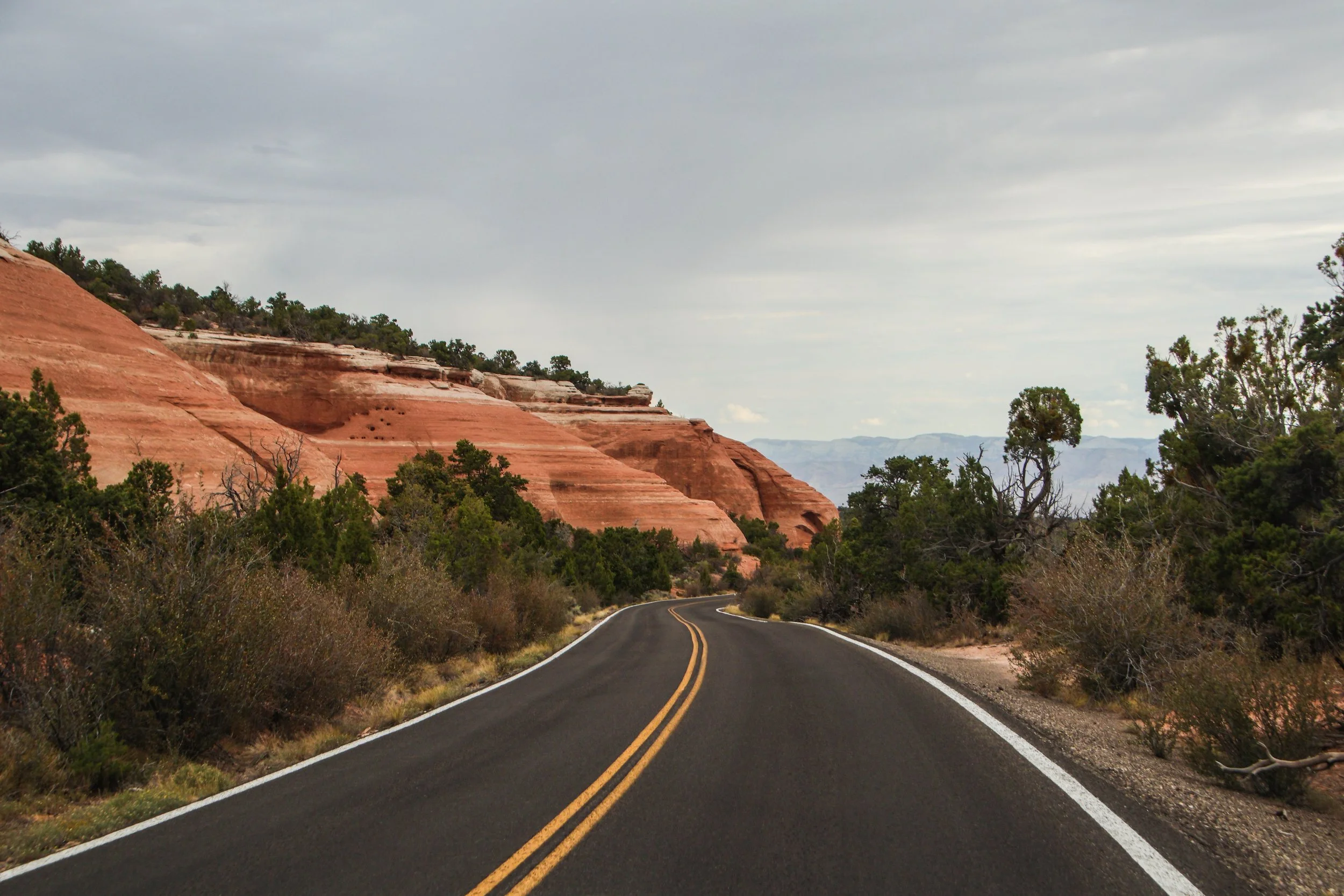
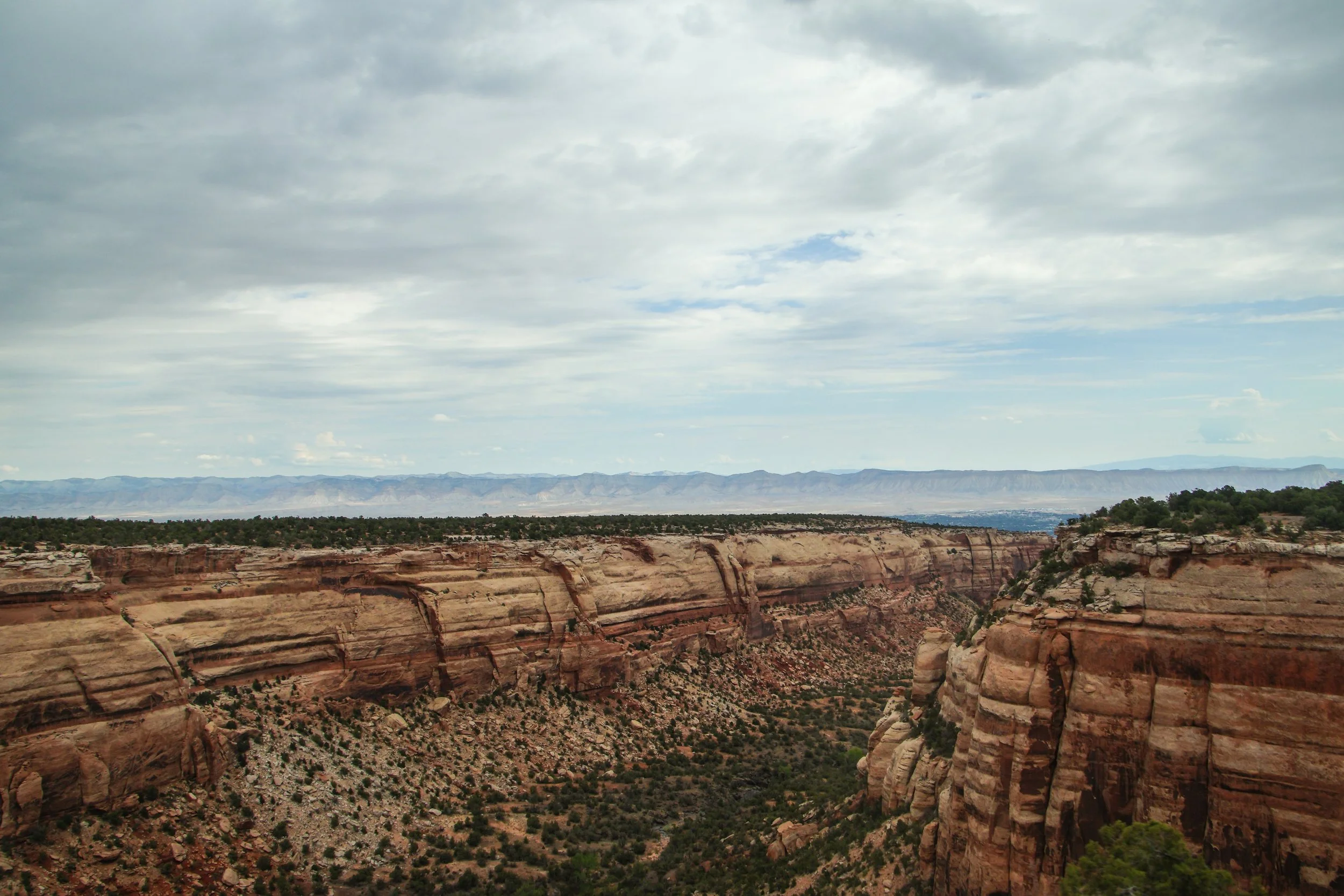
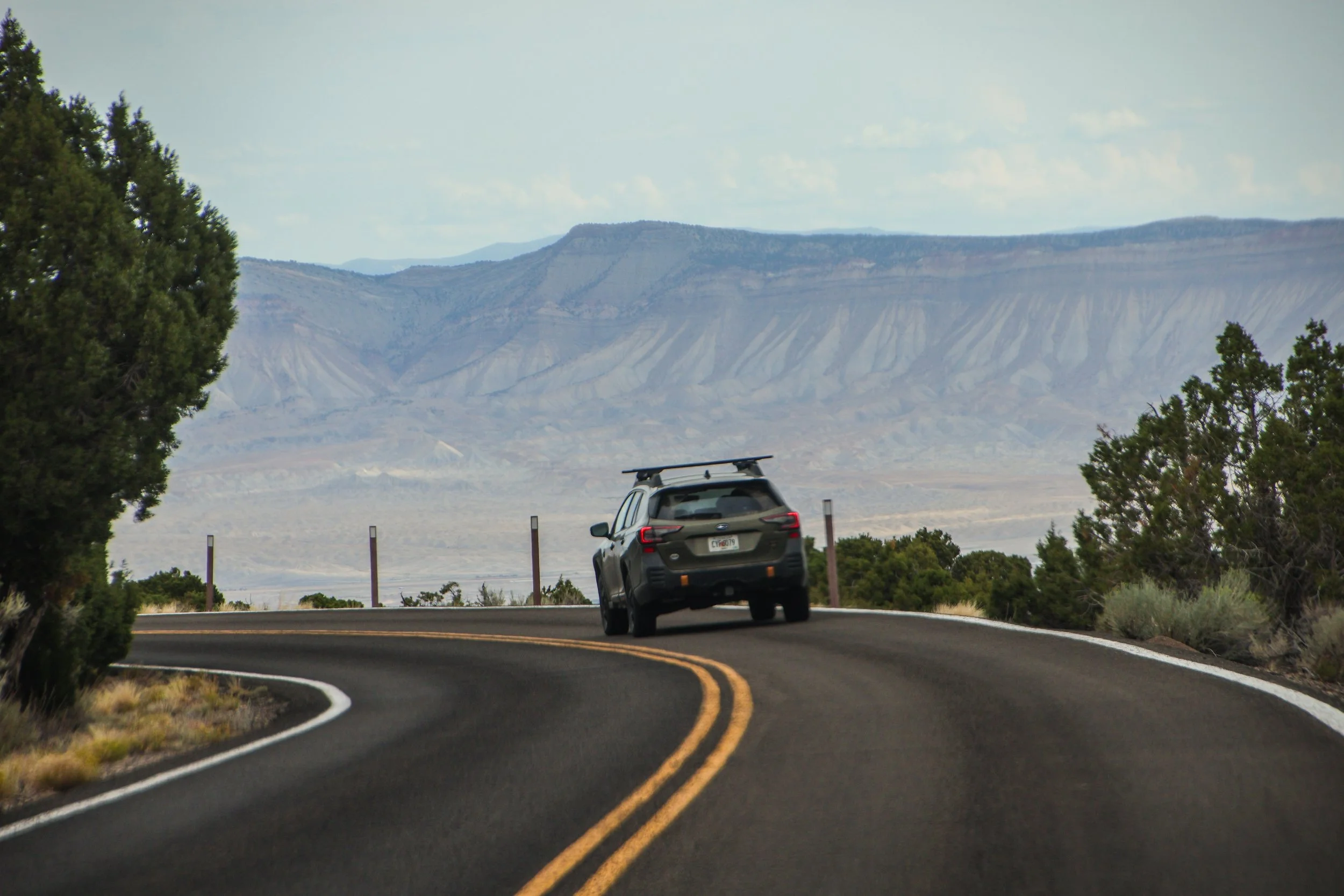
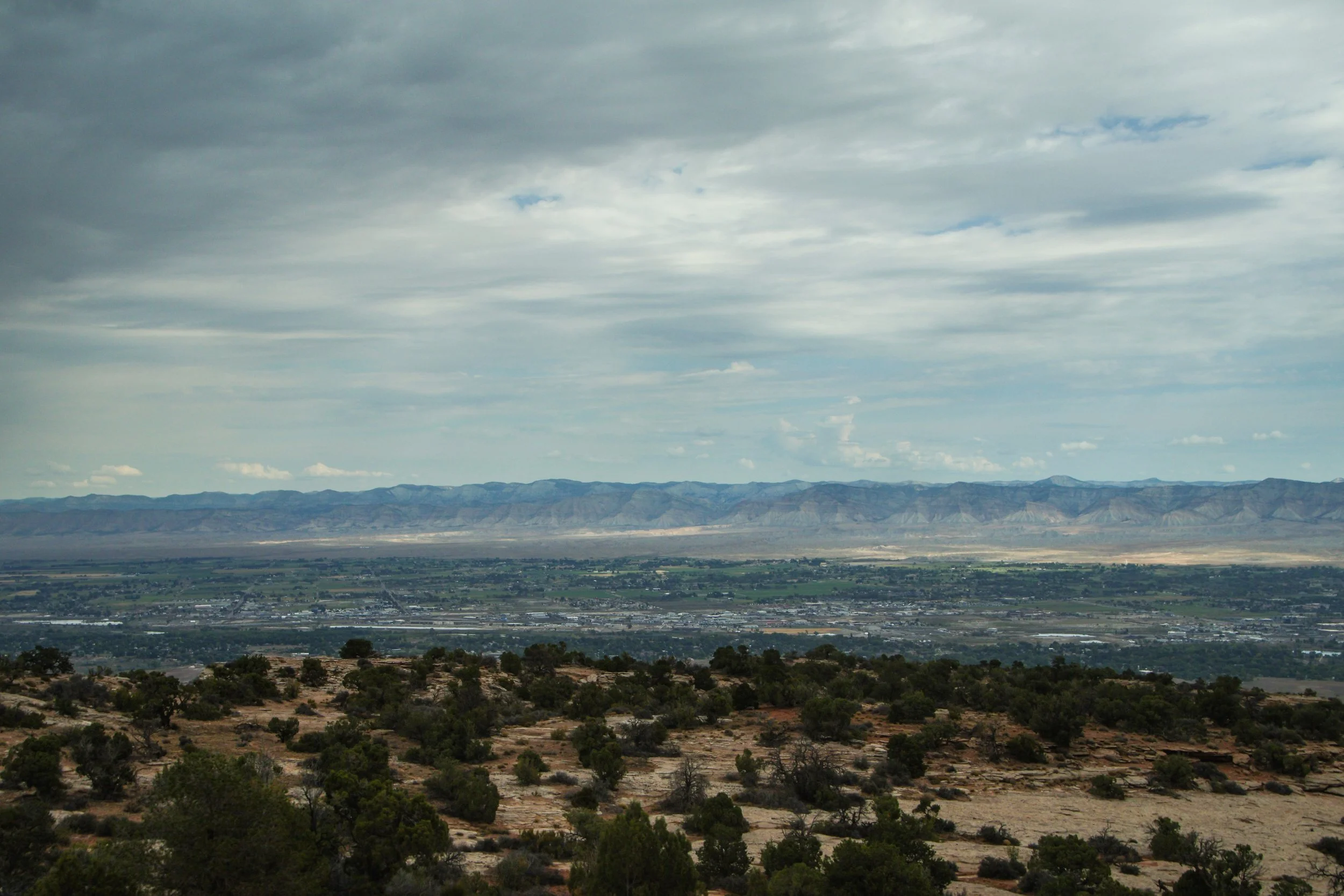
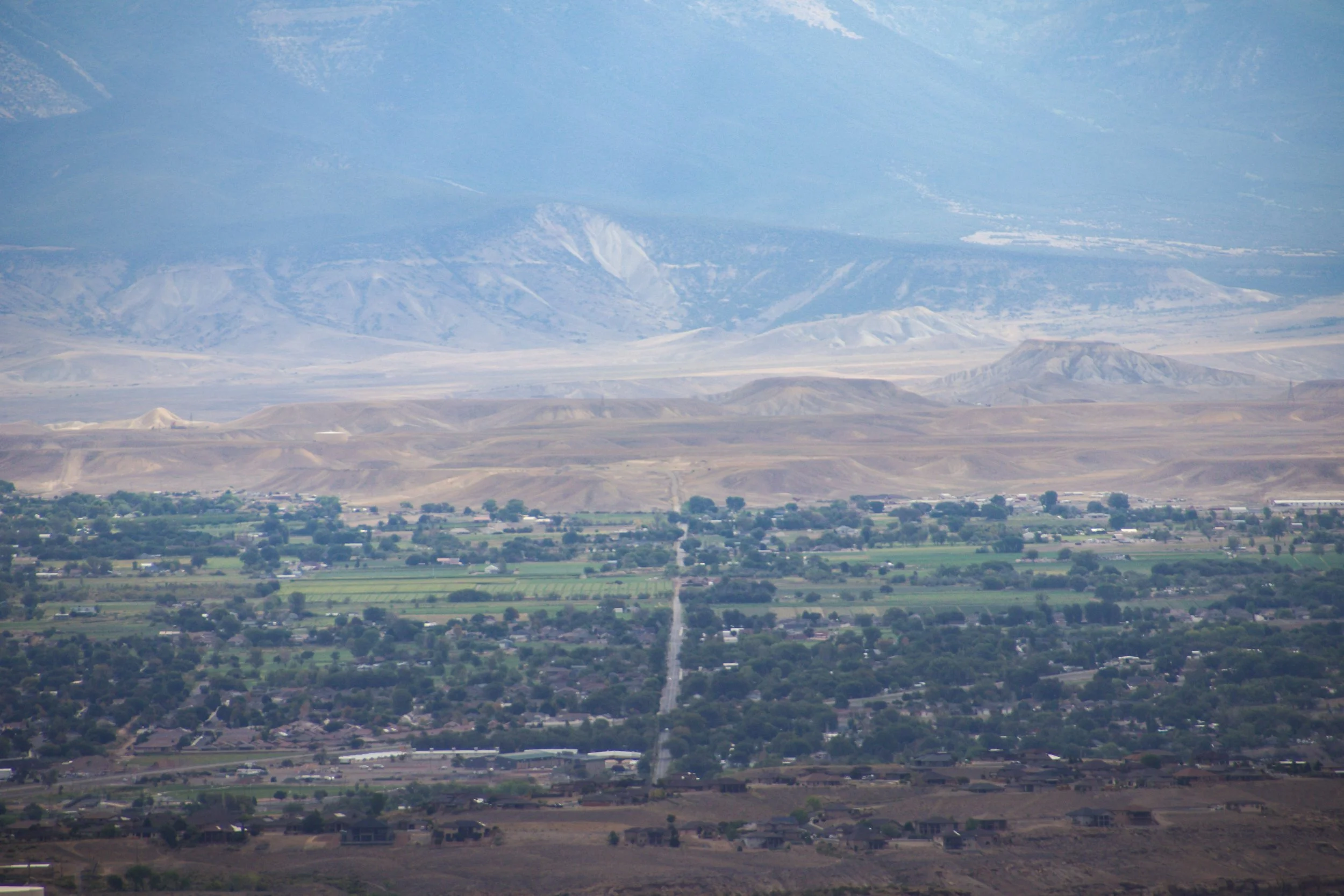
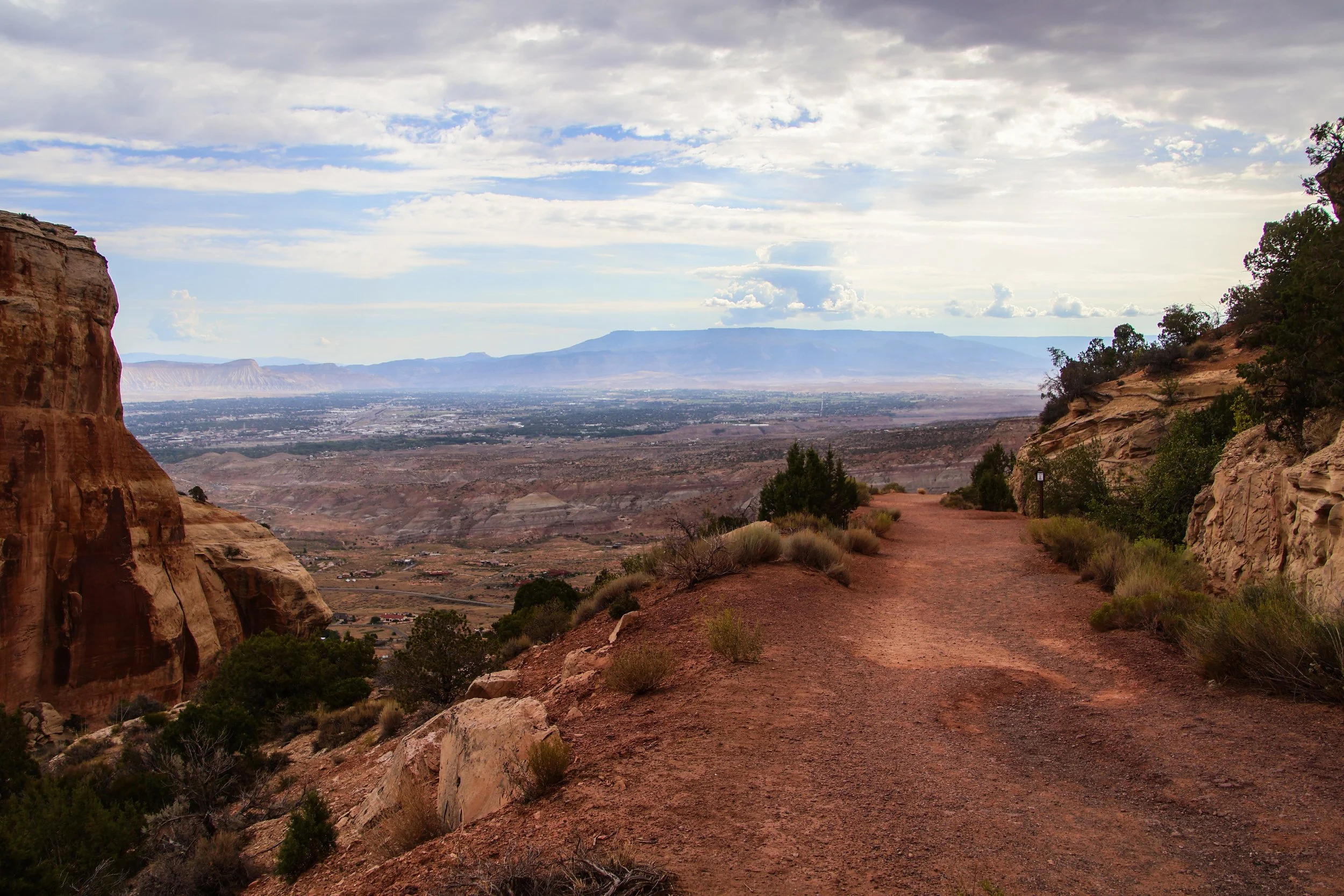
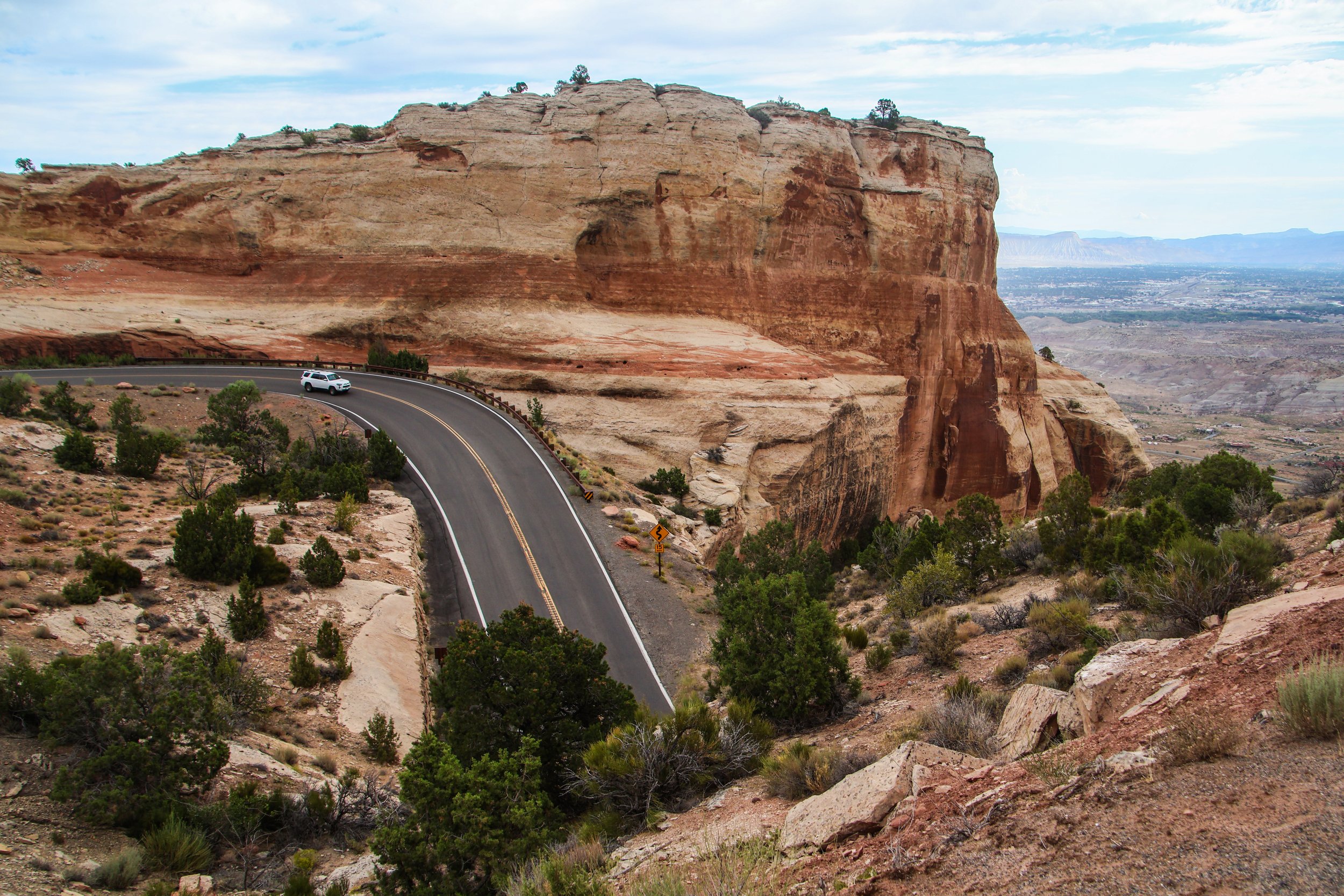
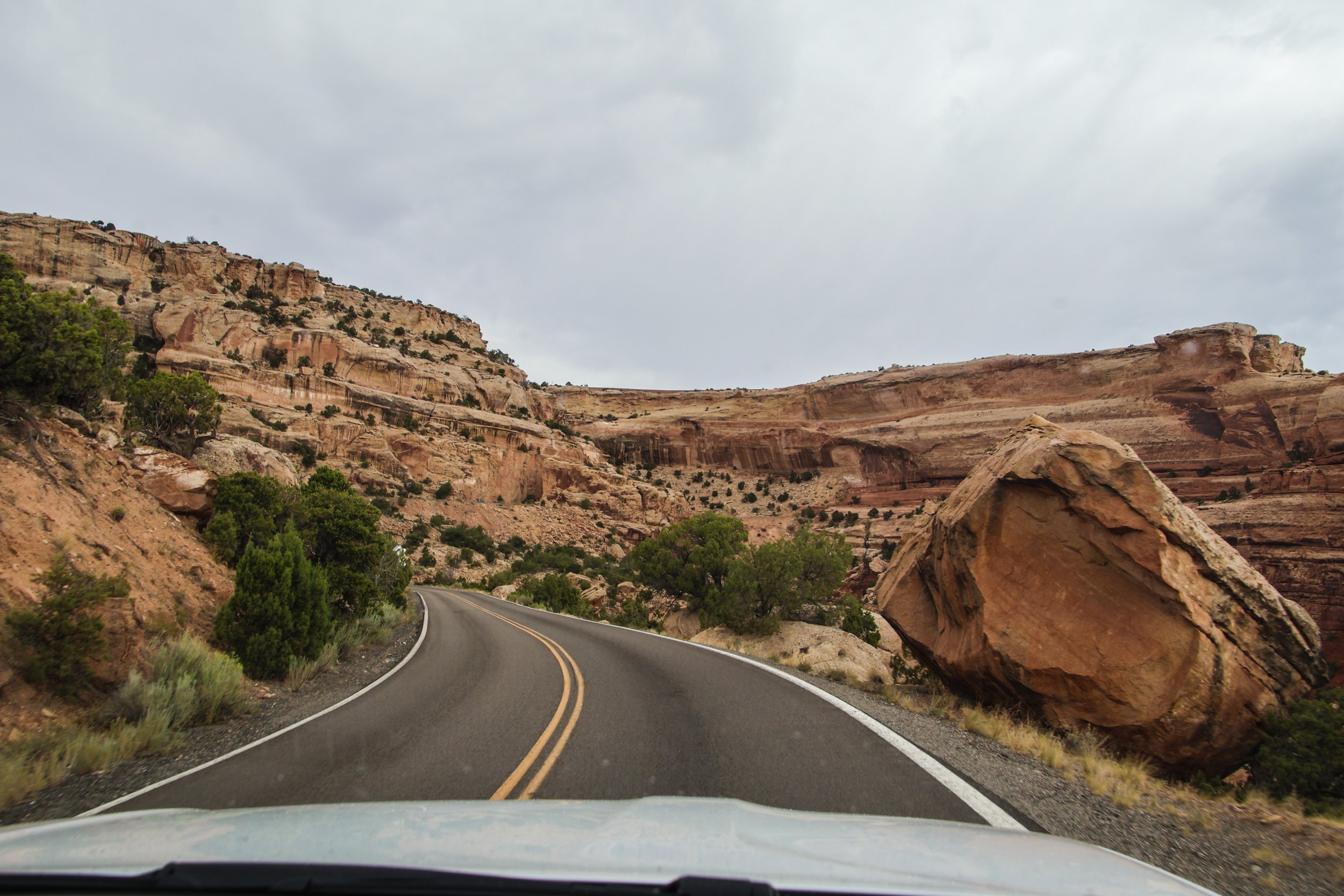
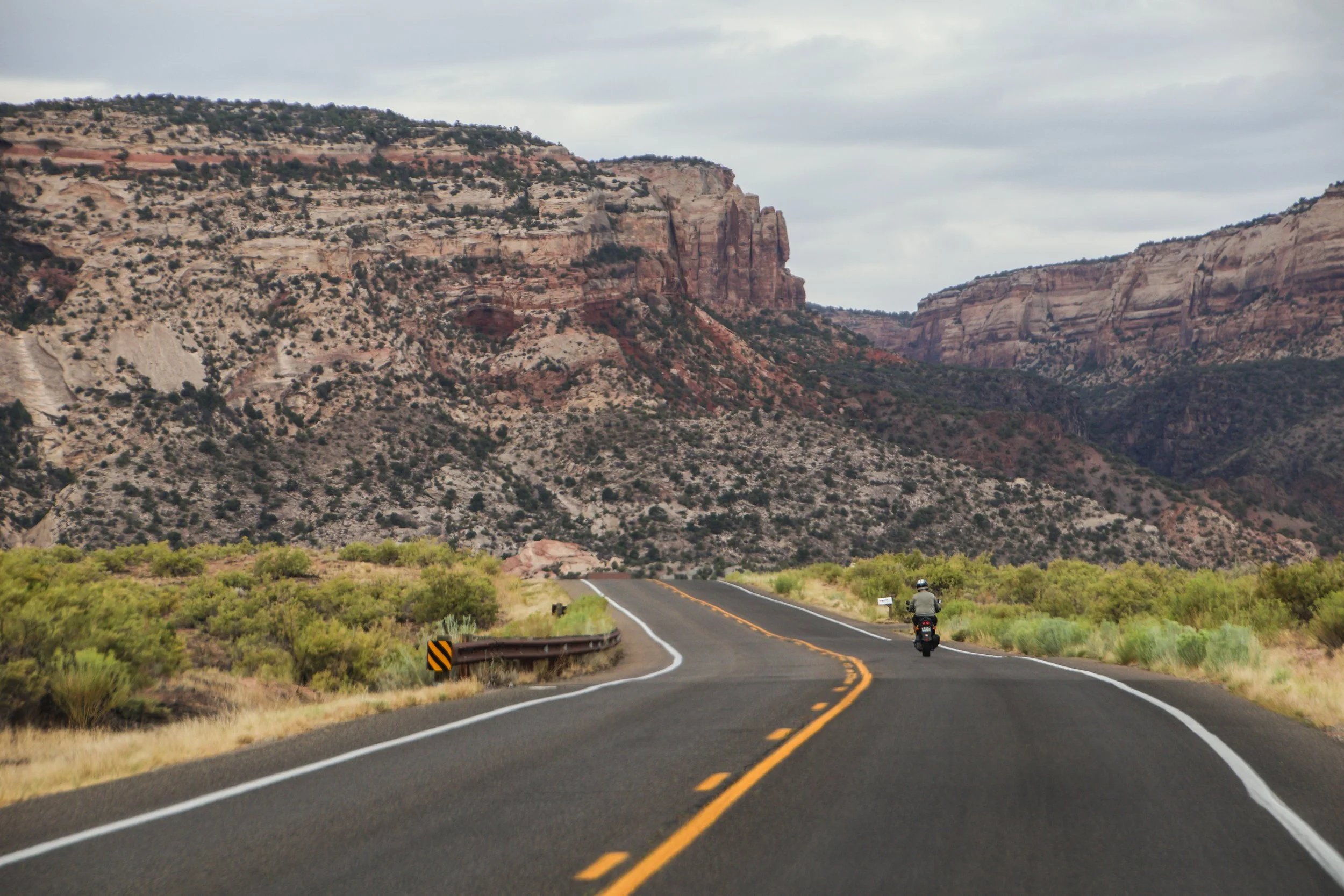
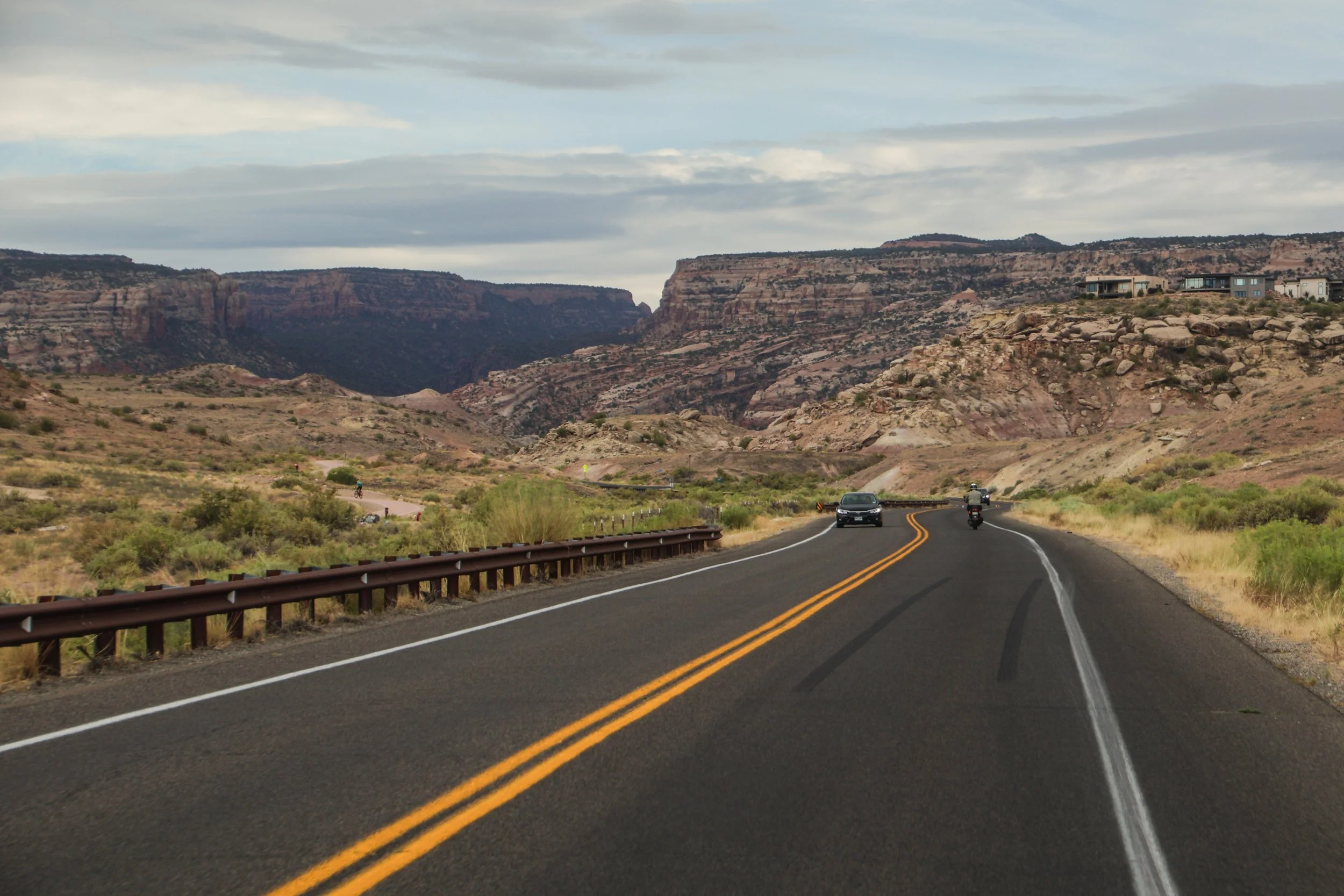
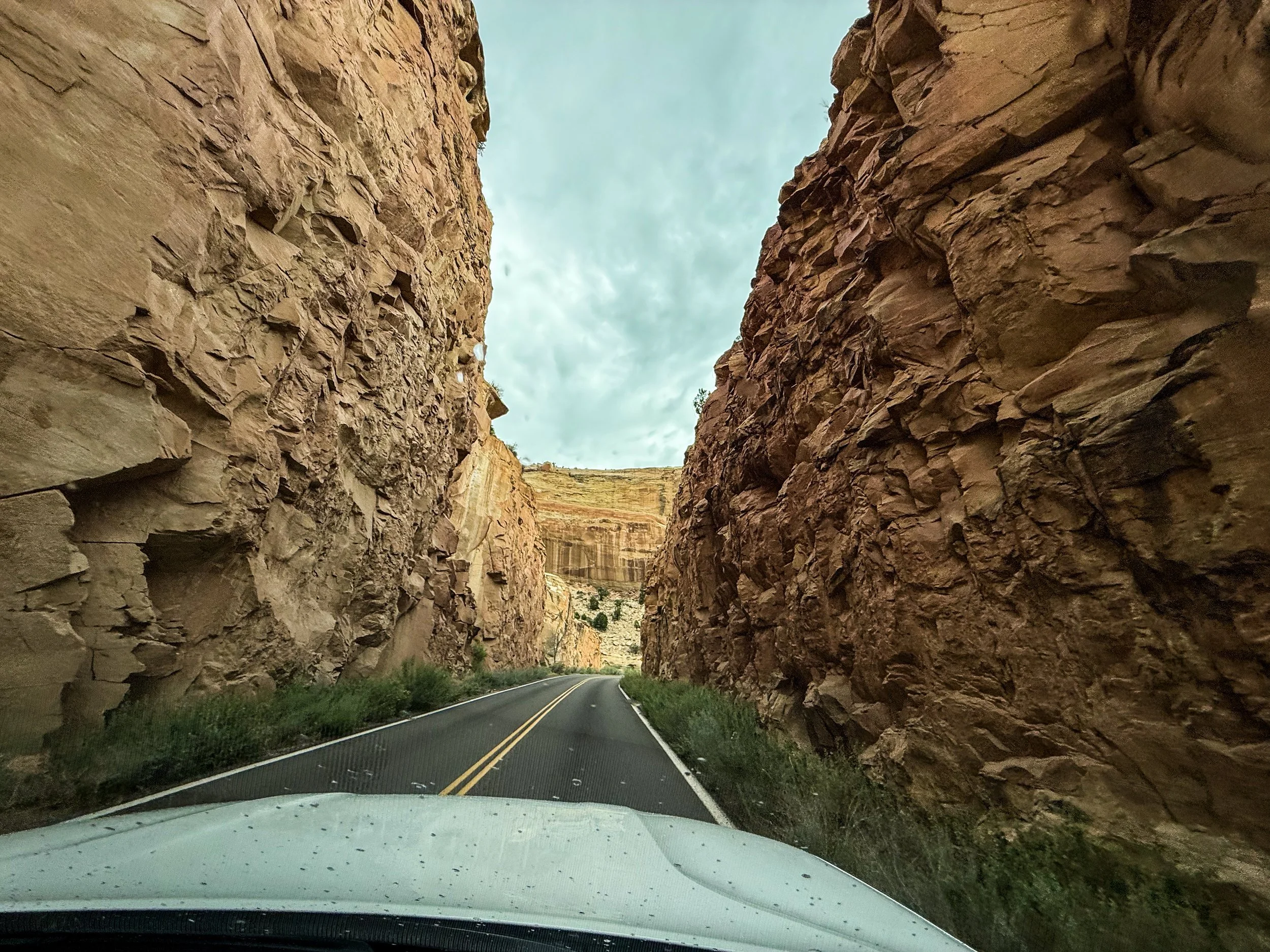
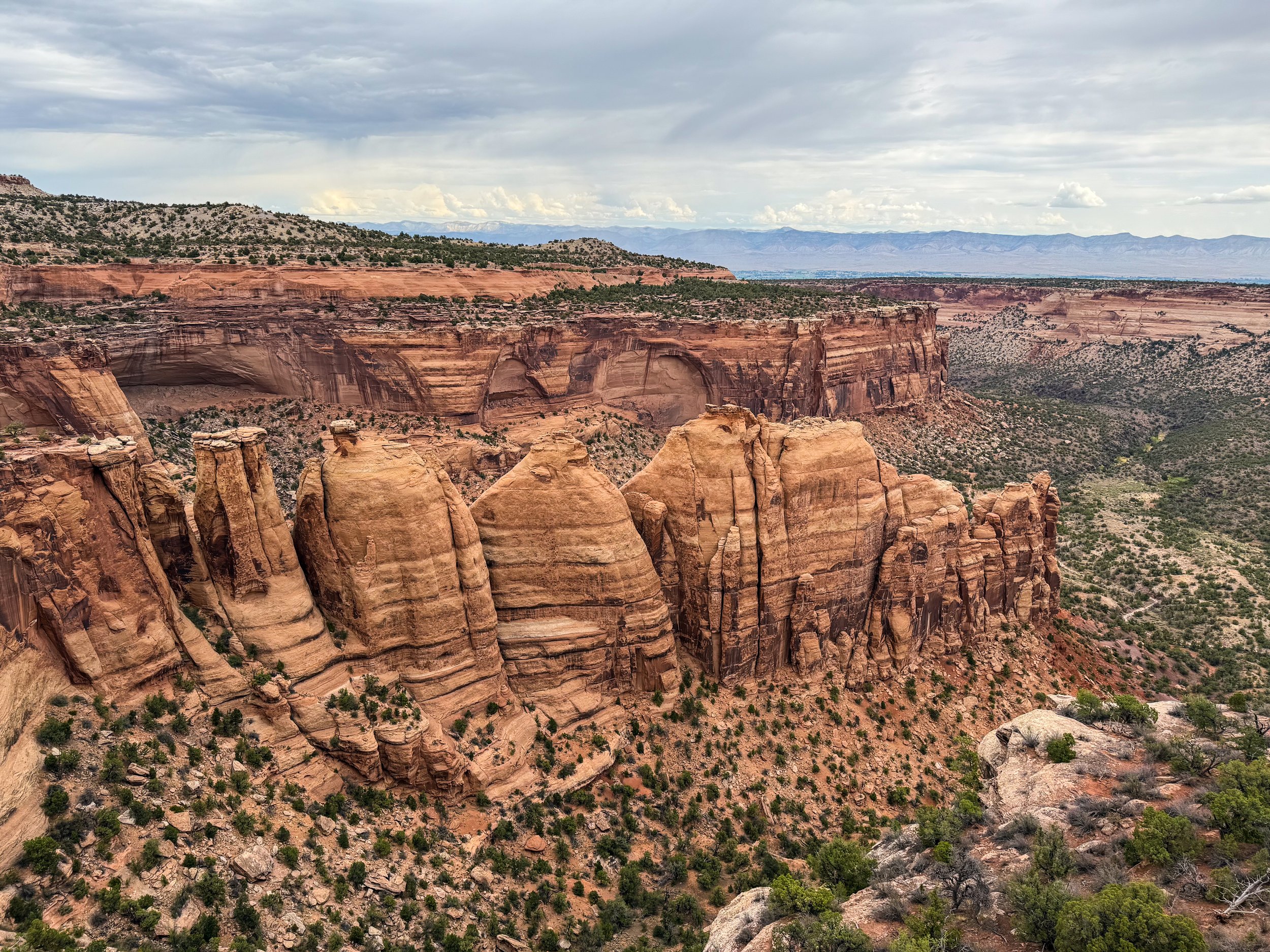
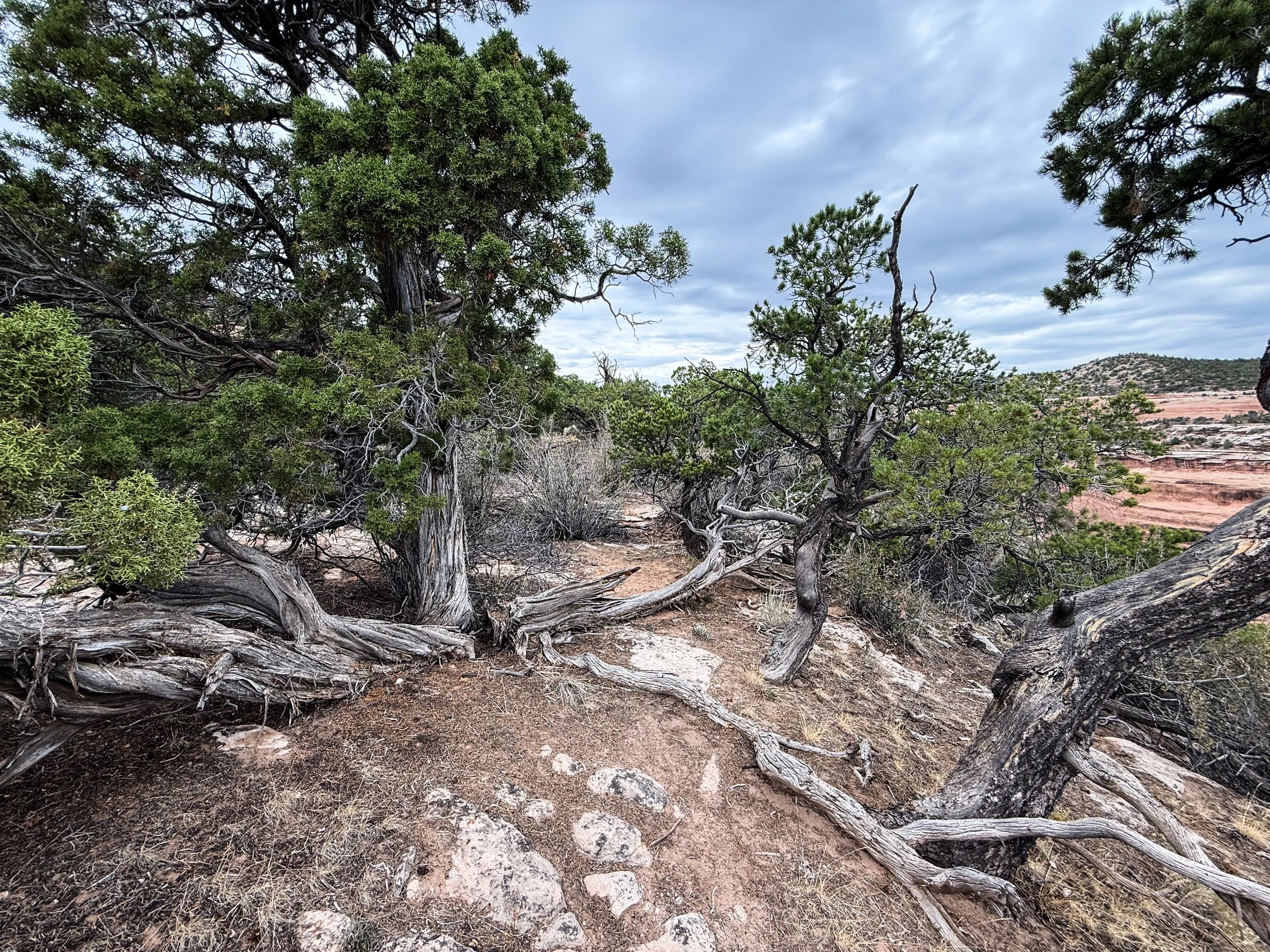
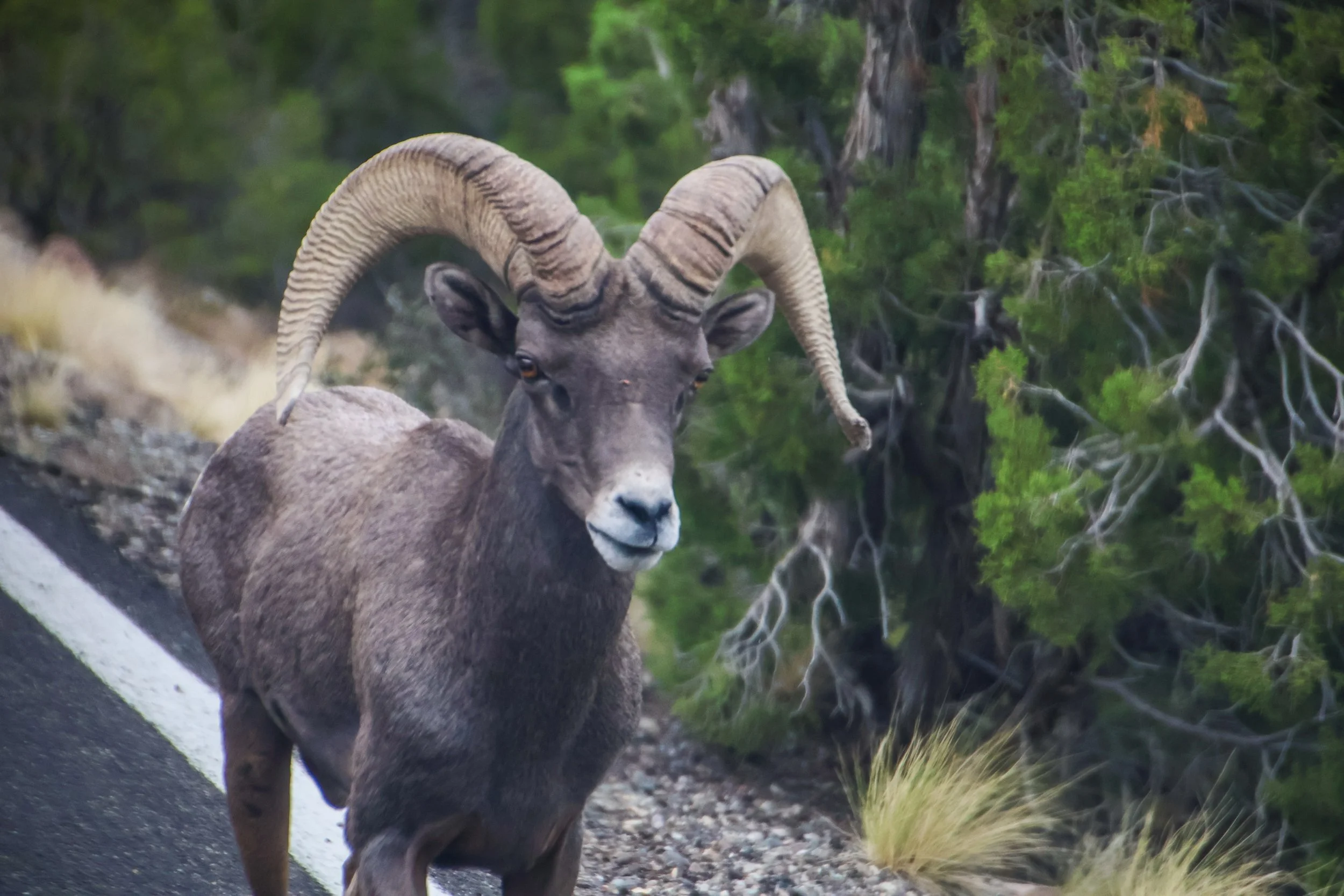
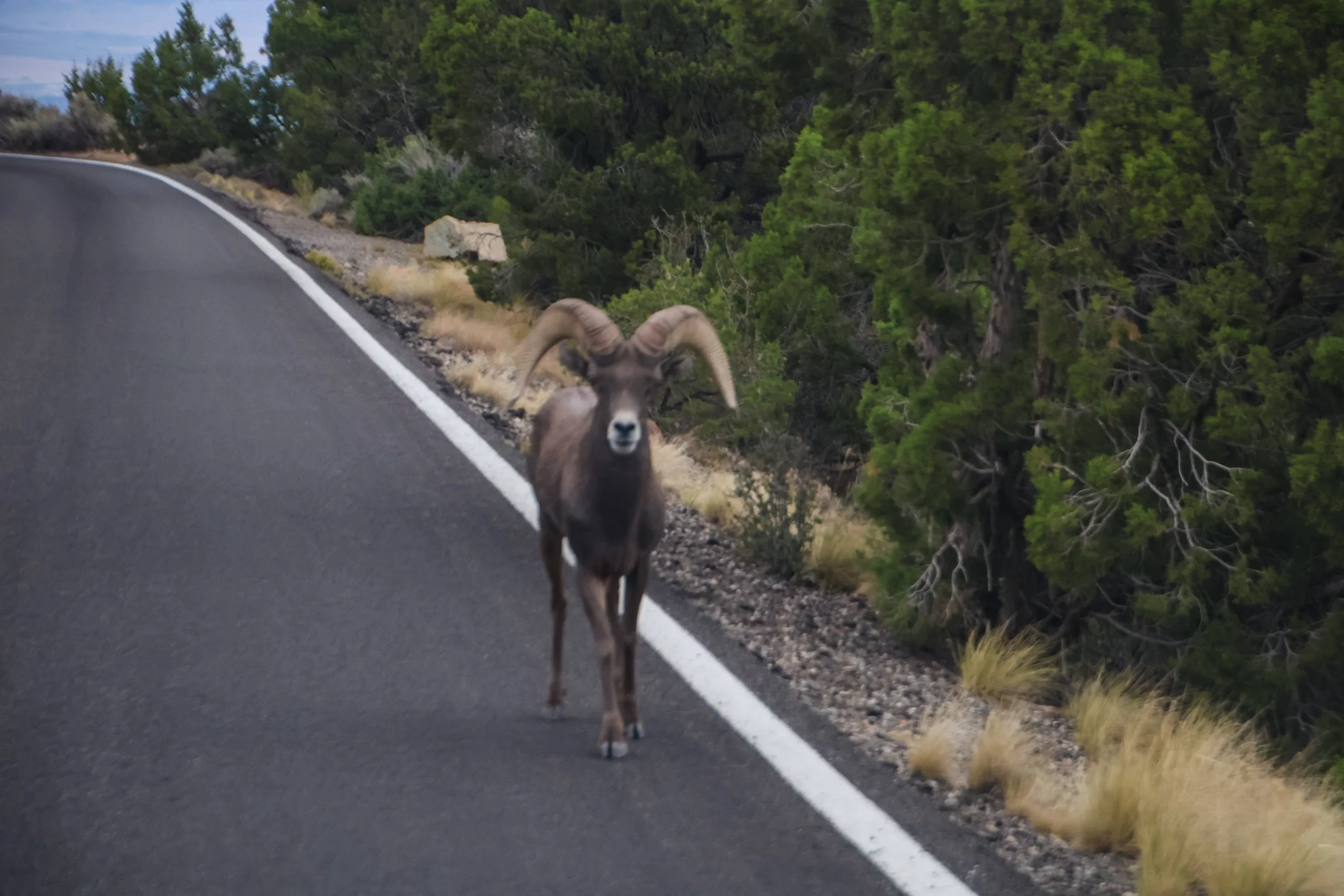
And in terms of wildlife, if you’re lucky, you might see some Big Horn Sheep! We saw some early-on in our drive, but I missed my chance to photograph them. I was frustrated… until we turned a corner and saw this bad boy right on the road. I’ll take it!
The Town of Grand Junction
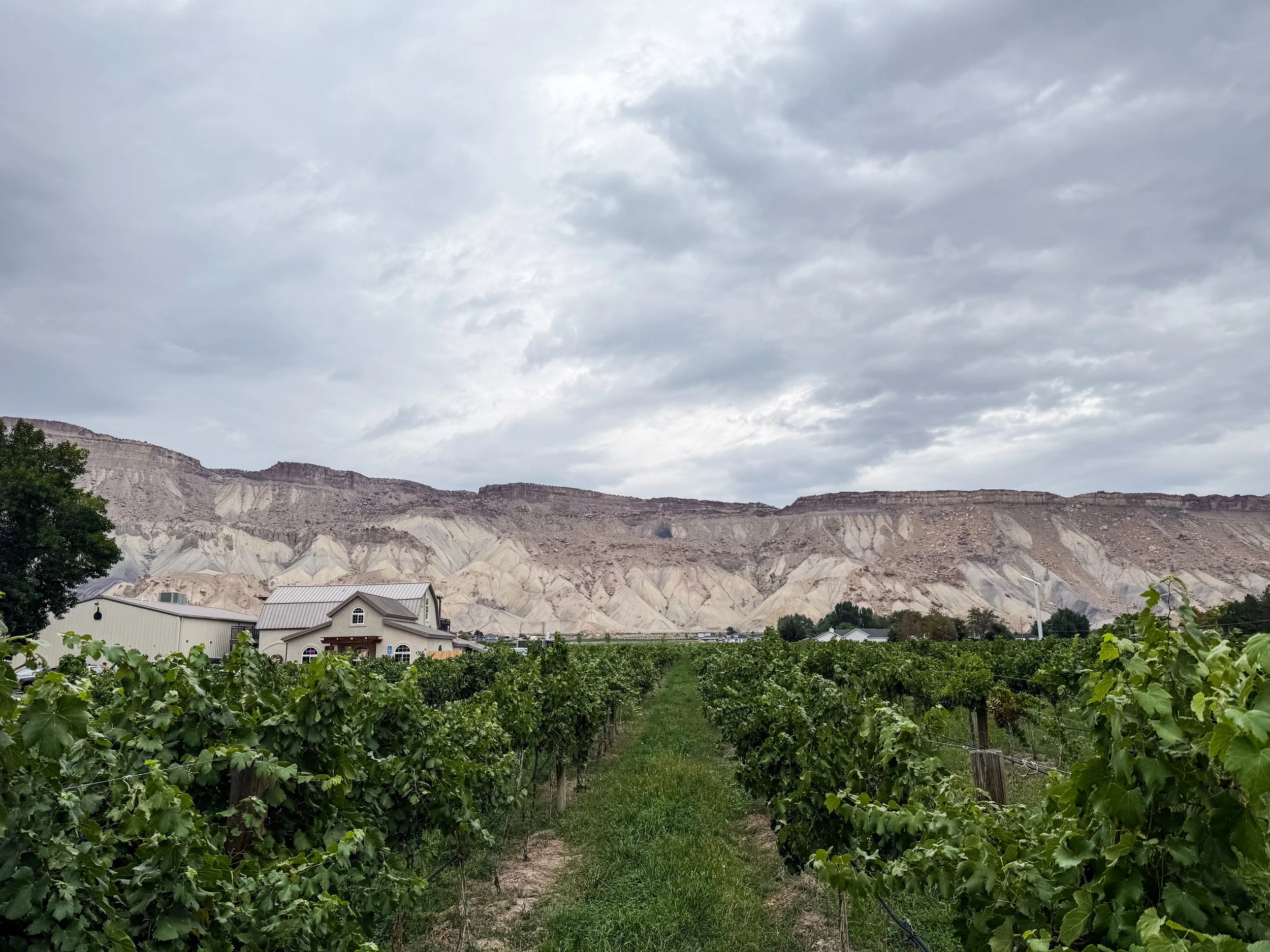
Okay let’s talk about the actual town of Grand Junction. As you’ve now seen, this is not going to have the lush, Rocky Mountain greenery you might picture when you think of Colorado. Once you get over the Continental Divide, you are officially in “the Wild West”, in all its vast, expansive, barren dryness. This town feels just one step removed from the desert! And the town clearly reflects this, with its low-rise buildings and earthy, red brick tones. While Grand Junction does carry some name recognition, this is not one of Colorado’s fashionable towns with upscale shopping like Aspen, Vale, or Boulder. This is a real place! What tourist shops it does have largely lean into the kitschy Southwestern trinket culture, so plan your stay accordingly. We did a one walk around “downtown” and that was more than enough.
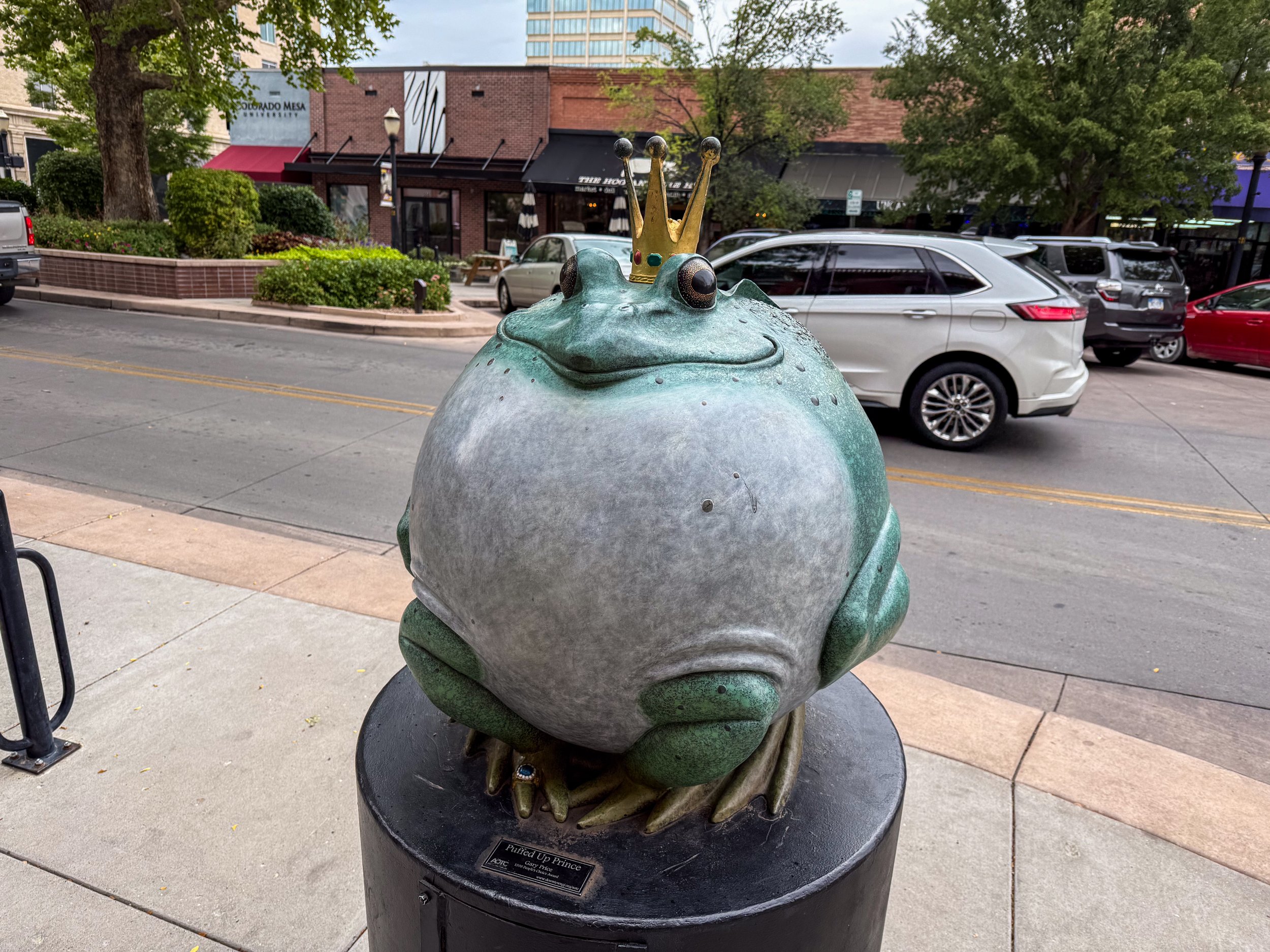
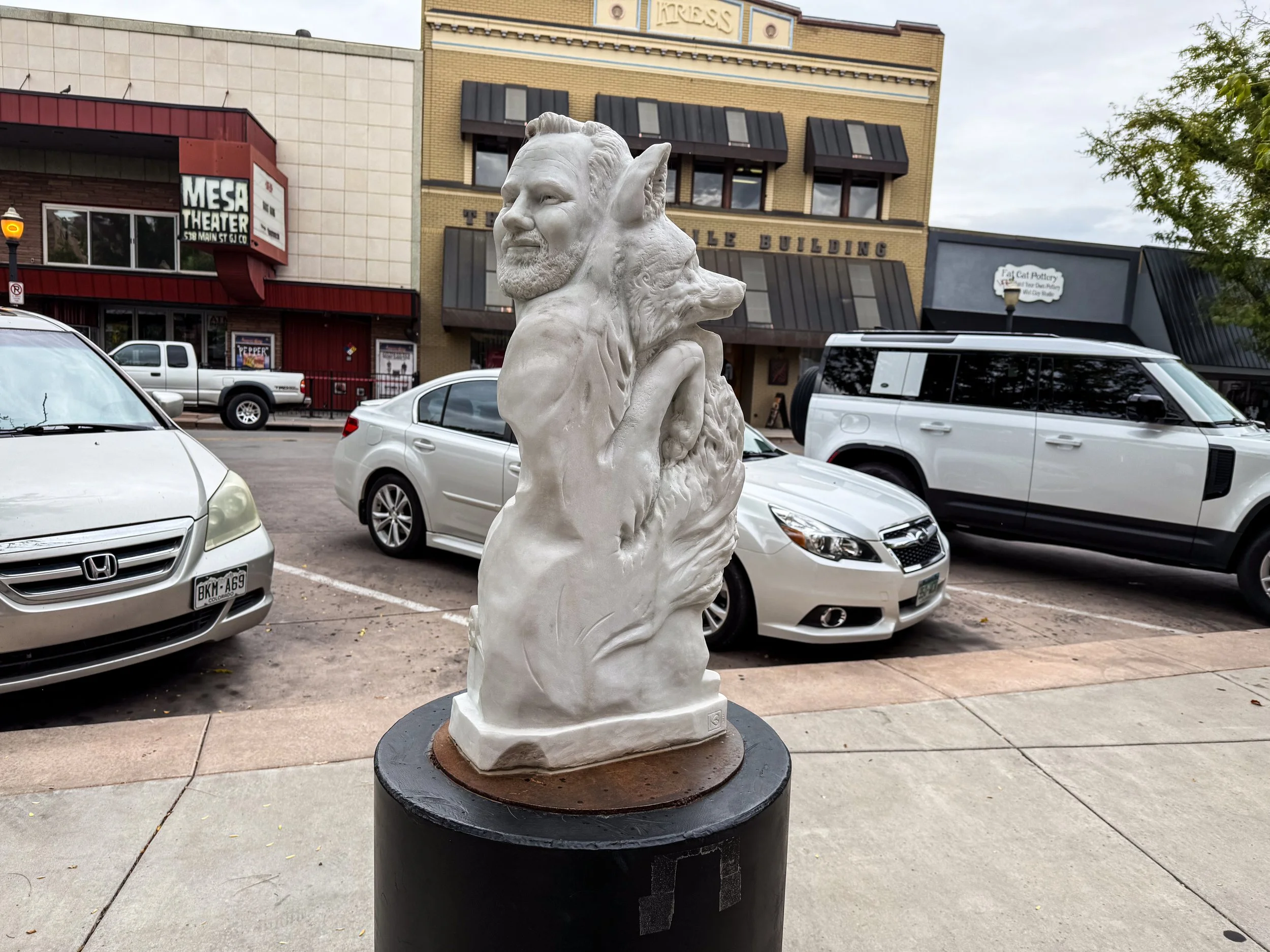
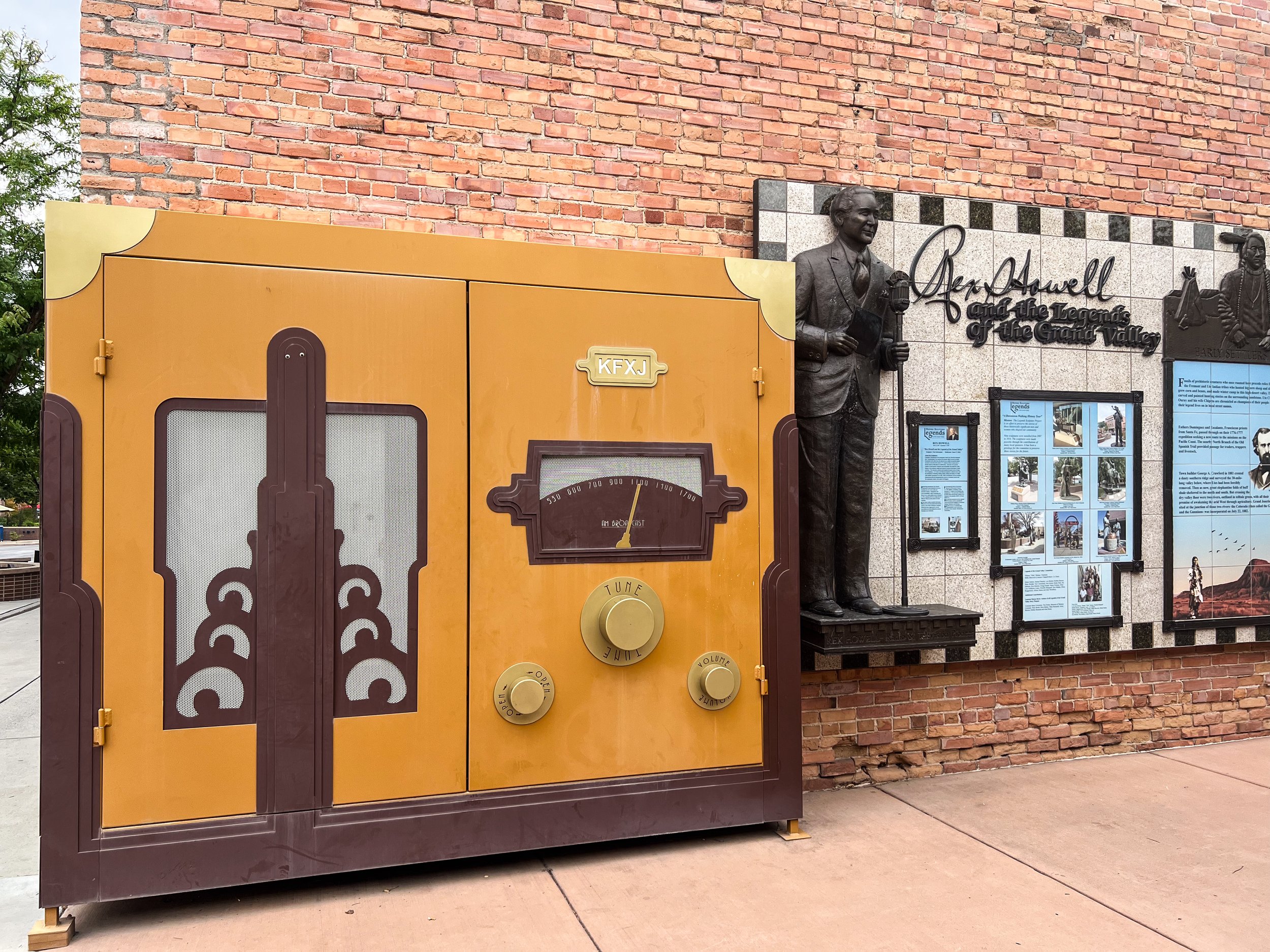
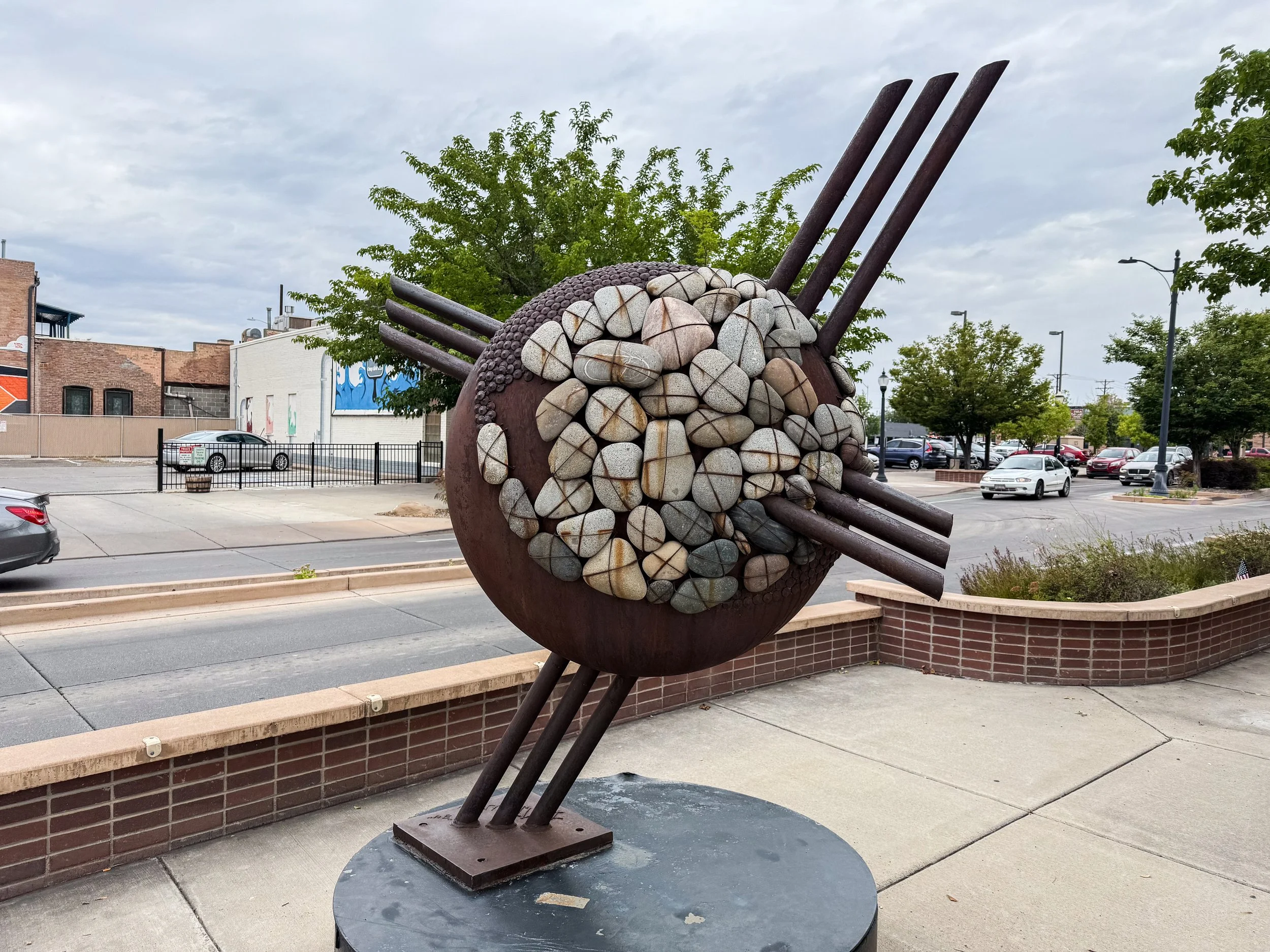
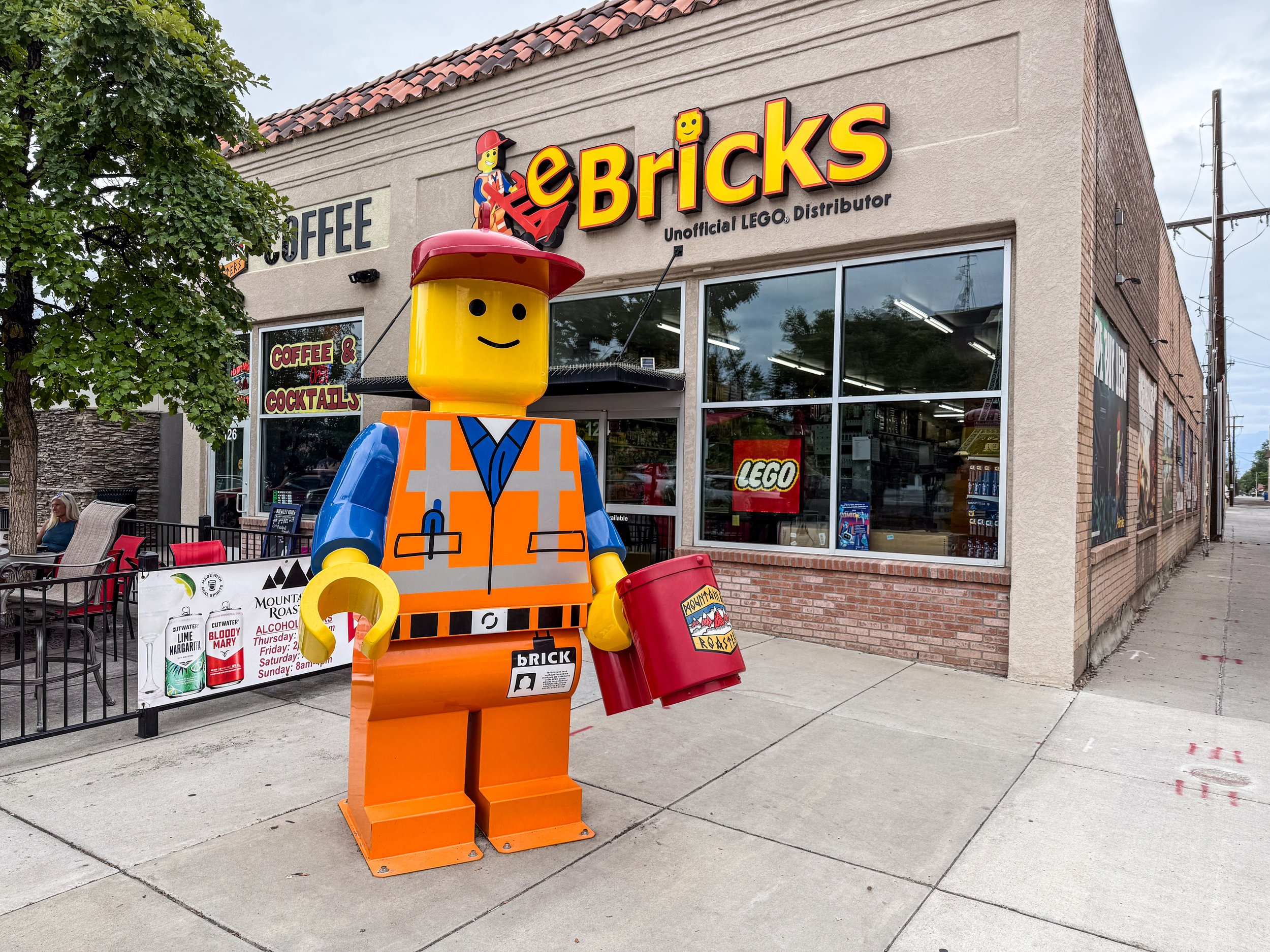
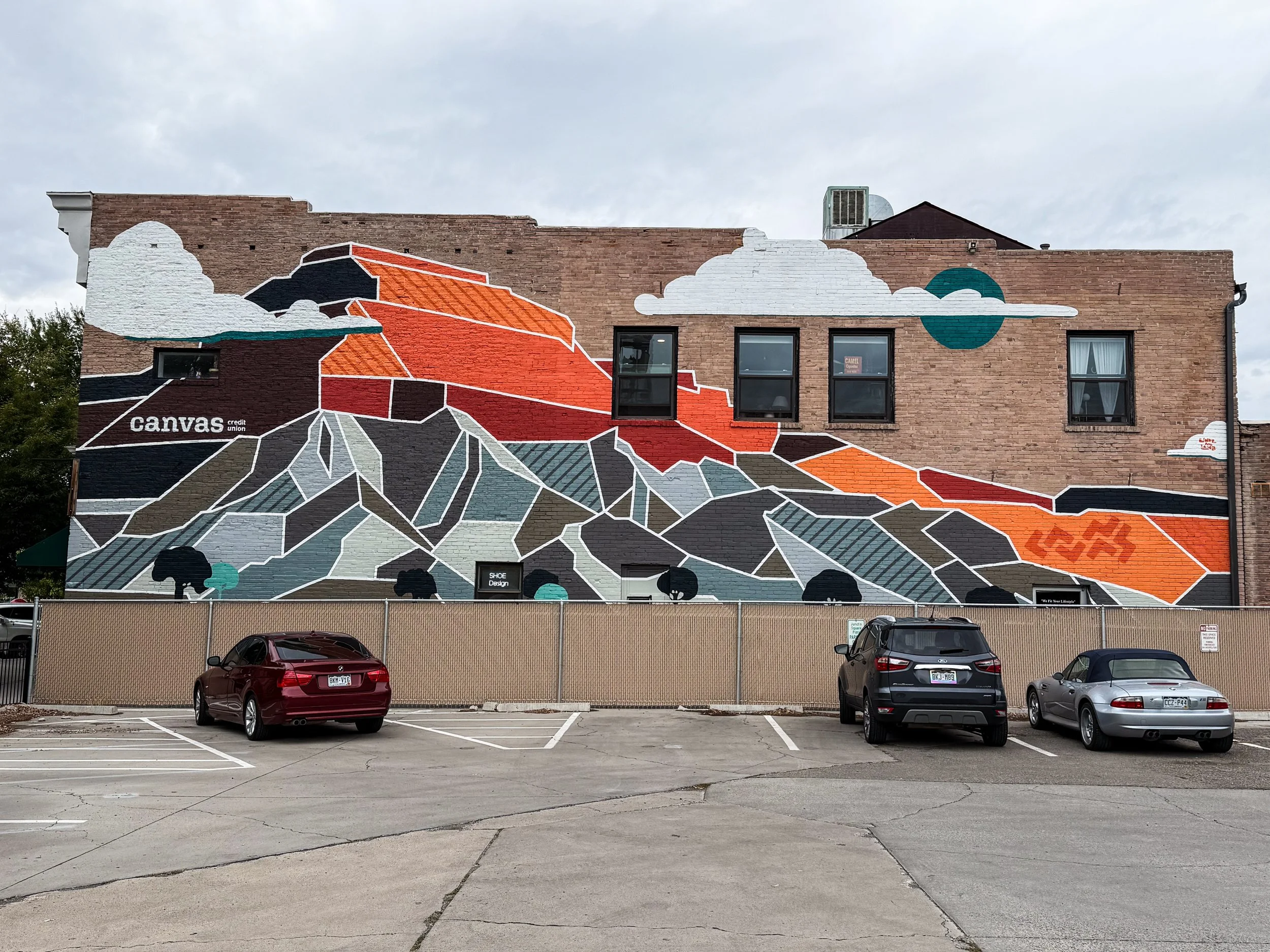
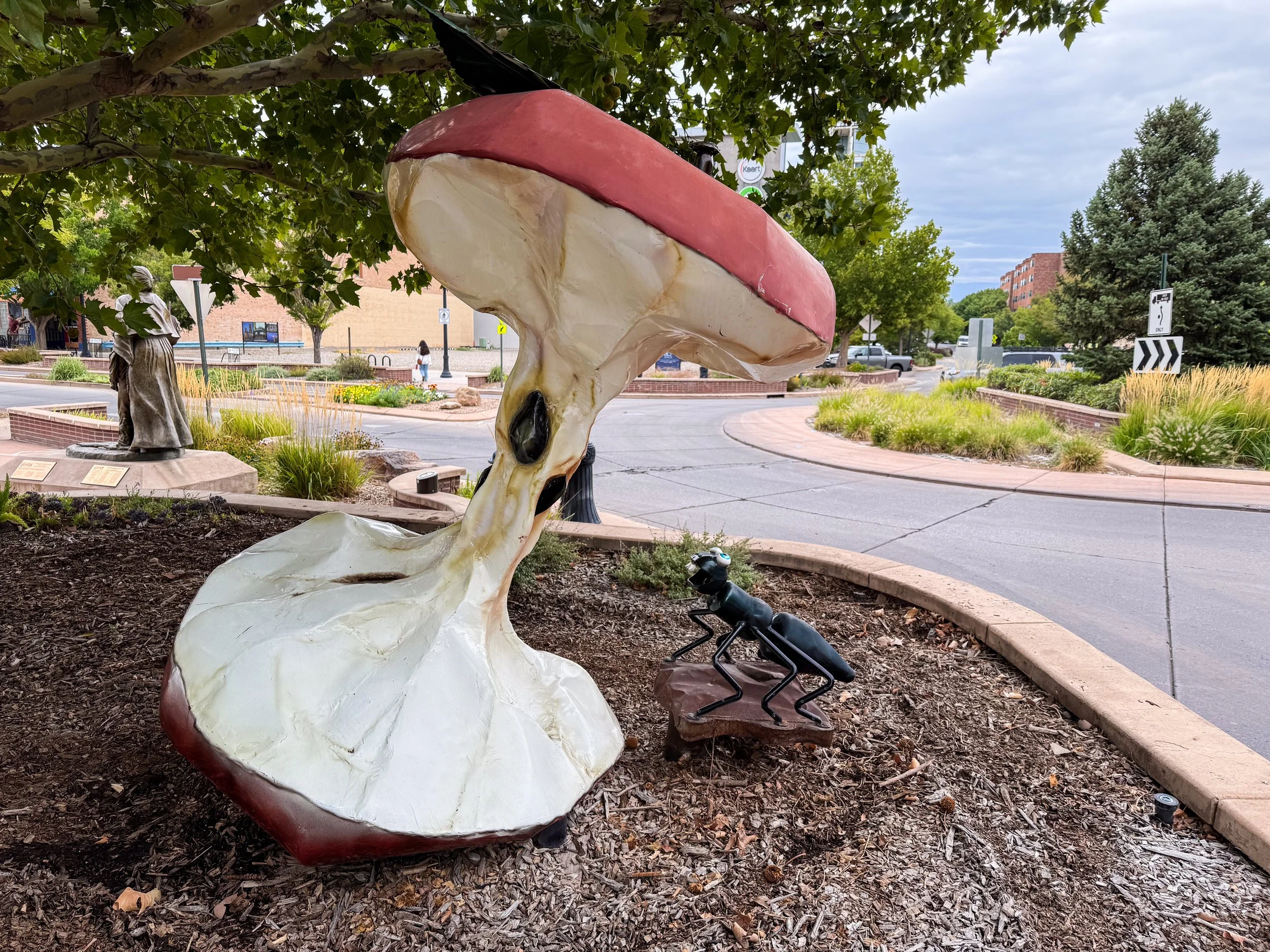
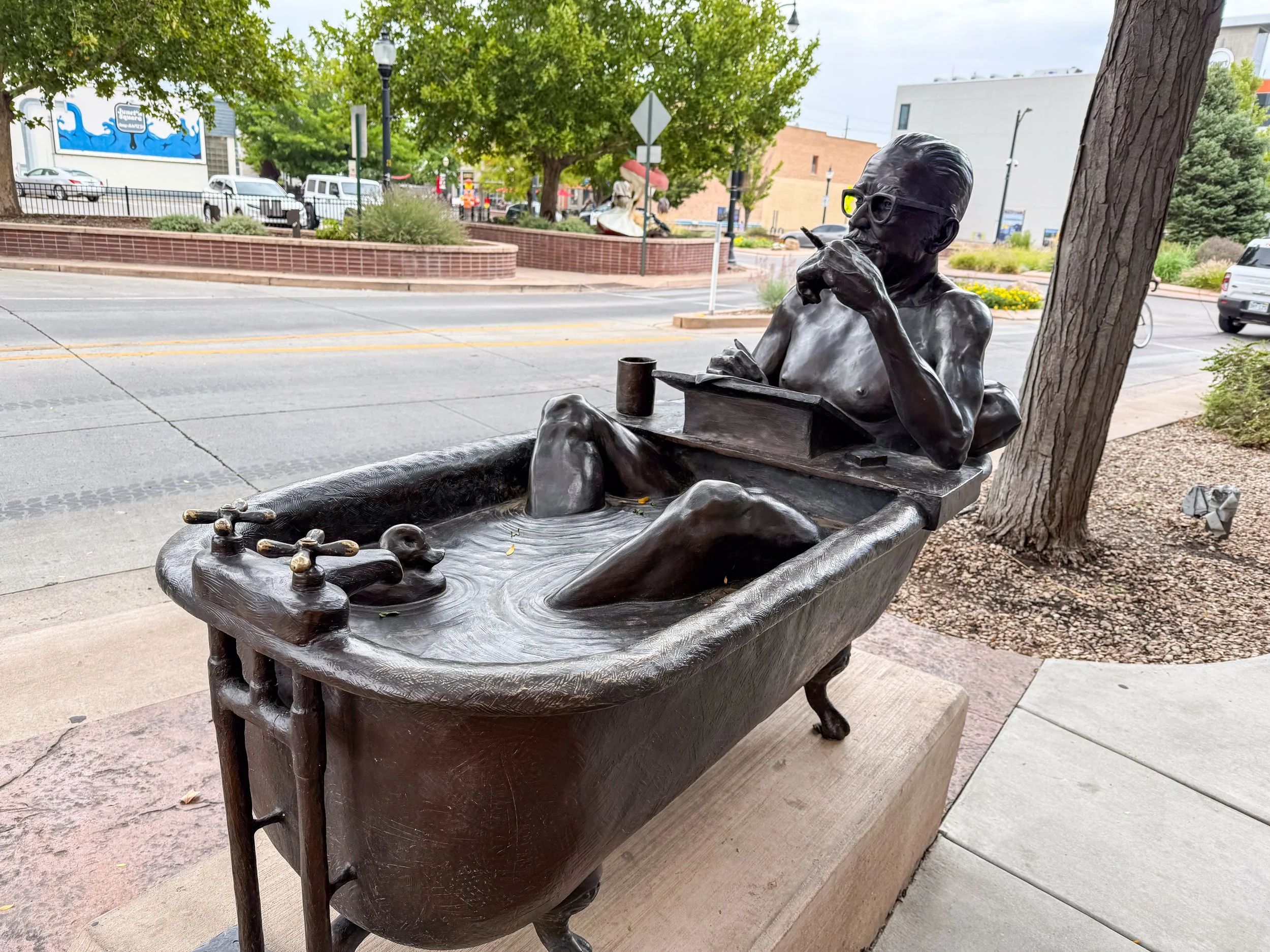
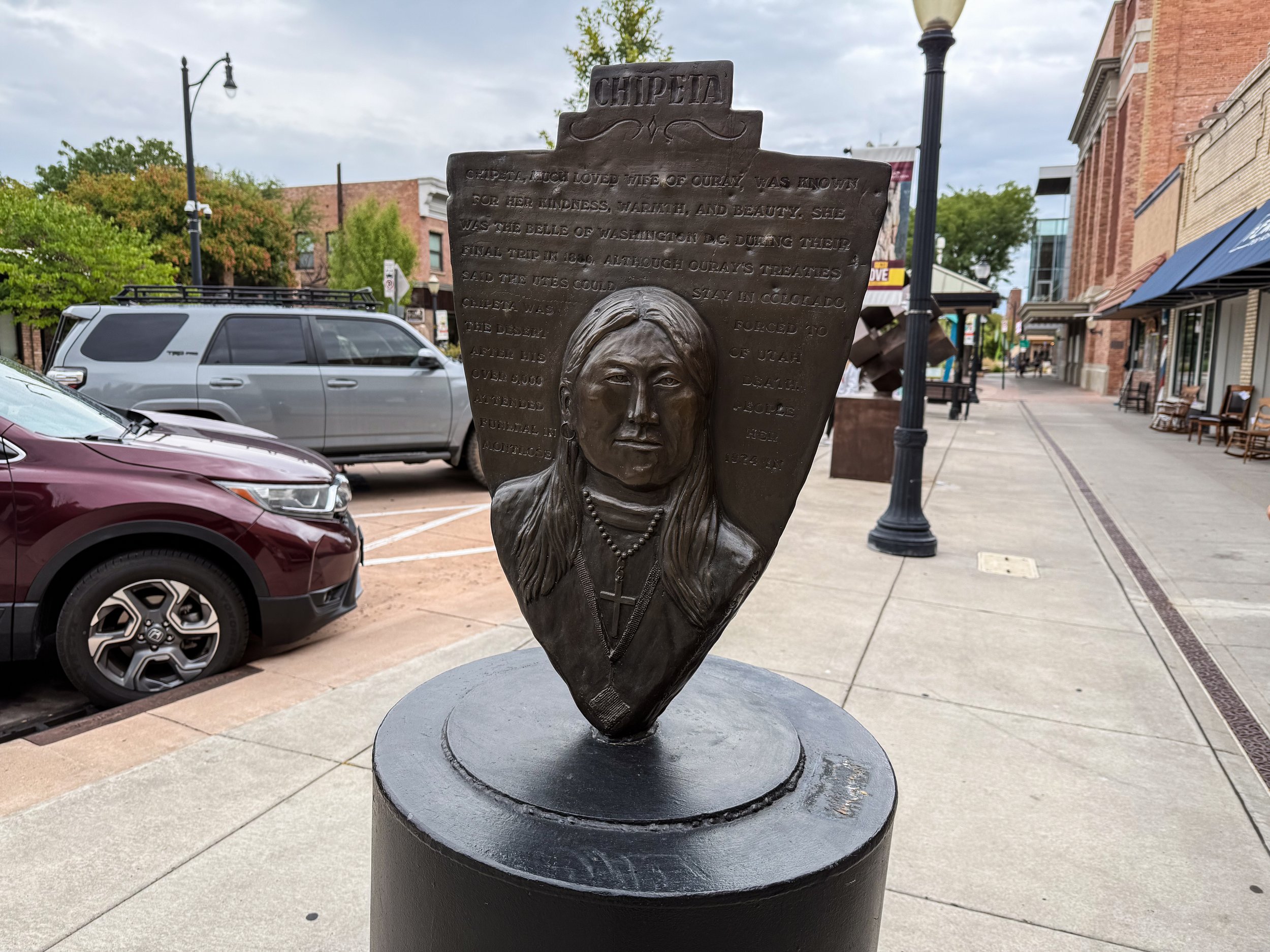
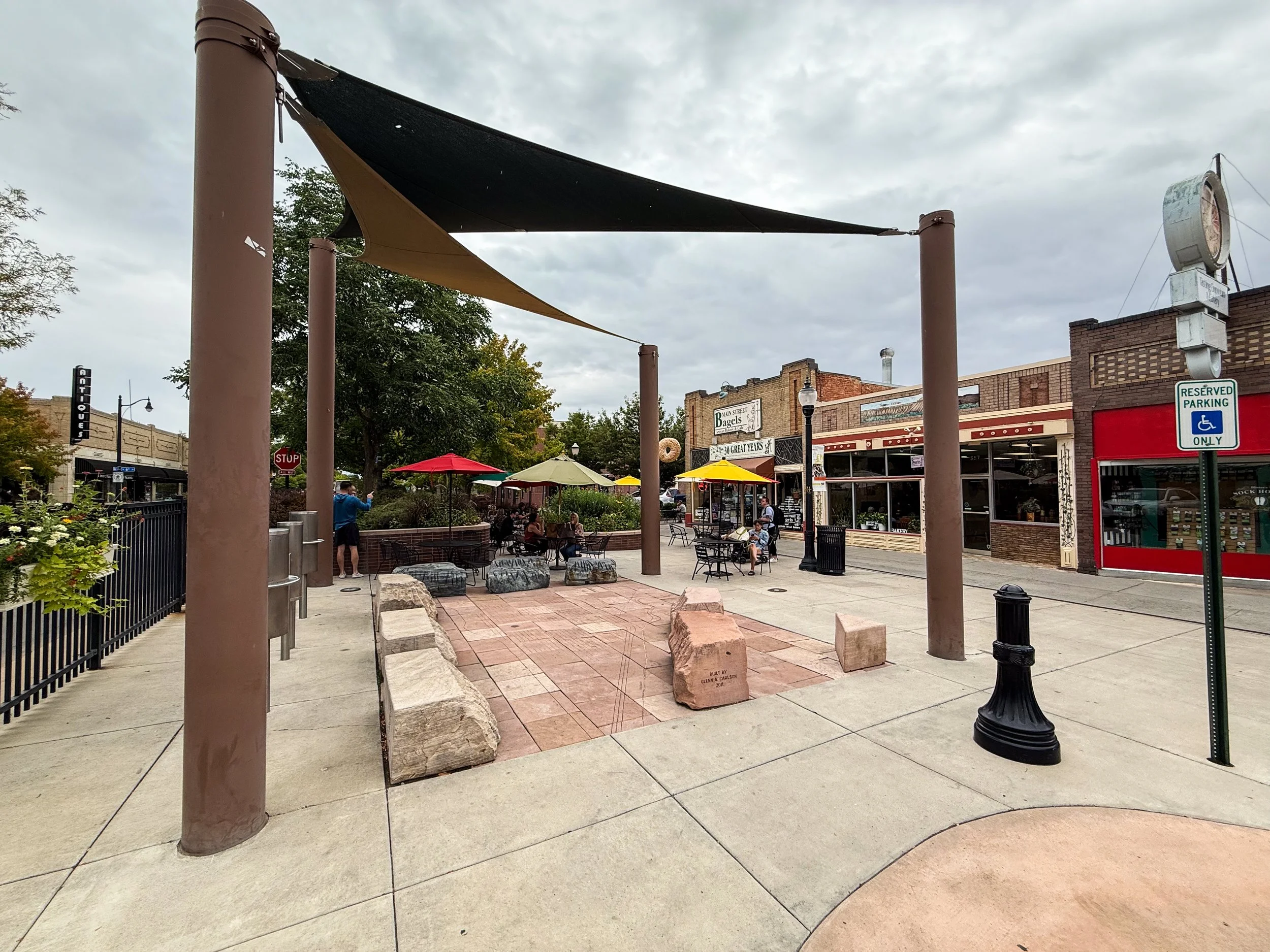
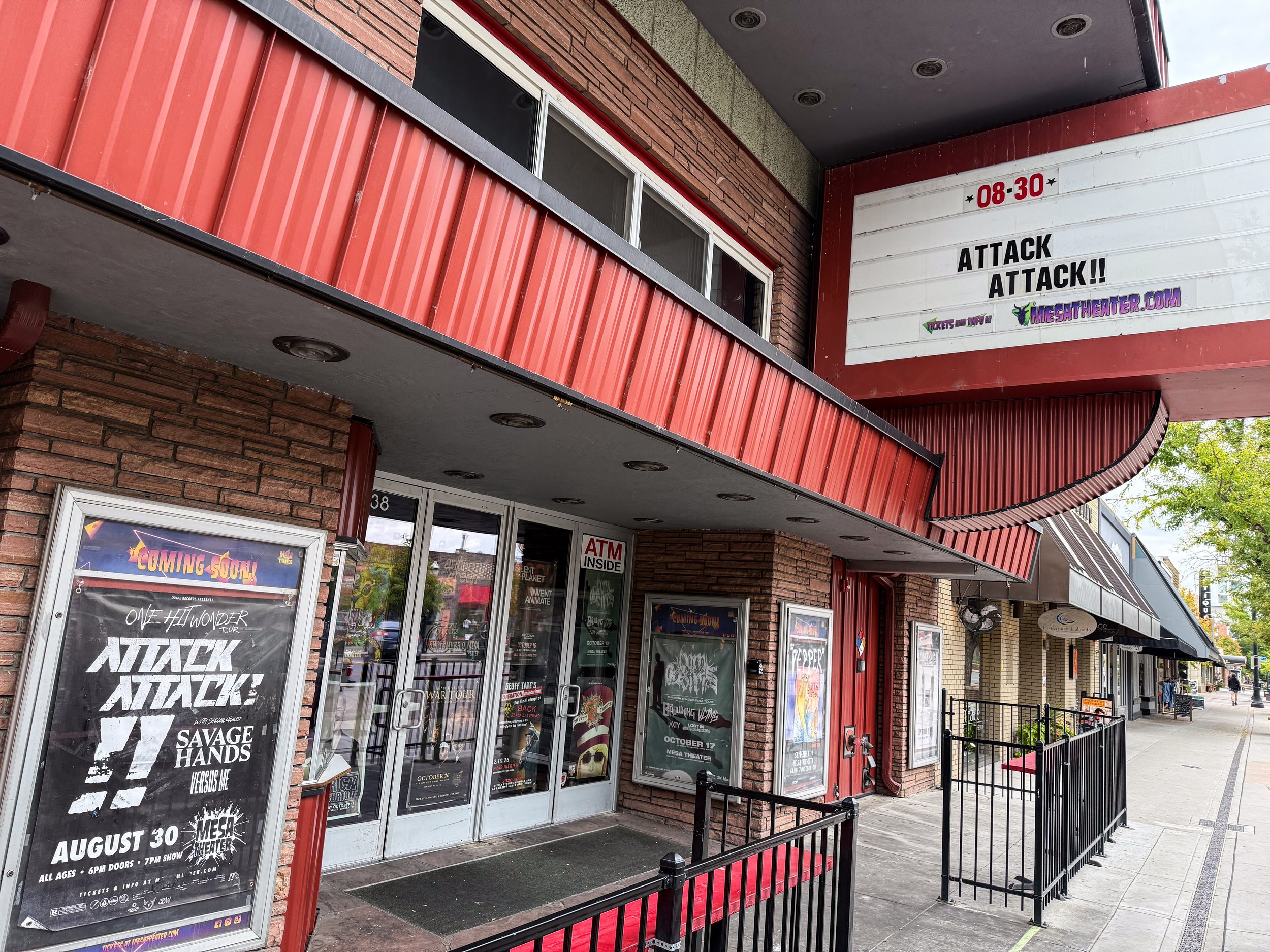
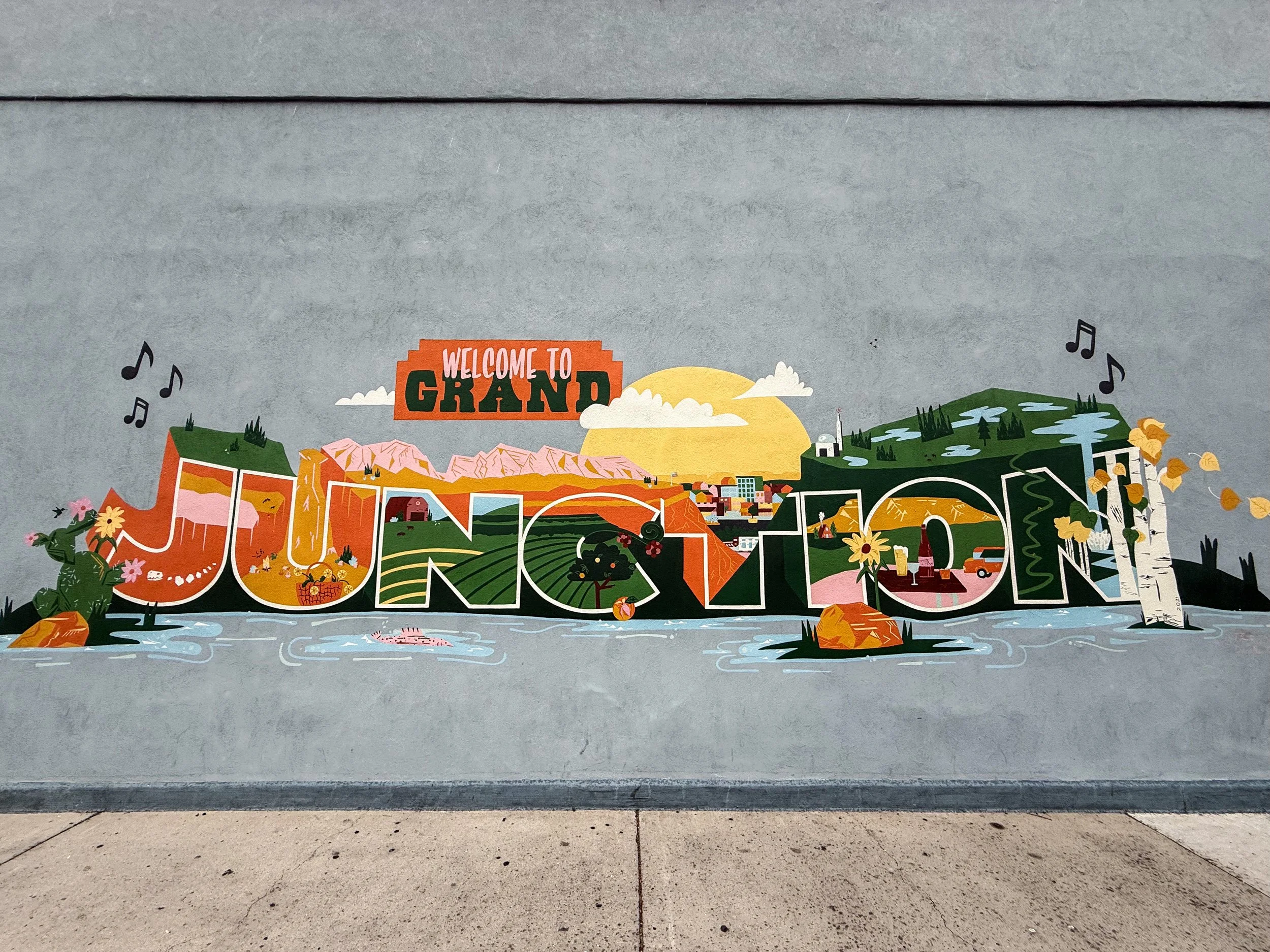
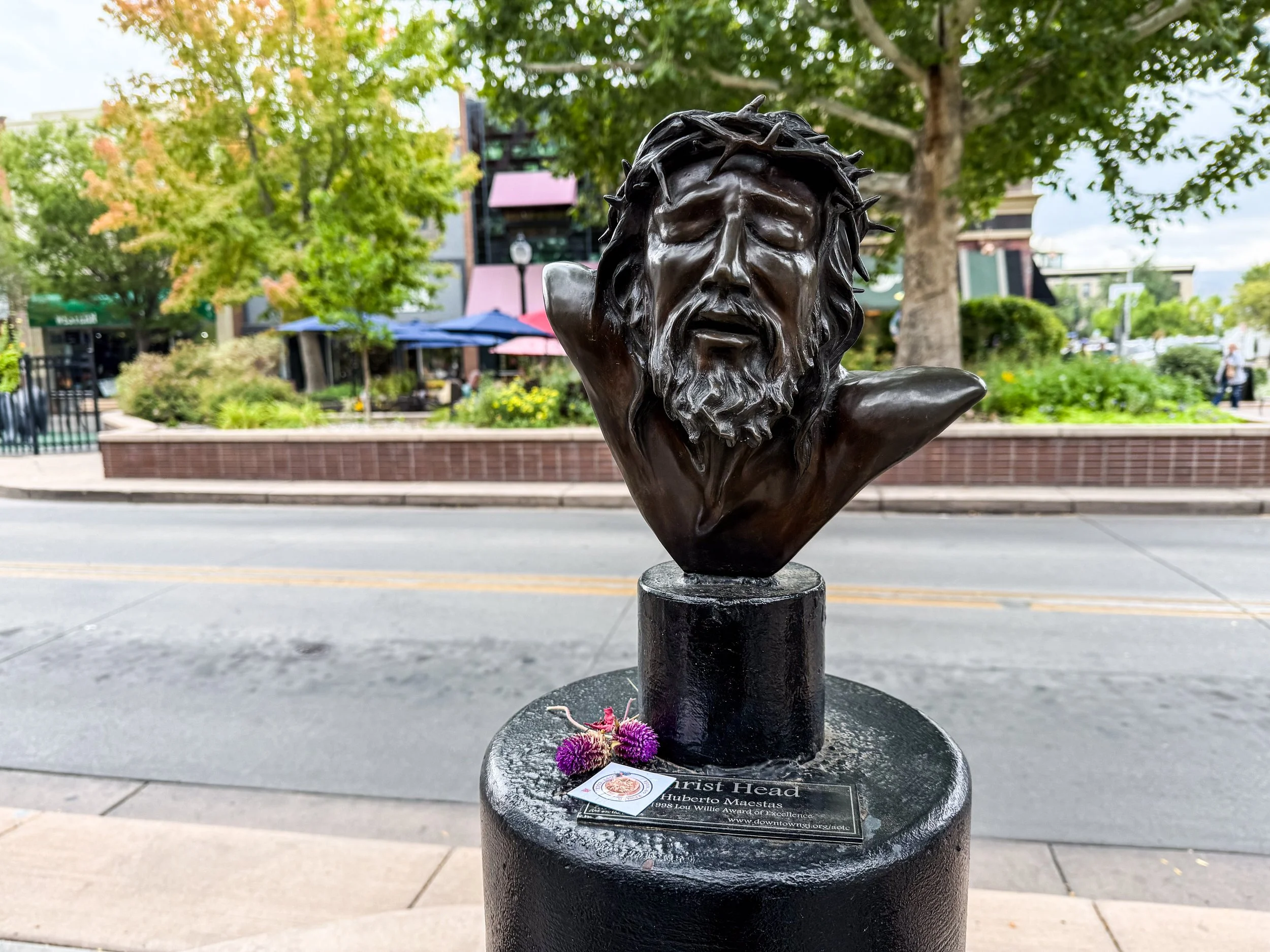
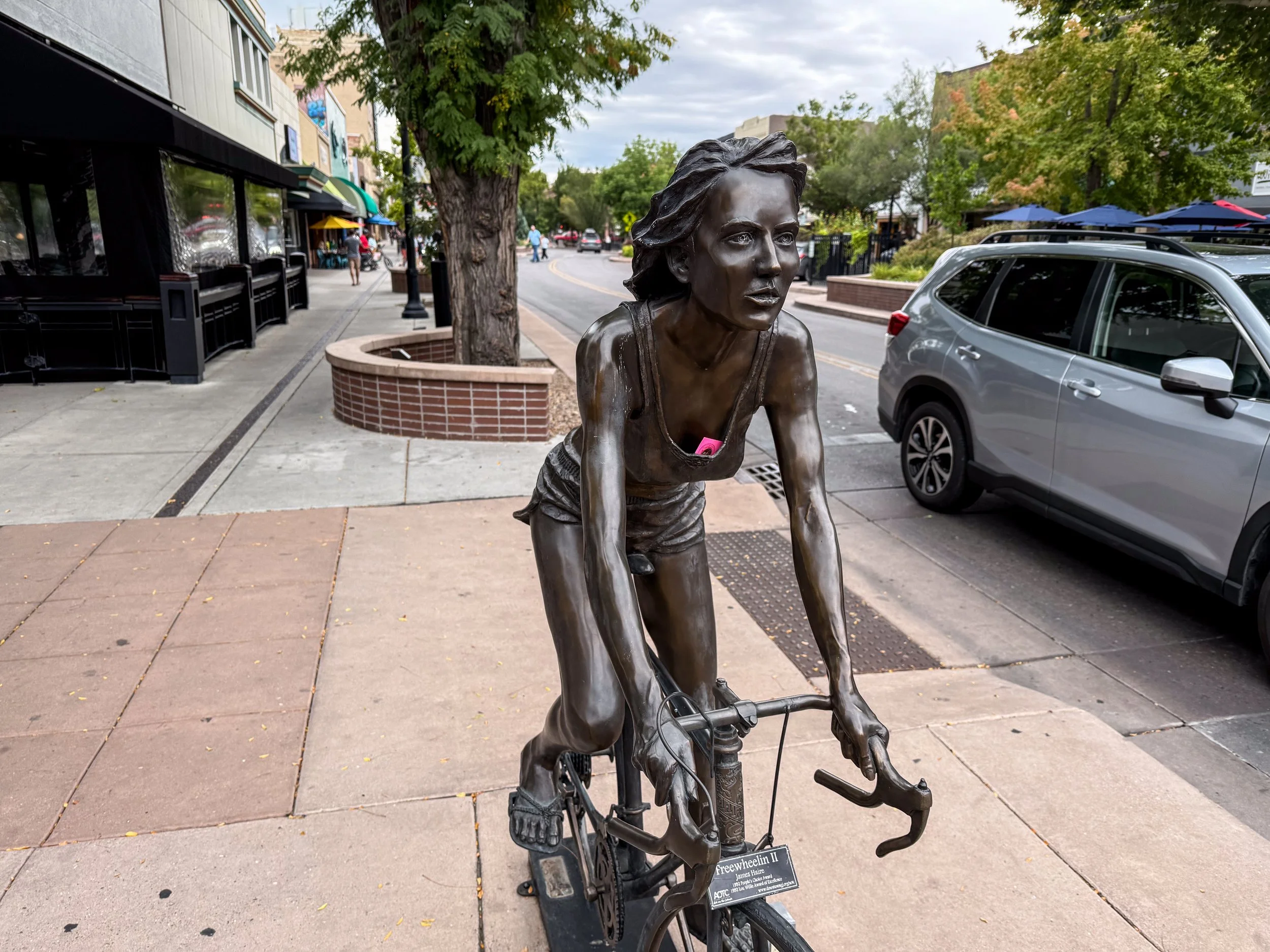
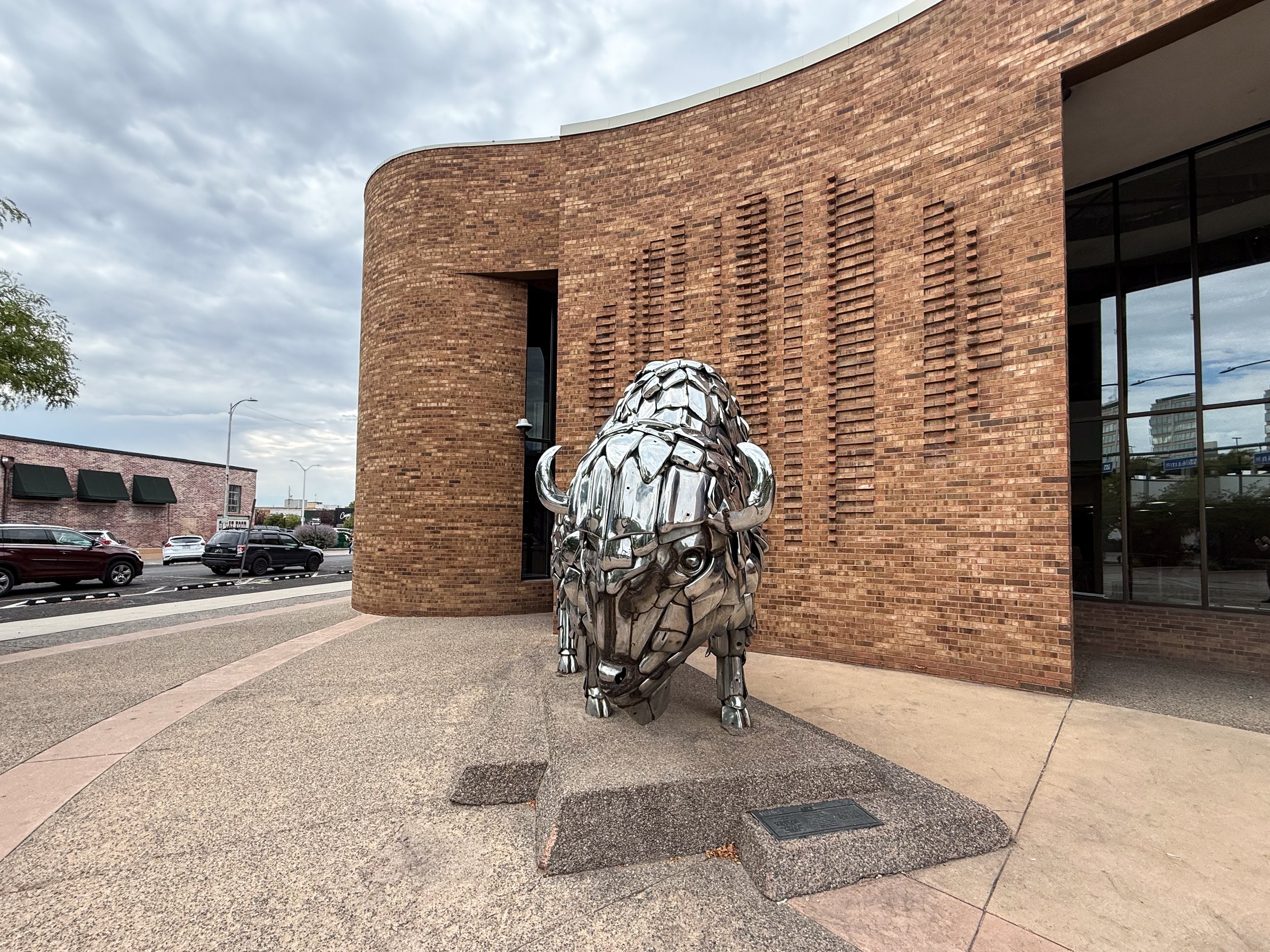
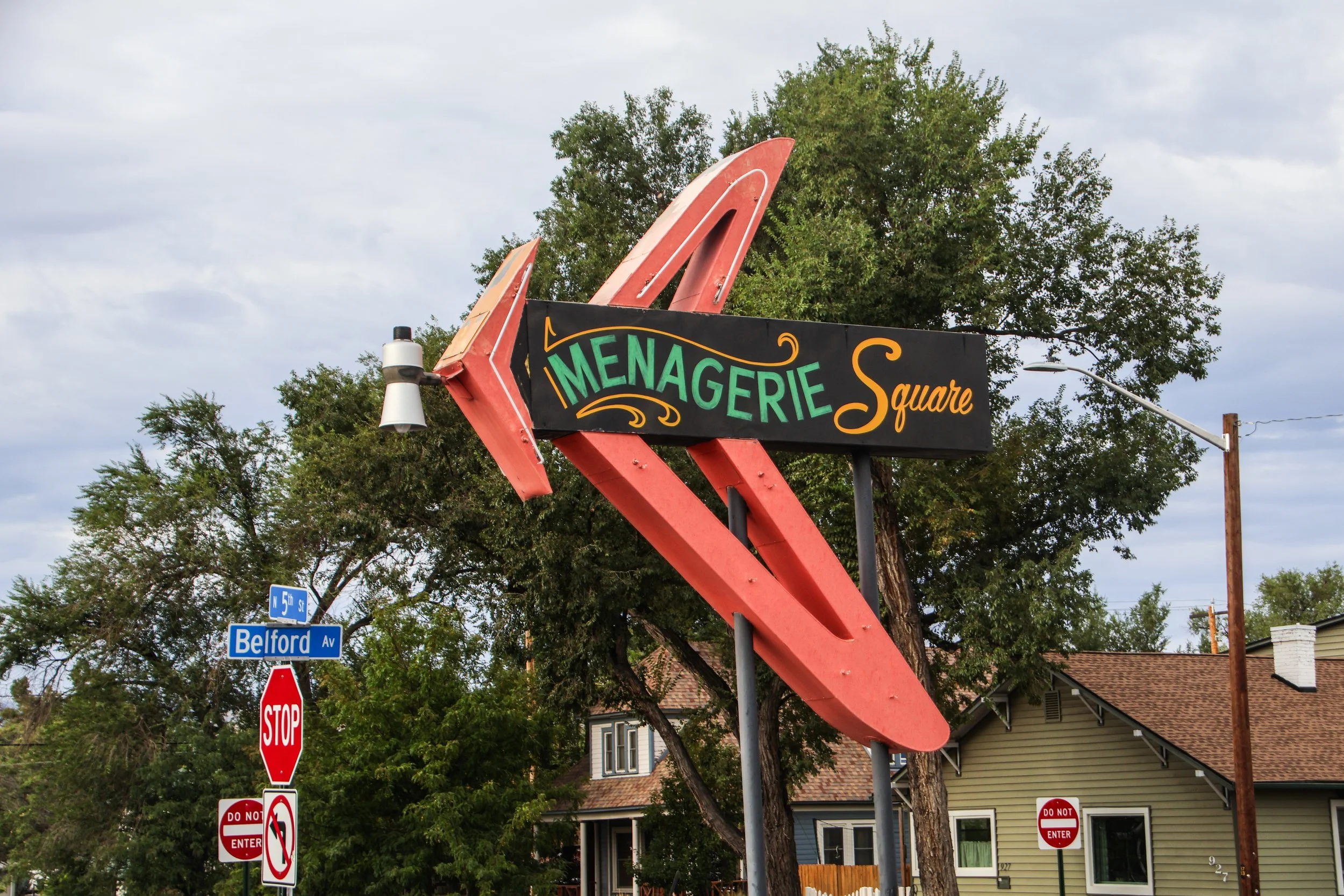
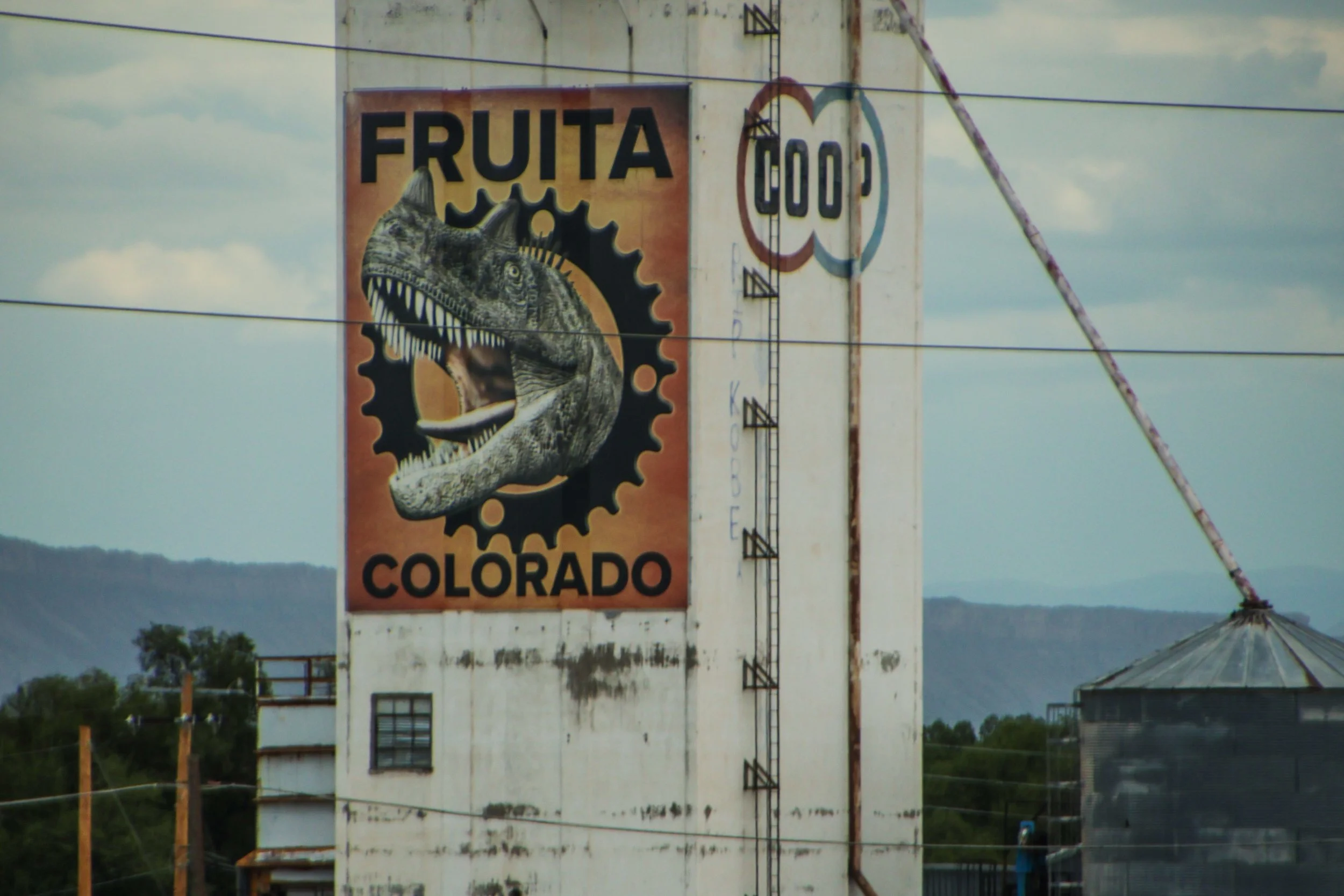
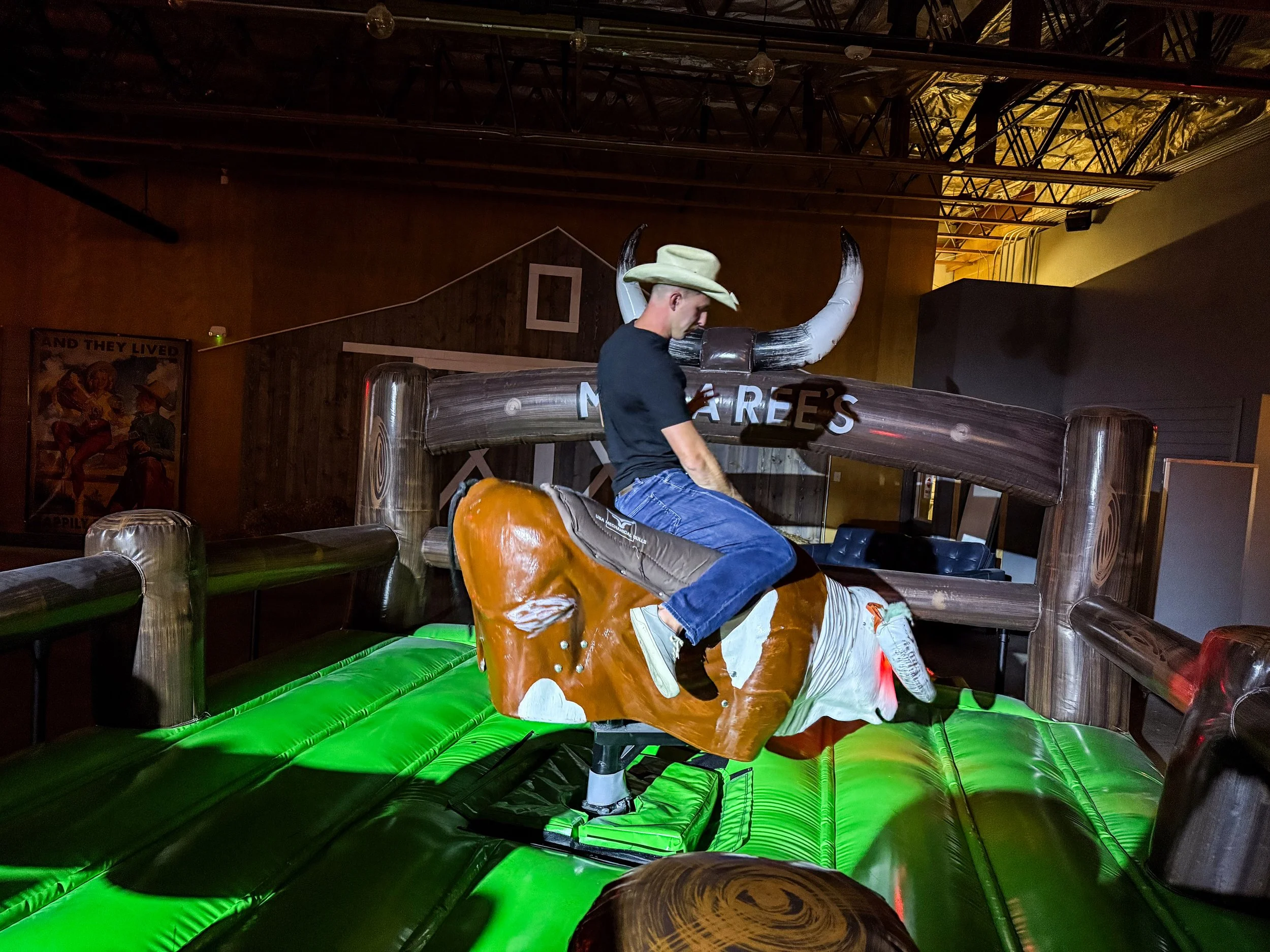
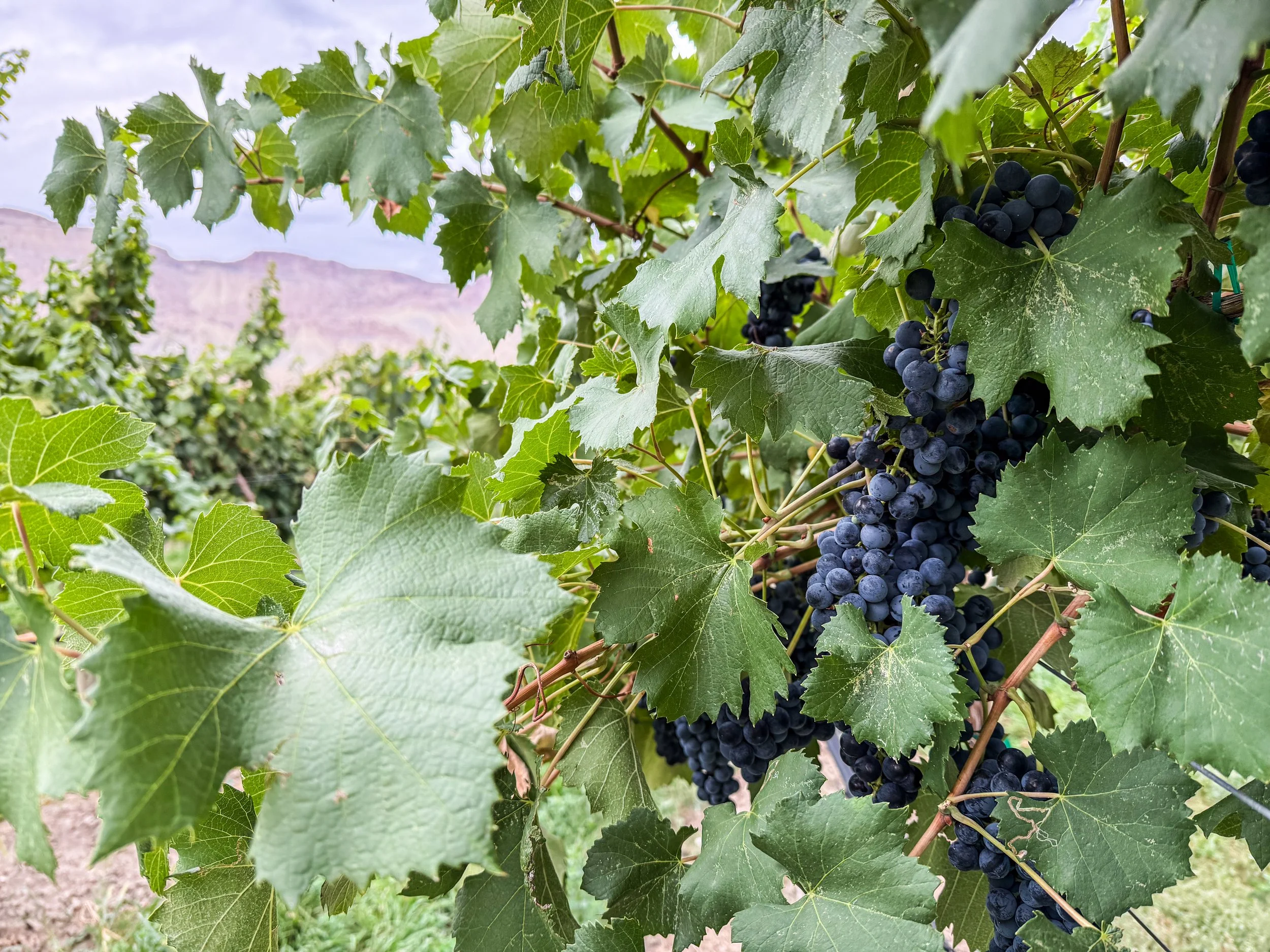
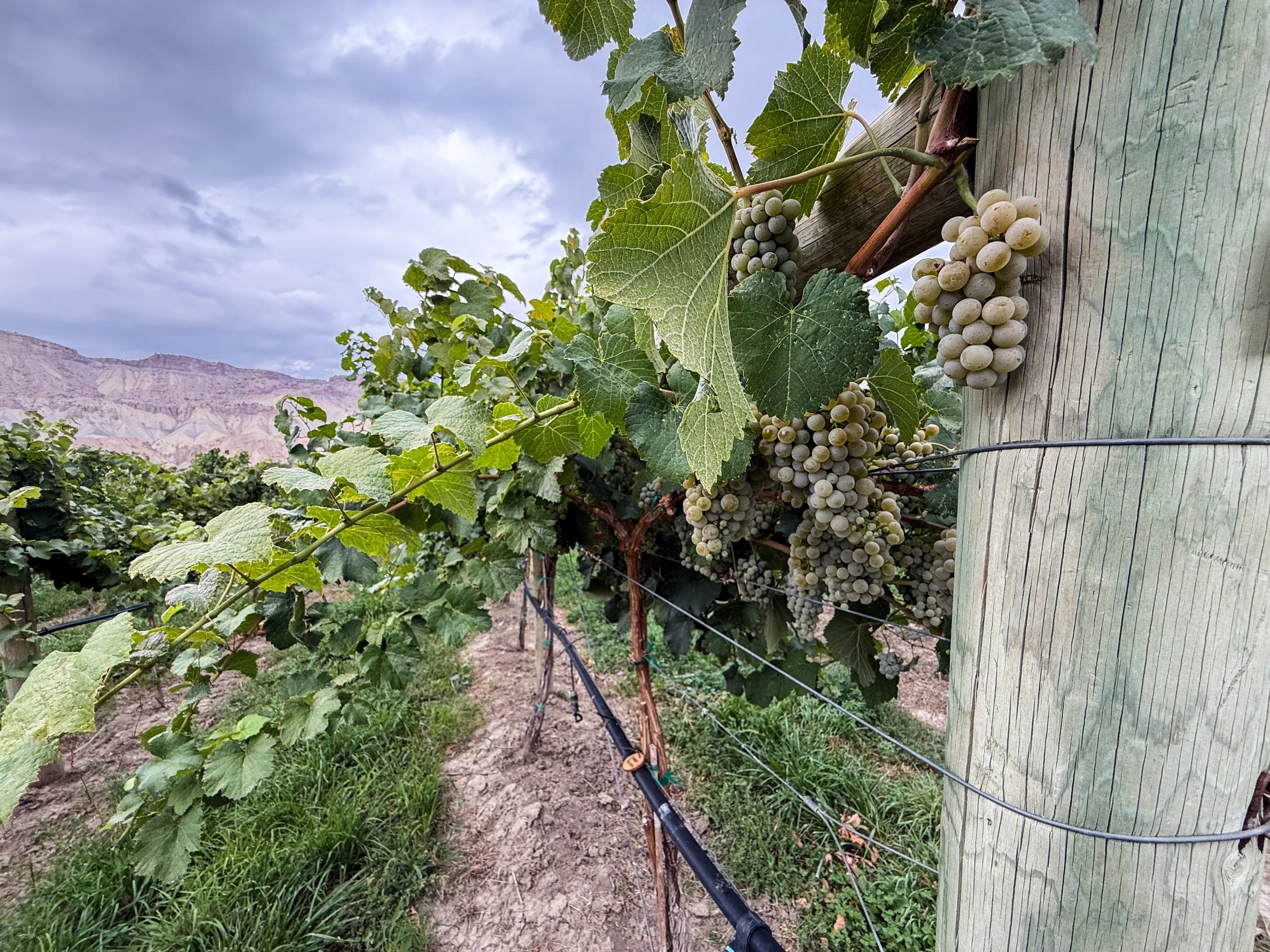
When I think back on Grand Junction, this lame little downtown area doesn’t figure into my thinking very much. I was lucky to be out here for a wedding, which meant that we got some local insight on what to do. It turns out that there are actually lots of great local coffee shops, vineyards, and bars scattered around this valley if you know where to look! And if you’re looking for a night out, I would highly recommend going to a country bar called Mama Ree’s. They even have a mechanical bull. Good times were had. You’re welcome.
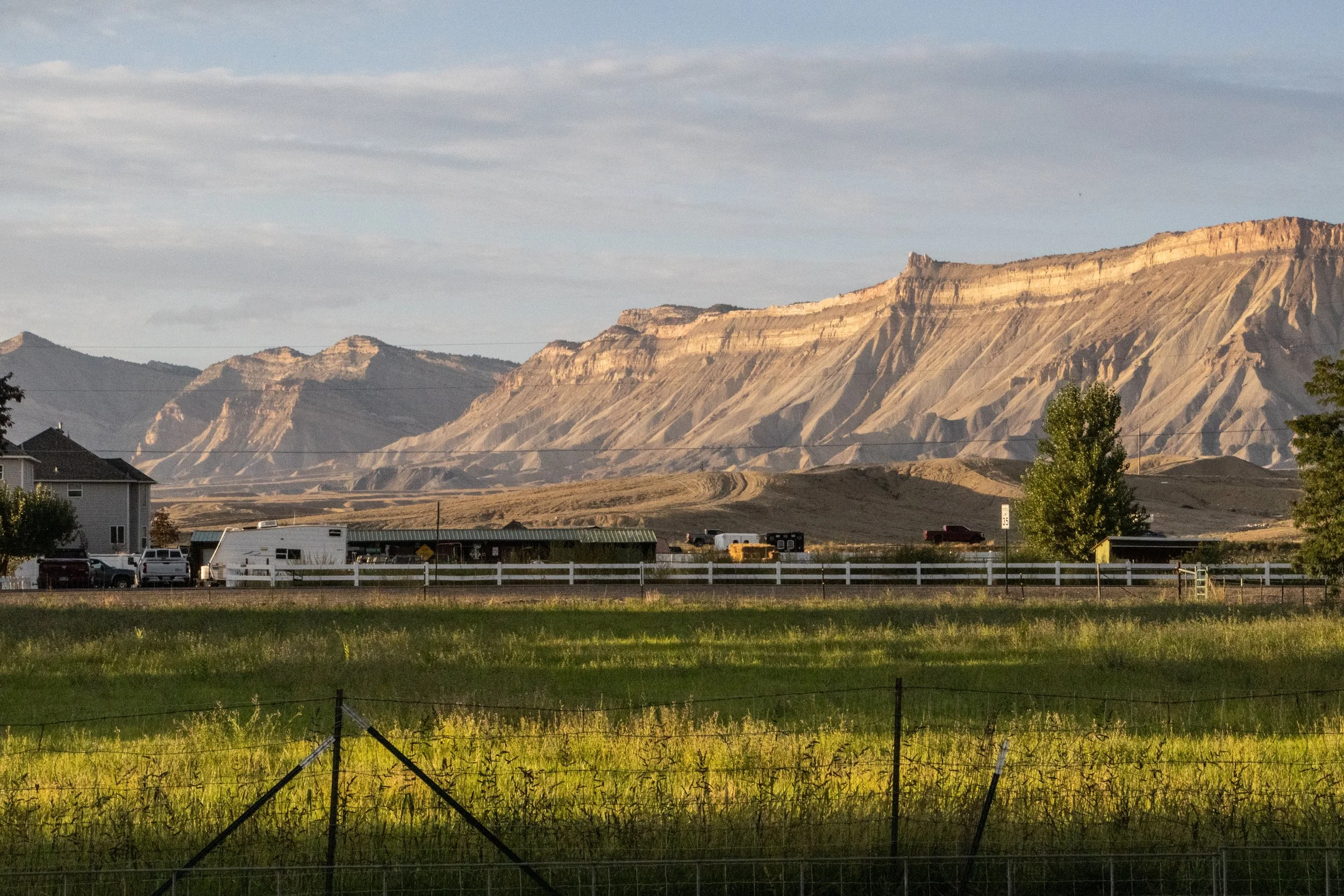
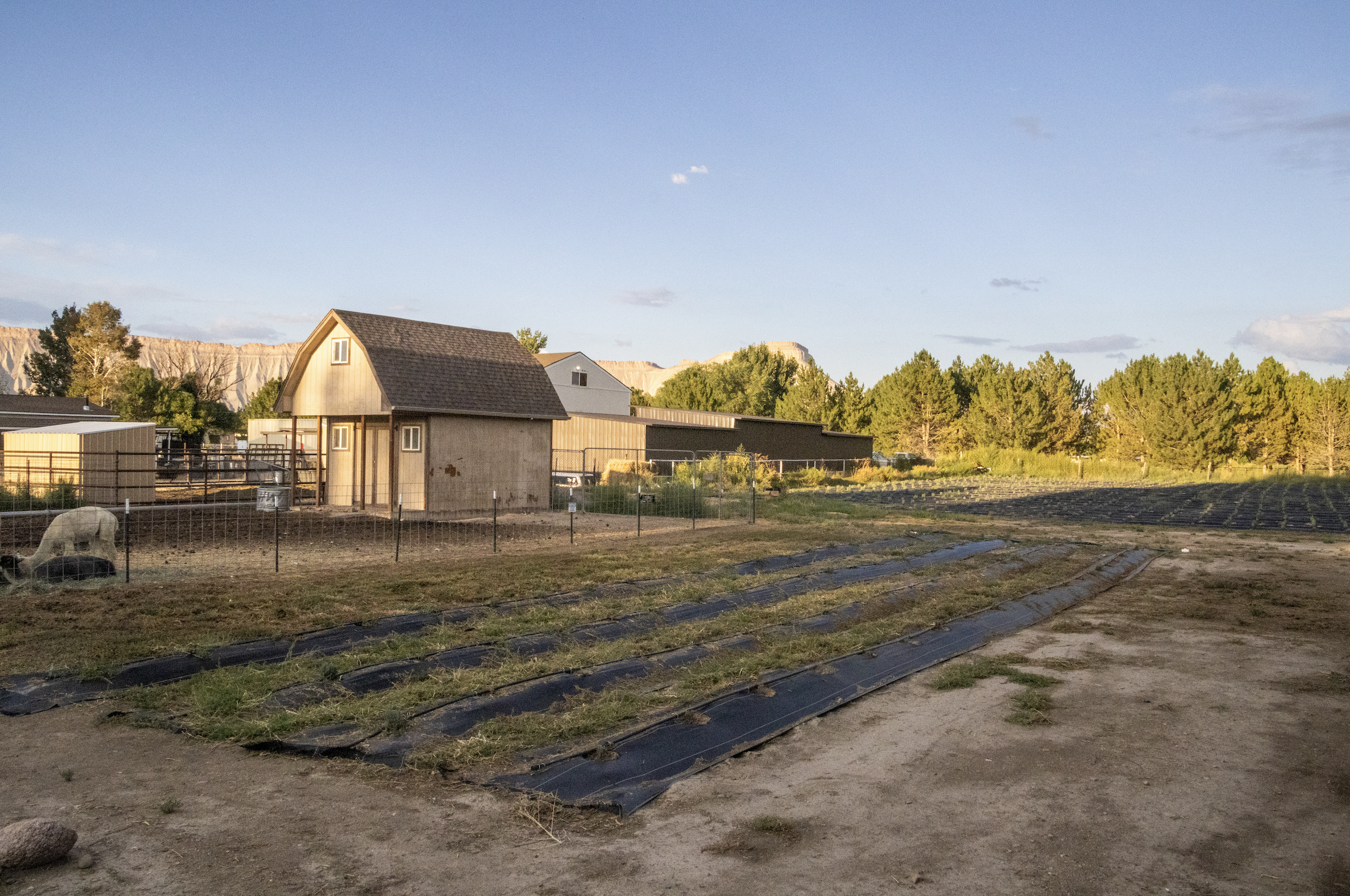
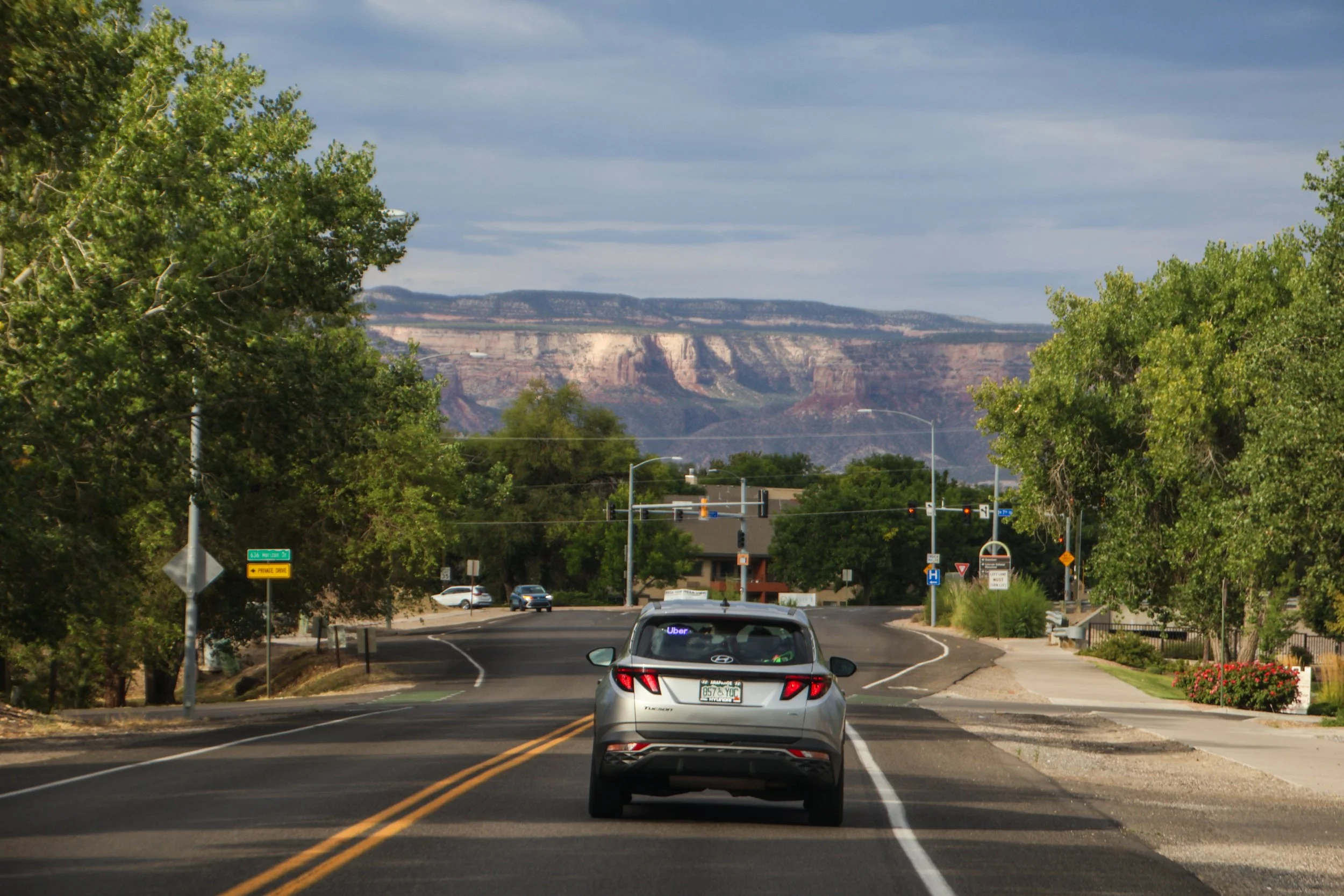
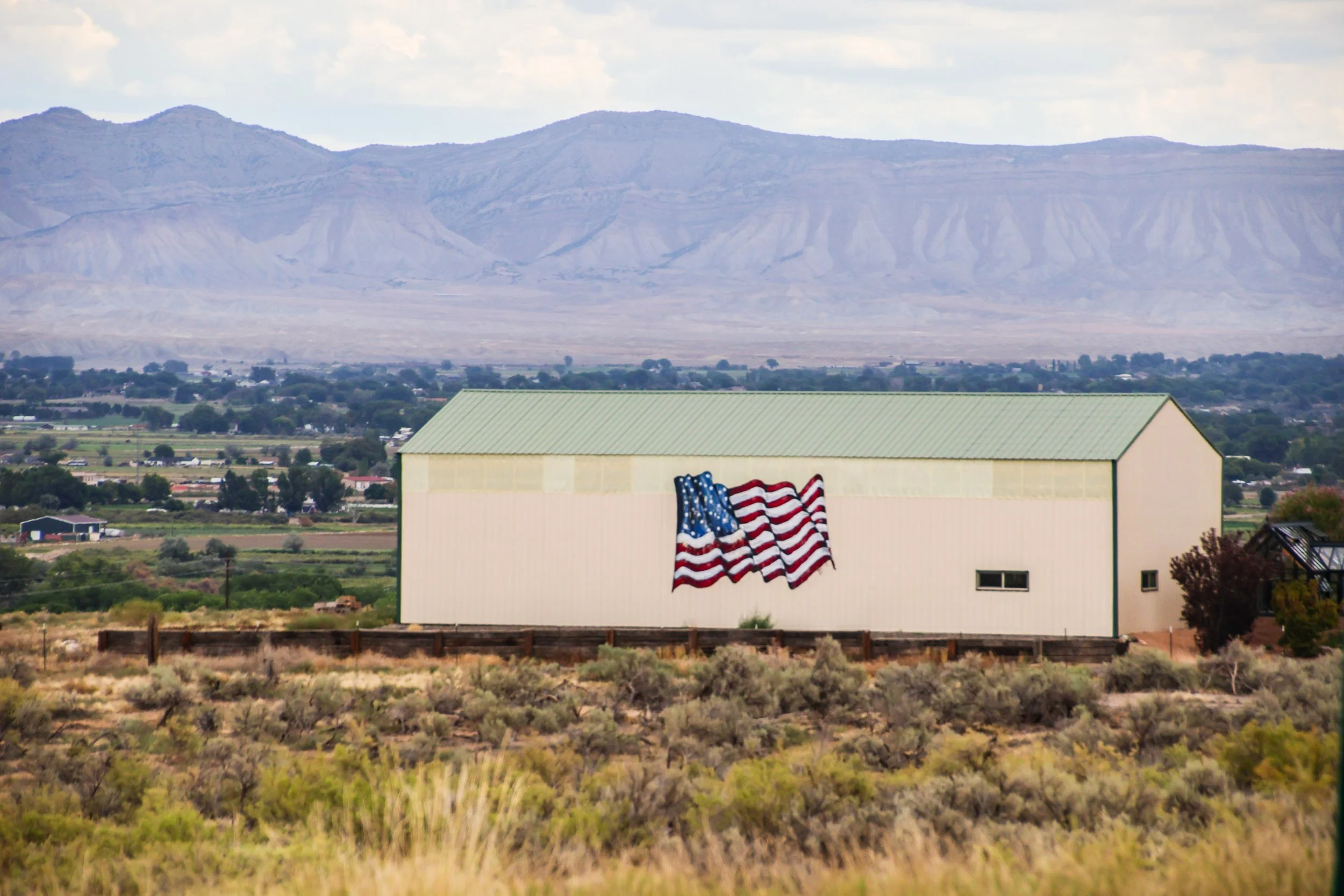
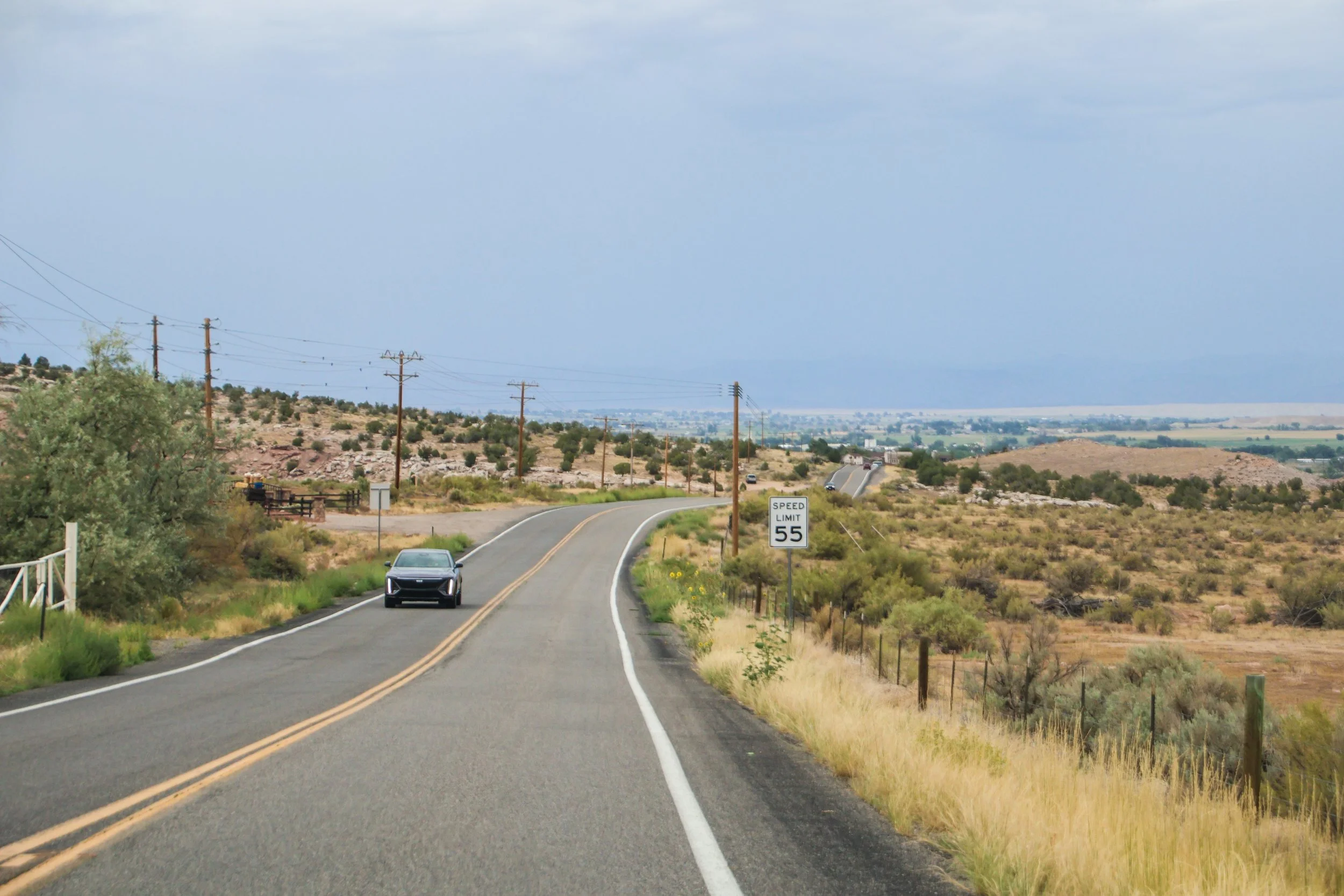
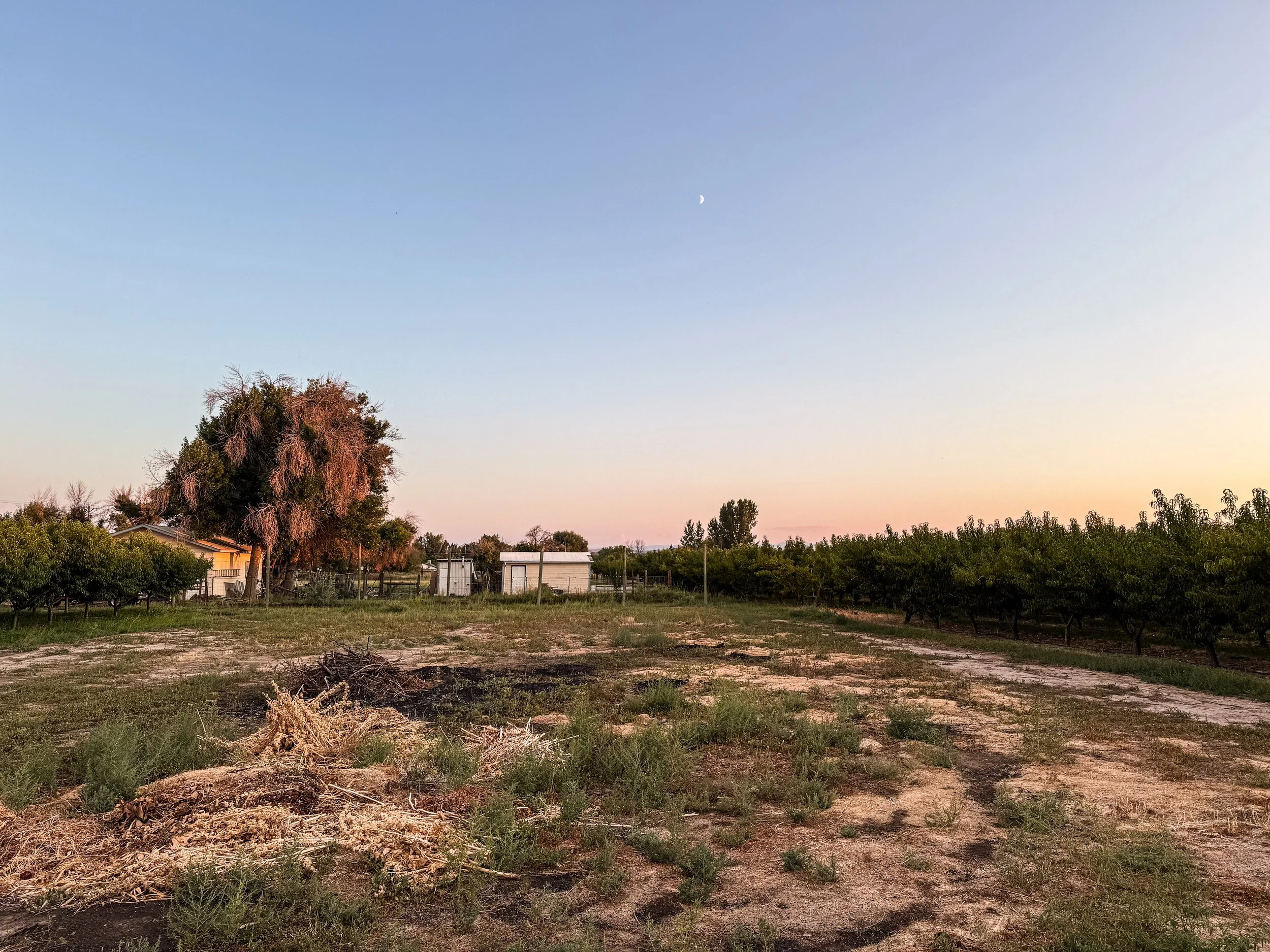
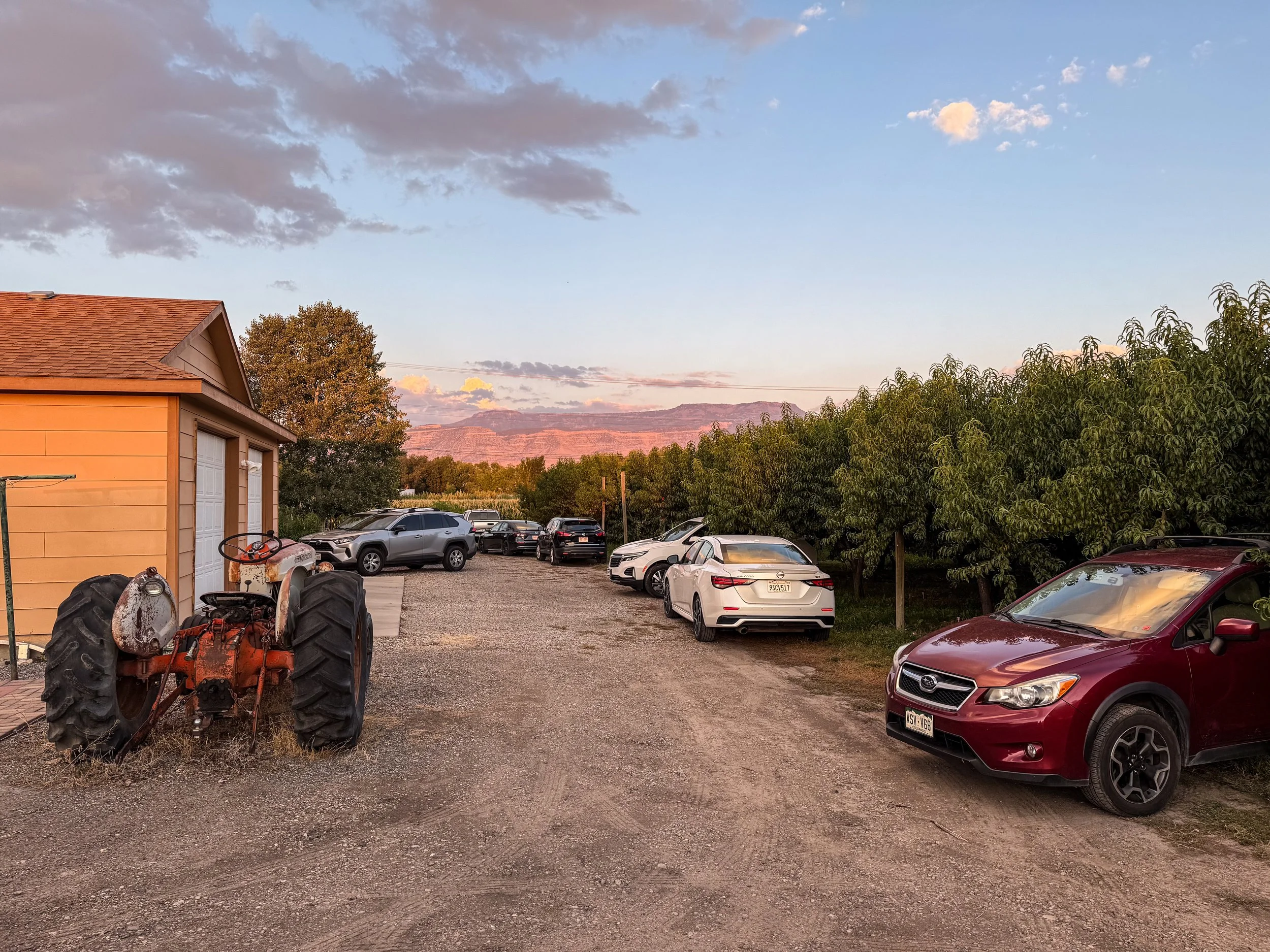
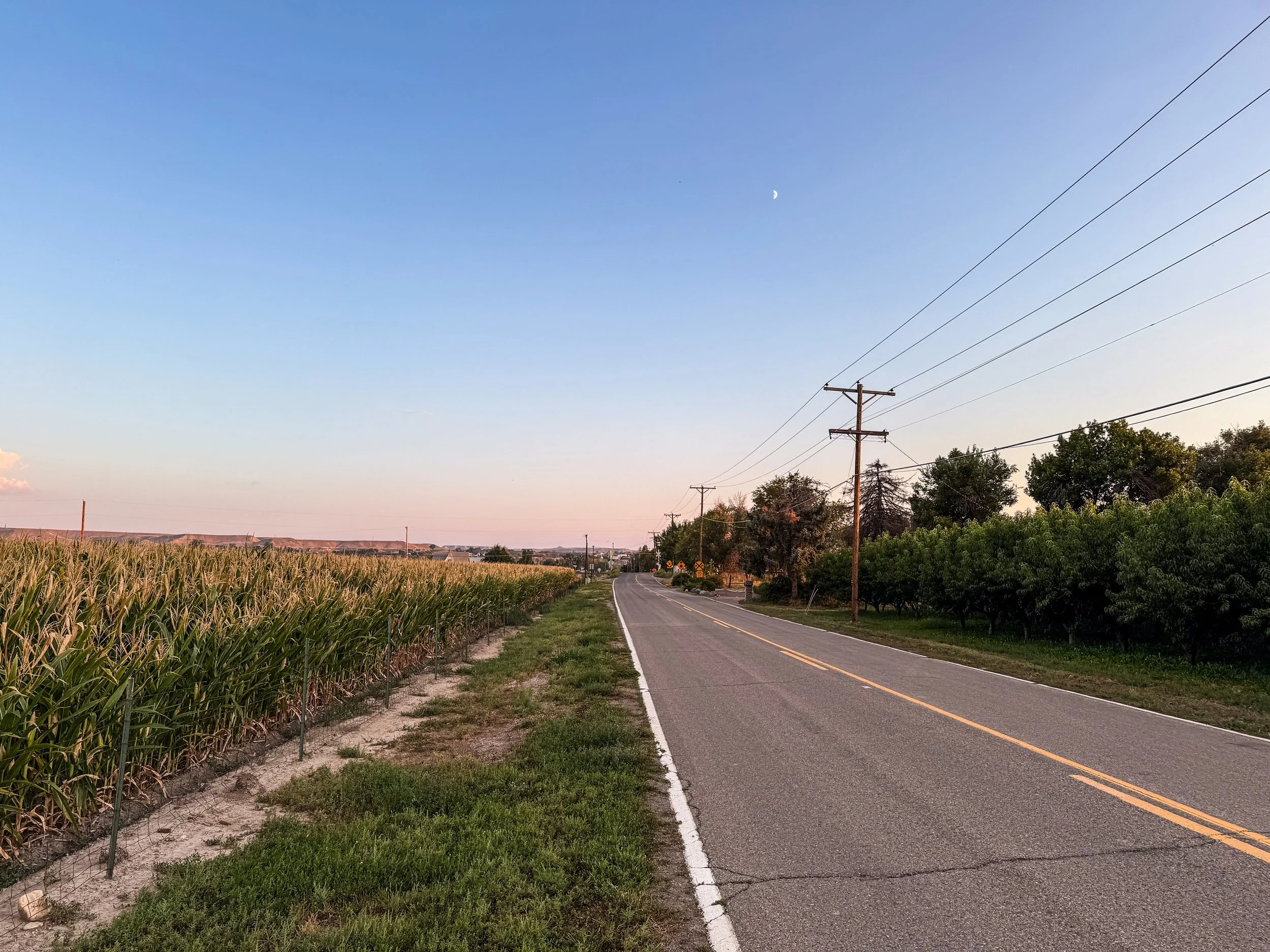
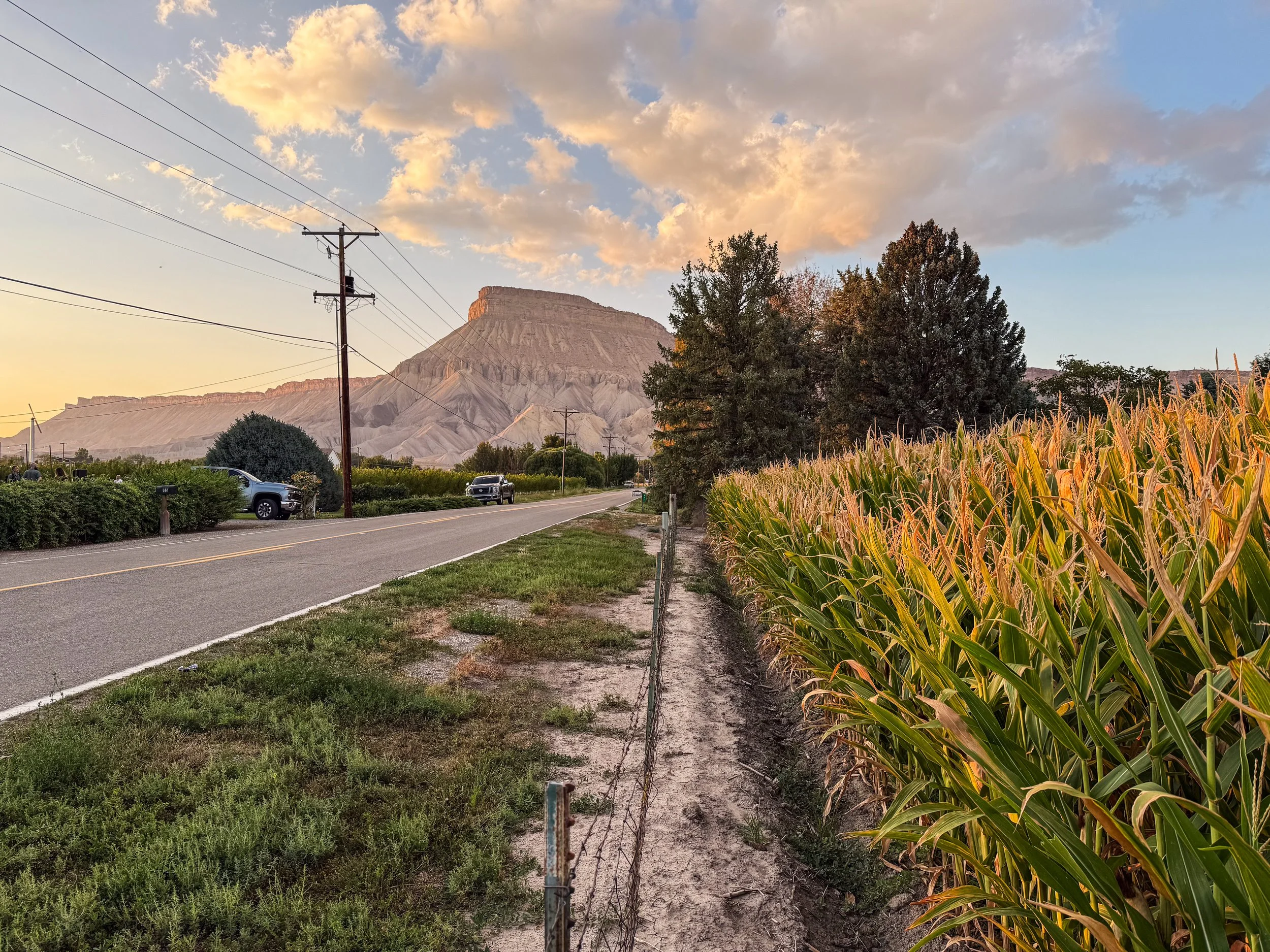

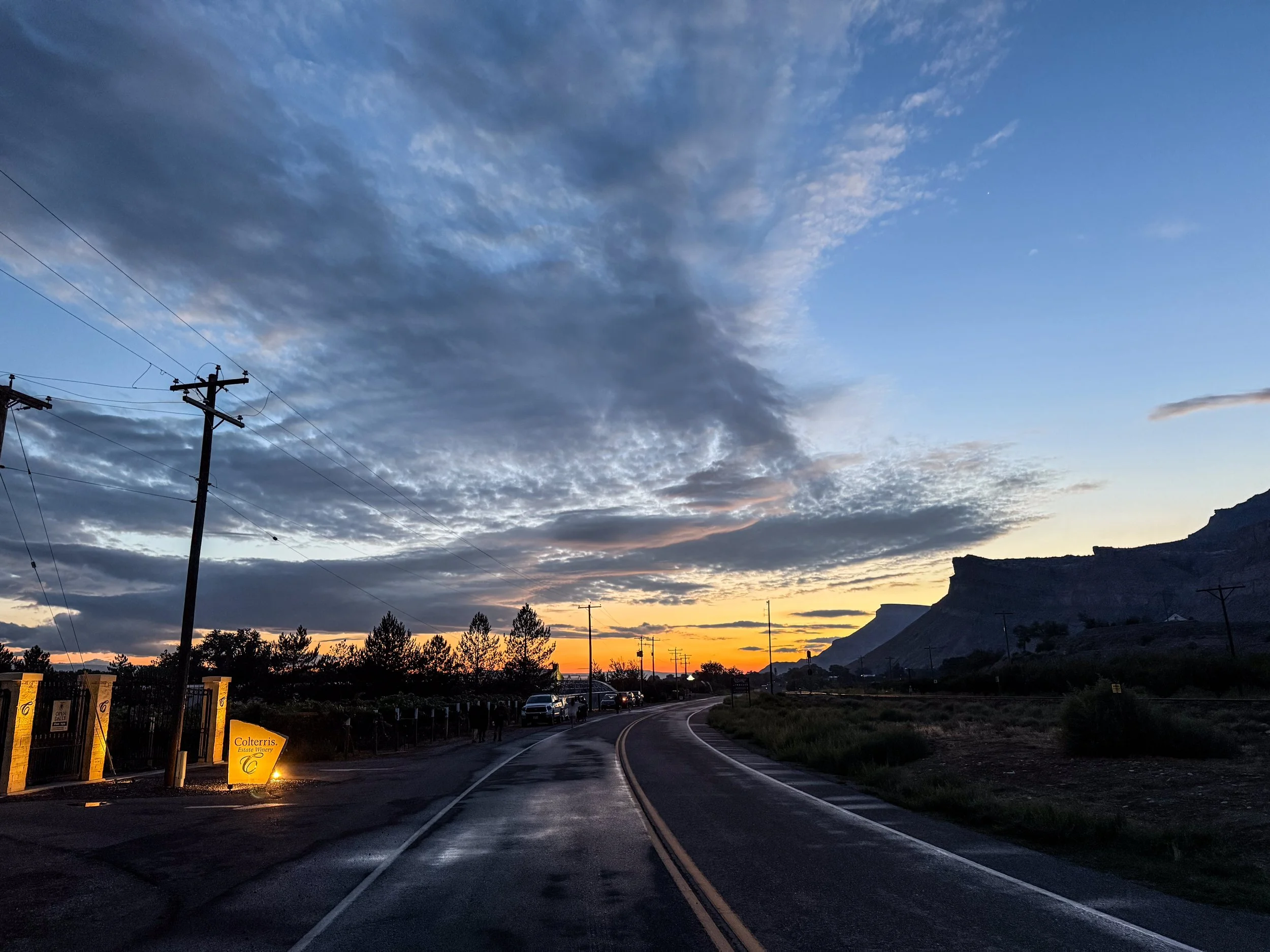
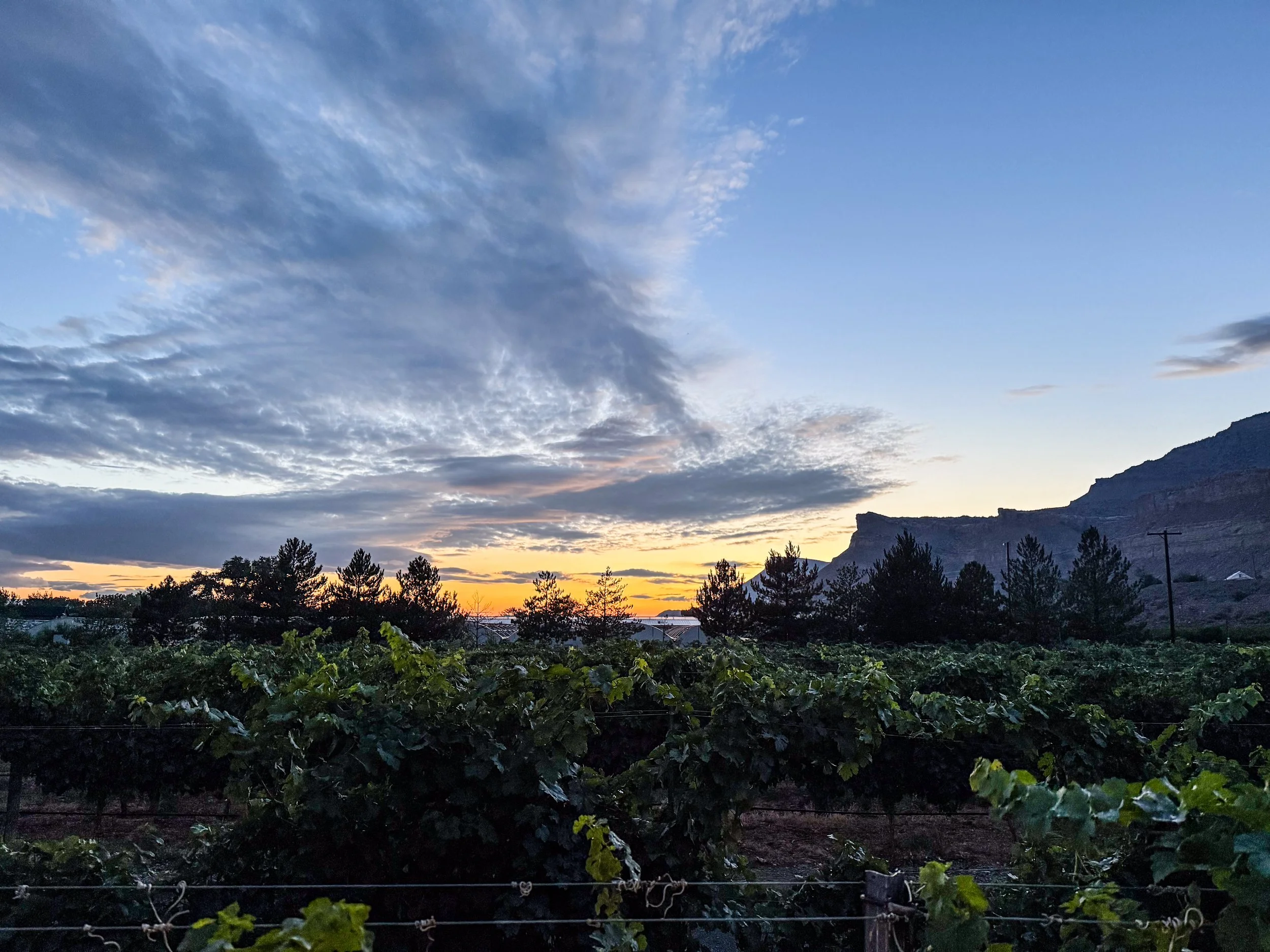
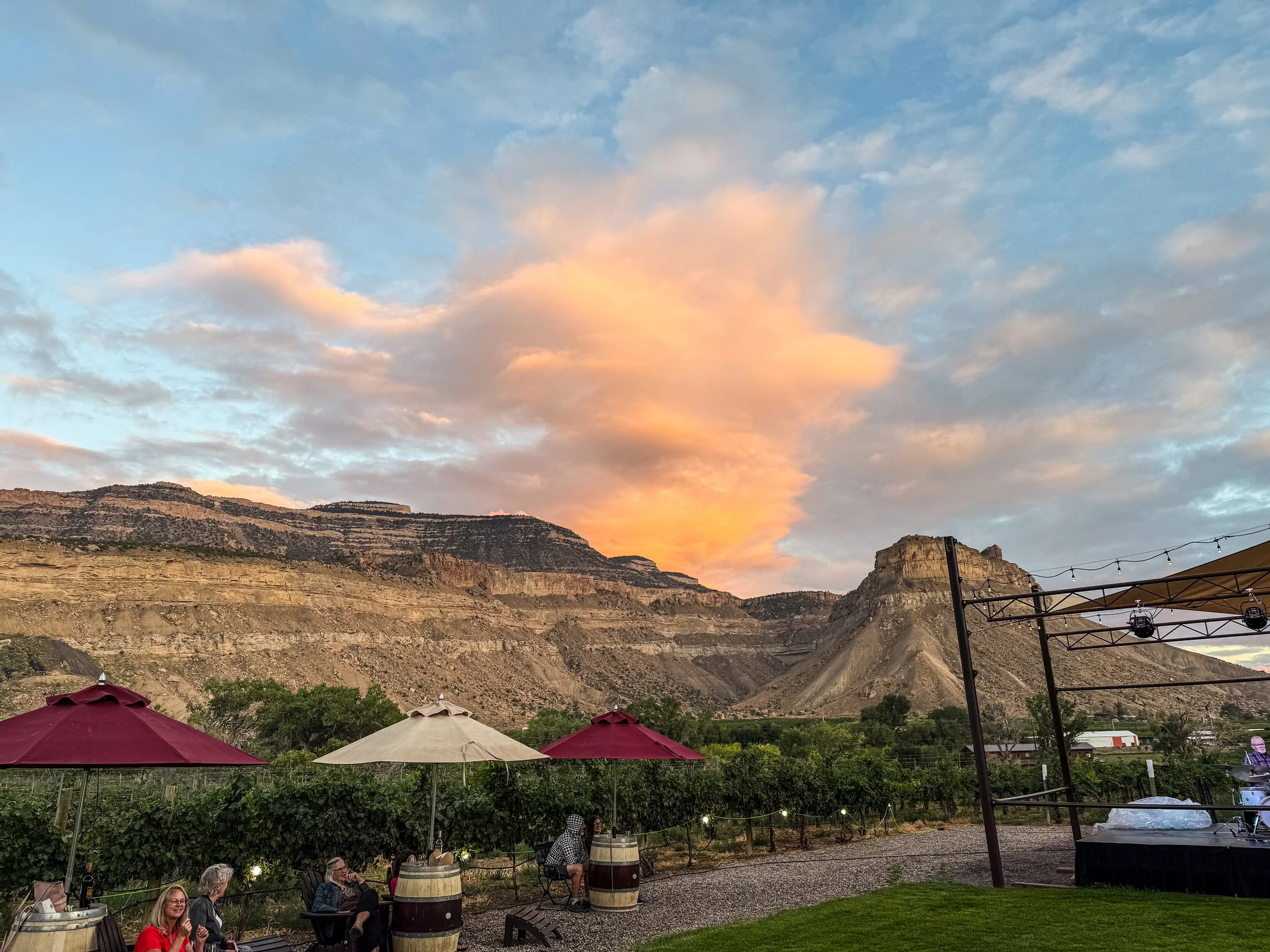
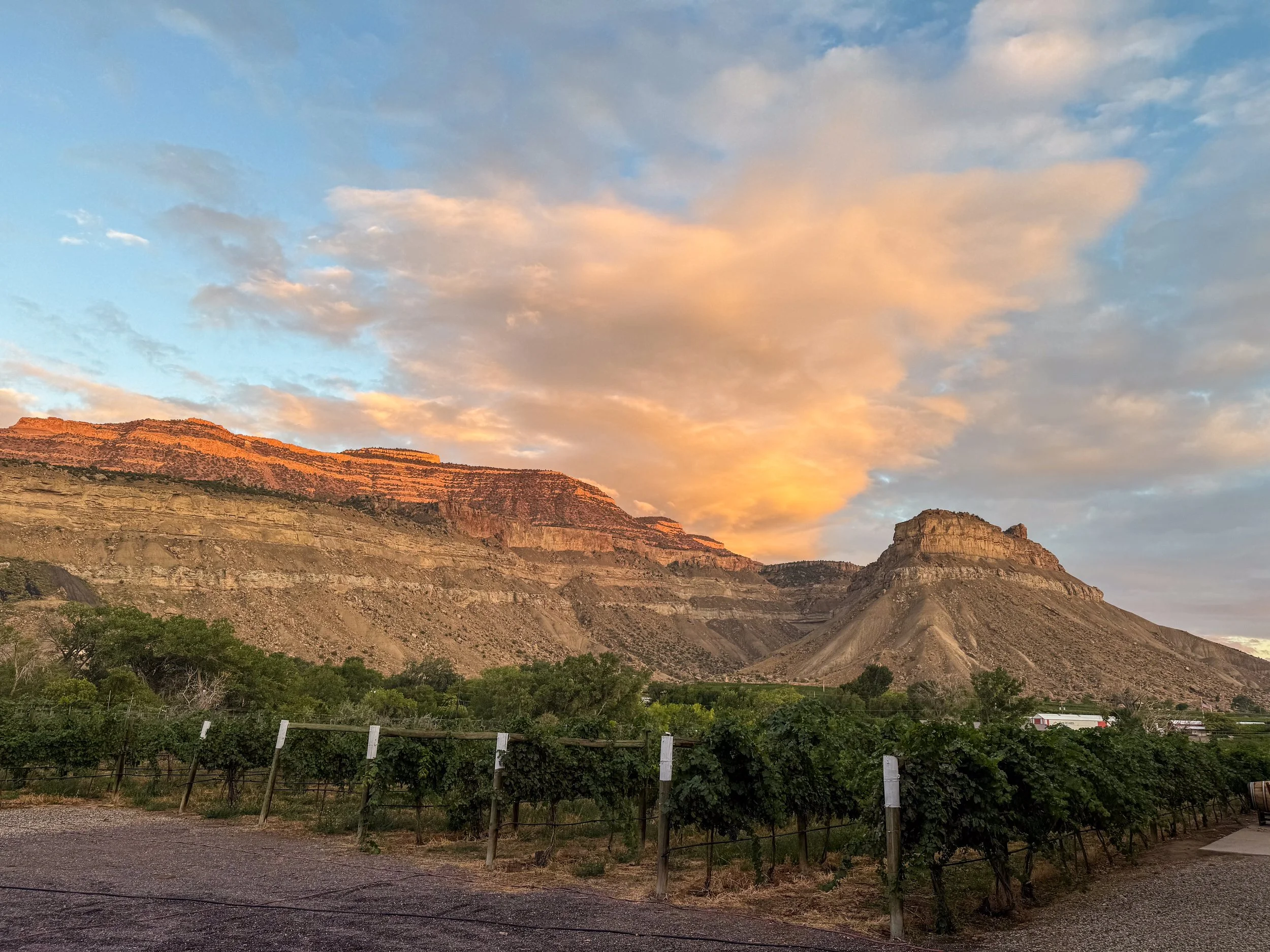
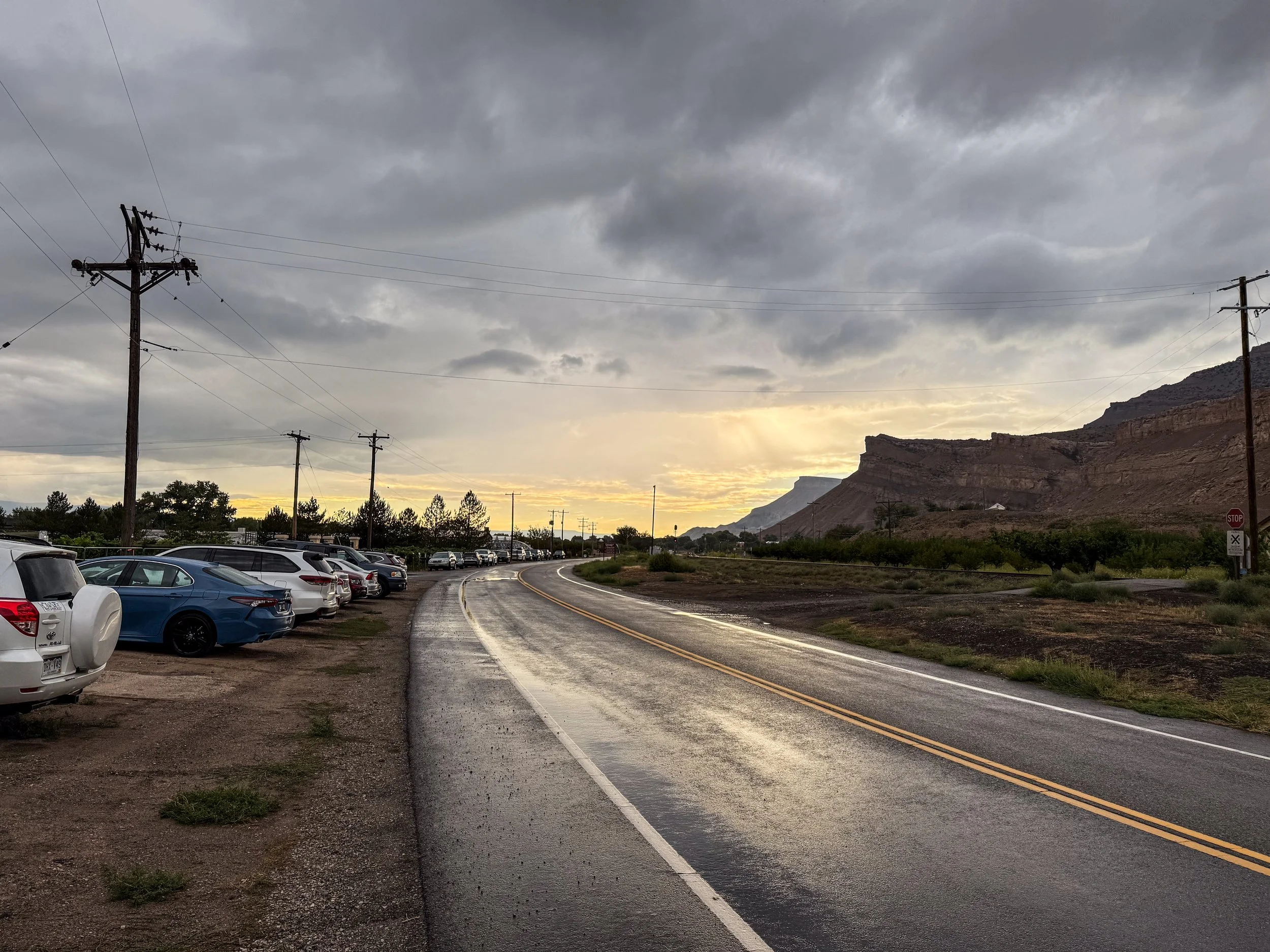
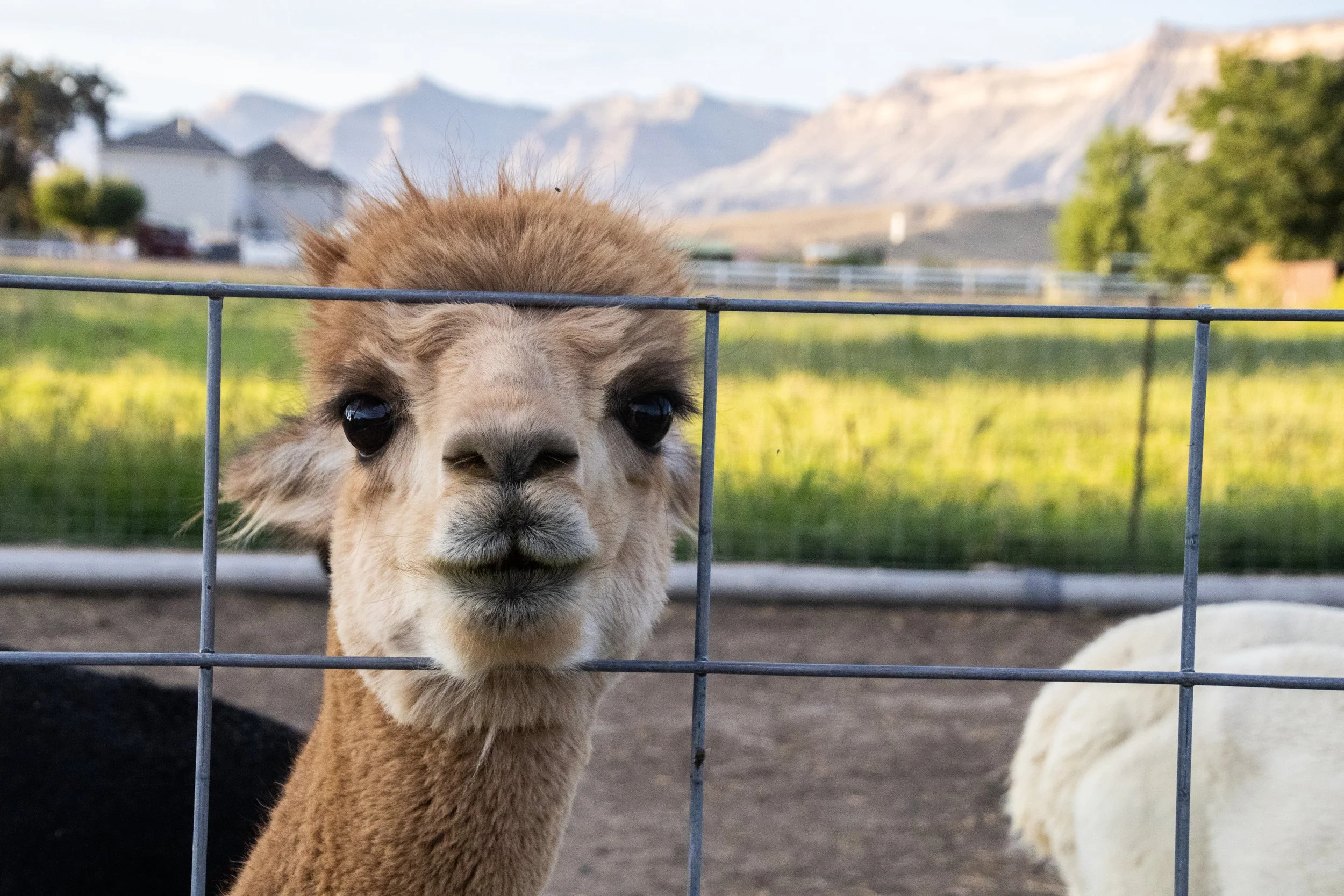
Oh, and can I also take a moment to show you the llama farm that was just across the fence from our Airbnb? Or maybe they were alpacas, I’m not sure. All I know is that these fluffy guys were adorable, and save for a brief incident where they all started having sex with each other at the same time, they were lovely neighbors. 😂
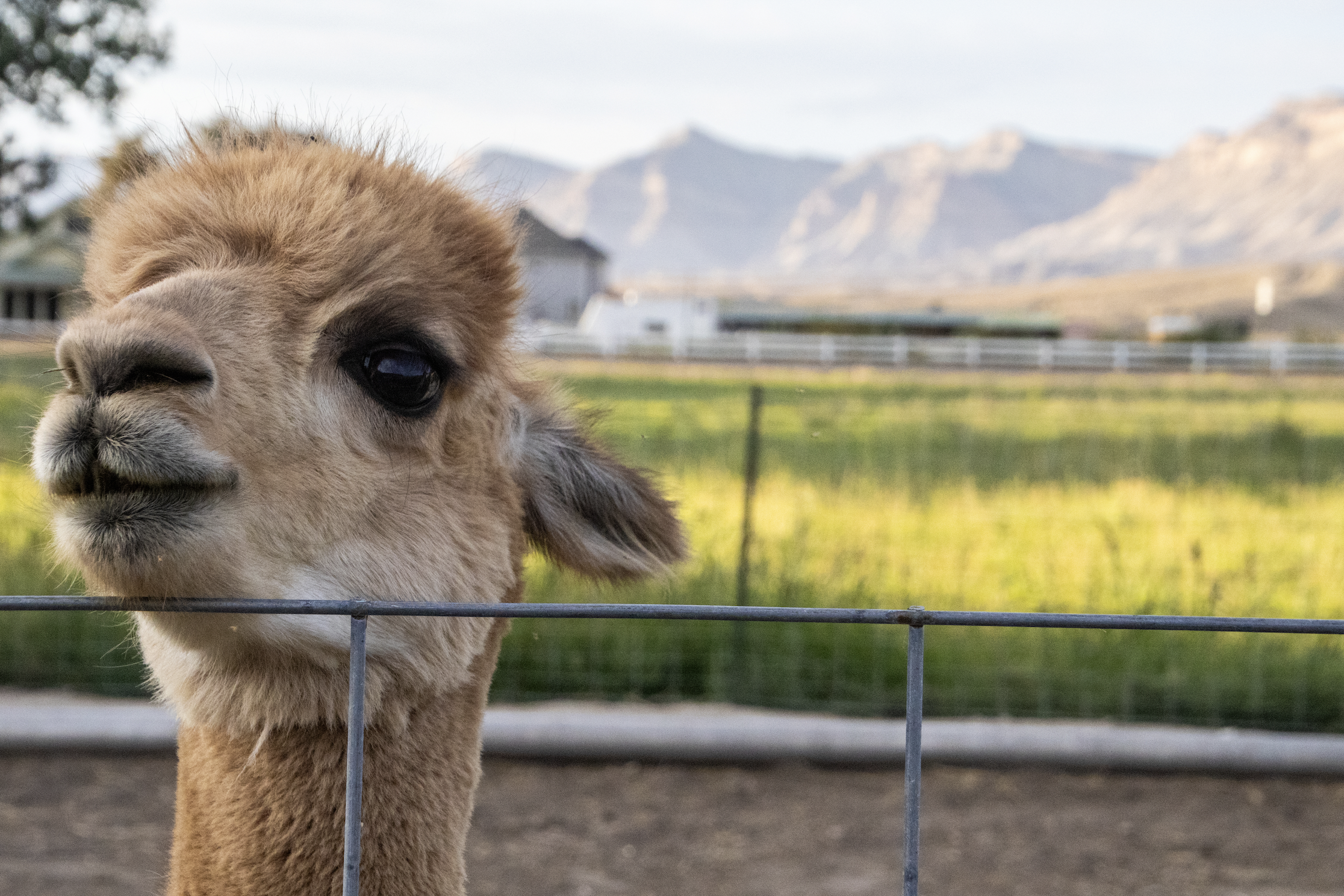
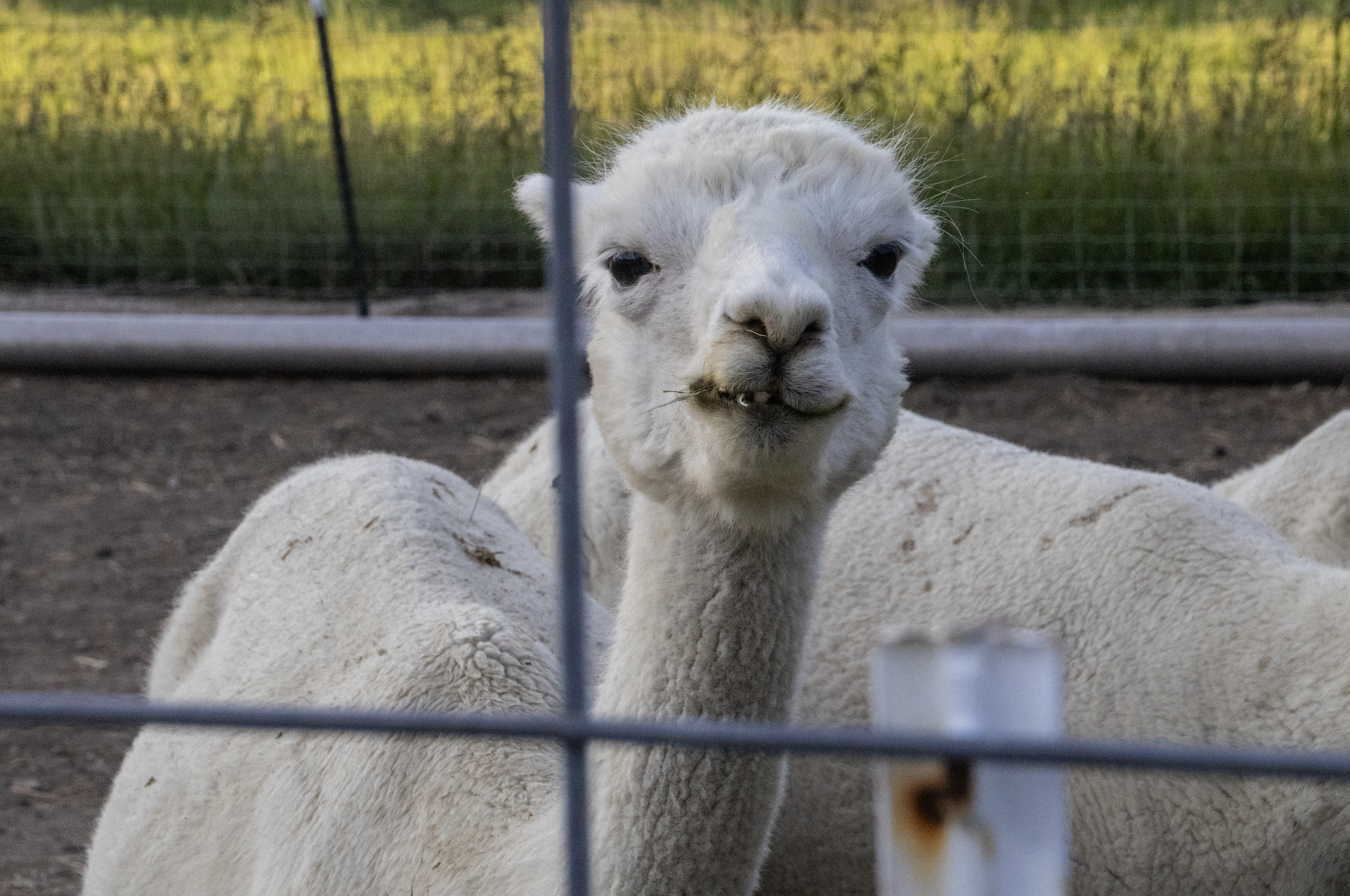
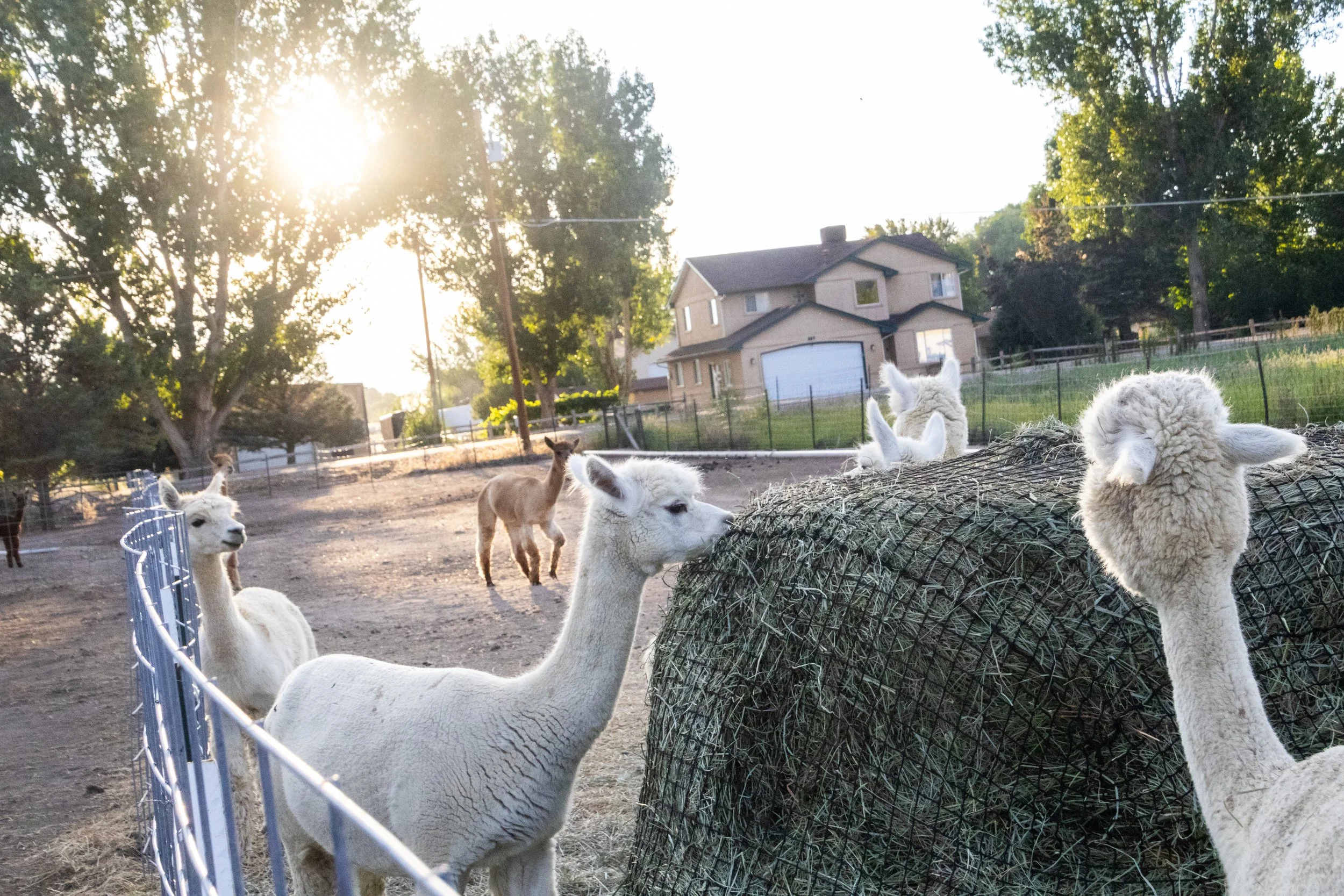
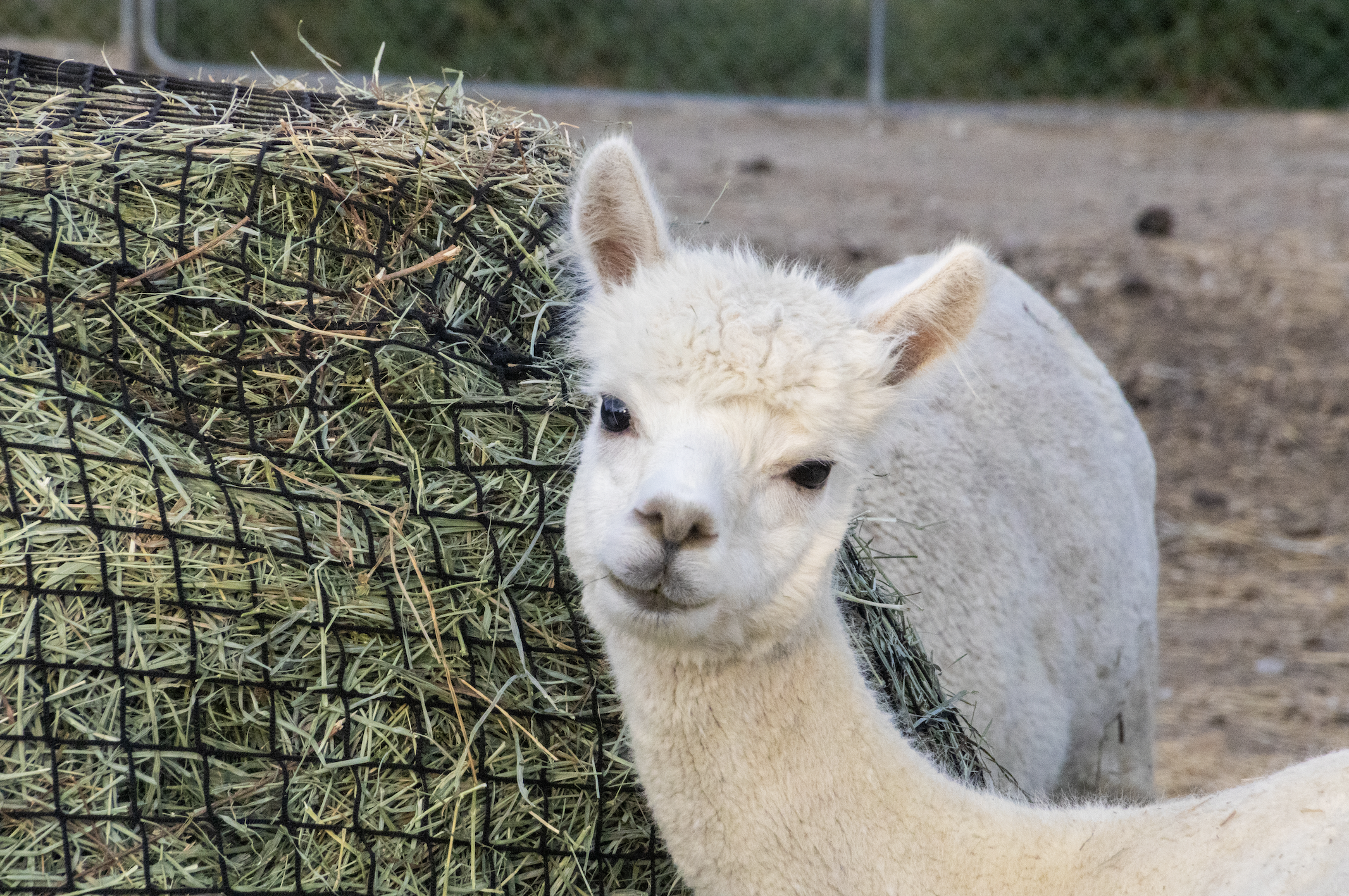
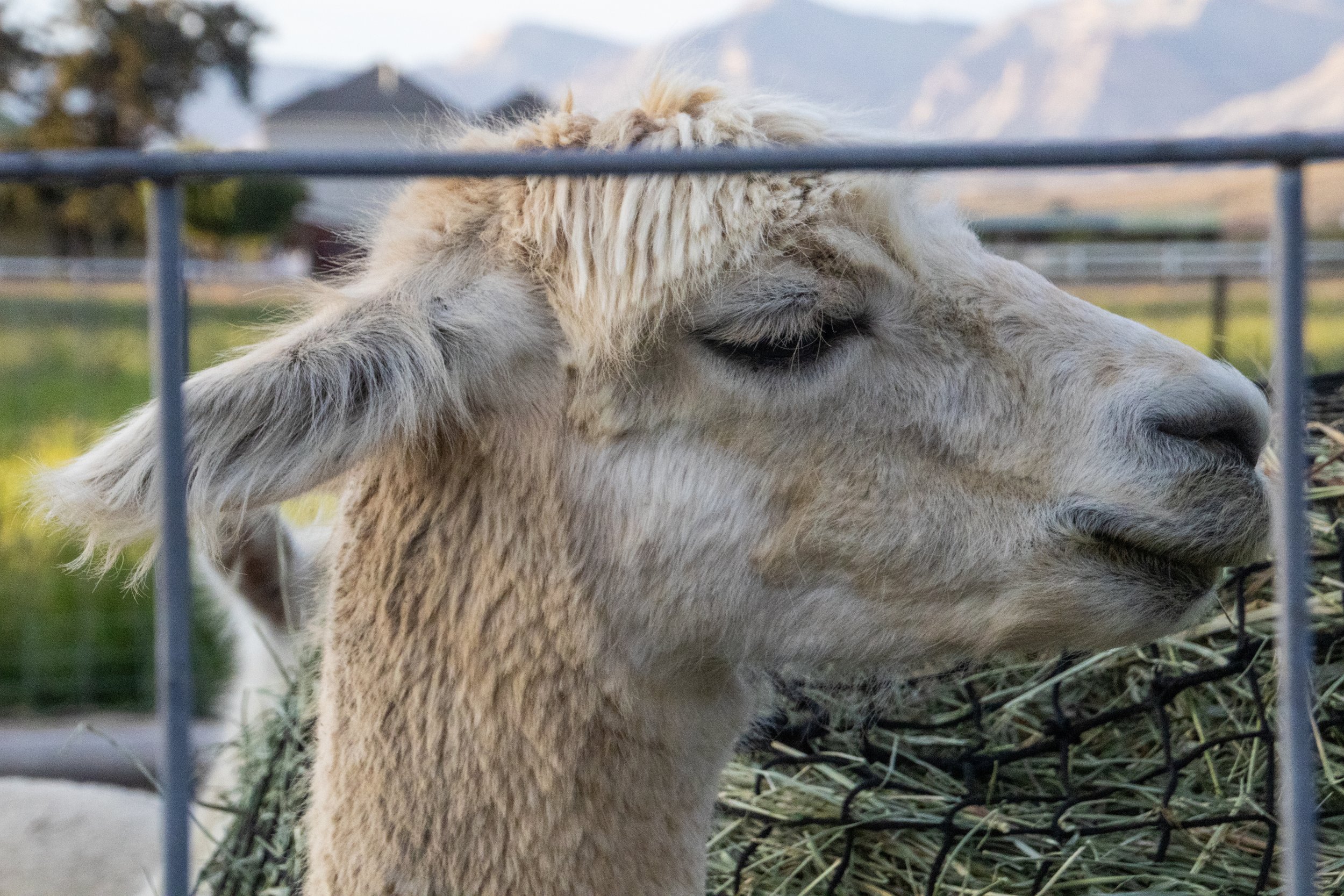
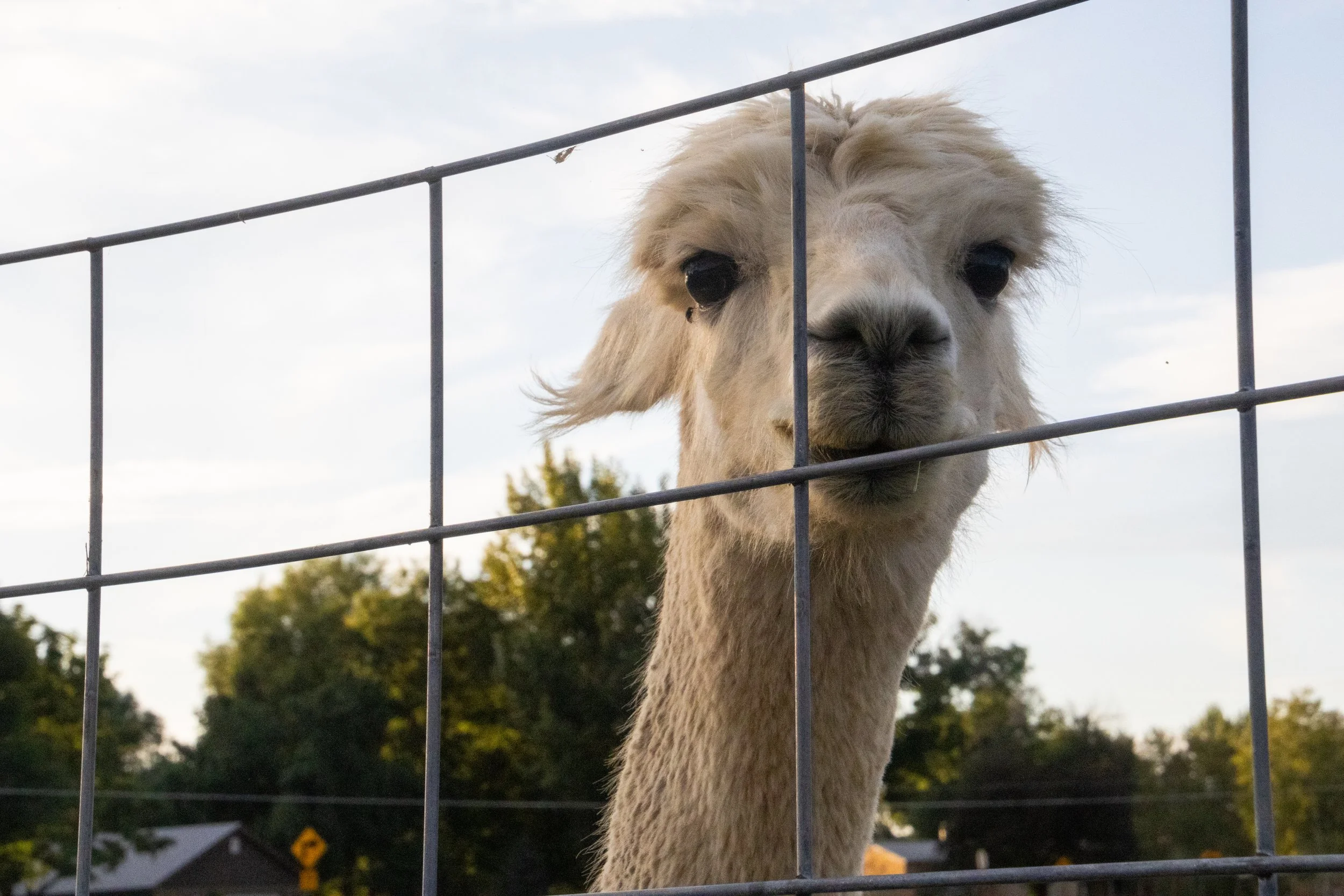
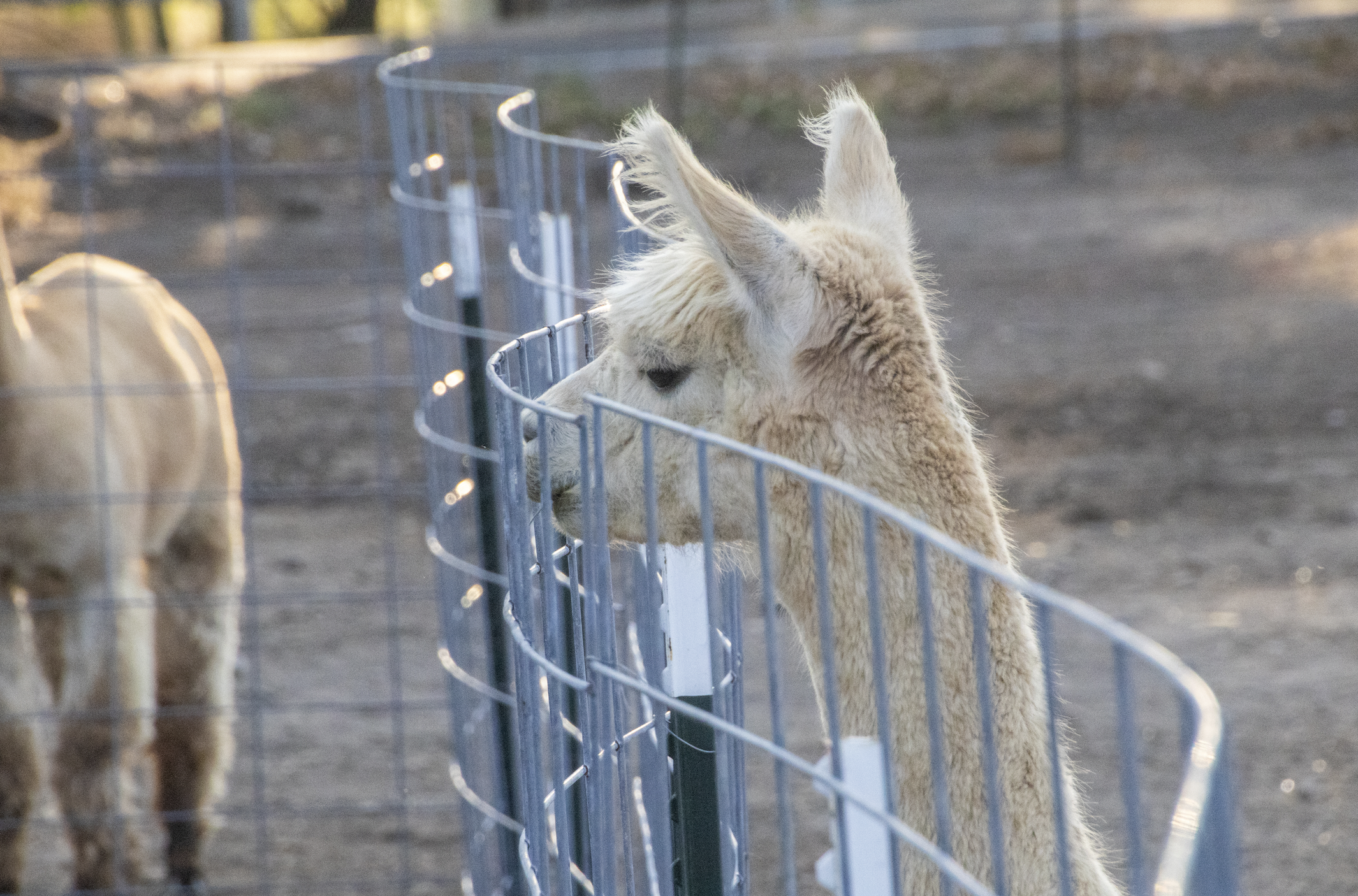
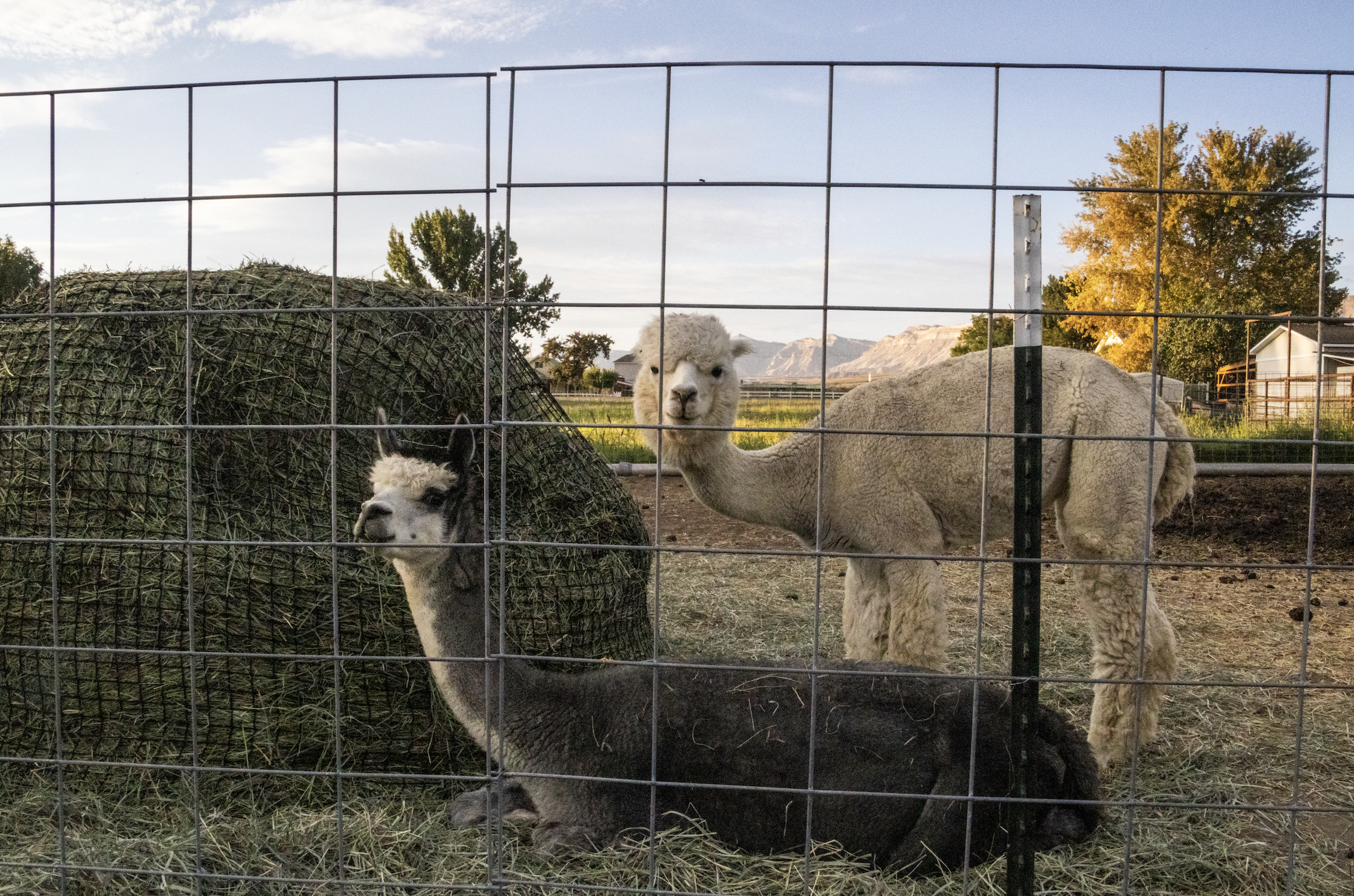
But of course, none of this mattered as much as getting to Buddy and Kim get married. Congrats you two. 😘
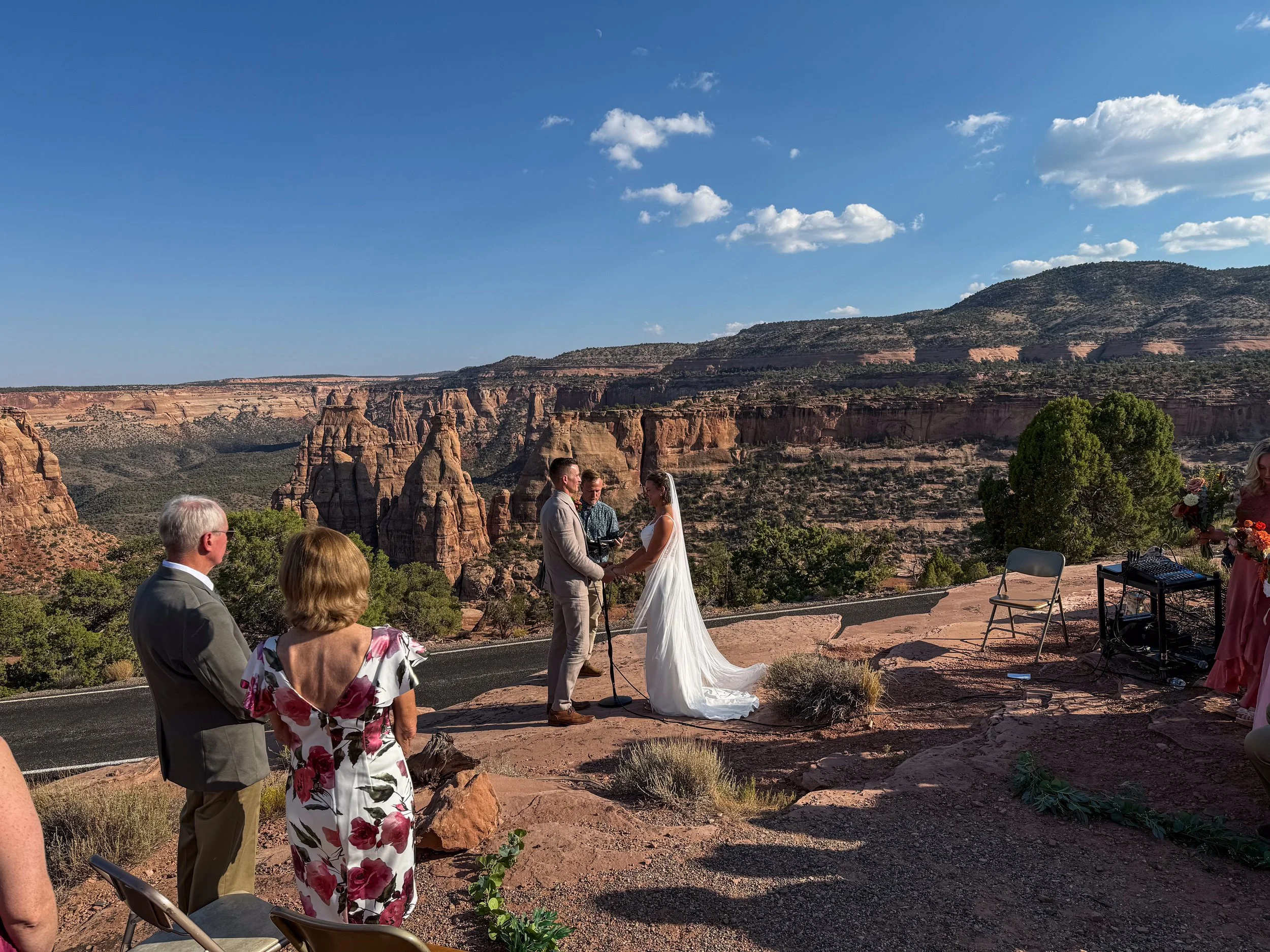
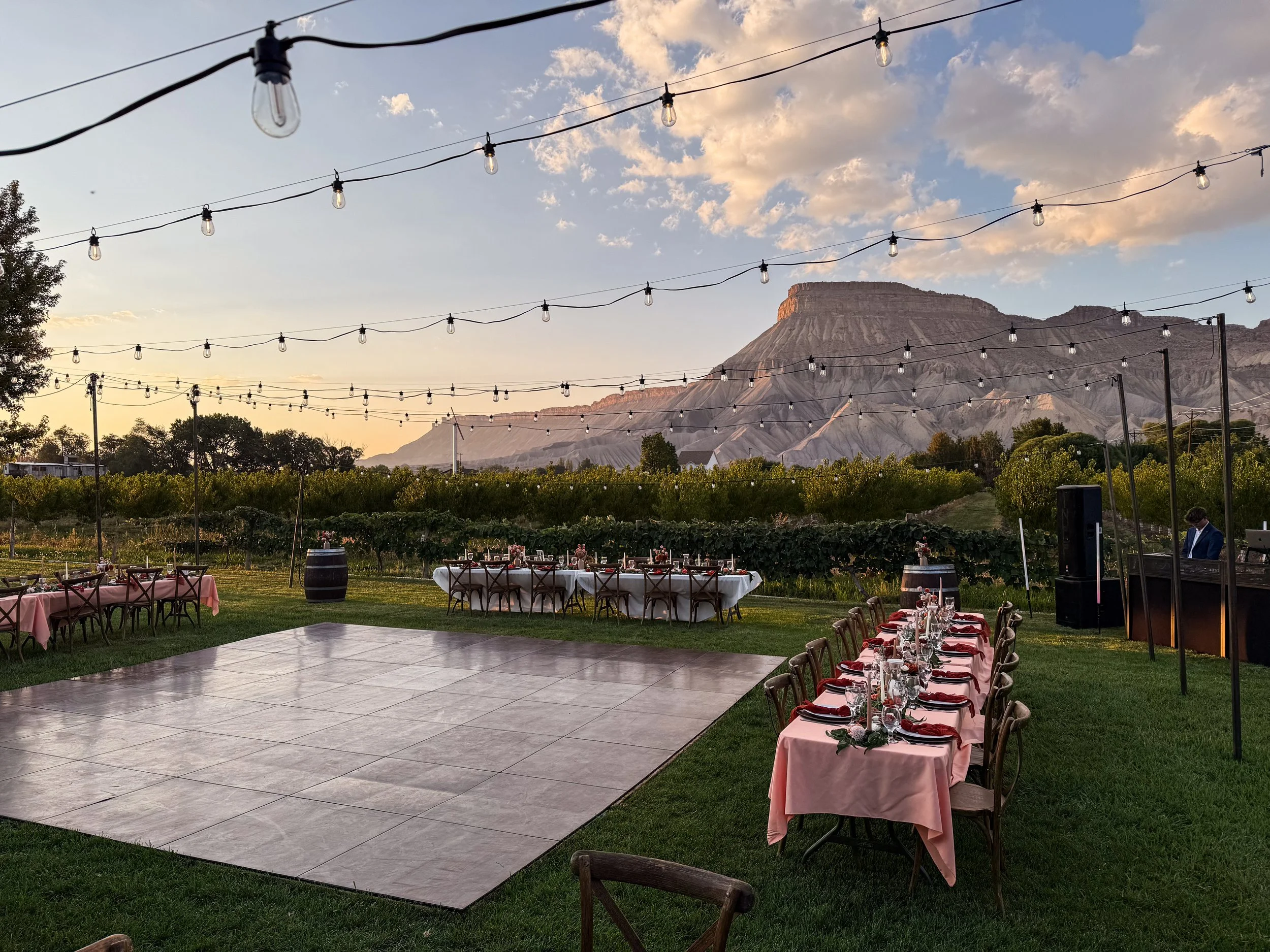
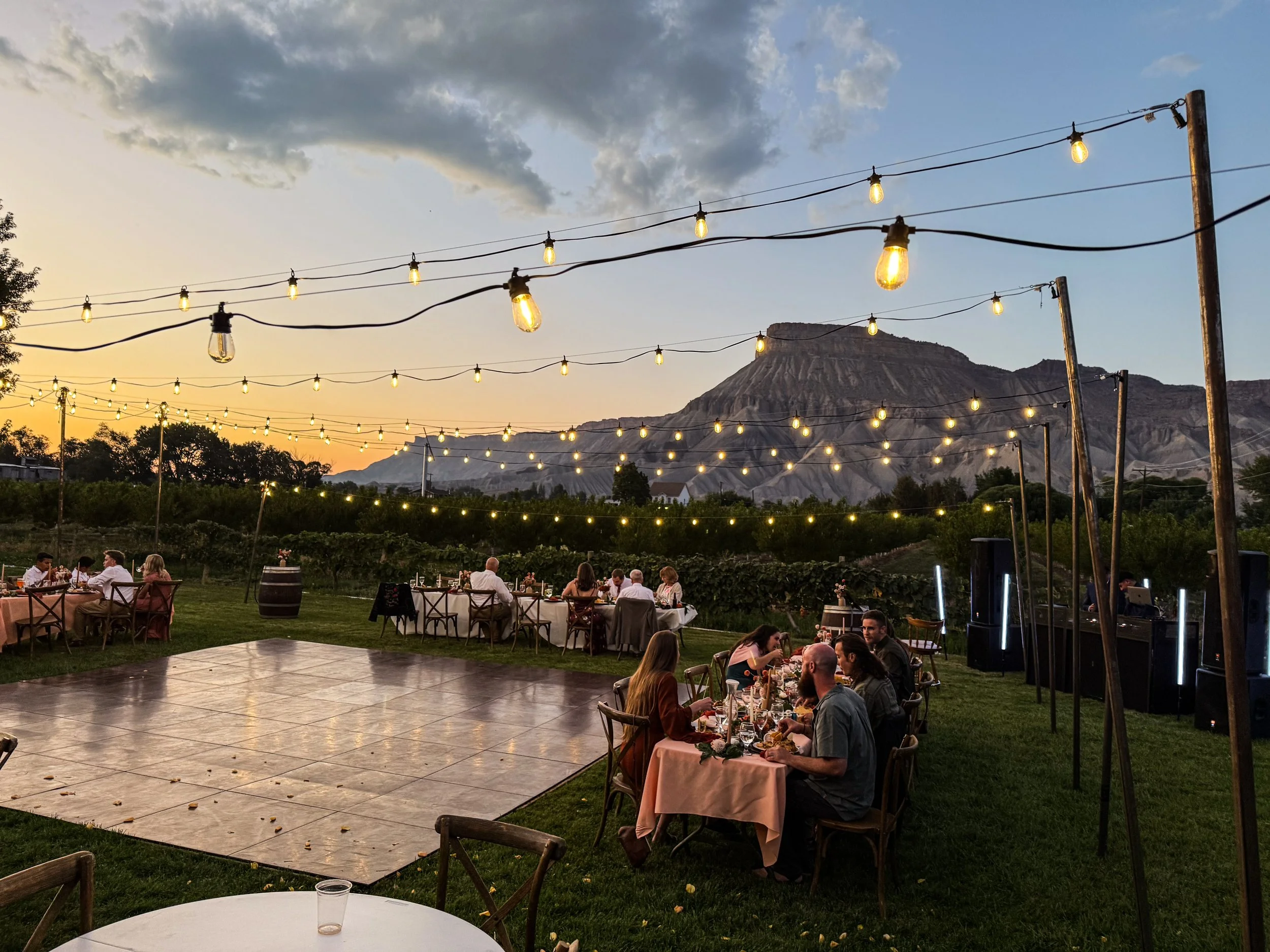
In a world full of tourist towns that have been commercialized beyond recognition, I liked Grand Junction. I suspect I wouldn’t have appreciated it nearly as much if I still lived state-side, but since my time in the US each year is limited, I find beauty and nostalgia in what would have previous seemed unremarkable. Grand Junction is a true Middle America town! If you already live in Middle America (as I did for most of my life), it’s meh. But if you’re coming from somewhere else, it’s cool.
Since I flew across the world for this wedding, we may as well do some exploring while we’re here, right? Up next we’re driving even further west, into Utah. Stay tuned!
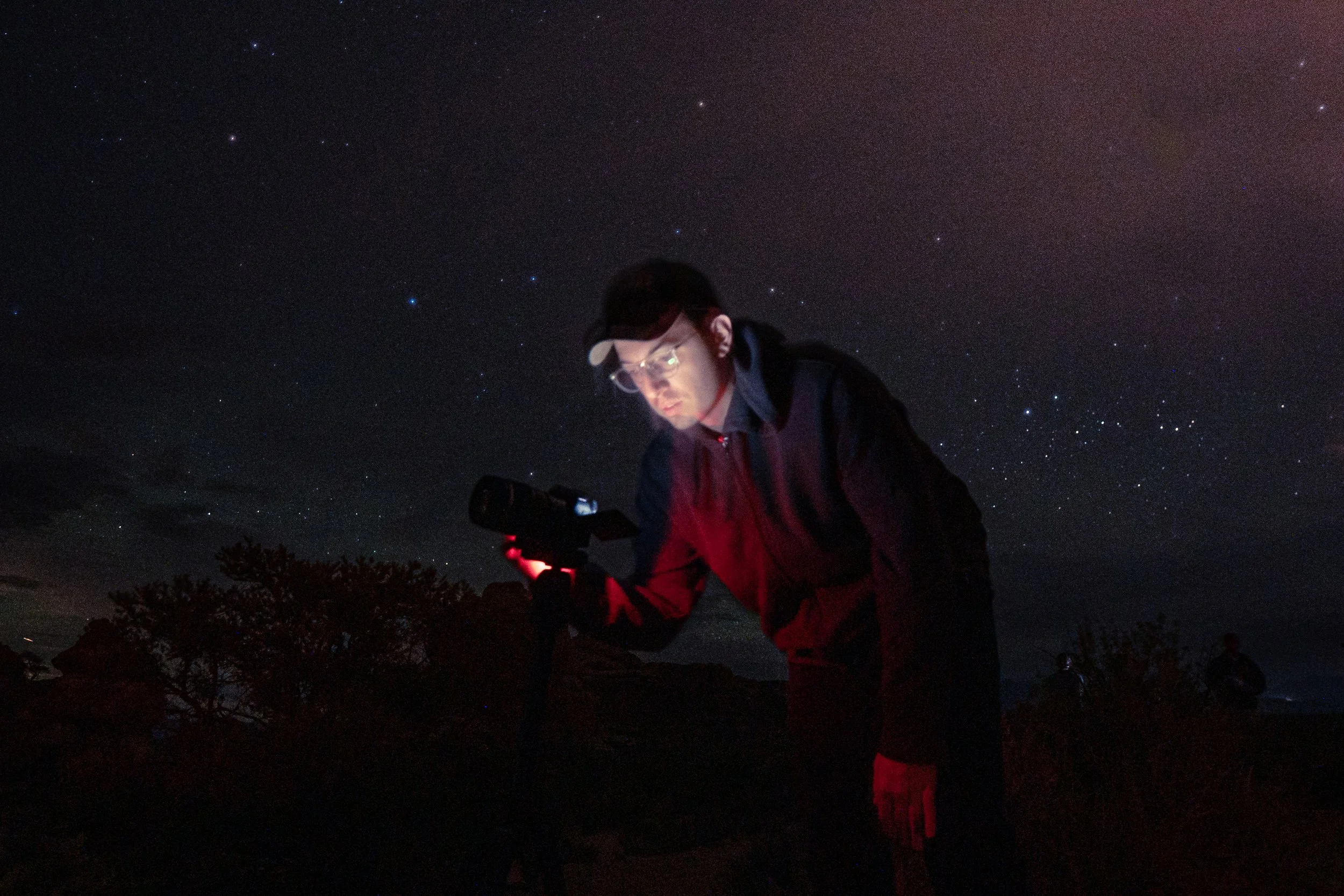


Boulder, Colorado. With a population of just 97,385, it’s definitely one of America’s most famous small towns. Sitting at an elevation of 5,430 feet above sea level, its reputation as a beautiful mountain town has made it a household name. But, to the un-indoctrinated among us, it may come as a surprise to learn that it’s actually not in the mountains per se… it’s a smaller moon in the orbital of the Denver metro area, and as such, it is merely mountain-adjacent. It’s pressed right up against the mountains, but it’s not actually in them. This was a surprise to me at least. The drive time from Denver to Boulder is like 40 minutes, and it’s not exactly an undeveloped stretch.