It’s a new country for Peter’s Big Adventure! Welcome to Poland 🇵🇱 - a new member of the Eastern Europe index!
Our journey in Poland starts in Krakow. This is a city that I knew first from the WWII history books, and later as a beautiful European destination that everybody recommended I bump up to the top of my priority list of future trips. Indeed, Kraków is many different things to many different groups of people, and today we’re going to do our best to understand as many of these layers as we can. So let’s get started, eh?
There is perhaps no city that embodies both the historical identity, pride, and vulnerability of Poland like Kraków. Kraków was the capital of medieval Poland for almost 600 years, so it accumulated all the architectural and cultural trappings of European prestige. It was the heart of the Polish Renaissance and Golden Age and is the burial place of all sorts of important people in Polish history, from monarchs to artists to military generals. It’s also home to one of the oldest universities in Europe: Jagiellonian University, which was started in 1364. So, this is a city of towering castles, ornate churches, grandiose plazas, and gorgeous cobblestone streets. Anybody who’s ever been to Kraków will tell you that this is one of the most beautiful cities in Europe.
So, why then was my first association for this place with the darkest days of WWII? Well, although Kraków has a long and proud history, it’s more recent history includes some extreme misfortune and hardship. The Nazis invaded Poland in 1939, all but destroying the capital city of Warsaw. Poland surrendered soon enough that Kraków was spared much of this destruction, but the areas around Kraków would be the setting for some of the worst atrocities of the holocaust, including Auschwitz-Birkenau. I am very much planning to return to Poland for the full WWII history tour, so we’ll skip ahead for now.
After WWII, Poland’s luck didn’t improve much in the immediate term, as it spent decades behind the USSR’s Iron Curtain. However, since the collapse of the Soviet Union, Poland’s economic resurgence has been truly meteoric! It’s also one of the few NATO members that has consistently been meeting or exceeding its defense spending targets. It’s a sad state of affairs that I would be celebrating a European nation re-militarizing just 1 paragraph after talking about WWII, but Poland knows very well that, if Russia succeeds in toppling Ukraine, they are next. So they are preparing. I tell people all the time that I believe Poland is the future of the EU. While the financial, political, and industrial gears that are powering the Polish resurgence are mostly centered in Warsaw, Krakow is arguably Poland’s “second city”, contributing strongly to the Polish economy with huge tech, education, tourism, and consulting/business services sectors.
But remember, Warsaw was mostly destroyed in WWII, and was largely rebuilt during the hey-day of the USSR… so, perhaps unsurprisingly, Kraków is considered to be much prettier. The sad thing is that Warsaw used to look like this too.
So, a few stats on Kraków before we dive in, accurate as of the time of writing:
Kraków’s metro area population is ~1.5 millions
~1 in every 5 residents of Kraków is a student – so this is a young, energetic, well-educated place with a huge talent pipeline
Kraków receives roughly ~8 million tourists/visitors in a typical year
Kraków’s GDP per capita is ~ €20,000 (less than Warsaw, and well below EU average, but outpacing the average EU growth rate by ~3x!)
Arriving in THE Suburbs of Kraków
I was extremely fortunate to be staying with locals for this trip, so I have to give a massive ‘thank you’ to Monika, Krzysiek, and Bruno for their hospitality. Instead of staying in the city center, I spent a fair amount of time in the suburbs of Kraków. This, it seems, is more emblematic of what the typical Kraków resident sees day-to-day. Was it beautiful? Well, not compared to the old town (which I am about to show you), but coming from the American Midwest, it felt surprisingly familiar to me…
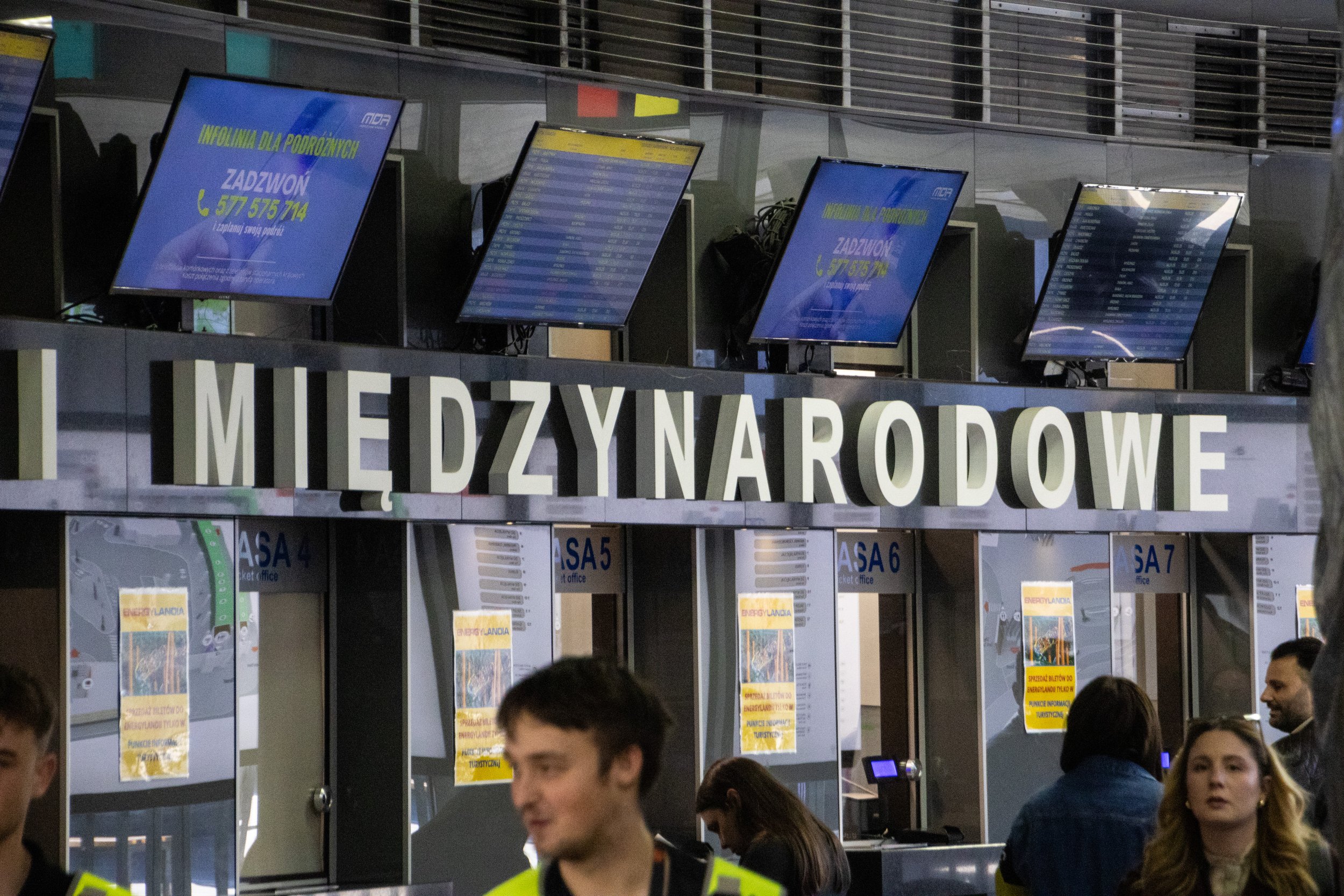
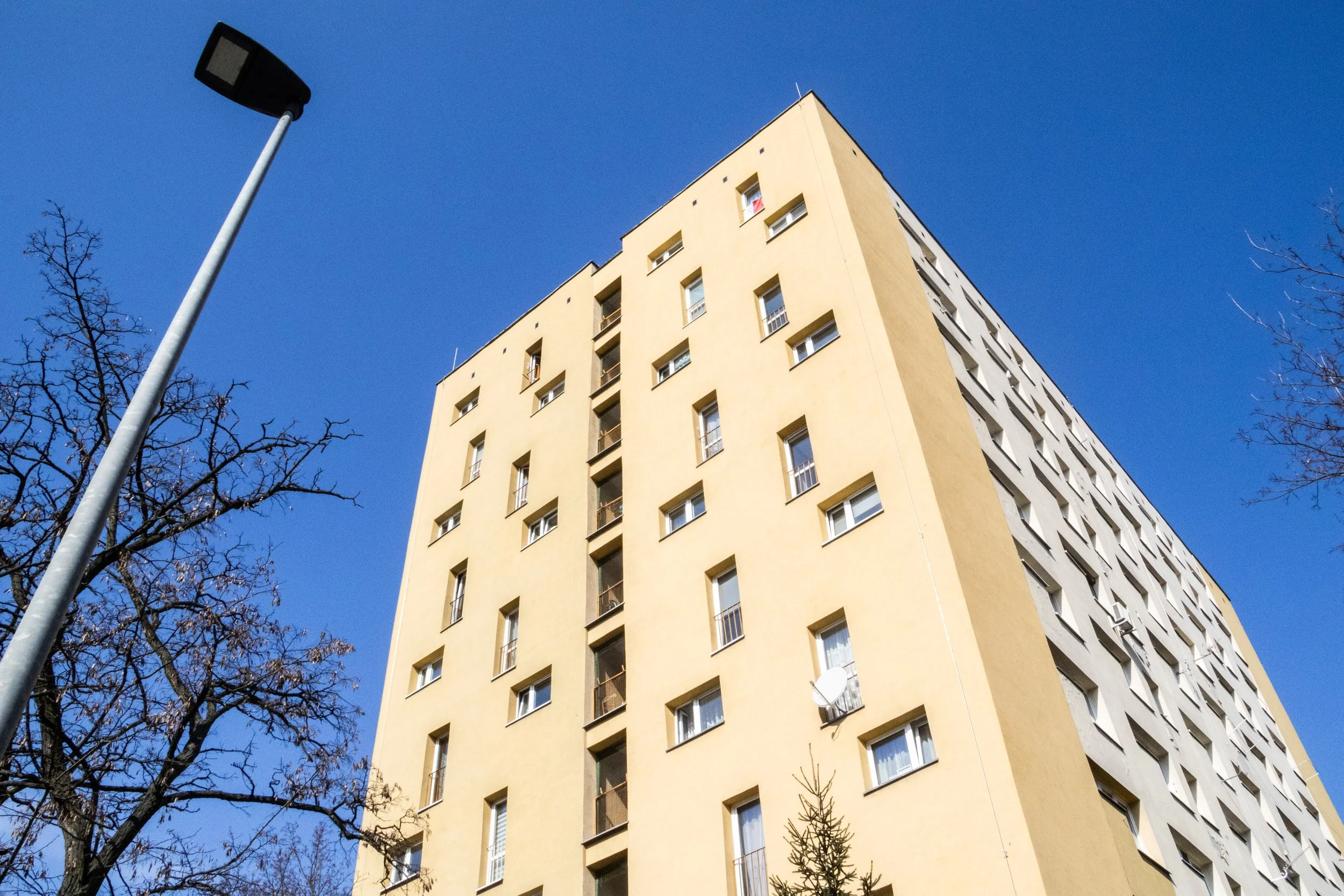
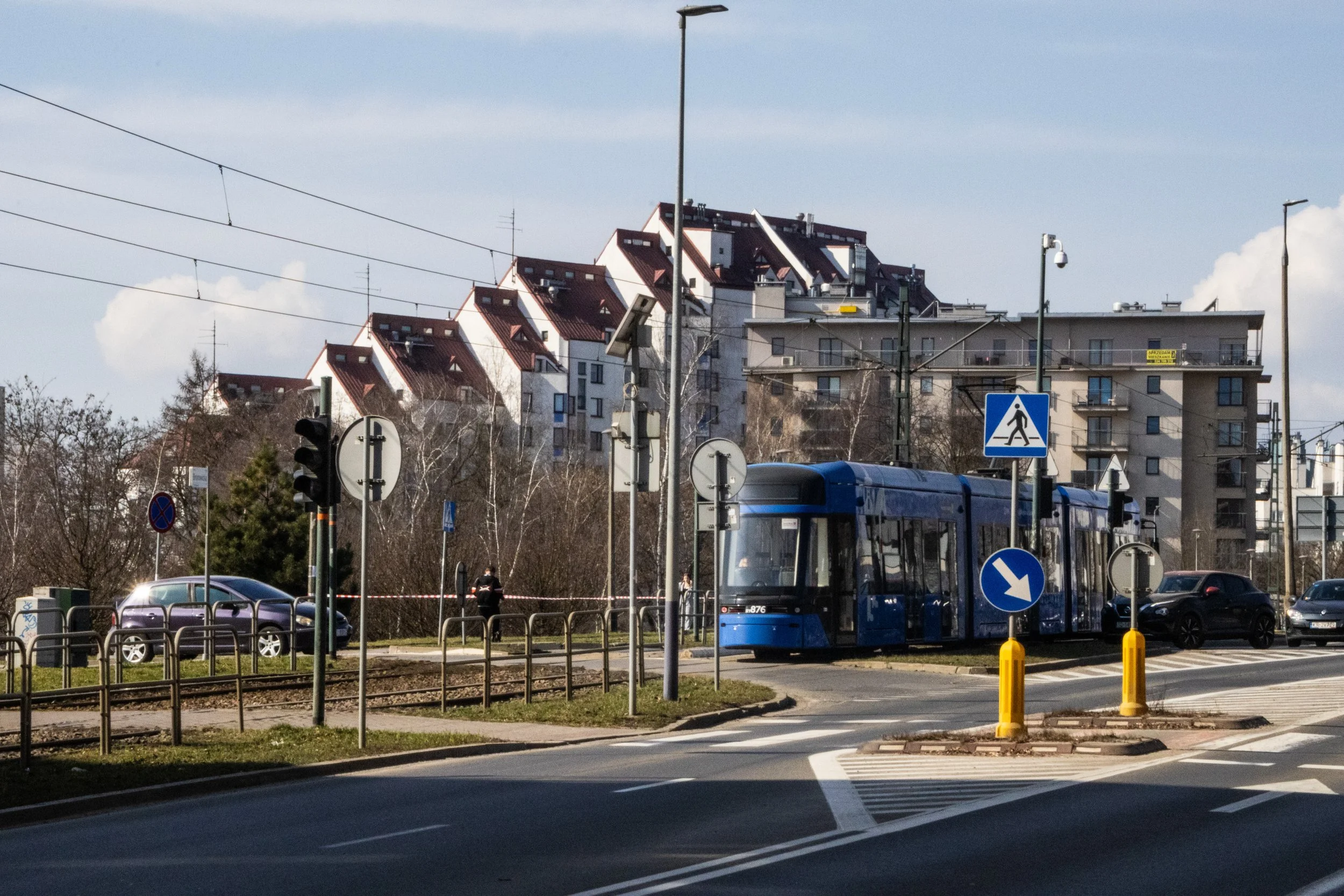
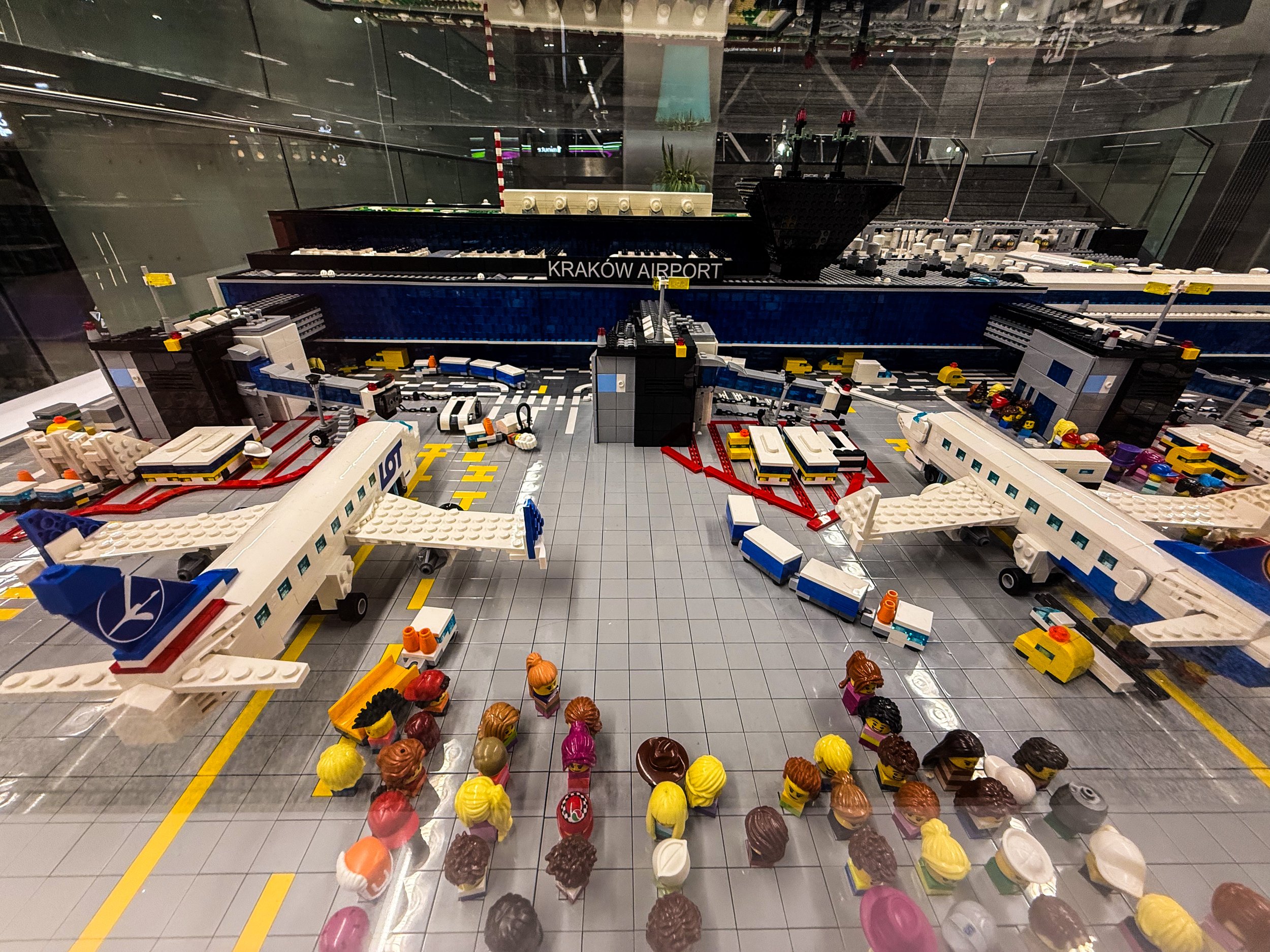
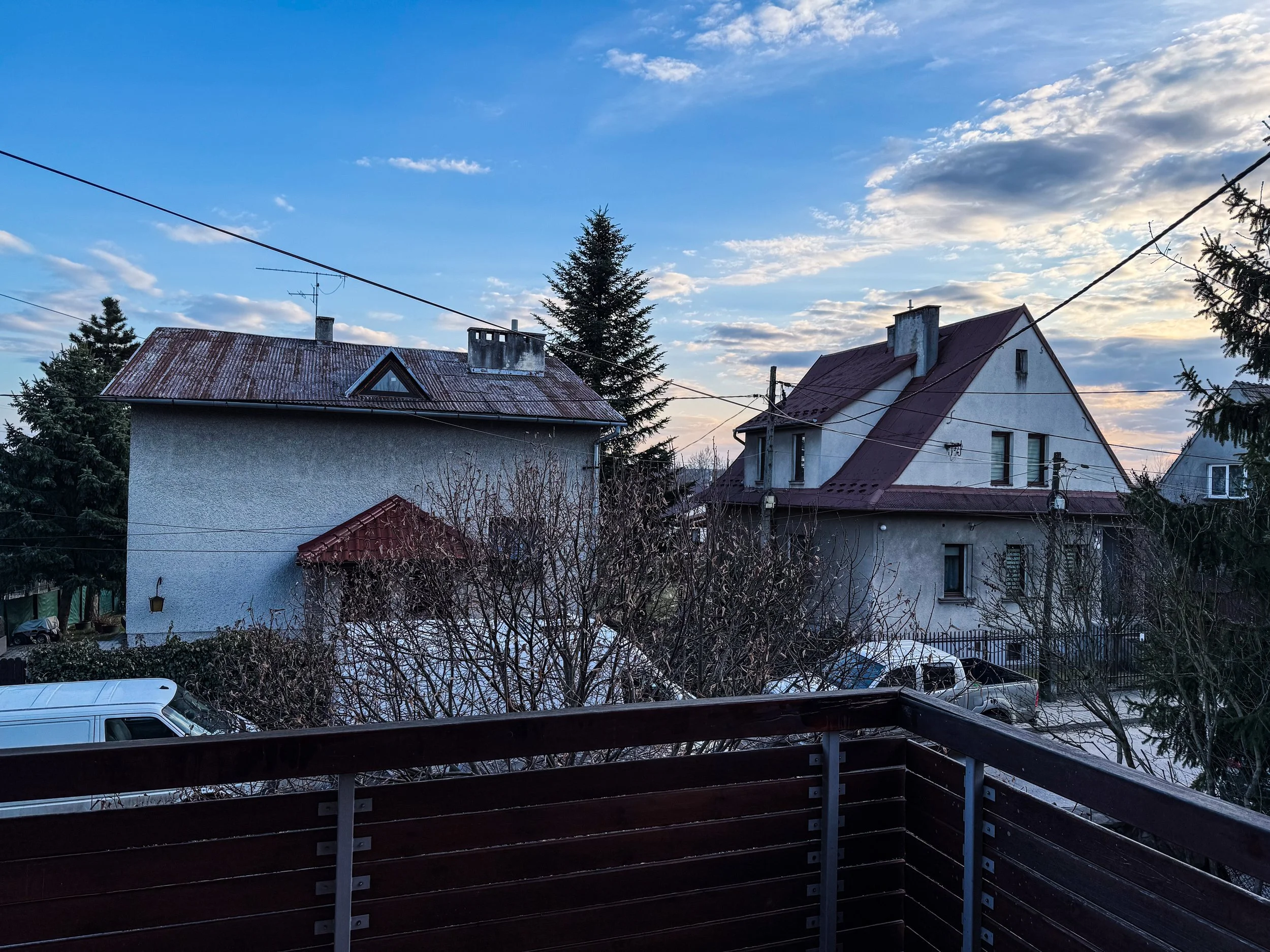
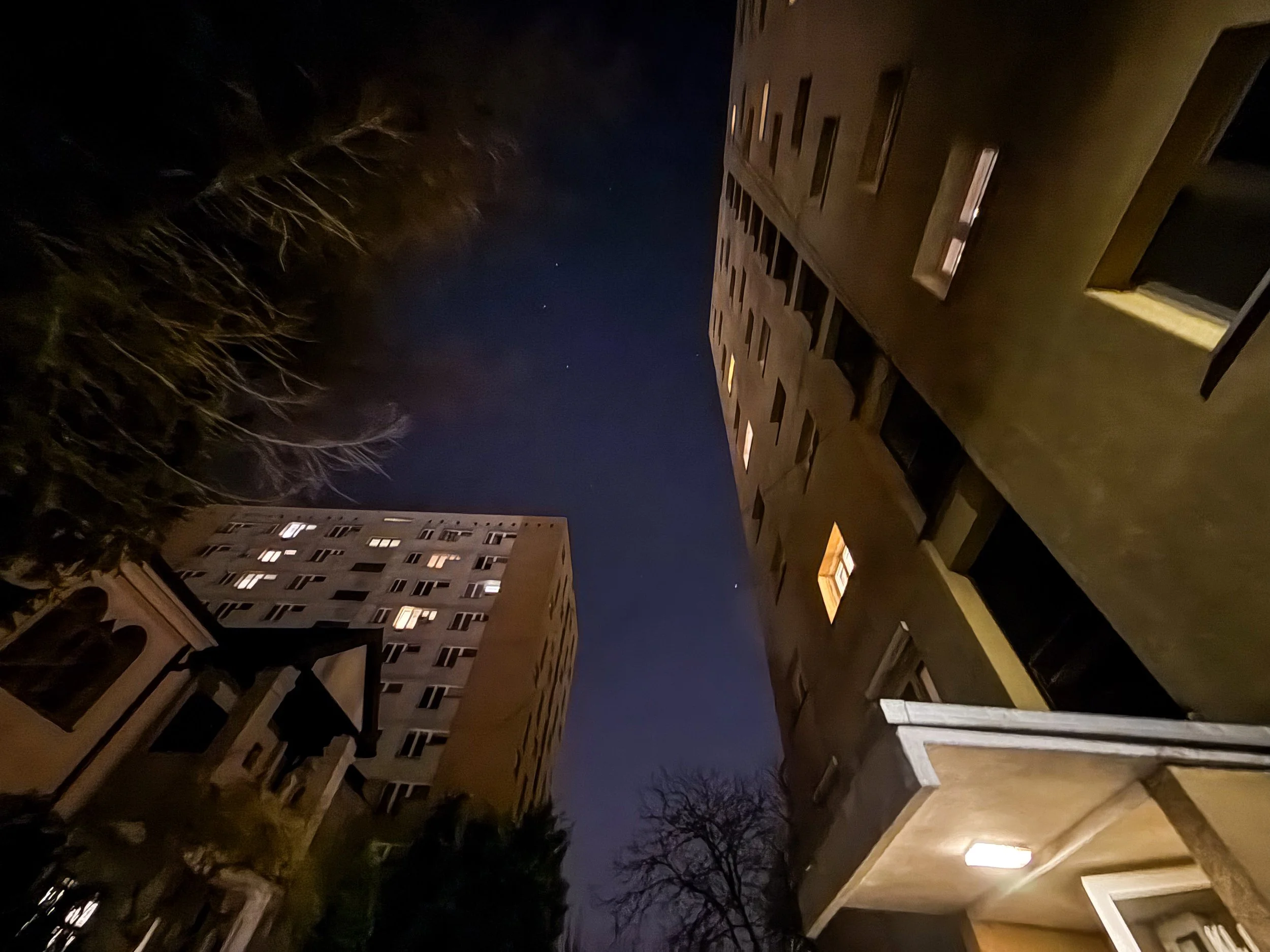
Adding to this surreal sensation of familiarity were the people I interacted with here… I have no idea if this group can be considered a “representative sample”, but I was super surprised at how small the cultural gap between us seemed to be. In some countries—even in Western Europe—it’s always abundantly clear that there is a LONG list of things separating me from the locals besides just language. But in Kraków, I often had the sense that (controlling for language), the gap was shockingly small. Any other Americans care to weigh in on this? I’d be interested to see if anybody shares this sentiment.
So, based on that alone, Kraków and Poland get a big thumbs up from me!
But we’re not even close to done with this article. Let’s get out of the suburbs an into historical Kraków.
Old Town (Stare Miasto)
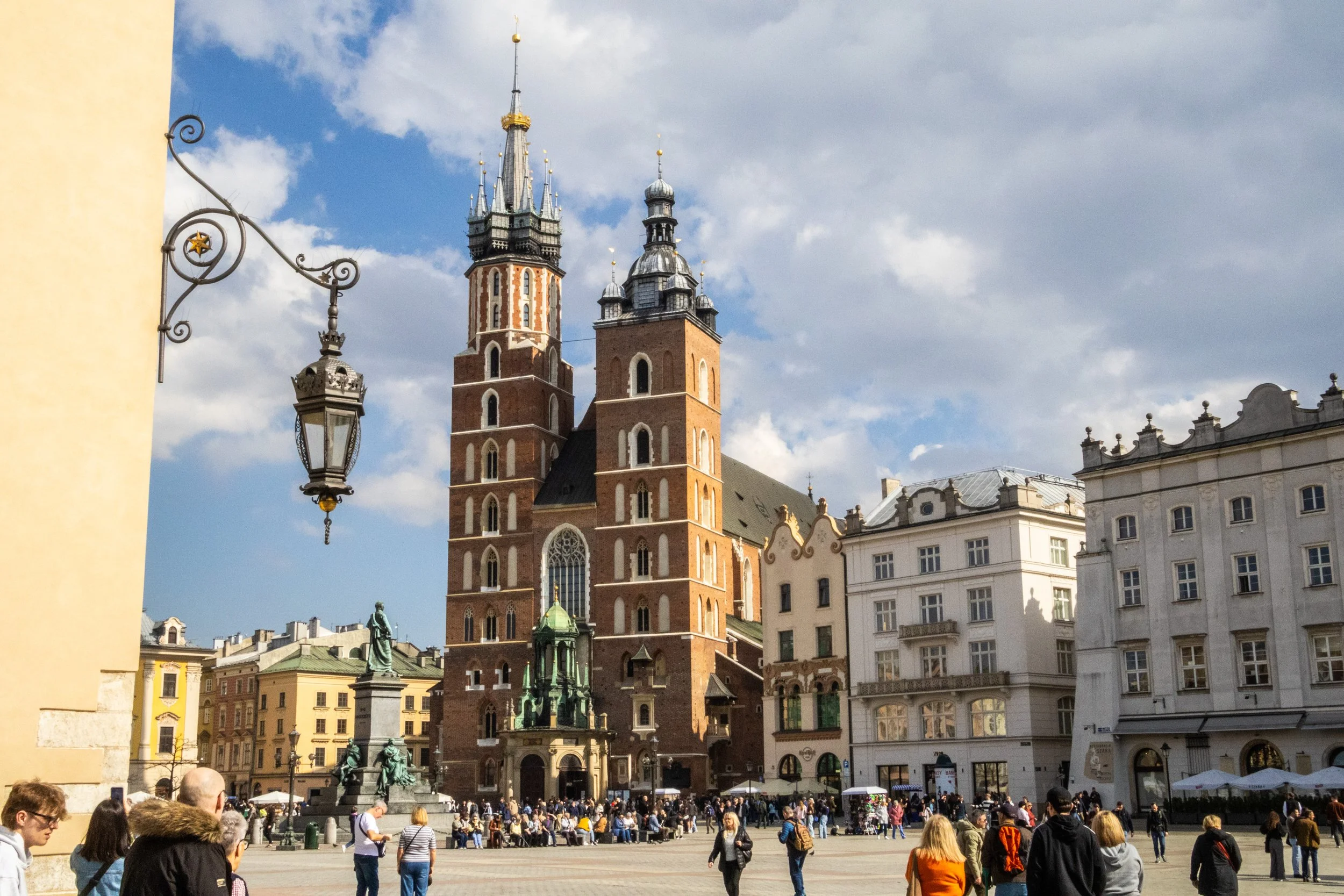
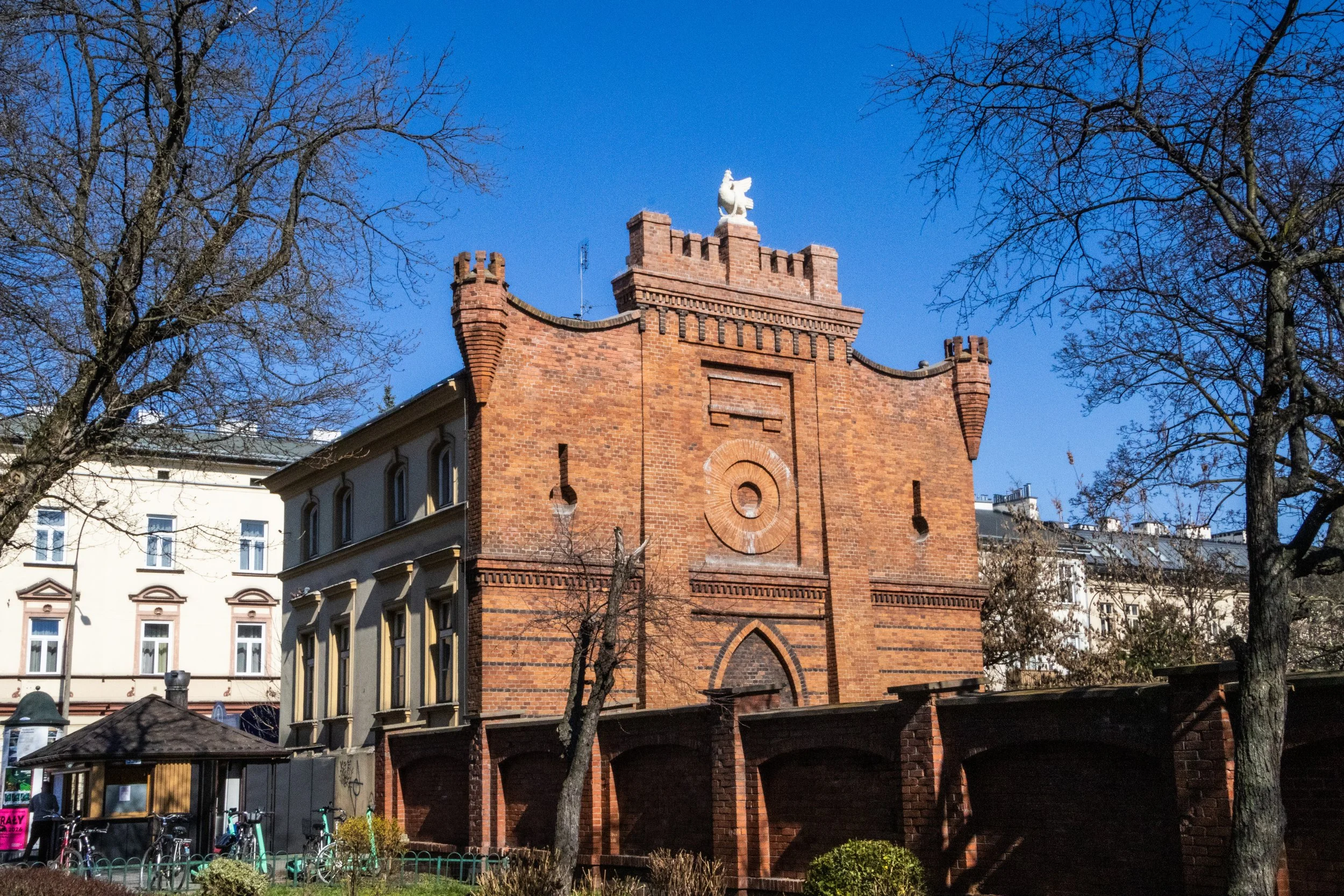
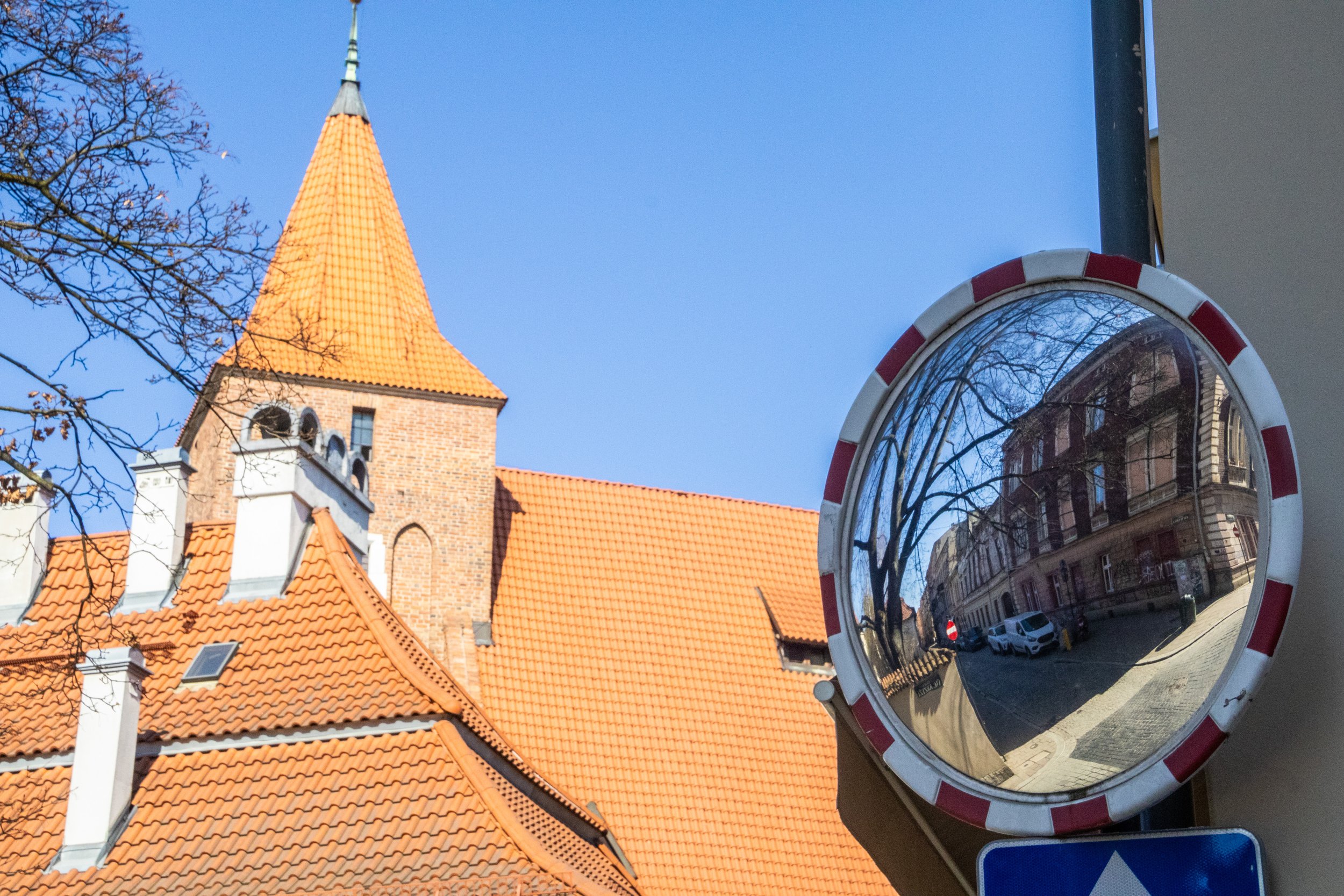
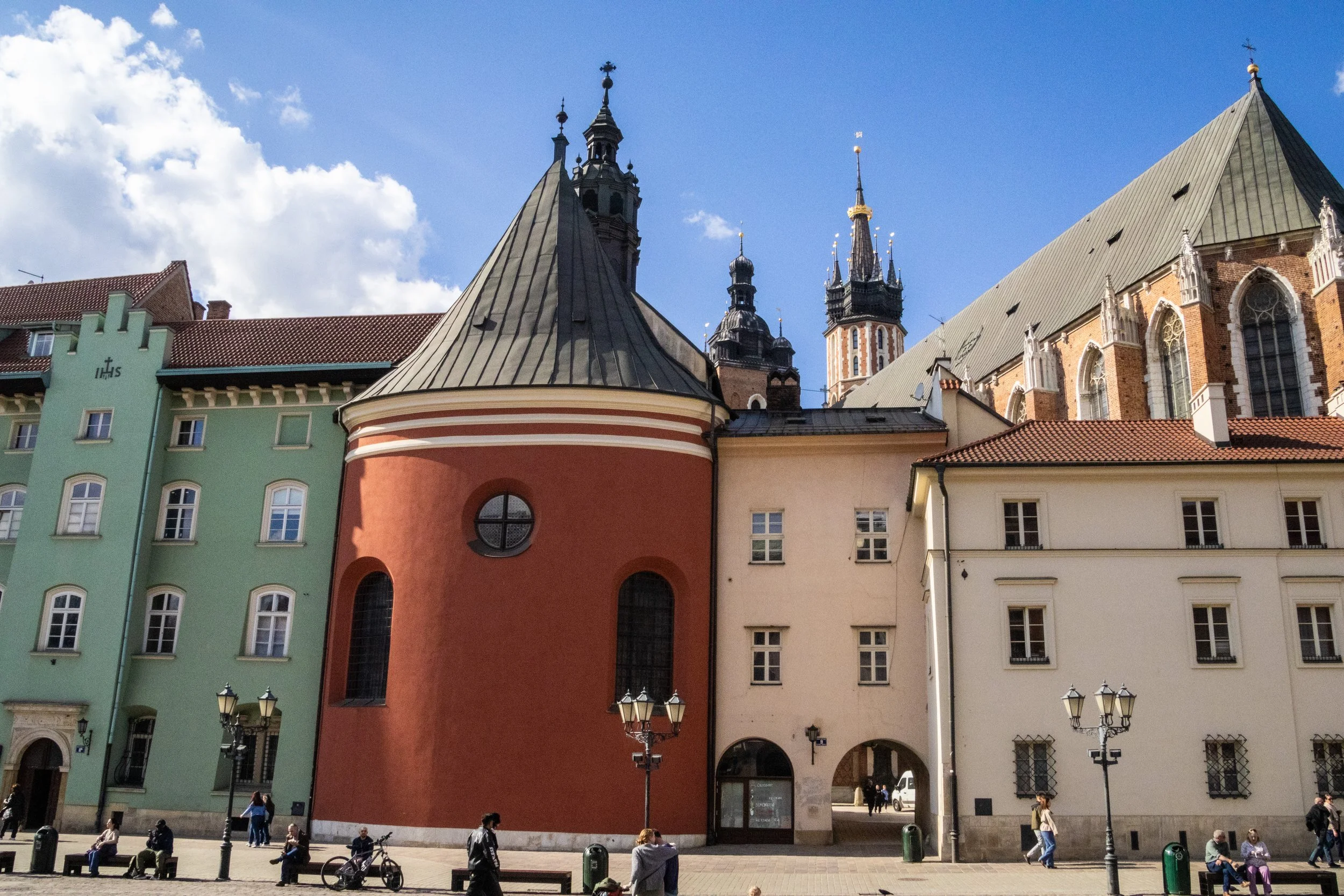
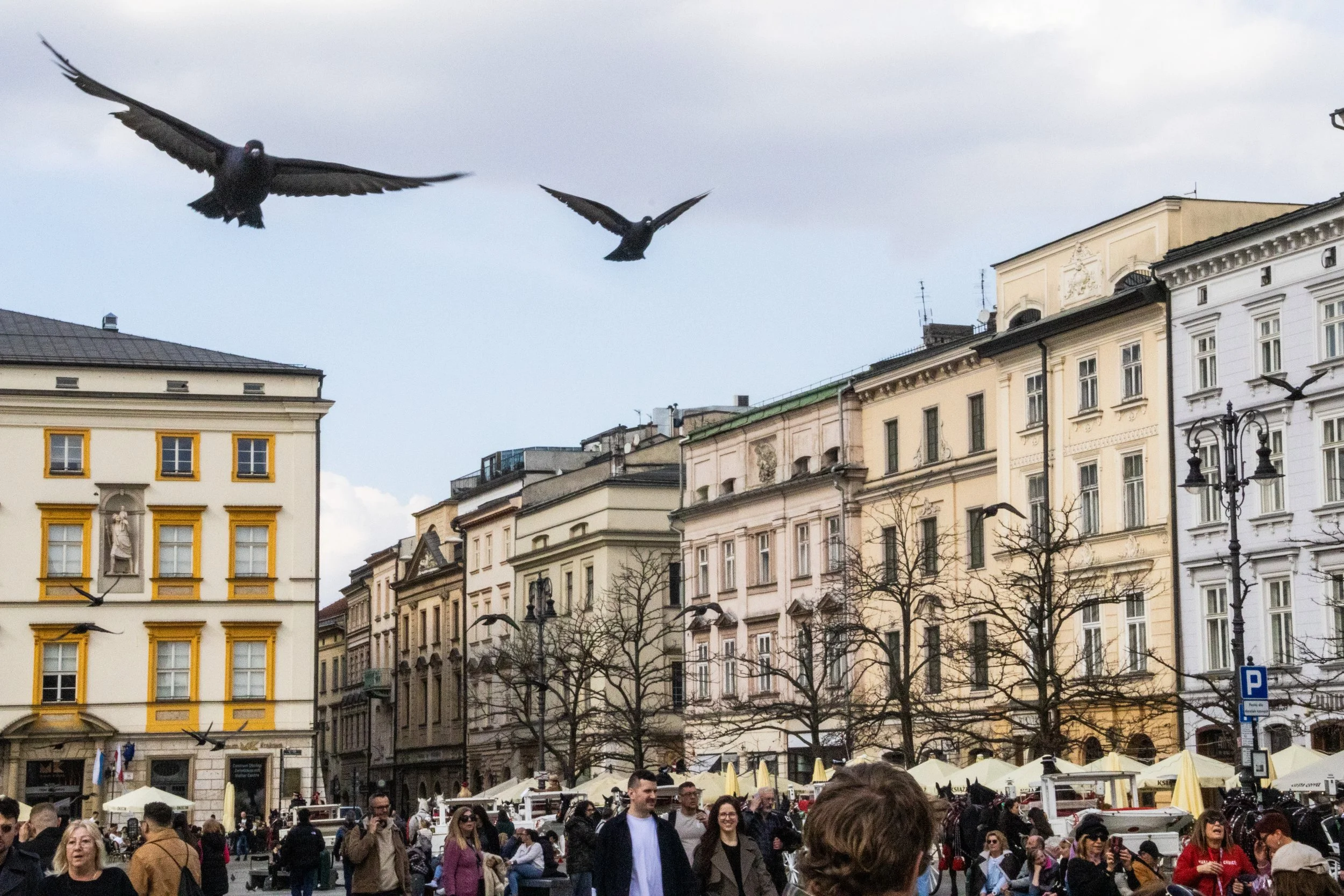
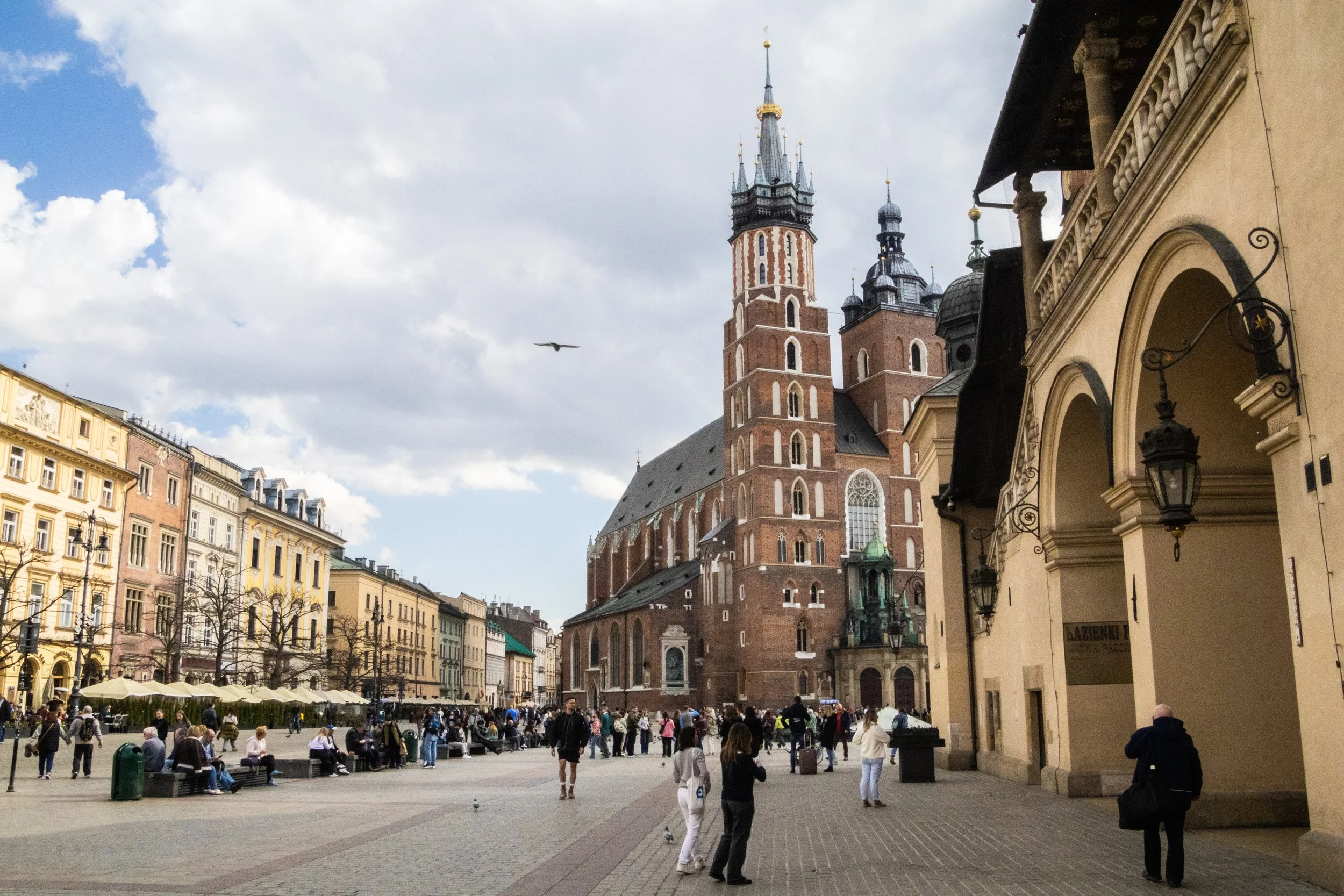
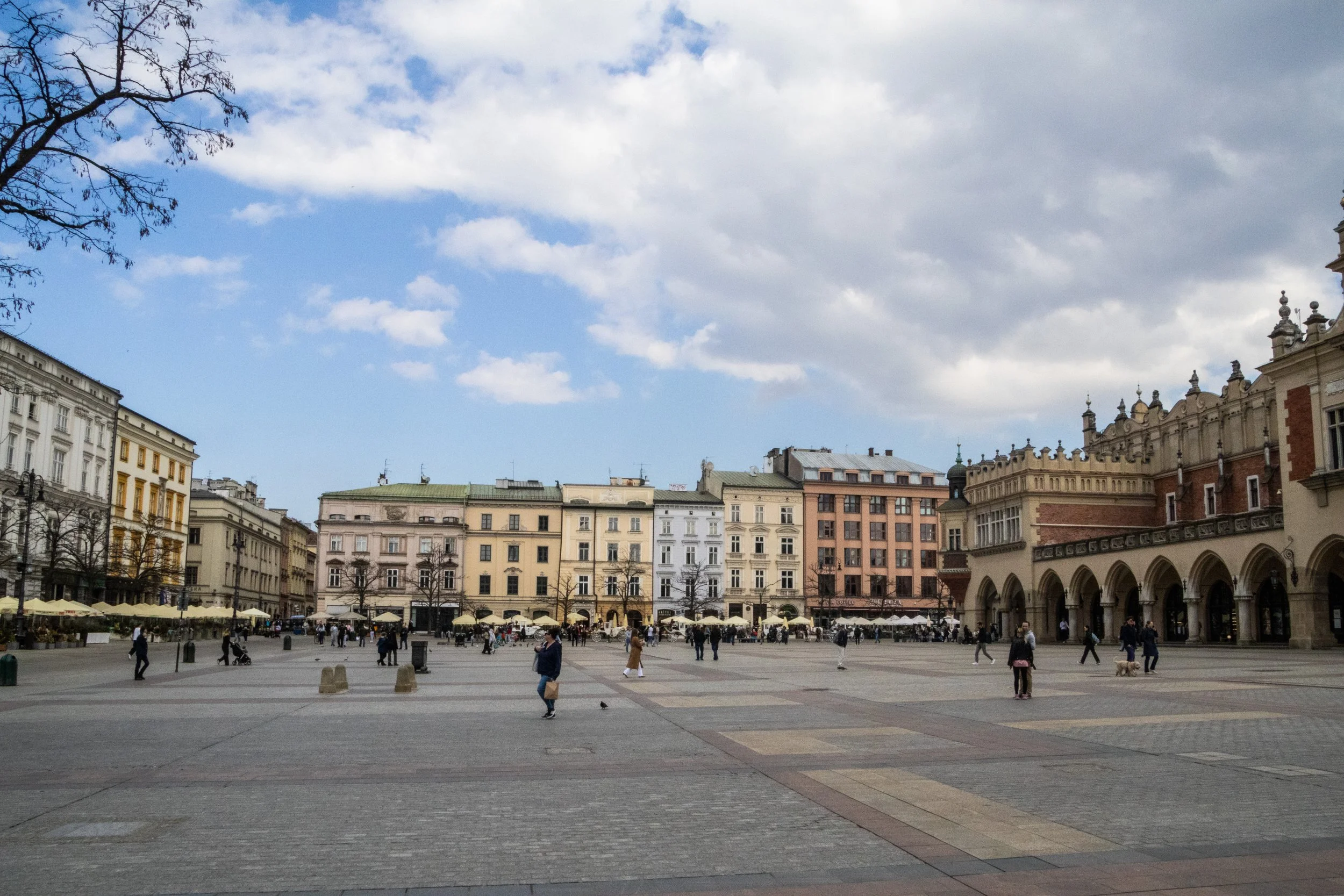
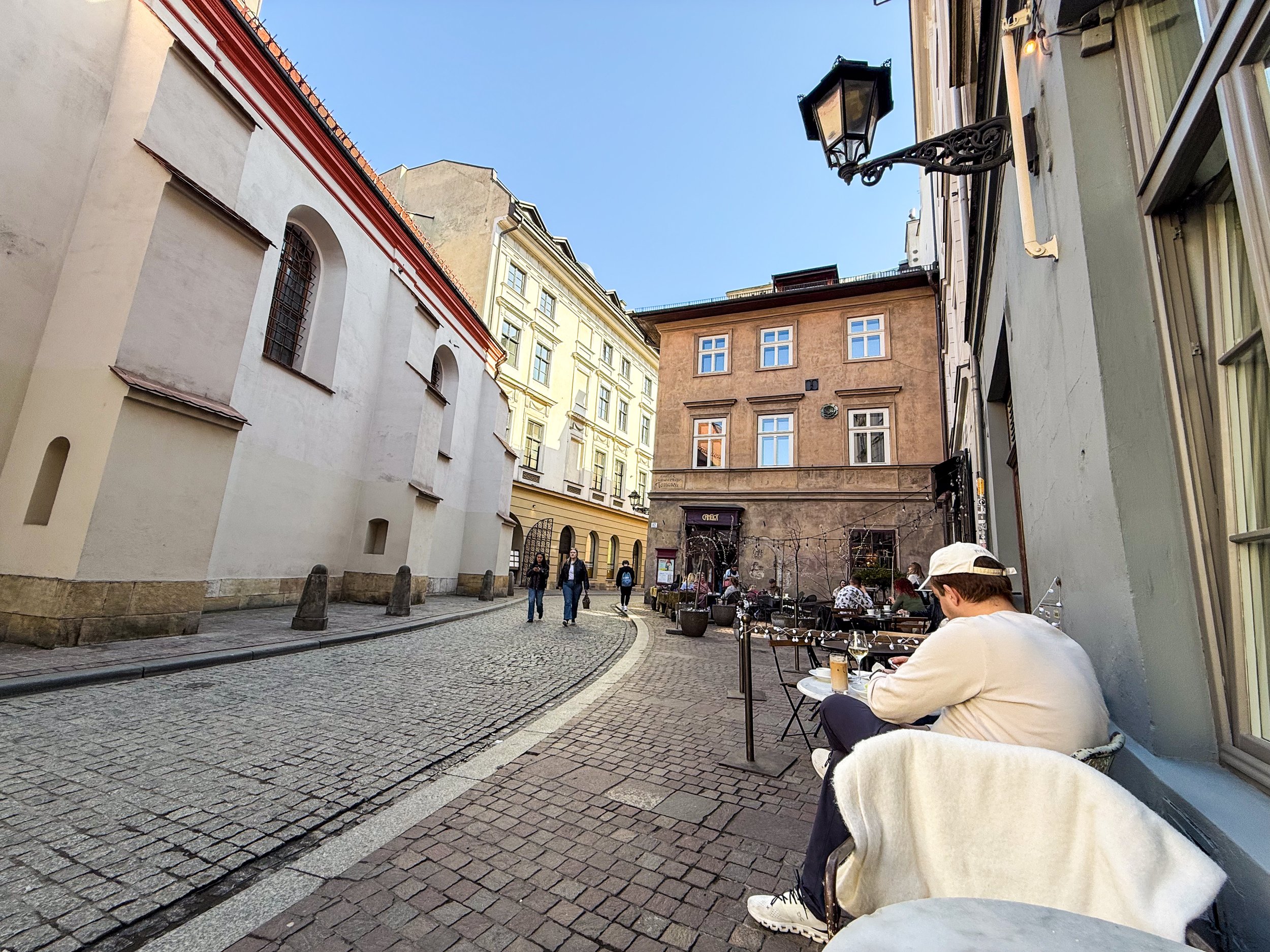
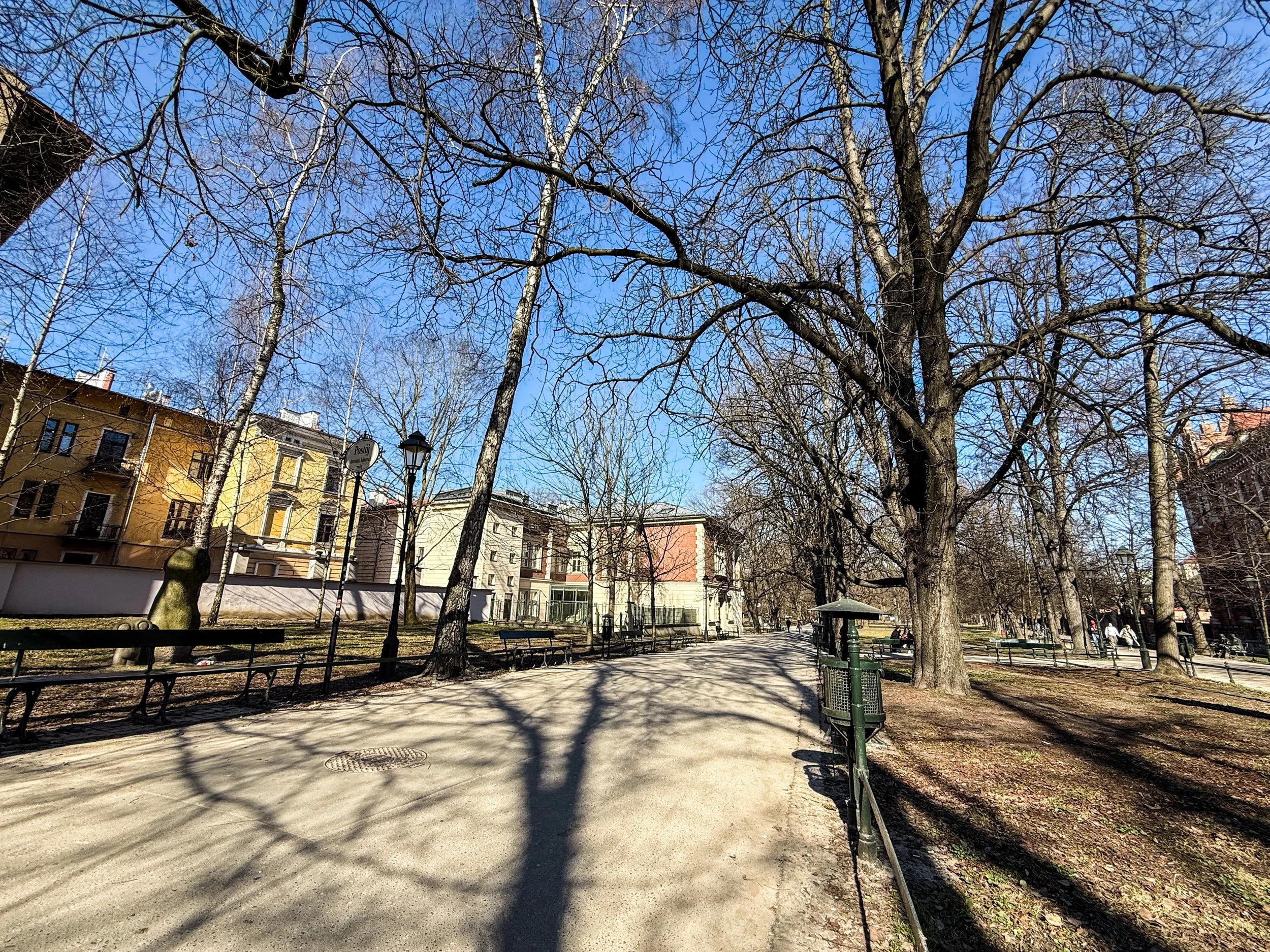
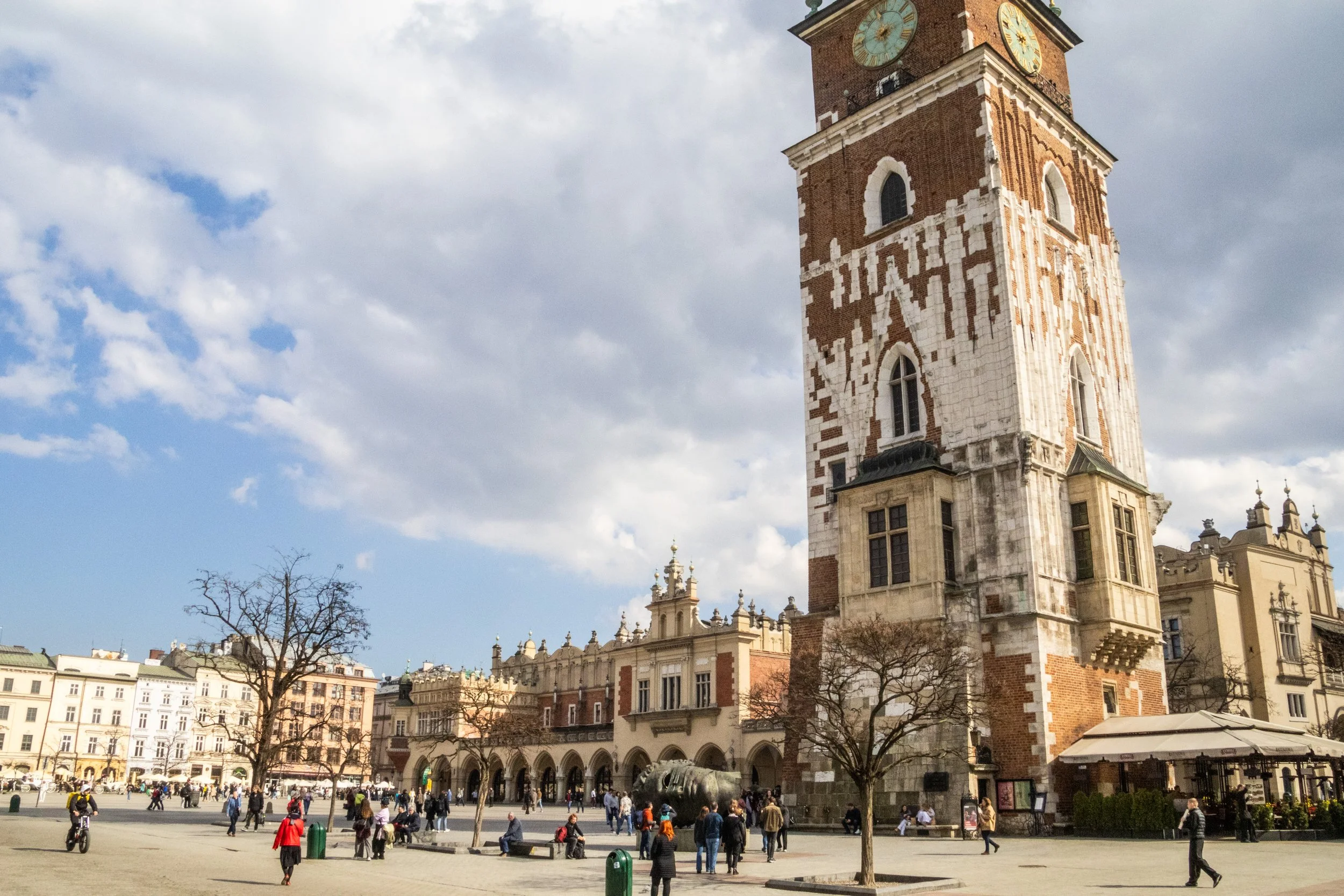
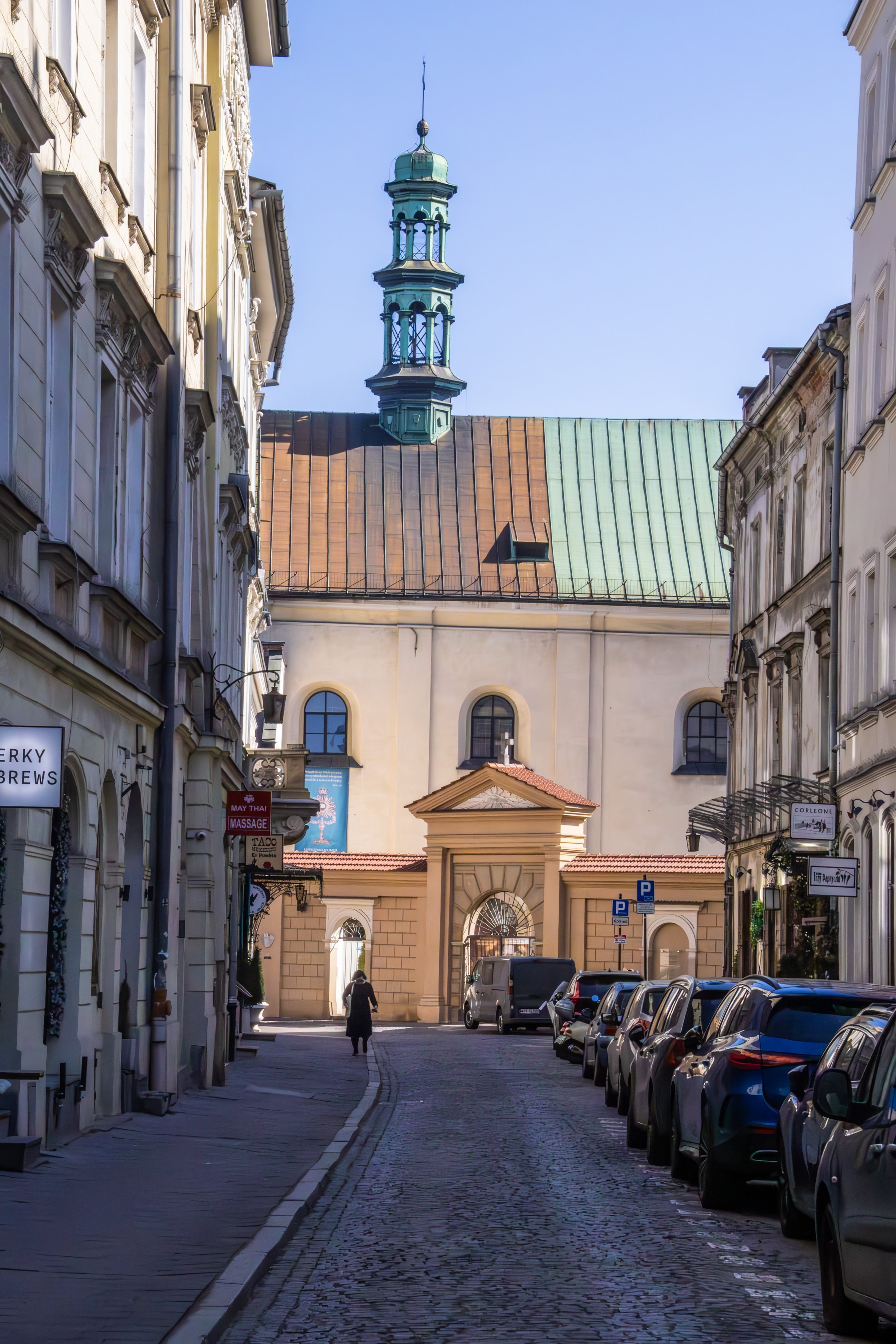
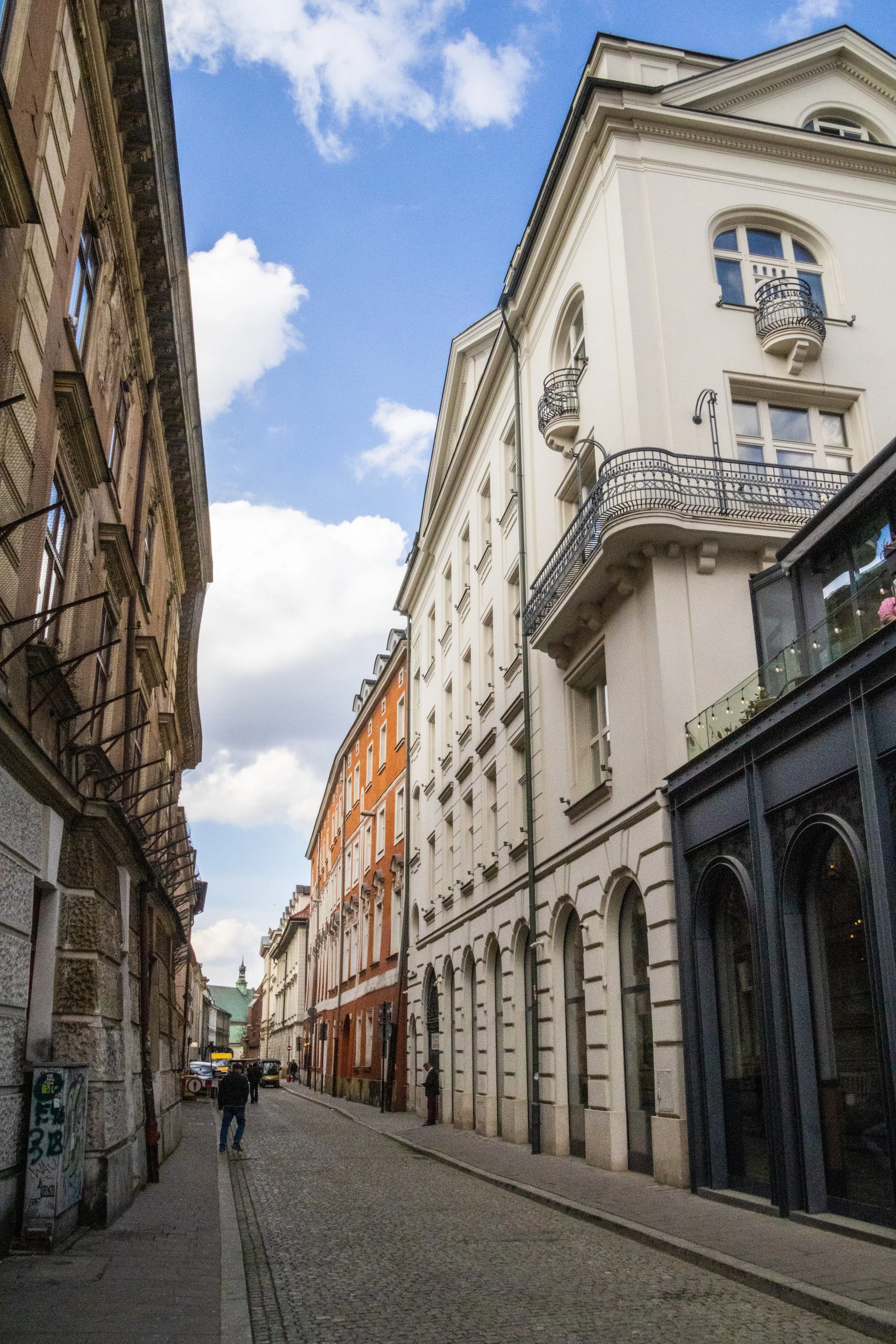
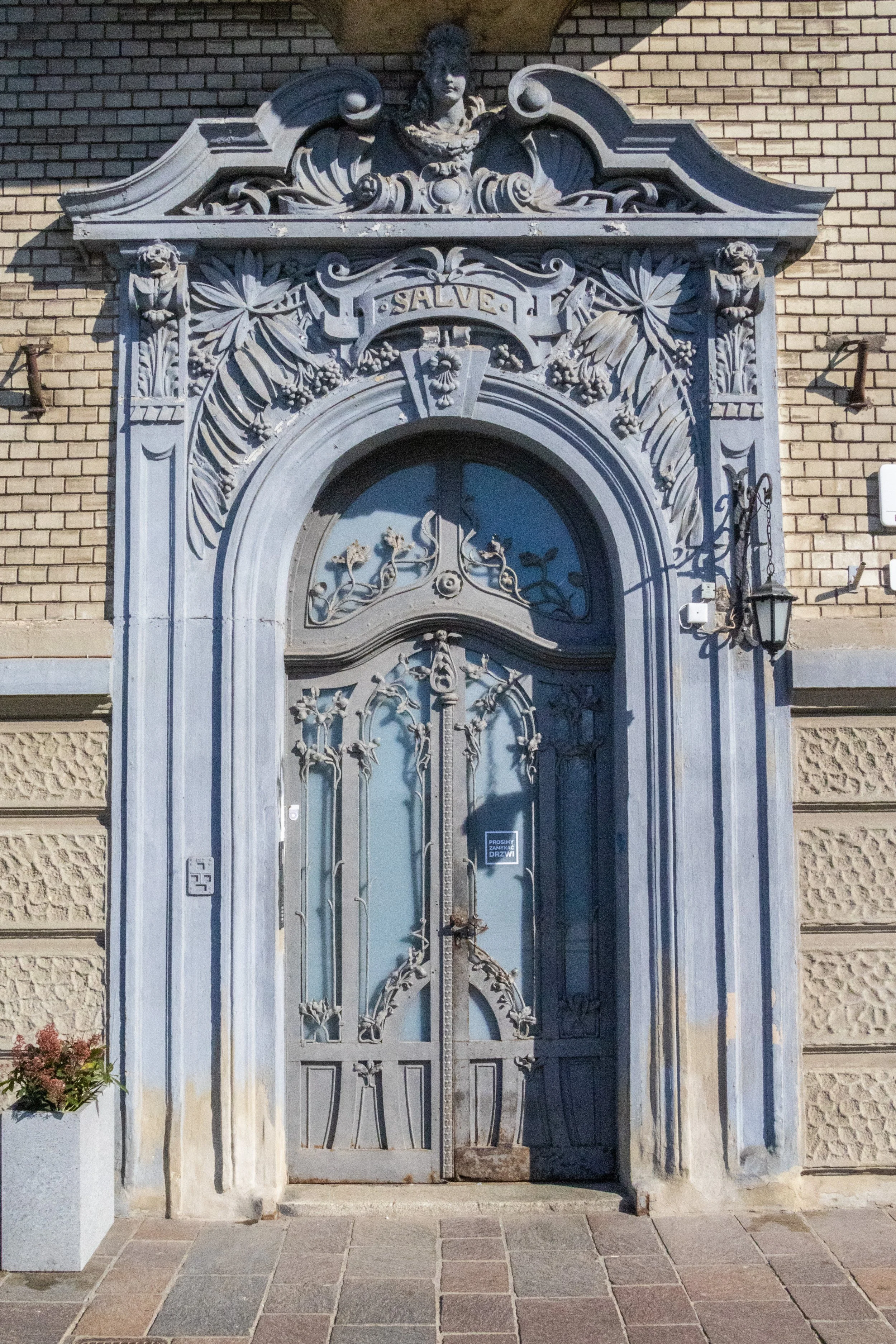
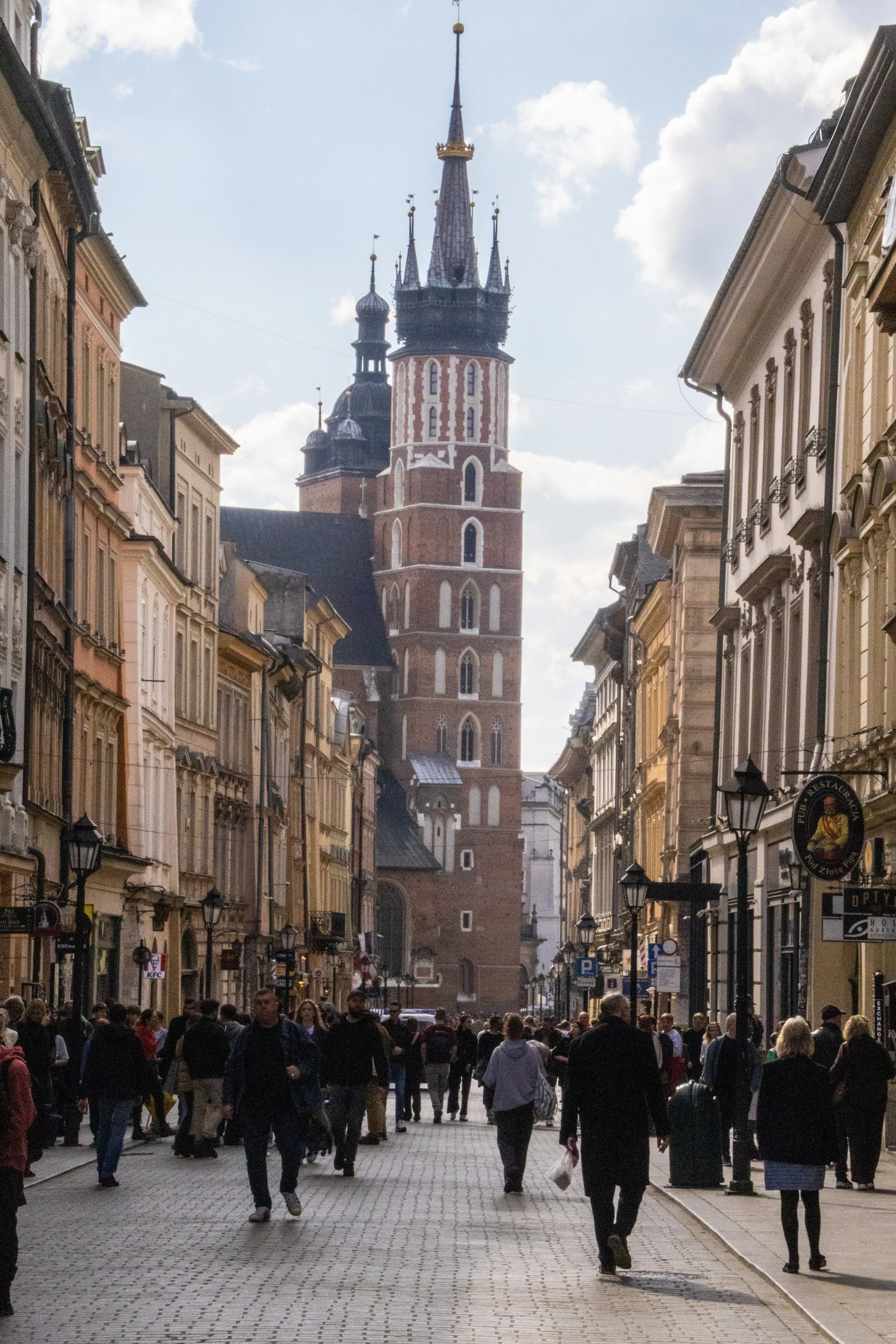
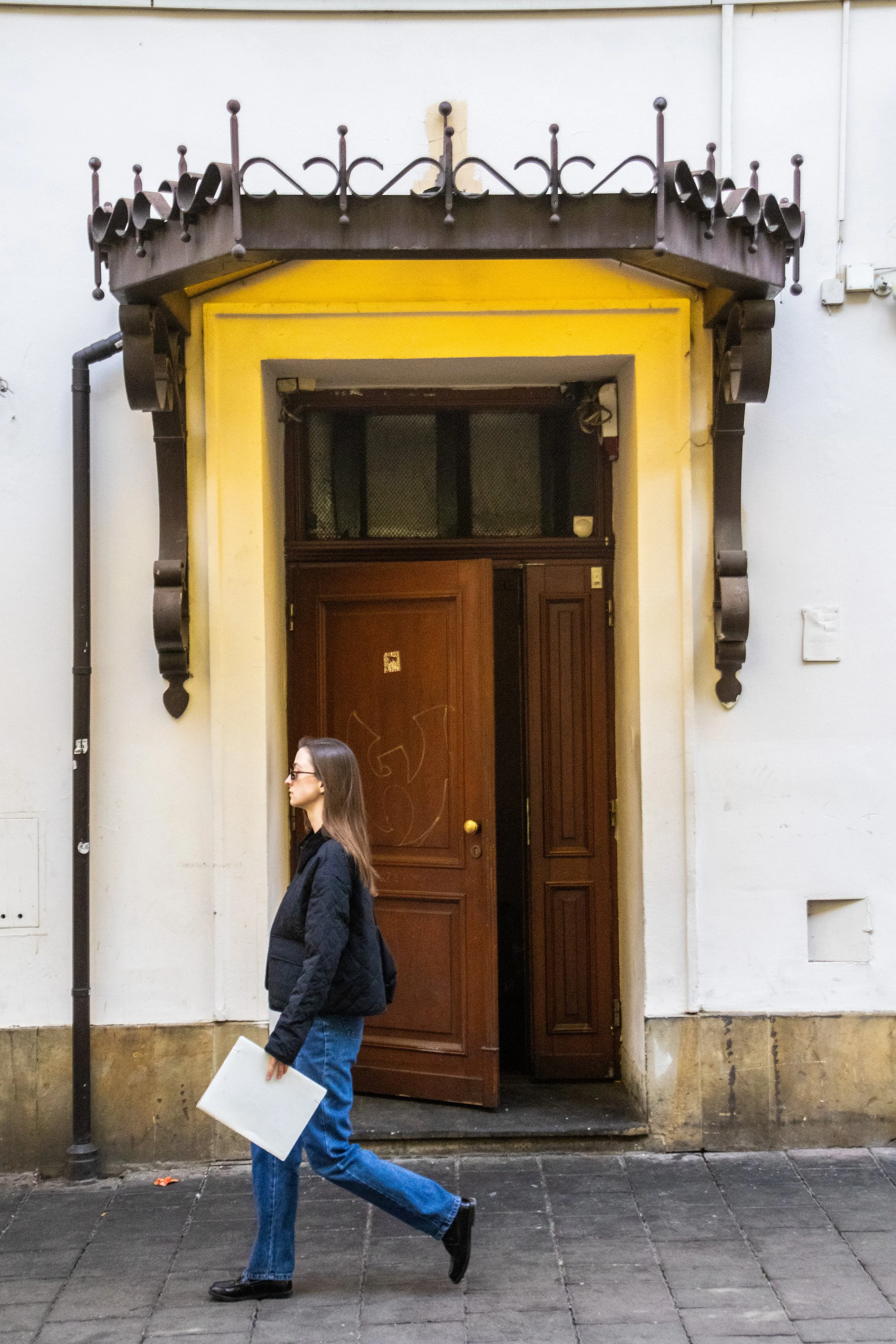
This is just one part of Kraków’s historic core; it only takes about 15 minutes to walk from one side of it to the other, but it’s DENSE. It would be easy to spend the better of a day here walking down every little cobblestone street, entering every café, and photographing every angle. The central square is called Rynek Główny and it’s often described as Europe’s largest medieval market square. And, indeed, it’s massive! Now that I think about it, I don’t remember seeing any plaza larger than this in Europe… but I haven’t been everywhere yet.
In the center of this square there is an ornate old cathedral called St. Mary’s Basilica. Instead of church bells to mark the passing of each hour, as you might expect, there’s an odd tradition here where a trumpeter plays loudly from a particular window but stops abruptly mid-melody. This, apparently, is done to commemorate a trumpeter from centuries ago who was playing from this window to warn of an invading enemy army, but in so doing was shot by the approaching forces. And, like, am I the only one who finds this kind of funny? It seems like this is a city that doesn’t take itself too seriously.
So, is the Old Town where most of Kraków’s modern-day activities play out? No. It’s more of a prestige / historical district. There are some pricey apartments here, but I think that even locals feel a bit like visitors when they come to this part of the city.
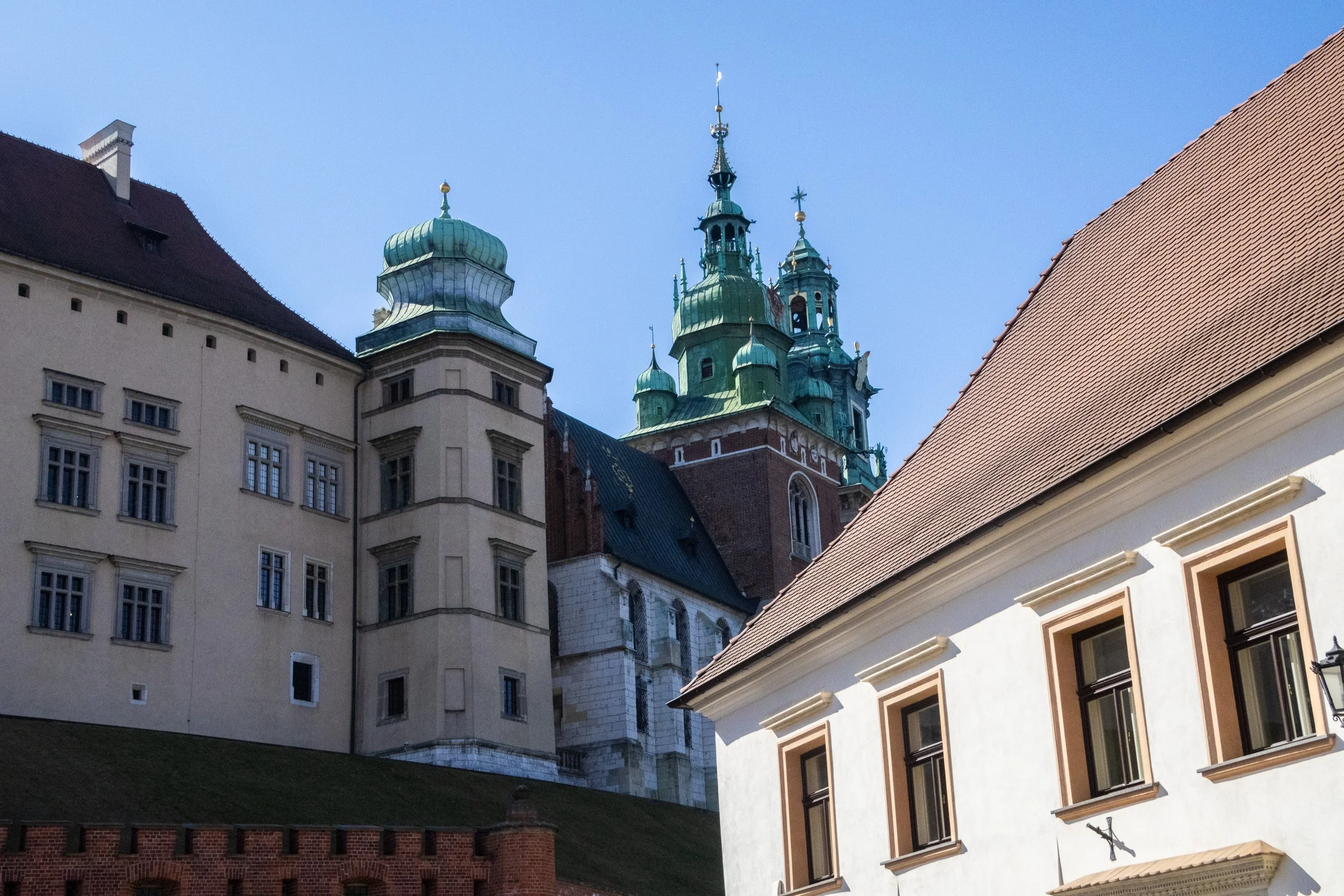
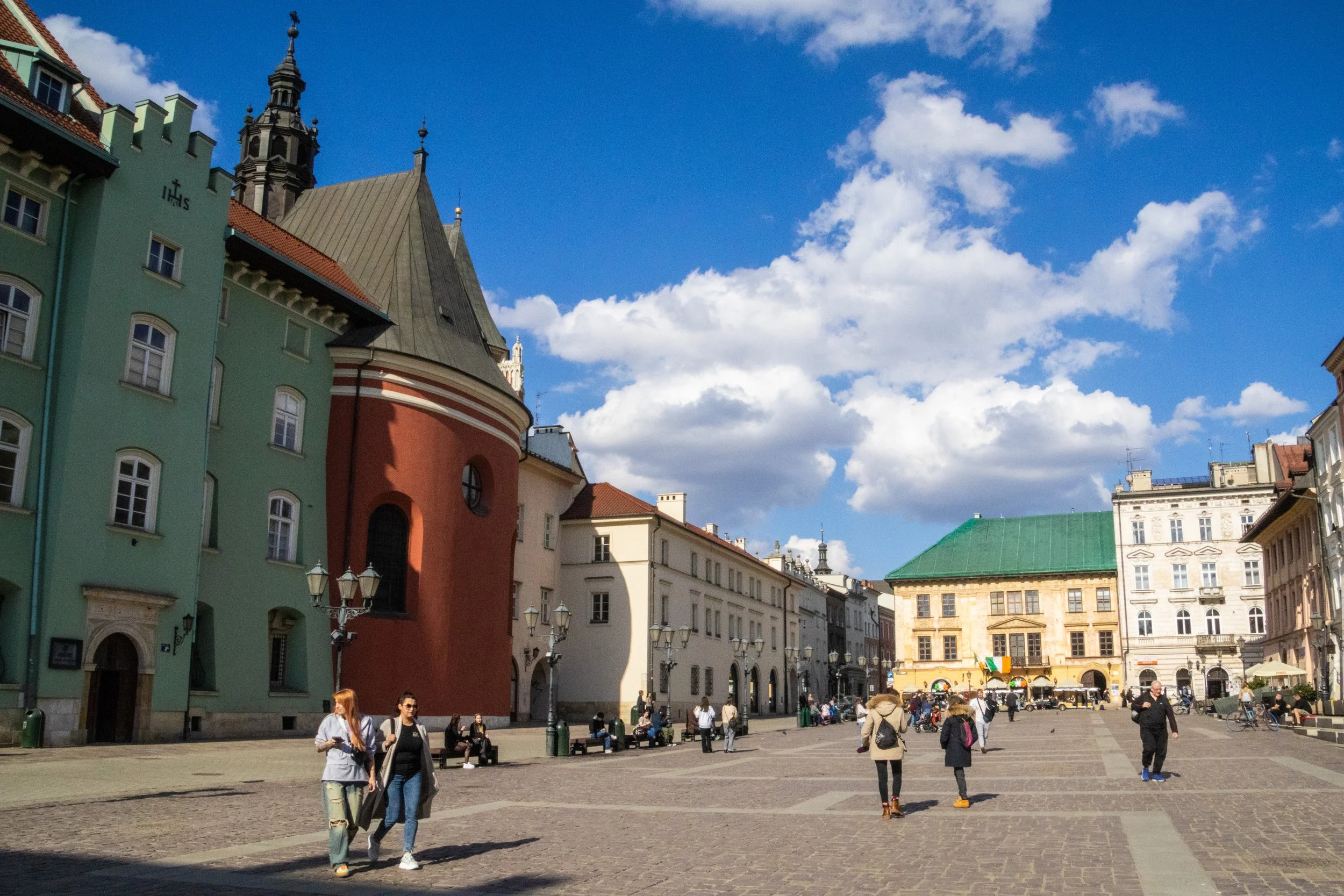
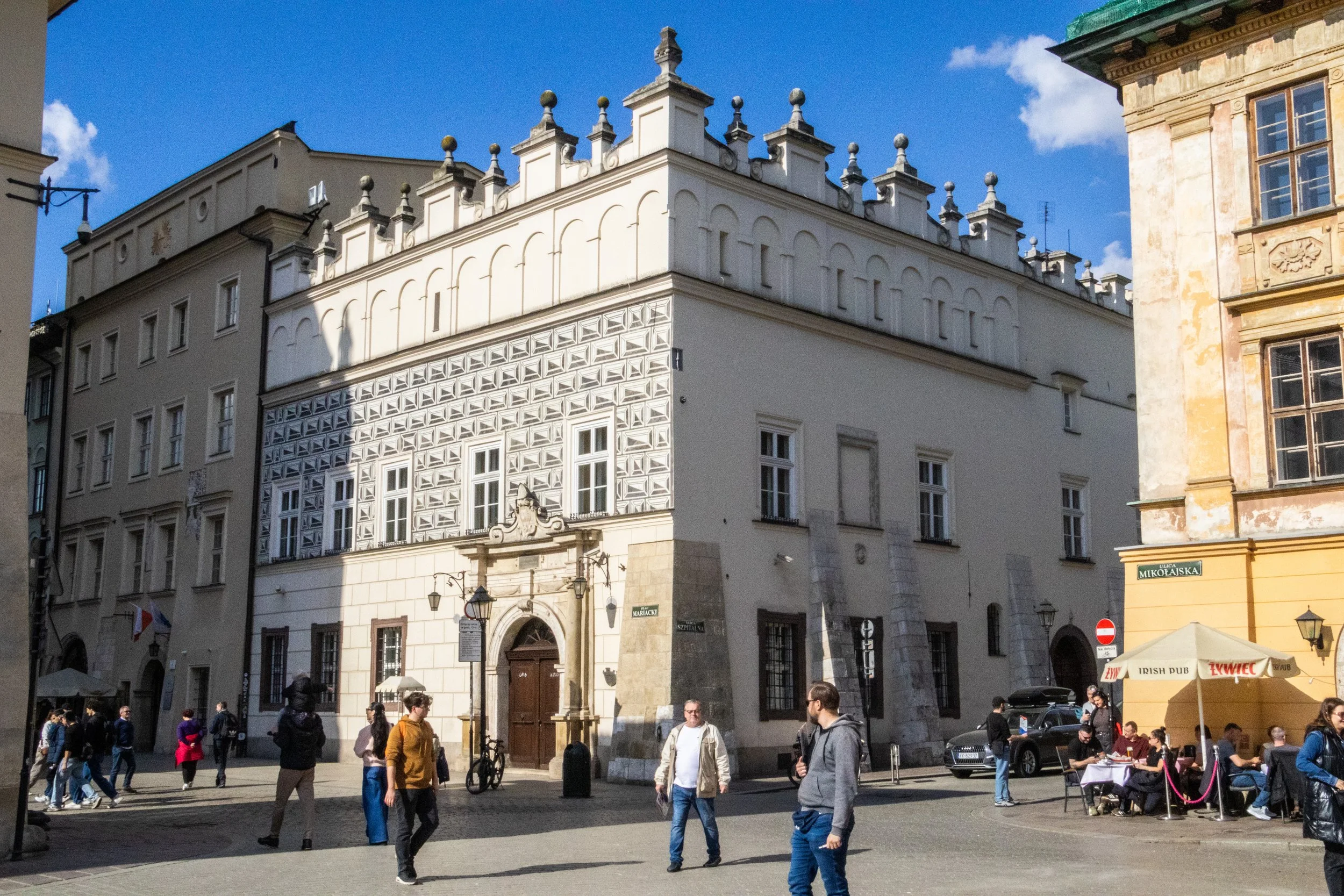
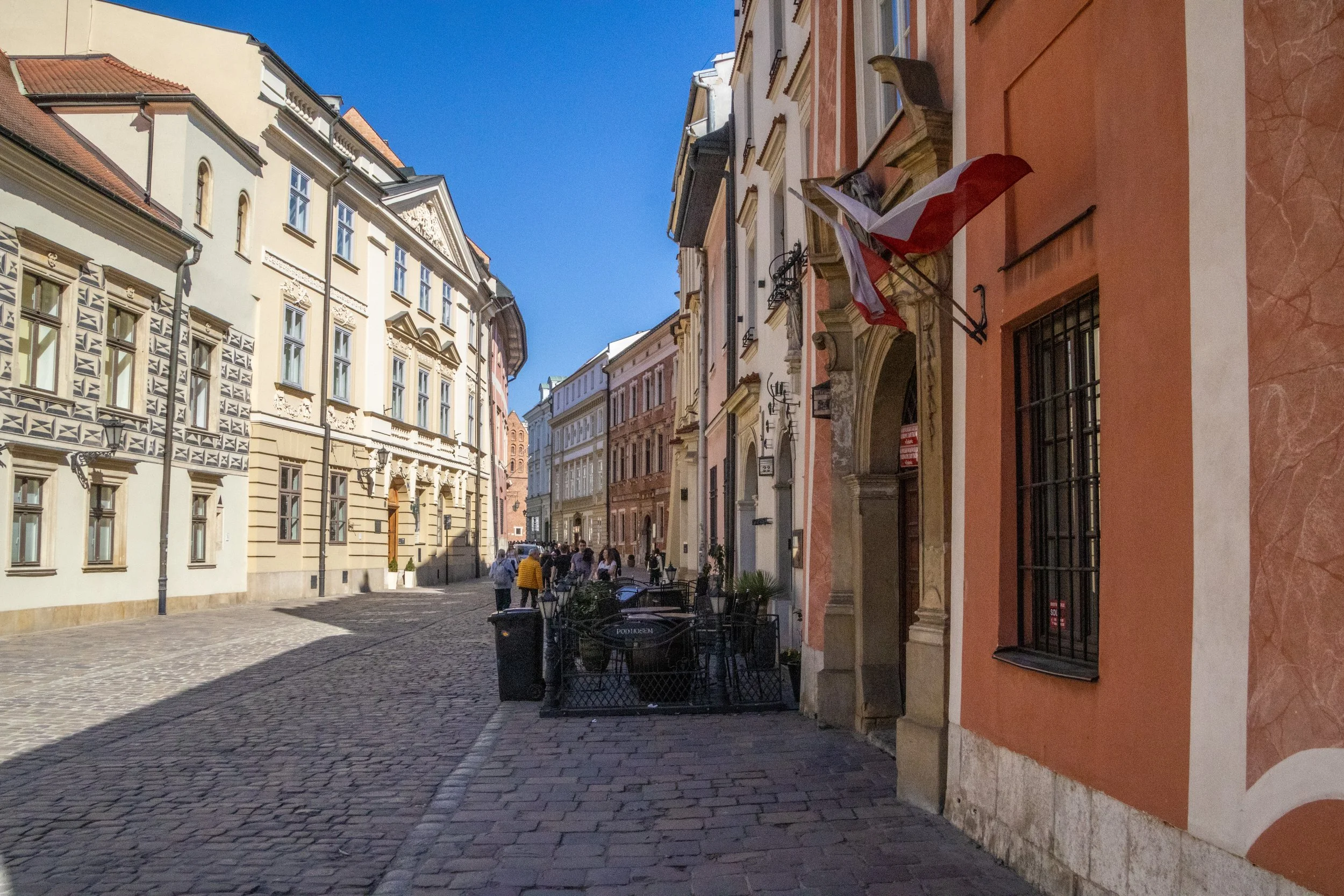
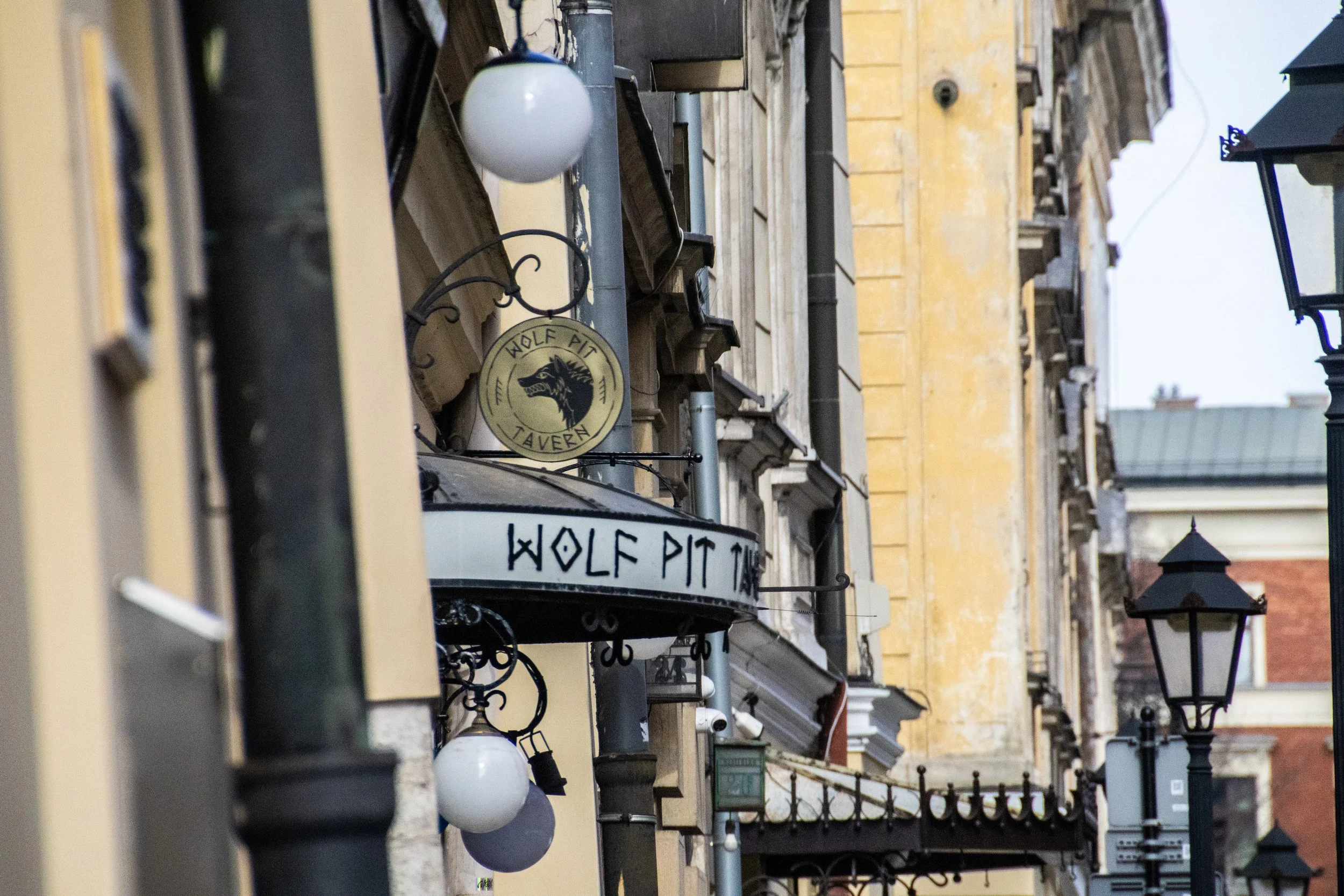
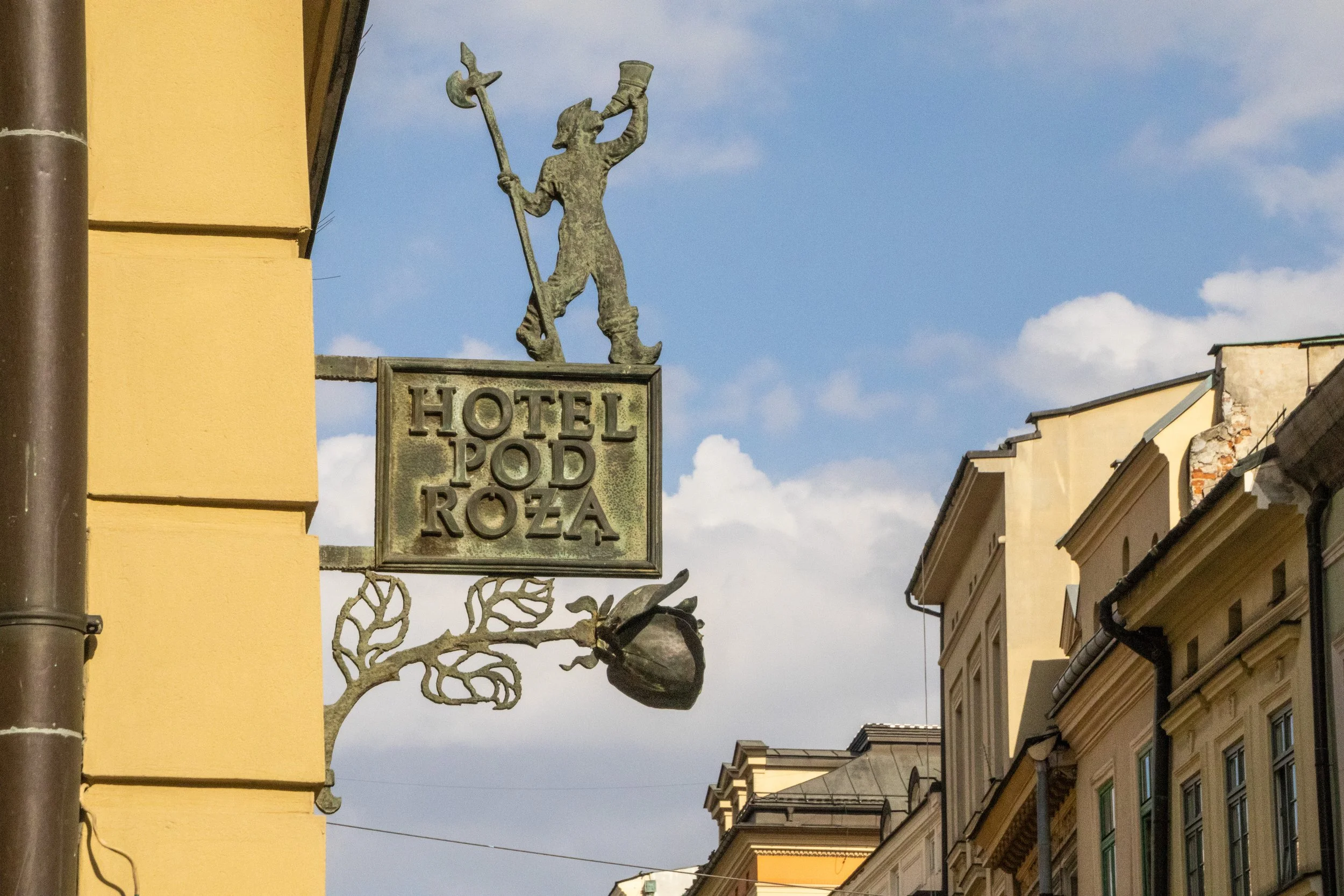
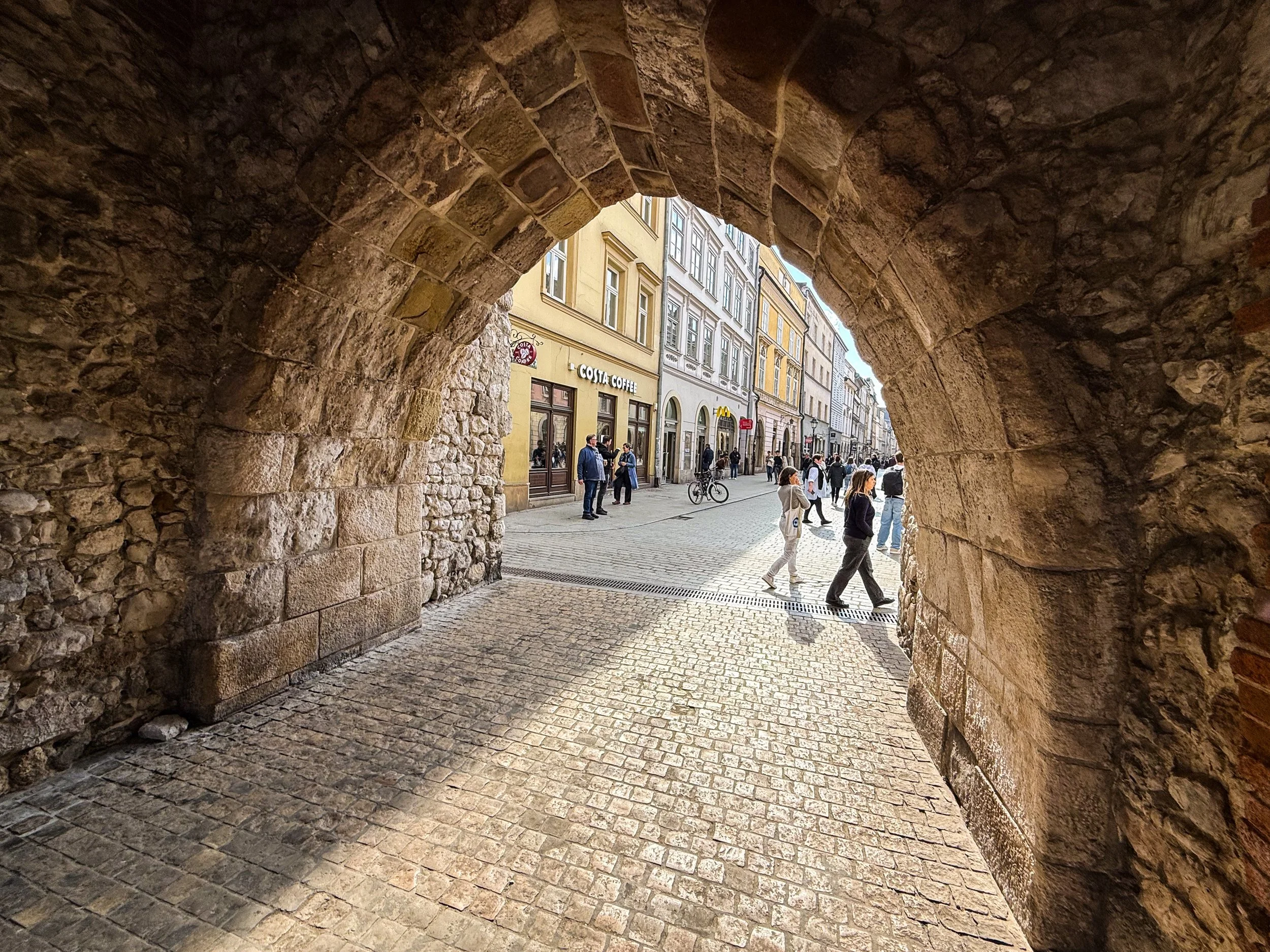
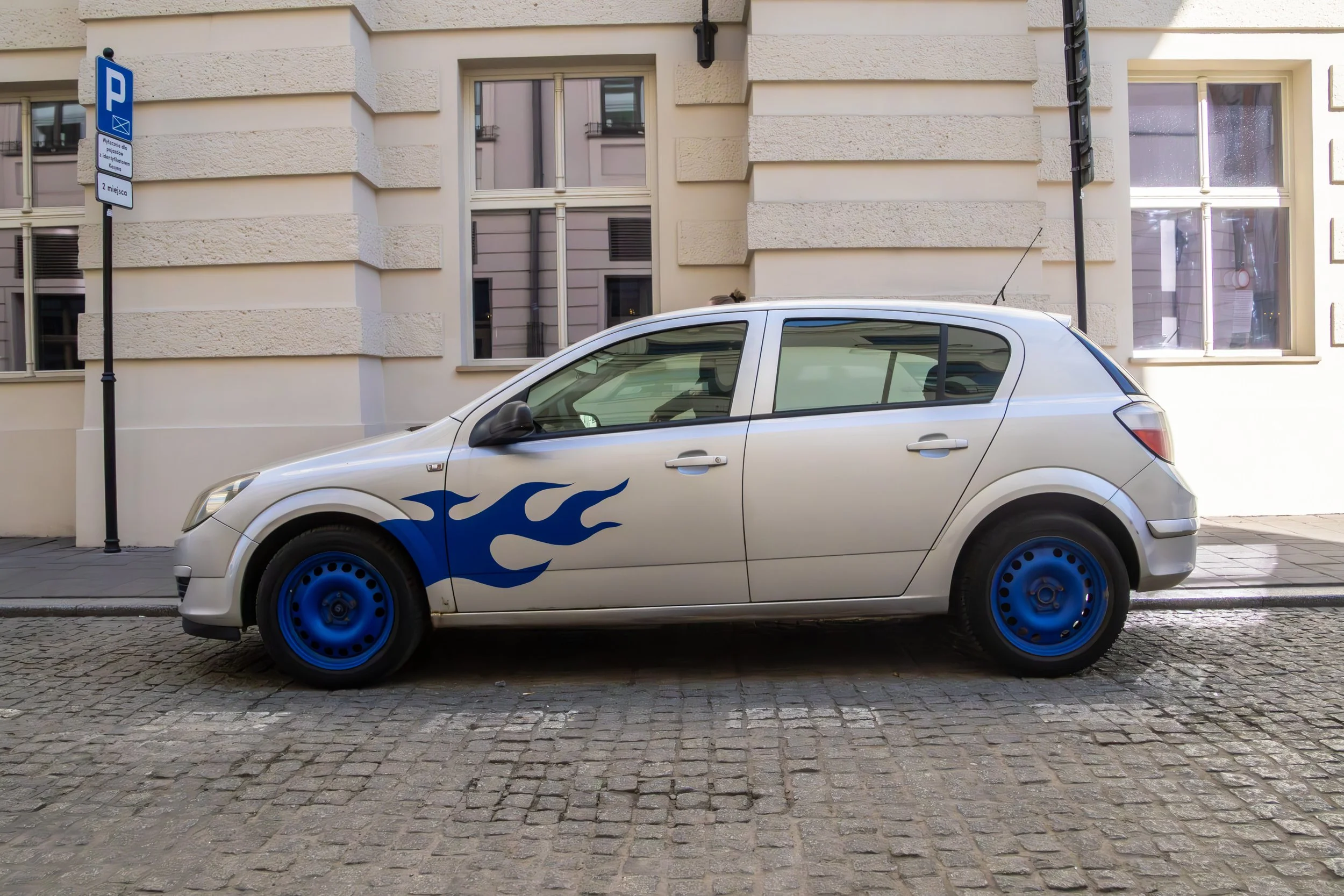
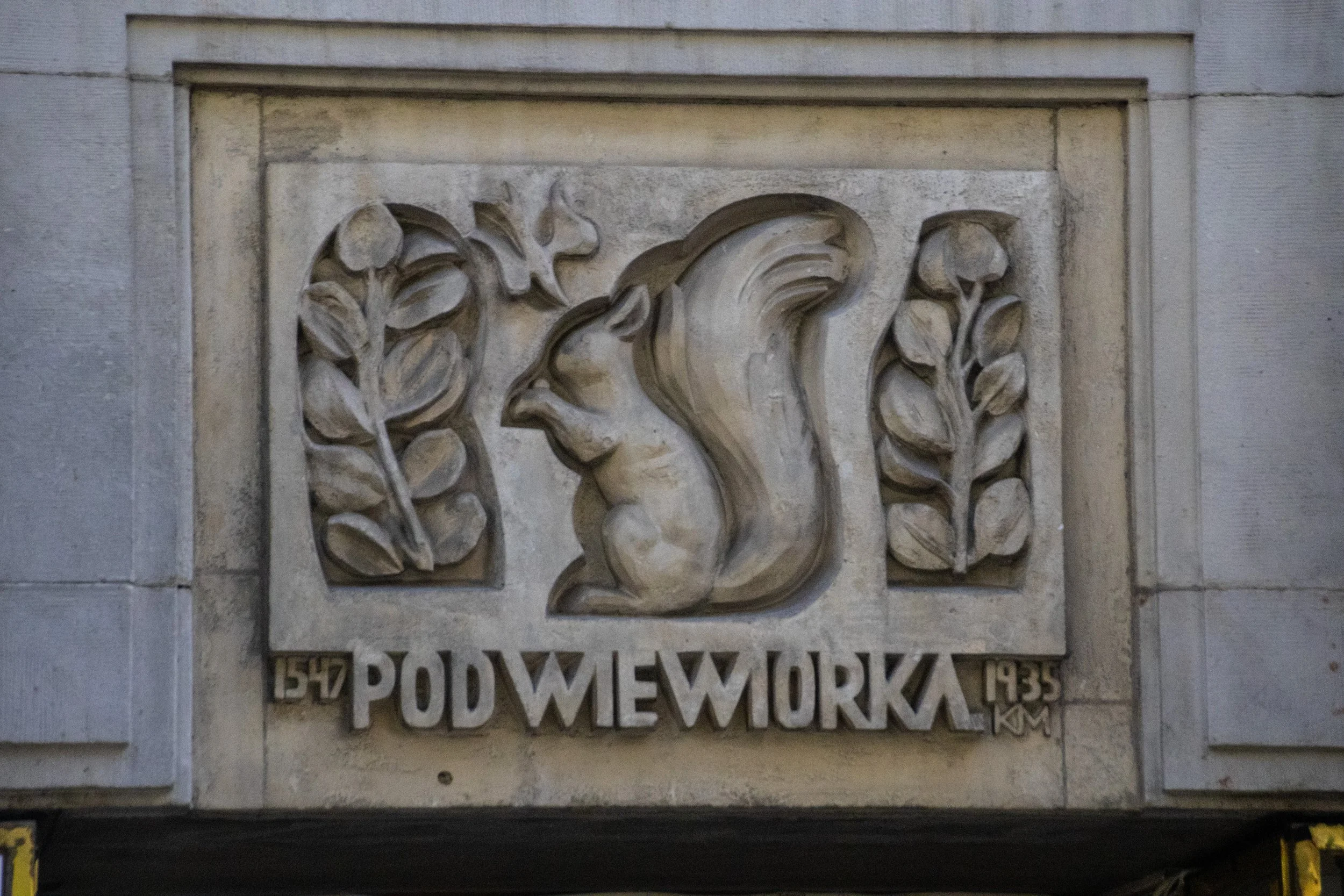
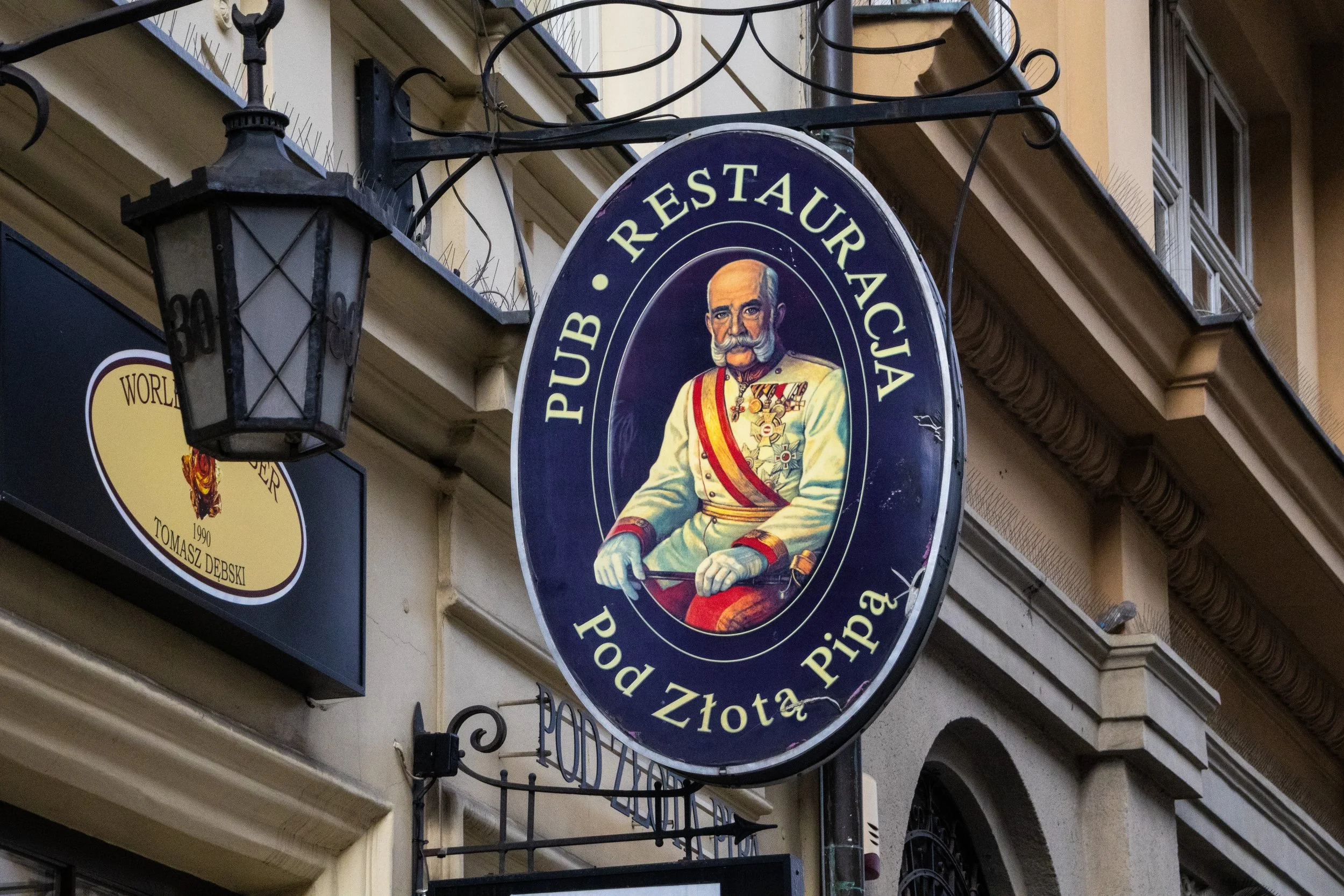
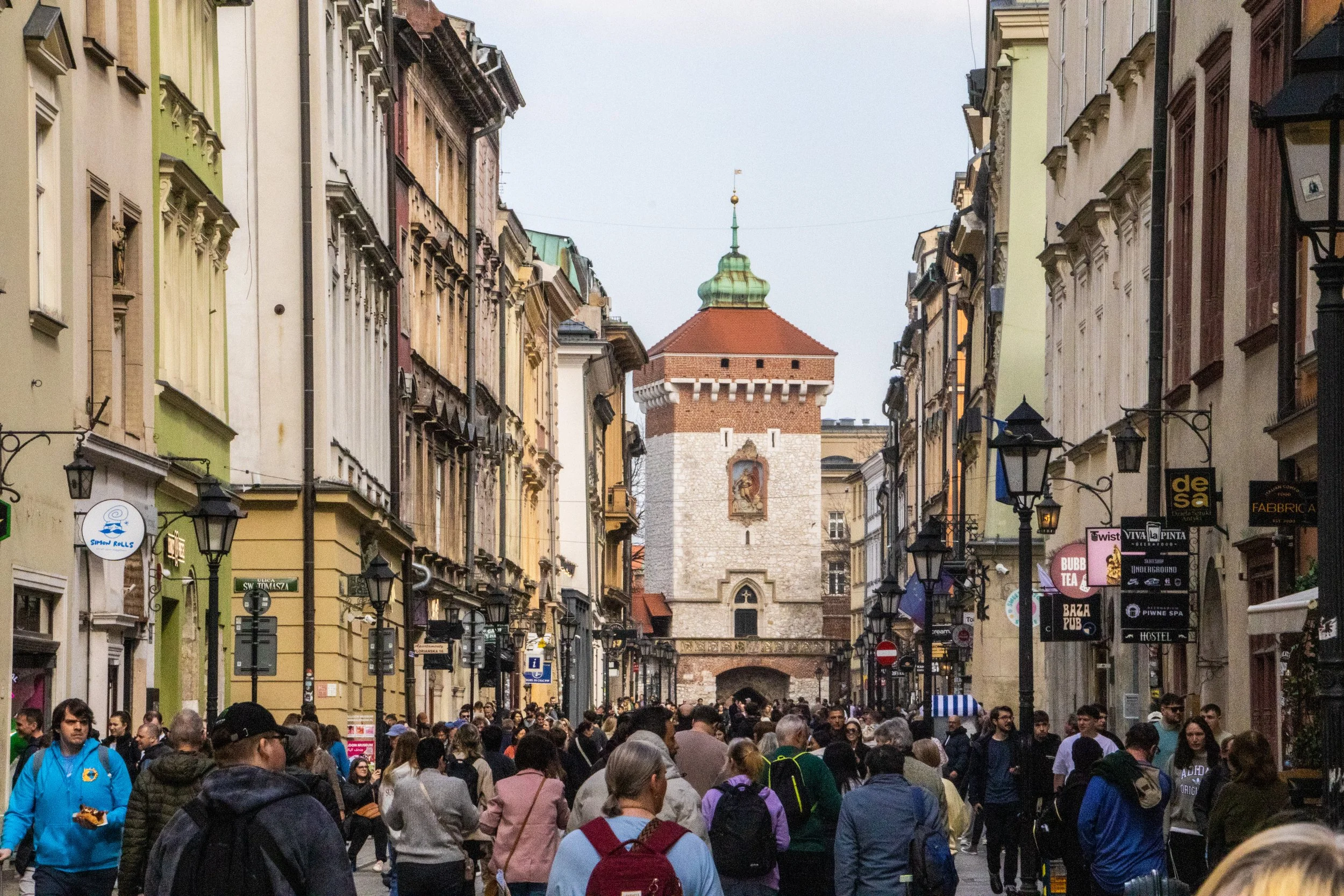
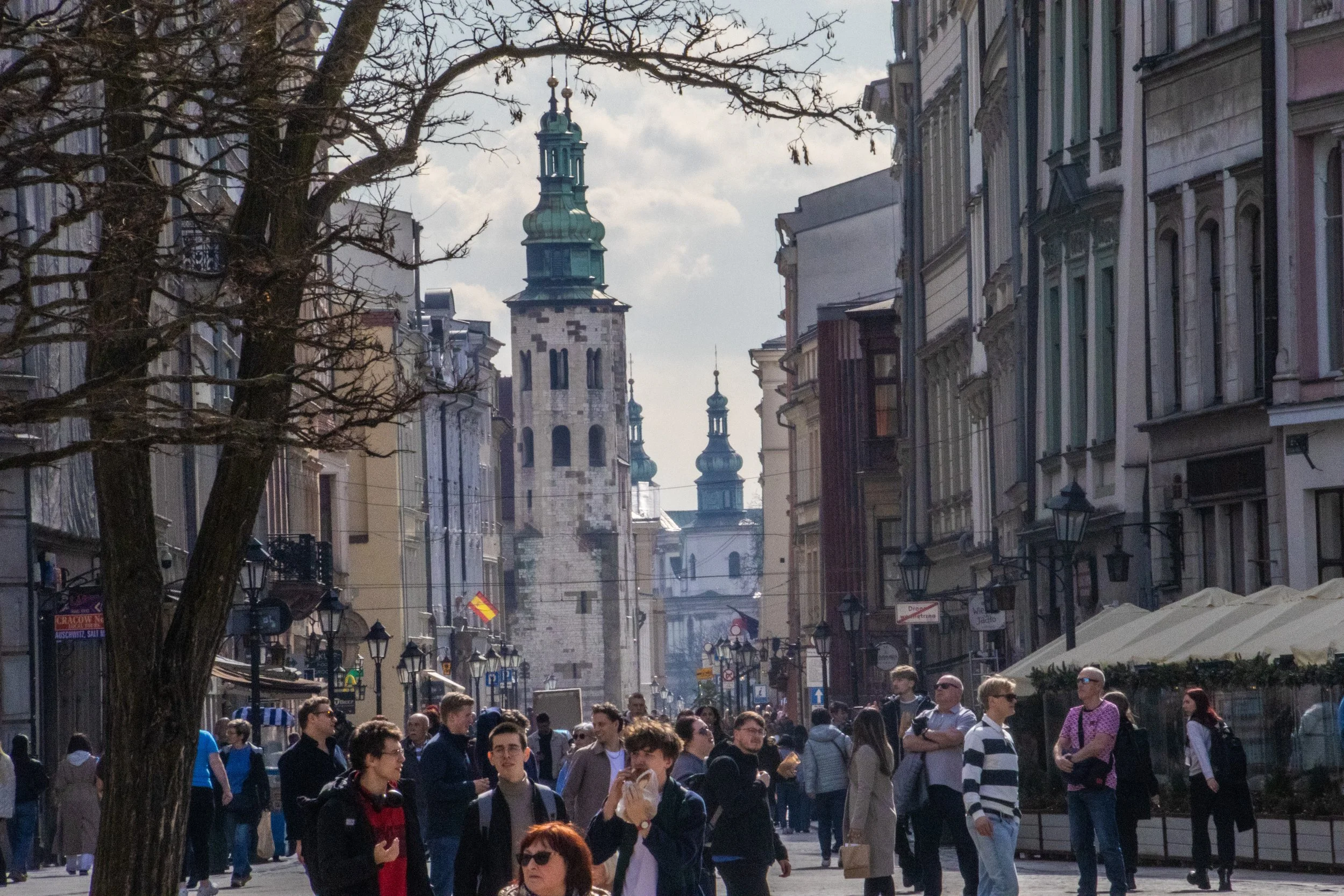
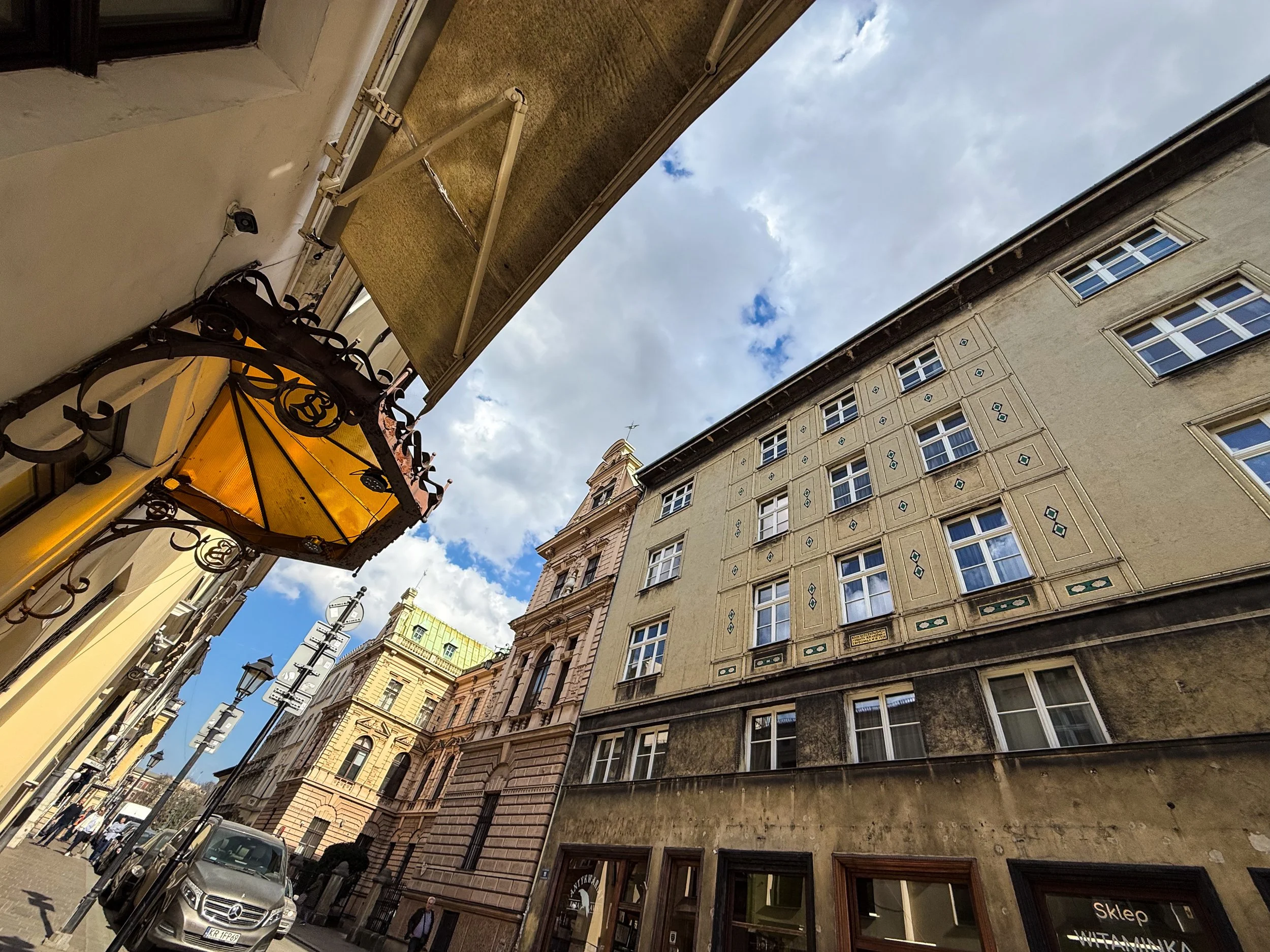
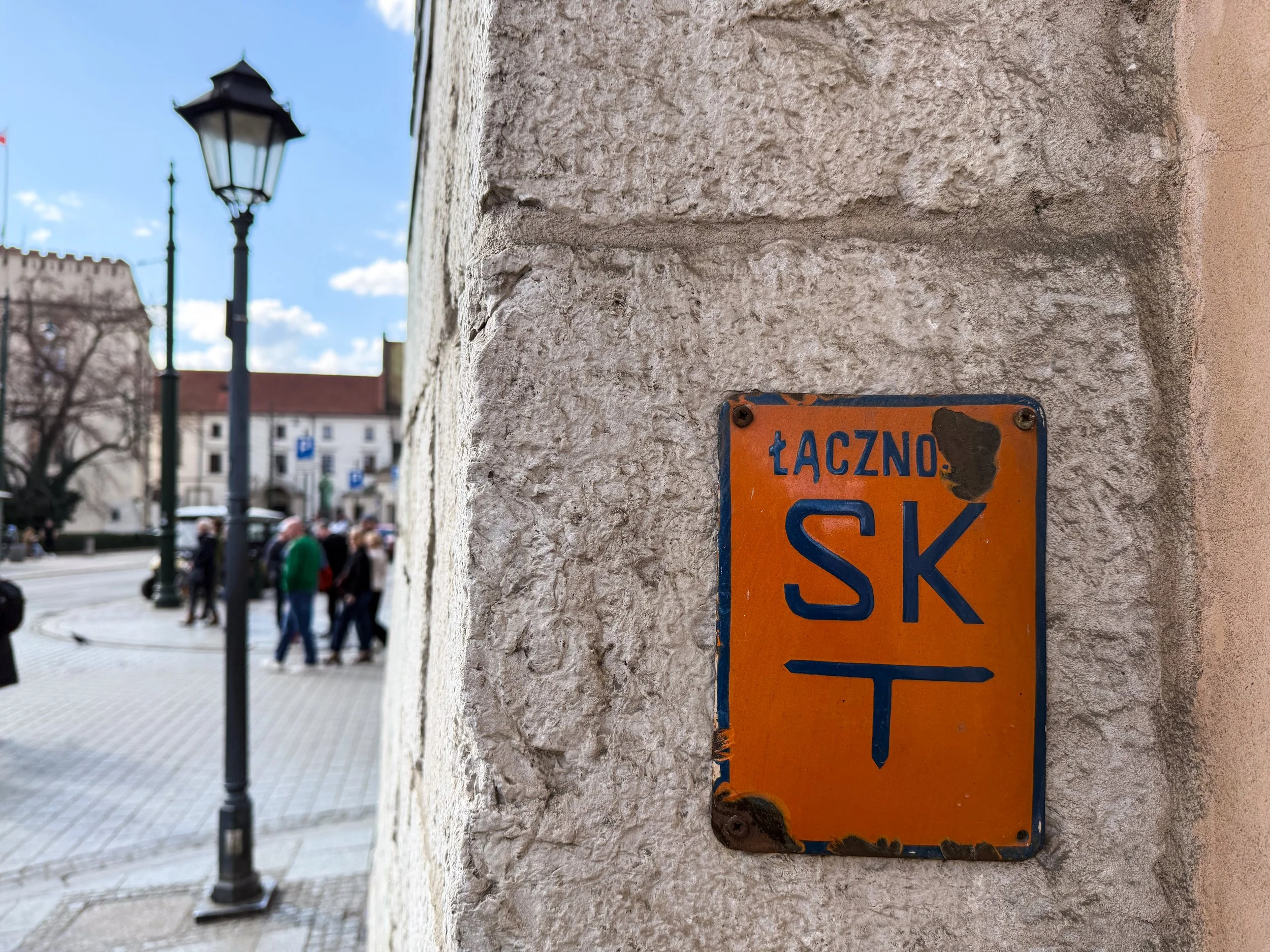
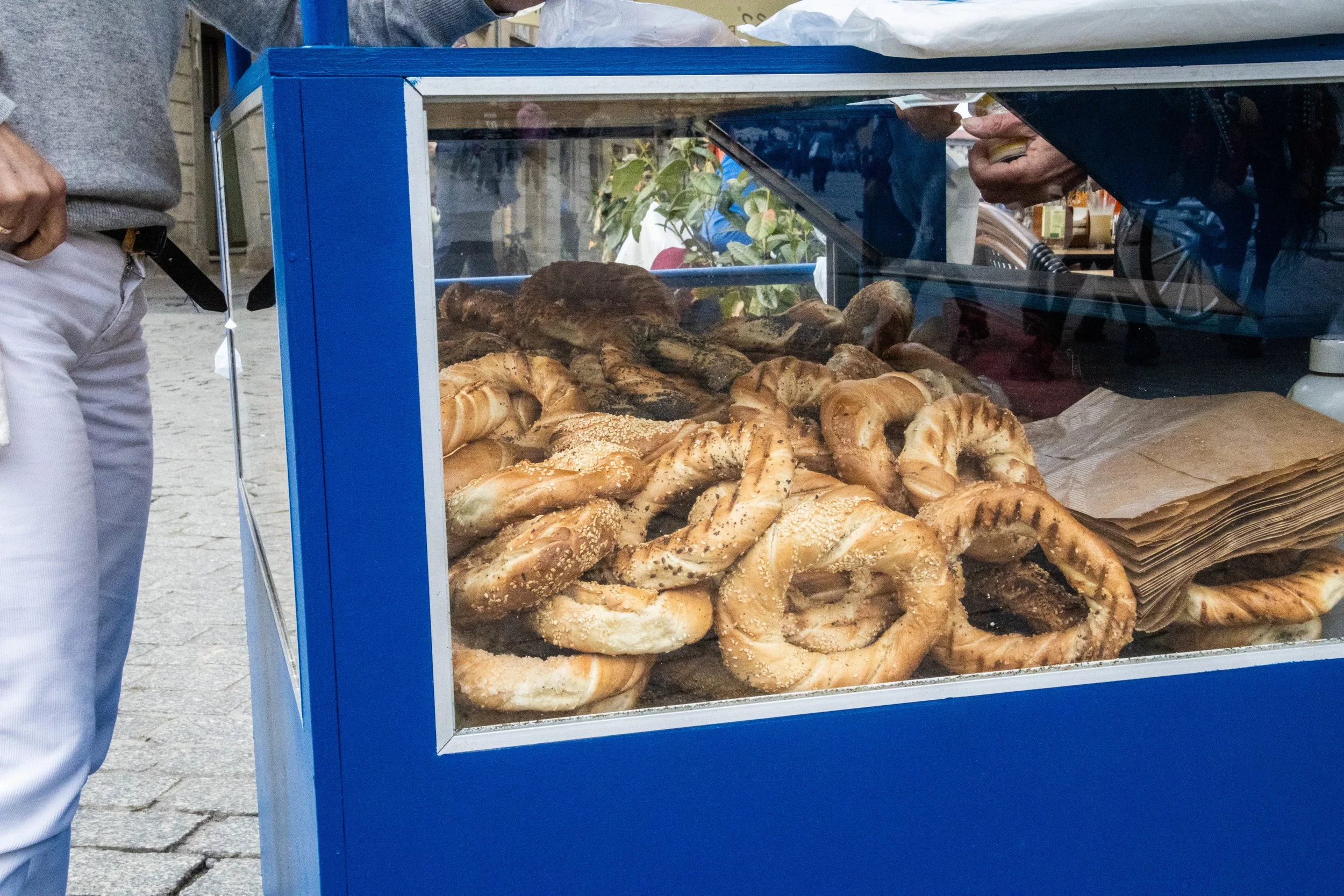
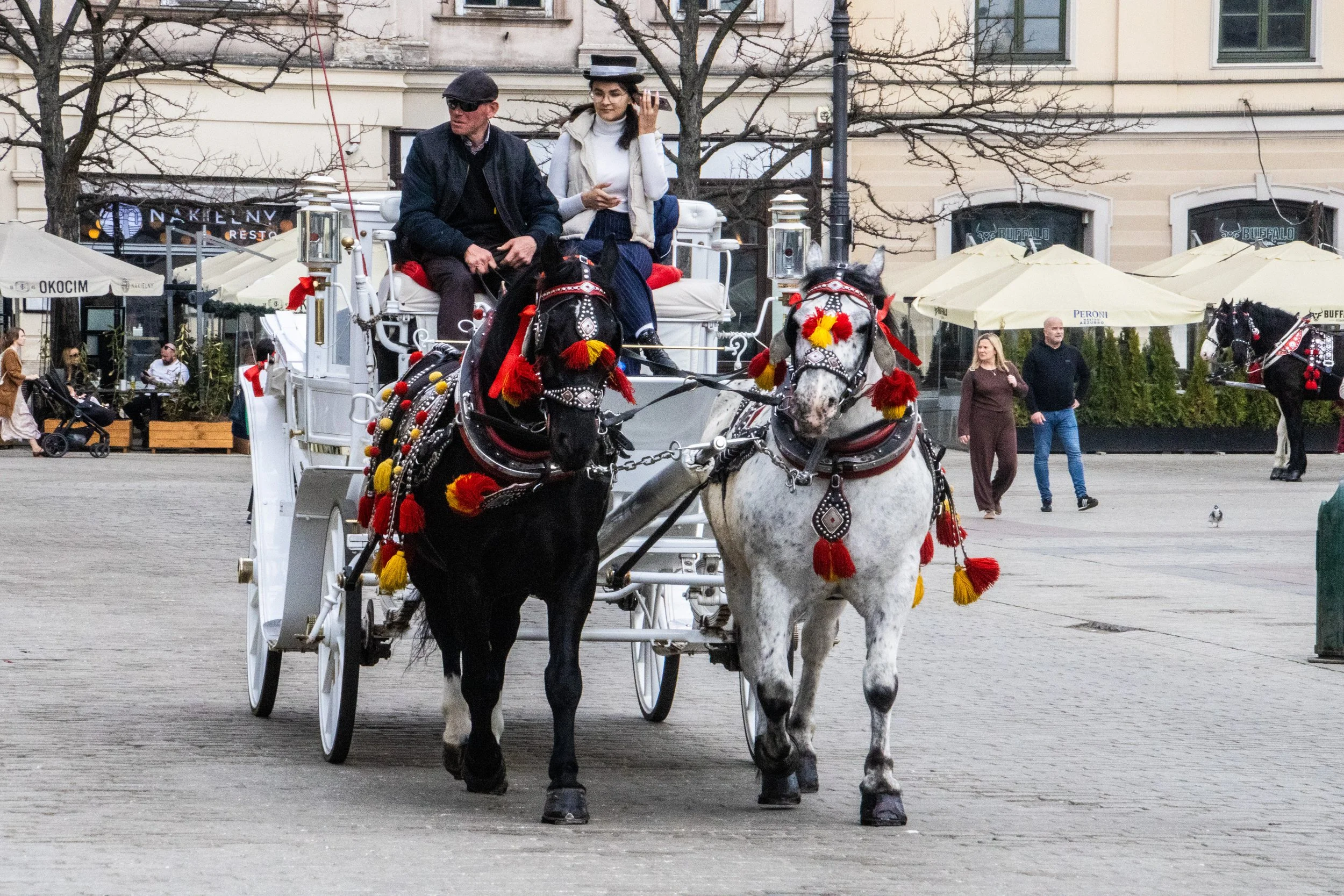
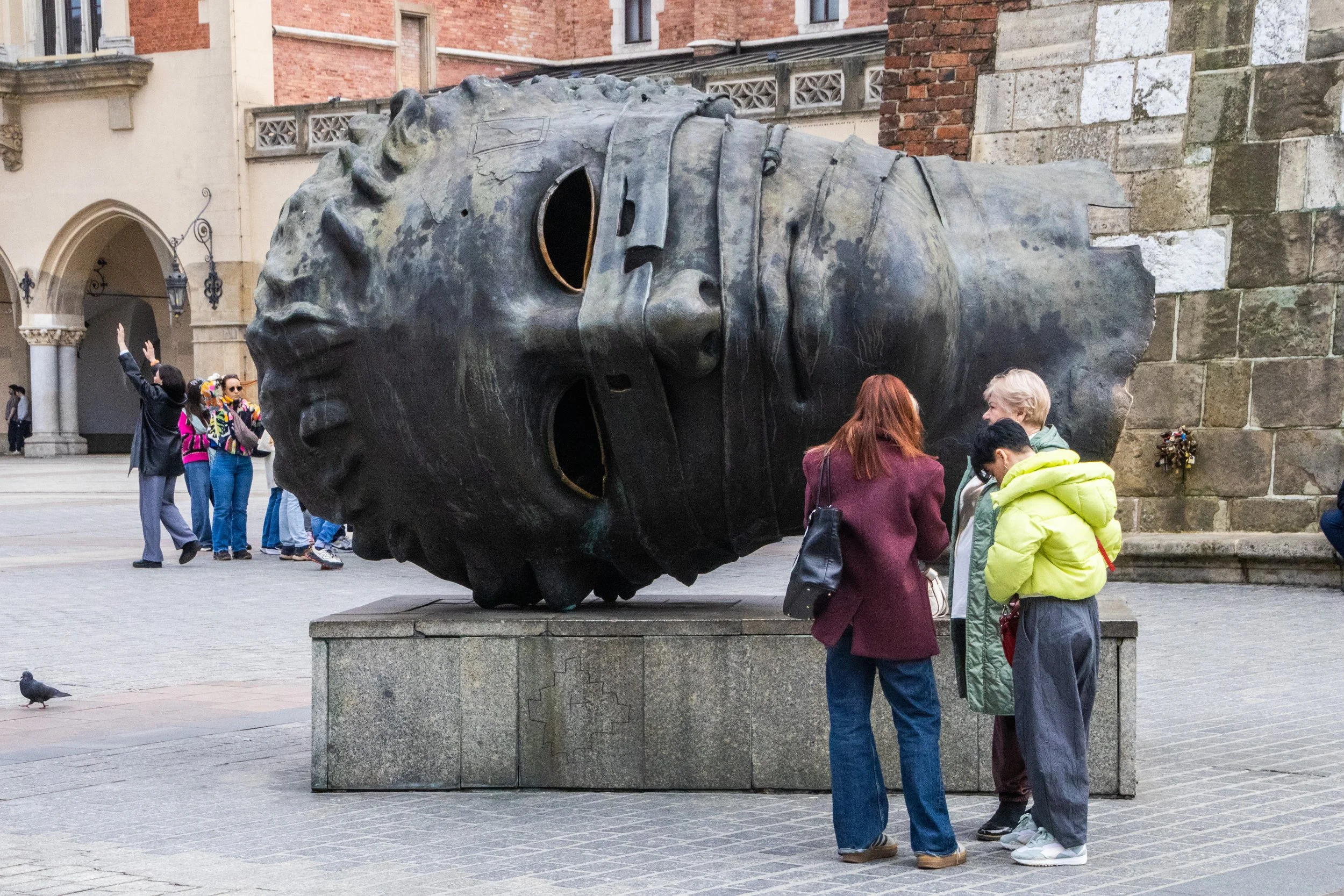
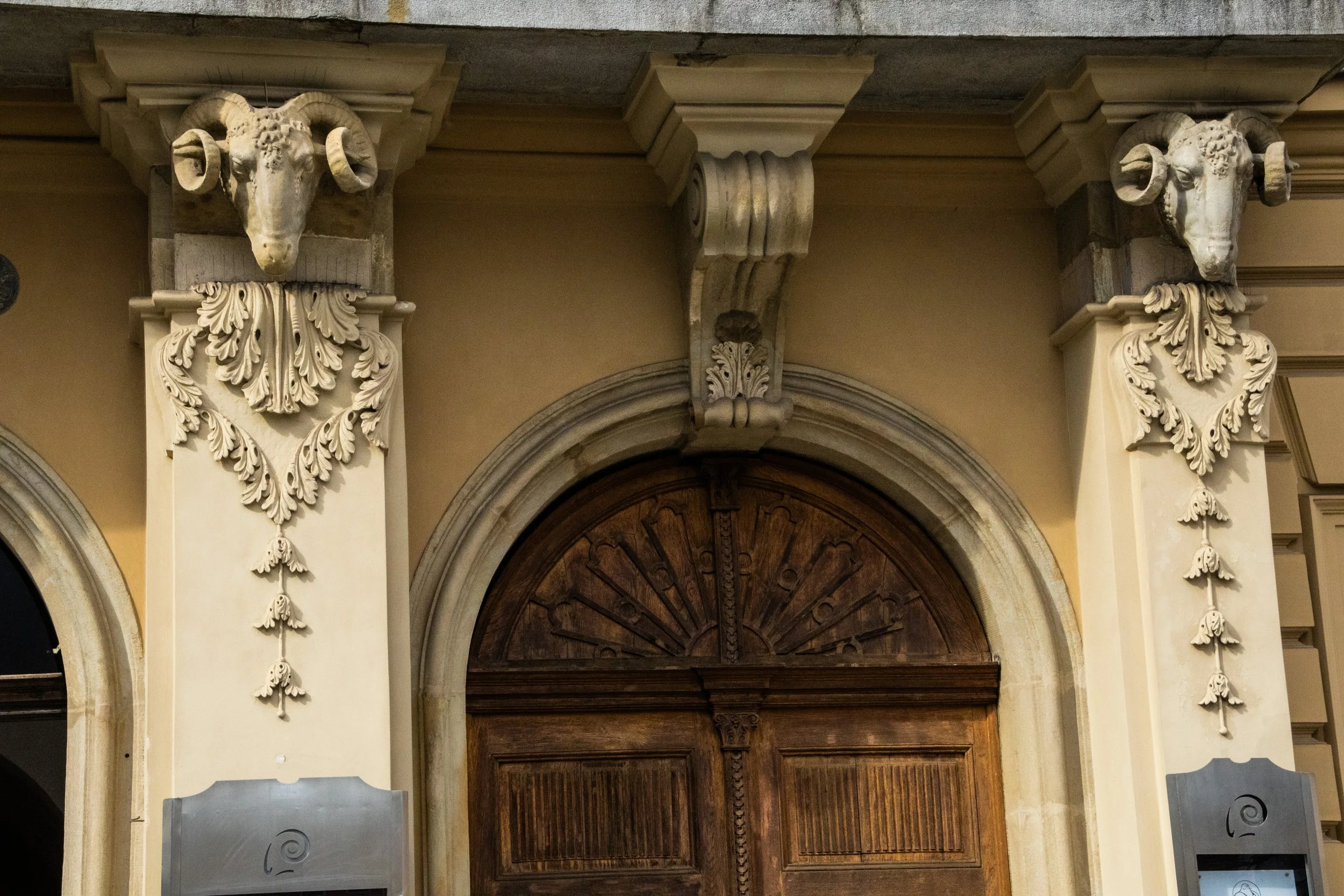
It’s absolutely gorgeous though! Let me share a few photos from this area…
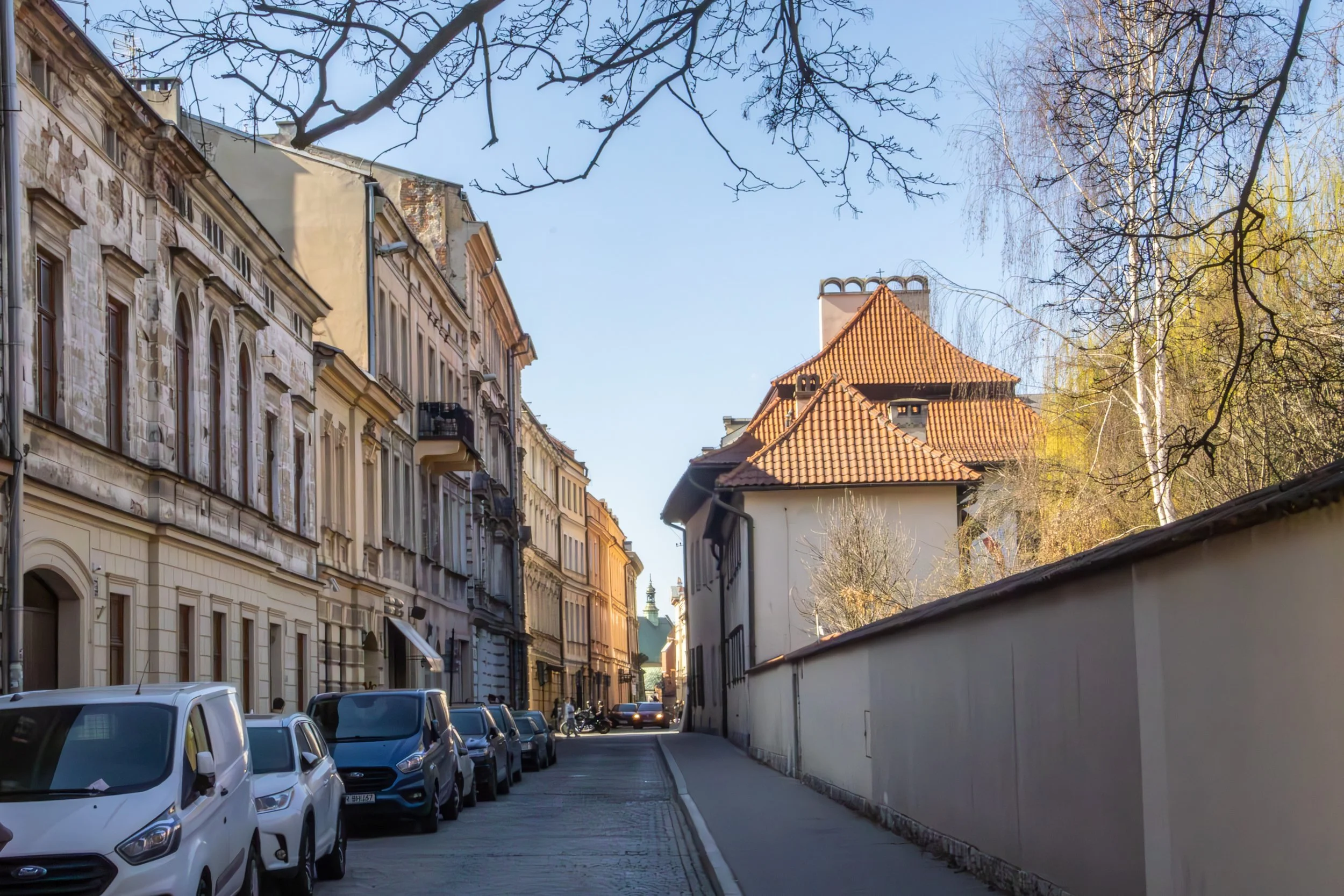
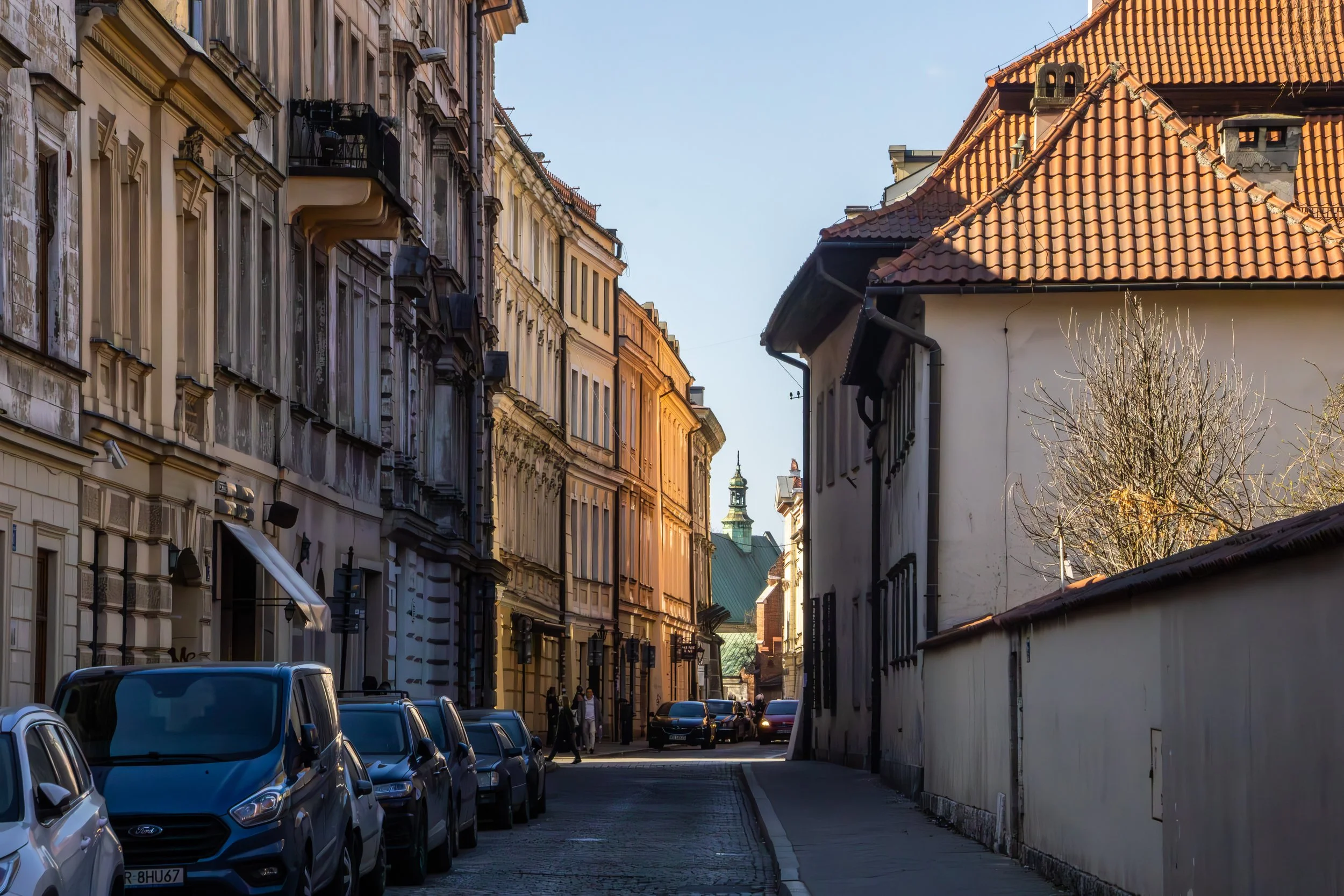
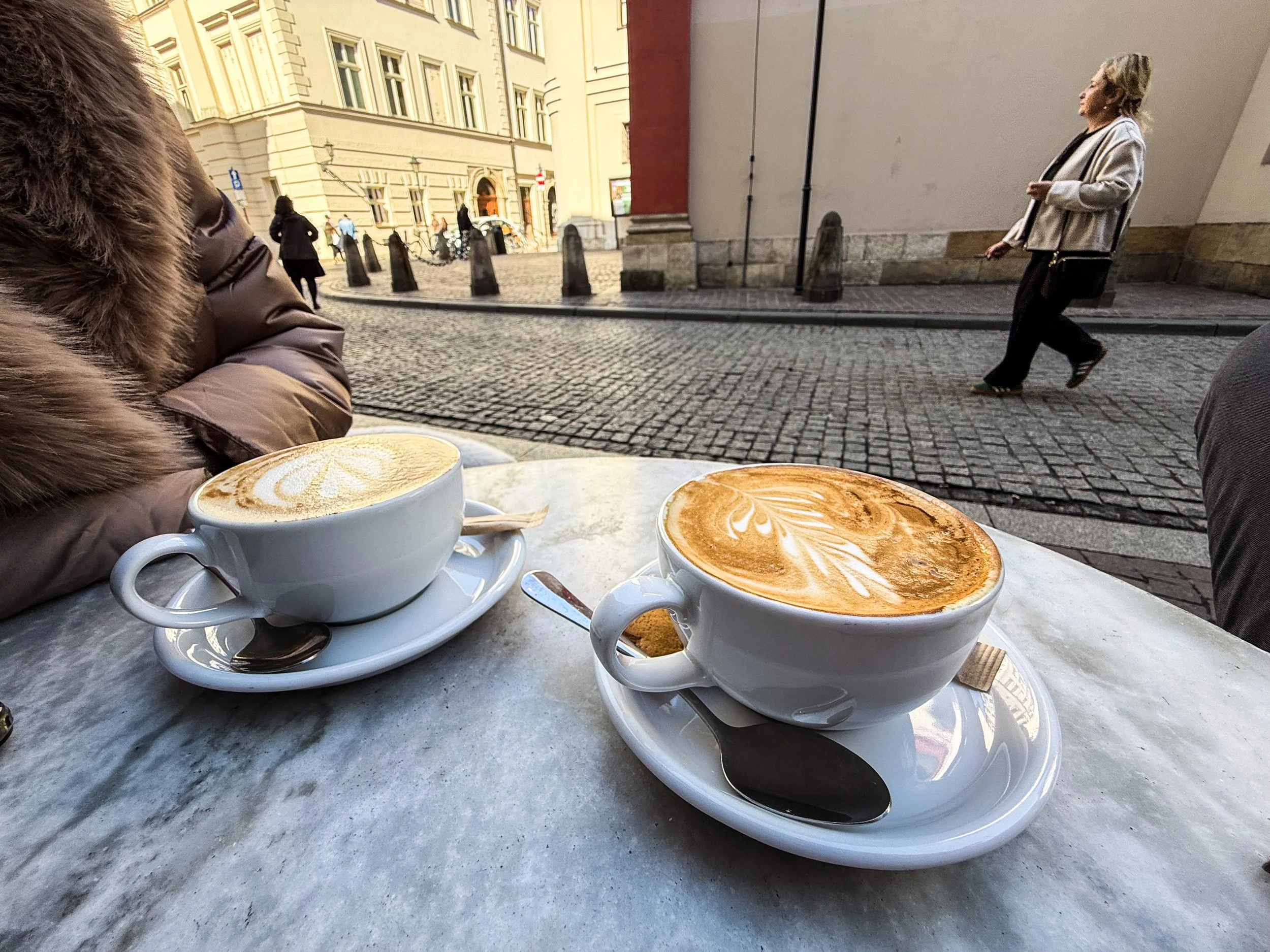
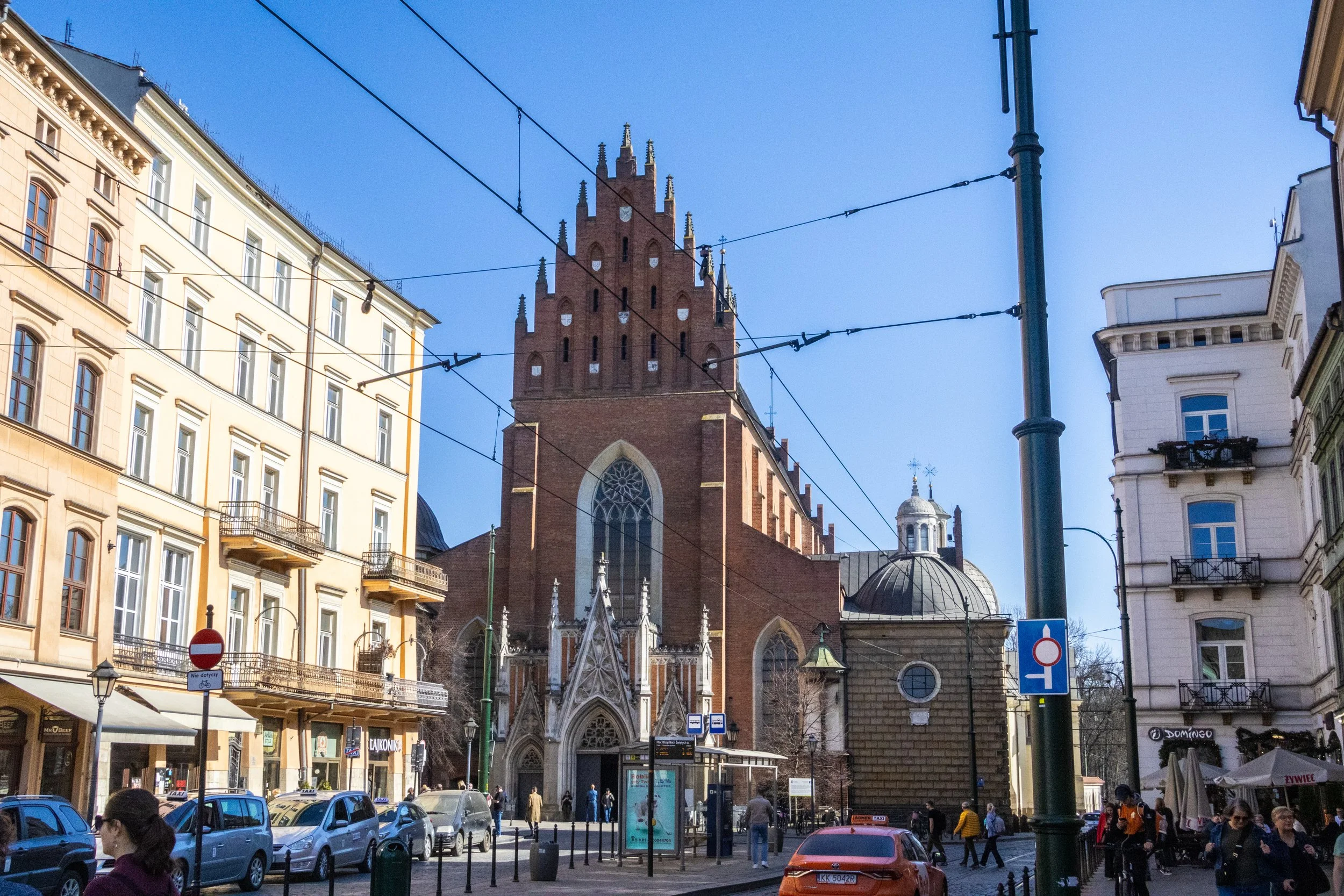
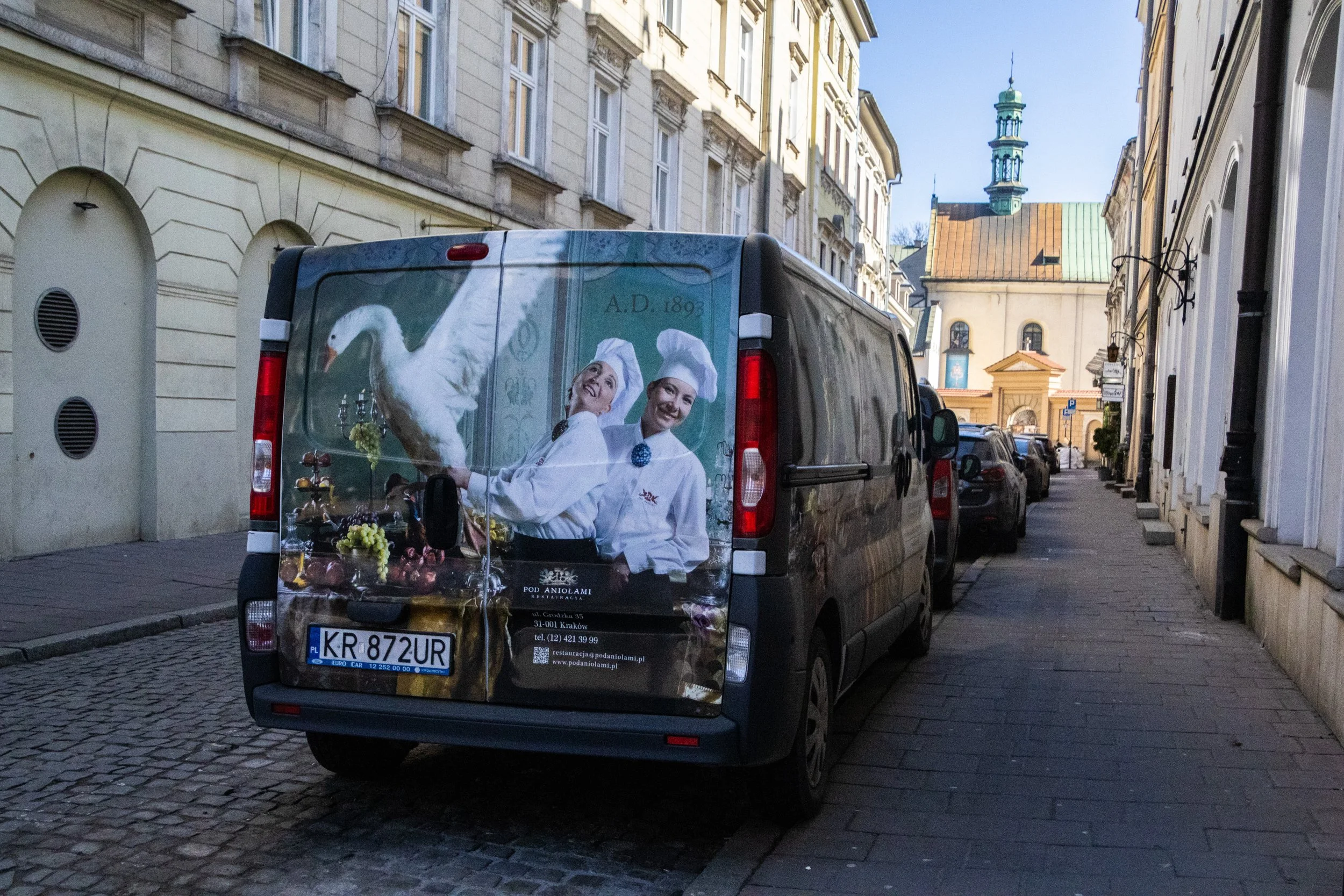
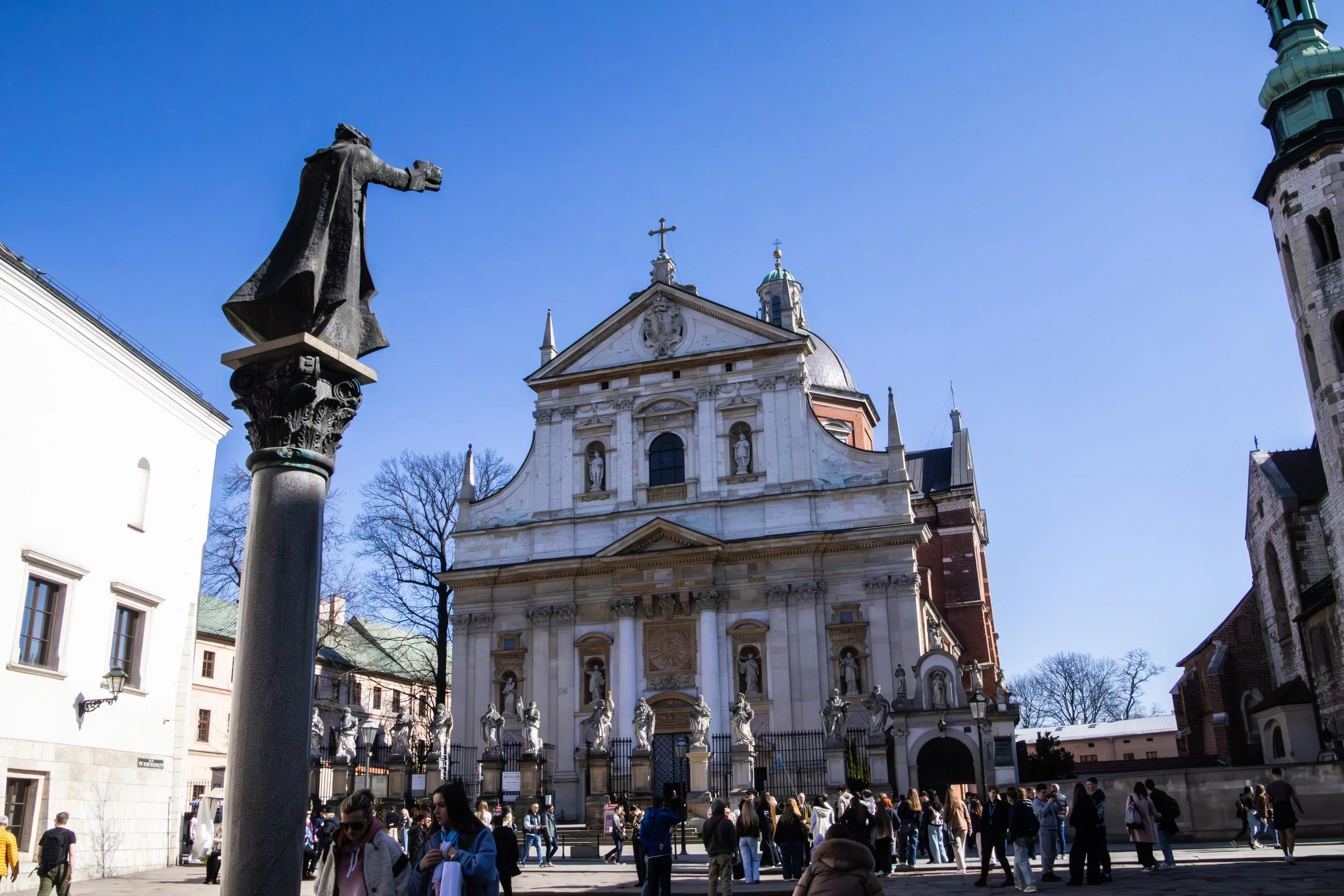
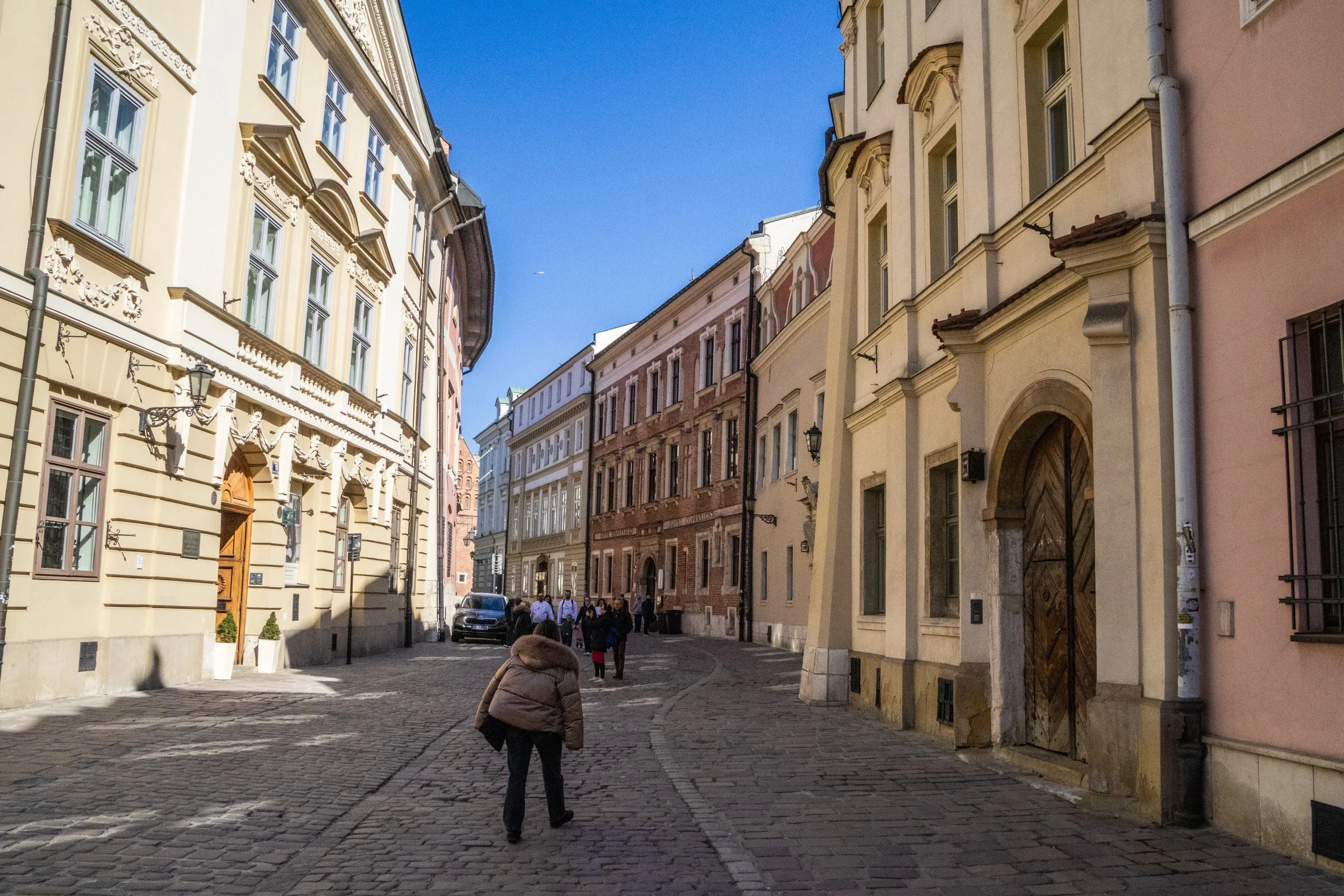
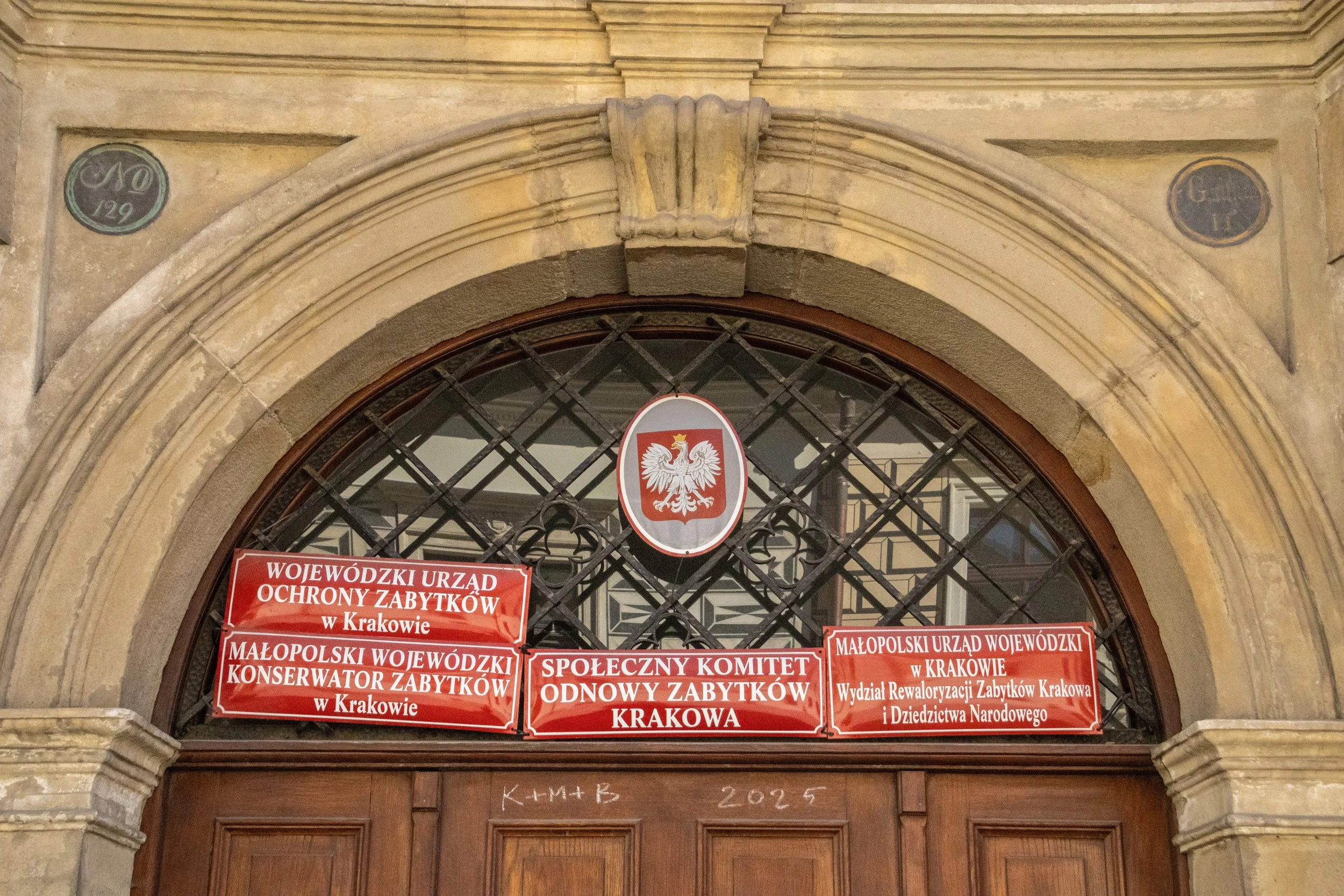
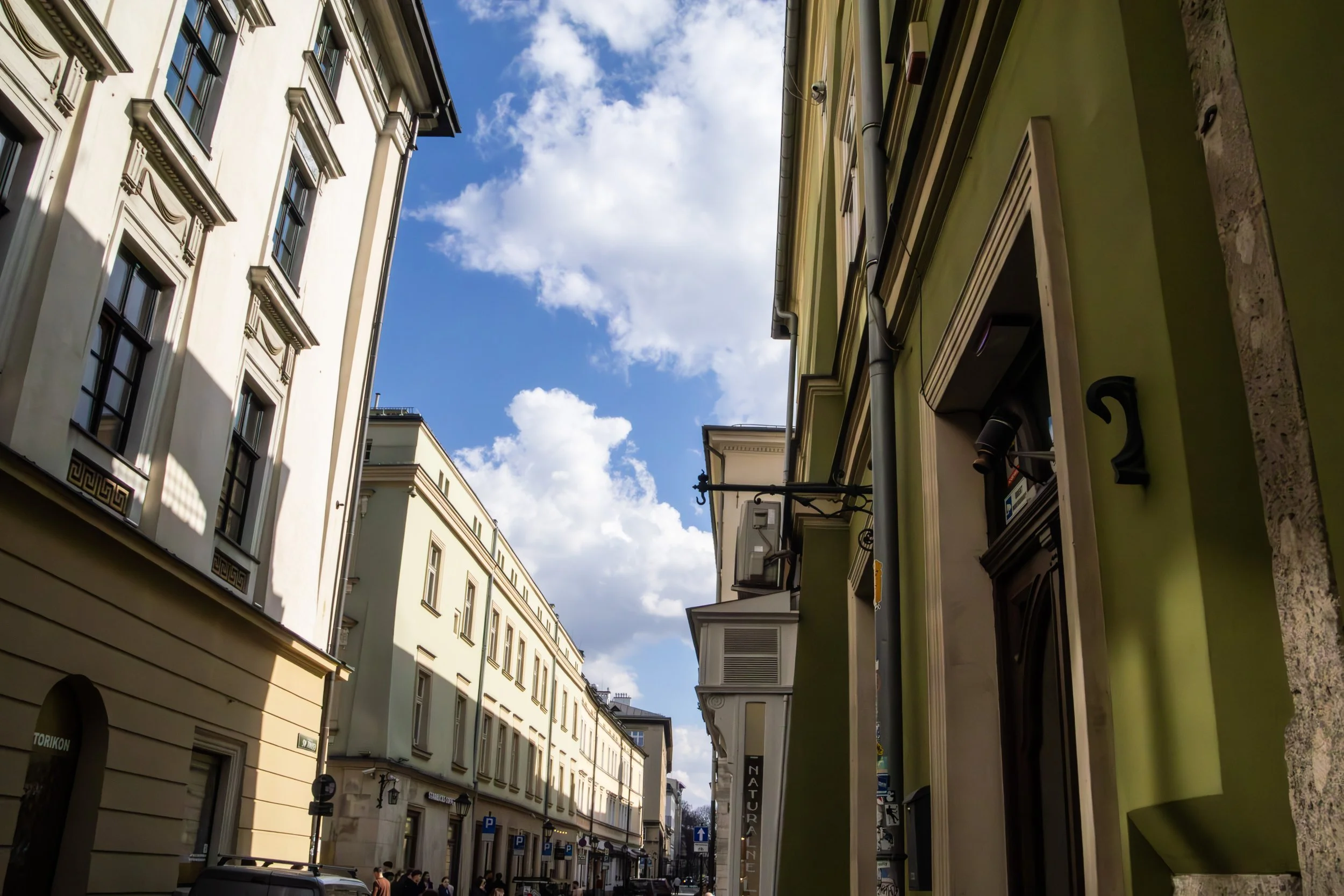
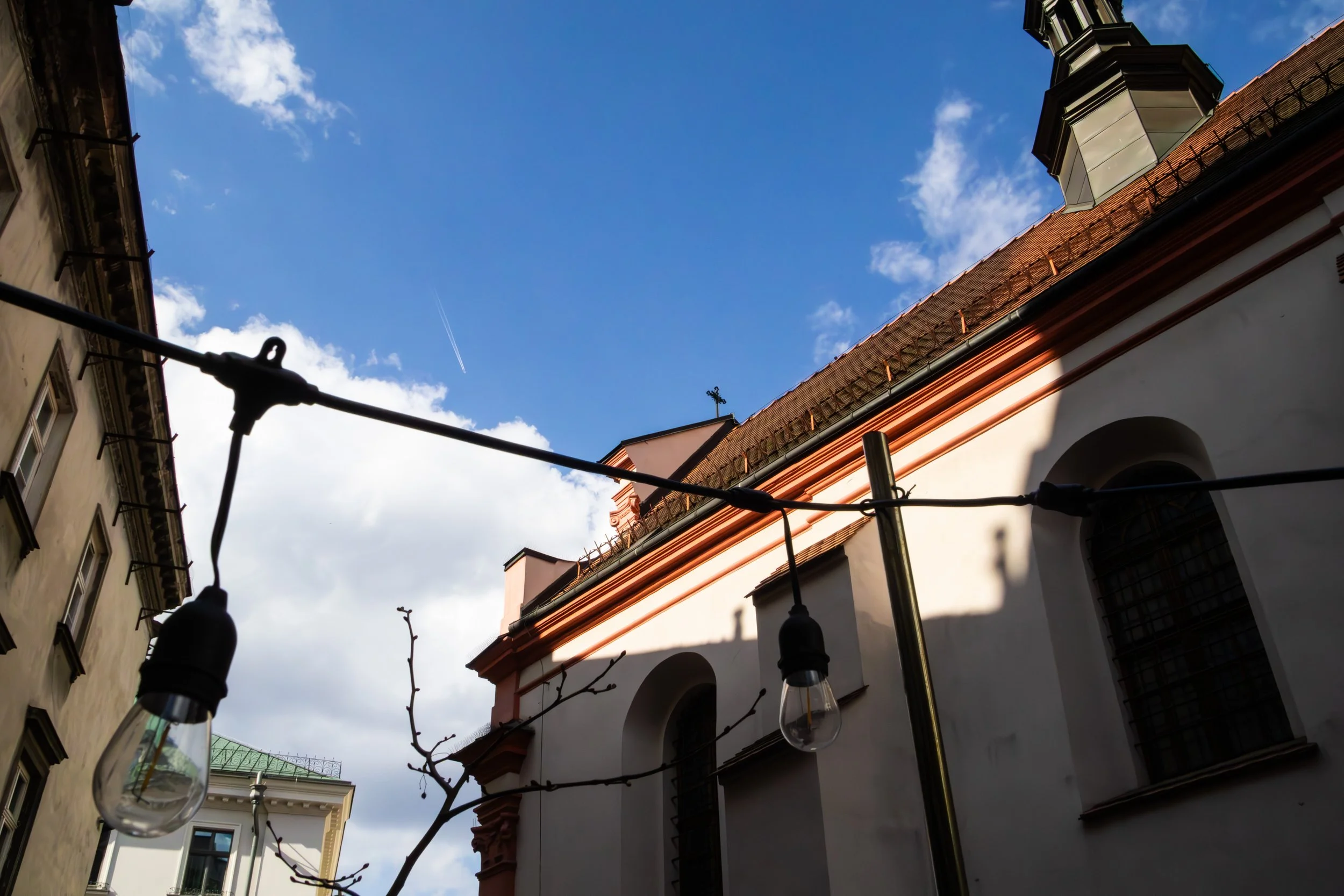
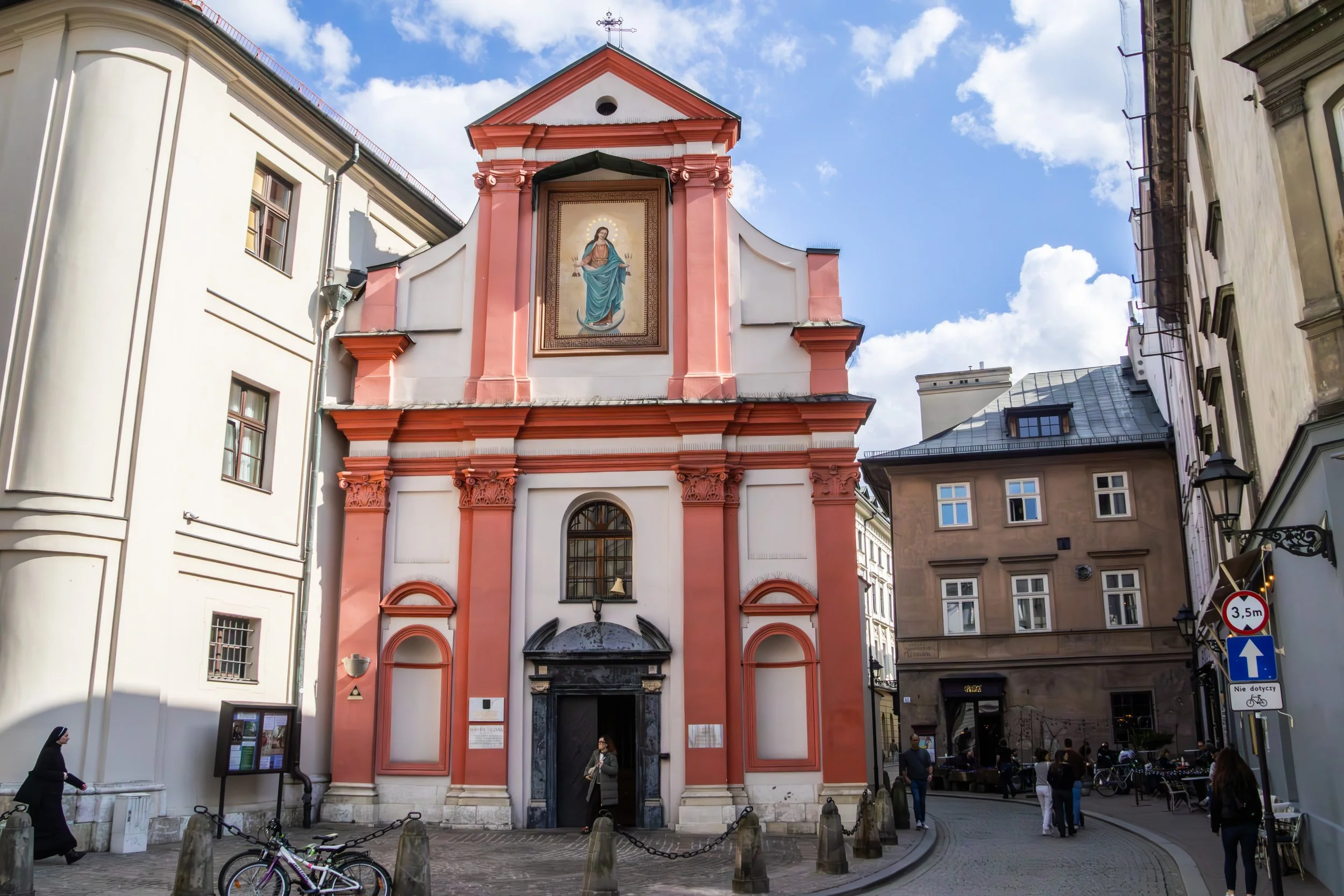
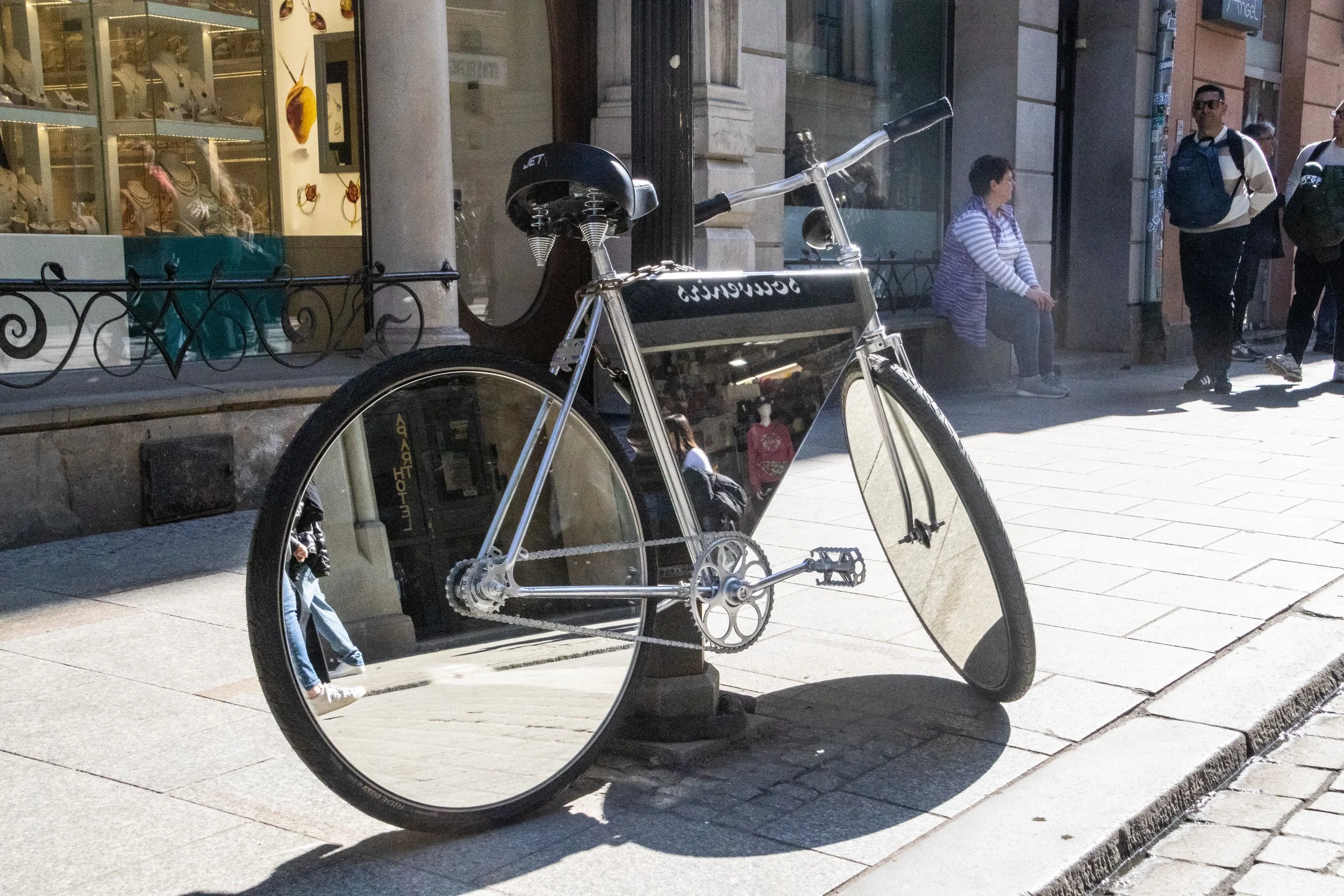
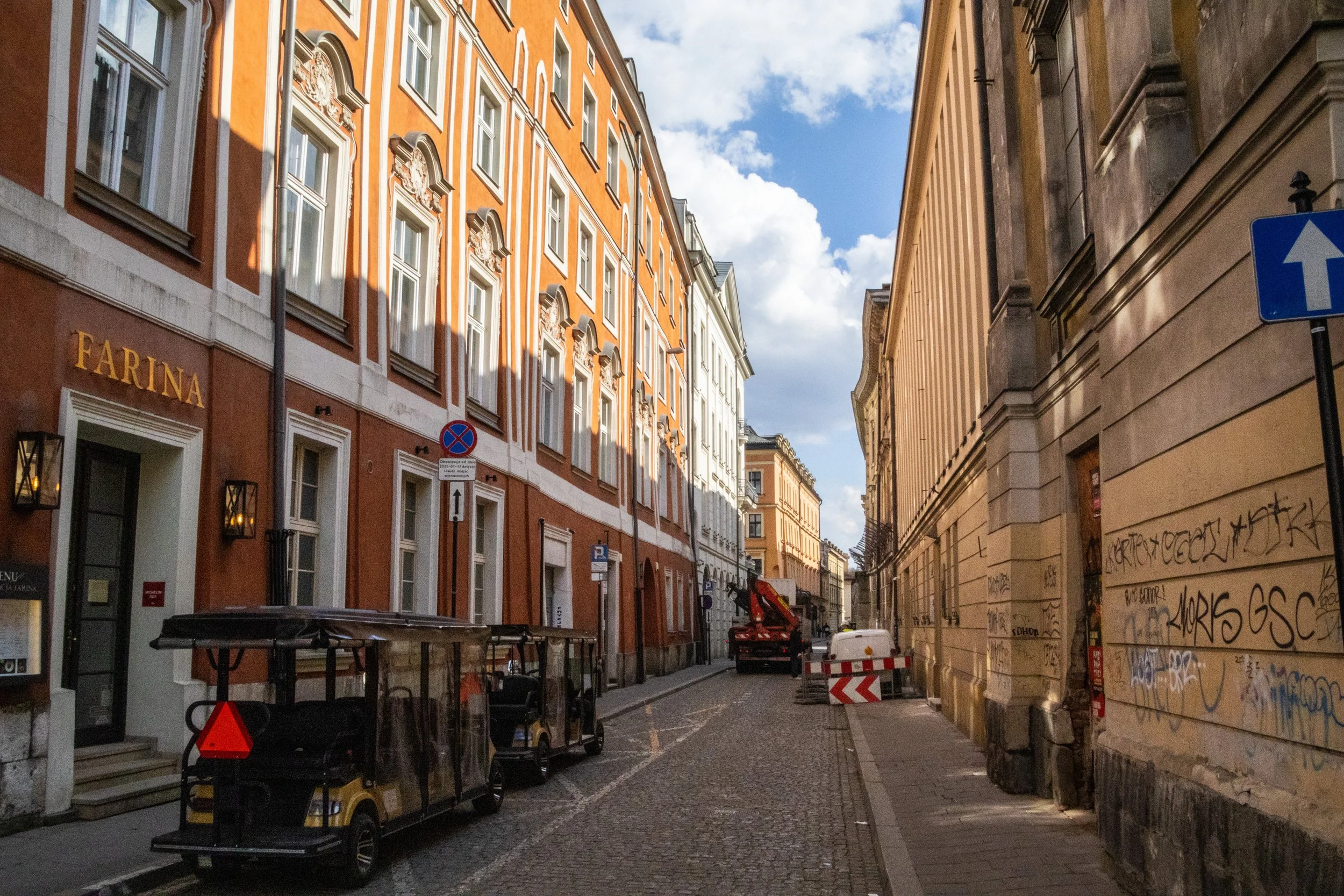
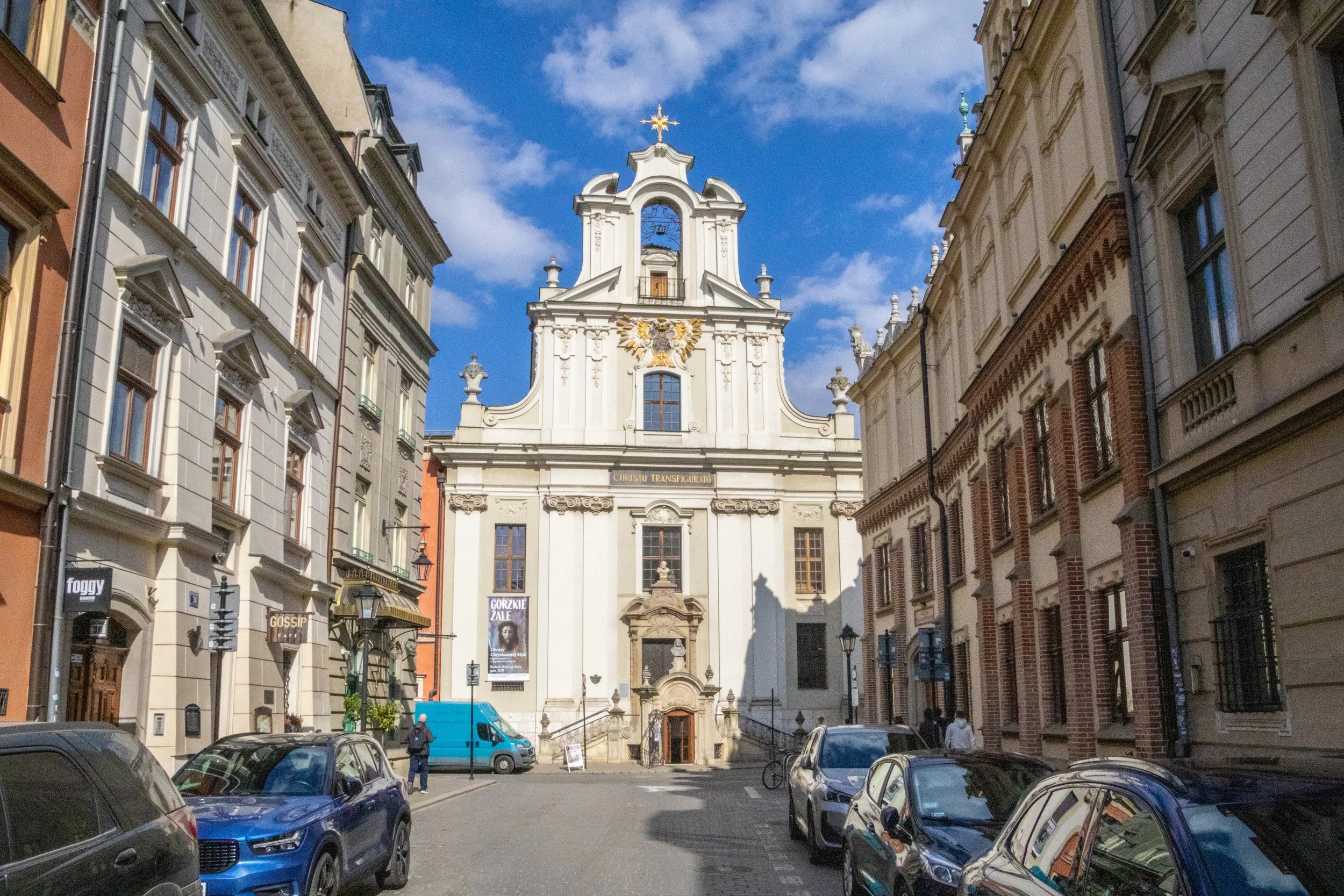
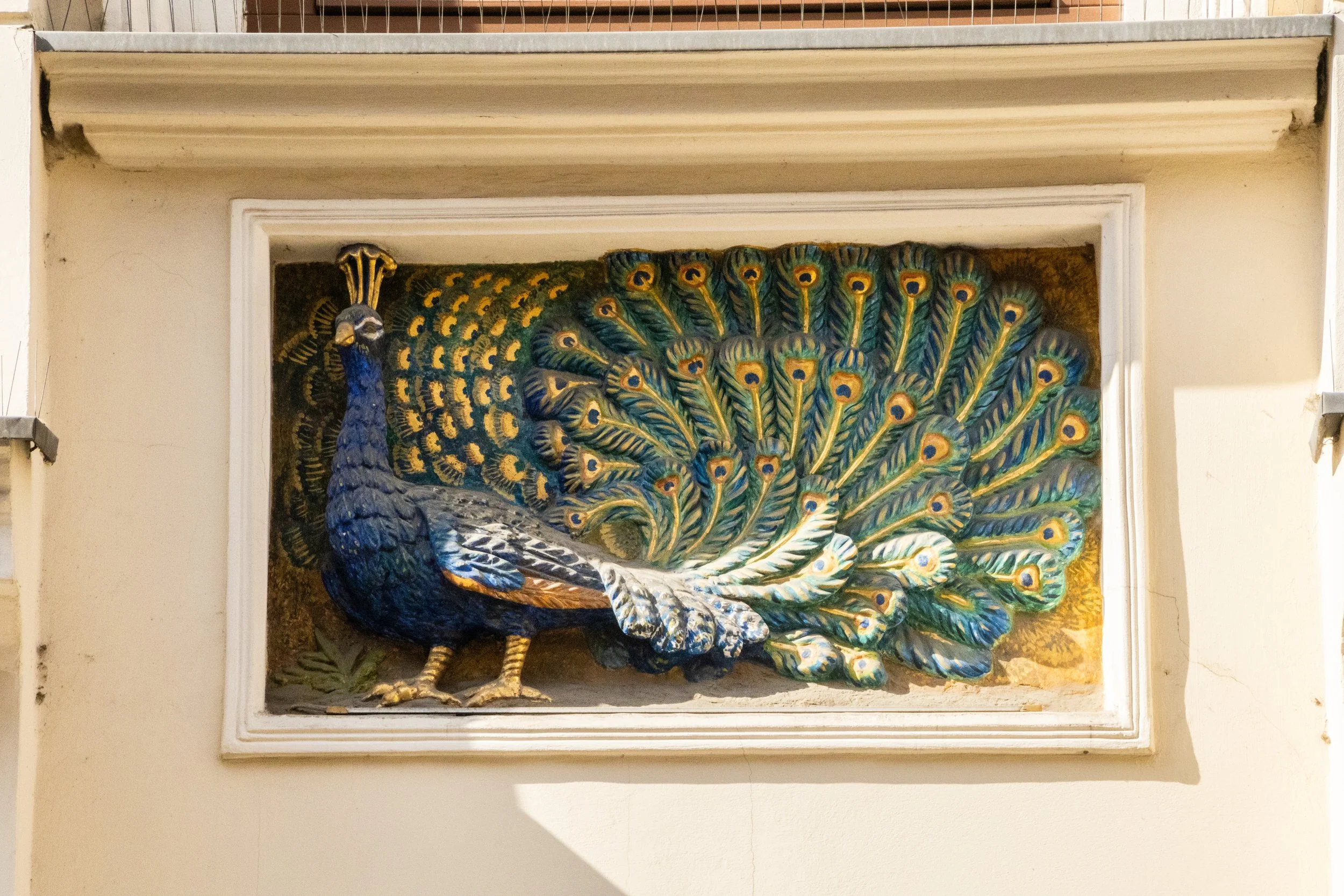
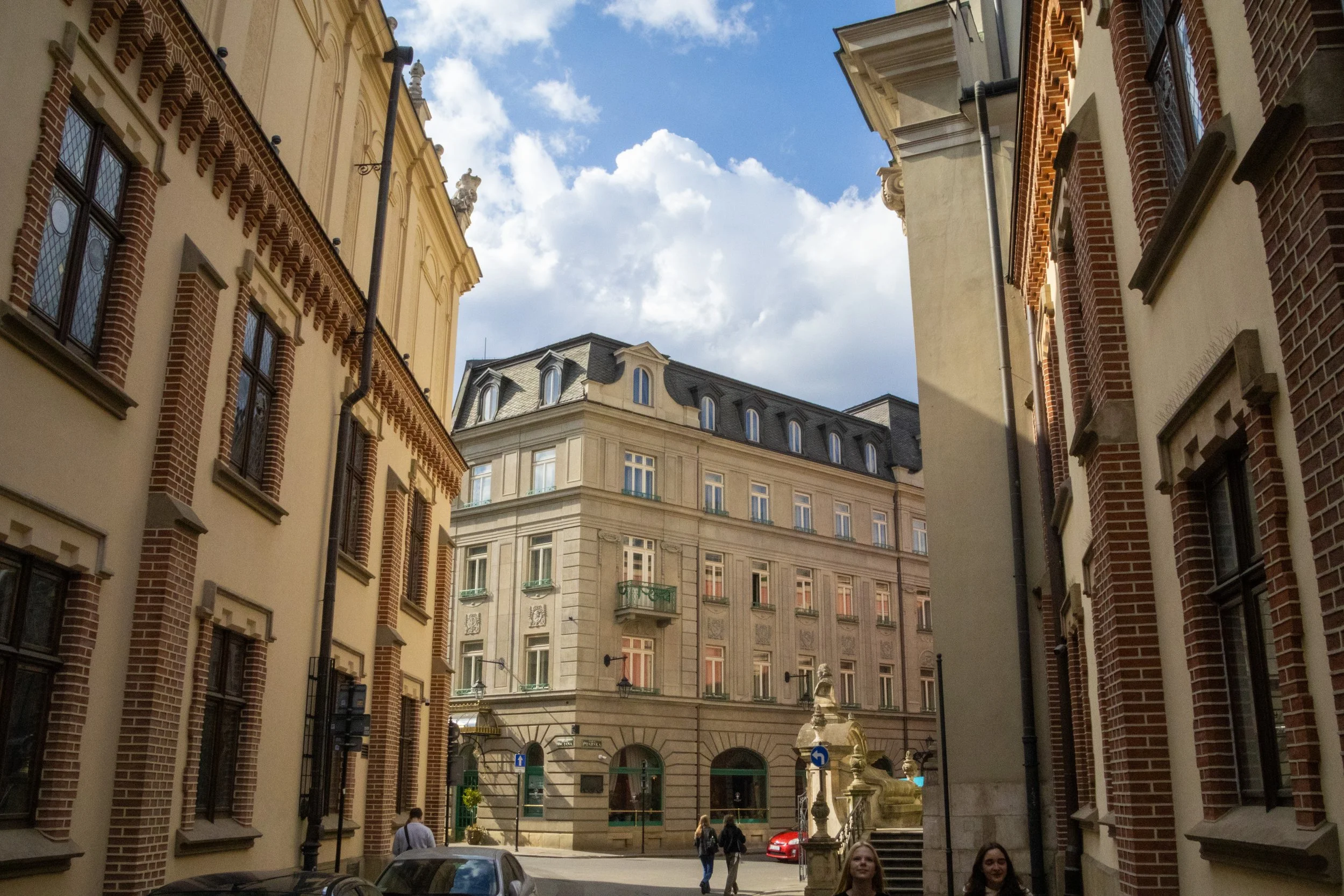
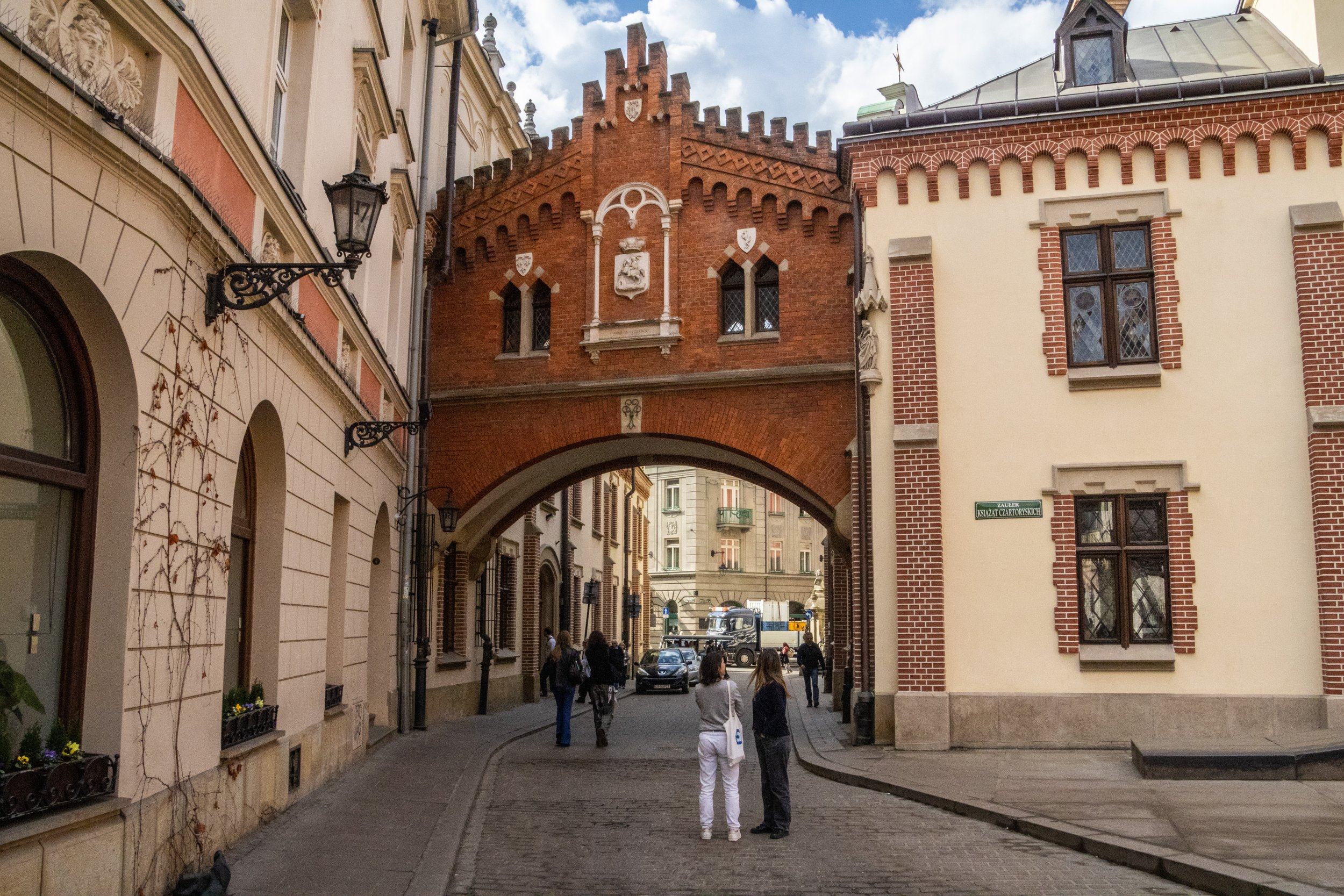
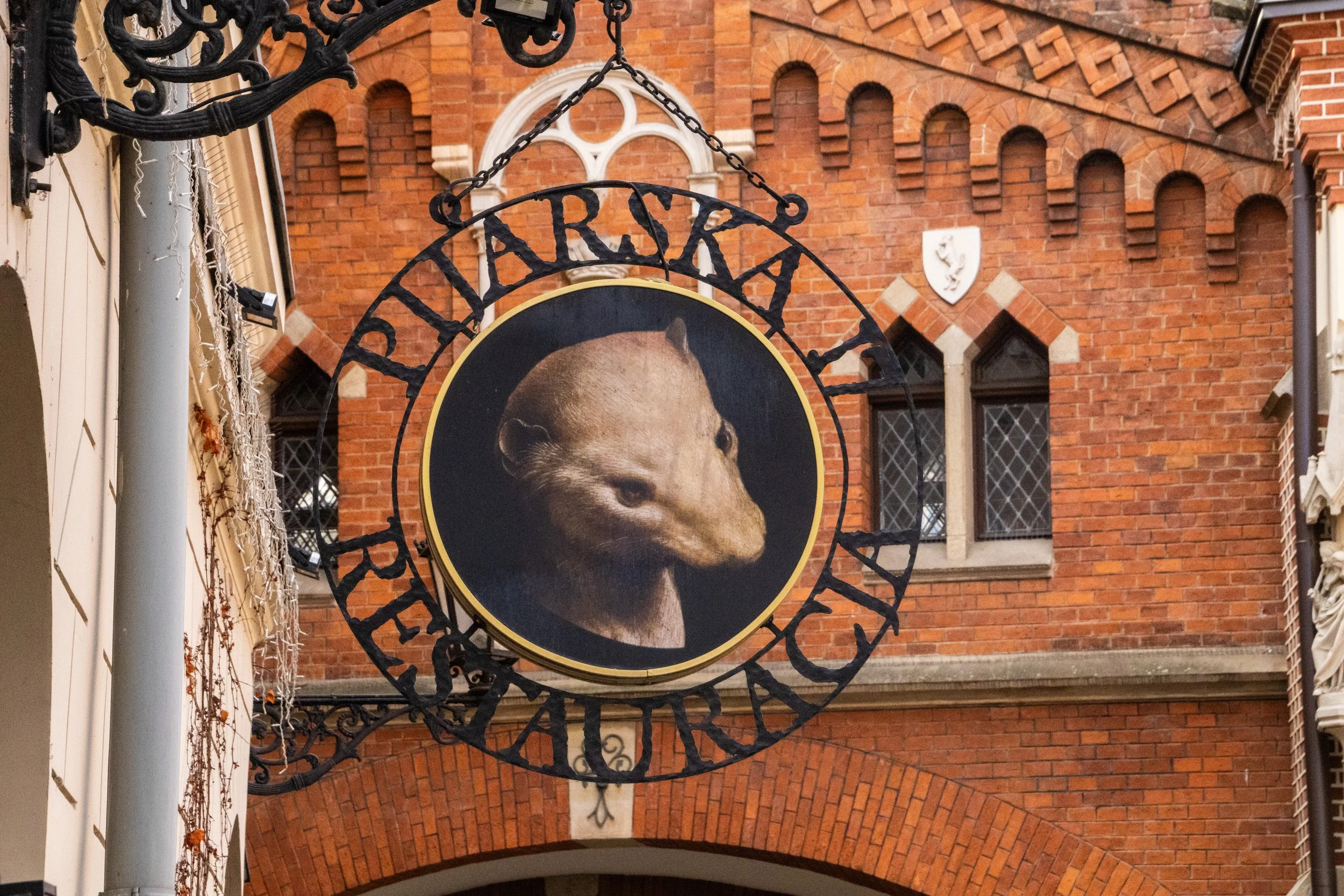
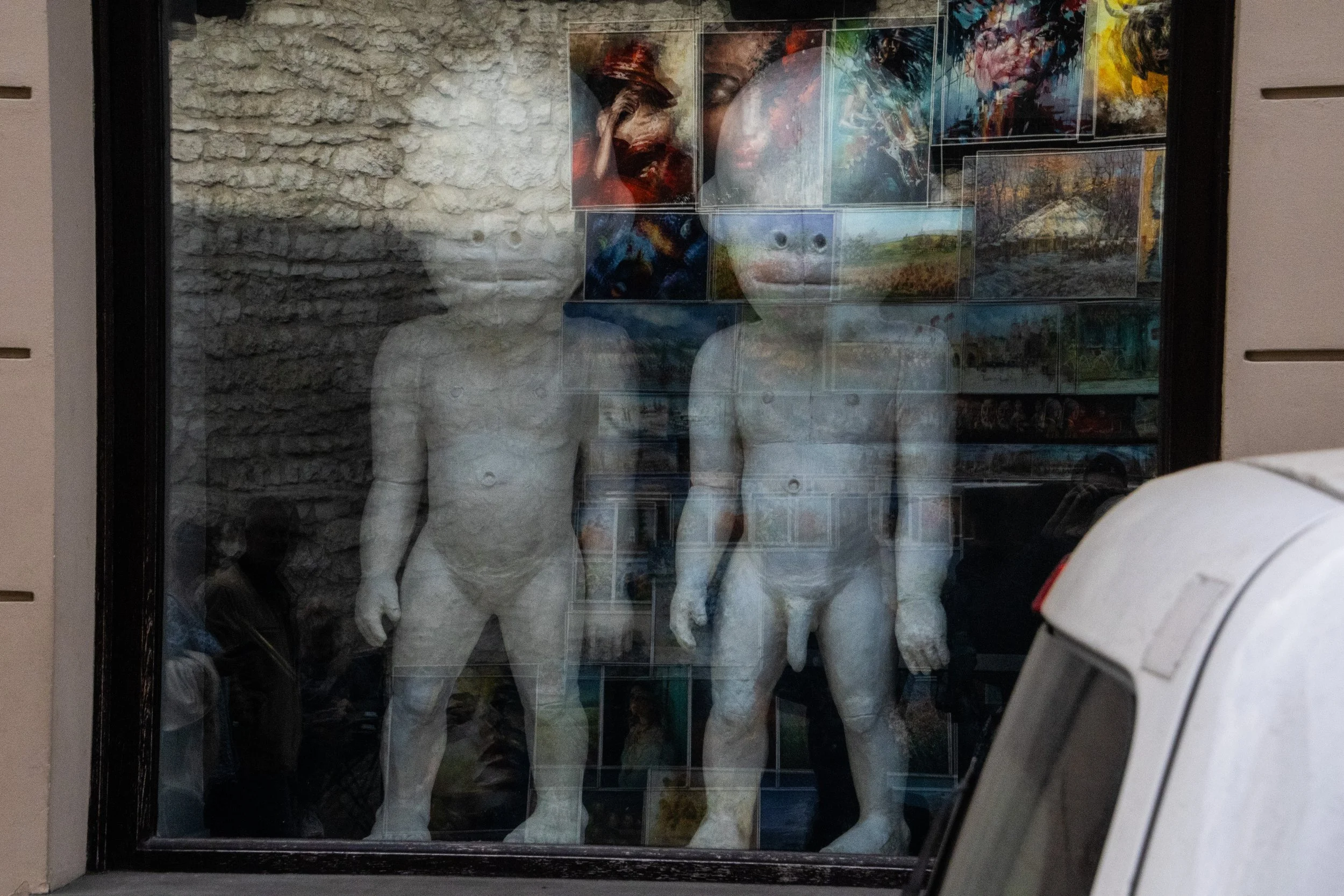
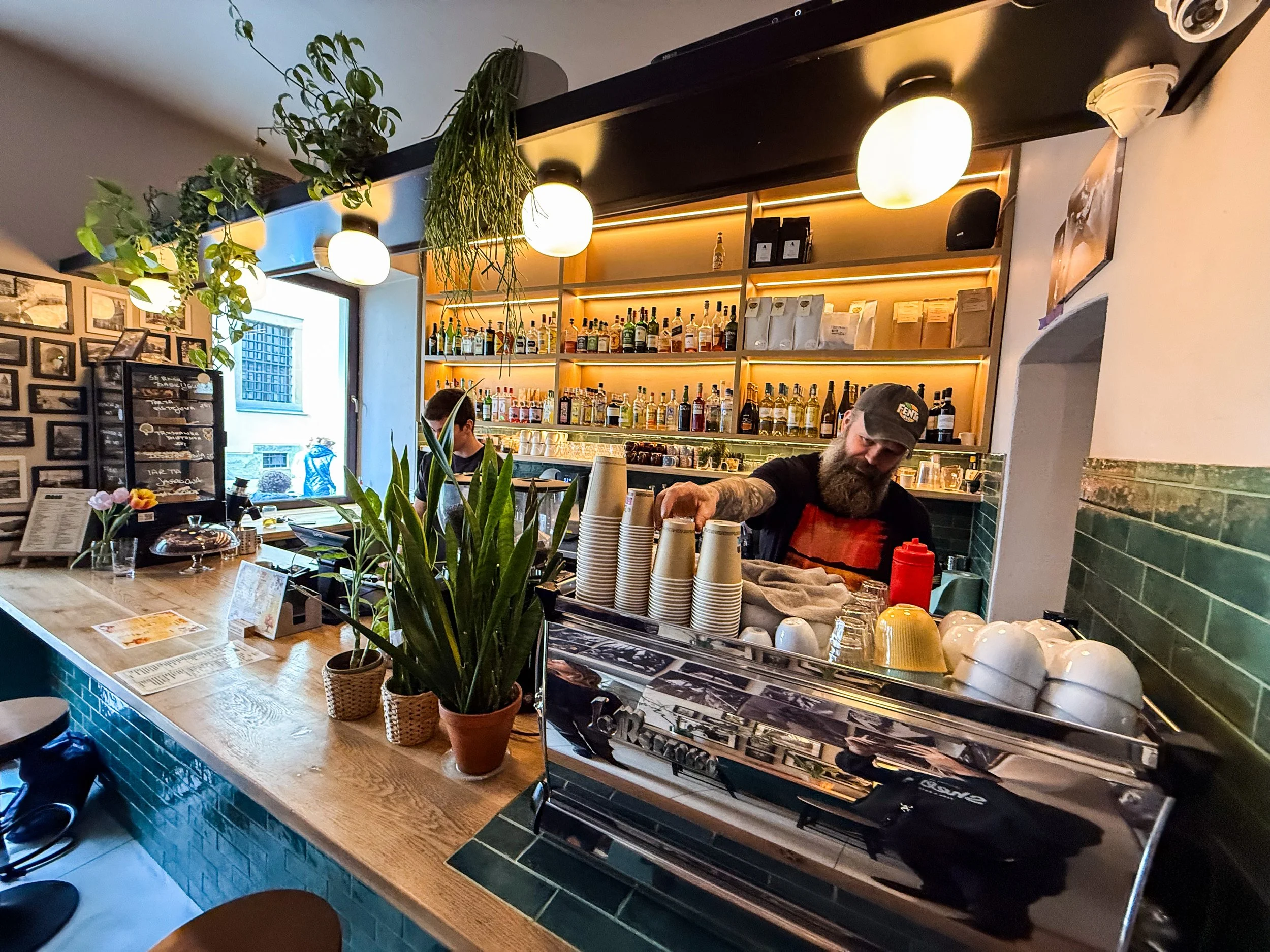
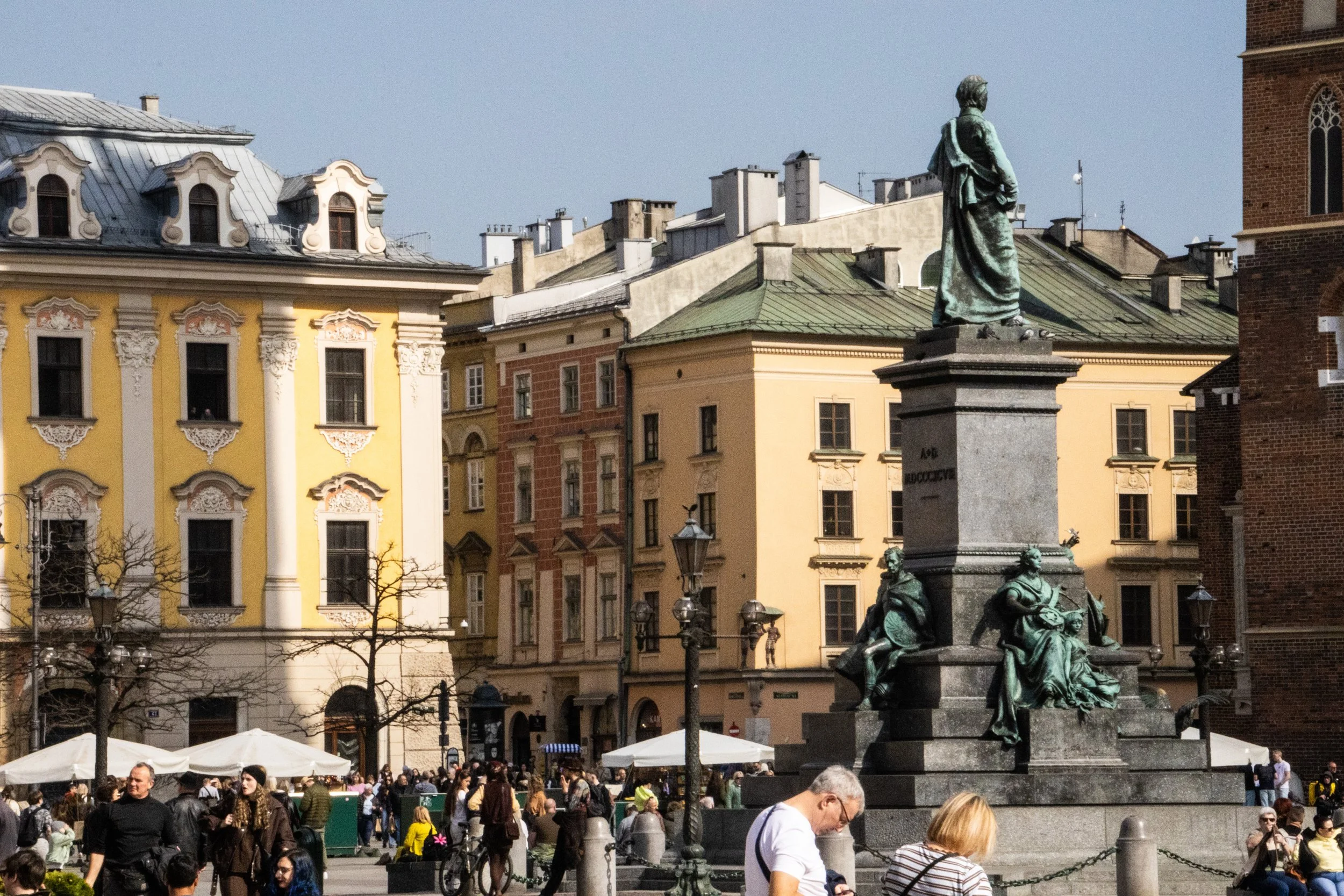
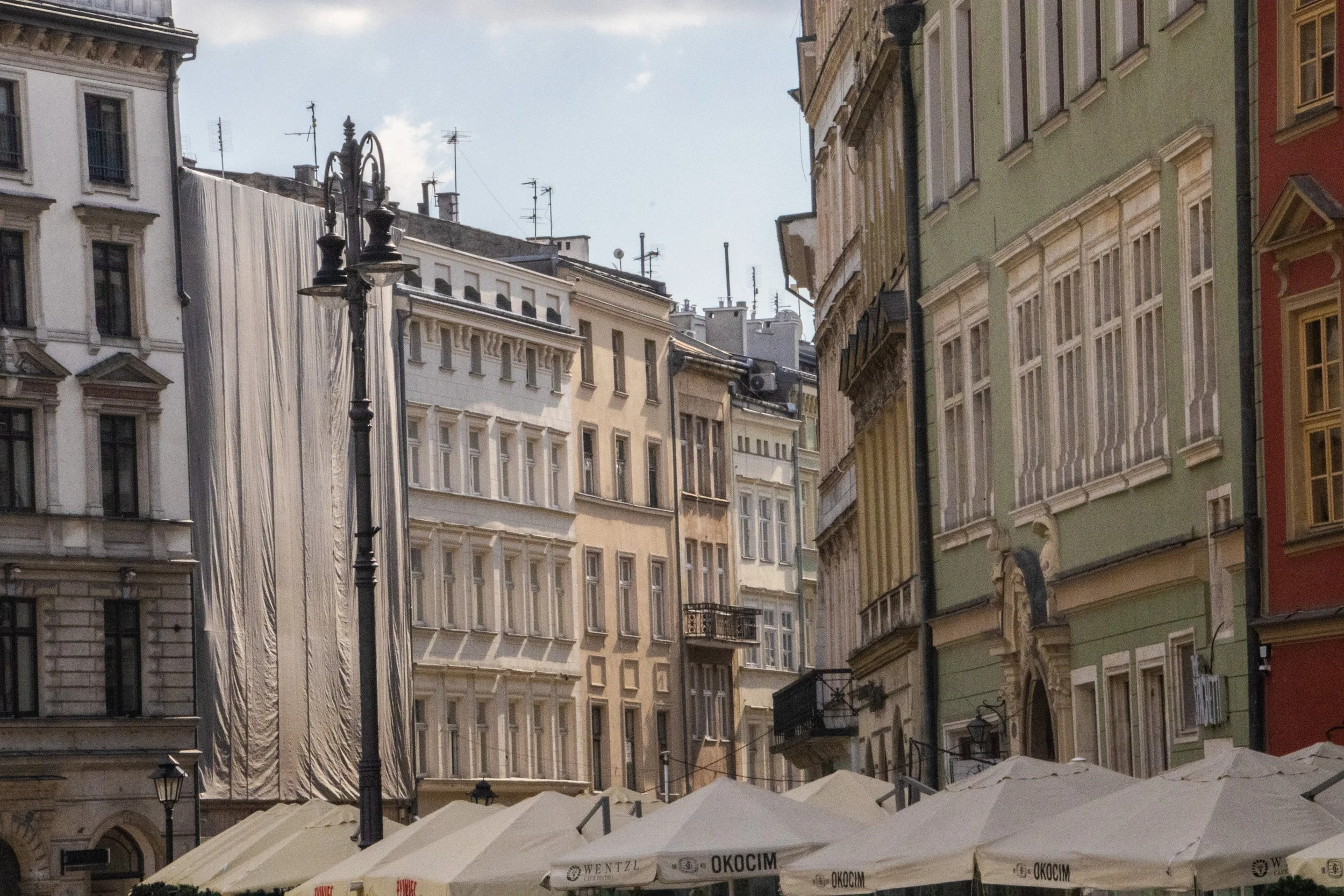
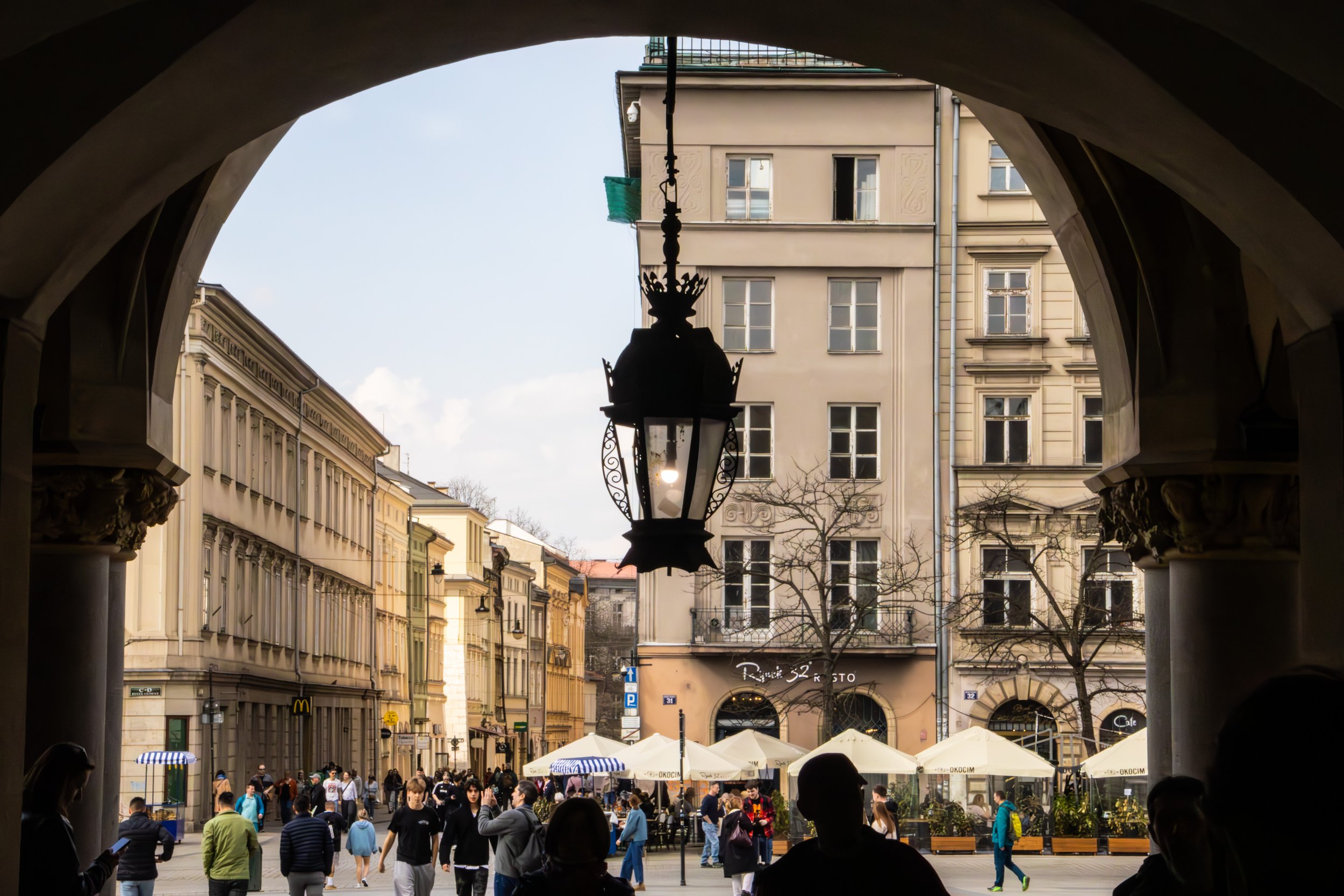
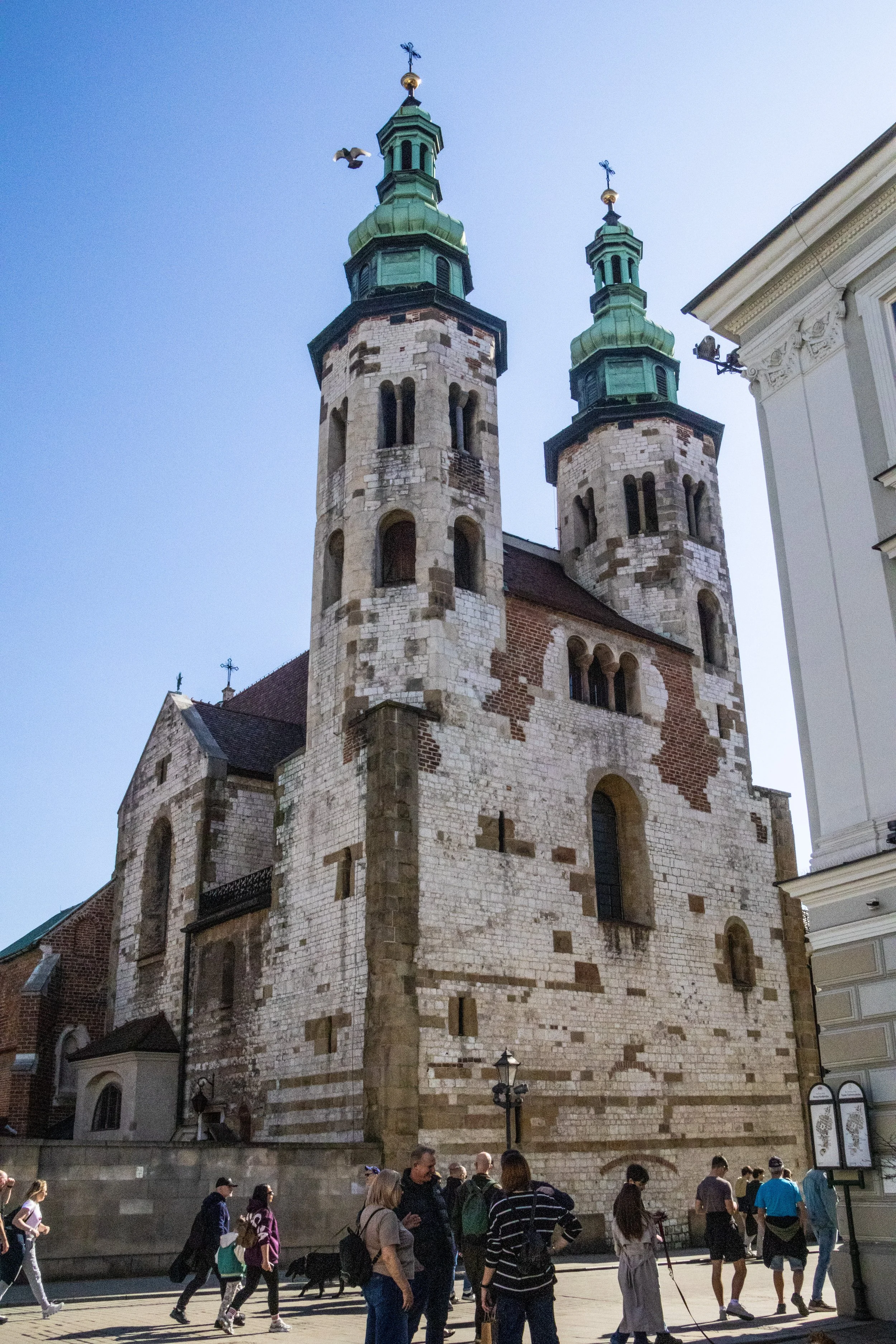
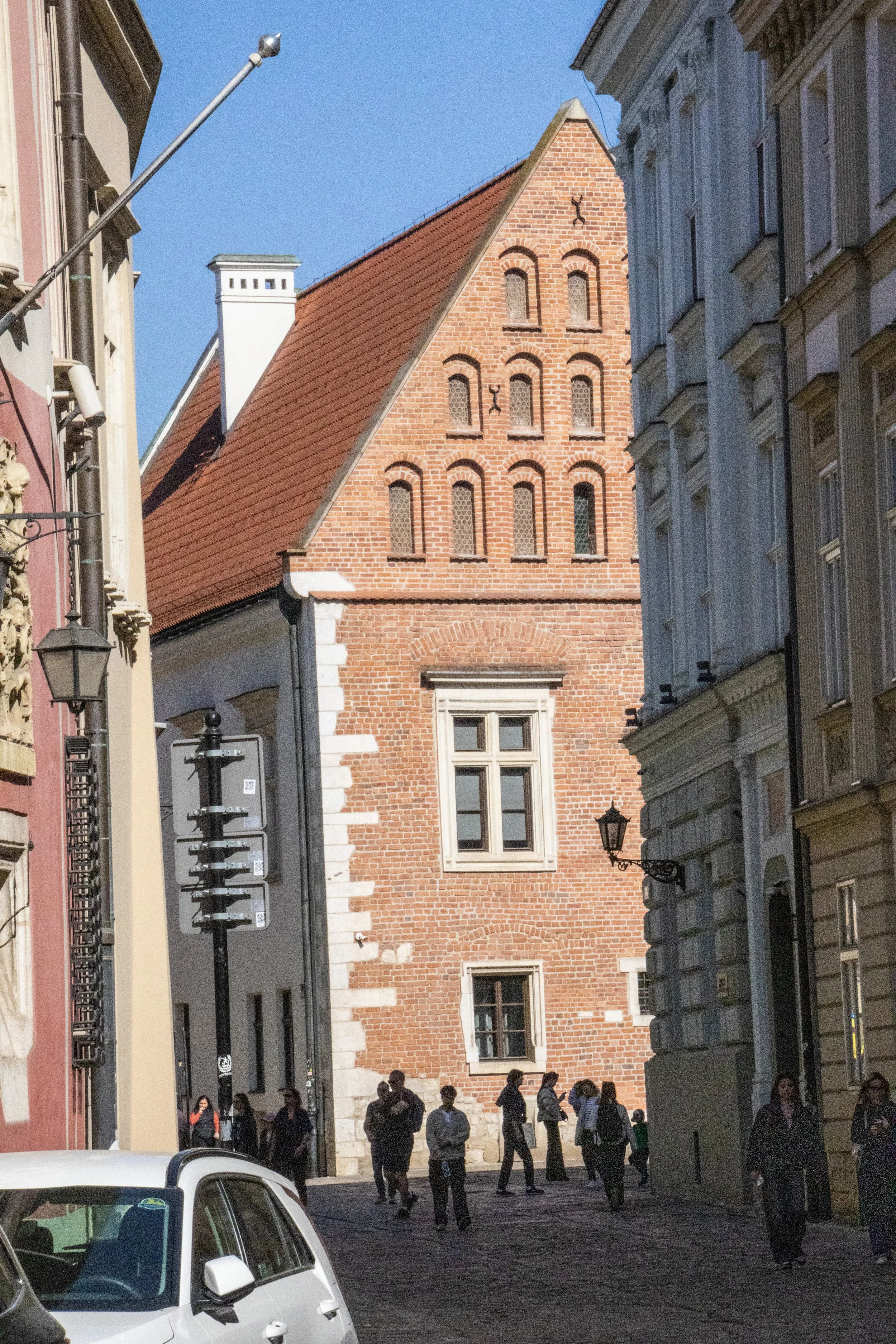
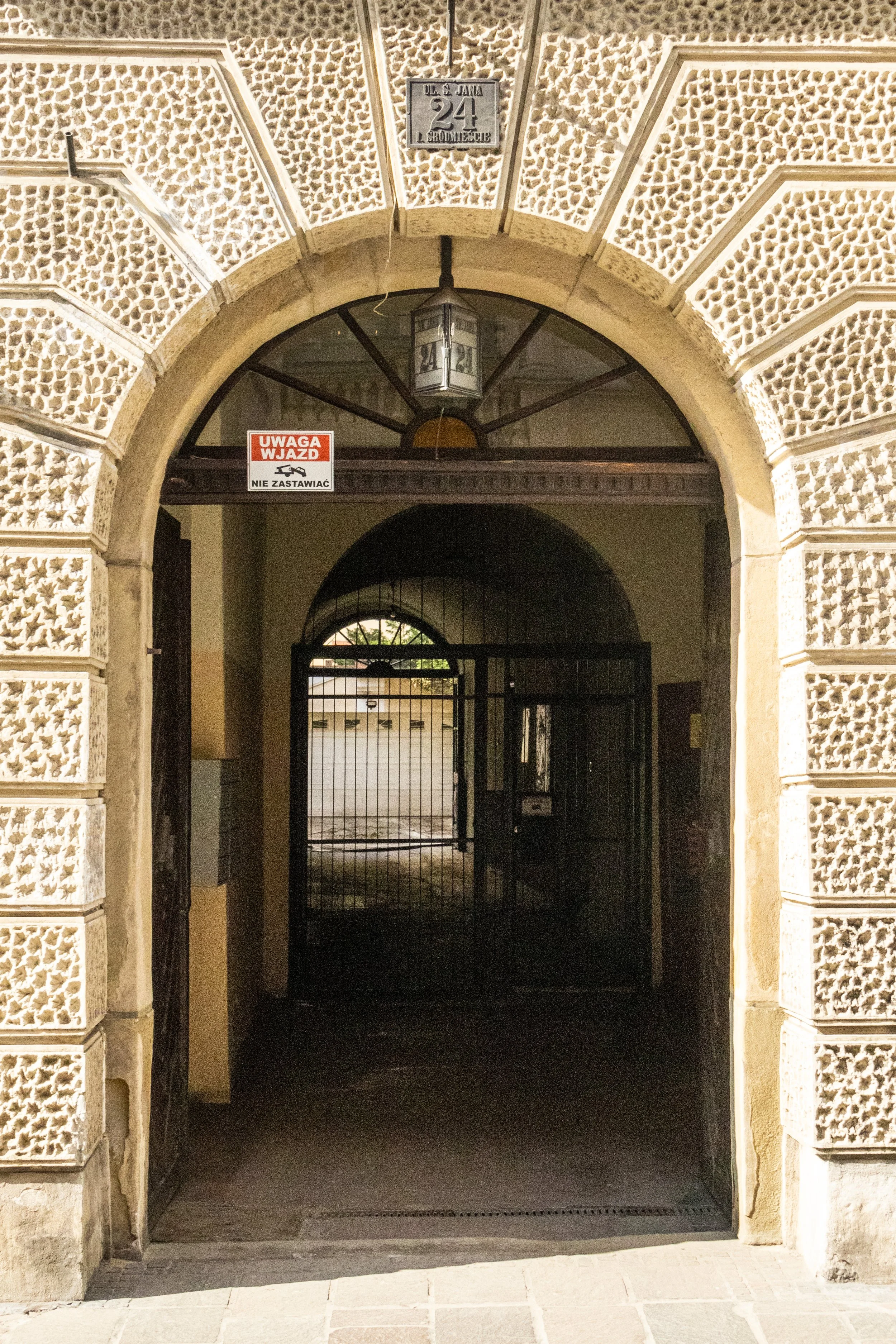
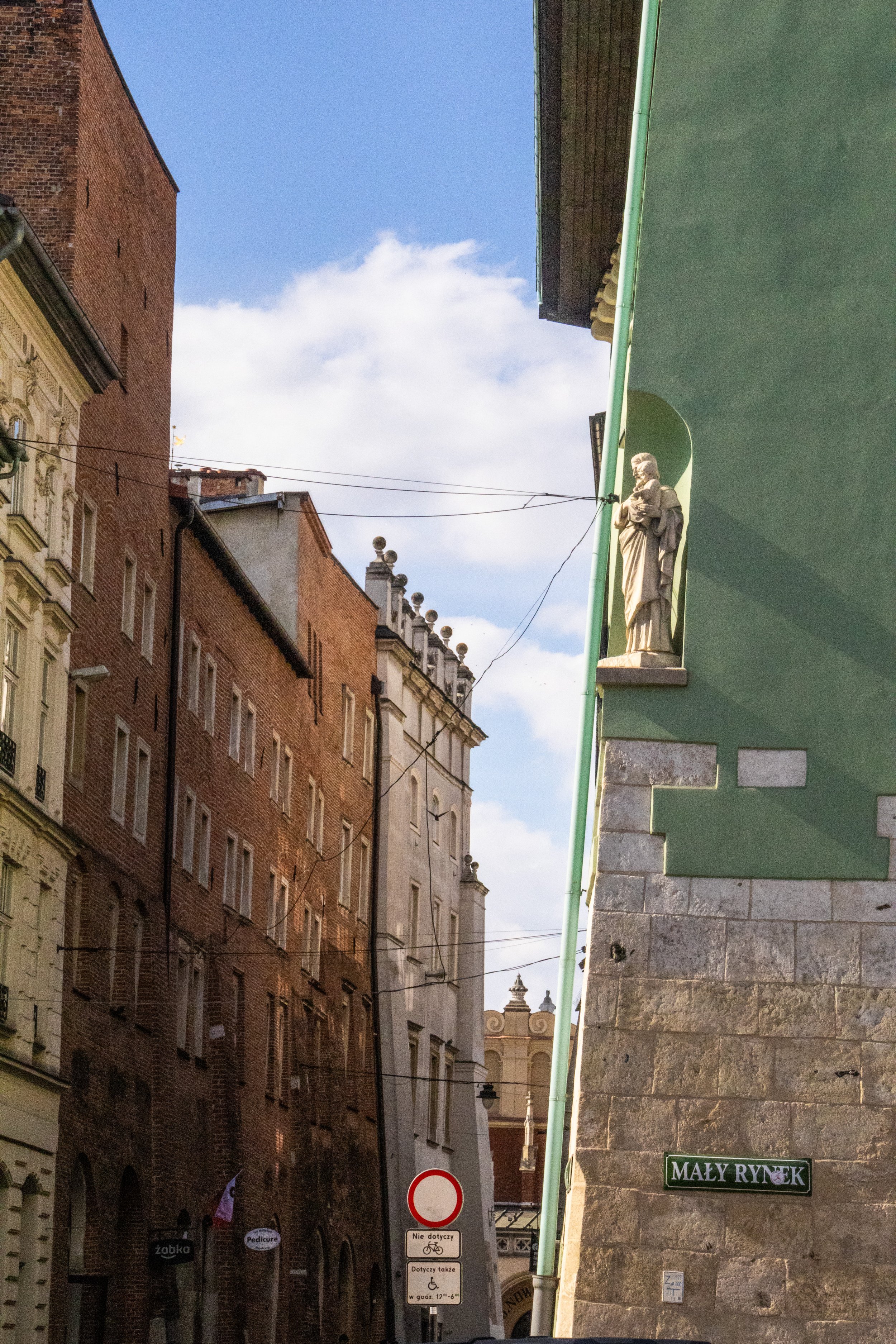
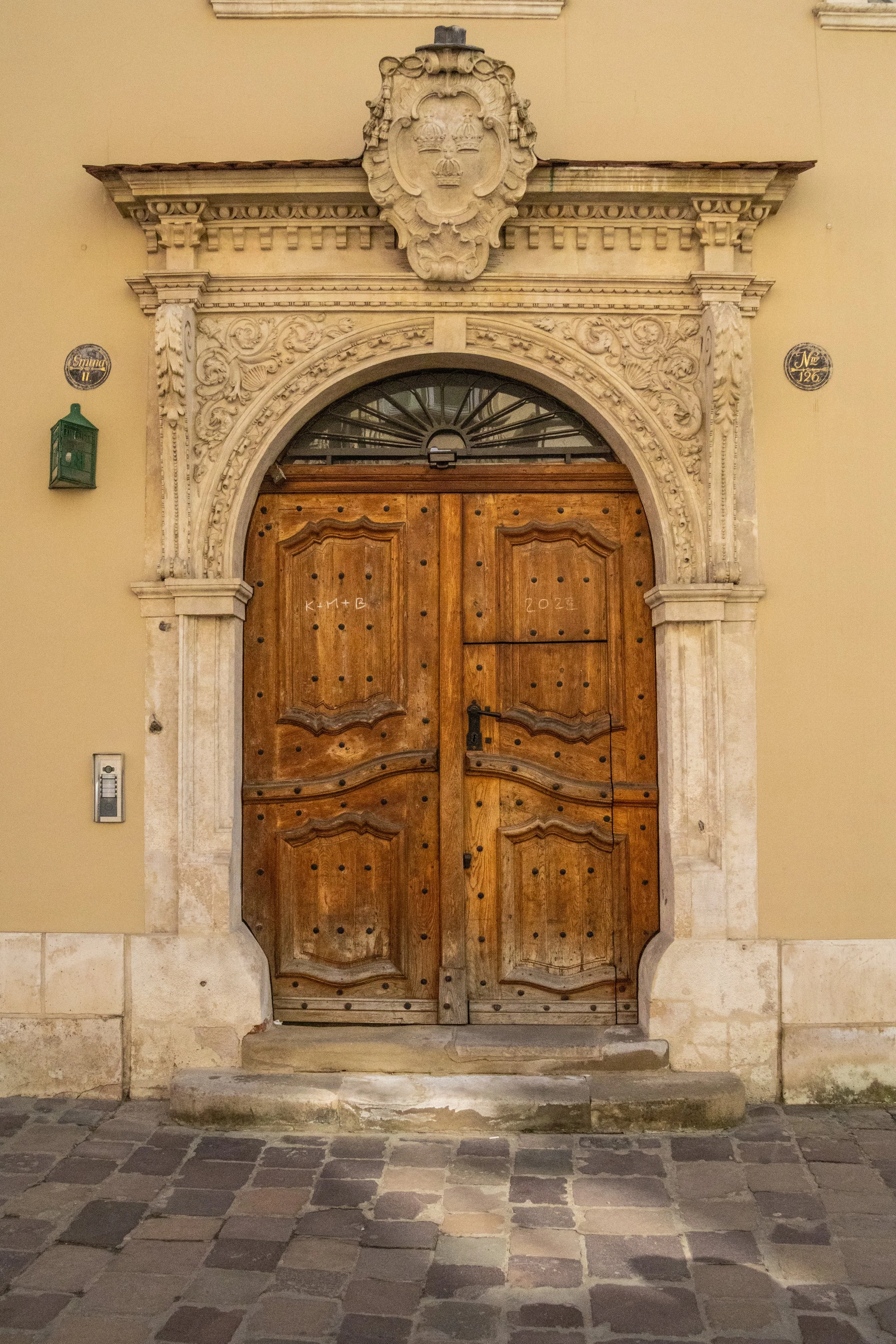
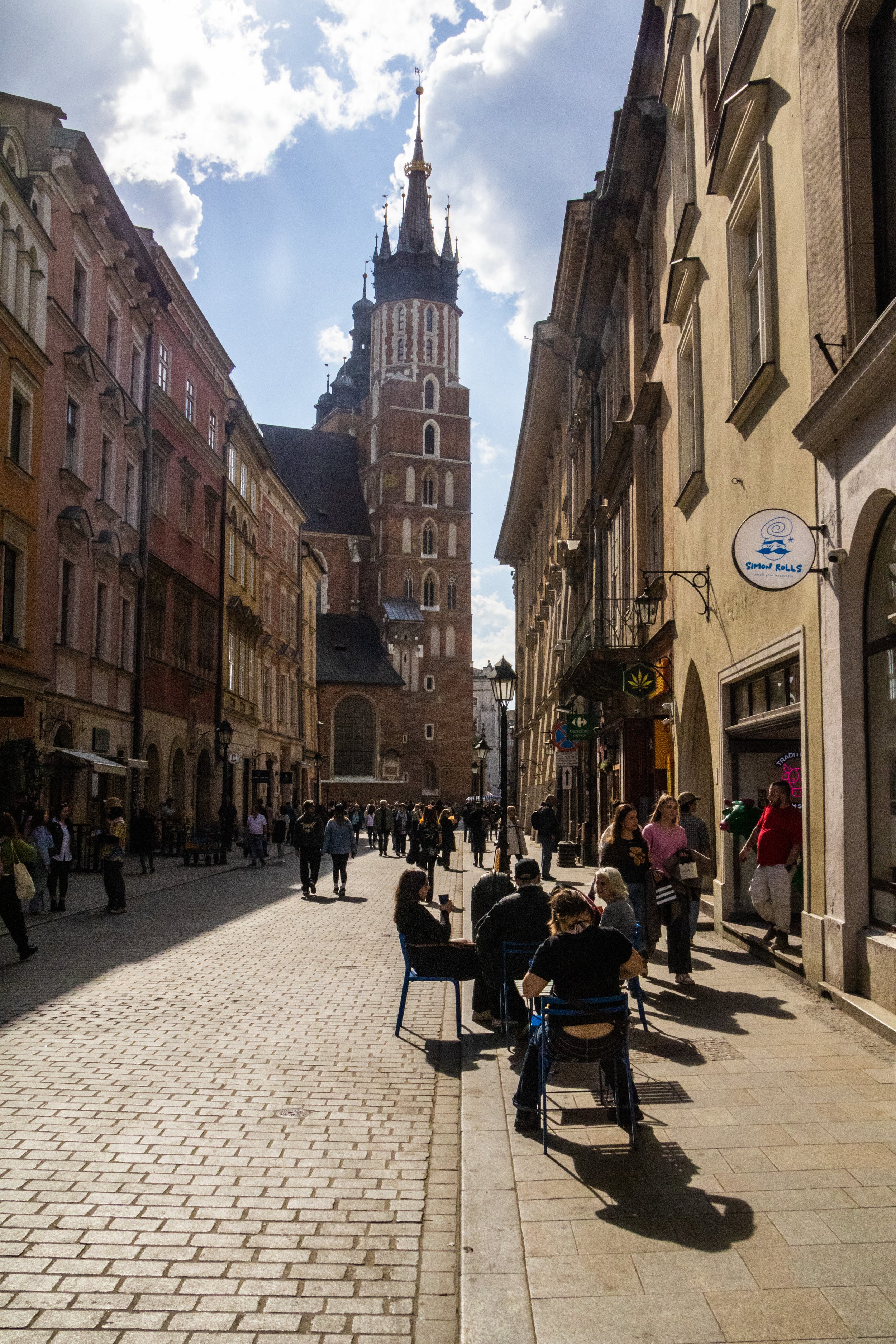
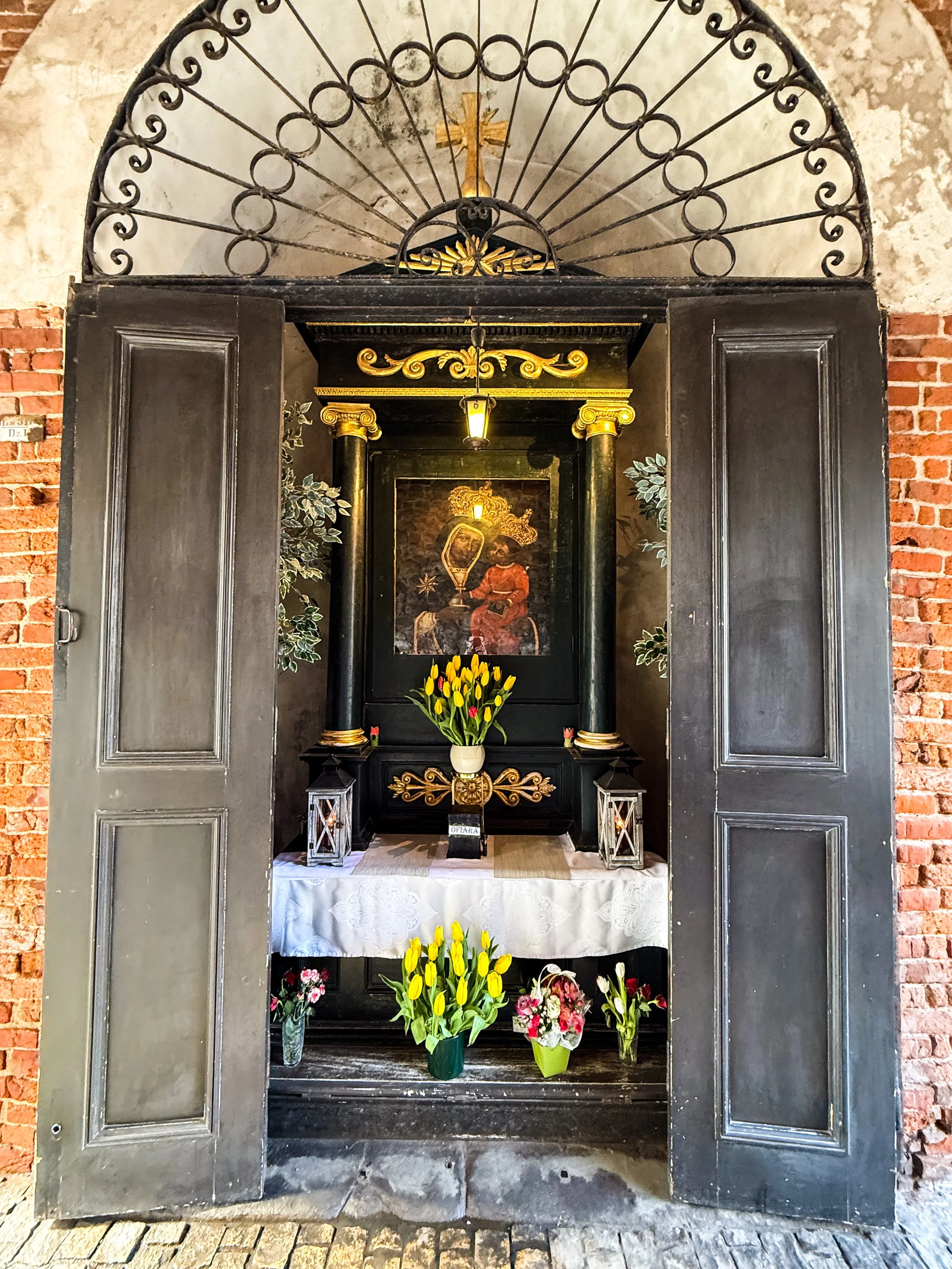
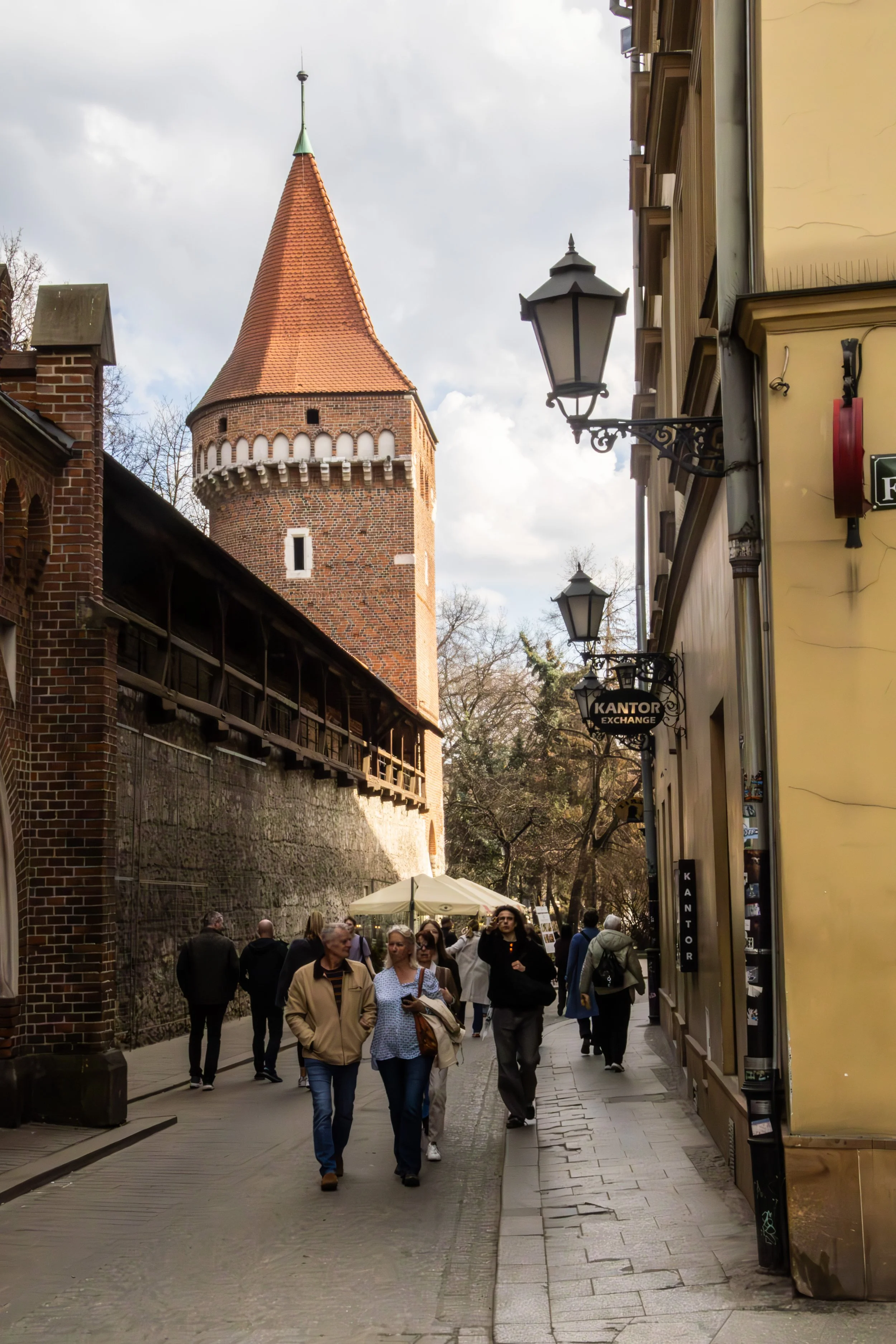
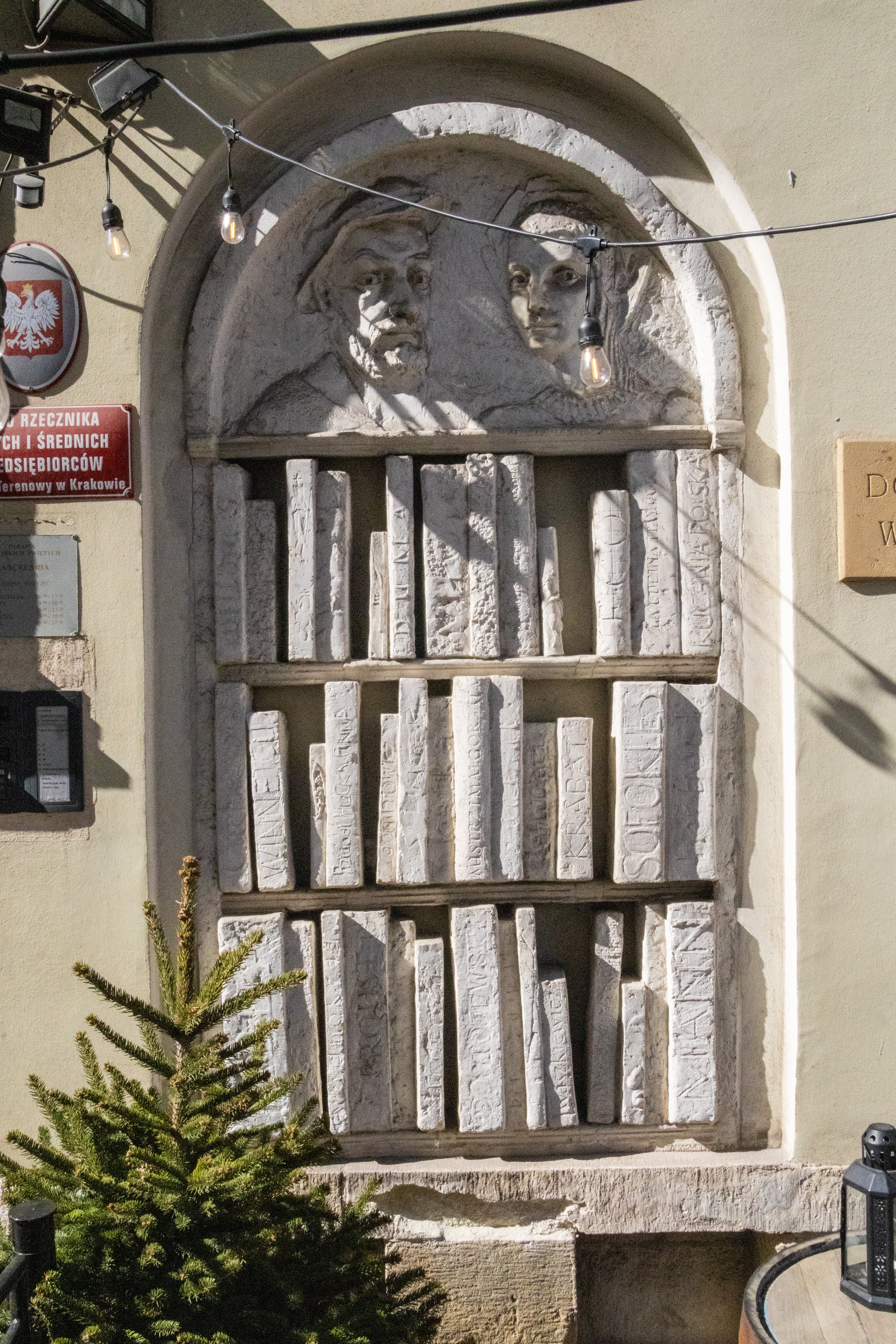
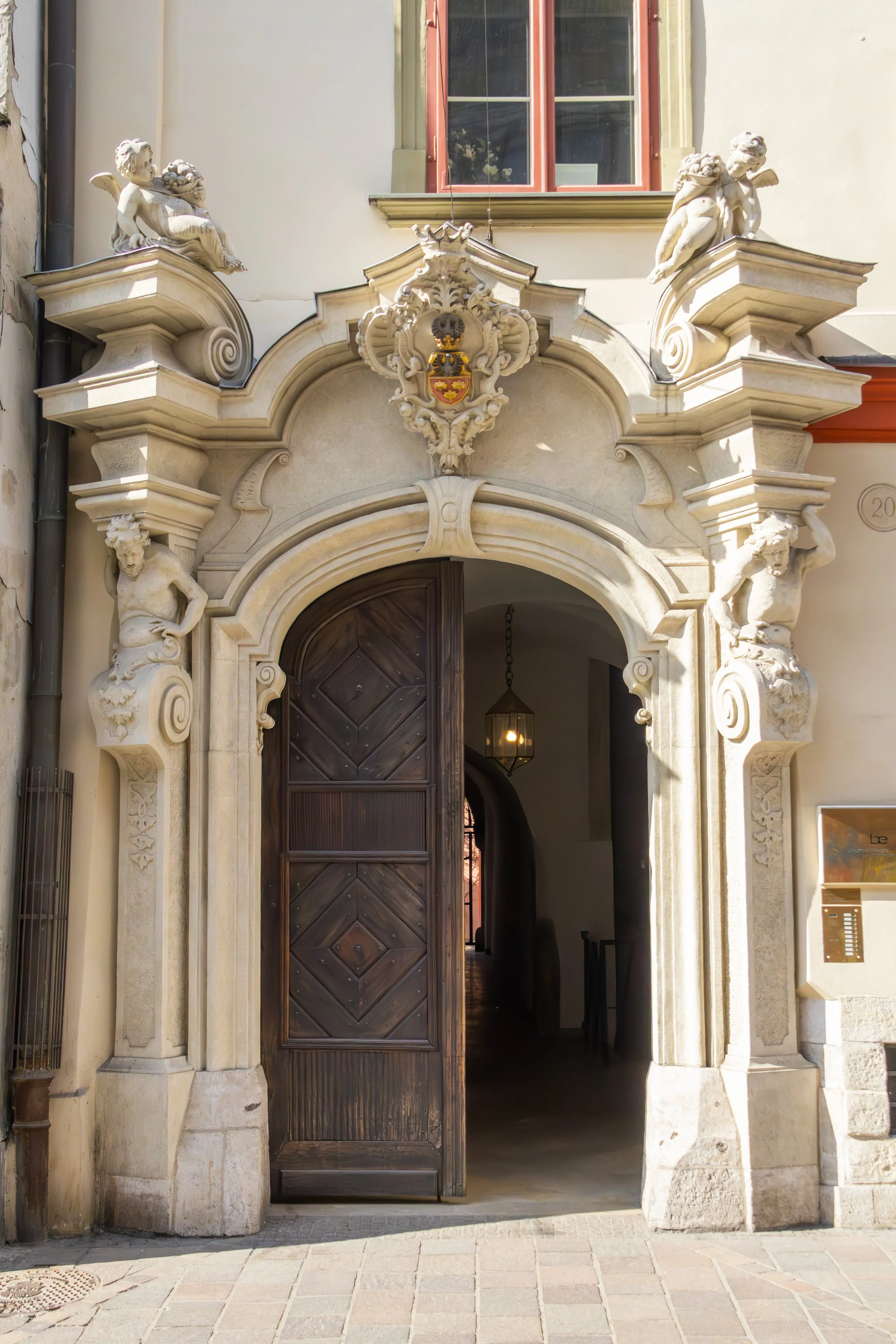
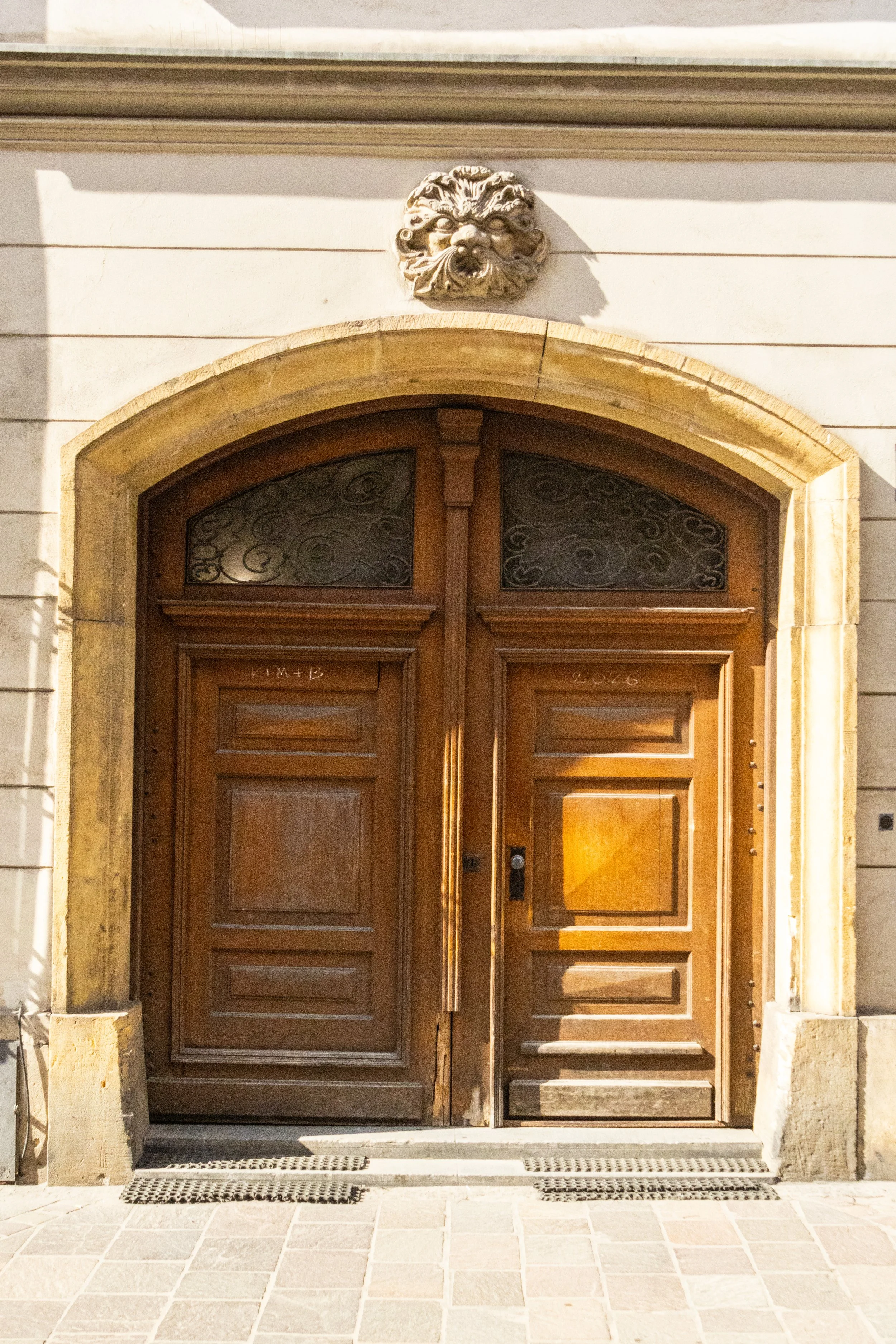
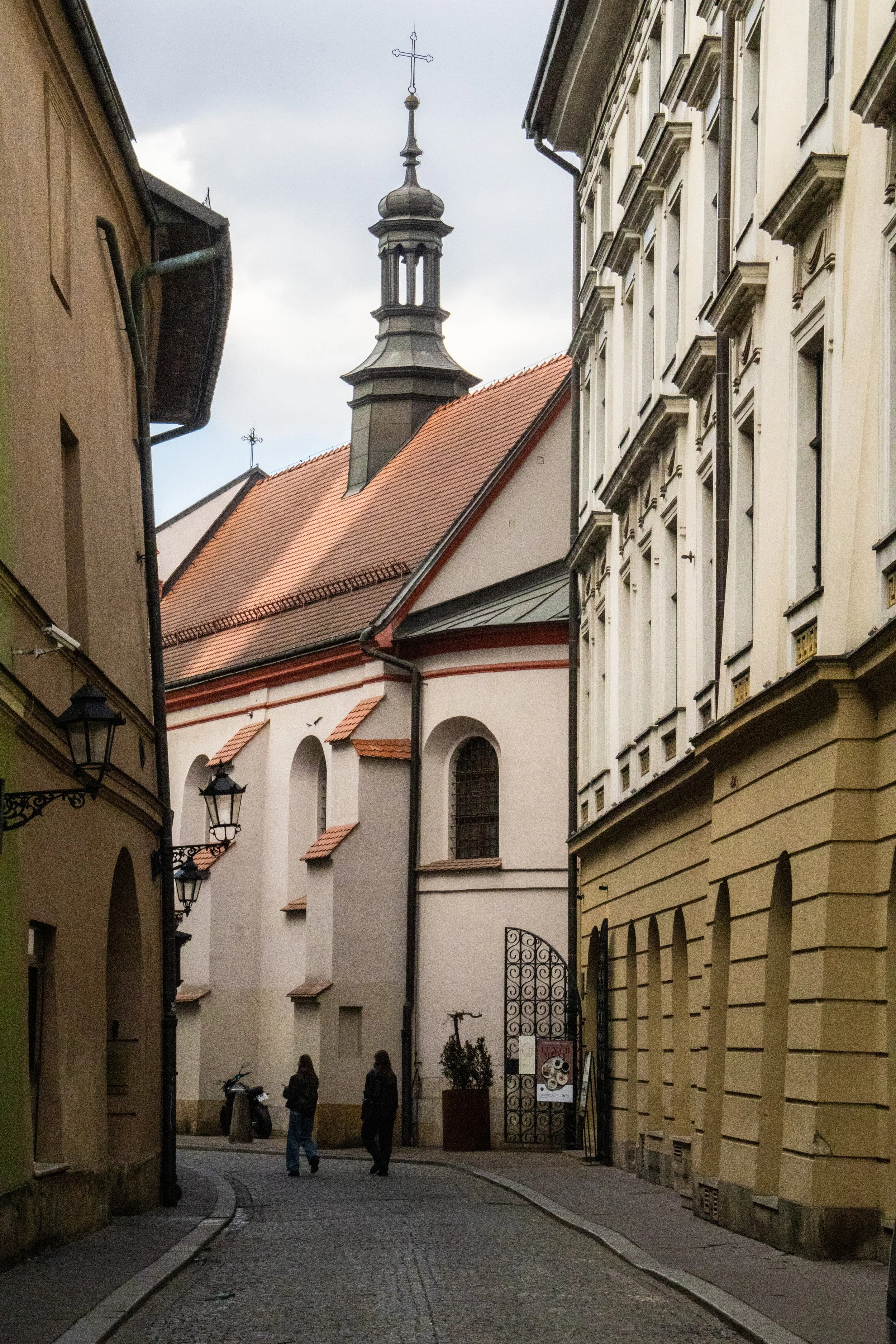
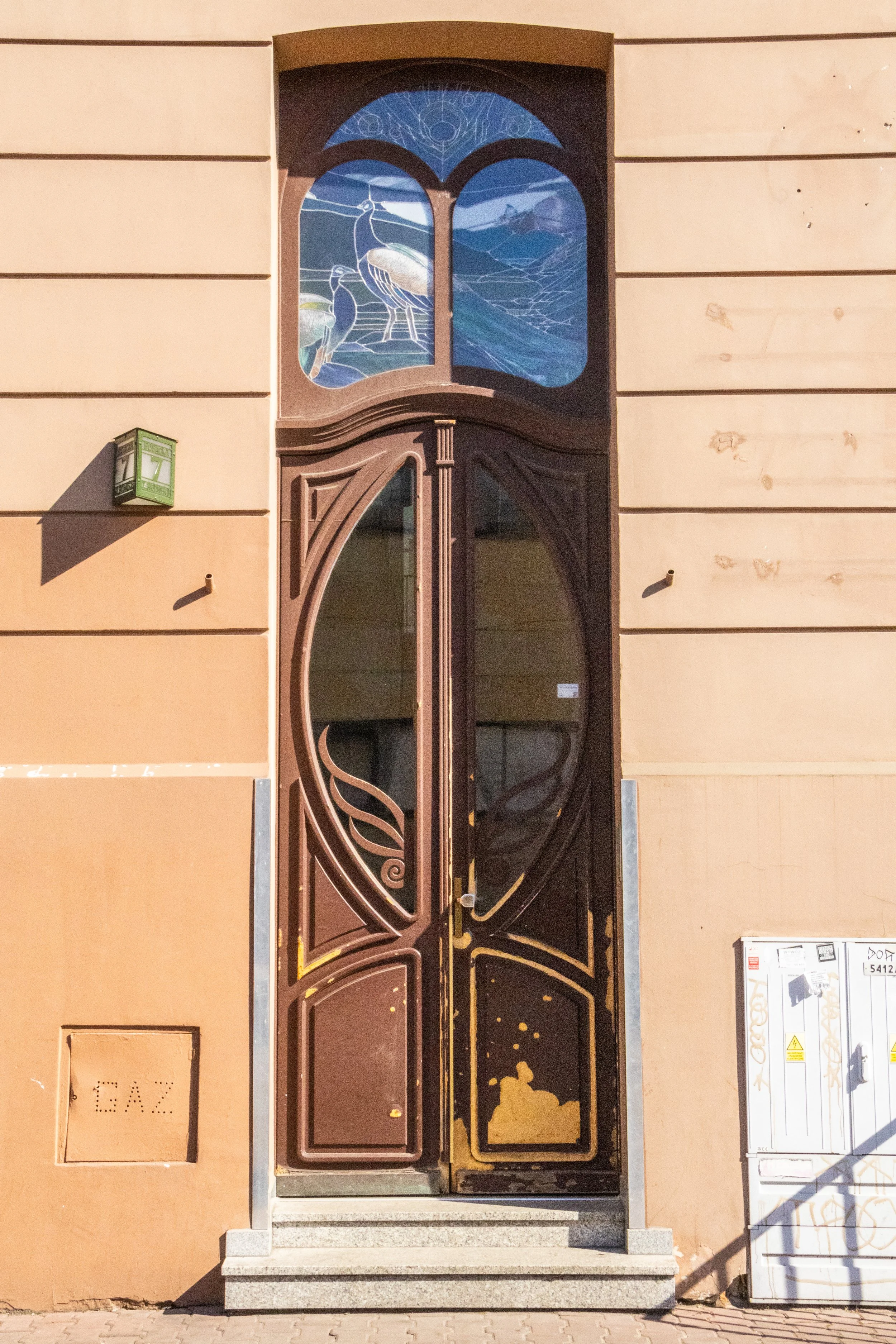
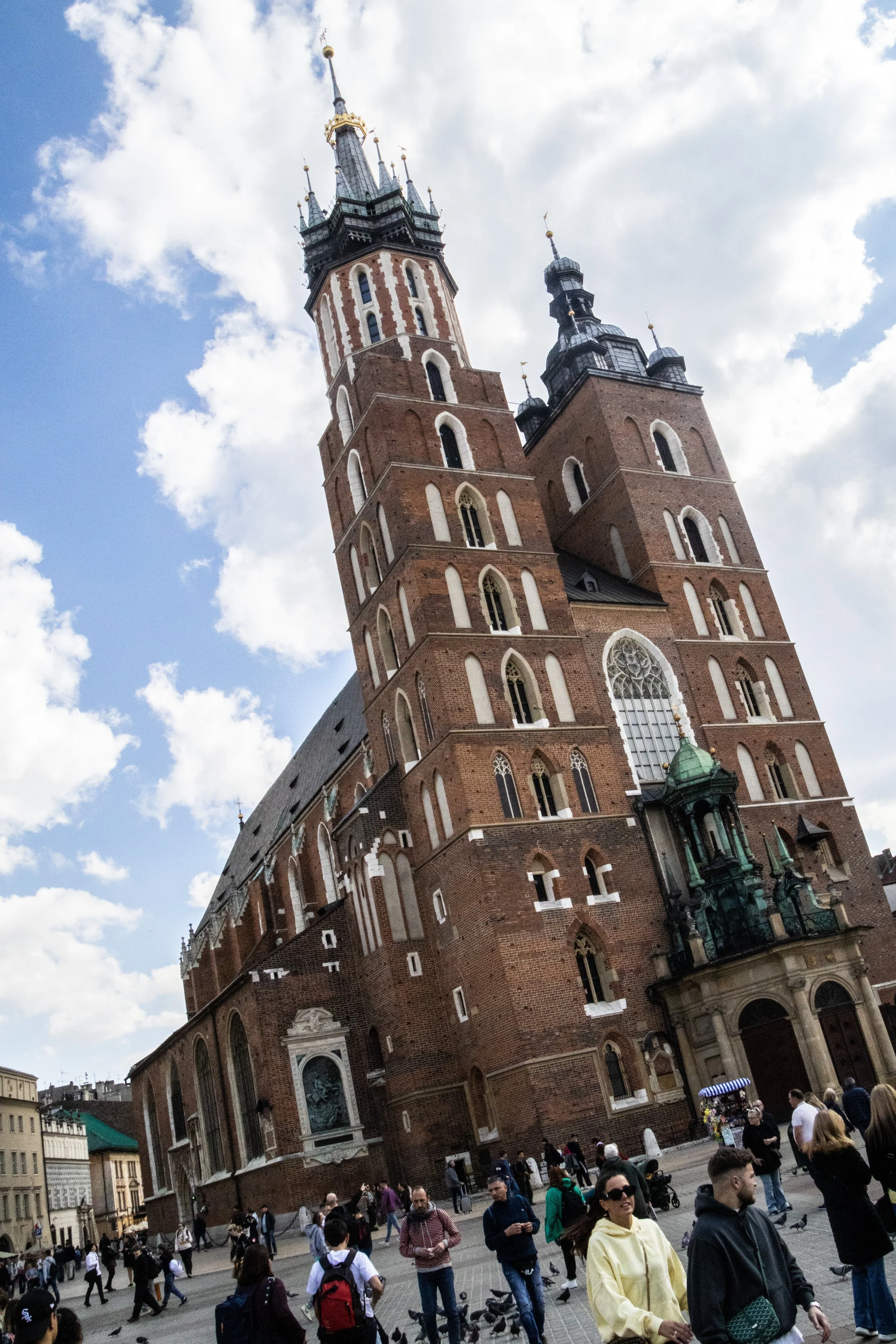
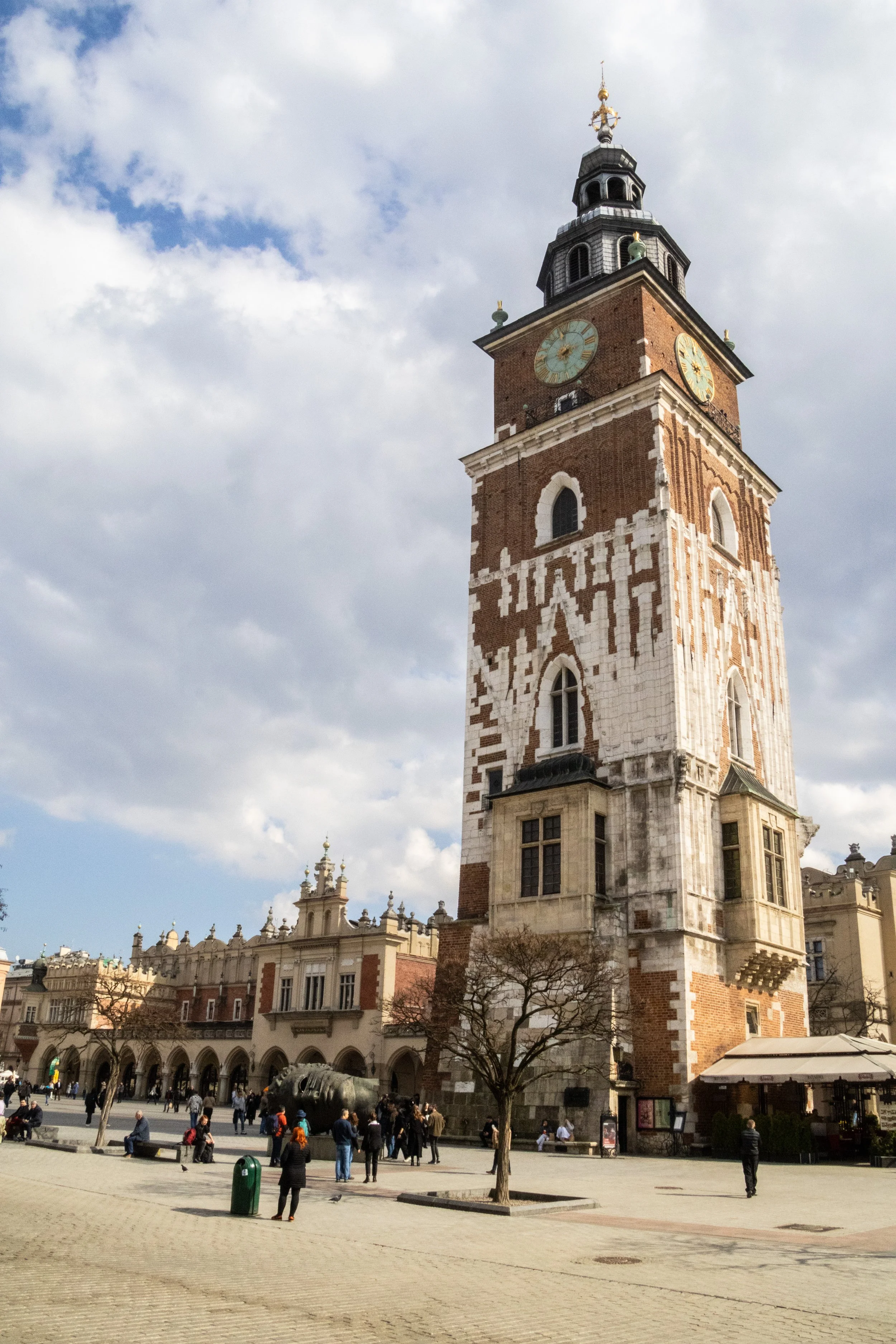
Wawel Hill & Castle
The river that runs through the heart of Krakow is called the Vistula River. Adjacent to Old Town, there is a limestone hill overlooking the Vistula upon which an enormous castle is perched. This is Wawel Castle, and it is to Poland as Westminster Abbey is to the England, or the Colosseum is to Italy. It’s basically THE shrine to the Poland’s historical/cultural identity.
Wawel Hill is known to have been a settlement even as far back as pre-history, but the castle, in one form or another, has been sitting here for about 1,000 years now! Wawel Castle version 1.0 was built under Piast rulers such as Mieszko I (who ruled from ~960–992) and was likely just a simple structure of stones and timber.
Side note: Piast is the family name of an important European dynasty, similar to the Habsburgs in what is now Austria. Back then, there was not yet a unified Polish state, but it would be the Piast ruler Bolesław I the Brave that brought about the first state bearing the name, “Poland” in 1025.
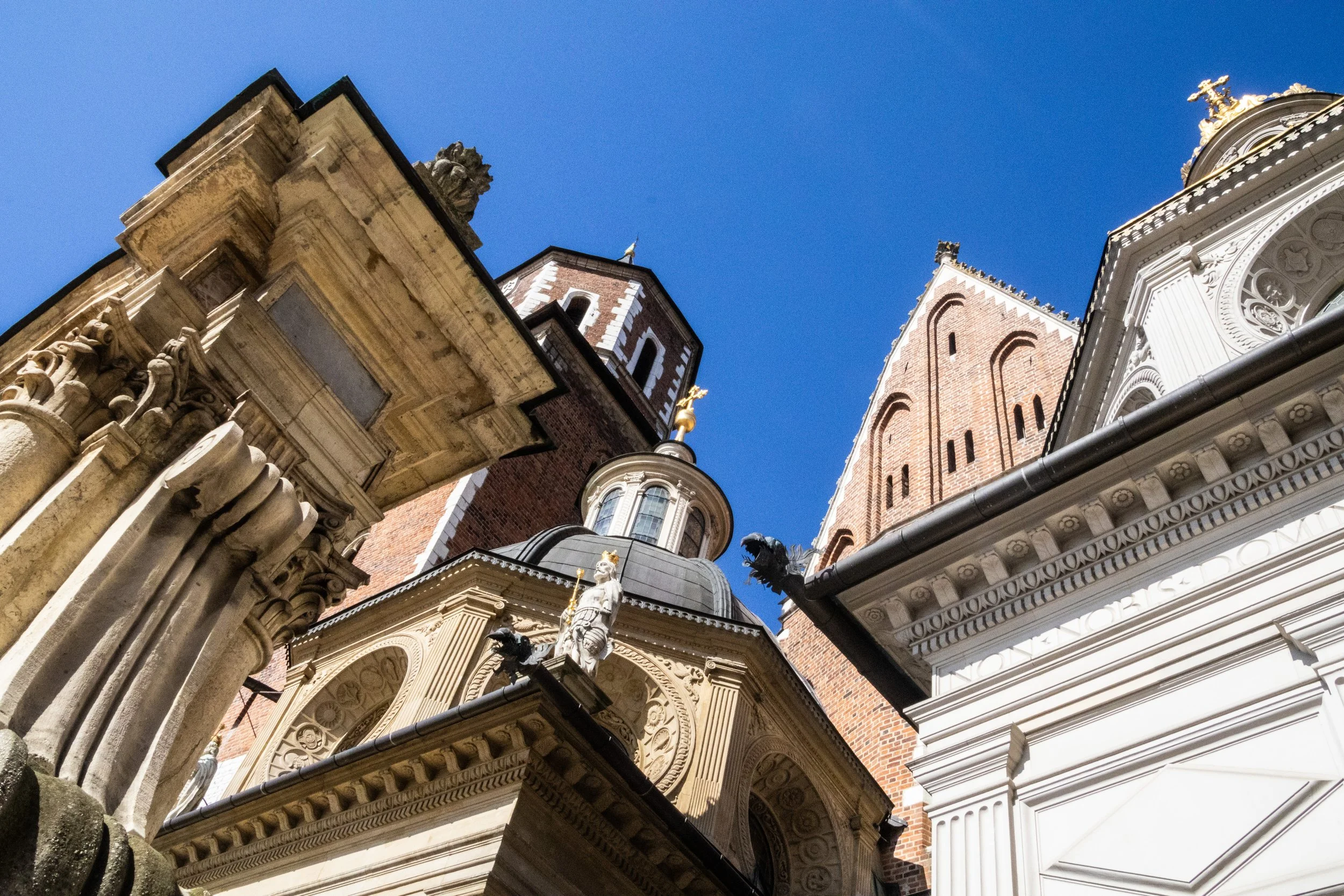
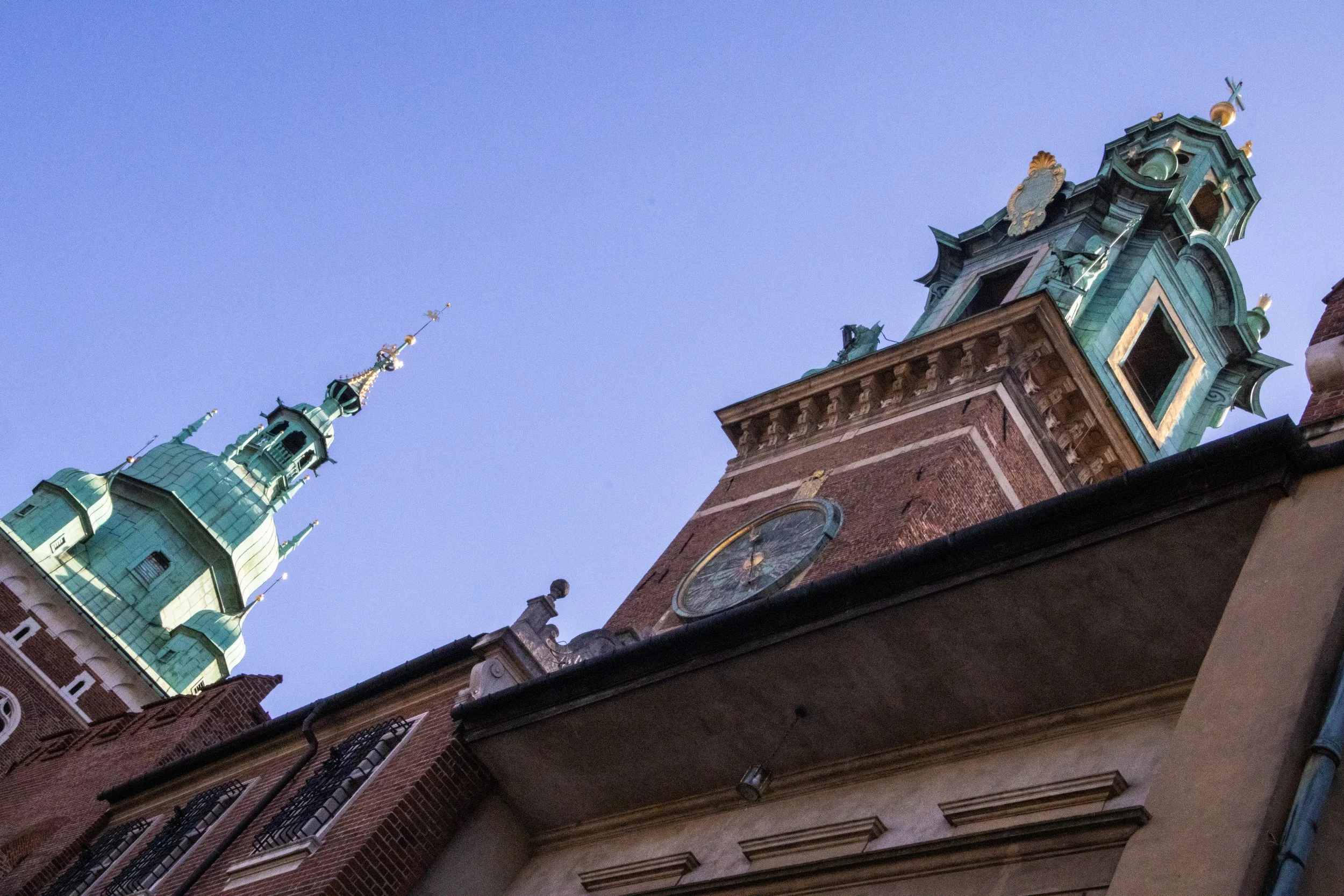
The castle evolved over the course of a millennium, with each passing age providing upgrades and additions. There are Romanesque remnants, Gothic layers, Renaissance renovations, and Baroque additions, all sitting on top of each other. Along the way, this castle has picked up layers of religious, military, and residential purposes, and now houses the tombs of some of Poland’s most important historical figures as well. But, to me, perhaps the most interesting part of this castle is the legend of the Wawel Dragon…
The Legend of Wawel Dragon 🐲
Long ago, before Kraków could have even been considered a fully-fledged “city”, there was a dragon that lived in a cave beneath Wawel Hill. It was known as Smok Wawelski (“the Wawel Dragon”) and had been was terrorizing the surrounding population, devouring livestock and demanding tribute from the villagers in the form of money and/or young women. TL;DR, he was making life around Wawel hill unlivable.

King Krak (or Krakus), the legendary founder/ruler associated with Kraków, declared that whoever killed the dragon would be rewarded with riches and his daughter’s hand in marriage. From this point on, the story splits into two parallel versions.
In both versions, the dragon is defeated not through force, but through trickery and intellect. One of the ways that the local villagers had been paying tribute to this dragon was by feeding it livestock, so a sheep was killed, and then stuffed with explosives. The dragon came out of his cave and ate the sheep. The legend goes that the explosives make him very thirsty, so he drinks a huge amount of water from the Vistula River, and then explodes.
In one version, the masterminds of this plot are King Krak’s two sons. Then one son murders the other to claim credit… and his sister’s hand in marriage? But his crime is discovered, and justice follows. In the other version, an apprentice shoemaker named Skuba is the hero of the story. Any guesses as to which version is more often told to tourists? 😂
Was the dragon real? I dunno. Did you believe in the dragon at the bus stop in Aix, France? One thing we can say for certain is that the cave it supposedly lived in is very real. There really is a cave underneath Wawel Hill/Castle that seems almost pre-destined to be the subject of intrigue and legend. Just like Britain has Arthur, and Rome has Romulus, Kraków has Krak and the dragon. (Band name??)
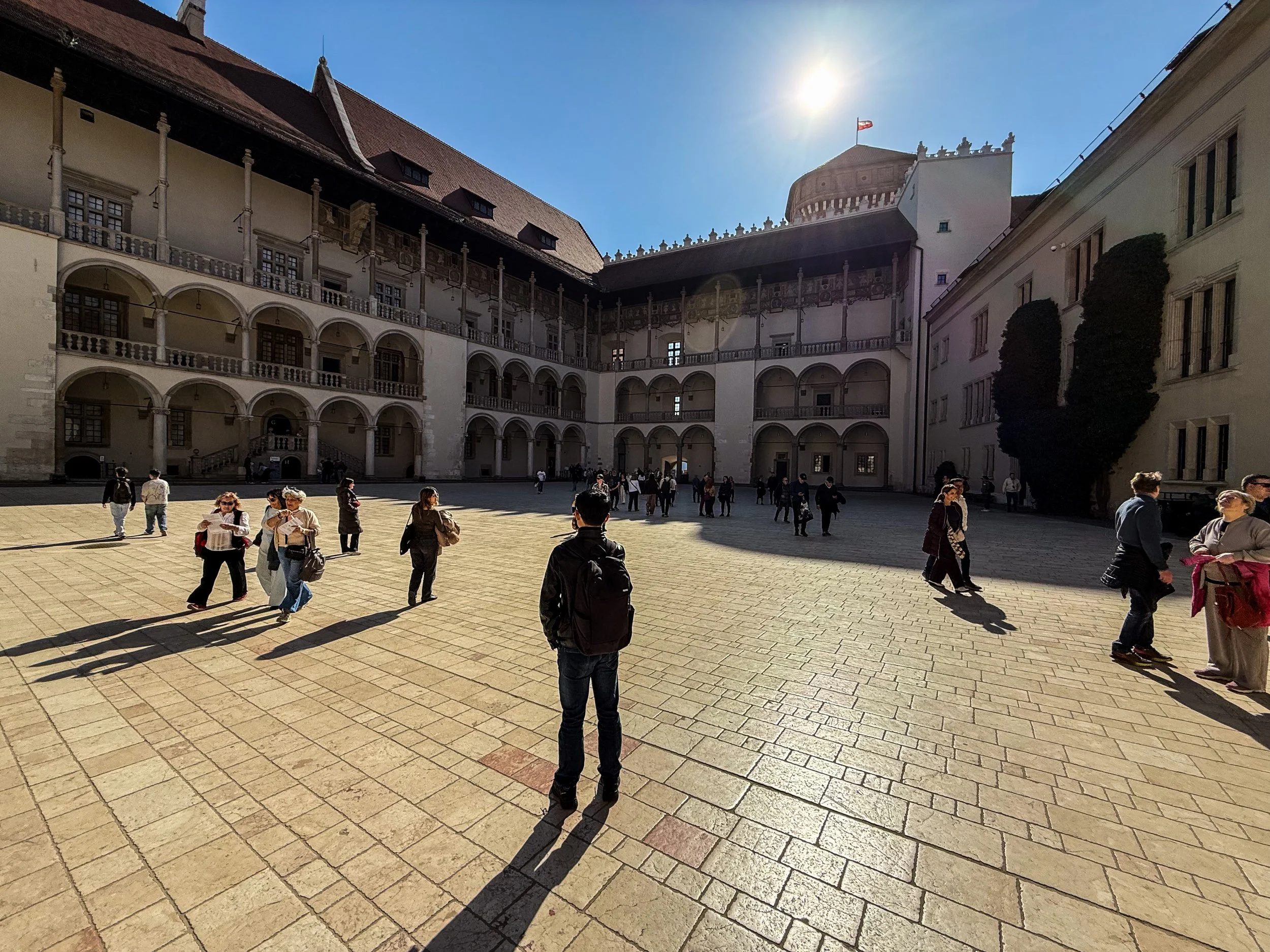
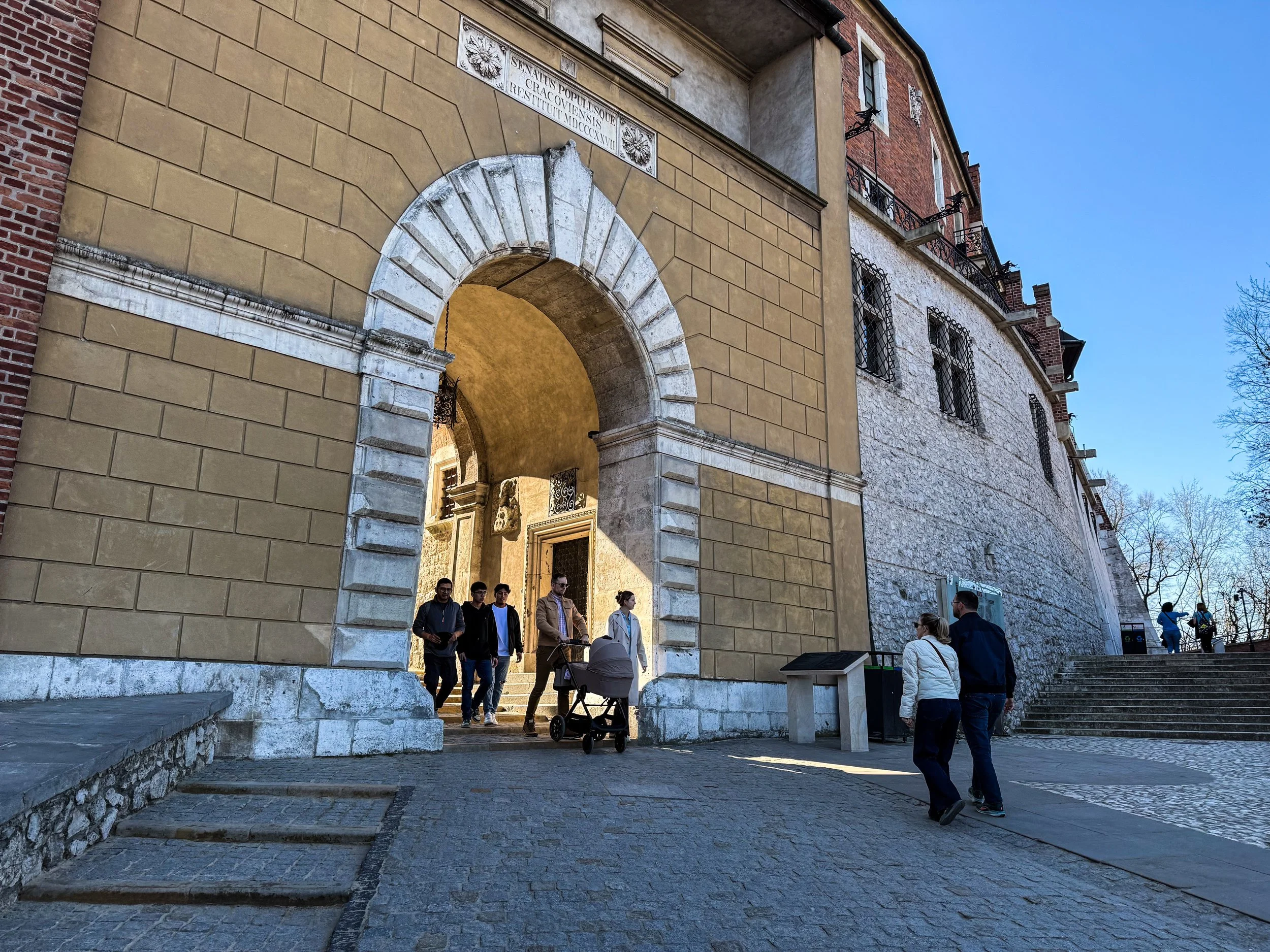
Anyway, tickets into the castle cost 95 PLN (~26 USD/19.4 GBP) at the time of my visiting. Here are few pictures from exploring the many ornate rooms of this castle, and the views from this castle over the rest of Kraków.
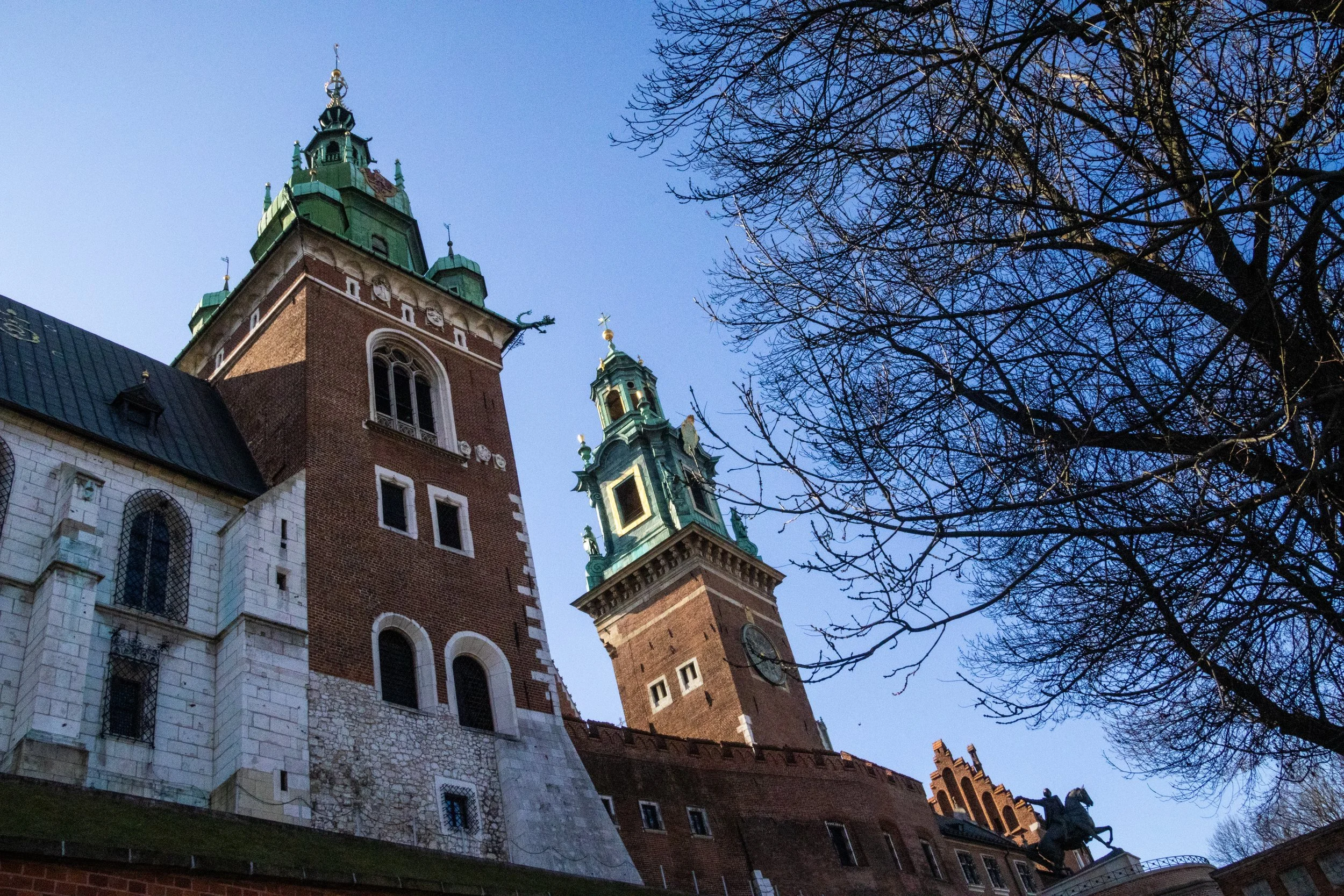
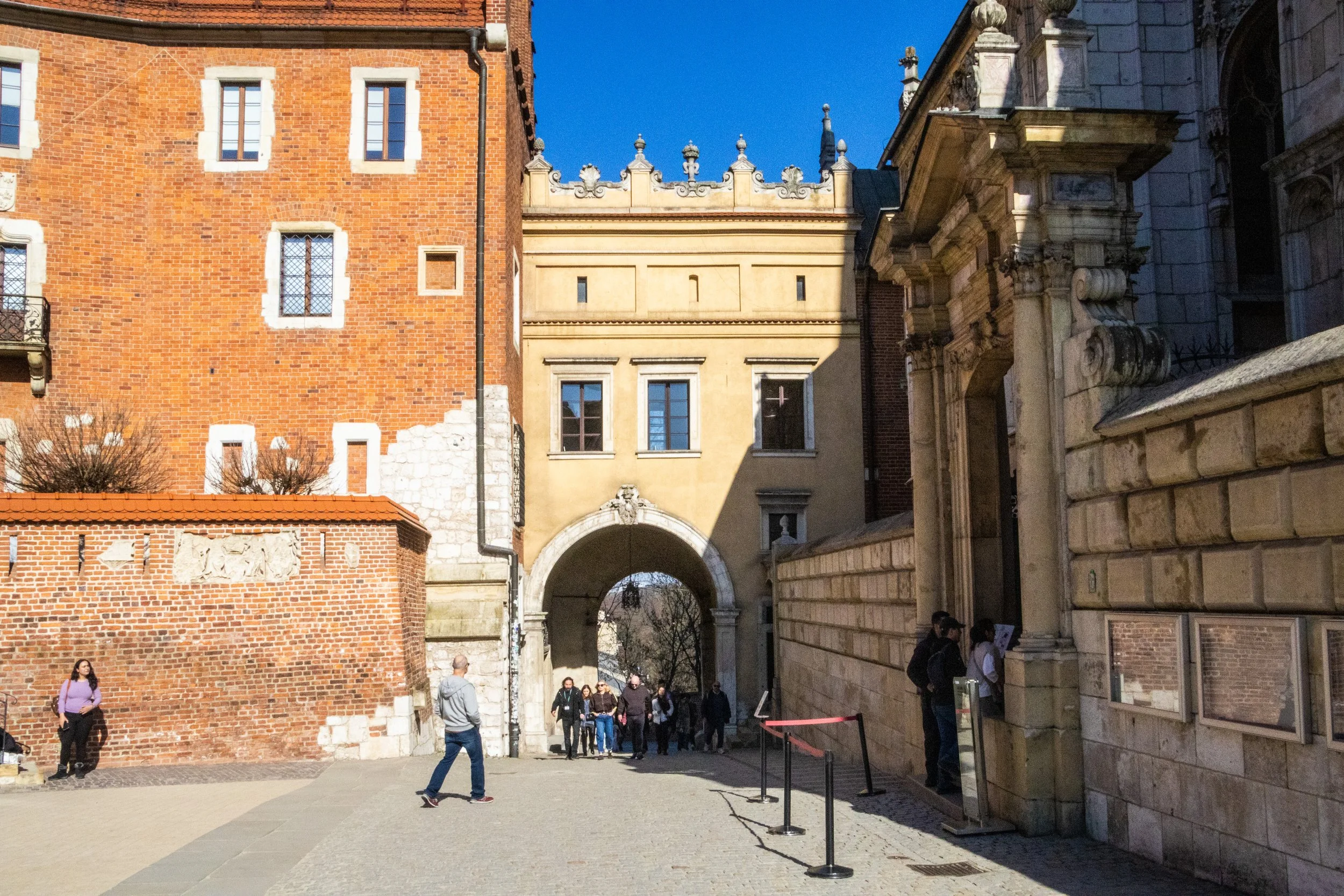
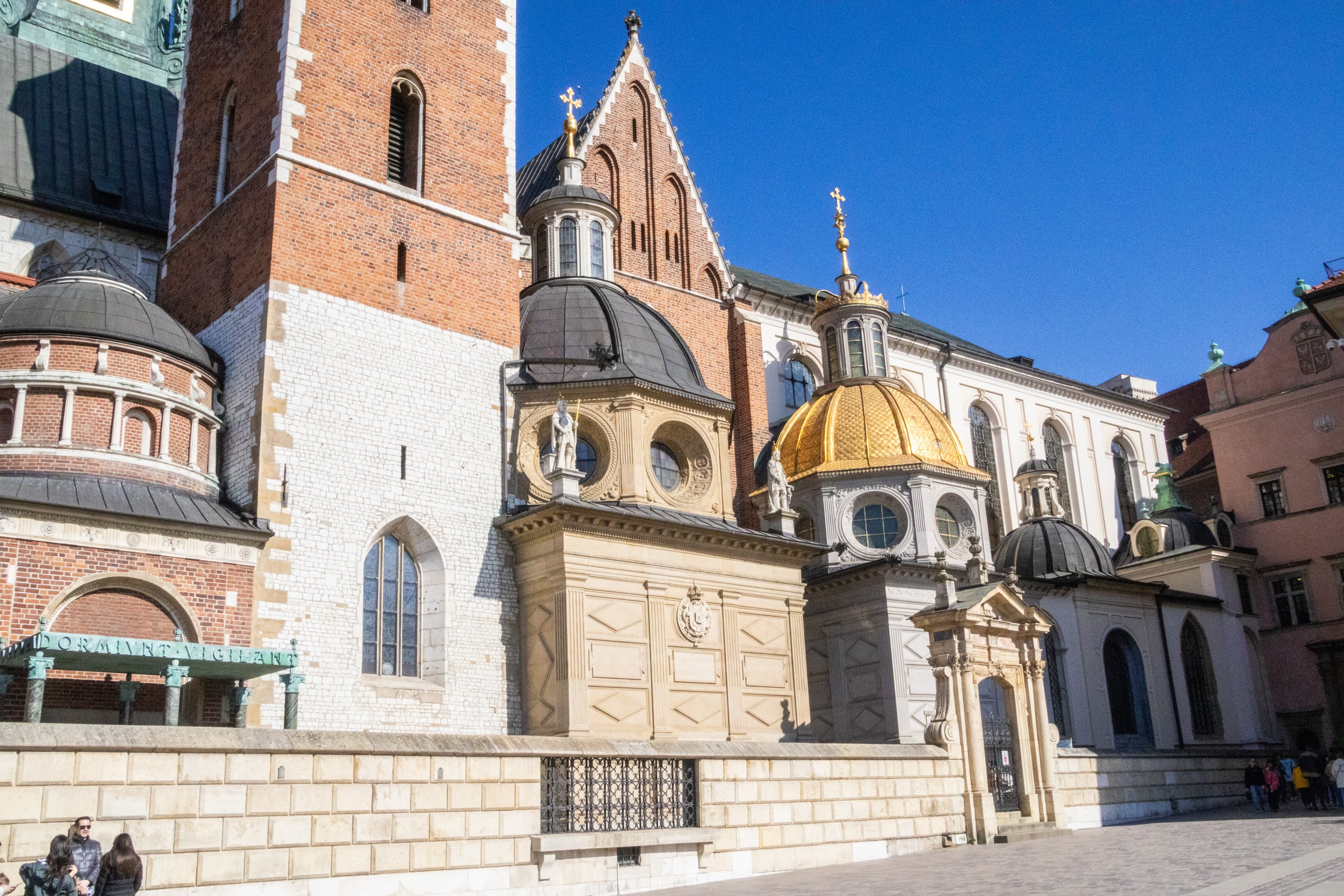
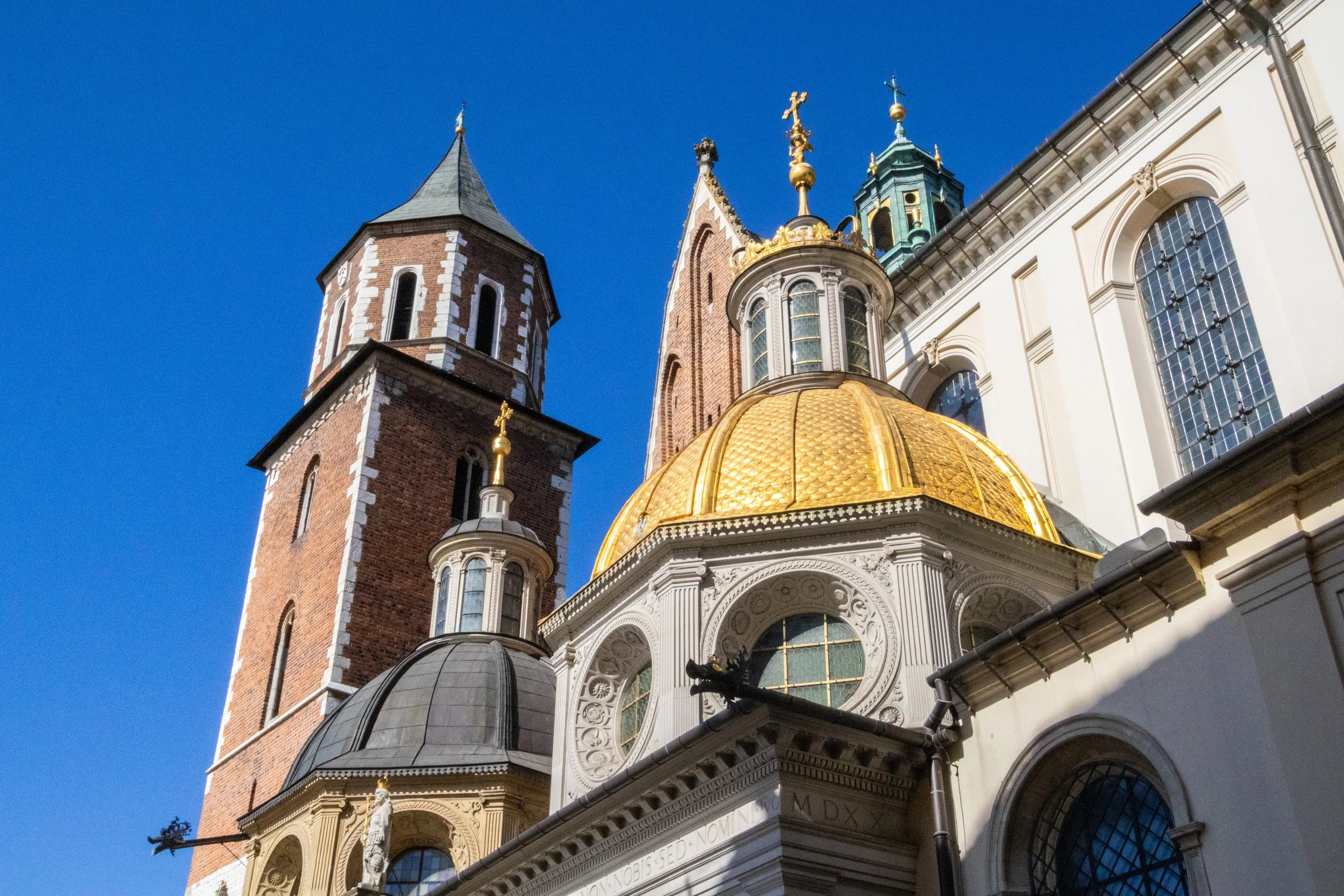
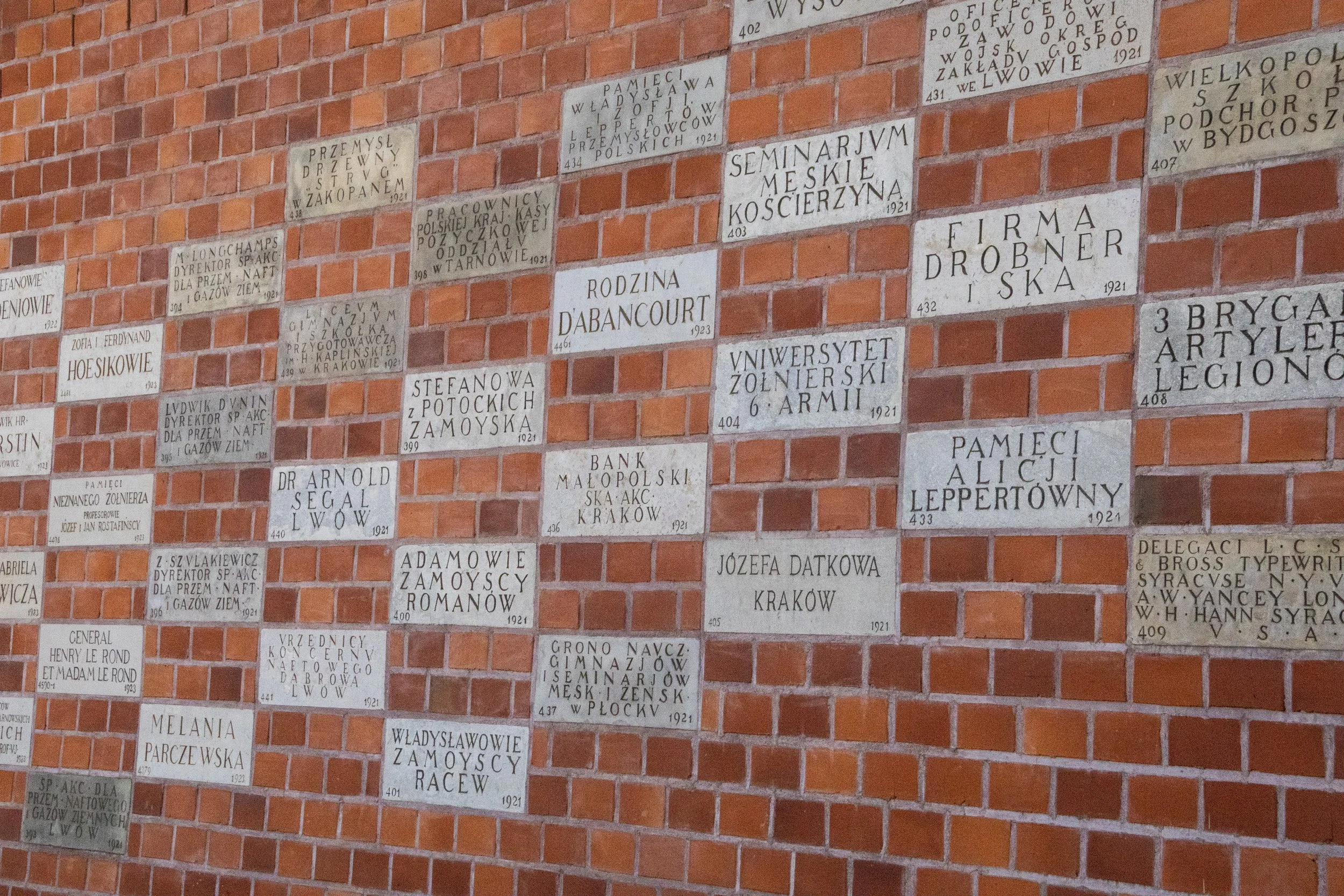
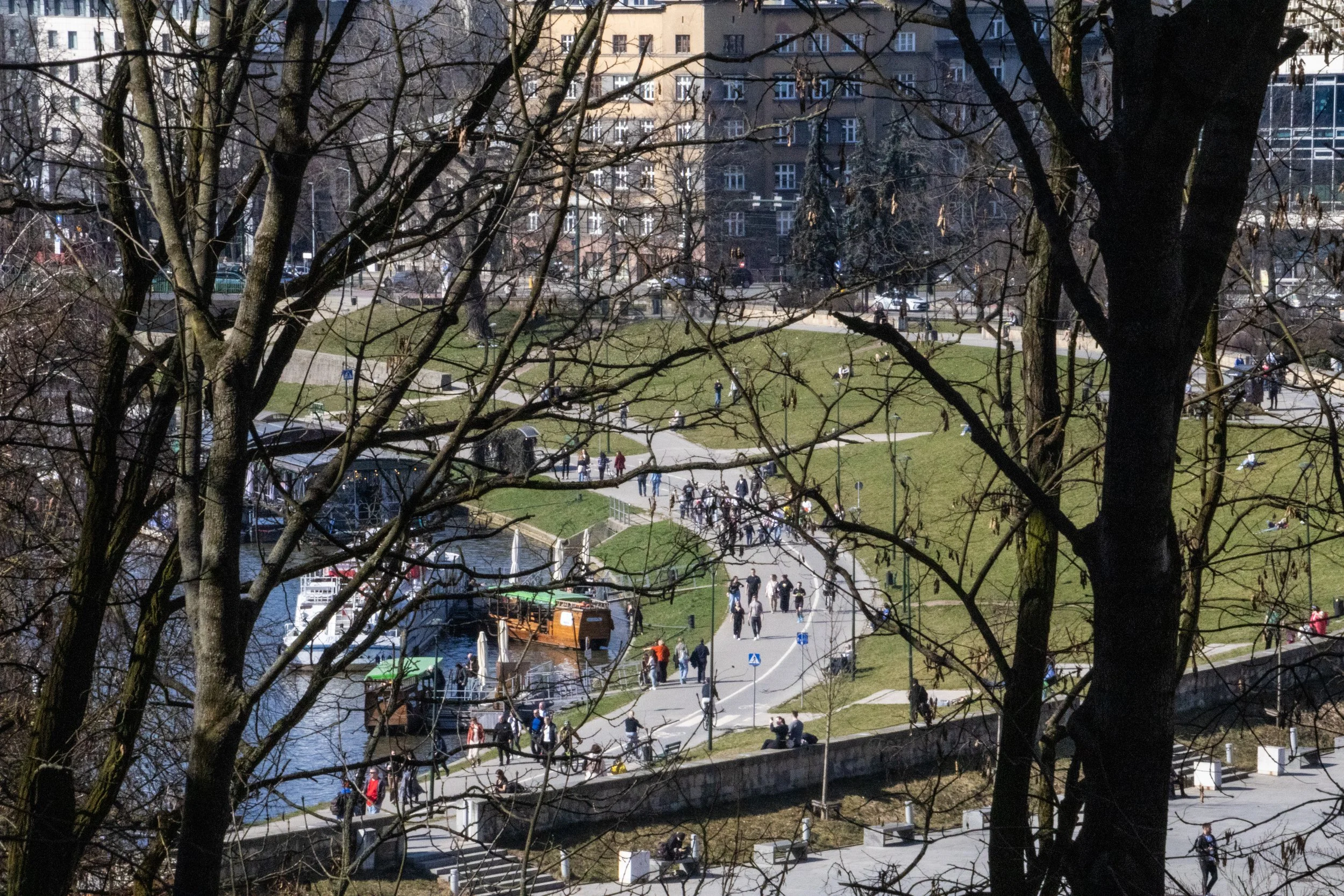
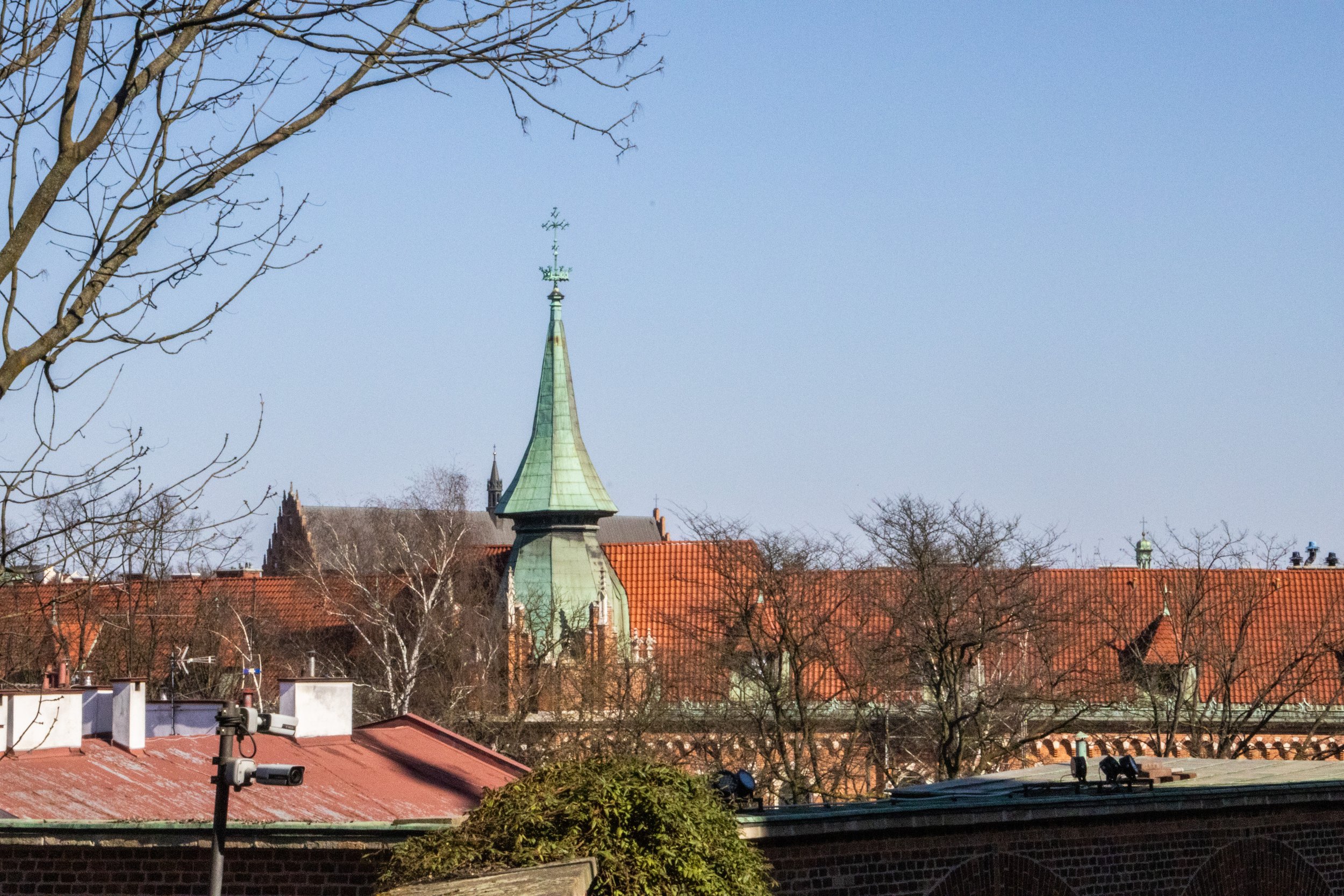
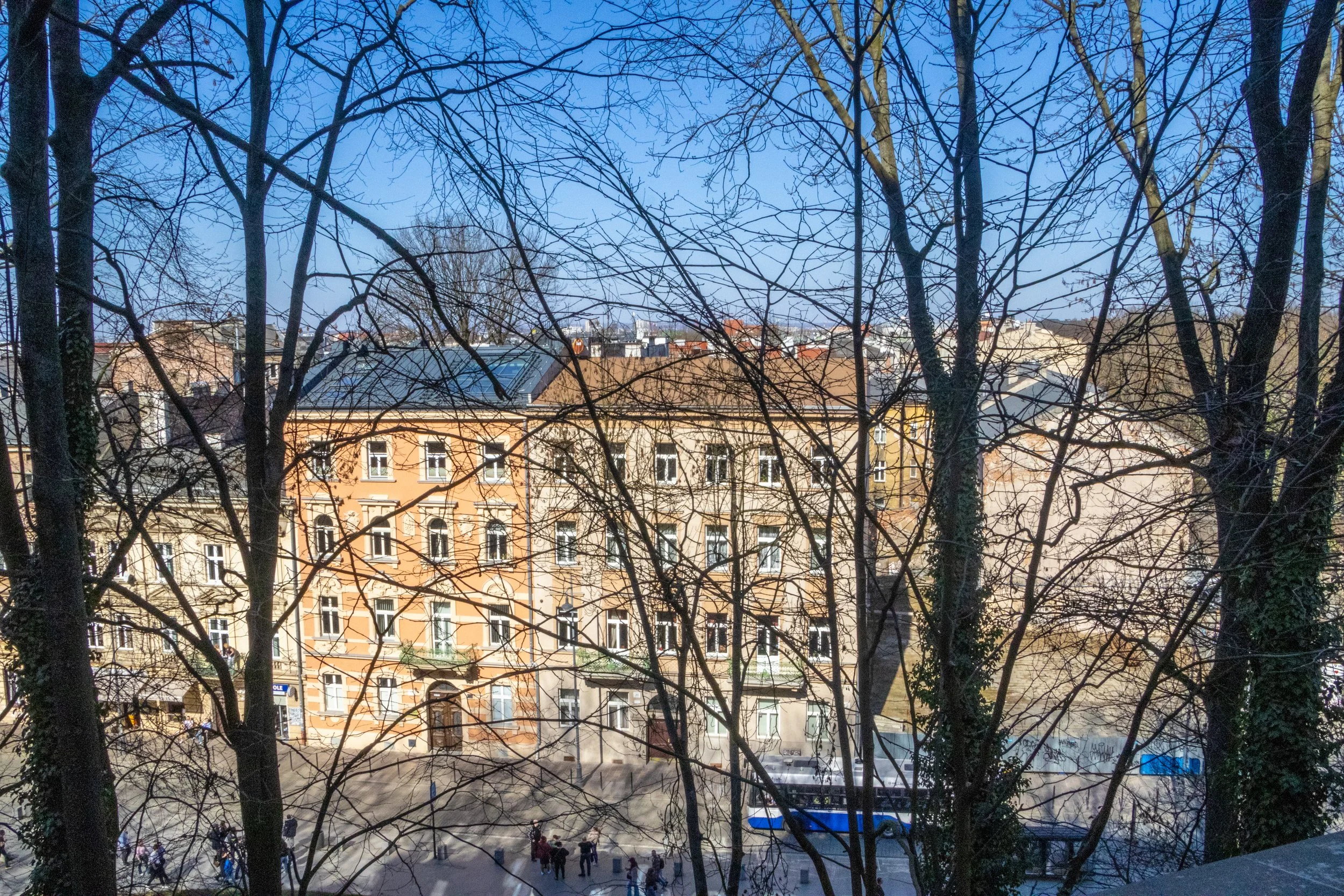
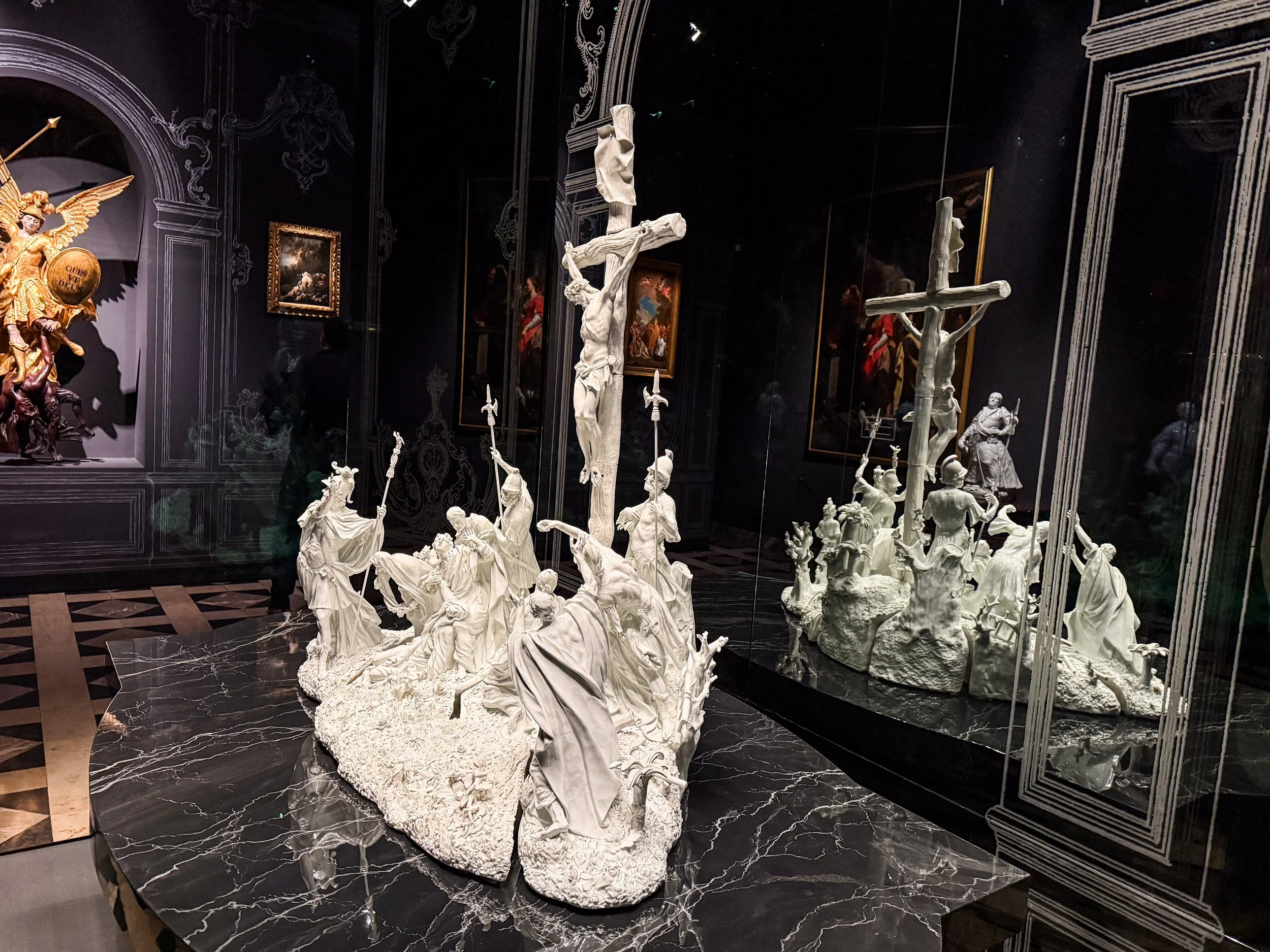
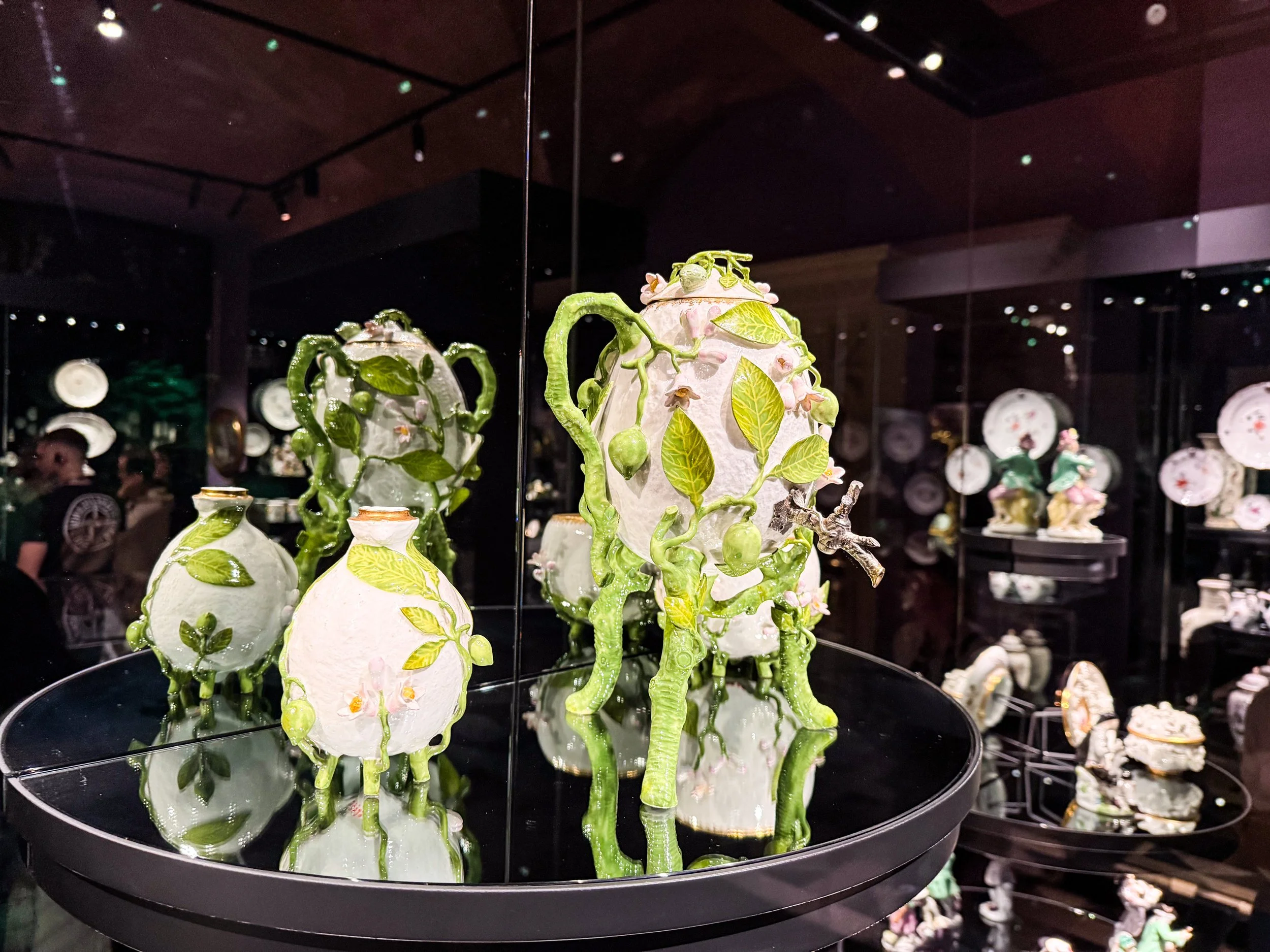
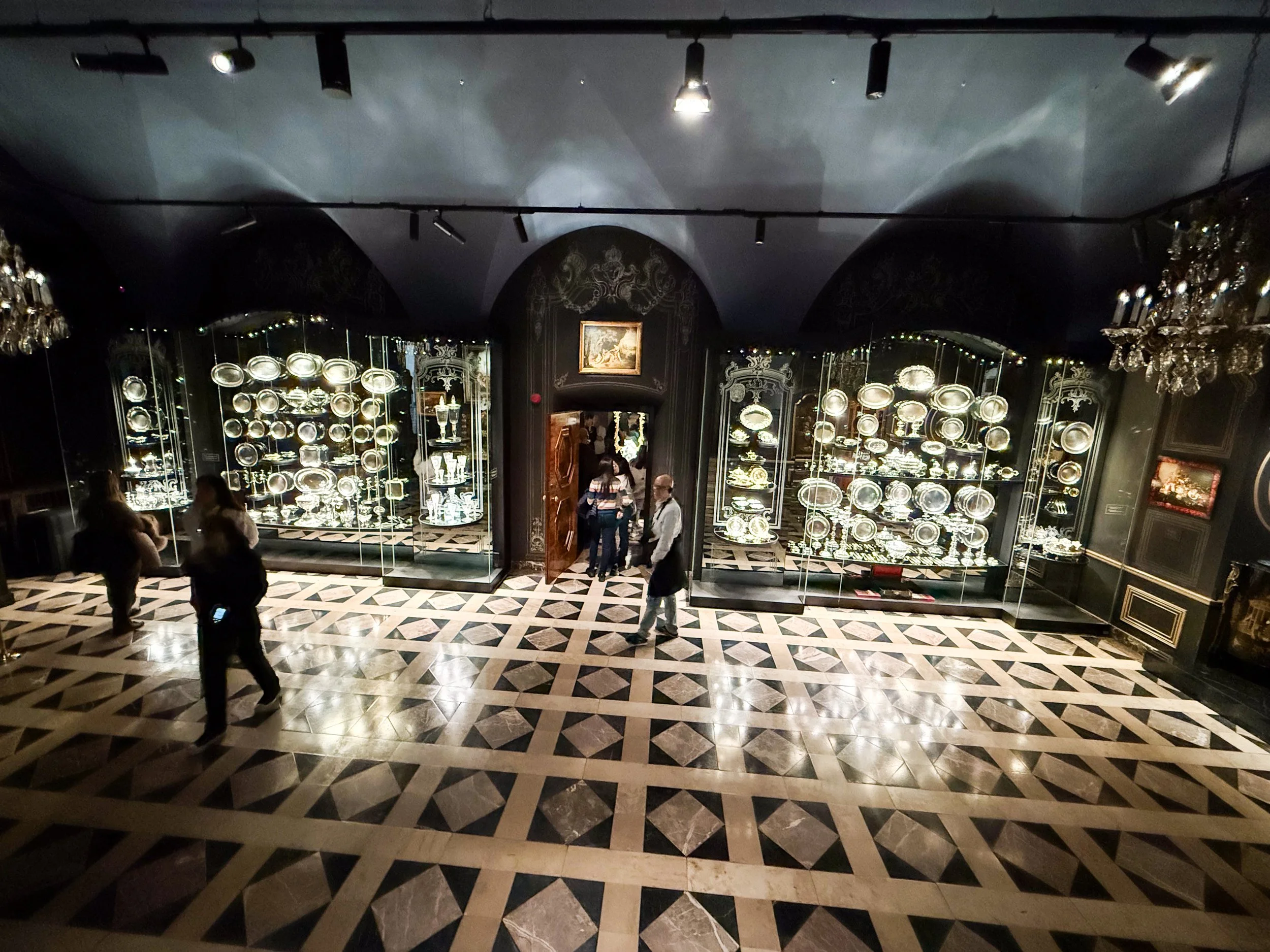
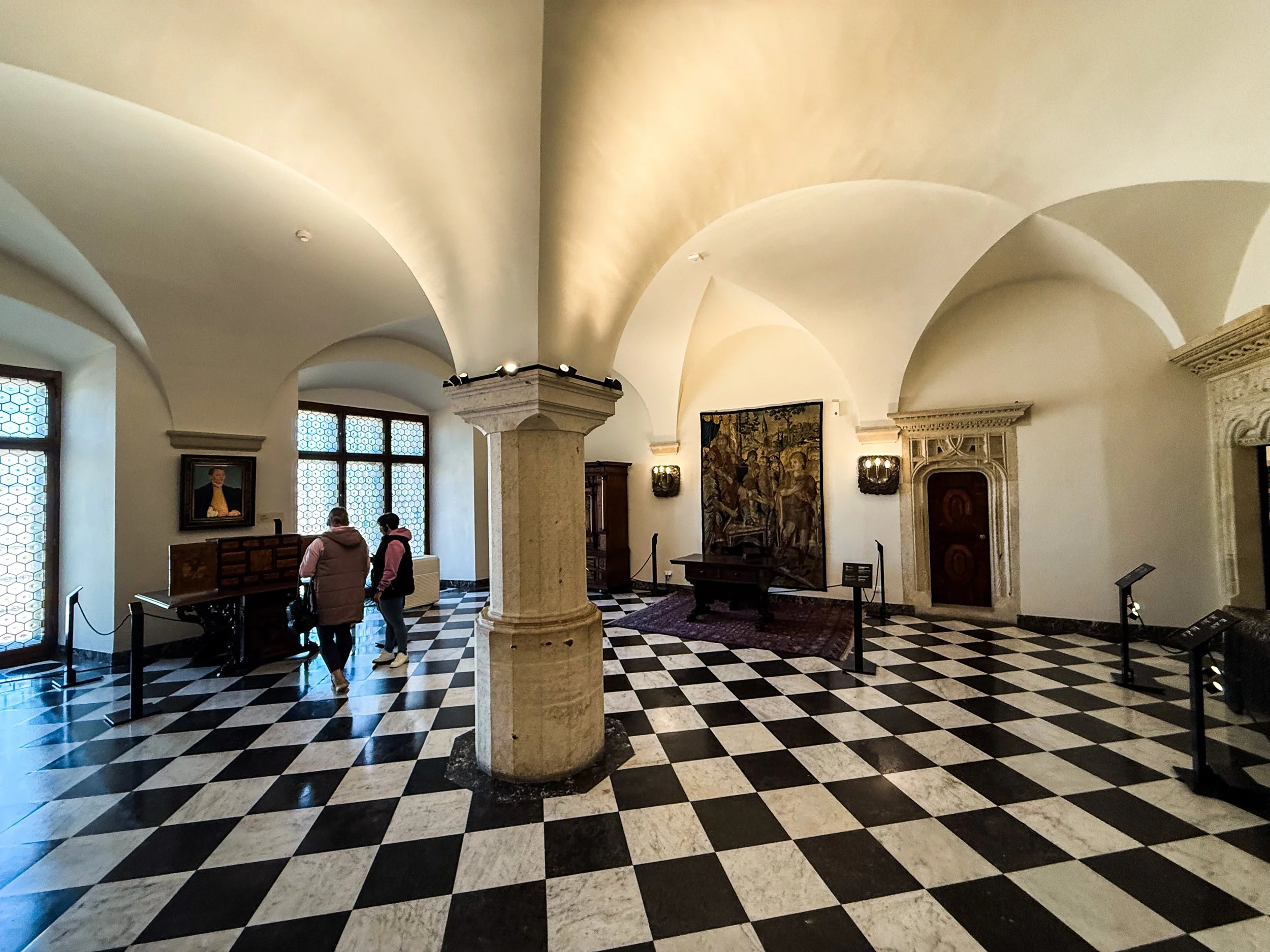
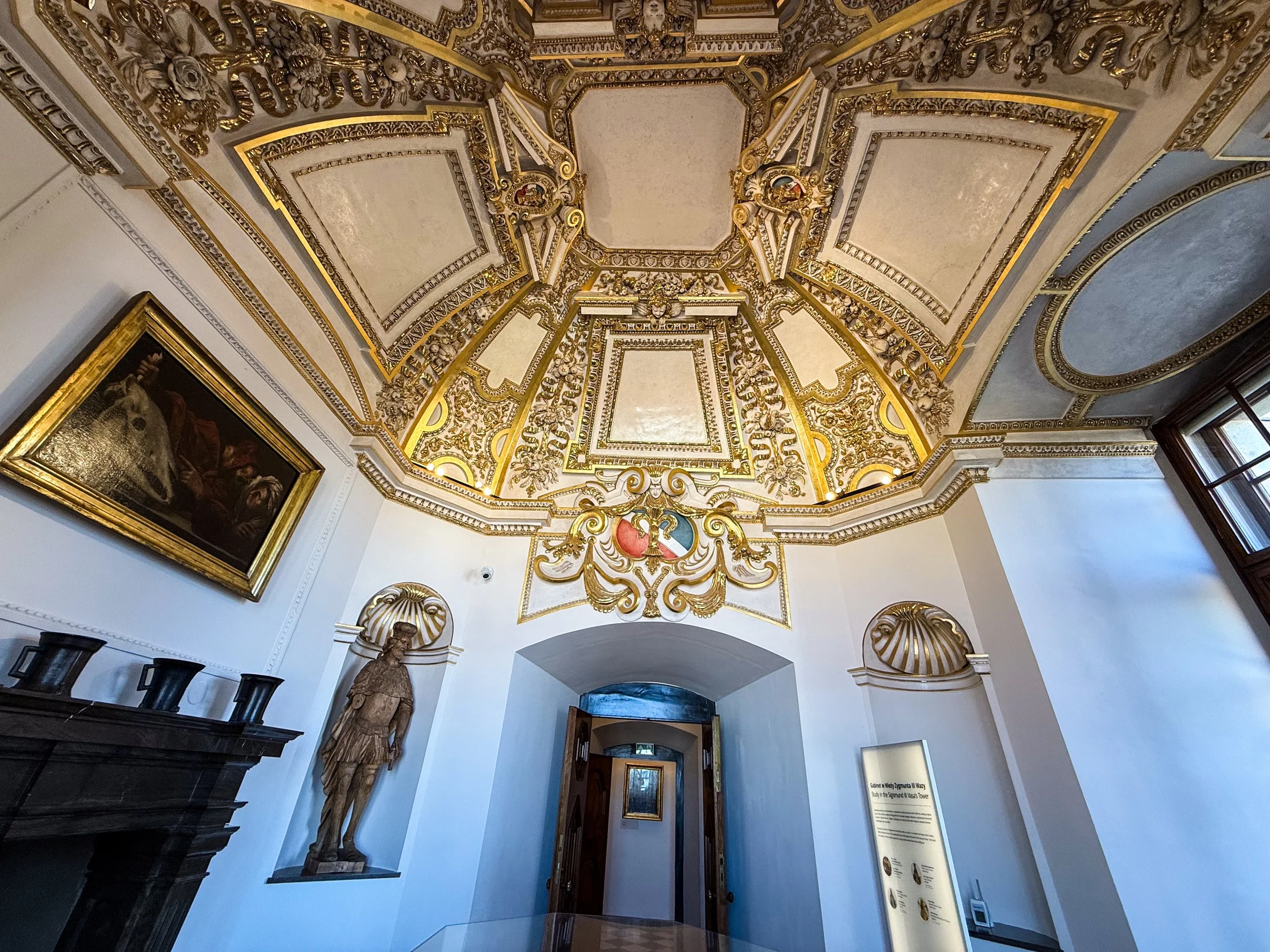
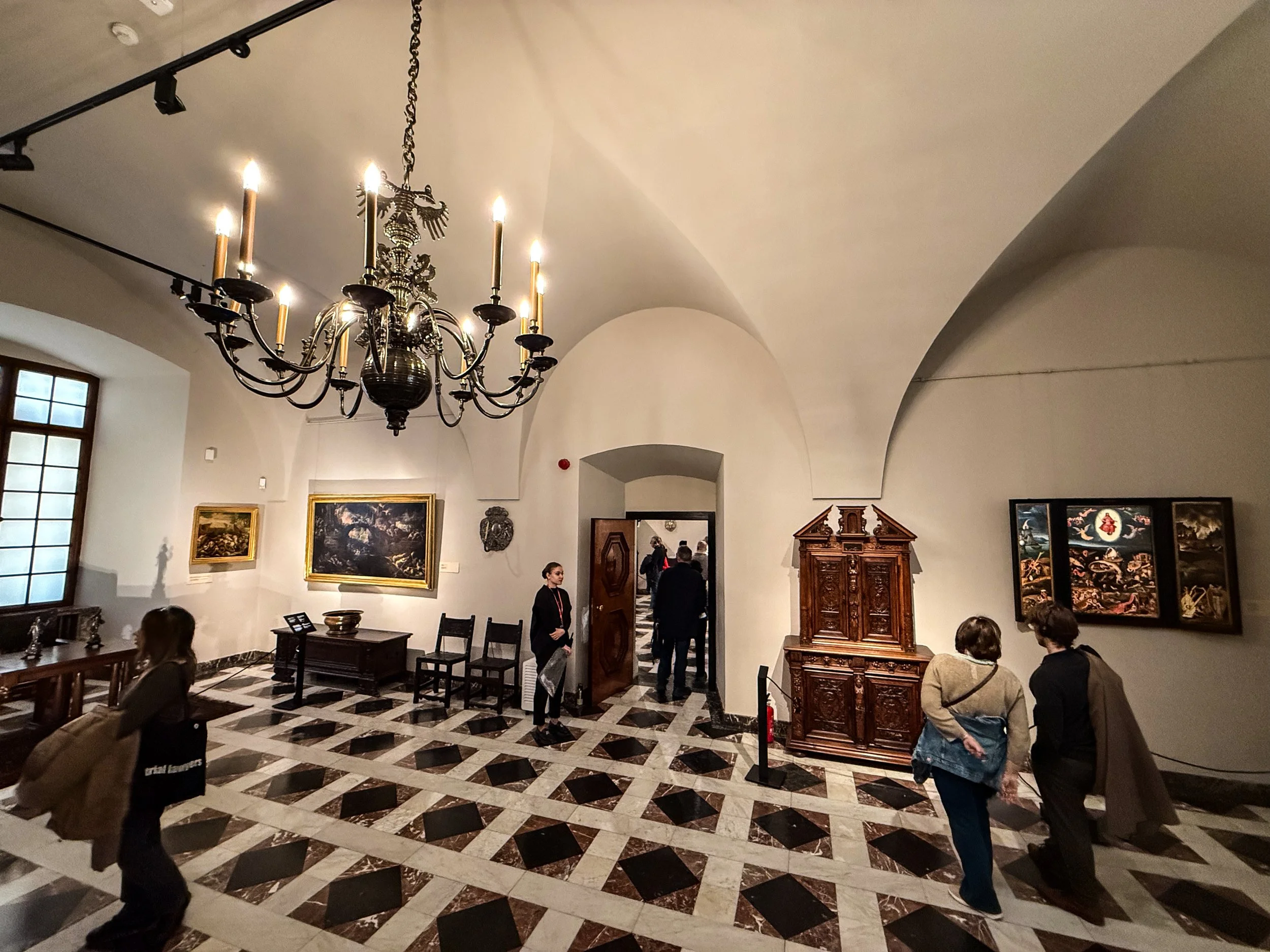
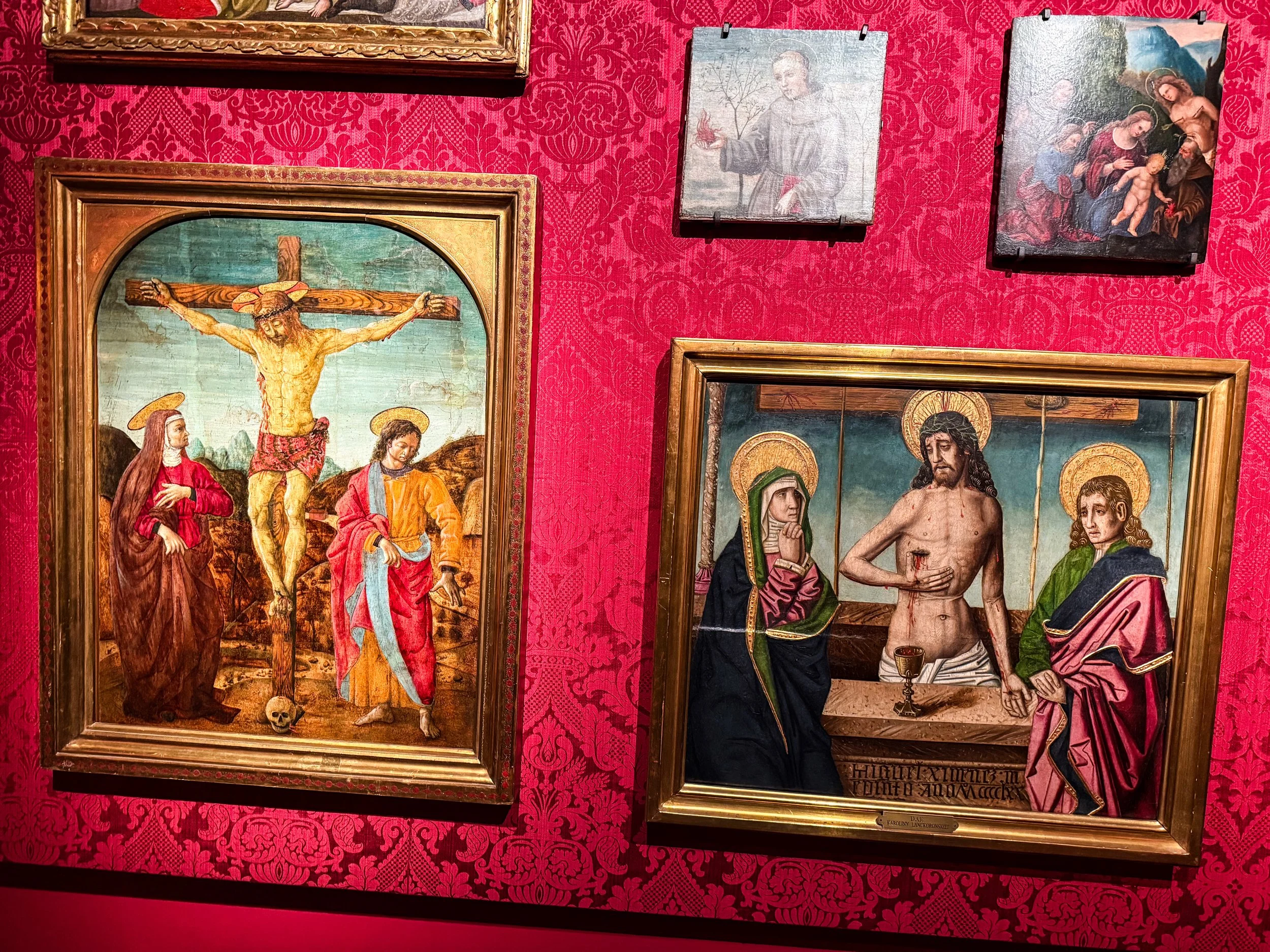
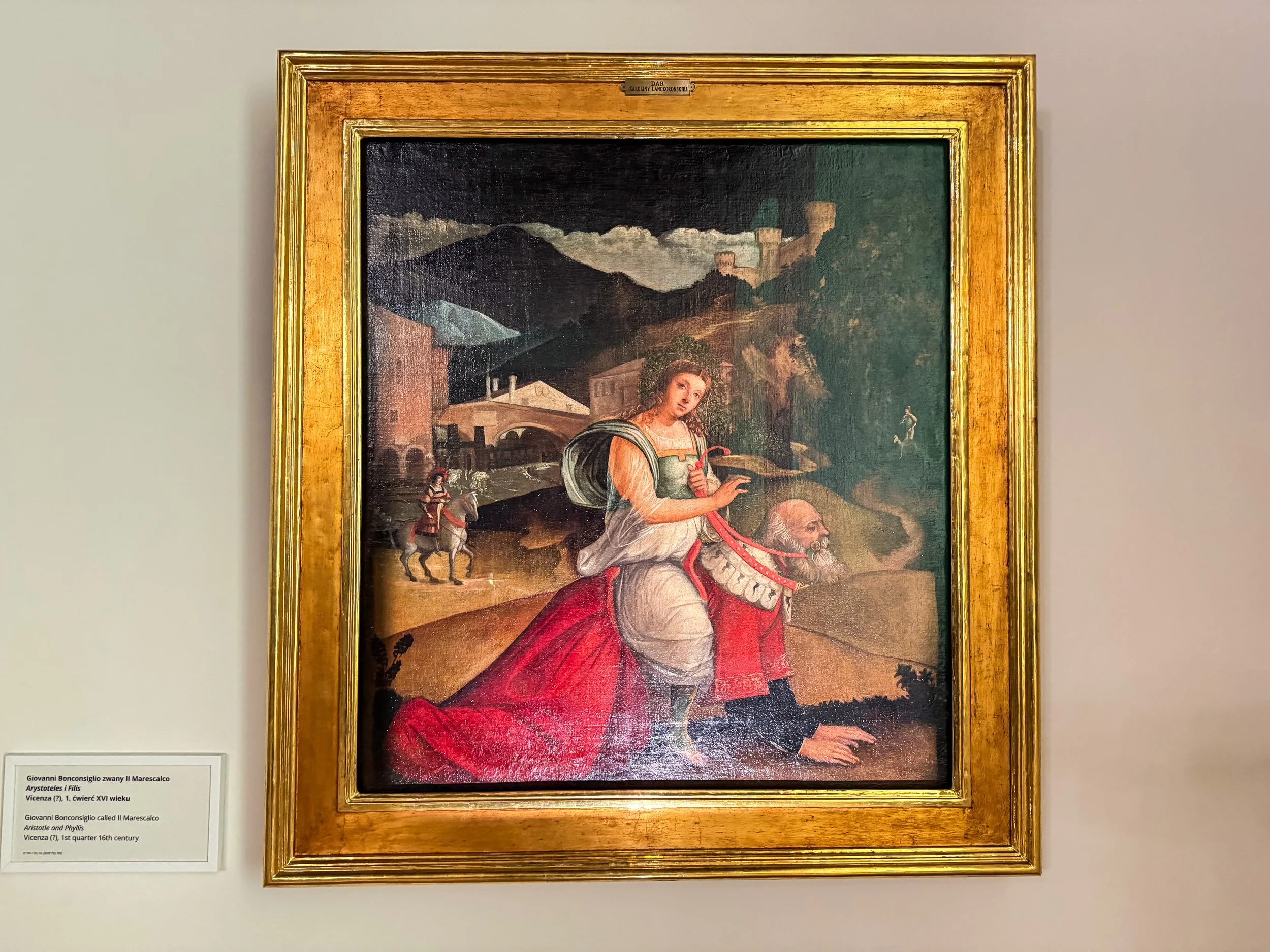
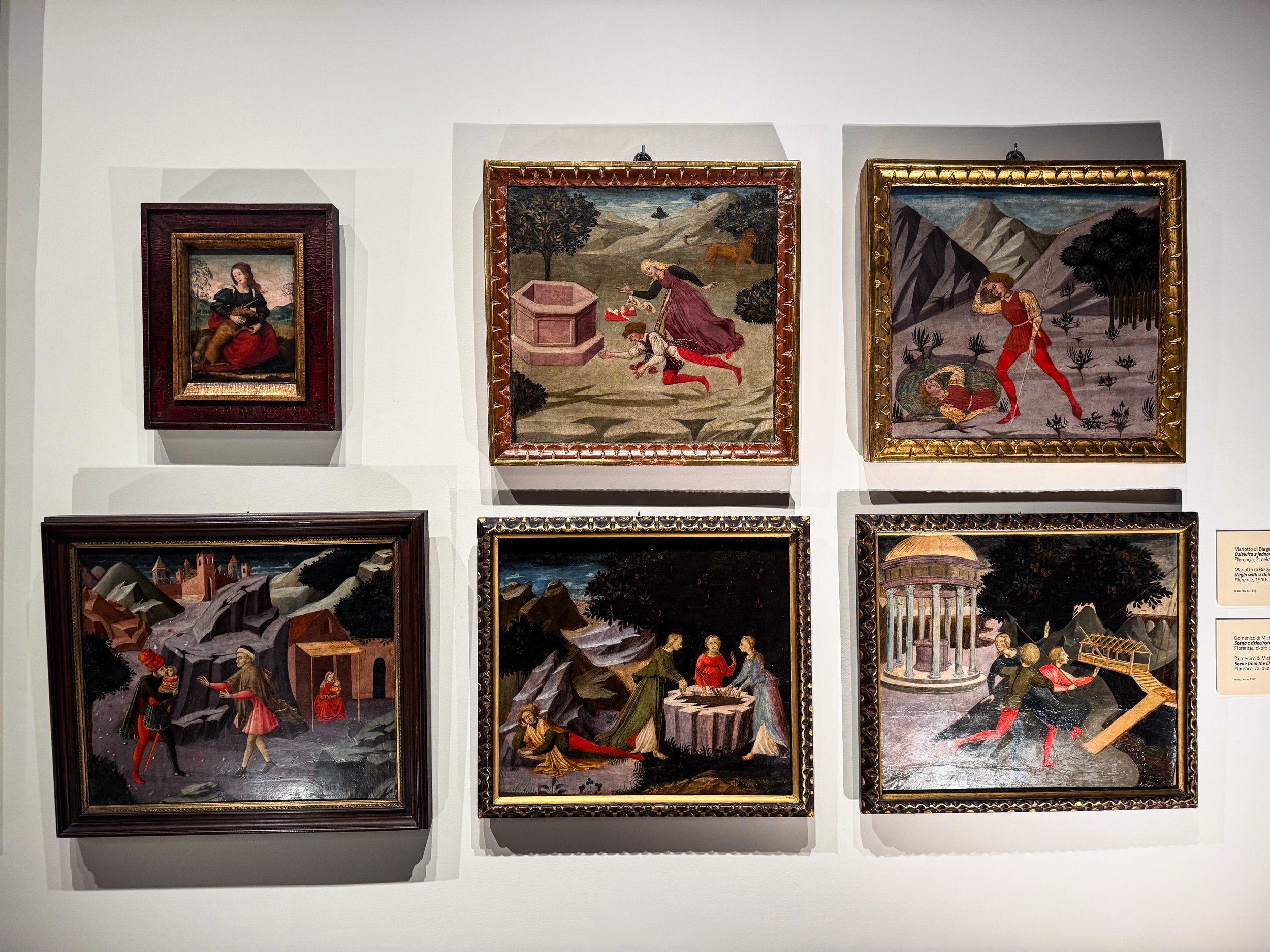
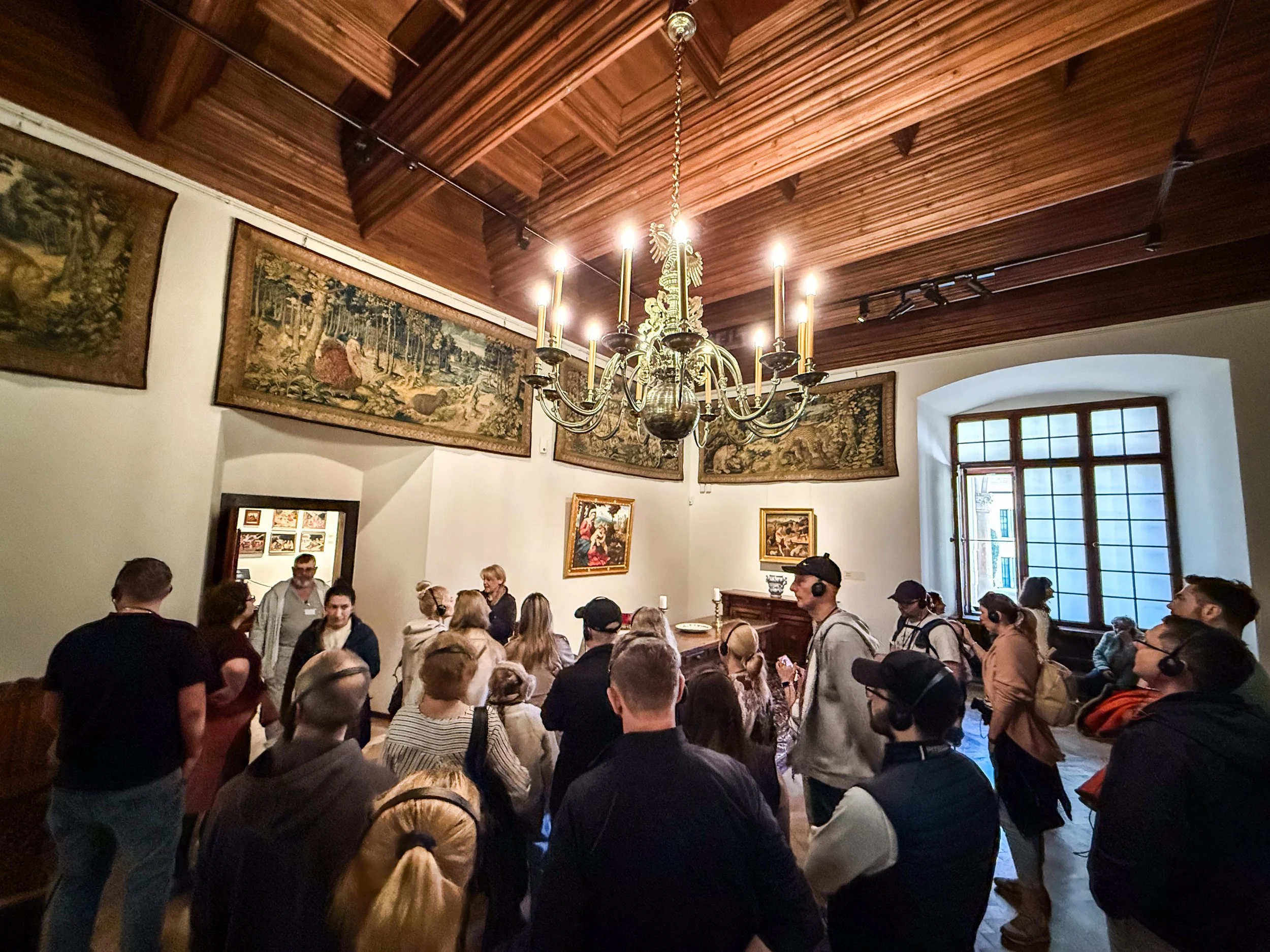
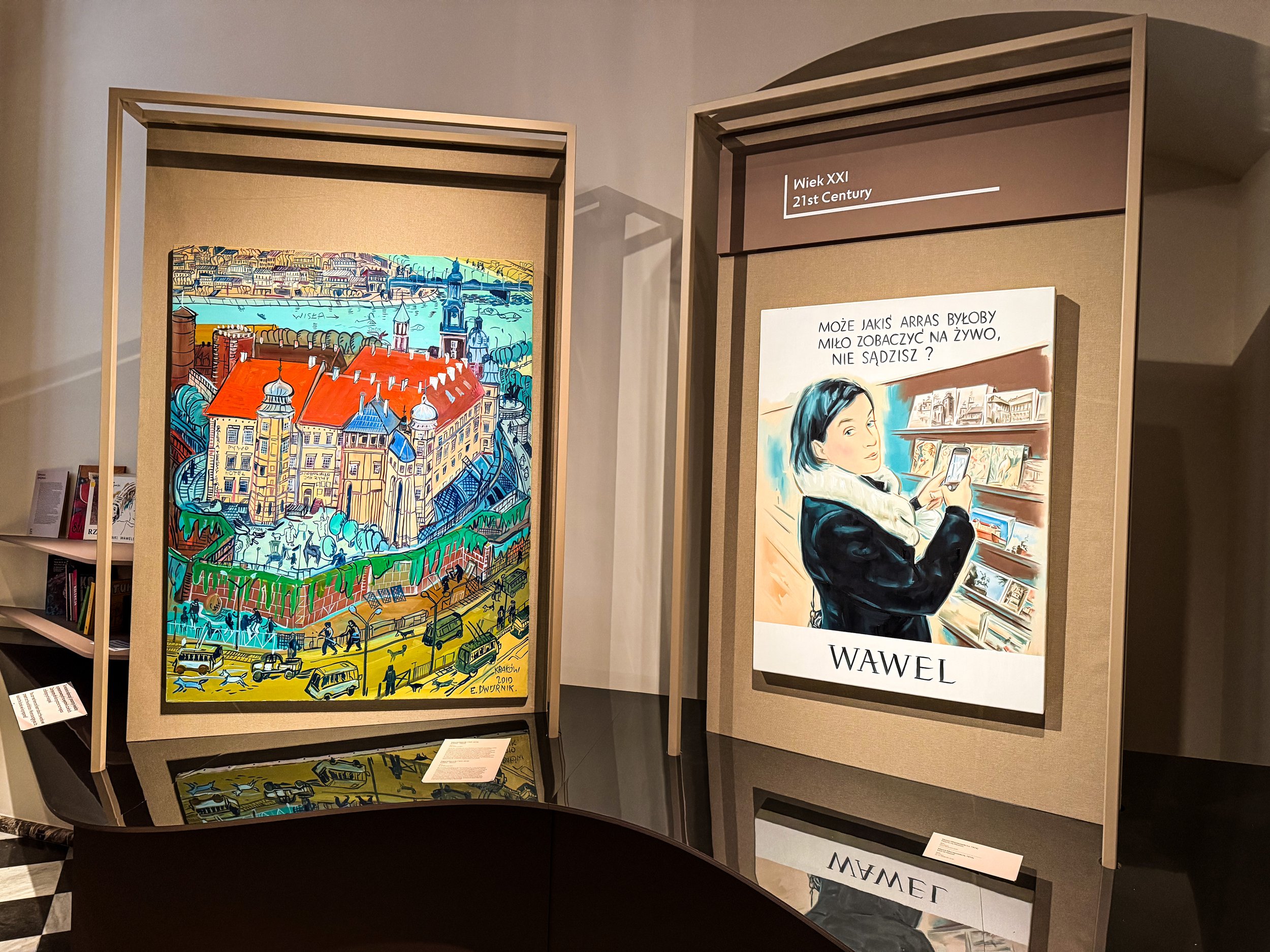
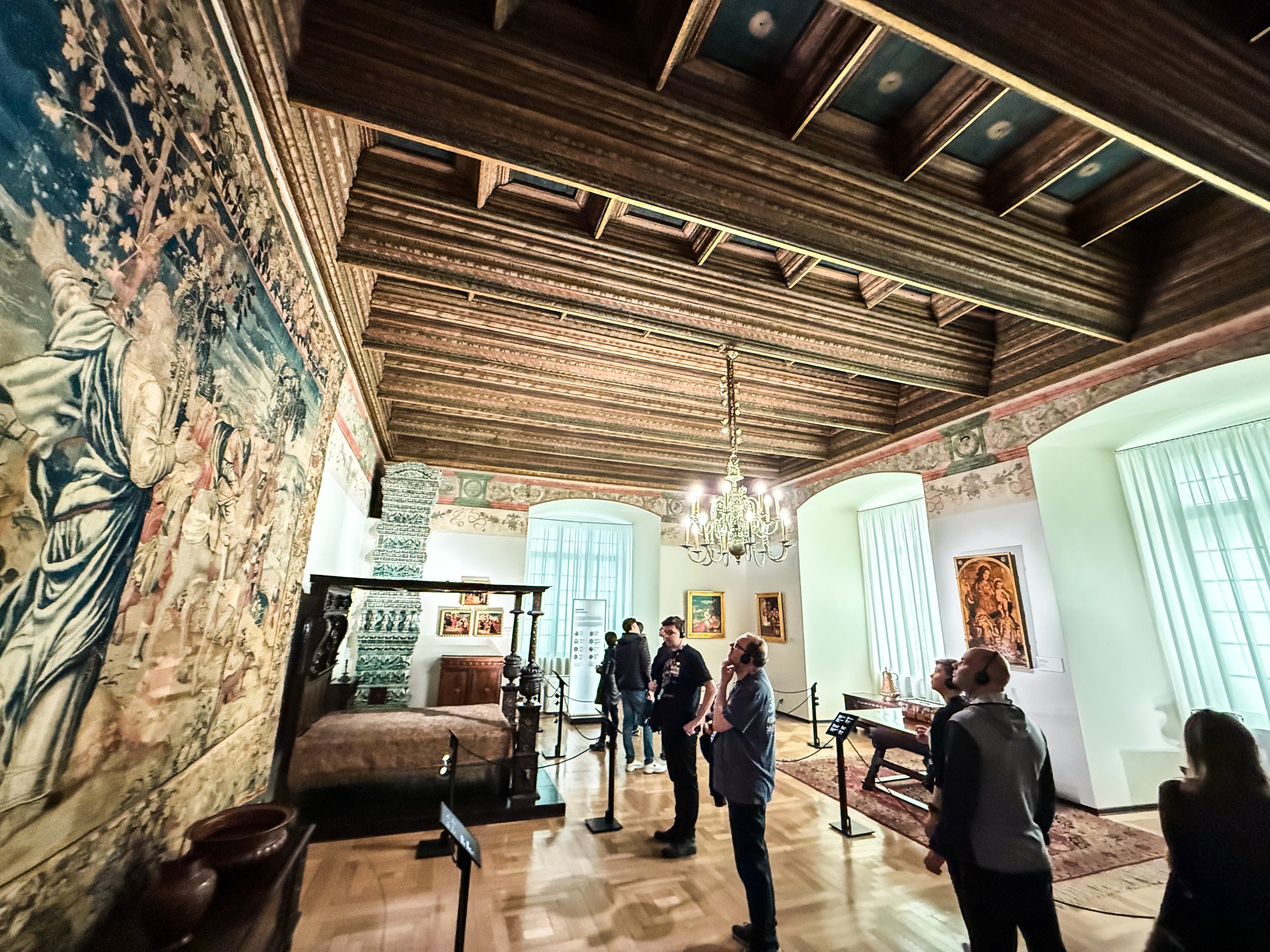
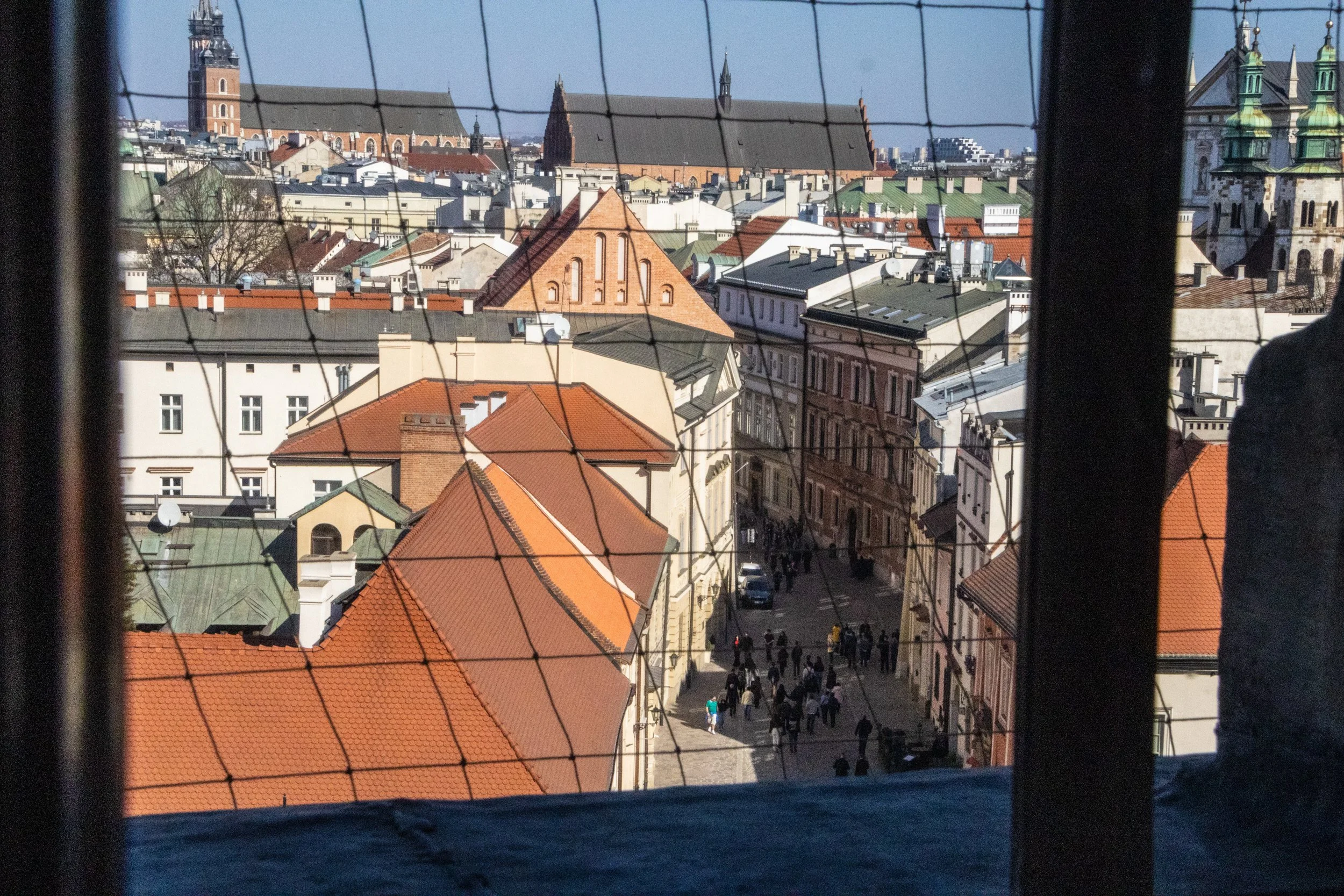
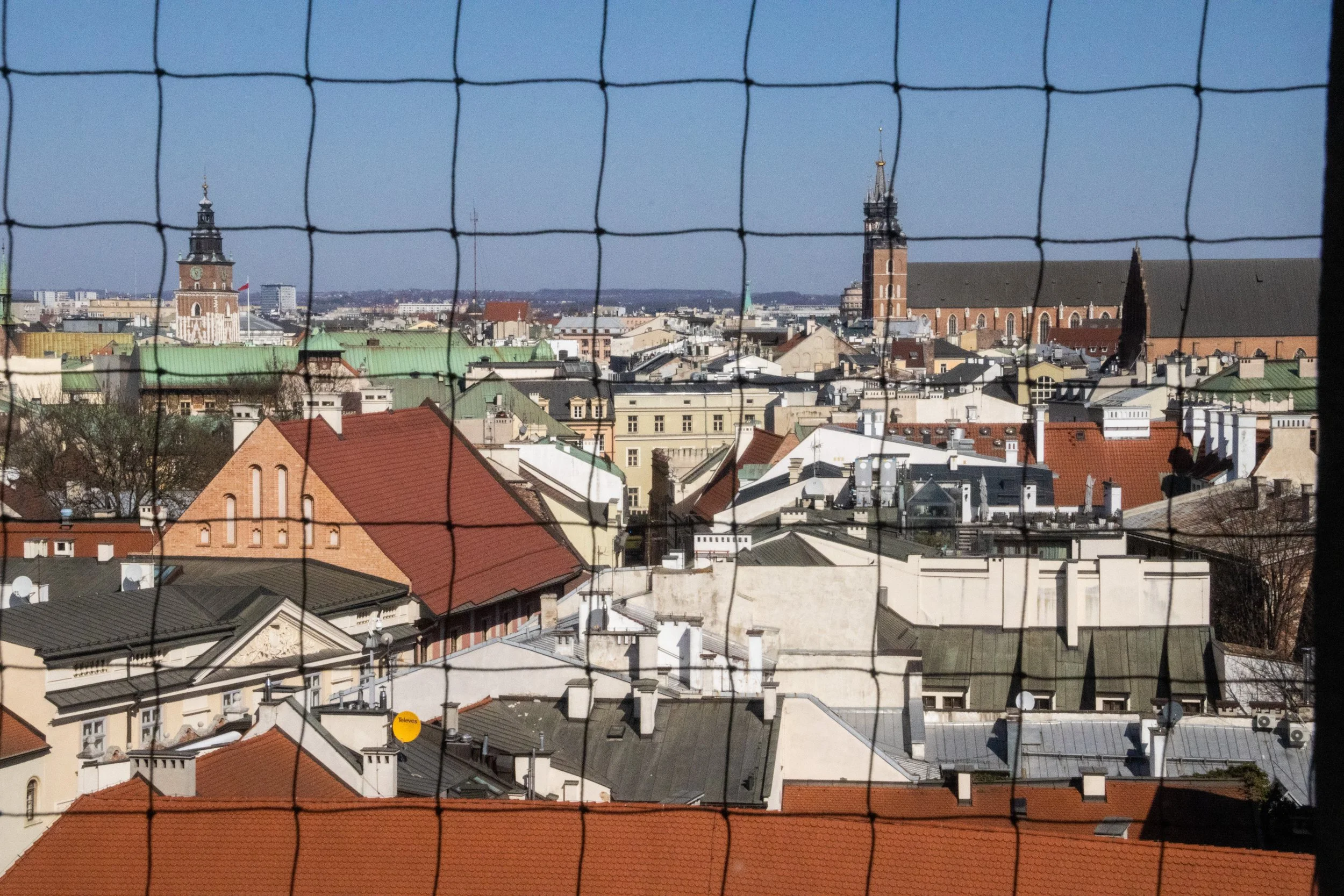
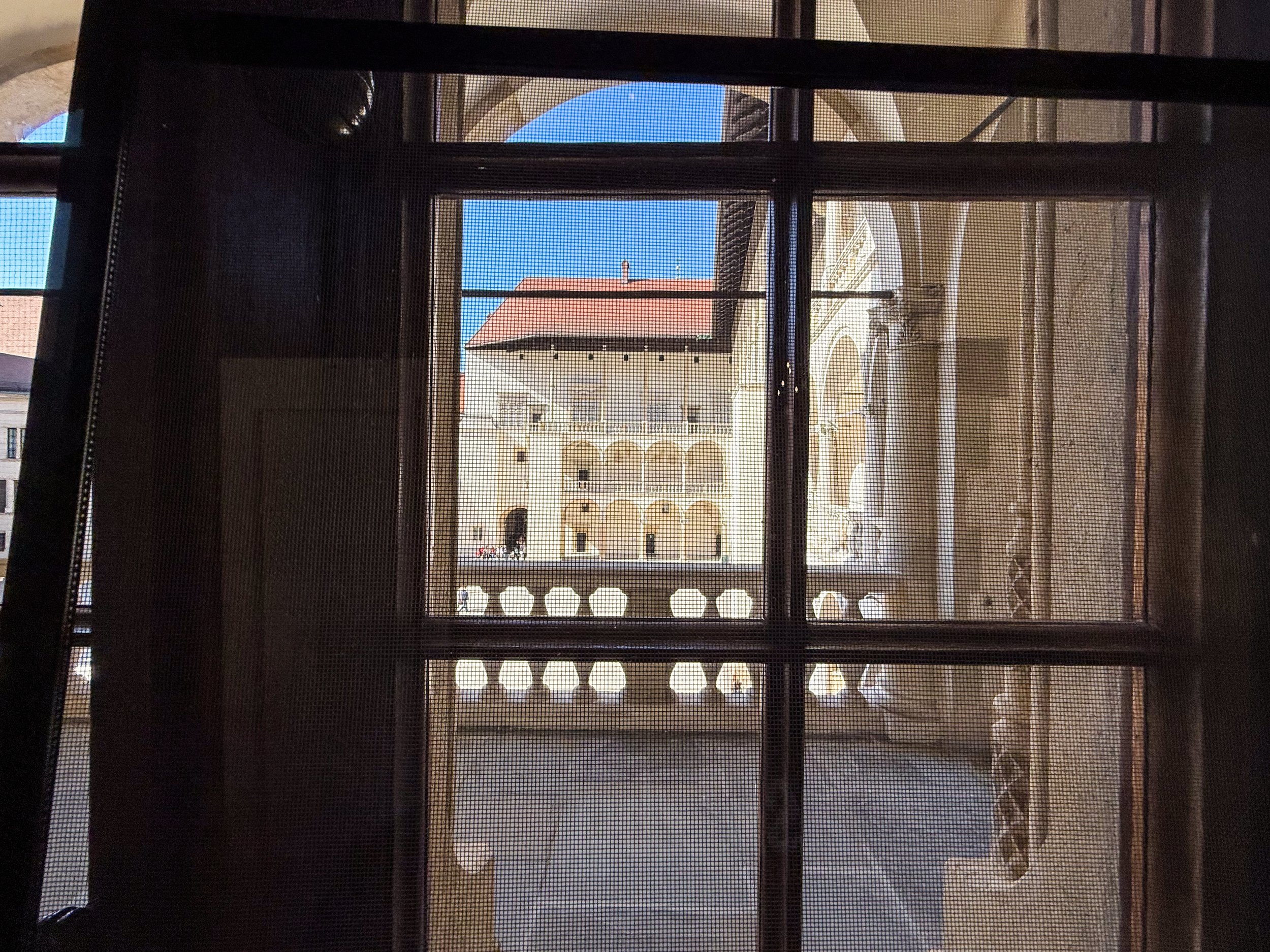
Kazimierz (Historic Jewish Quarter)
The final piece of Kraków that I will share with you is its Jewish neighborhood: Kazimierz.
Since the late 1400s, this was one of Europe’s most significant Jewish urban districts: a place of coexistence, commerce, religion, and scholarship. But if we’re talking about a Jewish district in Poland, we have to talk about WWII. Again, I think I will be back for a proper WWII history tour, so I’ll keep it brief for now.
In 1939, before the Nazi invasion, there were as many as ~68,000 Jews in Kraków, which made up about ~25% of the city’s total population. After the Nazis invaded… well, you probably know a lot of it. But to focus on Kazimierz, this community was pretty much decimated. The district of Kraków that would, in 1941, be converted by the Nazis into Kraków’s Jewish ghetto was/is called Podgórze. Most Kazimierz residents were forcibly relocated here (it’s just across the river from Kazimierz).
Have you seen the film Schindler’s List? This is a true story that played out in Kraków during this time. Although Oskar Schindler’s actual factory of was located in Zabłocie, just east of Podgórze, when the film shows Jewish life in Kraków, it is mostly showing Kazimierz. This factory still stands today and has been converted to a museum; another item for my WWII tour.
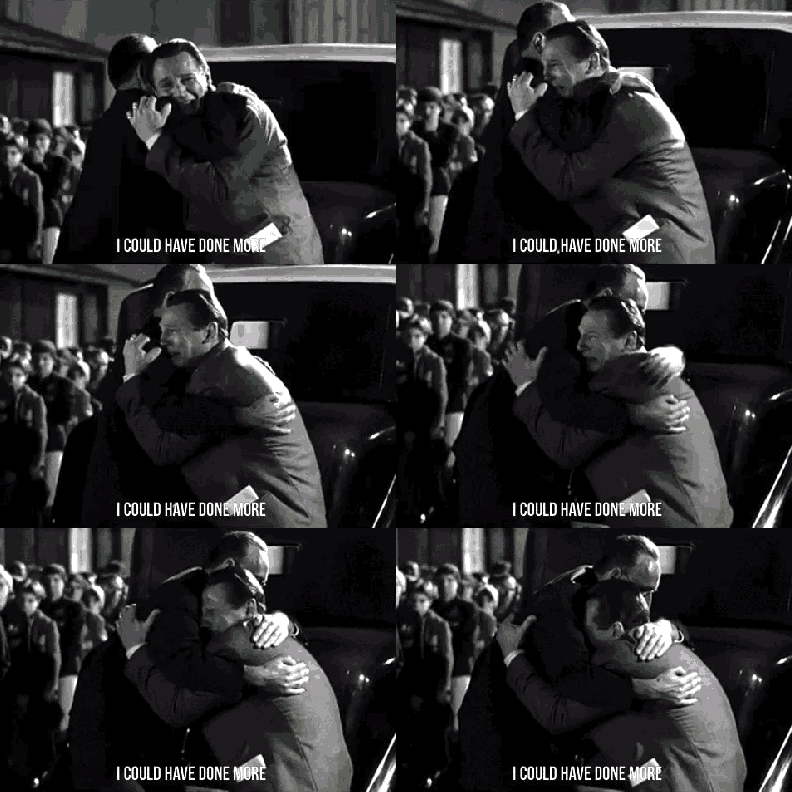
But to stick with this thread on Kazimierz, most of its pre-war residents would not survive Nazi occupation. Even the surviving Jews did not necessarily reconstitute life specifically in Kazimierz; the trauma here was immense. Most of them left, if not because of the holocaust, then because of later violence against Jews under Soviet rule. So, while efforts have clearly been made to recognize, commemorate, and celebrate the Jewish history of Kazimierz… there’s not a huge Jewish community here anymore.
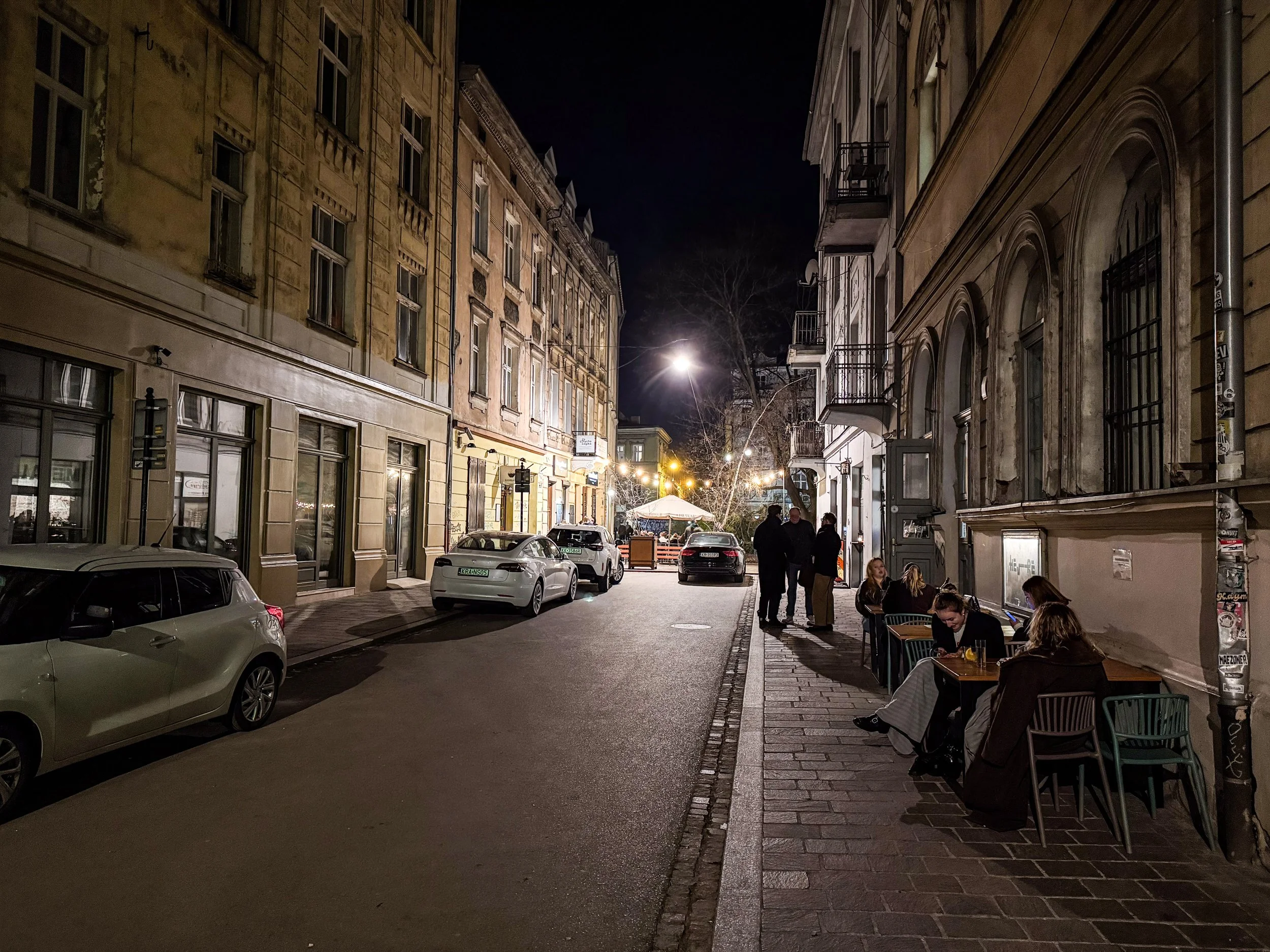
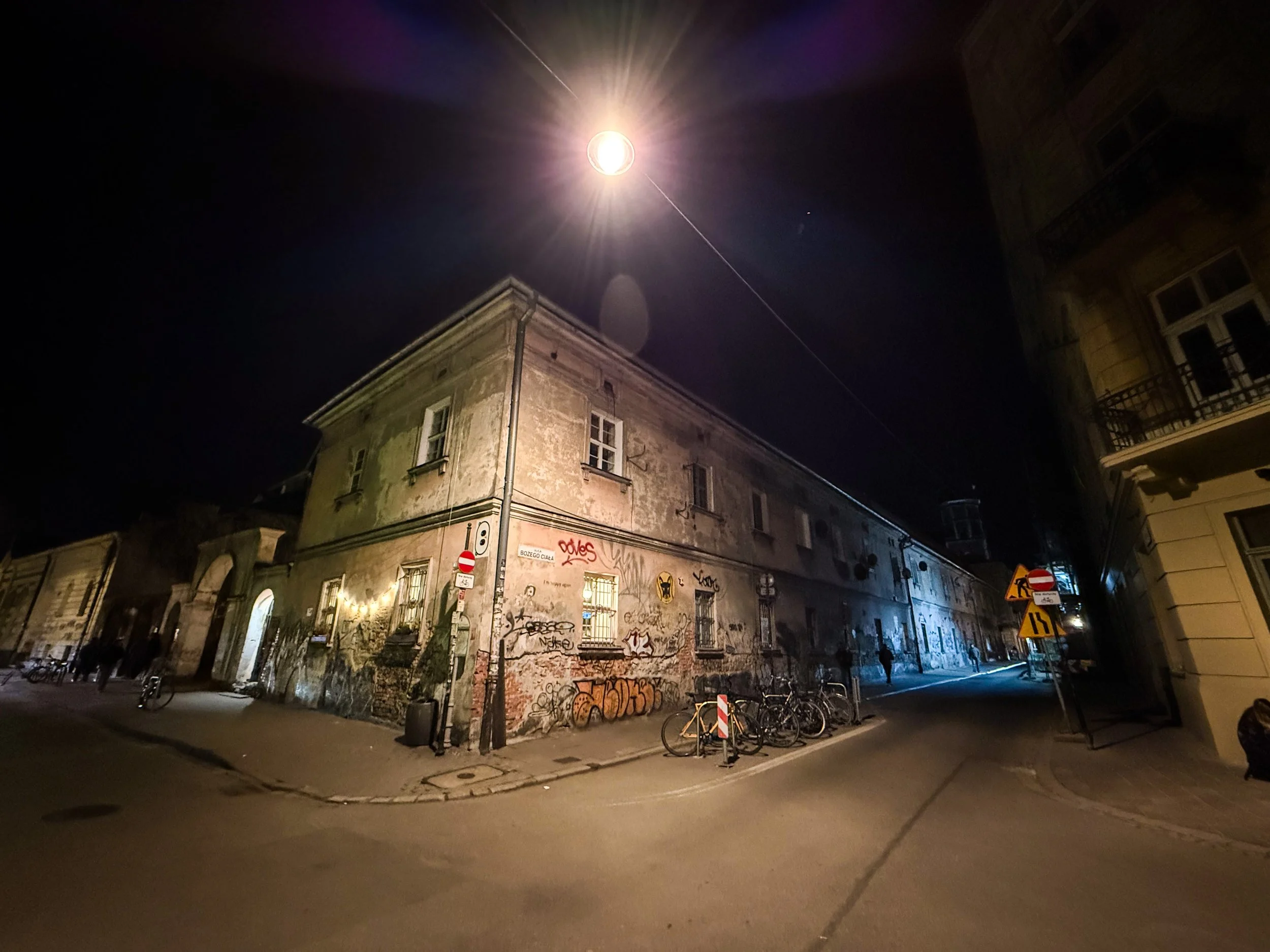
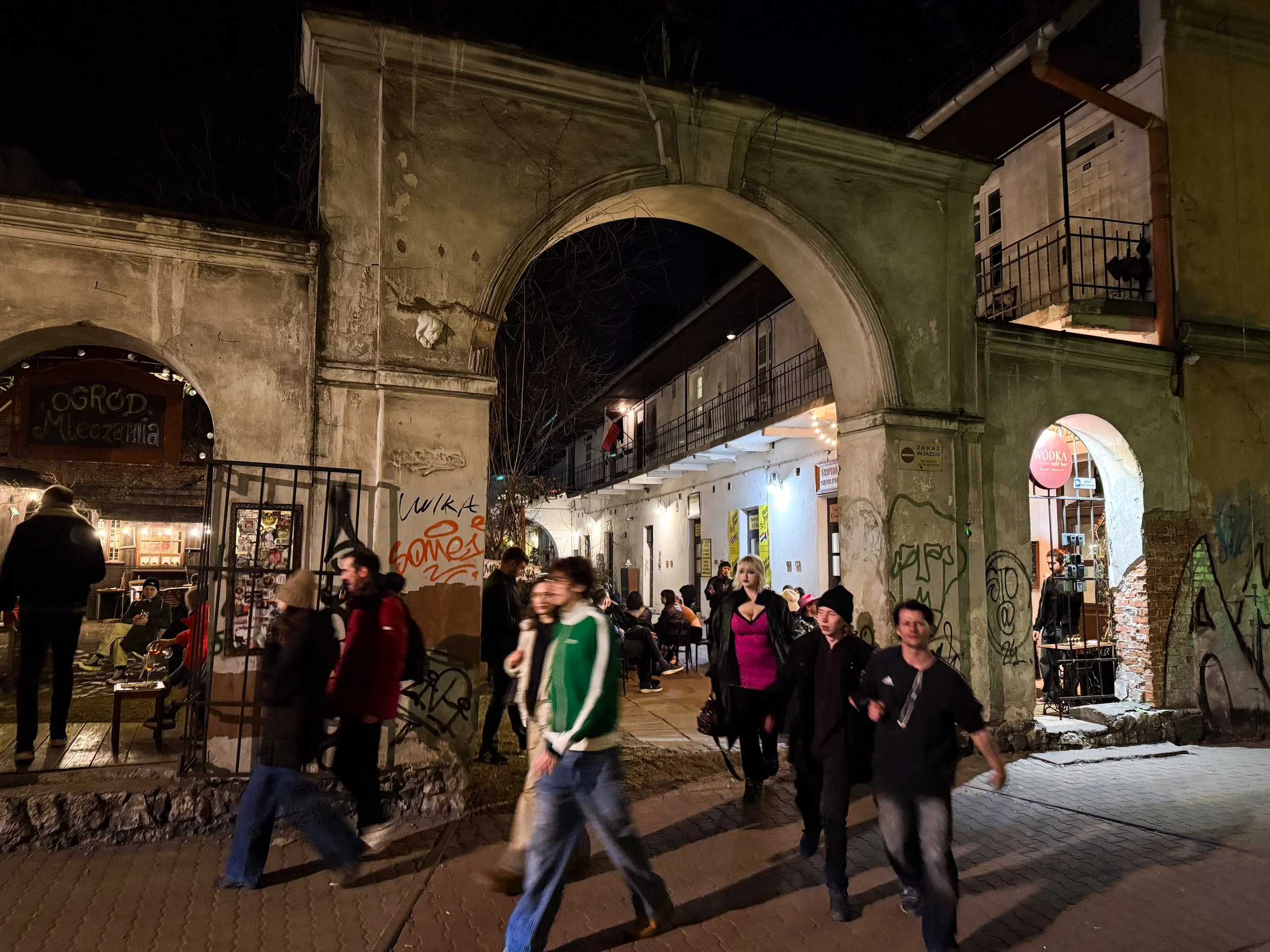
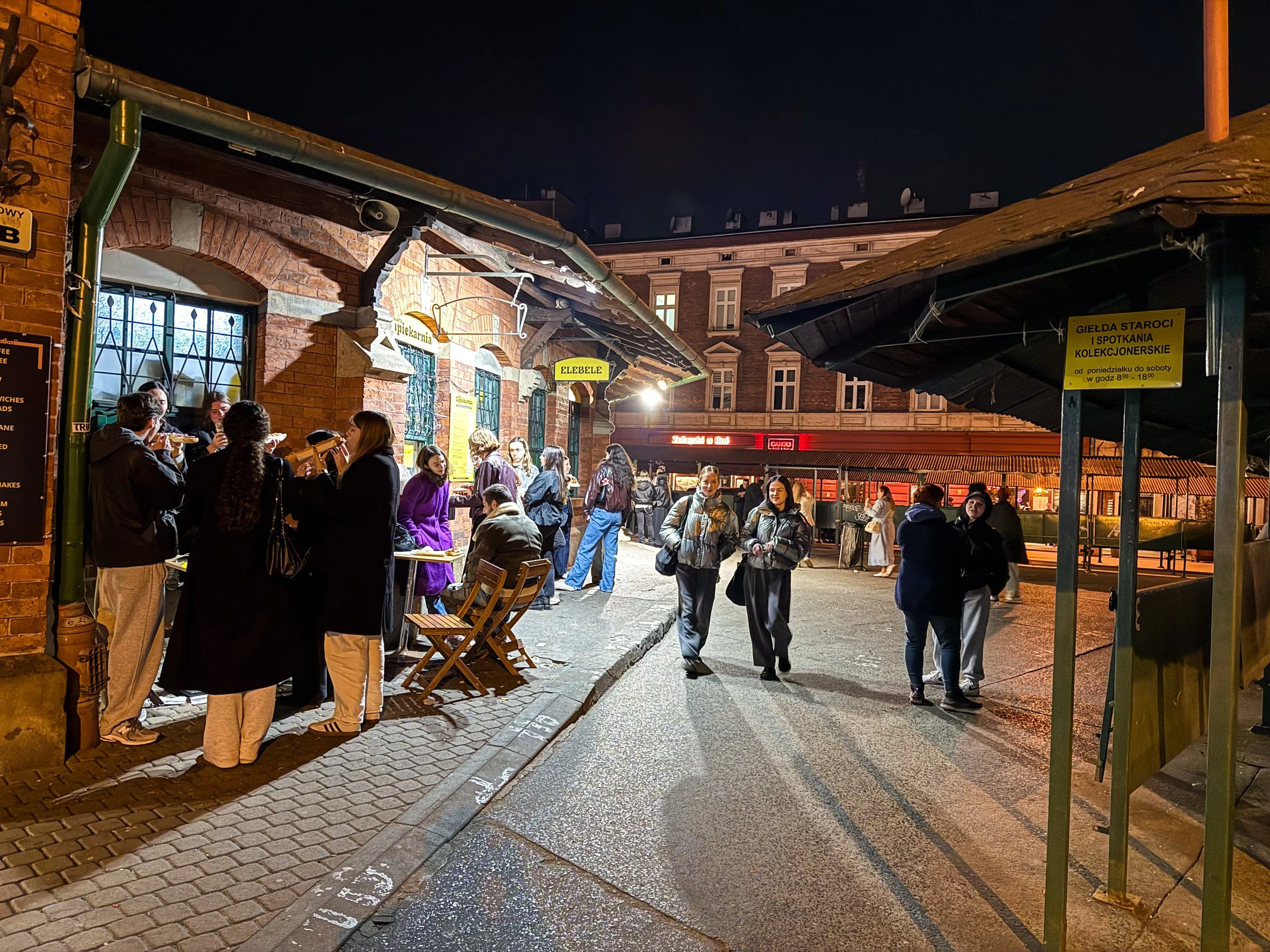
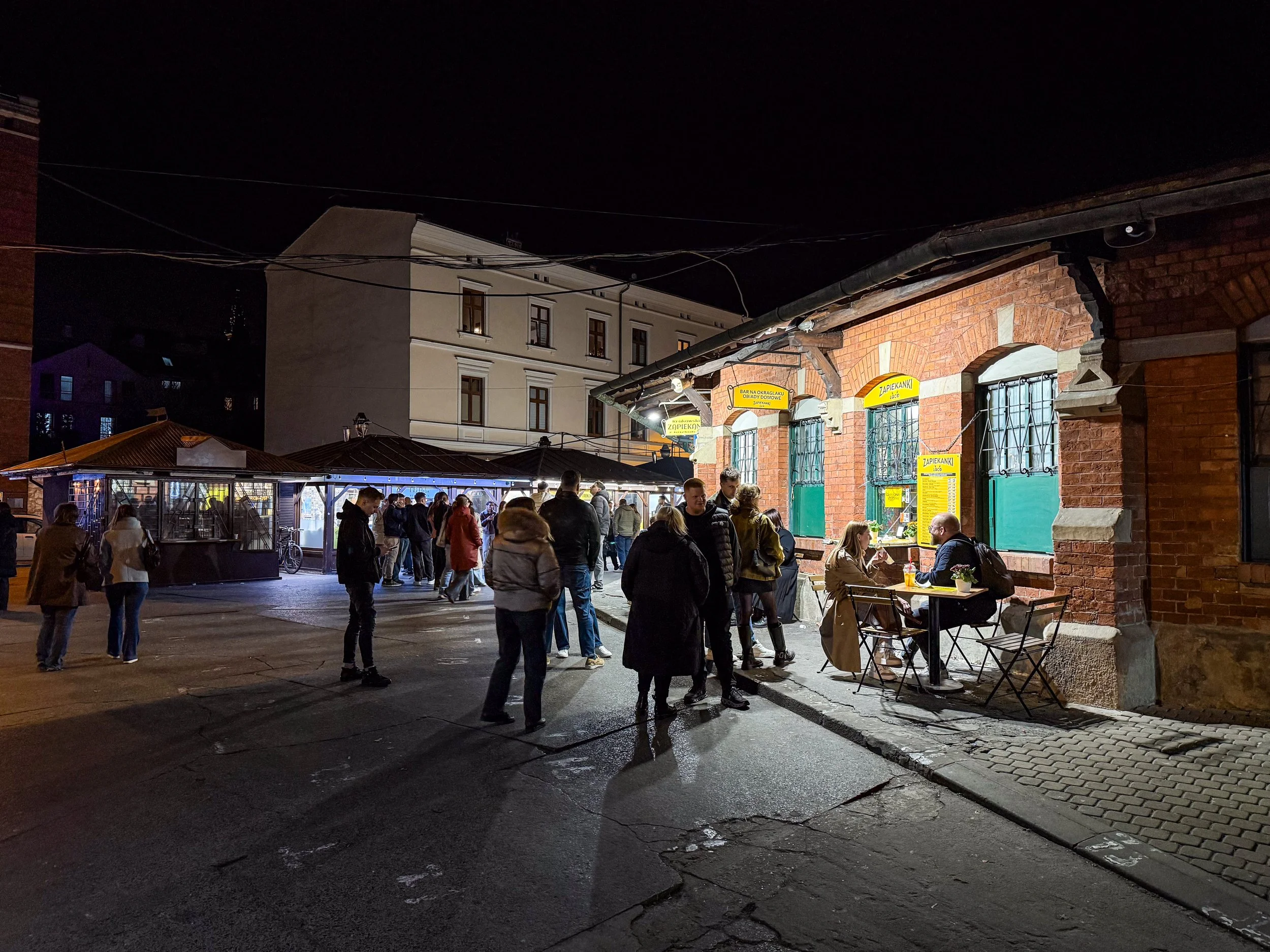
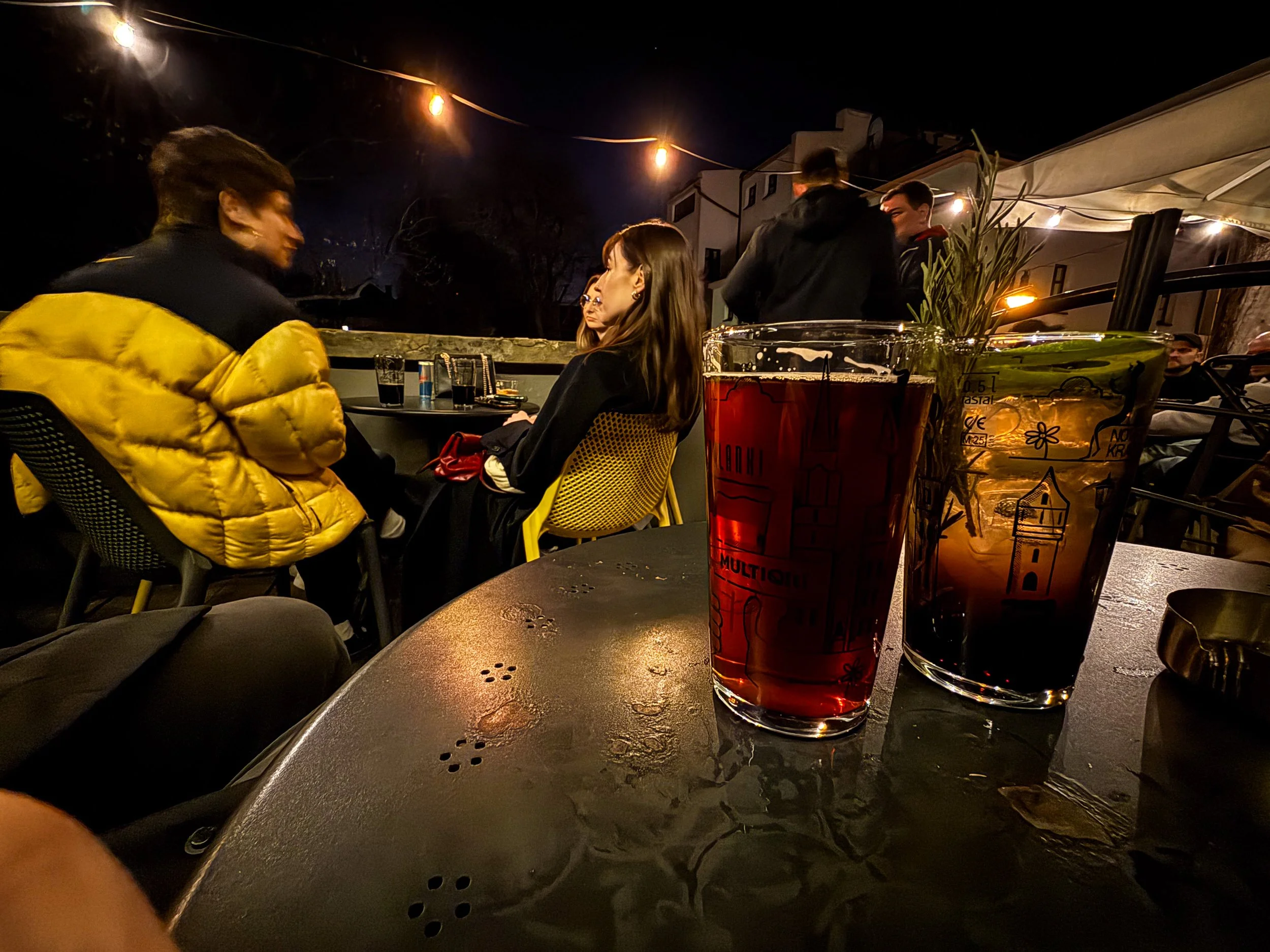
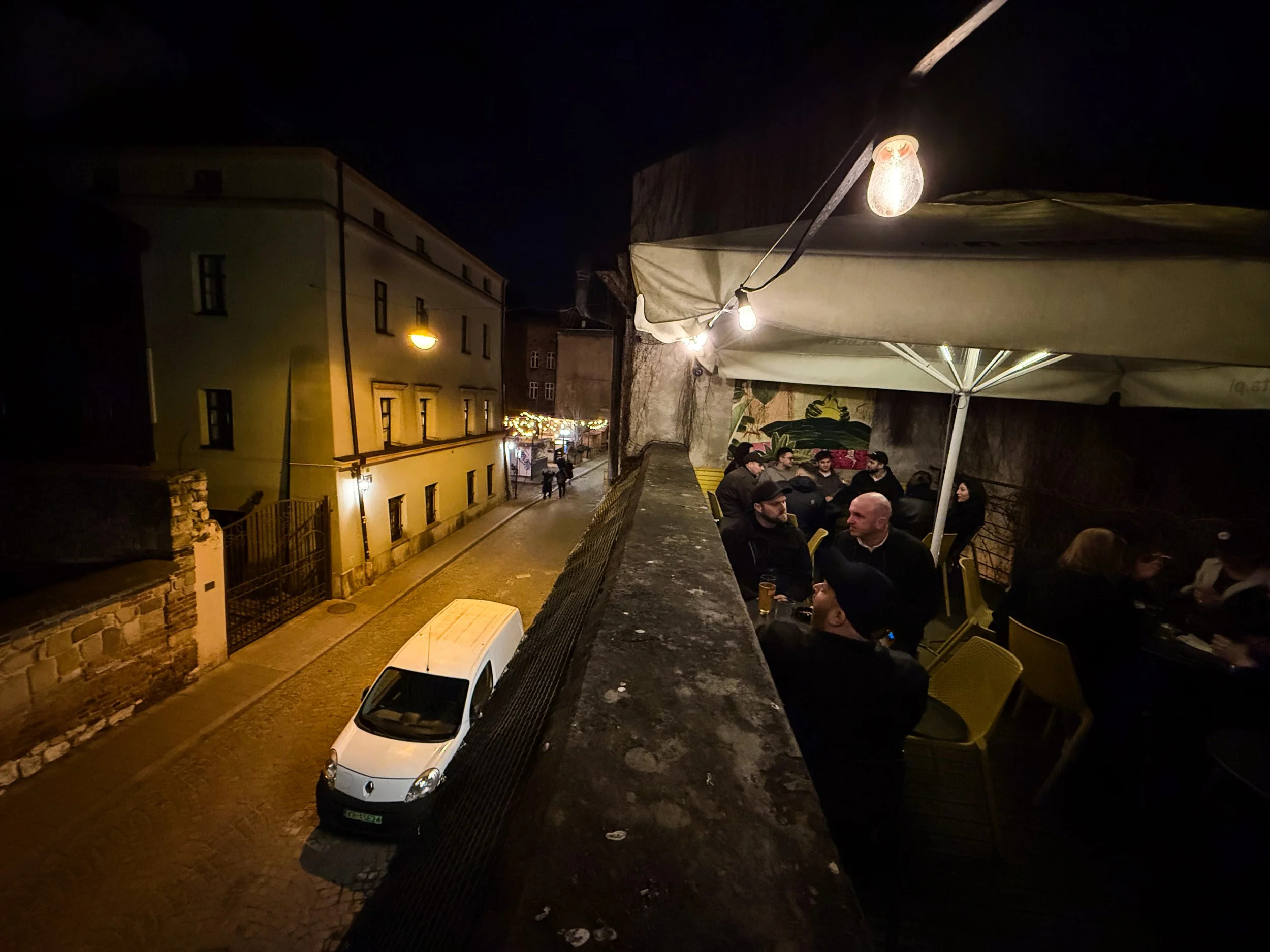
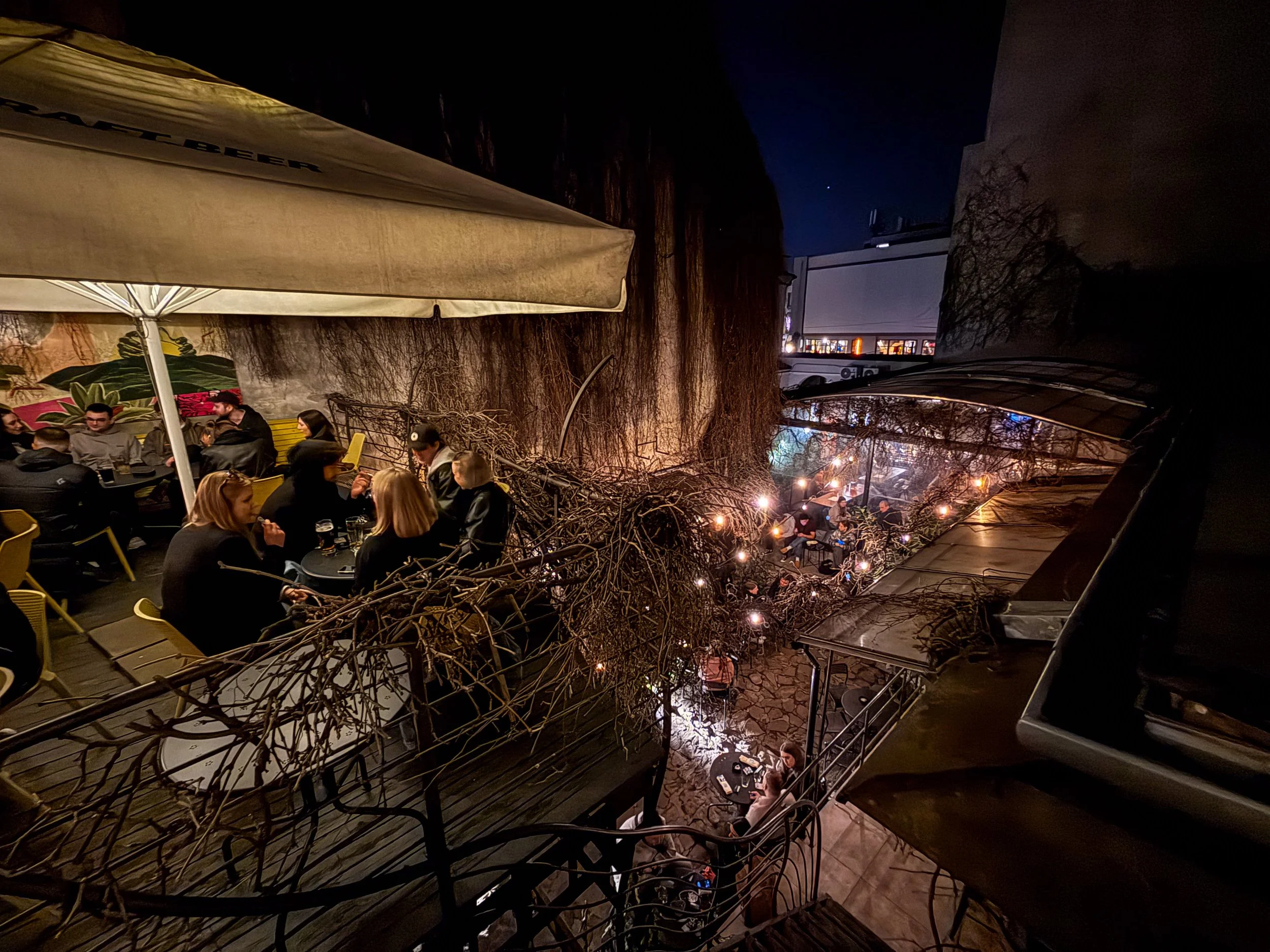
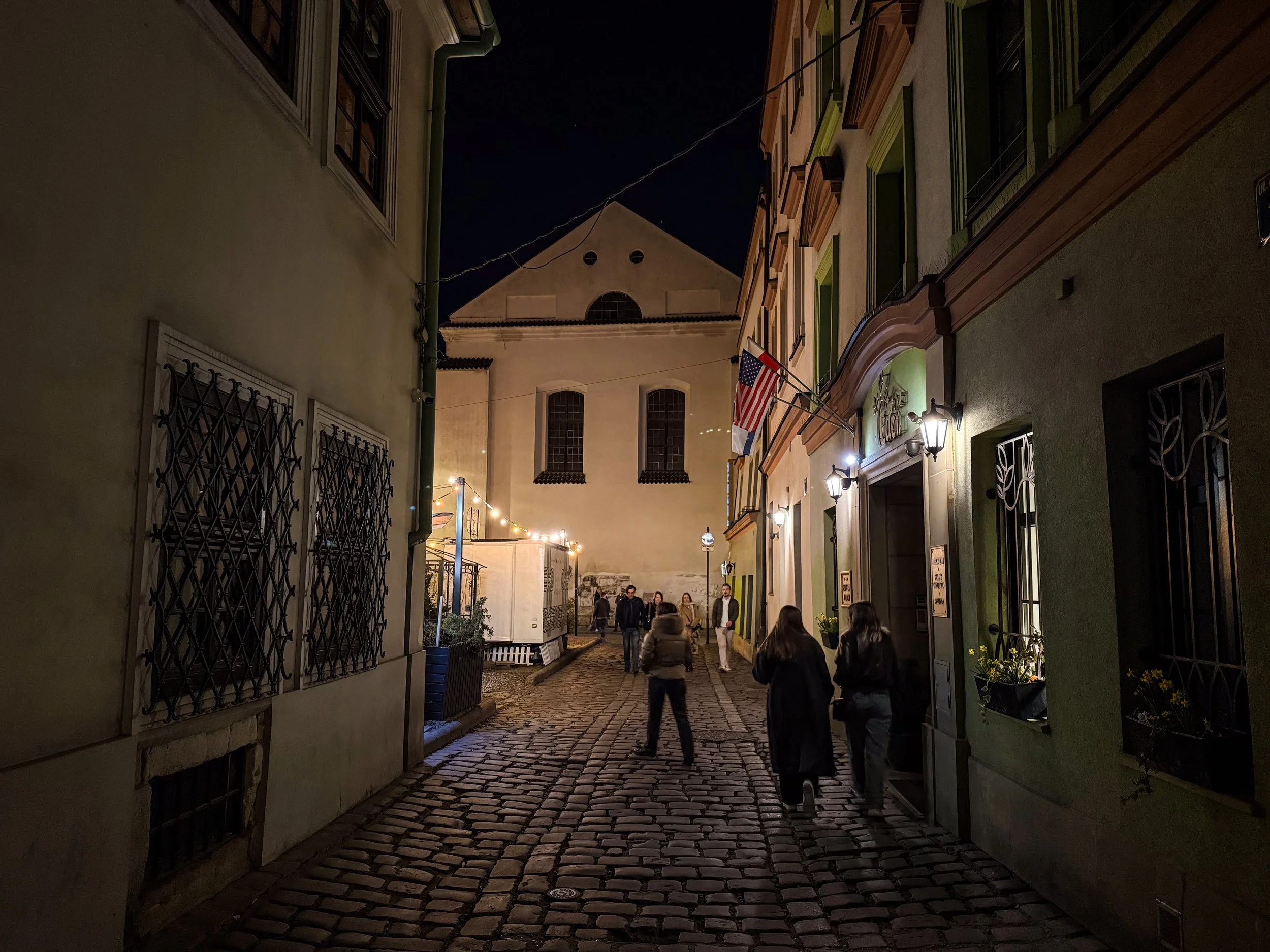
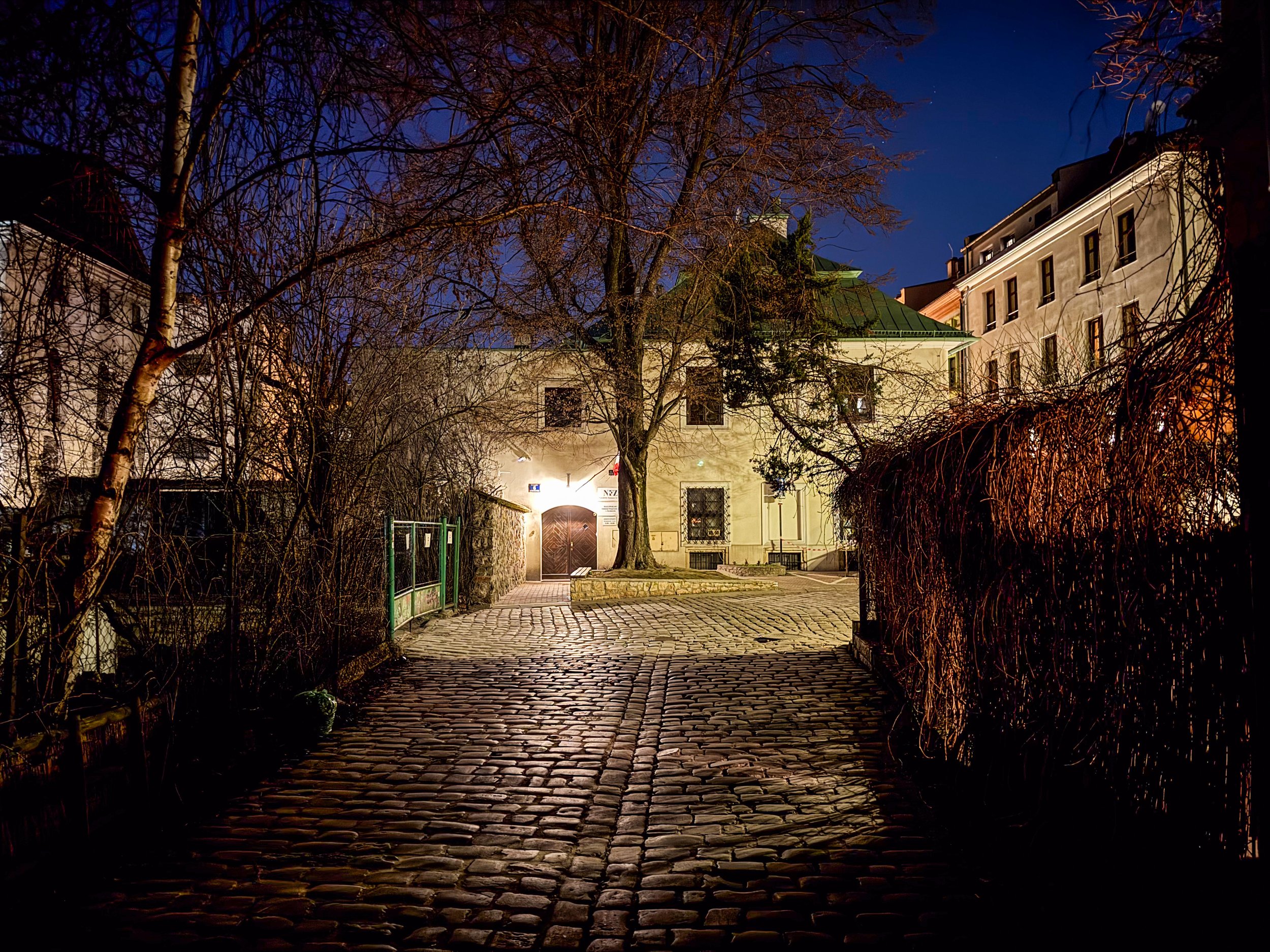
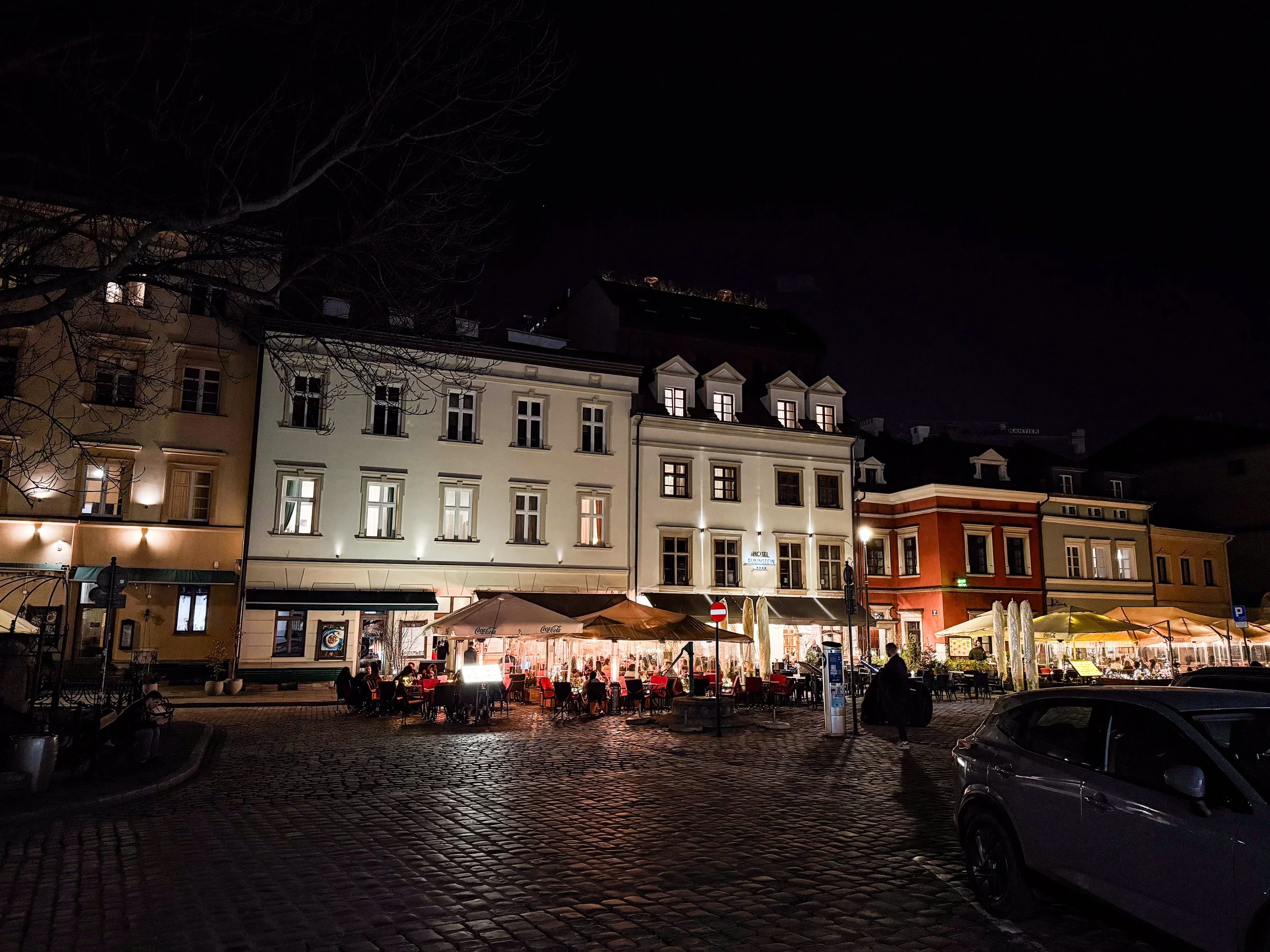
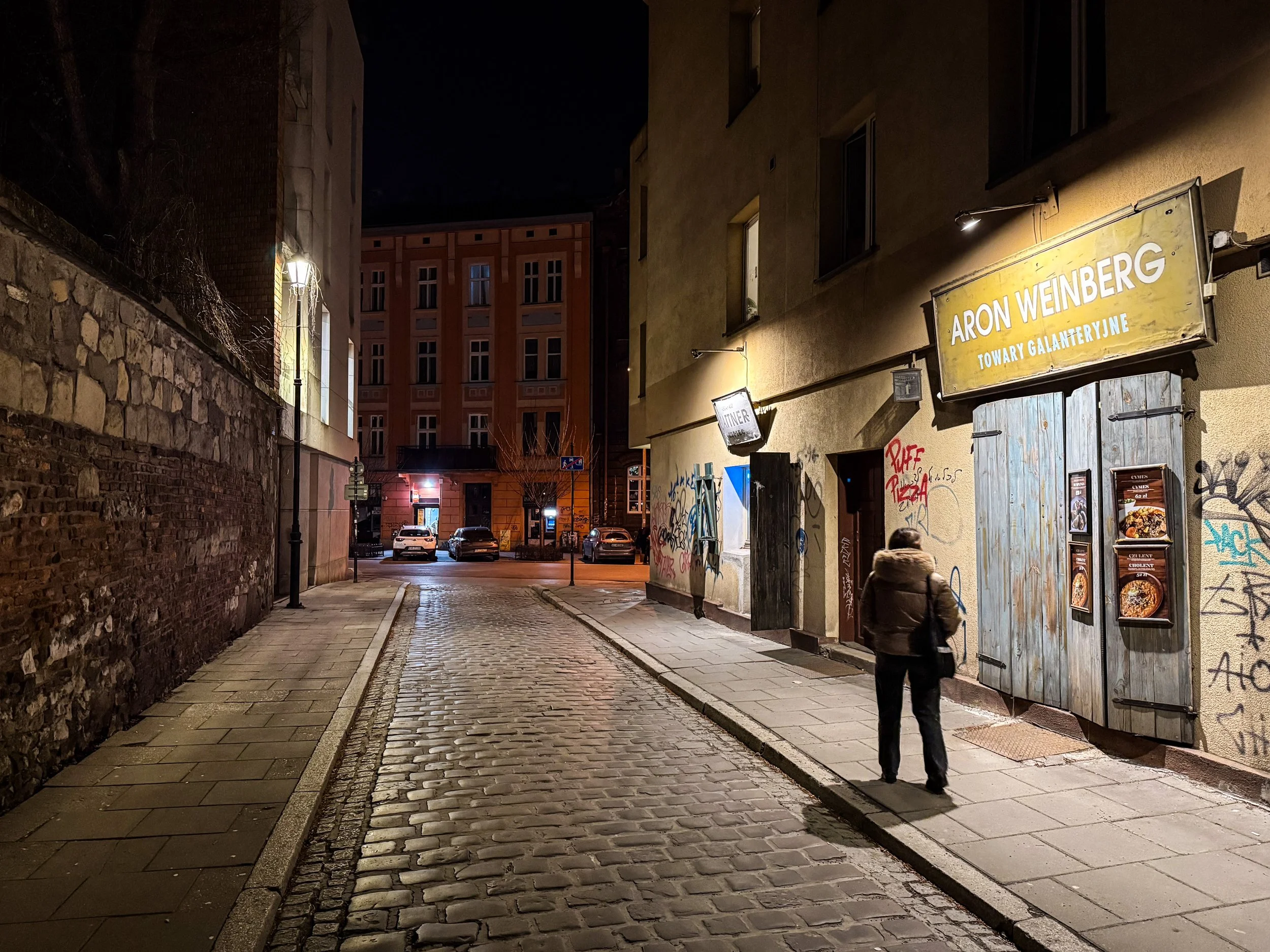
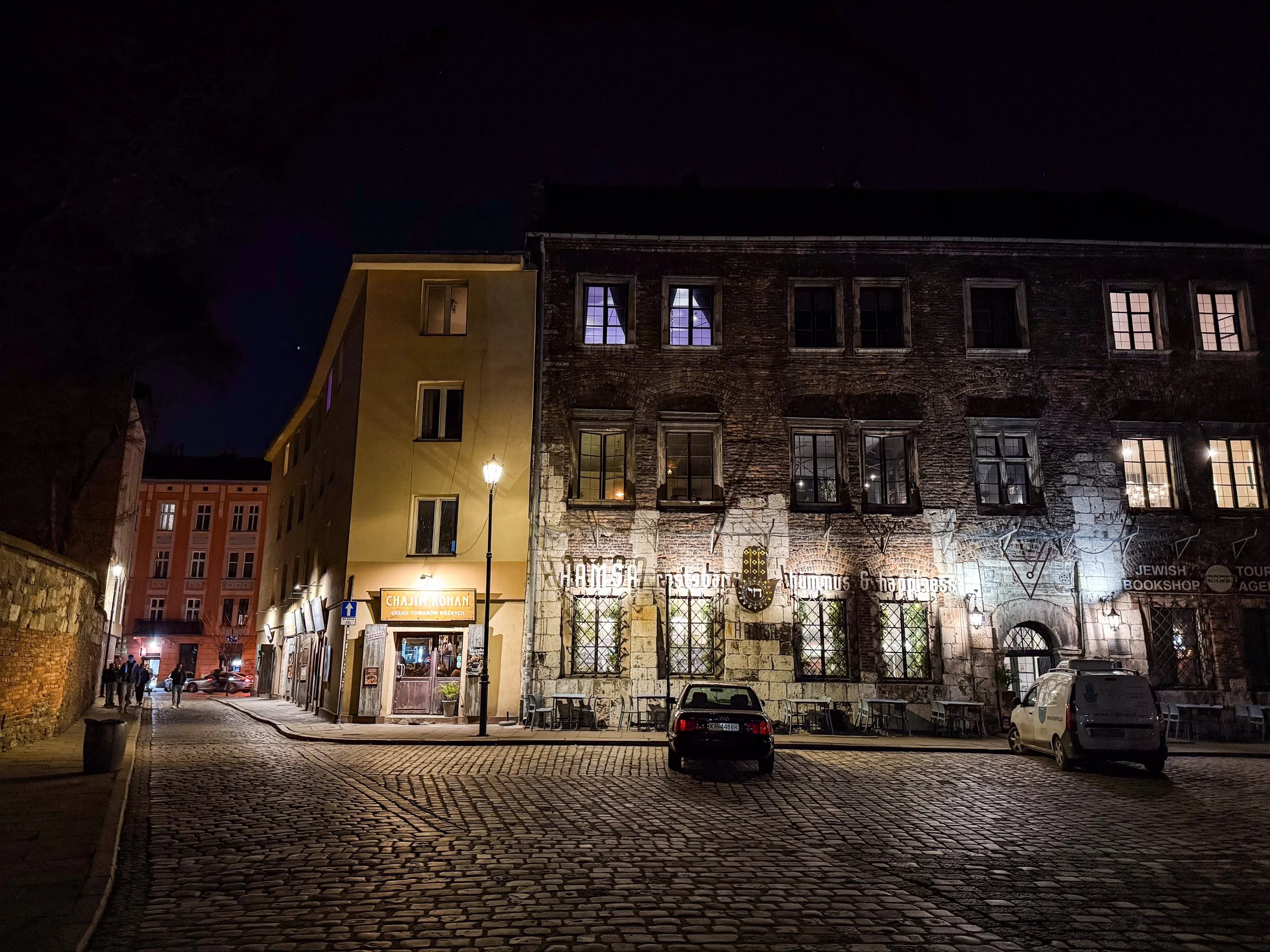
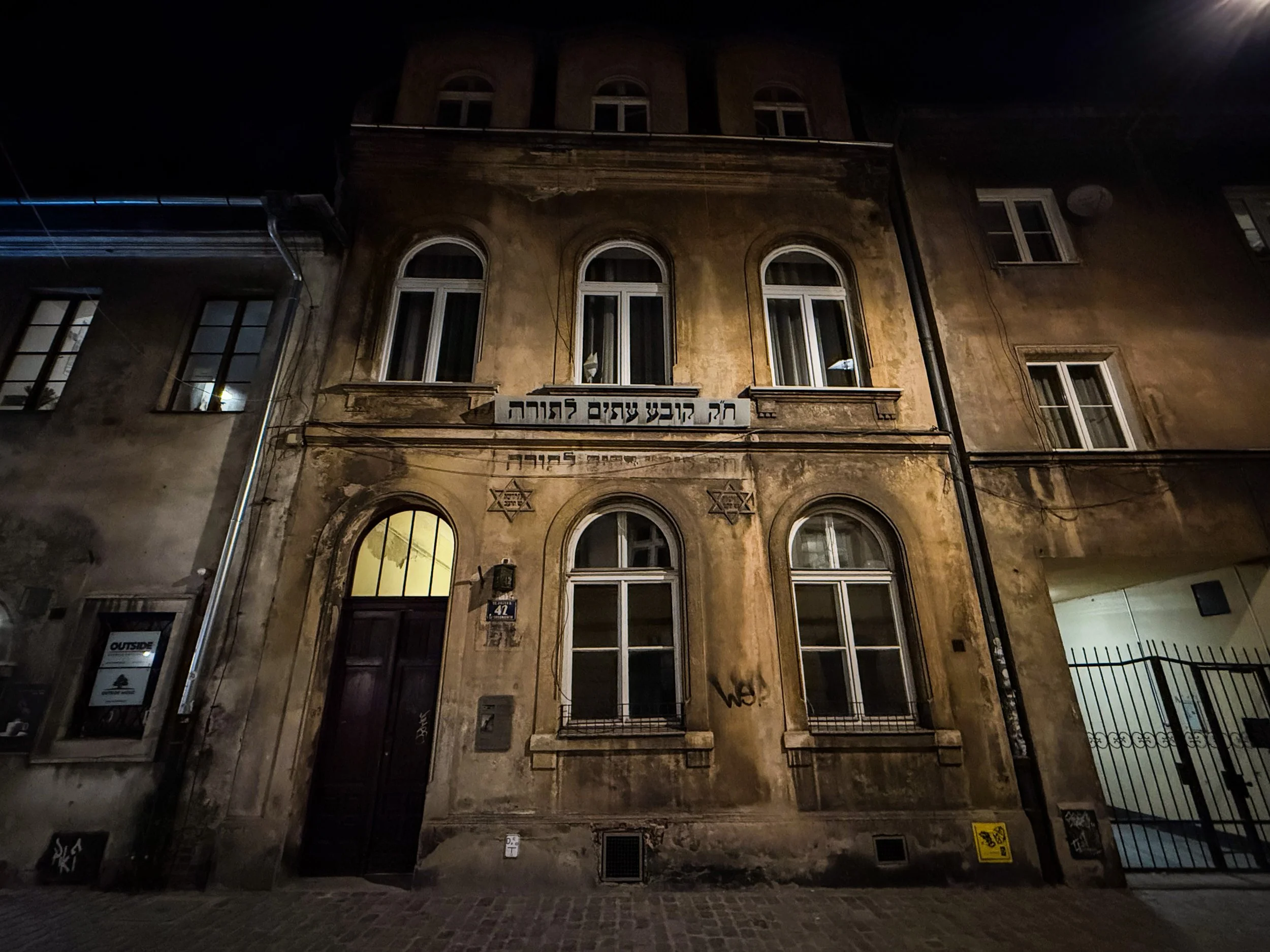
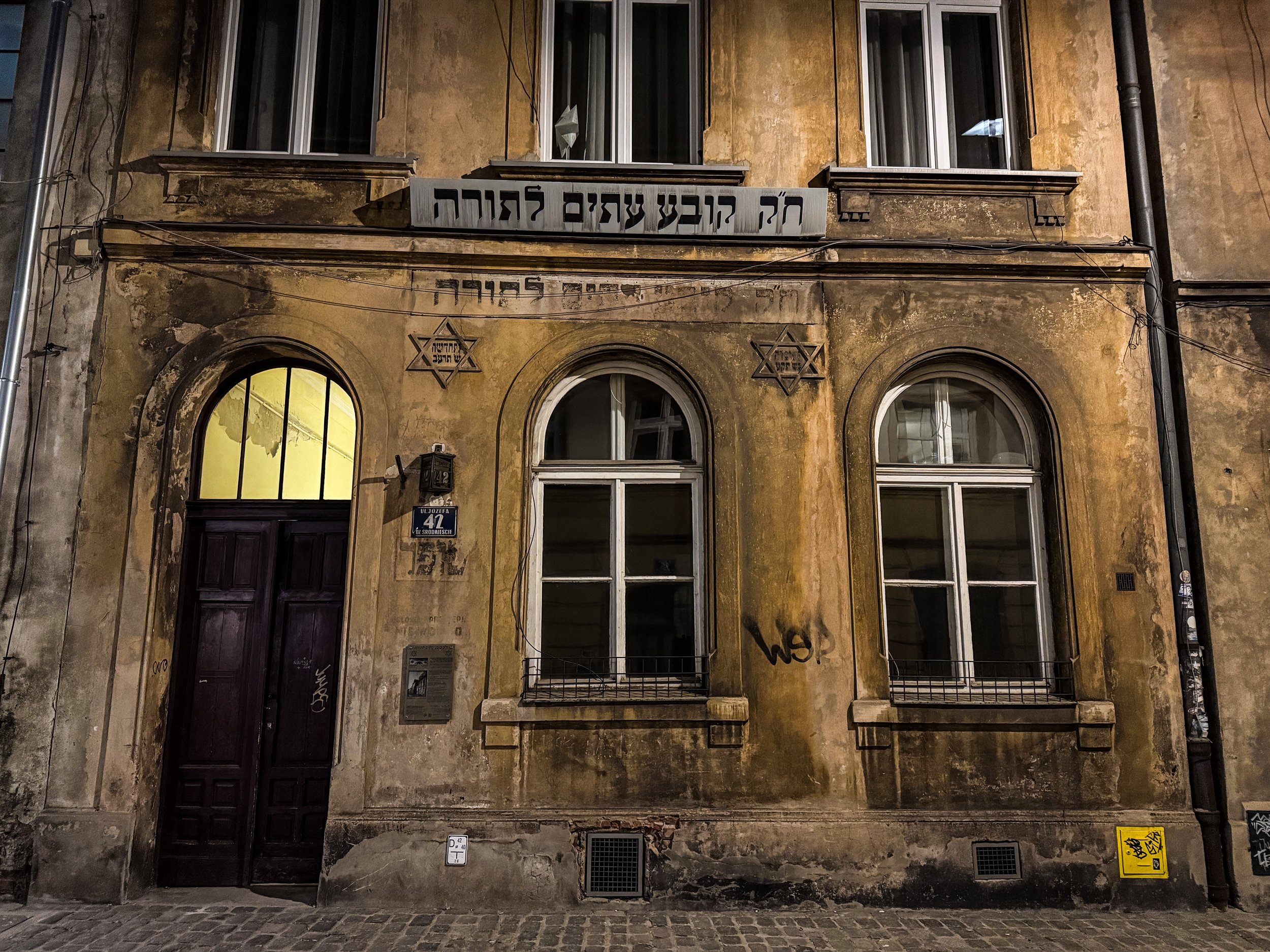
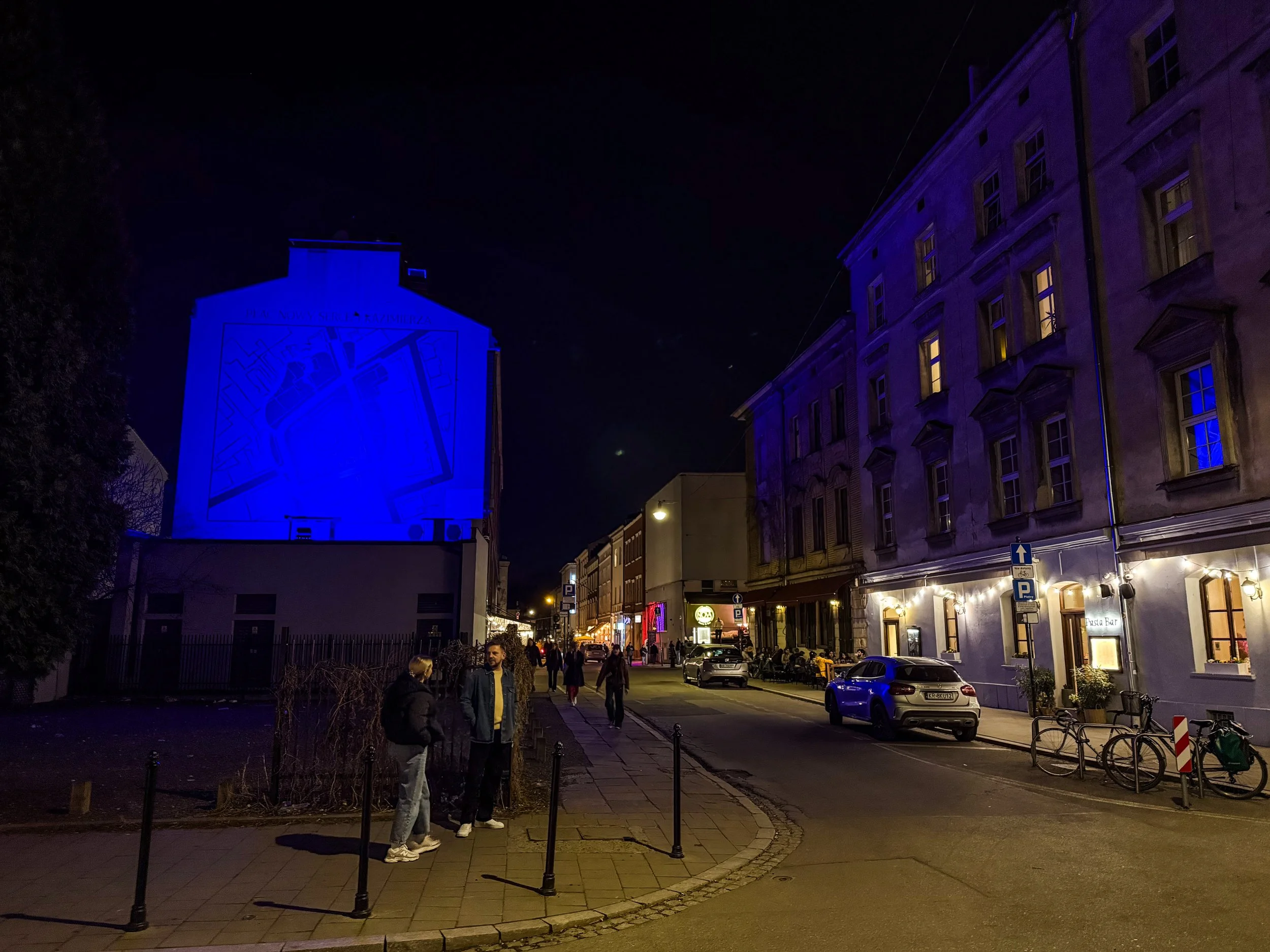
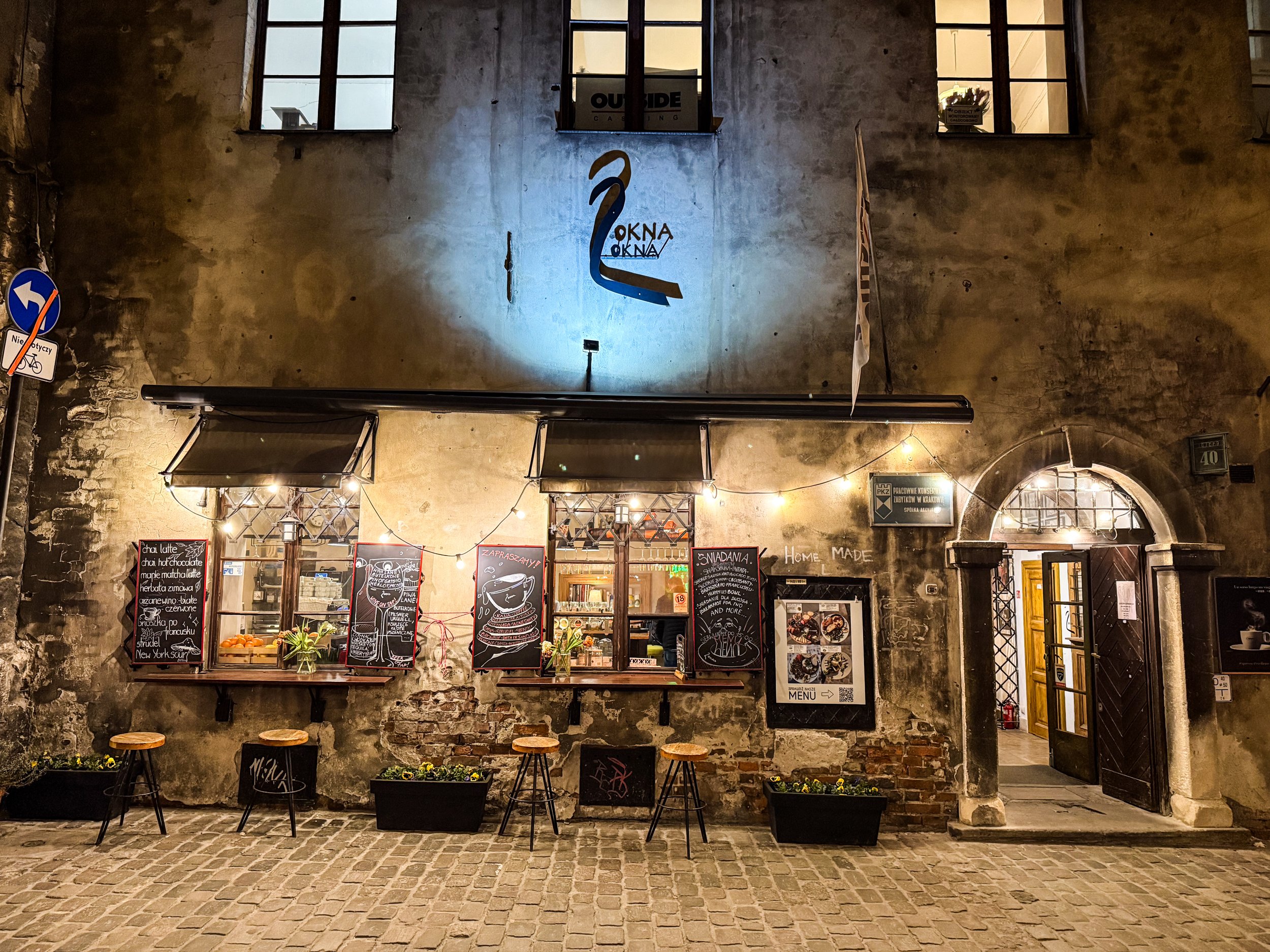
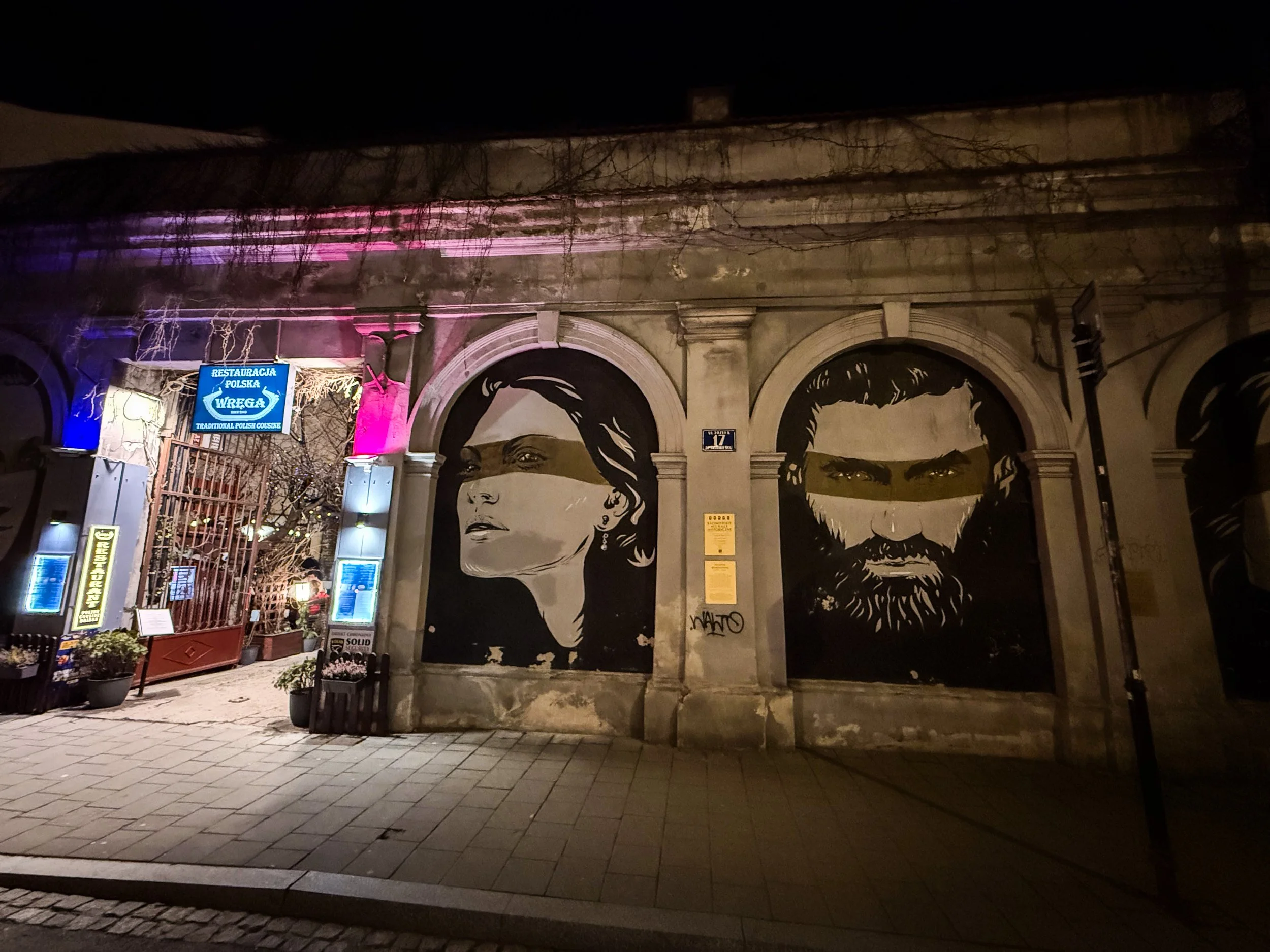
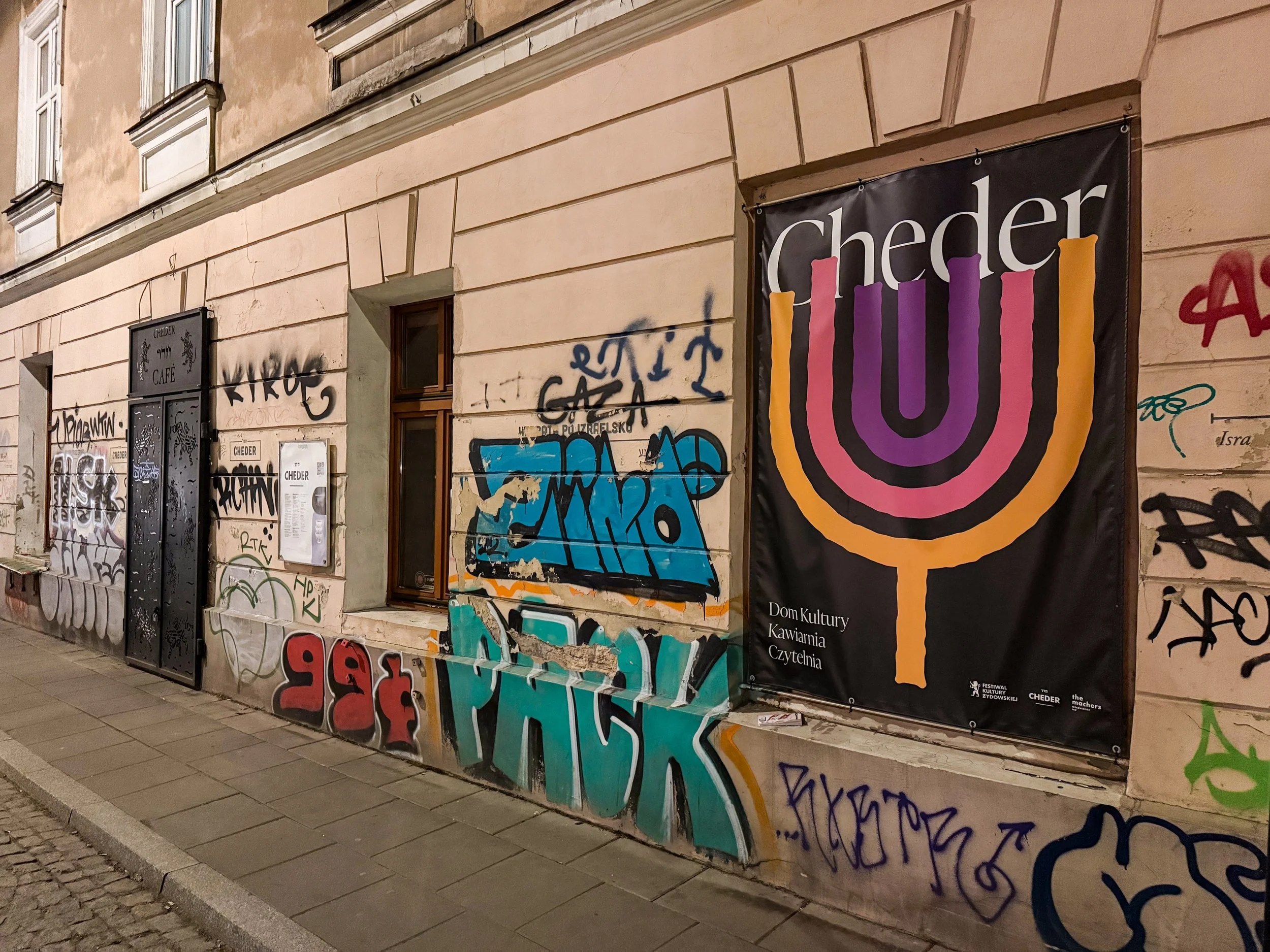
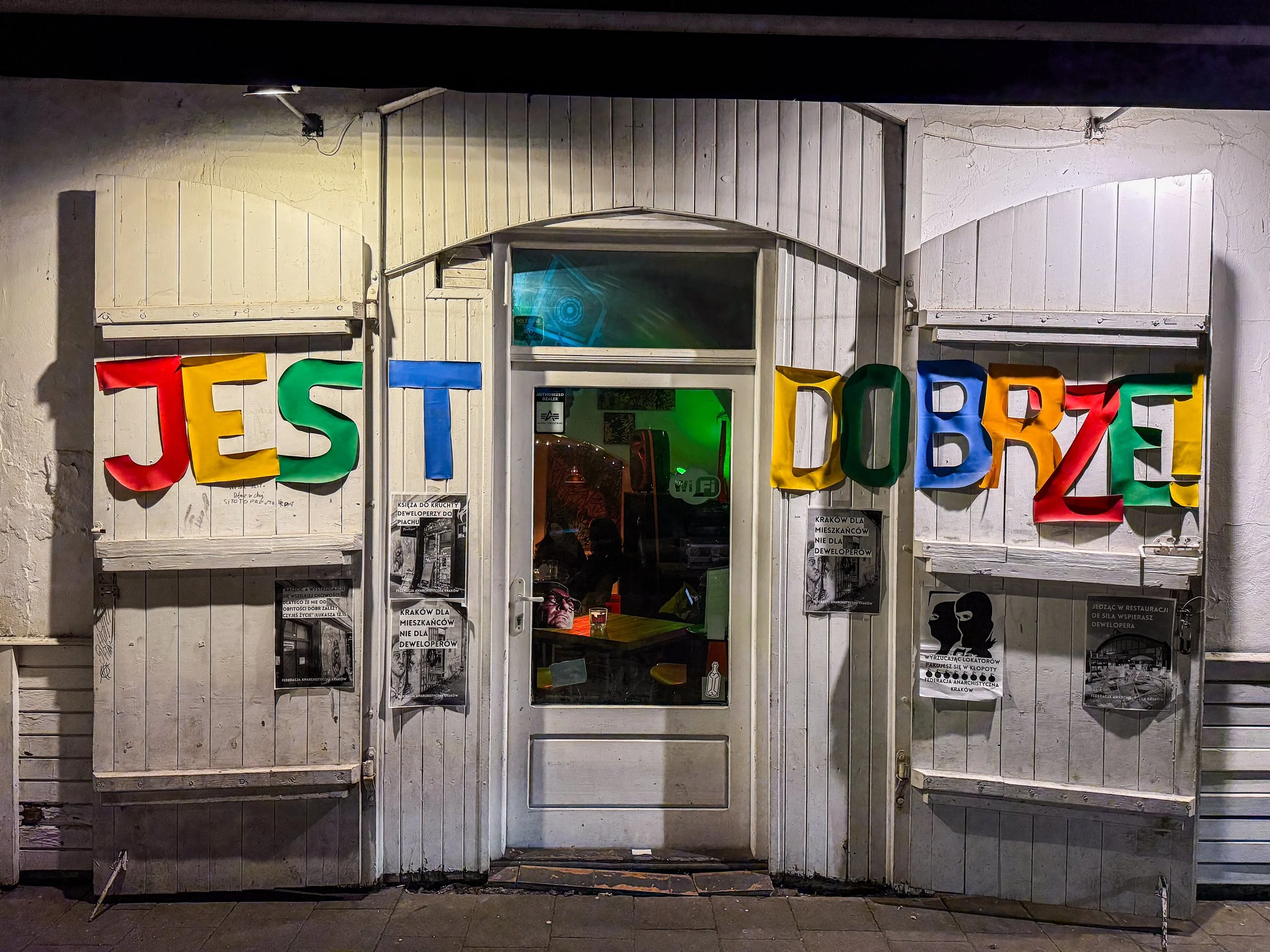
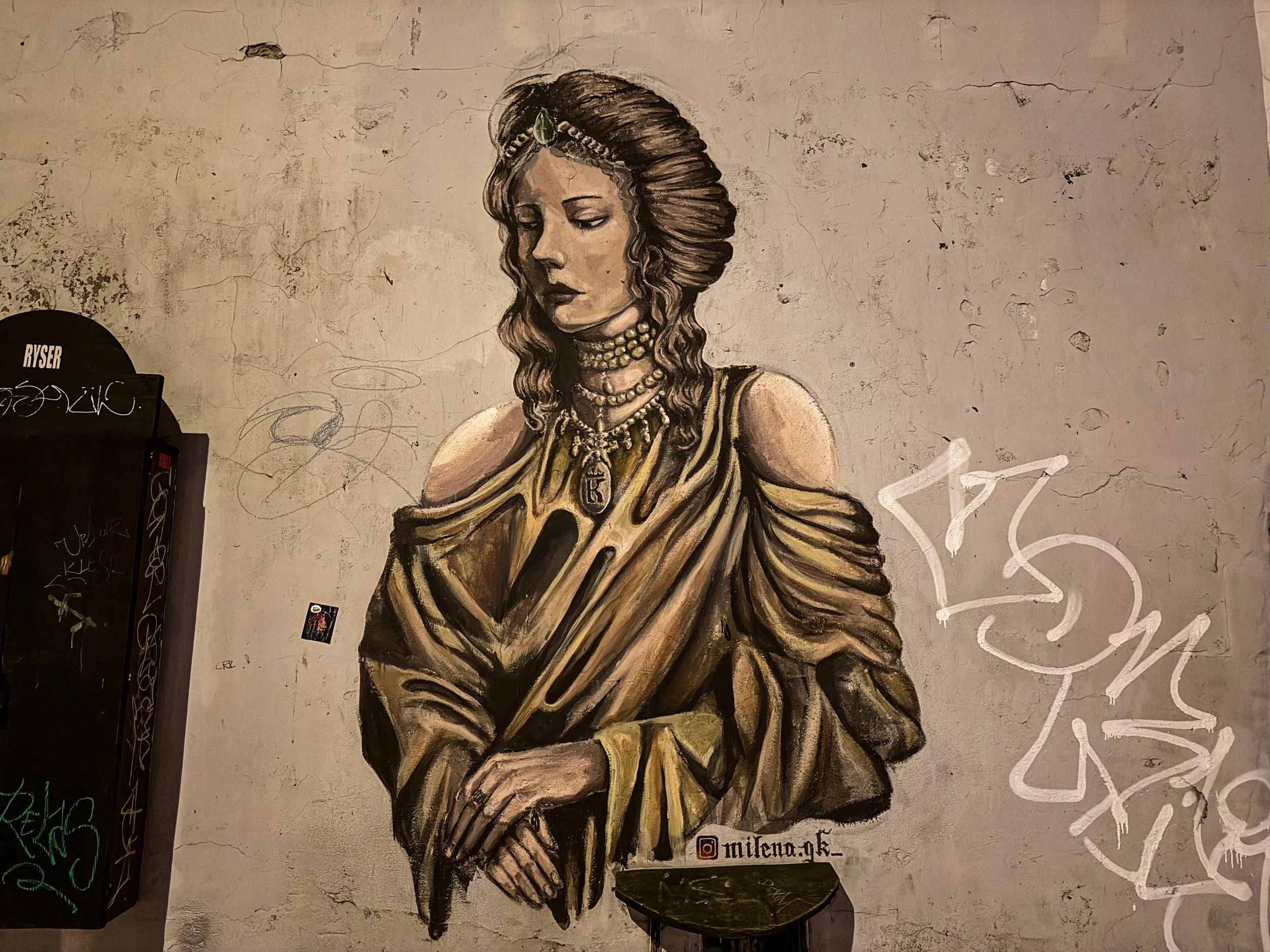
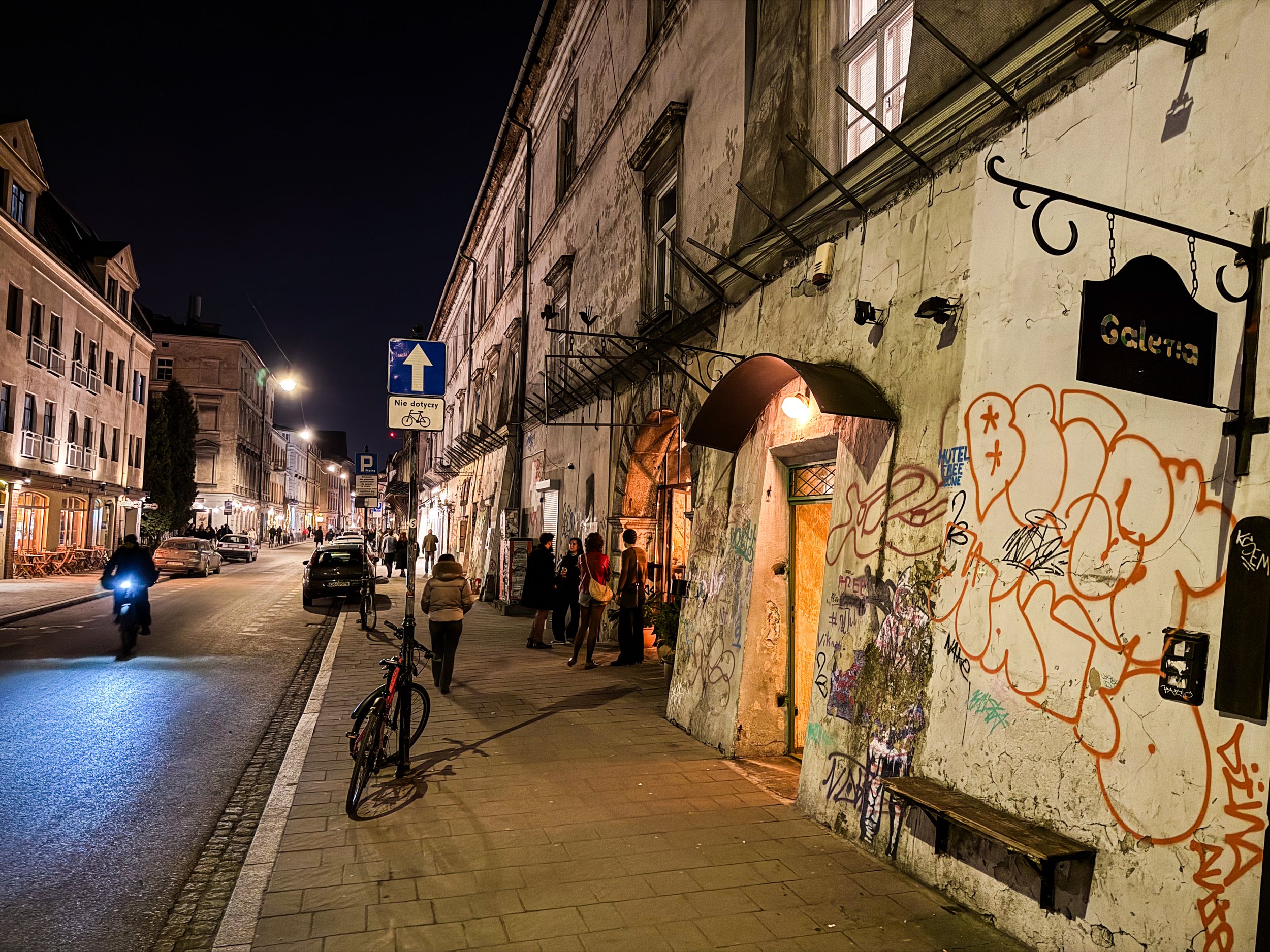
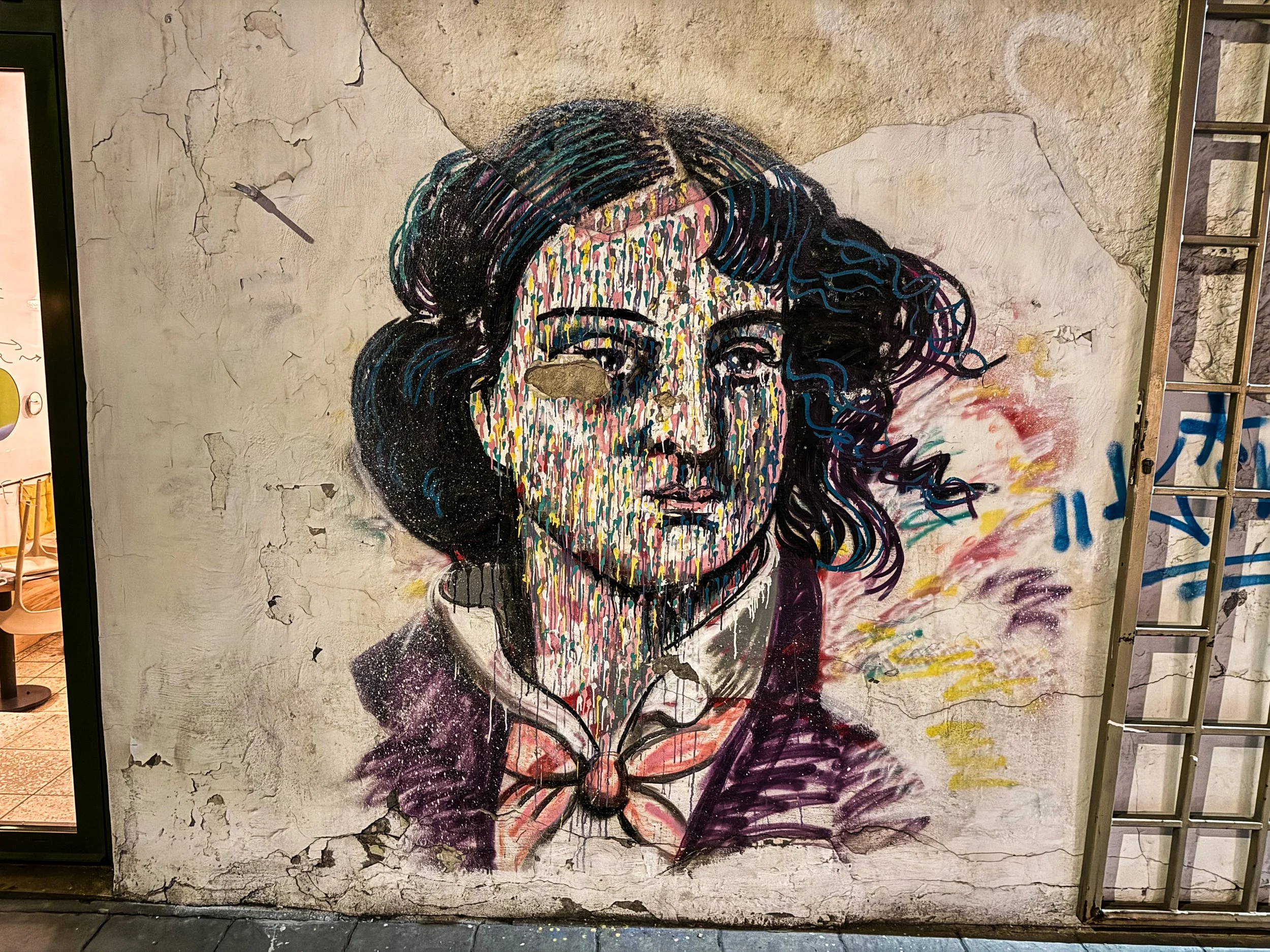
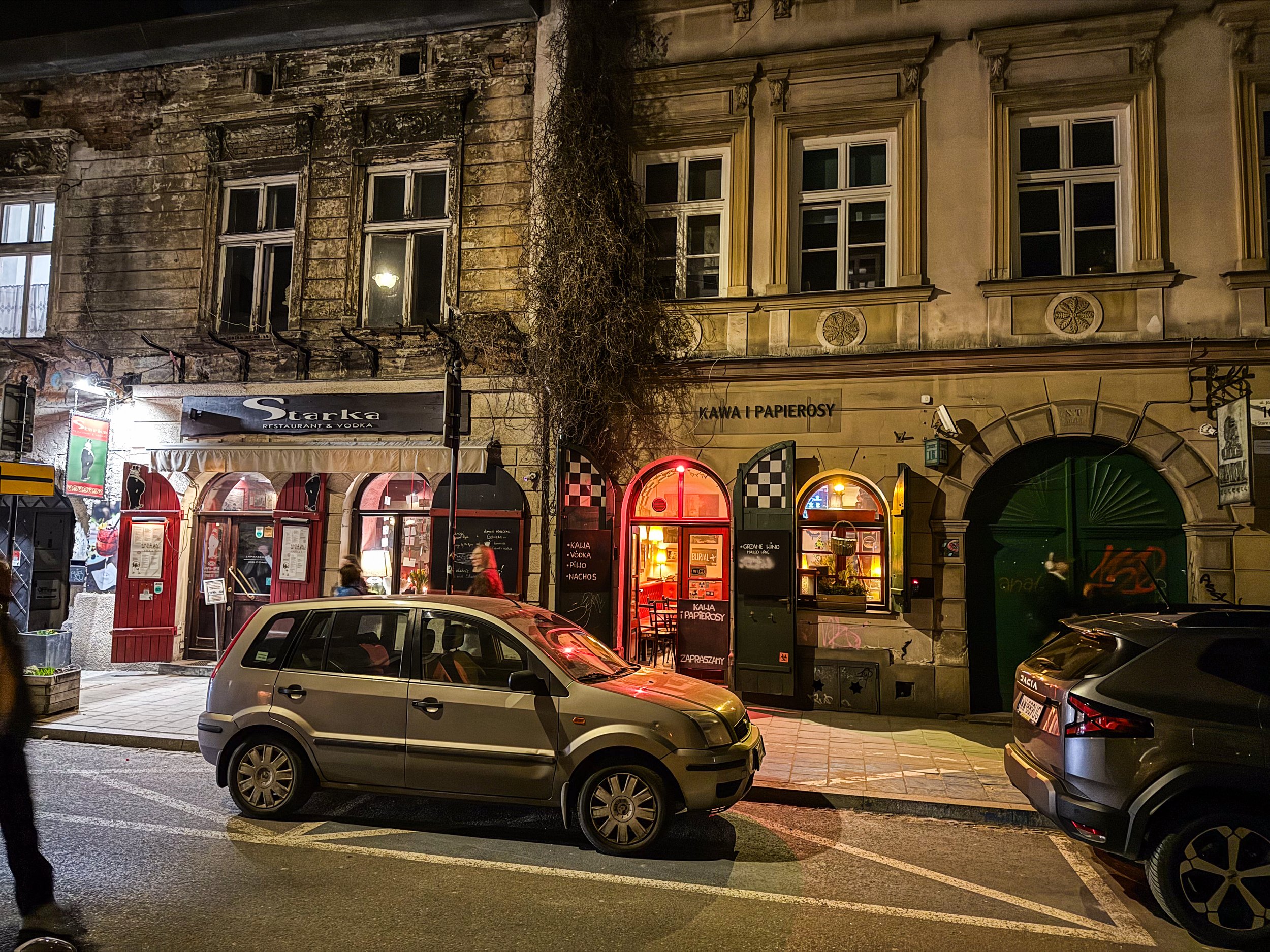
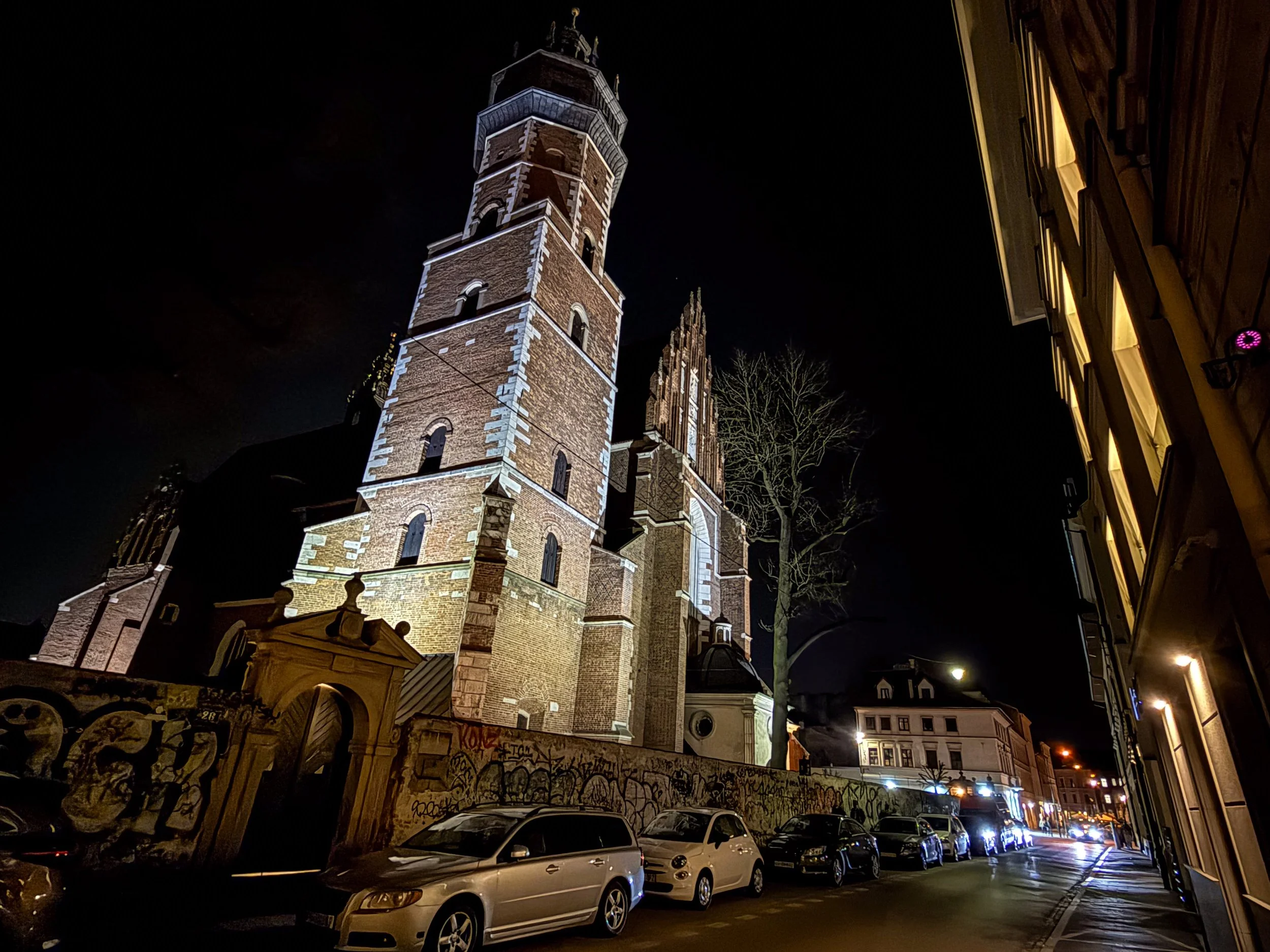
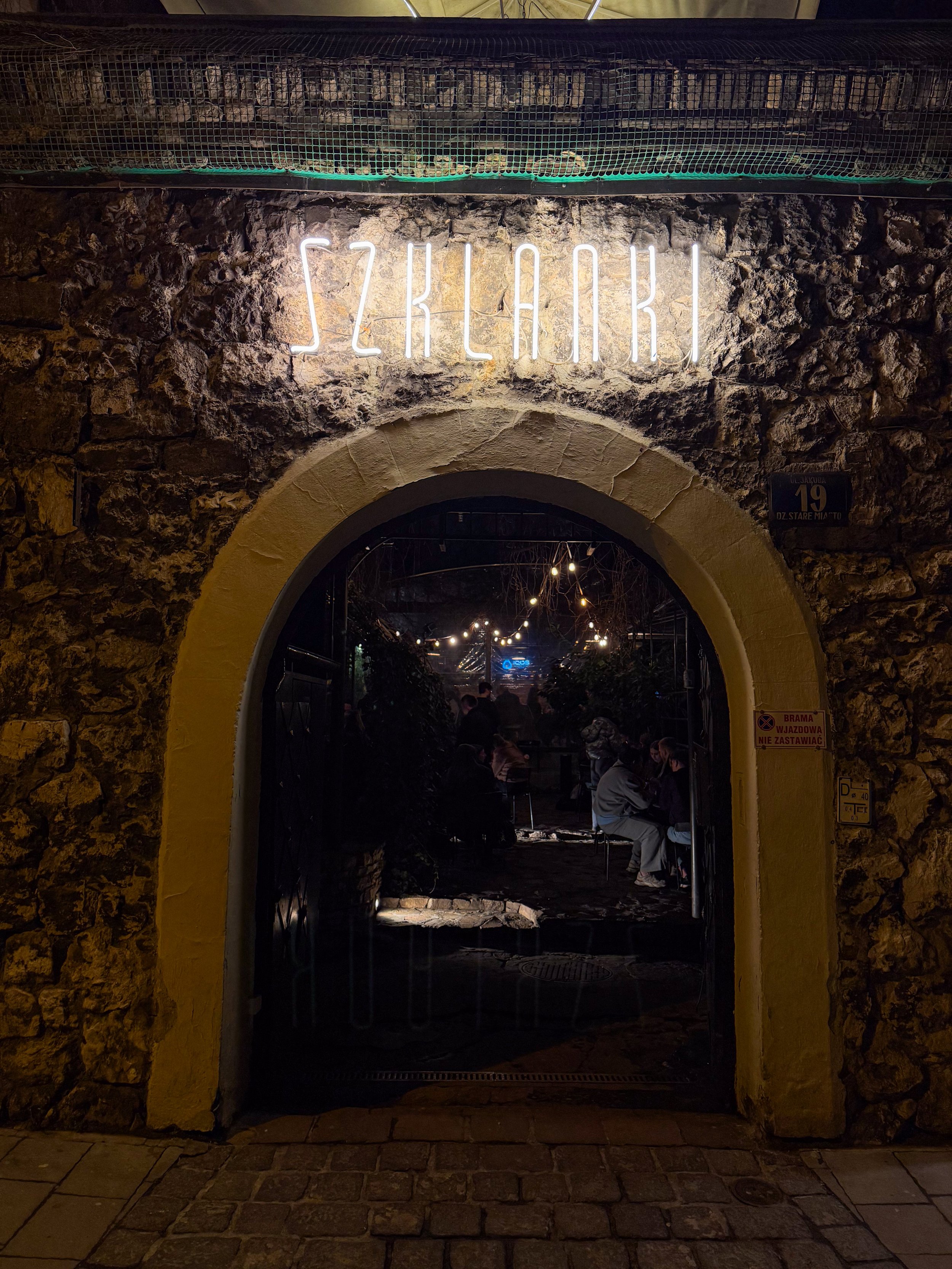
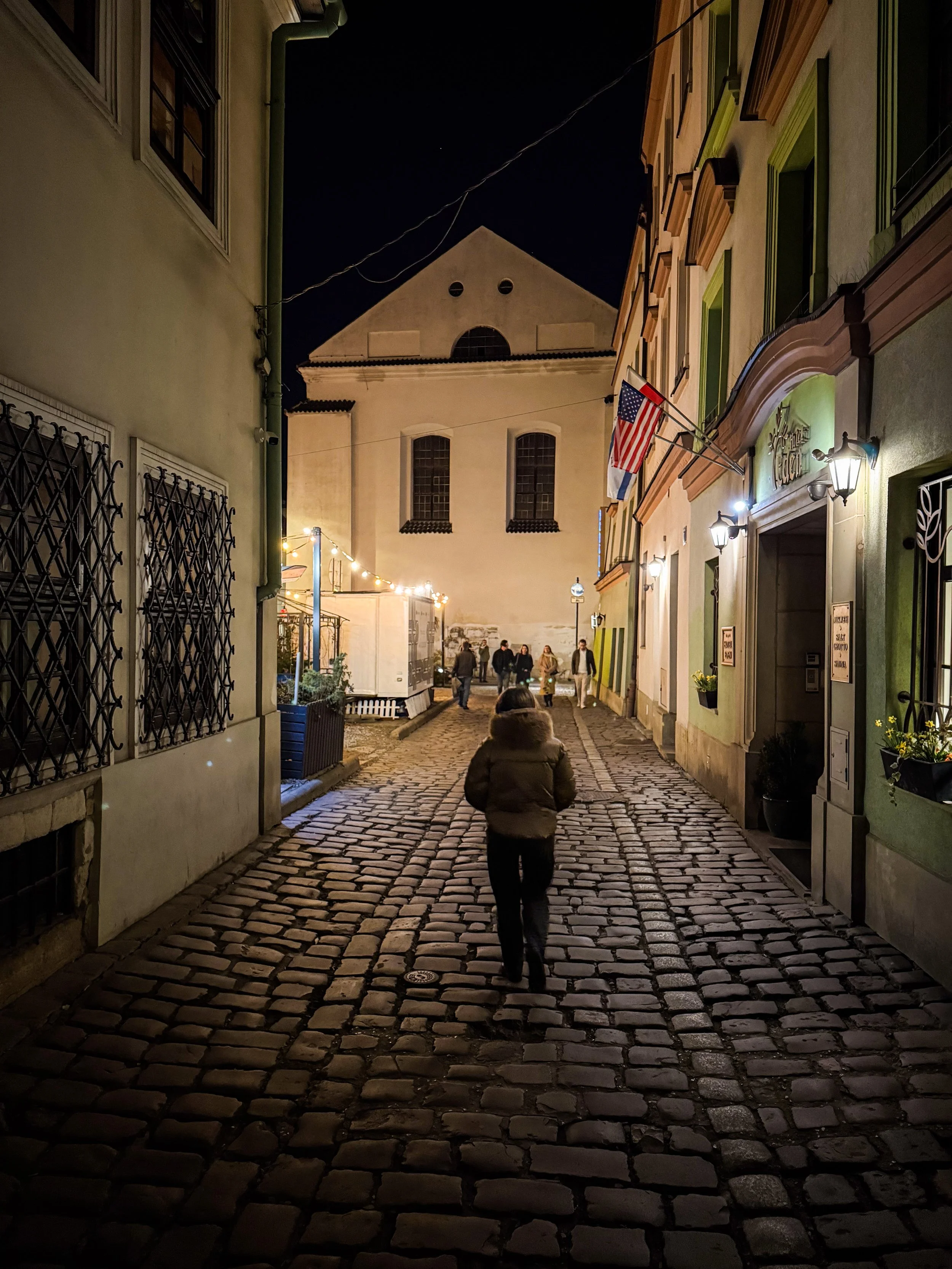
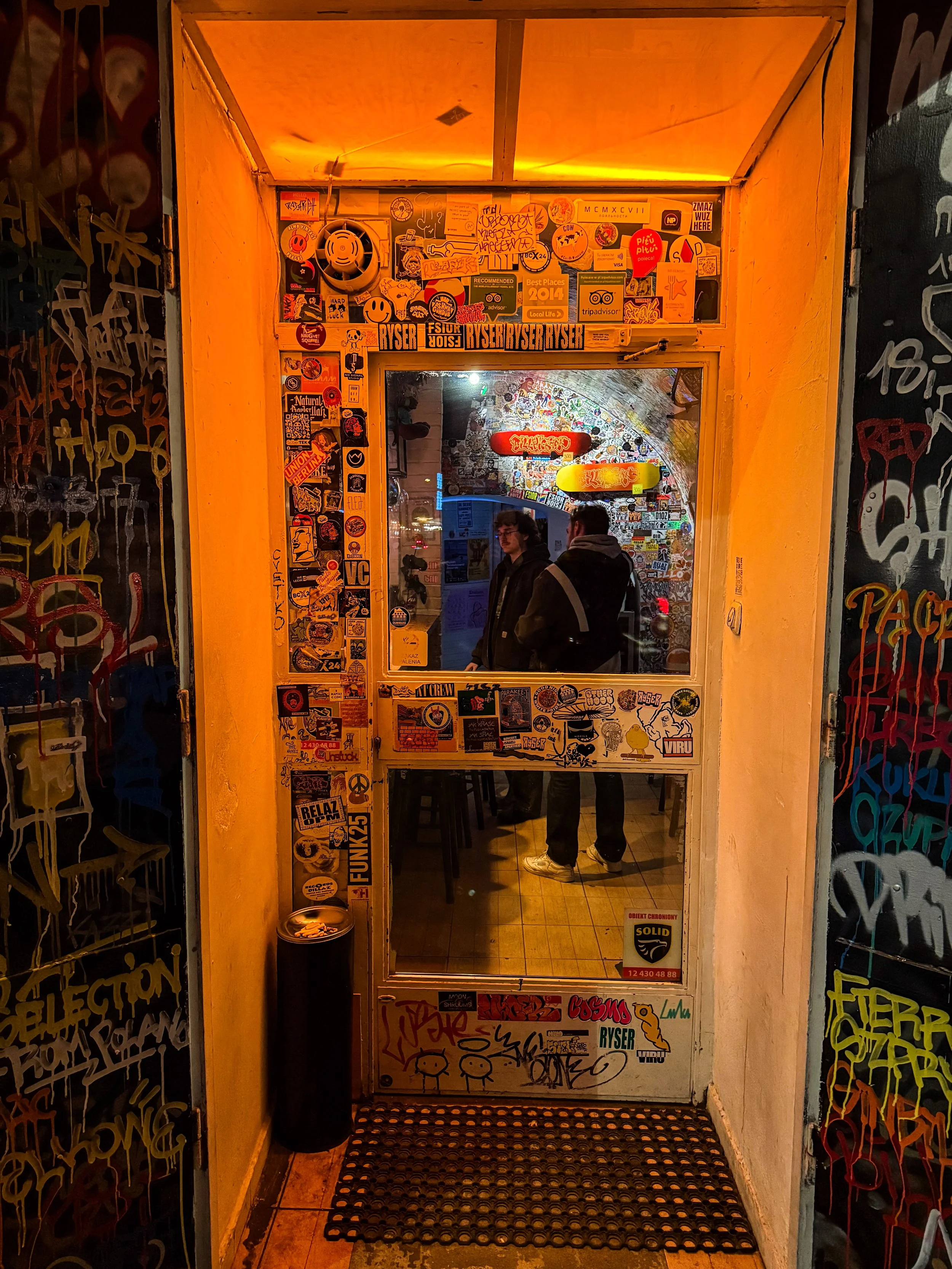
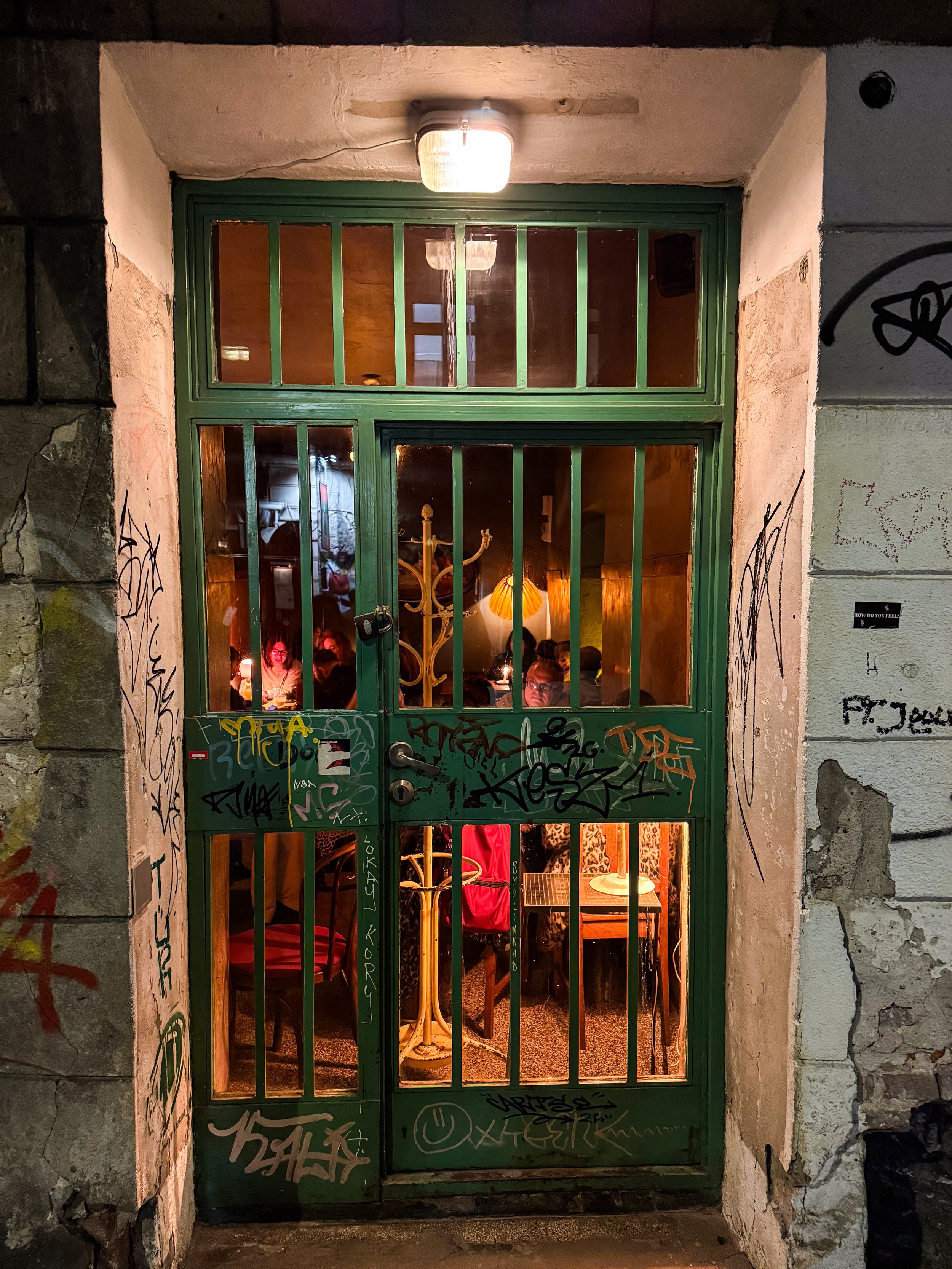
Instead, Kazimierz is known for its nightlife. Locally, its reputation is as a artsy, creative, bohemian center for restaurants, bars, and clubs. You’re sure to find lots of young people, students, and stag/bachelor parties barhopping here, but that doesn’t make the streets any less atmospheric. Despite all the nightly tomfoolery, the streets definitely have an enduring heaviness to them… even as you walk out of the trendy local bars after a few drinks, the ambience hits you like a ton of bricks. It’s beautiful, it’s fun, but some shit happened here. This may have been accentuated during my experience by the fact that my visit coincided with Shabbat (so things were a bit quieter than normal). But that just goes to show that Jewish culture and community still survives here today, even if it’s just a ghost of its former scale.
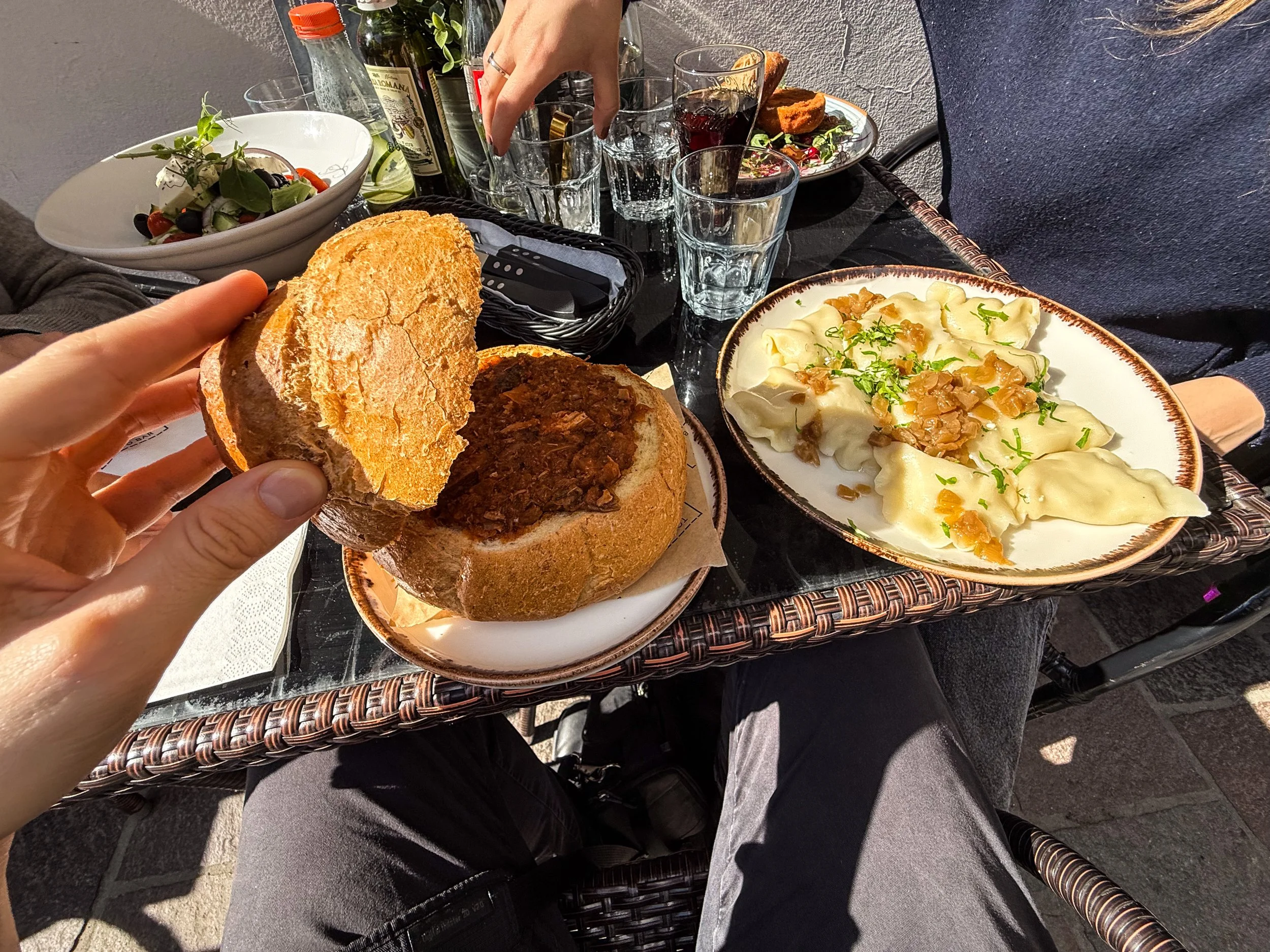
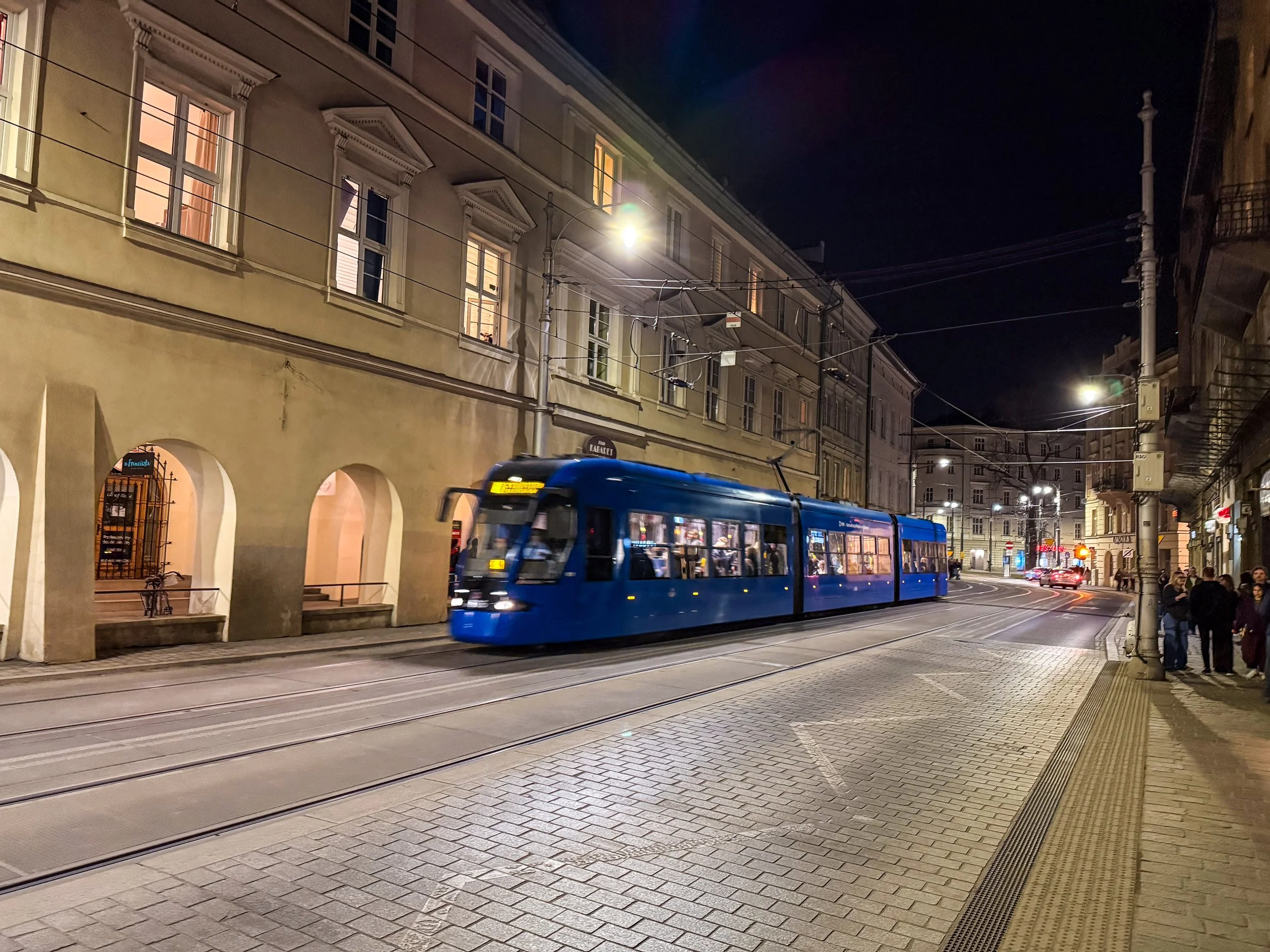
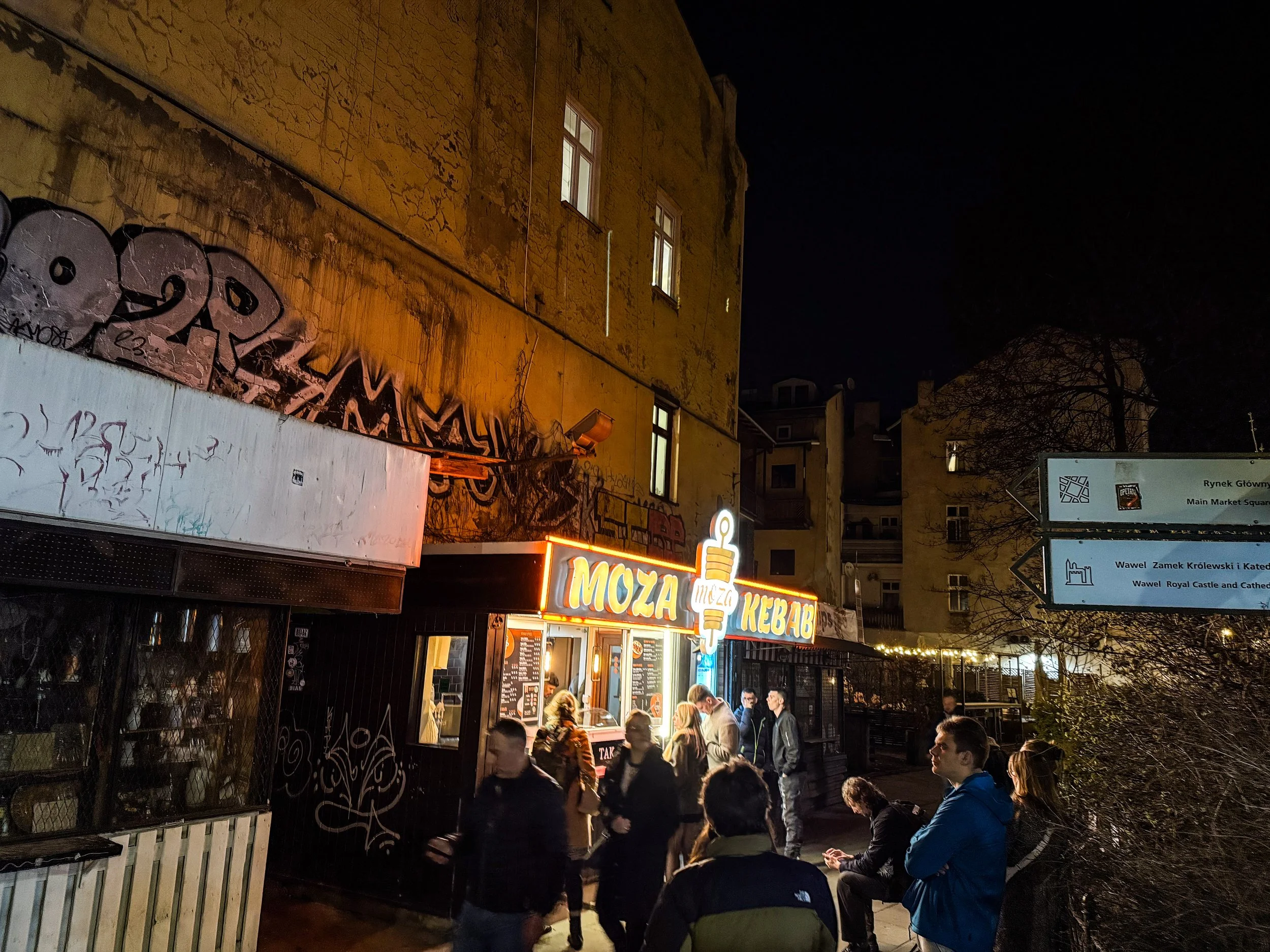
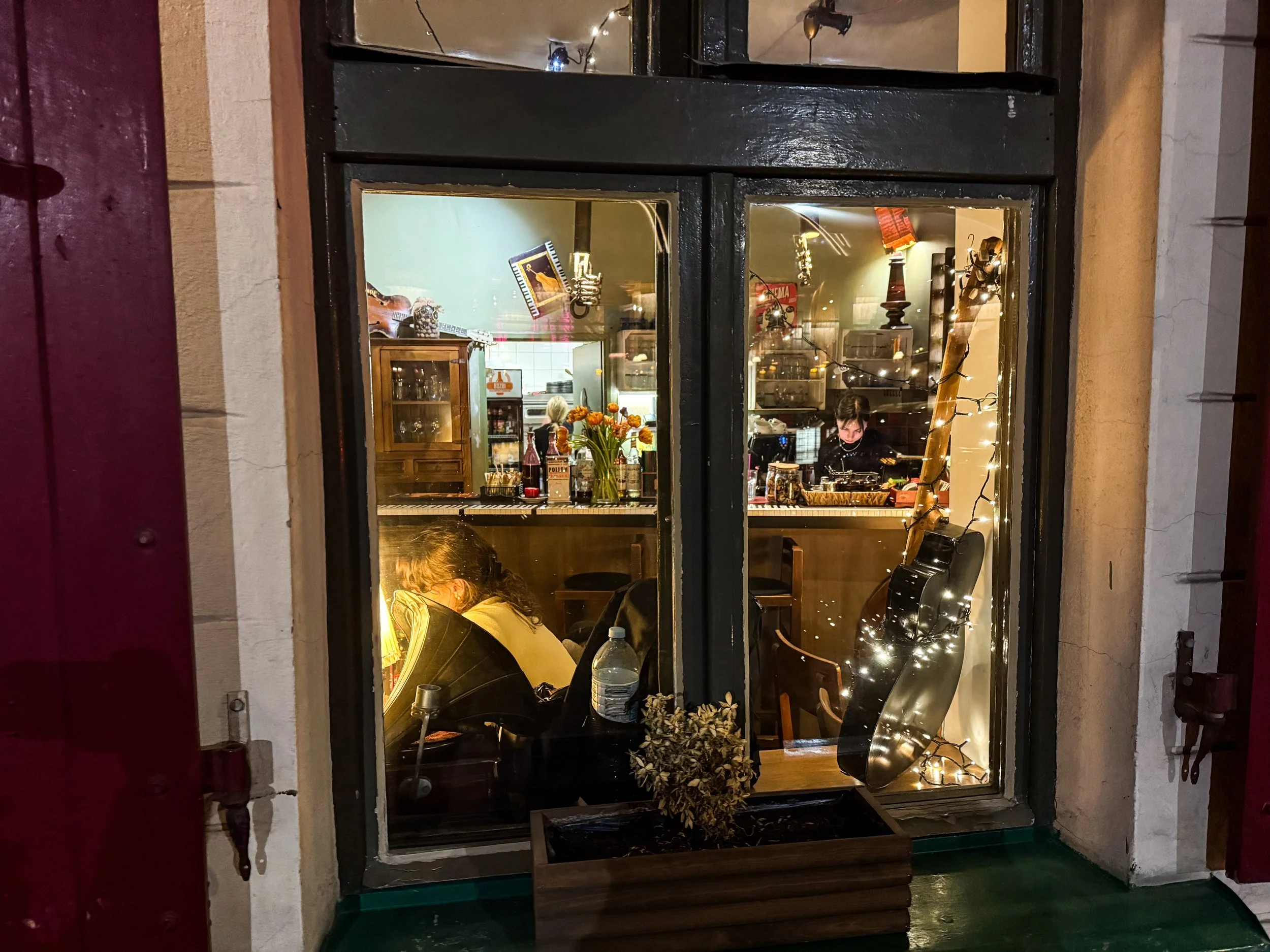
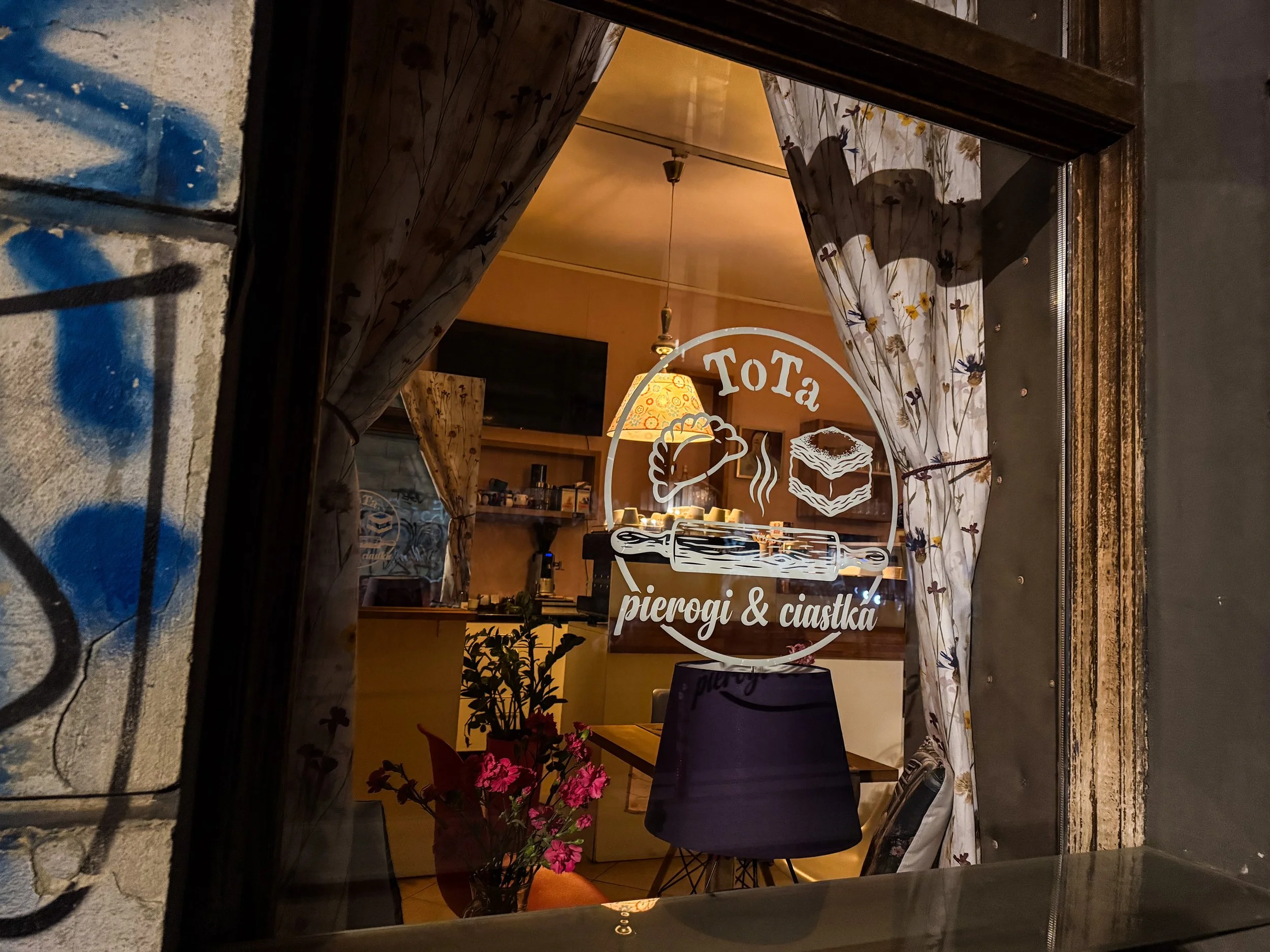
Here are a few snaps from dinner and drinks out in Kazimierz…
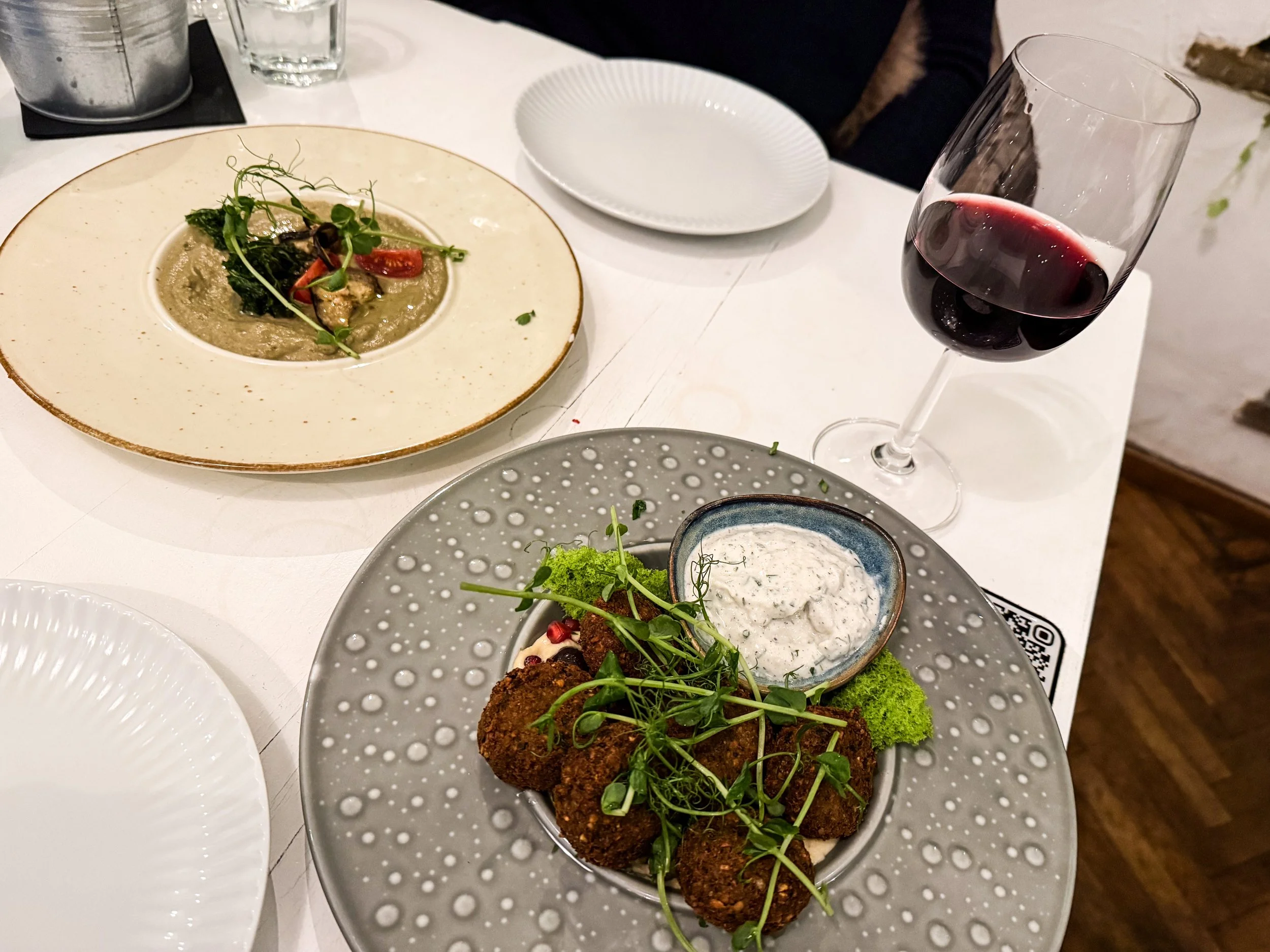
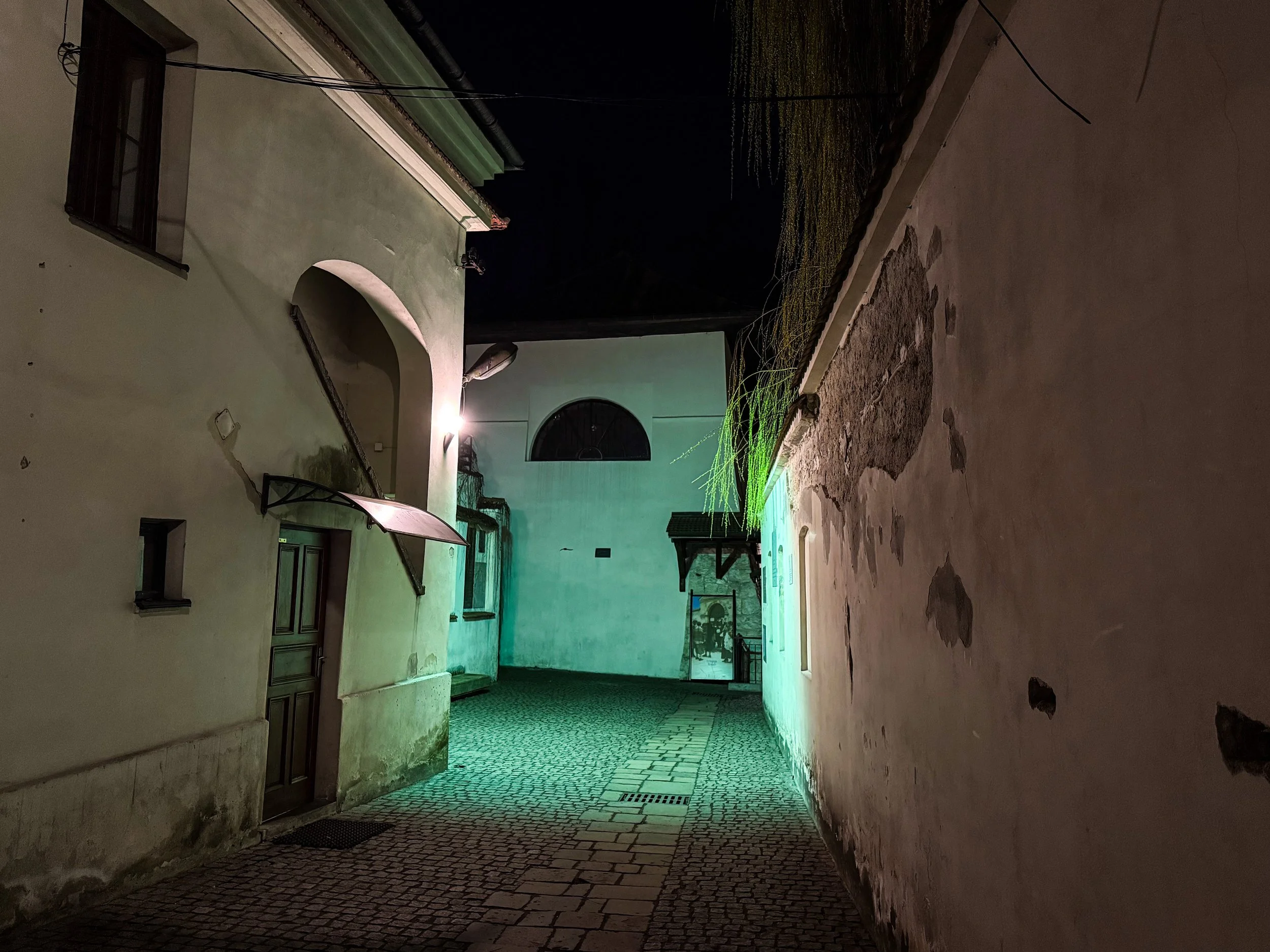
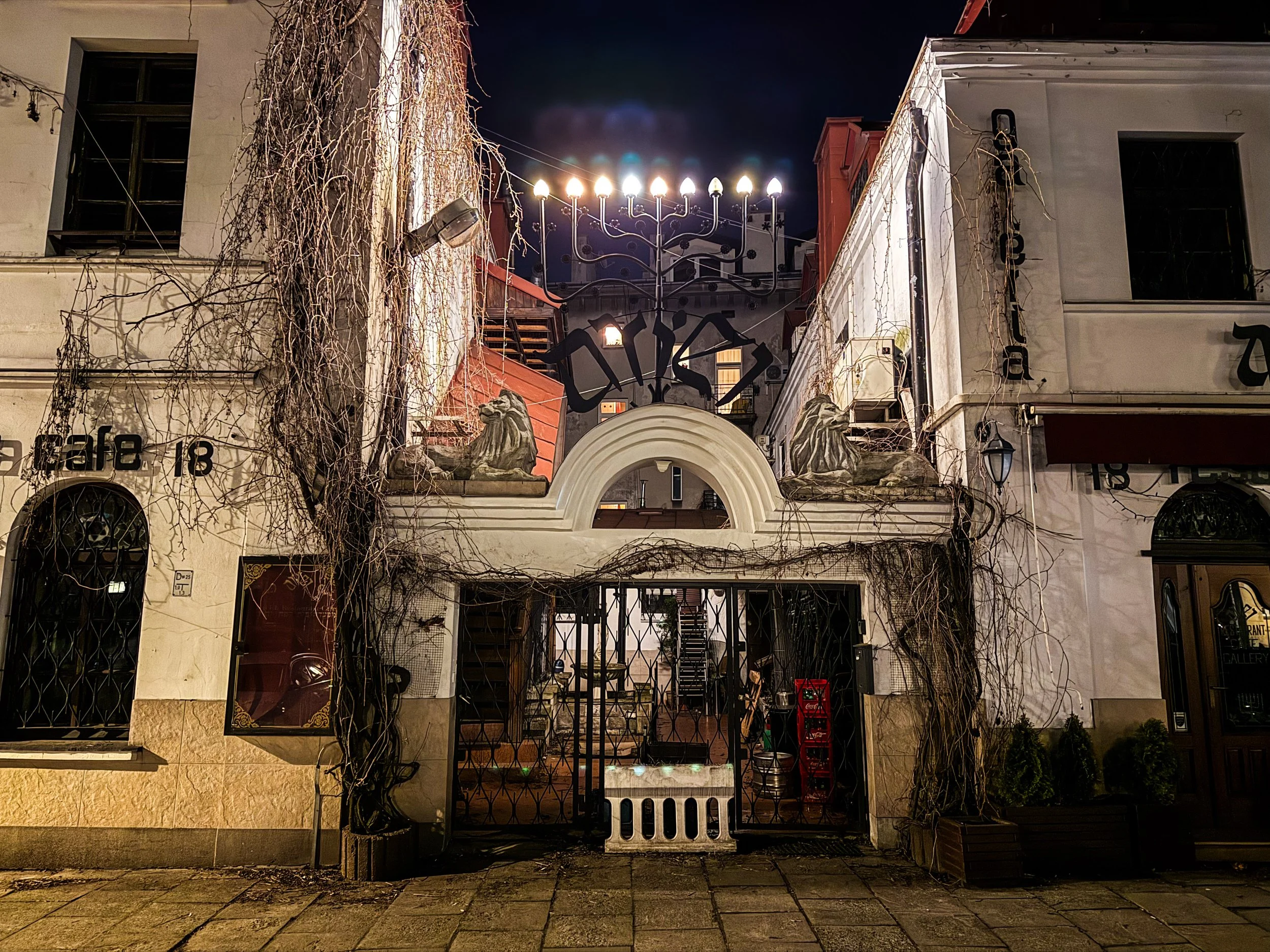
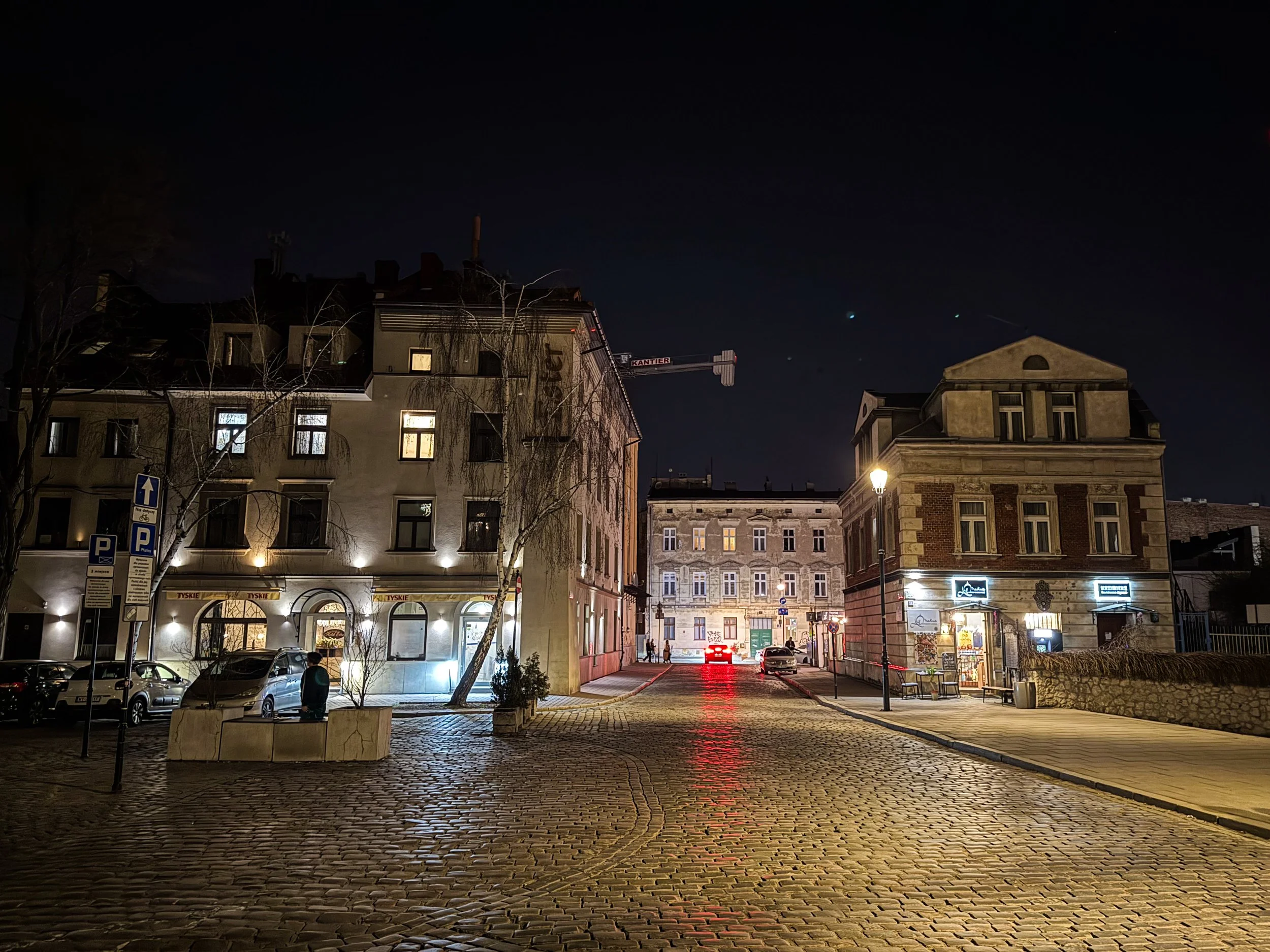
That’s it for Kraków this time around, but we’re not done with Poland yet!
Up next, we’re going to do a little road trip south to the Tatra Mountains that separate Poland from Slovakia, where we will be staying in a town called Bukowina Tatrzańska. It was shockingly beautiful.
For now, I’ll leave you with a track from a really cool young Polish artist… honestly there is a ton of cool alternative music coming out Poland right now. If you’re interested, check out this Spotify playlist: Alternatywna Polska.