

Our series in Milano continues! At this point, I’ve written a good deal about this city, but I don’t think I have ever singled-out specific neighborhoods, as has become my habit since my first series on Milano about a decade ago.
During that first visit to Milan, I had the great privilege of locals taking me under their wing, which is always a game-changer when exploring a new place. Dropping into communities that already exist and riding the coattails of their intuitive understanding of the cities they call home really gives you a feel for life in a place—but it also relieves you of having to think about where exactly you are on the map at any given moment. As a result, you’ll walk away with a strong emotional bond to a city, but not much concrete information about it. Or, that has been my experience at least. And that was definitely my challenge in returning to Milan. I cared about this place a lot, but quickly realized that I knew shockingly little about it. So I did the legwork of sifting through exactly where I was during my first visit to Milan, and came up with the two neighborhoods that made the biggest impression on me. They were Brera and Navigli. Let’s jump in.
Brera
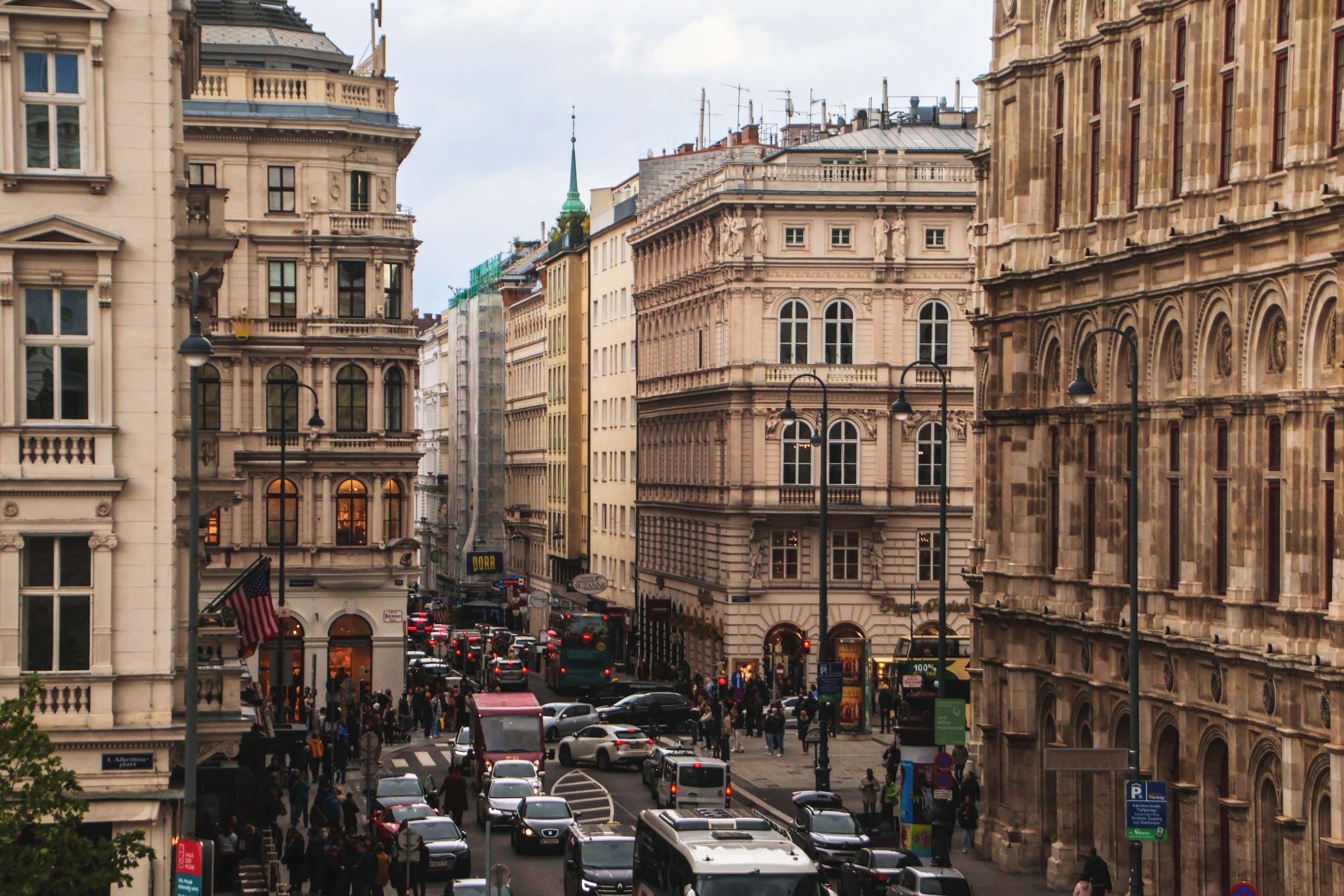
Brera was the first place that lit the spark that would eventually grow into my love for Italy. And now, having travelled a LOT more since this first visit, I was seeing this neighborhood through new eyes. Maybe it was the rainy weather on this particular day, but it reminded me of Vienna, Austria! Italian cities—though somewhat varied throughout the peninsula—have quite a distinct feel, so I’ve naturally become somewhat sensitive to disturbances in that vibe. In fact, I’ve never been in an Italian city and been reminded of anywhere else. Admittedly, Palermo is a bit of a mish-mash, but for the most part, I always tend to feel like I am completely and totally immersed in ITALY. So, I was somewhat affirmed to learn that Milan actually spent about 1.5 centuries under Austrian rule. Indeed, Milan was part of the Habsburg-run Austrian Empire from 1714-1859, with a short gap in the middle when Napoleon was doing his thing. And, to affirm my suspicions even further, Brera is indeed one of the places in Milan where Austrian influence is most architecturally evident! Rather than the wild, curvy Baroque style that can be found as you venture farther south in Italy, Brera has more Neoclassicism / Enlightenment Classicism on display. Practically speaking, this means more symmetry and simplicity... and that’s about as much as I can tell you! I’m not good at talking about architecture; I run on vibes, man! 😂

Our visit was a rainy one, but this served to reinforce the overcast, Central European vibes all the more. We spent a bit of time darting through rain, but soon decided to wait out the weather from the shelter of a restaurant. We stopped into a quiet little restaurant on a Brera street that happened to be close to us in the moment when the rain became intolerable, and it was—of course—amazing. I don’t know the name of it, but that’s part of the charm of Italy to me. I don’t need to keep a rolodex of the best restaurants like I might in some other places, because most of them are extremely good. Here’s a glimpse of Brera, much of it from after the rain cleared and our stomach were had been filled:


Navigli
Next up, the weather patterns are going to reverse! On my original visit to this area, it was a dark, cold, rainy night. And I don’t even think I took a single picture; it was a social visit. But I remember cozy, lively restaurants and bars on the side of these canals vividly! I left Milan with the sense that I should have spent more time exploring this canal district… whatever it was. Well, I’m finally doing that, and unlike my visit to Brera, it was a beautiful summer day! It was so sunny and nice that it actually felt quite unfamiliar to me.

Ignoring the sizzling of my lily-white skin under the summertime sun, Navigli wasn’t what I was expecting based on the cold, rainy vignettes I had of it in my mind, but it might have been even better! The canals with bicycles sporadically locked up on their banks inevitably reminded me of Copenhagen or Amsterdam, but it was clear that the Milanese (understandably) placed a slightly higher premium on this little waterway, because on a summertime Sunday morning, this was the place to be! The streets that follow along the sides of the canal—which are open only to foot traffic—are Corso di Porta Ticinese and Alzaia Naviglio Grande. Both of these streets had transformed from the cold-&-wet-but-cozy cobbelstone walkways in my mind to extensive street markets. There were tents set up with street vendors selling all manner of trinkets and decorative items. Directly across from these tents were a seemingly endless façade of cafes, bars, and restaurants, each more enticing than the last. I was suddenly feeling a bit of a time crunch because it would have taken more than 1 day to do this place justice. We spent a few hours poking around here; we got drinks, some sweets, multiple coffees, and we did some window shopping in these tents. If only I’d packed a larger bag I probably would have bought something! But alas, all I brought back with me were these pictures.


Up next is the third and final installment from this Milan mini-series: a feature on Milanese street art! Much of these first couple articles have been focused on retracing my steps from the first time I visited Milan forever ago; so I’m excited to share something completely new! Because I don’t remember seeing ANY of these murals the first time I came here. And there are some good ones here!



Milan (or, in Italian, Milano) is not a city that is known for its beauty—at least not within Italy. But I never thought this was fair. Yes, Milan prioritizes function over form, and is more of an industrial hub than any other city in Italy… but the rest of Italy sets an extremely high bar for what it means to be a ~beautiful city. In most other countries, this would be considered an absolutely gorgeous city, but when you’re competing with Rome, Florence, and Venice… yeah, it’s going to be a losing battle. But comparison is the thief of joy, and Milan is still quite beautiful in its own rite! More to the point; it will give you a better window into what everyday life looks like for Italians much better than Venice or Florence ever could. This is real life, and—to me—real life in Milan looks pretty damn good.
Duomo di Milano is arguably the center piece of Milan, and the plaza bearing its name—Piazza del Duomo—sits at the center of “Central Milan”. We’ll branch out to other parts of the city in forthcoming articles, but today, we’re only going to focus on the comings and goings of this little area.