
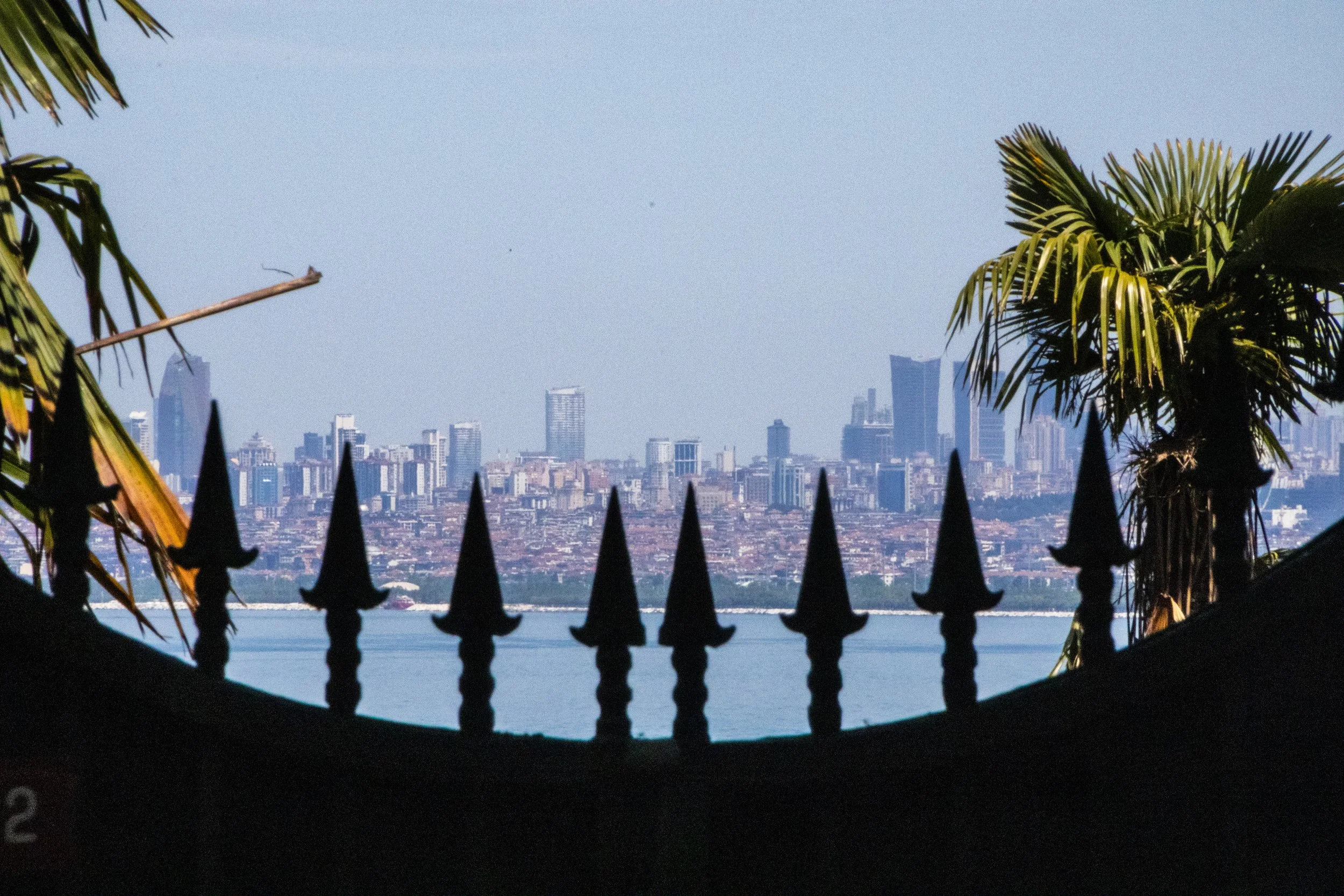
I’m already on volume 4 of this series?? Actually, this is the 7th article I’ve published on Istanbul in total, which makes it one of the better-covered cities on this whole website. (You can find all of them on the Türkiye country page.) That’s very cool. Istanbul is amazing and I’m sure that my younger self would have been super excited to learn how much time he’d end up spending here.
And yes, up to this point, I hadn’t been ANYWHERE ELSE in Türkiye. That is a problem, and one that I’m going solve in the next article. But for now, let’s do a bit more exploring of one of the best cities on the planet, shall we?
Each time I return here, Istanbul is never any less enthralling or beautiful. If you’ve never been, I cannot recommend it highly enough. It’s a fascinating blend of old and new, traditional and contemporary, conservative and progressive. And if you know where to look, the nightlife never disappoints either. In the final picture below, we had to physically push our way through a dense crowd that had turned a random alley into a nightclub.
If you’re a first-time reader of my coverage of Türkiye or need any reminding of where in the world we are right now, you’ll find the map for your reference below as well.
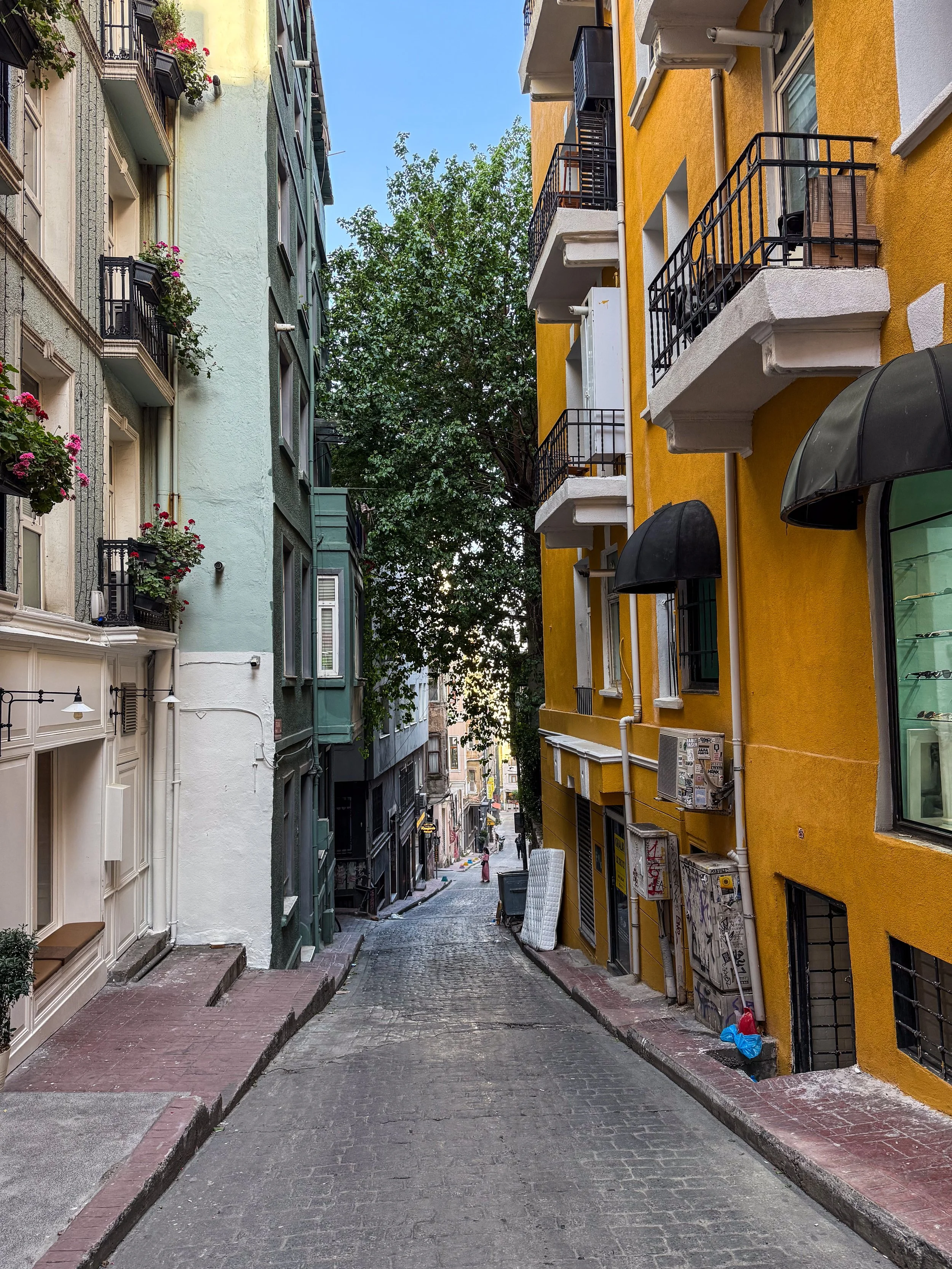
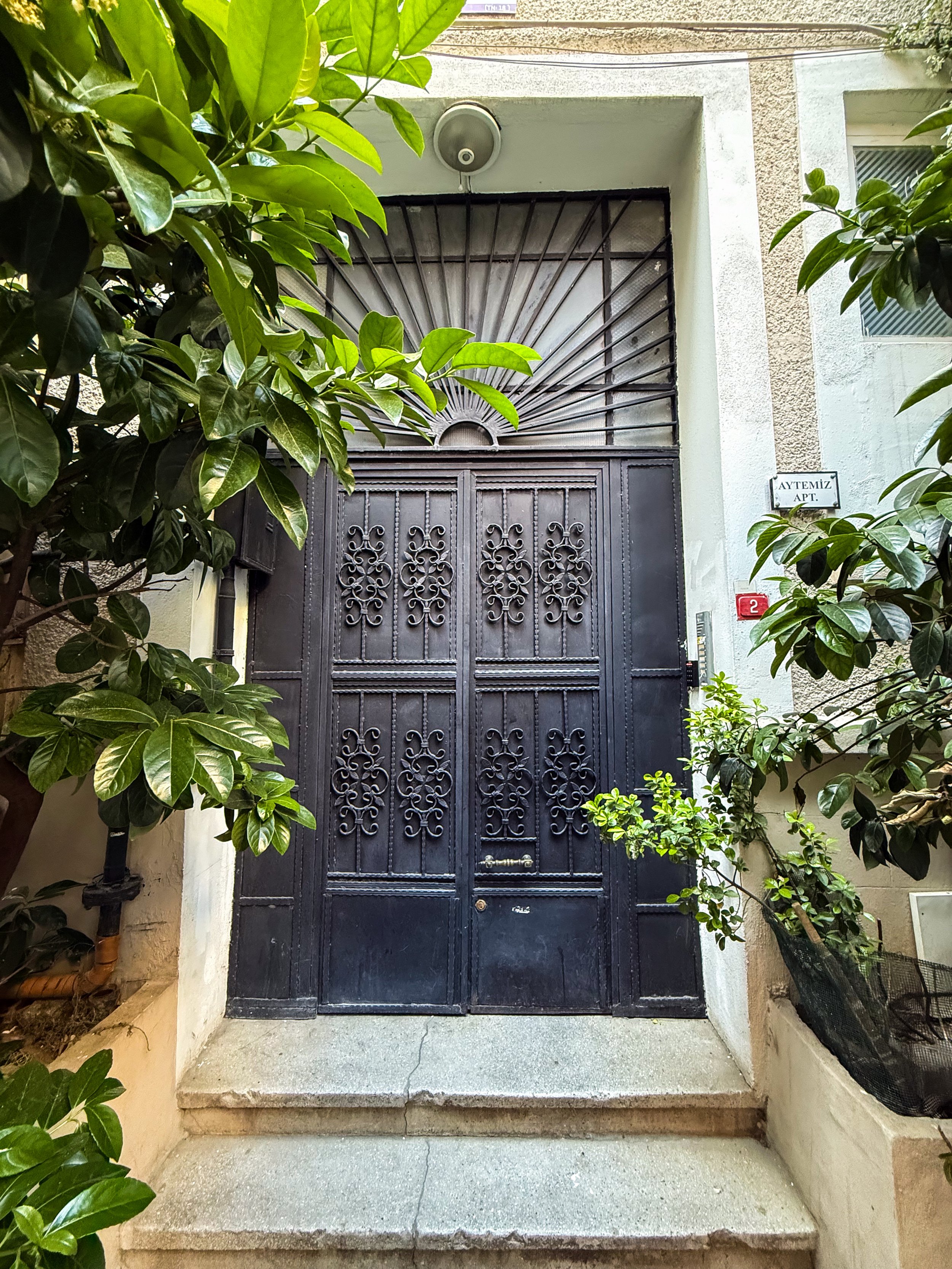
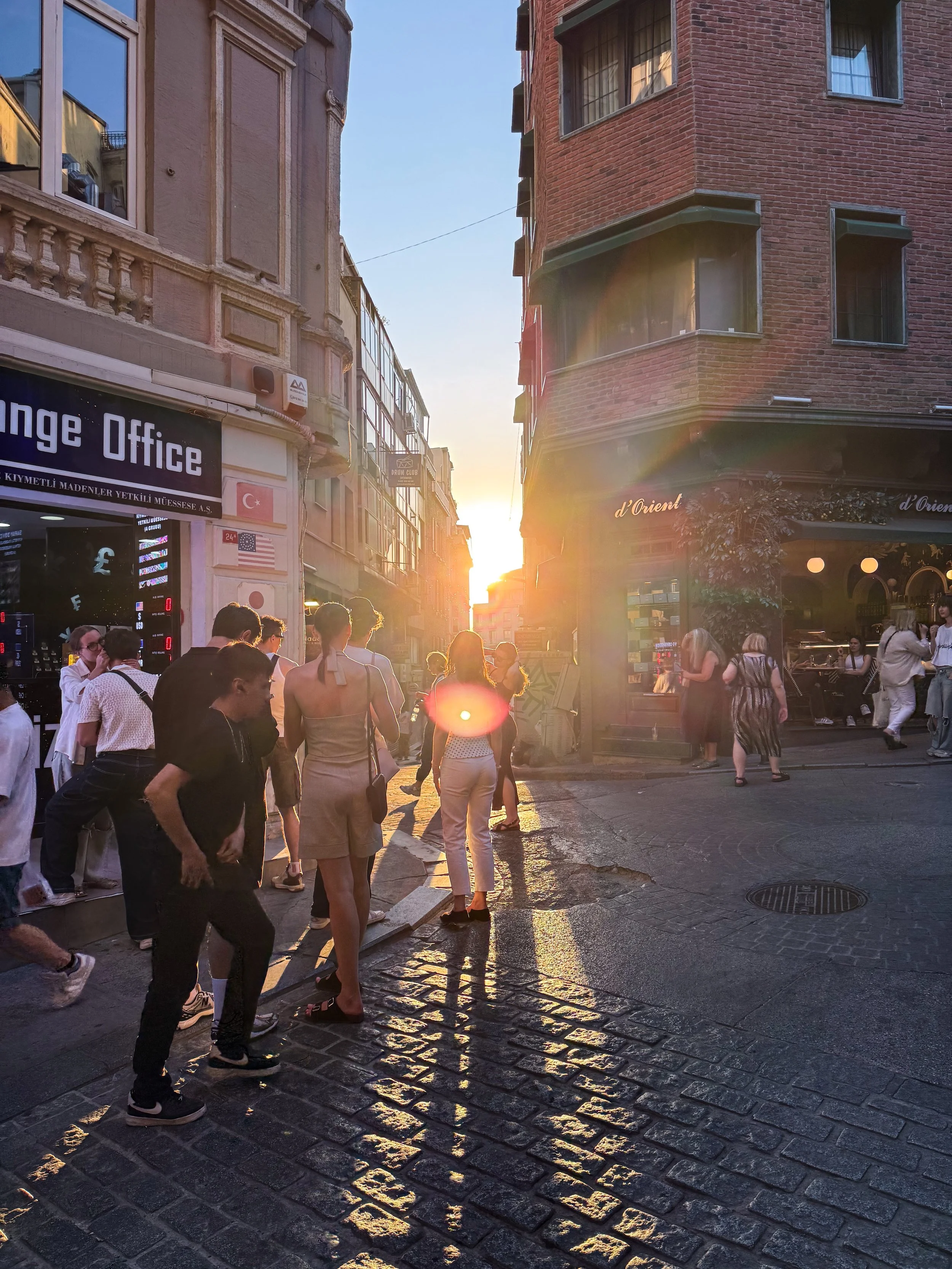
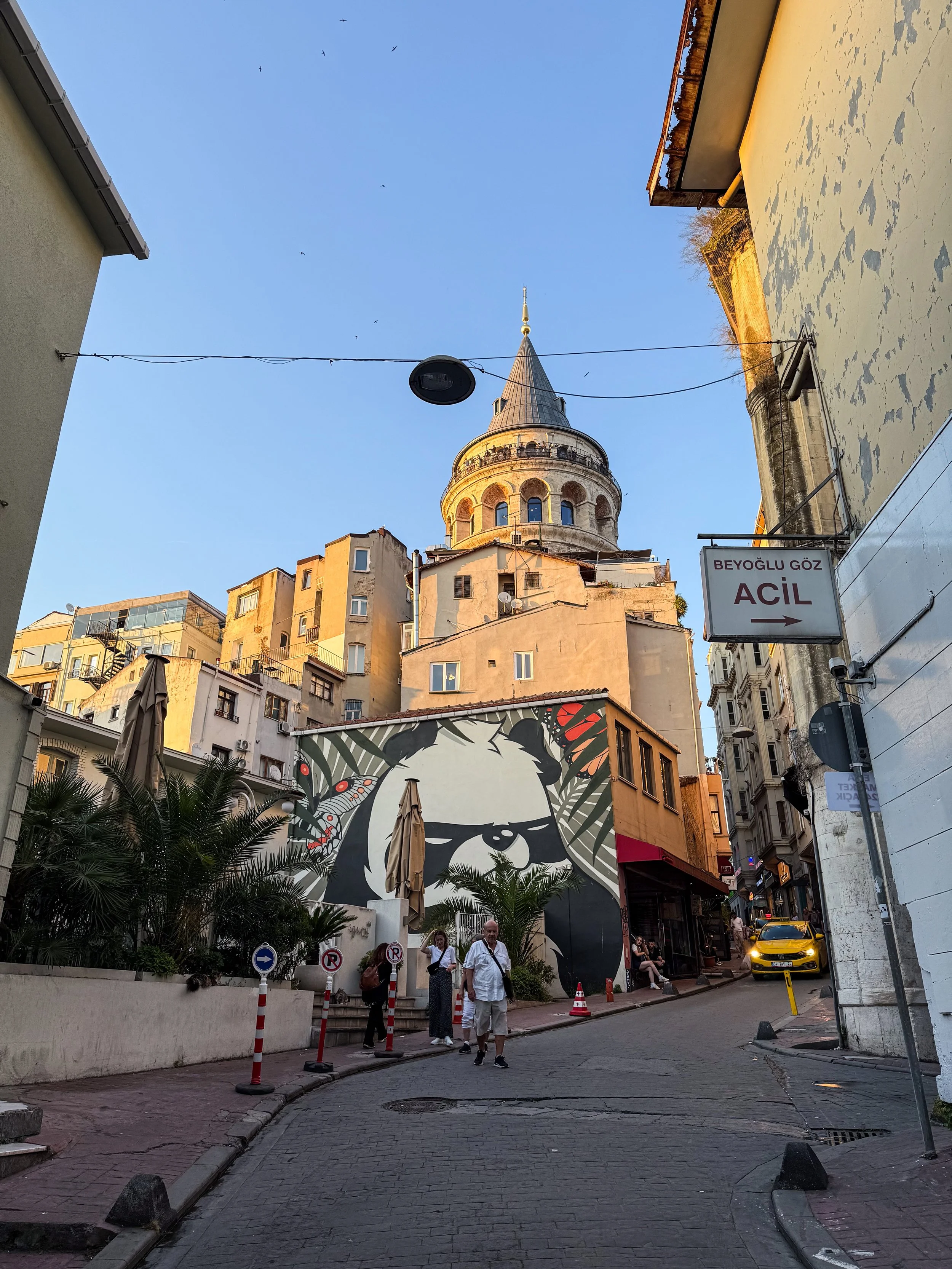
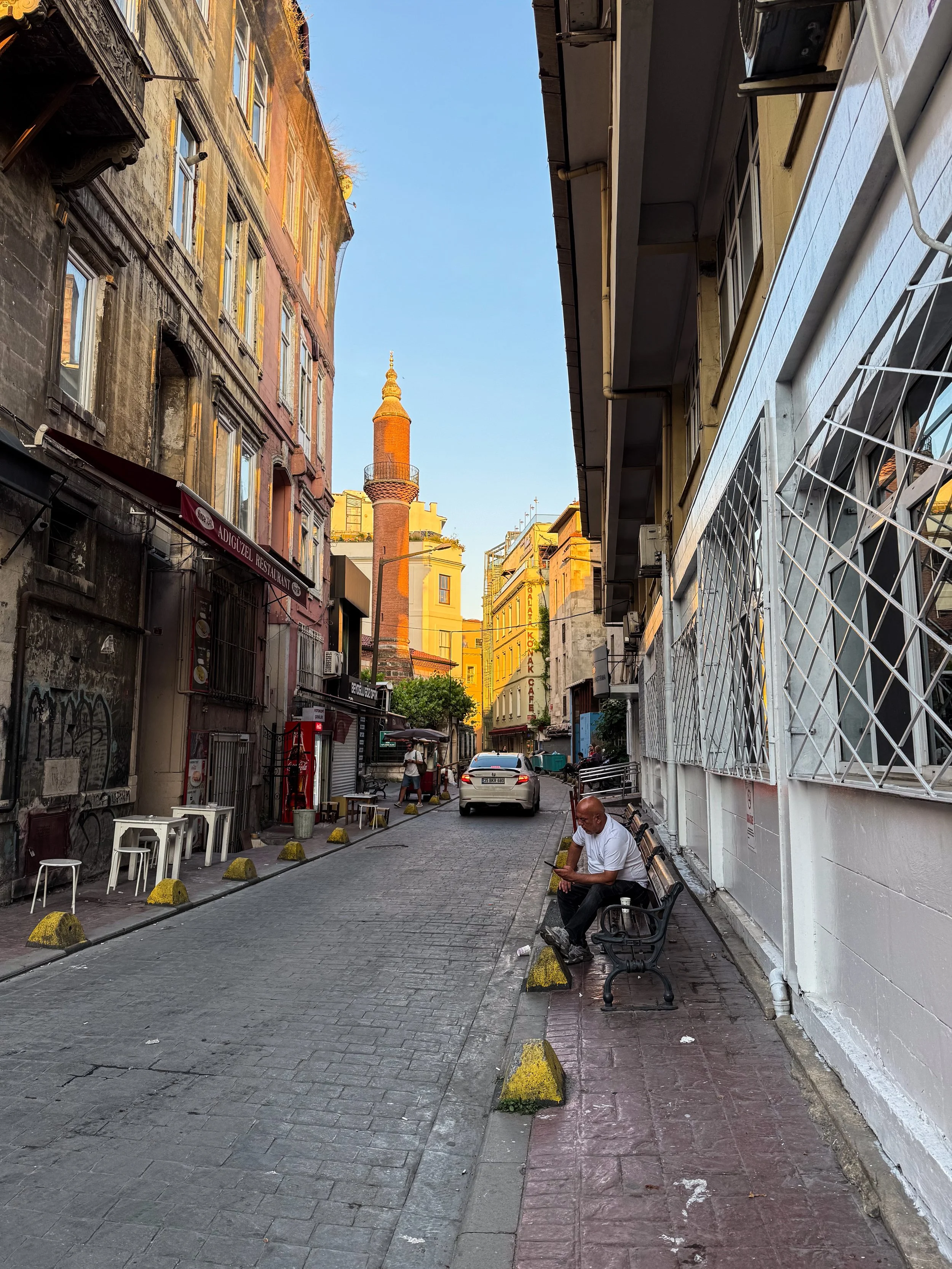
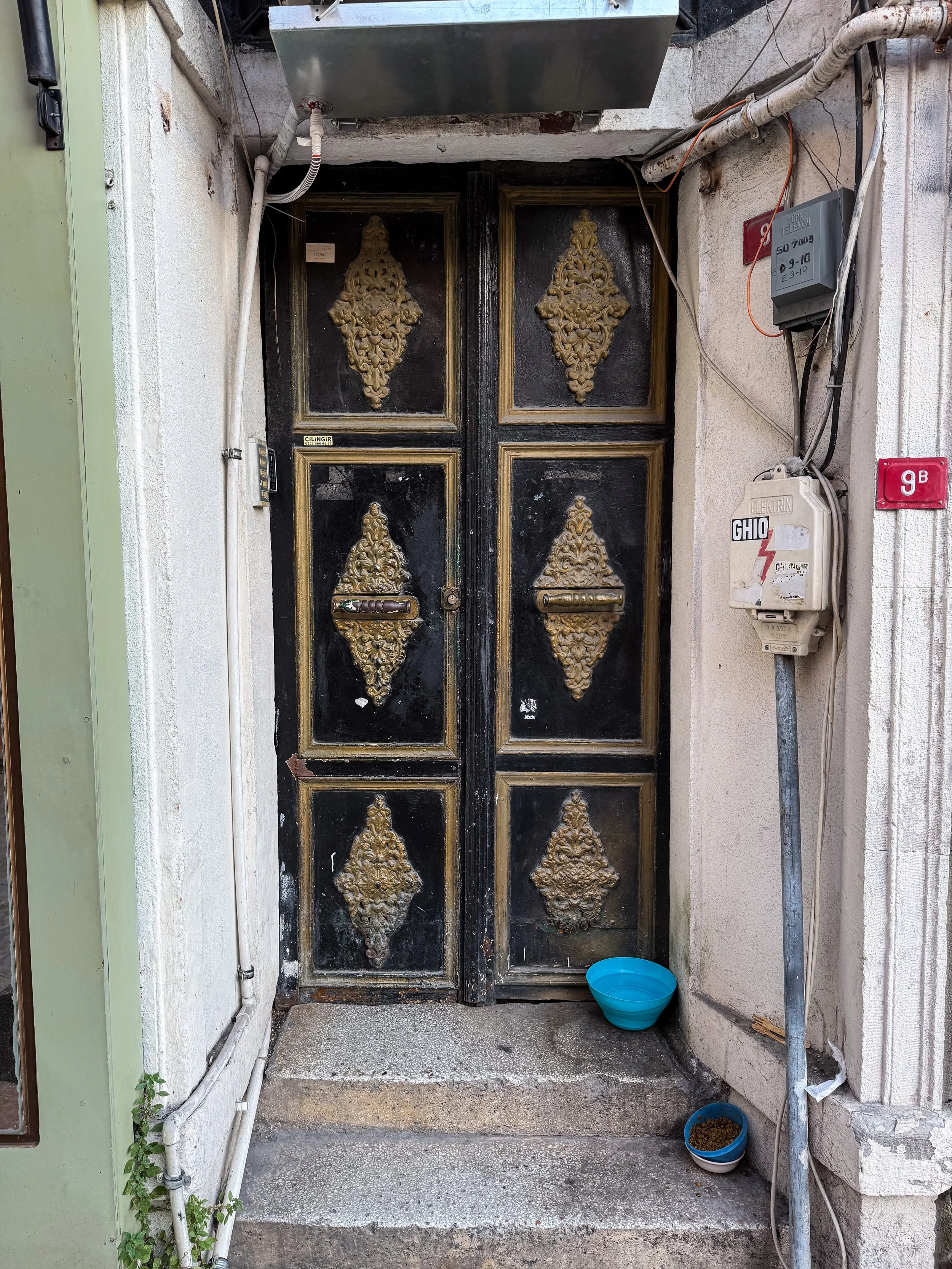
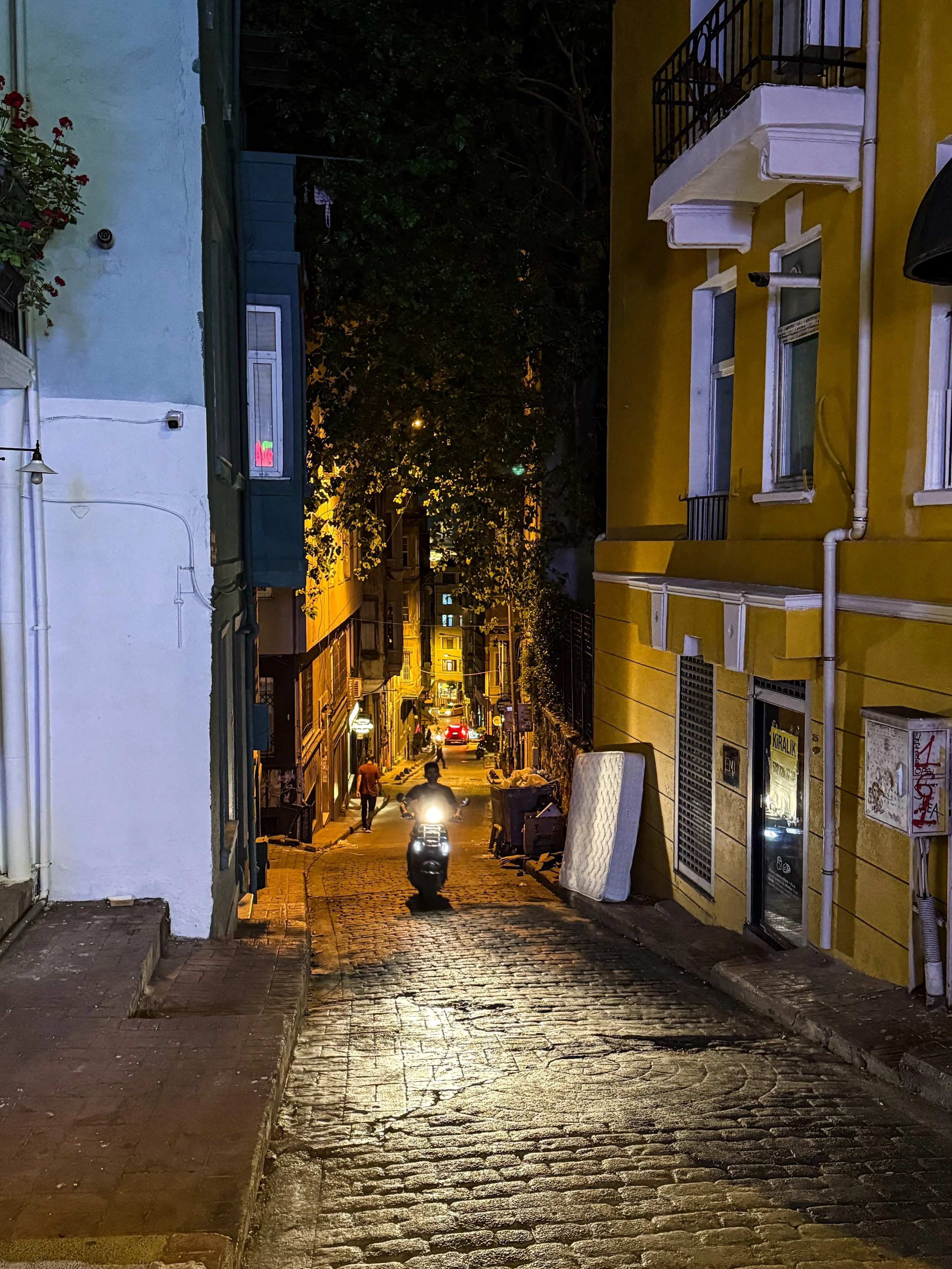
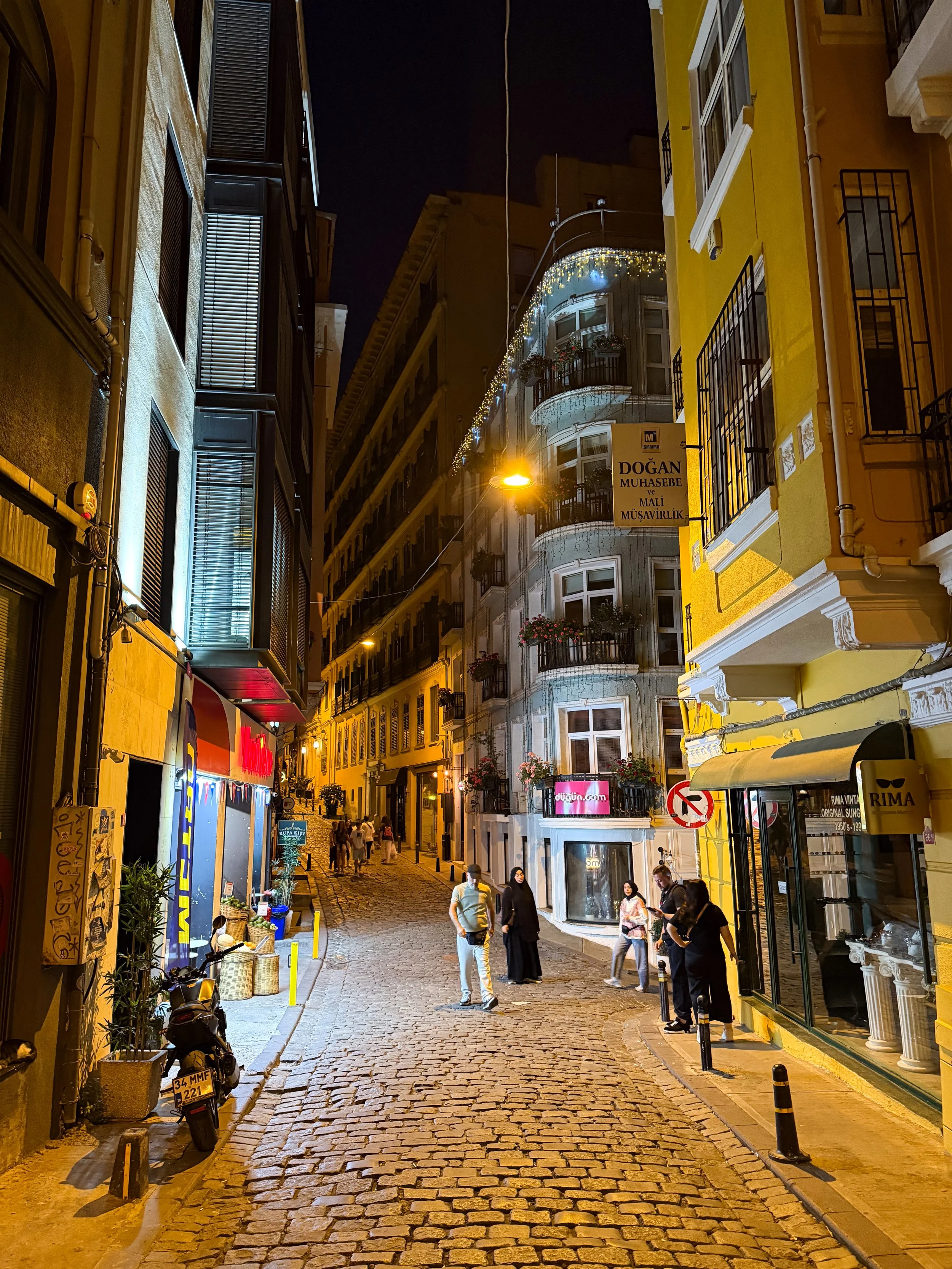
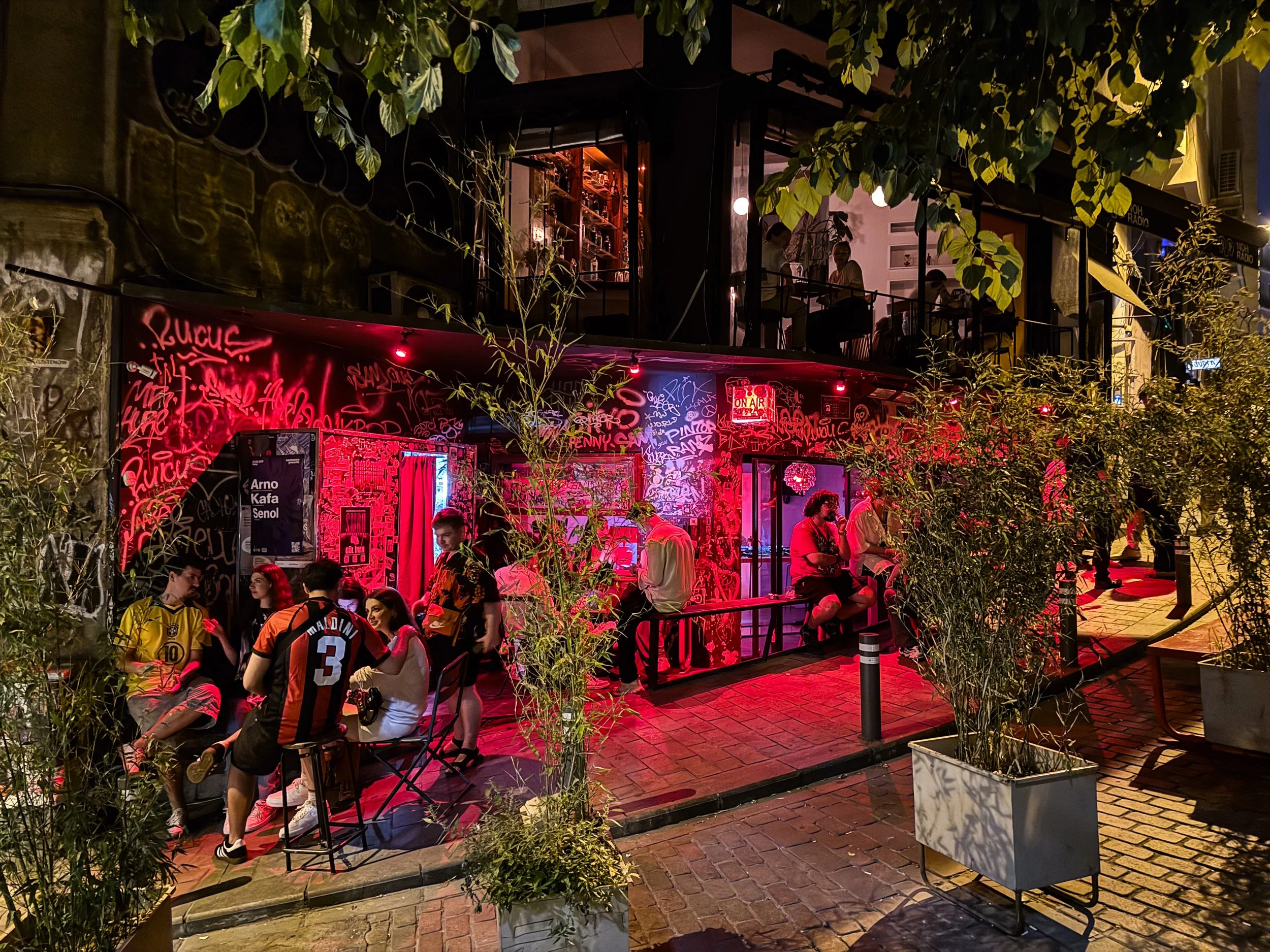
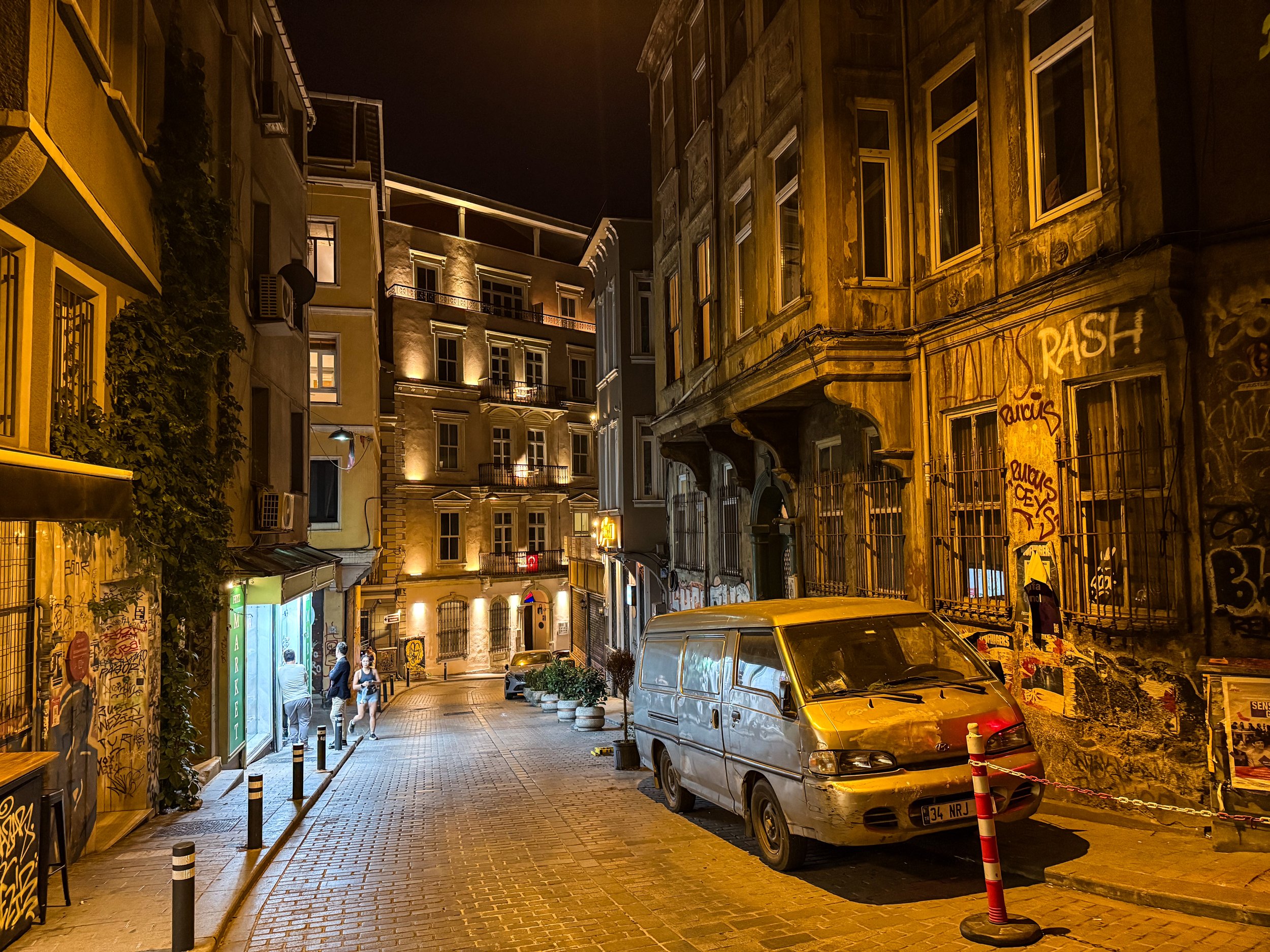
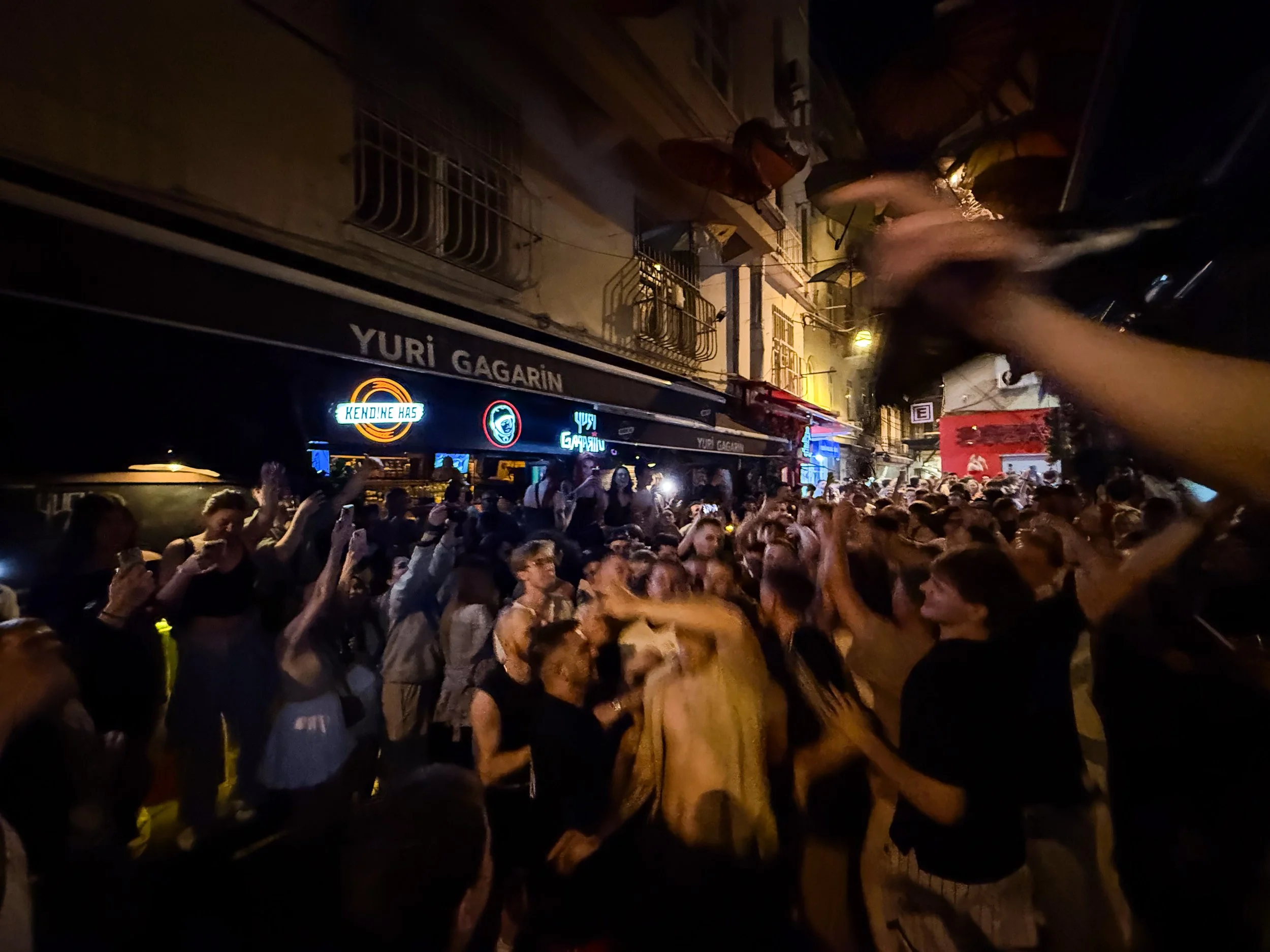
So, the snaps above came from our wanderings around the ‘mainland’ of Istanbul. But today, we’re going to reach our destination by boat. Istanbul actually has a chain of islands just off the coast that contain neighborhoods unto themselves. They are called the Princes’ Islands.
Marmara Ferry over the Princes’ Islands
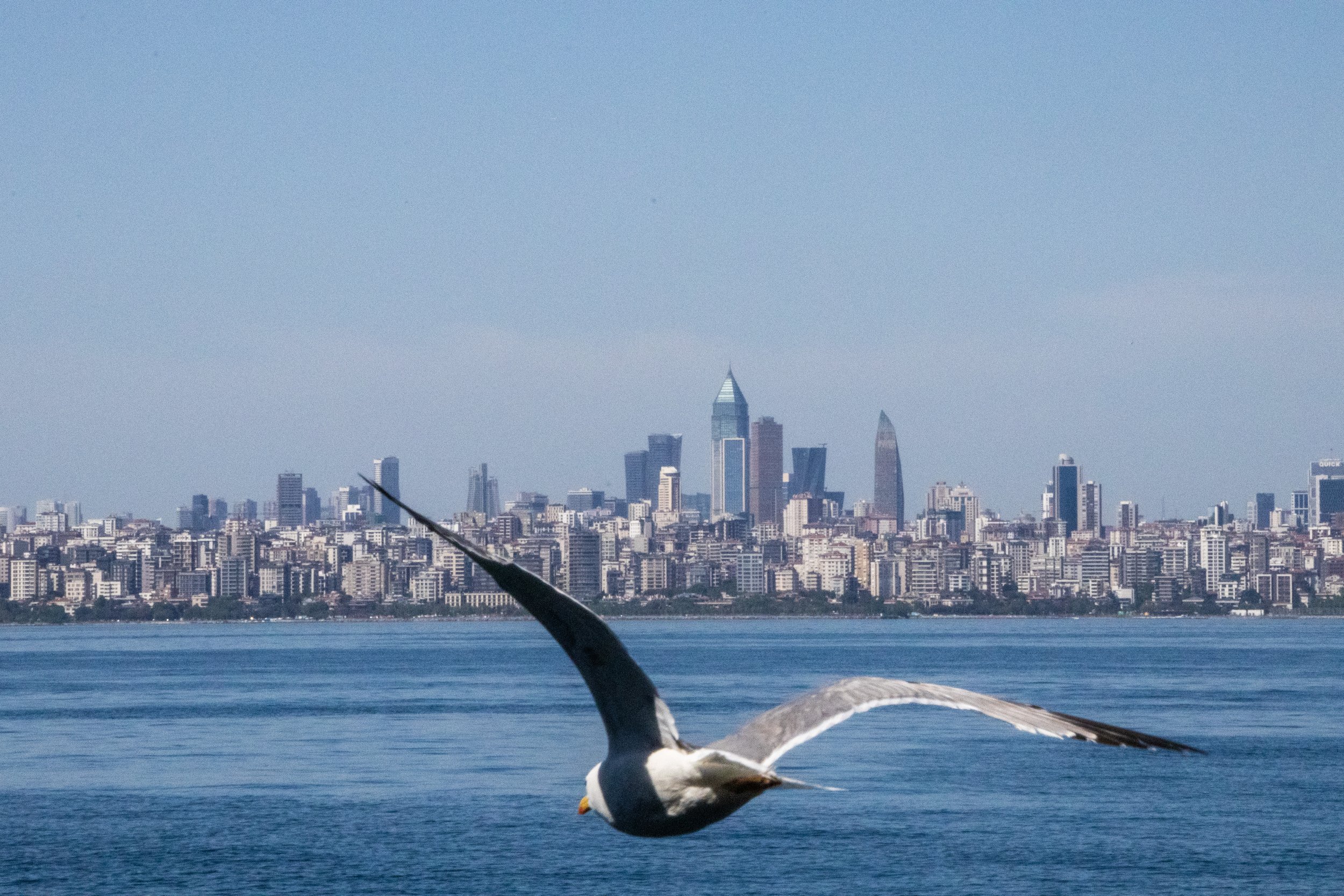
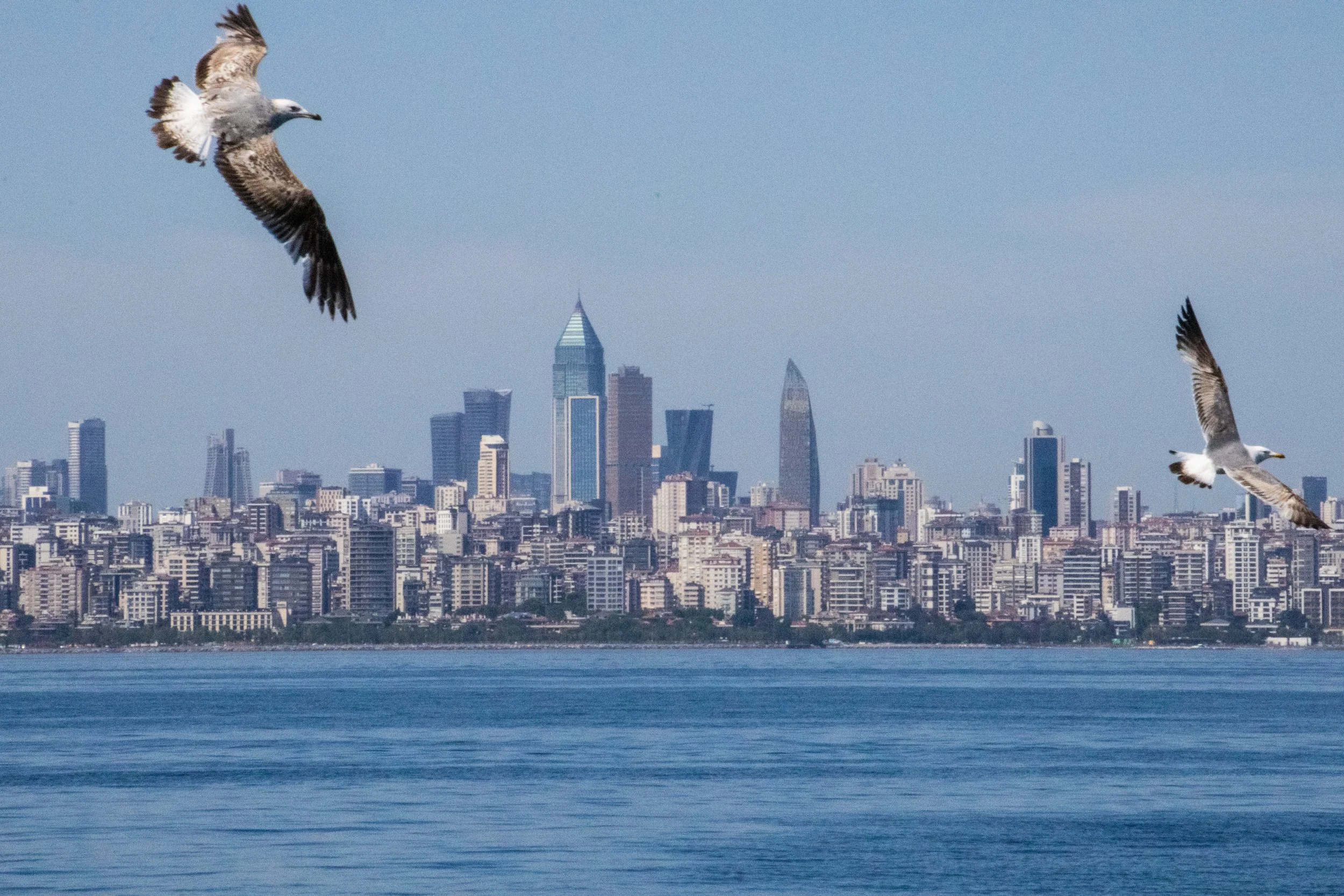
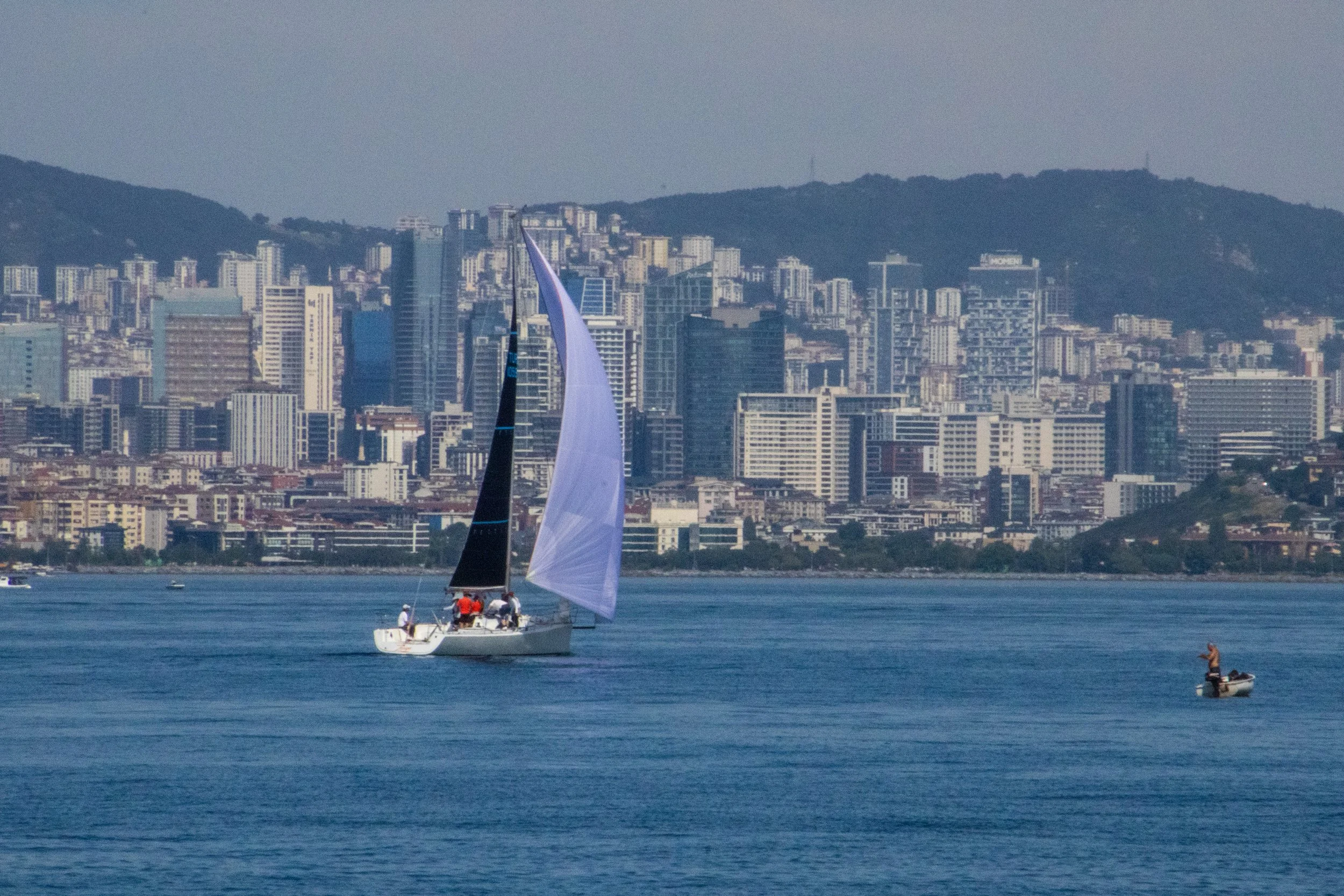
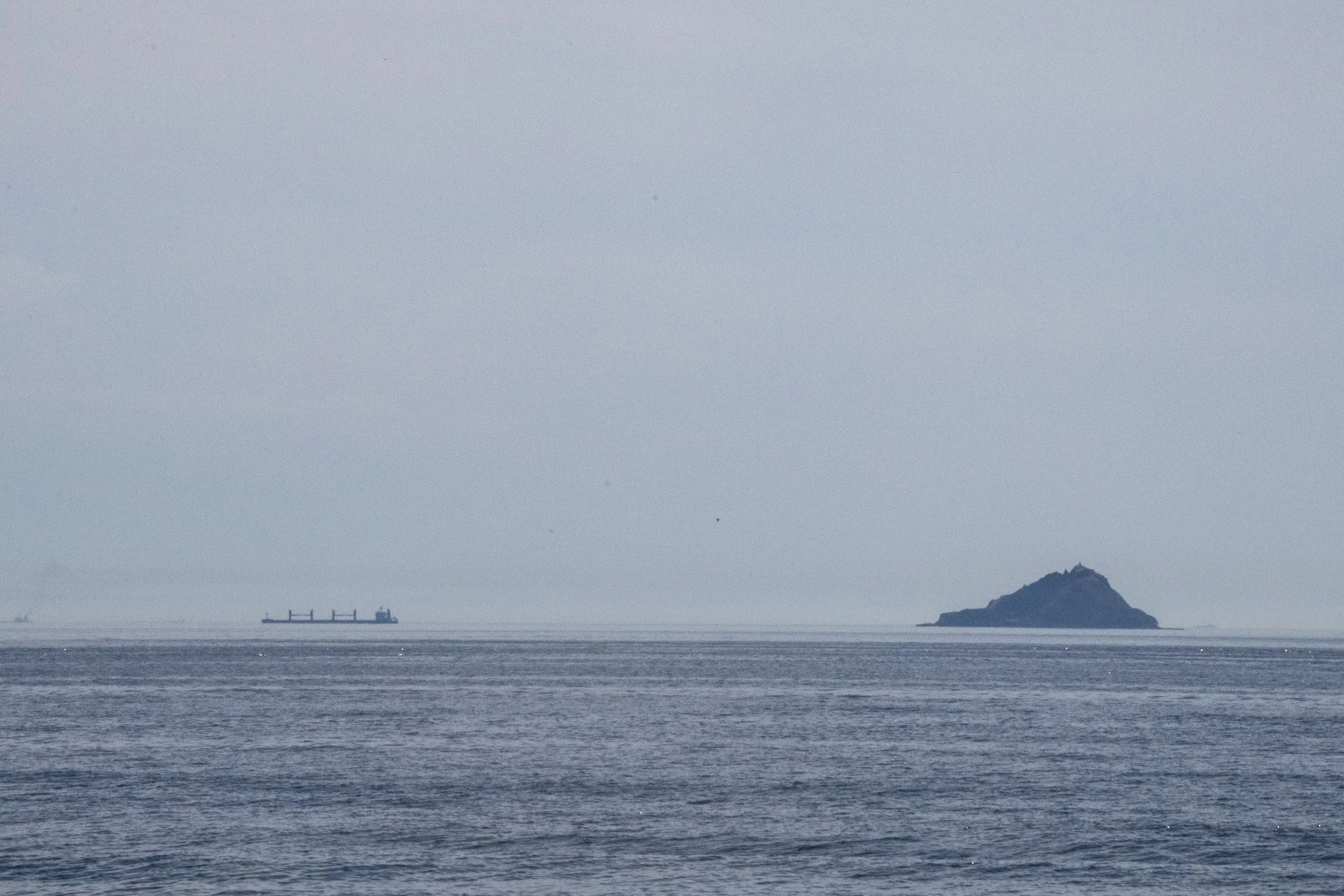
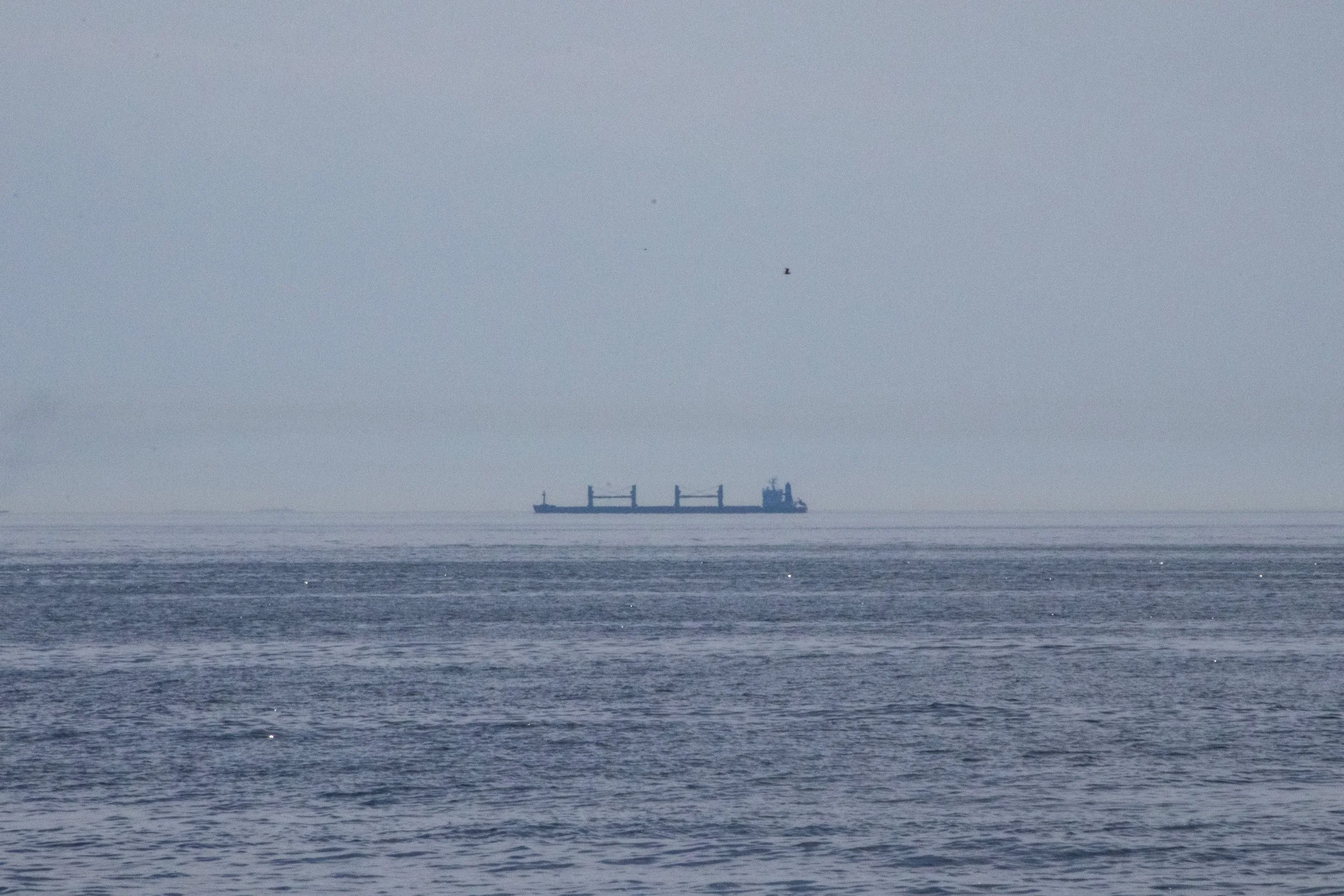
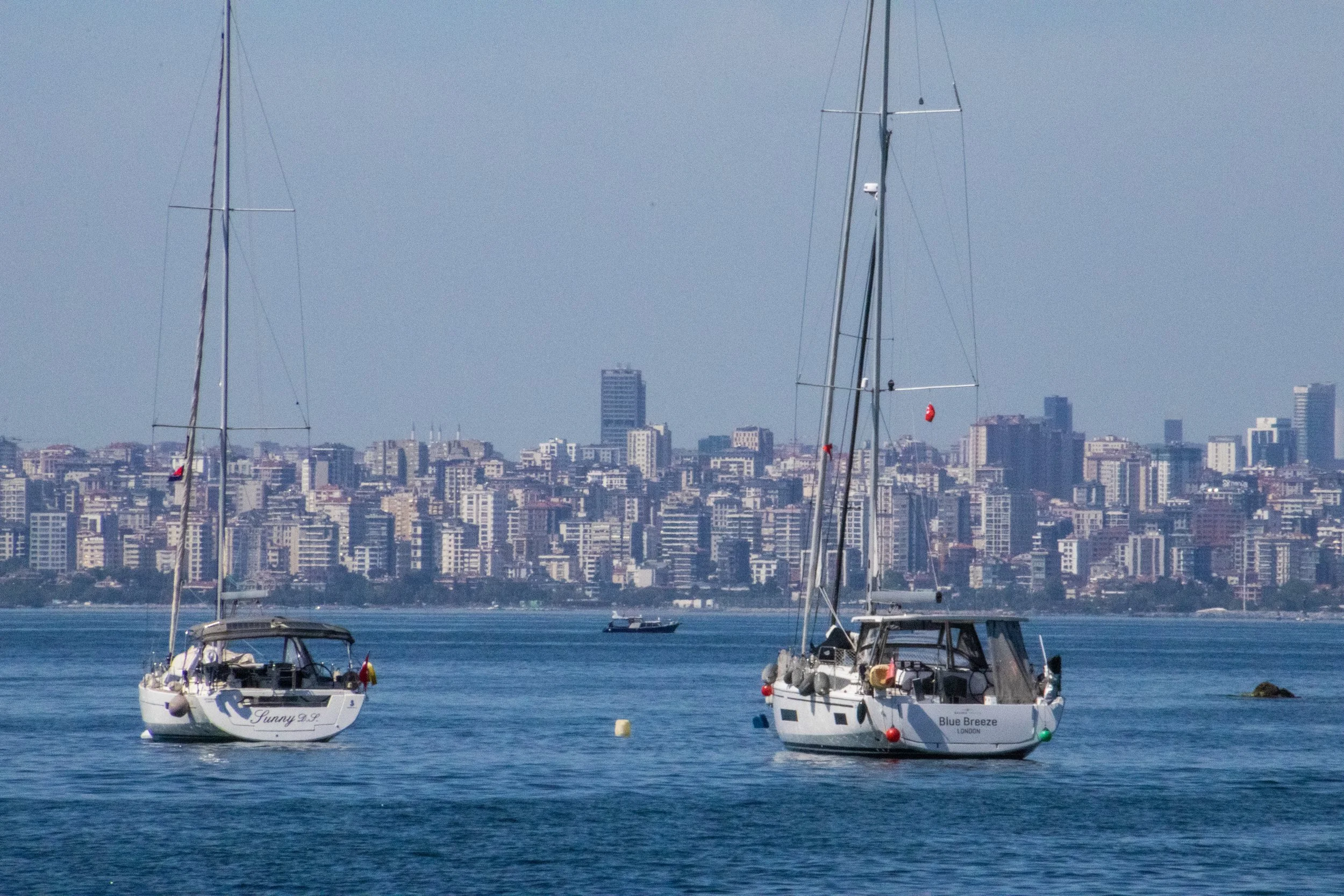
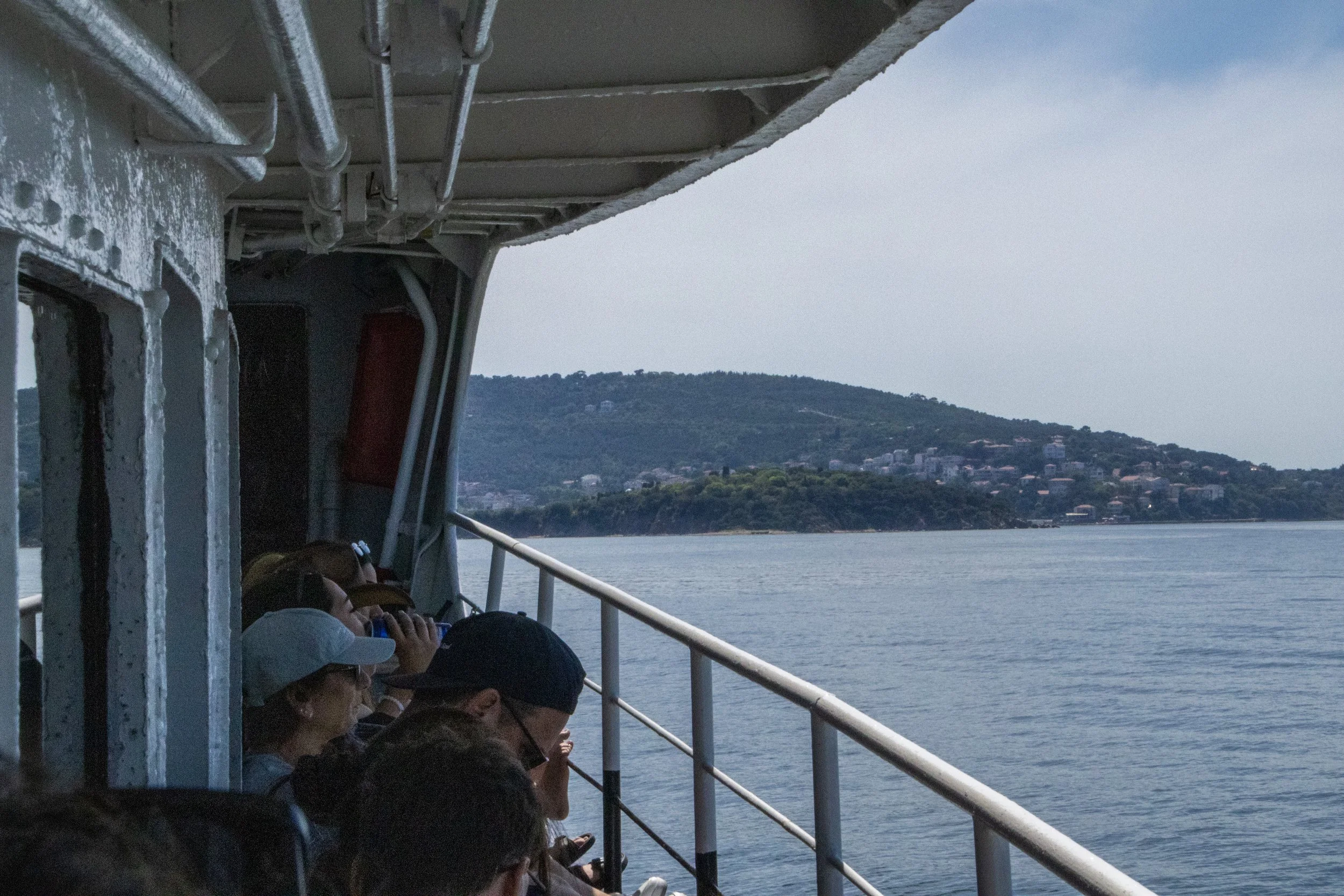
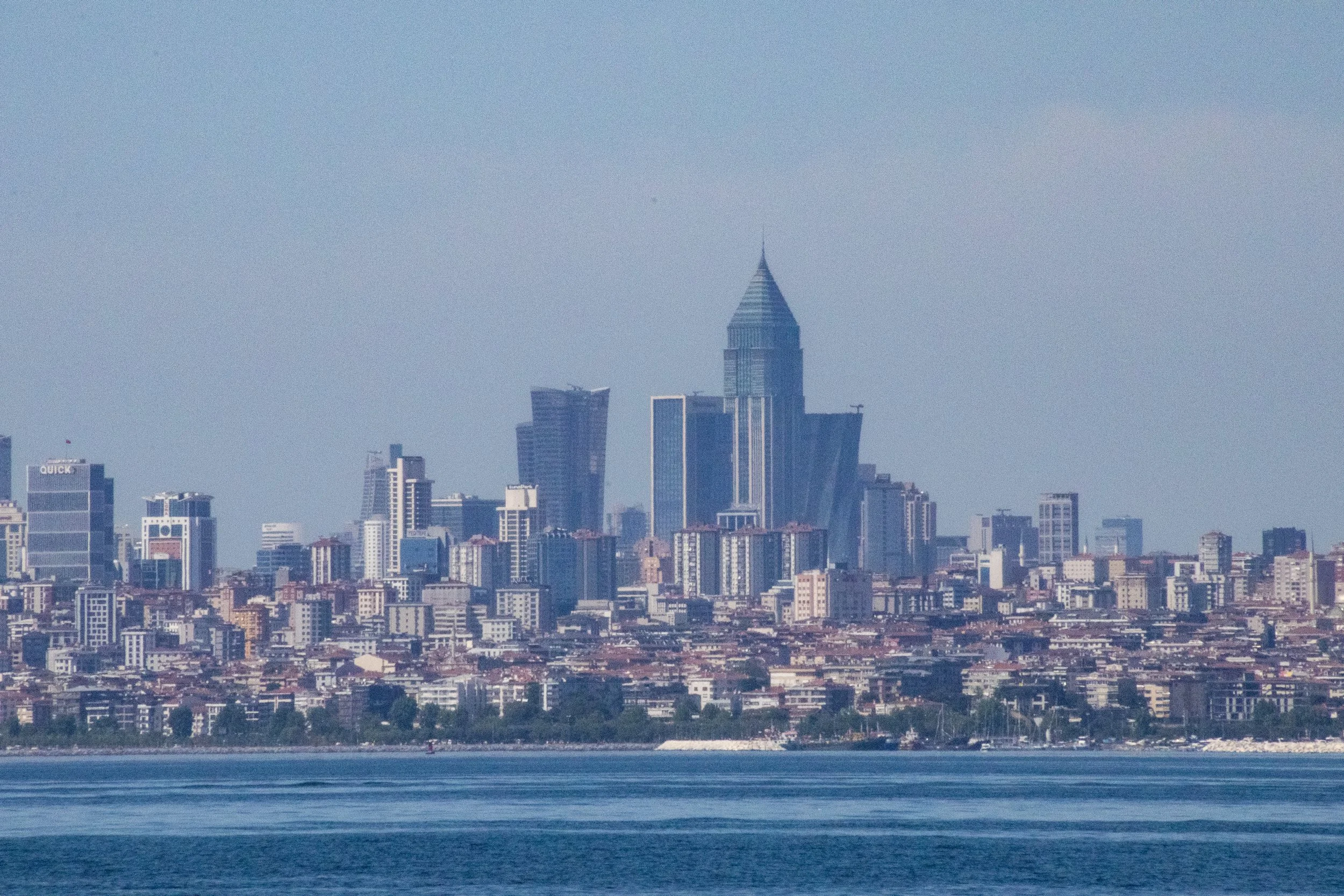
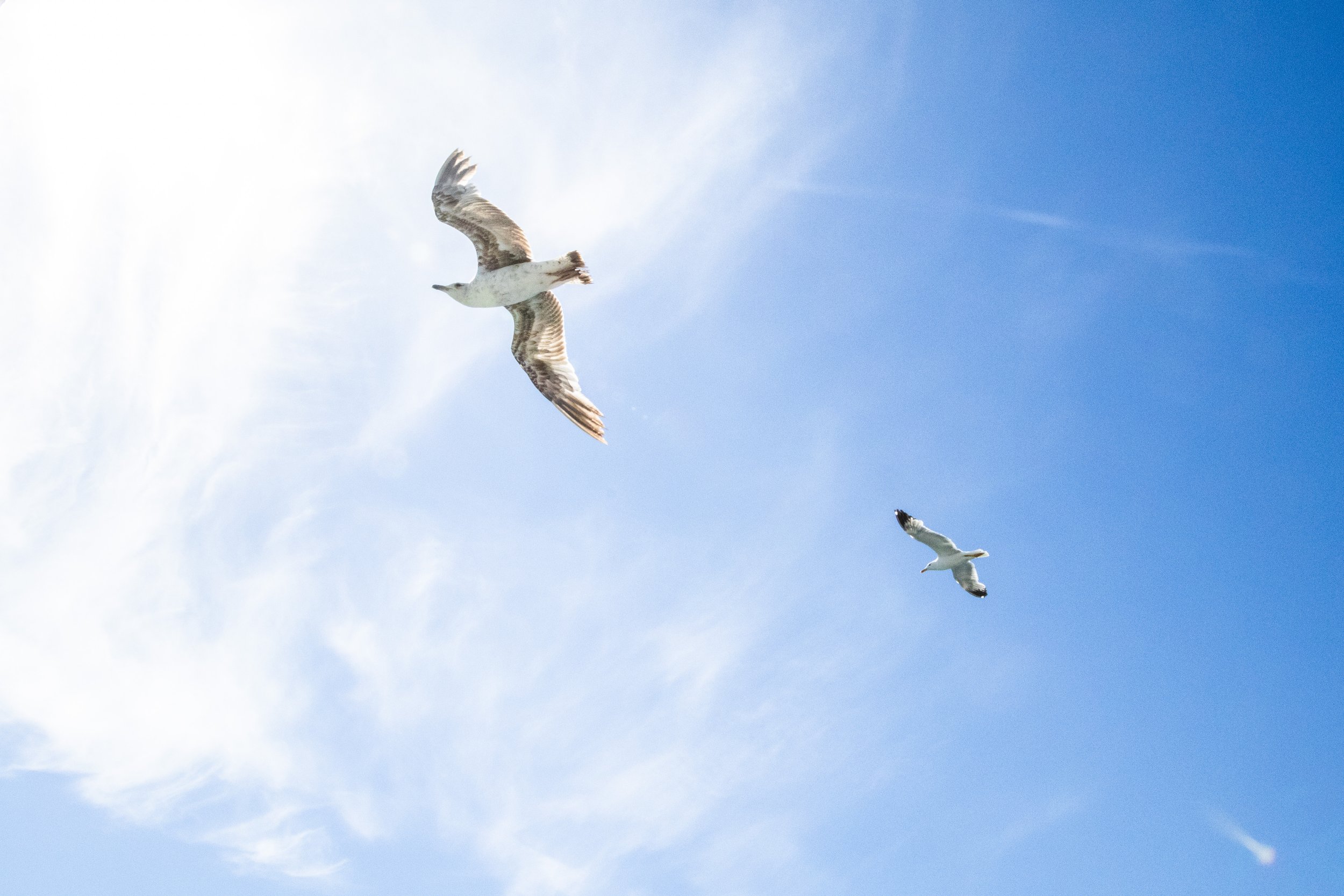
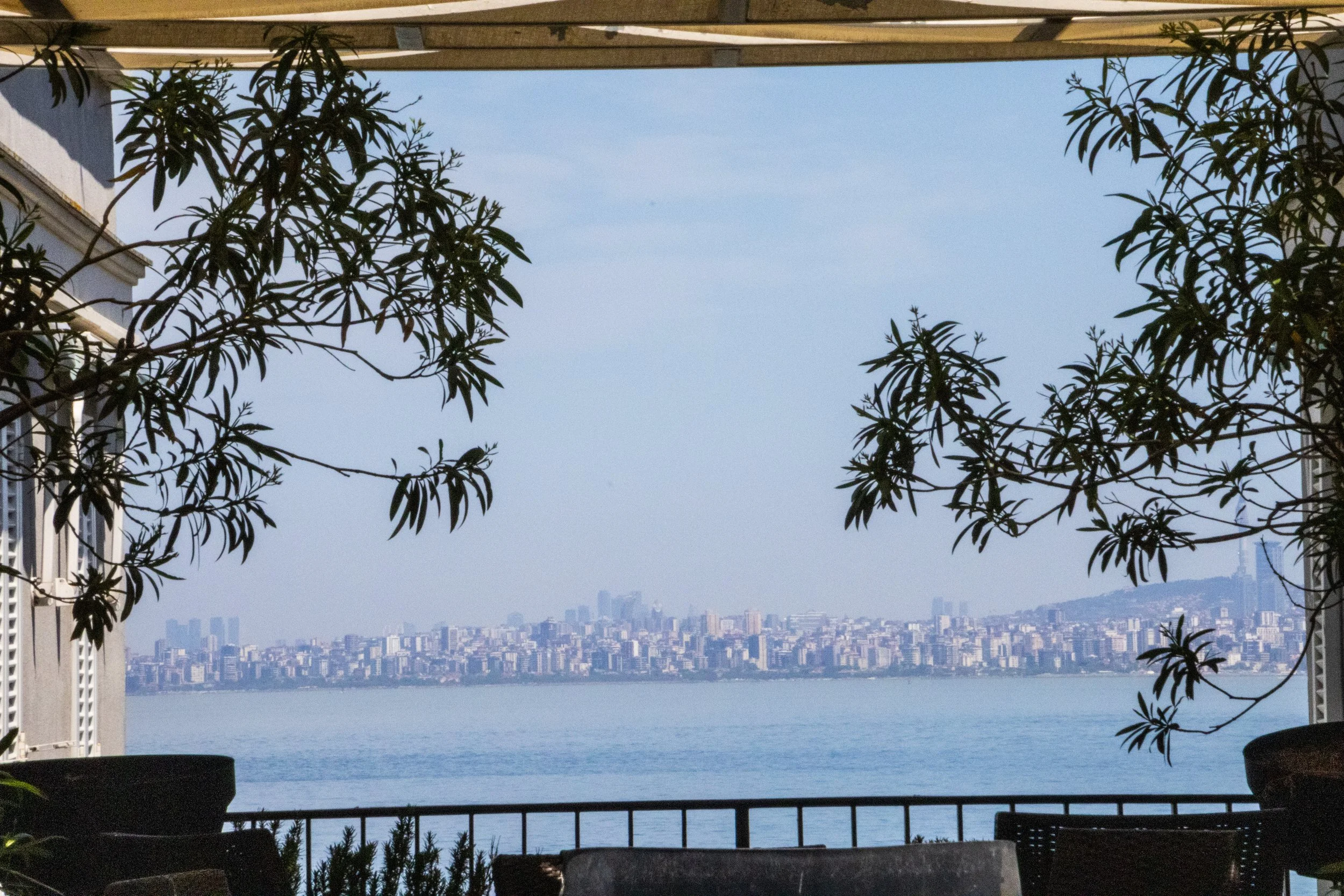
There are ferries that run from mainland Istanbul back to the islands all the time. We caught our ferry from Kabataş on the European side, and—given that we had to stop in Kadiköy (Asian side of Istanbul), as well as the other 3 islands before reaching our destination—the journey across the Marmara to the first of these islands took about 1 hour 45 minutes. It’s a gorgeous trip, and one that will give you a good sense of just how massive Istanbul truly is. Looking out at the Turkish coastline, the city just keeps going, and going… and going…… and going. Seagulls sailed alongside the boat with us as locals and visitors alike admired the view.
So, while, this journey is ongoing, let me give you an introduction to these islands as a whole. We’re going to stop at 2 of the 4 islands, and I’ll go a bit deeper on each of them when we arrive there.
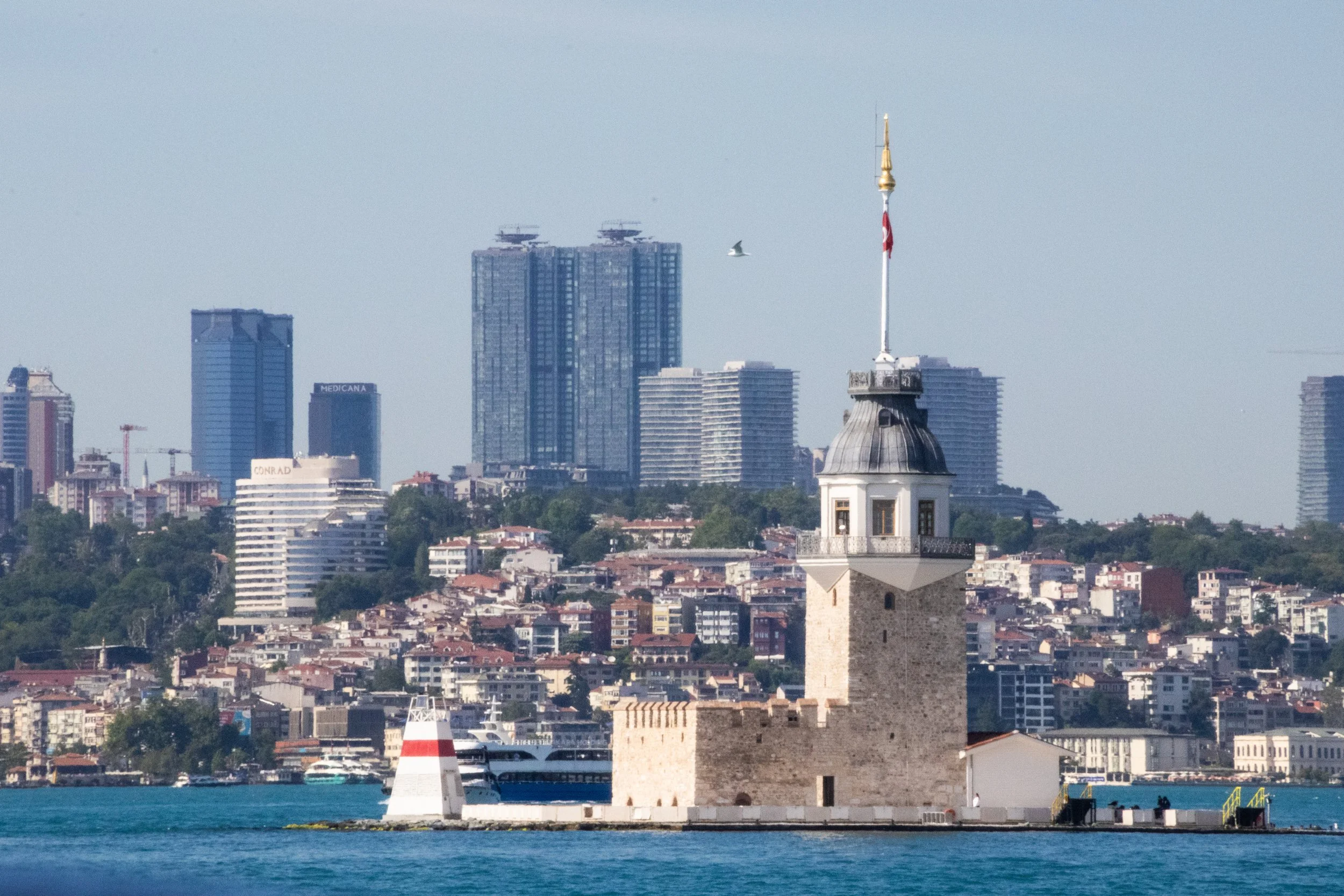
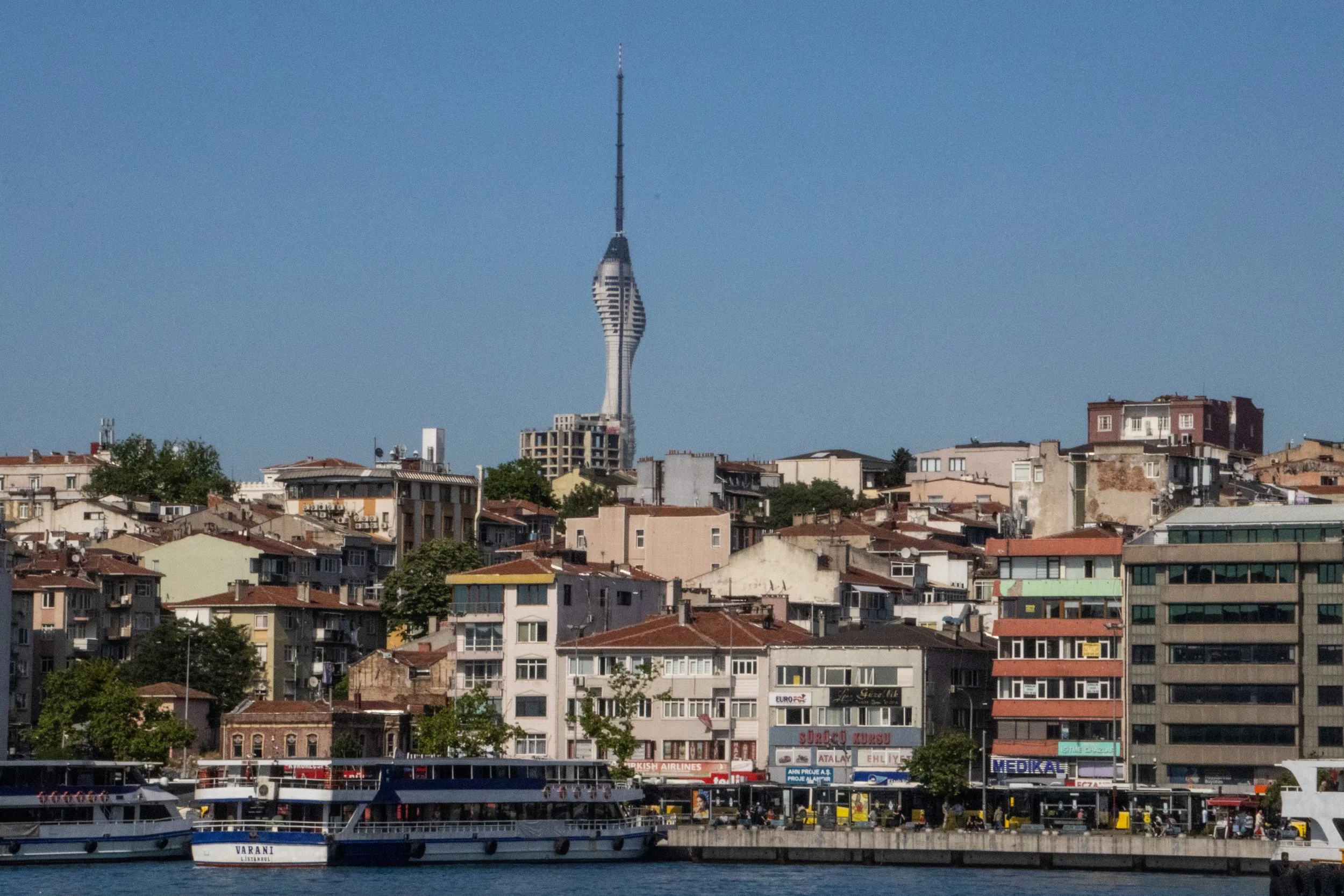
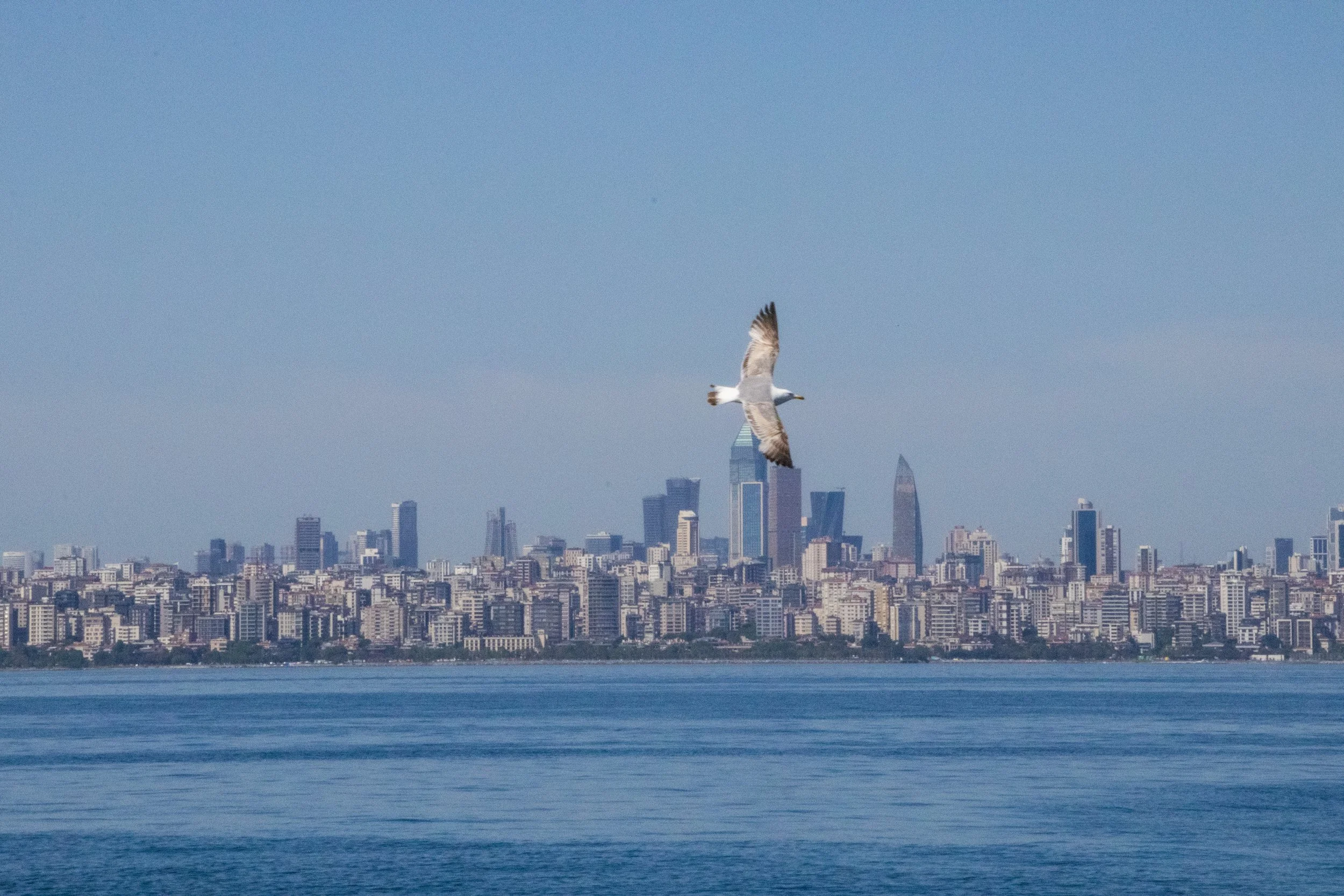
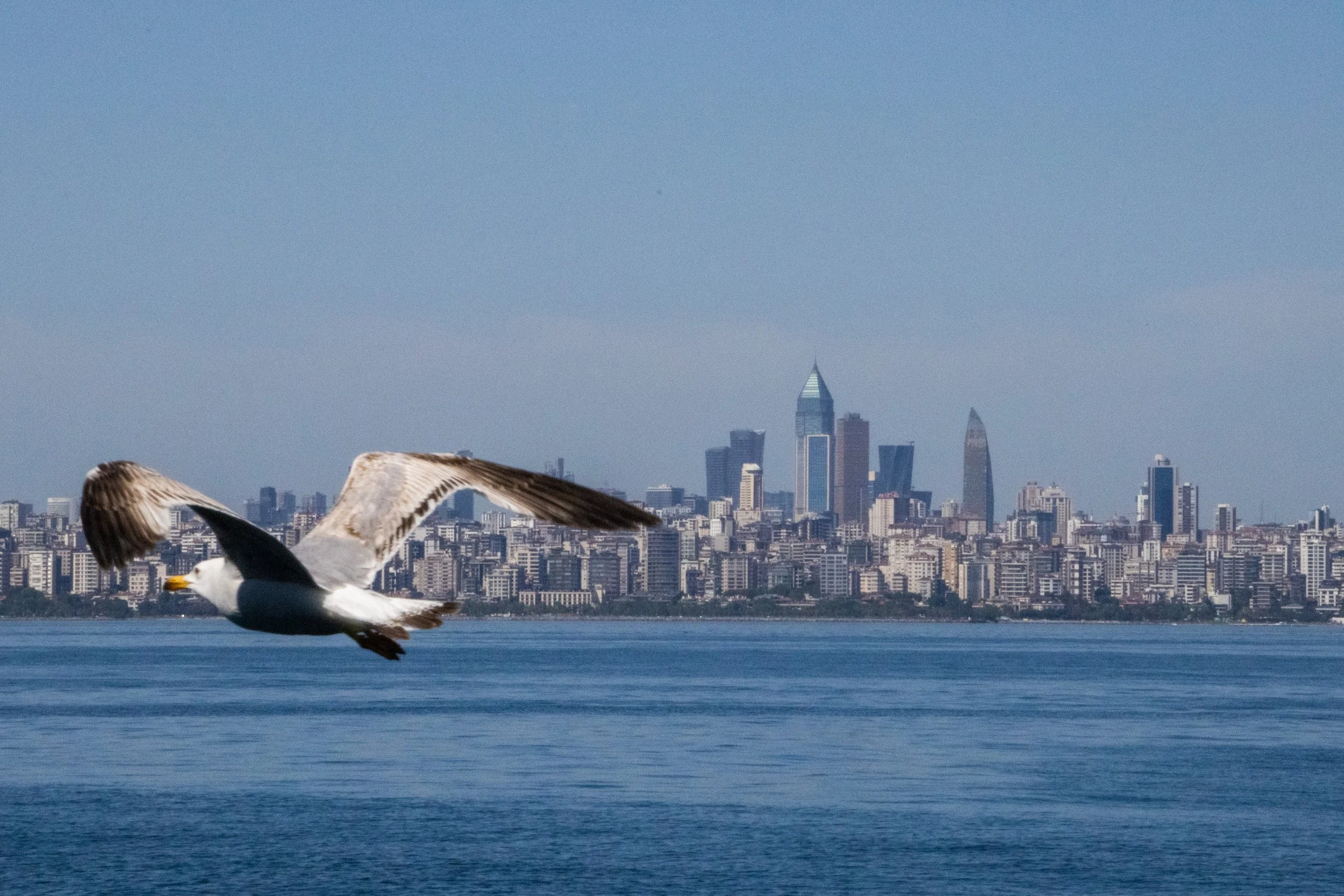
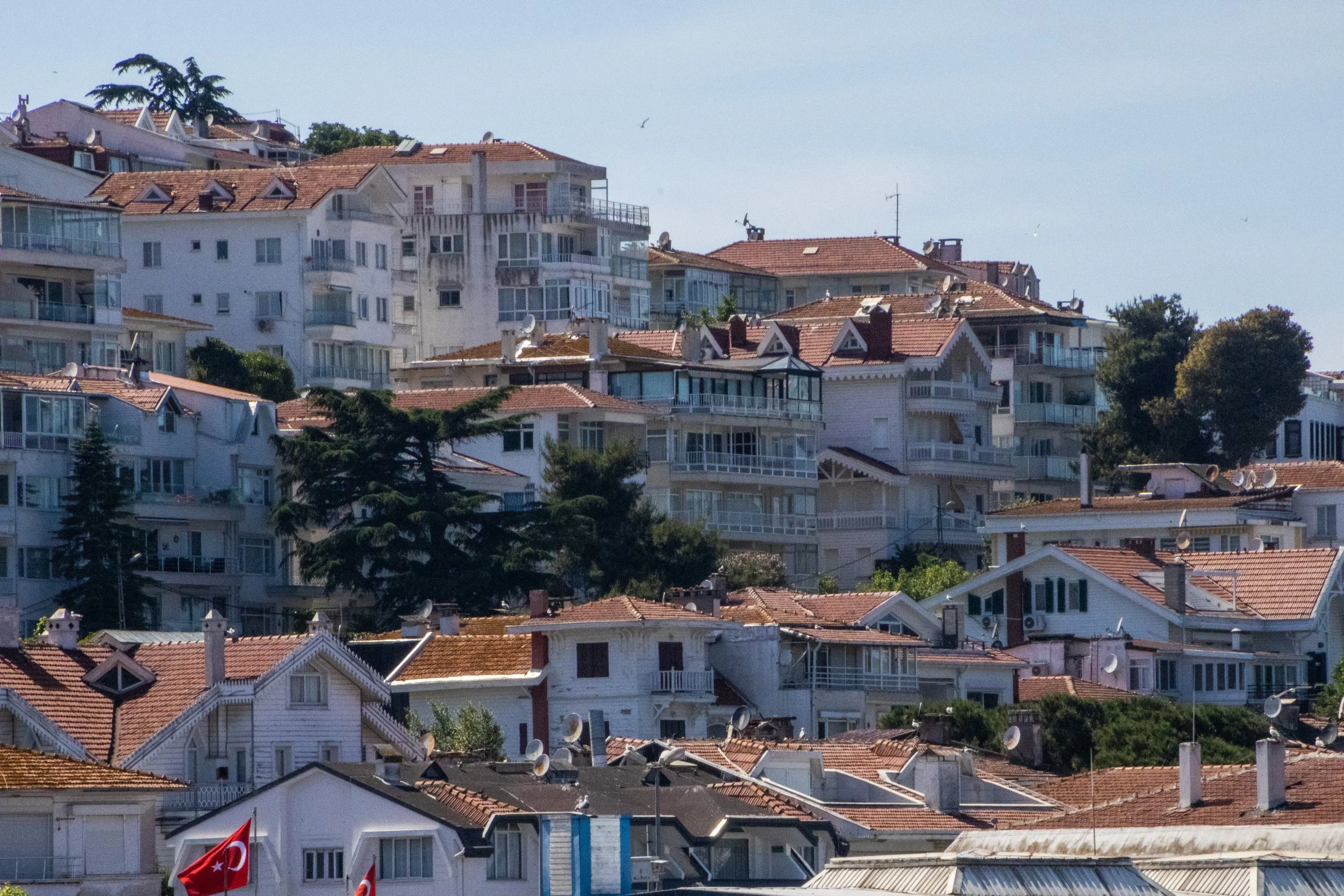
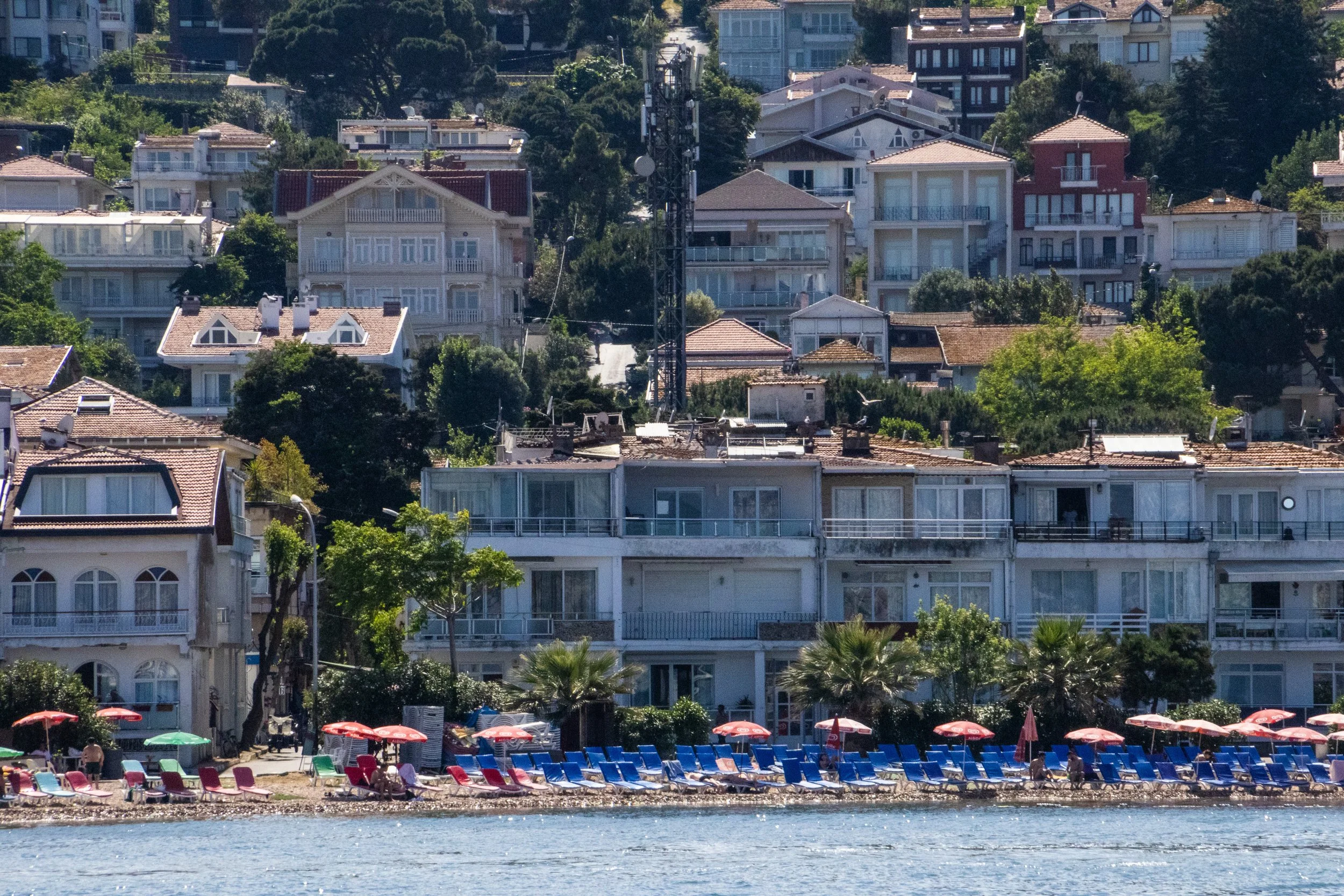
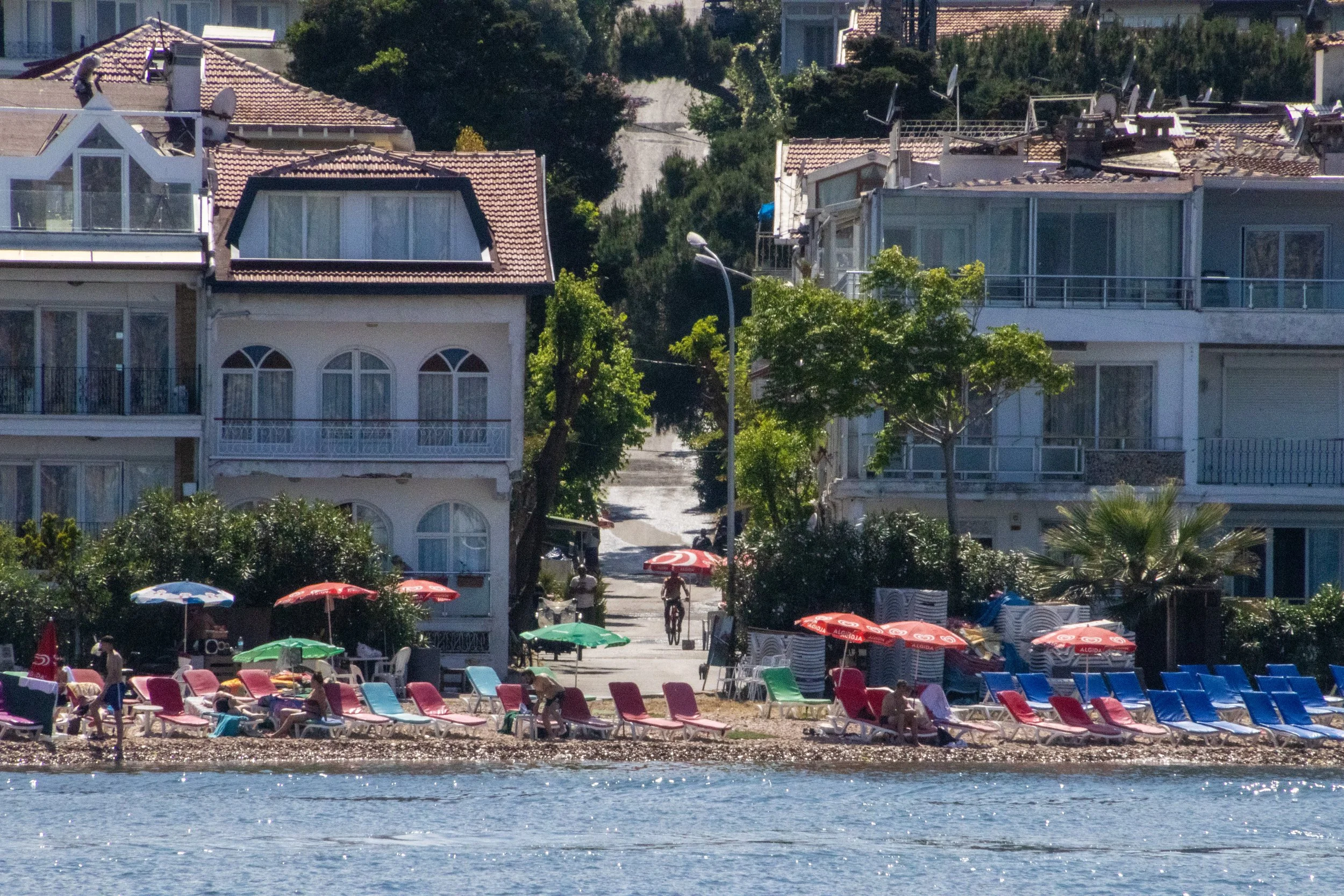
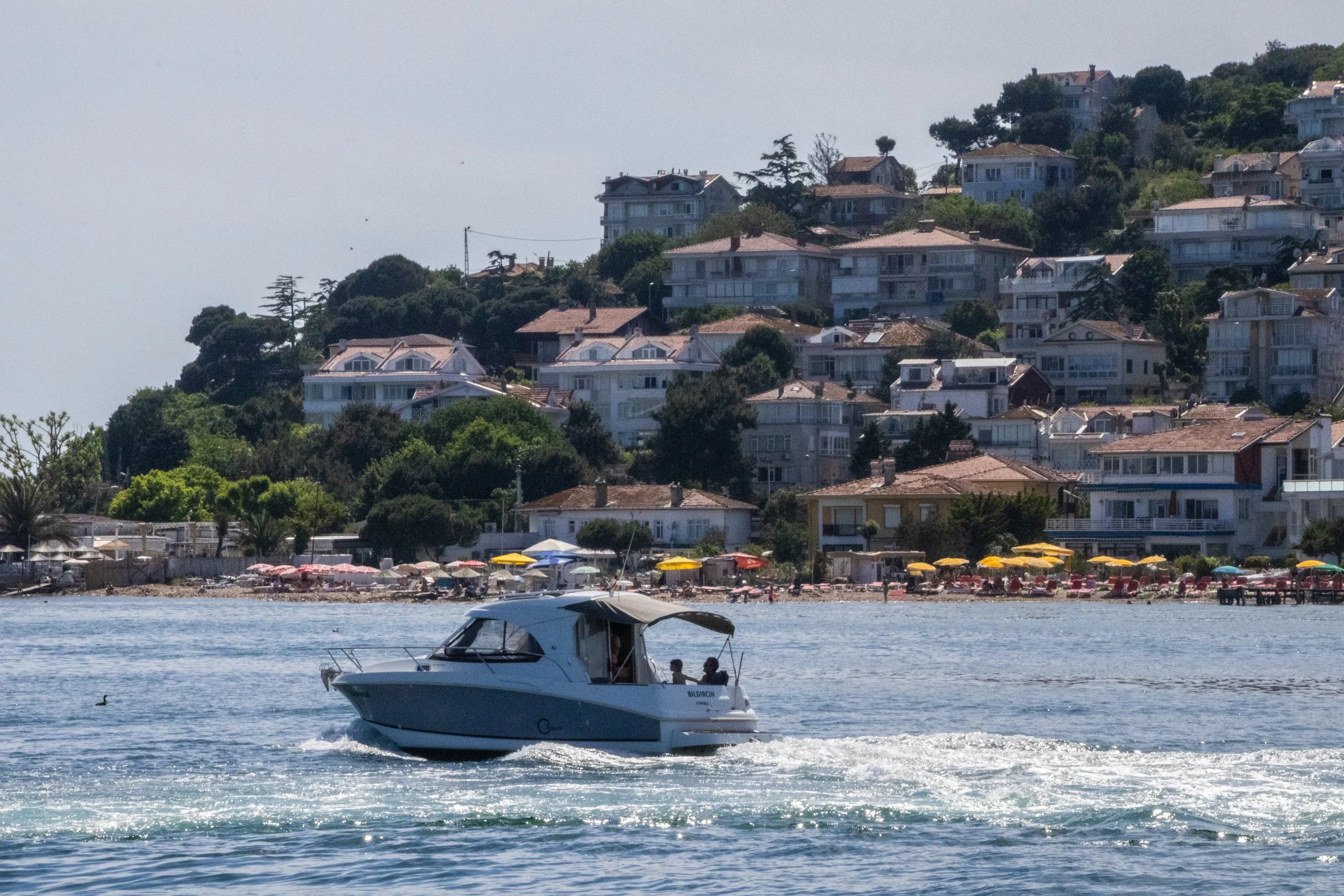
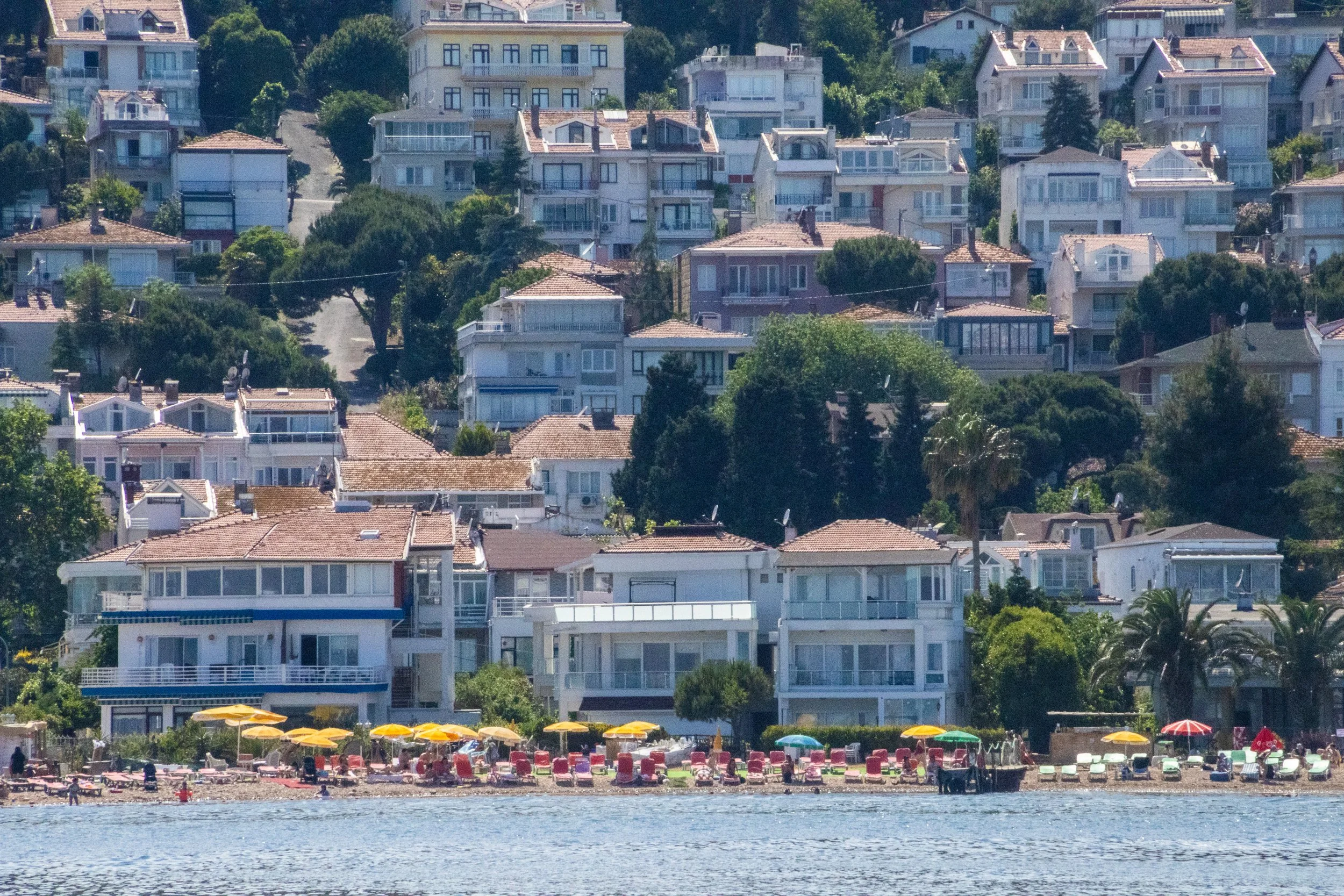
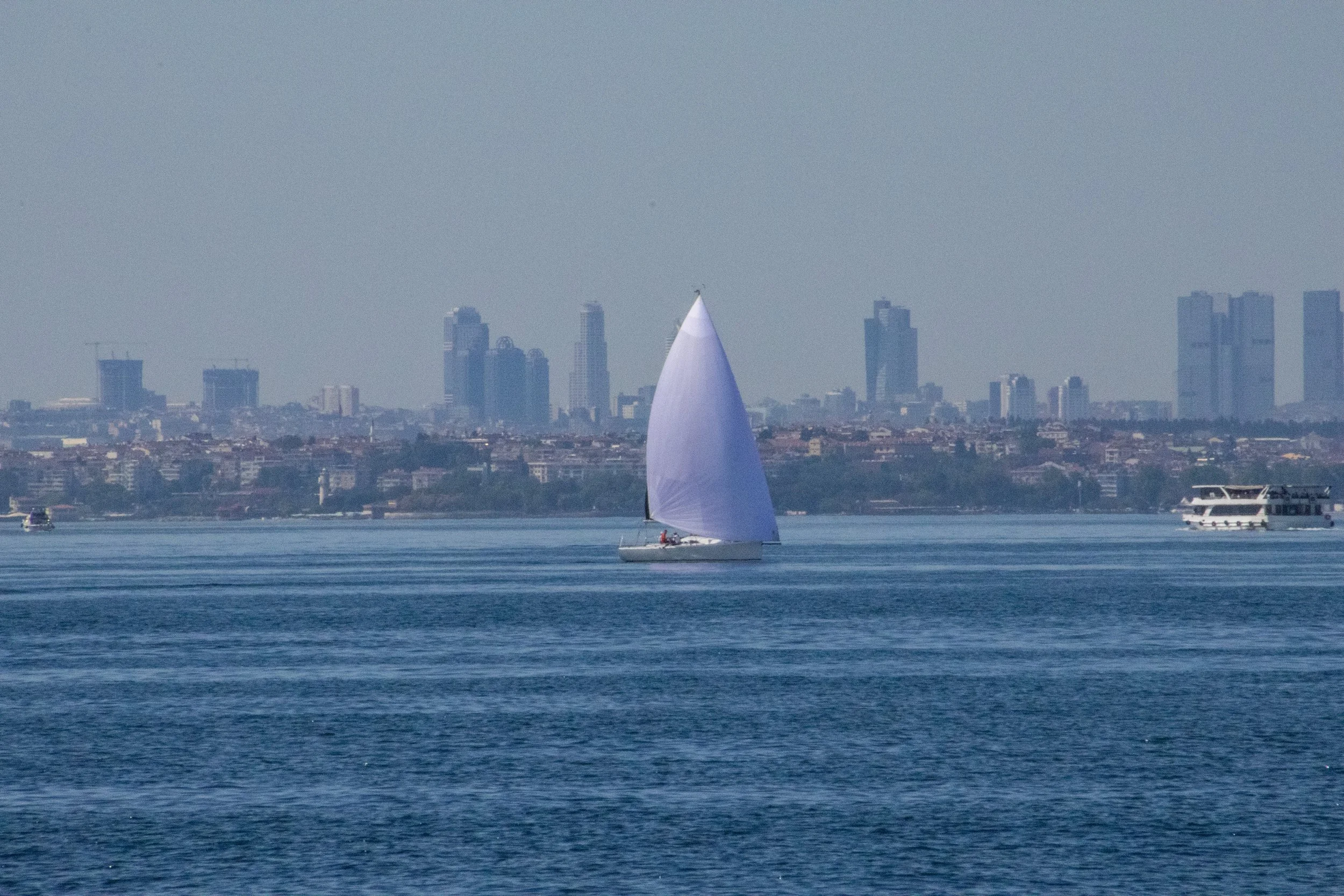
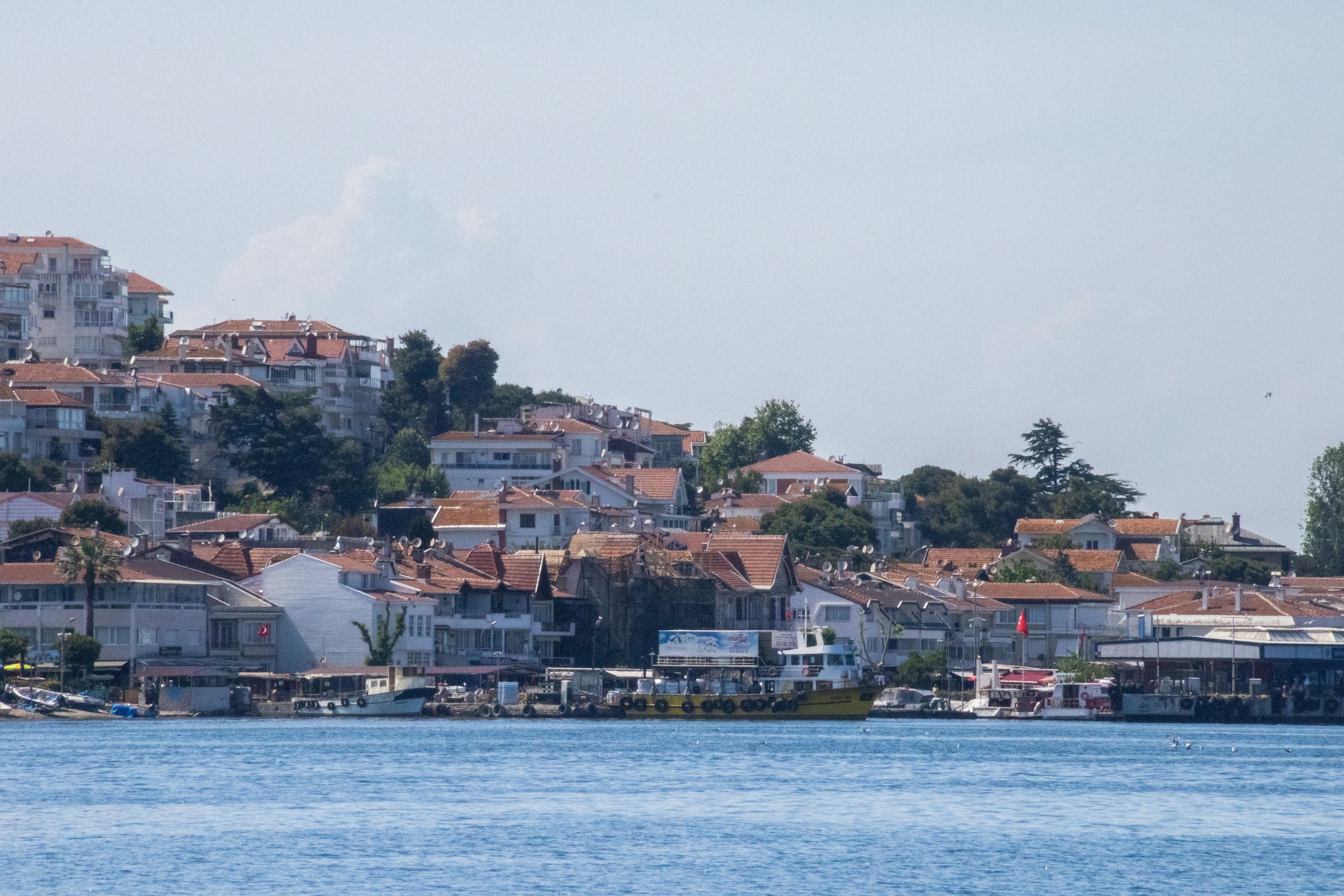
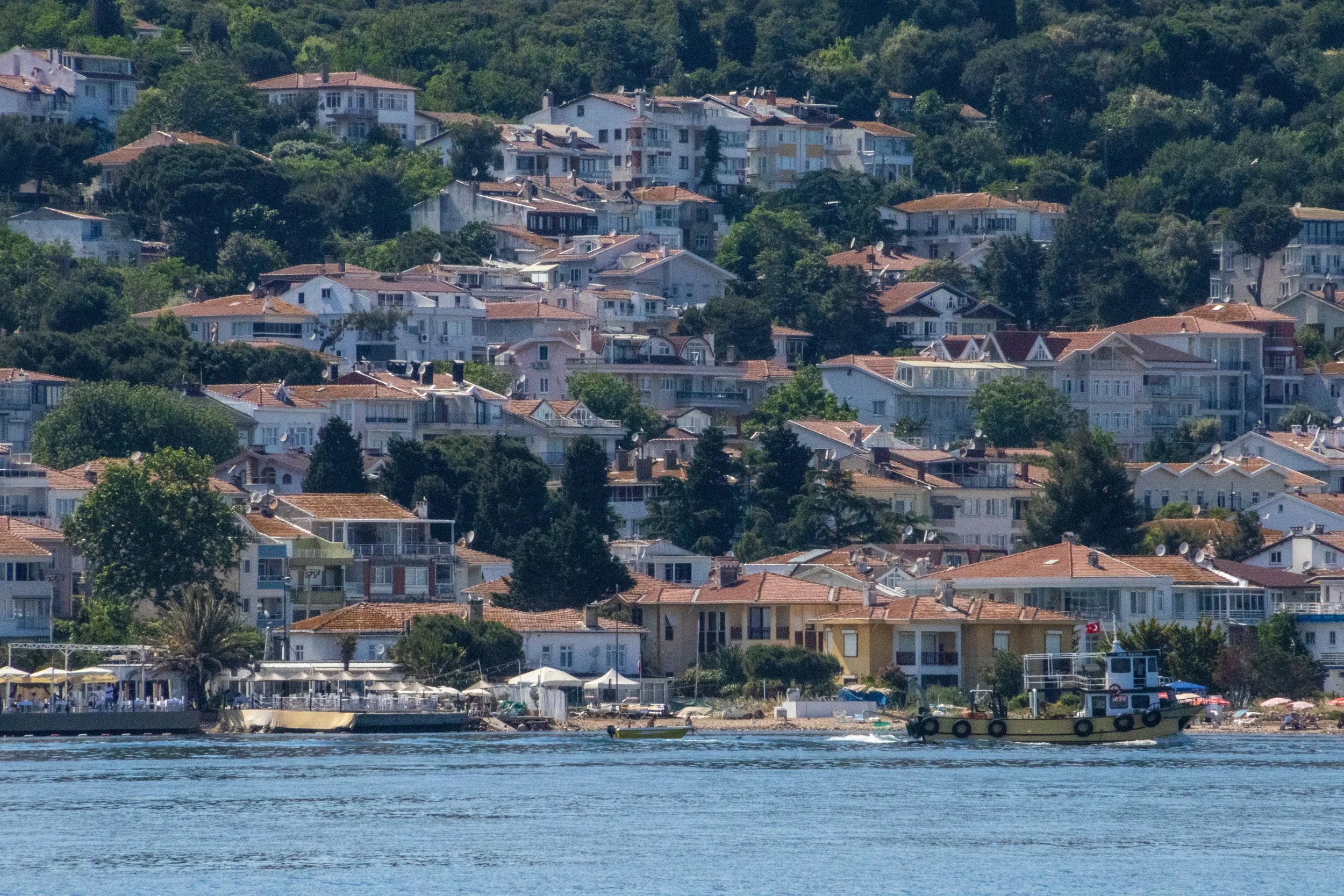
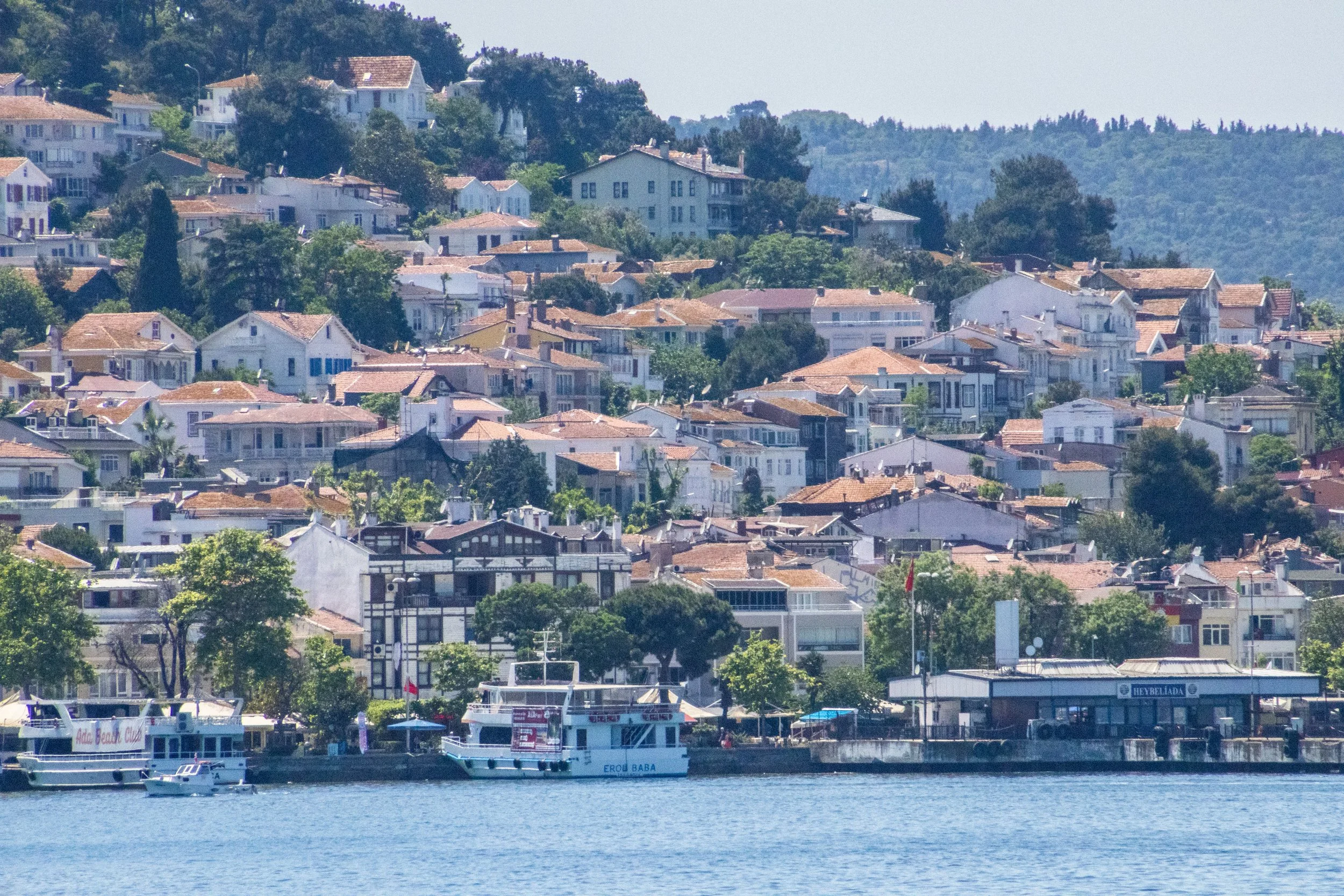
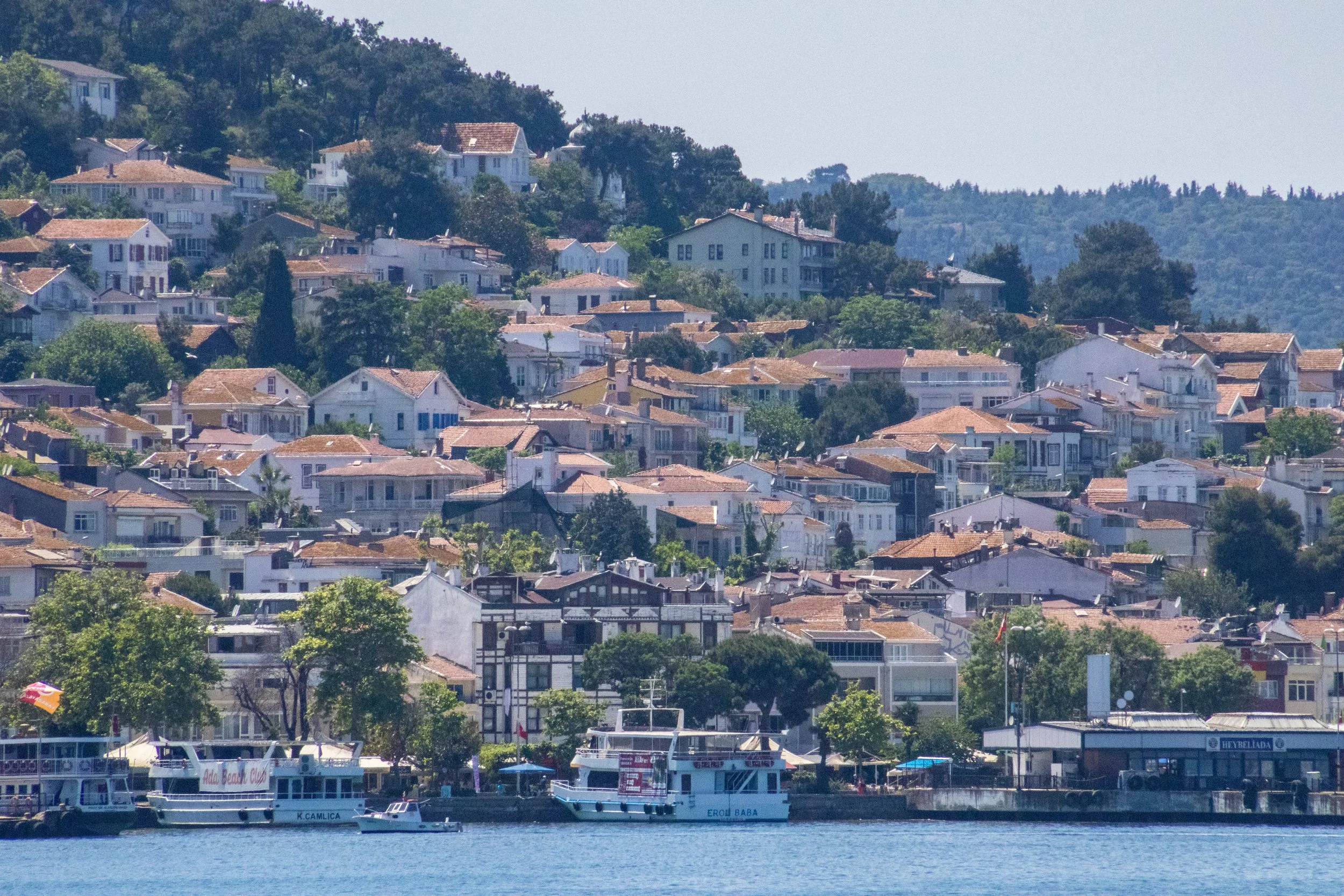
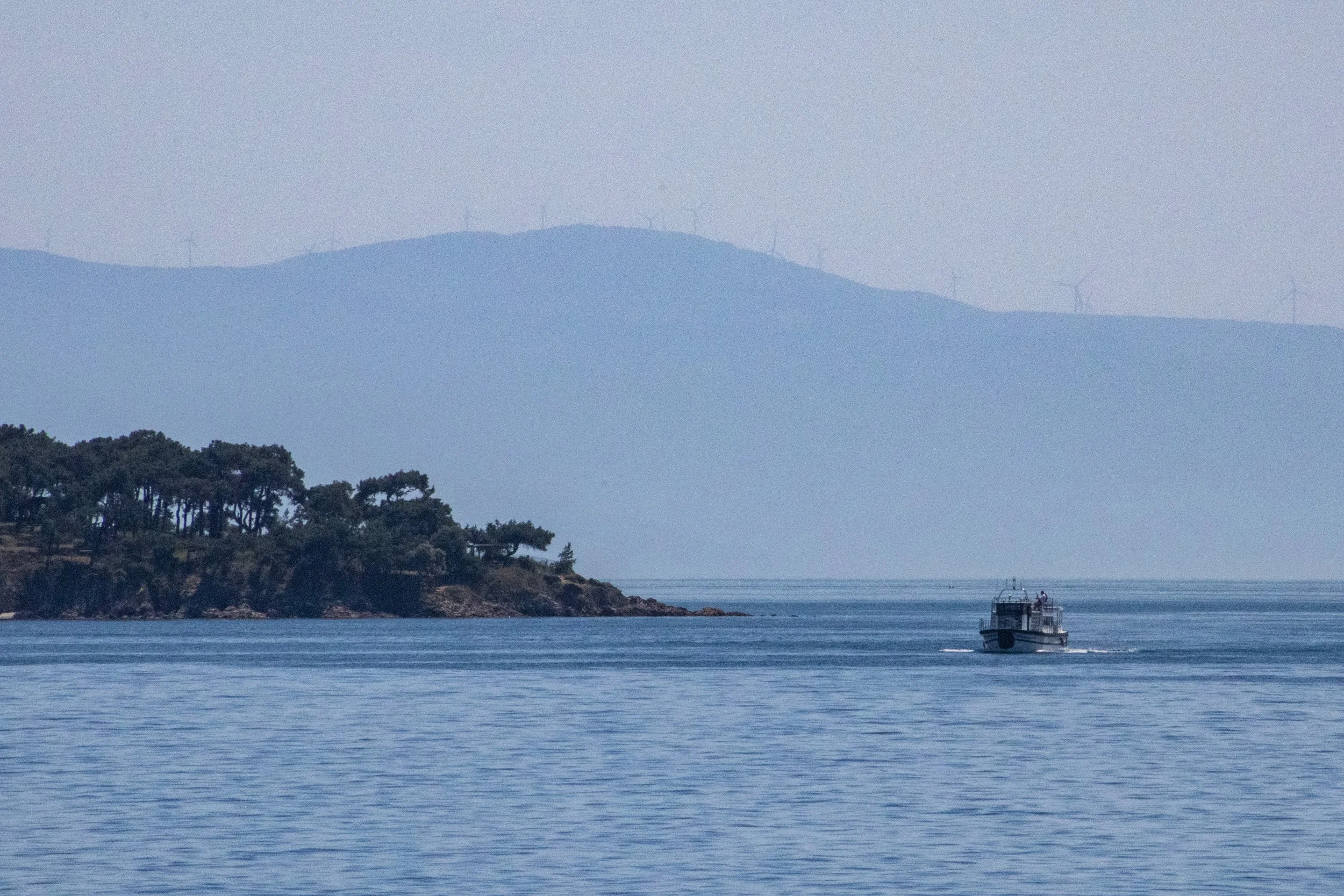
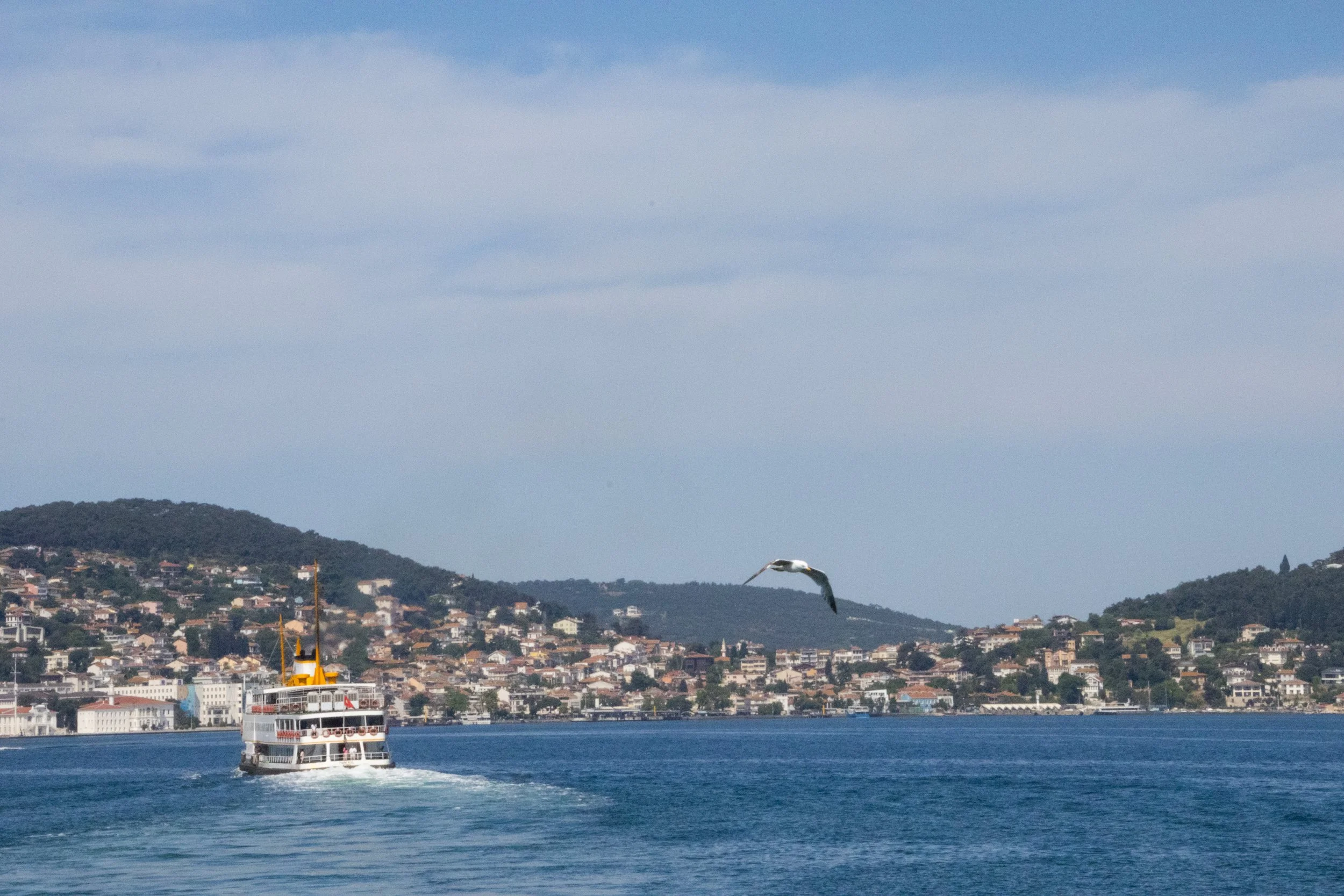
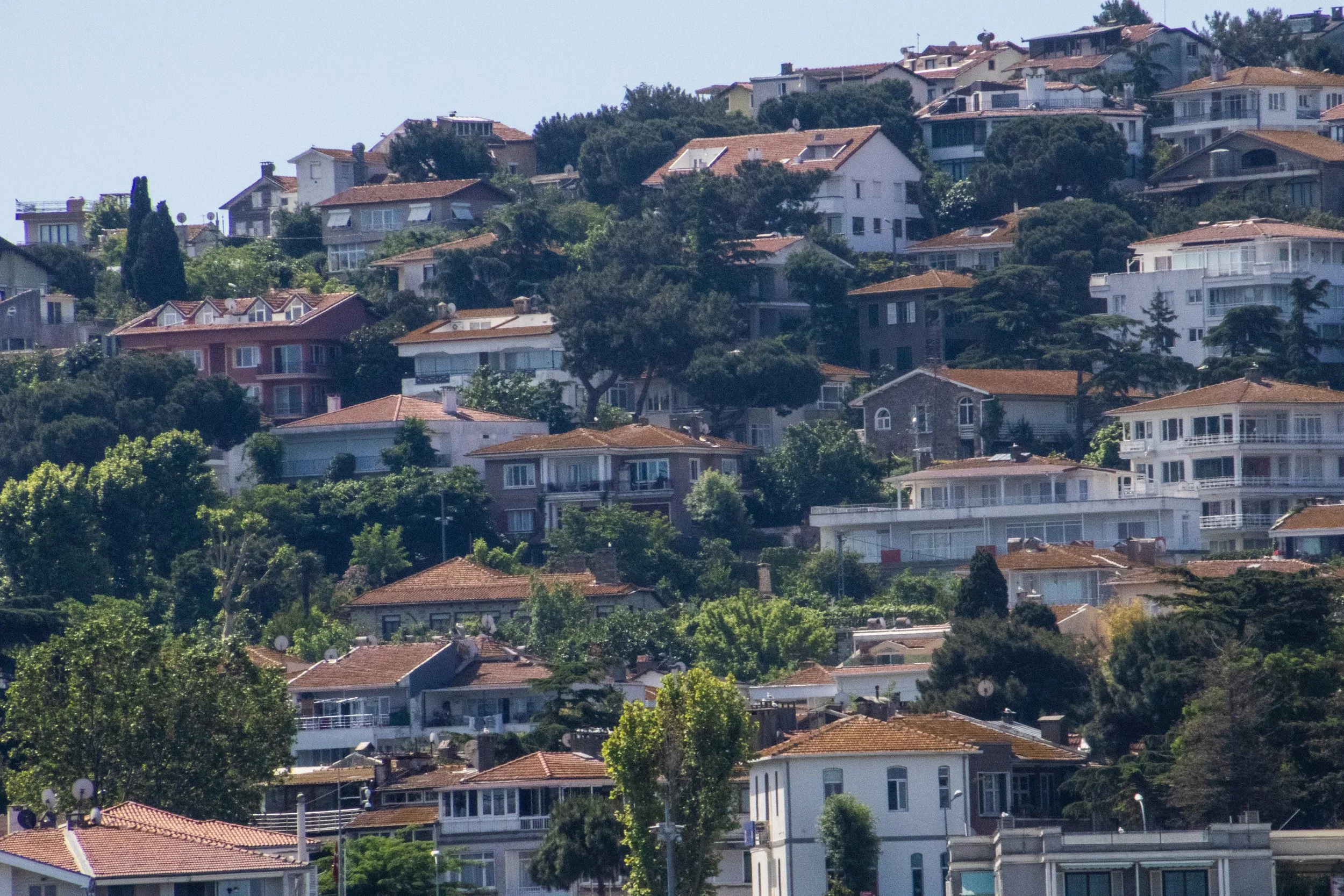
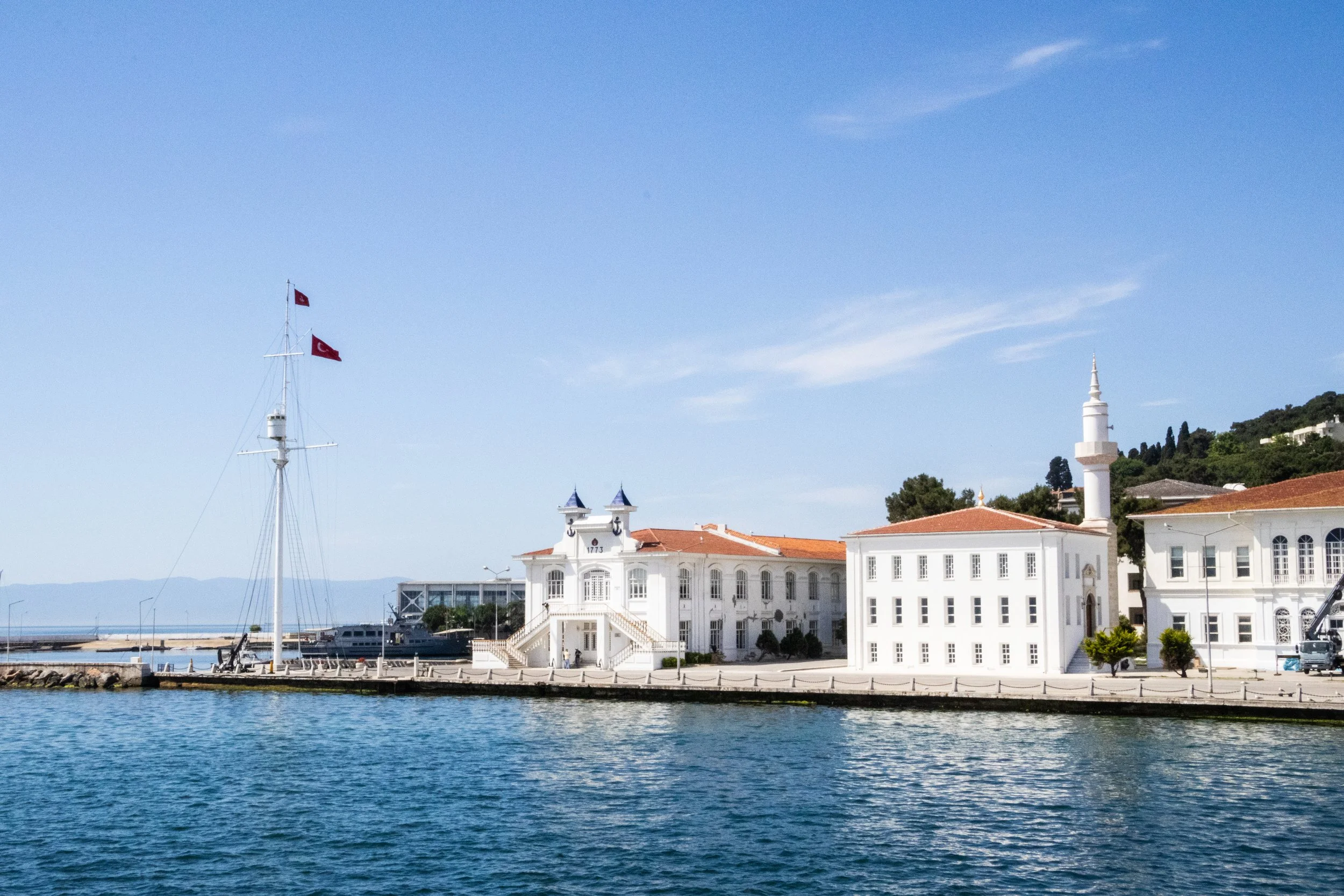
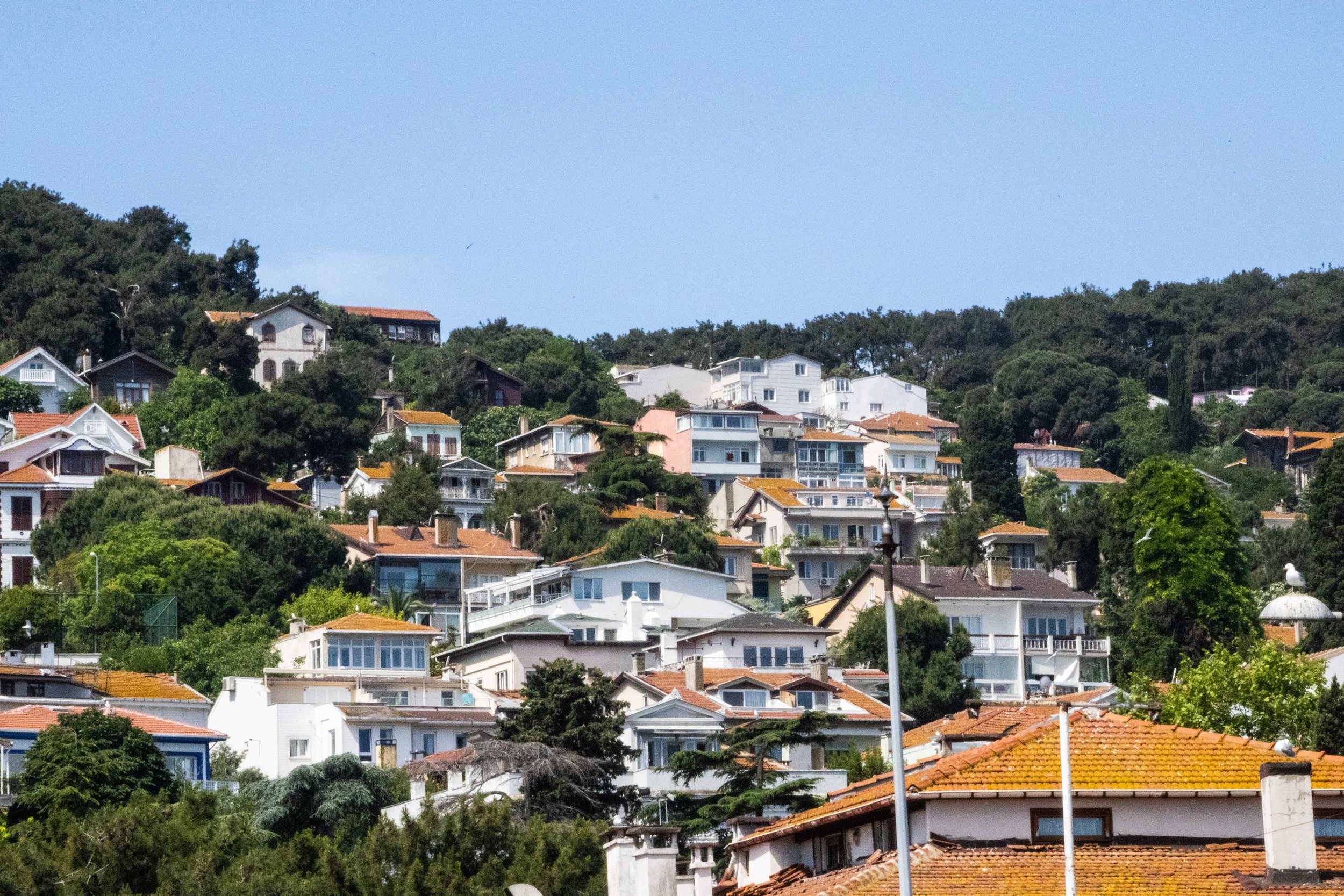
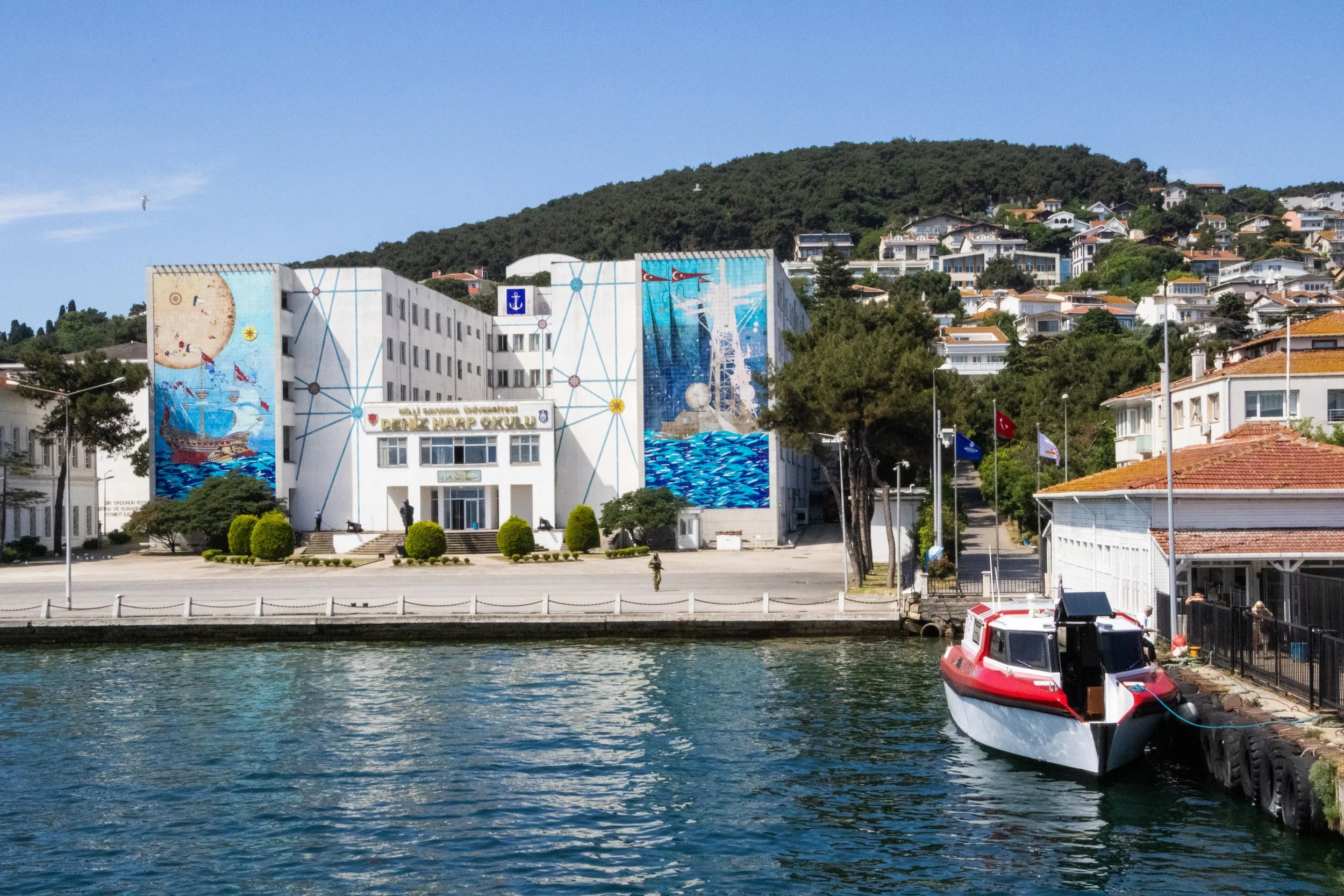
An Intro to Istanbul’s Princes’ Islands
The Turkish state casts a long and daunting shadow. Seeing the world draped in its imposing red and white flag, you could be forgiven if you assumed that Türkiye is quite a homogenous place. Indeed, recent history has seen concerted efforts by the Turkish State to consolidate and ubiquitize the Turkish cultural identity, but historically this was a much more diverse place. And this is truer in Istanbul than perhaps anywhere else in Türkiye. The Princes’ Islands are interesting because they embody and preserve the diversity of Istanbul in some fascinating ways.
But first, the geography: the Princes’ Islands are a chain of 9 islands just off the coast of Istanbul in the Sea of Marmara, but only 4 of them have substantial populations: Büyükada, Heybeliada, Burgazada and Kınalıada. Combined, they constitute the Adalar district of Istanbul.
Historically, these islands carry a theme of playing home to people(s) that Istanbul wanted to get rid of, or were themselves trying to get away from Istanbul for one reason or another, but what exactly that looked like changed over time. In ancient times (the Byzantine period) these islands were mostly agricultural, with some scattered religious monasteries that would periodically play how to an exiled political figures. In fact, these islands served as homes-in-exile (read: cushy prisons) for 4 different Byzantine empresses during these times. This is where the name “Princes’ Islands” comes from originally.
Fast forward a few centuries to the Ottoman period, and these Islands had evolved to have small towns that played home to Greek, Armenian, Jewish, Levantine, Orthodox, Catholic, and Muslim minority groups. So, these islands were overwhelmingly non-Islamic. The simplified version of Istanbul’s history is that it evolved simply and linearly from Byzantine to Ottoman to Turkish. And while is true at a high level, it misses a LOT in terms of the other groups that shaped Istanbul into the city it is today. The Princes’ Islands capture remnants of a Constantinople/Istanbul that was much more diverse. All of their landmarks and places of worship are still sitting out here quietly, but as the raw numbers of these groups are so much smaller today, they have the vibe of being living relics from a piece of history that is quickly fading in Istanbul’s collective memory.
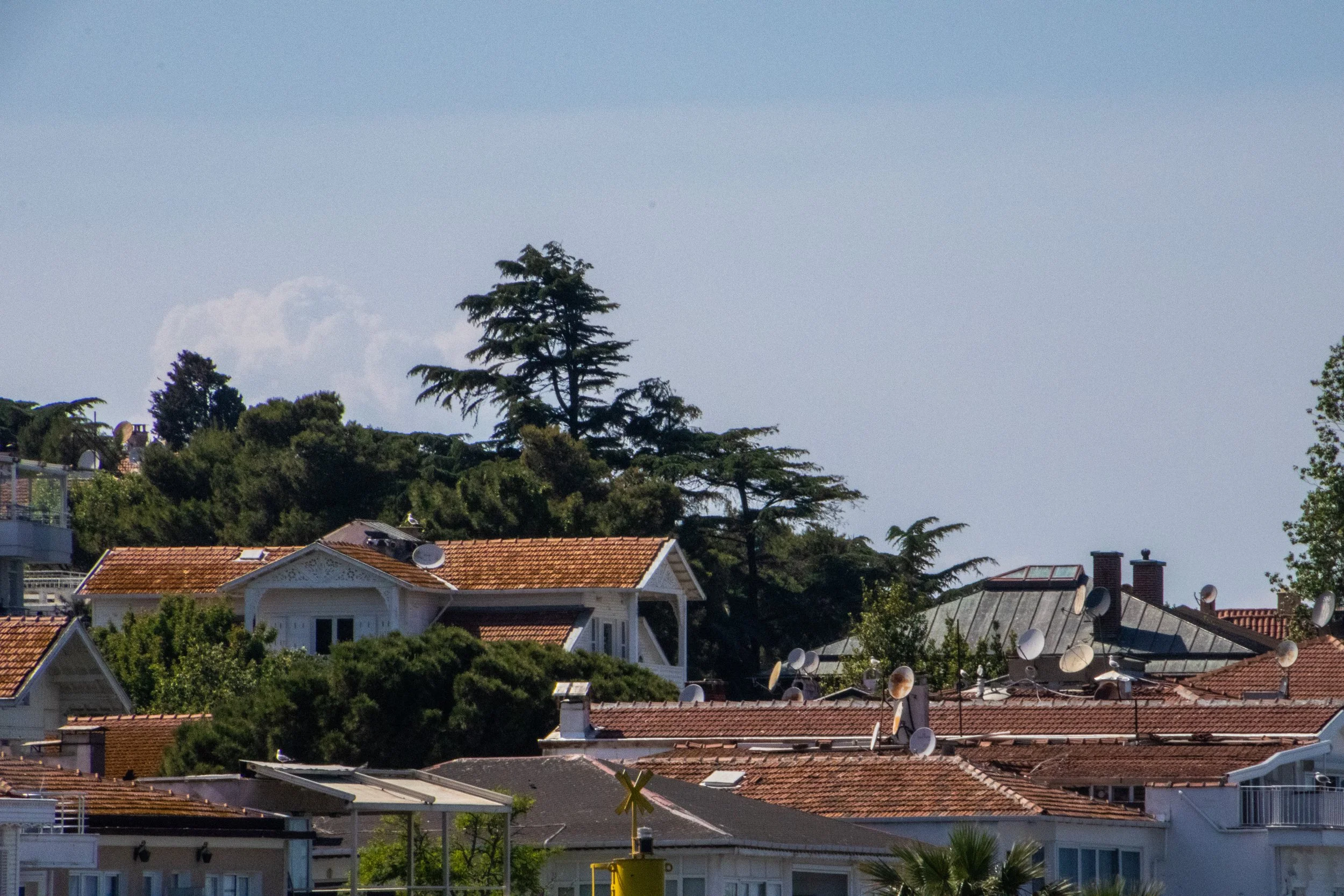
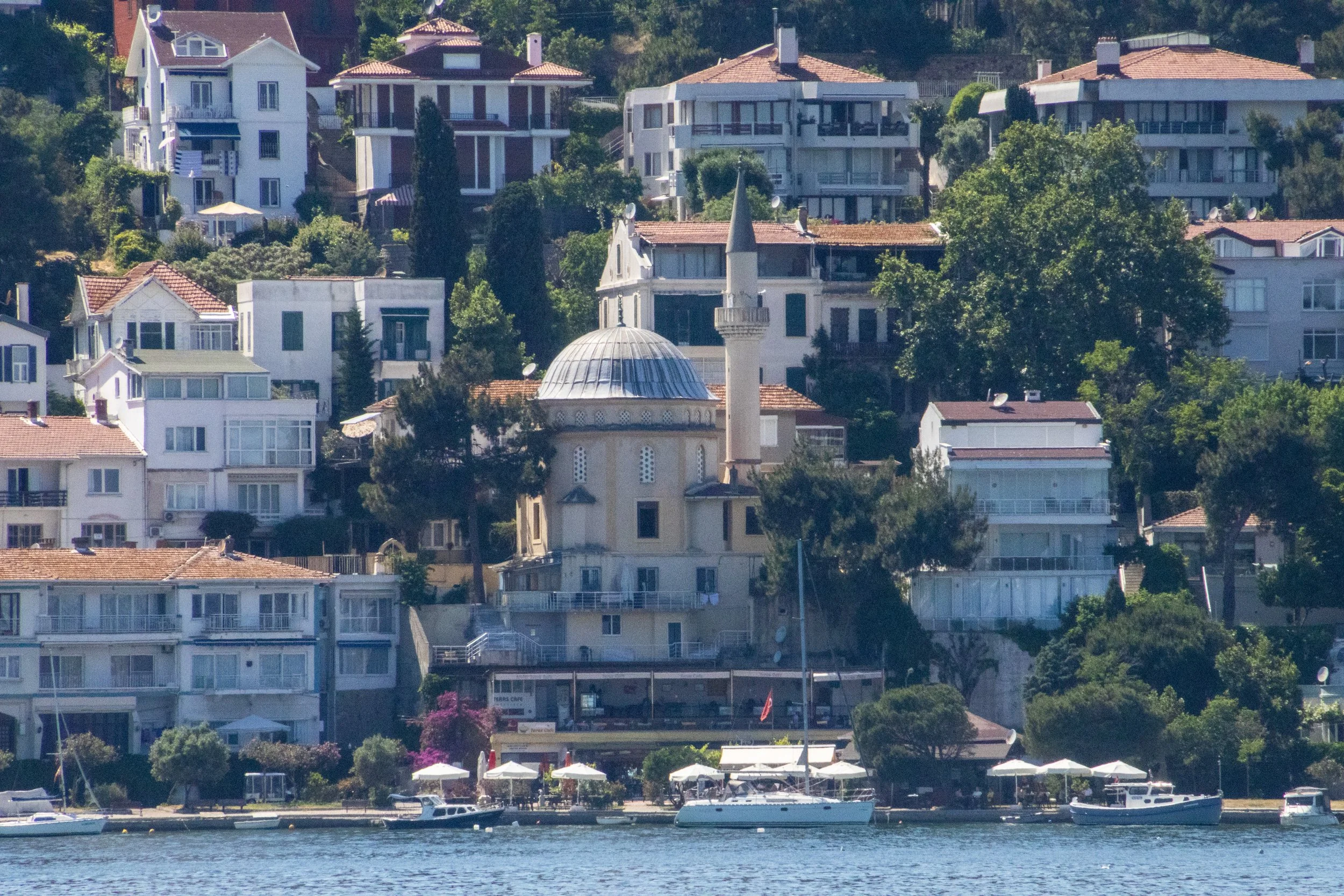
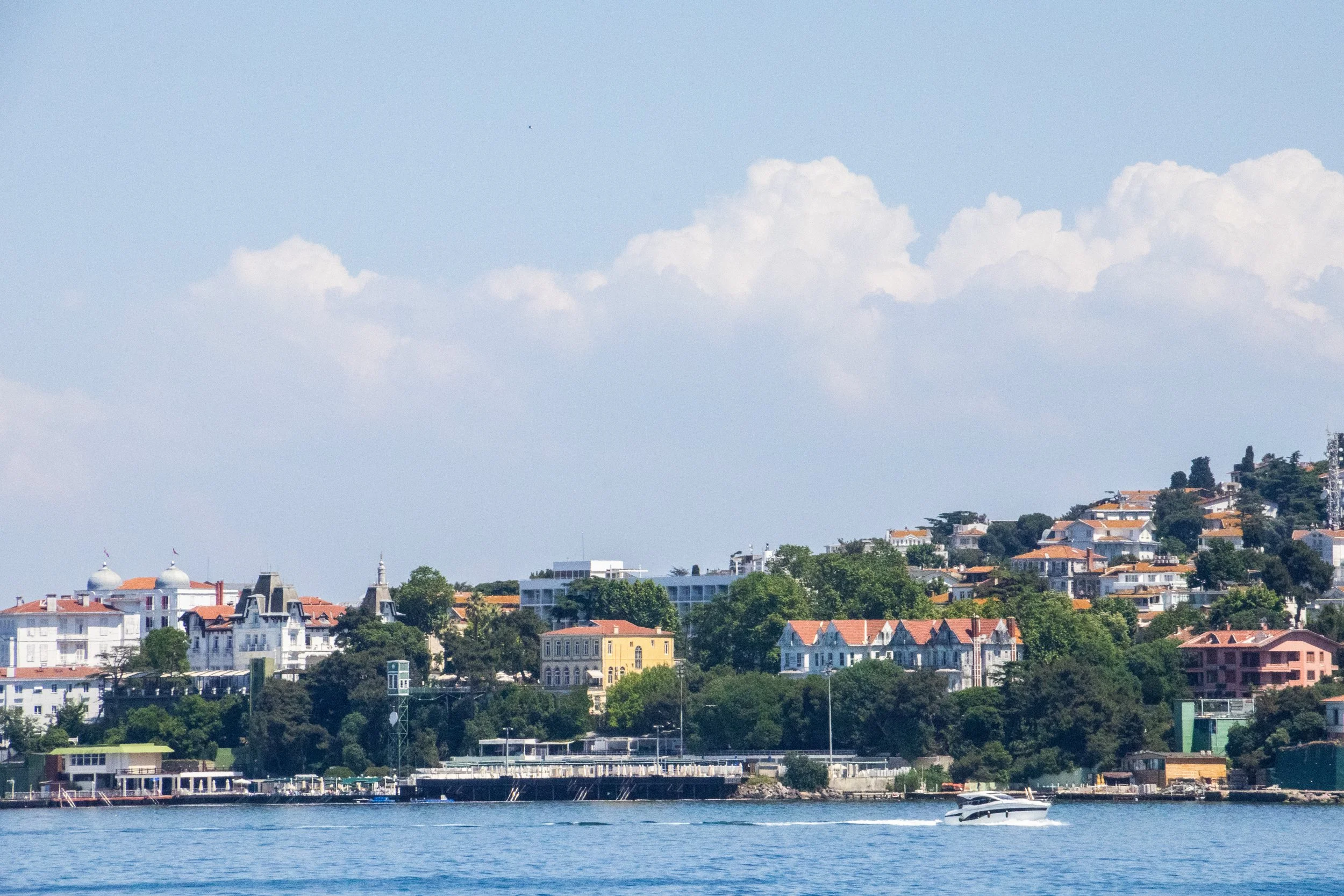
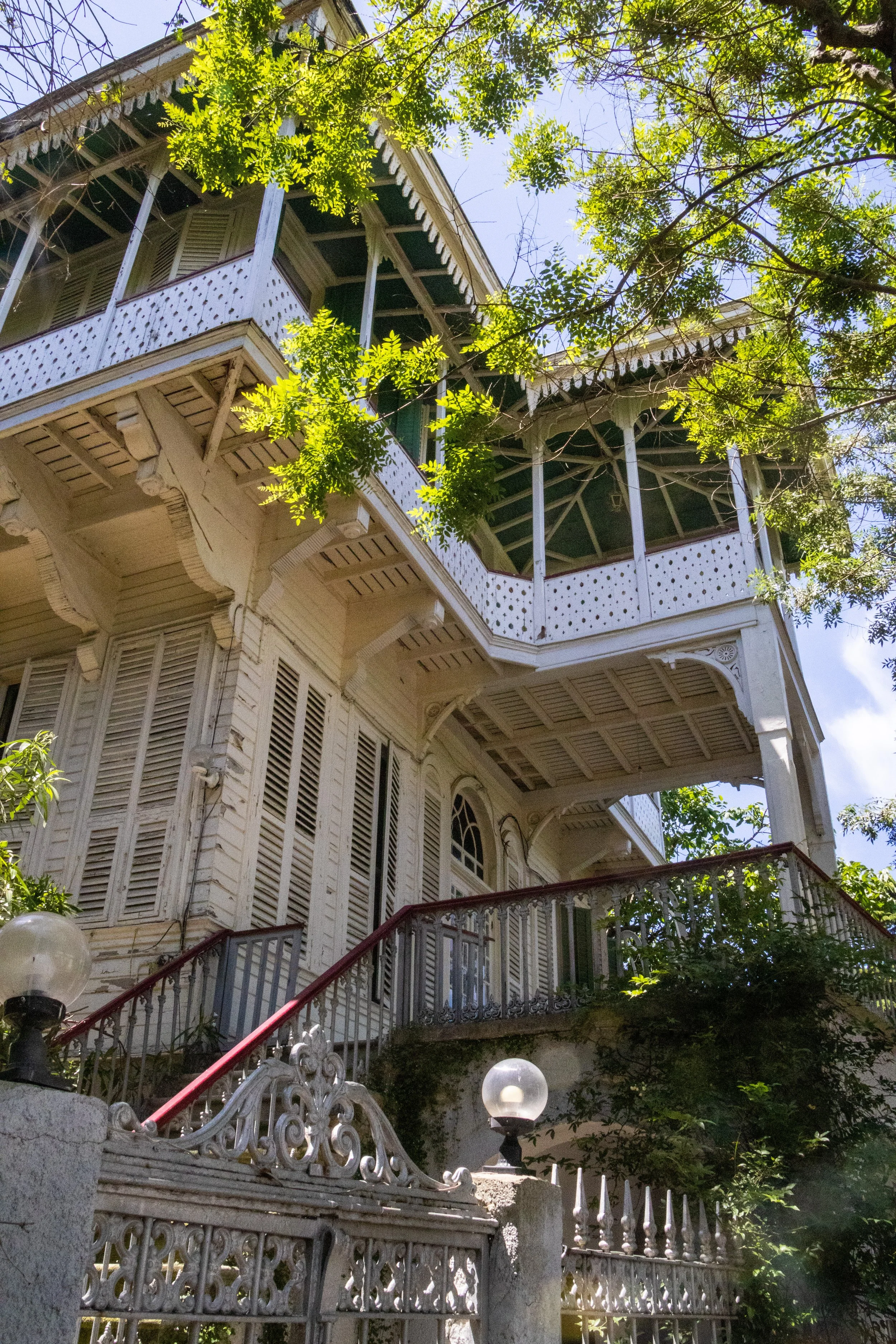
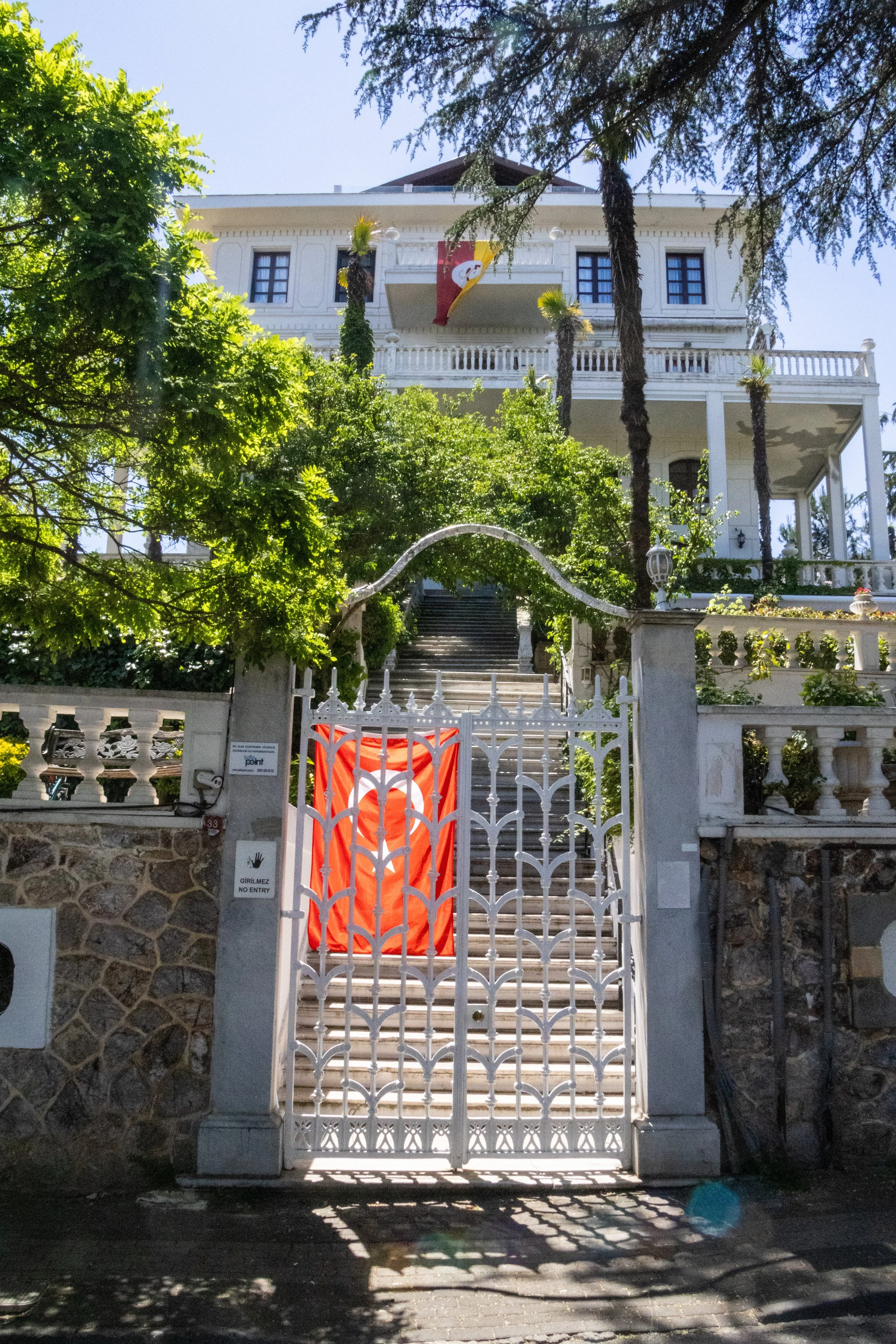
Today, the Princes’ Islands are actually a bit glamorous! This transformation came with the advent of steamer ships in the 1800s, which suddenly made travel between mainland Istanbul and the Princes’ Islands much more practical. Suddenly, the Princes’ Islands became a commuter suburb of Istanbul, and the city’s wealthy began building elaborate wooden summer houses here. These mansions still stand today; some of them are a bit weathered looking now, but they still line the streets of Büyükada, evoking the image of a Turkish Great Gatsby. I’m sure something like this world existed here; even still today, many Turkish TV and films are shot on these islands.
And—hey! The ferry is arriving at the docks of Büyükada right now. Let’s explore, shall we?
Büyükada
So, as we’ve covered, the history of this island stretches back as far as this history of Istanbul itself, which is to say, to basically the dawn of human civilization. But the Büyükada that is ‘recognizable’ today was created in the 19th & 20th centuries as a wealthy suburb in the final days of the Ottoman Empire.
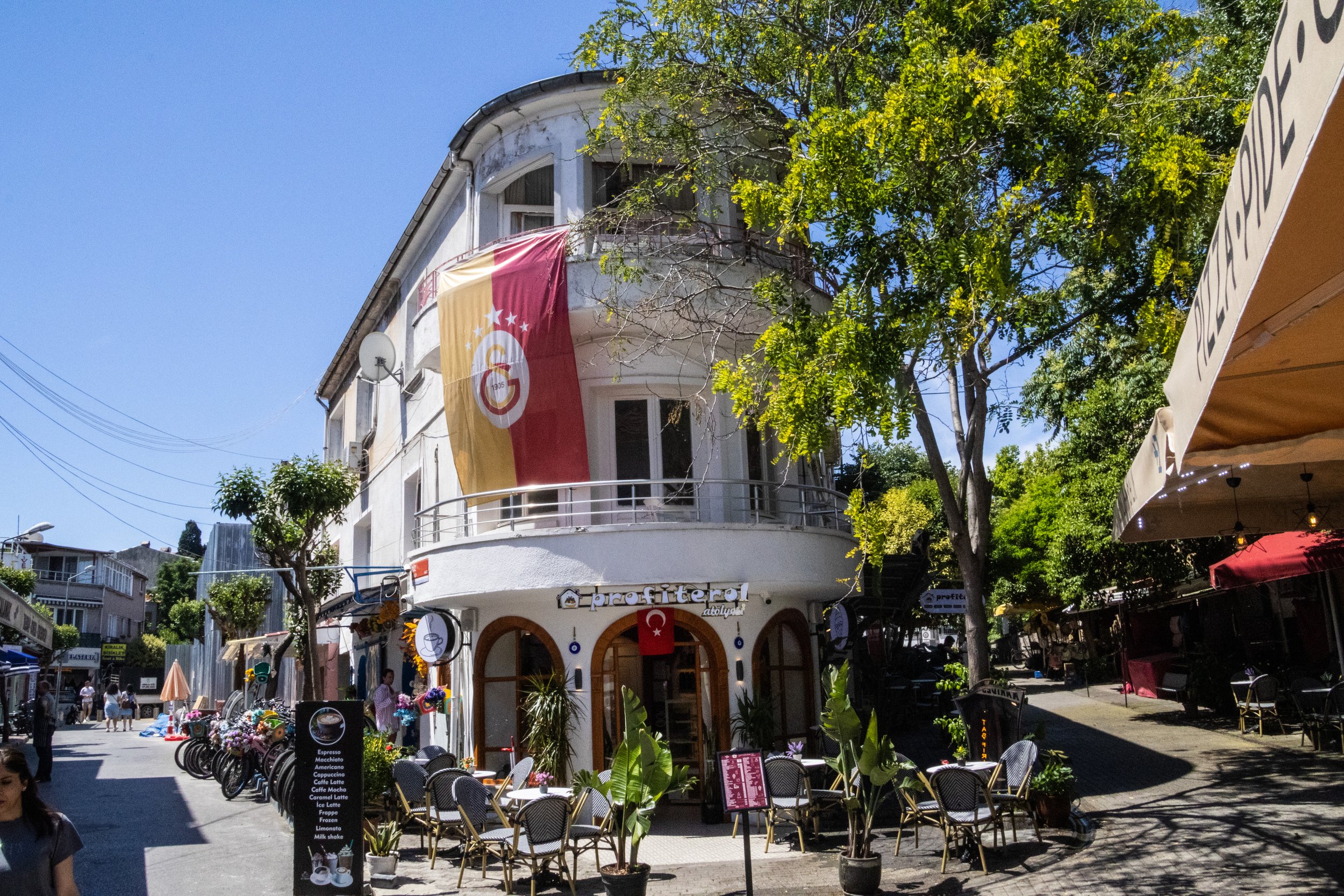
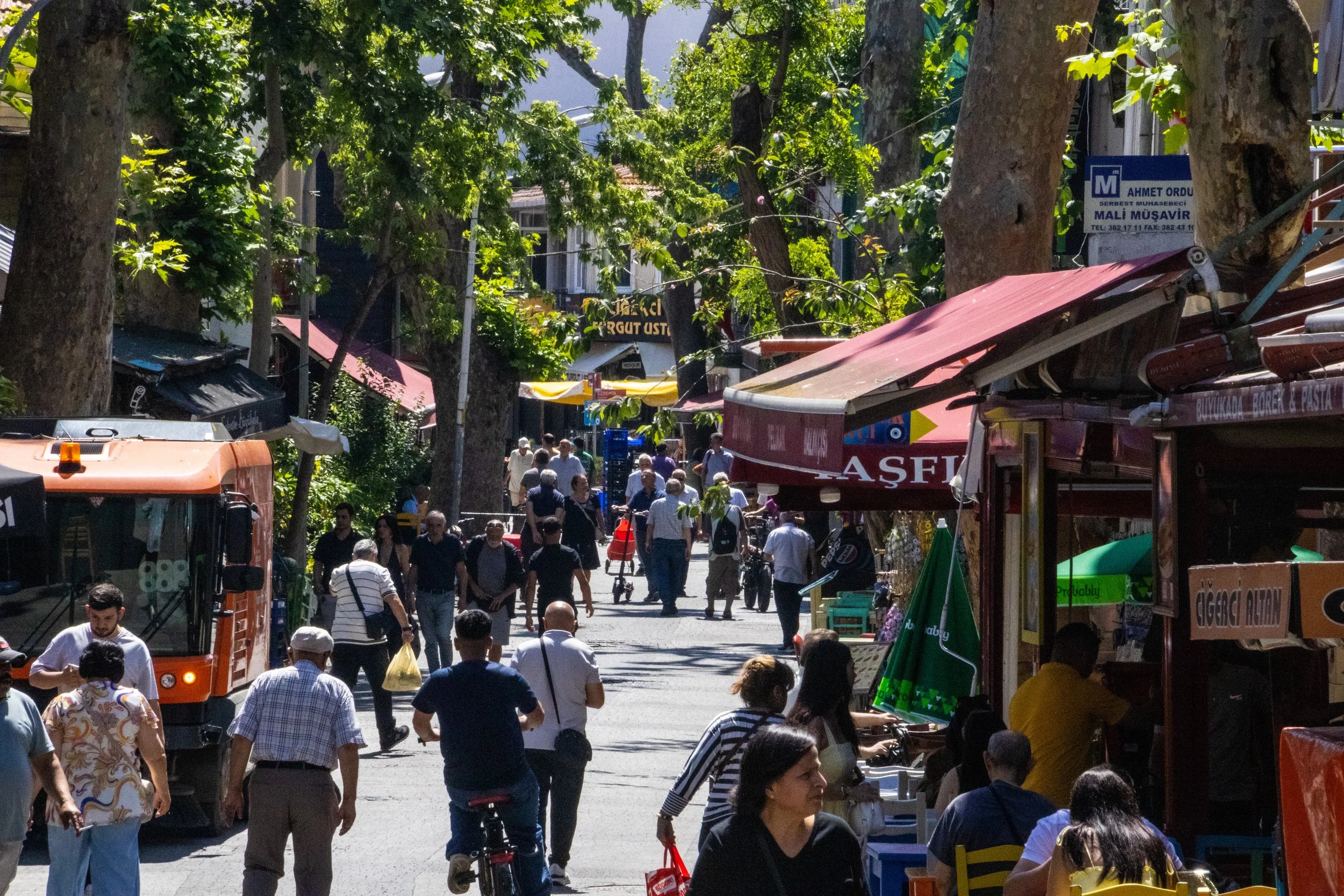
We walked off the ferry, up the dock, and found ourselves in a charming sun-soaked little town. The buildings were mostly made of wood and painted light colors. The town was full of little shops, cafes, restaurants, and was surprisingly lively! Given that it had taken us almost 2 hours to get here from mainland Istanbul by ferry, you might expect it to be more peaceful… but the center of town was bustling.
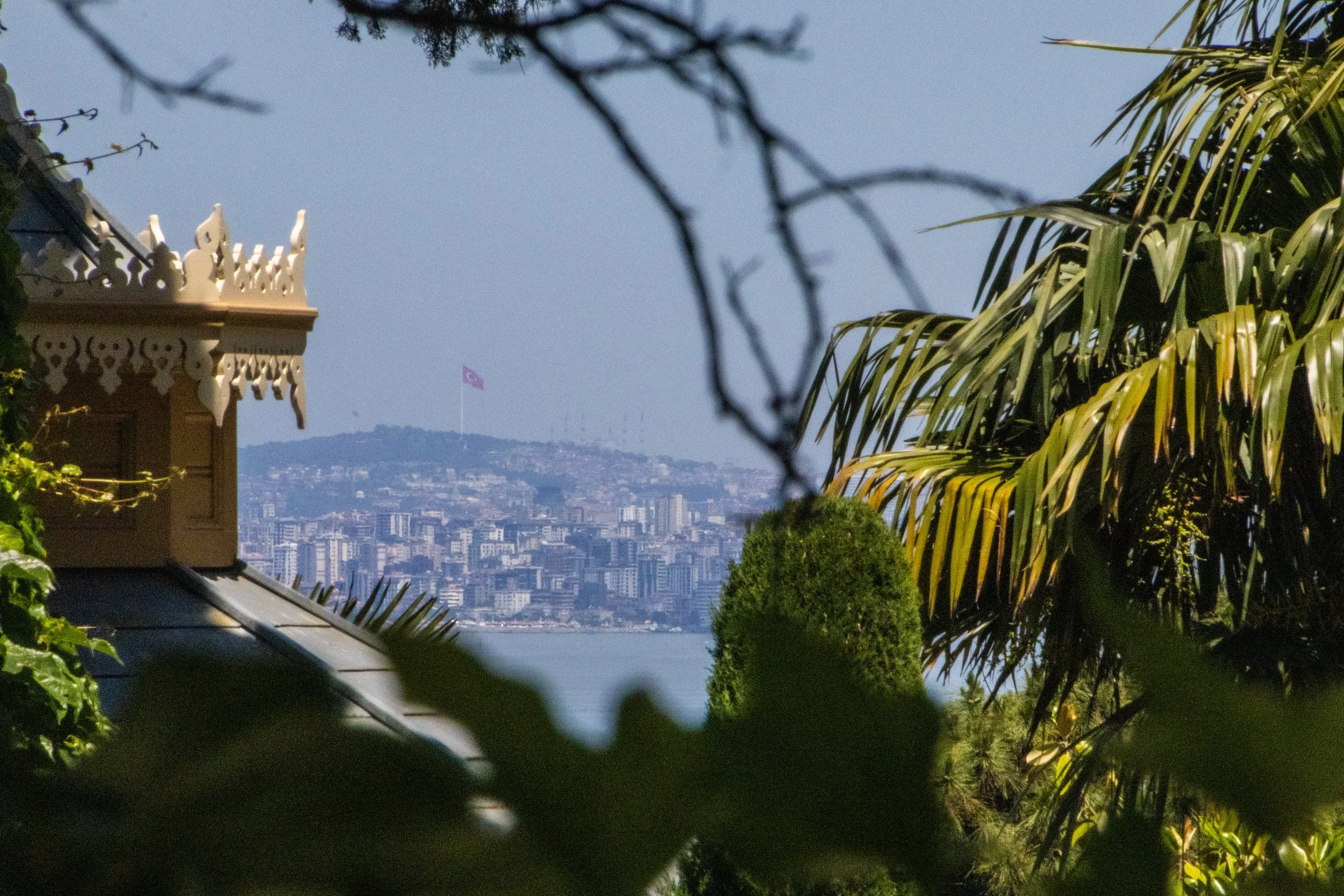
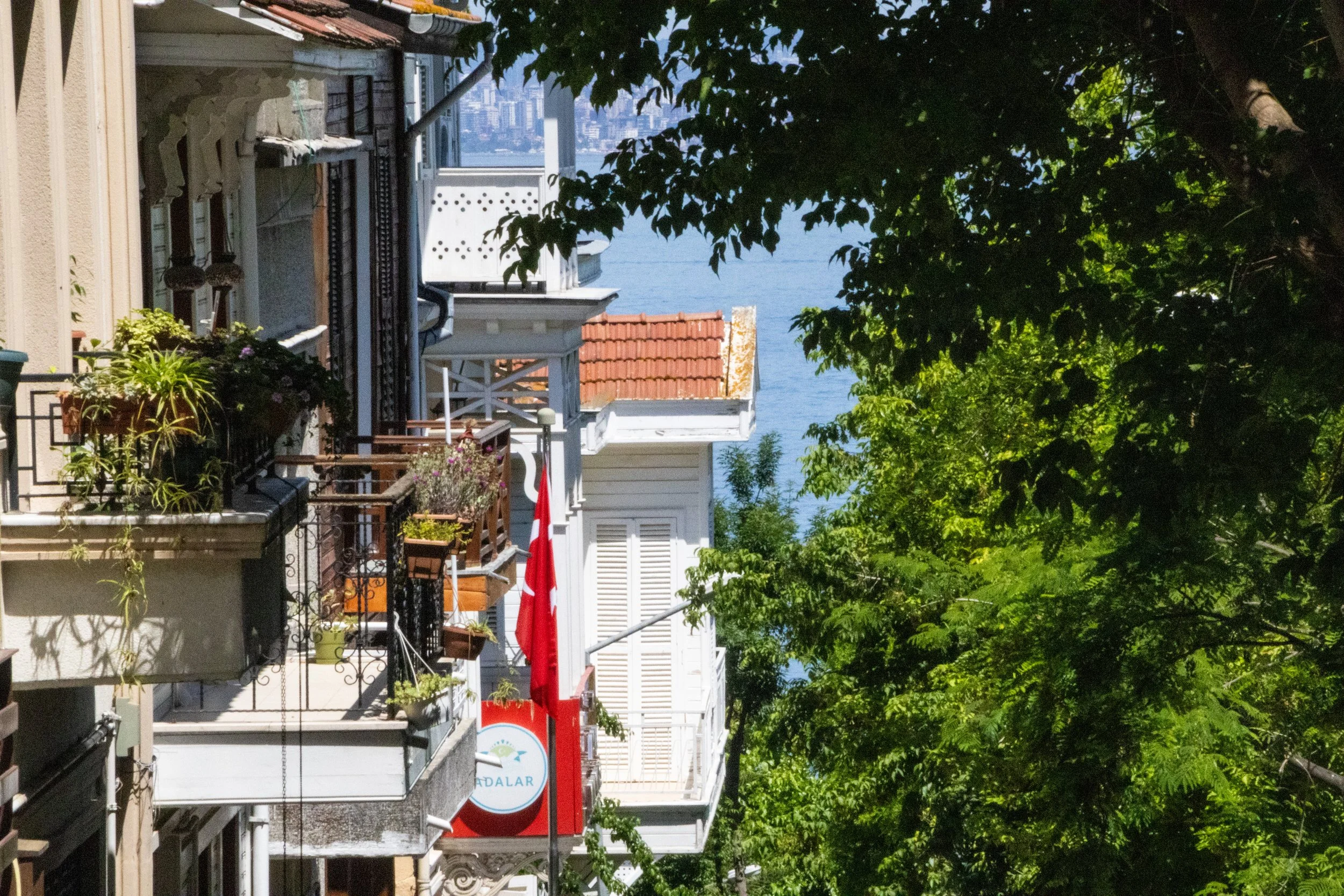
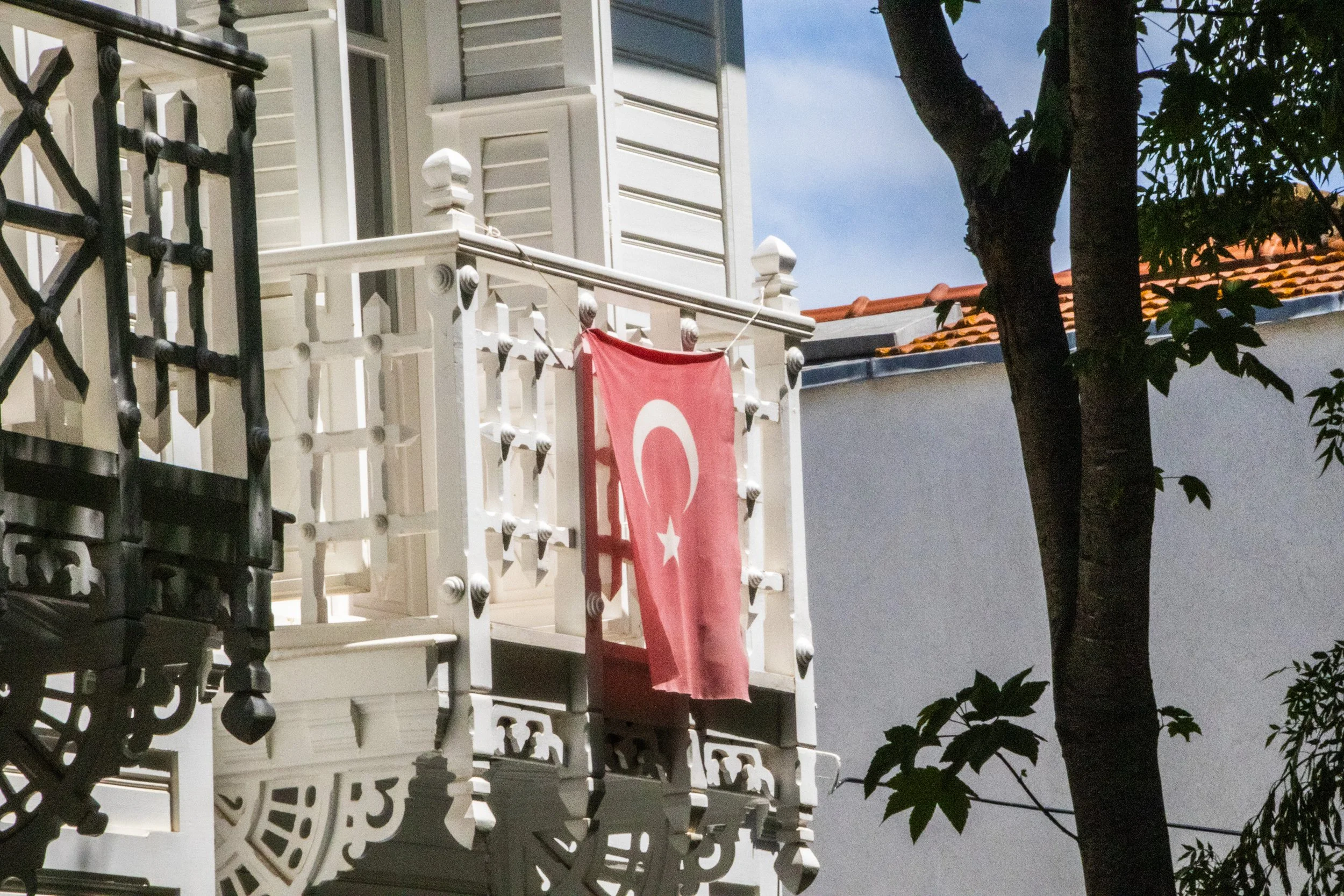
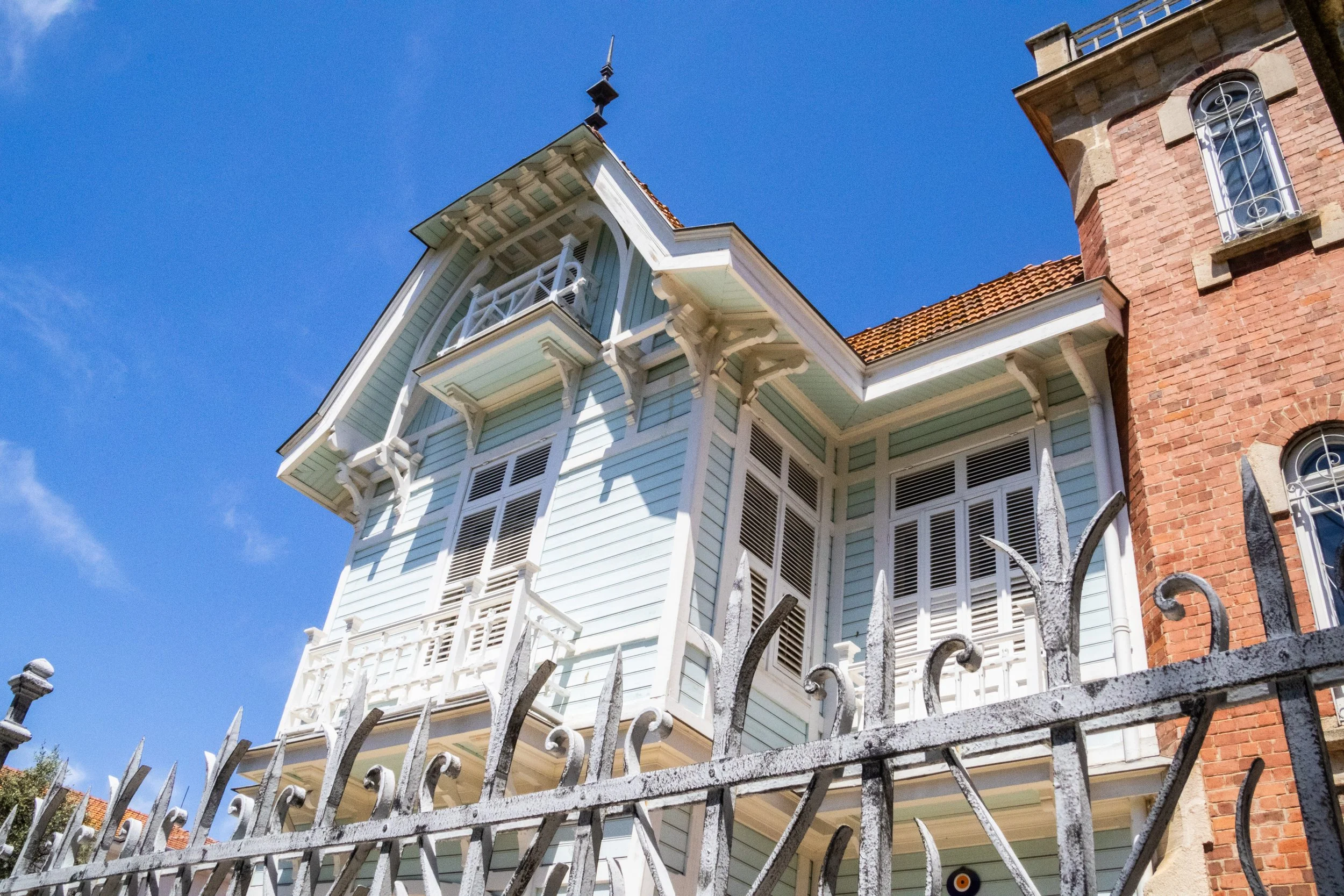
That hustle and bustle quick faded away though as began the uphill walk out of the town center and began trekking past a seemingly unending series of ornate but weathered wooden mansions. Although each of them was completely unique and full of exquisite details that could have you peering through the fence for minutes at a time, they definitely all shared a common aesthetic: everything was wooden and mostly painted white, with orange accents for brick structures and terracotta rooftops.
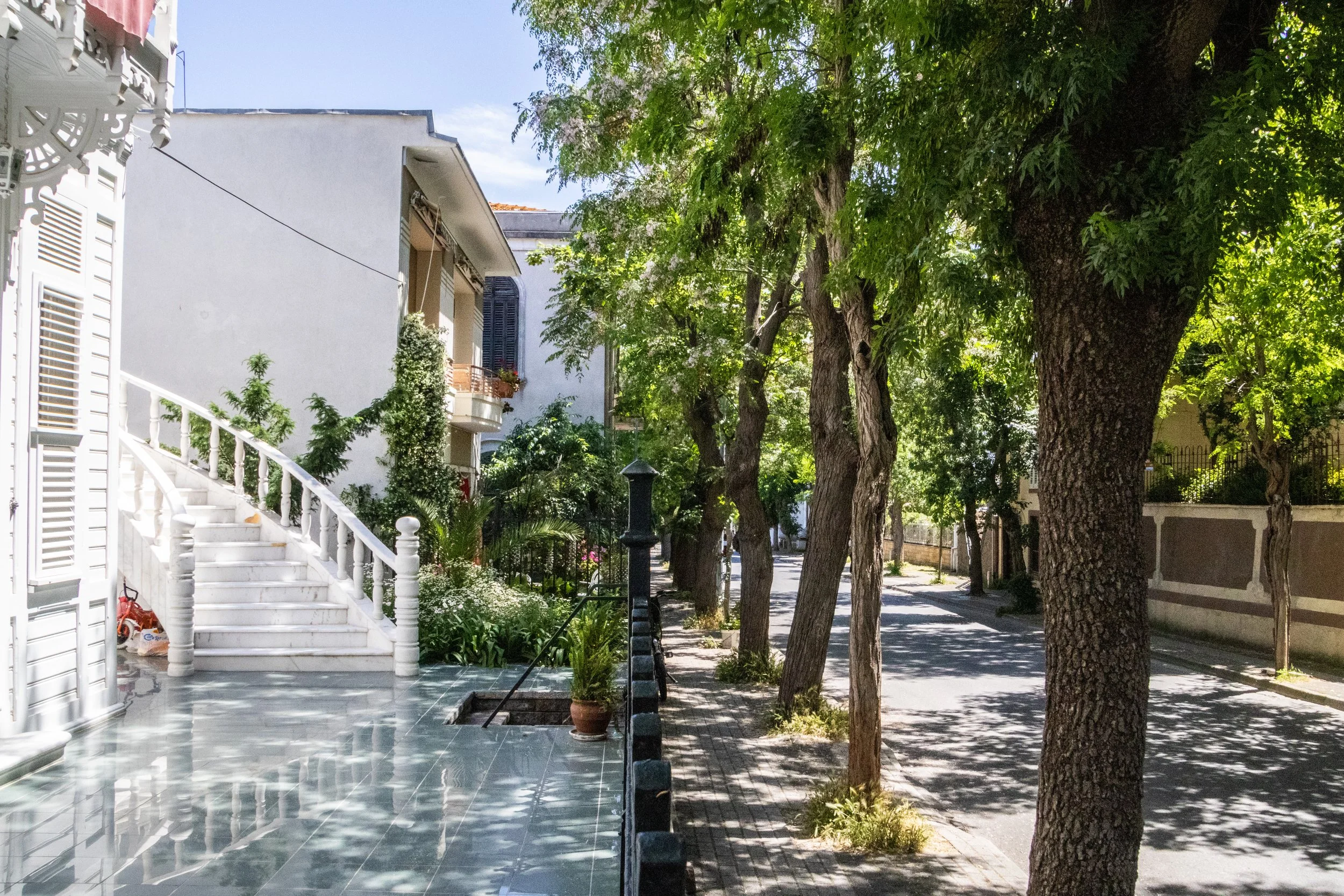
As we ventured farther from the main town, the houses grew larger, until we were passing by mansions on both sides of the street. Under the sprawling leafy canopy provided by the ancient trees that rose high above our heads, we had plenty of shade. It was quite peaceful… until a group of Russian kids—I’m guessing between 17 and 22—turned onto the same street as us with a stereo blasting Russian hip-hop as loud as possible. They yelled, laughed, and drank as the music blared shamelessly. As you may have surmised, I was not happy about this. But it was an interesting reminder about Türkiye’s unique geopolitical positioning. In an increasingly fragmented world, the is one of the few places where you will find American, Russian, Persian, and Chinese tourists all inhabiting the same space. I used to meet a lot of Russians in my travels… but not so much these days. They have become super isolated, which might be part of why it seemed like it was these kids’ first time ever being in a public space. BUT I DIGRESS.

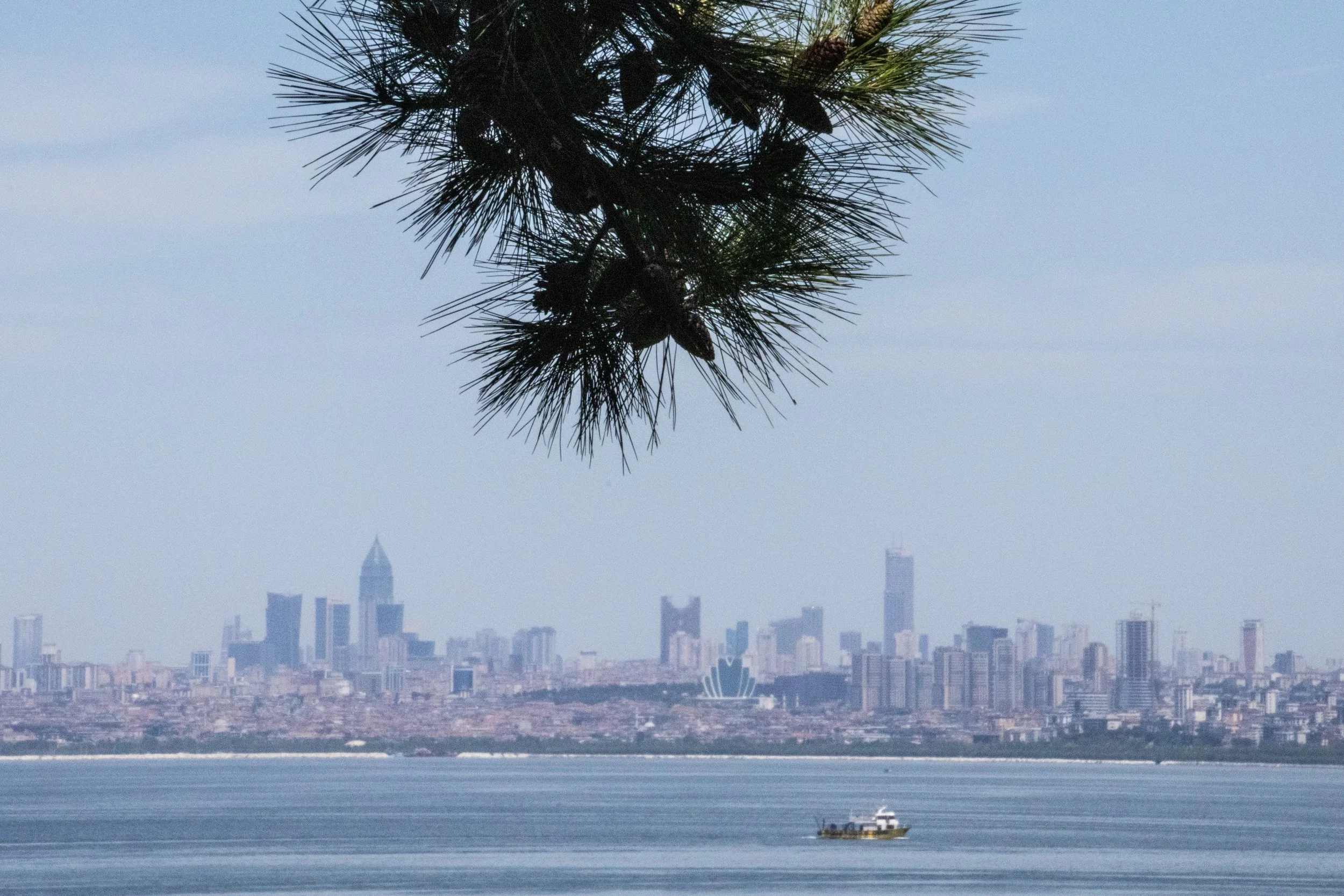
Here’s a fun Büyükada-Russia fact: Leon Trotsky lived here from 1929 to 1933, after Stalin expelled him from the Soviet Union. In fact, it was here that he wrote his autobiography, My Life. And again, we see the theme of political exile playing out on Büyükada! It wouldn’t be a bad place to be exiled to though… although, with the Istanbul always clearly visible in the distance across the water, I can see how the view might make you long to rejoin society all the more. However, many famous Turkish writers—such as Reşat Nuri Güntekin, Hüseyin Rahmi Gürpınar, Yahya Kemal—have taken advantage of this dynamic to retreat and throw themselves into their work. I could see this being a cool setting for a novel. Imagine being stuck on this island for a couple of YEARS. There’s something tantalizing about that in a backwards sort of way…
We walked aimlessly until we eventually stumbled upon a seaside park. Sensing that this was going to be the farthest-from-the-starting-line point on our excursion, we paid a small fee to enter, only to discover it was mostly empty and unimpressive. It had nice views of Istanbul across the water though. That was our last stop; from there we caught a public bus back to the center of town to catch the ferry.
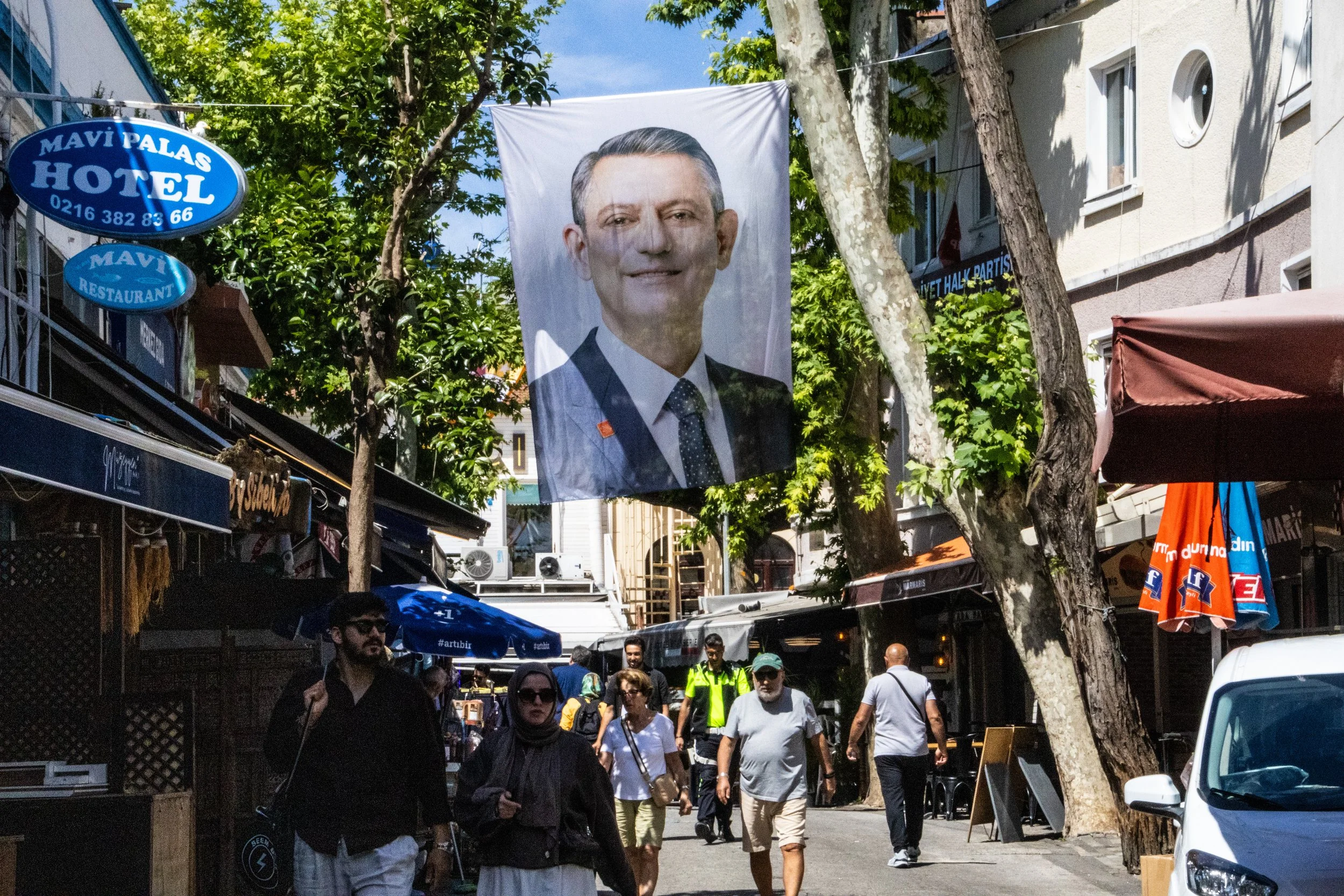
There are lots more layers to this island, including its significance to Istanbul’s Greek and Armenian communities, but I think I will hold that in reserve for a later article. Here are a few pictures from a few hours spent wandering Büyükada.
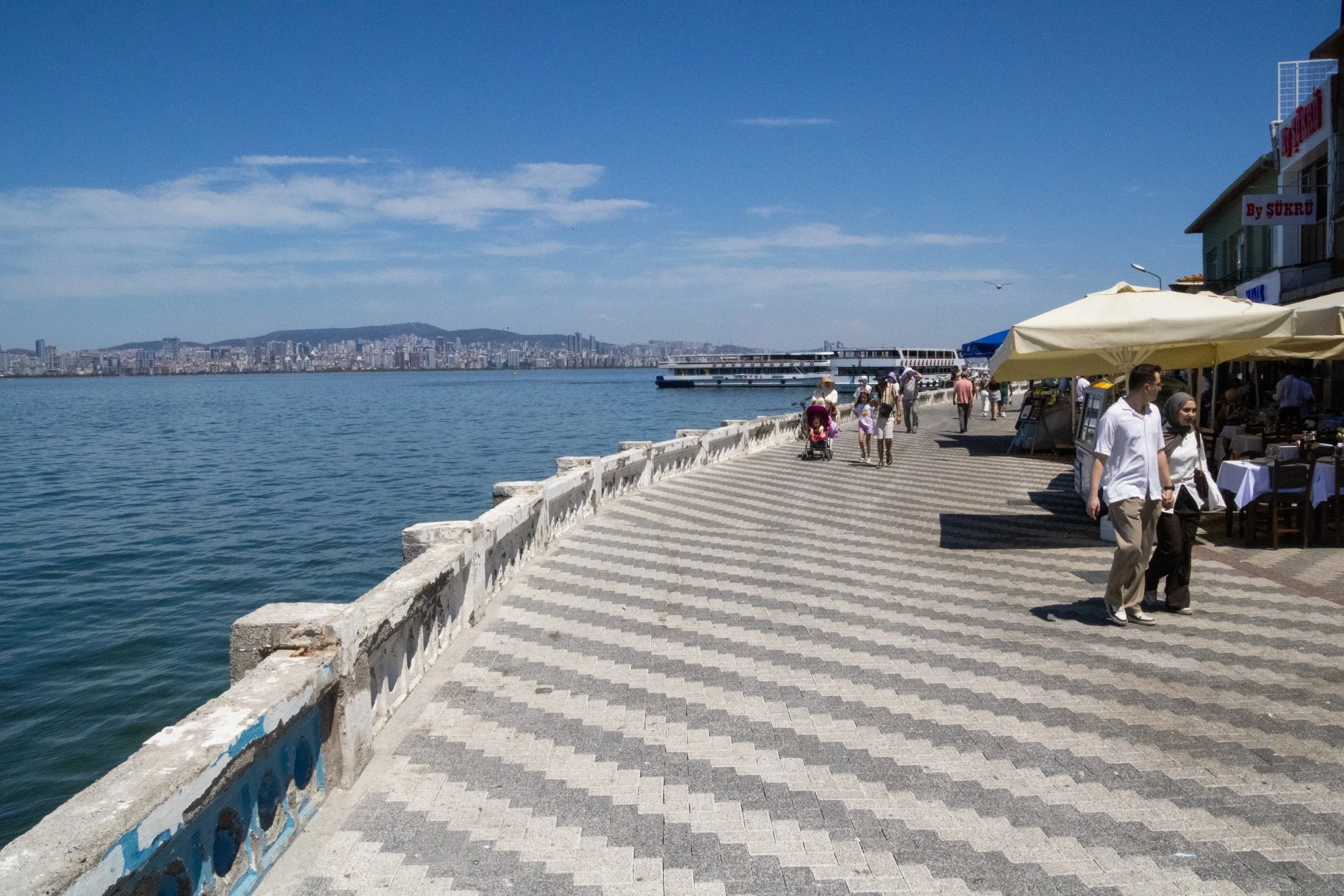
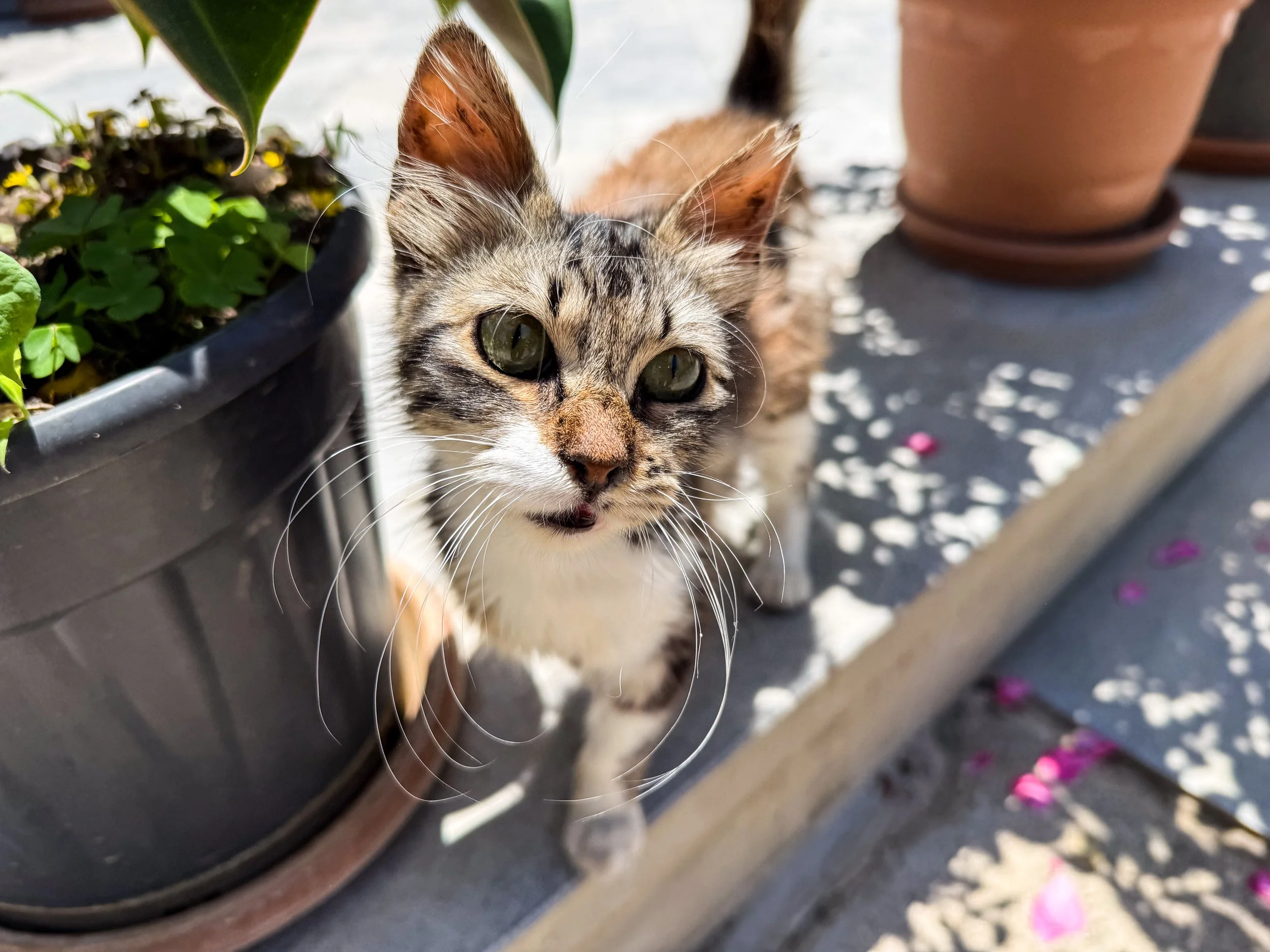
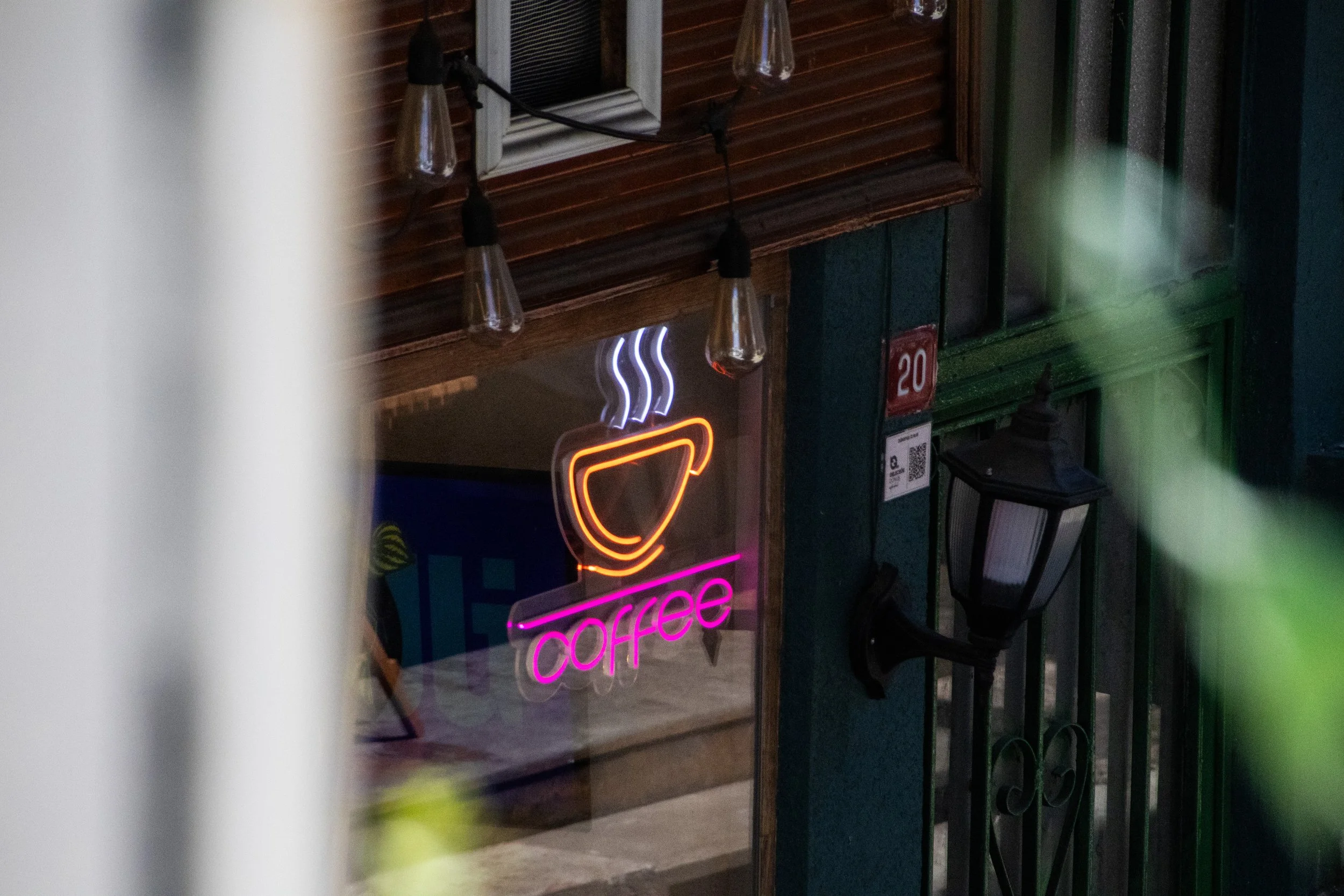
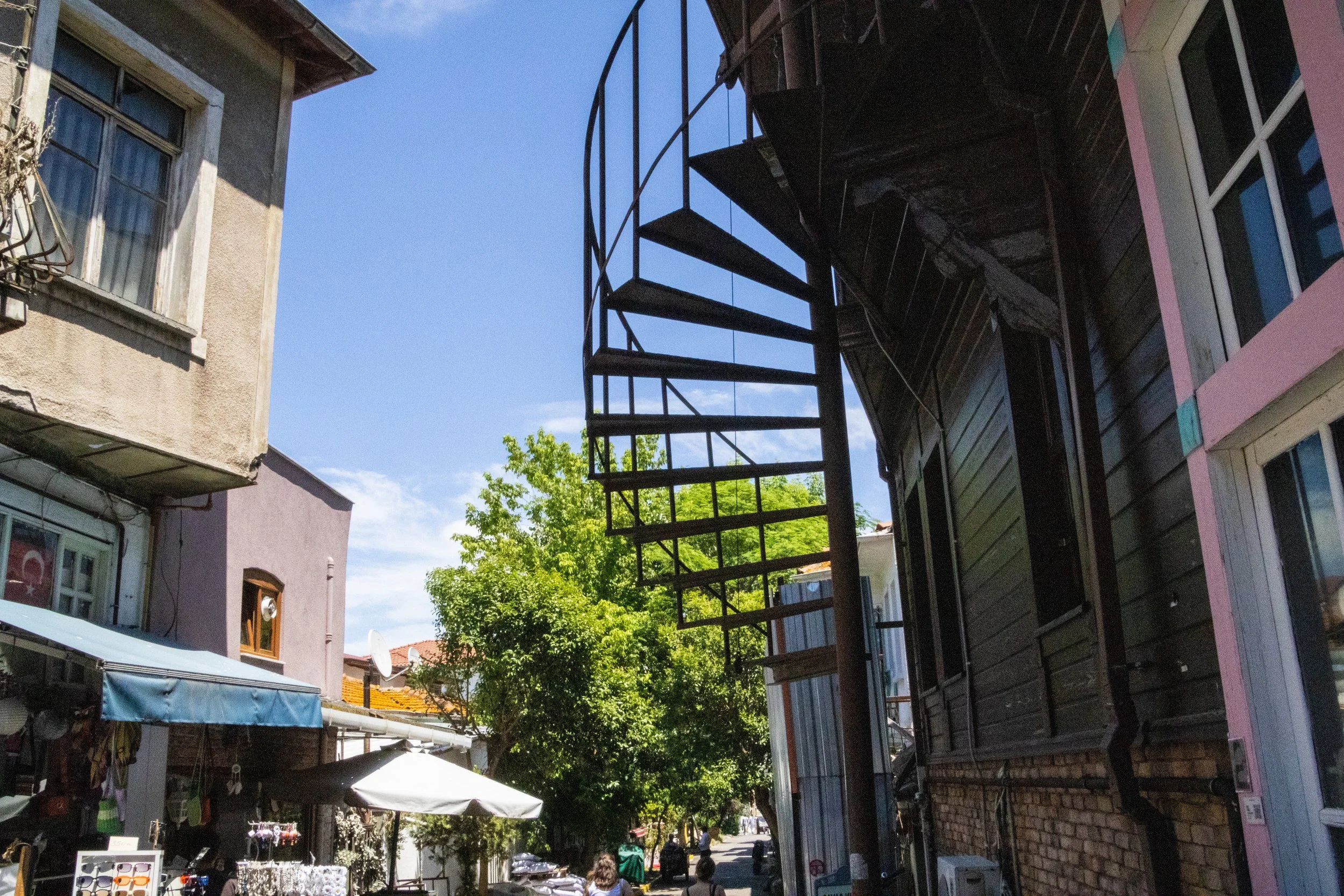
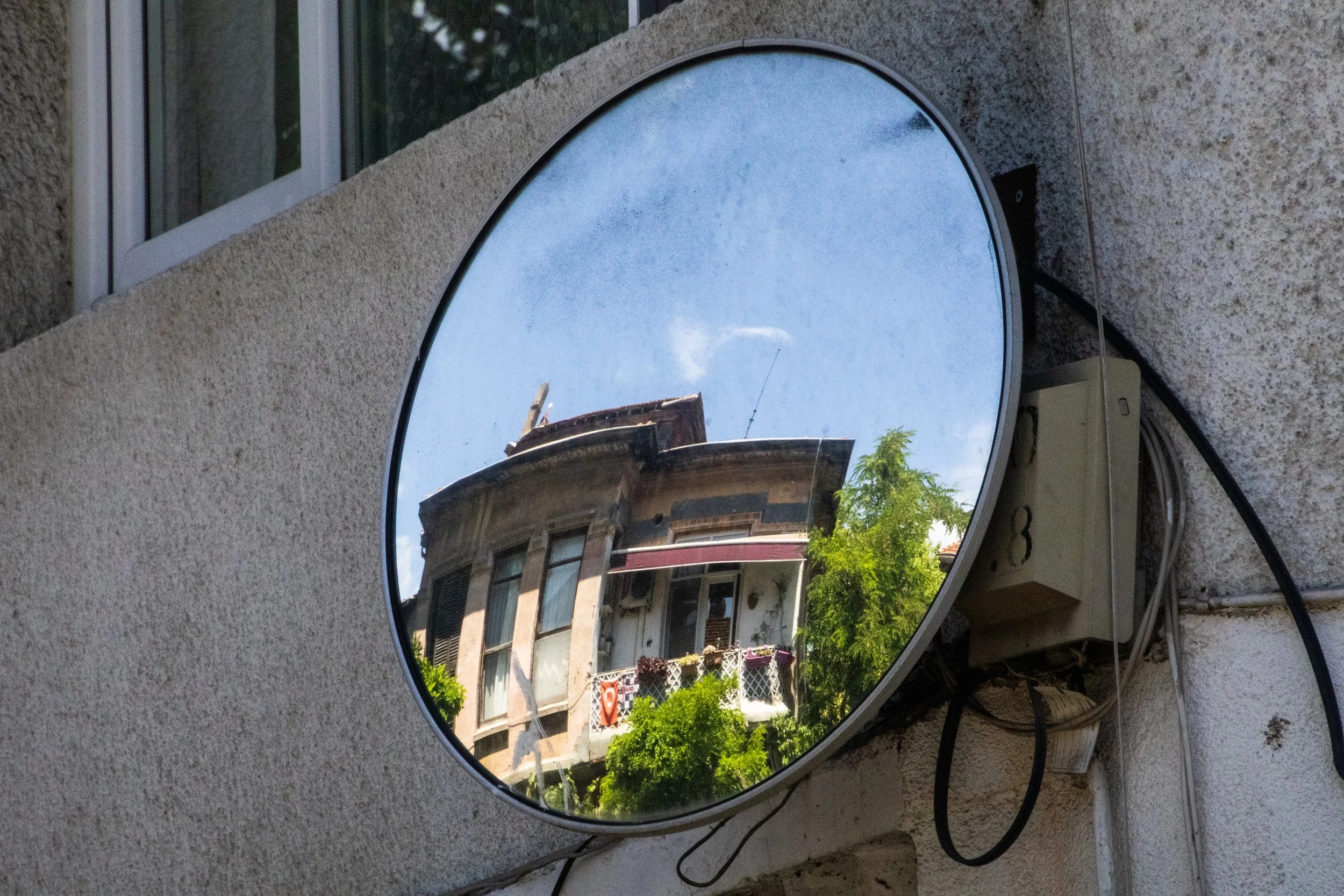
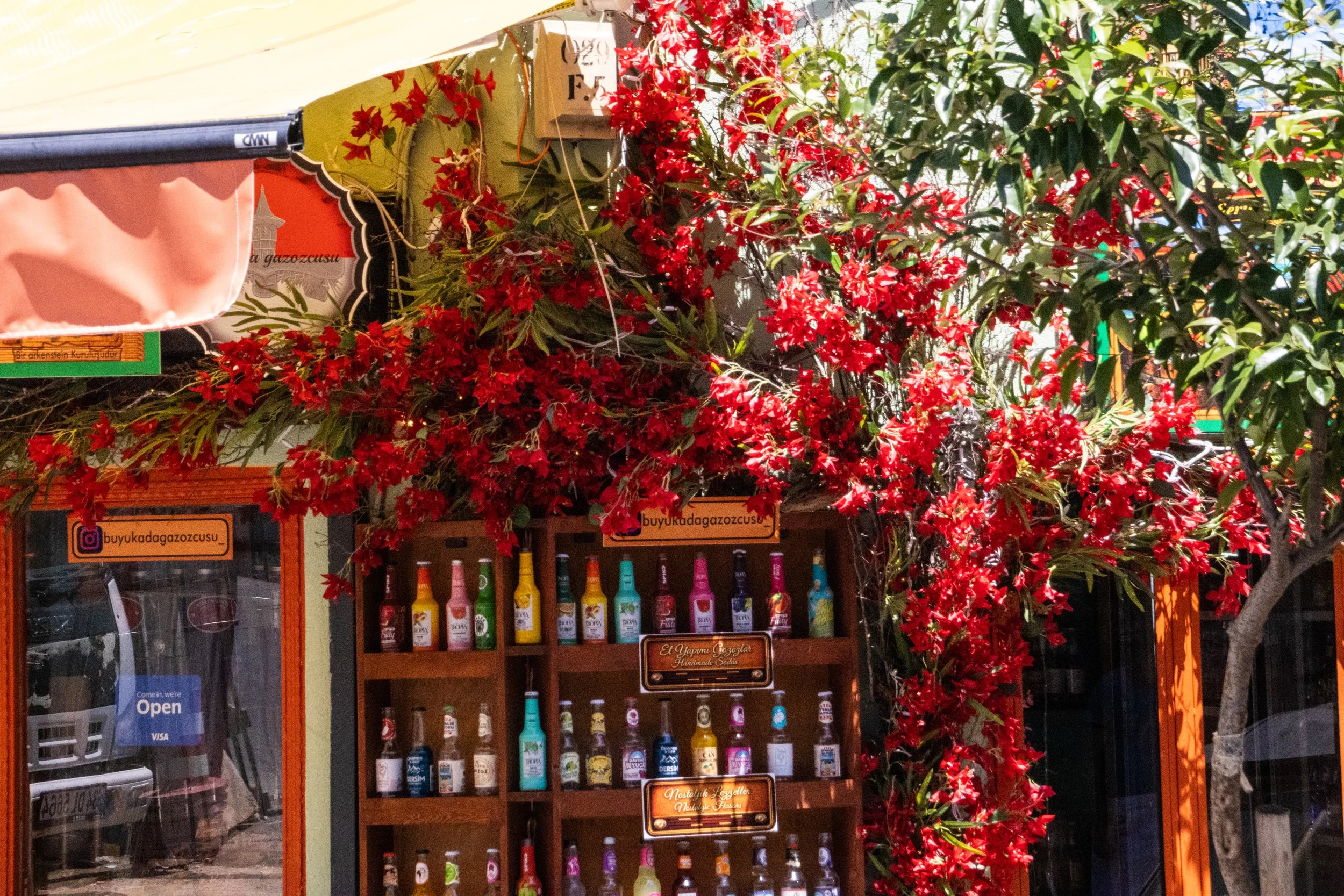
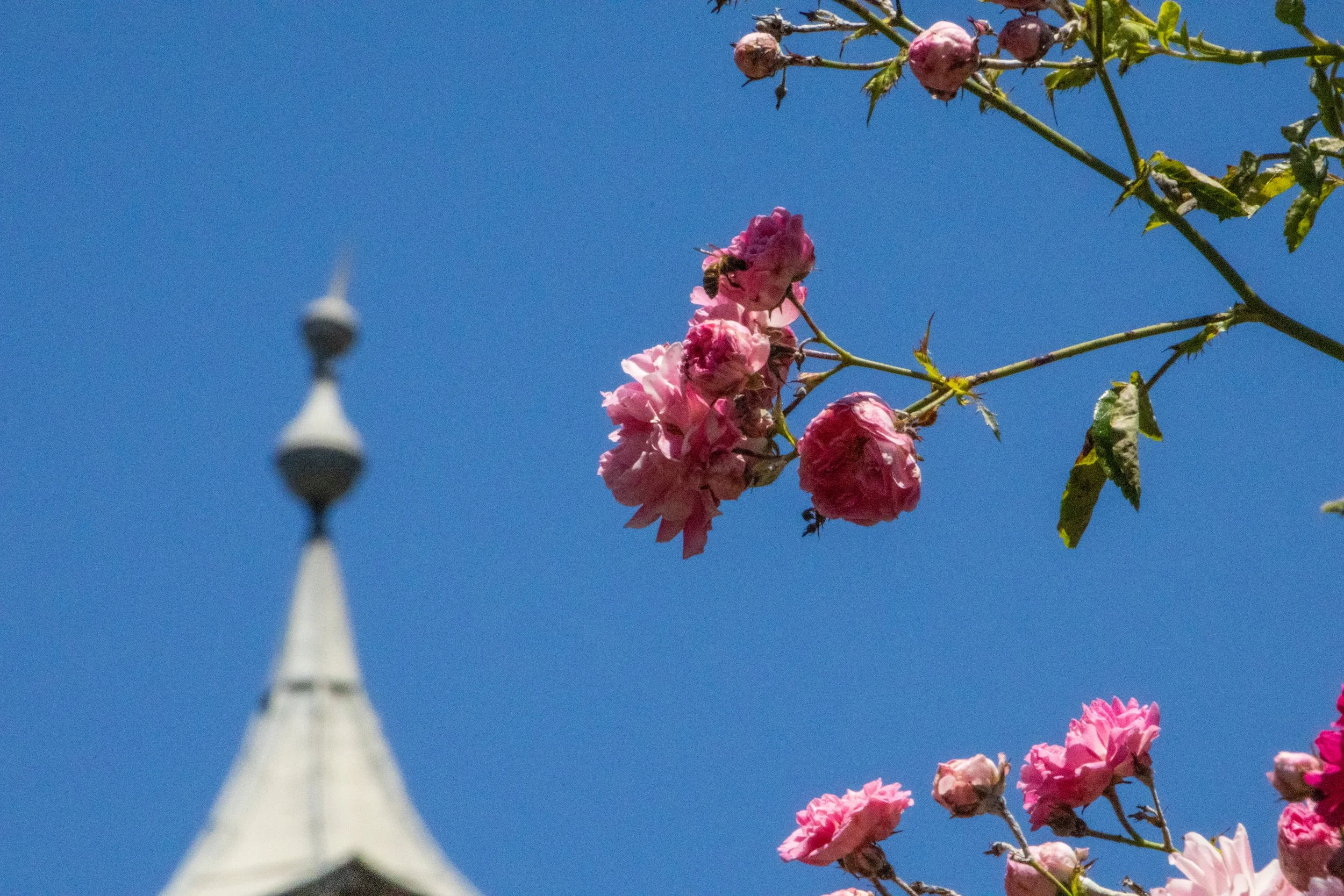
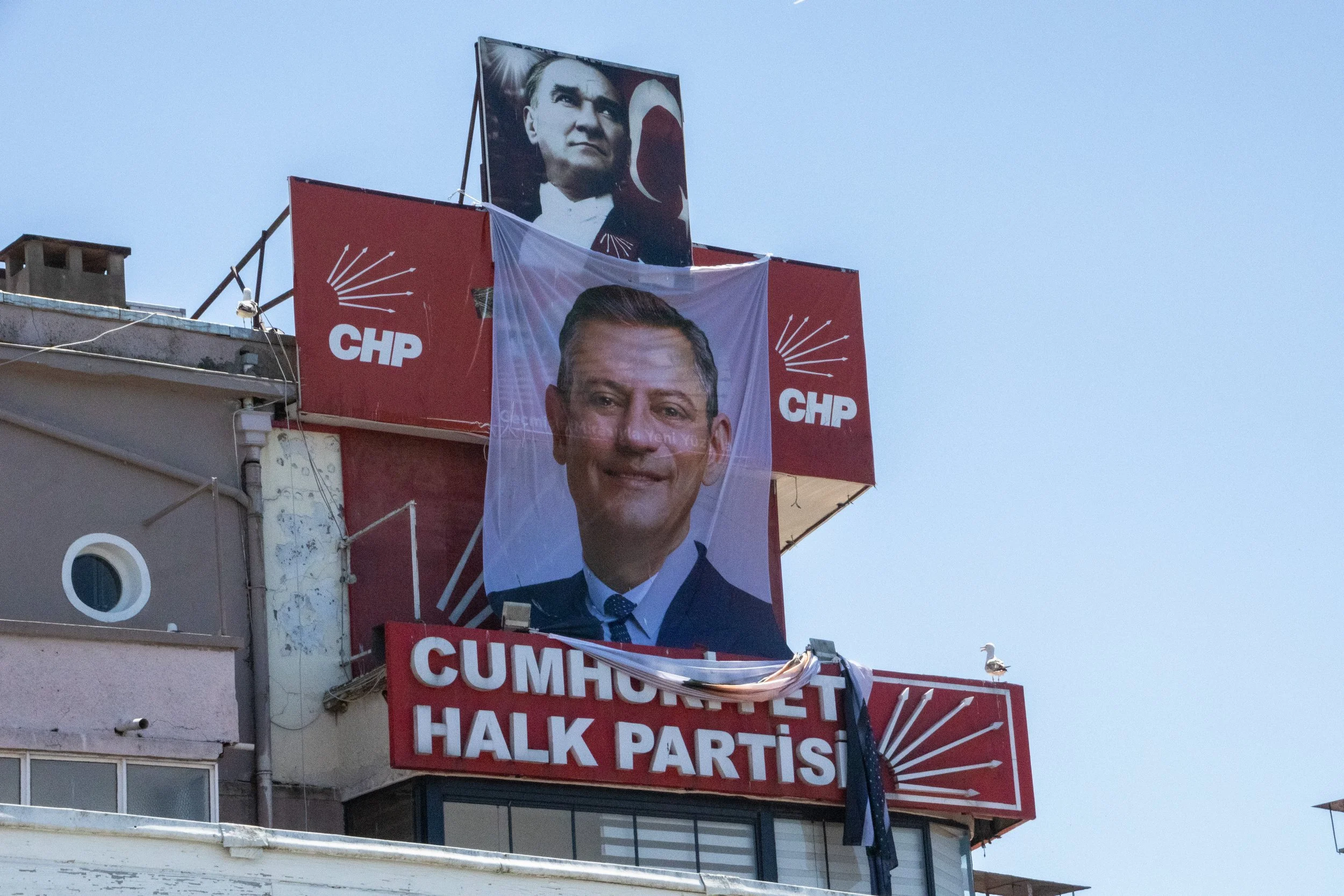
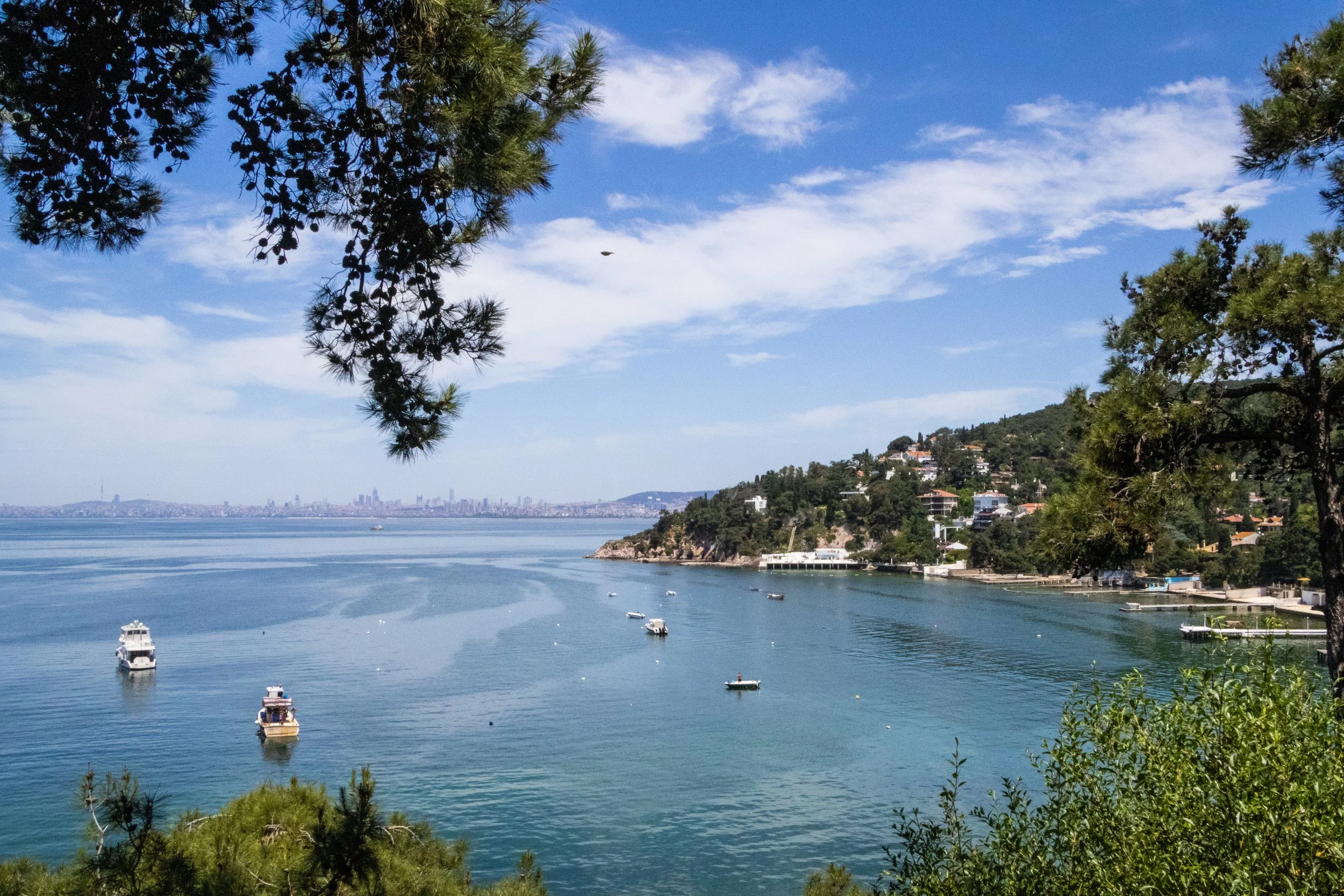
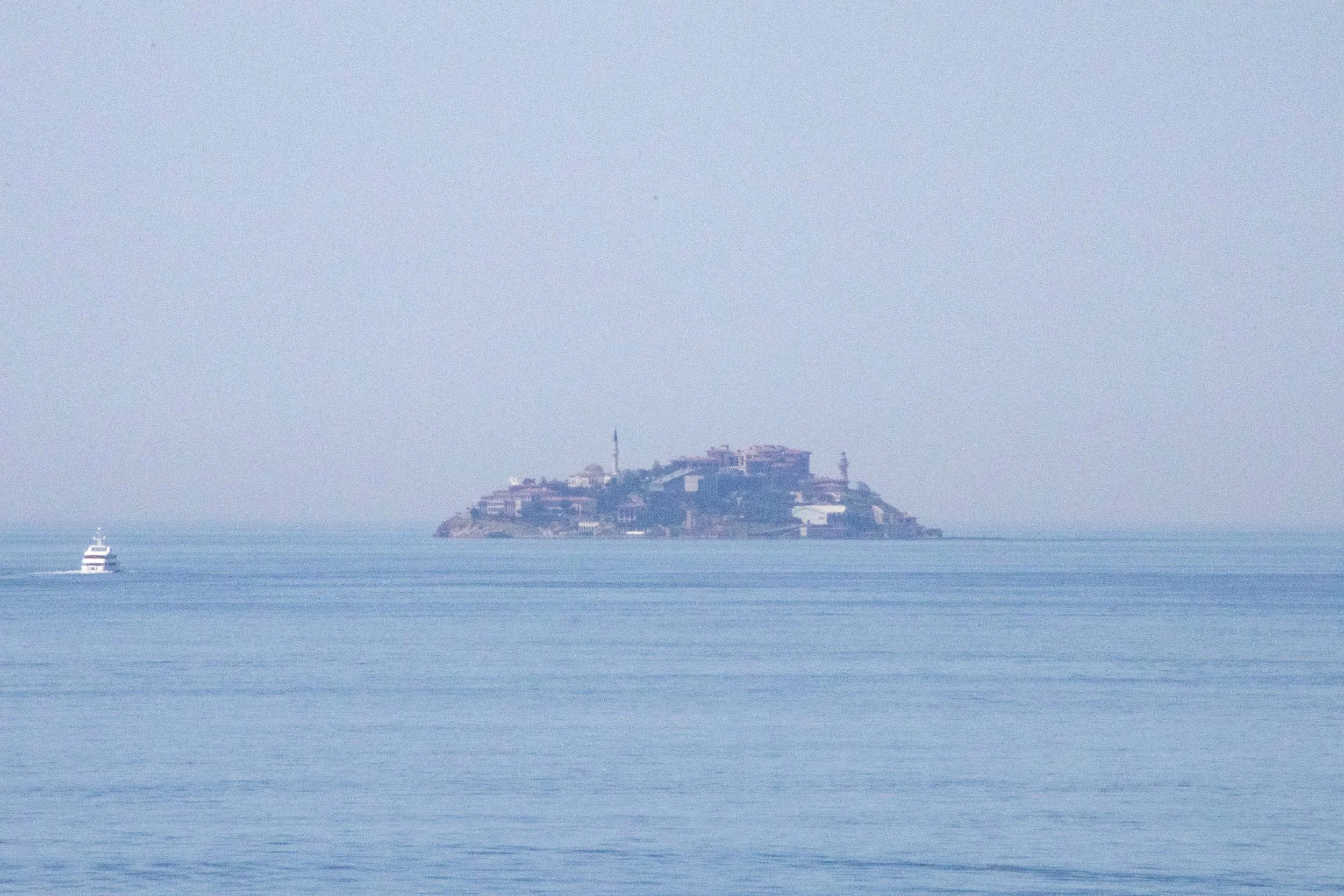
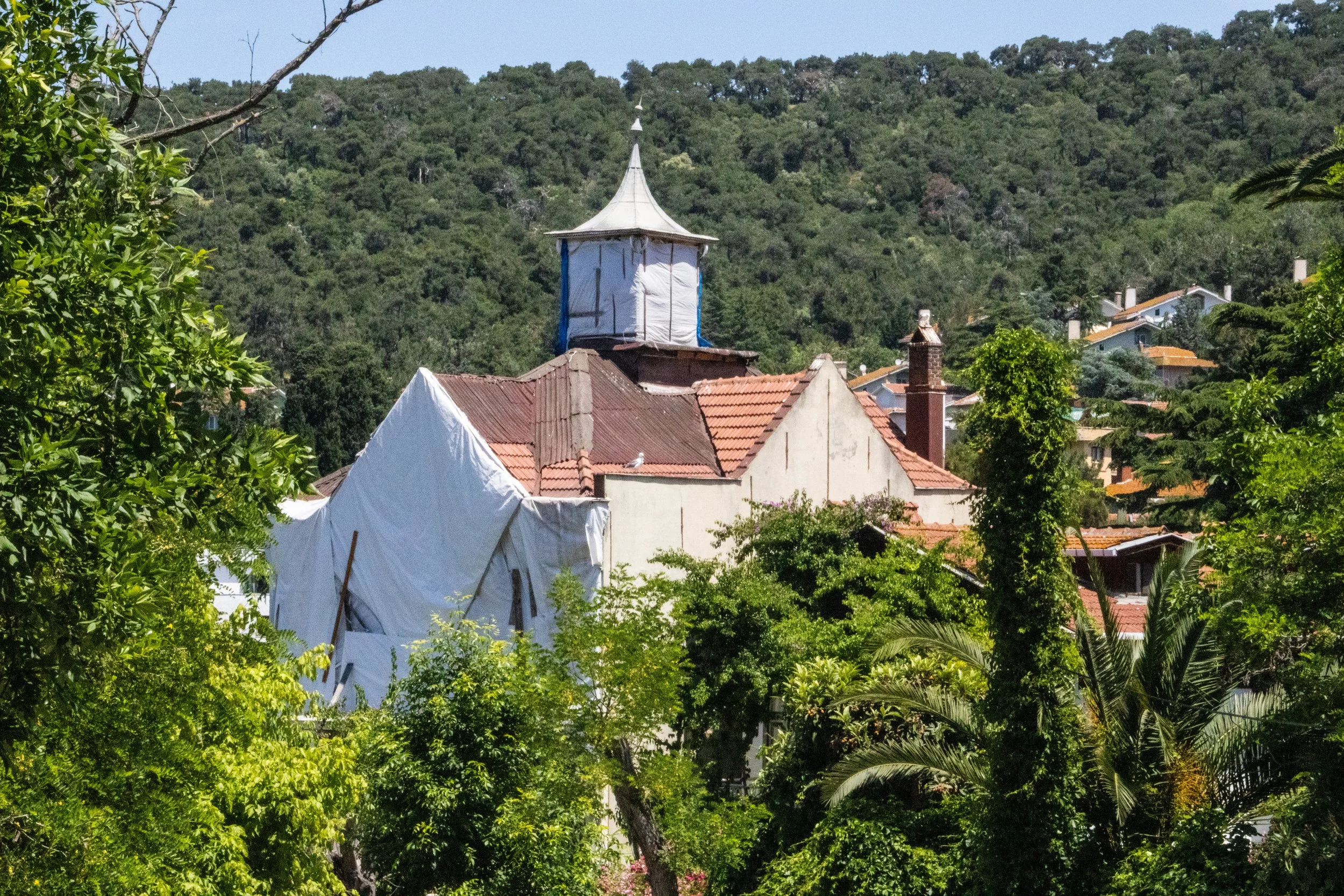
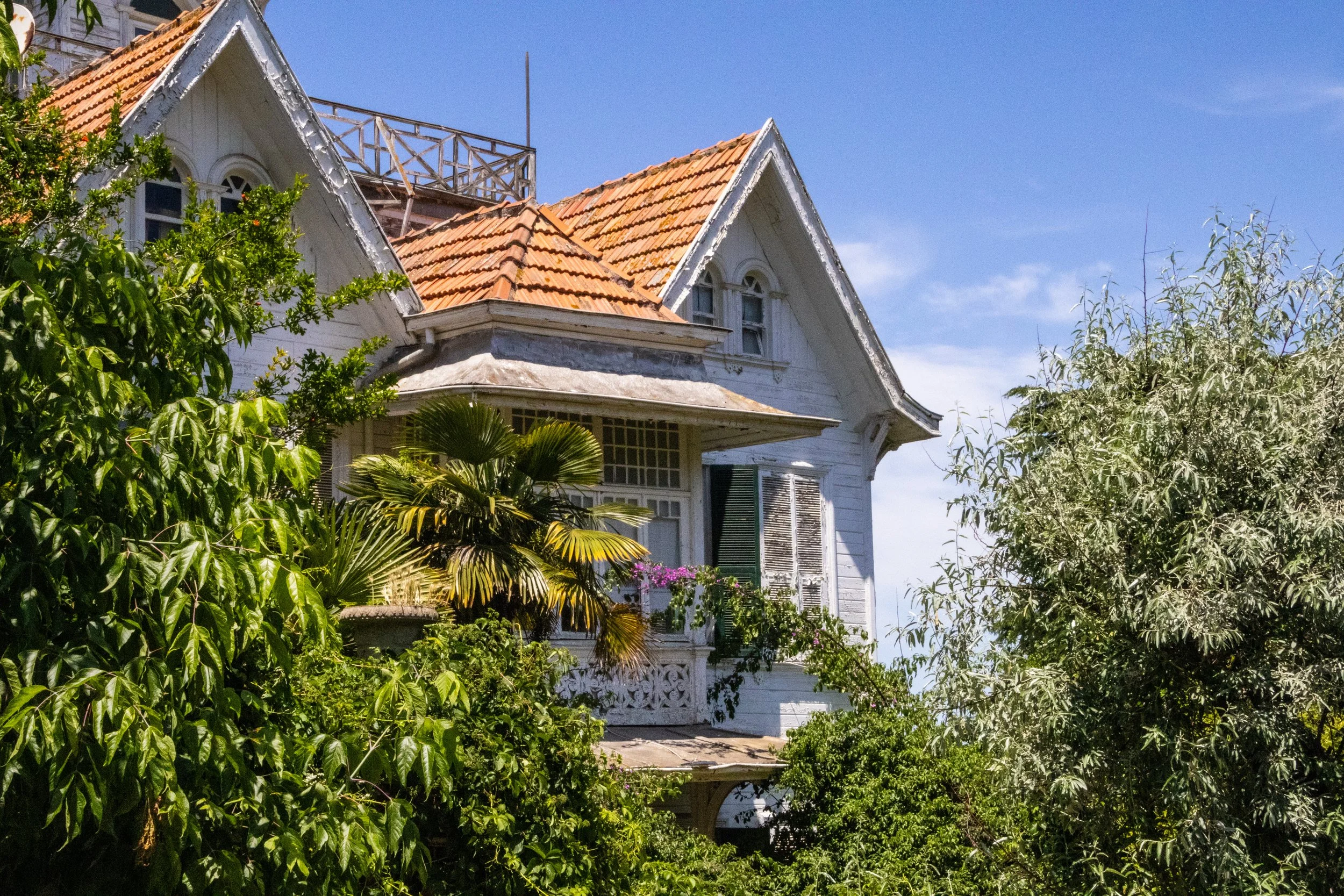
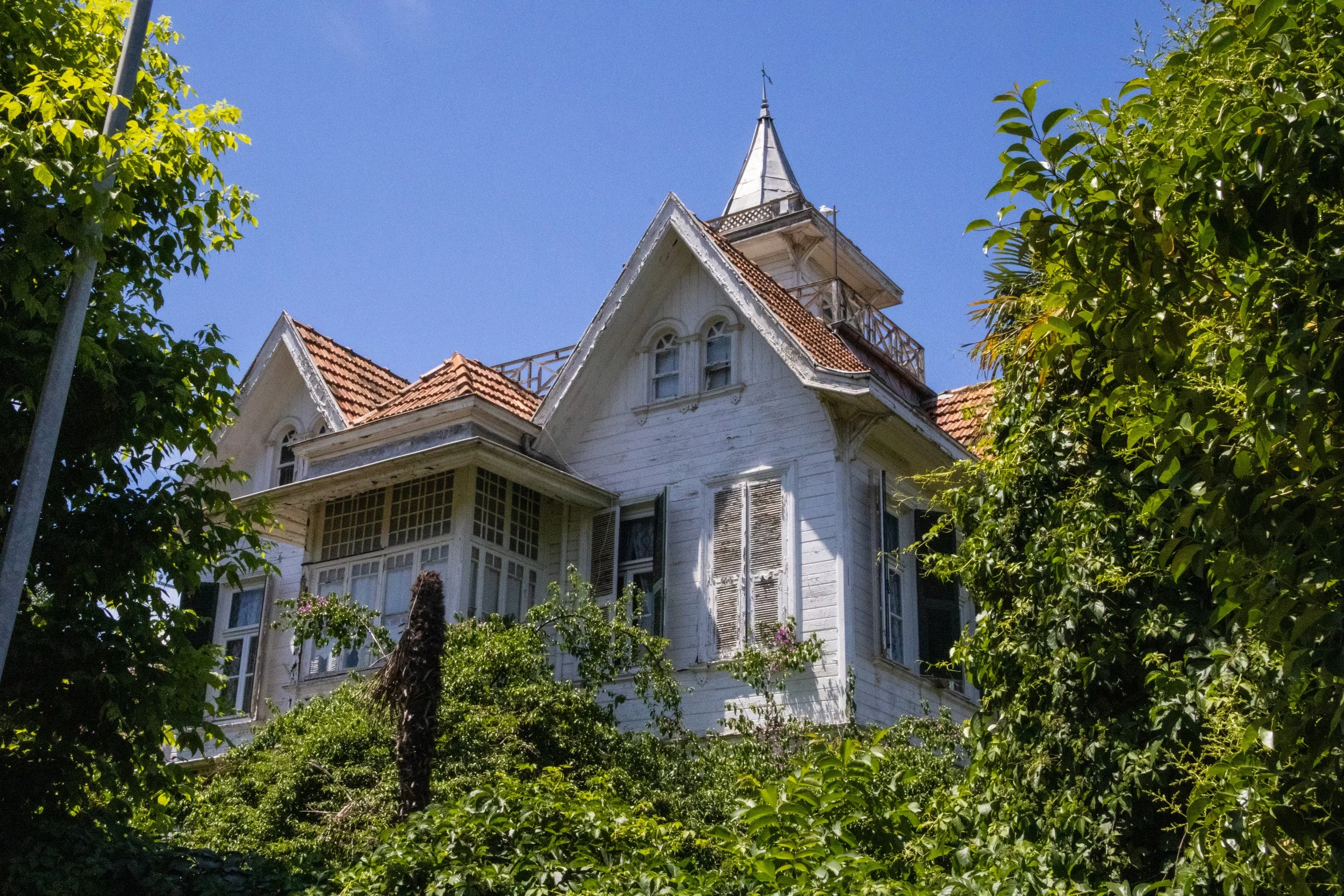
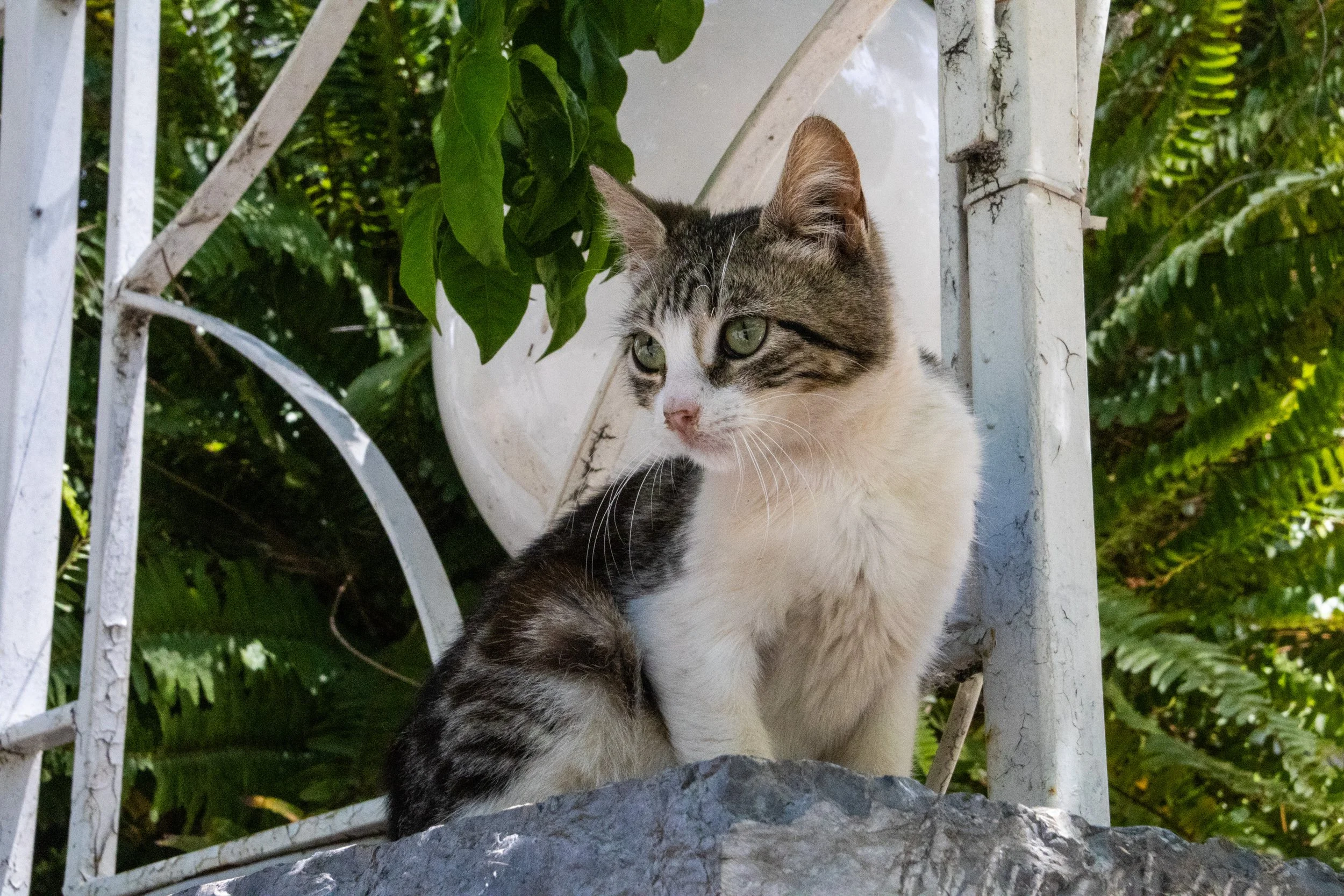
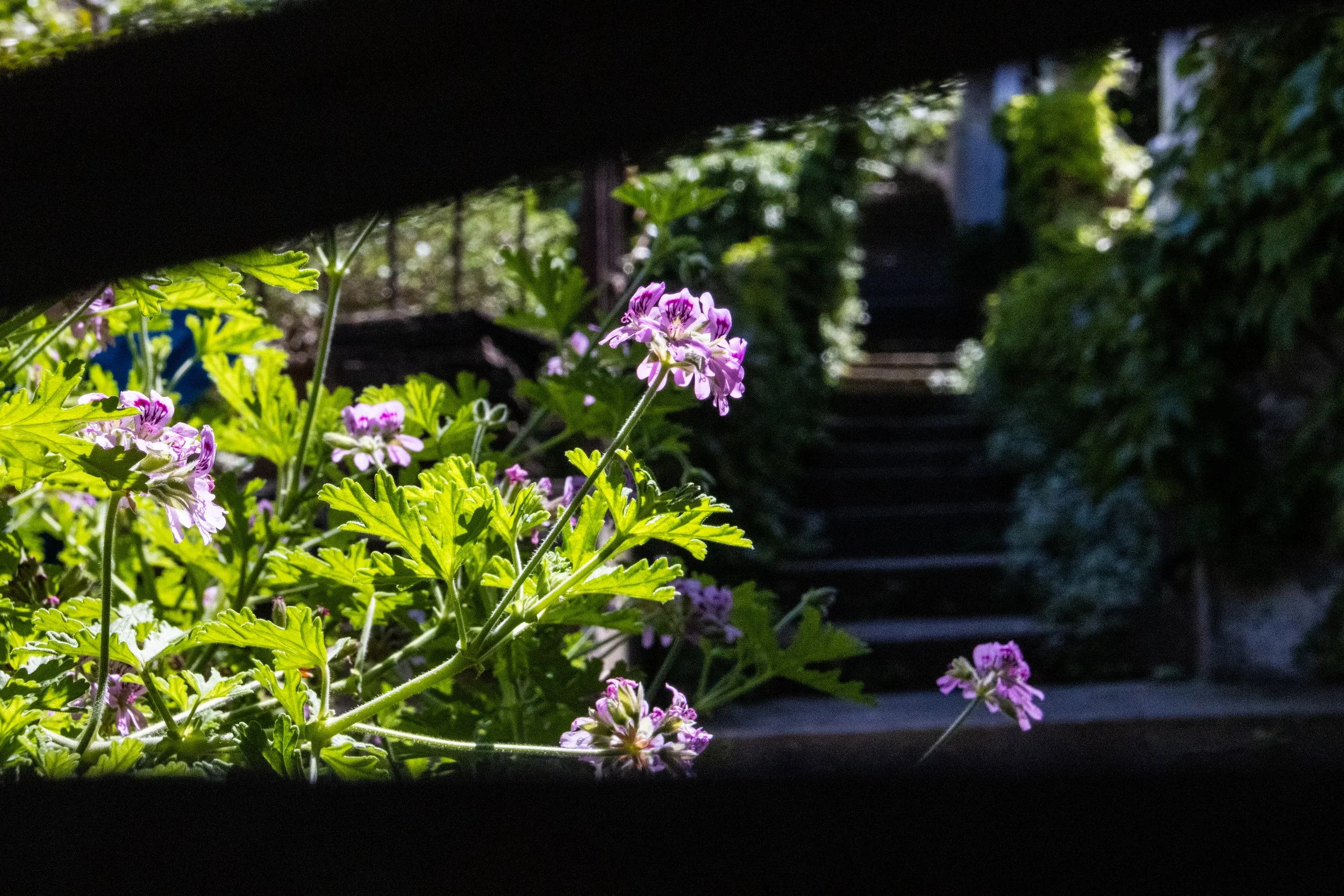
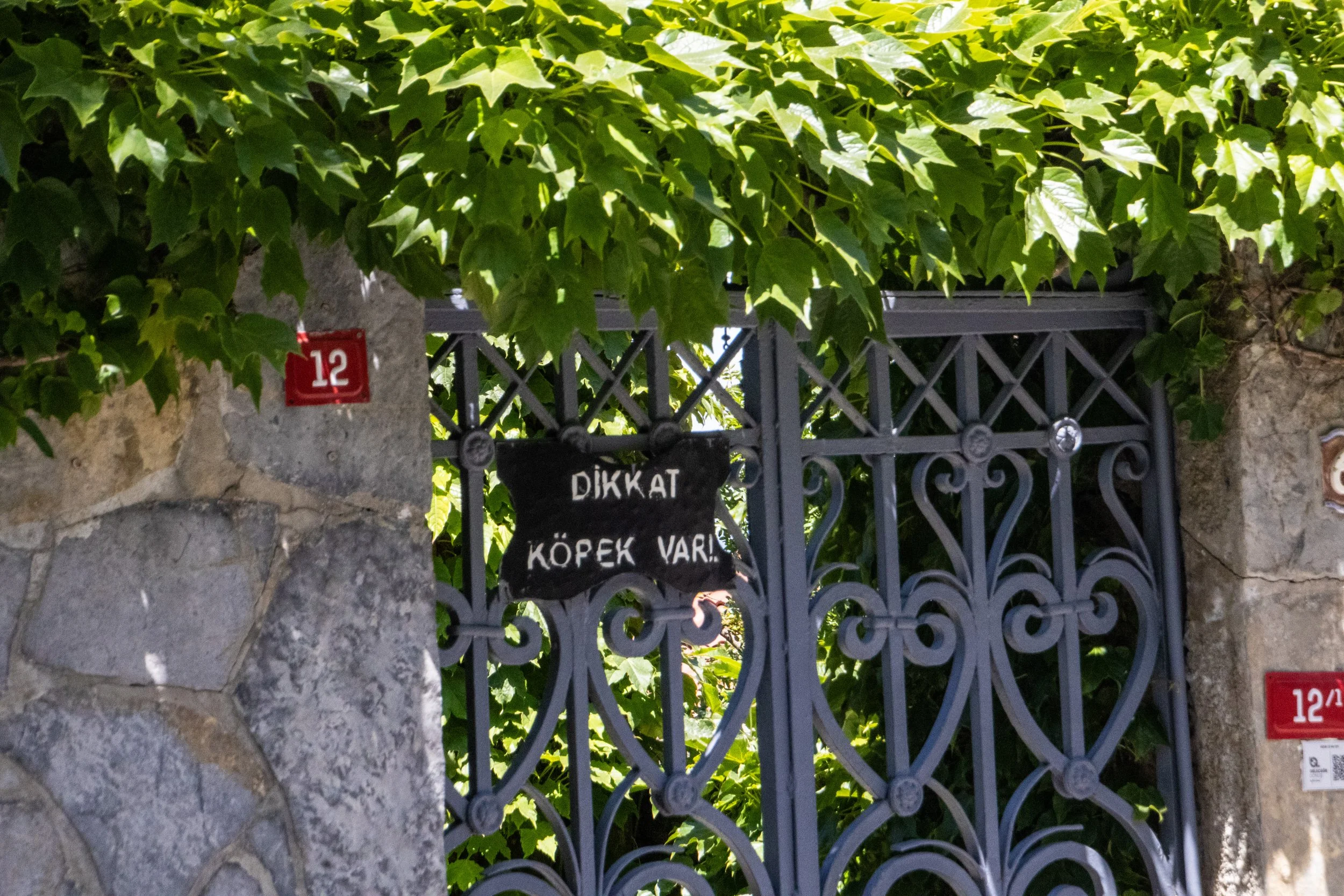
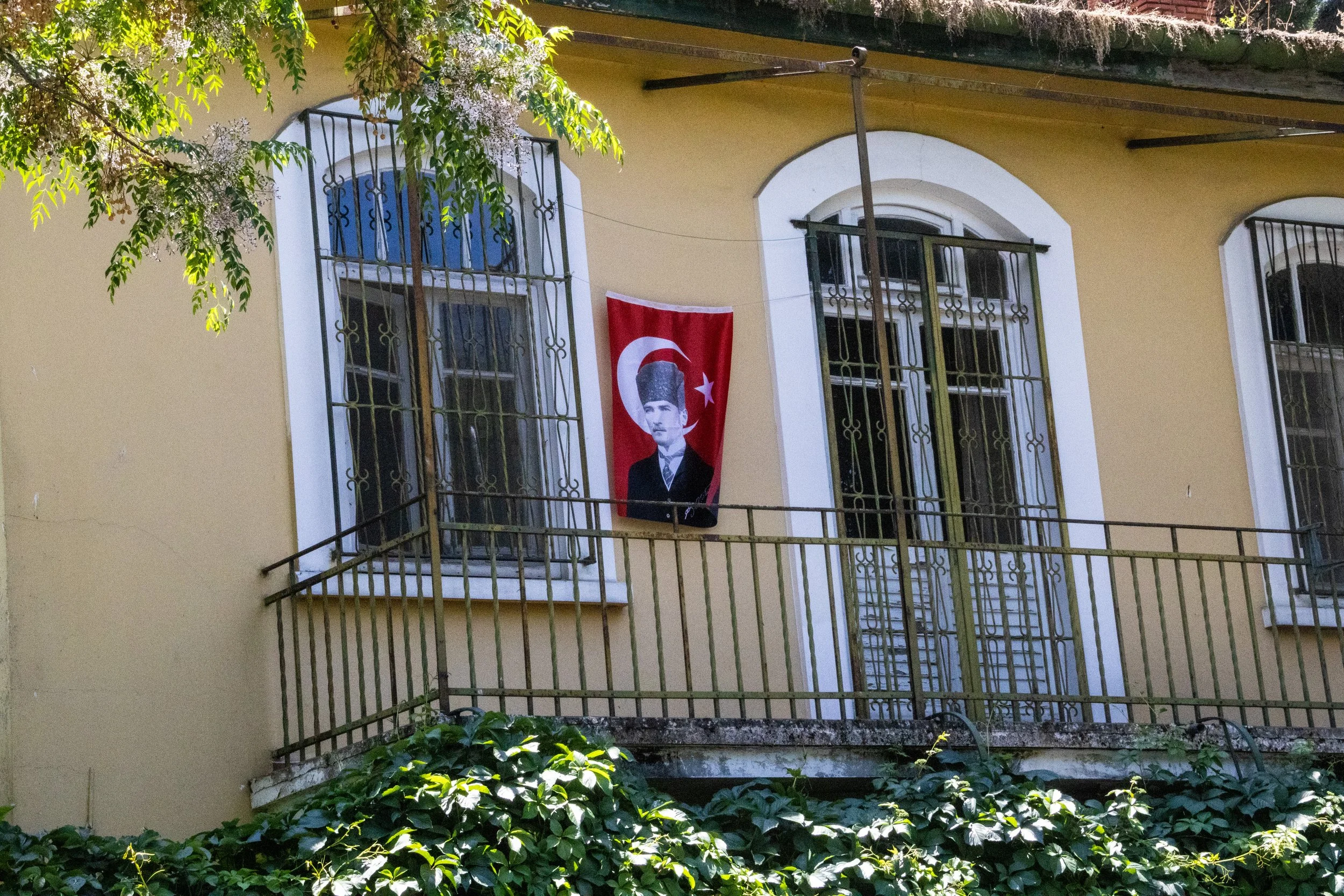
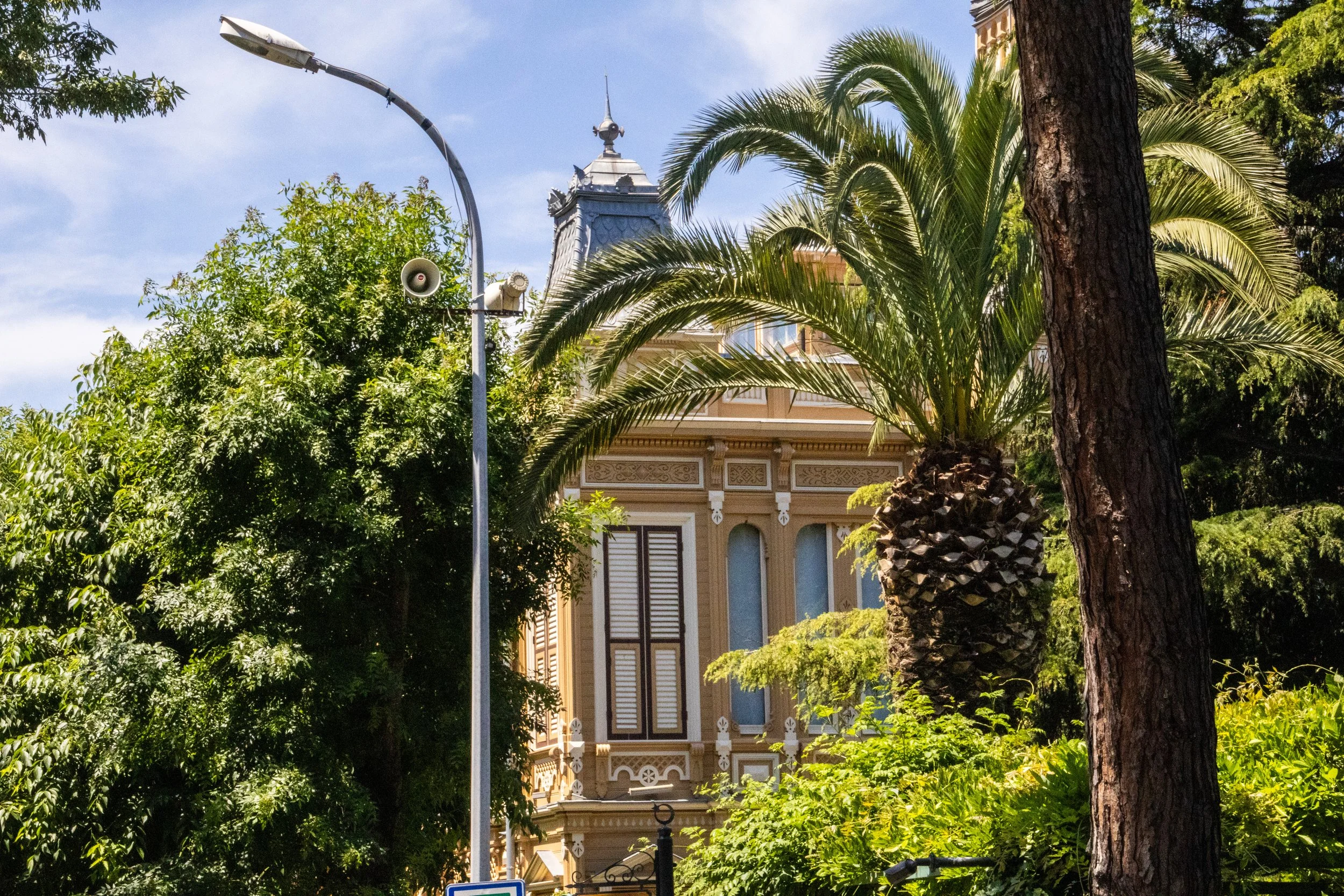
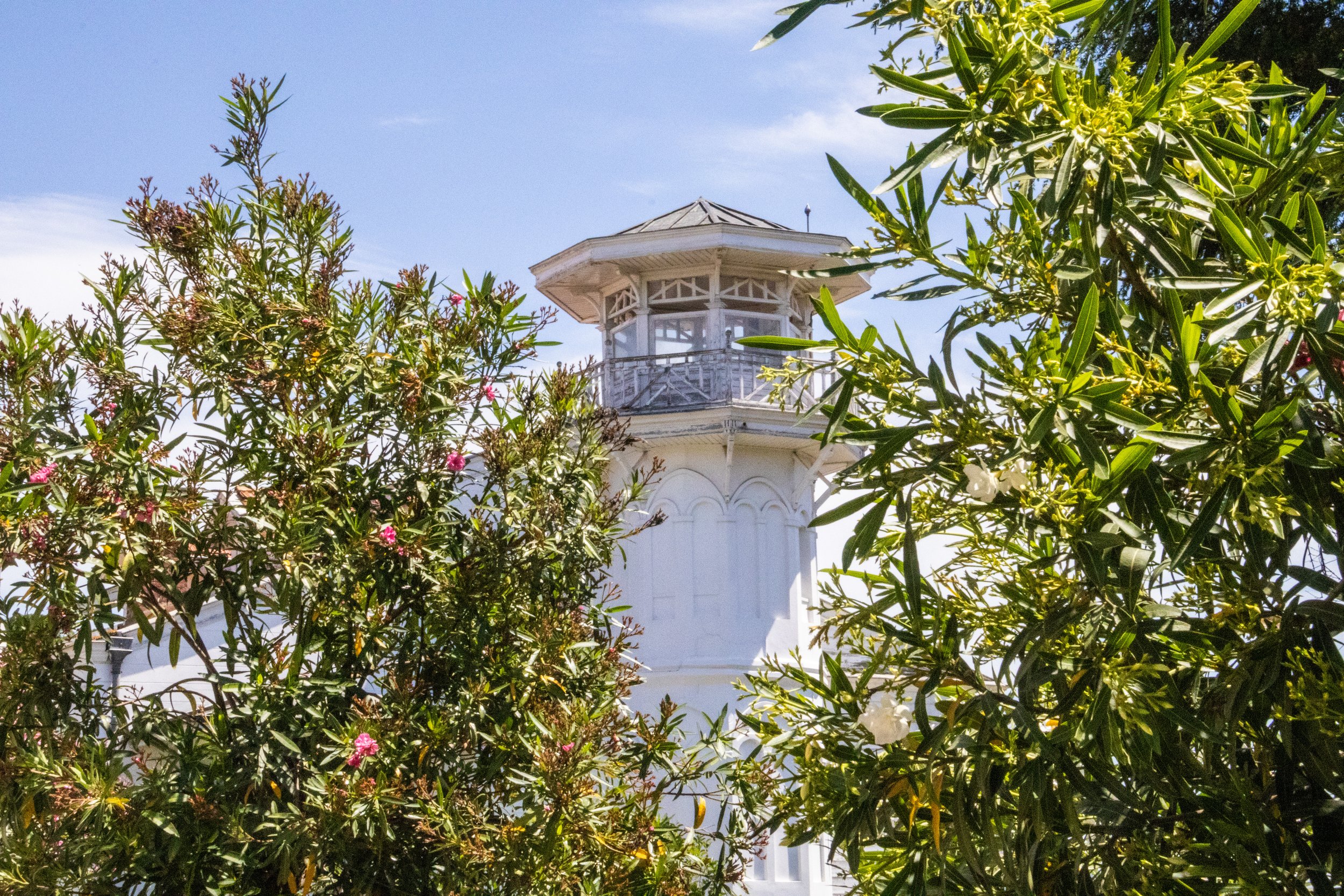
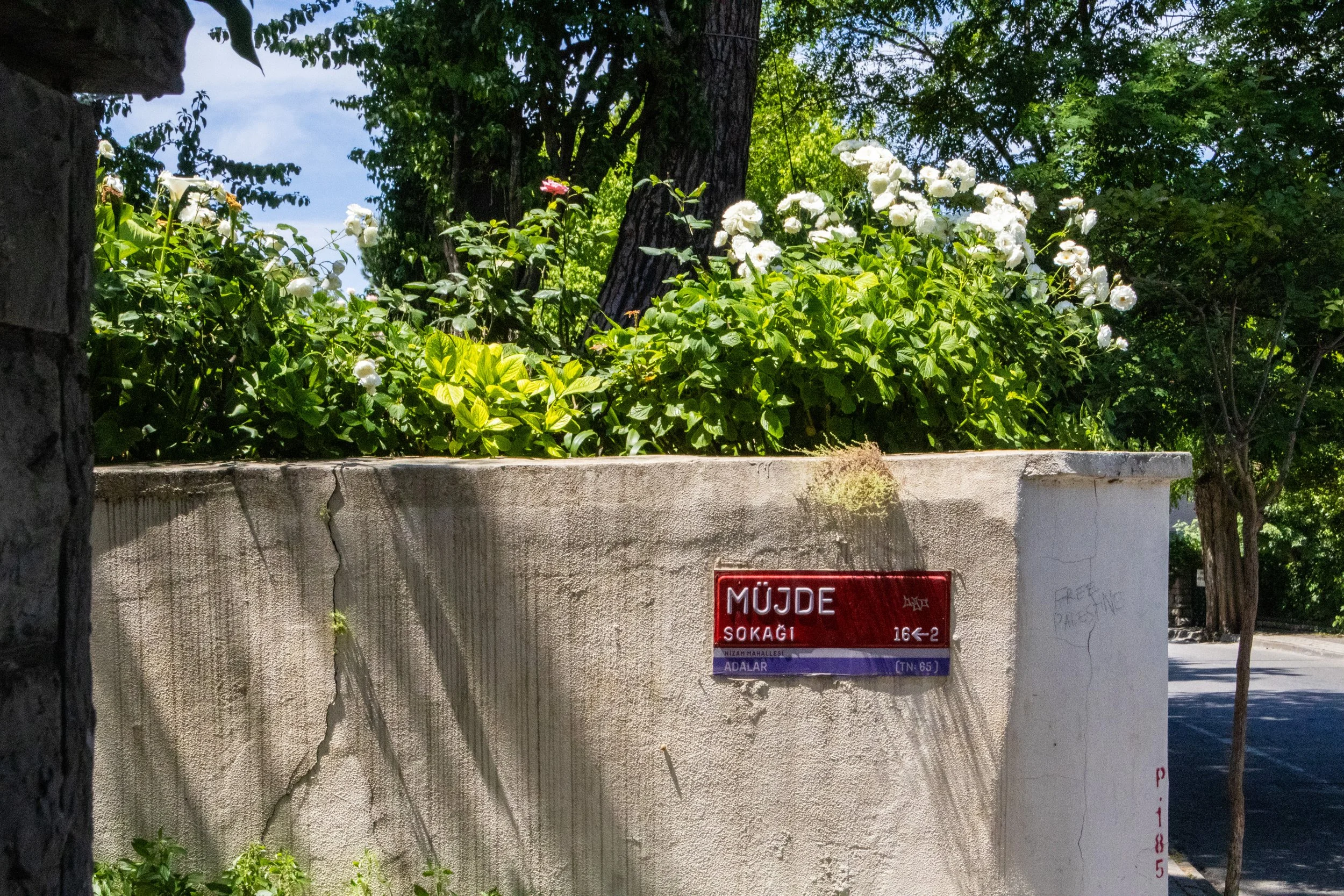
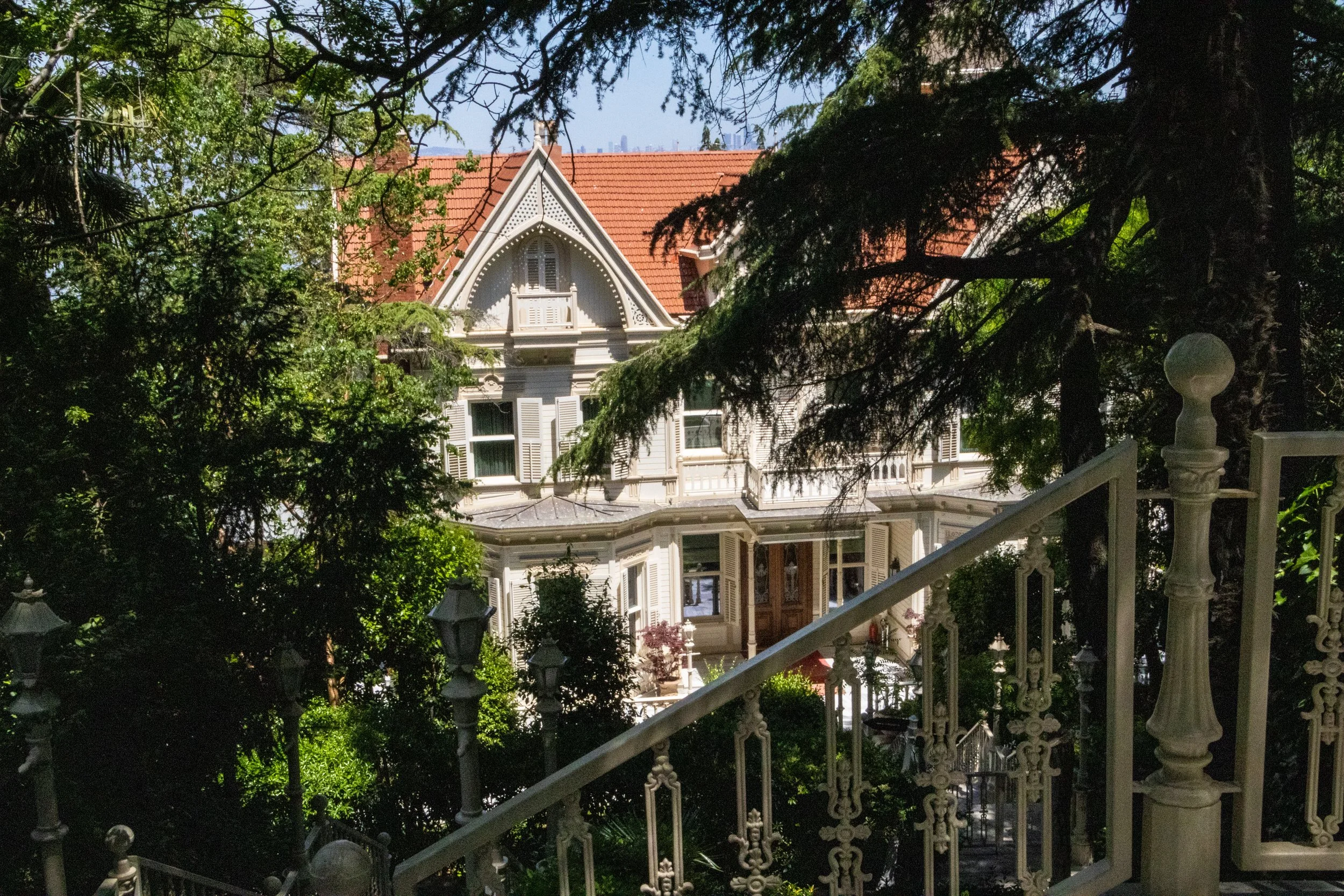
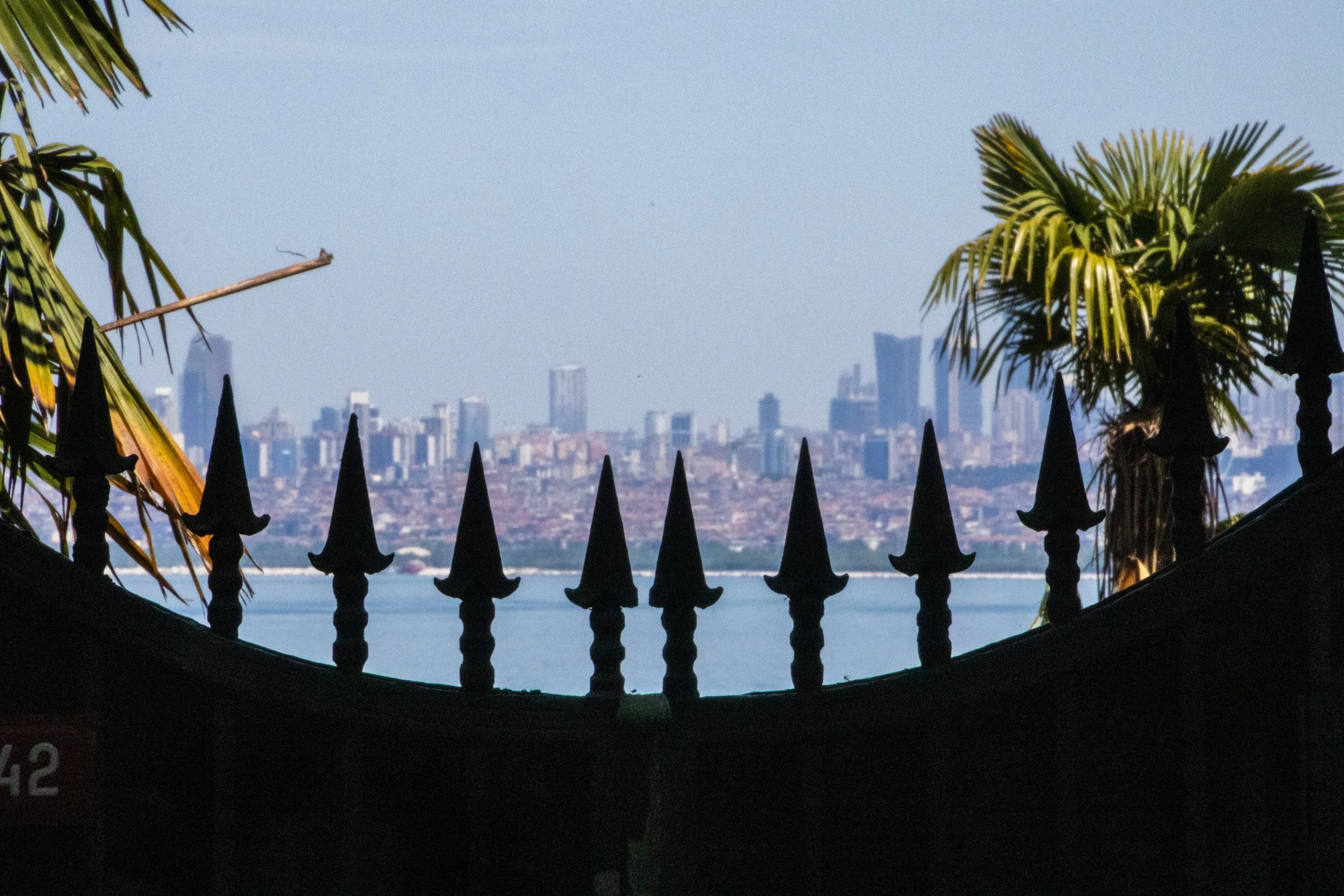
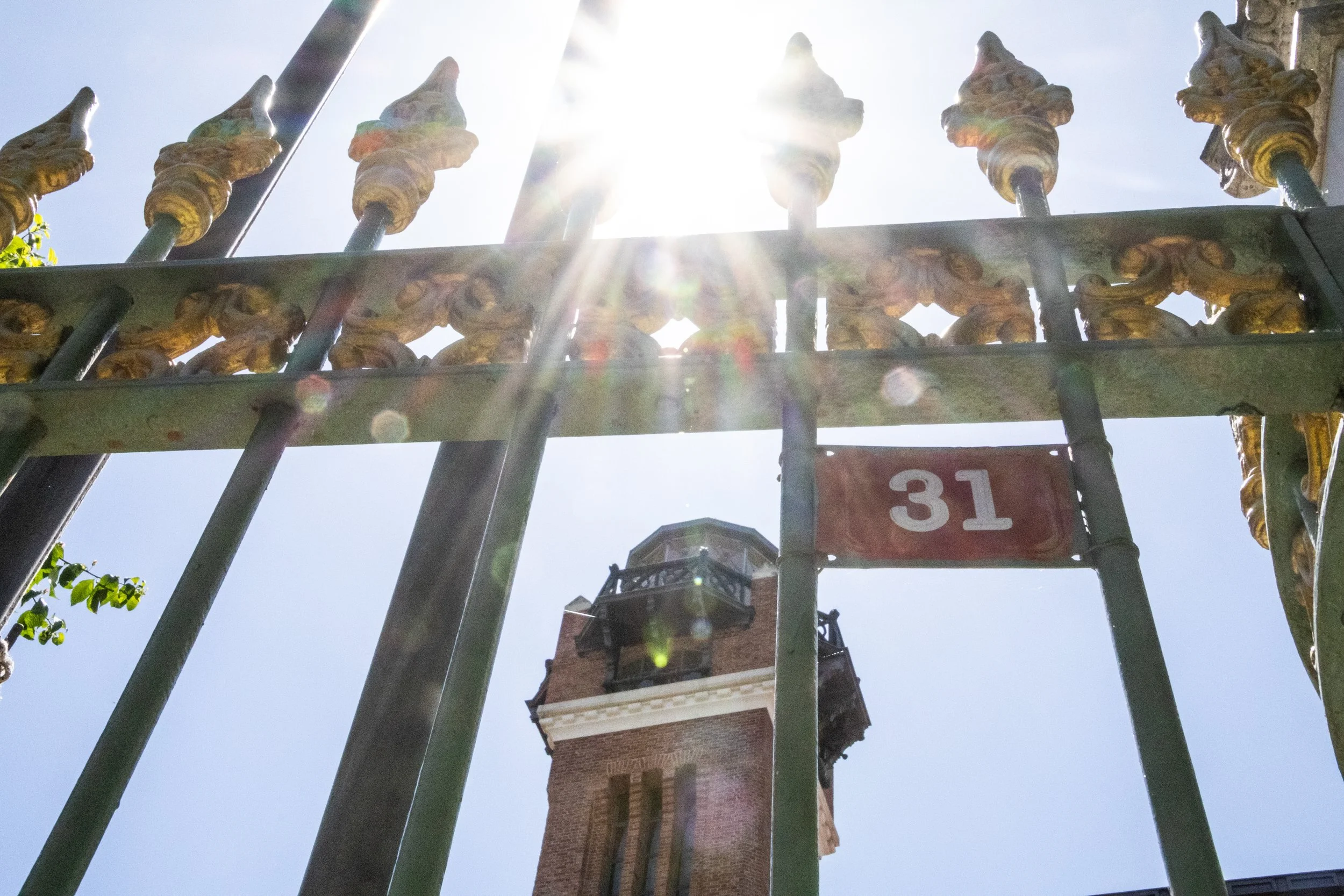
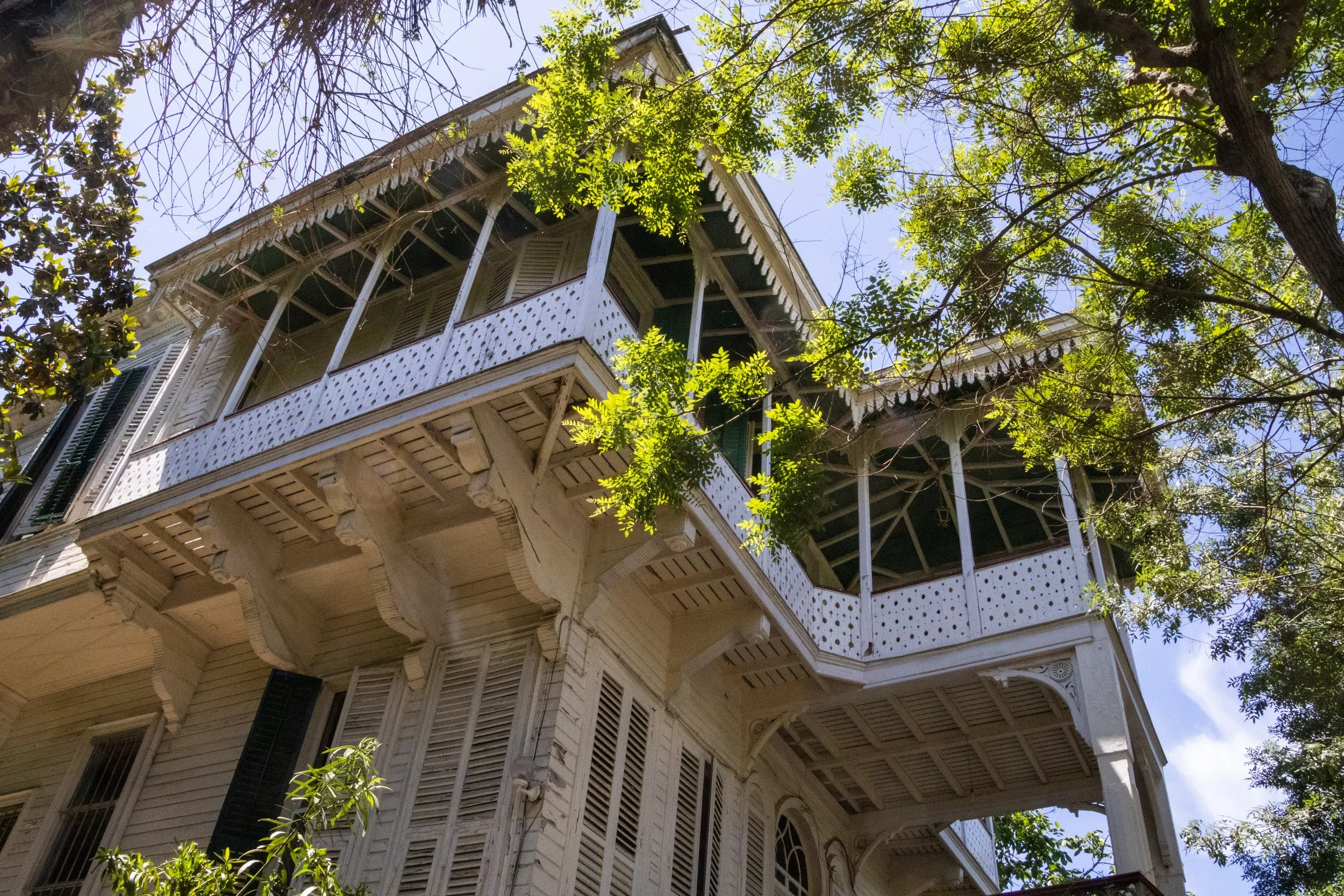
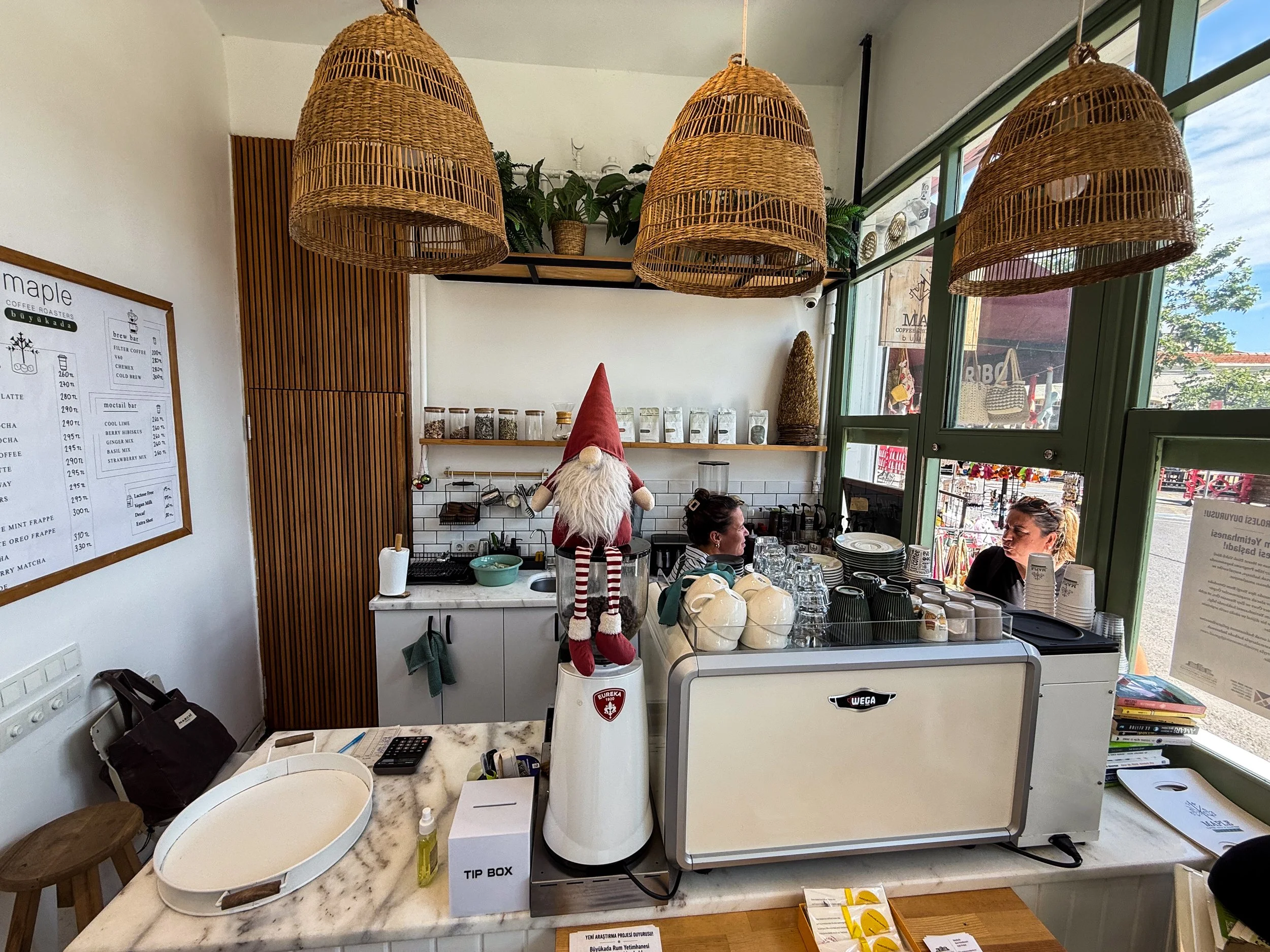
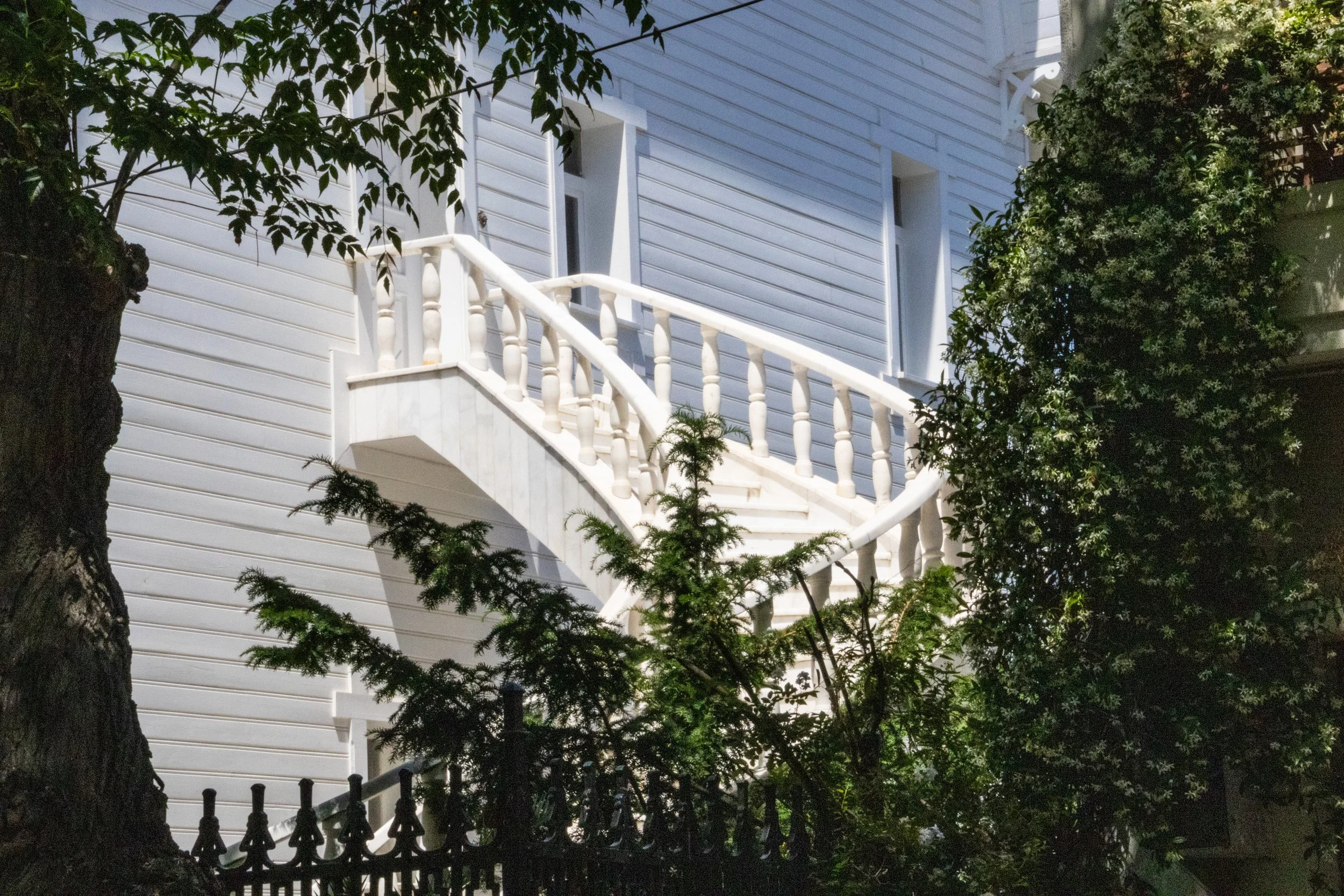
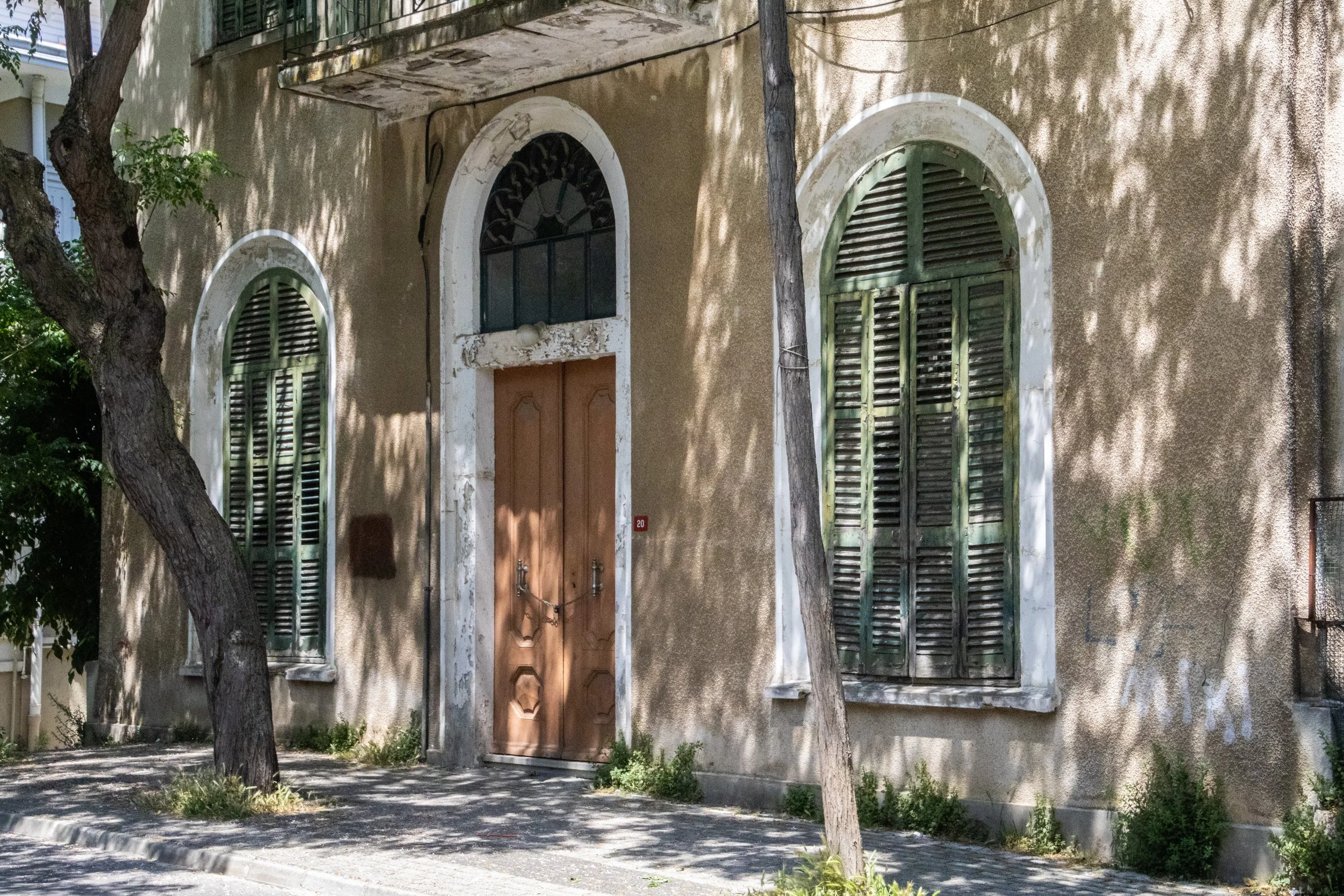
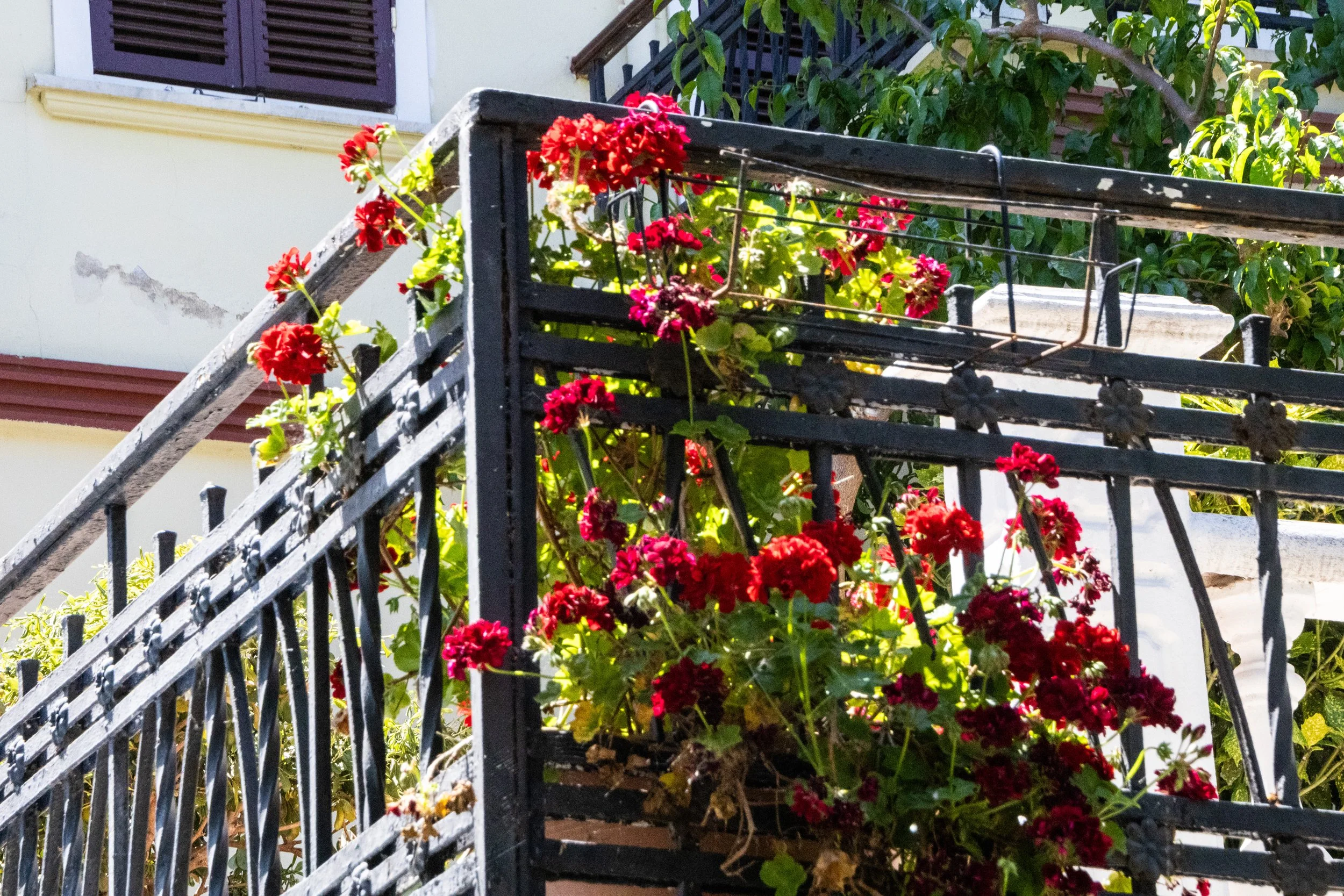
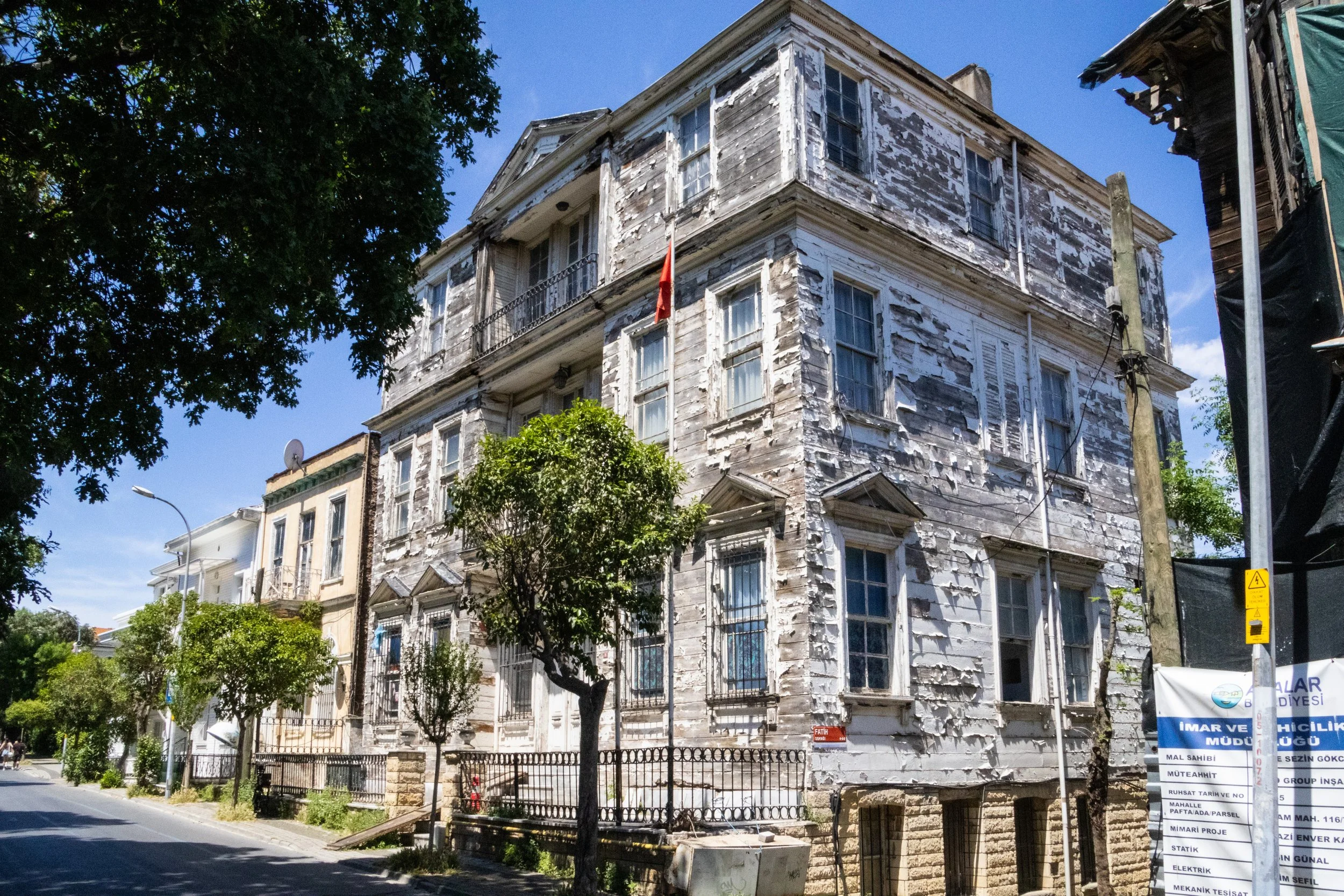
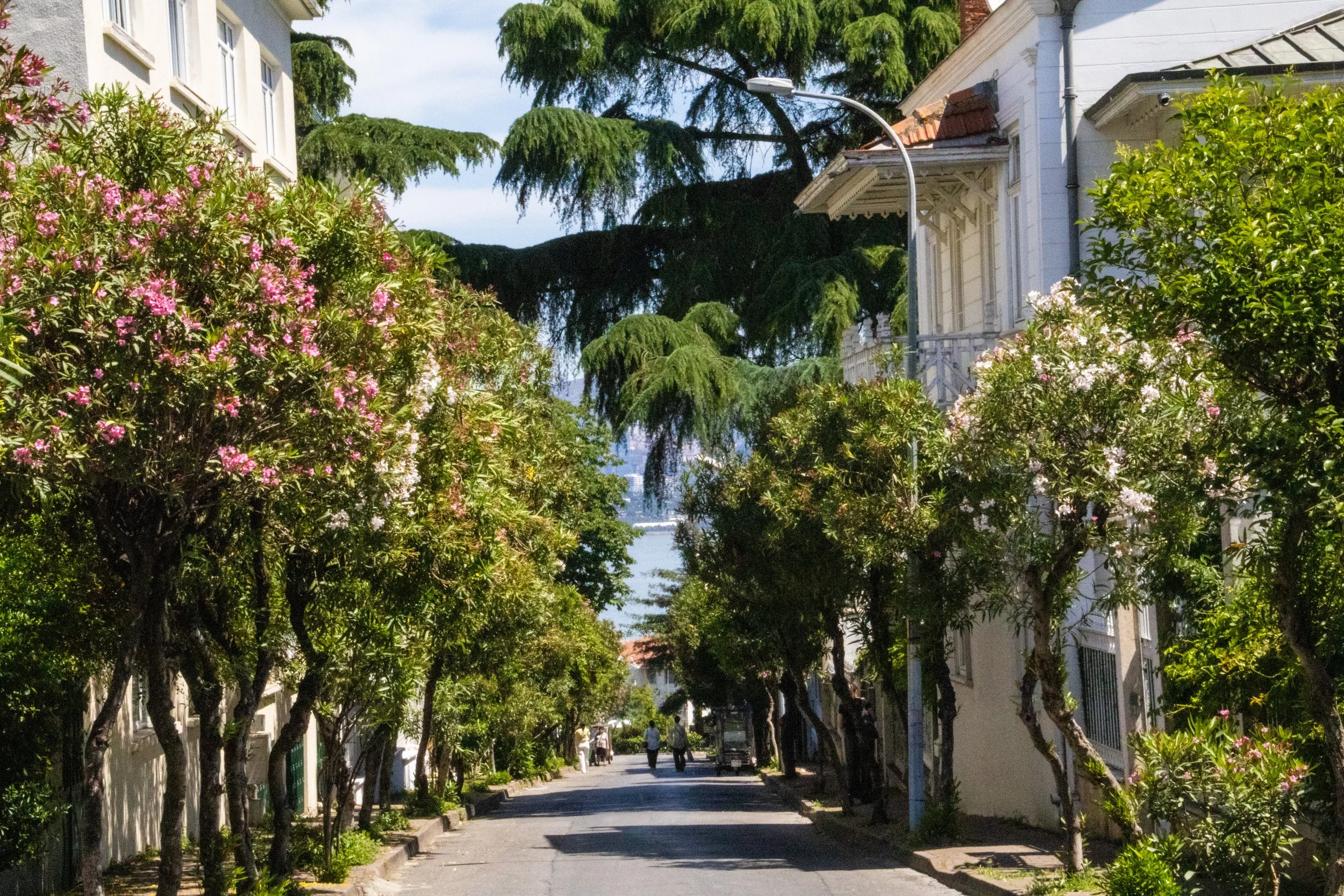
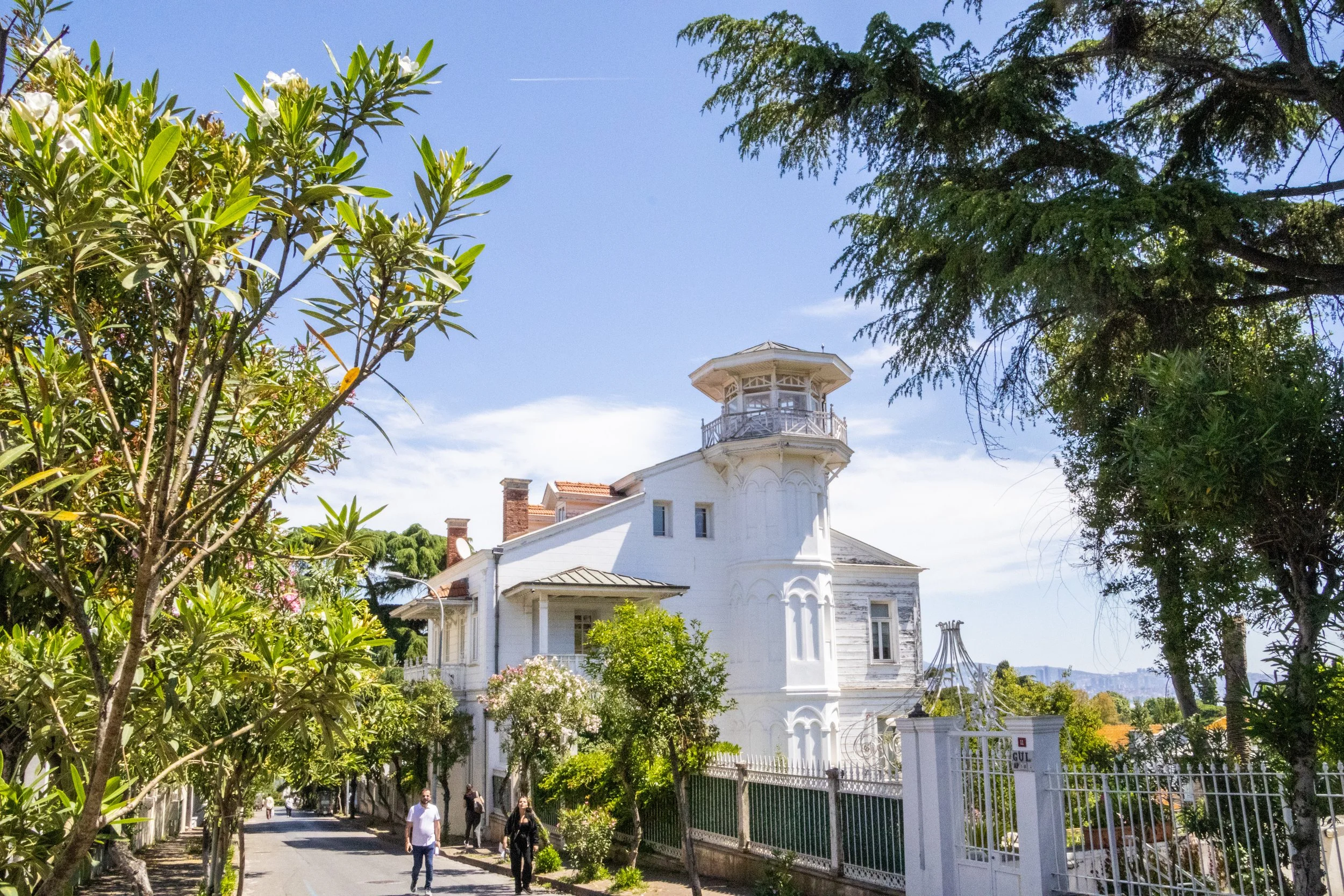
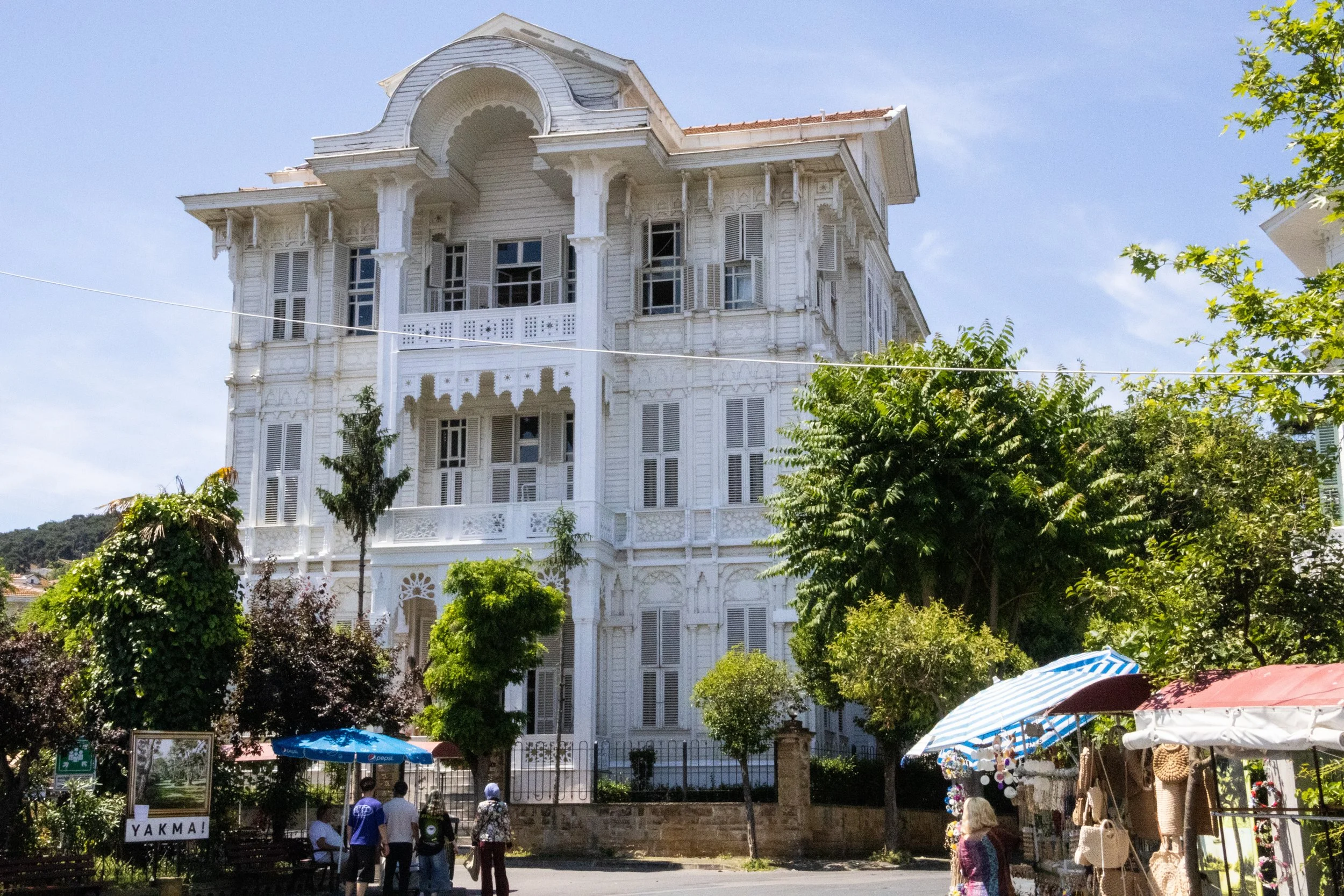
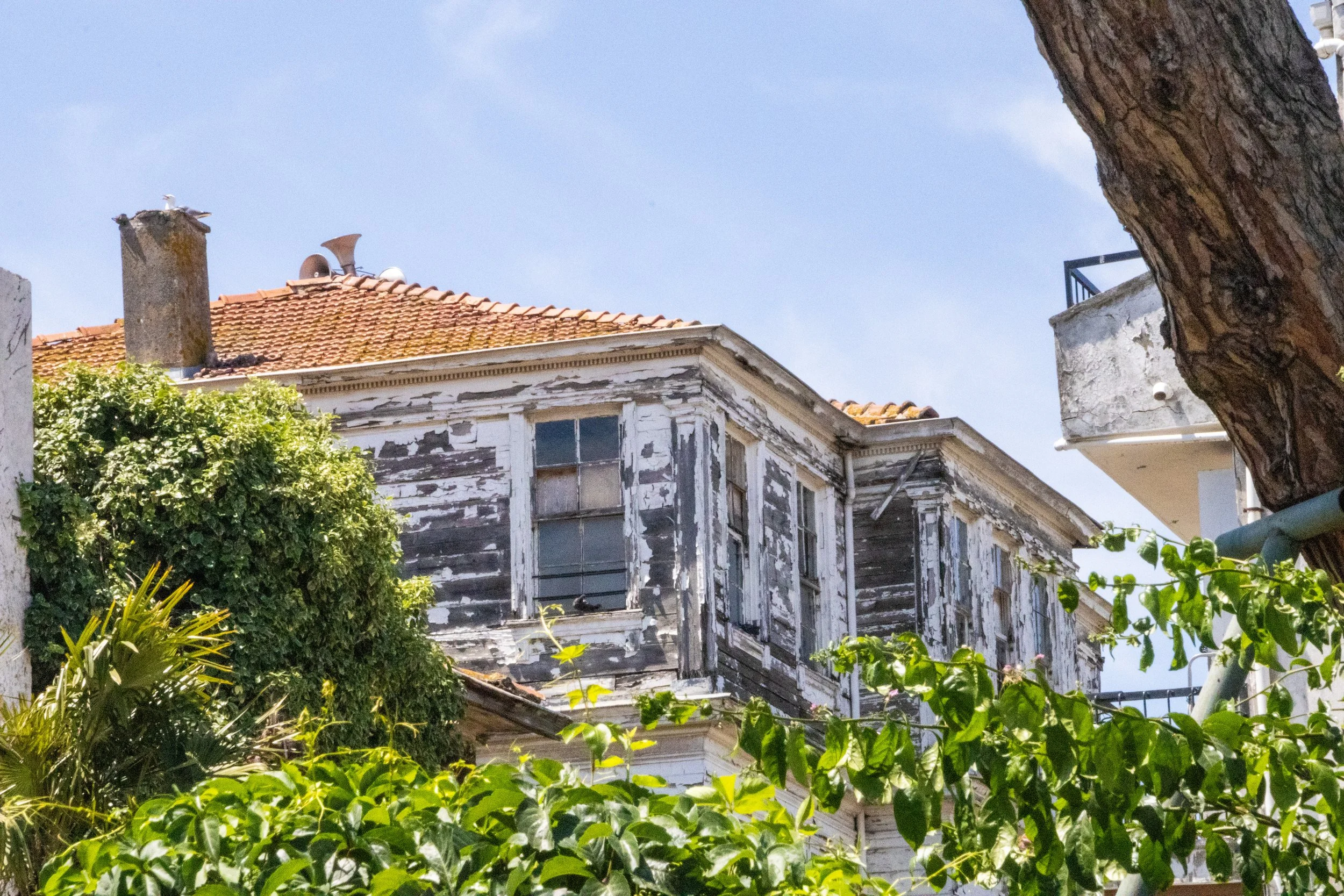
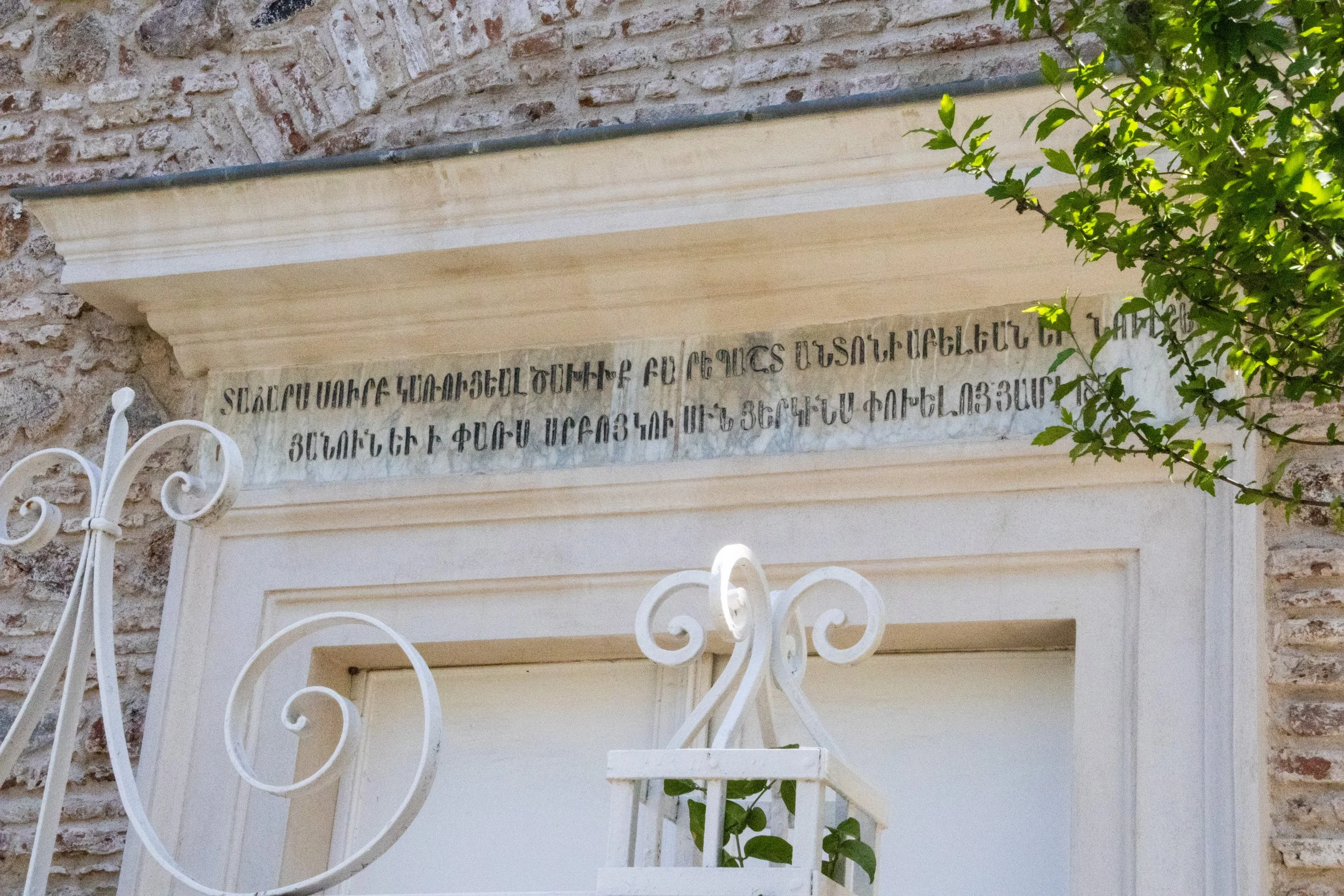
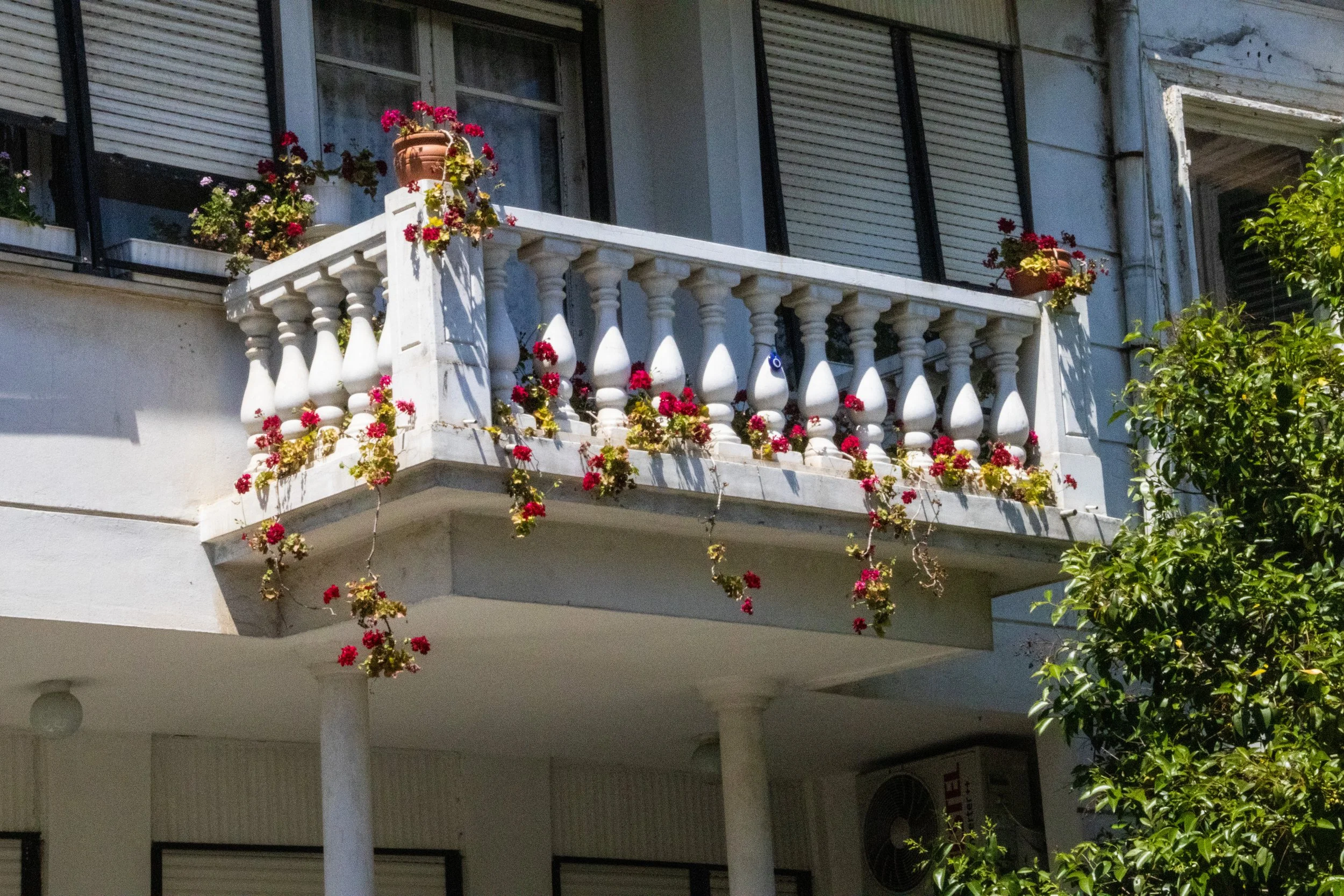
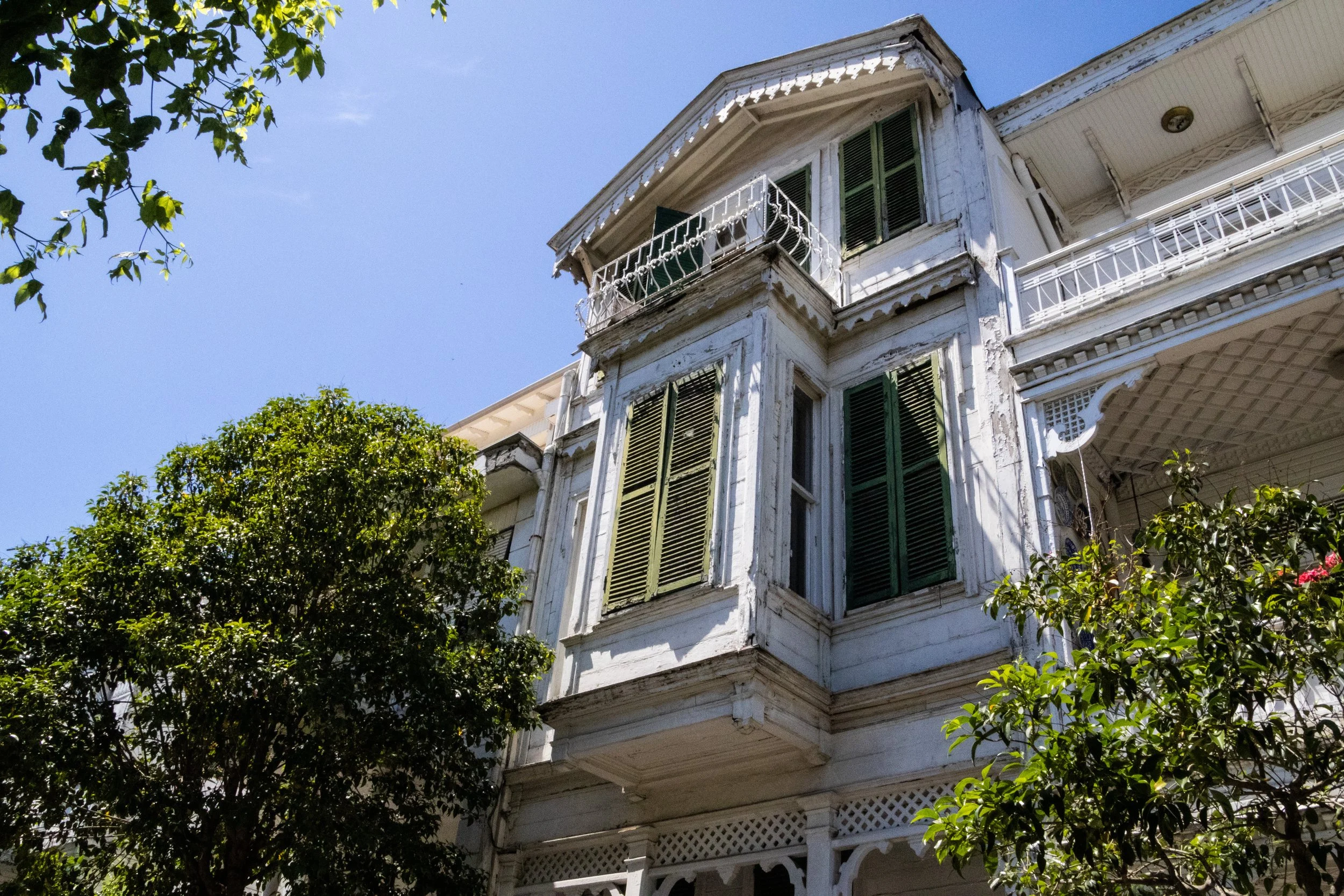
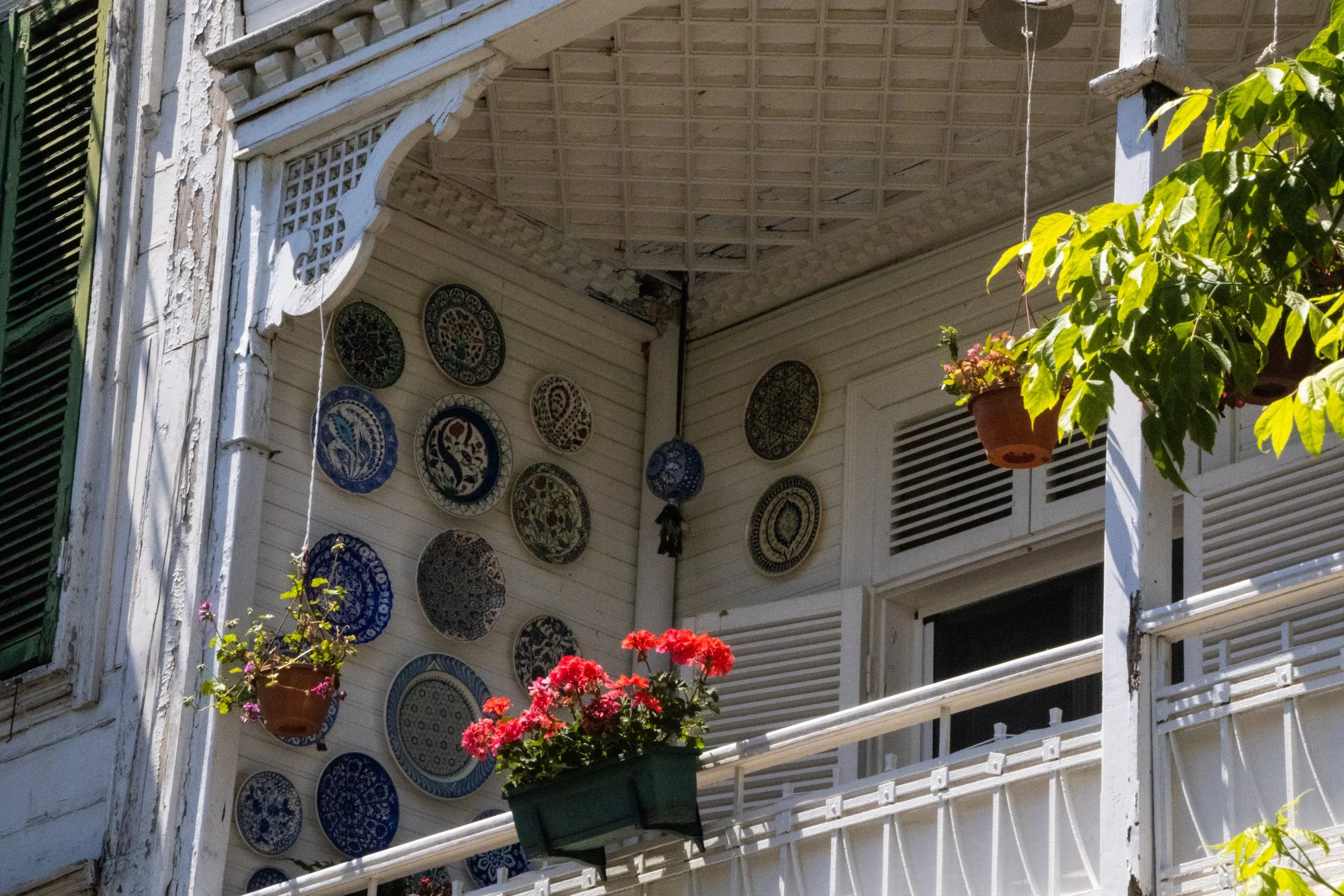
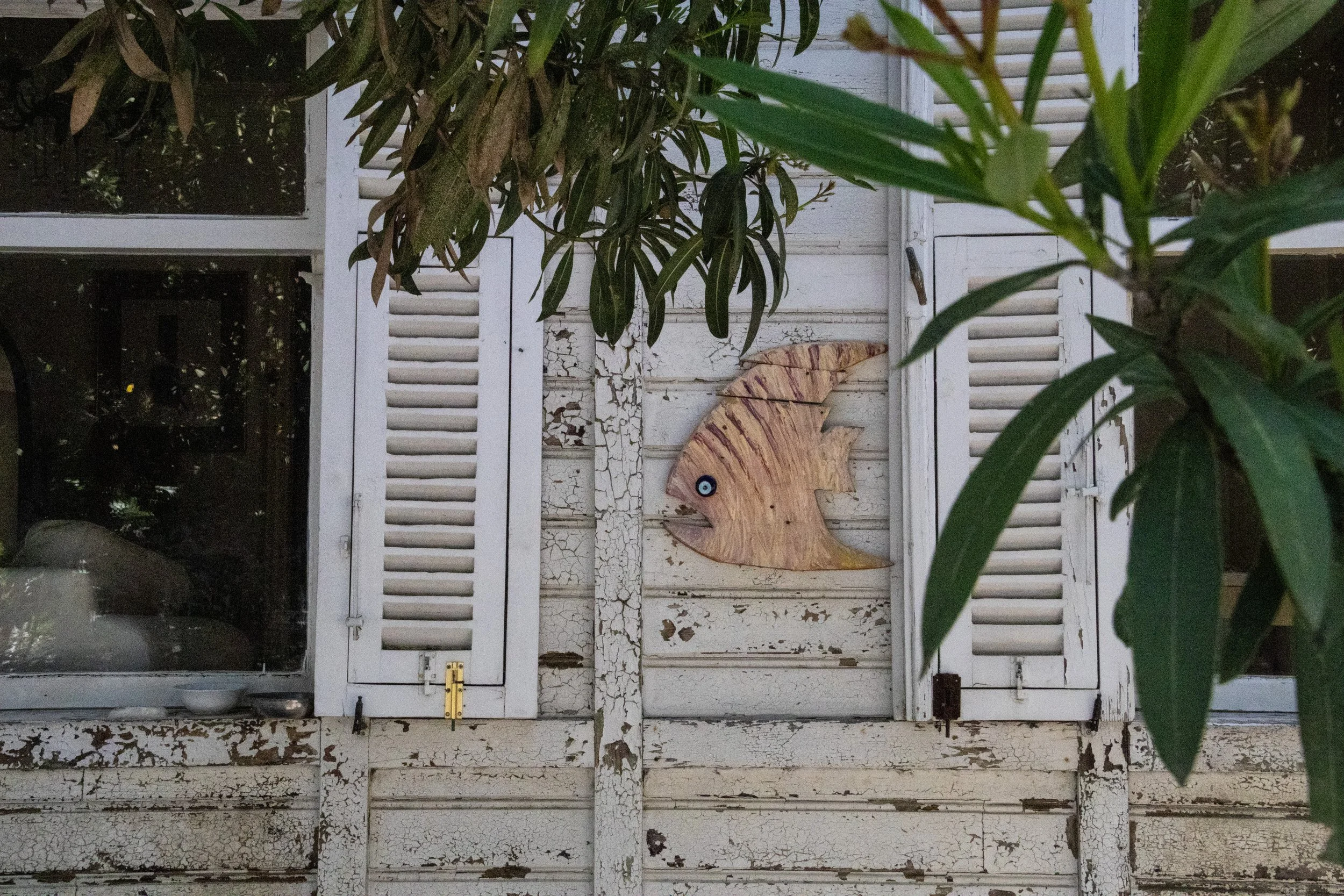
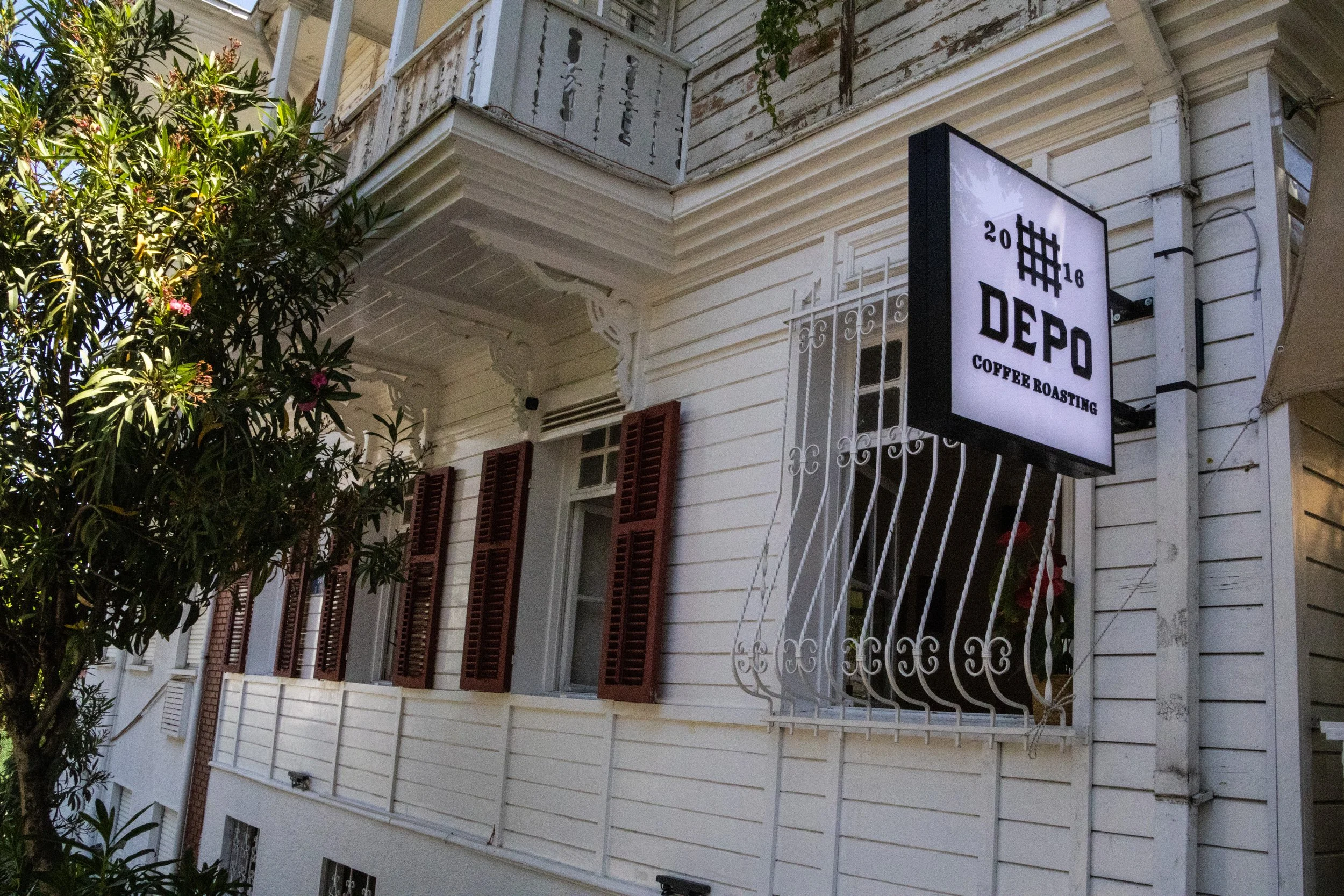
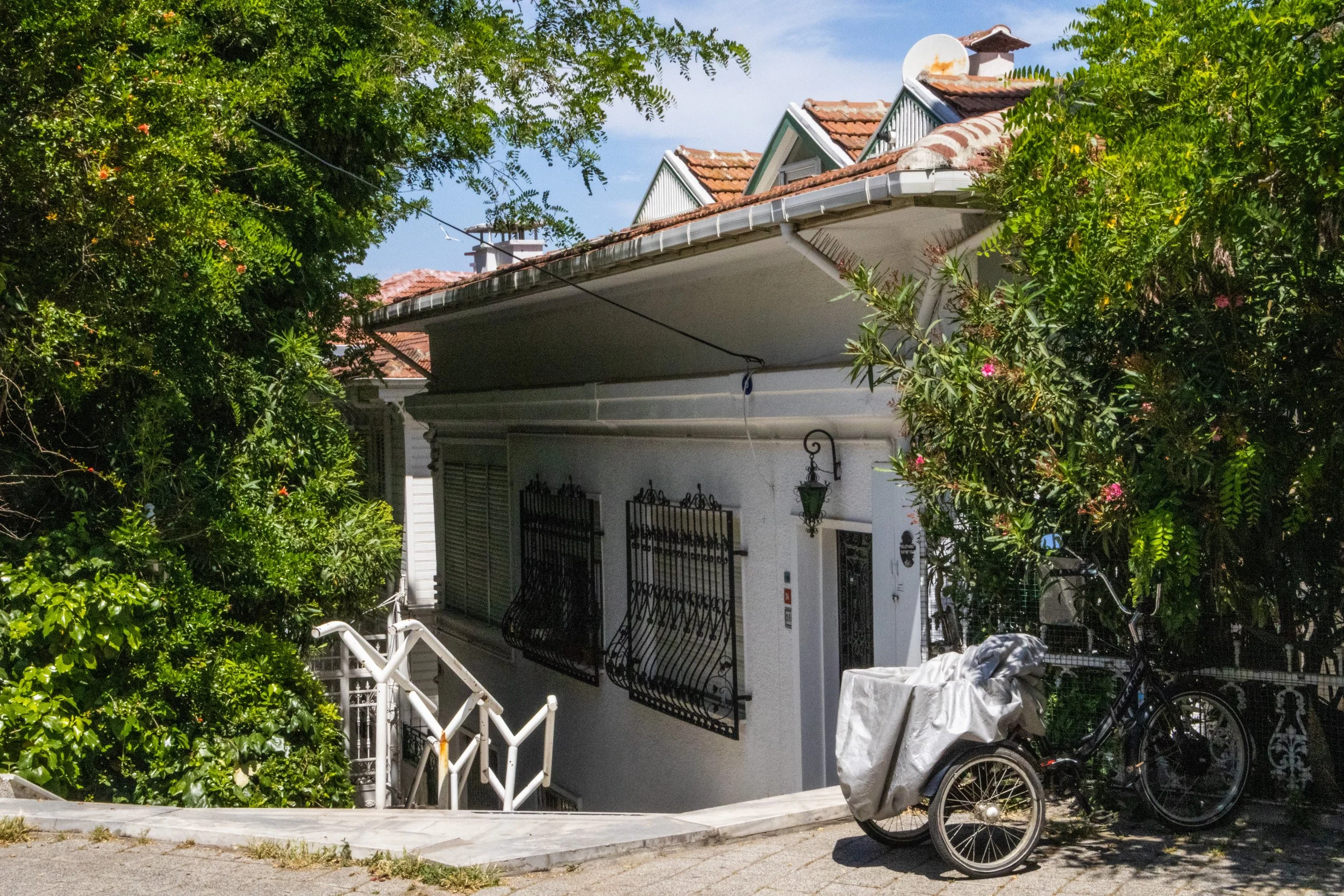
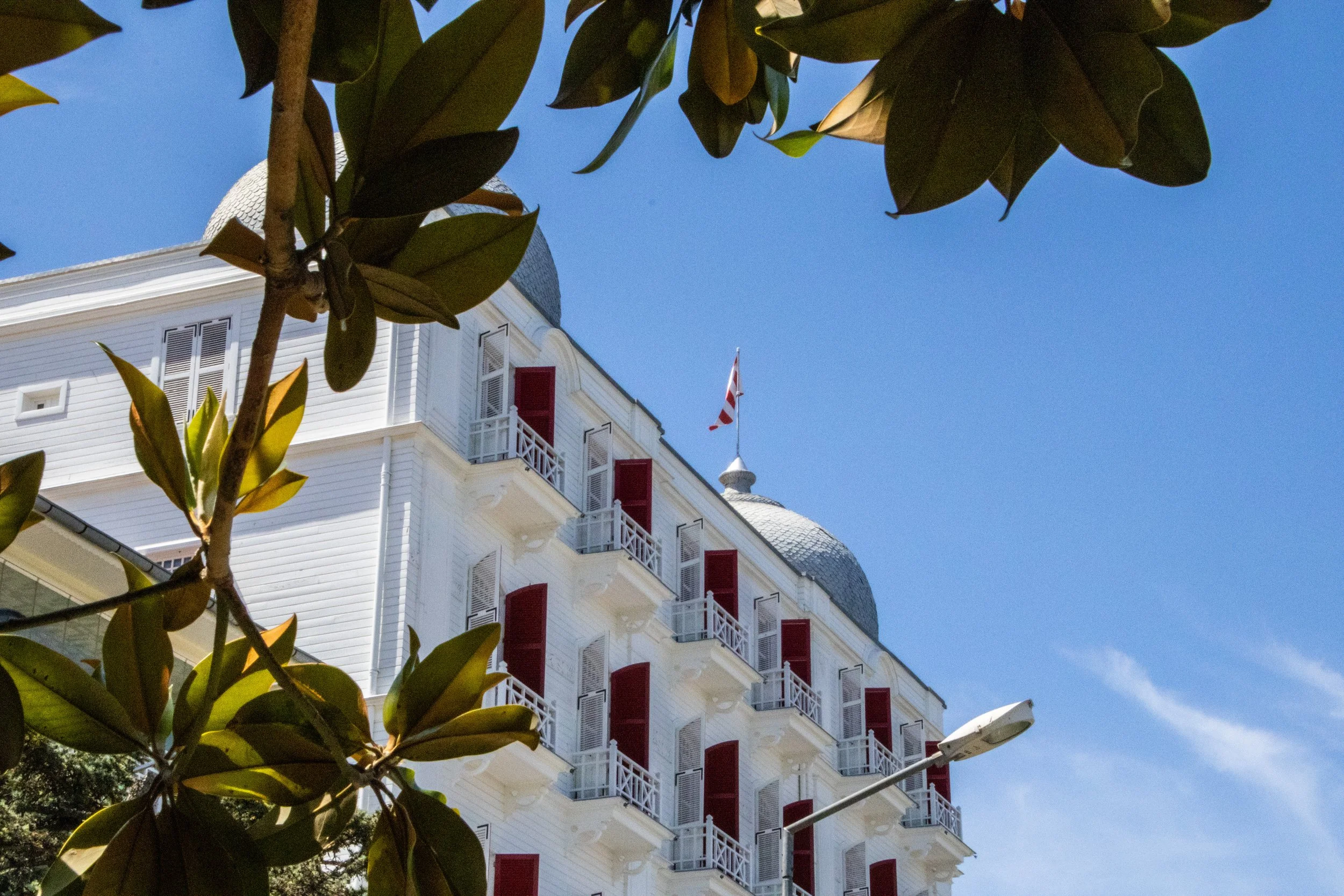
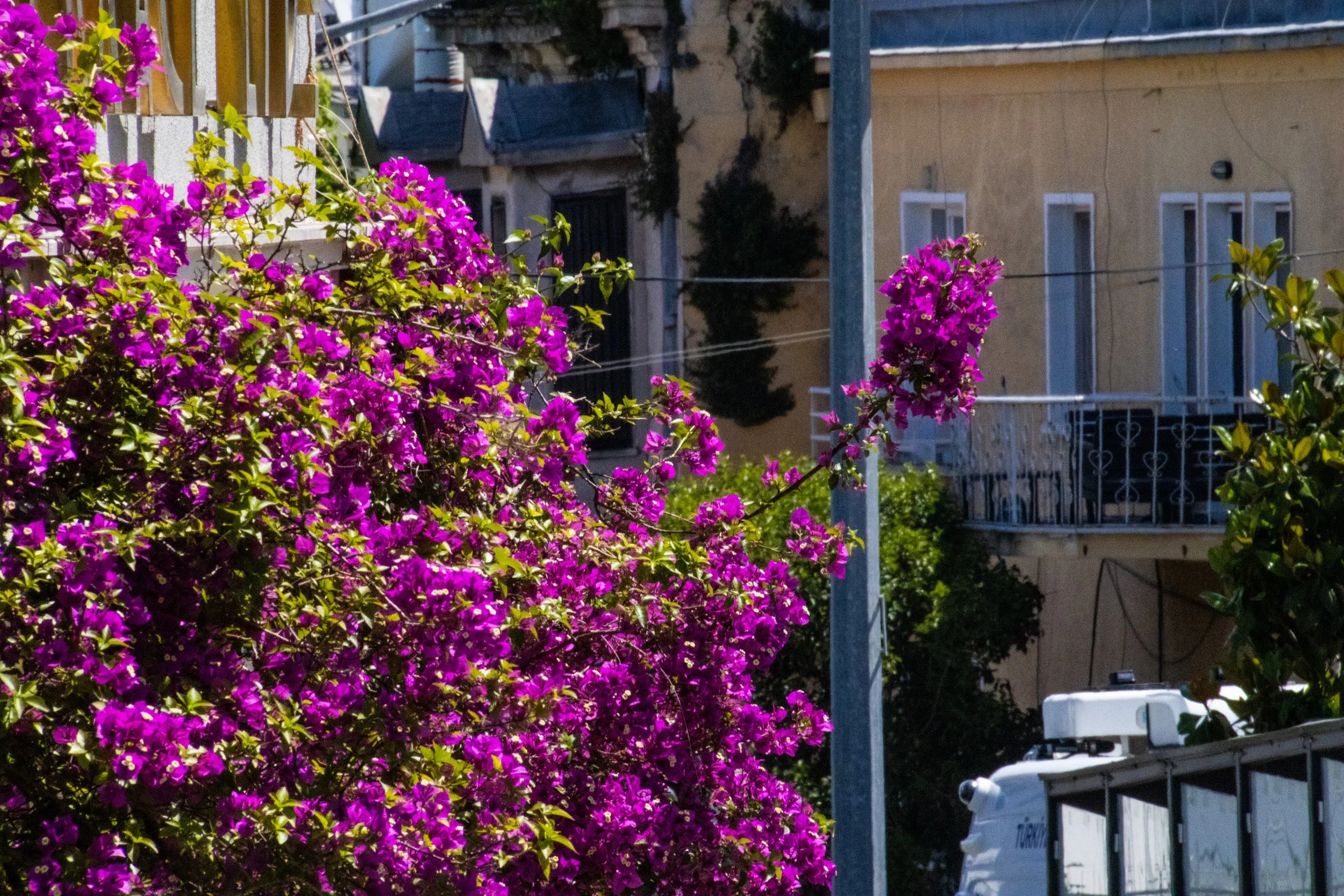
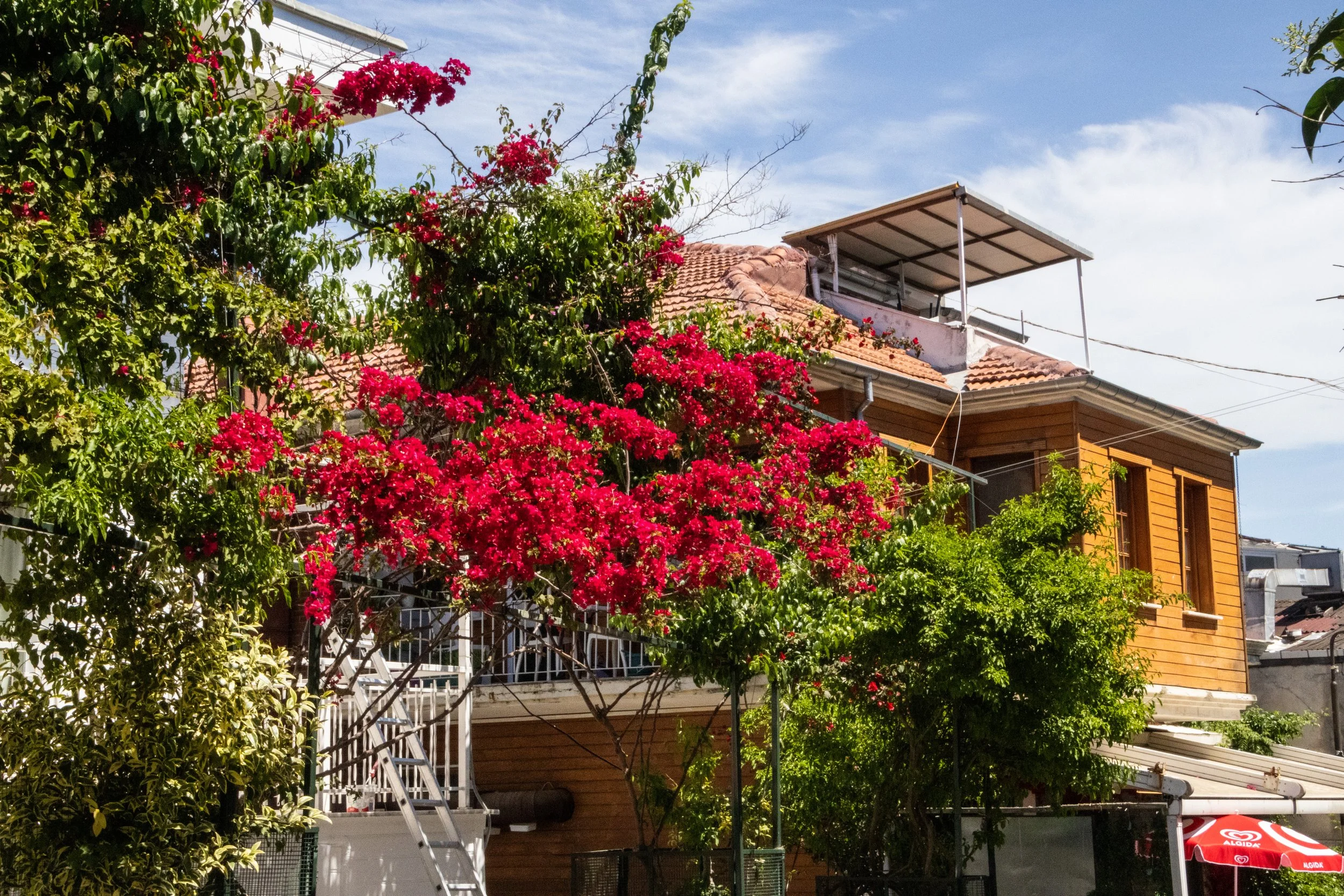
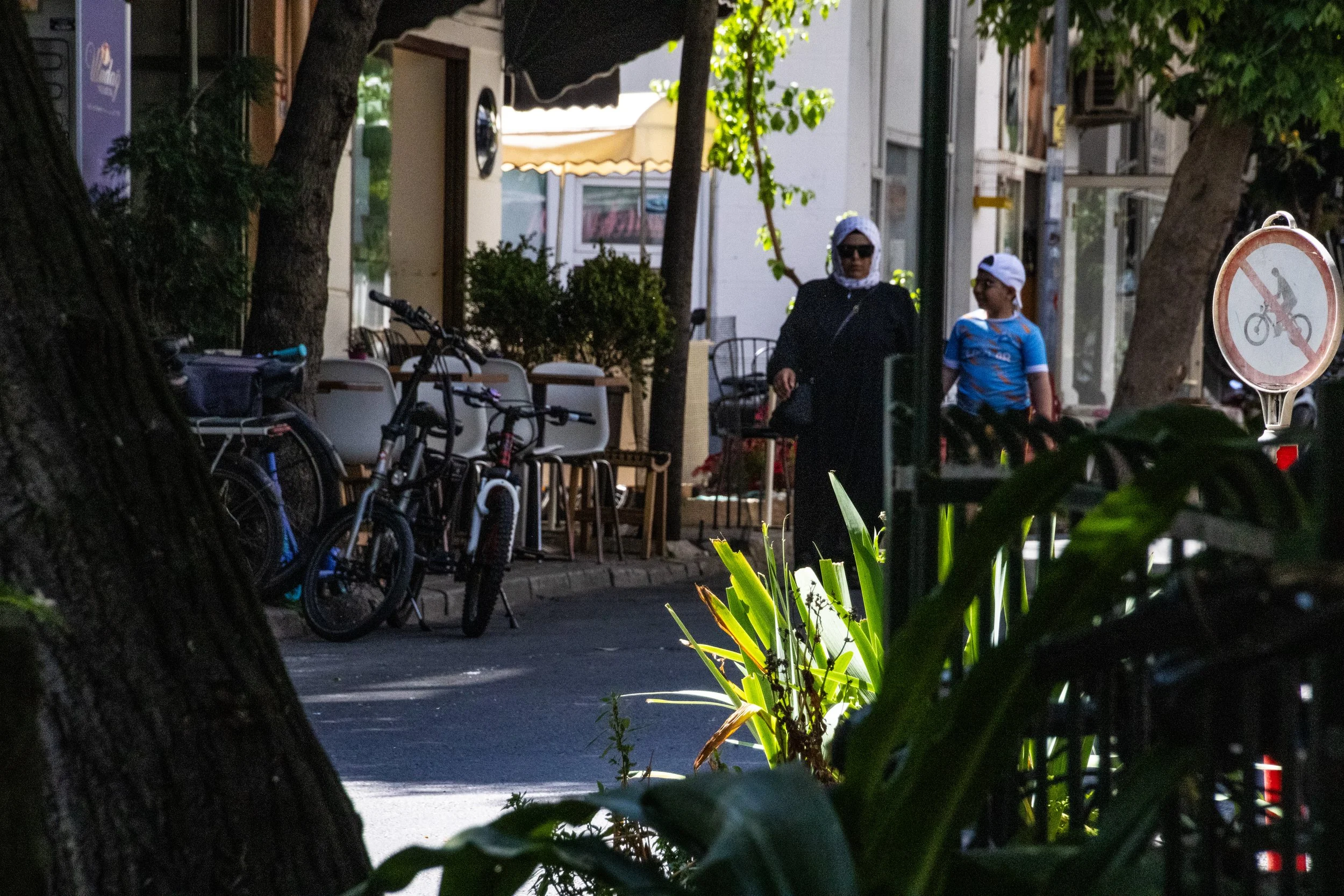
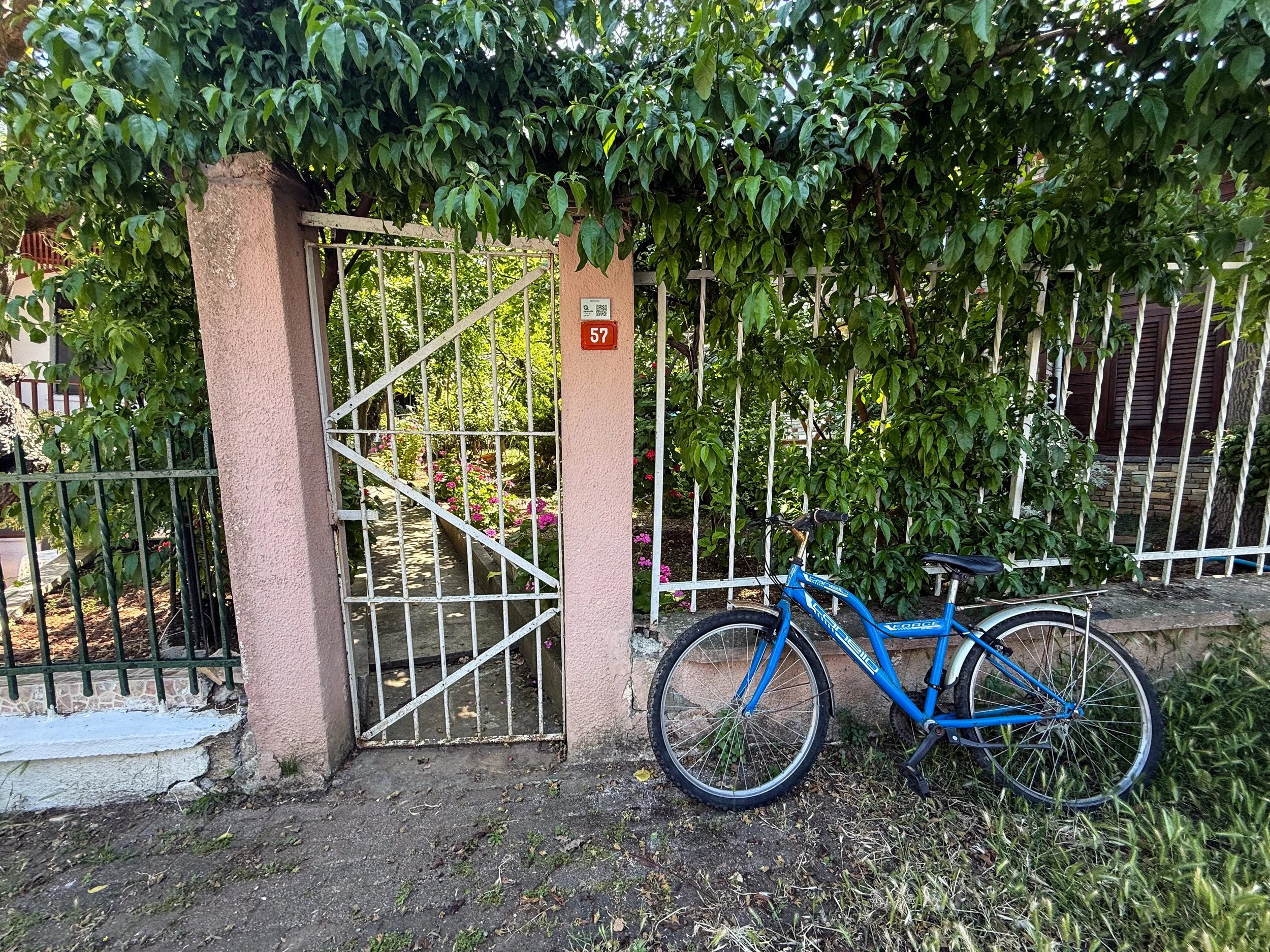
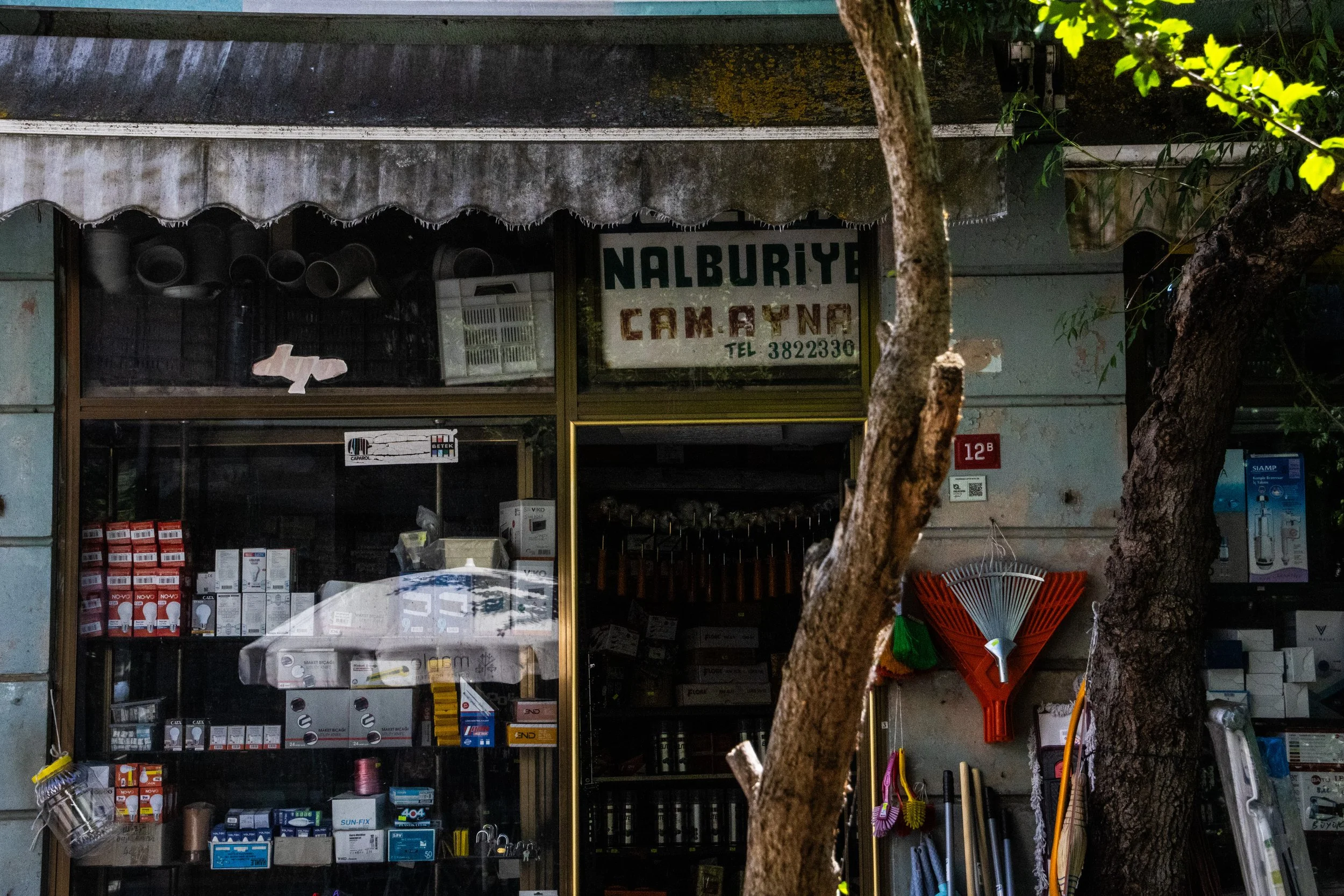
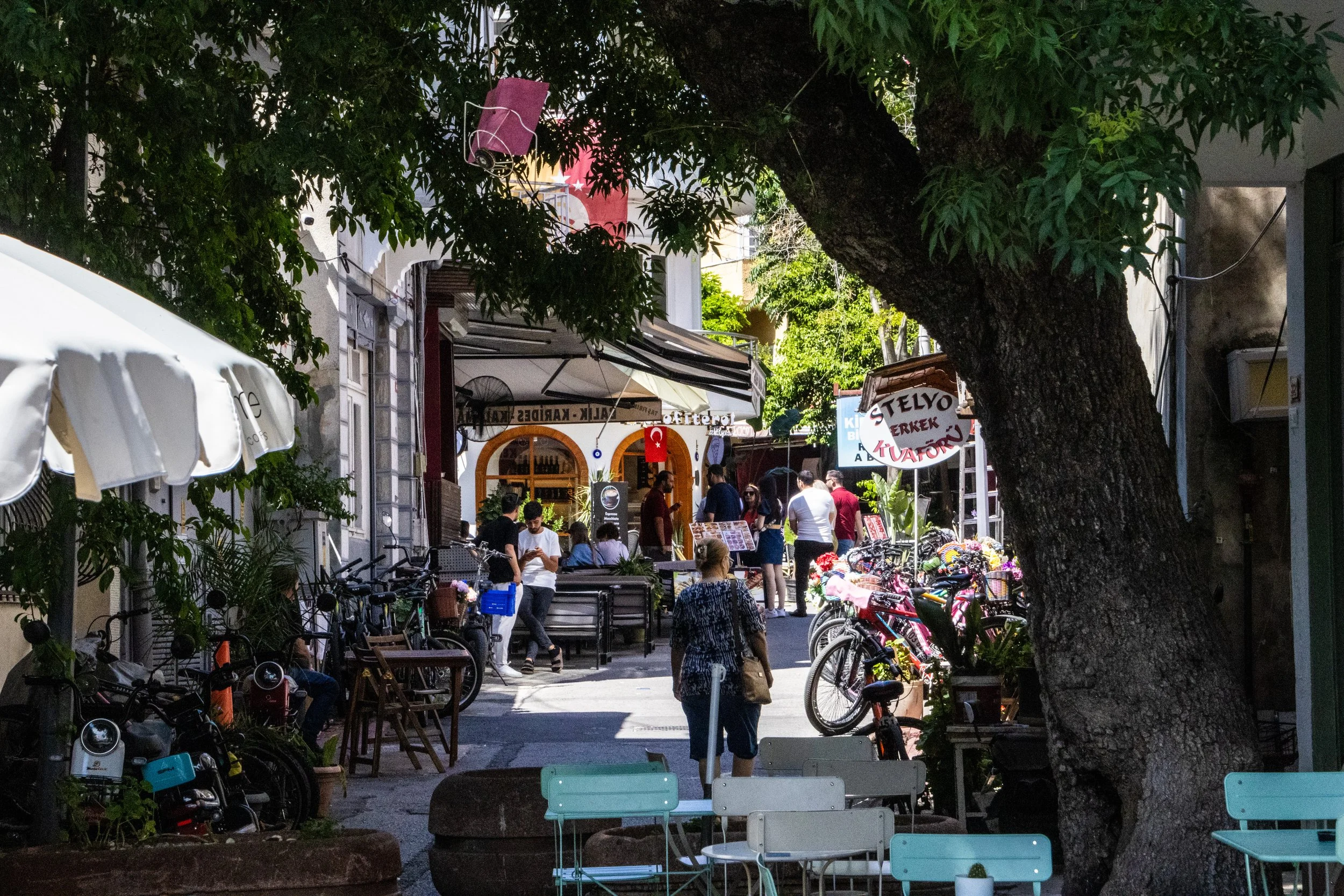
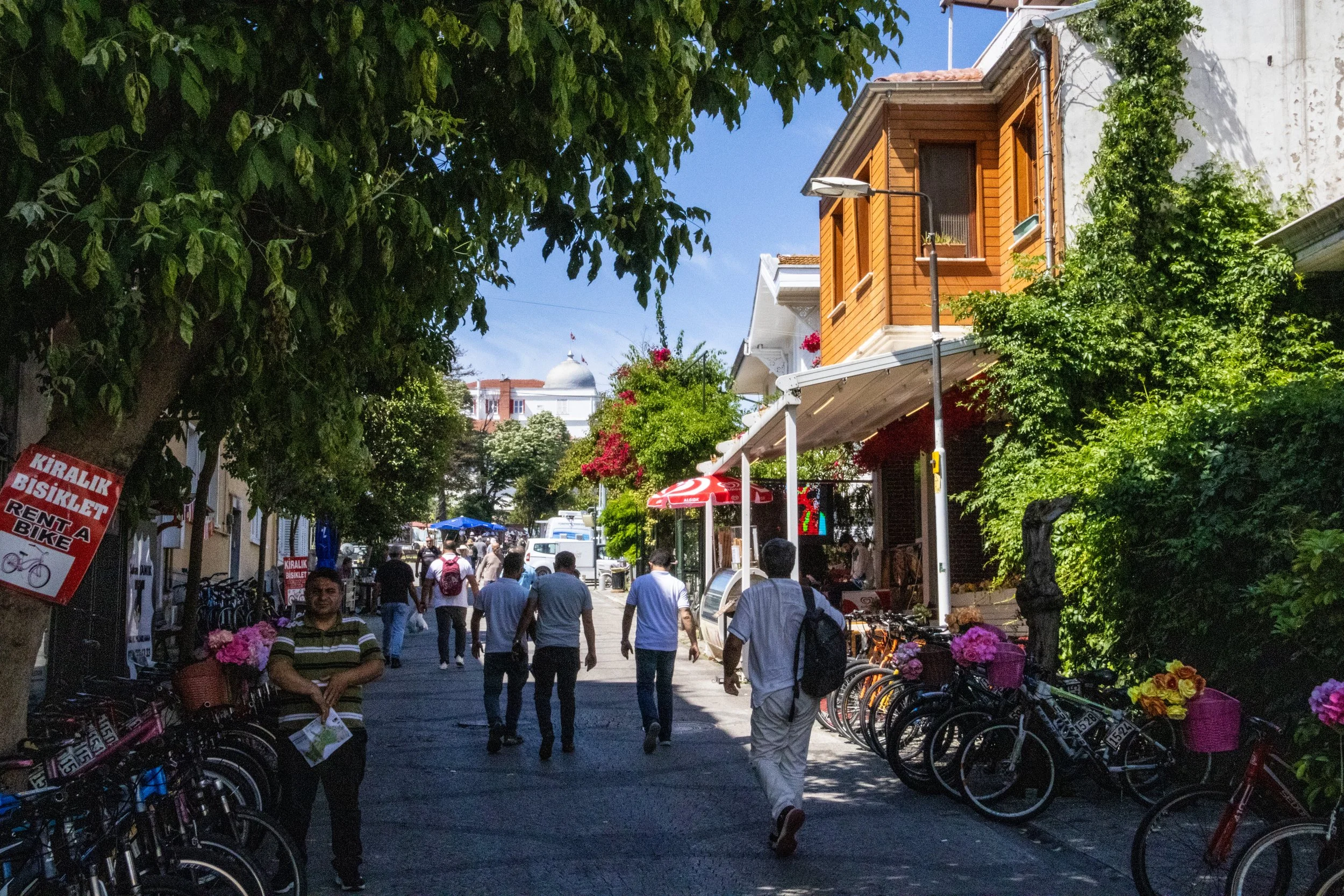
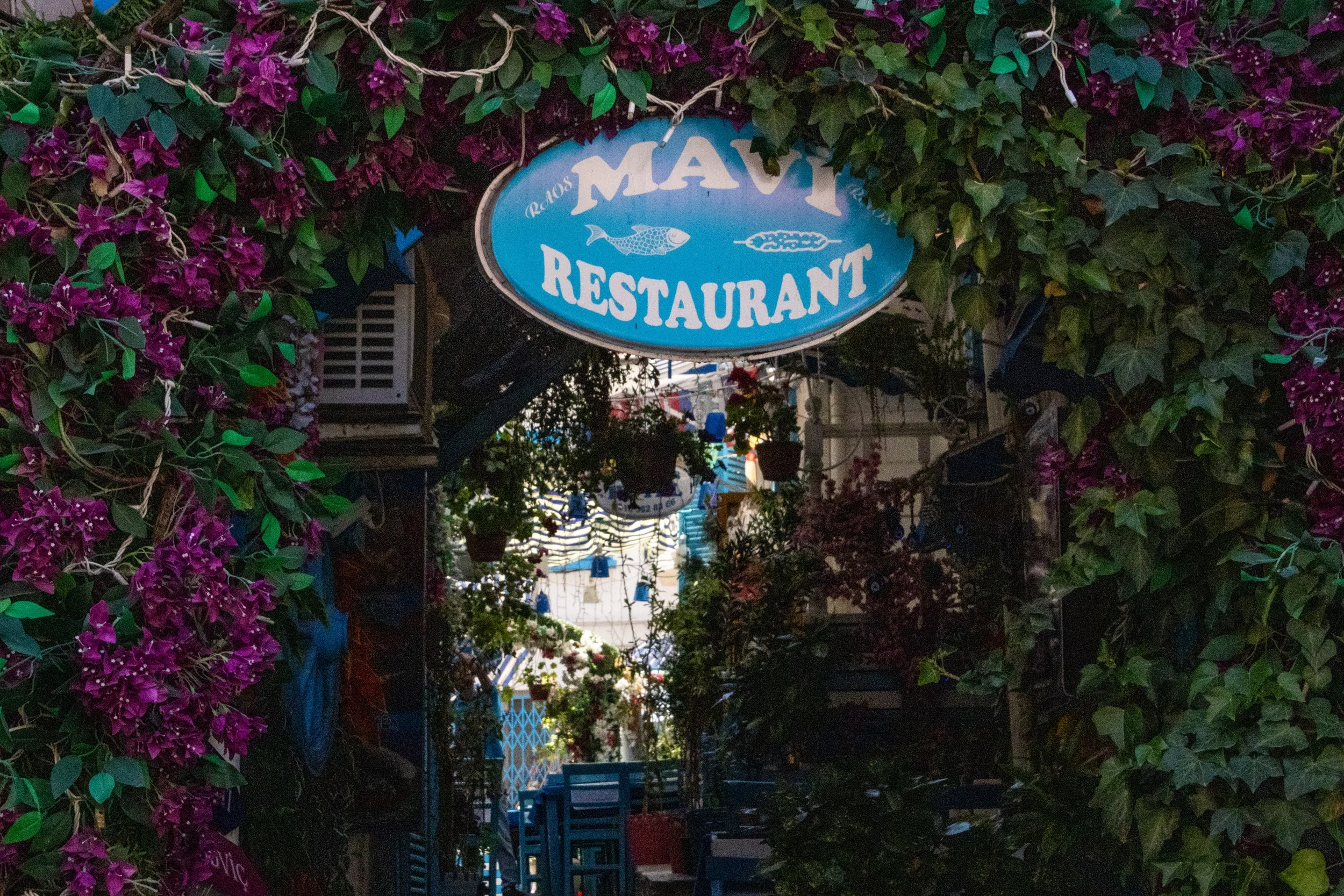
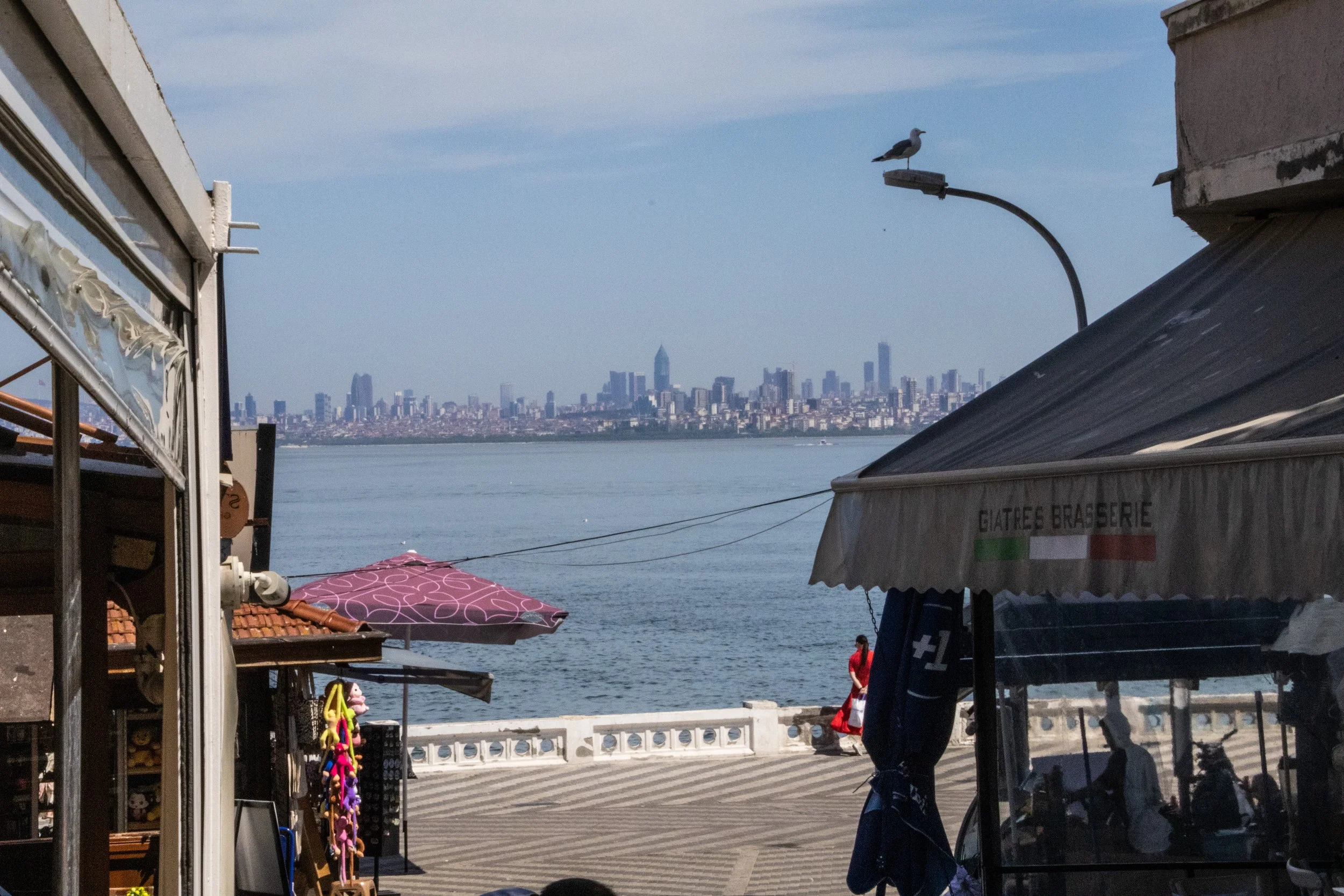
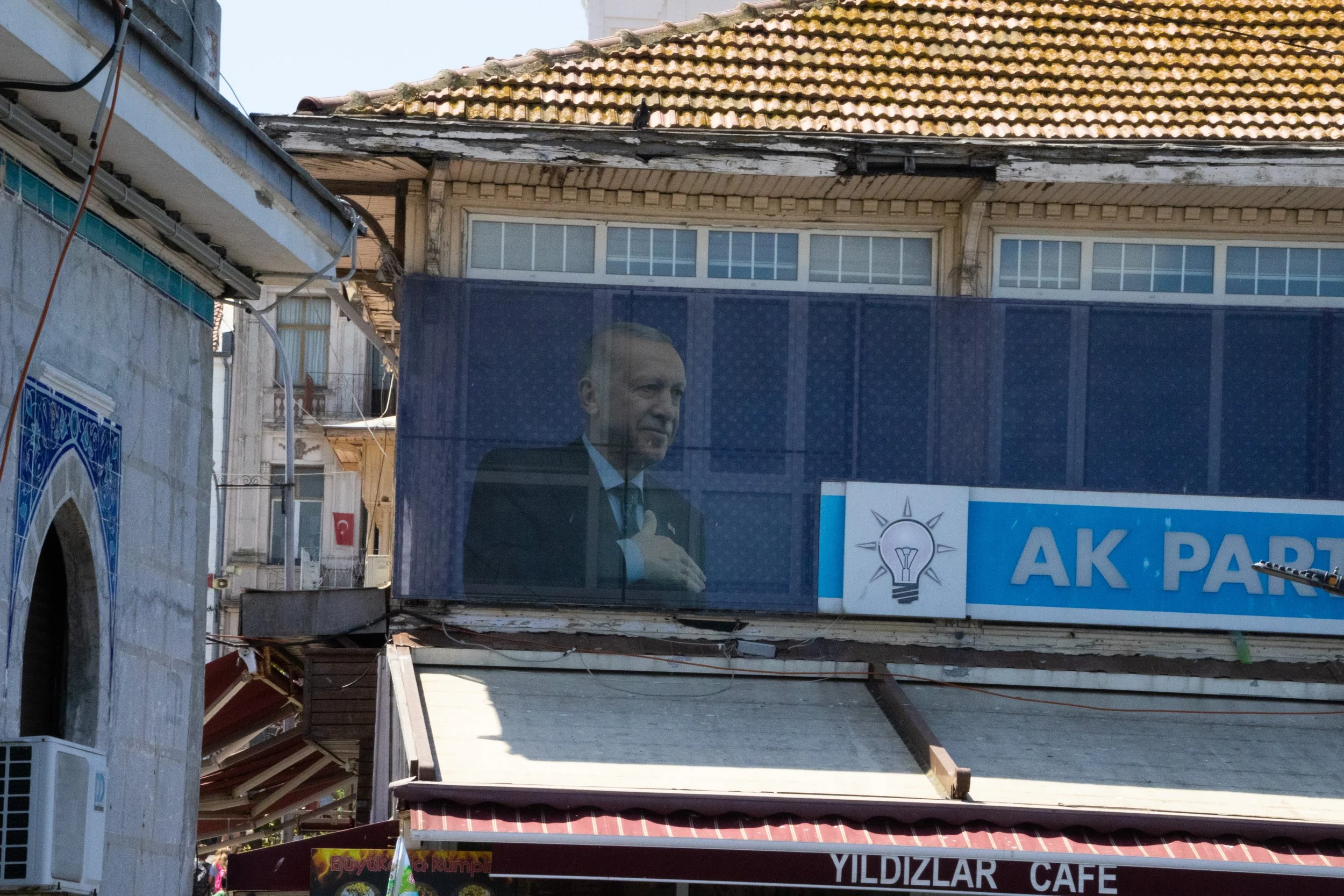
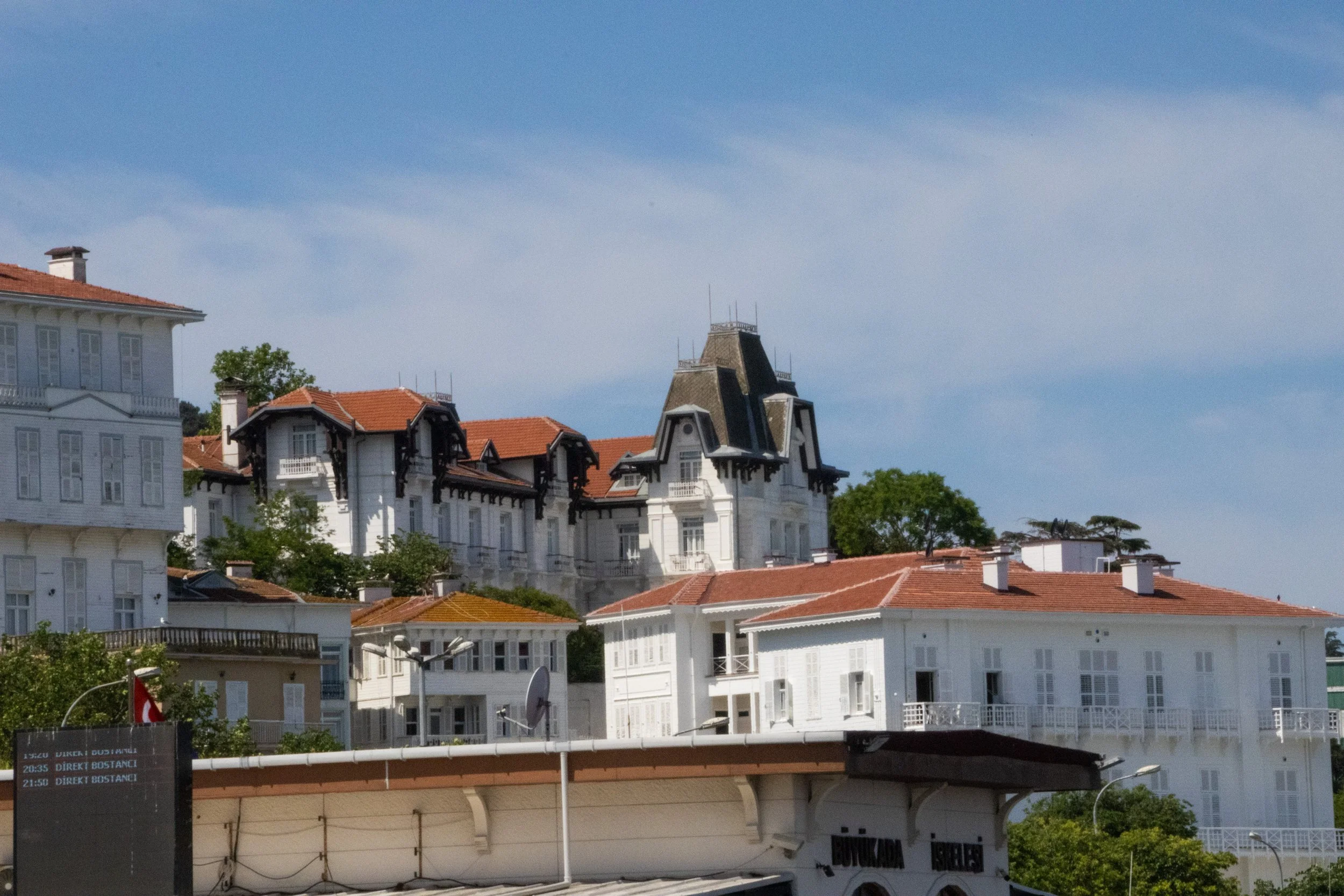
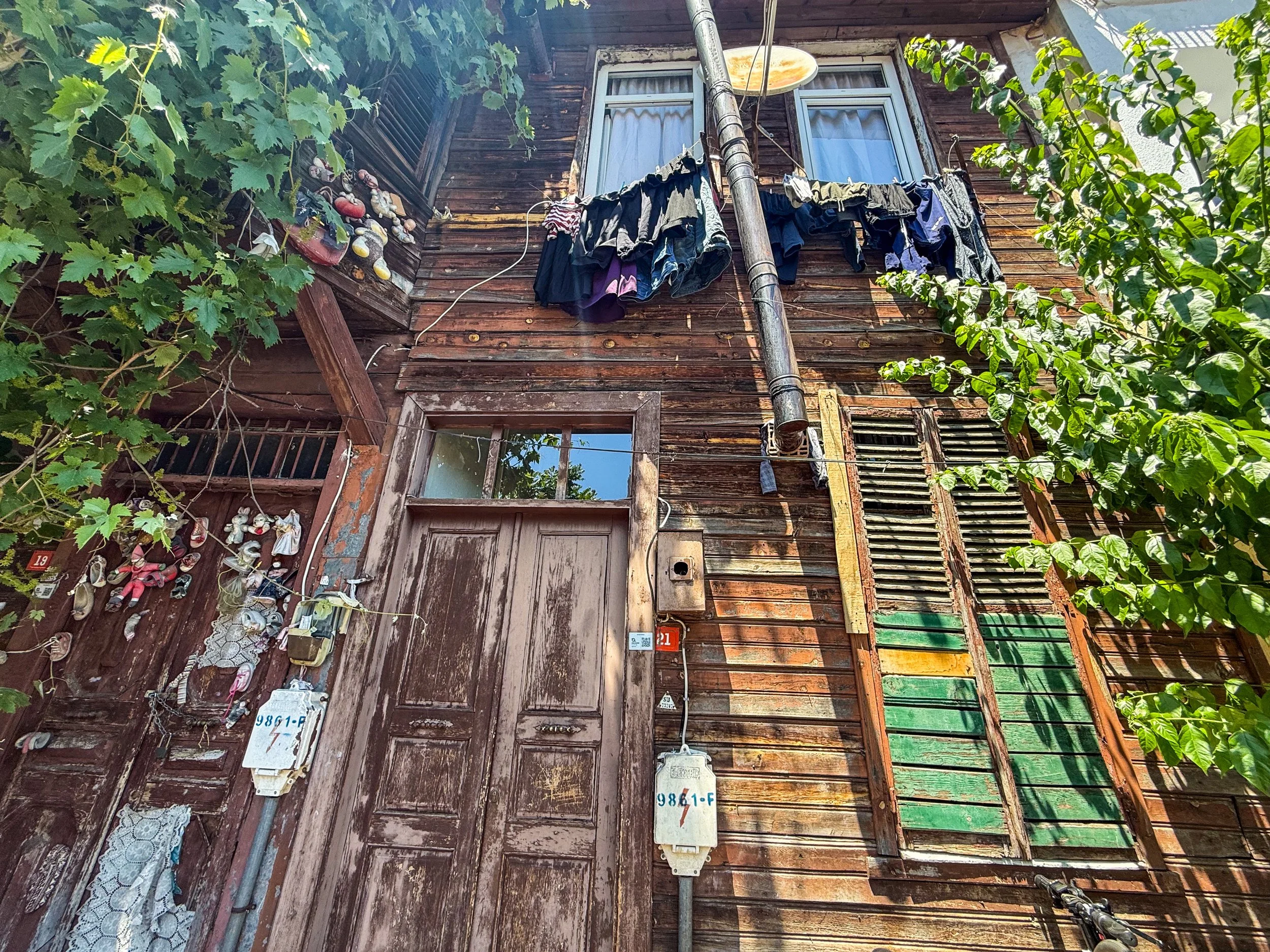
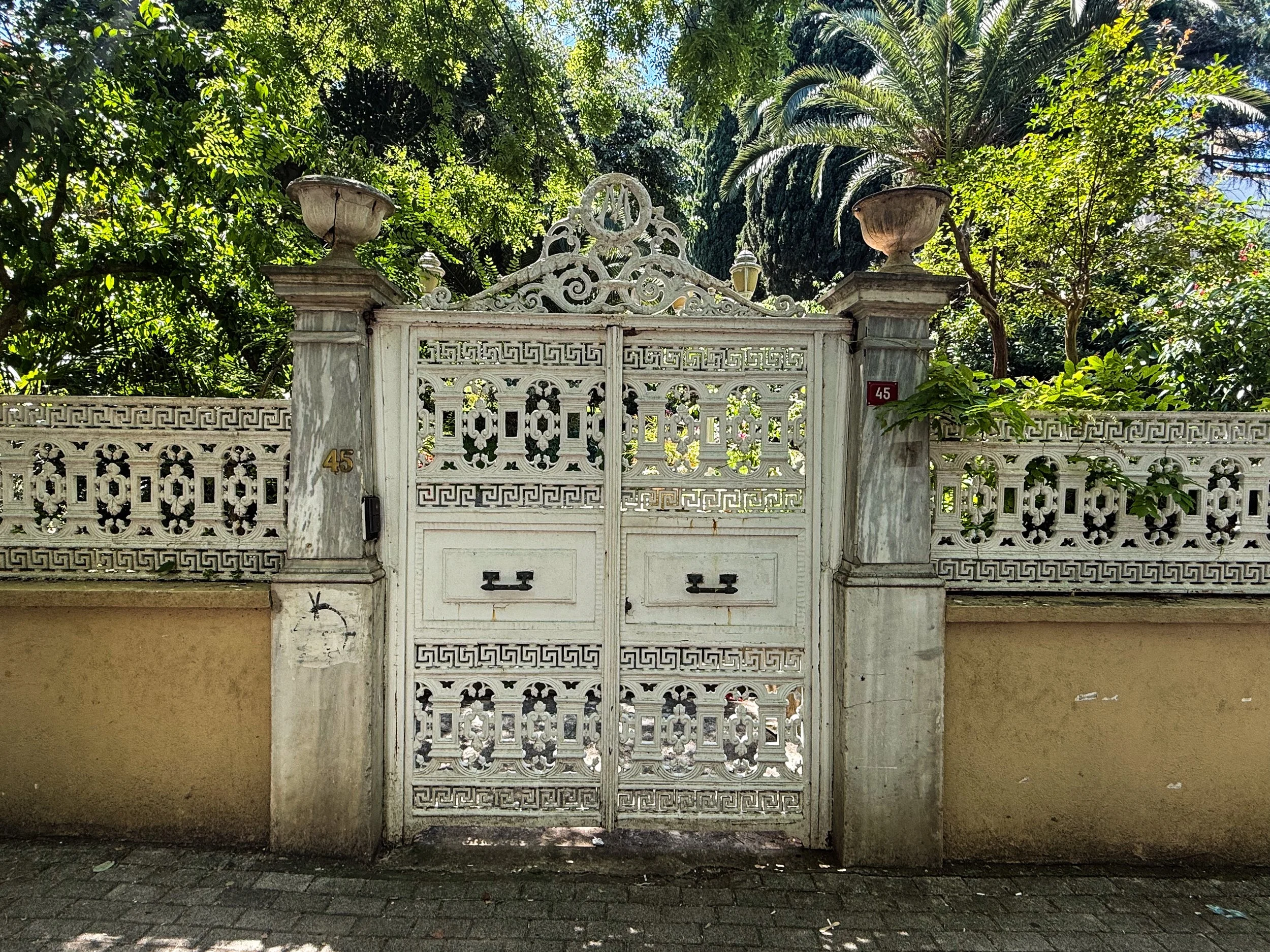
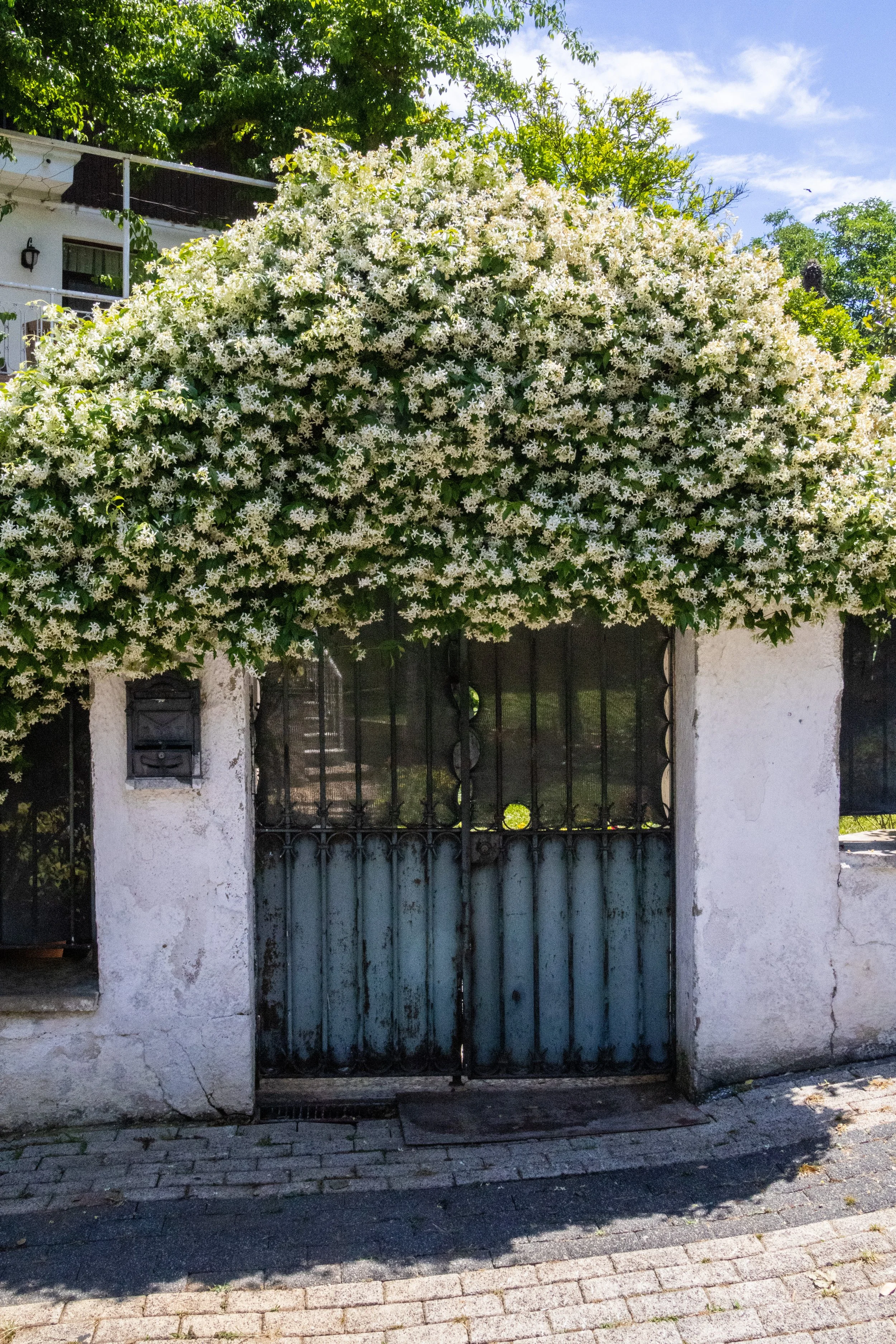
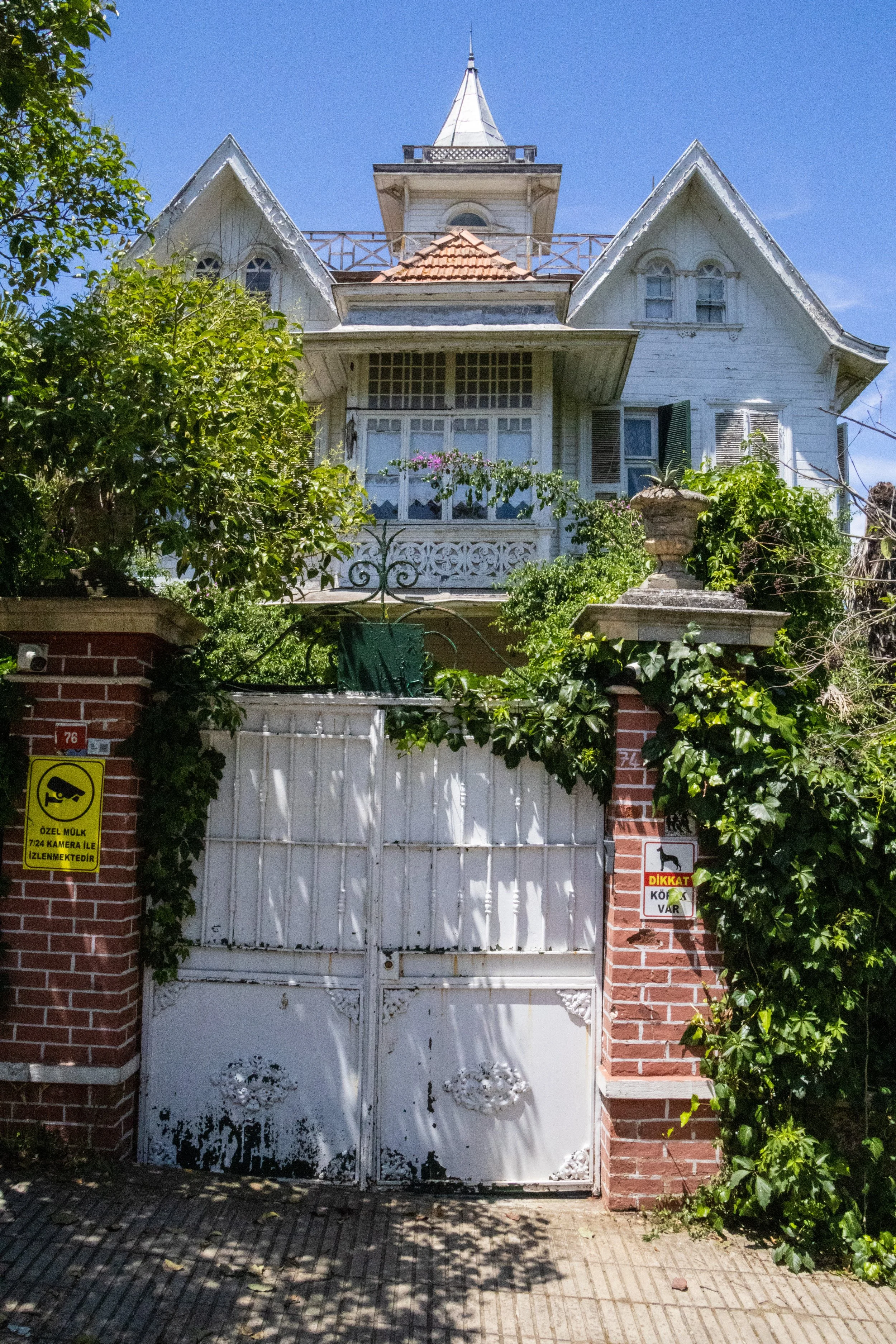
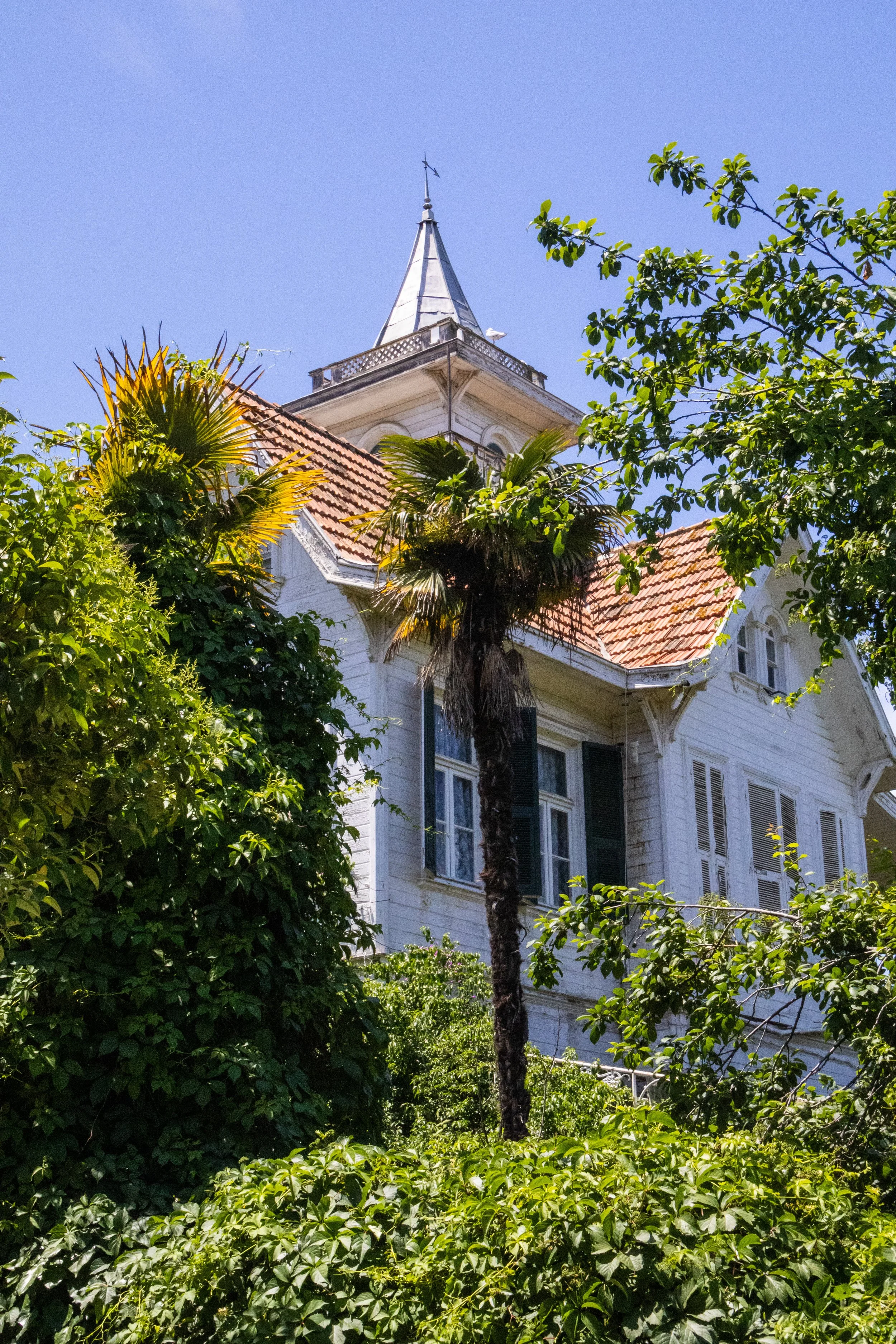
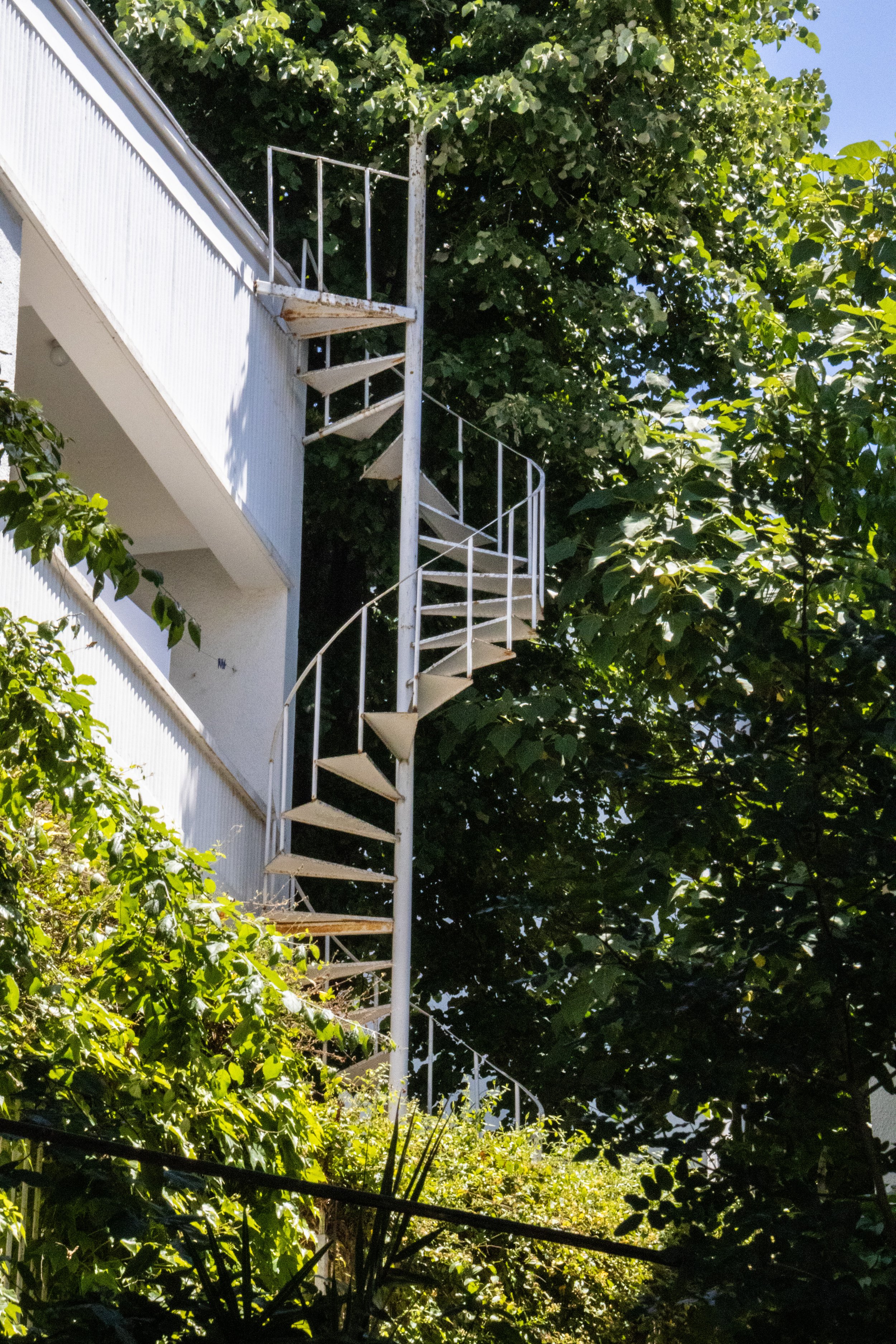
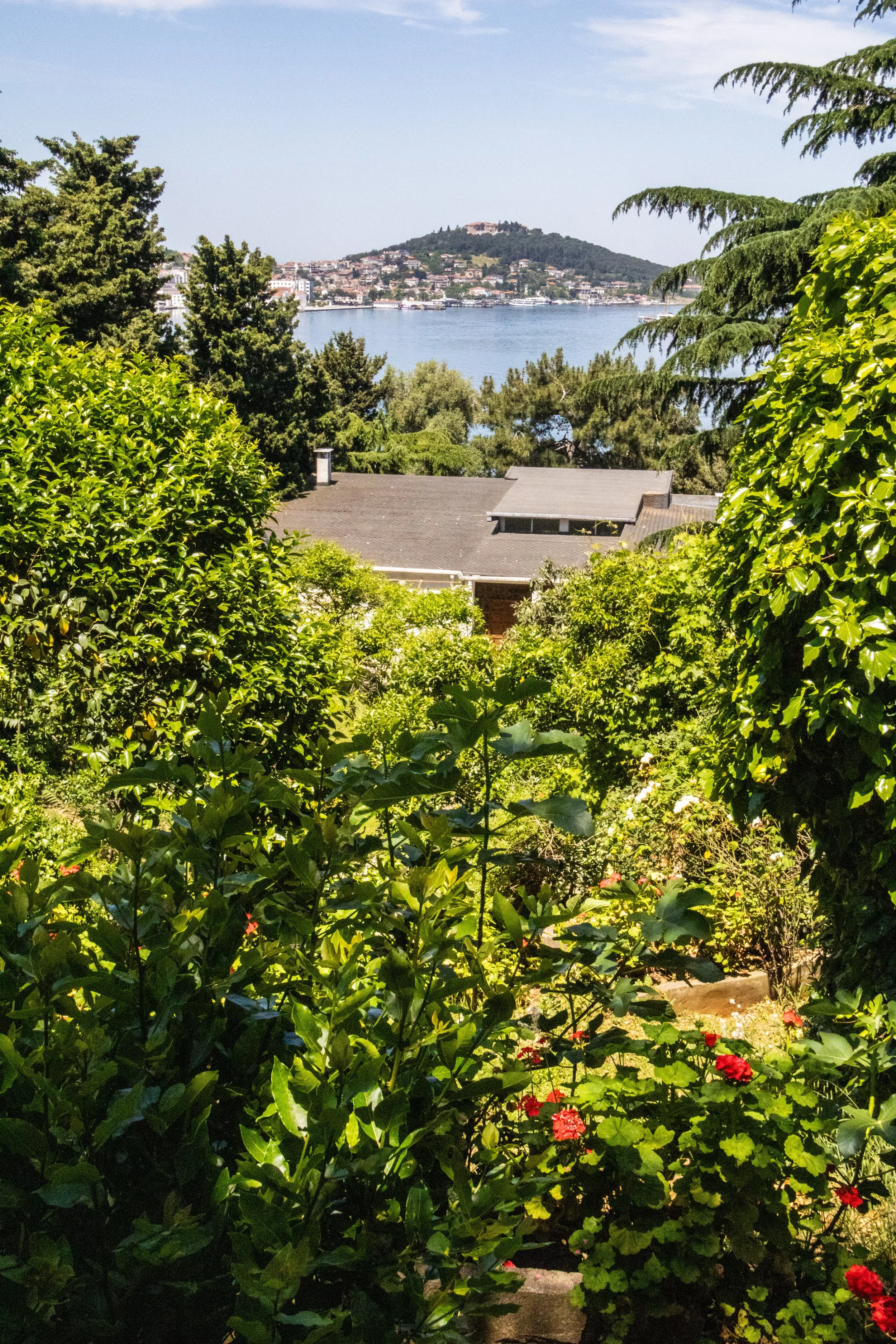
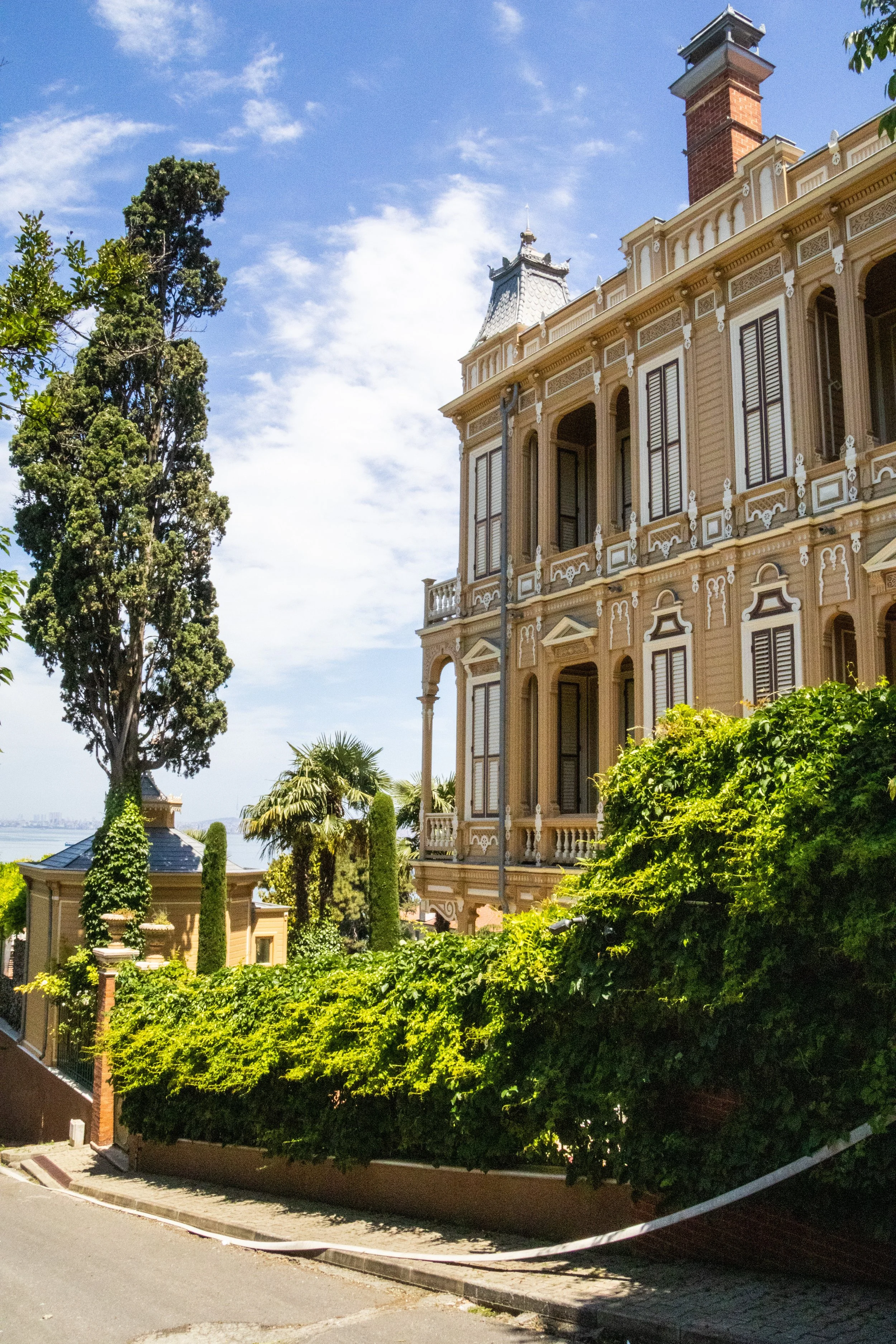
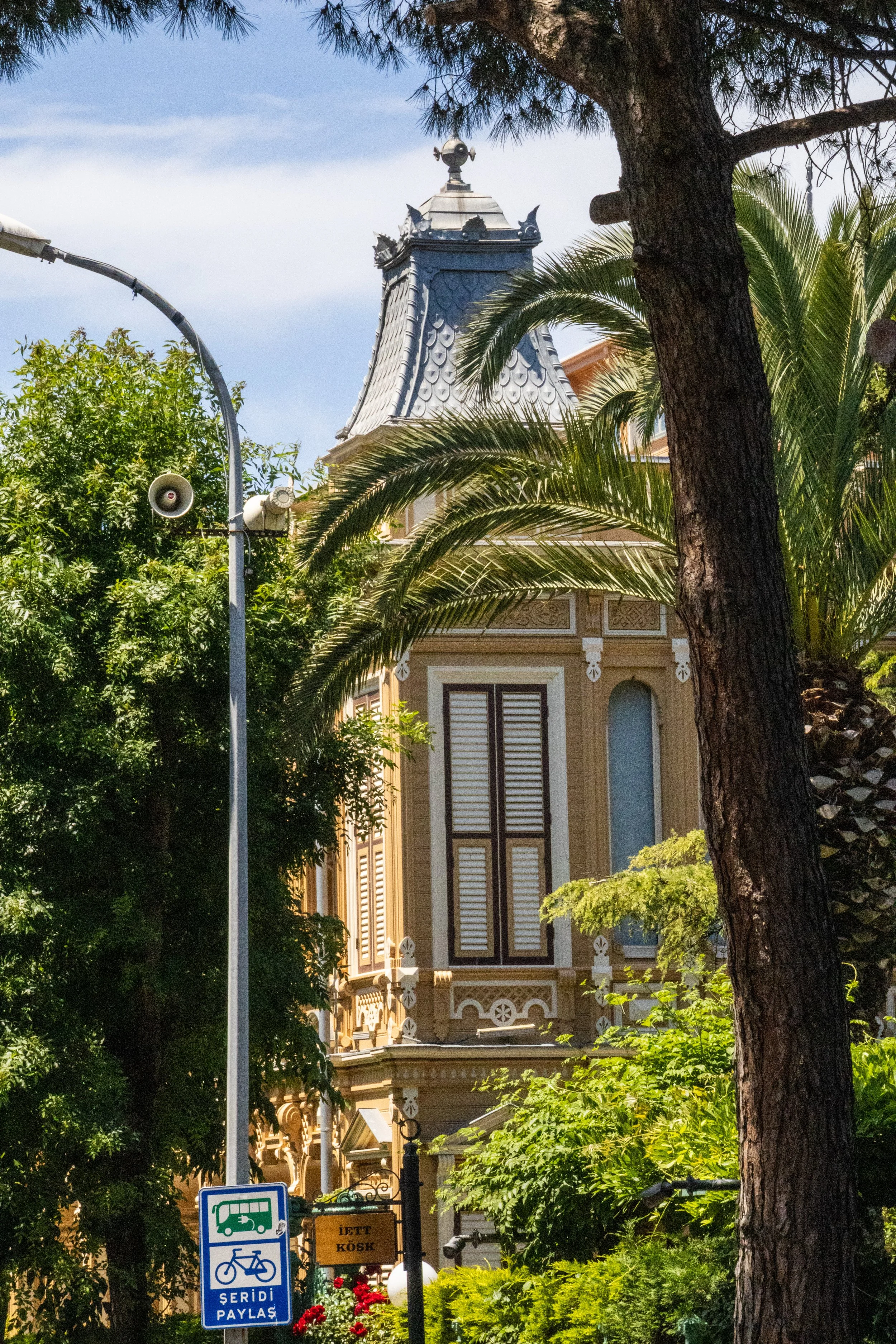
Heybeliada
There was no way that I was going to be satisfied with just 1 island. We caught the ferry to the next island up the archipelago for a bit more exploring. That next island turned out to be Heybeliada.
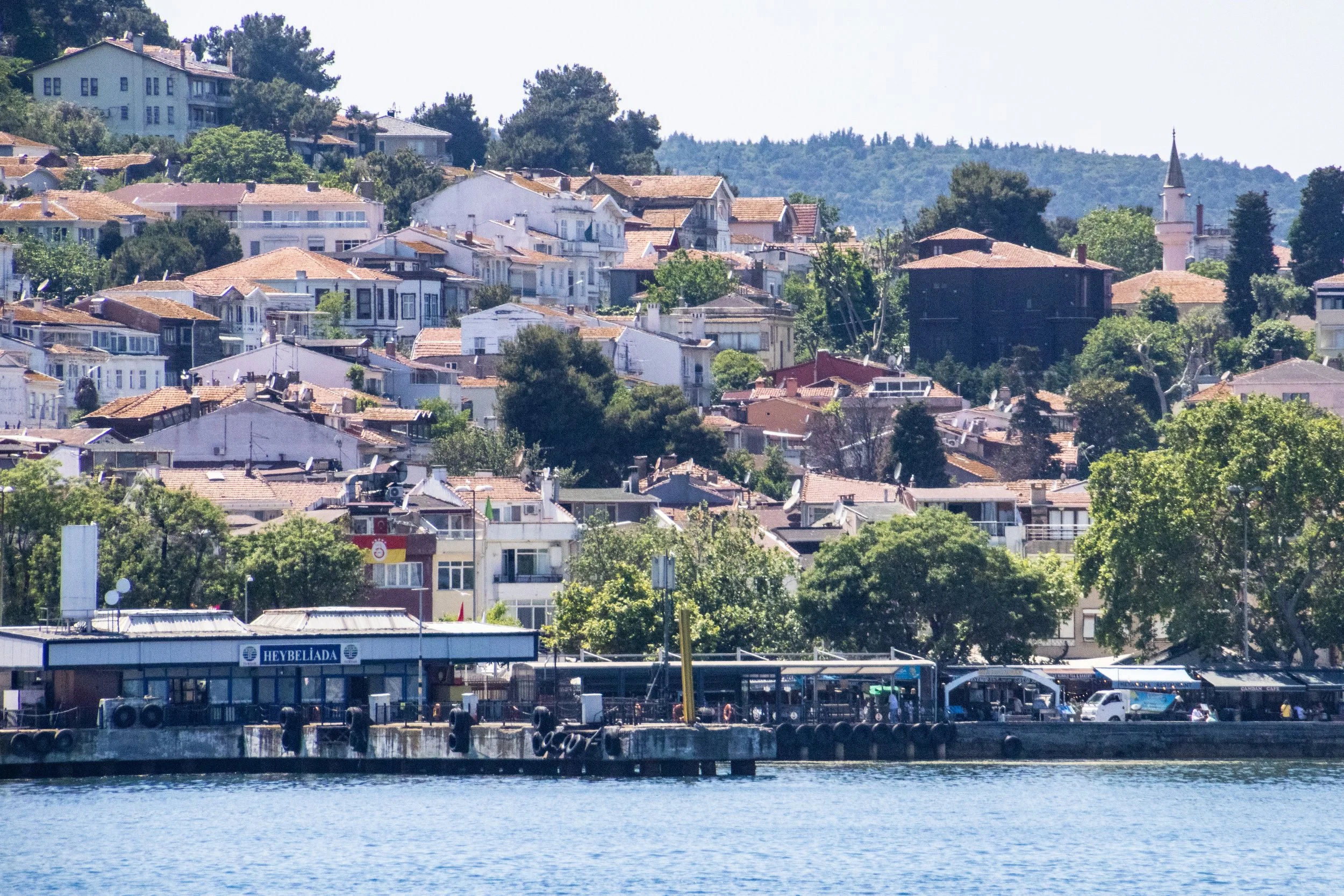
Heybeliada is quite different from Büyükada; it’s much smaller and much quieter. Digging into the history a bit, much of the activity on this island has been institutionally driven: monasteries, schools, medicine, and the navy all play major roles in its story. I’ll give a few examples…
Monasteries/Schools: This island is actually an important place for the Greek Orthodox Church. One of Eastern Orthodoxy's most important schools sits on top of a hill called Ümit Tepesi, or “the Hill of Hope”. This is a seminary called the Theological School of Halki; it trained Orthodox clergy from 1844 until 1971 and still remains relevant today. Next to it sits an Orthodox monastery called Monastery of the Holy Trinity. “Heybeliada” basically means “Saddlebag Island”, owing to the unique landscape, which forms a saddle-like depression between hills. I believe Ümit Tepesi is one of these two hills.
Medicine: In the late 14th century, Queen Elizabeth I's (of England) ambassador actually died here. His name was Edward Barton; he fled plague-stricken Constantinople for Heybeliada in 1598, but apparently brought the disease with him and died on the island. Centuries later, modern Turkey's first state tuberculosis sanatorium was built here. The Heybeliada Sanatorium opened in 1924 with only 16 beds and ultimately developed into a major medical complex. Patients were taught trades such as watchmaking, photography and typing as part of rehabilitation.
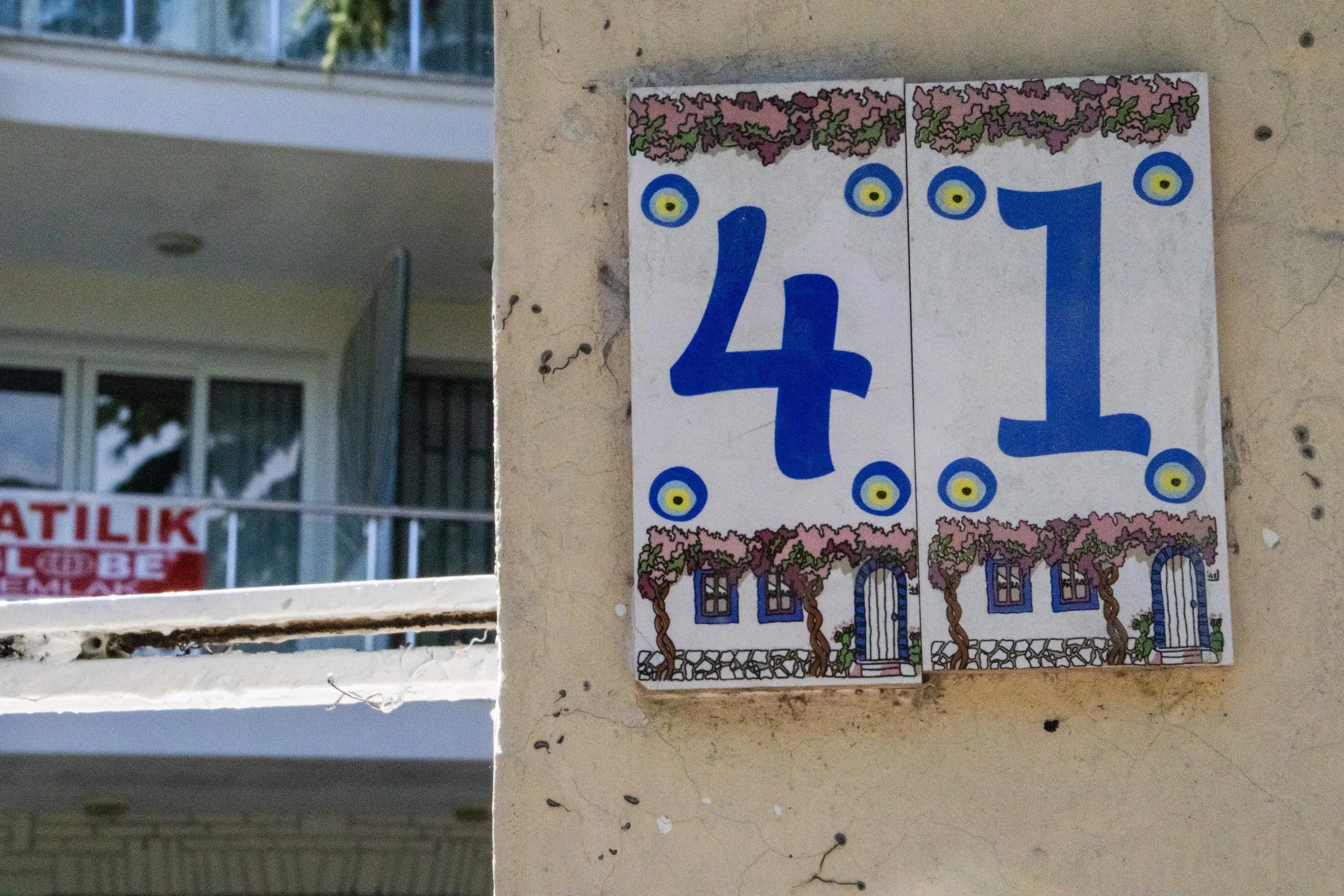
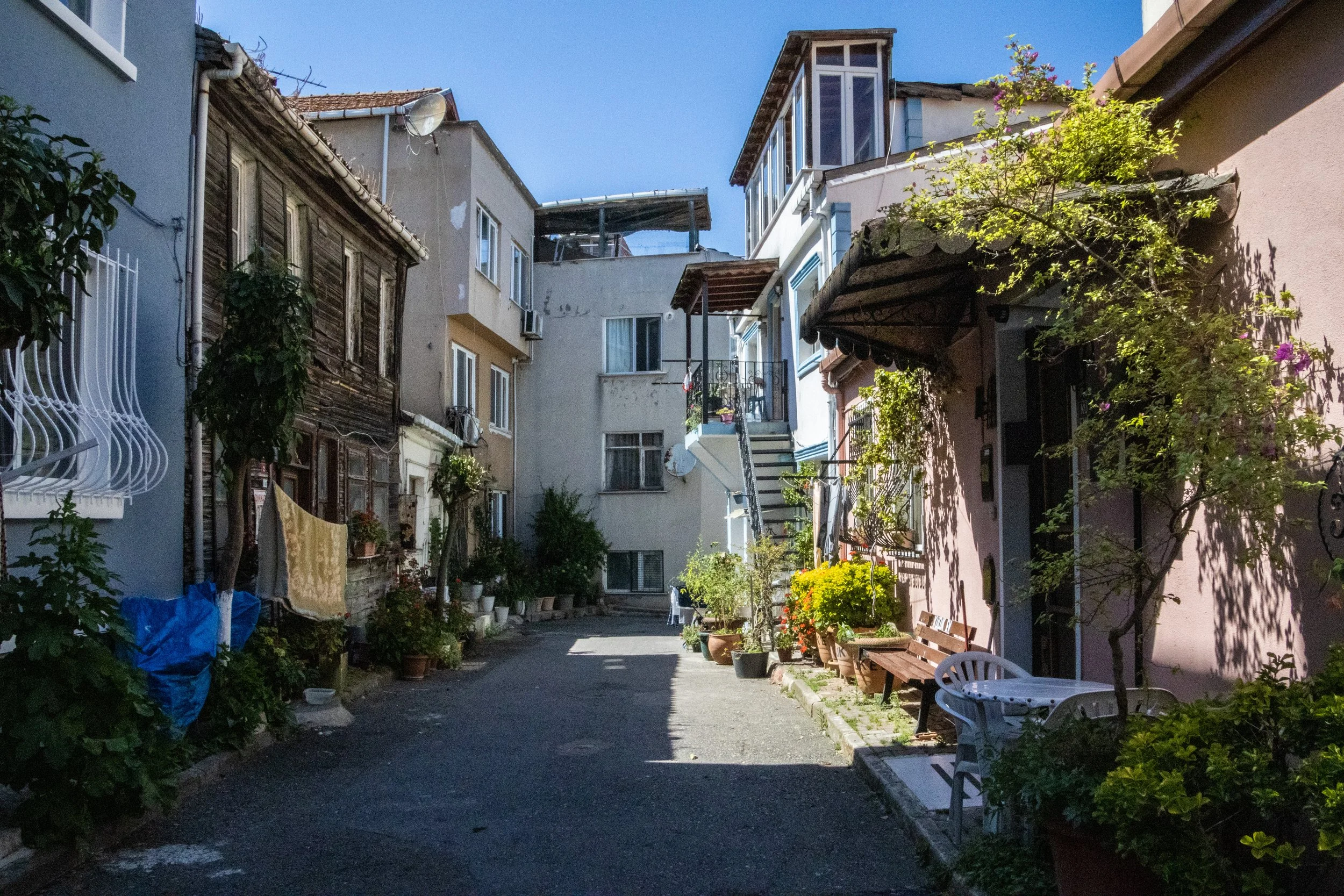
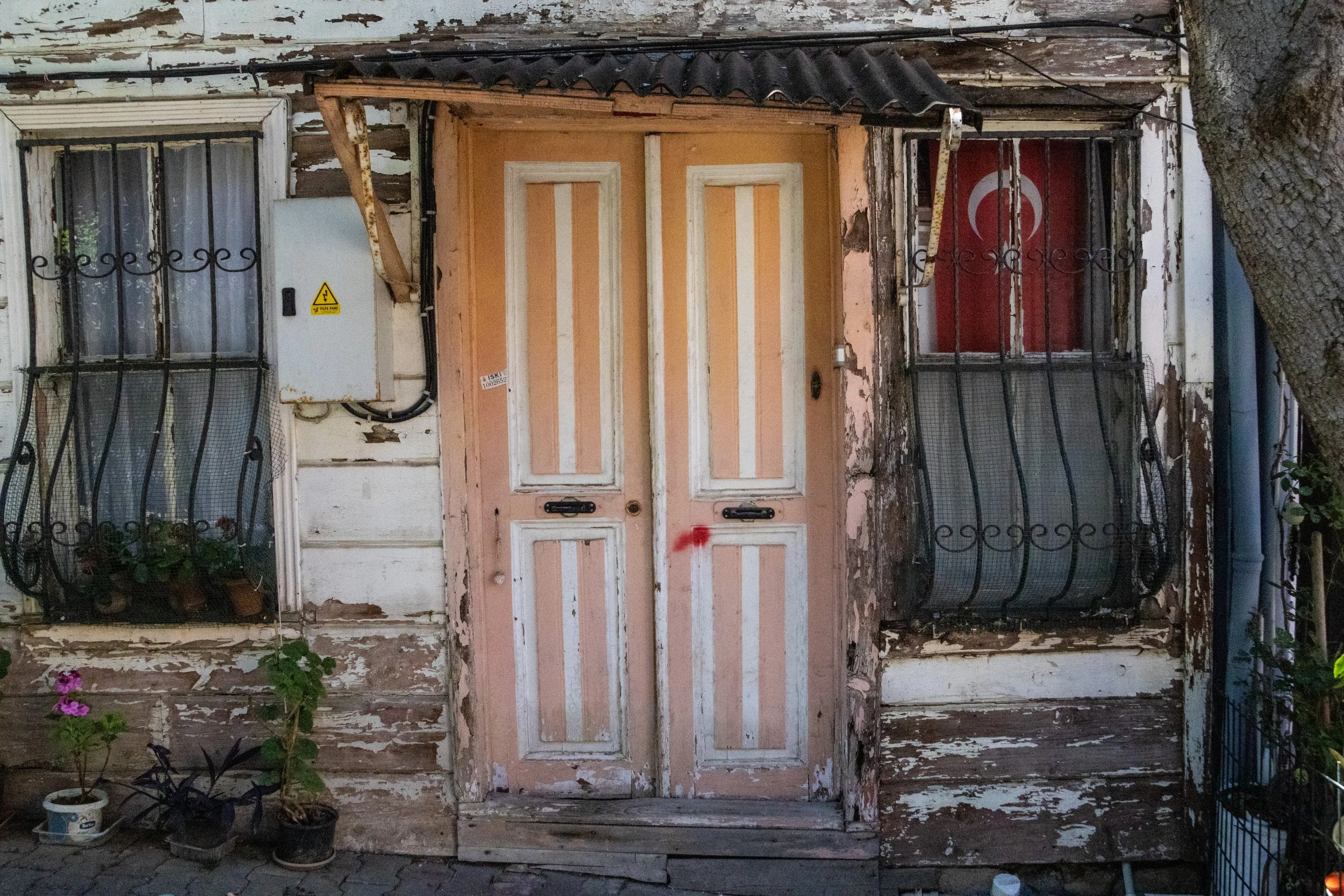
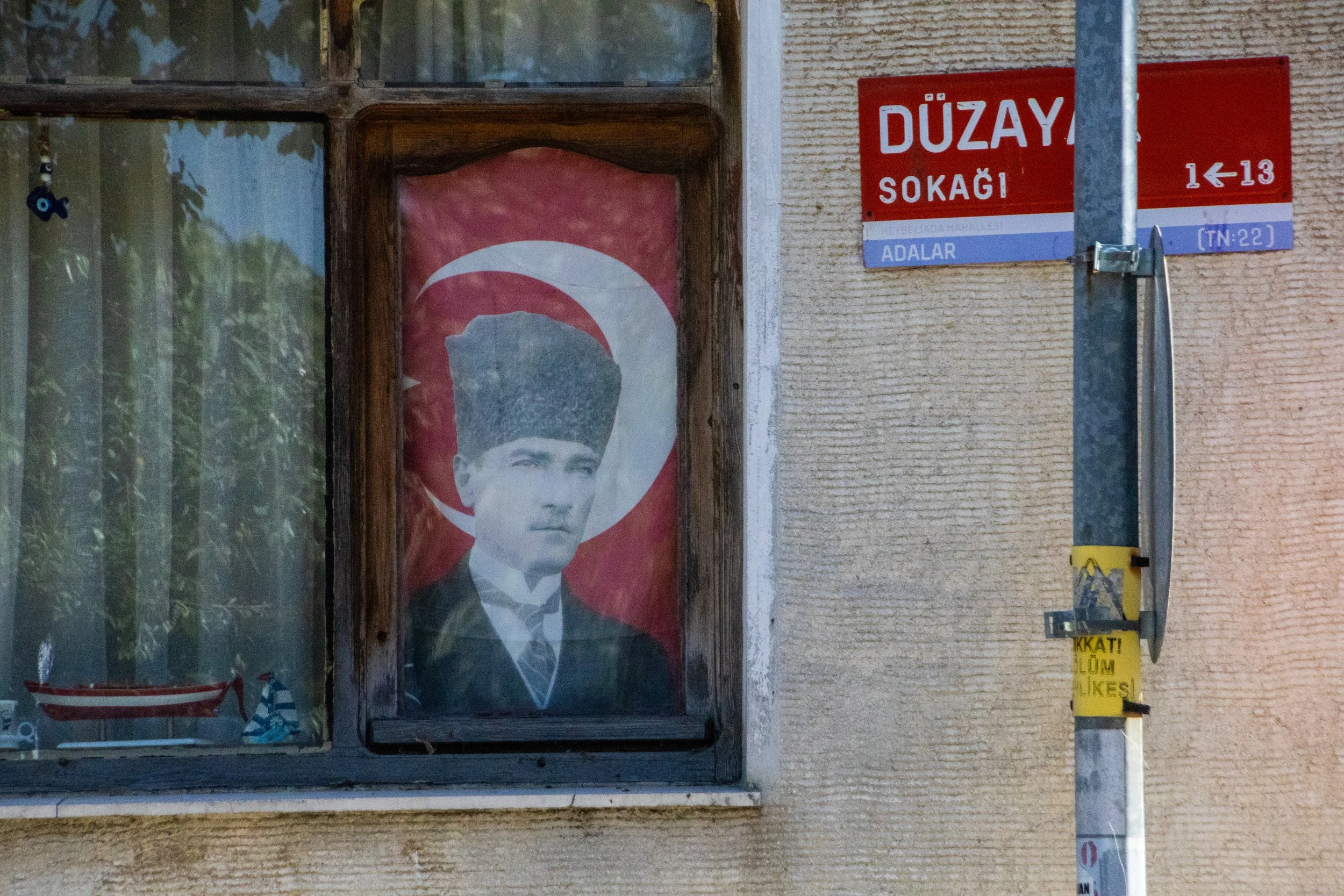
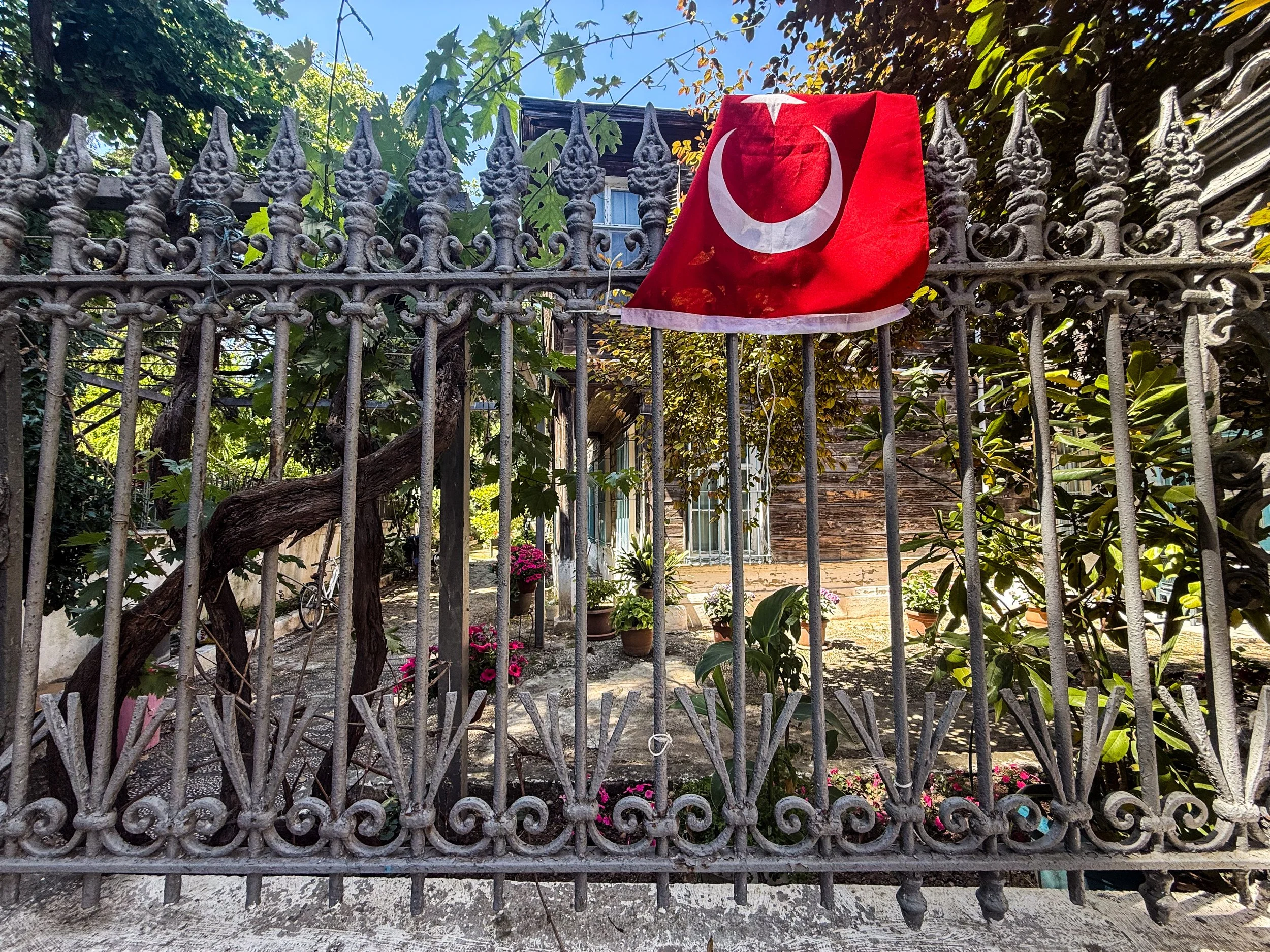
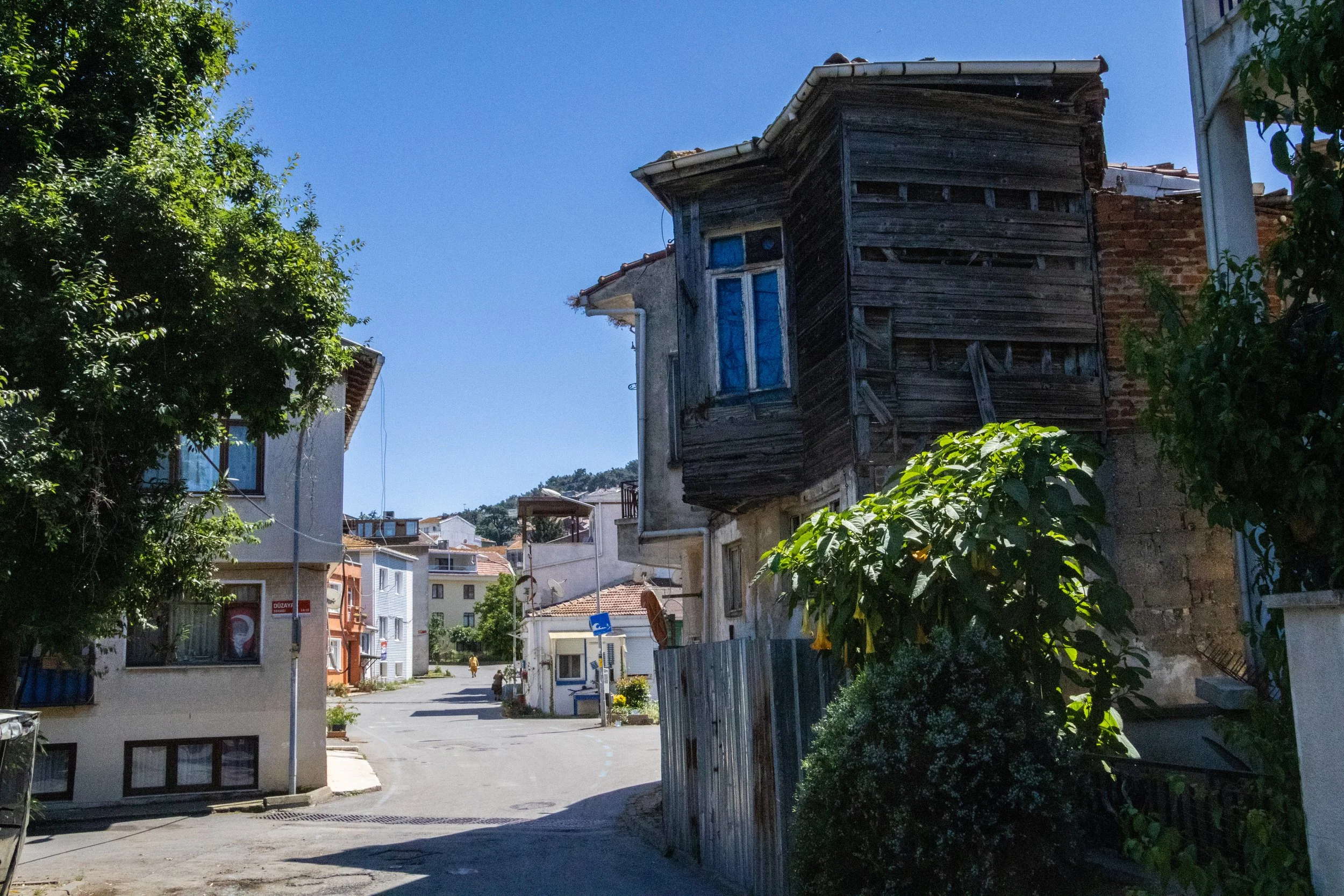
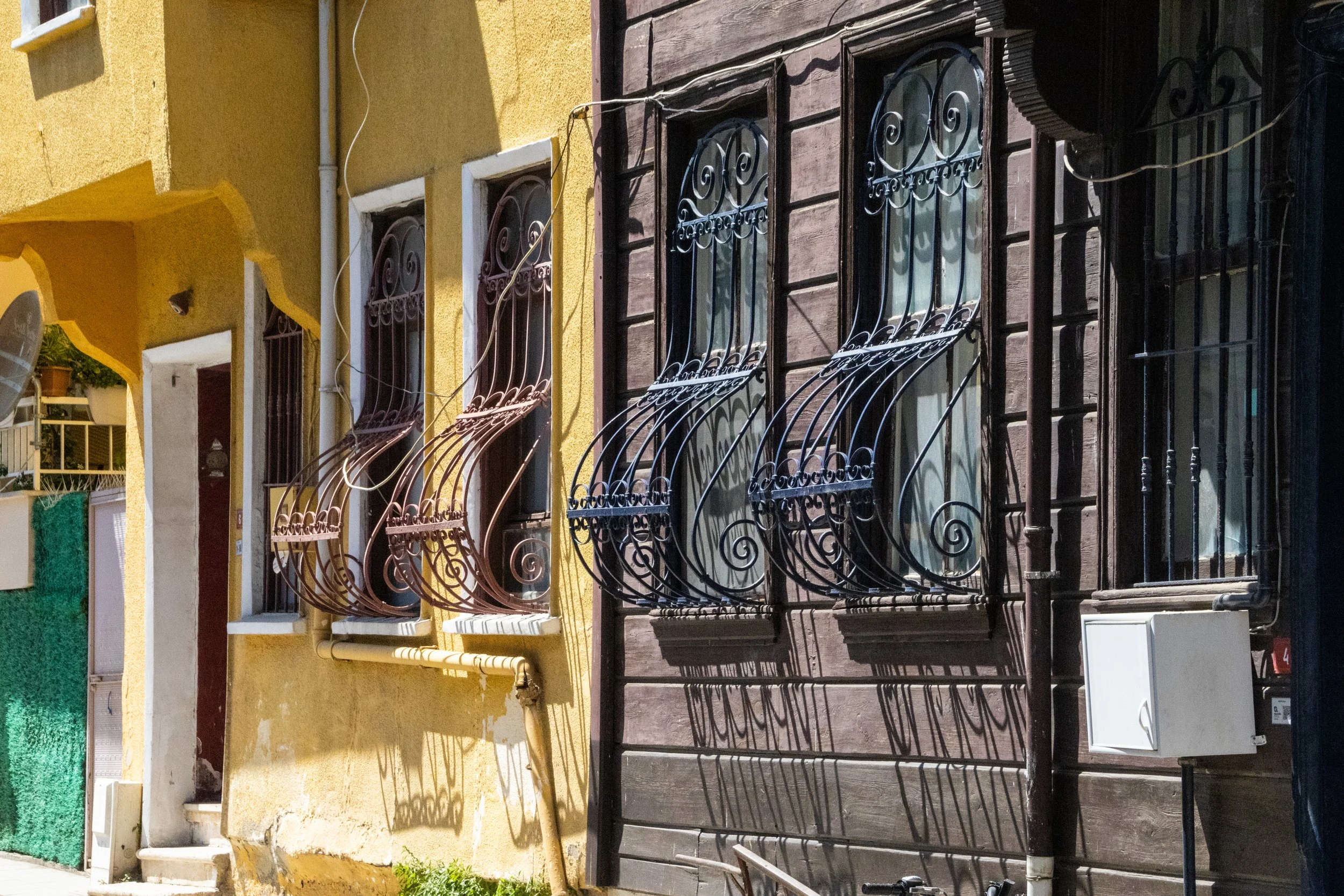
Ok, interesting history, but what was it like to actually walk around here? VERY quiet. The houses were far less grandiose than what we’d seen on Büyükada, but they nevertheless adhered to the Ottoman brand guidelines, with overwhelming majority of houses constructed out of wood. This is not necessarily unique to the Princes’ Islands; you’ll see this type of architecture in many historic neighborhoods of mainland Istanbul. But Büyükada’s mansions were definitely unique. Heybeliada was considerably more run-down than it’s posh neighbor, but was nevertheless quite charming in its own rite. Here are a few pictures from a walk around the island’s main town:
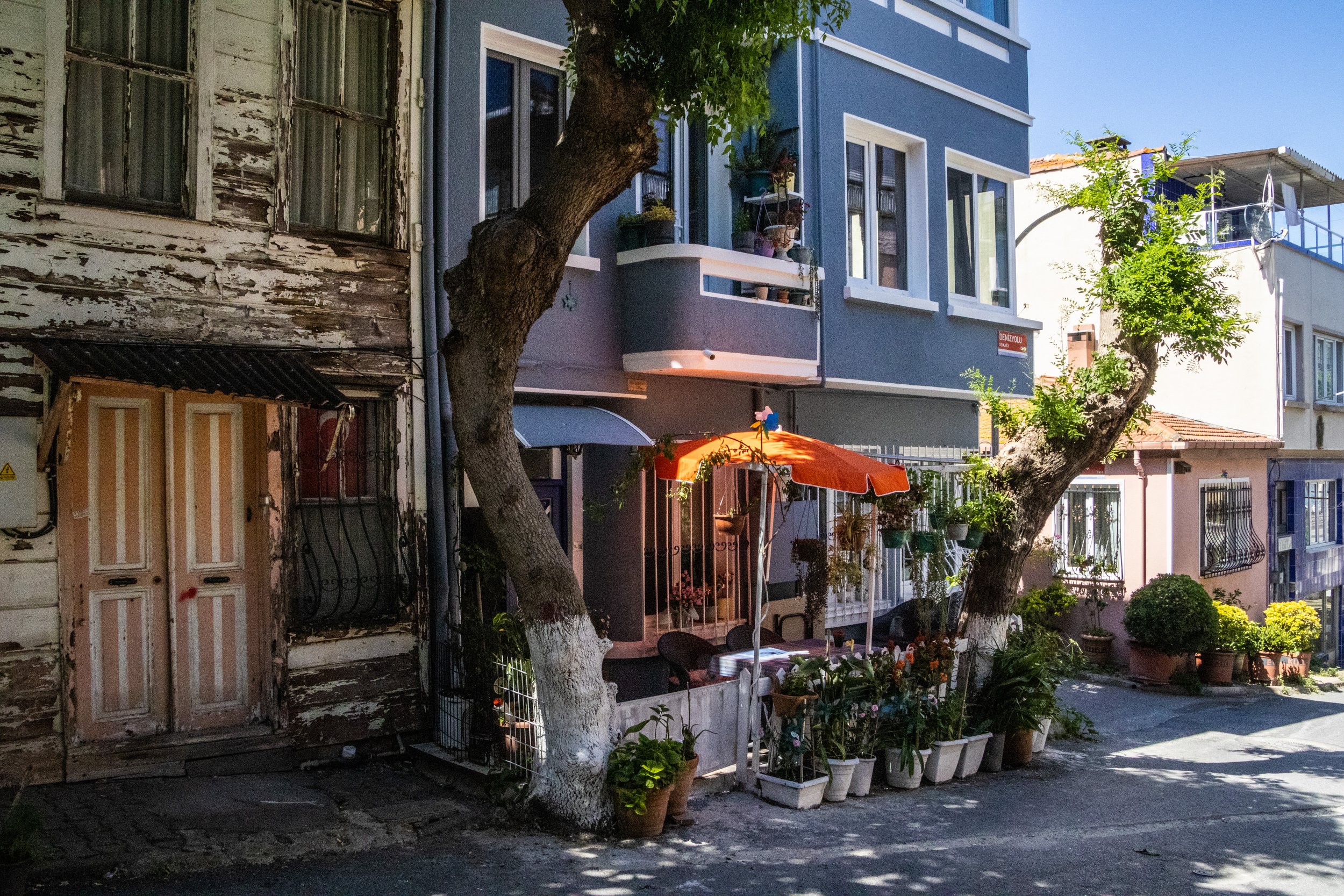
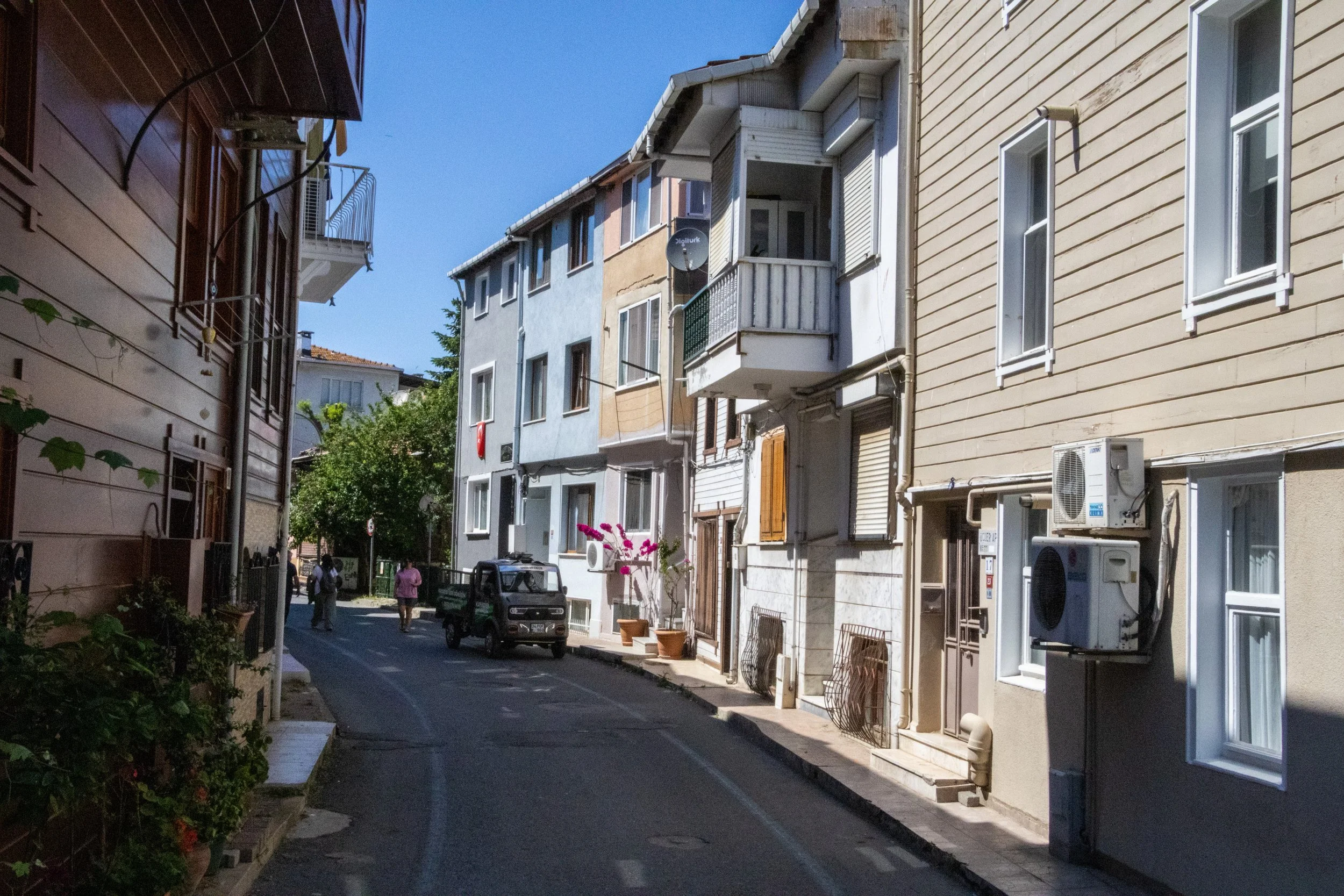
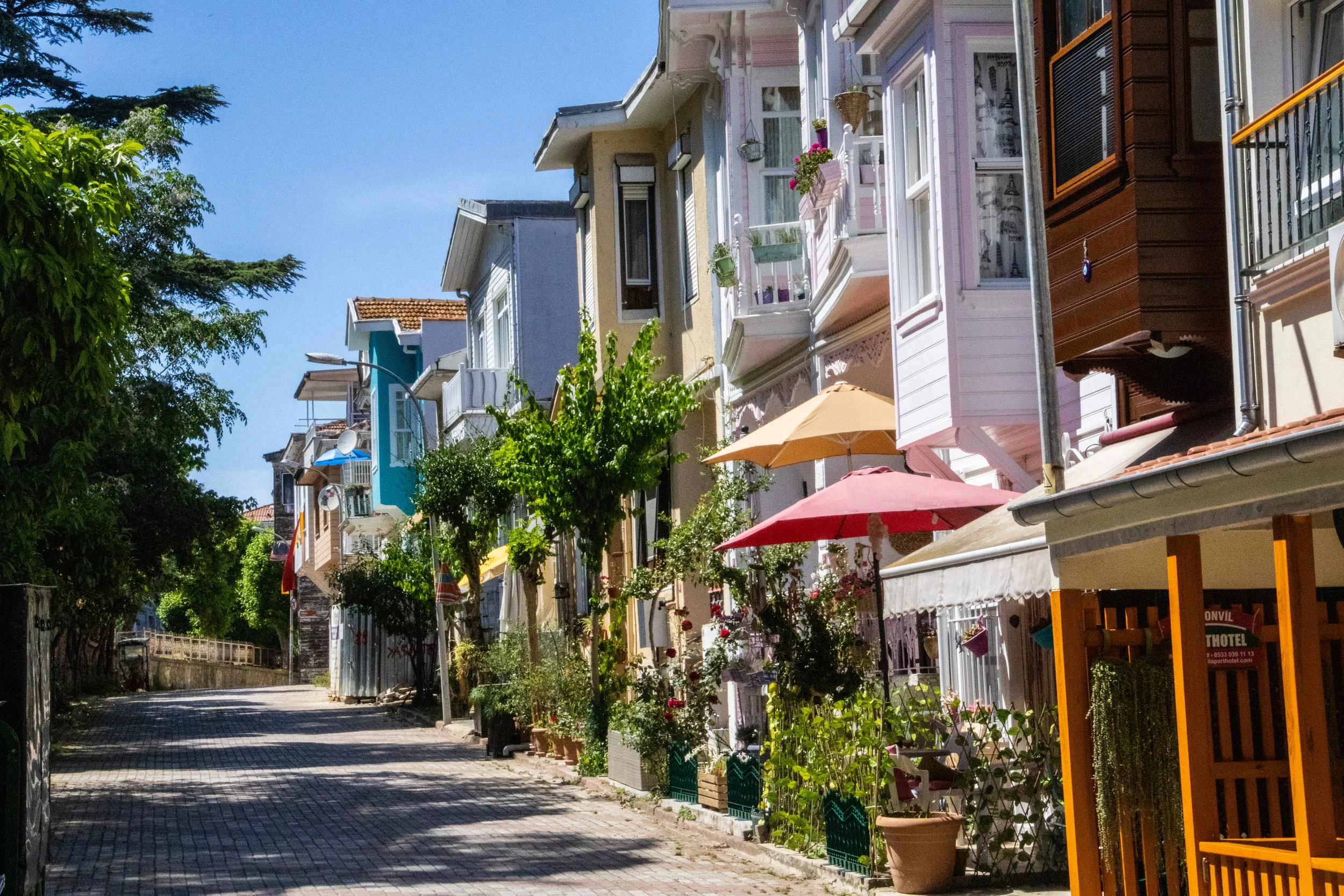
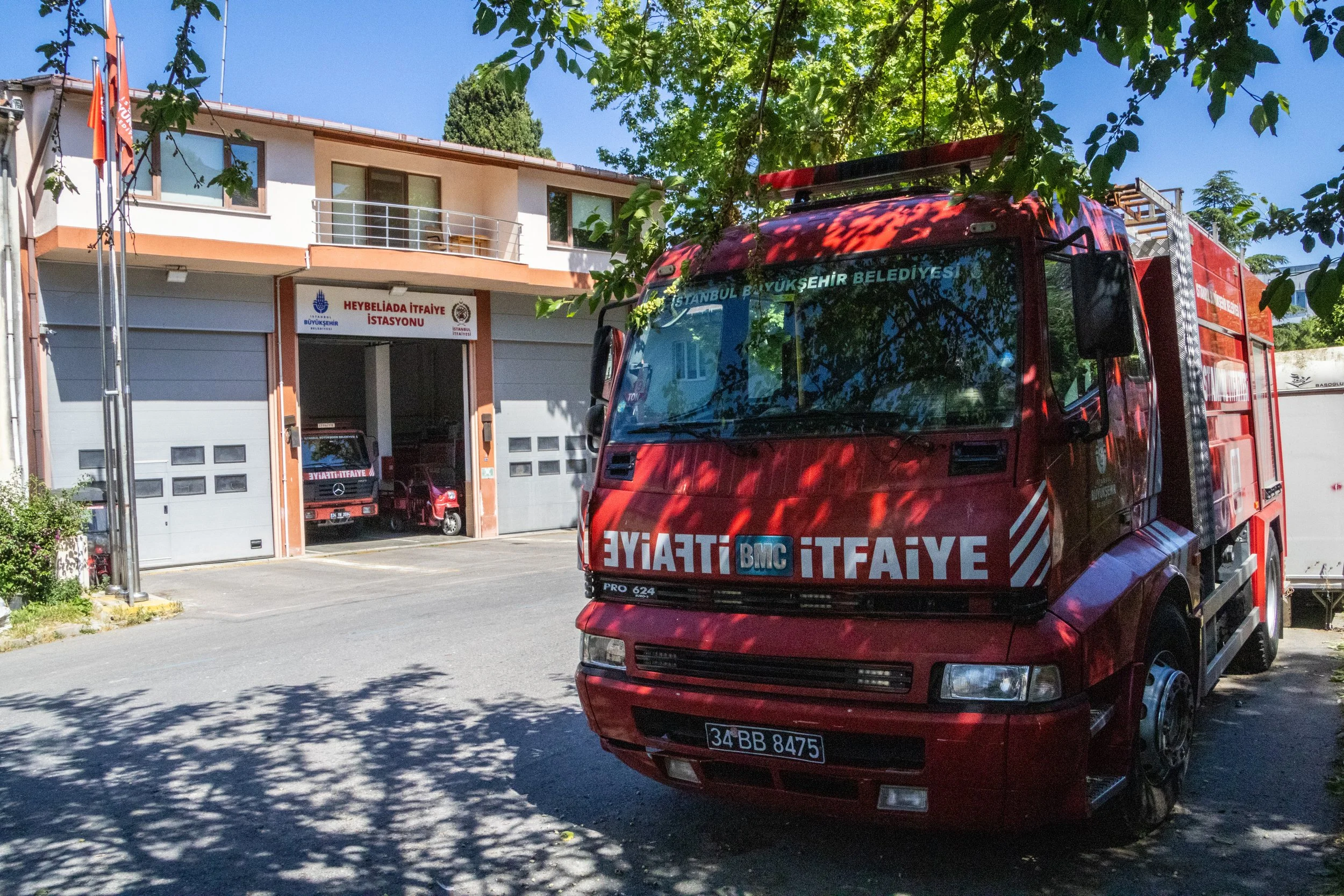
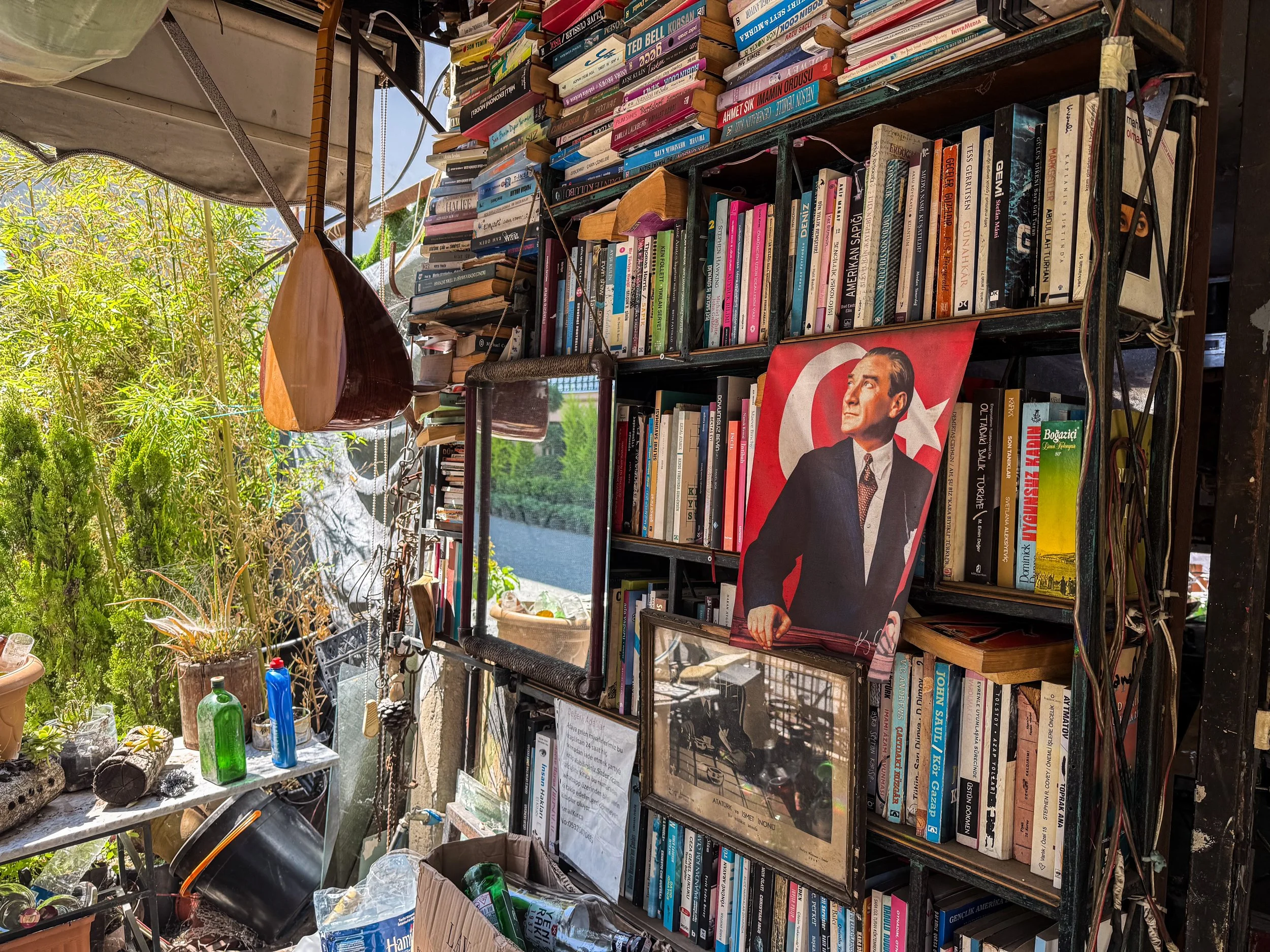
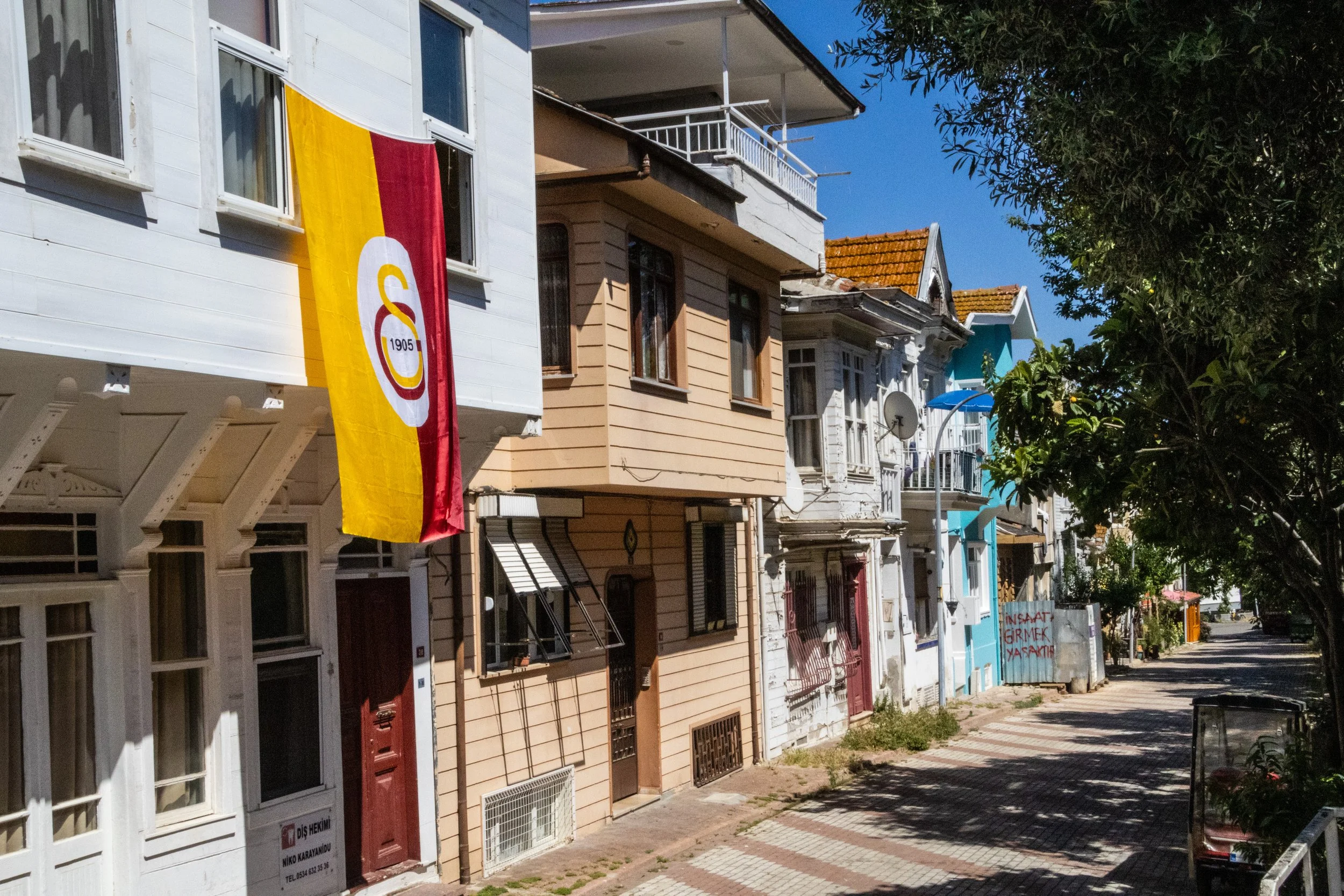
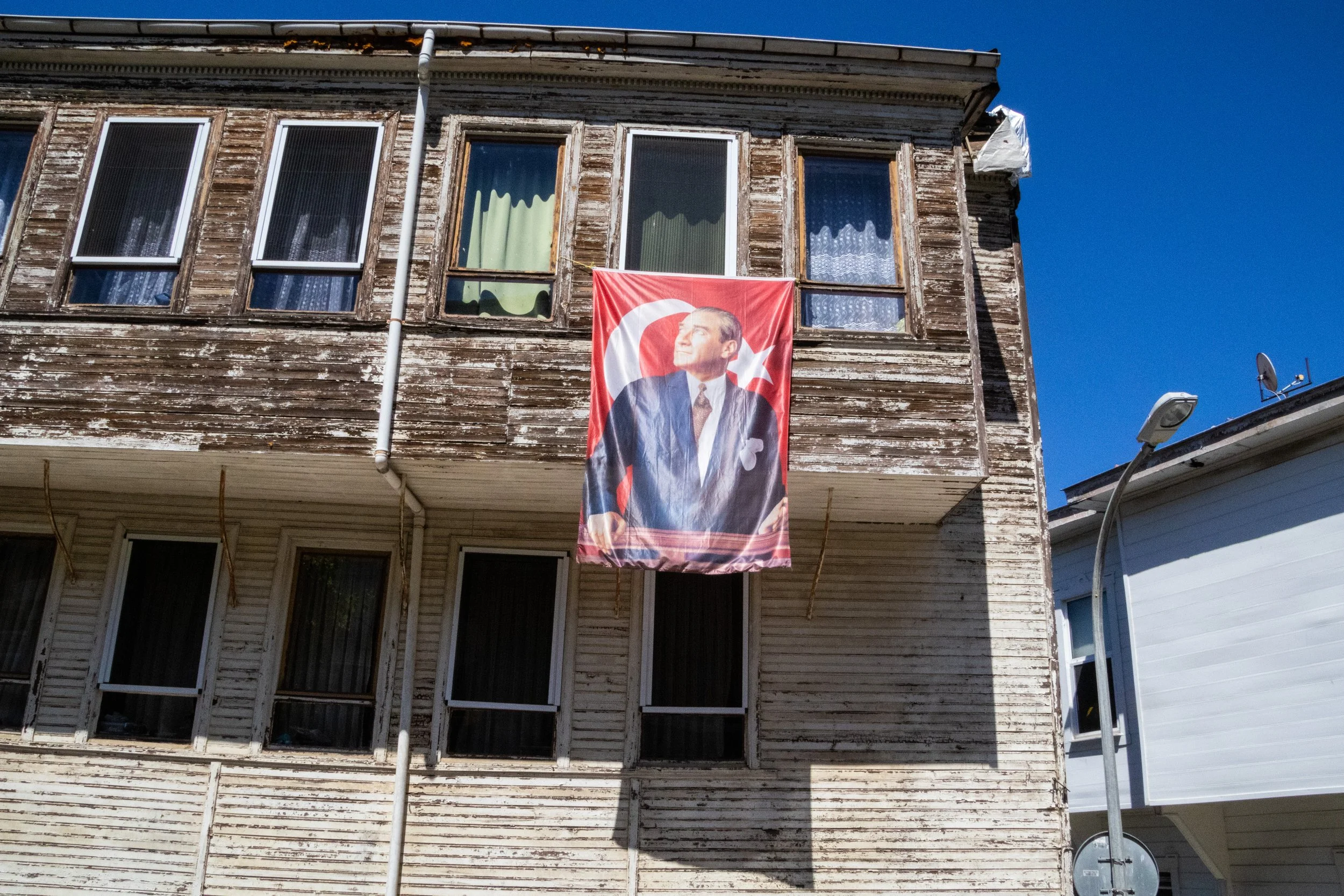
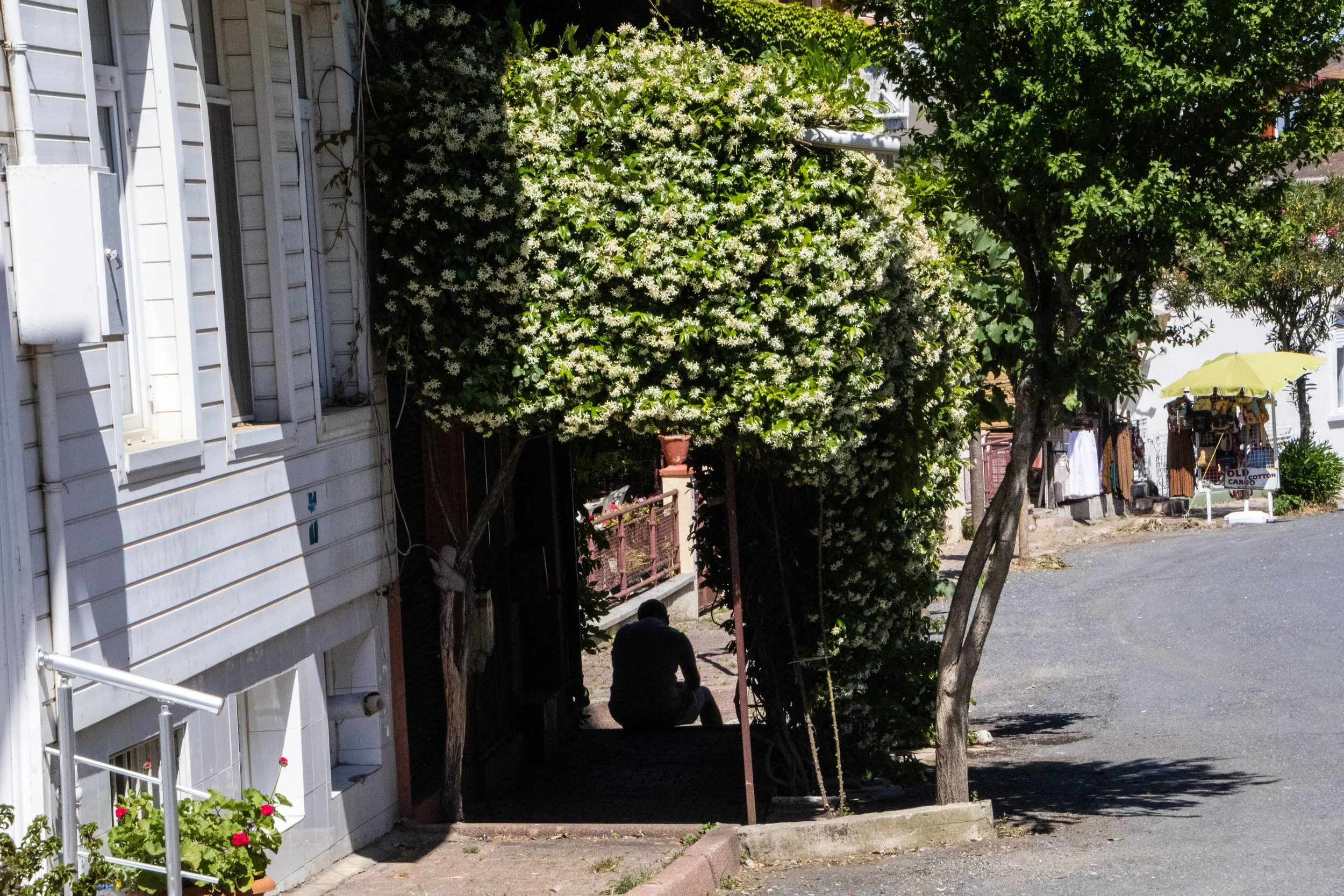
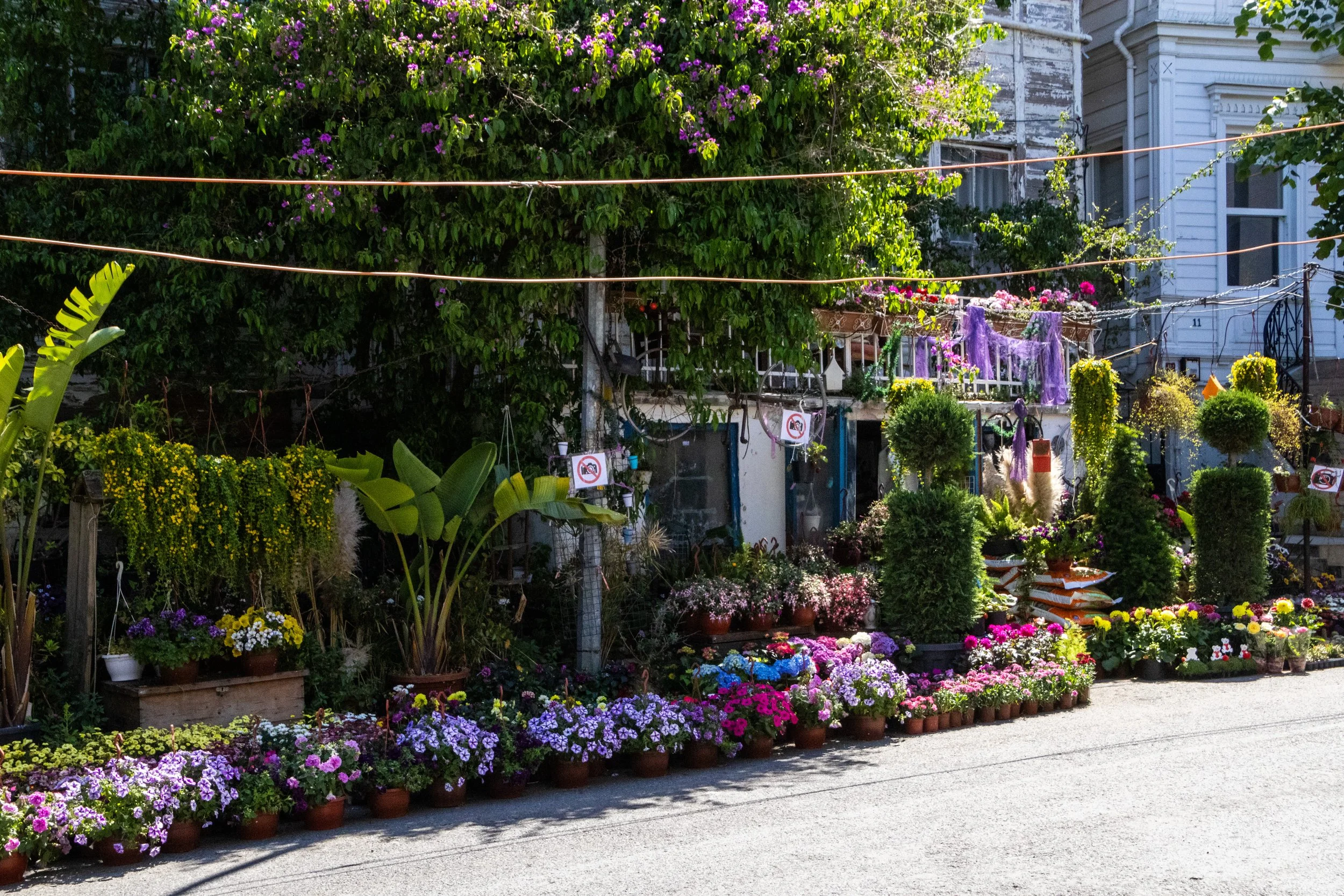
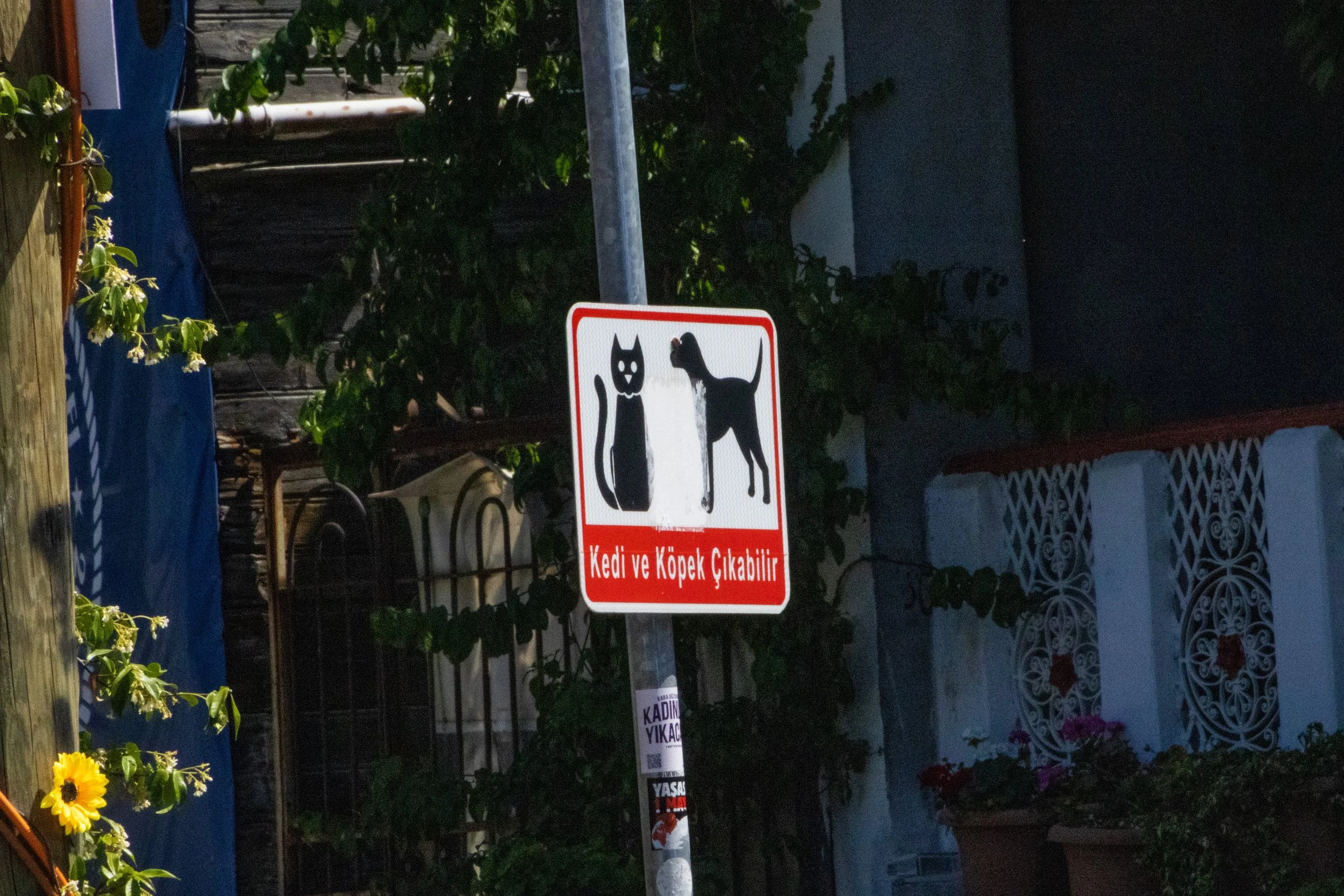
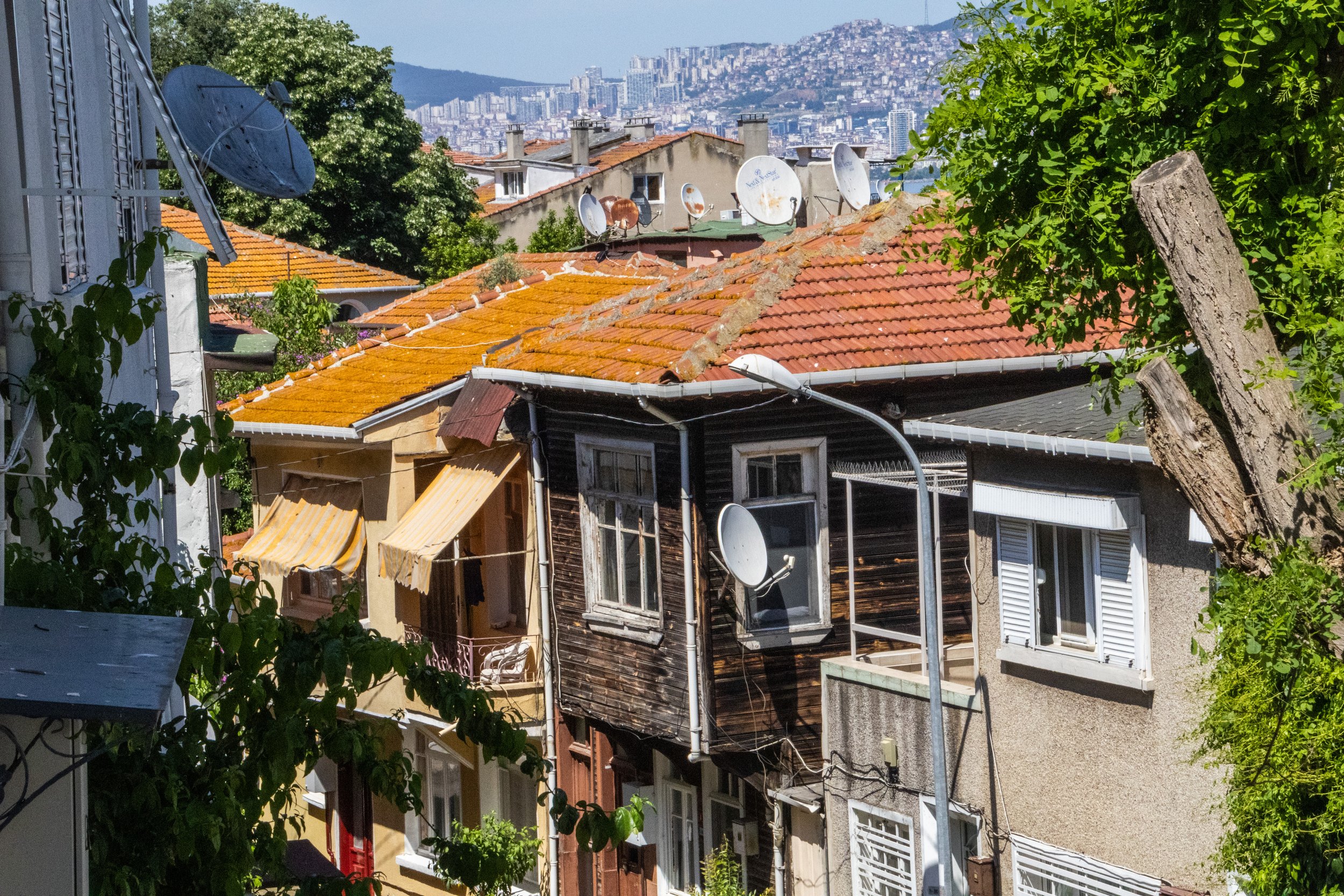
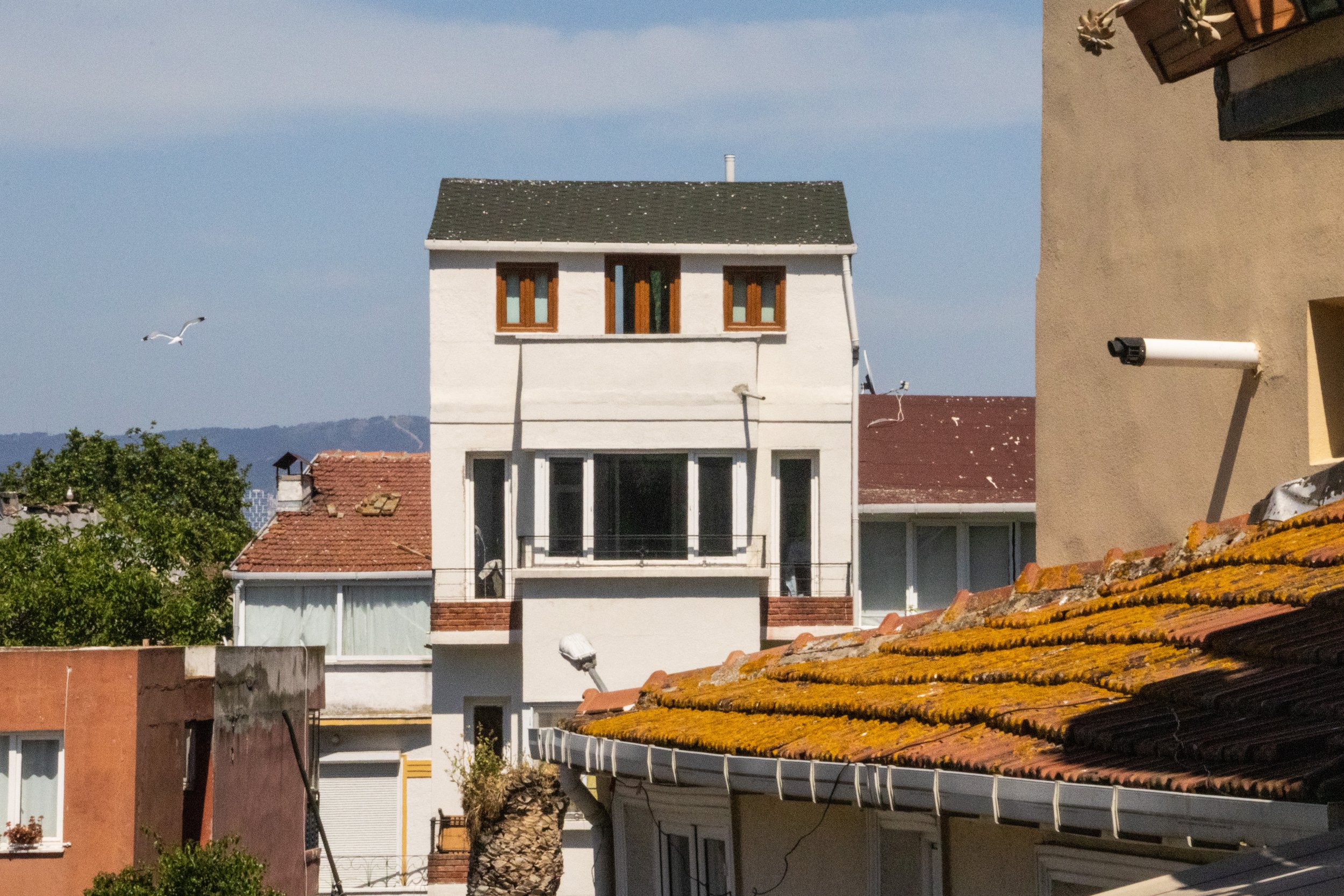
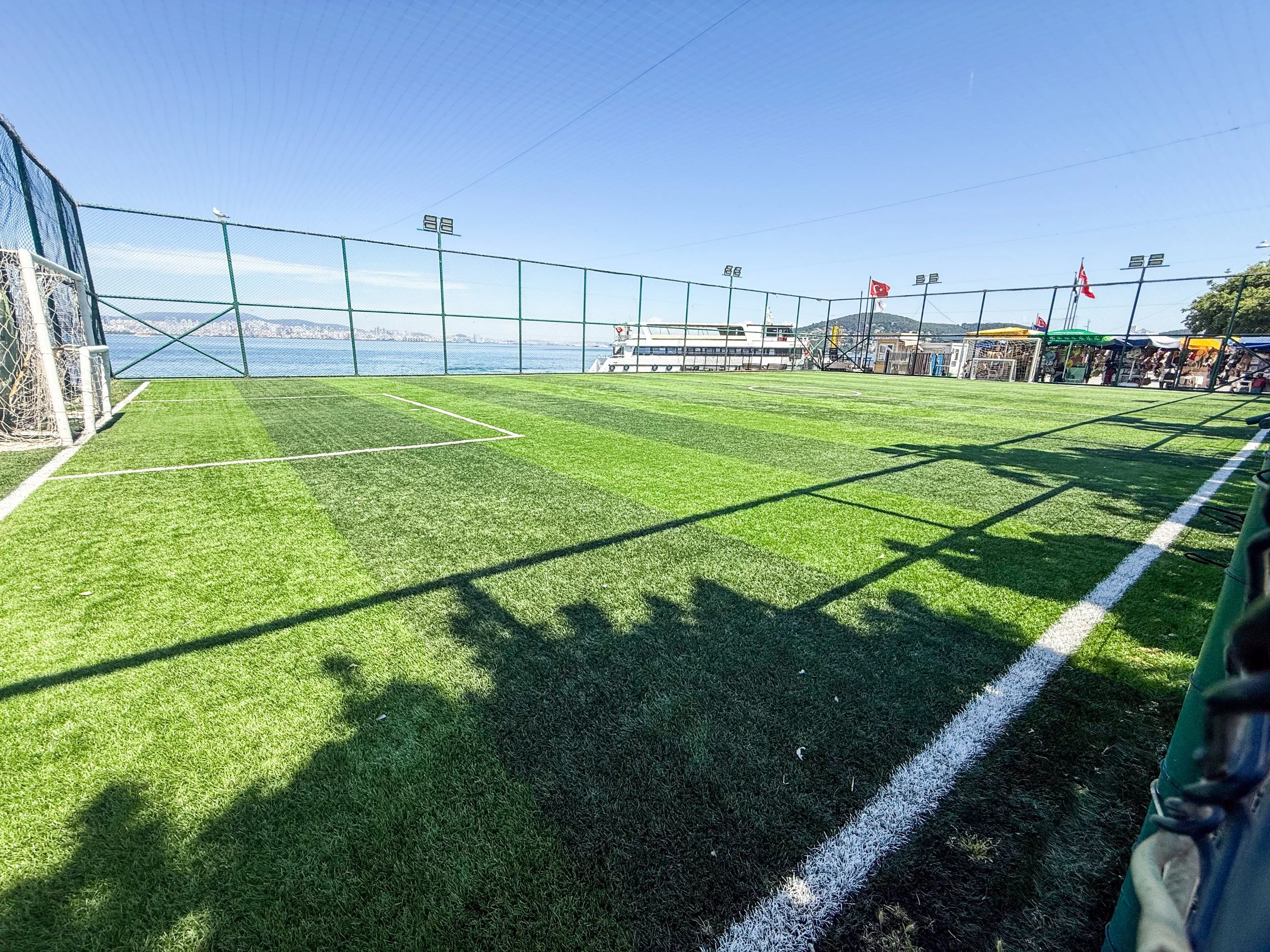
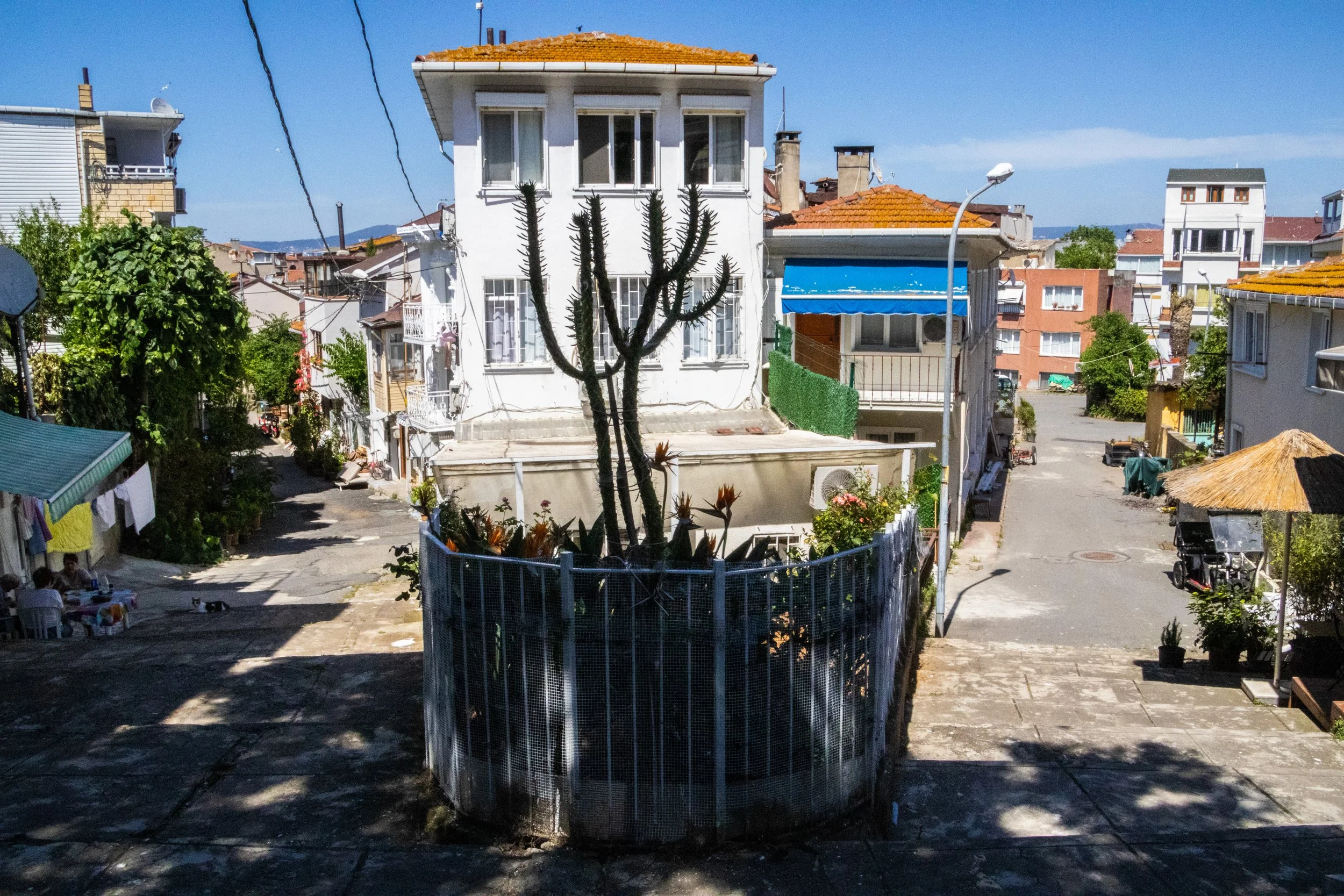
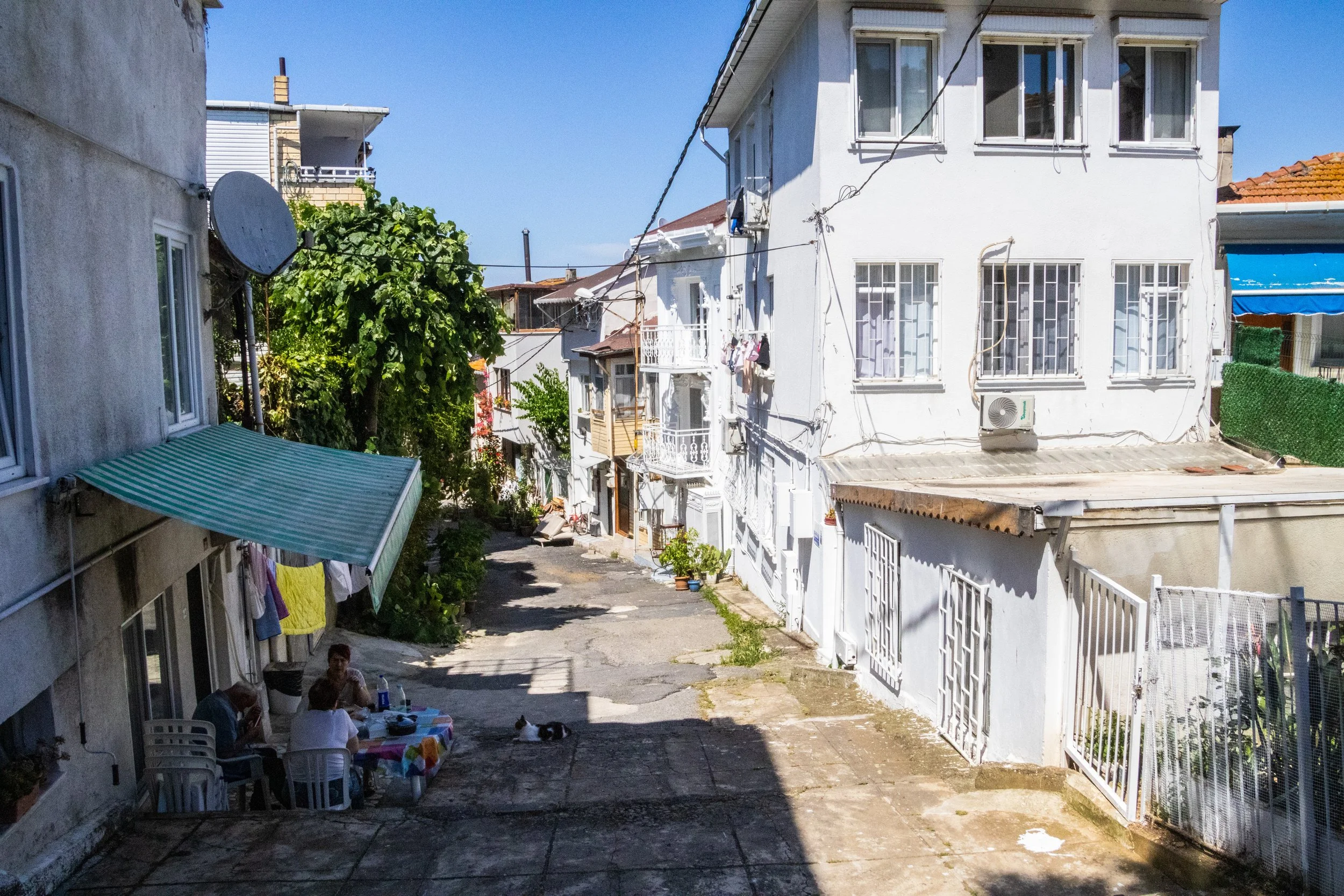
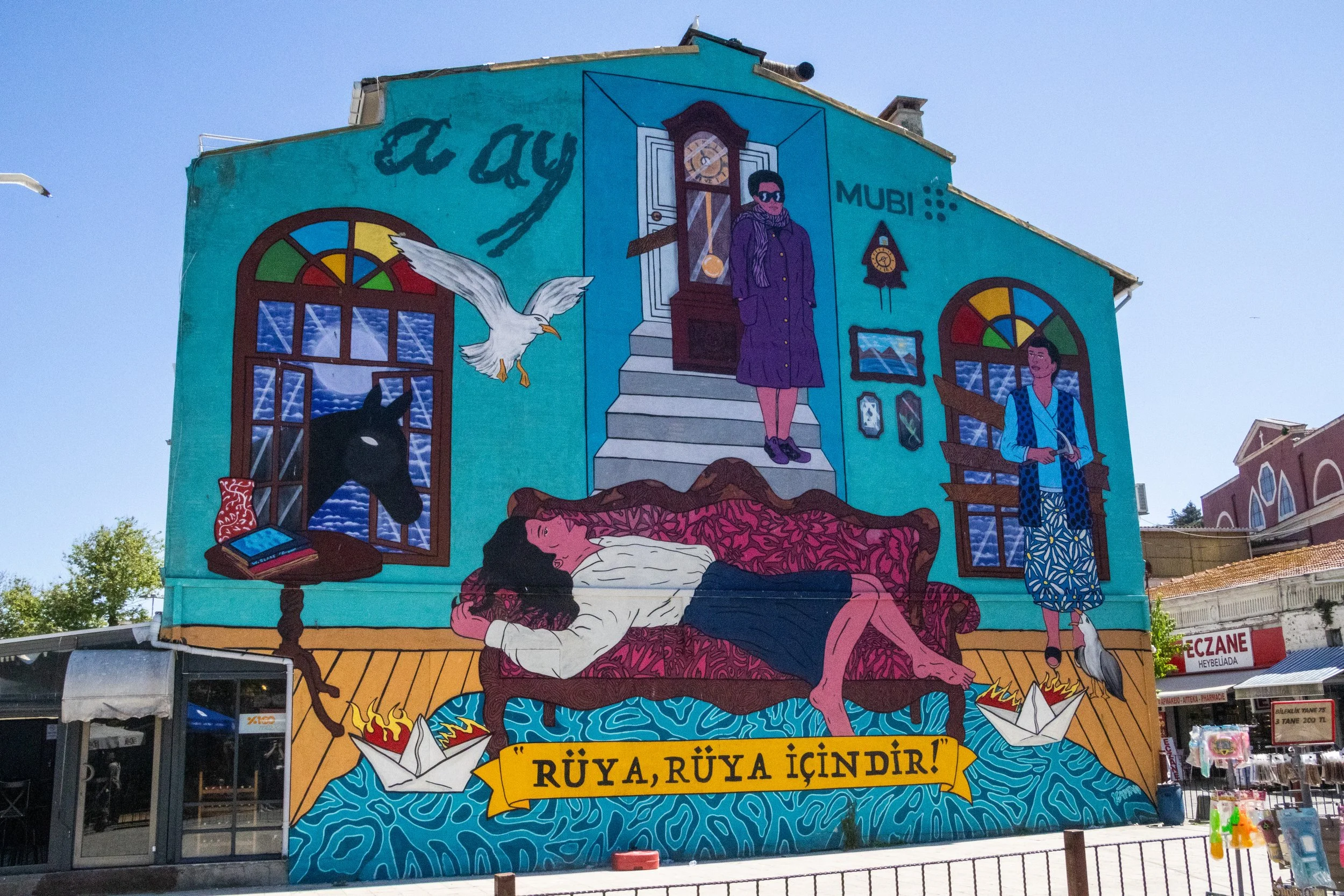
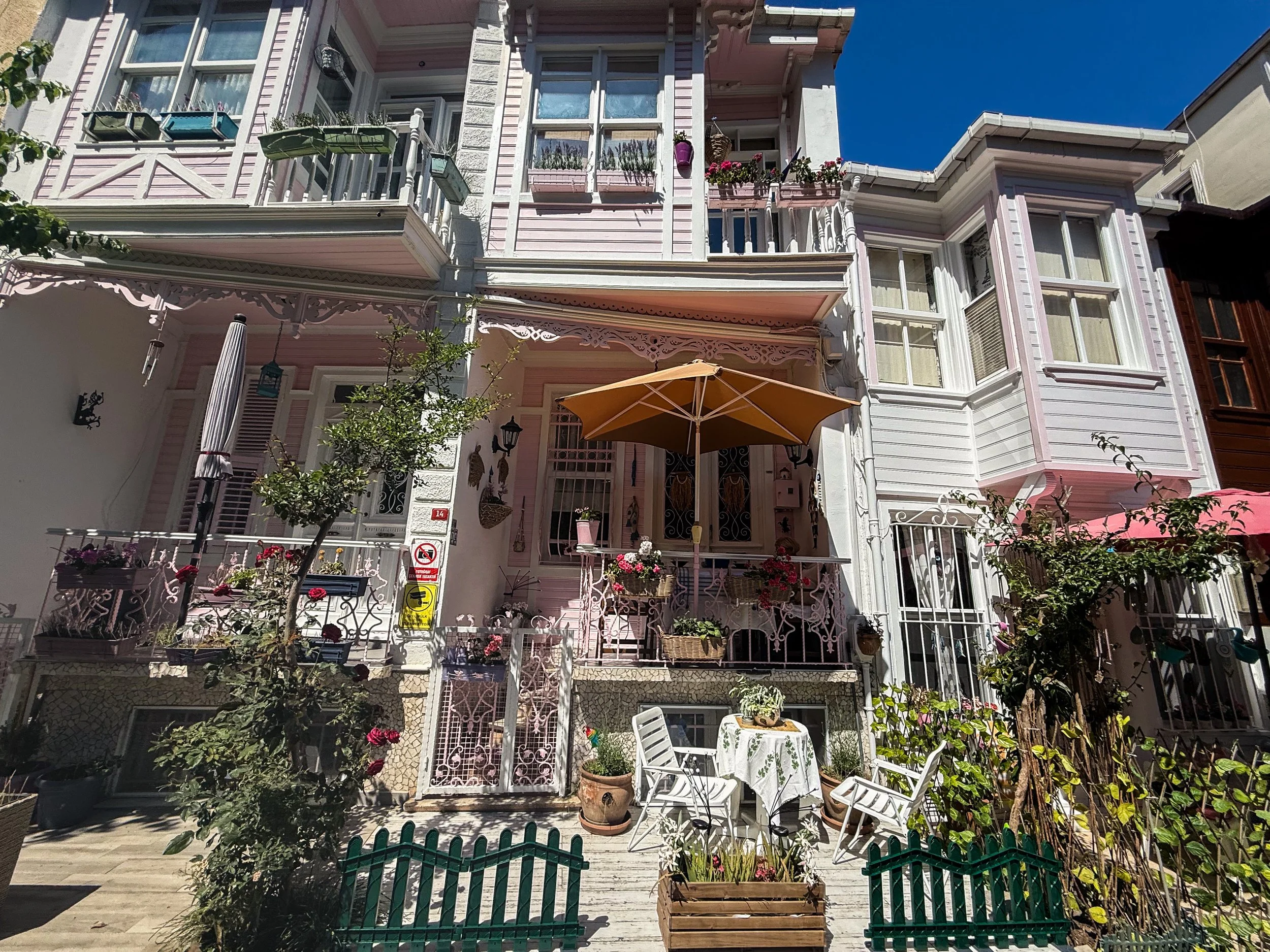
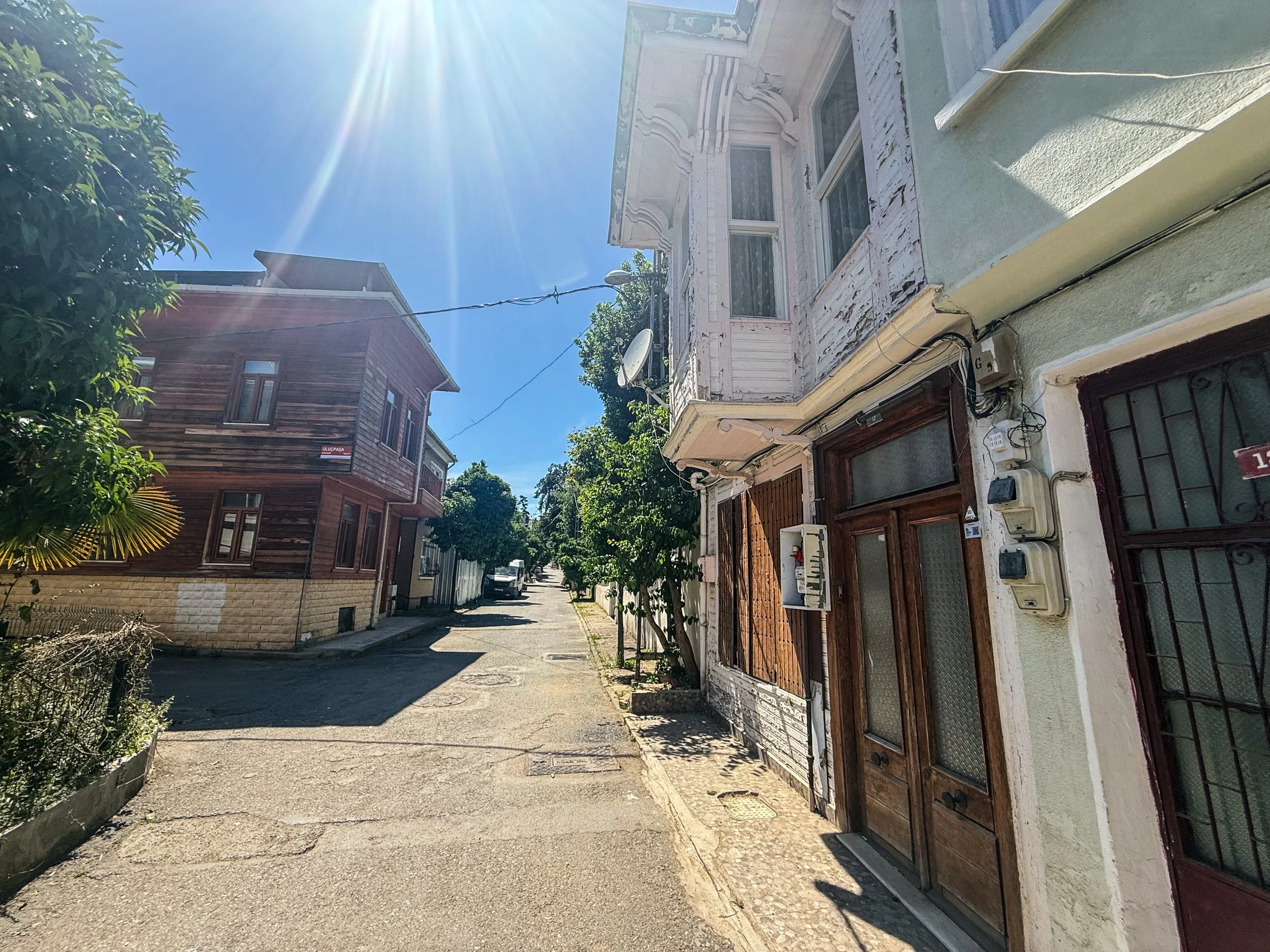
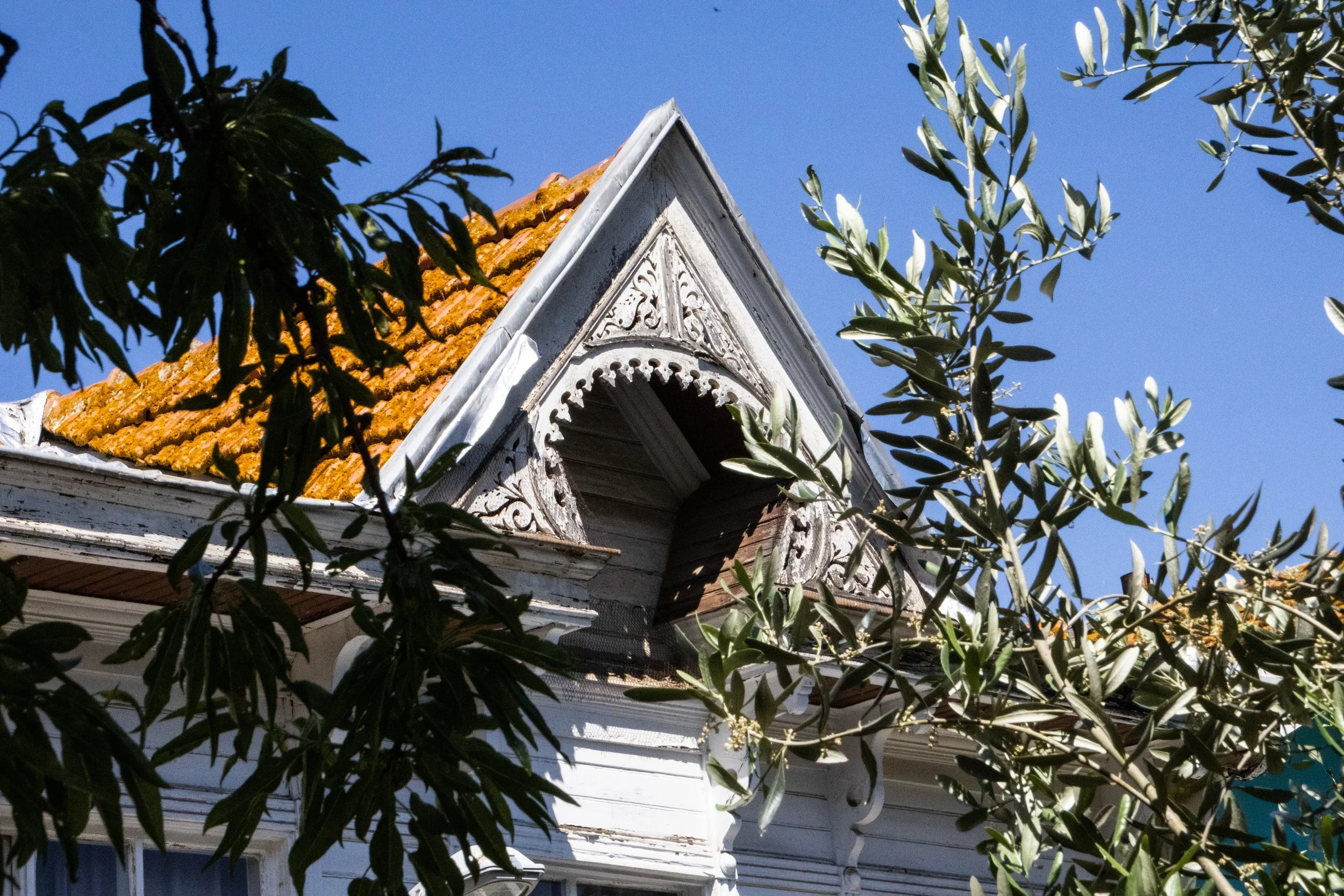
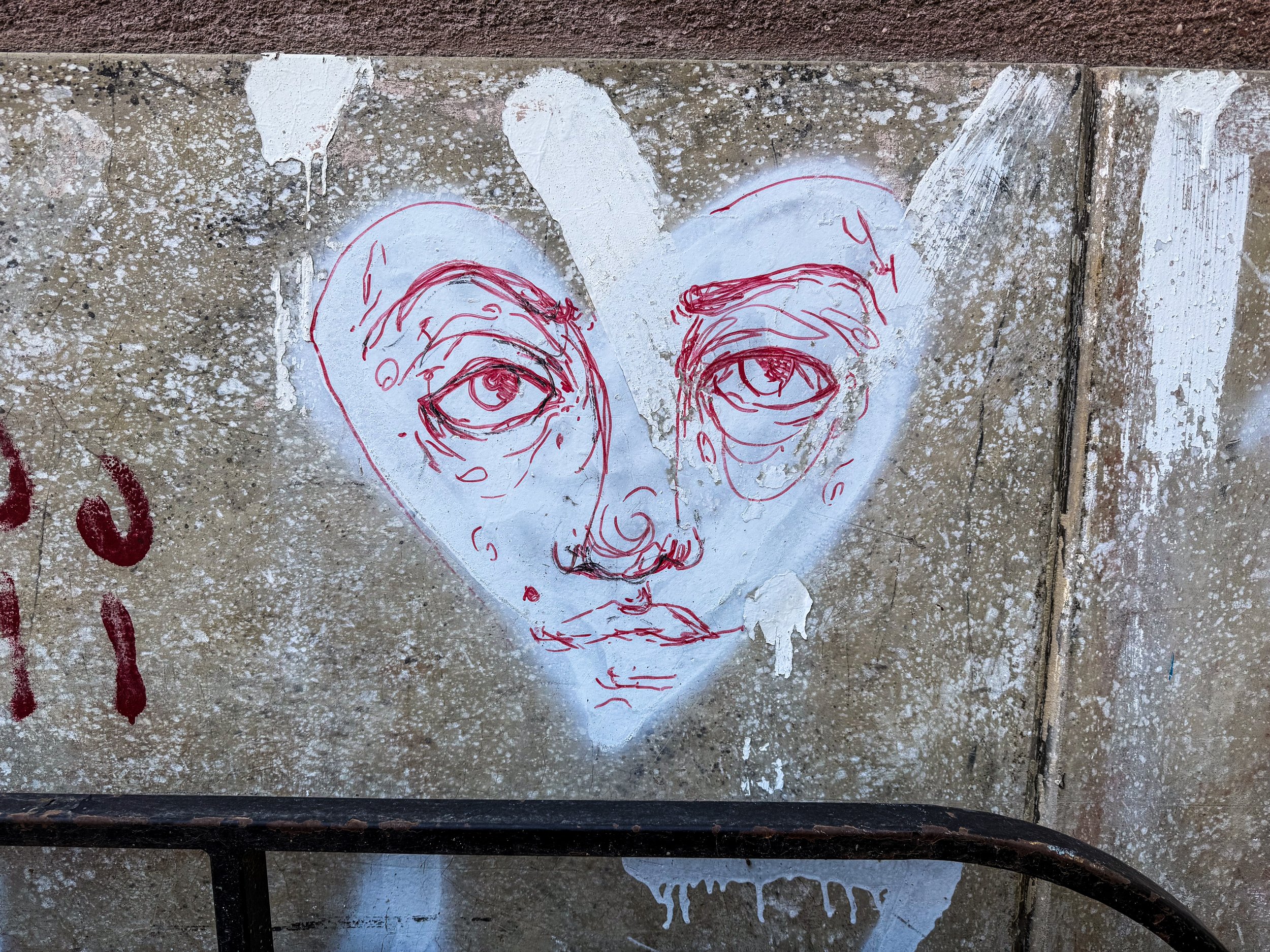
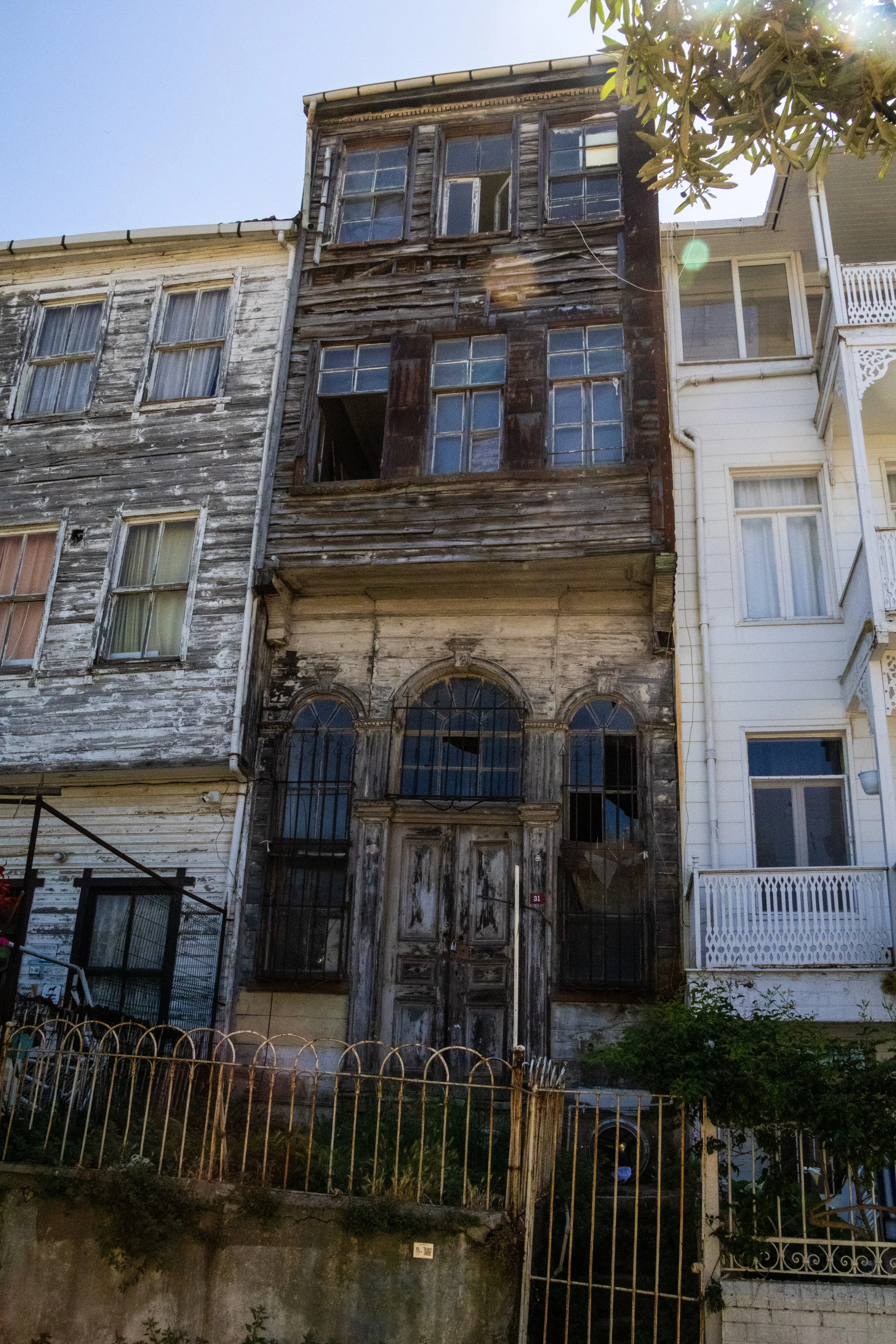
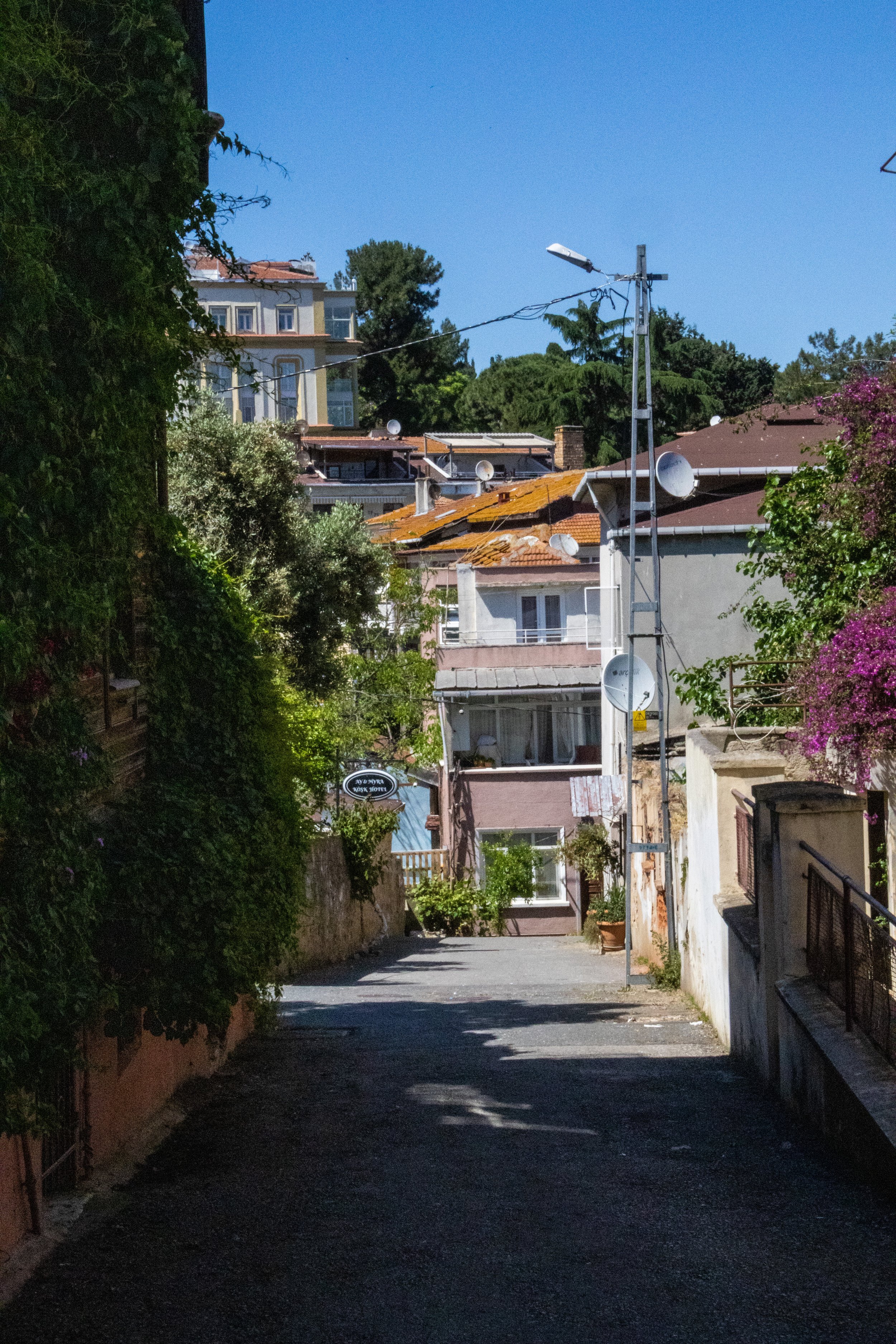
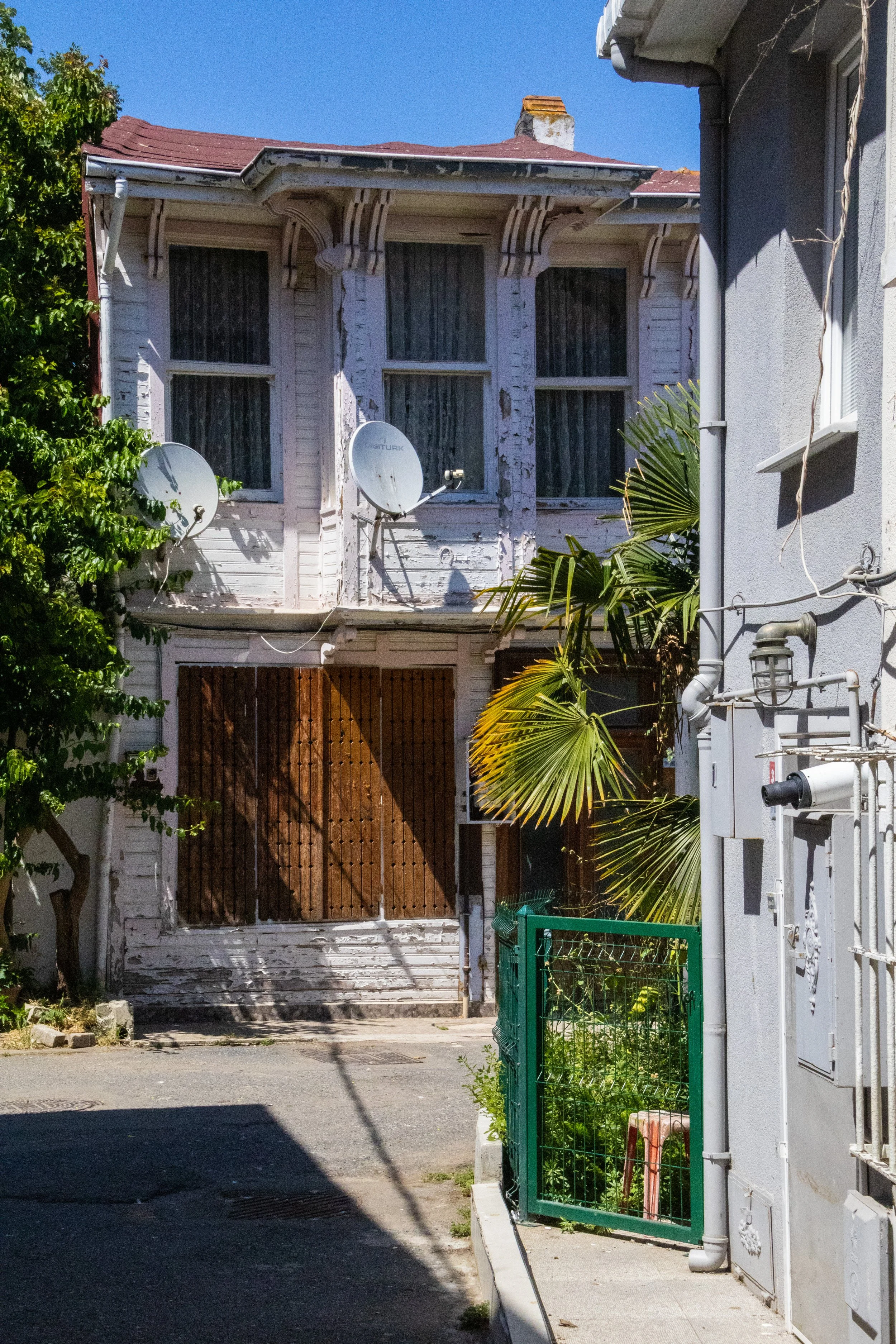
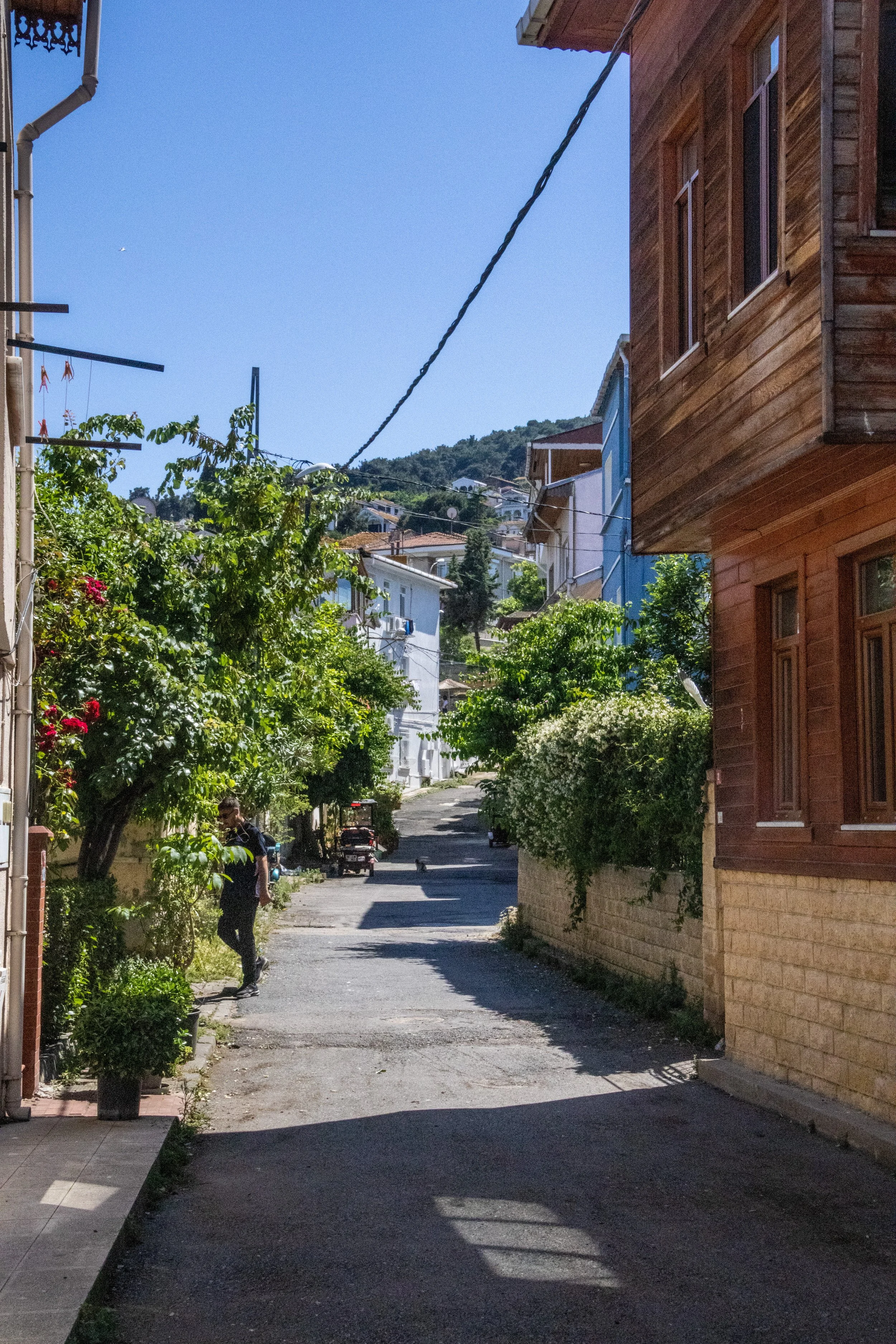
And then we caught a ferry back to the mainland, where we eventually said our goodbyes to Istanbul. But, as promised, we’re not done with Türkiye quite yet… not by a long shot.
Up next, we’ll be flying farther east to the famous region of Cappadocia. Hold onto your hats!


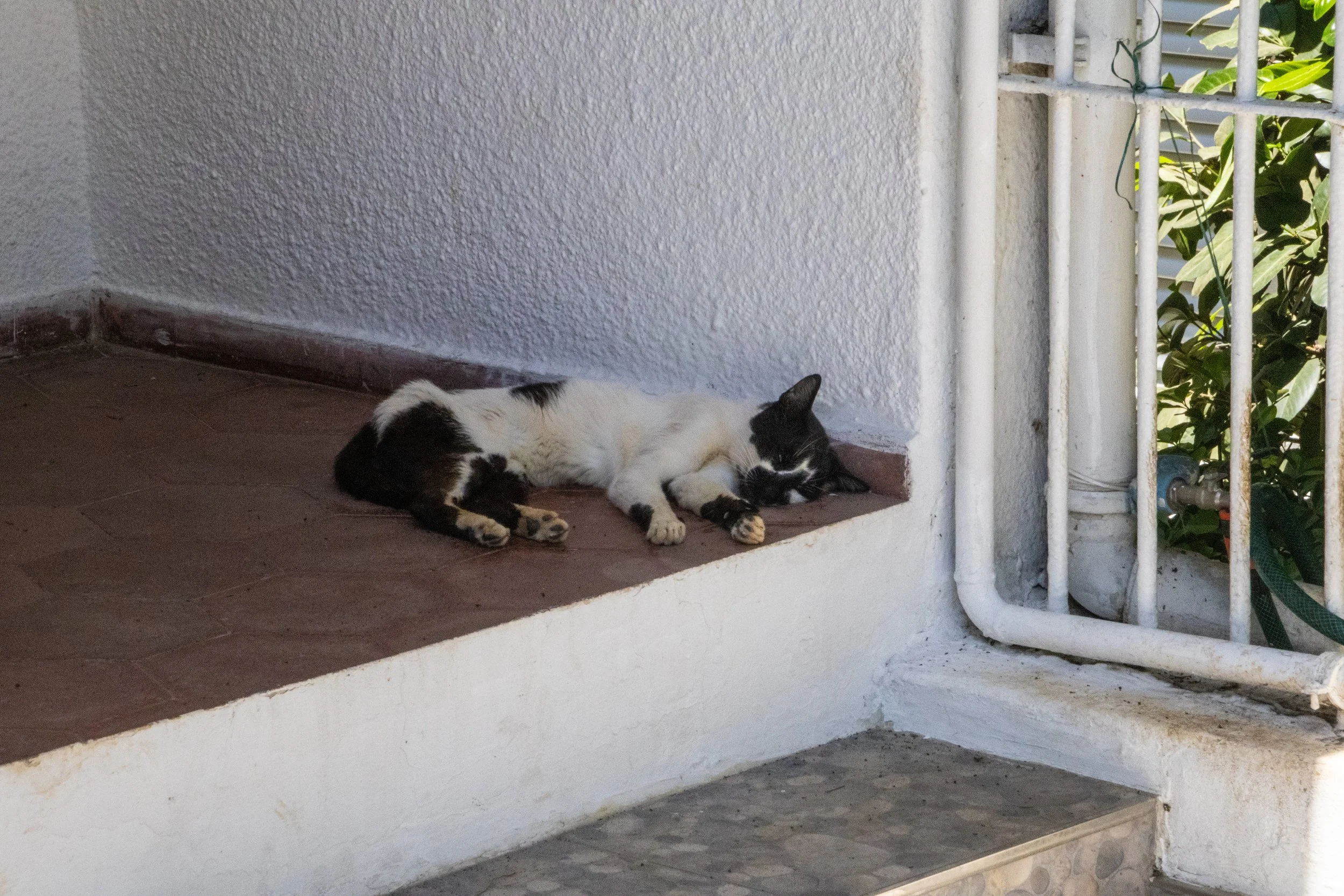
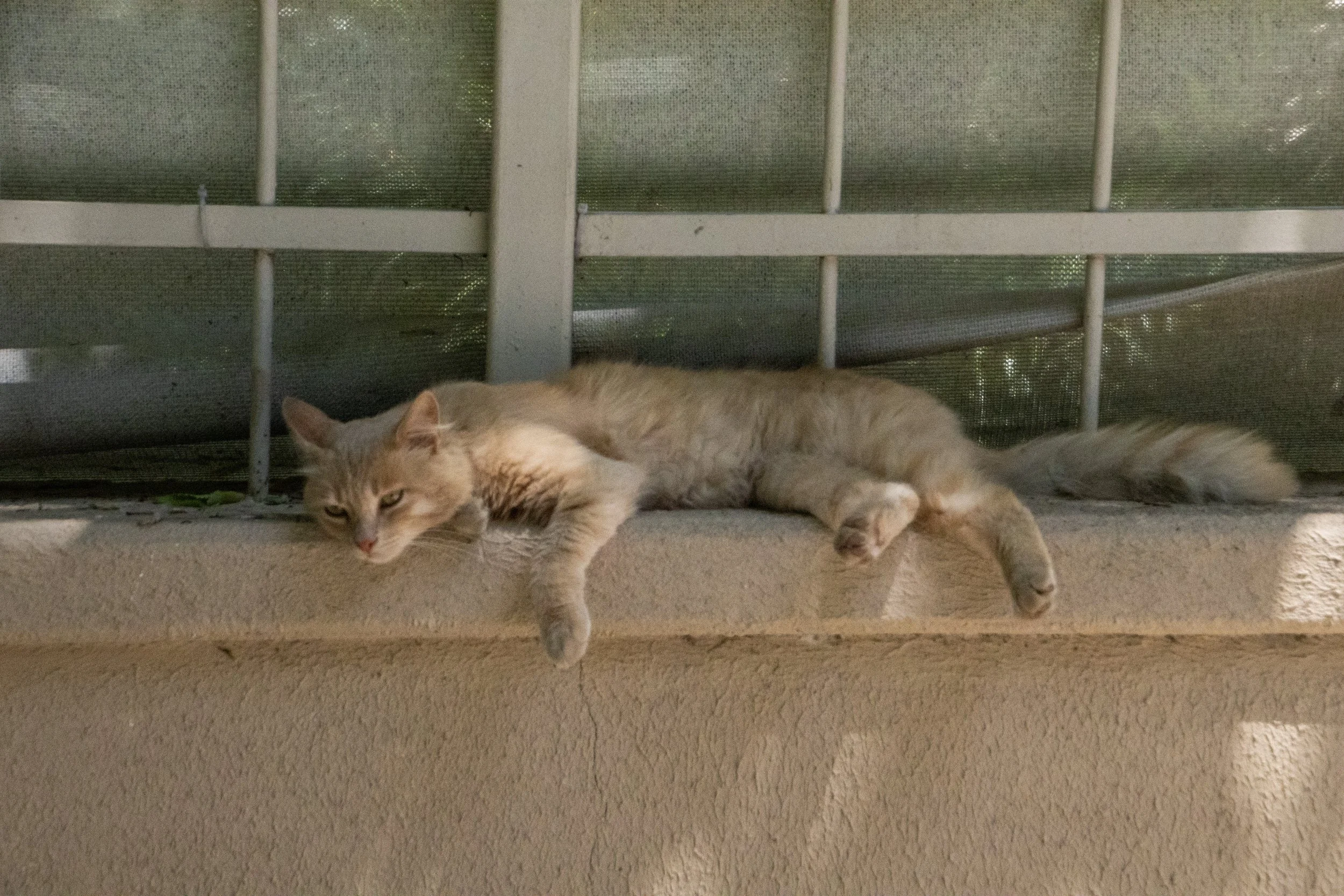
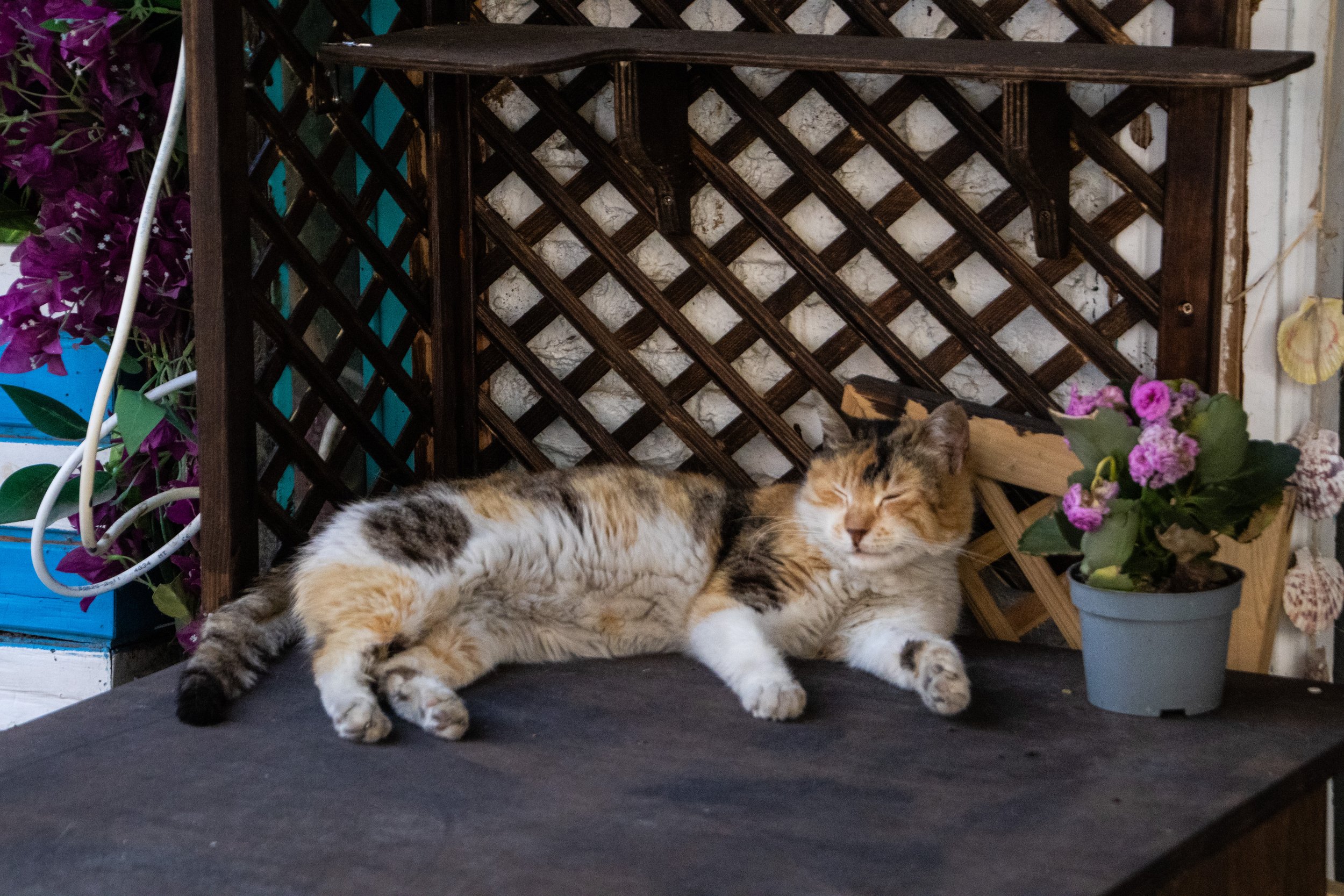
Istanbul’s mild climate, abundant food waste, and endless dense, low-rise neighborhoods with leafy courtyards, shops, and waterfronts makes a perfect habitat for cats. The more I think about this, this would be the IDEAL setting for a Pixar movie about cats. Can we make that happen please? The writers wouldn’t even need to start from scratch, because cats here are already being actively personified, with some real instances of cats becoming famous throughout the city and beyond!