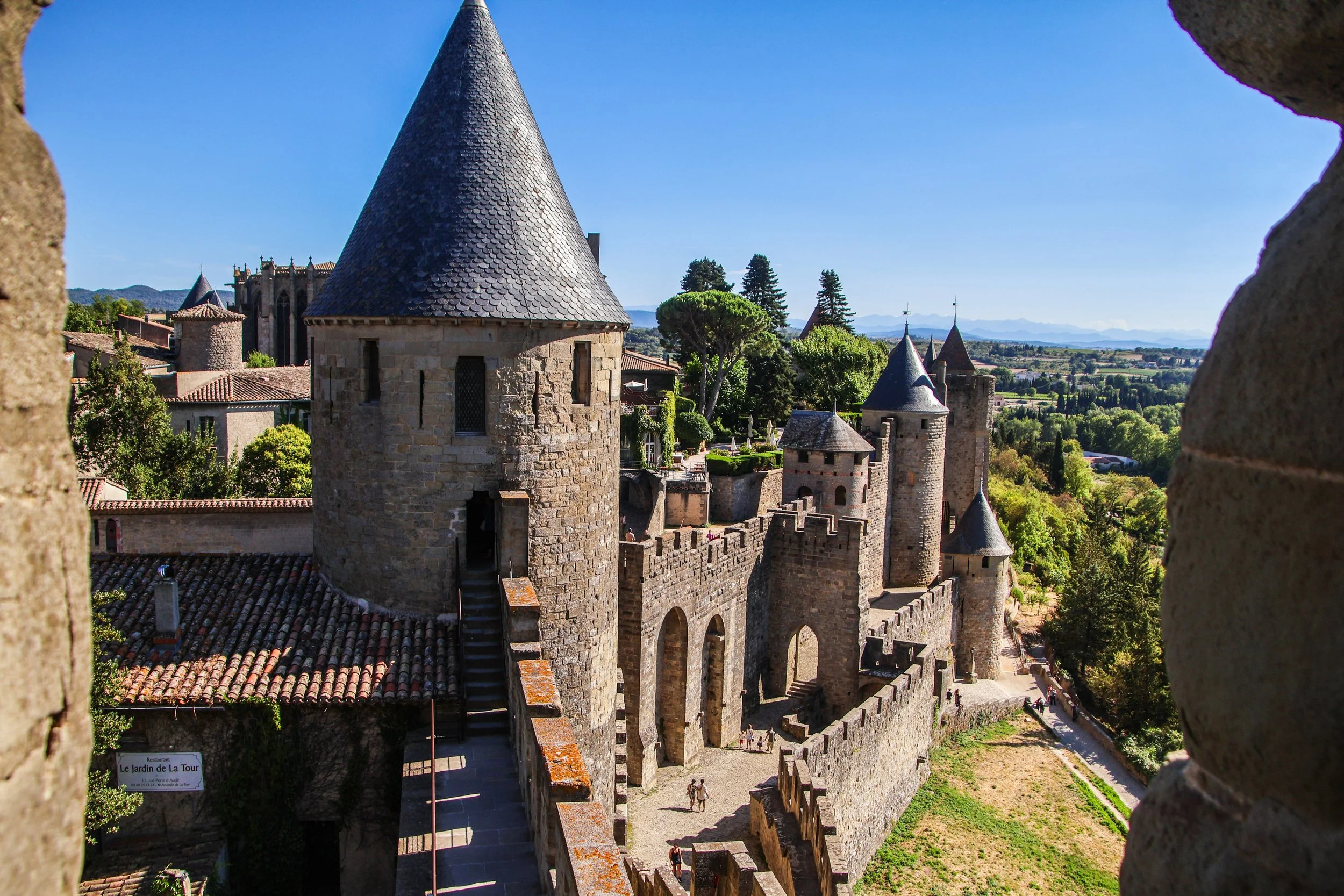
And we’re back in France! But rather than continuing our exploration of 21st century France, we’re going to rewind today and visit Medieval France. I’ve never been a fan of Renaissance Faires (actually, I low-key hate them), but this is an undeniably fascinating time in history to learn about. And actually seeing the castles in real life really takes this to the next level! Today we’re visiting two Medieval castles in the South of France: Carcassone and Villerouge-Termenès. Vamos!

Carcassonne
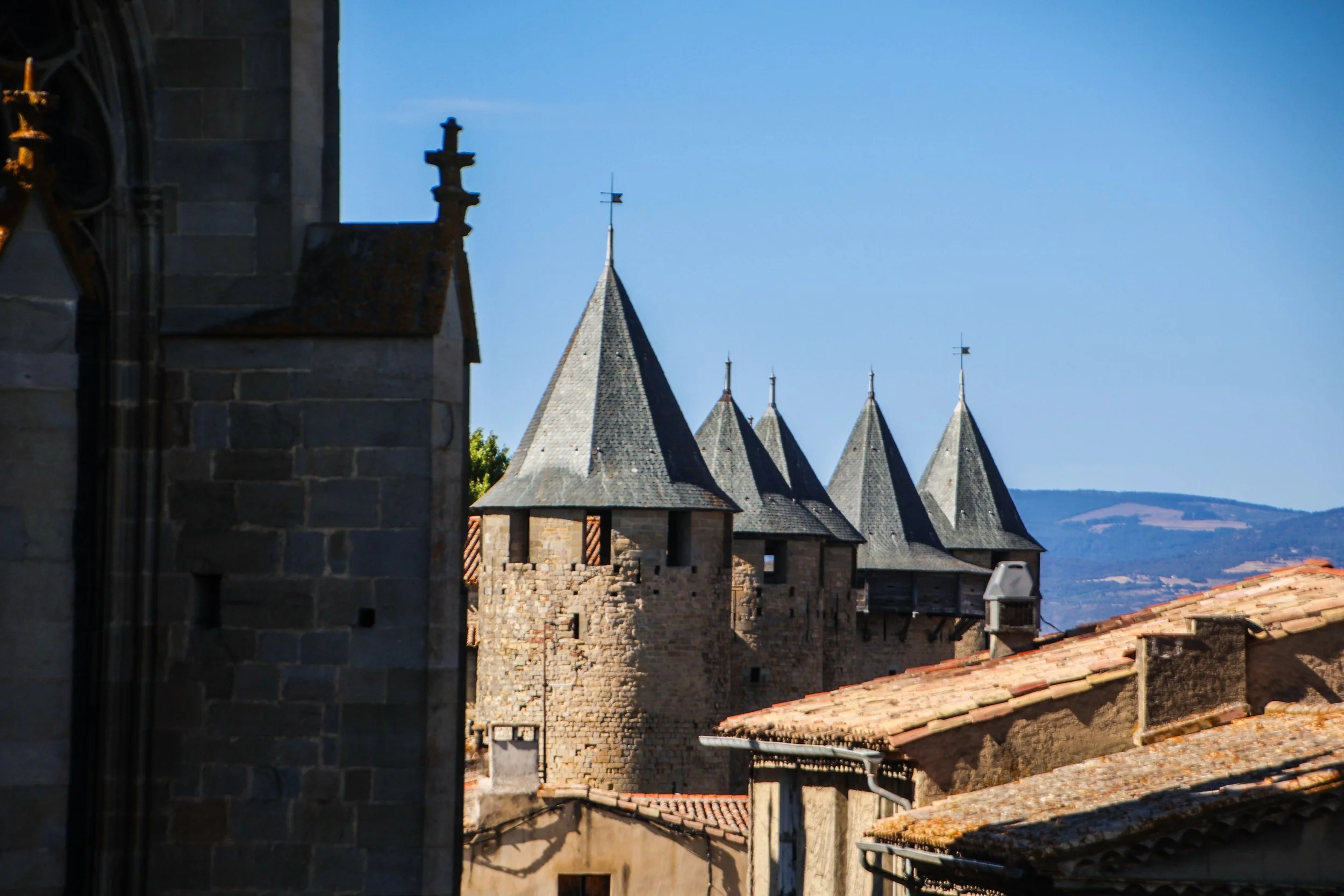
Sitting quietly on a hillside in Southern France, somewhere between Toulouse and the Mediterranean coast, there is a castle that looks more like the imagery of the post-card Medieval fairy tales—with knights, princesses, and dragons—than any I’ve yet seen in person. When I think of this time period, the castles that spring to mind always have moats around them (maybe full of crocodiles?), big wooden doors that are lowered to bridge that moat, and tall stone walls with lots of pointy-topped turrets and tall, narrow windows cut into them so archers could fire arrows through them. Are you picking up what I’m laying down here?

While the dragons may have been a work of fiction, the castles were 100% real! Remnants of these castles appear sporadically throughout my articles in Europe, as they have often been swallowed up by and integrated into the modern cities I visit. You can see prominent examples of this in places like London, Paris, Vienna, Milan, and MANY more. Once upon a time, Europe was the land of castles. But if you want to see a castle that remains free-standing and (mostly) in tact, you generally have to get outside the cities where these ruins don’t have to compete for space with modern infrastructure. This is the first time I’ve actually done that!
The town of Carcassonne is still a living, breathing population center. Like many of the towns in the South of France, it’s actually quite pretty and charming. But we’re not here for the town. We’re here for the beautifully-preserved Medieval specimen that looks down on the town from a hilltop. Towering over the surrounding geography, it’s easy to see how this location lent itself to a military fortification. It has been inhabited since at least the 6th century BC, but the first solid fortifications were built here by the Romans around 100 BC in their conquest of Gaul (an ancient name for what is now France). In the 5th century BC, the Visigoths took control of this region, repairing and expanding the fortifications already built by the Romans. So before we even get to the Middle Ages, there was already a fortress on this hill with centuries of history. The Visigoths were ousted by Berber and Arab forces in the 720, who occupied the region for the following ~39 years, before themselves being ousted by the Franks. I’m no historian, but it’s right about here that Carcassonne’s “Medieval” era officially began, as it began this period as a Medieval fiefdom under the control of Charlemagne.
What followed was a confusing and convoluted few centuries of fiefdoms and obscure Medieval dynasties struggling for control of this region. The expansions and contractions of their spheres of influence pretty much always happened via bloody battles, which occasionally heralded the a change in ownership for Carcassonne. It was not until 1247 that Carcassonne was firmly integrated into the royal domain of France, wherein it assumed an important military role thanks to its strategic positioning on the border with the rival kingdom of Aragon. THIS is when the castle you’re about to see really came into being.
During its multi-century ‘hey-day’ as a full-operational frontier fortress, Carcassonne famously became a hotbed for Catharism, which was an offshoot of Christianity that believed in not 1, but 2 Gods. This sent off some alarm bells both with the French crown and the Vatican, and Carcassonne became one of the most notable sites of the French Inquisition, second only to Toulouse. Indeed, it was the perfect base of operations for the purveyors of the inquisition because it gave them easy access to the surrounding towns, which were considered to be the “Cathar heartland”.
The French Inquisition was not a chapter of history I was familiar with… but my brain instantly jumped to the infamous Spanish Inquisition. We’re in a different universe here. The French Inquisition actually happened almost 200 years before this and was MUCH less violent. However, there were sporadic but famous cases of executions… we’ll circle back to that below when we make the jump to the smaller castle of Villerouge-Termenès.
But let’s pause the history for a minute and jump to the part where we actually lay eyes on this impressive castle and walk through it’s massive gates…
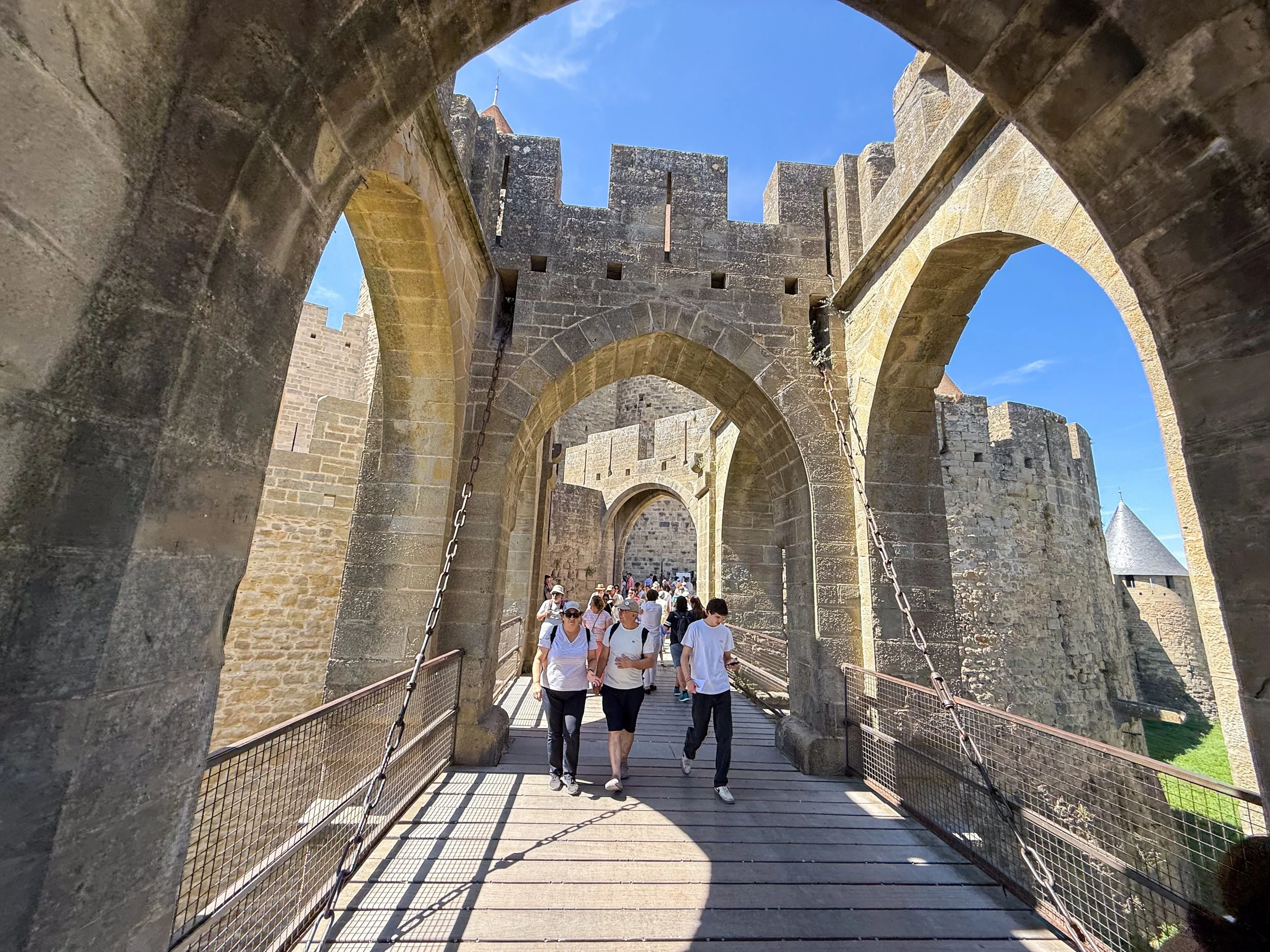
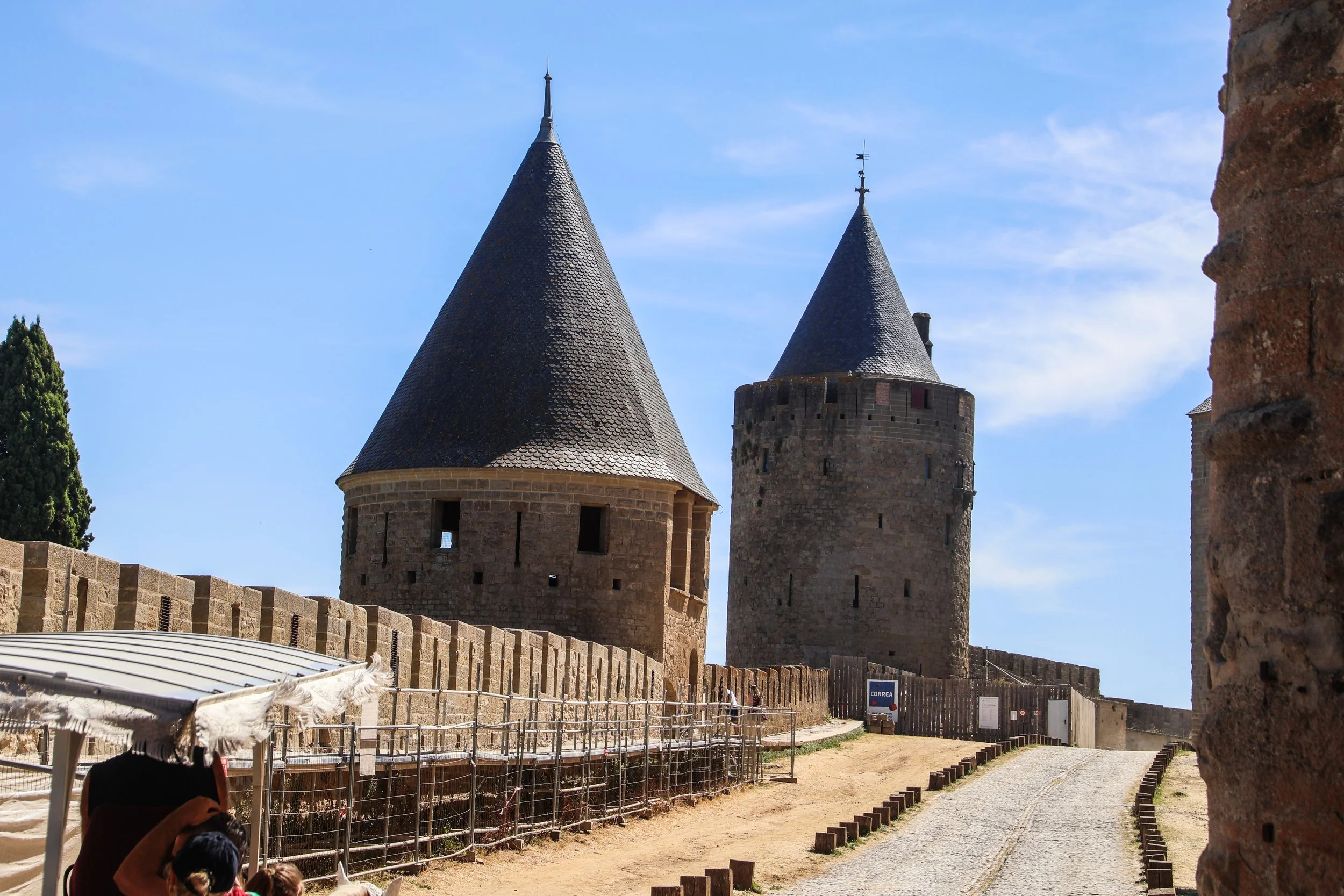
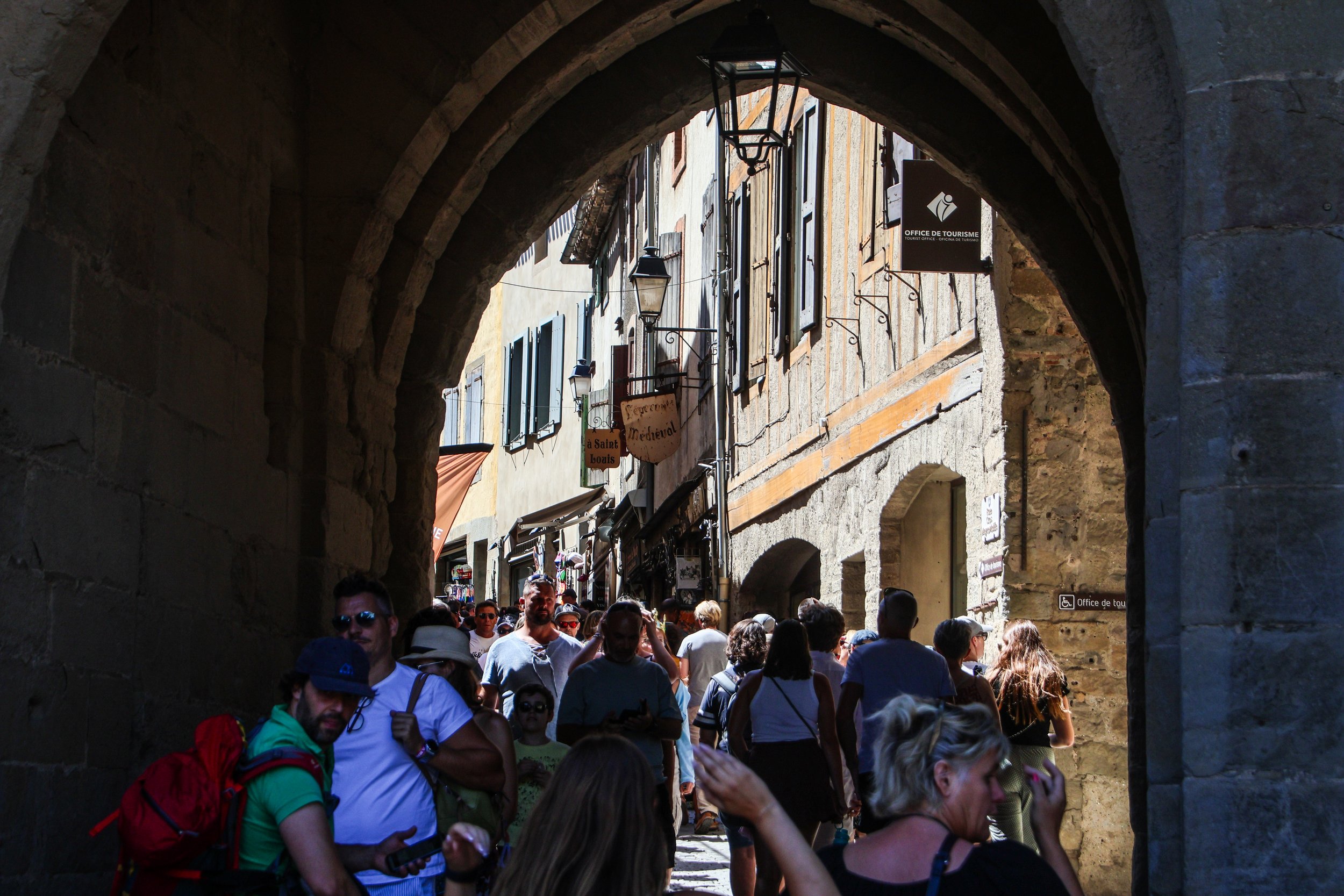
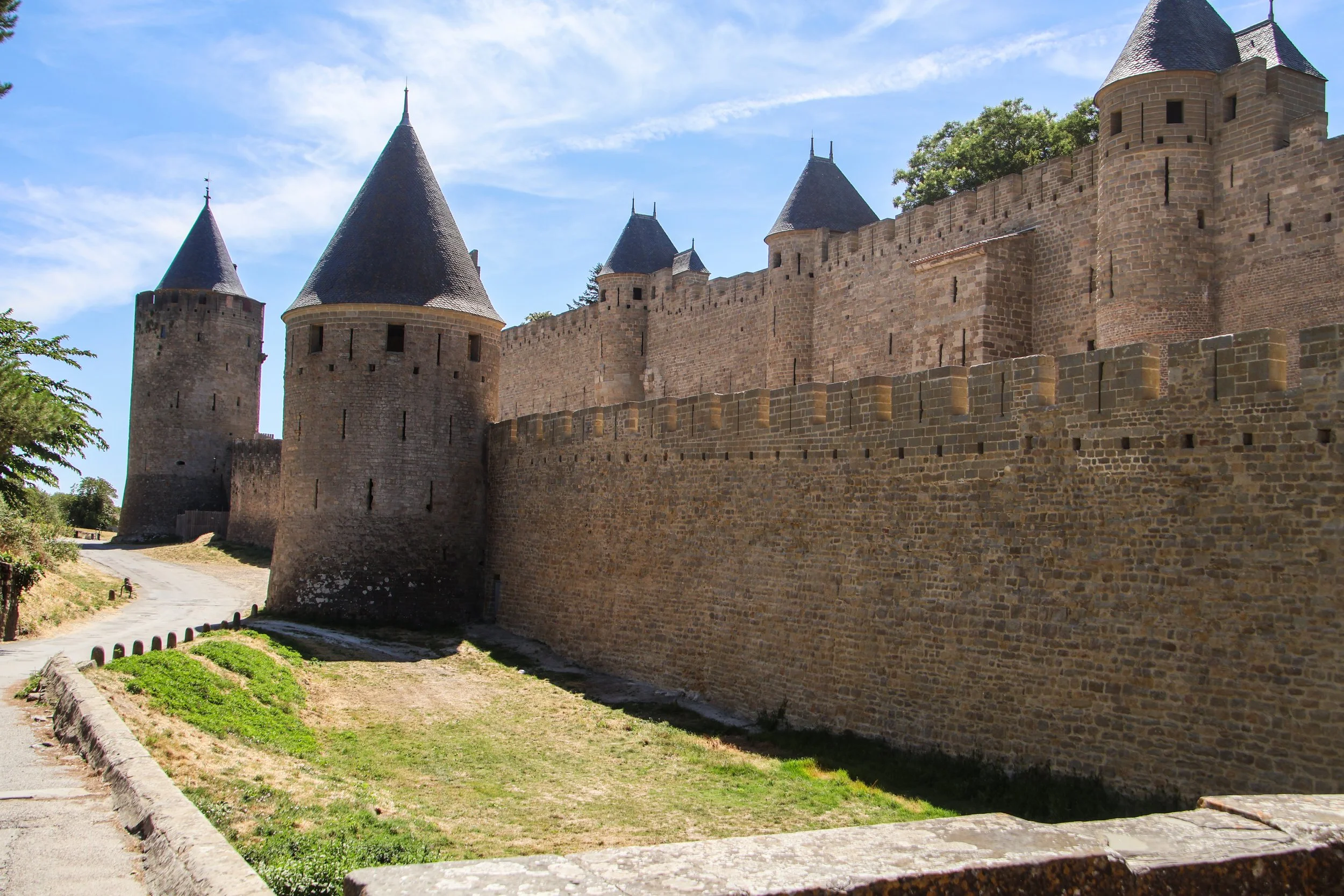
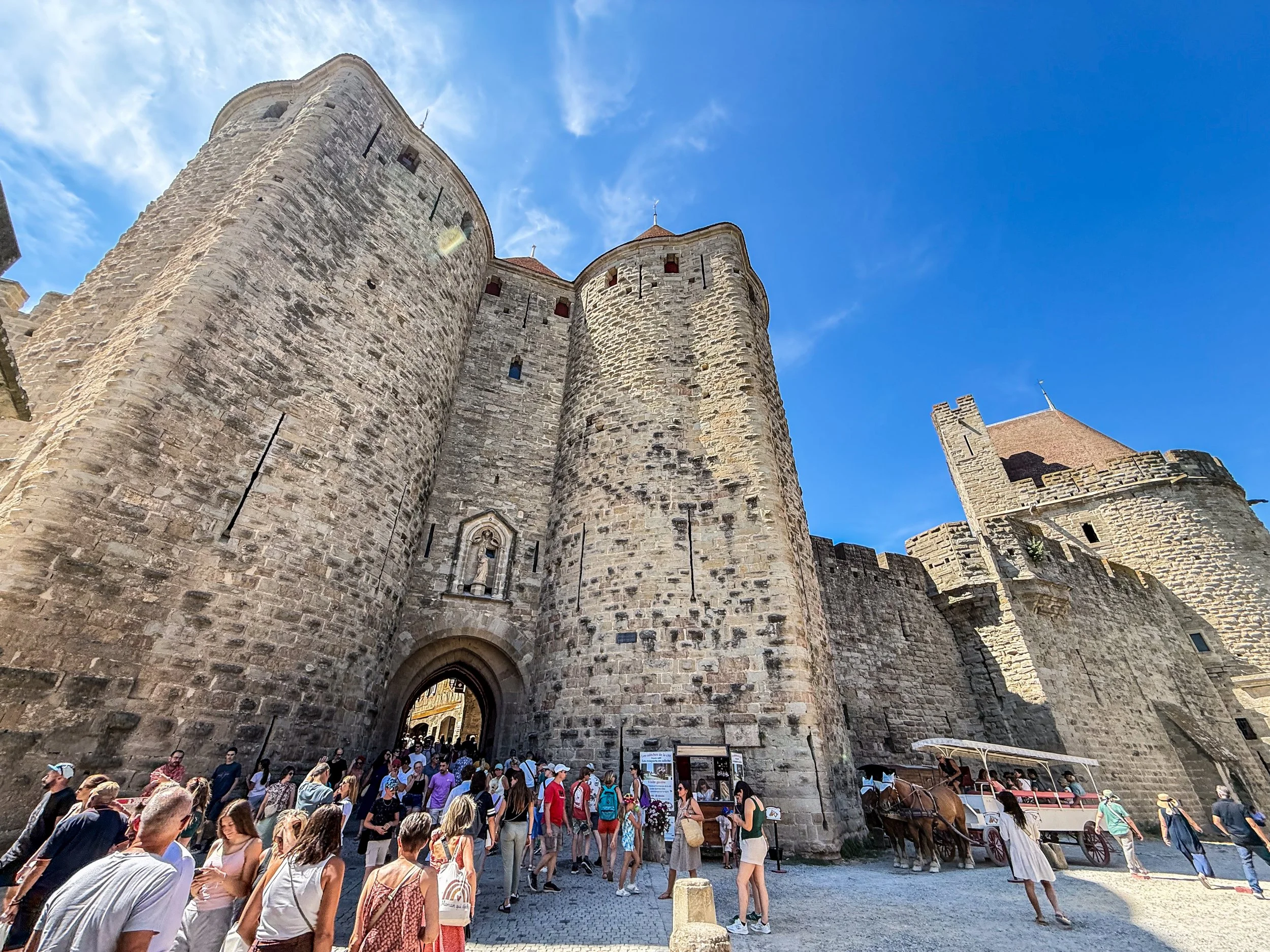
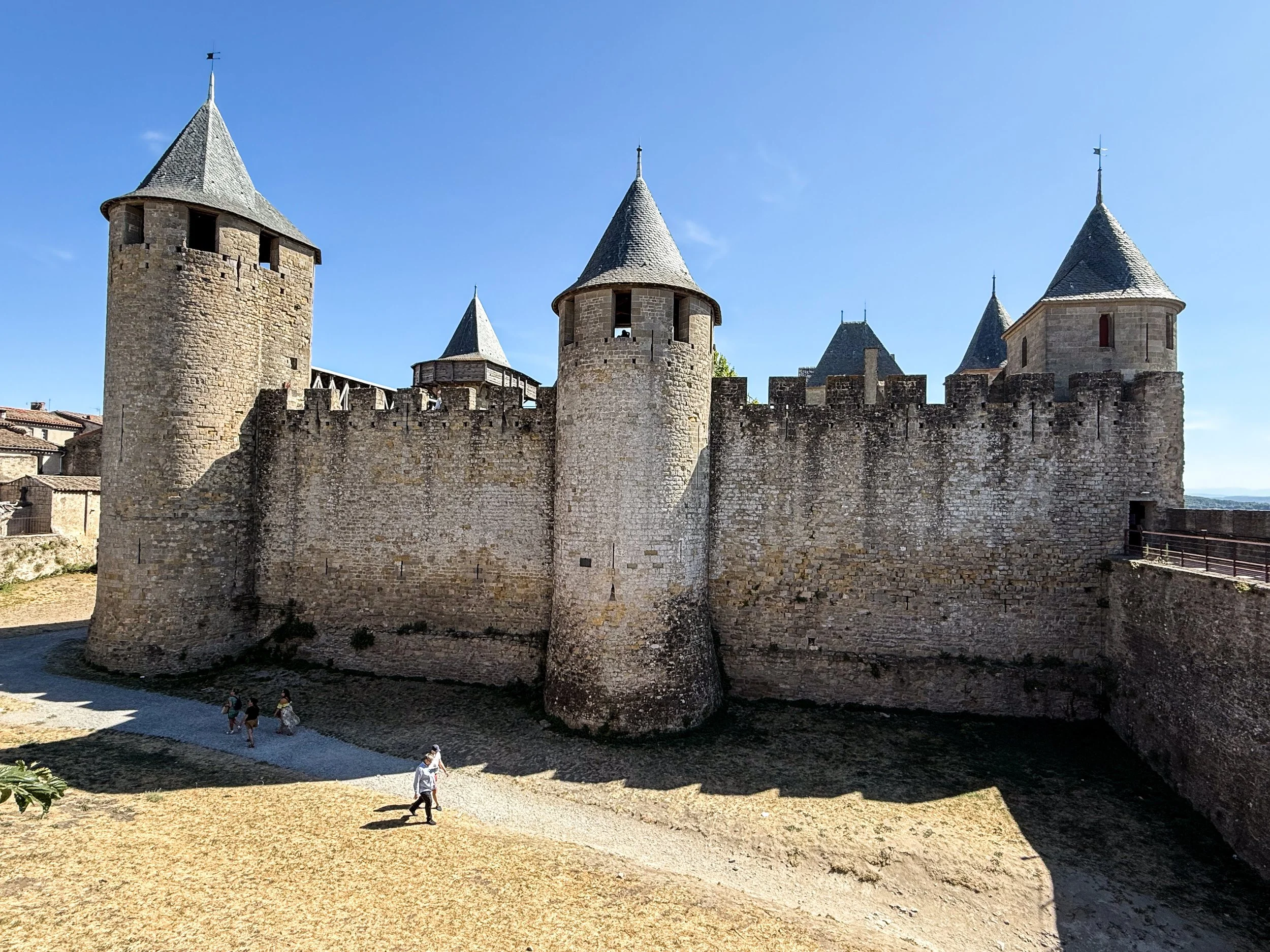
Very Game-of-Thrones-esque, right?
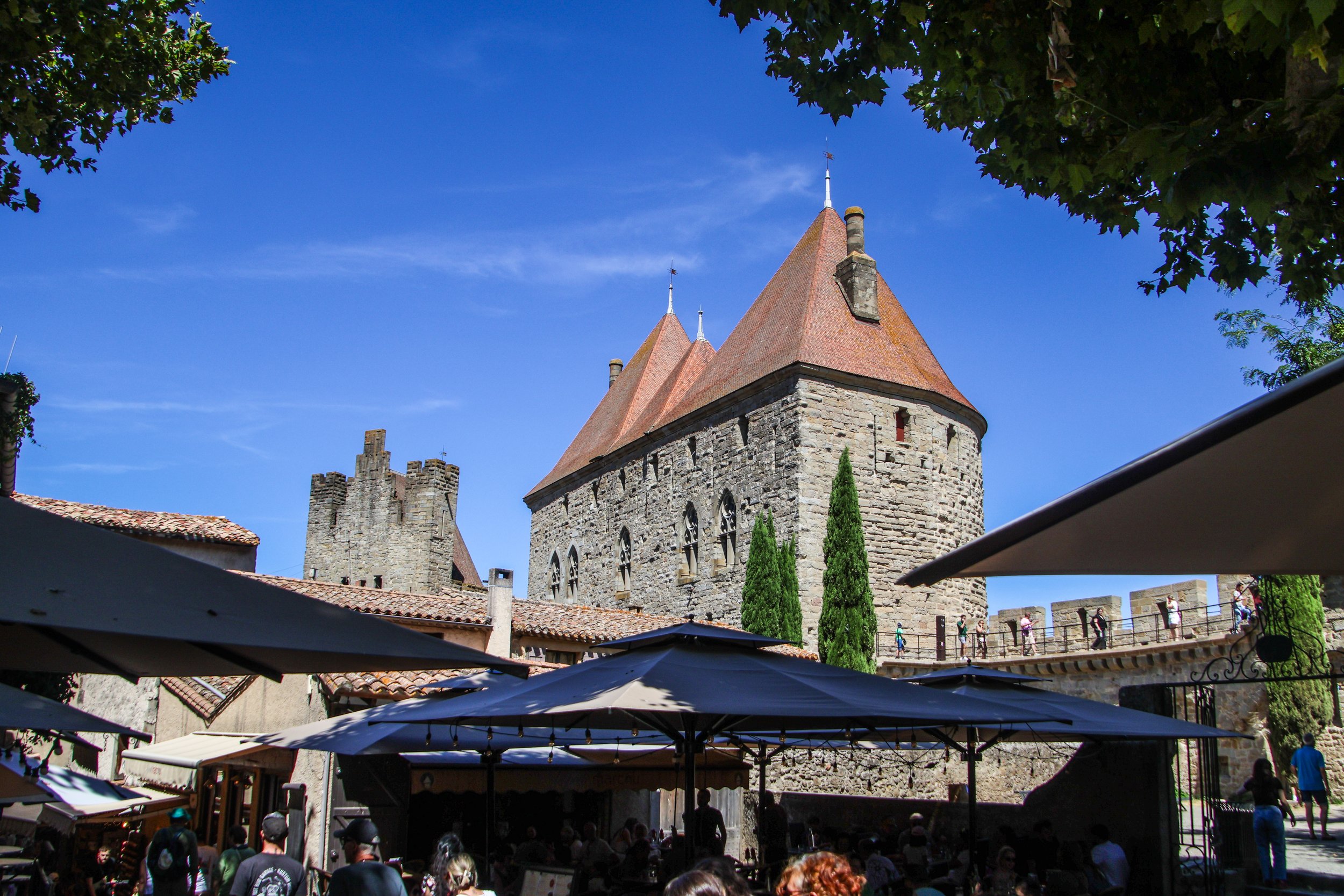
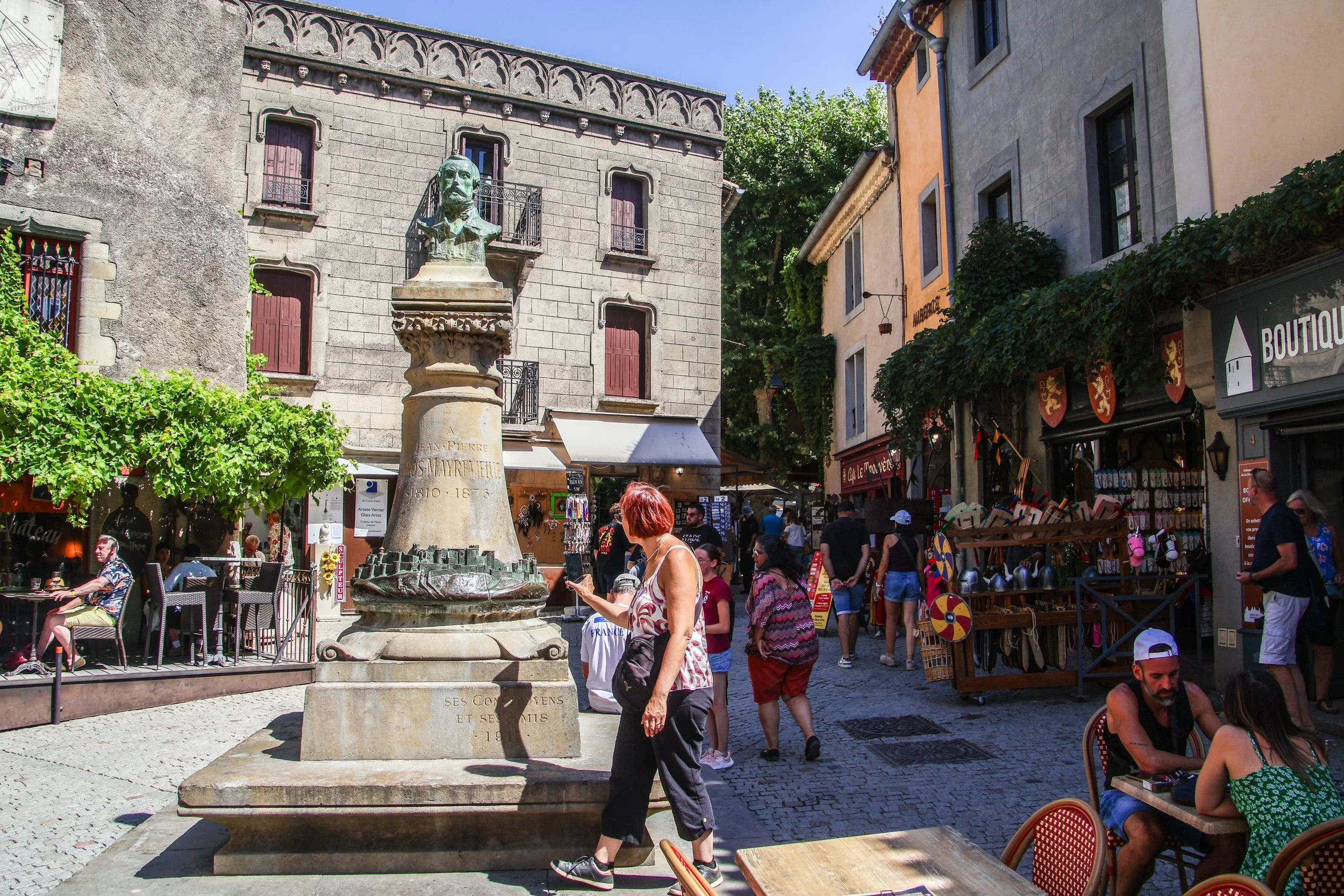
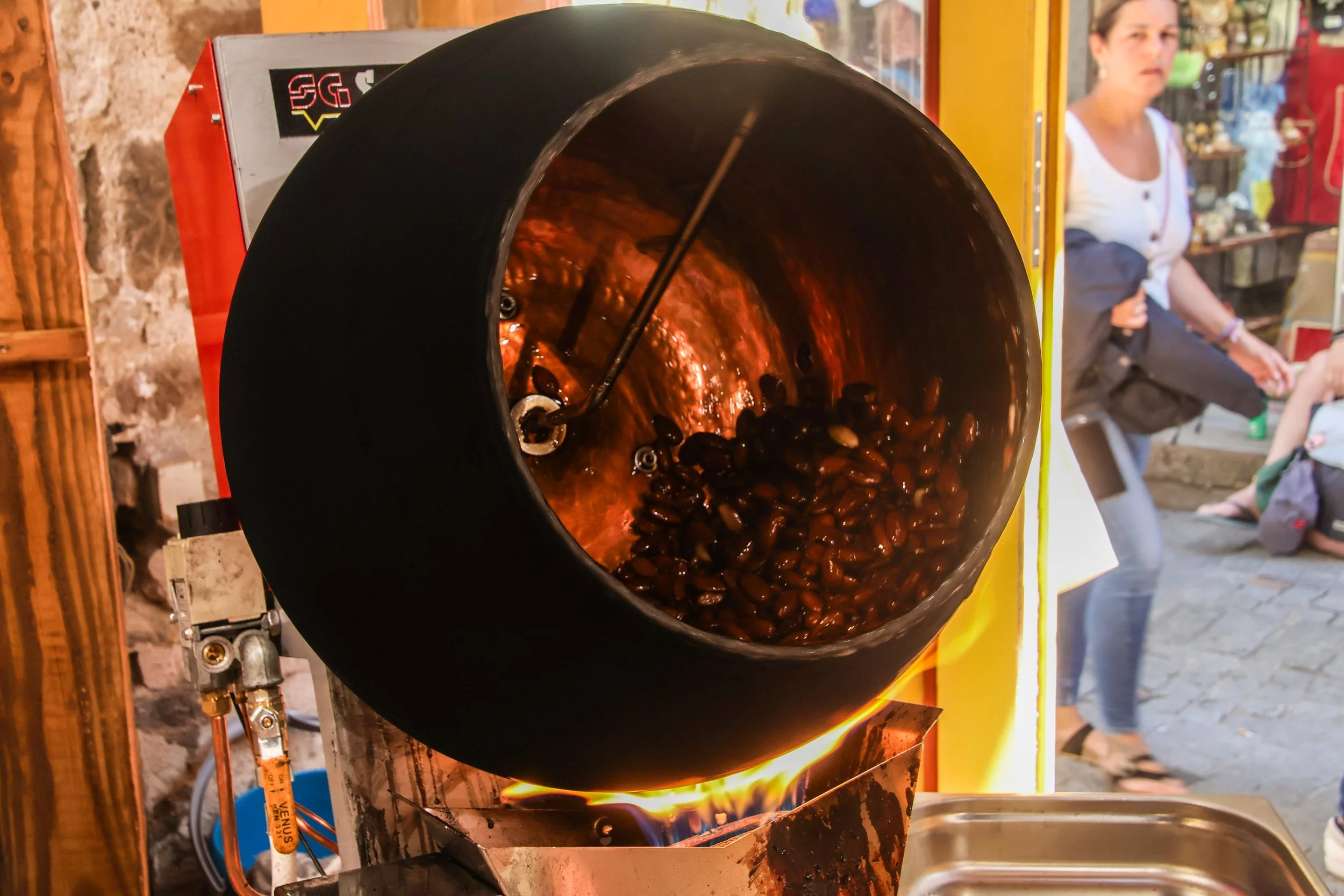
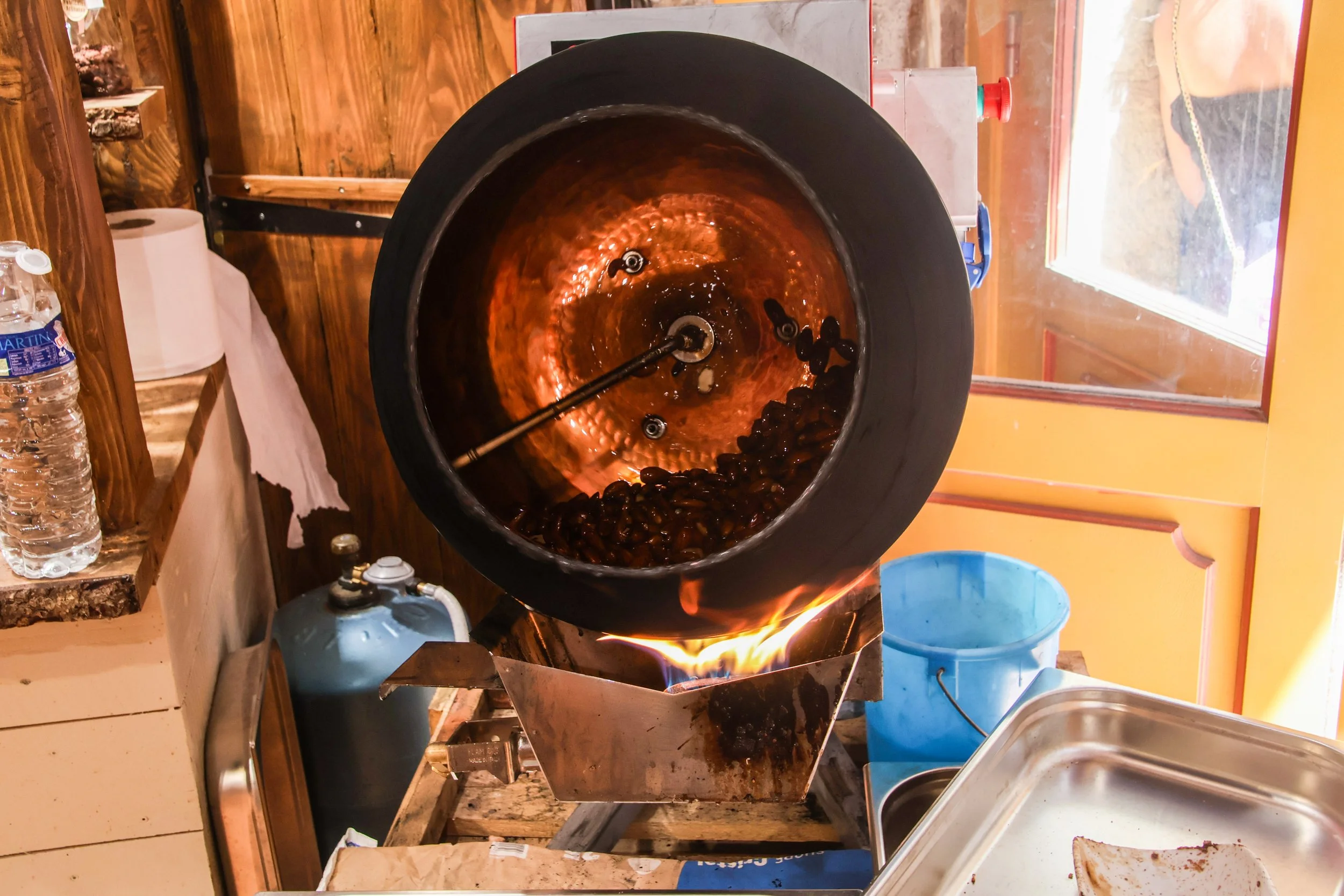
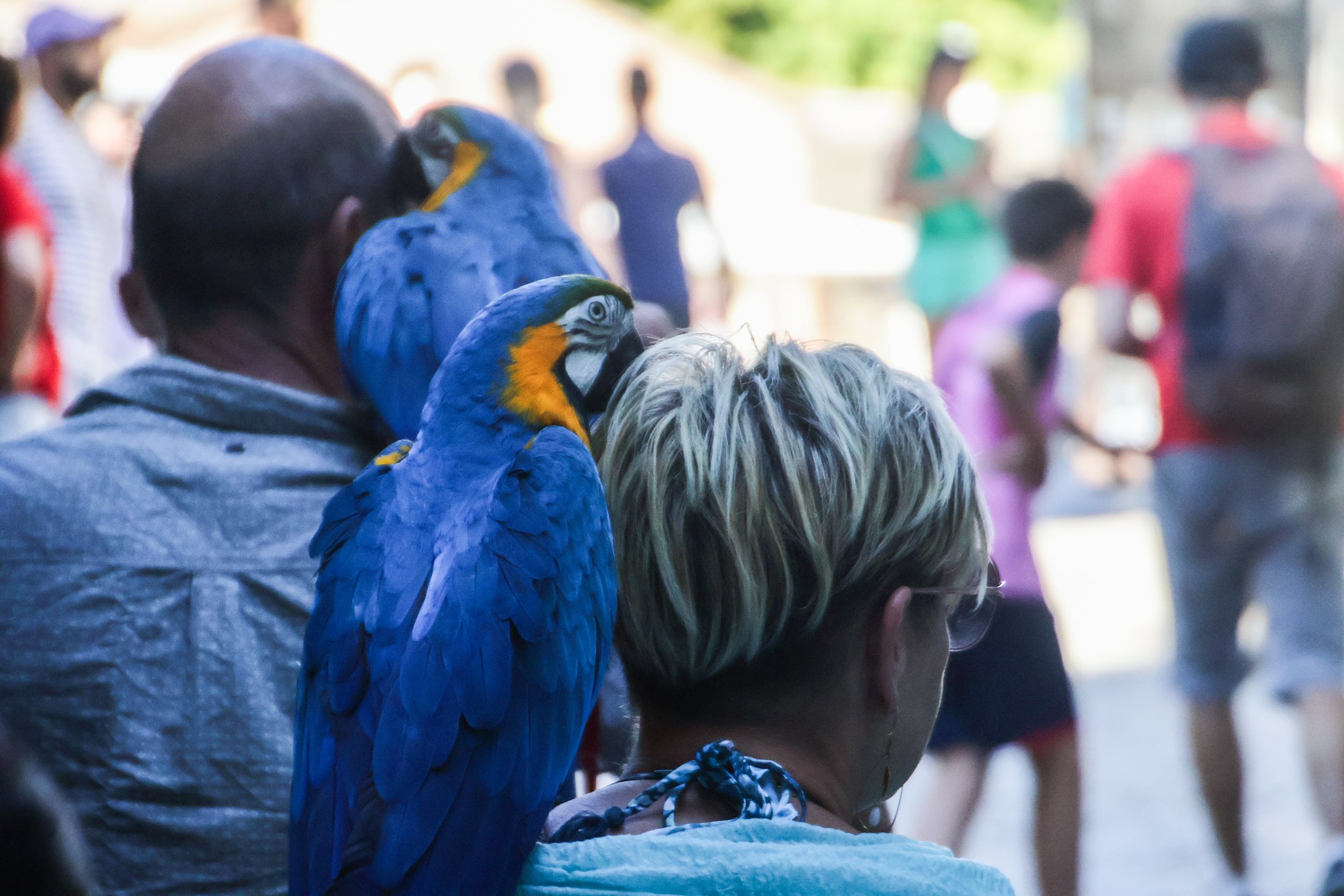
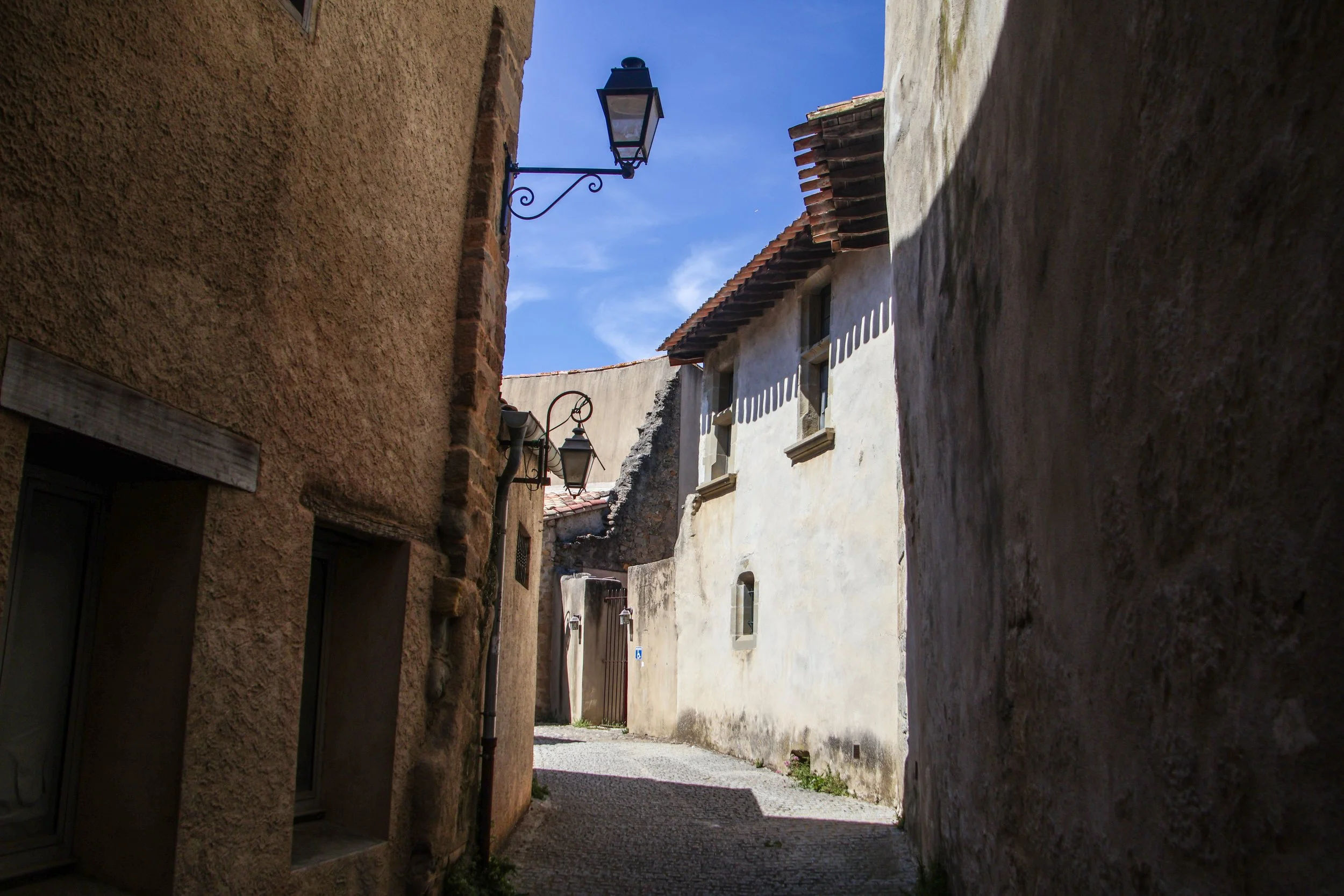
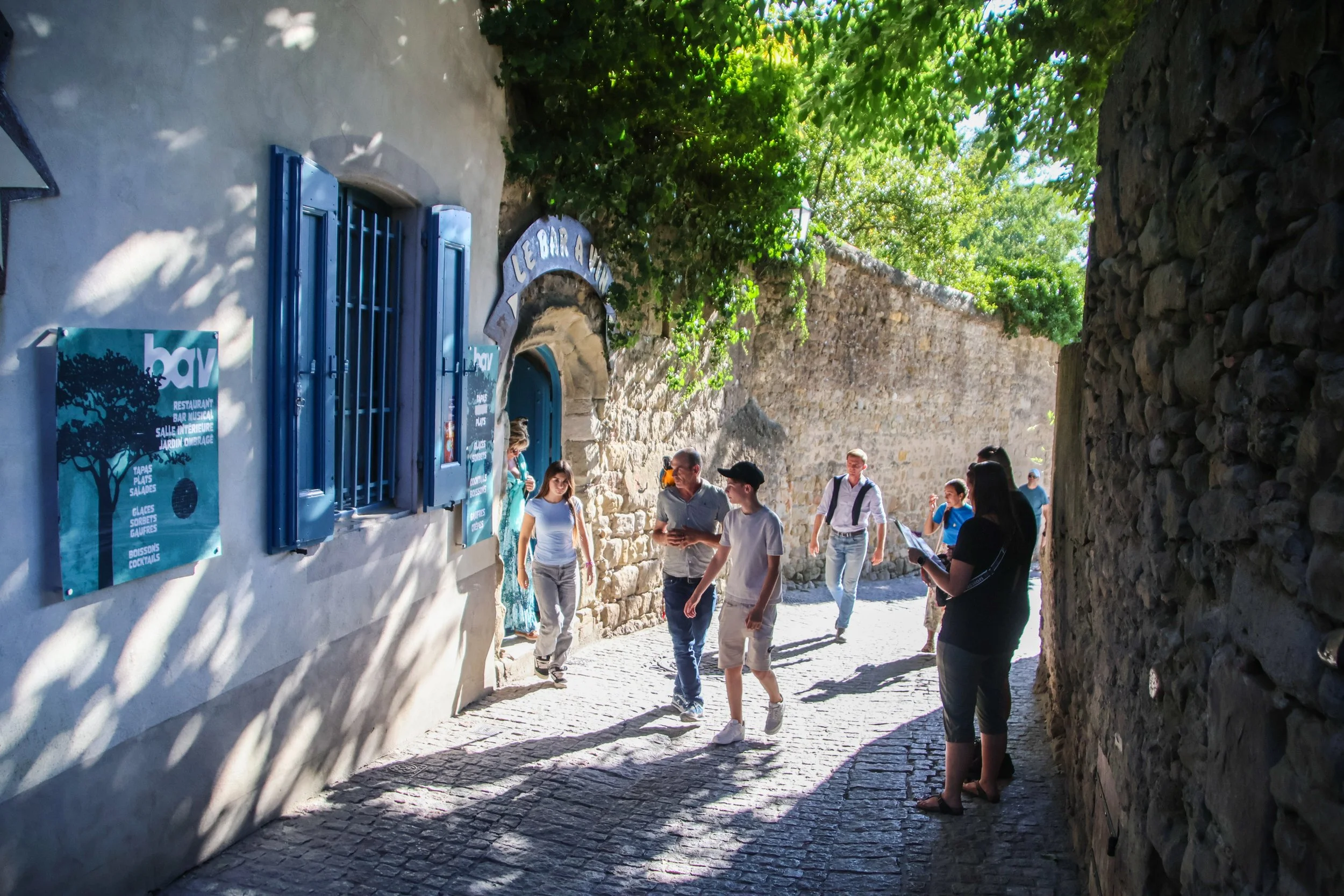
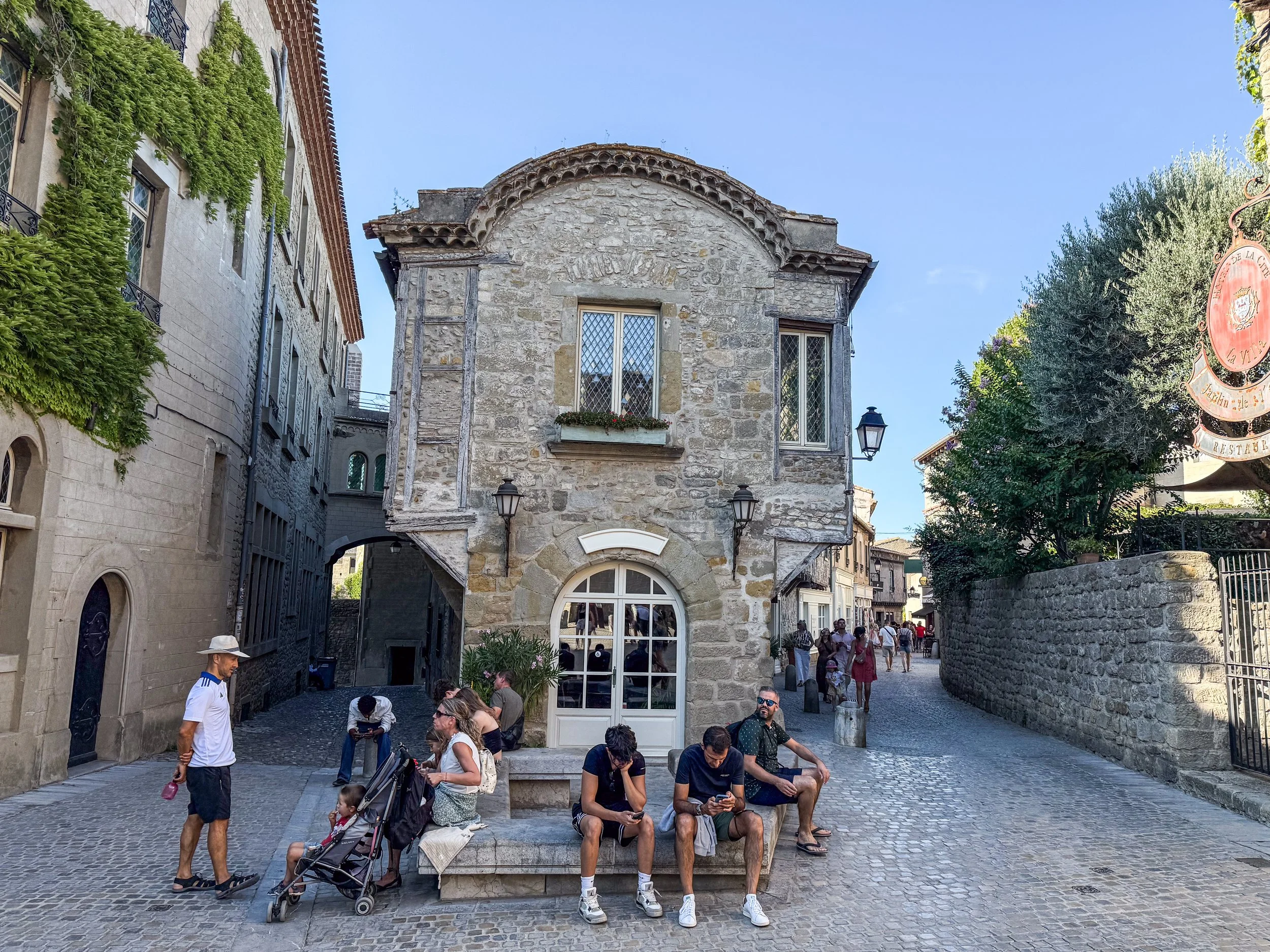
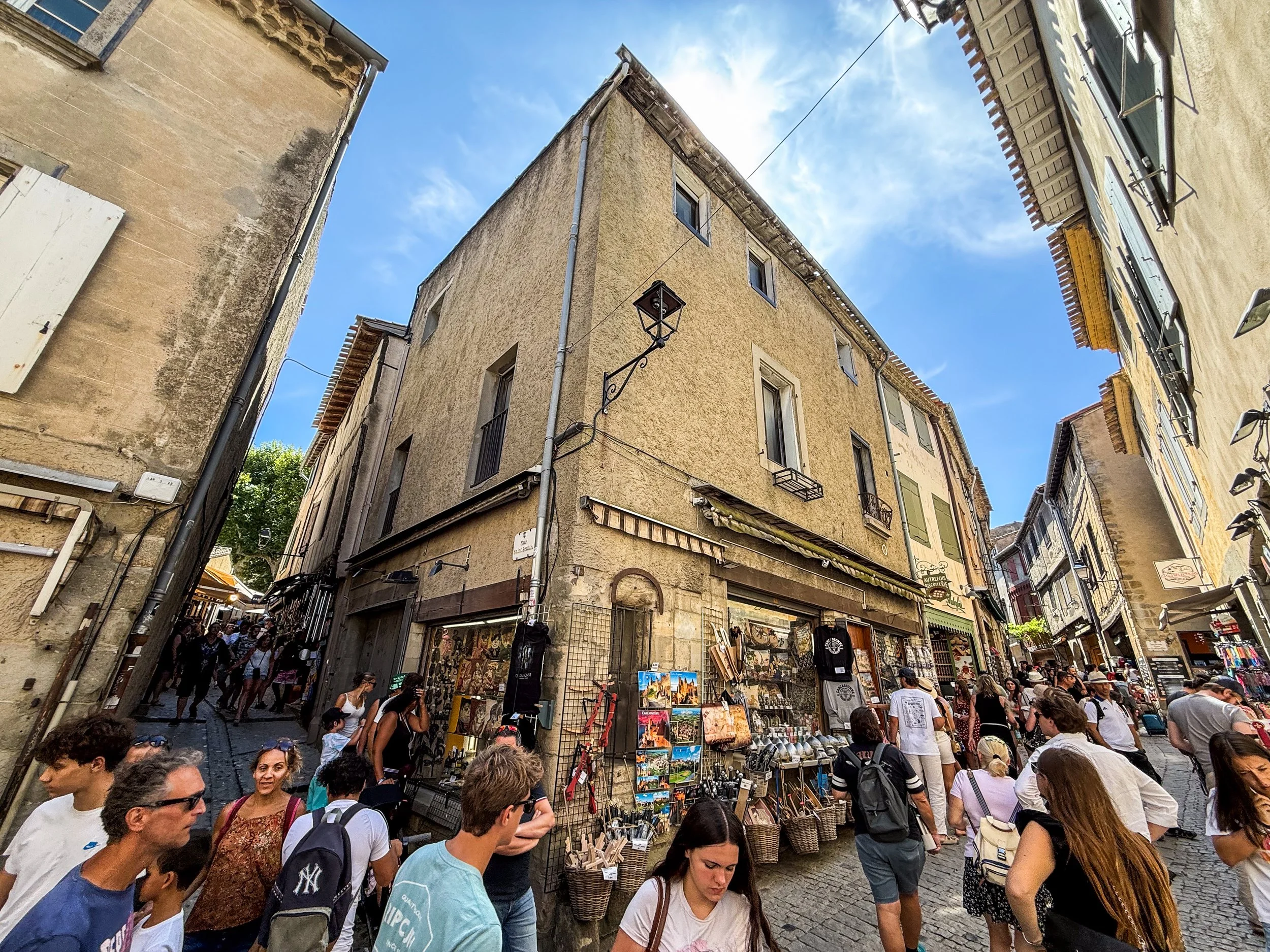
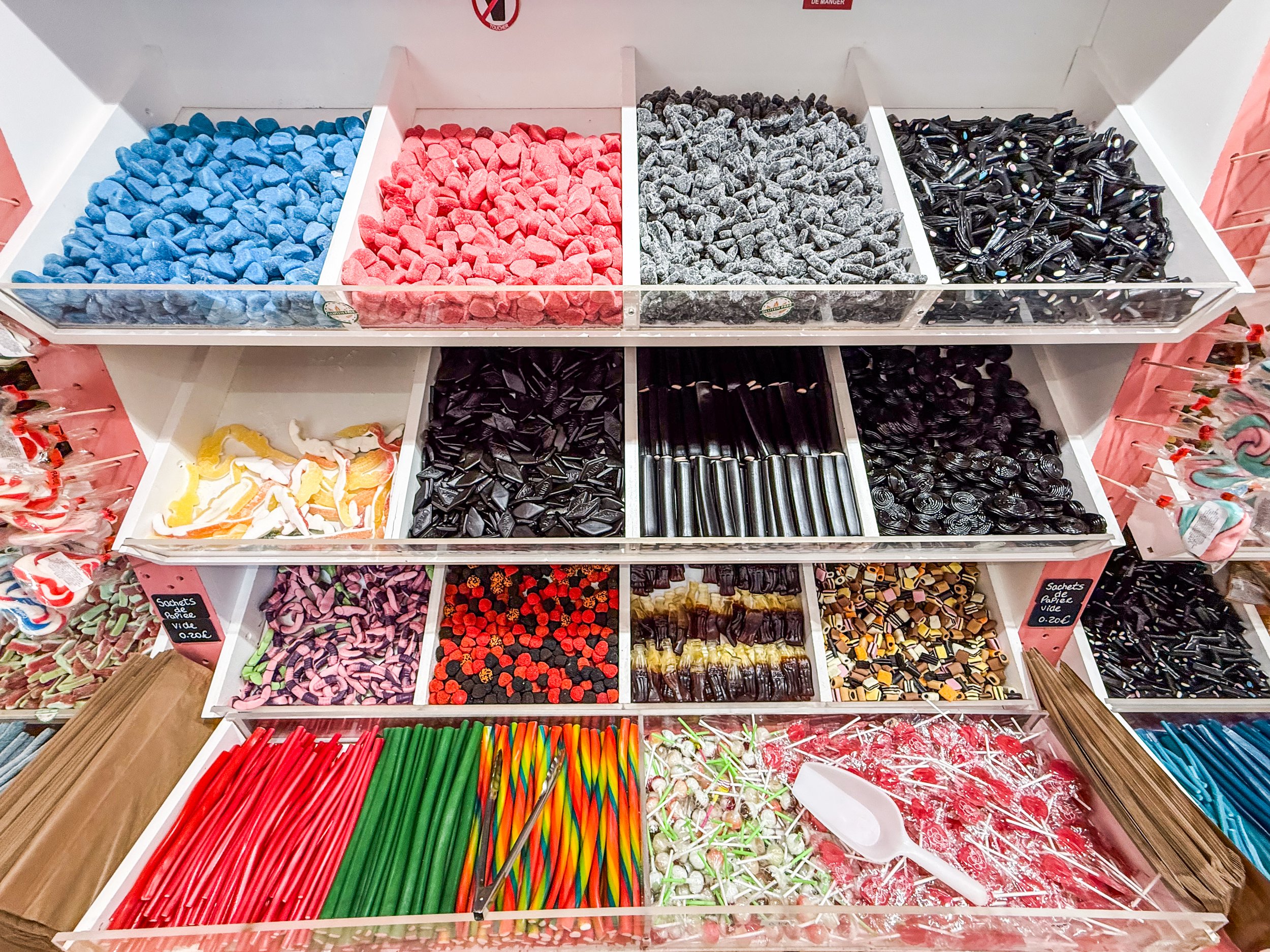
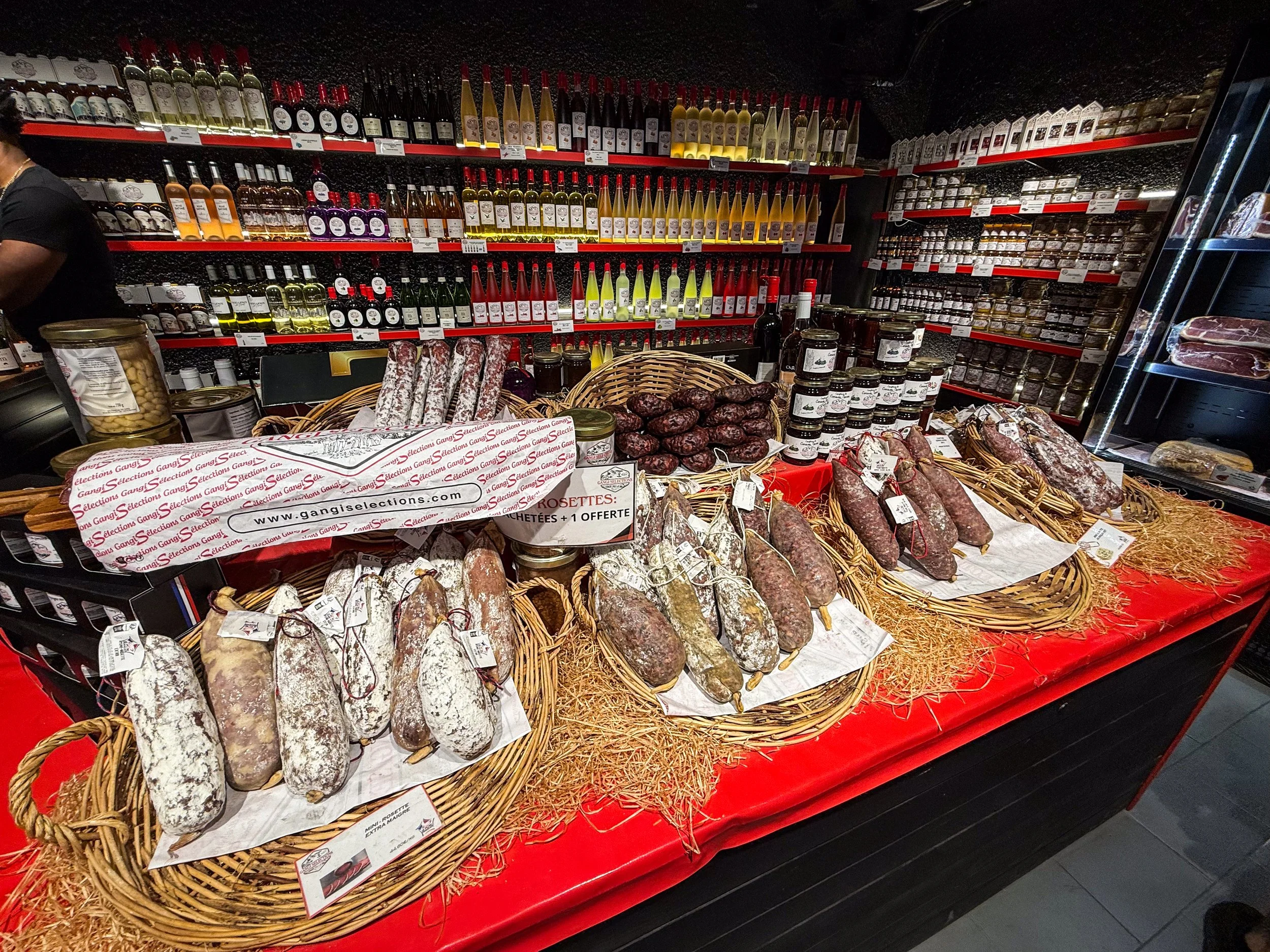
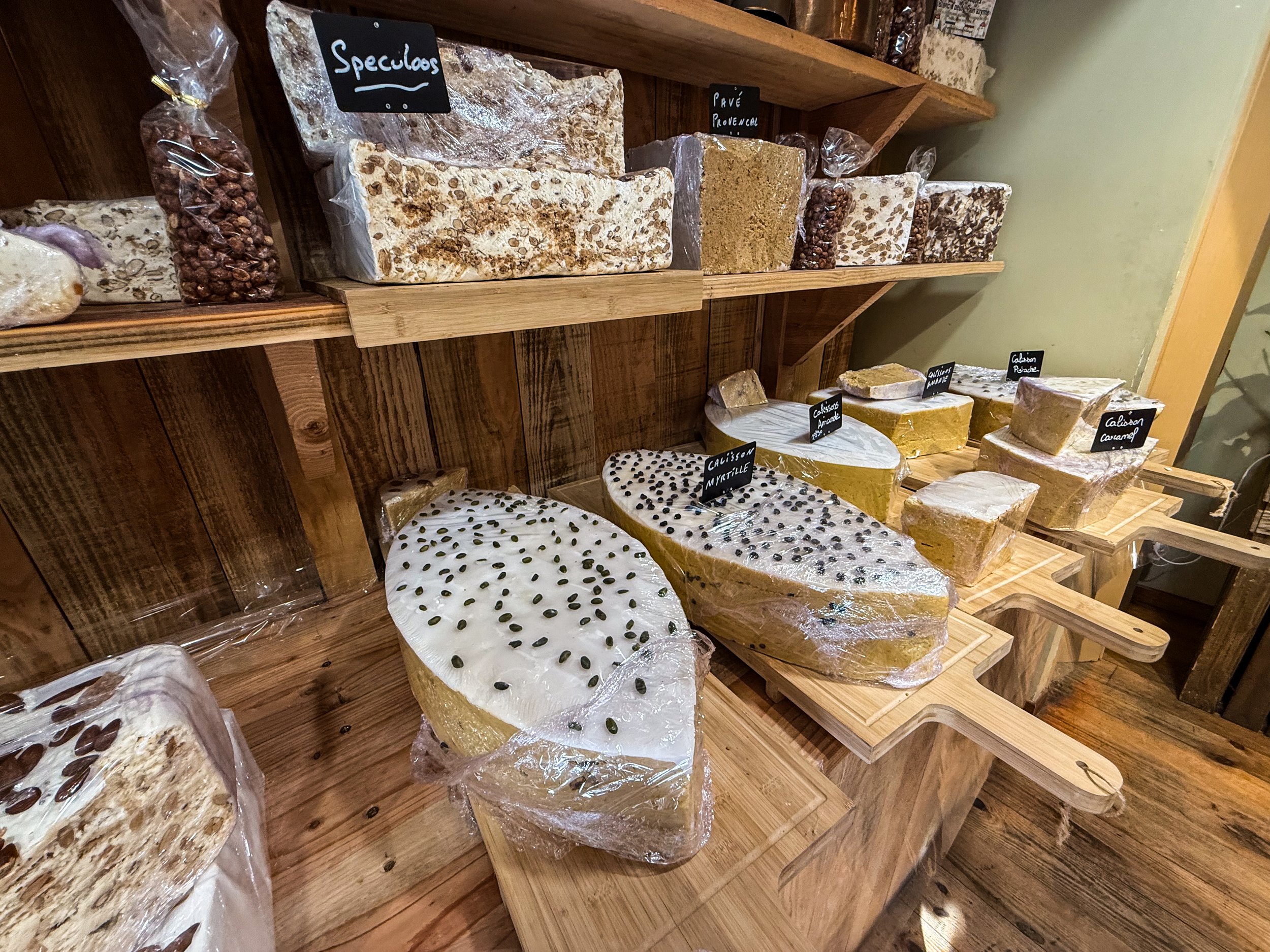
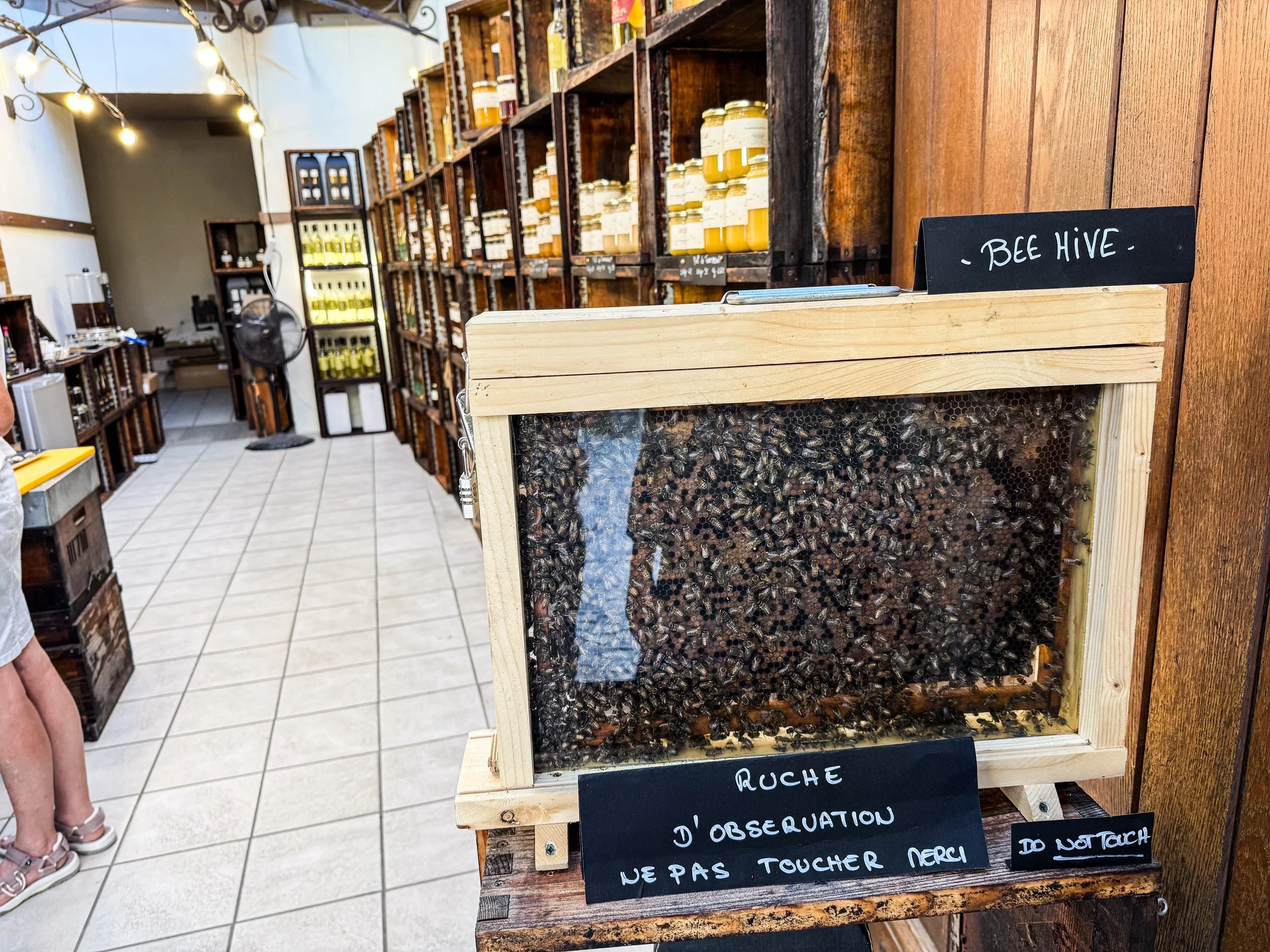
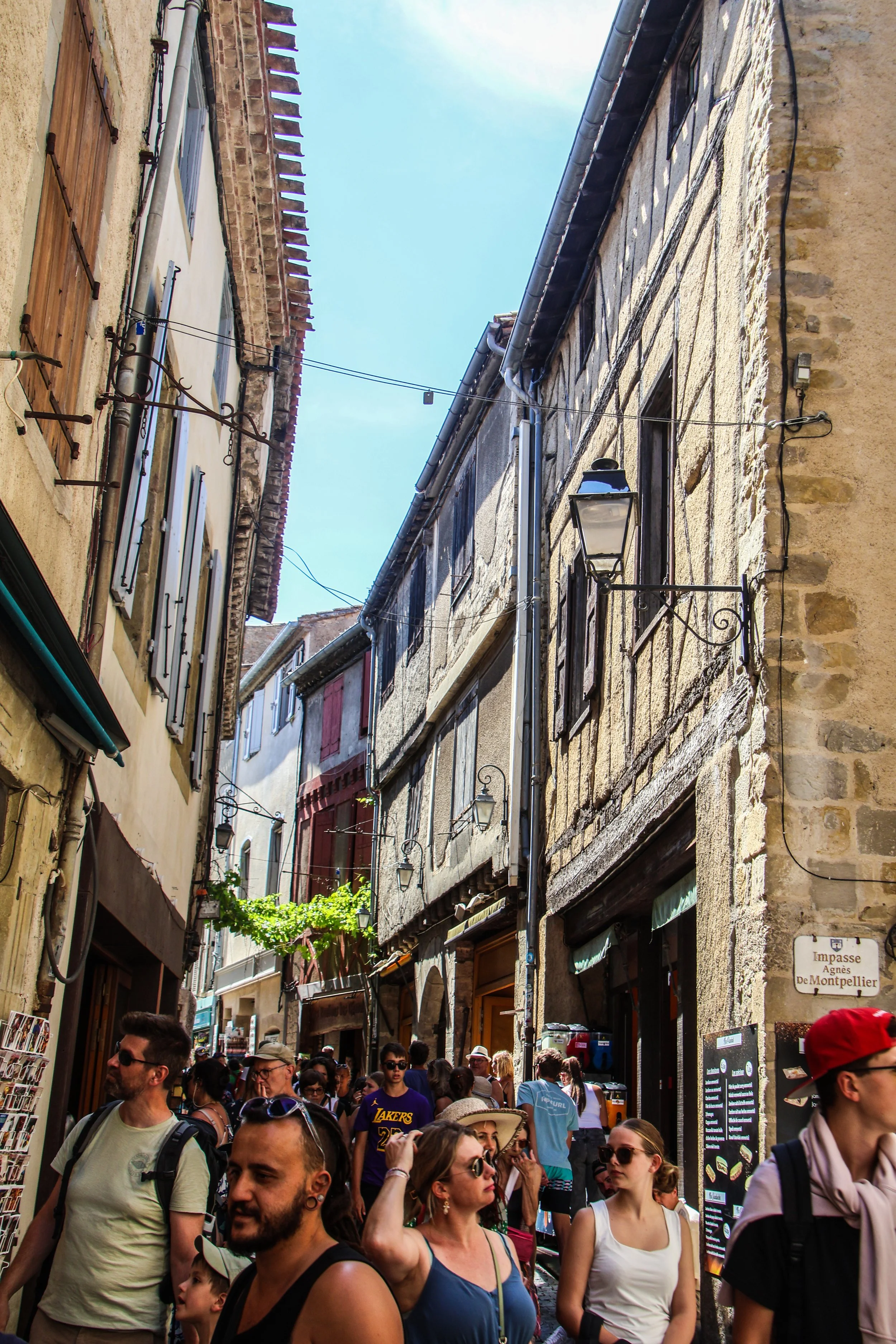
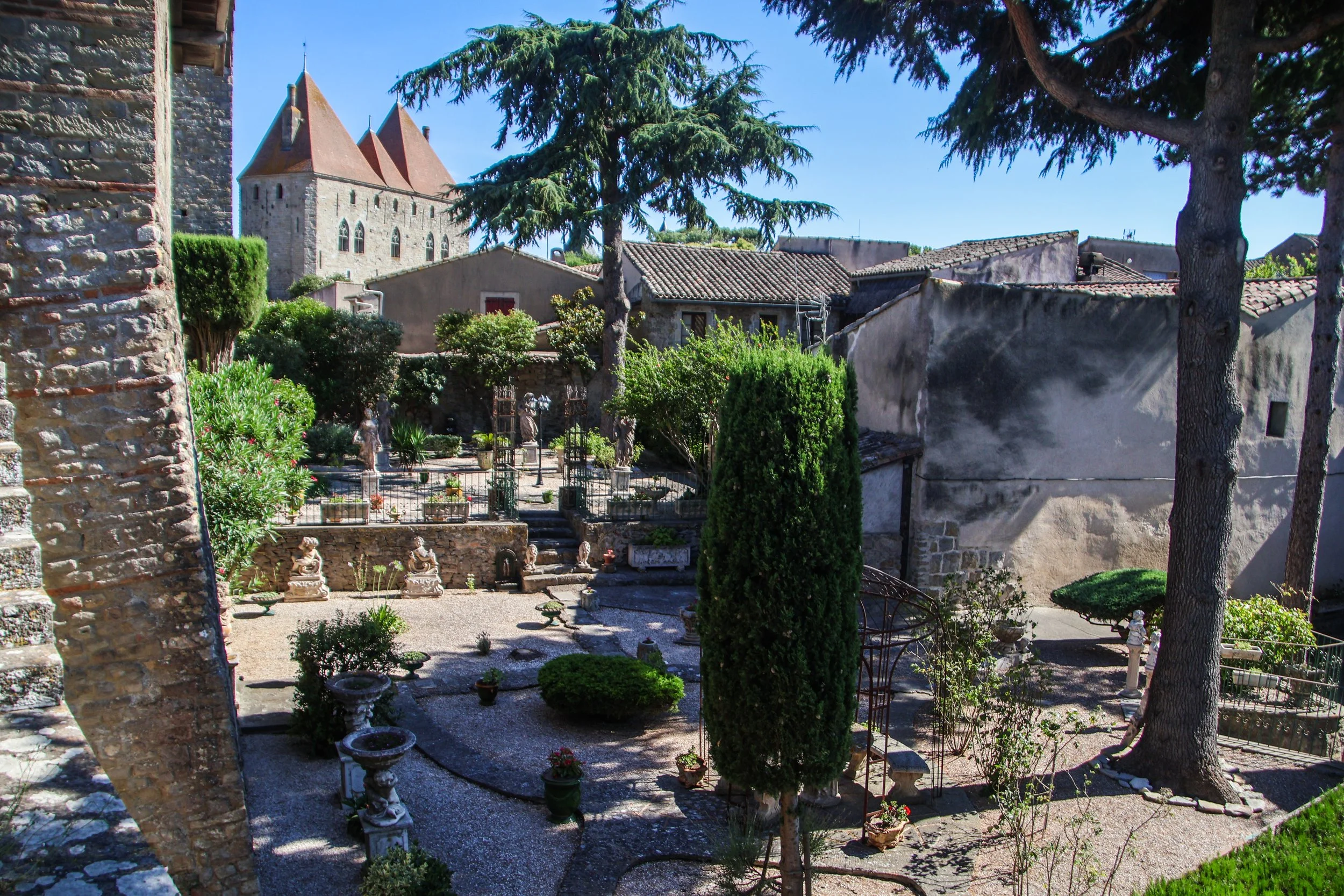
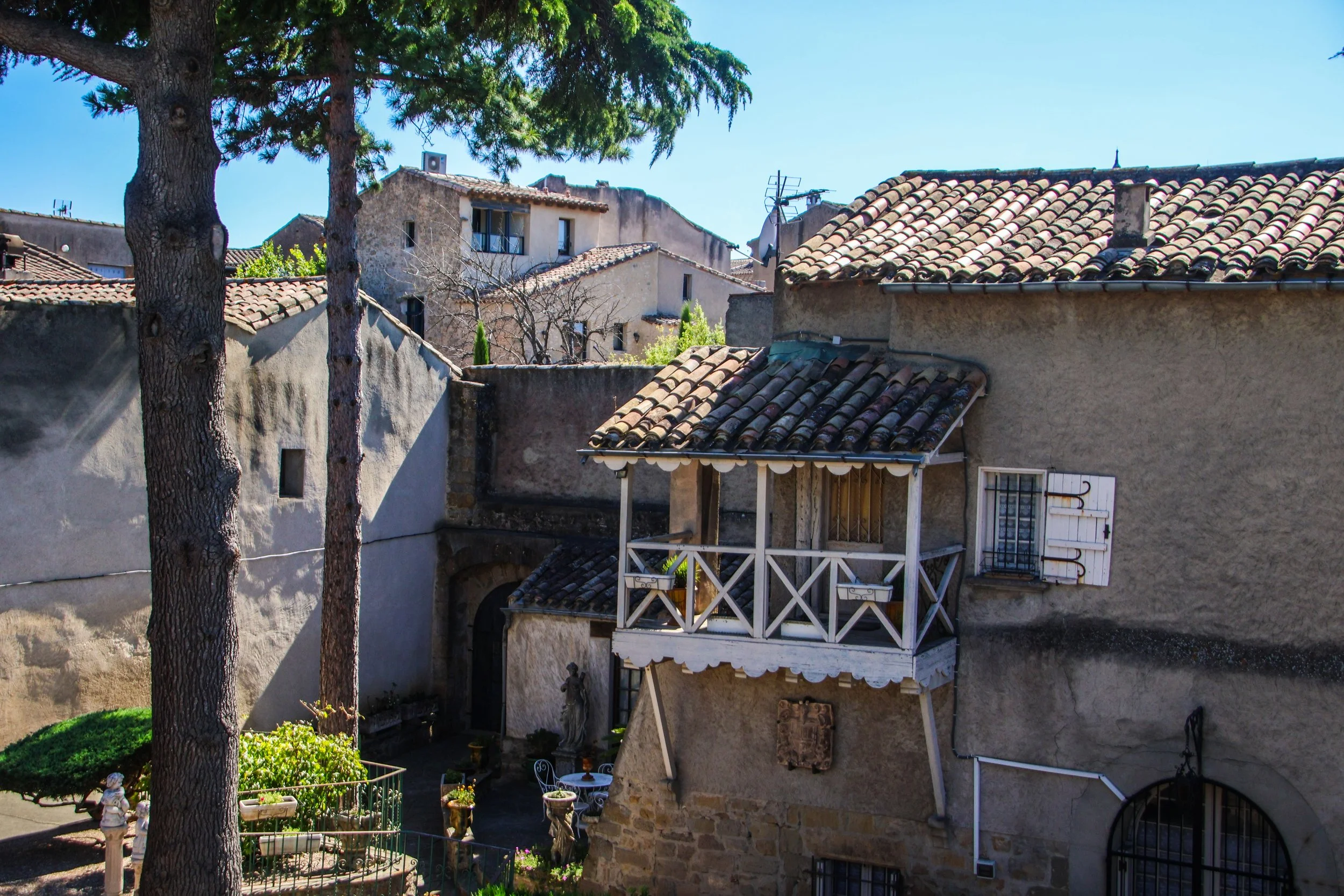
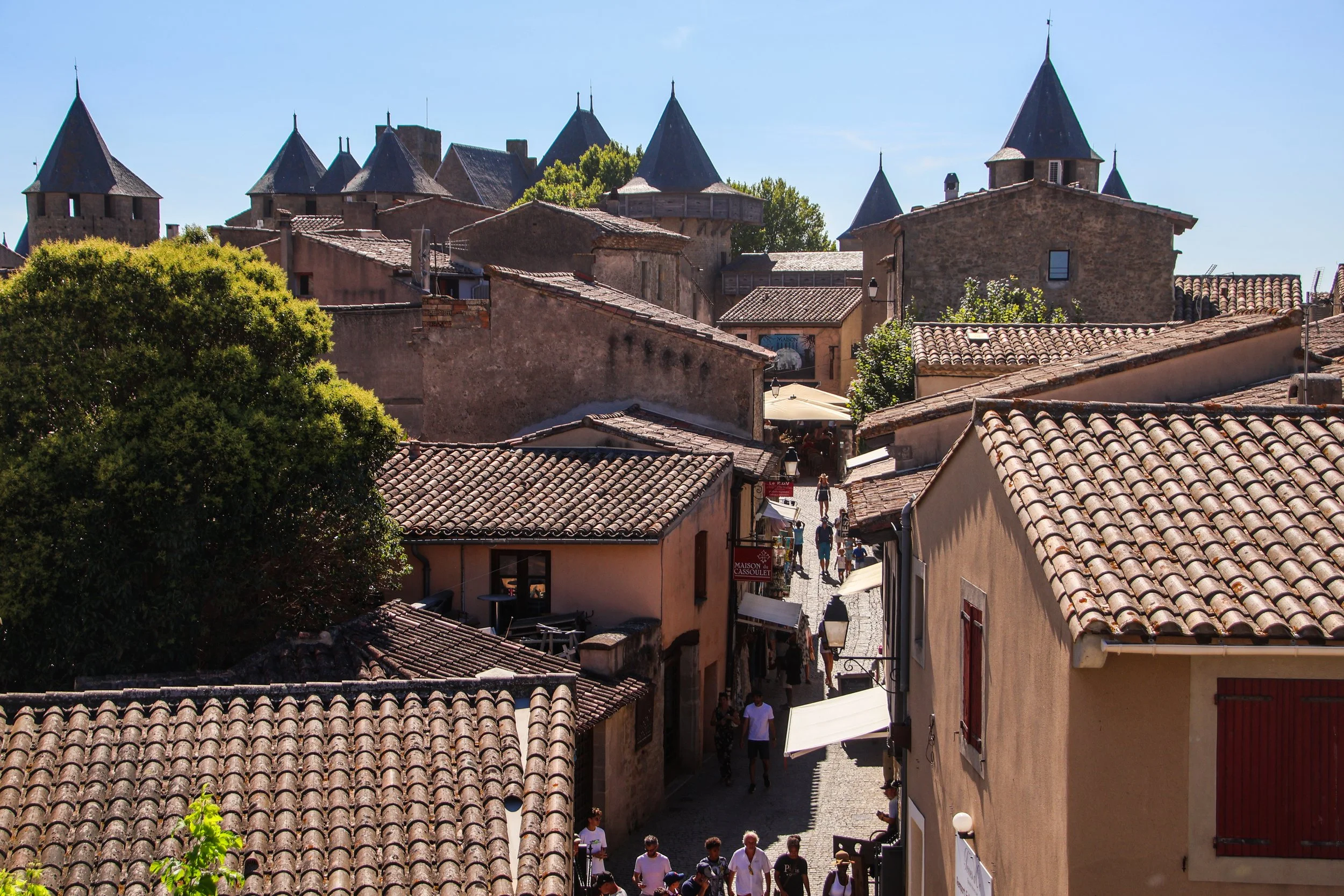
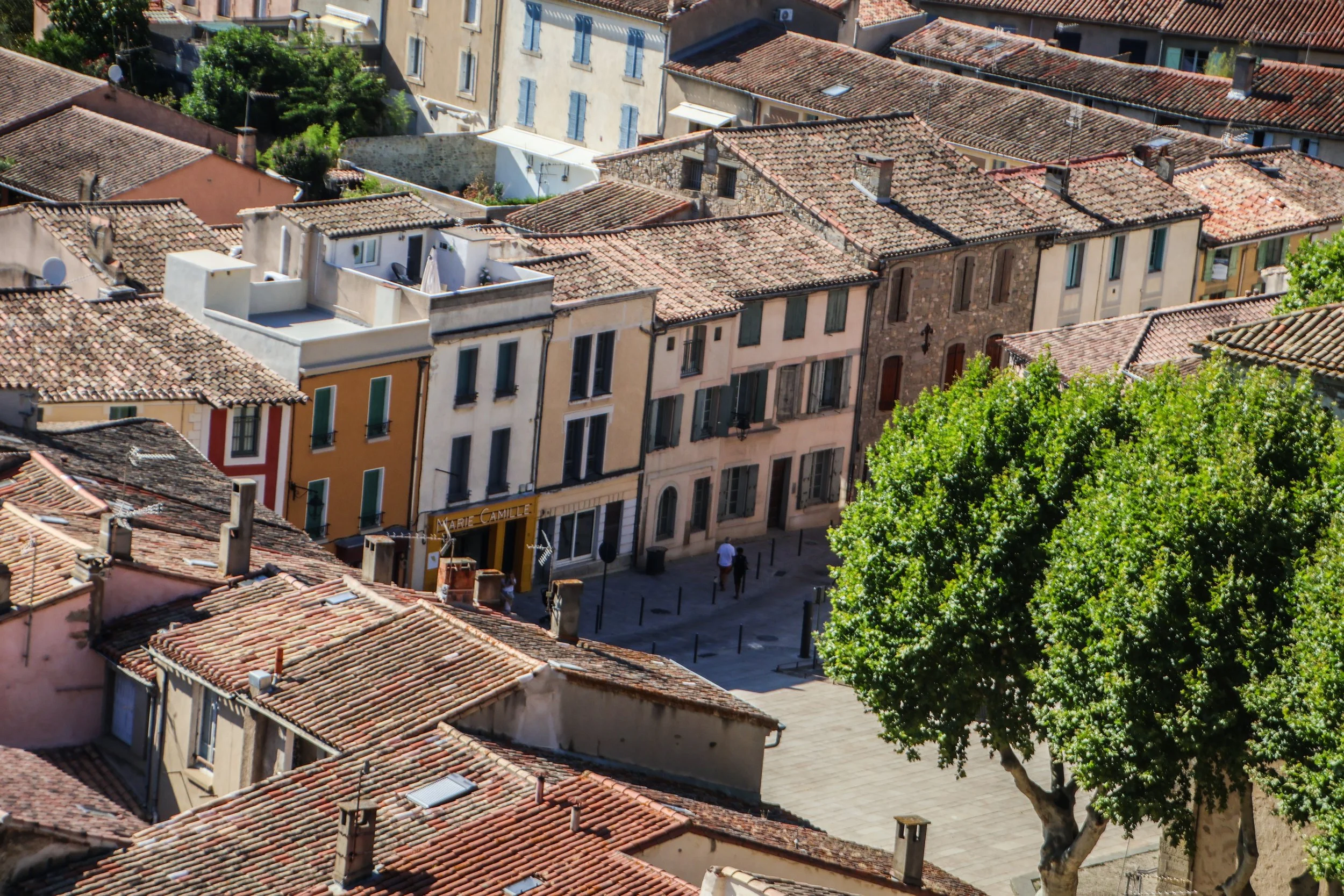
When these castles were in active use, centuries ago, the towns they guarded would actually be inside the castle walls, You’ve probably seen this depicted in movies. So, when you pass through the gates, you enter the Medieval town center. As you might expect, this town has now been converted to support a constant flow of tourists, but it is doing so mostly from the same building fronts that have always been there! Indeed, there has clearly been a real effort made to preserve the original façades of these buildings. The businesses themselves are a mix of kitschy souvenir shops, restaurants, bakeries, cafes, mysterious higher-end shops, and—most importantly—Medieval-inspired emporiums of all varieties. To give an example, the pot tilted over the frame you will see in the gallery below is roasting chestnuts via a traditional method that would have been employed during the hey-day of this castle. In another shop, we sampled supposedly Medieval candy… it tasted like Circus Peanuts.
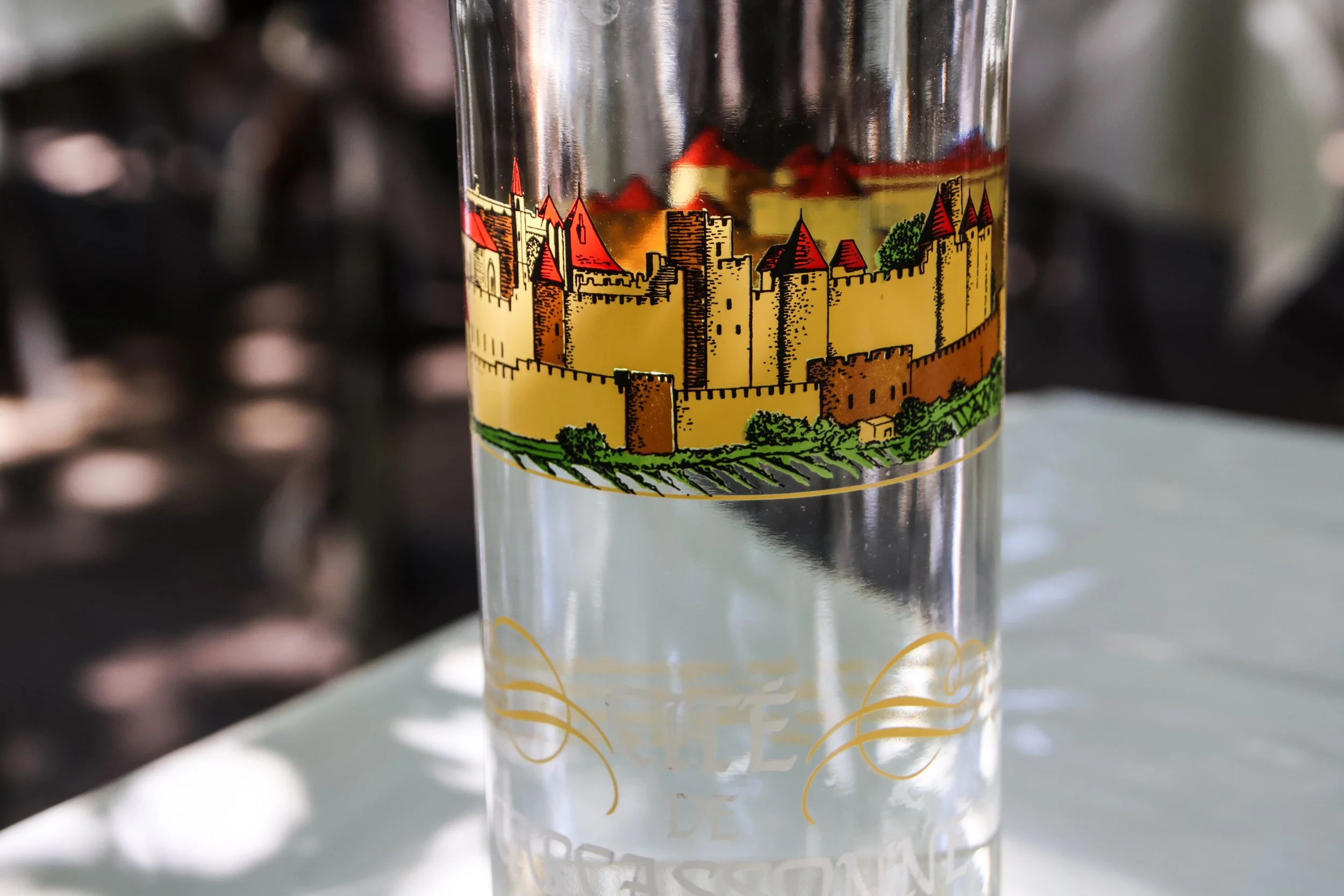
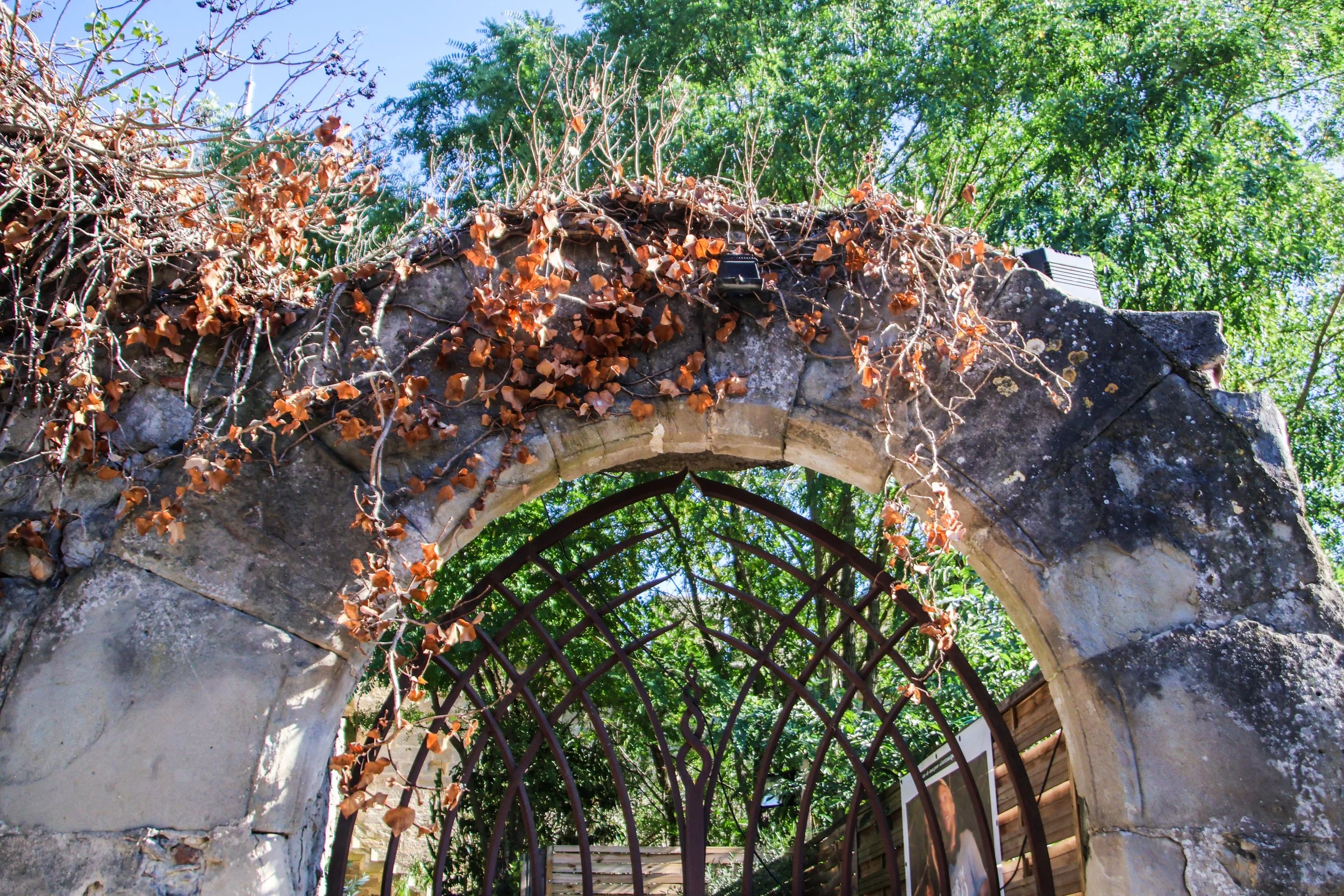
There’s a definite “tourist-trap” vibe to most of the shops, but honestly, they are besides the point. To me, their main contribution to my experience was that they provided a lively atmosphere that shouldn’t be too far away from how this place would have felt in the year 1300. The area enclosed by these castle walls is actually quite large! We spent a couple of hours wandering these streets; here are the pictures from that walk through time…

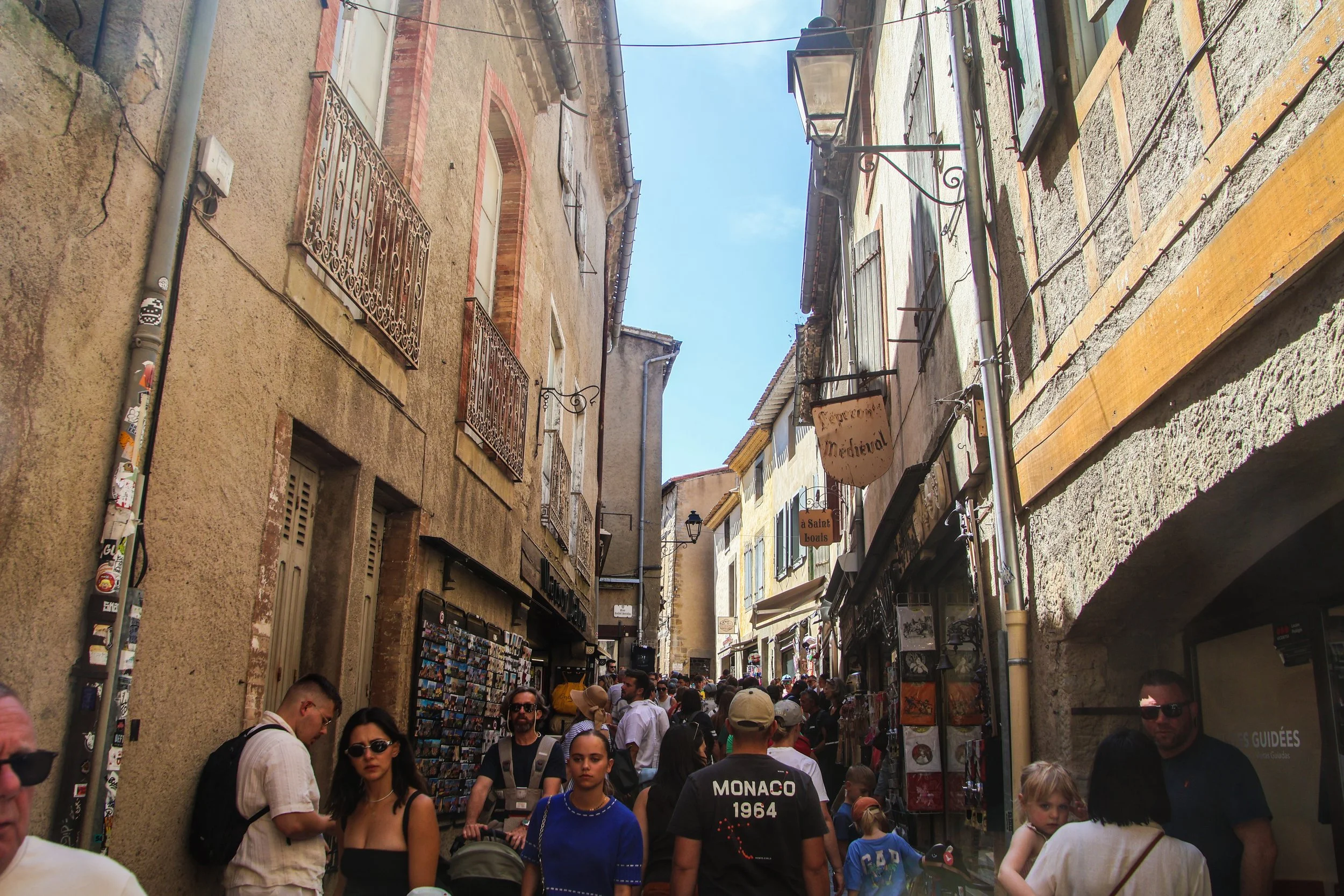
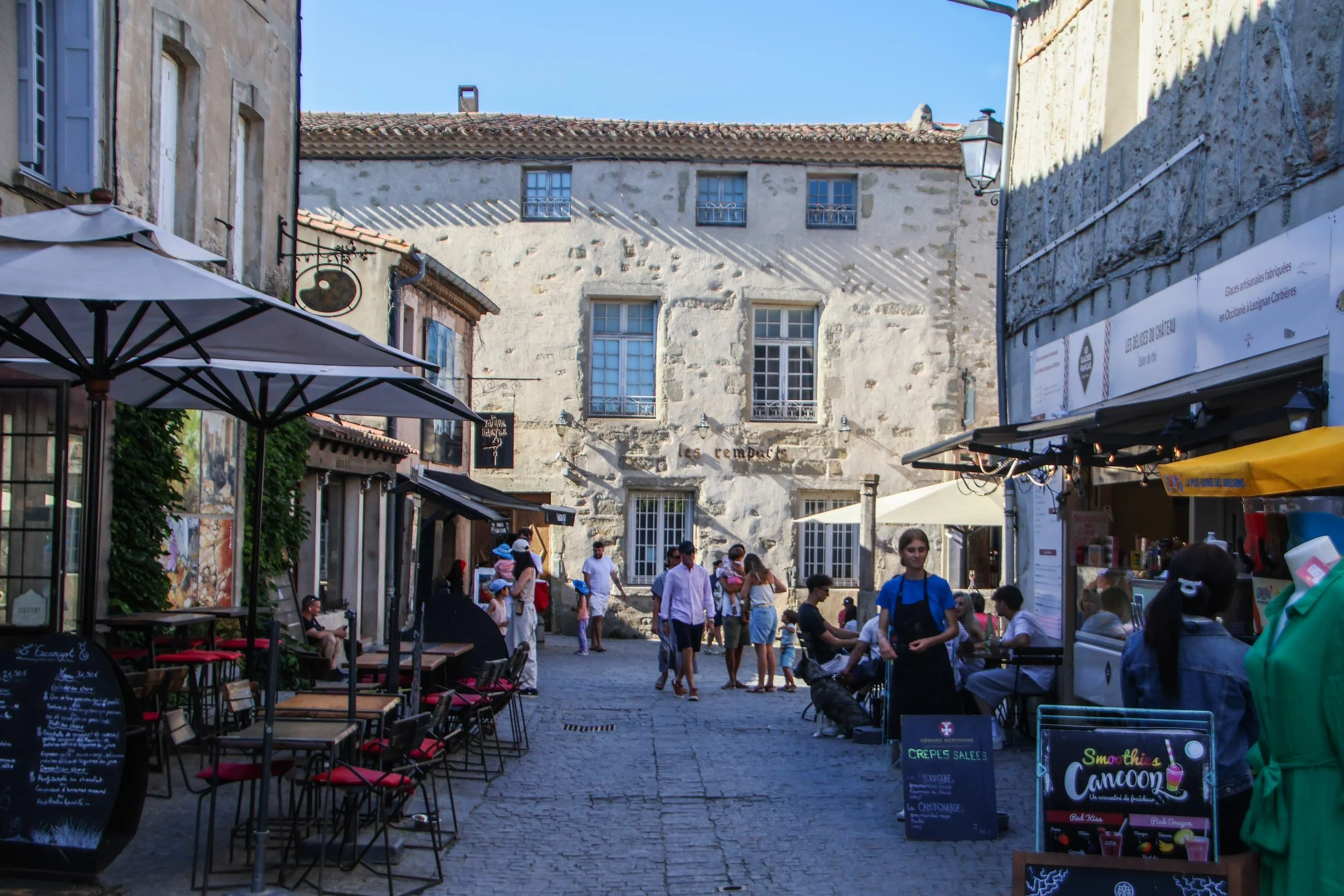
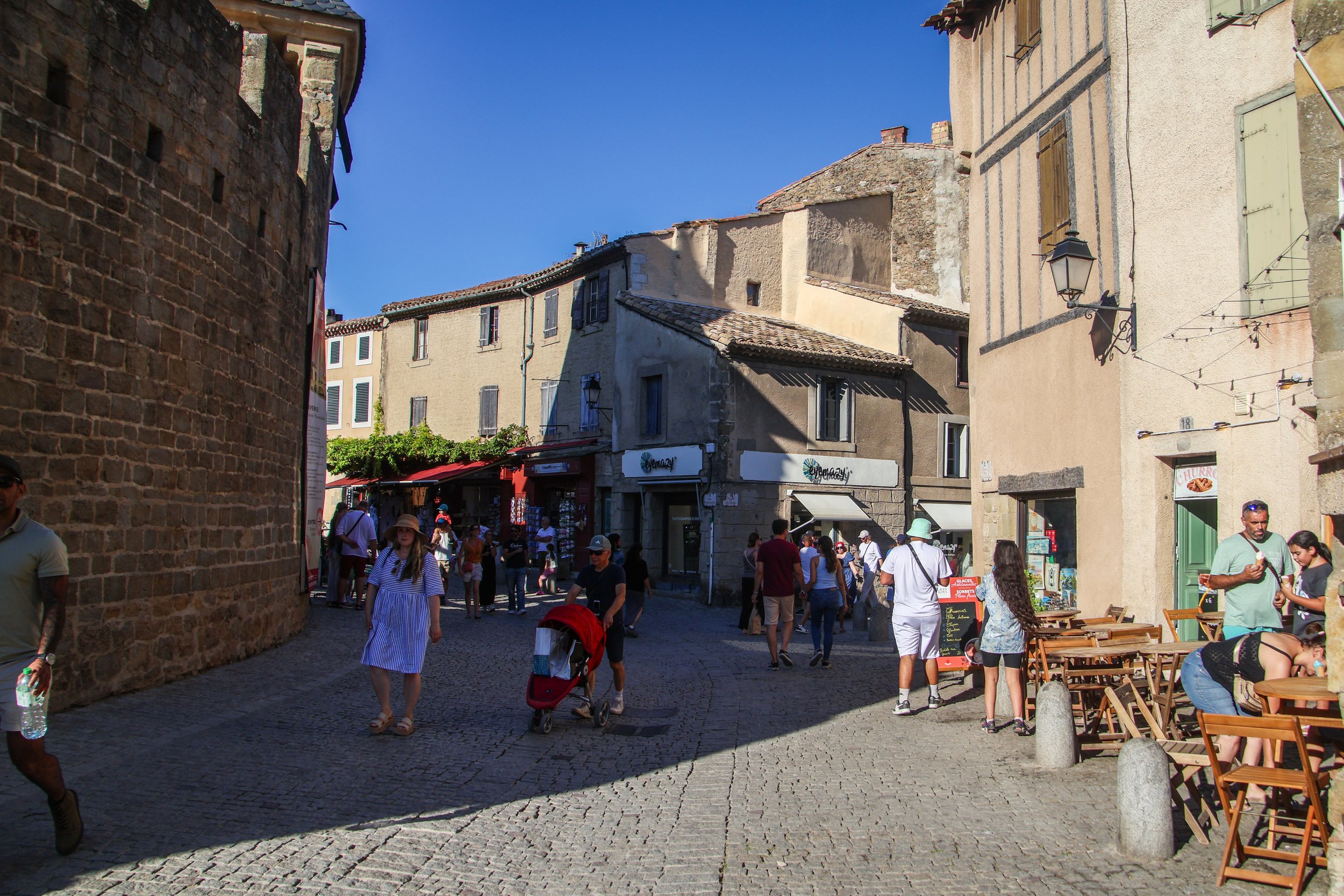
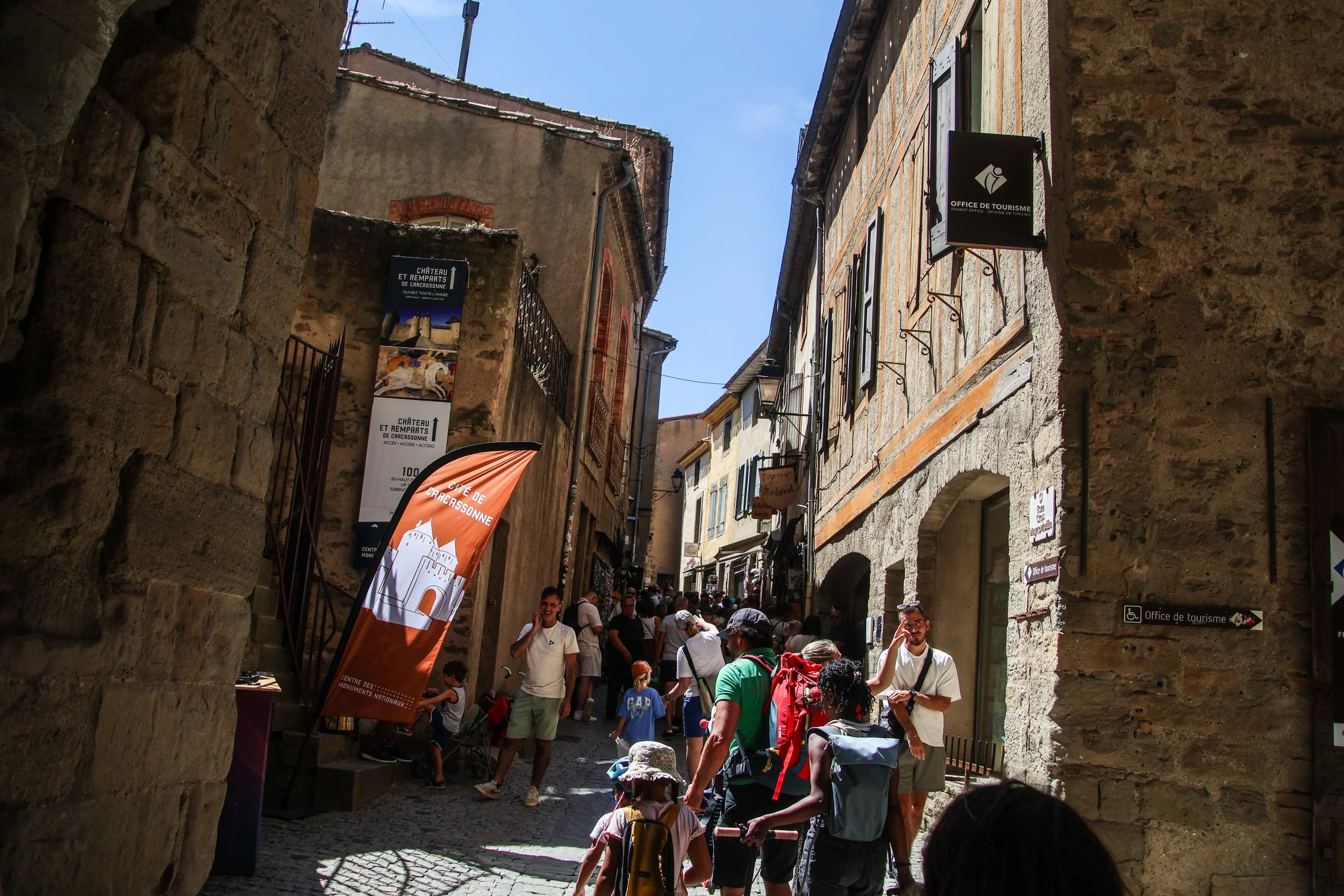
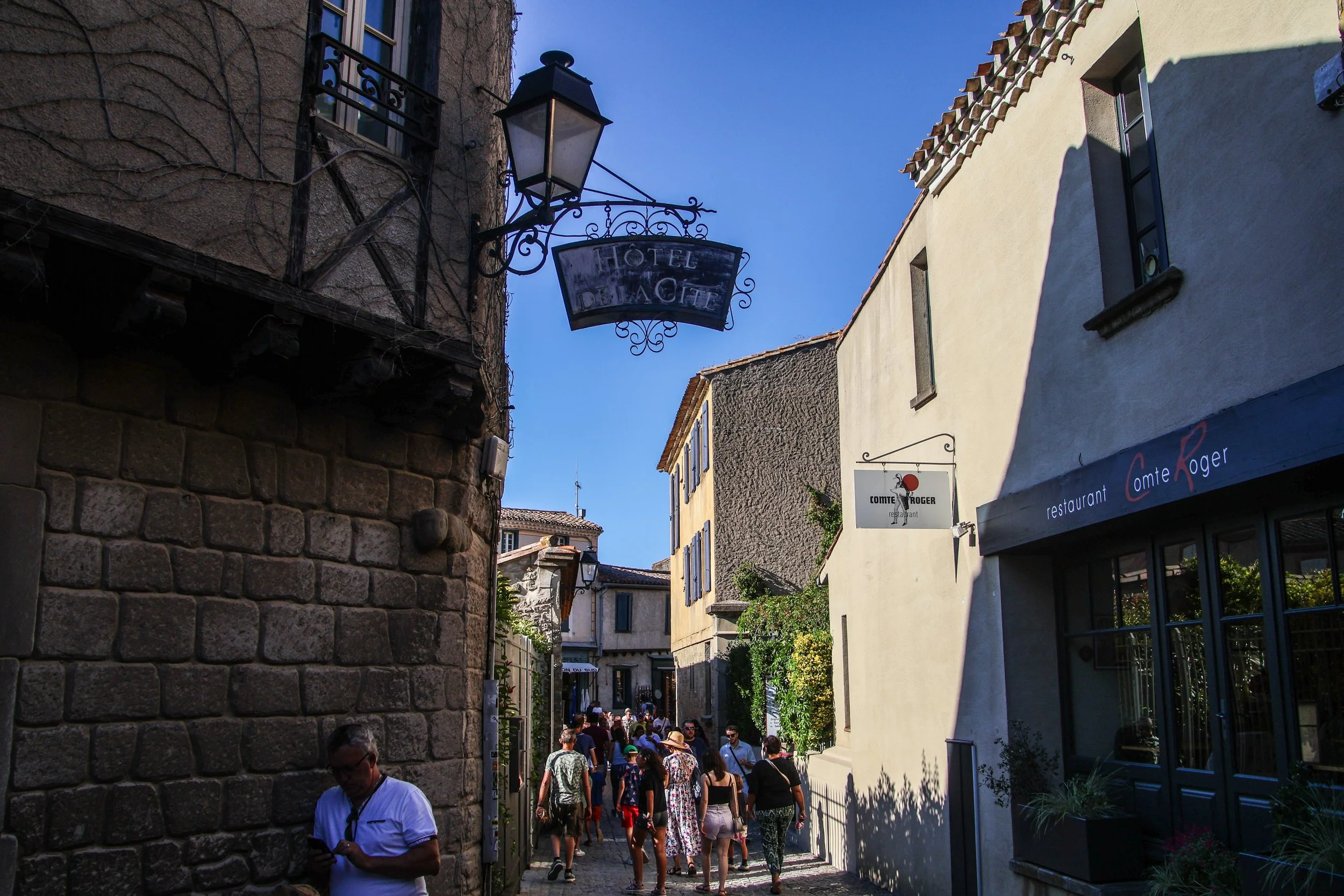
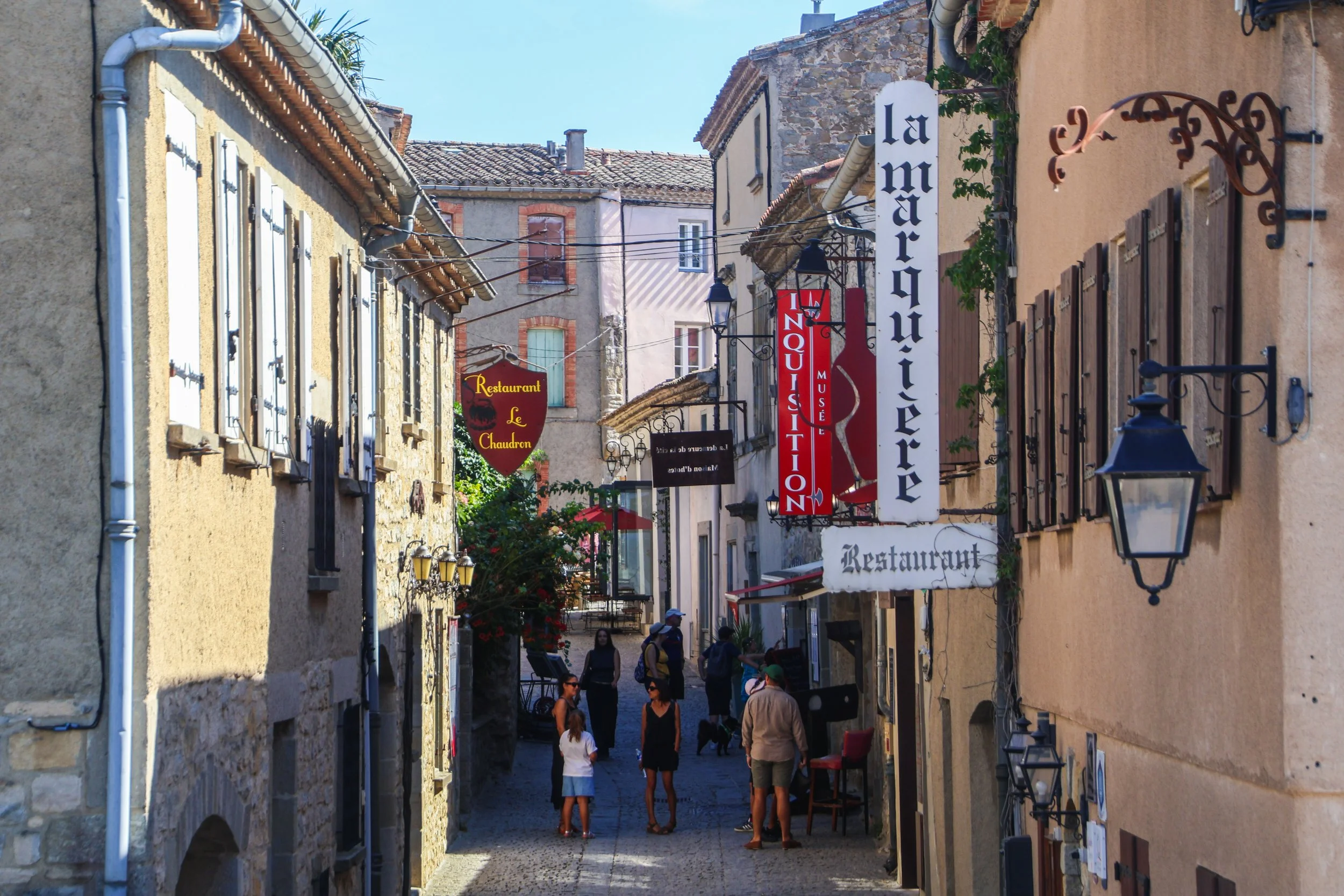
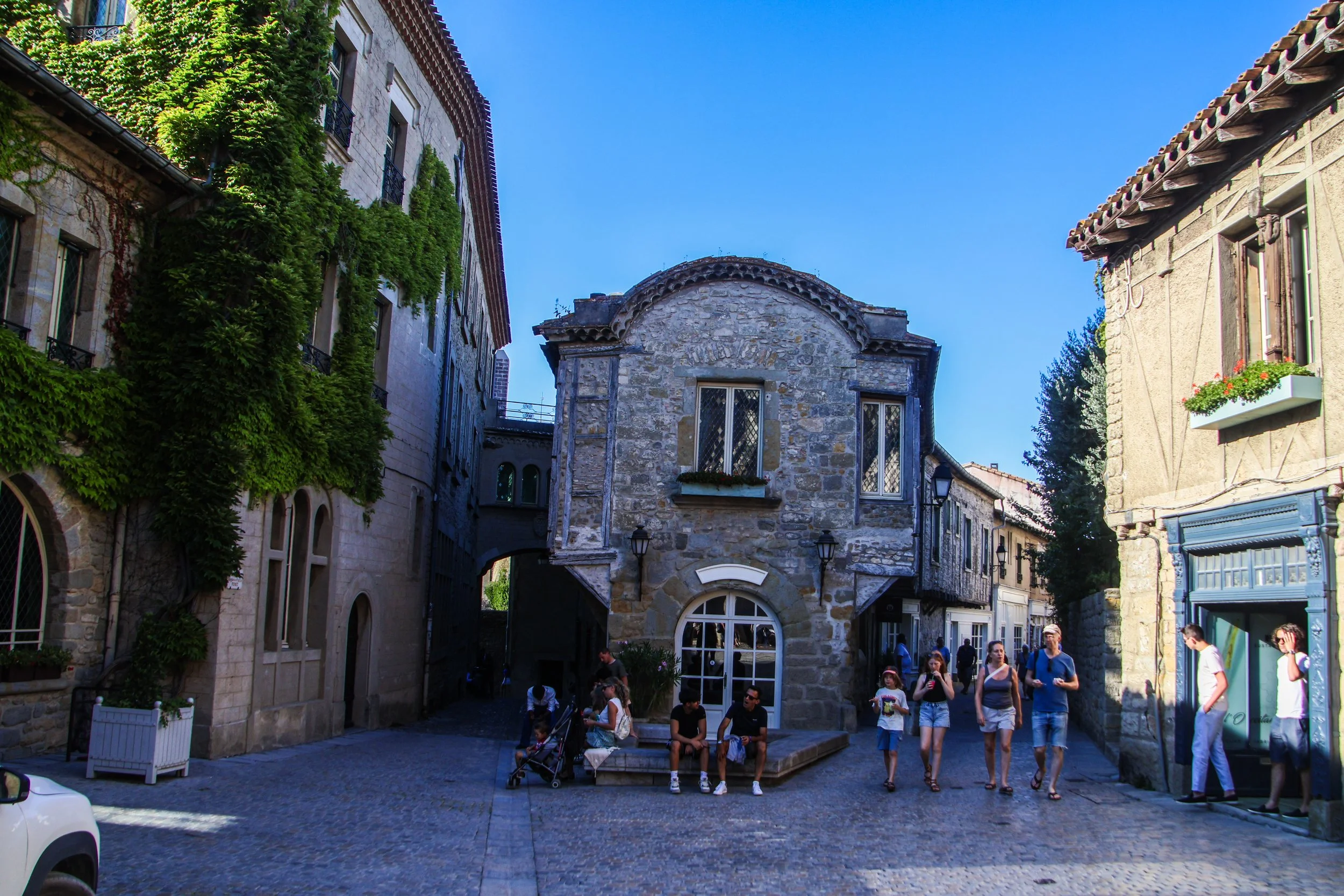
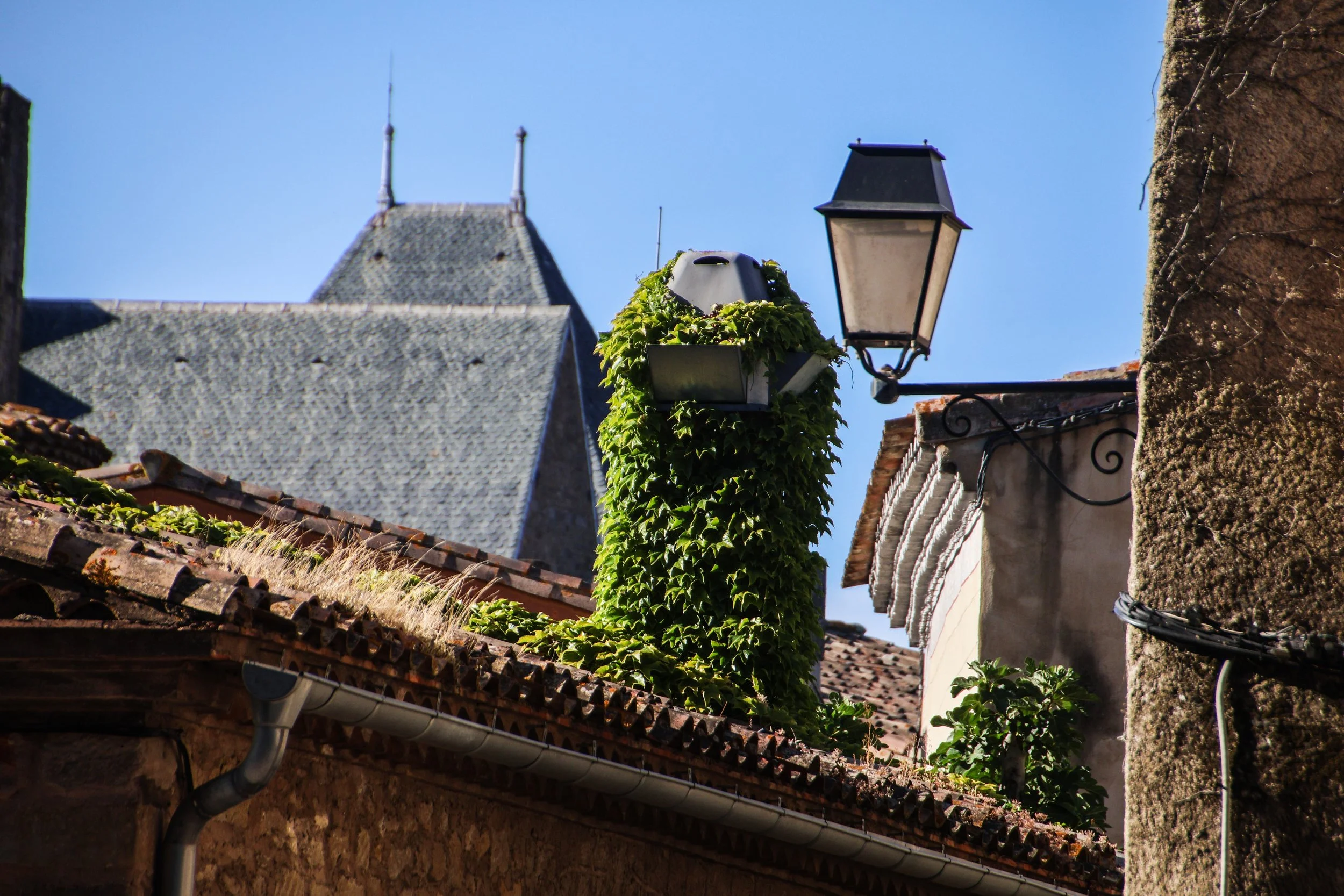
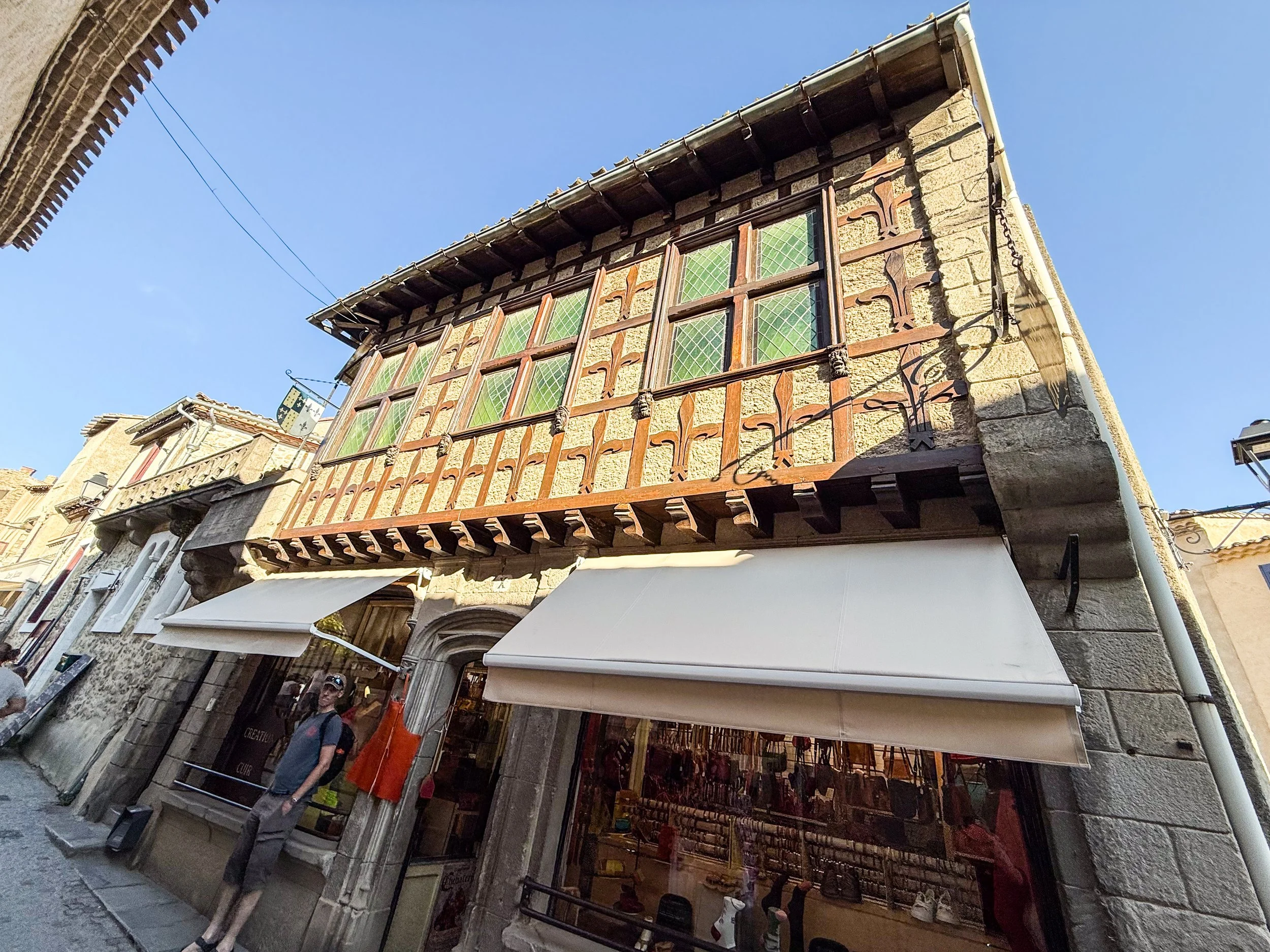

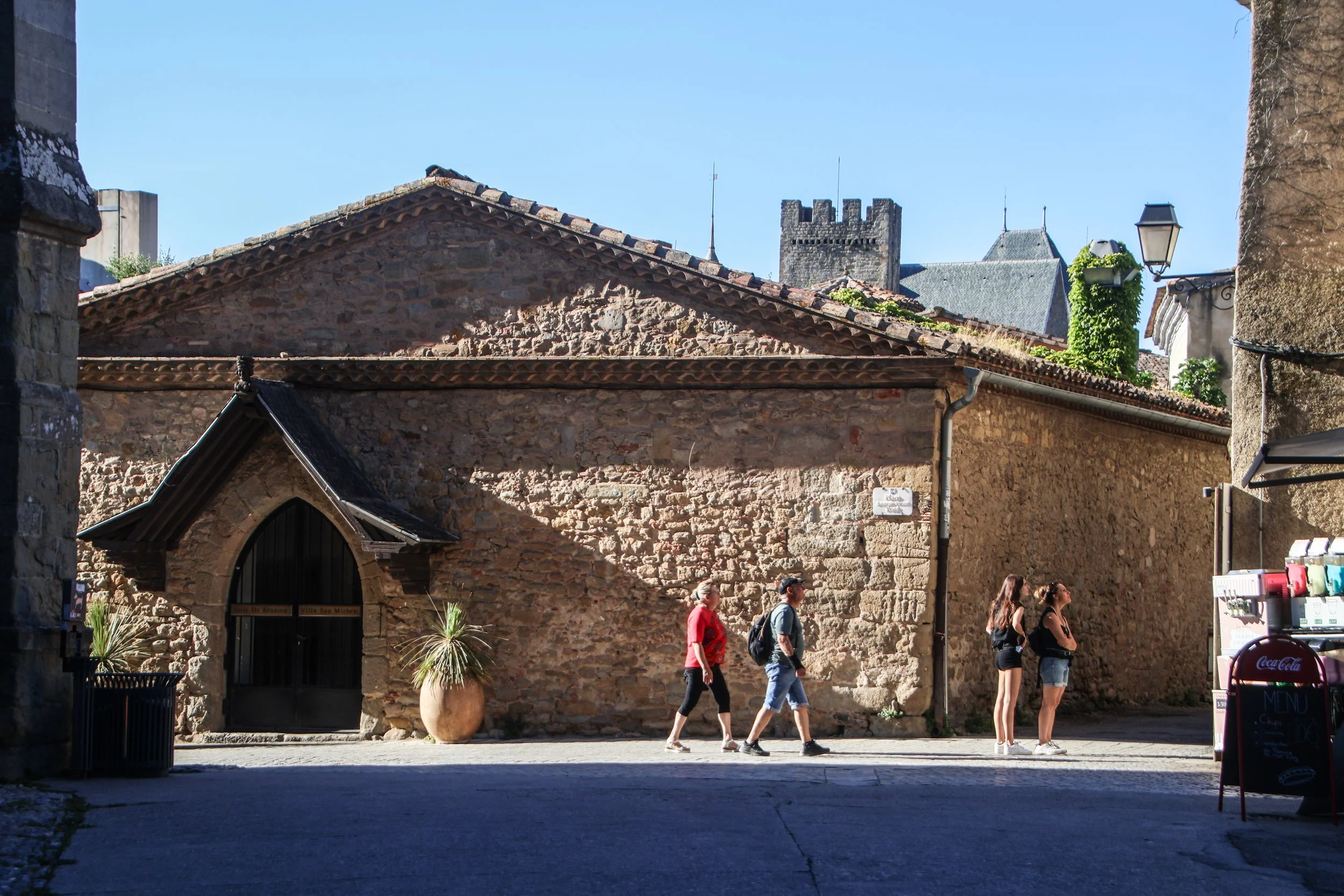
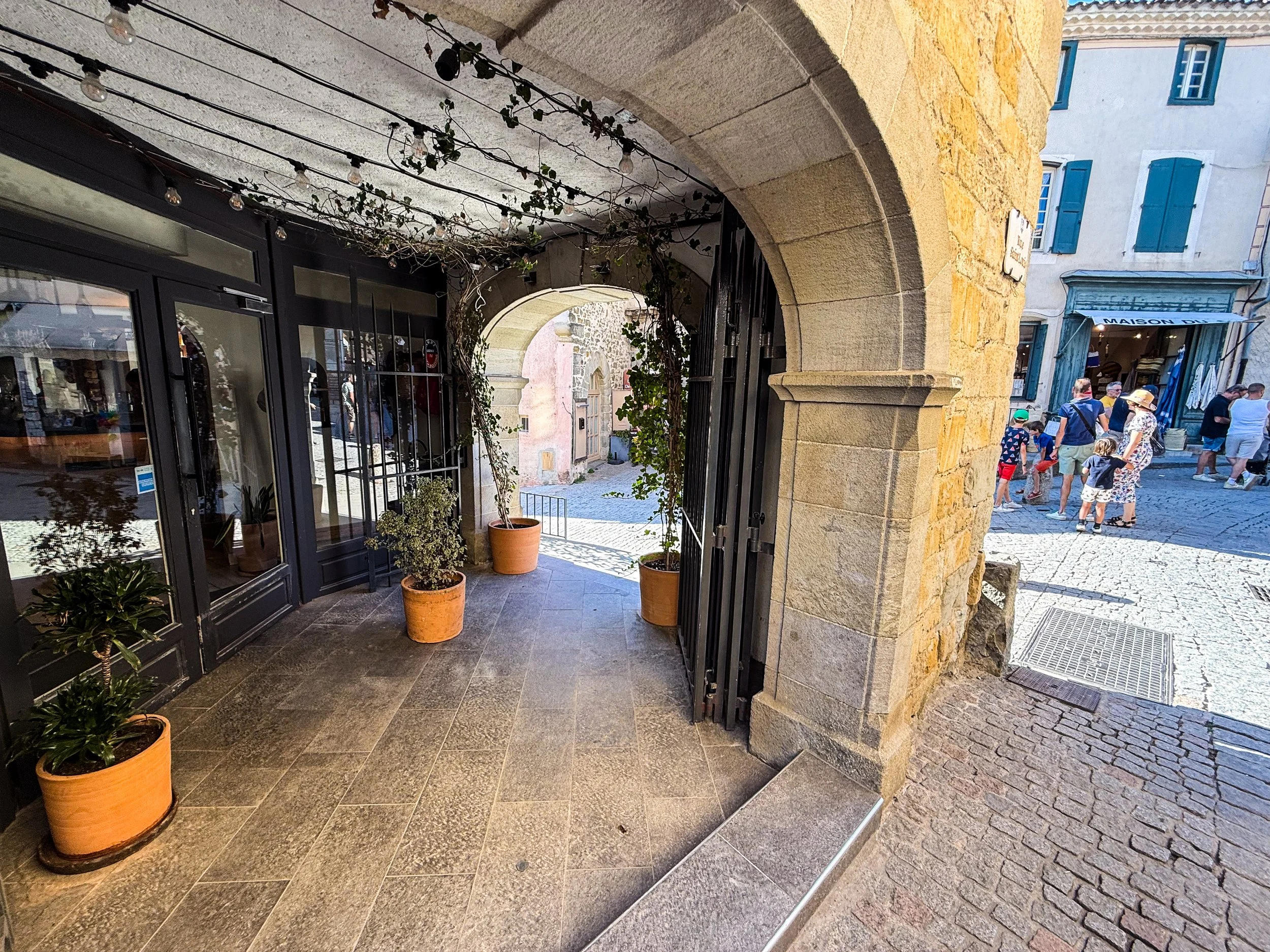
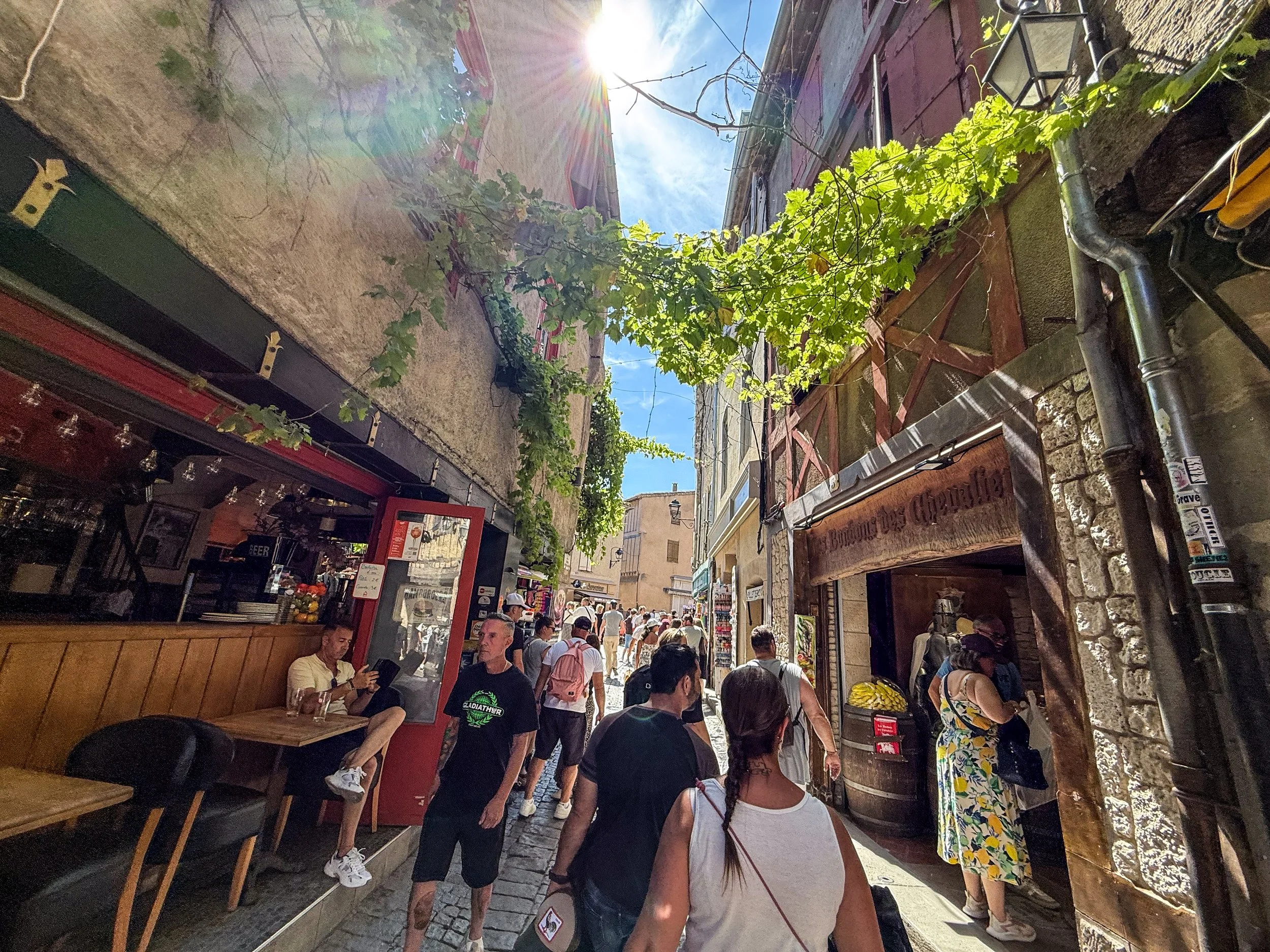
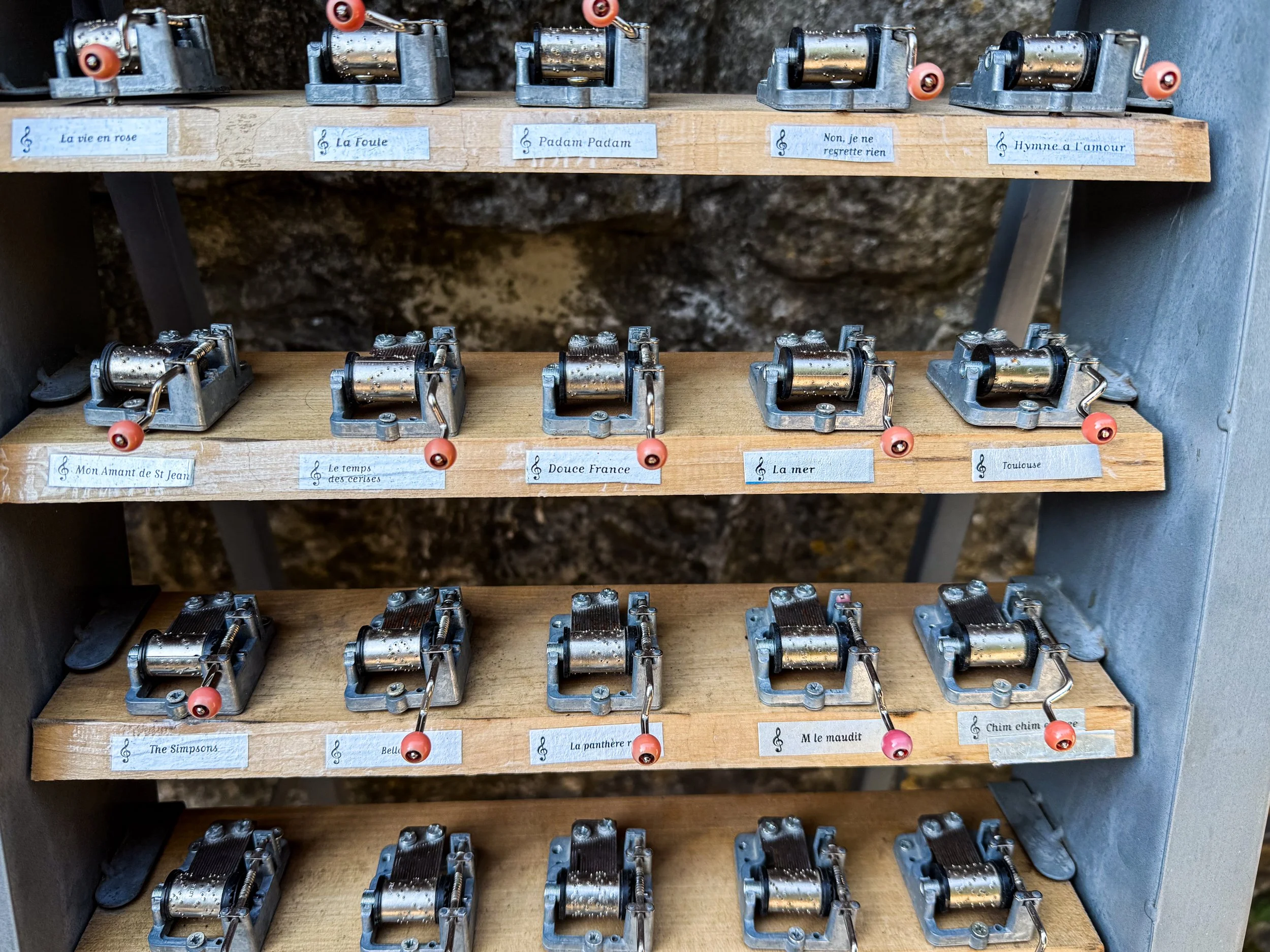
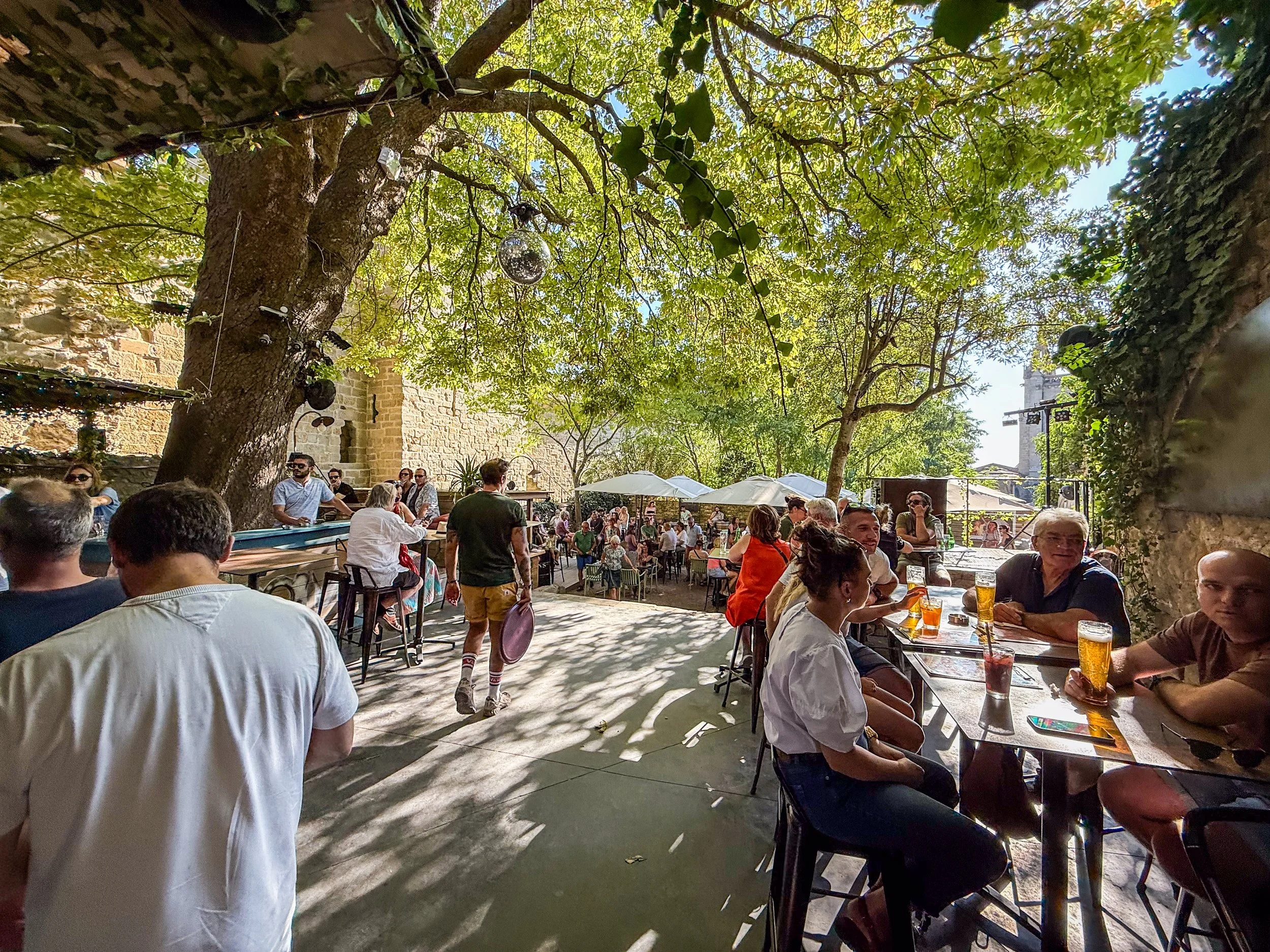
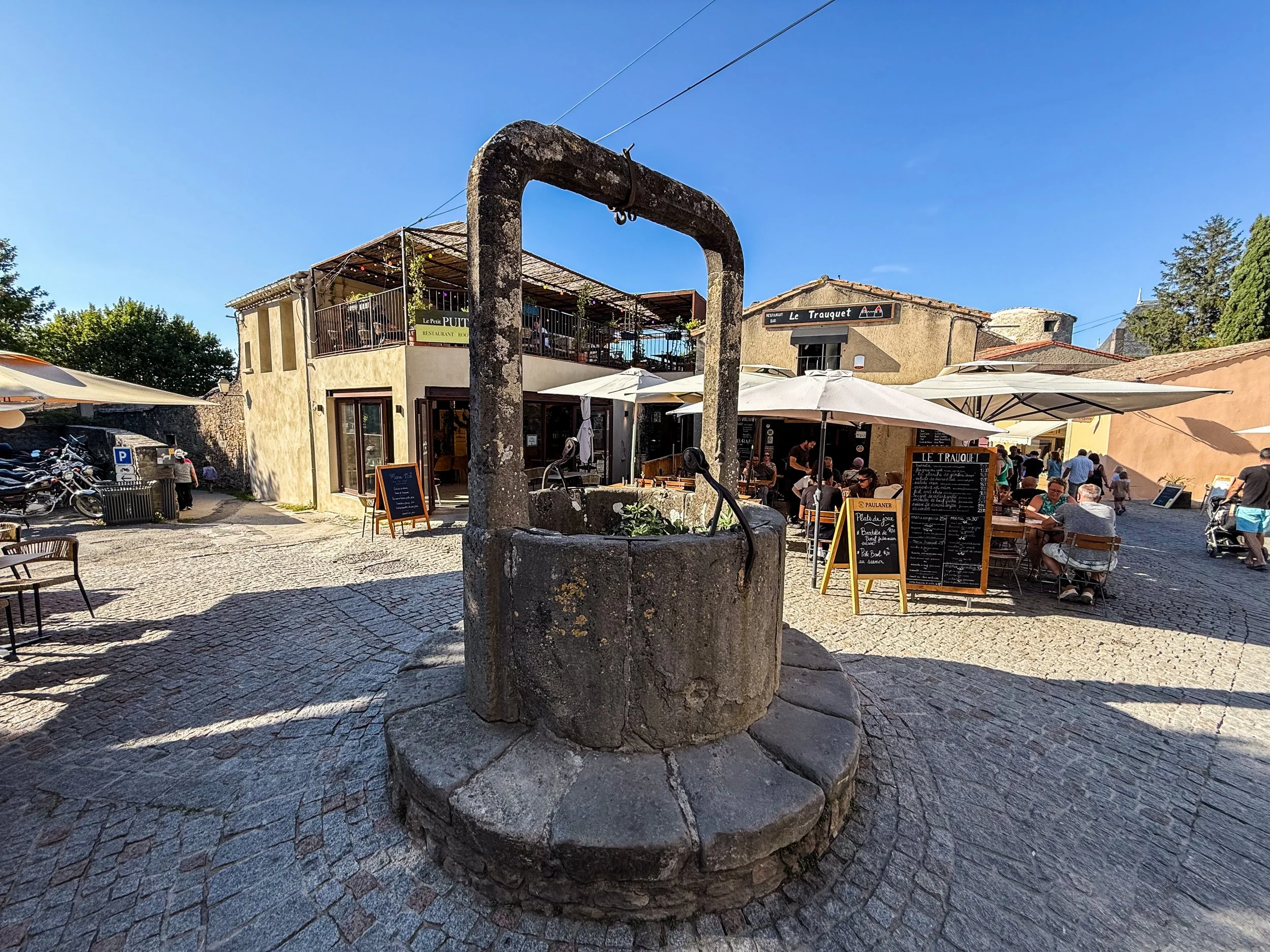
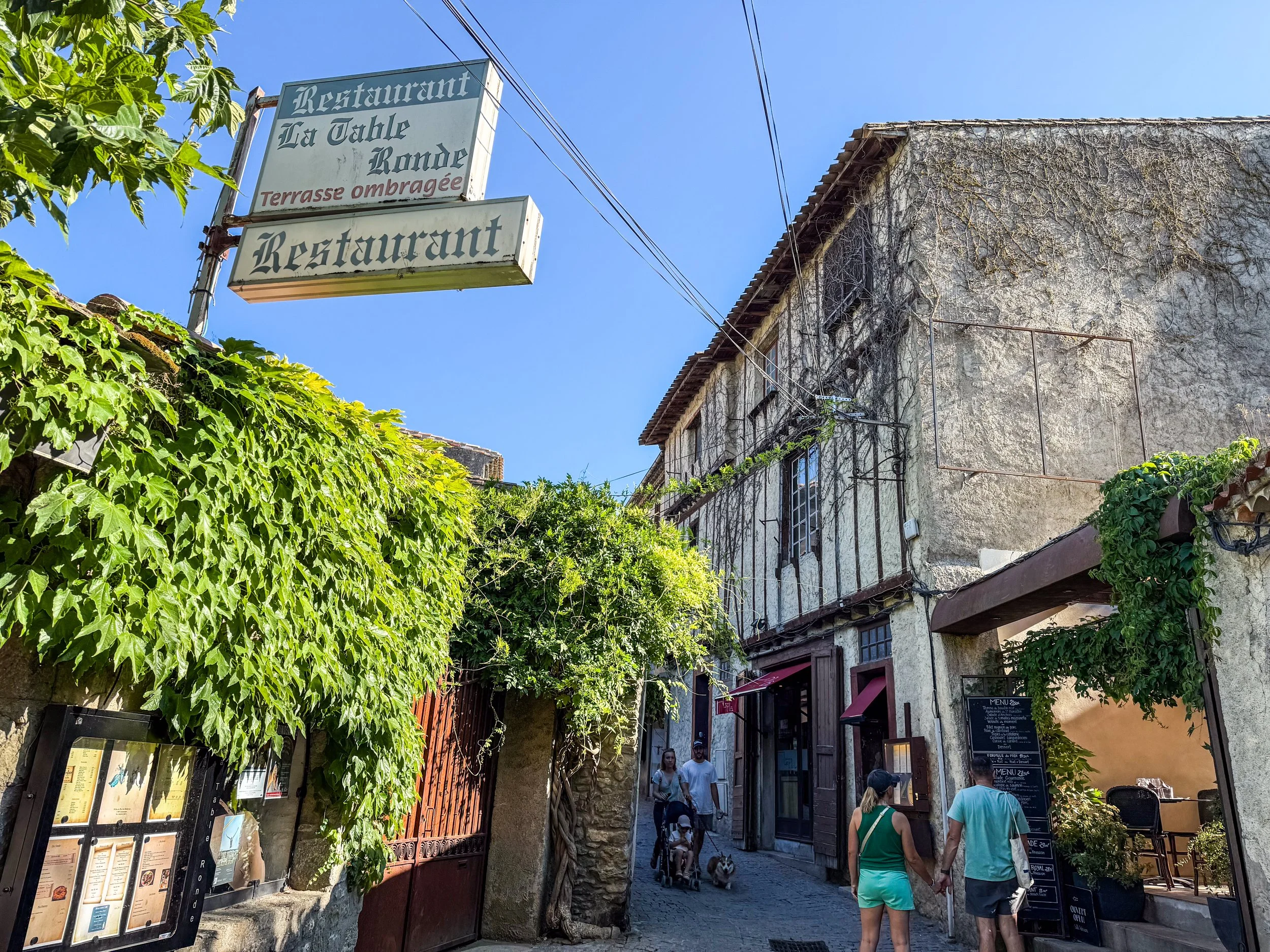
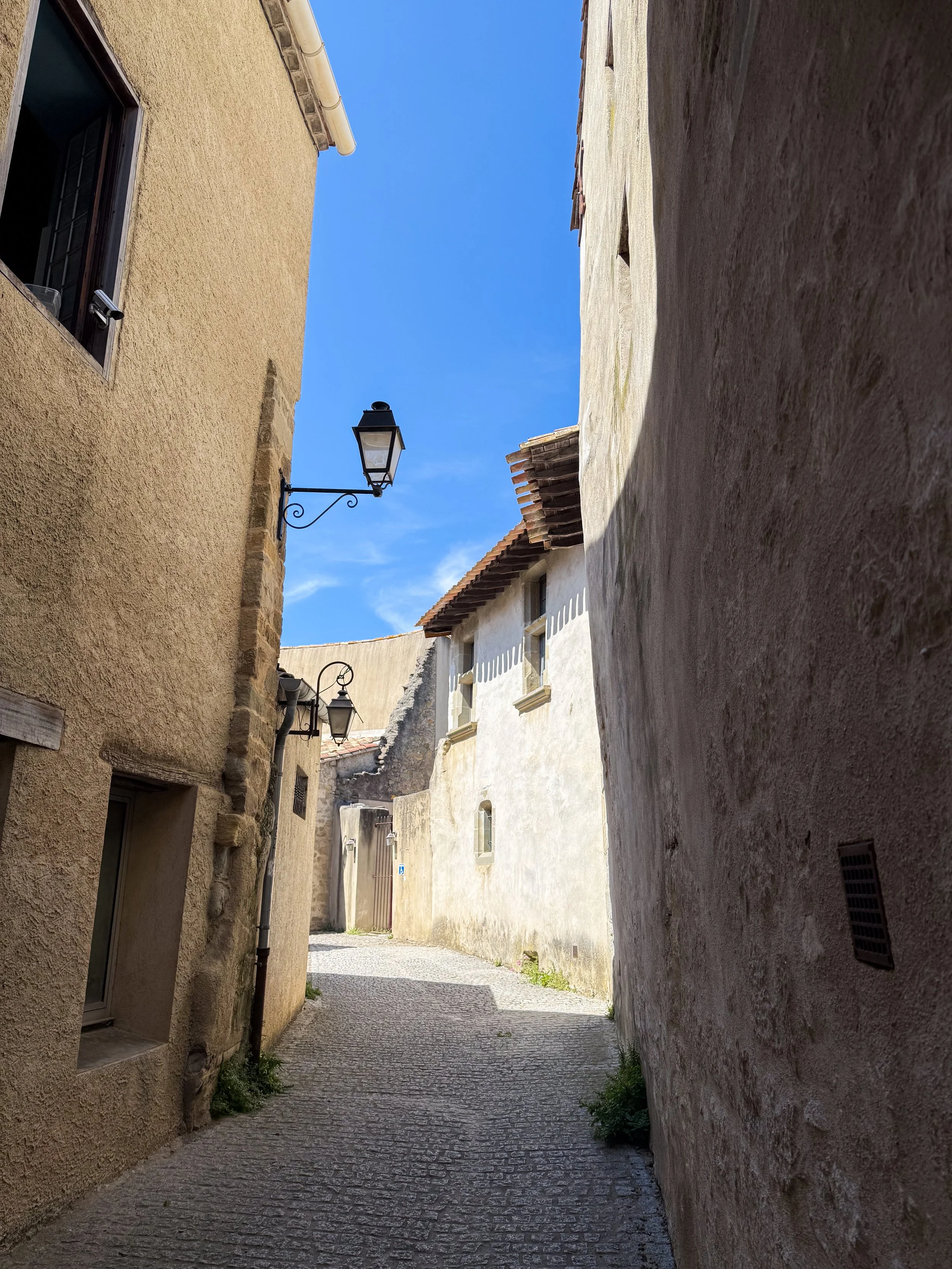

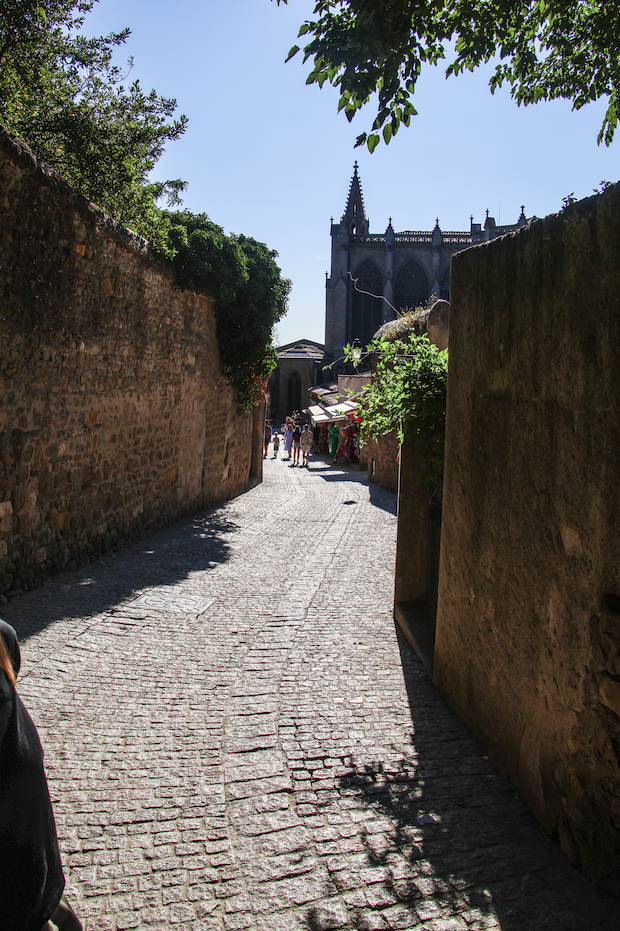
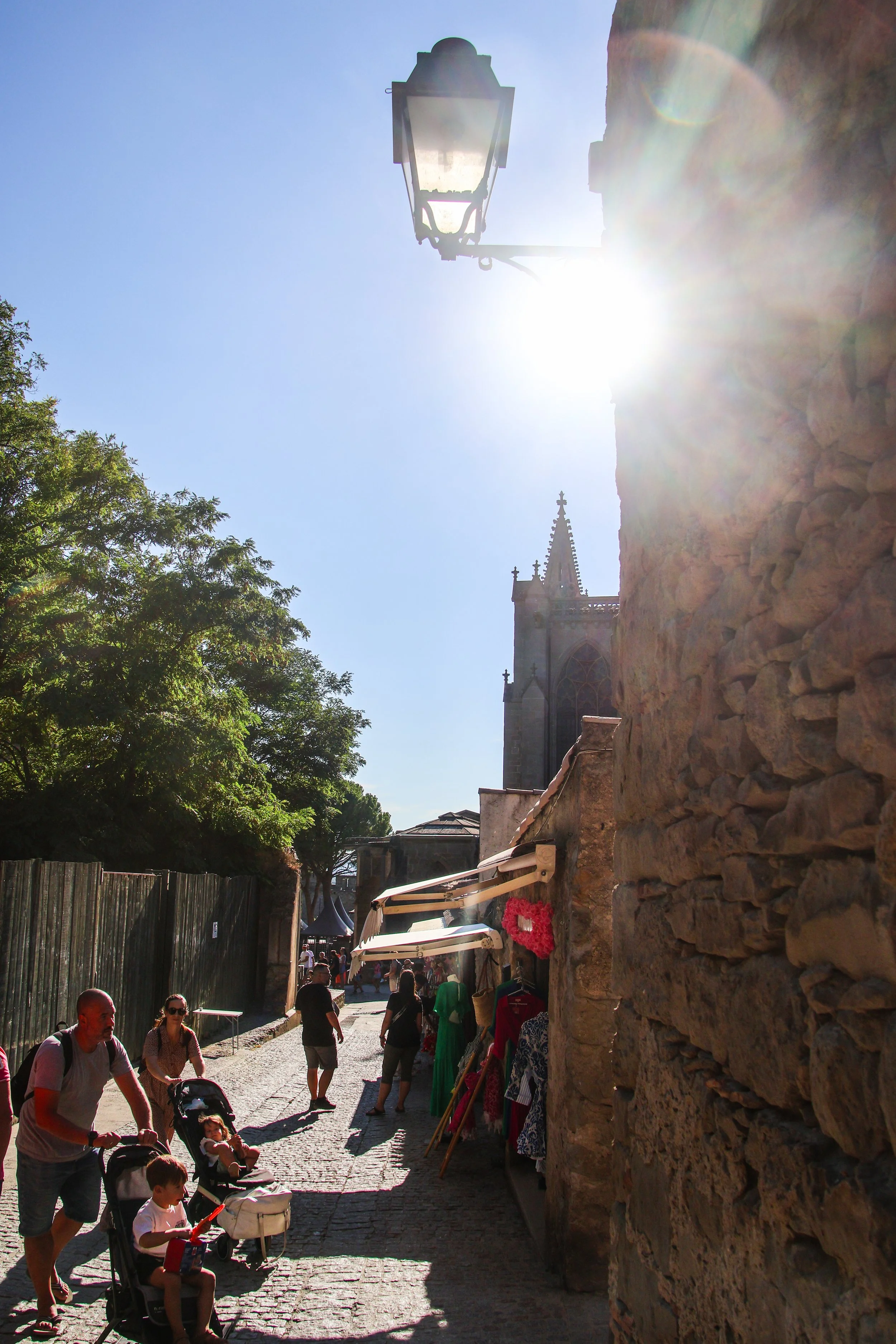
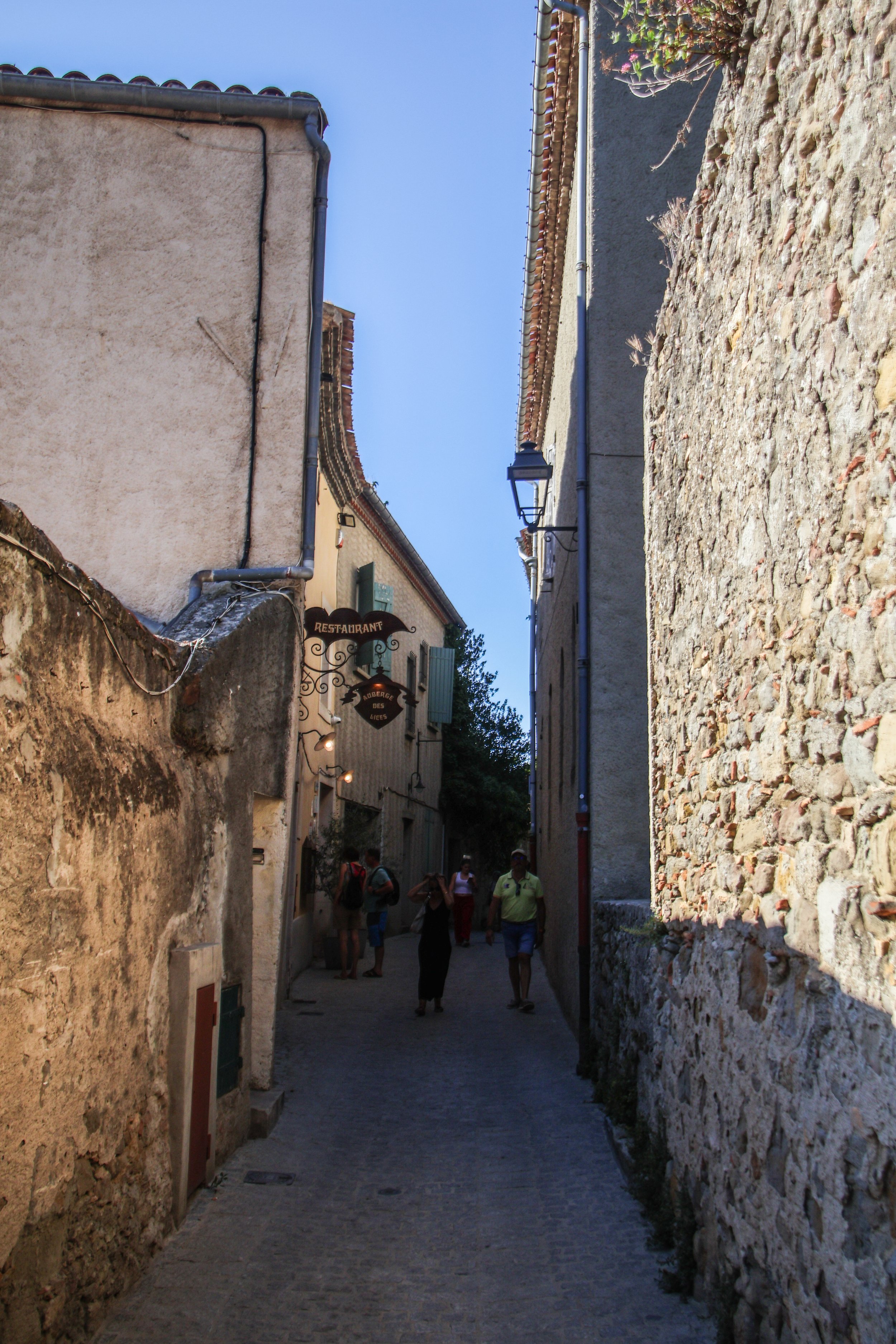
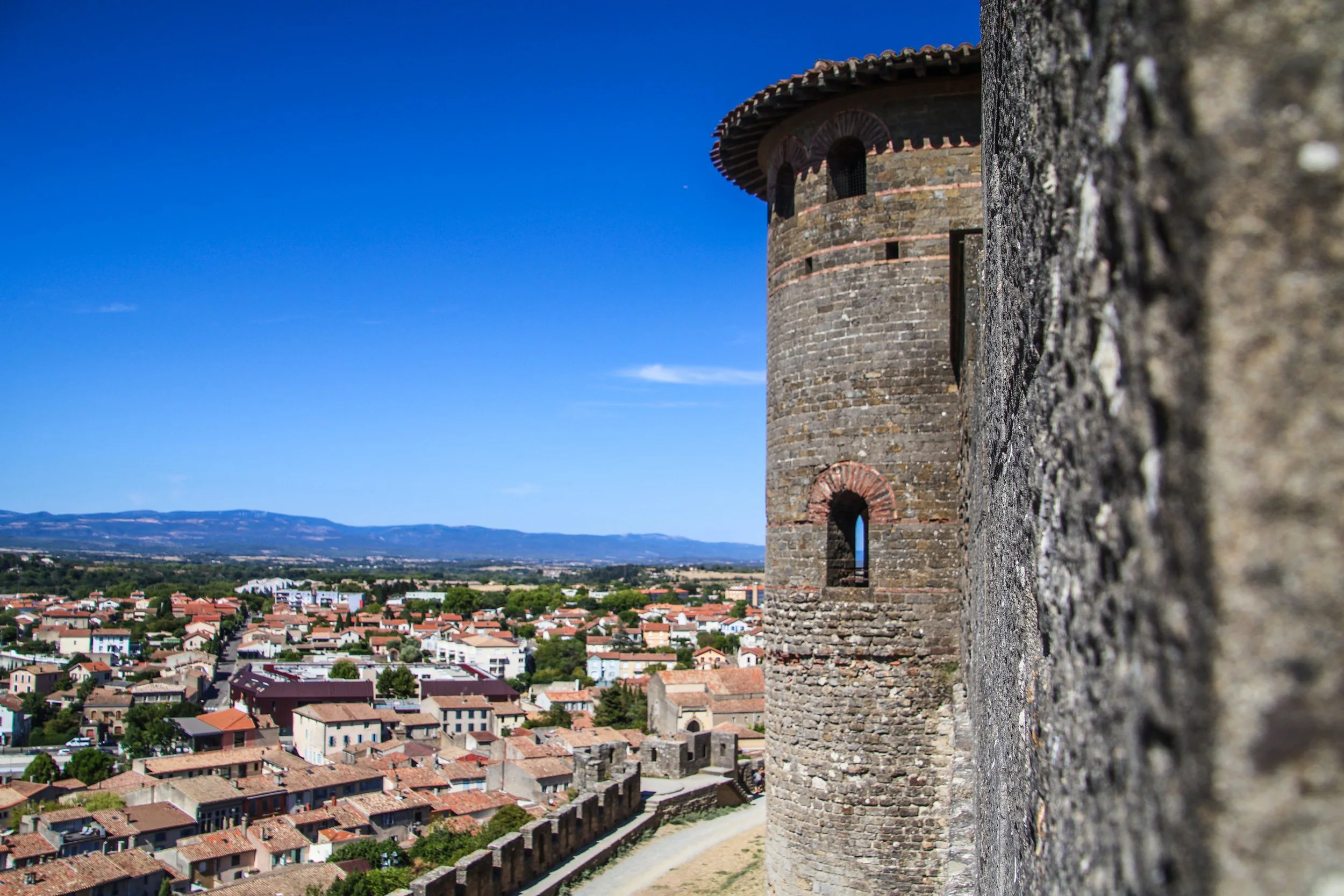
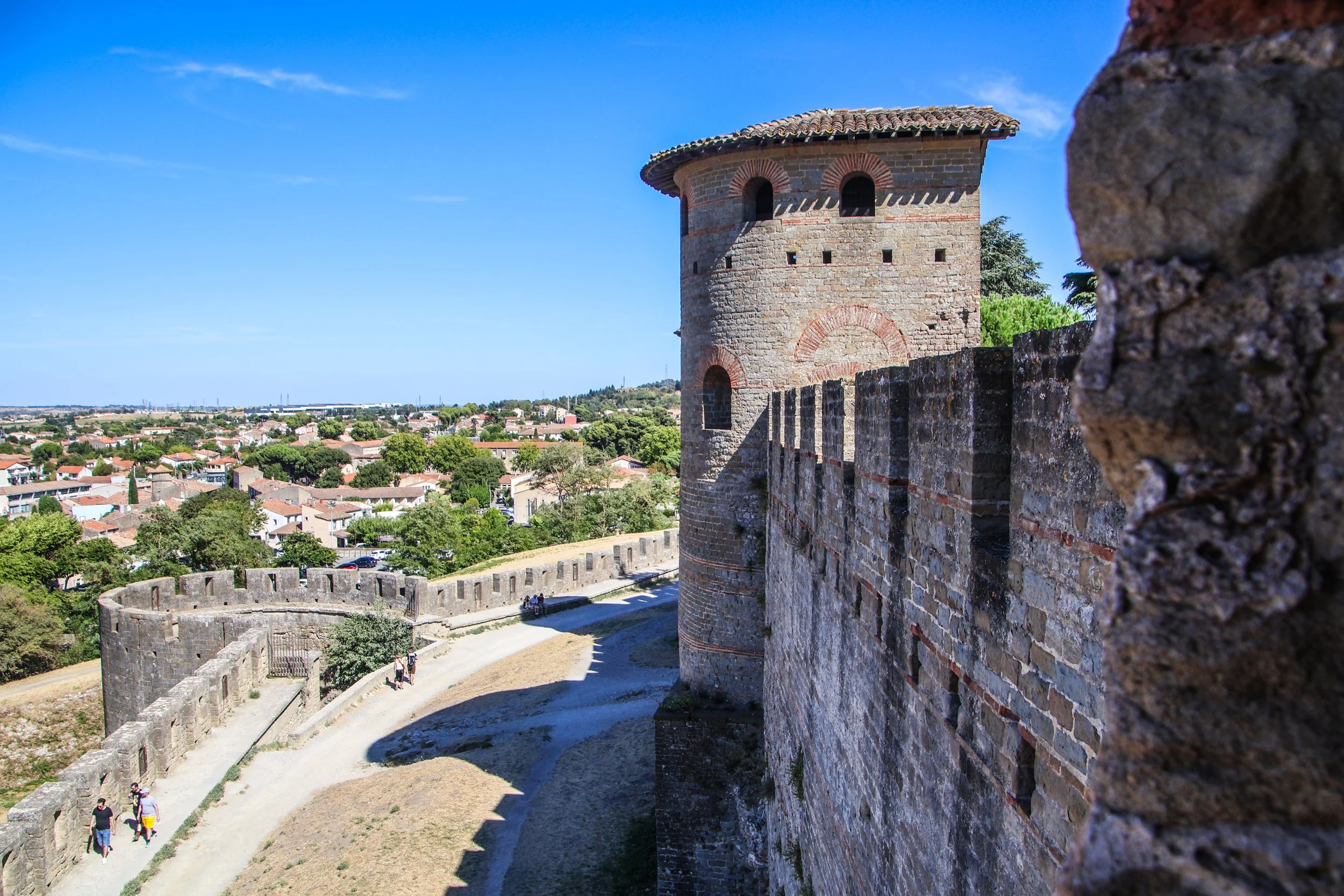
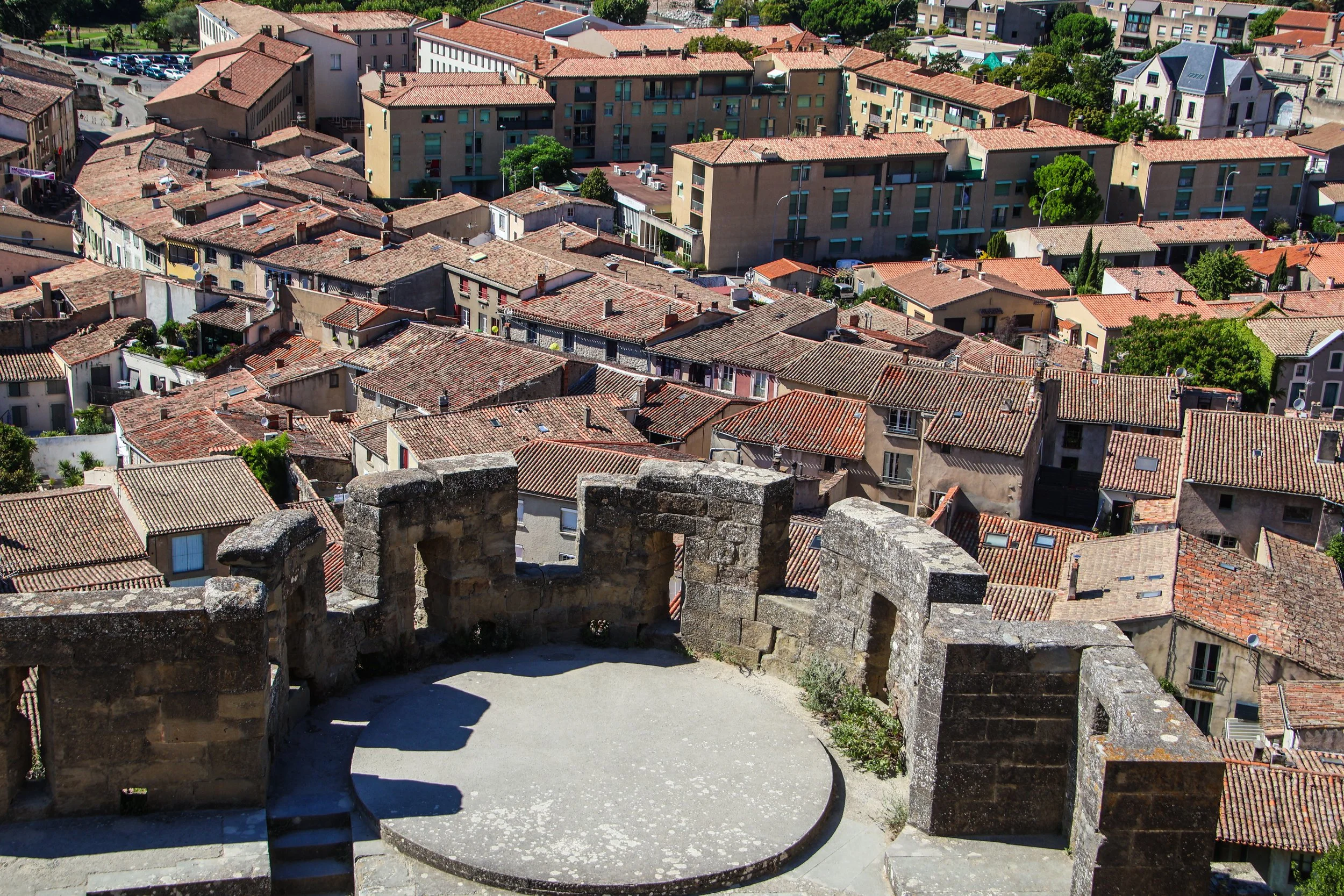
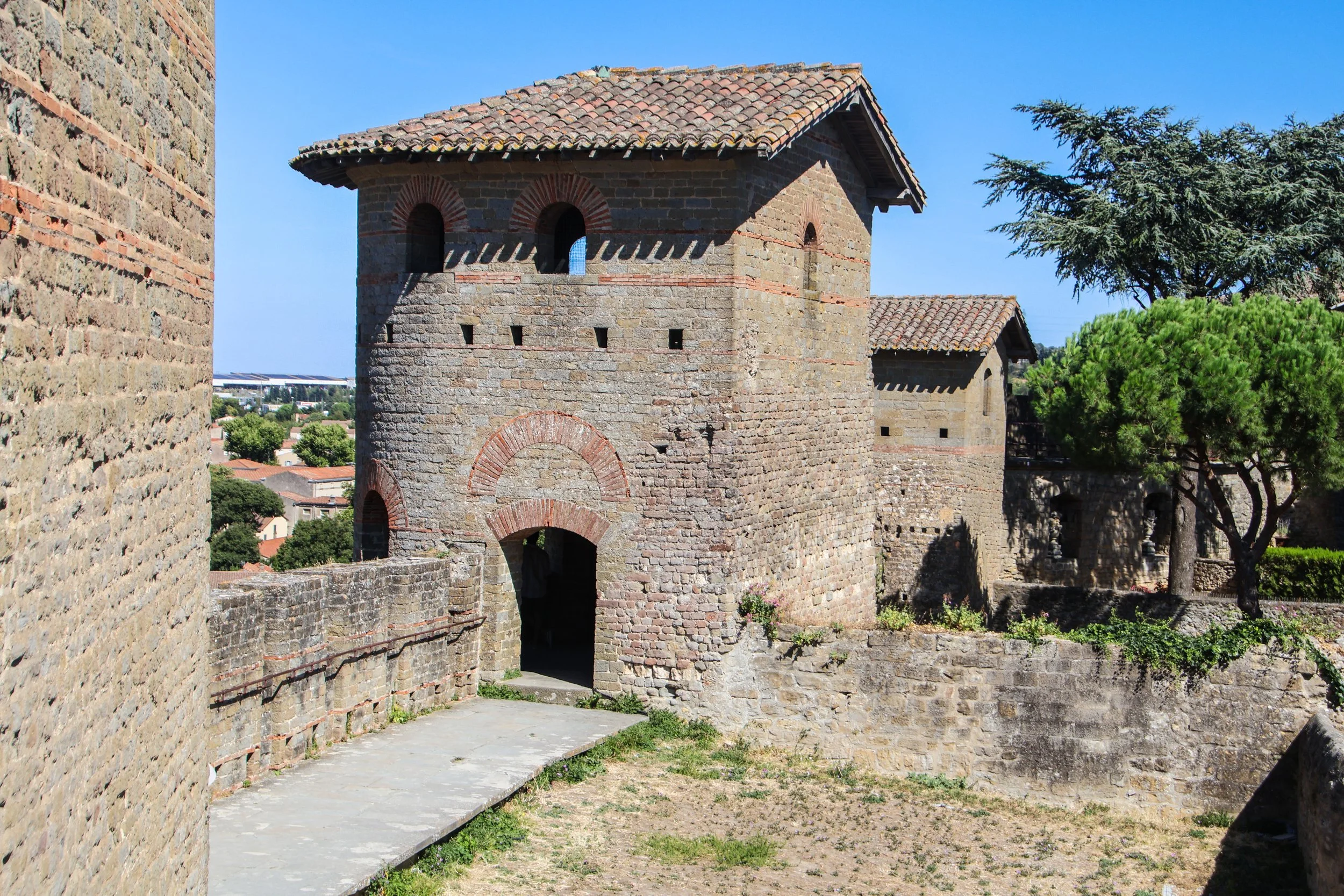
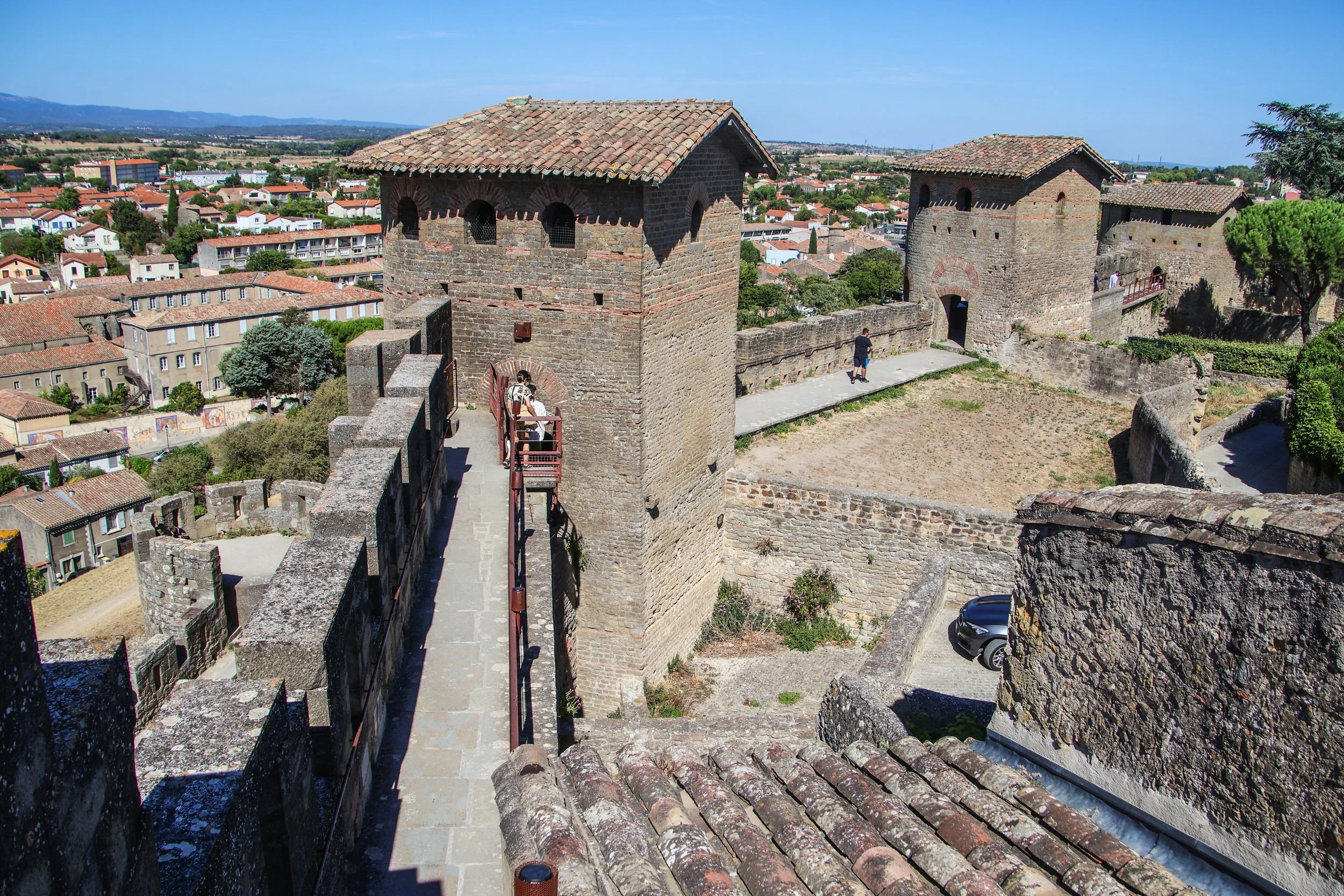
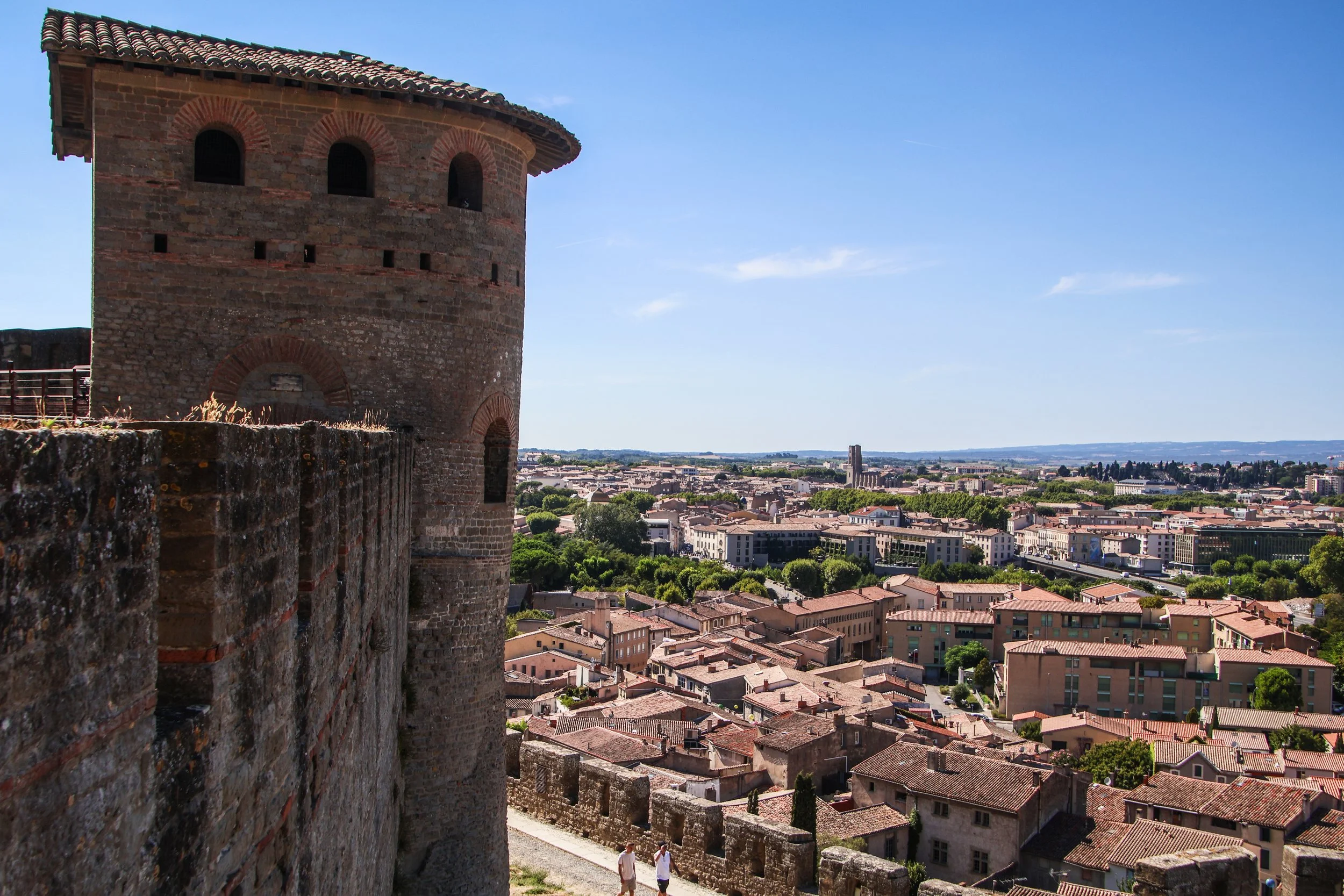
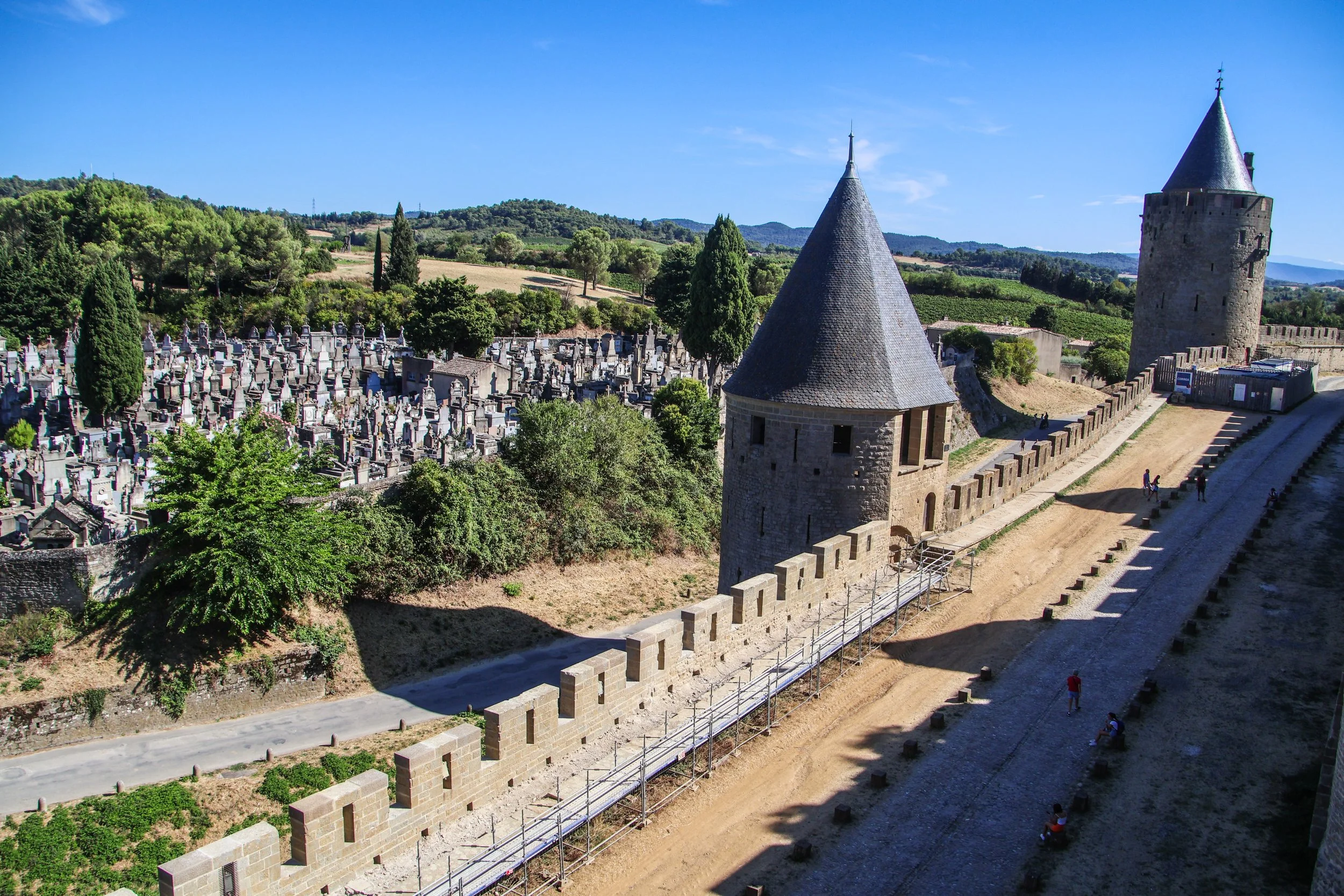
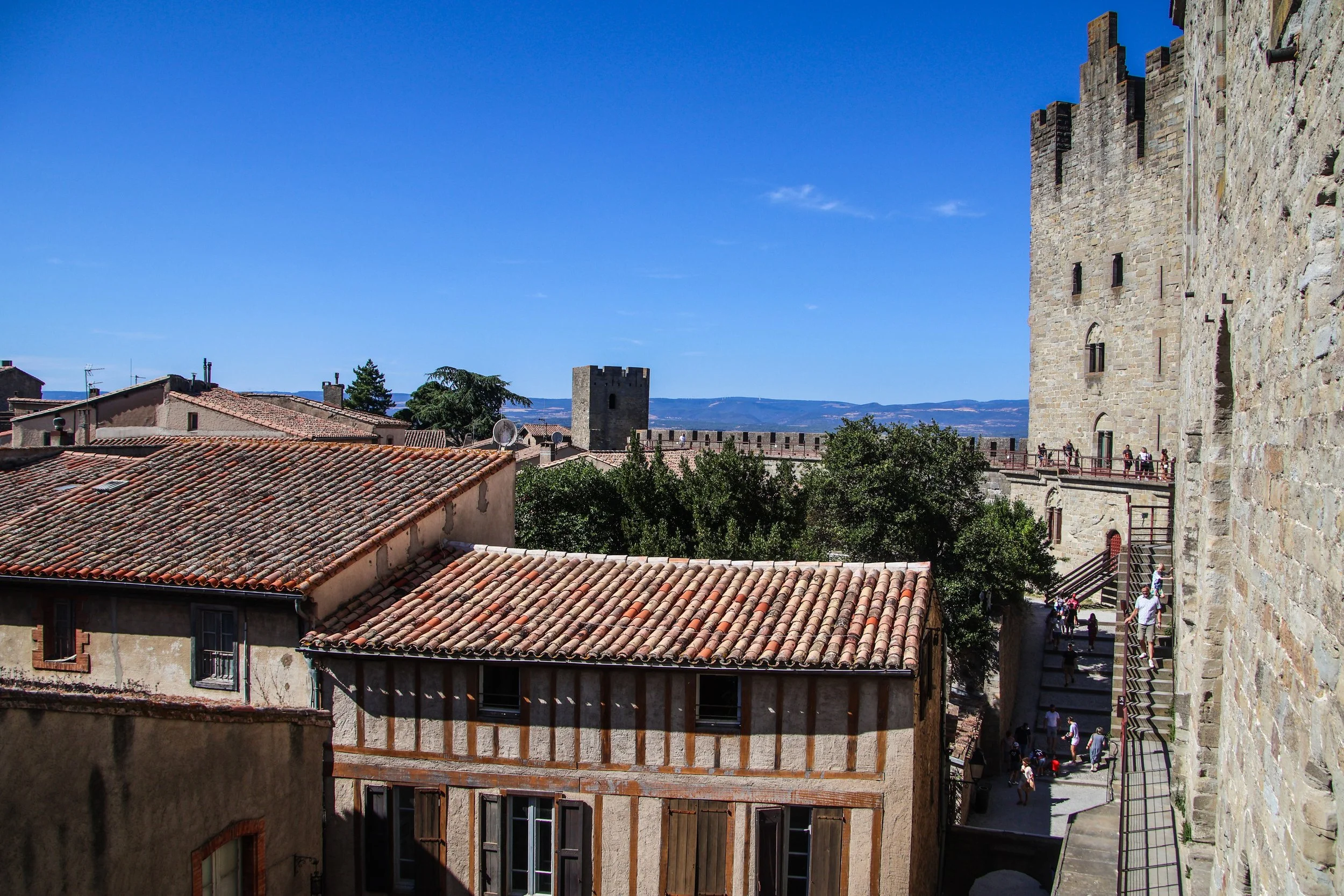
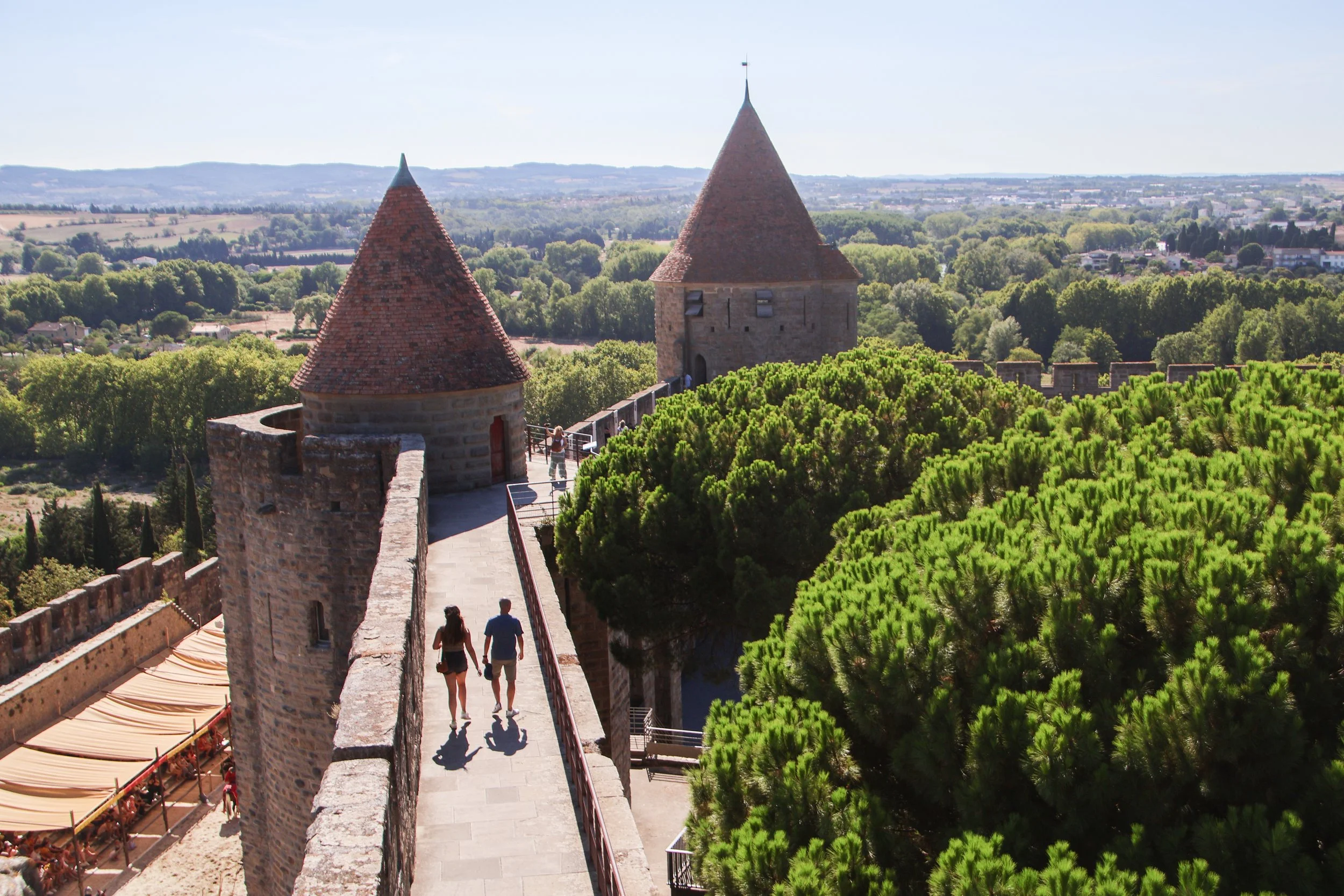
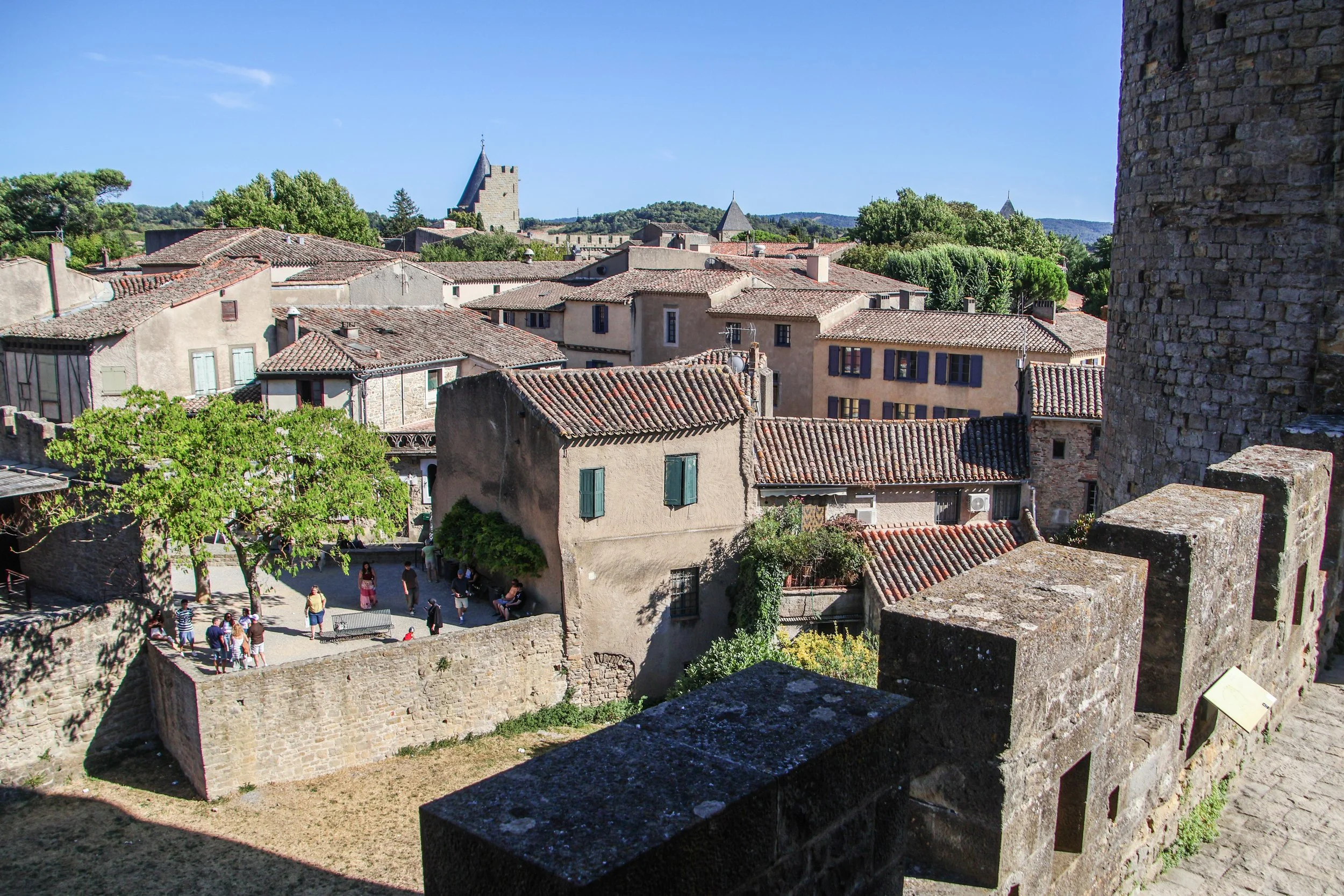
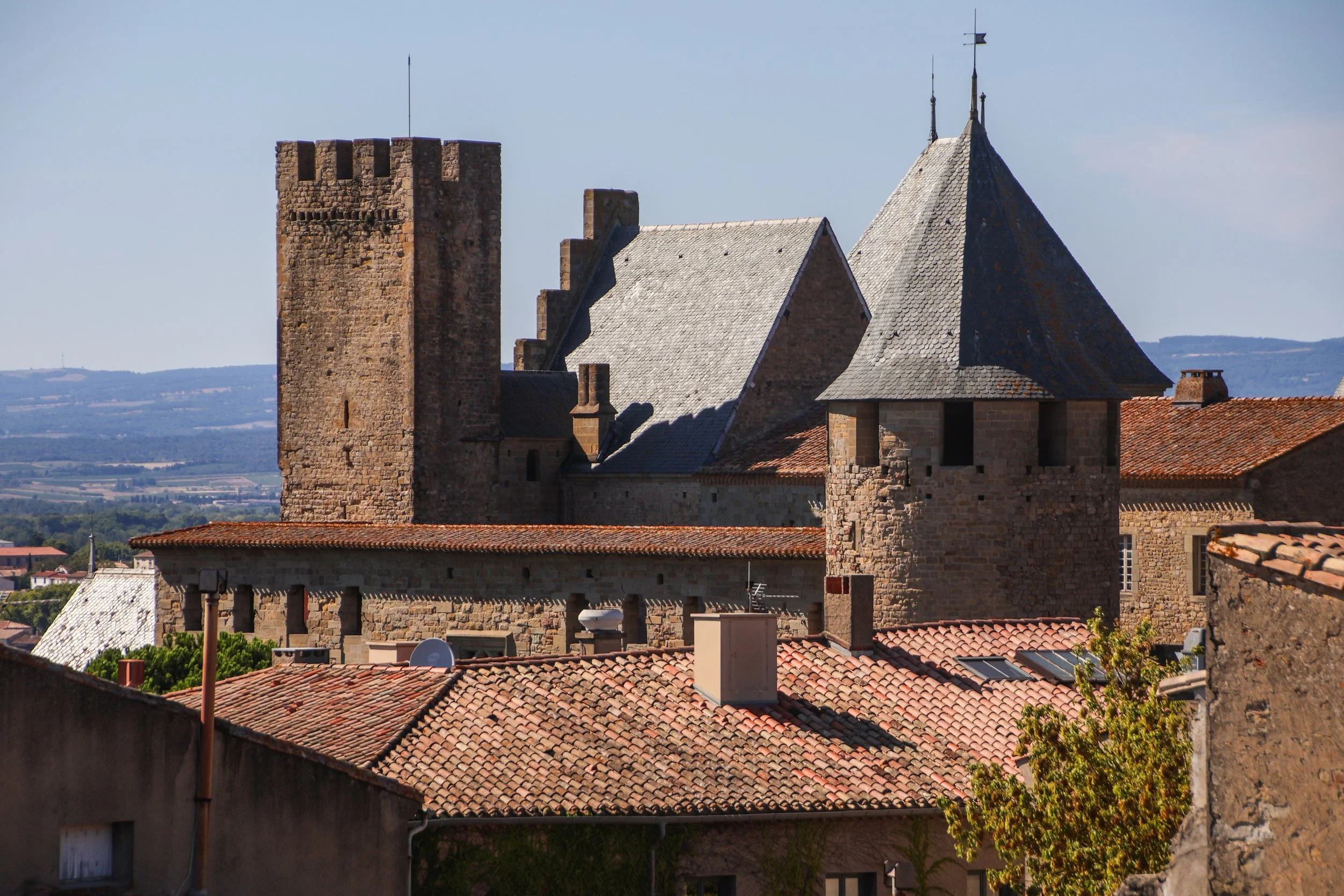
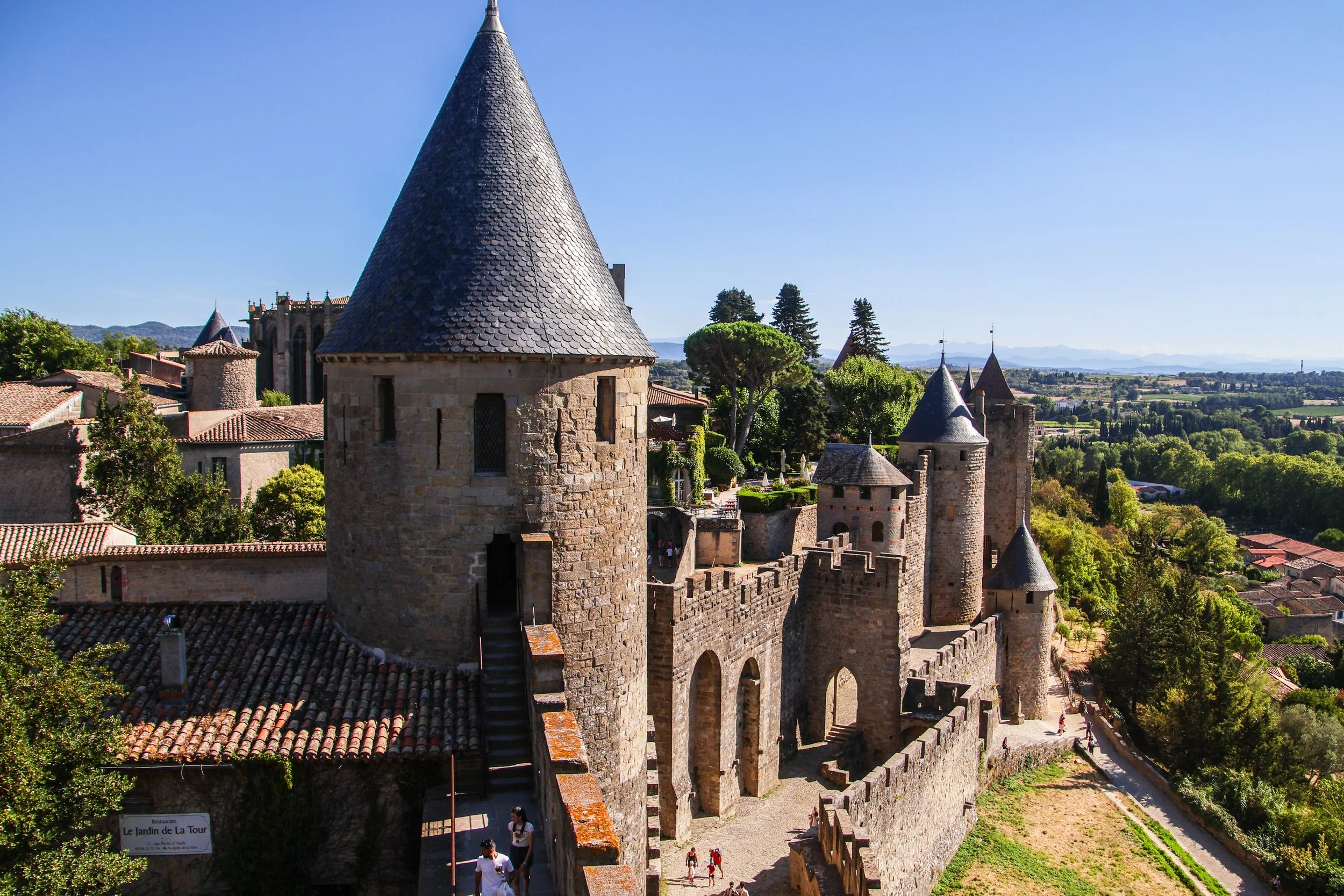
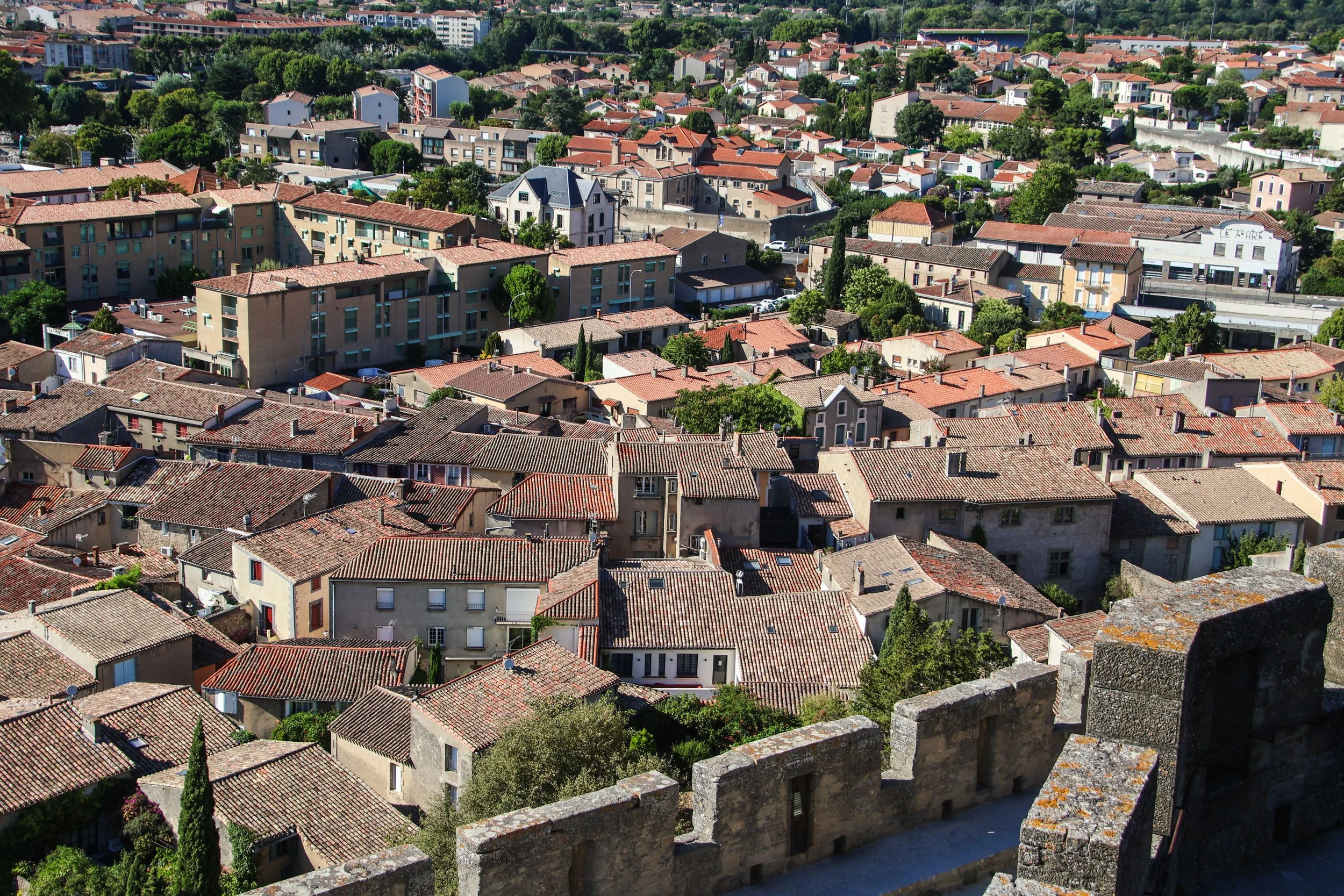
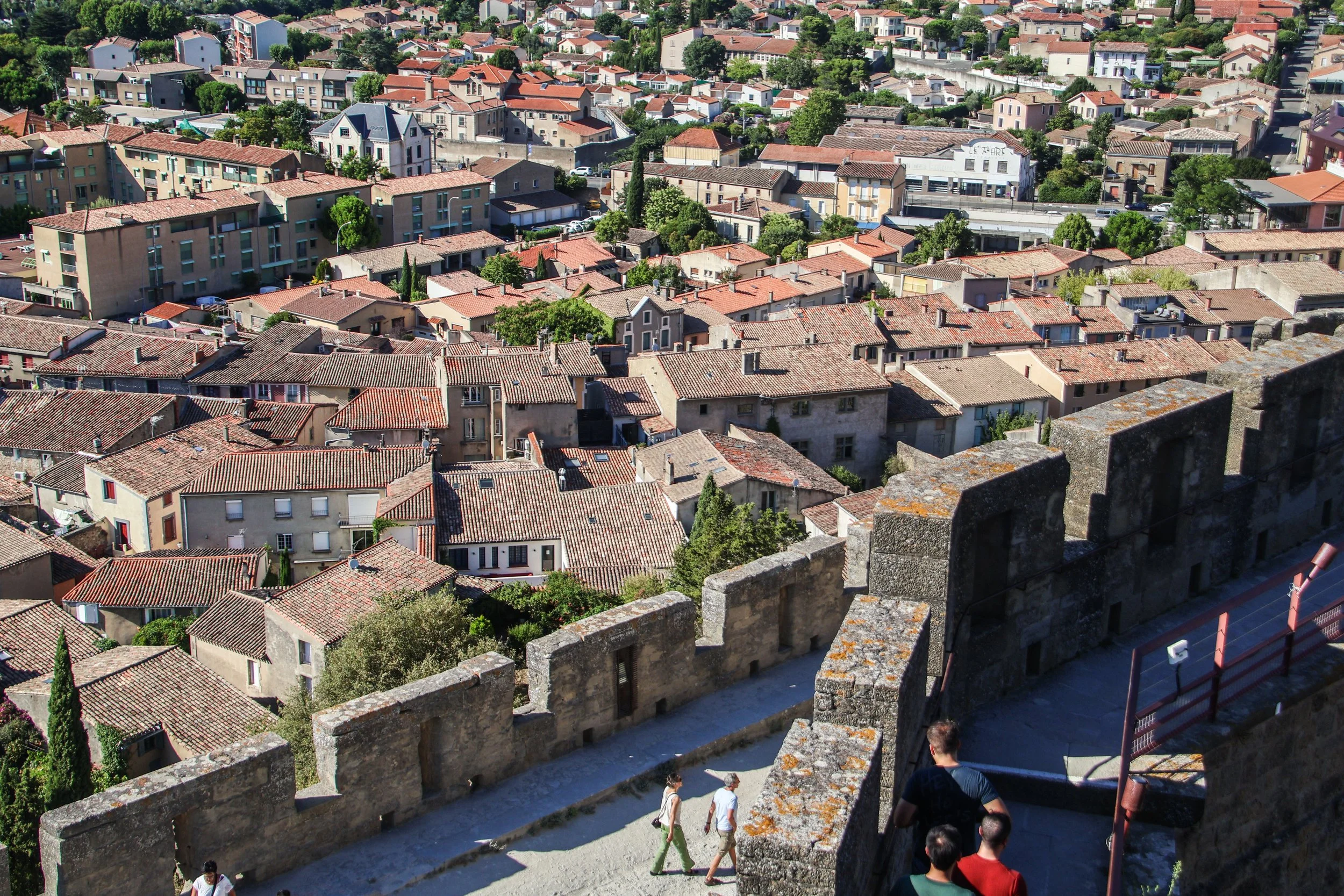
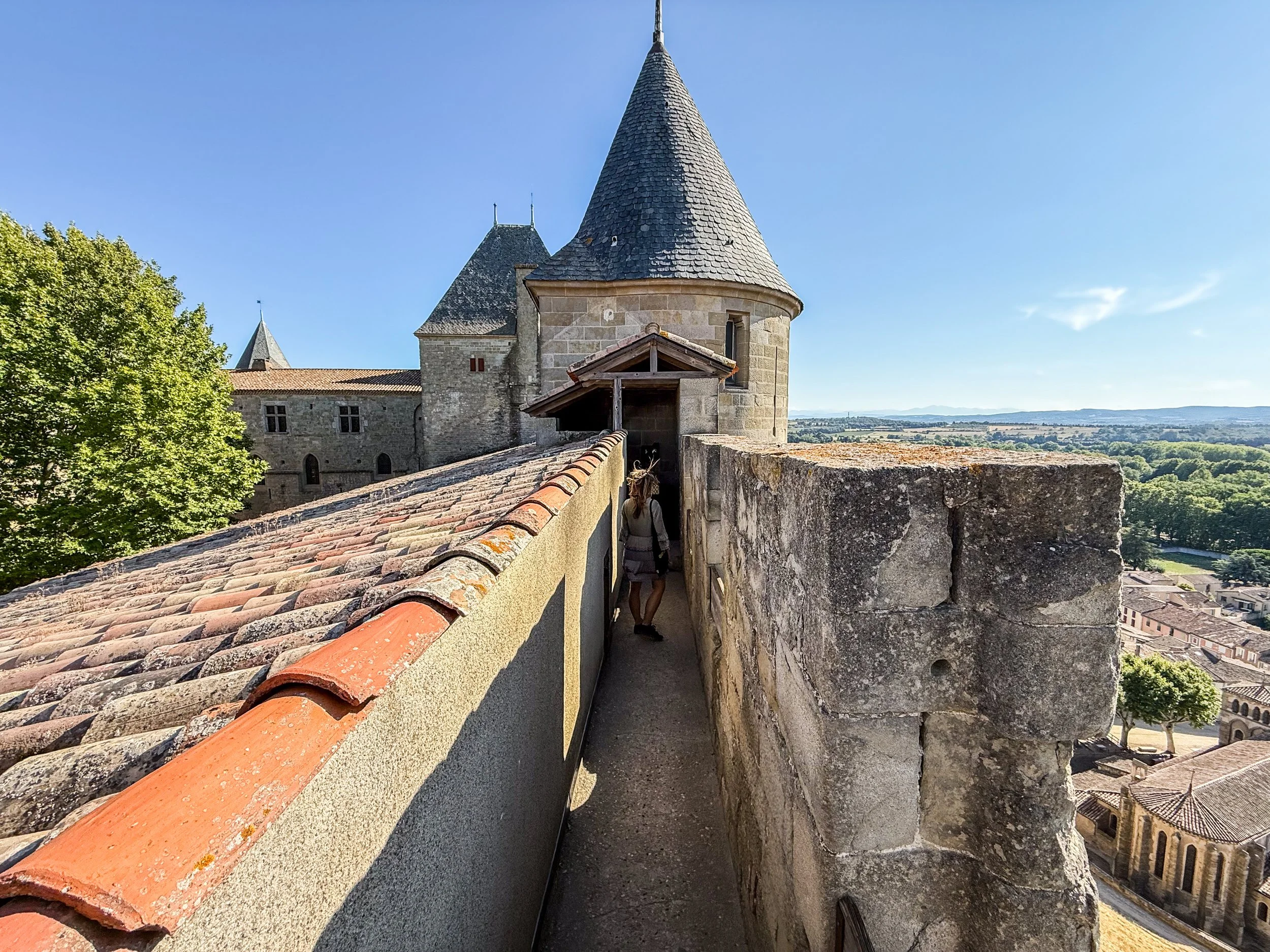
No vist to Carcassonne would be complete without actually climbing up into the aged ramparts. You can walk the entire length of the castle walls, which provides incredible view both internally over the Medieval town’s rooftops, and externally over the modern exterior town. But before I share any of those views, let me first show you the walls themselves, because walking through them is an experience unto itself. It’s such a far-flung concept to picture myself living through this time period. I would have probably been running through these hallways in chainmail starting in my late teens!
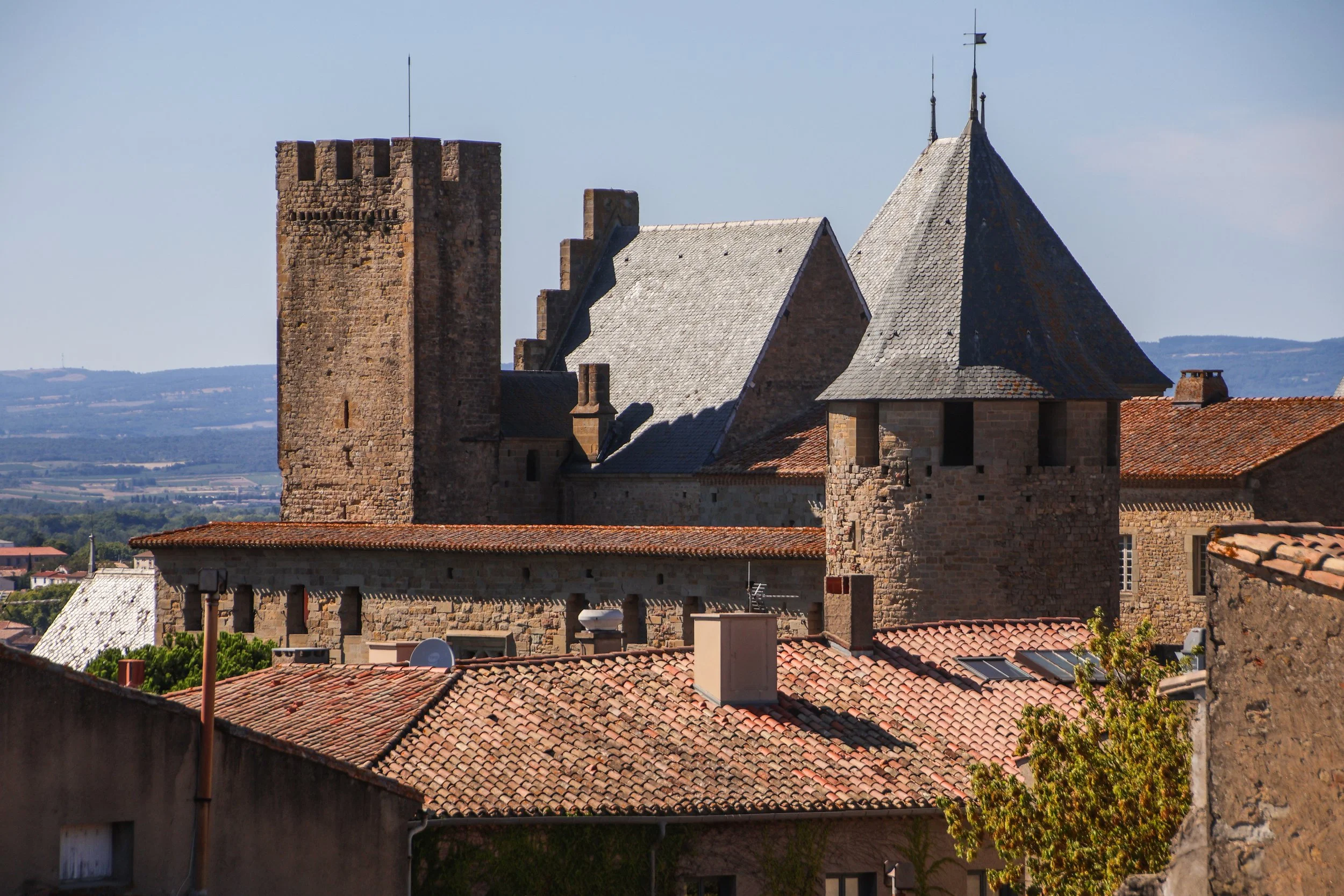

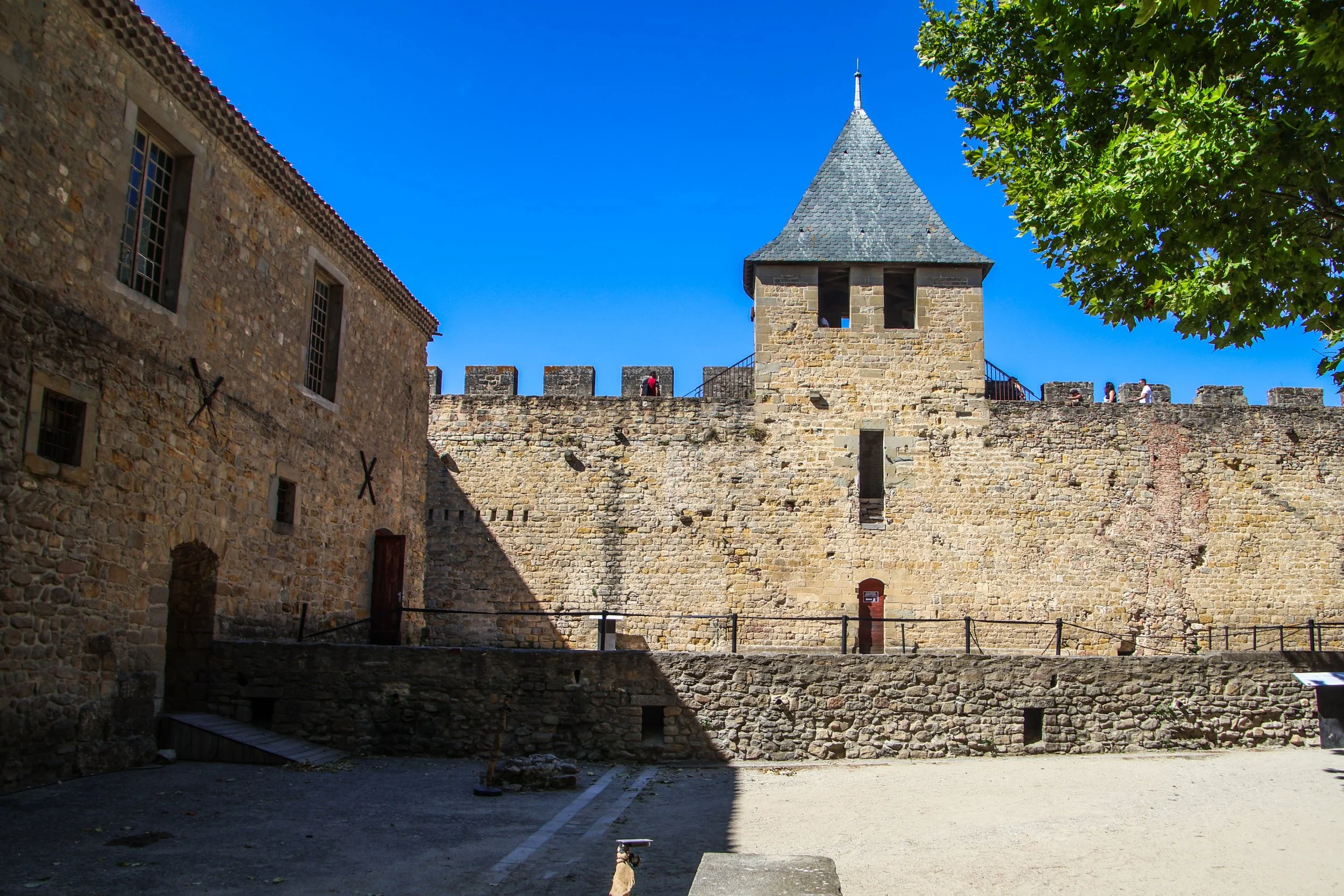
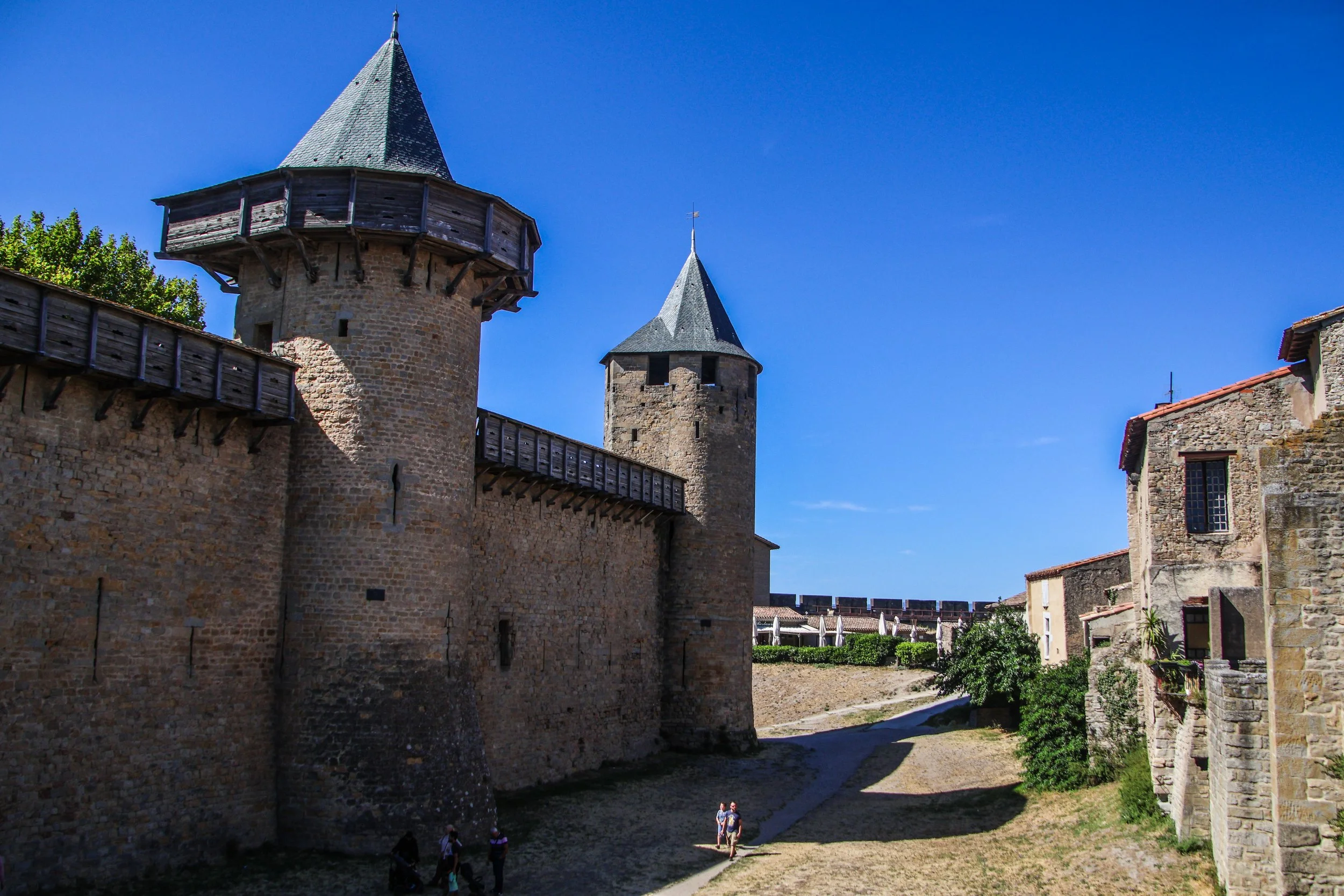
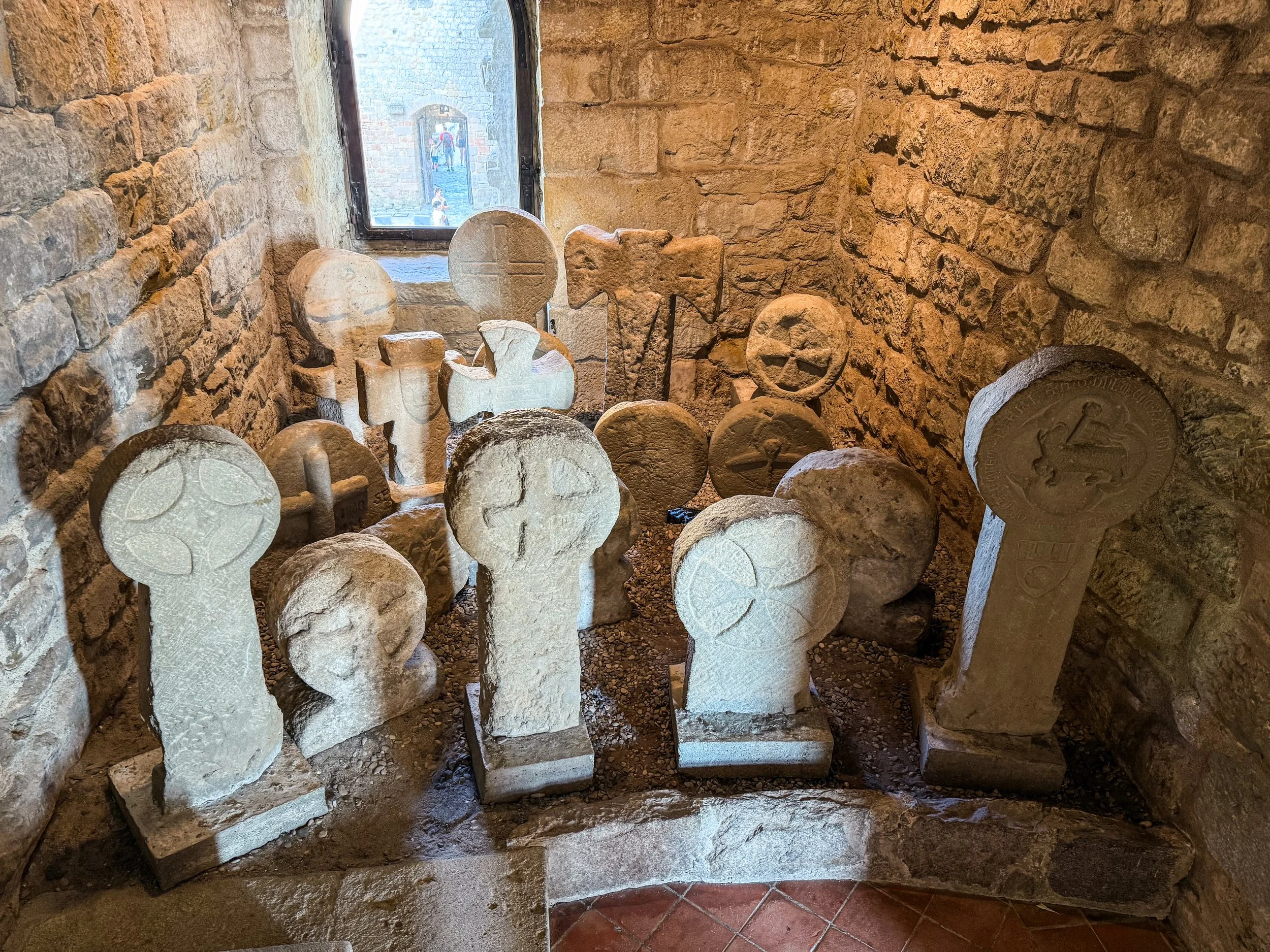
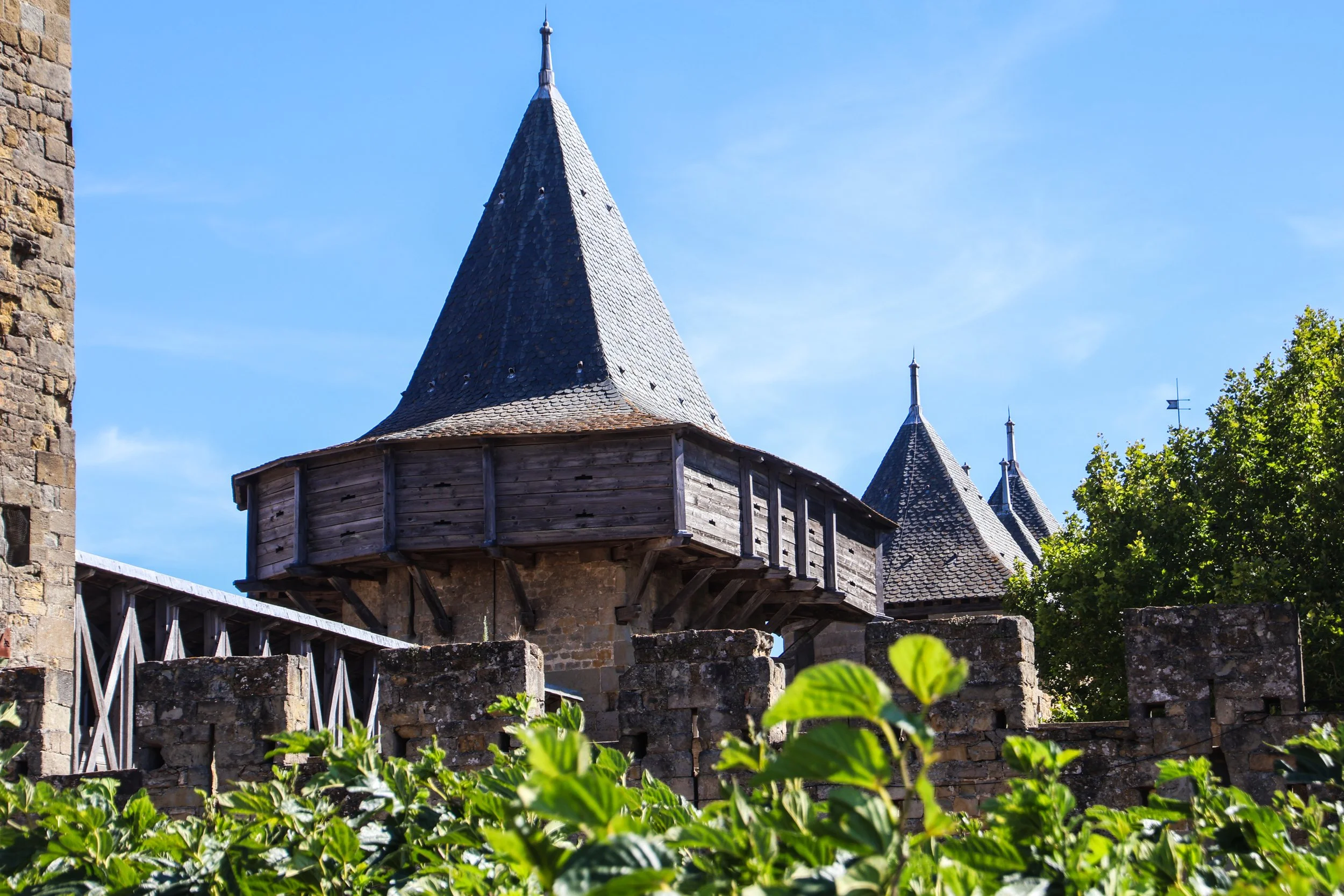
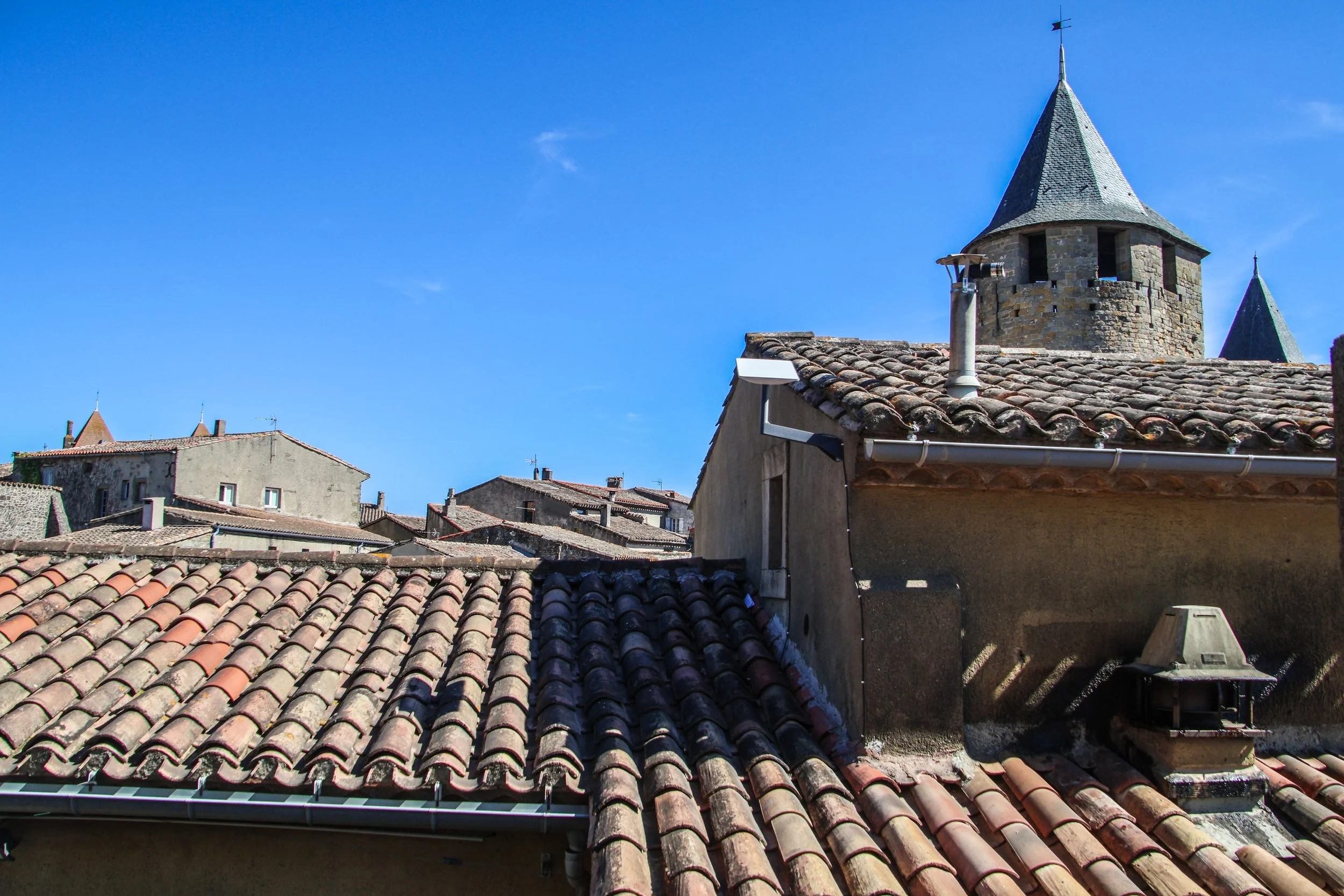
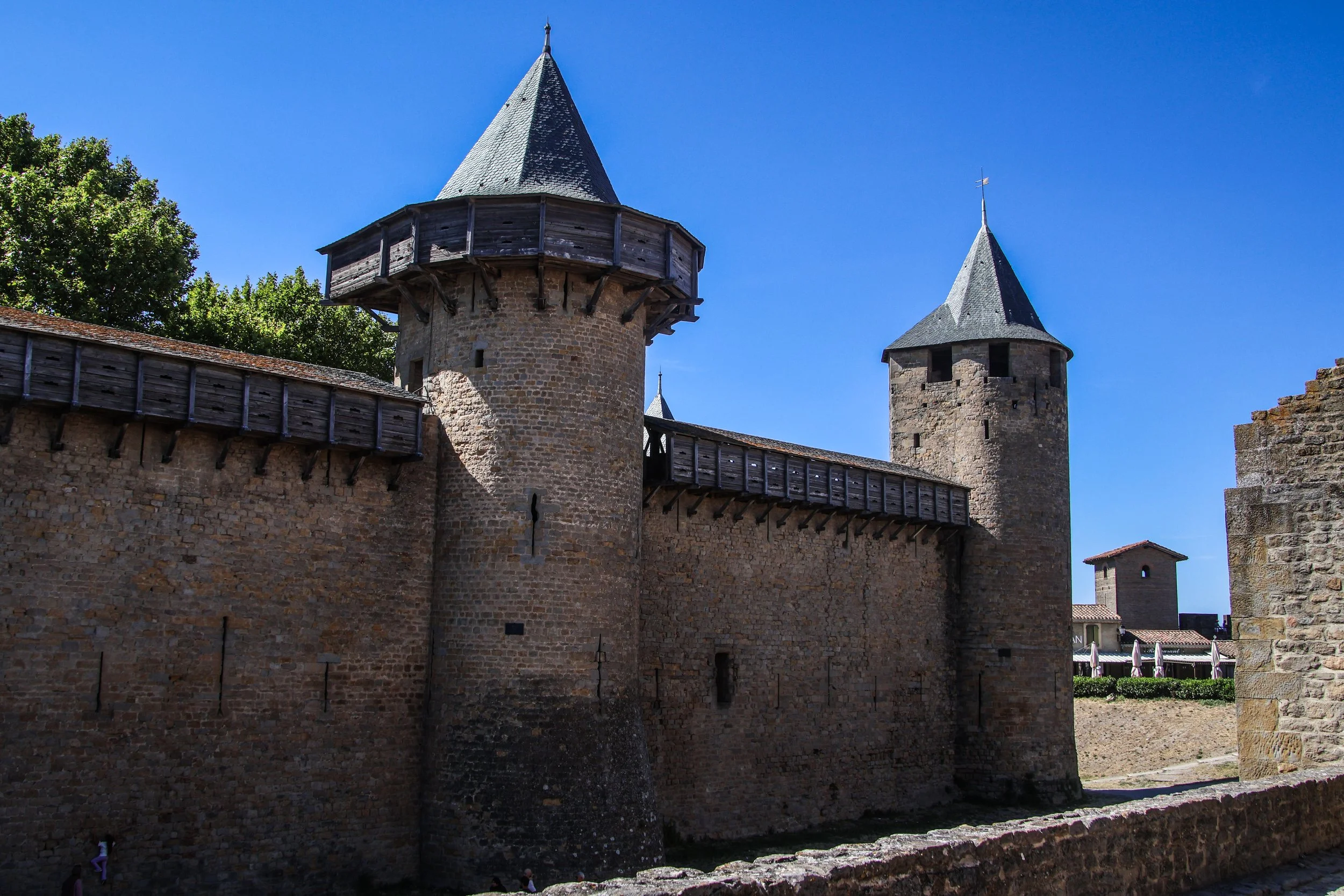
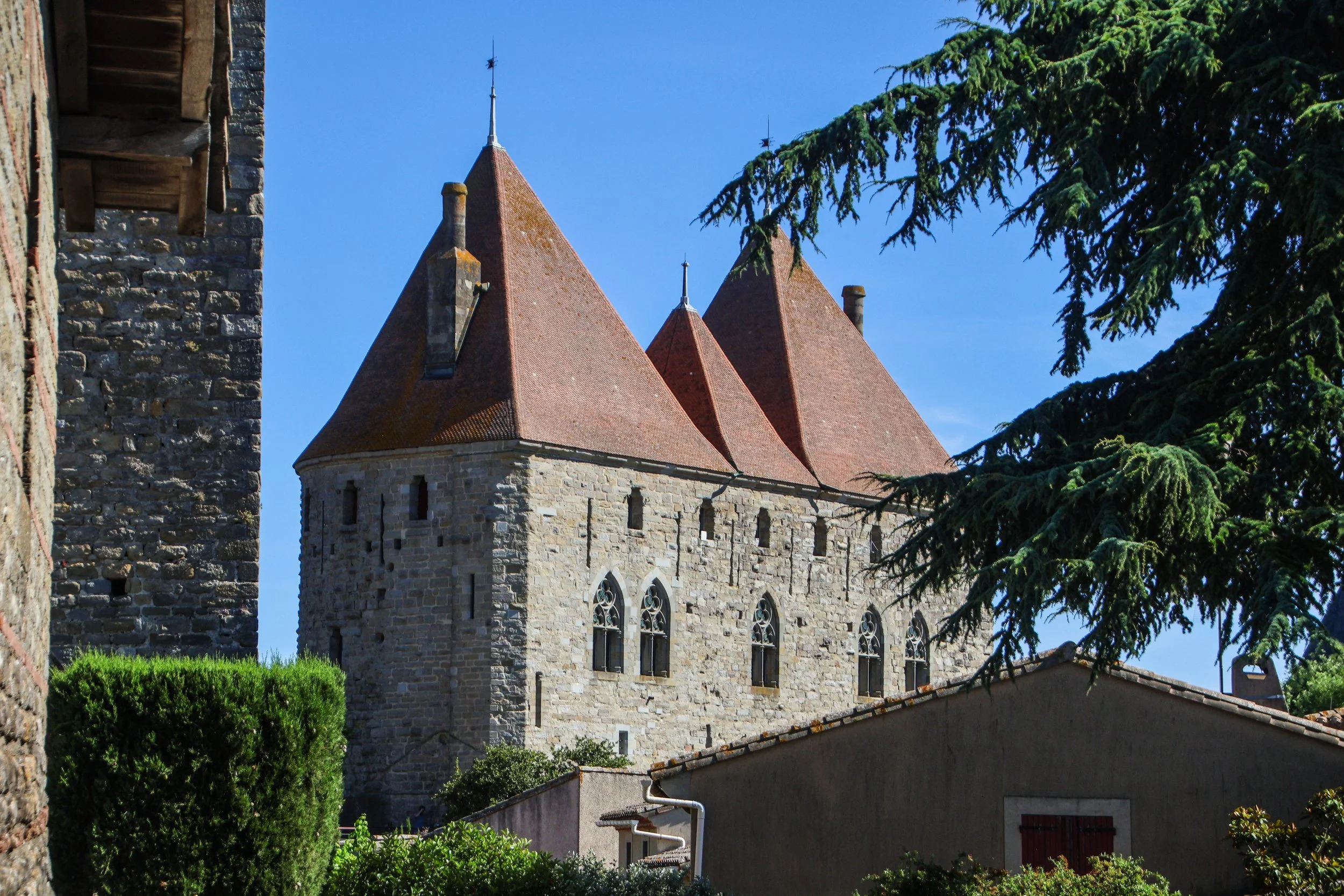
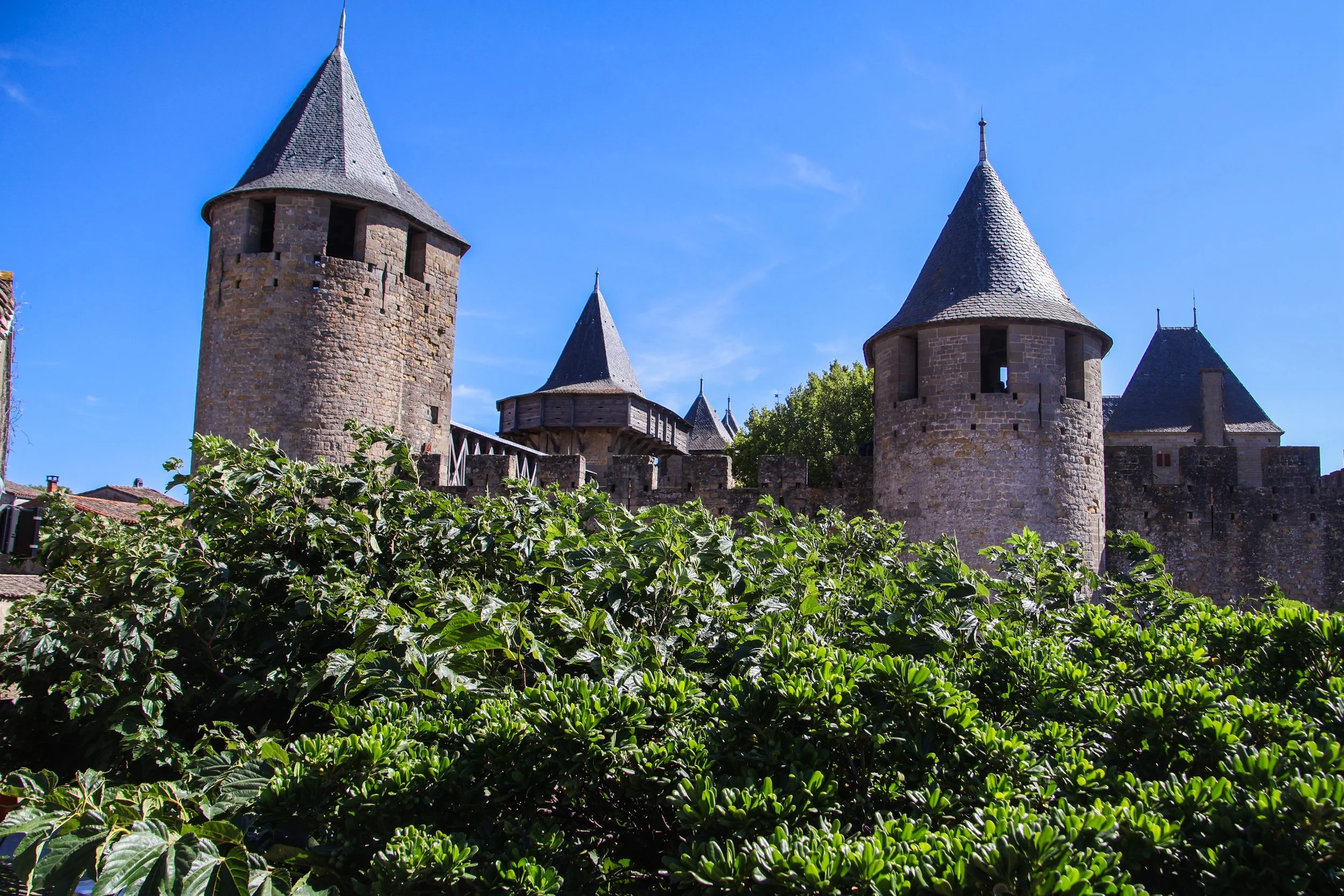
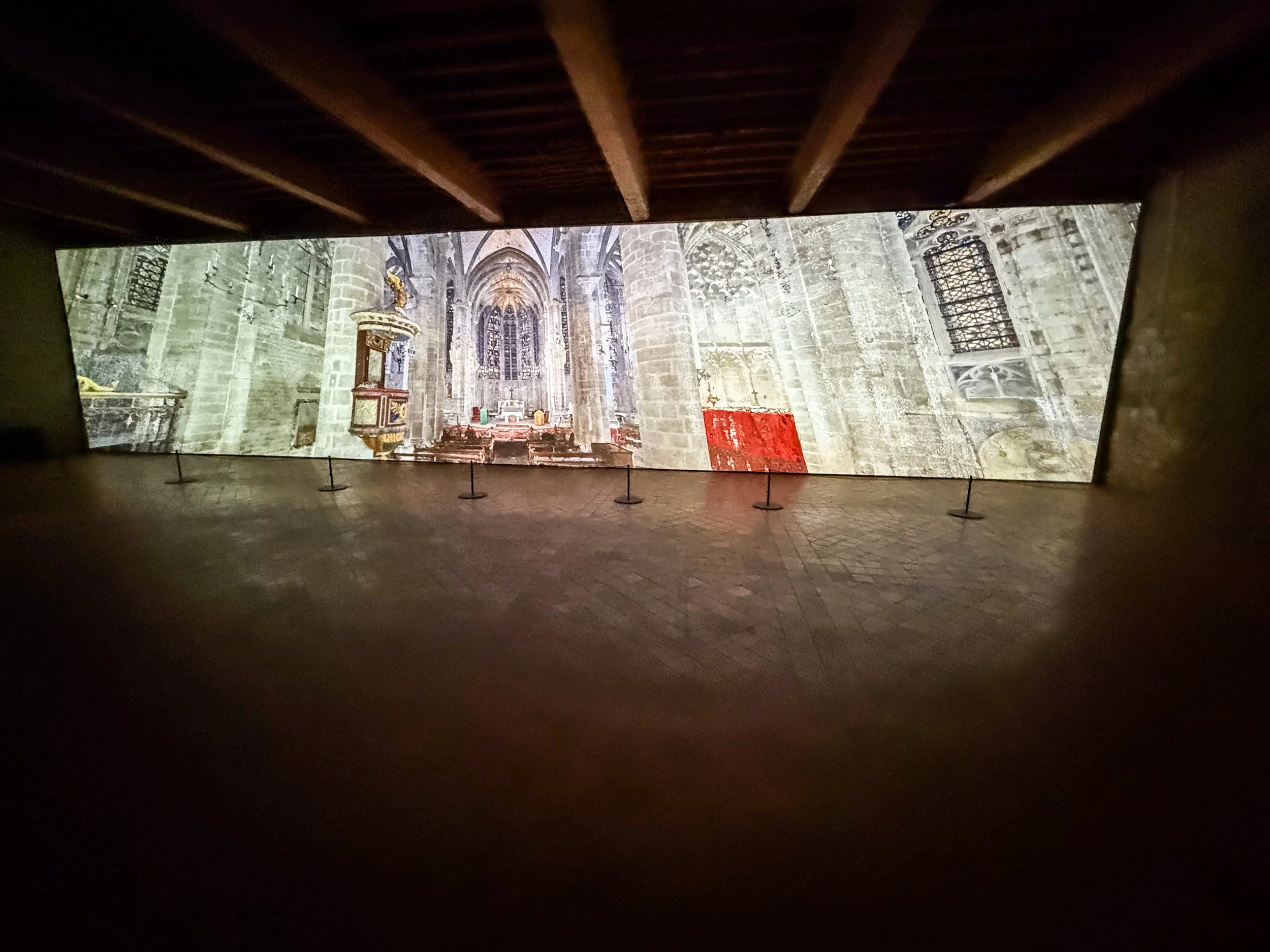
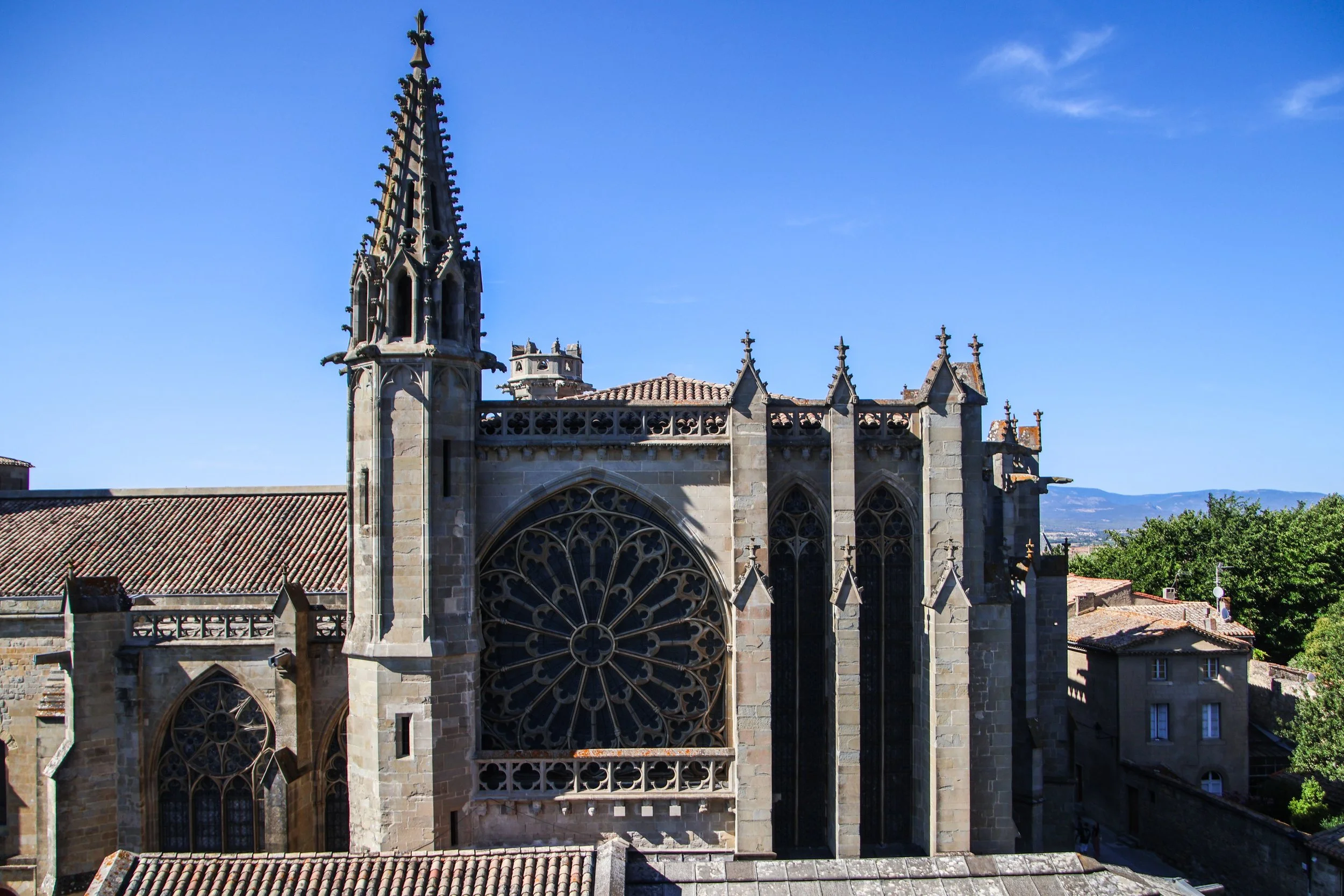
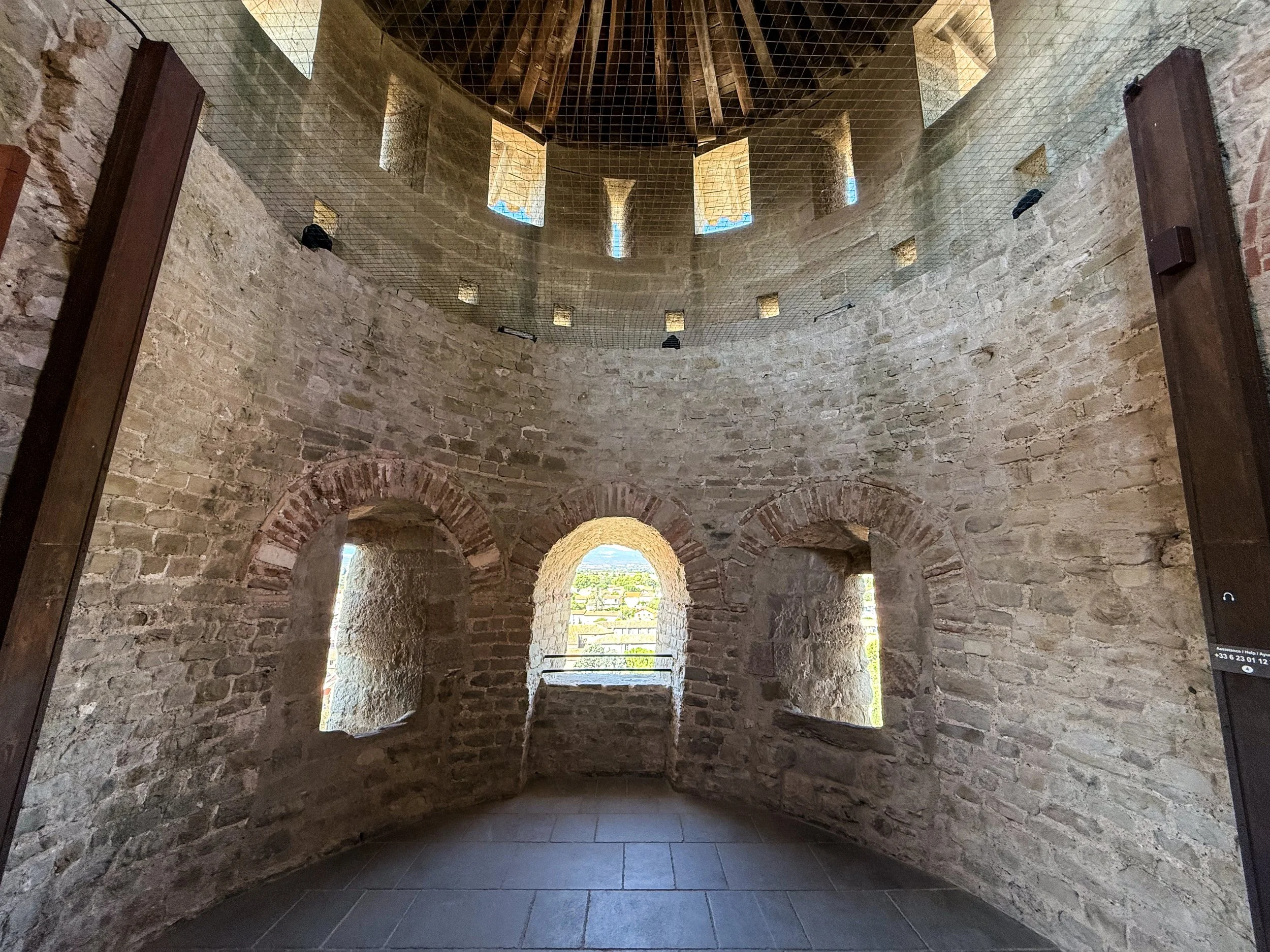
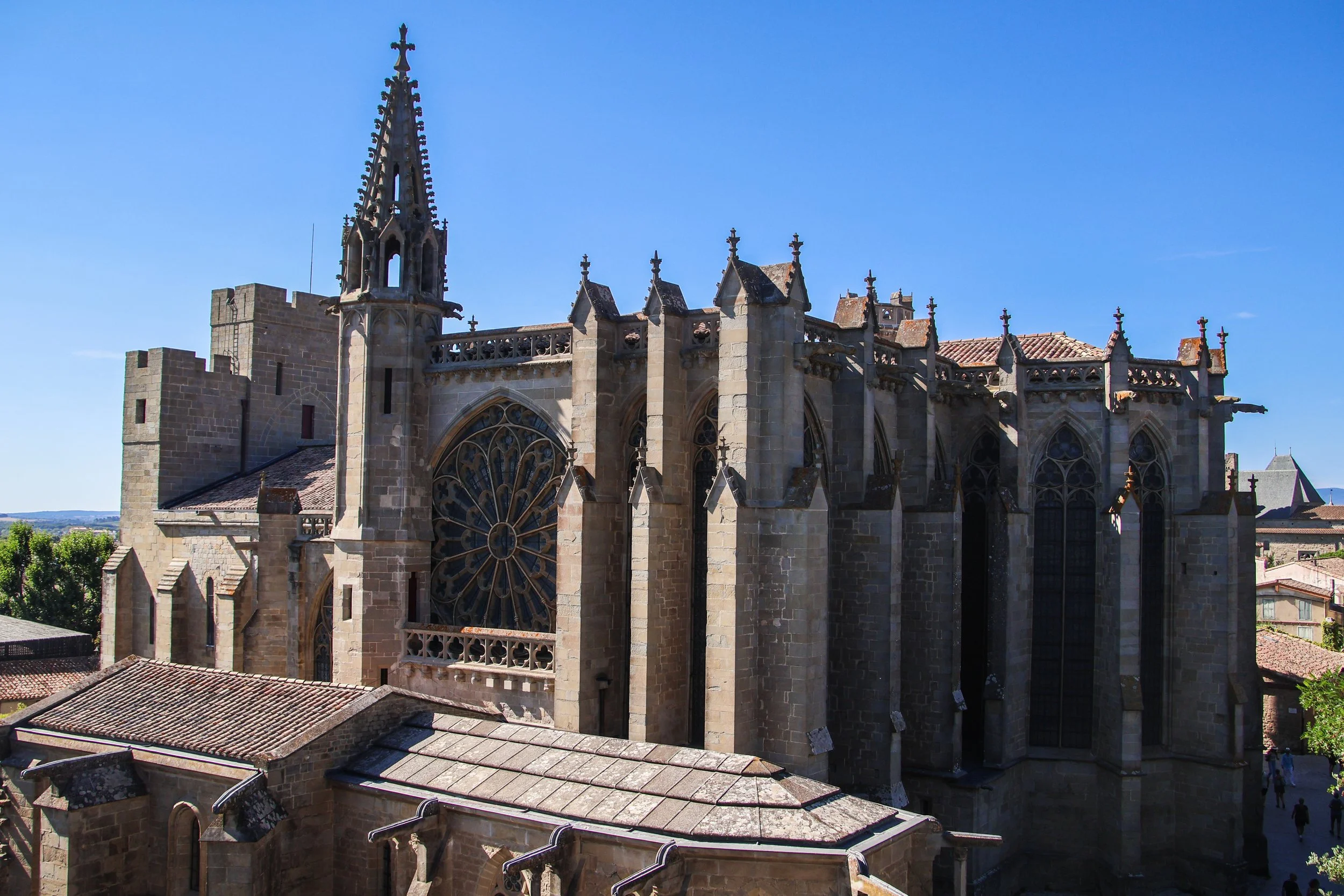
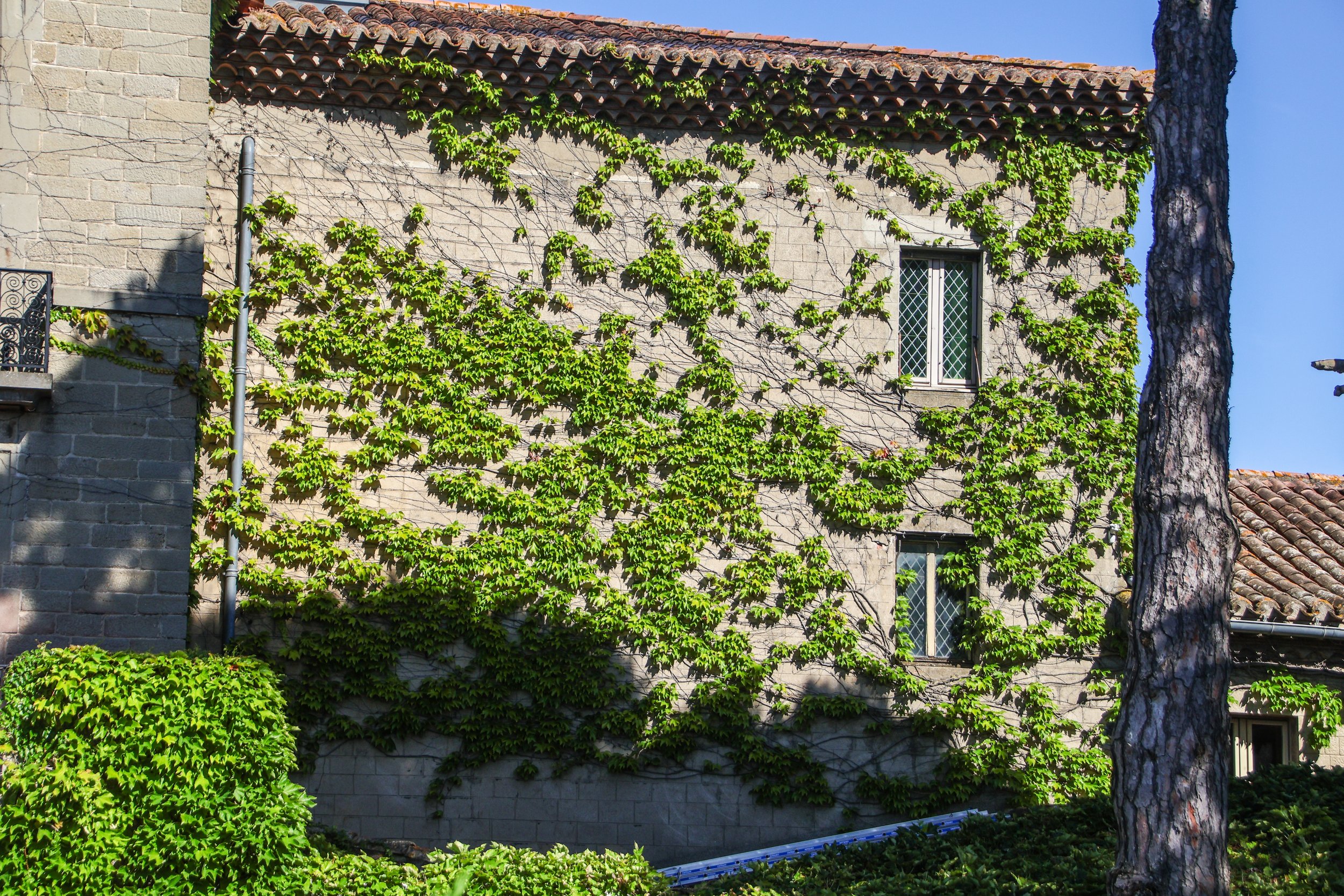
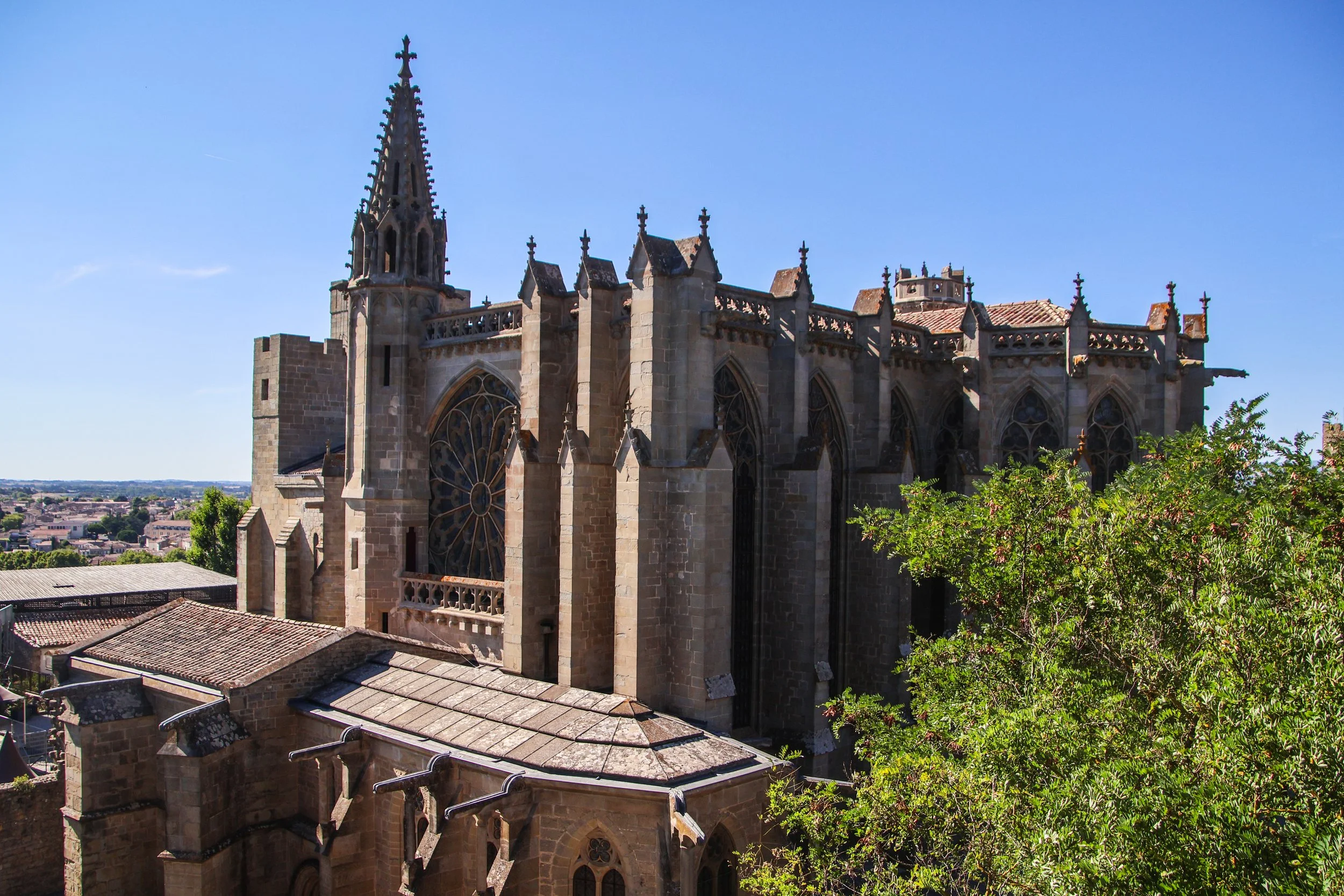
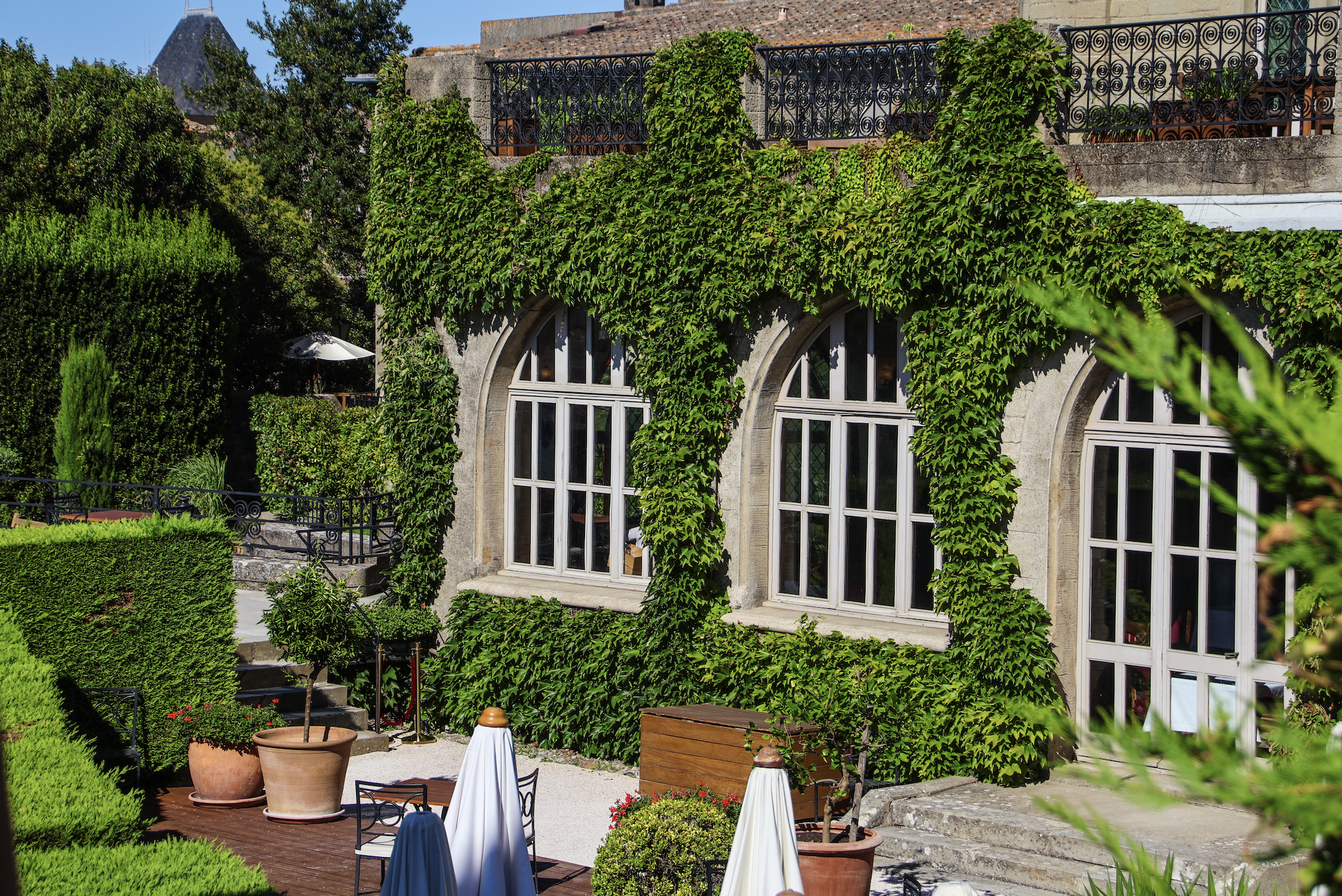
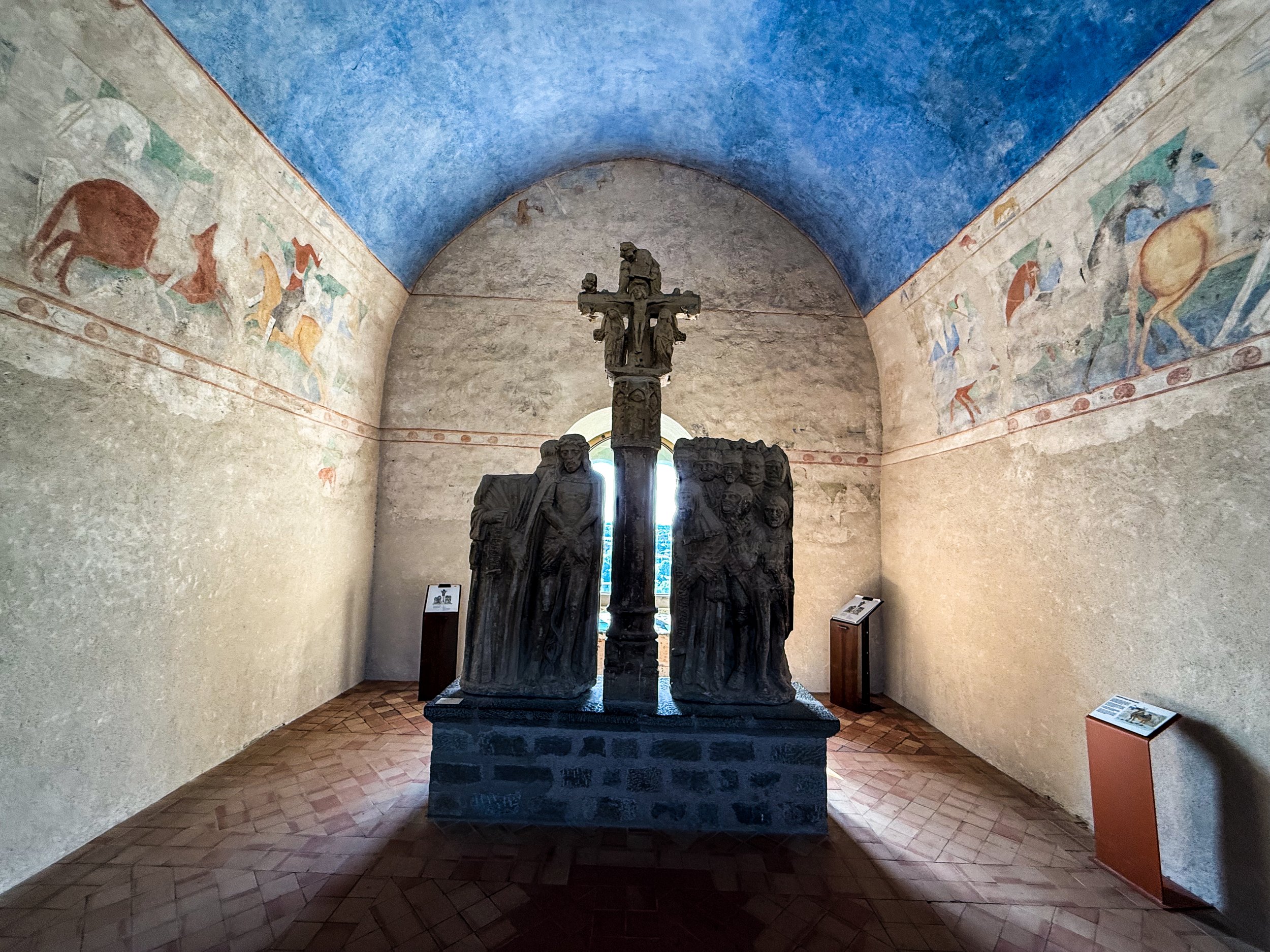
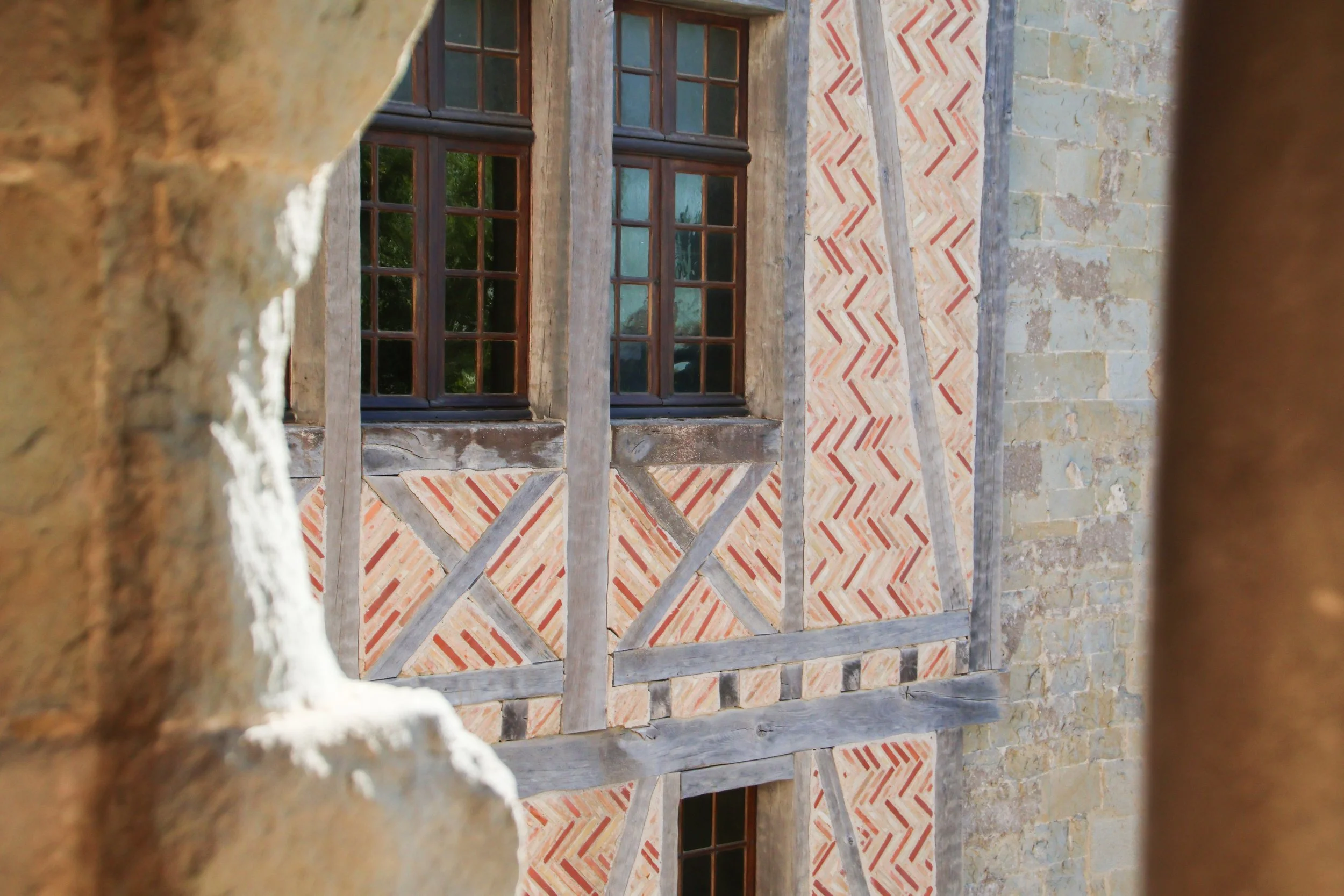
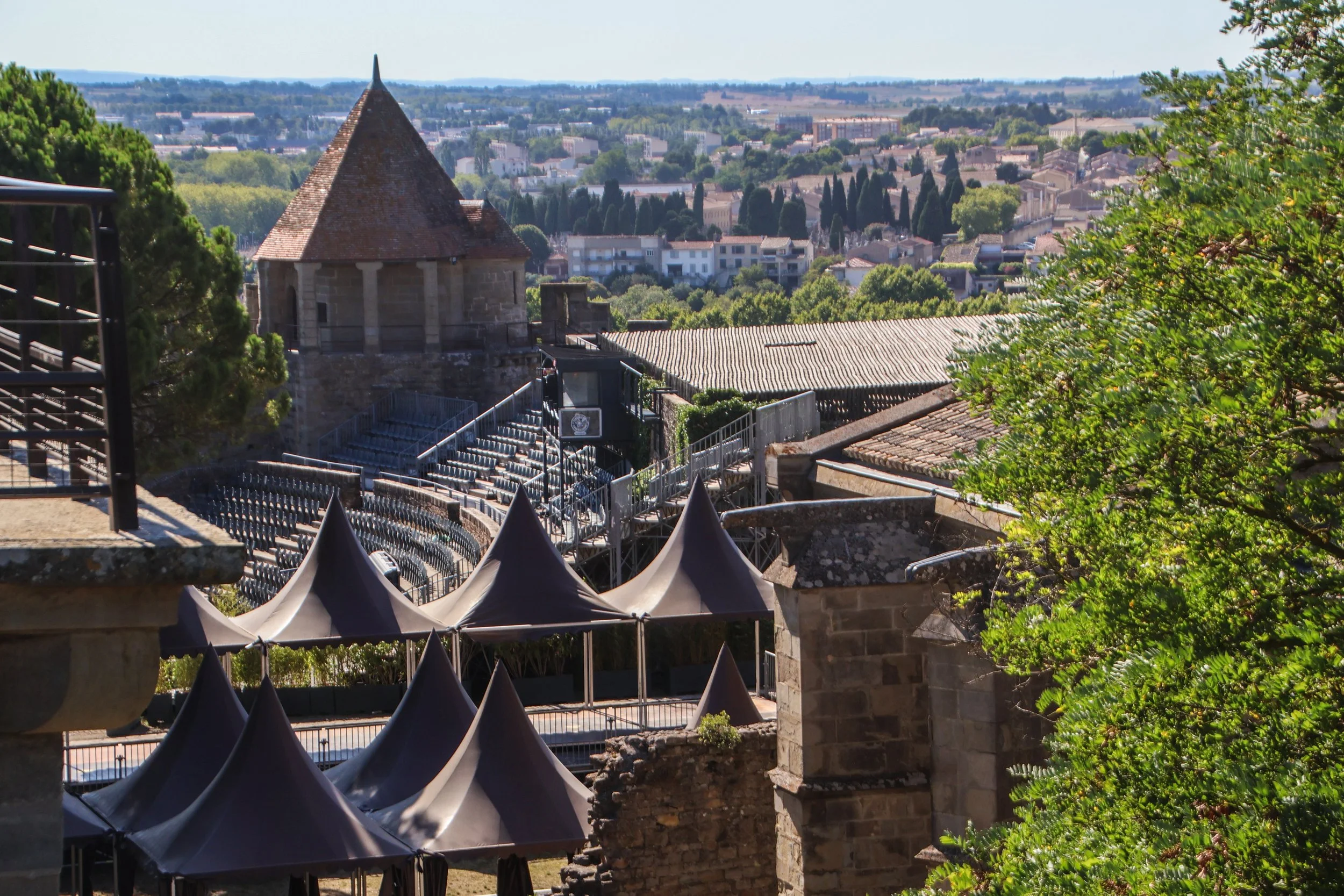
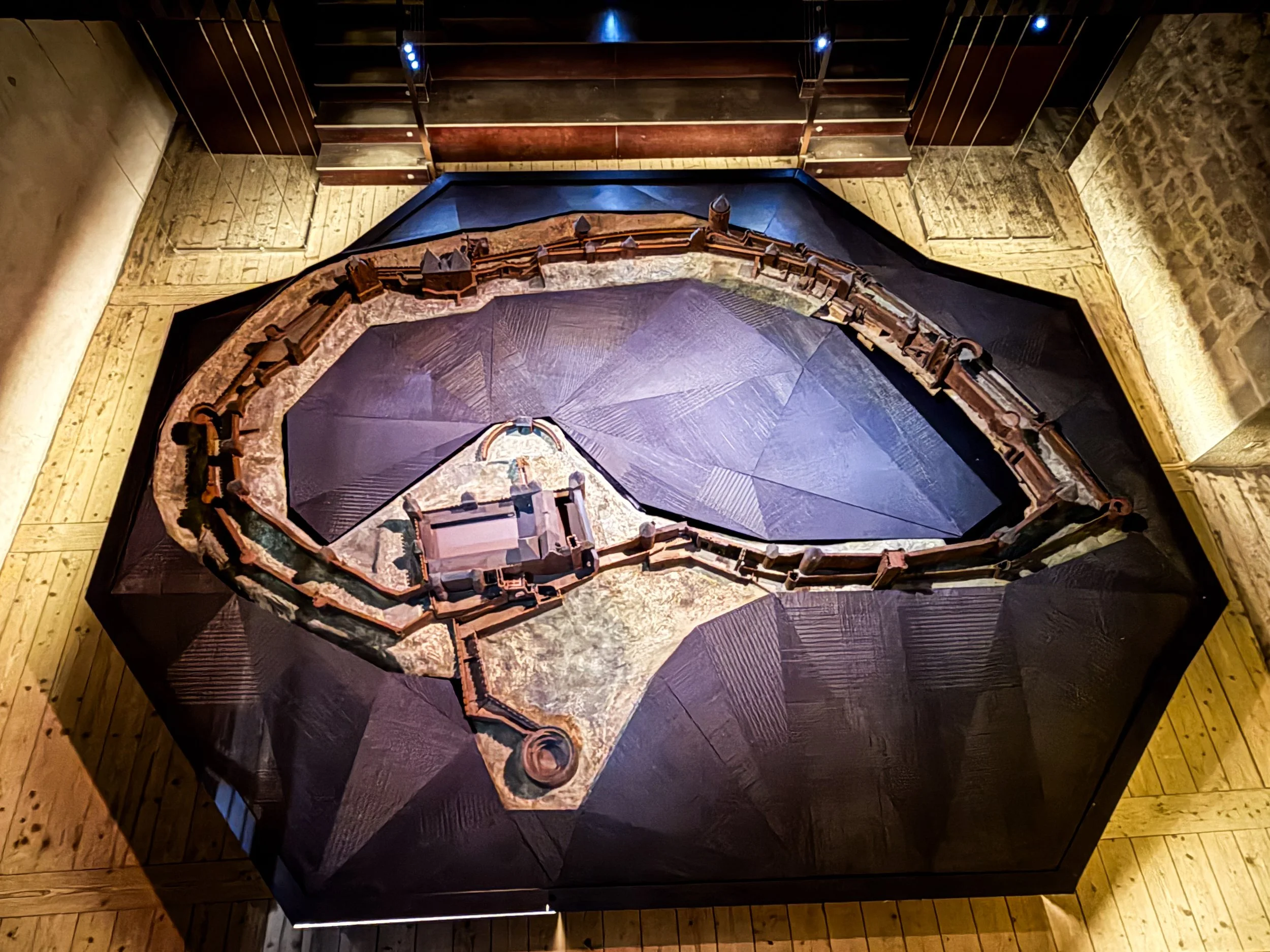
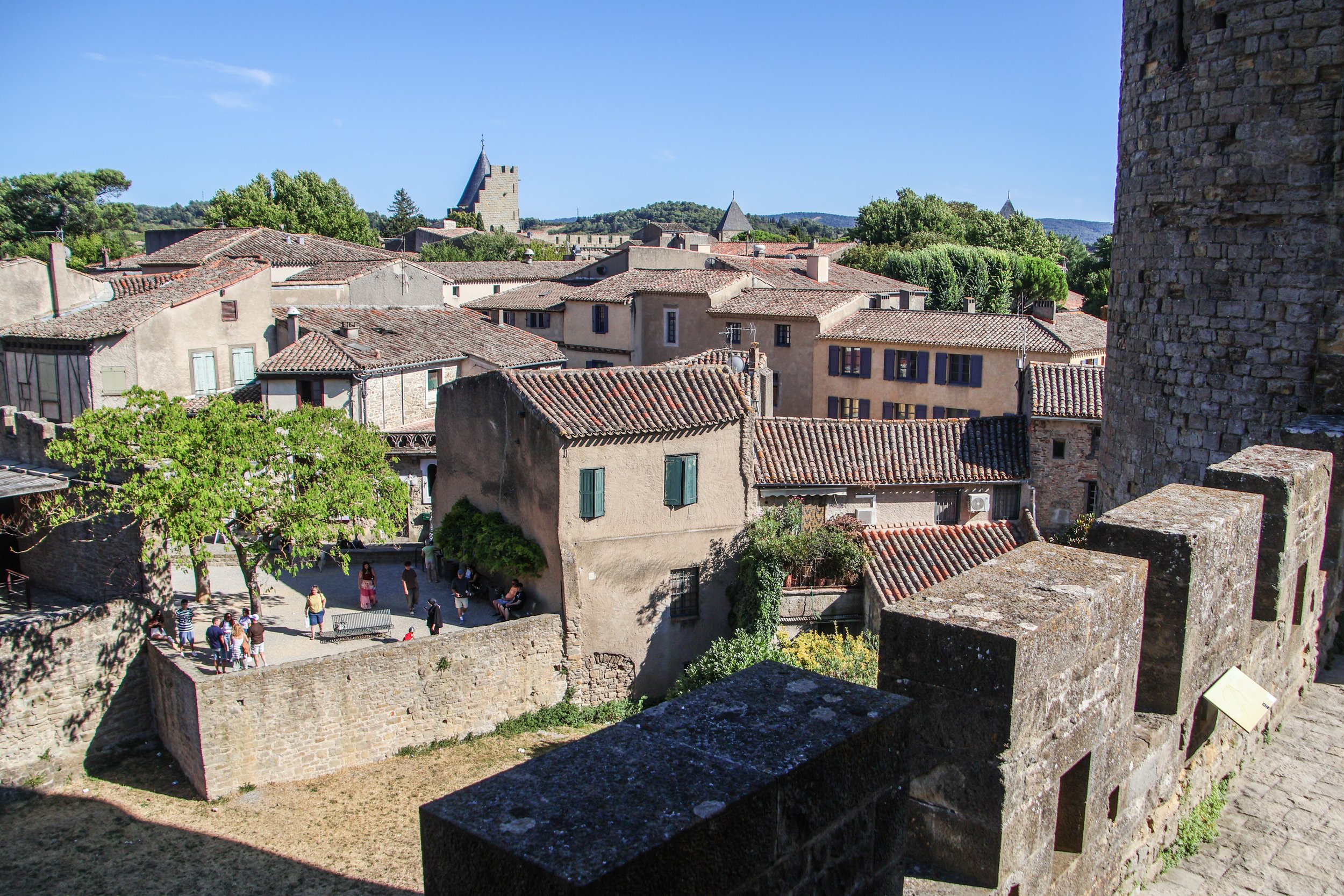
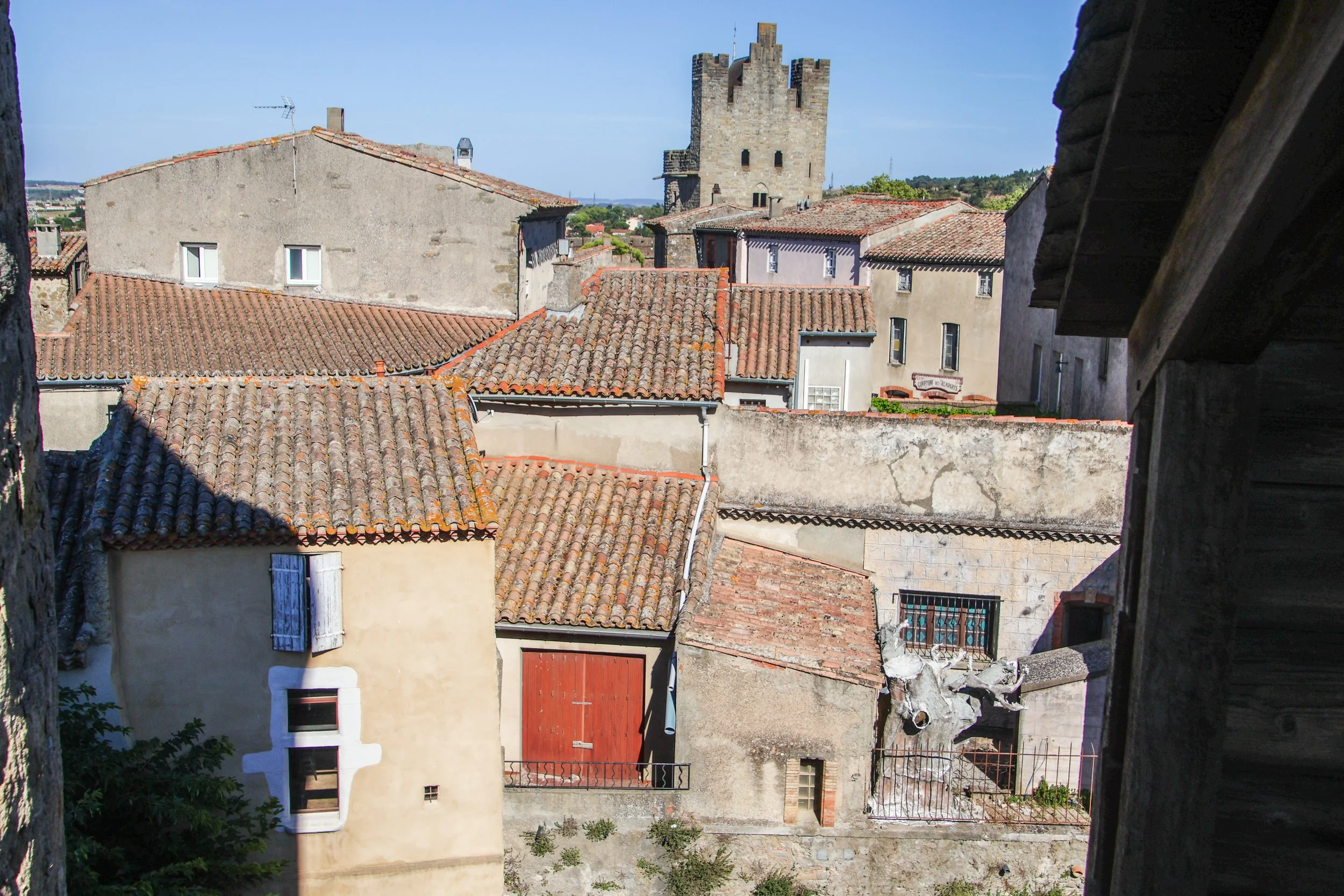
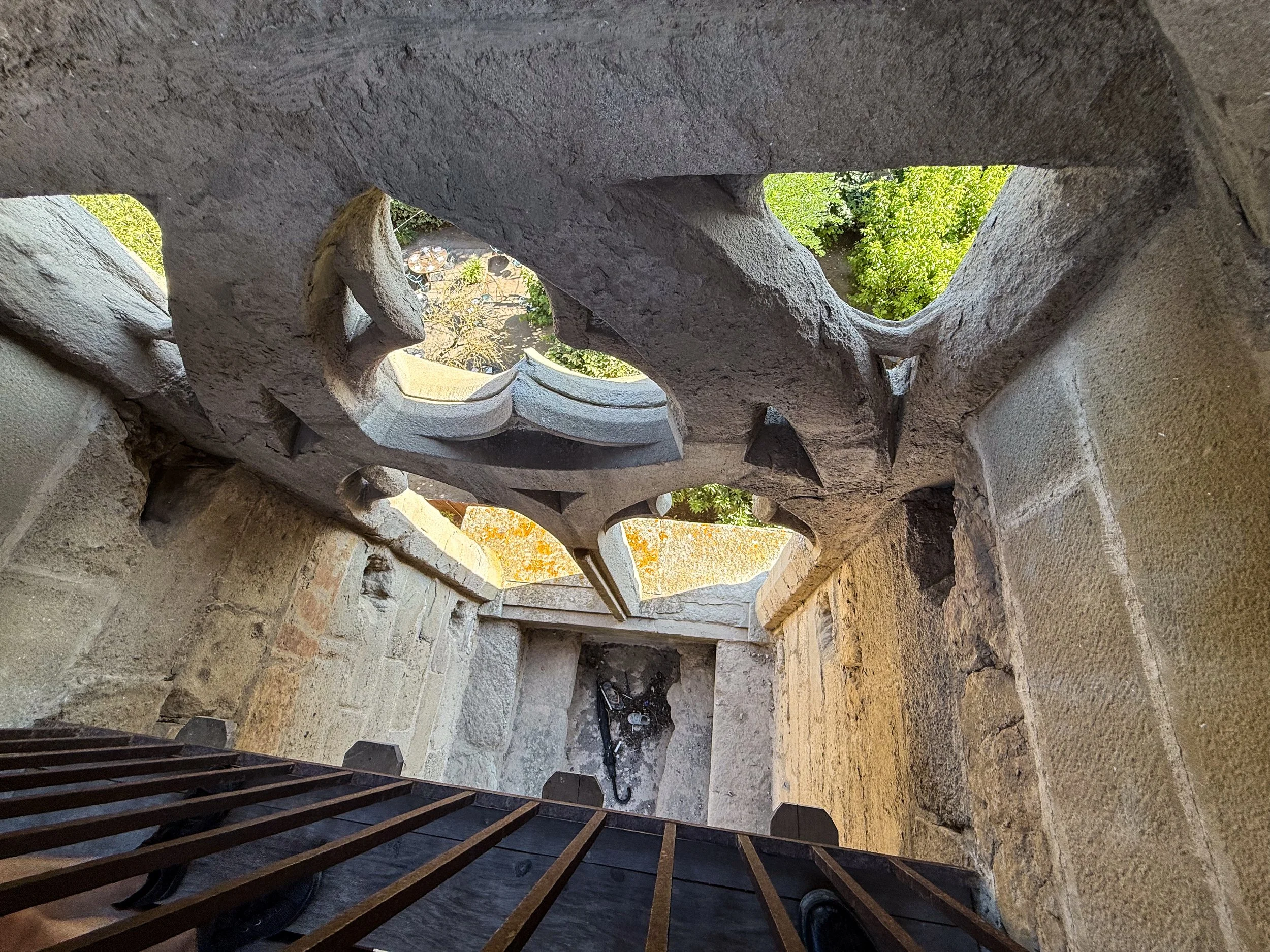
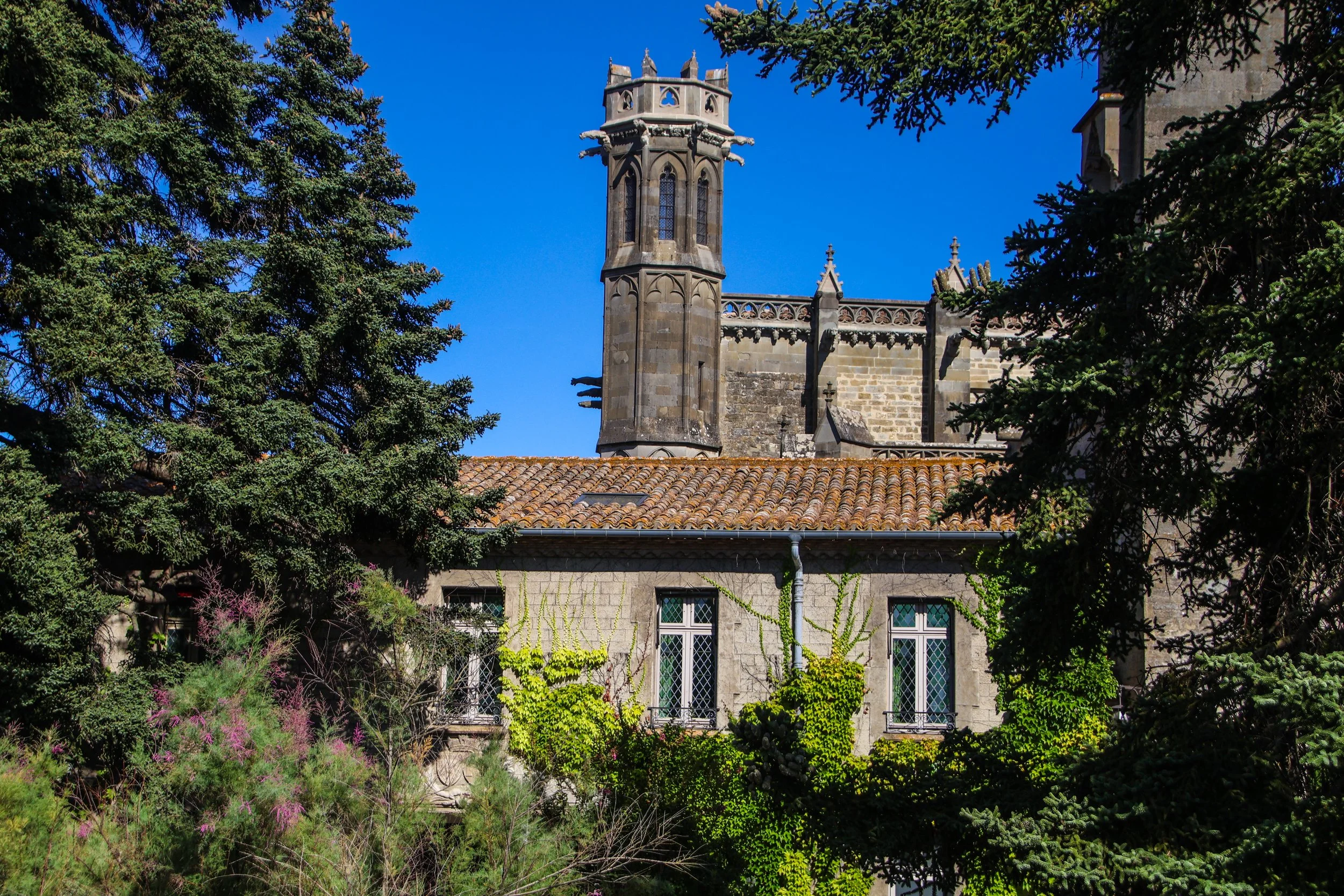
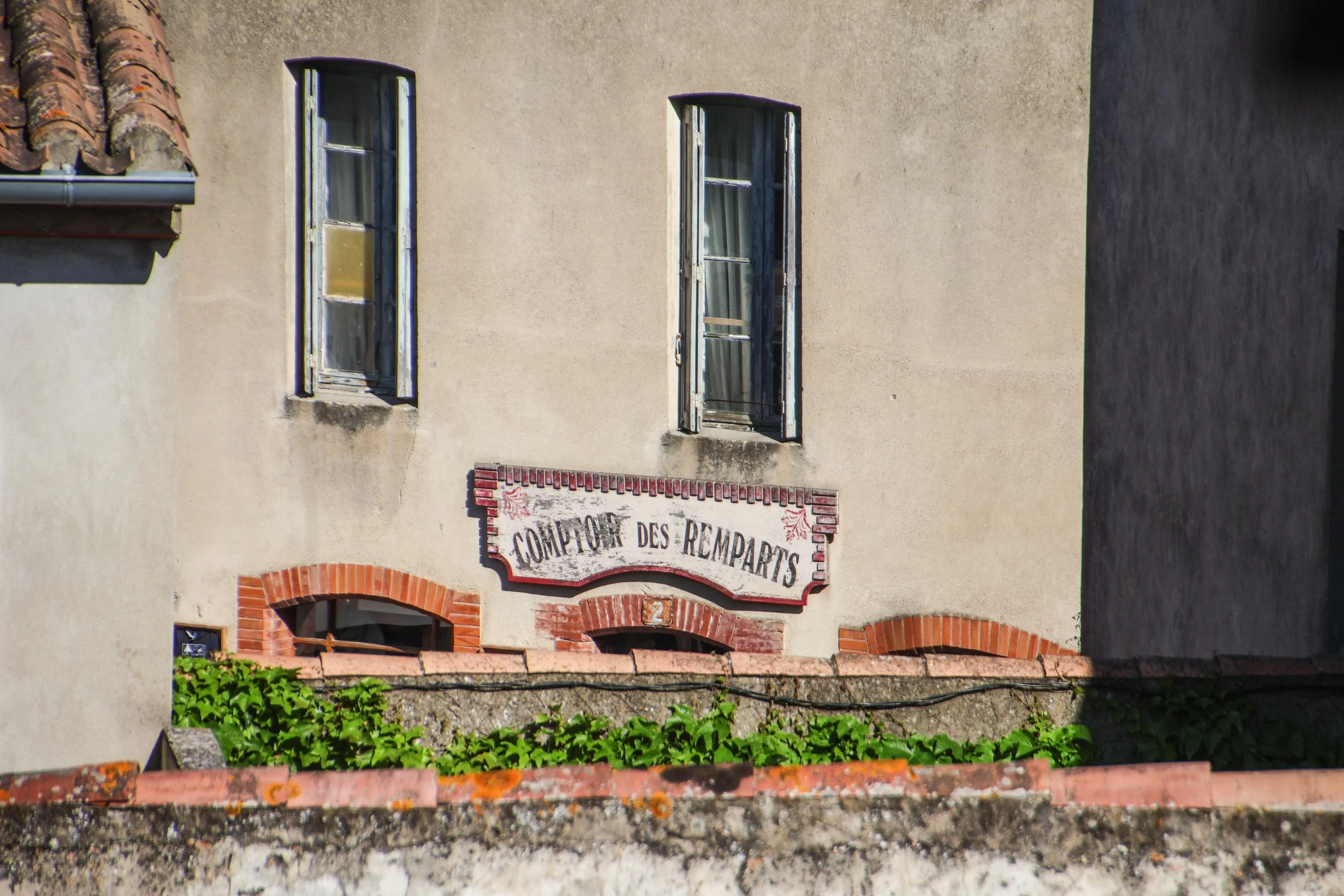
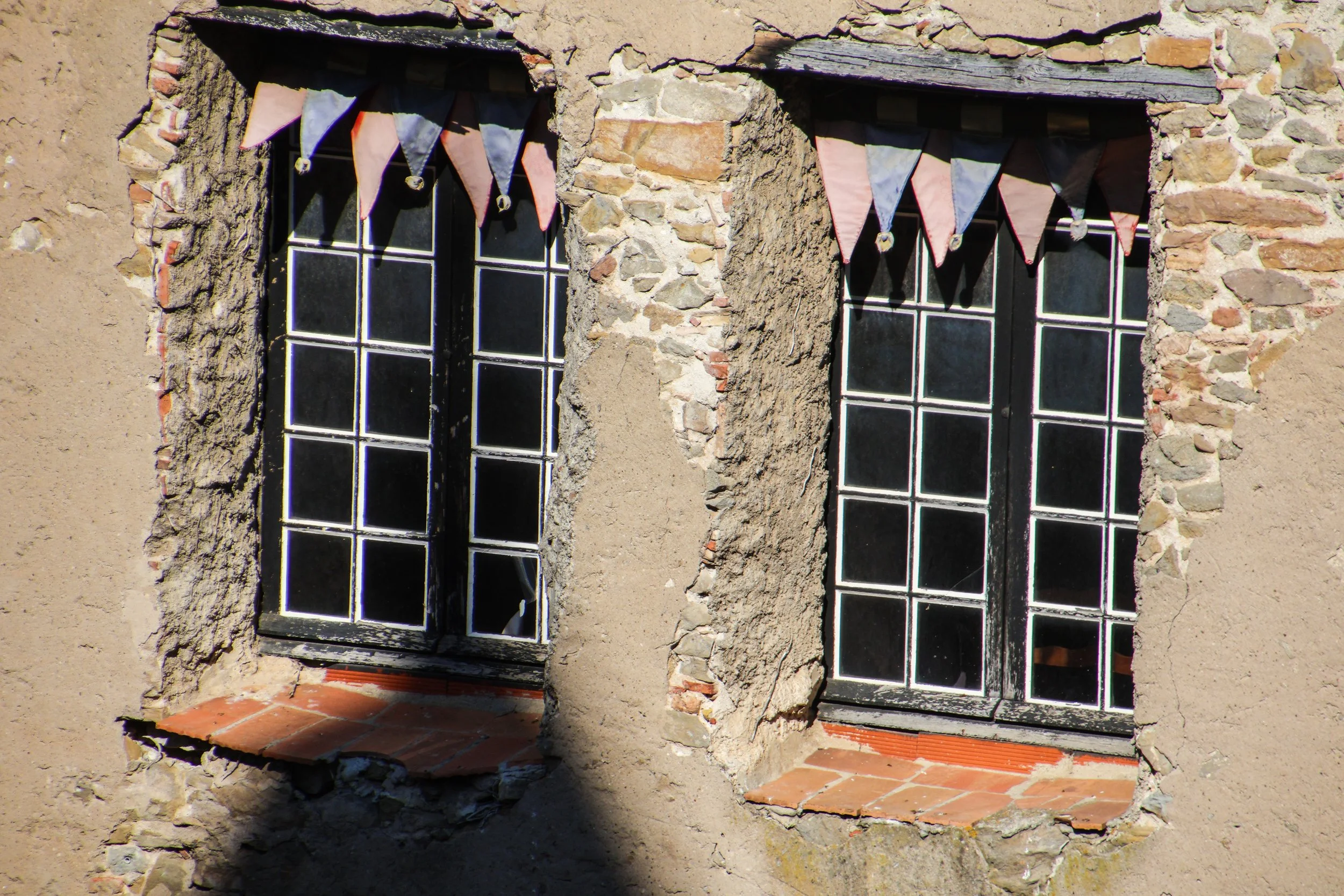
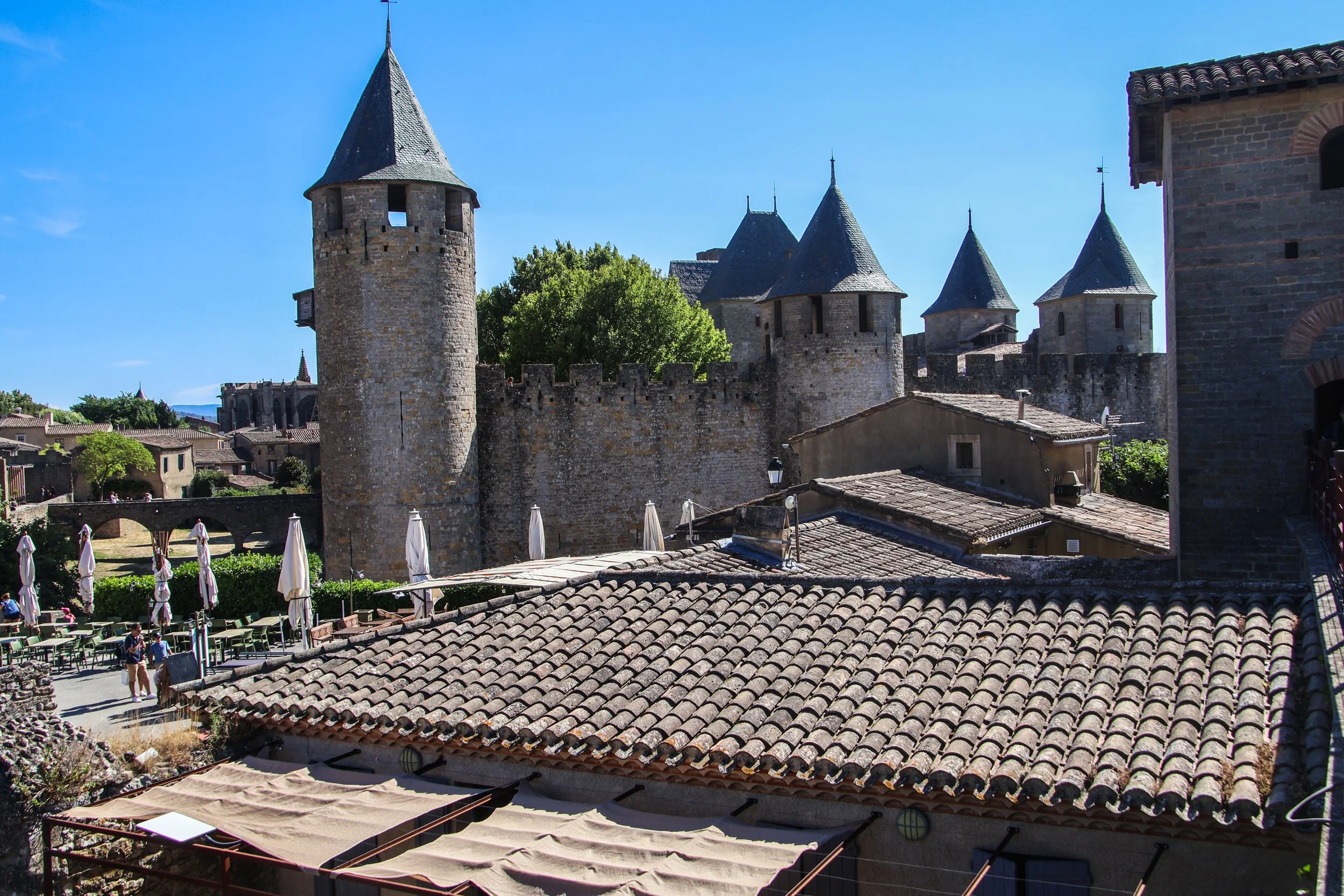
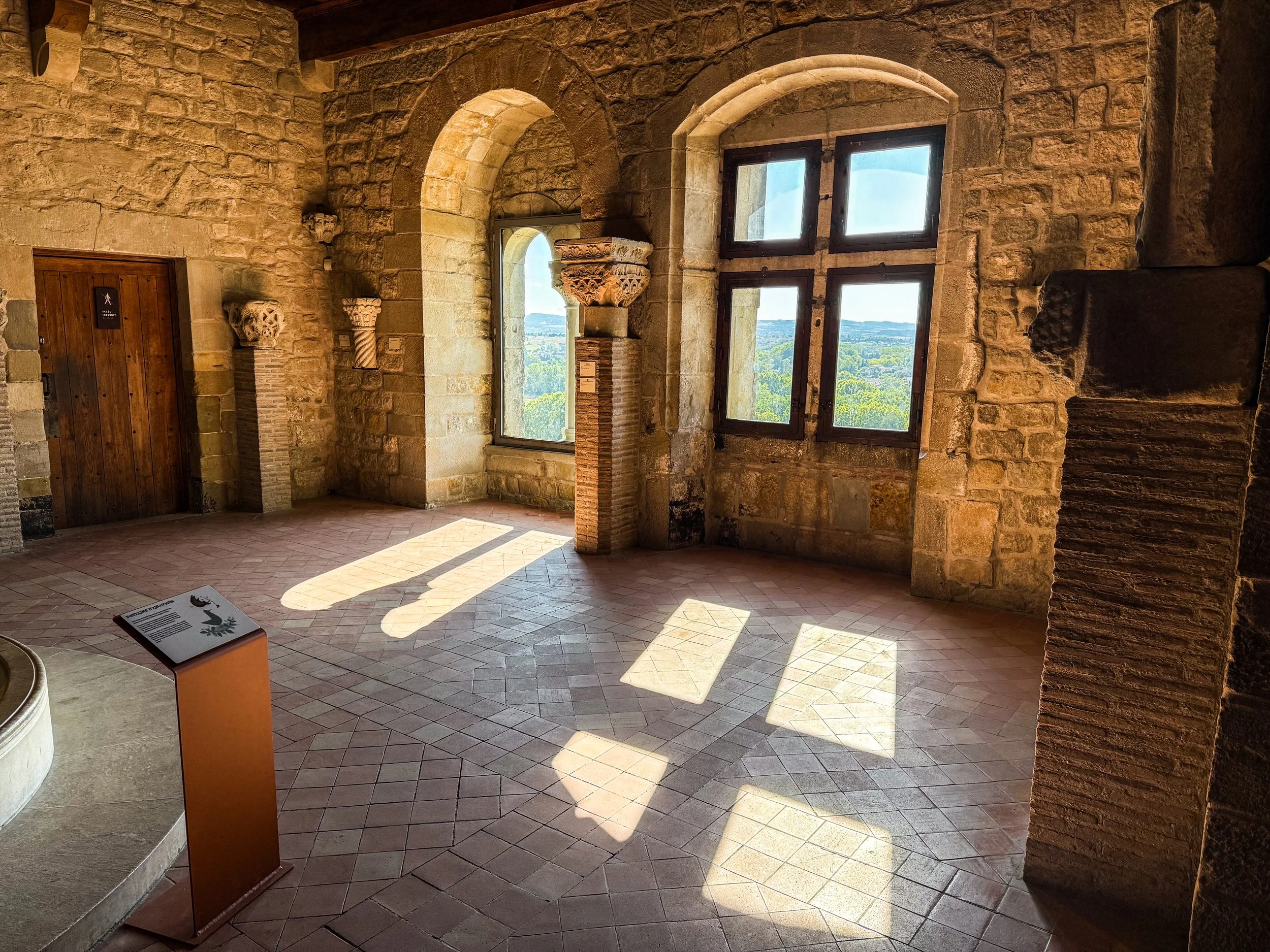
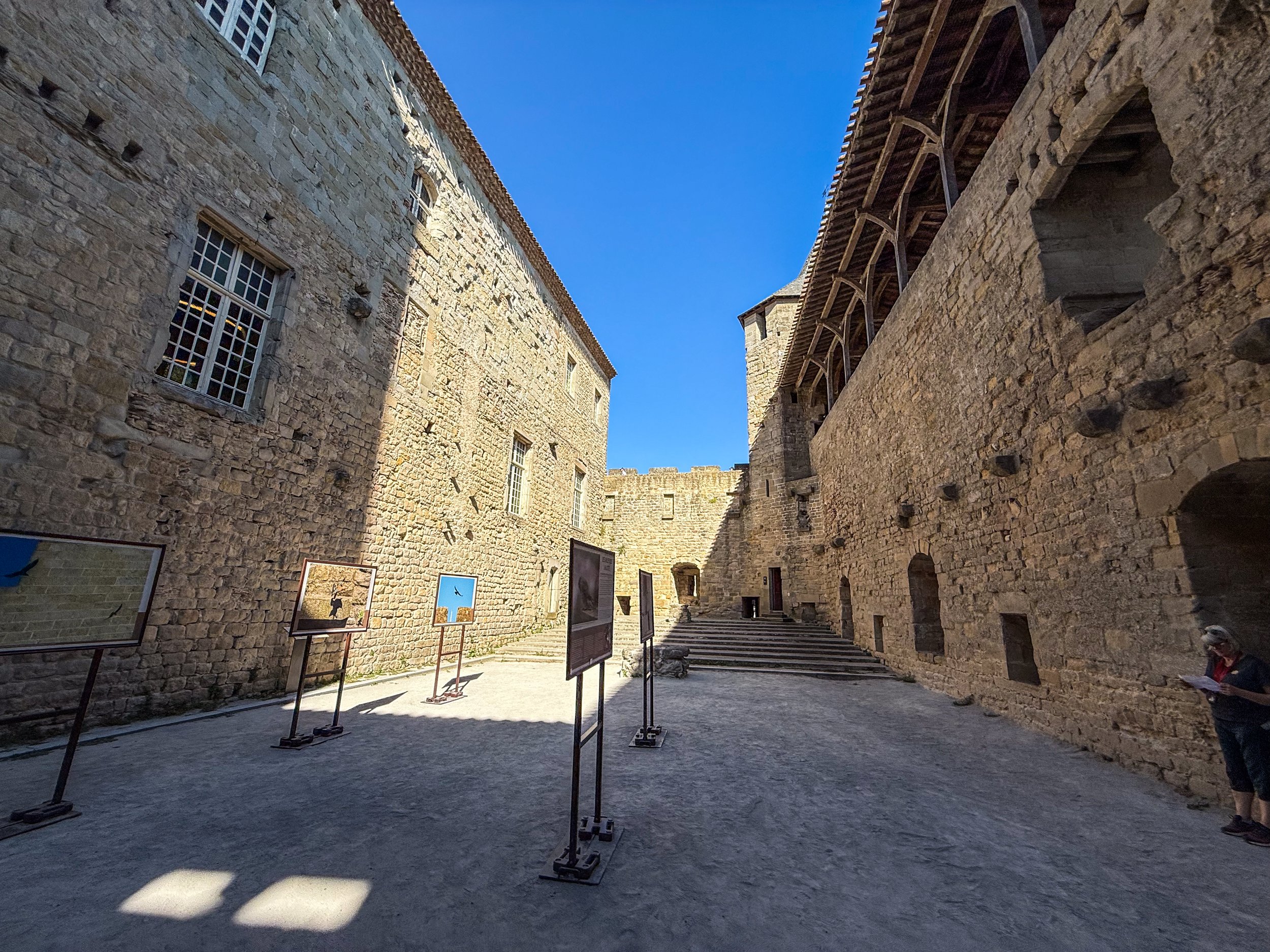
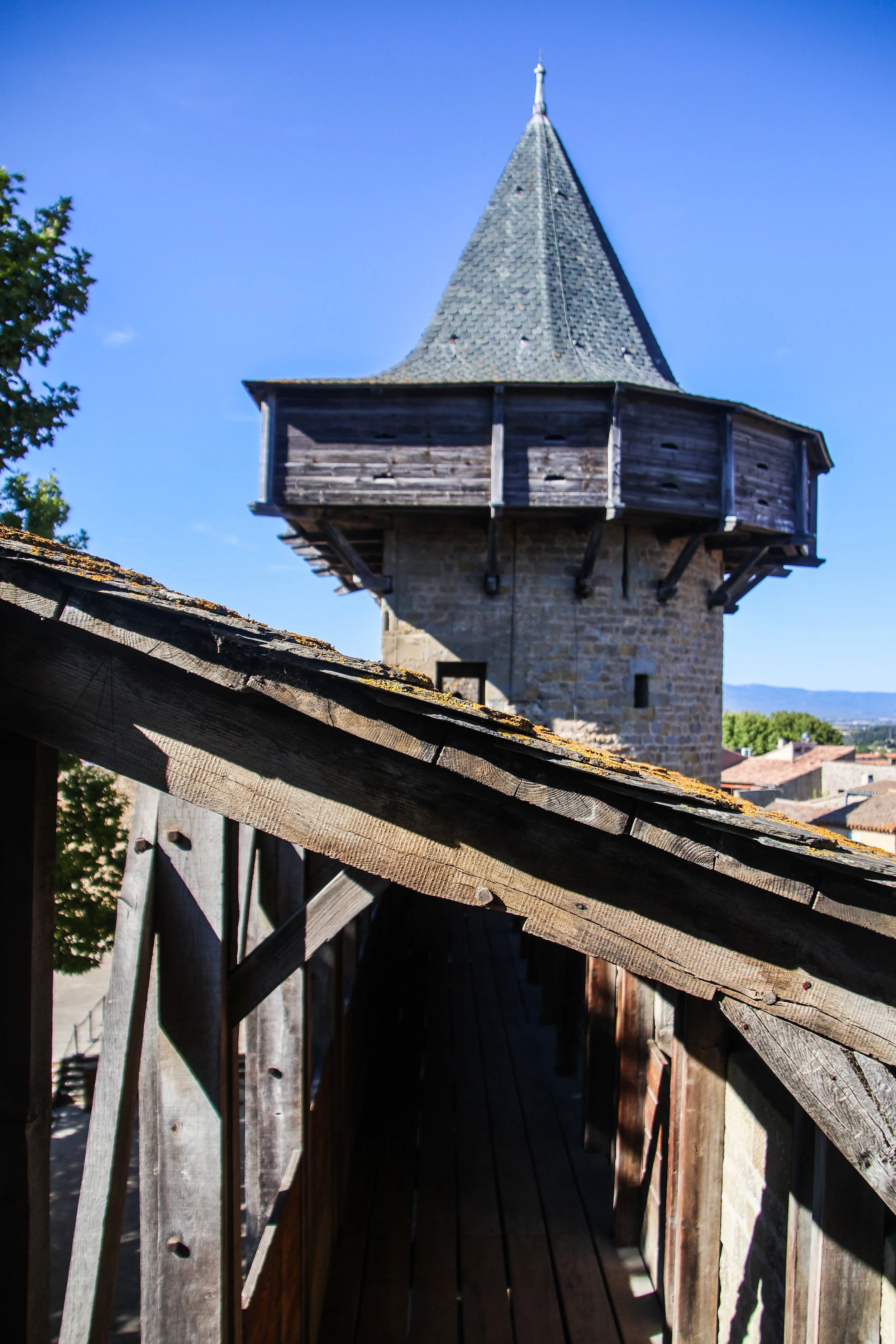
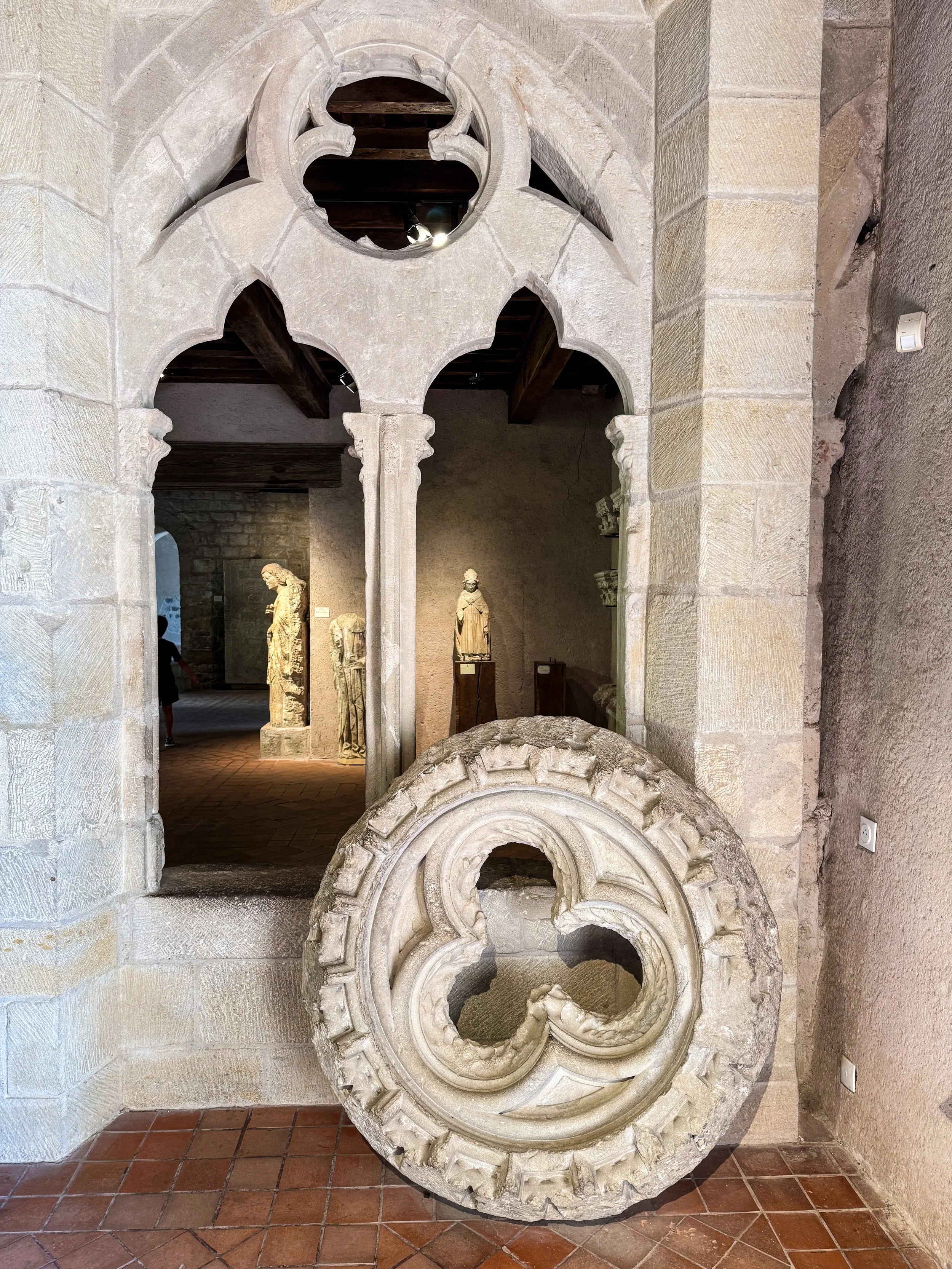
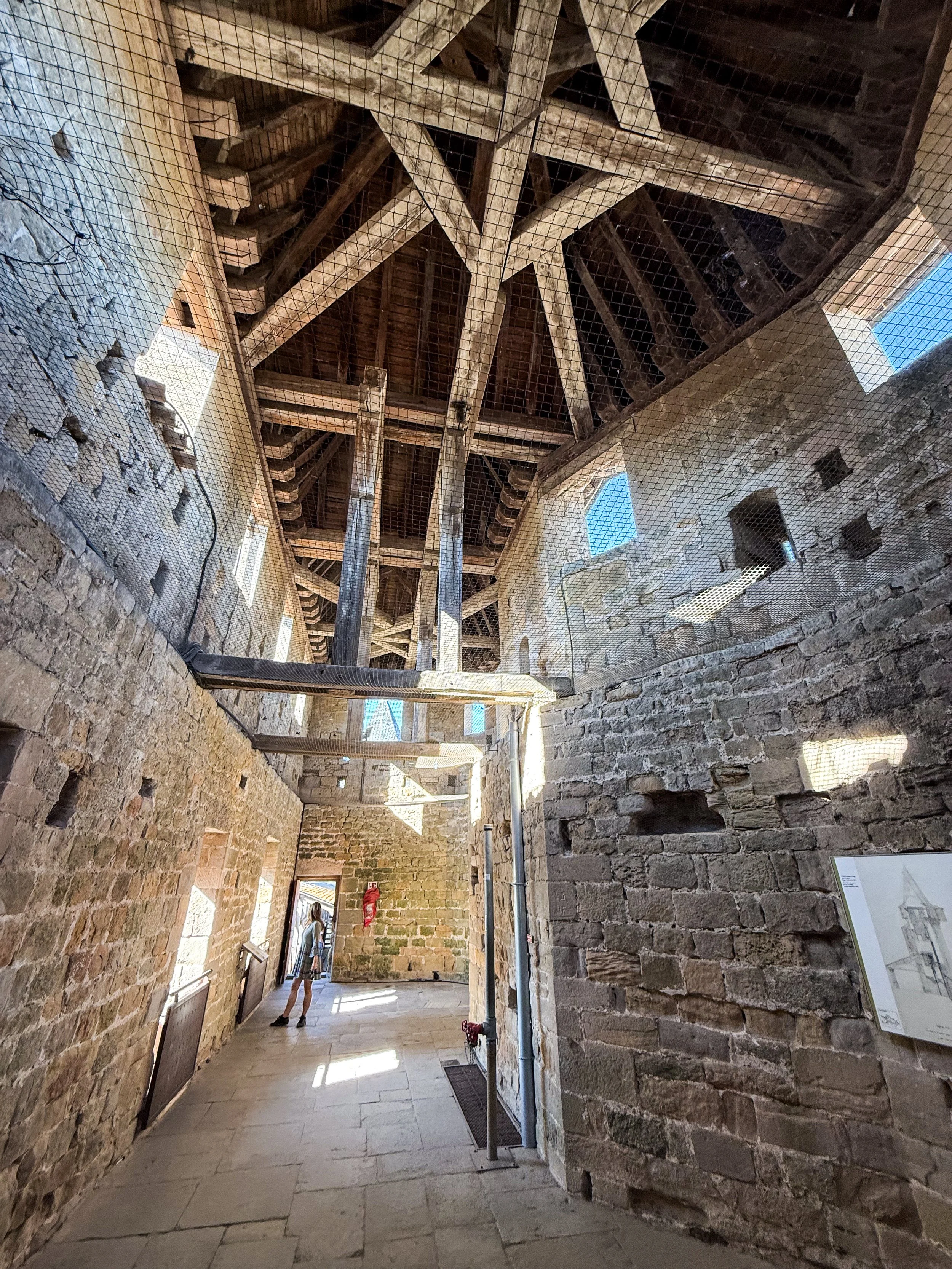
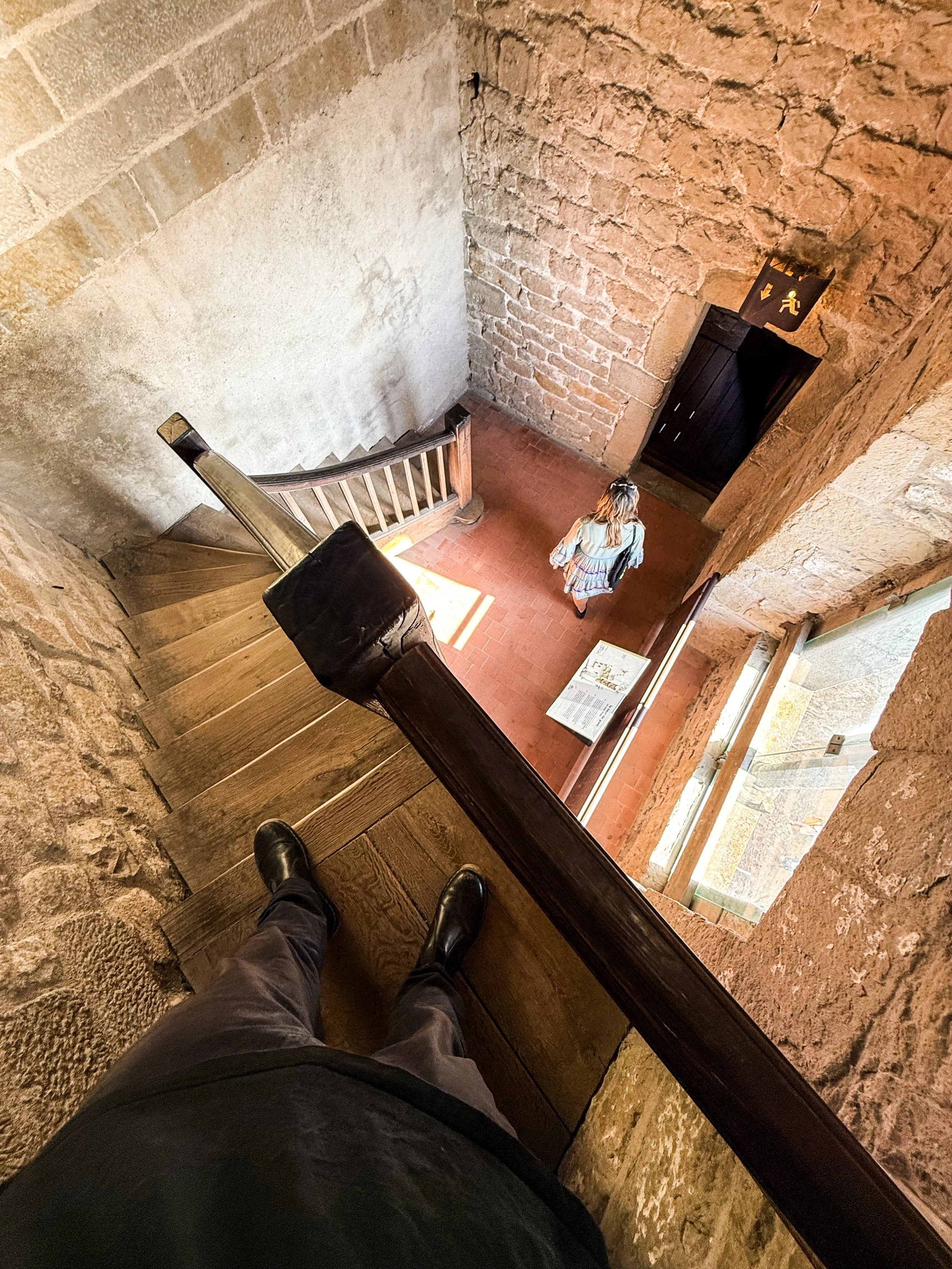
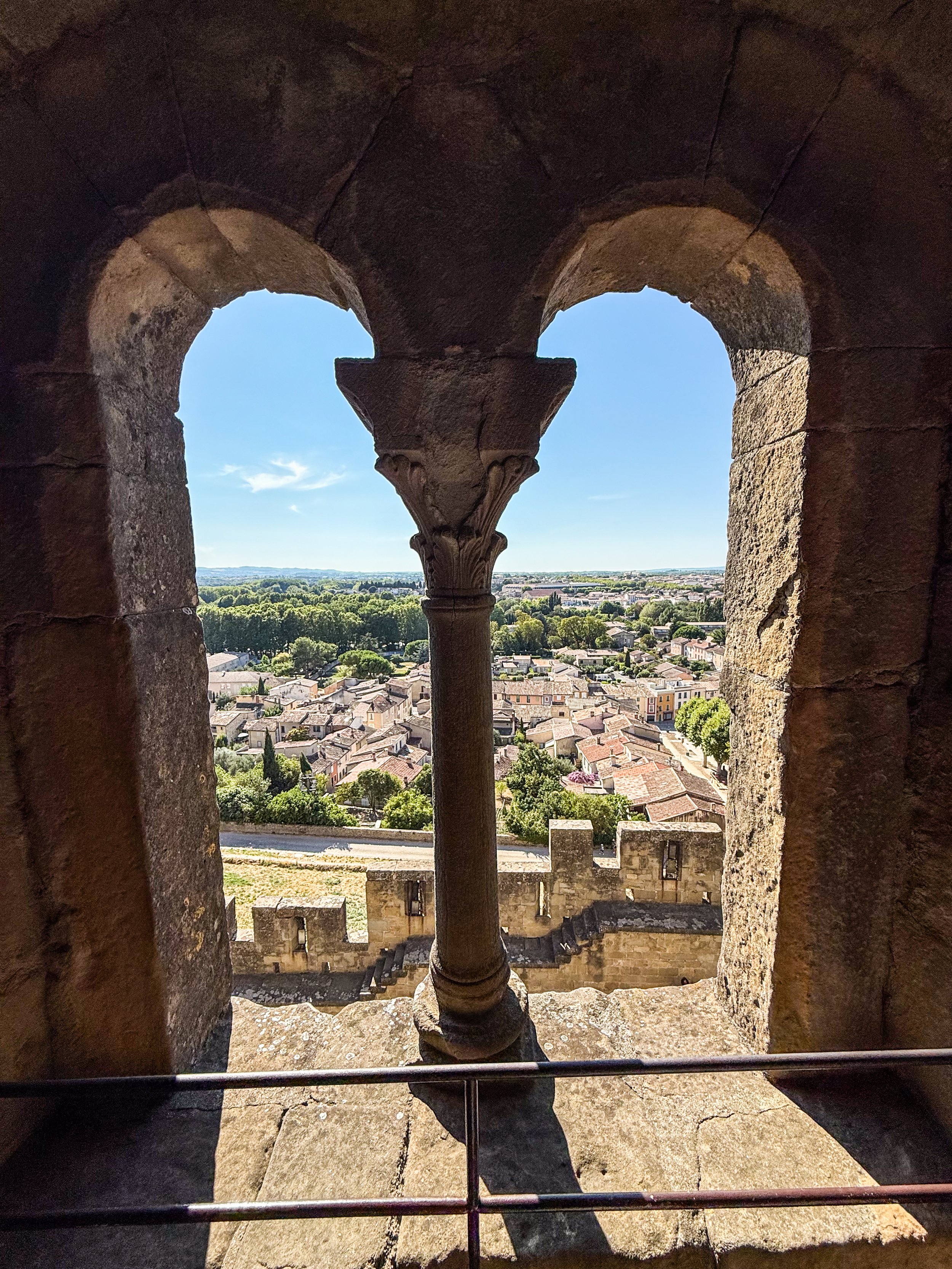
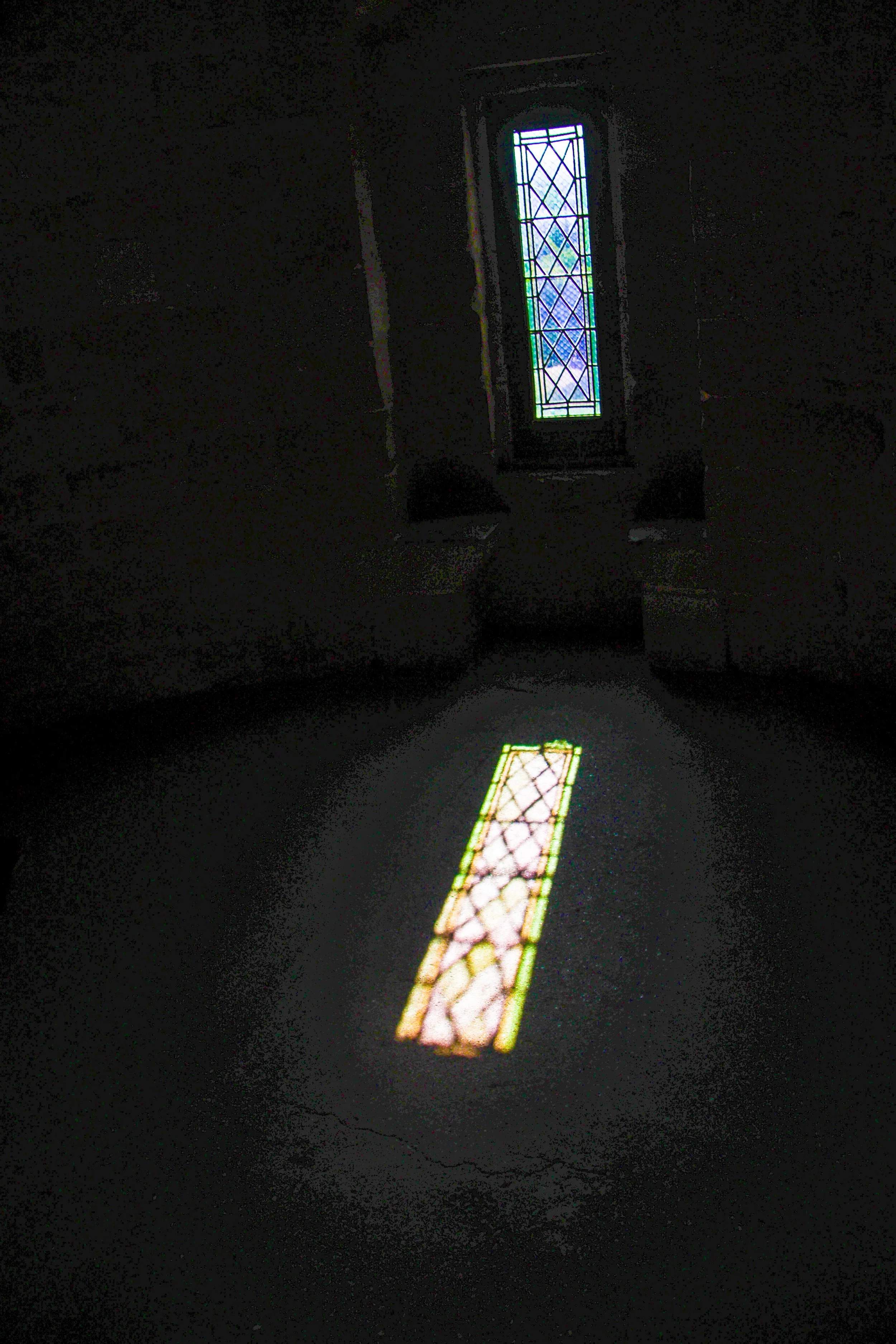
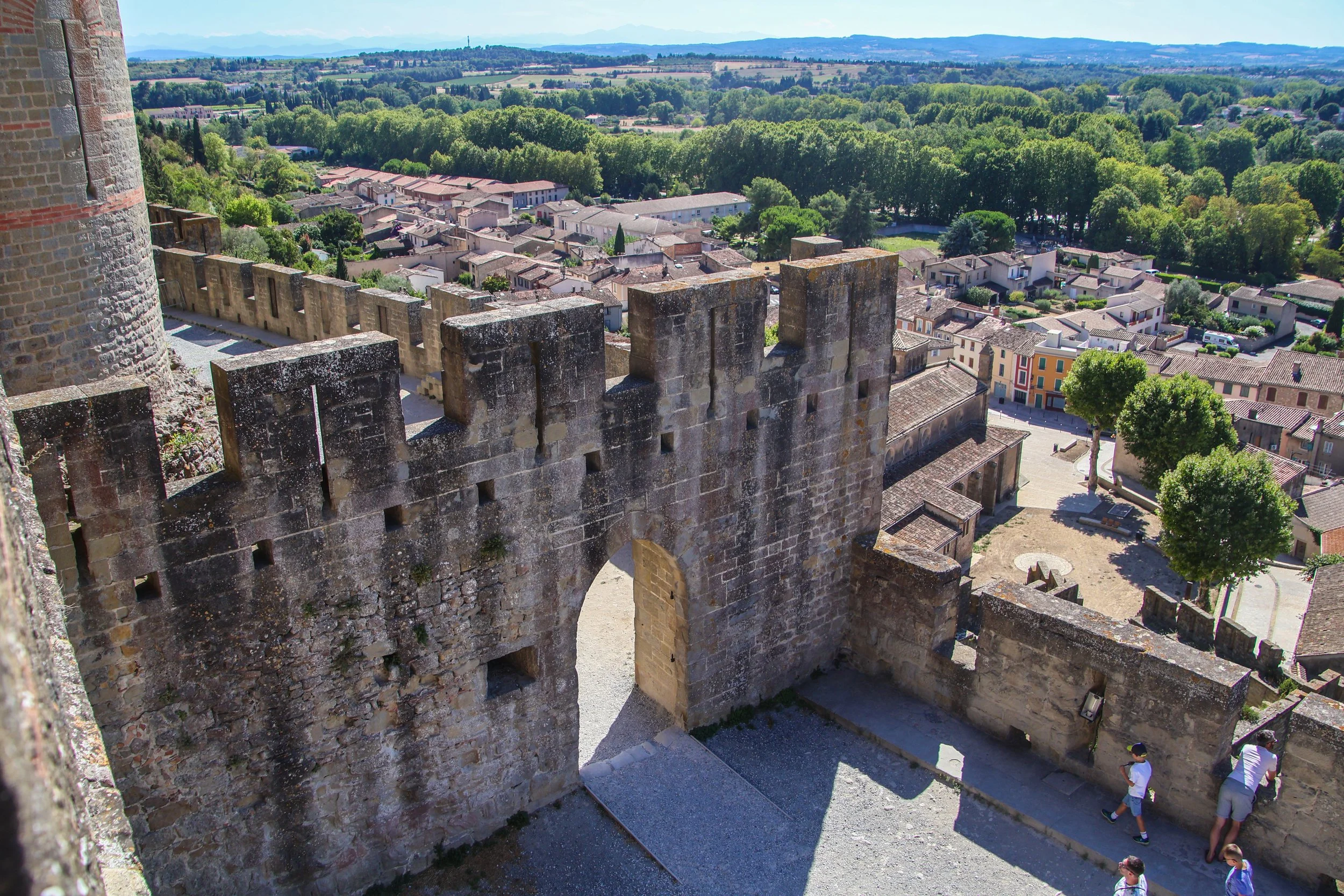
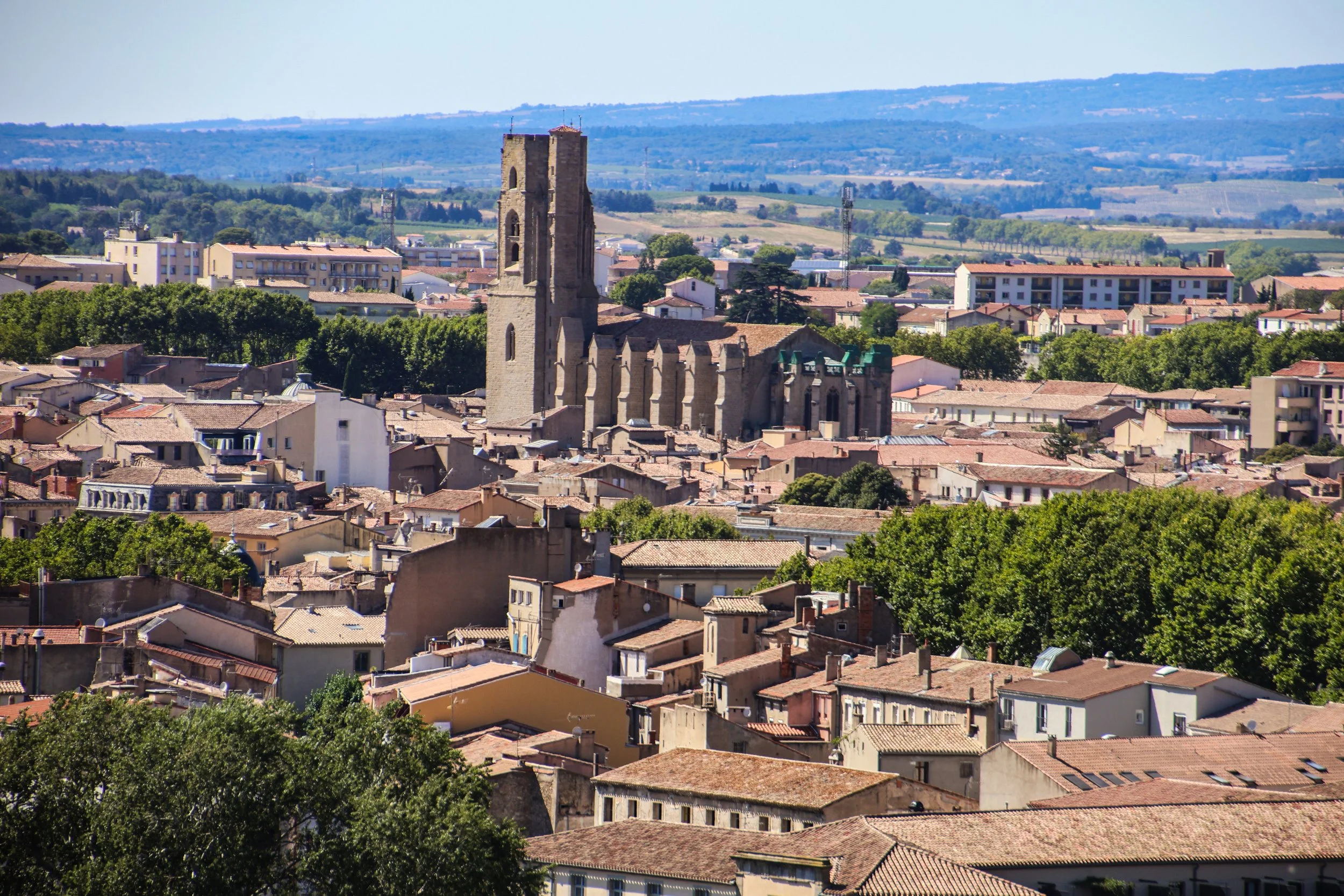
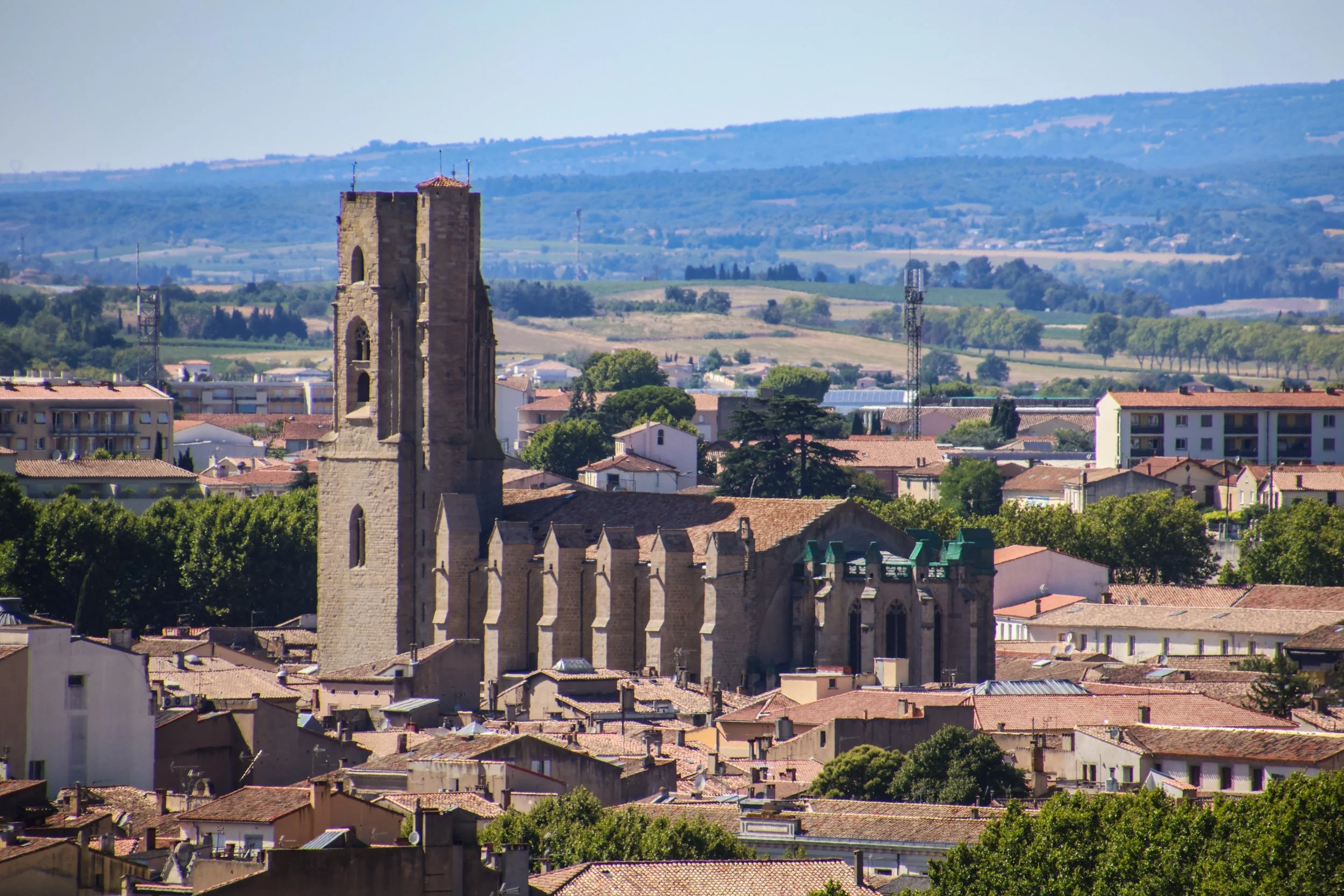
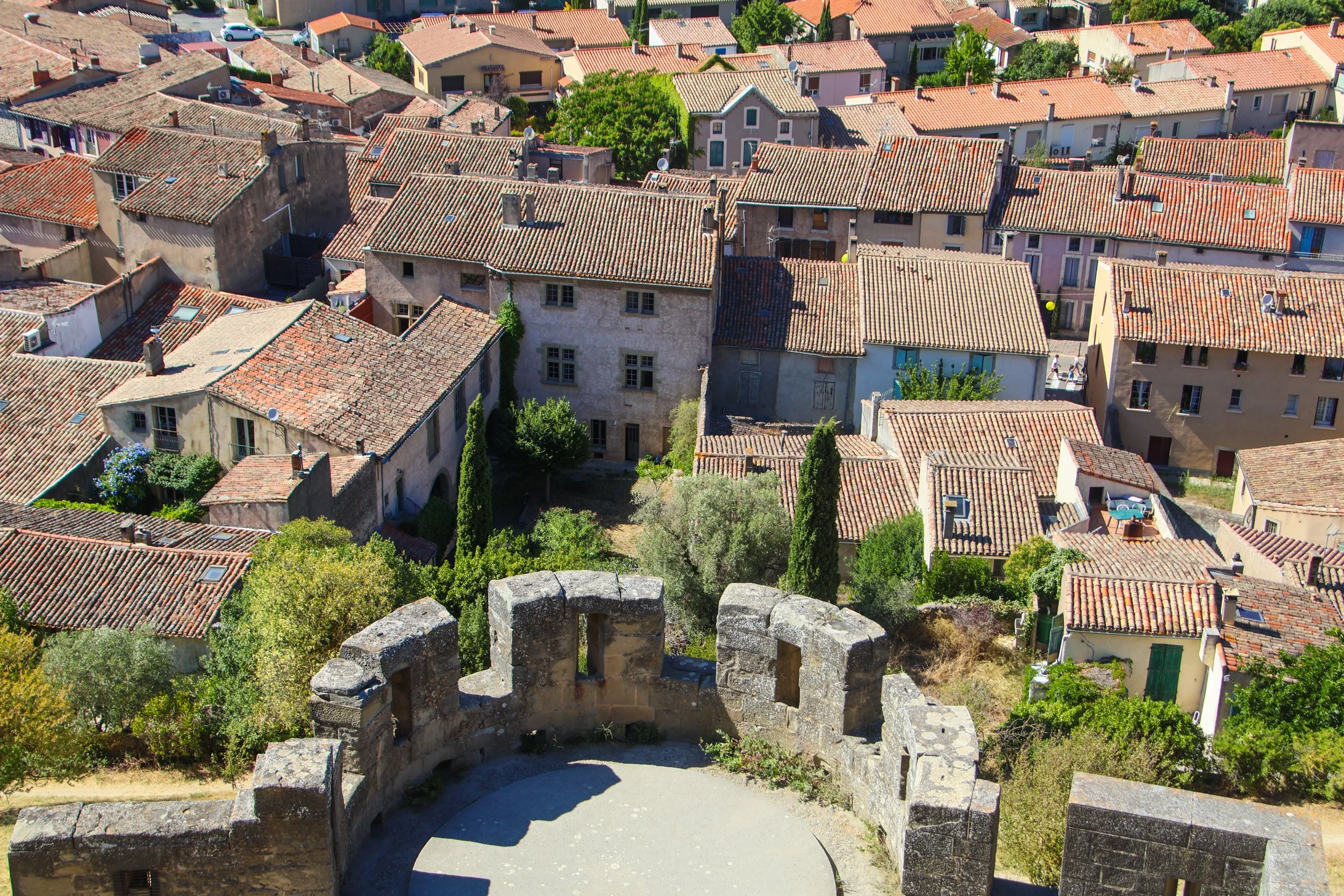
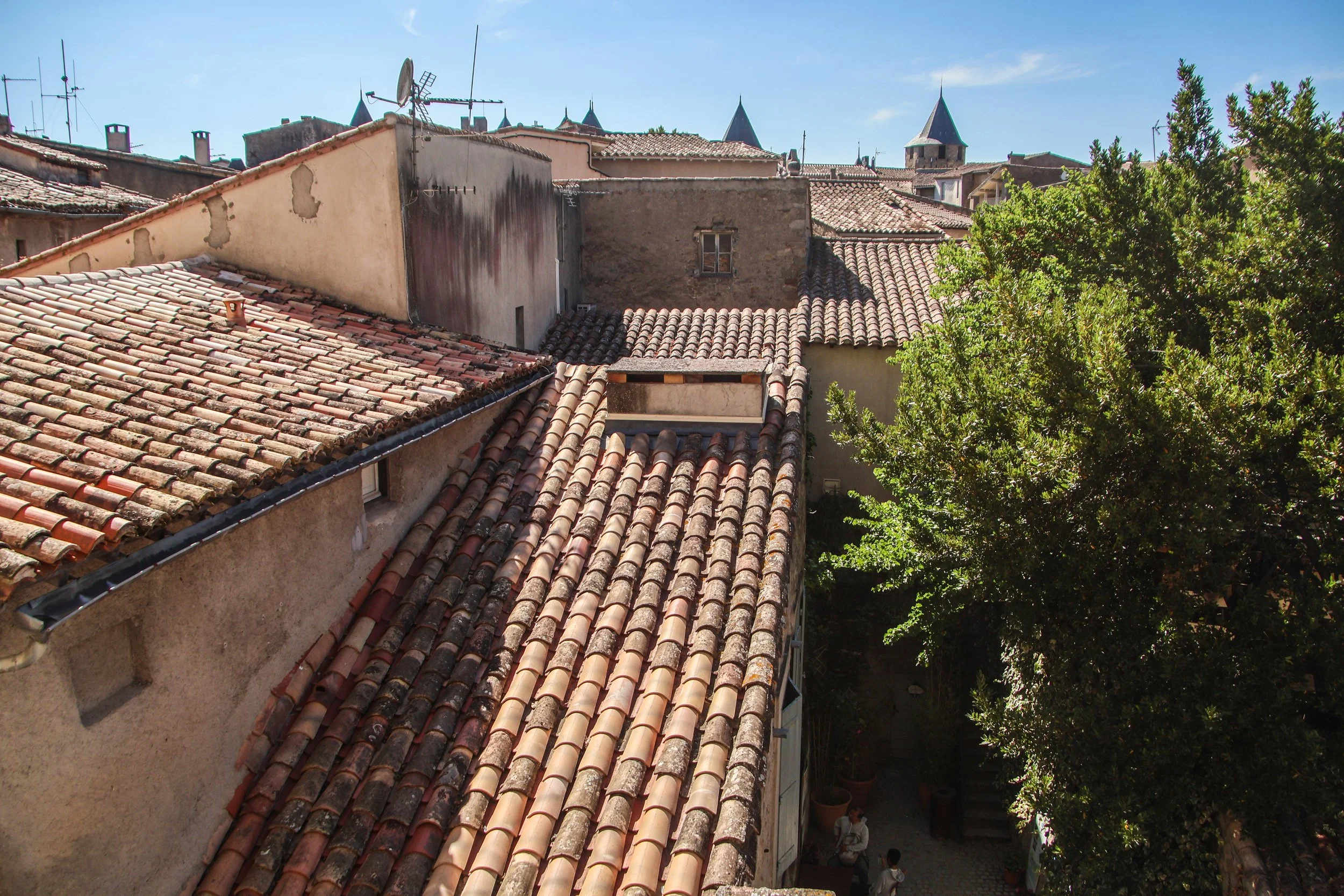
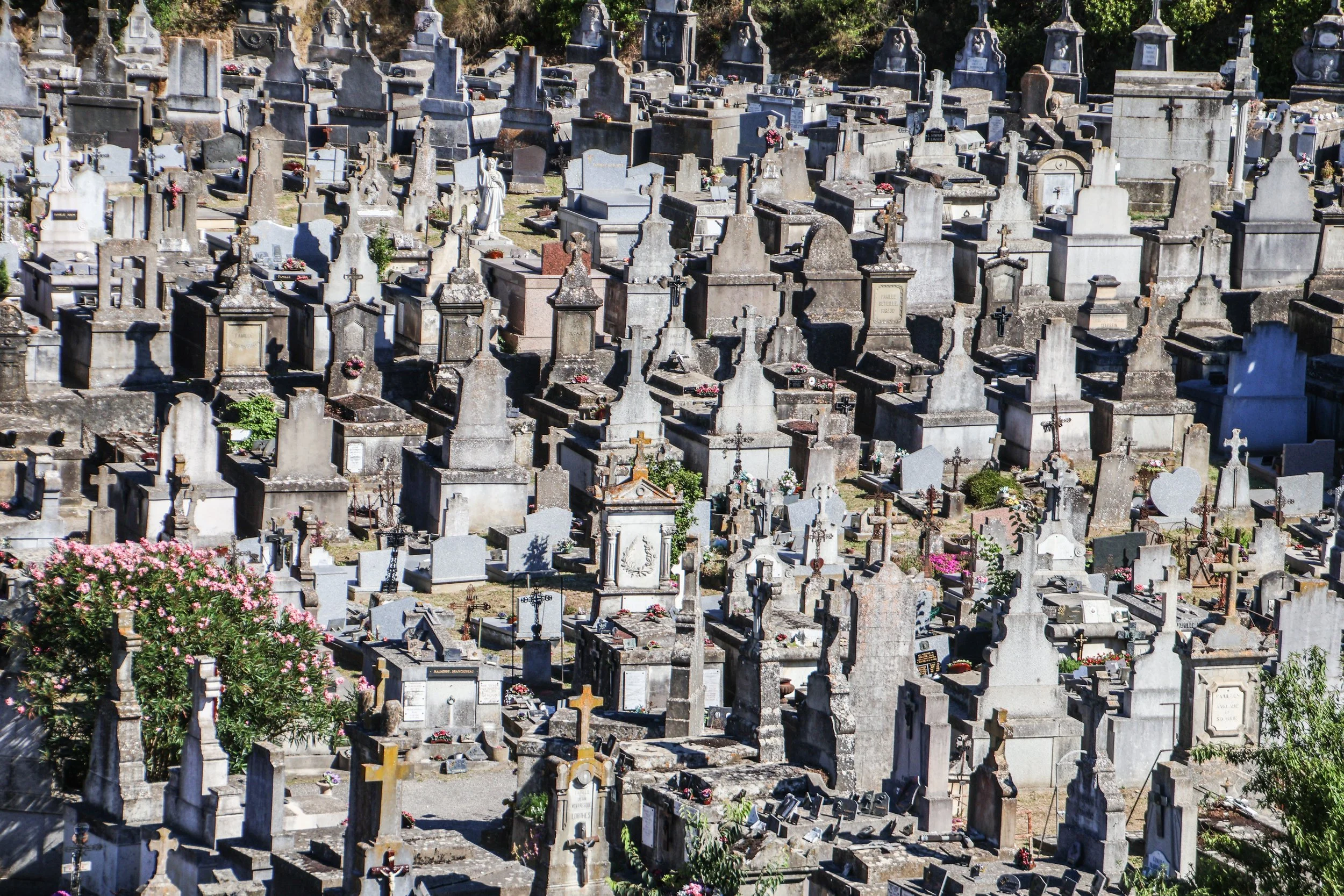
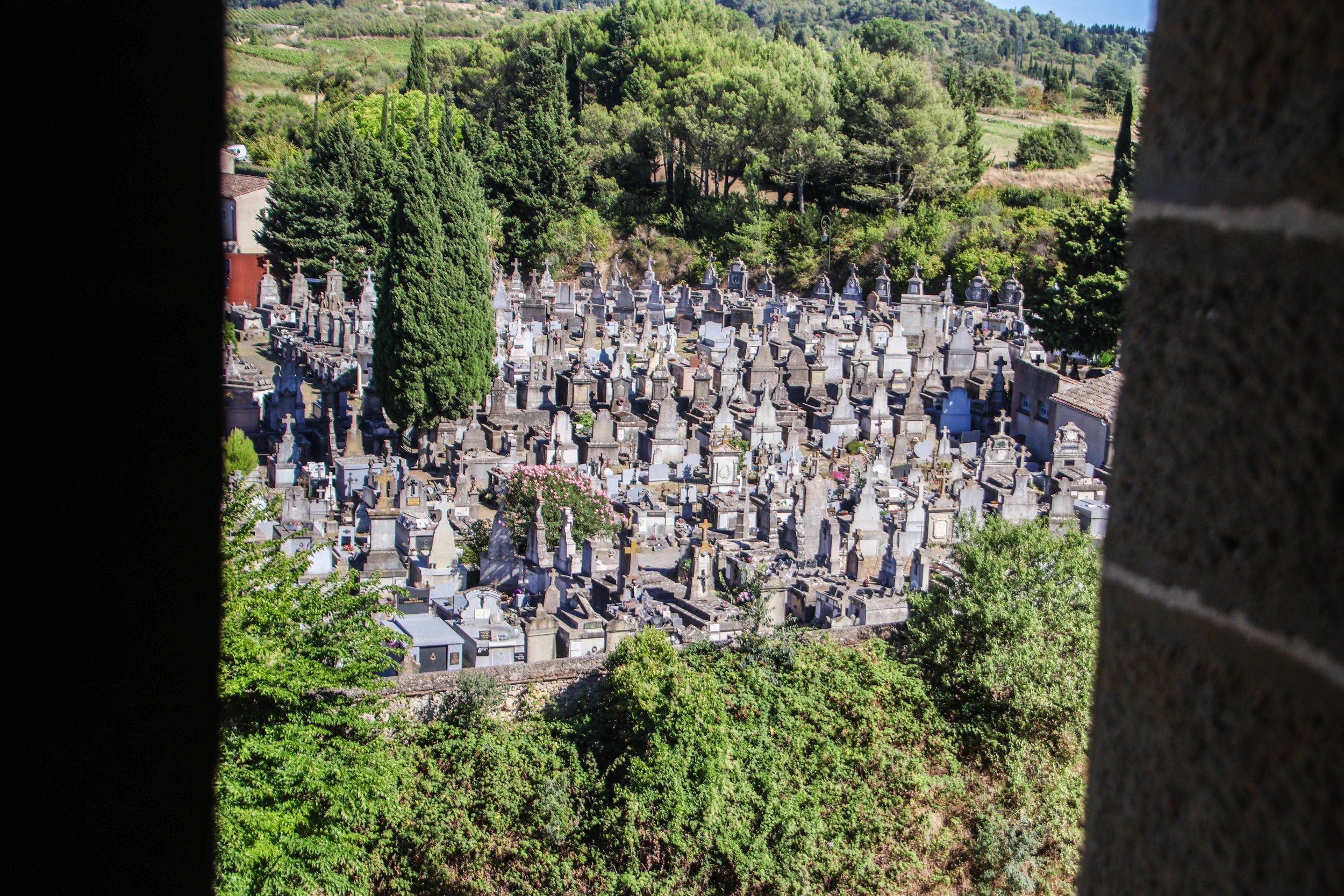
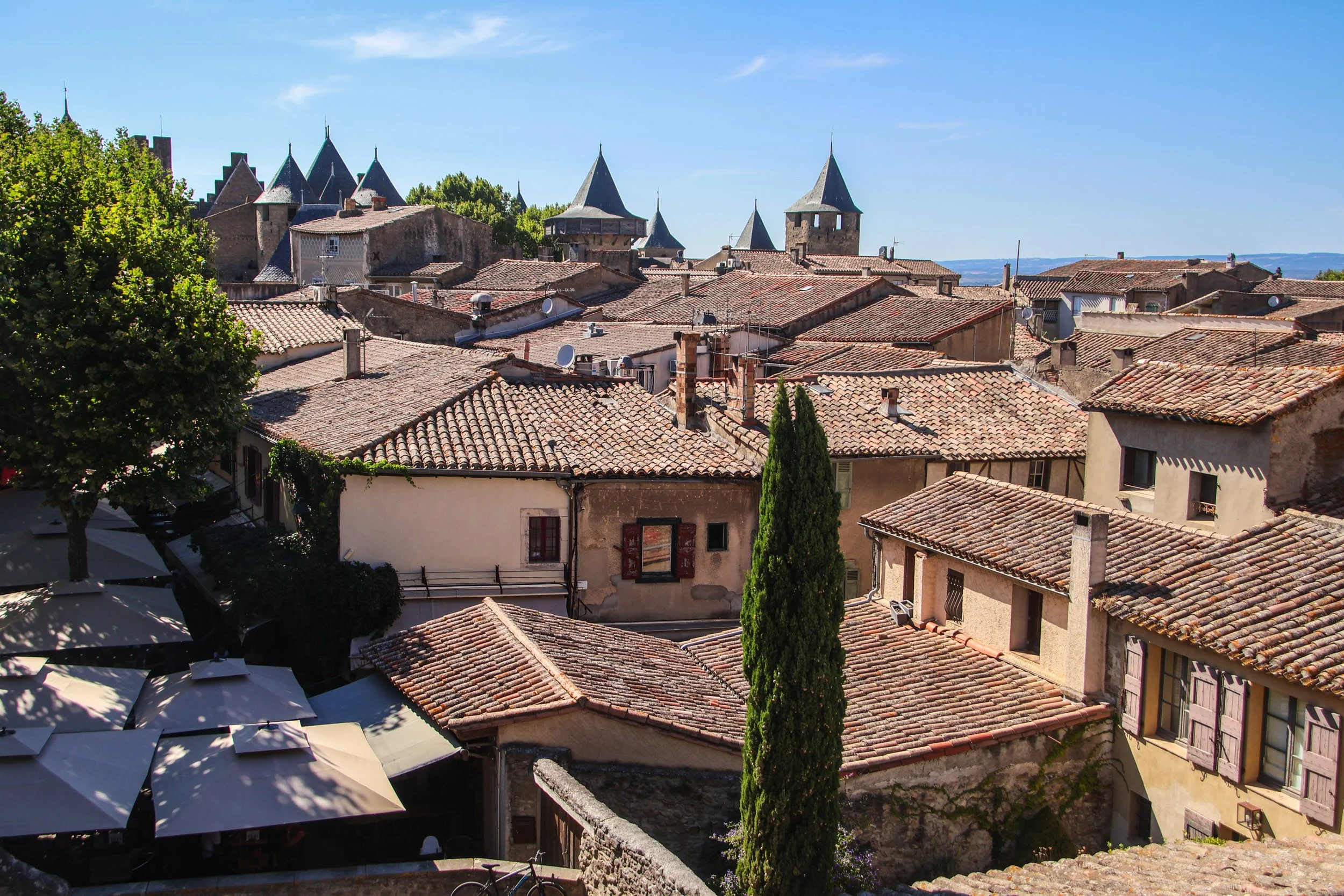
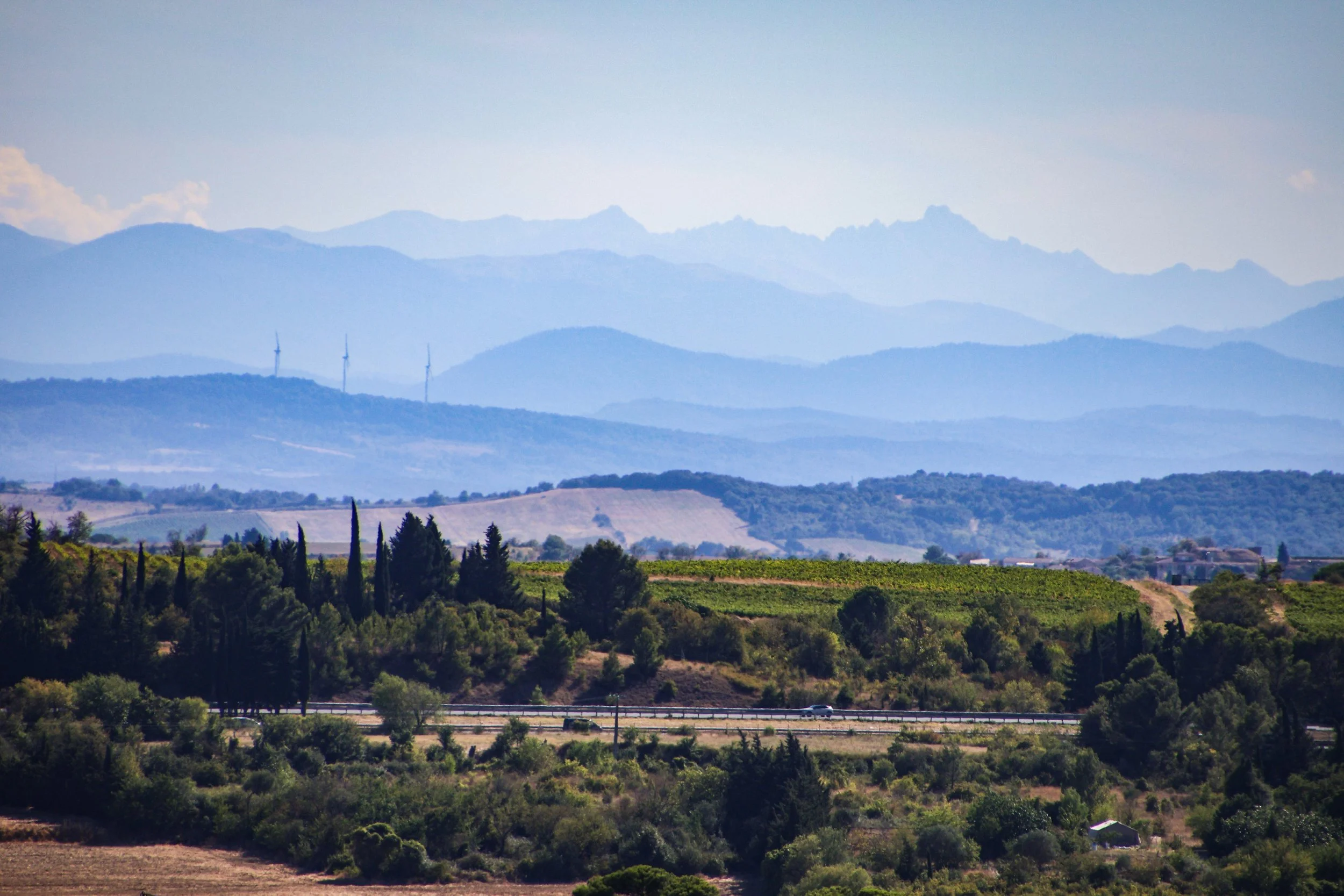
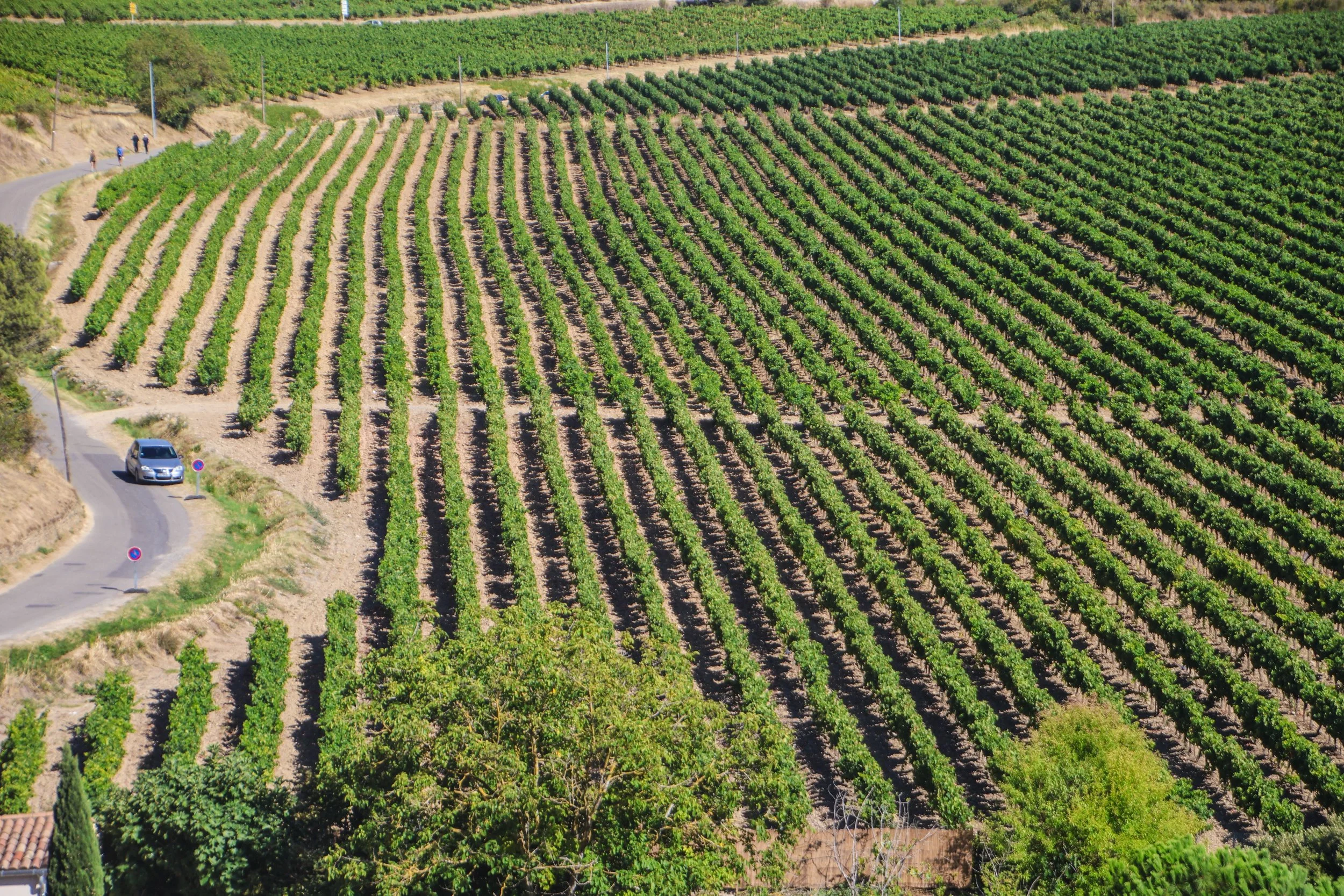
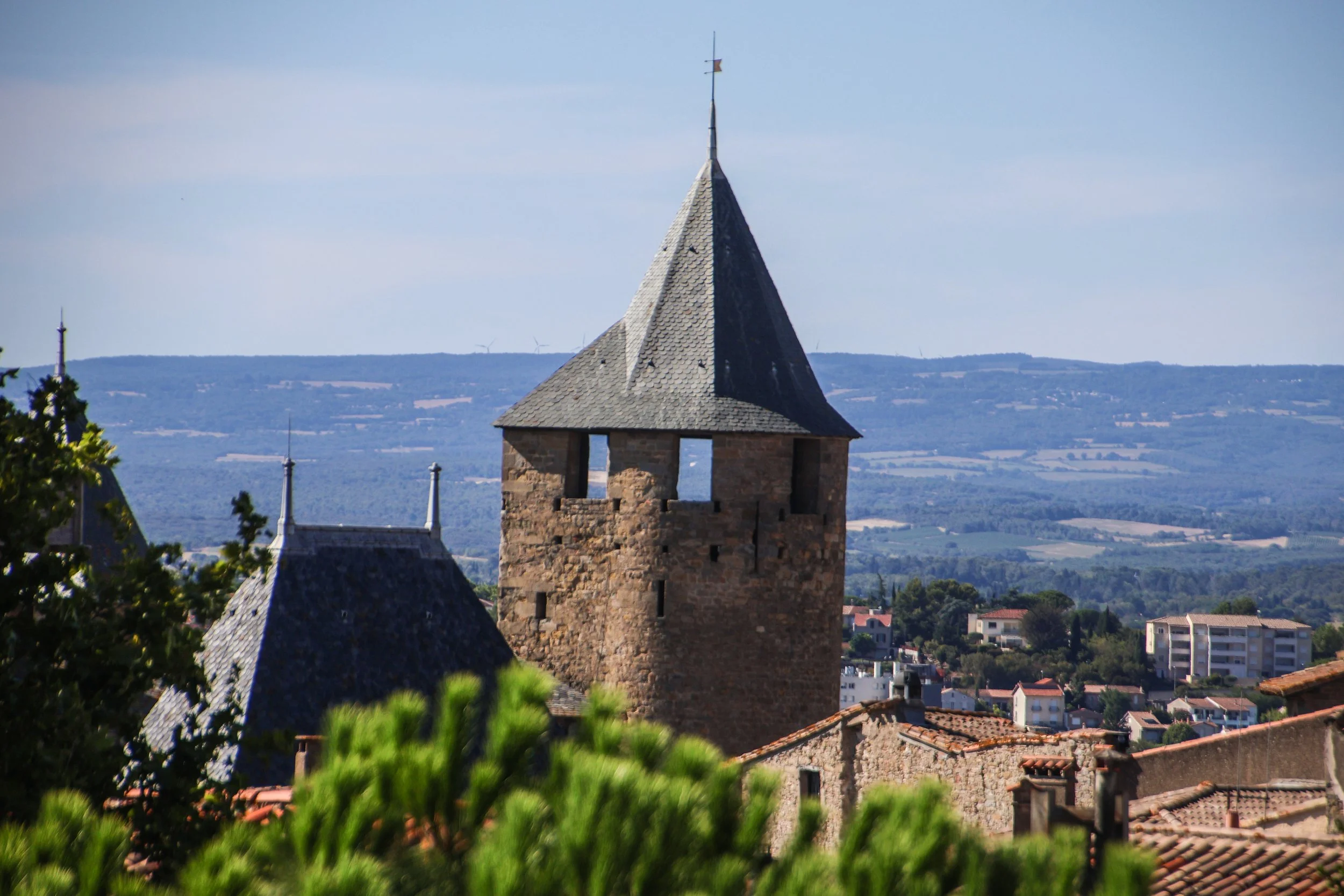
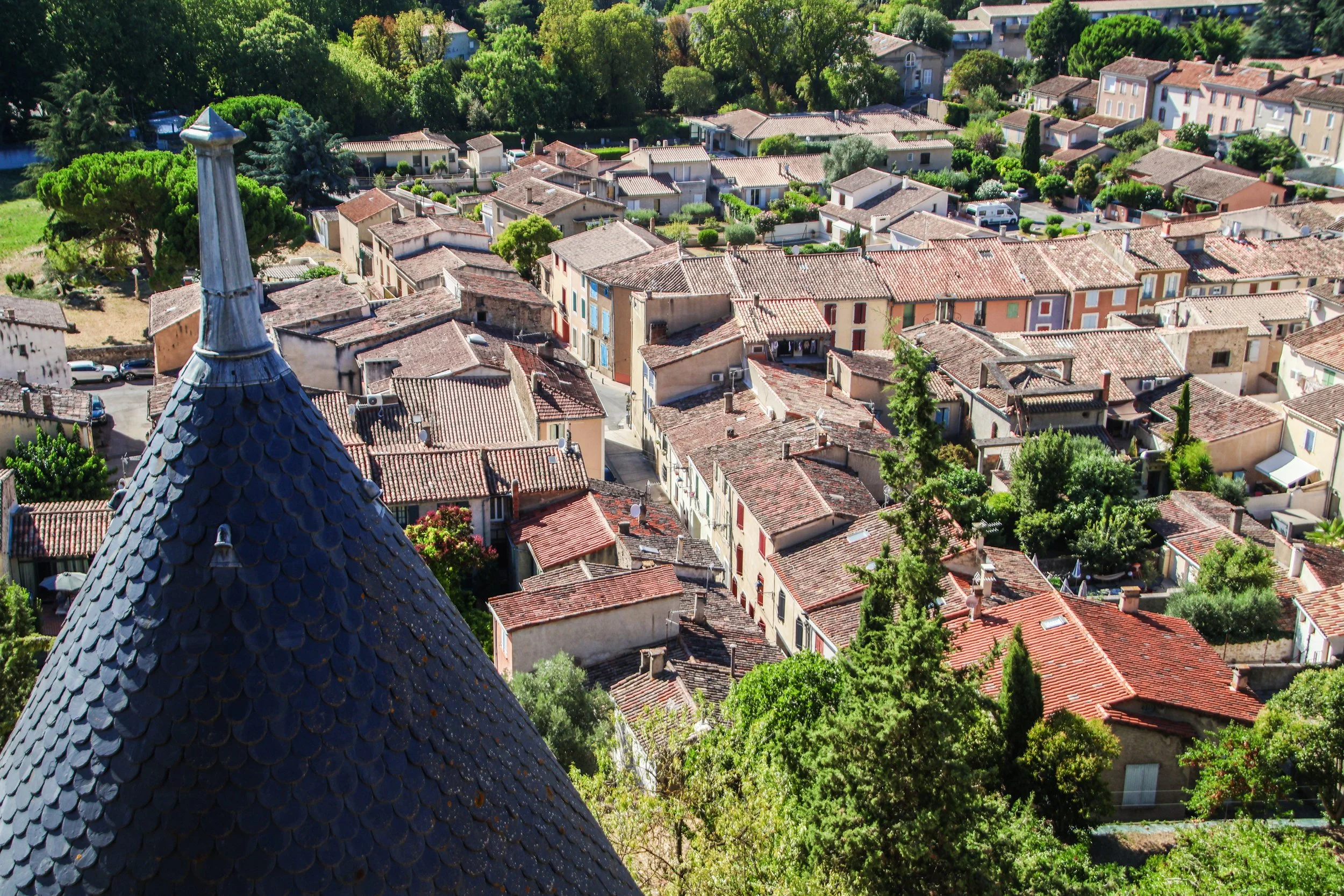
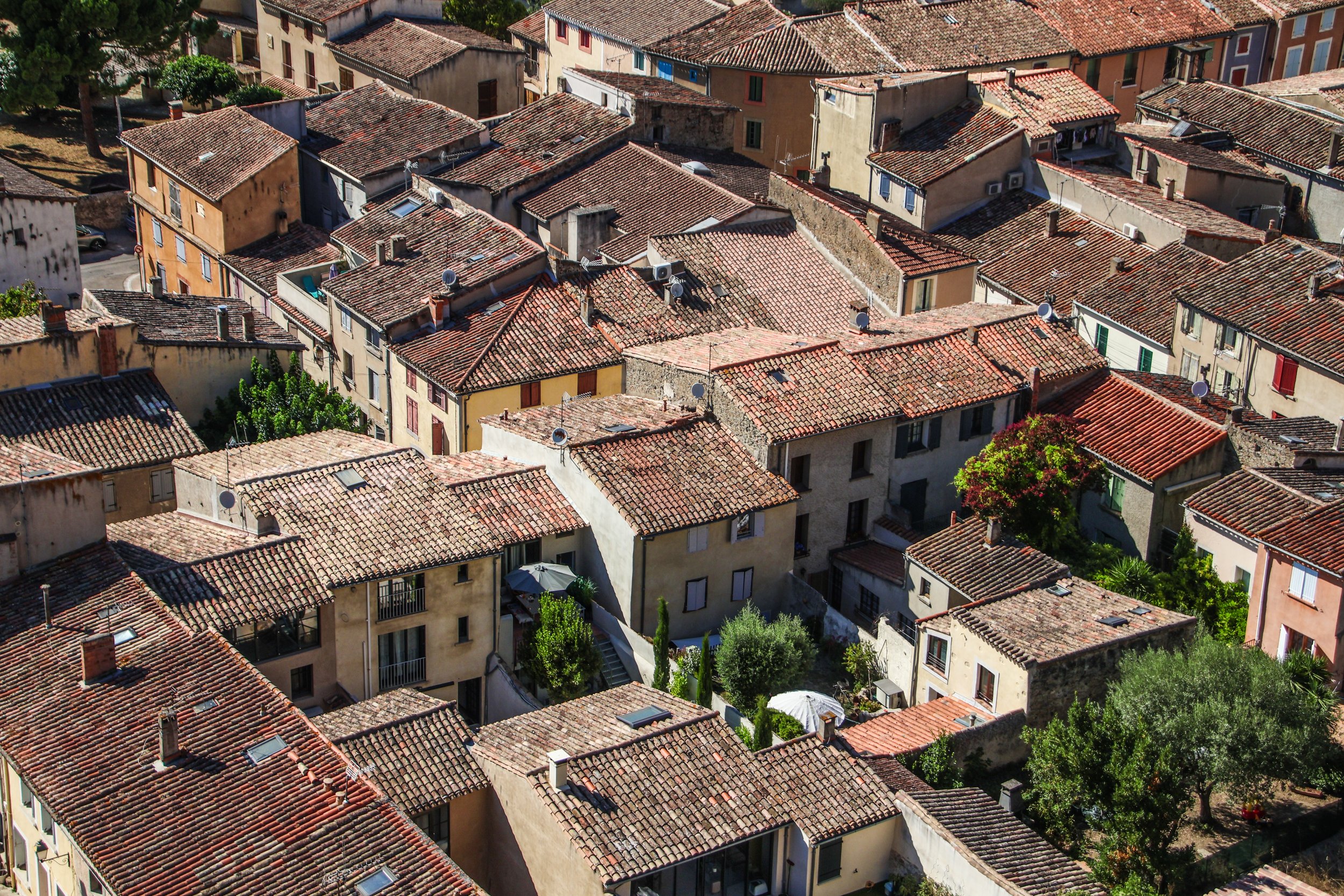
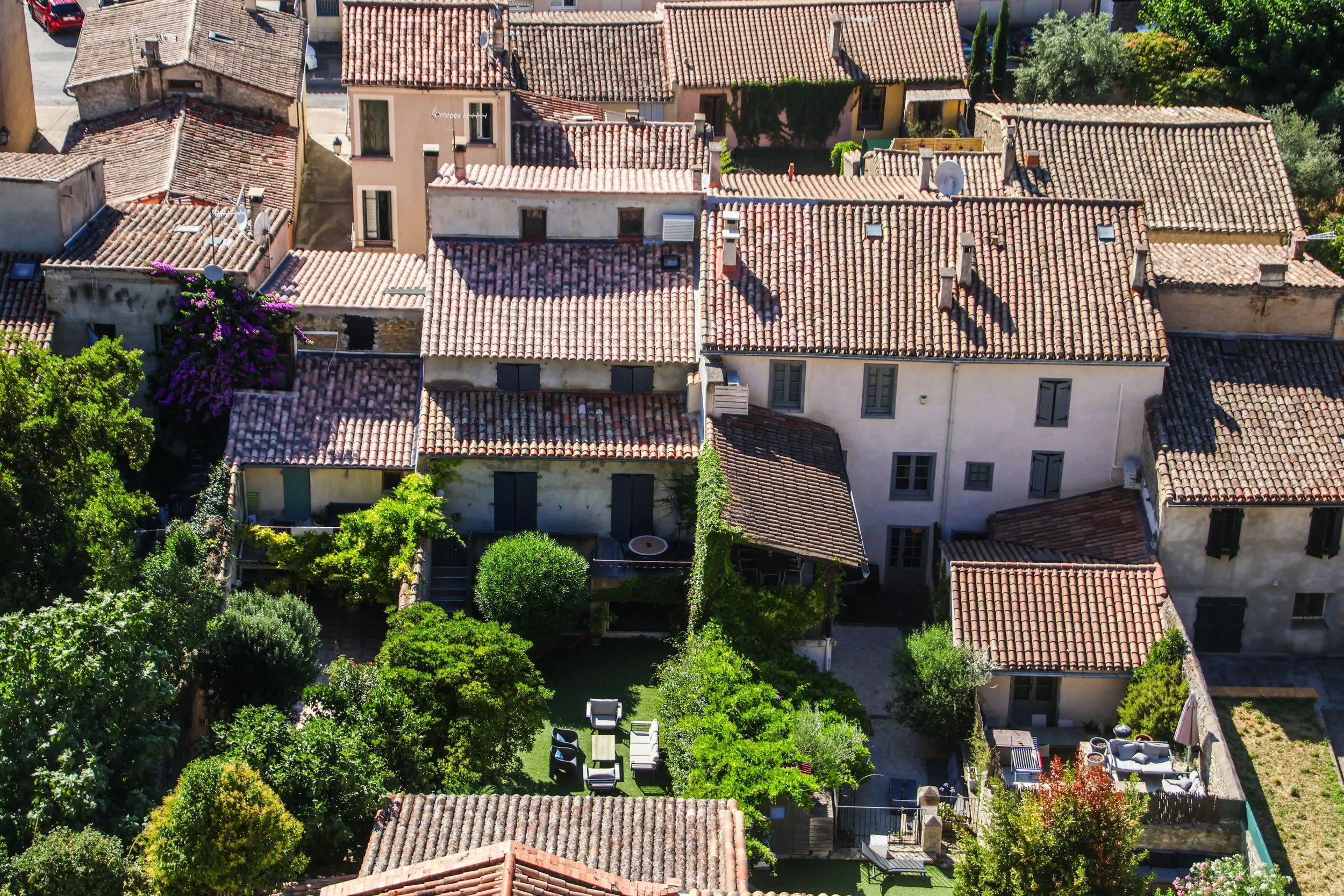
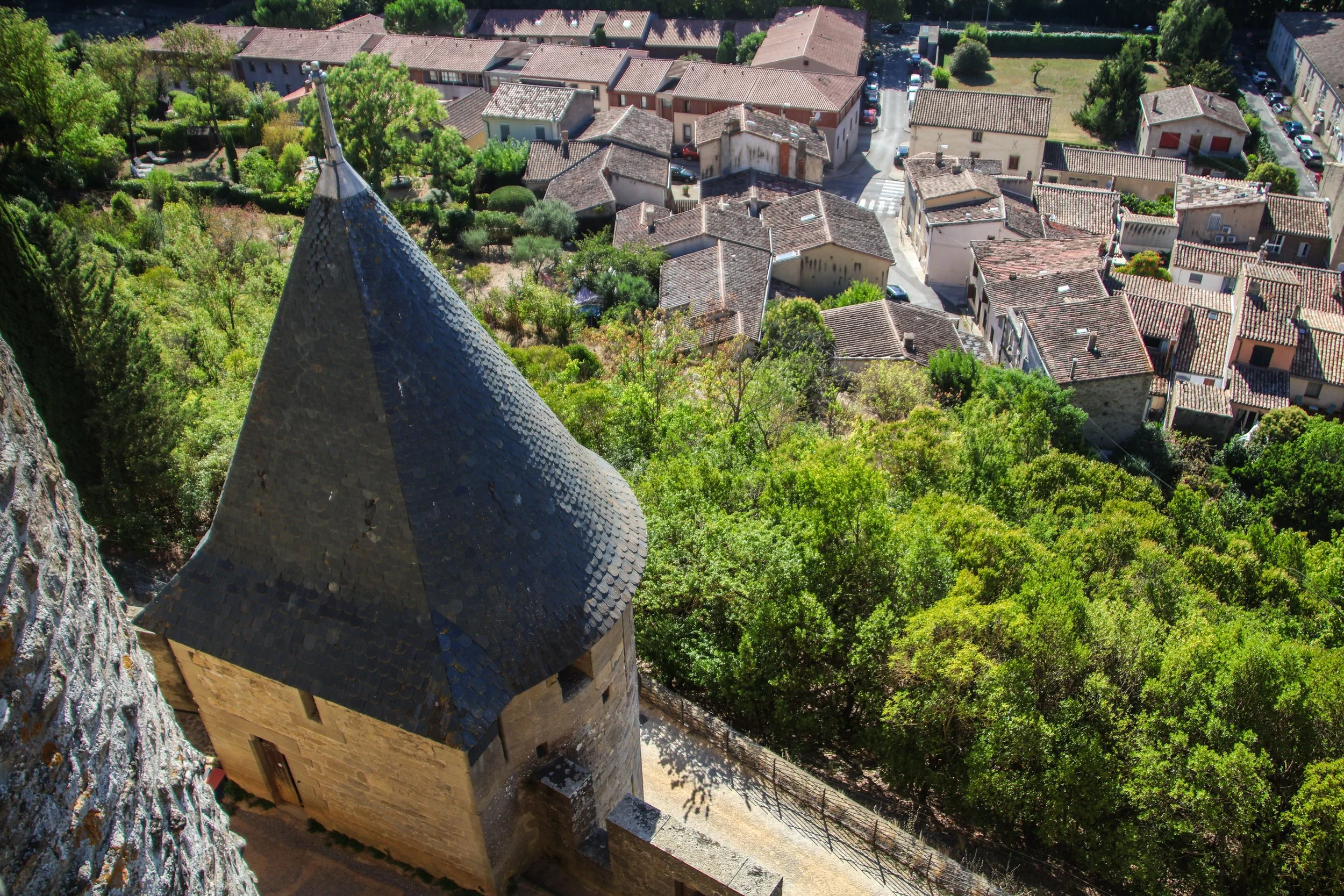
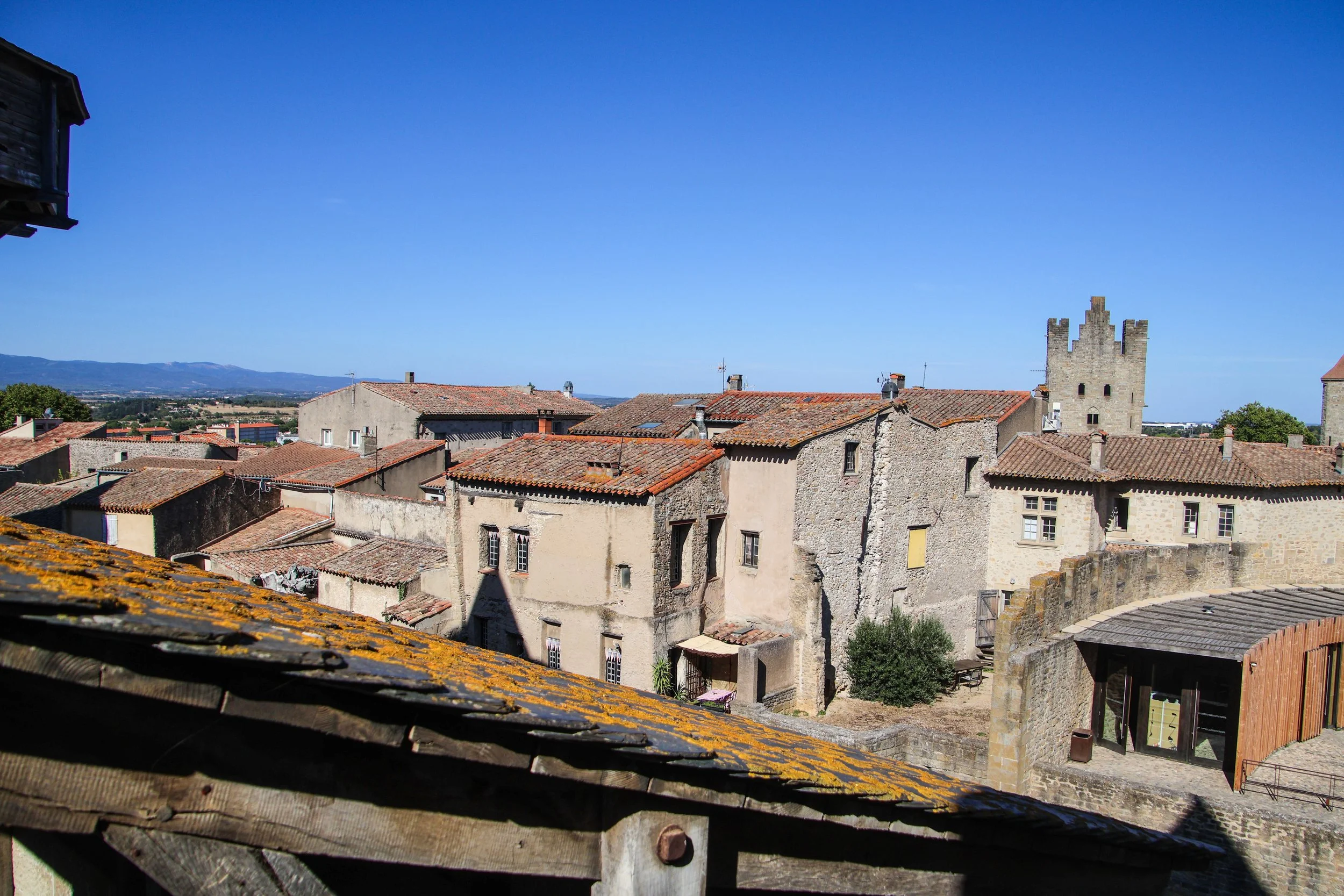
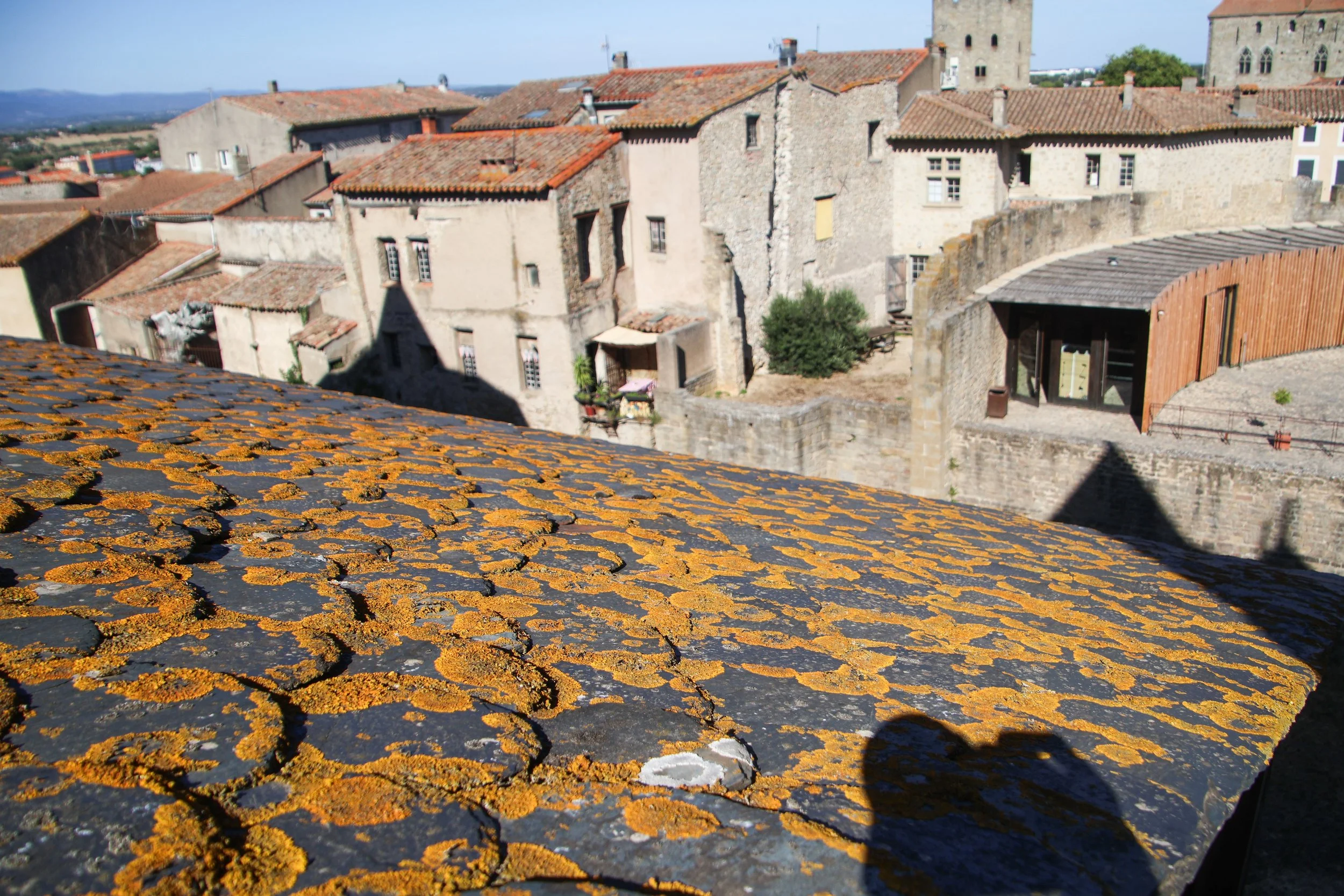
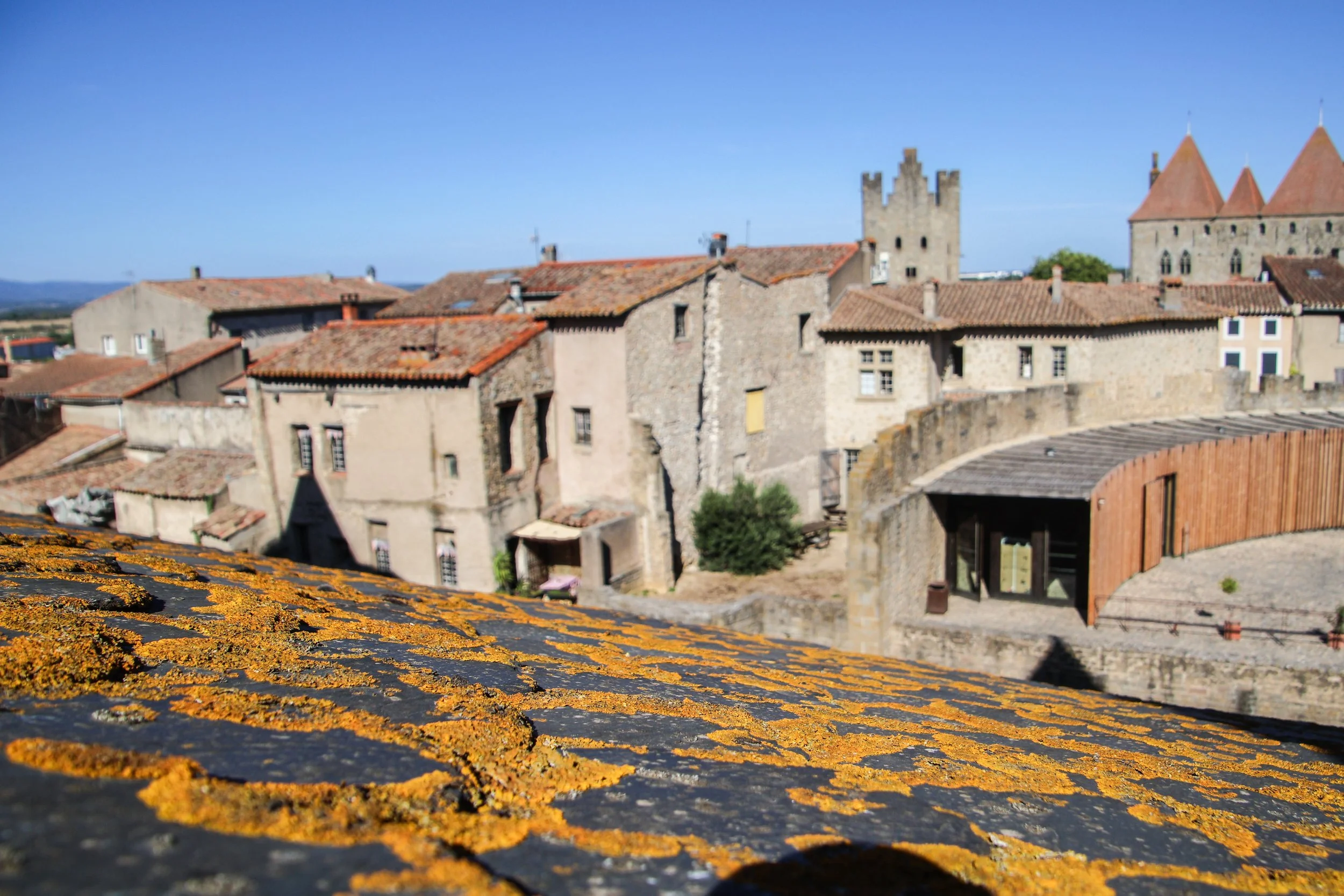
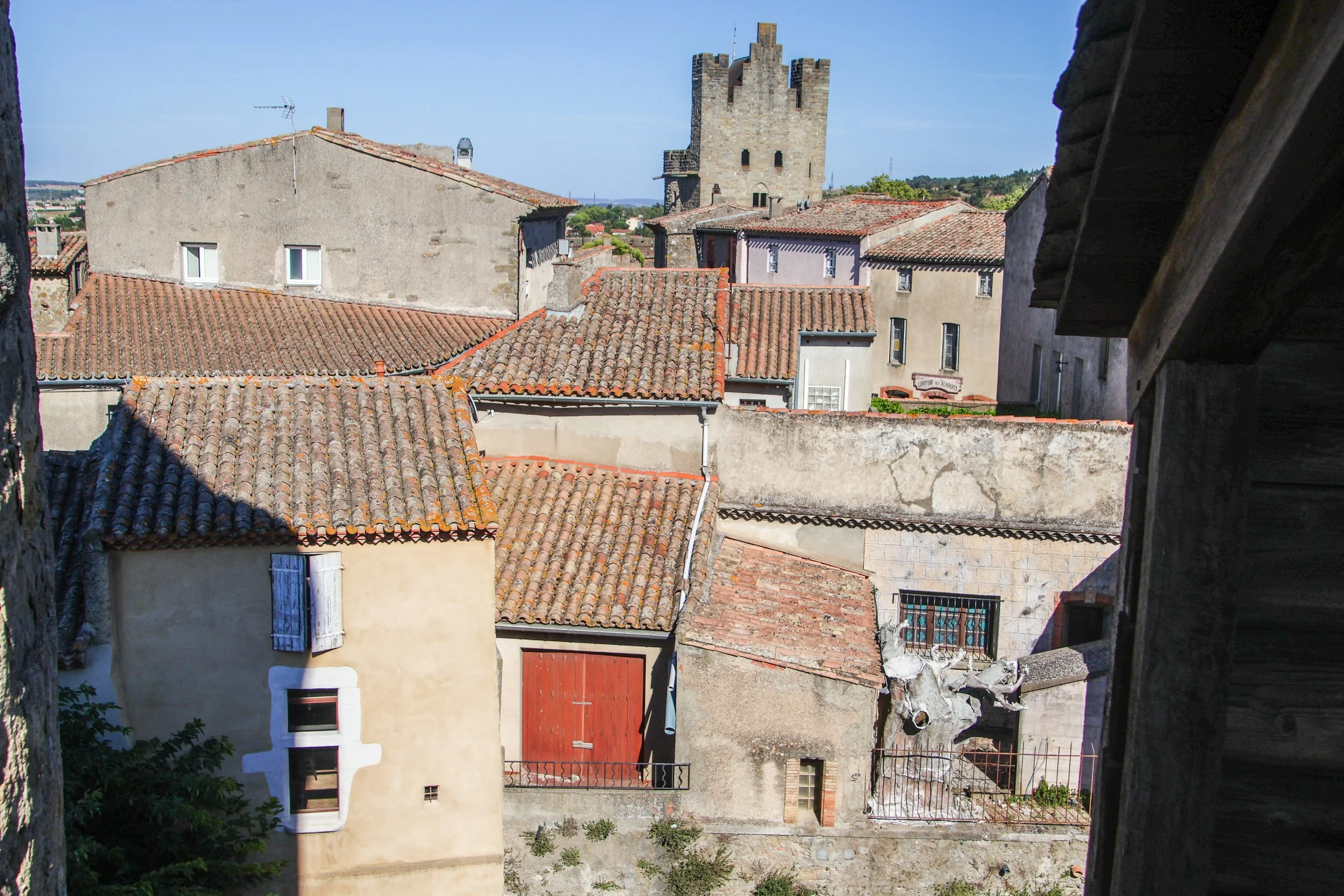
As incredible as these walls are unto themselves, the most scenic element of this whole experience is the VIEWS. As we discussed, this castle sits atop a hill, which of course brings with it certain tactical advantages from a military standpoint… but it’s also brings with it aesthetic advantages as well. Looking out from the edge of these Medieval ramparts, it’s an incredible panorama of the fertile valley through which the Aude River flows toward the Mediterranean coastline. In every other direction is beautiful mountainous terrain, the southern pieces of which are actually the foothills of the Pyrenees mountains. The rooftops of the external town of Carcassonne far below are every bit as charming as you would expect and hope from the South of France, and the aerial views of the interior town aren’t too shabby either. And, to put a cherry on the cake, on one side of the castle there is actually a vineyard that comes right up against the castle walls. Honestly, does it get any better than this?





Villerouge-Termenès
We’re not done with our Medieval adventuring quite yet! About 50km (~31 miles) southeast of Carcassonne is tiny town of Villerouge-Termenès. And when I say “tiny”, I mean that it has a population of like 160. There are lots of charming little towns sprinkled throughout these rugged, mountainous winelands (and we’re going to explore more of them in our next article) but this town is particularly special because it too is home to a Medieval castle. It’s nowhere near the scale of Carcassonne, but it’s worth a visit all the same because it is apparently quite a typical example of “Cathar country” castles, where charming villages are clustered tightly around well-preserved Medieval castles. Here’s where on the map we’re about to go…
So, to circle back to our friends the Cathars… there is a particularly macabre sub-chapter of the French Inquisition that played out in this little town.
To review, the central government of France was using Carcassonne as a base of operations for this region. This castle was in the thick of the French-papal campaigns to stamp out the Cathar belief system, now called the Albigensian Crusade (1209–1229). So, there was lots of action here.
Anyway, in the early 1300s, there was a guy named Guillaume (Guilhem) Bélibaste, who we now recognize as the last known Cathar parfait (perfect / “bon homme”) in Occitania. He was rounded up in the French Inquisition and imprisoned in Carcassonne. To end this imprisonment, he was brought here and burned at the stake just outside the castle walls, which is widely considered to be the symbolic end point for organized Catharism in the region. This is not the first time I’ve heard about this awful form of execution in a historical context… but it is the first time I ever considered what it might have smelled like. 😬

Legend has it that his execution produced a thick, foul-smelling smoke that lingered in the region for quite a while after his death. There is inherent relativity in this, so we can only assume that the locals had some basis for comparison… but this was apparently a much fouler and longer-lasting odor than should have been emitted by somebody being burned alive. There’s all sorts of symbolism that has been ascribed to this foul smell—like that nature itself disapproved of the execution, that it was a sign of injustice, and/or that it represented a curse on the land, which was blamed for local misfortune in the coming years—and supposedly you can still smell it sometimes.
It’s a disturbing detail, but—even beyond our visit to the castle—we drove through Villerouge-Termenès many times on this trip, and always had fun making a theatrical show of exaggerated sniffing/smelling; “It smells like… Bélibaste!”

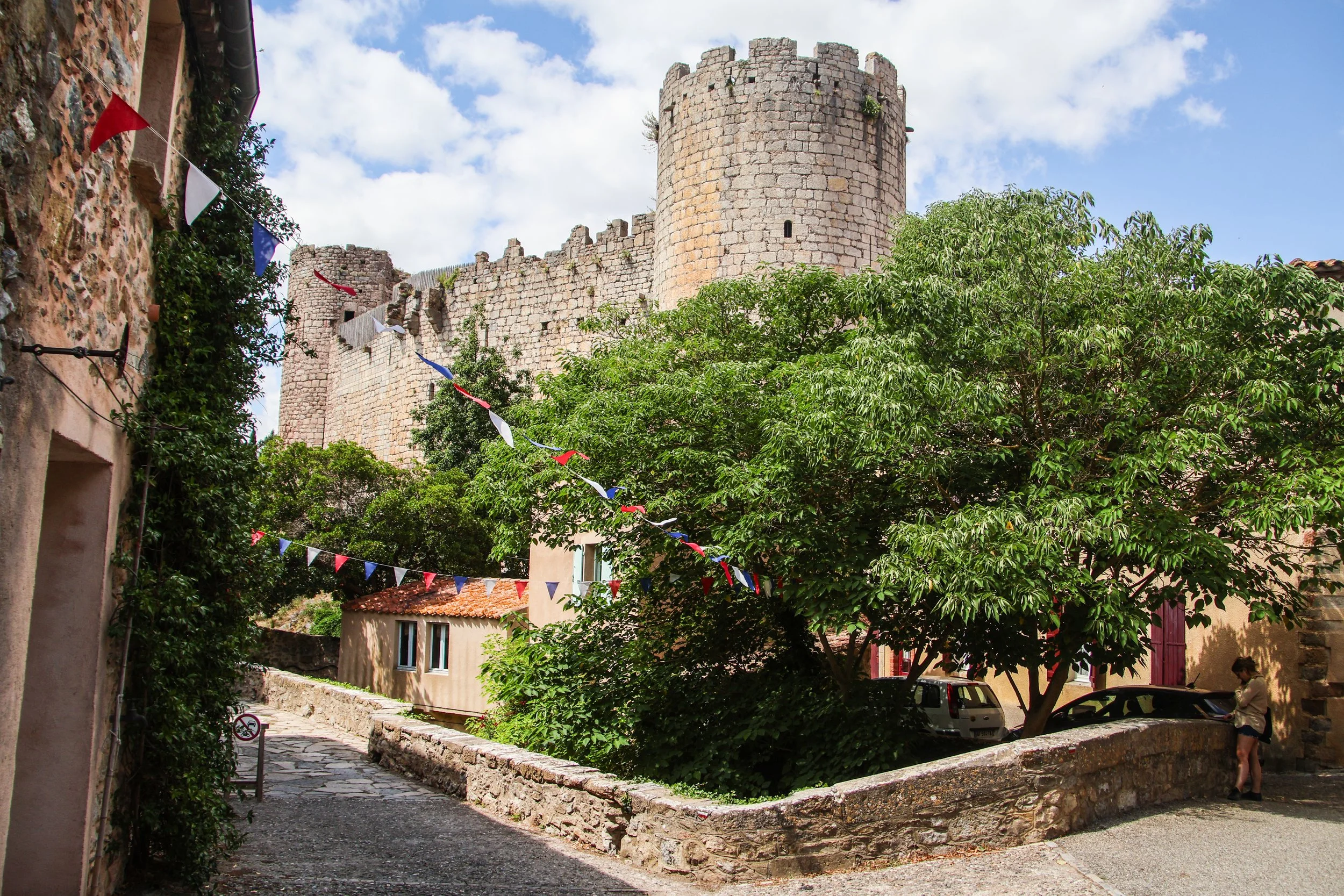
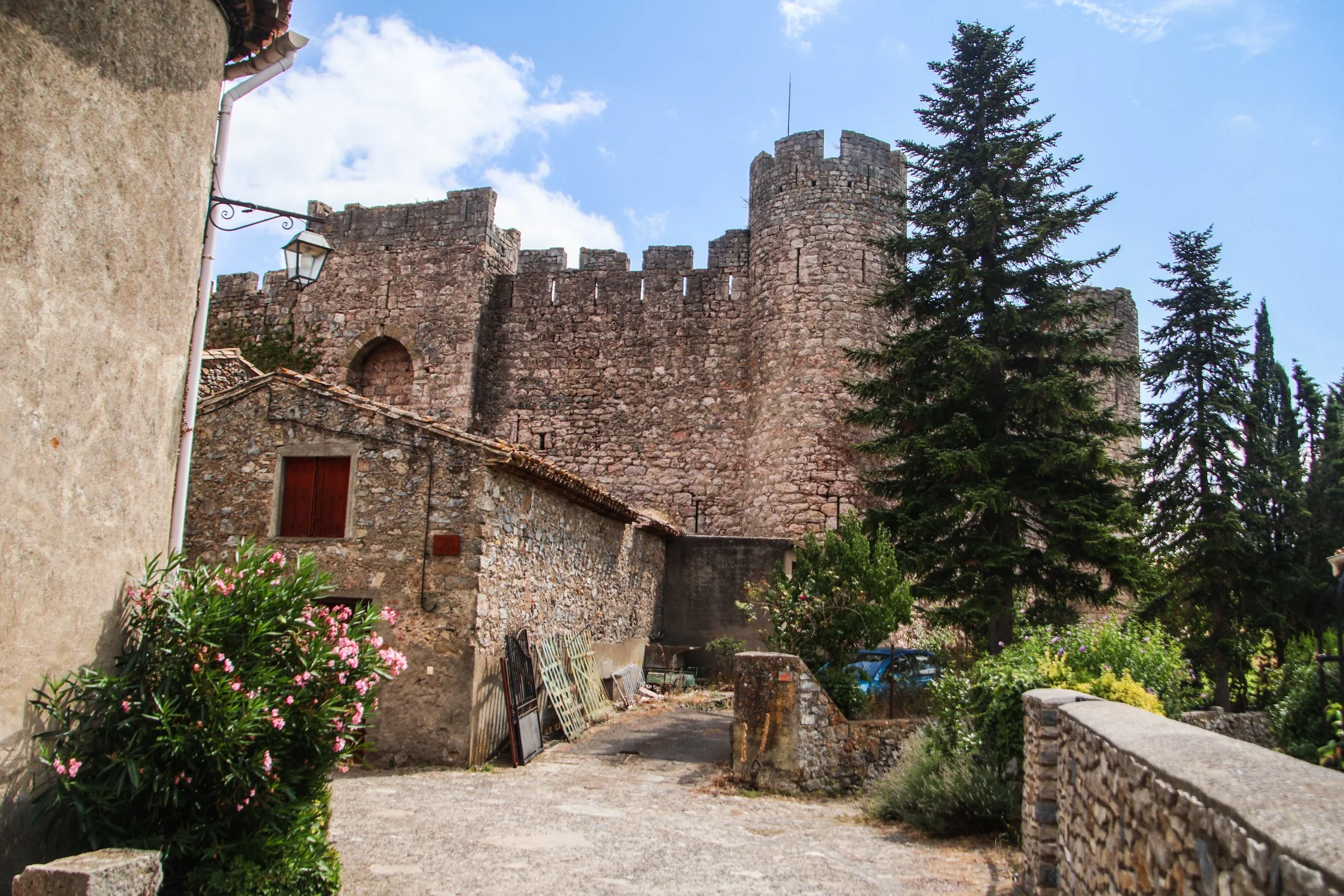
Anyway, the castle you’re about to see was first recorded in the year 1110, but it was significantly altered in the 1300s to take the form you will see in the gallery below. It was in active use as a local administrative center and military fortification all the way up until the French Revolution (1789), at which point it slid into semi-abandonment, partial ruin, and local utilitarian uses until it eventually was cleaned up and recognized as heritage site. Here’s it is, in all its smelly glory:
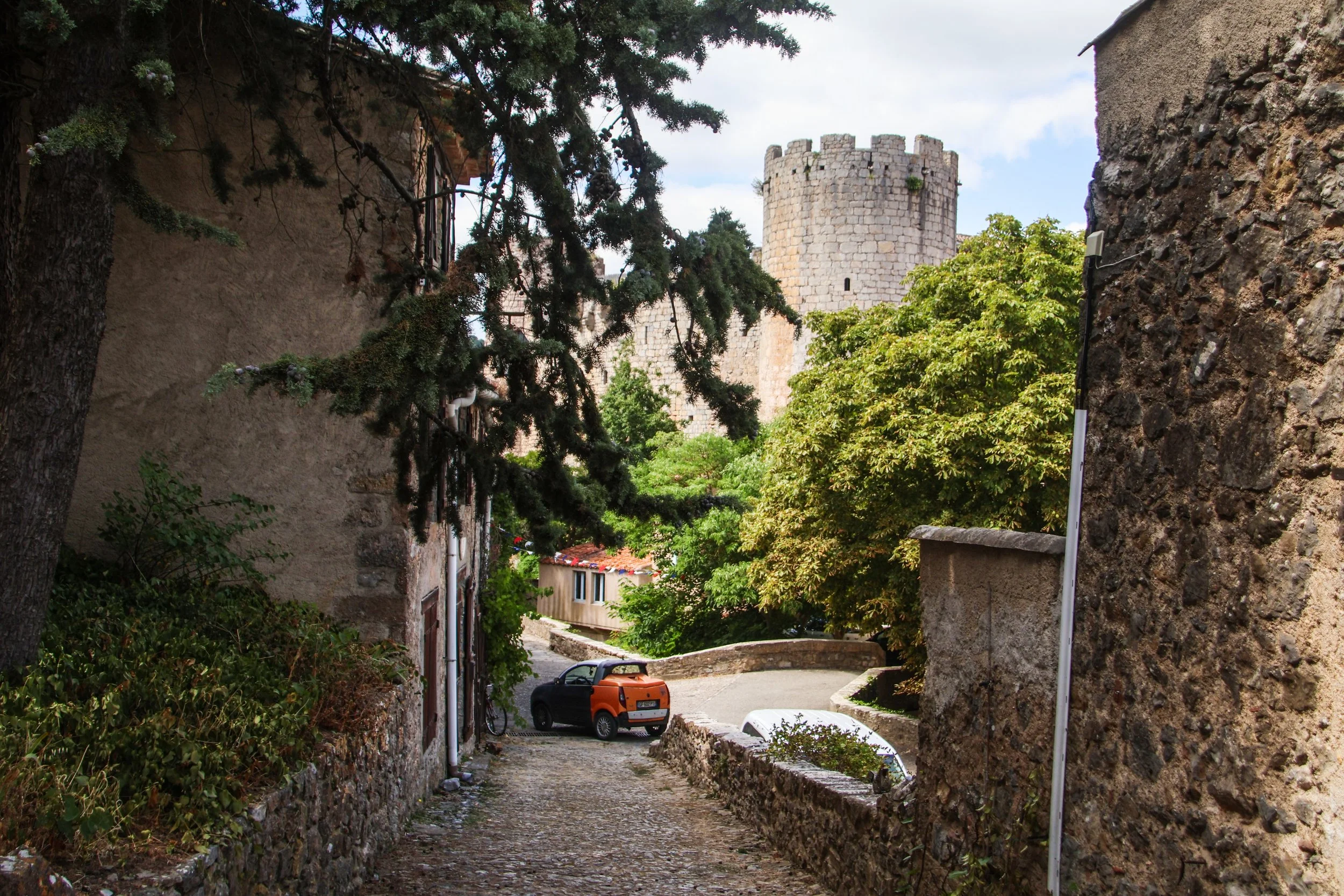
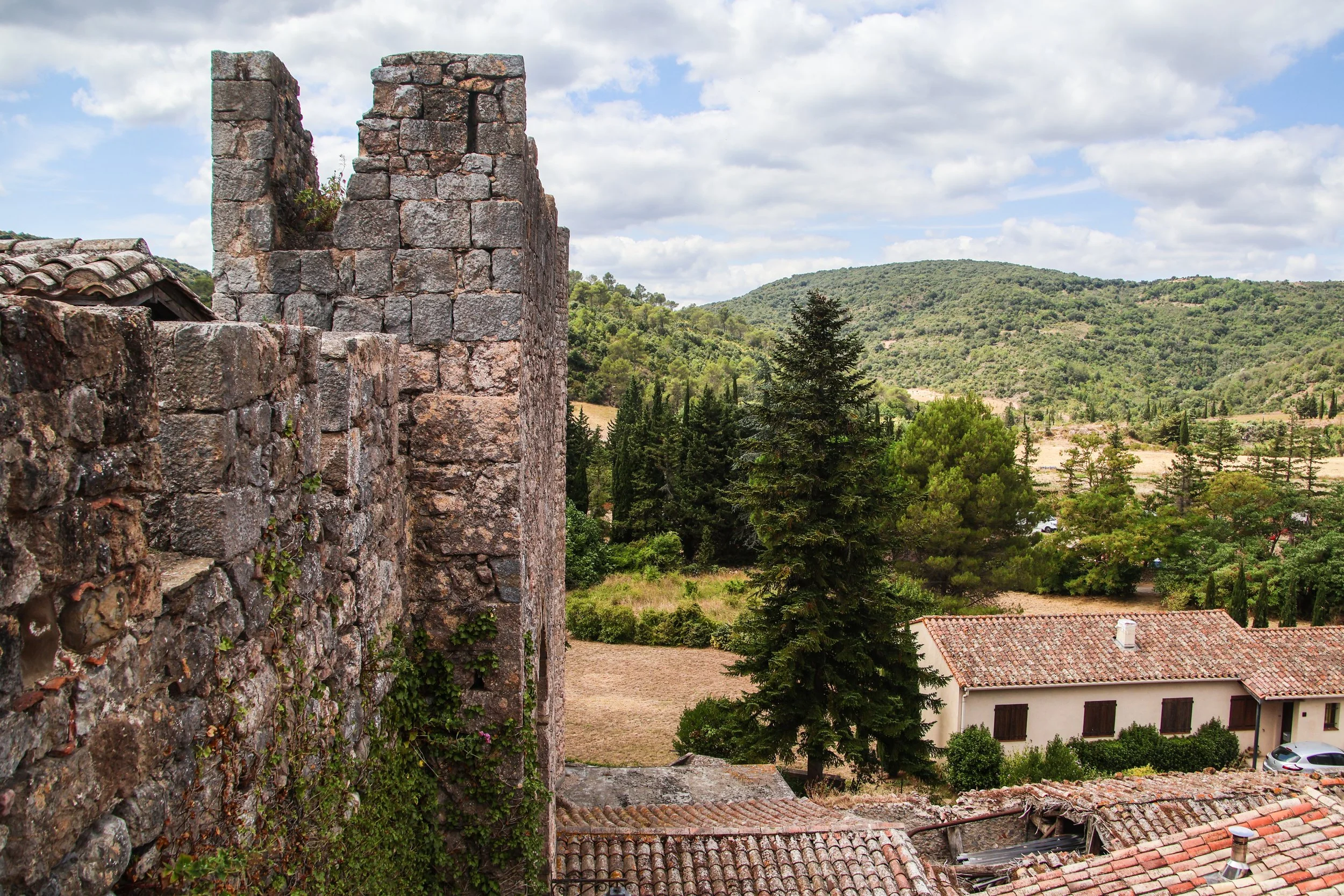
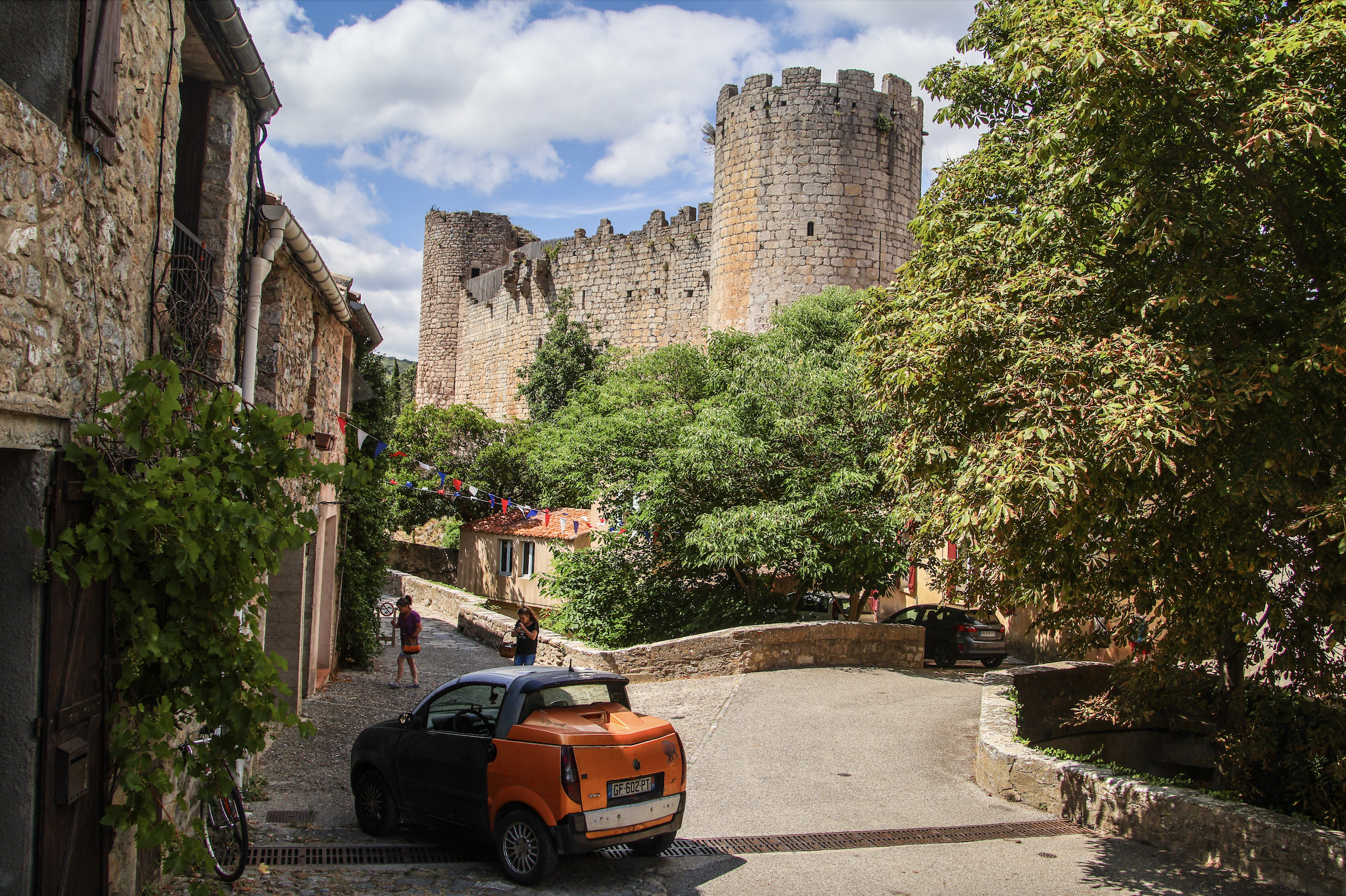
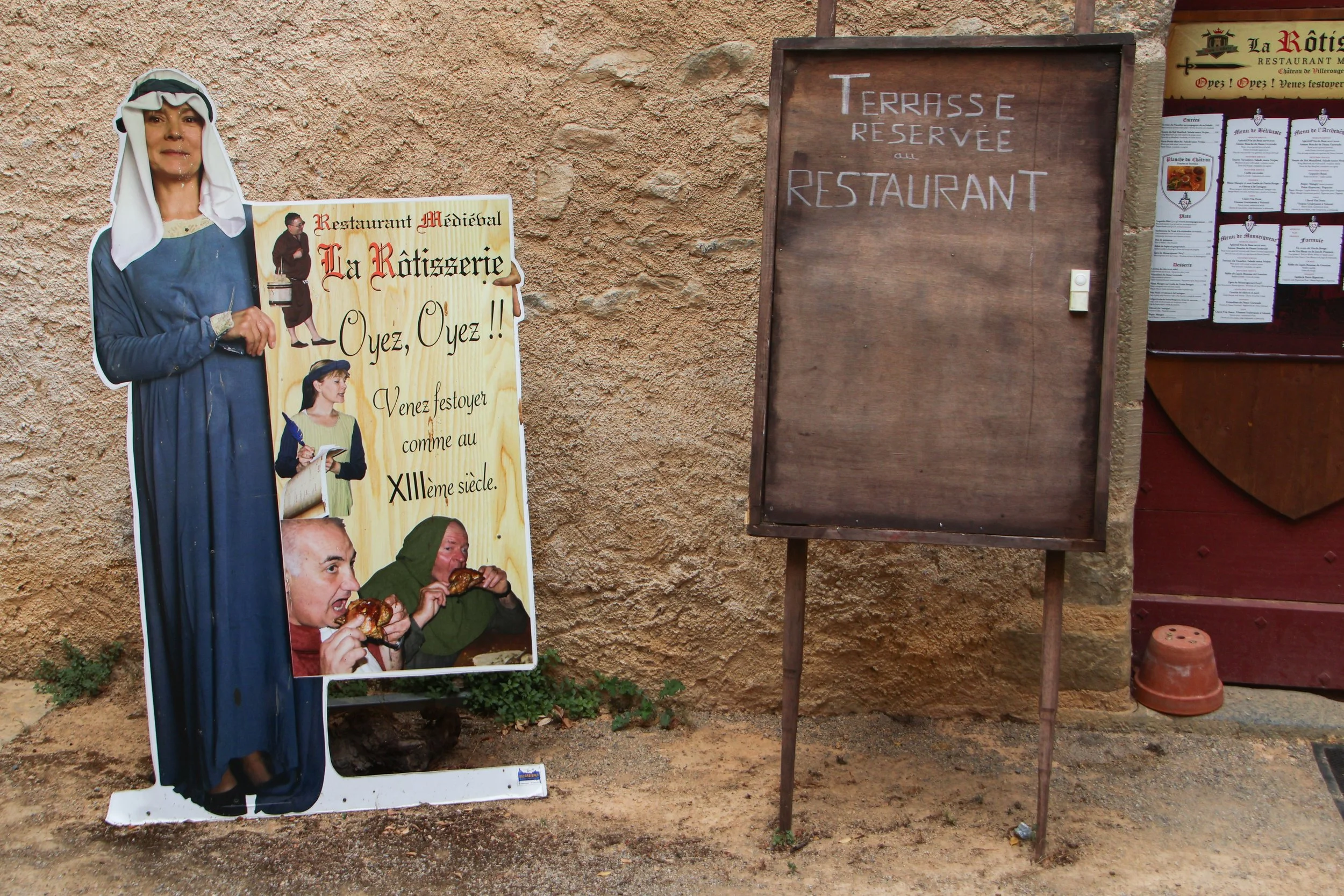
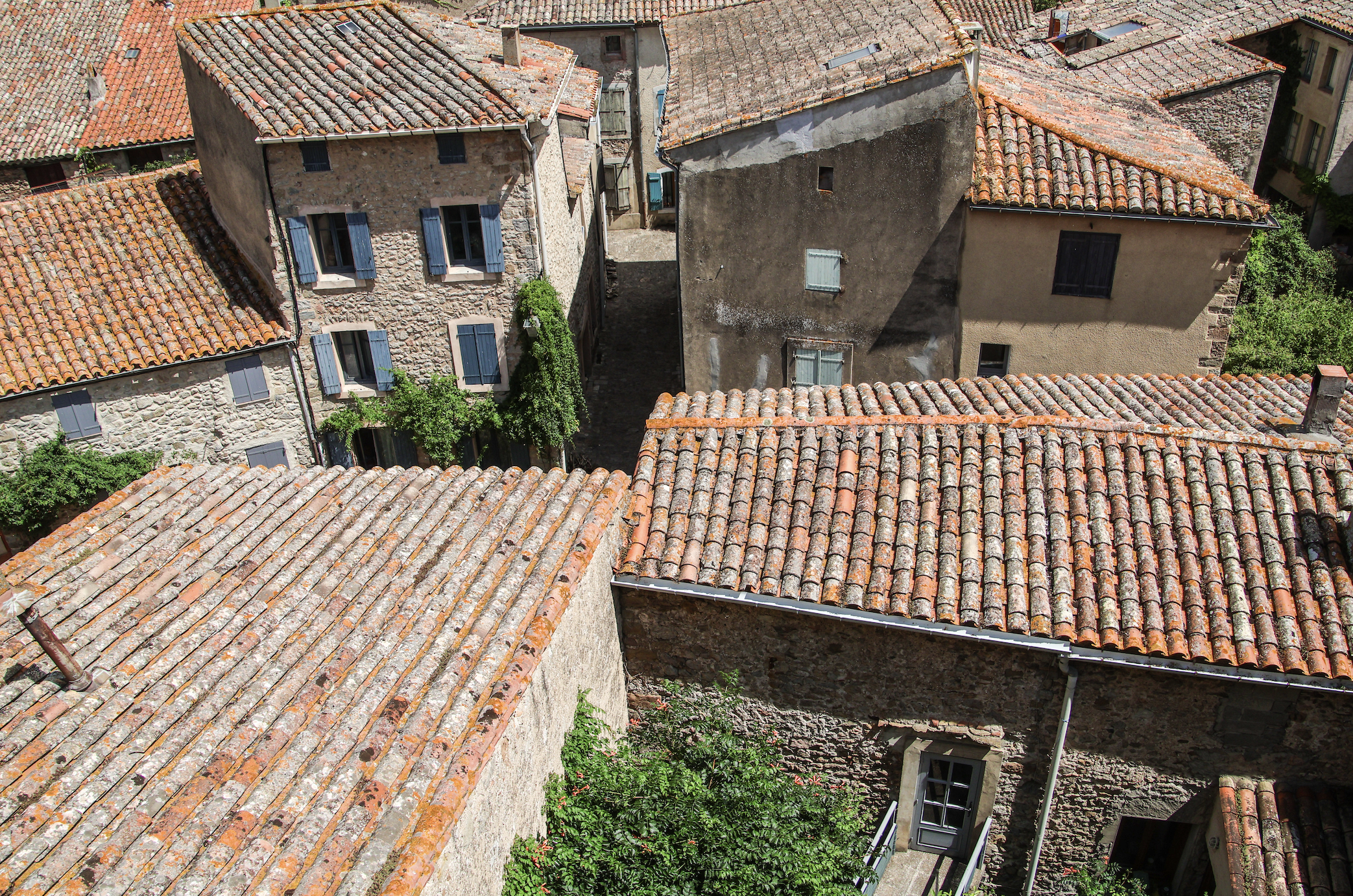
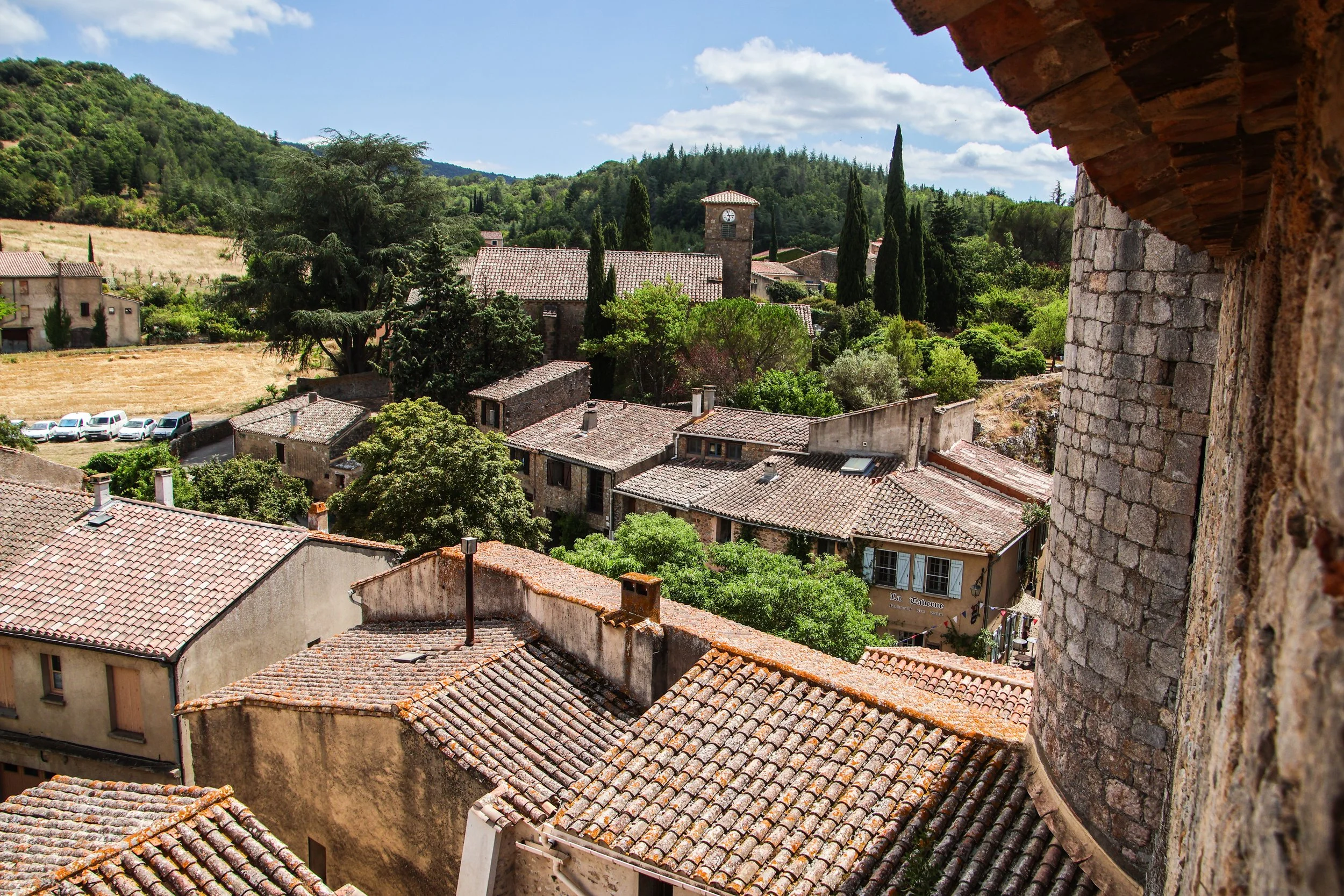
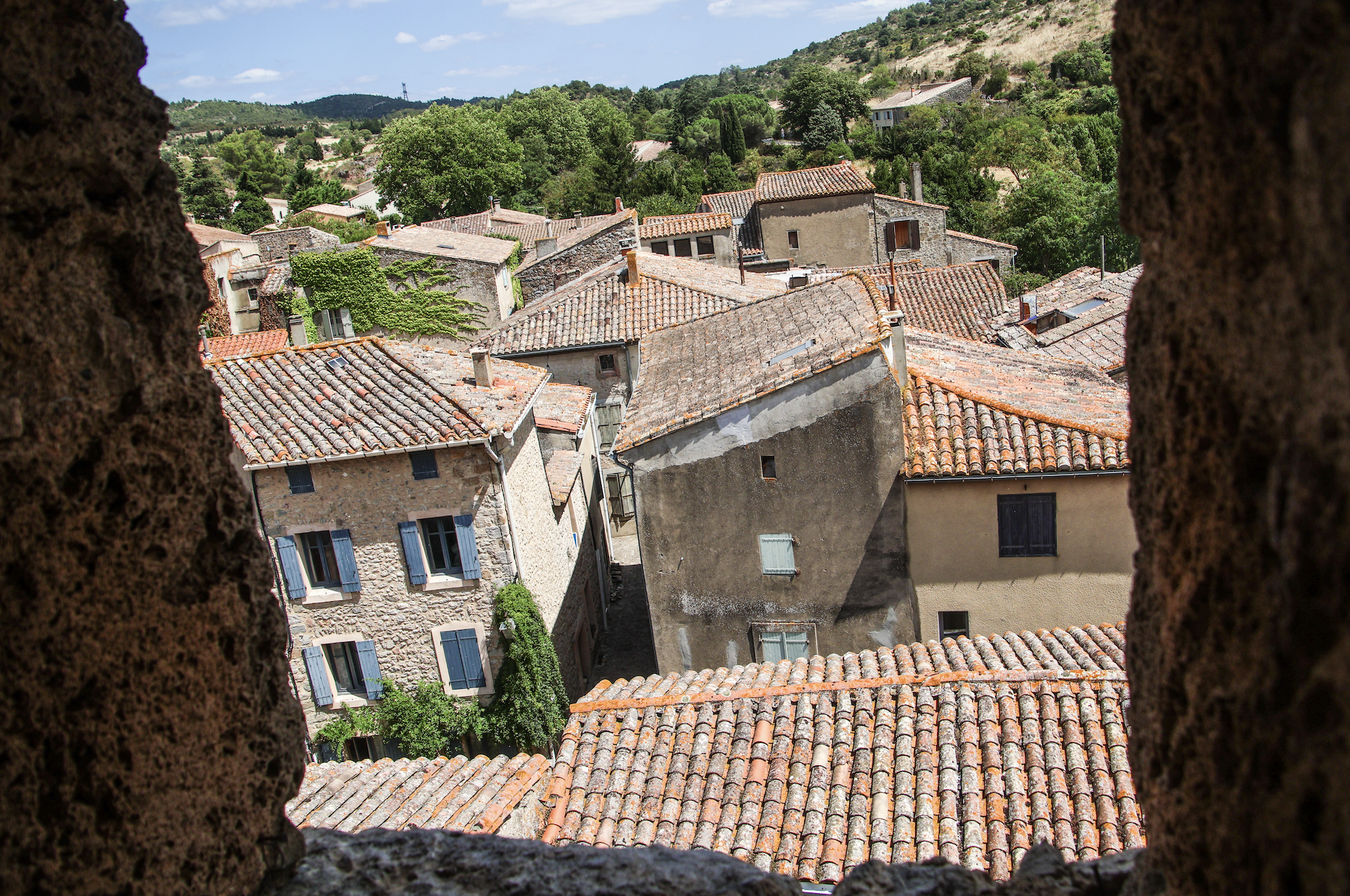
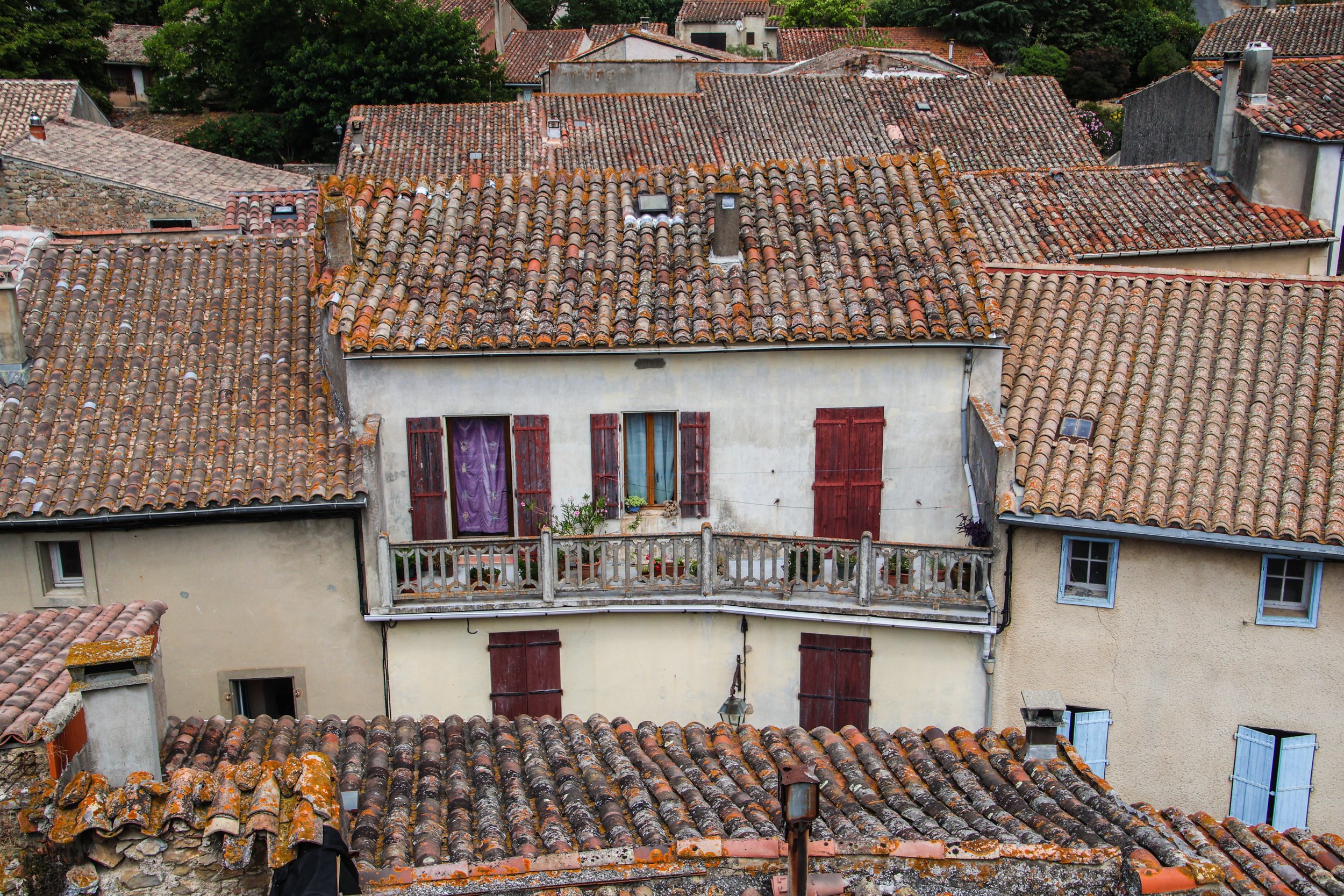
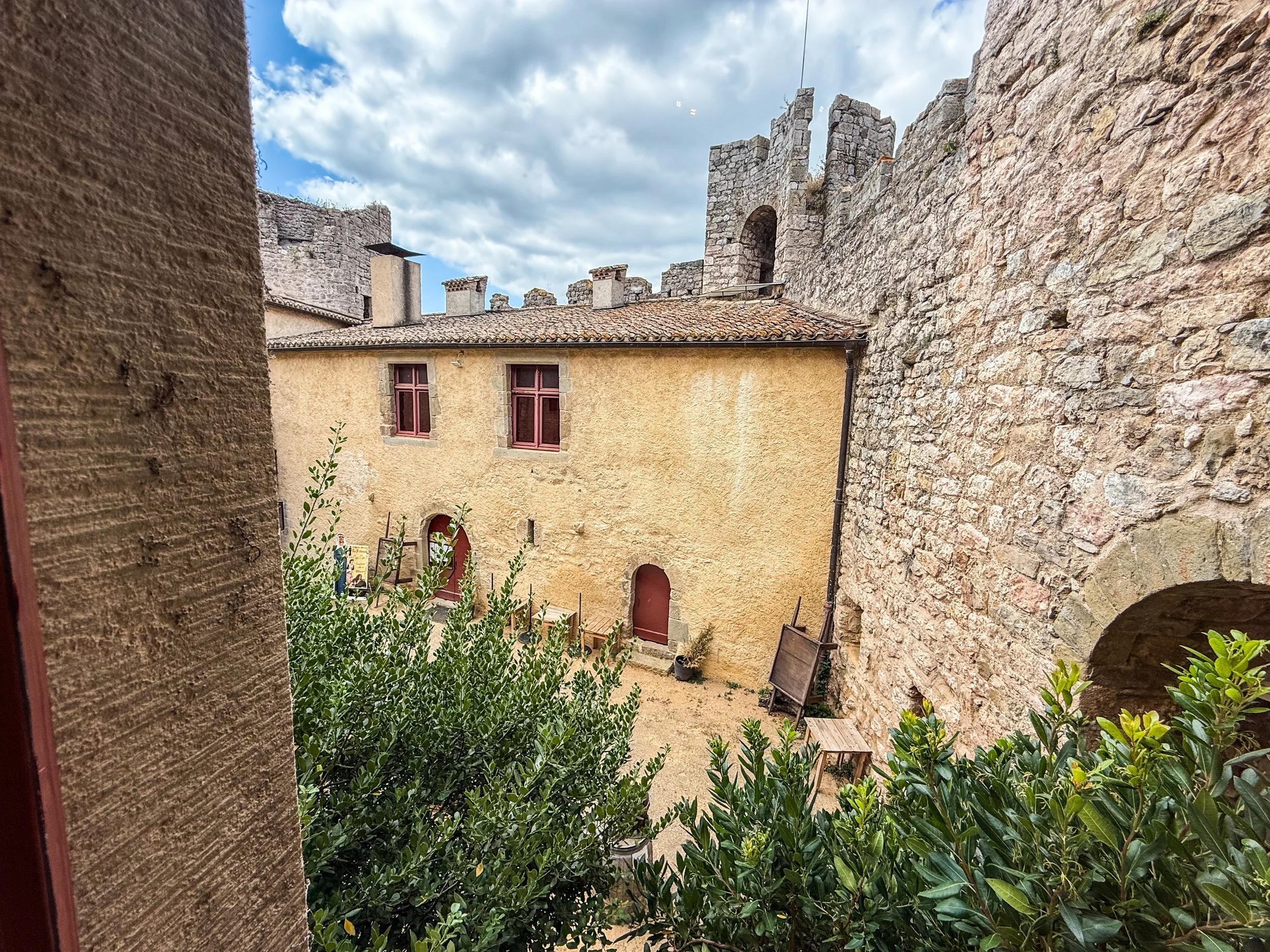
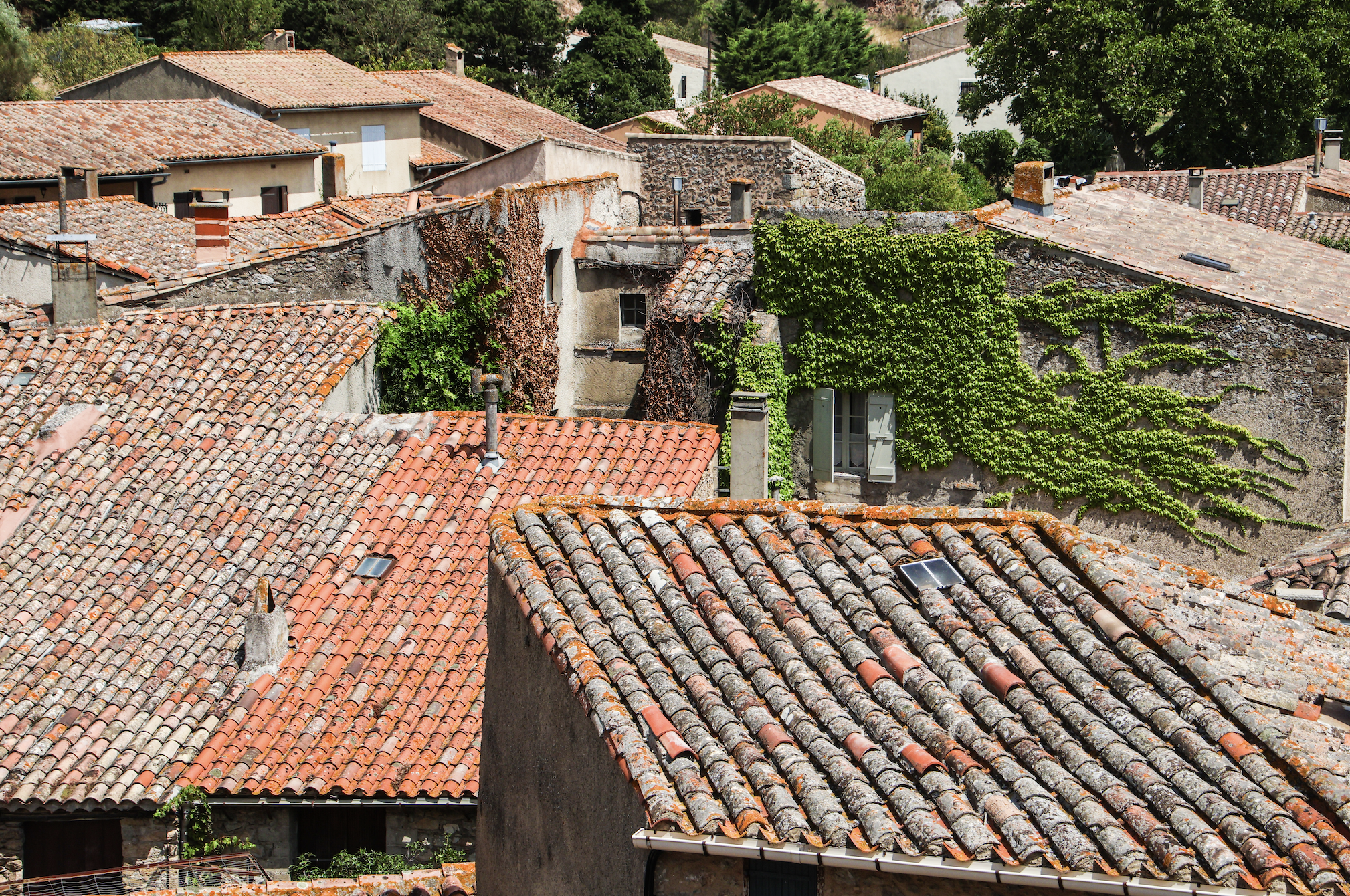
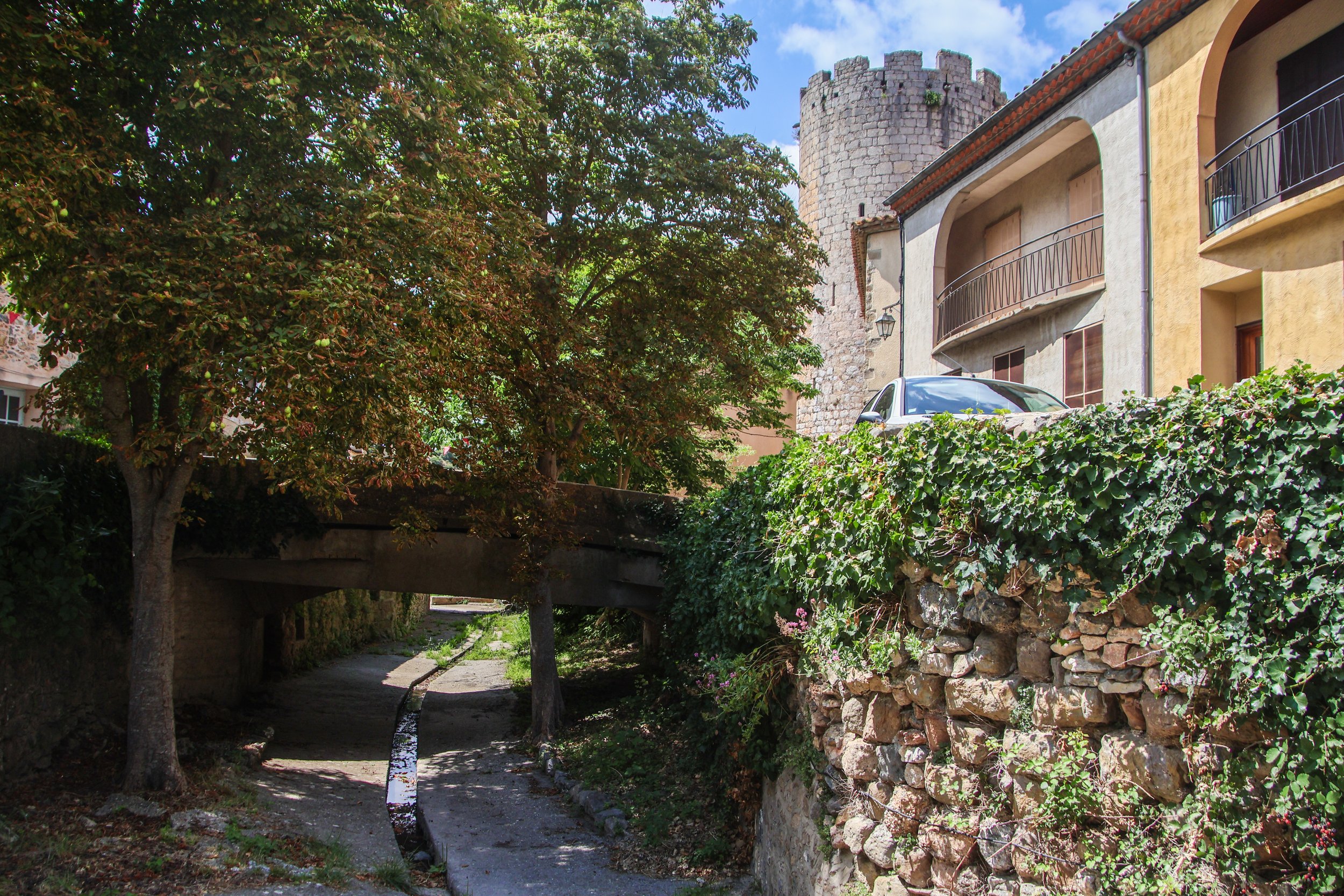
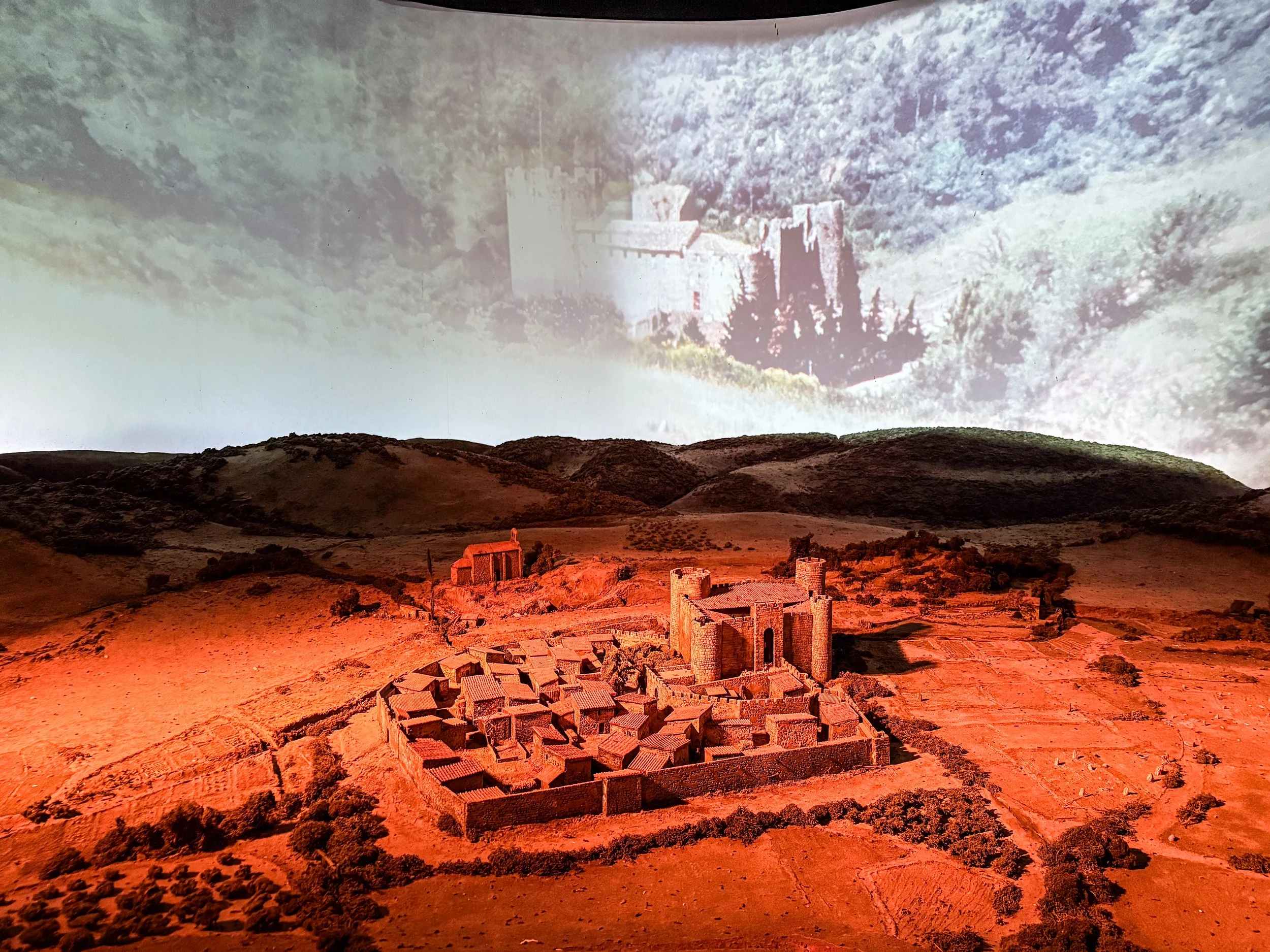
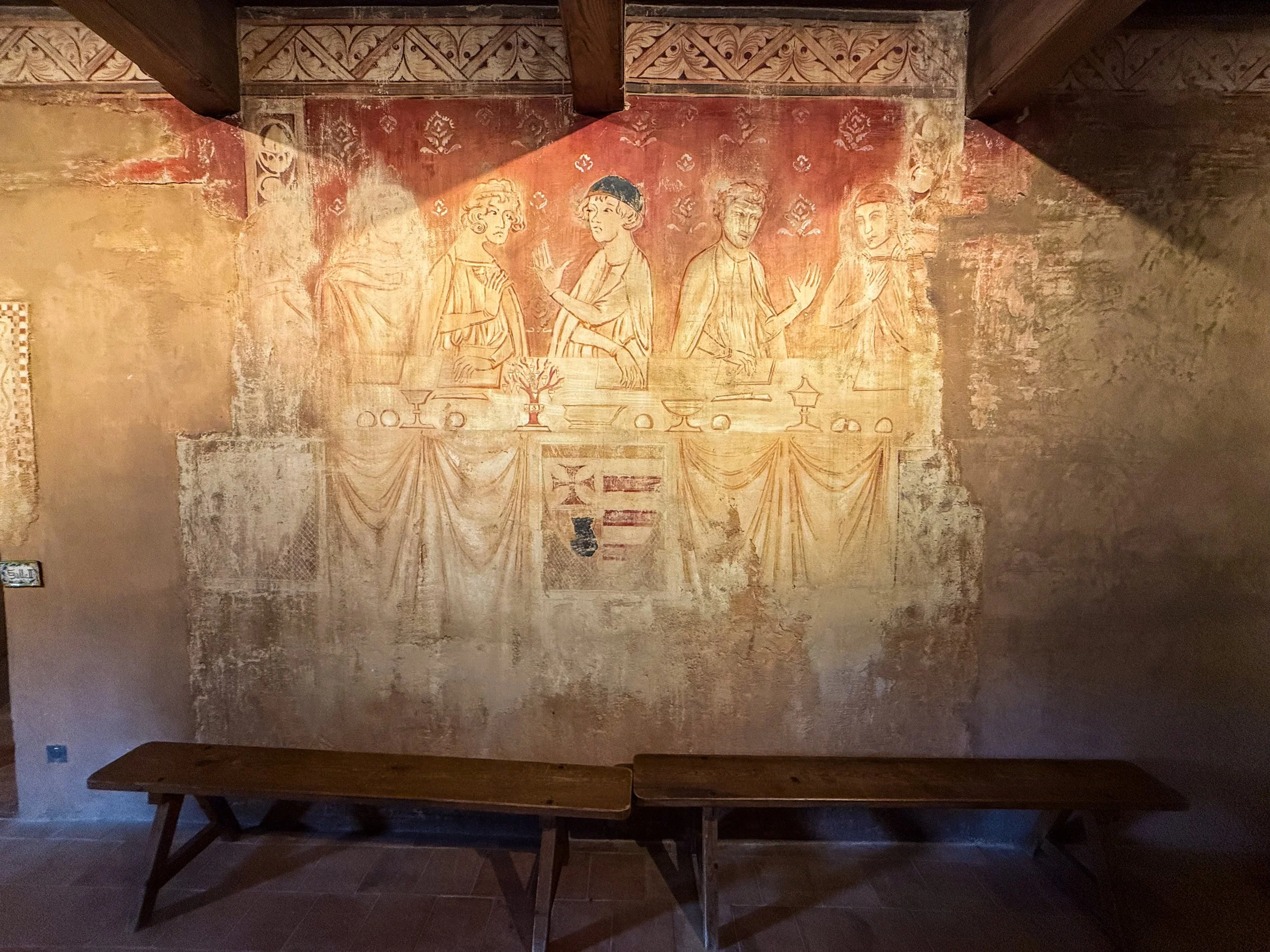
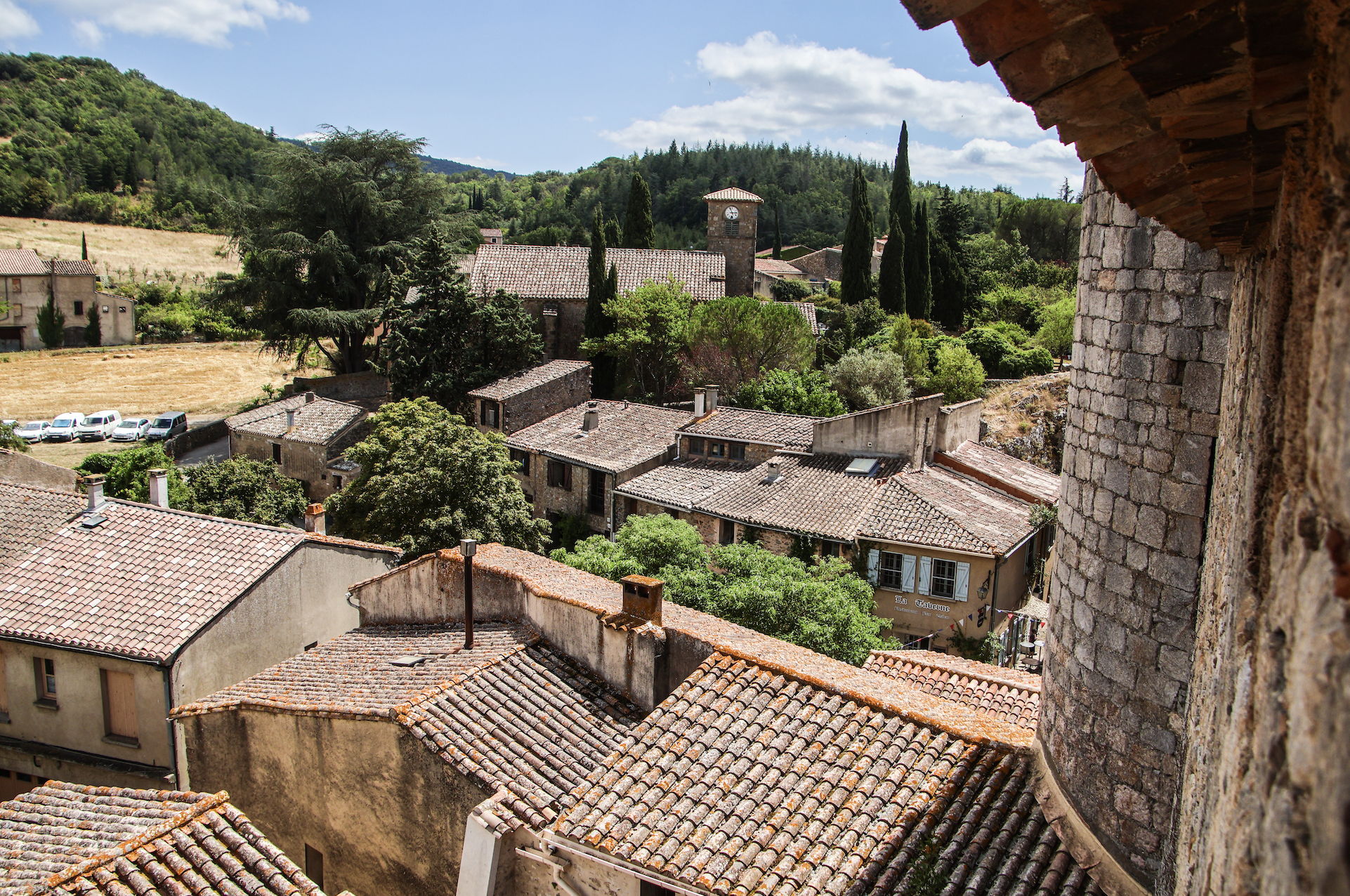
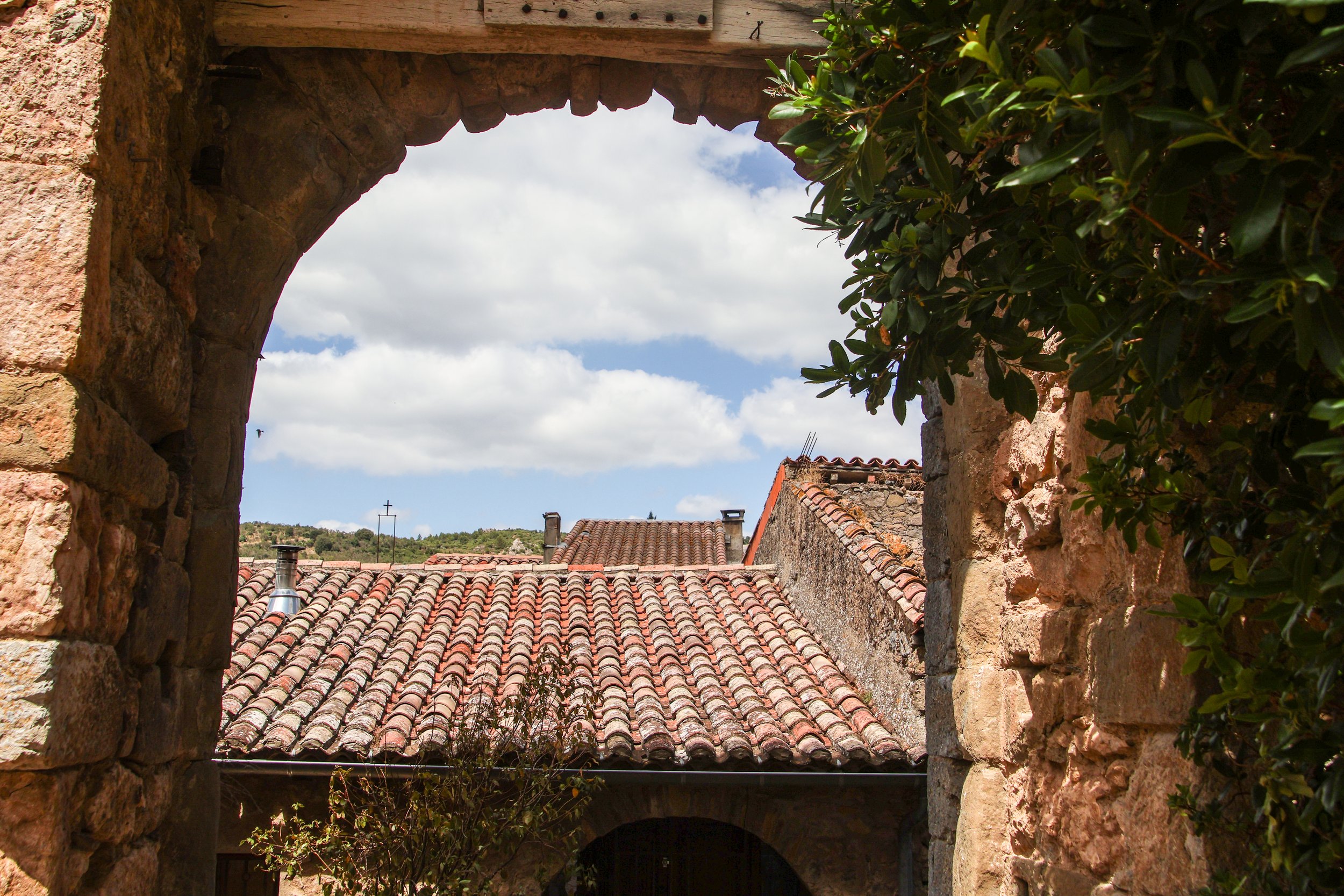
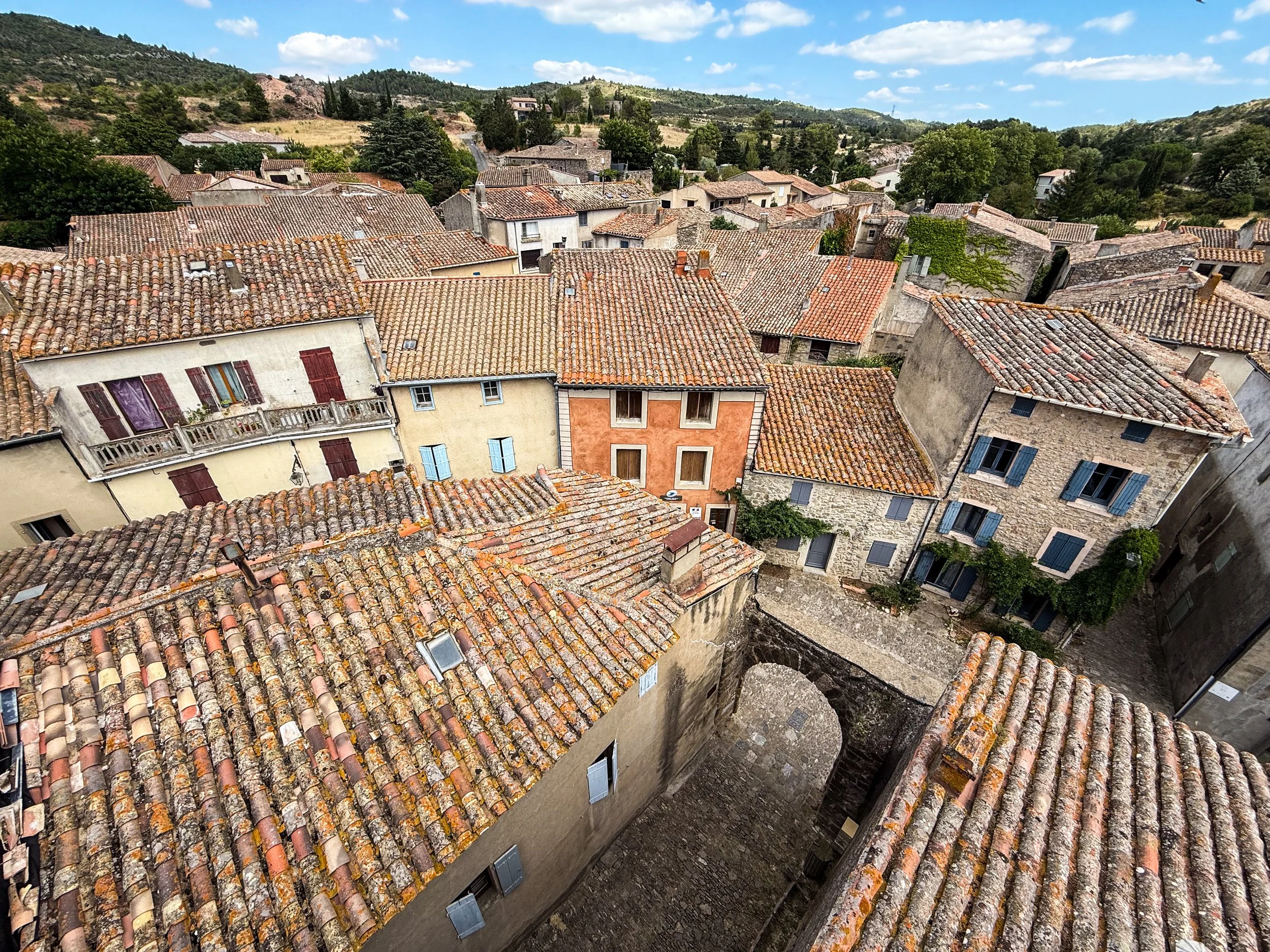
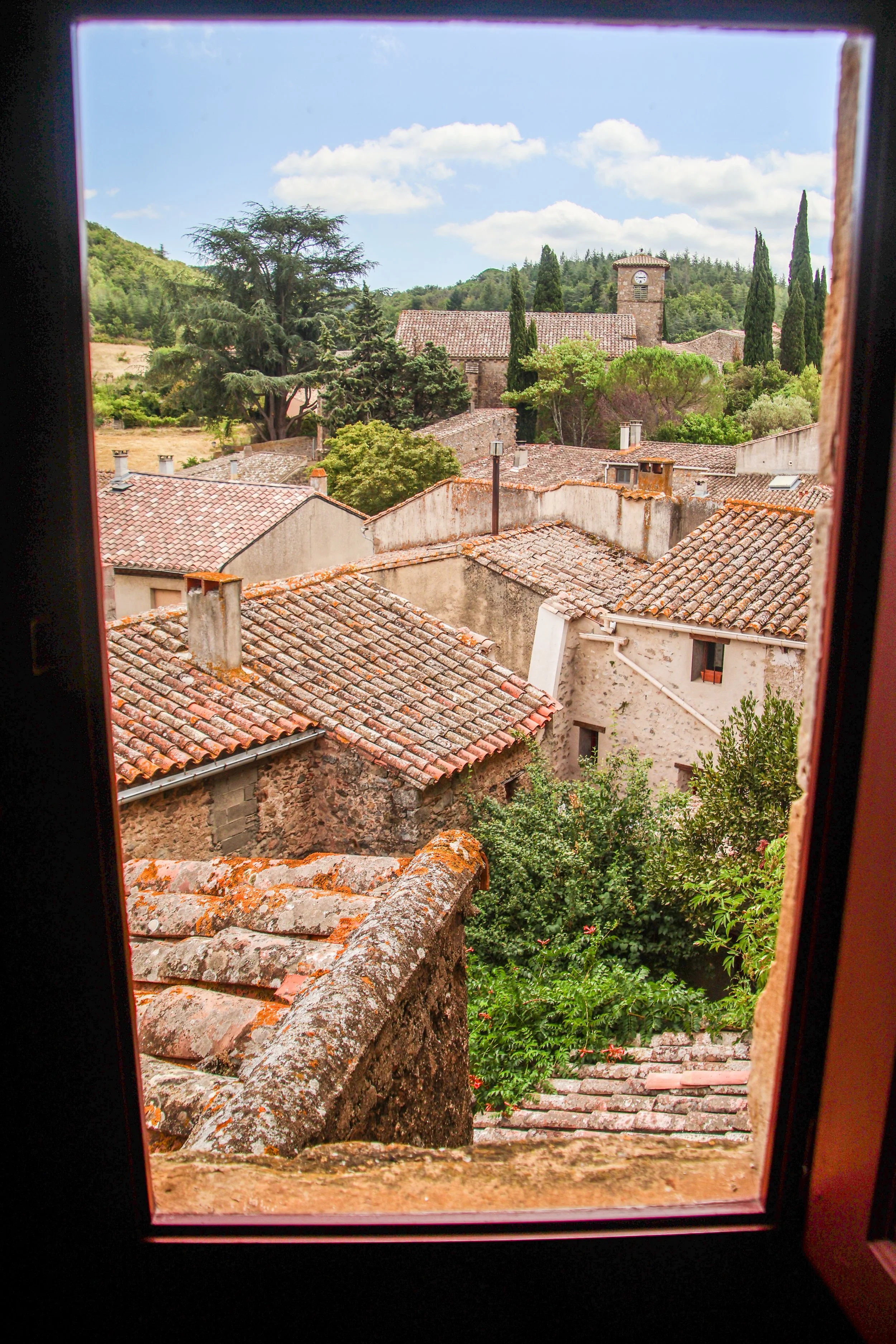
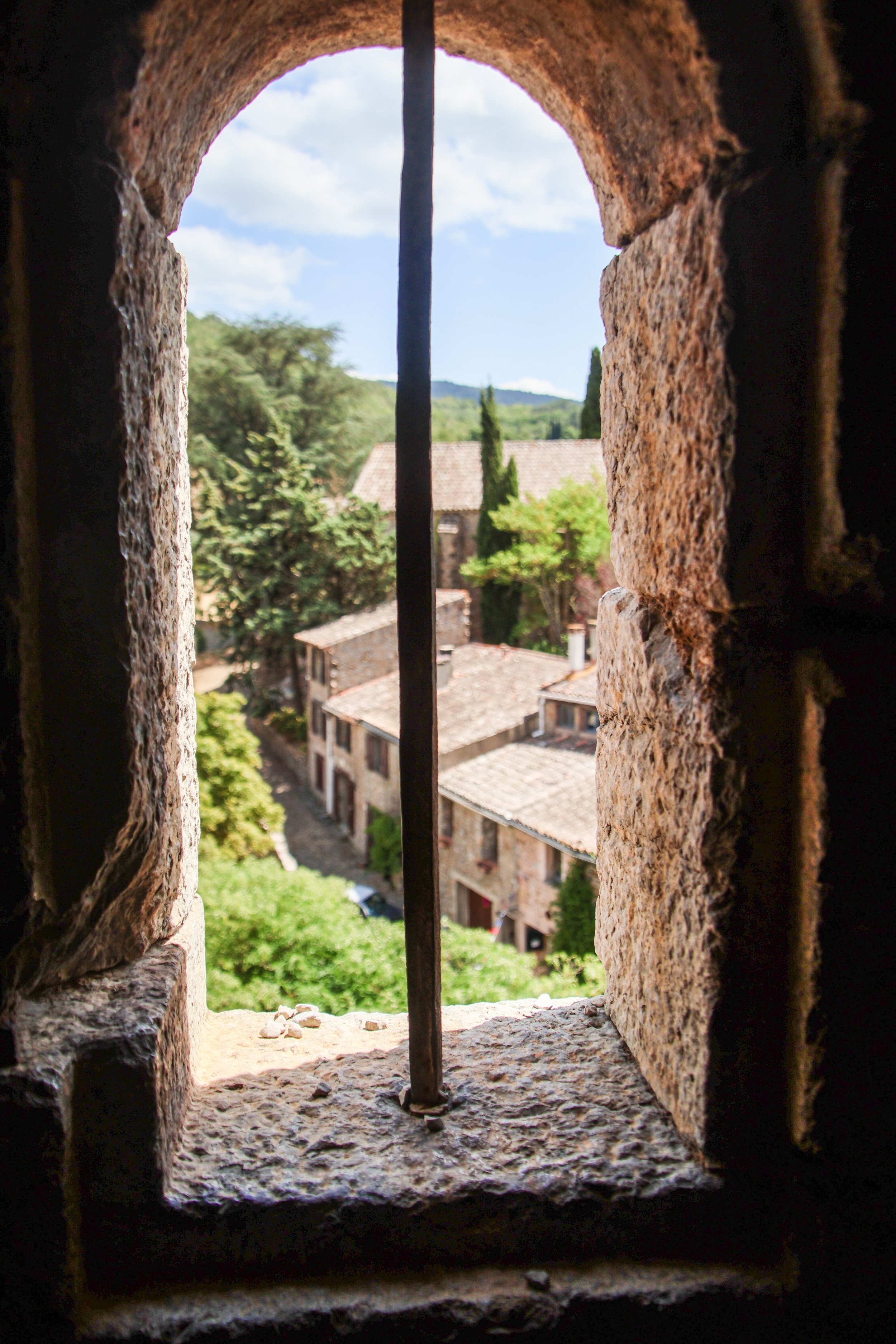
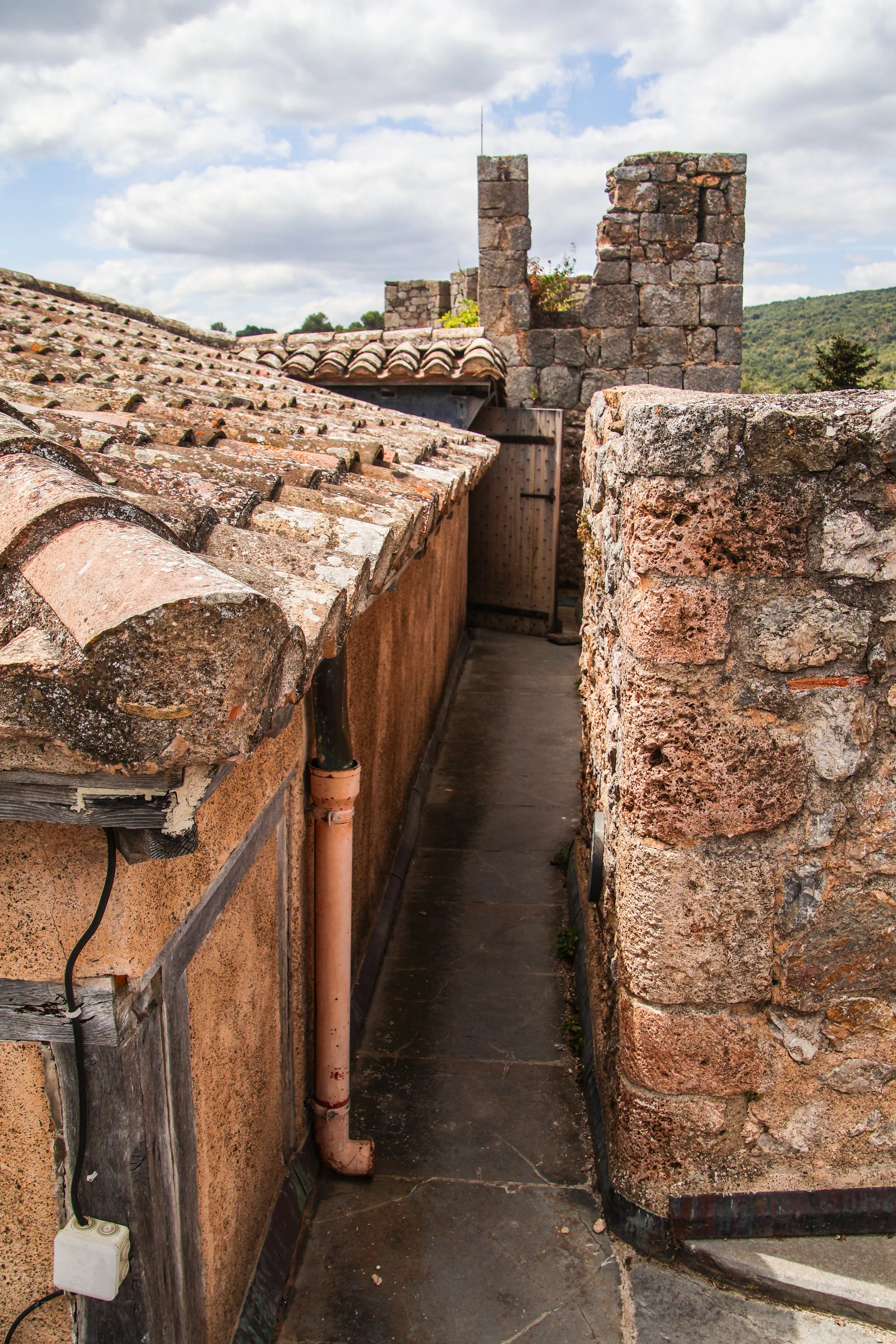
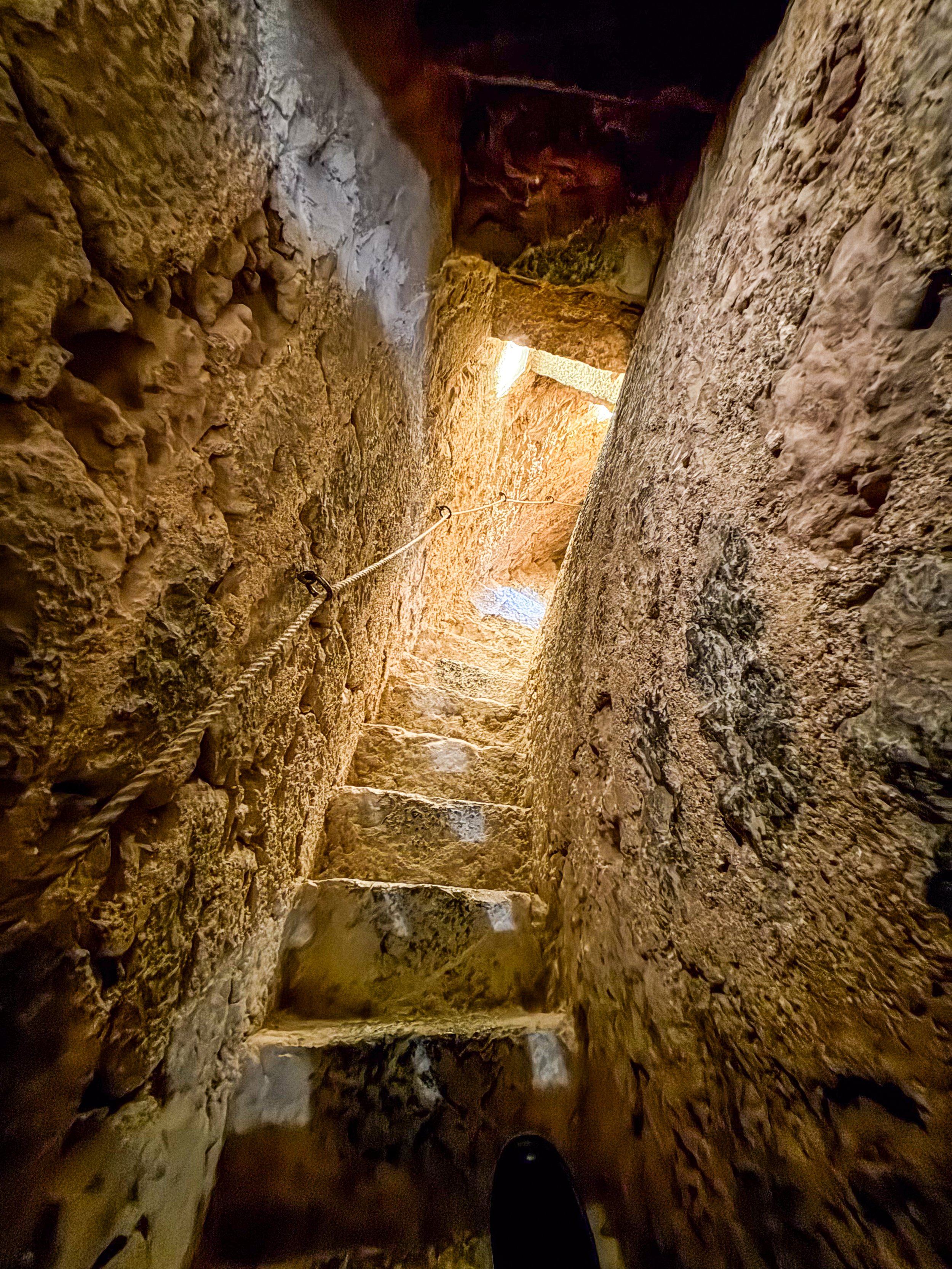
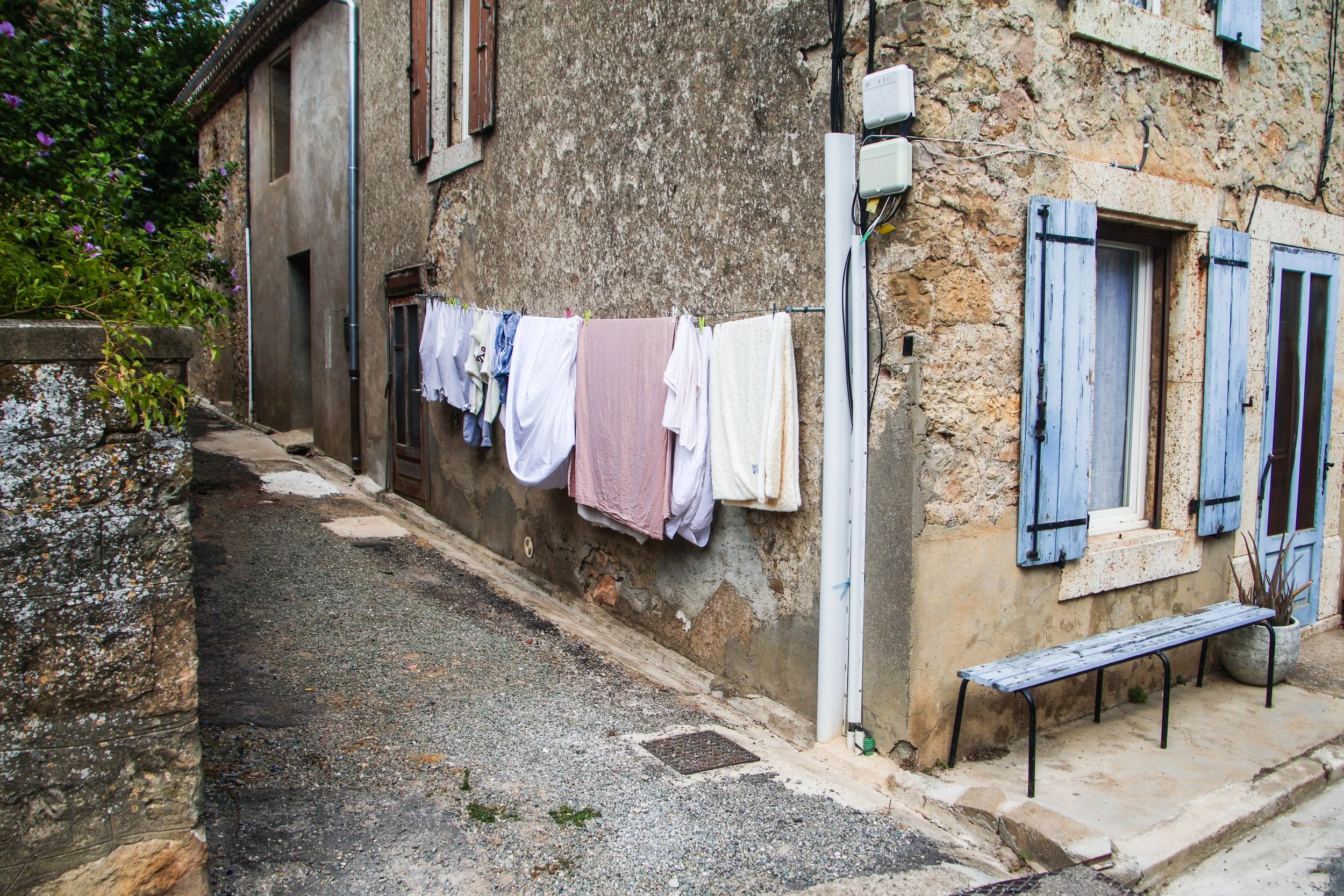
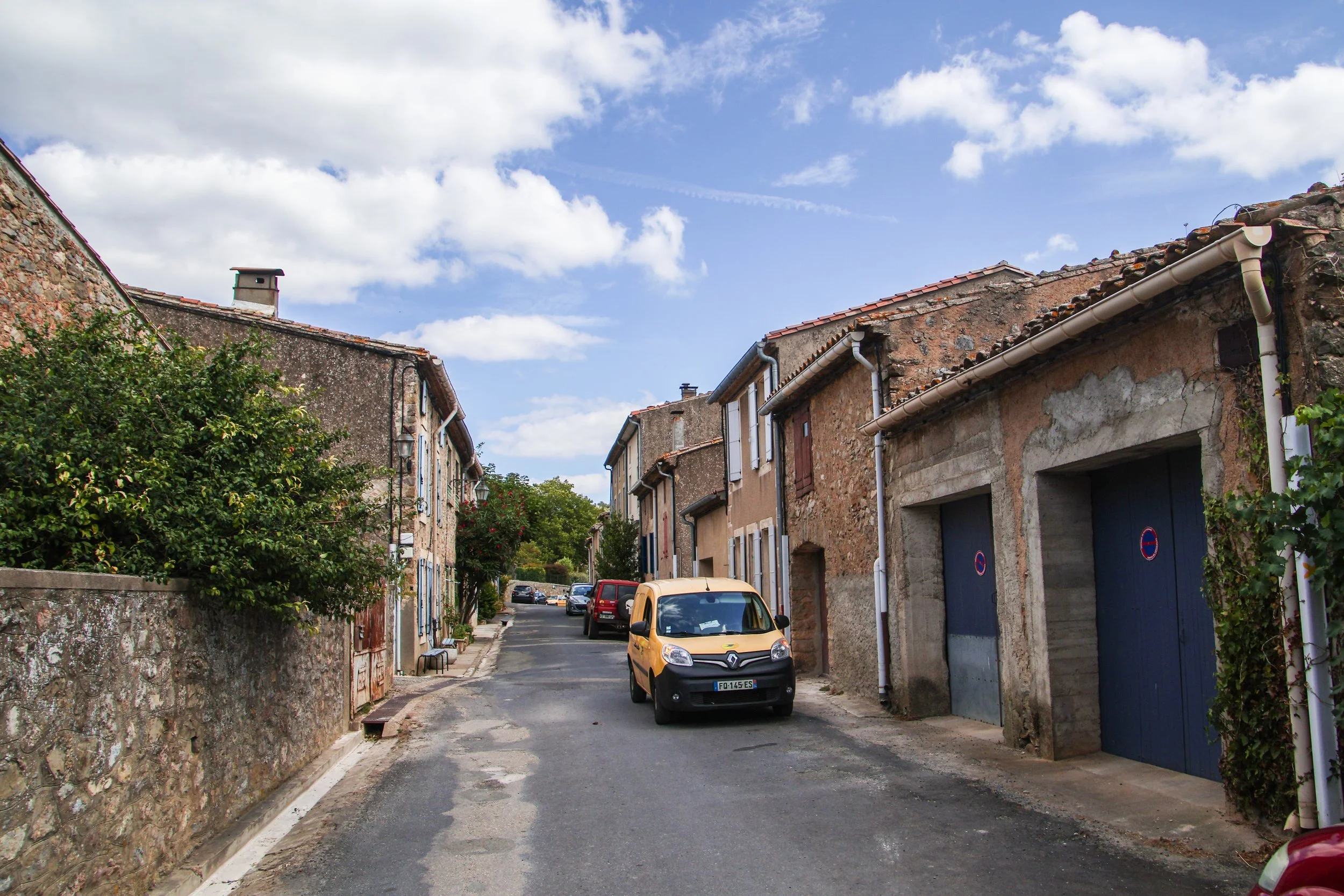
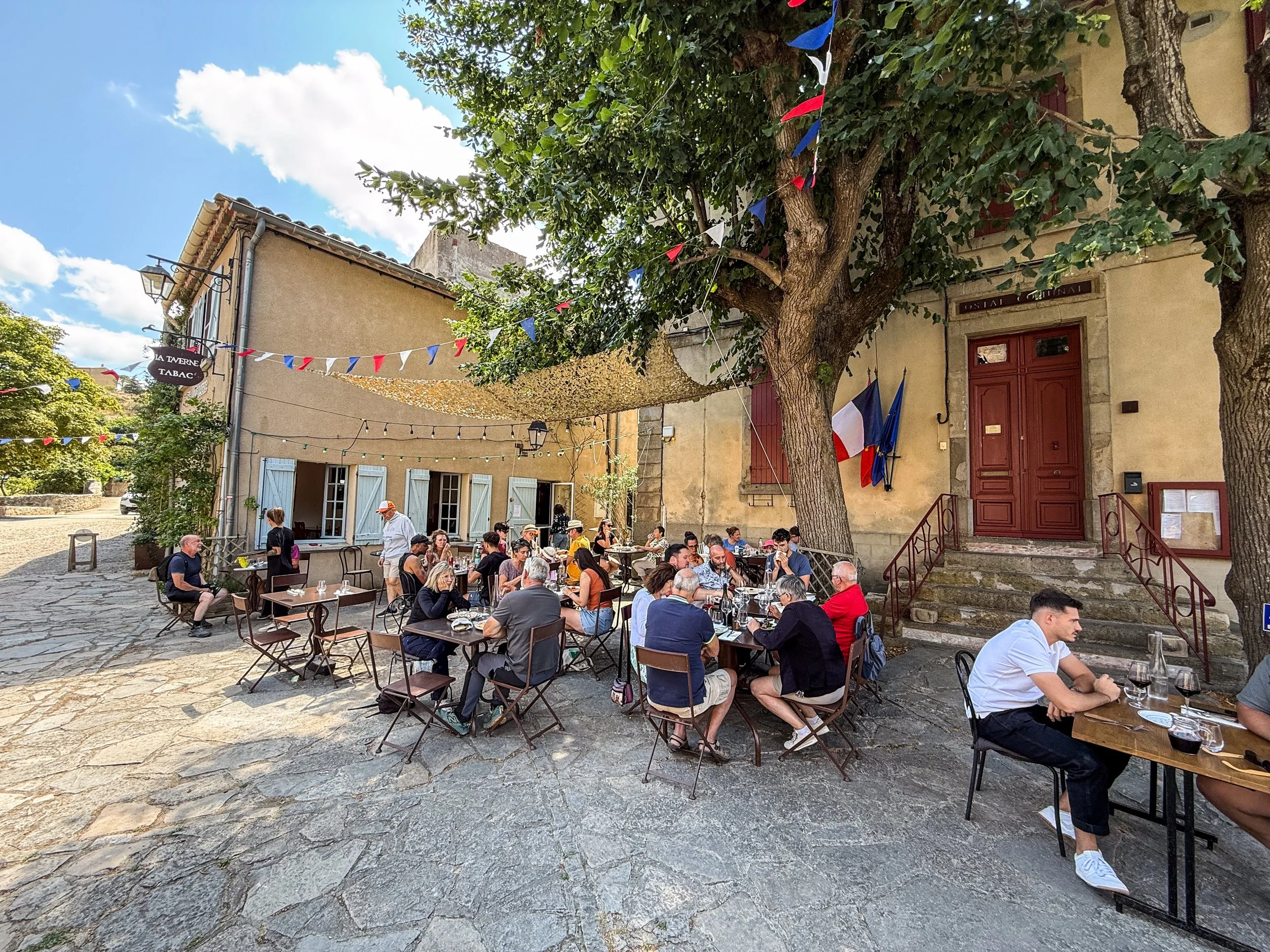
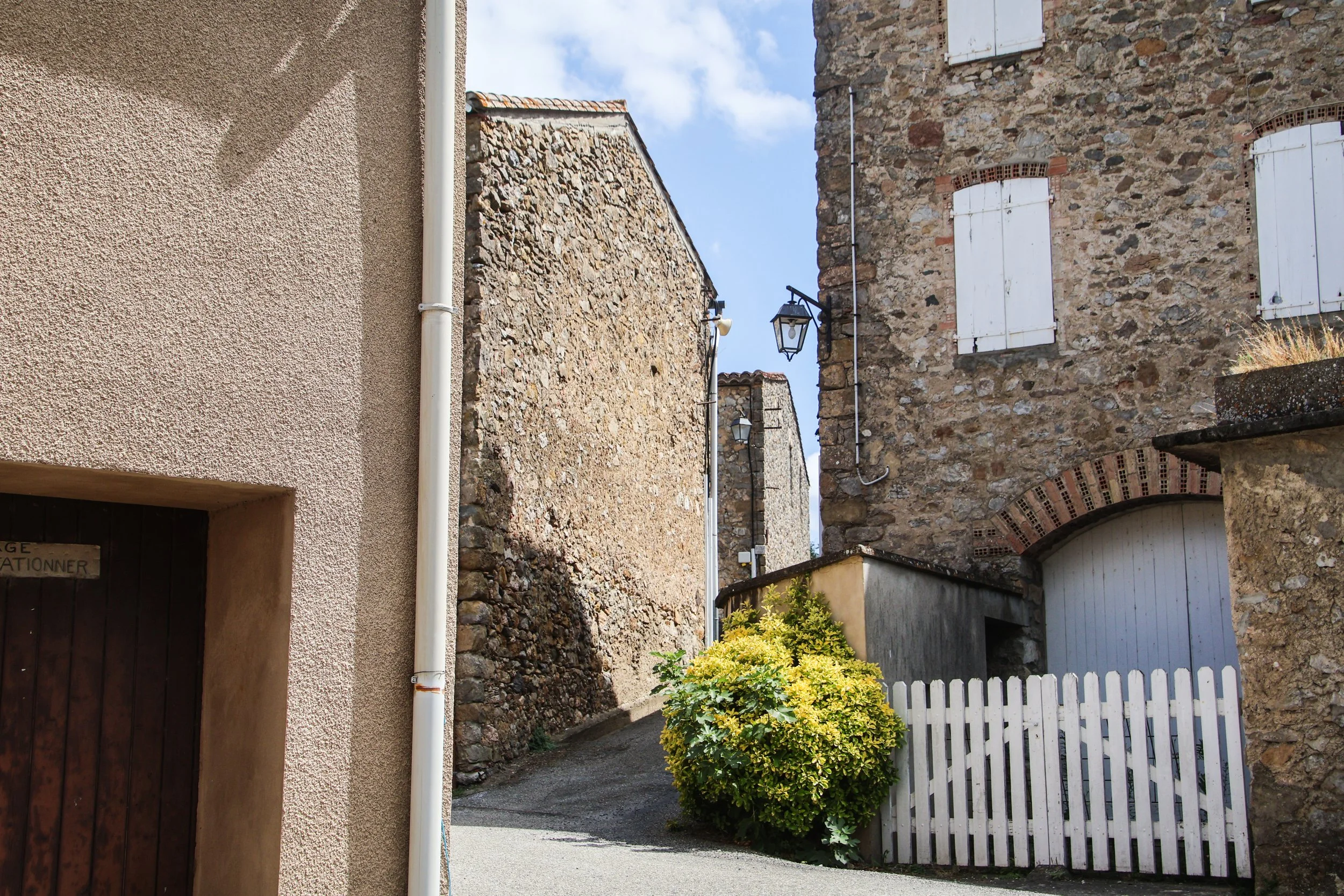
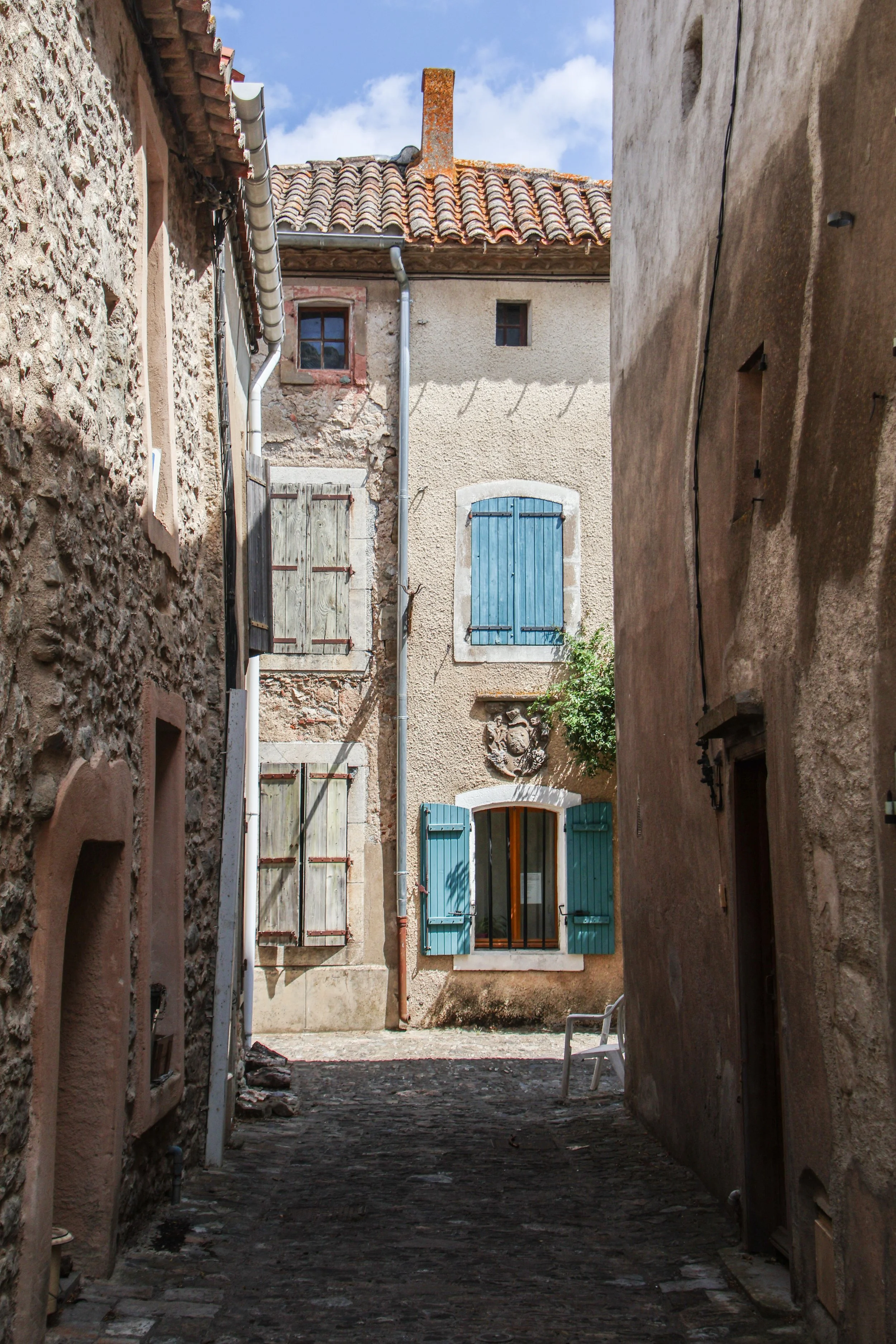
It’s a fascinating little castle, but I was far more taken with the town itself. This final gallery will serve as a good transition into what is to come, because we are going to spend a lot more time in the beautiful little towns that dot this region. So, I won’t talk too much about this town here; I’ll save that for the next article. But for now, I’d encourage you to take your time with enjoying the gallery below, because some pieces of this town felt a little too perfect to be real.
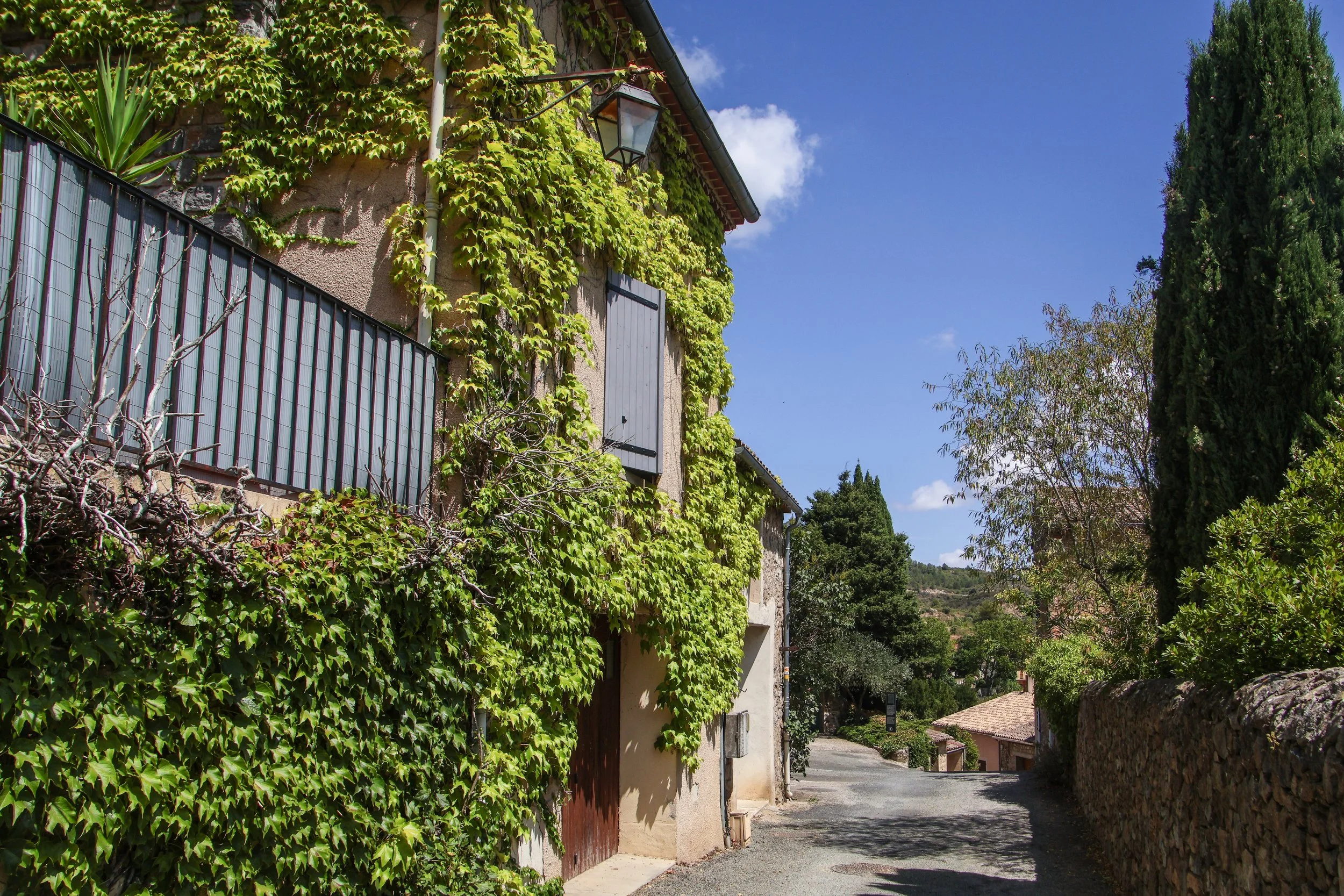
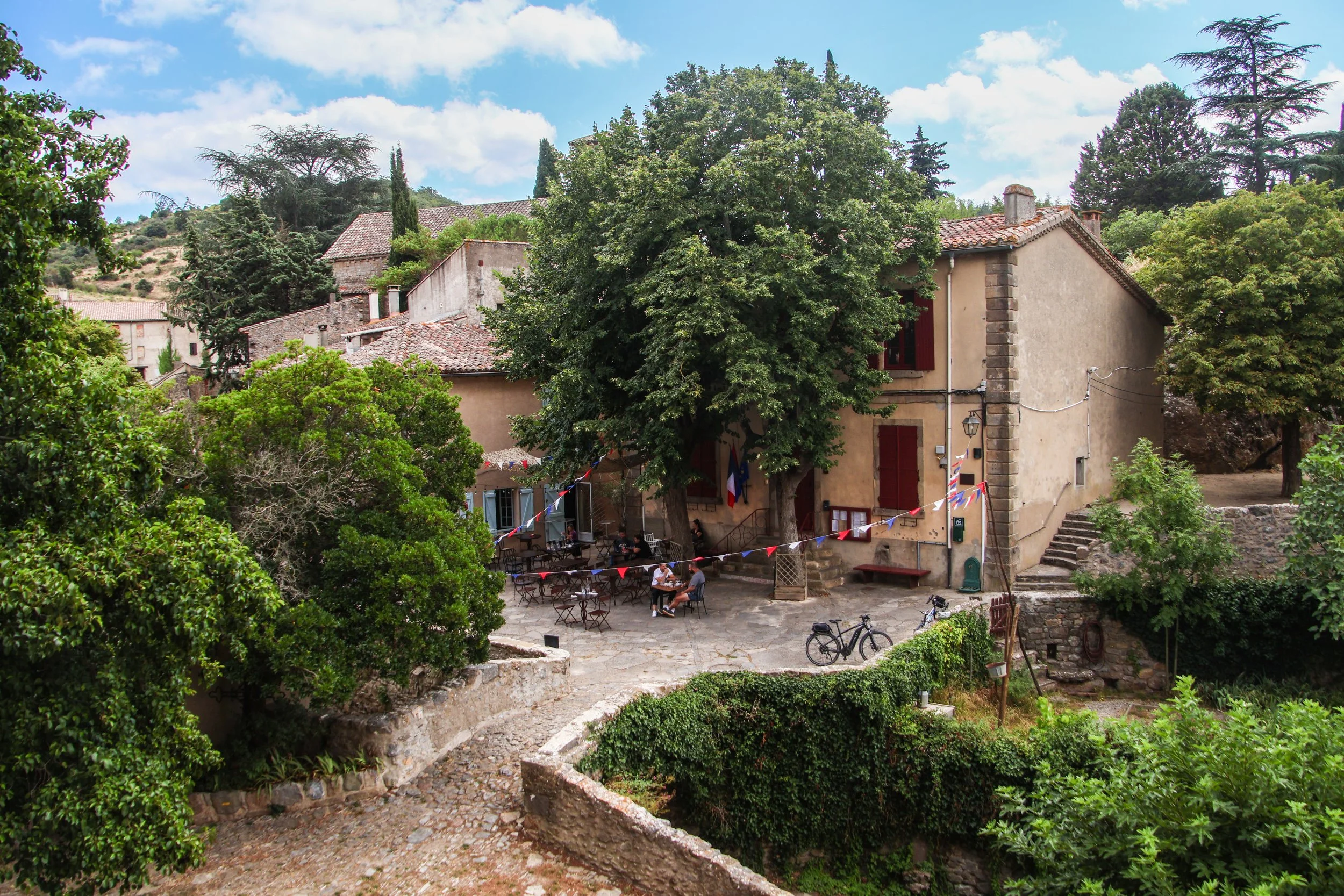
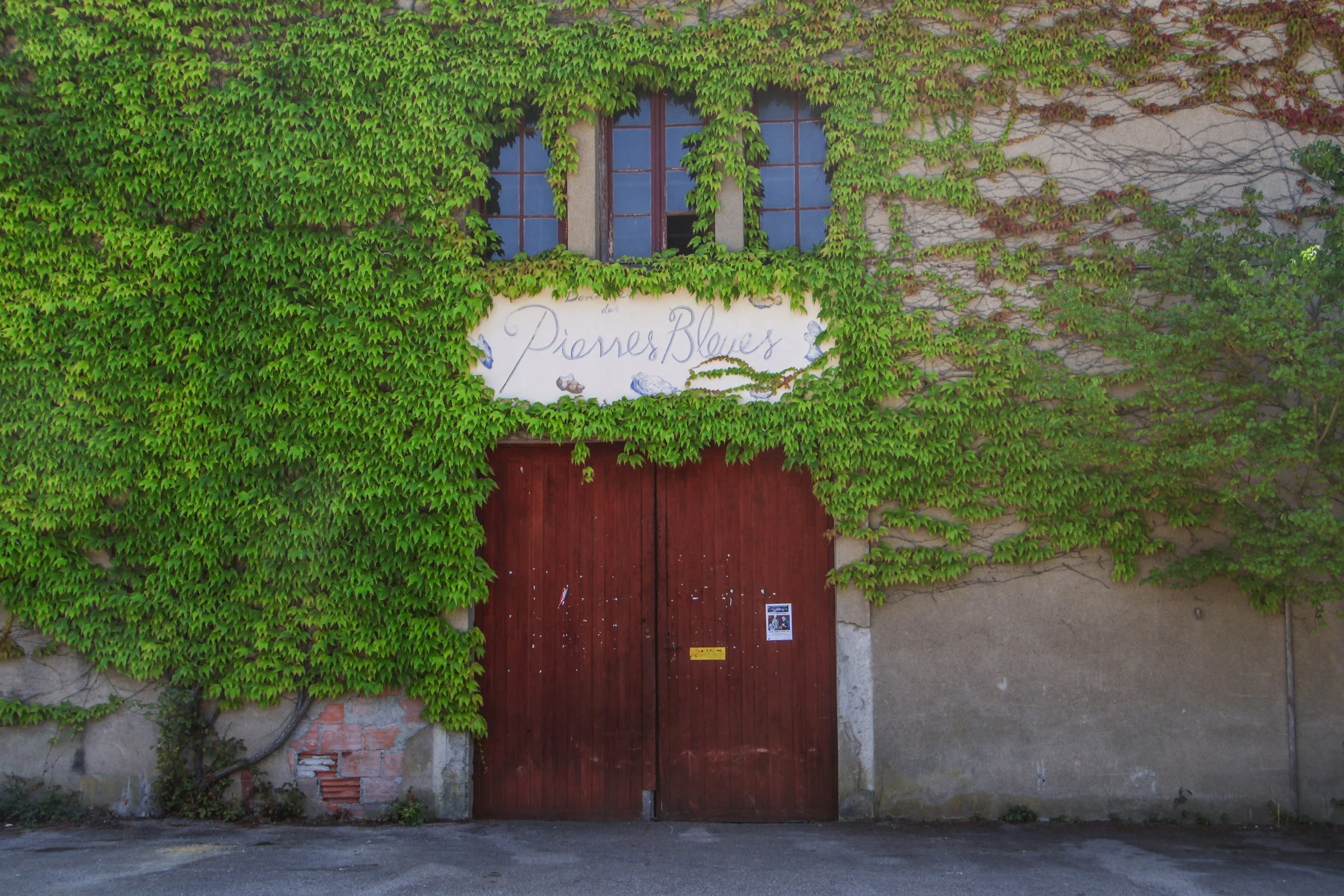
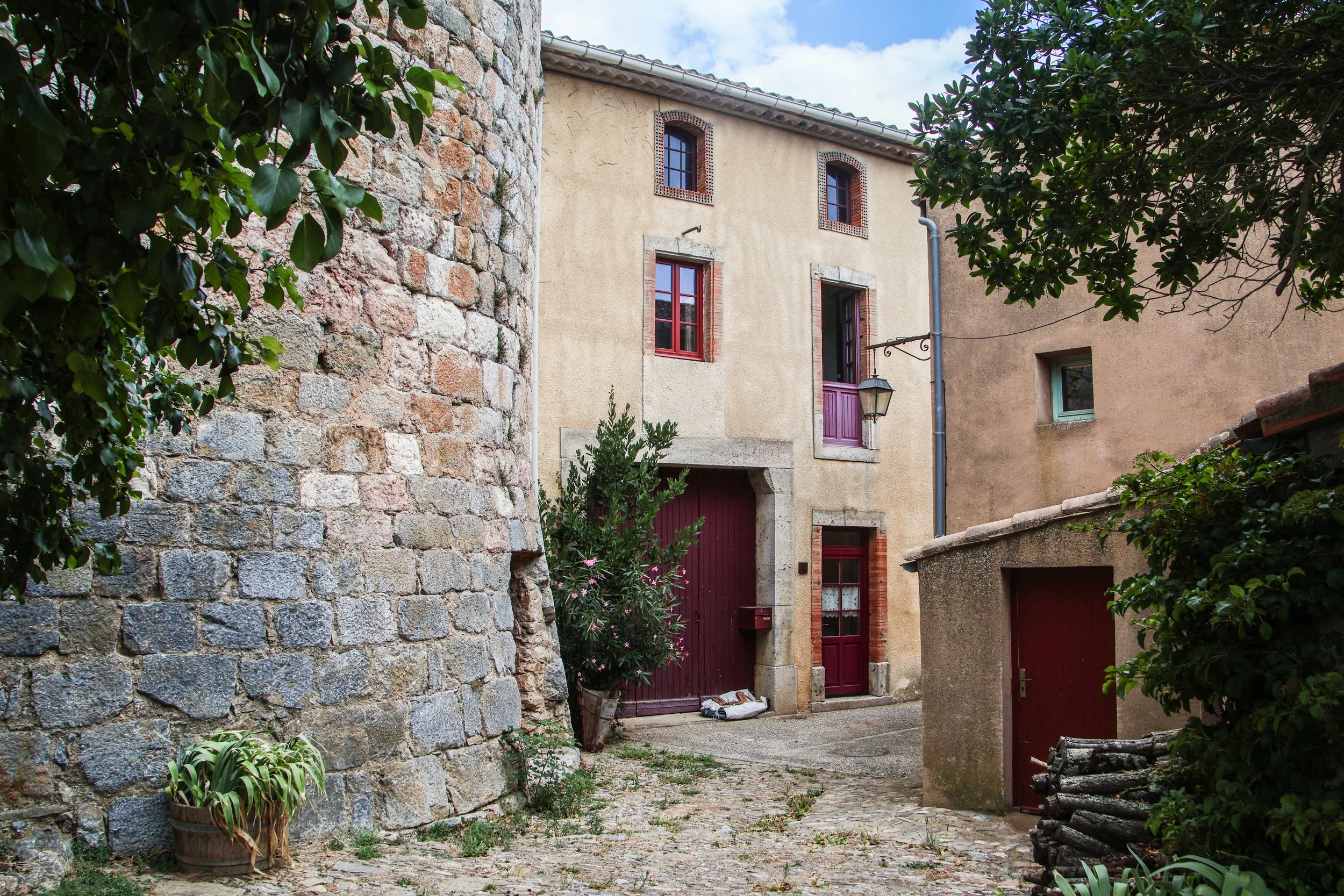
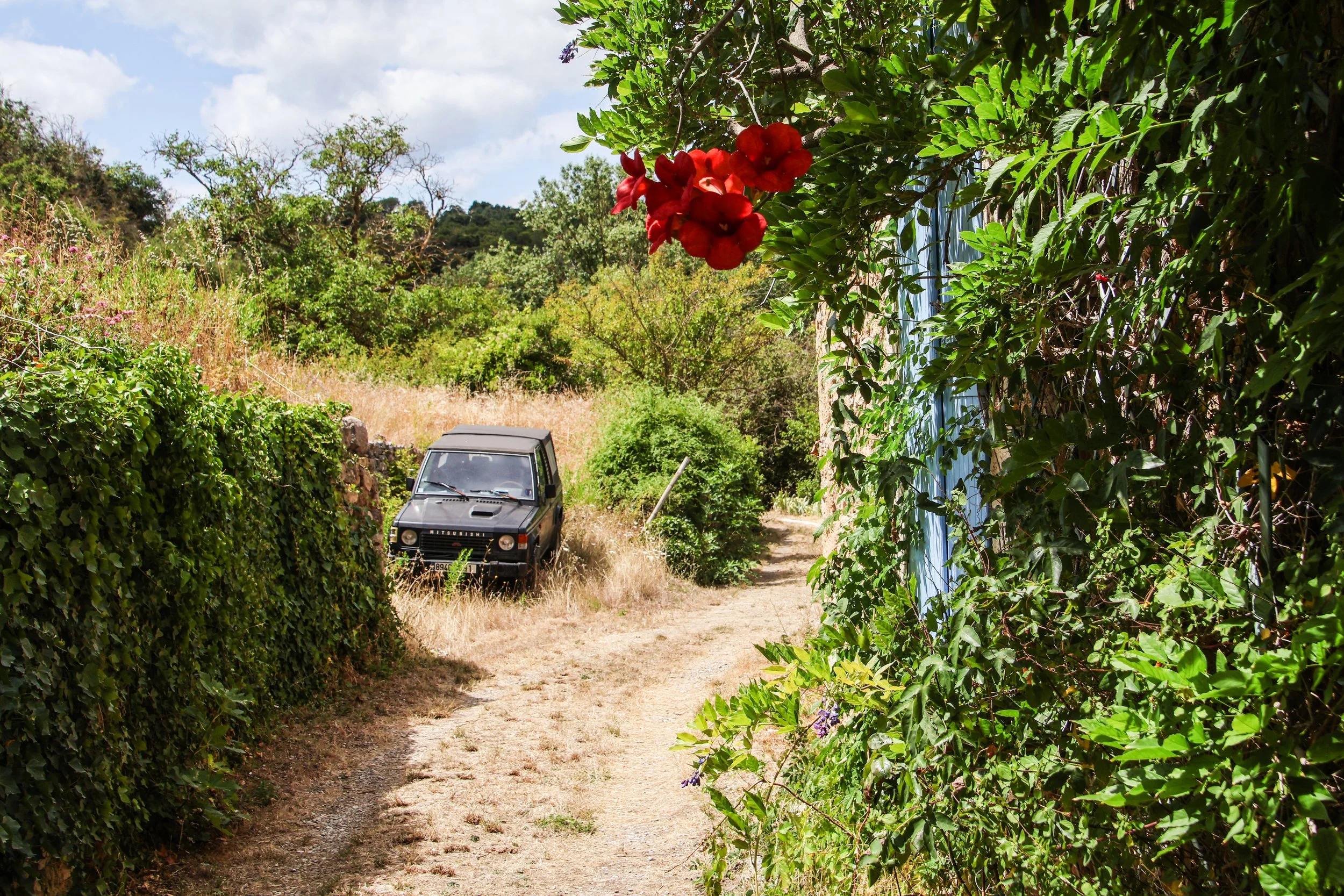
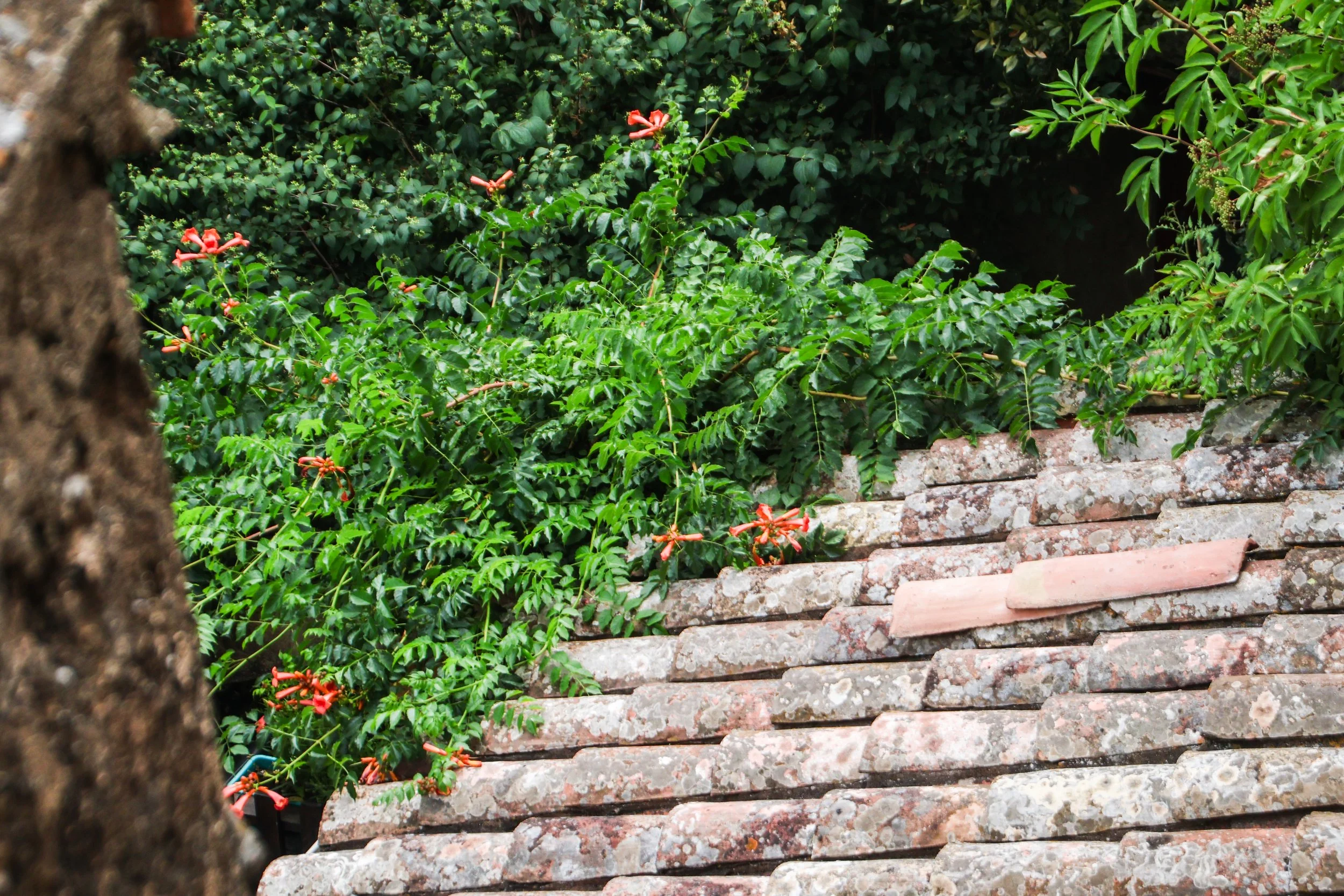
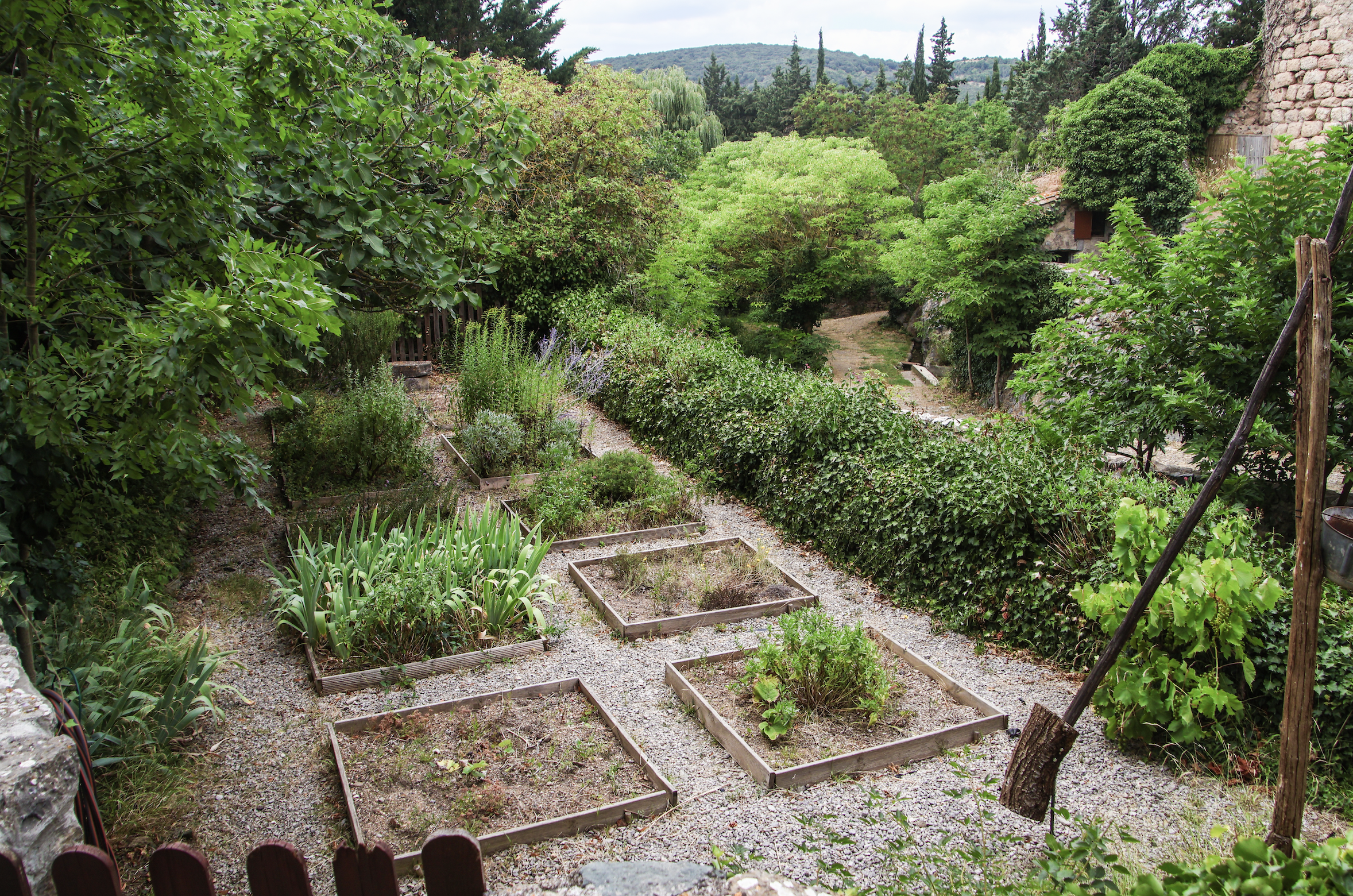
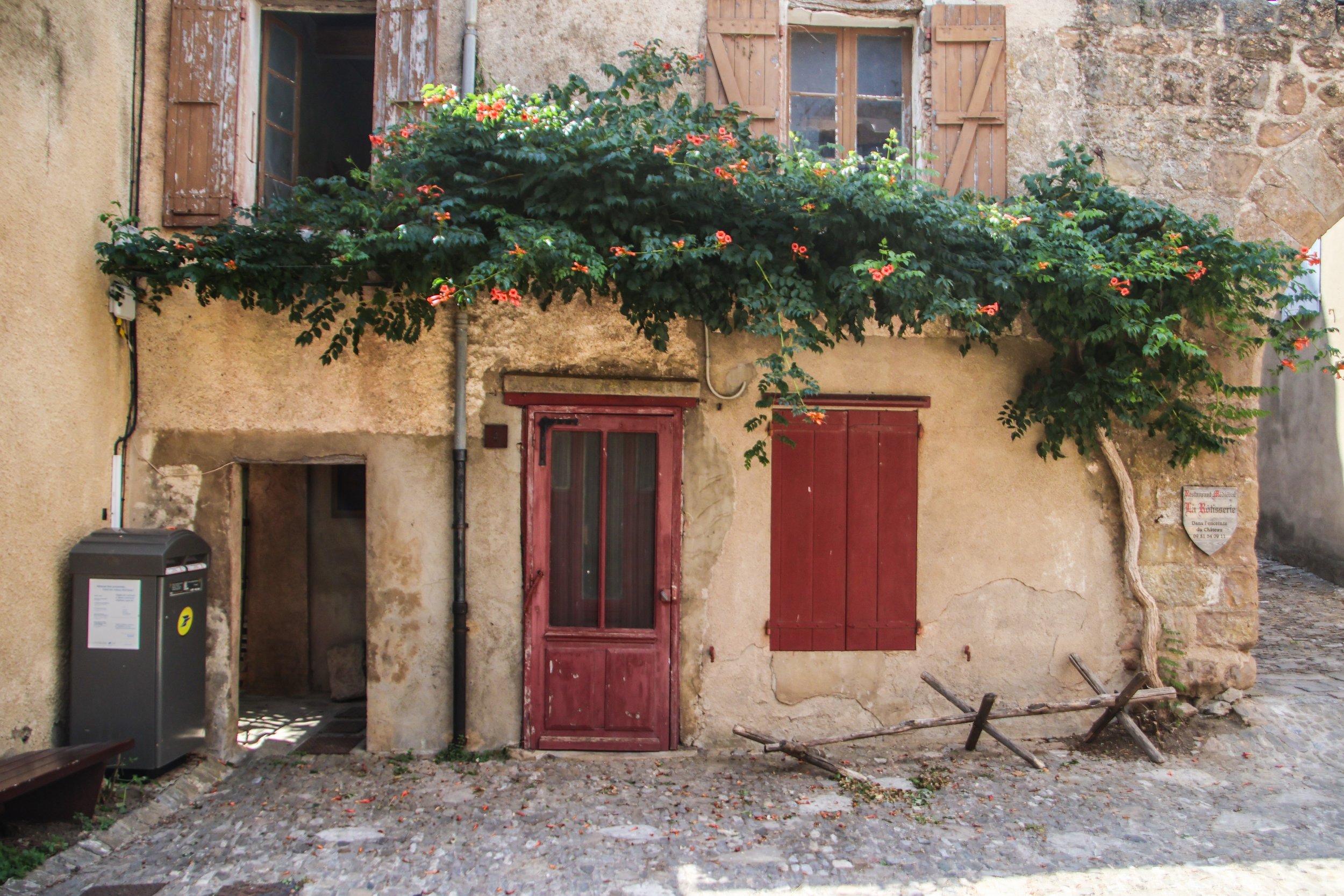
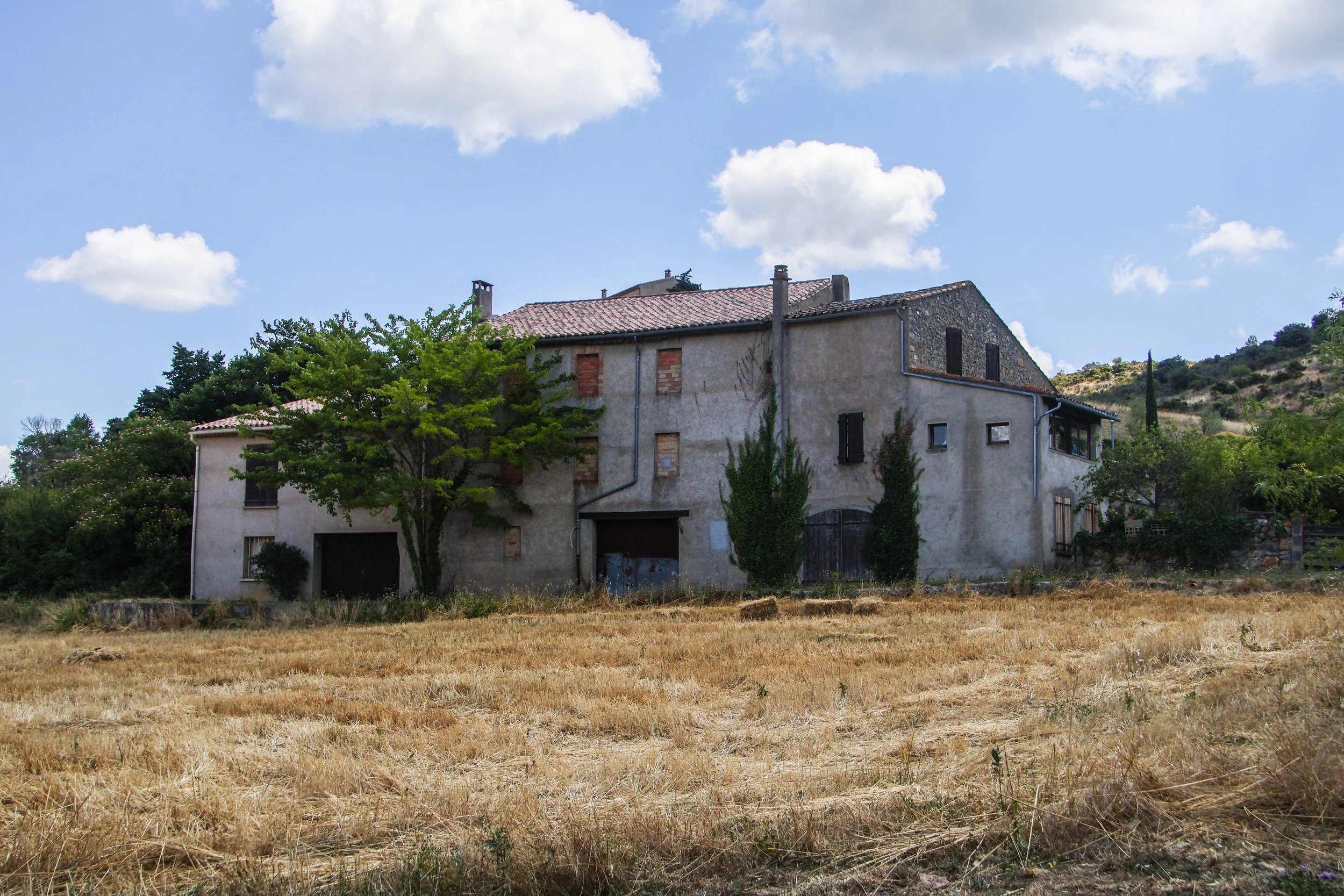
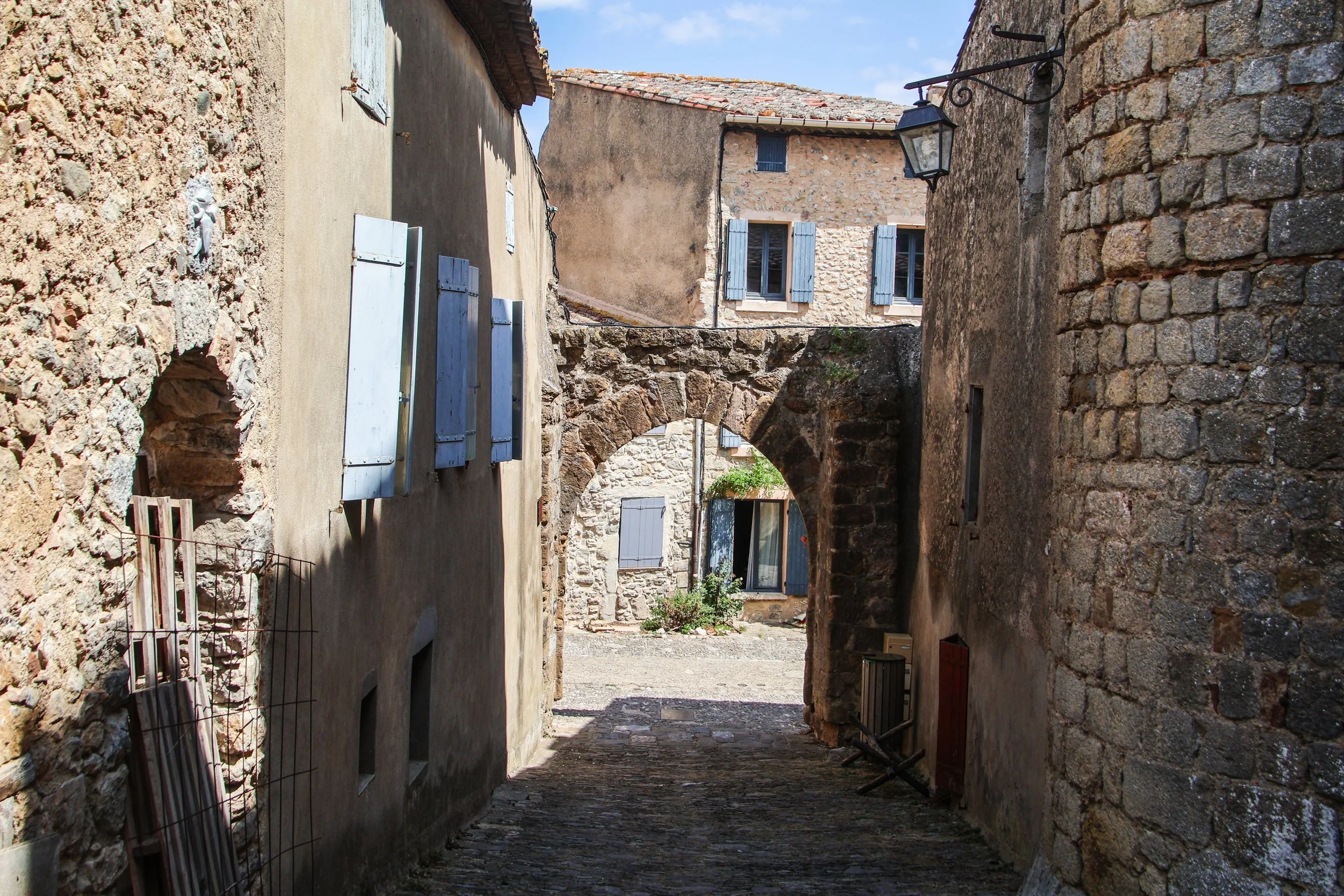
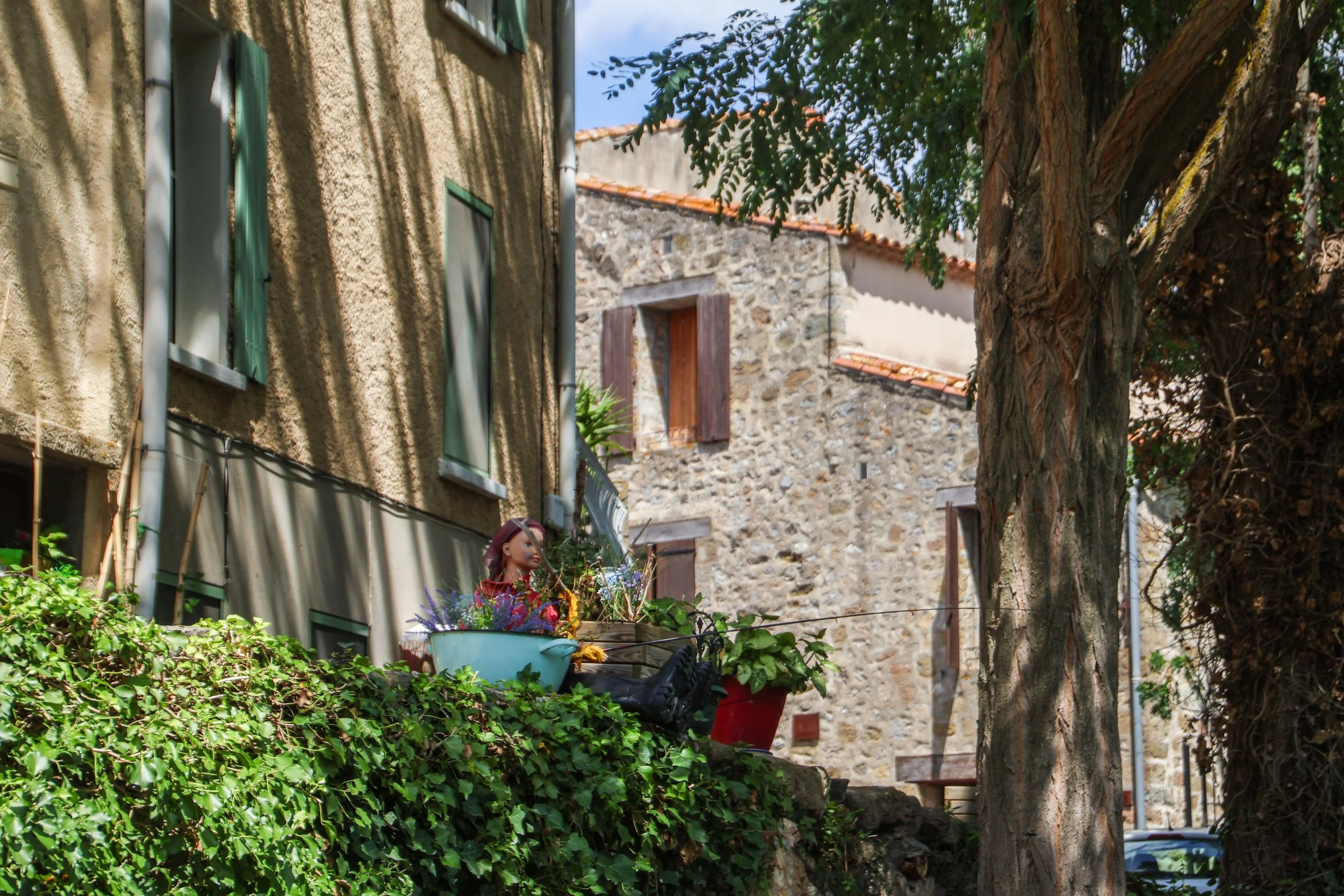
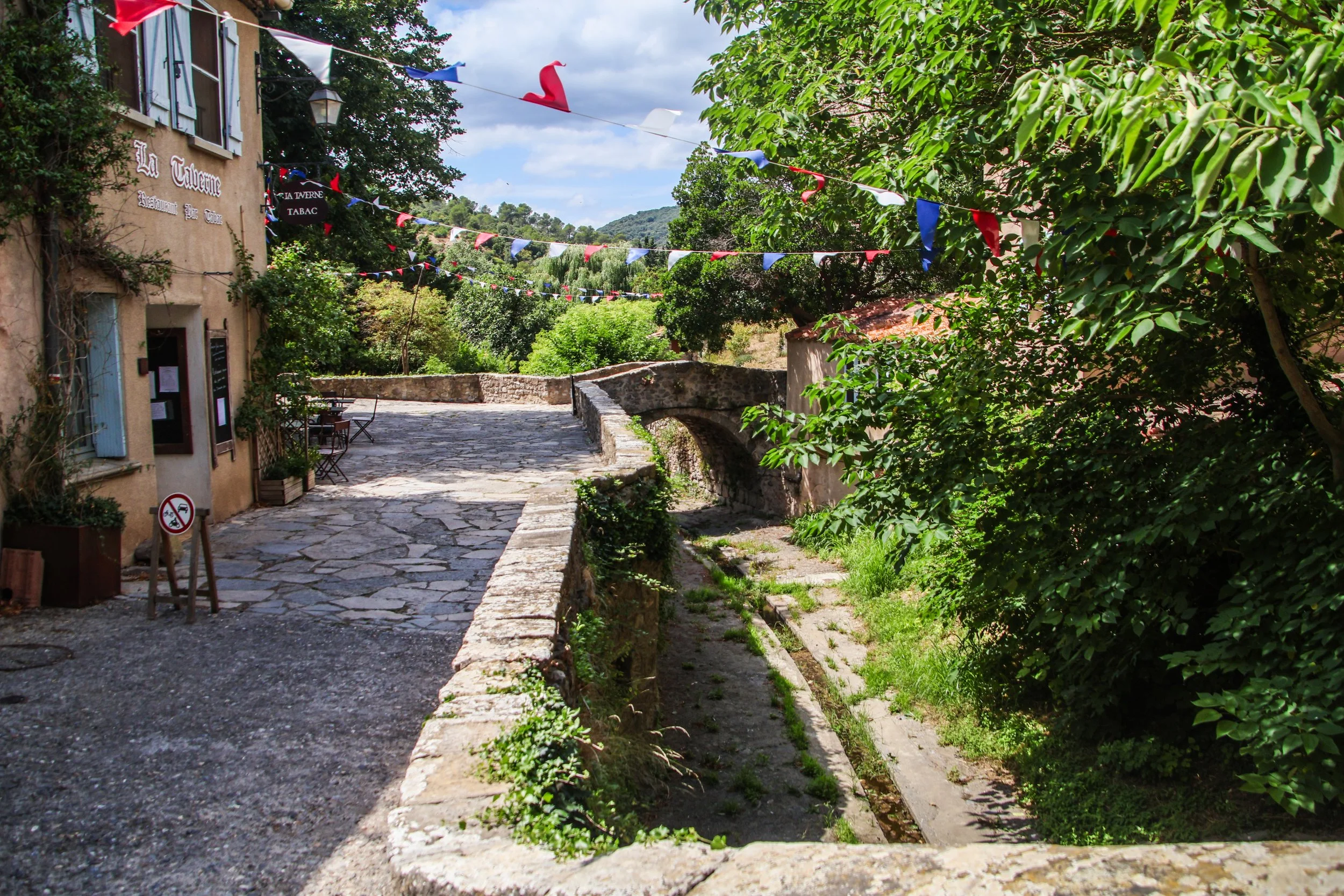
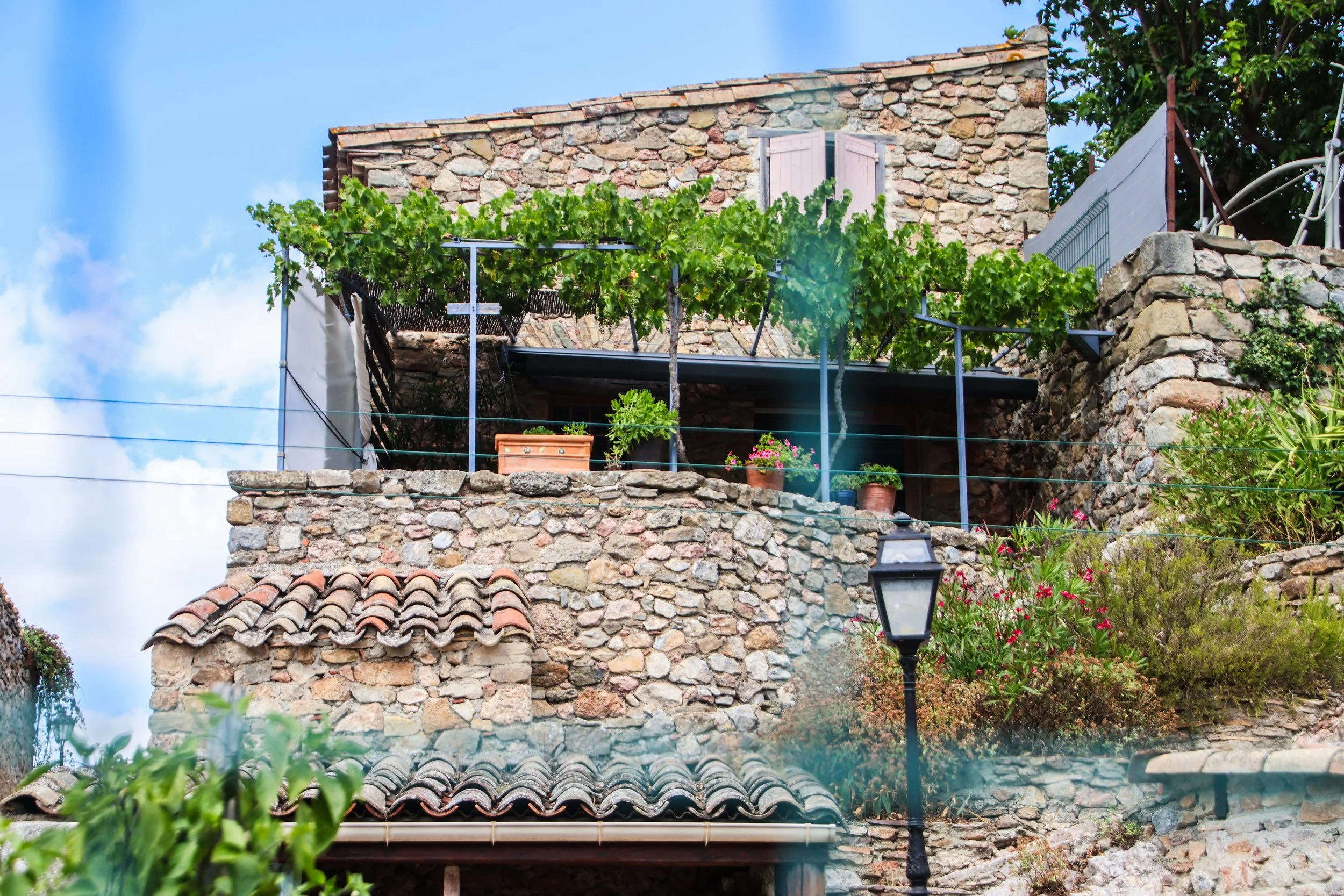
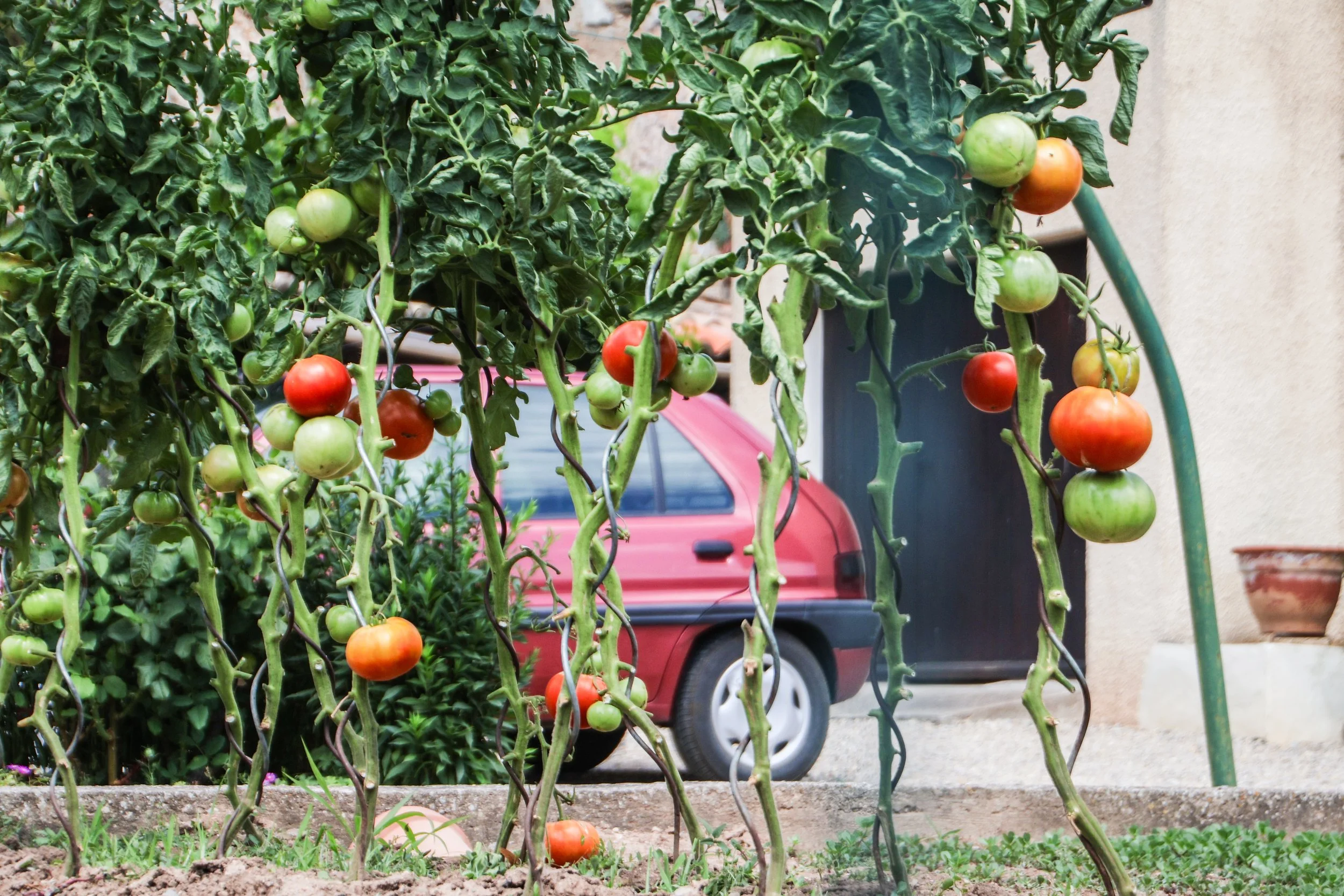

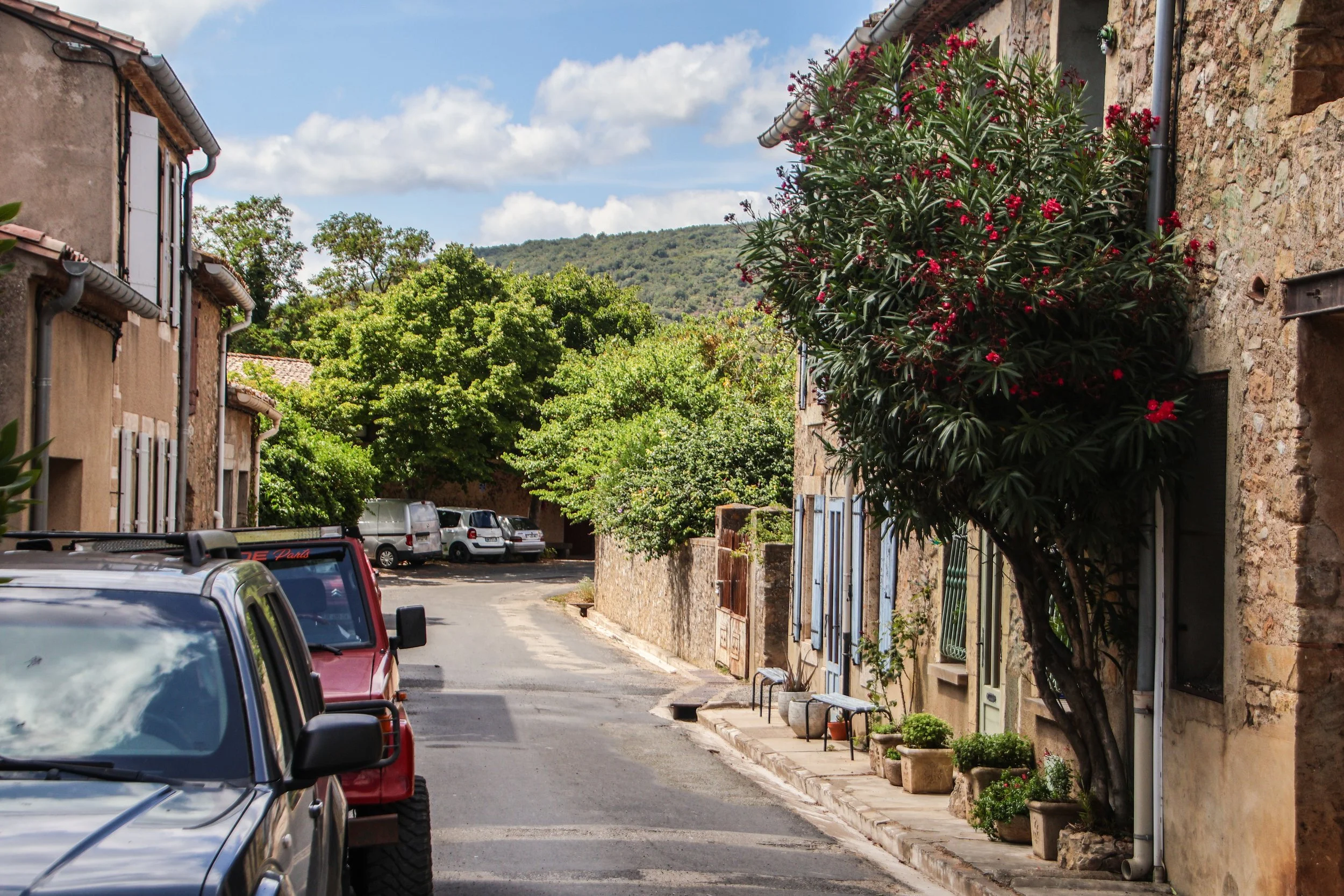
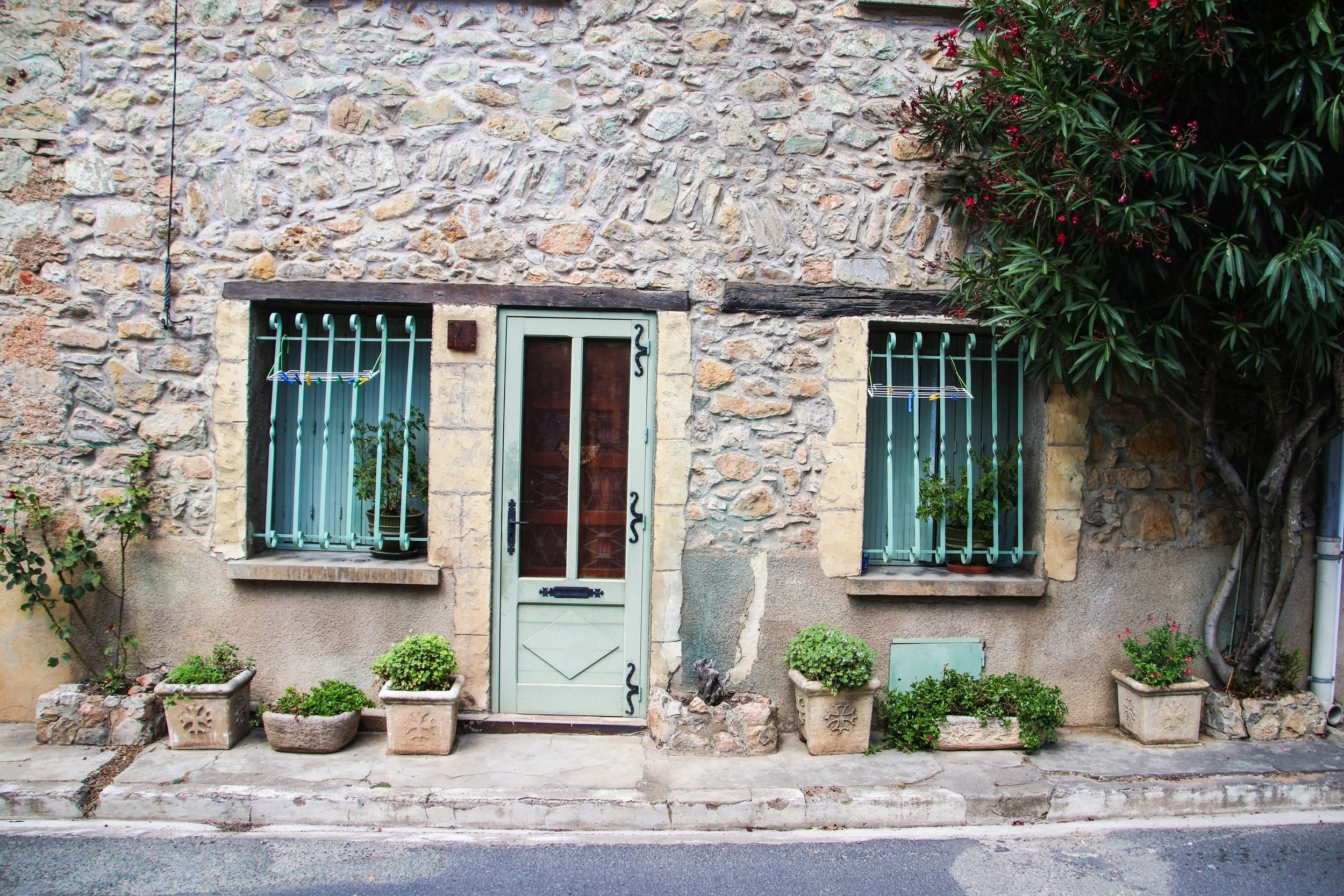

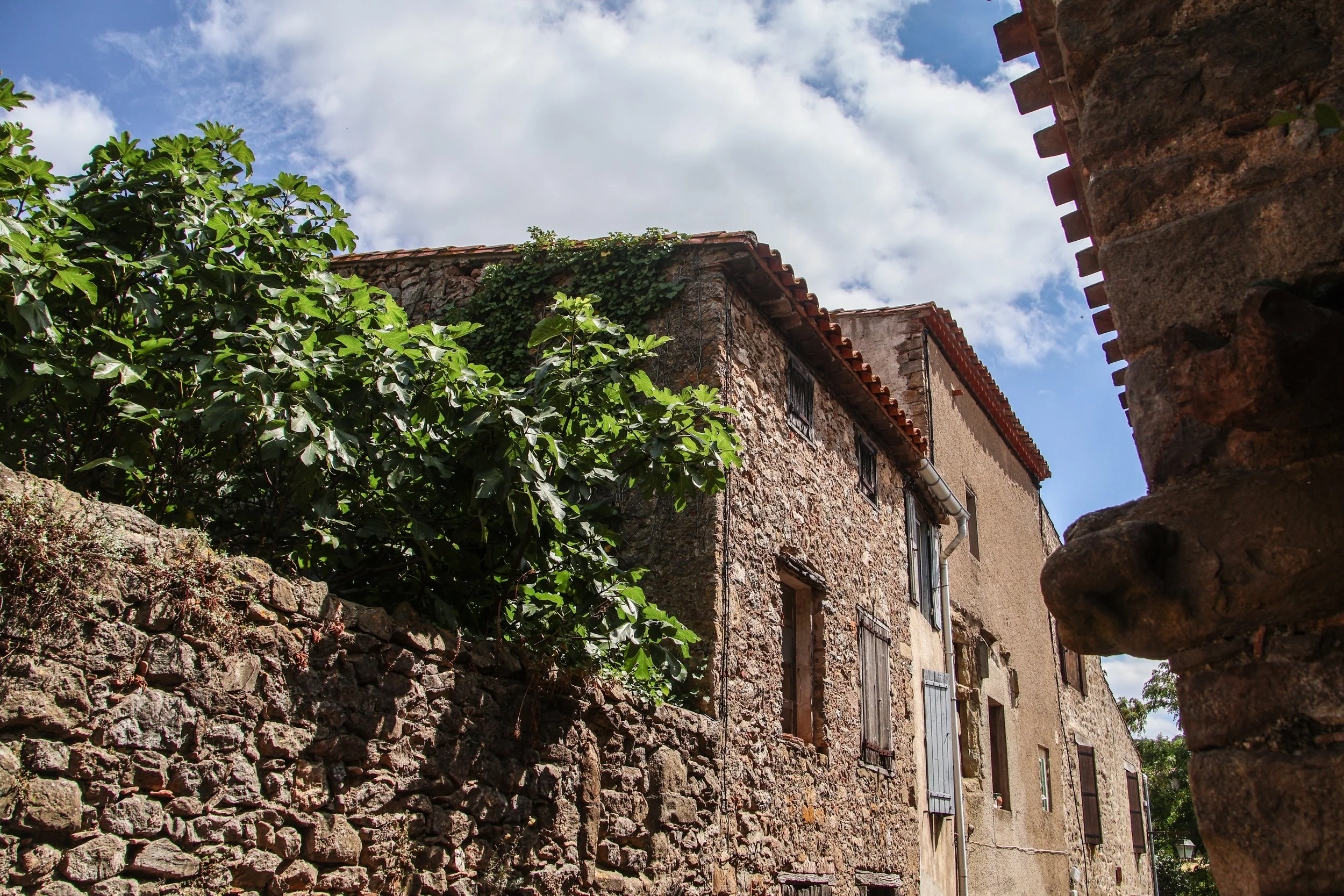
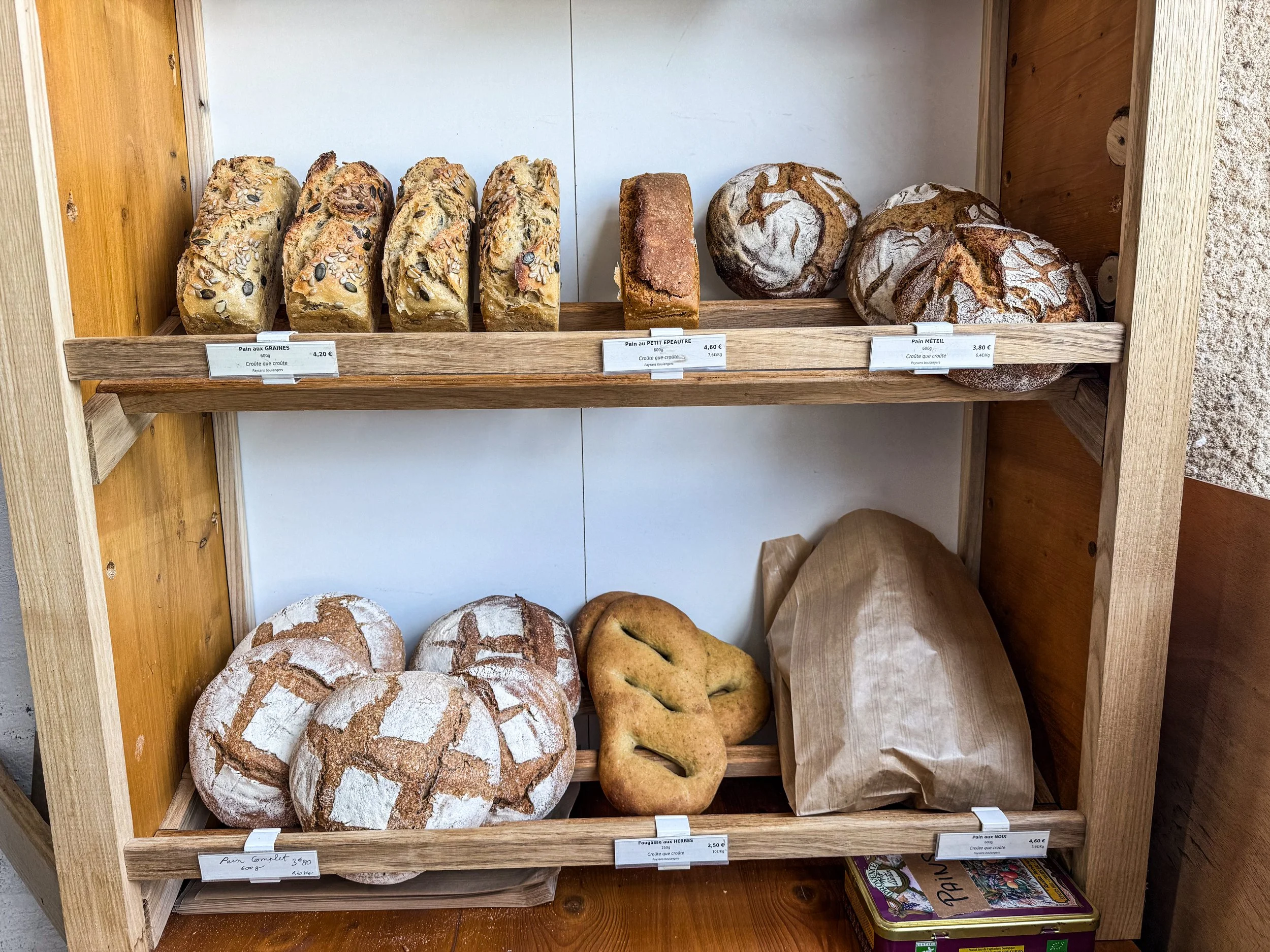
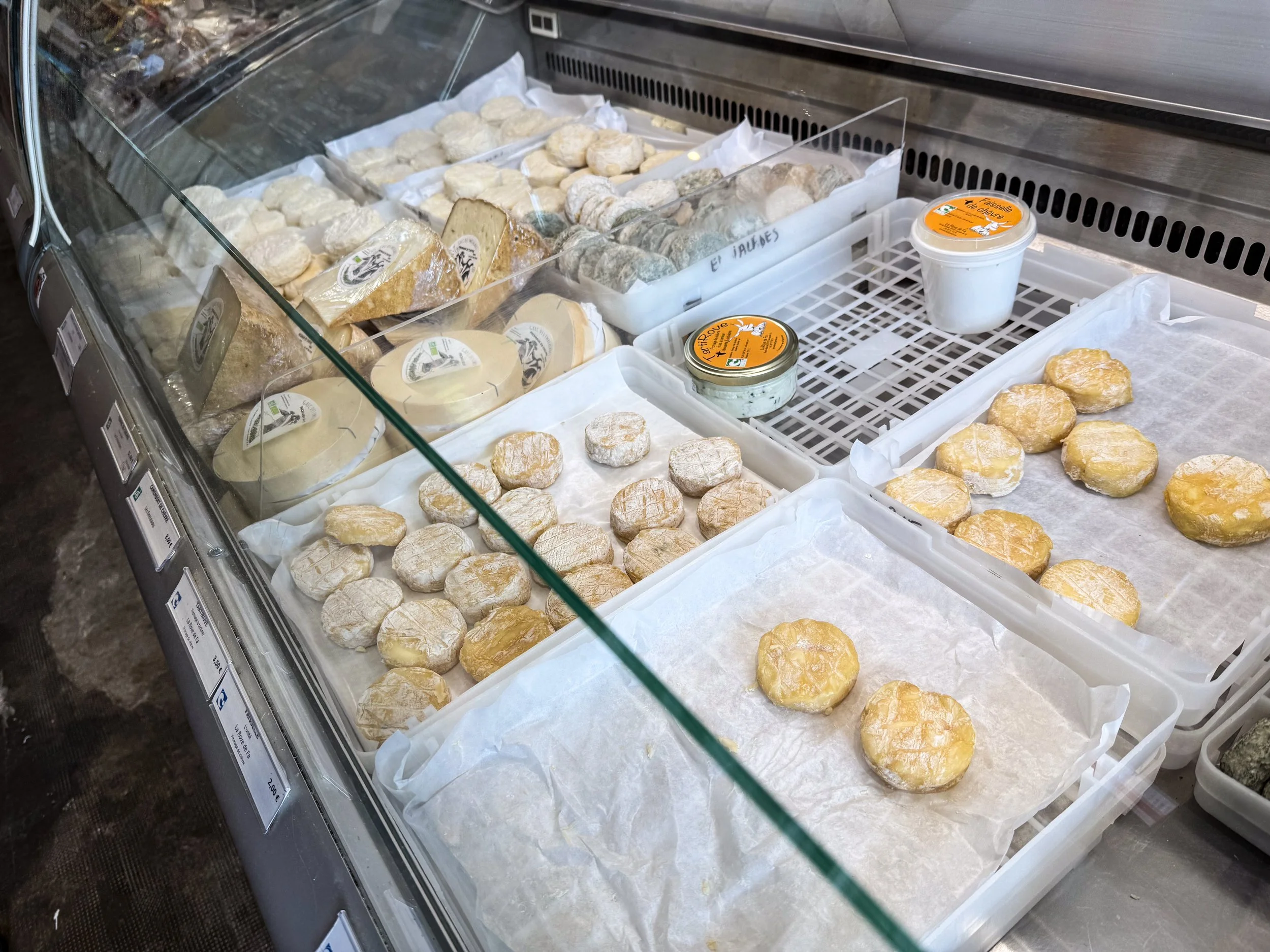
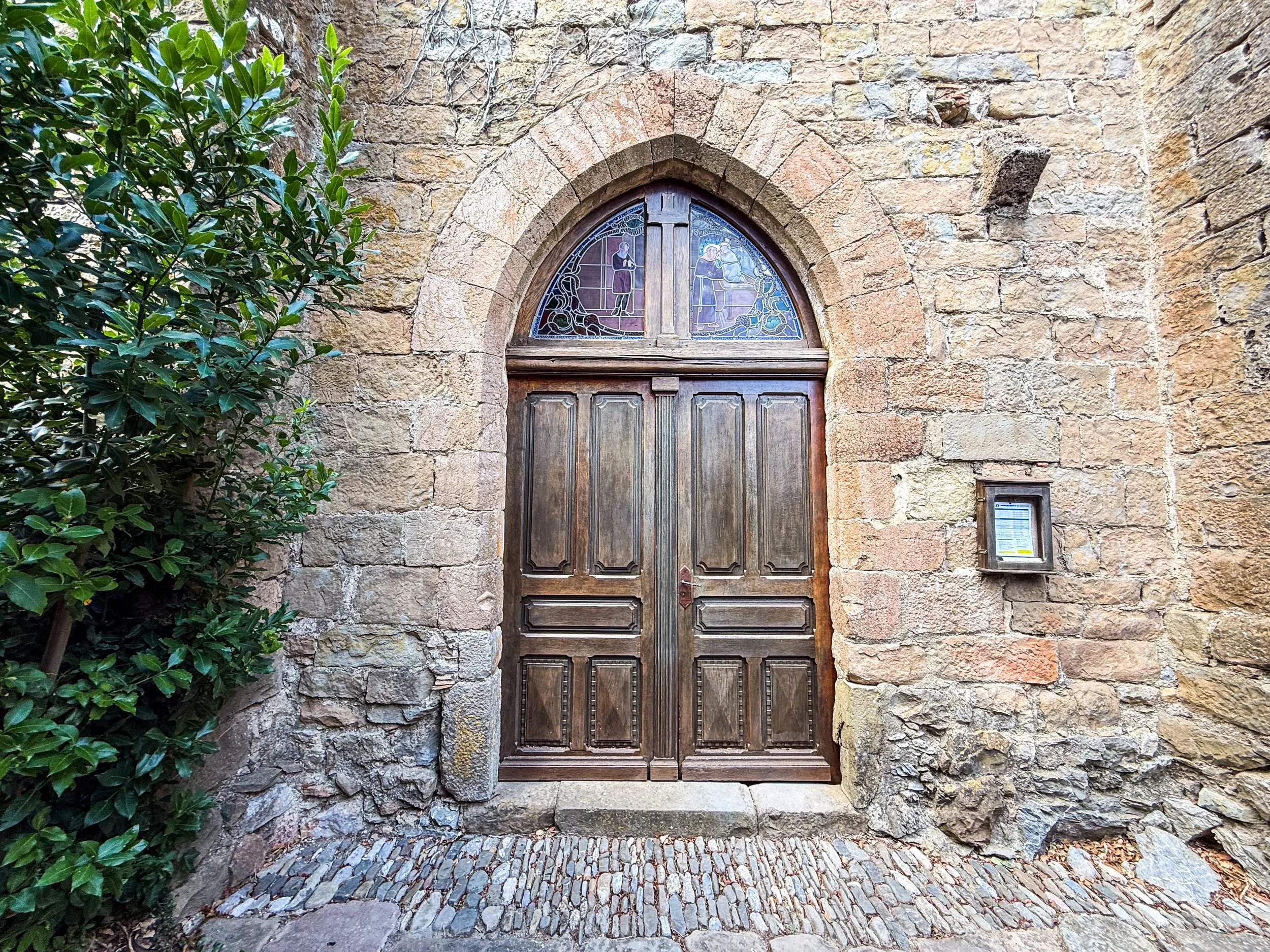
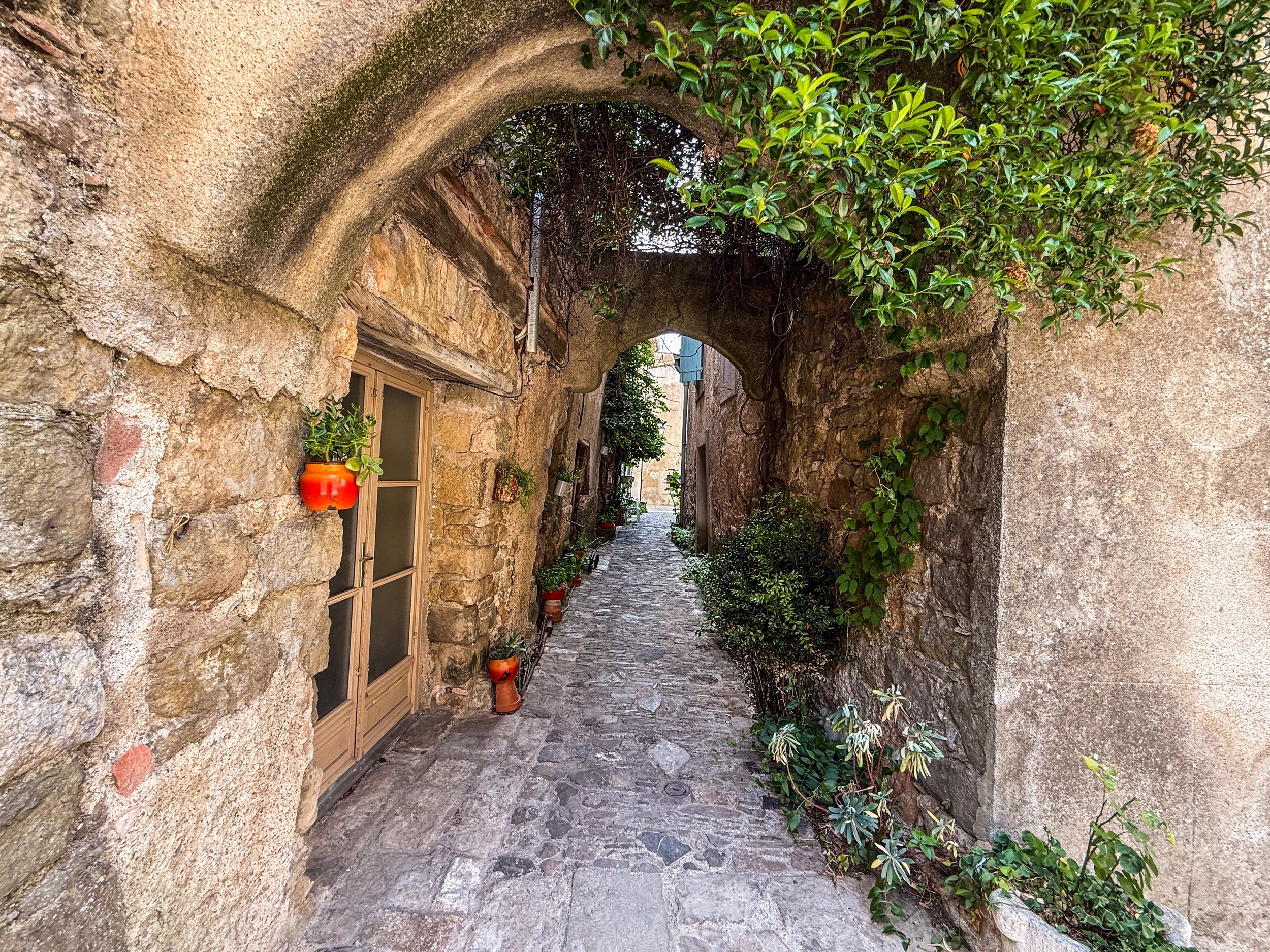
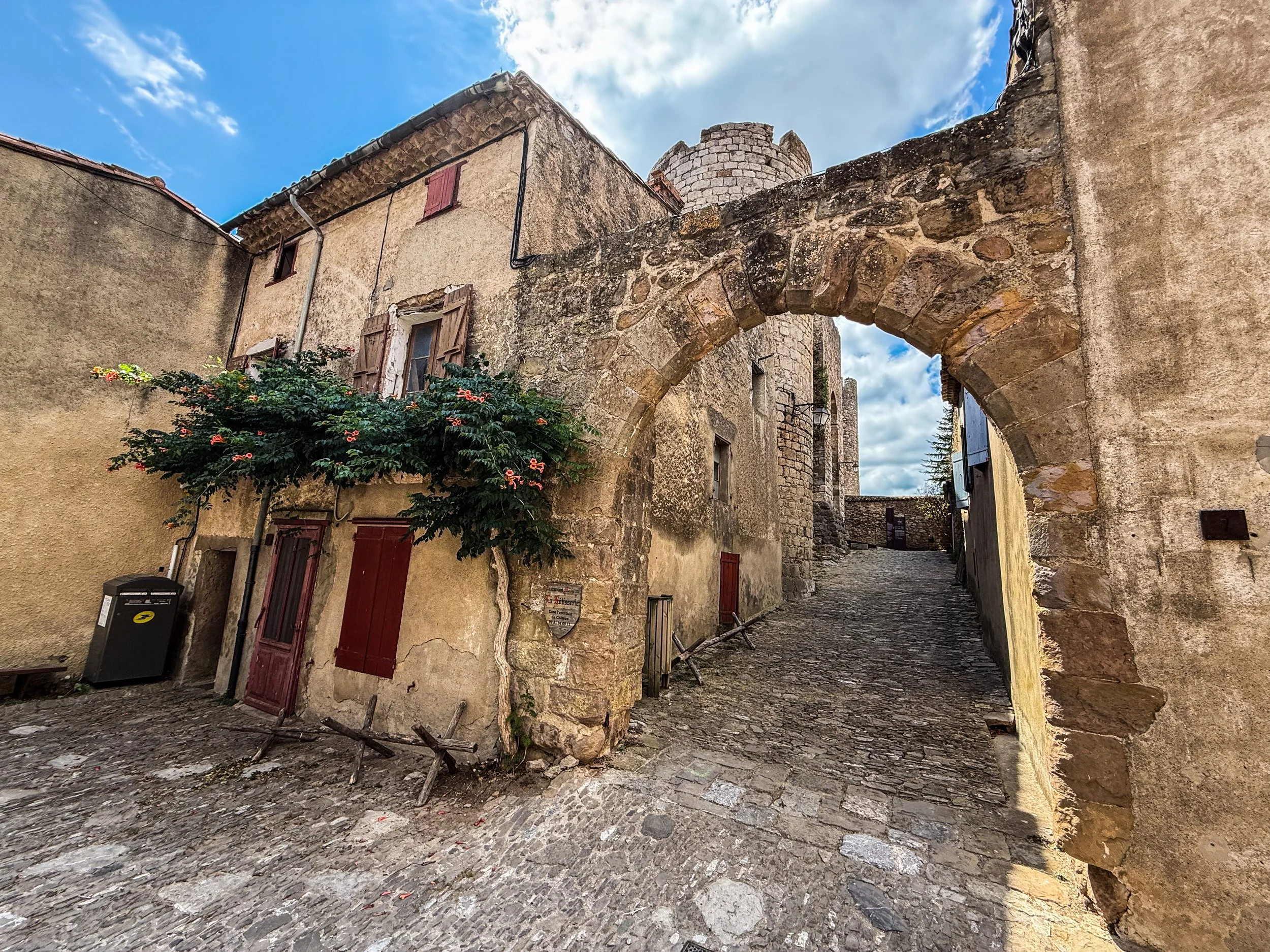
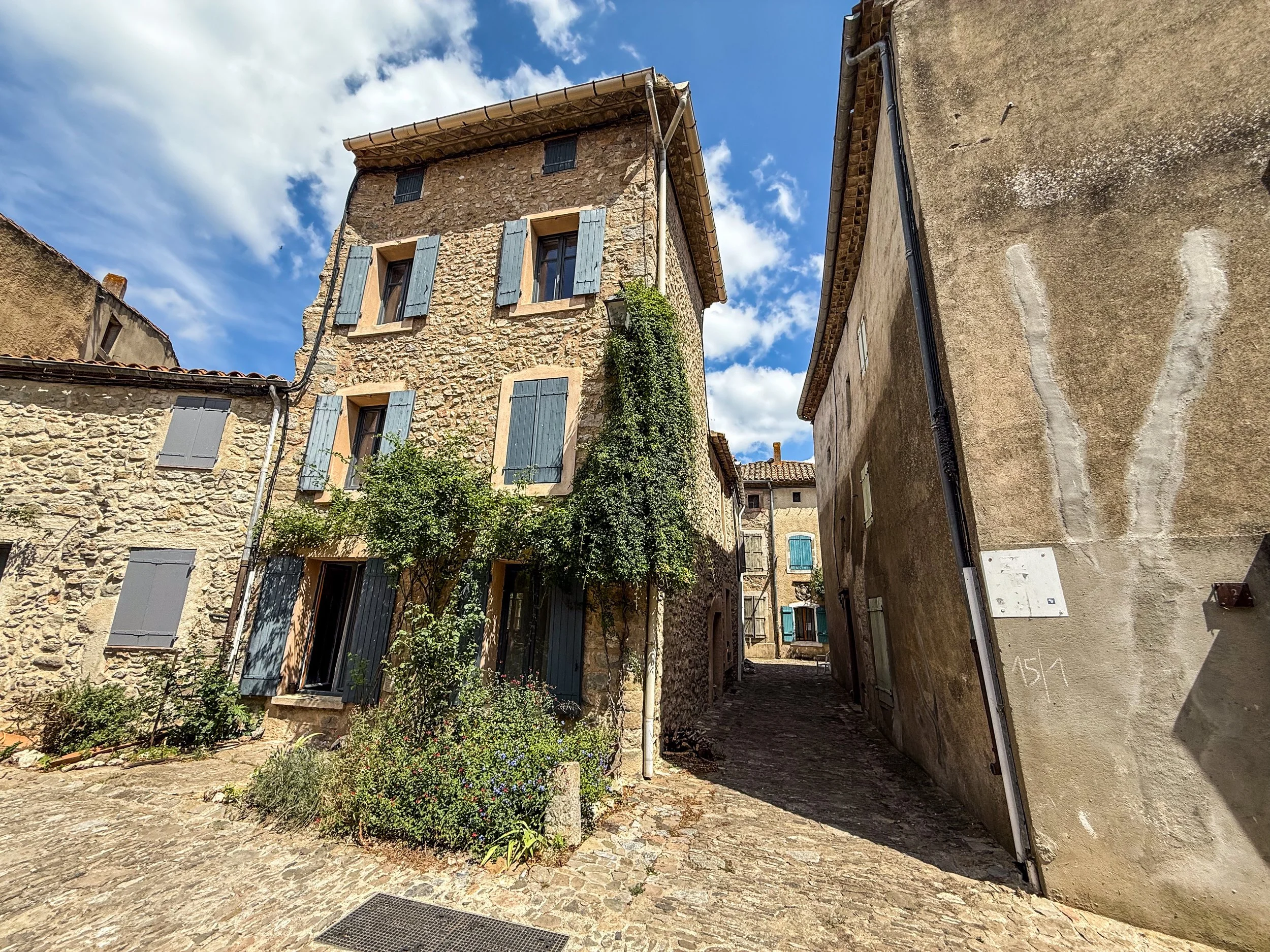

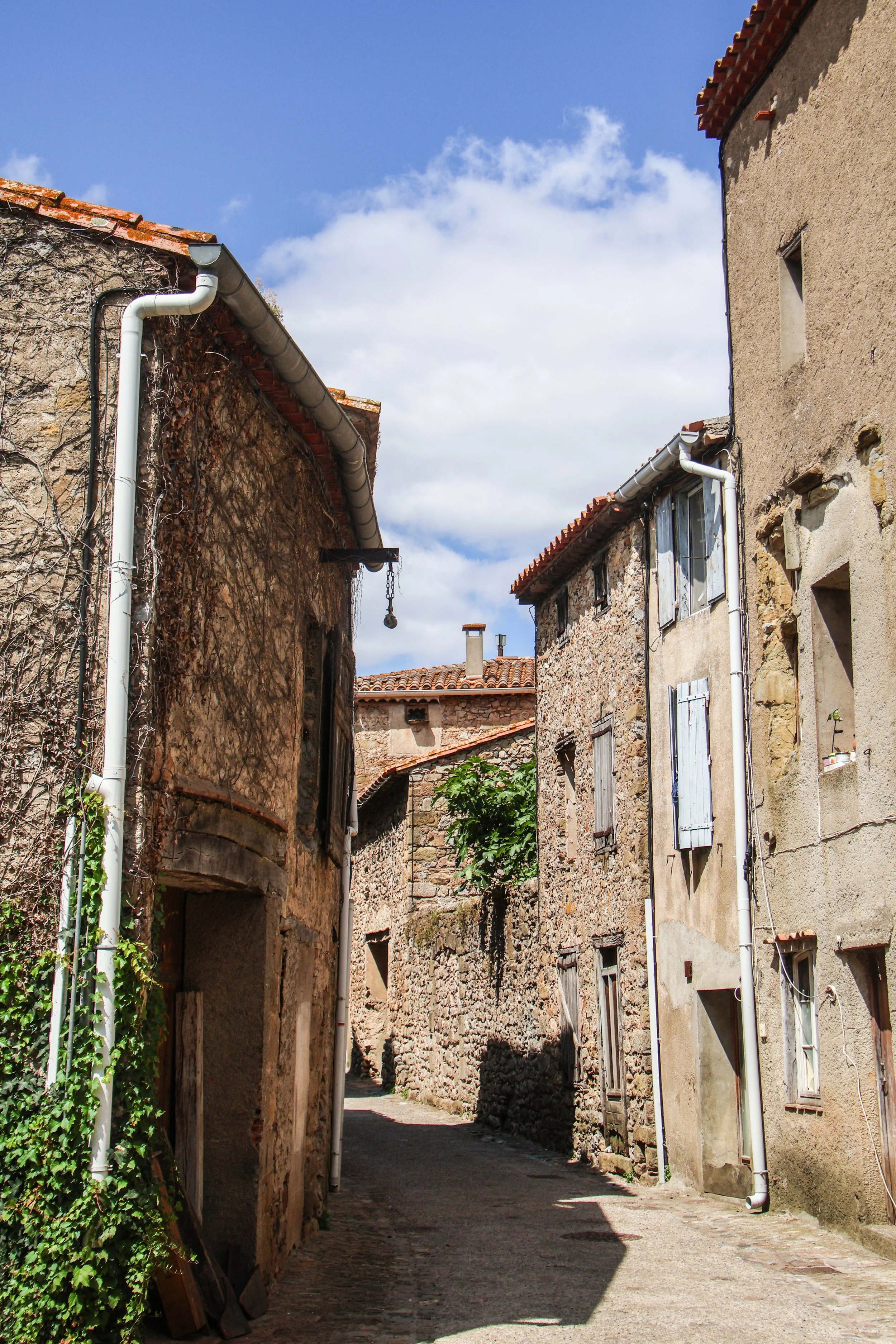
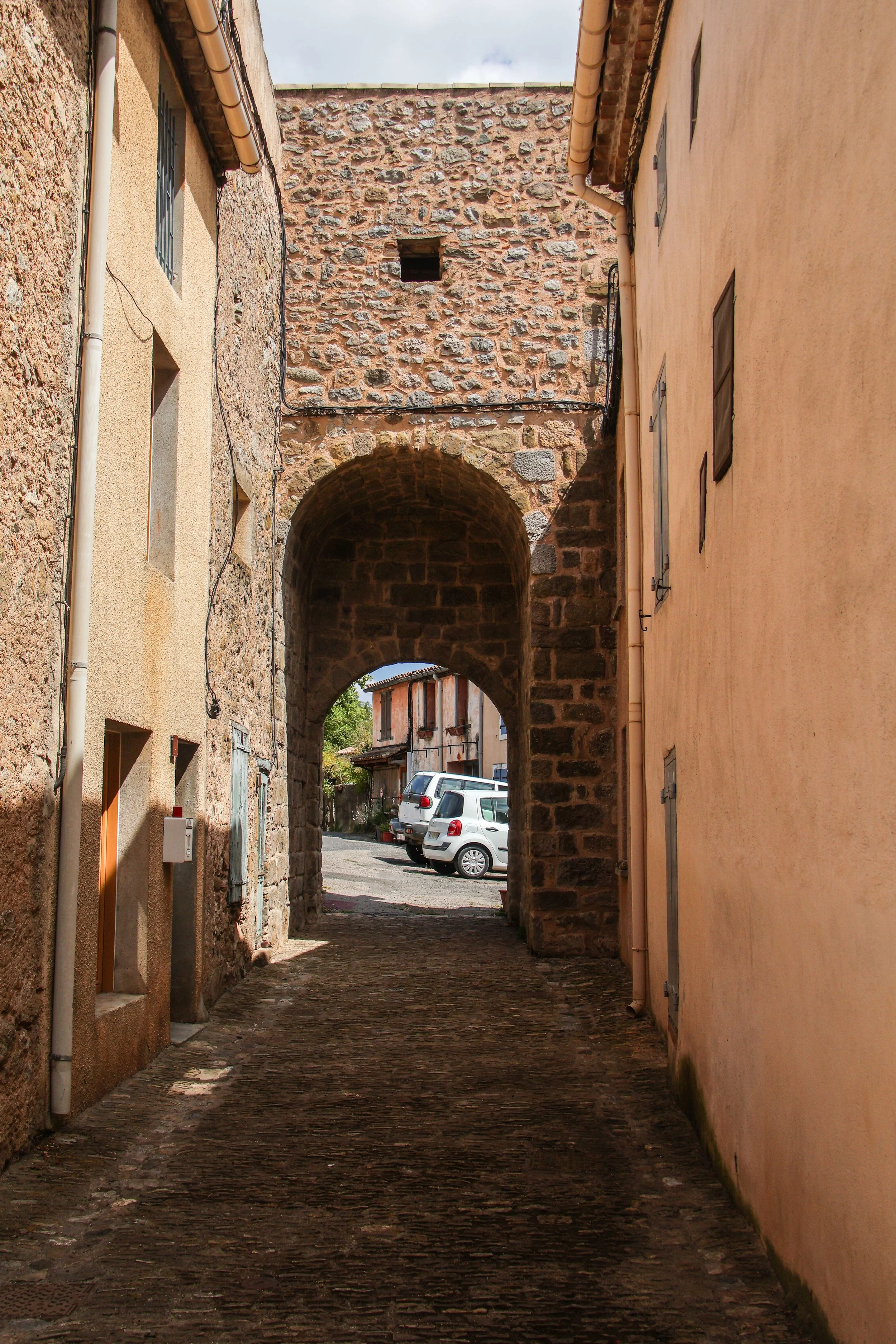
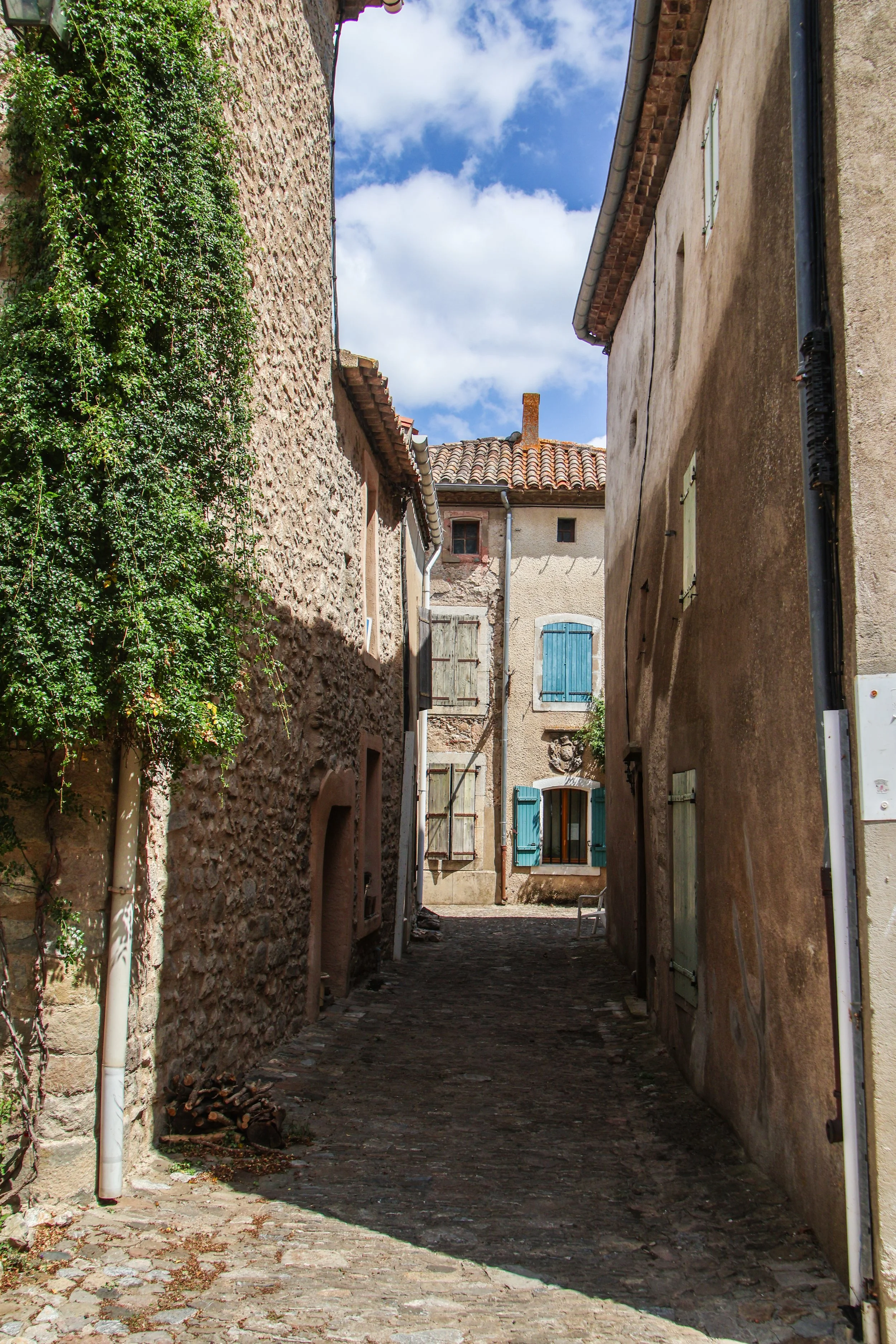
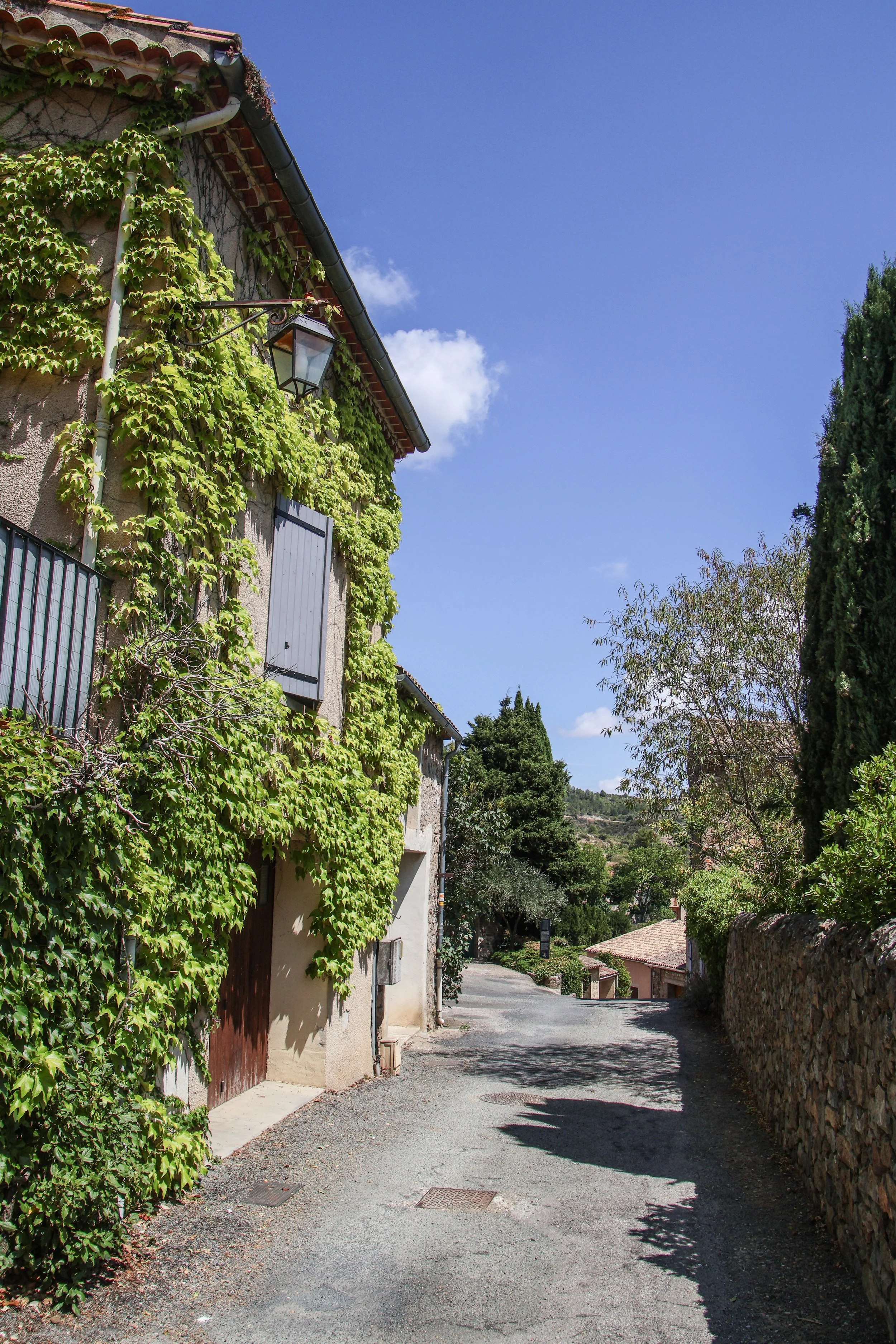
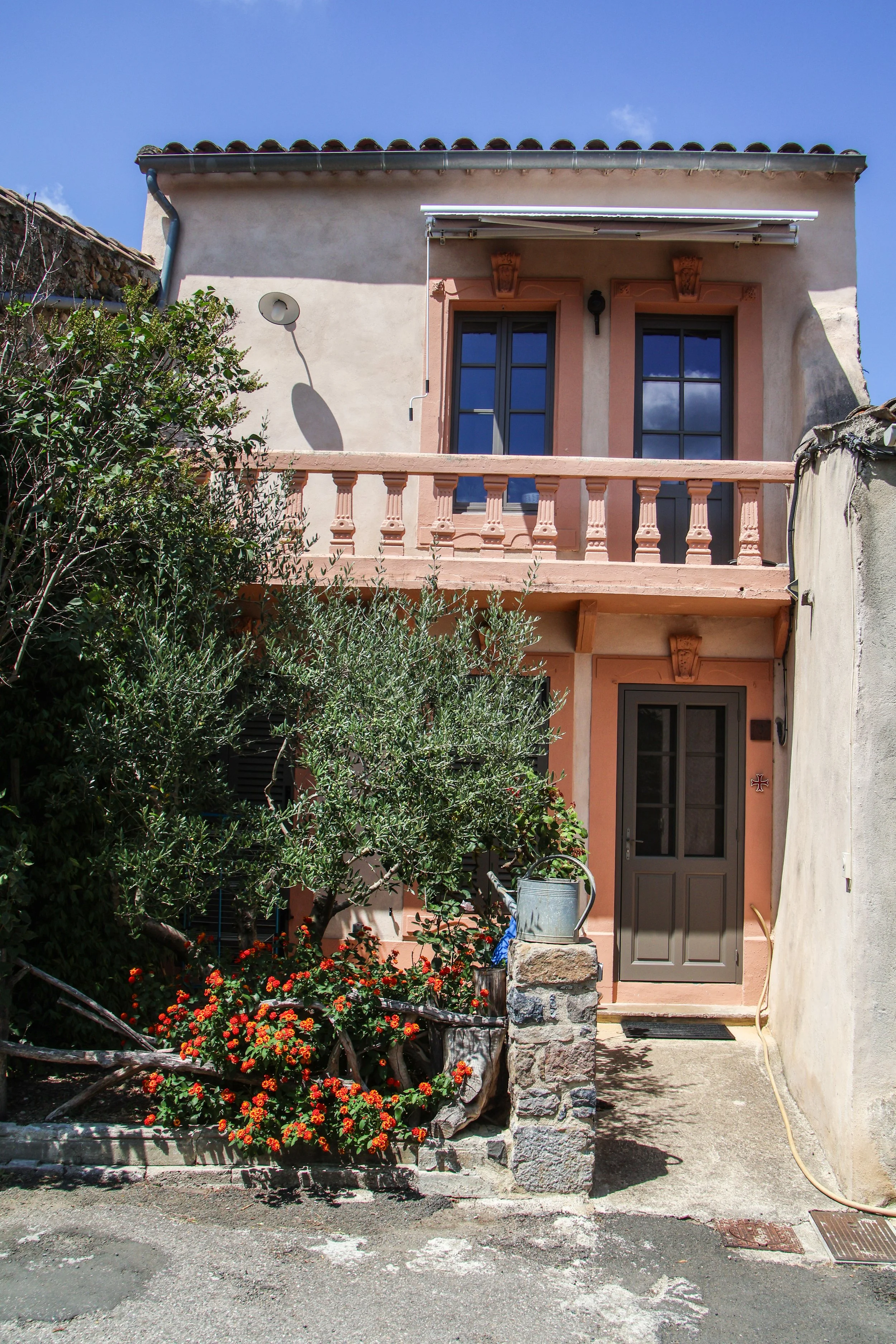
Up next, we’re going to re-join the 21st century and spend some time exploring the tiny but impossibly charming little towns from around this region. Get ready for the most picturesque little French towns you’ve ever seen!