
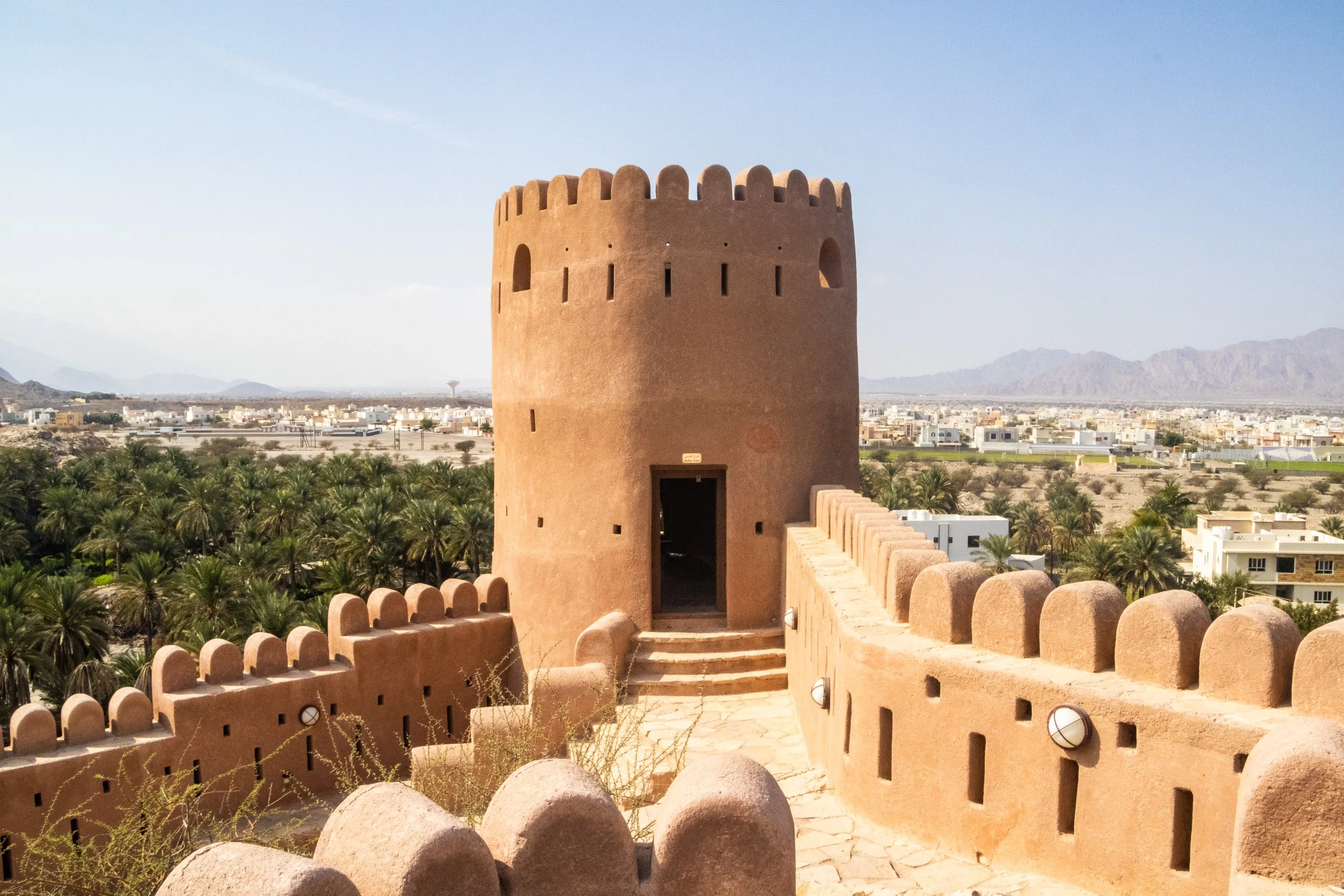
Moving on from our odd adventures in the Dhofar Region, today we’re back in the northern stretches of Oman. This is definitely a “road trip” destination; to really see this country, you’ll have to rent a car. But, a word of caution: Oman has speed cameras everywhere. Their roads are a surveillance state, so you’d best keep your wits about you!
The theme of today is old Arabian fortresses scattered throughout Oman’s Al Hajar mountains. Oman has a lot of these old relics, and we’re going to be visiting 3 of them. We’ll start with Nakhal Fortress, move on to Bahla Fortress, and finish with Nizwa Fortress, which is actually part of a very cool little town bearing the same name. In the past two articles, there was a LOT of information about Oman and the geopolitical neighborhood it calls home. Admittedly, during these articles I was still getting my feet under me in this new country. But this is where we’re going shift gears from educational exploration to something a bit more fun.
So, go use the bathroom now because it’s about 1 hour from Muscat to Nakhal, and we’re not going to stop until we get there. 👀
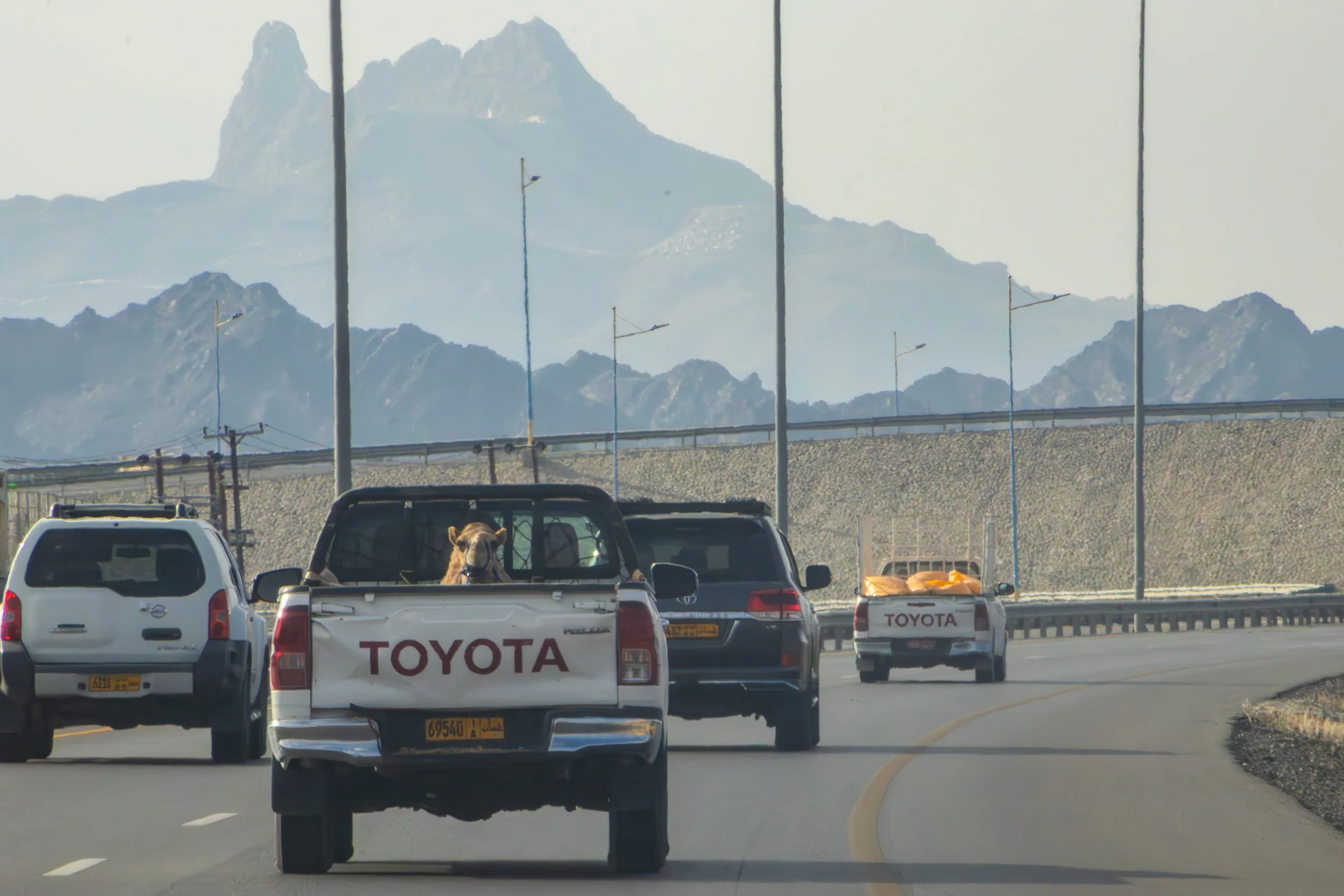
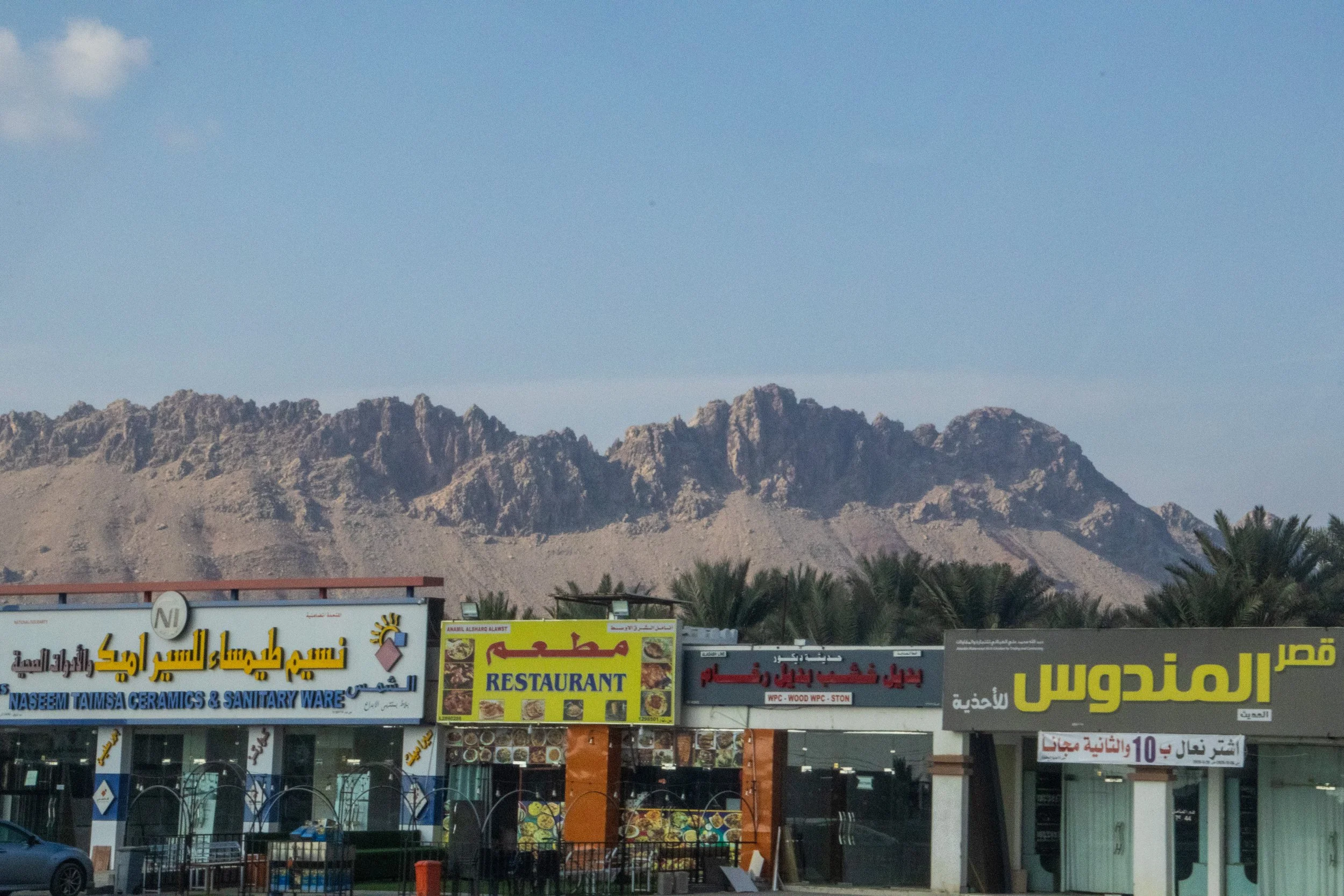
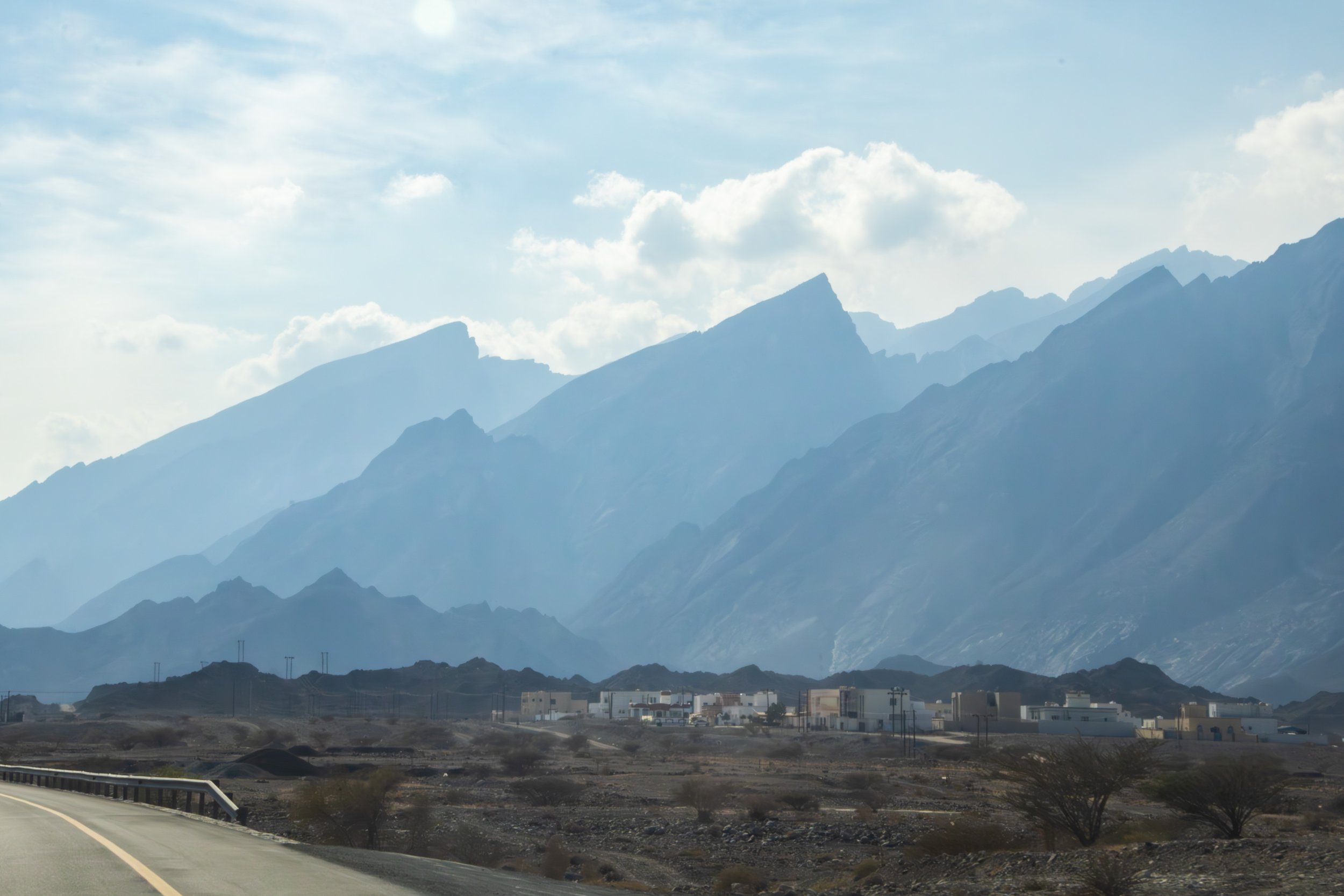
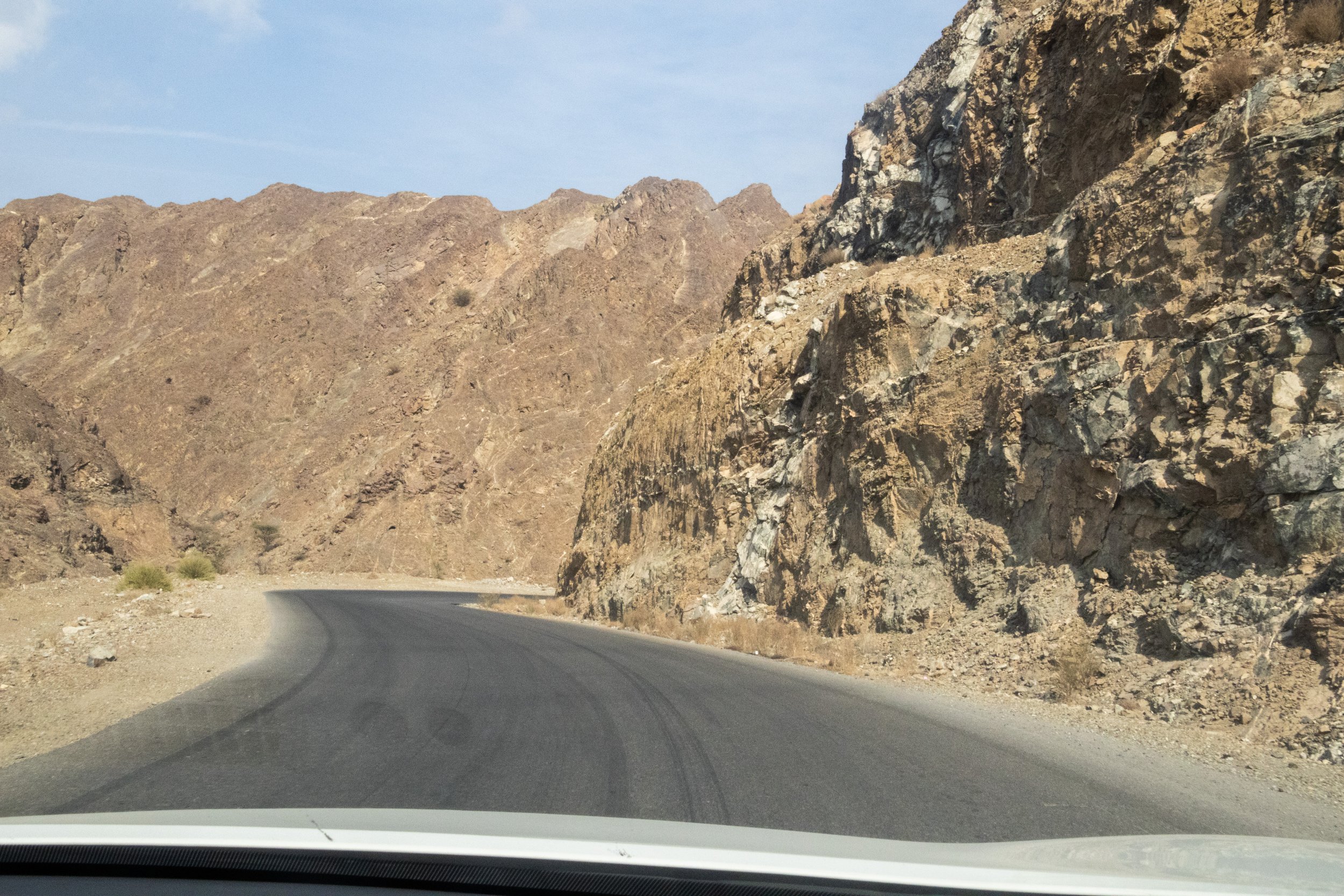
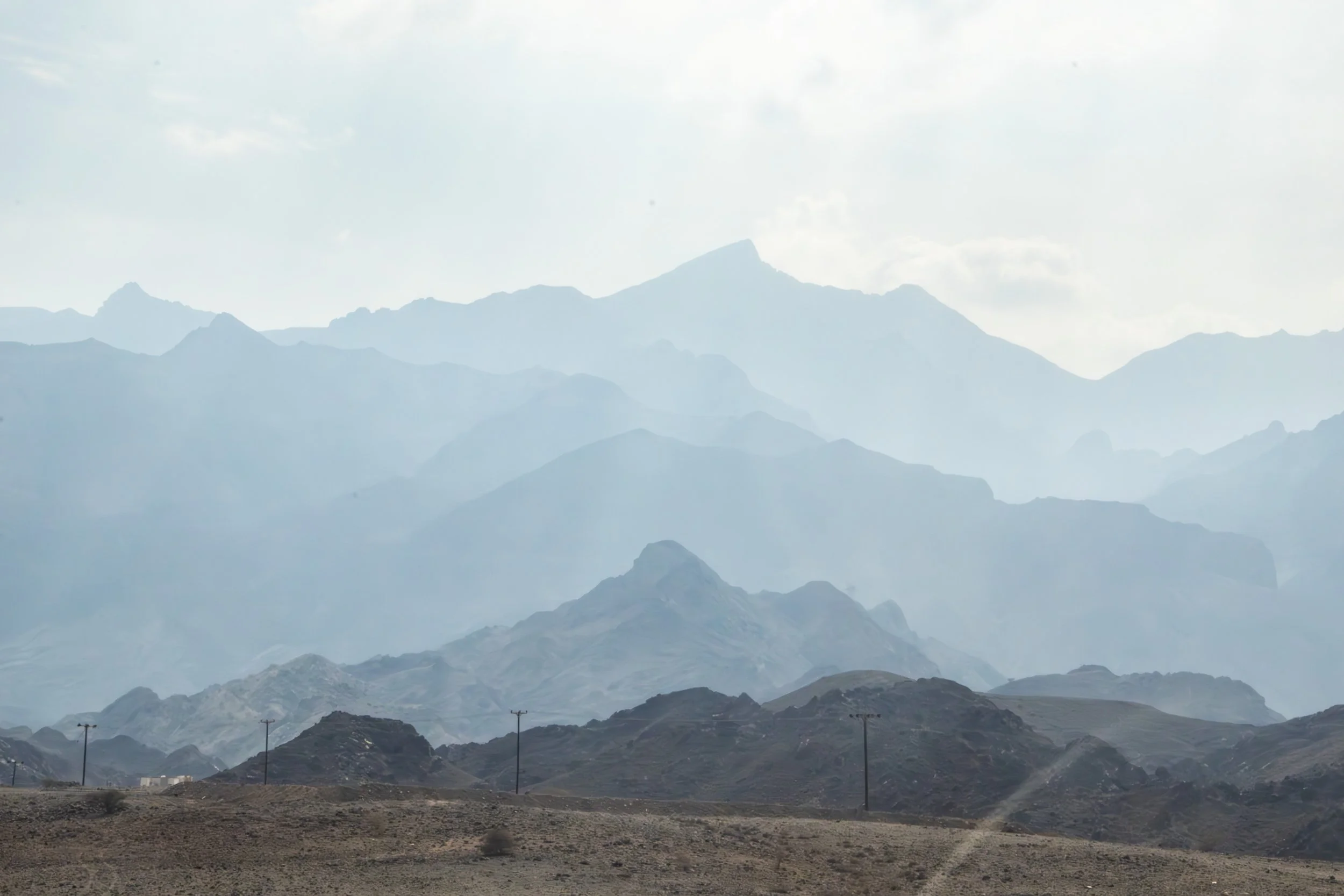
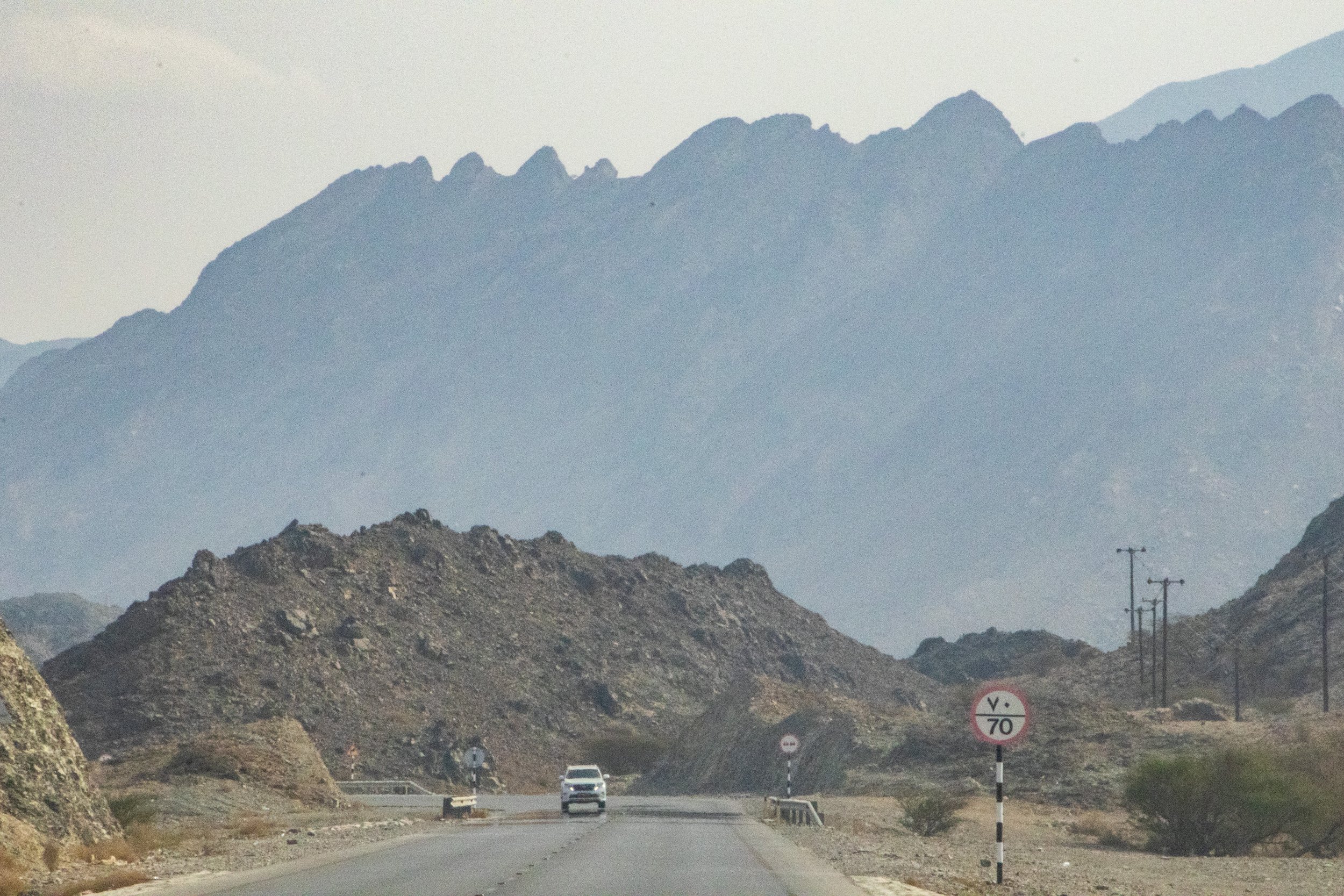
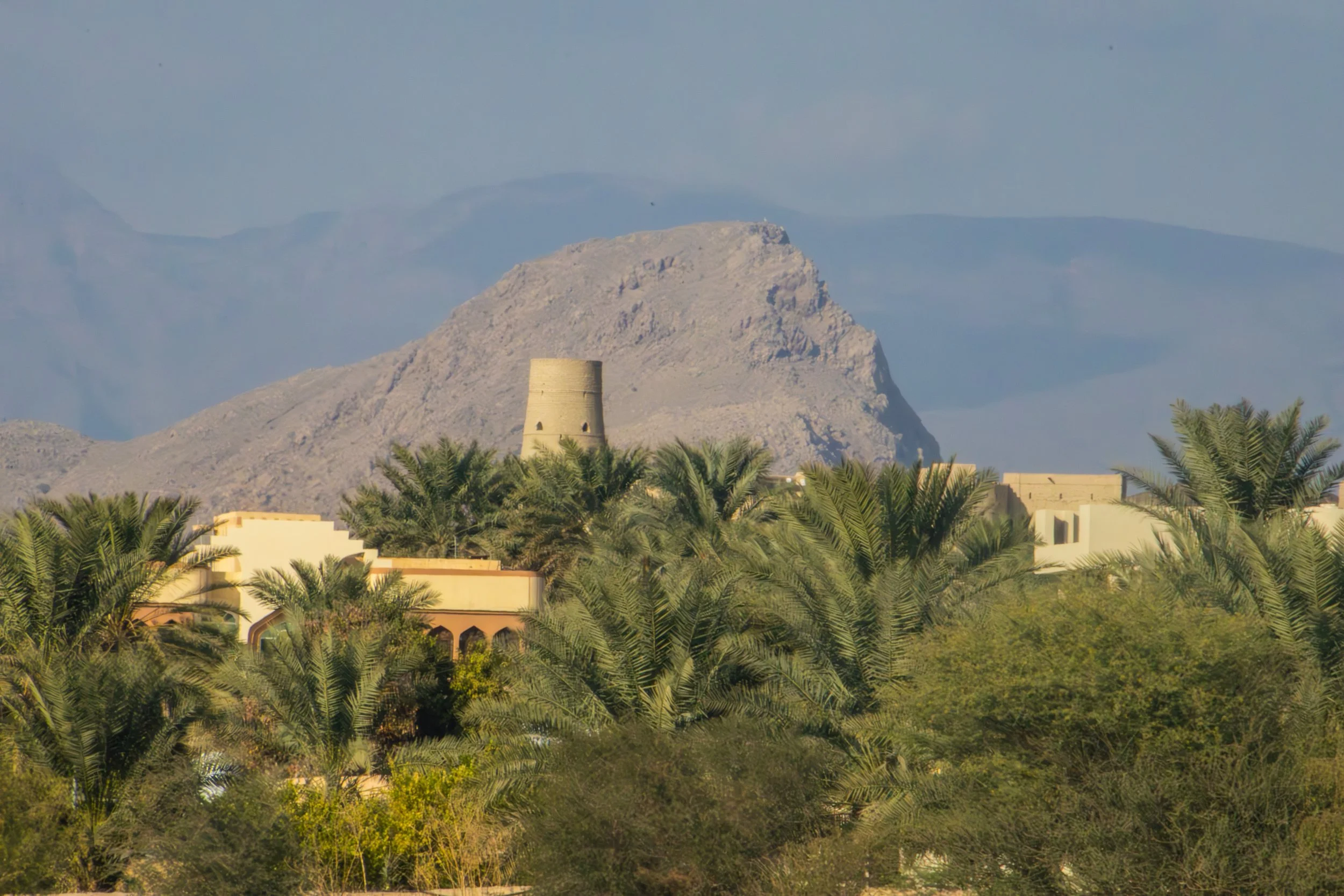
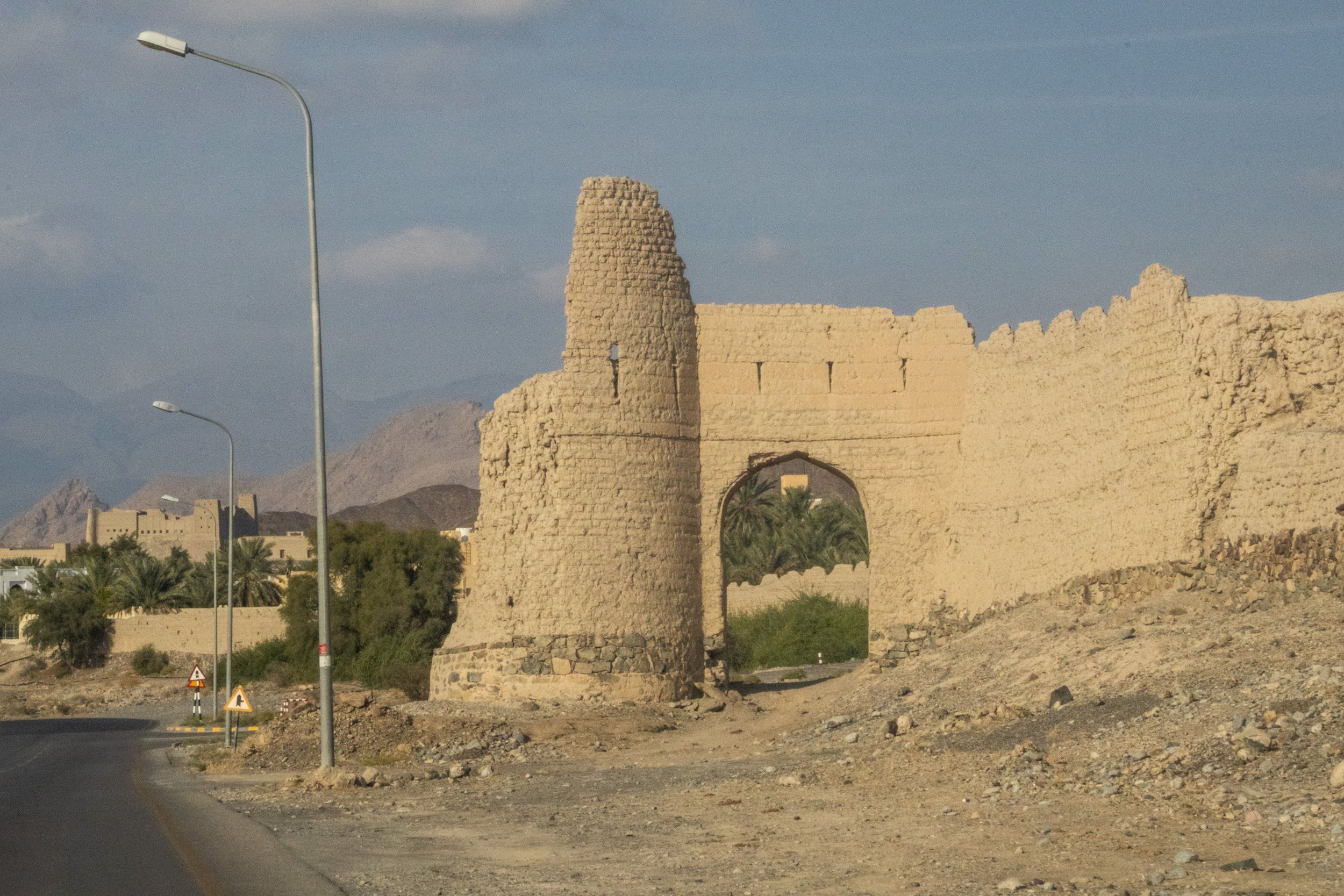
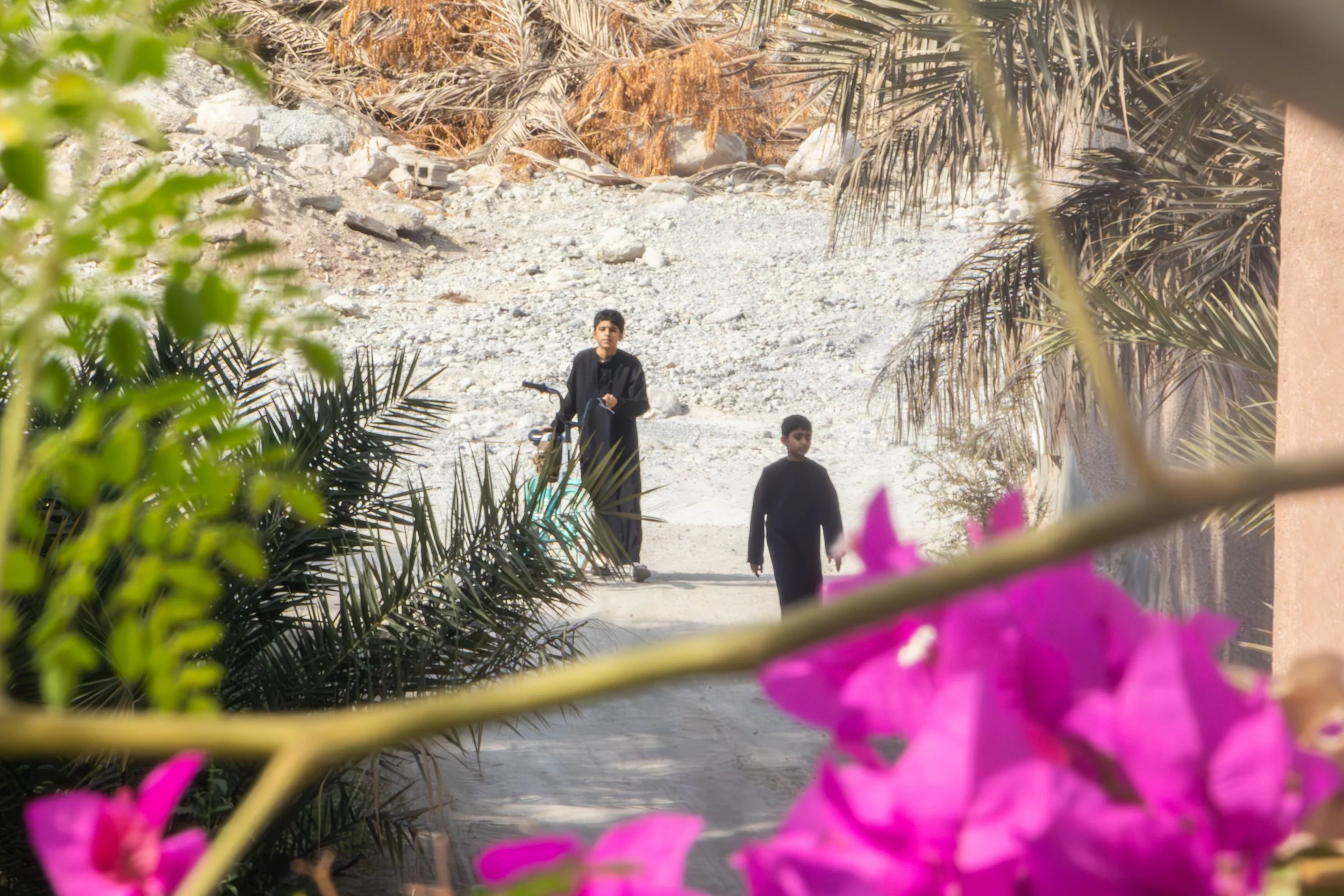
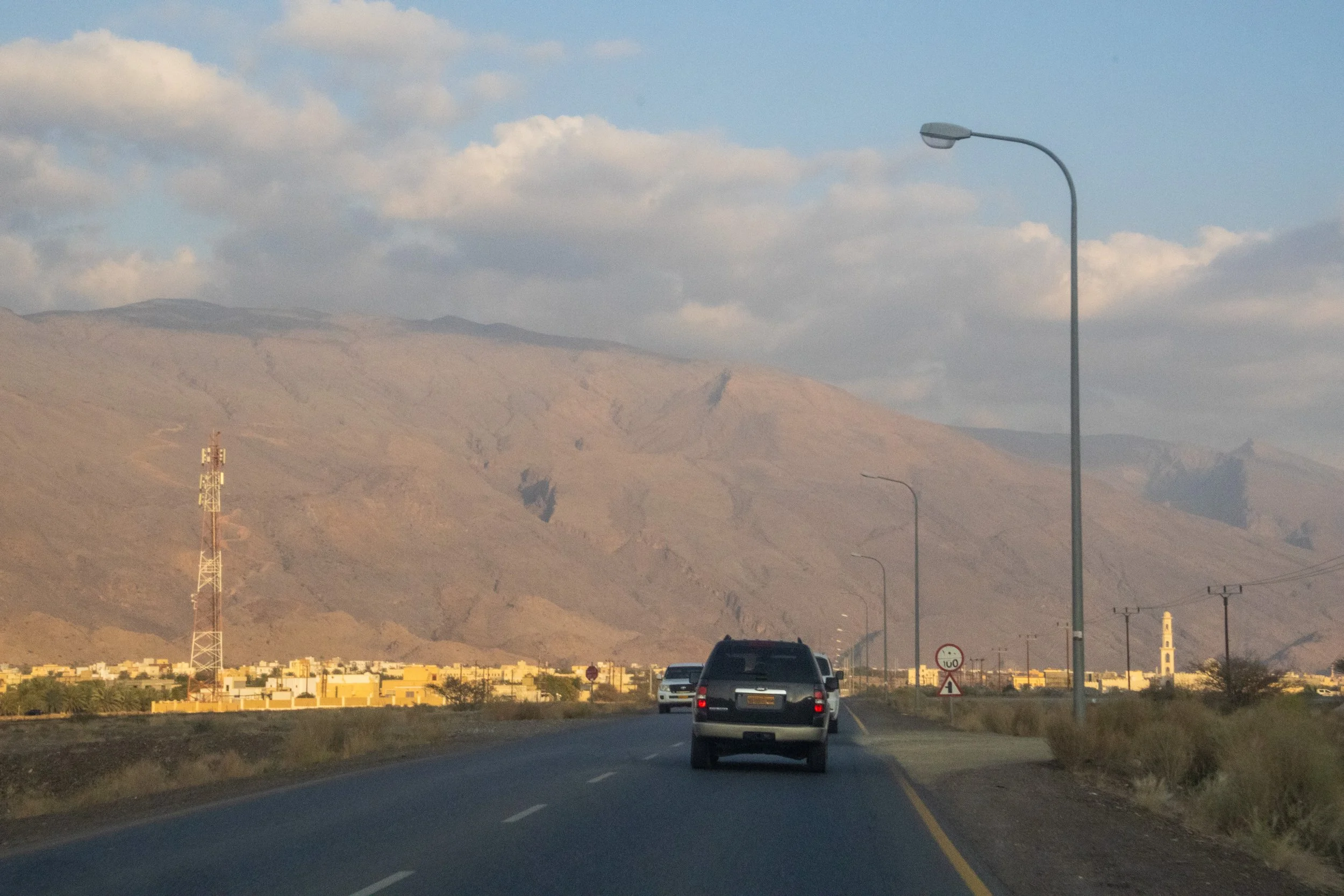
Here are a few pictures from road-tripping around northern Oman. There are lots of jagged mountain ridges and historical ruins of castles and fortresses strewn throughout this gallery, but above all of that, please pause to appreciate the first picture, which shows a camel in the bed of a pickup truck on the highway. 😂
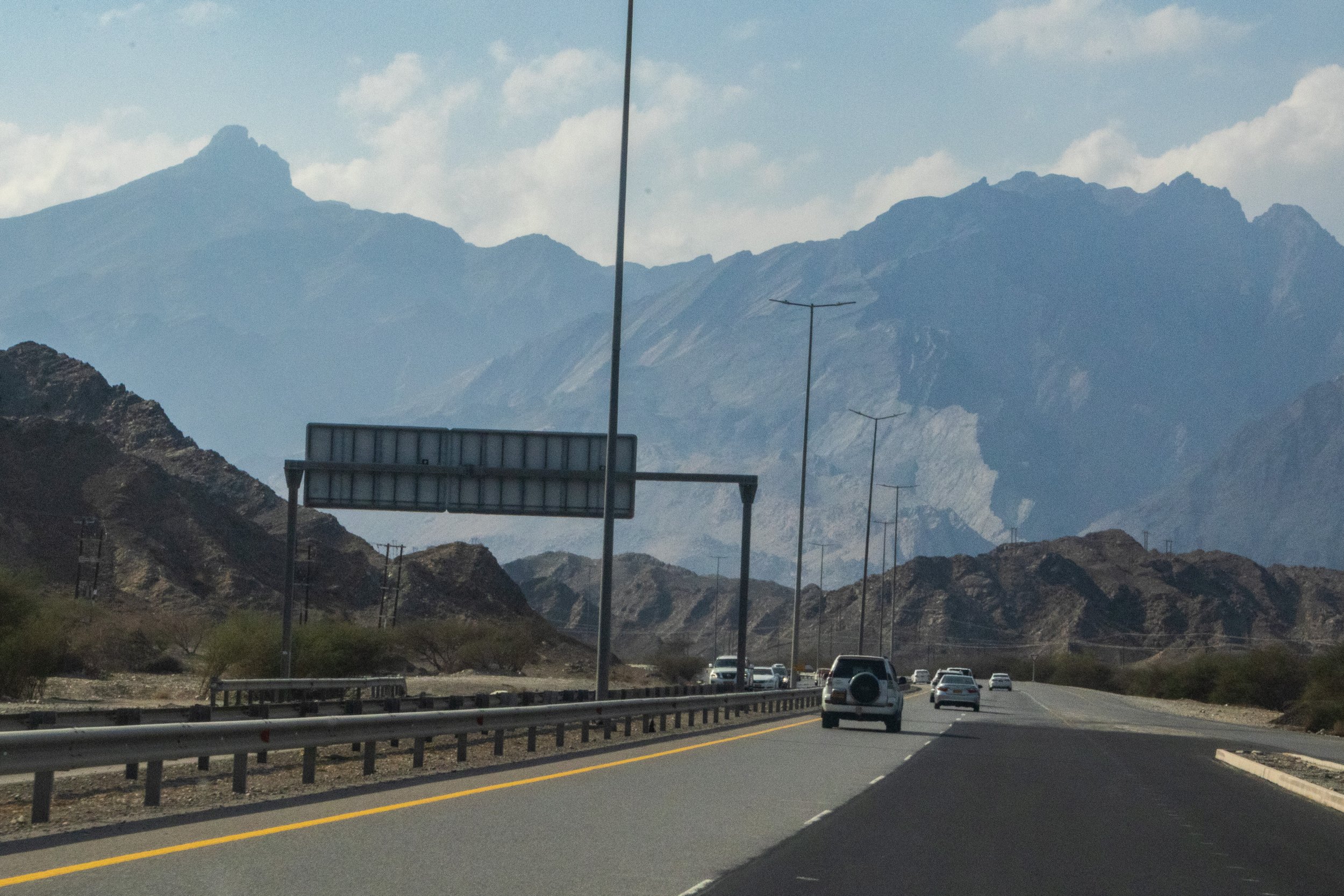
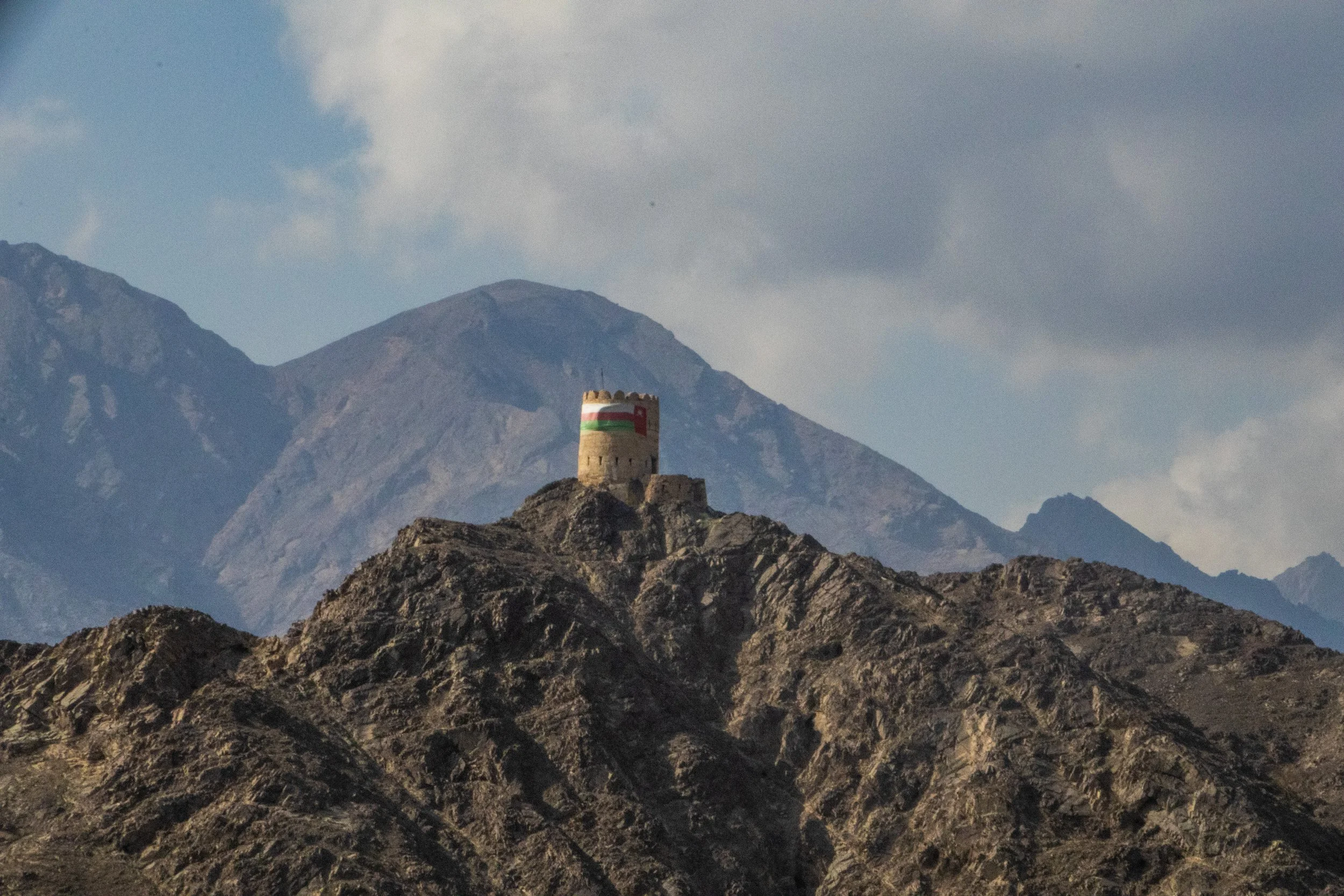
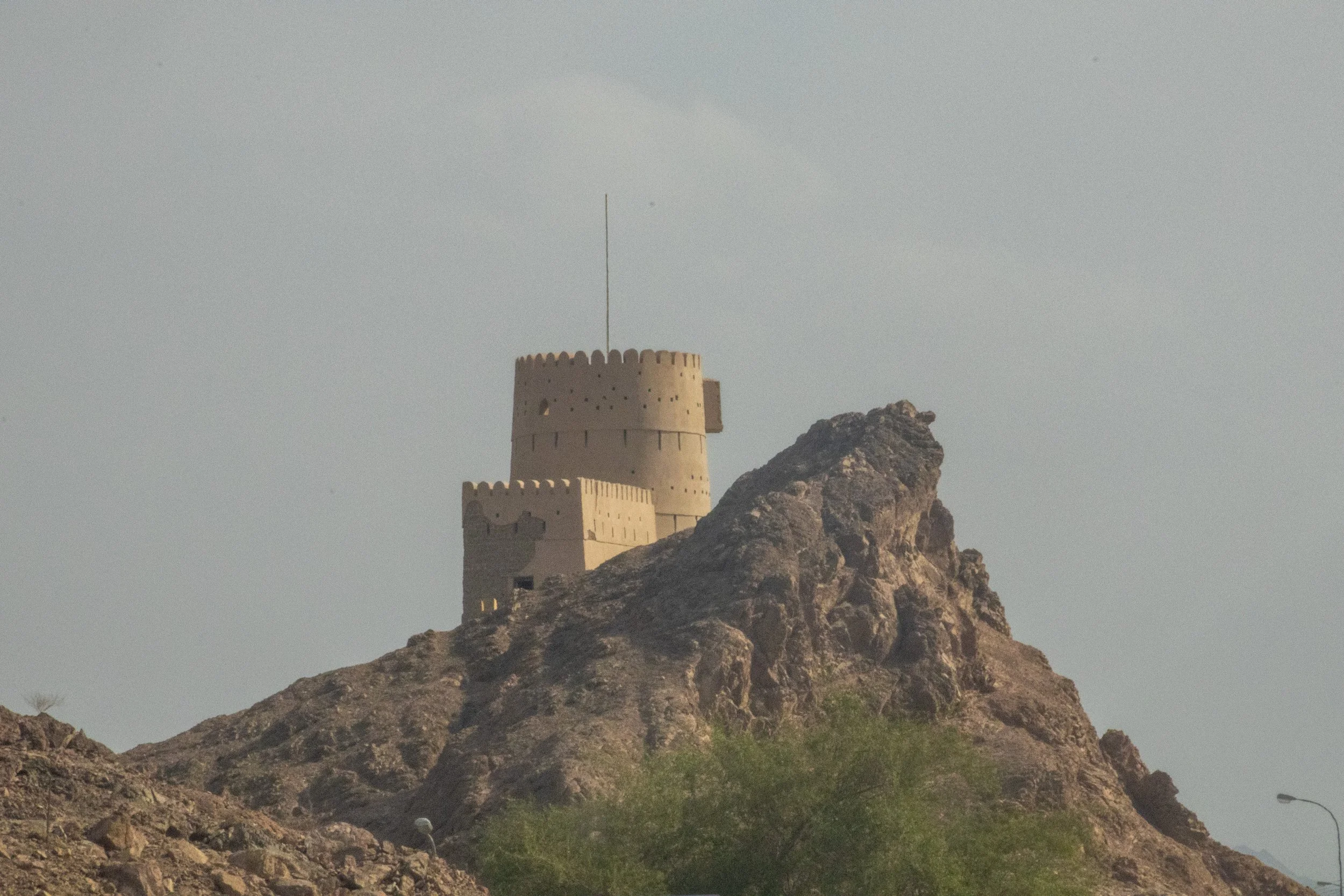
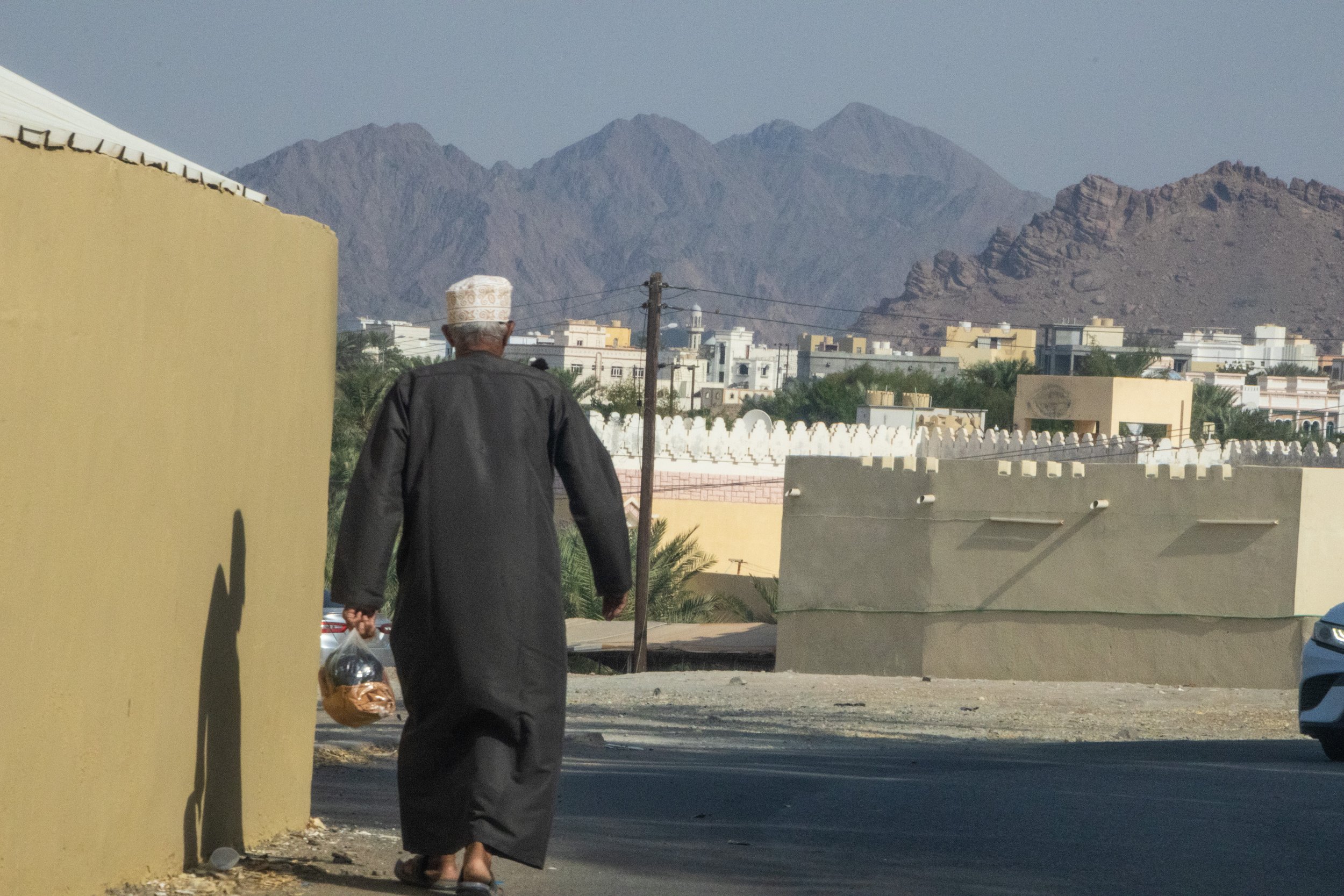
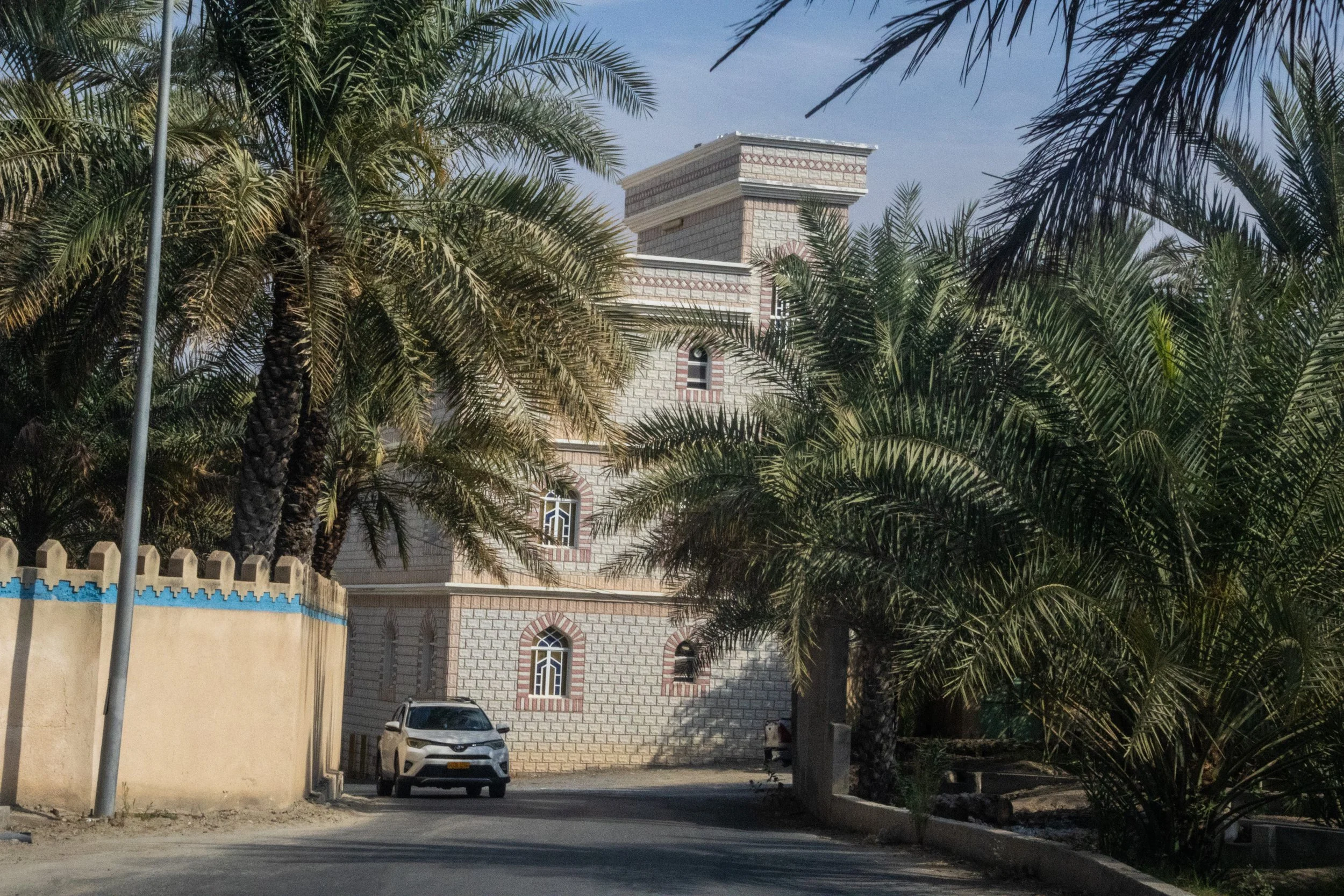
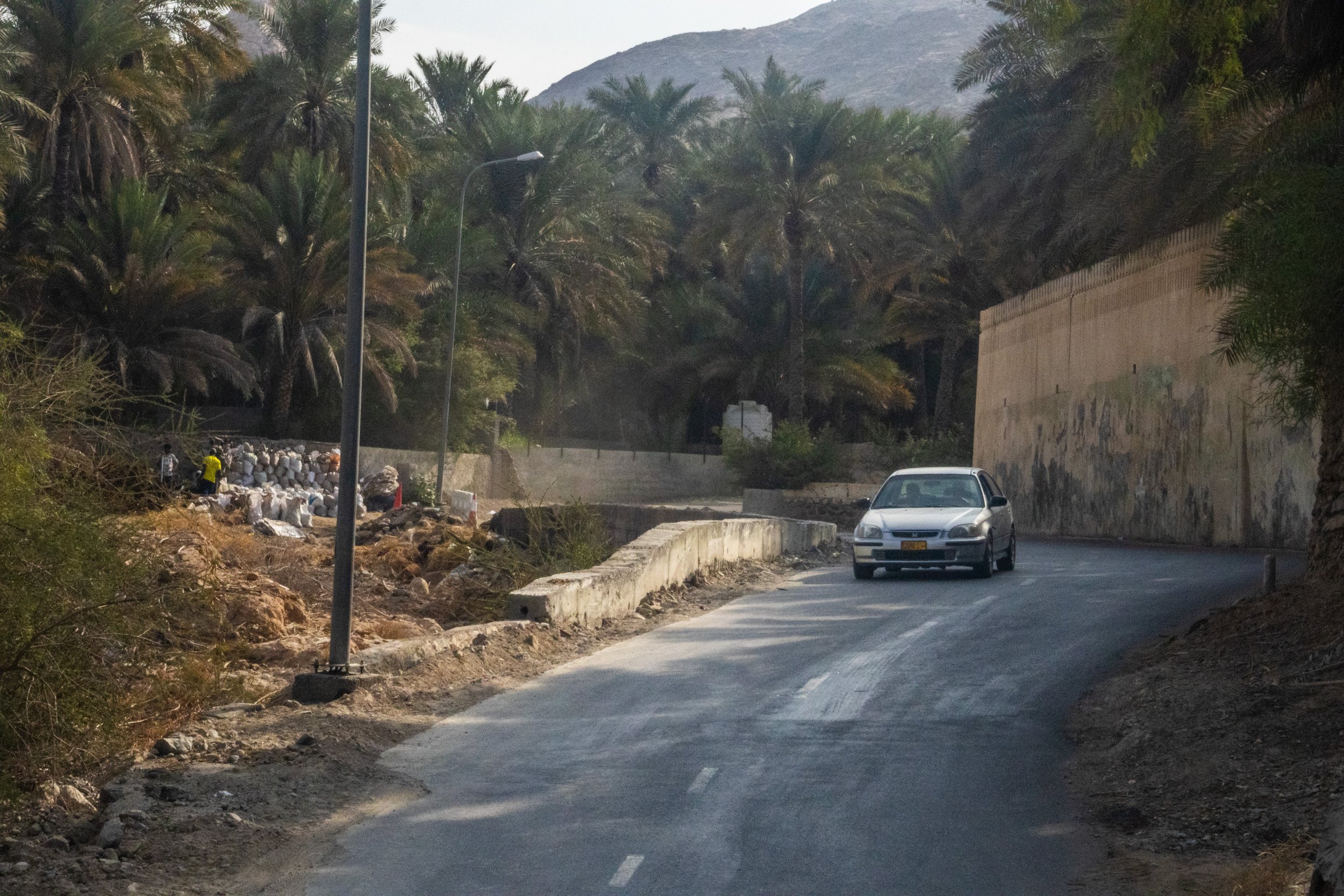
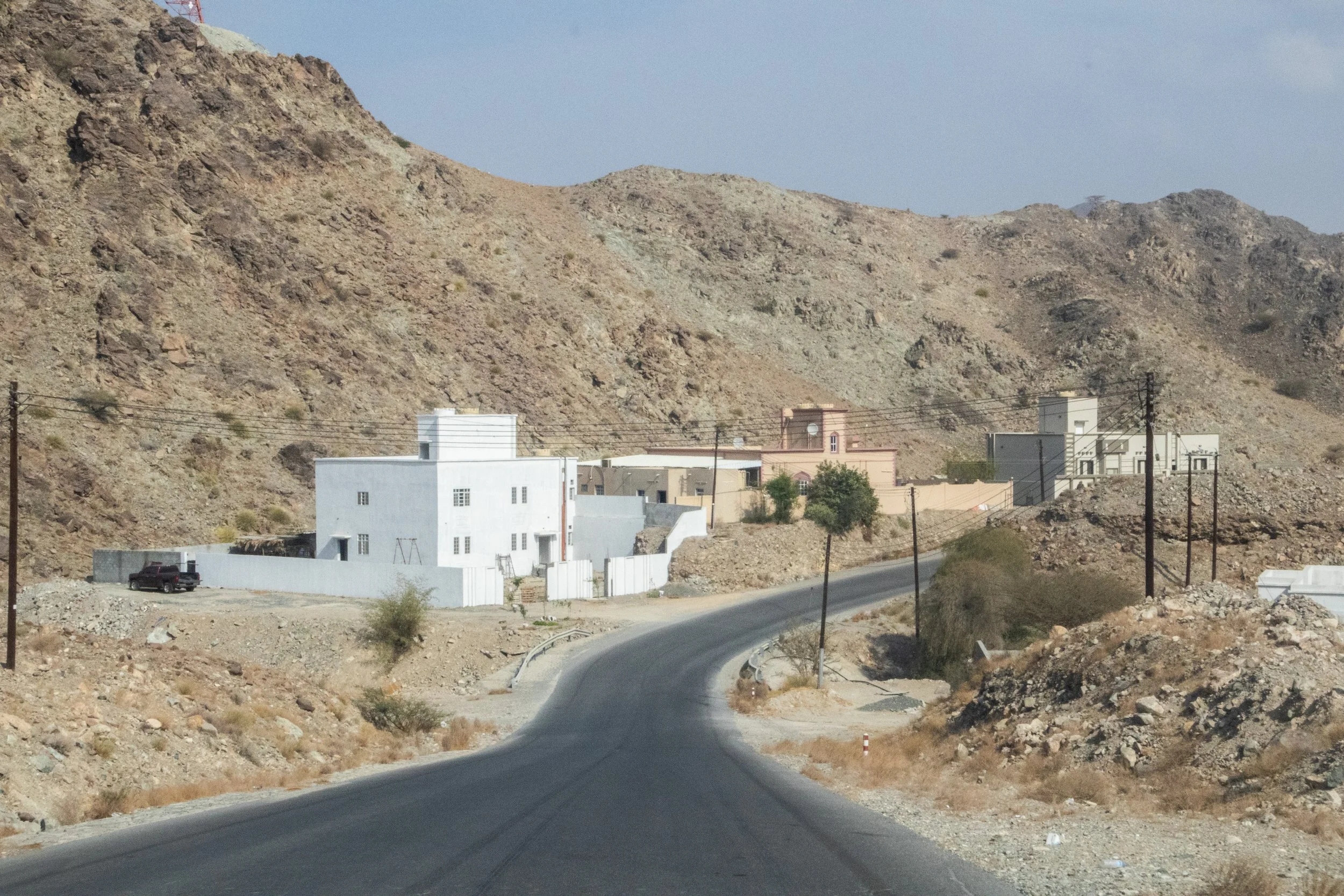
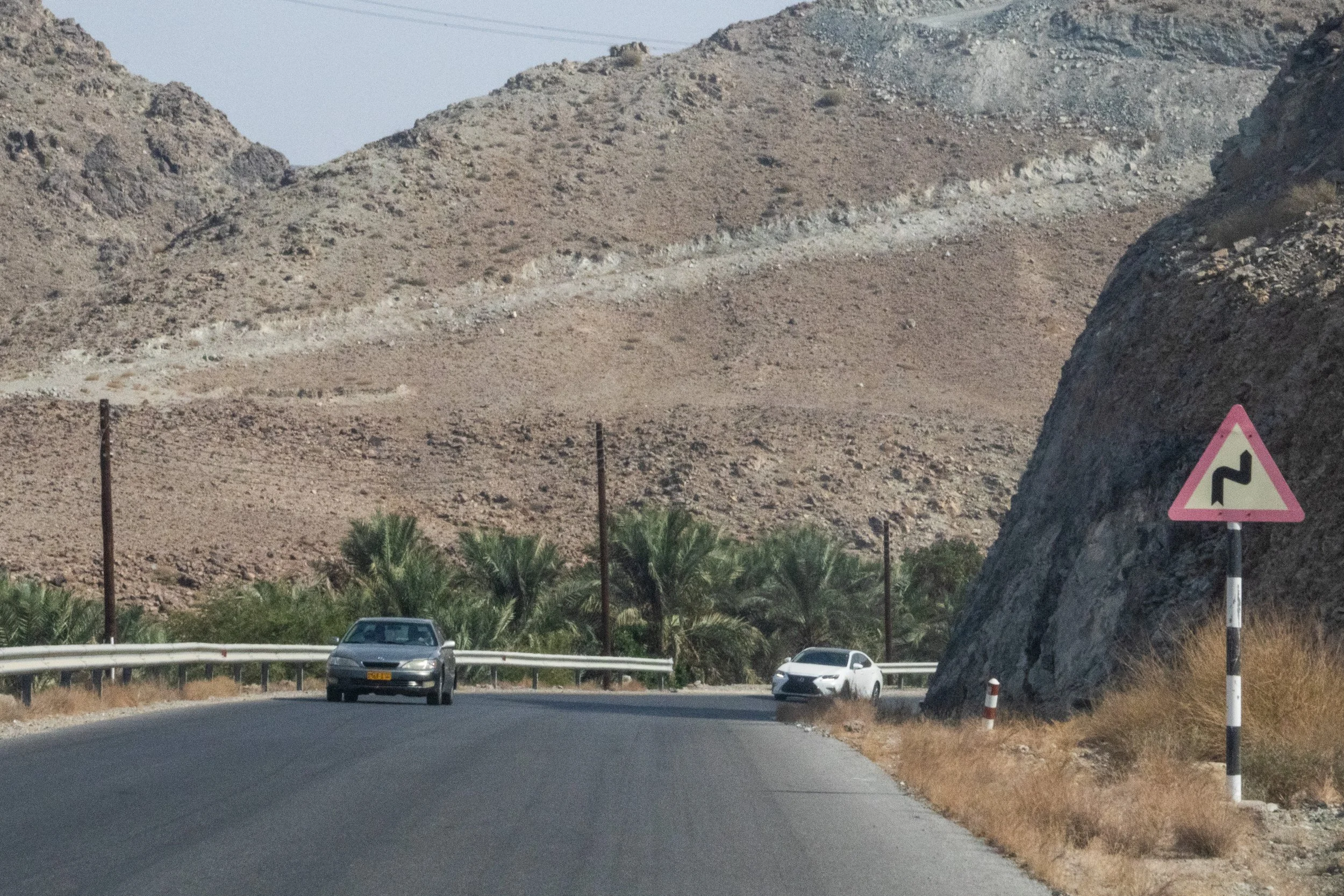
Nakhal Fortress
First up, we have Nakhal Fortress, which is about ~100 km (~62 miles) inland from Muscat. Here’s the map for you:
This is, by far, the oldest fortress of the 3 we are going to see today. Nakhal Fortress actually has no recorded date of original construction, but the one thing that everybody seems to agree on is that it was pre-Islamic. This means that it actually pre-dates the rise of Islam in the middle east. 610 CE is the year when the Prophet Muhammad is believed to have received his first revelation, so the original construction of this fortress probably would have been somewhere in the 300s to 500s. Das OLD!
However, it was rebuilt in the 17th century and expanded further in 19th century. So, the only part of the original pre-Islamic fortress left at this site is likely the foundation; most of what is actually visible during our visit would date back to the 1600s. Interestingly, Nakhal was basically in continuous use since its construction, but it has served multiple masters since then. Its story is one of endurance and continuity.
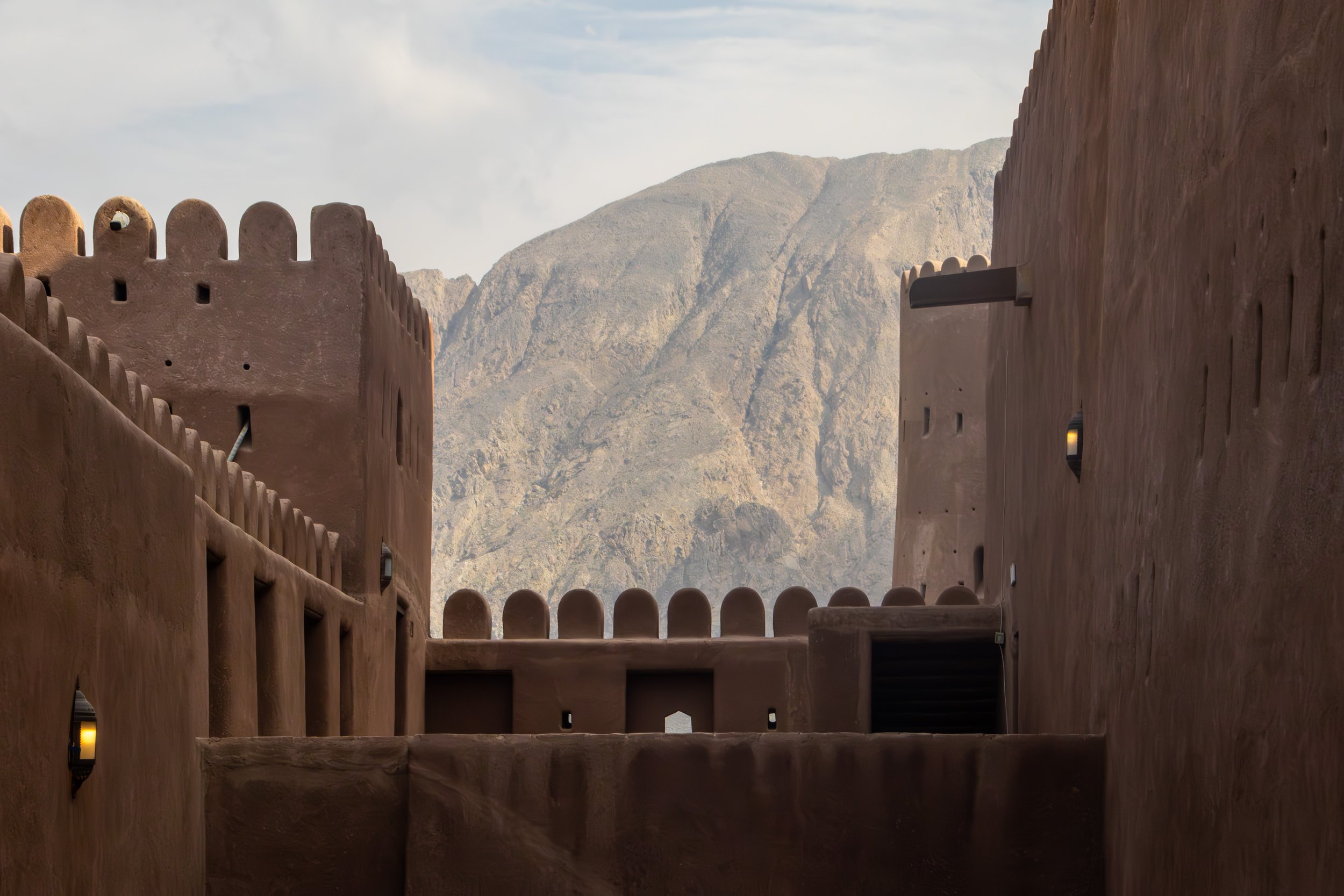
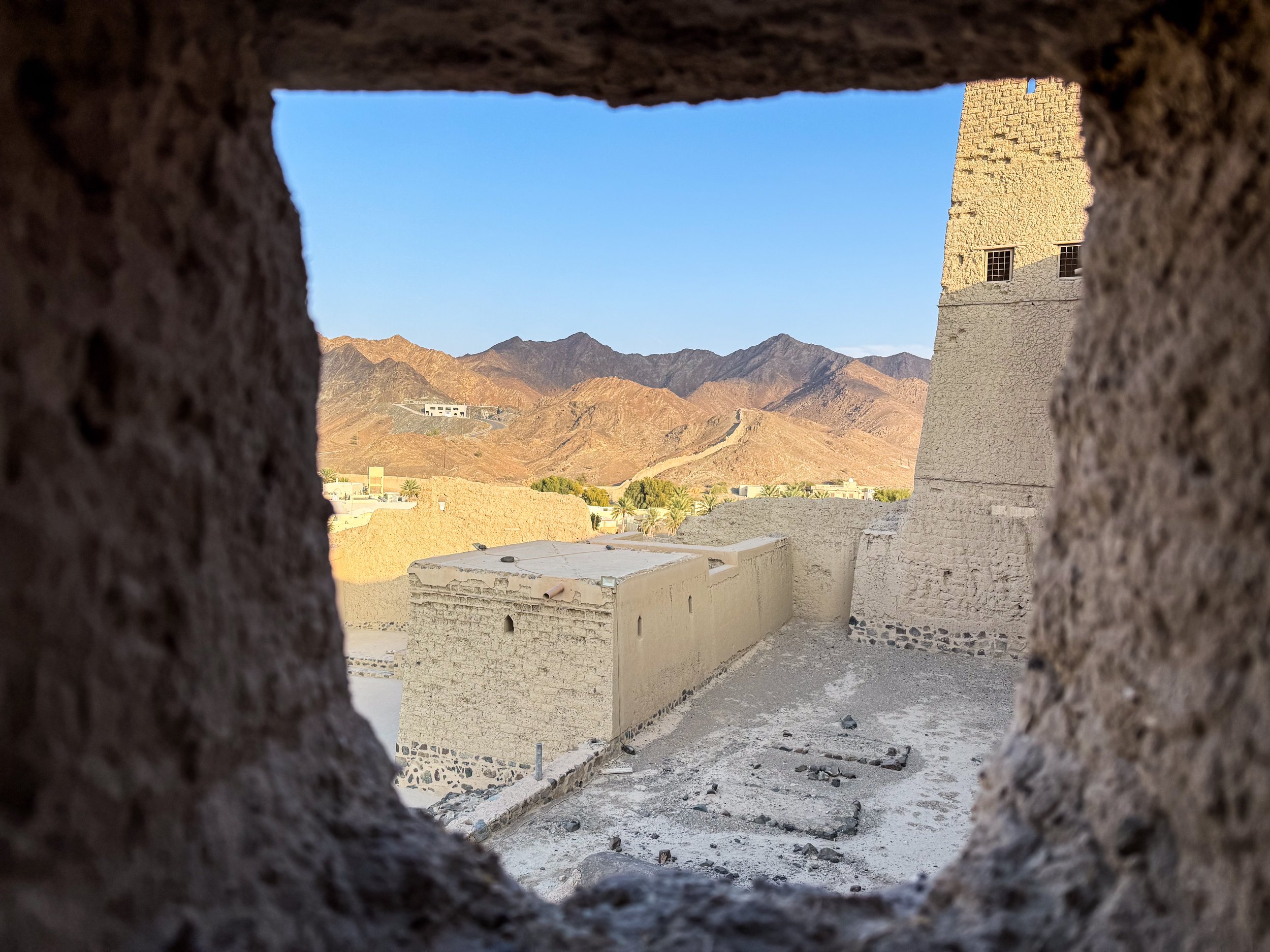
This was the first fortress we visited and I was most struck by the way it had been built into and on top of a giant, rock formation. It fits in with the surroundings extremely well. On one side of the fortress, there is a dramatic portion of the Al Hajar mountain range that shoots up to jagged rocky peaks just a few hundred meters from the walls of this fortress. It makes for stunning views over the aged fortress walls, and Nakhal’s integration with the rocky landscape makes it all the more photogenic.
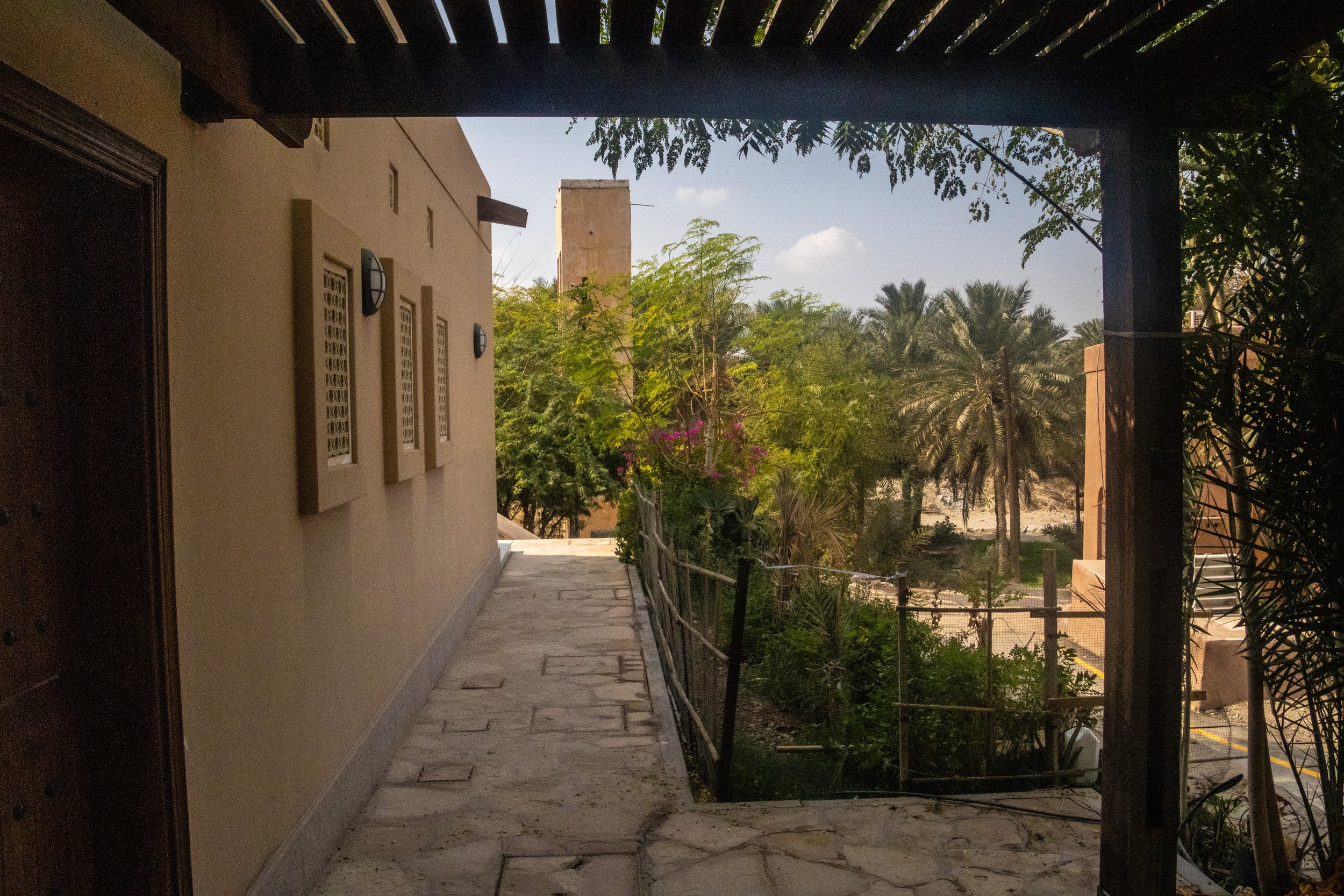
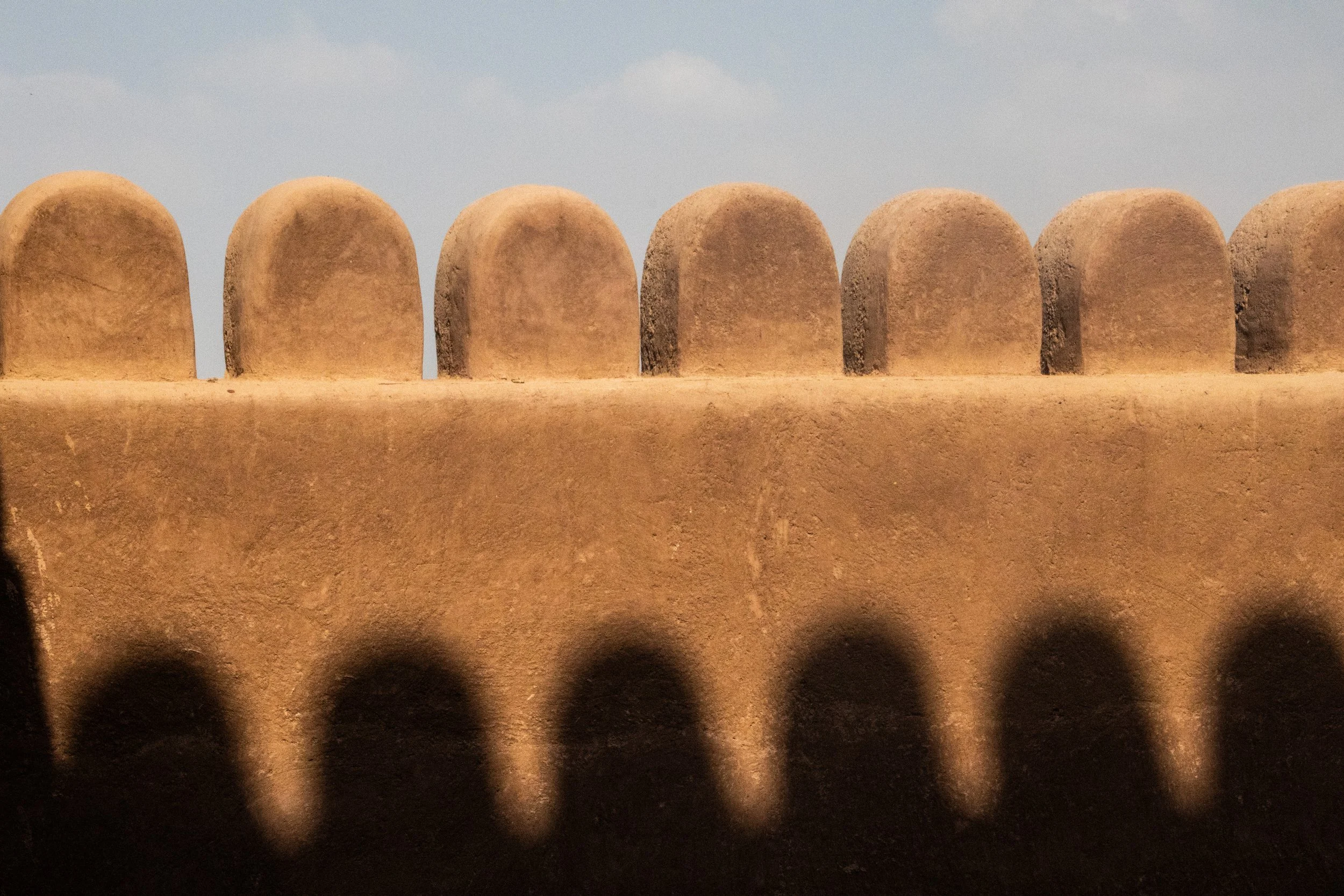
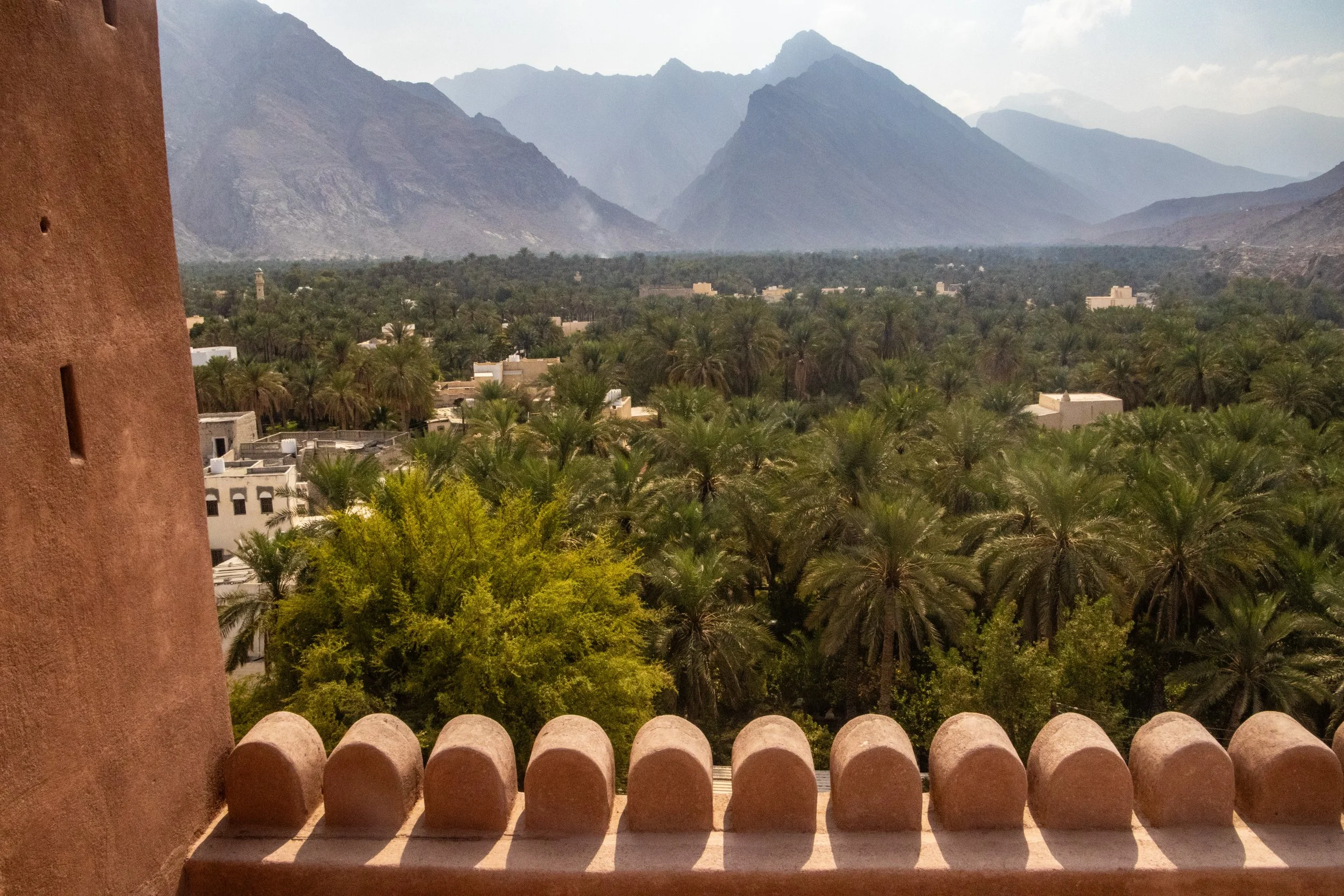
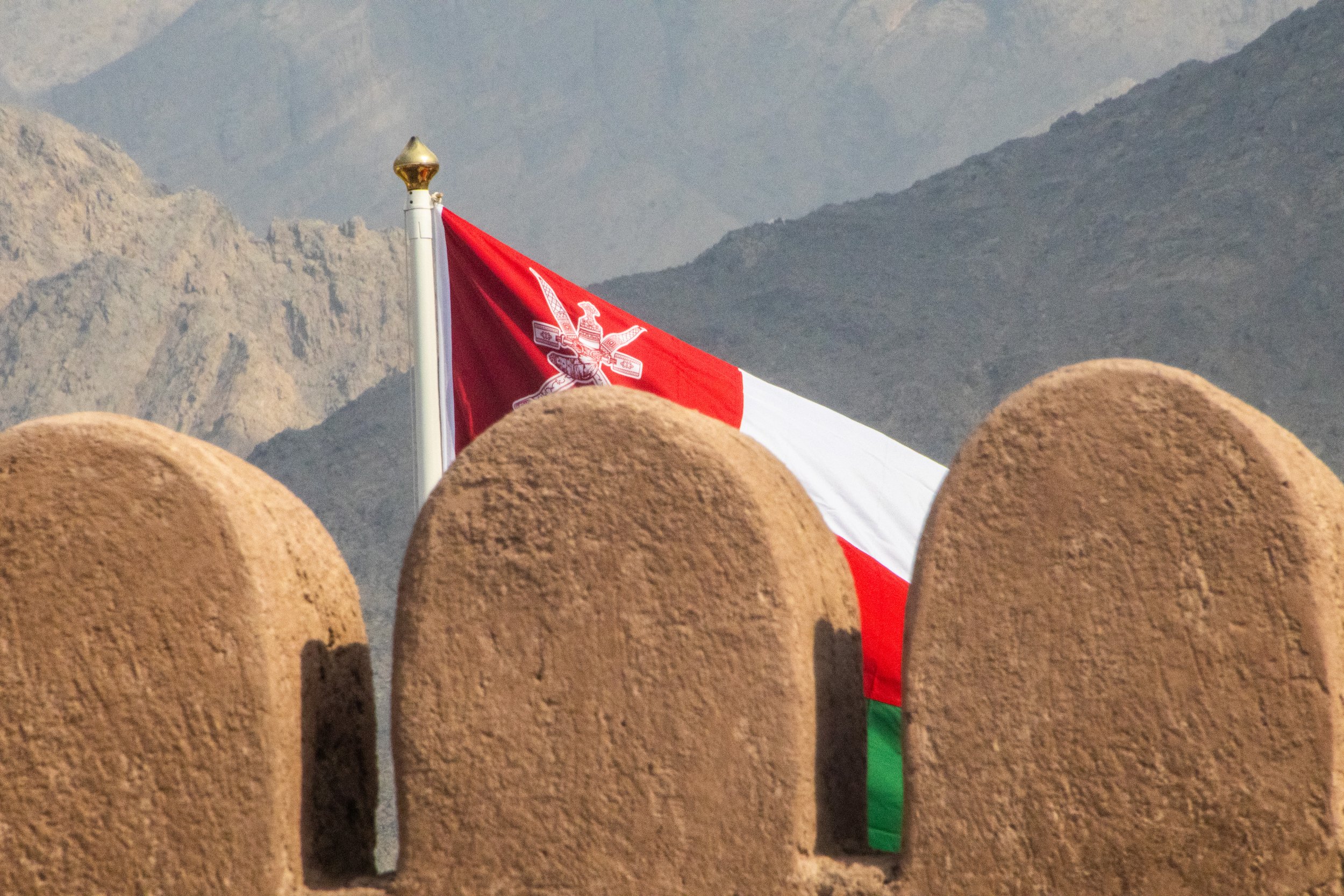
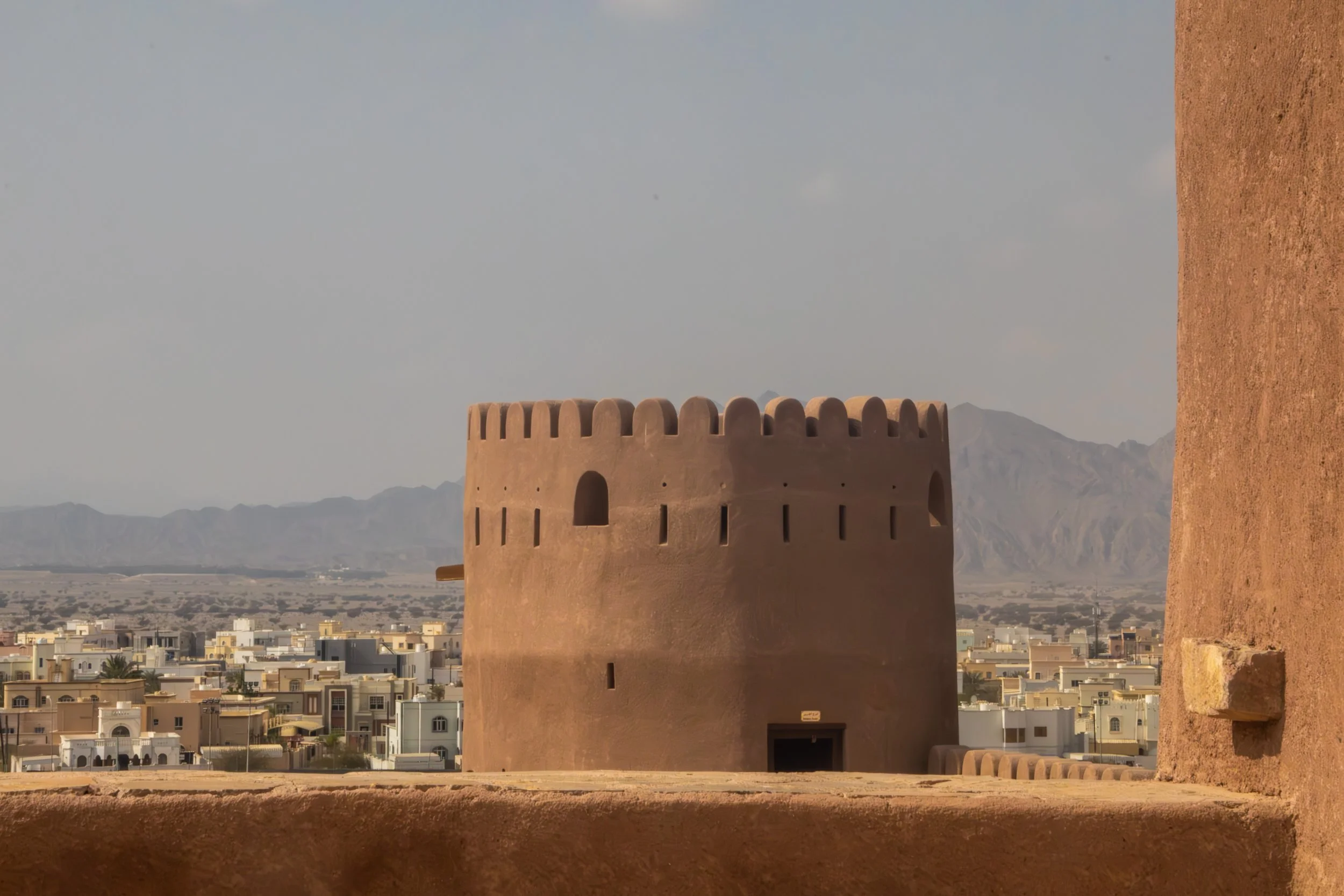
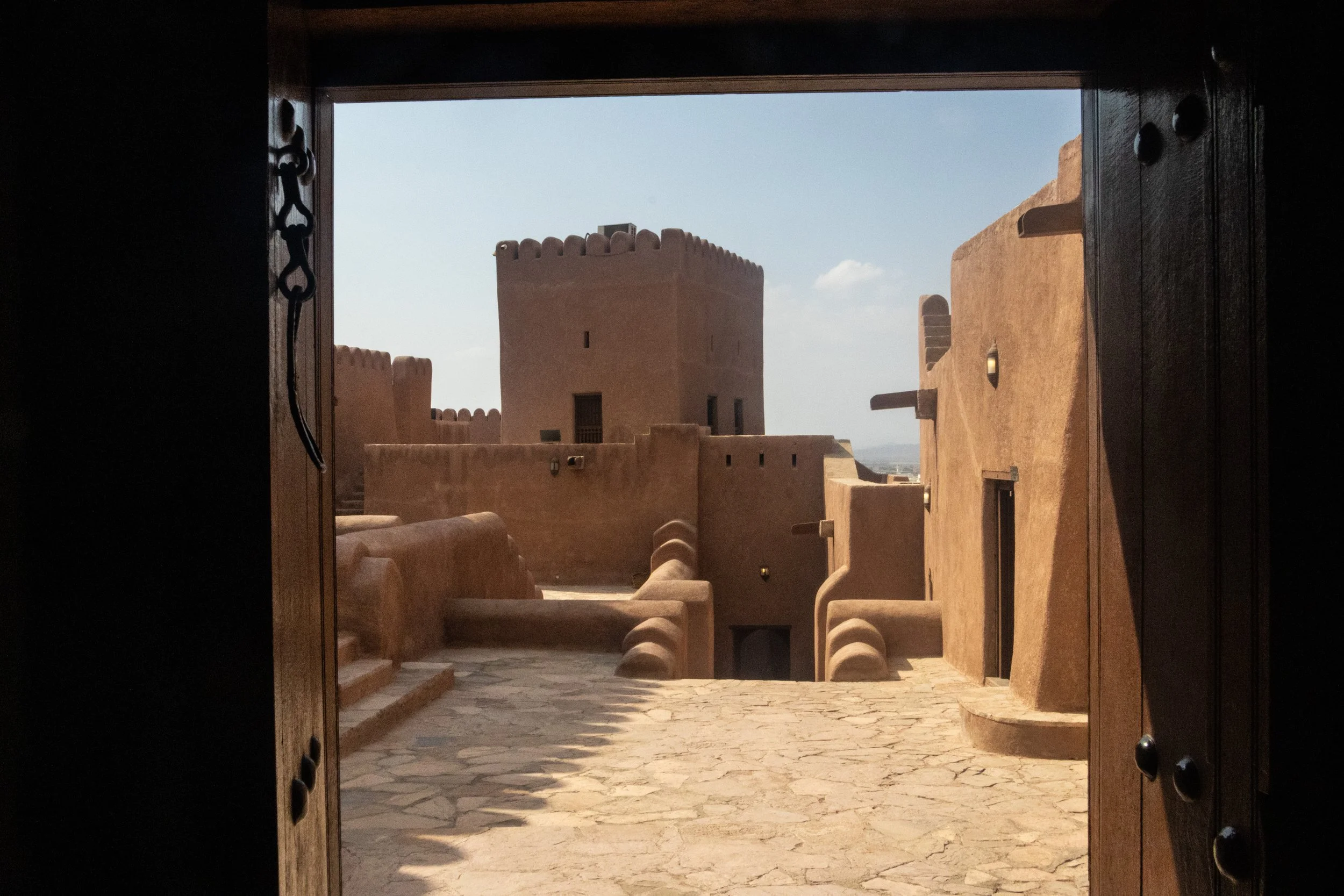
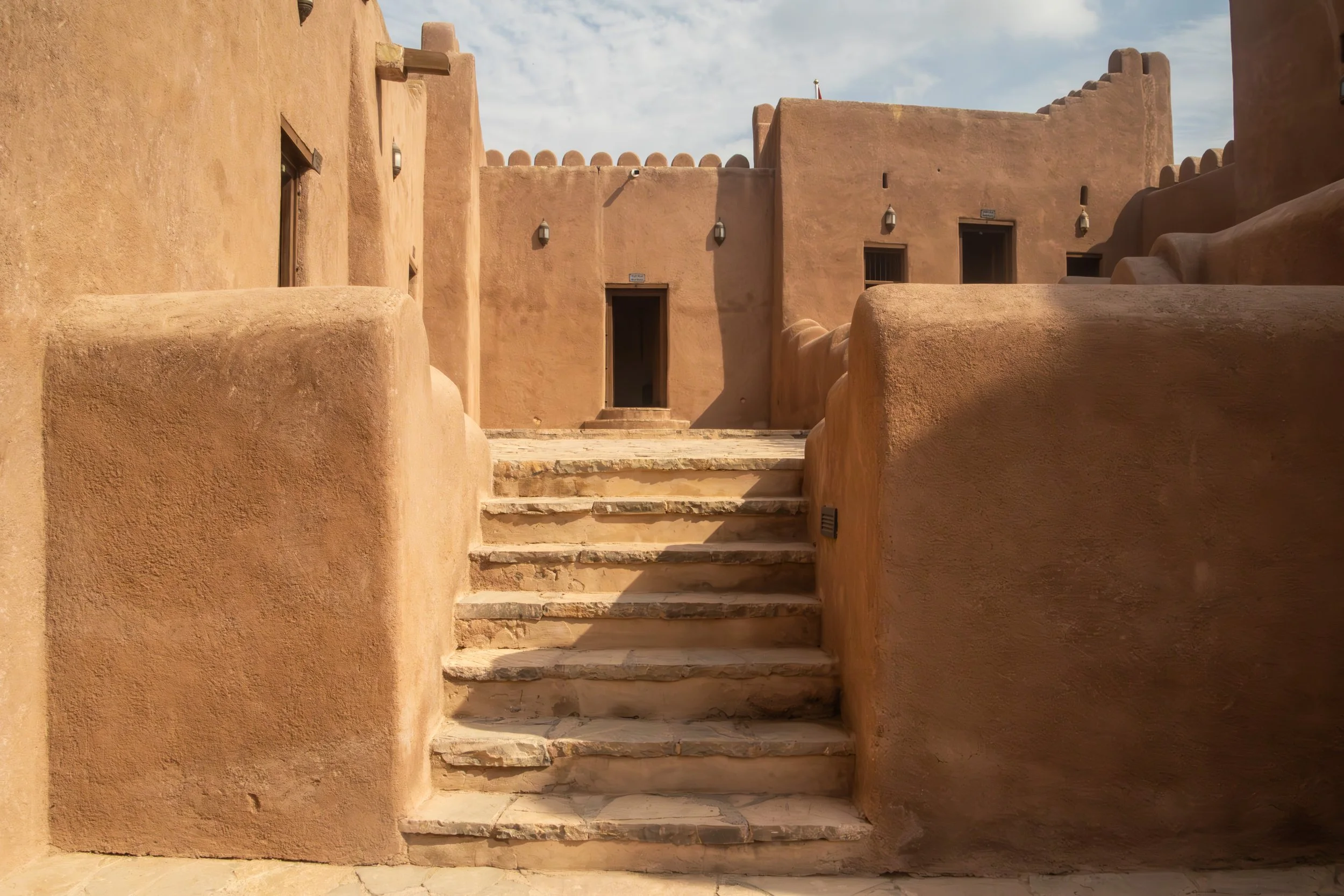
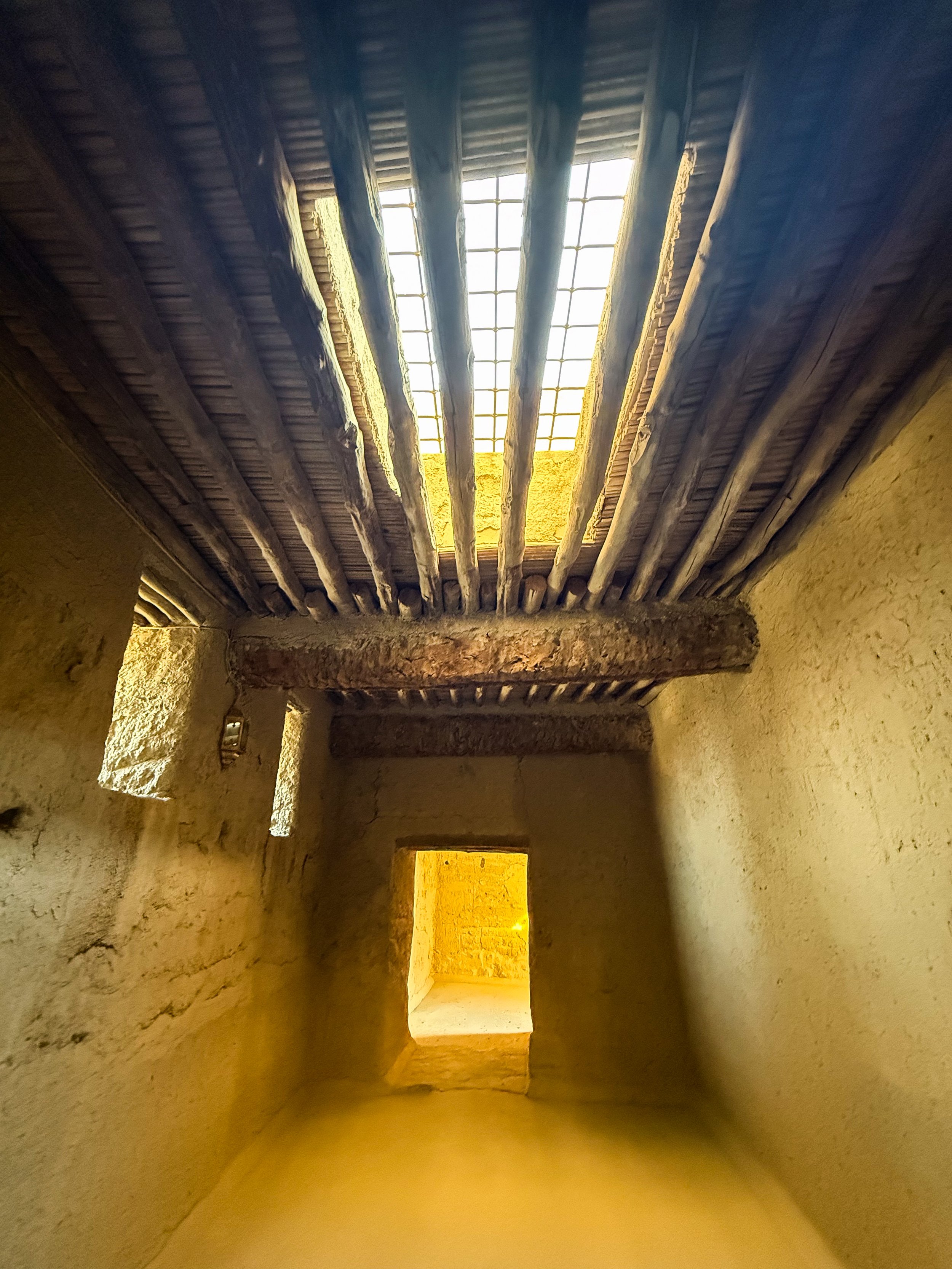
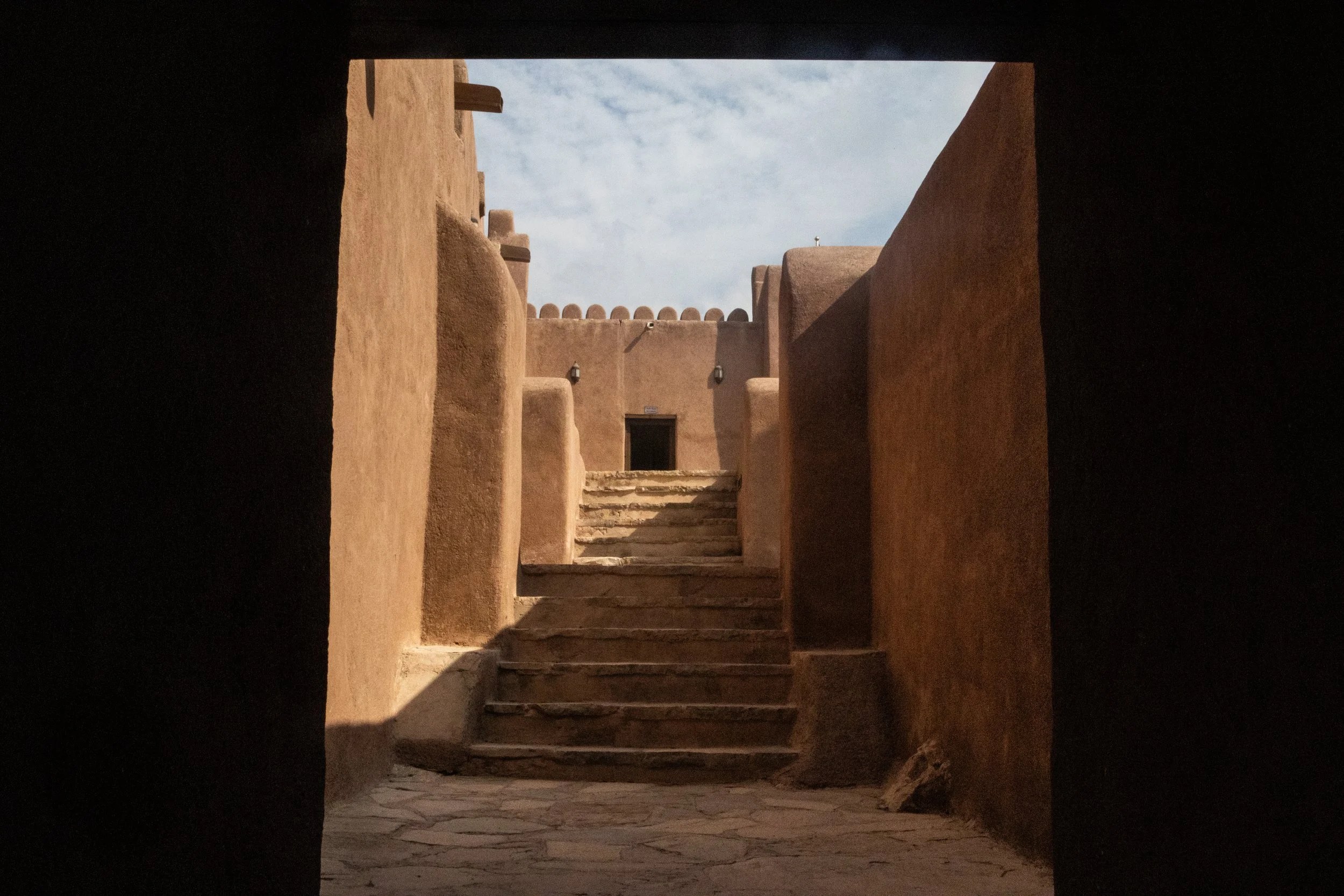
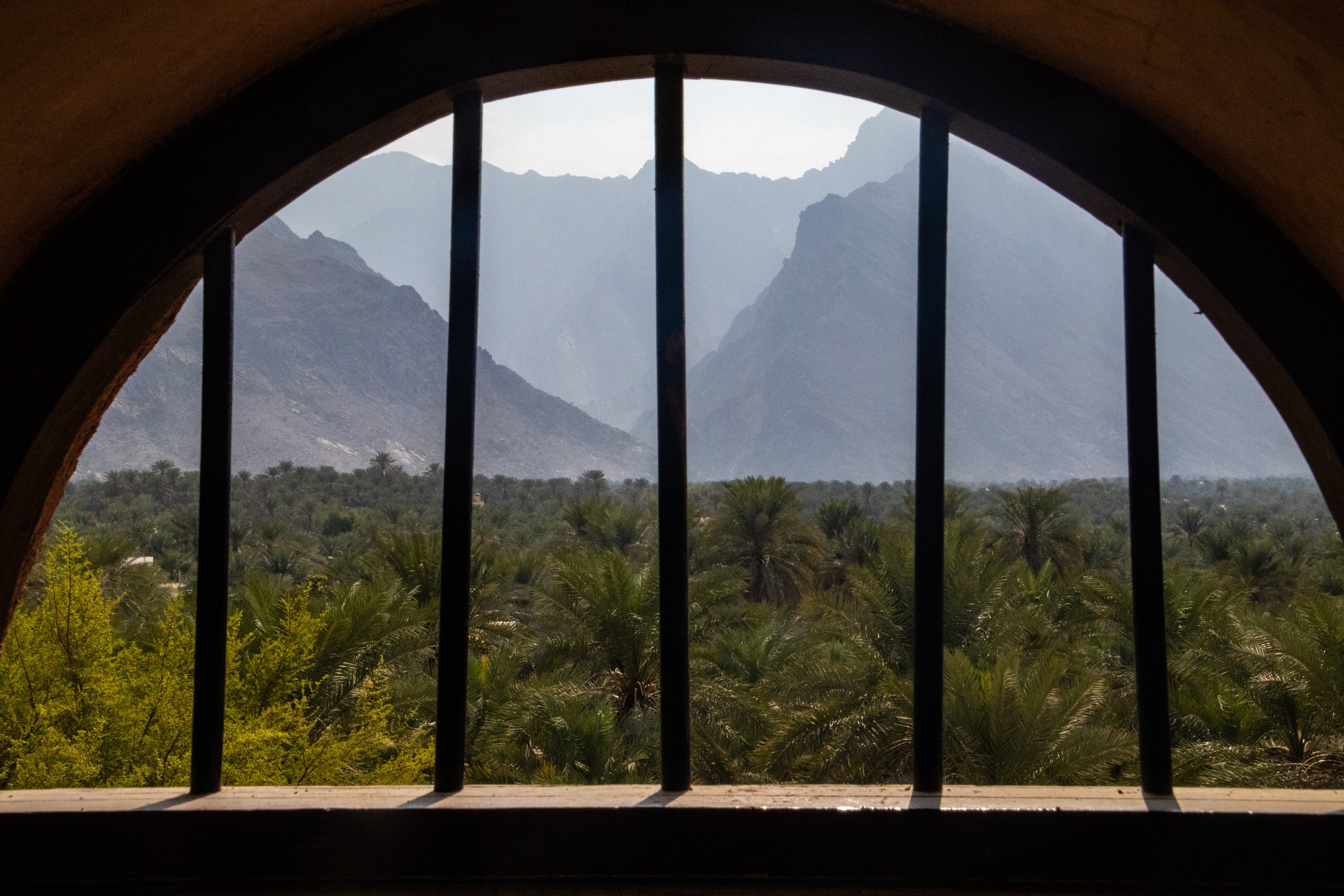
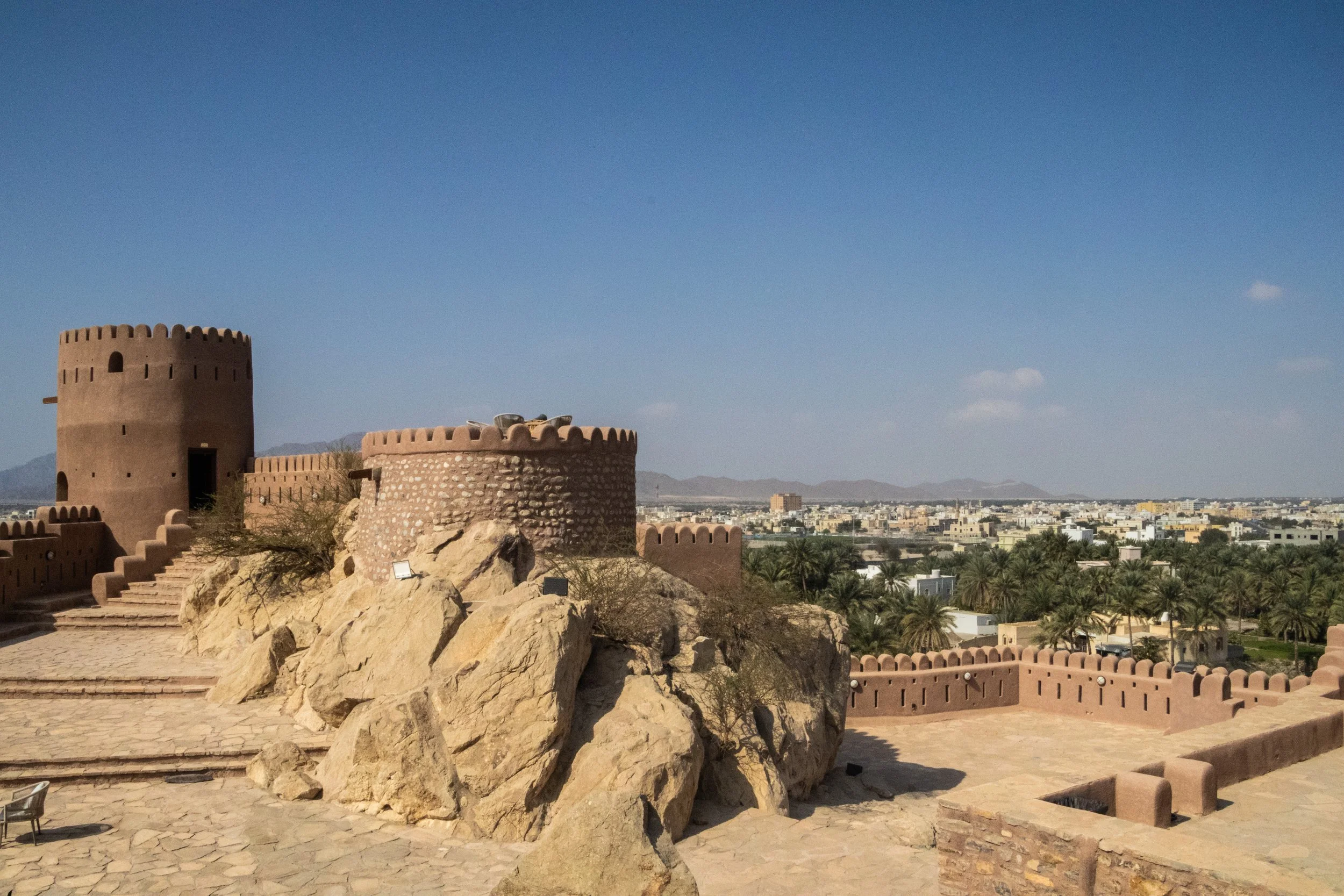
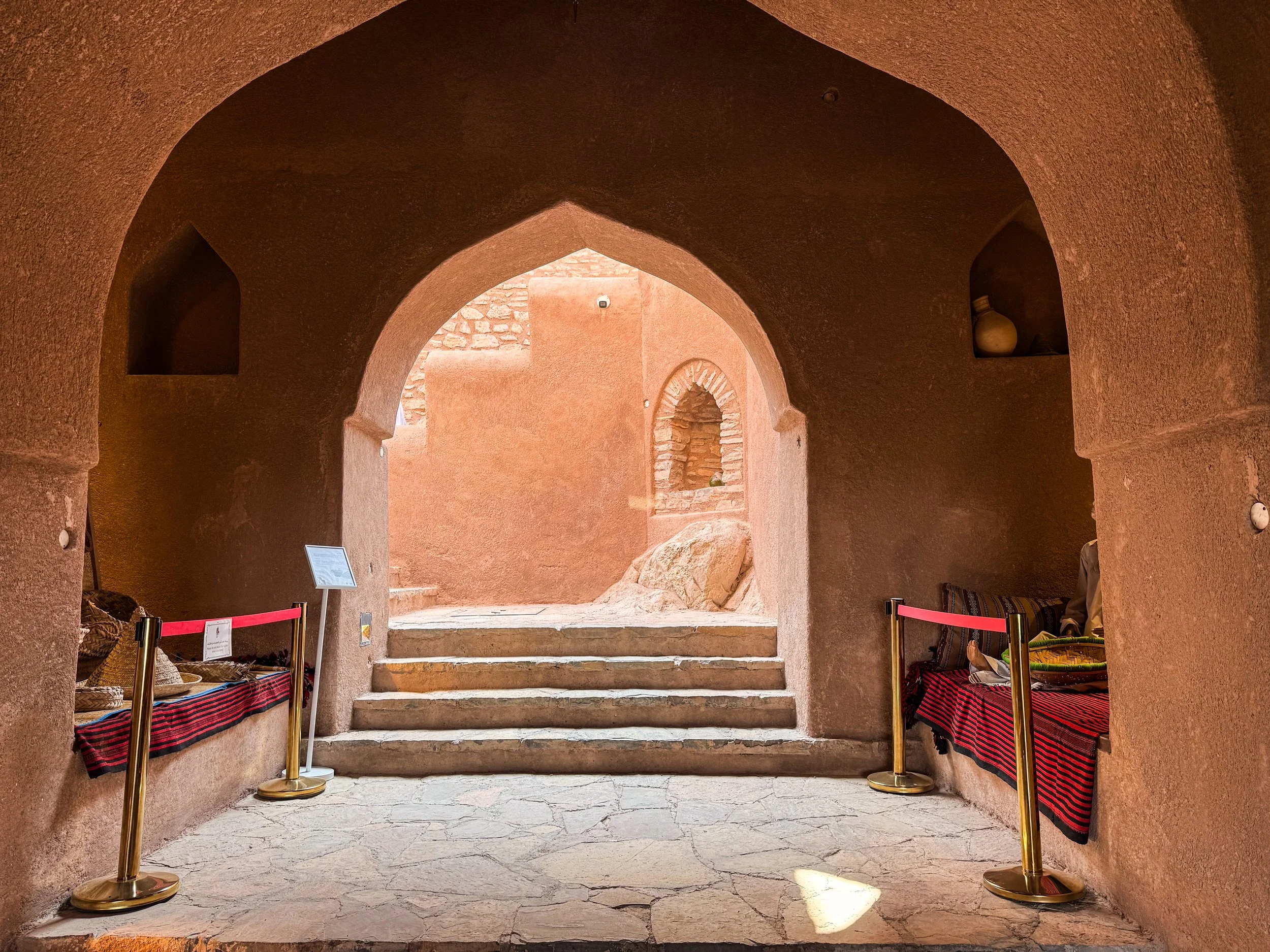
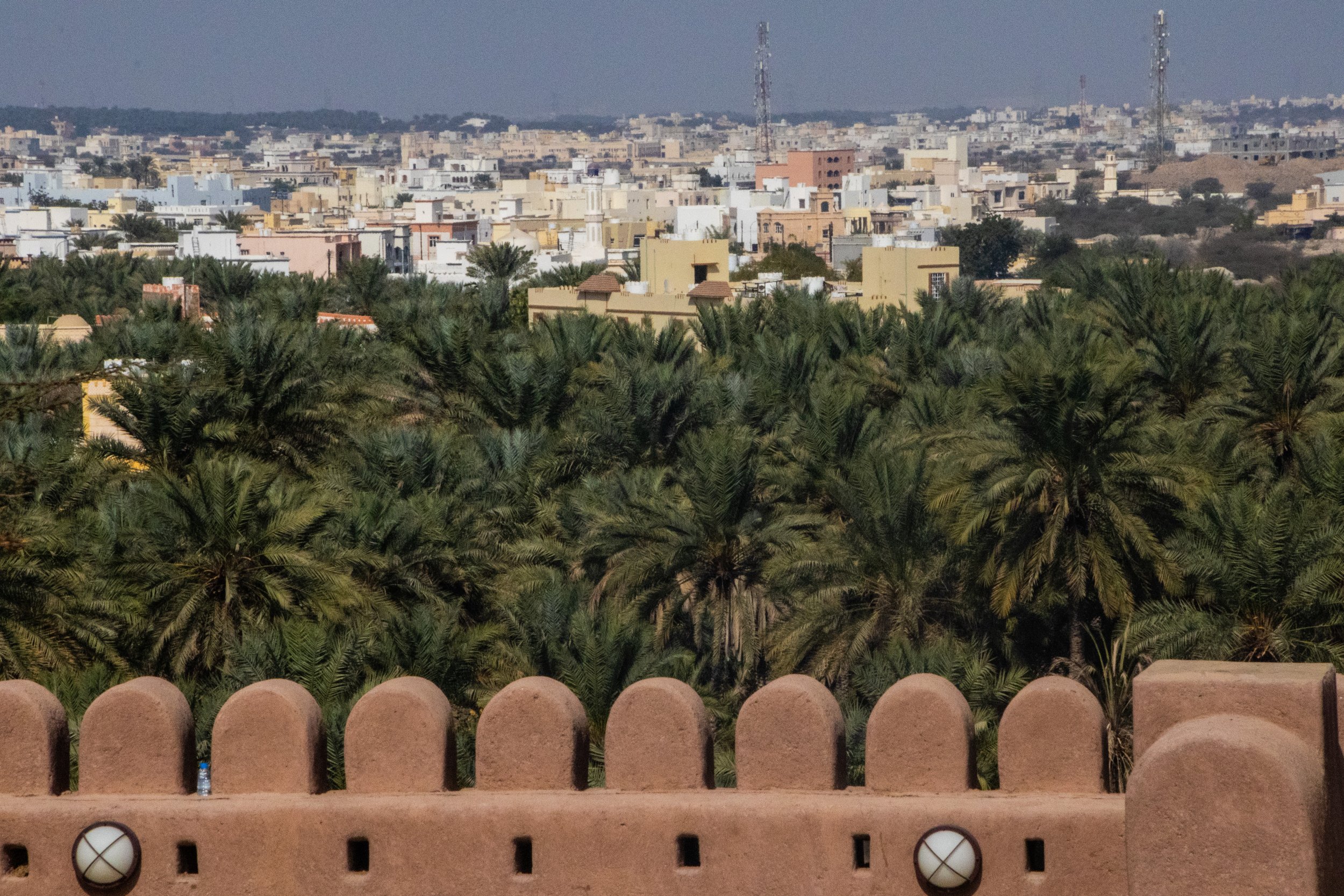
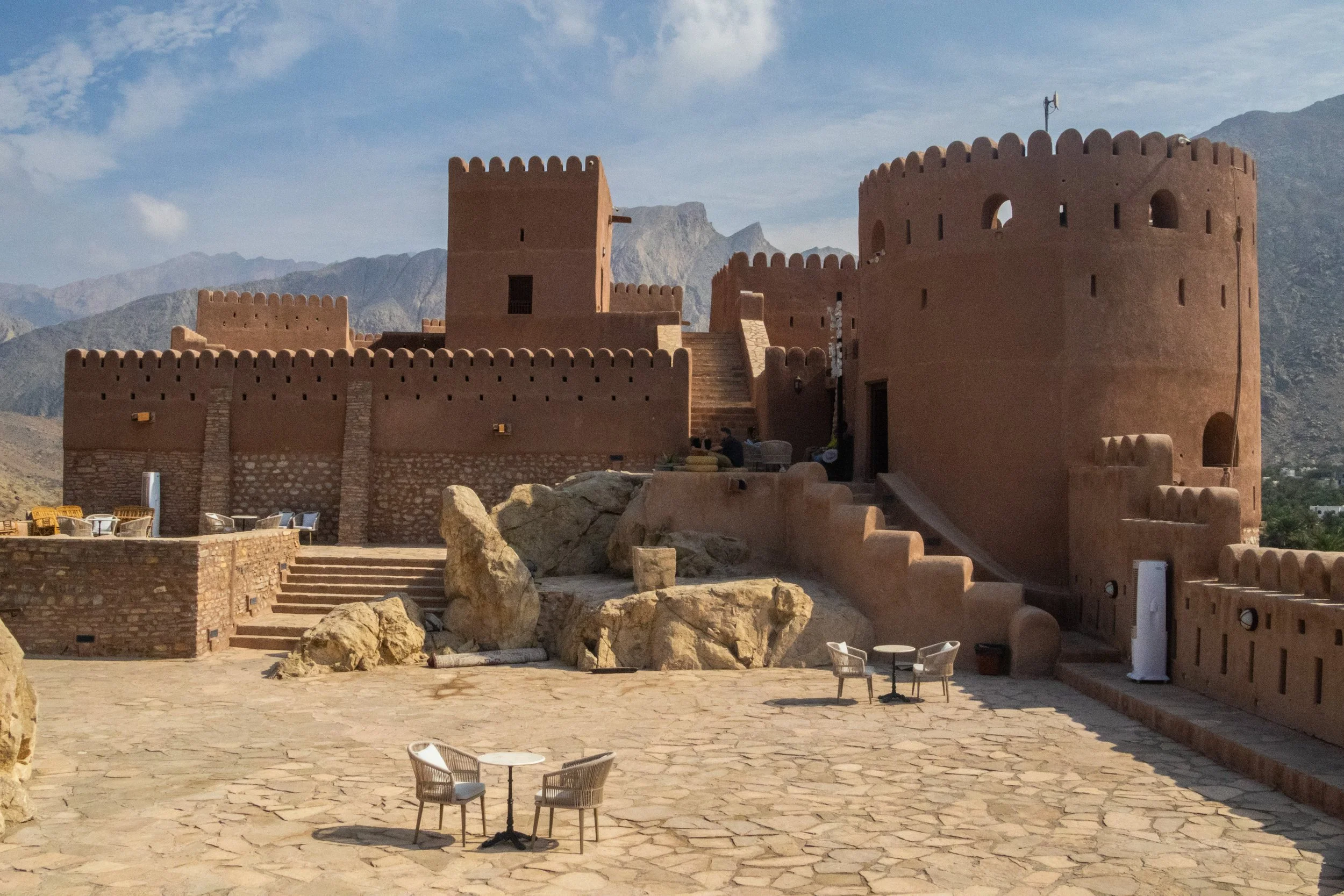
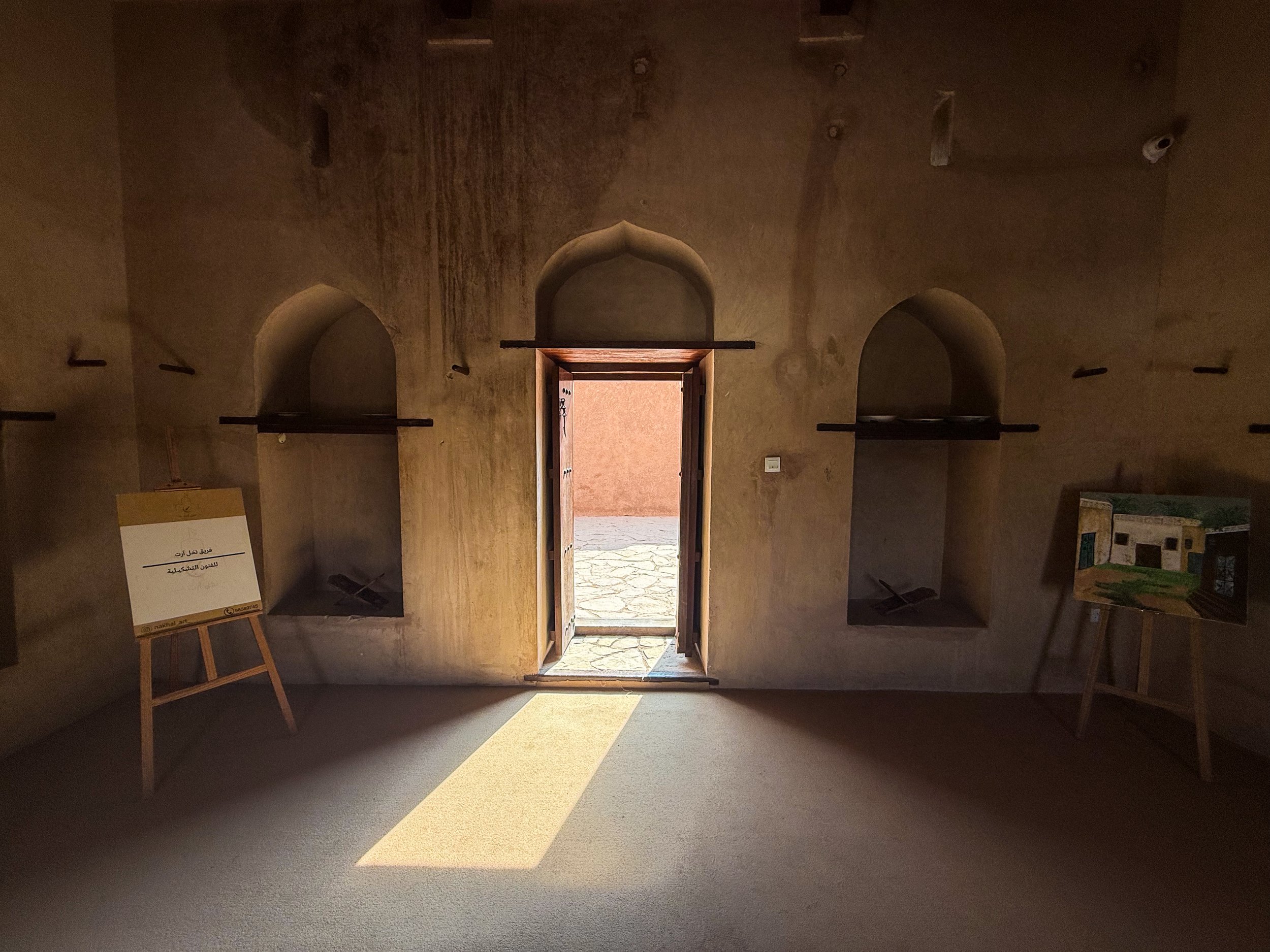
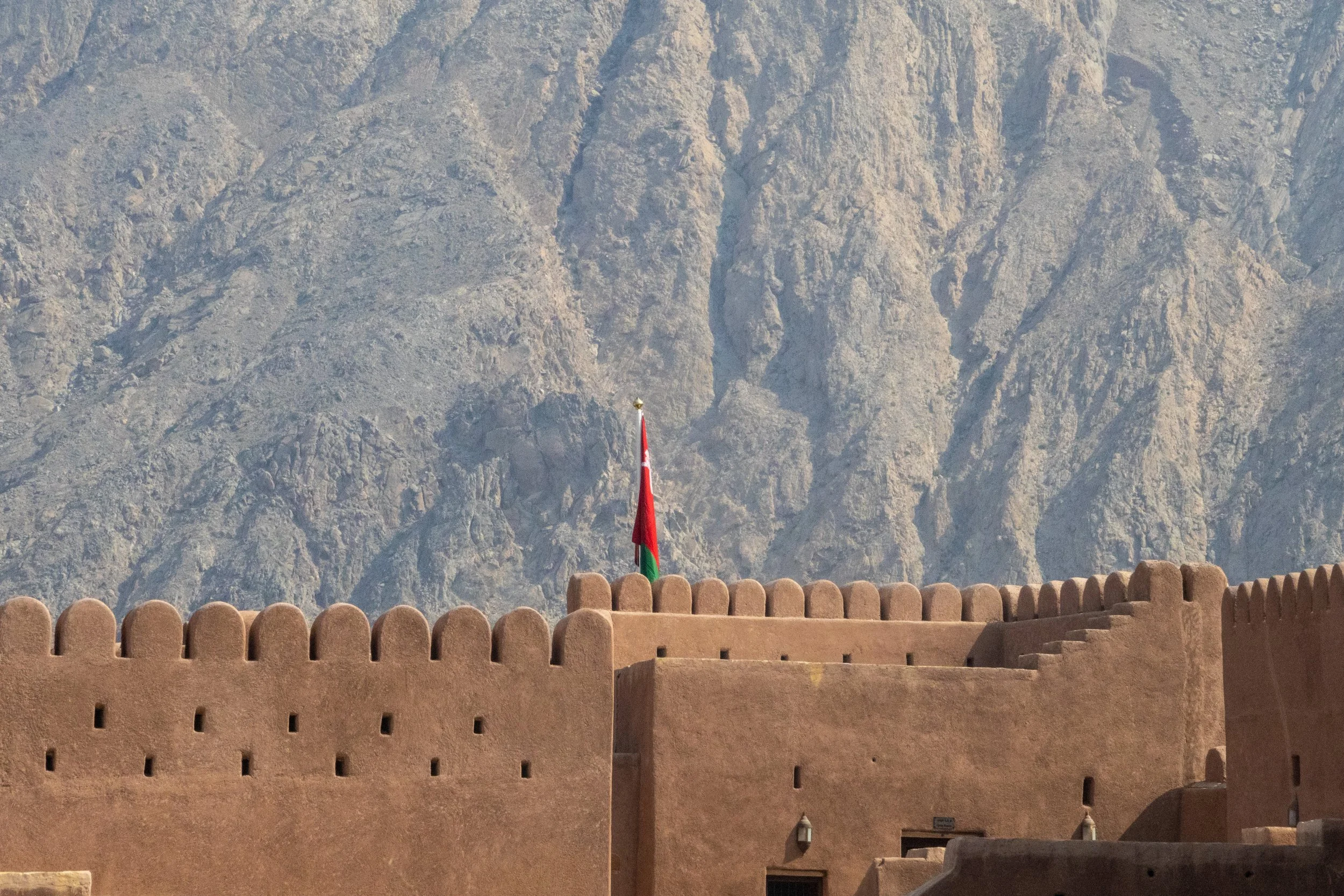
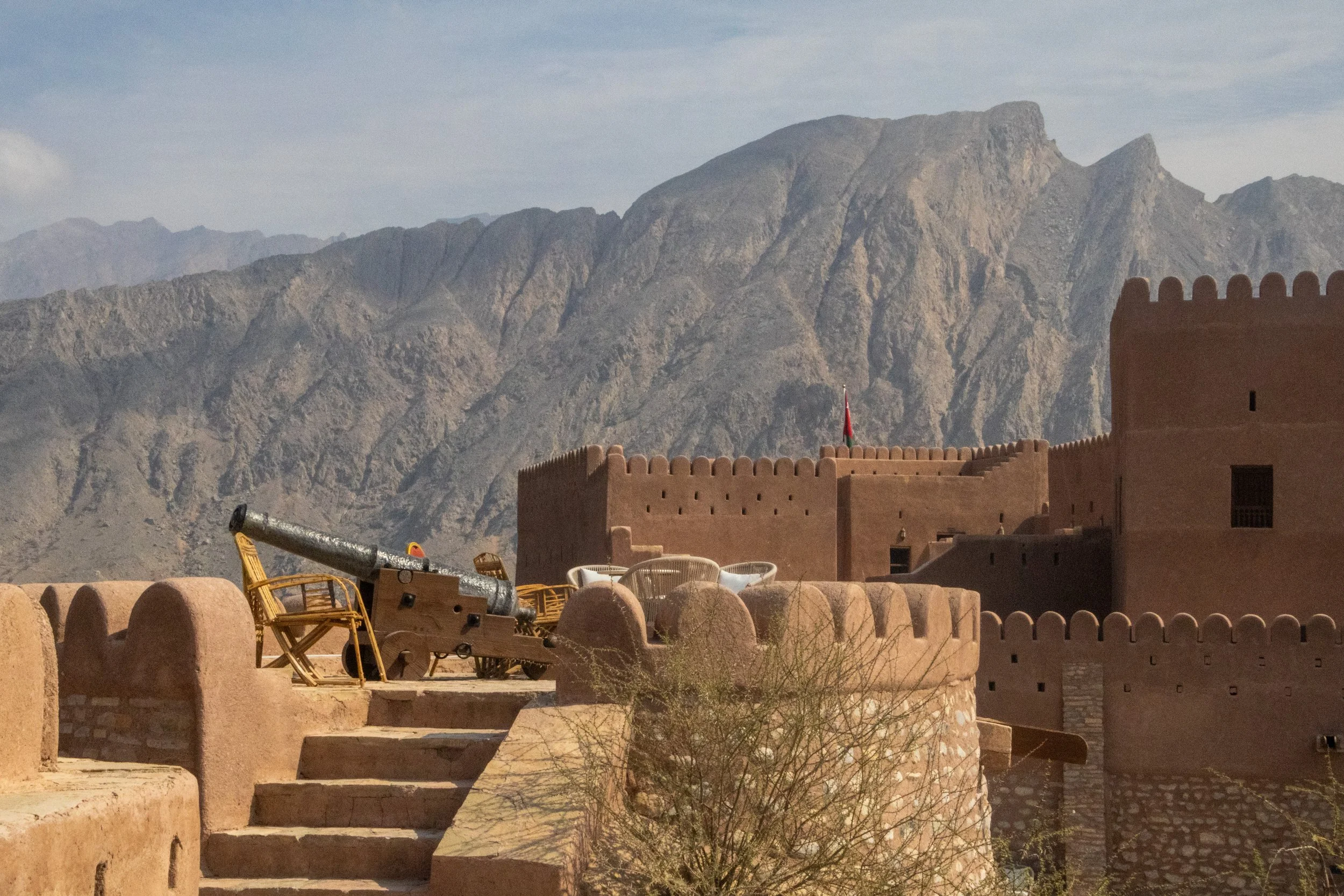
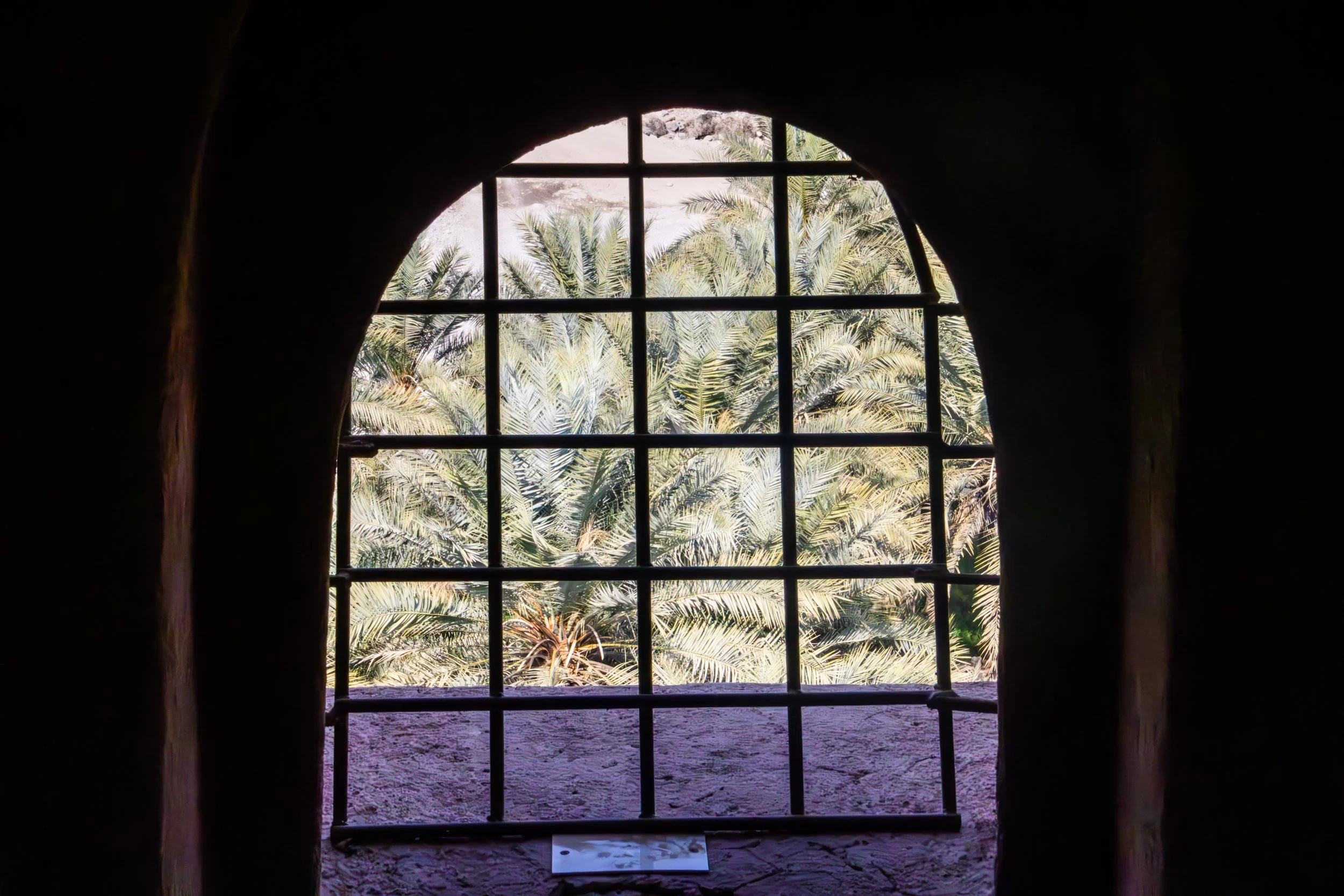
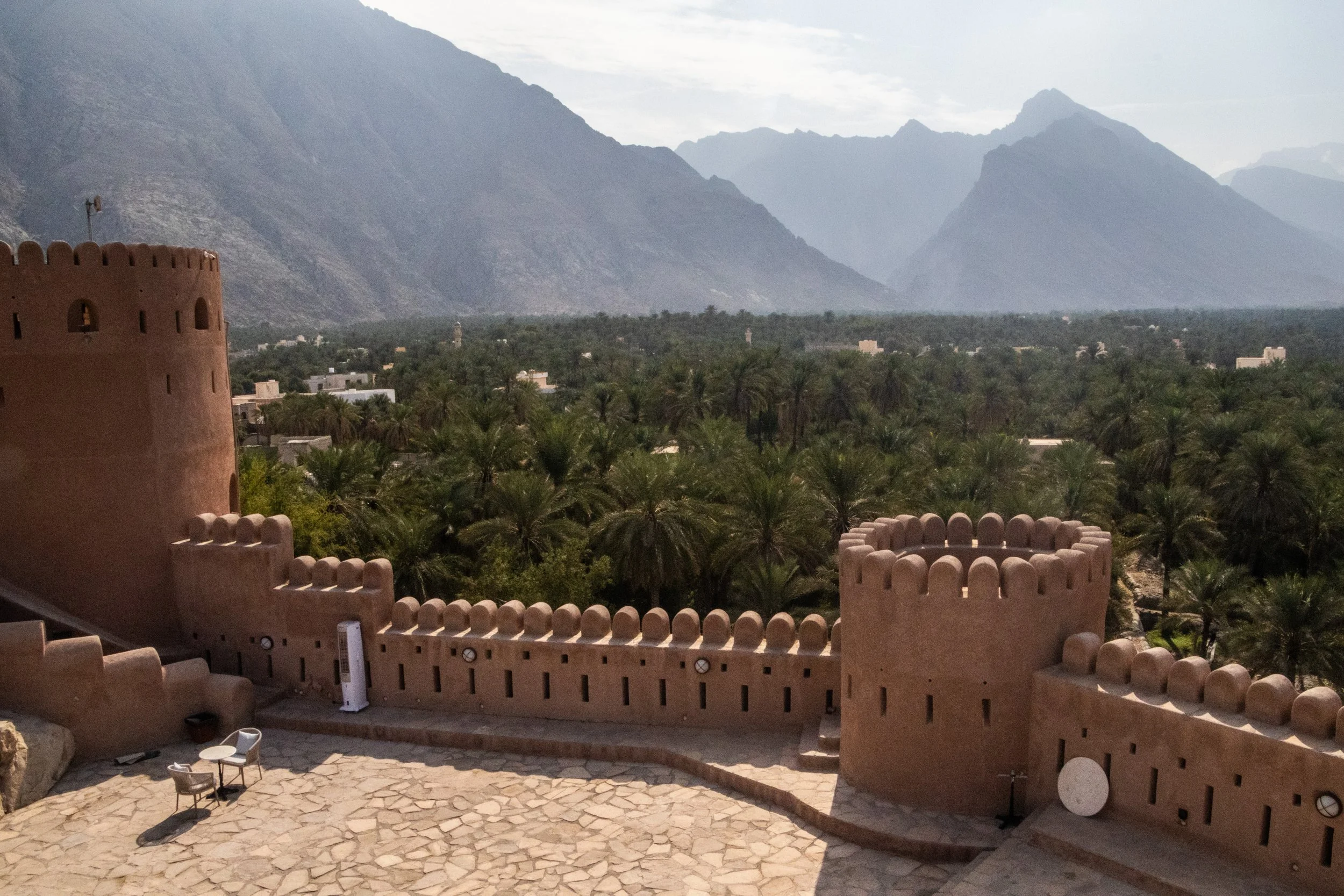
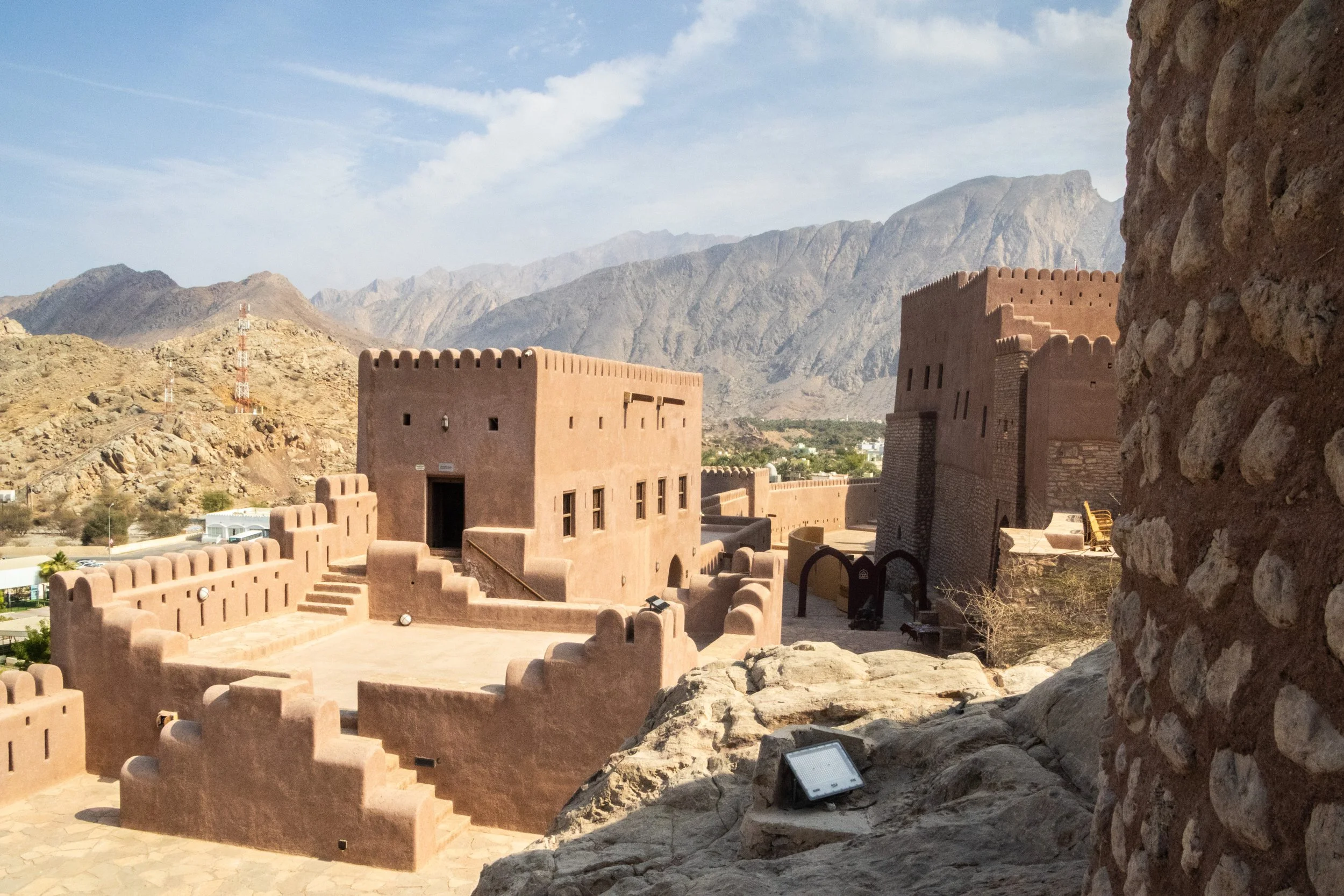
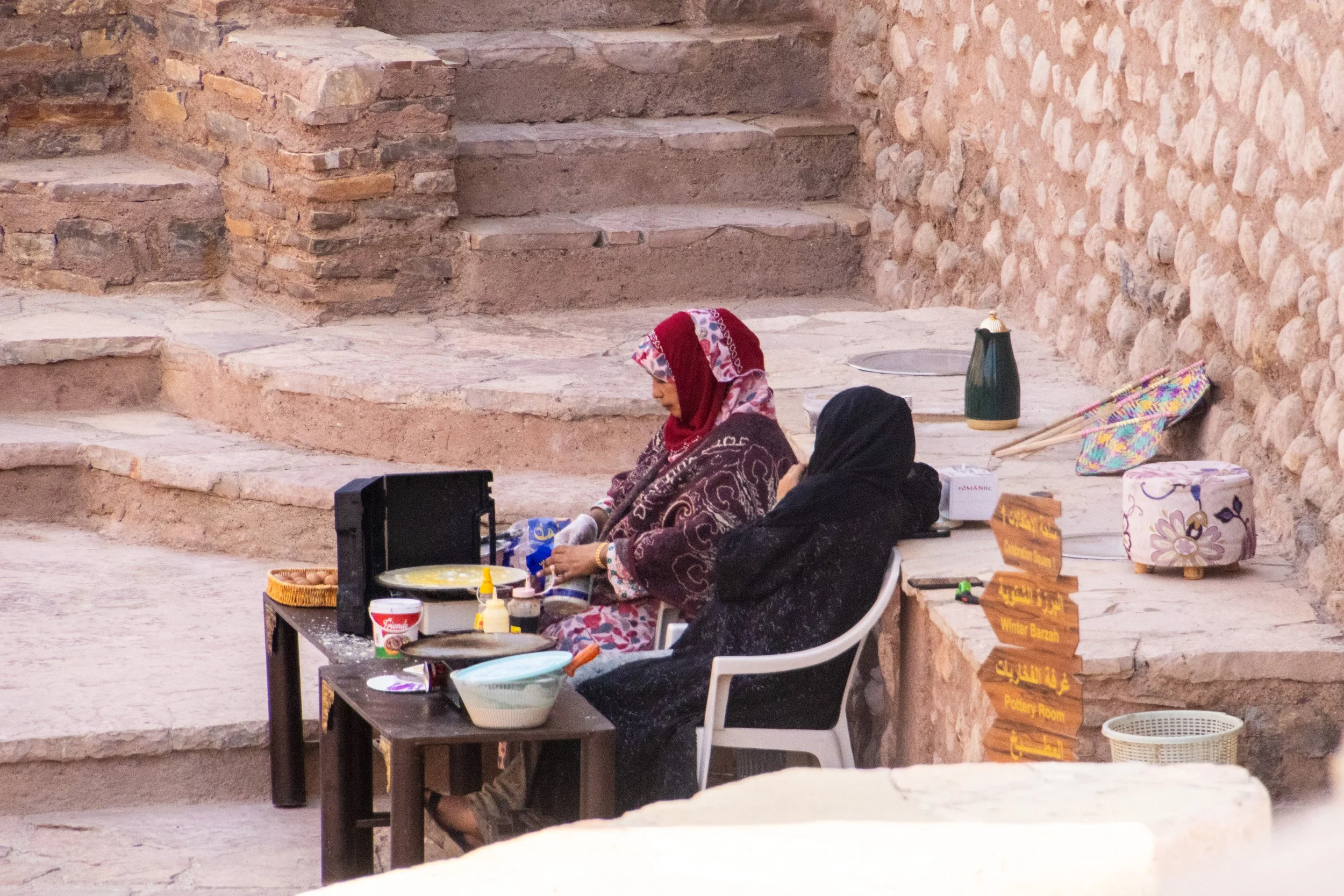
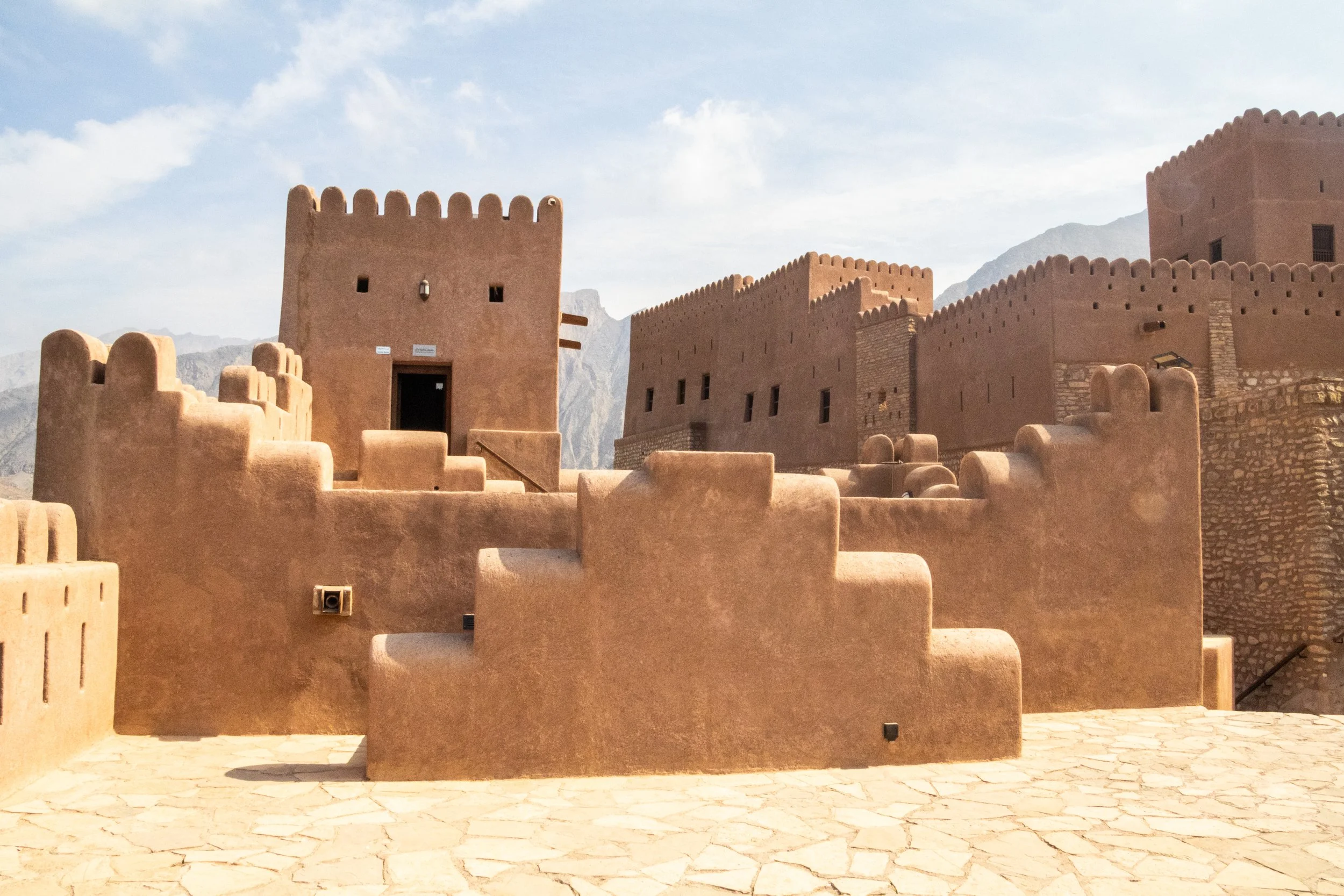
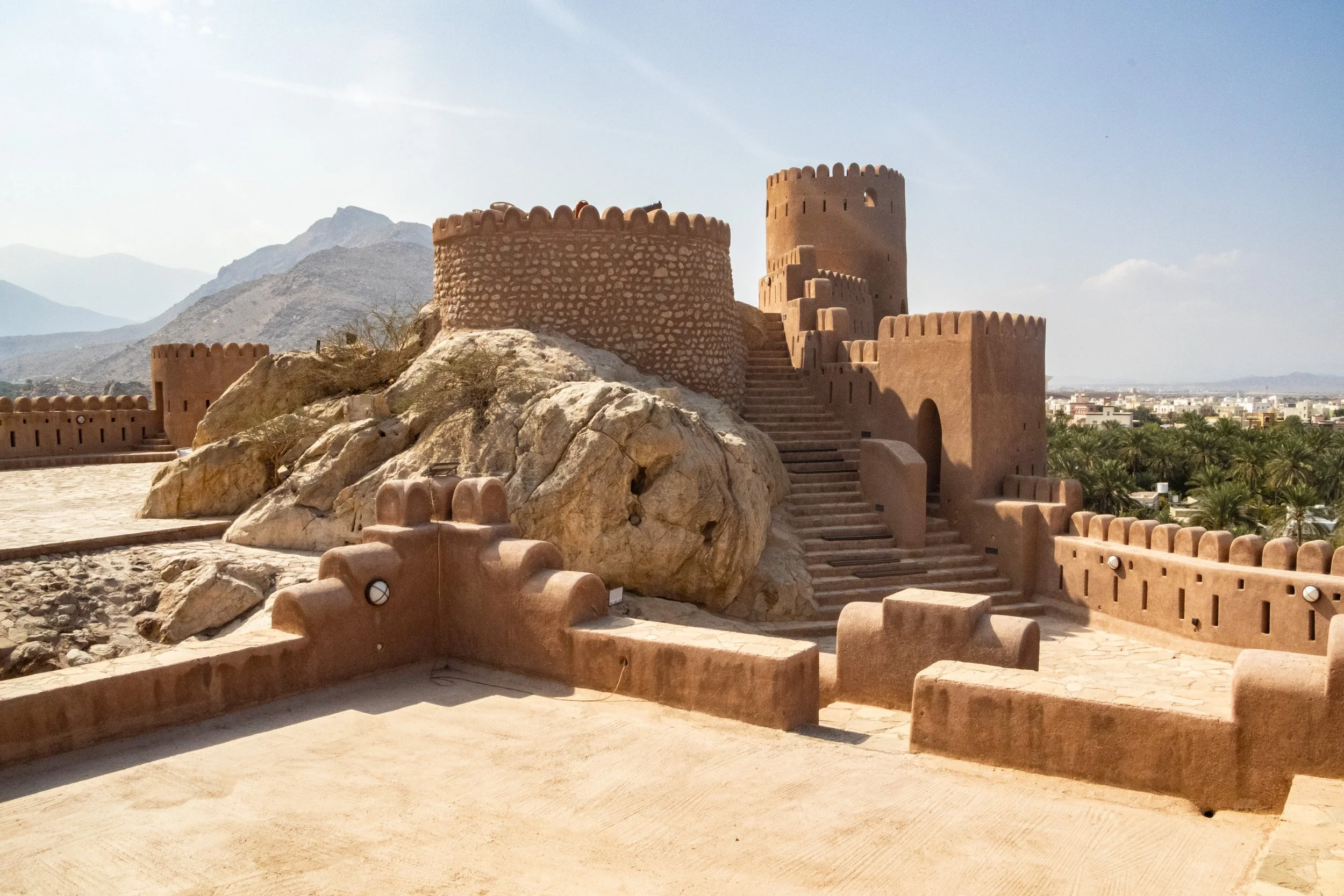
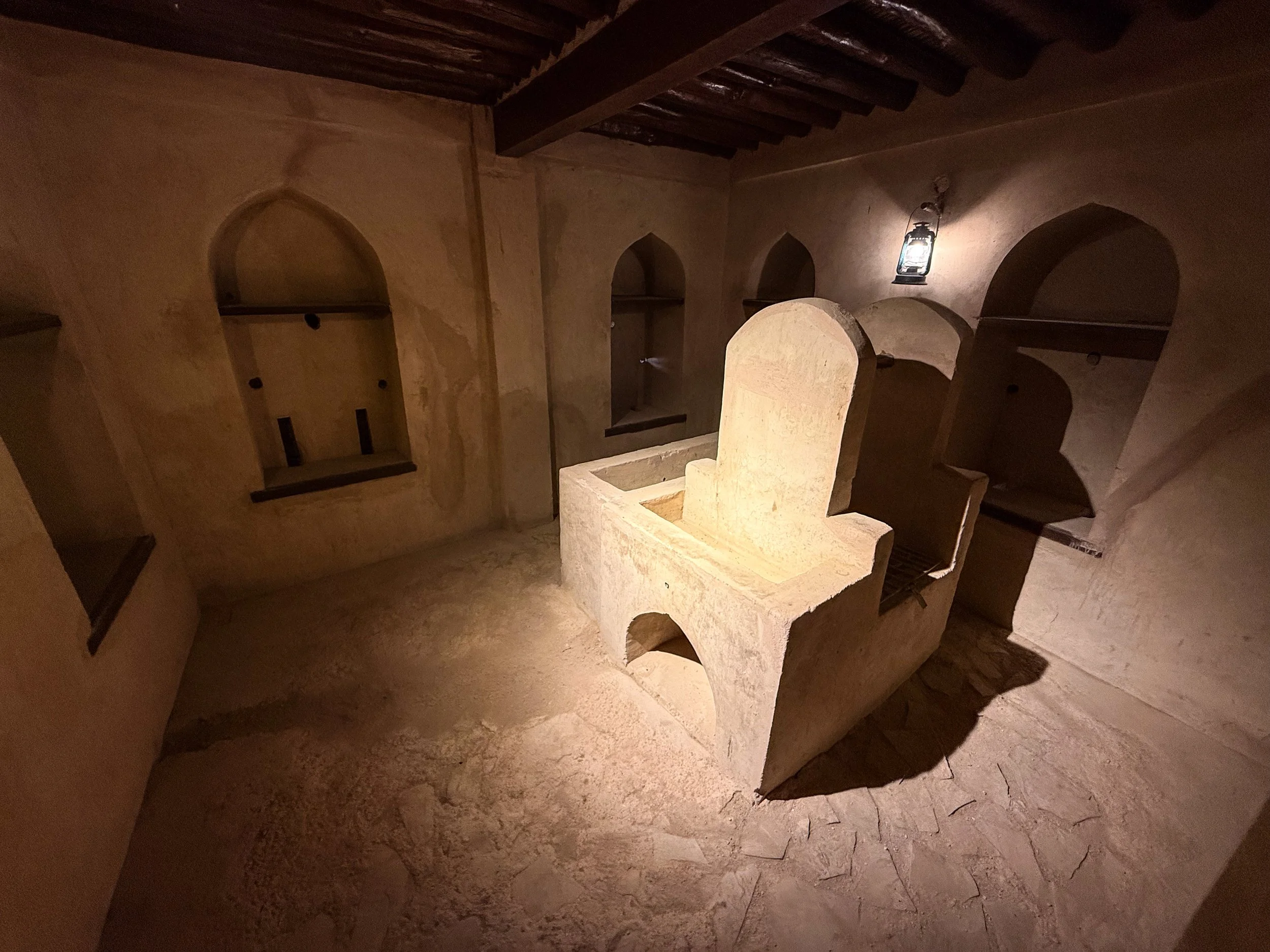
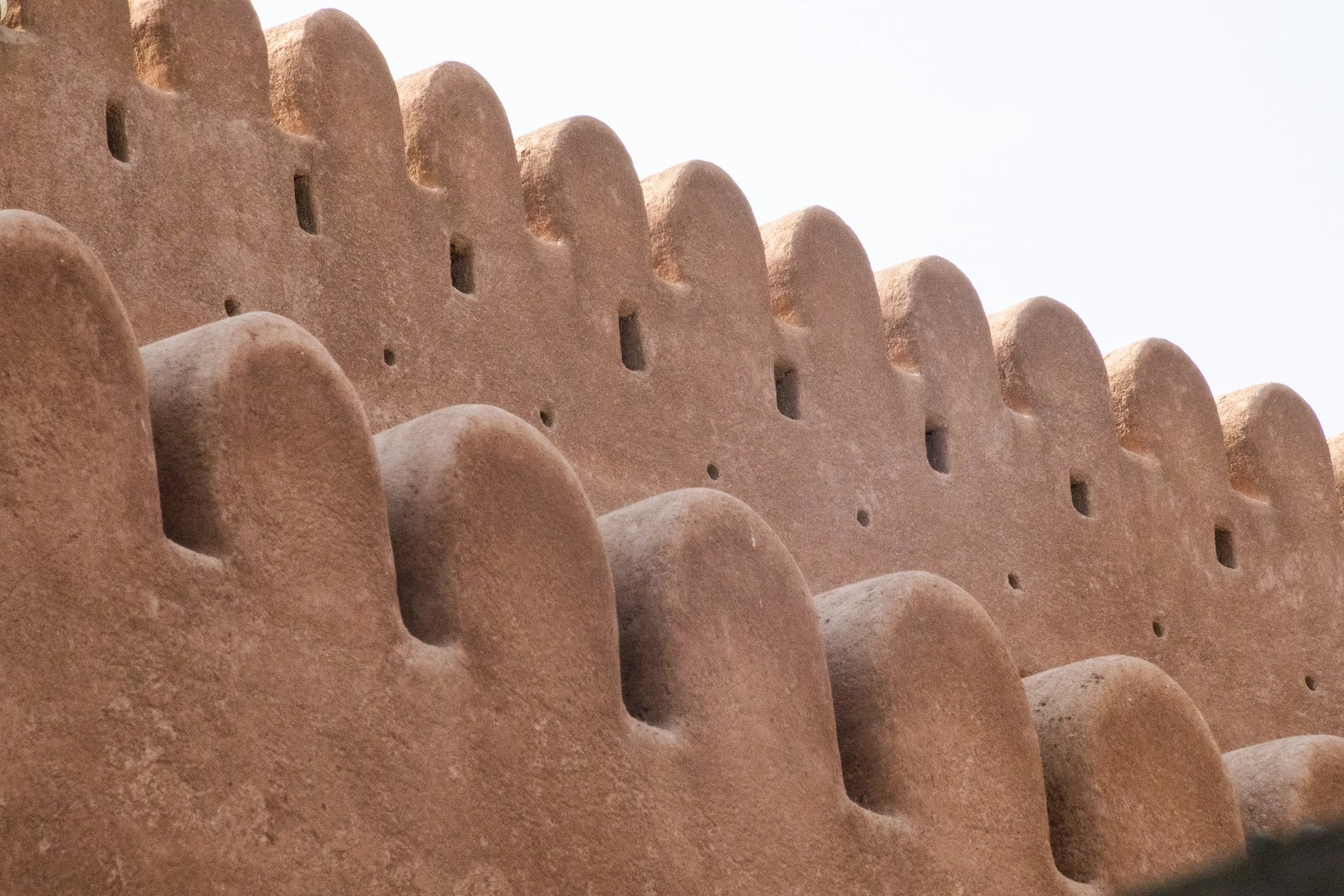
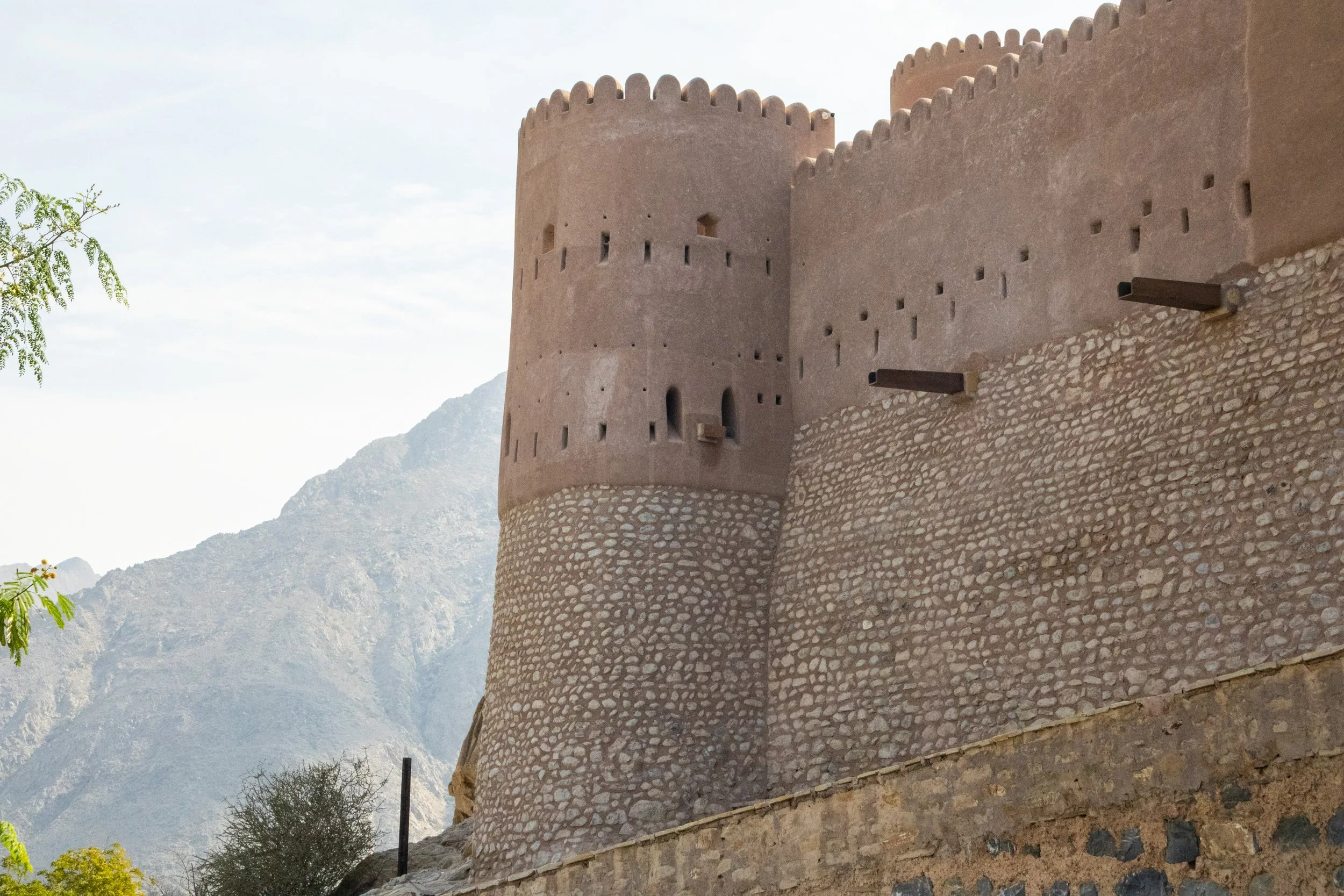
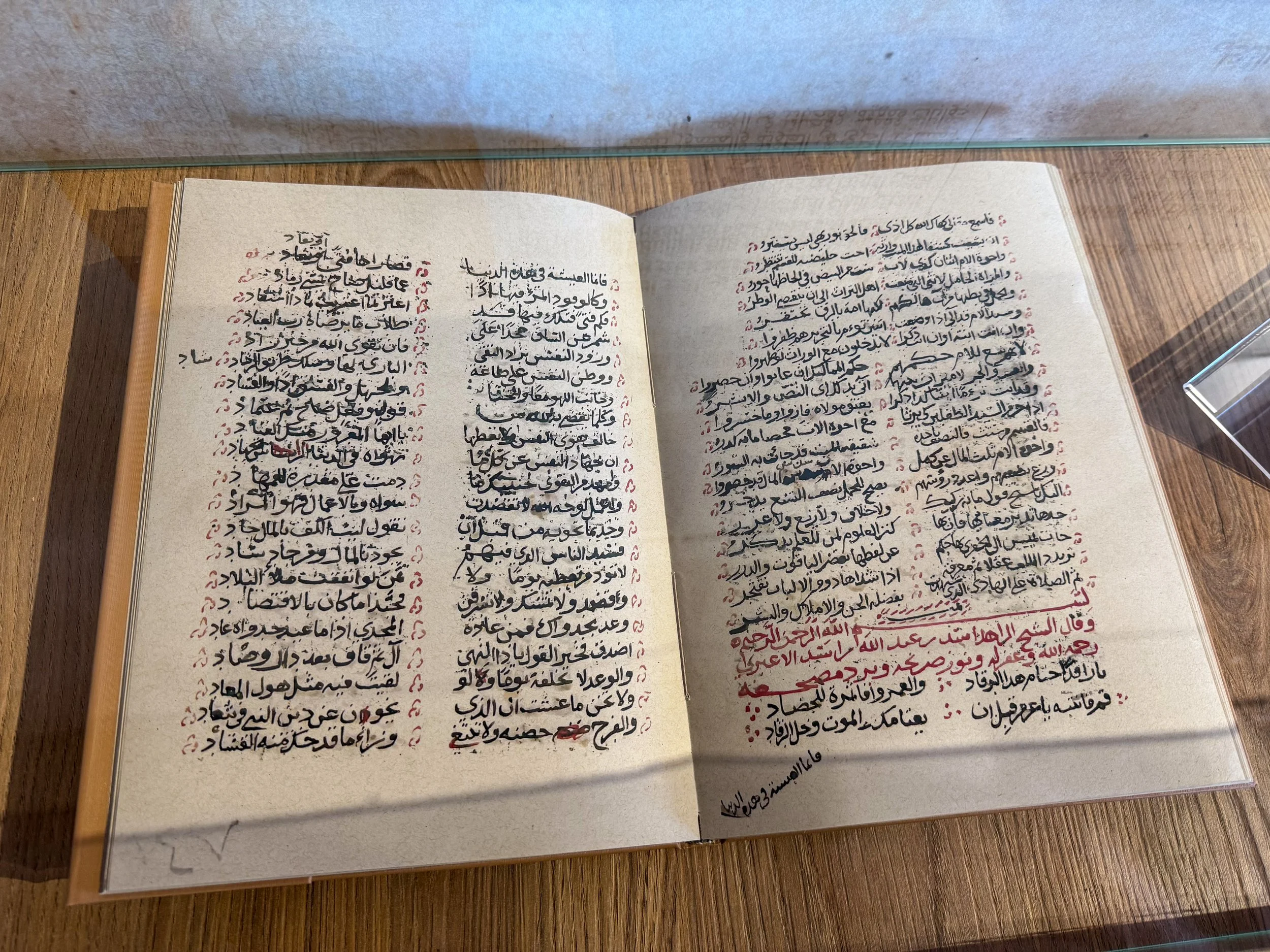
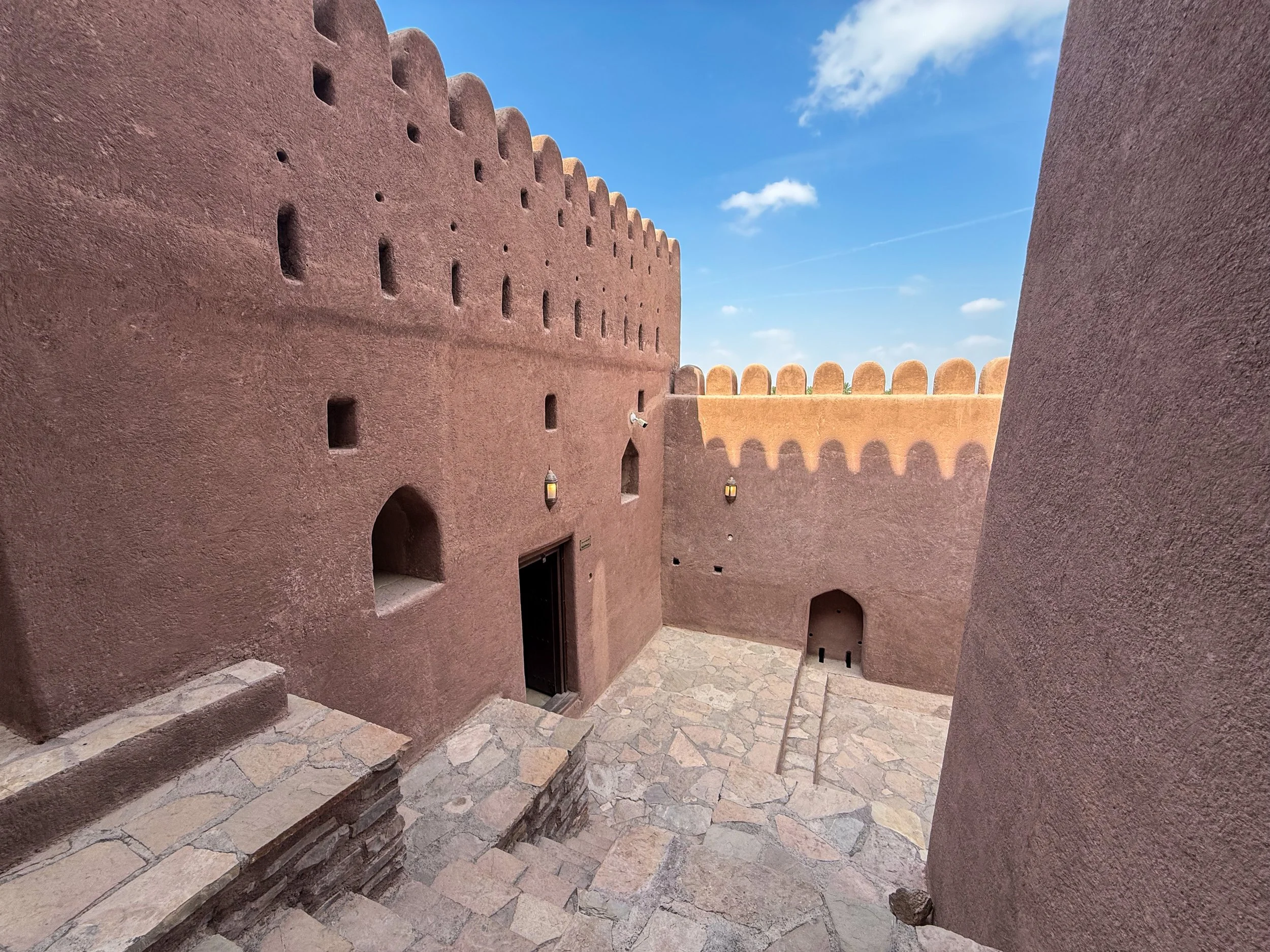
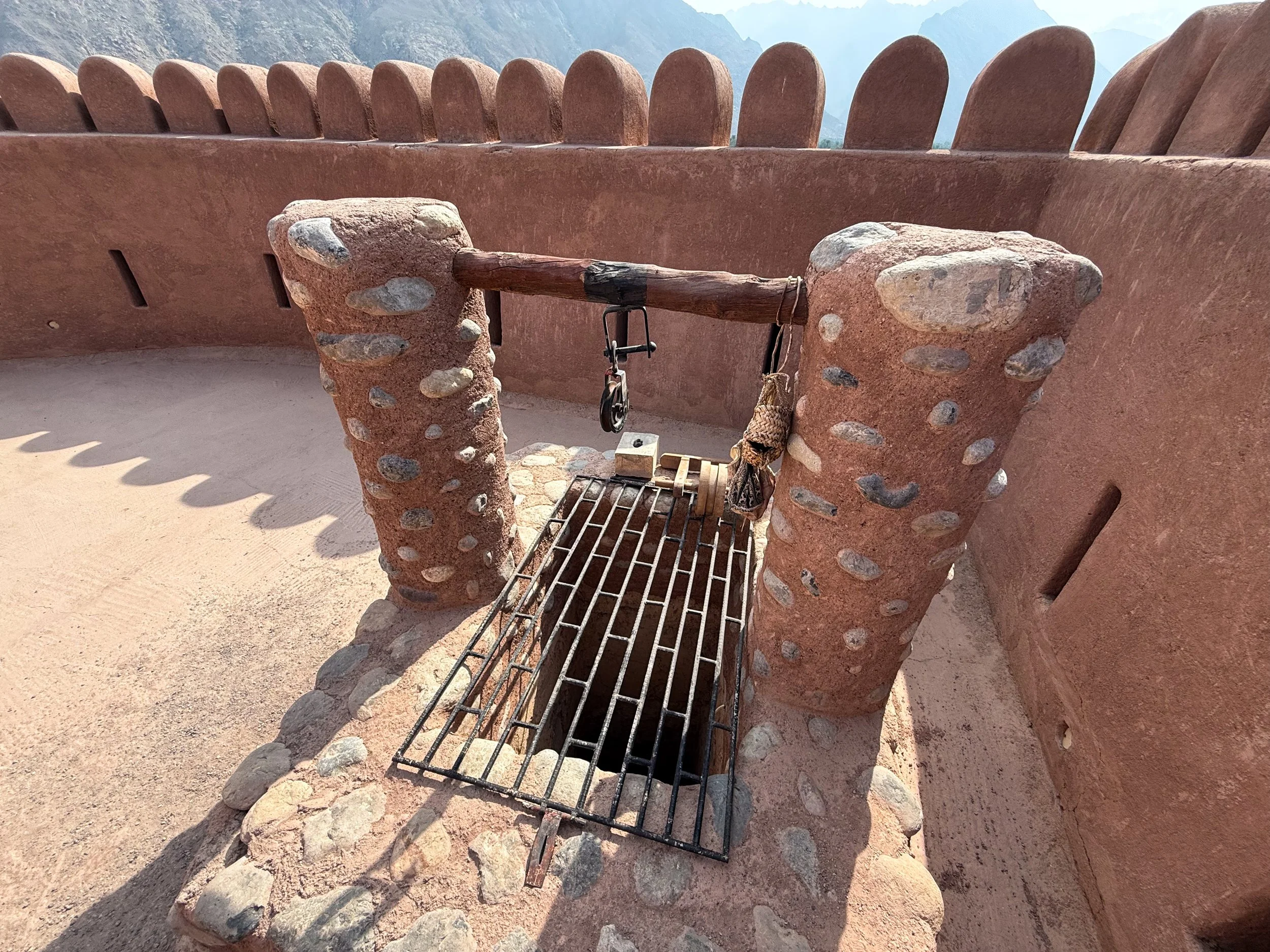
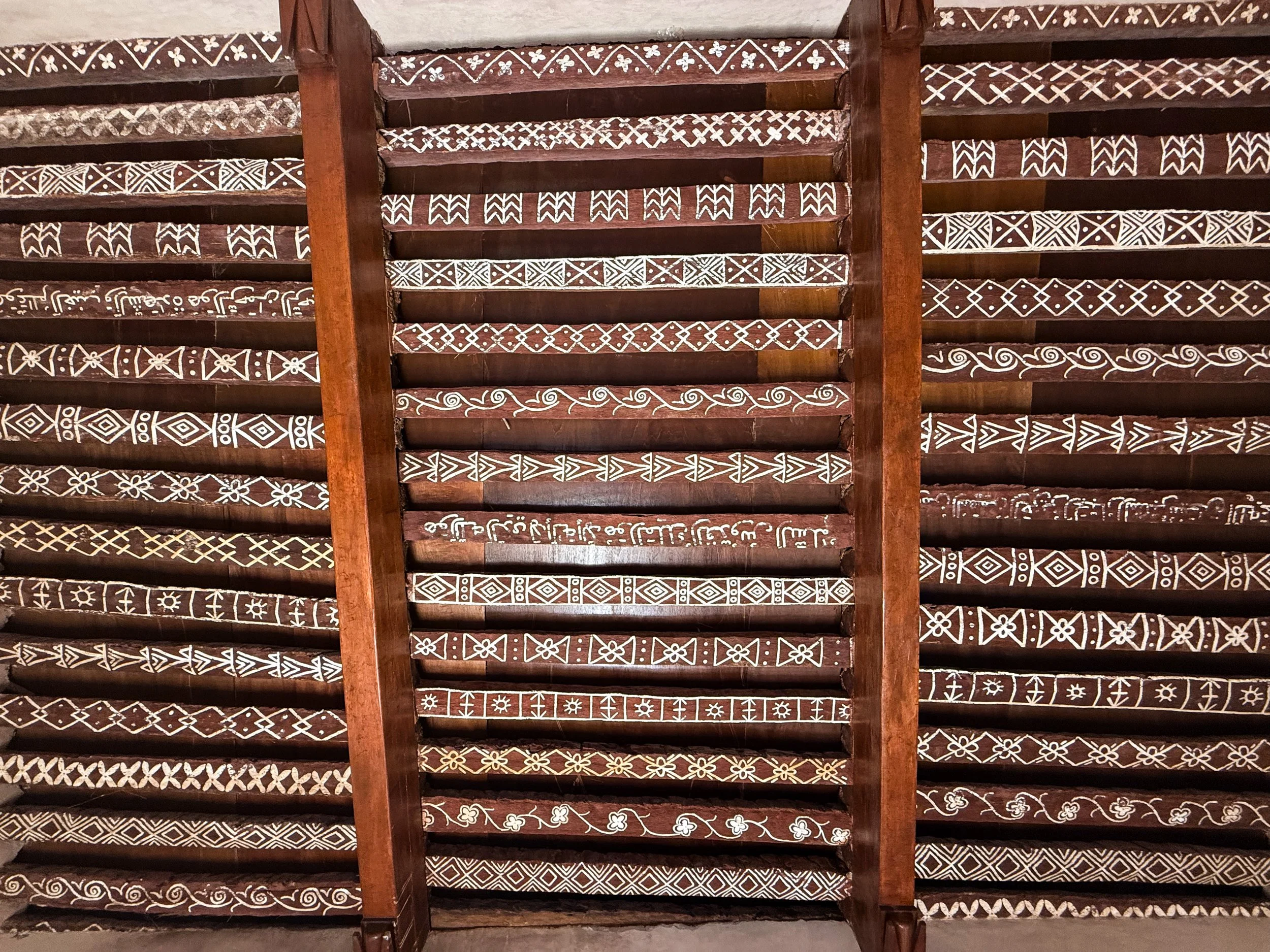
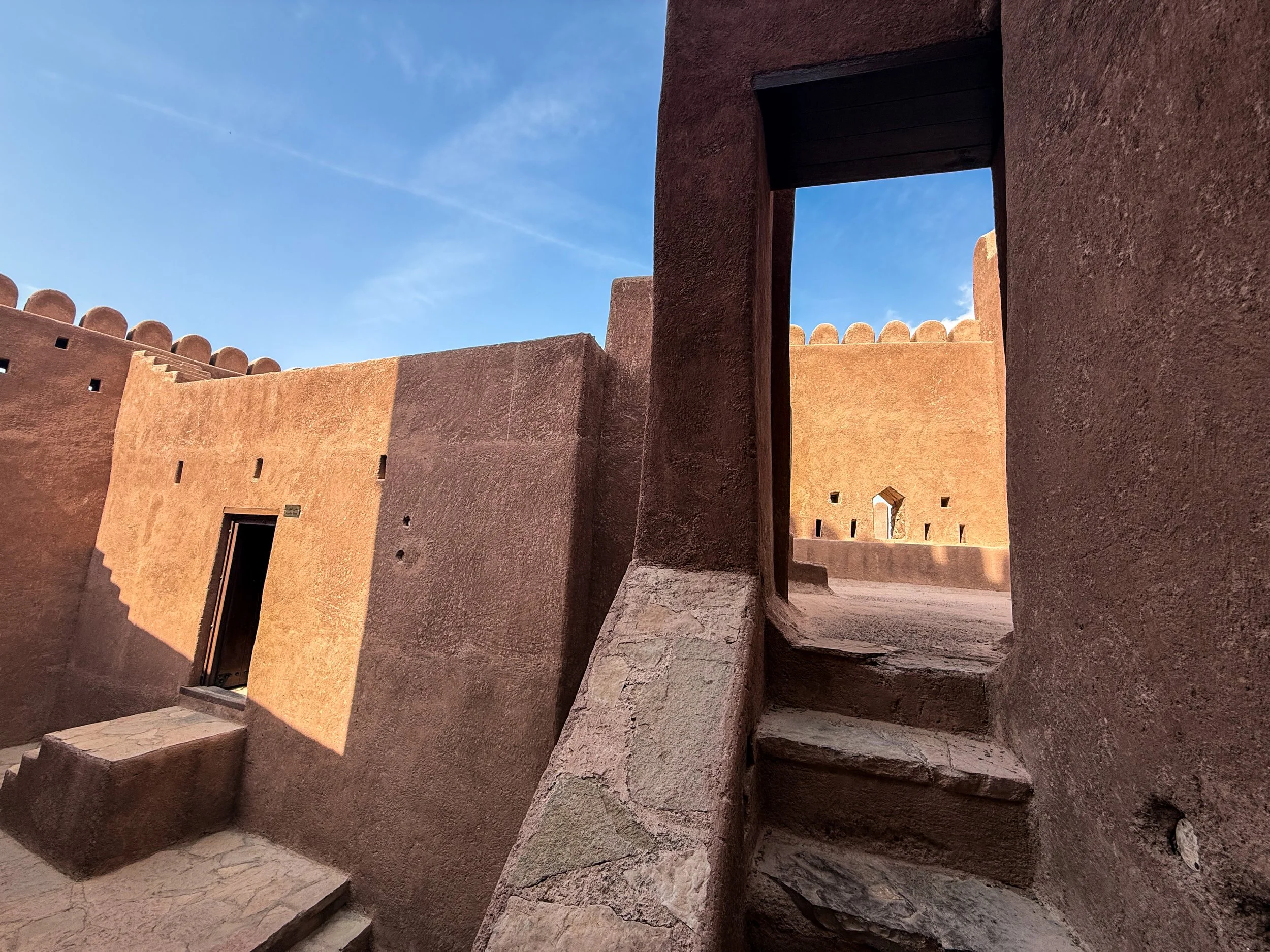
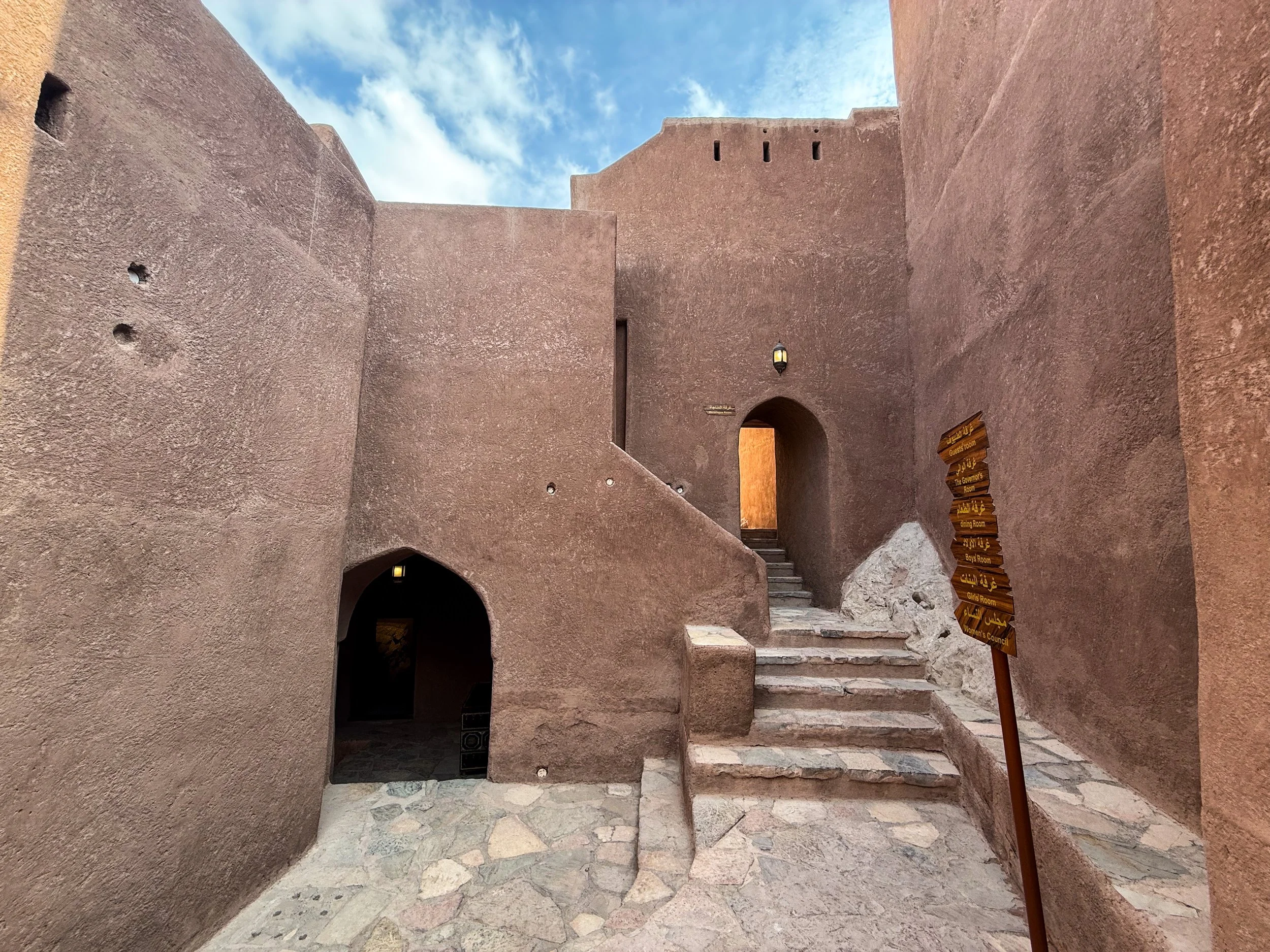
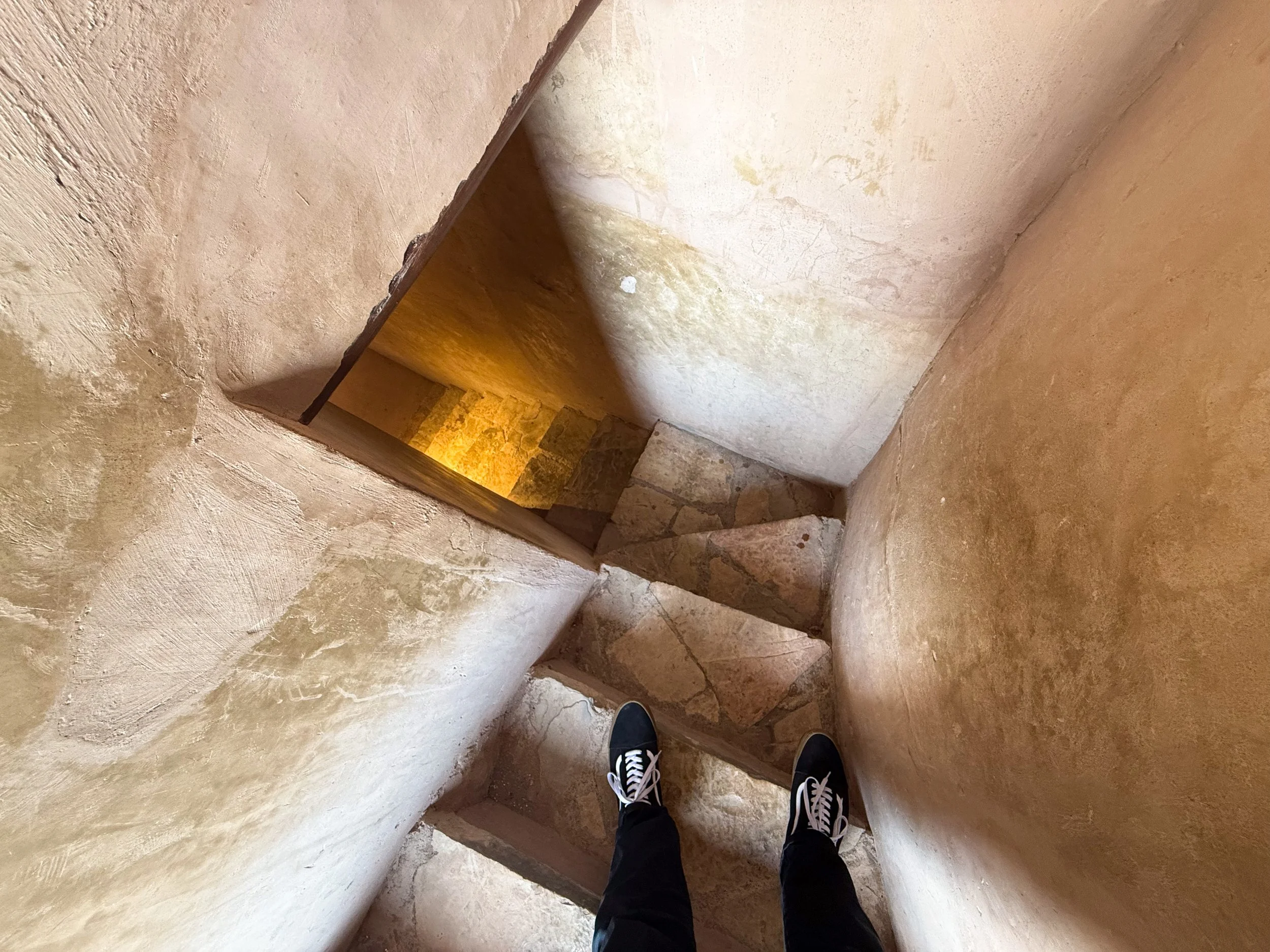
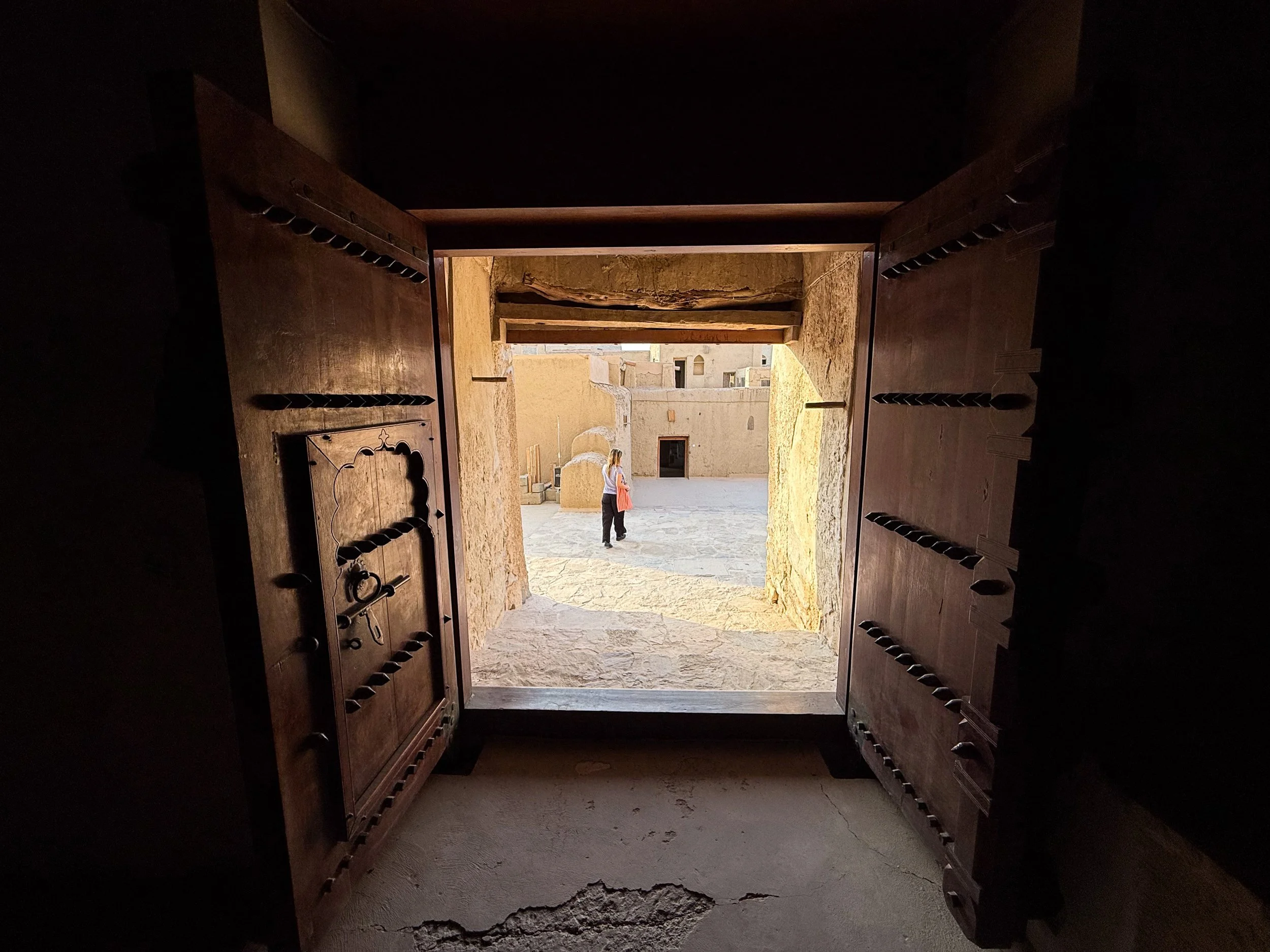
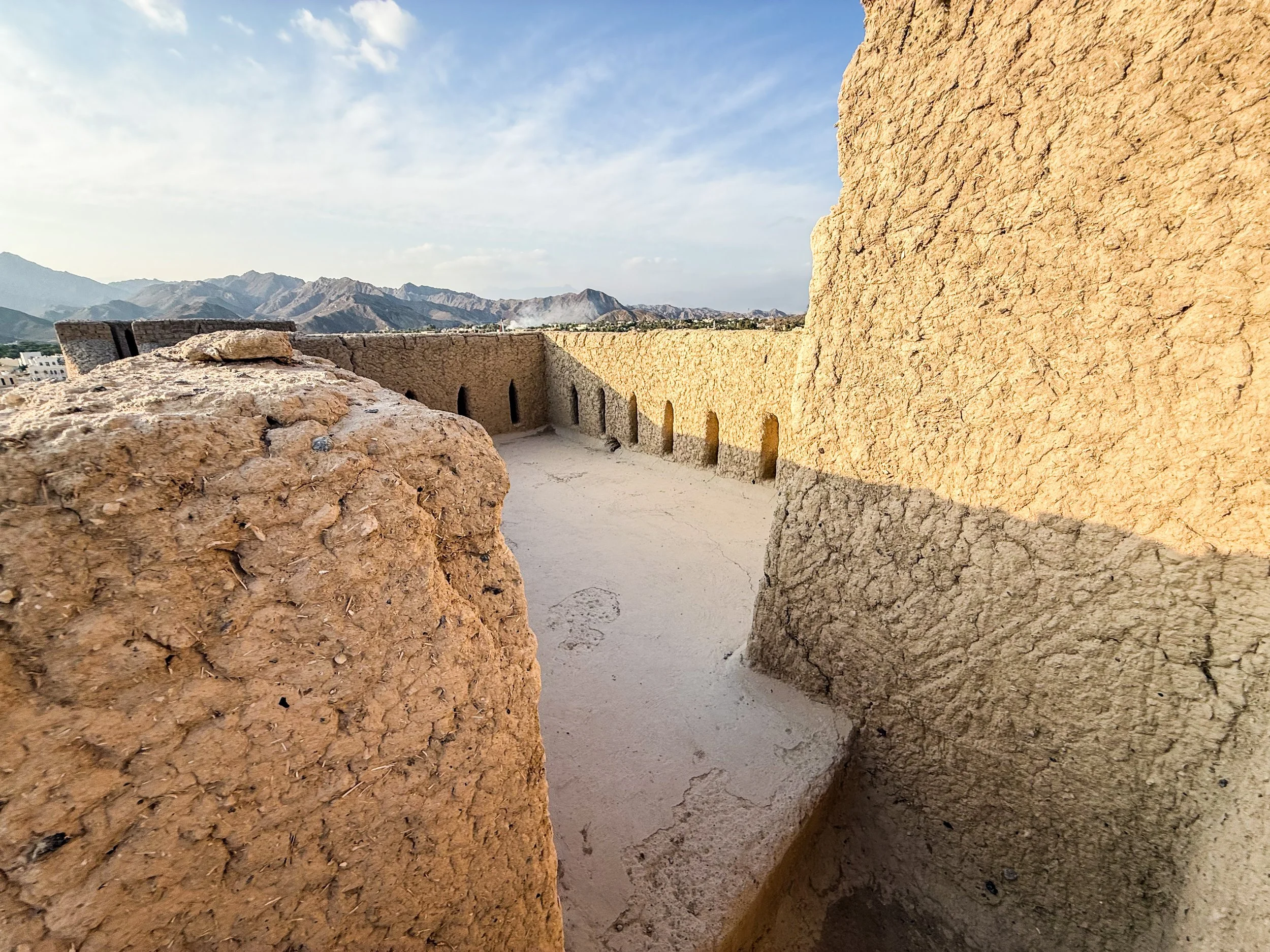
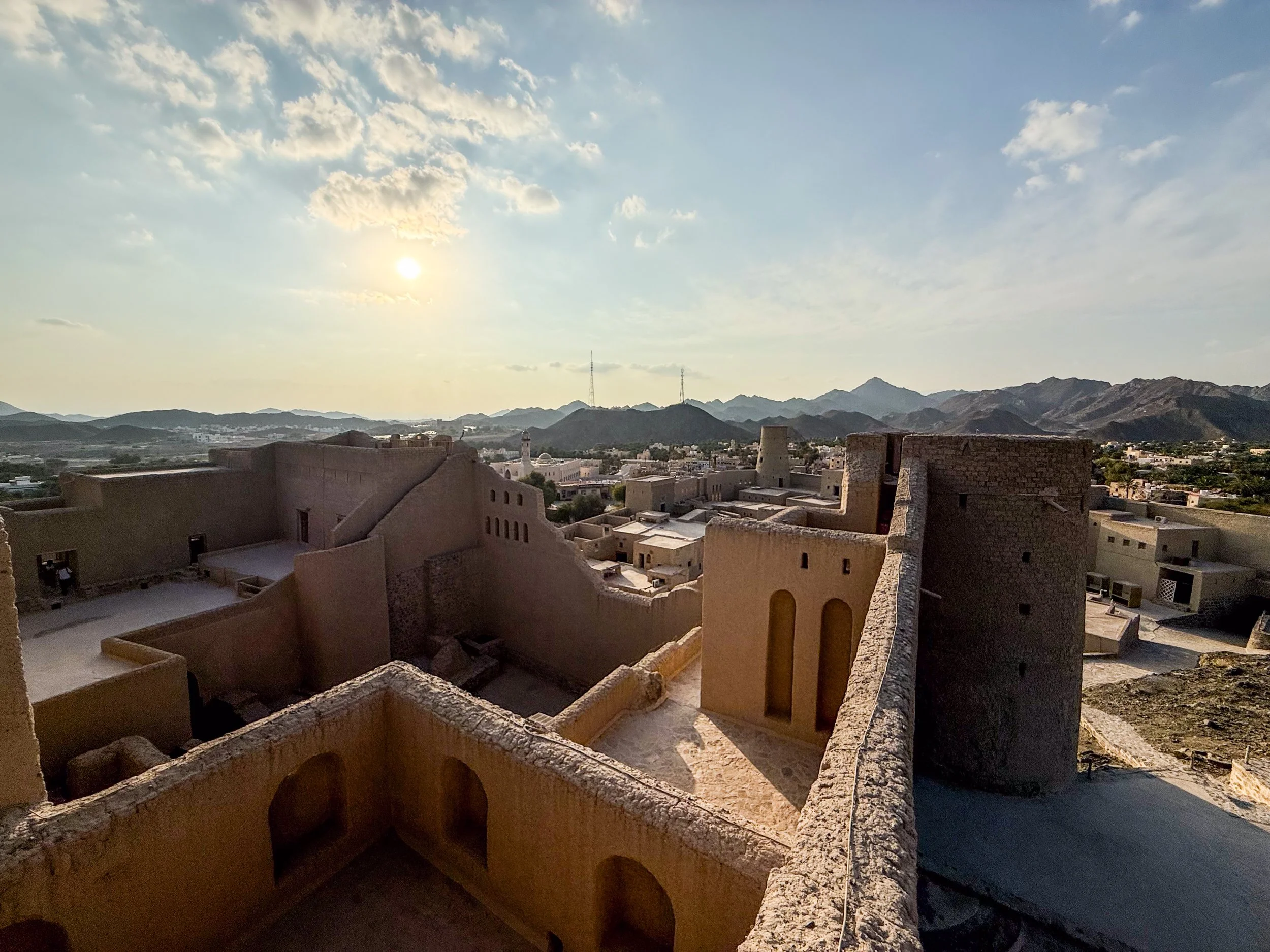
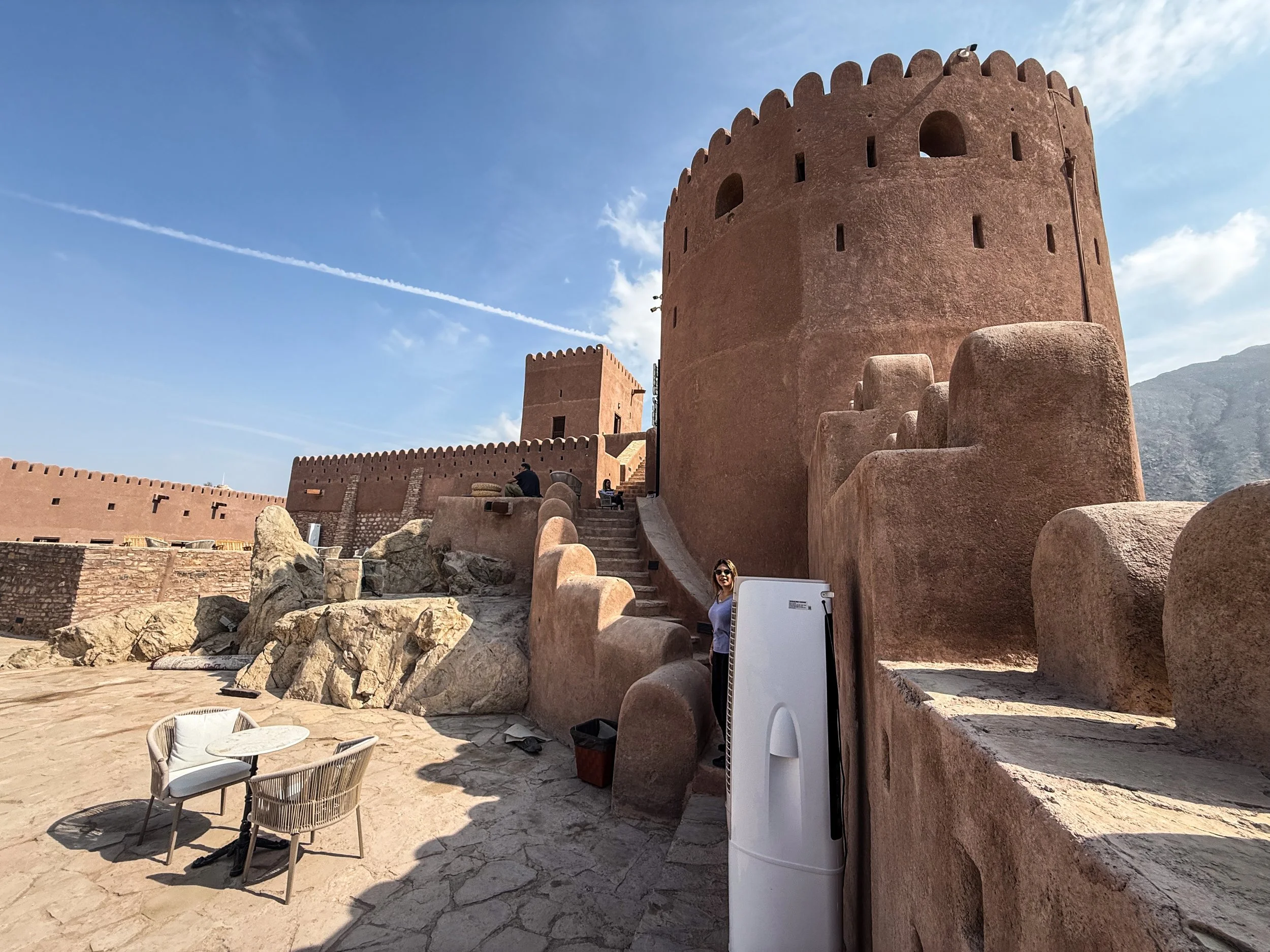
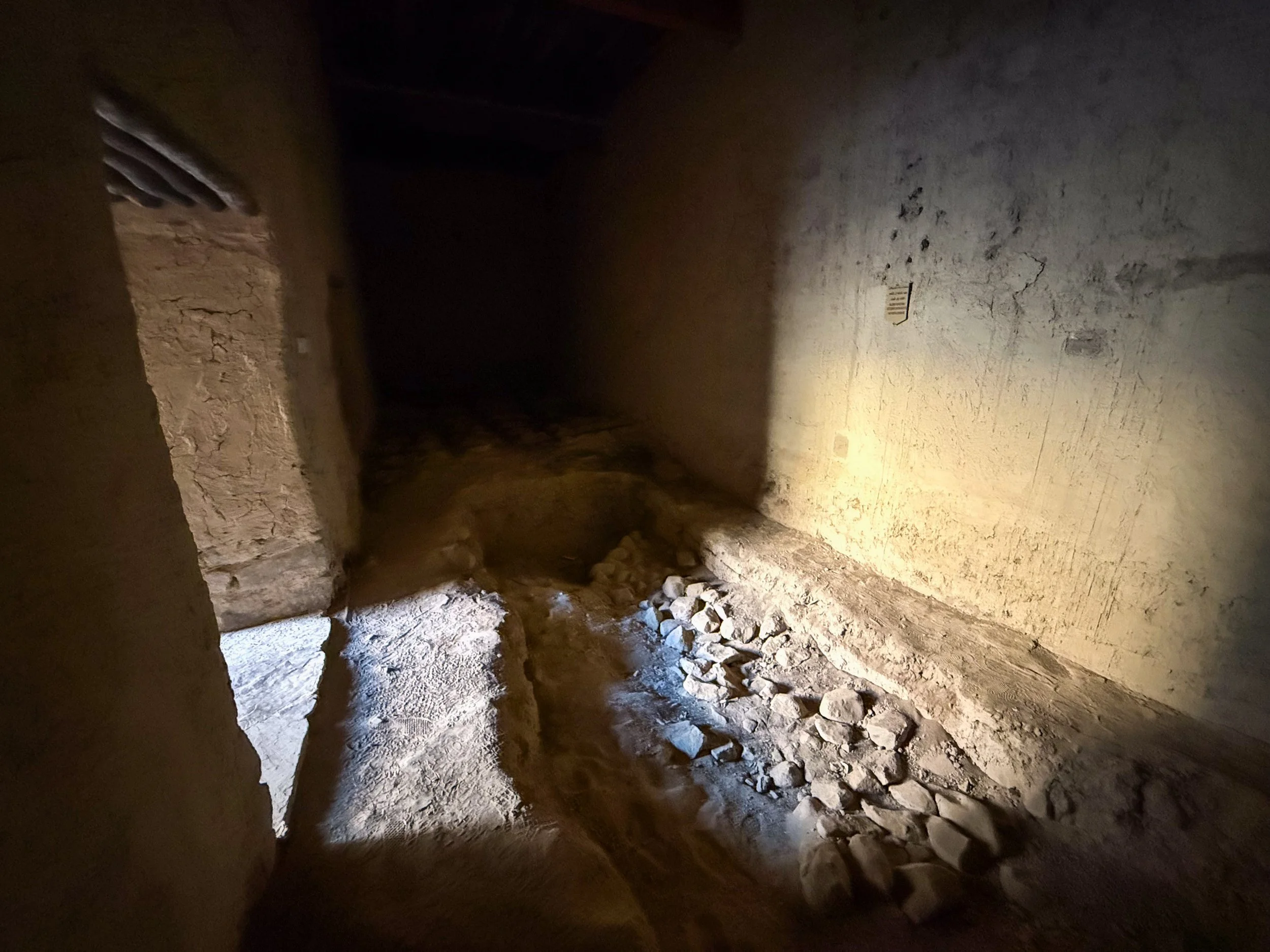
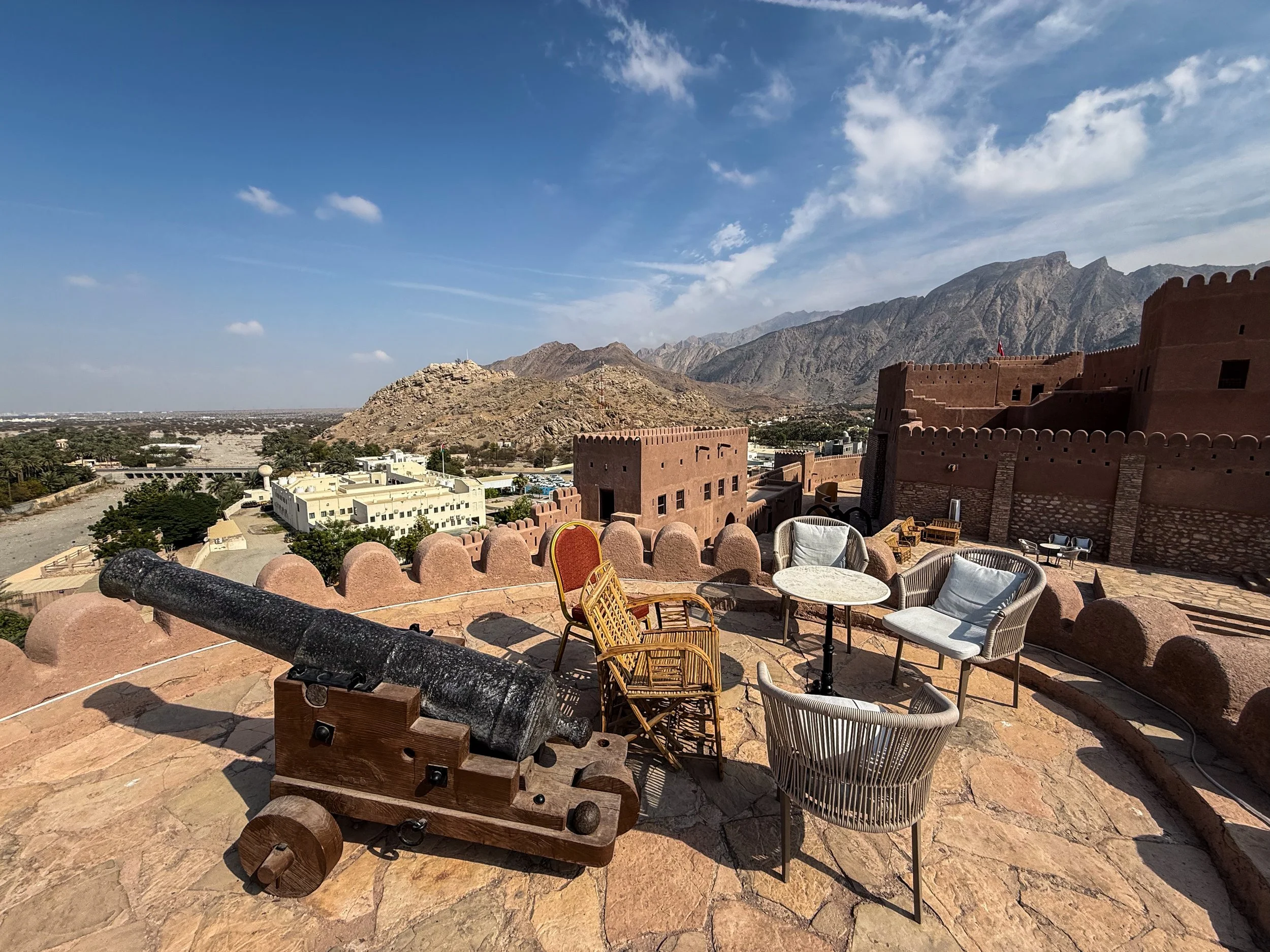
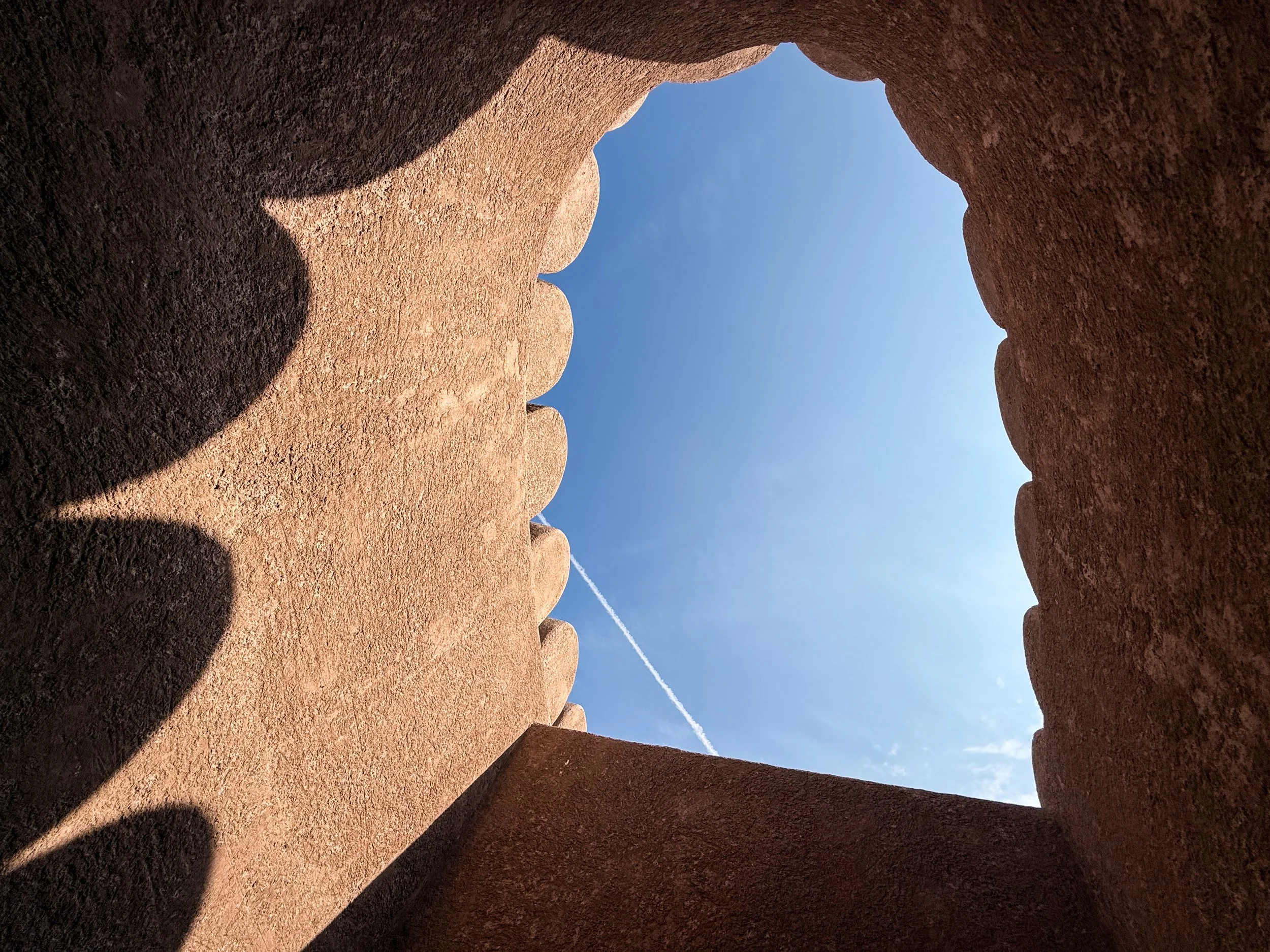
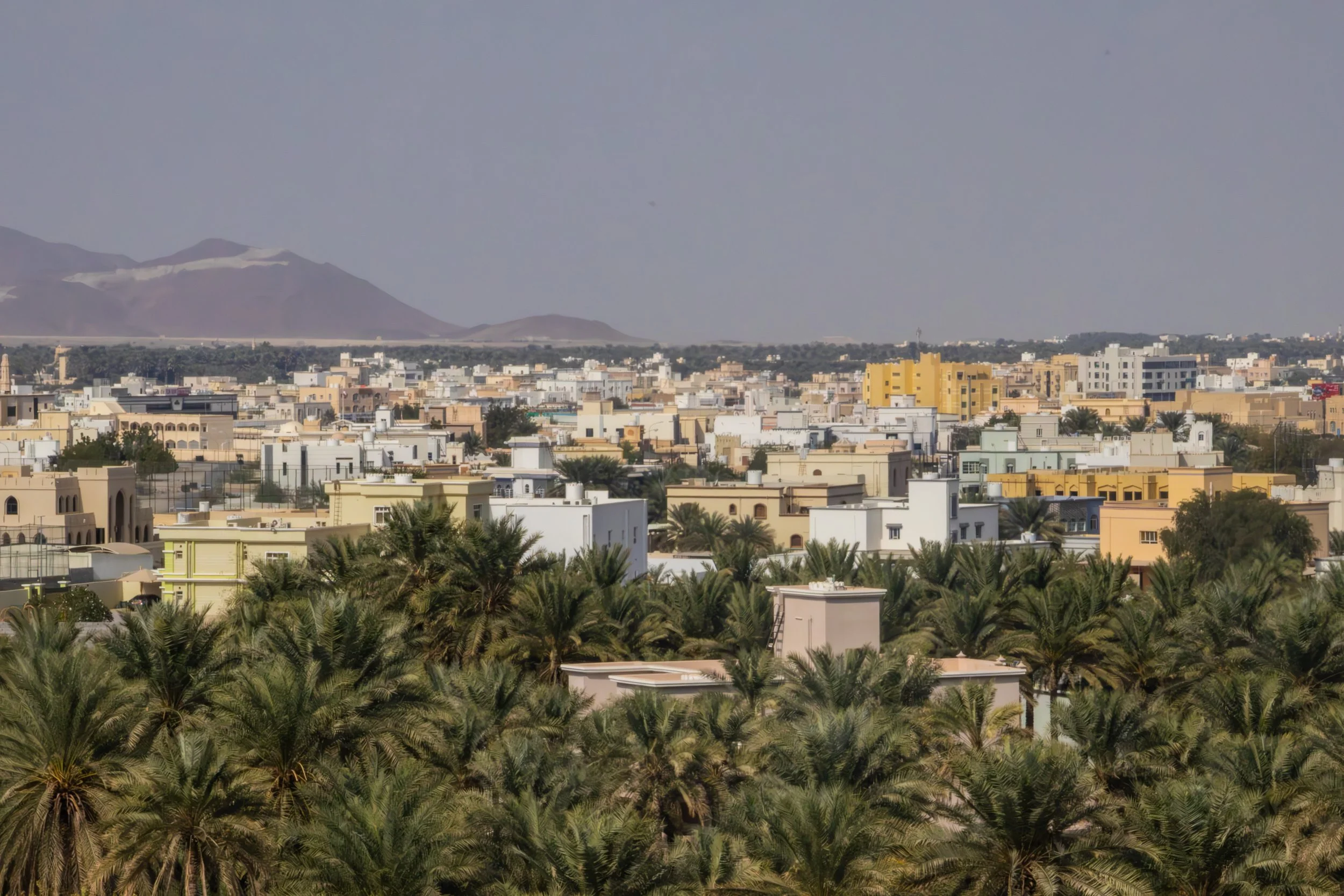
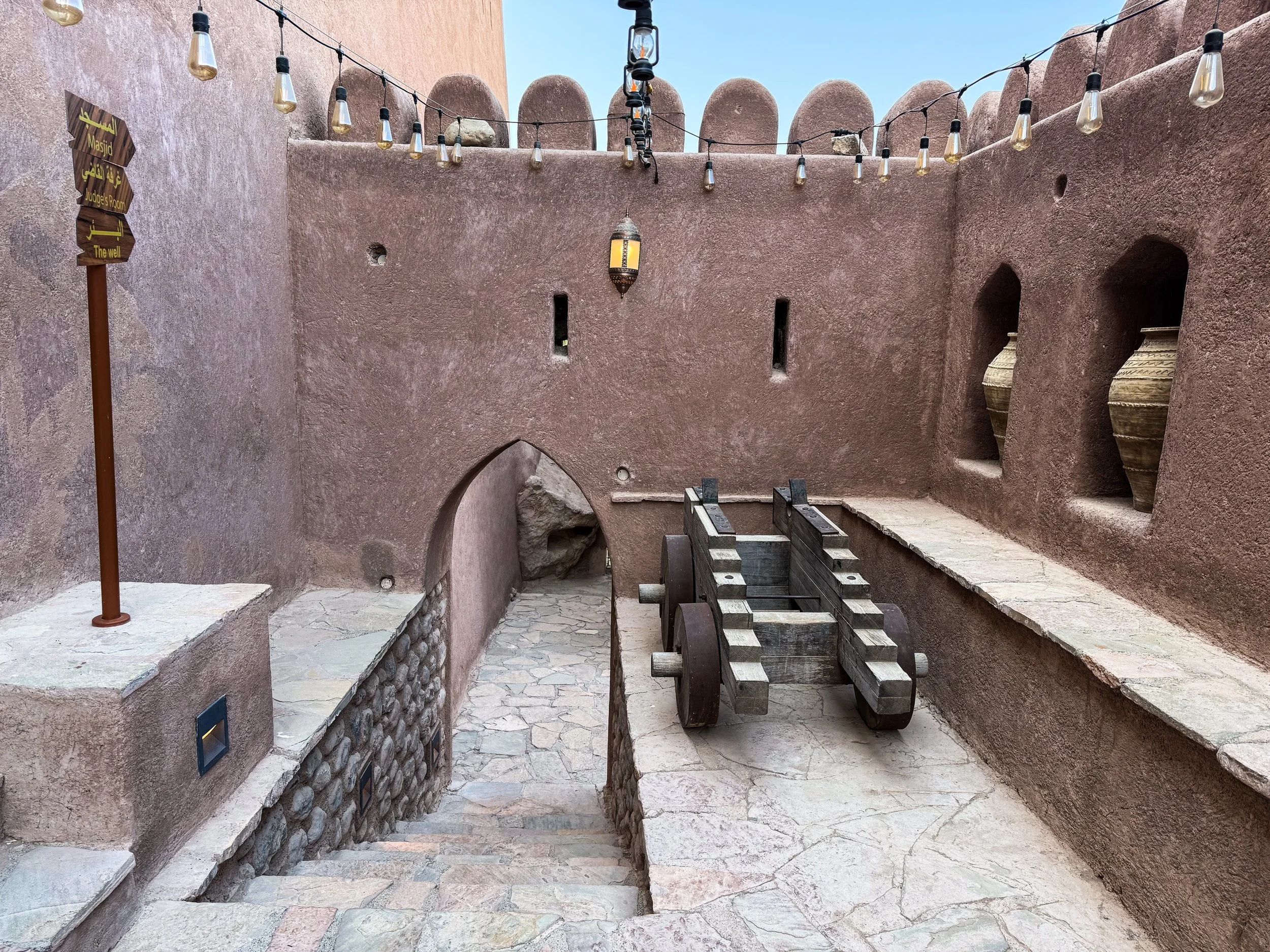
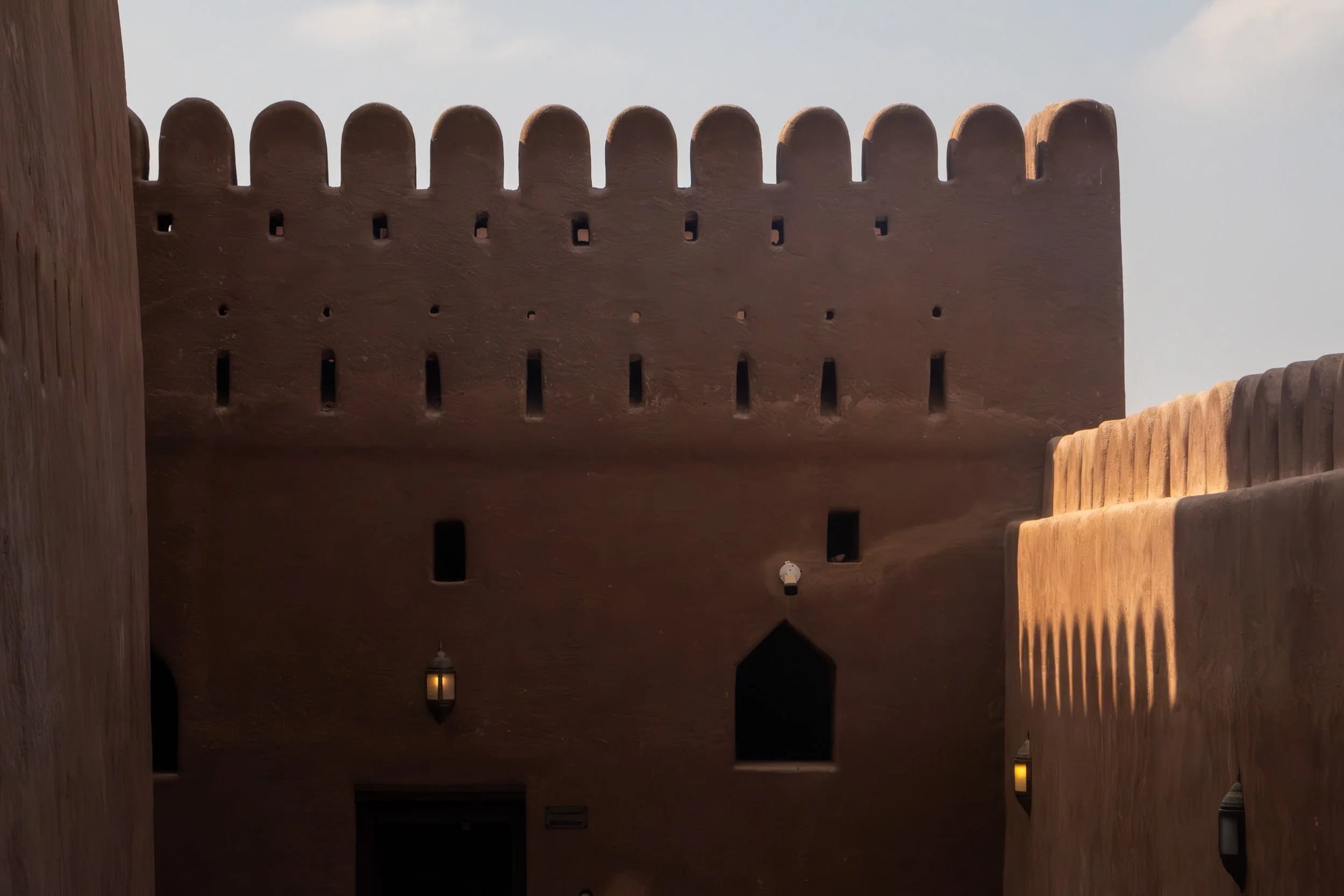
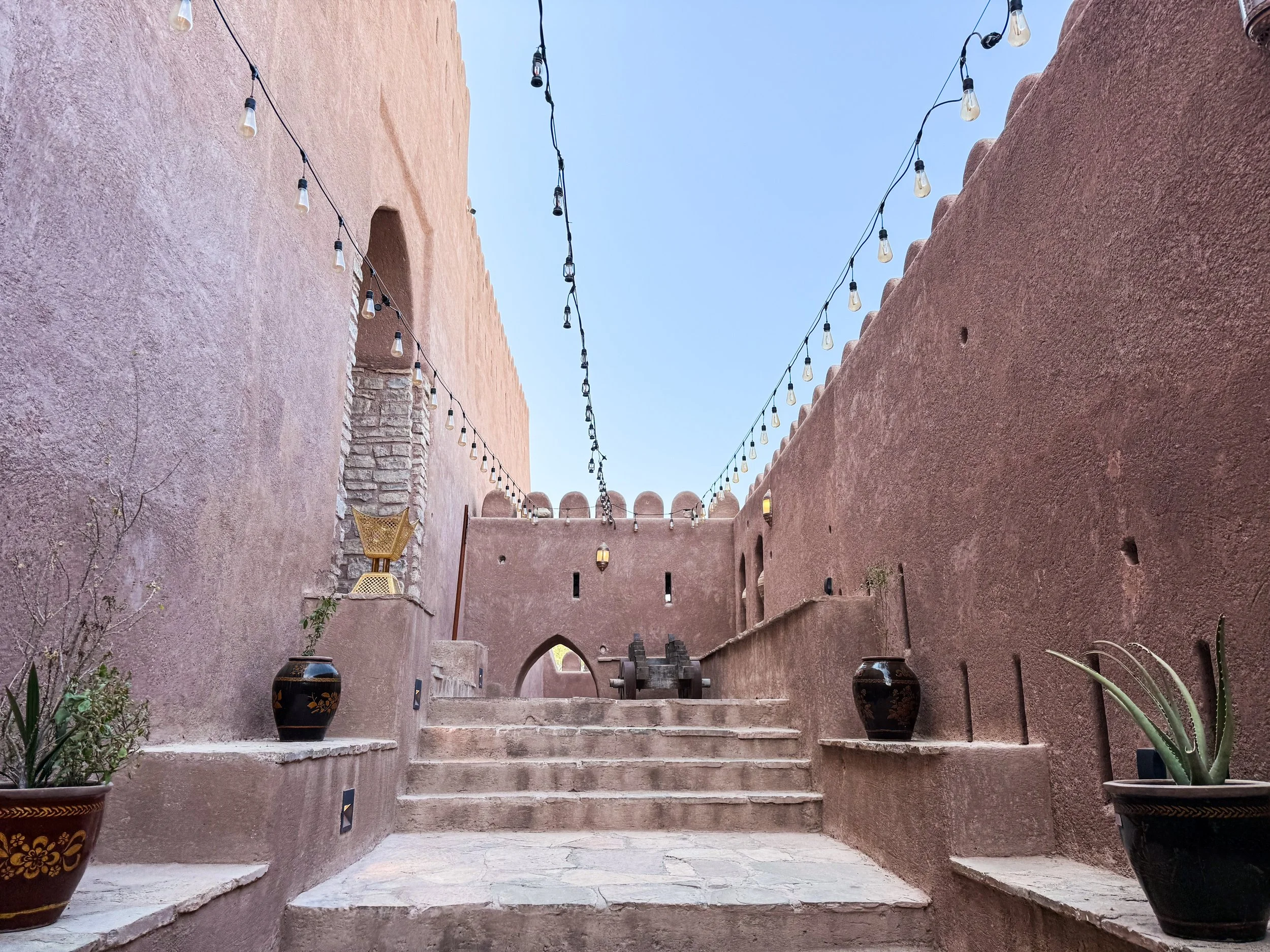
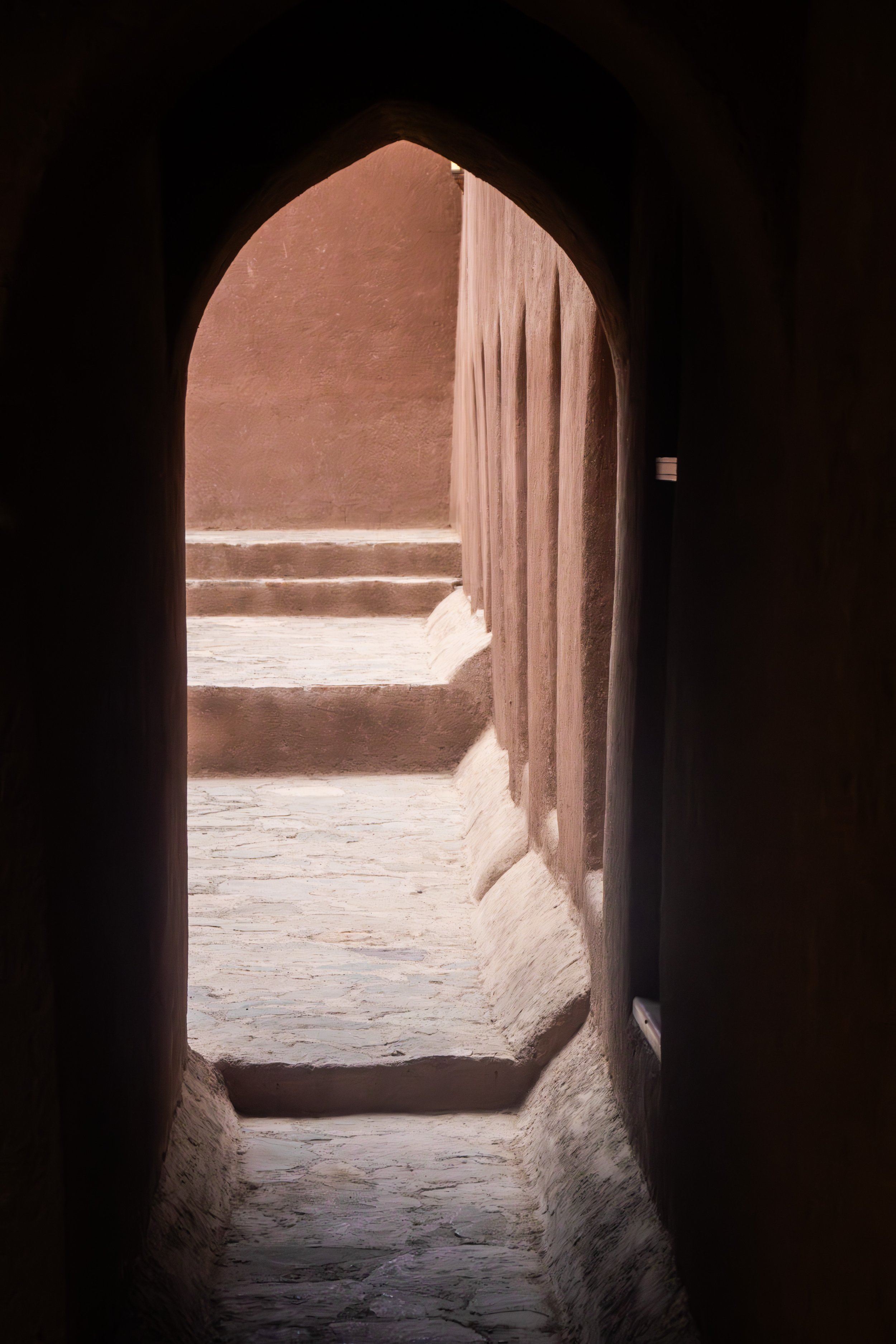
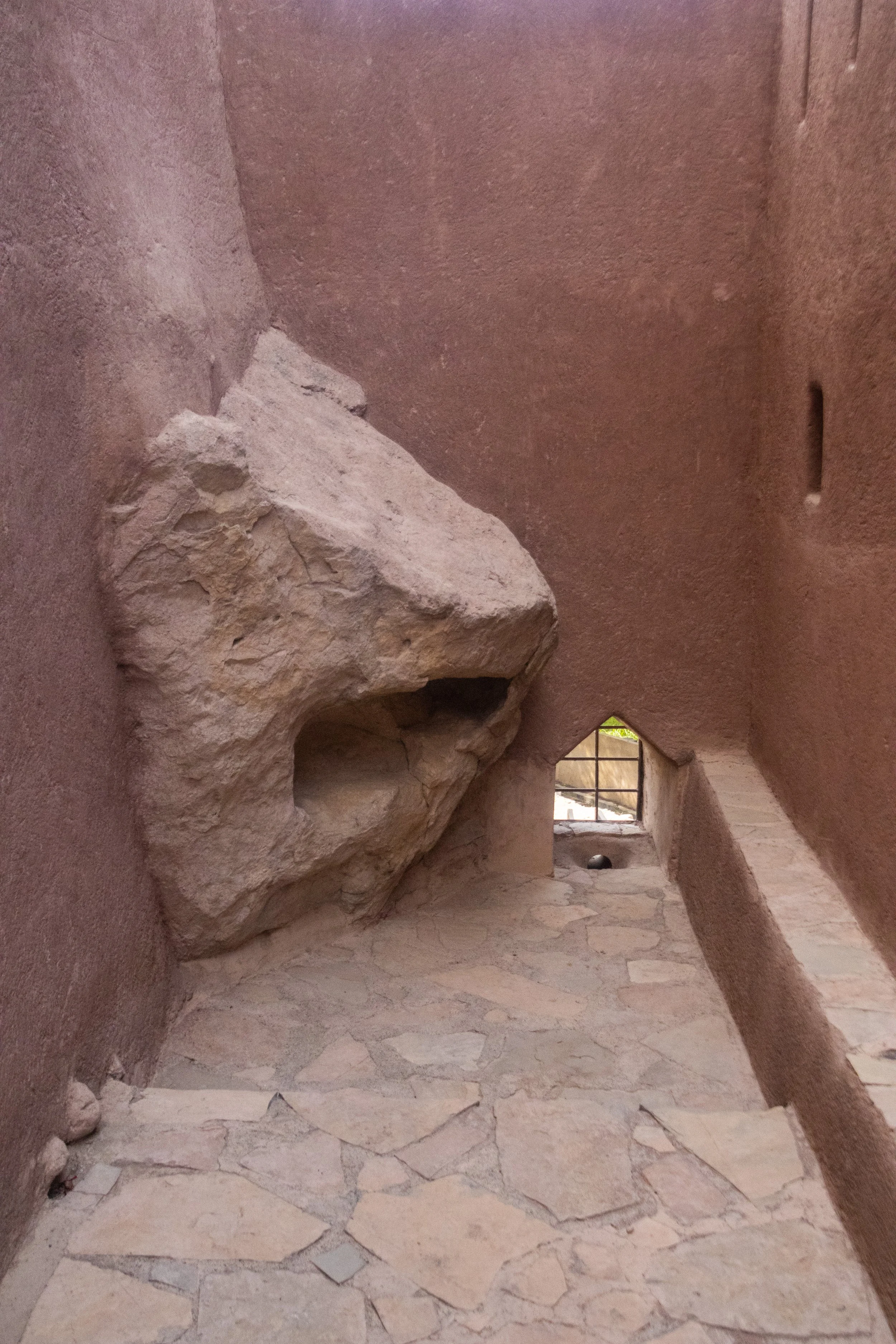
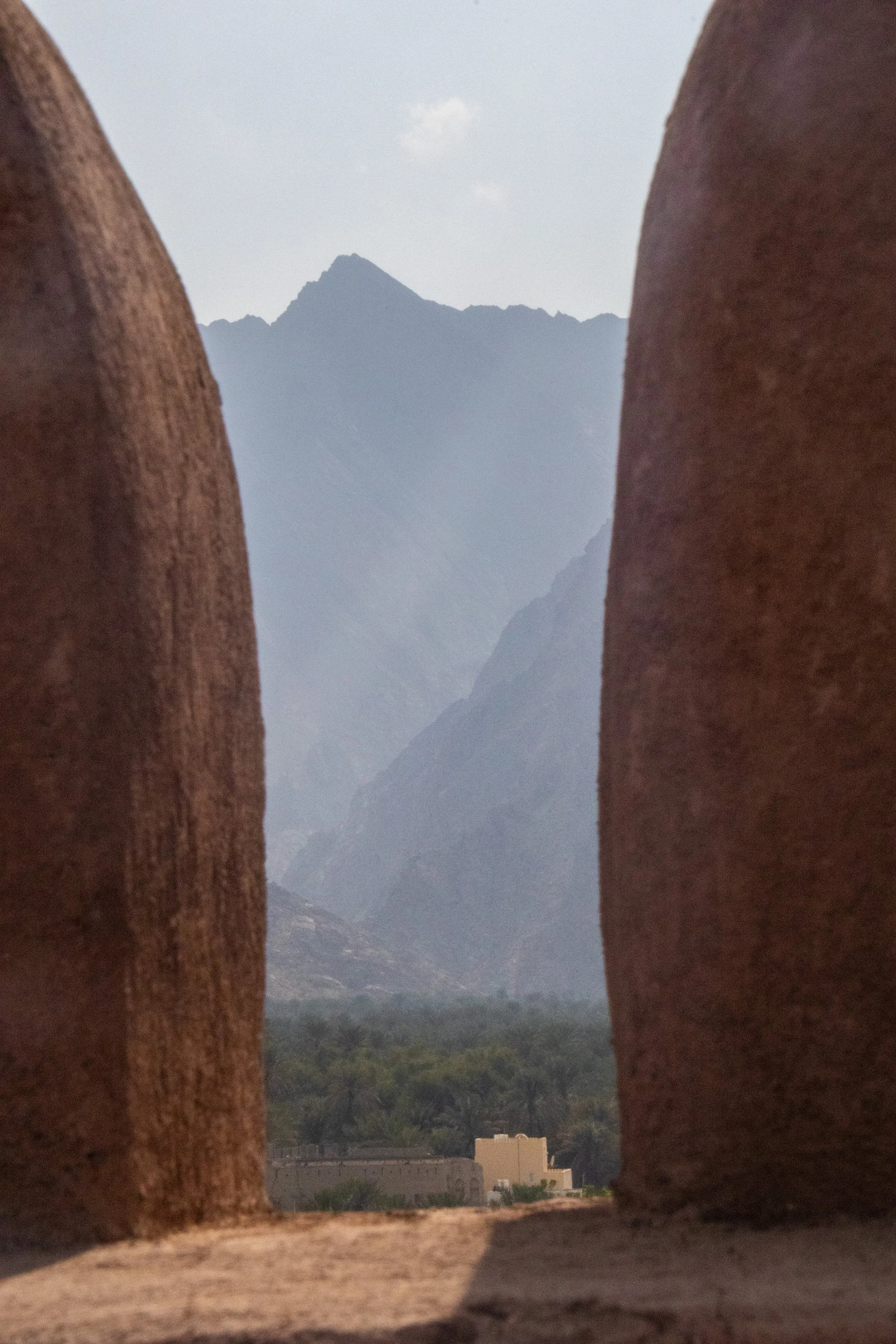
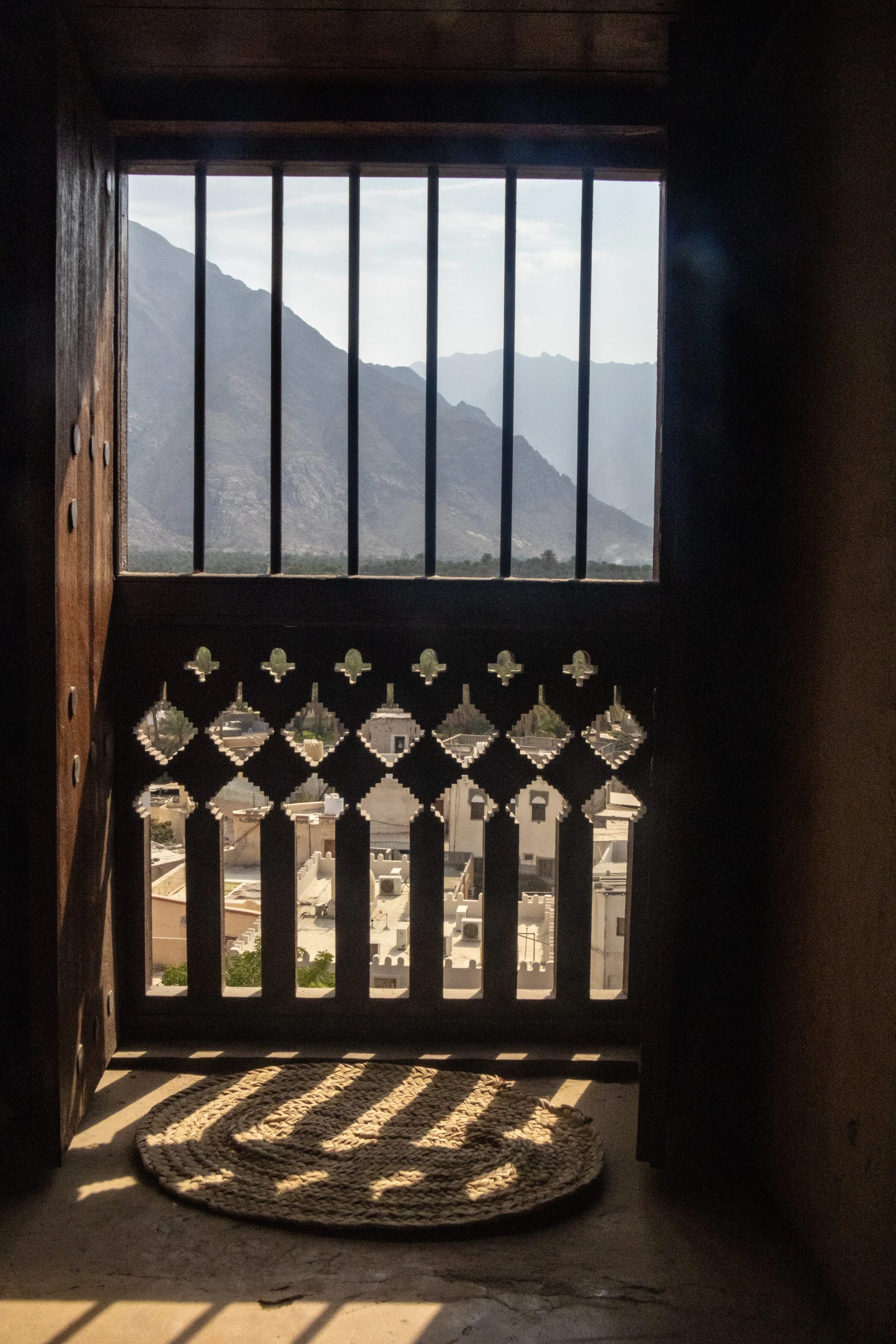
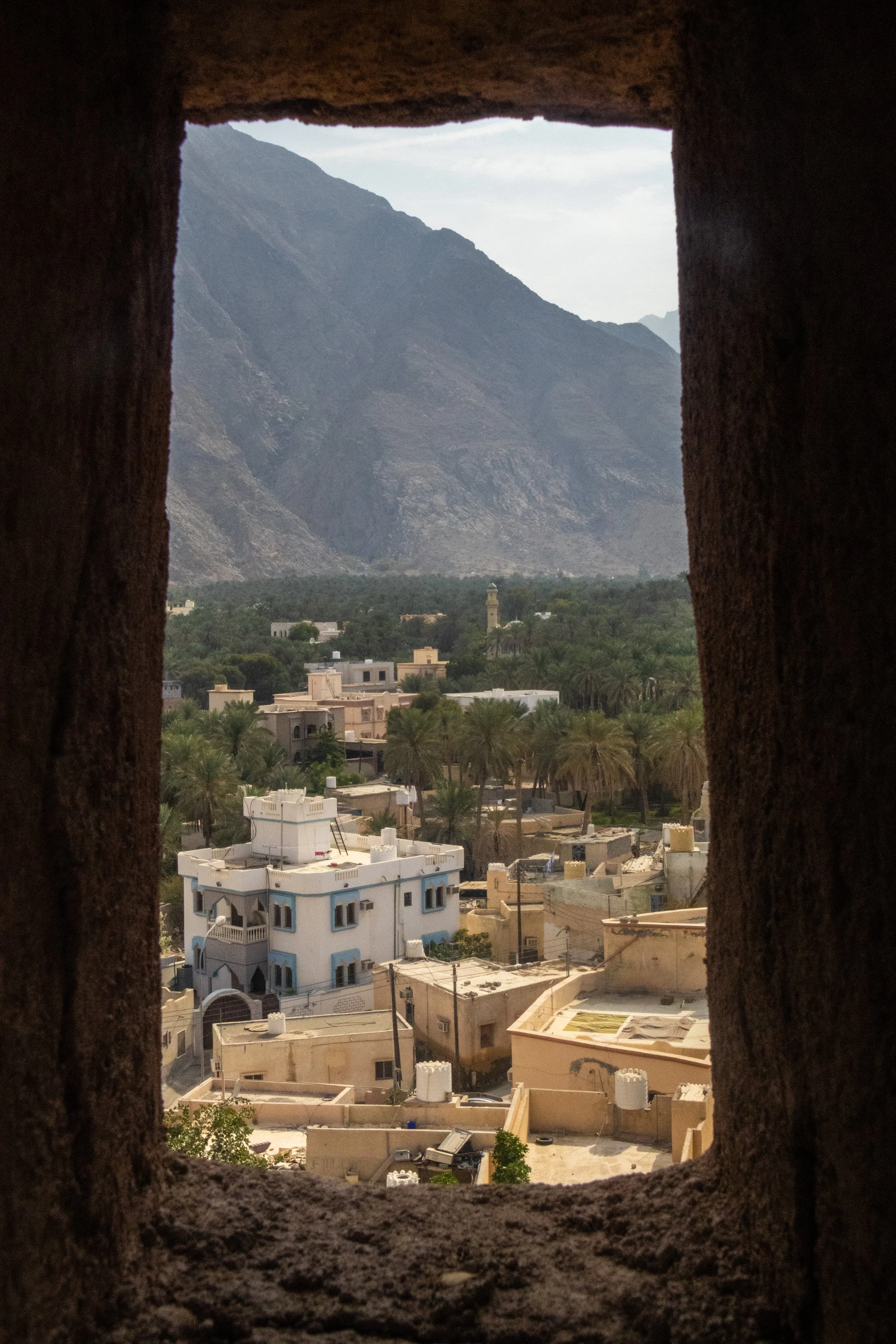
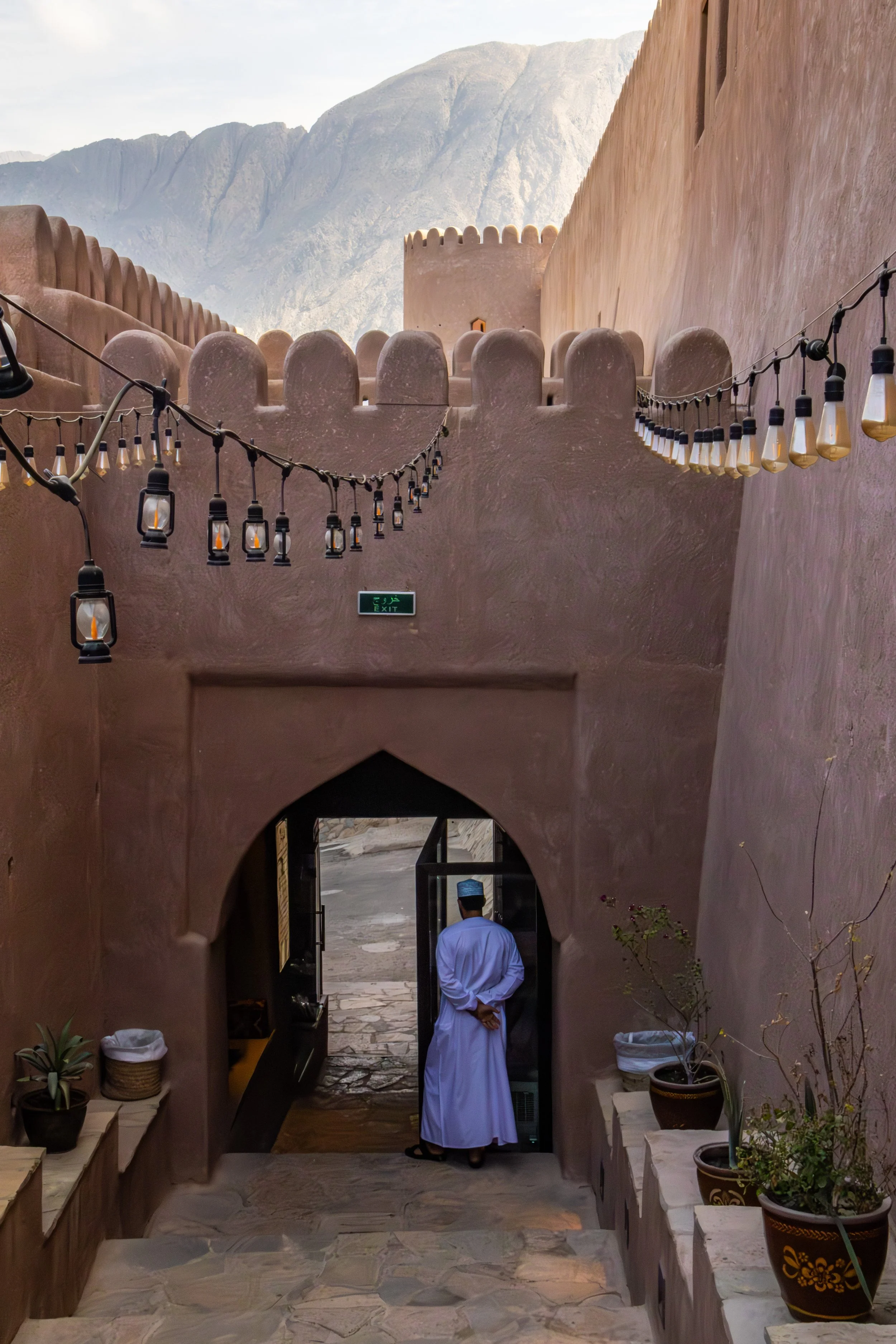
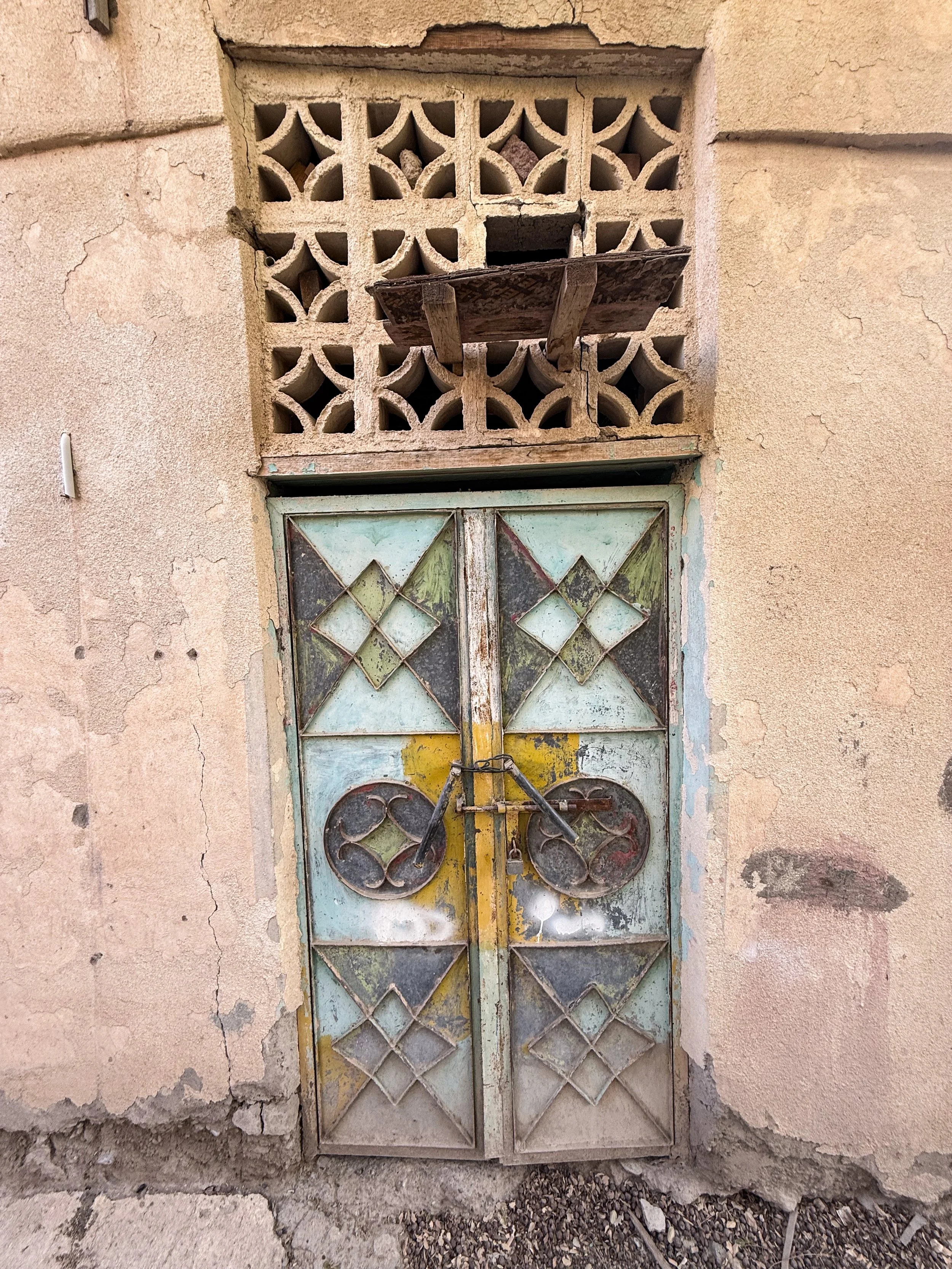
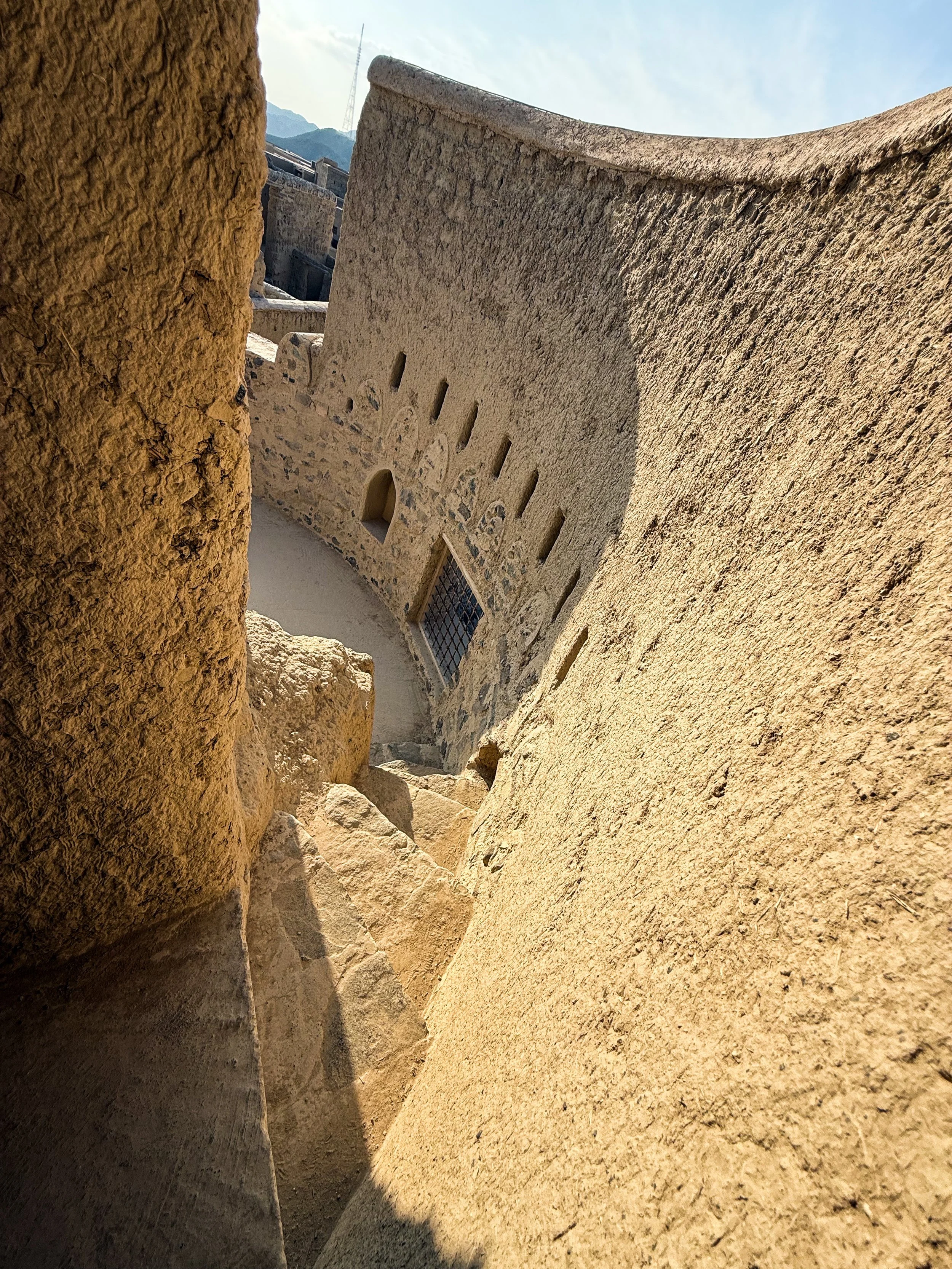
Also, I was pleasantly surprised to discover that there was a pretty good 3rd wave coffeeshop operating inside the fortress. Sign me up for that! I eagerly ordered up a cup of cold brew and found a comfortable spot nearby where I could take in the view. Behind me, an older man and woman spoke at length to their Omani guide in French. The translation? The man was talking about threesomes he’d had in the 1970s. 😂

Bahla Fortress
Next up, sitting about ~190 km (~118 miles) from Nakhal Fortress (roughly 2 hours and 30 minutes of drive time), we have Bahla Fortress. Here’s the map for context. You can see that it is considerably farther inland.
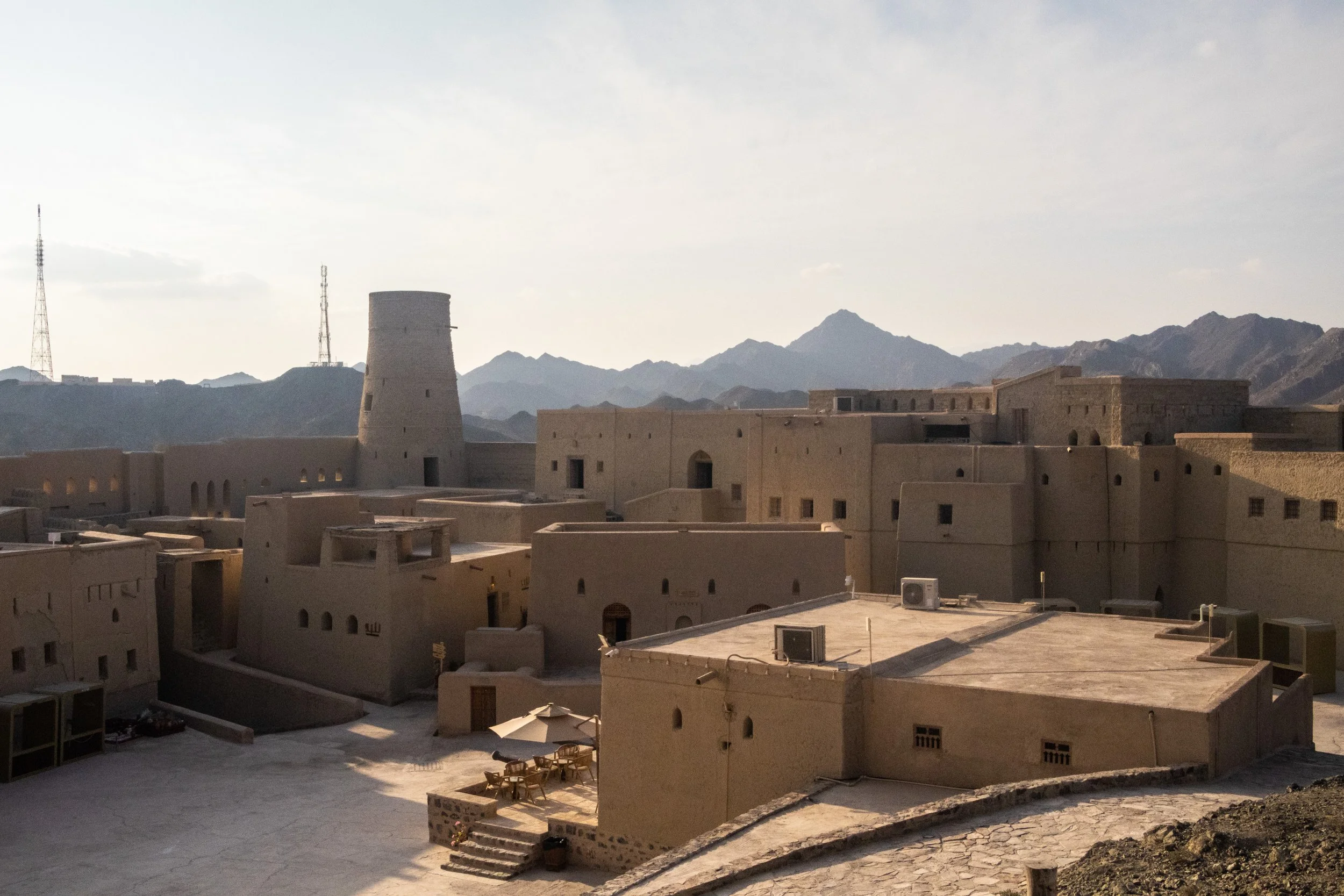
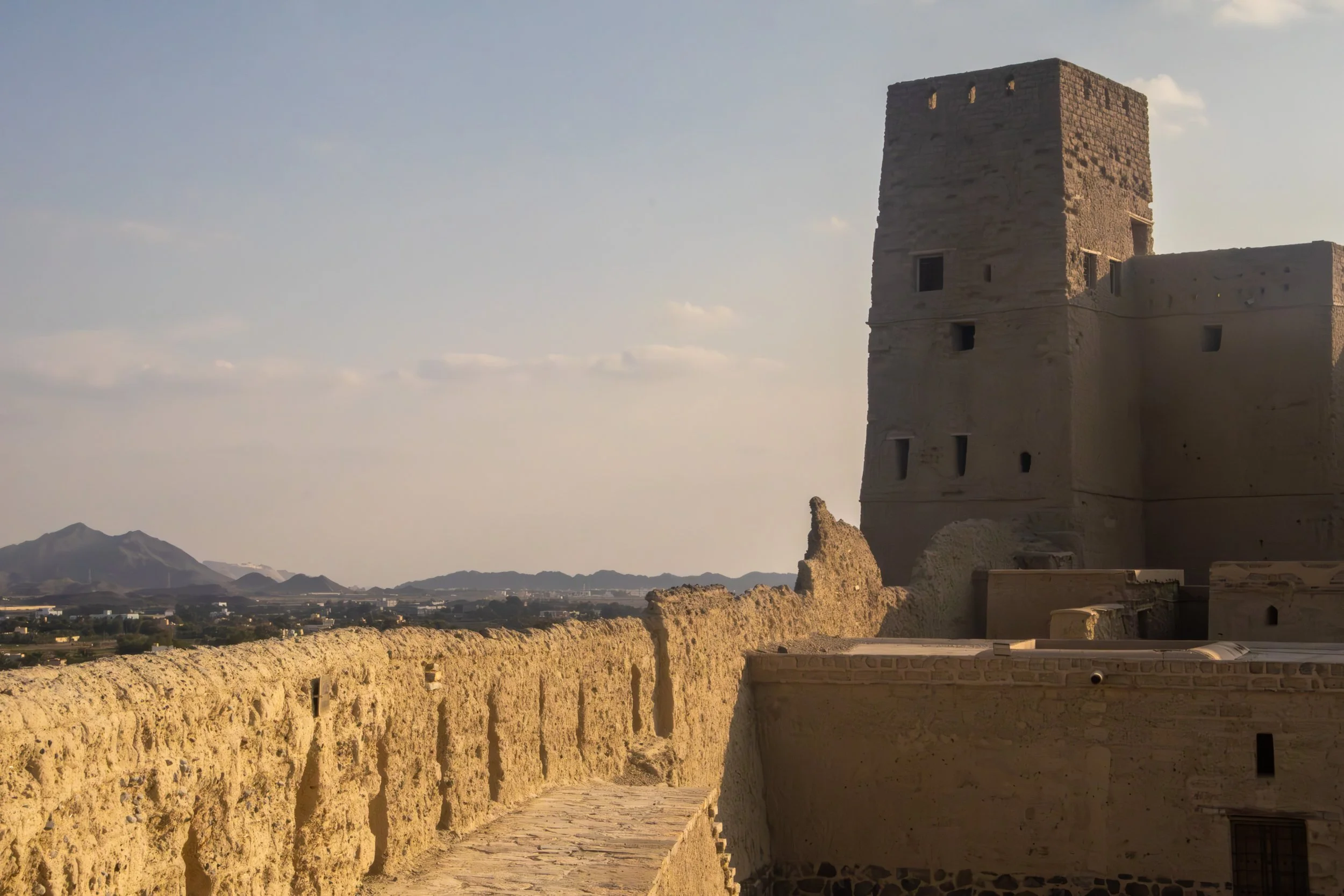
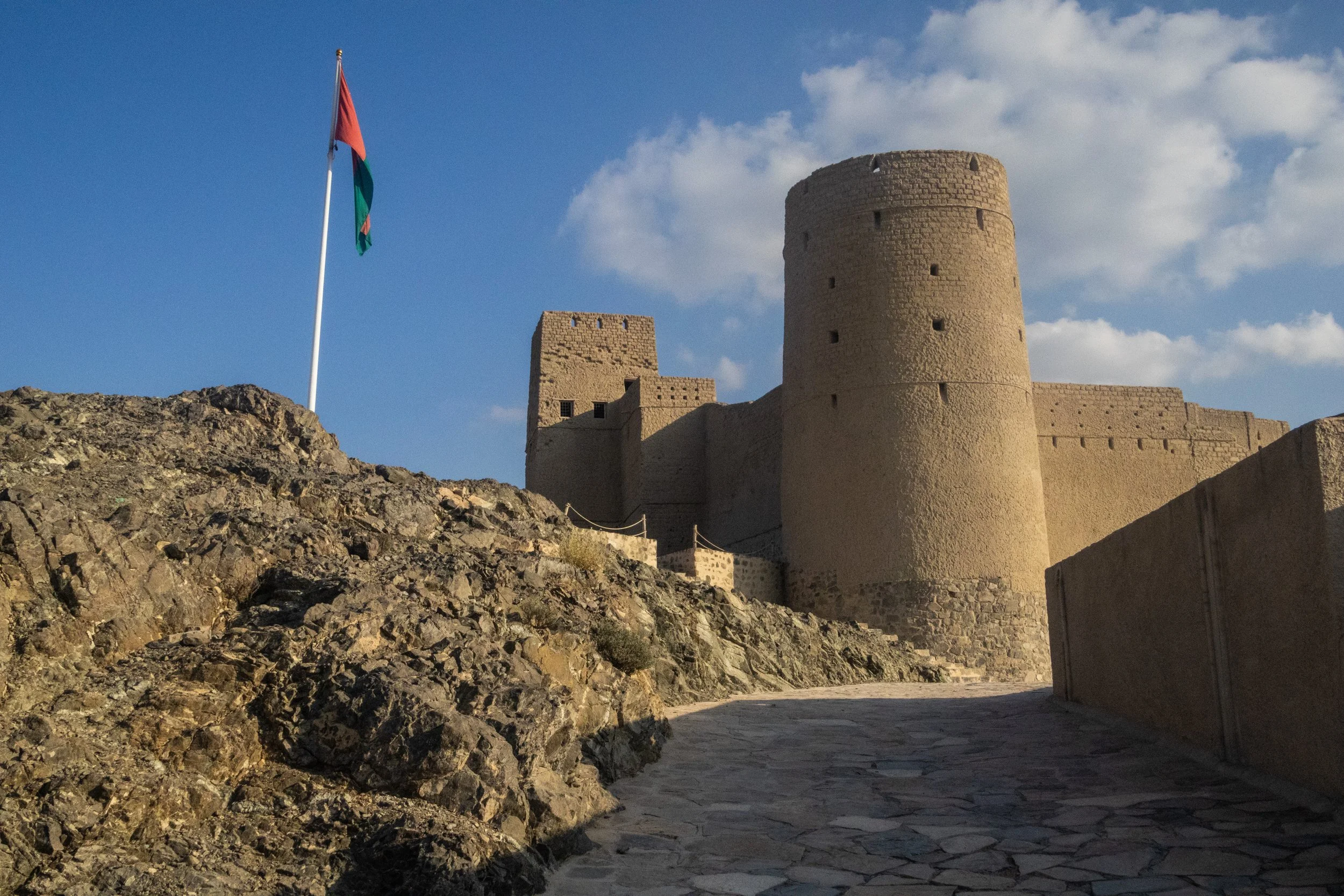
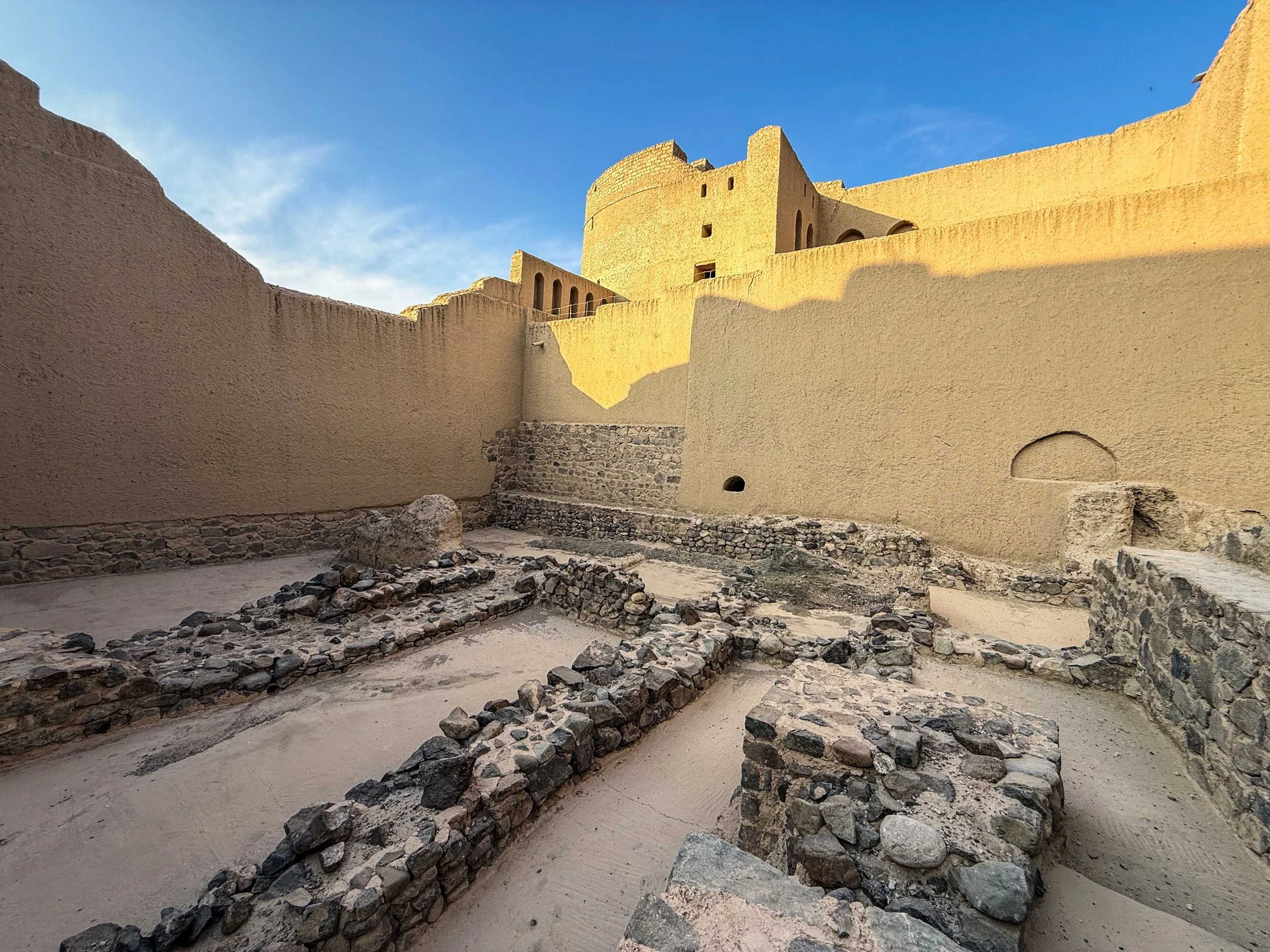
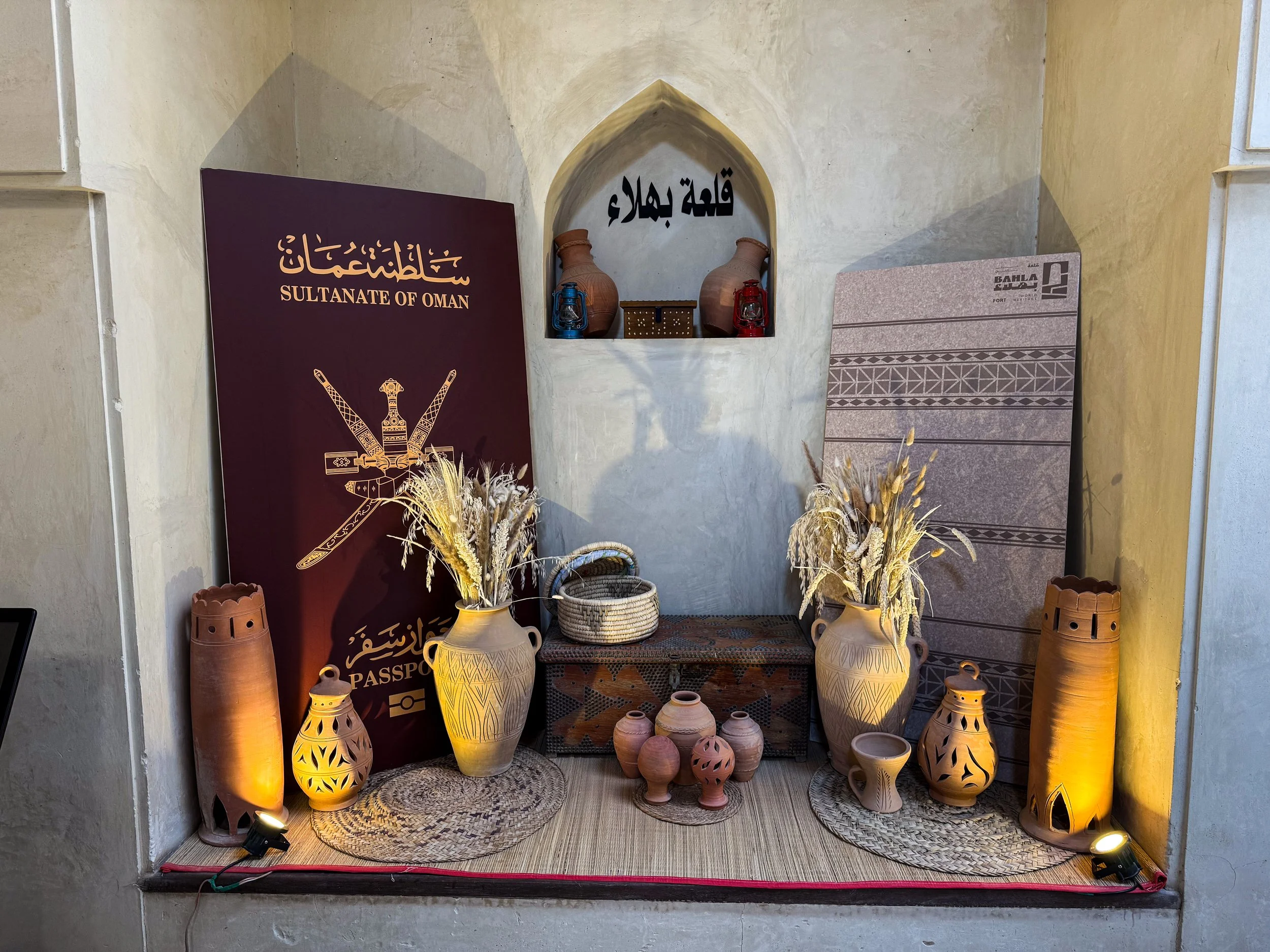
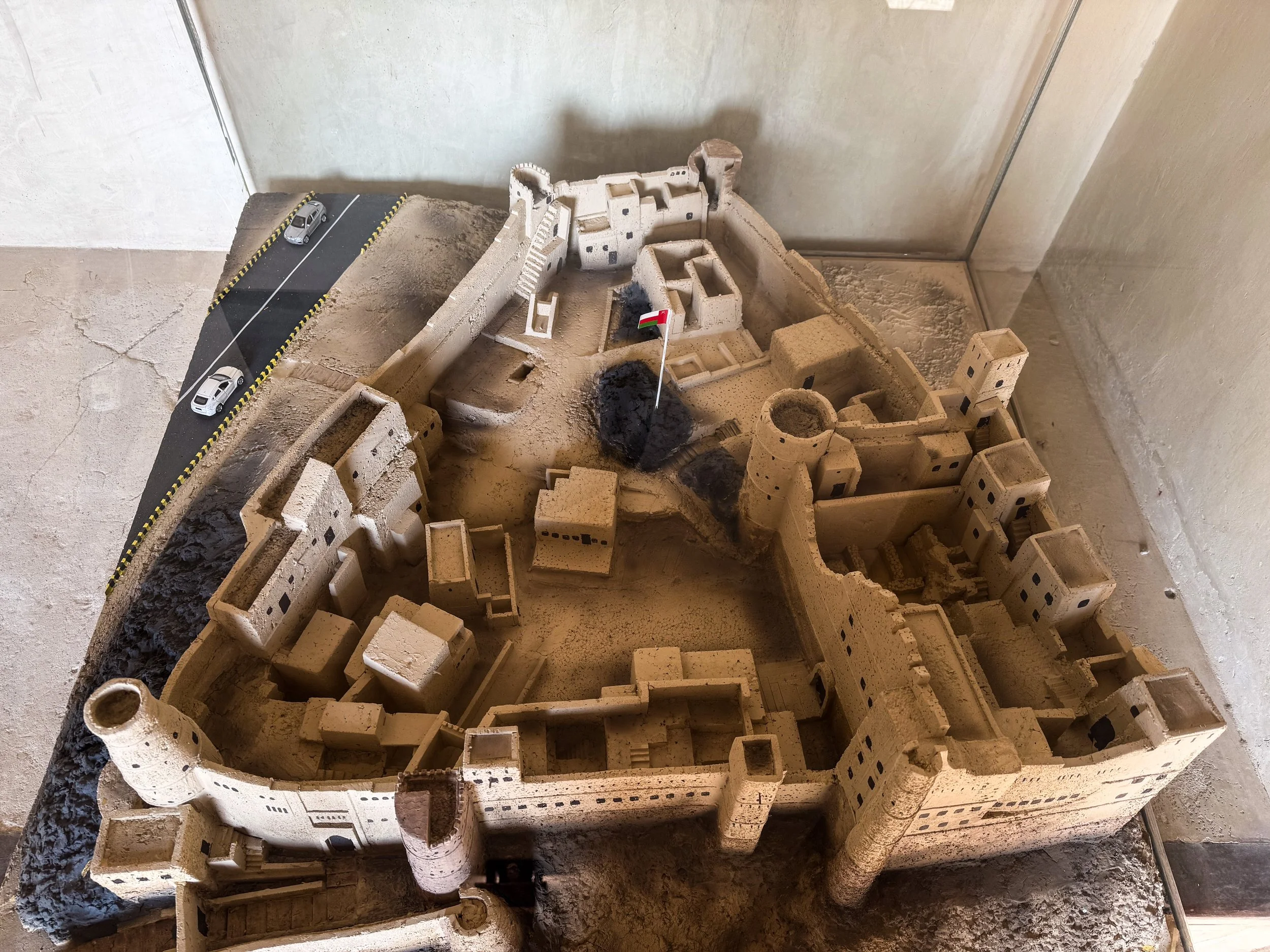
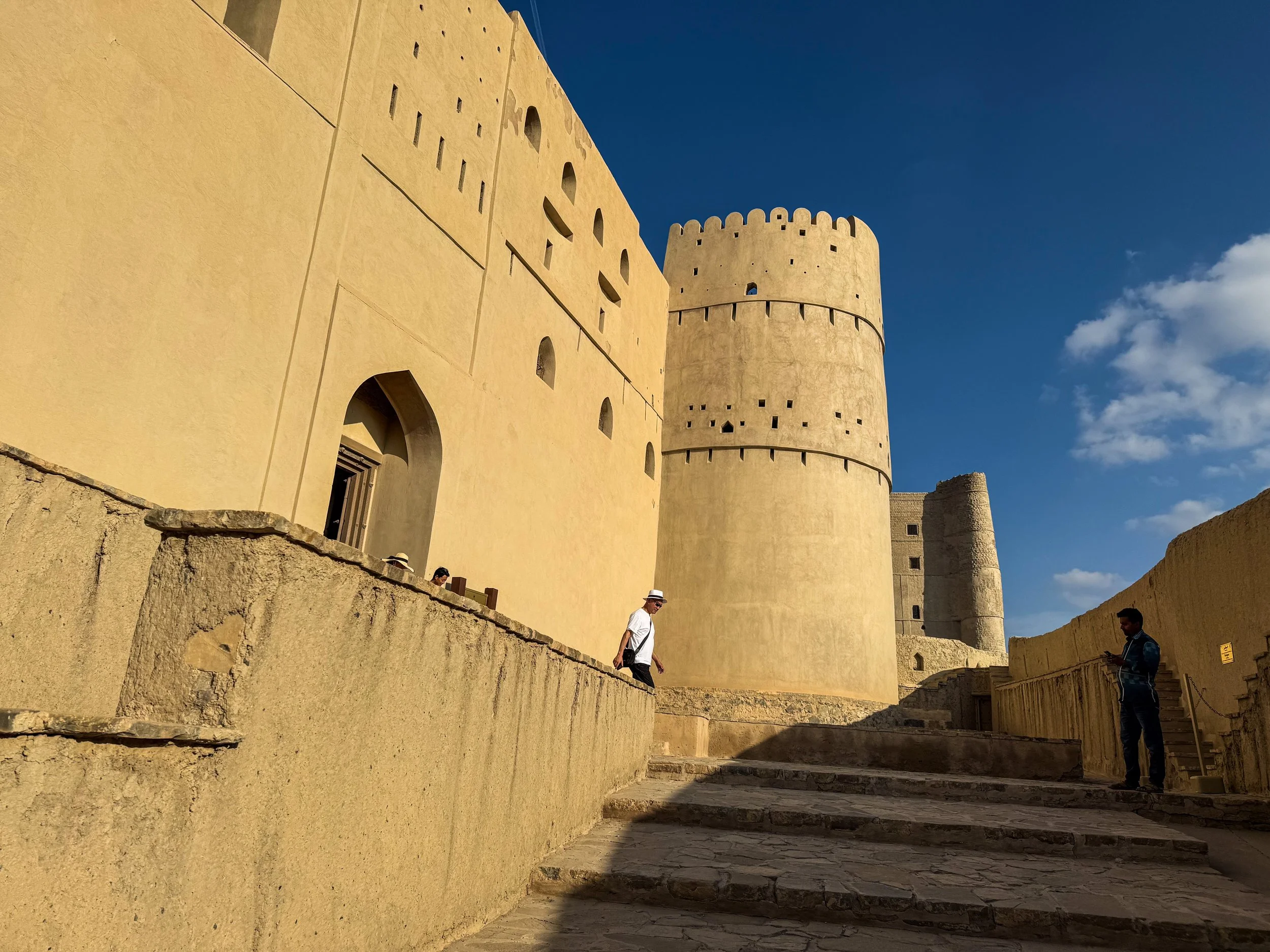
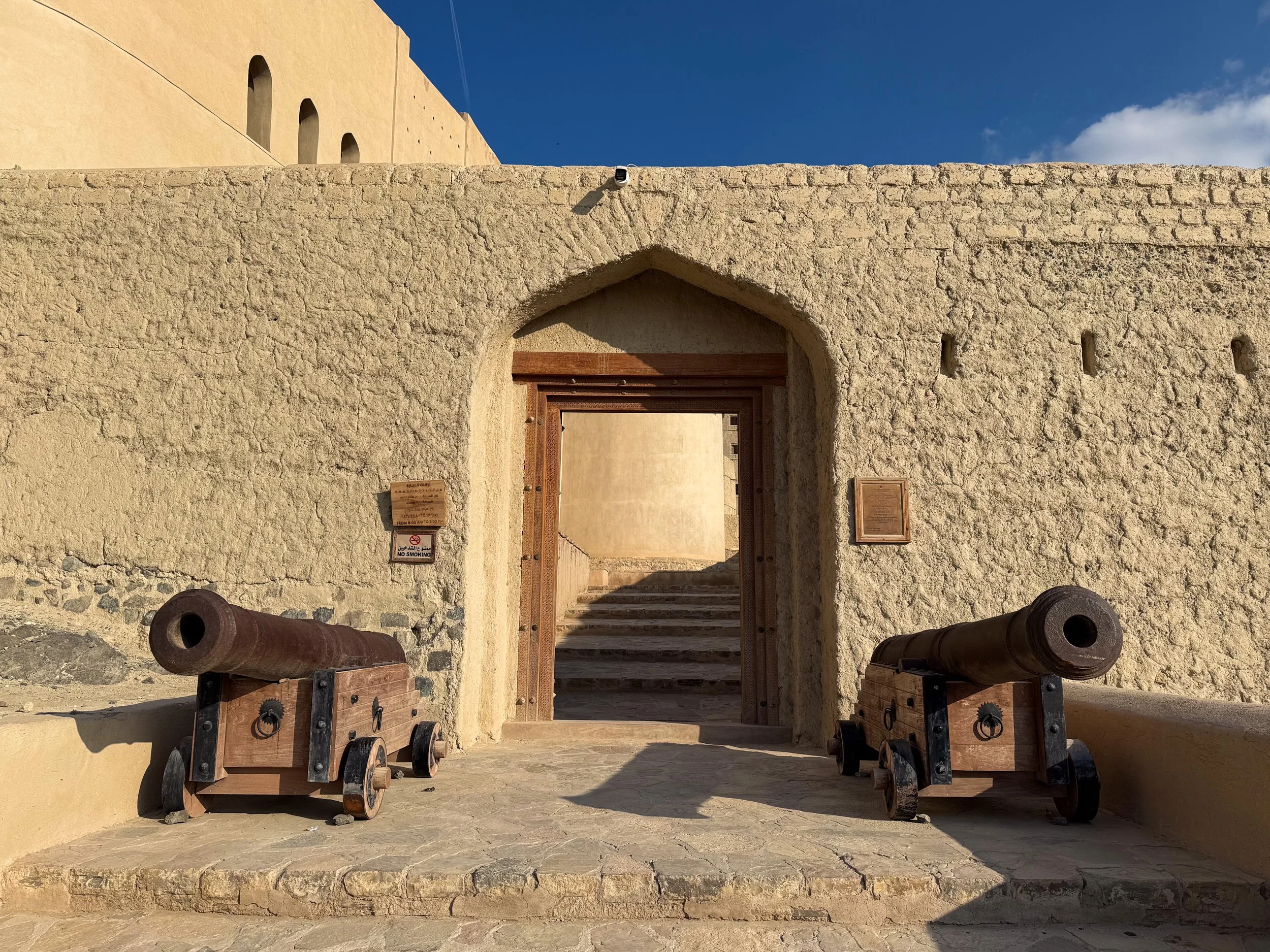
So, Nakhal was the oldest fortress of our article, but Bahla is not without its own superlative. Bahla is the largest fortress in this article! And even though being the largest of a group of three might not seem like a massive accomplishment unto itself, this is actually quite a large structure. The view of it from the parking lot is impressive; even with a small city block between us and the fortress, Bahla towered over us! The outer defensive walls cover a distance of almost 13 km and the walk up to the front gates is quite steep!
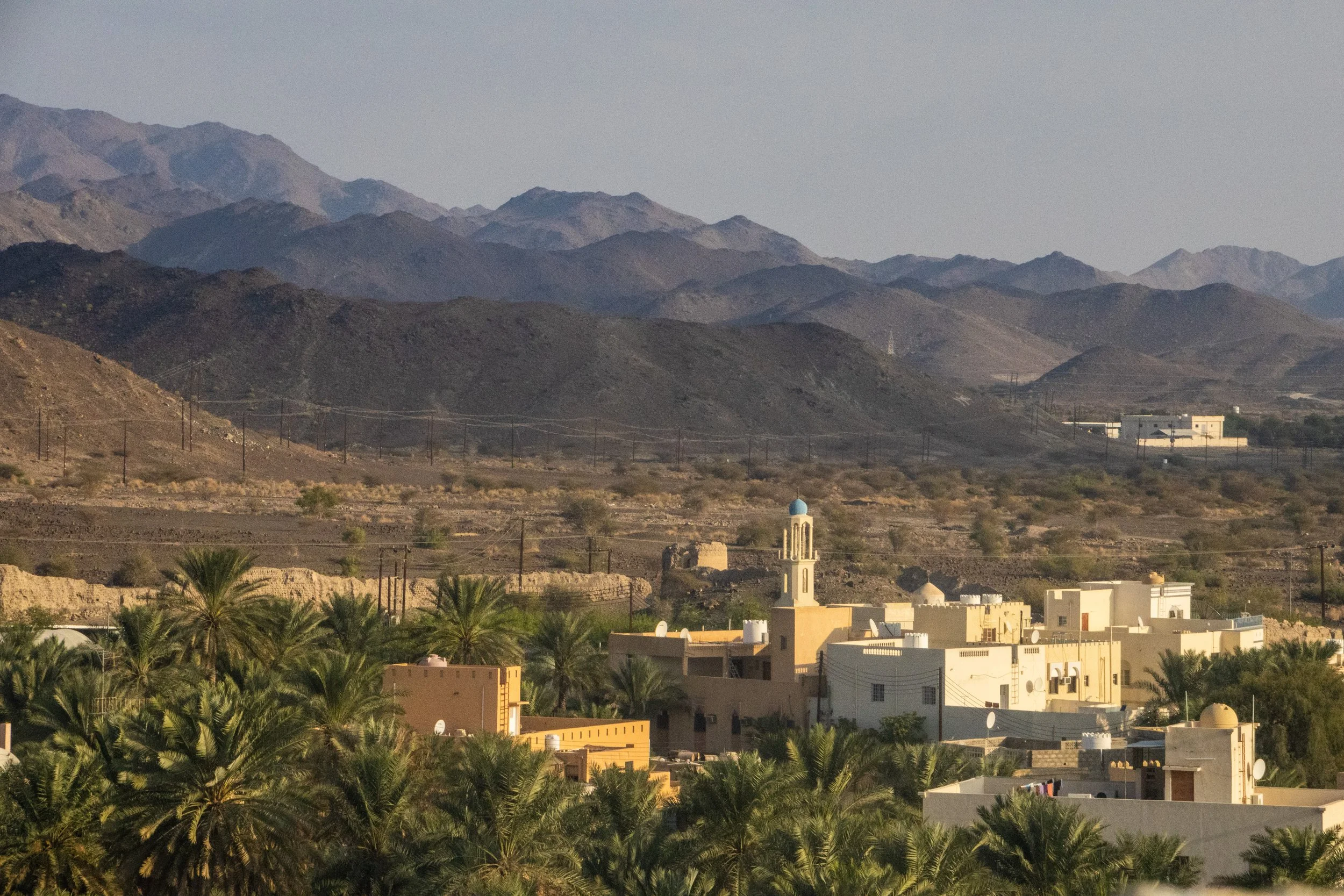
The city blocks surrounding the fortress were interesting in their own rite as well; they had a much more weathered, historic look to them than most of what we’d seen in Salalah and Muscat. Indeed, Bahla had historically been at the core of a small city. By today’s standards it would barely qualify as a town, but in 1100s Oman (which is when construction began on this fortress), this was an urban center. The town was built around a desert oasis, and the oasis itself is contained within the walls of the fortress. I actually found this quite interesting, because much like in the never-ending geopolitical chess game of today, control of resources often equates to power. So, in medieval Oman, out here in the desert, water = power.
And who exactly was asserting control over this water? That would be the Nabhani dynasty, which was something like a kingdom, but with some key difference. They were one of the first centralized powers in Oman and ruled this area as a hereditary monarchy for centuries based on negotiated allegiances with local tribes. The enabling technology that sustained Bahla was an irrigation system called a falaj that used the gravitational flow of water through tunnels from underground aquifers to ensure reliable access to water for agriculture. More on this in the next article!
Here’s a brief look at what remains of that town outside the walls of the fortress (and a cat that befriended us outside the fortress).
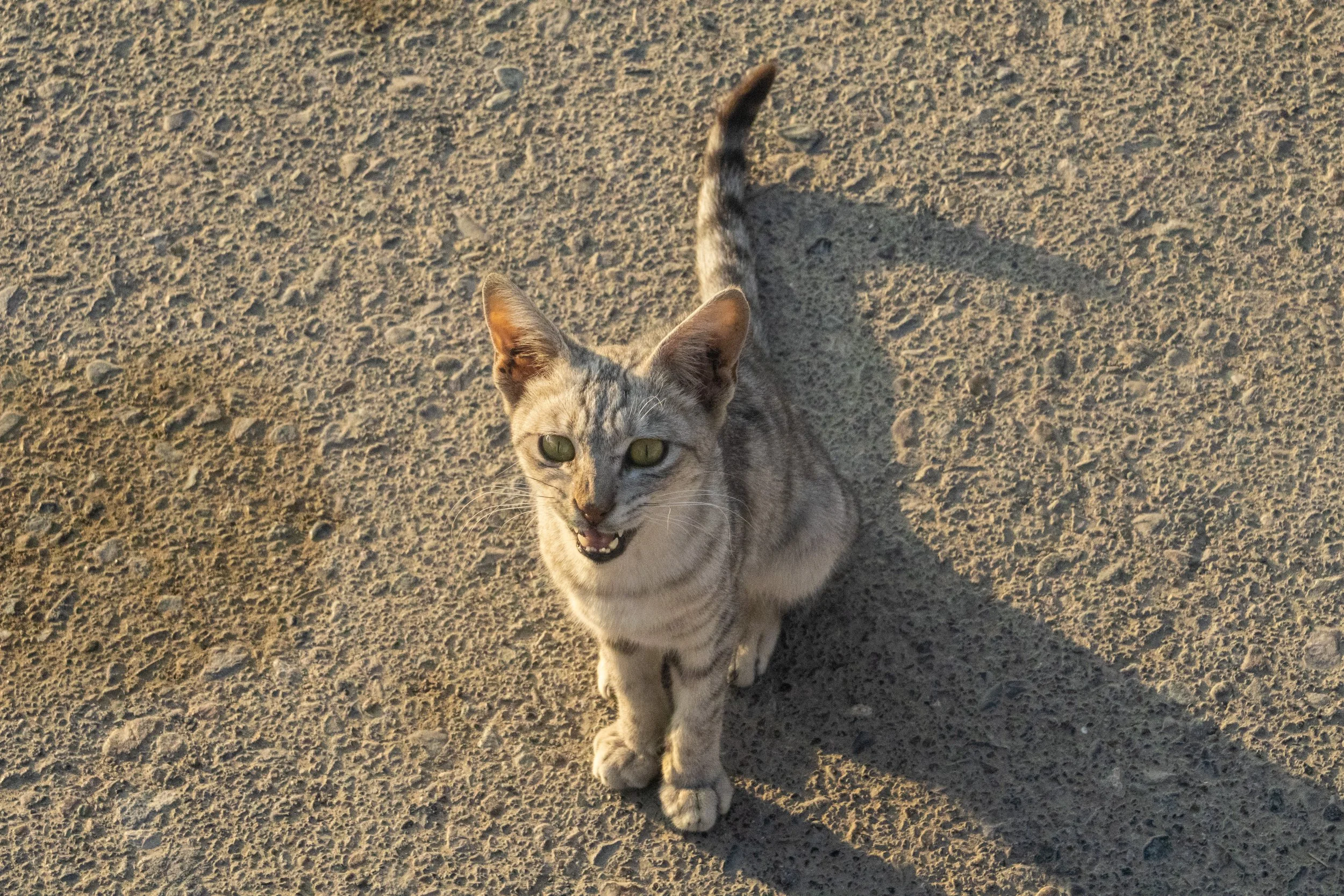
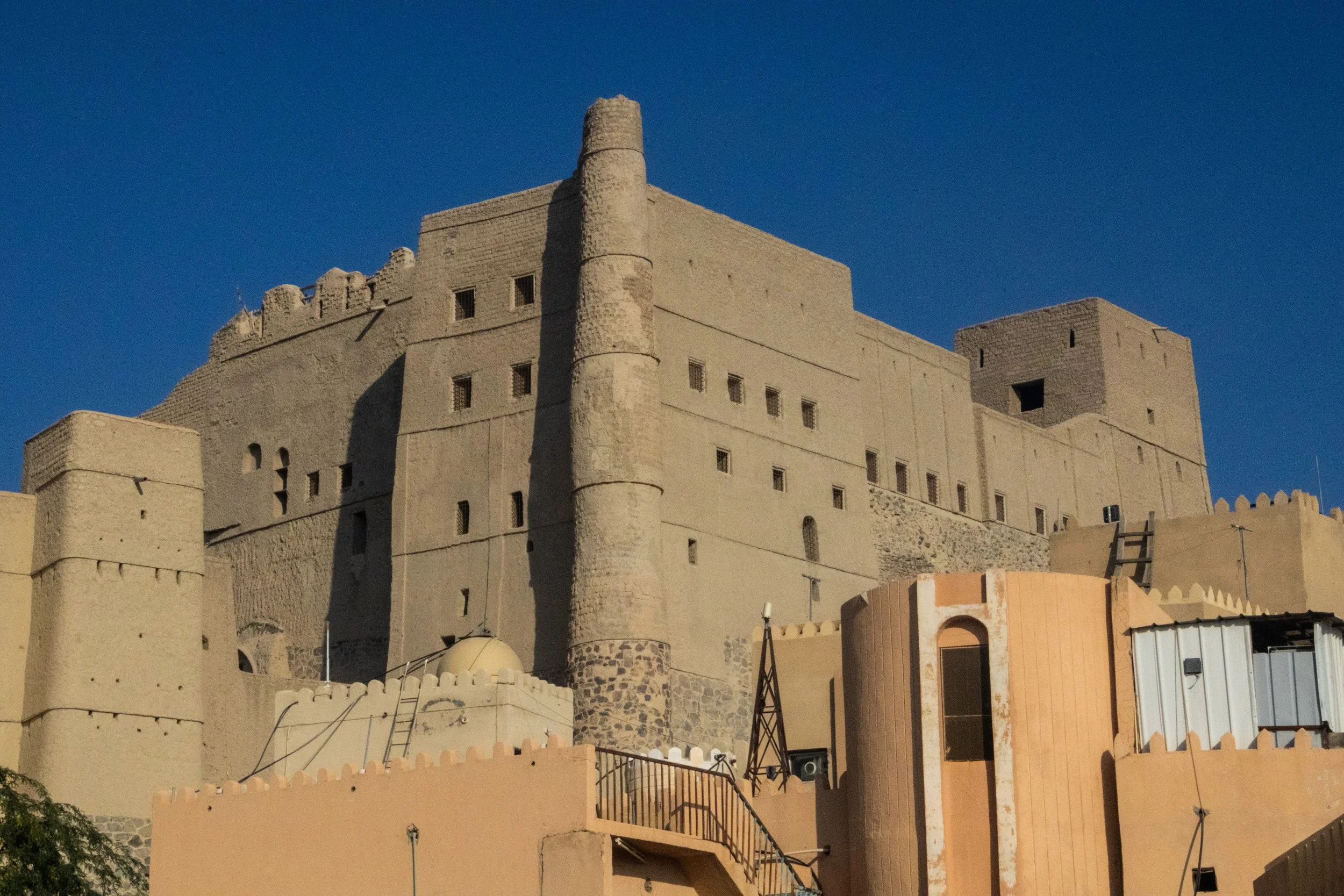
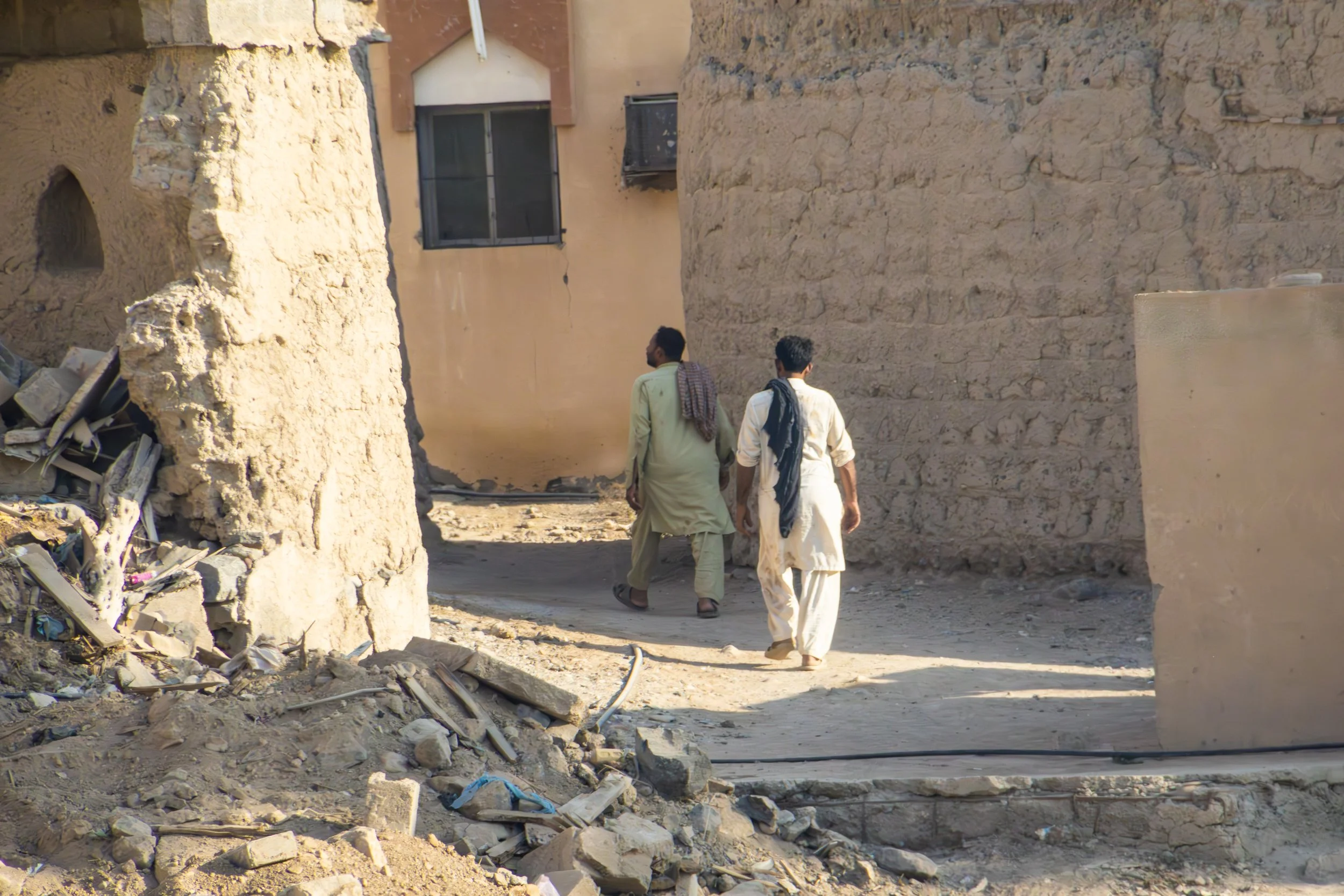
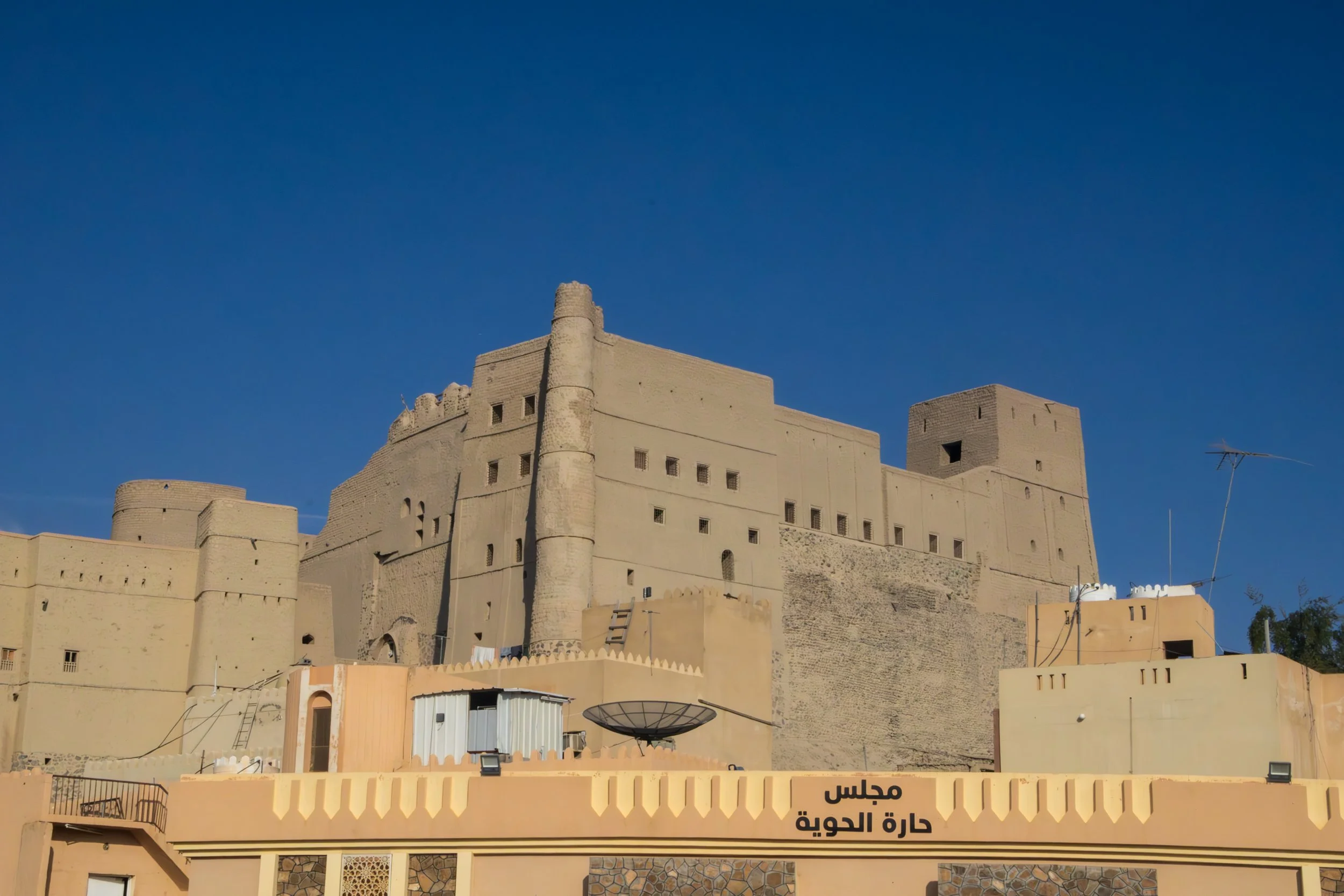
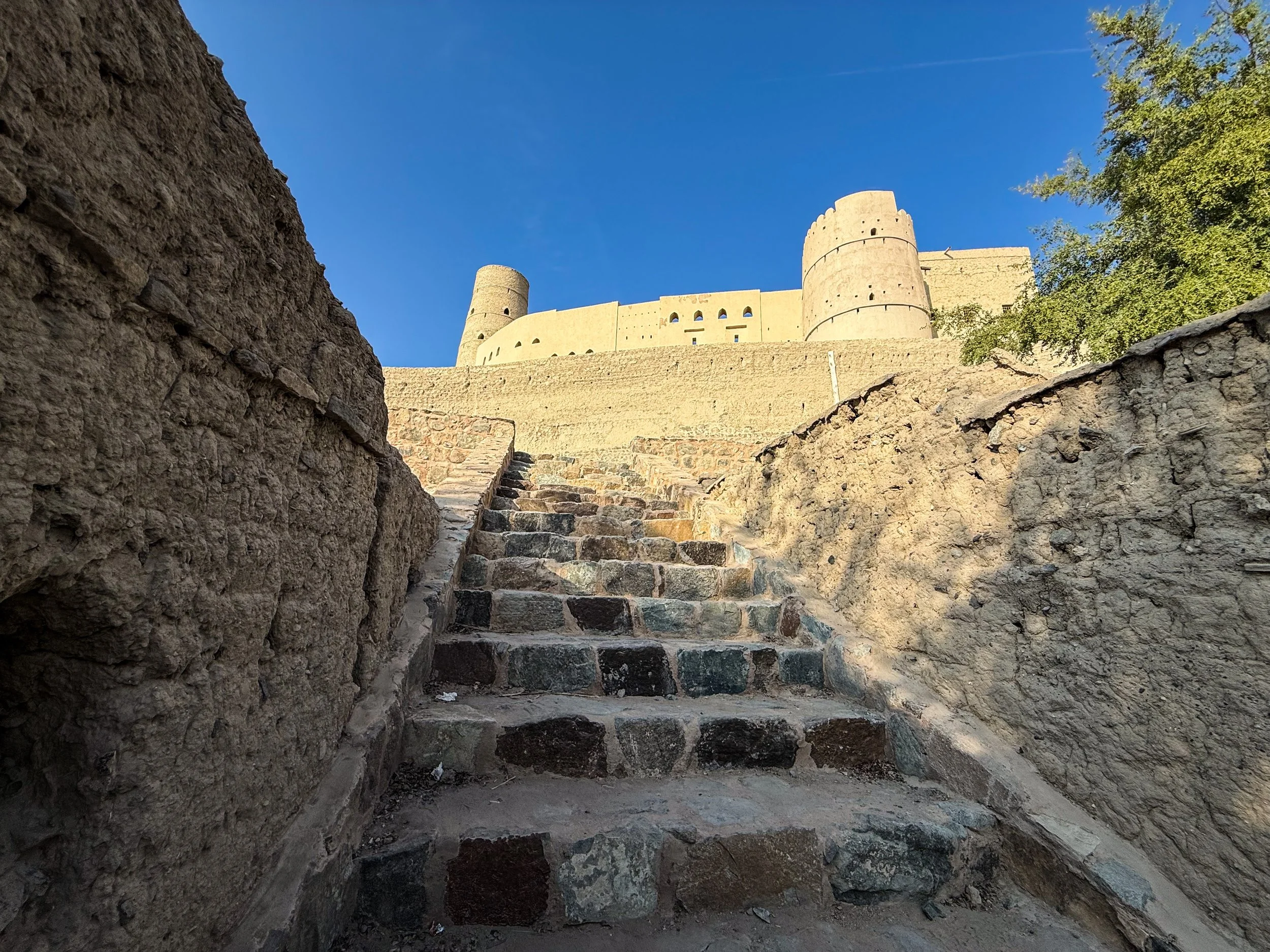
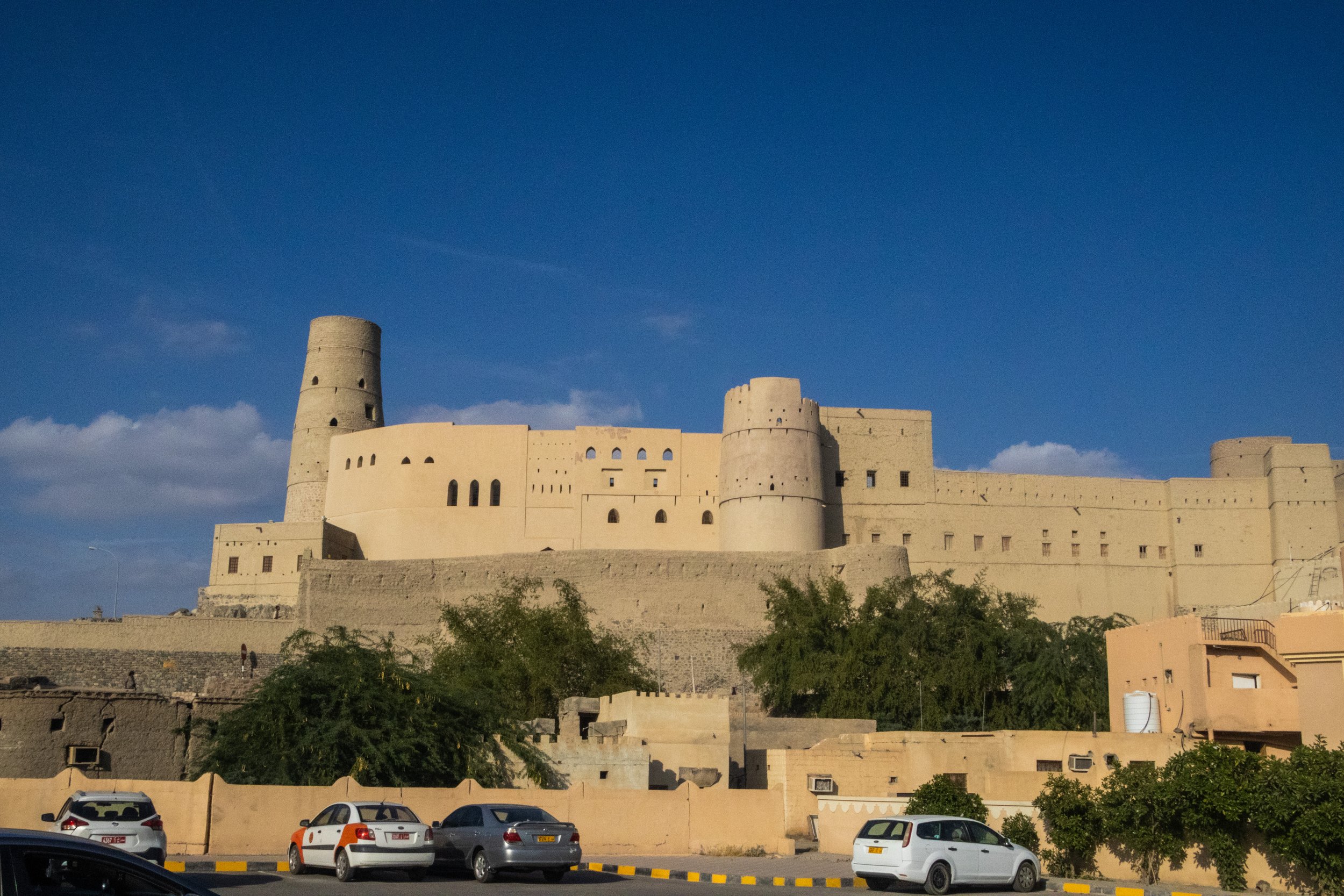
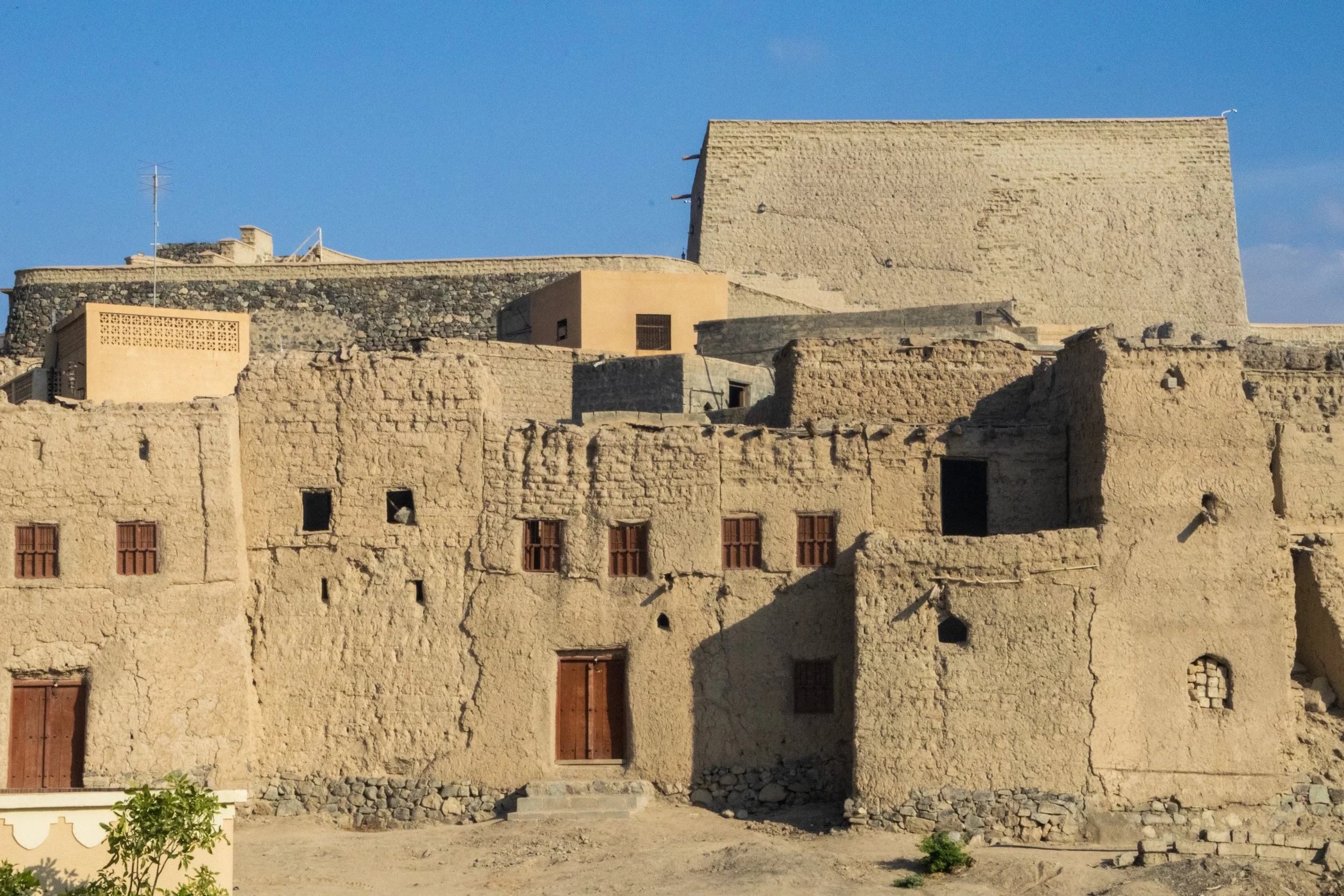

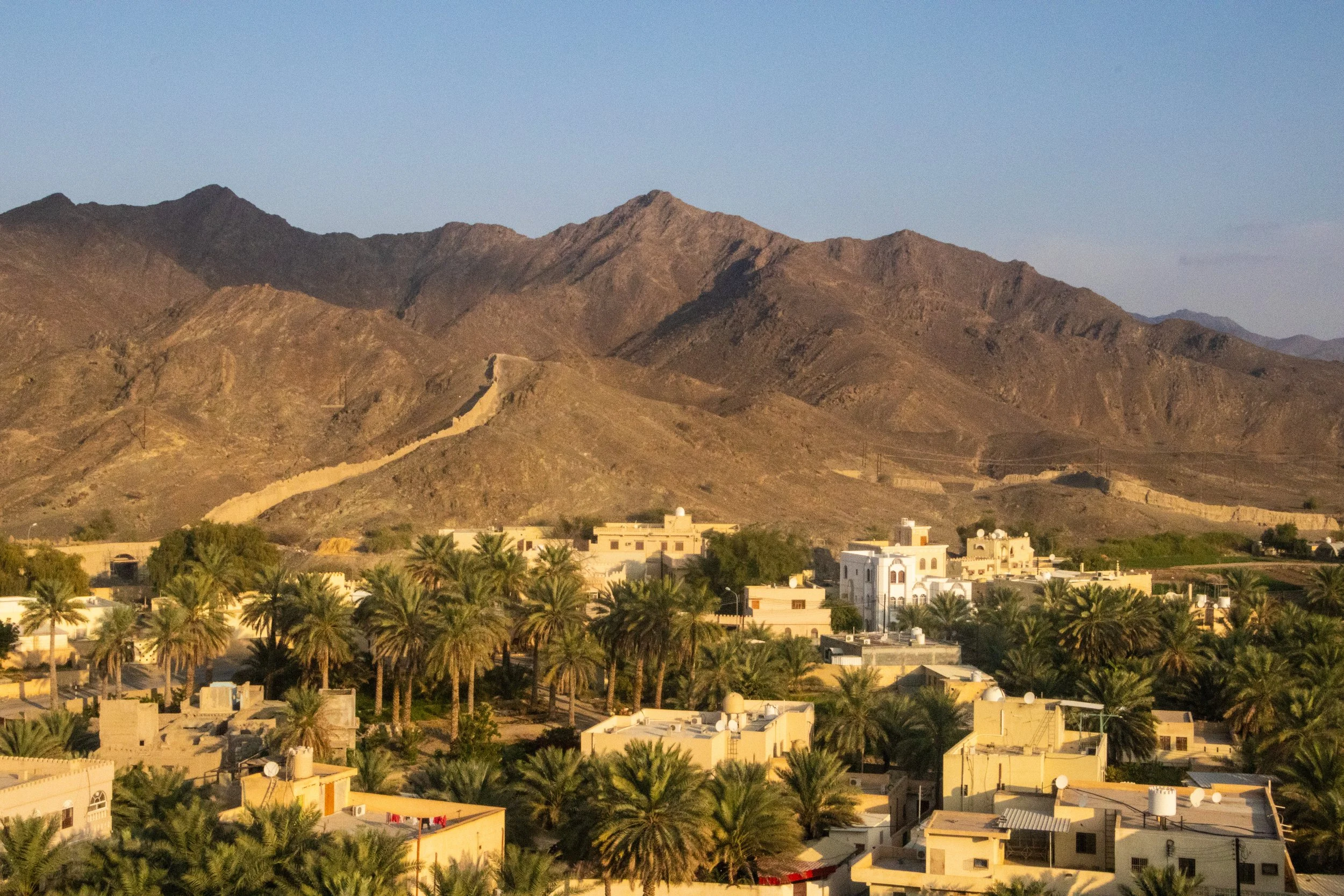
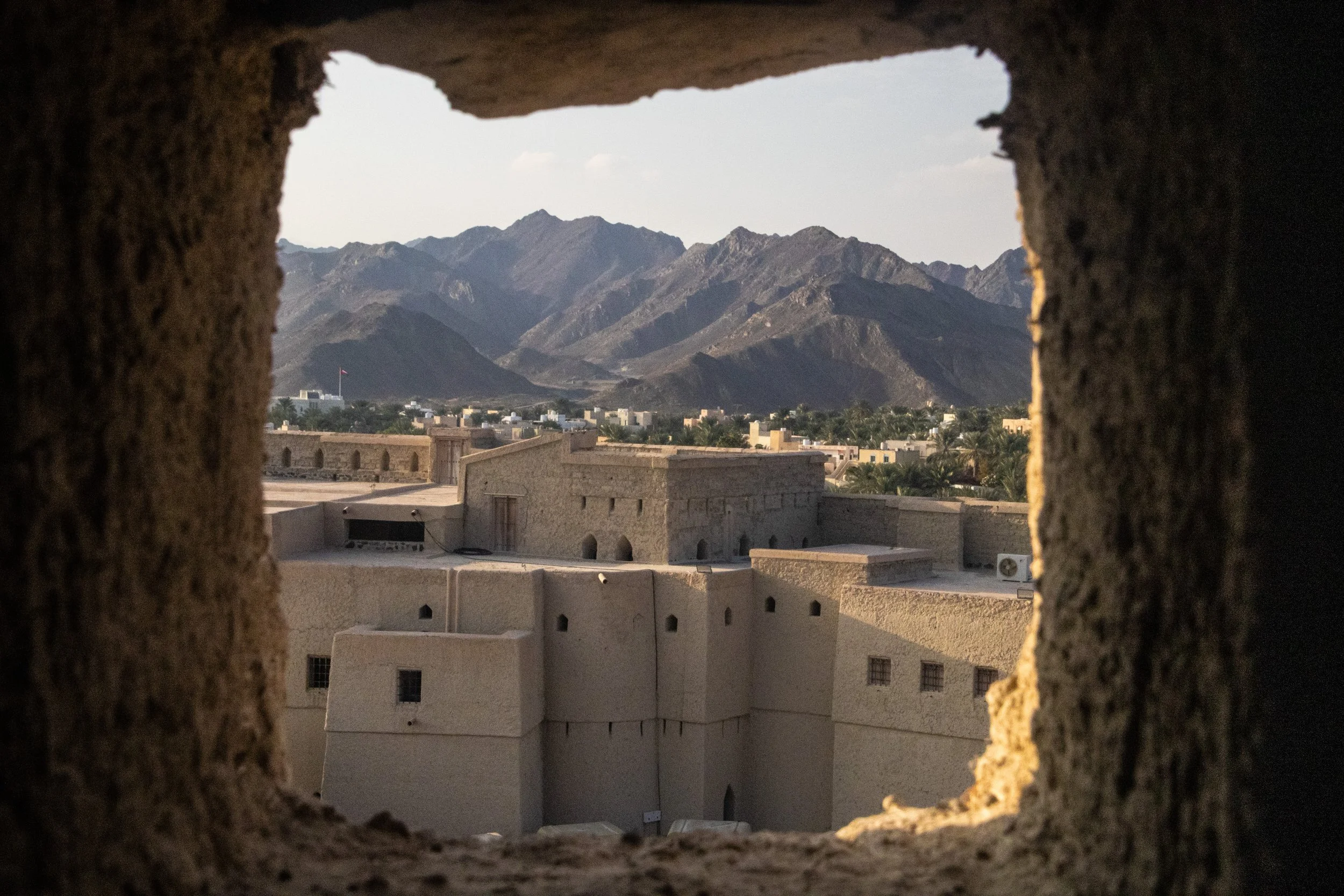
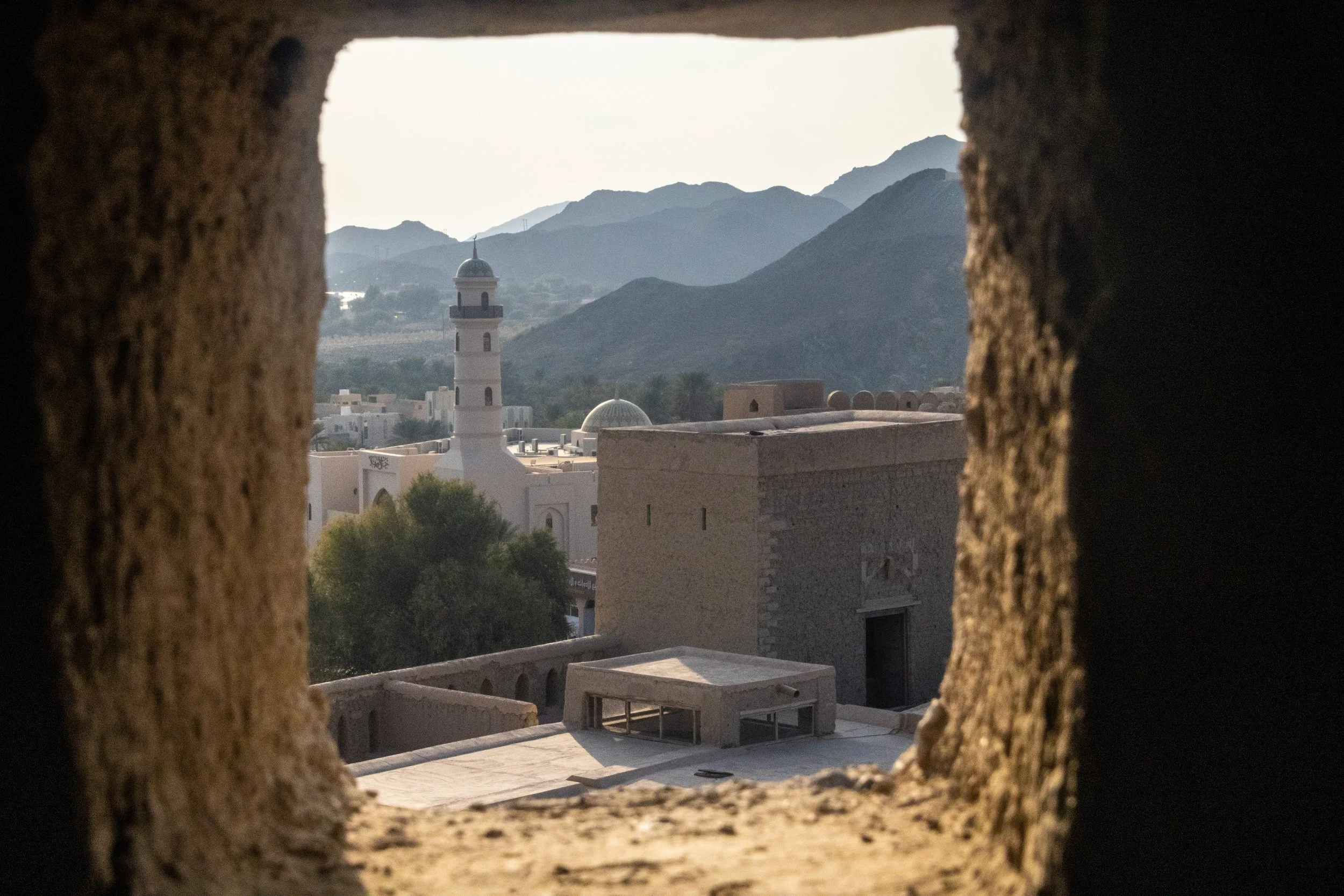
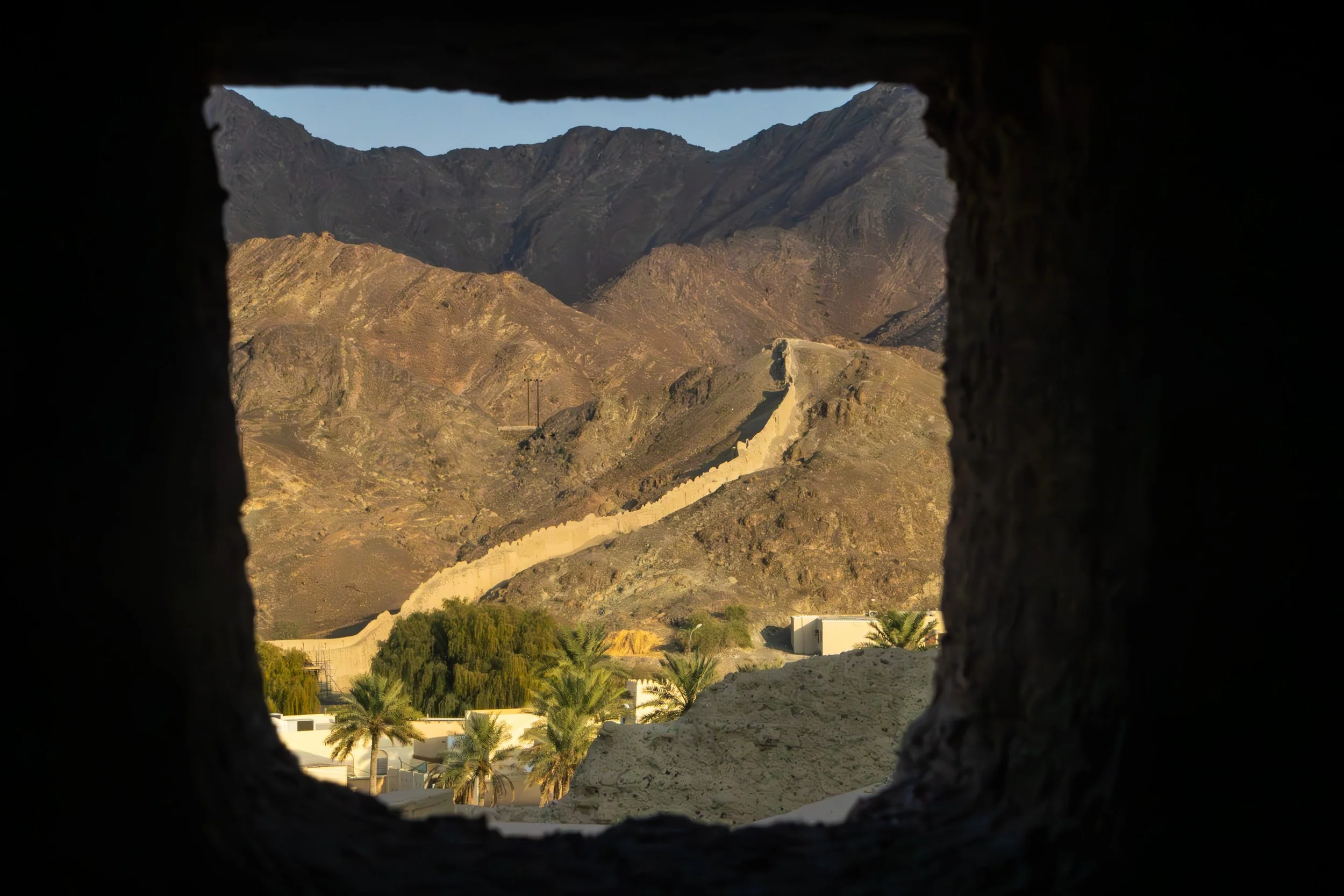
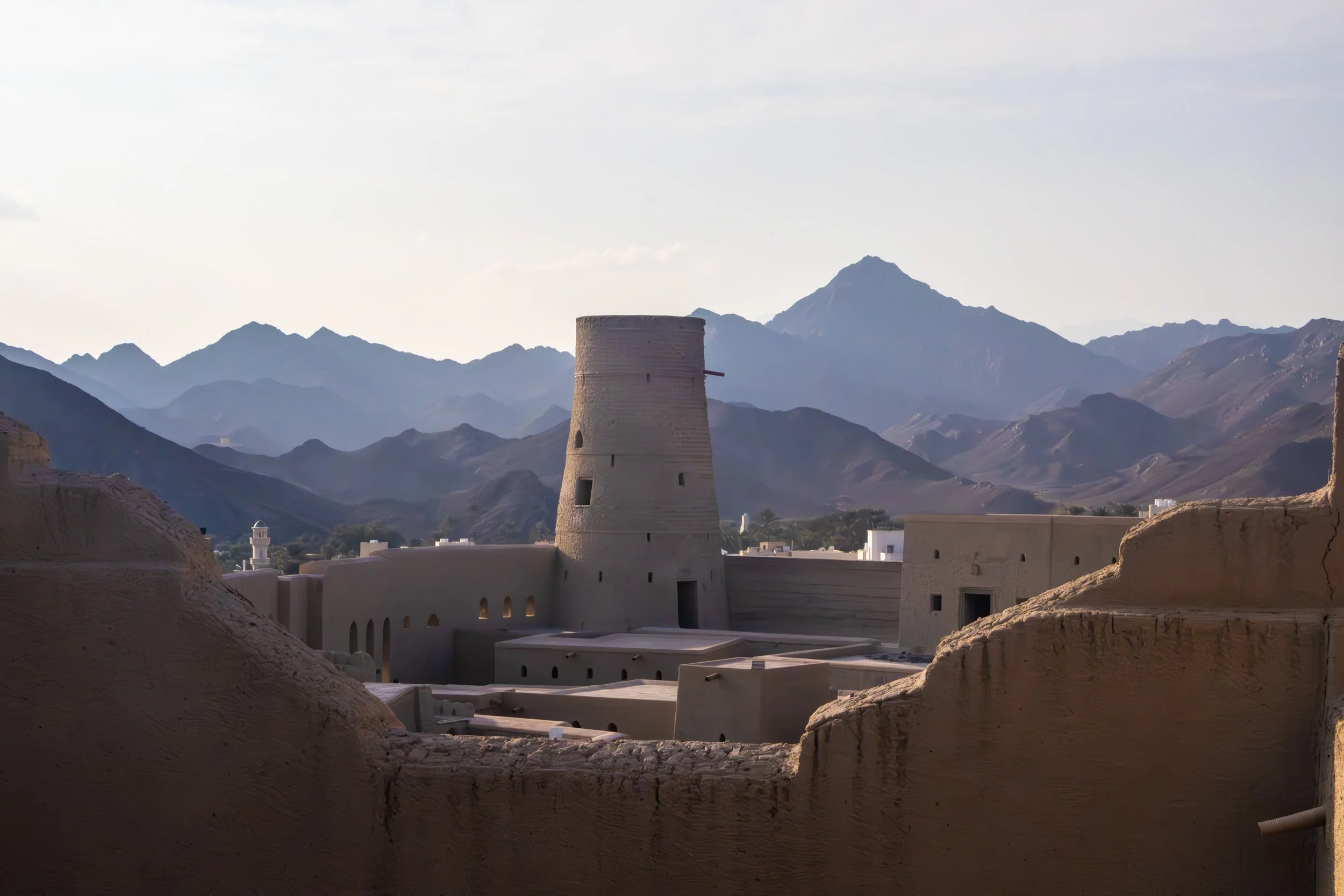
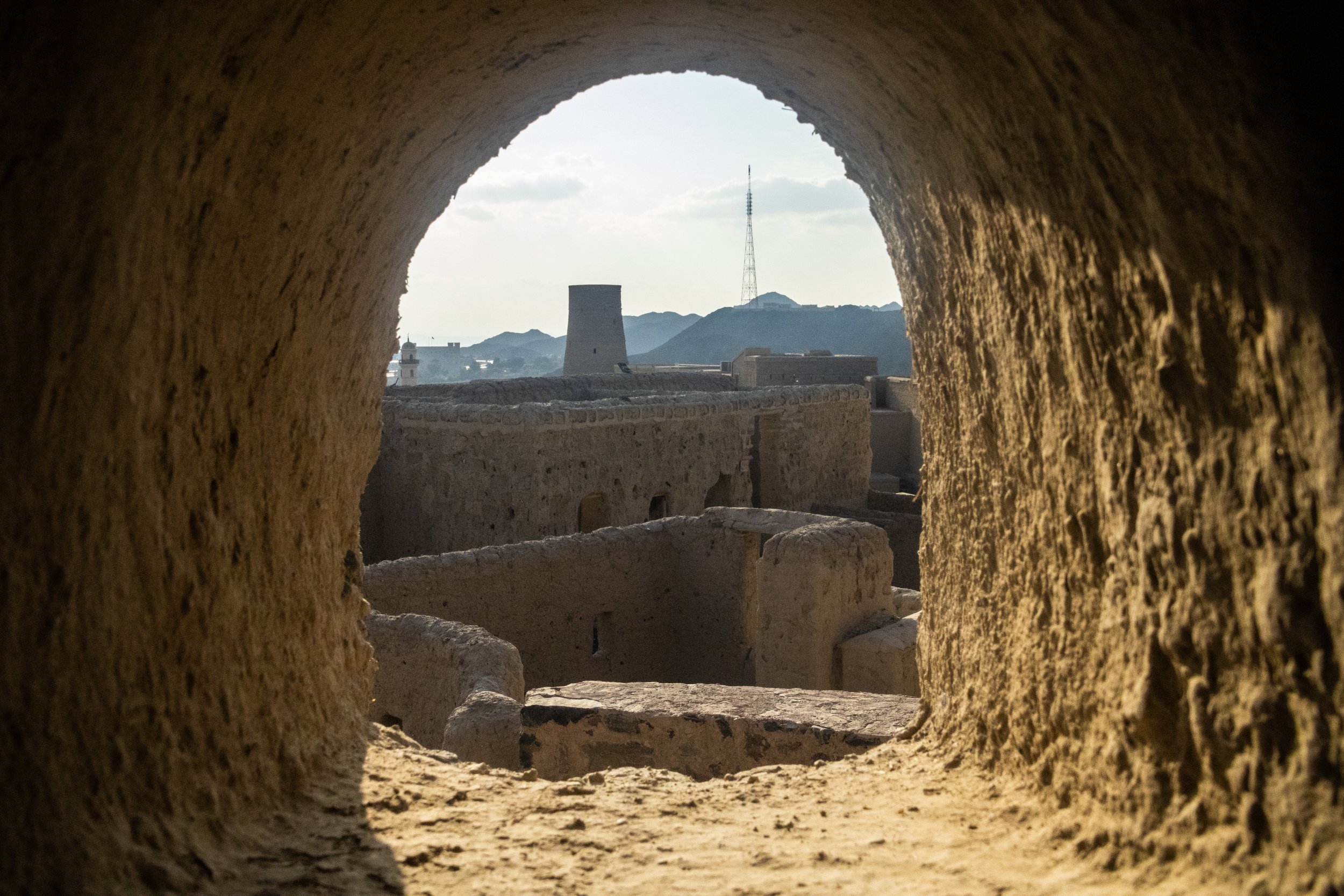
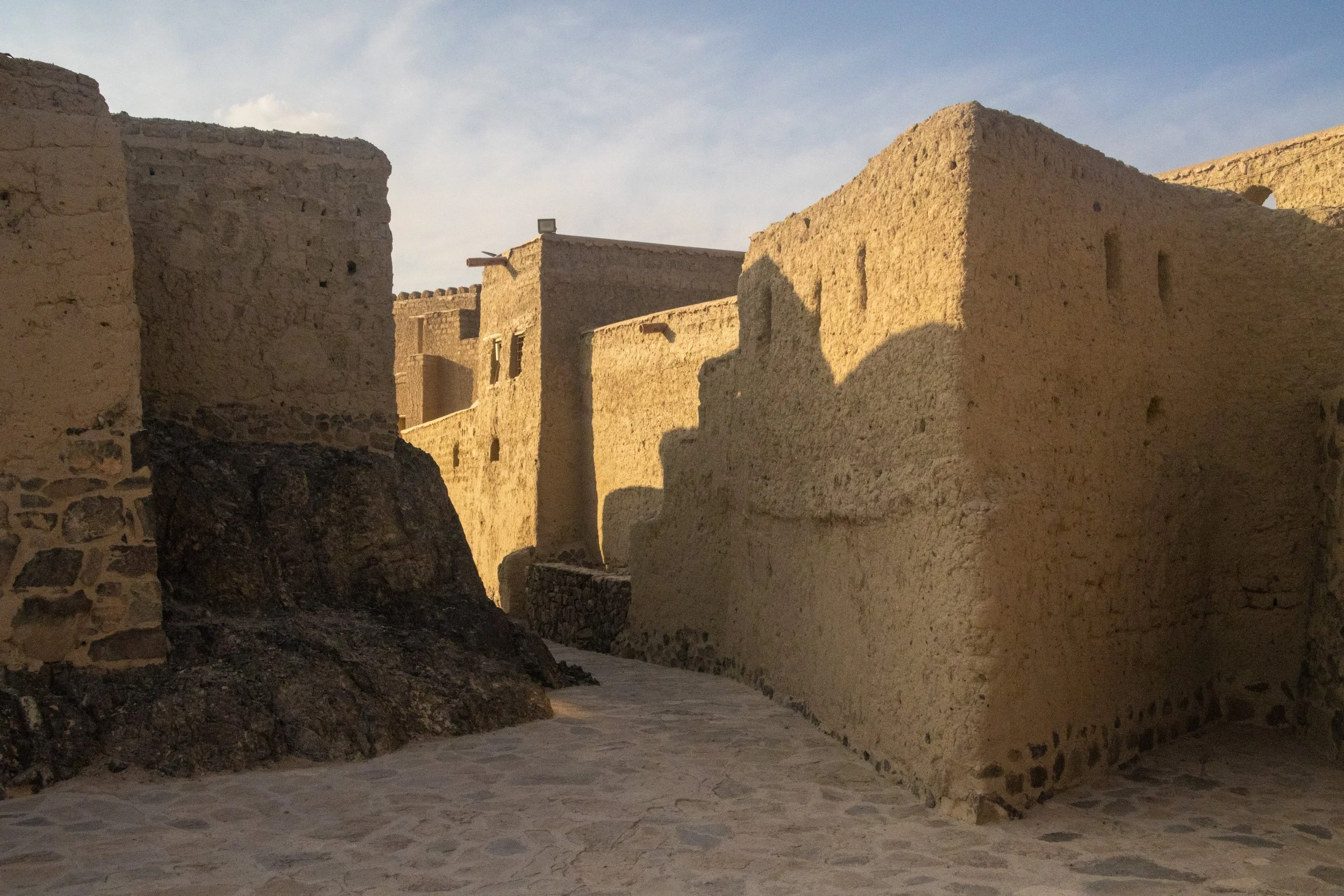
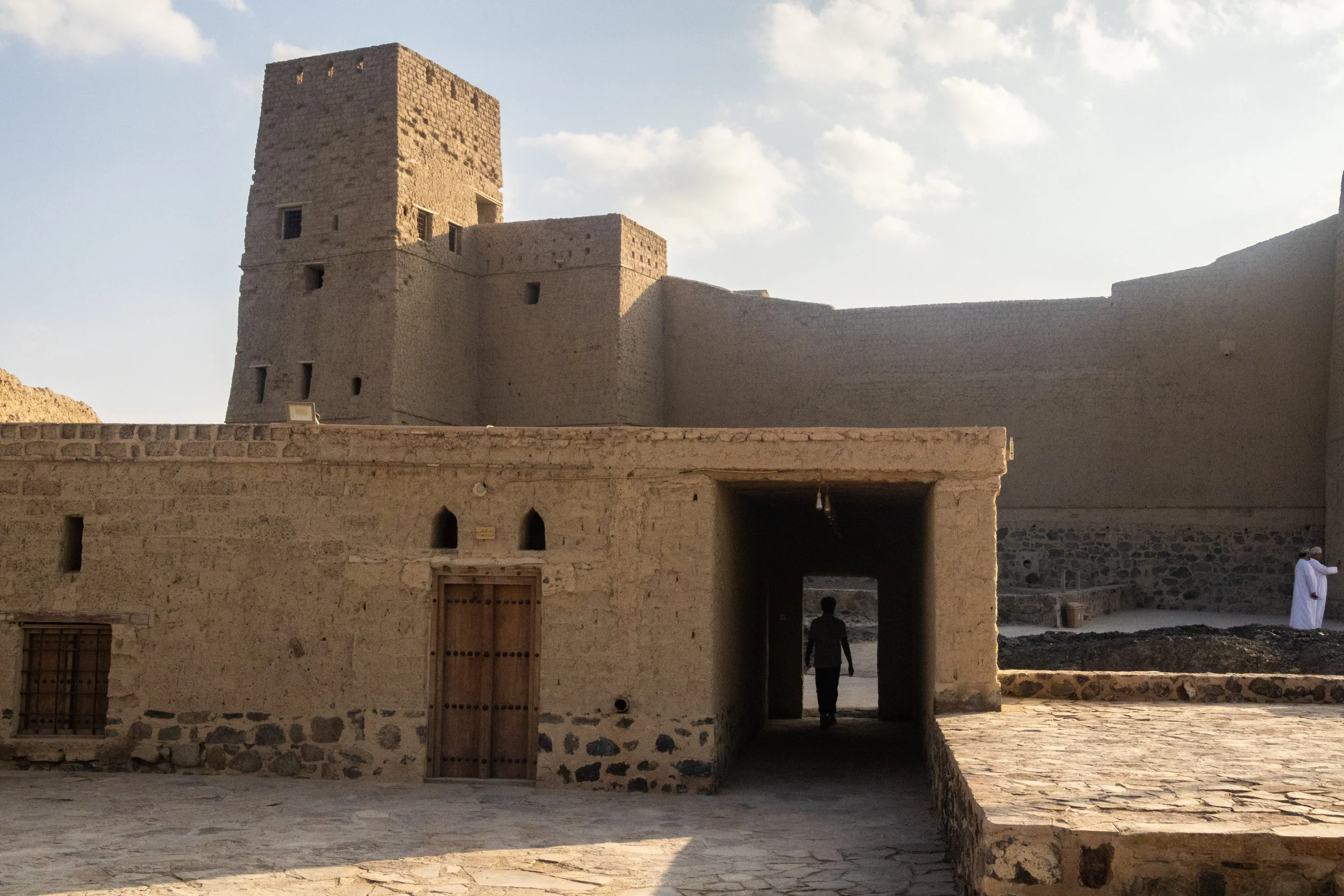
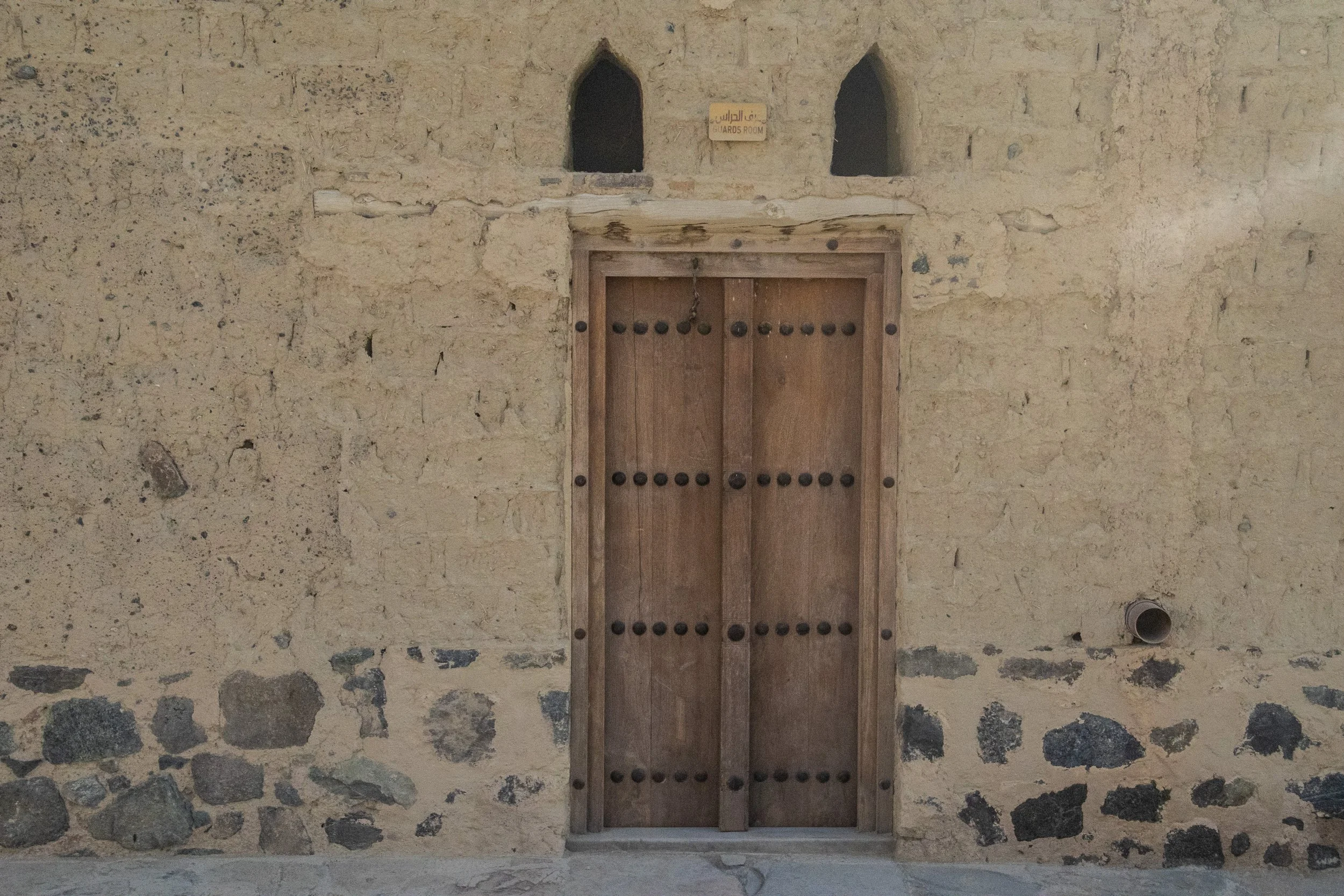
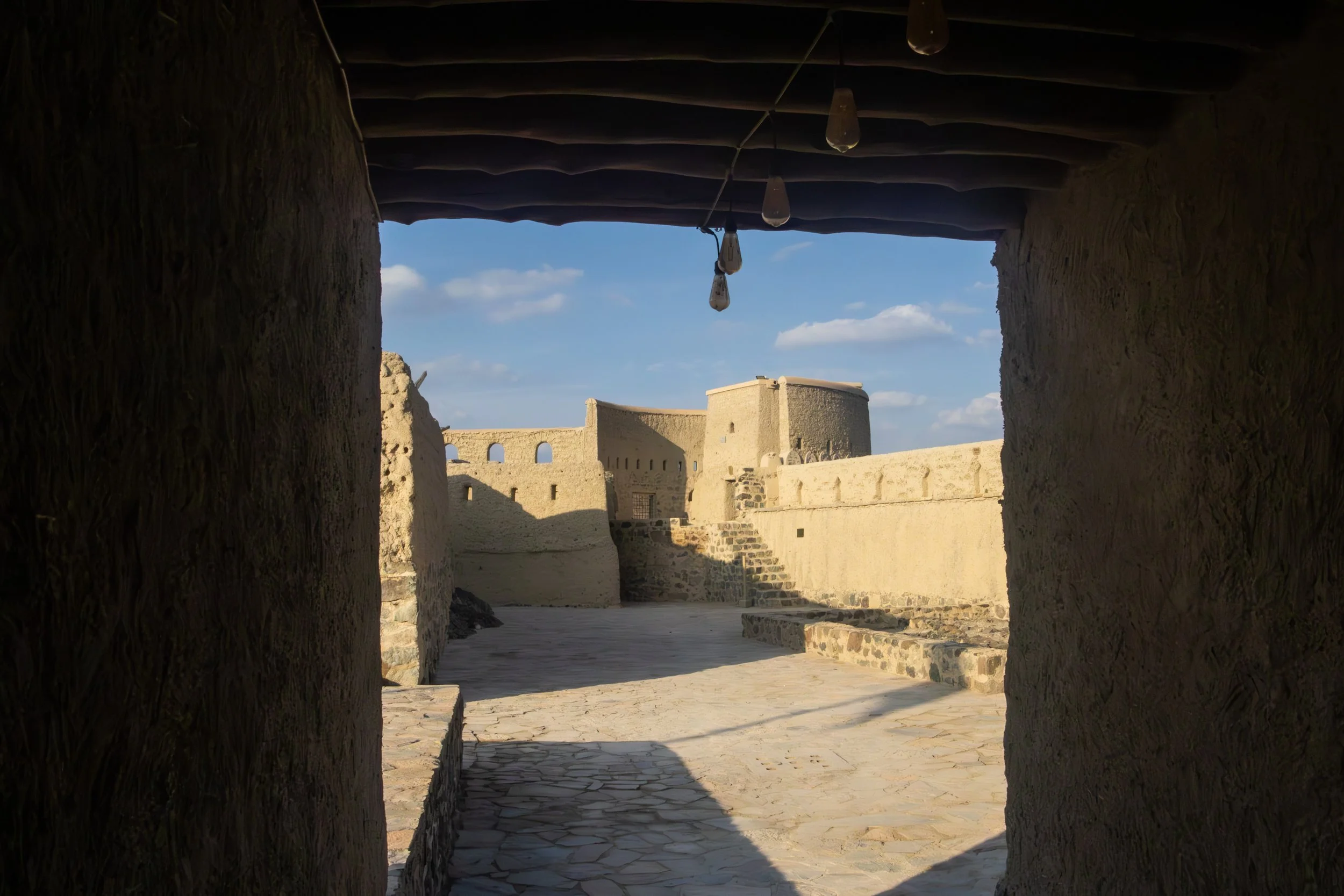
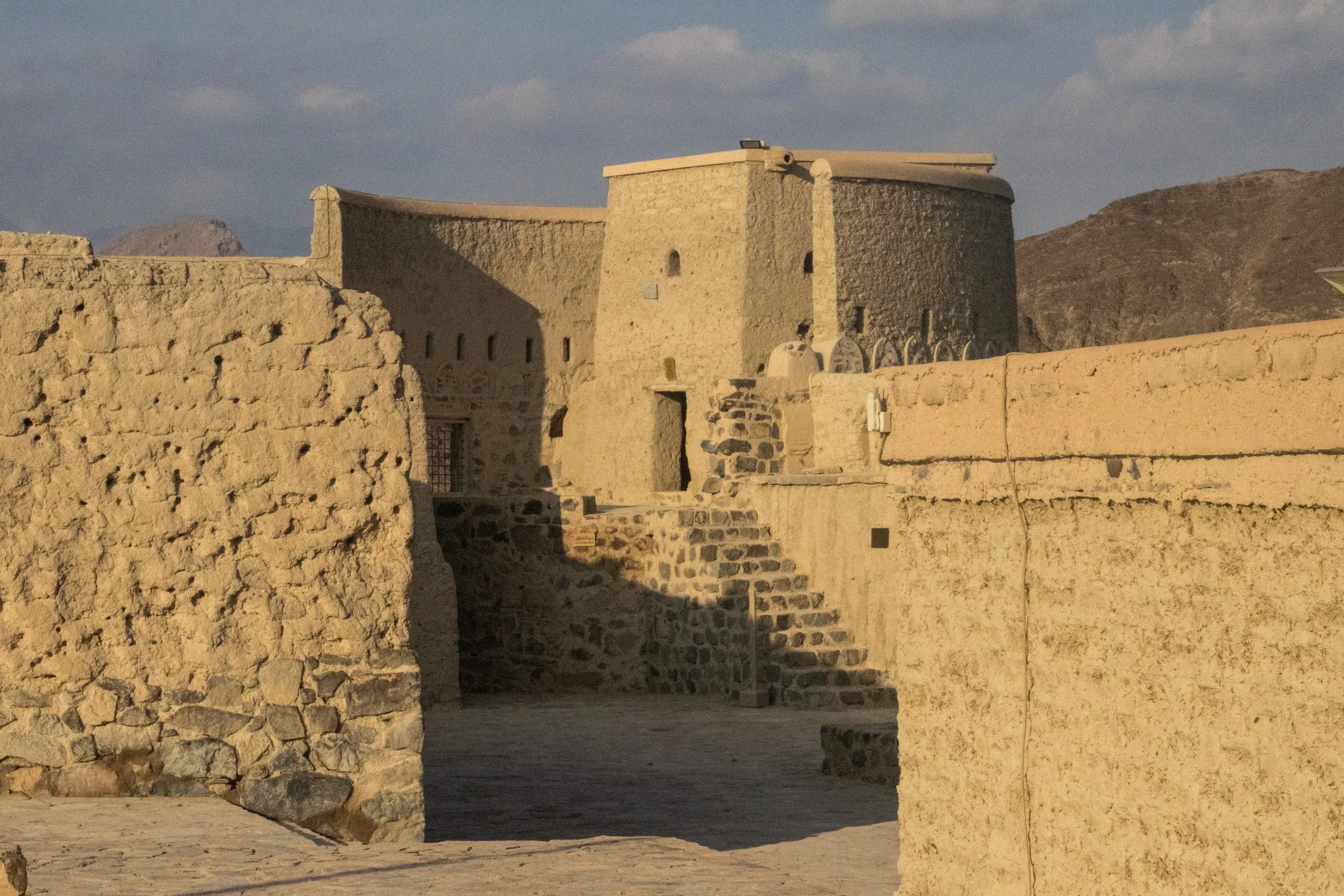
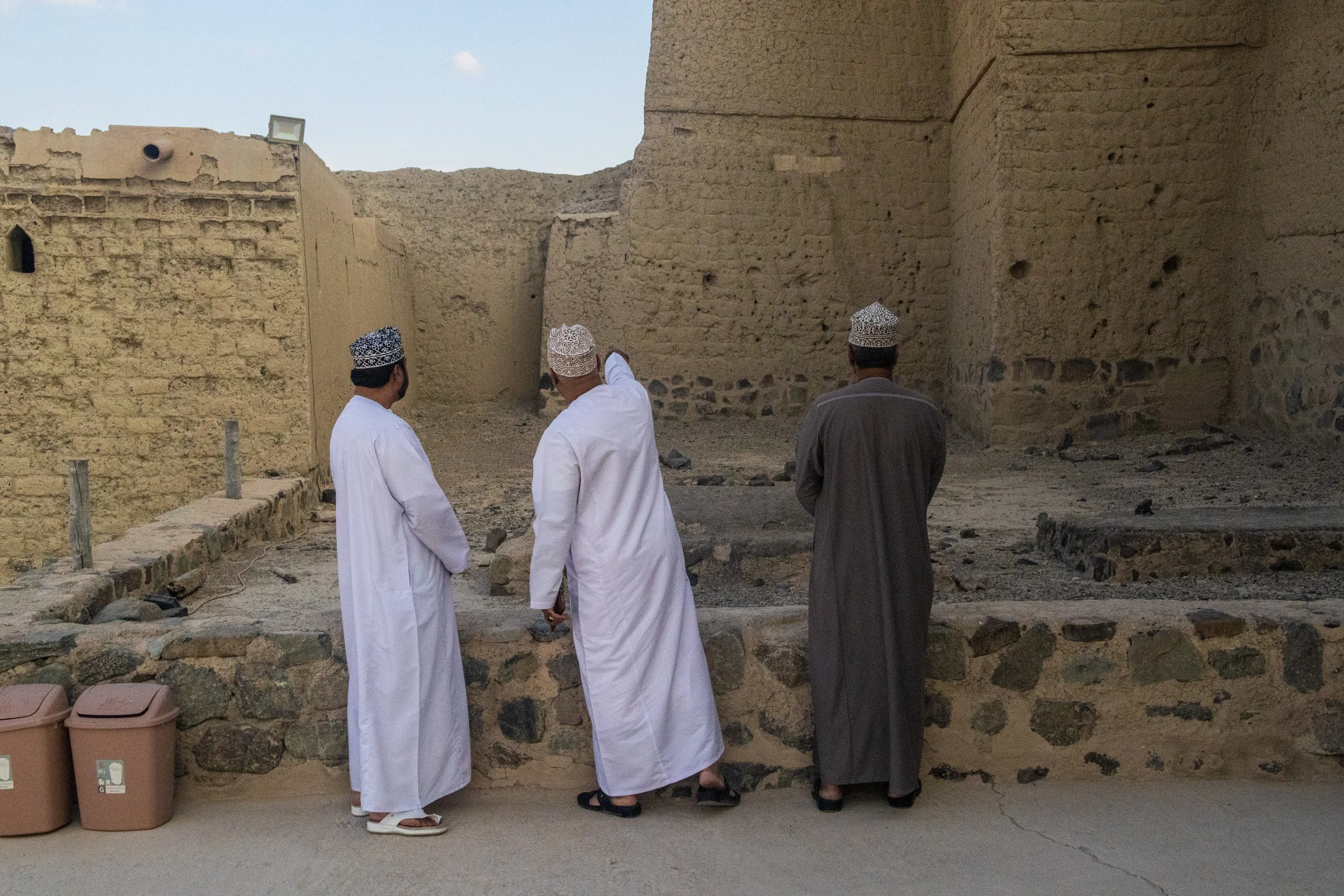
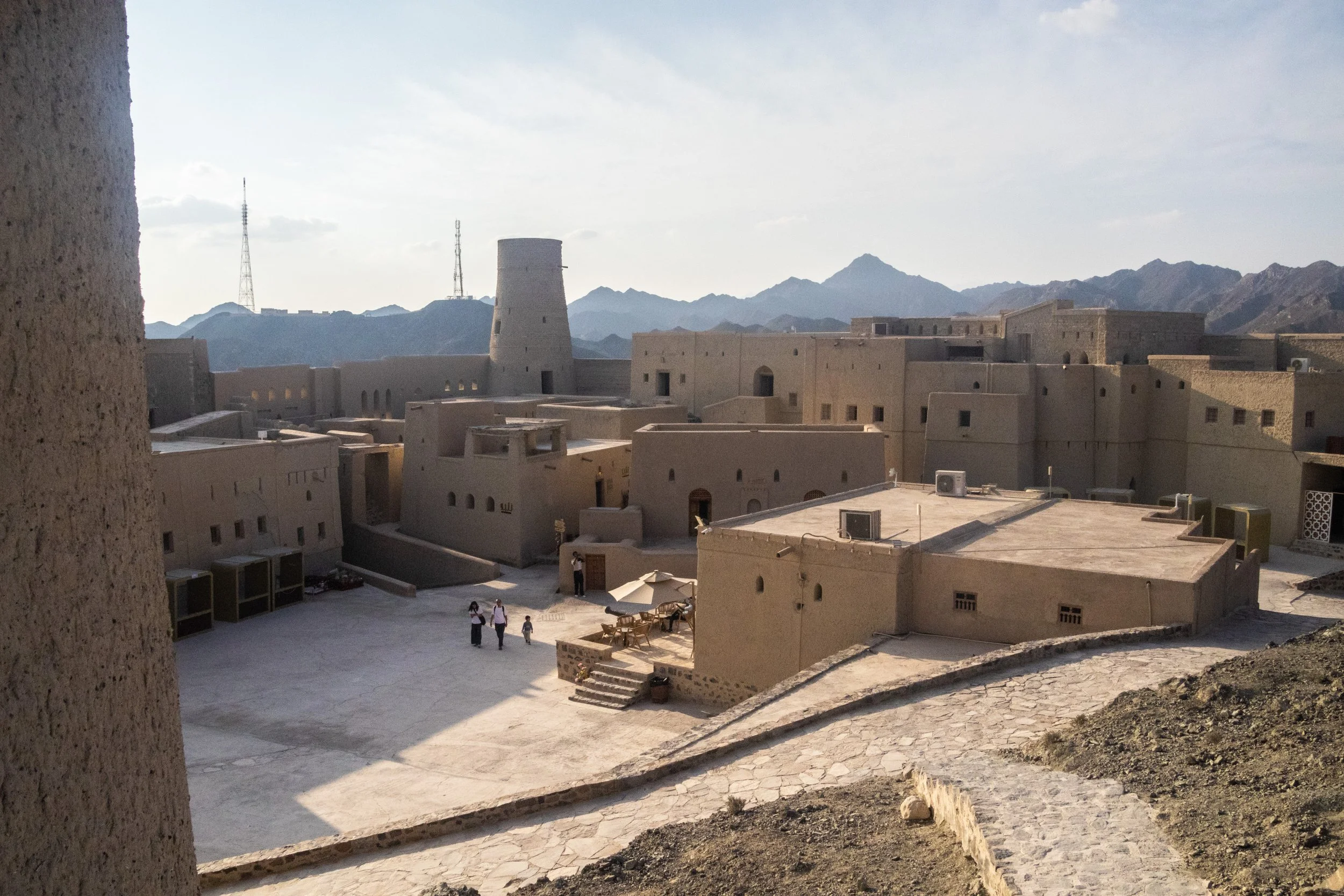
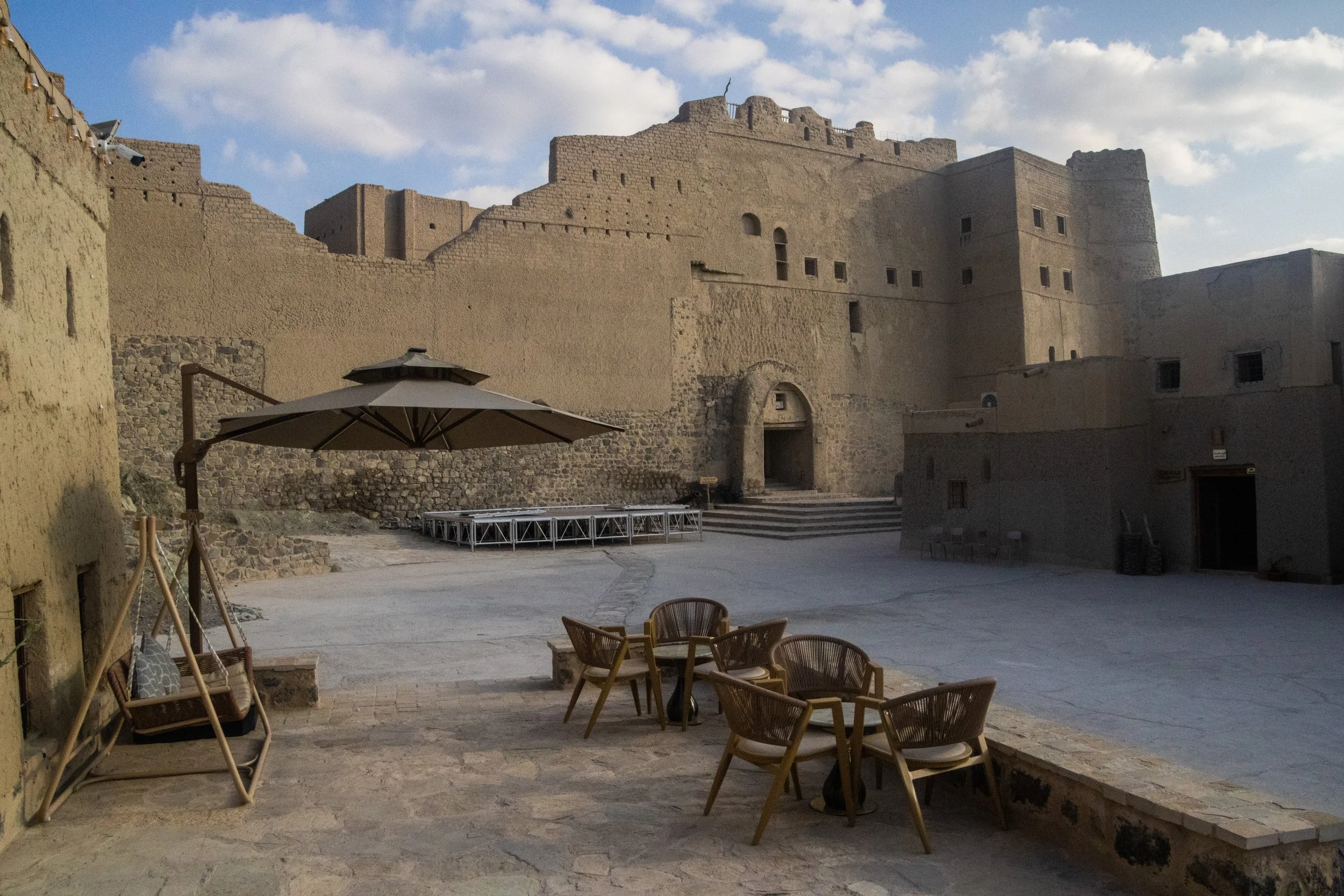
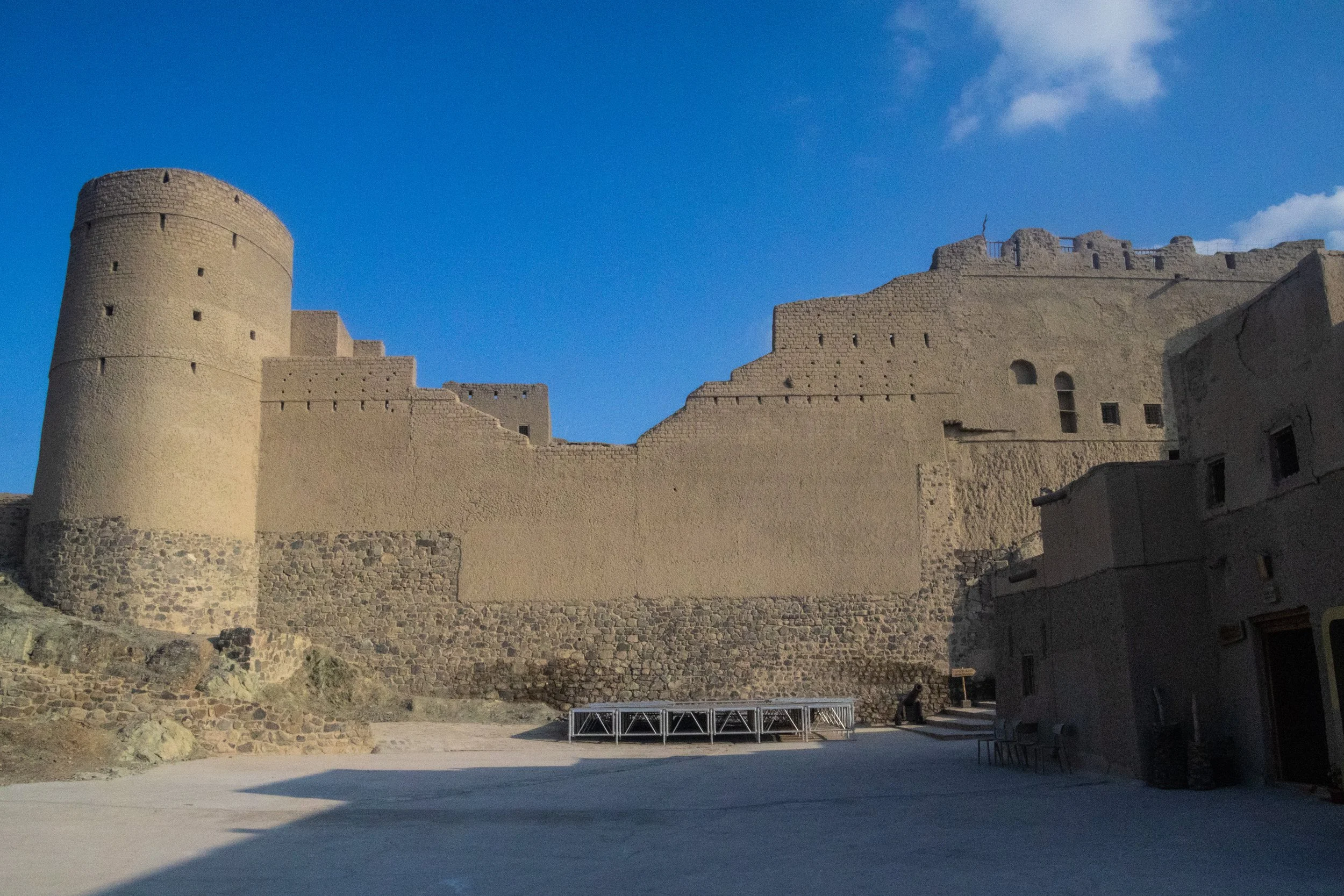
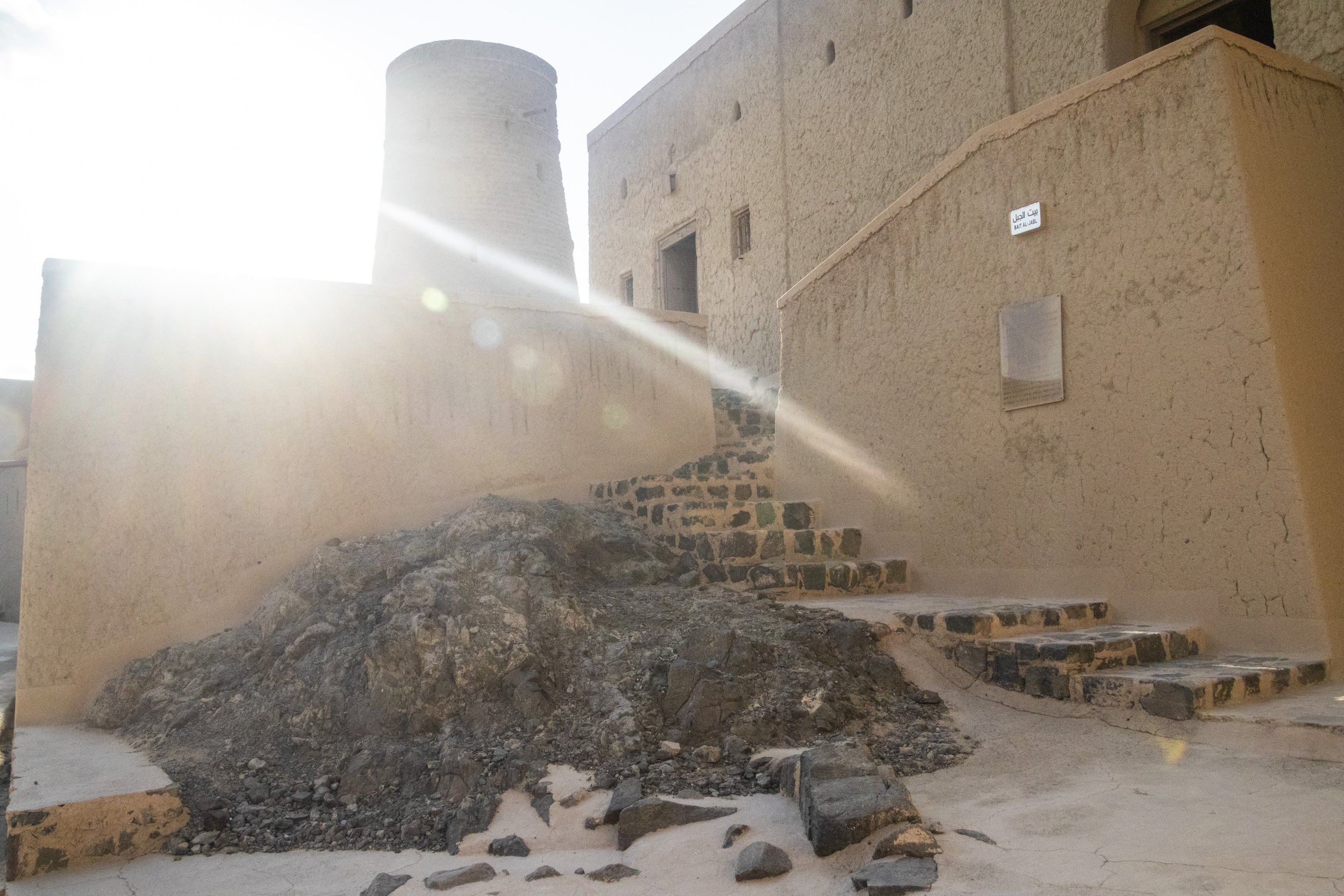
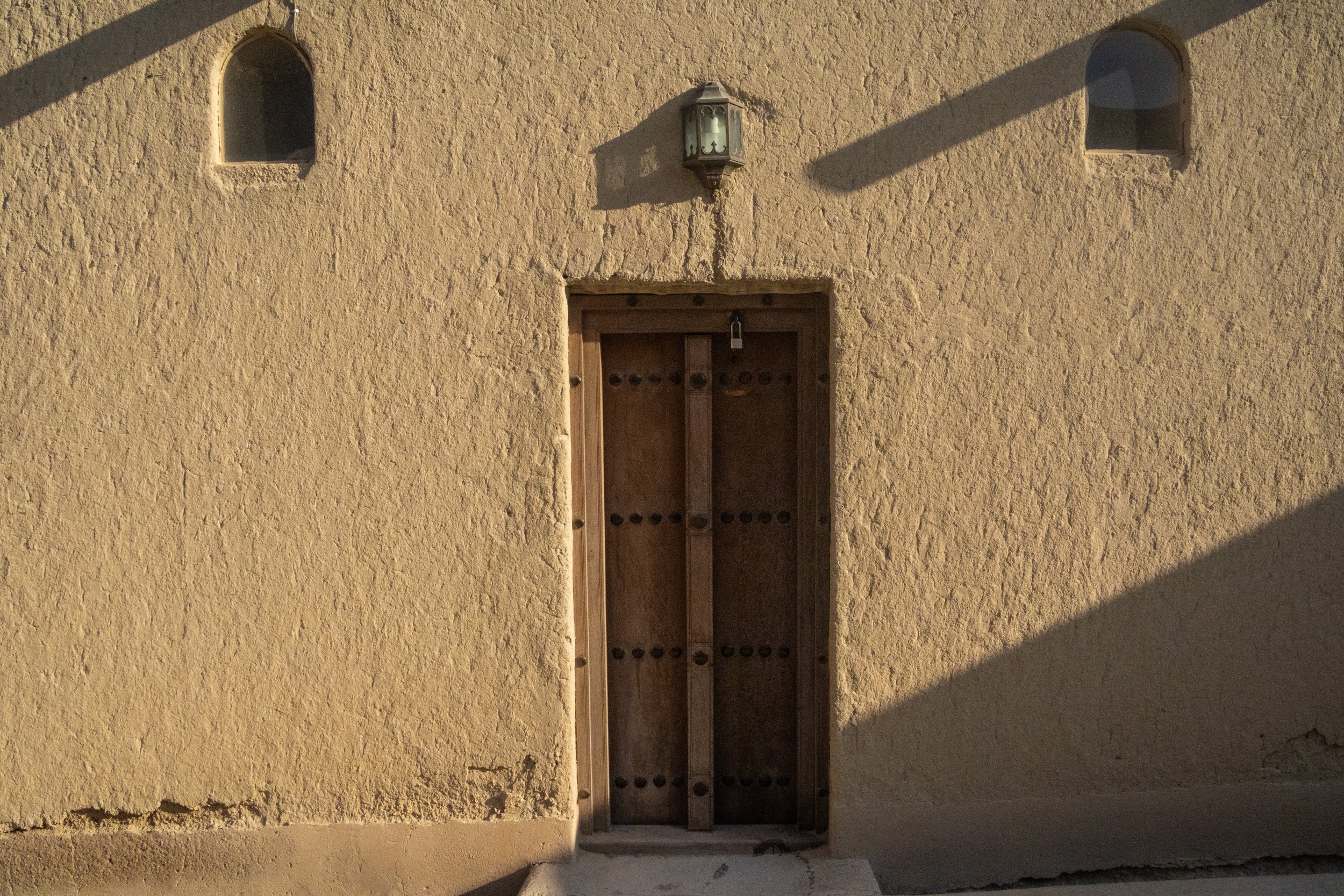
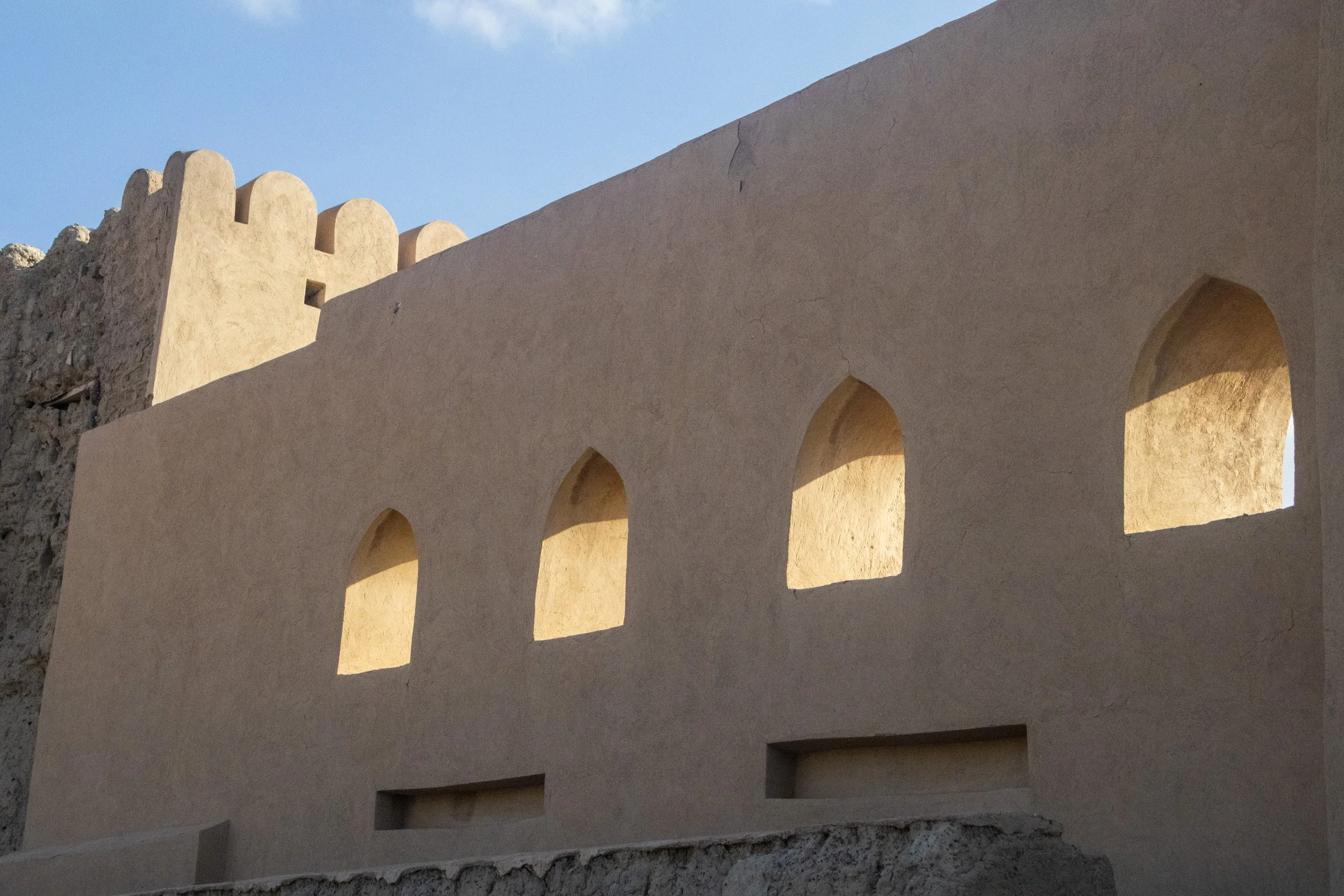
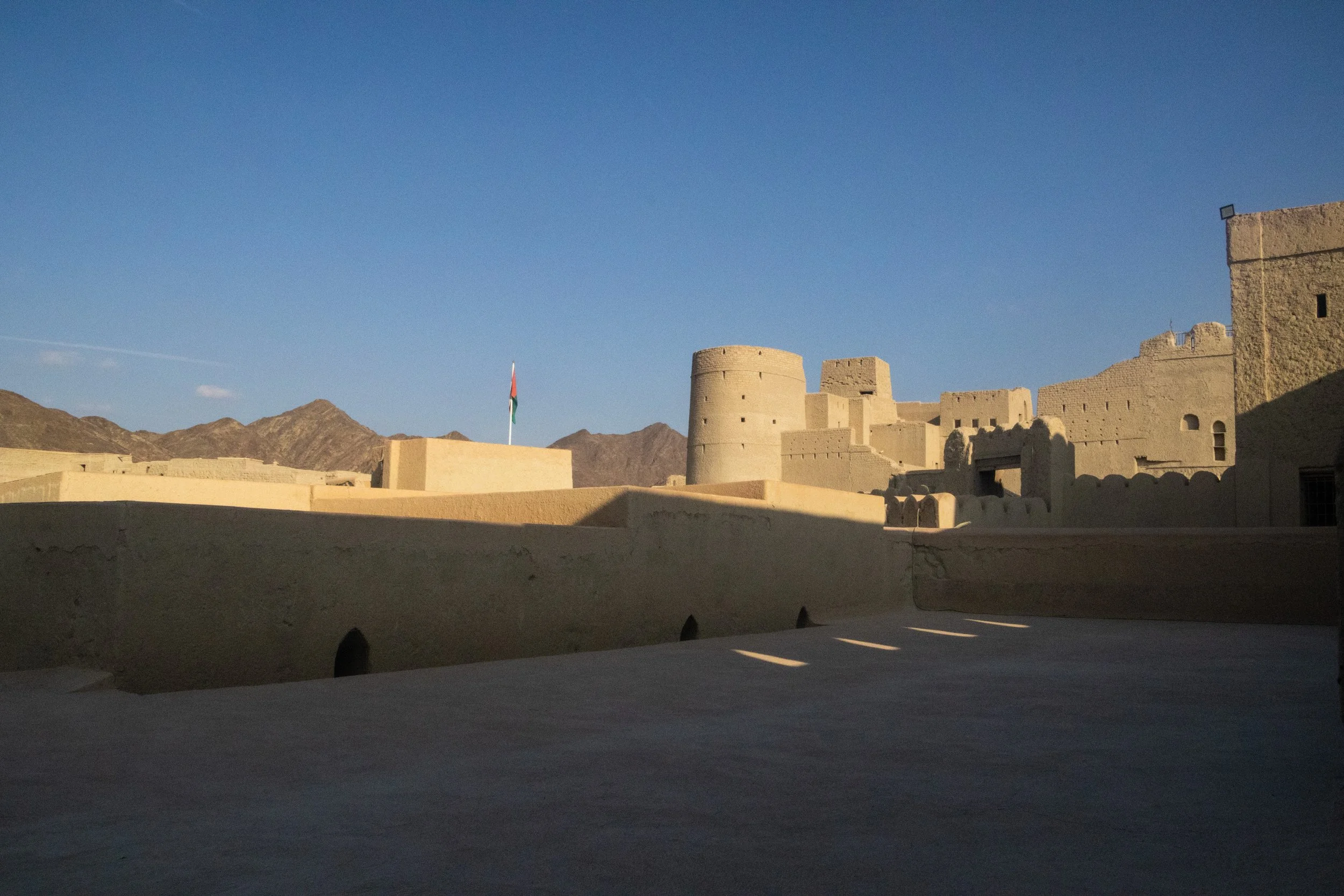
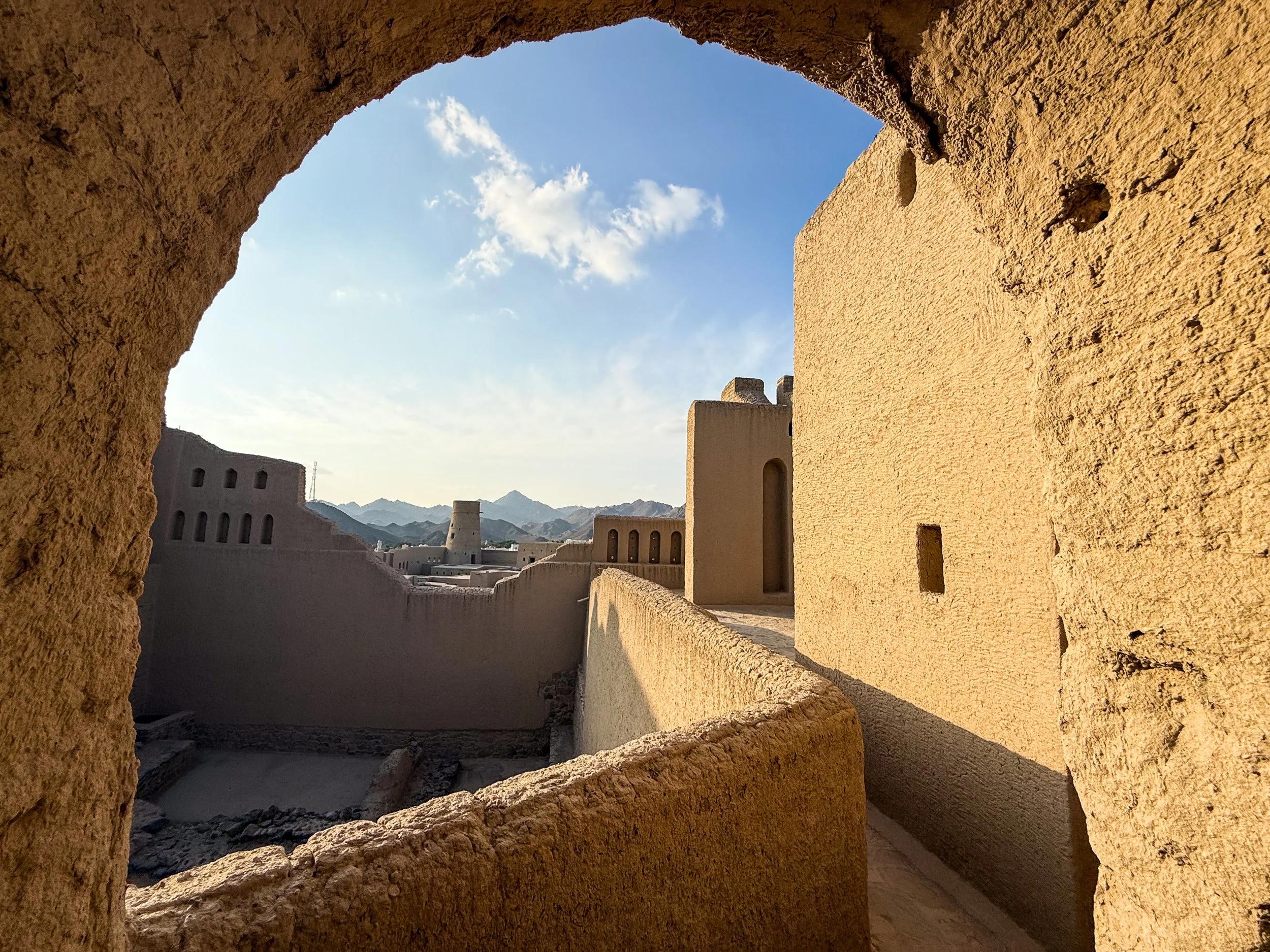
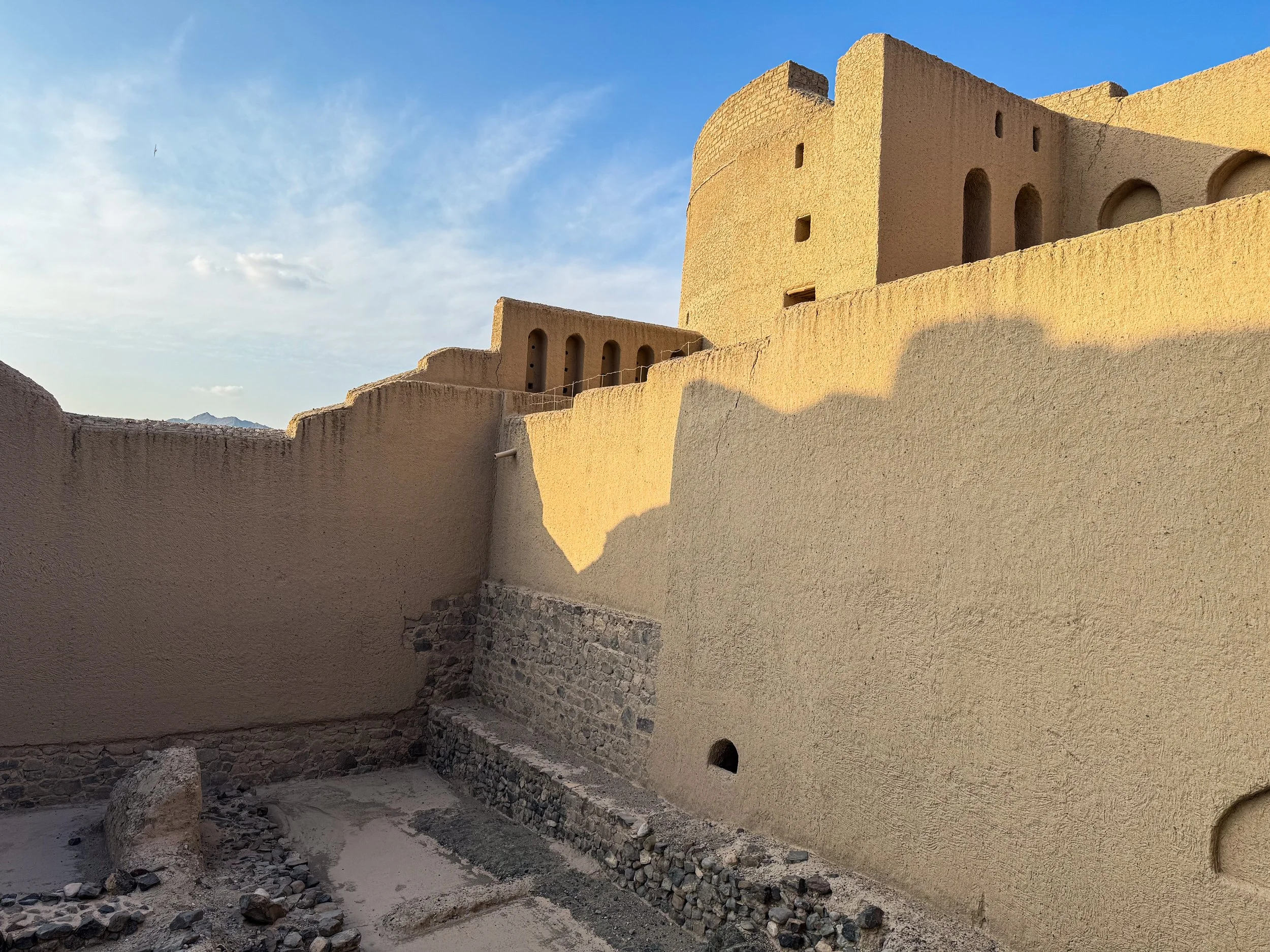
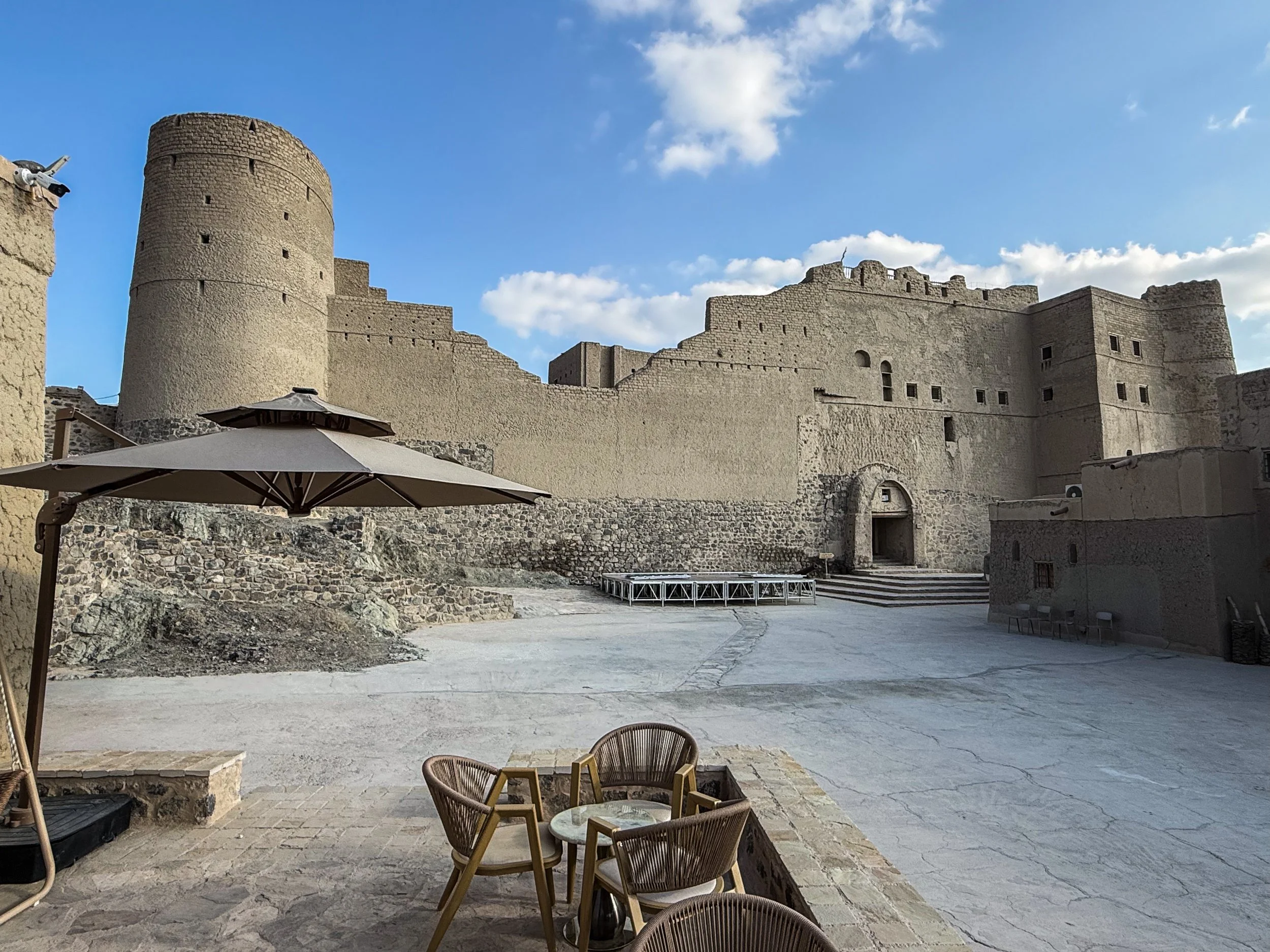
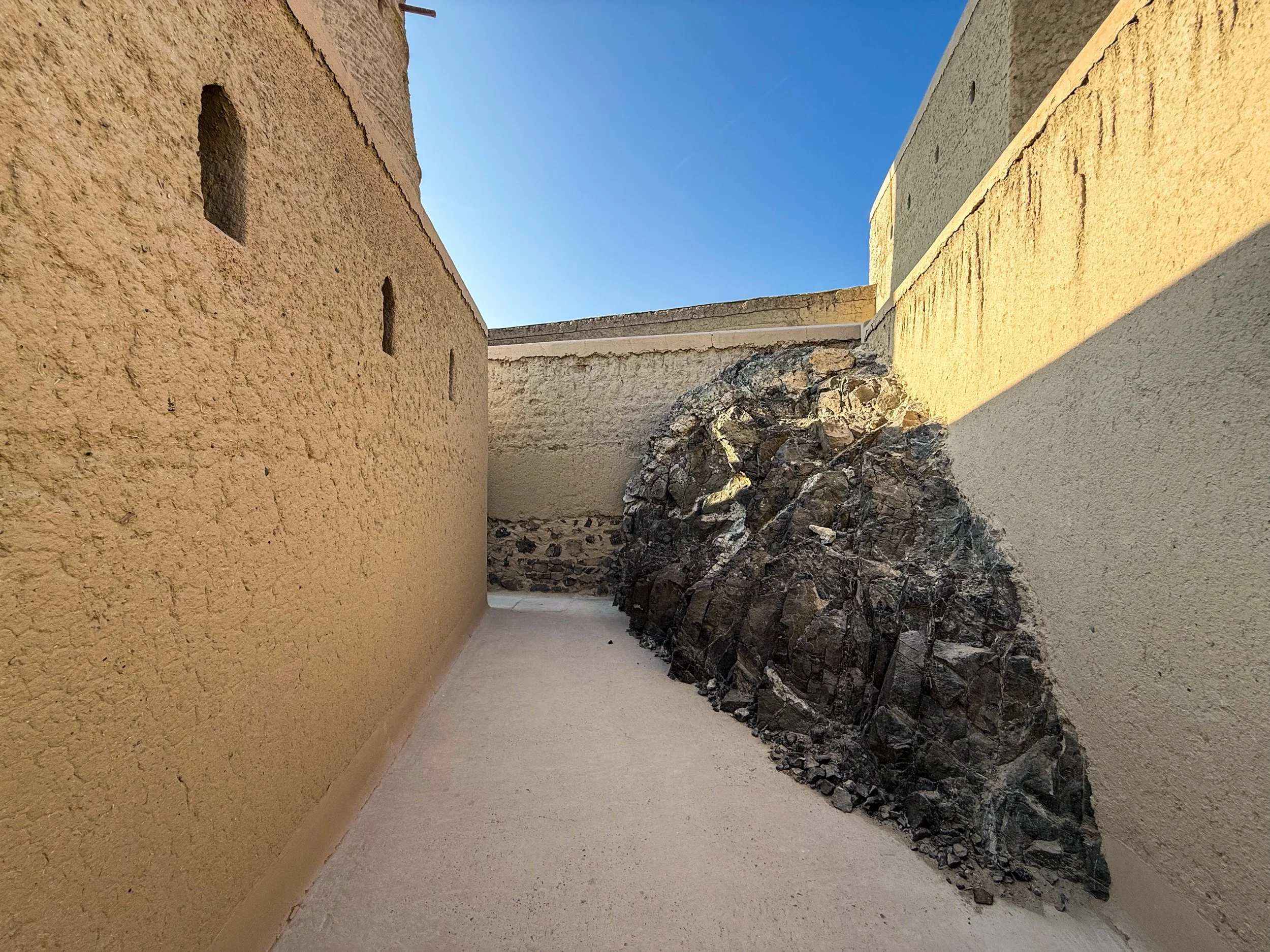
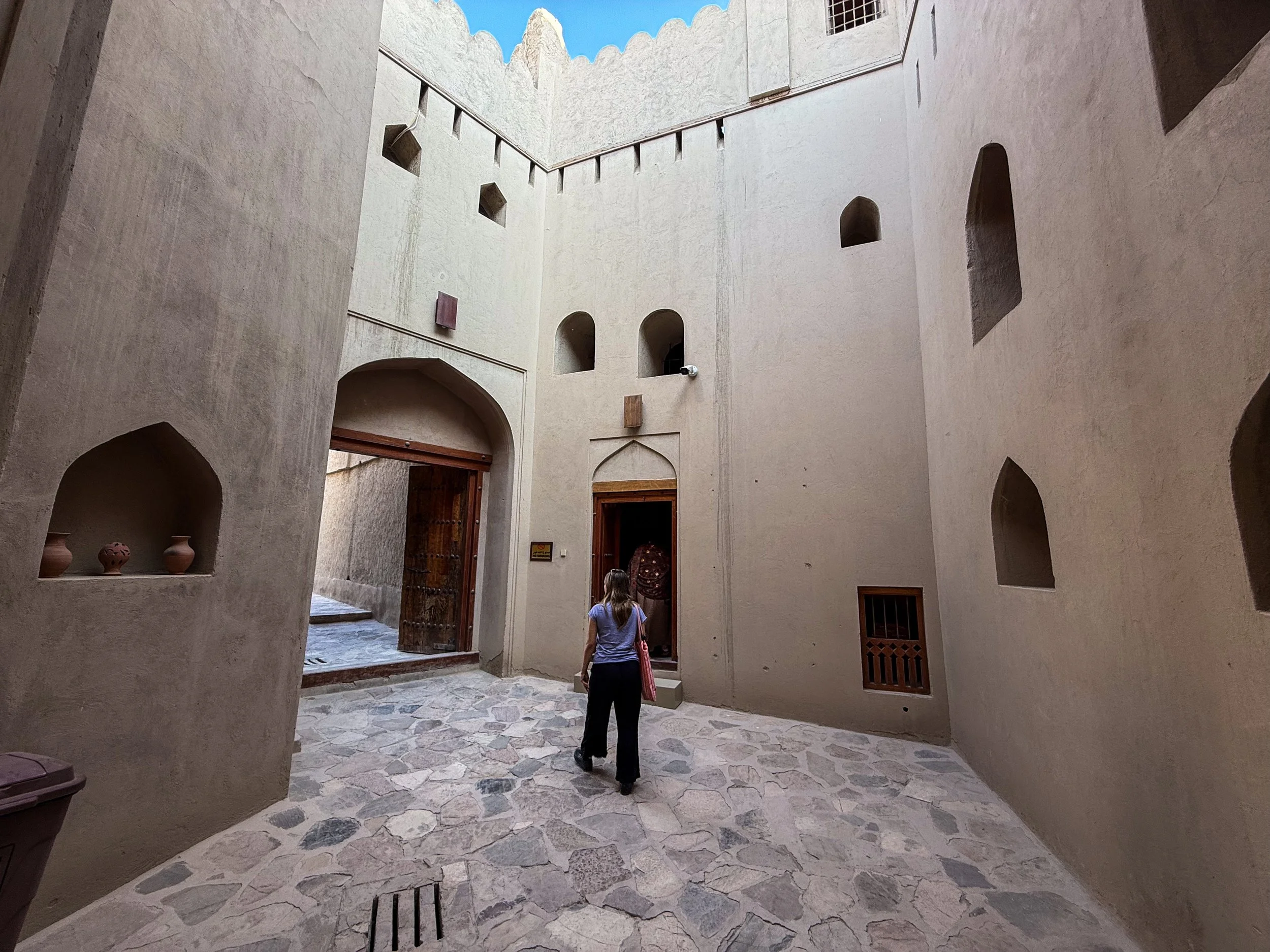
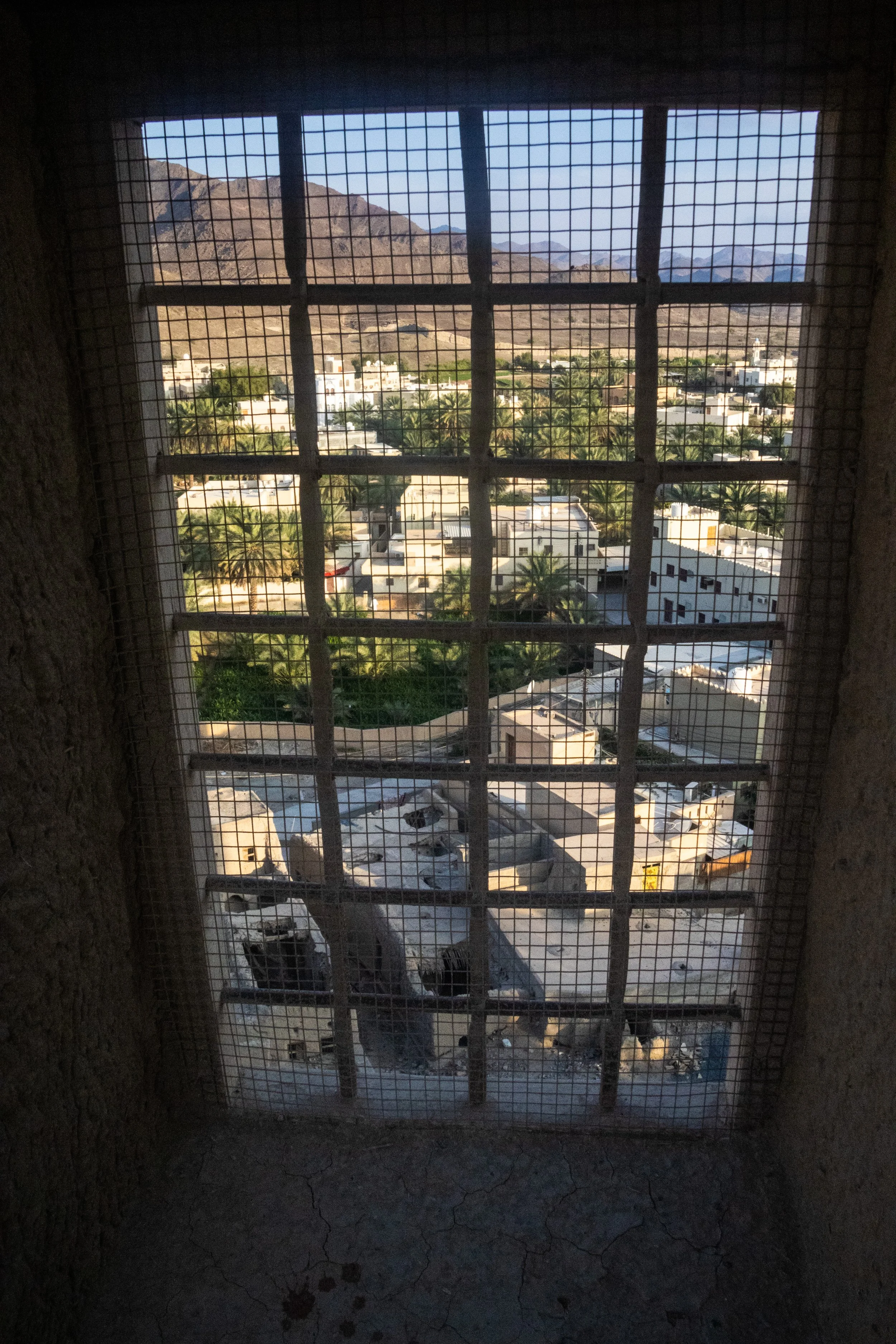
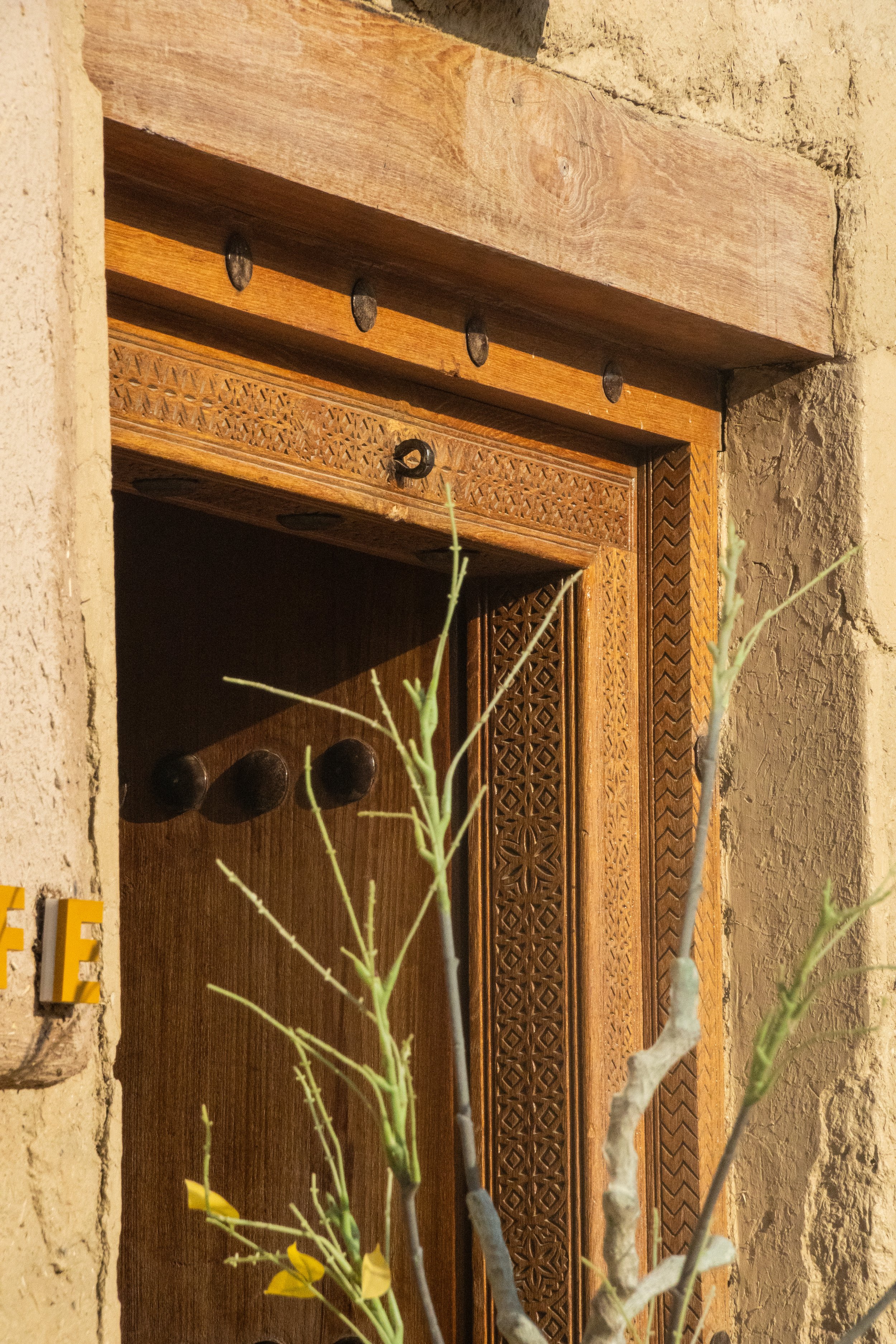
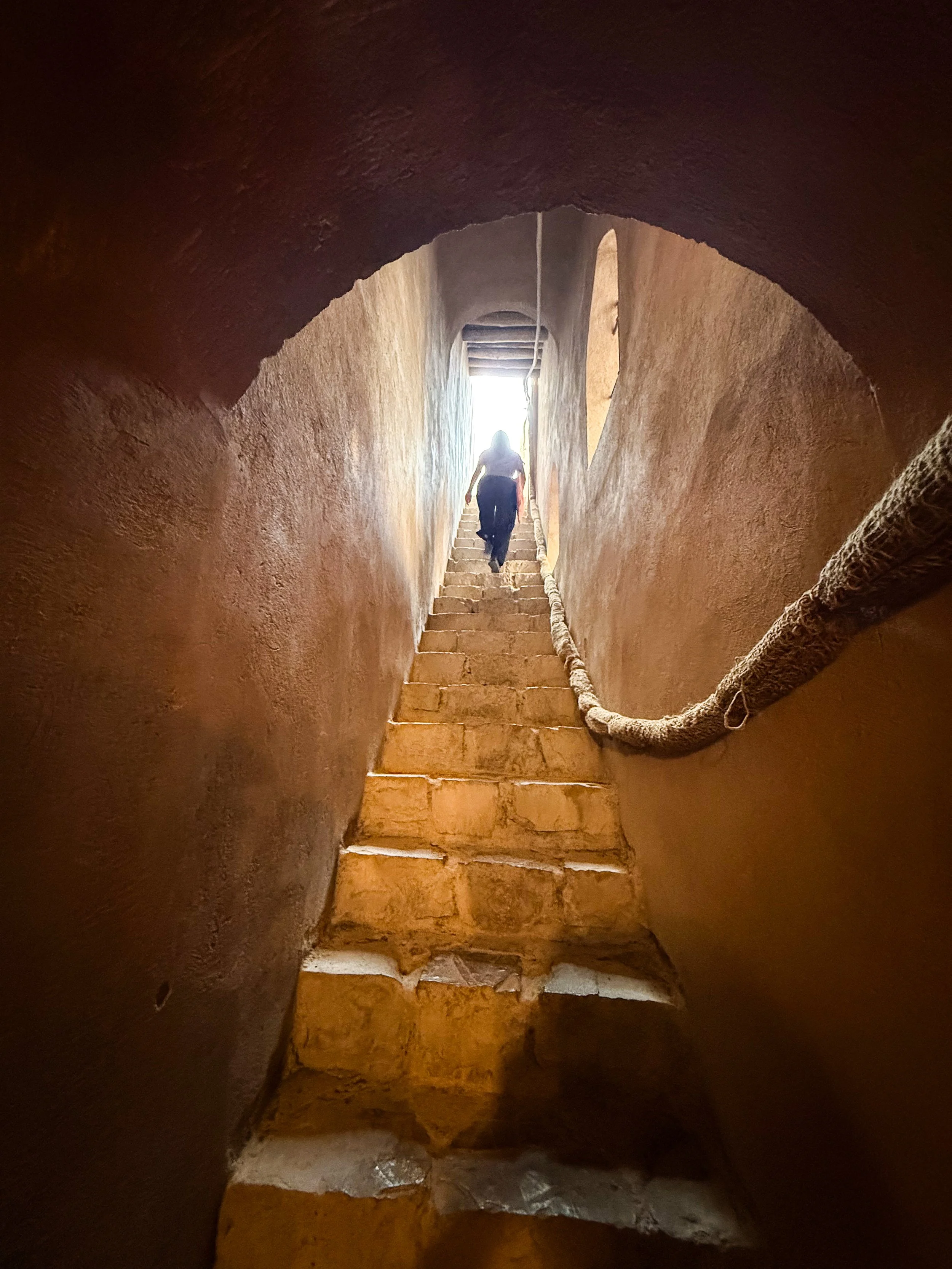
Construction on this fortress was iterative throughout the 1100s, 1200s, 1300s, and 1400s, and you can more or less see that history as you walk through the fortress. Have you ever counted the rings on a downed tree to see how old it was? Walking into Bahla feels a bit like that, moving from the outer to inner rings. The outer shell of Bahla feels newer (undoubtedly the subject of some level of modern restoration and maintenance), but the inner pieces of feel ruinously old. As we moved inward from the crisp outer ramparts of this castle, the construction materials would eventually shift from bricks to mud. And, like Nakhal, there were portions of this fortress that had been built into natural rock formations. At the inner-most parts of this fortress, you could see how the oldest parts of this fortress used this natural topography.
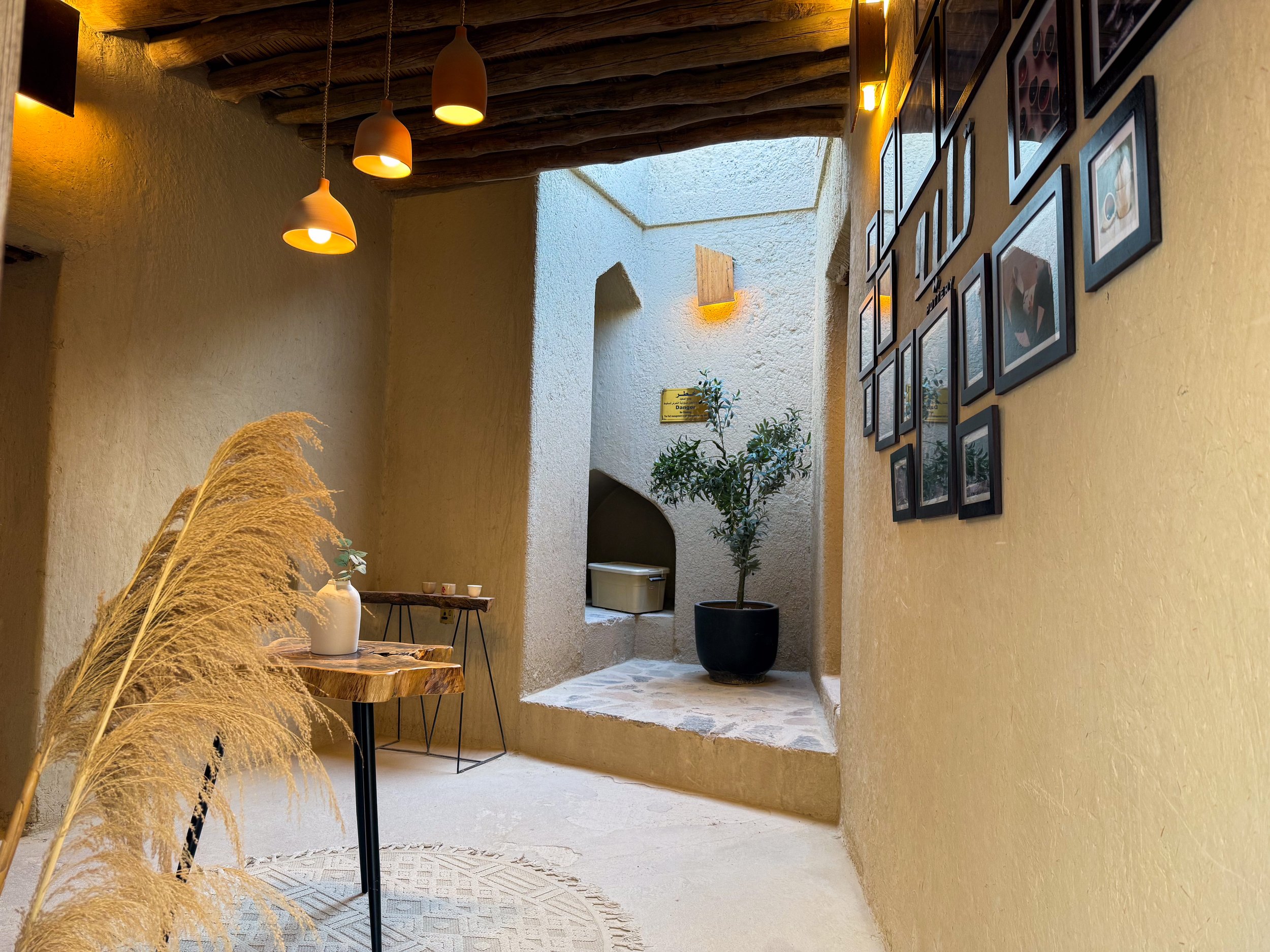
As had been the case in Nakhal, there was a very nice coffee shop at the center of the fortress with comfortable chairs and umbrellas providing comfortable shade from the punishing mid-day sun. Another cold brew? Don’t mind if I do!
Nizwa: Fortress & Town
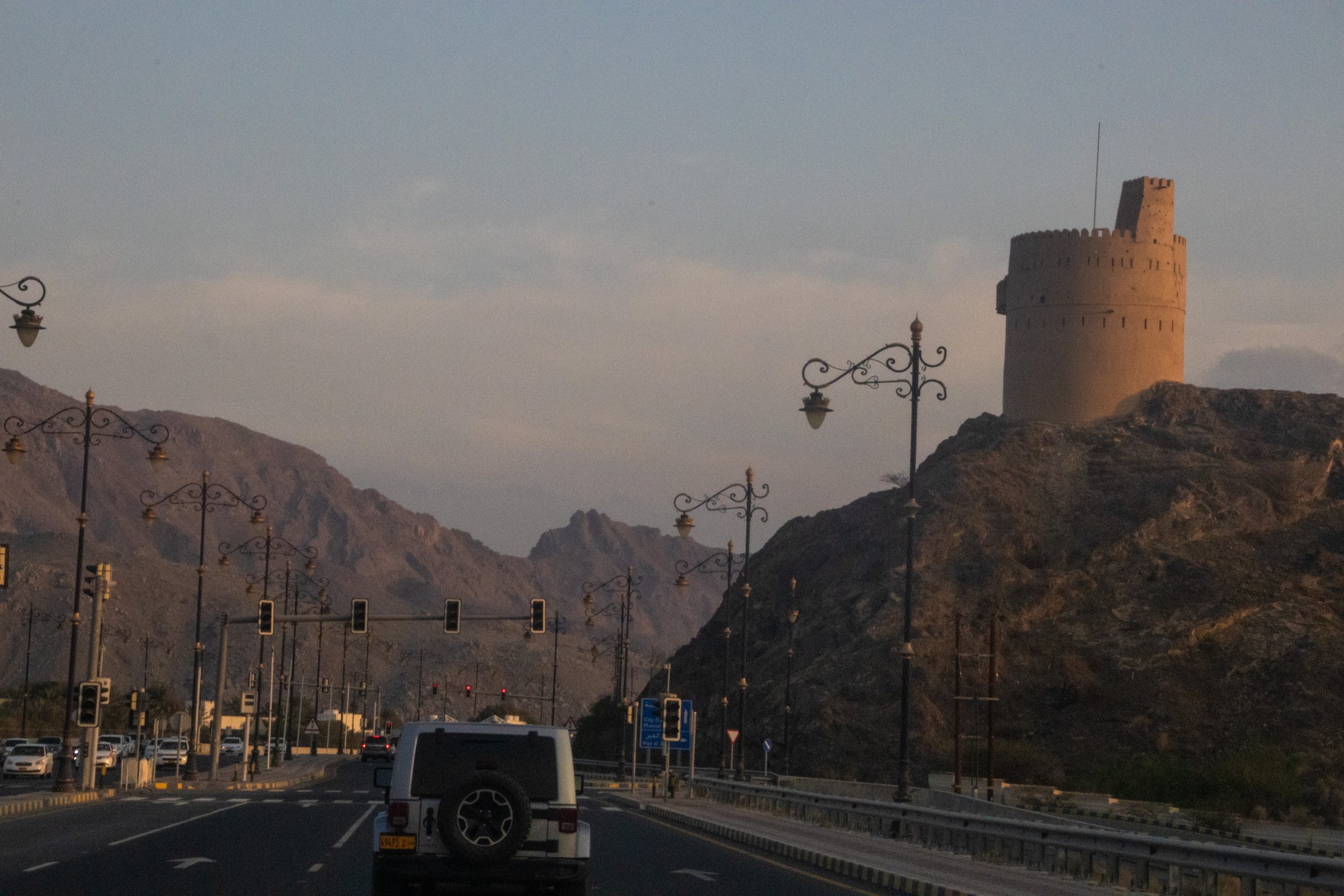
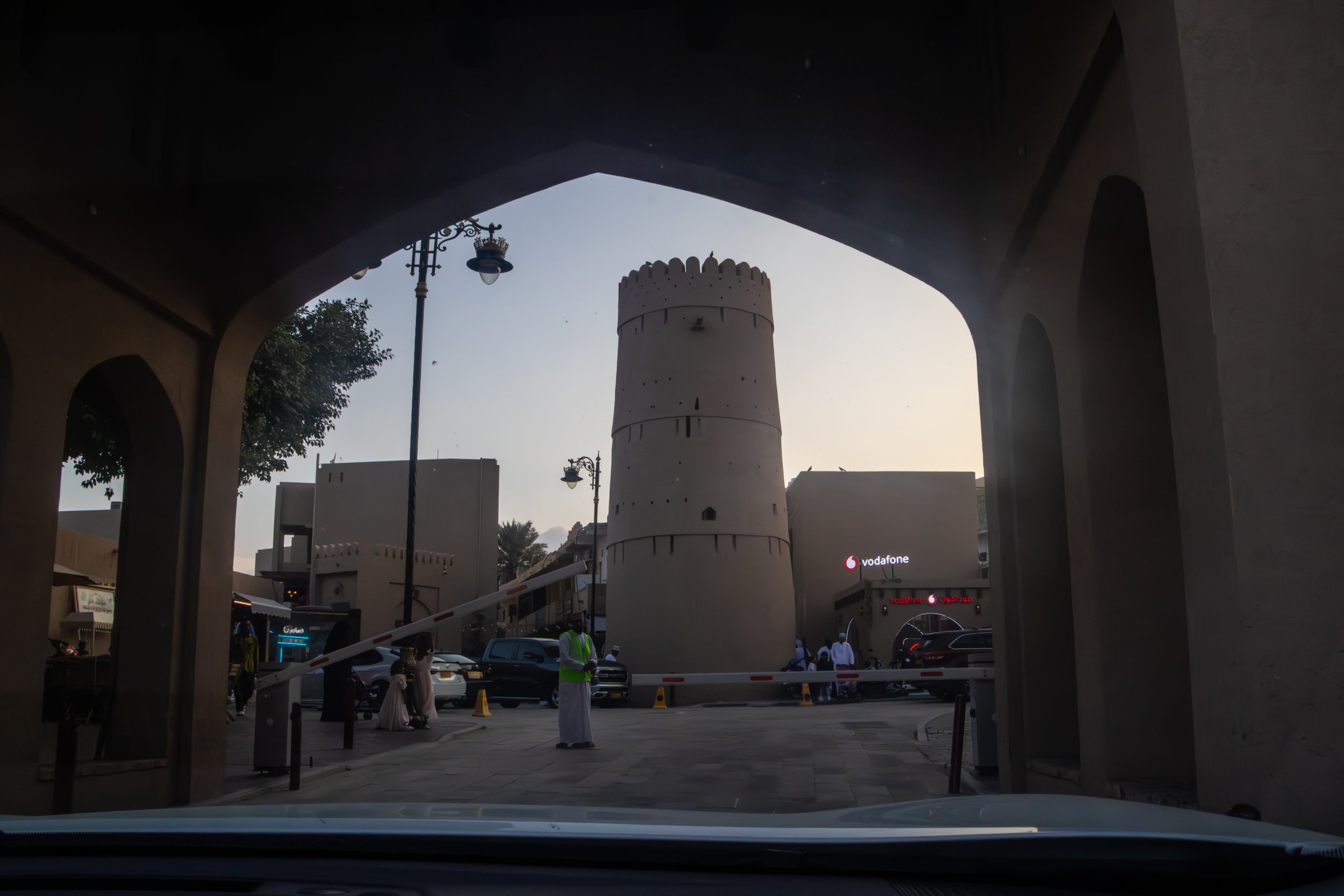
Now, finally, we will arrive at Nizwa, which is actually not too far away from Bahla! It’s really just 30/45 minutes down the road. After so much time spent driving through the wastes of the Al Hajar mountains, this felt like it was right next door! As we rolled into the city, the first orange rays of sunset were appearing in the sky. We could tell that this was a place of some import because the street lamps on the highway suddenly took on the same fancy, gilded design that we’d seen in Muscat and Salalah.
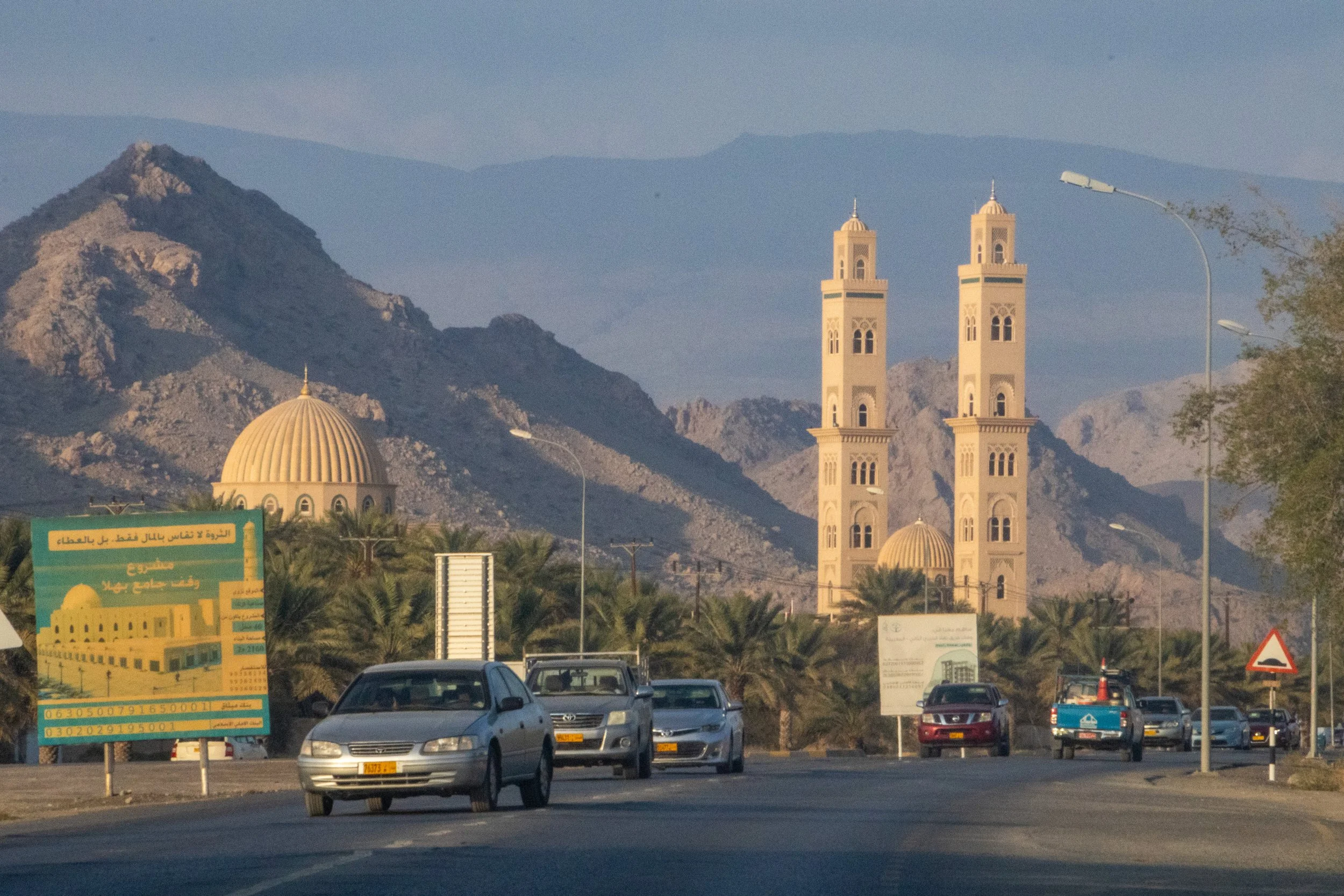
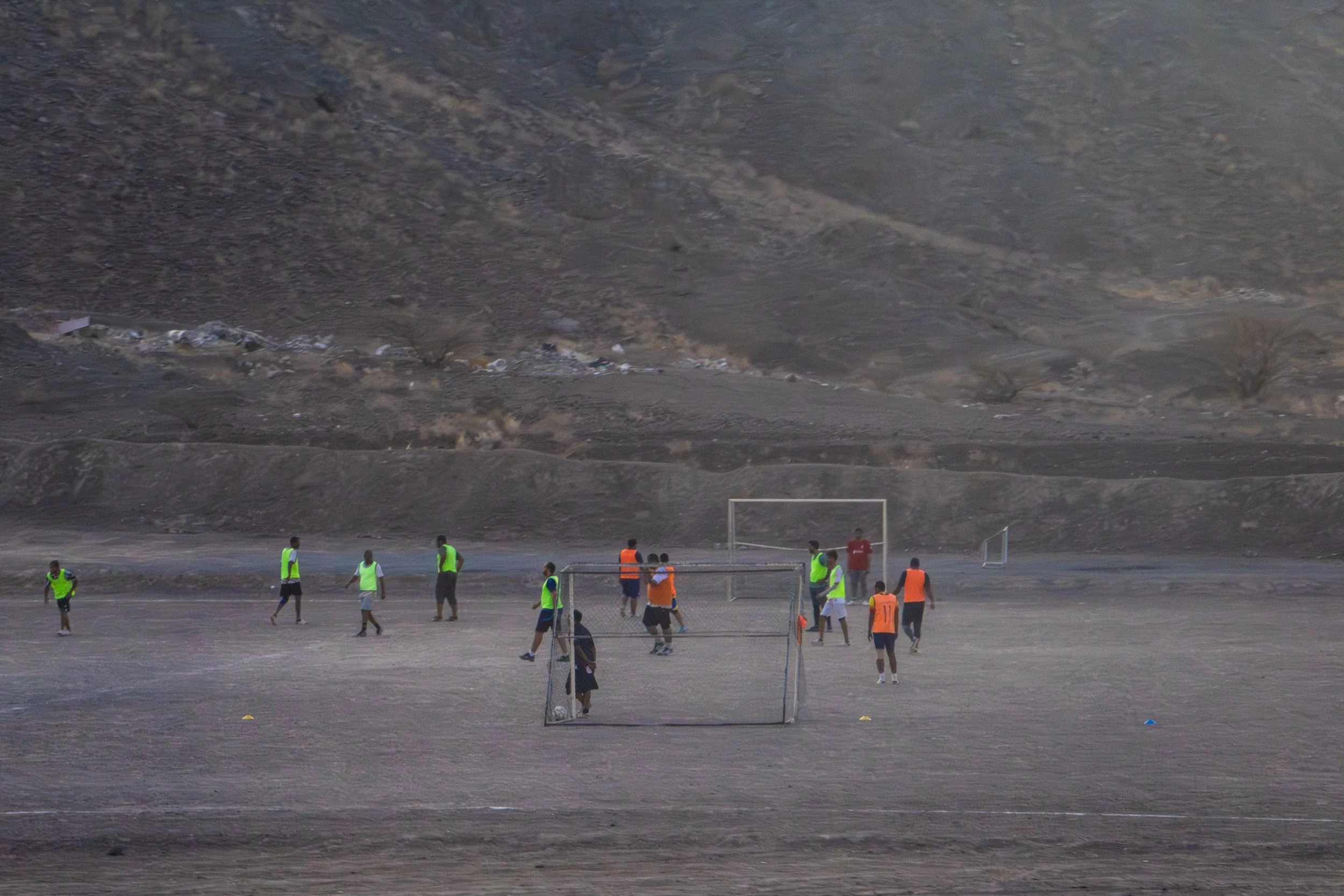
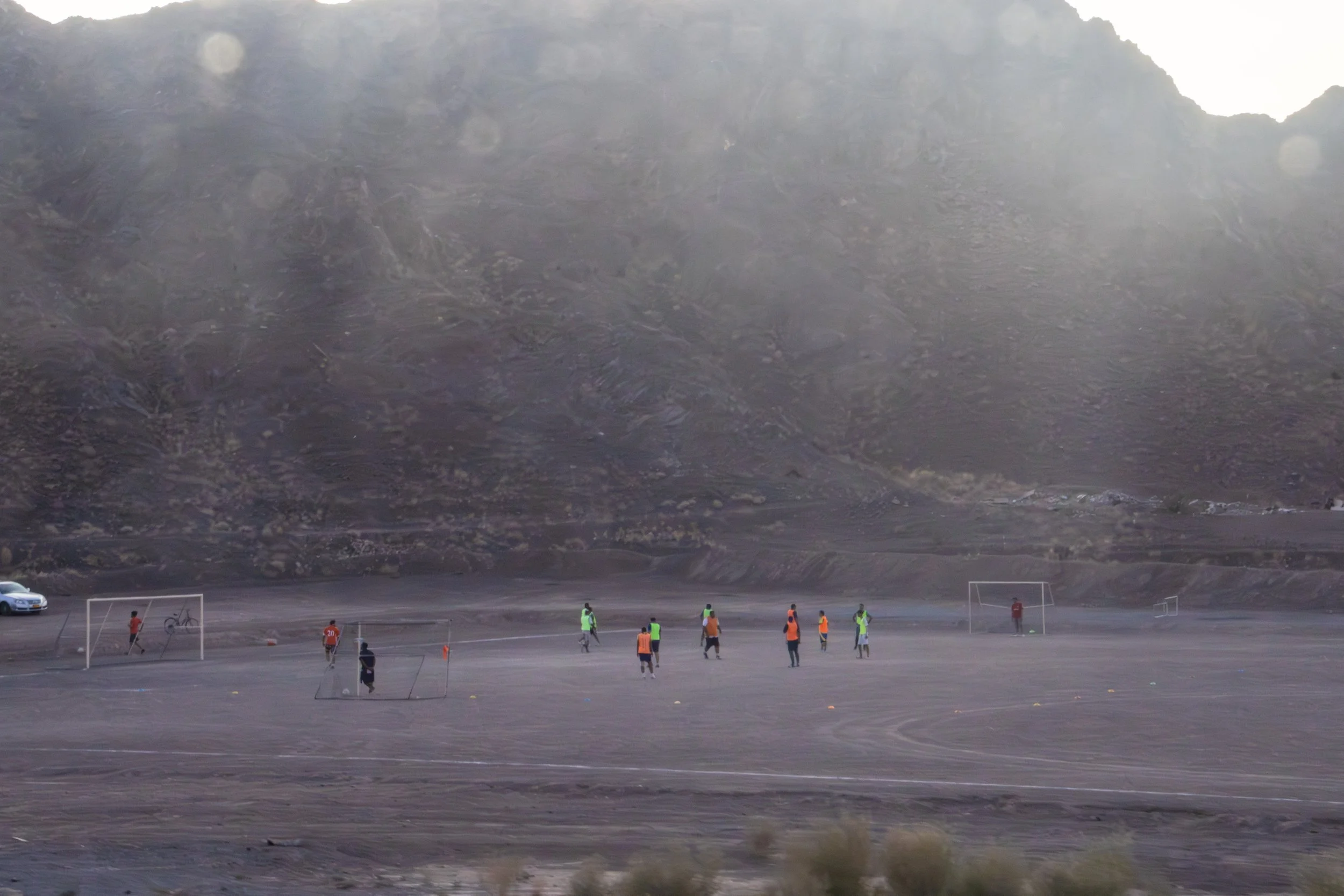
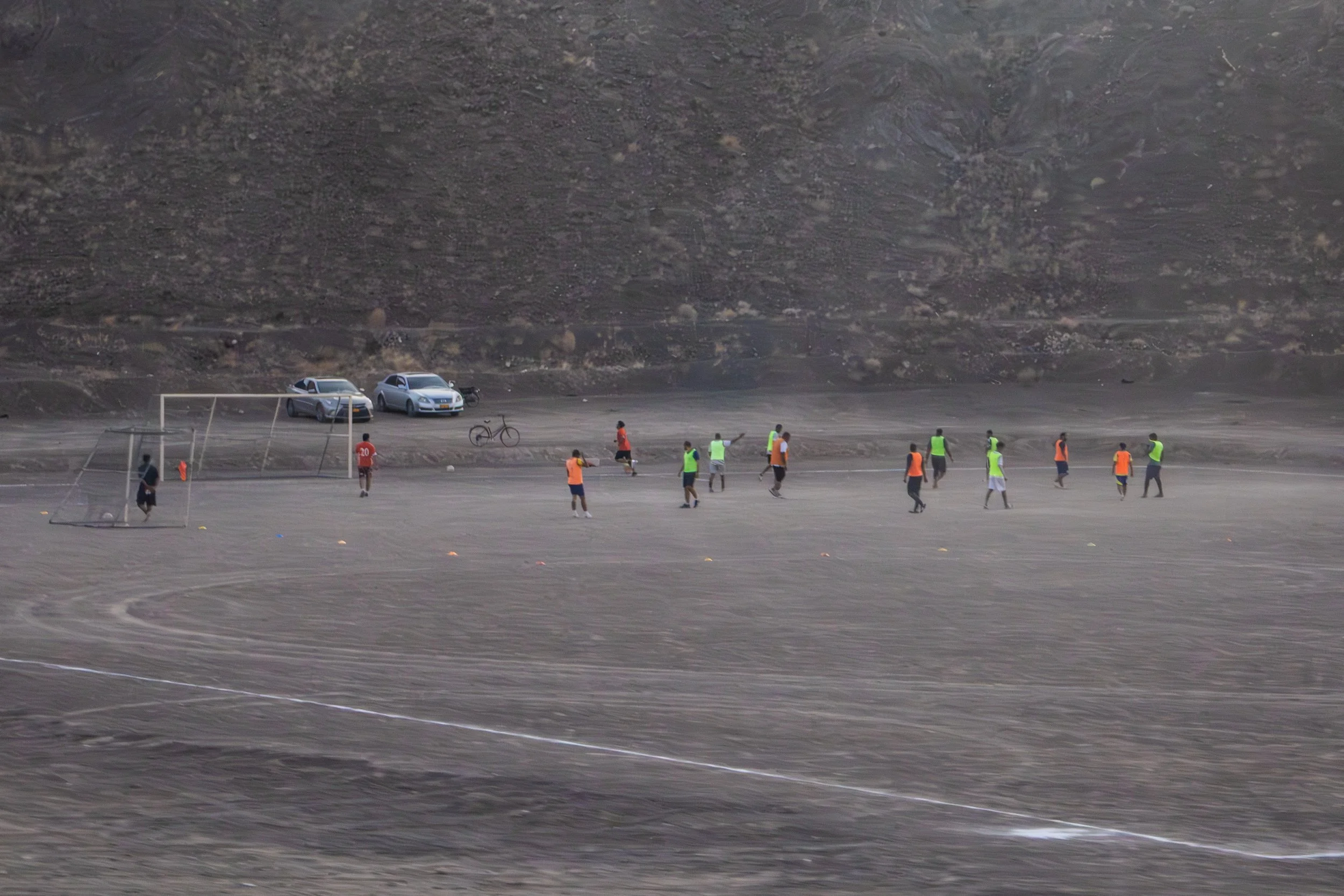
You may have noticed that I used the word “city” in the previous paragraph; though small, Nizwa, I think, rises to the level of being a small city by Omani standards. As we rolled into the outskirts of this city, we passed a game of football/soccer being played on a dirt field. I scrambled for camera to capture a few shots of this. Given that they were being taken out the window of a moving car, they weren’t great, but they are still some of my favorite pictures that I took in Oman. There are few things I love more than seeing the beautiful game transcribed into these sorts of hyper-local contexts in different places around the world. If you’re into travel (if you’re reading this, you probably are), or appreciate the magic of cultural exchange in any form, you should really follow this sport! It is one of the great unifiers on planet earth. ⚽️❤️🌍
So, to review our comparative superlatives of the fortresses we’re visiting today…
Nakhal was the oldest
Bahla was the largest
And finally, Nizwa is far-and-away the most famous, not just of this article, but in Oman overall.
Built in the 1600s, the construction of this fortress took 12 years. This came during a time when the rulers of Bahla, the Nabhani dynasty, were in decline. The political force behind Nizwa was the Ya'aruba dynasty, who rose up to essentially take their place as the dominant power. In the first article on Muscat, we talked through some of Oman’s history: how they expelled the Portuguese and brought about ‘the Omani Empire’. You may recall that, from ~1692 to ~1856, this empire spanned modern day East Africa, including modern day Kenya, Tanzania, Somalia, and Madagascar. This is undoubtedly one of the least-well known chapters of of history that I’ve yet come across! Anyway, this was all done by the Ya'aruba dynasty, whose base of operations was right here in Nizwa!
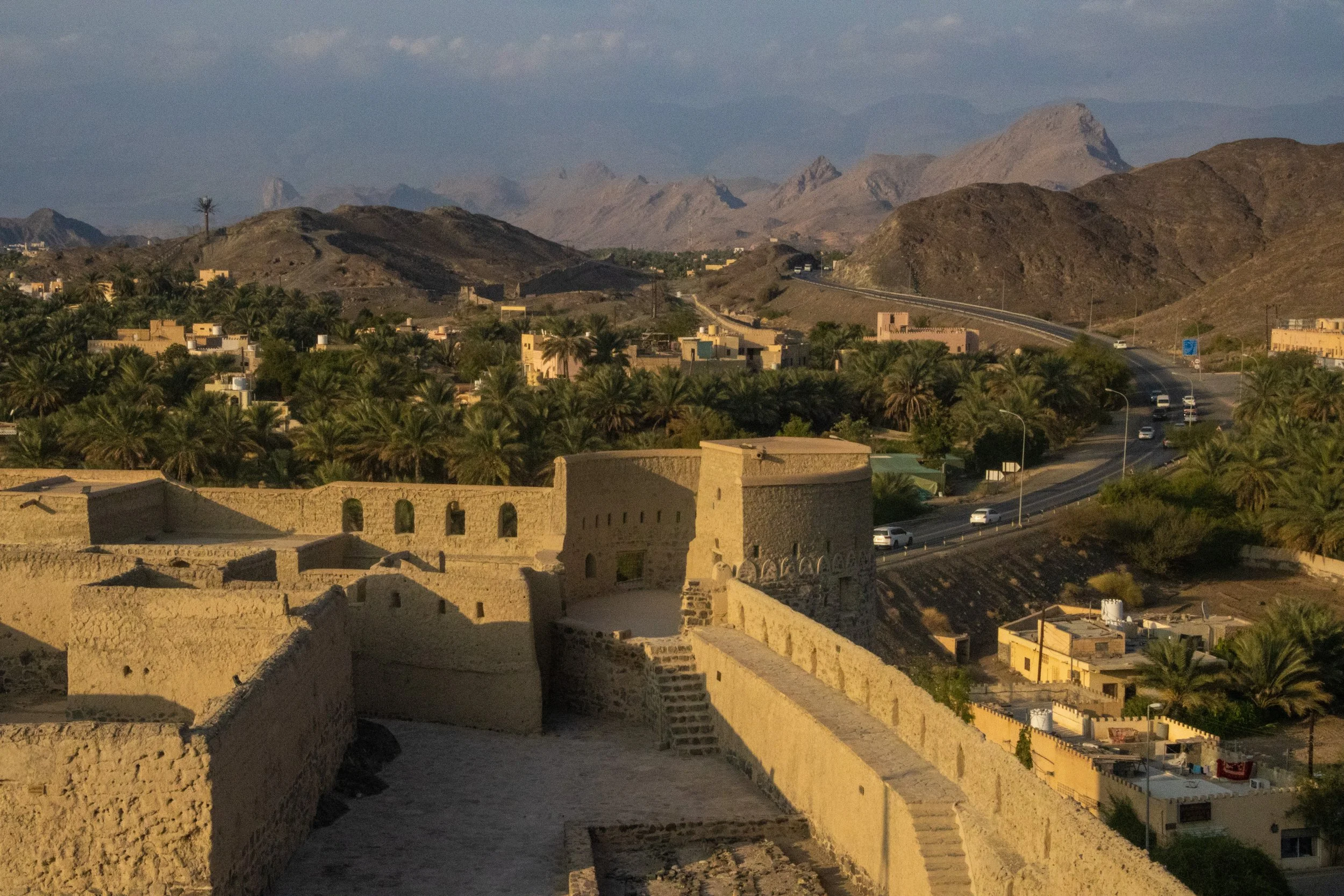
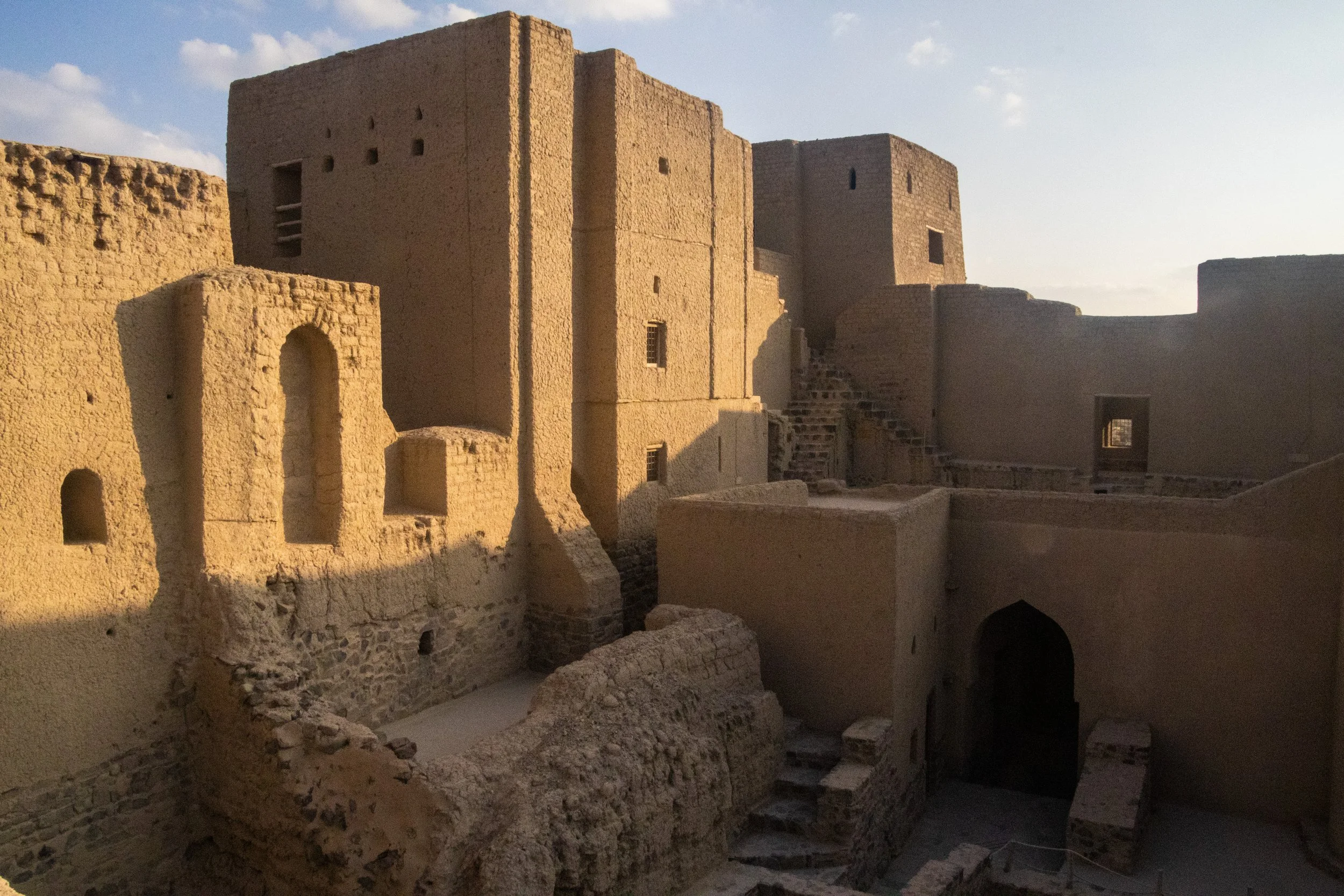
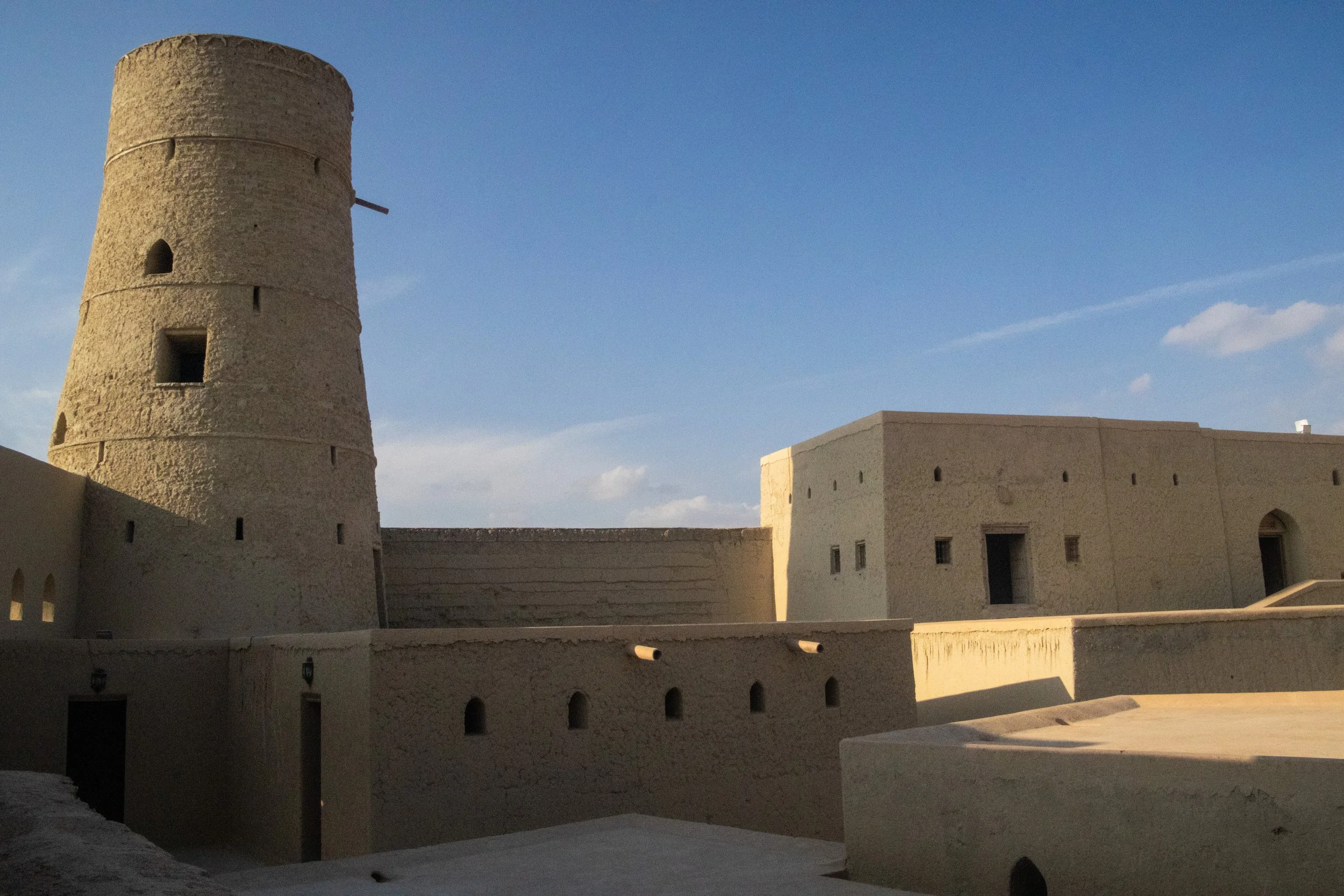
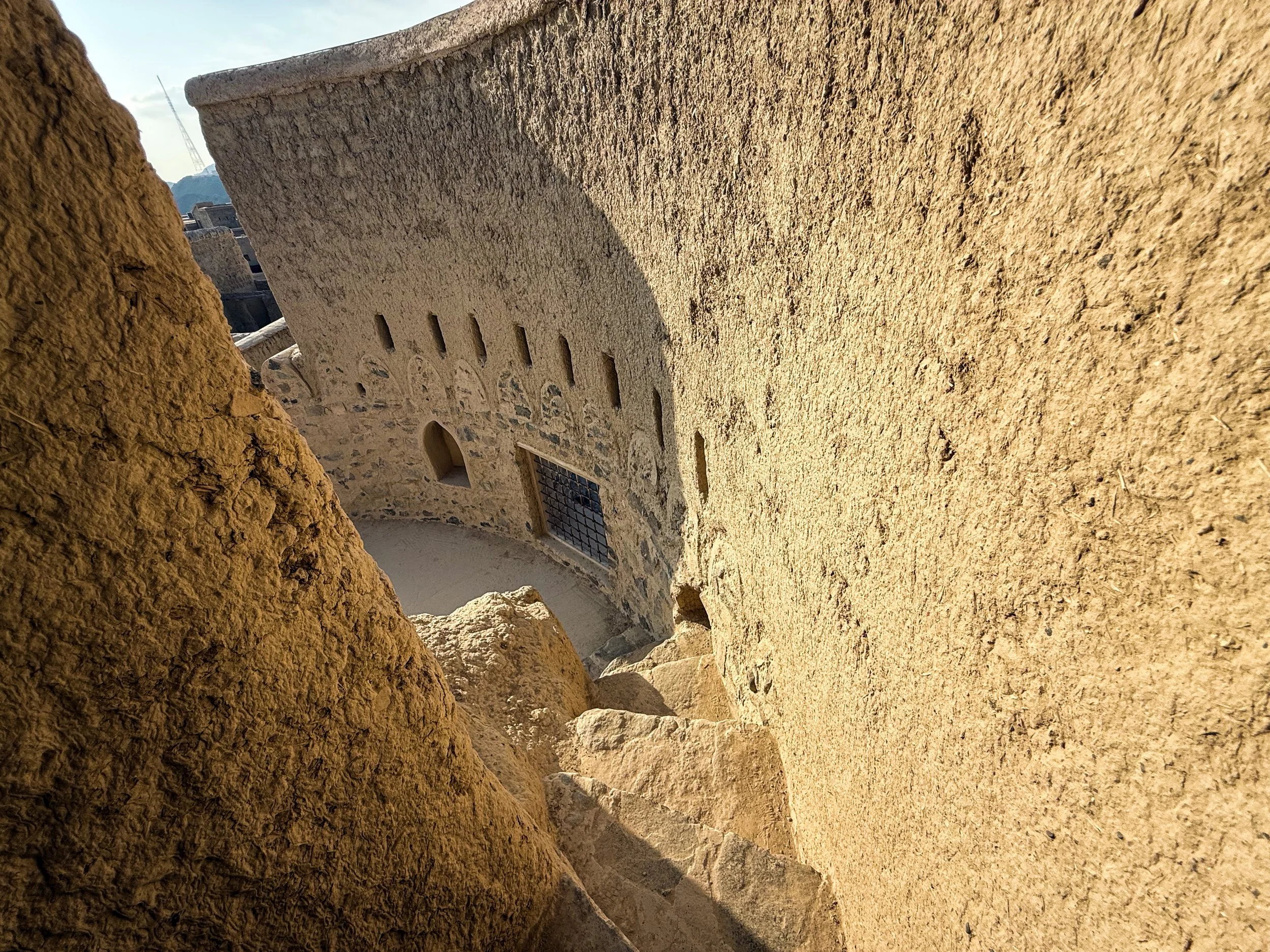
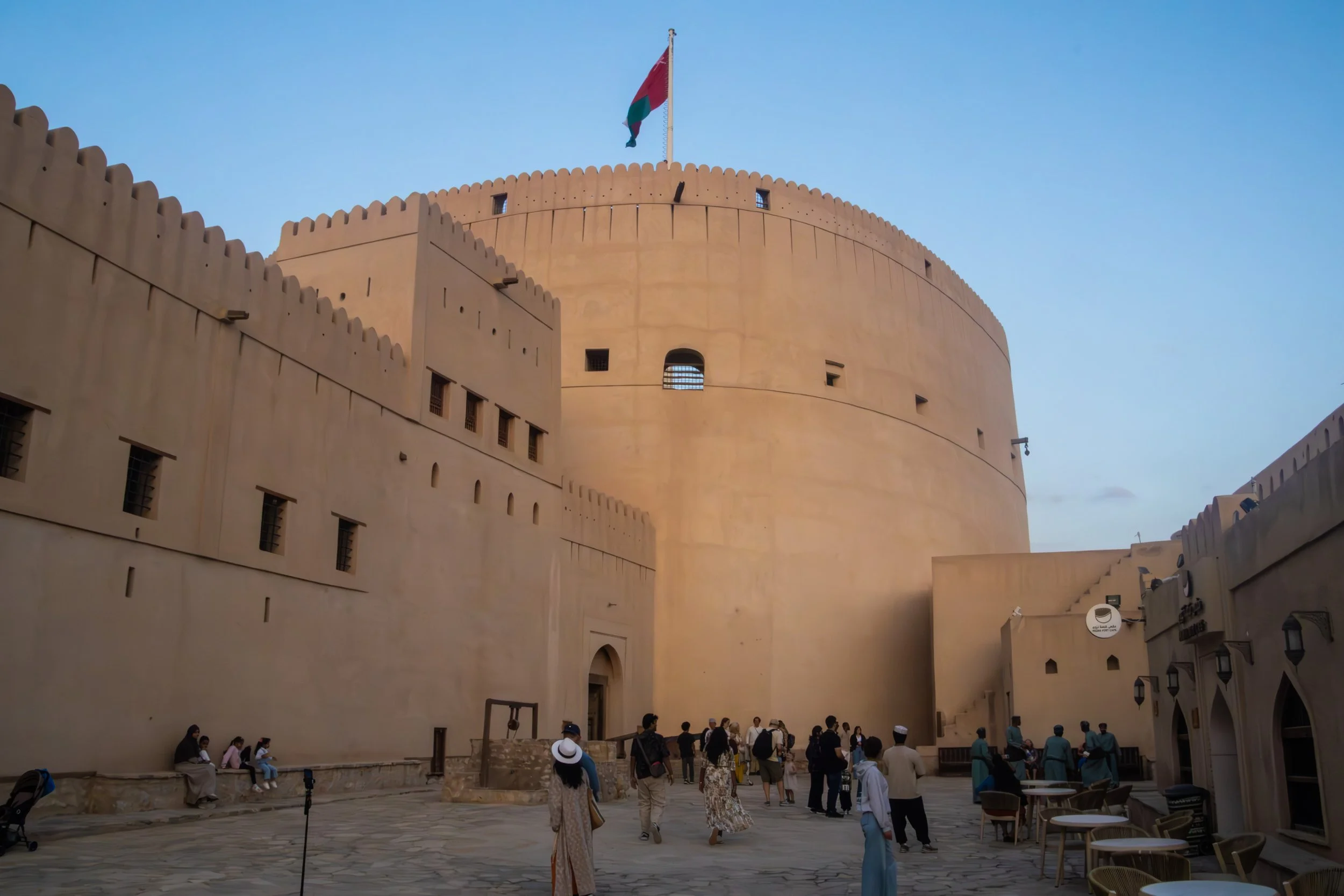
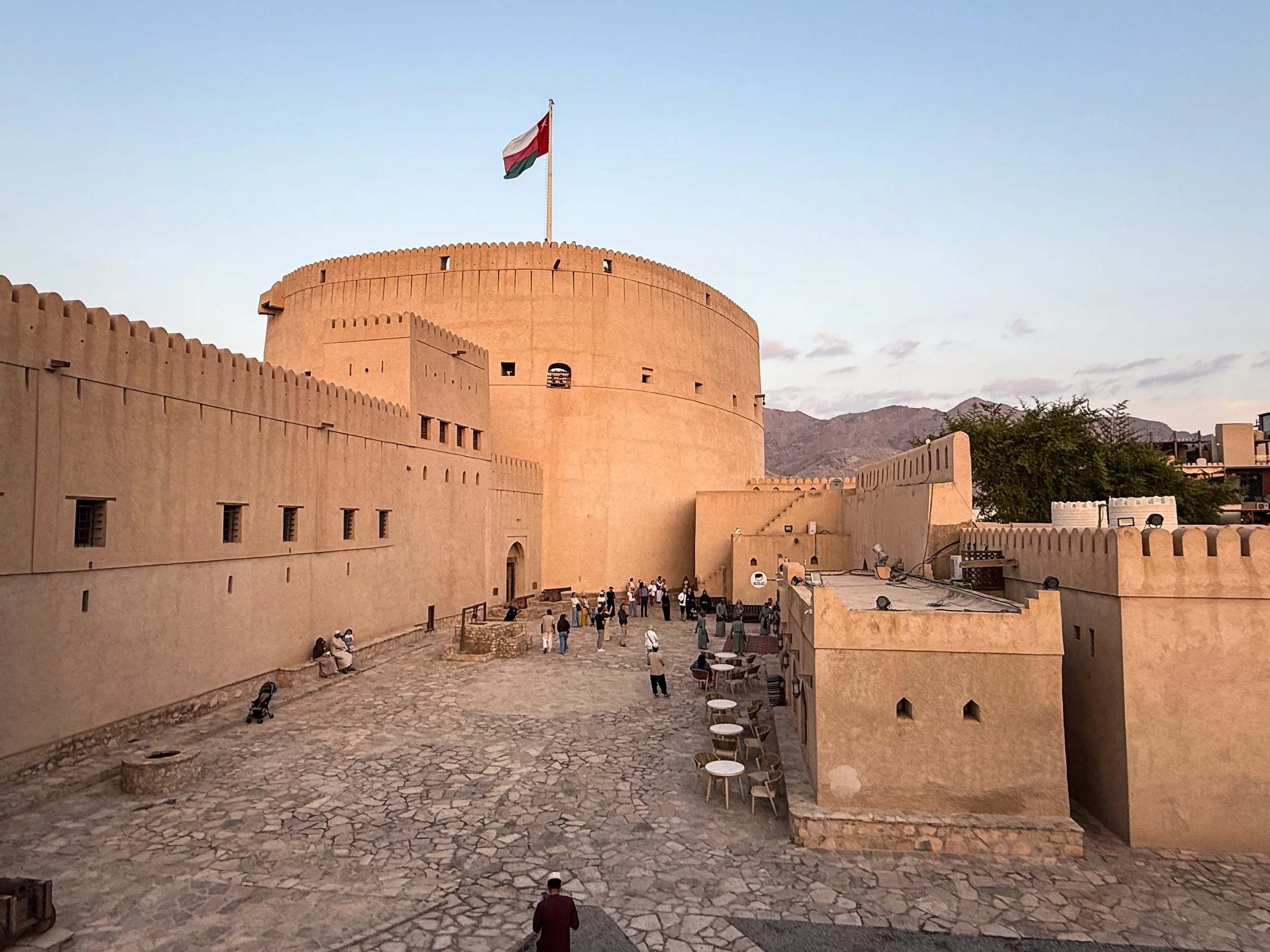
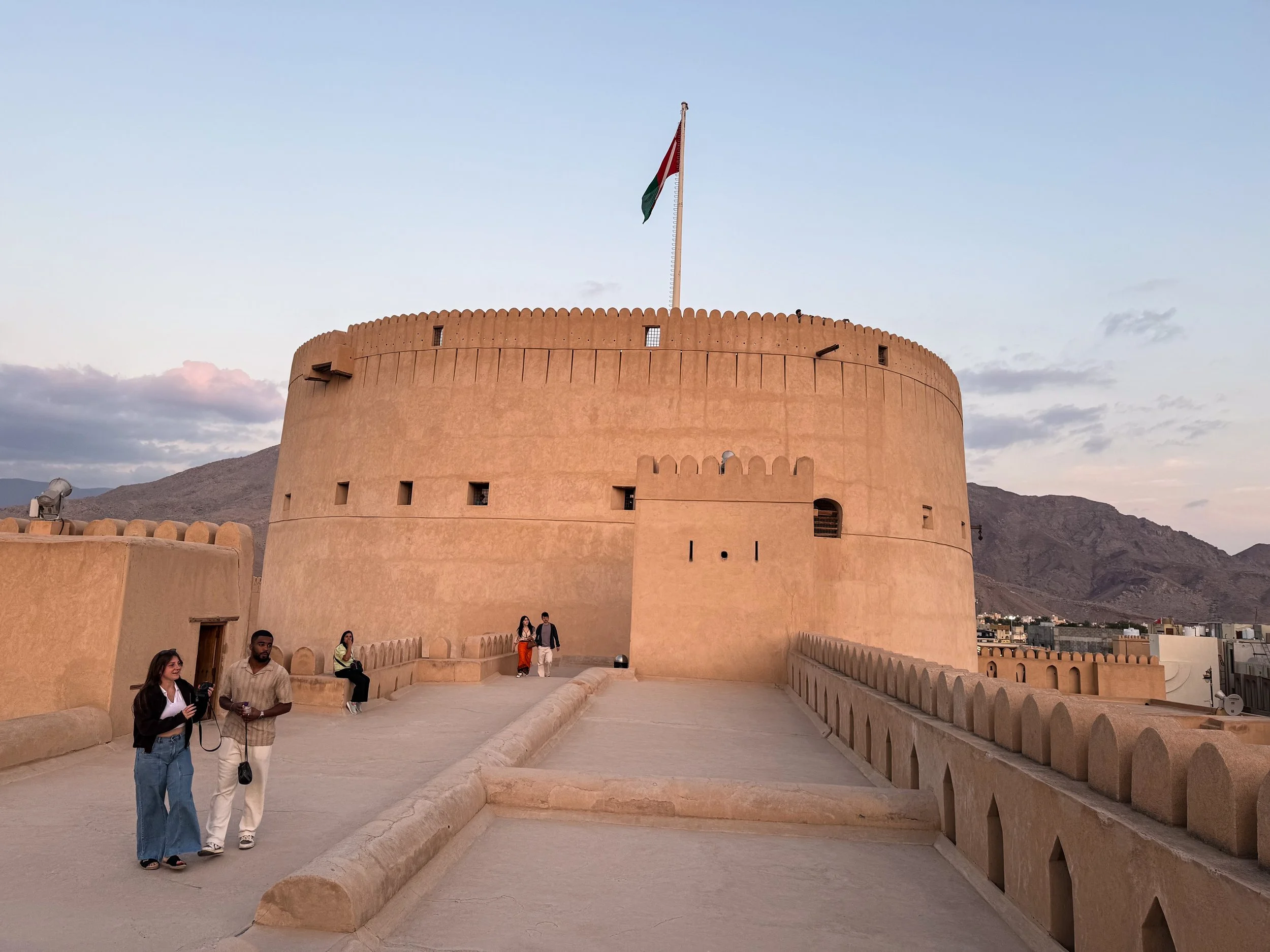
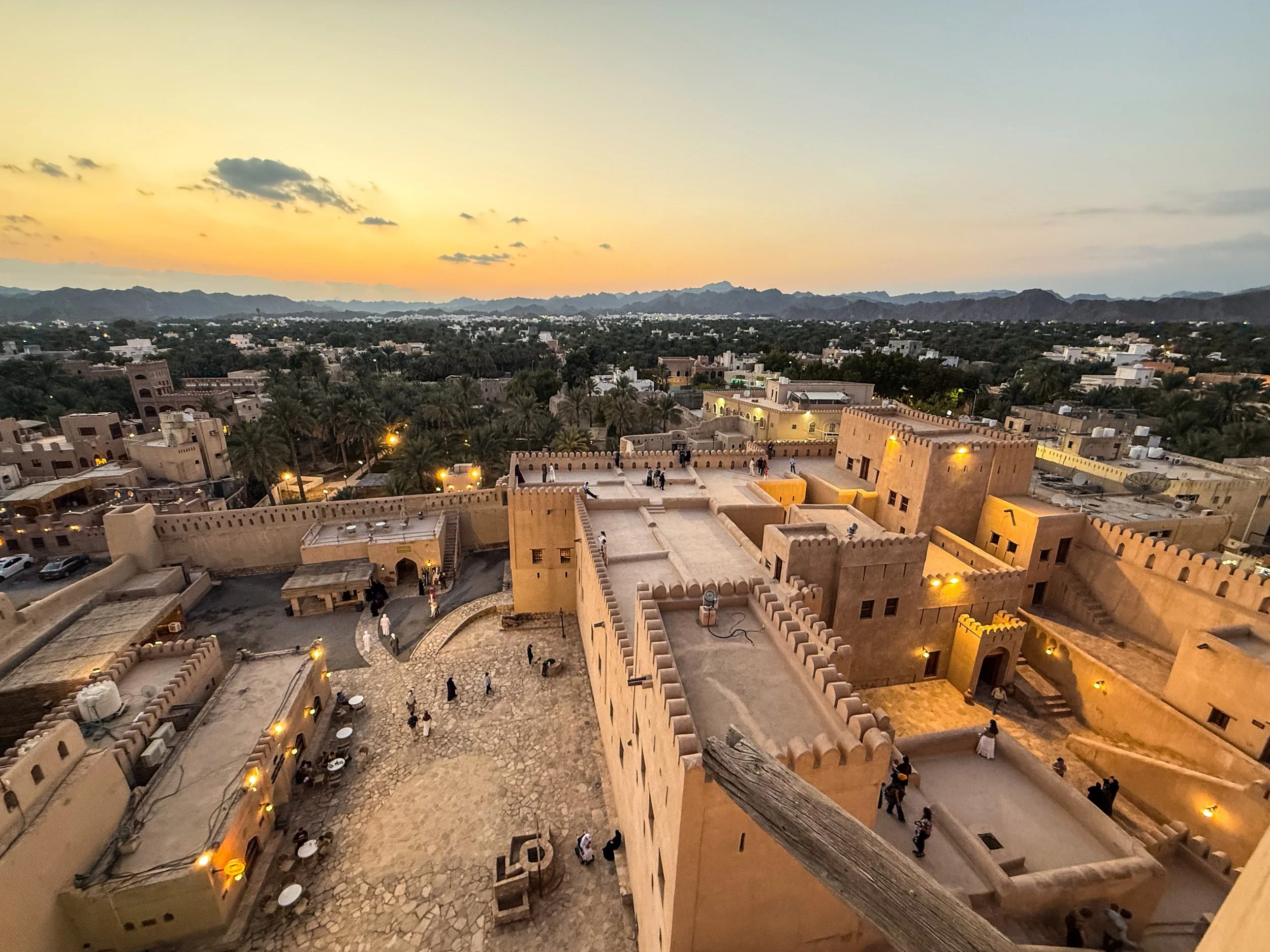
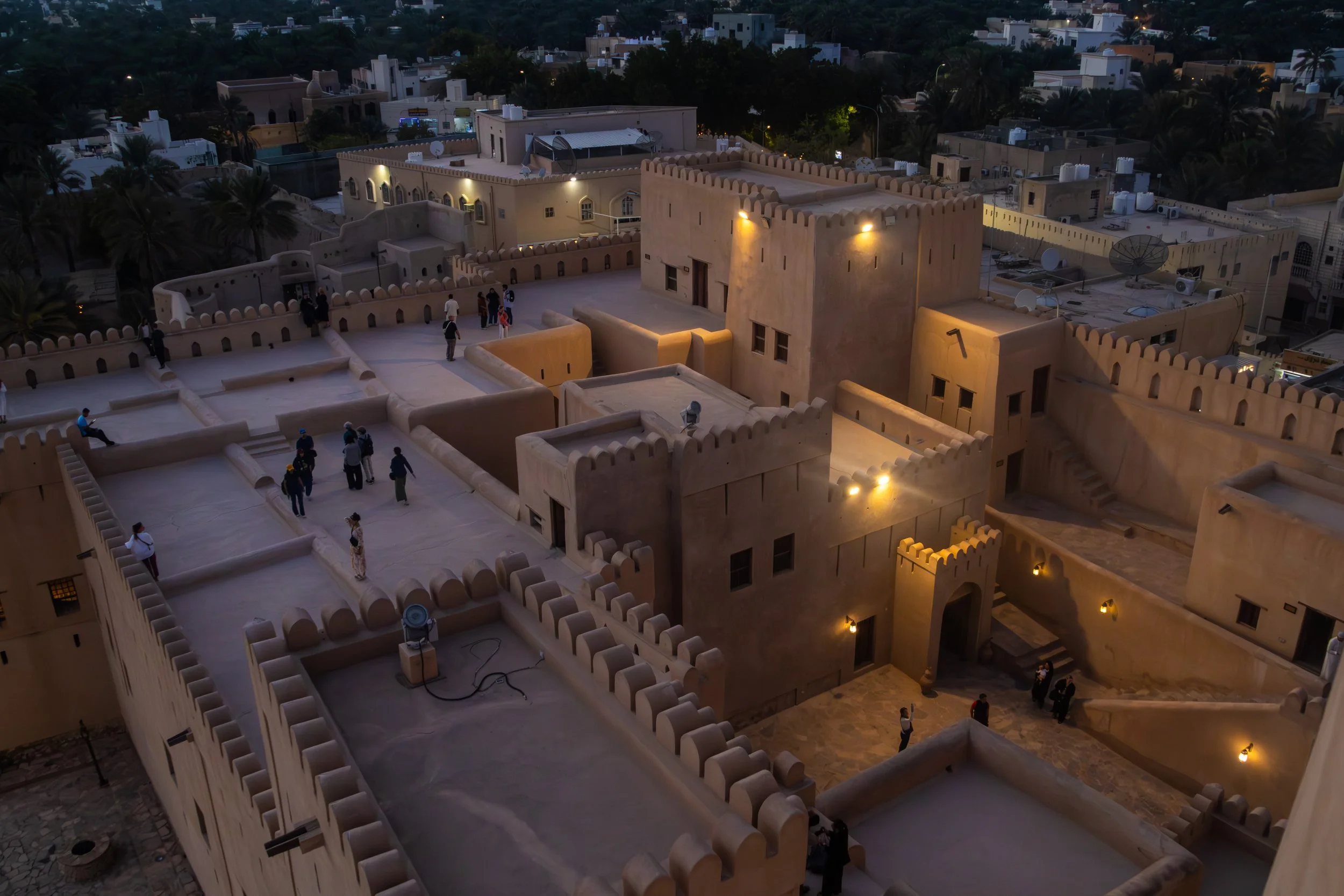
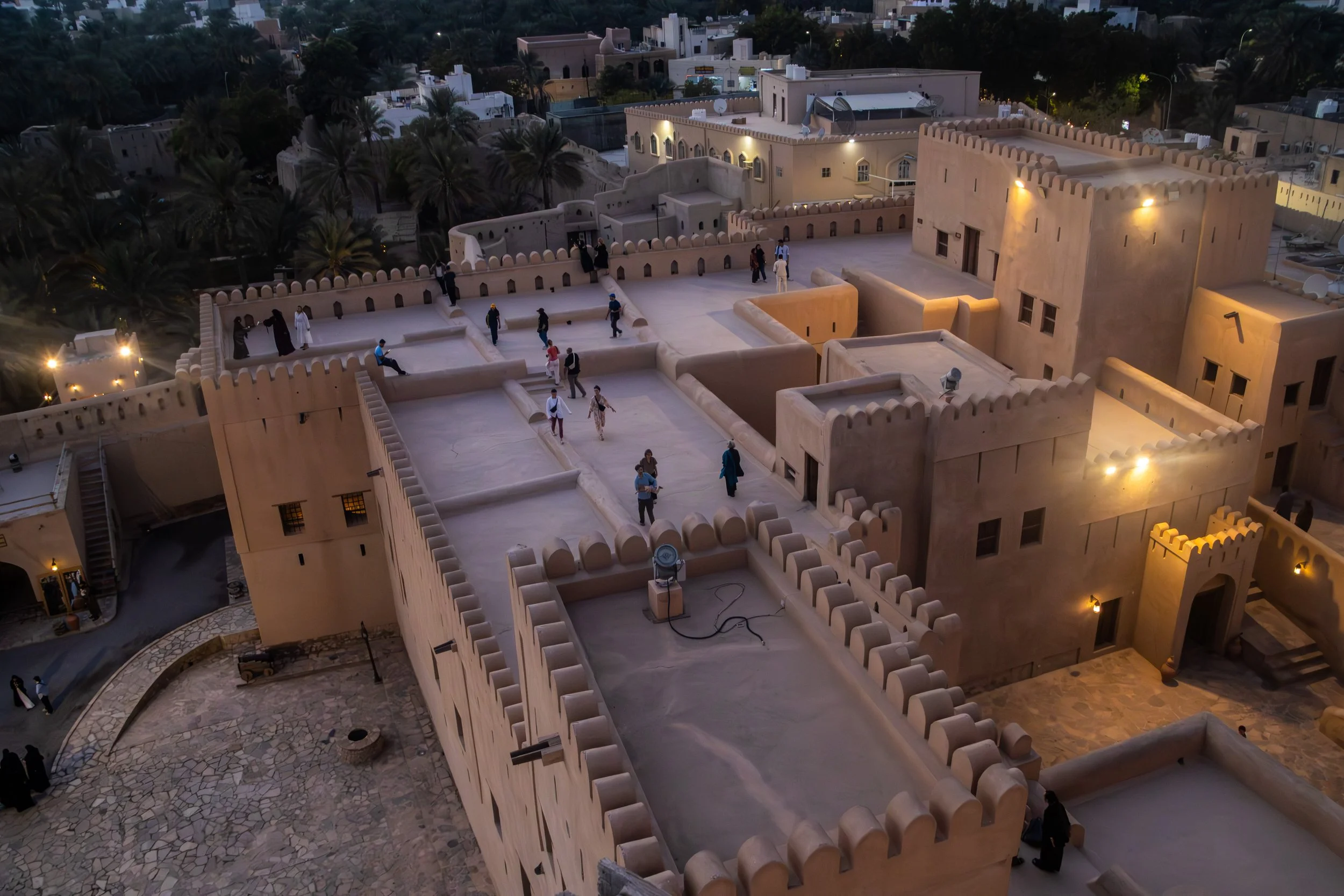
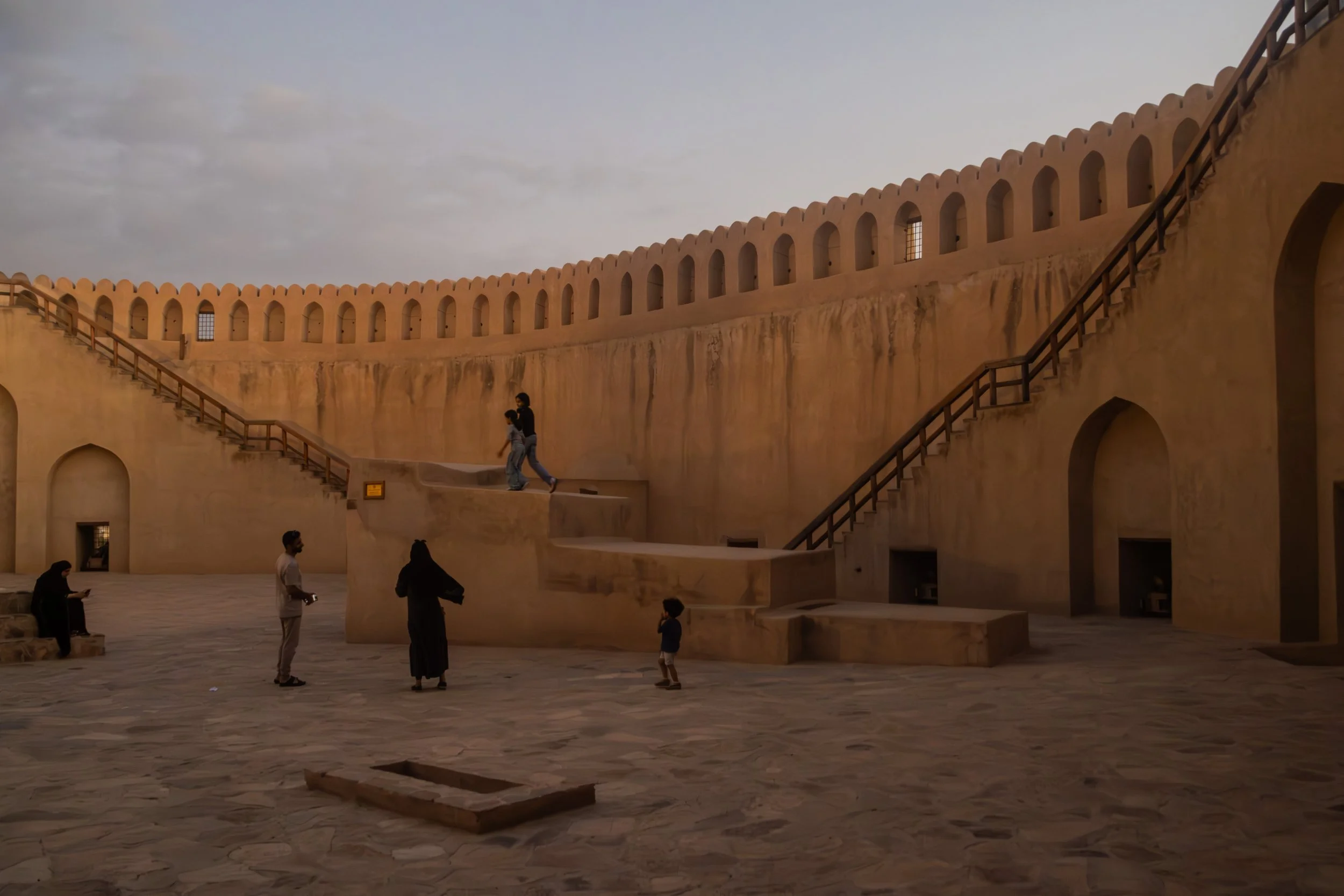
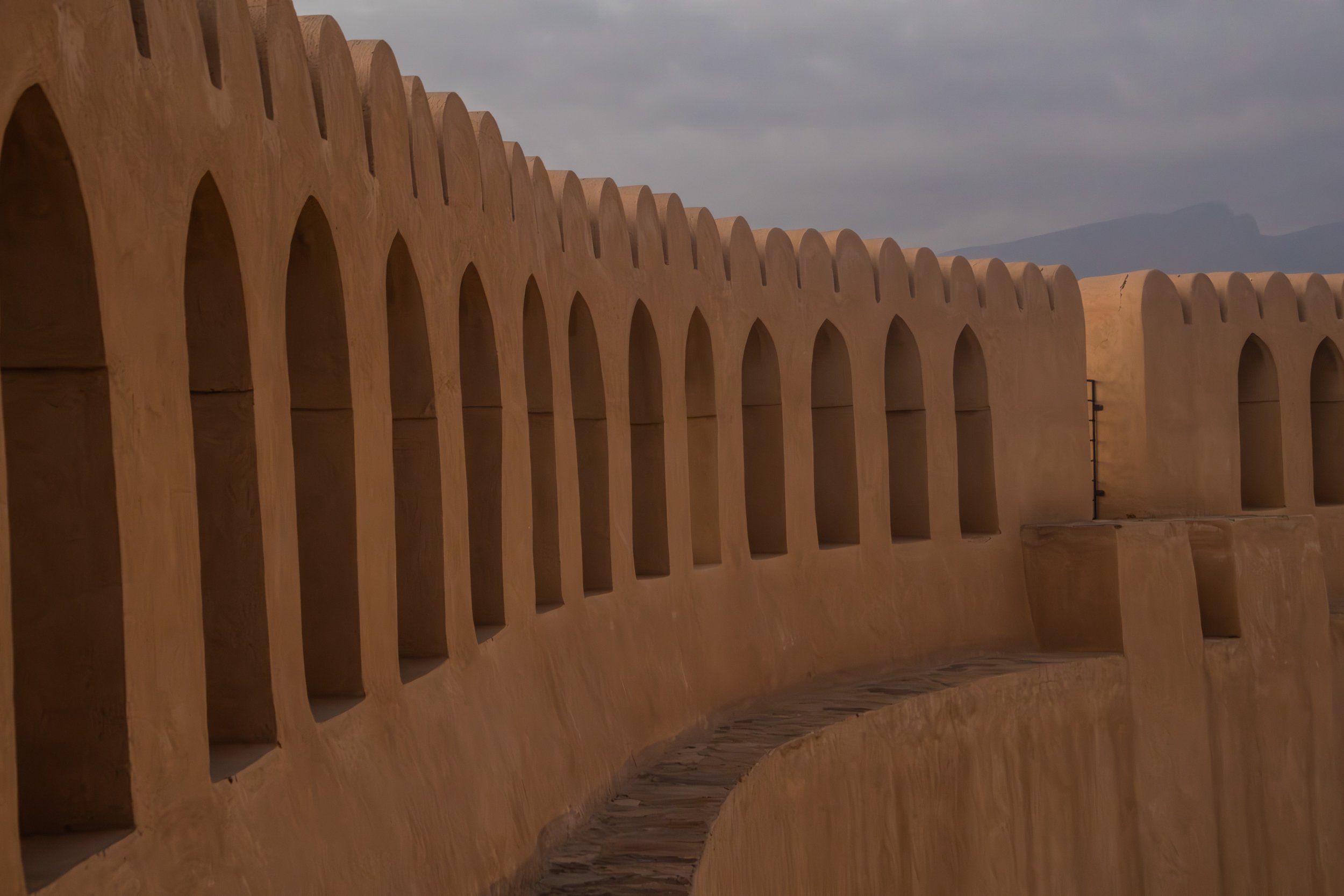
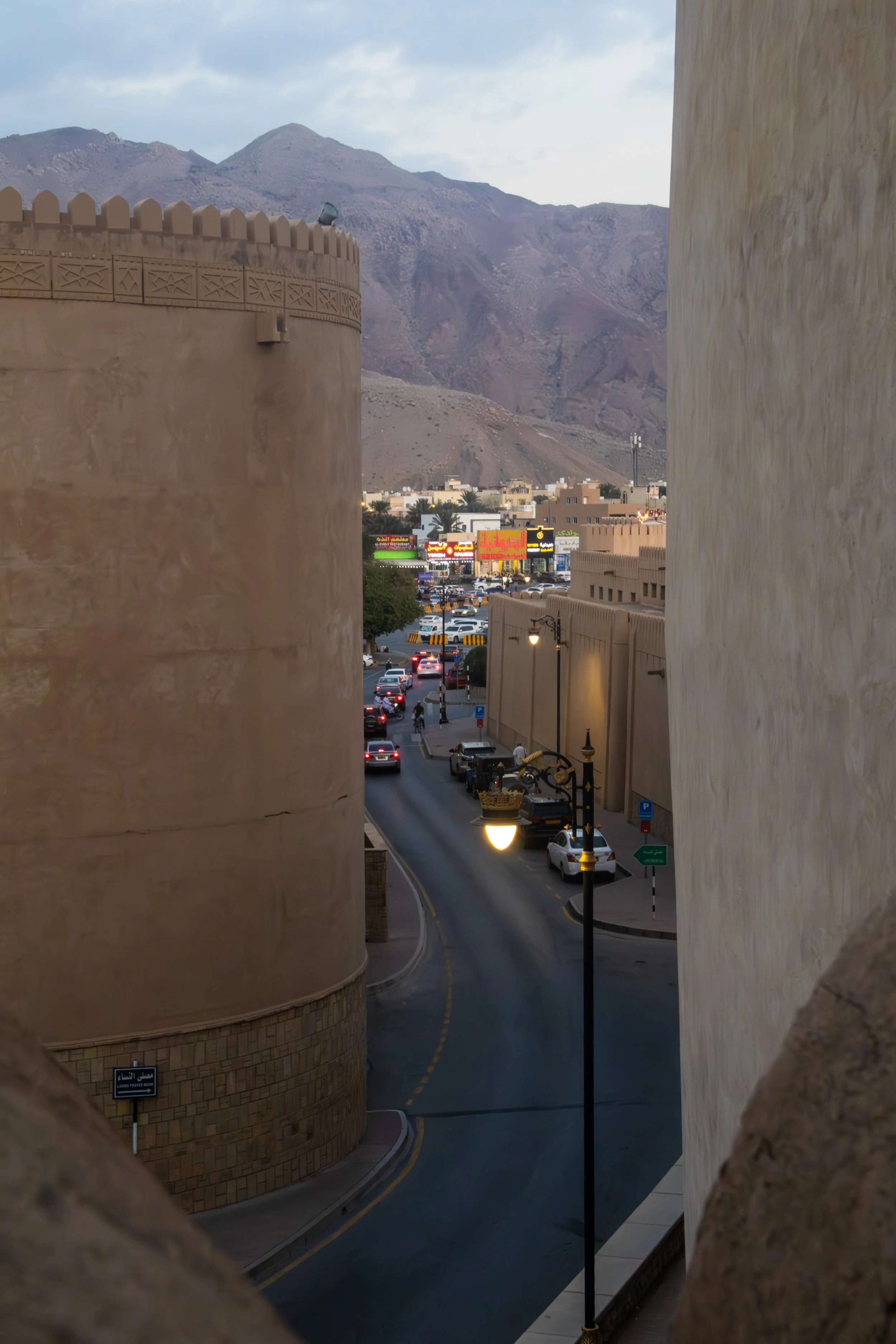
So let’s talk about the fort! Its most prominent structure is a massive central tower that is so wide that one could be forgiven for asking if it was originally used as some sort of stadium. It is 34m tall and 45m in diameter, so it’s quite a bit wider than it is tall; weird for a “tower”. But of all 3 of the fortresses we saw in this article, Nizwa is the most recent, and you can tell just from walking through it.
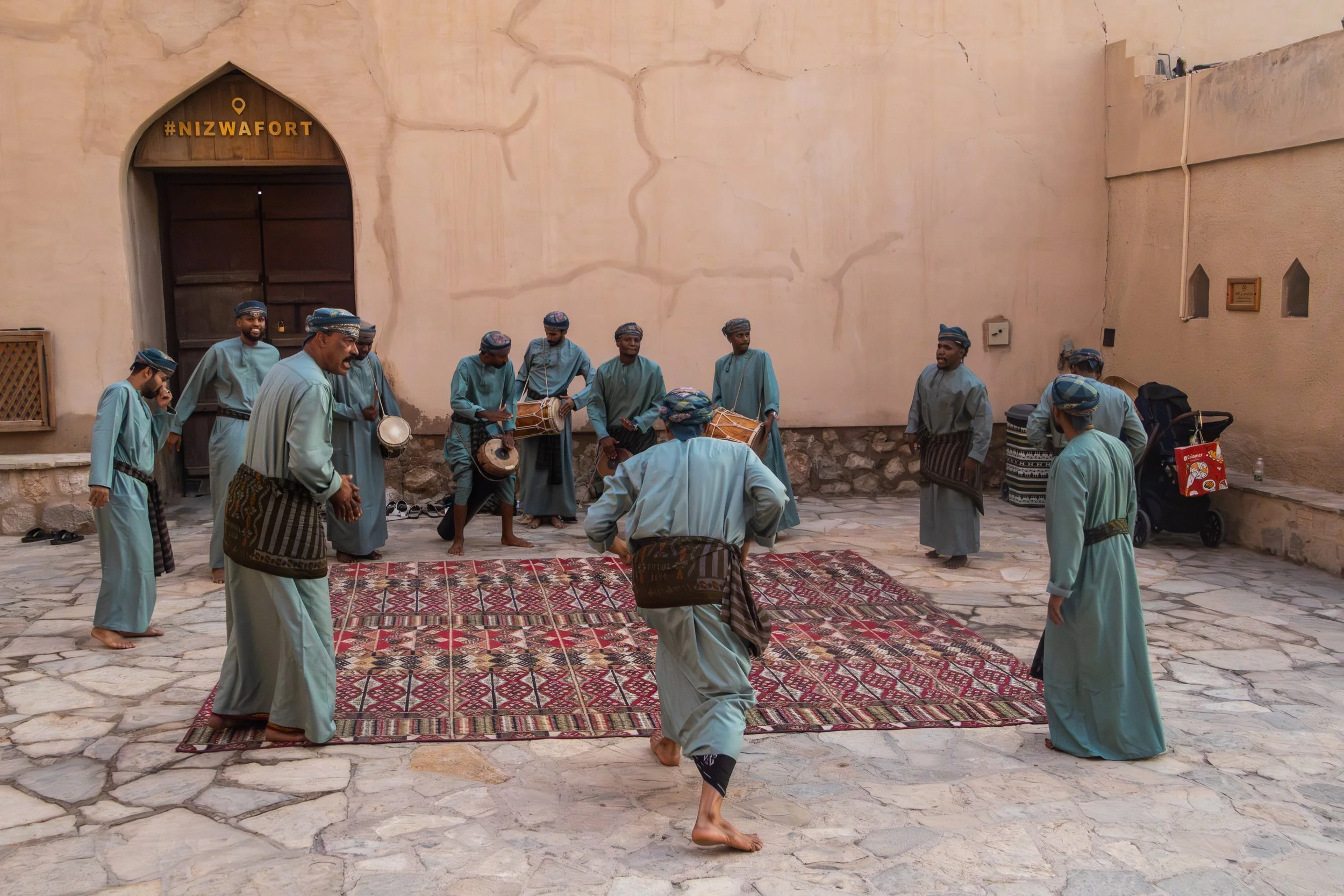
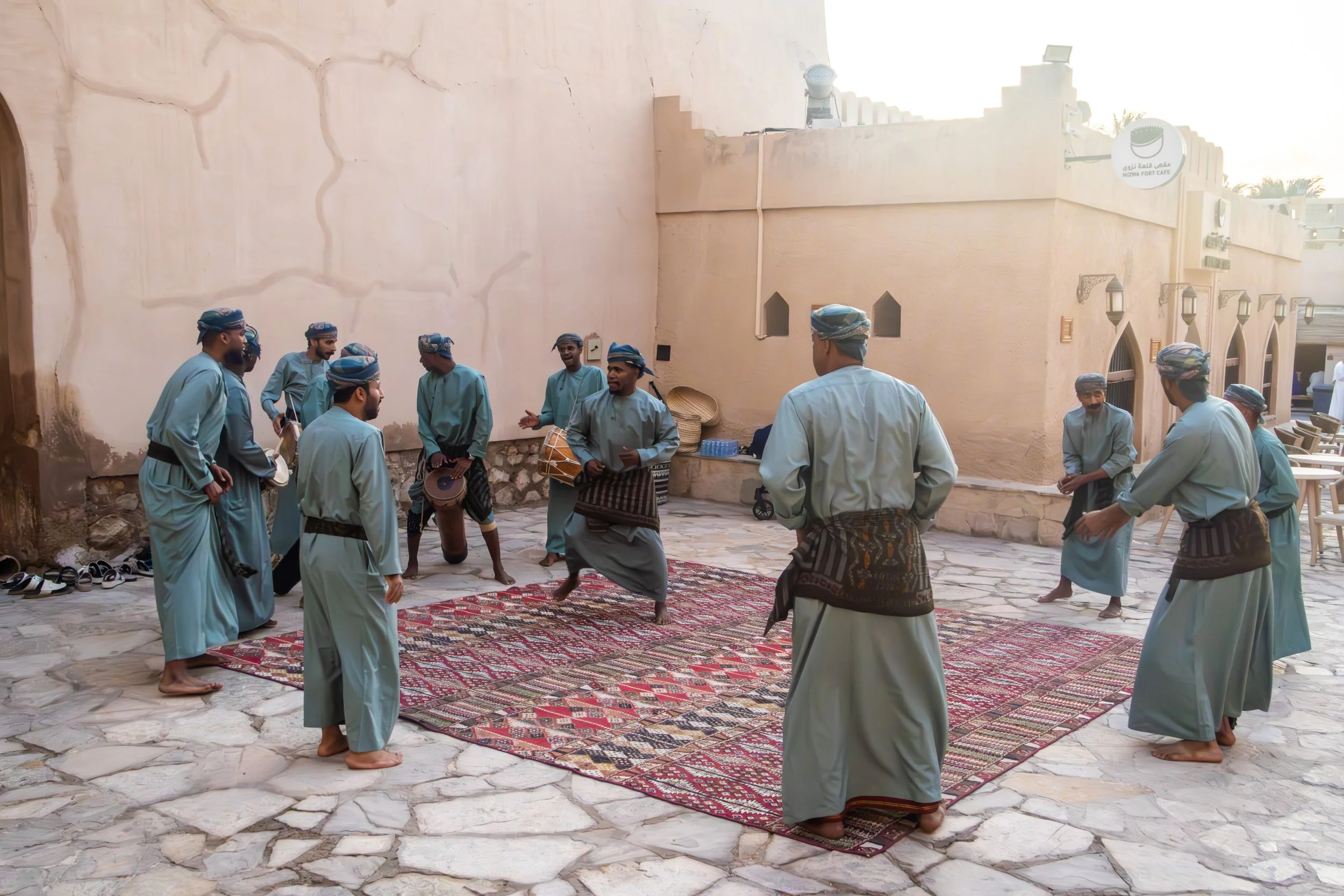
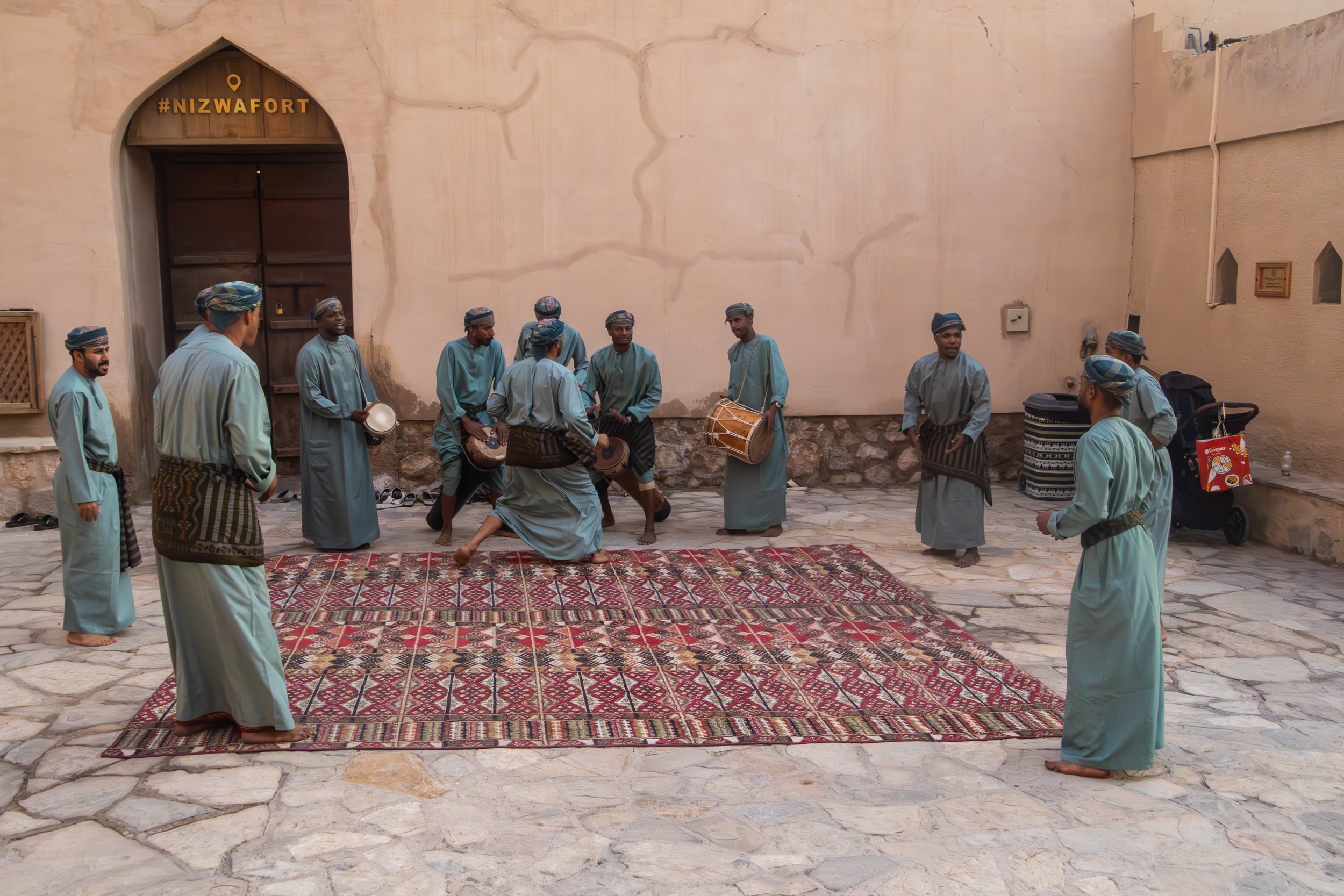
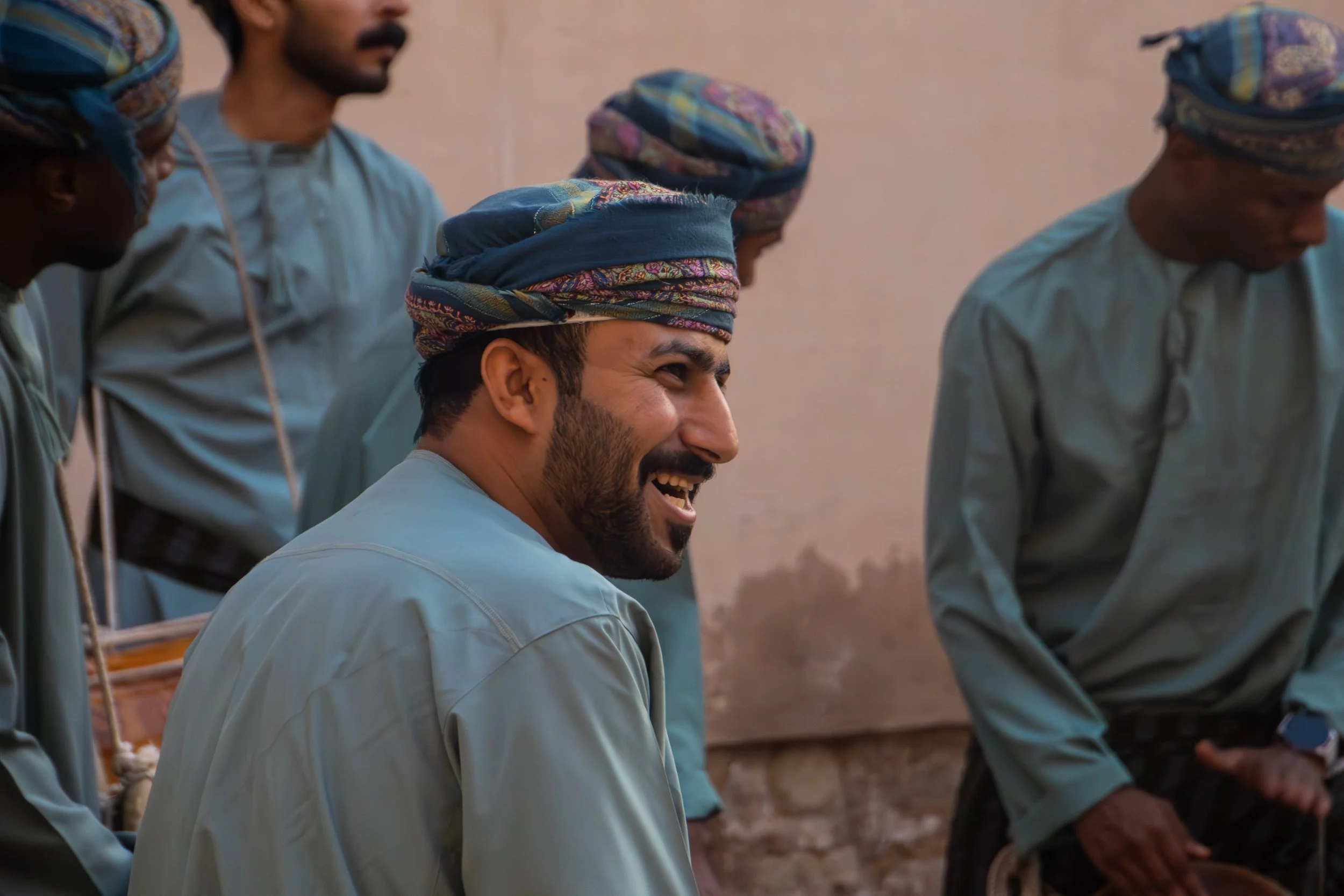
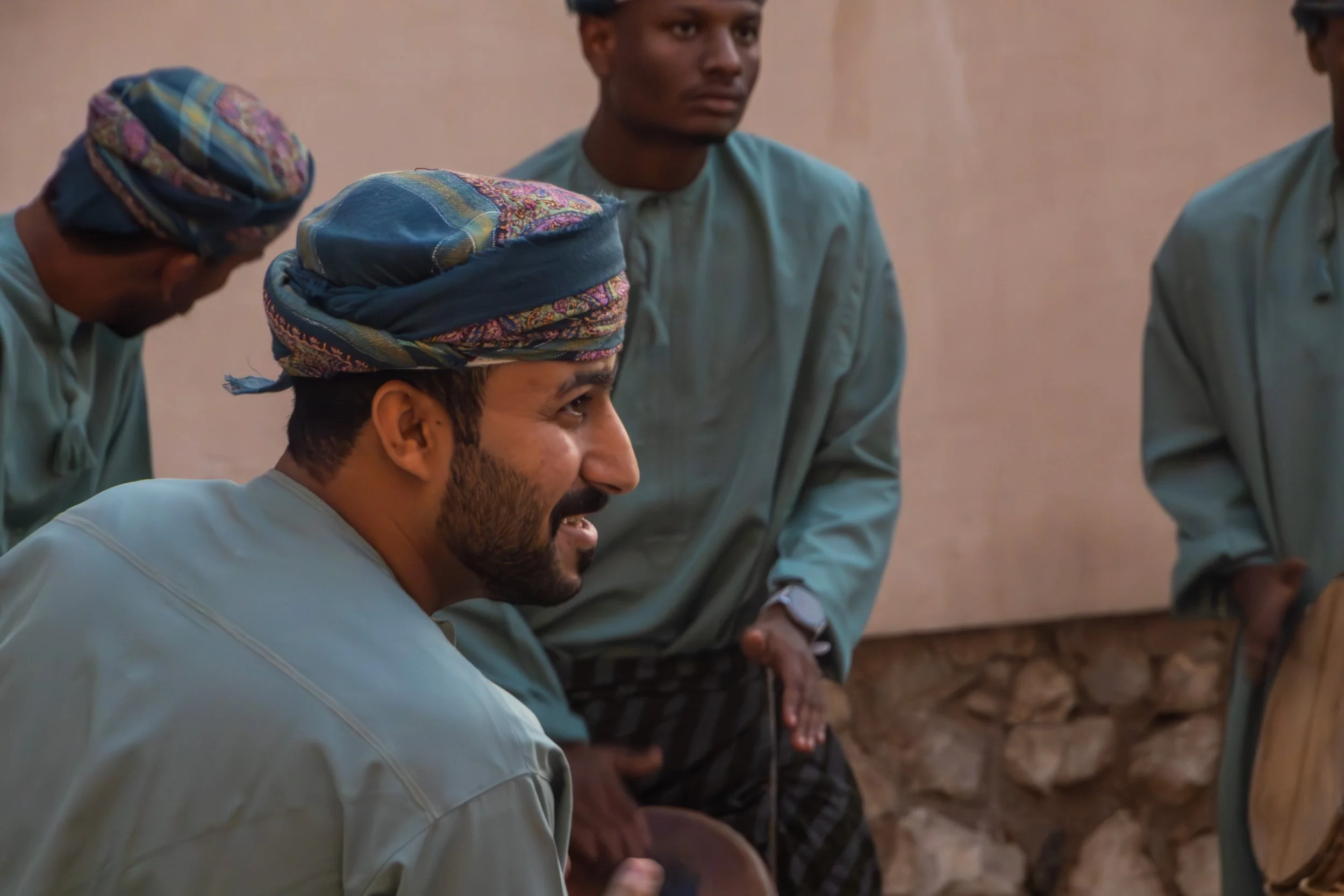
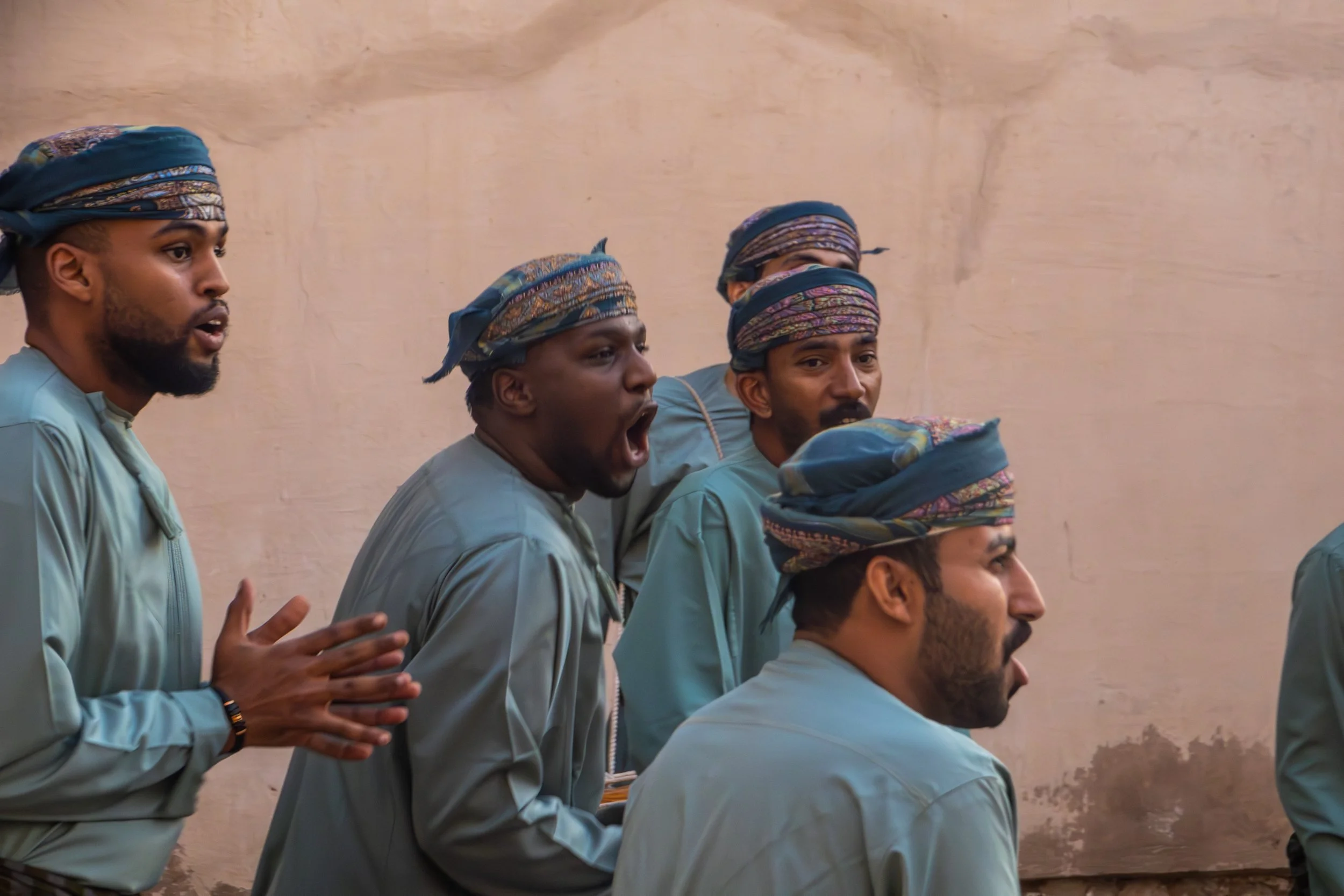
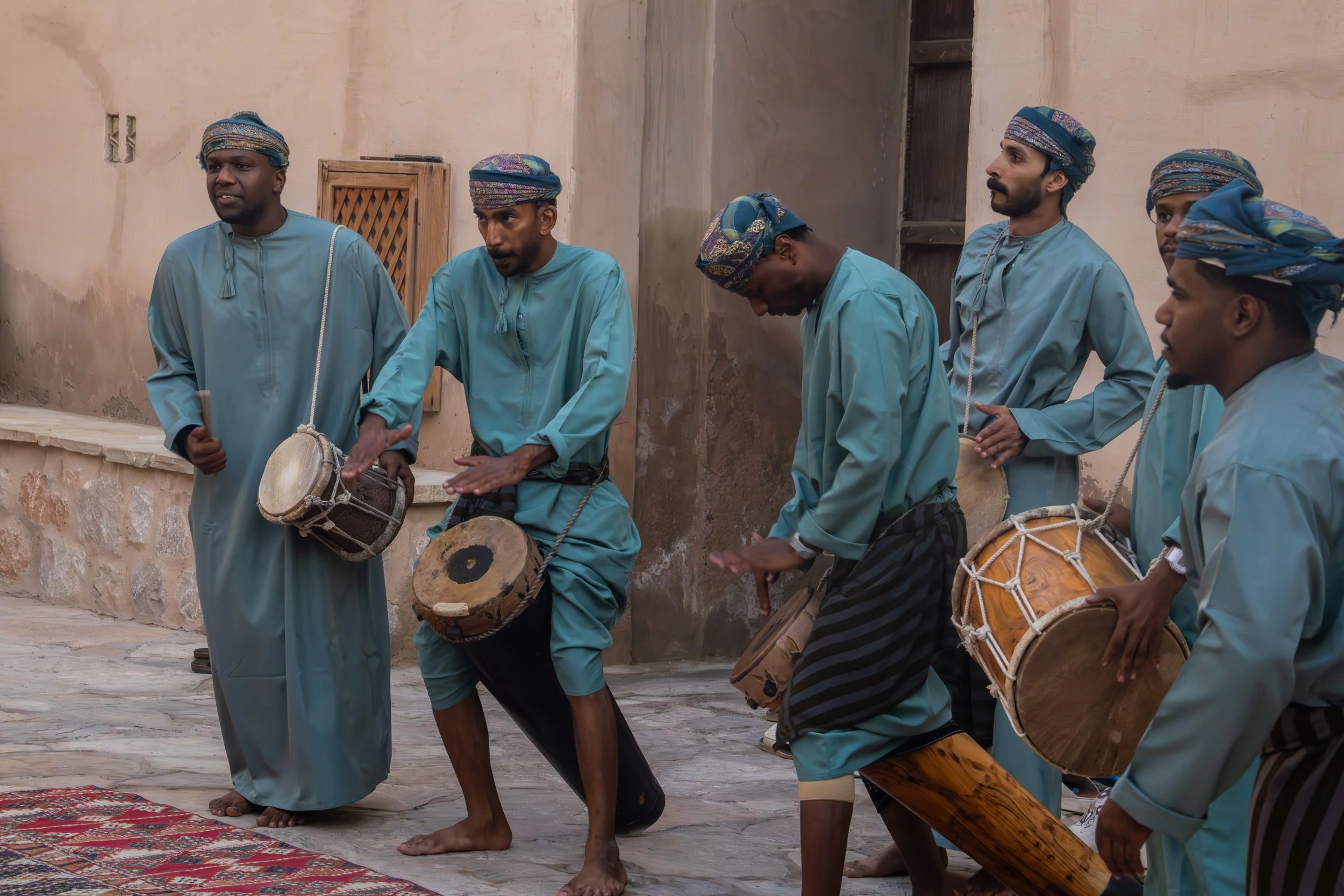
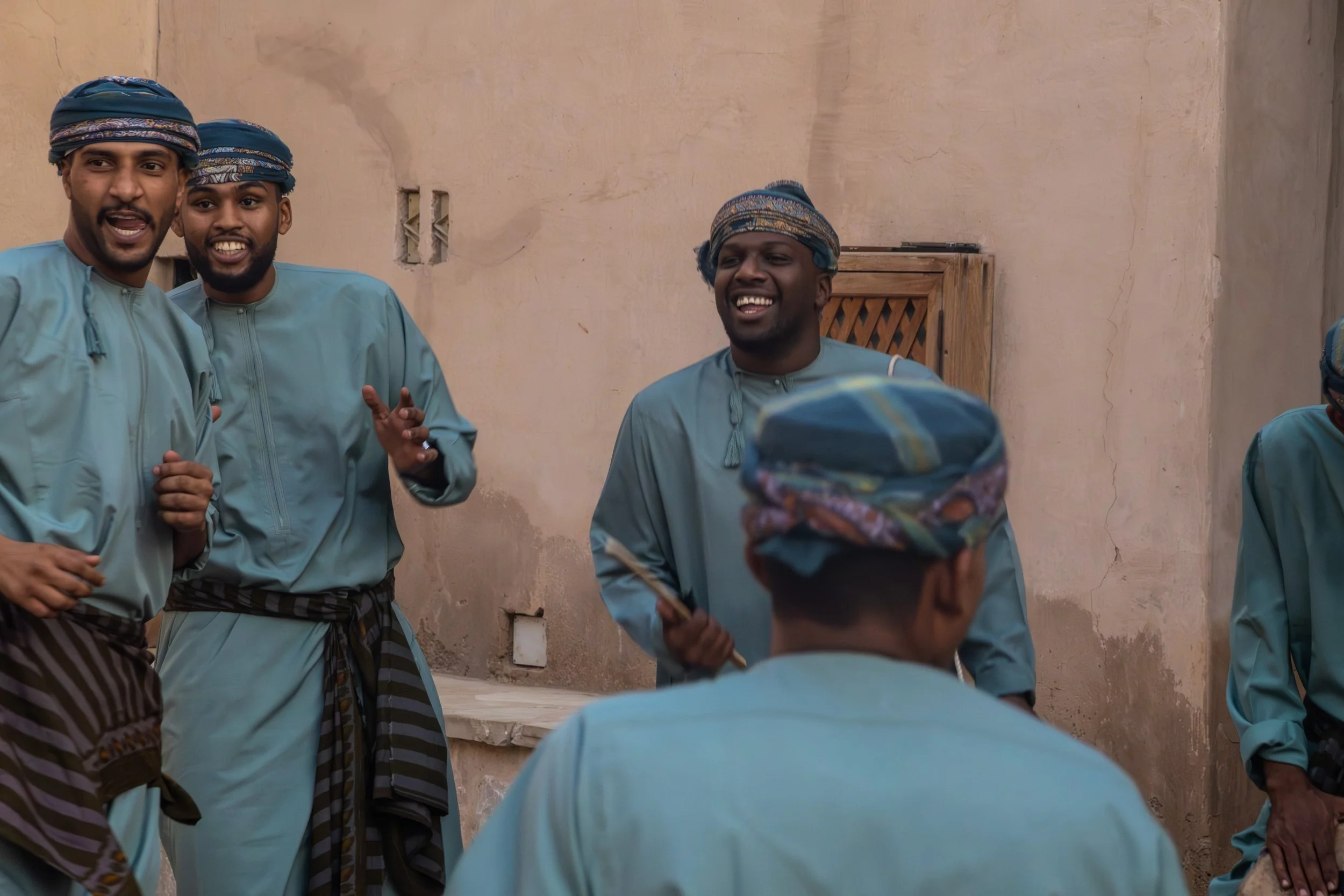
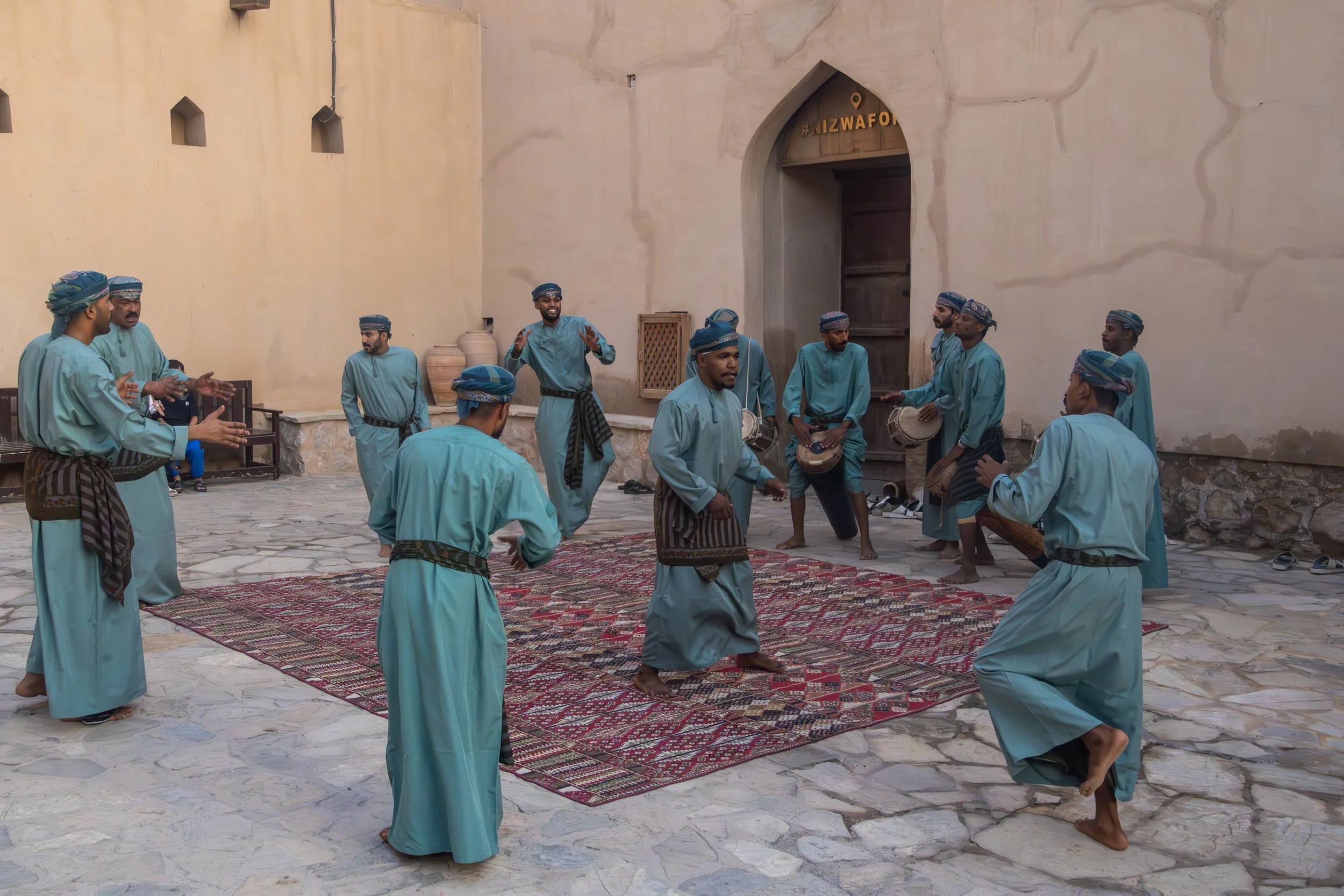
But, before we got to the fortress itself, we came across a traditional Omani drum circle performing for a crowd that had gathered. This was clearly a bit performative, but it was an interesting look at the culture behind these massive fortresses! The entire country of Oman had felt been weirdly empty this whole trip—I’m told this is a common theme throughout the Gulf states, since these countries have such small populations—so this little cultural oasis was extremely cool!
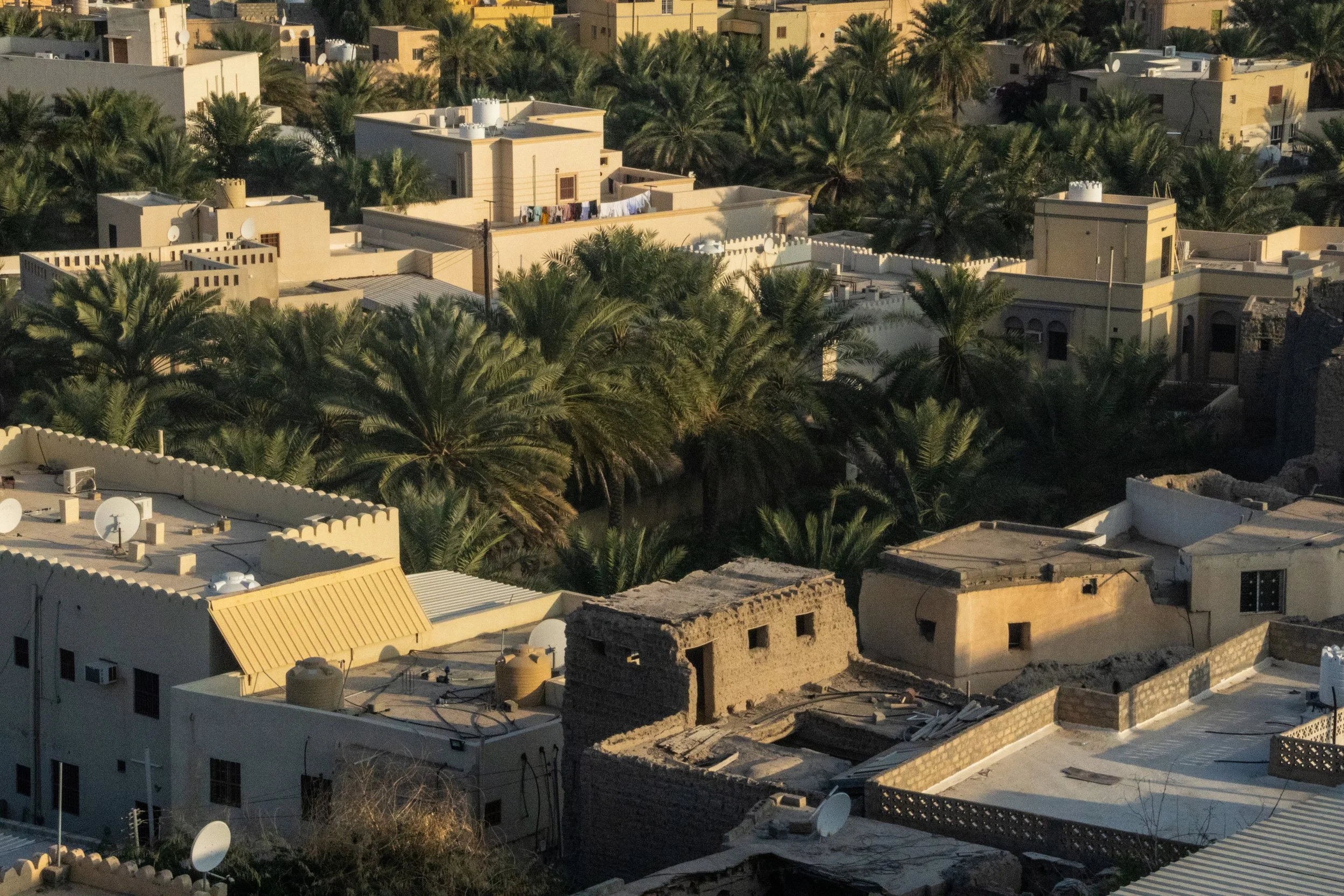
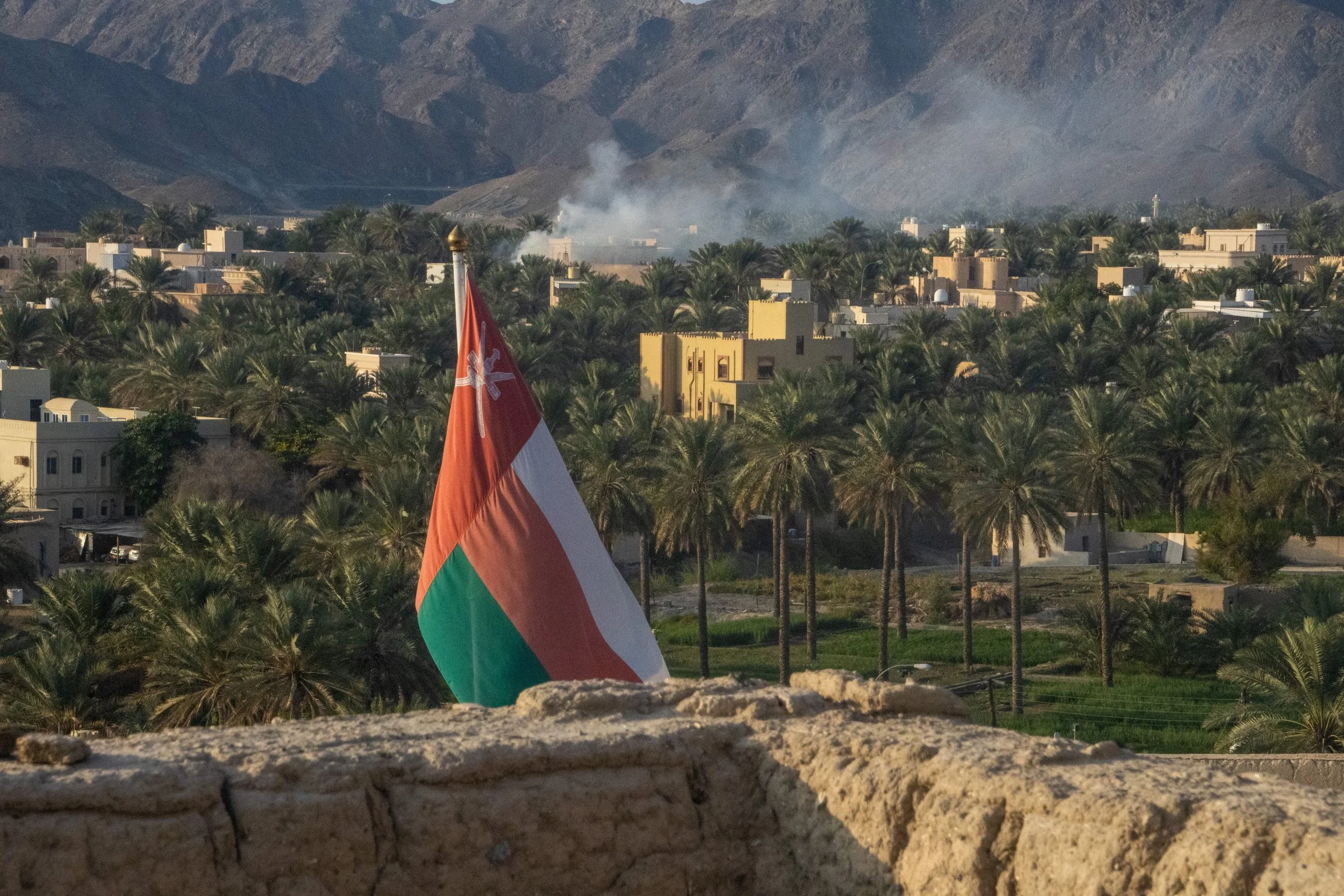
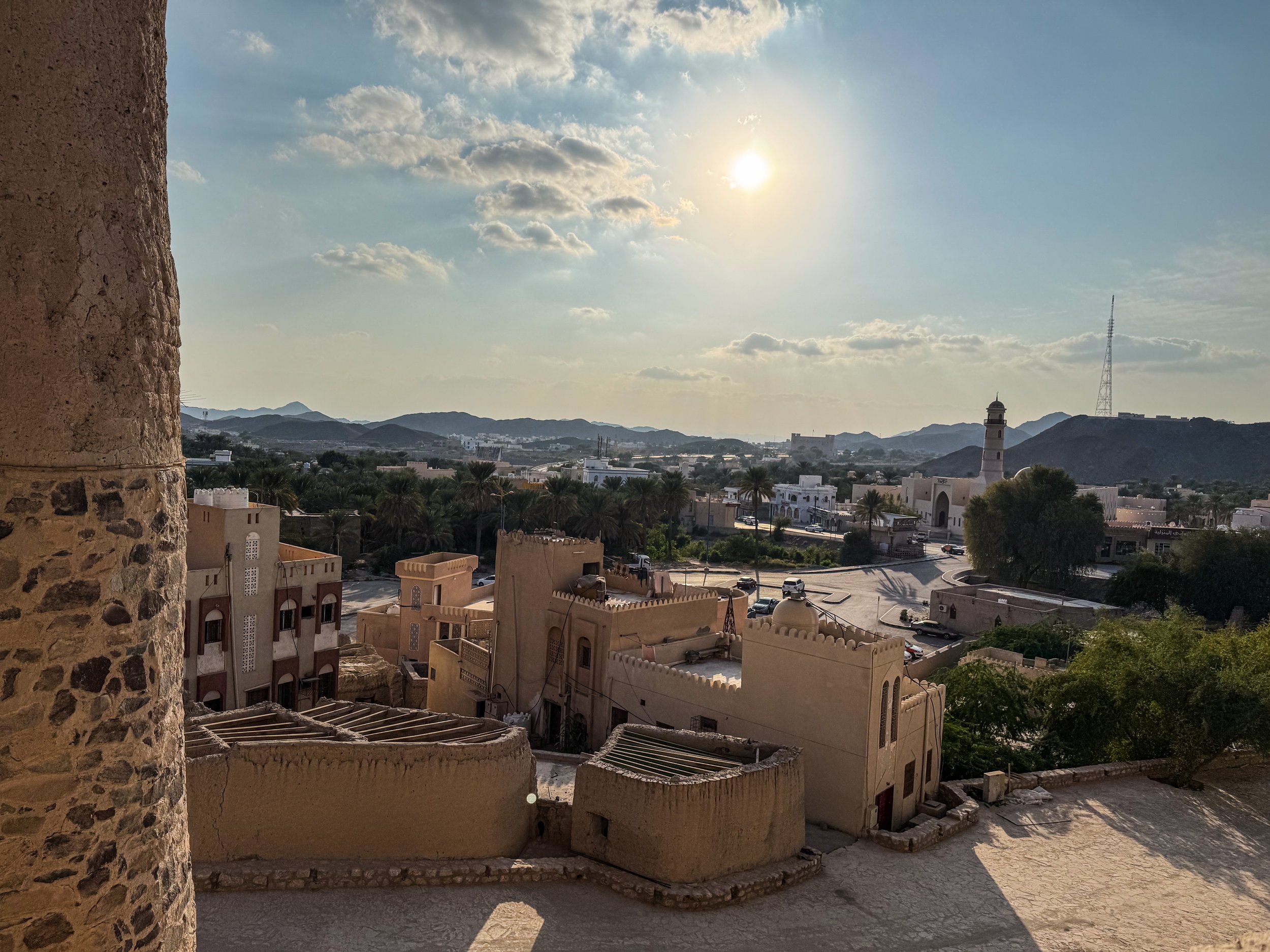
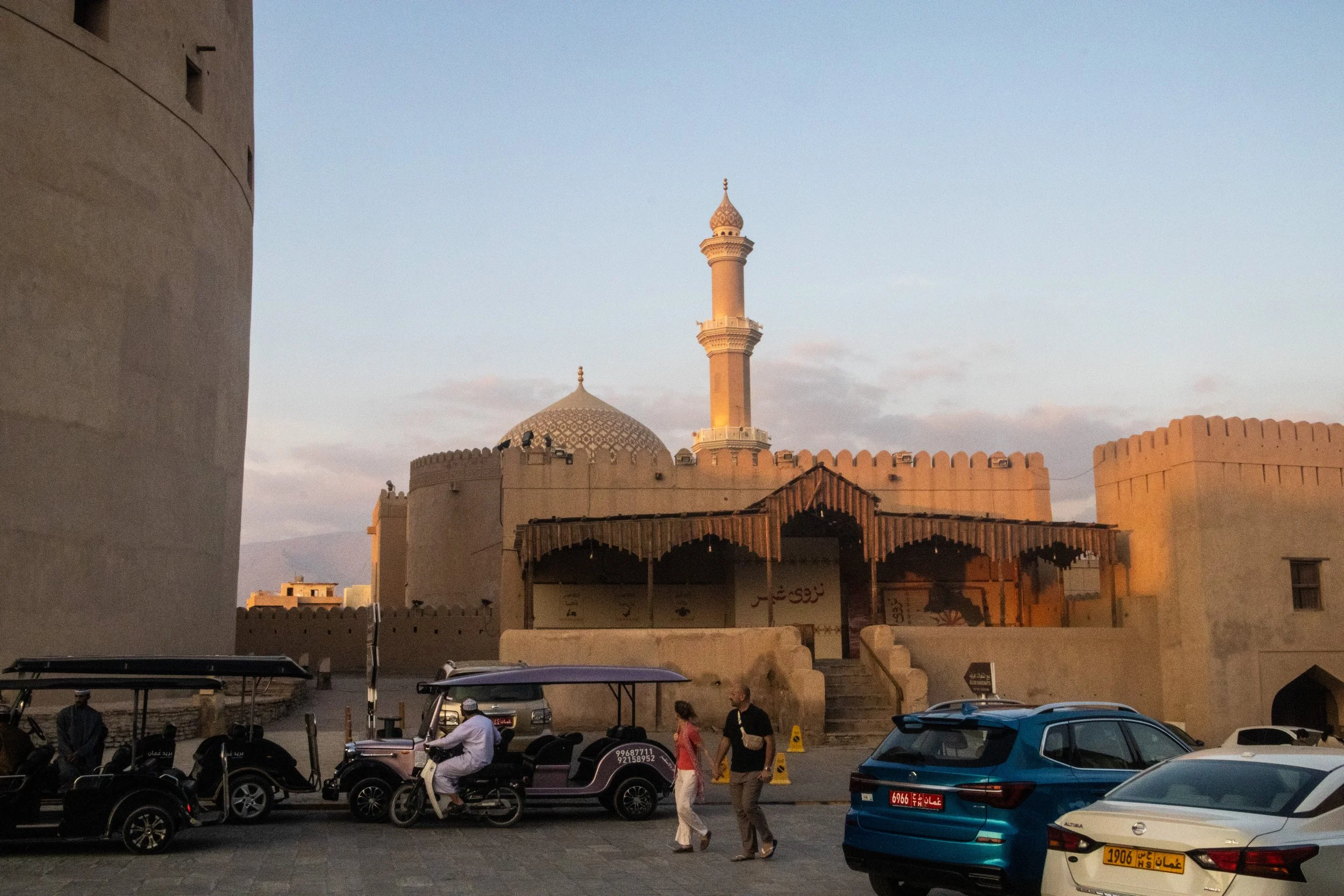
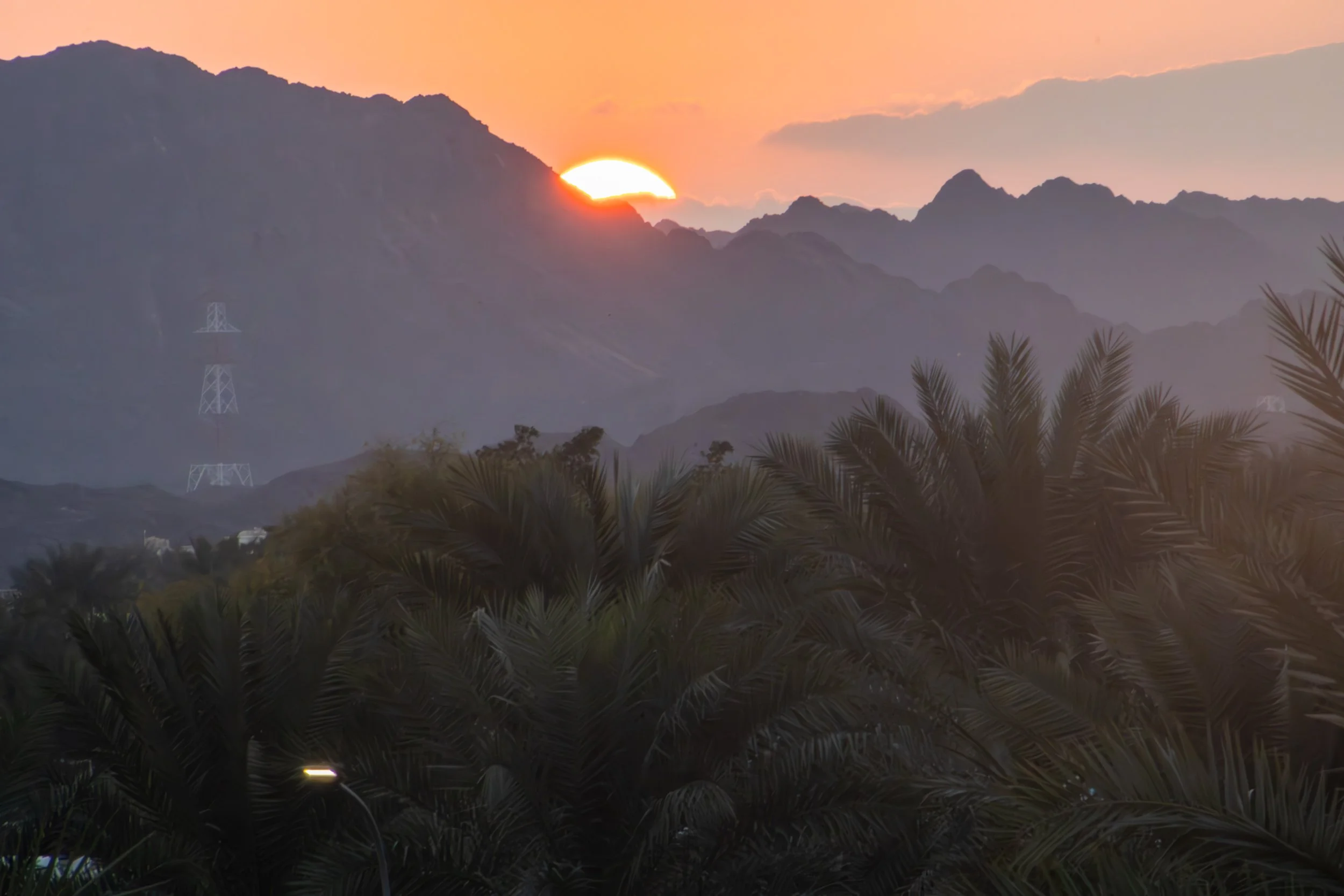
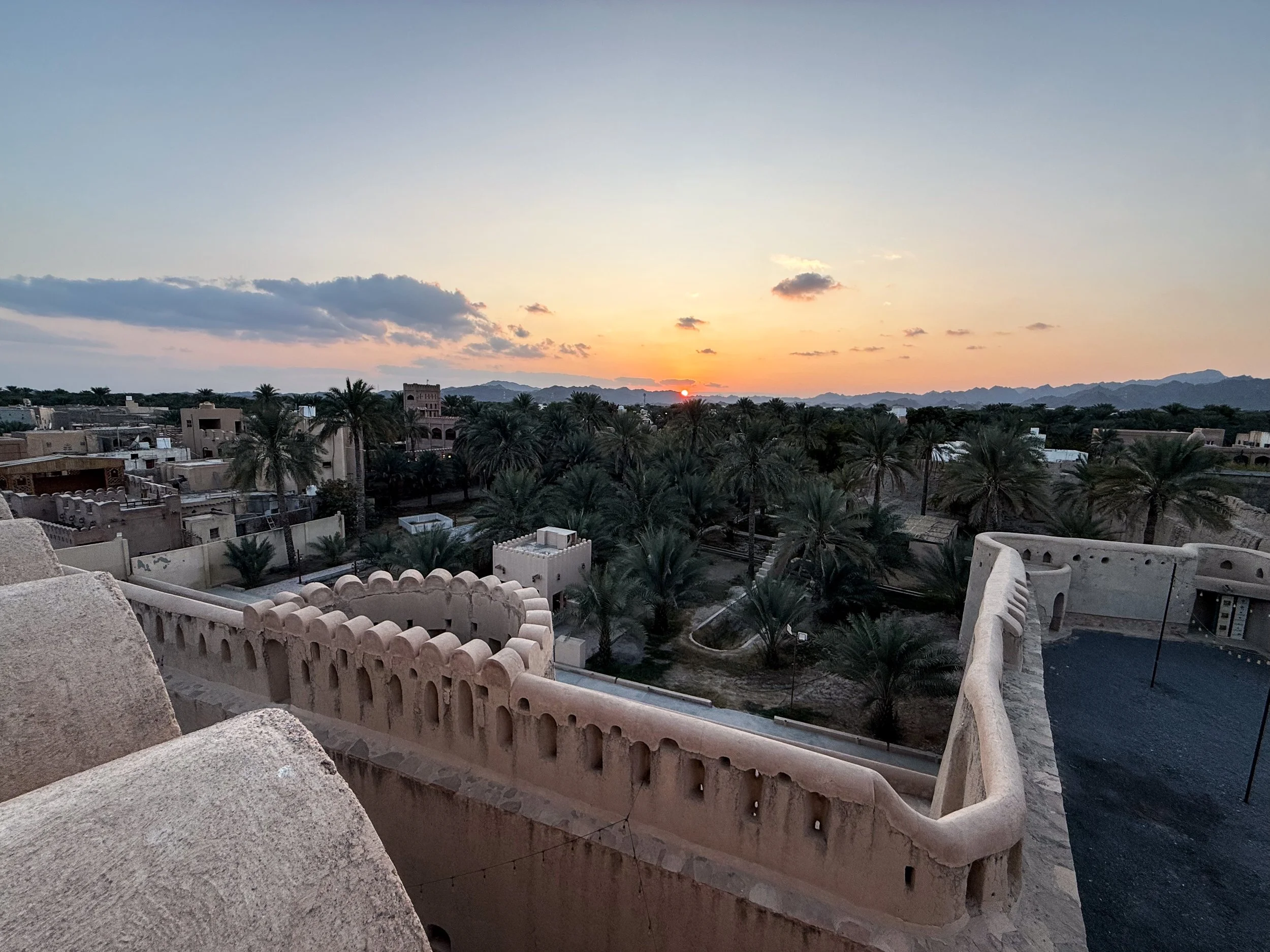
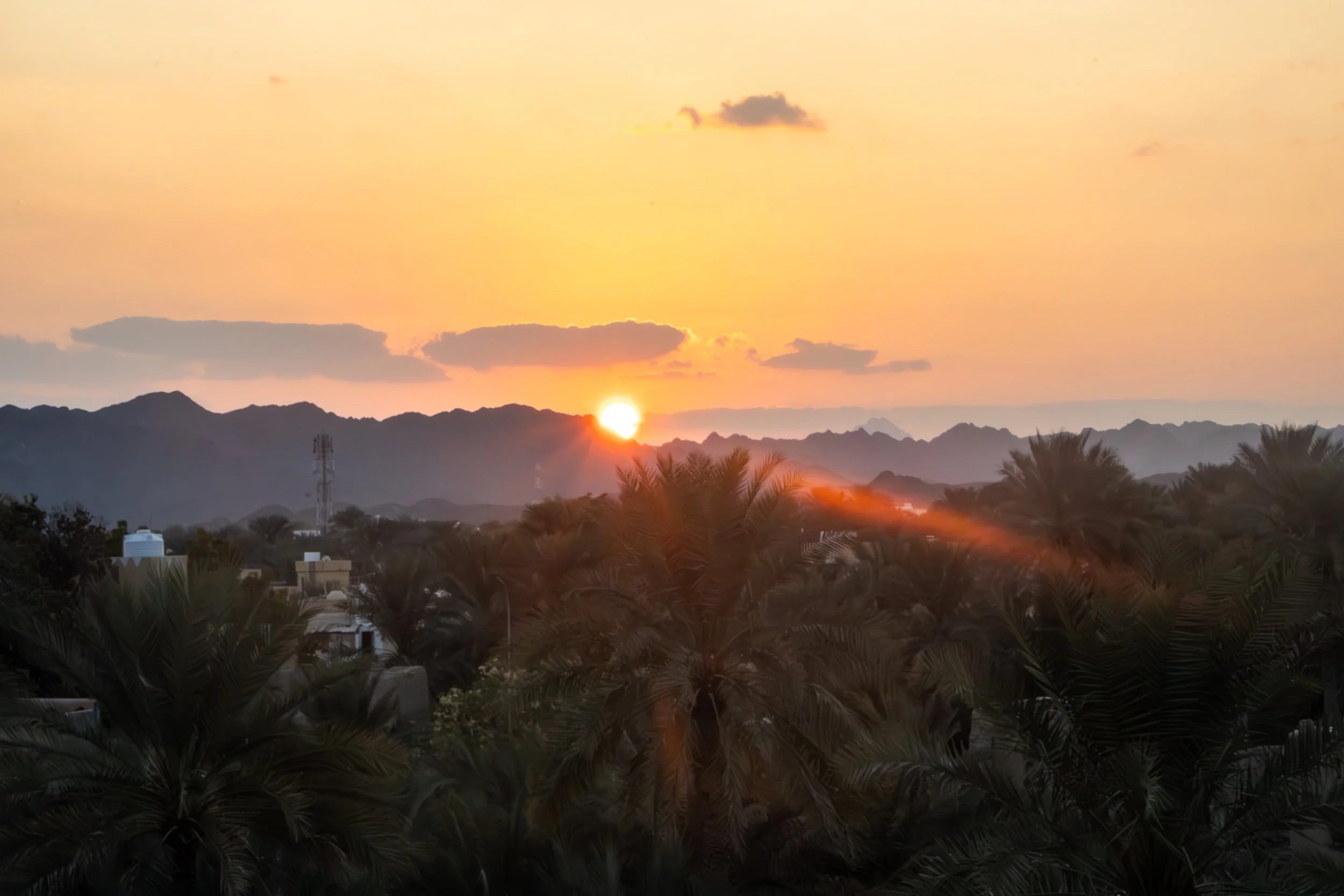
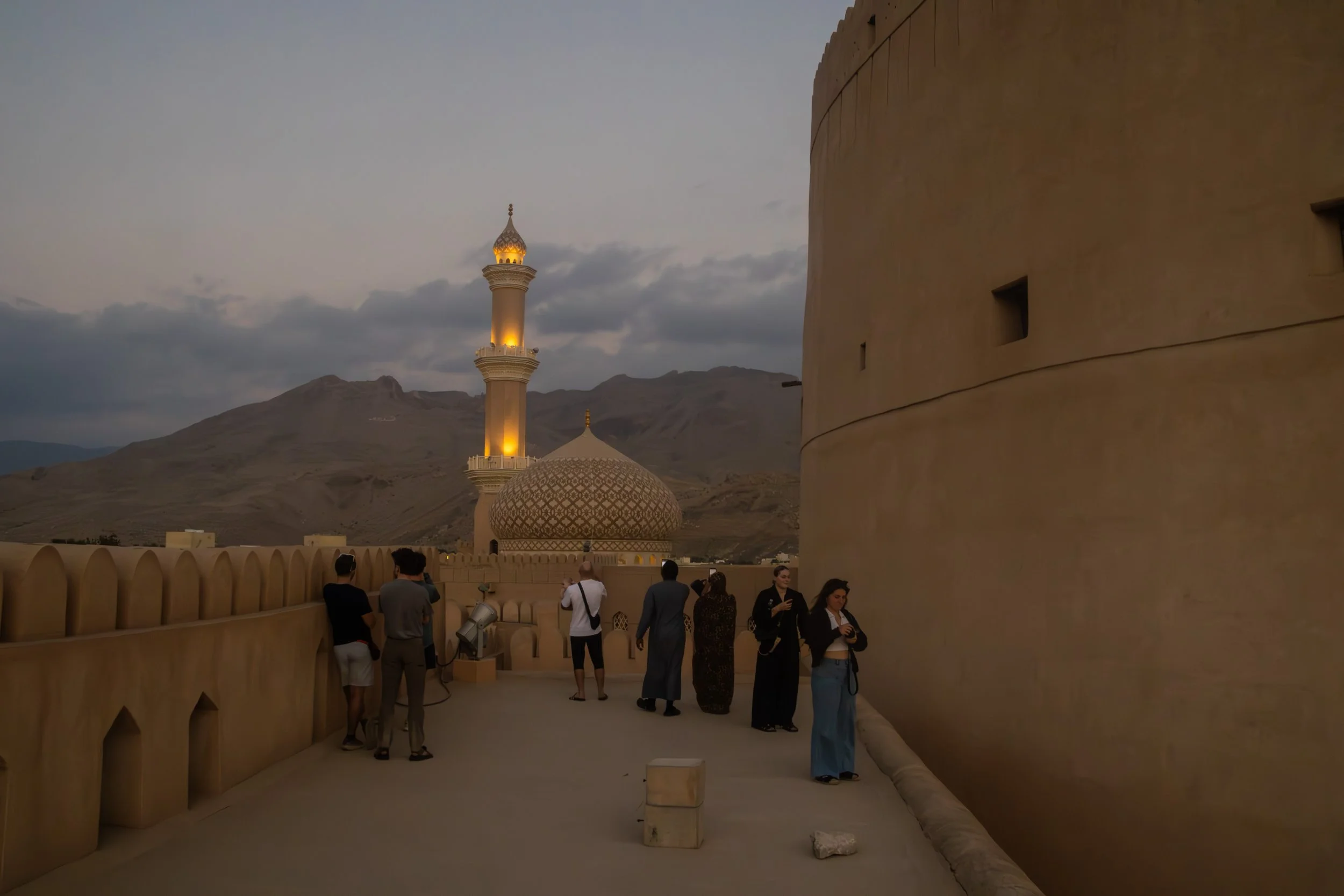
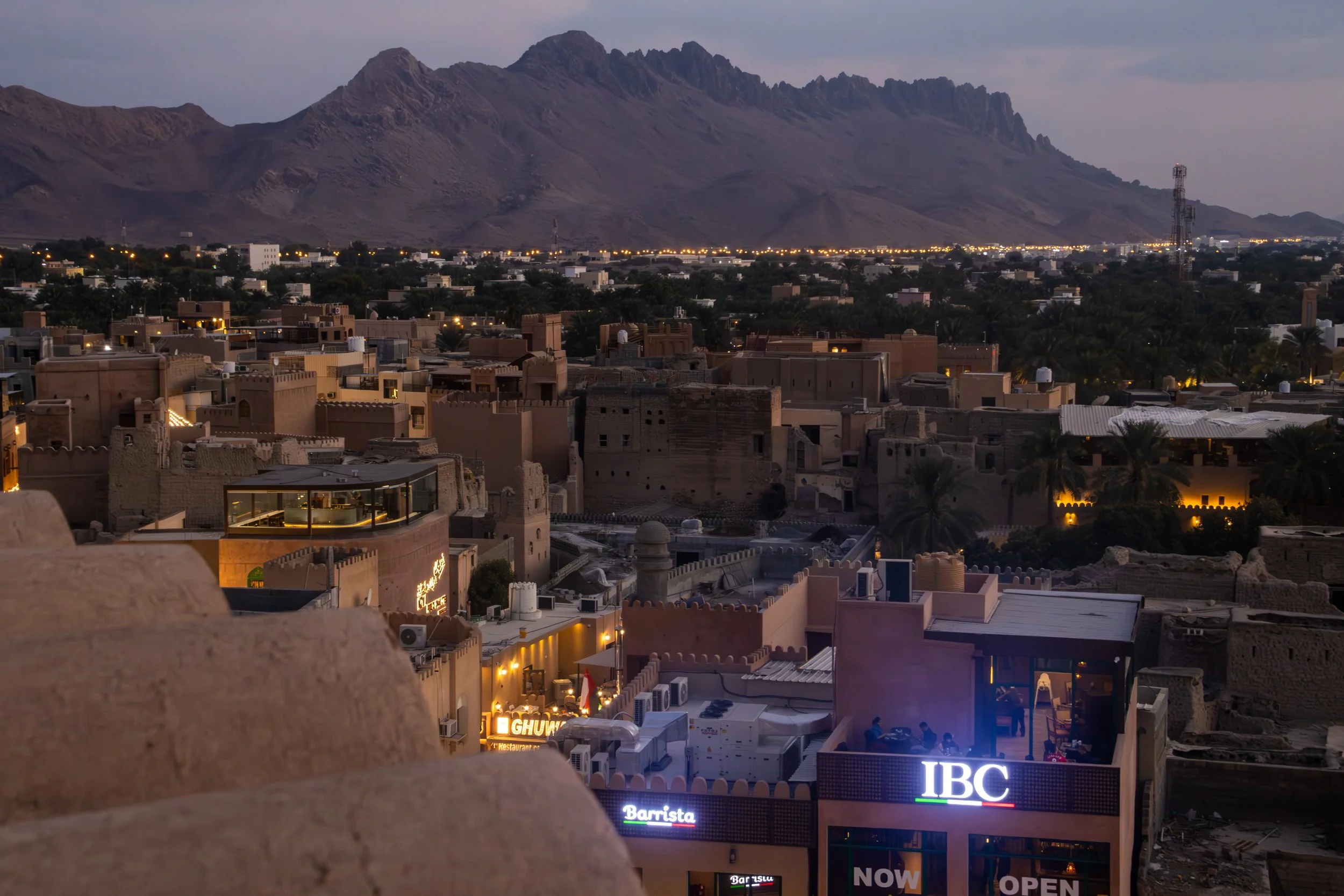
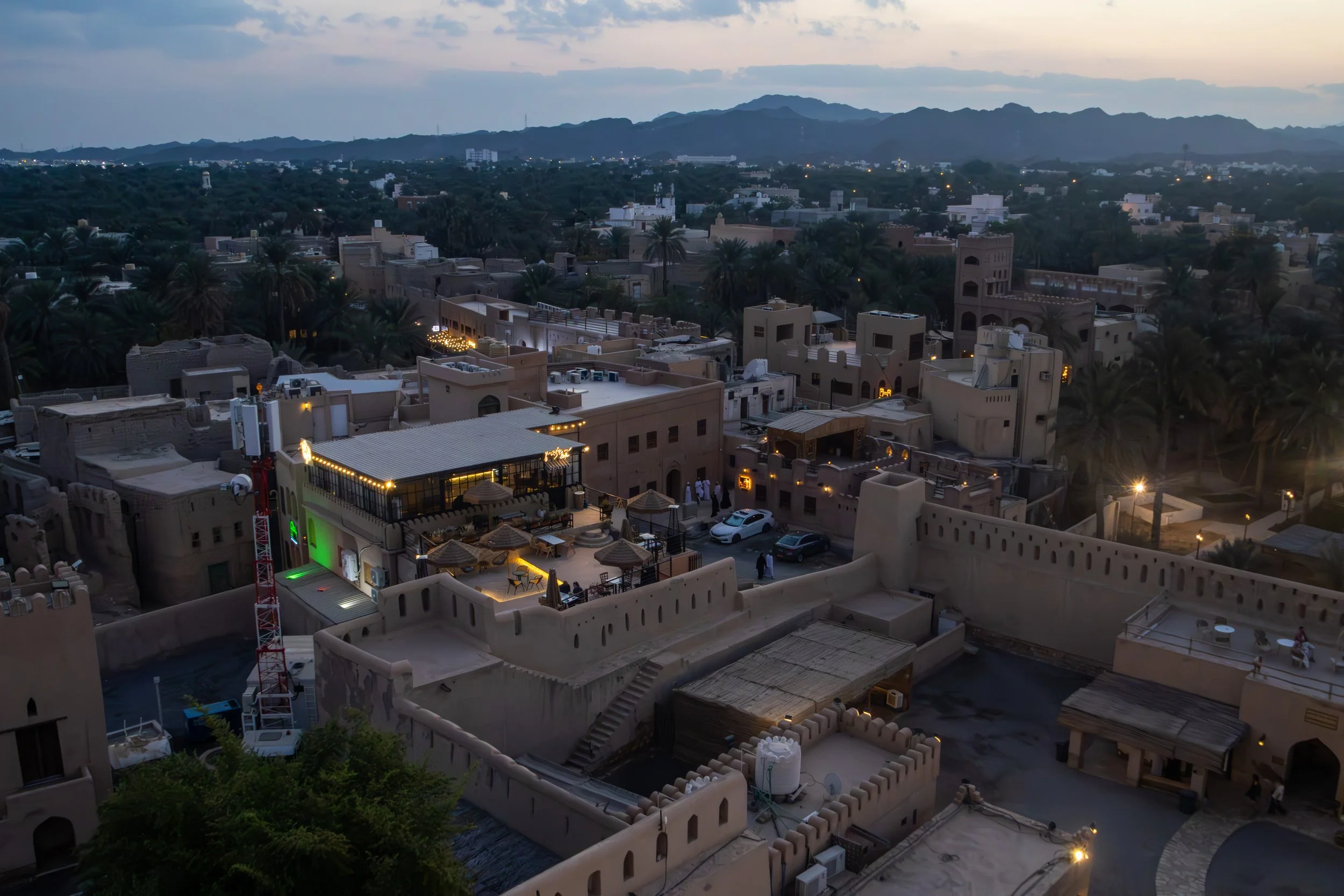
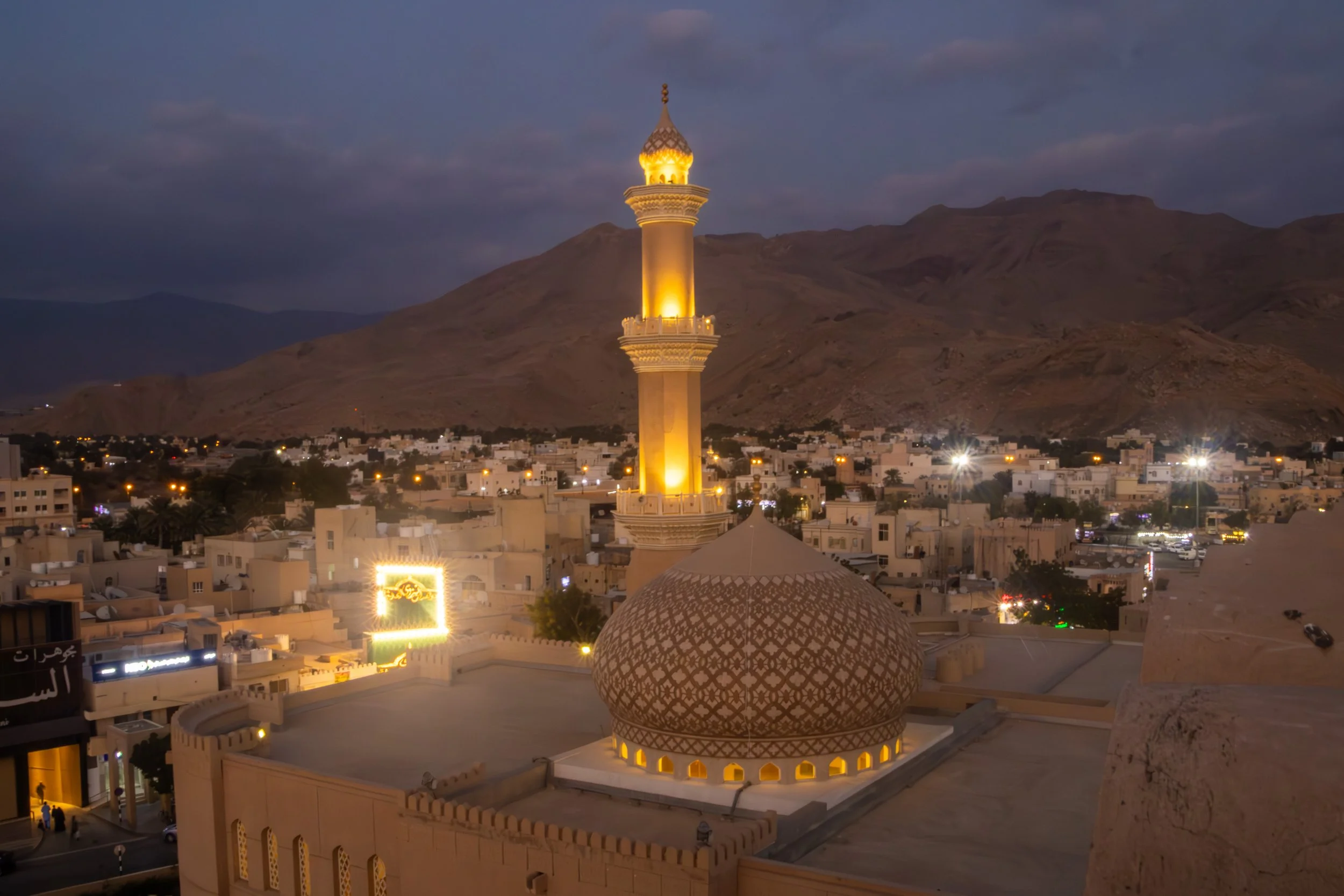
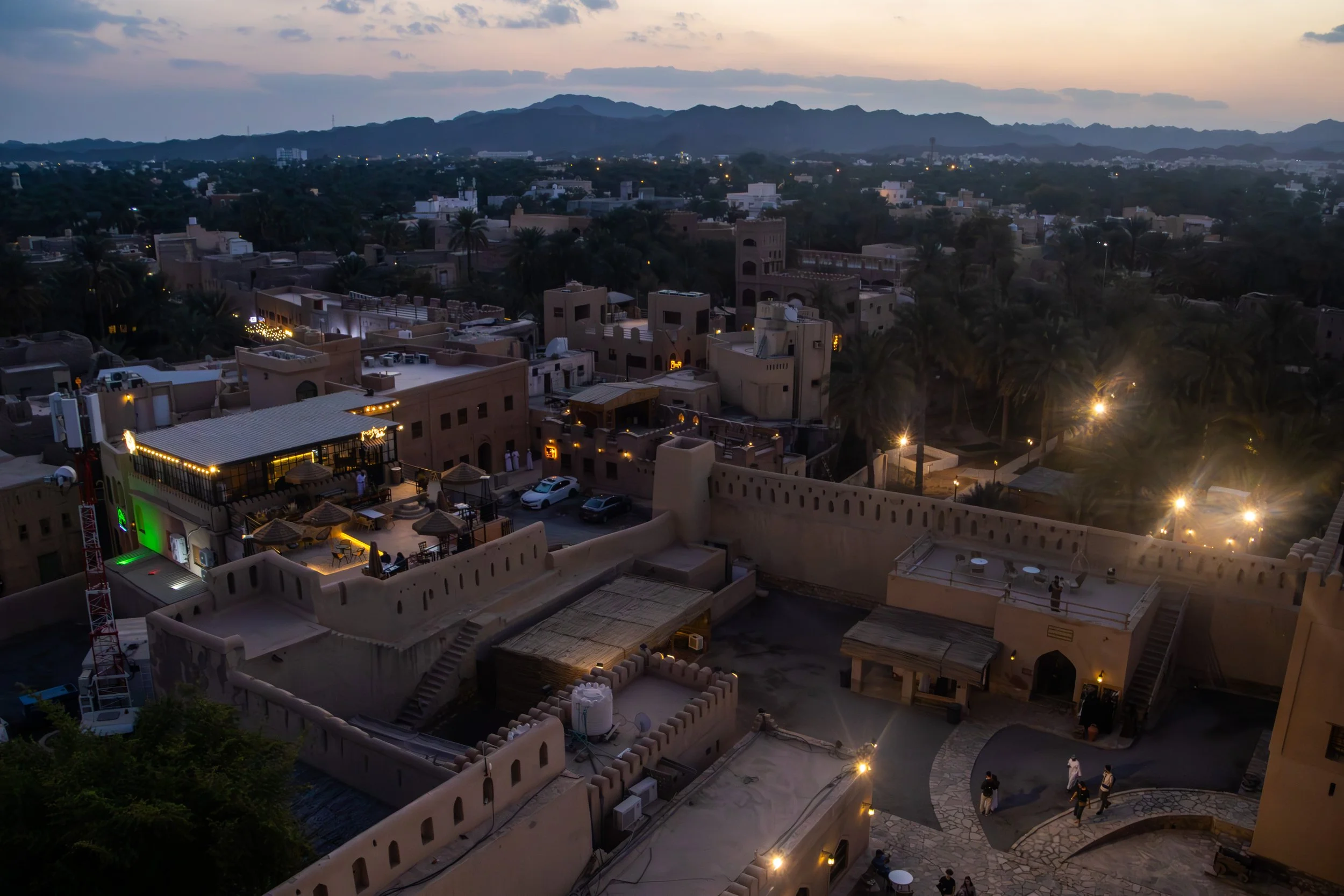
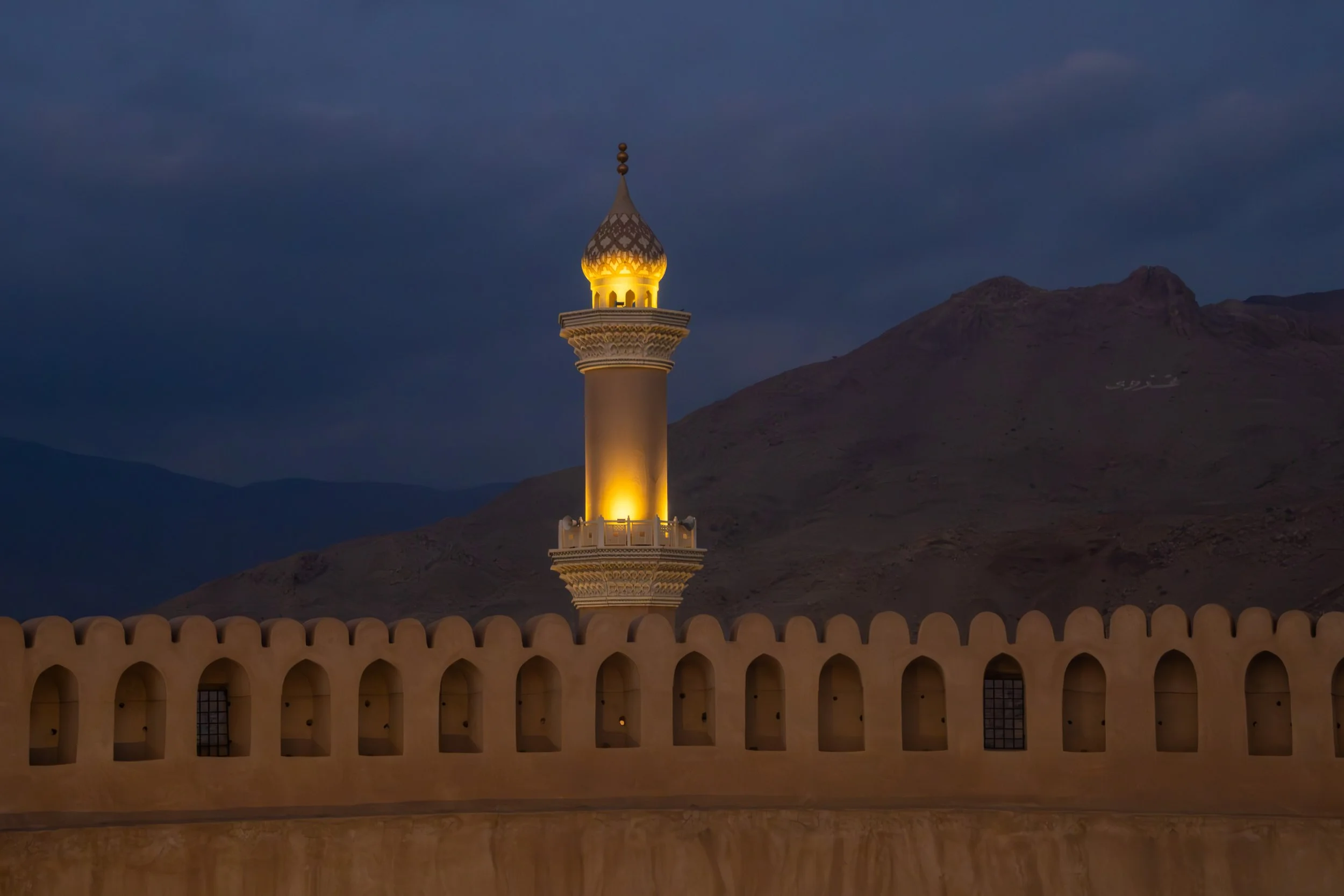
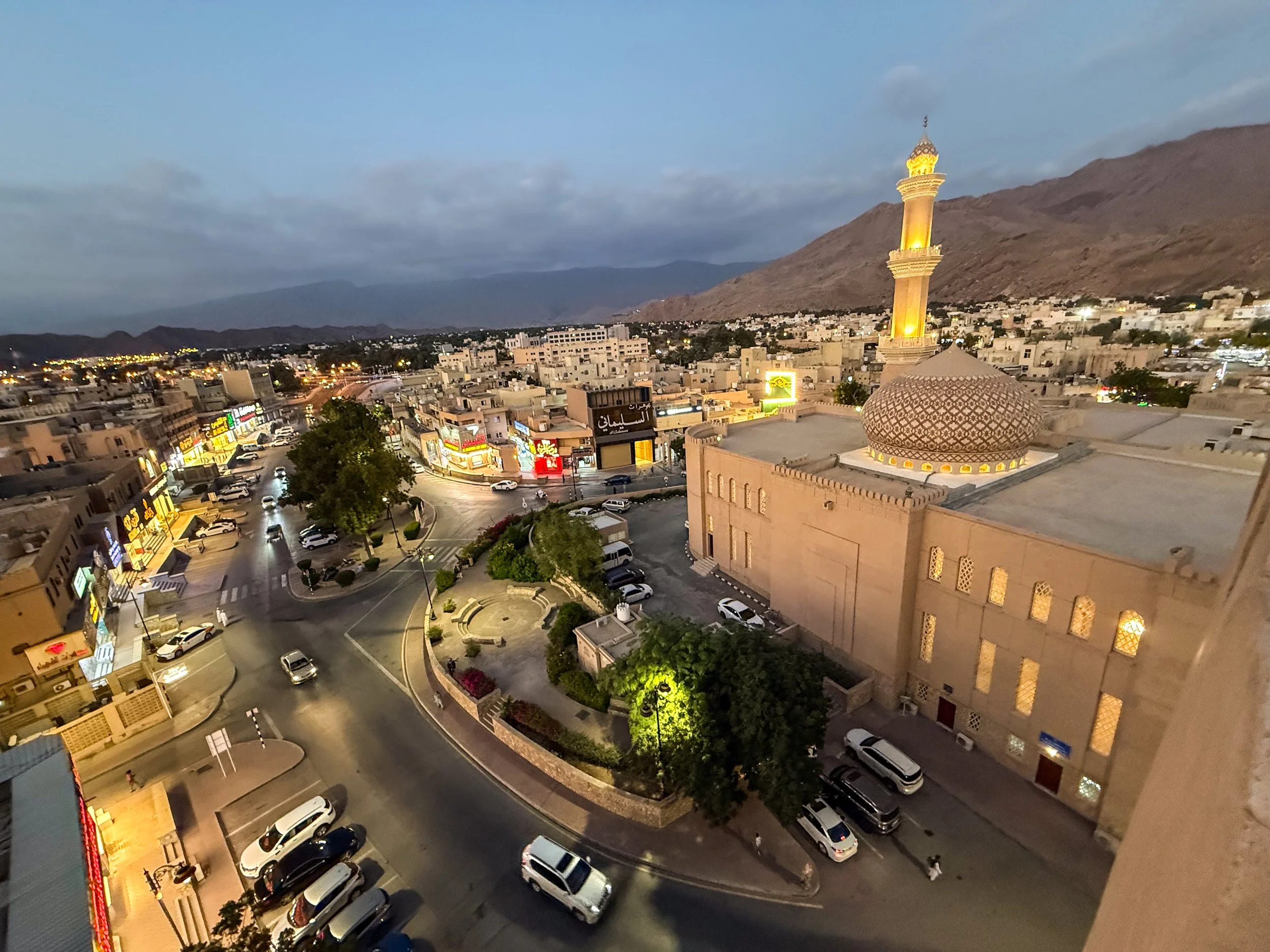
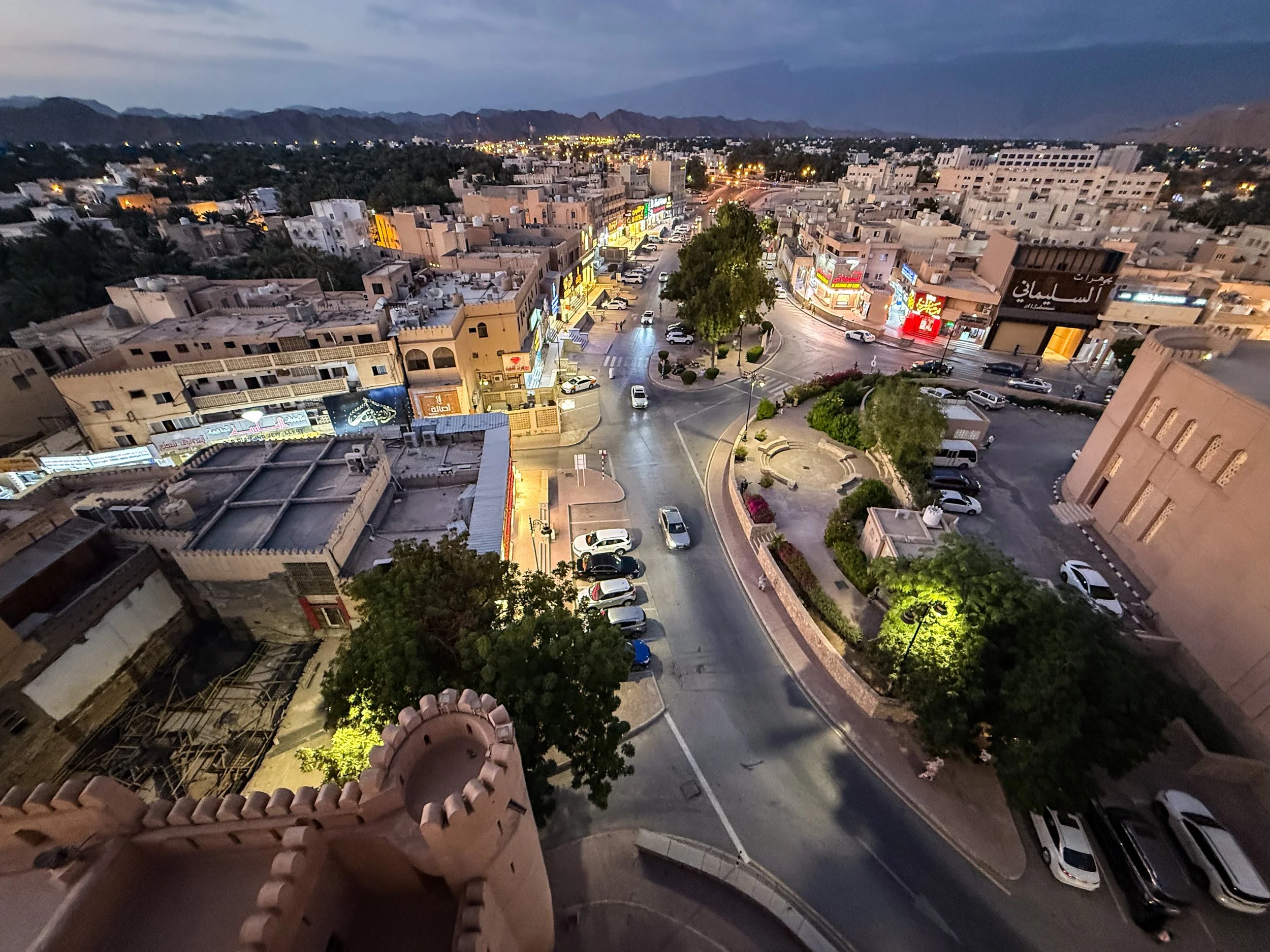
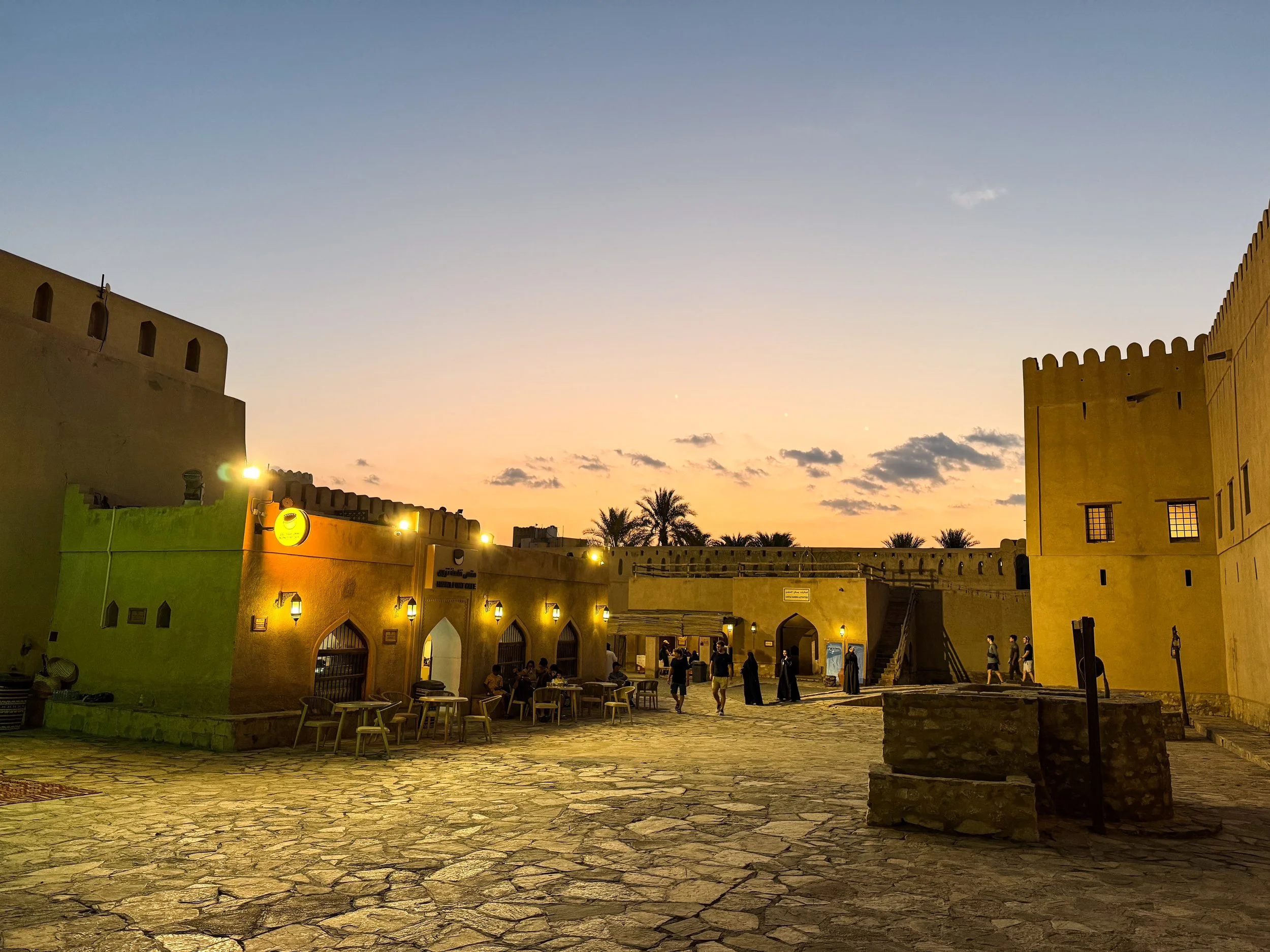
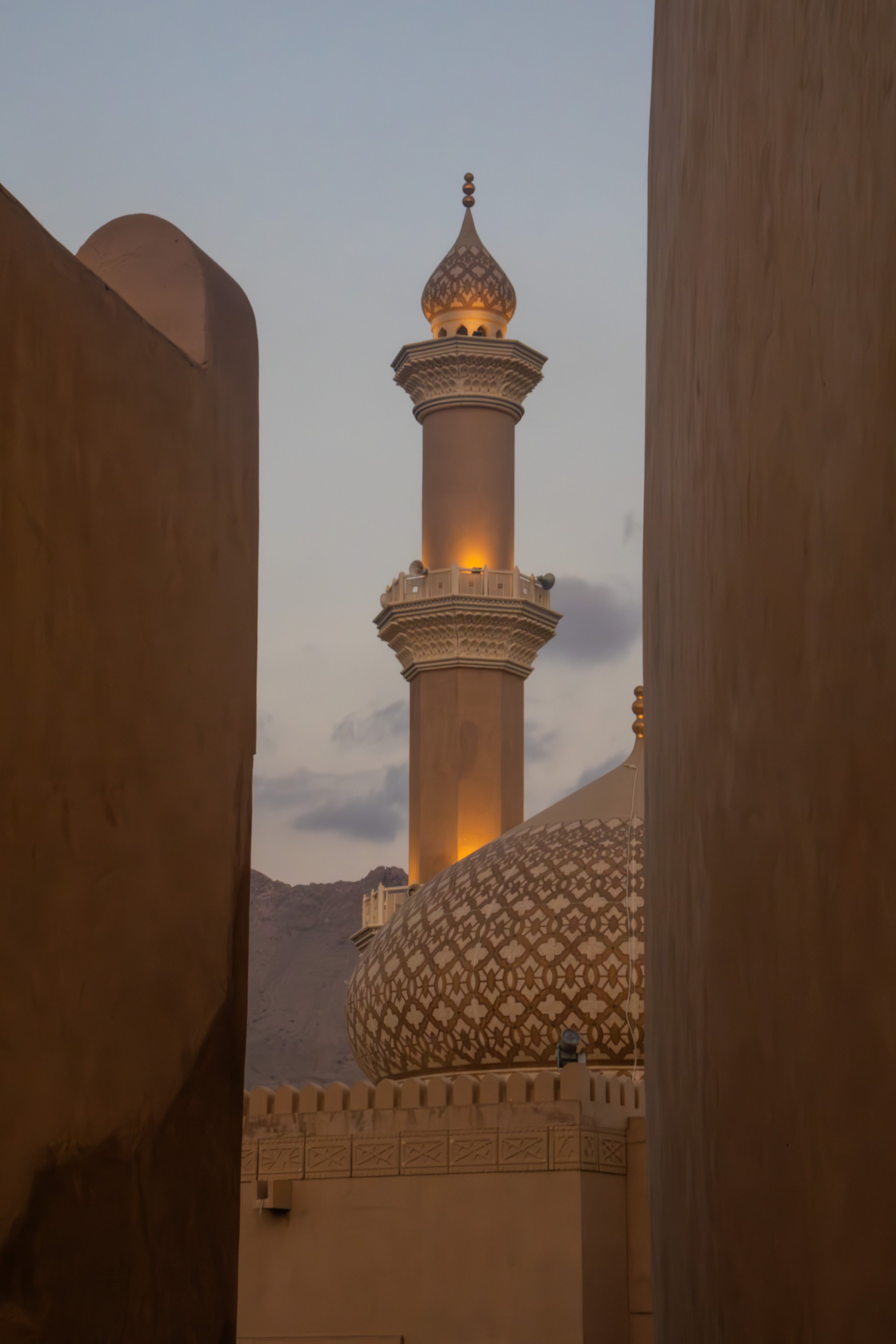
Nevertheless, sunset was upon us and the clock was ticking before the light would be completely gone. So we ventured into the fortress for some golden-hour exploration. Toward the end of this gallery you will see shots from inside this big, wide tower, both inside the walls, and looking down at the town of Nizwa around us. It really was an incredible way to take in the sunset.
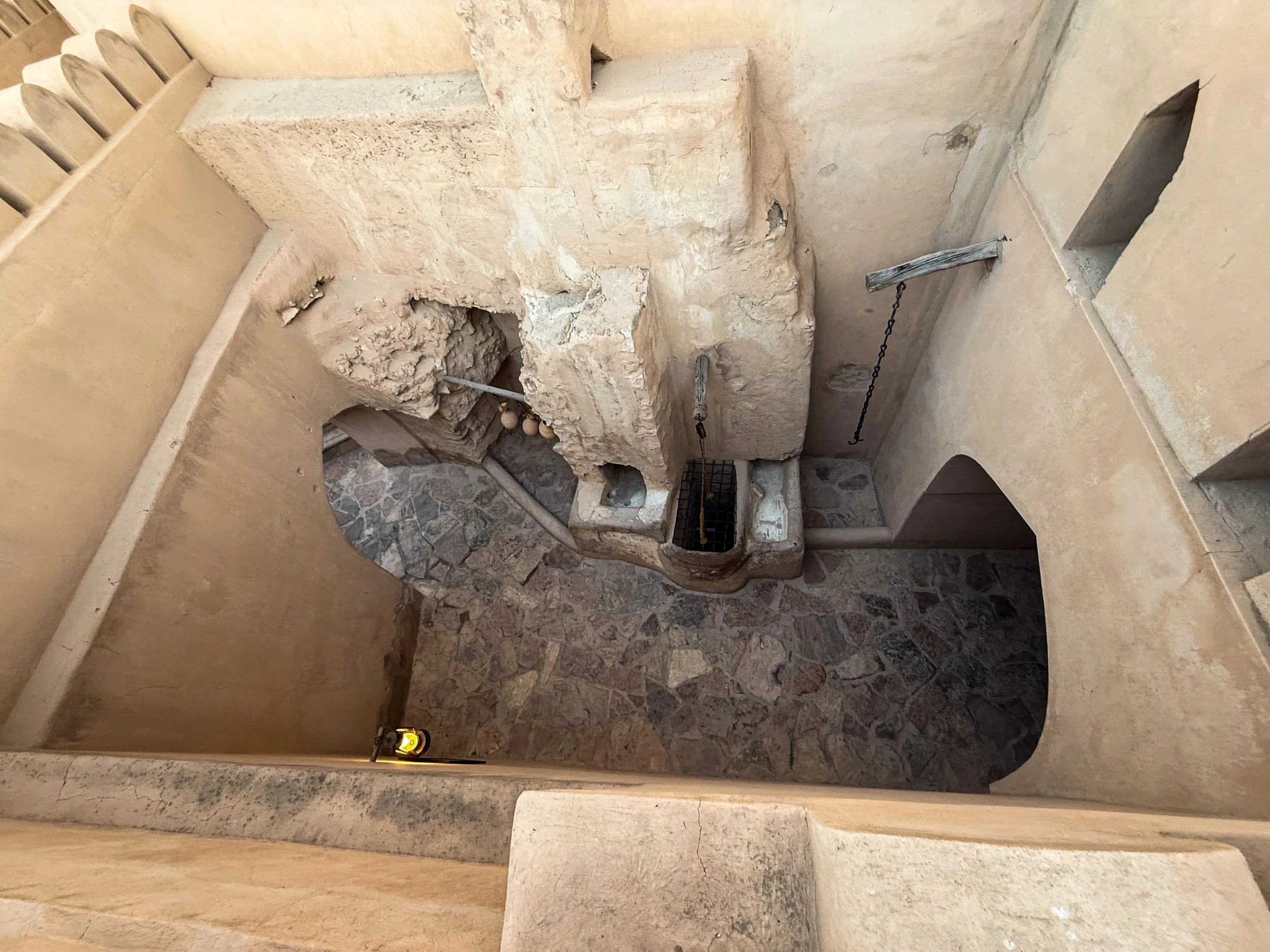
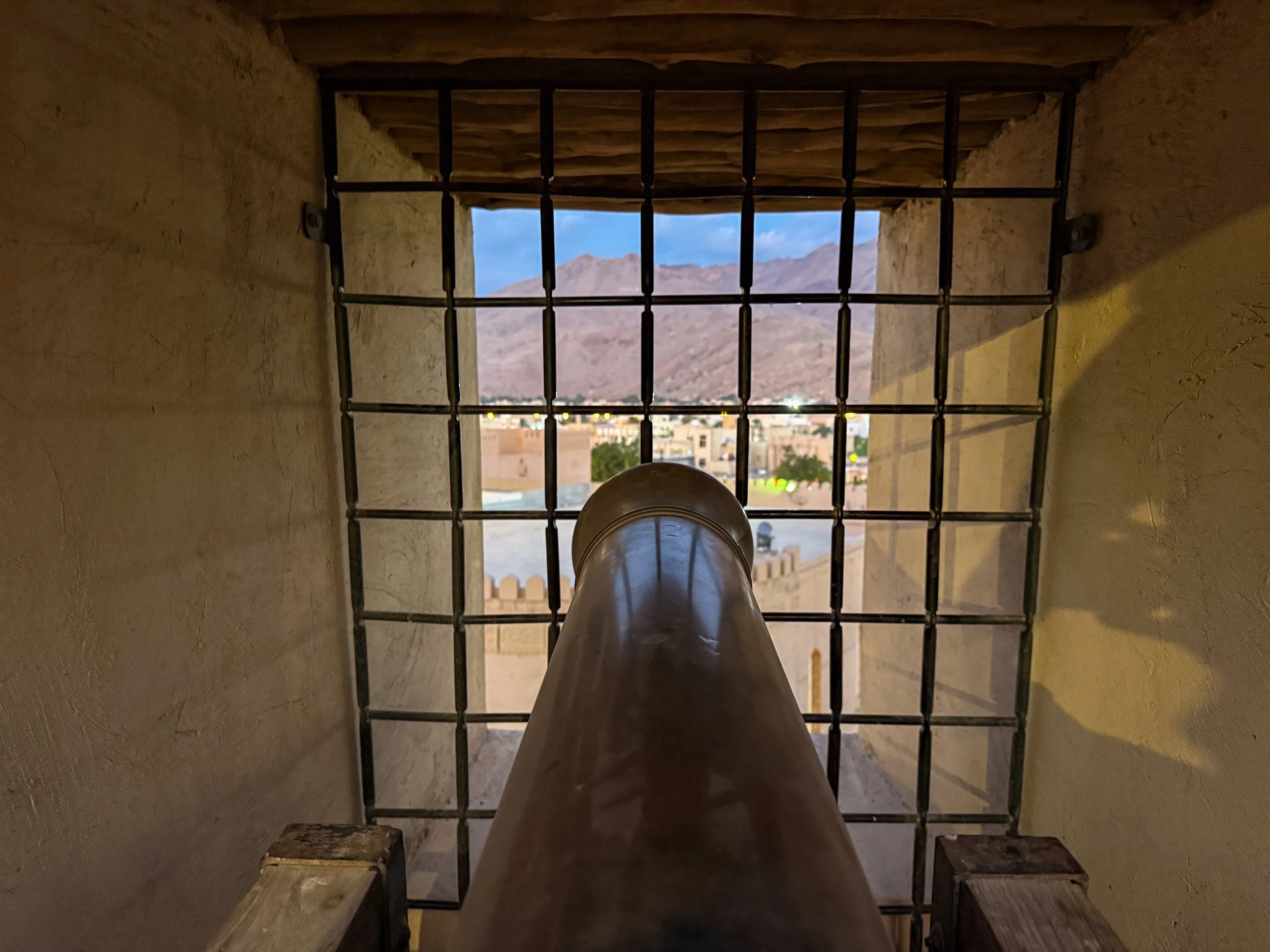
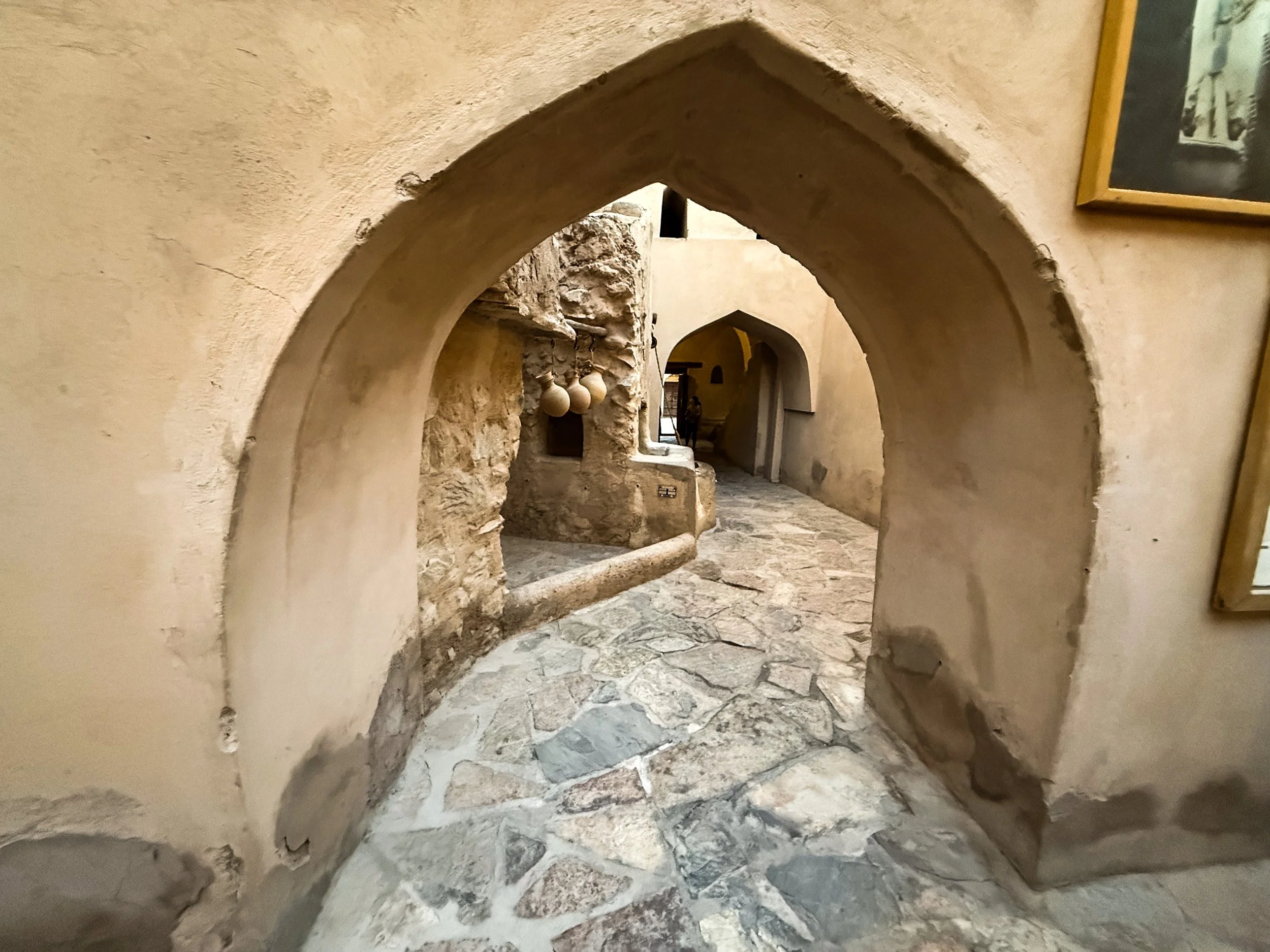
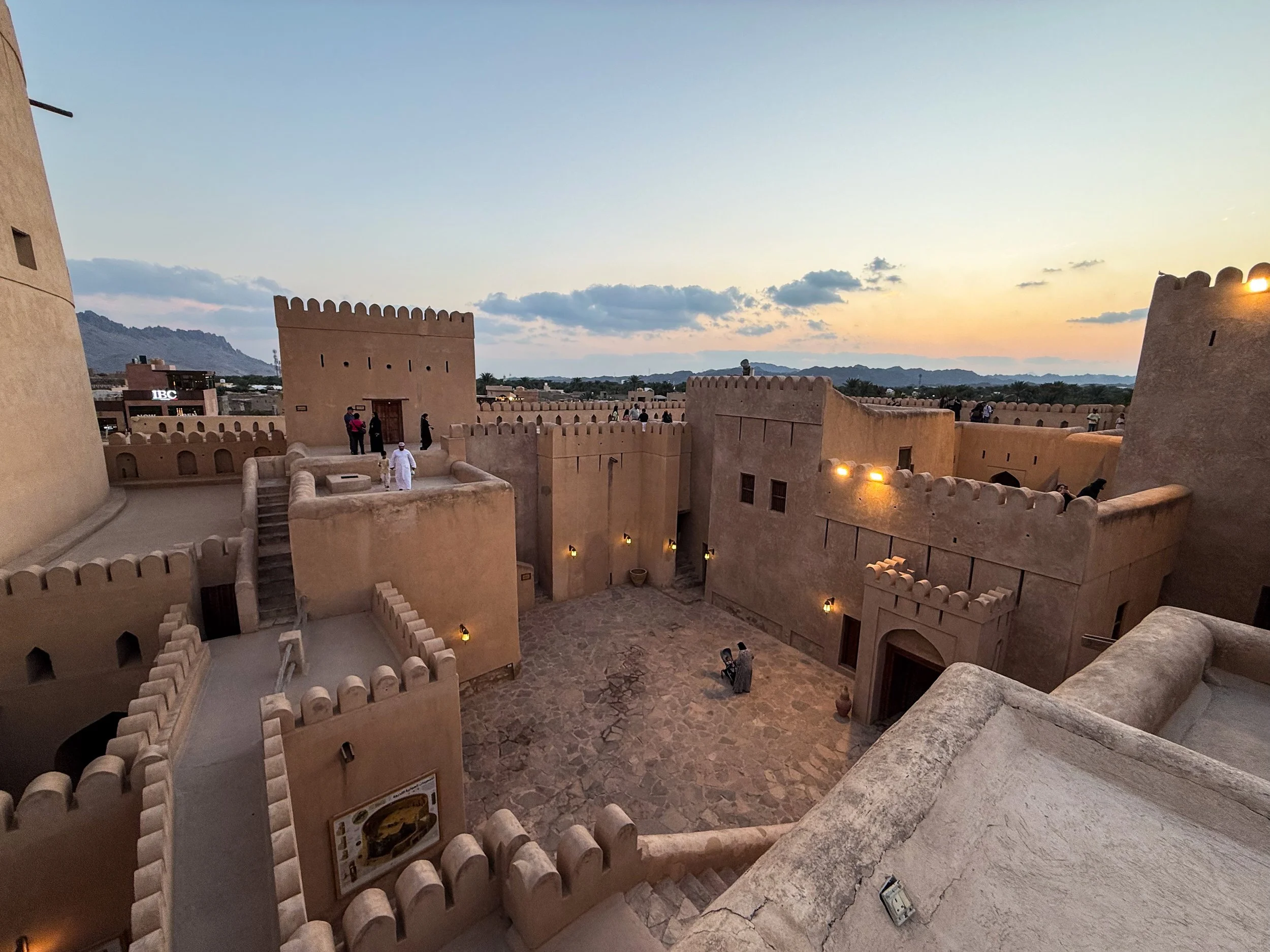
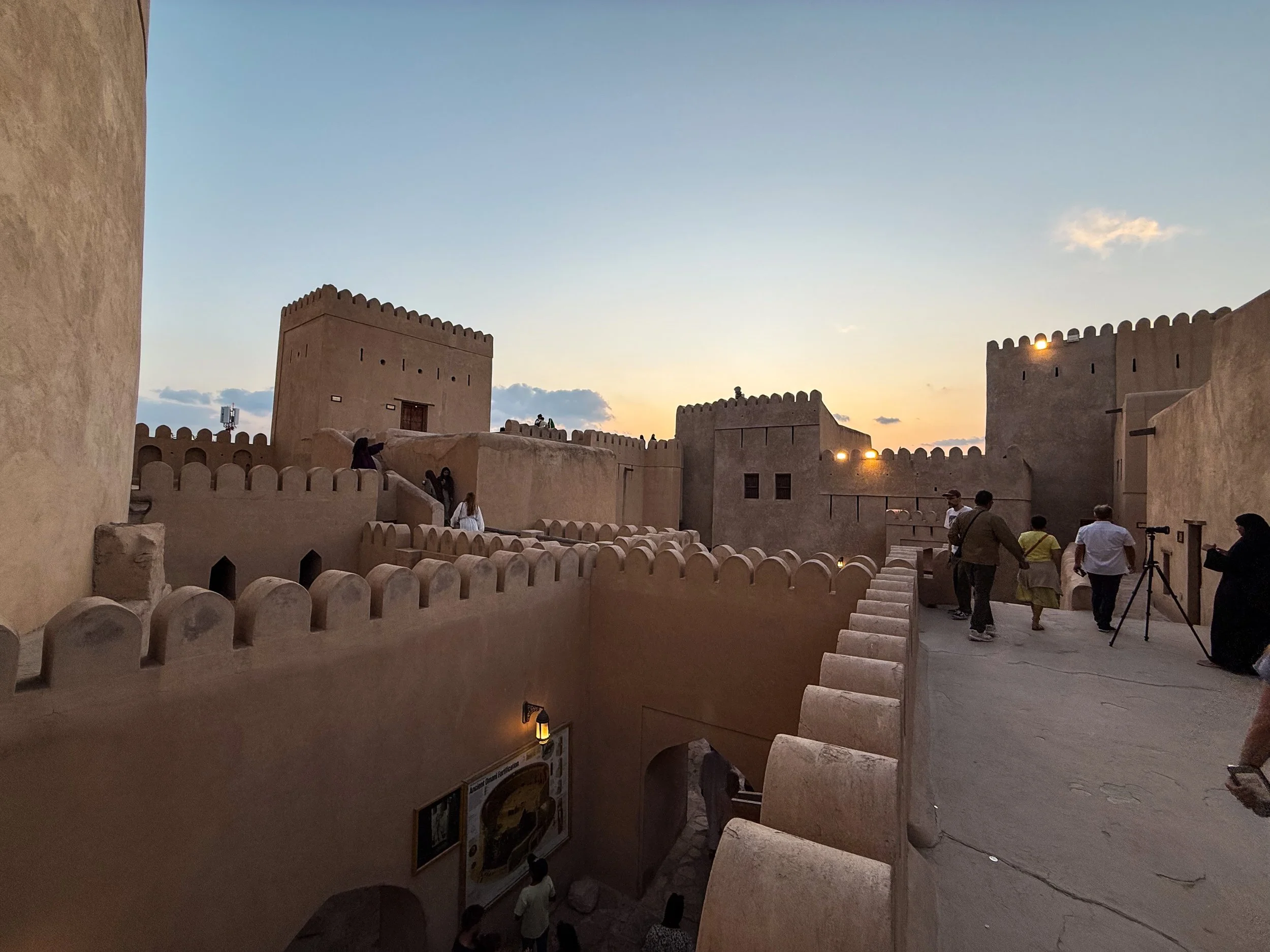
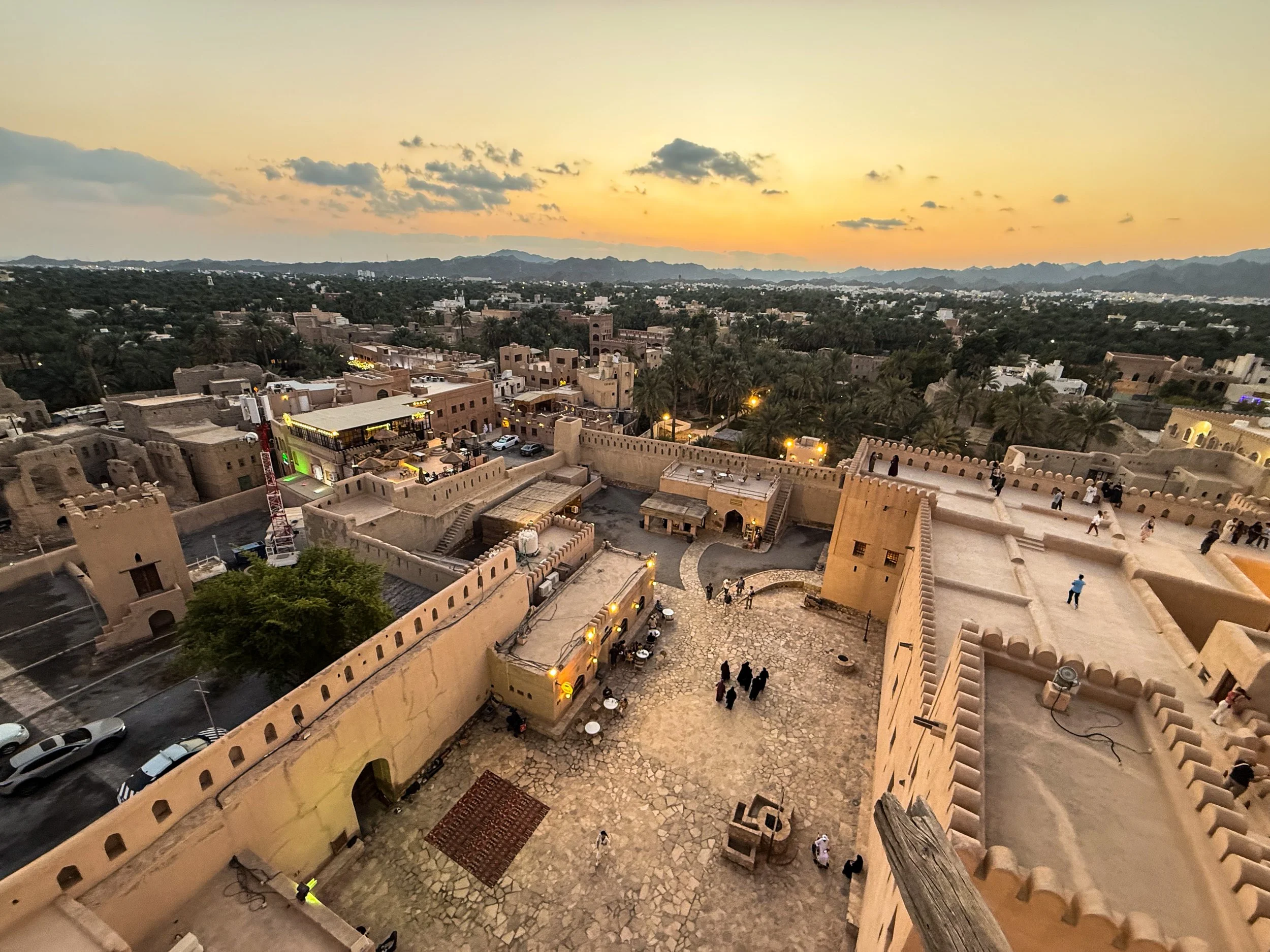
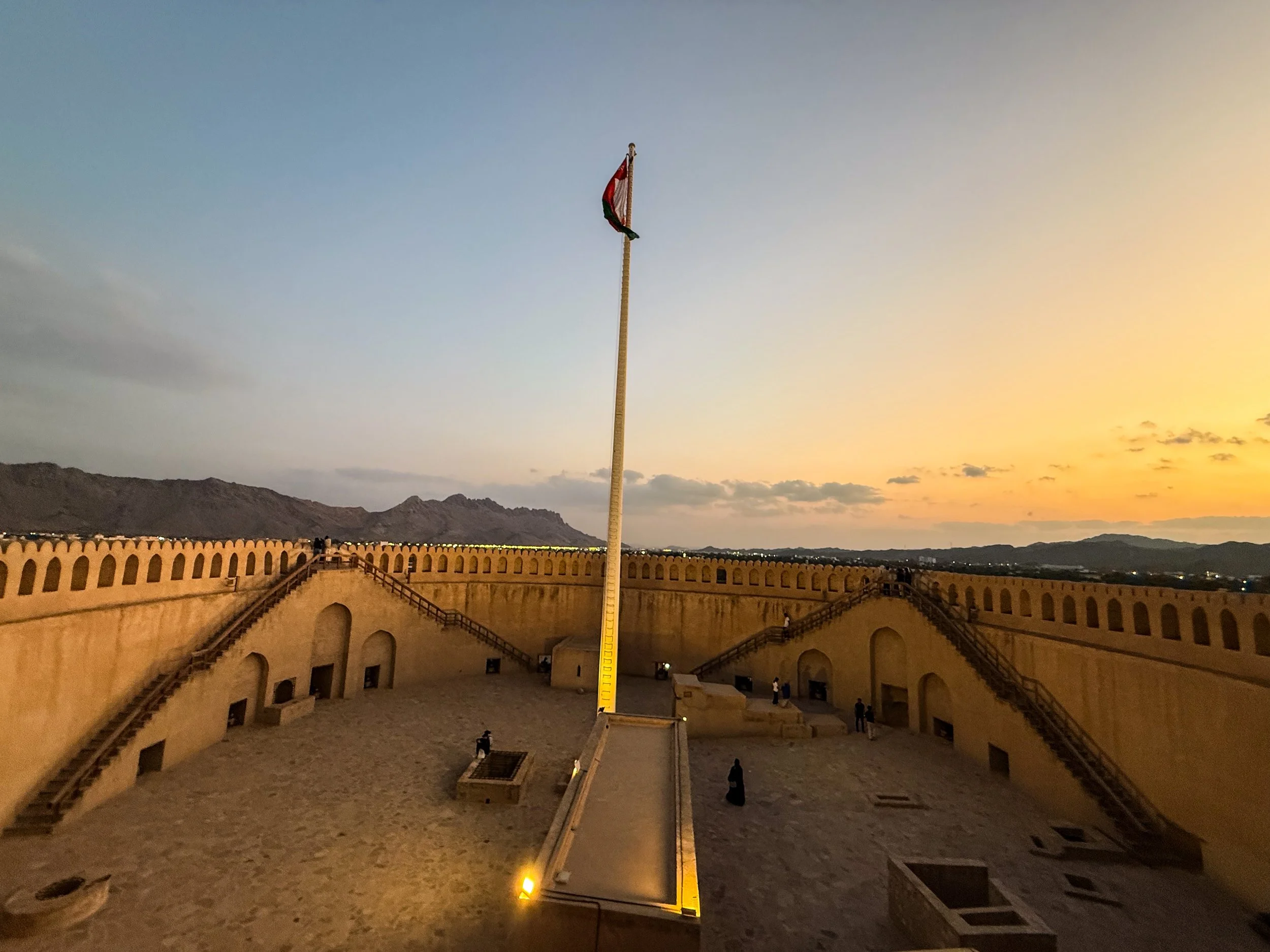
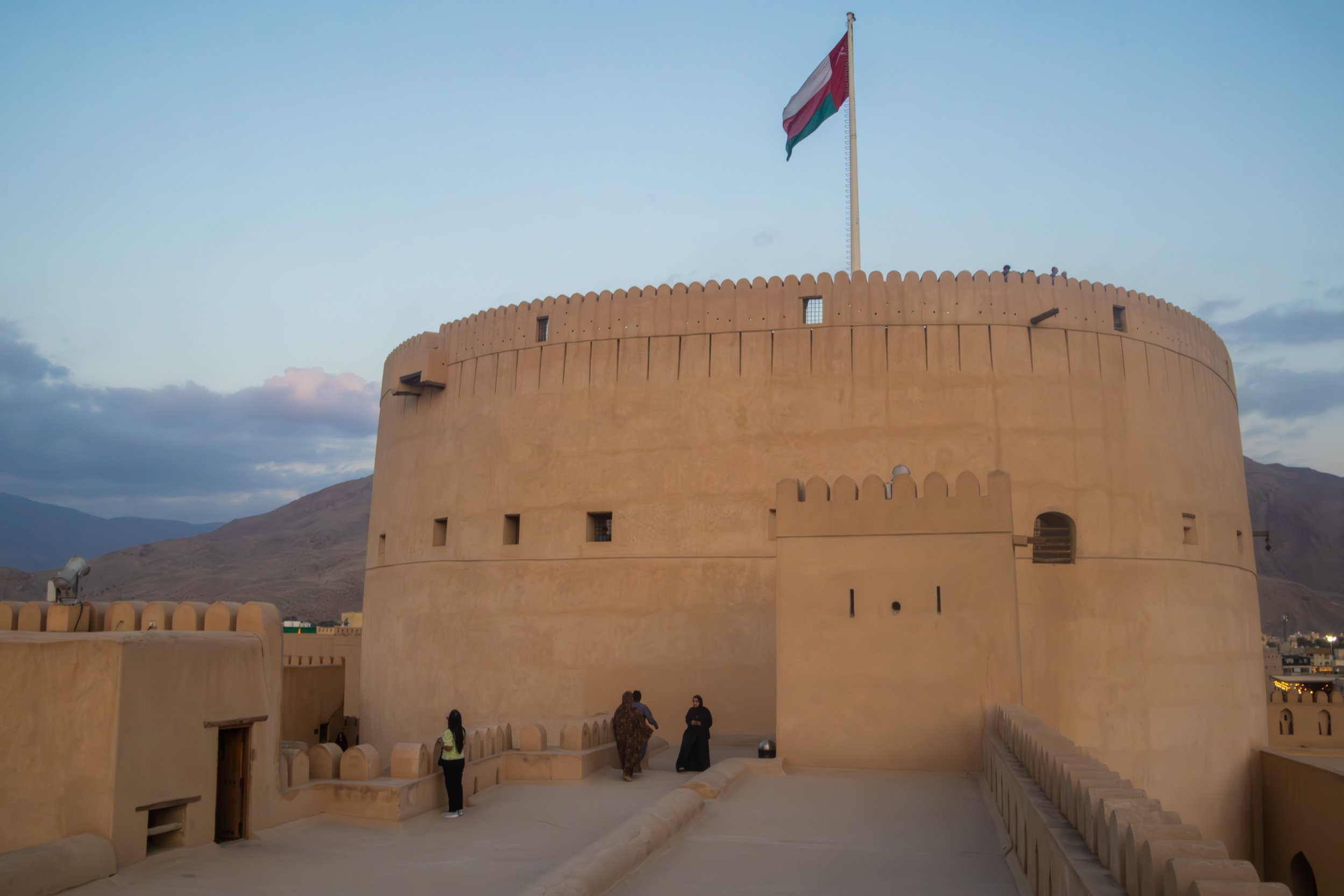
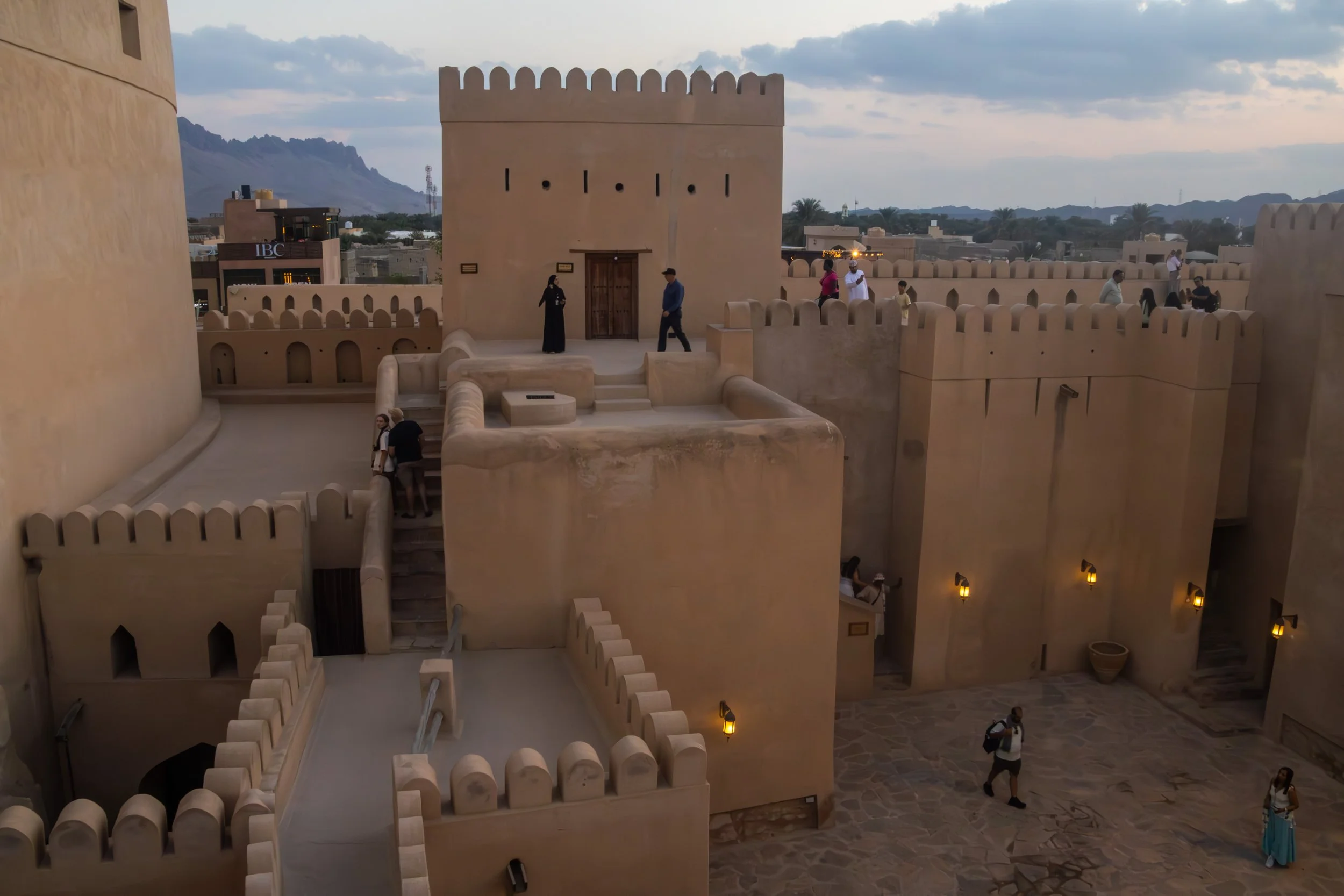
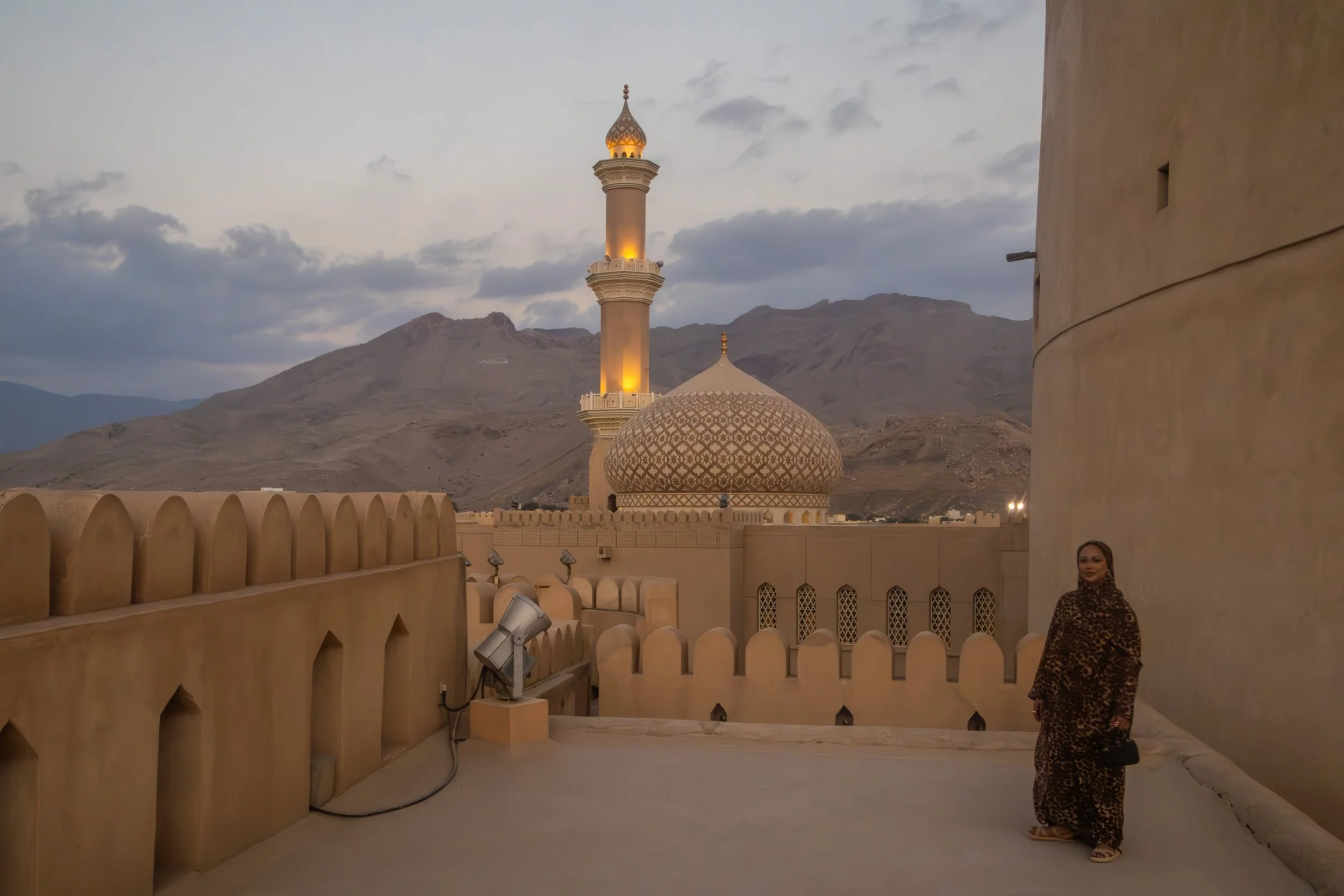
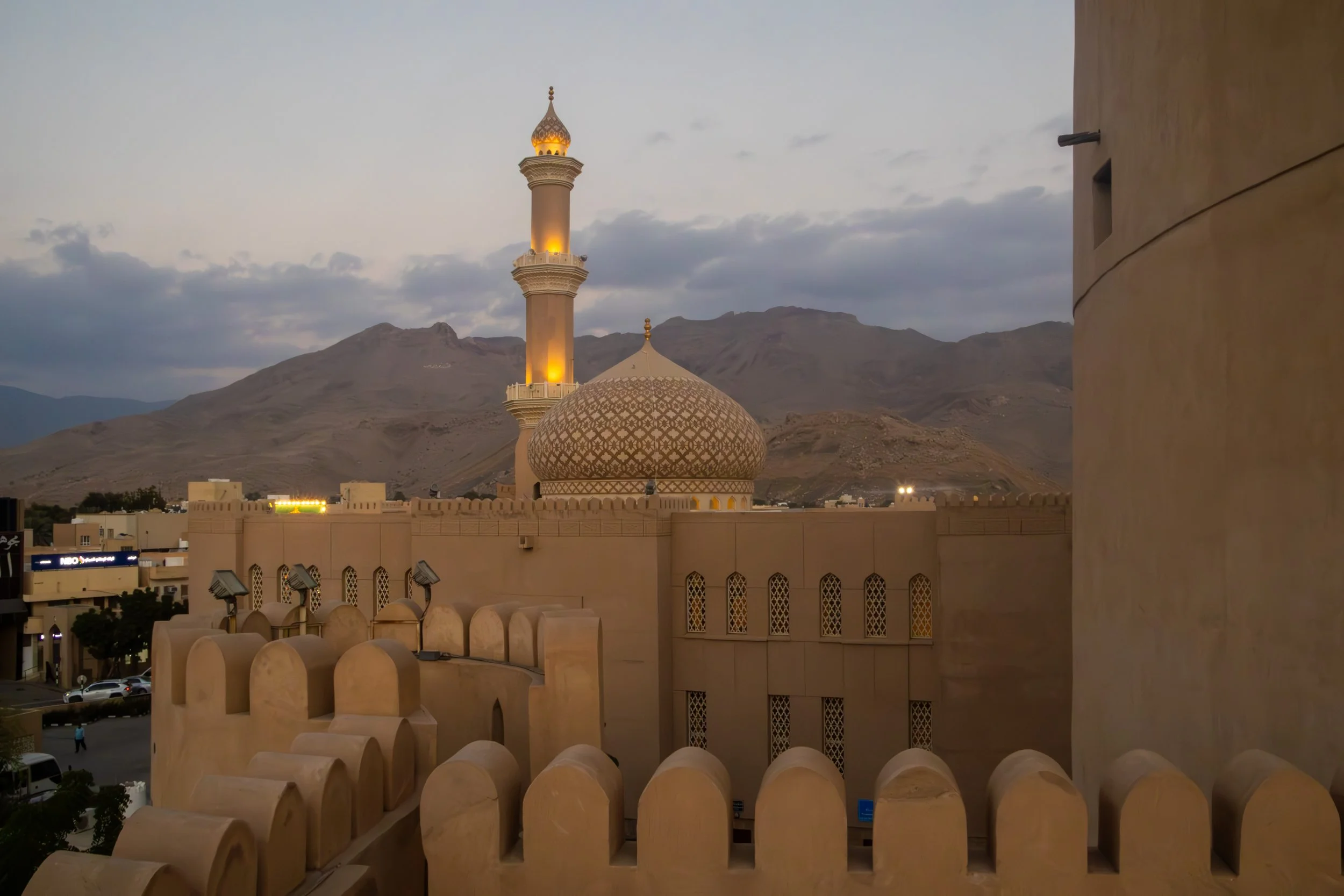
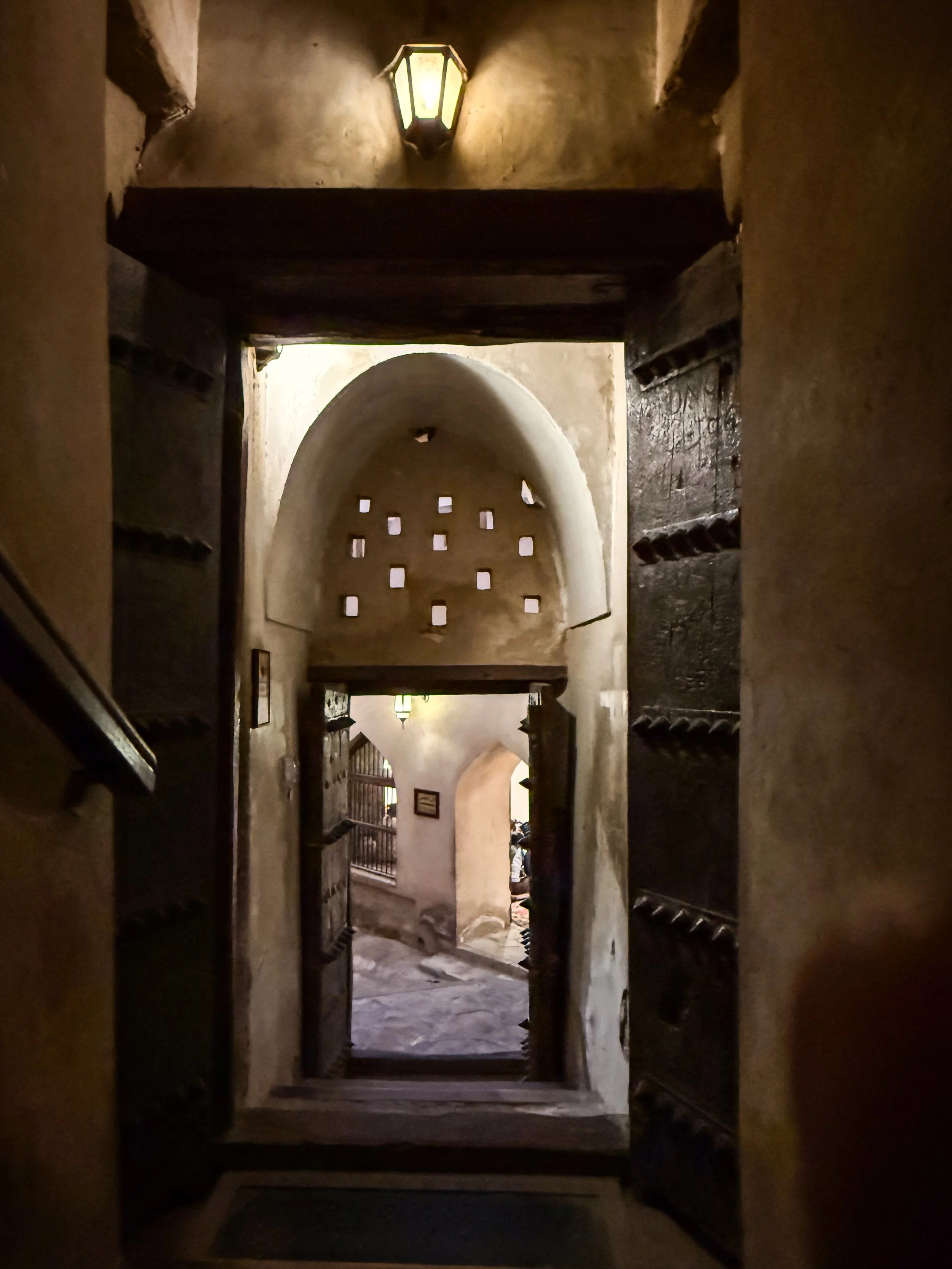
One hilarious little nugget from this fortress are the signs I’m about to show you. Nizwa was a military fortification, so it was designed to withstand an enemy army laying siege to it. If you’ve ever seen a representation of medieval warfare in shows or films (think Game of Thrones or Lord of the Rings), you may recall that when armies are laying siege to a fortress, the fortresses are designed to be as difficult as possible for attackers to capture. There are typically layers of walls and fortifications so that, if the attacking forces breach the outer walls, the defending army can fall back into another, slightly smaller set of walls. The big, fat tower was apparently designed to be where soldiers could make their last stand, so the narrow hallways leading up this tower have all sorts of defensive traps built in. One such trap was a series of holes in the ceiling where the defending army could drop sand, stones, boiling liquid, and/or burning materials on attackers as they made their way upward. I’d seen versions of this before—it’s actually a pretty standard feature world-wide on these sorts of castles—but this was the first time I’d ever heard it called by the name “Murder Hole”. 😂
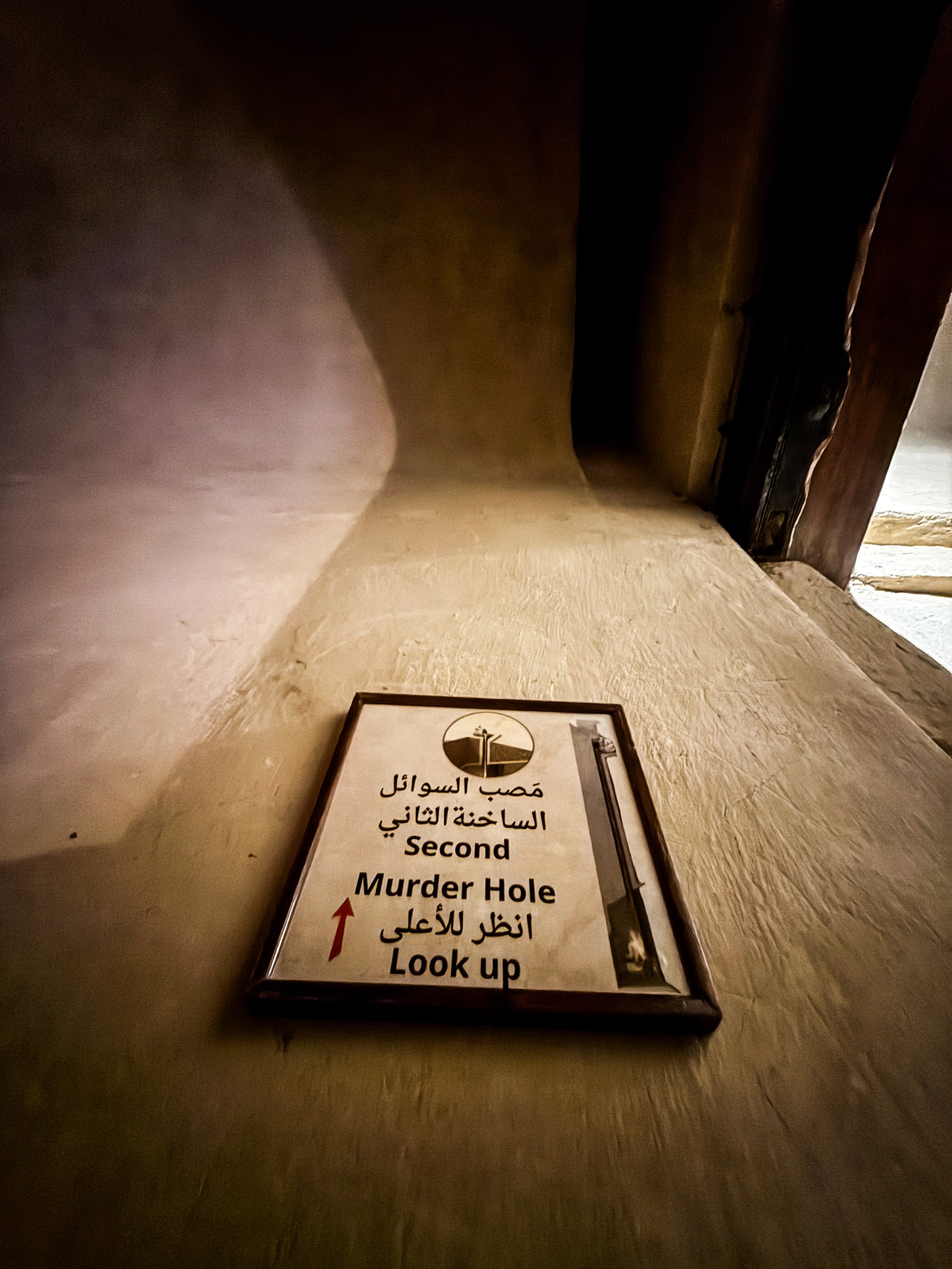
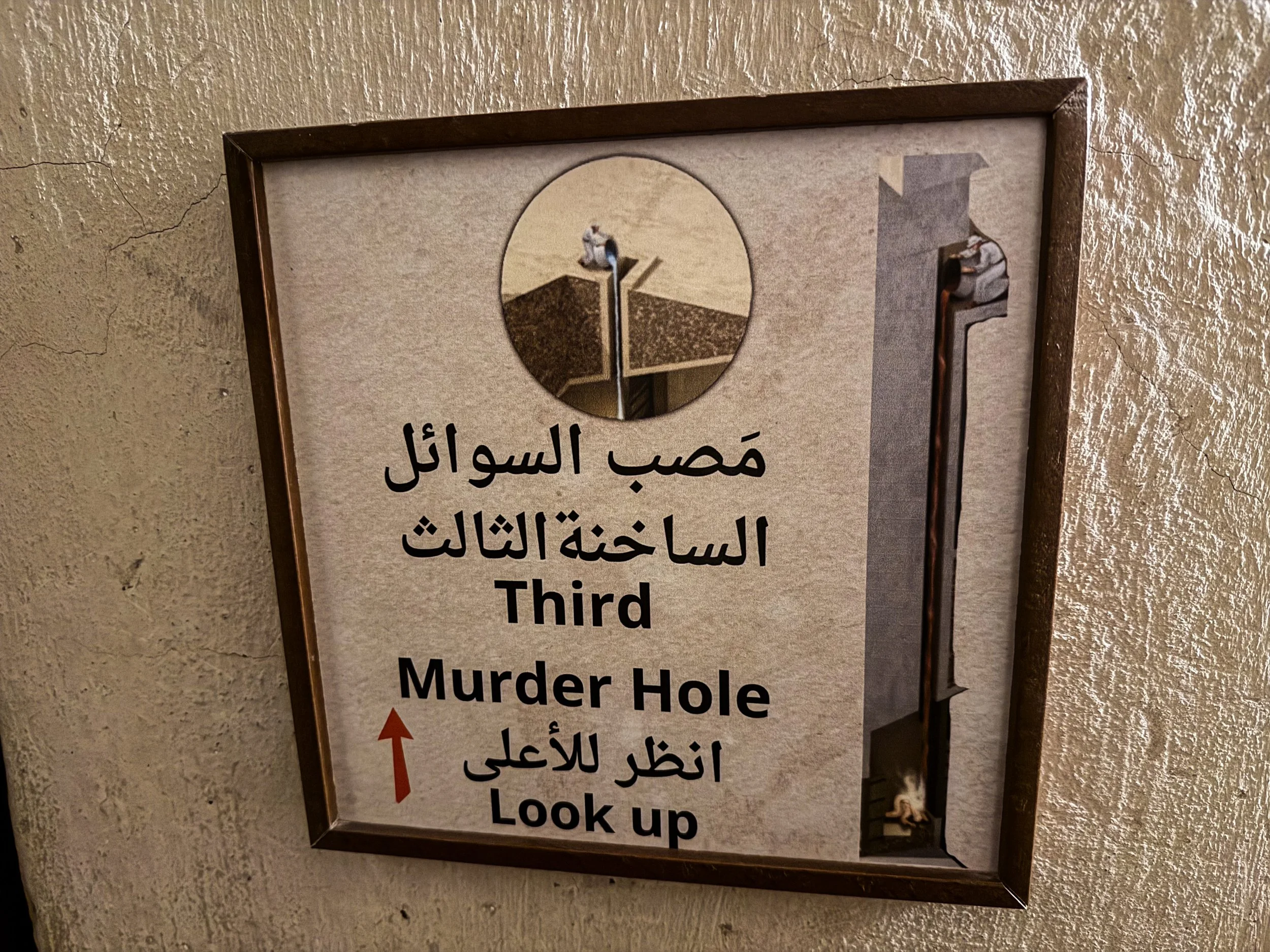
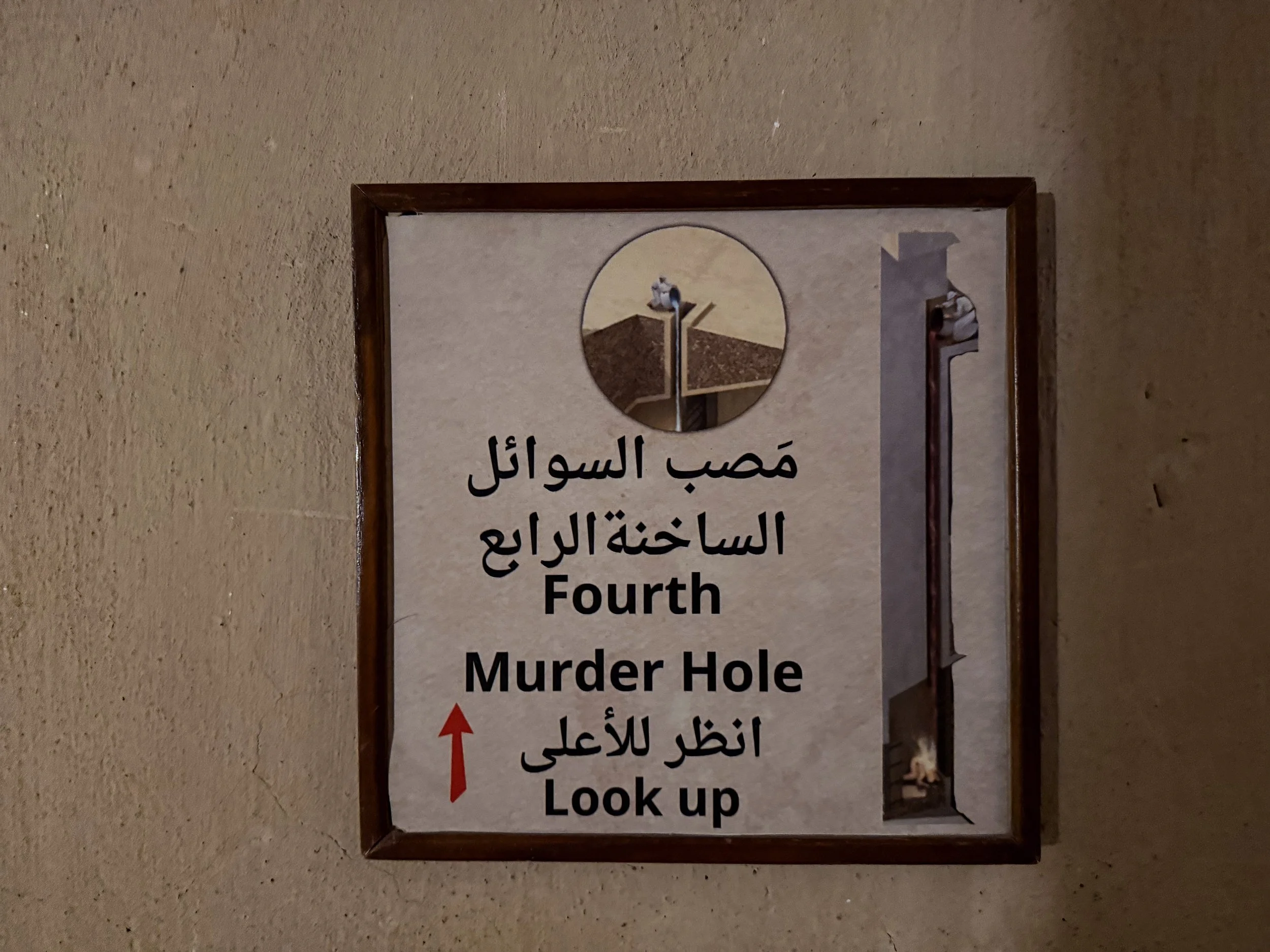
Every time I remember these signs, my mind instantly jumps to Jason Mantzoukas’ character from that show, The League. This has ‘Rafi’ written all over it. 😂

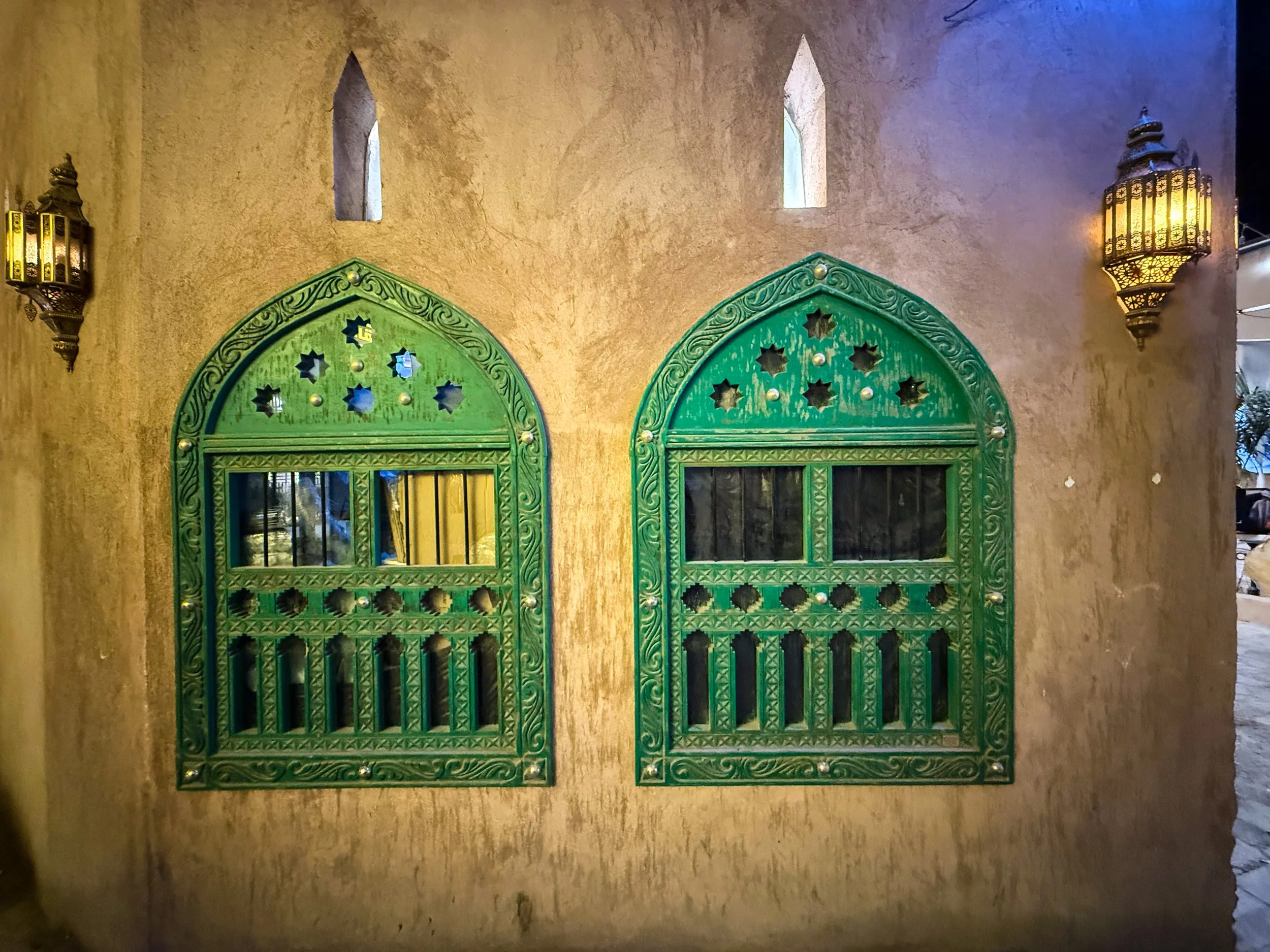
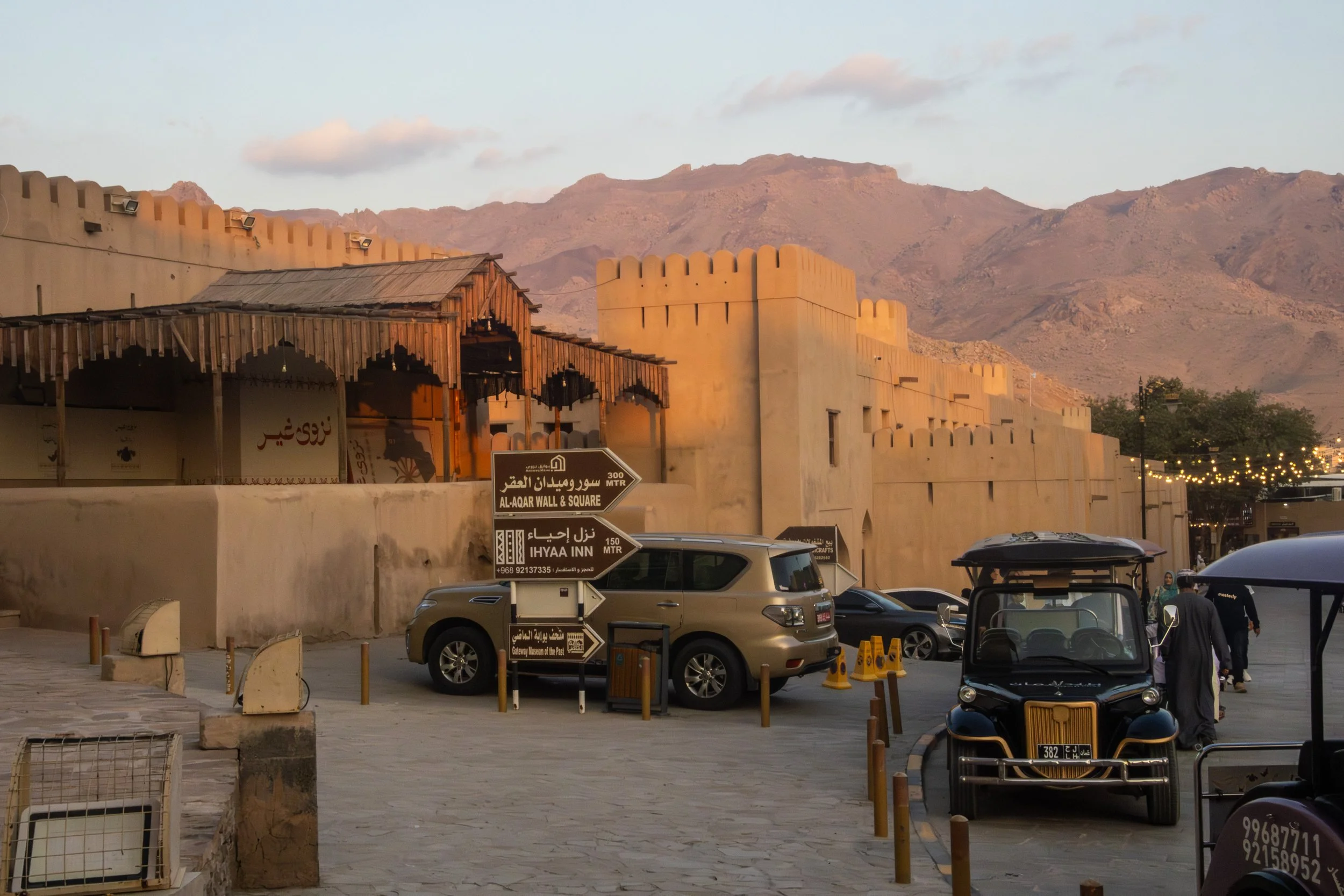
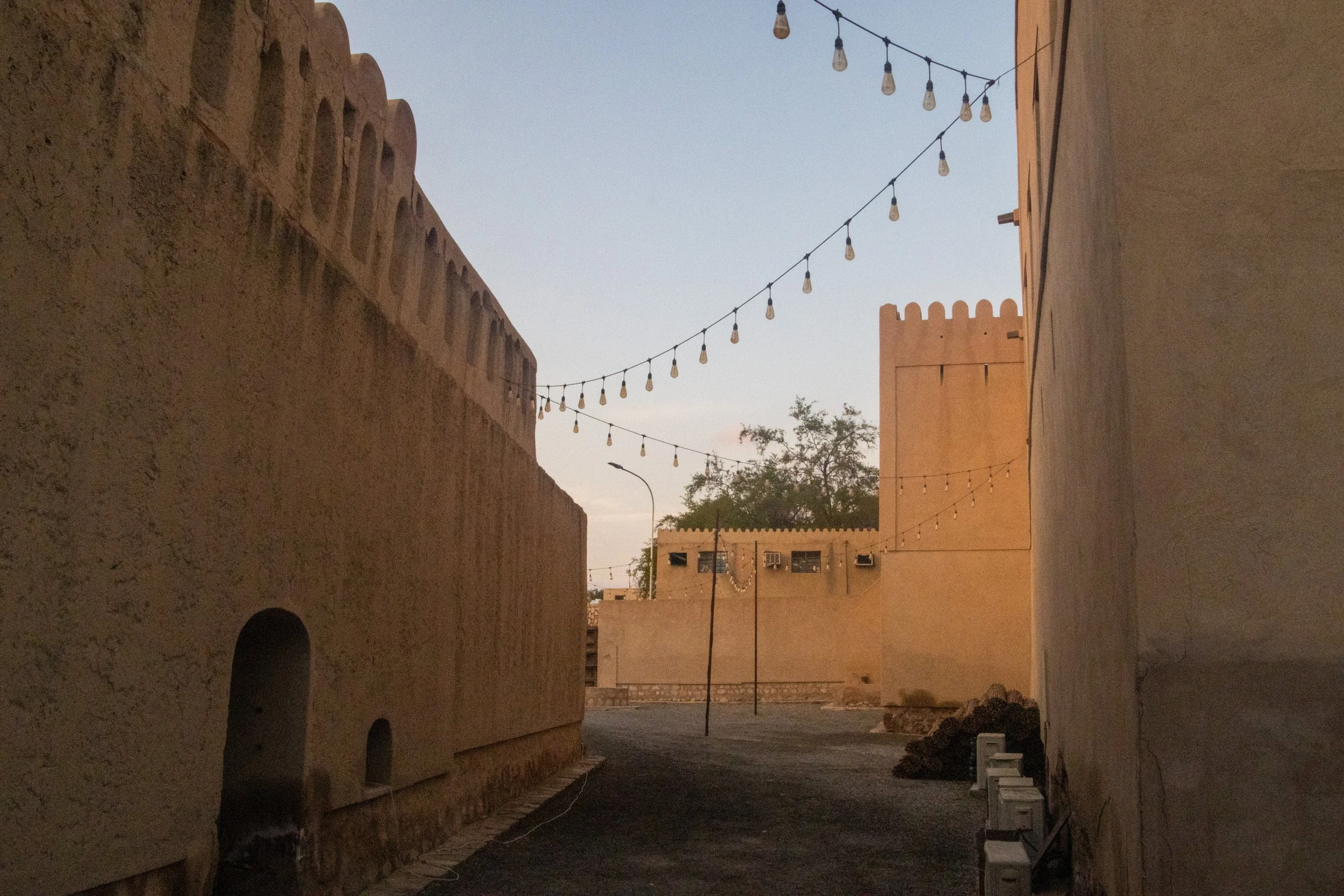
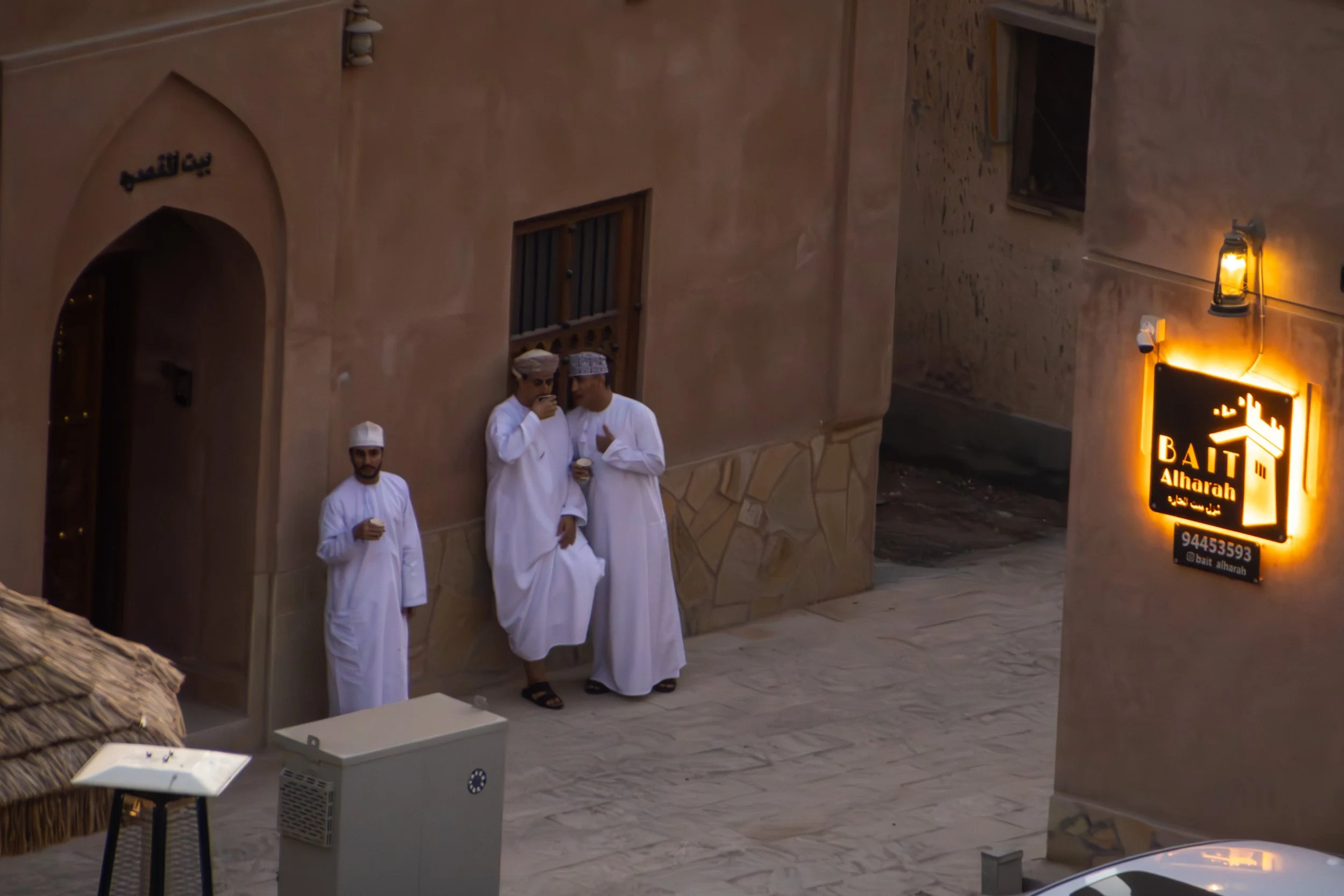
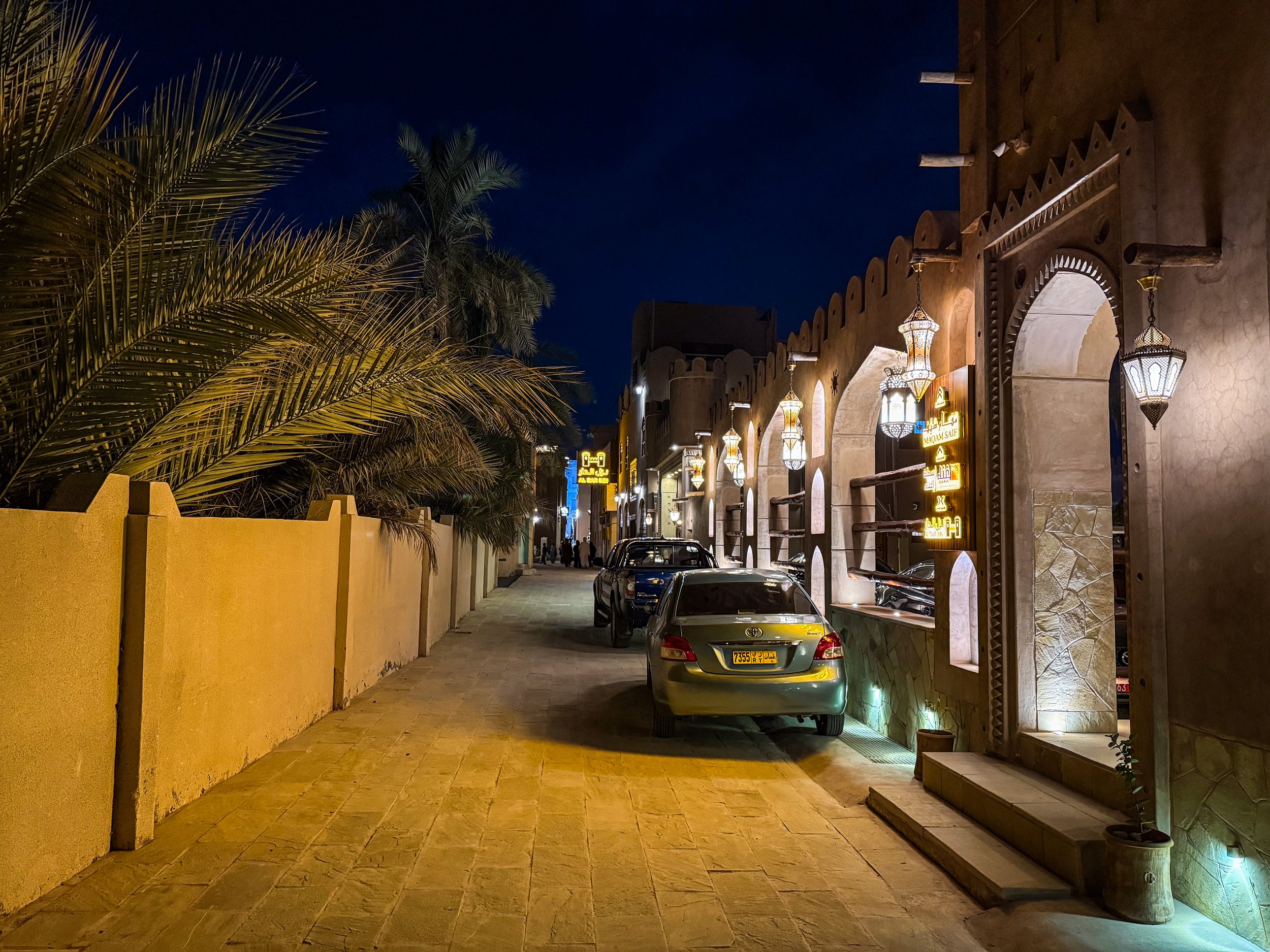
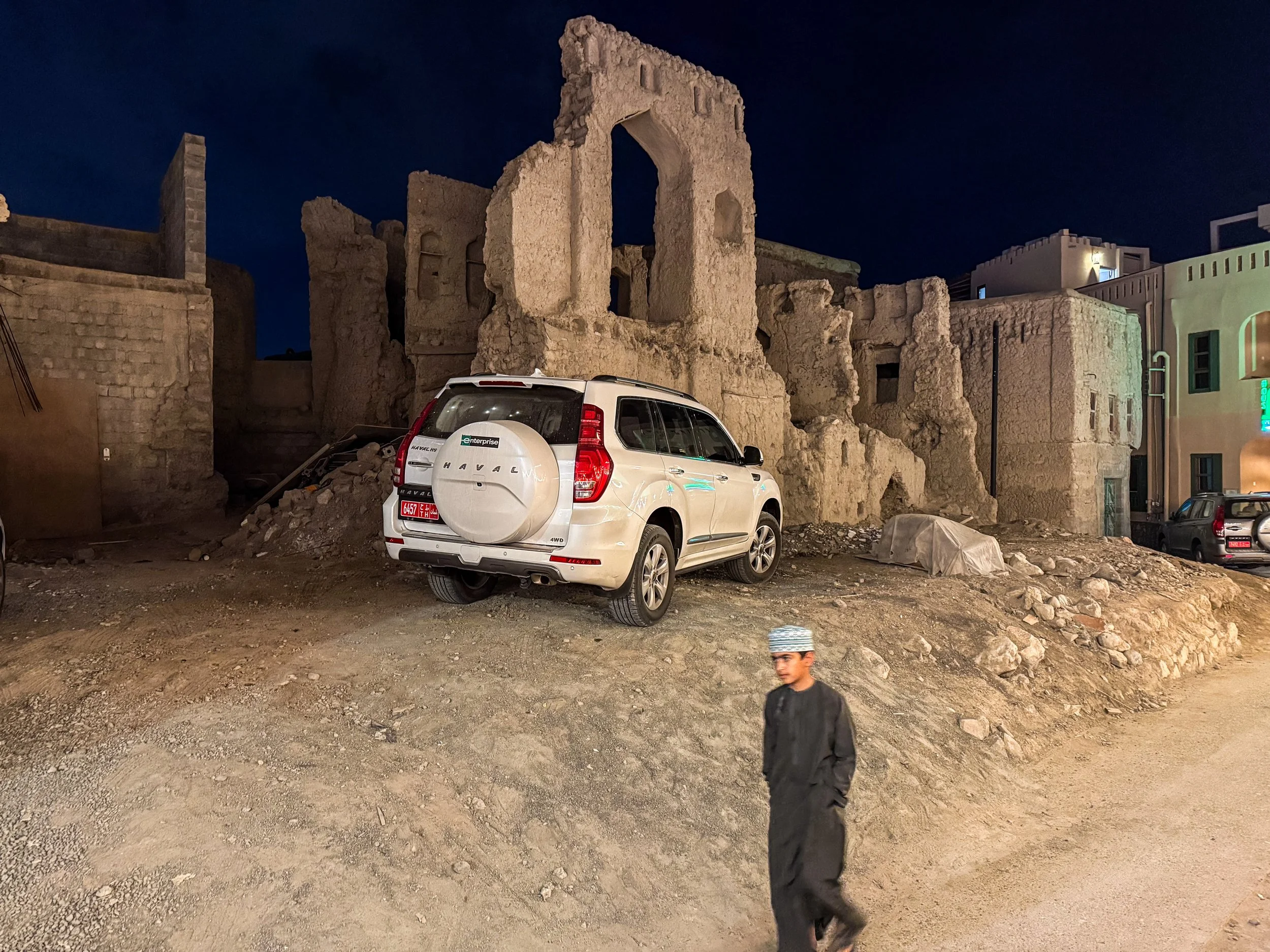
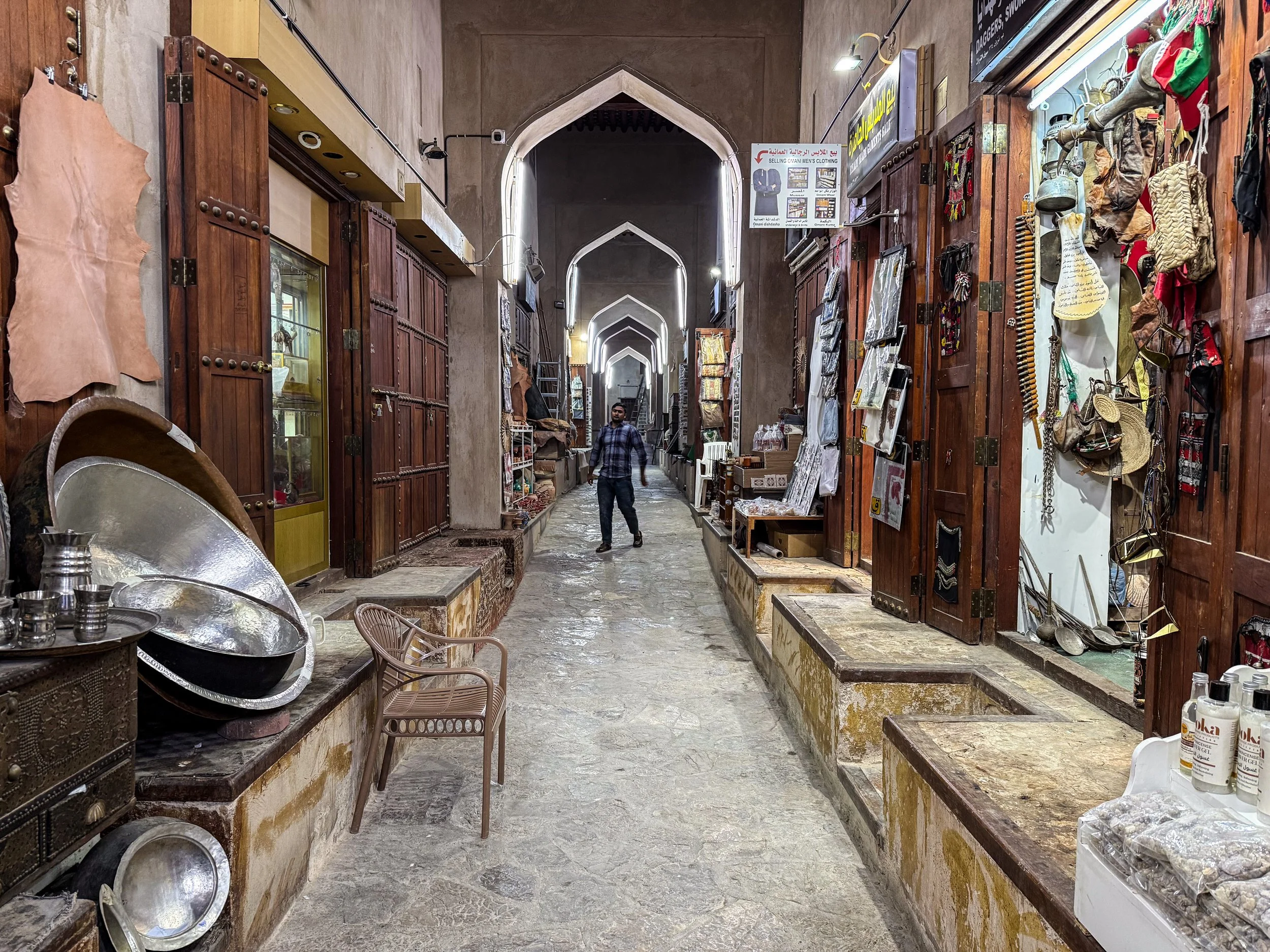
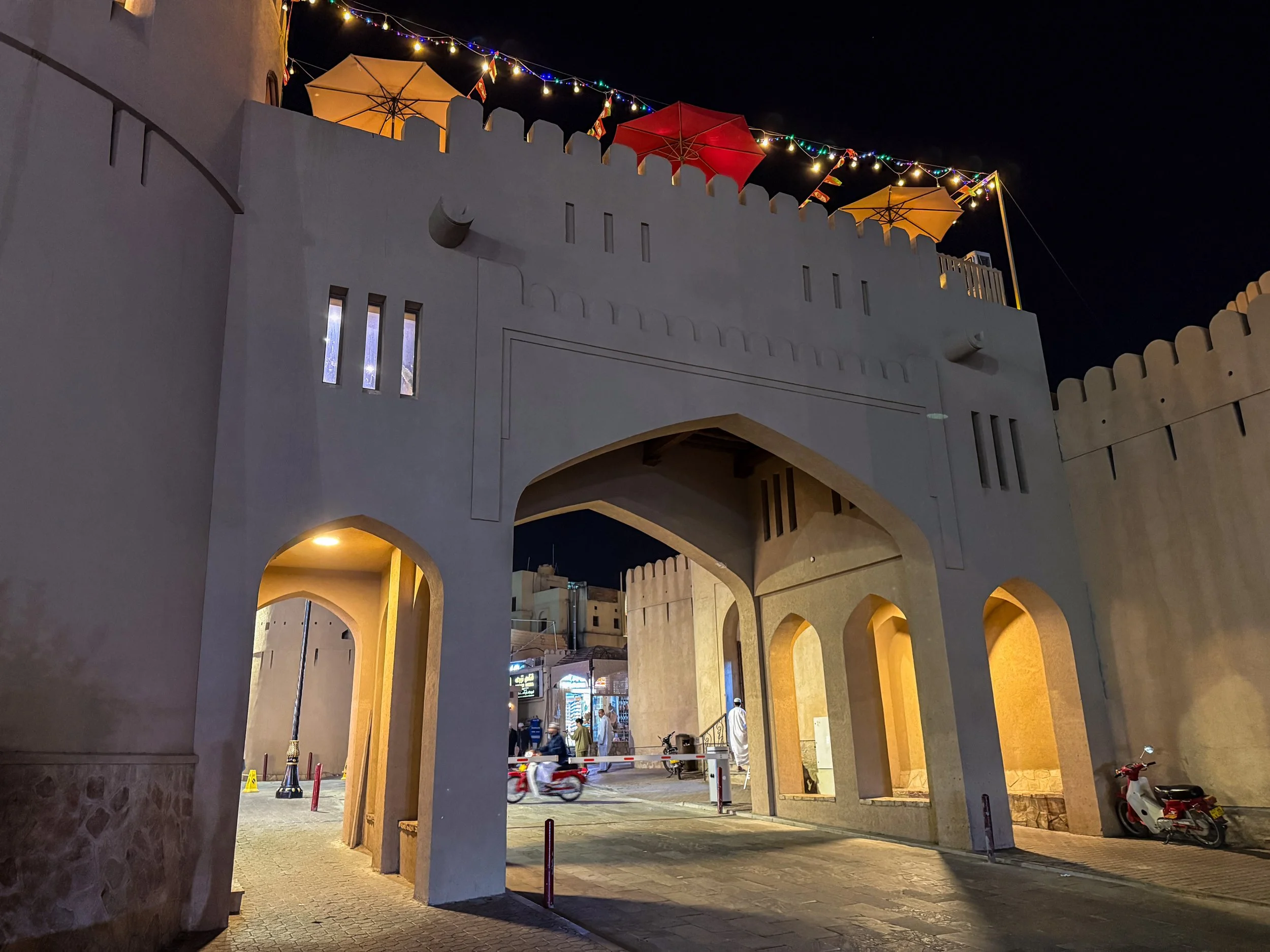
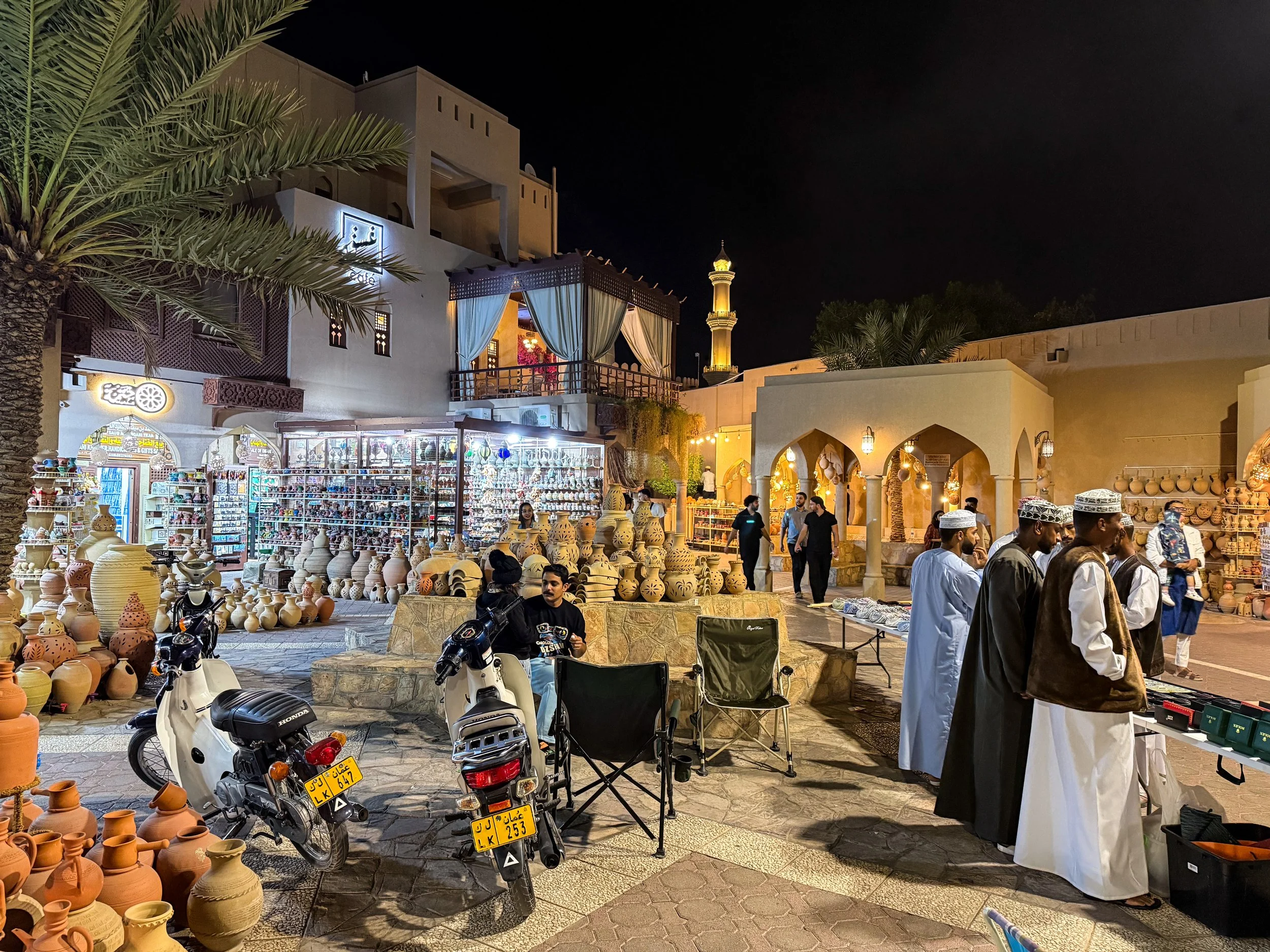
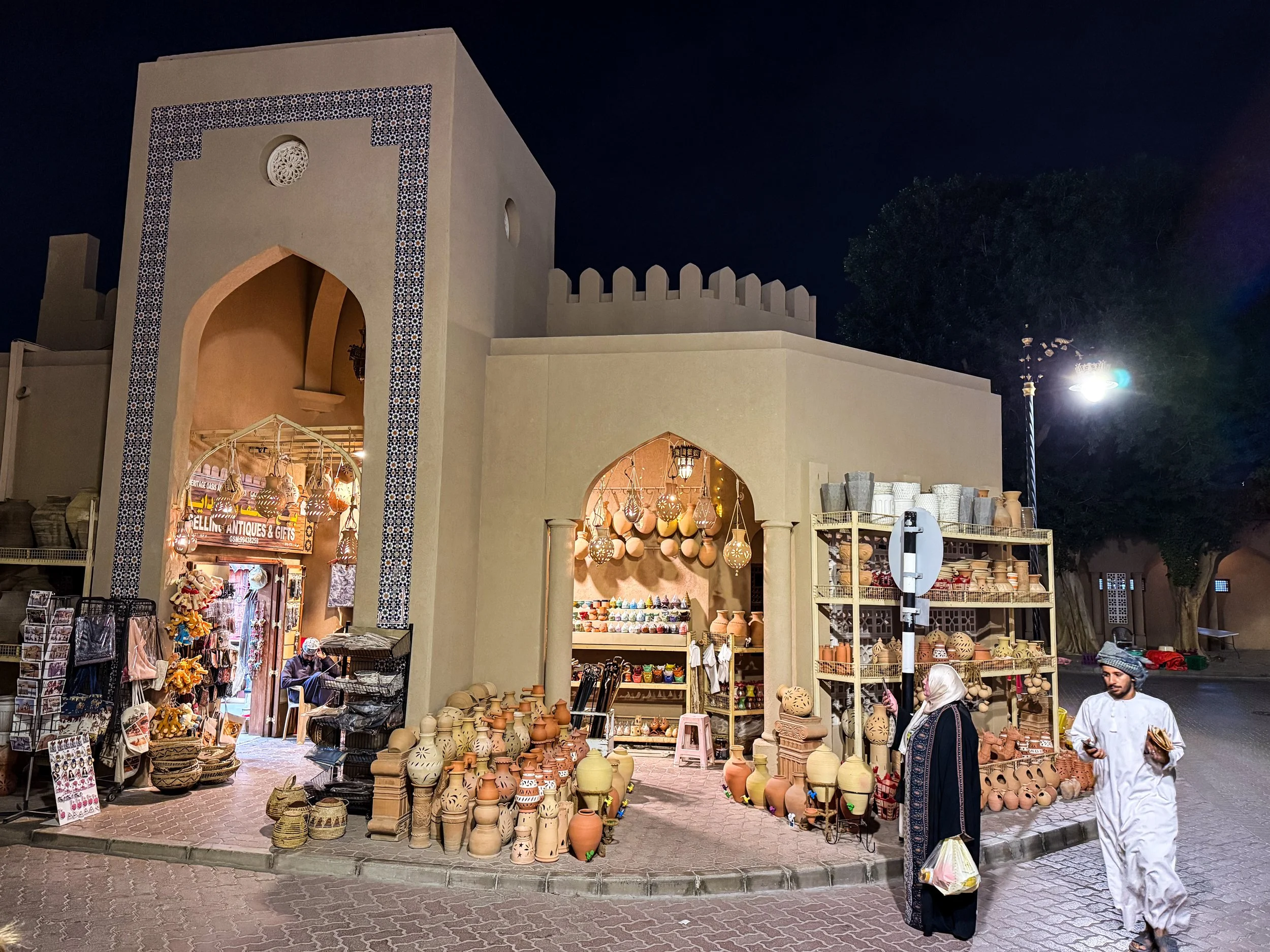
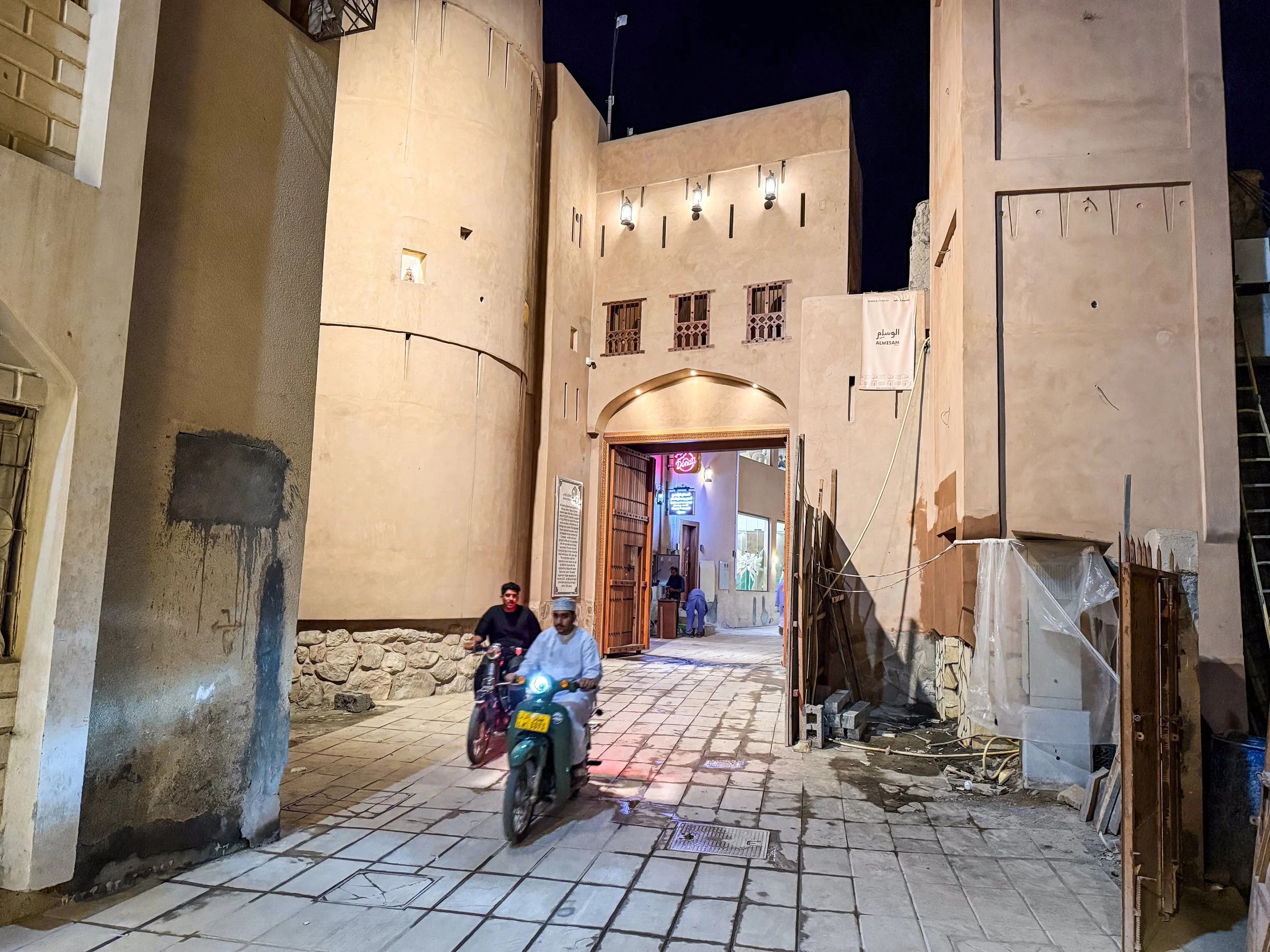
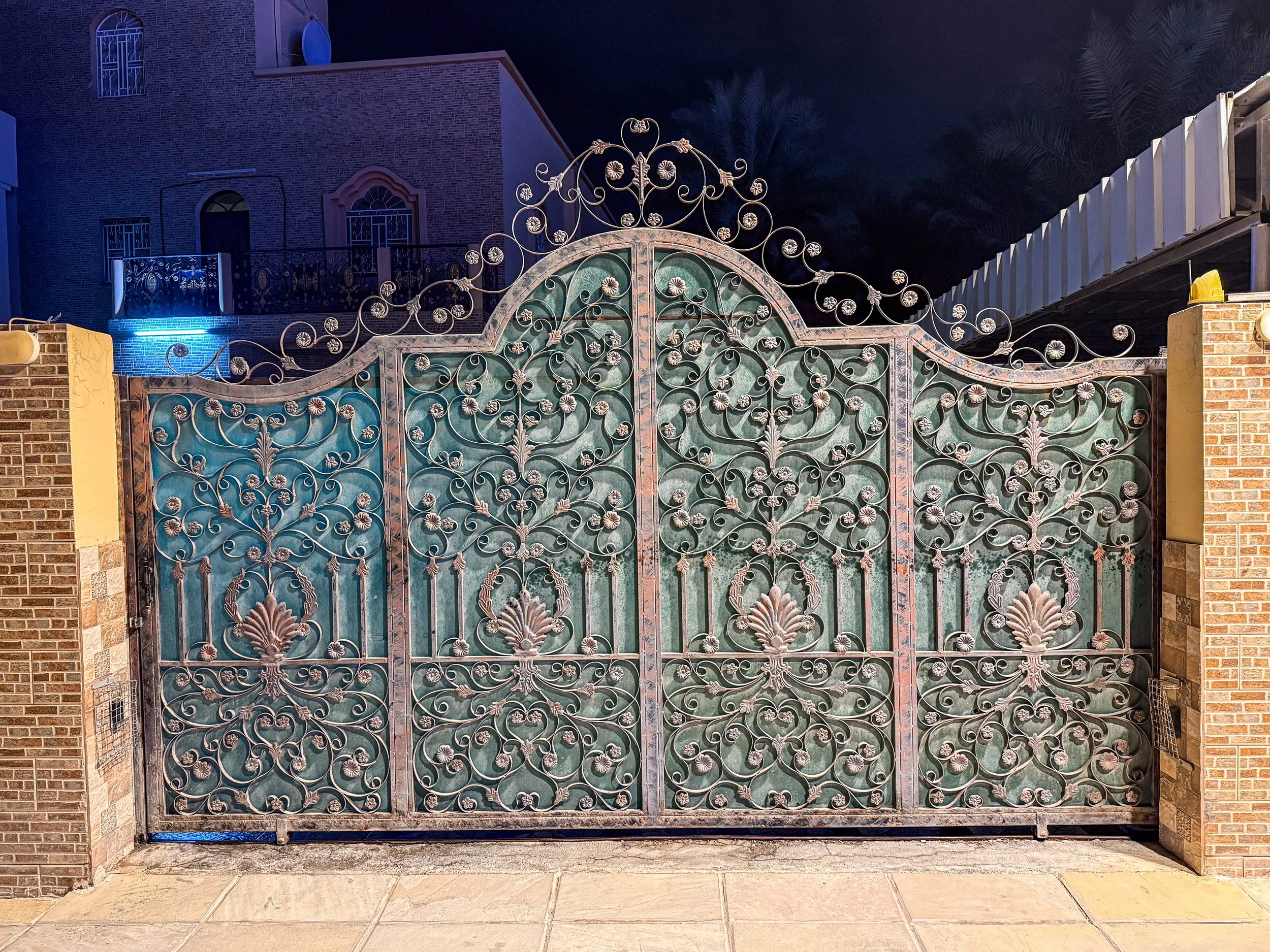
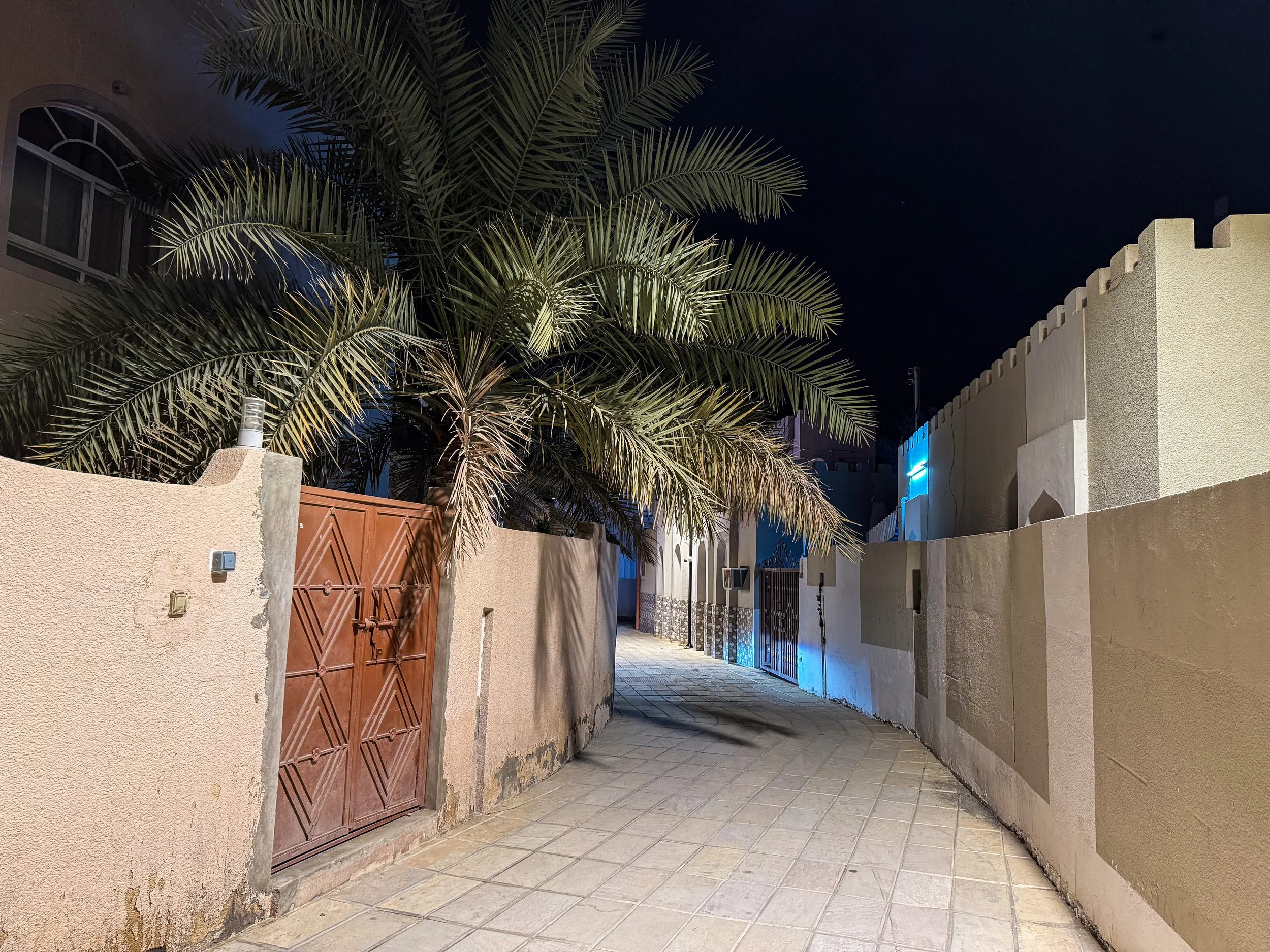
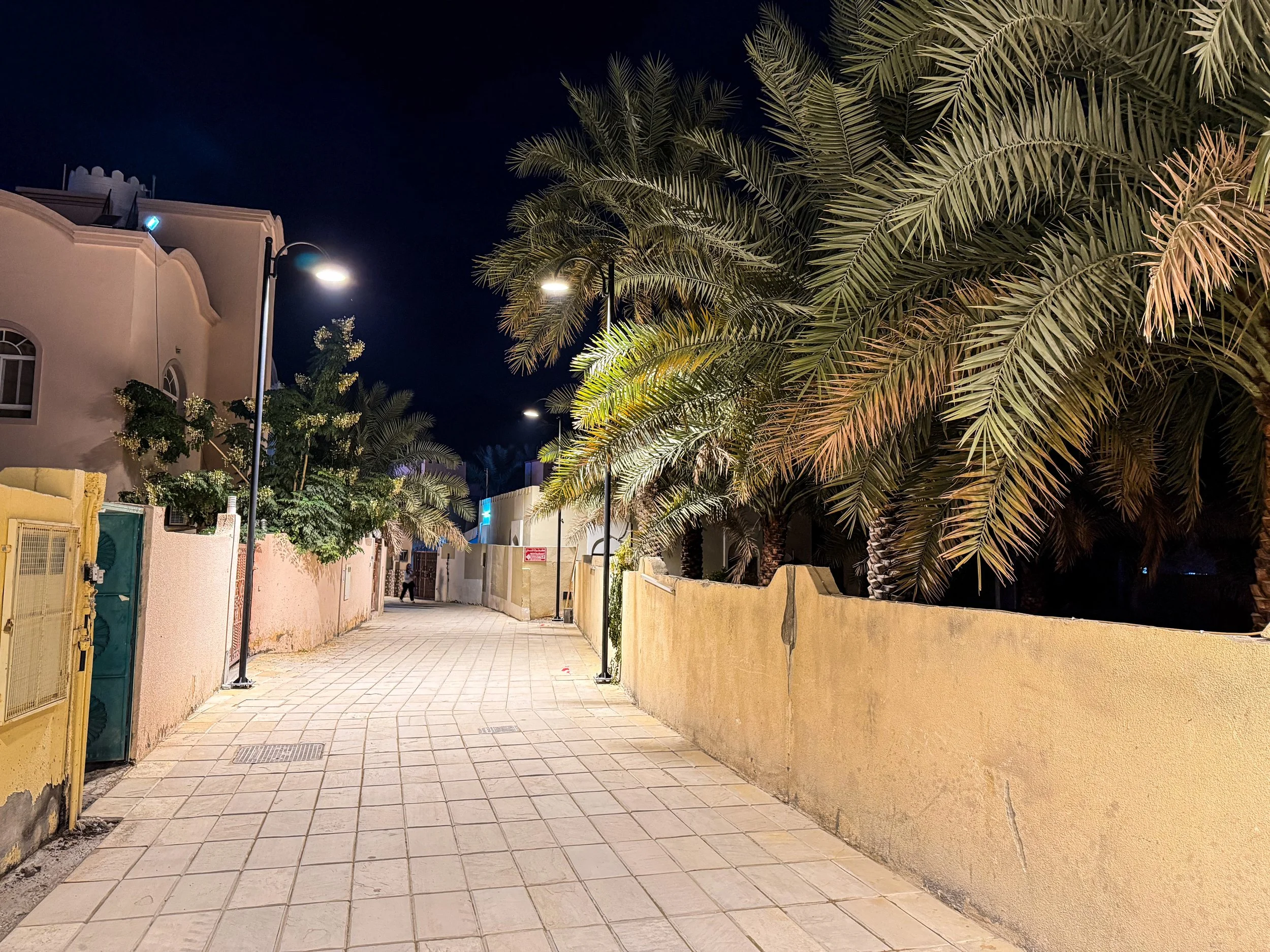
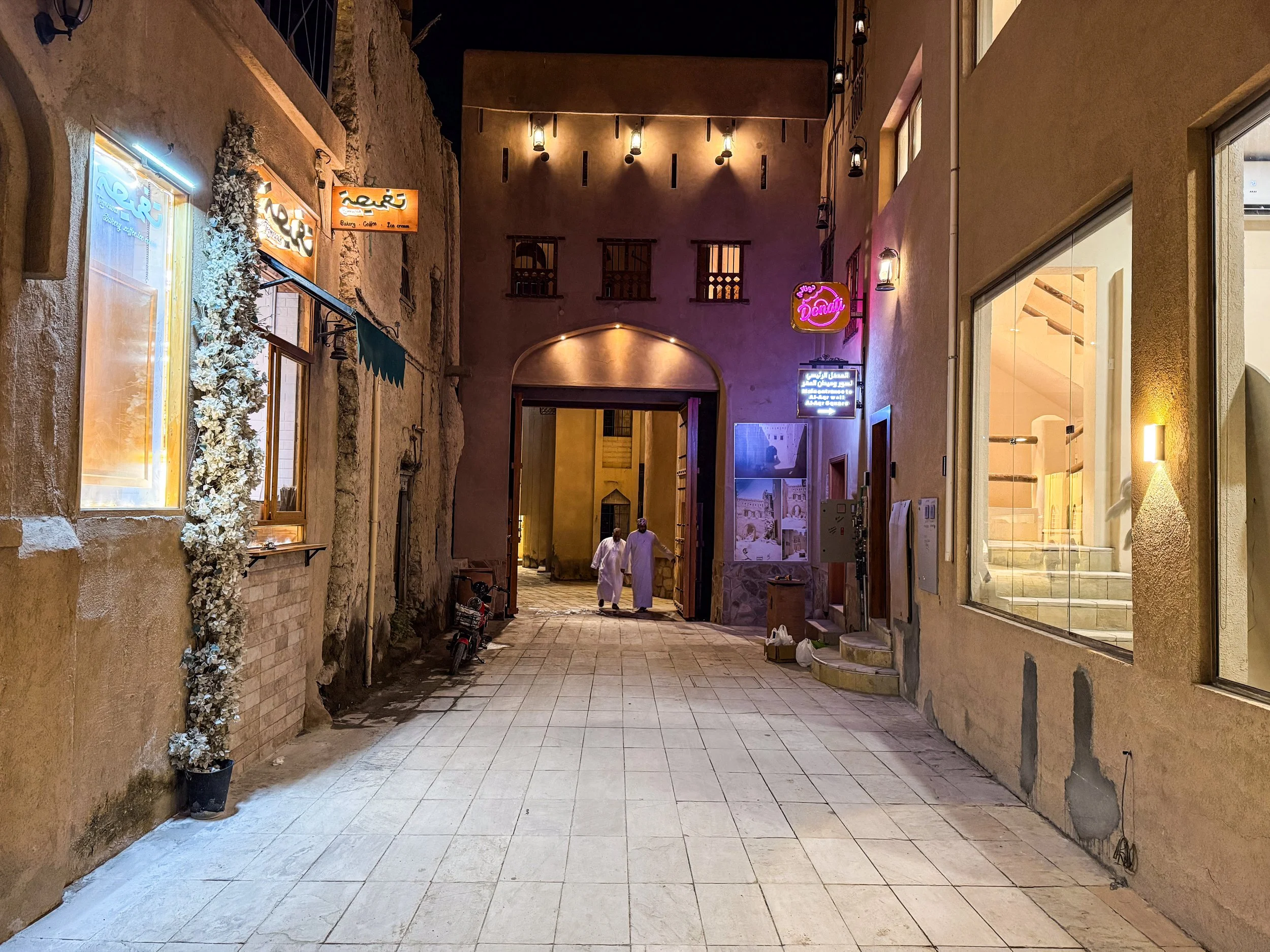
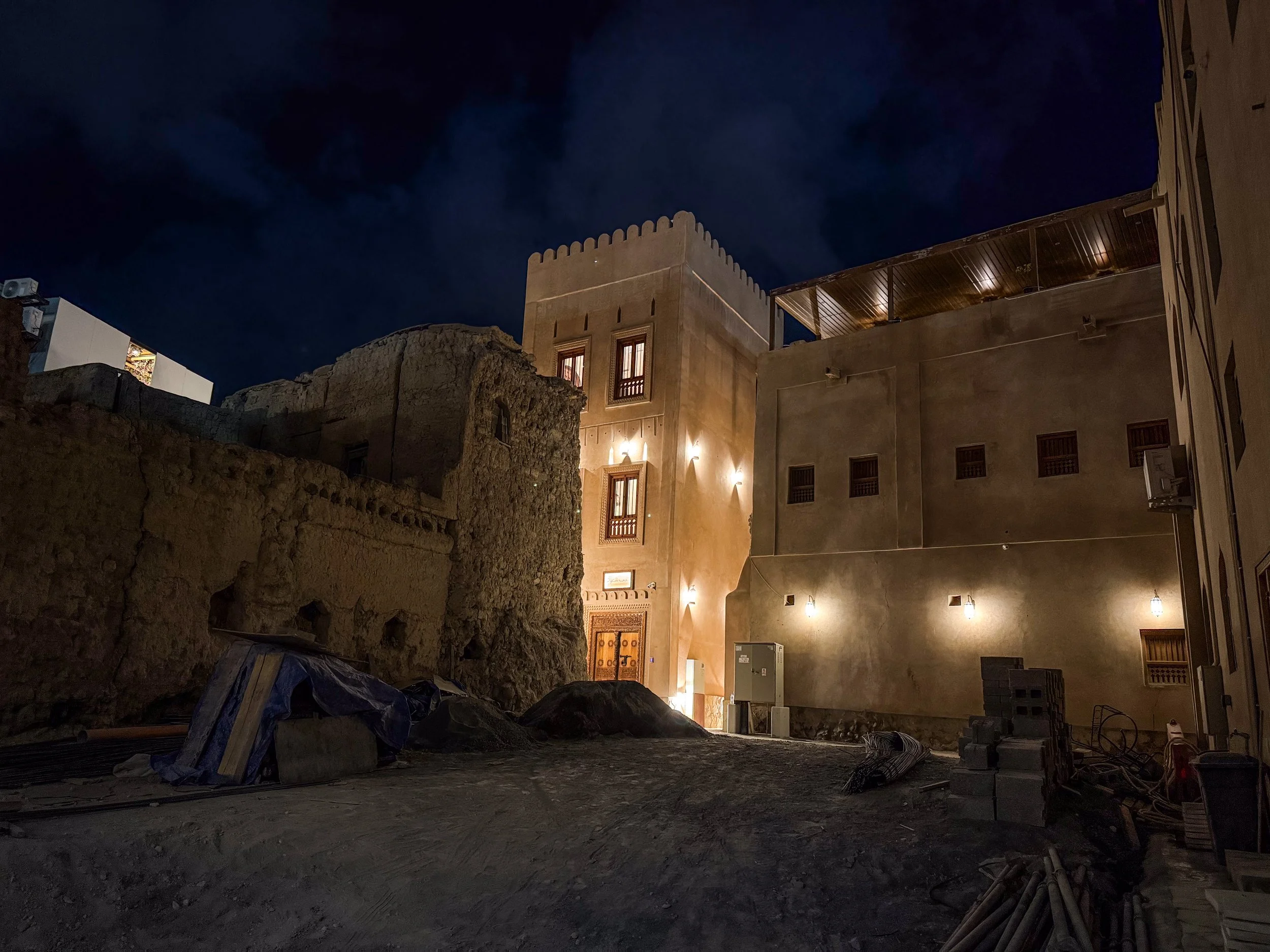
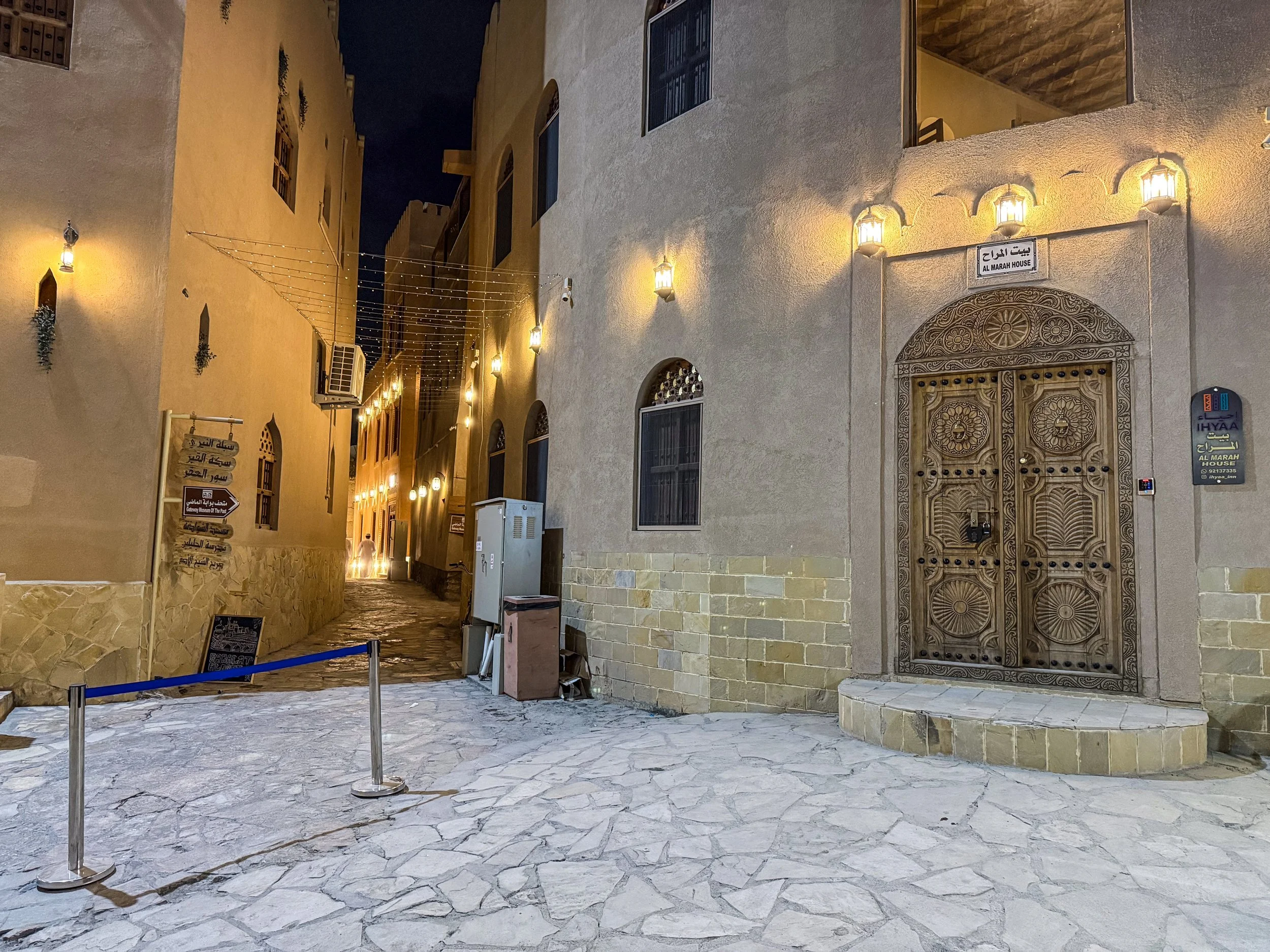
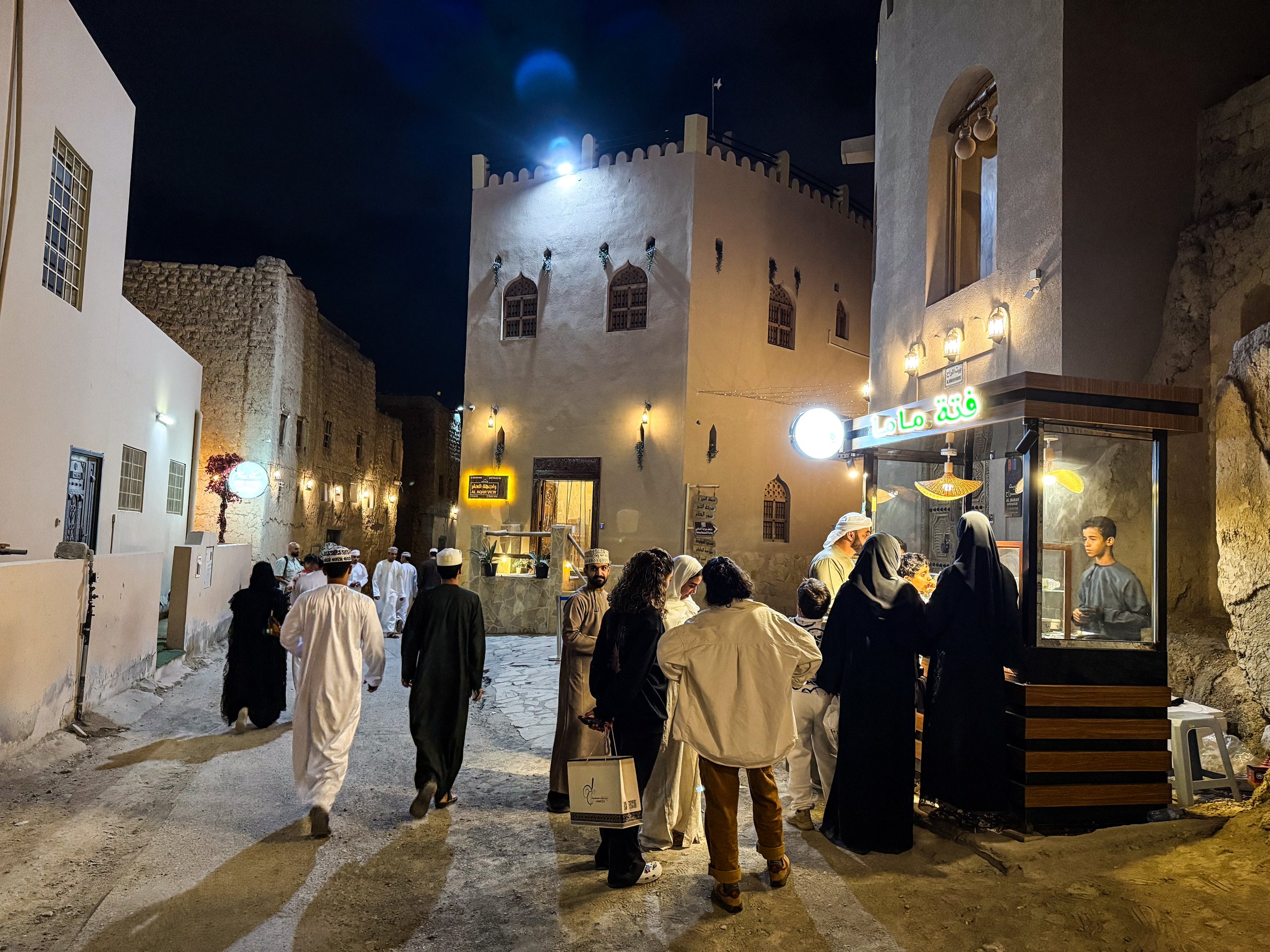
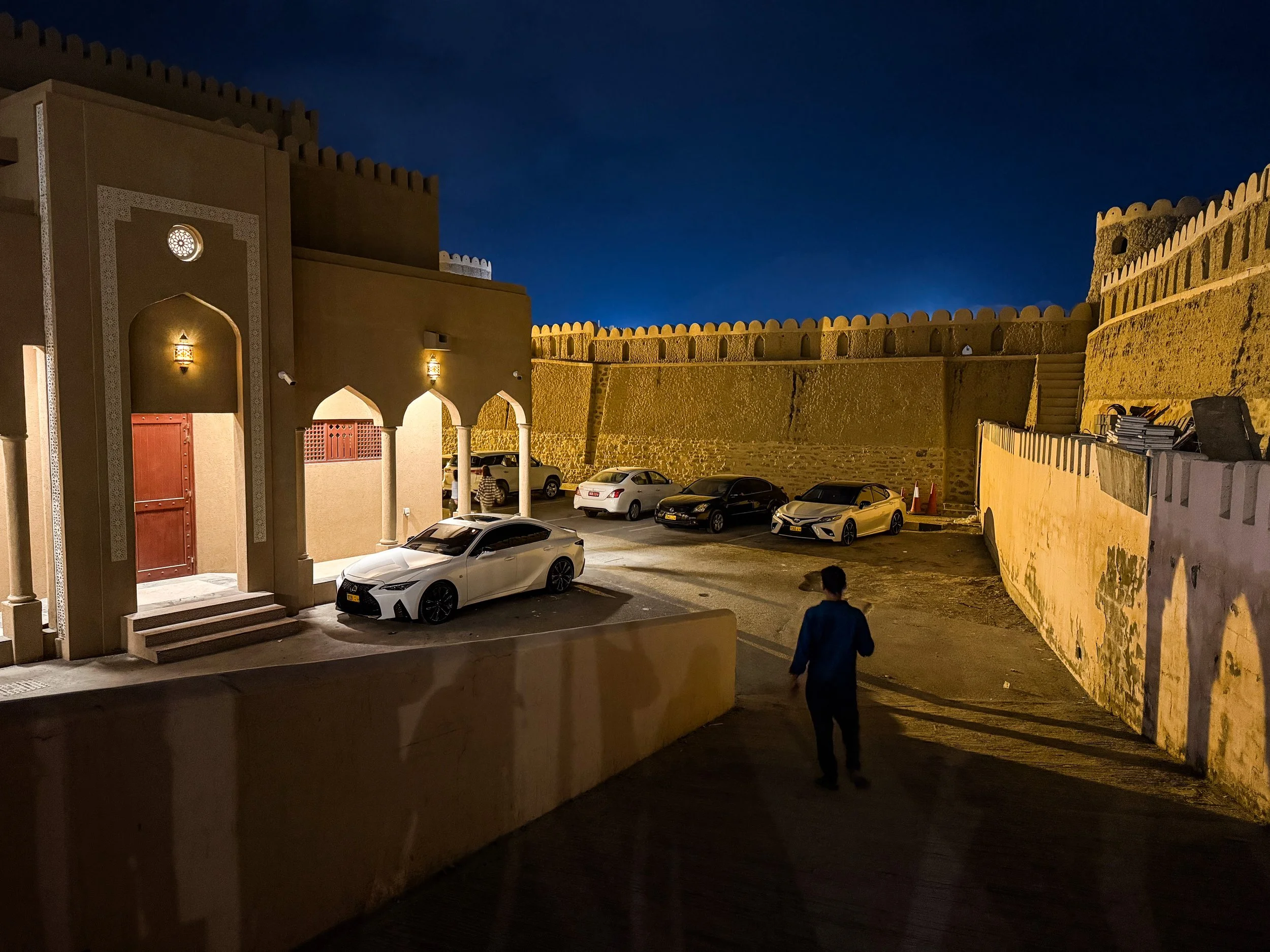
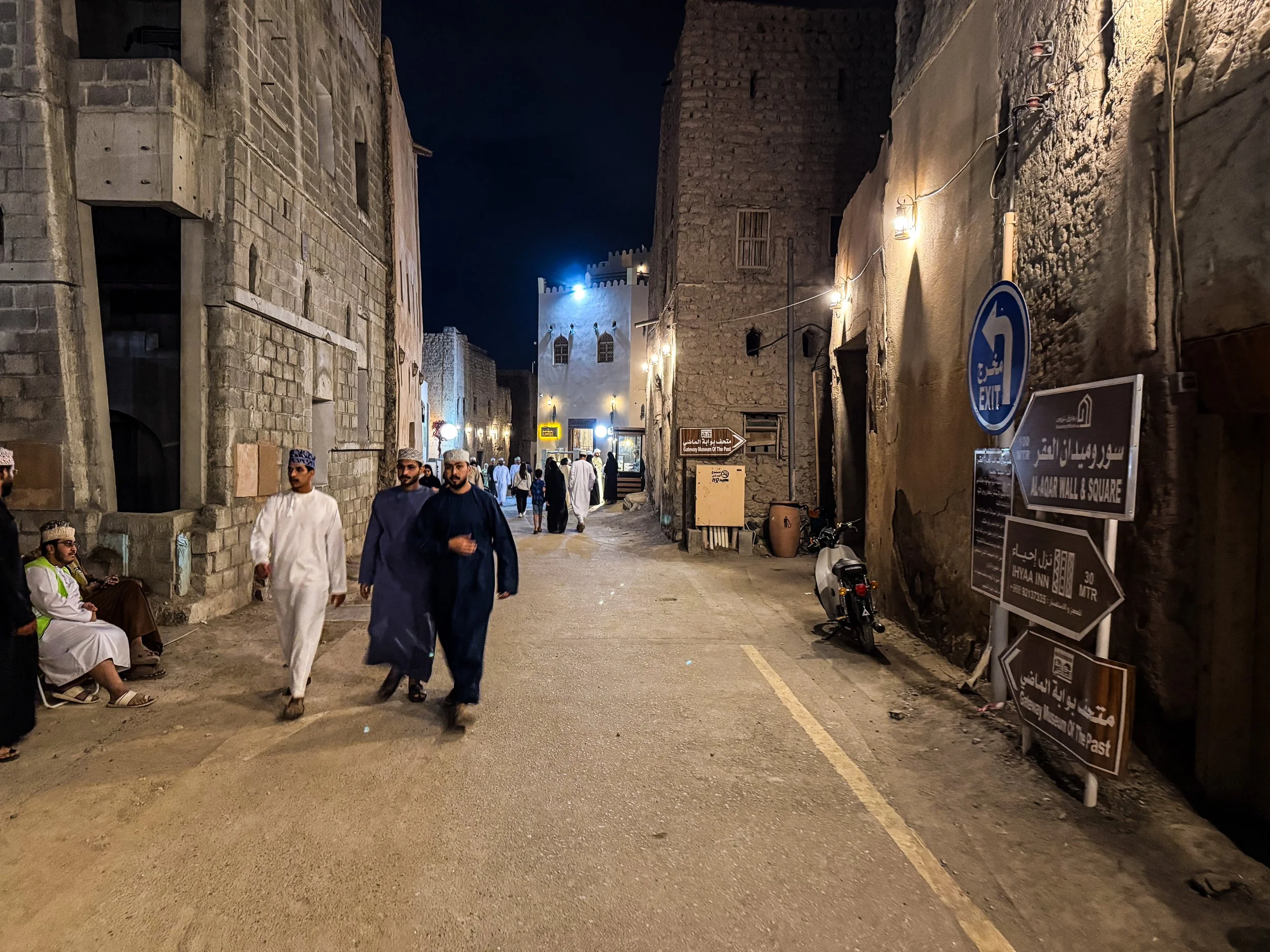
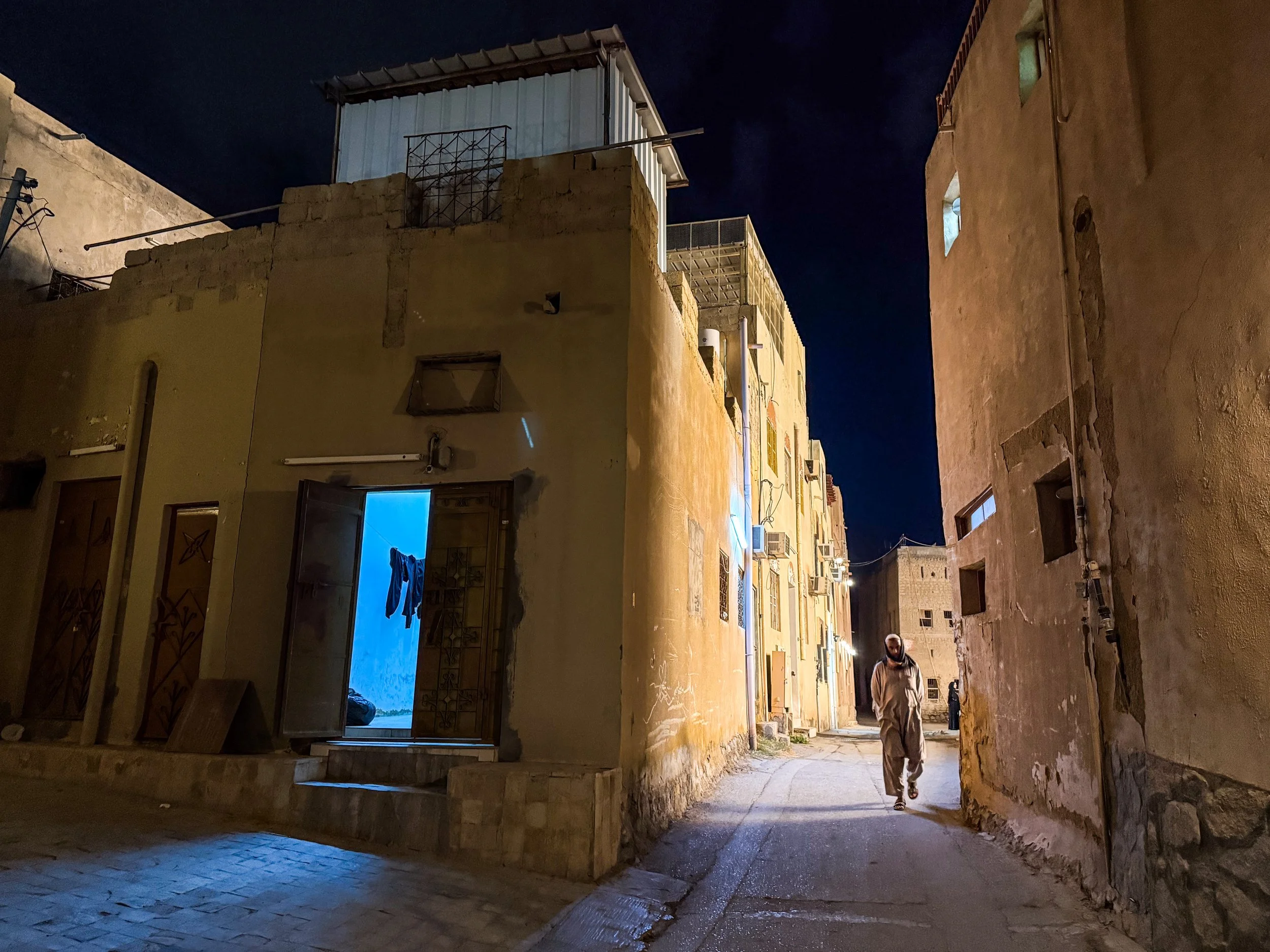
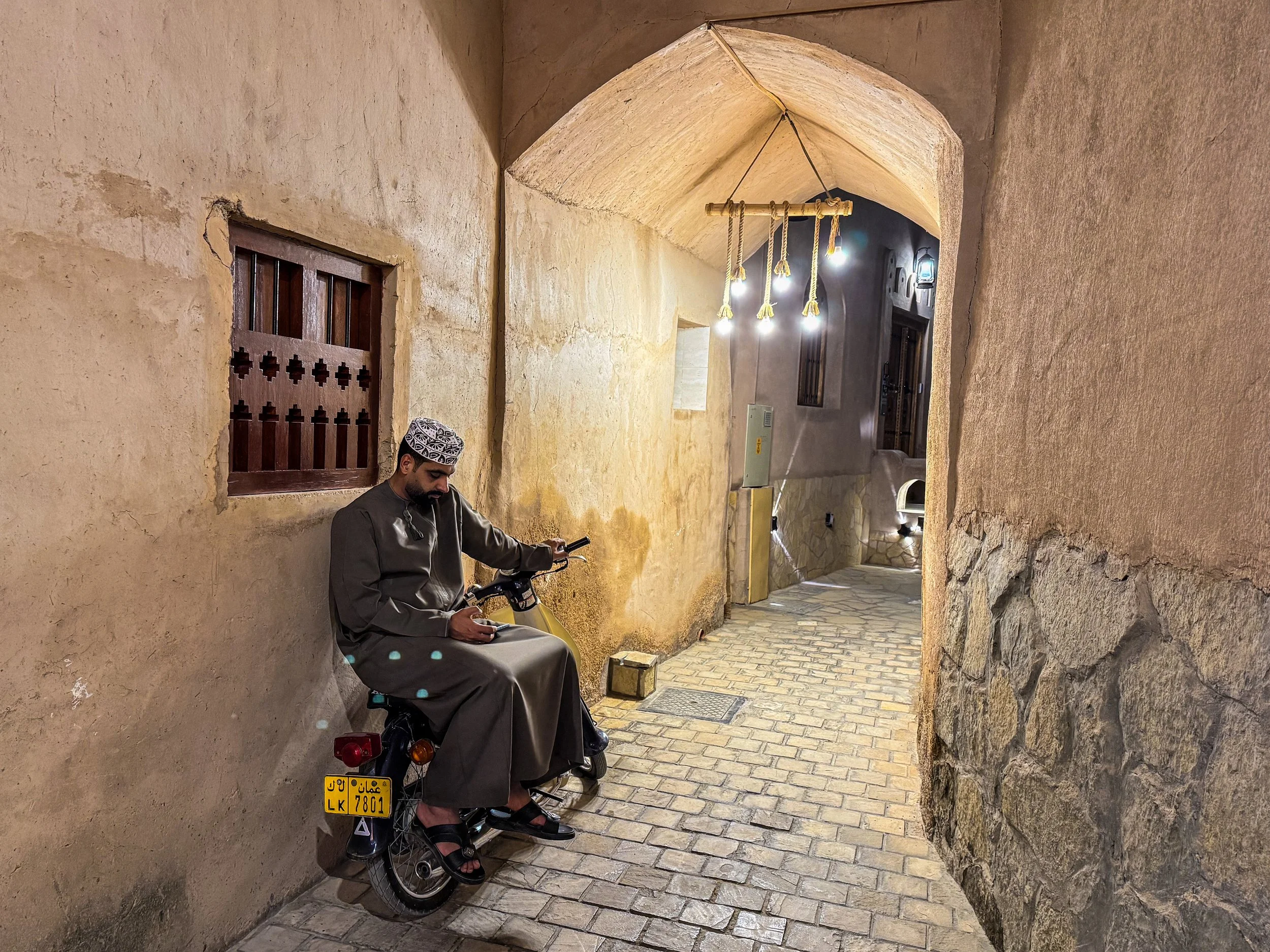
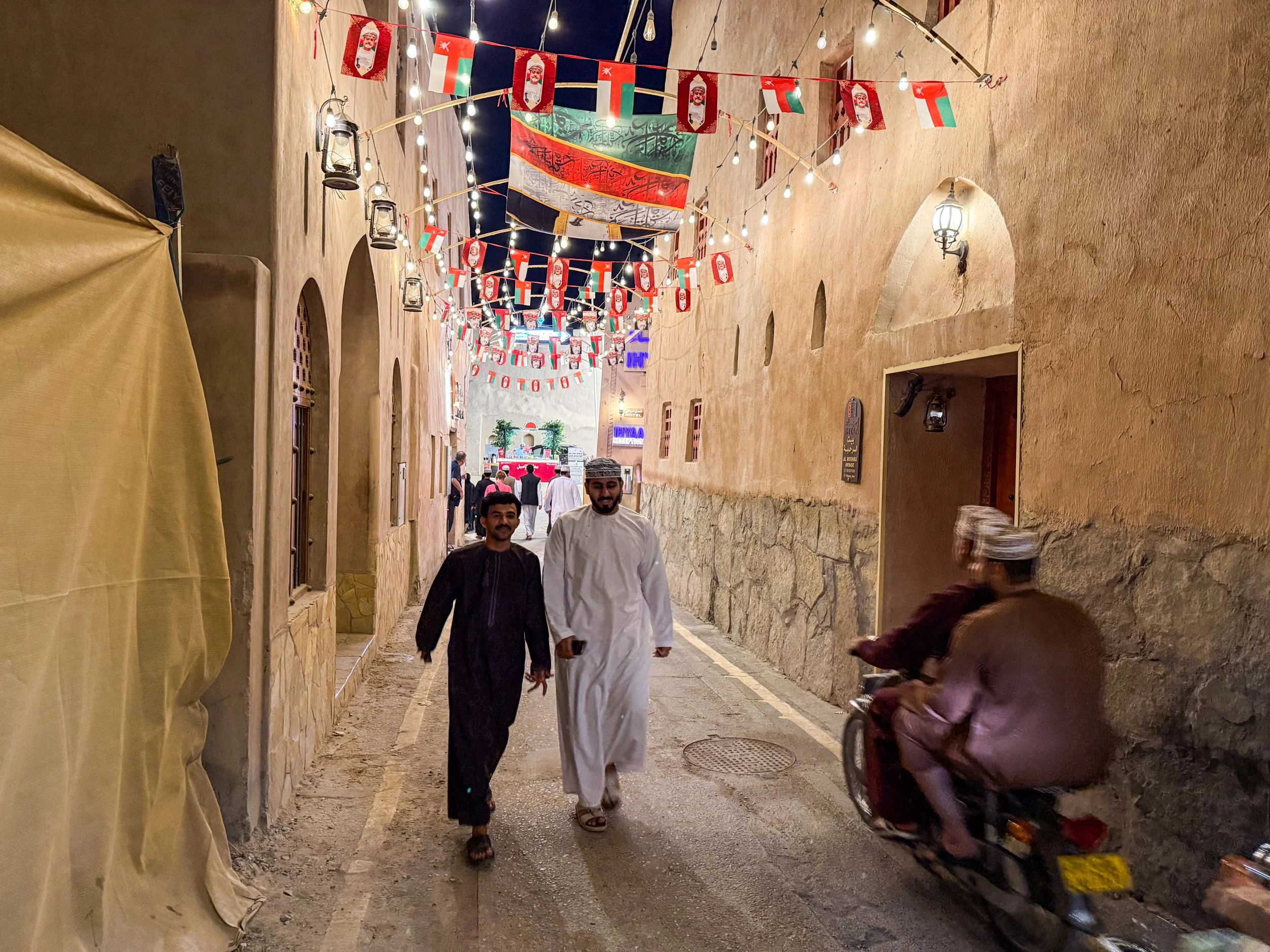
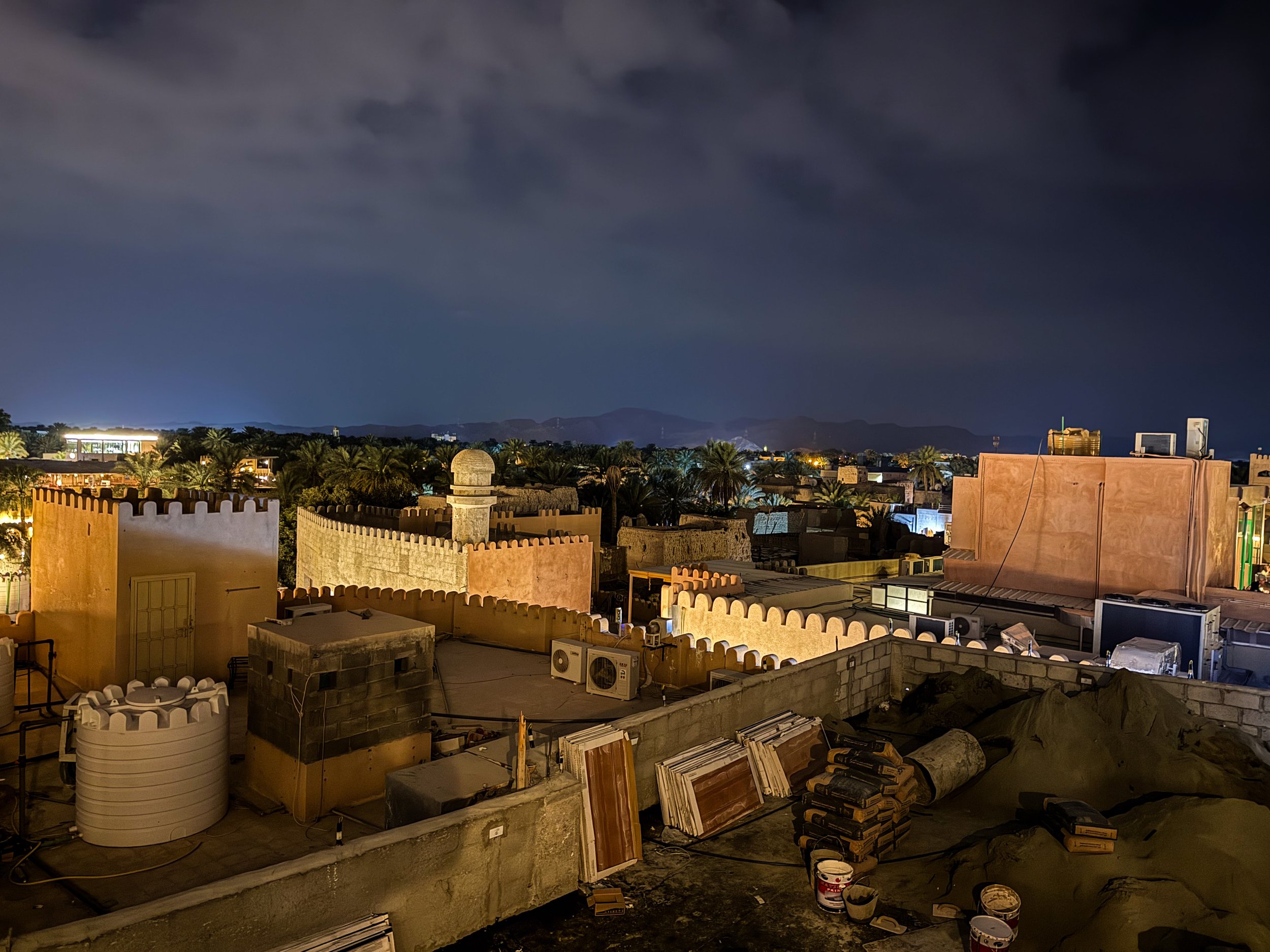
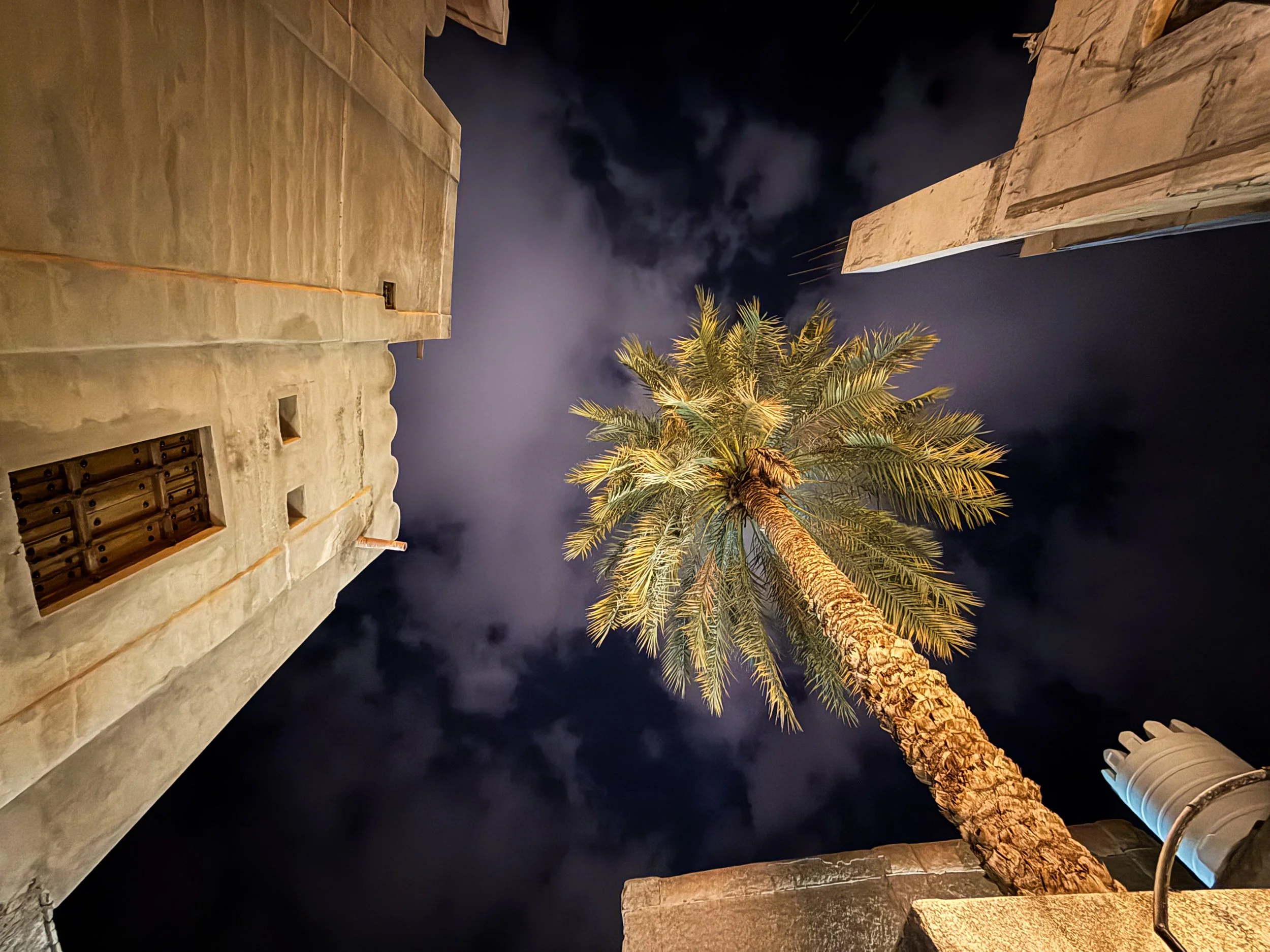
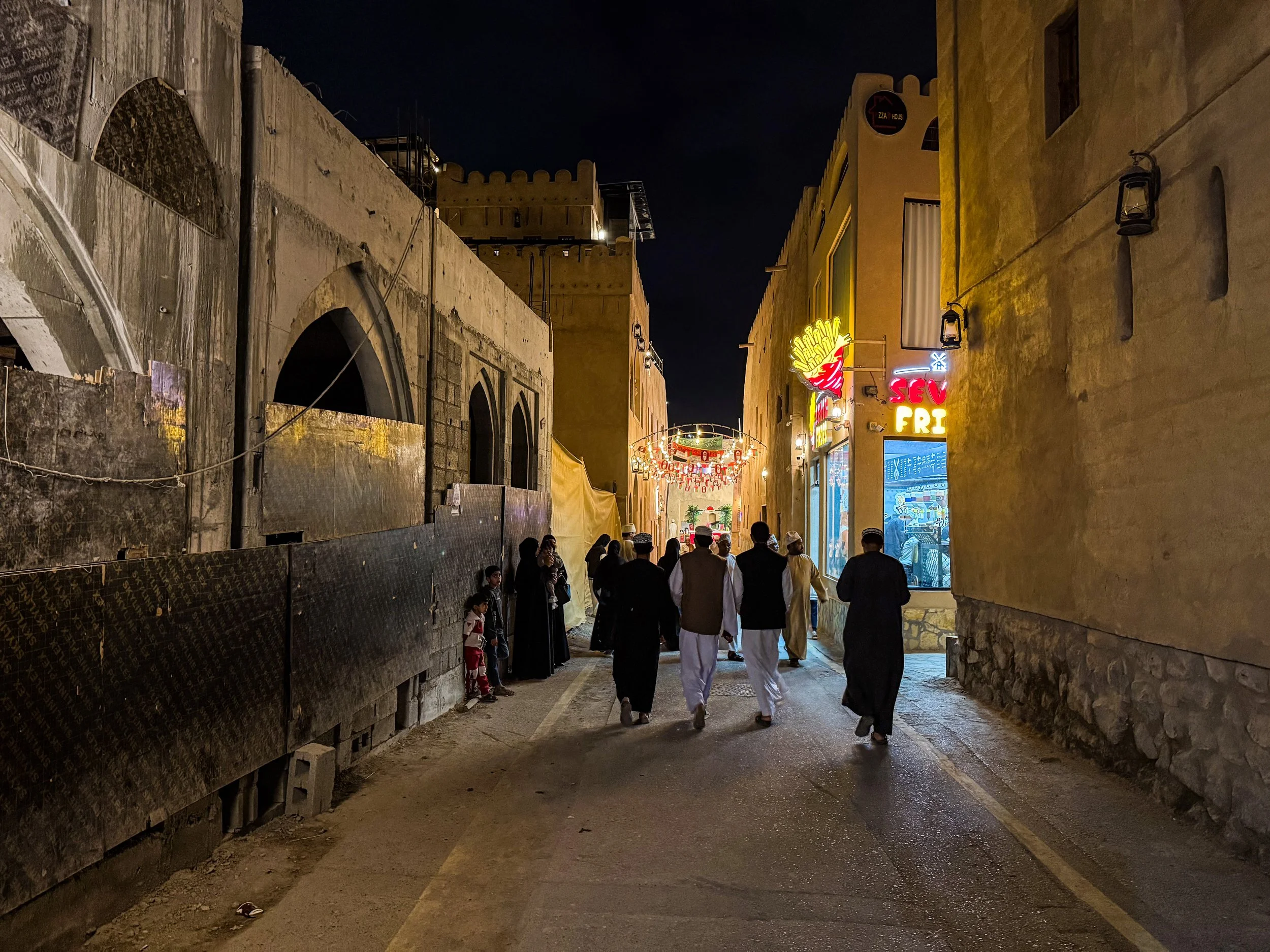
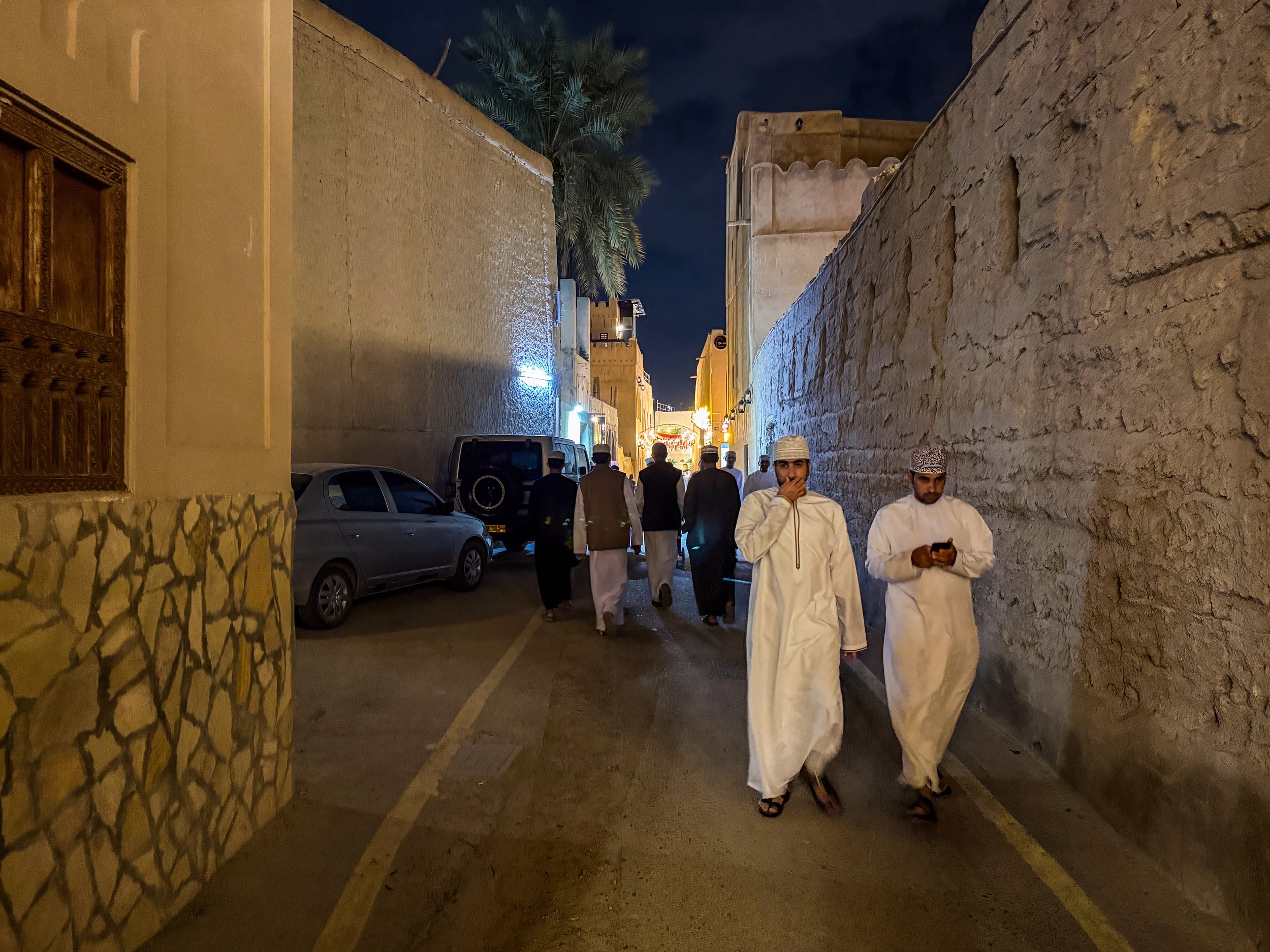
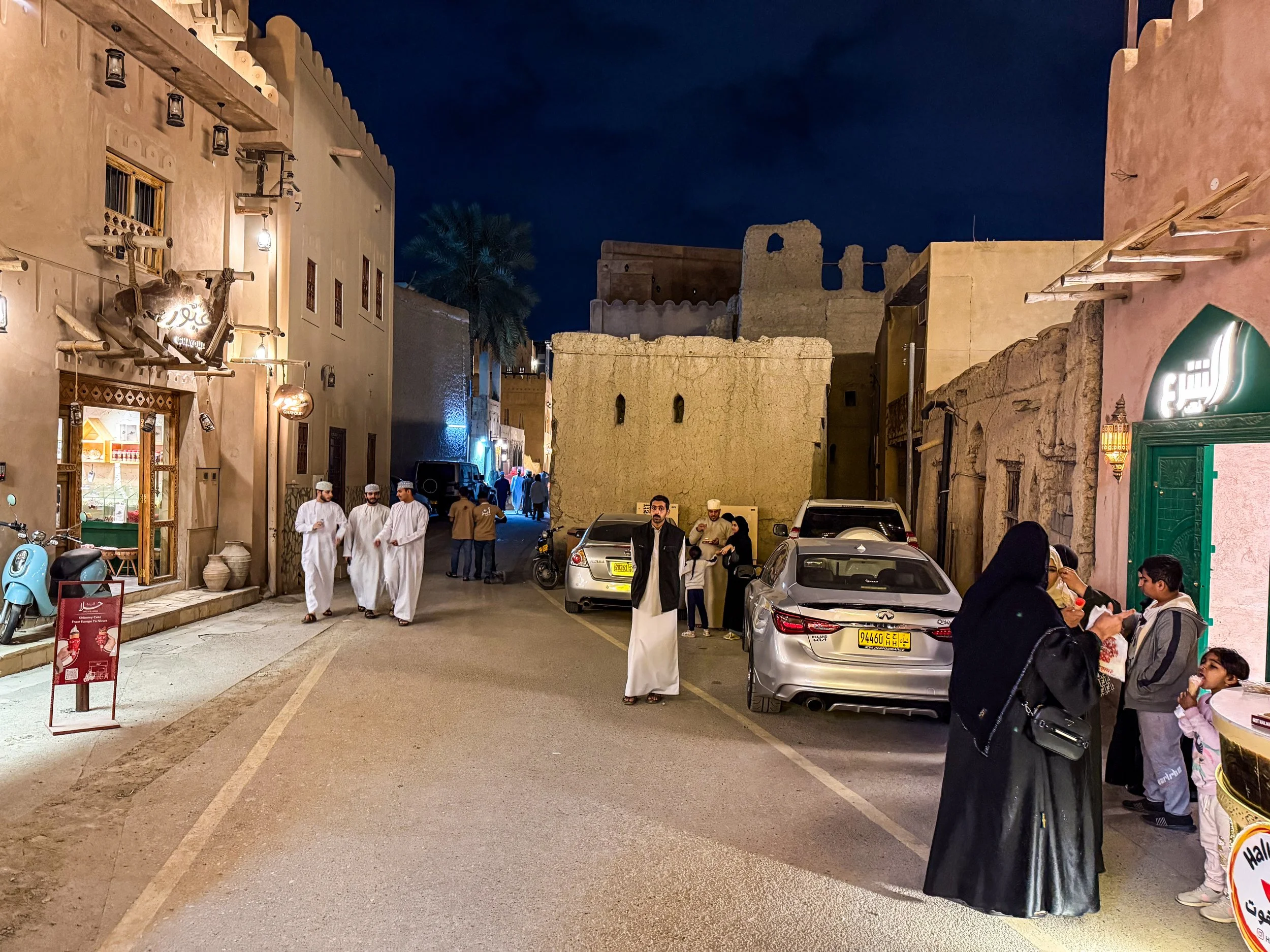
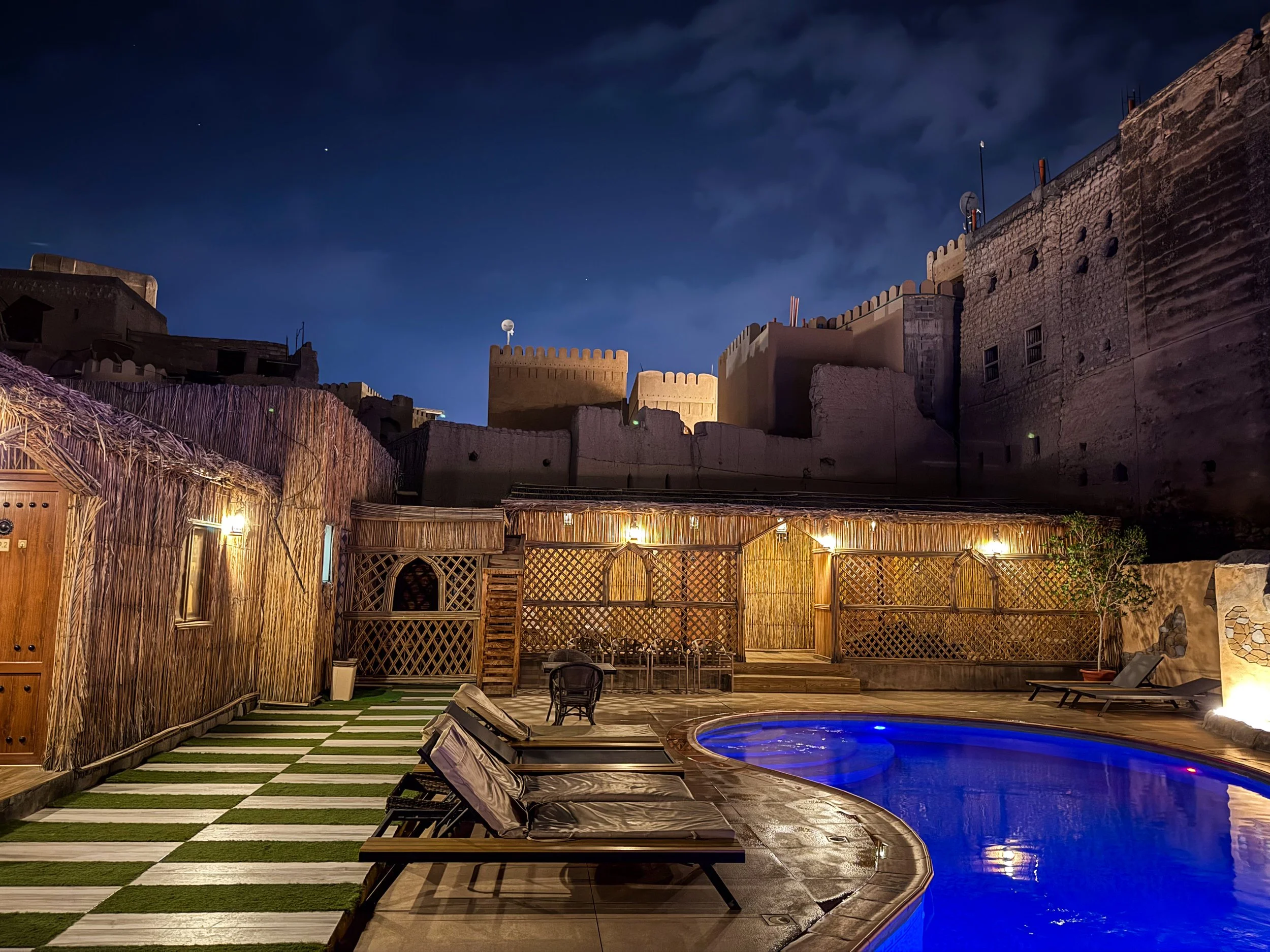
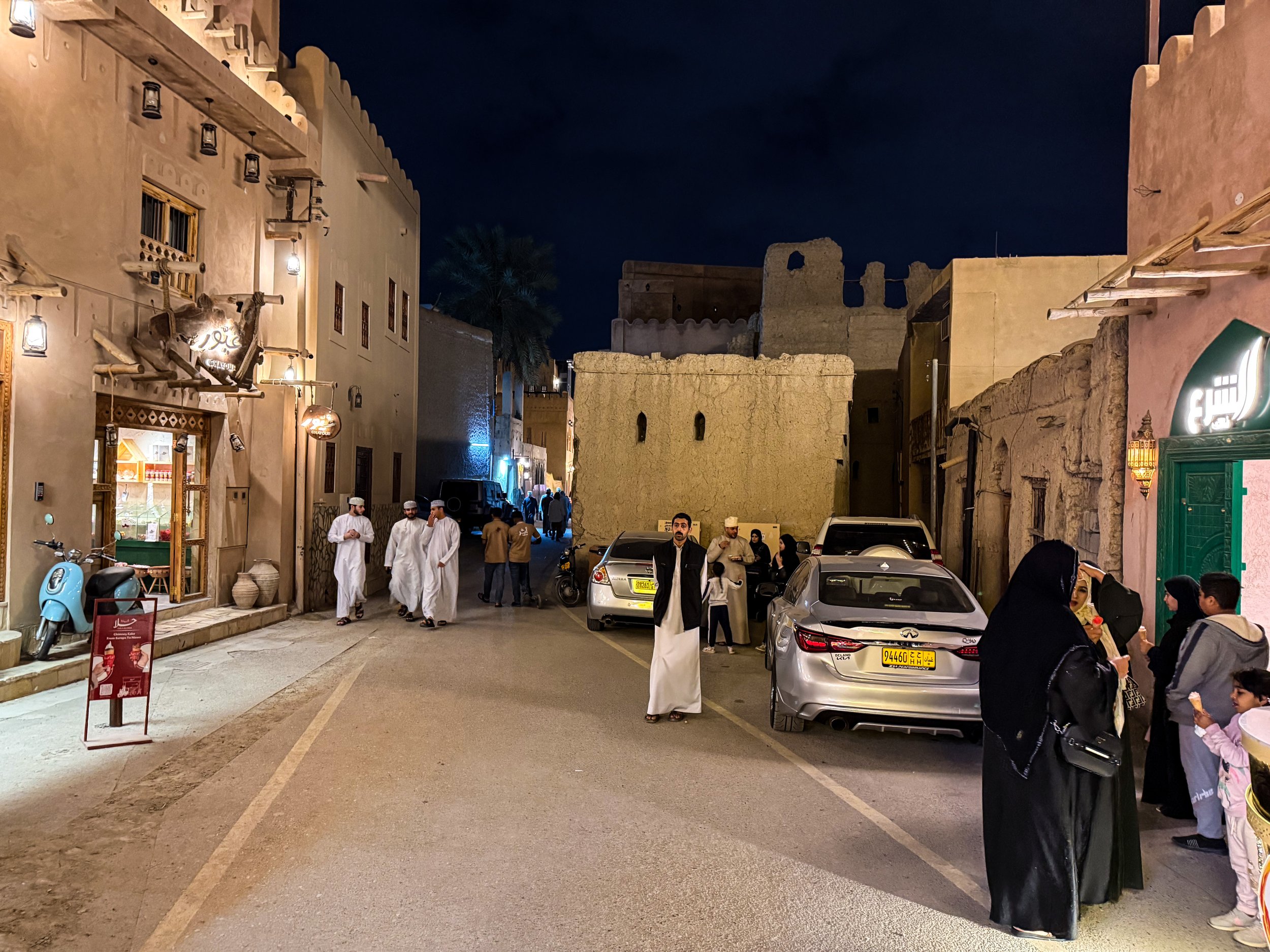
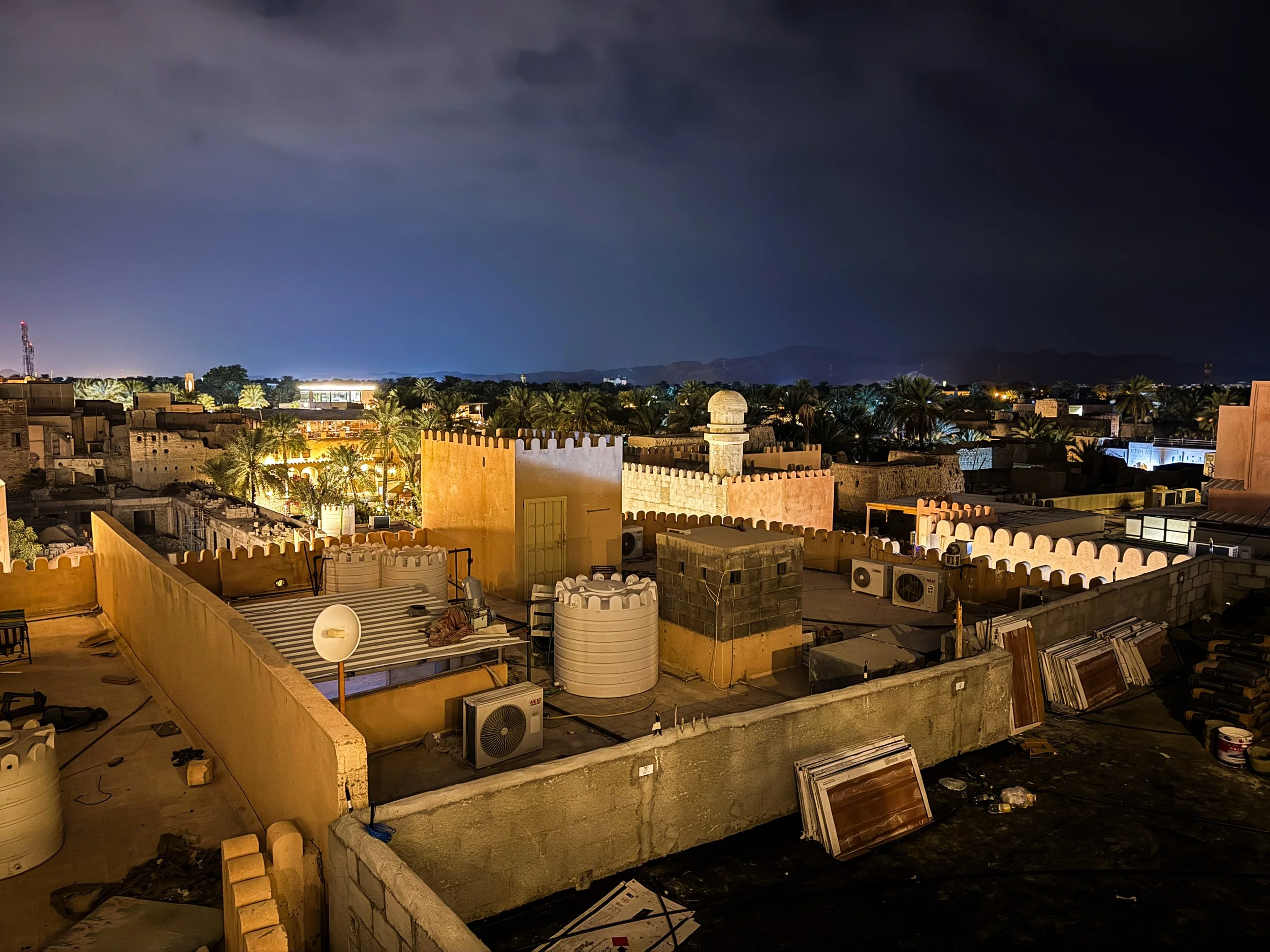
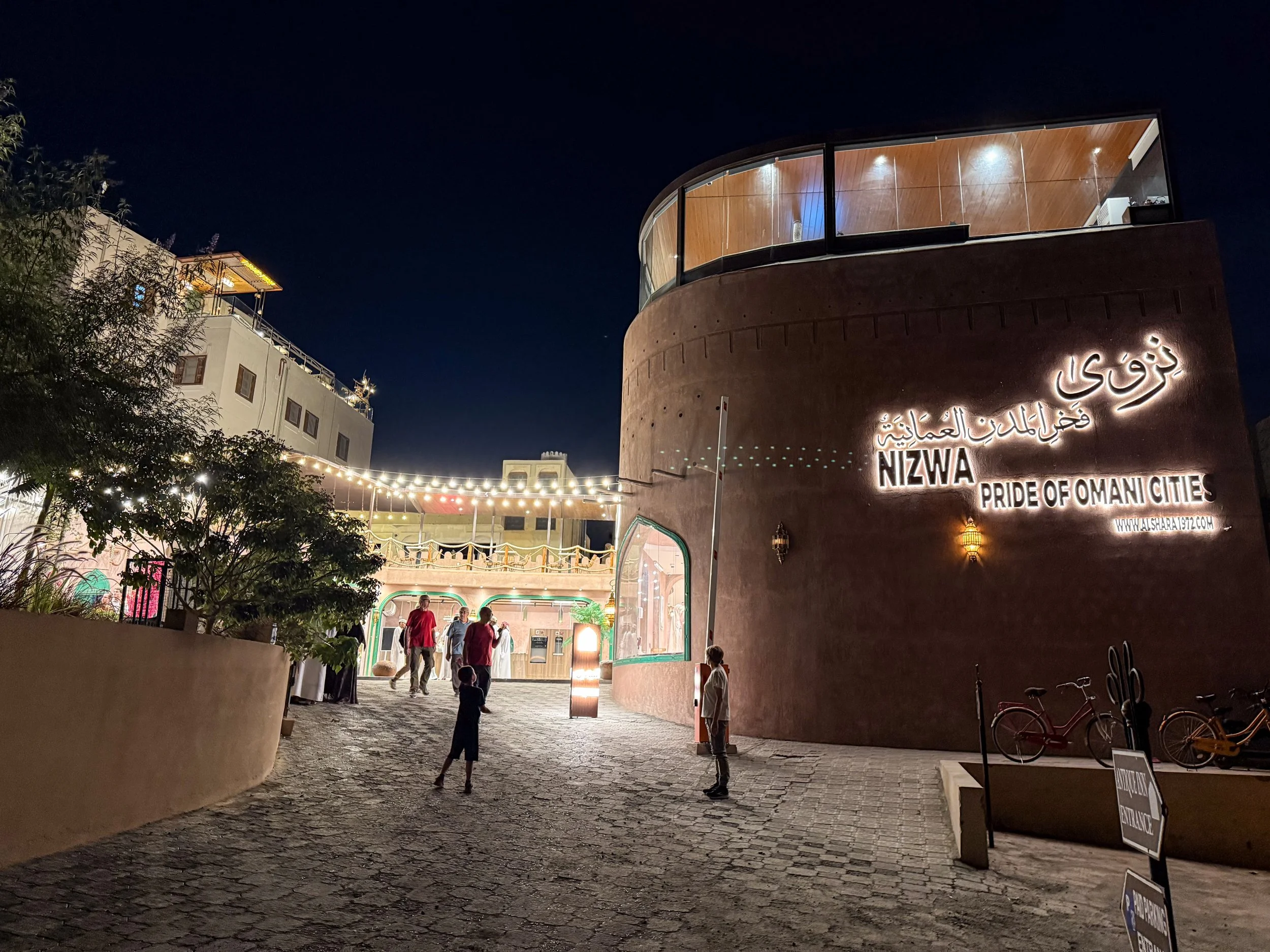
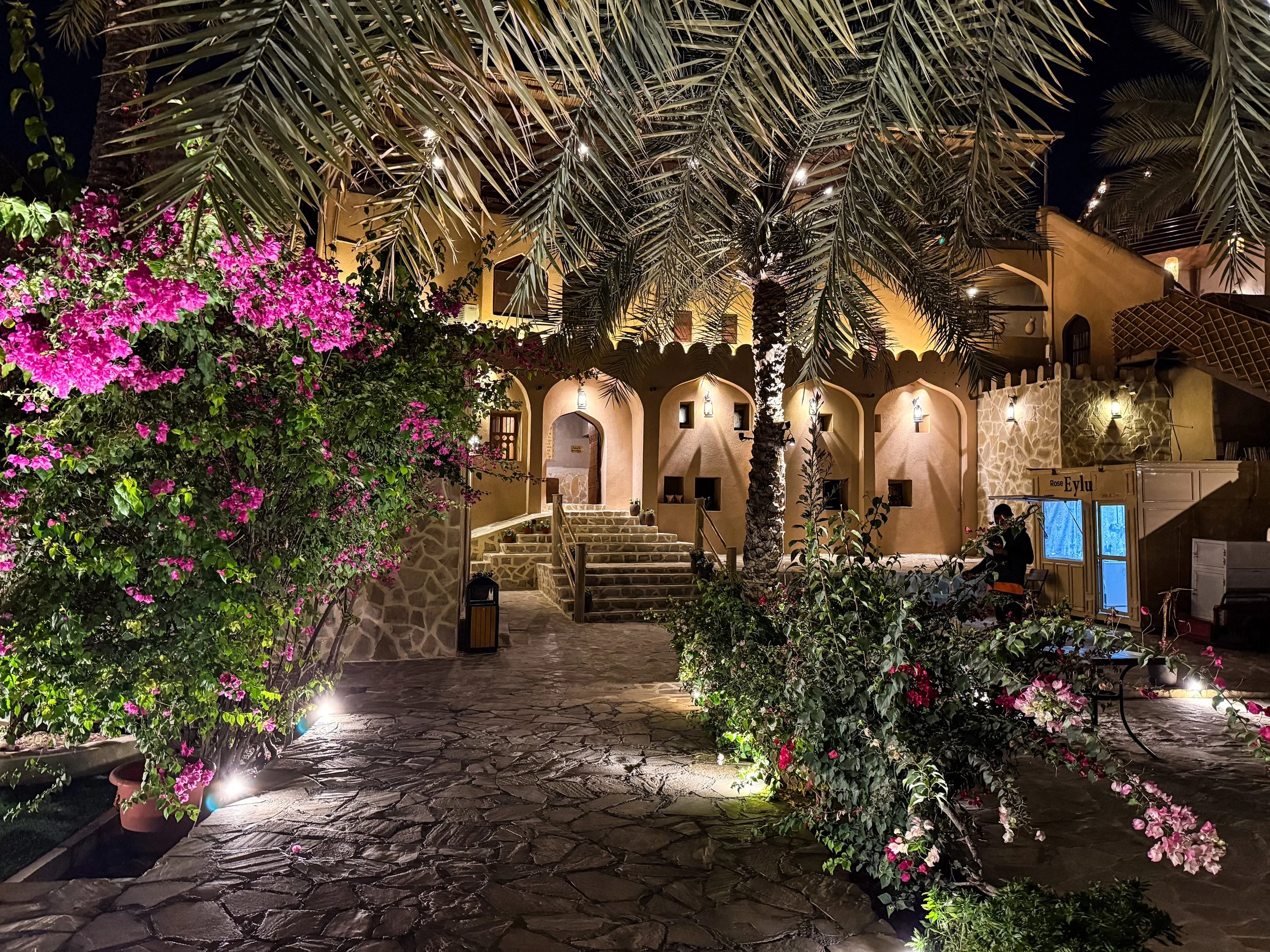
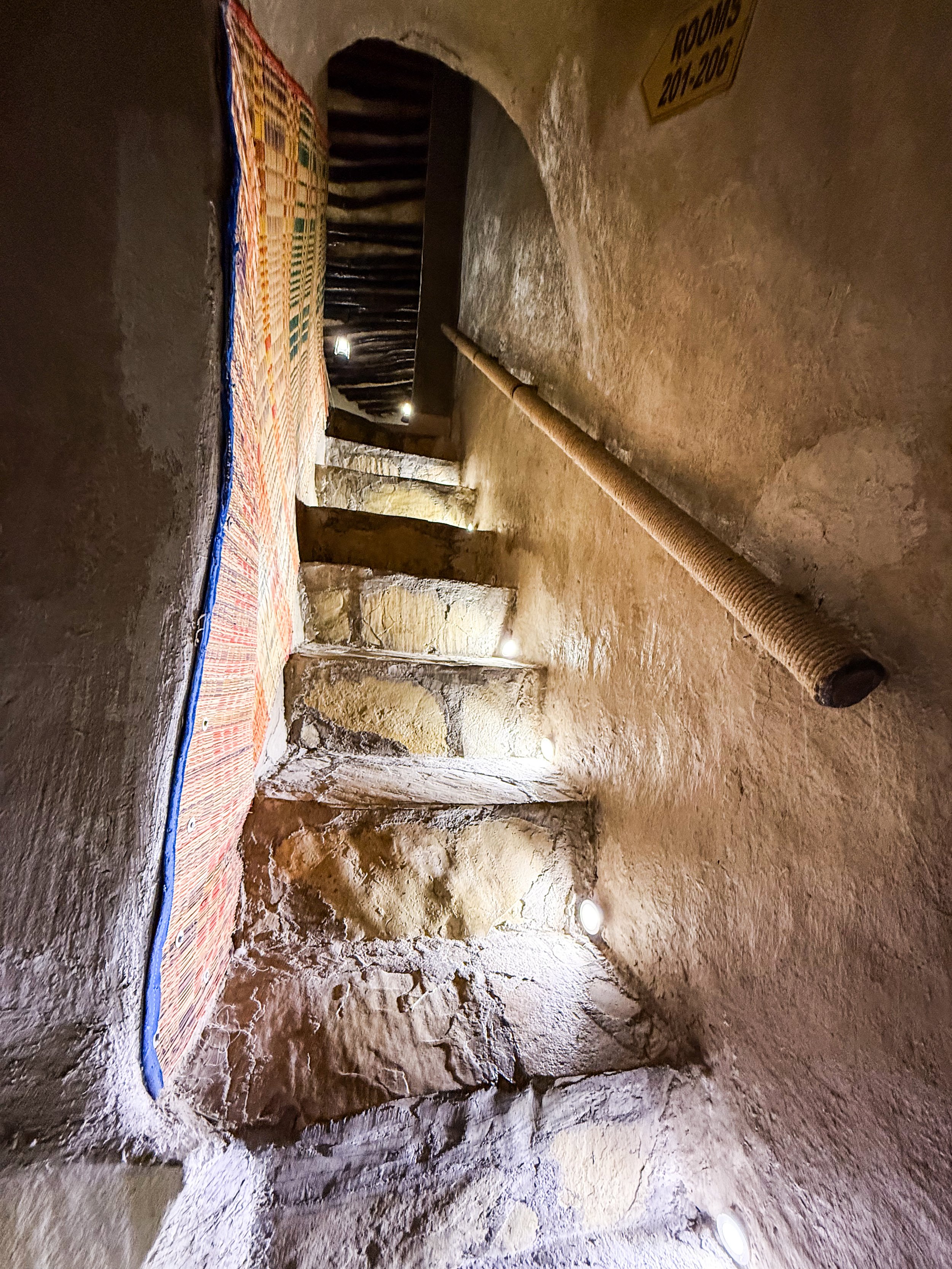
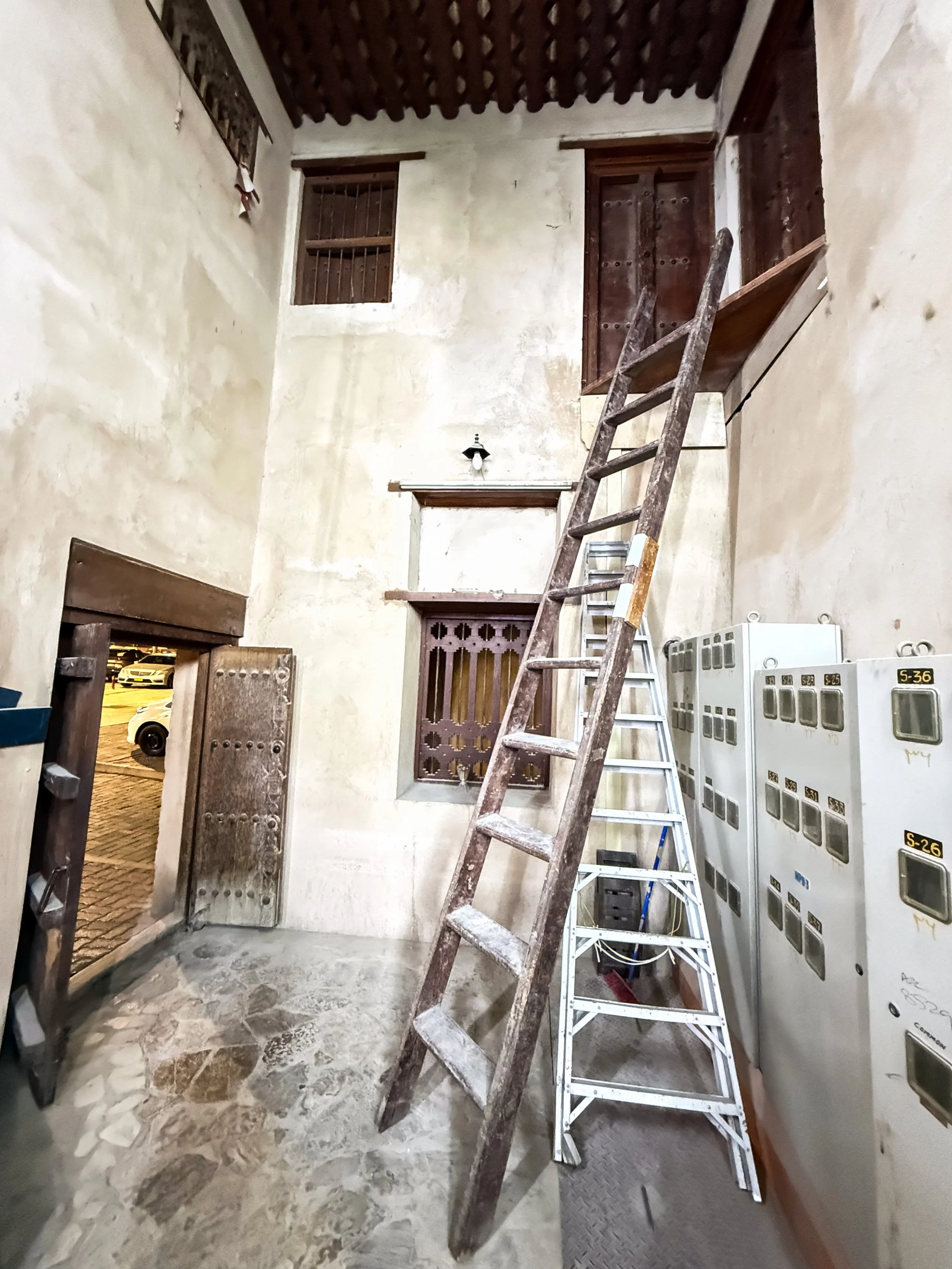
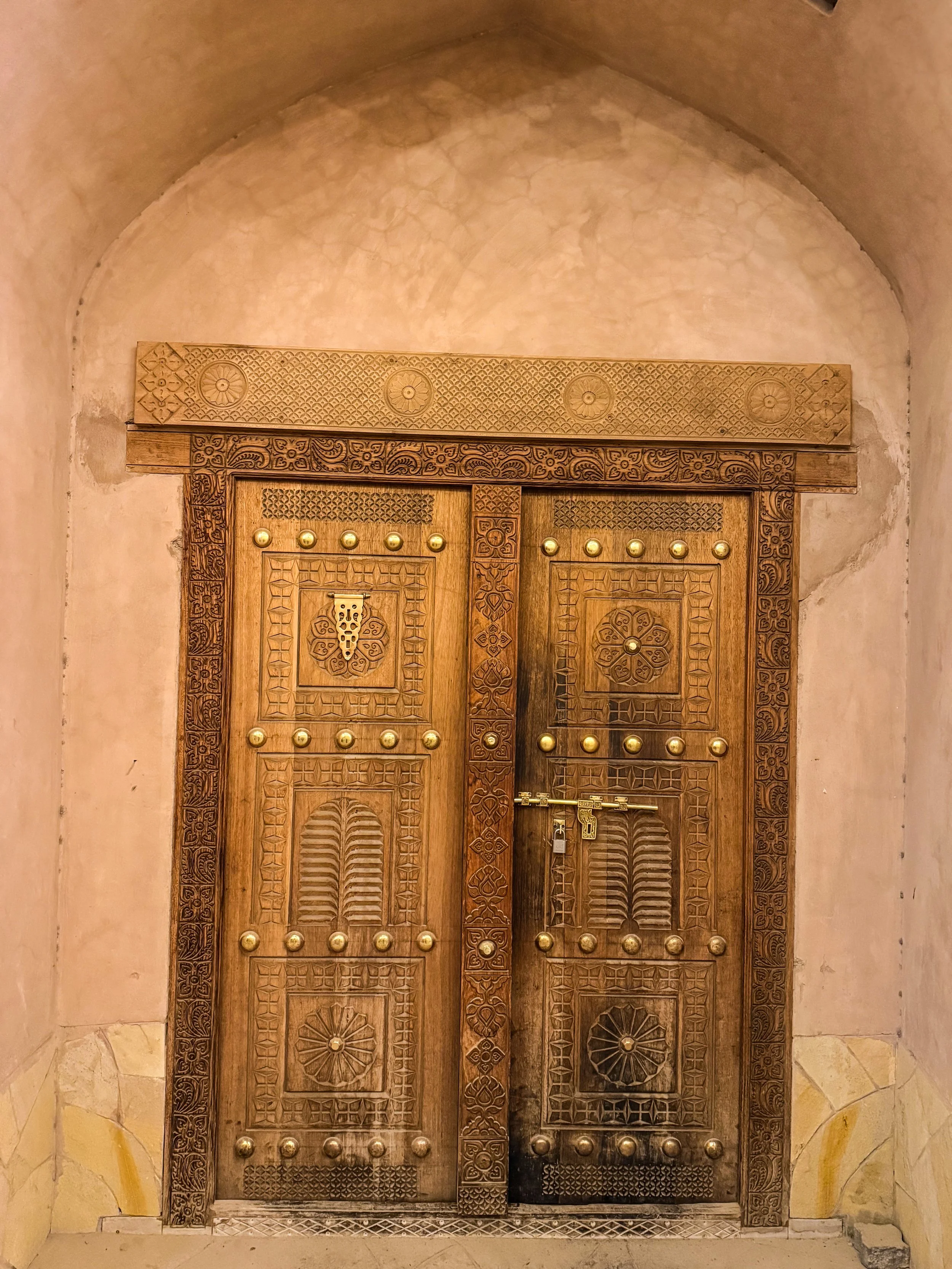
So that was Nizwa, the fortress. But that’s just one dimension of the actual city of Nizwa! The urban center of Nizwa is home to roughly ~75,000 people, but it serves as the administrative hub for an entire province with ~125,000 residents total. So it’s not a big place… but in a country as sparsely populated as Oman, it’s not small either. In fact, the urban core of Nizwa which sits immediately around the fortress is actually quite dense and old-world! It’s called Al Aqr, and it’s actually a gorgeous place to explore… but my understanding is that, within my lifetime, these neighborhoods were largely in a state of disrepair. The traditional mud-brick buildings you’ll see below were indeed what Nizwa looked like hundreds of years ago… but it was restored and rebuilt starting in the 2000s, a project which continues to this day!
“Wait a second Peter… you’re telling me that this old-looking neighborhood was actually built just a few years ago?”
Er, well, yes. Kind of. It’s a very old neighborhood, but it was restored just recently. And in some places, the neighborhood was literally in ruins, so it had to be completely built back and reimagined in its traditional style.
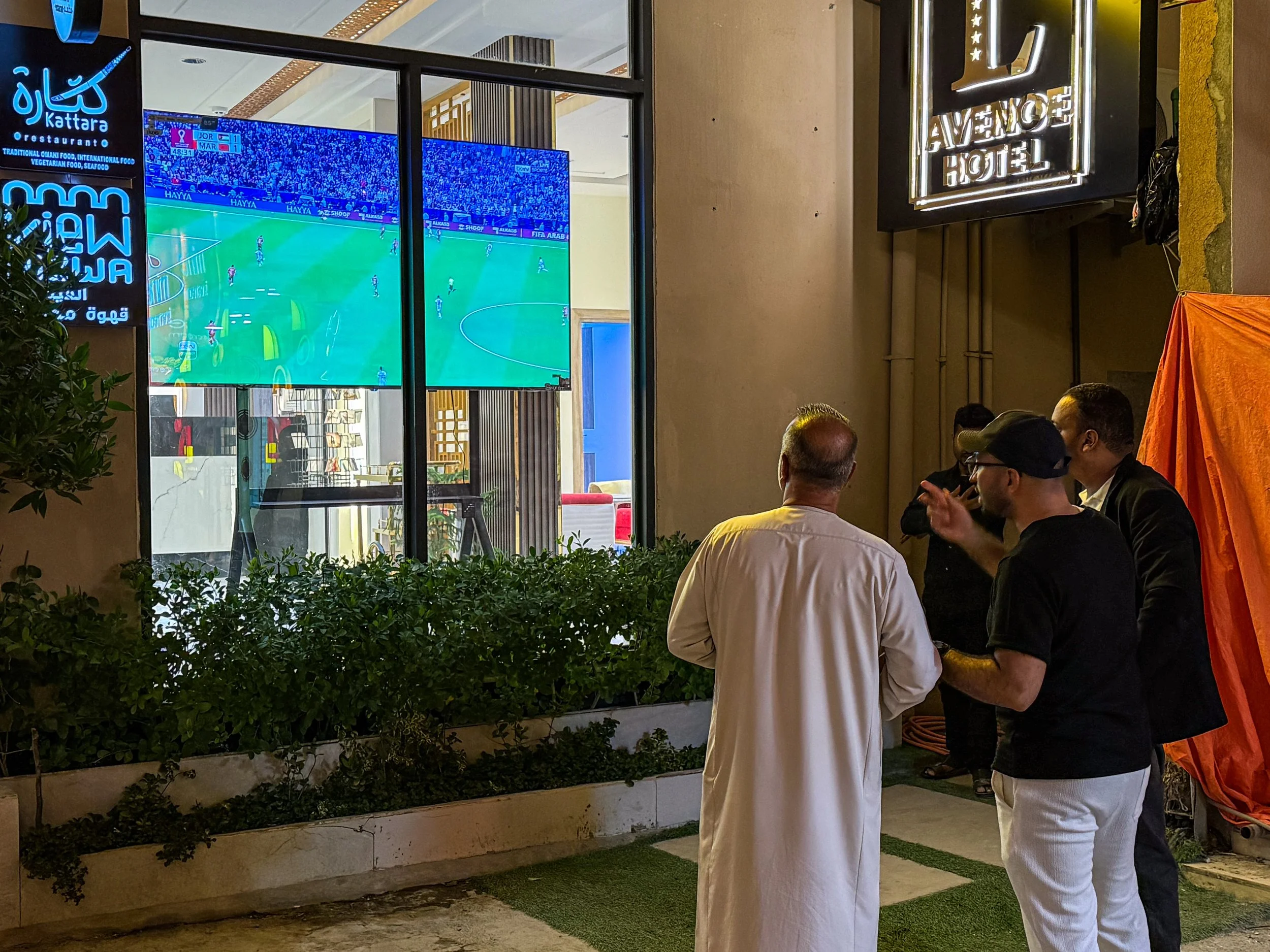
At first, I found myself wondering if that eroded the charm of this town at all… it presented as being extremely historic, but when I realized that it had been restored this way for tourism purposes… I didn’t love it. HOWEVER, on second thought, this was restored to its original style, by the same people and culture who built it in the first place. I had come to associate disrepair with authenticity, but actually, even the most historic places were once new, right? And every city requires maintenance. All the better that this place is being maintained so actively, right?? If Nizwa had been turned into some sort of cheap imitation of its former self solely for my entertainment, that would have been extremely disappointing… but nothing could be farther from the truth! In fact, the majority of the people filling the streets, restaurants, and markets were Omani! We were actually walking around Nizwa during the very important football/soccer match in the Middle East: the FIFA Arab Cup final, where Jordan was facing off against Morocco. Morocco was heavily favored to win, but the game actually went to extra time! Morocco ultimately won, but not without some drama. Groups of men were cheering and yelling at television sets all around Nizwa. Yep, there was LIFE happening here! It was very cool to see such a historic place continuing to function into the modern age!
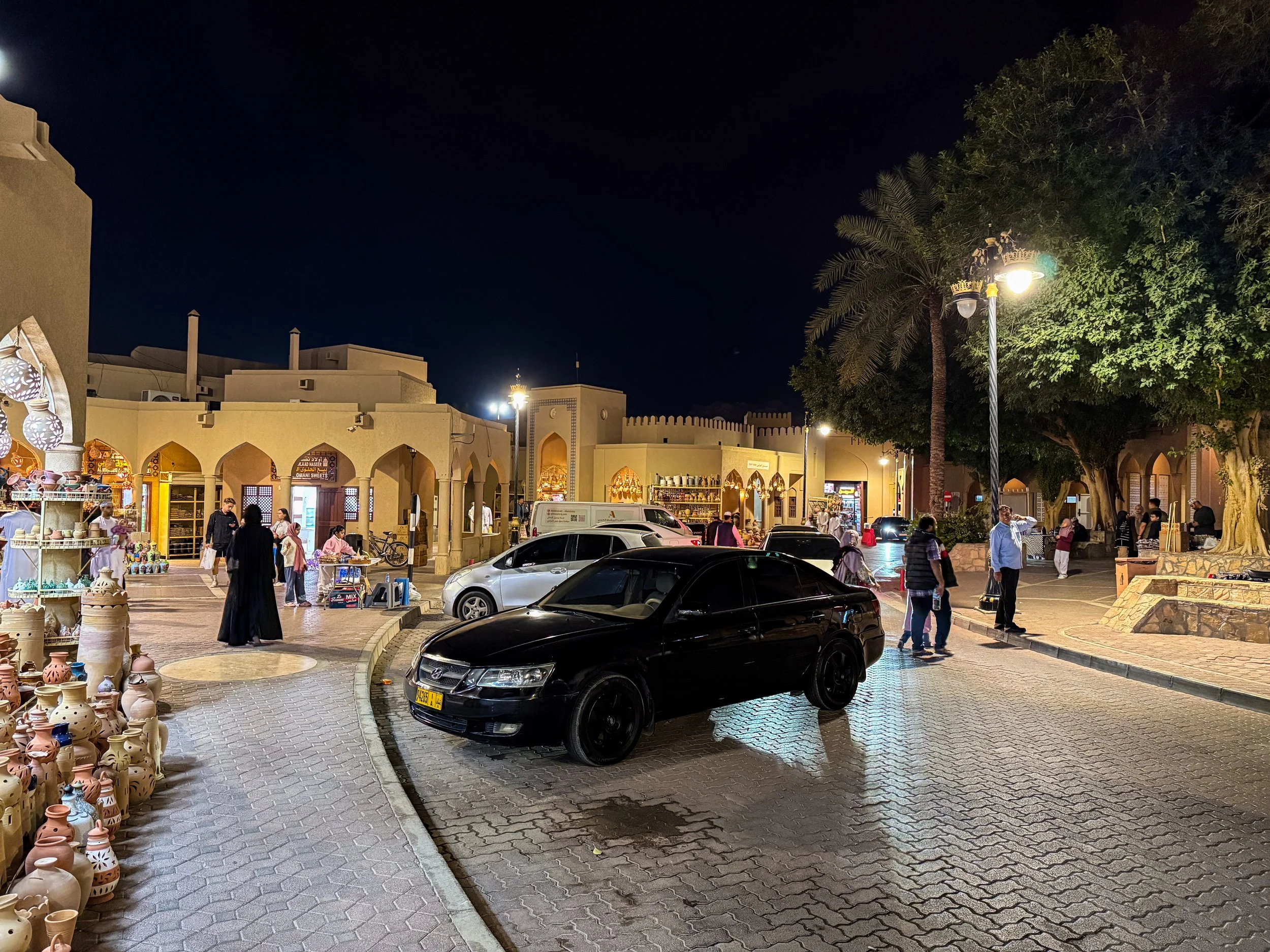
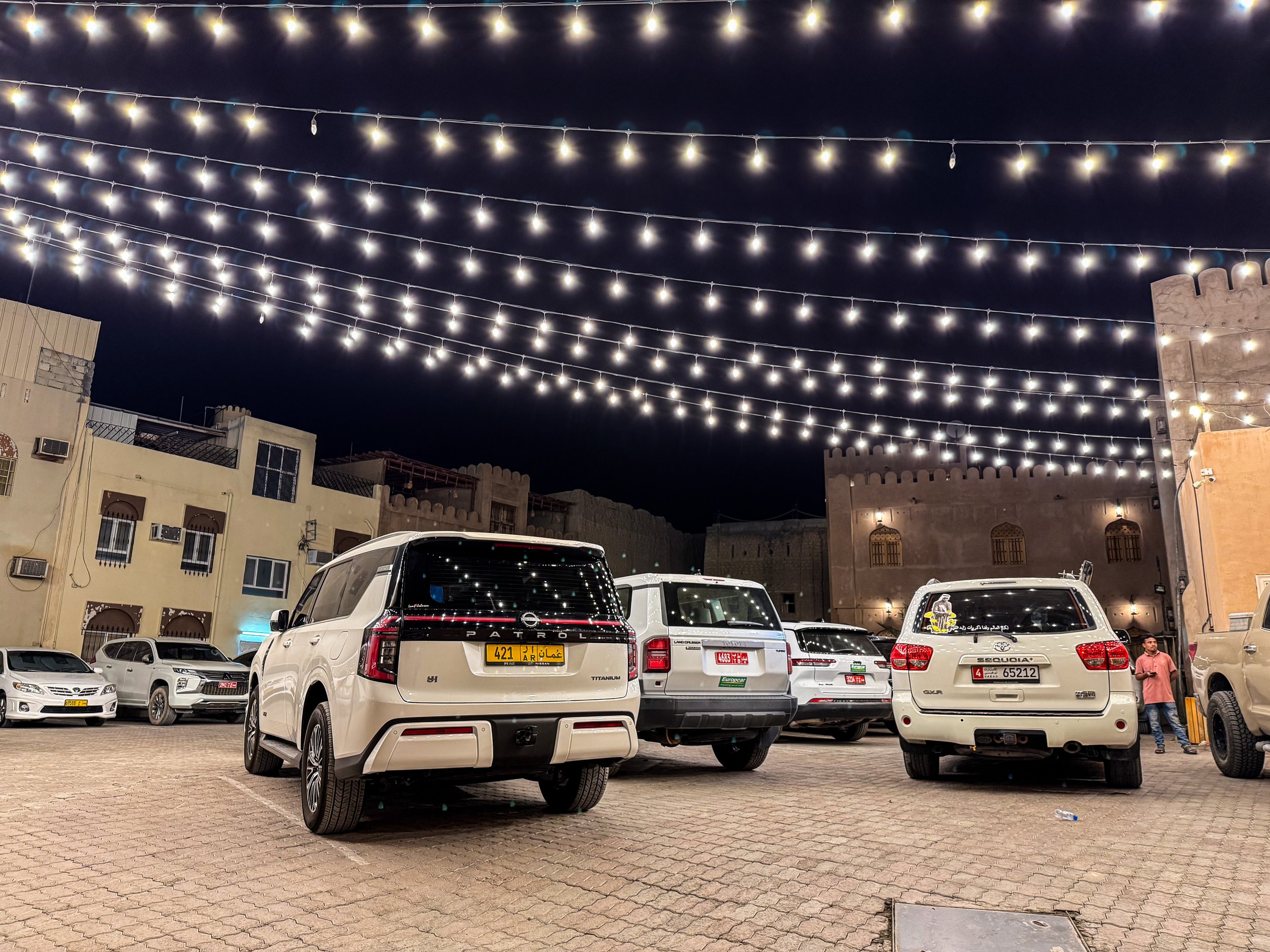
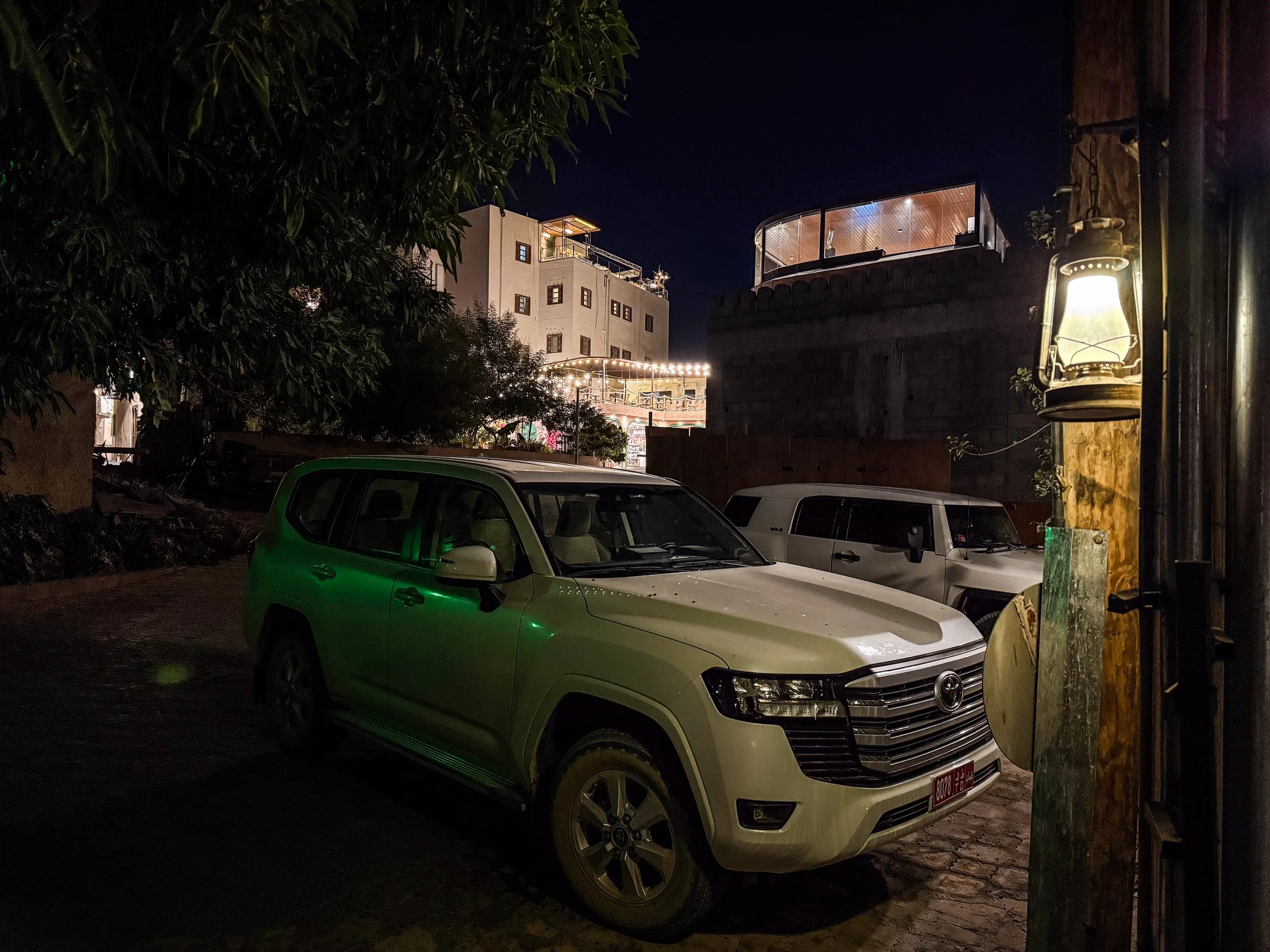
I absolutely loved exploring the streets of Nizwa. However, I did not love the incident where I took a wrong turn in our giant gas-guzzling SUV rental car down one of these crowded little alleyways and hit a dead-end. Turning that giant car around in that teeny tiny space with people walking closely around me on all sides was probably the most stress I experienced during my entire stay in Oman. But some local men soon came to my aid, directing me and waving to me when my car was getting too close to a wall. I eventually escaped without a scratch on the car, and I thanked them heartily for their help. From the cops who held up traffic for us to j-walk in Muscat, to this, Omanis had been extremely kind and helpful at every turn!
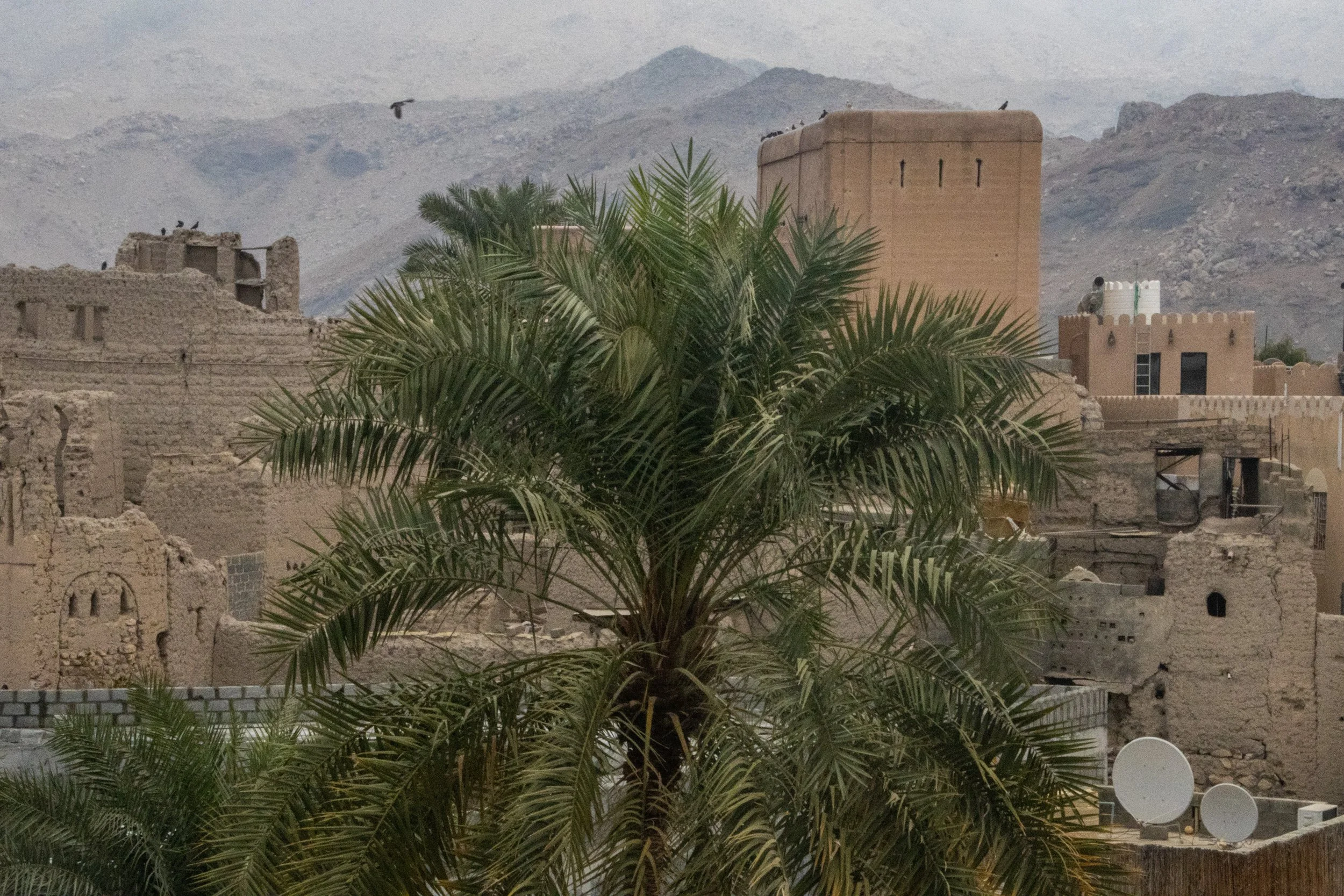
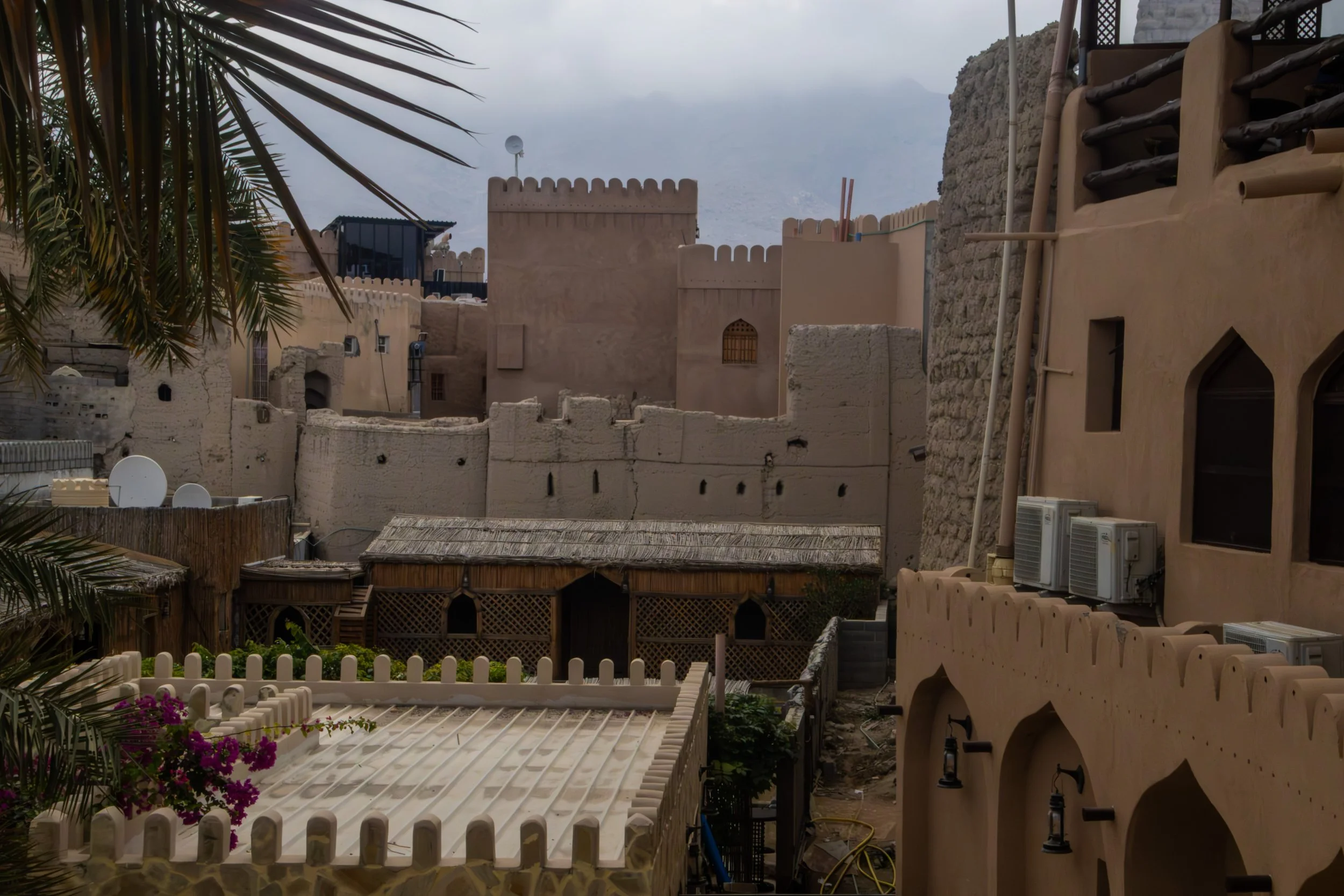
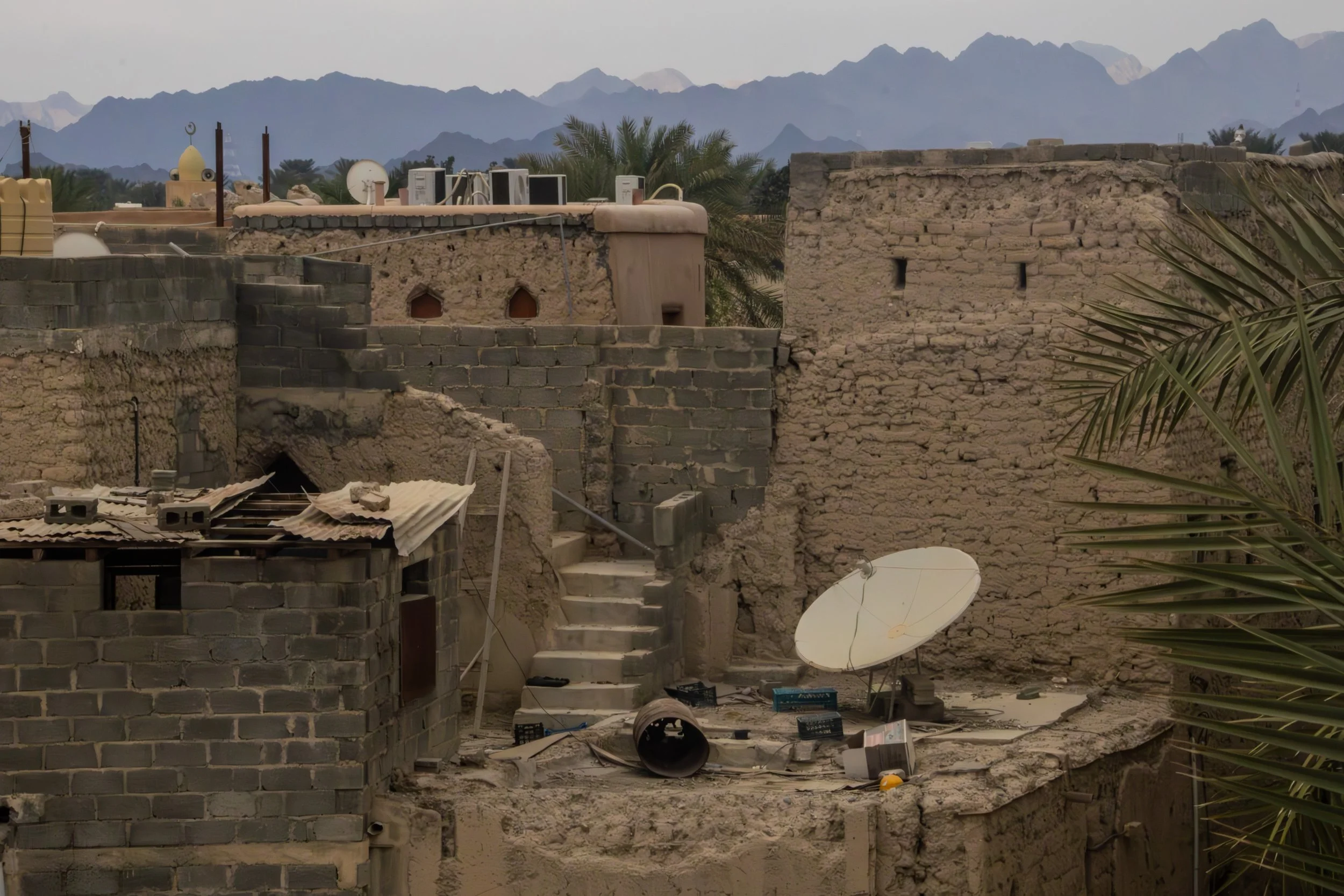
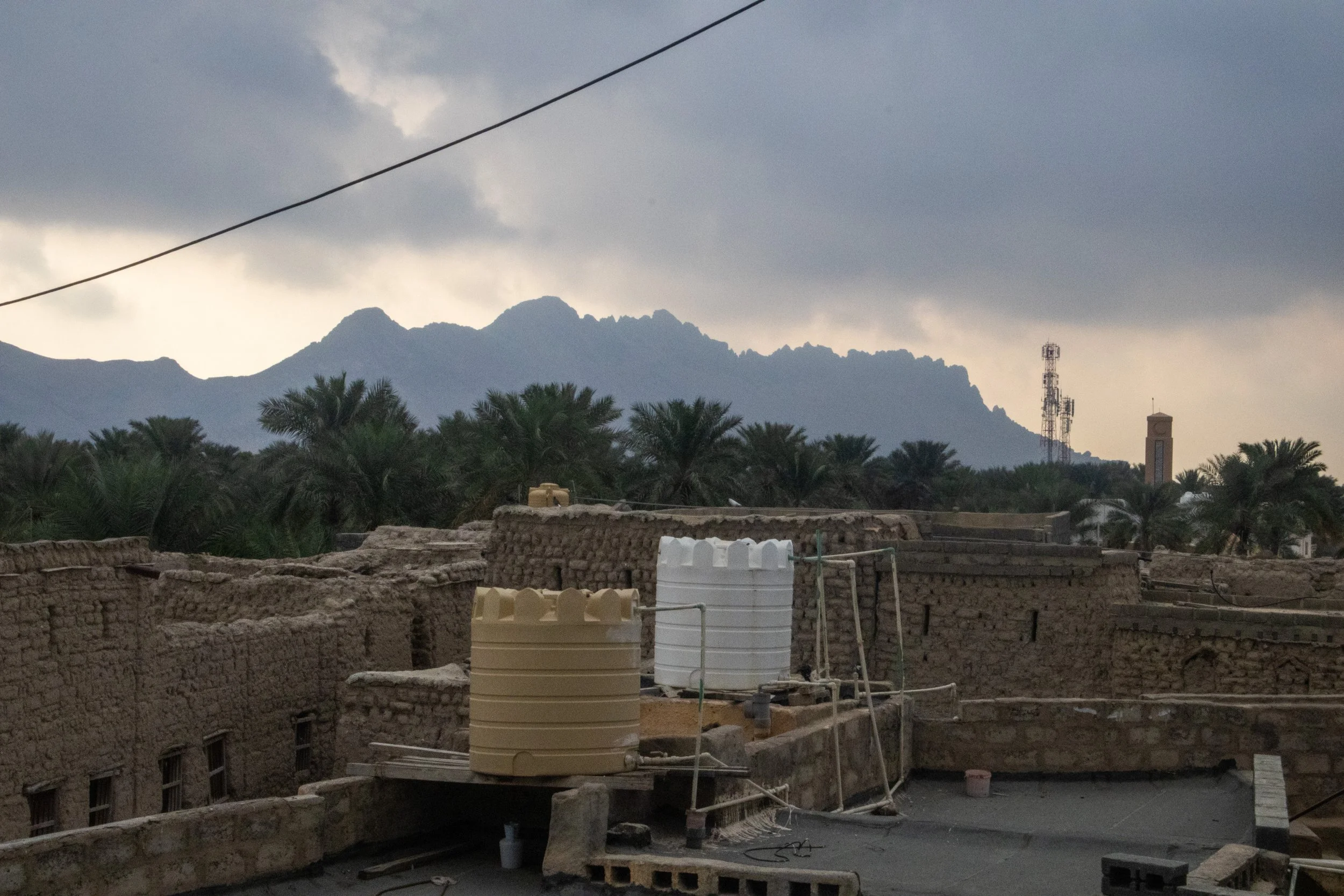
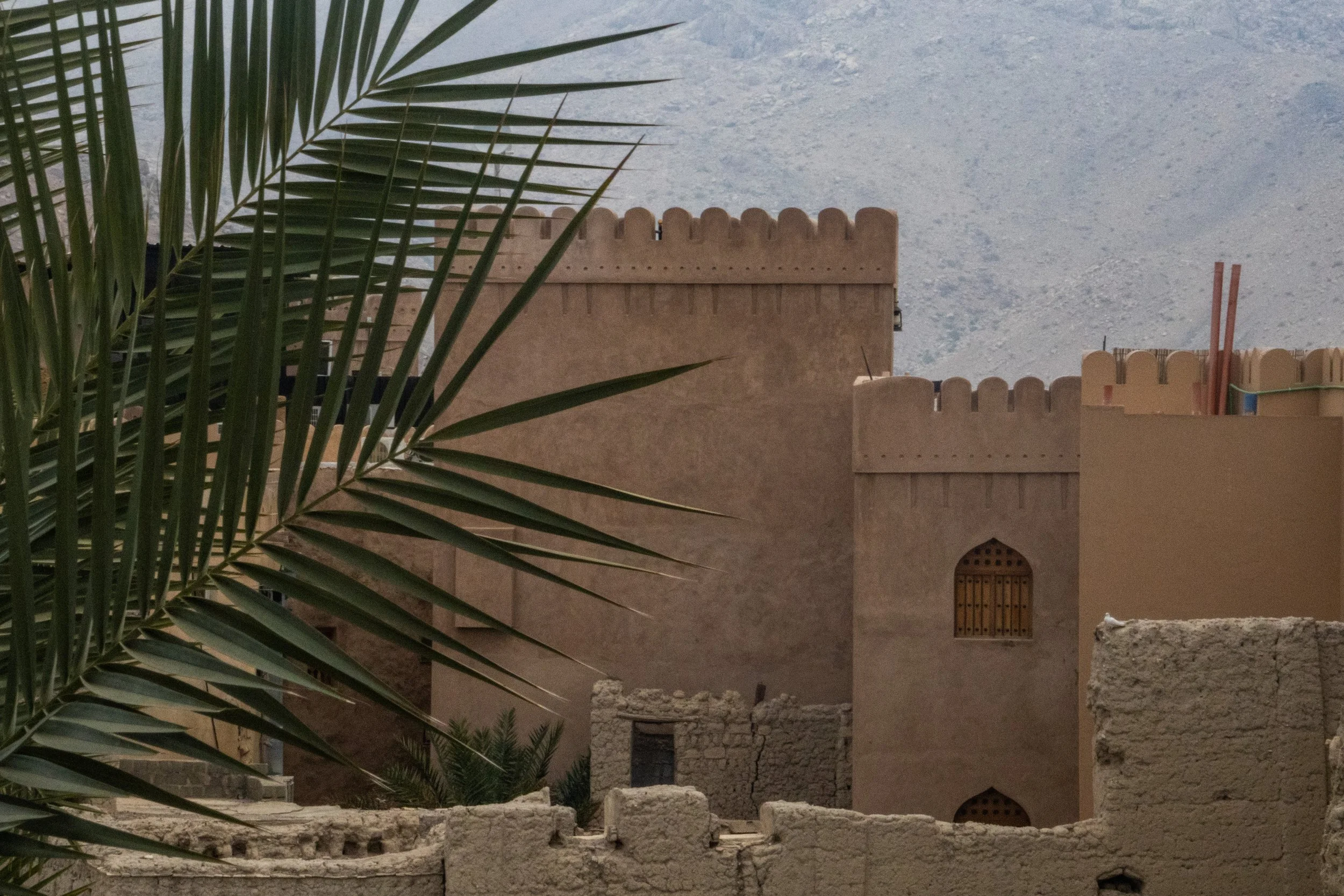
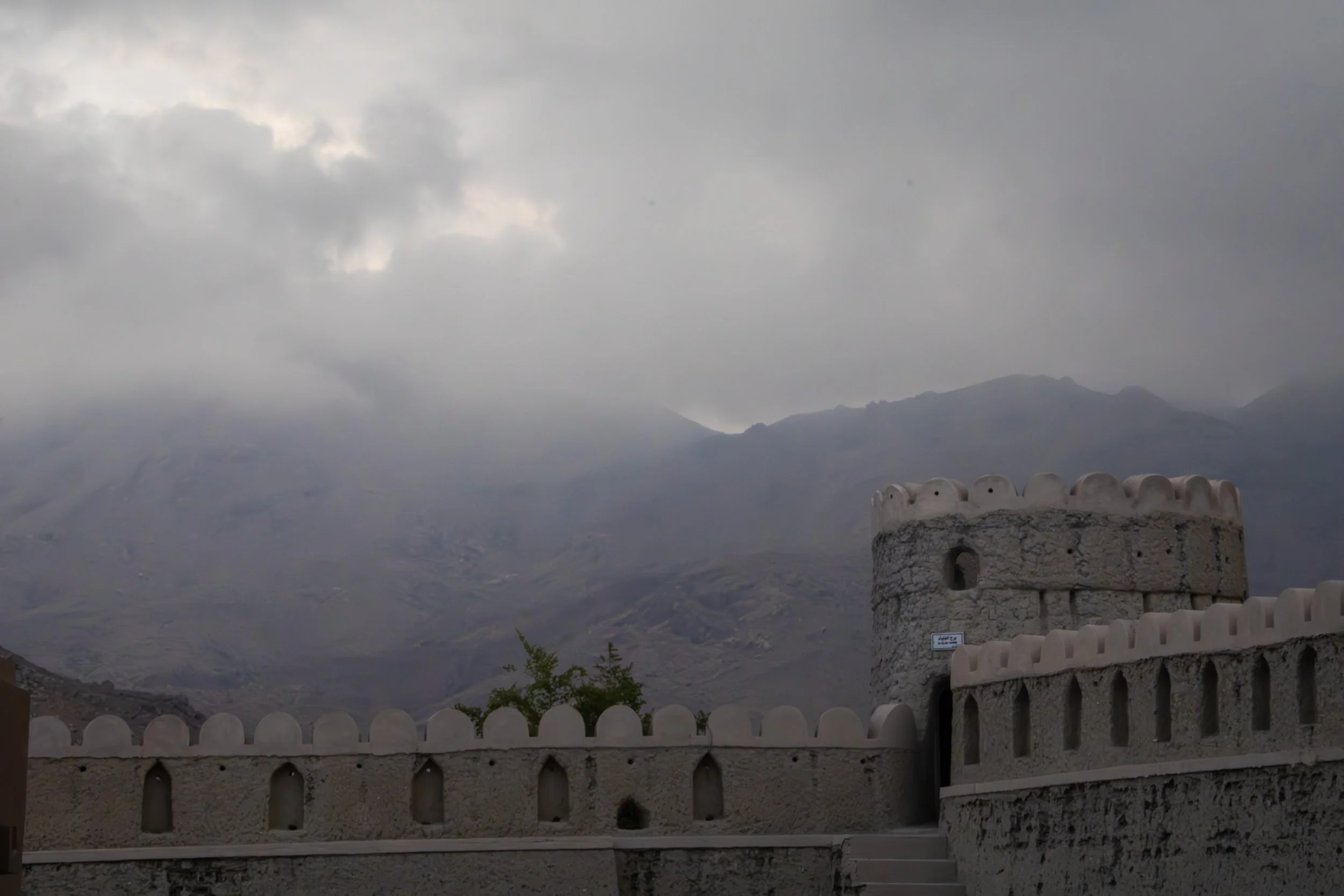
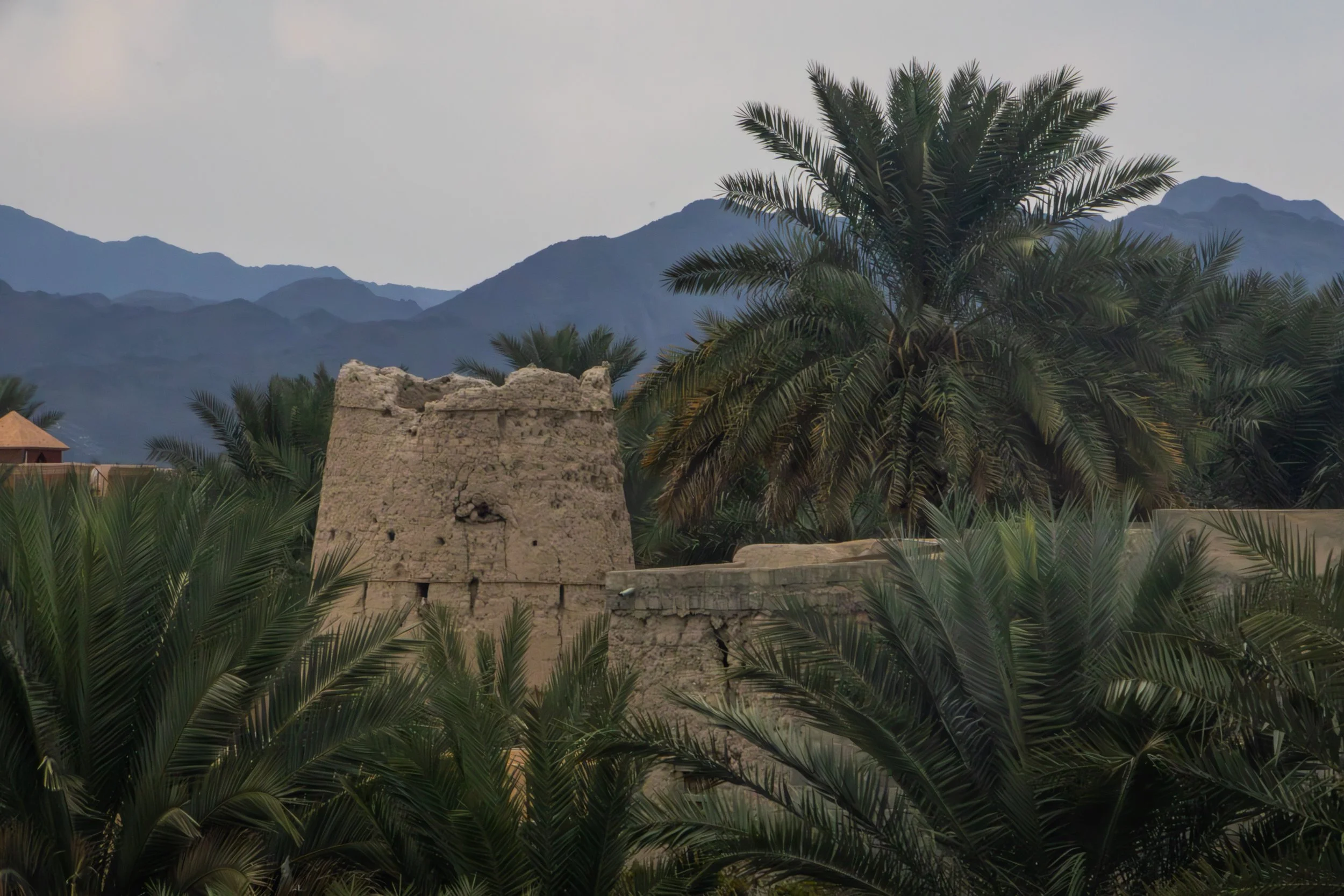
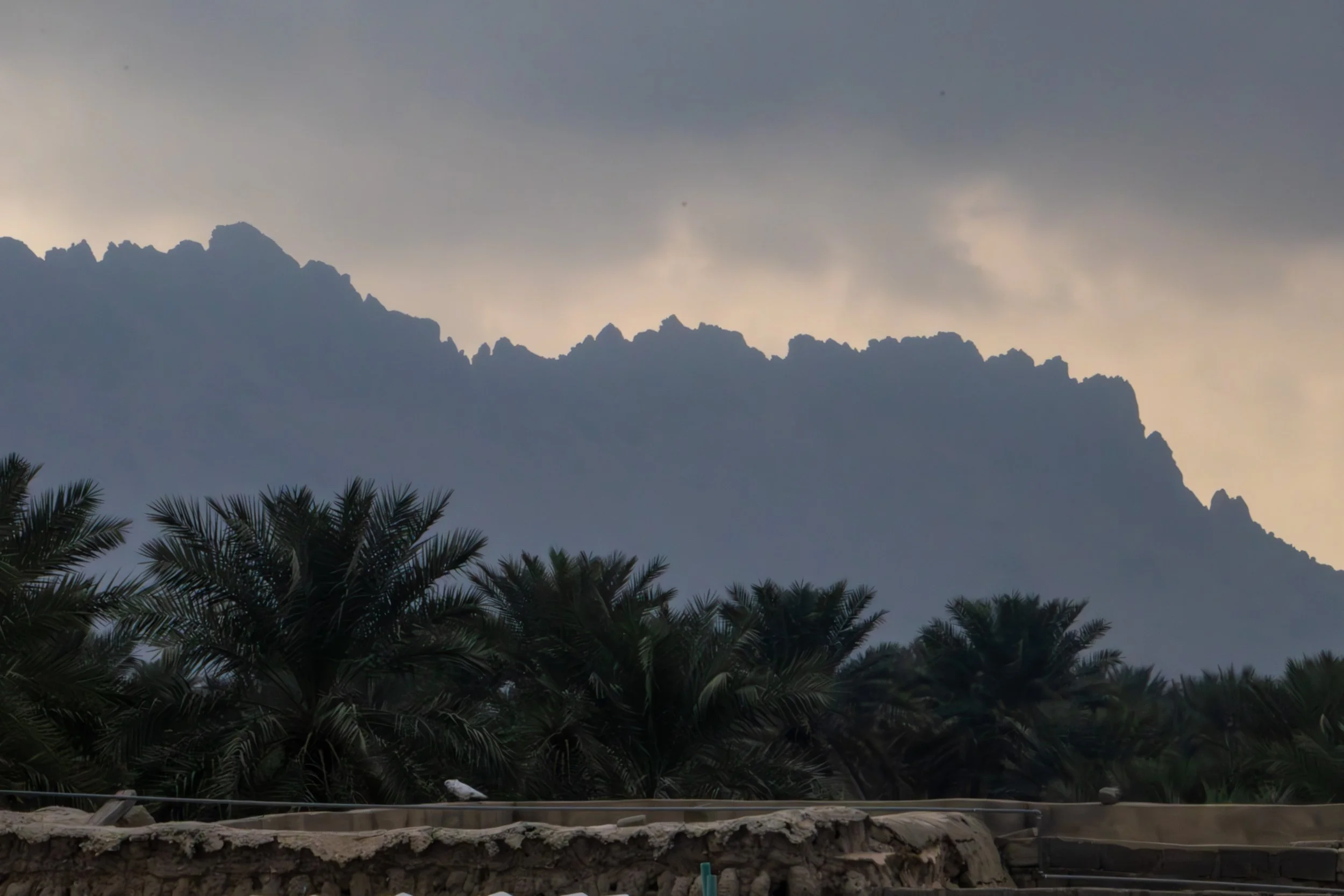
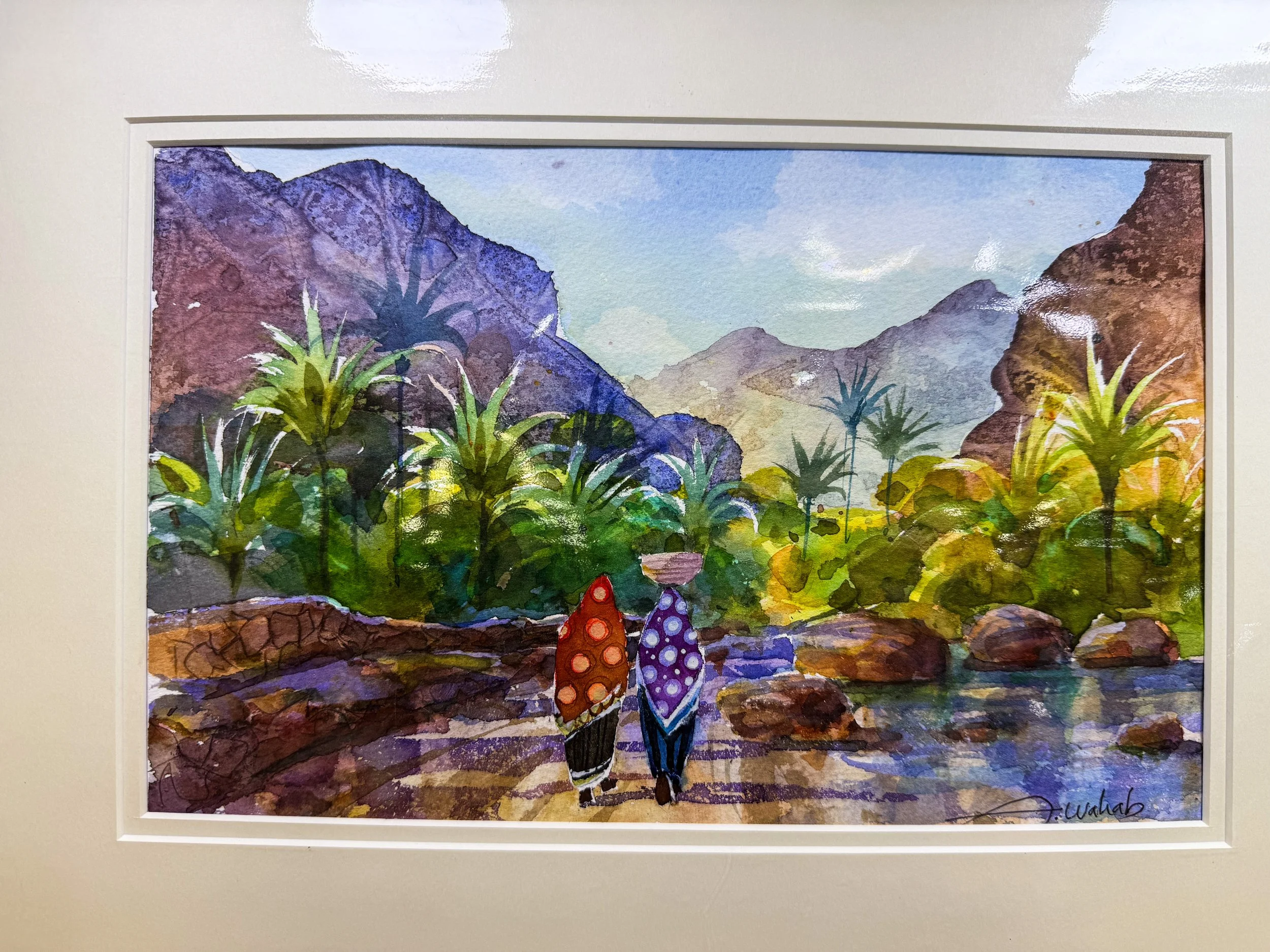
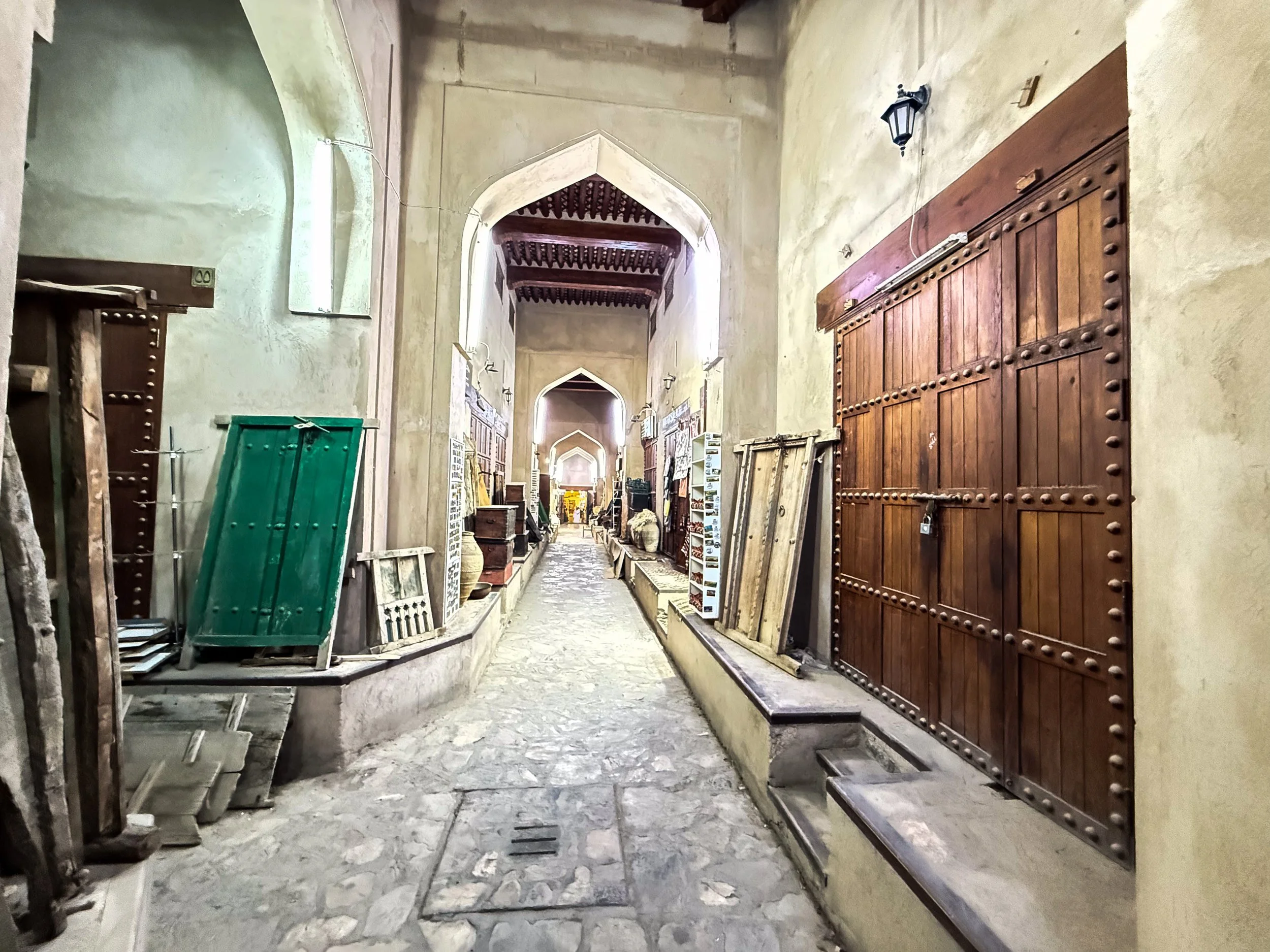
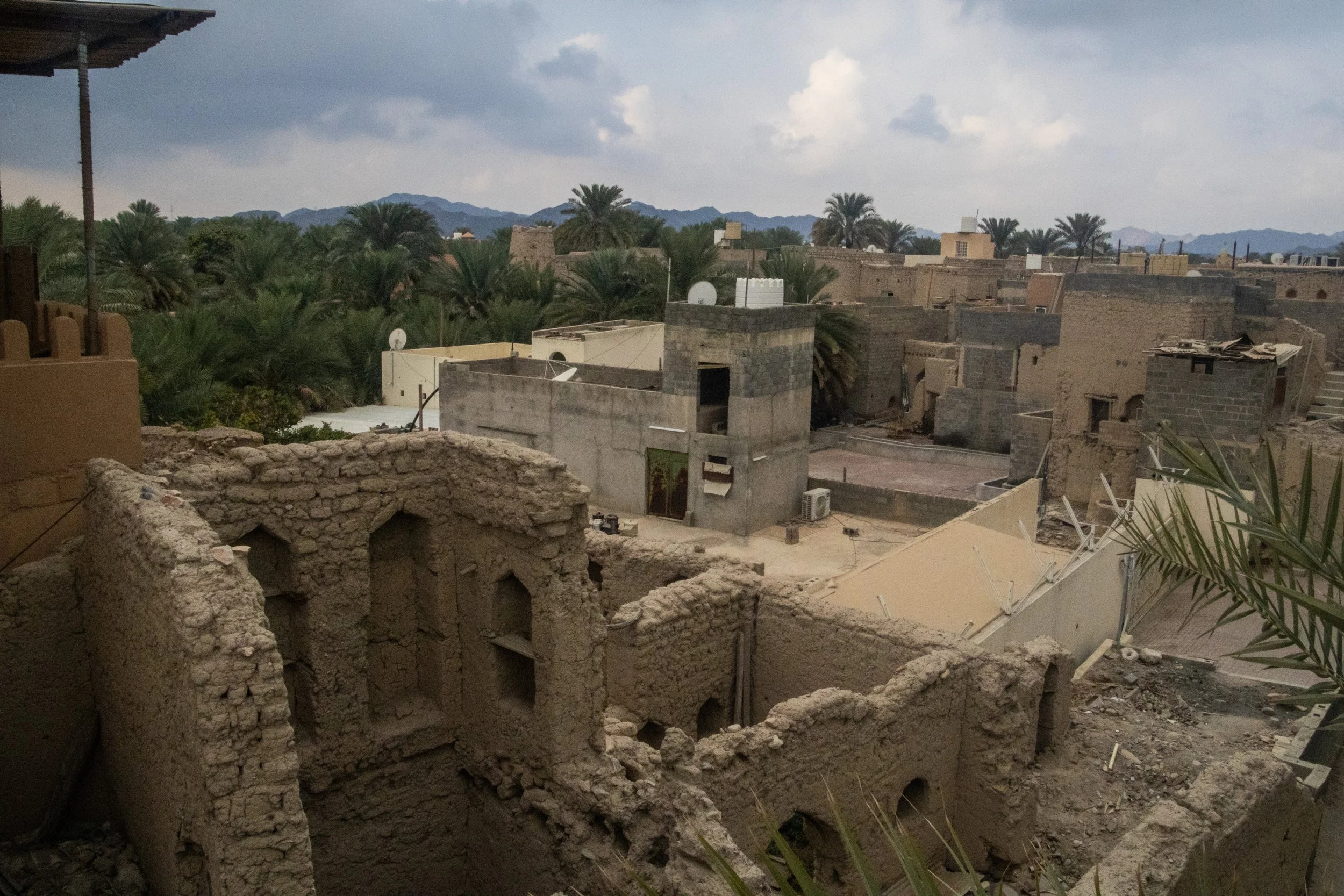
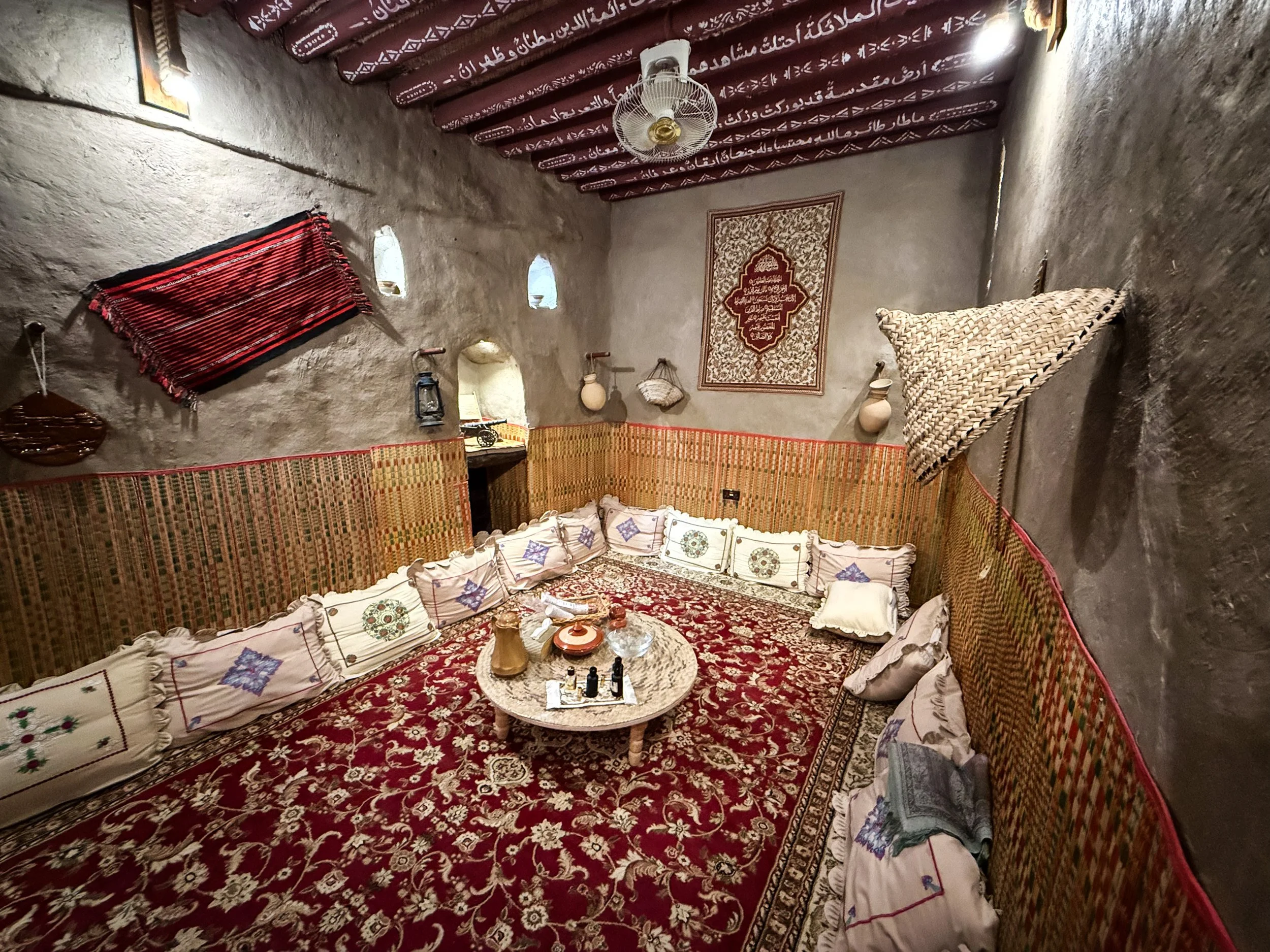
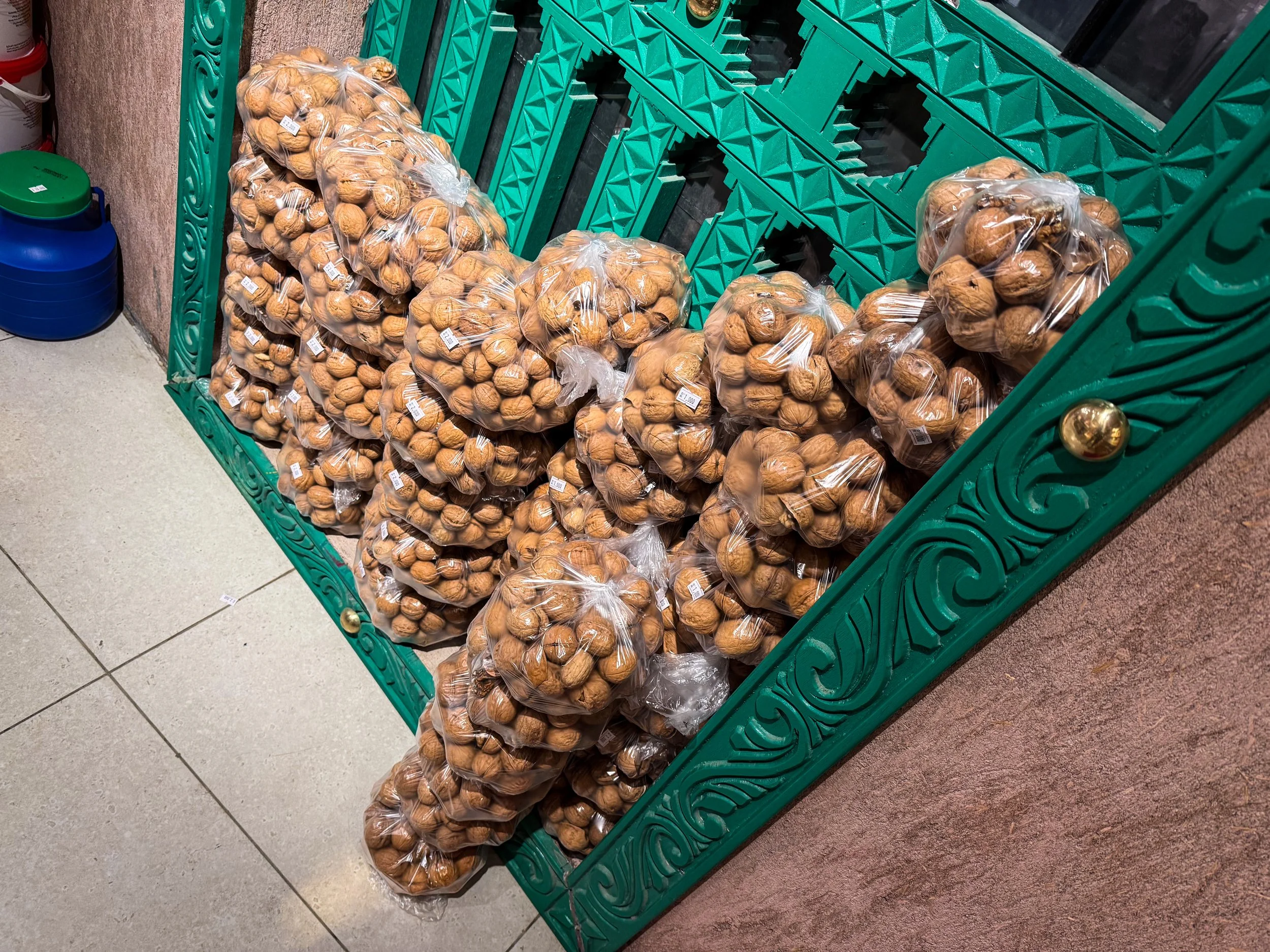
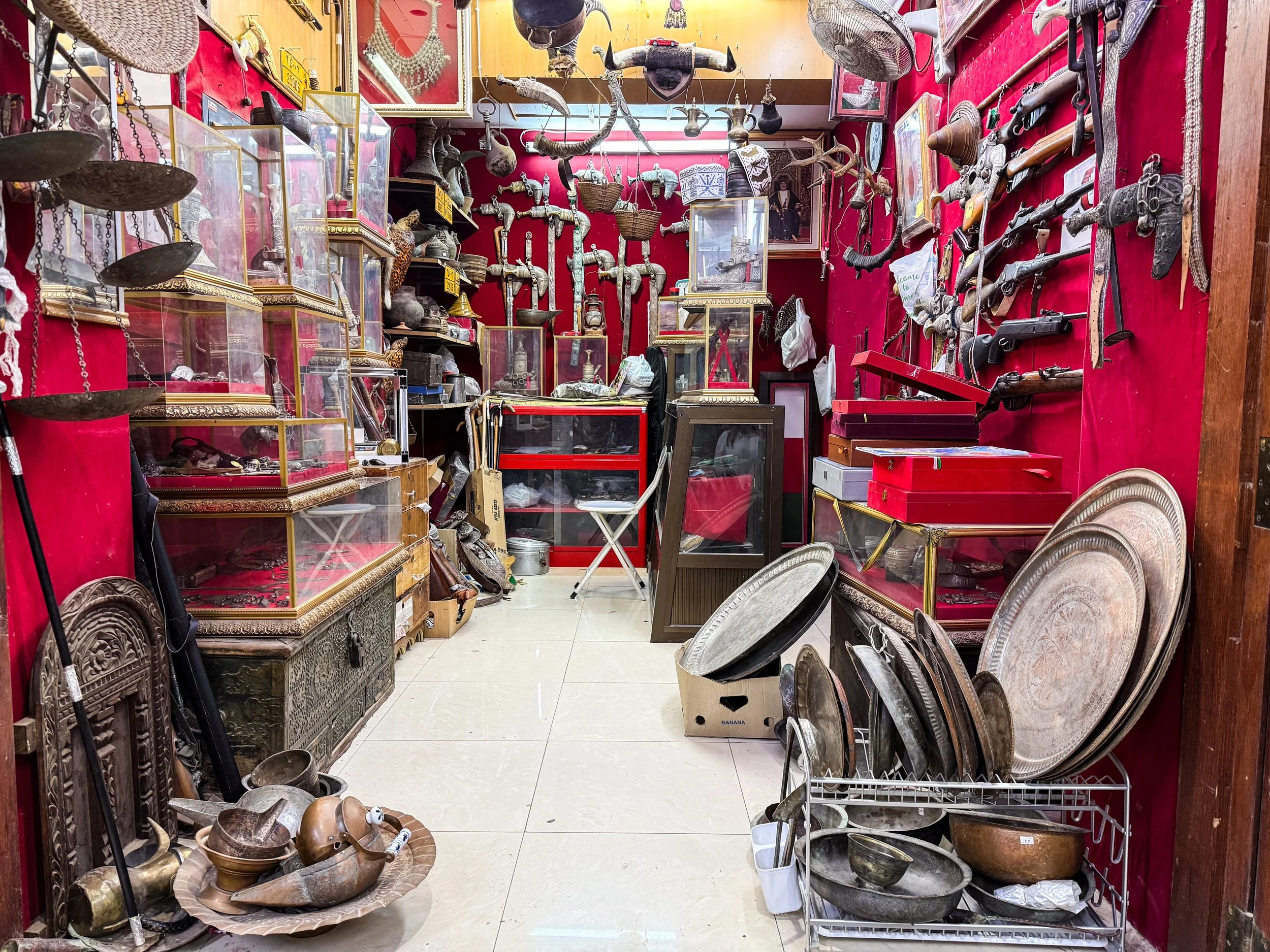
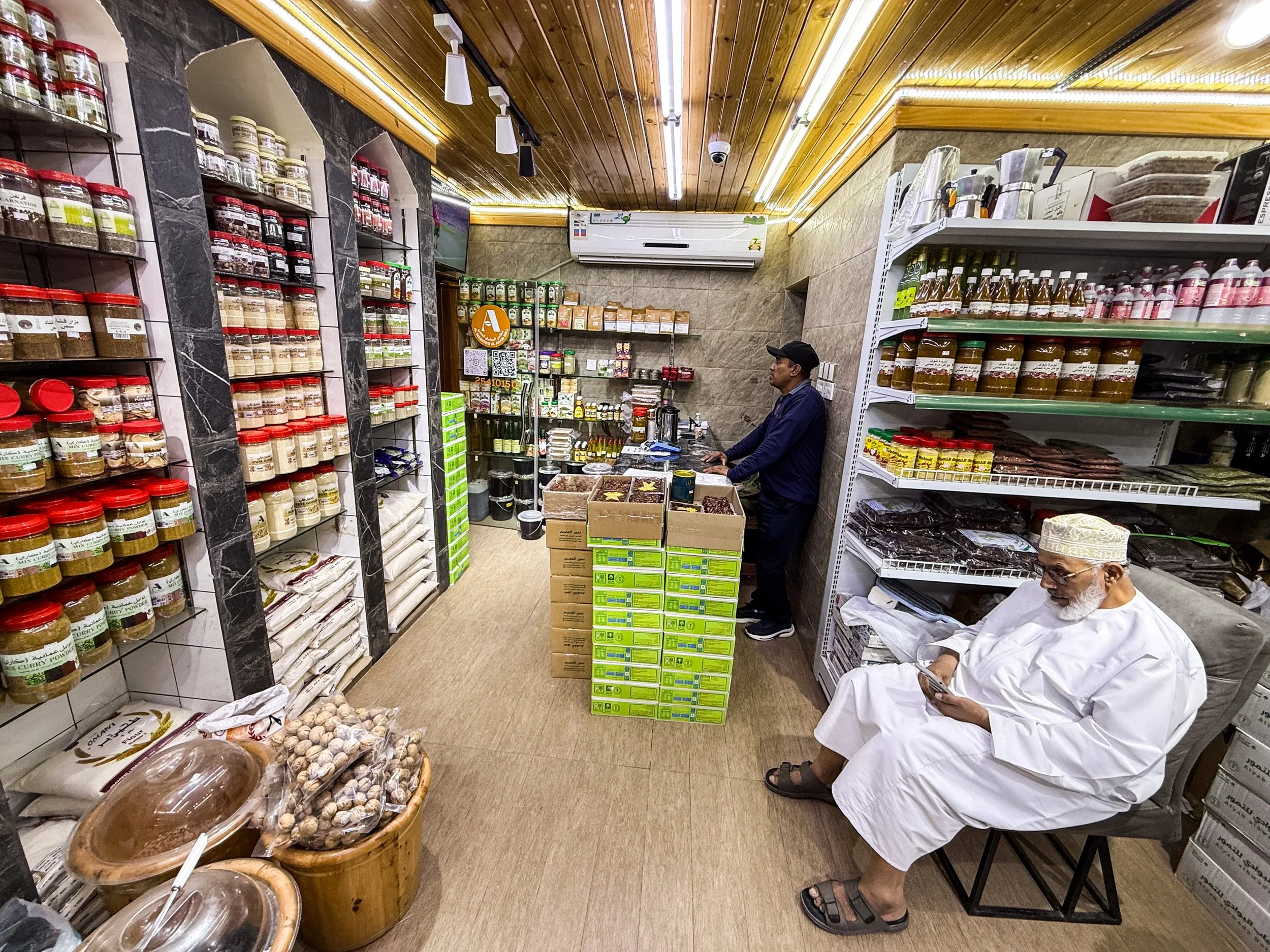
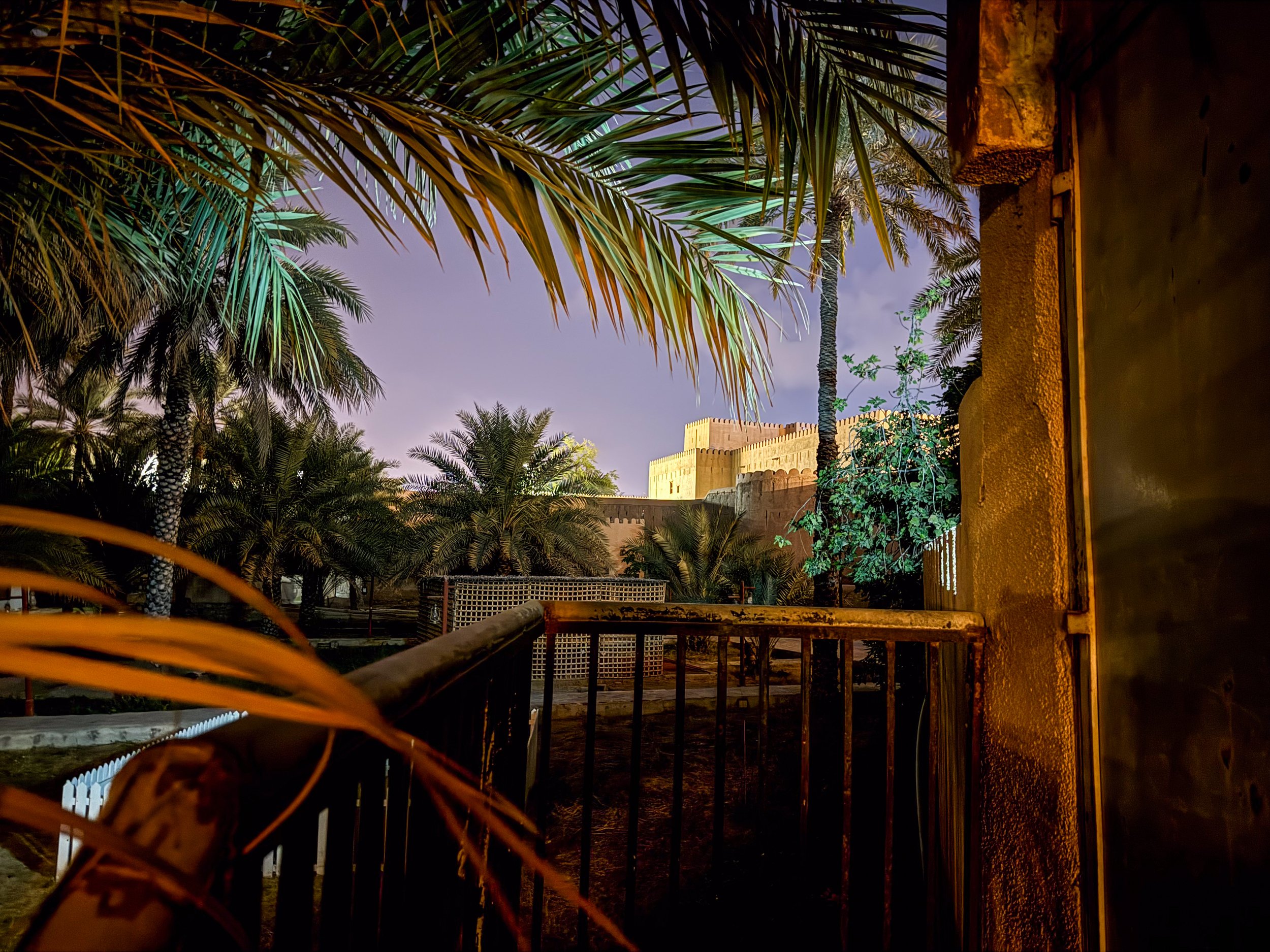
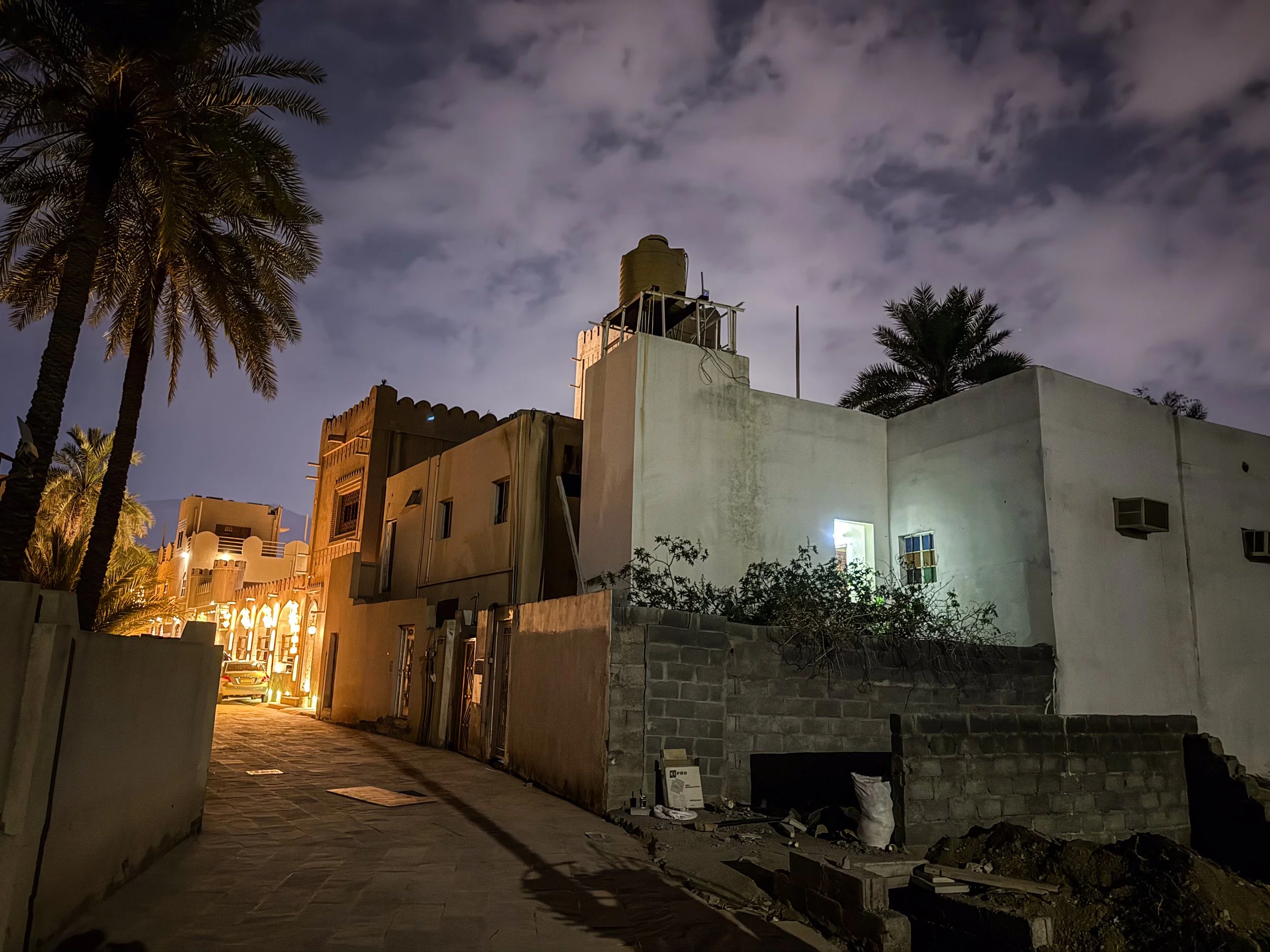
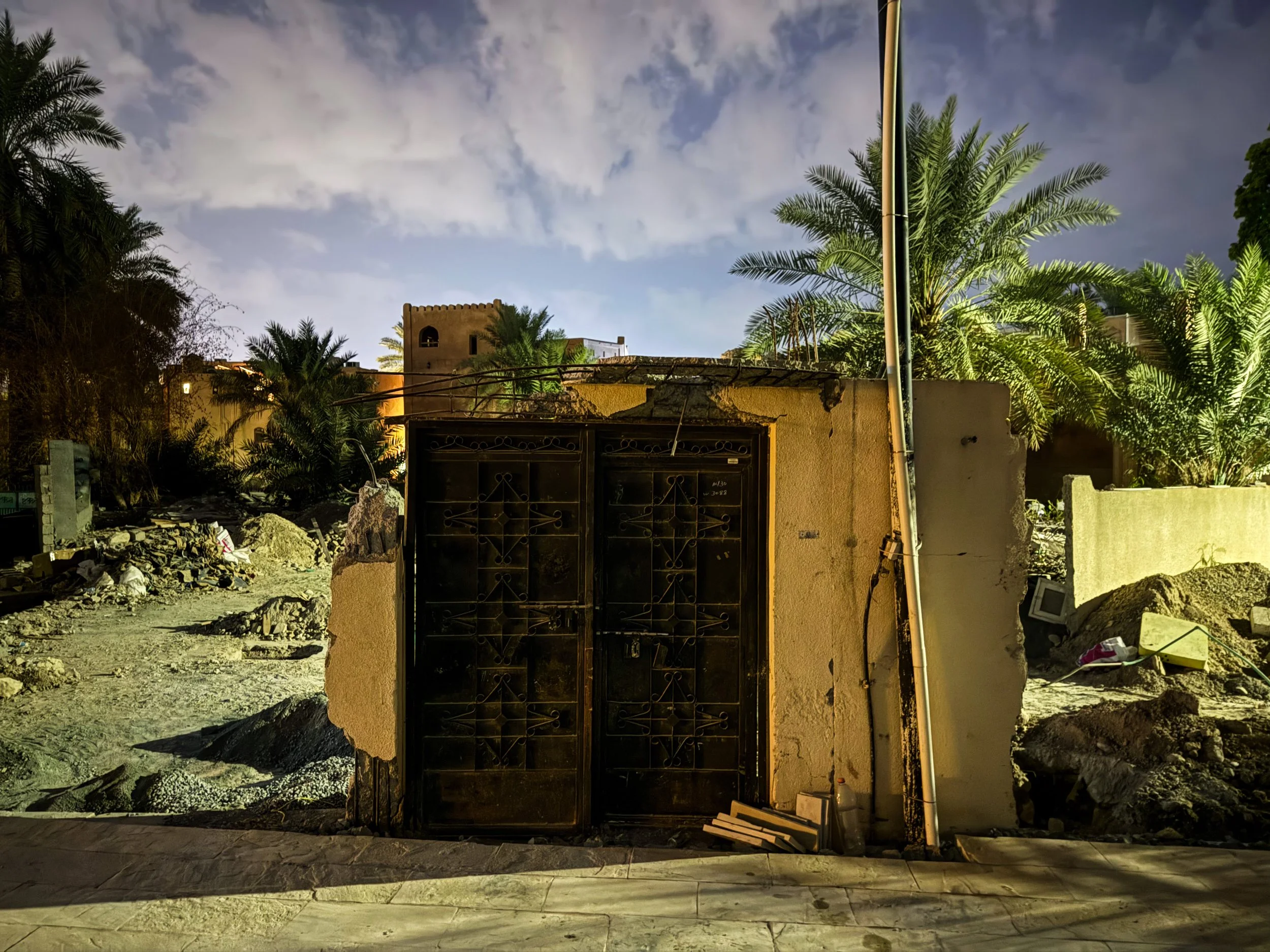
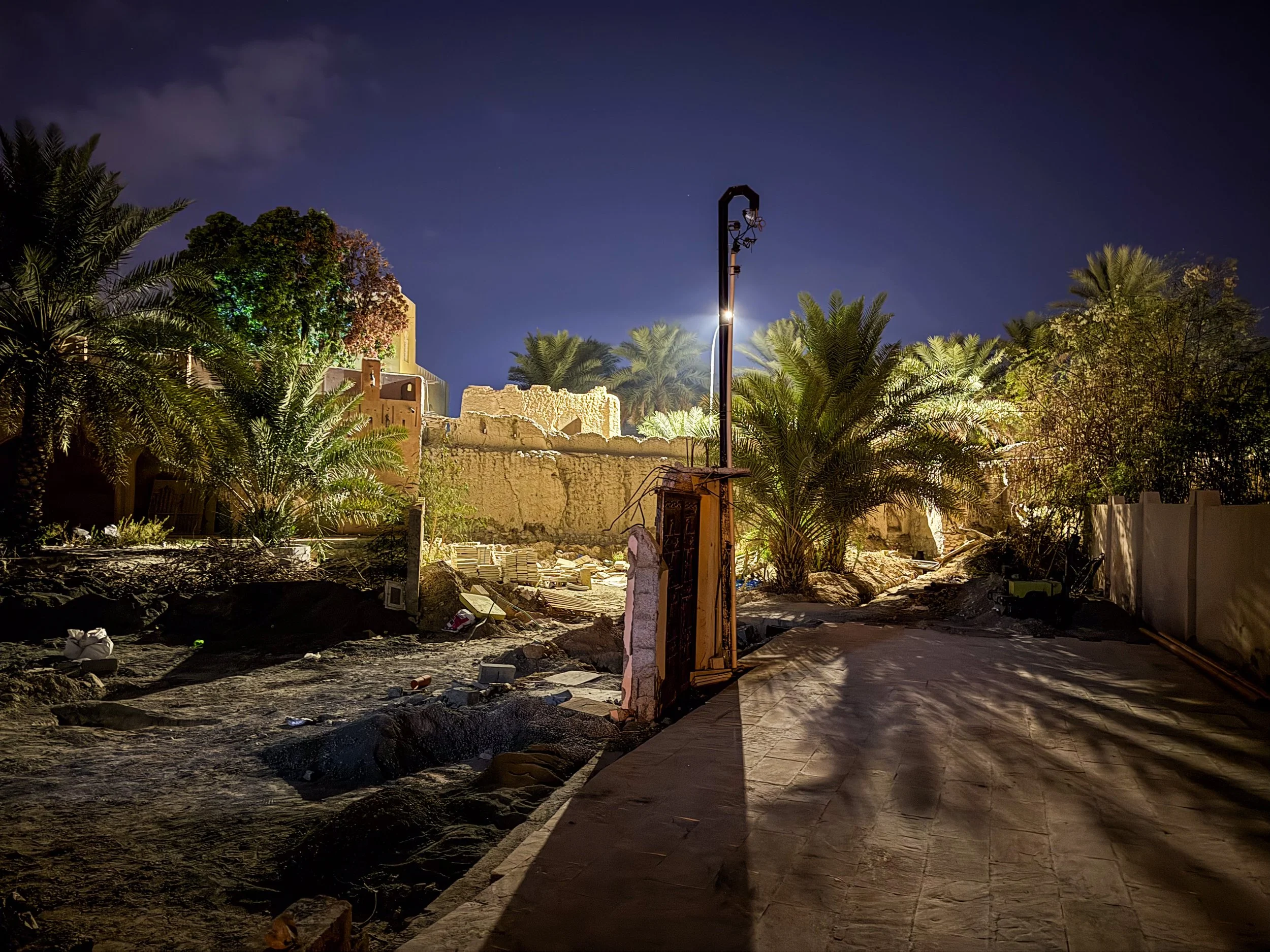
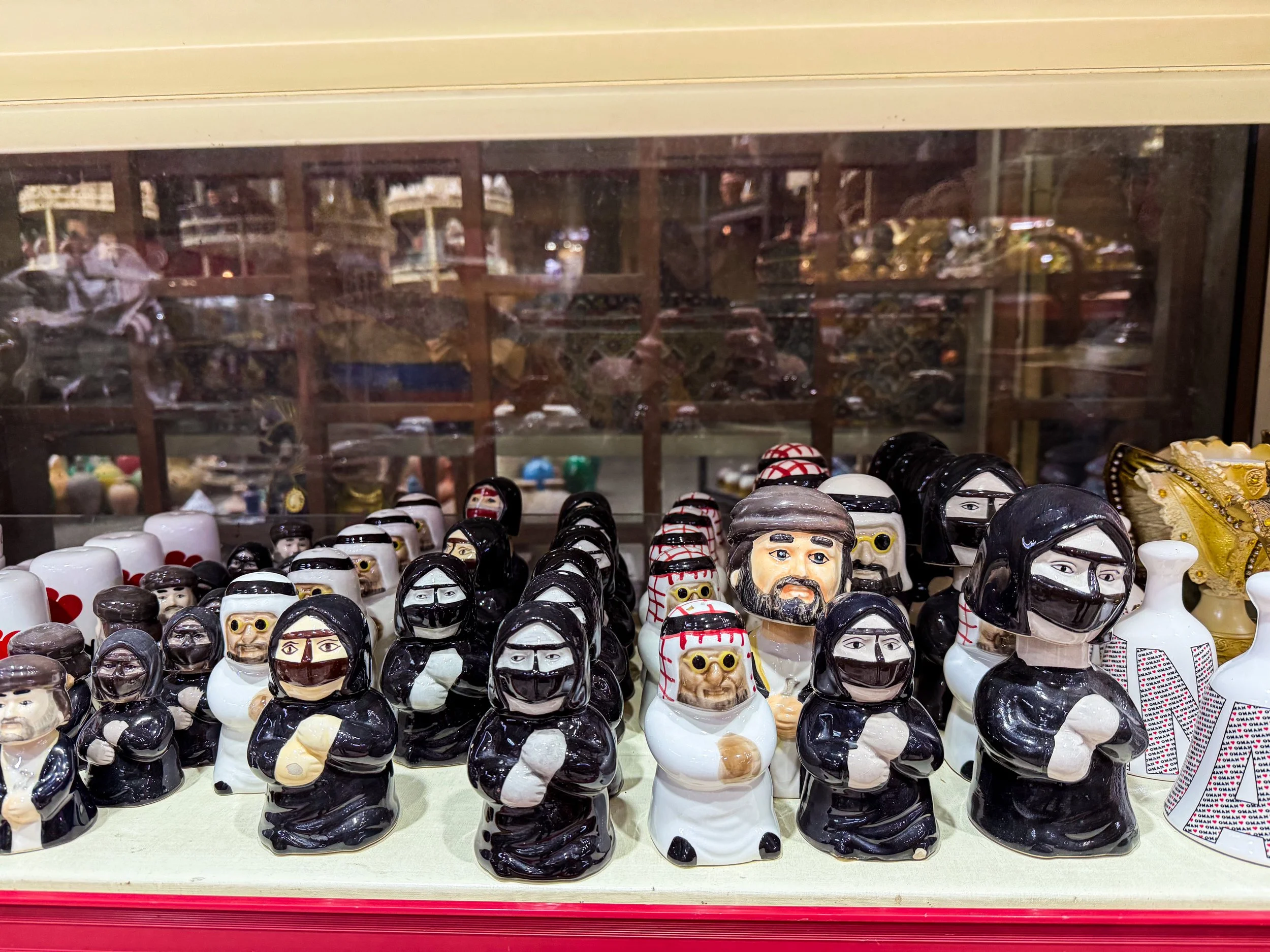
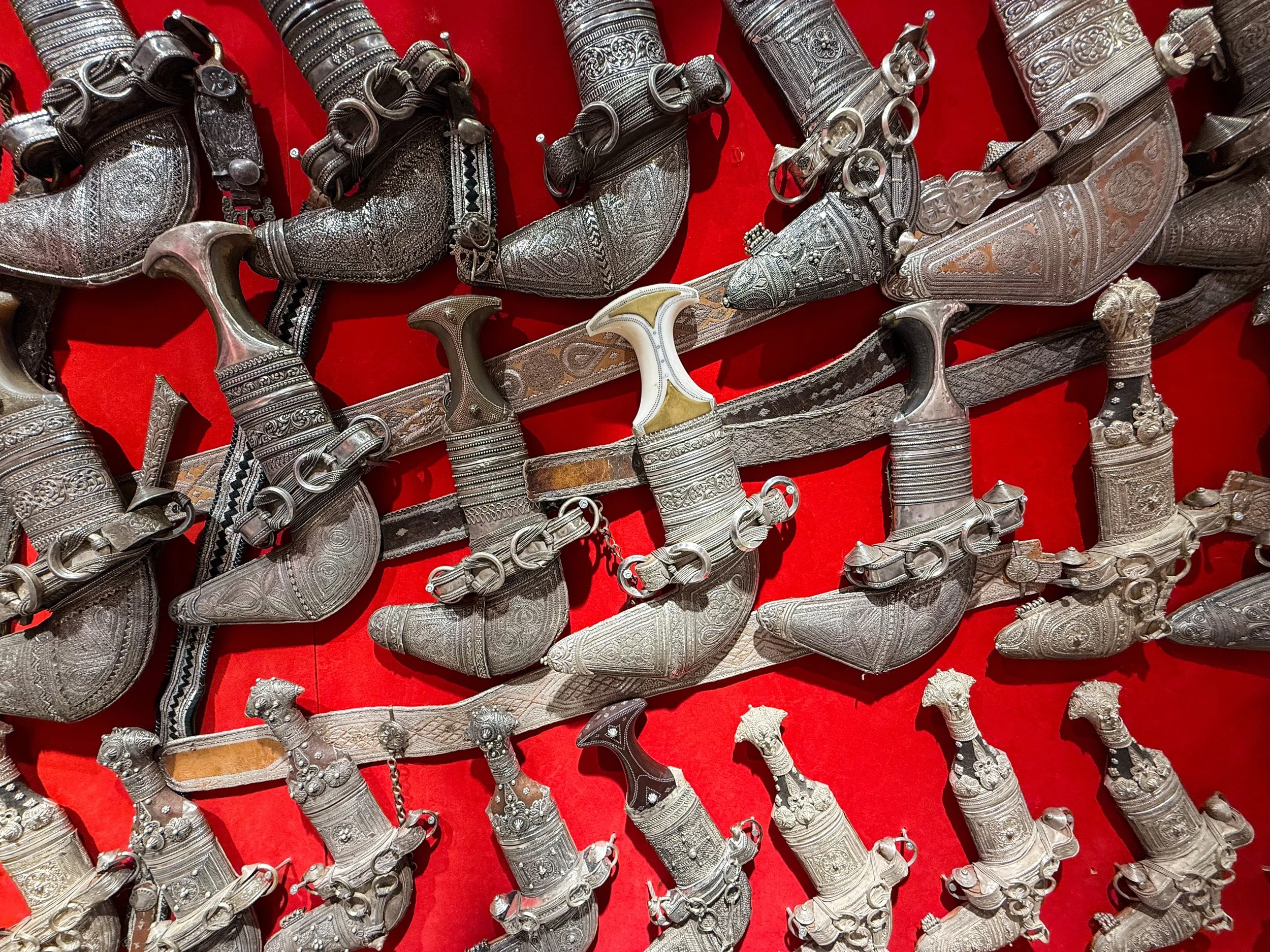
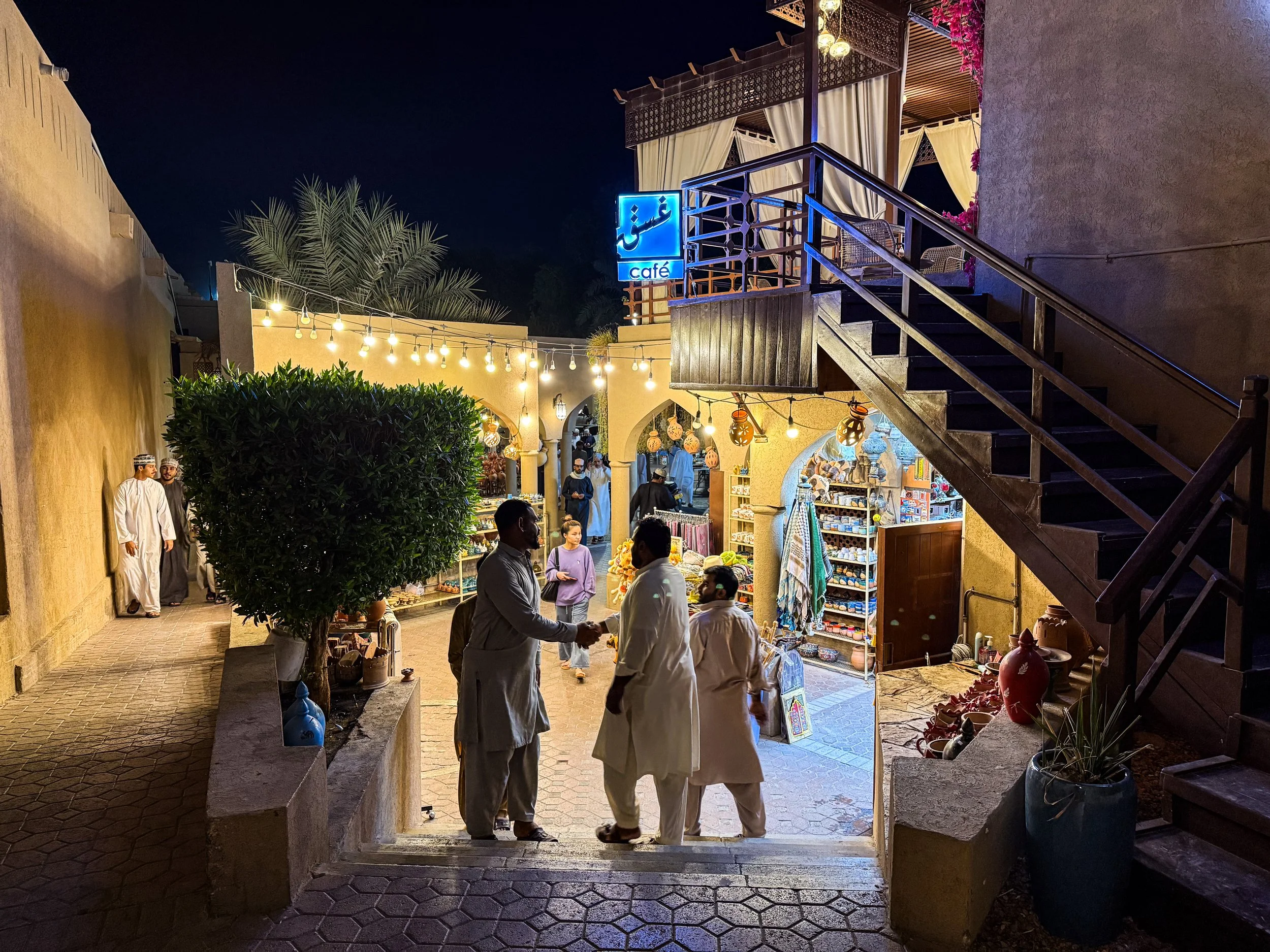
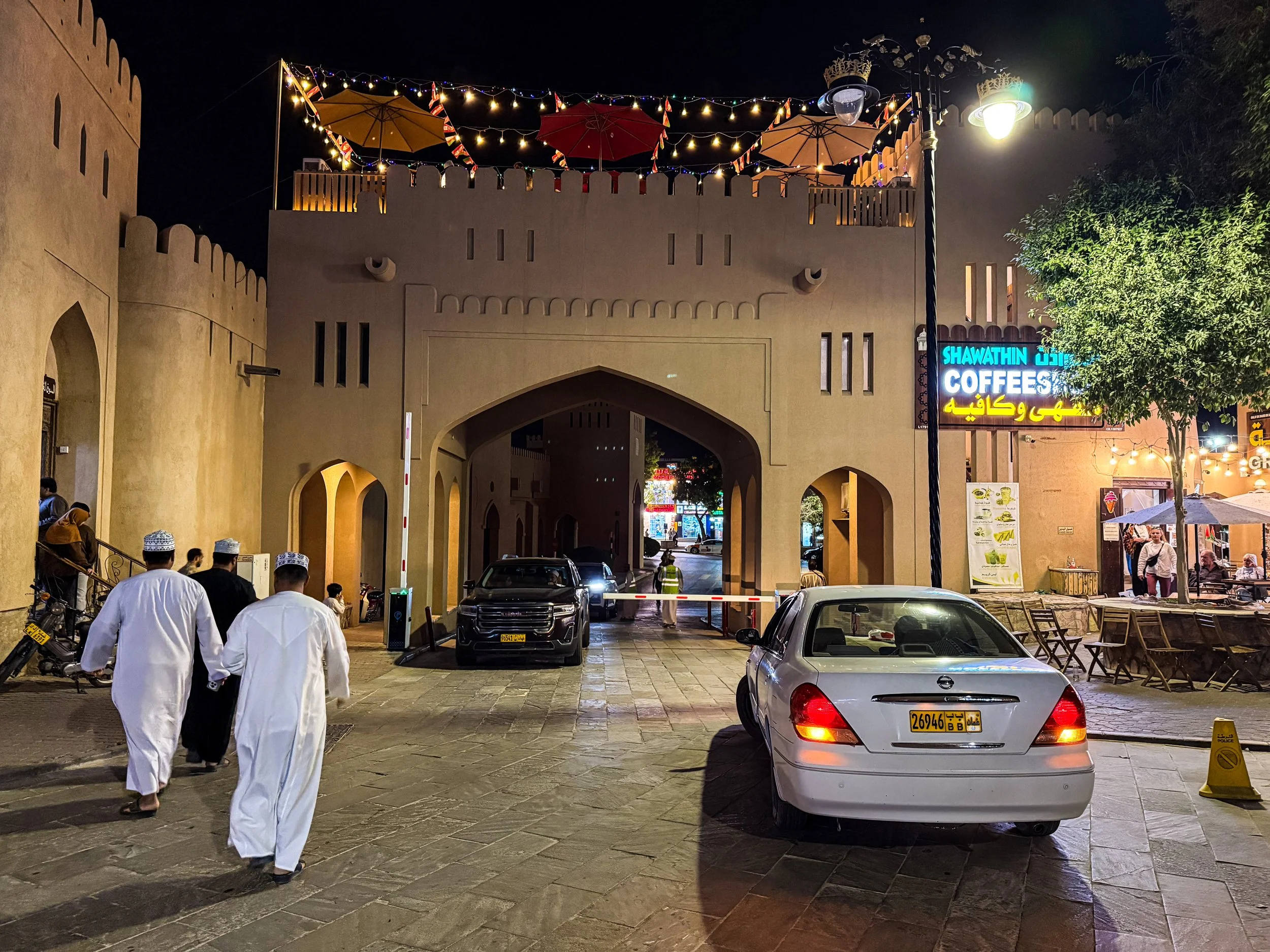
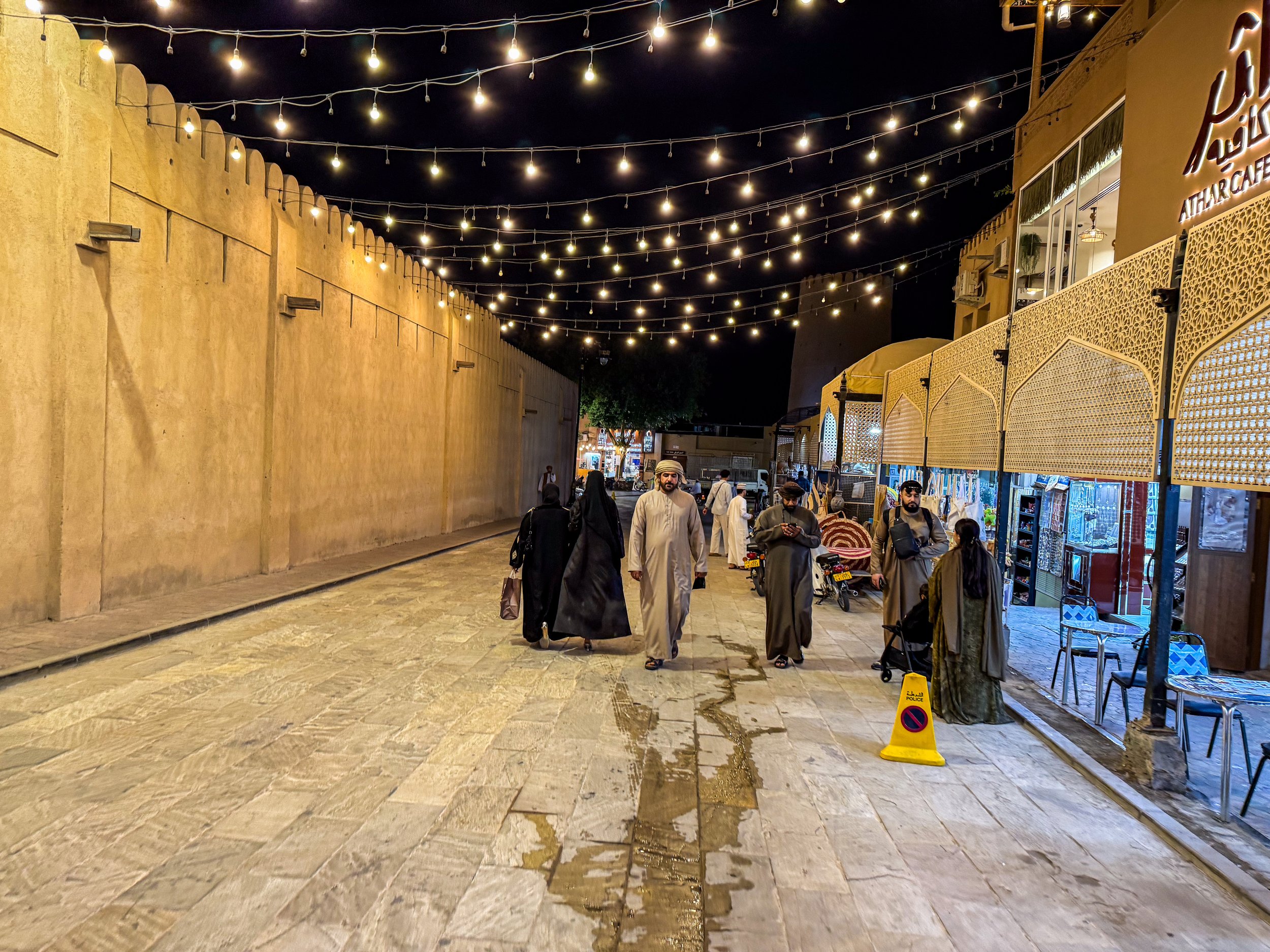
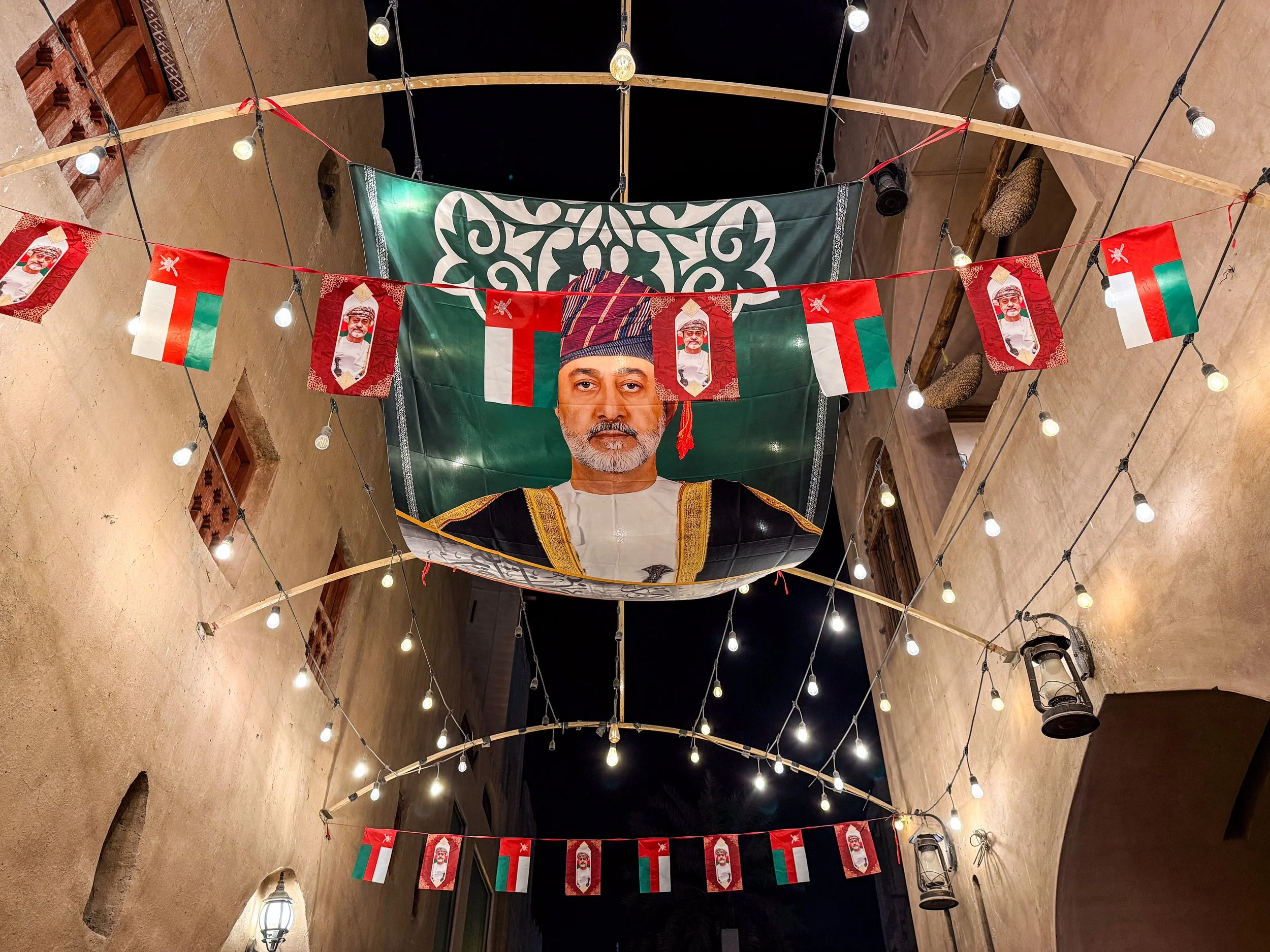
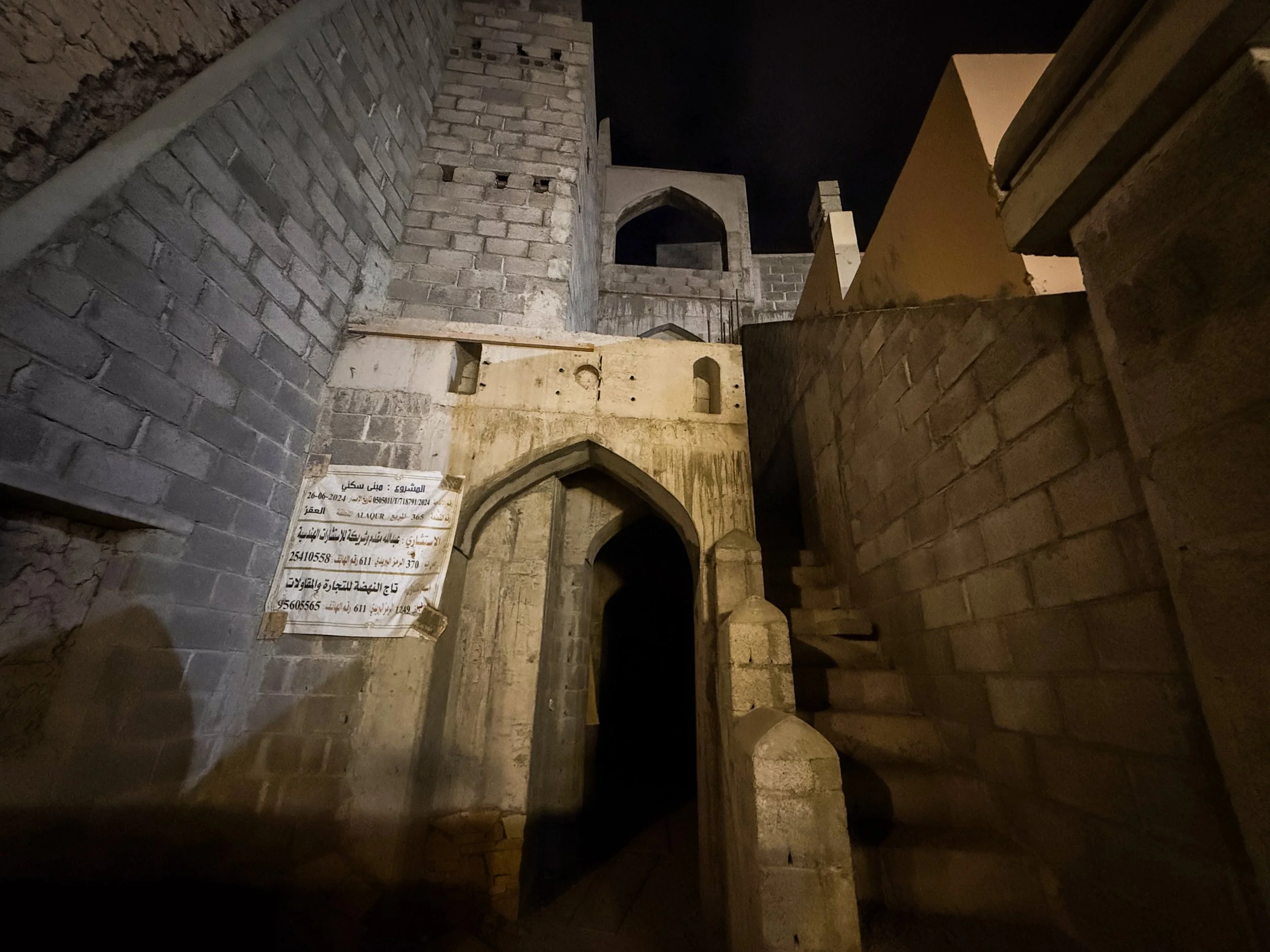
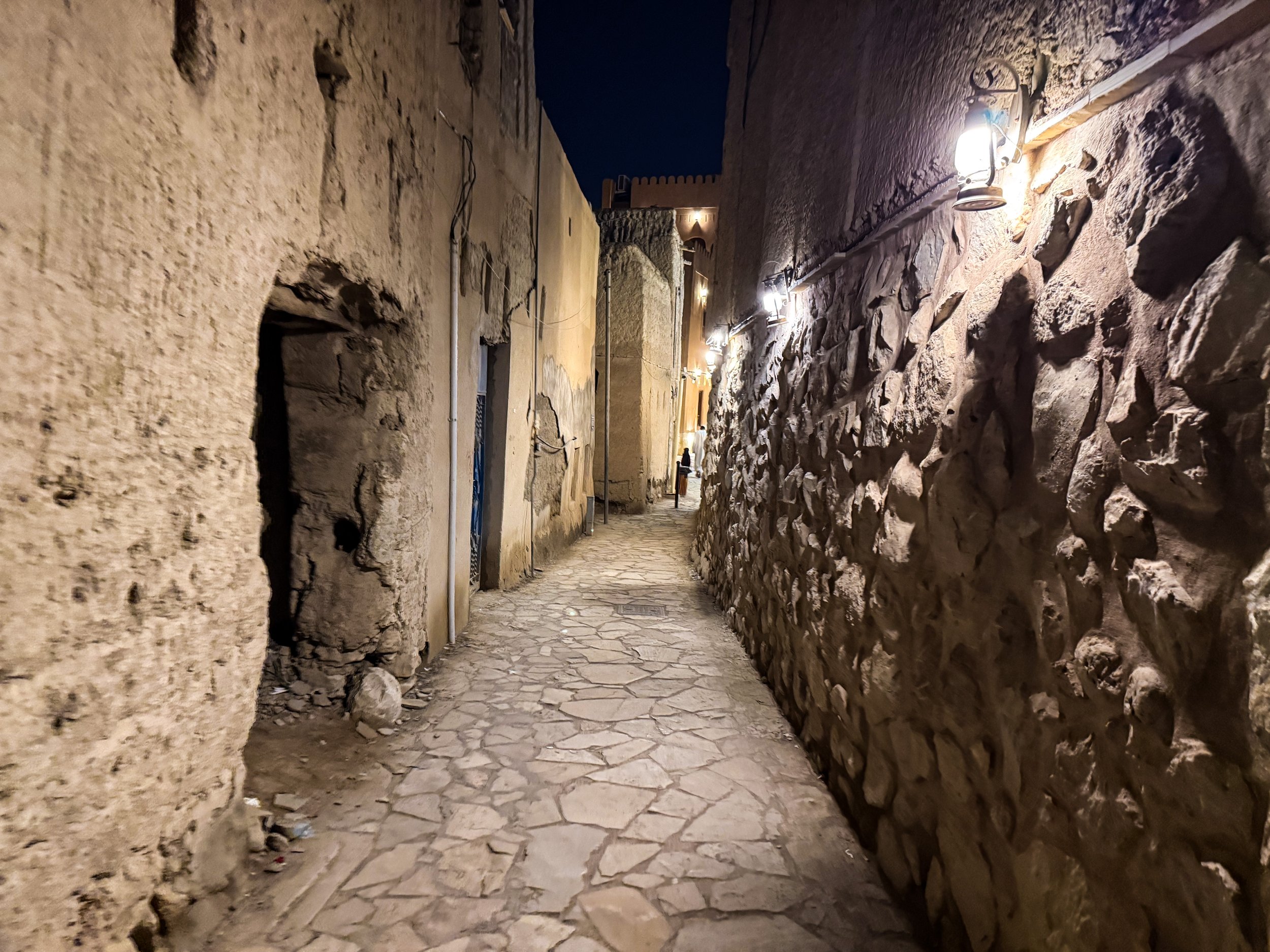
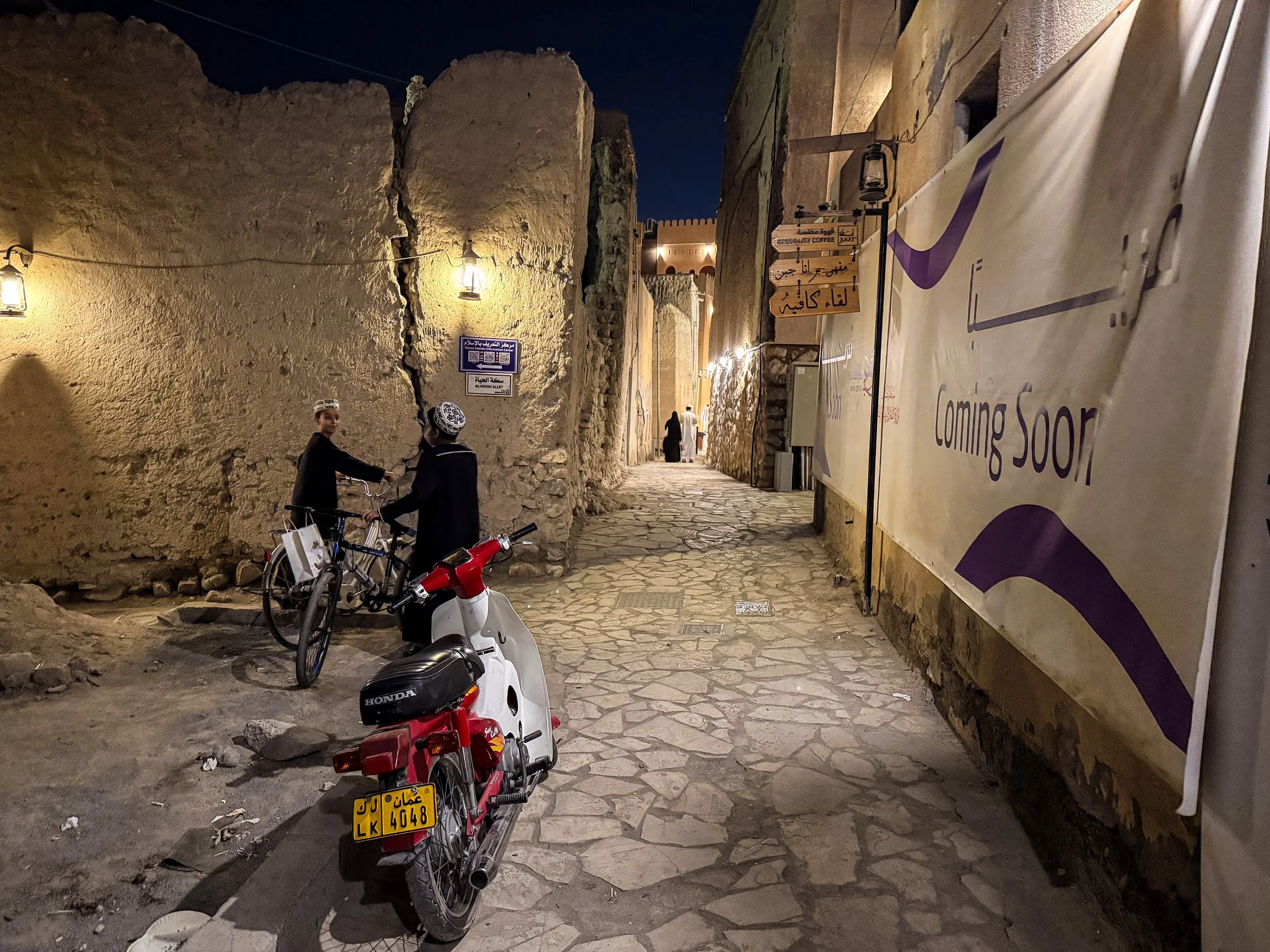
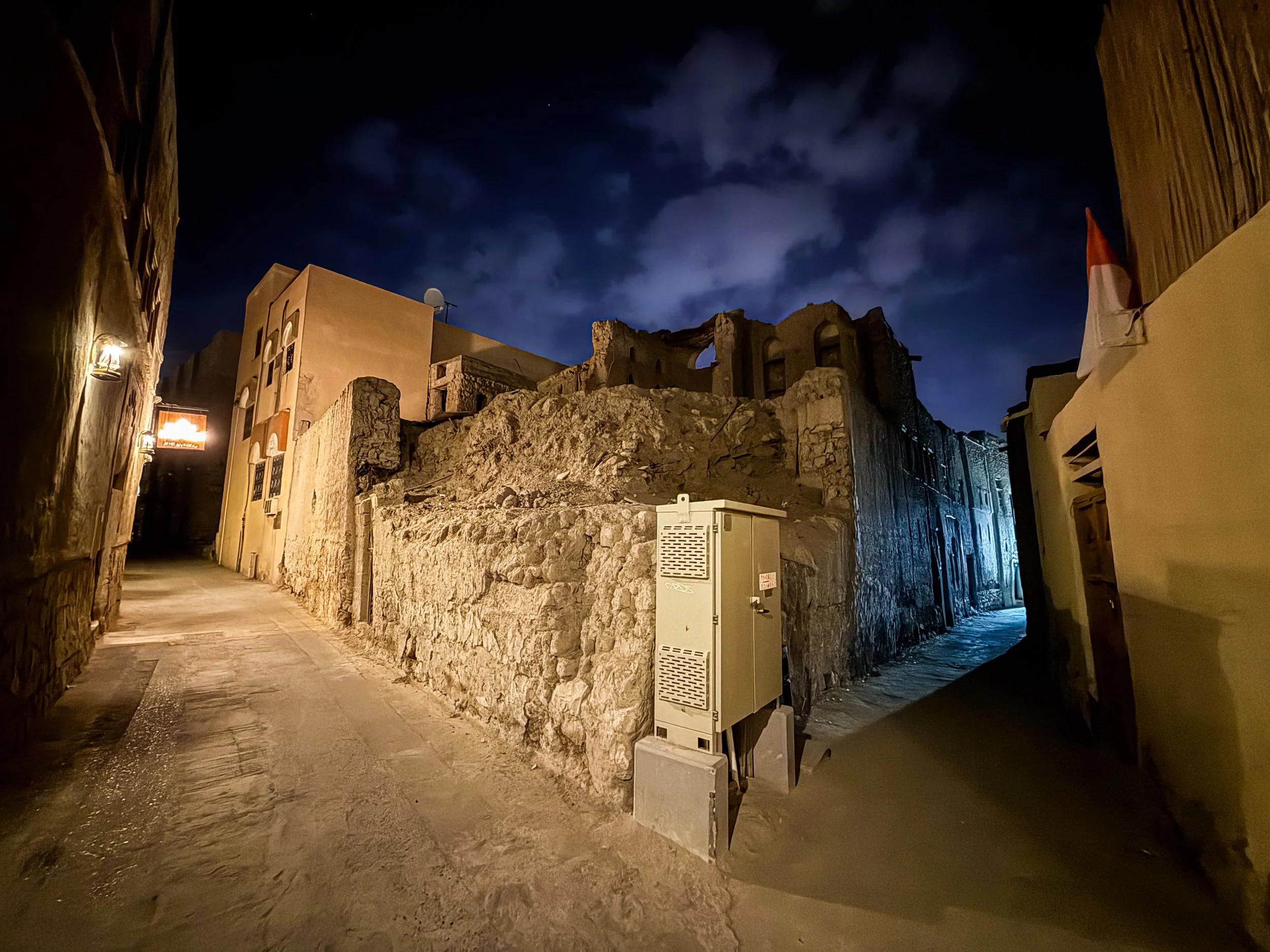
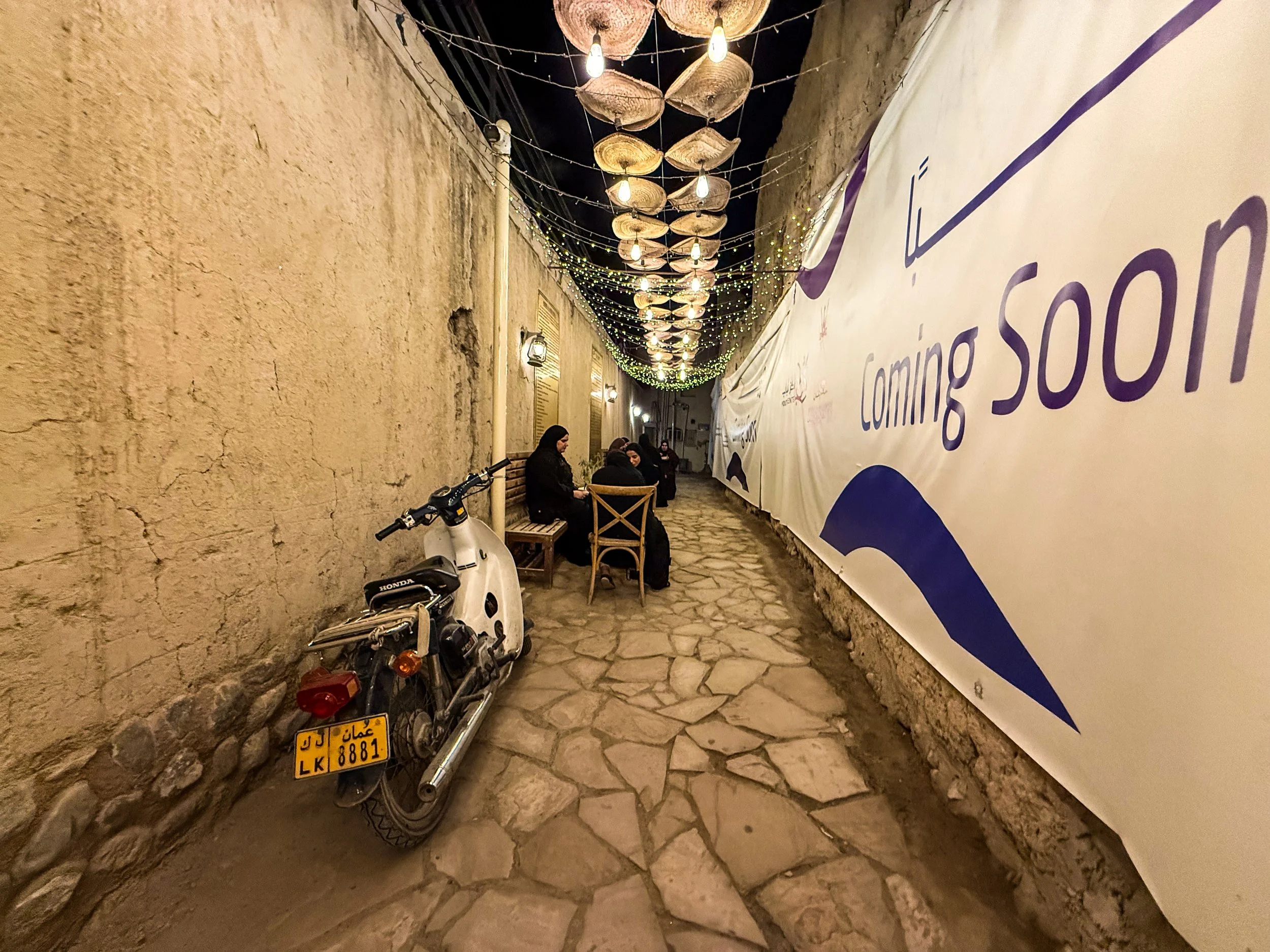
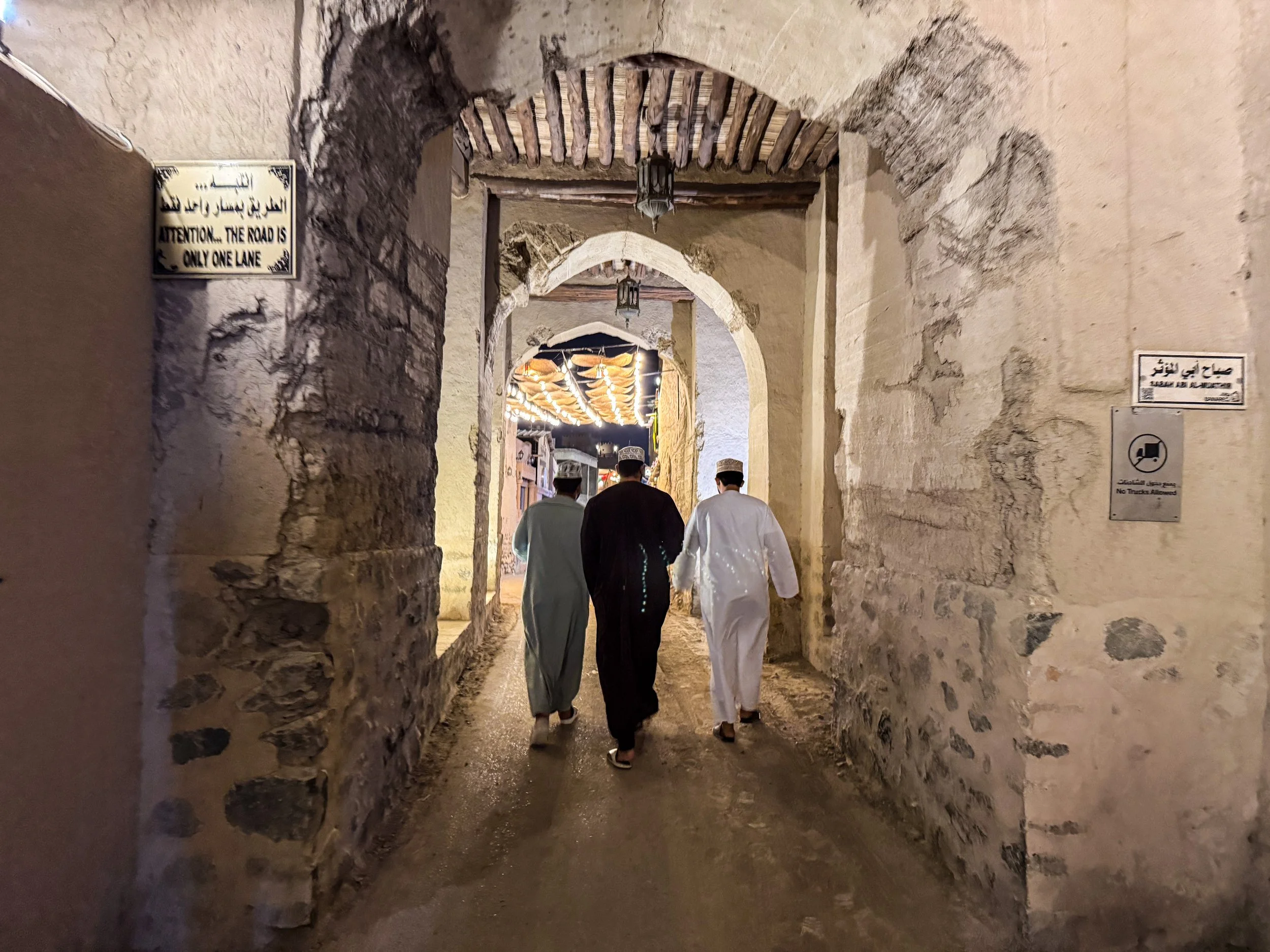
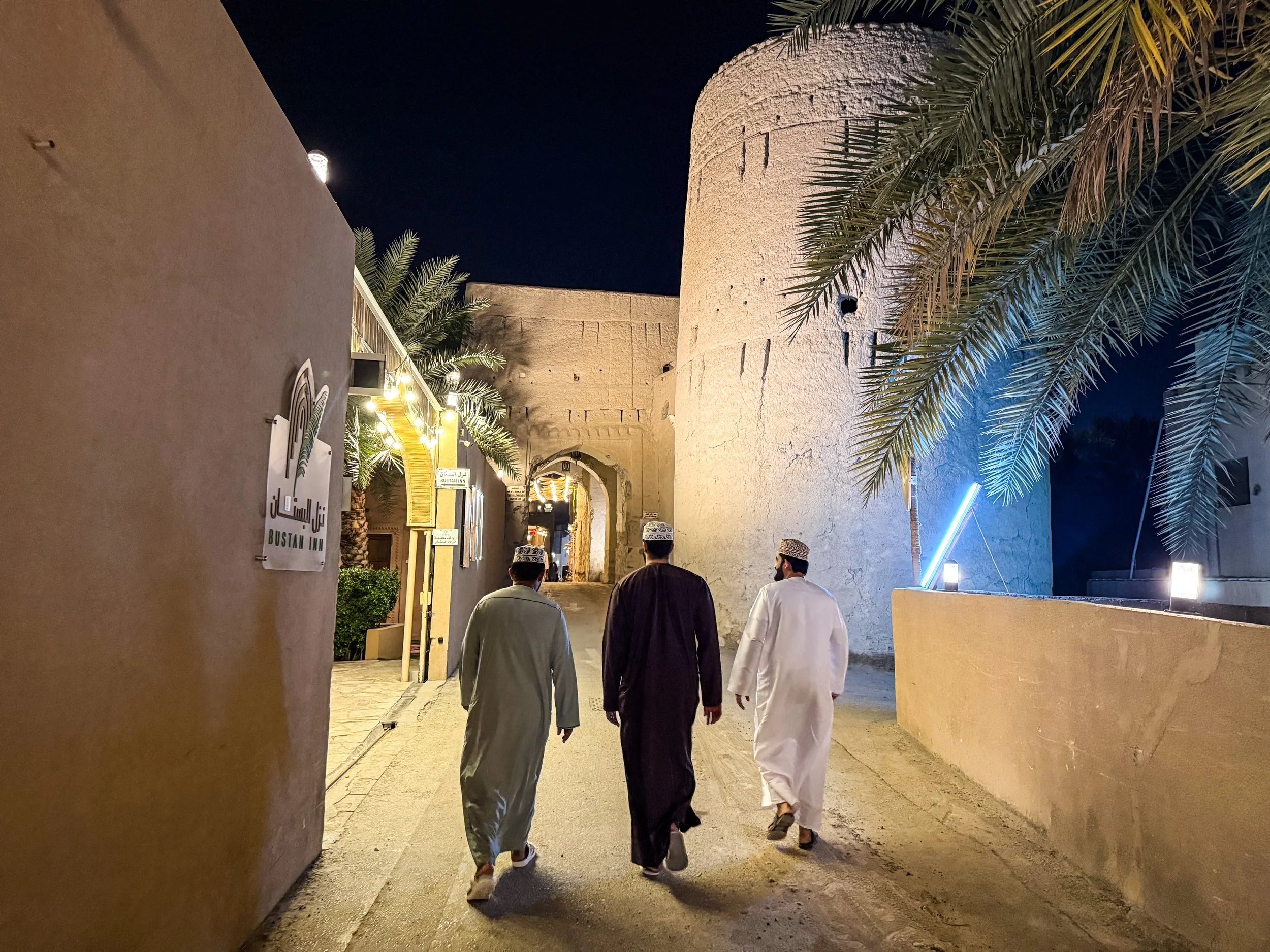
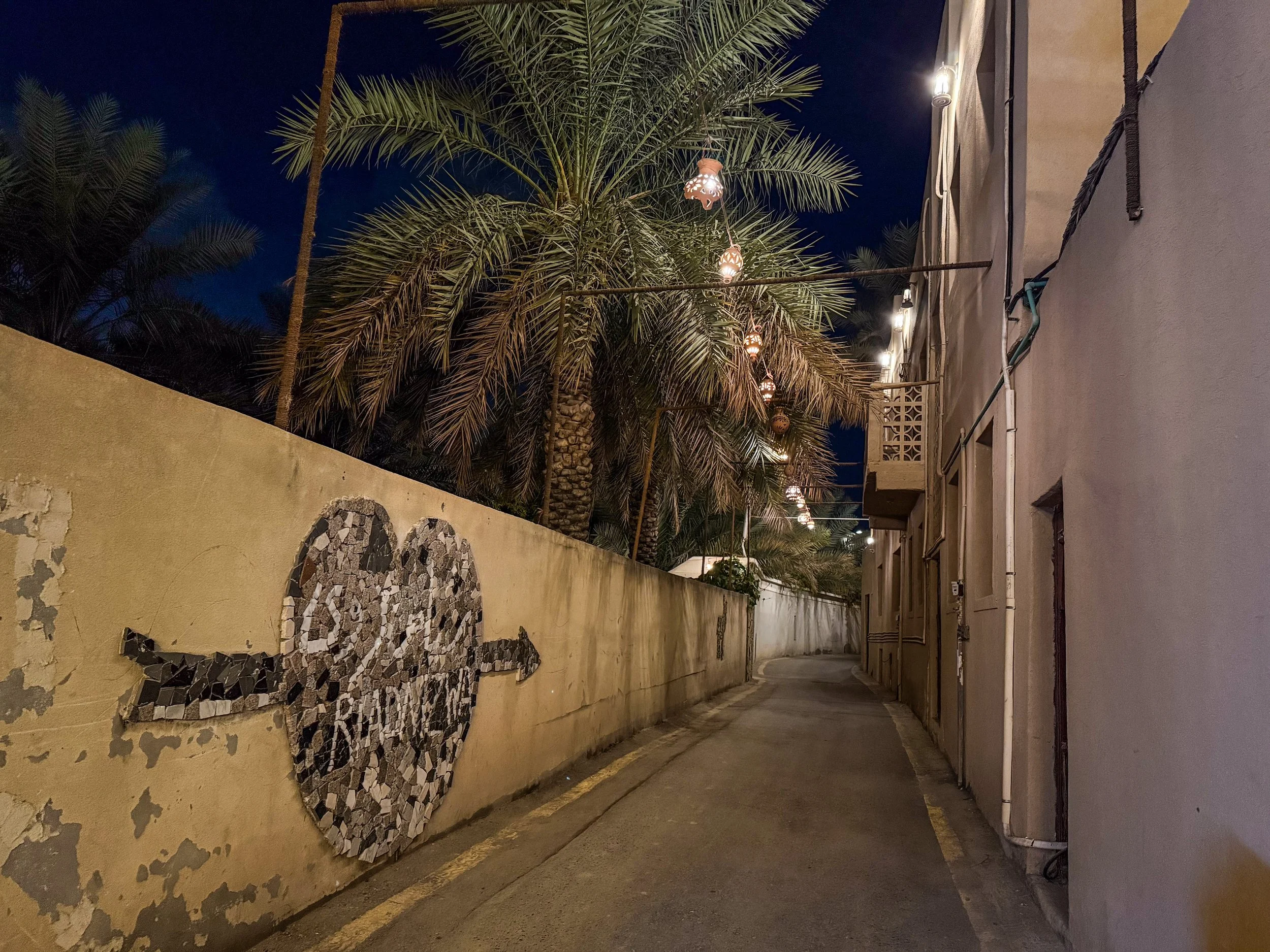
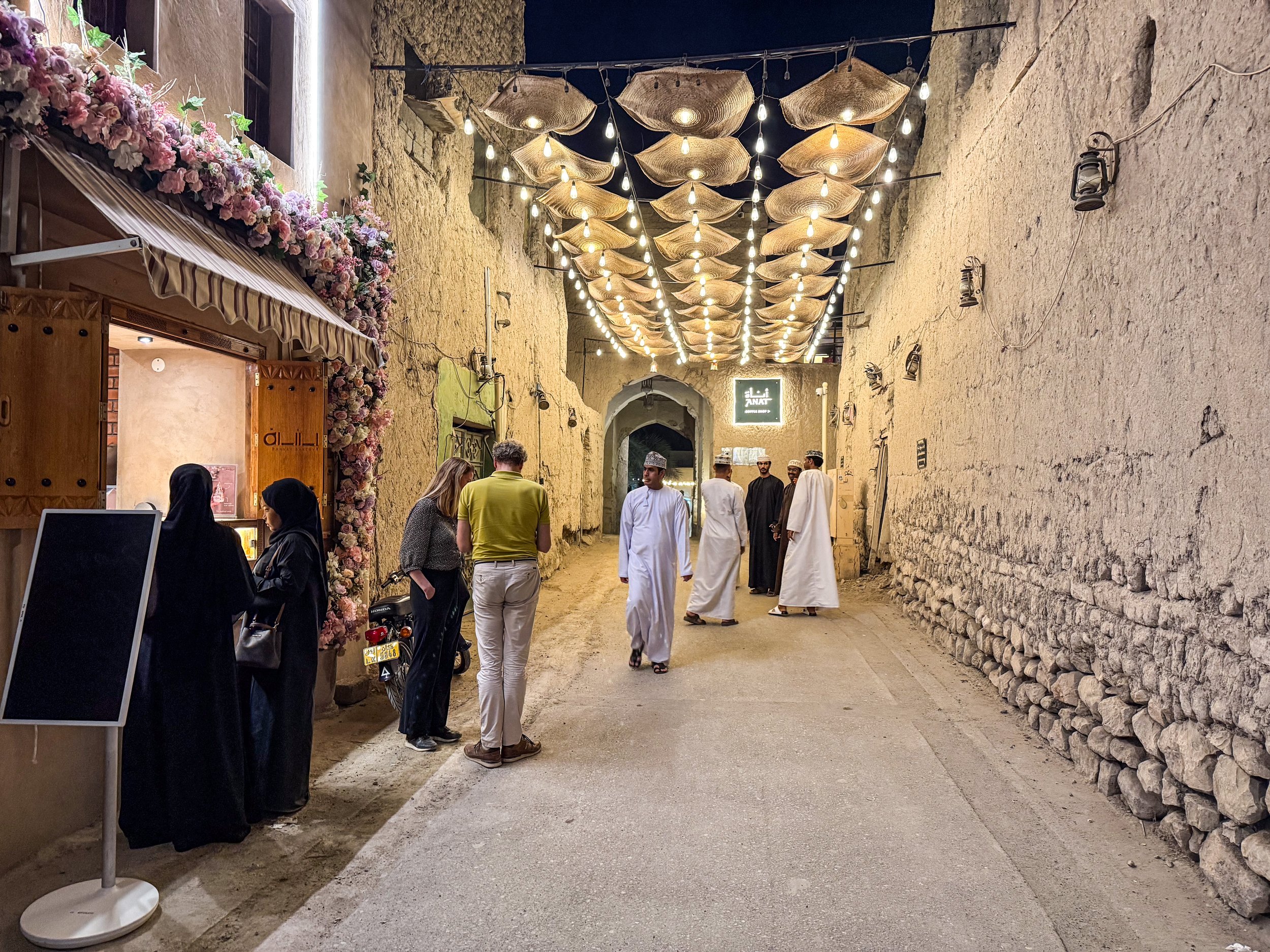
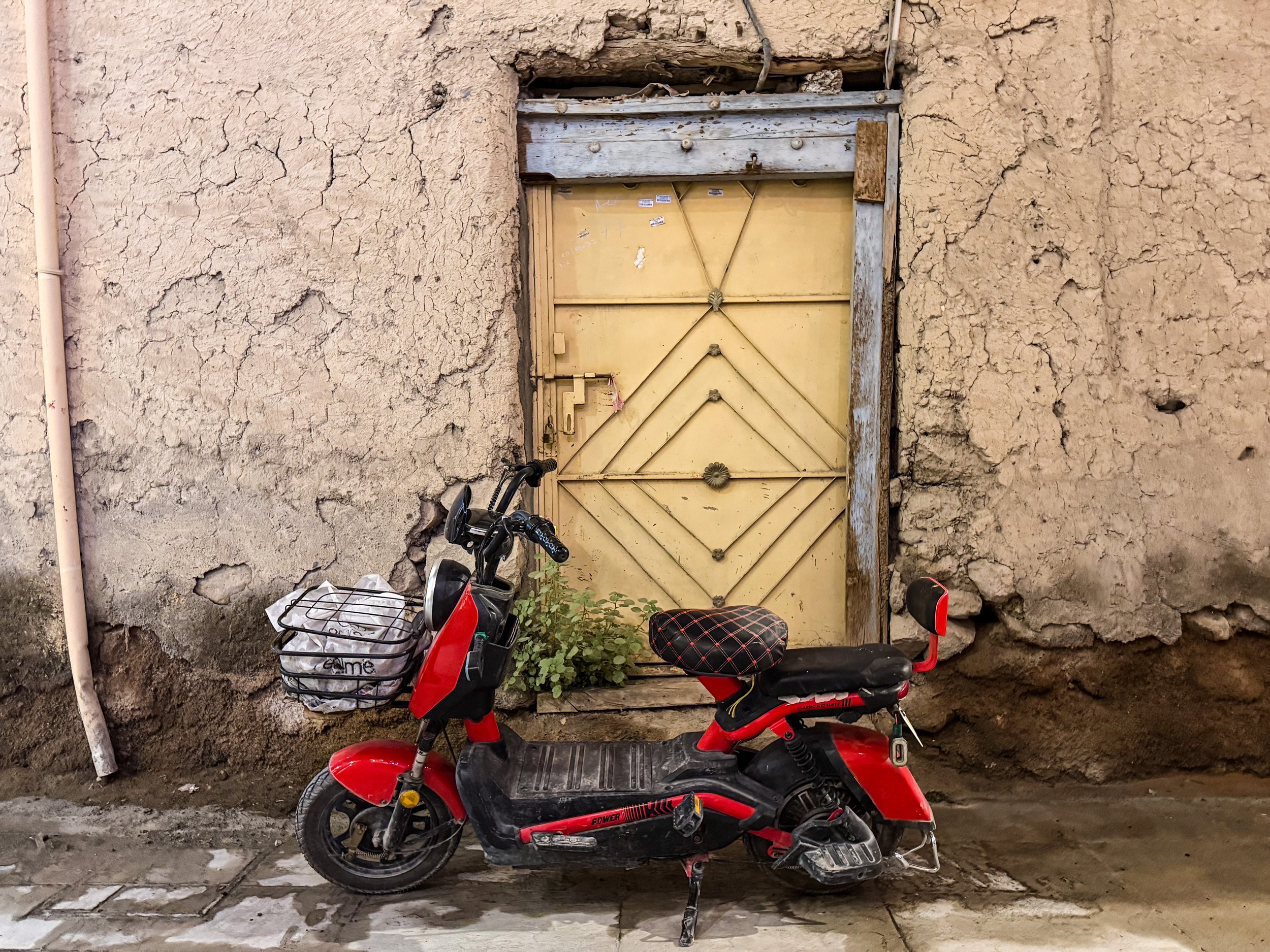
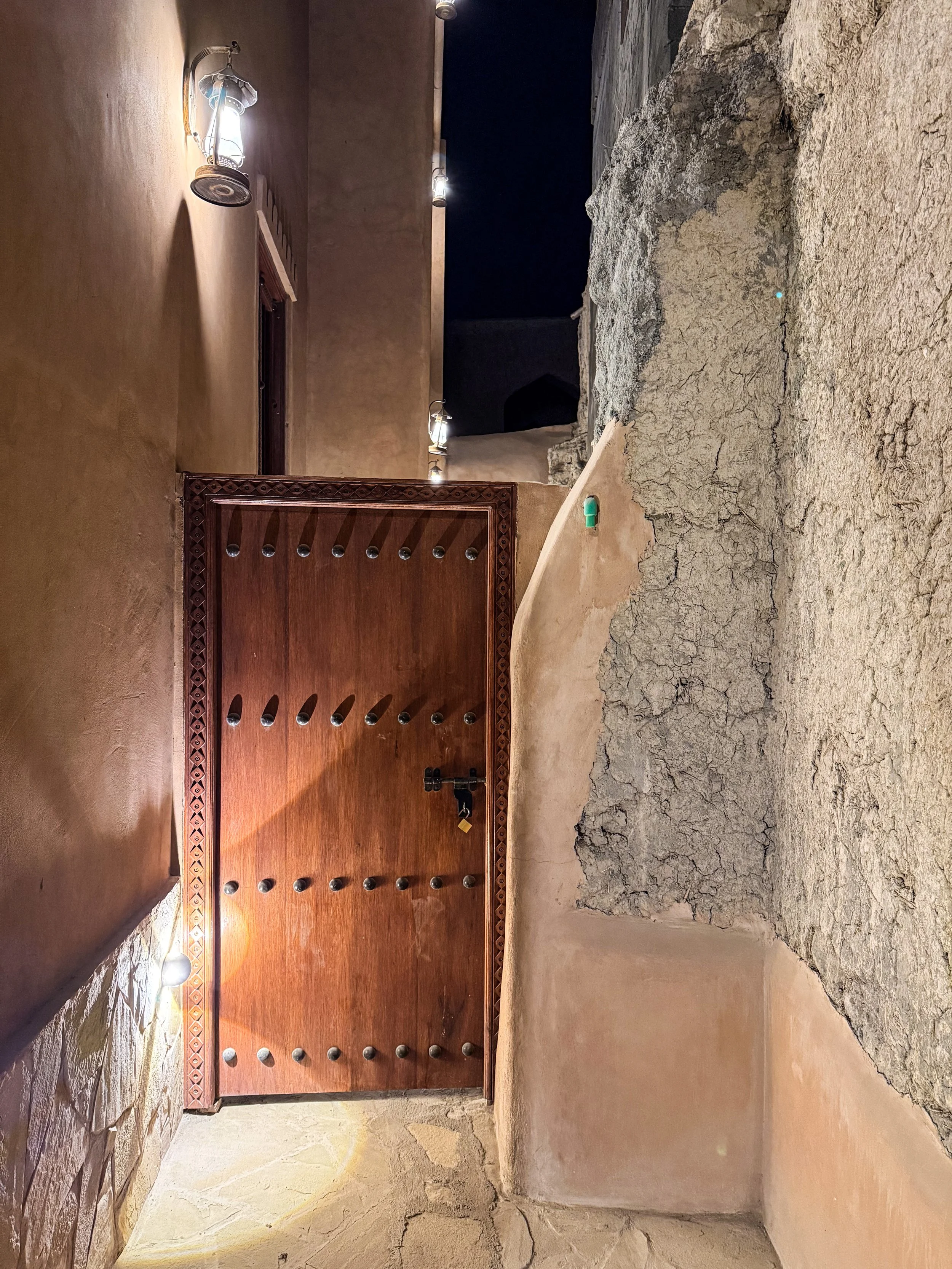
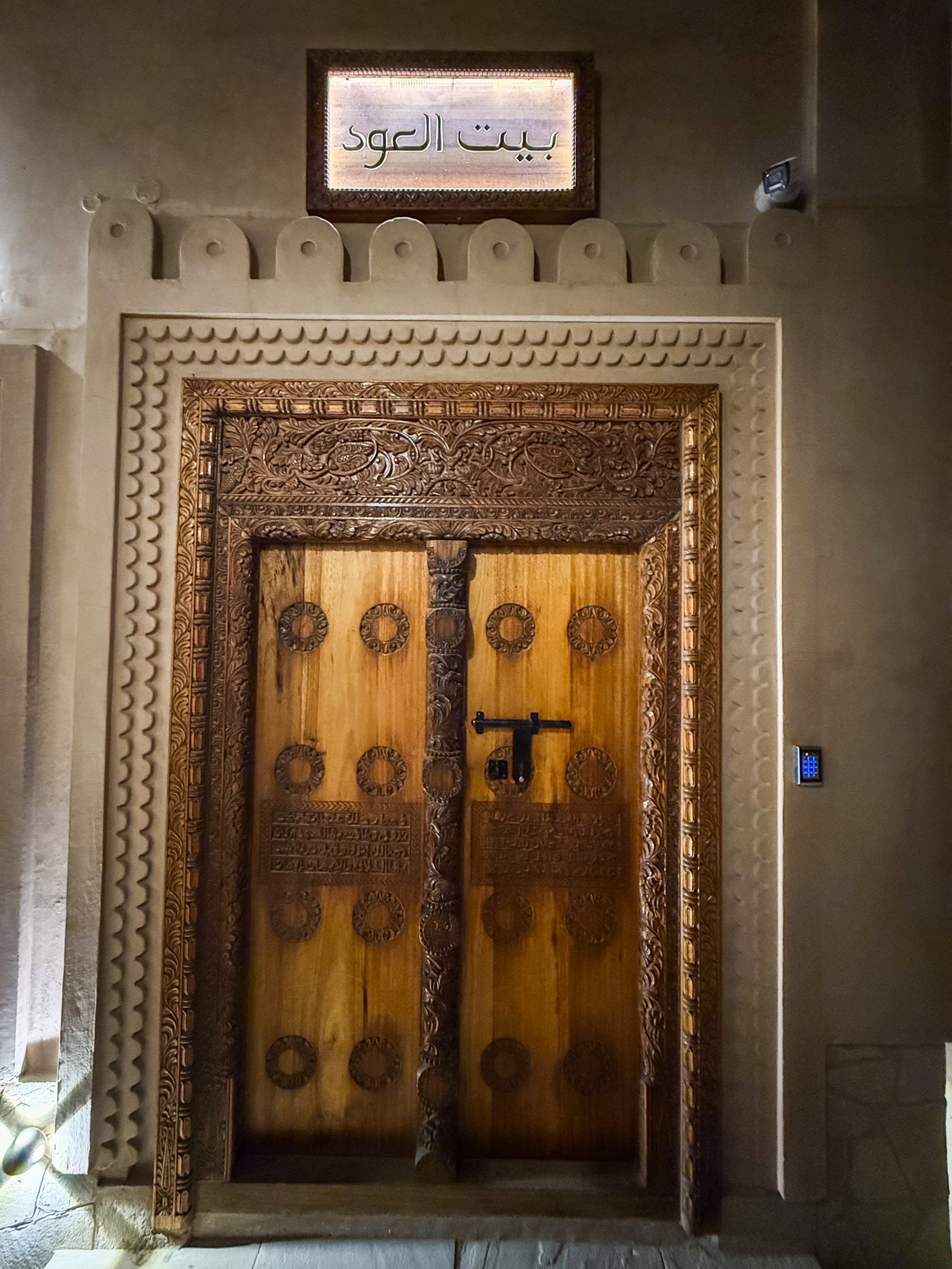
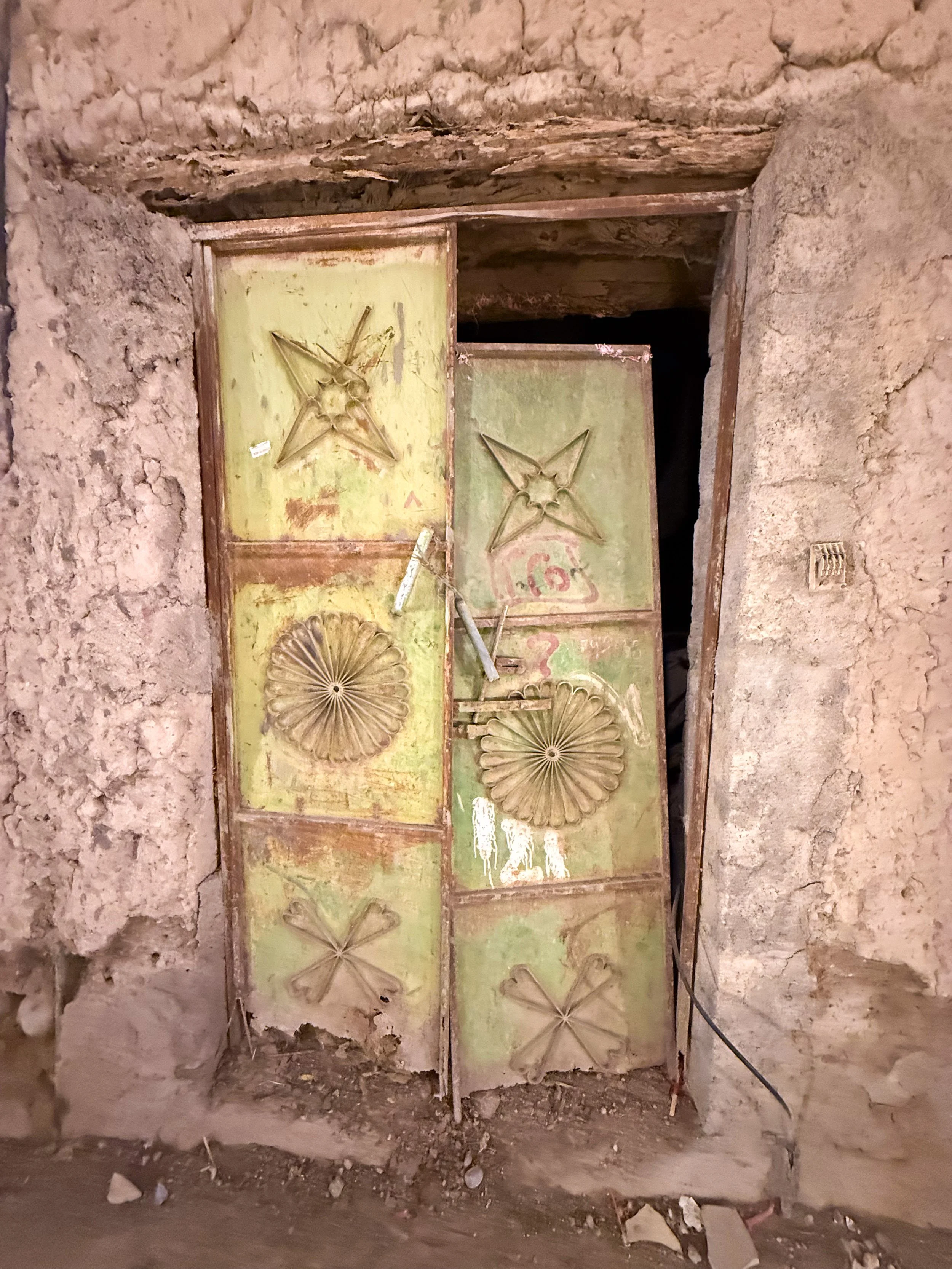
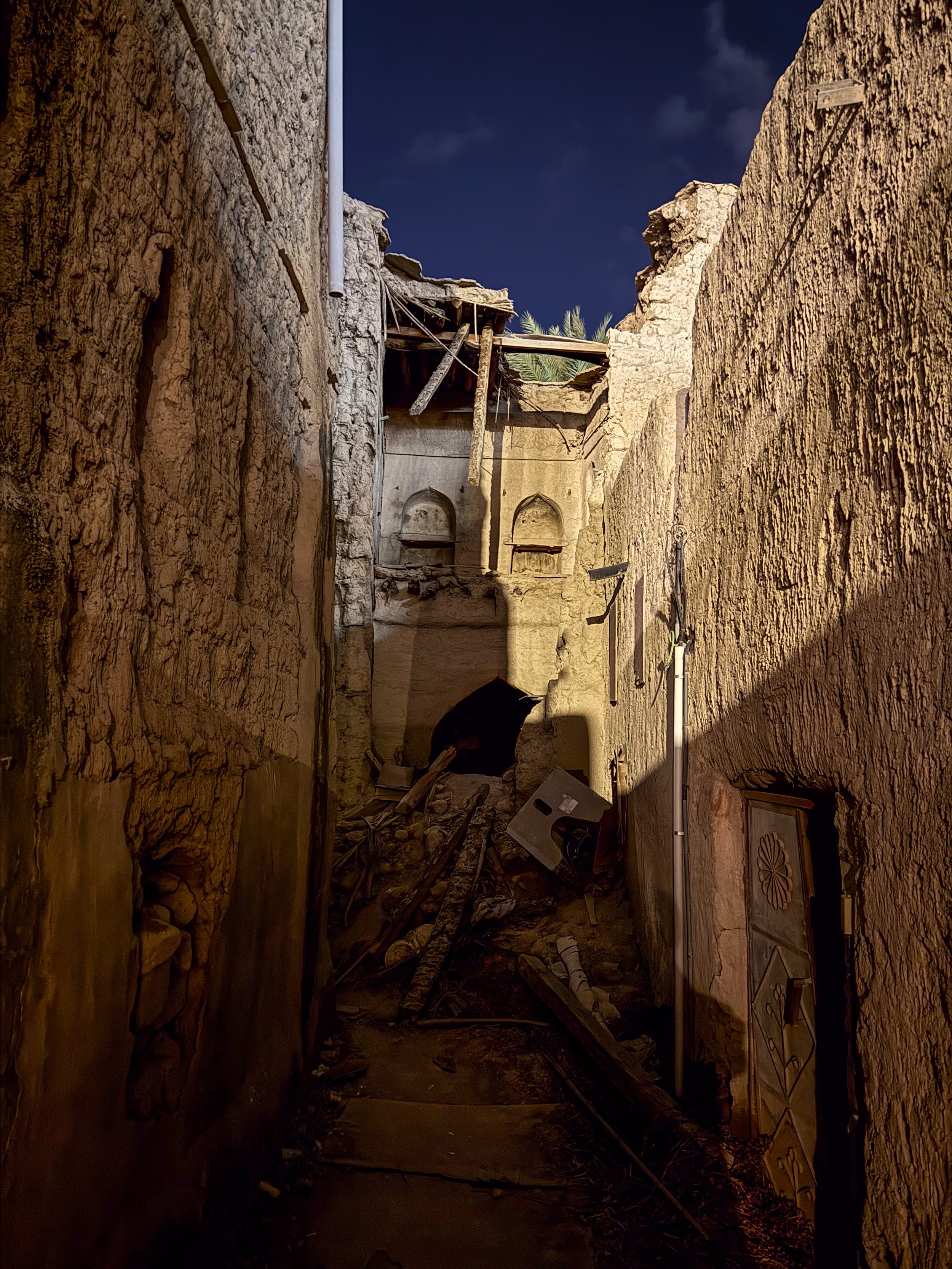
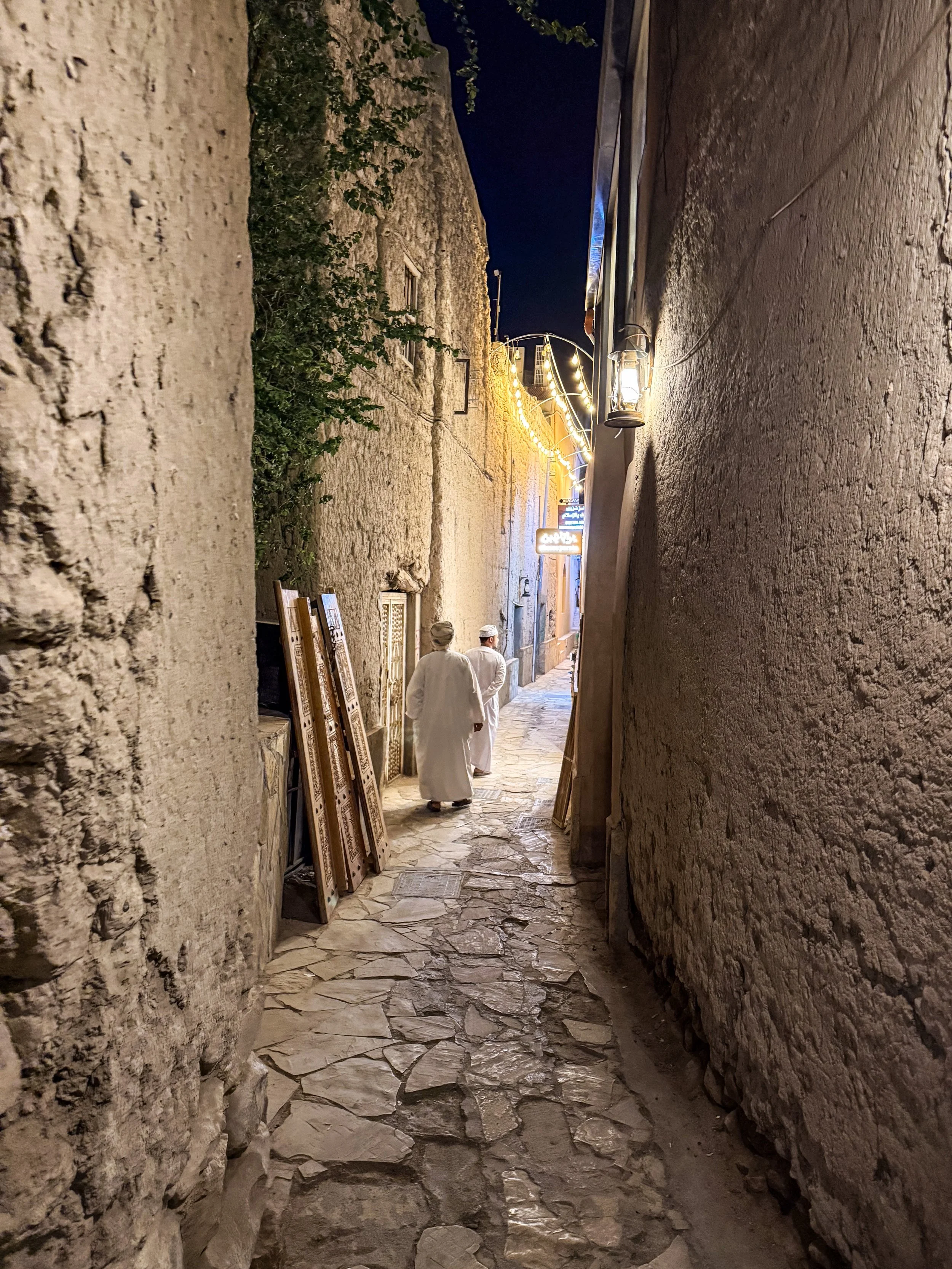
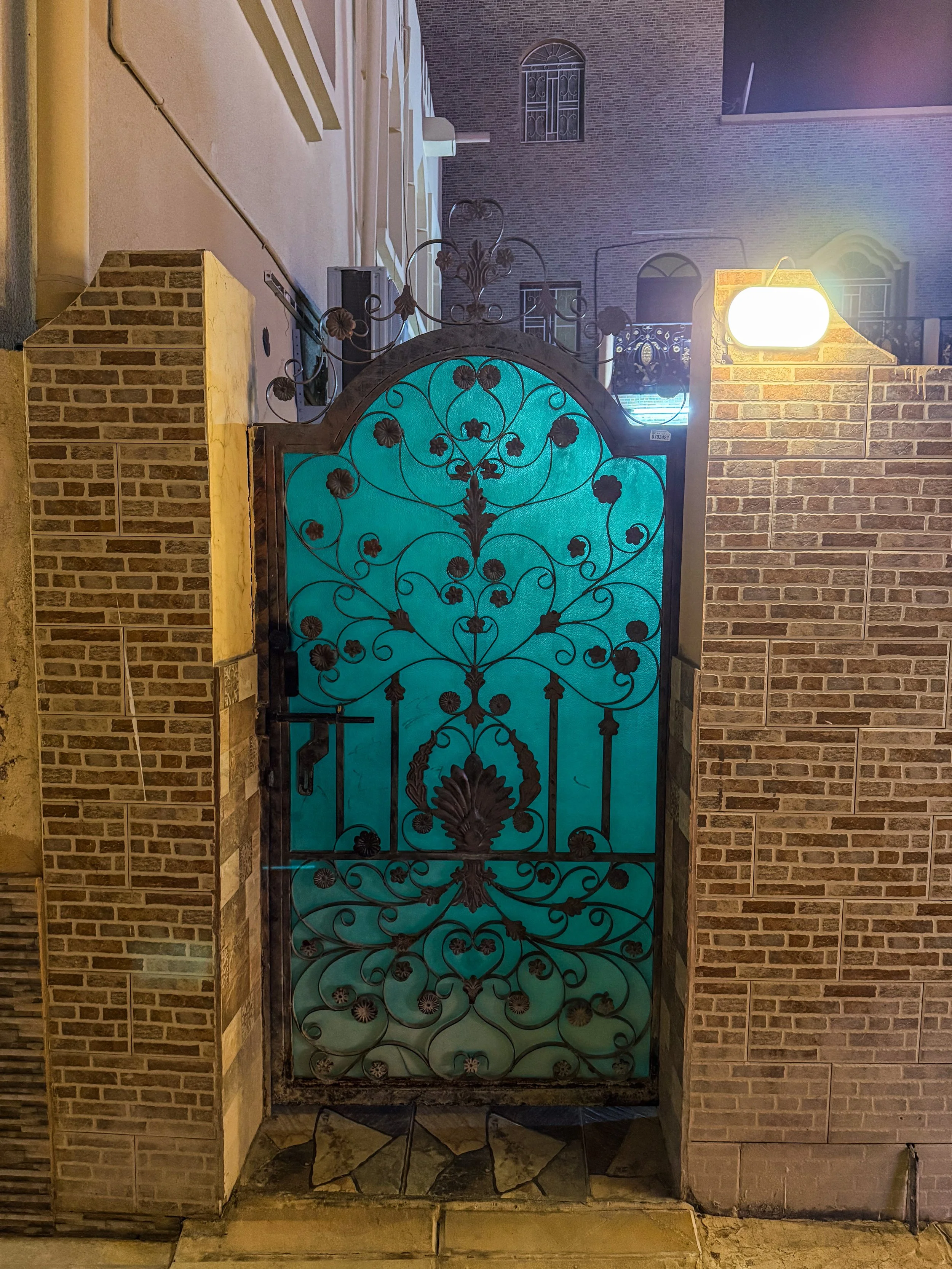
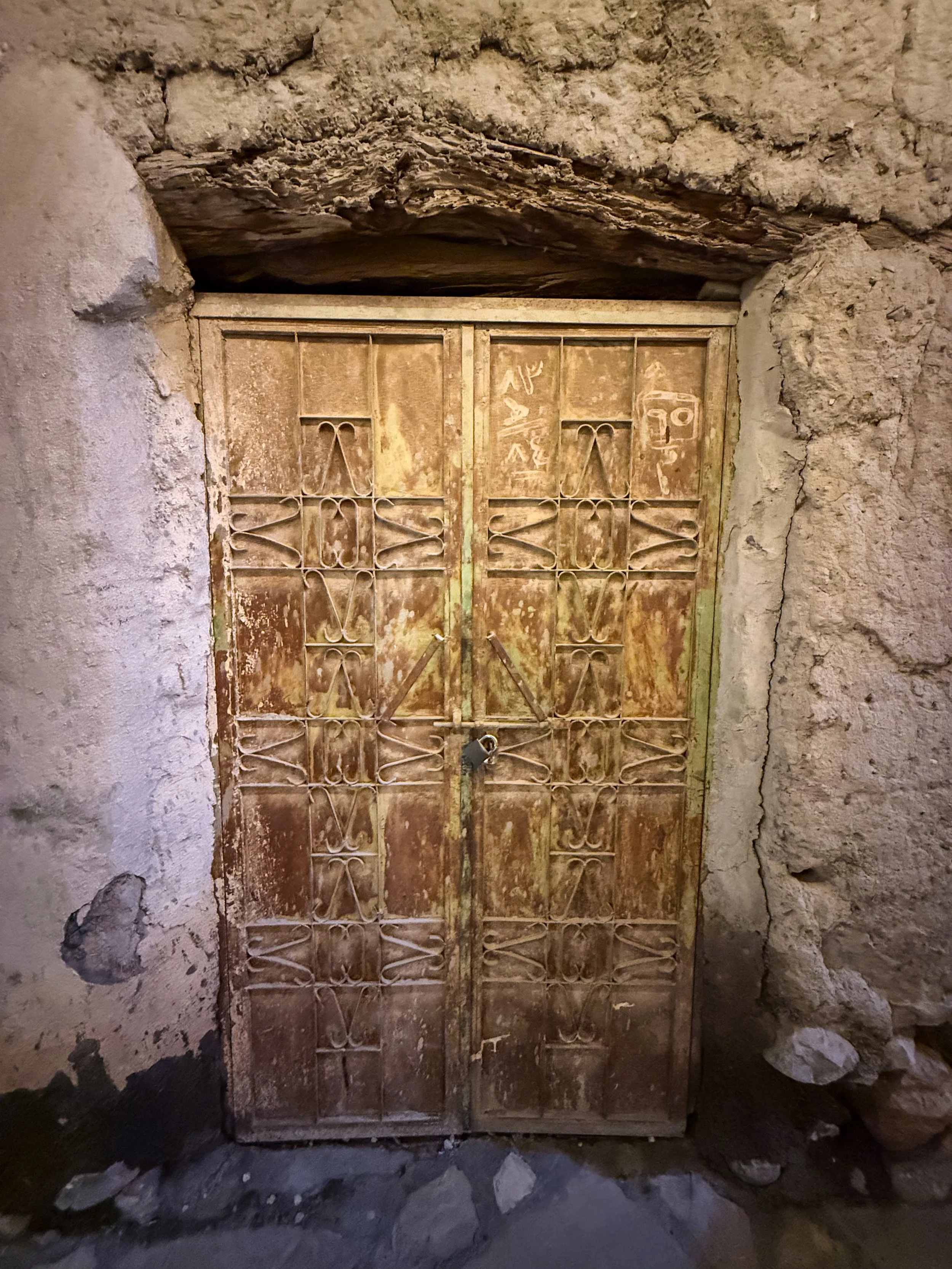
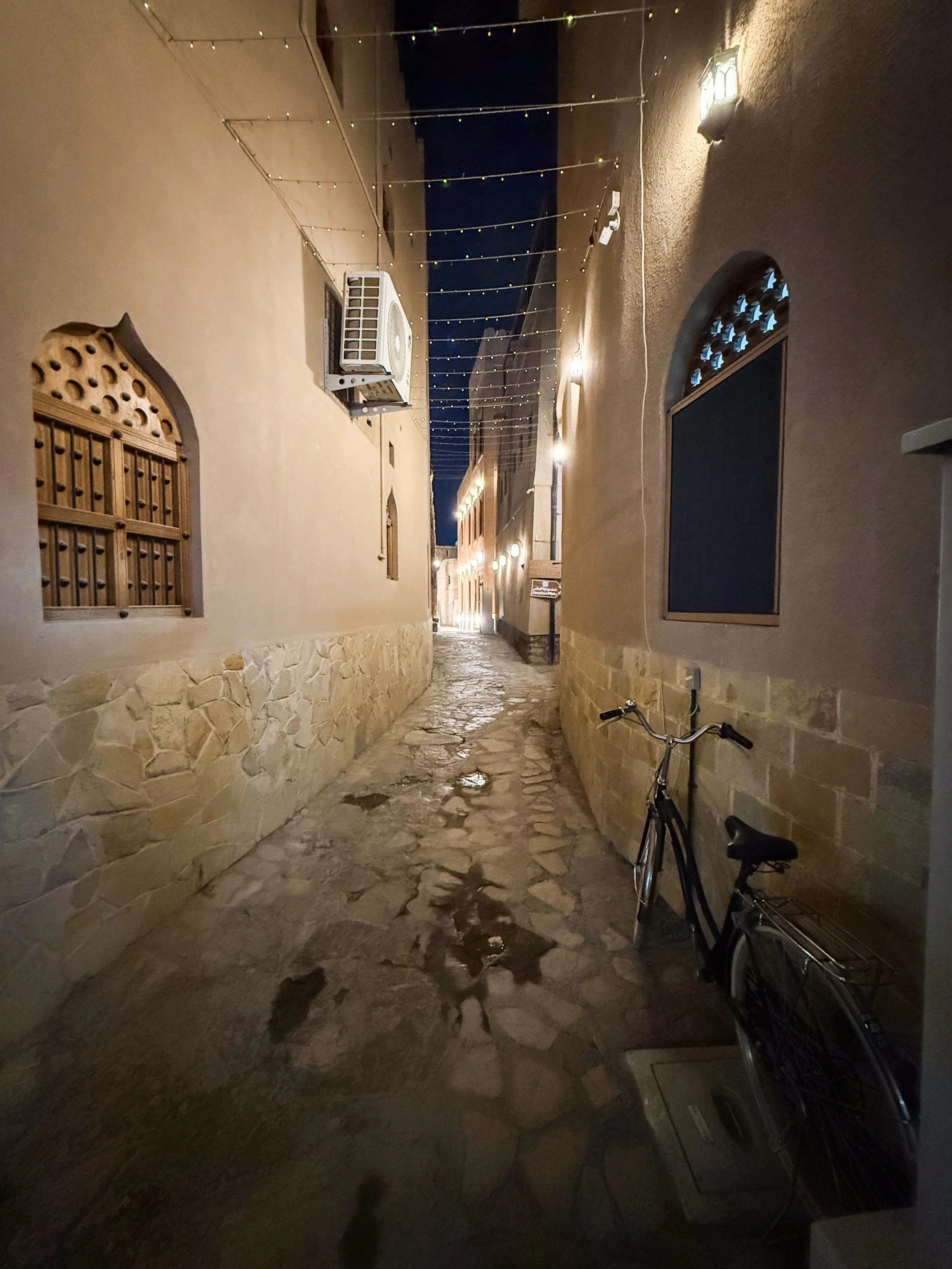
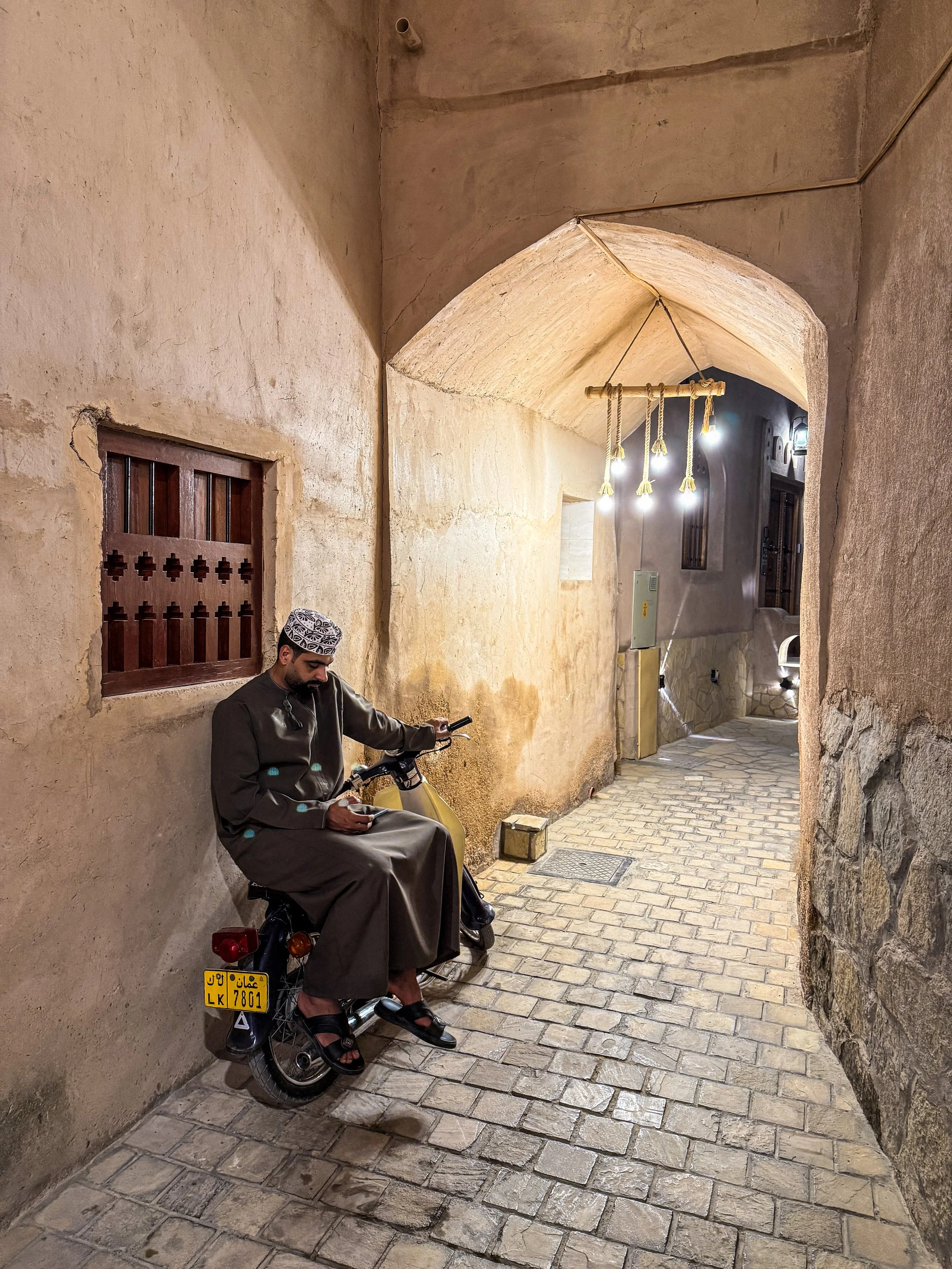
Yep, Nizwa was pretty charming. However, somewhere along the way, we encountered a sign with a long list of rules that were to be followed whilst in Nizwa. The last item on the list read “Omani law criminalises all forms of homosexuality”.

No comment. 🙄
Only 1 article left in this series on Oman!
For the grand finale, we’re going to spend the night out in the dunes of the Arabian desert.
Until then, please enjoy this super cool track of the day. 😘


The first time I learned about Dhofar was actually in a BBC nature documentary! Although they are pretty obscure in the wider world, within Arabia the Dhofar mountains are quite famous for the incredible transformation they undergo each year during the monsoon season. During the “Khareef” (the local name for the monsoon season), this whole place transforms from a desert into a massive, green oasis! It happens from June to early September, peaking in July and August and, in addition to being misty and wet (already very unusual within the region), Dhofar also becomes much colder than the rest of the Gulf. There even seasonal waterfalls that pop up all over the mountainous landscape! During this time, there is a huge influx of tourist (mostly from Saudi Arabia and the UAE) that come in to enjoy the greenery and cool temperatures. There is even a Khareef Festival that happens during this time. UNFORTUNATELY, we’re not visiting during the Khareef. This visit happened in mid-December, so Dhofar will be in peak-desert mode.