
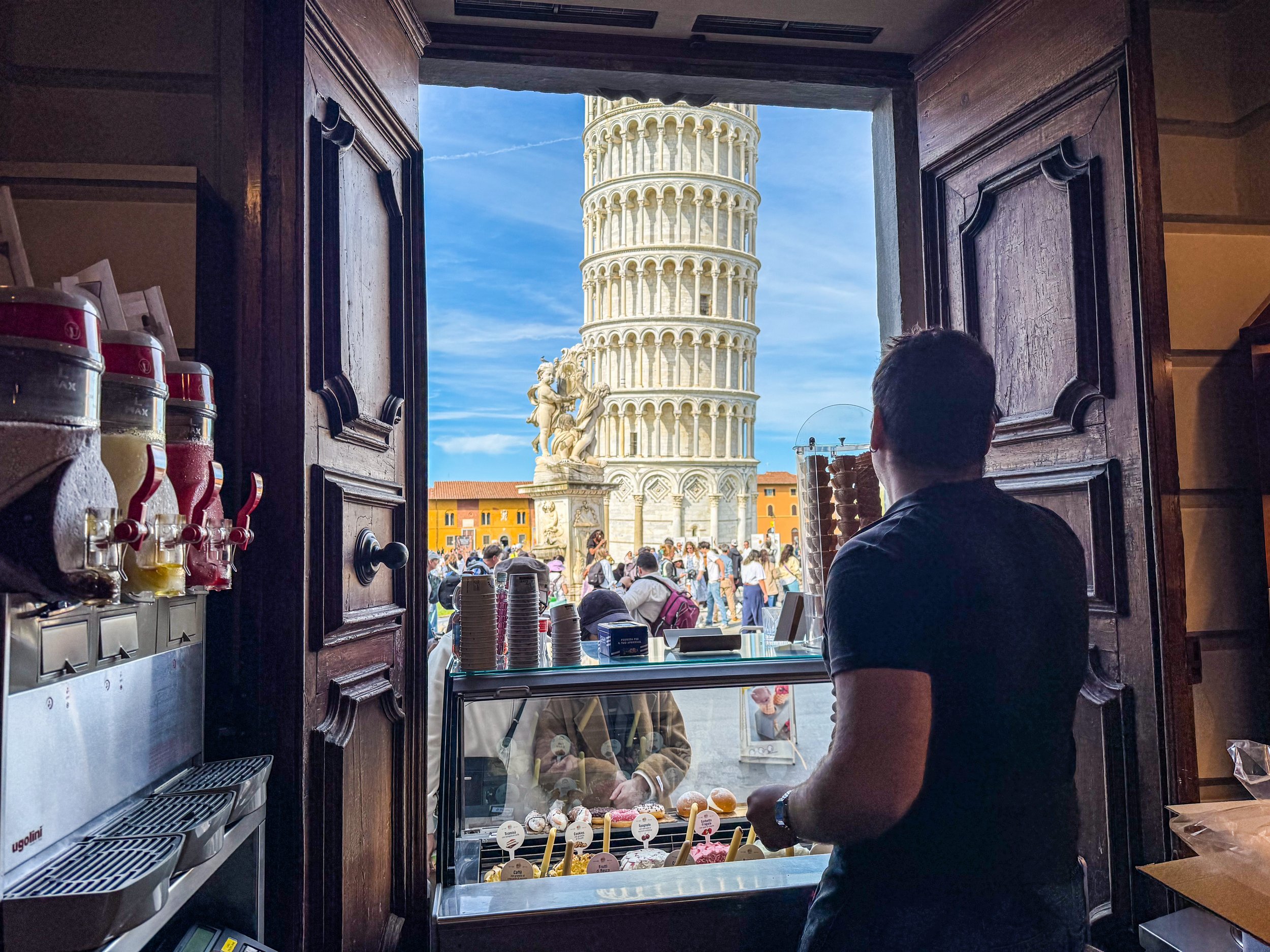
Our Journey through Tuscany continues! In the last article we explored the world-famous city of Florence. Today, we’re venturing back toward the Mediterranean to see the coastal-adjacent city of Pisa. I know what you’re thinking… and no, I was not here to take over as head coach for Pisa’s football team after their disastrous 2025/26 Serie A campaign, which heralded their eventual and inevitable relegation, but I’m flattered that you would assume that. 😉
JK. If you’re anything like me (prior to this trip and the 2025/26 Serie A season), when you think of Pisa, you think of only 1 thing: the Leaning Tower of Pisa. So let’s just jump straight to that, shall we?
The Leaning Tower of Pisa:
Why Does It Lean & When Will It FINALLY Fall Over?
These are the obvious questions, right???
I doubt you will be surprised to learn that the Leaning Tower of Pisa was actually not supposed to lean. In 1173, when work began on this structure, the intention was for it to just be your typical free-standing bell tower. Although I should acknowledge that there was really nothing “typical” about this in the 1100s; Italy was leaps and bounds ahead of (most of) the rest of the world, which is part of what makes these sites so incredible. Anyway, construction took about 200 years, including an almost 100-year-long pause due to wars and political instability. It was officially finished in 1372.
Ironically, the 100-year pause may have actually been the tower’s saving grace. I’ll explain: the big problem for this tower is that the ground beneath this site is too soft; it consists of soft clay, sand, and silt, with some groundwater mixed in. So, the immense weight of the tower caused the structure to “sink”, but the ground beneath the tower did not compress evenly. One side proved a bit softer than the other, so the tower’s foundation was soon tilted, leaving the tower in a precarious leaning position. The foundations of the tower were also more shallow than they probably should have been, which made the problem even worse. The reason that this 100-year pause was actually good fortune in disguise was that it allowed the ground to settle a bit before more weight was added. That’s a major reason why is survived without intervention as long as it did.
The other reason is why this landmark managed to survive so long is that, when the builders returned at the end of the 100-year pause, they recognized that the tower was already tilted. They chose to continue construction anyway, but with a cleverly modified design that would compensate for the tilt. They literally made one side of the tower bigger and taller than the other, so there is a surprisingly significant curve and intentional asymmetry in the tower. And that worked! Or, it did for 6+ centuries, which is actually pretty impressive.
By the 1990s, the lean of the tower had reached an angle of about 5.5 degrees, which put the top almost 4 meters off the vertical. At this point, modern engineers decided to intervene. From 1990 to 2001, an international team embarked on one of the most famous structural engineering project of all time. To summarize, they secured the tower and then removed some of the soil from underneath the higher side unwind some of the tilt. This reduced the lean by ~40-45 cm at the top of the tower, reducing the angle to about 4 degrees. So, assuming there isn’t a crazy earthquake any time soon, the tower should be good for the next couple of centuries. But of course it is monitored anyway.
The team of engineers from the 1990-2001 project also theorized that the same softness of the soil that lead to the tower leaning may also have helped it survive the a few earthquakes that happened here over the years… so this tower really is a bit miraculous. Did I mention that the city square where this tower sits is called Piazza dei Miracoli (Square of Miracles)?
Ok, enough history. Here’s the picture that everybody comes here for:
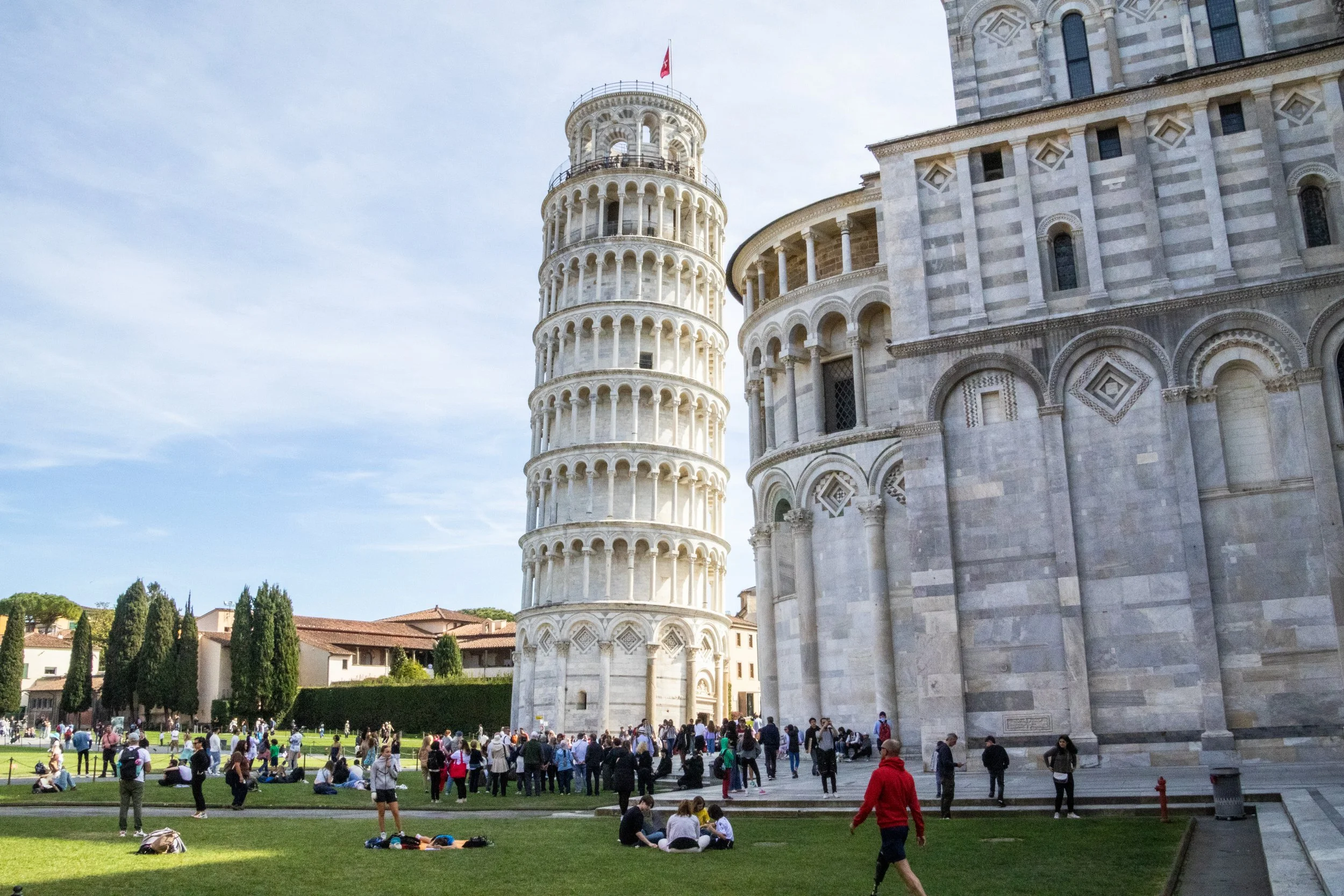
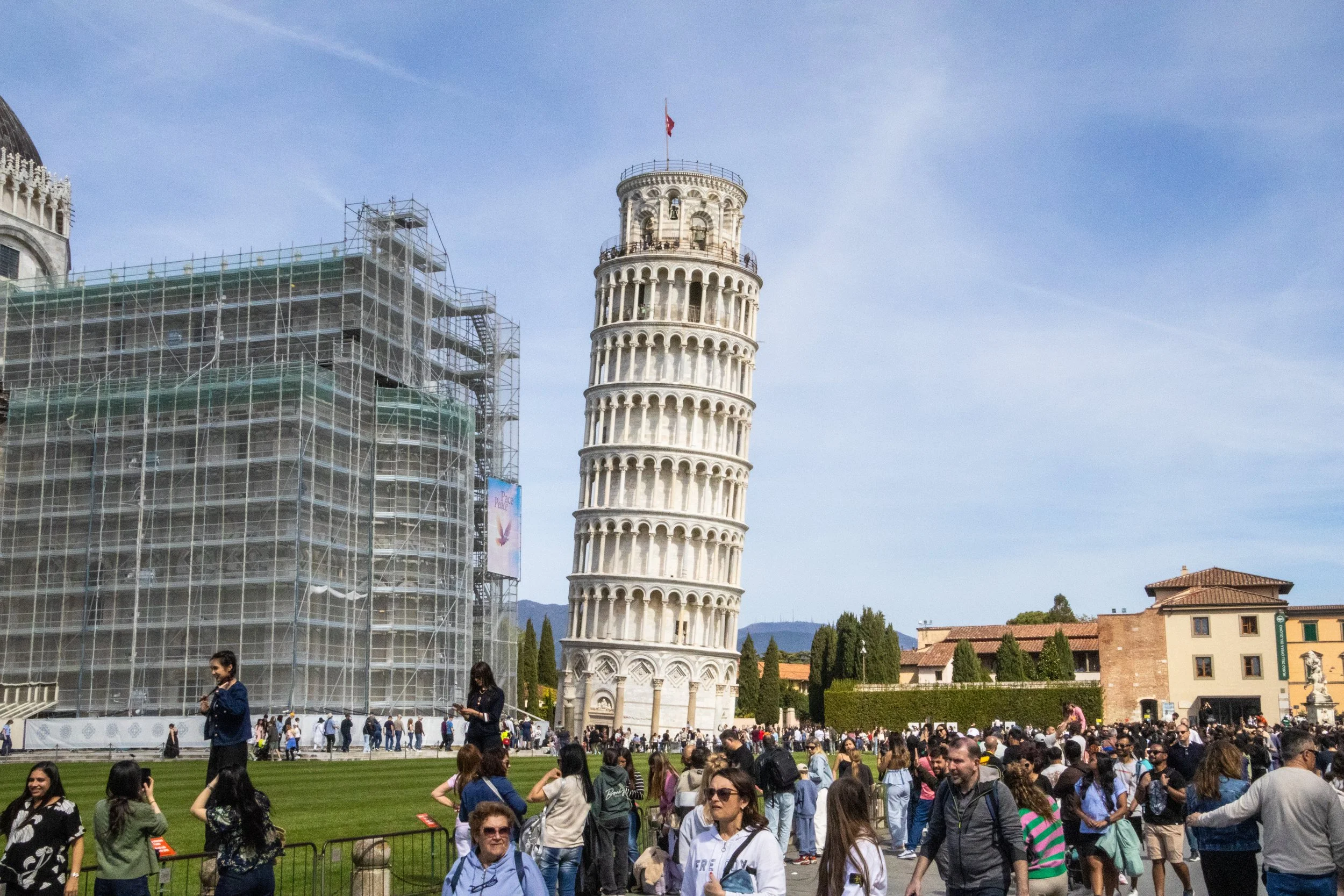
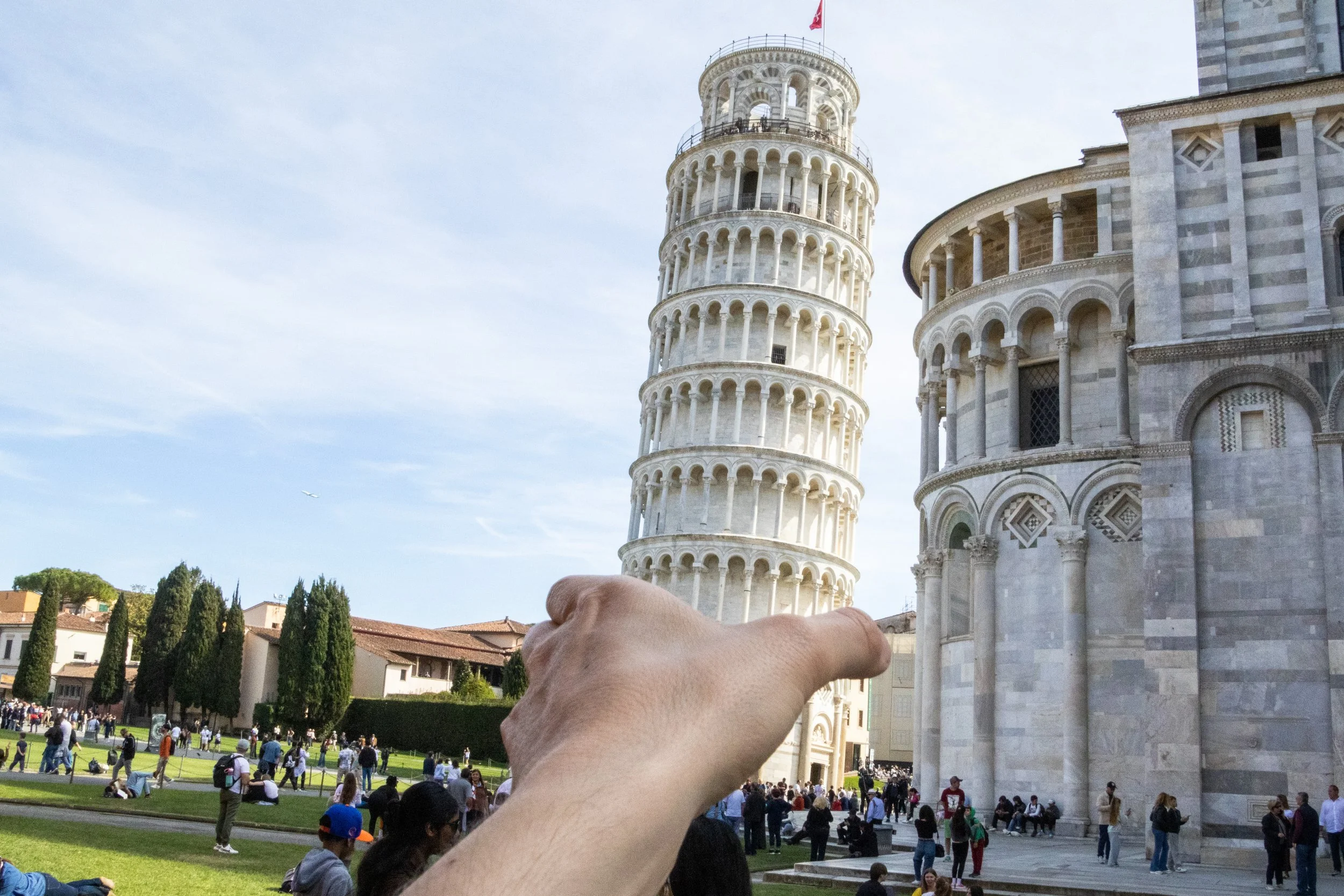
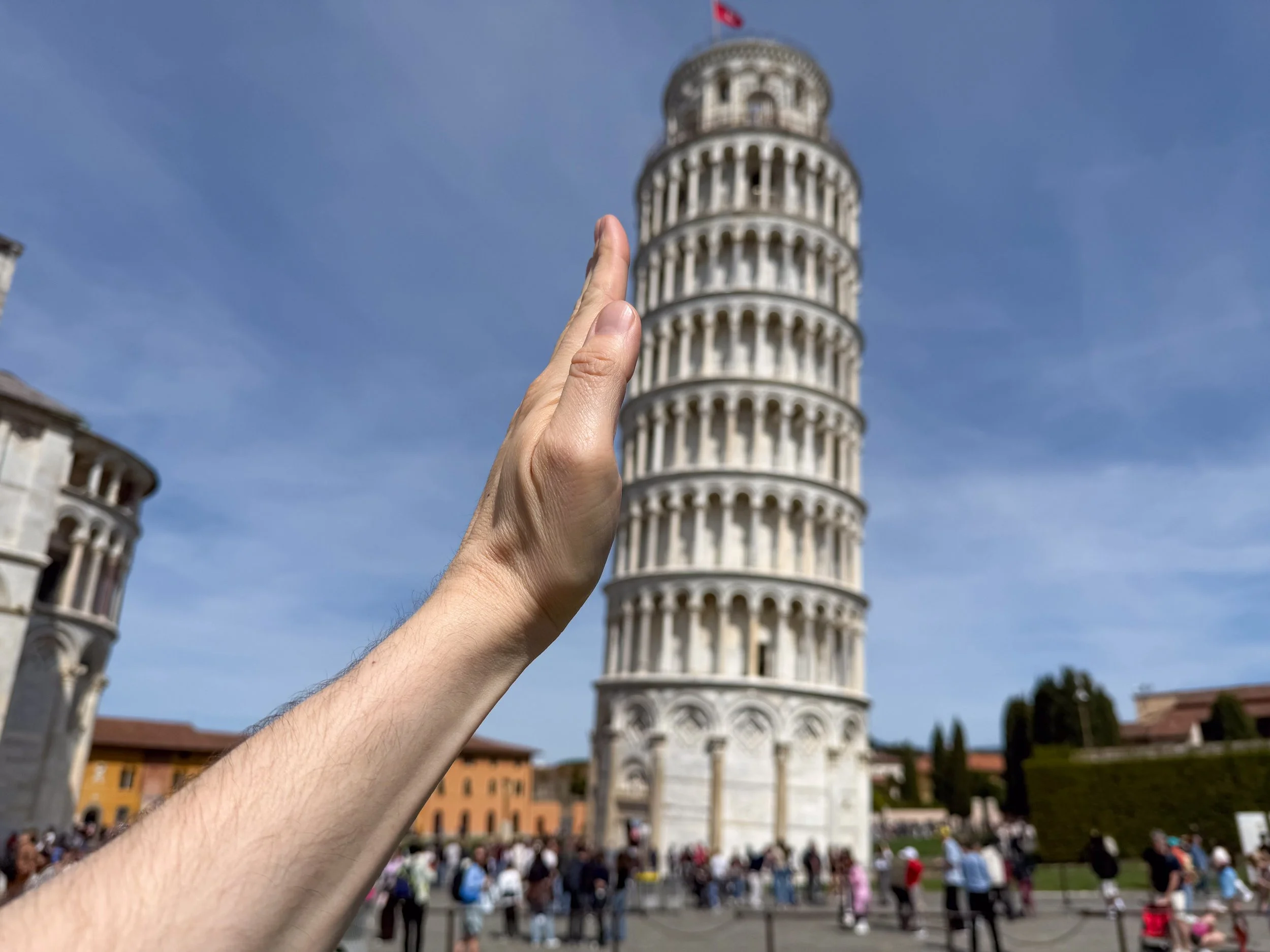
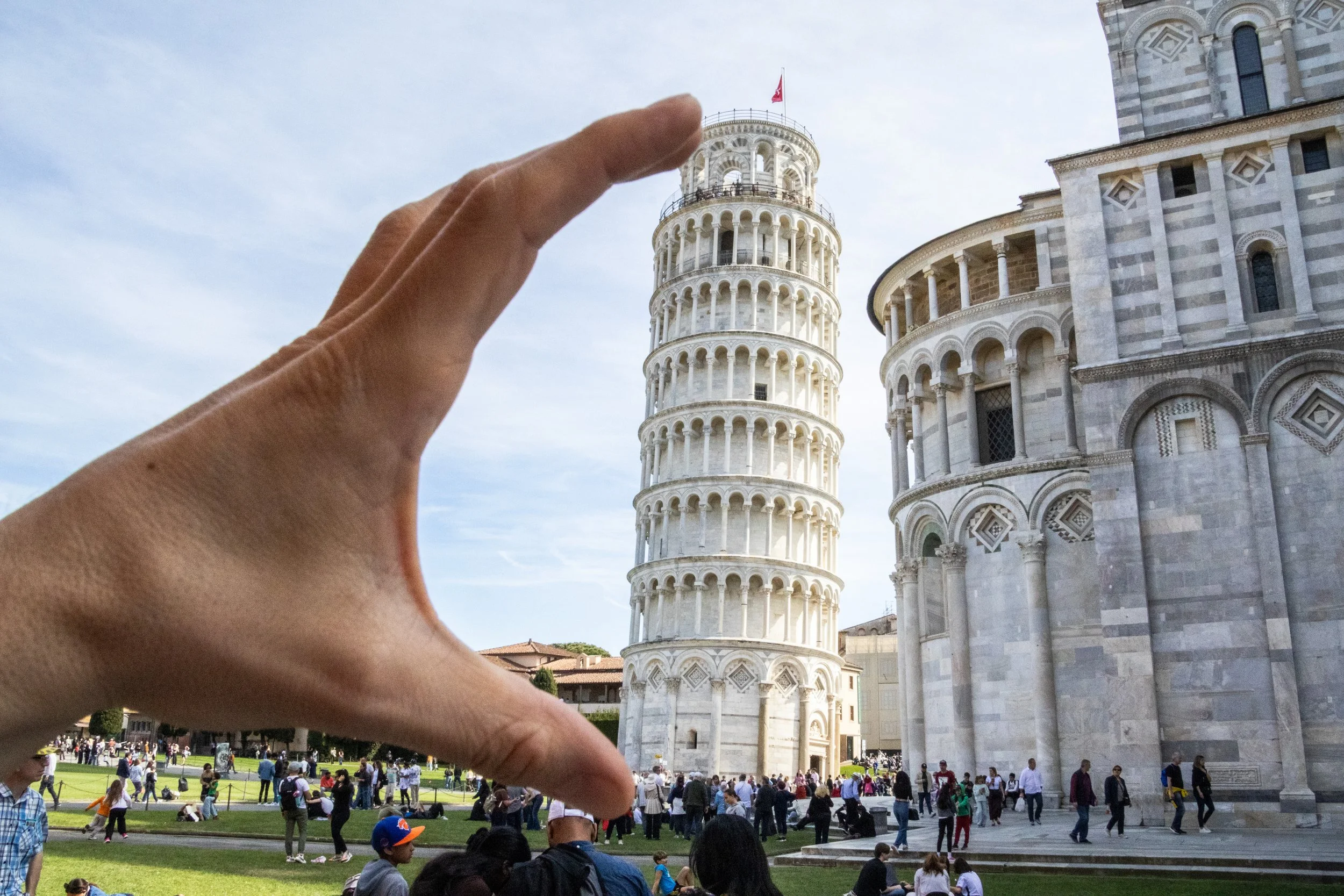
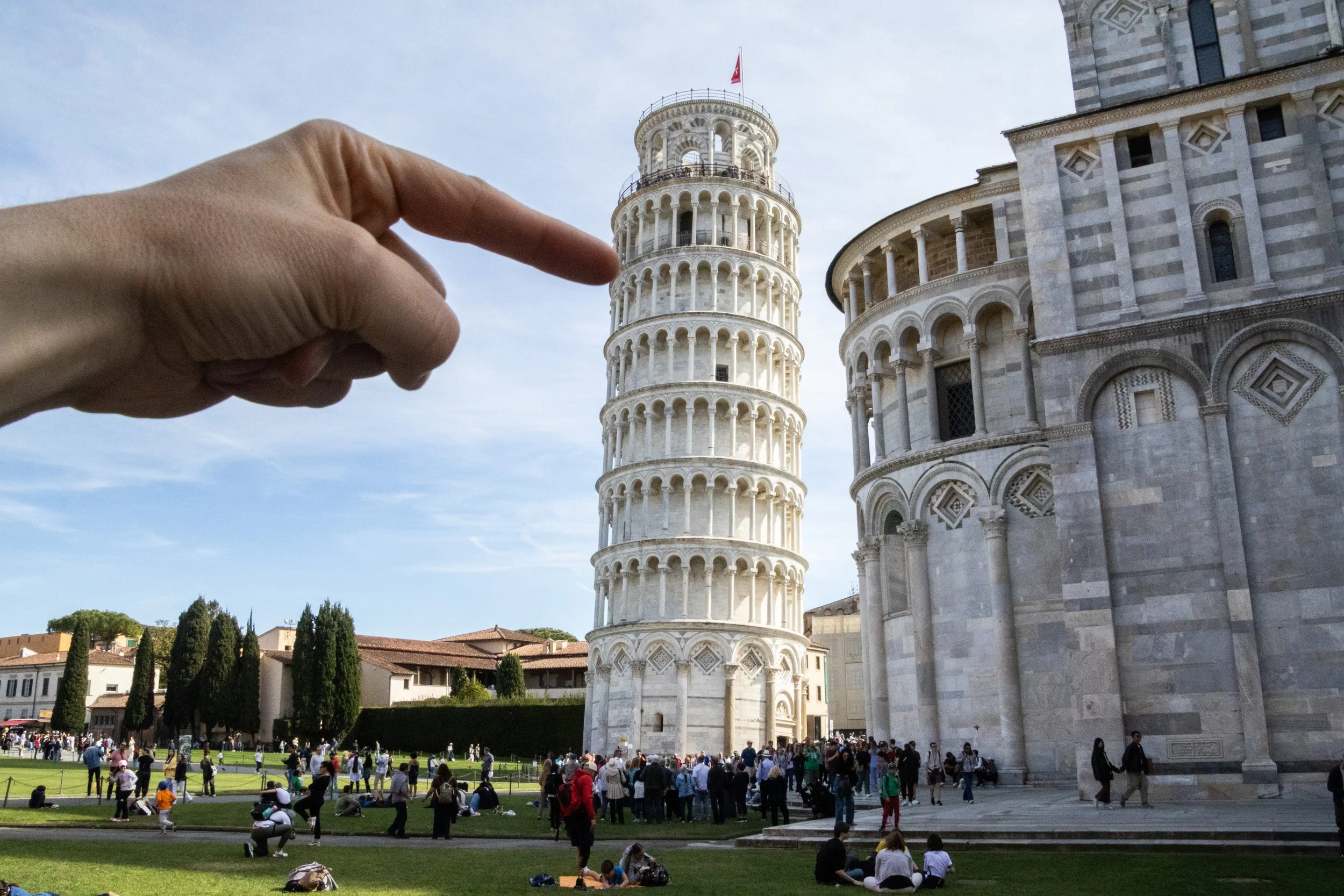
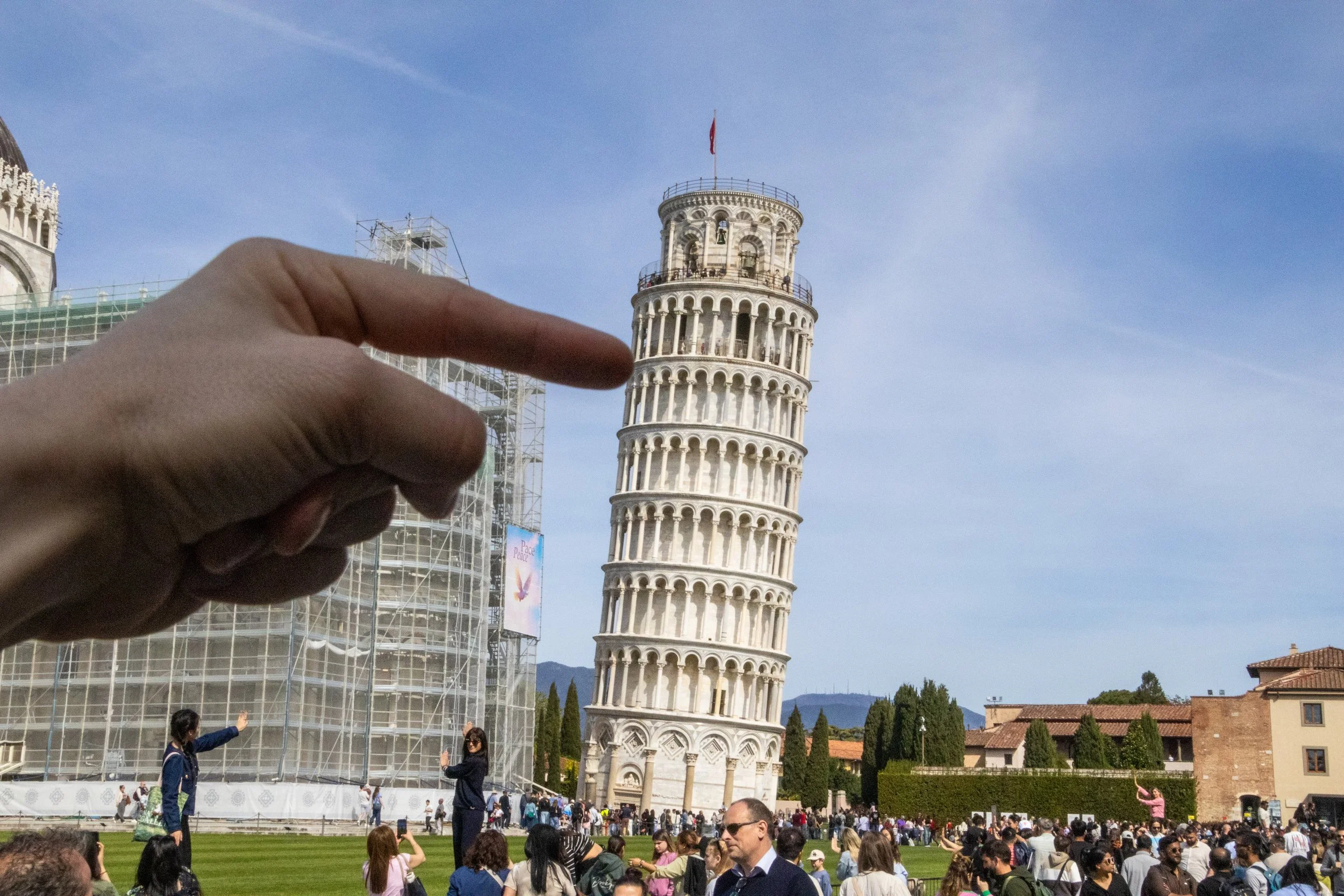
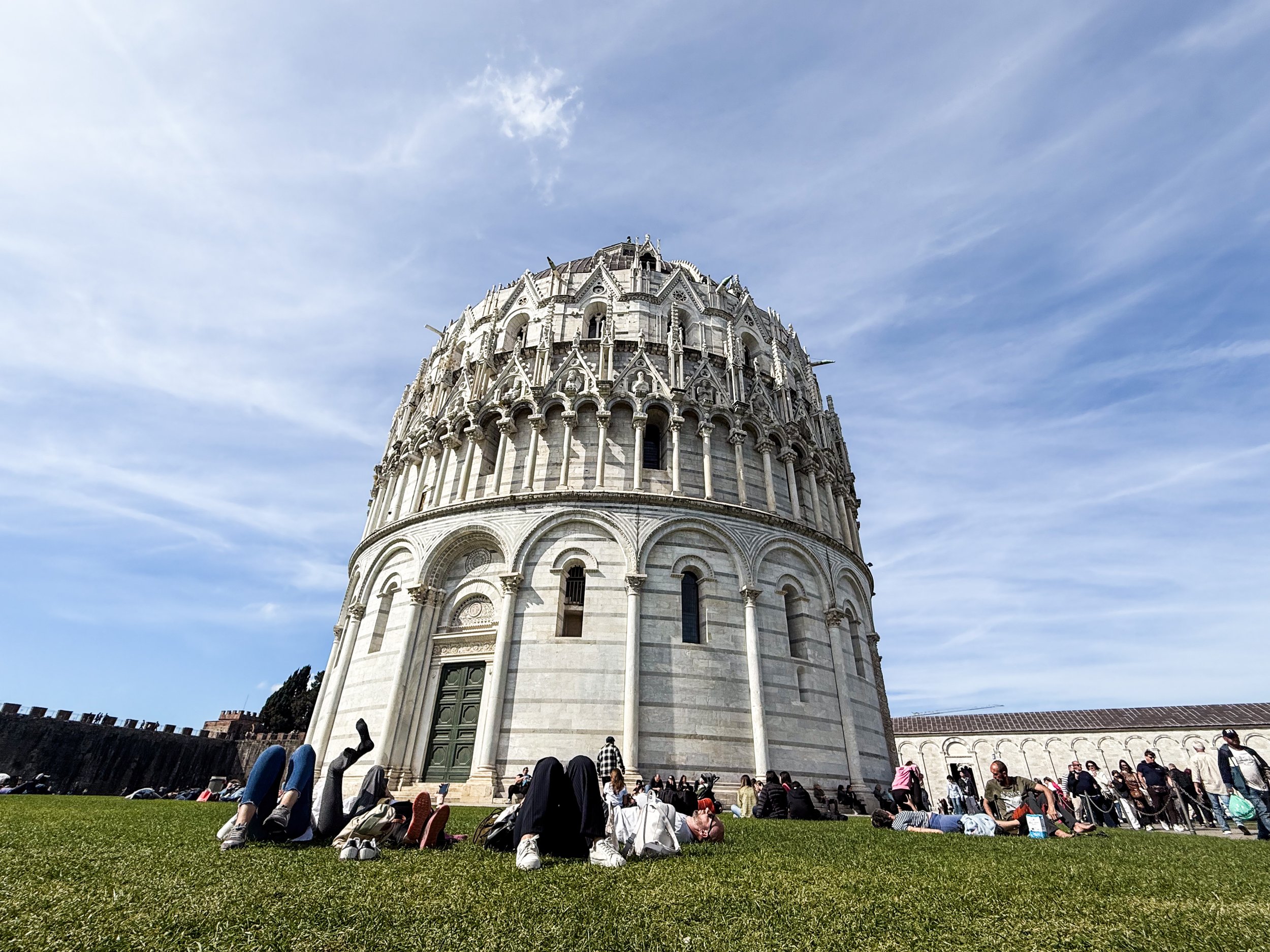
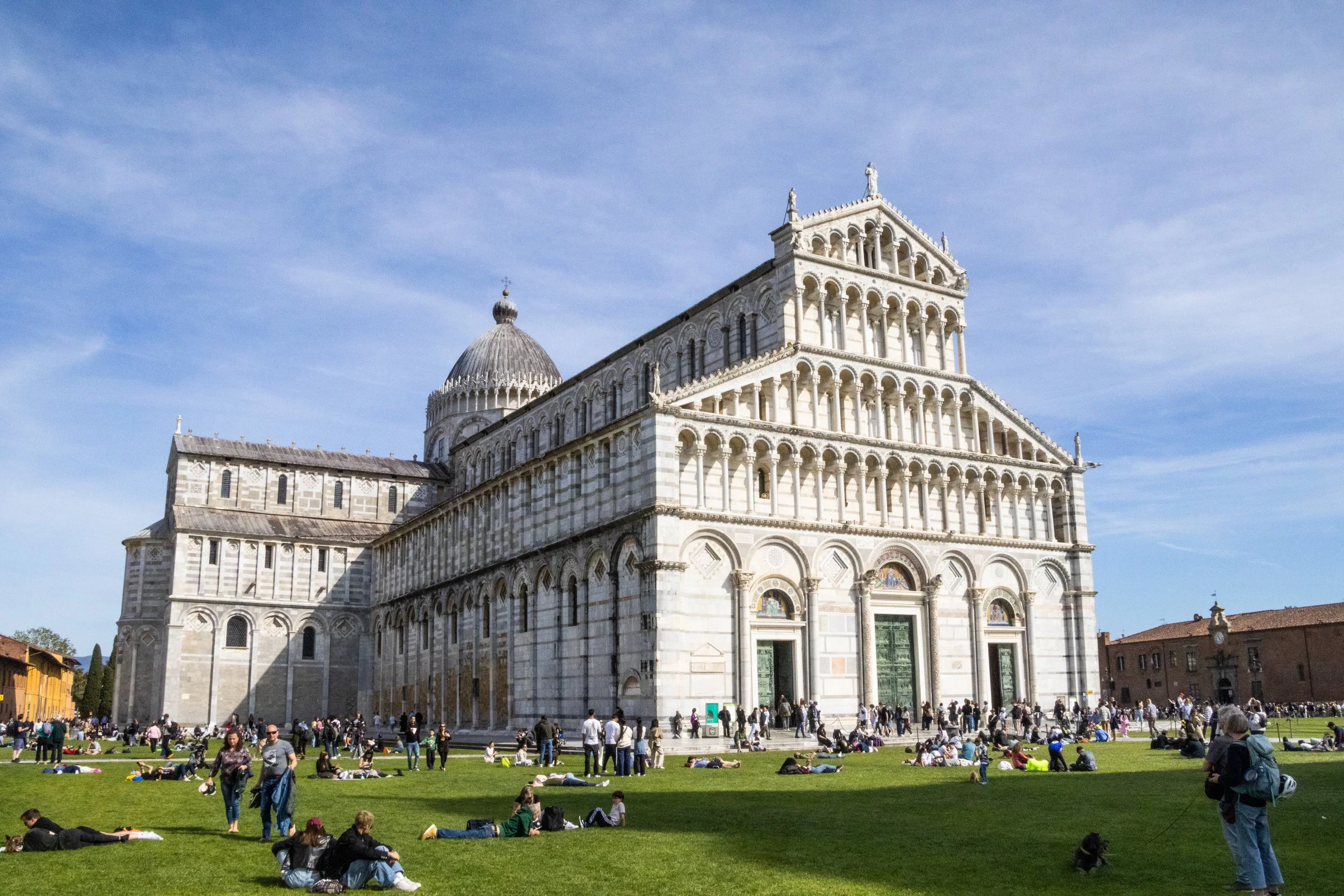
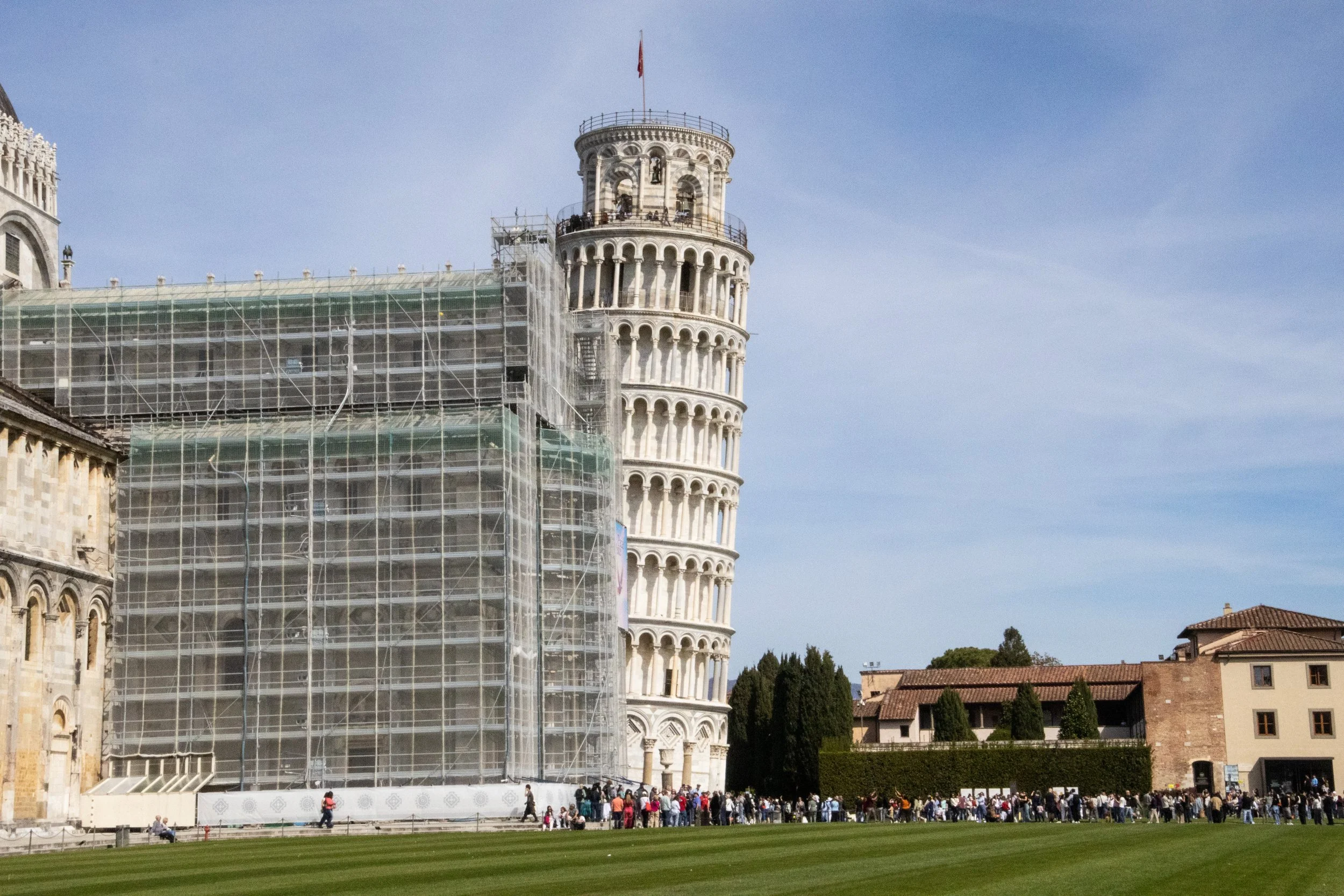
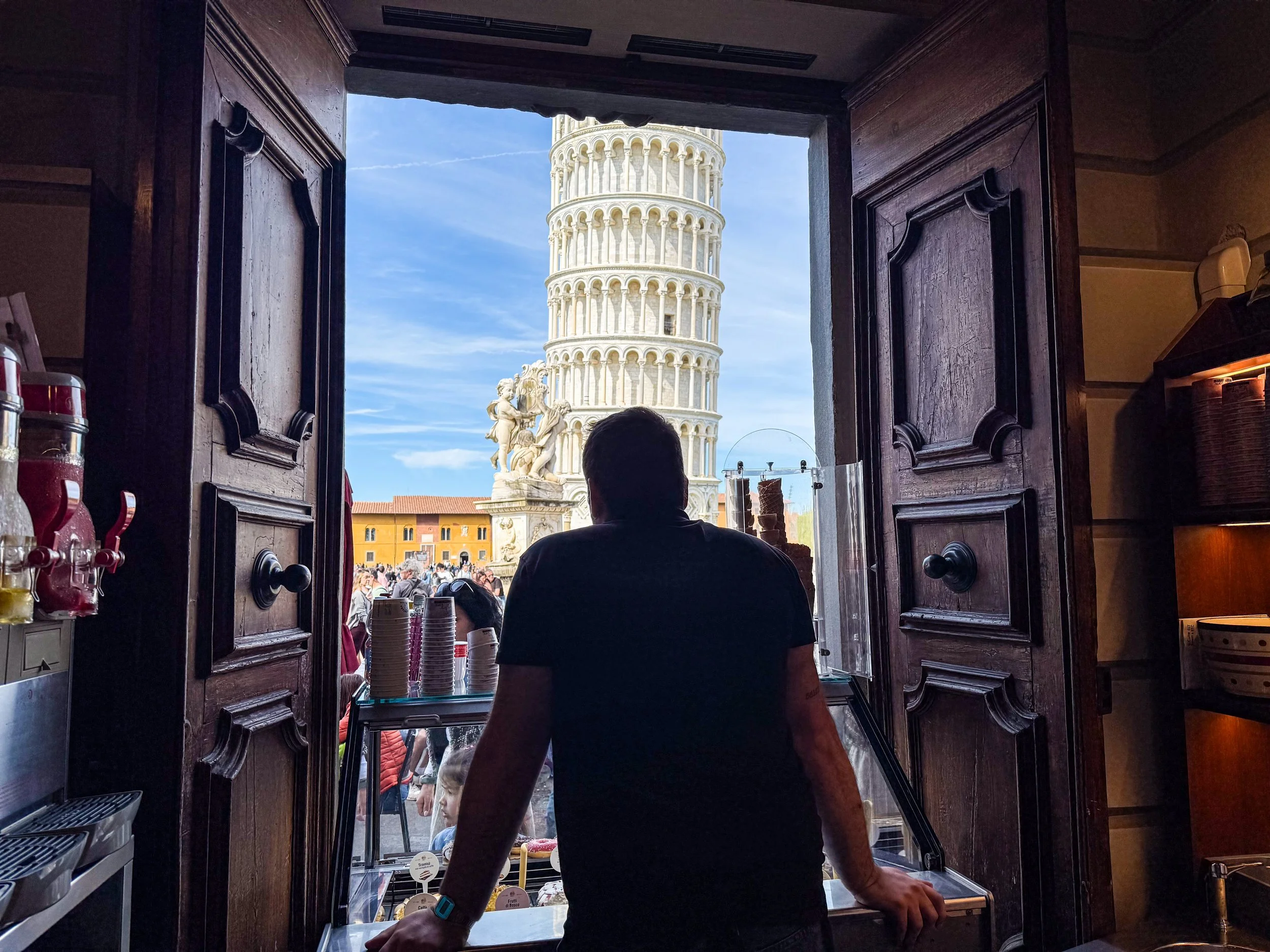
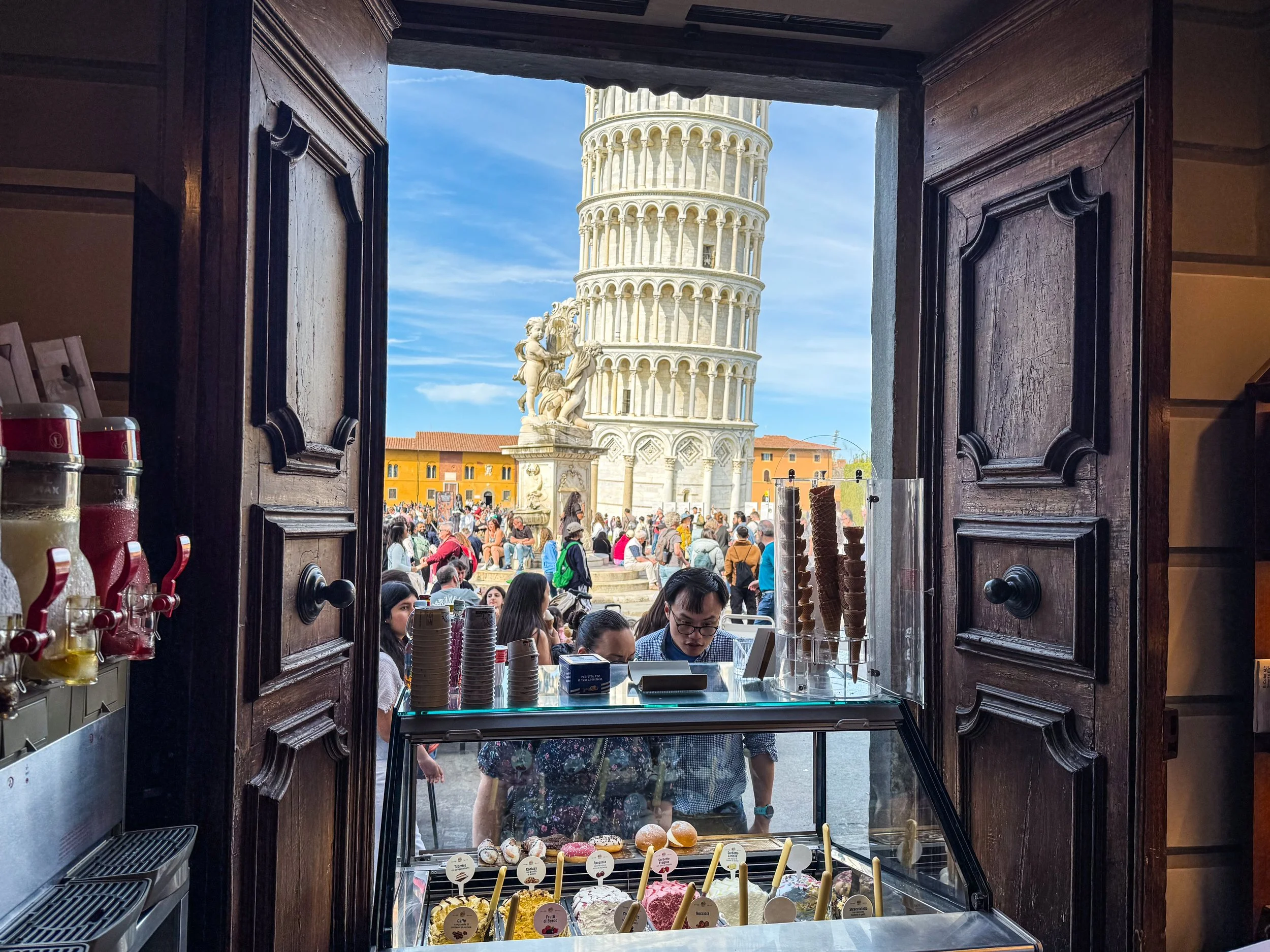
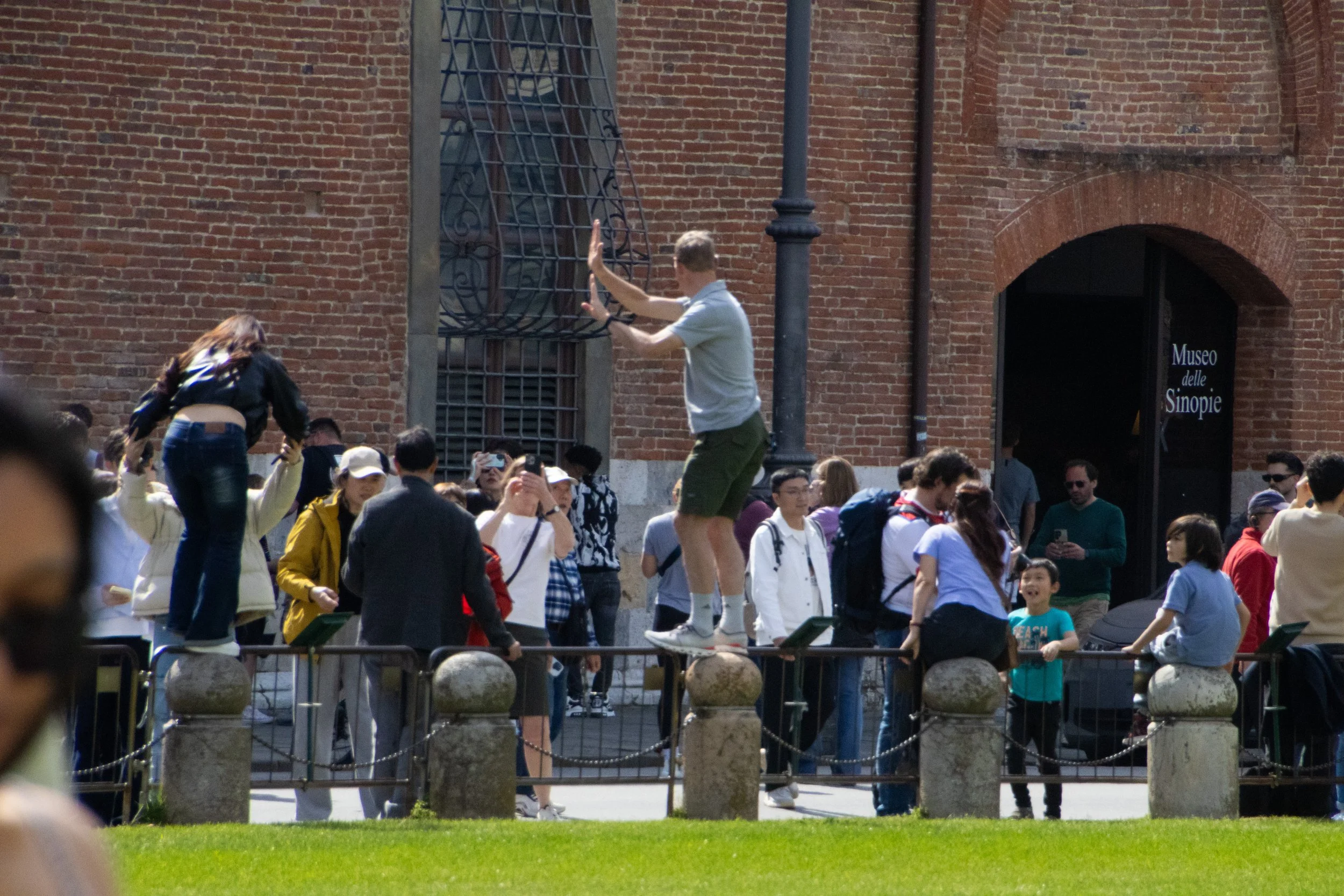
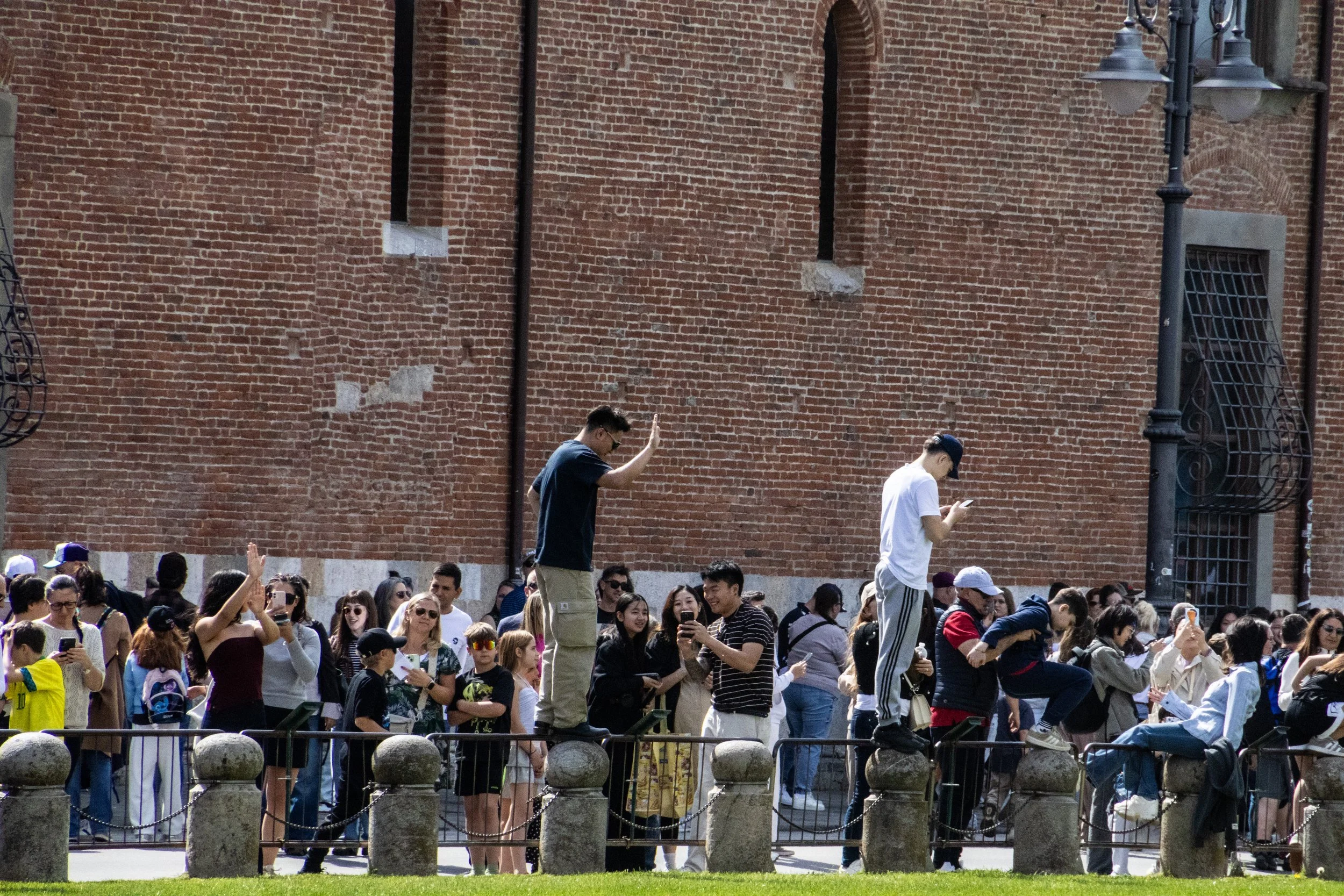
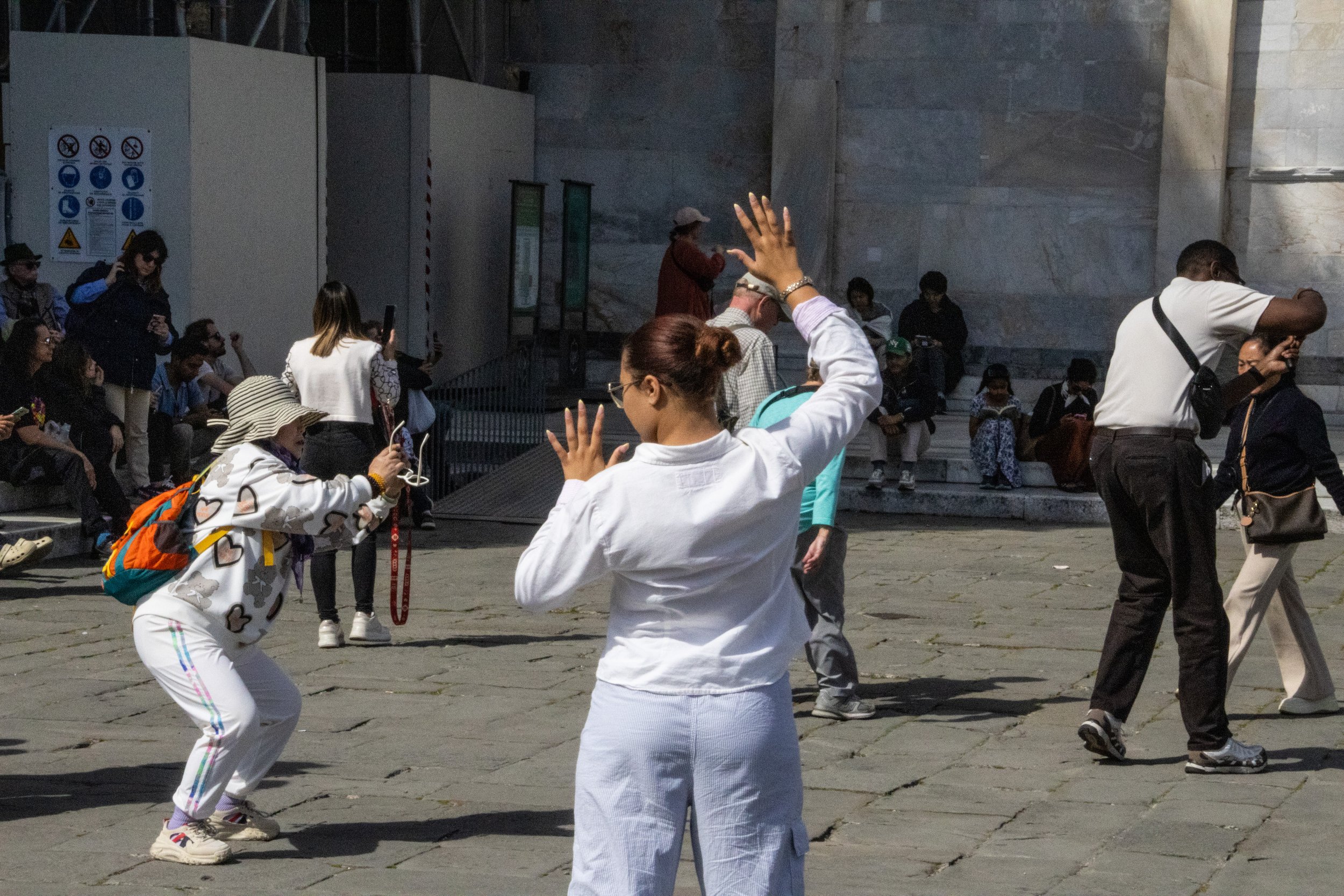
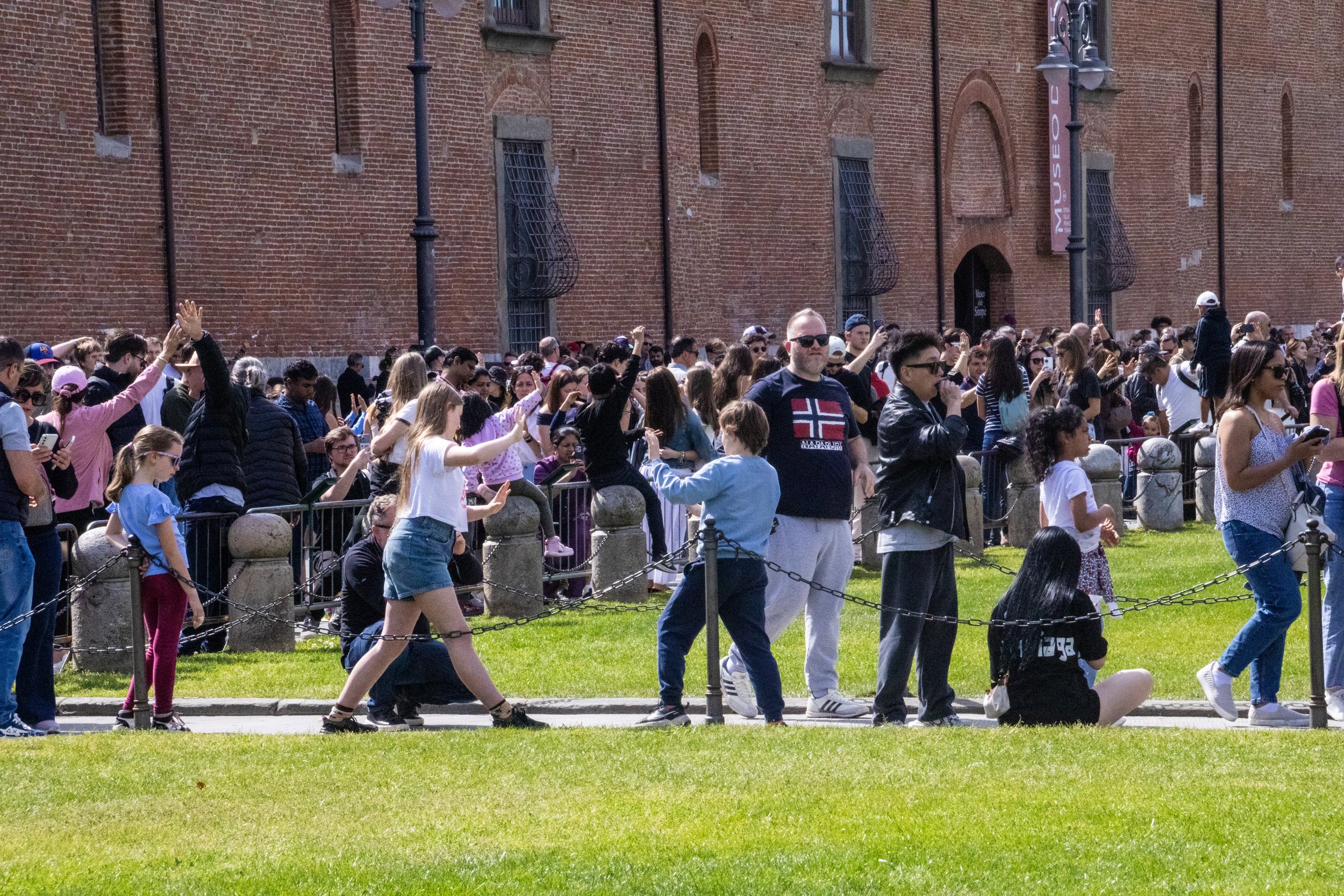
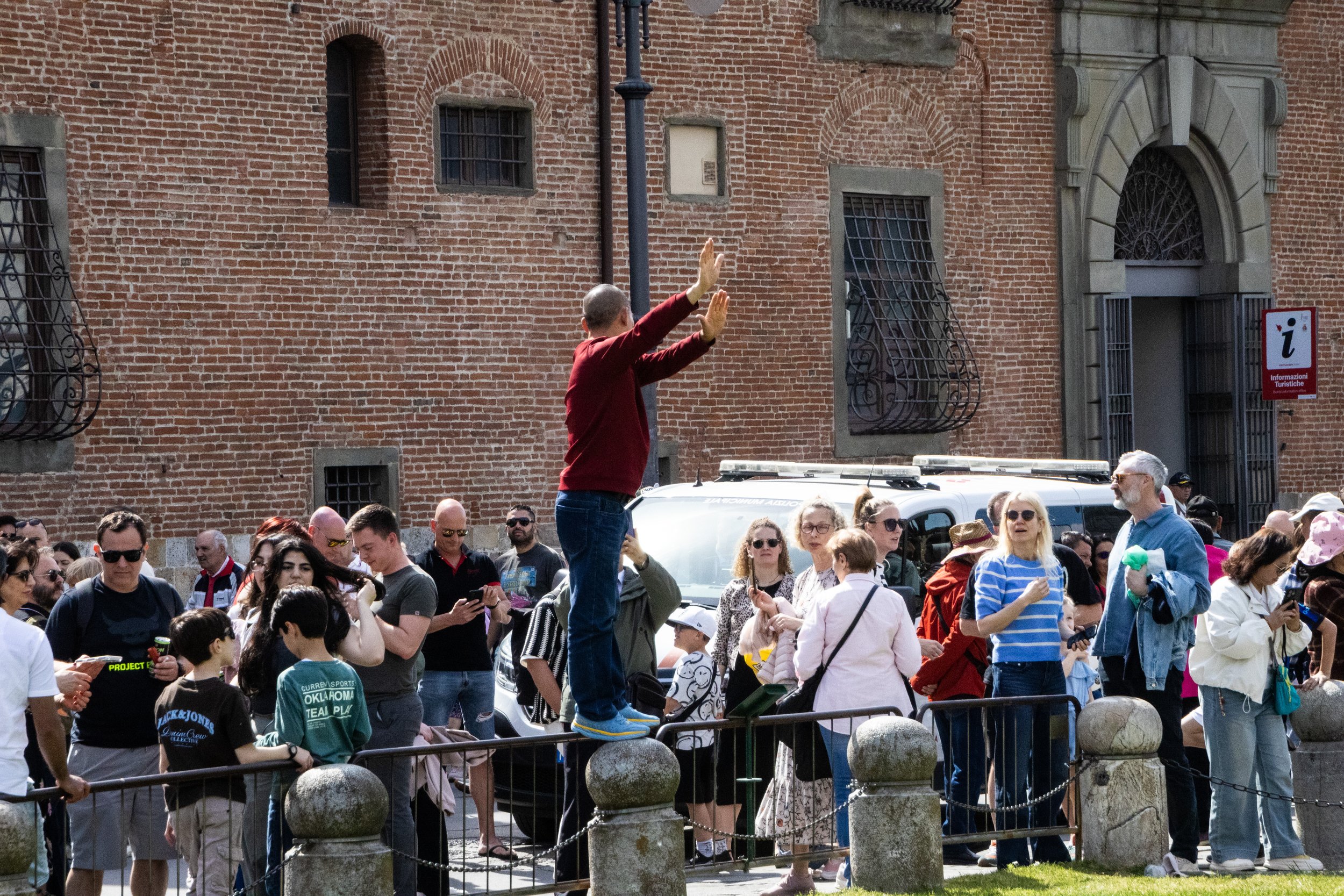
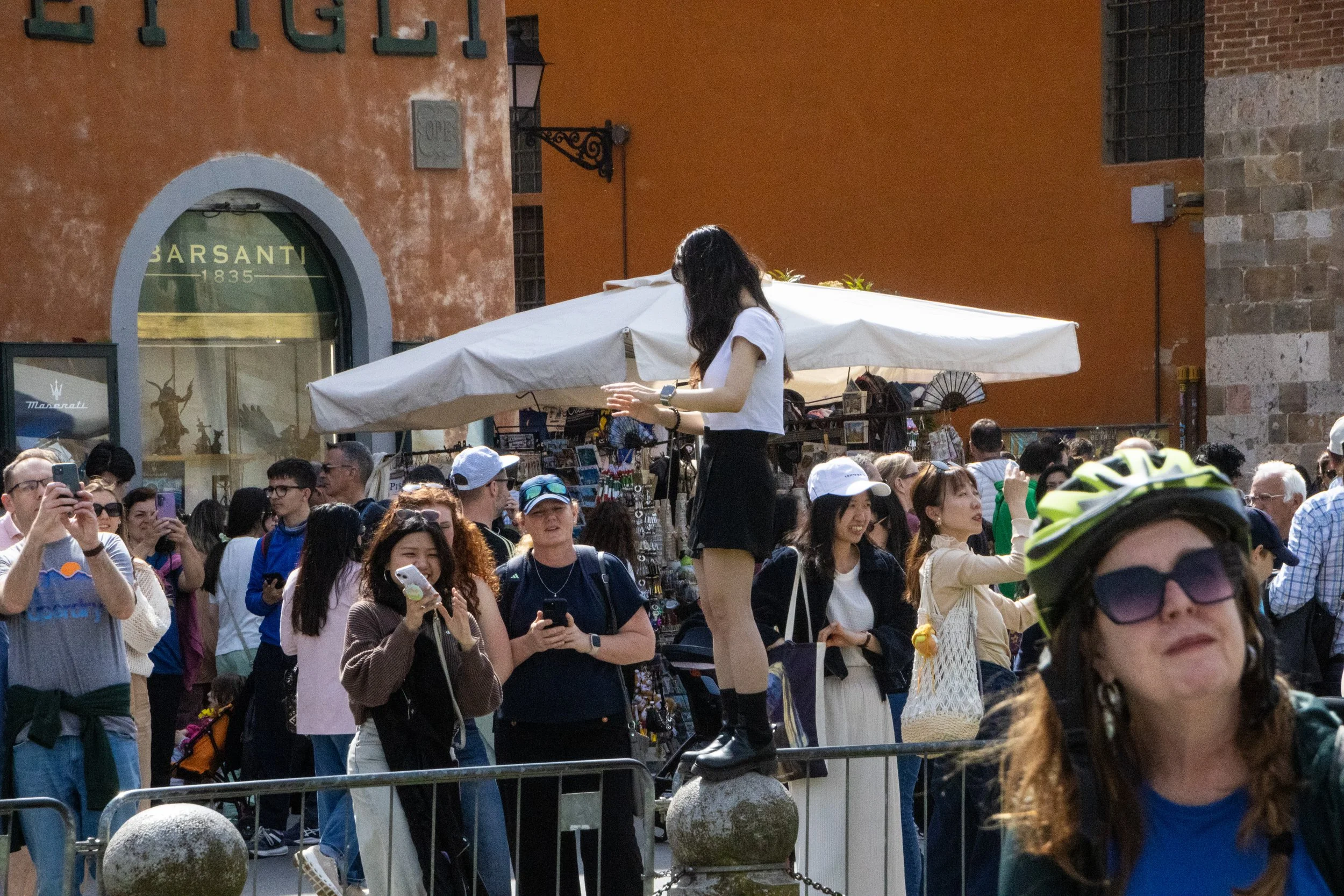
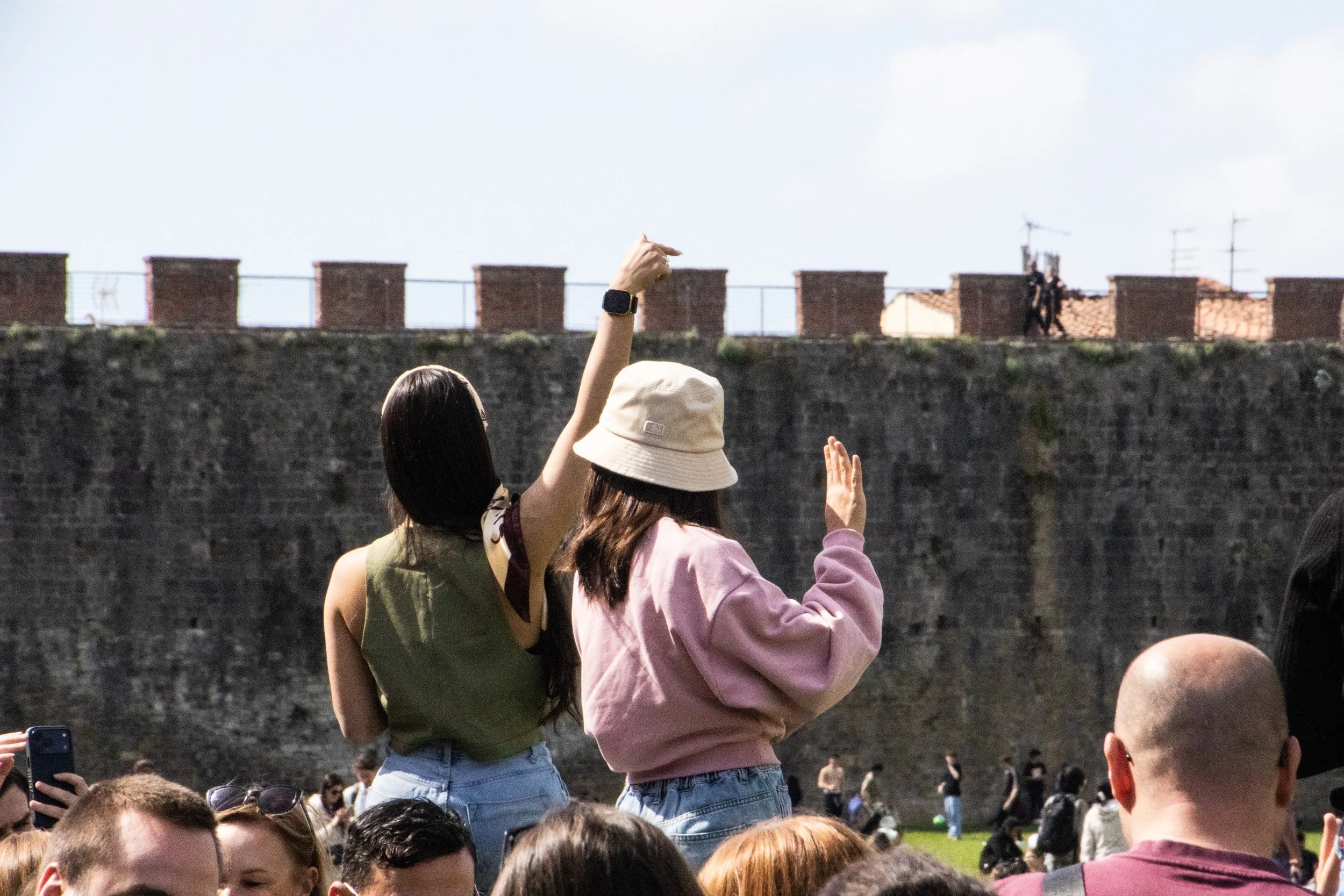
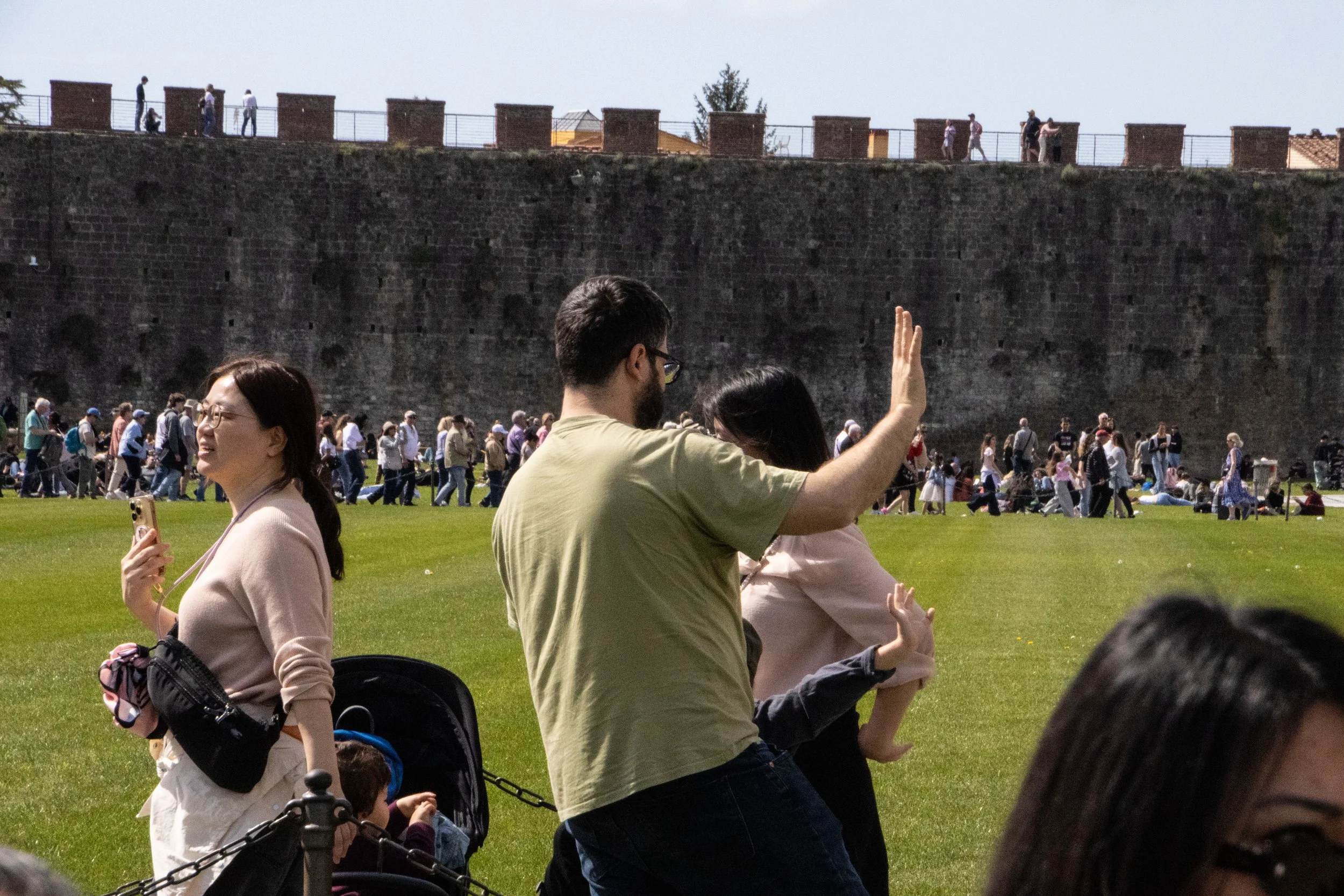
Actually, there are all sorts of creative pictures that can be taken where forced perspective creates fun interactions between people in the foreground and the tower in the background. The most common one is people leaning on or pushing the tower, but there’s a lot of innovation in this space. I encourage you to Google this. 😂
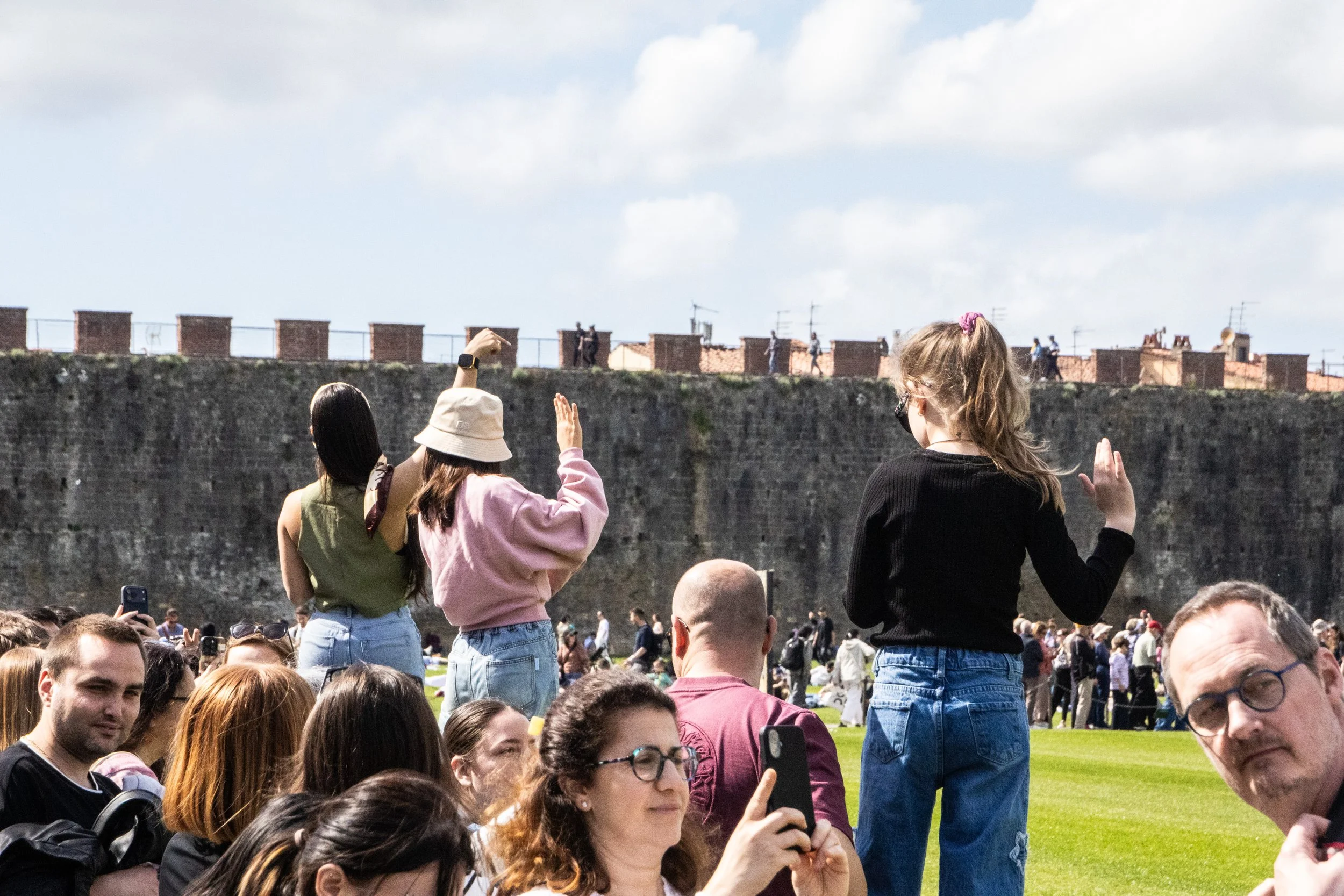
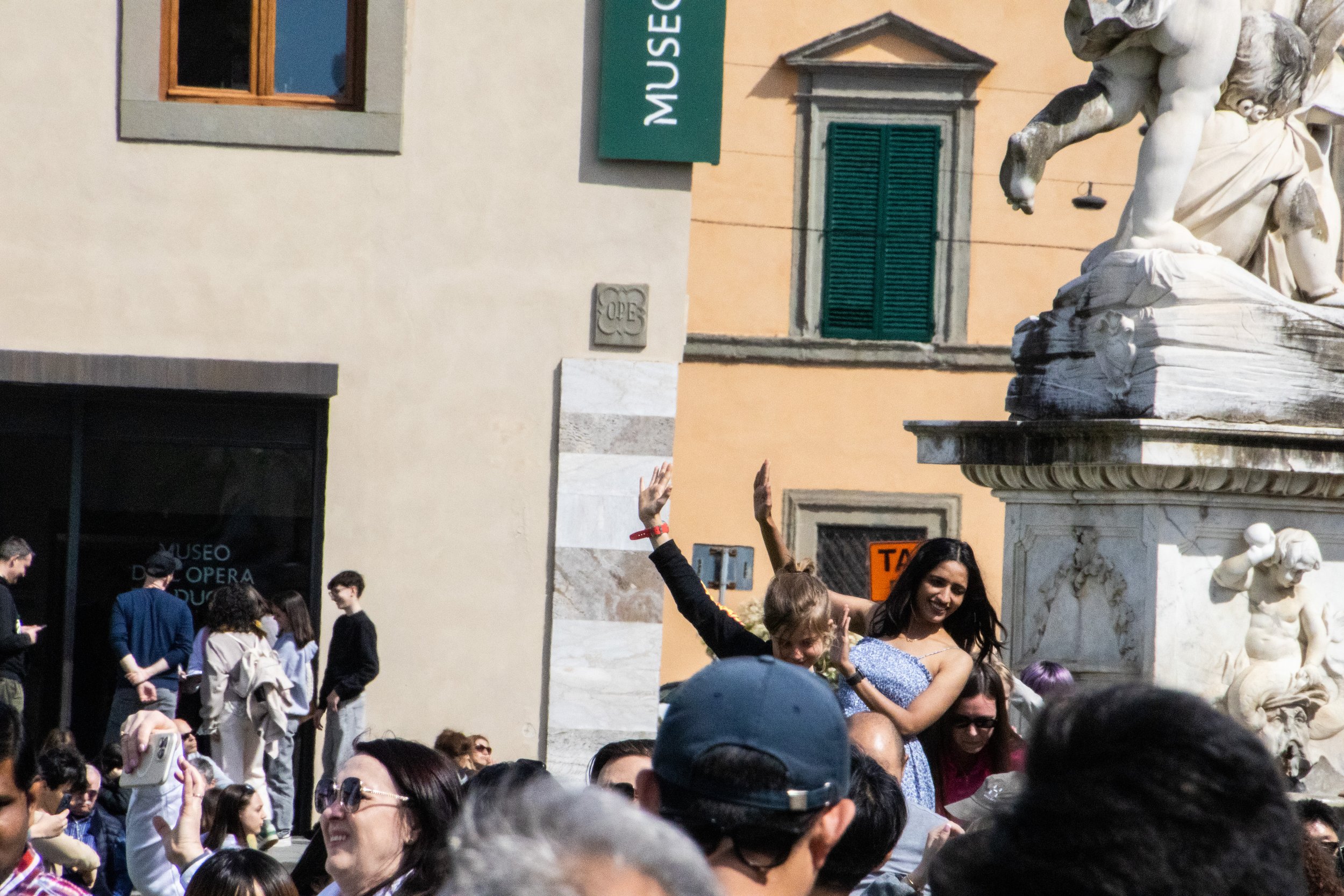
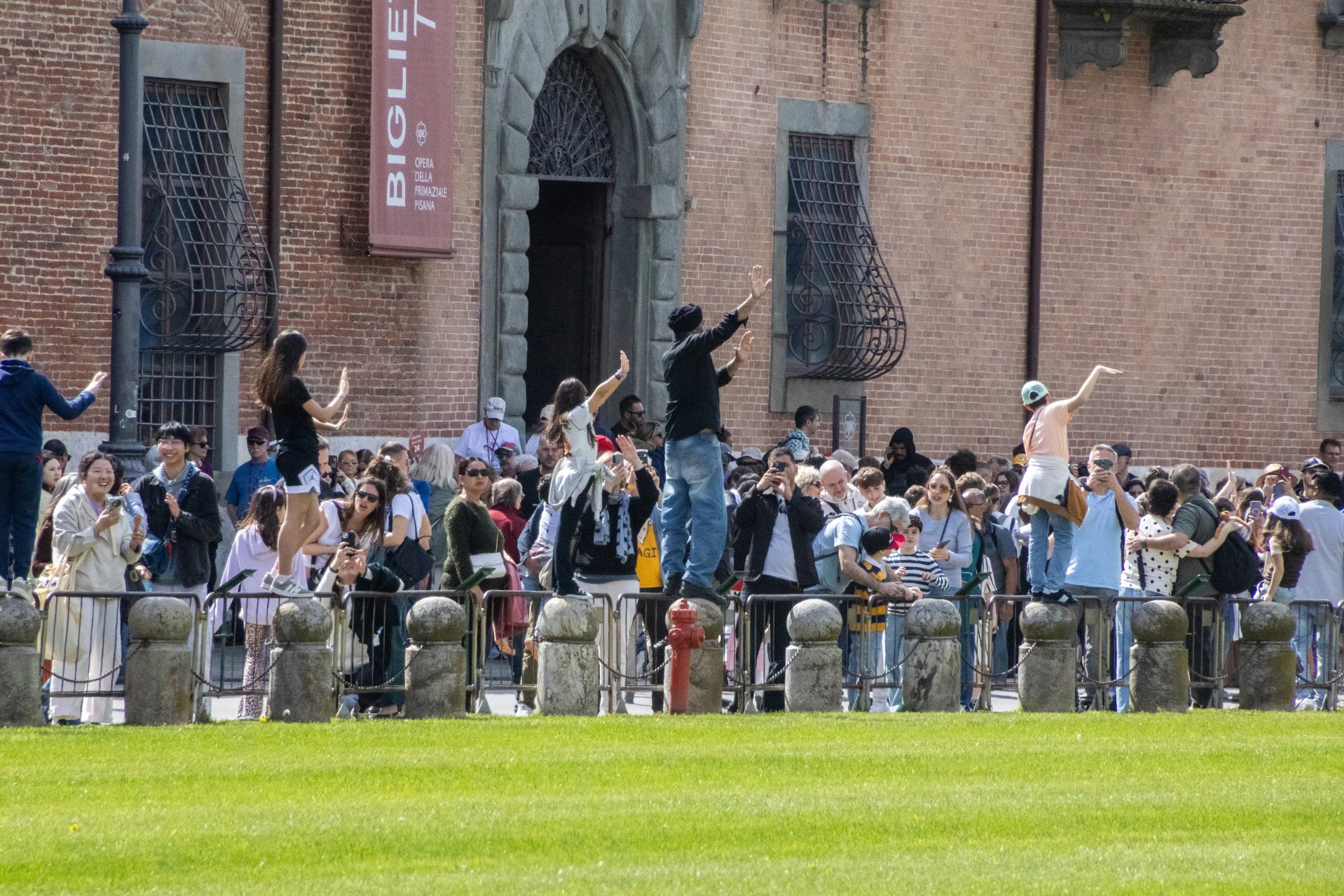
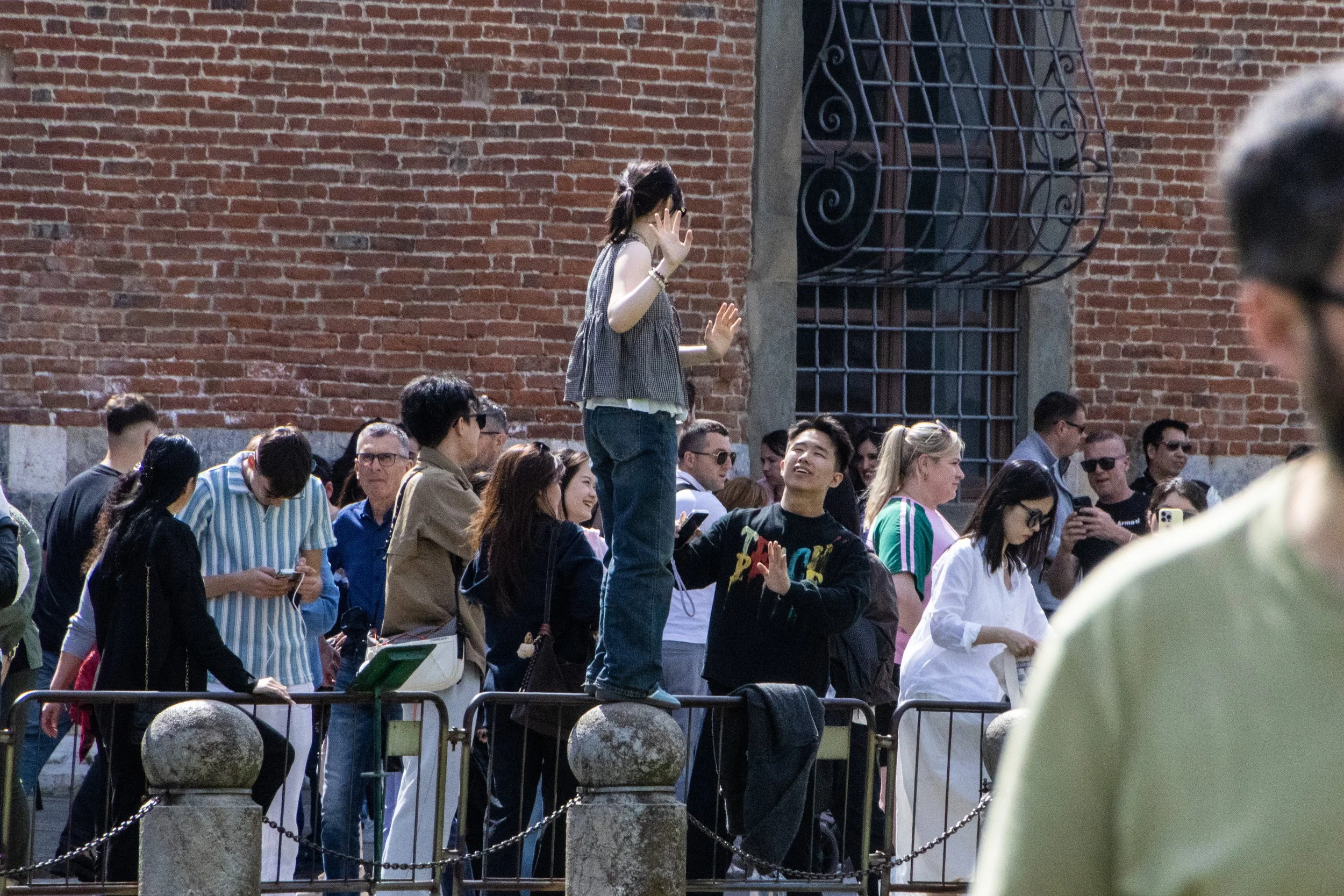
I took a few of these photos myself, but I quickly became more amused by photos where the tower was cut out and all that could be seen in my view finder were all the people holding these silly poses for minutes at a time while their friends and partners directed them and tried to get the angle right. It was hilarious because everybody had come from different corners of the globe to get the exact same picture. Chinese, American, Saudi, Nigerian, British, Aussie, Brazilian; it was as if they’d call gathered here for an international Tai Chi class. Please join me in imagining some traditional Tai Chi music playing over the gallery below. It will make it 100x funnier.
OK! Leaning Tower of Pisa: check ✔
… is there anything else in Pisa?
I suspect that 80% of visitors ask themselves this same question the instant they are satisfied with their new Instagram post.
I will tell you that Pisa seemed, at first glance, to be a bit rougher than I’d expected when we first walked out of the train station, Pisa Centrale. But I suppose that’s to be expected; the areas immediately surrounding train stations are not always the best. However, after a 10-minute walk northward toward the river, Pisa became quite enchanting! The layout of the city is very similar to Florence. It’s actually the same river that flows through the middle of Pisa as Florence: the River Arno. And, just like Florence, the historic city center is skewed more toward the north bank of the river.
For all their similarities, Pisa and Florence were once bitter rivals, until Florence conquered and annexed Pisa in 1406. At this point, the world was a much more fractured place than the one we know today and both of these cities were independent states. Prior to coming under the control of Florence, Pisa was—for a time—one of the region’s great naval powers, on par with the powerful the likes of Venice and Genoa. It was during this time that the leaning tower was built, but compounding changes of fortune over the centuries saw Pisa’s role in the region diminish. Florence too would eventually fade from prominence as both cities came under the influence of larger powers, eventually becoming part of the unified Italian state. The rivalry between Pisa and Florence is a friendly one today, as both cities—once autonomous military powers—have long since been de-clawed. Today, they are just quiet little slices of la dolce vita here in Tuscany.
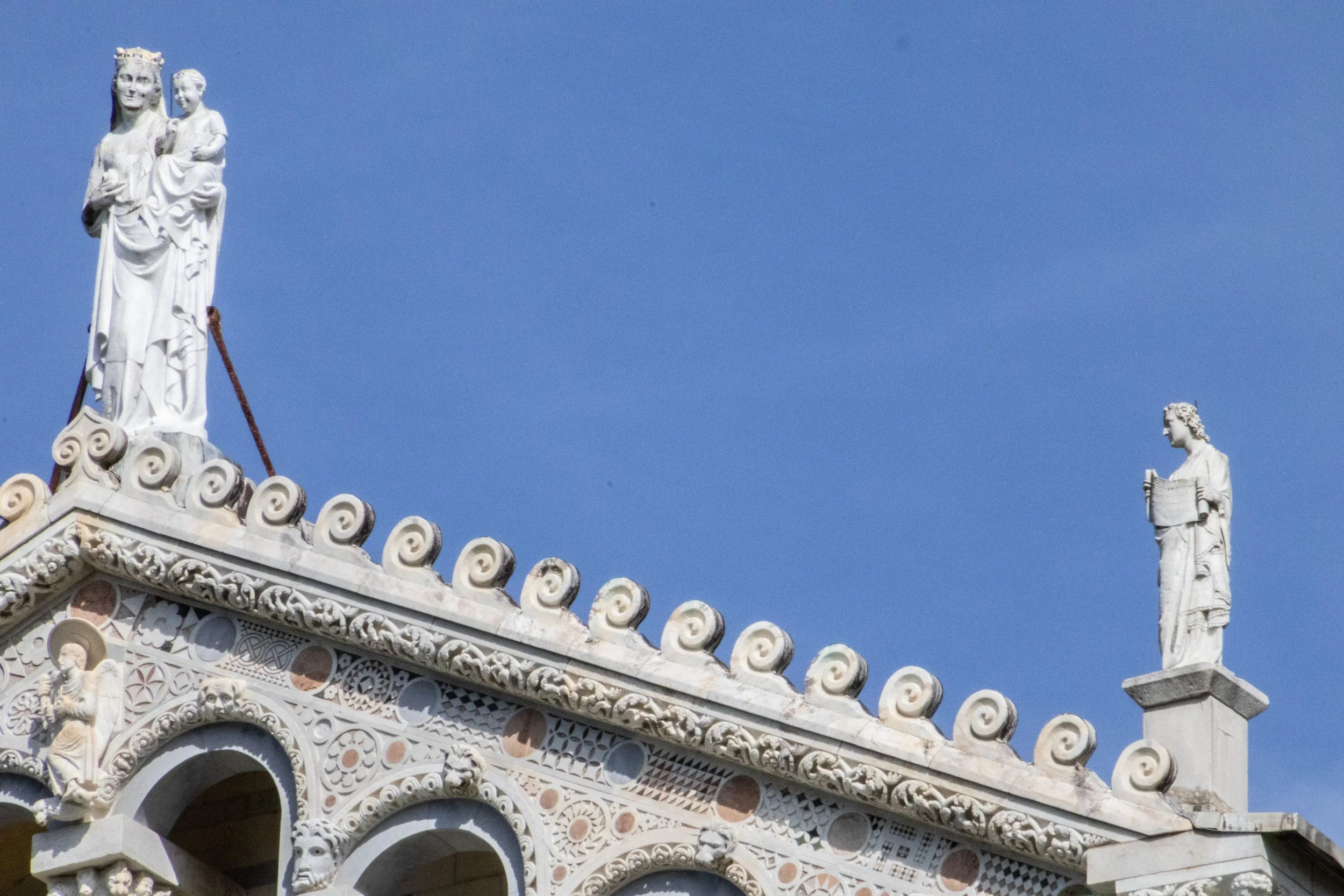
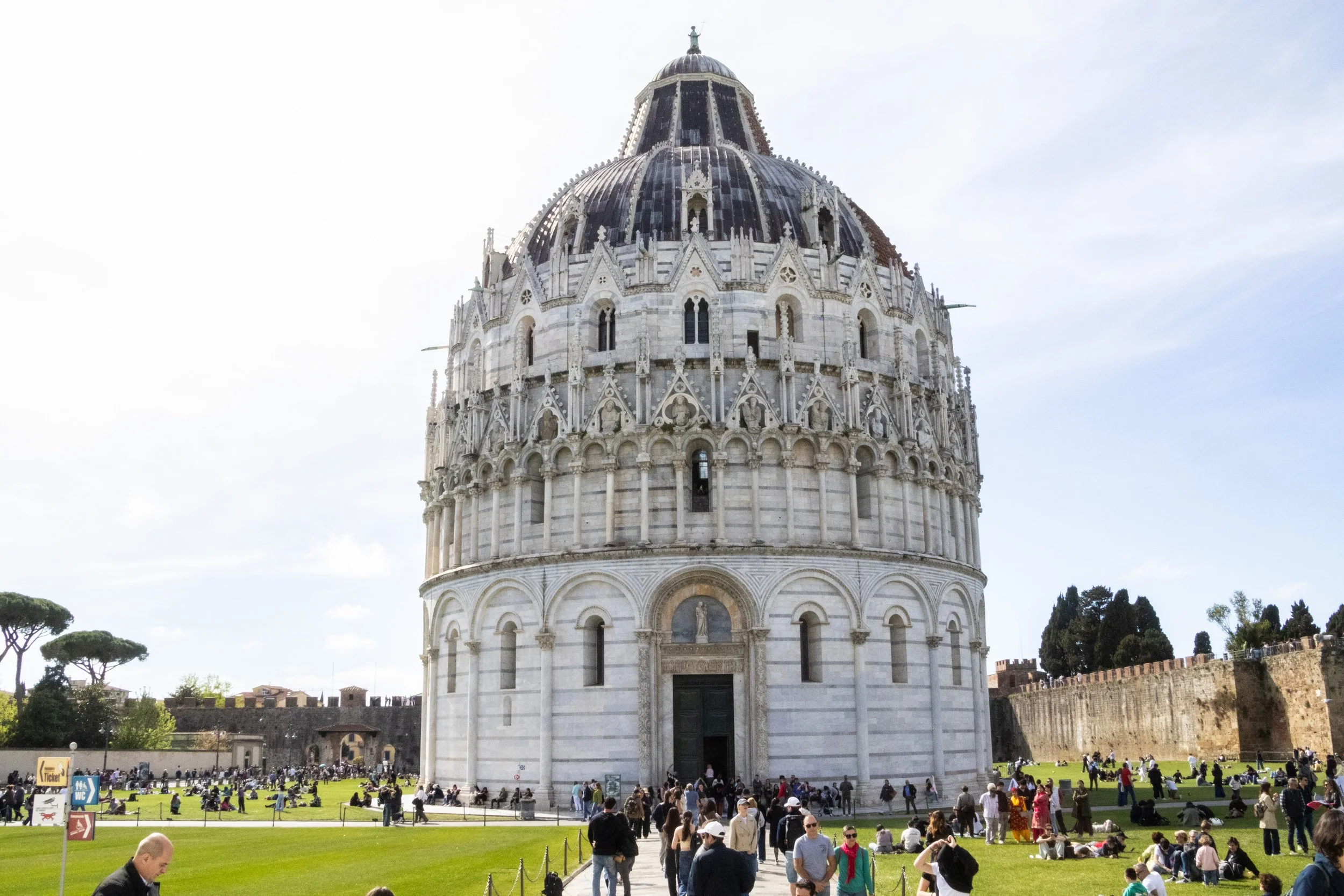
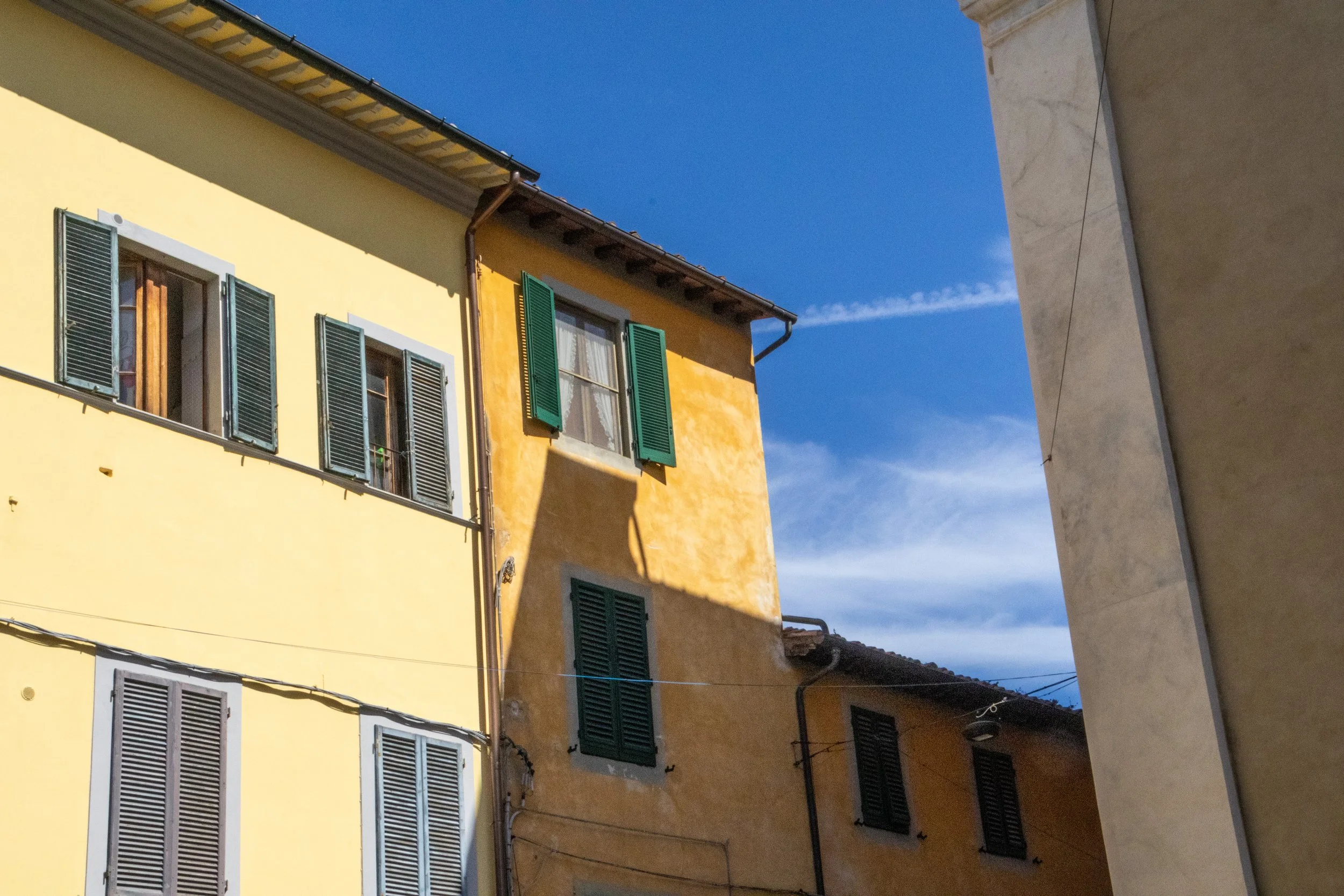
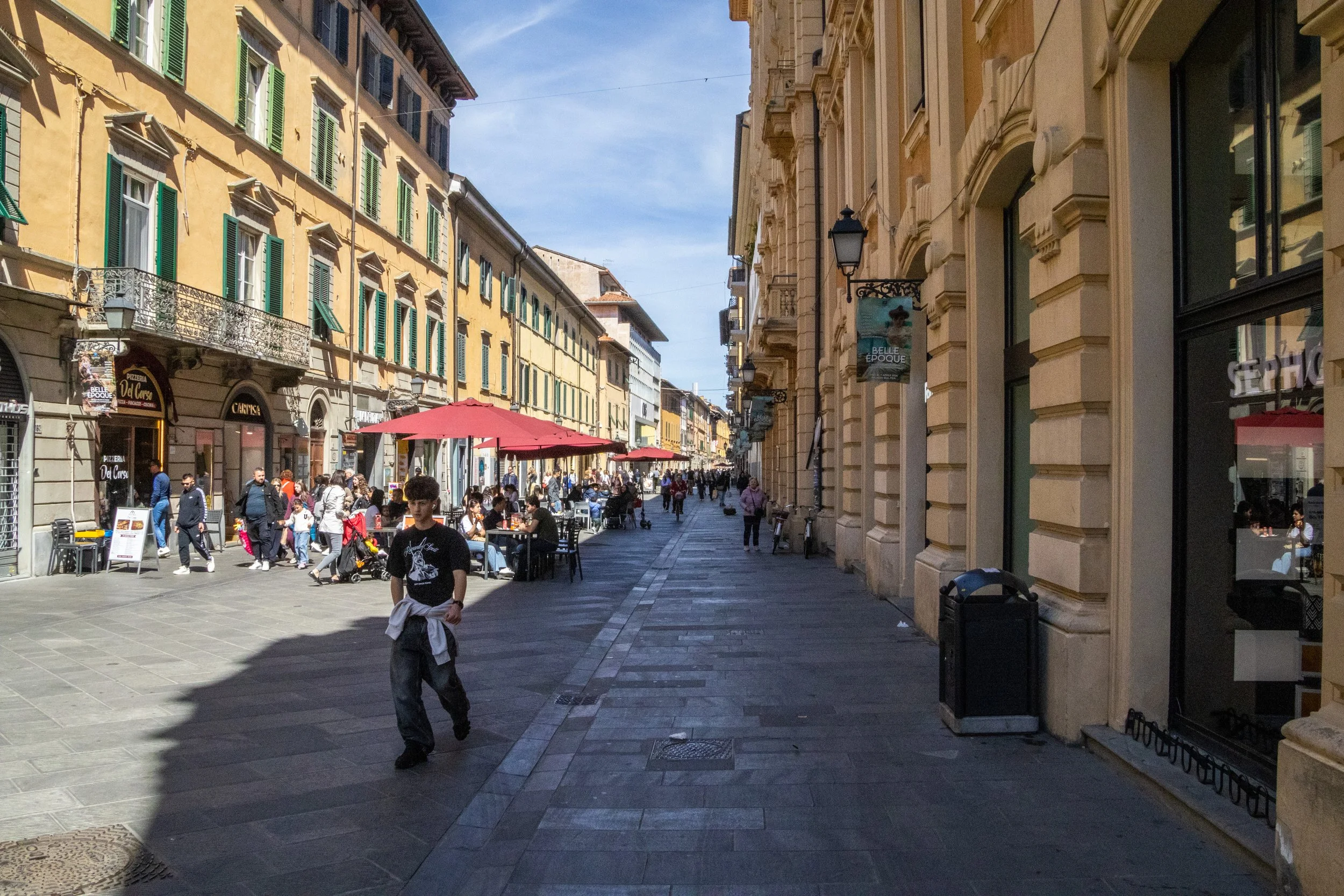
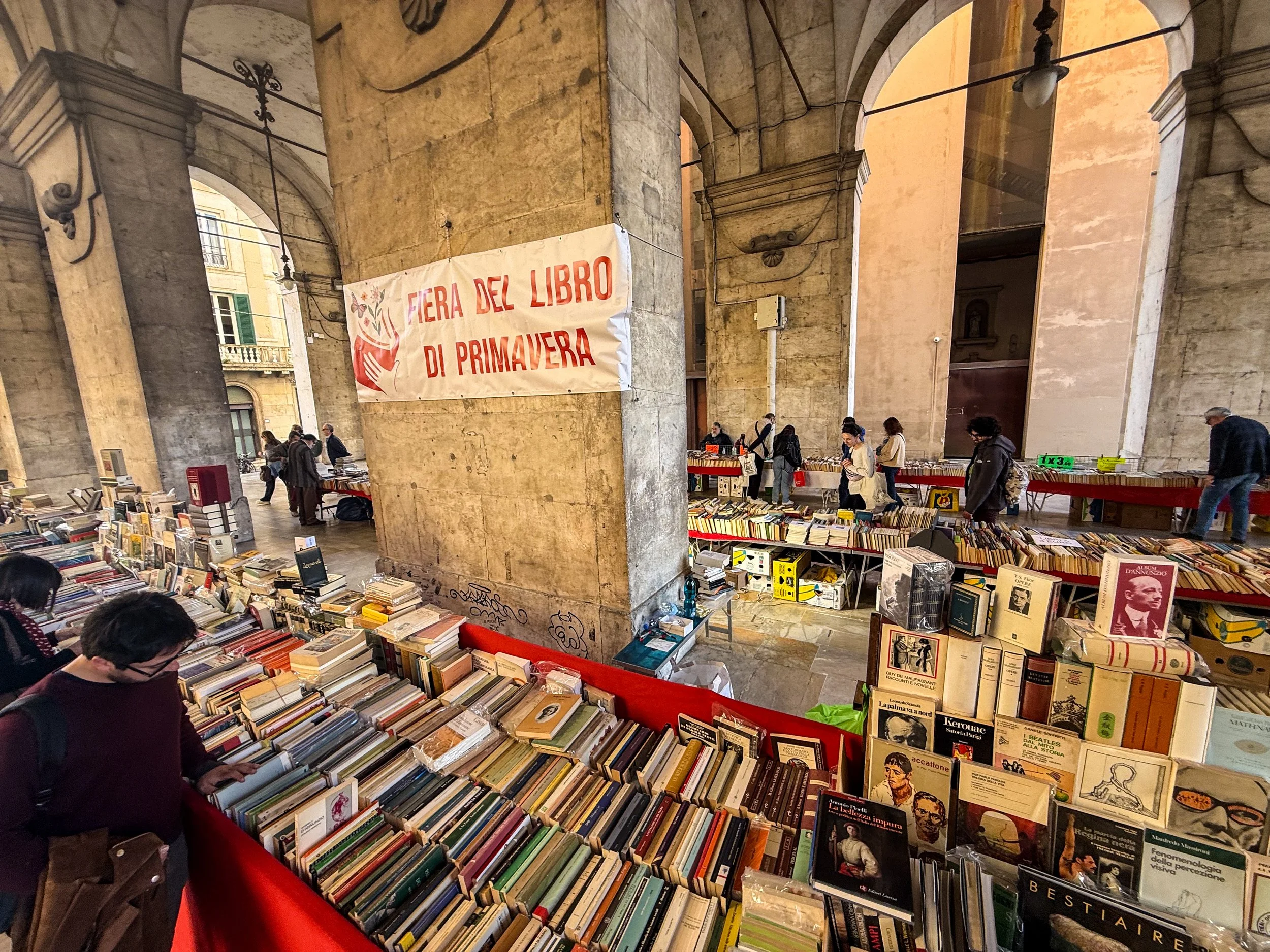
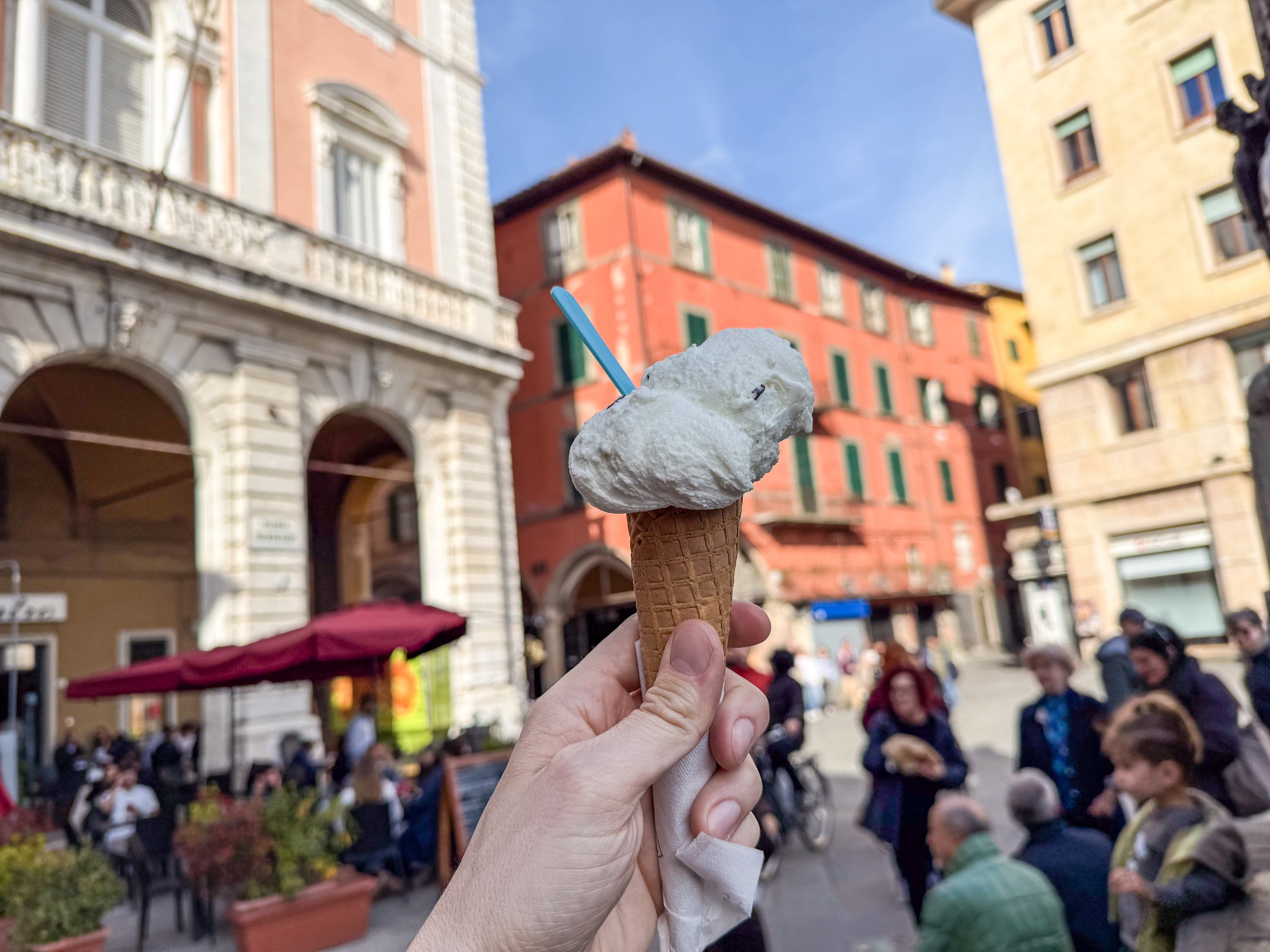
Pisa is quite small; its population is only about 90,000 people. However, the city center is just as dense and beautiful as you’d expect from a larger Italian city. The gentle collection of orange and yellow hues that color the buildings are some of the most beautiful I’ve seen Italy, and another data point in how this unlikely color scheme came to feel so ‘classic’. Walking the cobblestone streets with a gelato on one of the first hot days of spring was the unexpected highlight of Pisa. Not the leaning tower, but the city itself. It was unassuming, quiet, and it did not shout for attention. I’d bet that less than half of the visitors who take pictures at the leaning tower will spend much time walking through here… and maybe it’s better that way. I think the stillness and peace of these narrow streets add to their beauty. Here are some pictures from around Pisa:
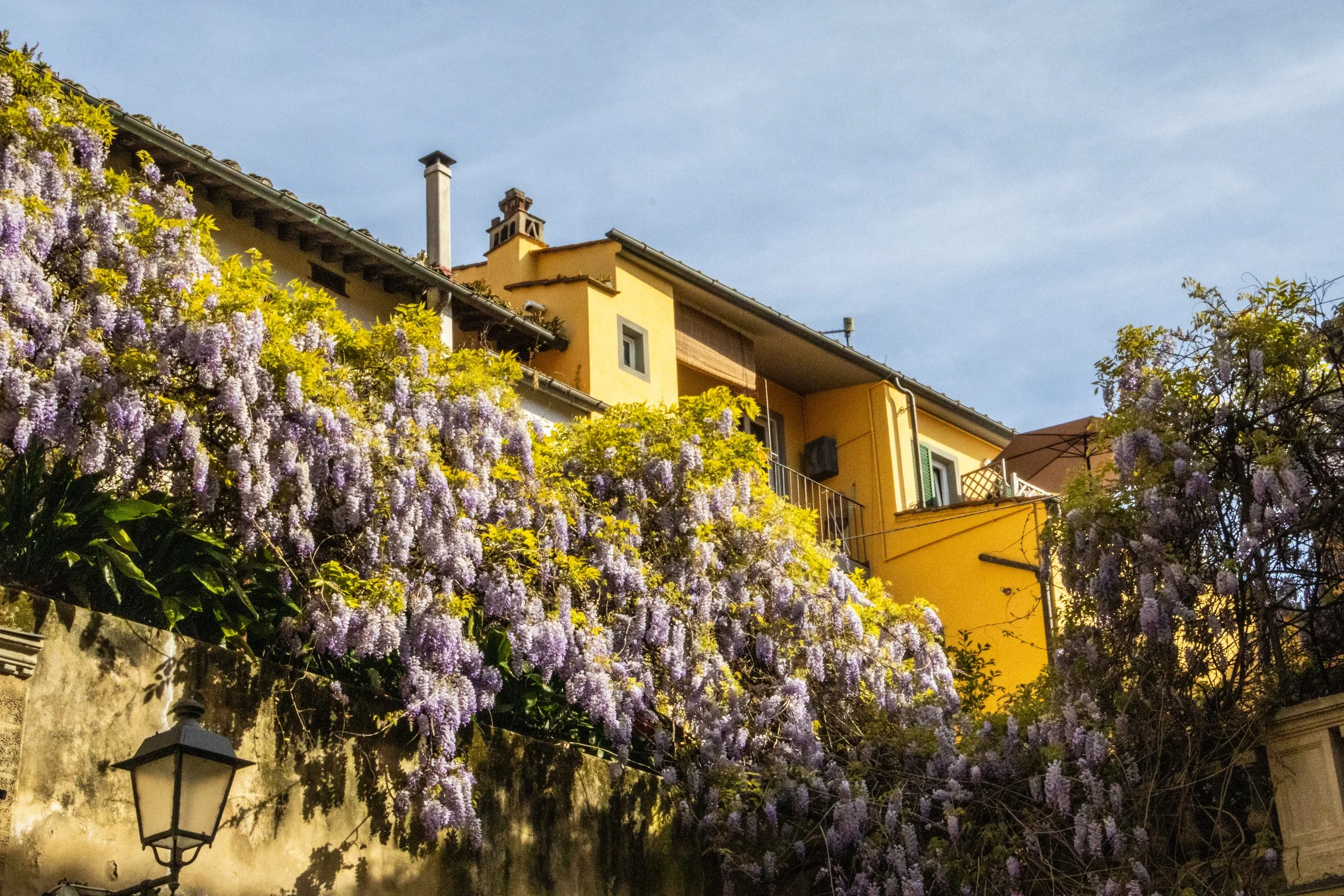
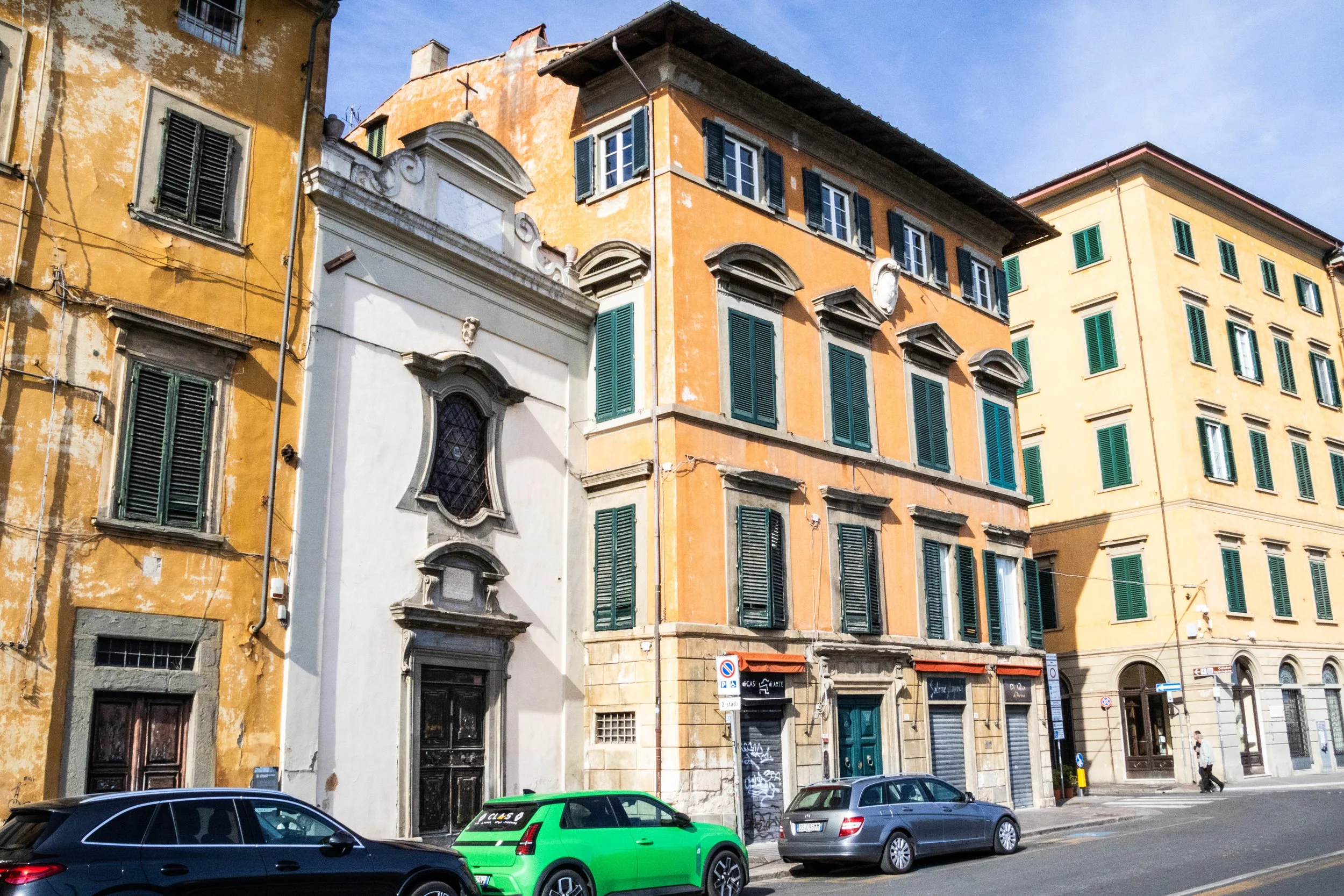
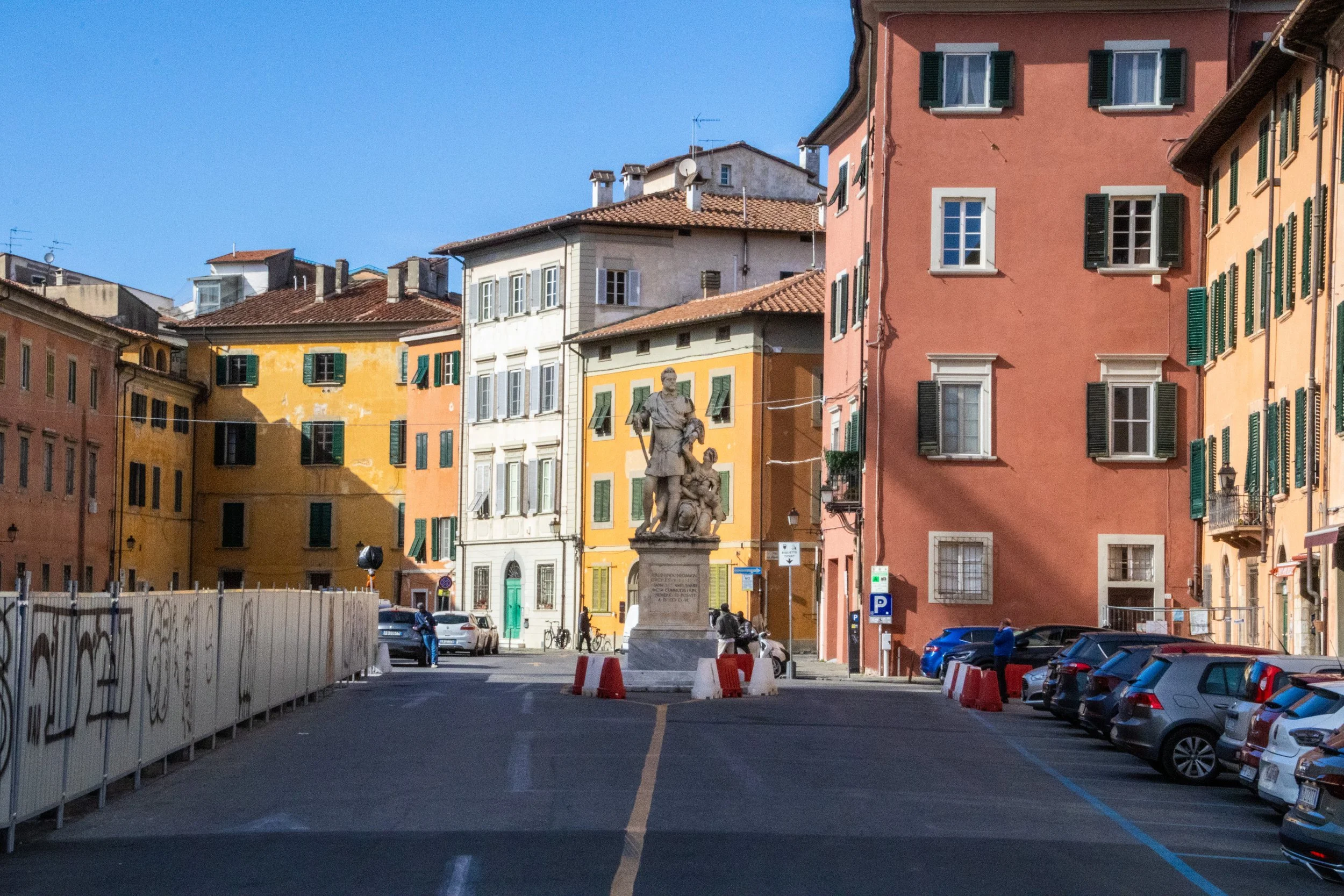
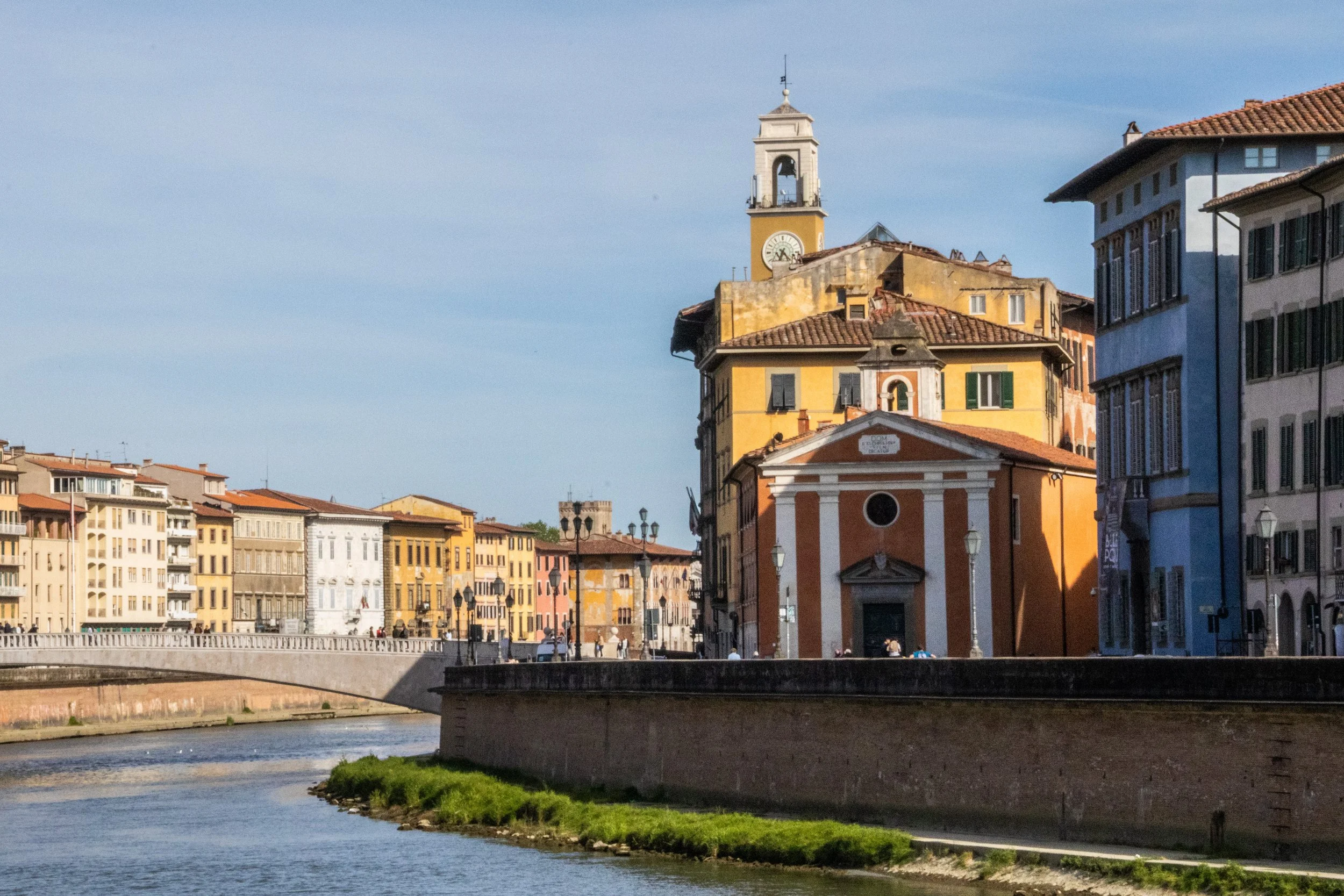
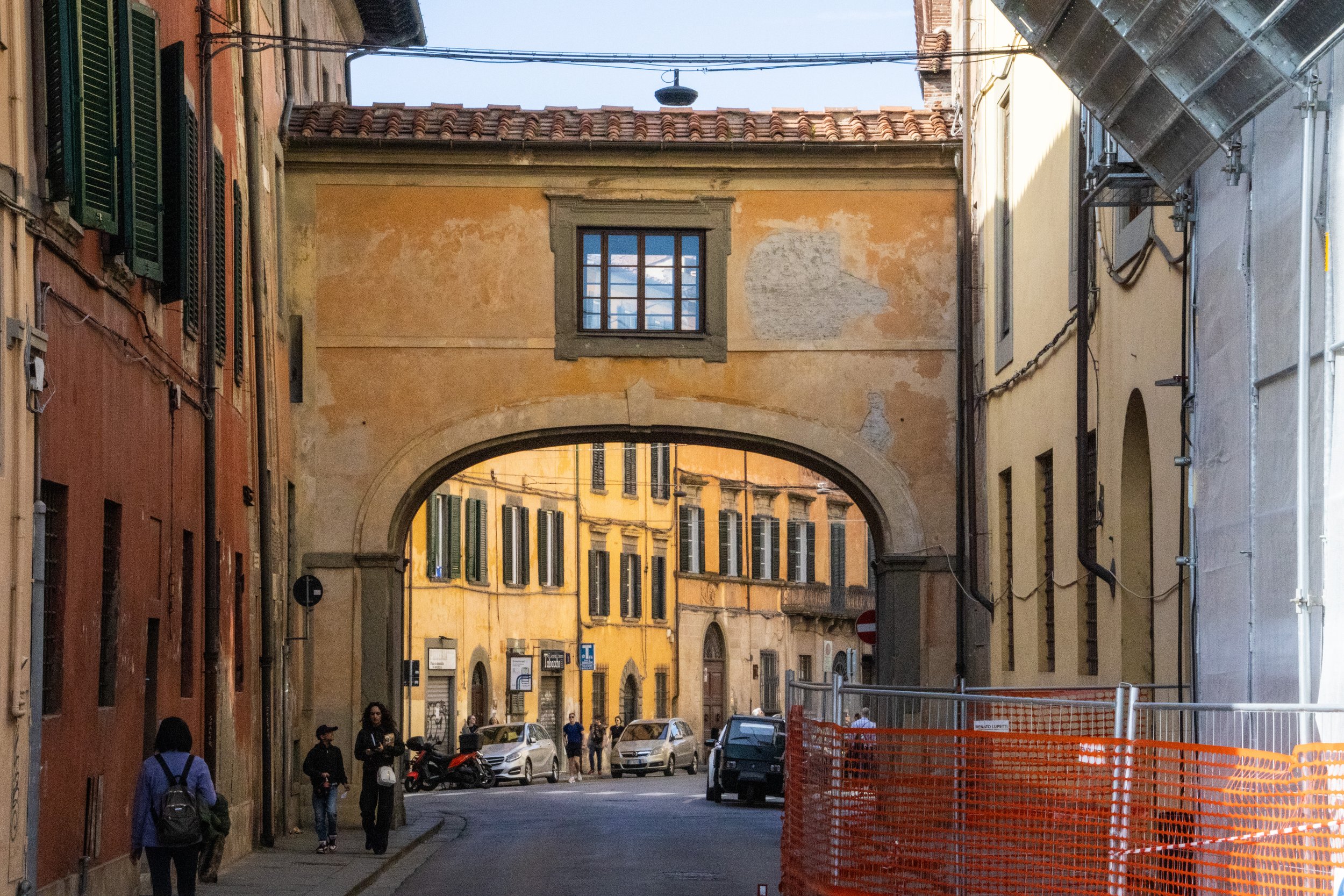
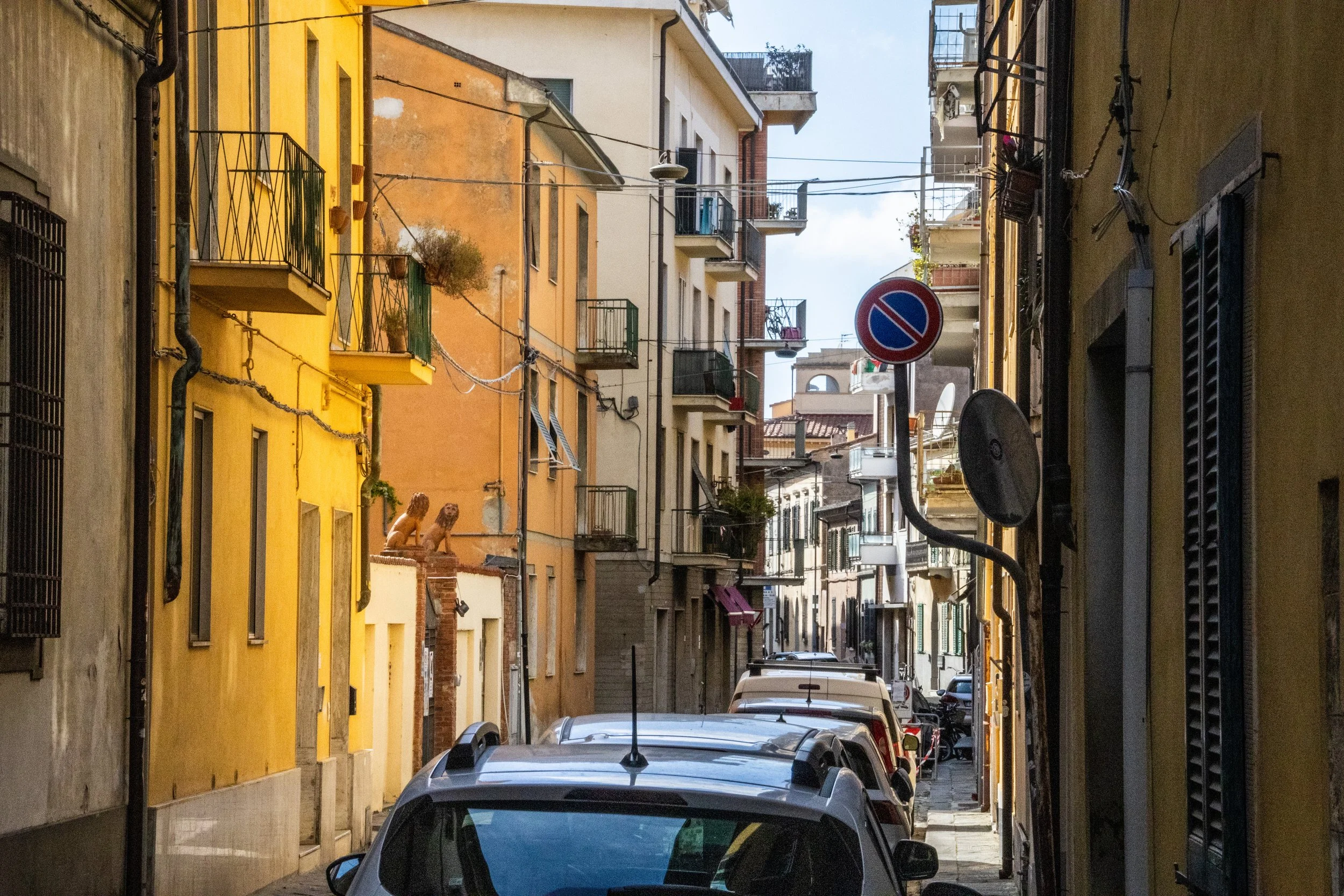
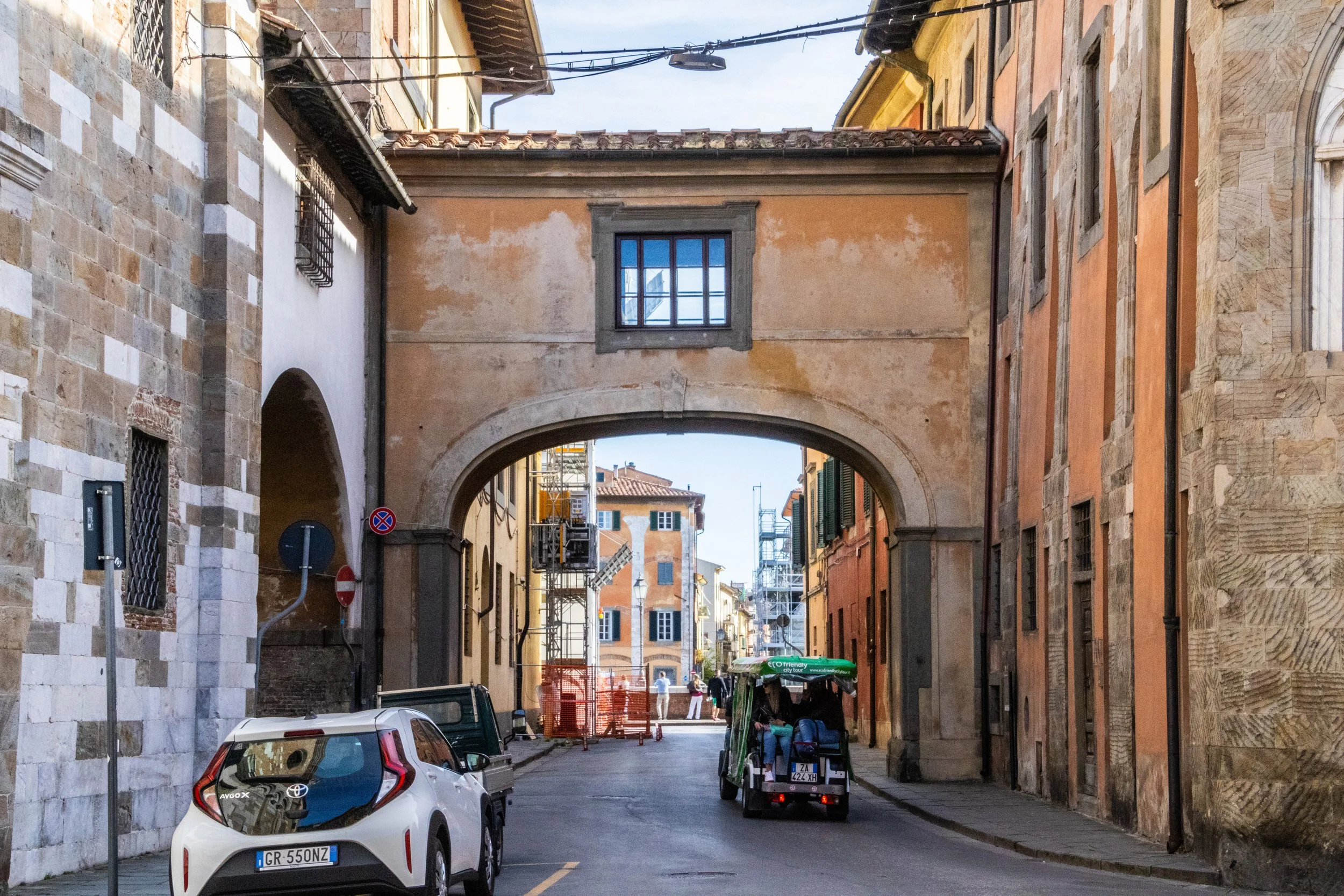
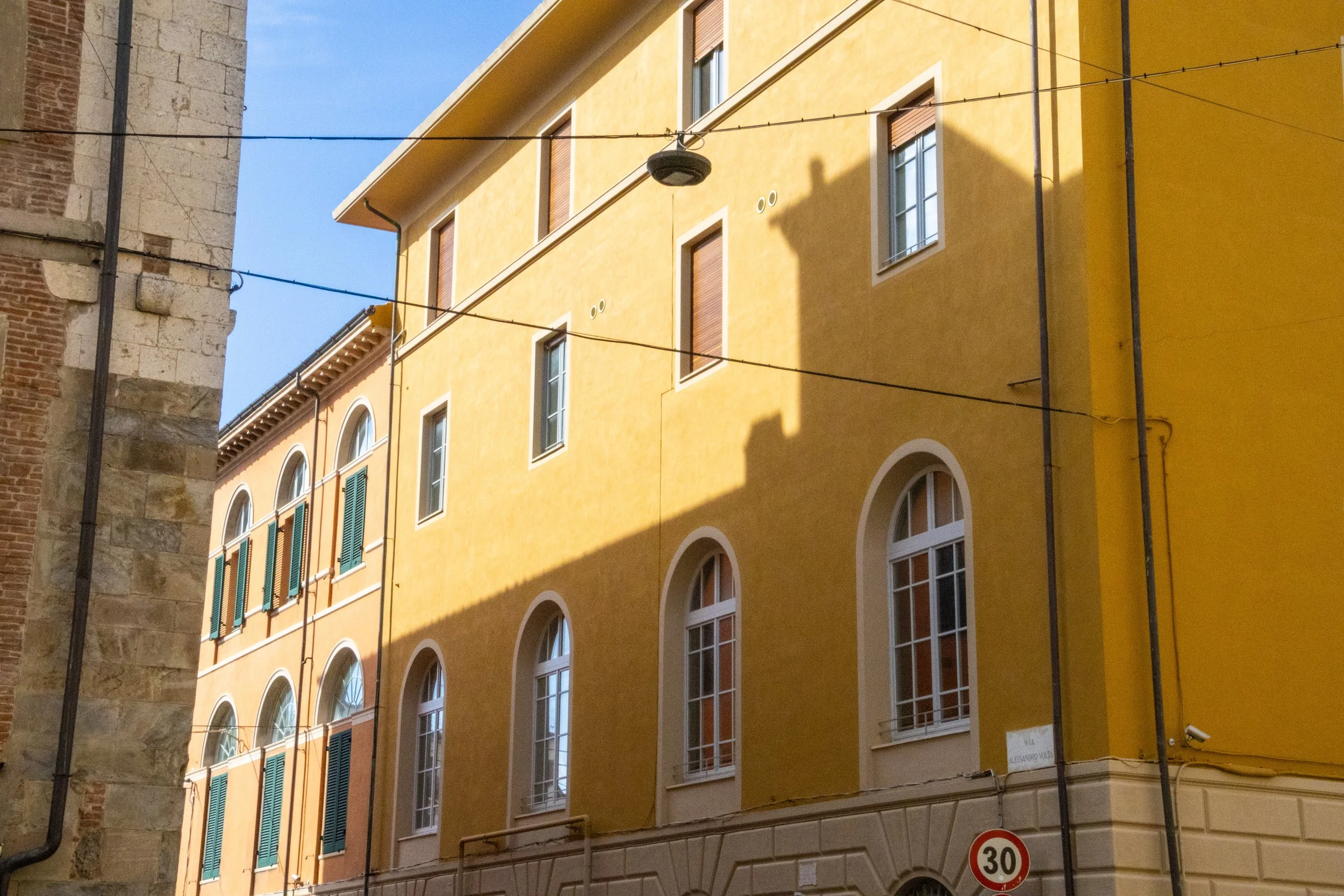
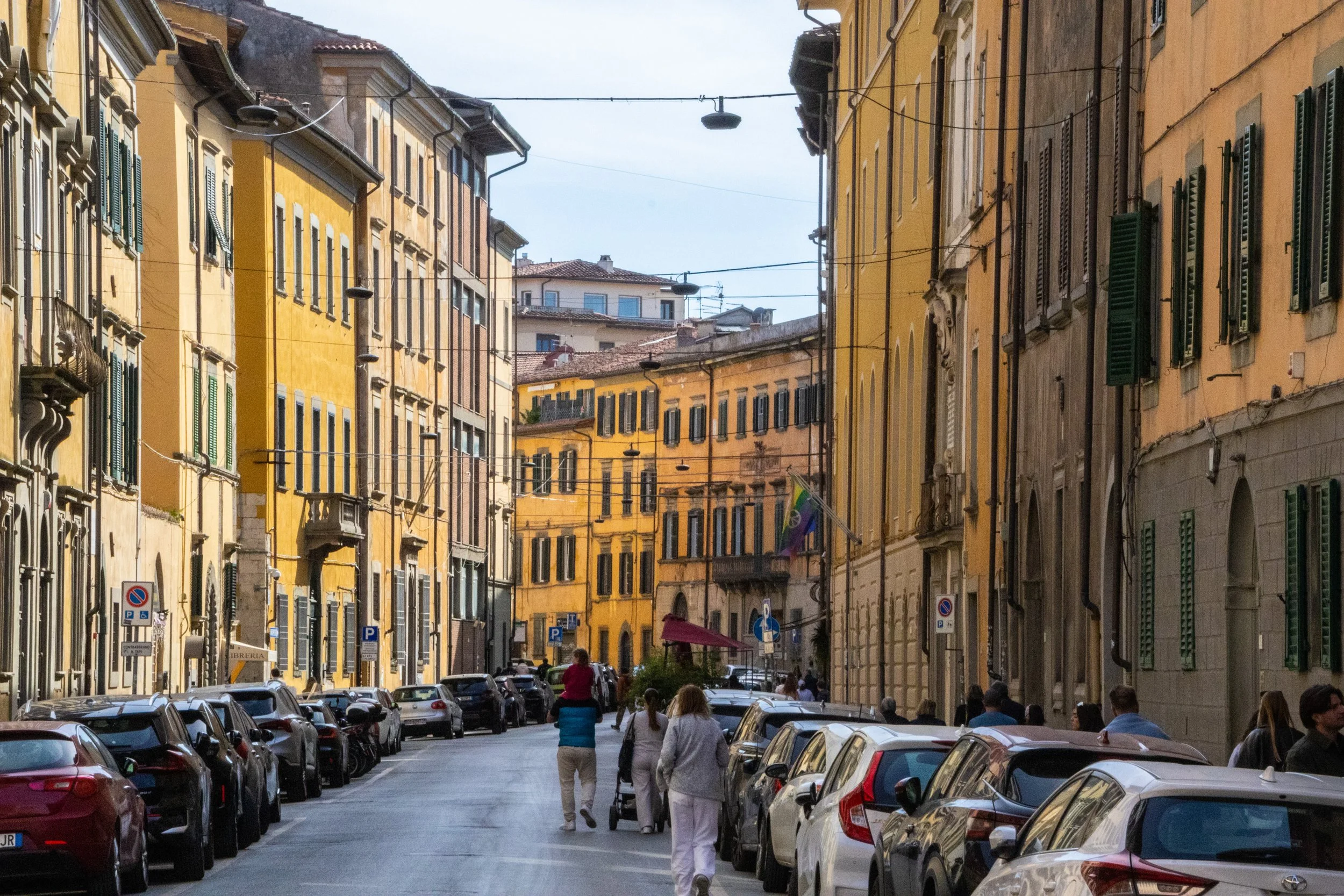
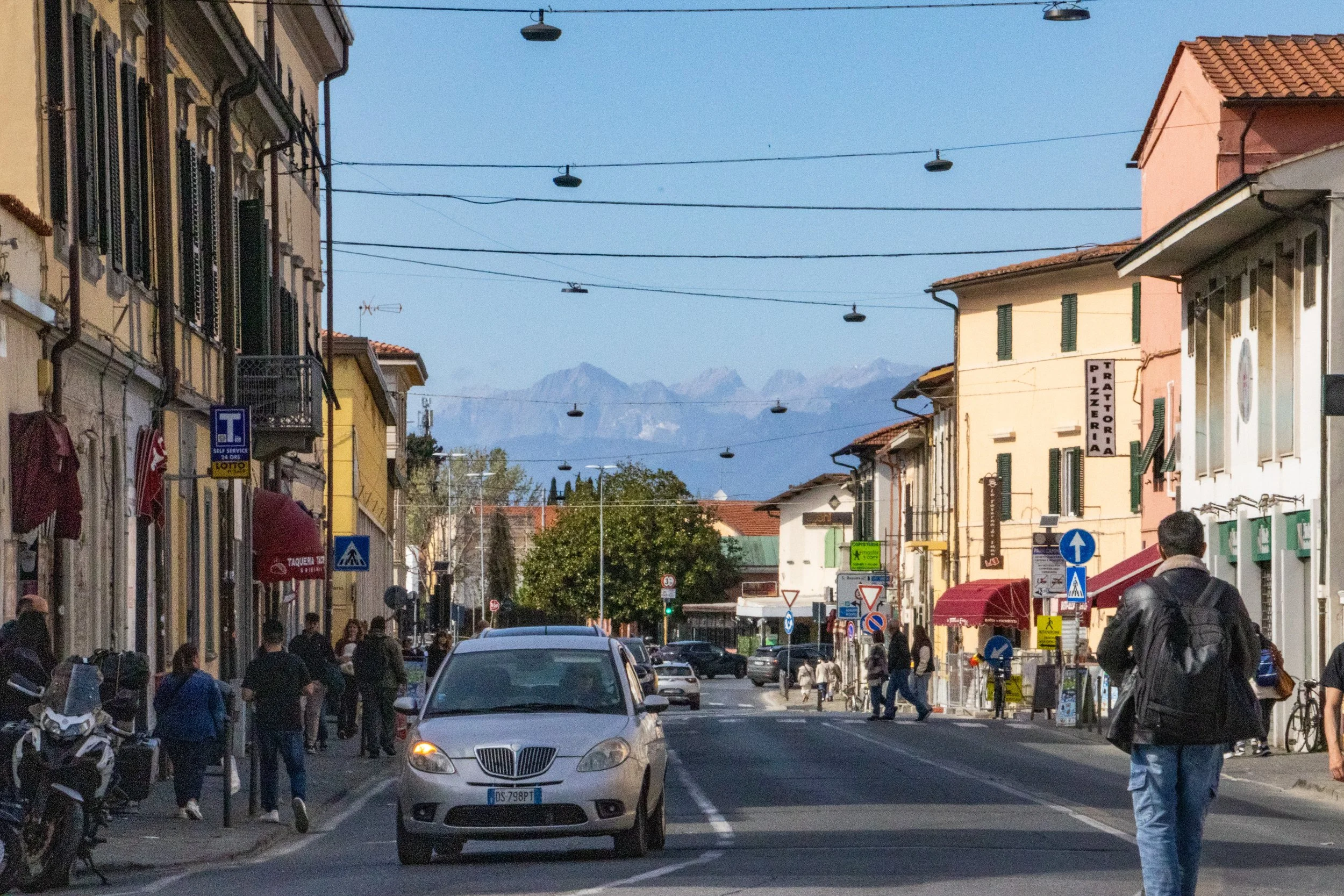
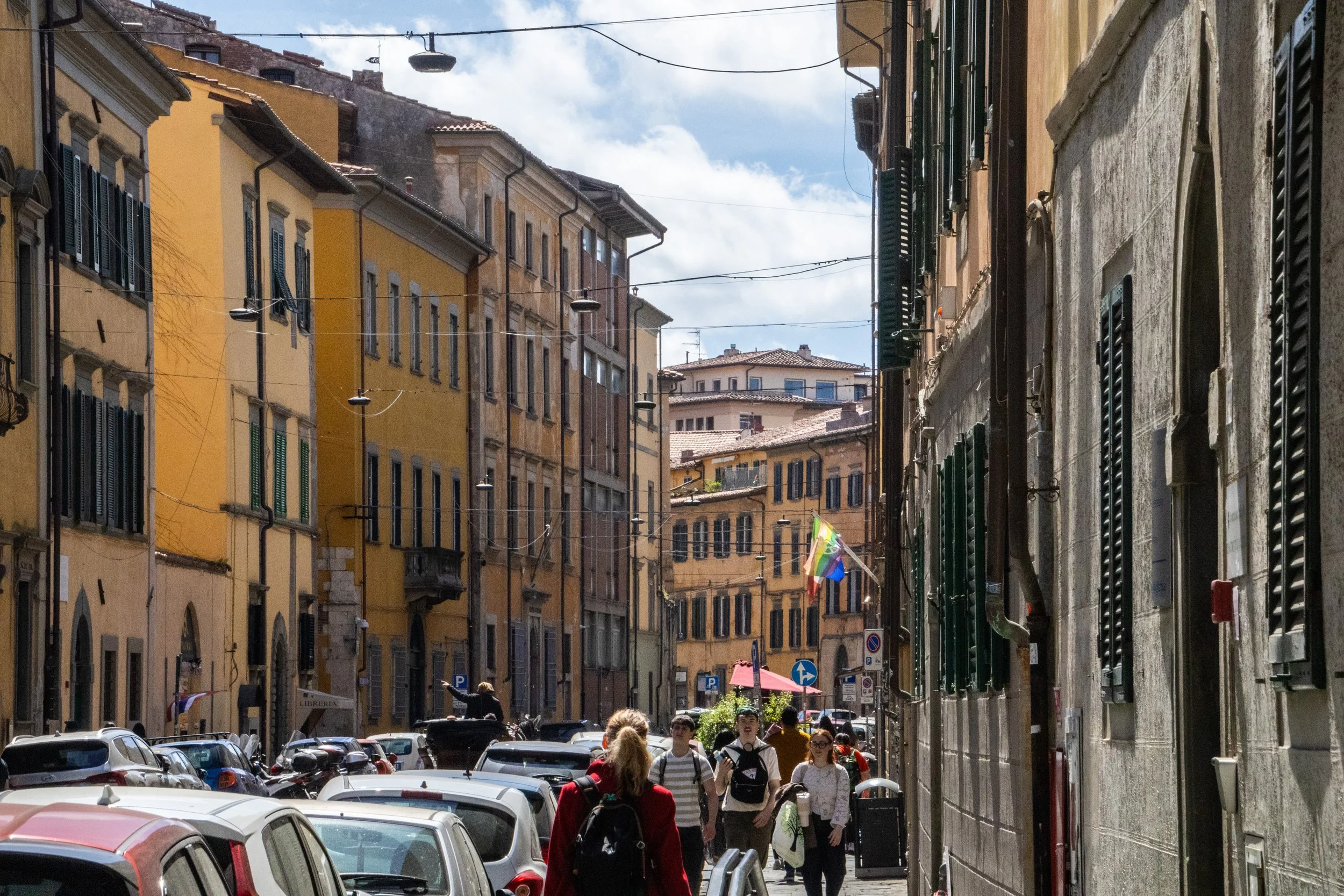
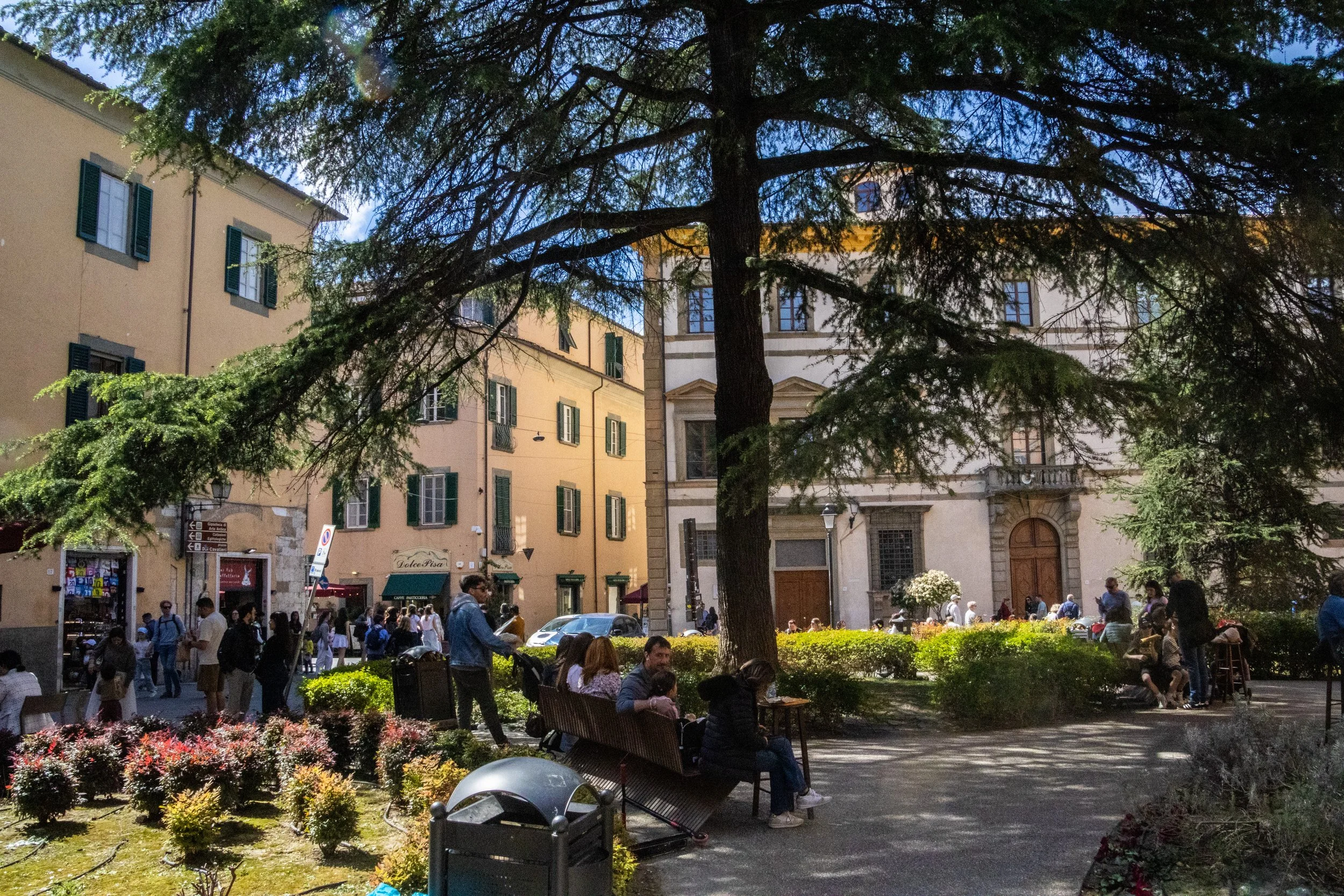
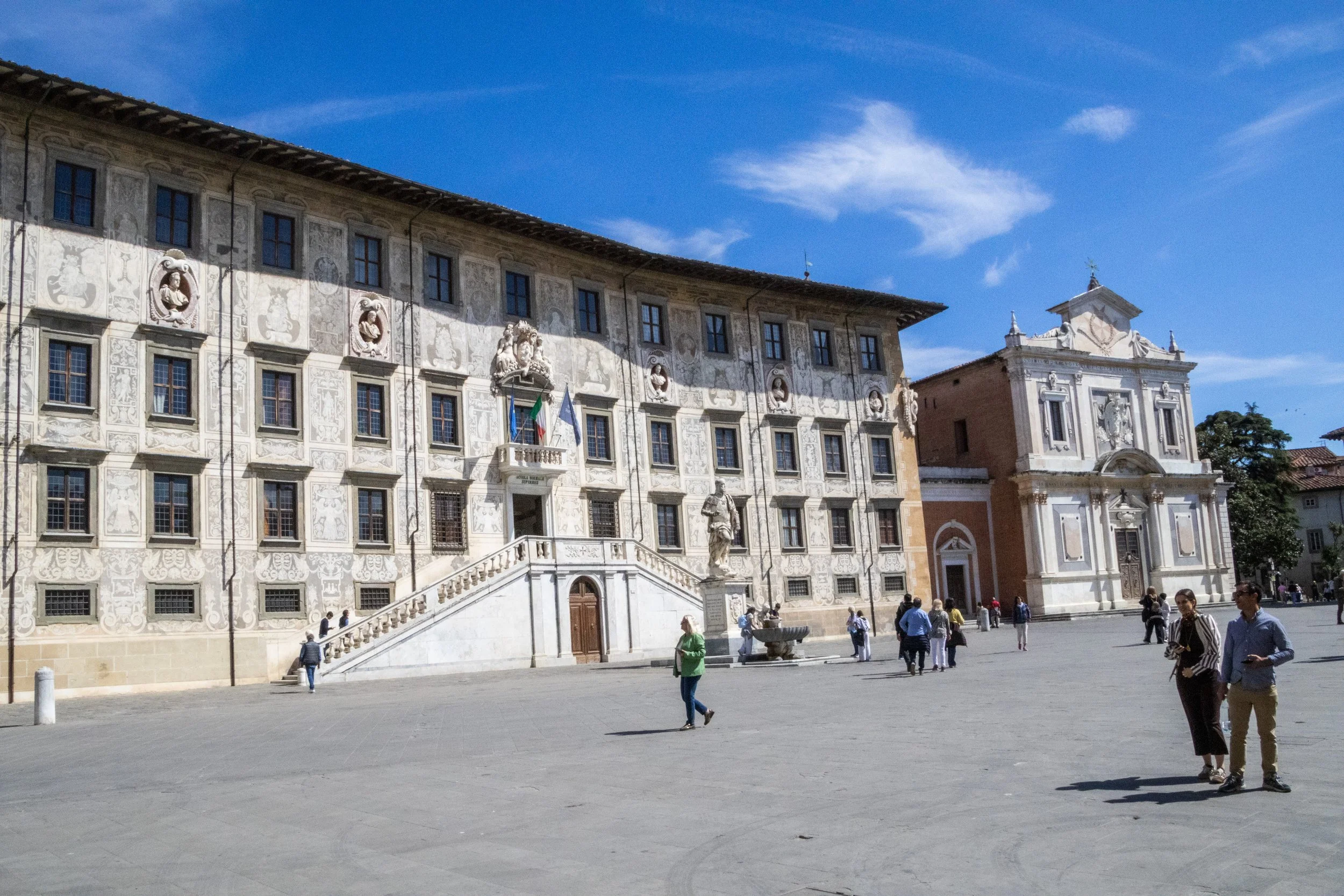
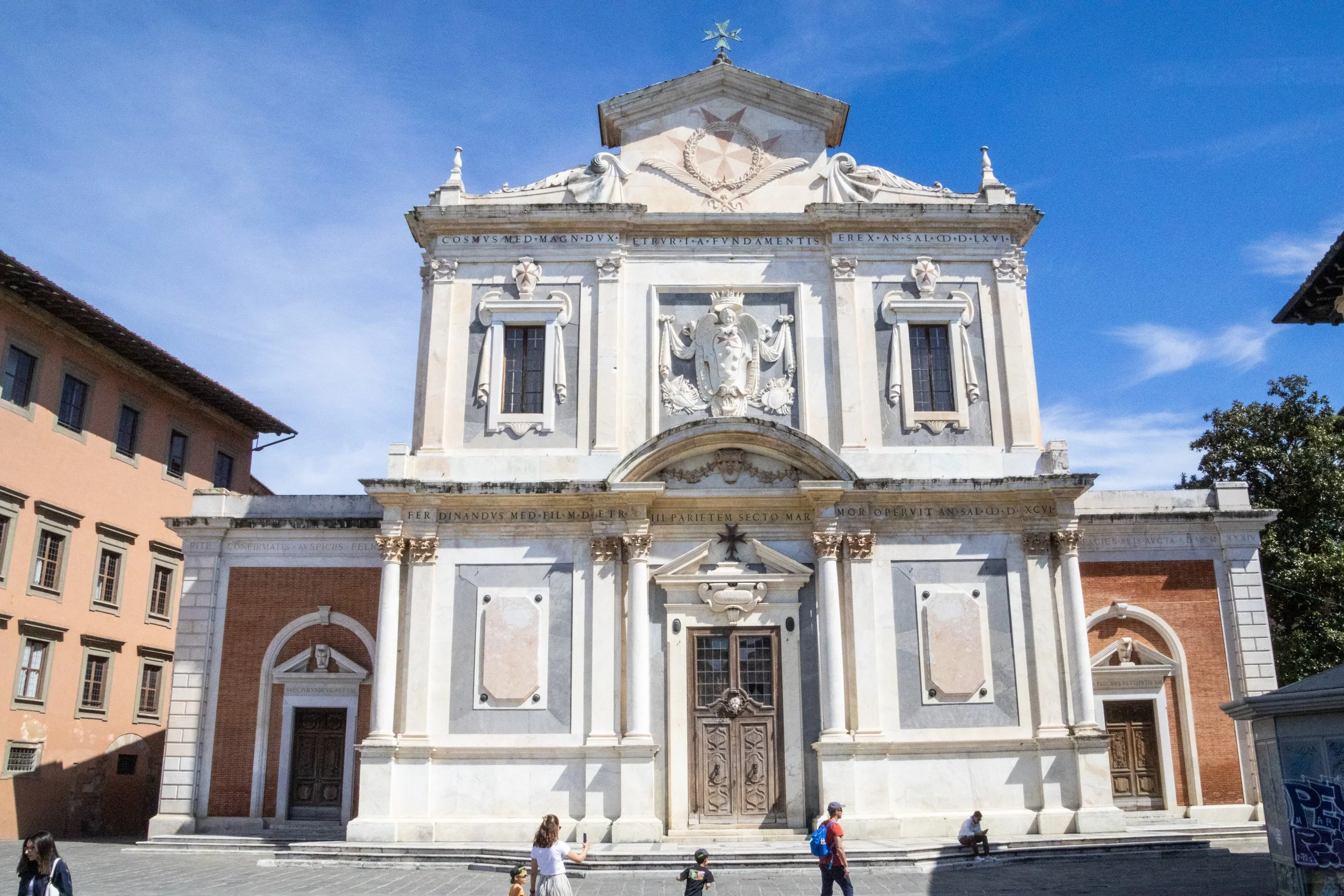
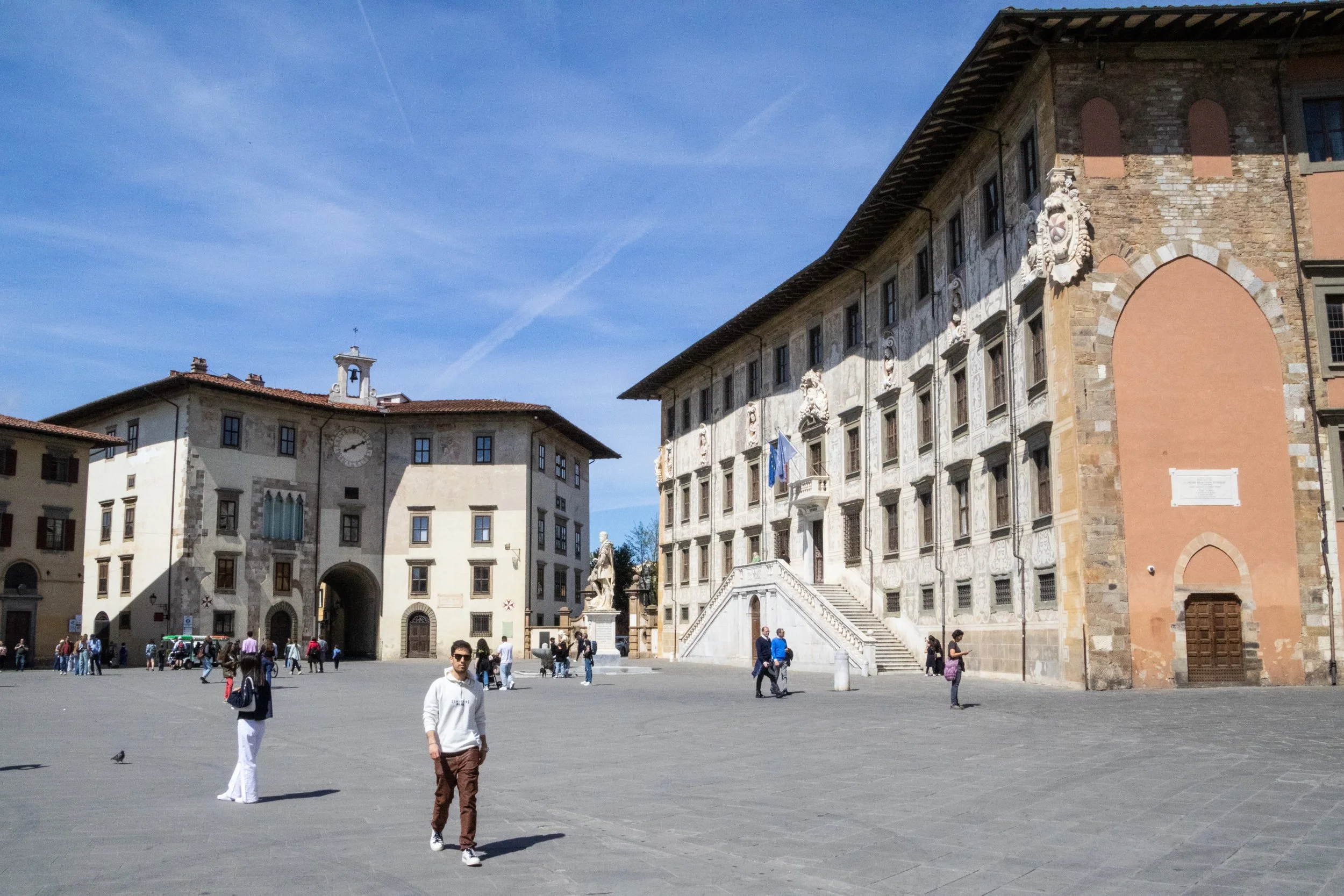
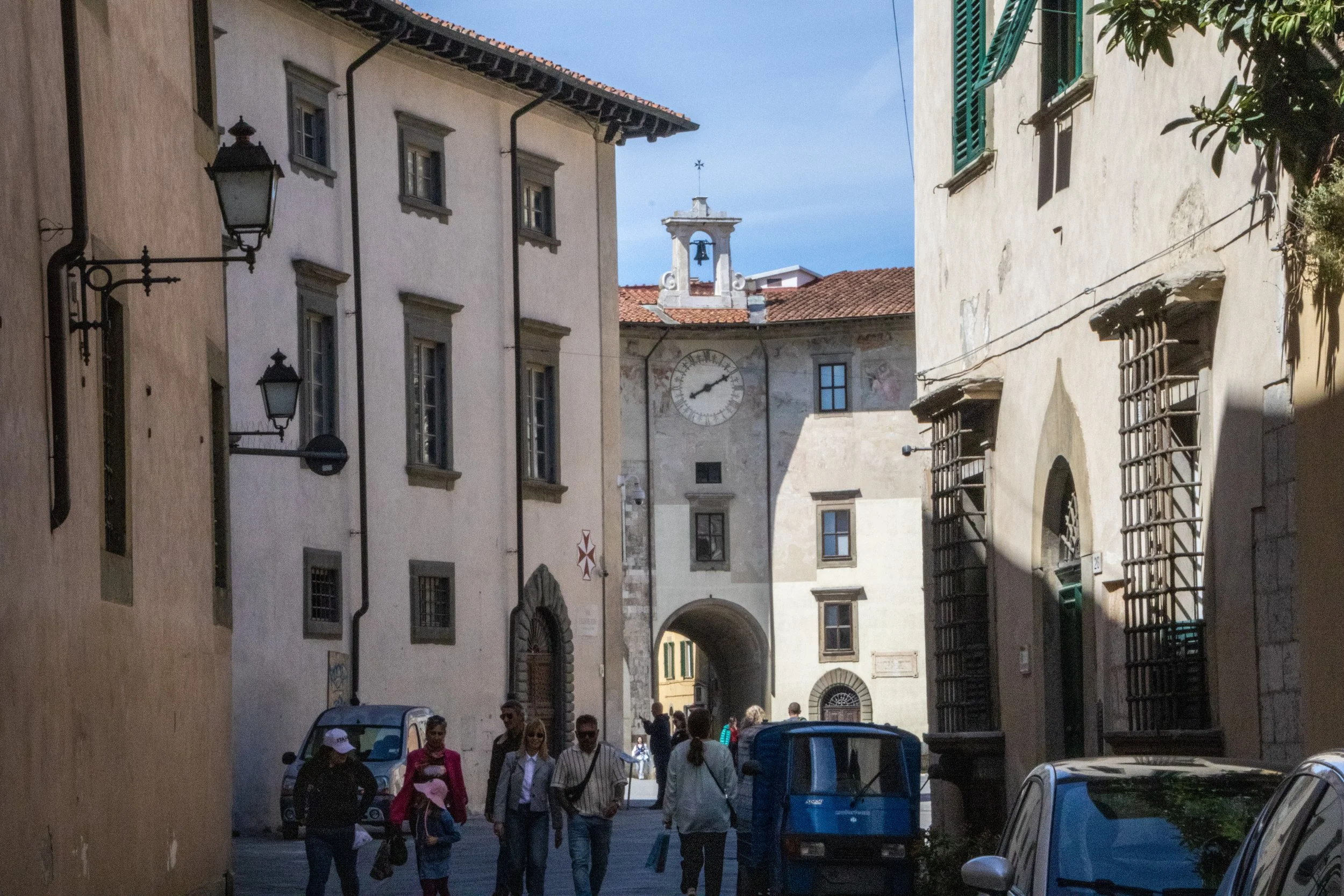
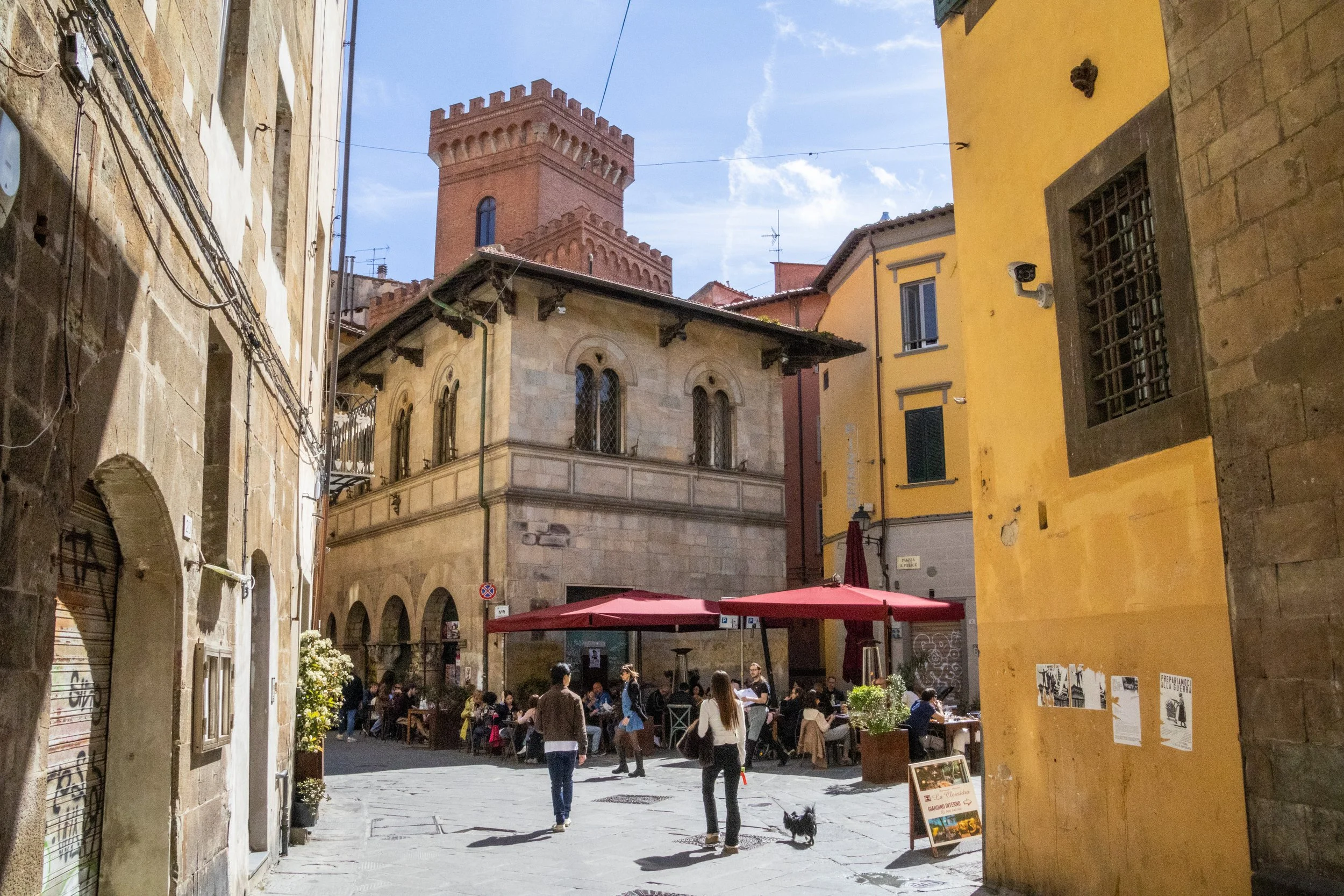
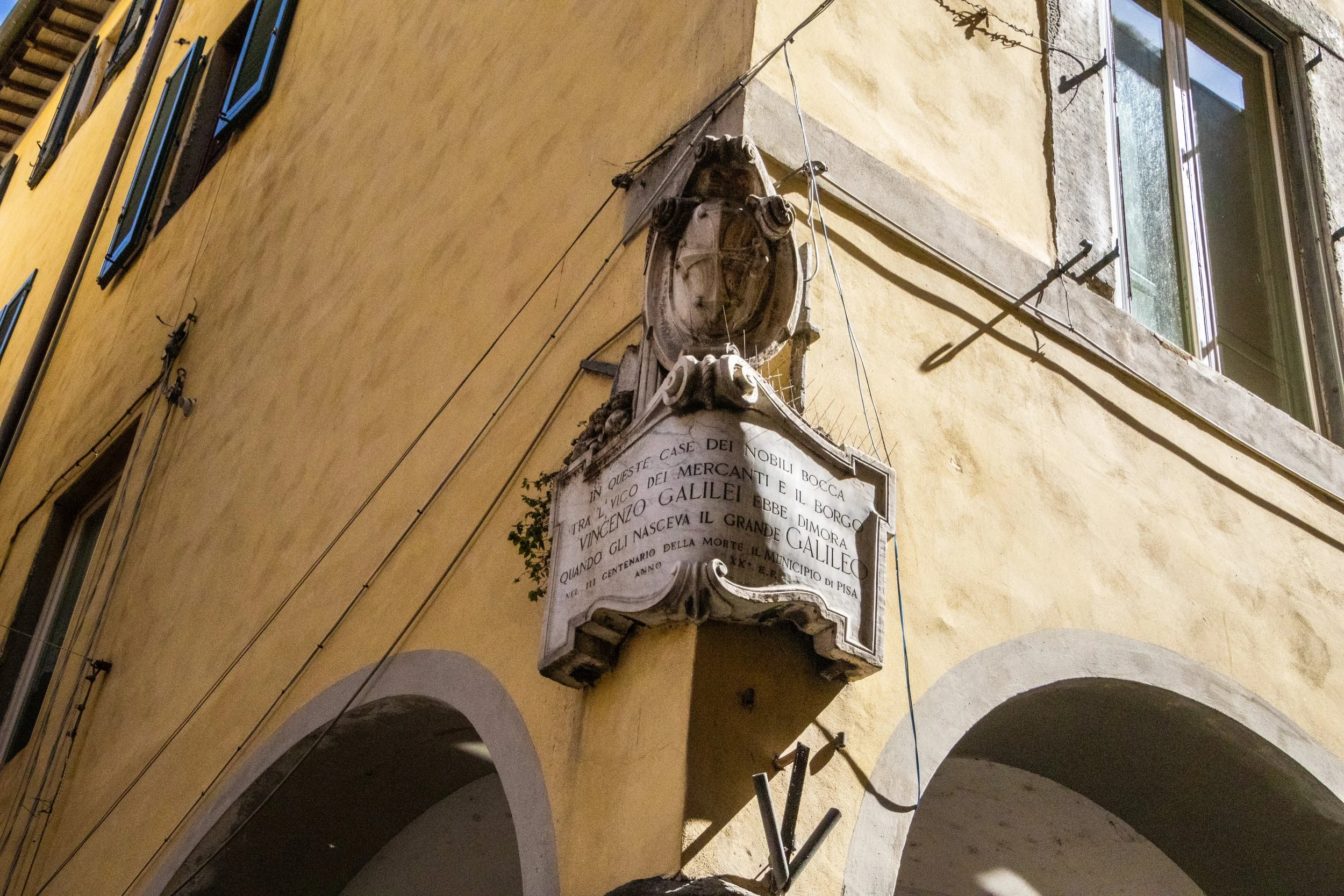
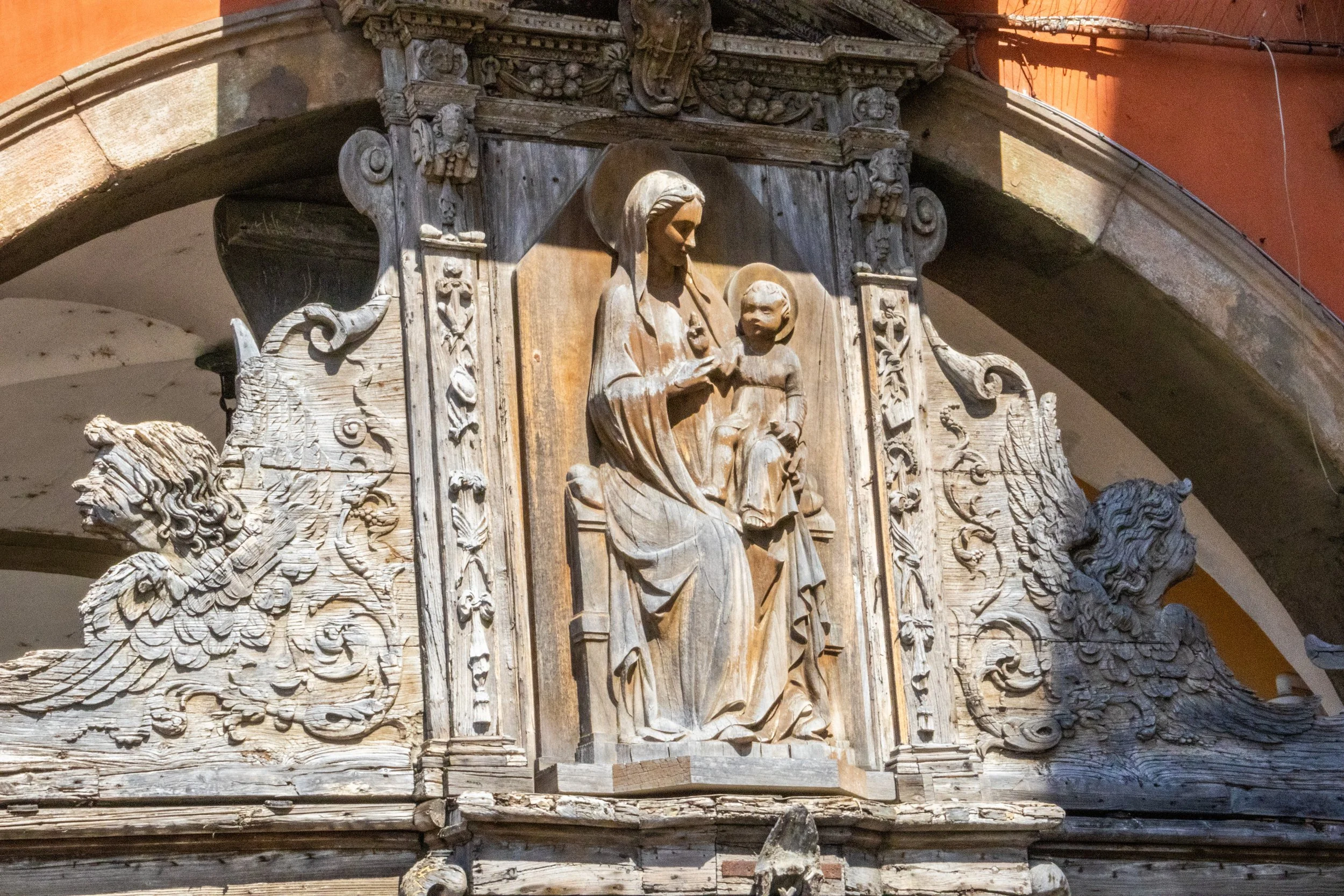
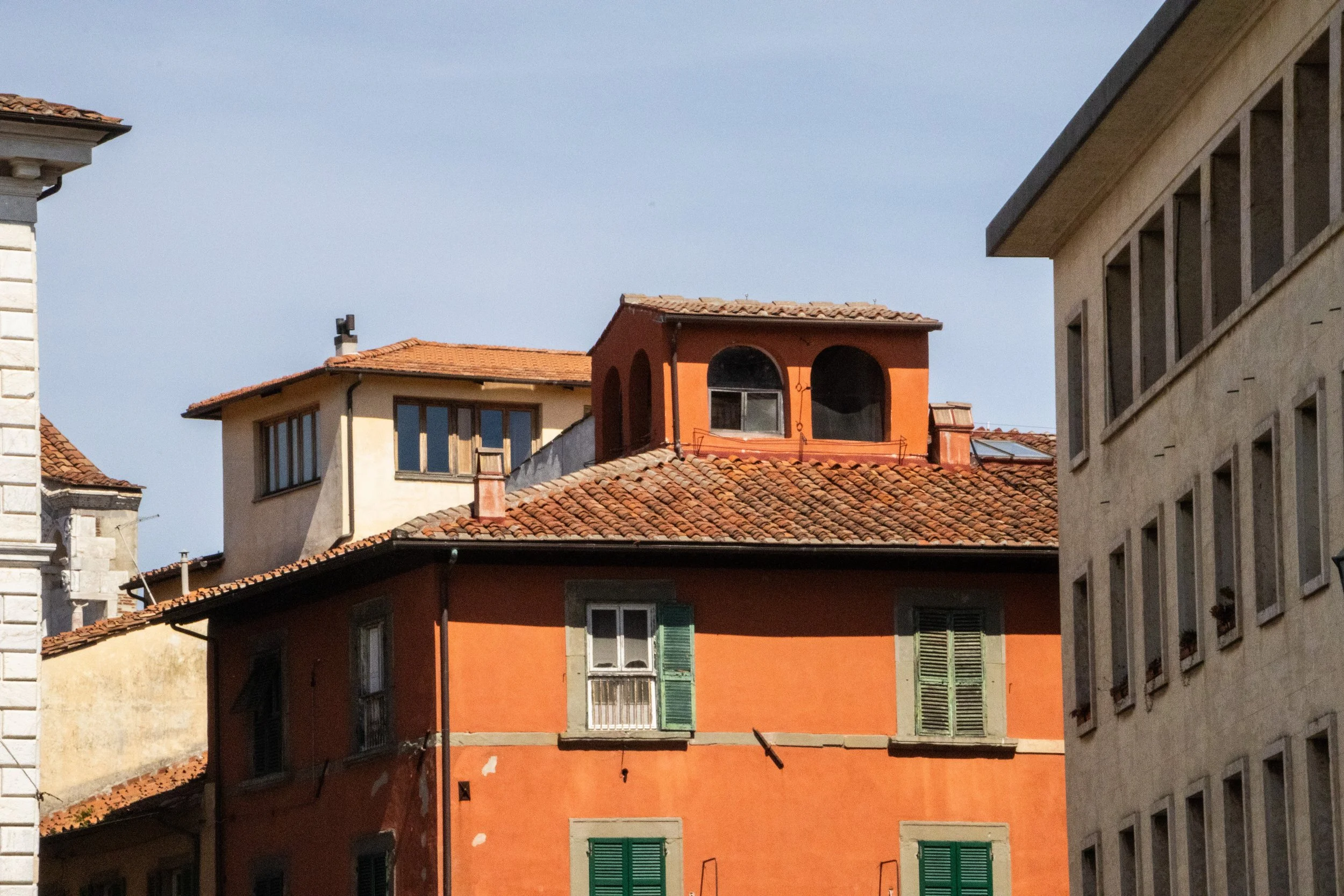
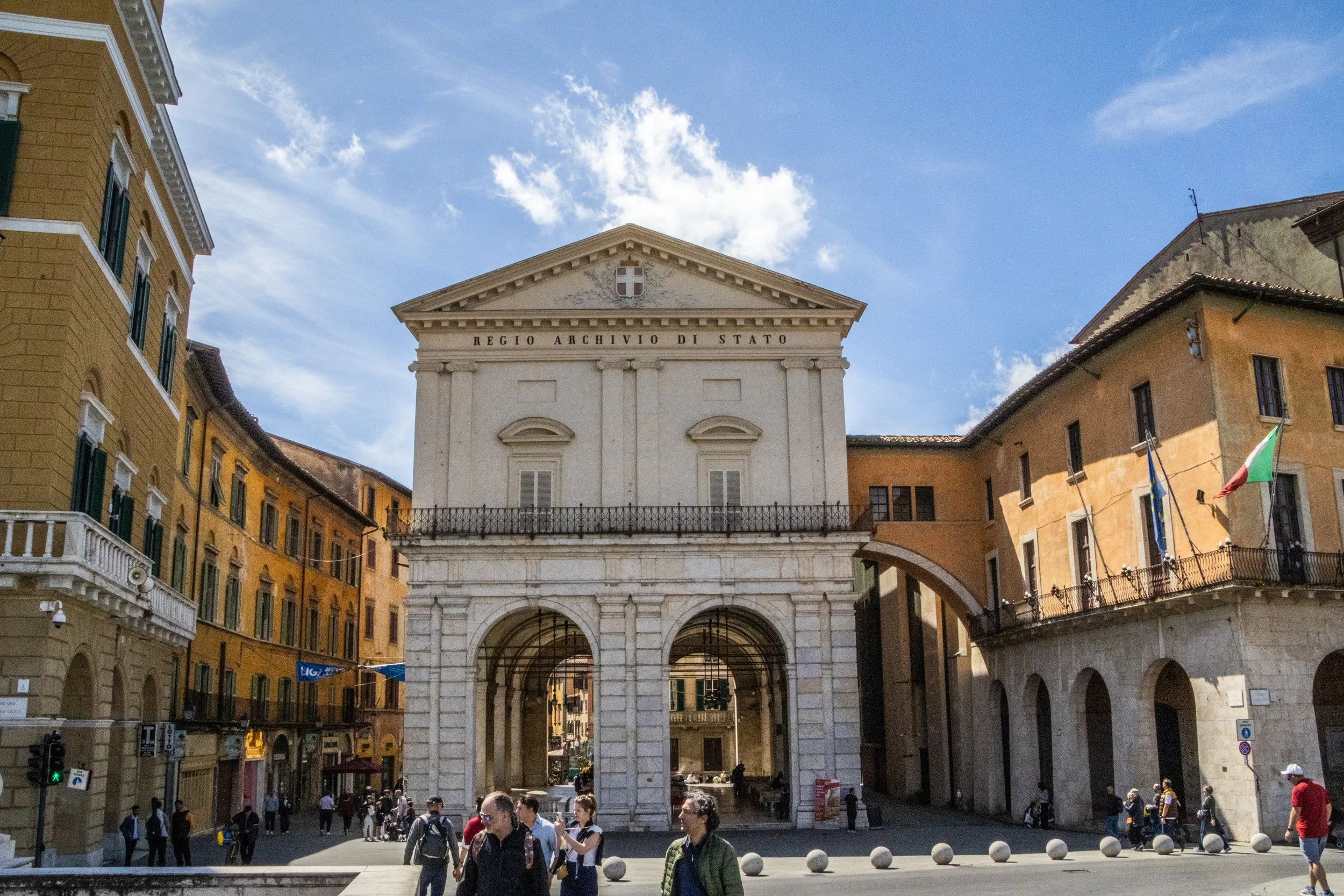
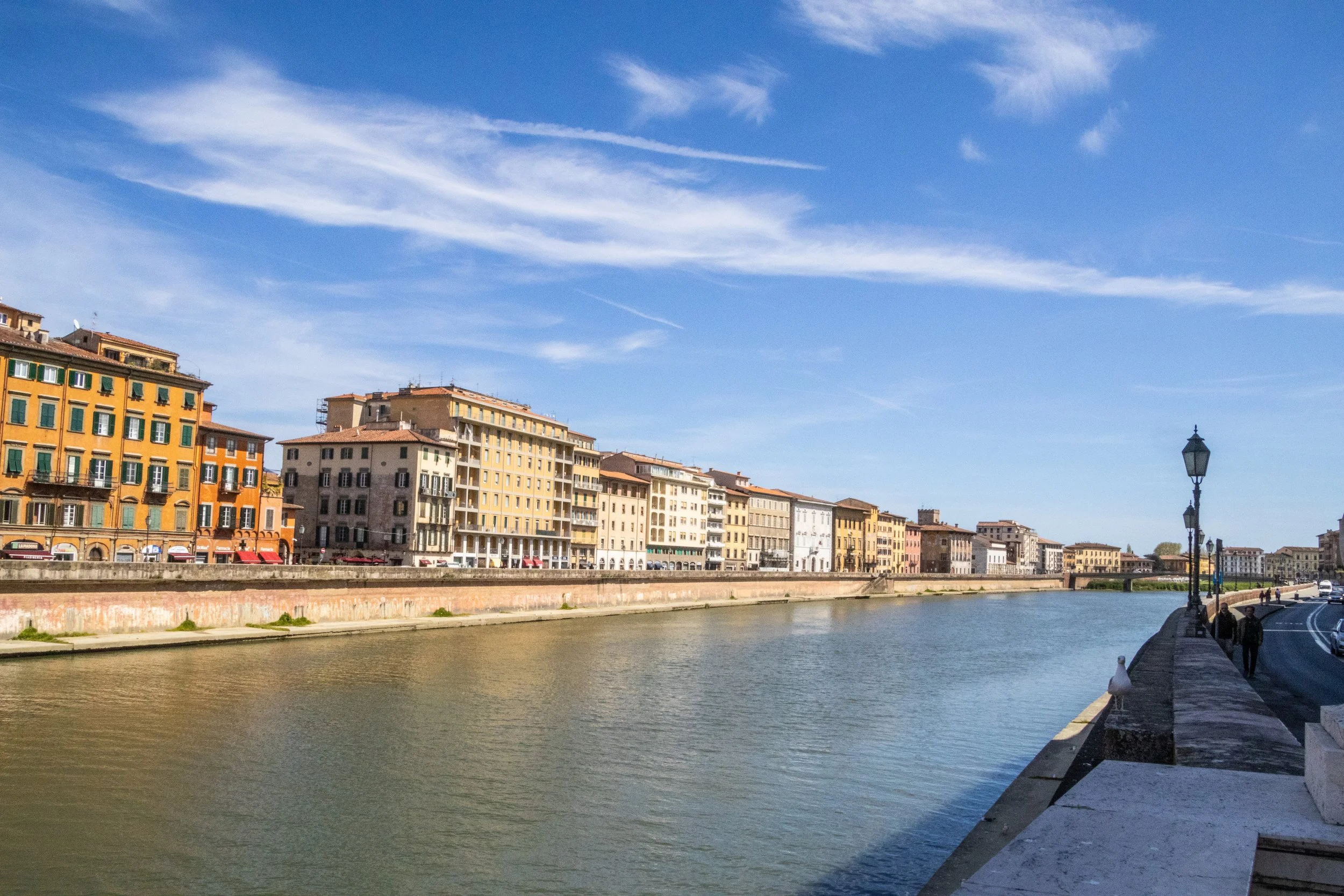
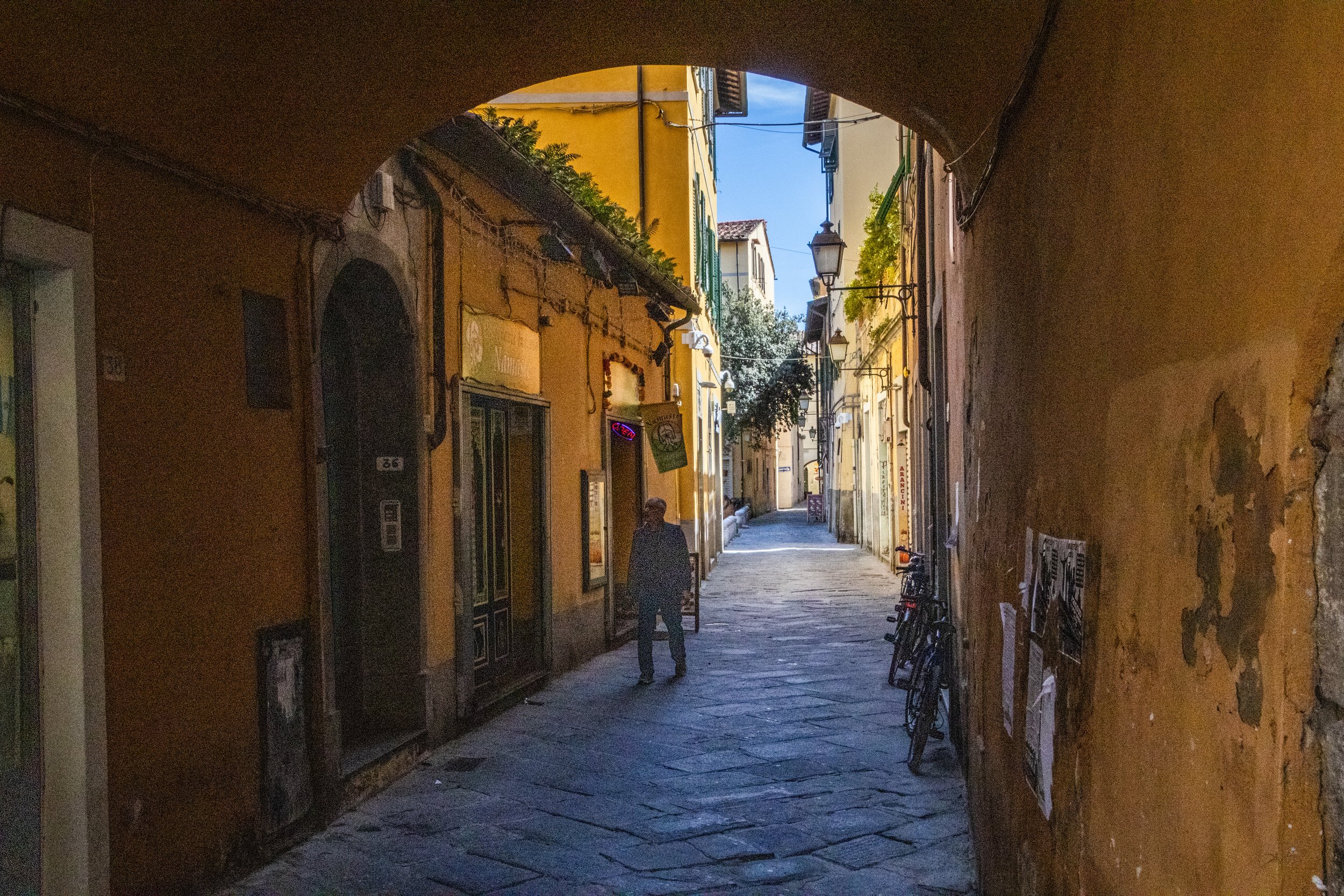
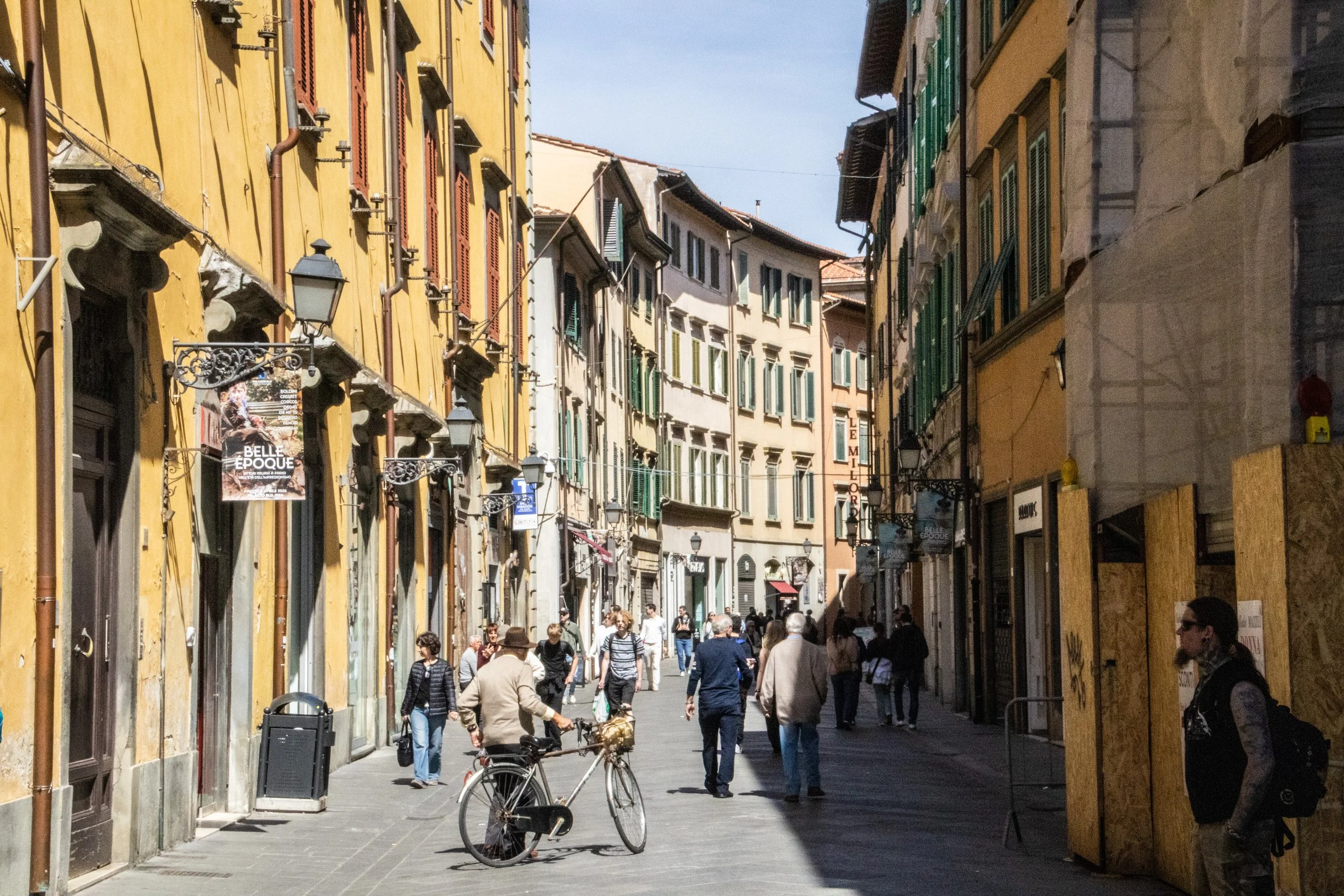
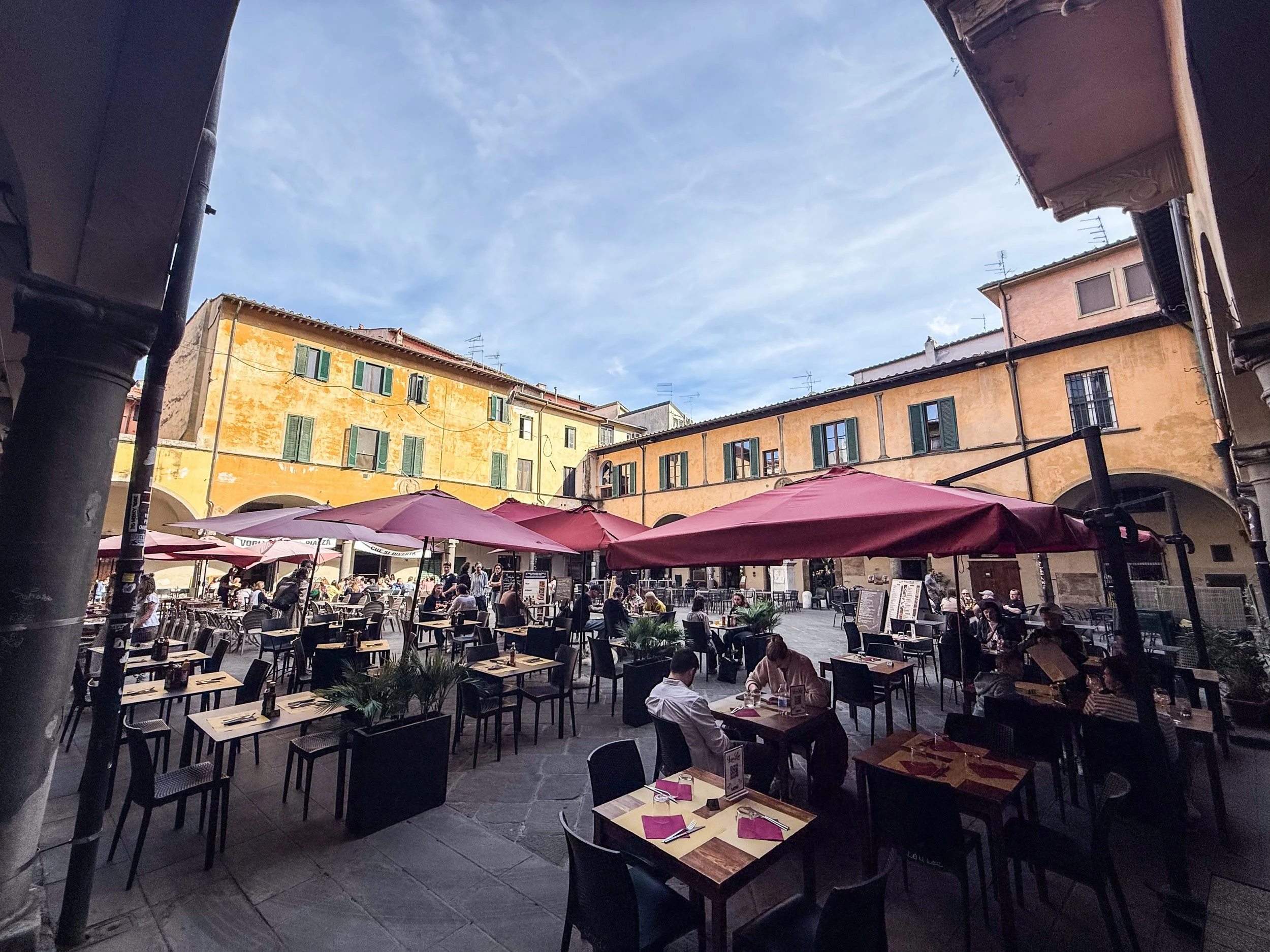
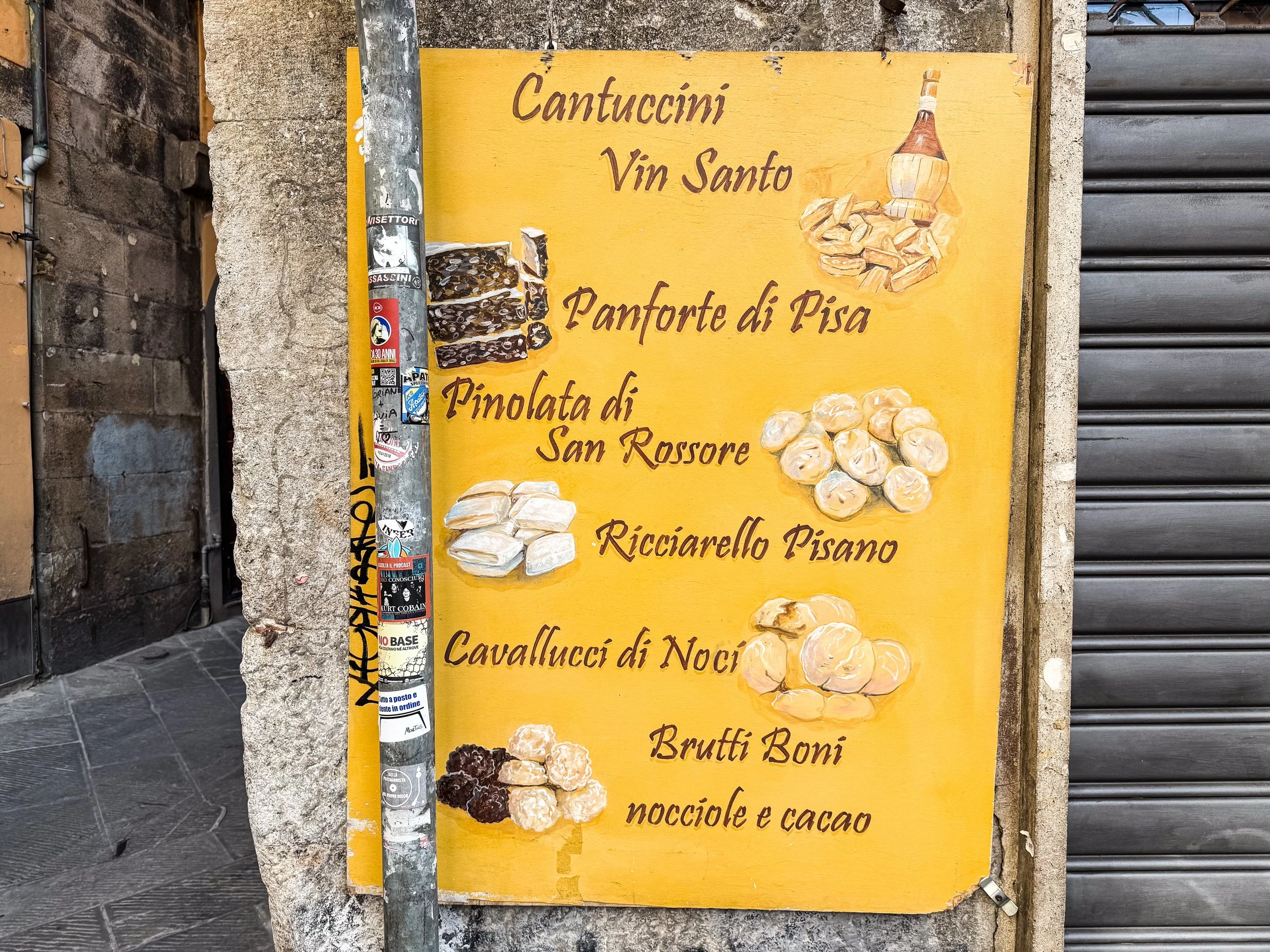
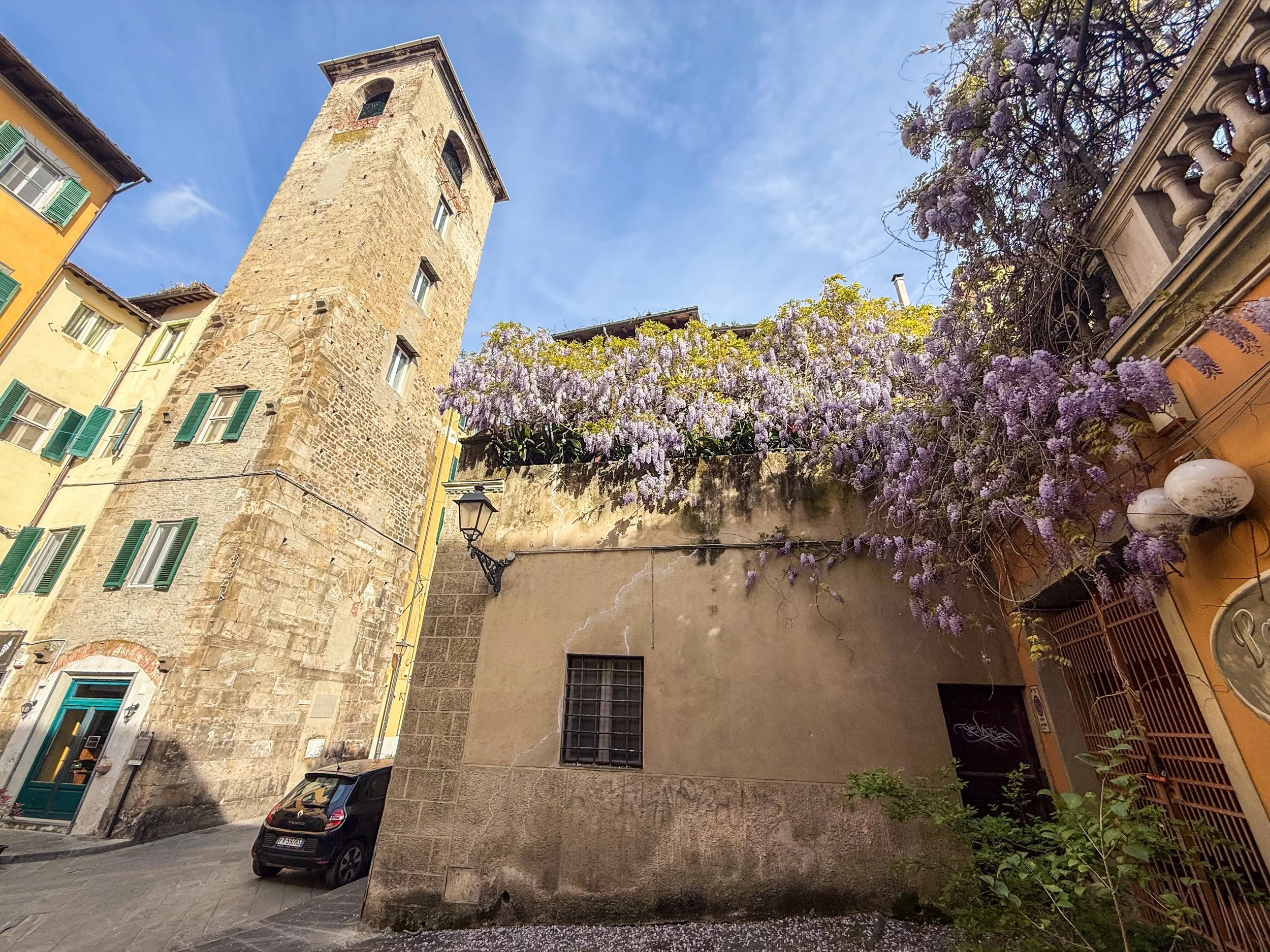
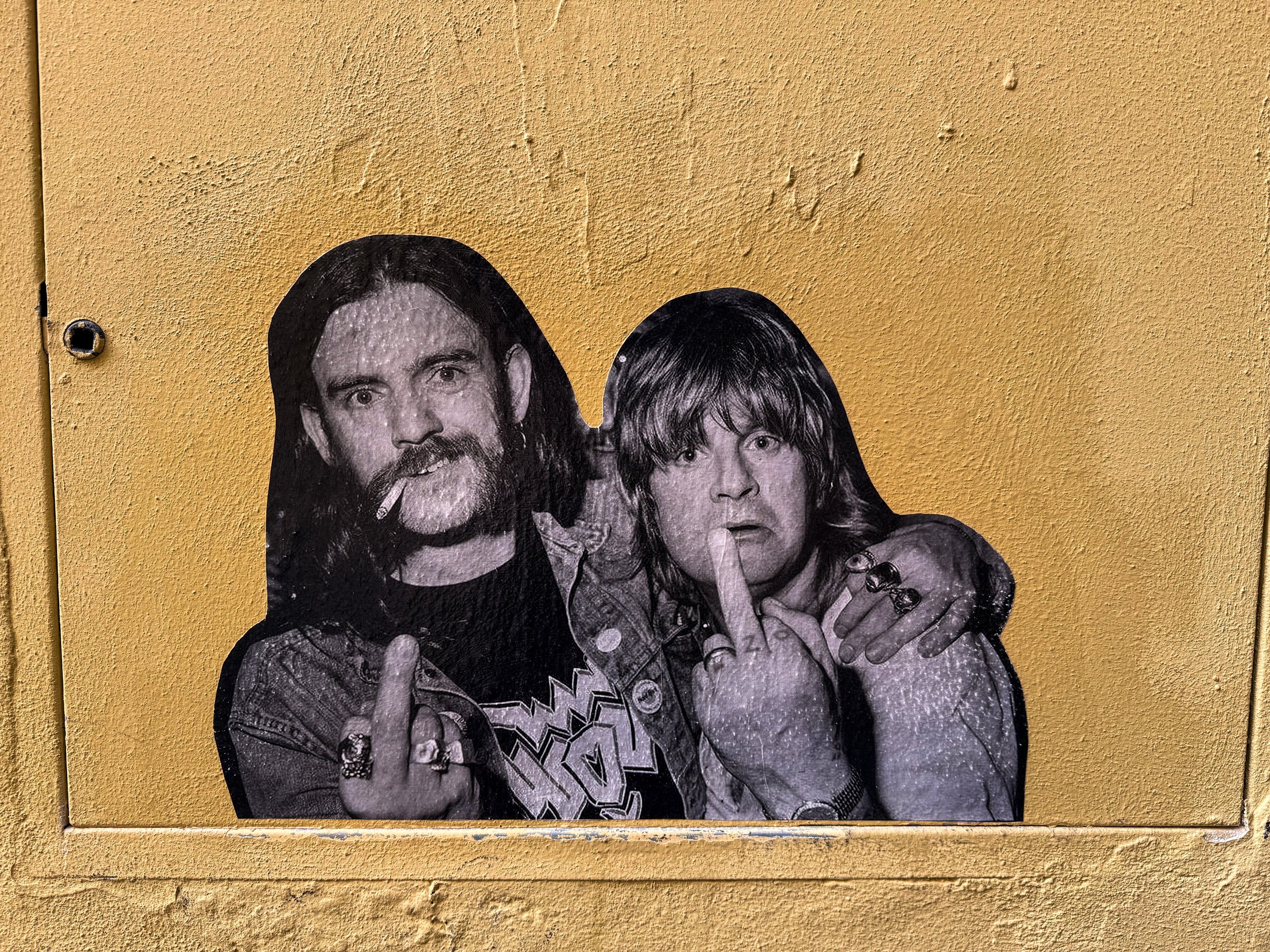
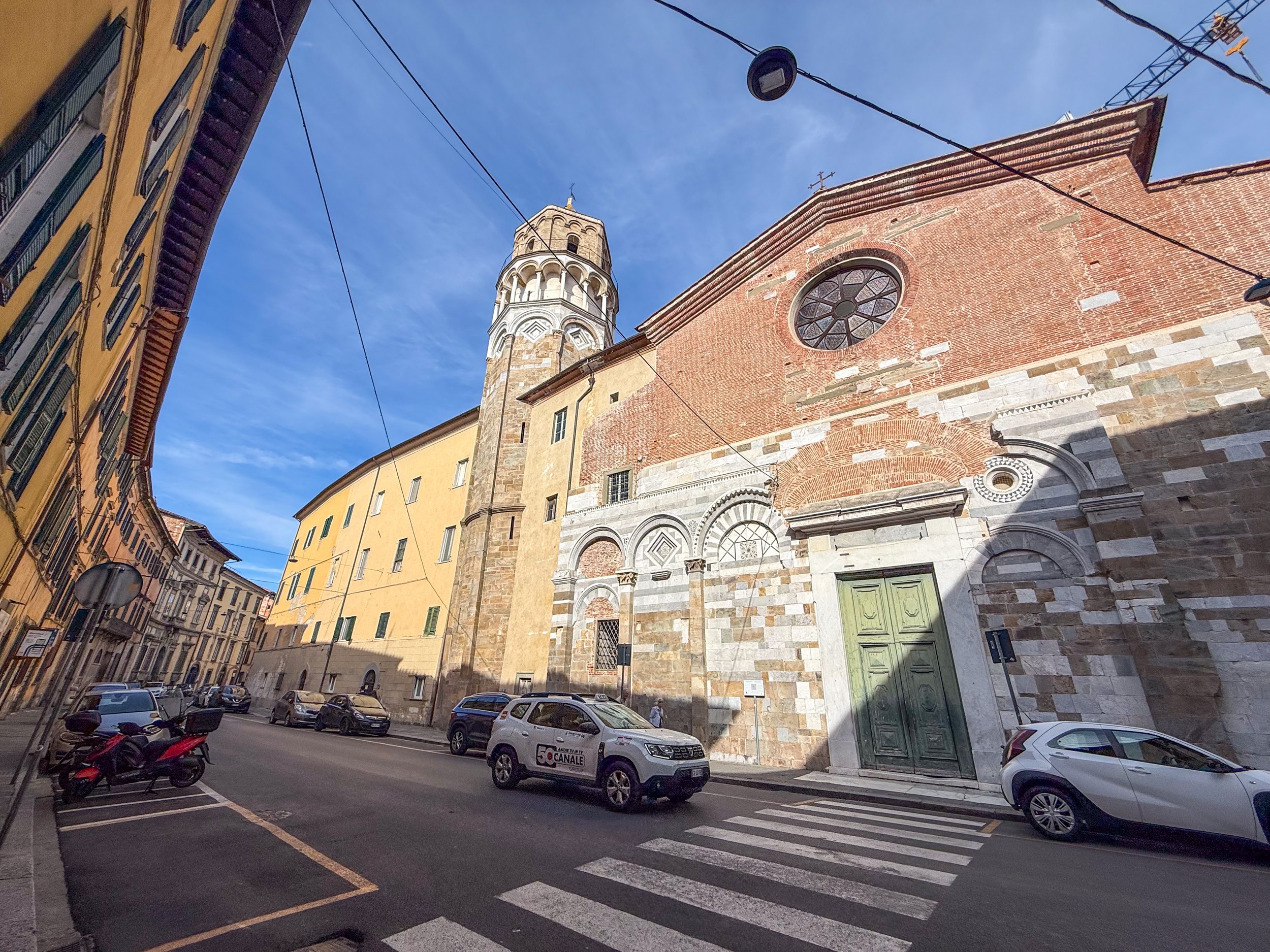
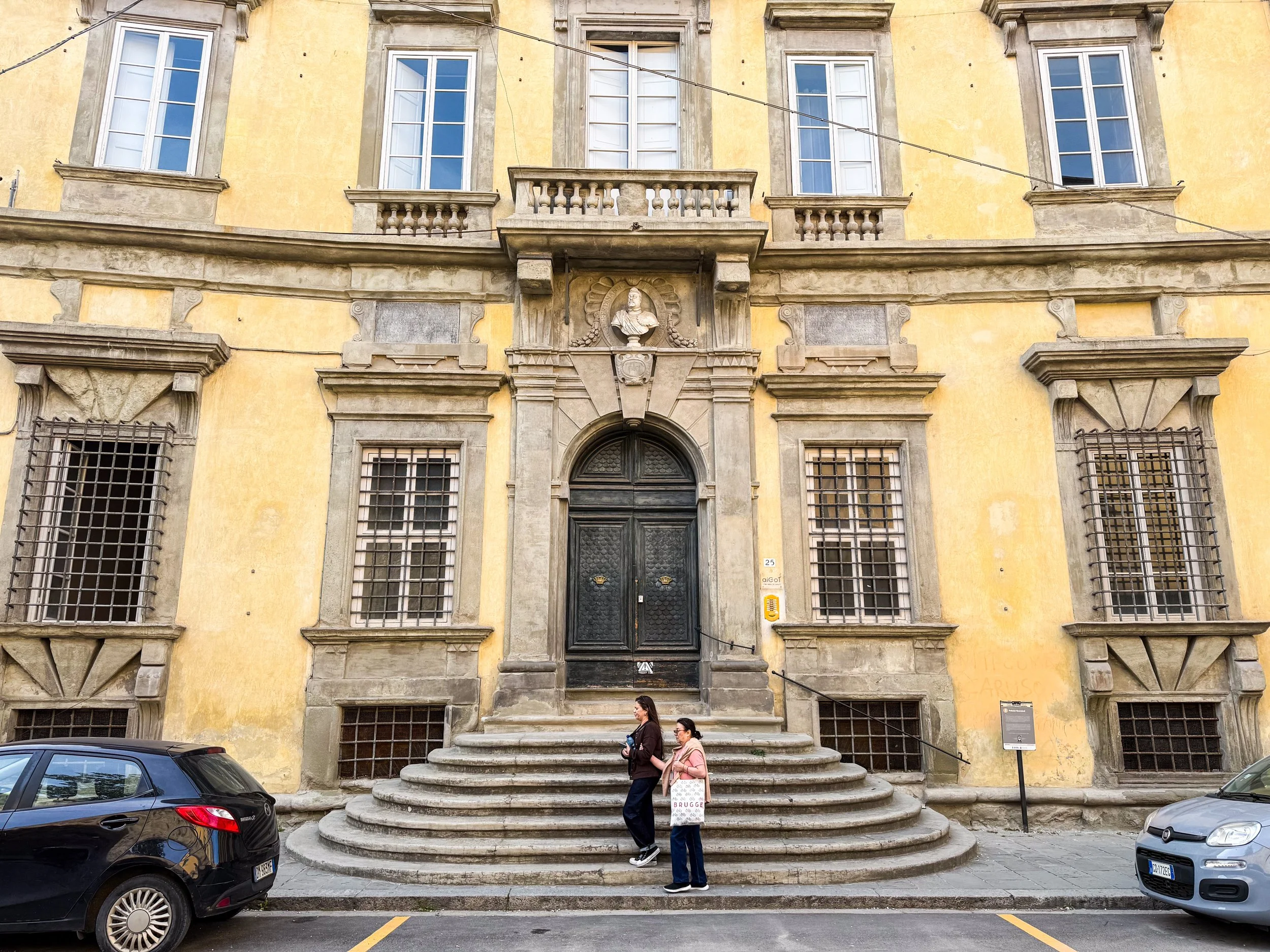
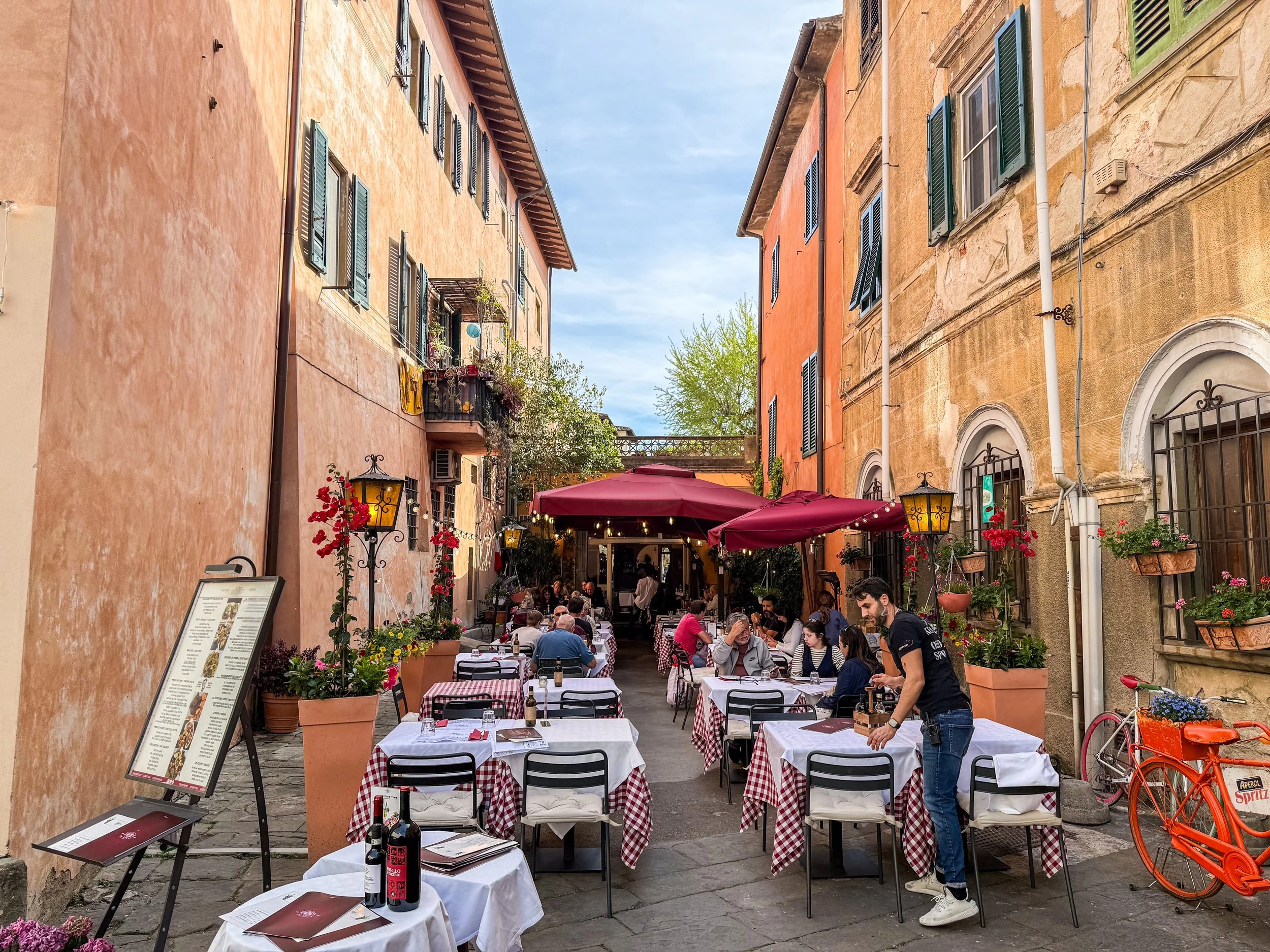
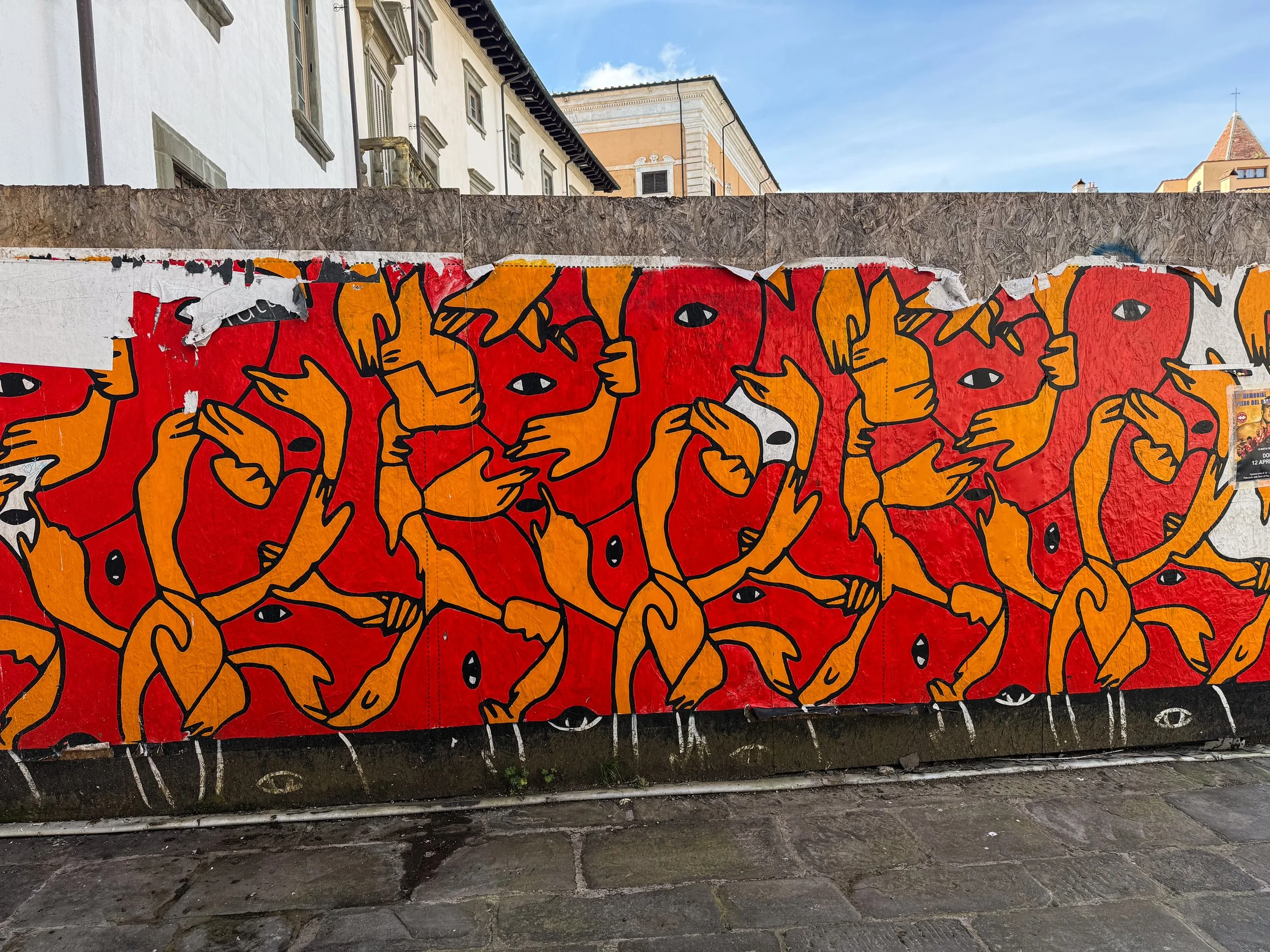
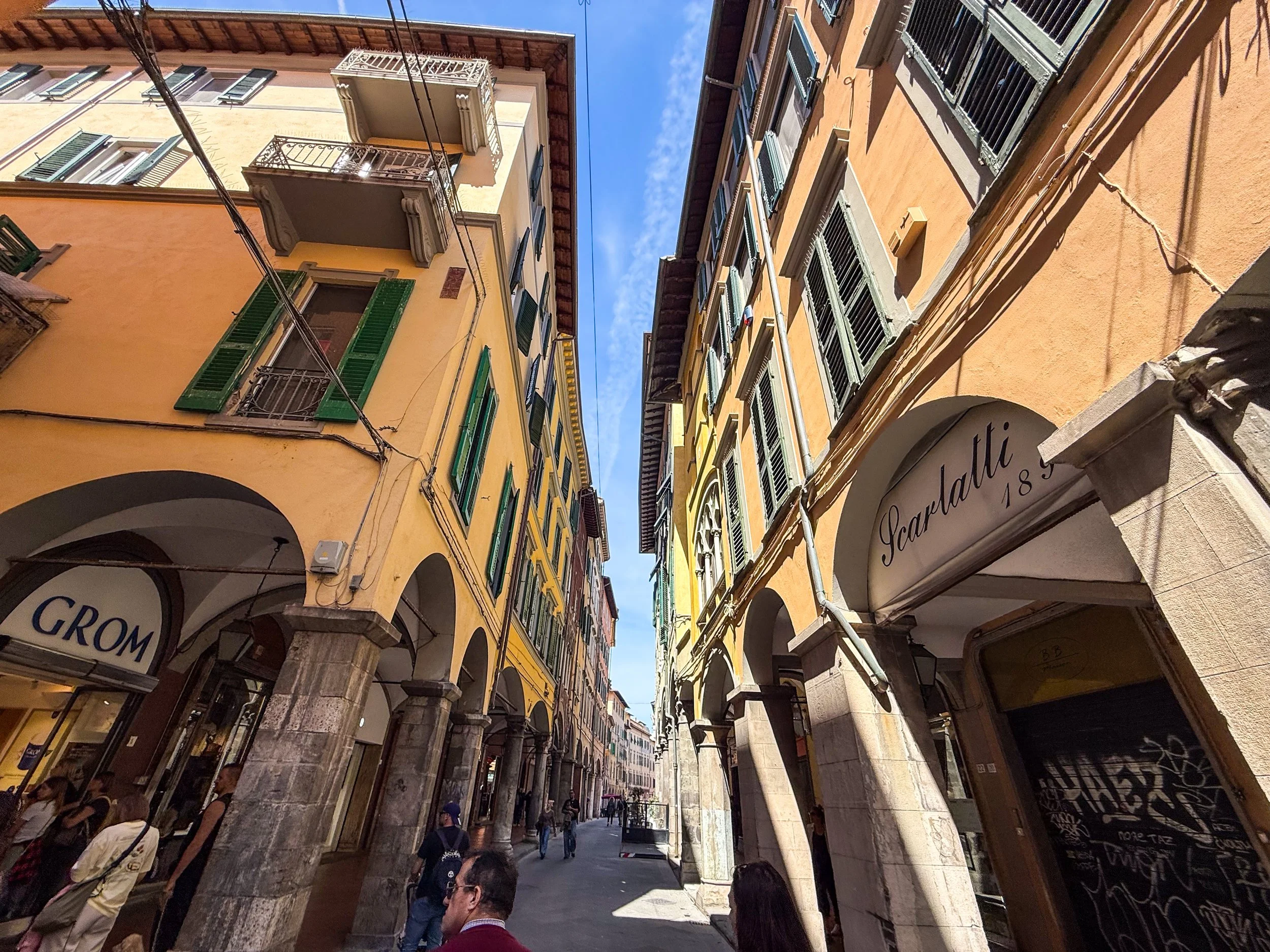
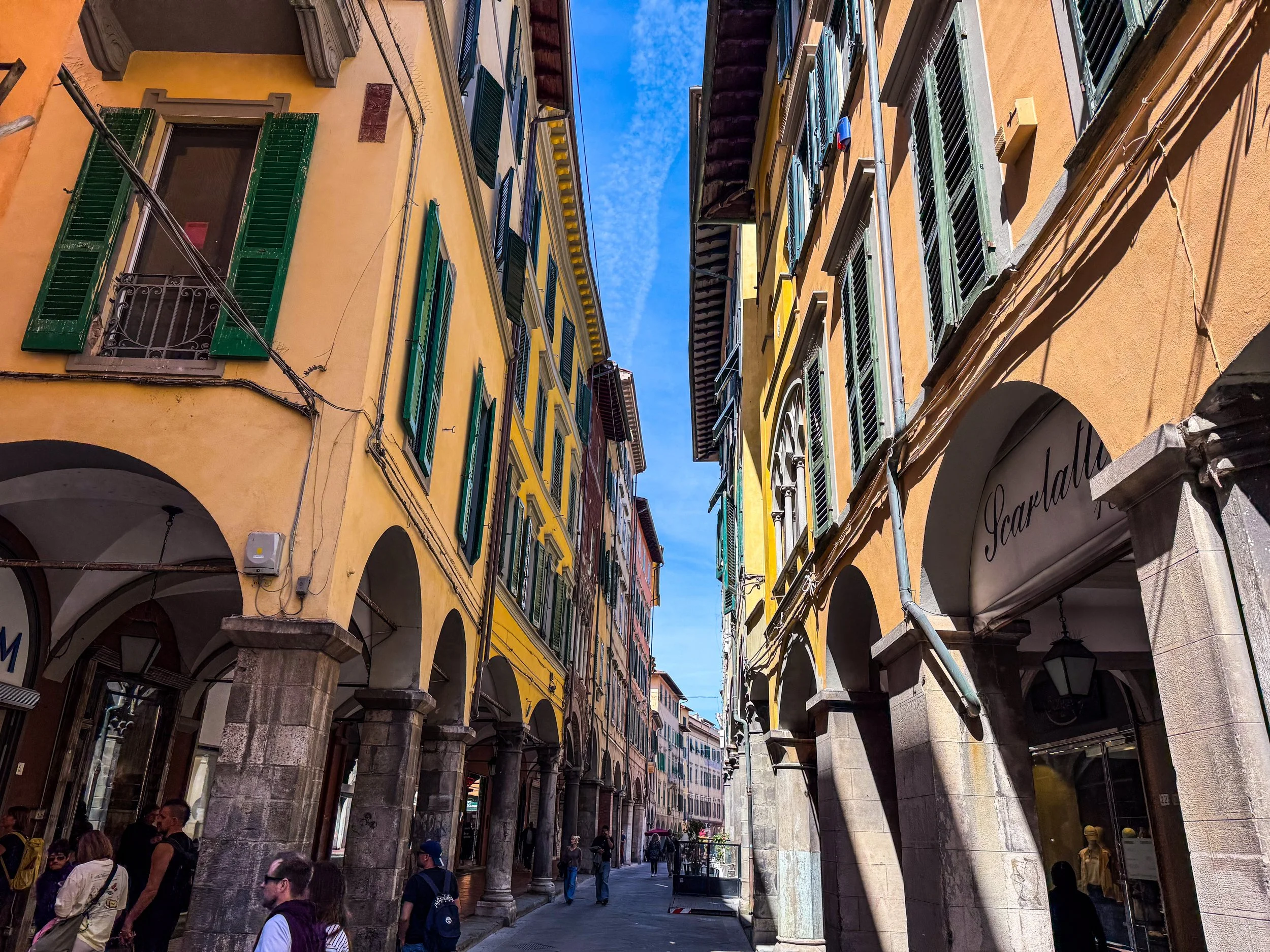
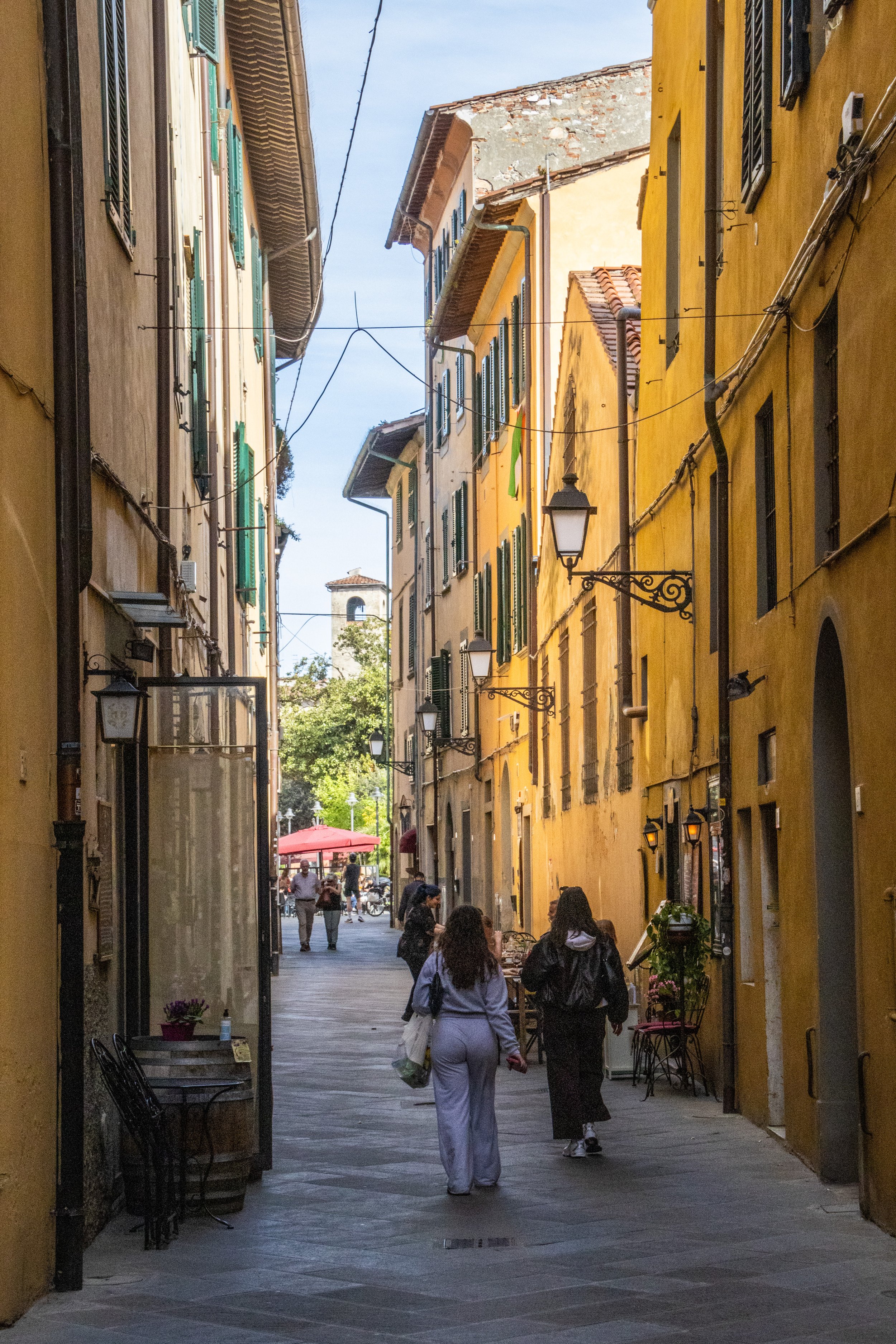
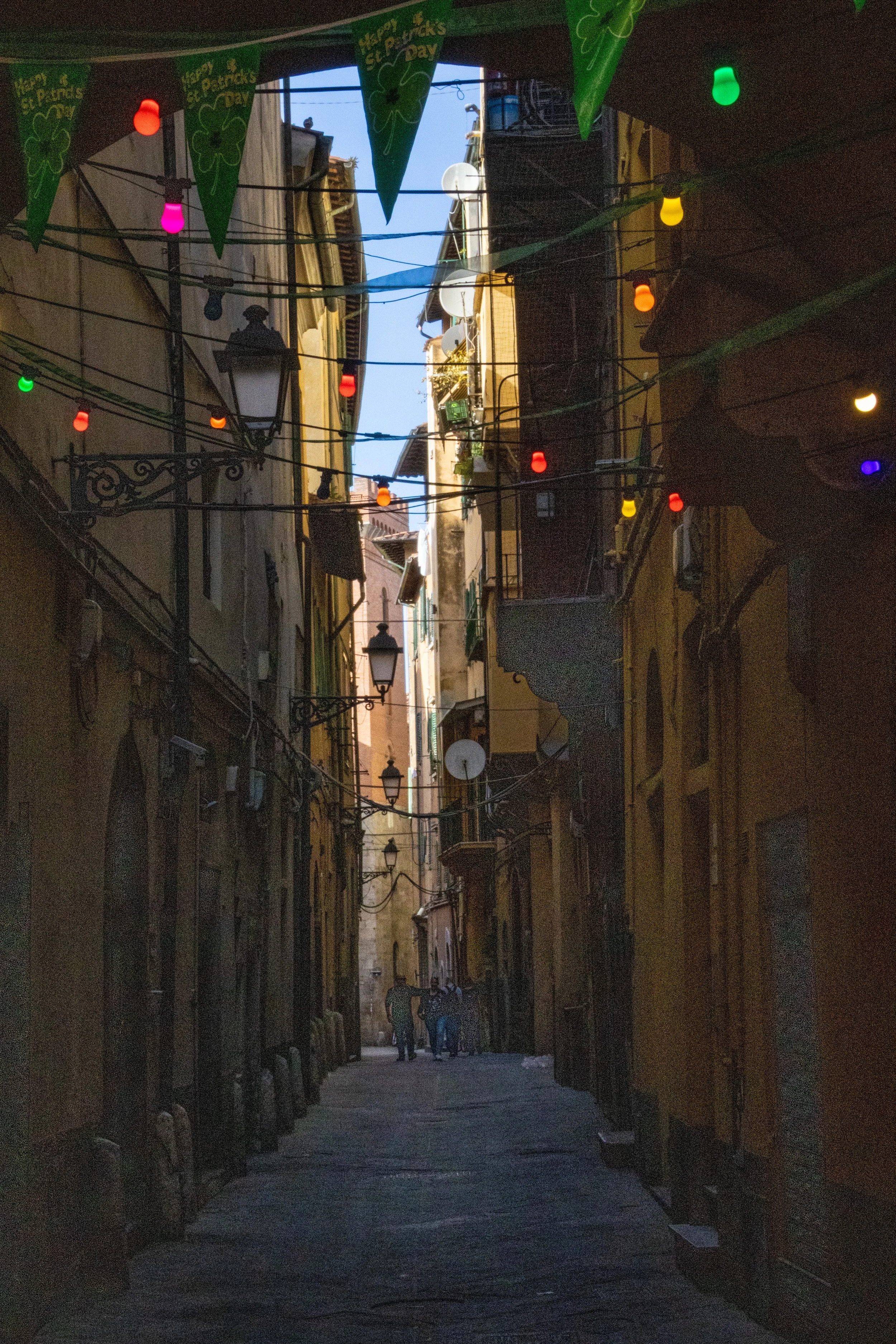
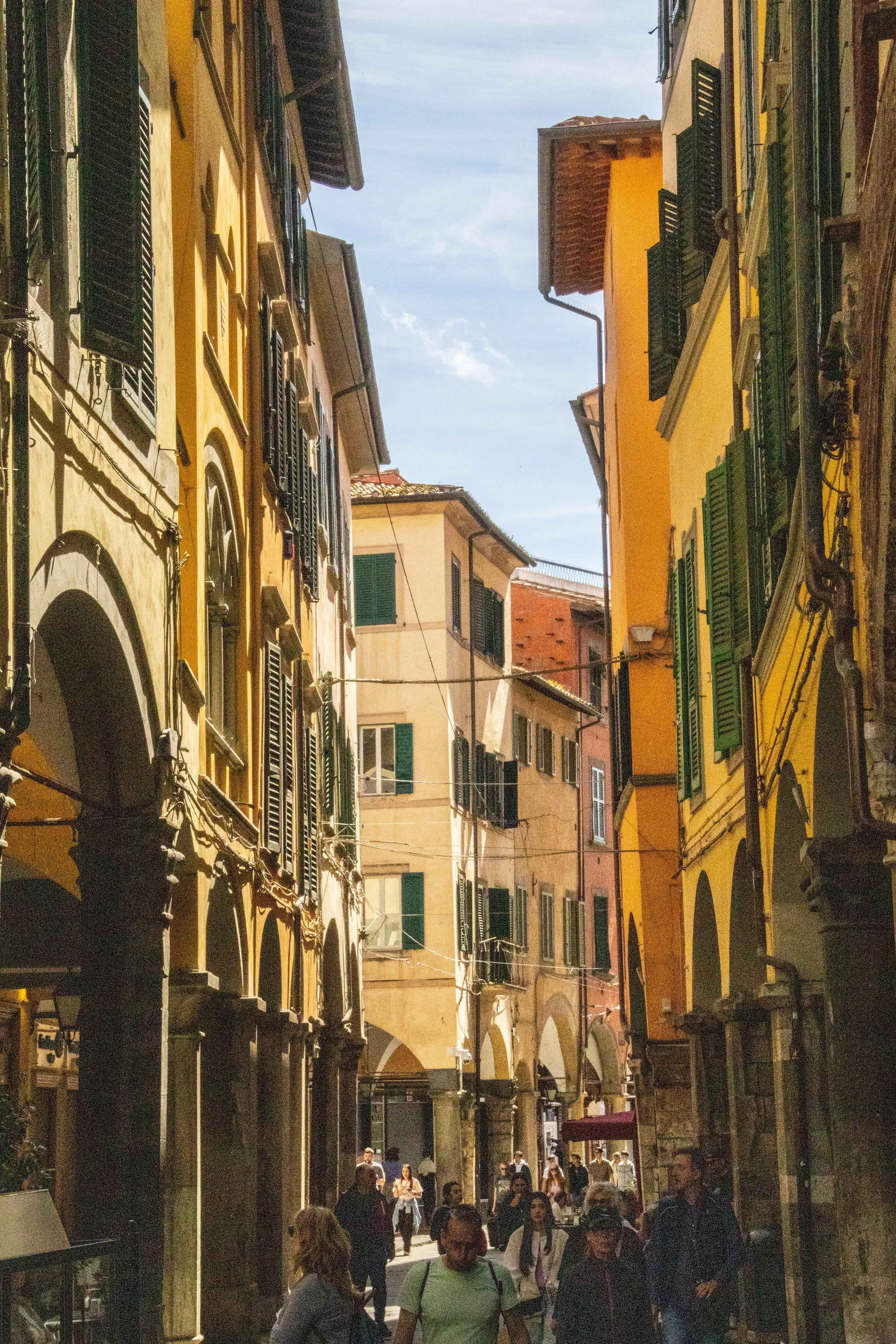
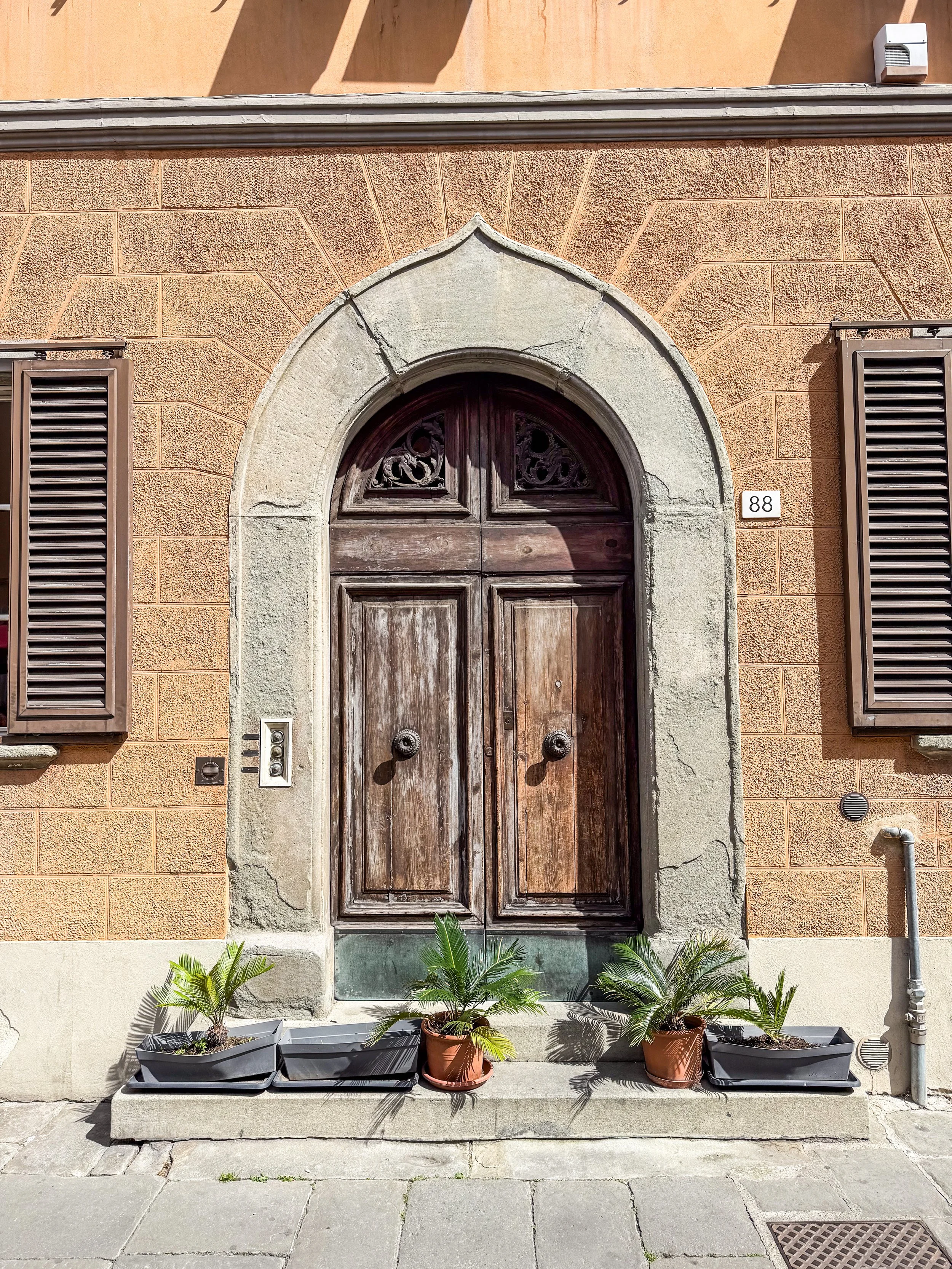
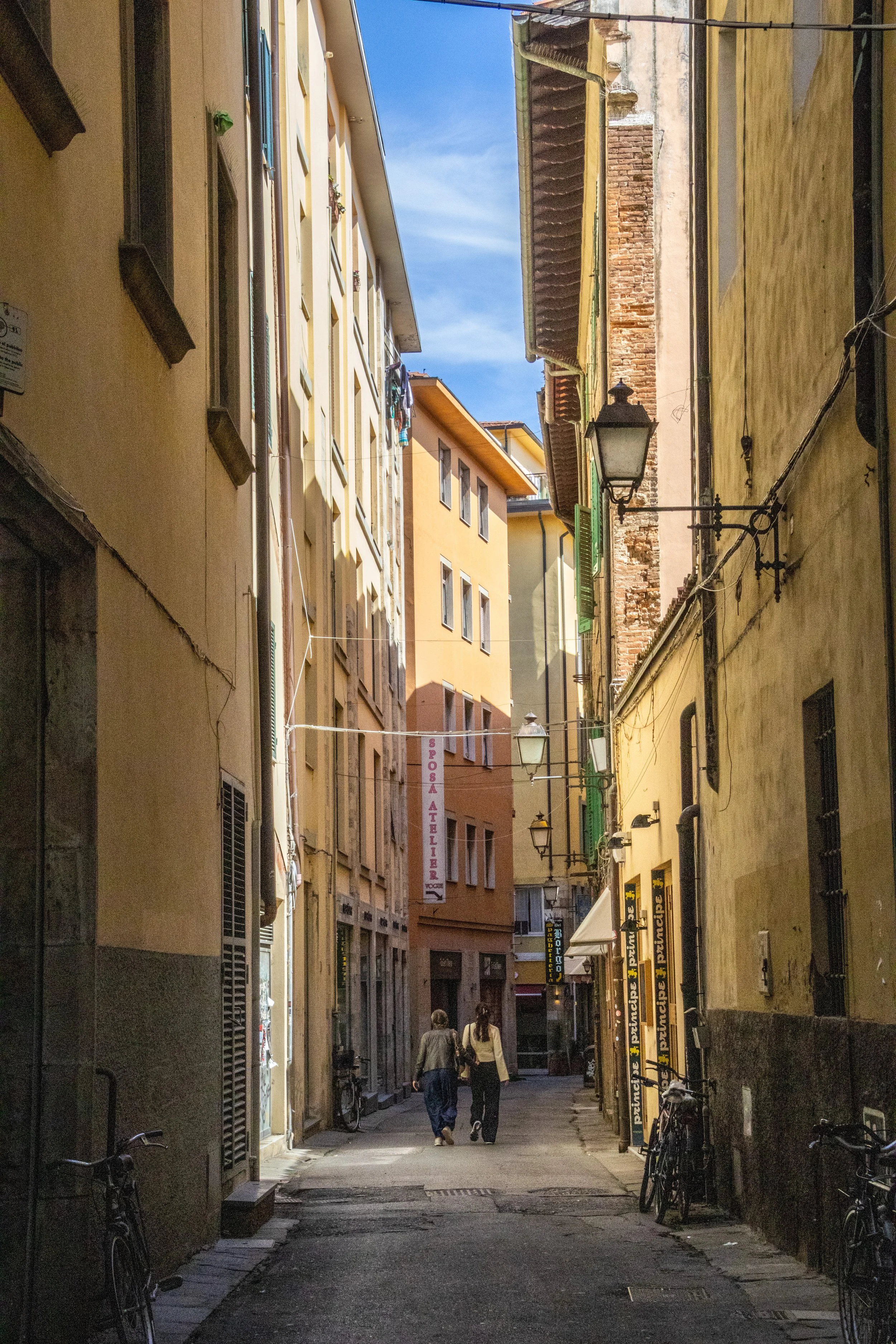
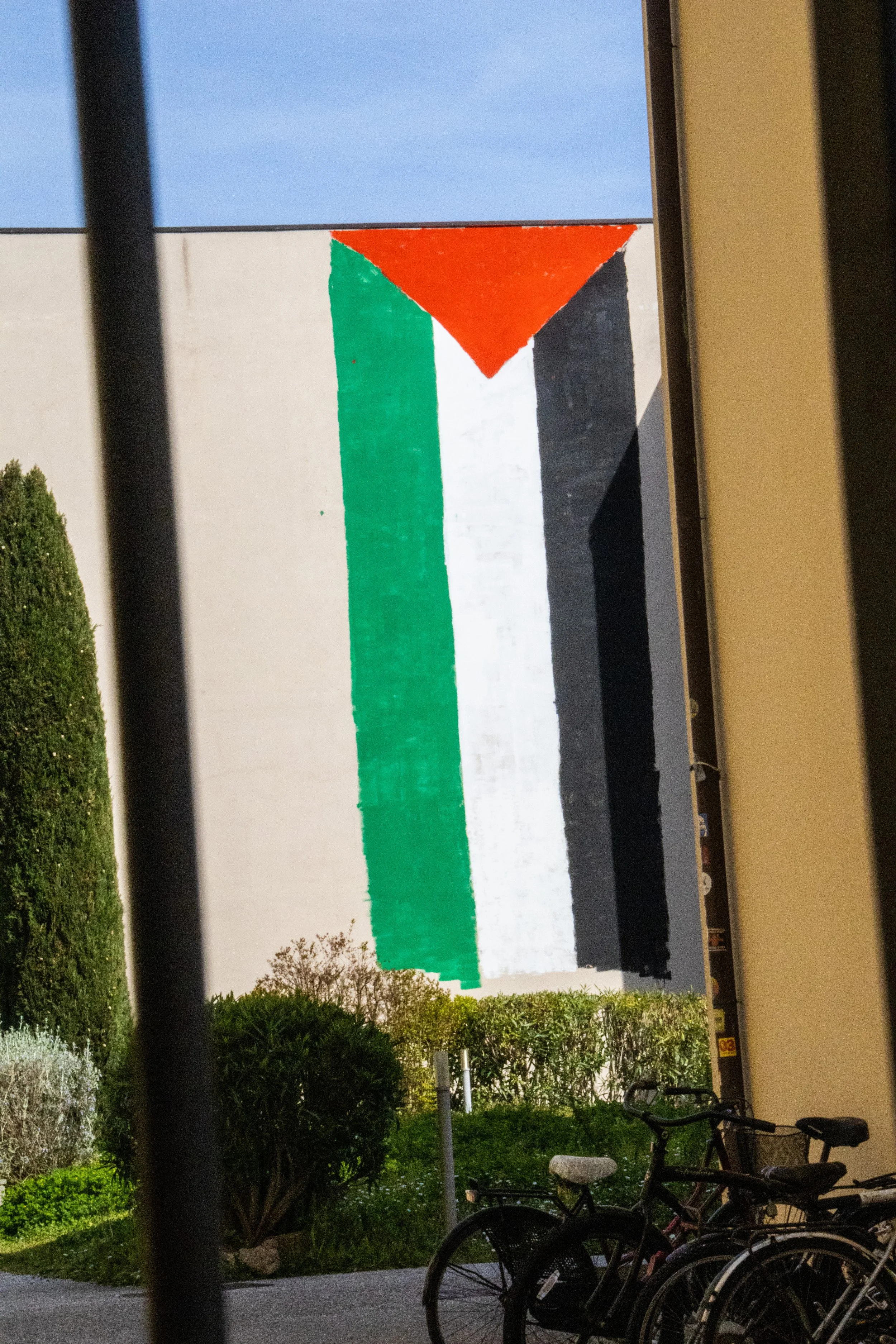
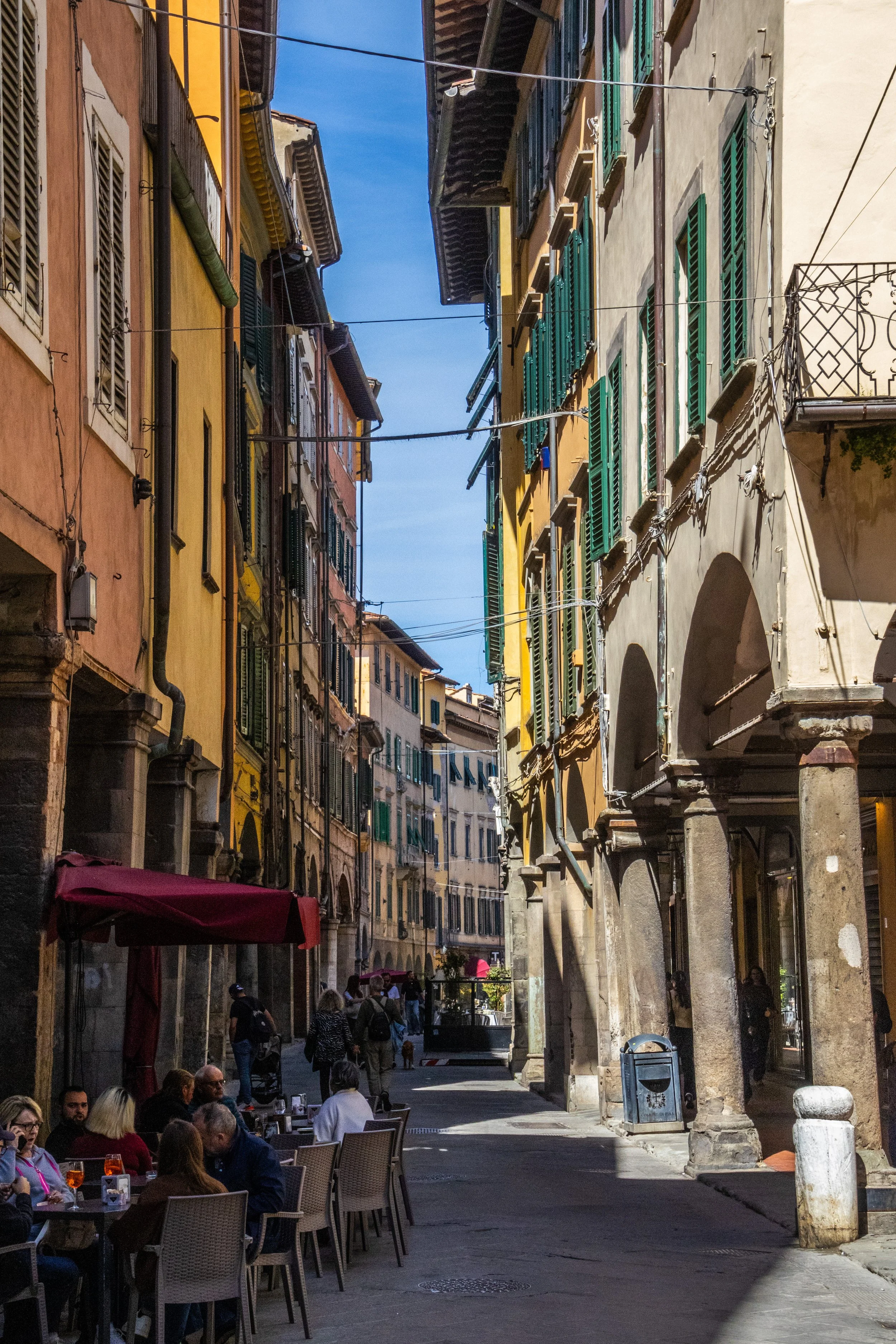
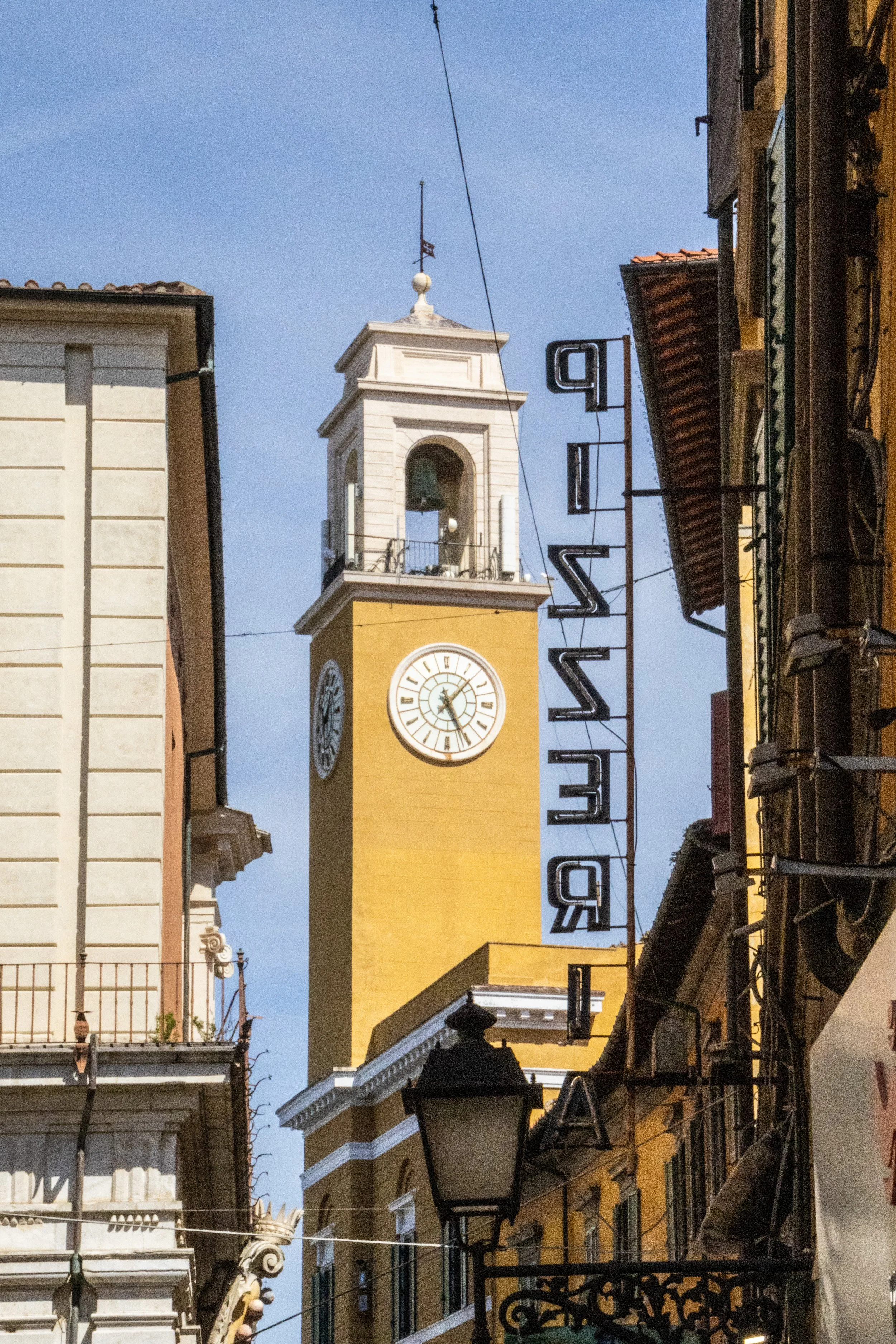
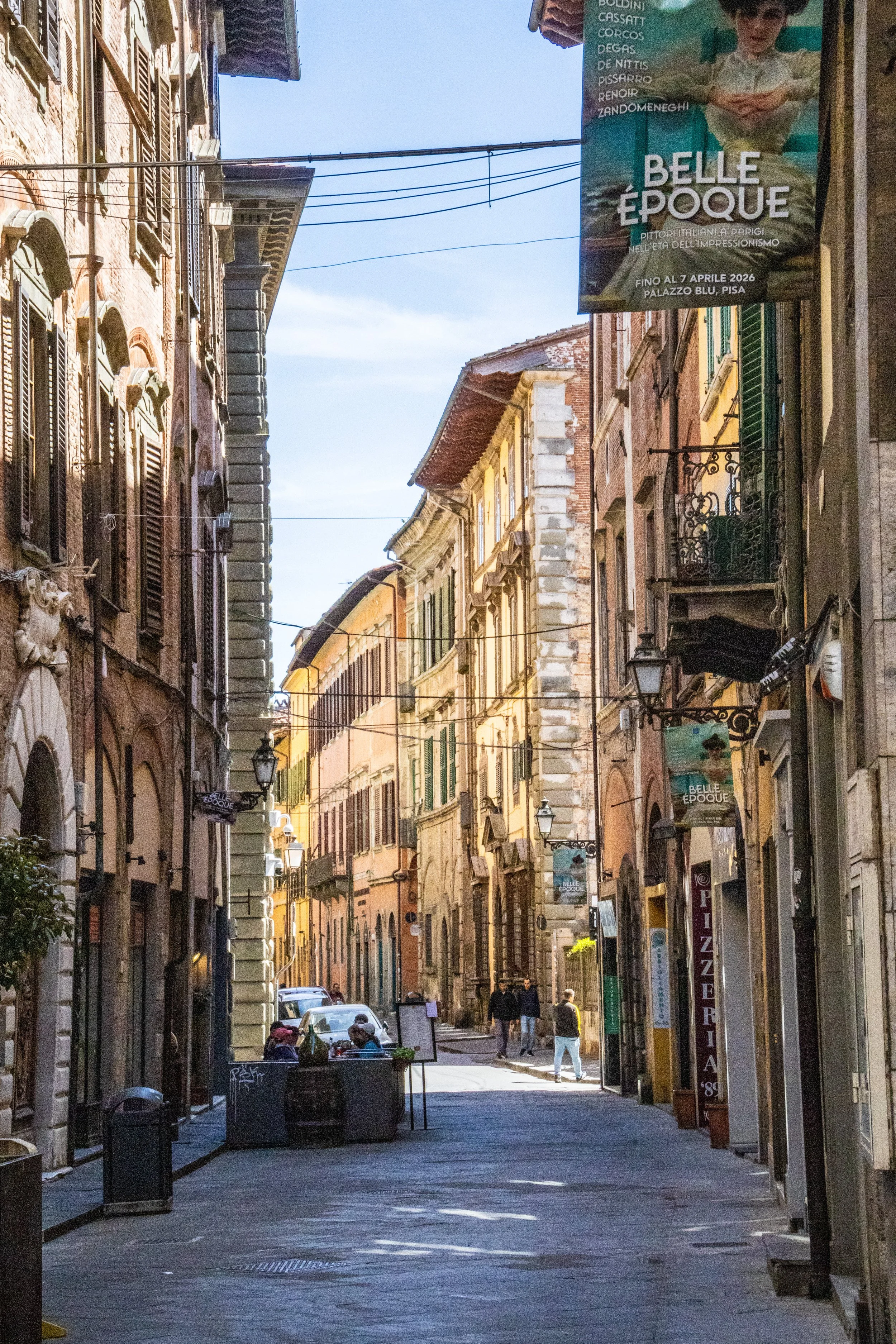
Up next, we’re heading north, from Tuscany to Ligury for the grand finale of this series on Italy. We’ll make a quick pit-stop in La Spezia before returning to Cinque Terre to address some unfinished business from my last visit in 2015.
Please appreciate that I did not use “Come On Eileen” as the Track of the Day here. Ur welcome. 🫰





Although Florence was founded under the Romans in 59 BC, its meteoric rise did not begin until about ~1,000 AD. The intervening years saw Florence weather Gothic invasions, Byzantine rule, Lombard control, Frankish conquest under Charlemagne. A thousand years of the same struggle for incremental gains that most every city in the world was experiencing, until Florence’s petri dish yielded something entirely unique. Going into the 1400s, Florence had a unique combination of enormous private wealth, political competition, educated merchants, civic pride, and intense rivalry among wealthy families. You might assume that they the powers that be would opt to duke out their competitions in war, business, and industry (and there was certainly some of this), but the Florentine elite chose a new arena for competition: the arts. You may have heard of the Medici? This was one of those wealthy families that is famously supported some of the artists that would establish Florence as a cultural juggernaut and kick-start the Renaissance. They even have their own Netflix show now.