
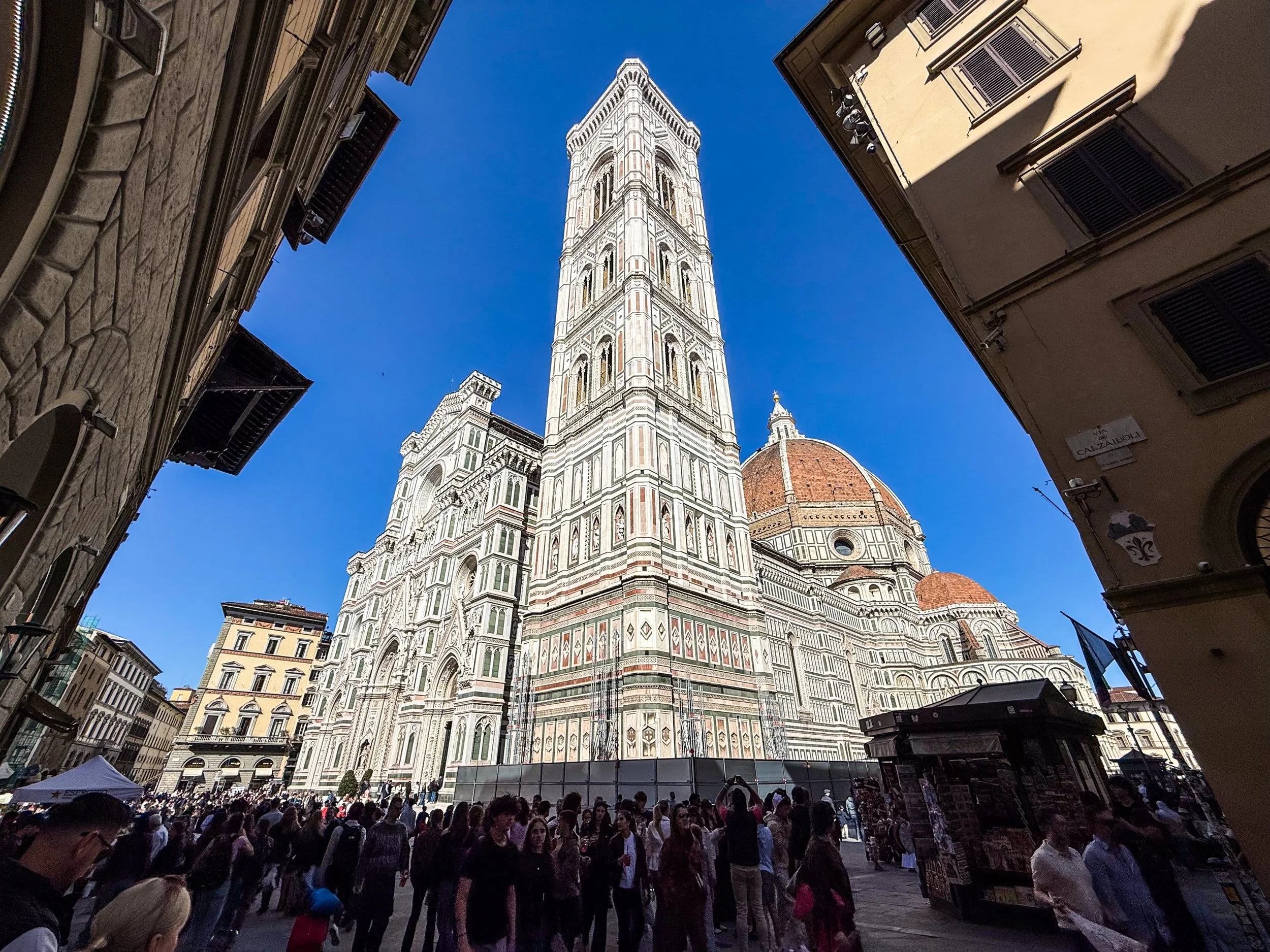
Up to this point, if you’d asked me what major Italian cities I’d not visited yet, Florence would have been top of my list. In fact, I’d never even been to Tuscany! A shame for somebody who professes to love Italy as much as I do, right?
Well that changes today. Join me for some adventures under the Tuscan sun. ☀️
An Introduction to Firenze (Florence)
The Last 2,000+ Years in 3 Minutes
With a population of only ~360,000, Florence is a rare specimen whose staggering significance is completely disproportionate to its modest size. Shocking though it may seem now, there was a moment in time when Florence was pretty much the center of the universe. Admittedly, this moment has long since passed, but its legacy is alive and well.
Although Florence was founded under the Romans in 59 BC, its meteoric rise did not begin until about ~1,000 AD. The intervening years saw Florence weather Gothic invasions, Byzantine rule, Lombard control, Frankish conquest under Charlemagne, and more. After a thousand years of the same struggle for incremental gains that most every city in the world was experiencing, until Florence’s petri dish yielded something entirely unique. Going into the 1400s, Florence had a unique combination of enormous private wealth, political competition, educated merchants, civic pride, and intense rivalry among wealthy families. You might assume that they the powers that be would opt to duke out their competitions in war, business, and industry (and there was certainly some of this), but the Florentine elite chose a new arena for competition: the arts. You may have heard of the Medici? This was one of those wealthy families that is famously supported some of the artists that would establish Florence as a cultural juggernaut and kick-start the Renaissance. They even have their own Netflix show now.
Yep, Florence was not only the birthplace of the Renaissance, but arguably its heart from start to finish (from ~1400-1550). During that time, it was home to artists such as Leonardo da Vinci, Michelangelo, Sandro Botticelli, Donatello, Filippo Brunelleschi, Raphael, Masaccio, Galileo Galilei, Niccolò Machiavelli. That’s an absurd concentration of talent, and 4 out of 4 Ninja Turtles!
You could write FOREVER on this topic, but who has the time?

One other area where Florence made massive contributions, which pre-dated and arguably paved the way for the Renaissance to happen, was banking. They didn’t invent banking, but they professionalized and scaled it in truly innovative ways. Florentine bankers developed international branch networks, standardized accounting practices, sophisticated credit systems, currency exchange operations, and methods for moving large sums across Europe without physically transporting coins. All of this made long-distance trade far safer and more efficient.
The hey-day of Florence eventually came to an end as the budding Atlantic trade pushed wealth toward coastal cities and the political/military landscape continued to shift. Florence was actually occupied by the French under Napoleon for a hot minute. When Italy finally unified into a single country, Florence served a short stint as its newly-minted capital from 1865 and 1871. Fast-forward to the 21st century, and Florence is now a center for art history and restoration, as well as wine, academia, and tourism… which brings us to my visit one sunny day in Spring 2026.
🛫 Arriving in Florence 🛬
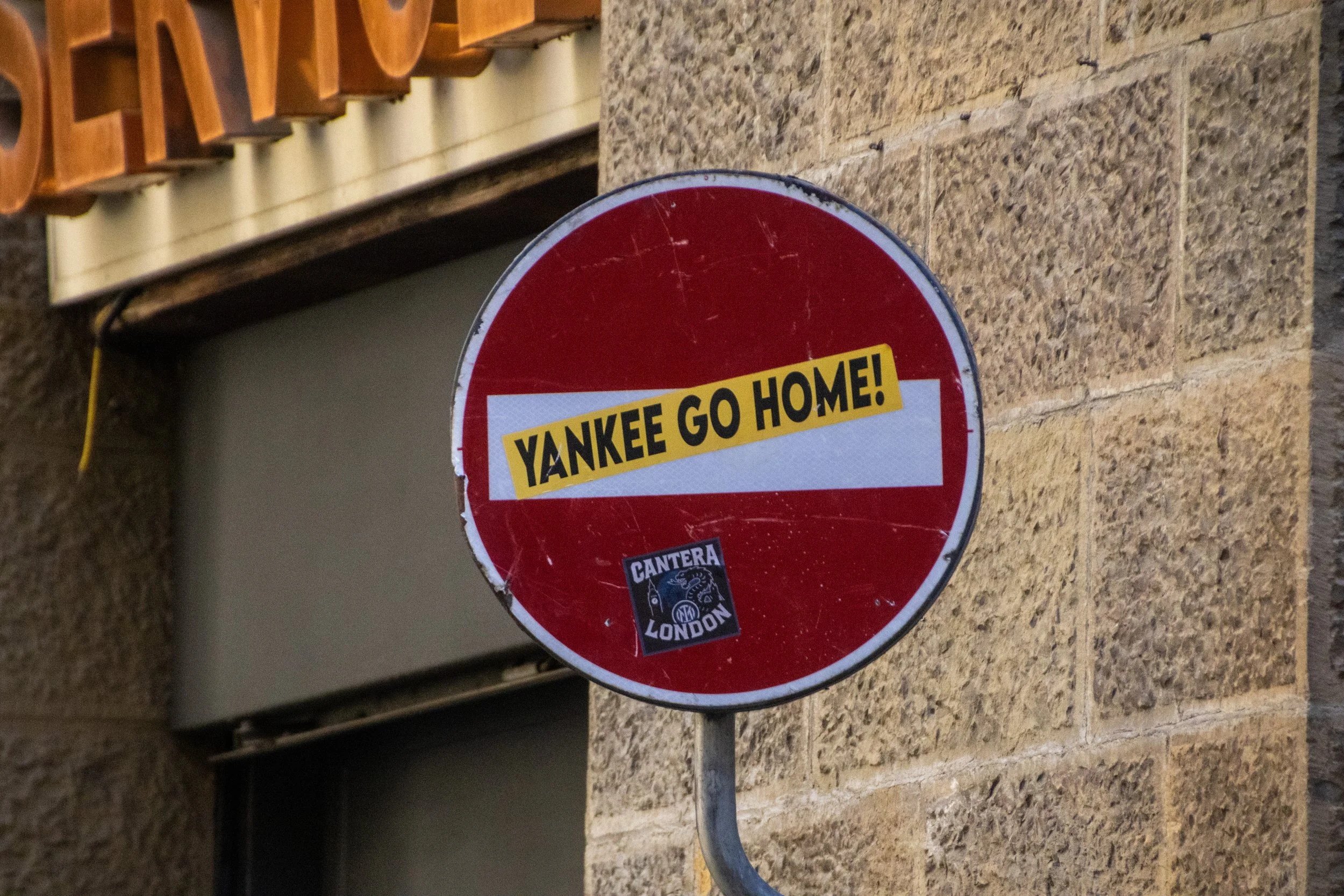
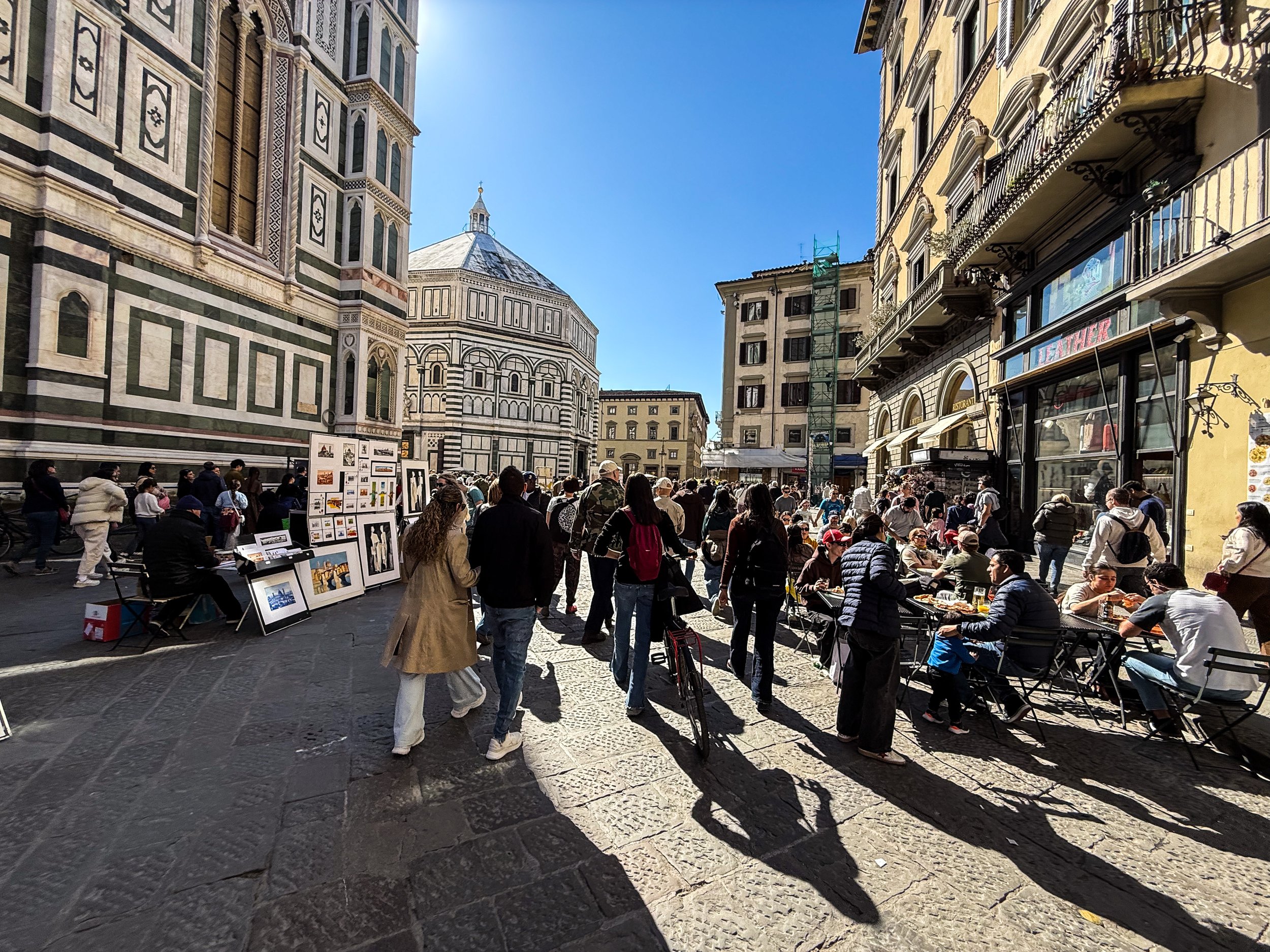
I think Florence is the densest concentration of Americans I’ve ever experienced this far away from America. It was no surprise that the streets were awash with tourists, but I was catching an American accent through the ambient noise of the streets every 2 or 3 minutes! It was really striking, and Florence had clearly taken notice, as evidenced by the “YANKEE GO HOME” stickers that had been stuck all over the city. If you’re new to this website, I am American. I’ve been living abroad long enough that you’d think I’d be immune to this sort of thing by now, but—even though I was aware that it could very well have been ONE lone vigilante asshole that was behind every single one of these stickers—I couldn’t help being annoyed. Unfortunately, these are the sorts of things that stick with you. 🙄
But in fairness, the ratio of tourists to locals here is insane. It’s easy to see how locals might be fed up with visitors. Amateur statistician that I am, ChatGPT helped me figure out that that average ratio of tourists on the streets of Florence’s large historic city center at any given time (during the warmer tourist-heavy months) is something like 3-5 tourists for every local. Outside of this central area the number becomes slightly more reasonable, at roughly 1.5-2 locals for every tourist… but that is still A LOT.
Back in the US, I’ve had a few different friends cite “mean people in Florence” as the reason they didn’t like Italy. I am an Italy evangelist, so I would always make the case for how Italy was still great… but after visiting Florence myself, unfortunately, it’s not hard to imagine how things might have gone wrong. However, I’ve been around Italy enough that it doesn’t color my view of the country as a whole. And speaking for my own experience, limited though it may have been, everybody I interacted with in Florence was very nice.
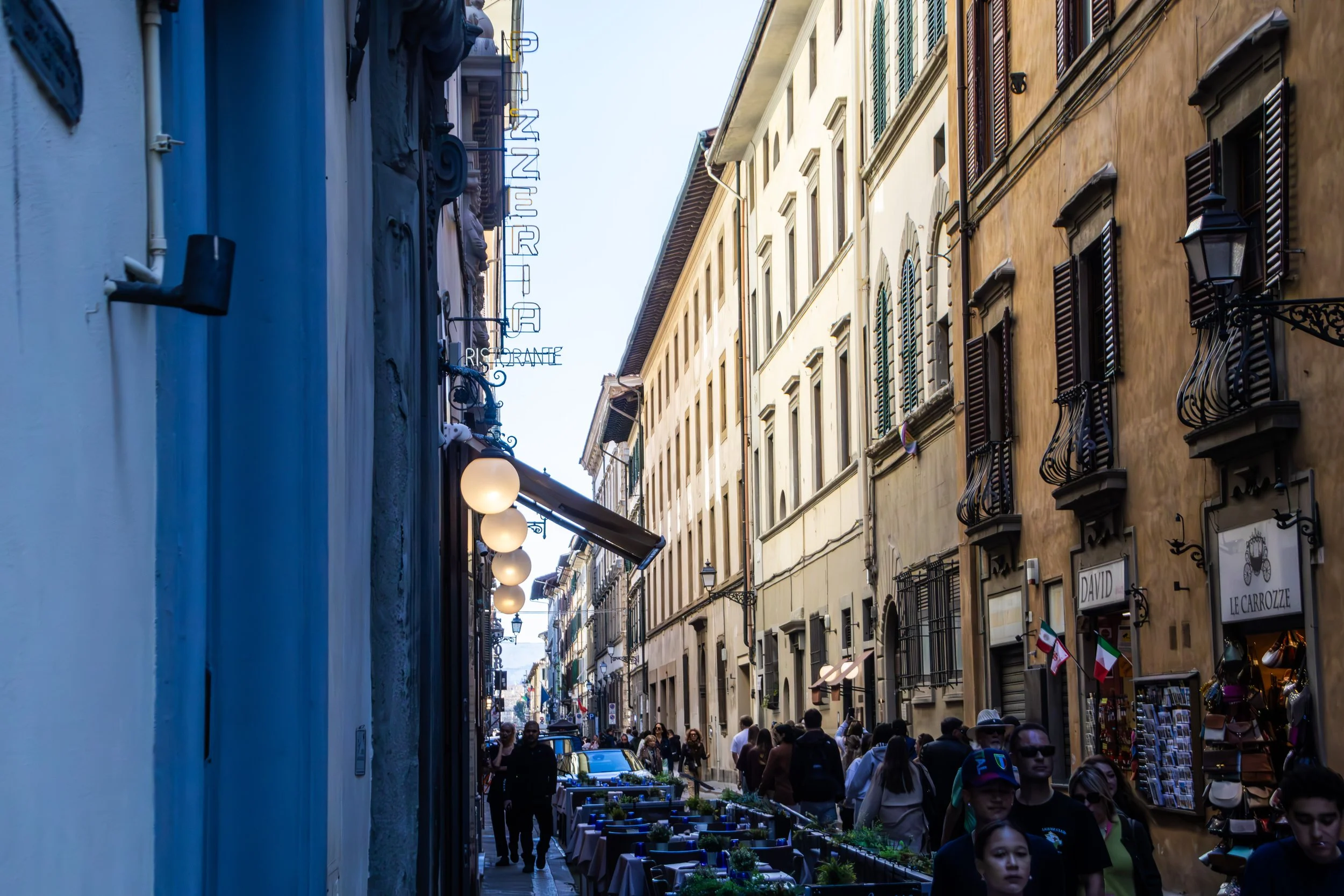
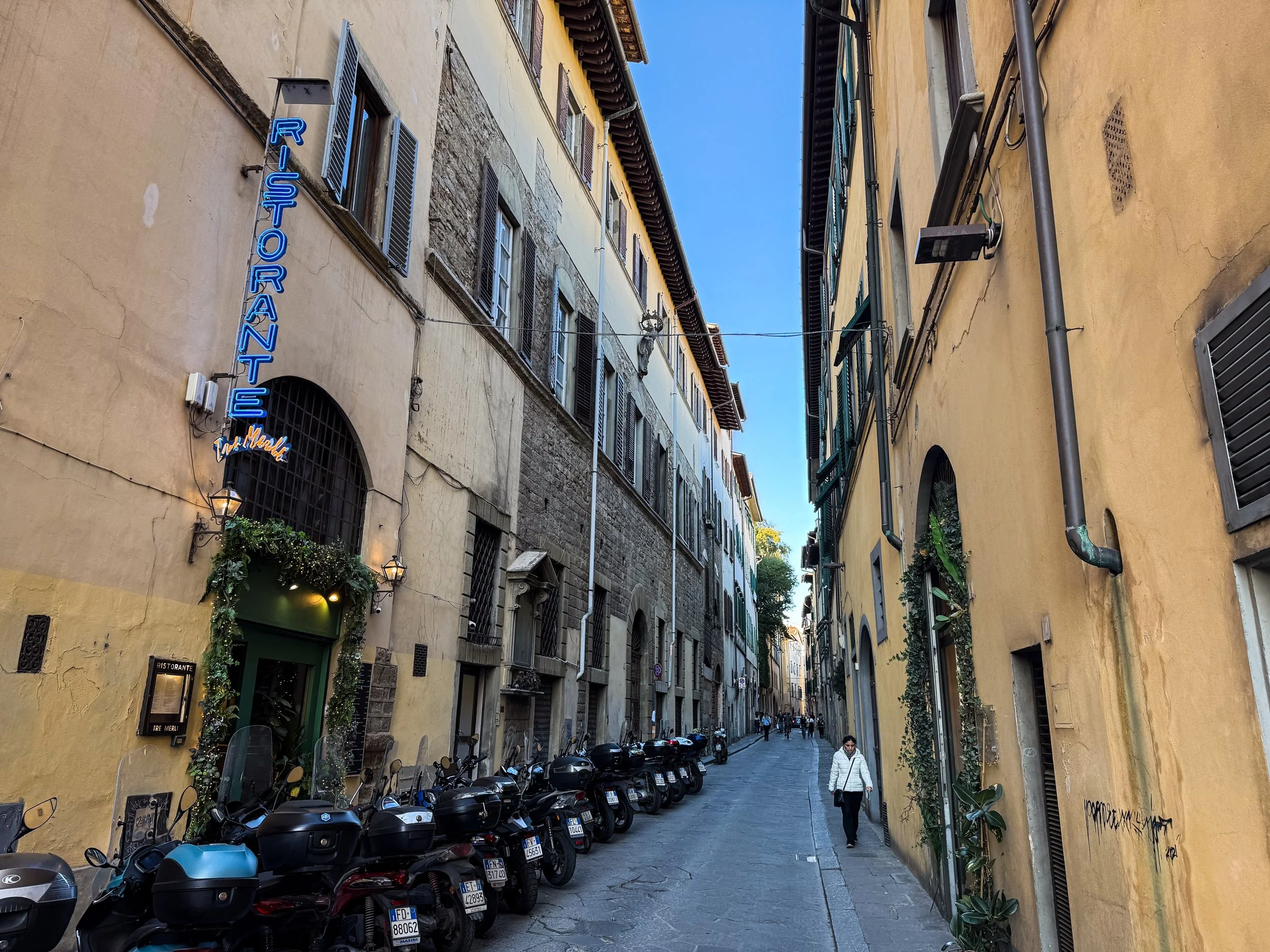
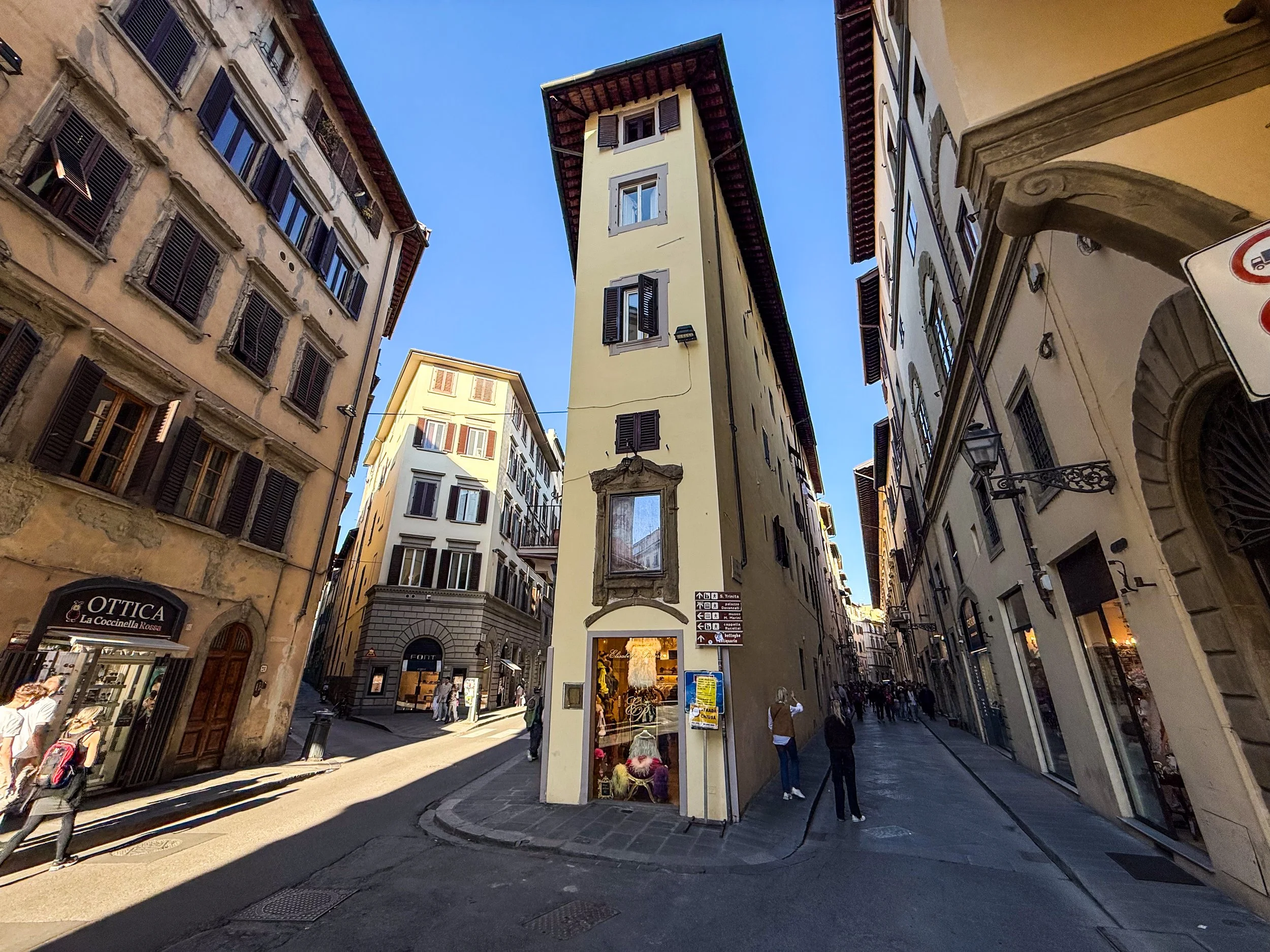
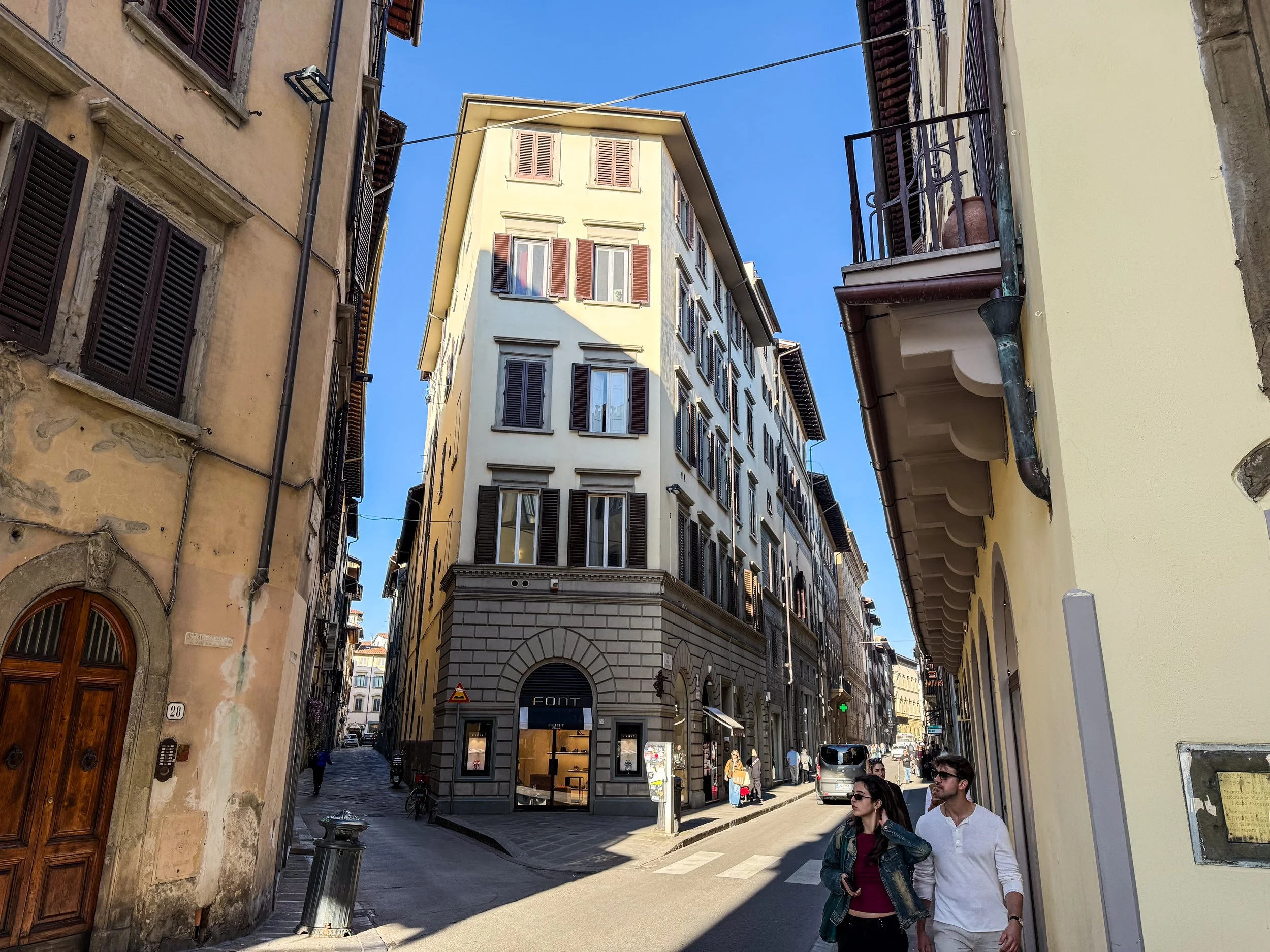
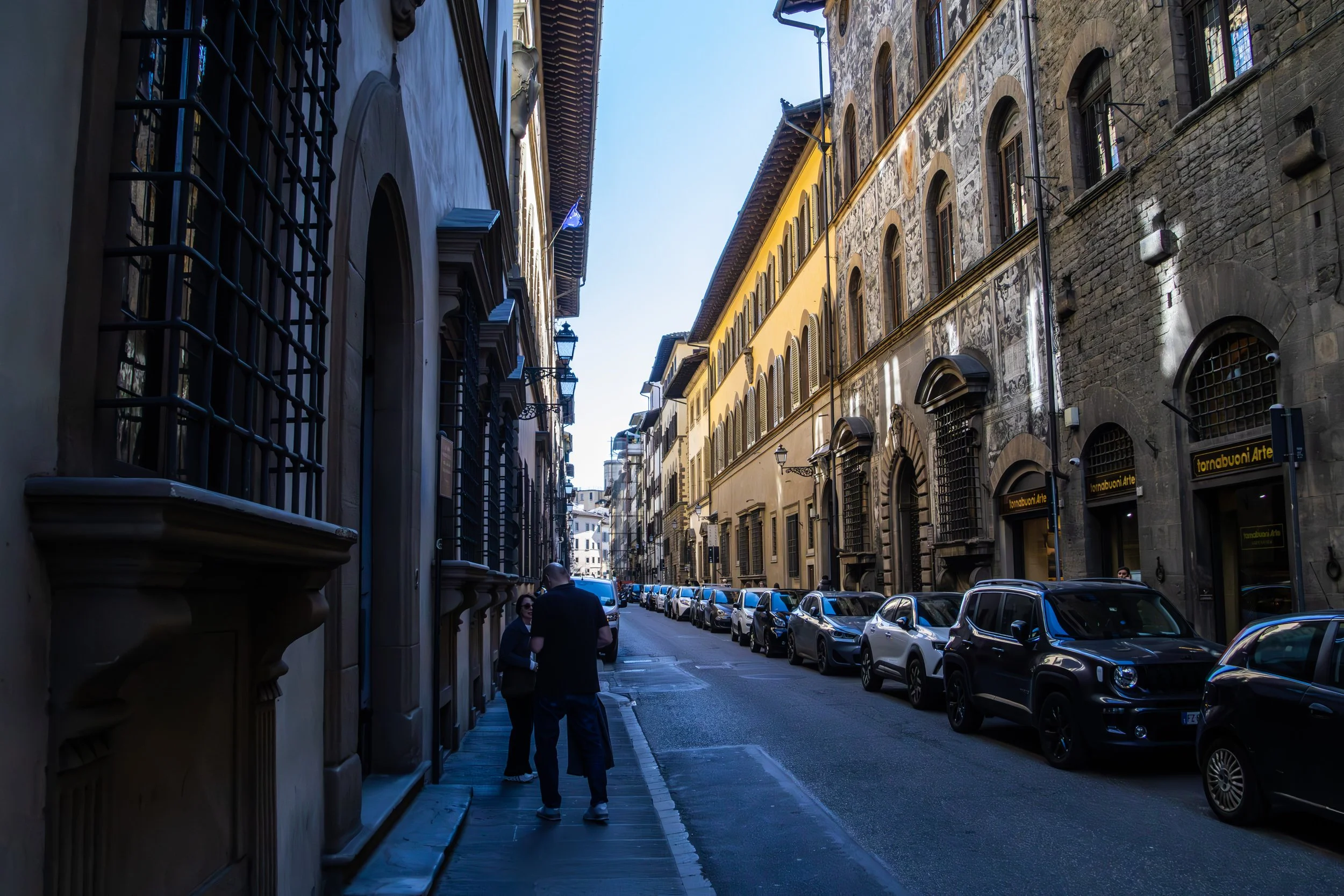
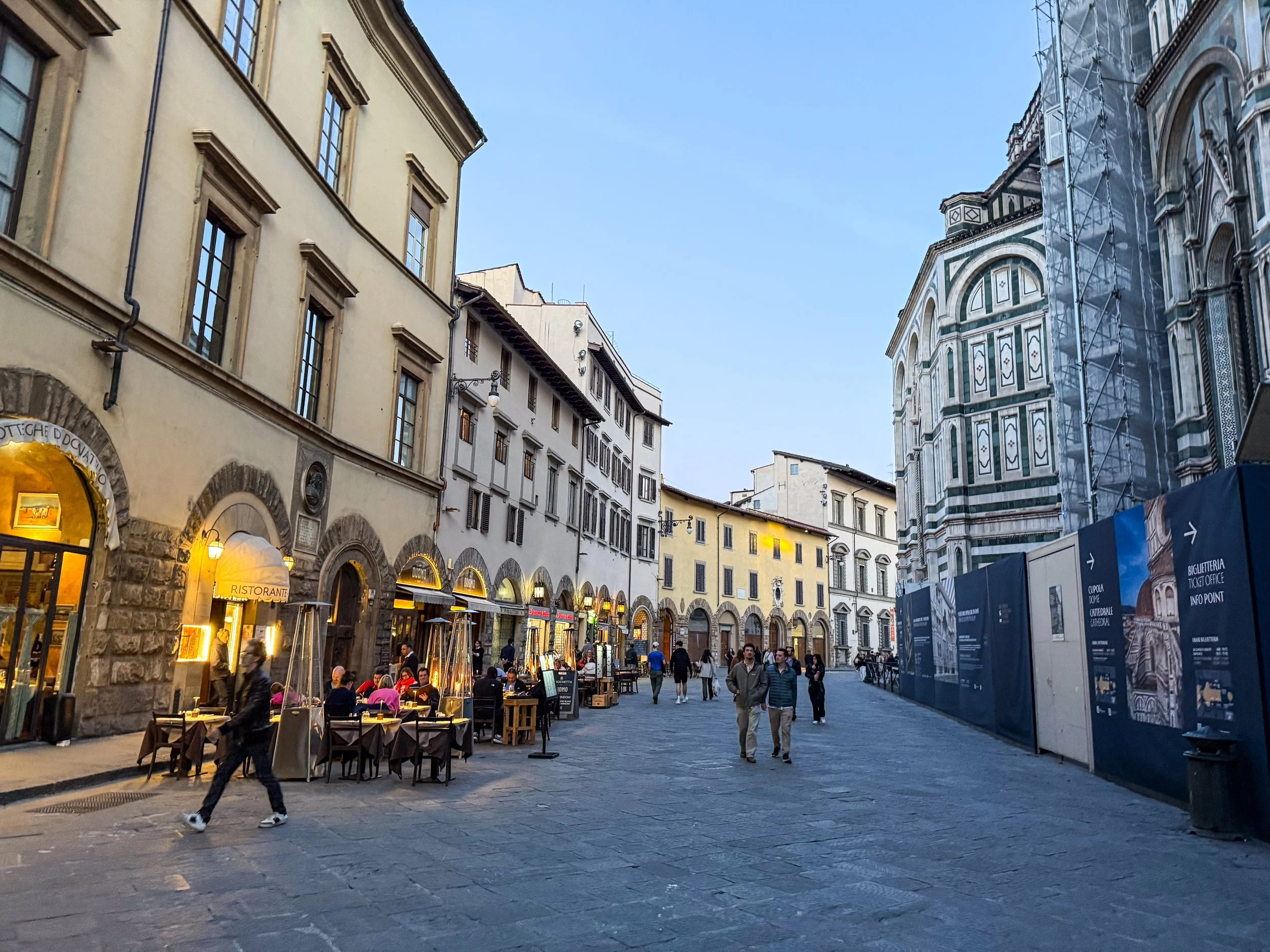
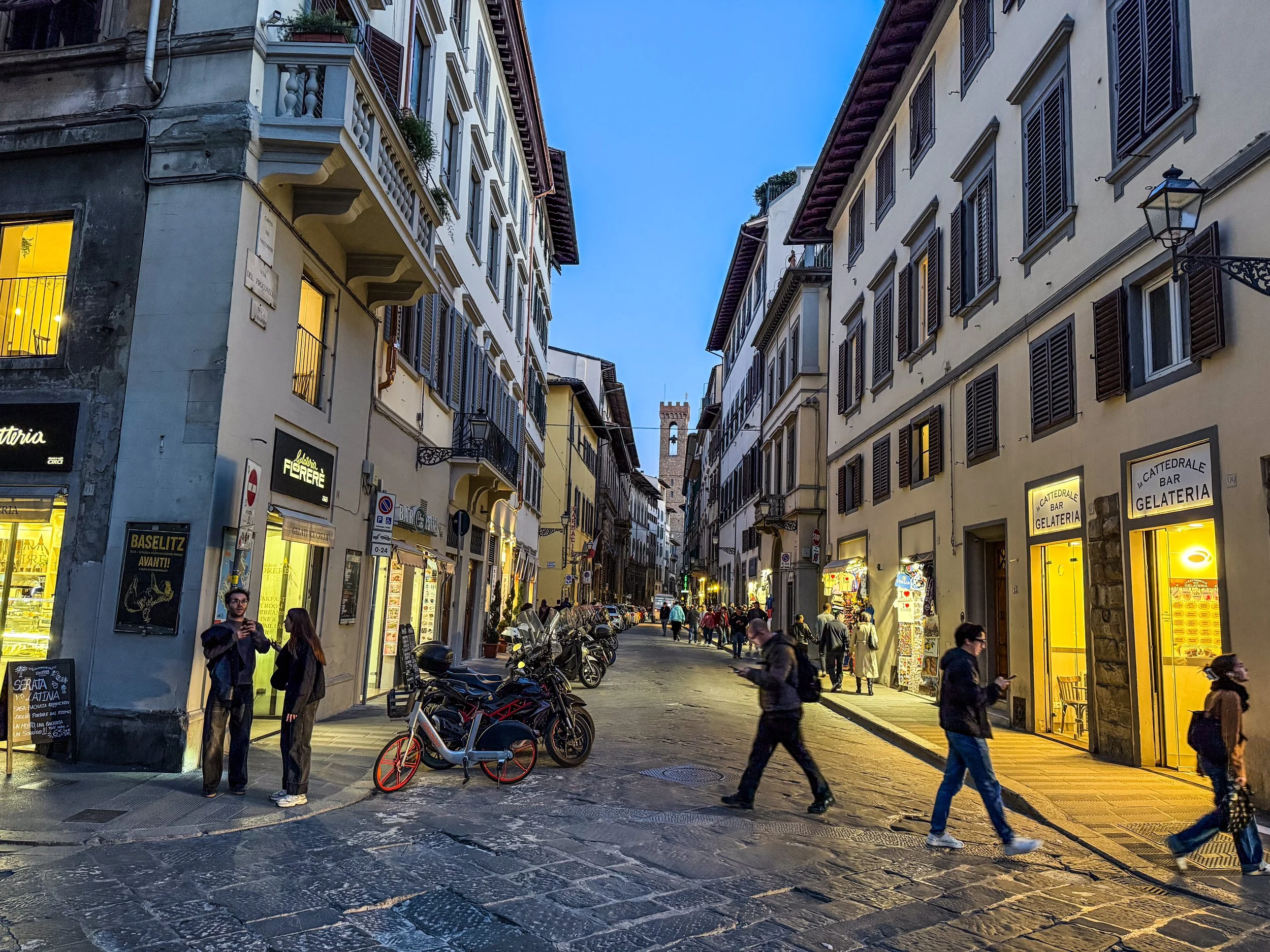
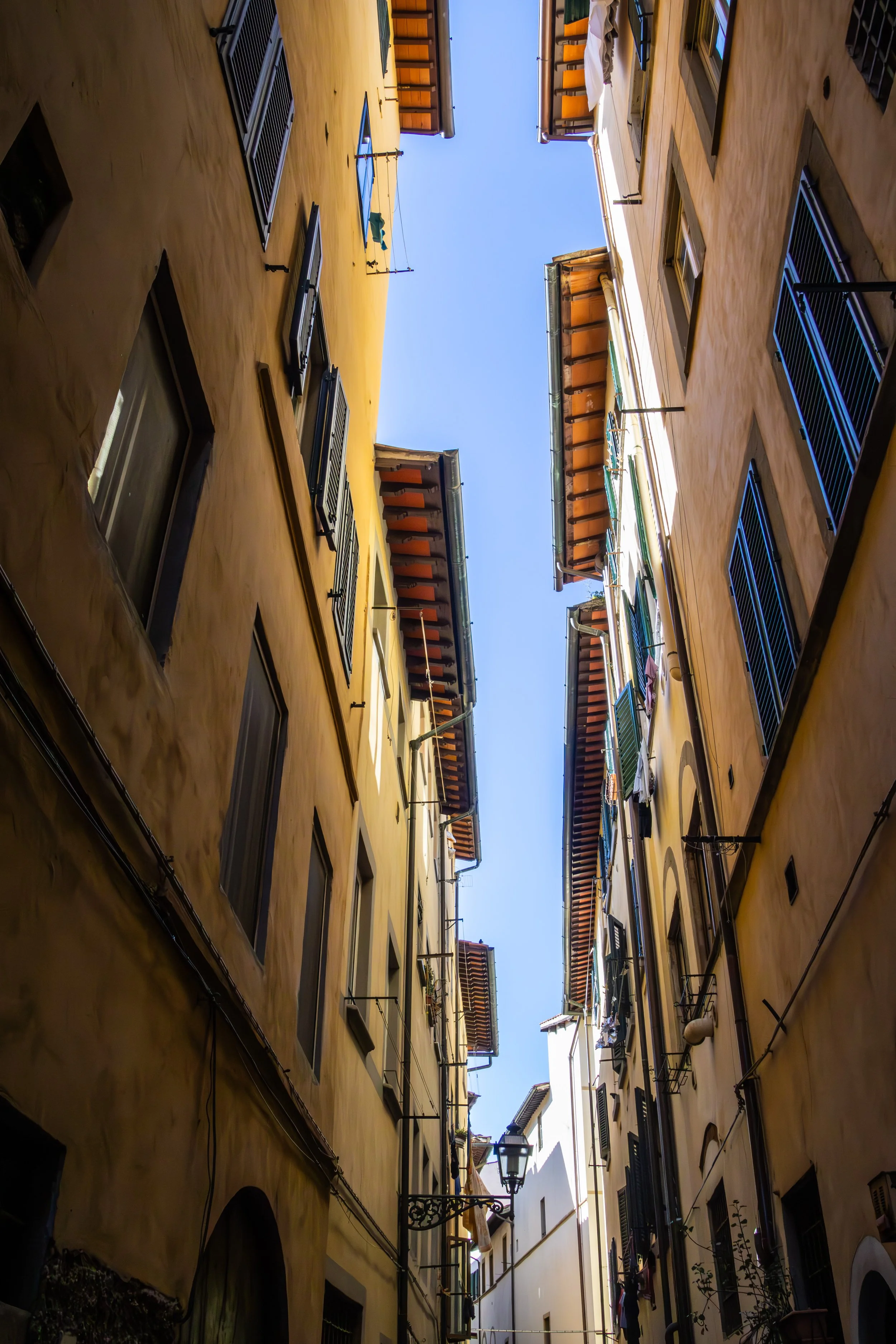
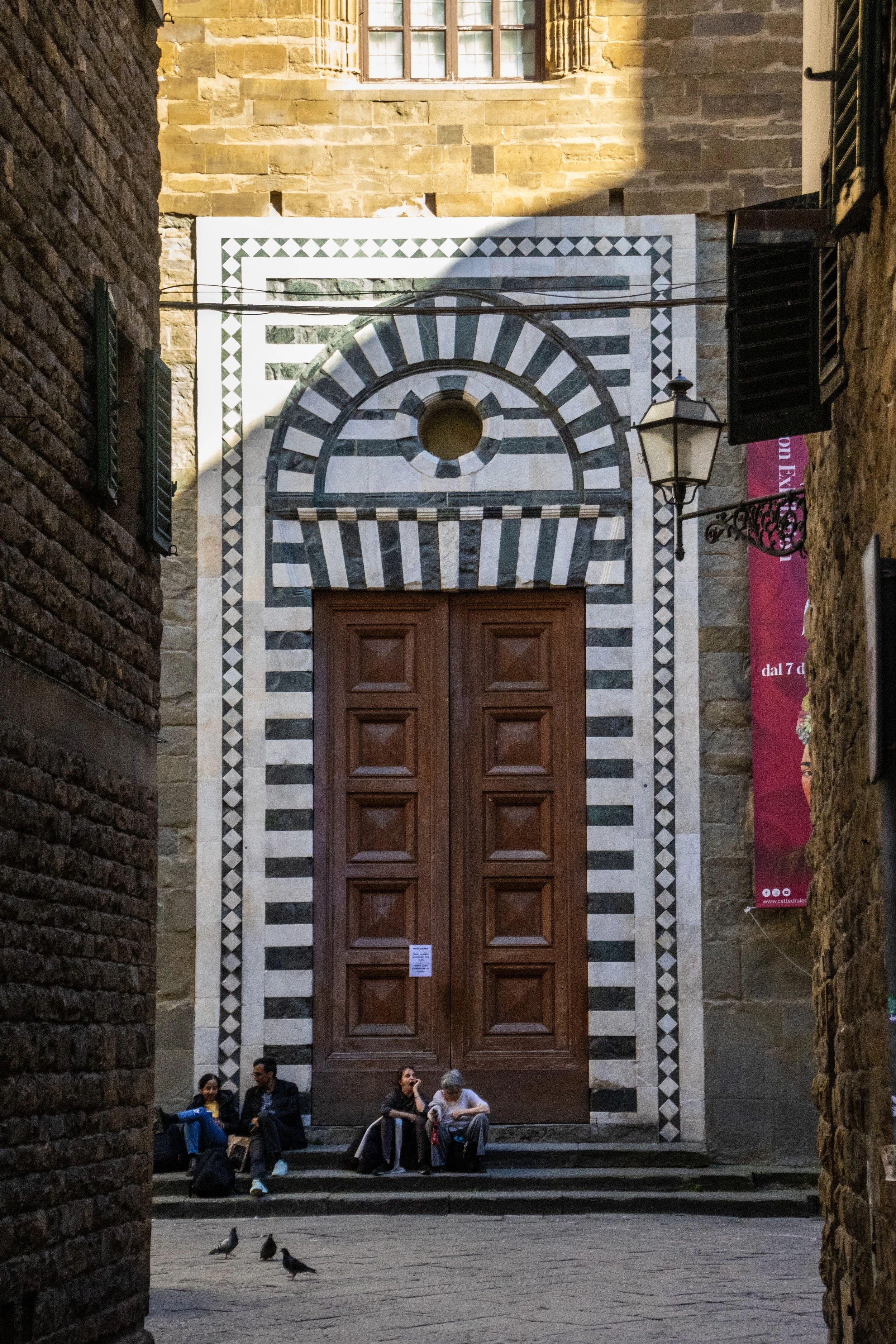
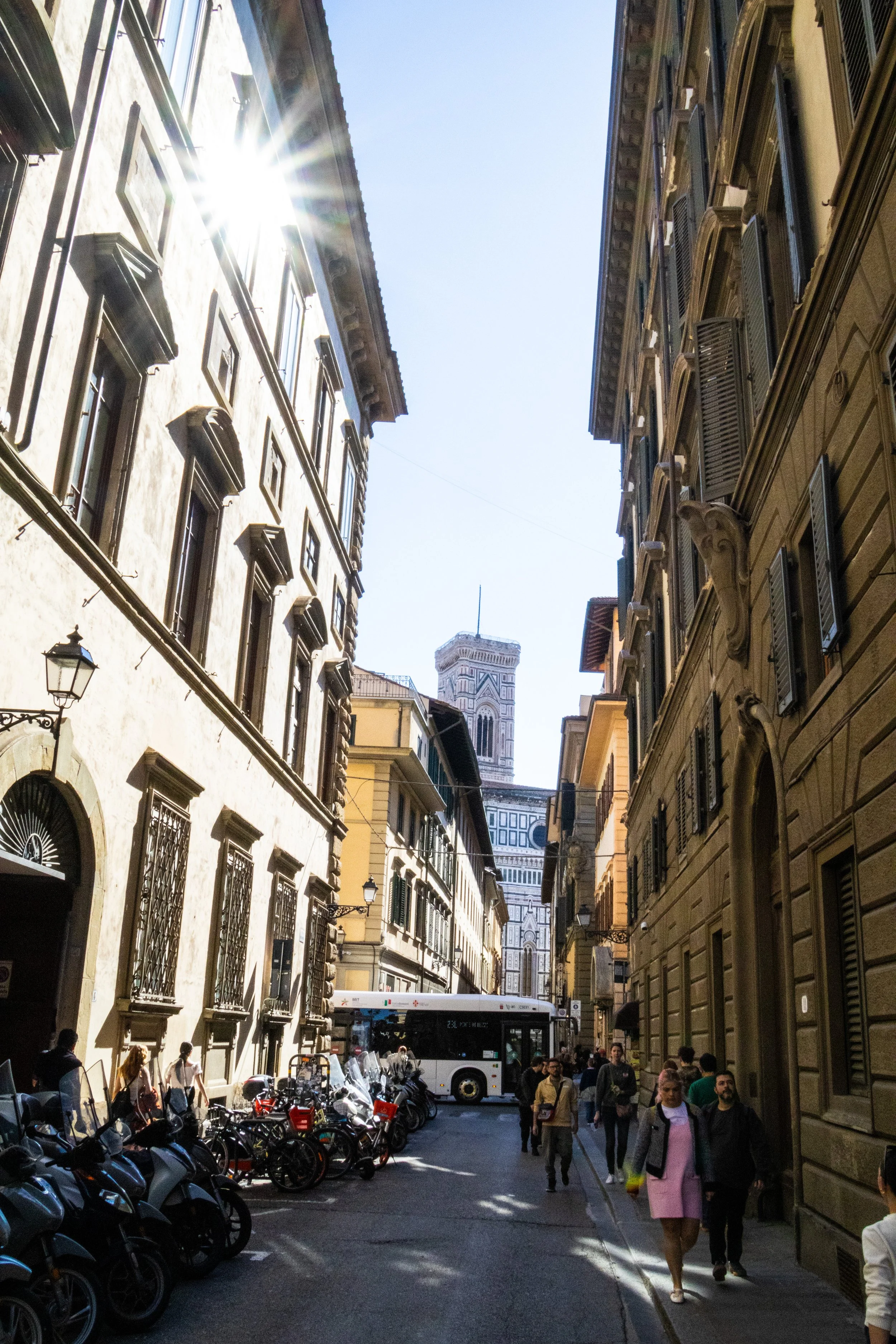
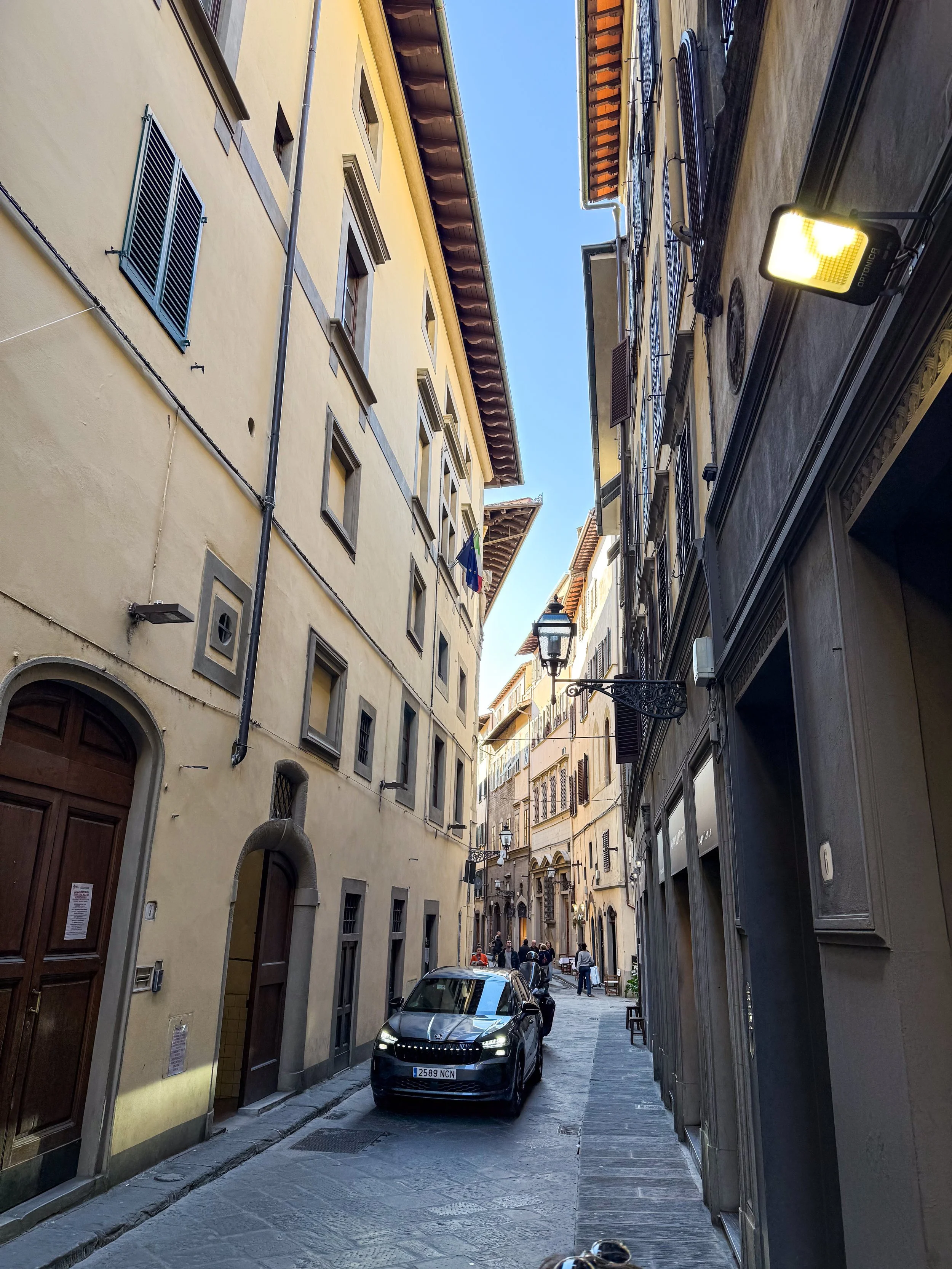
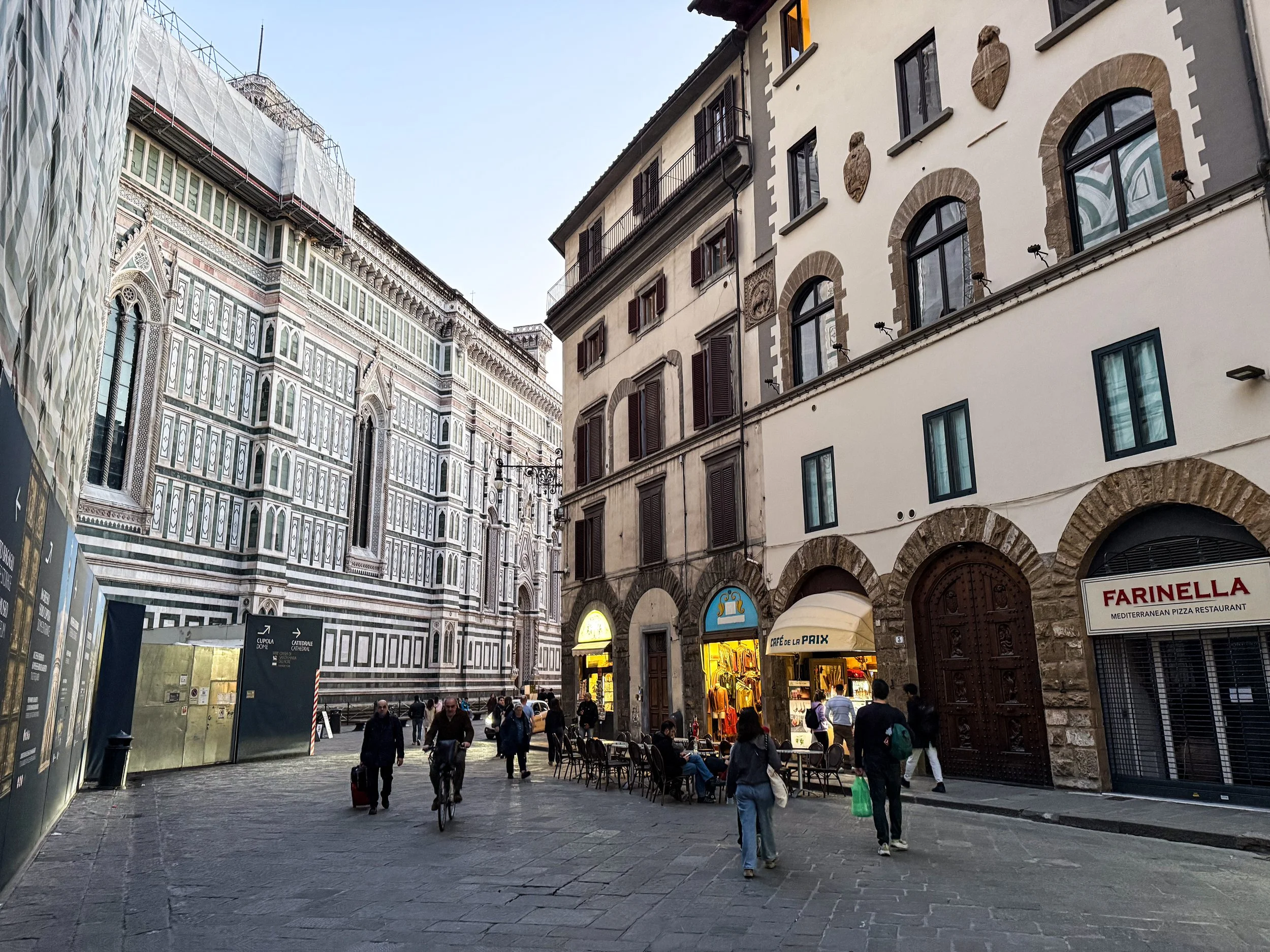
The majority of our itinerary in Florence—like most beautiful European cities—was just walking around. Through center of Florence flows the River Arno. The historic city center of Florence straddles the banks of the River Arno, but is skewed more toward the north side. This is where you’ll find all the historic landmarks, which are numerous, but as usual, the magic—for me—was in the streets themselves. These Tuscan cities (Pisa is next) came to embody the quintessential small Italian city. The ubiquitous shades of gentle yellow paint on the buildings, the textured cobblestone streets, the occasional ringing of church bells in the distance, the immediate drop in noise between a bustling piazza and the quiet, narrow street that feeds it… it’s all so classic! I’ve traveled enough through Italy that this was all familiar to me at this point… but how did it come to be considered “classic” in the first place? Tuscany felt like the answer to that question. I look forward to exploring this region more deeply in the future.
The rolling green hills that towered over the city in seemingly every direction were an exciting reminder that the REAL Tuscan experience is a roadtrip… but that will have to wait. For now, the only taste of that world that we’d get was the fleeting sight of beautiful vineyards and gardens out the window of a moving train. But I digress…
Once we ventured a couple of blocks south of the River Arno, the foot traffic decreased substantially. Predictably, this was the part of Florence that I enjoyed most. It felt more local I suppose, but was very clearly still part of the historic city center. This area, I would come to learn, is known as Oltrarno (literally translation: "beyond the Arno”).
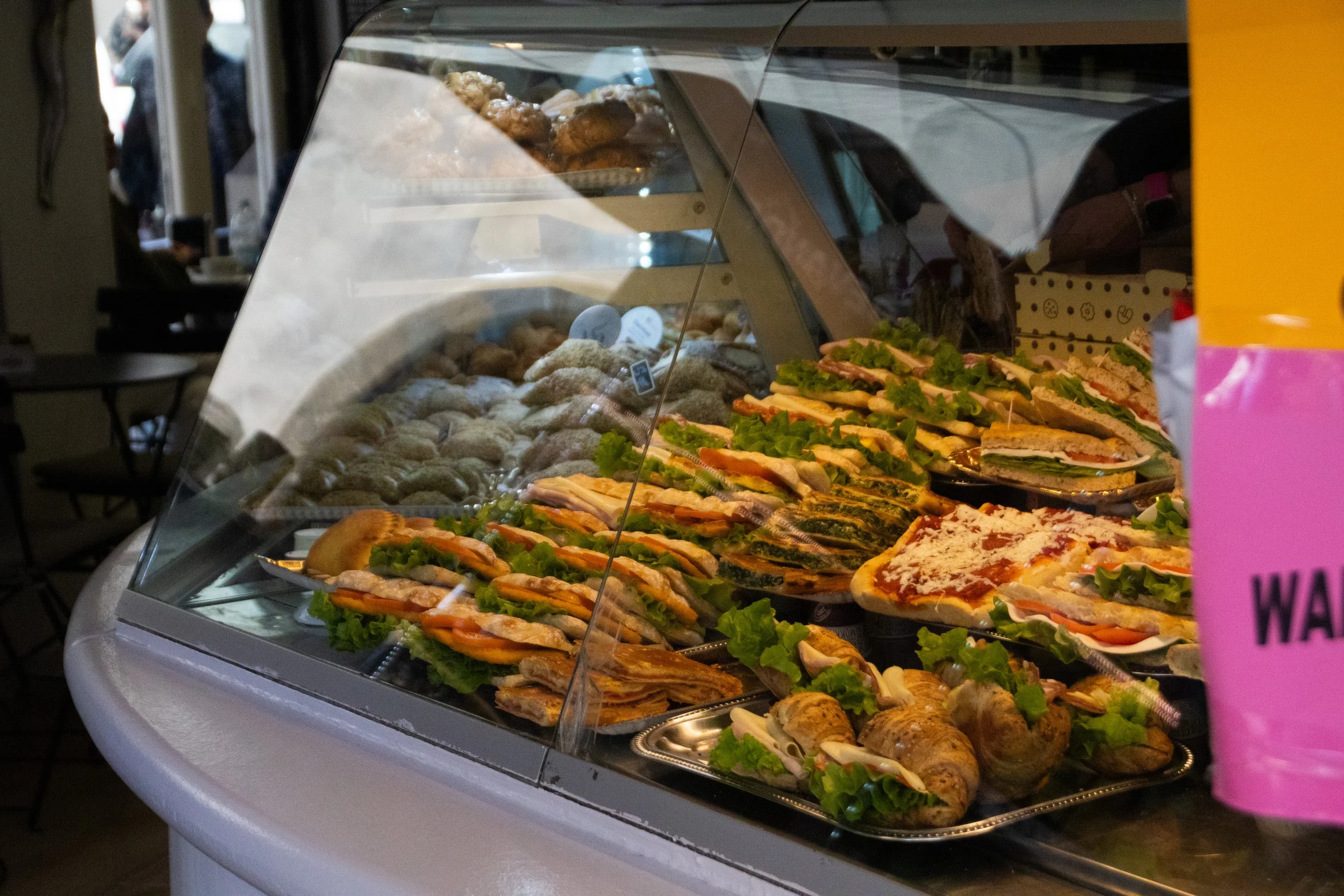
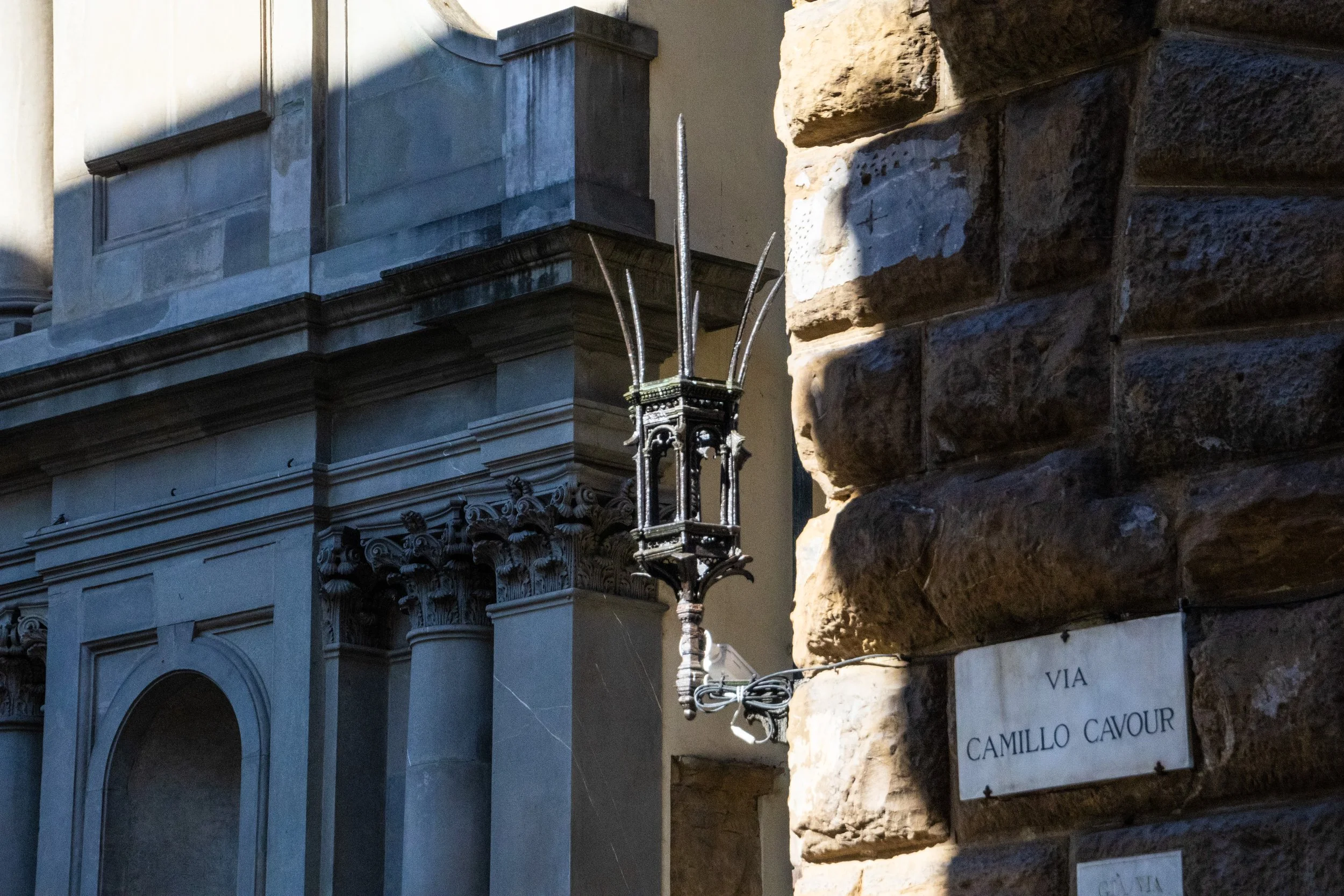
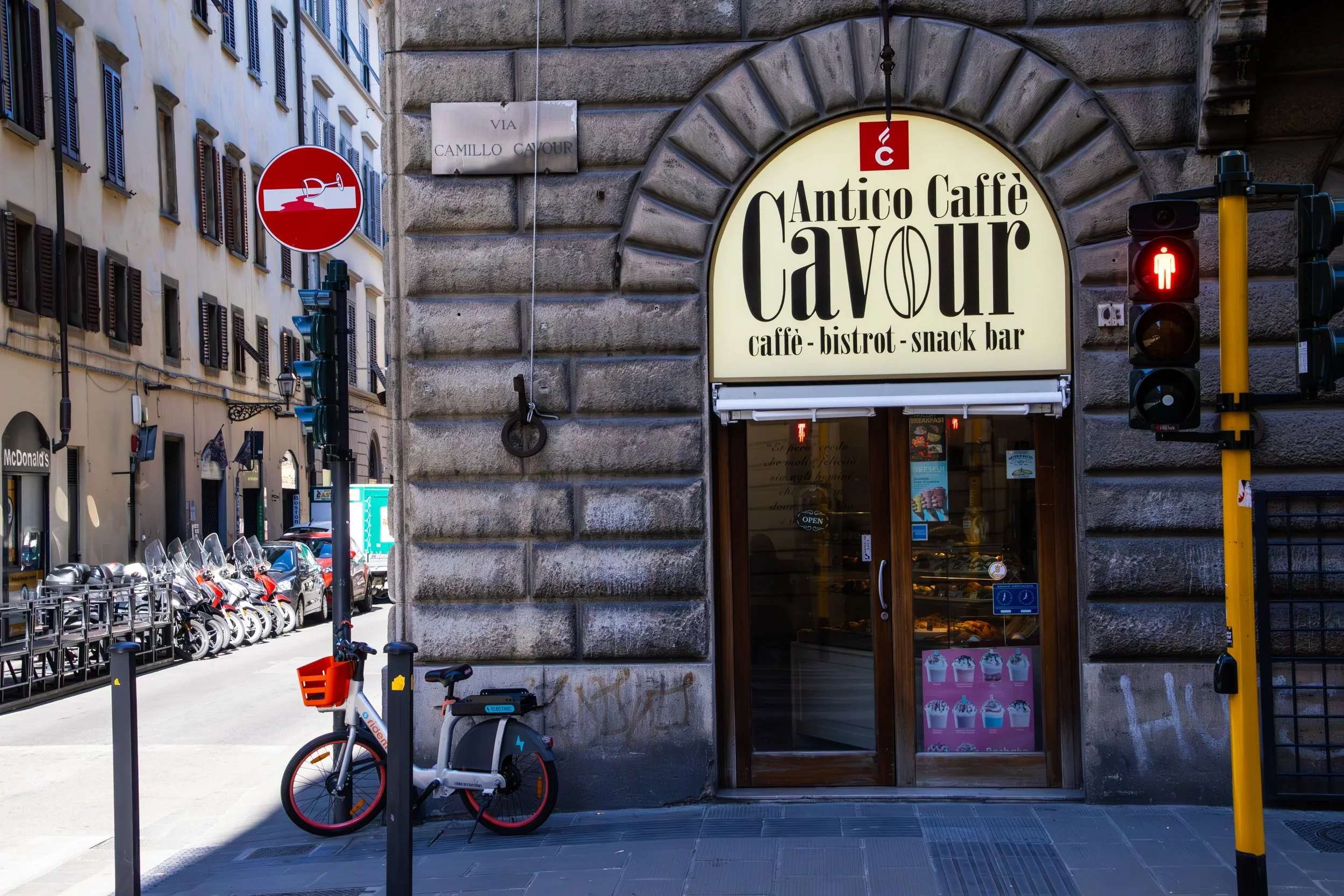
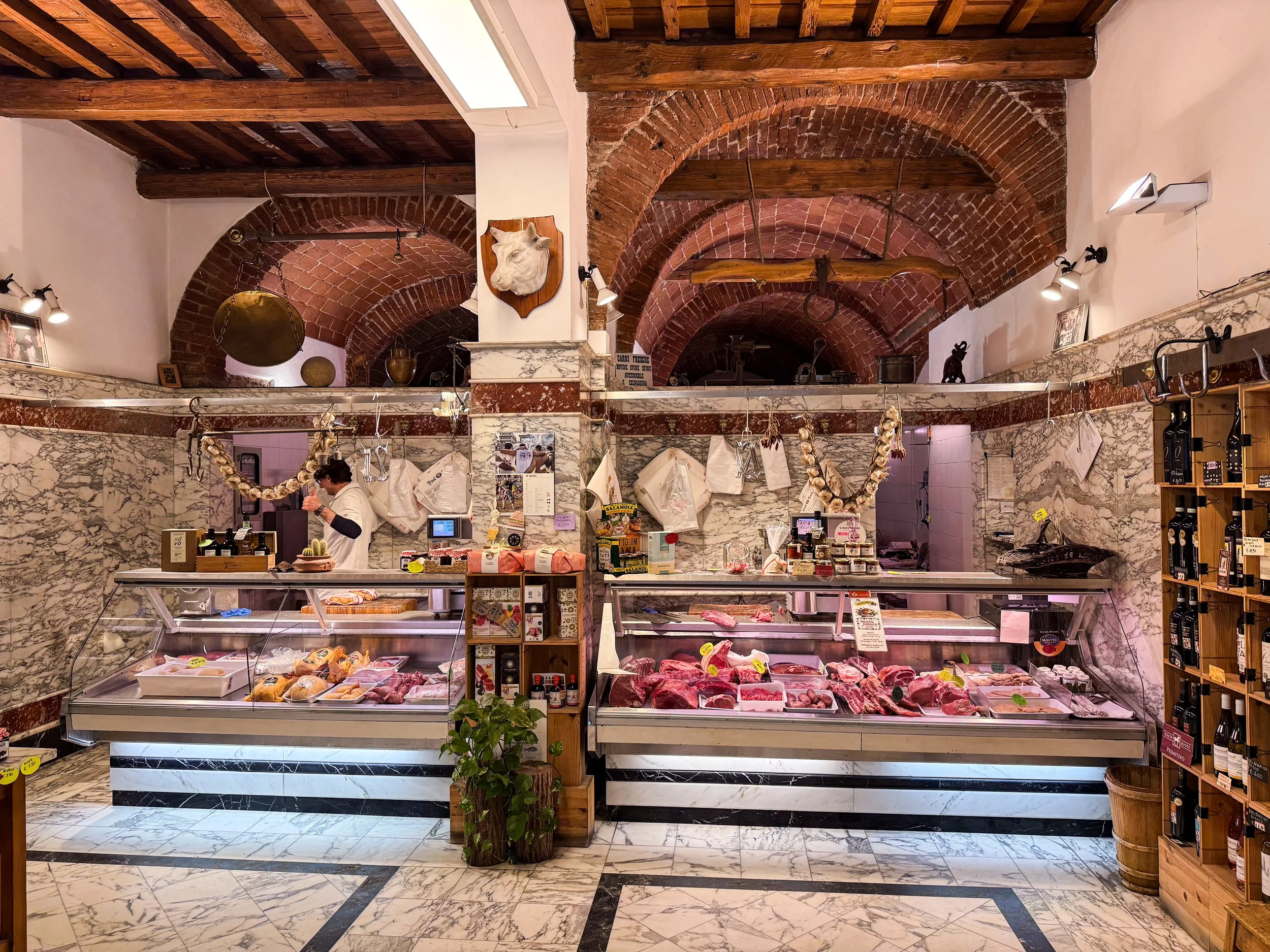
I’m not going to spend much time on the boundaries, histories, and personalities of each neighborhood here. I’m no expert. Instead, I’ll present this beautiful city to you in the same way I experienced it. The gallery below is EVERYTHING that I took. It long, but hopefully you’ll find it as enjoyable to view as I did to shoot.
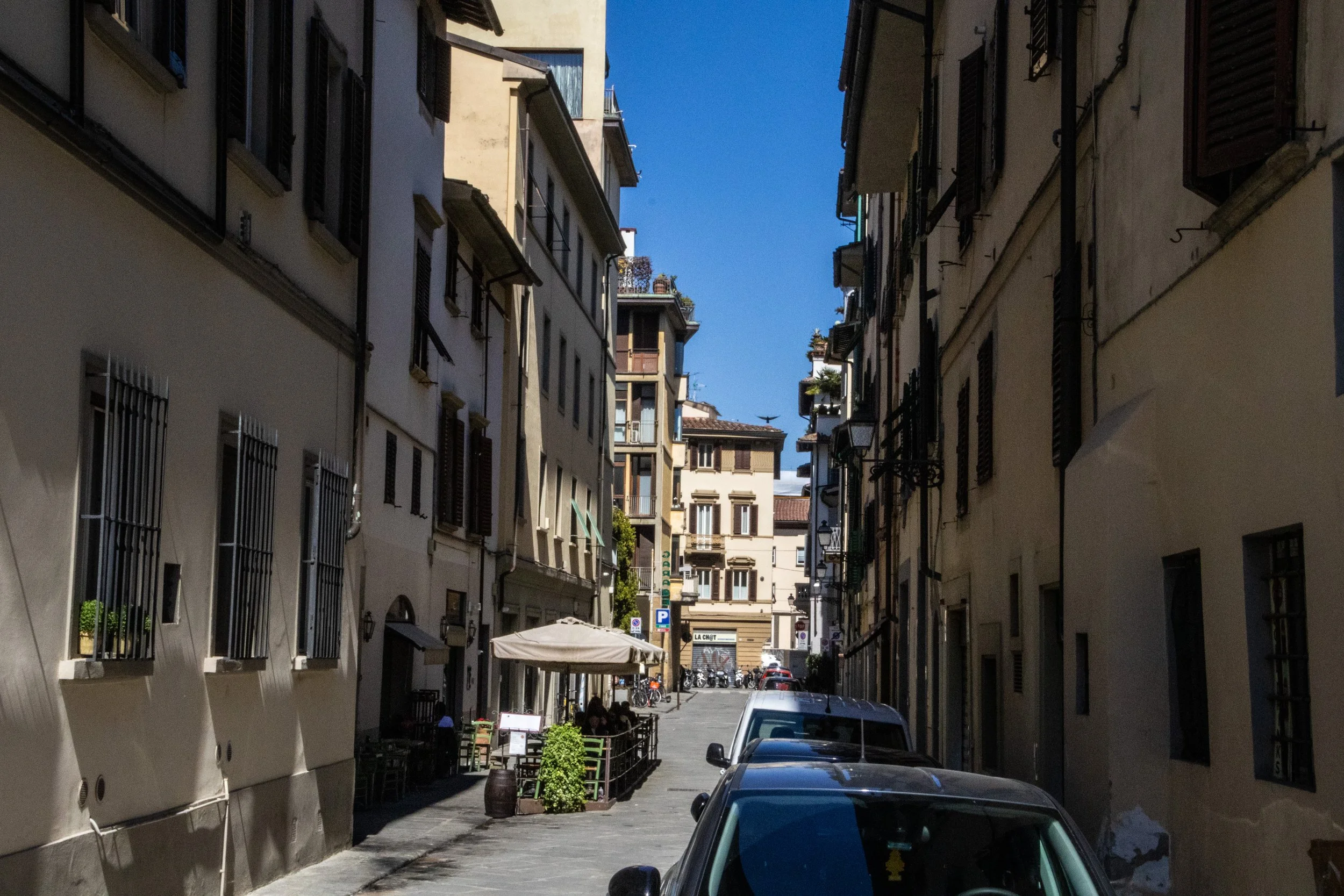
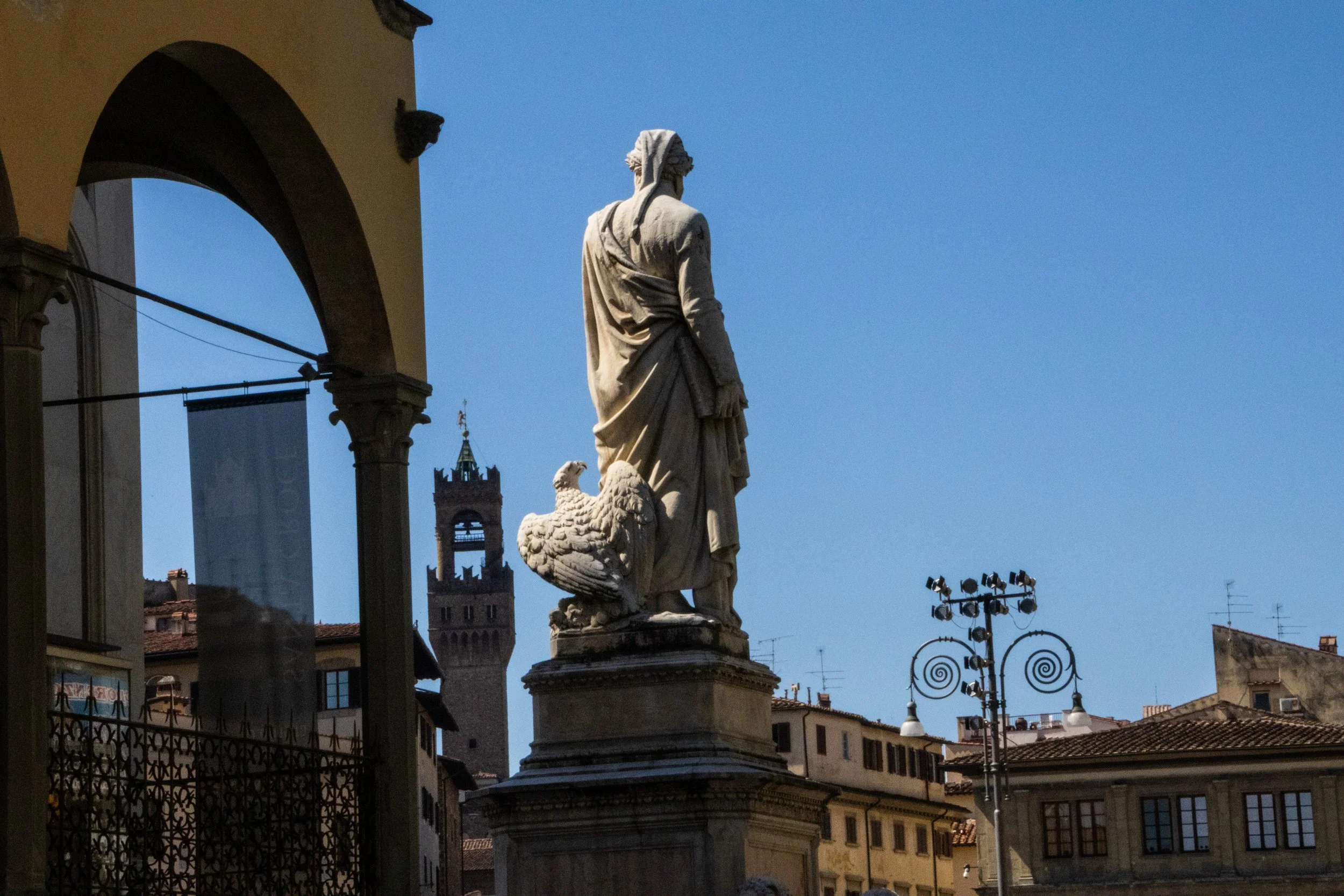
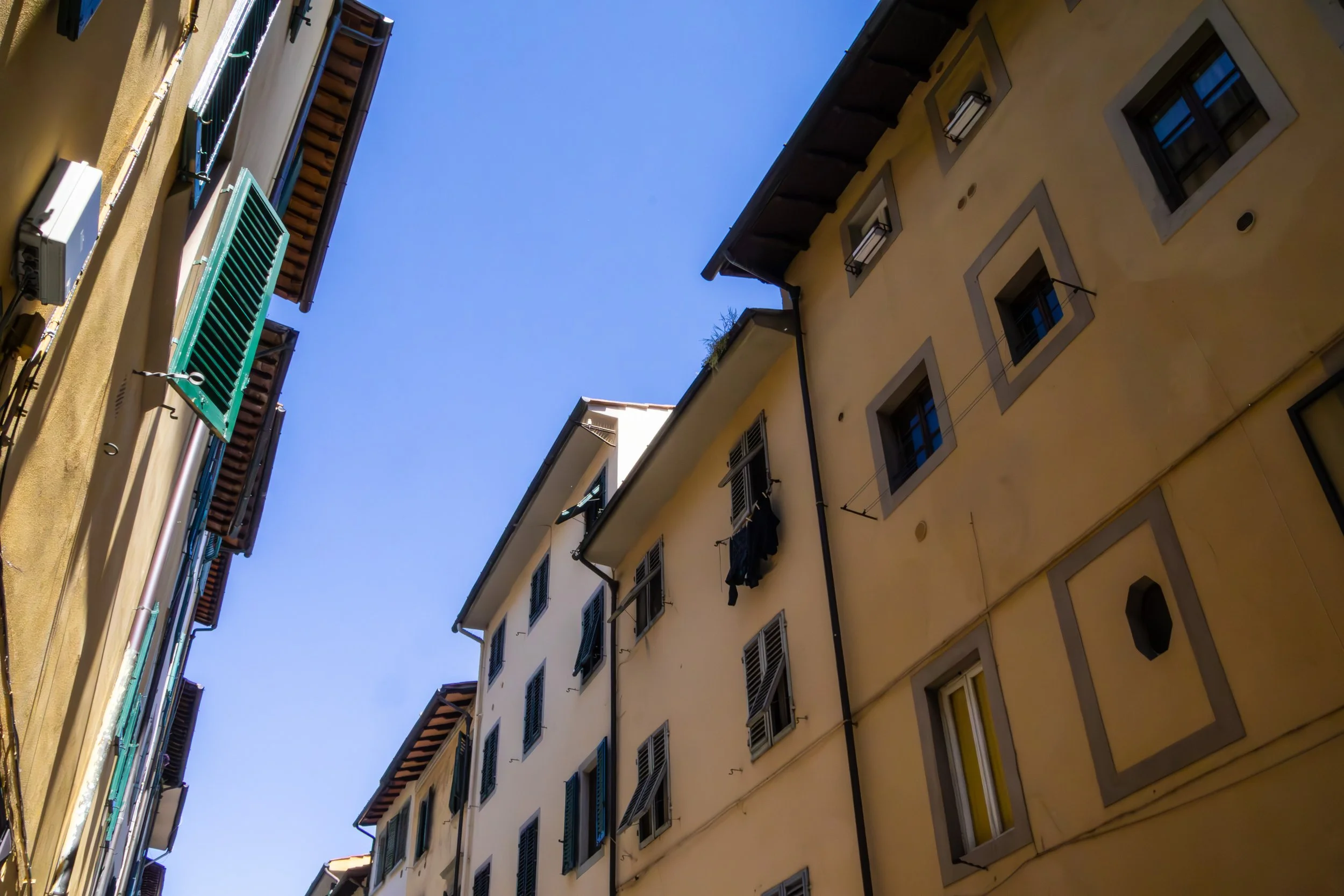
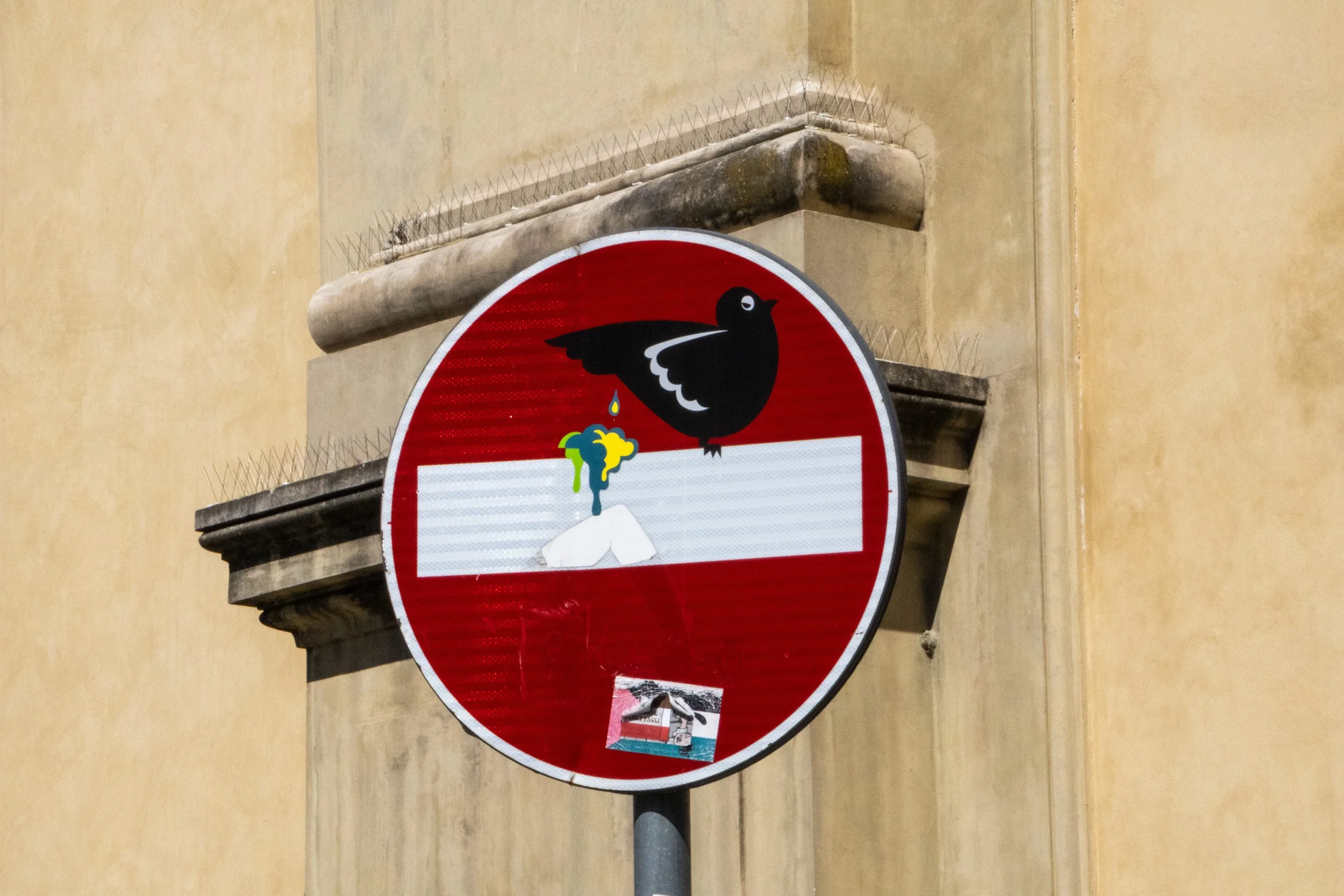
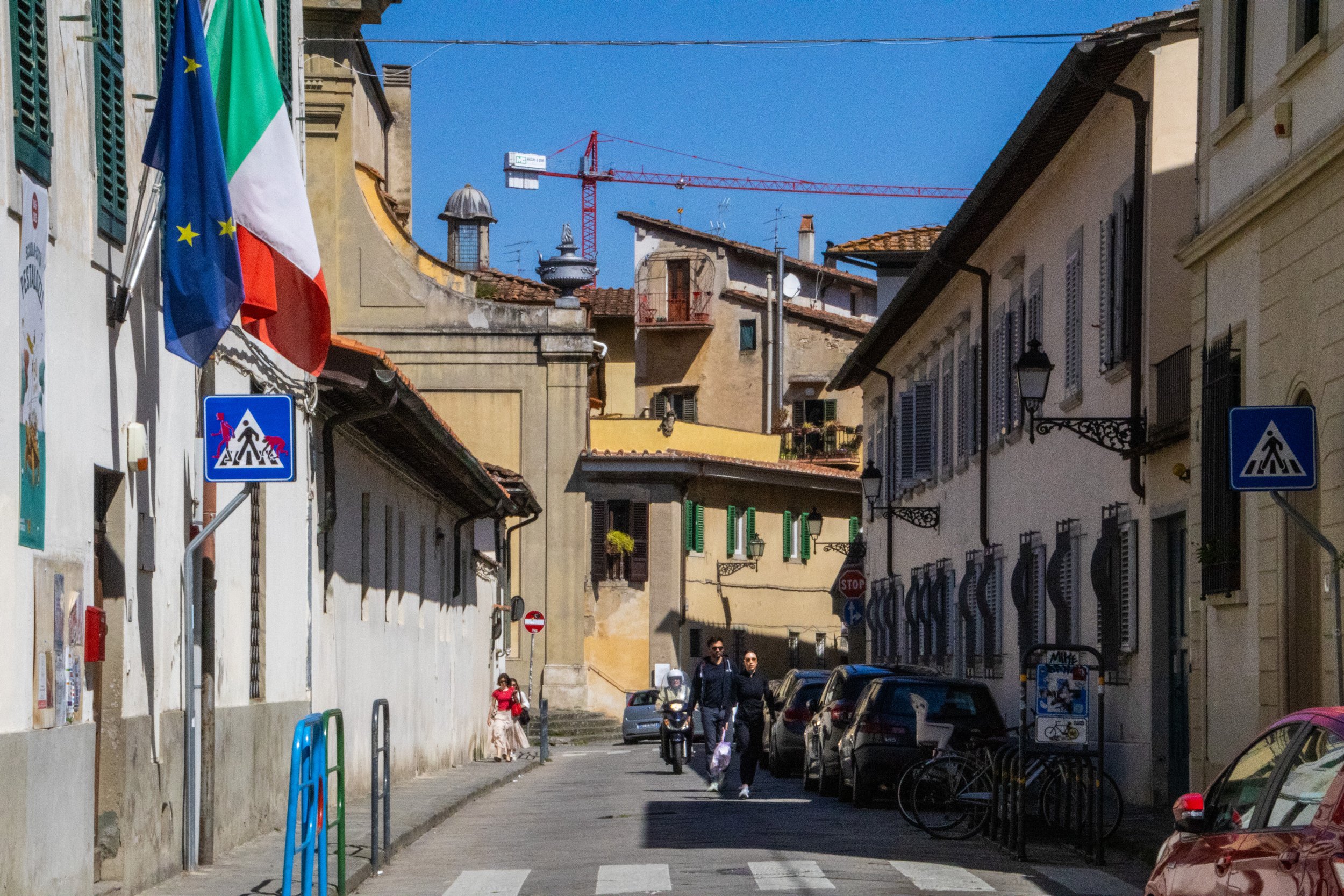
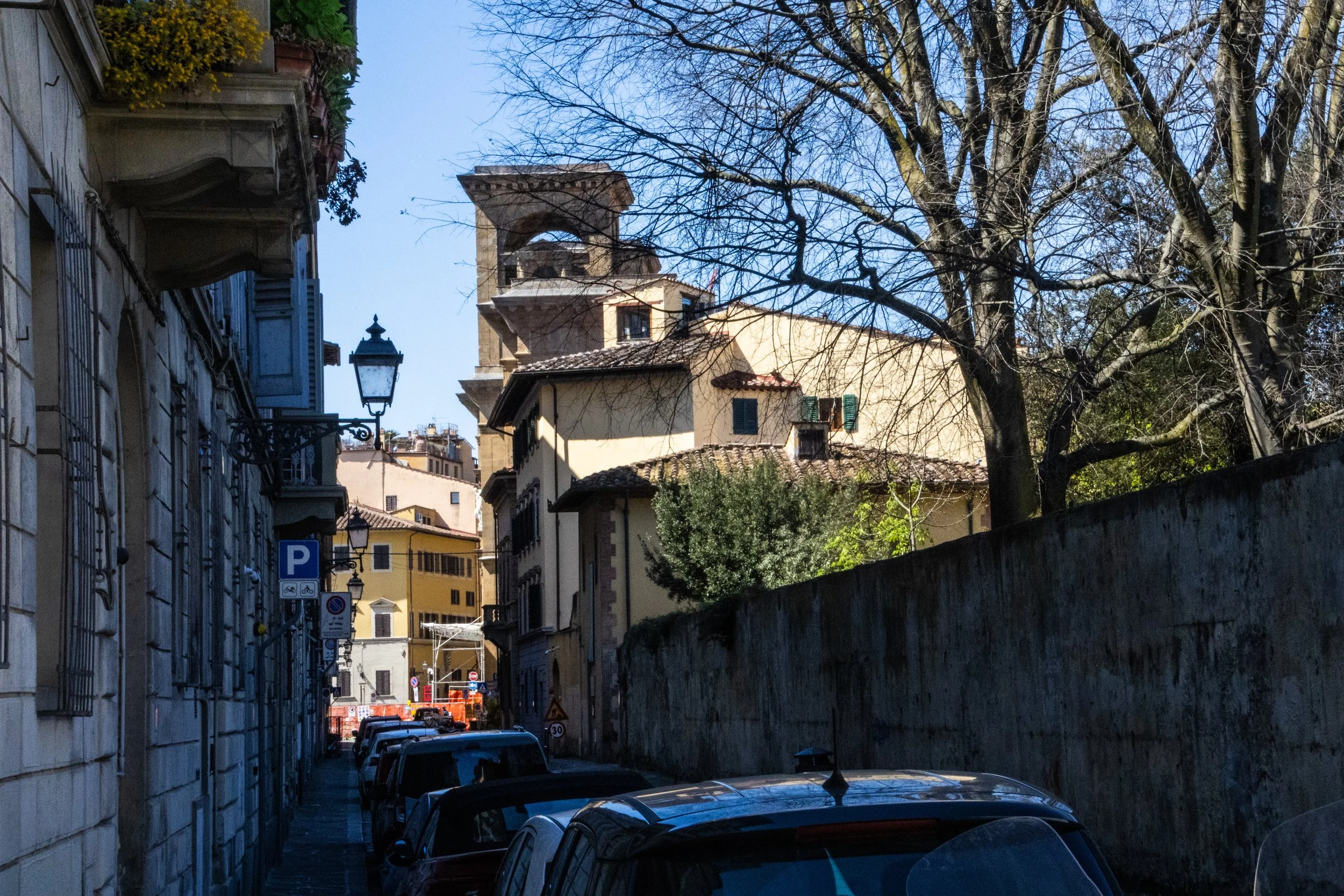
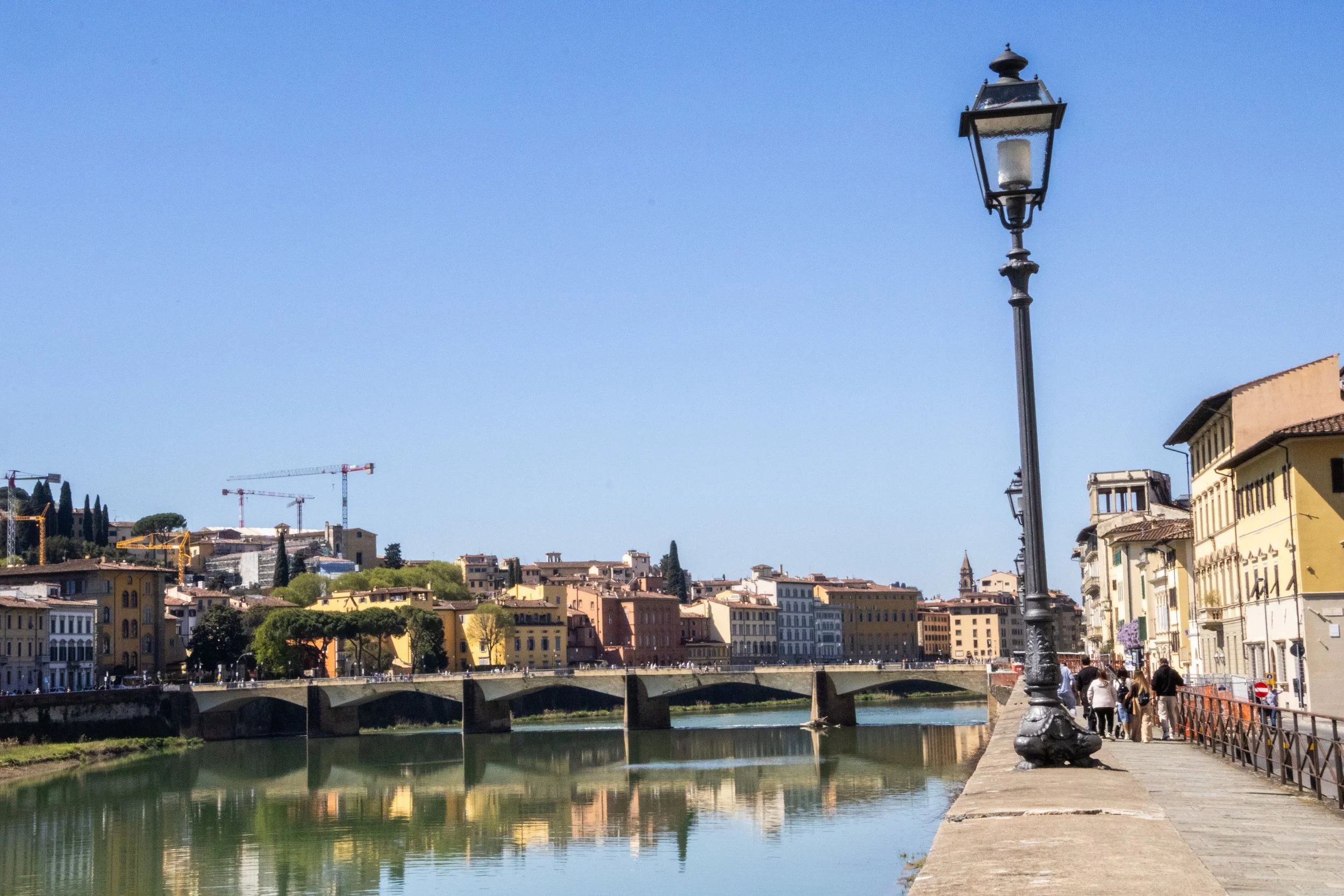
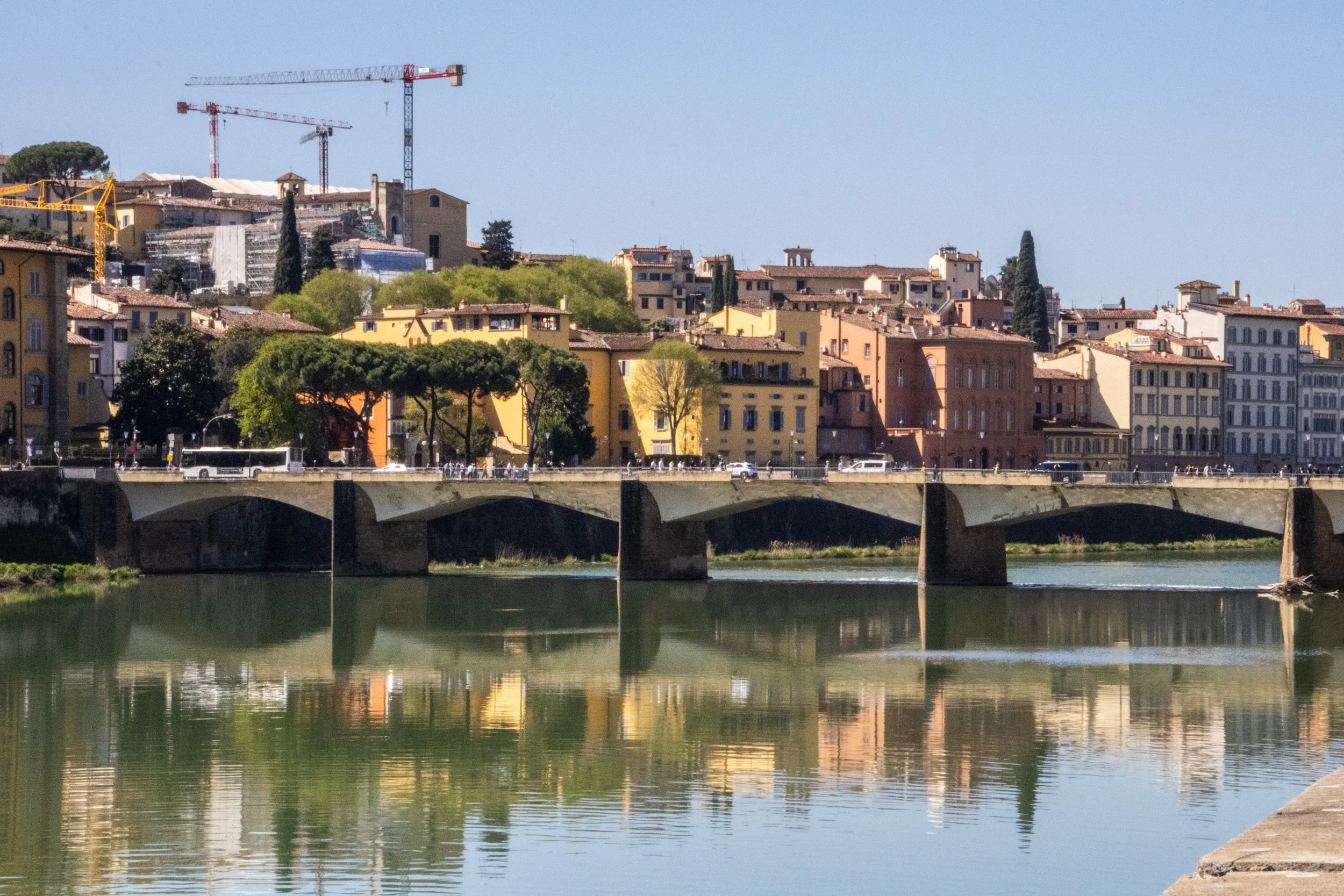
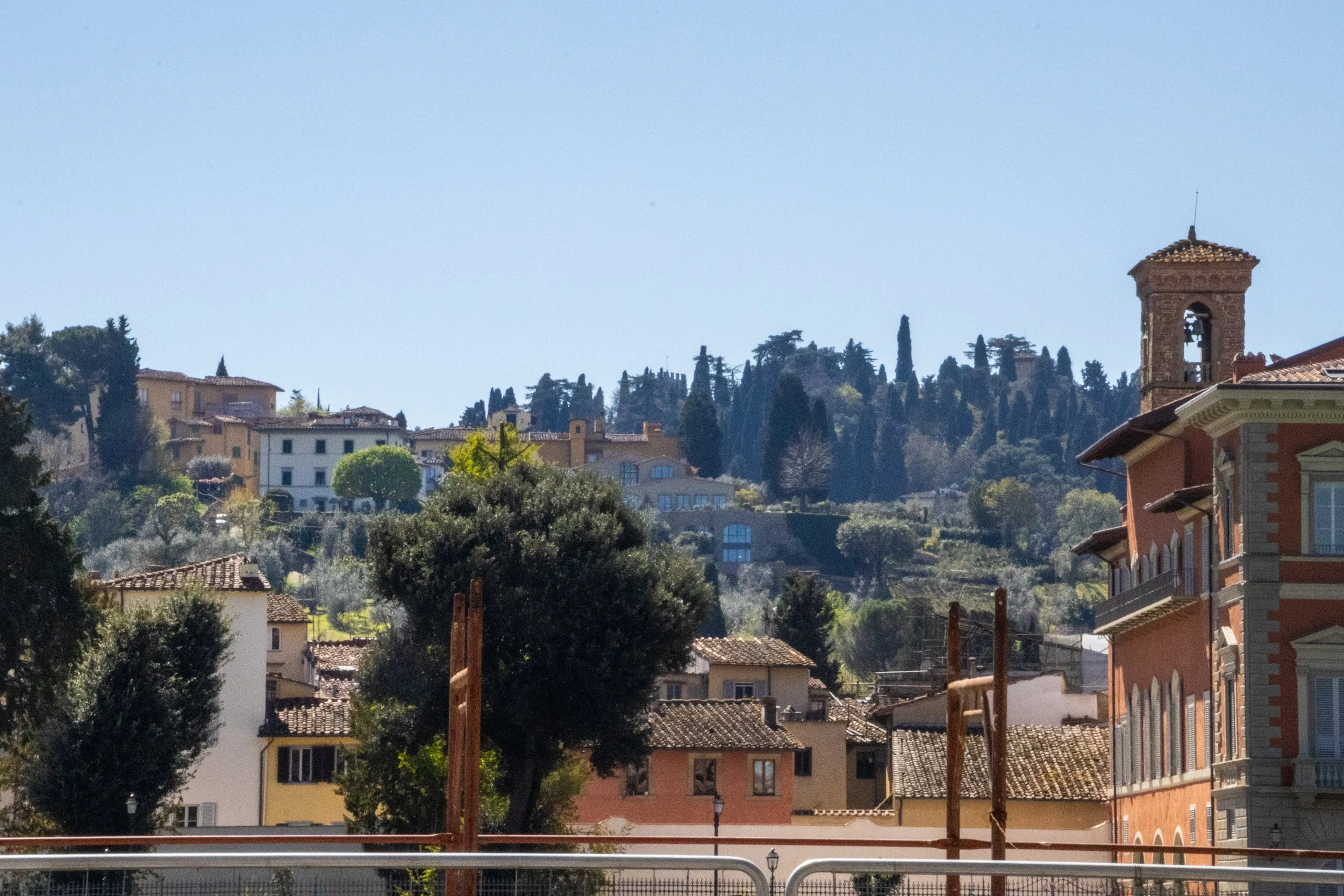
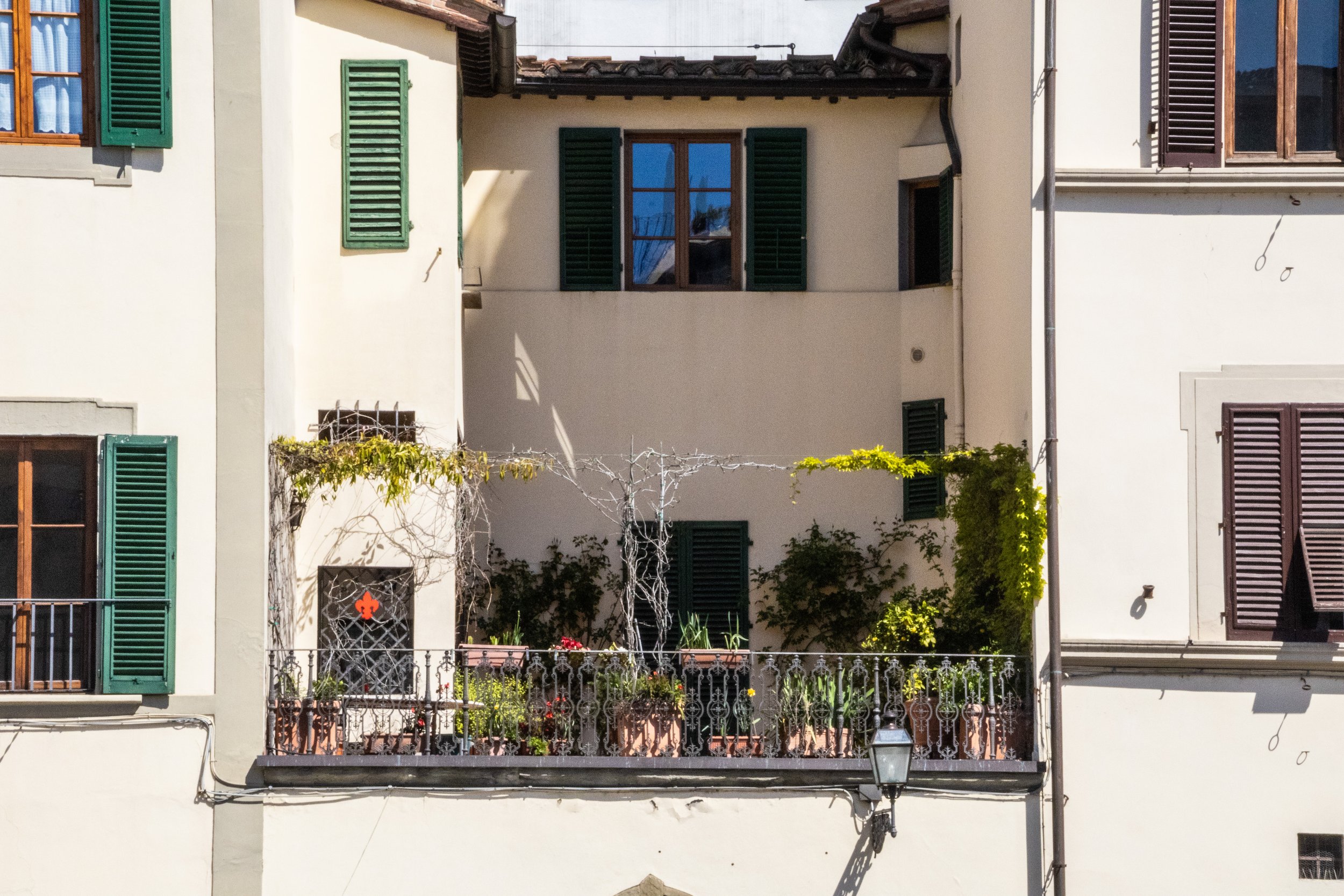
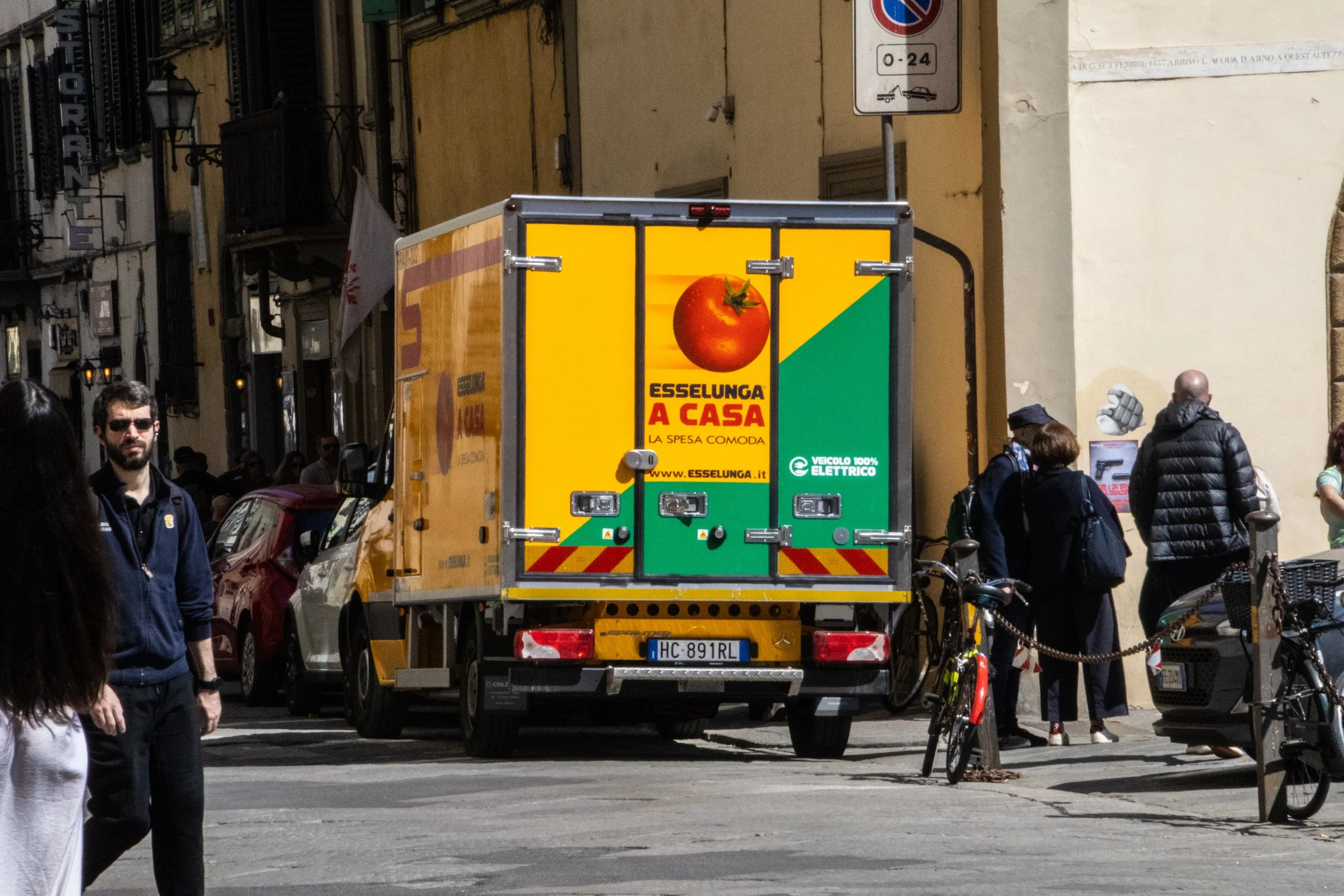
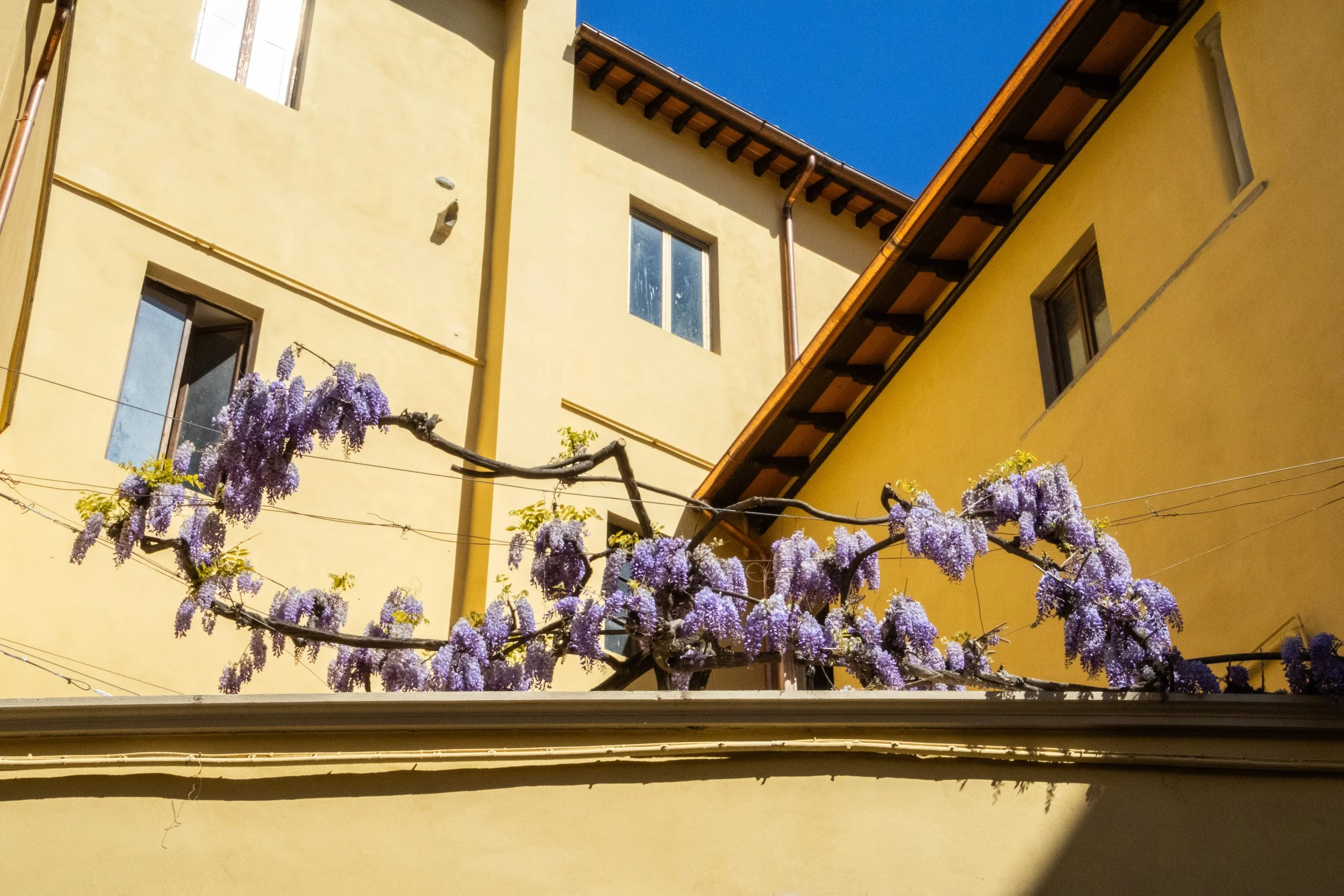
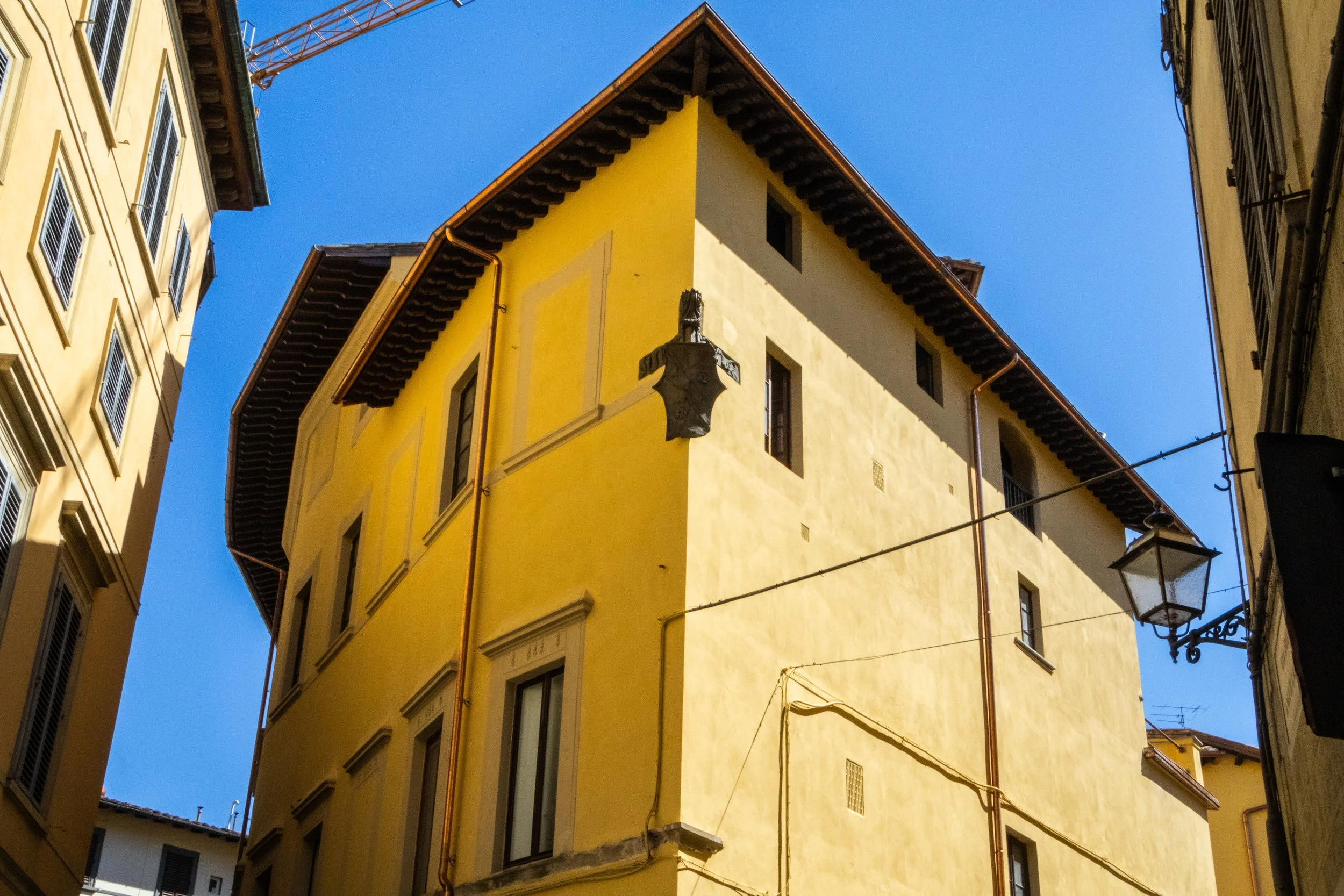
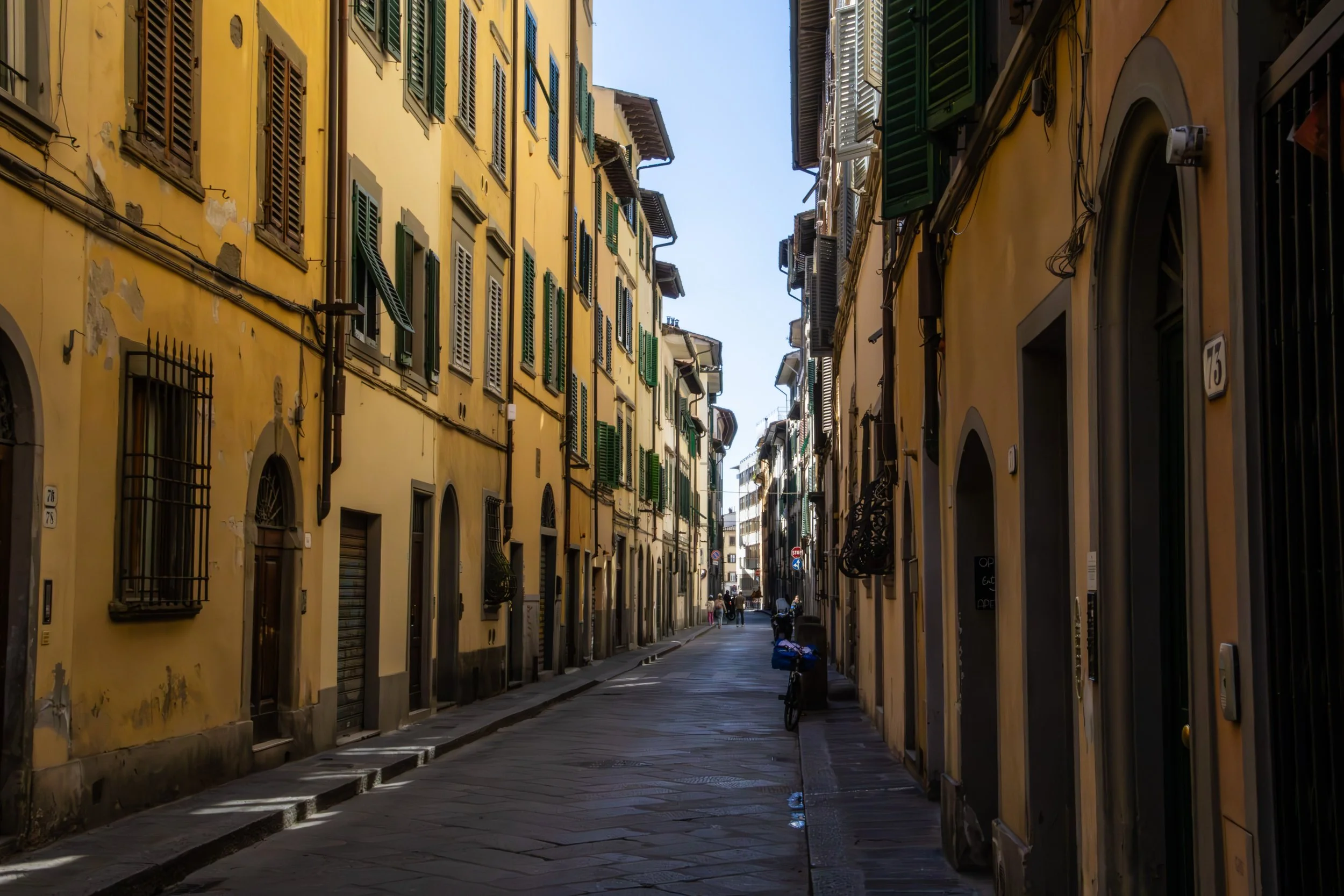
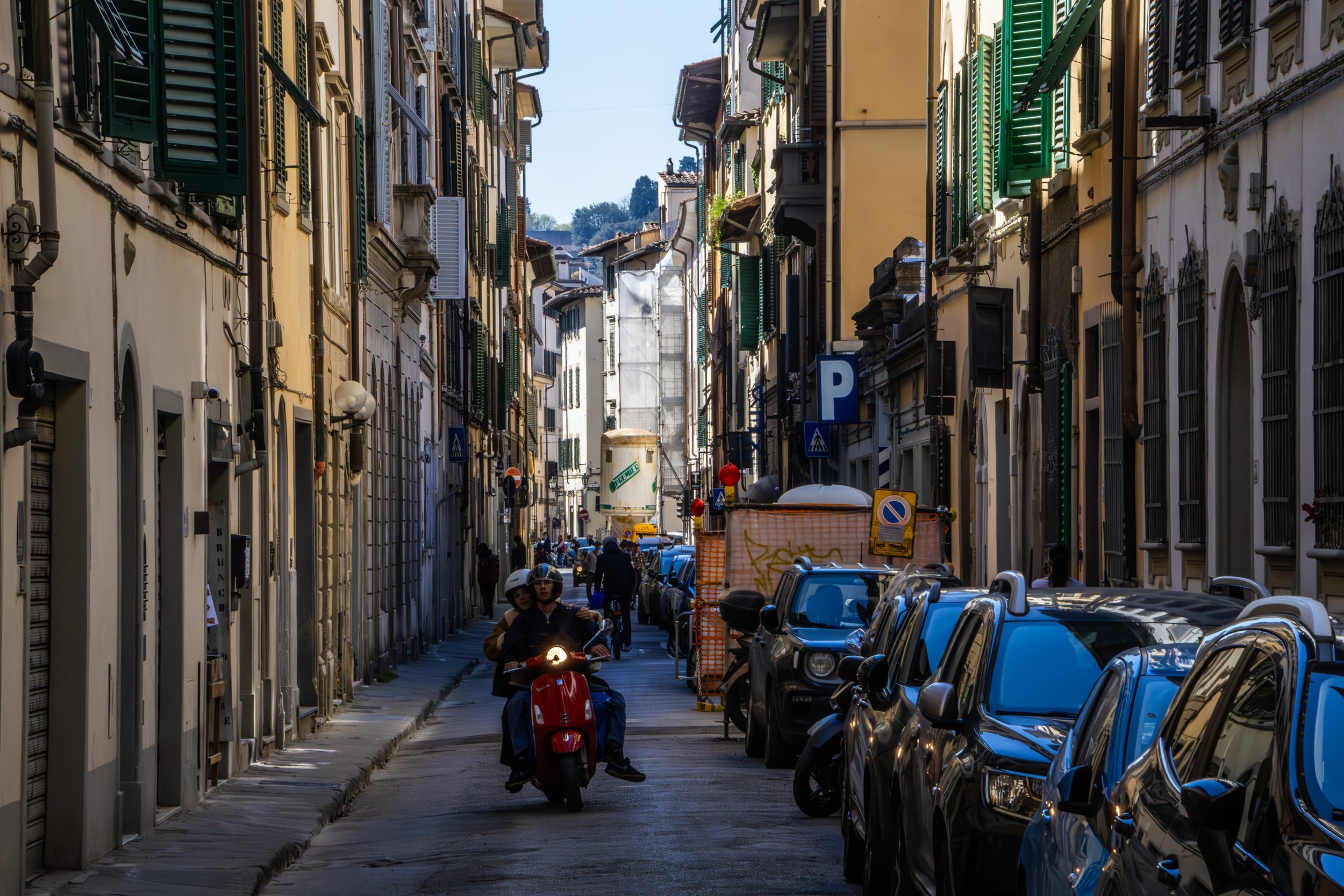
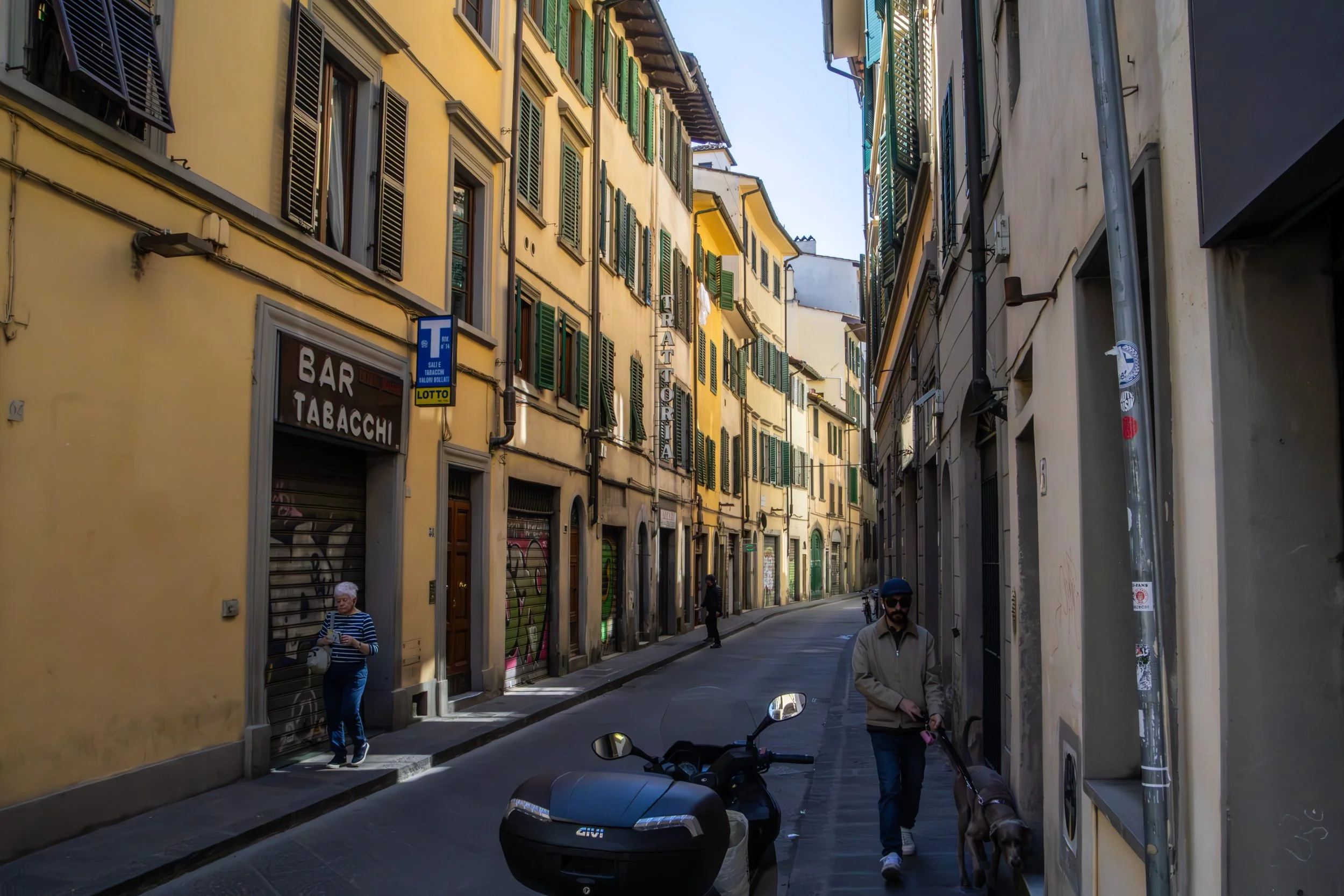
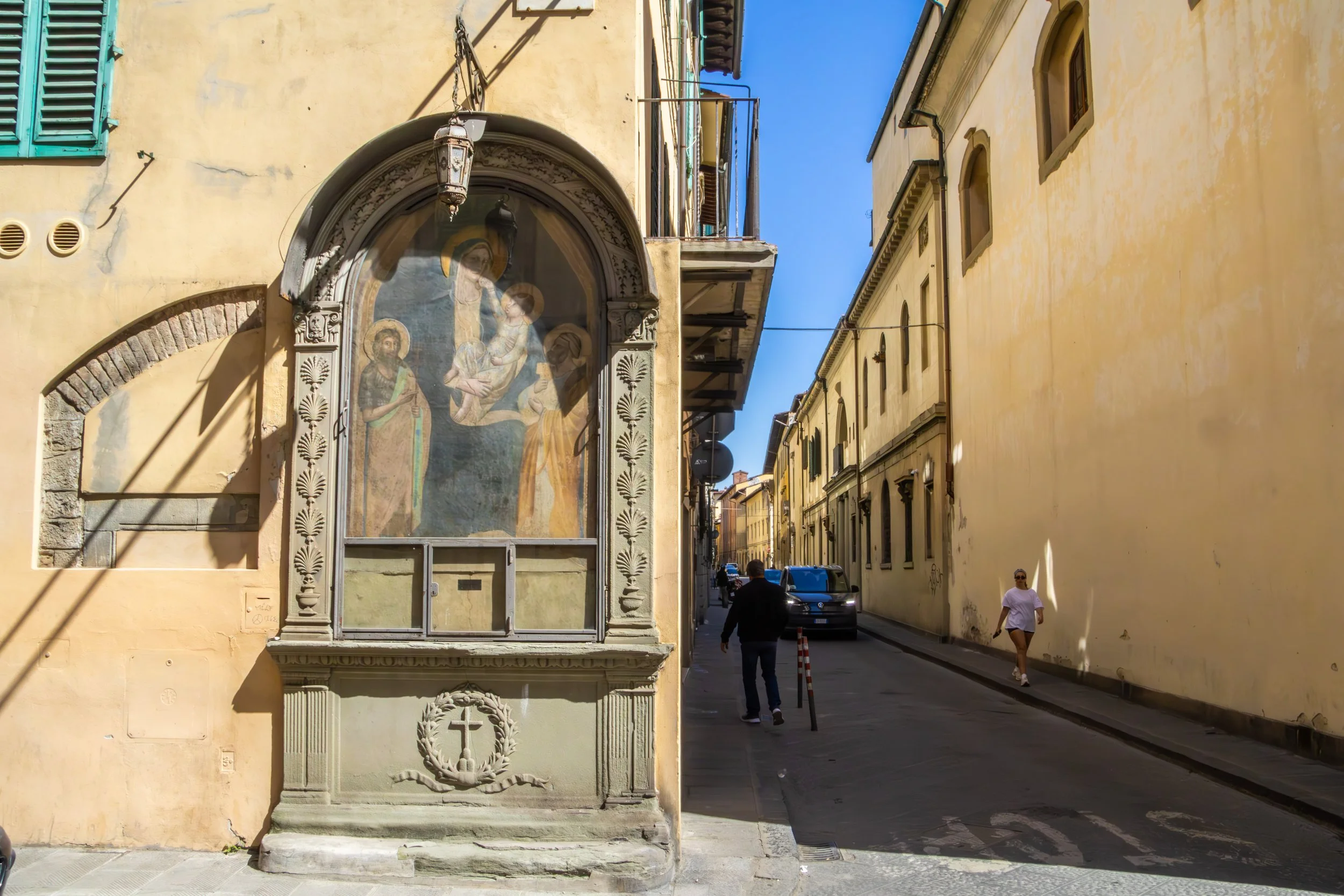
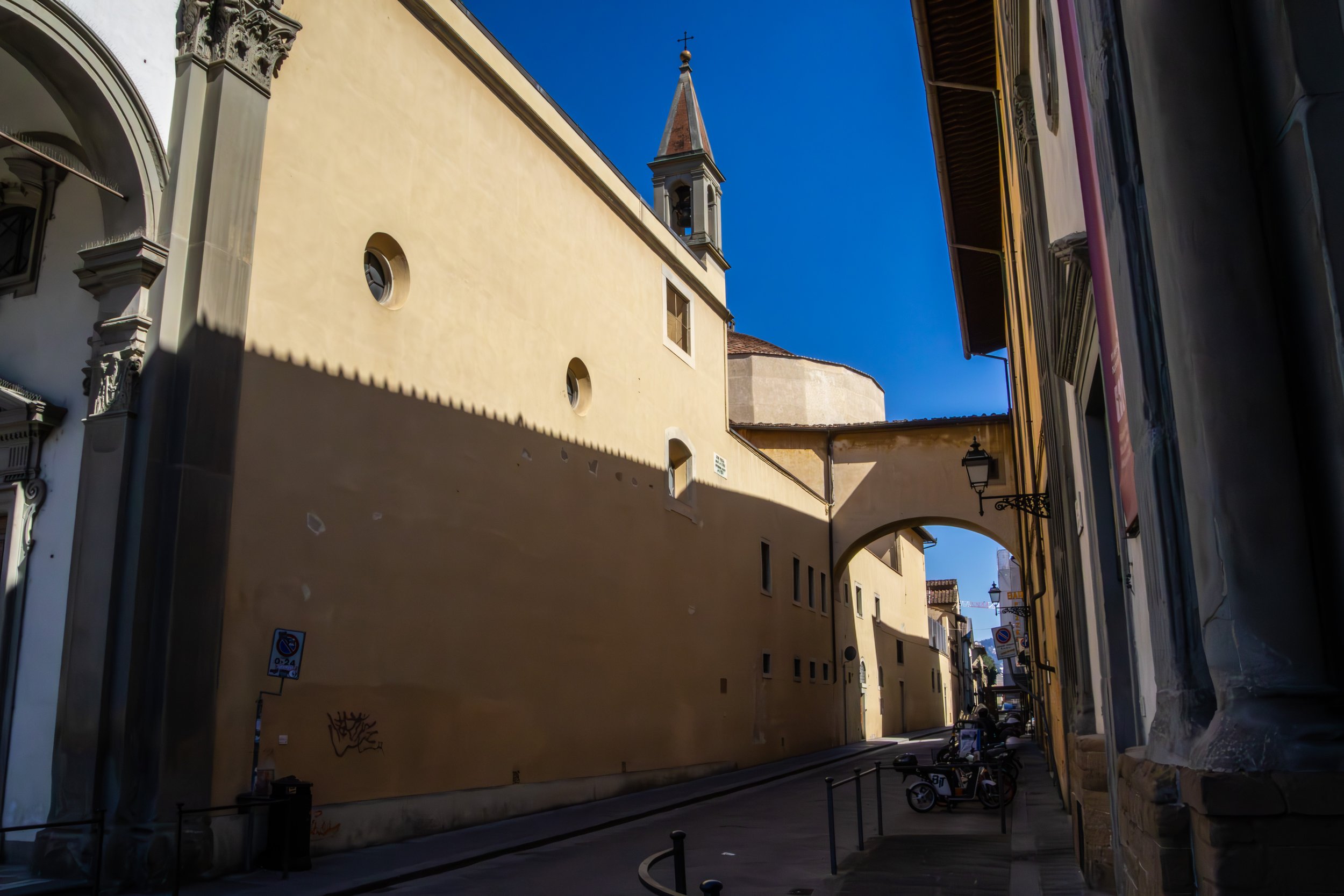
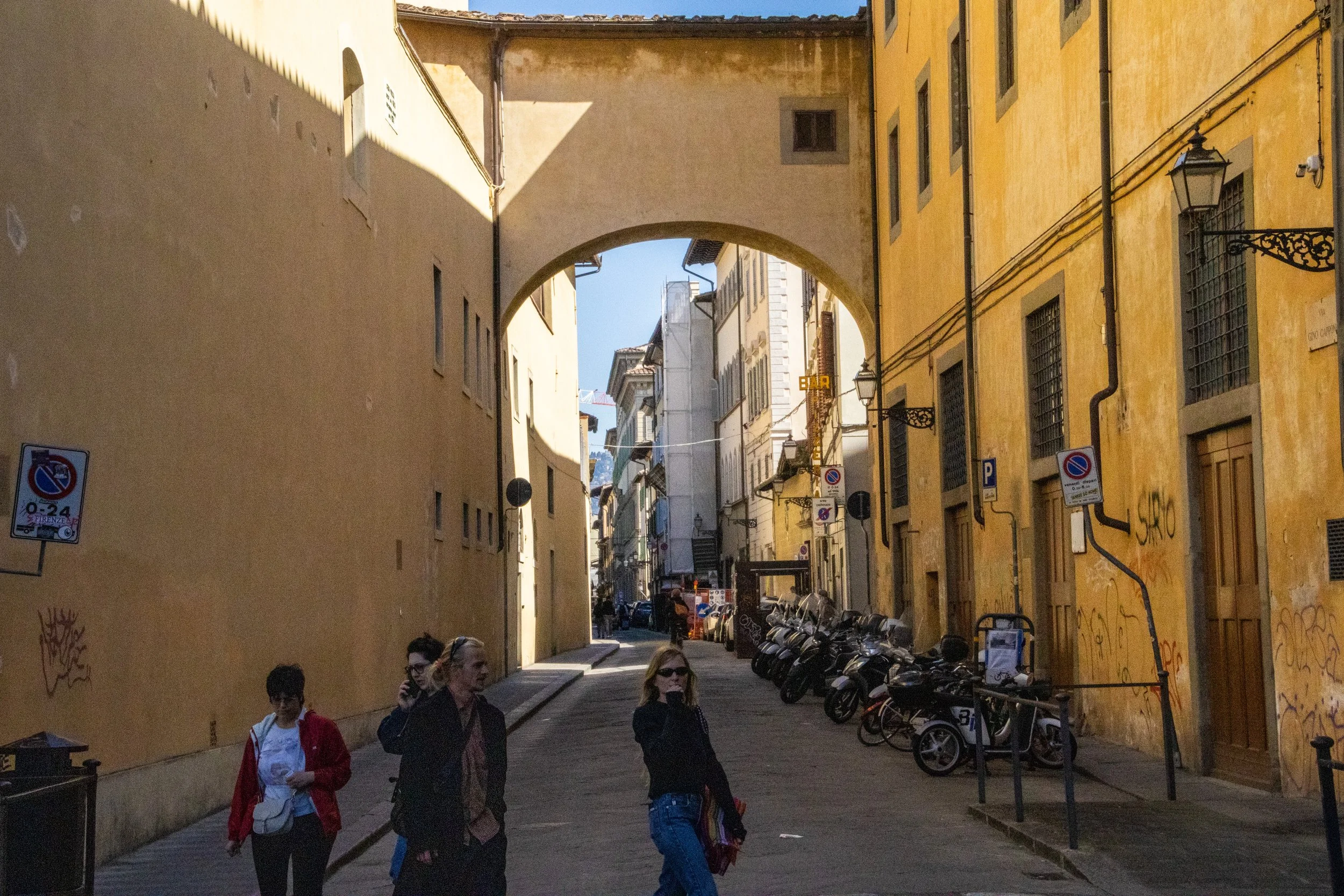
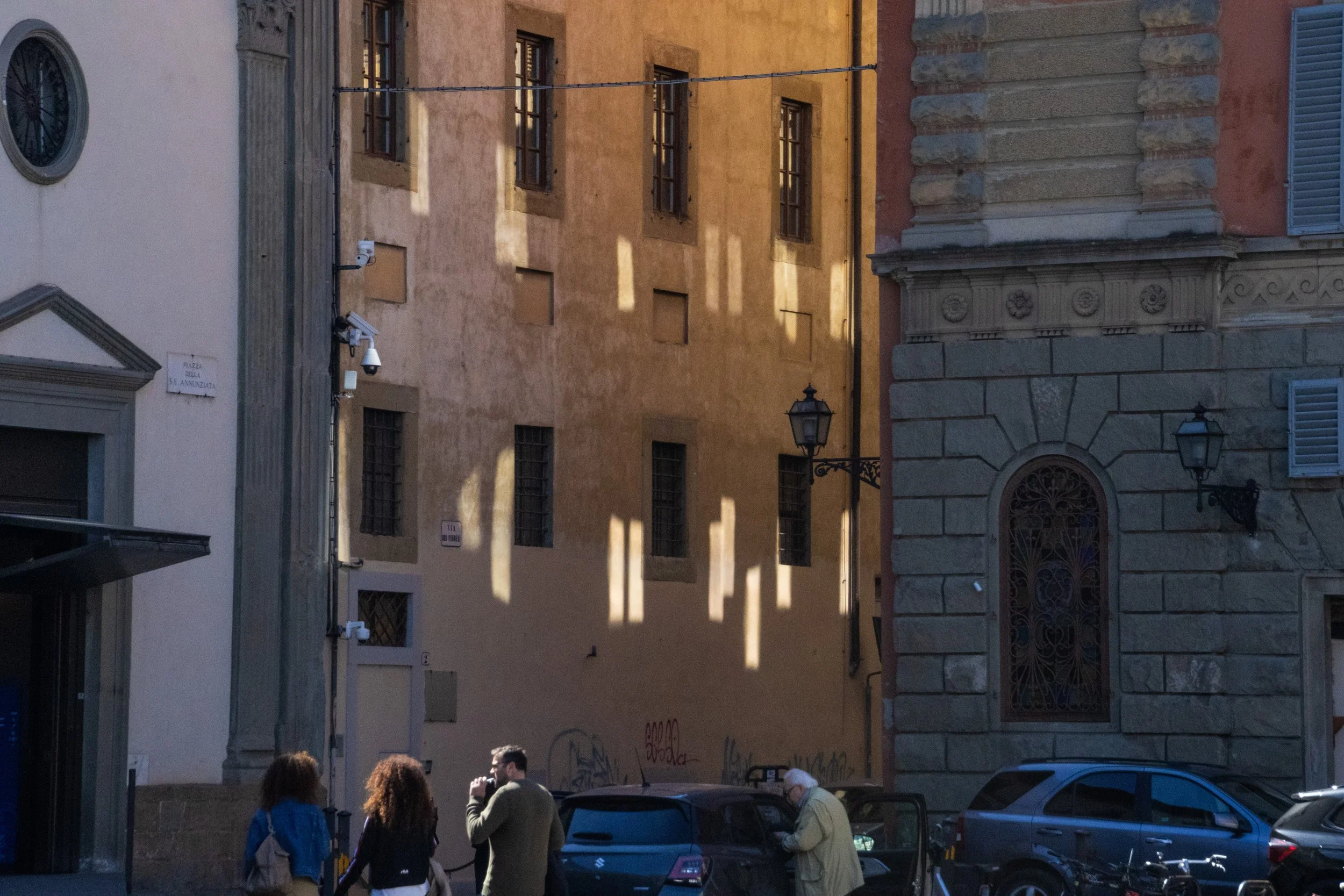
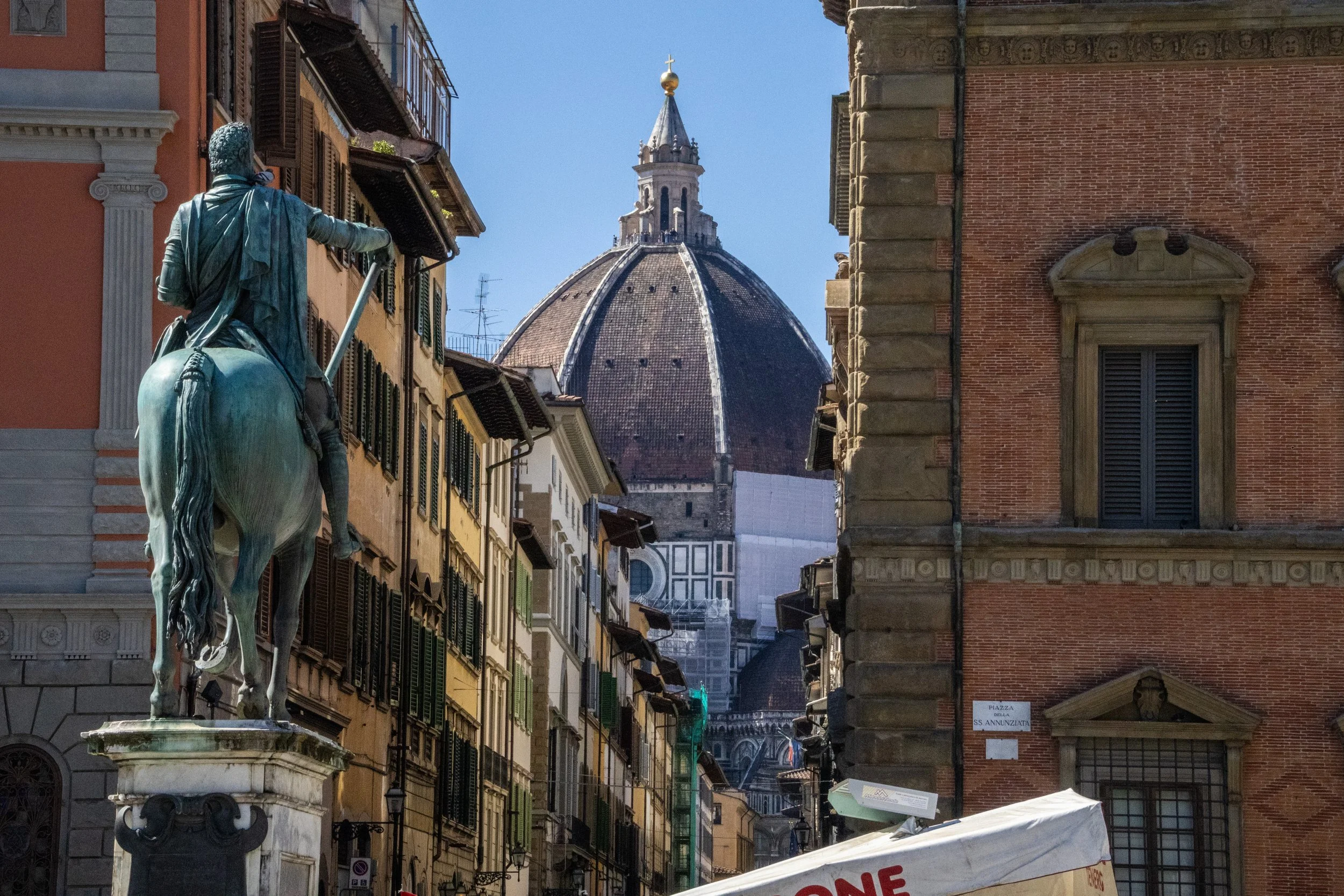
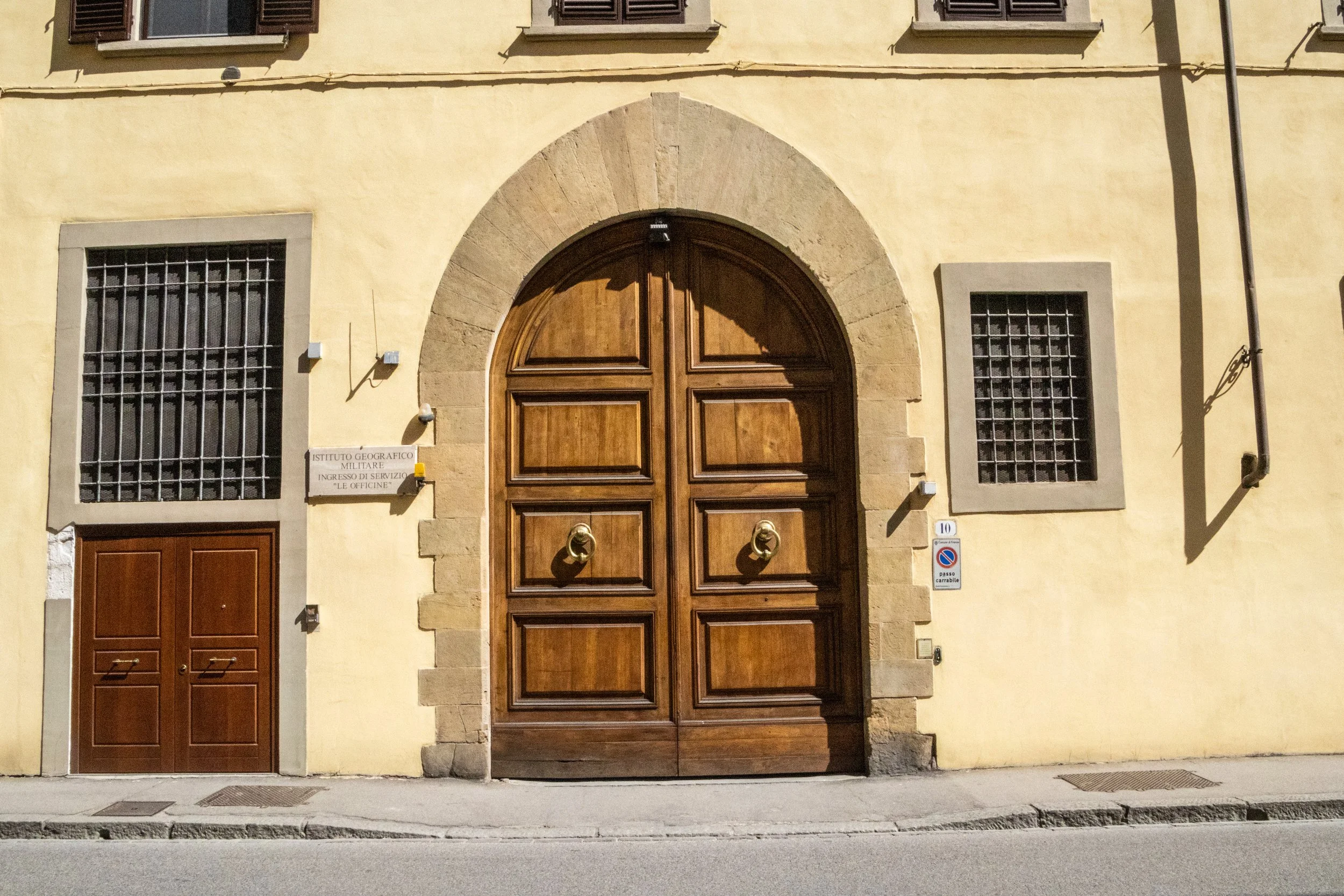
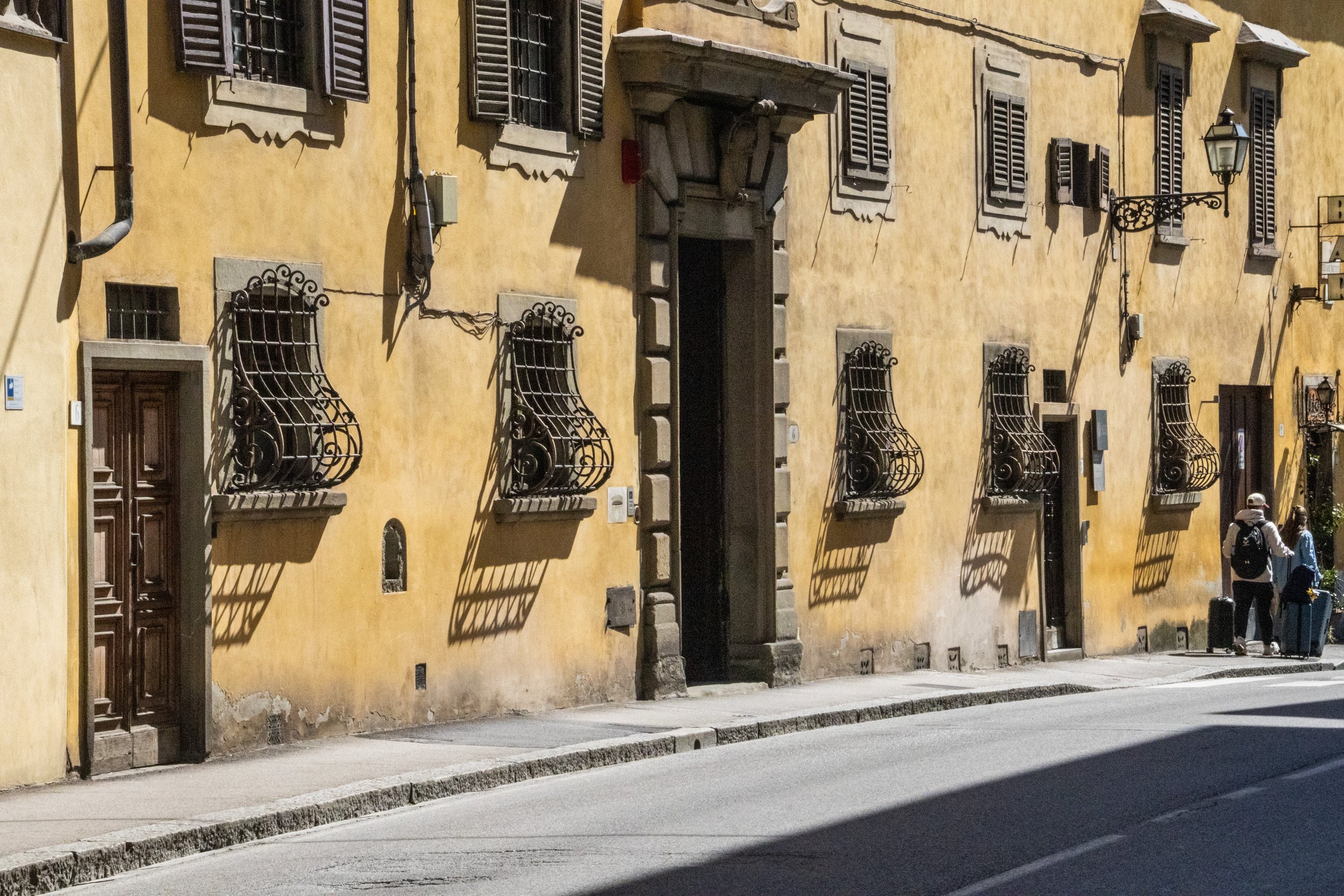
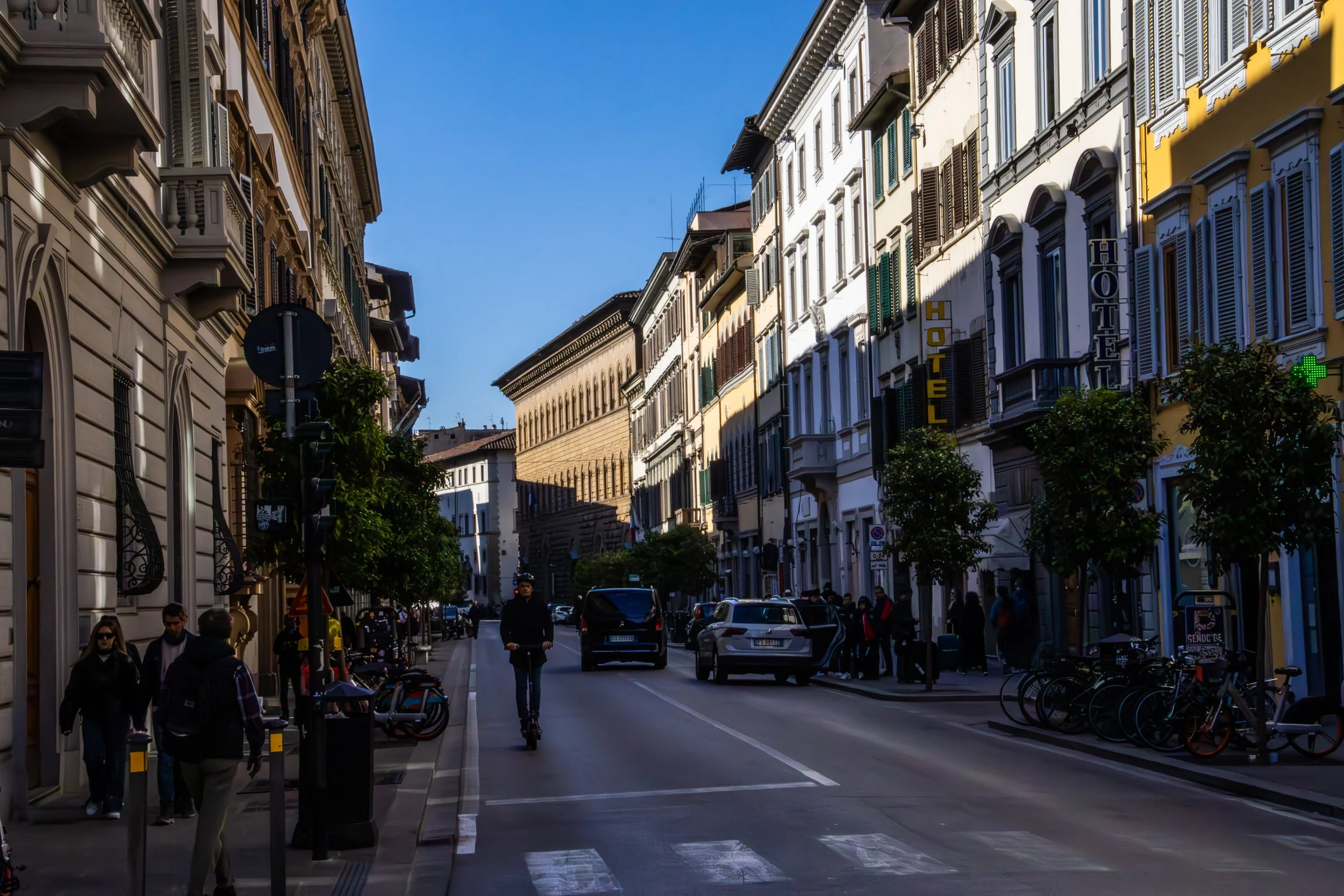
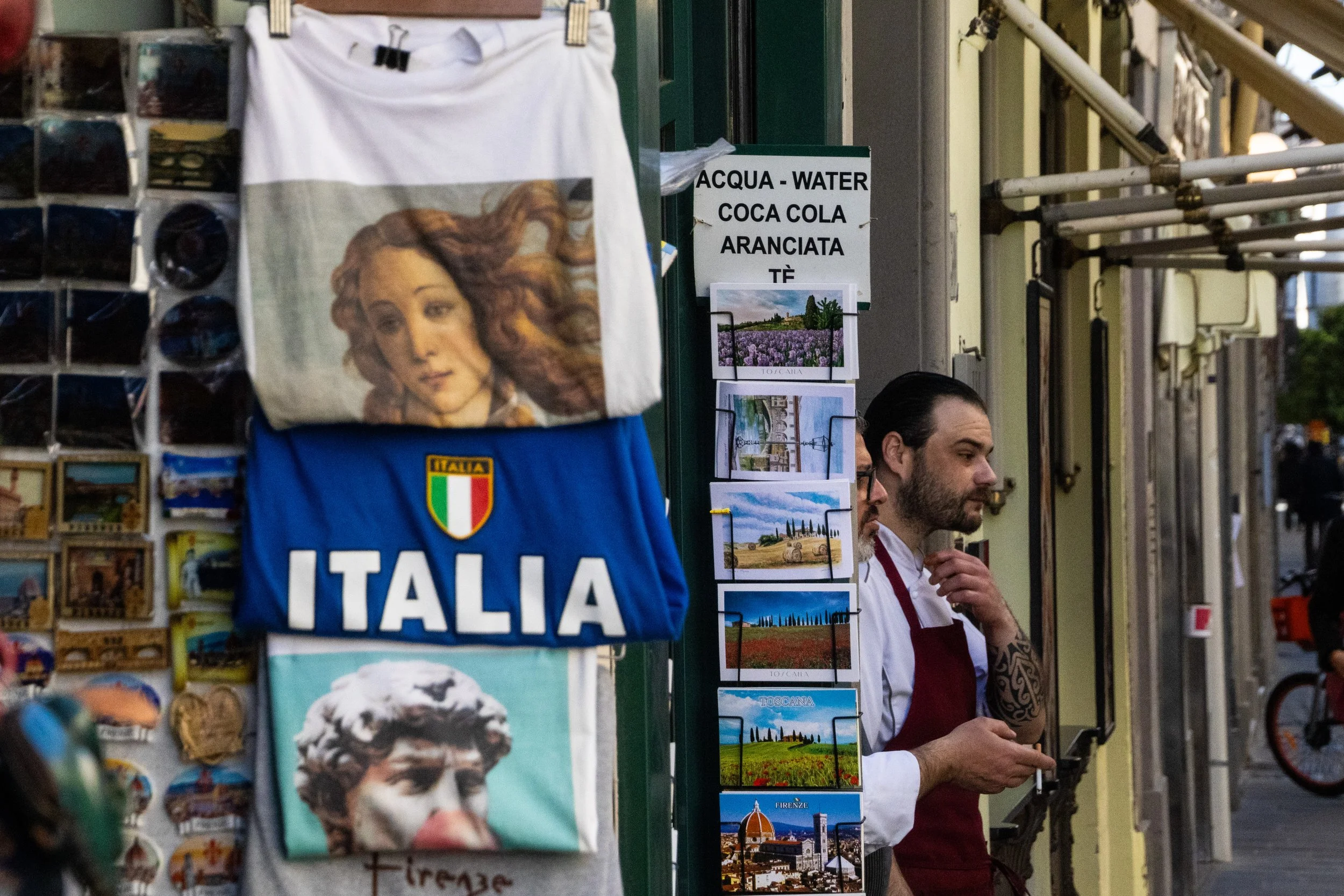
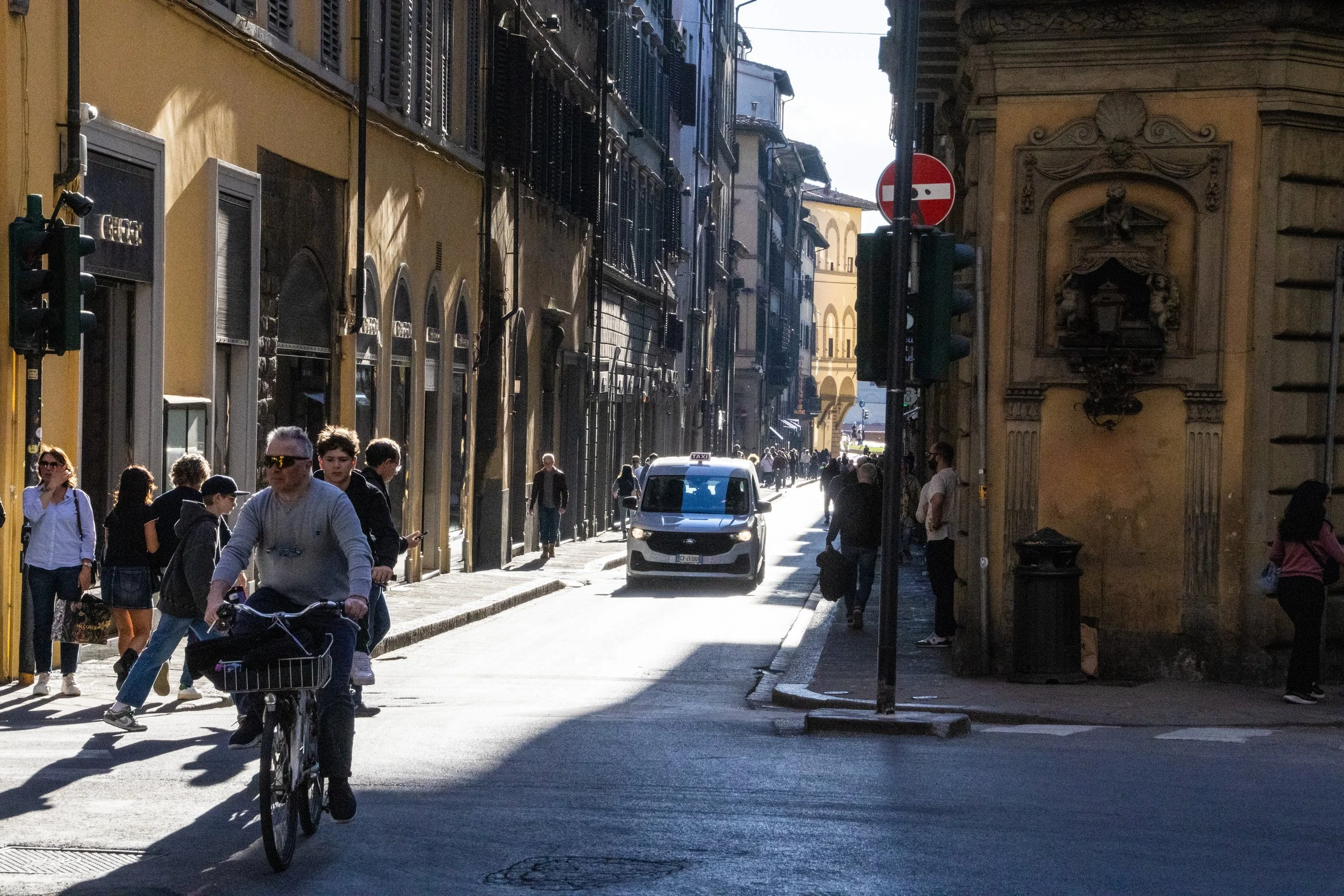
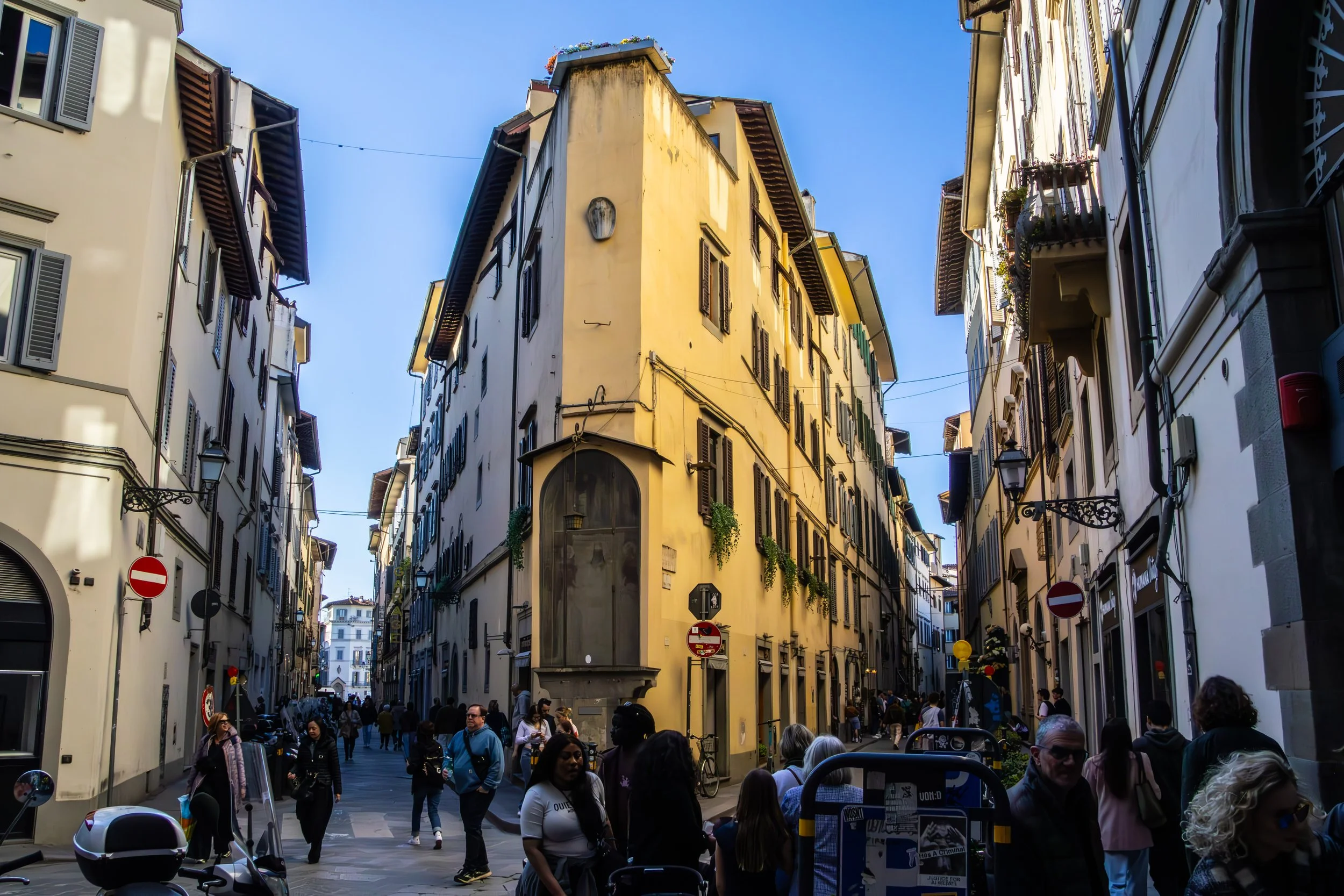
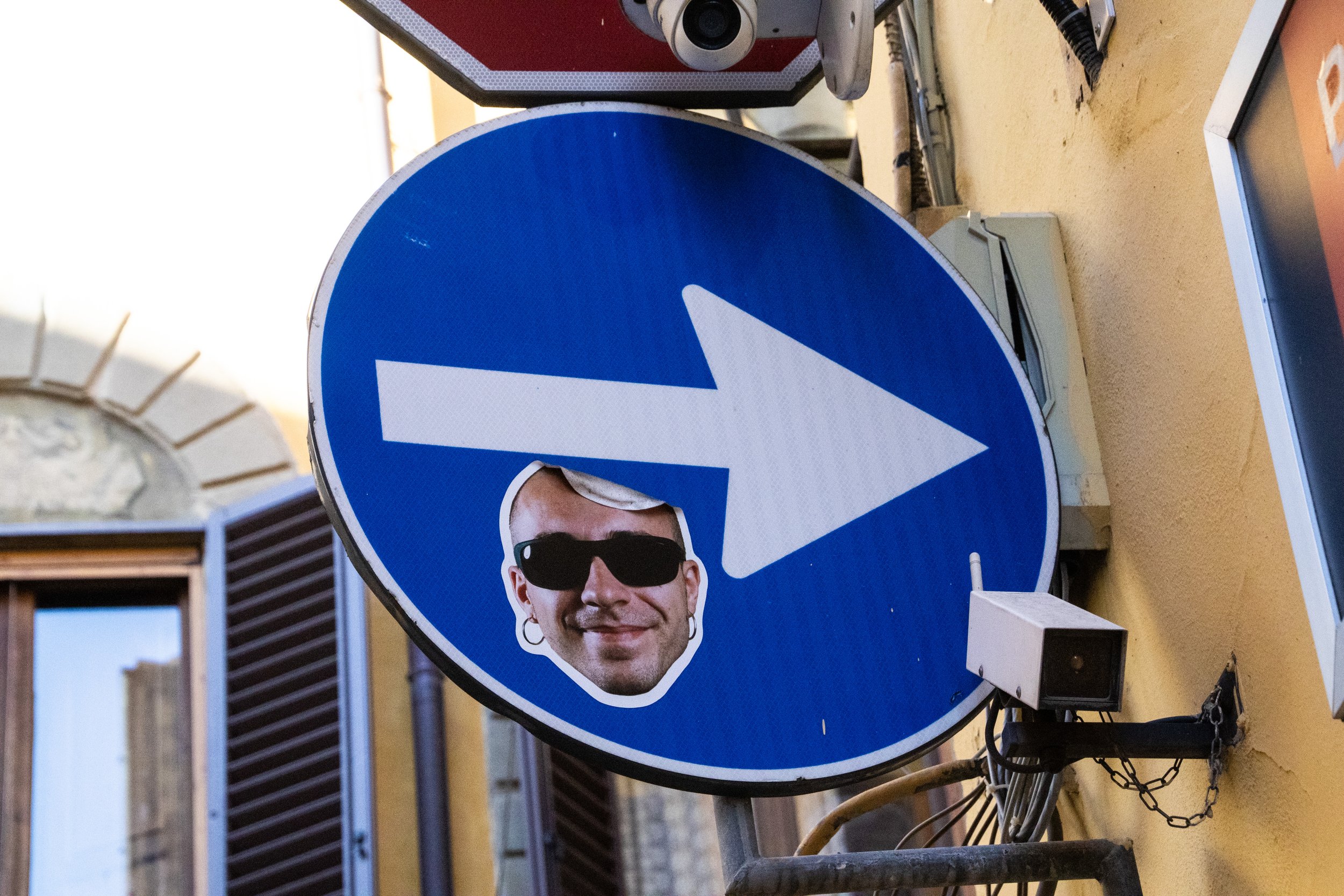
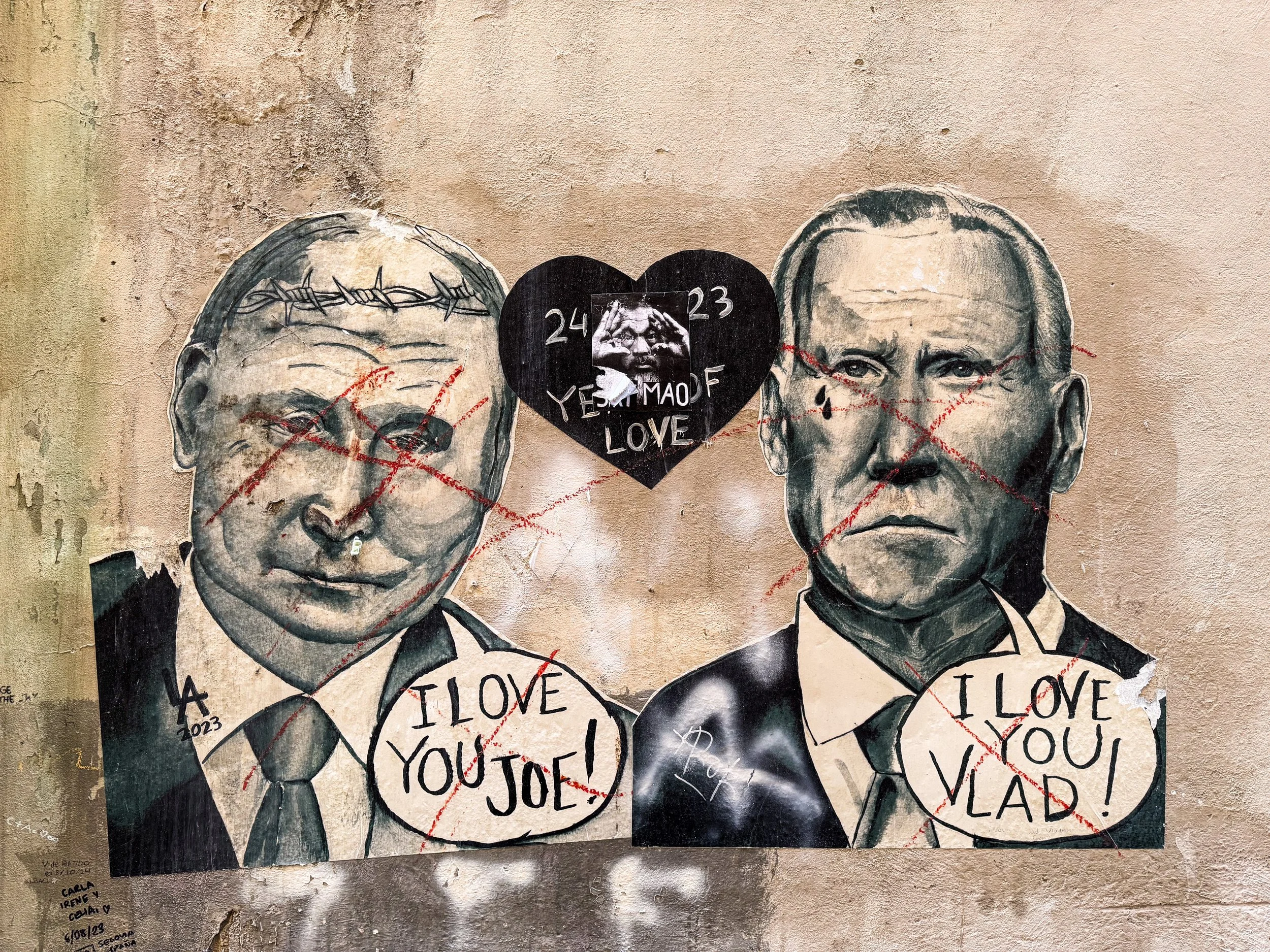
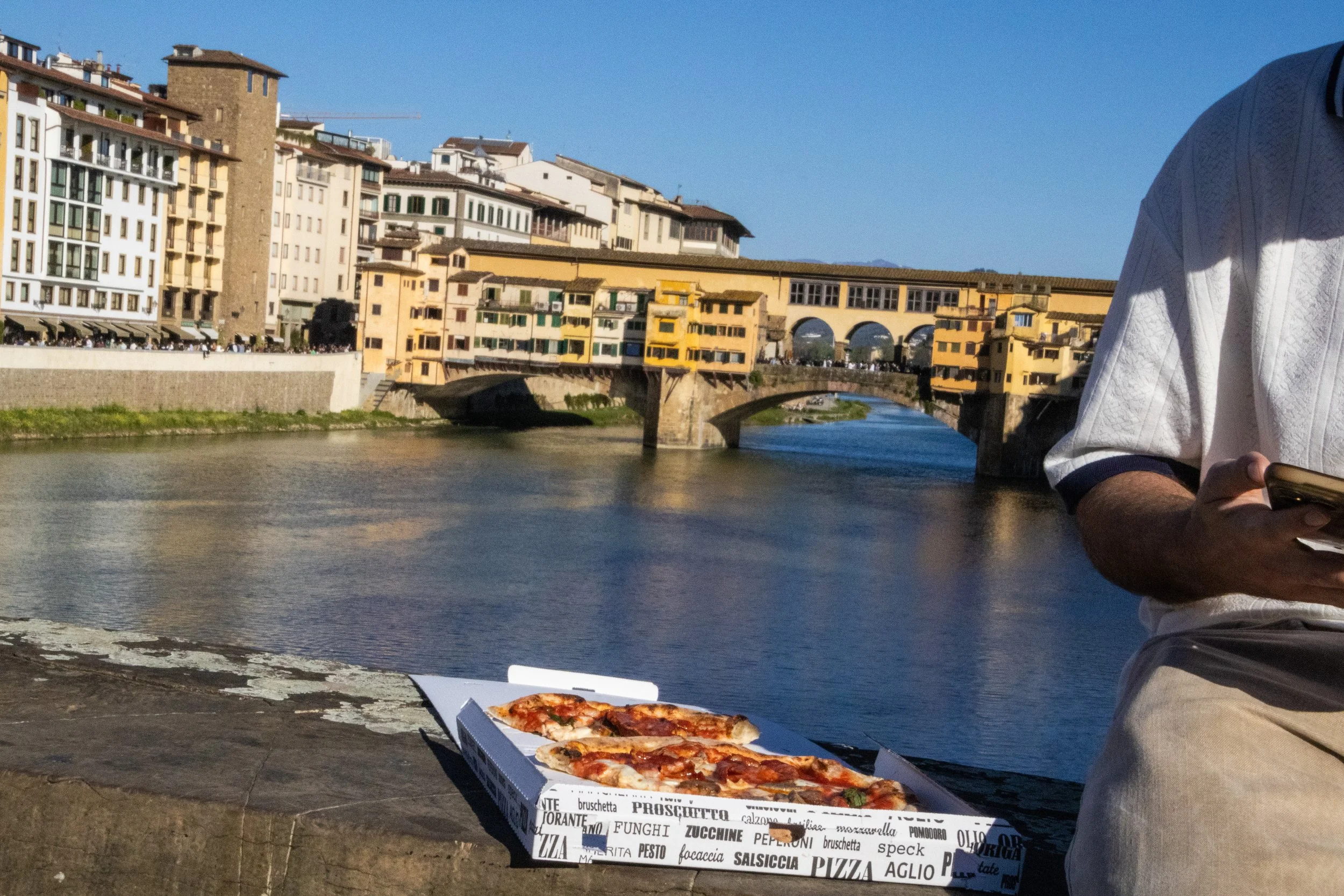
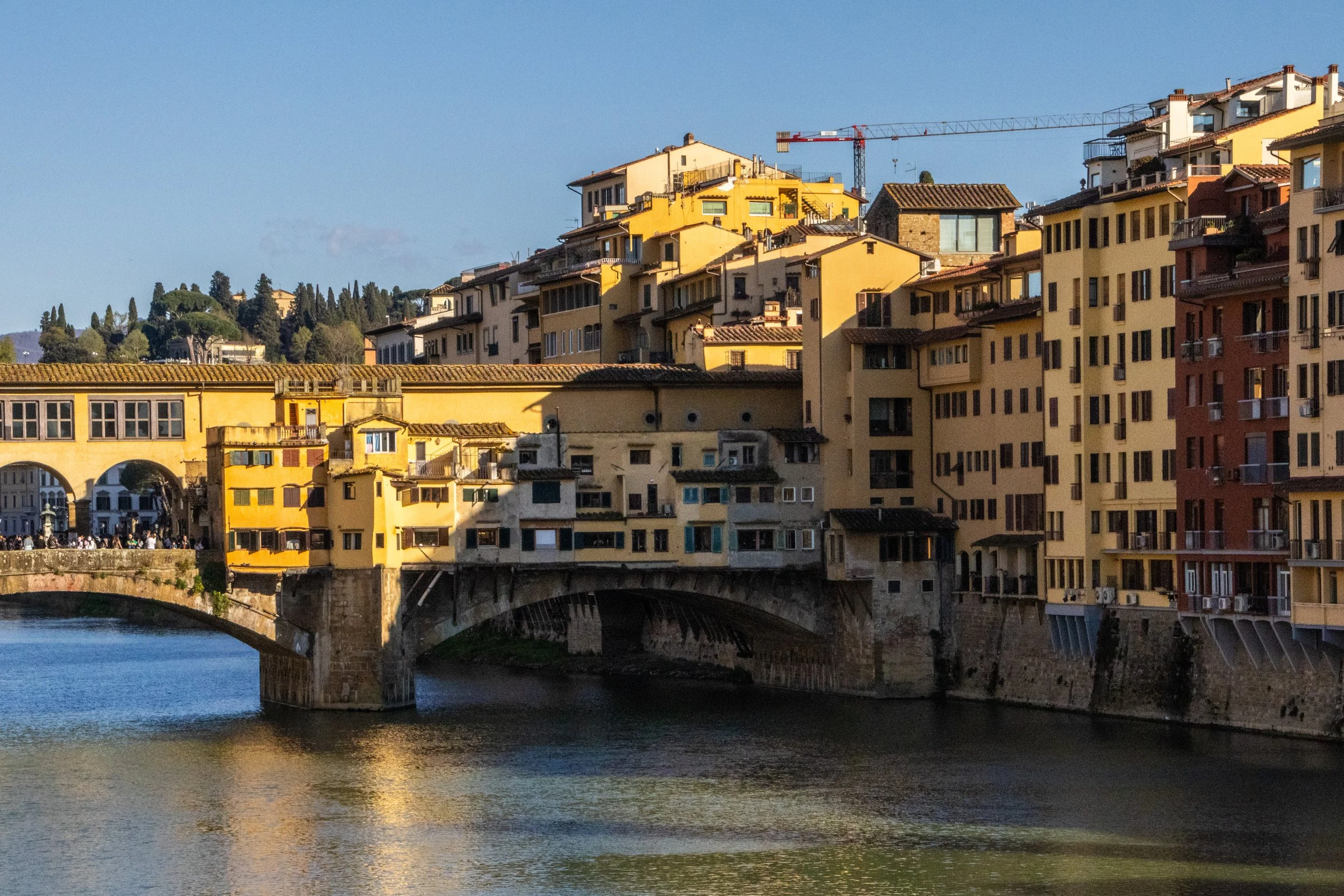
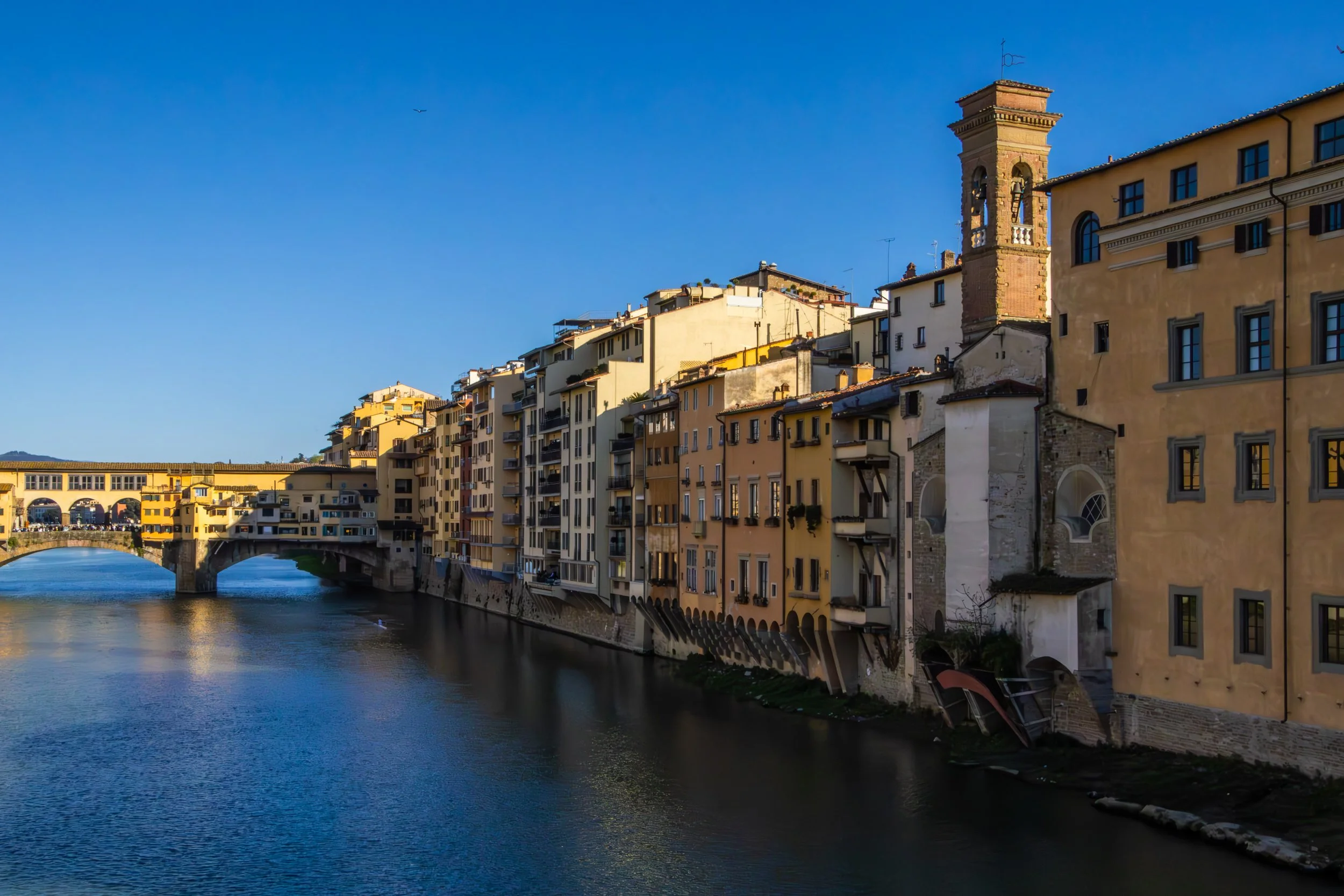
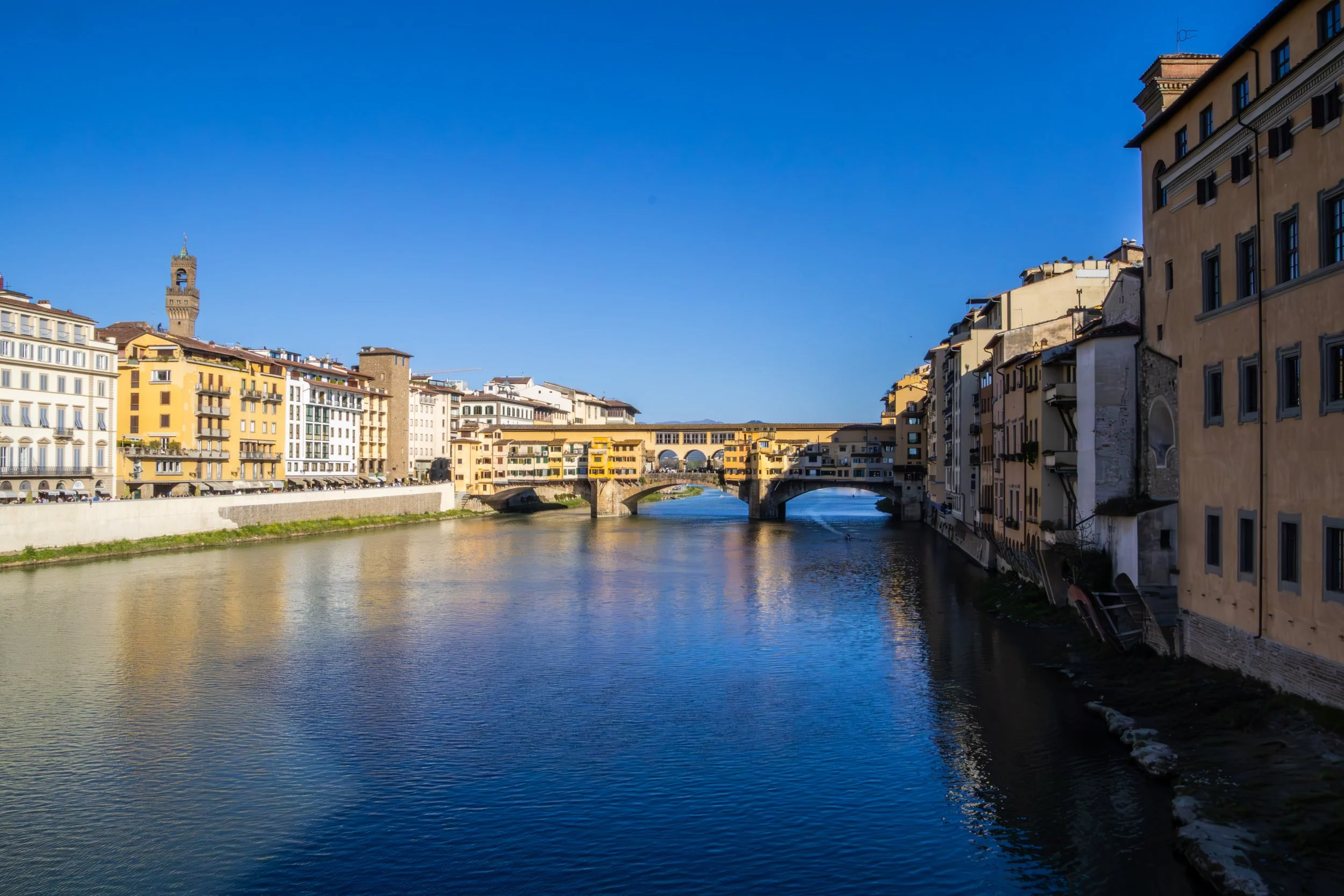
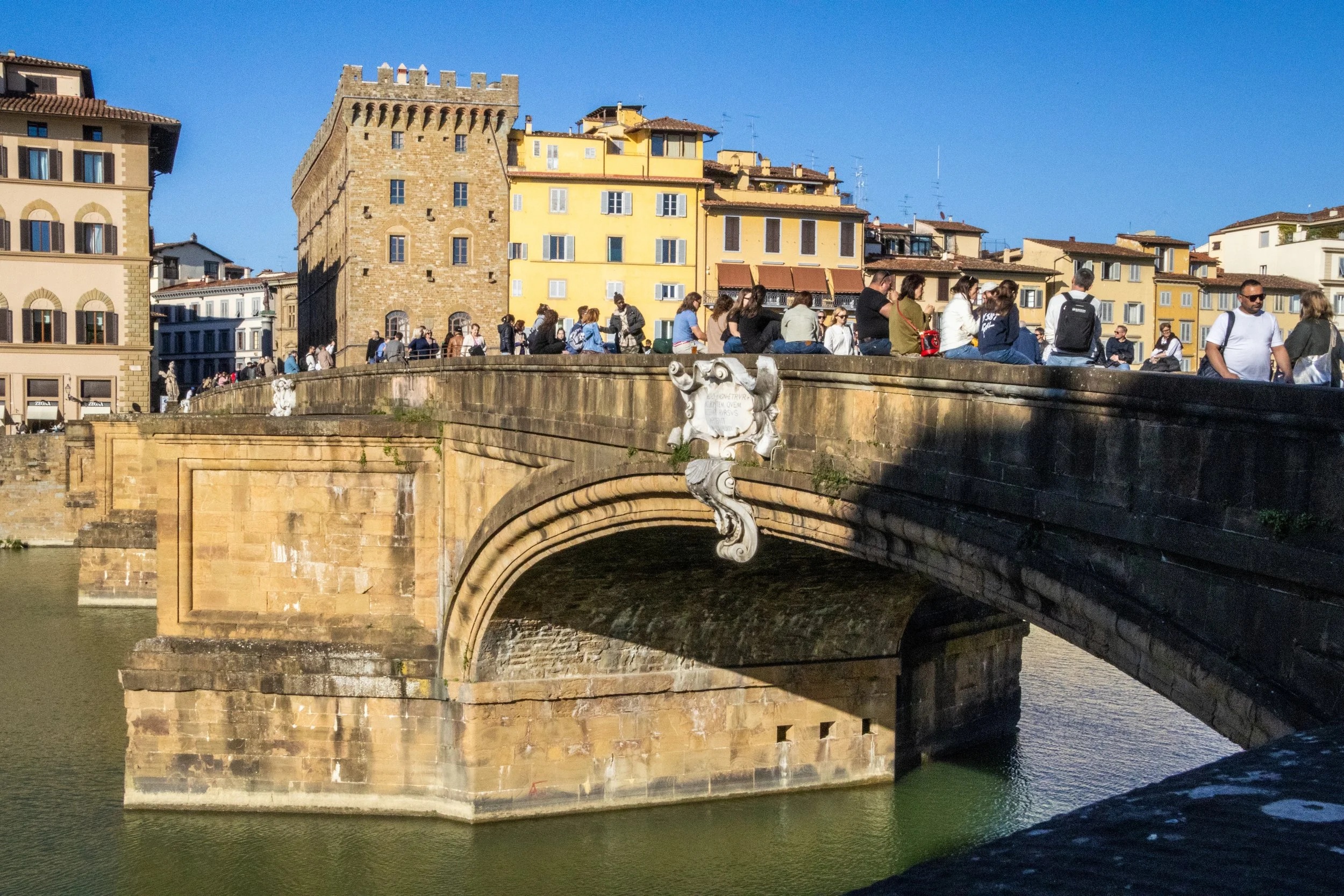
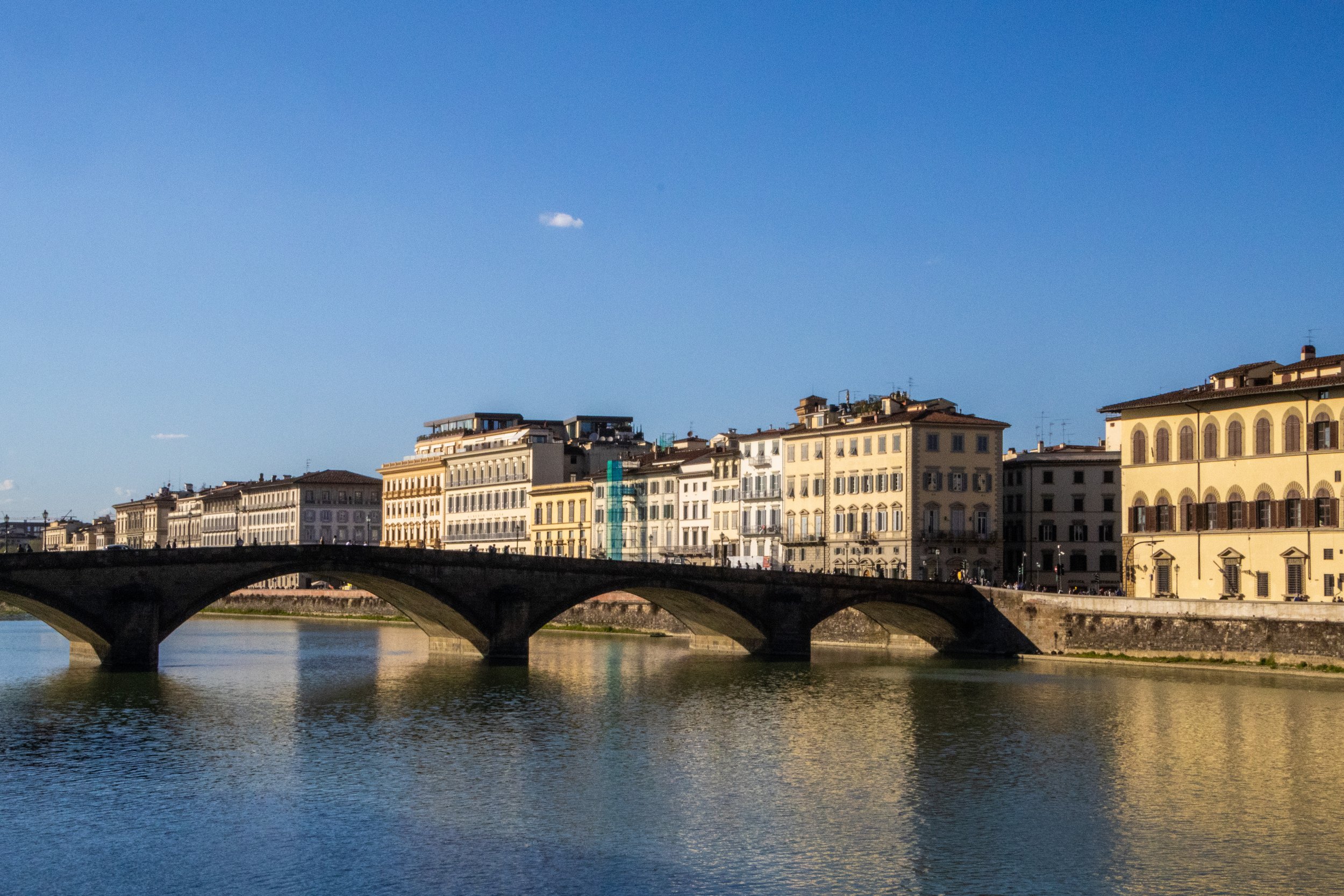
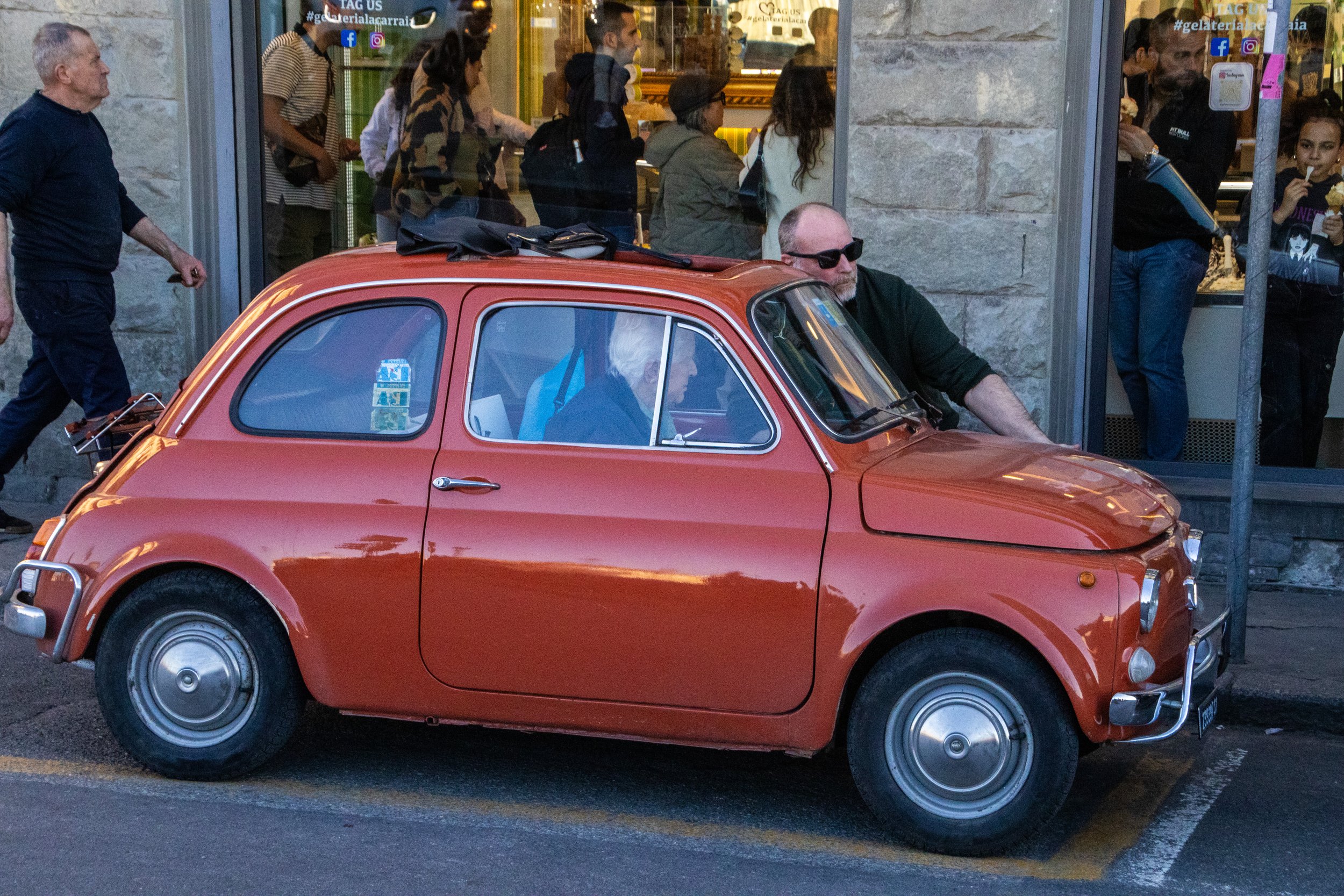
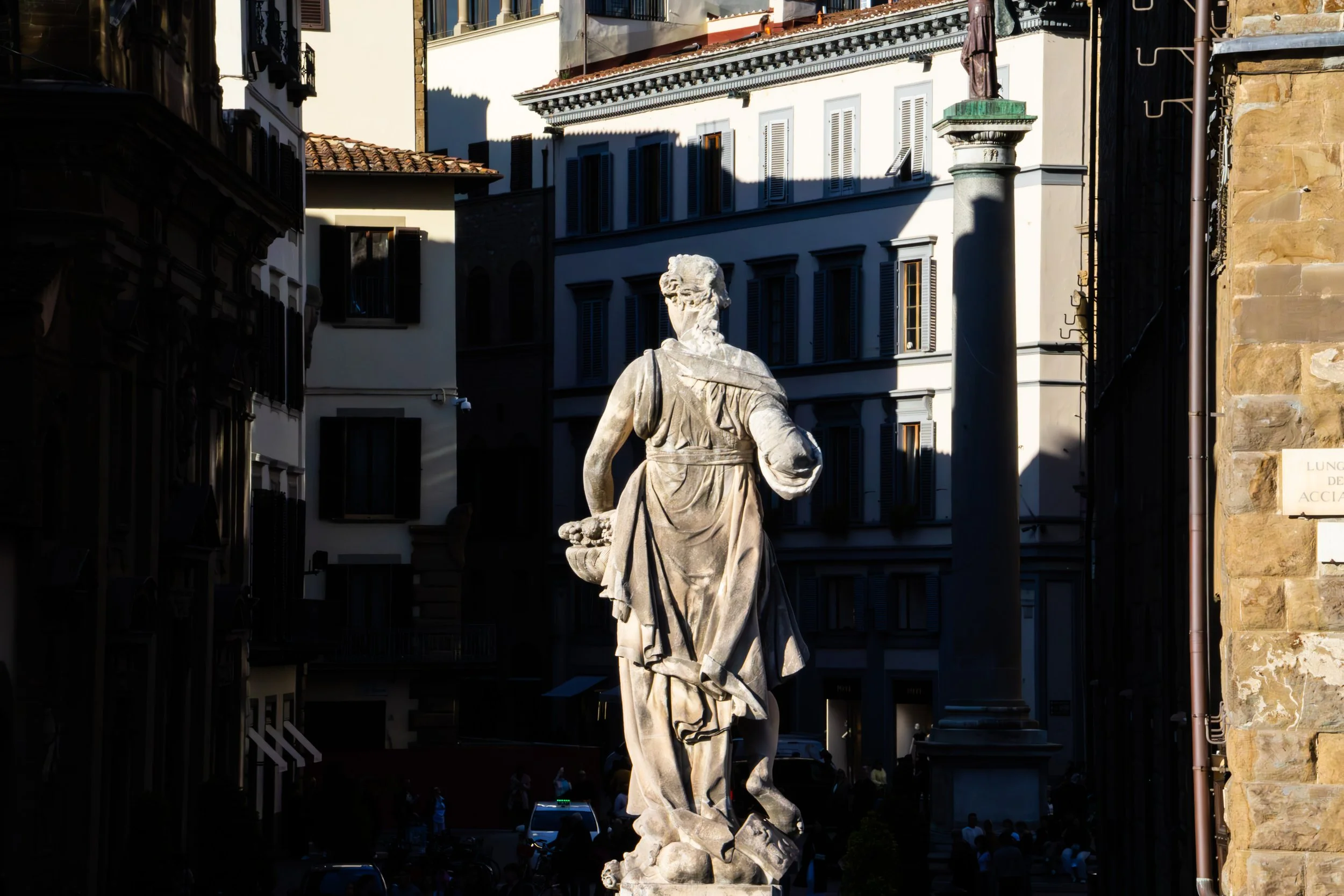
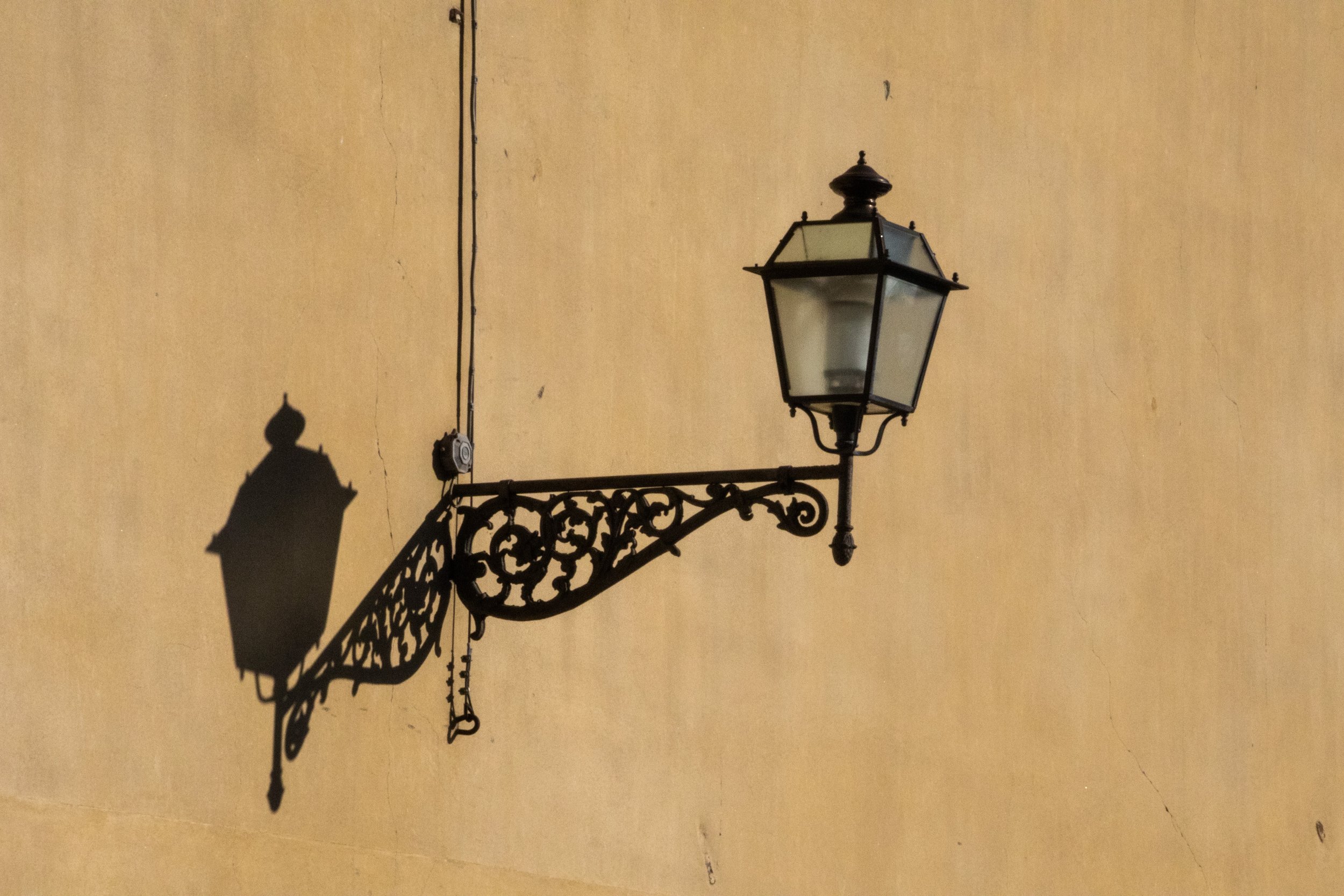
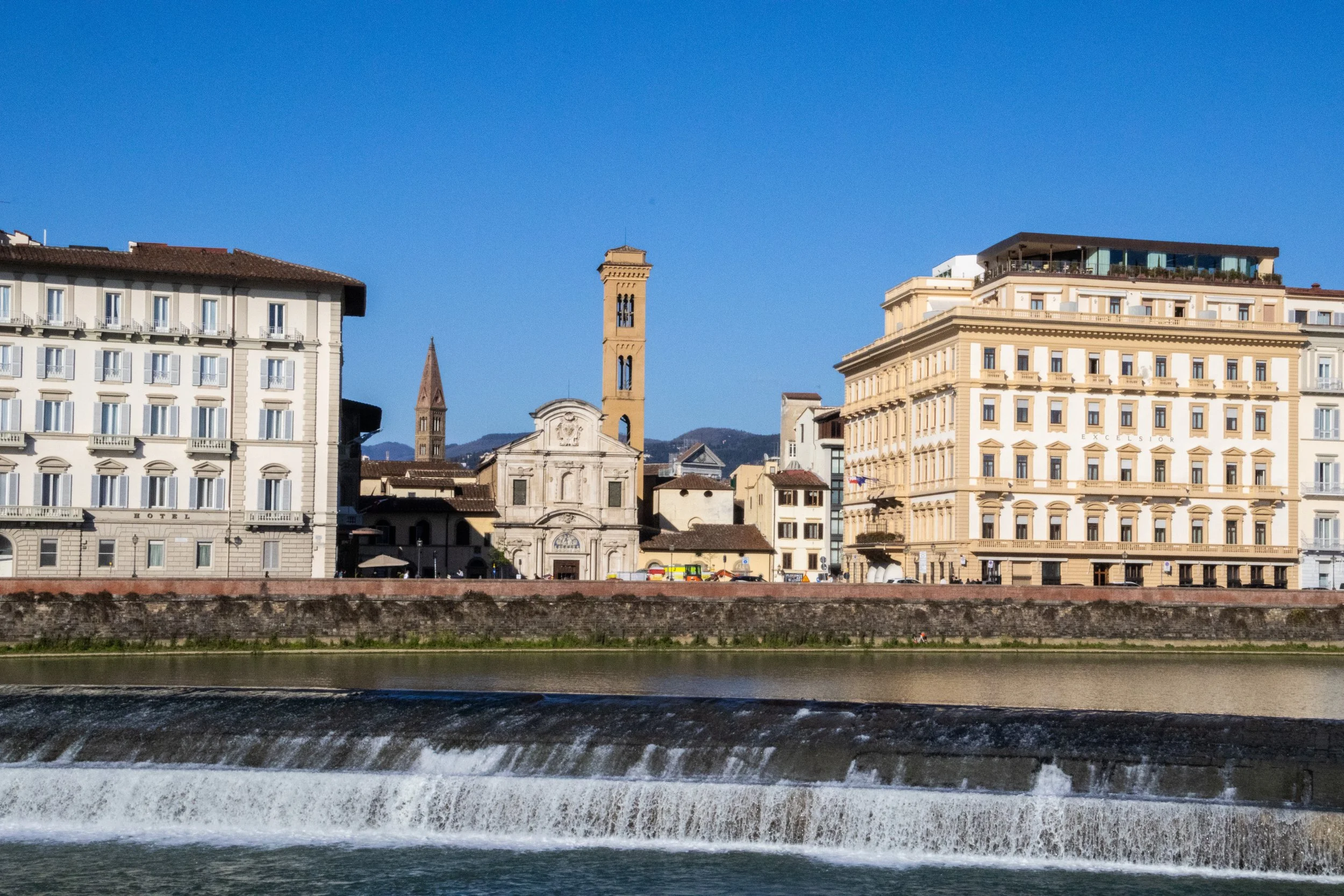
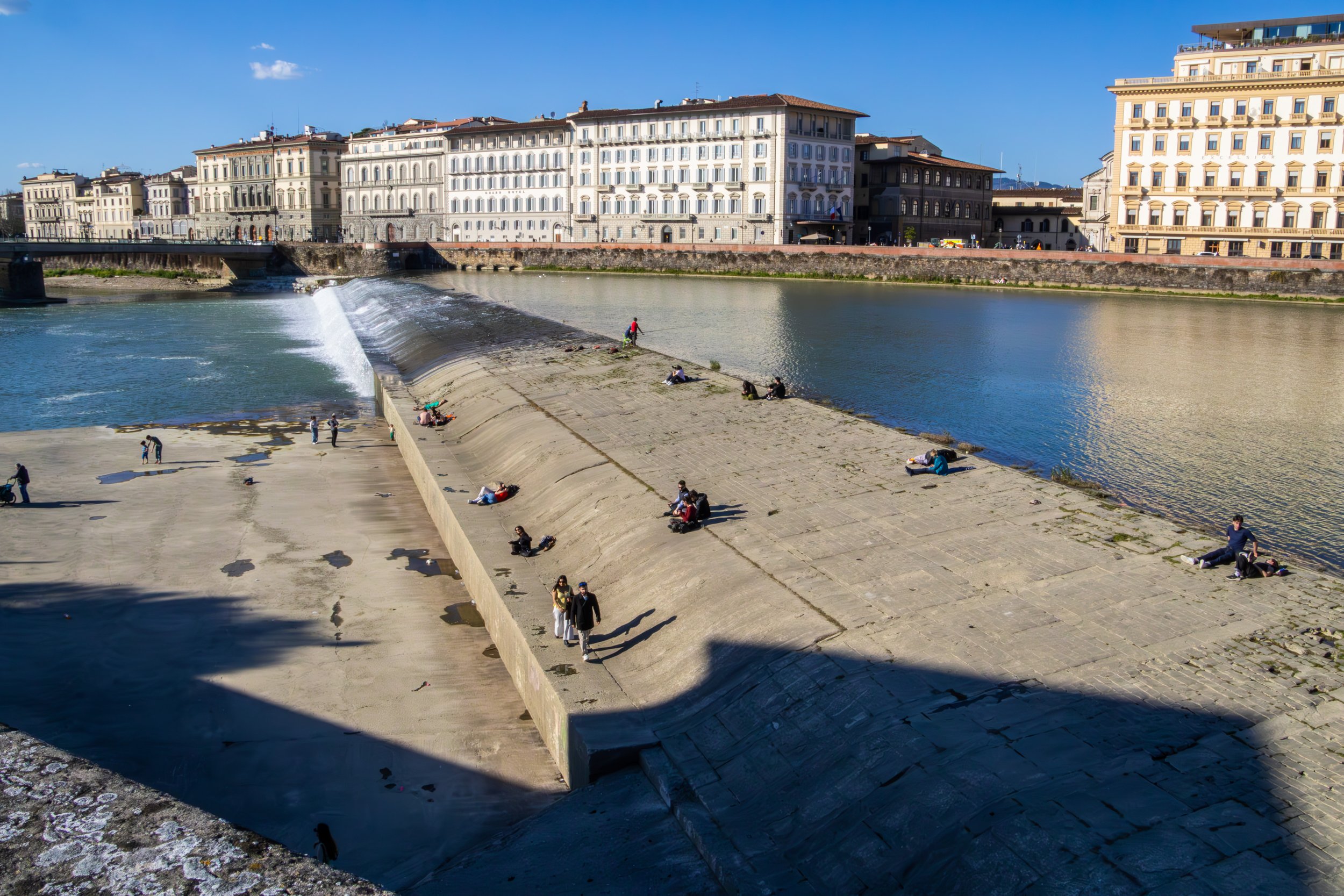
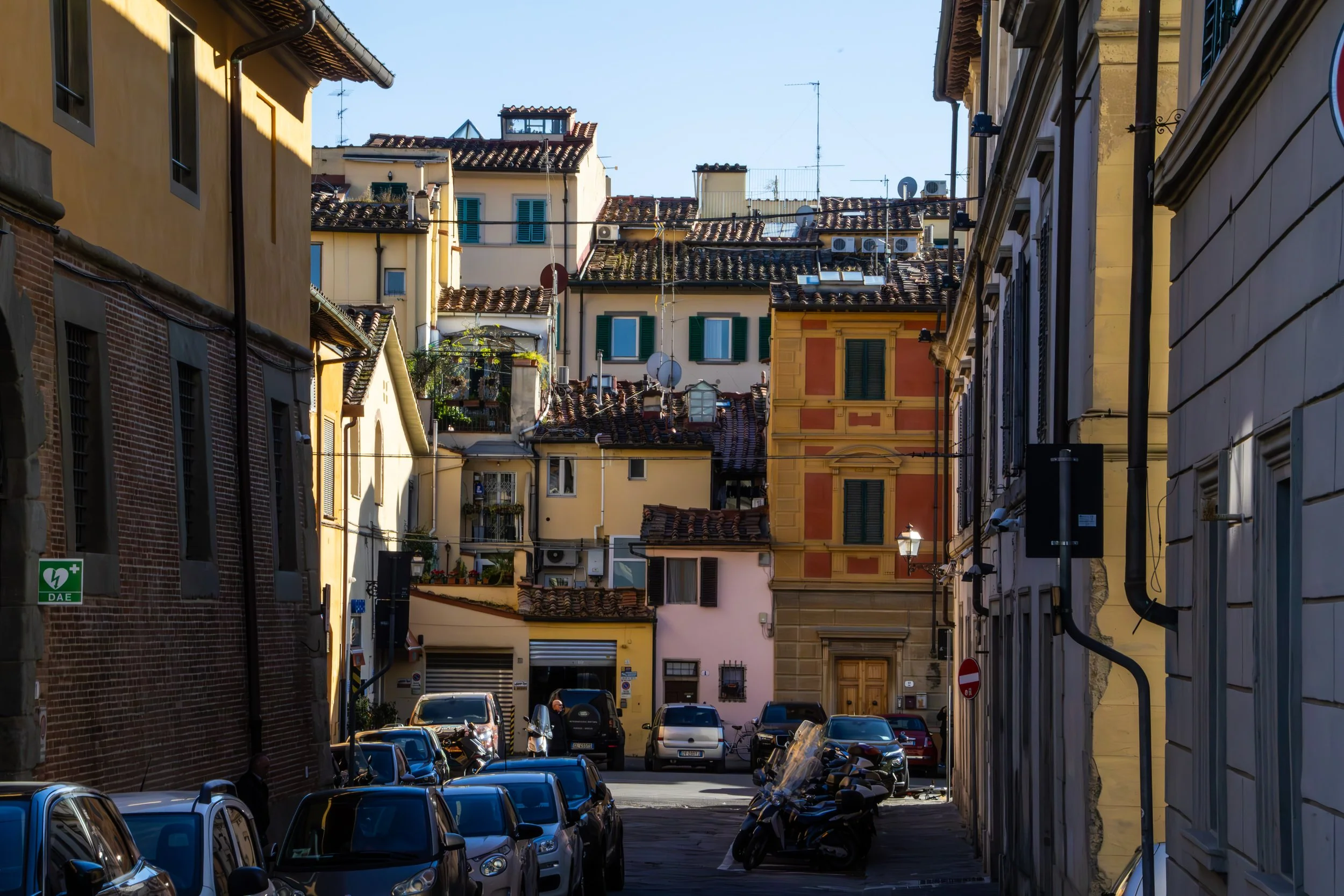
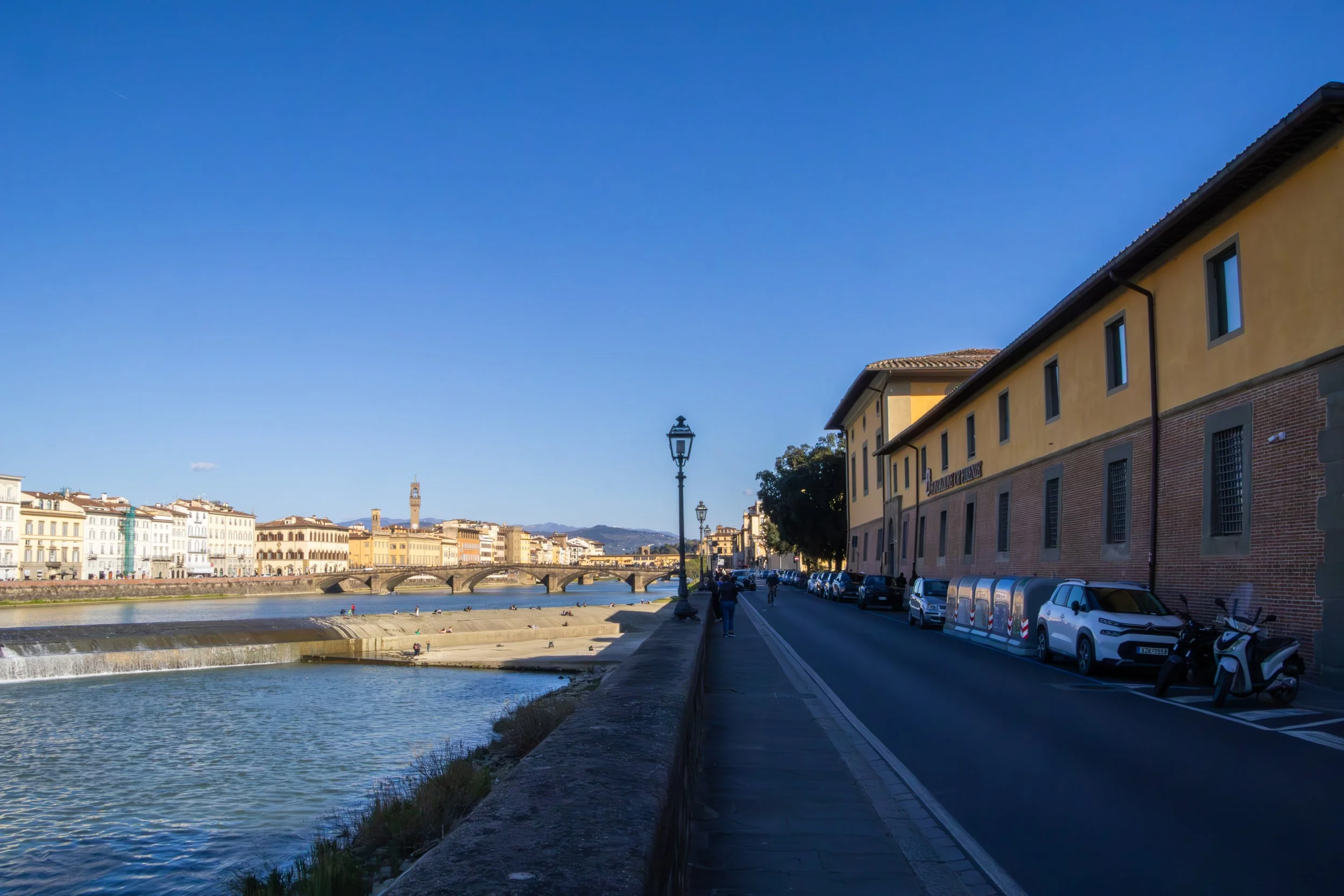
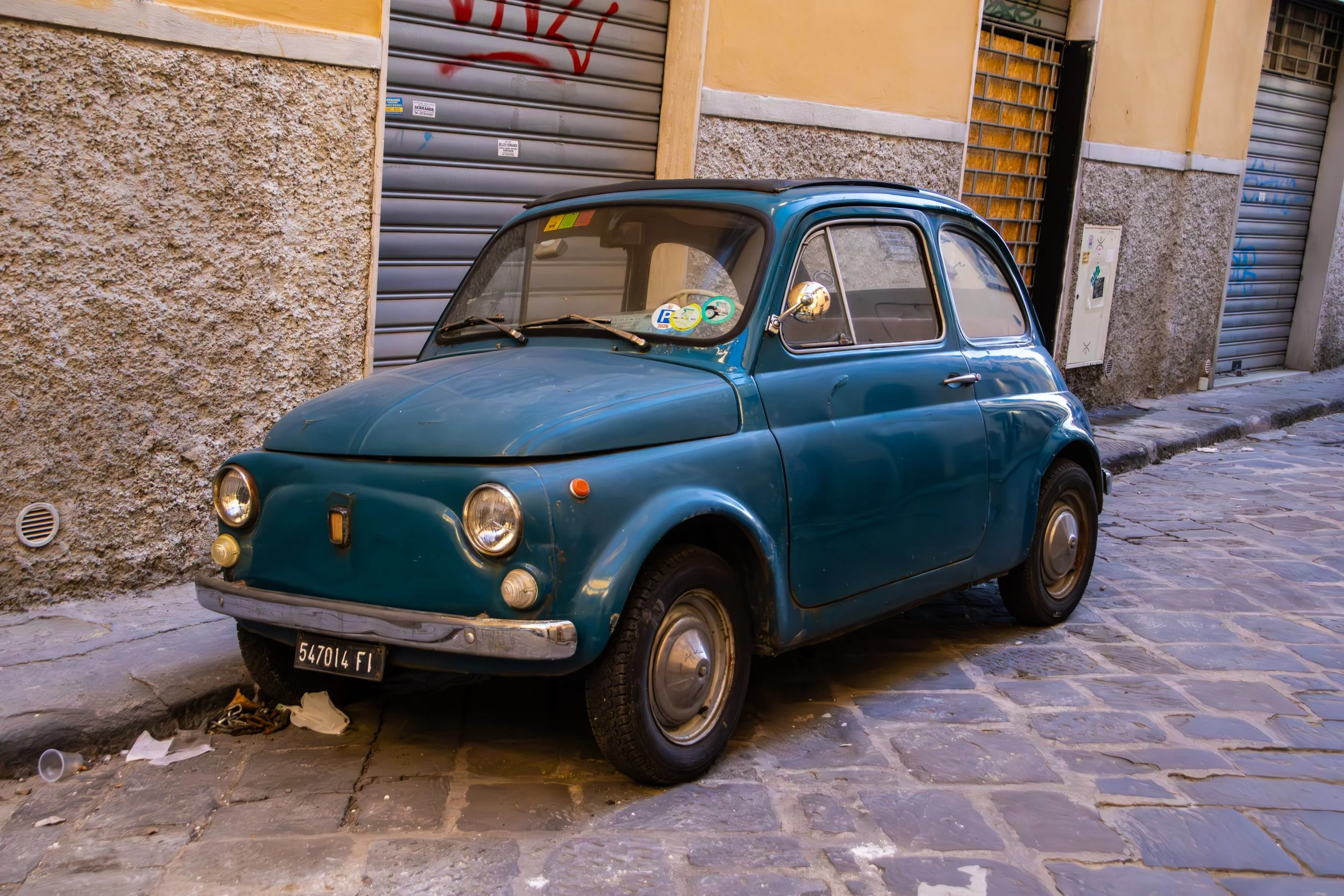
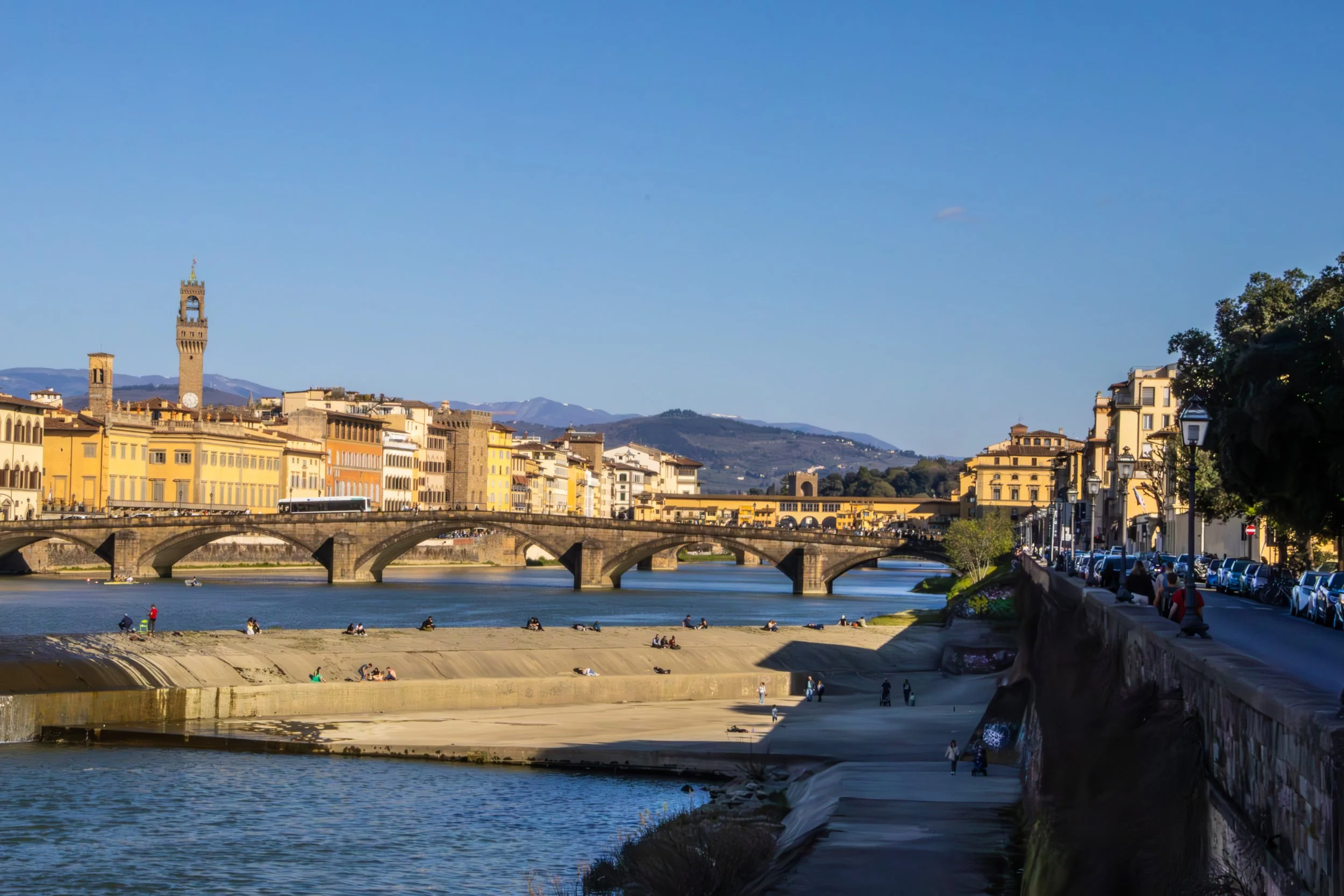
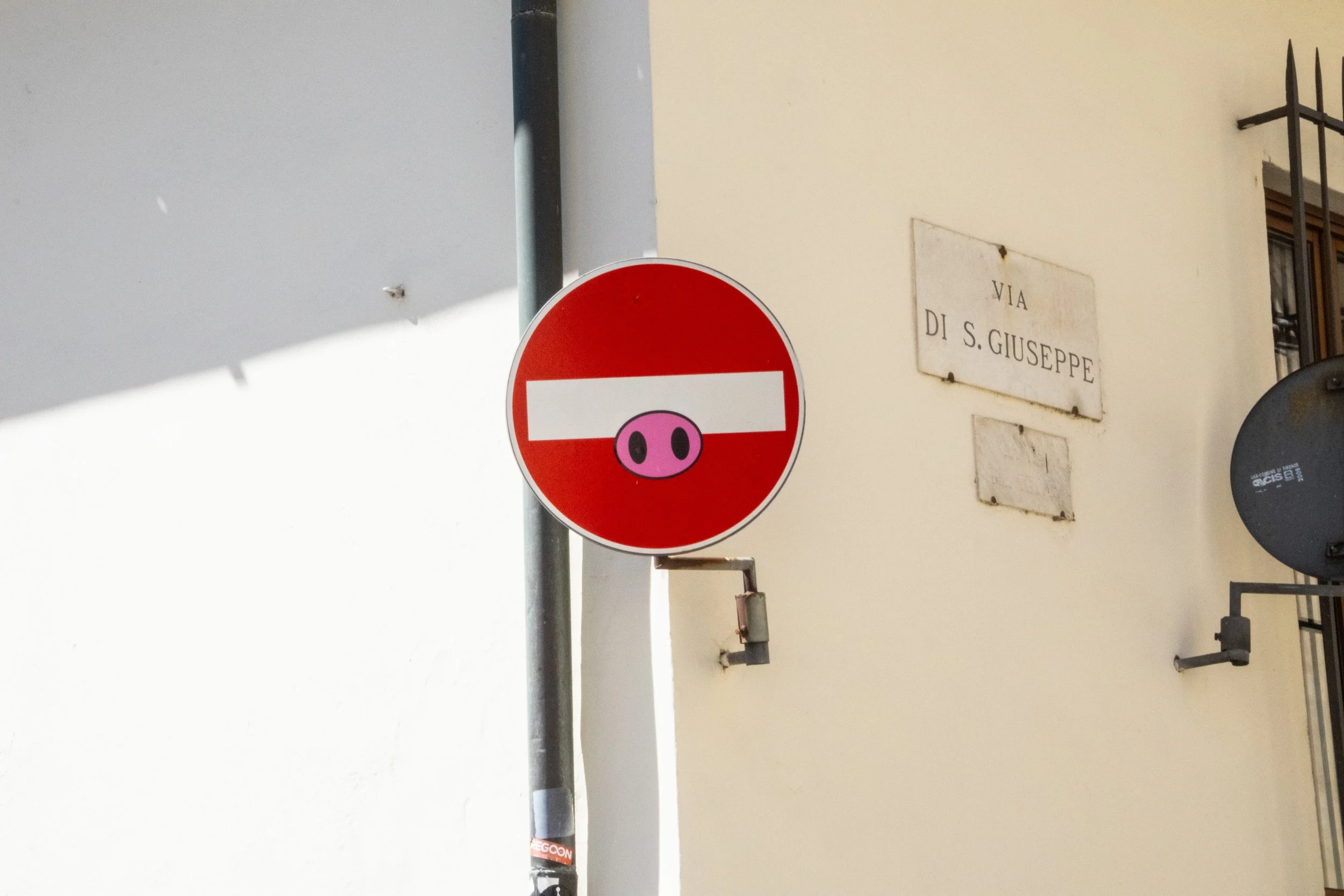
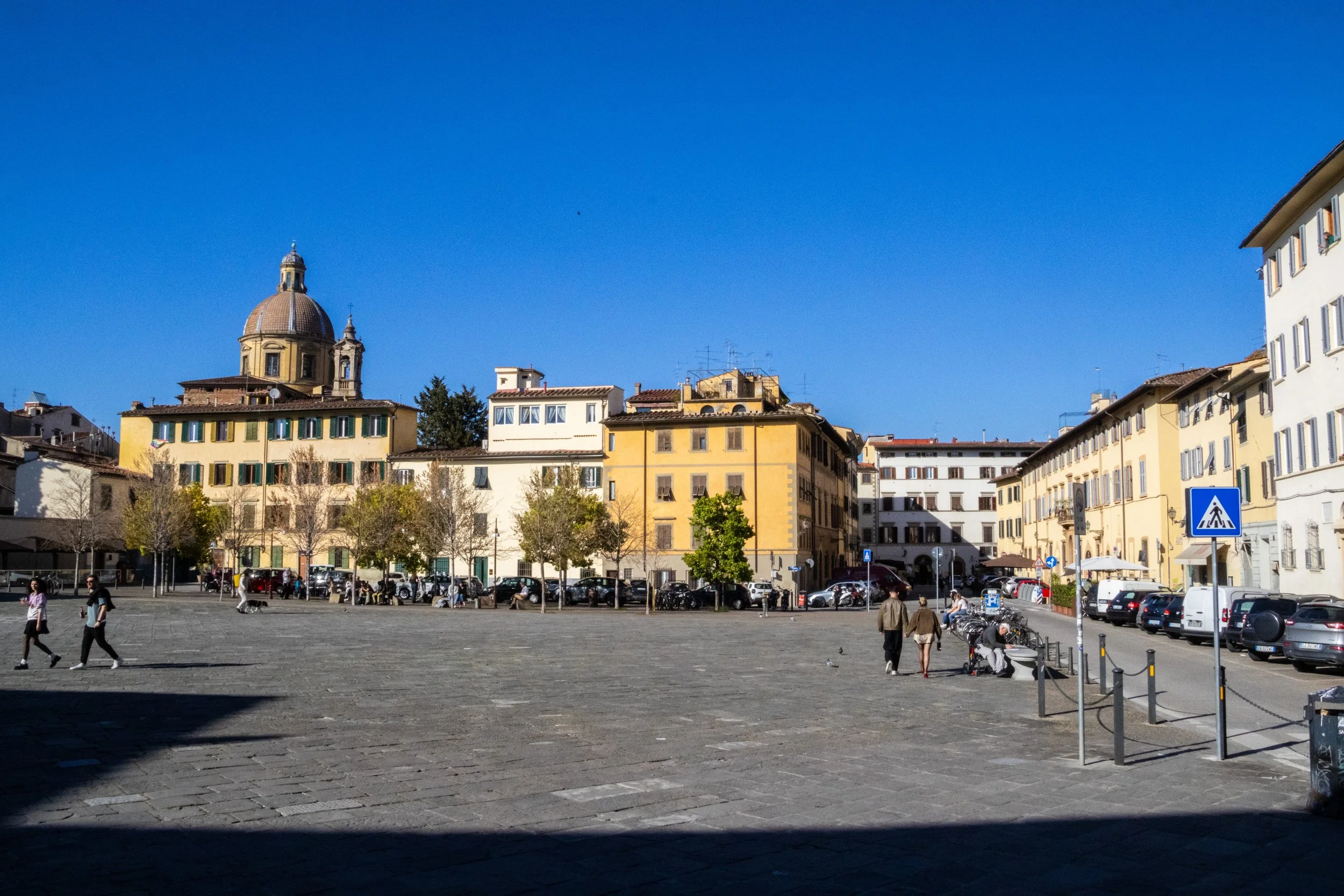
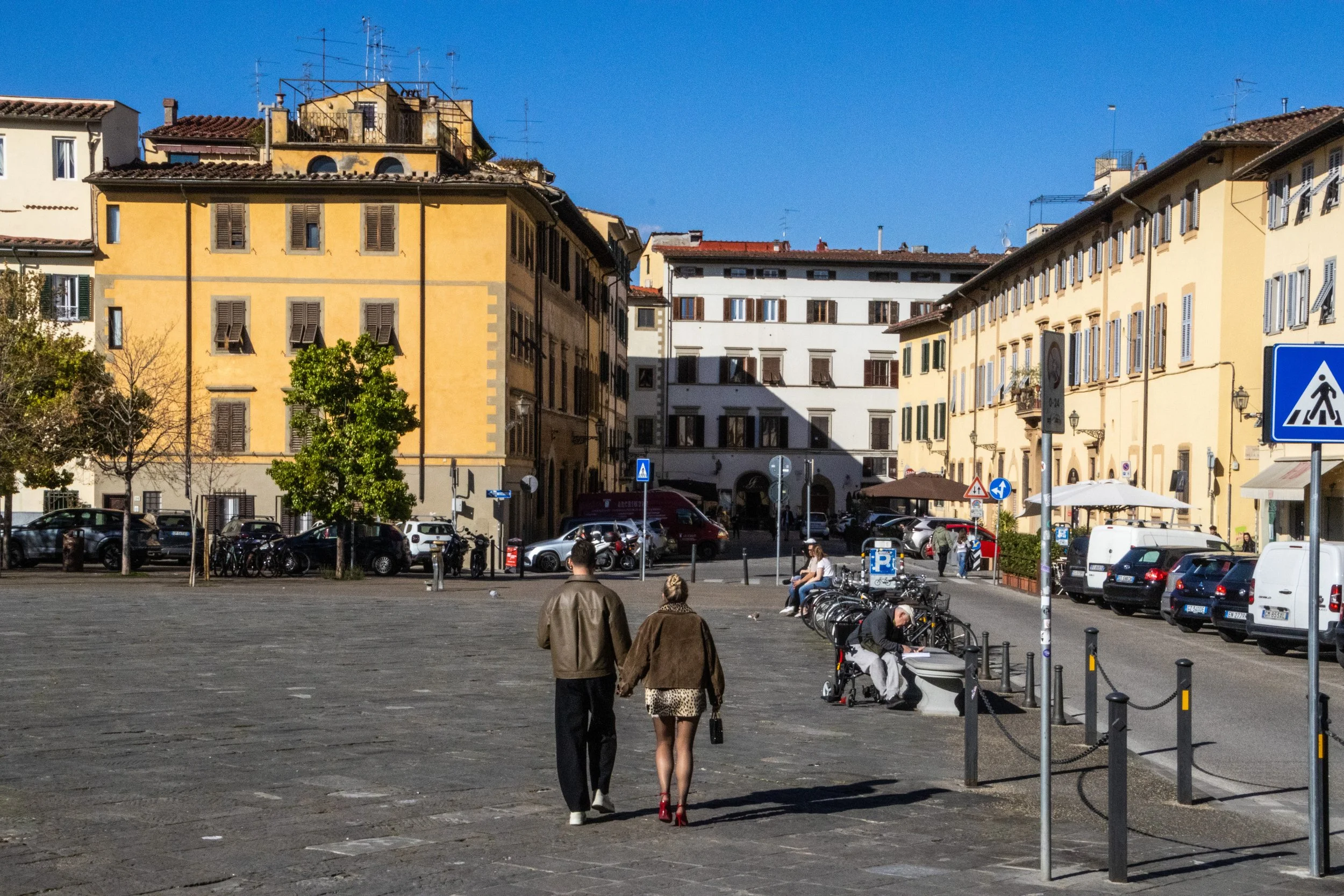
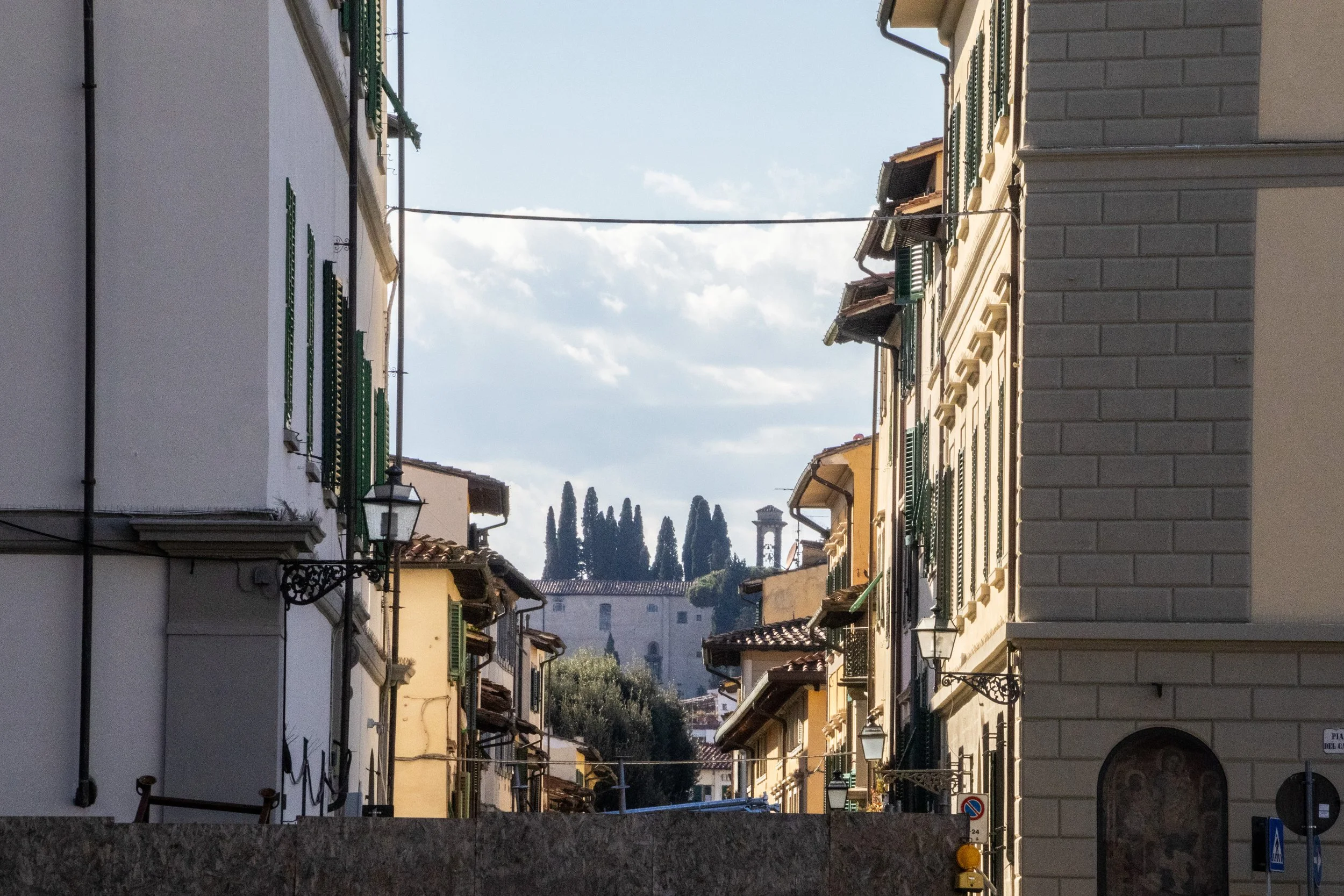
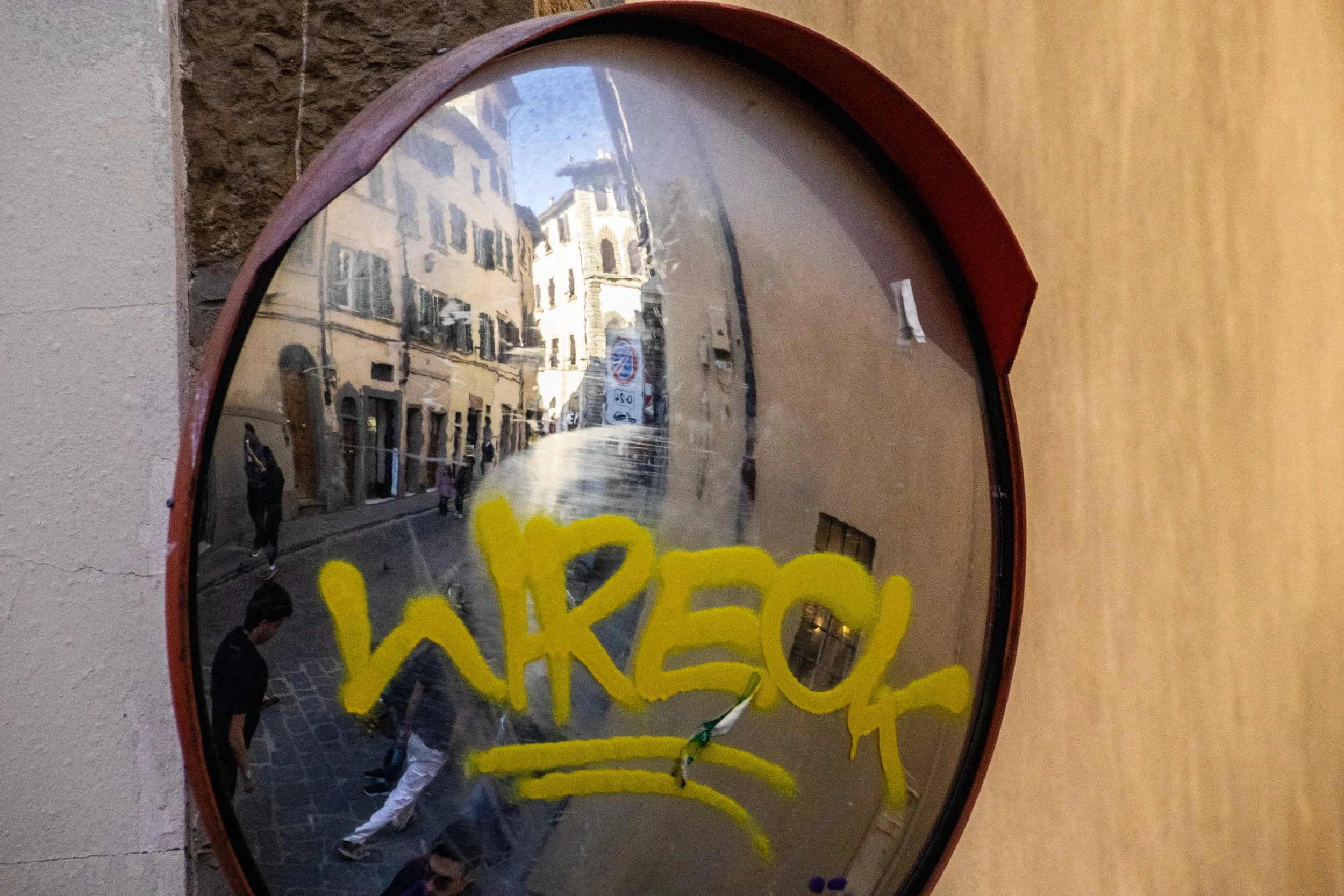
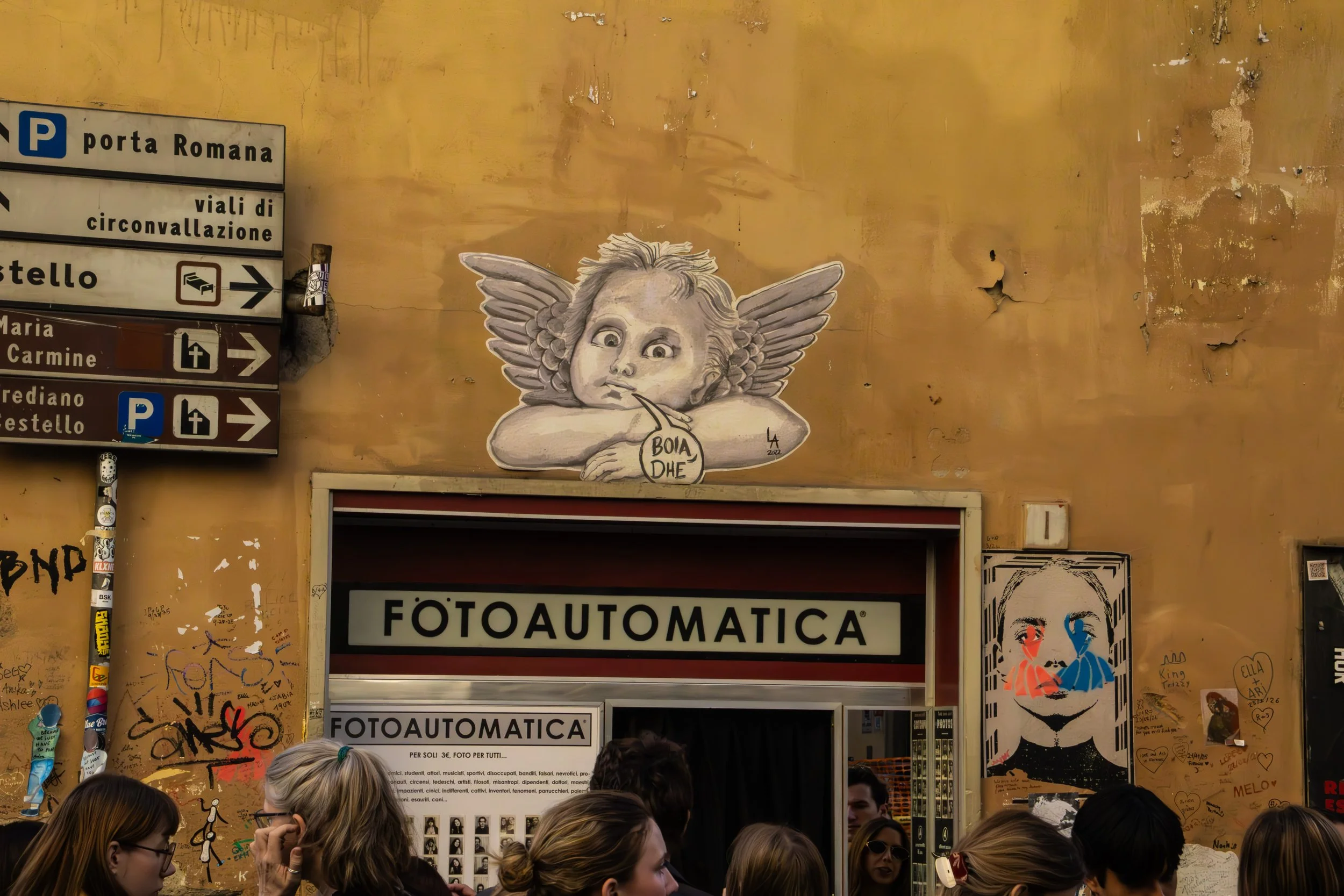
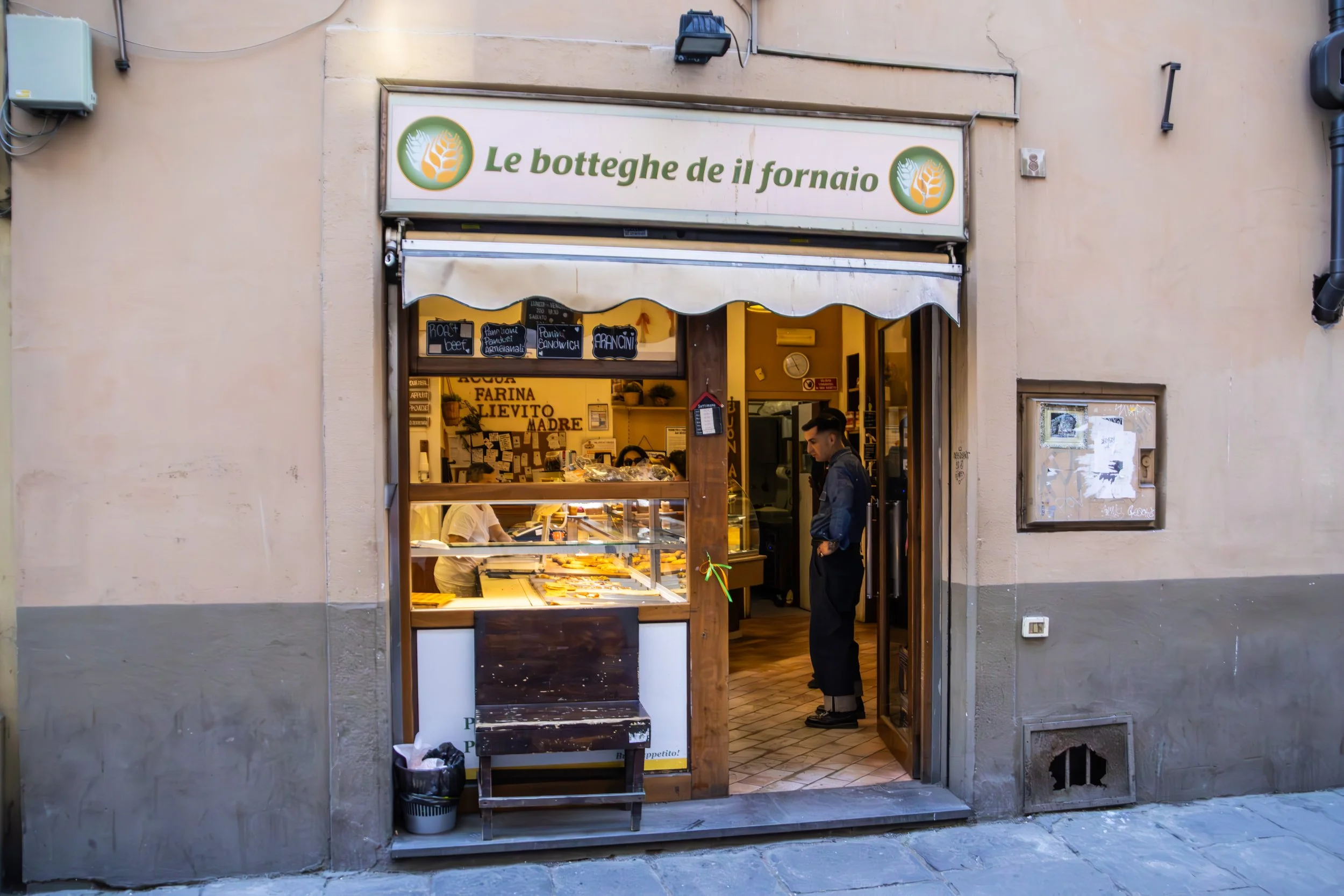
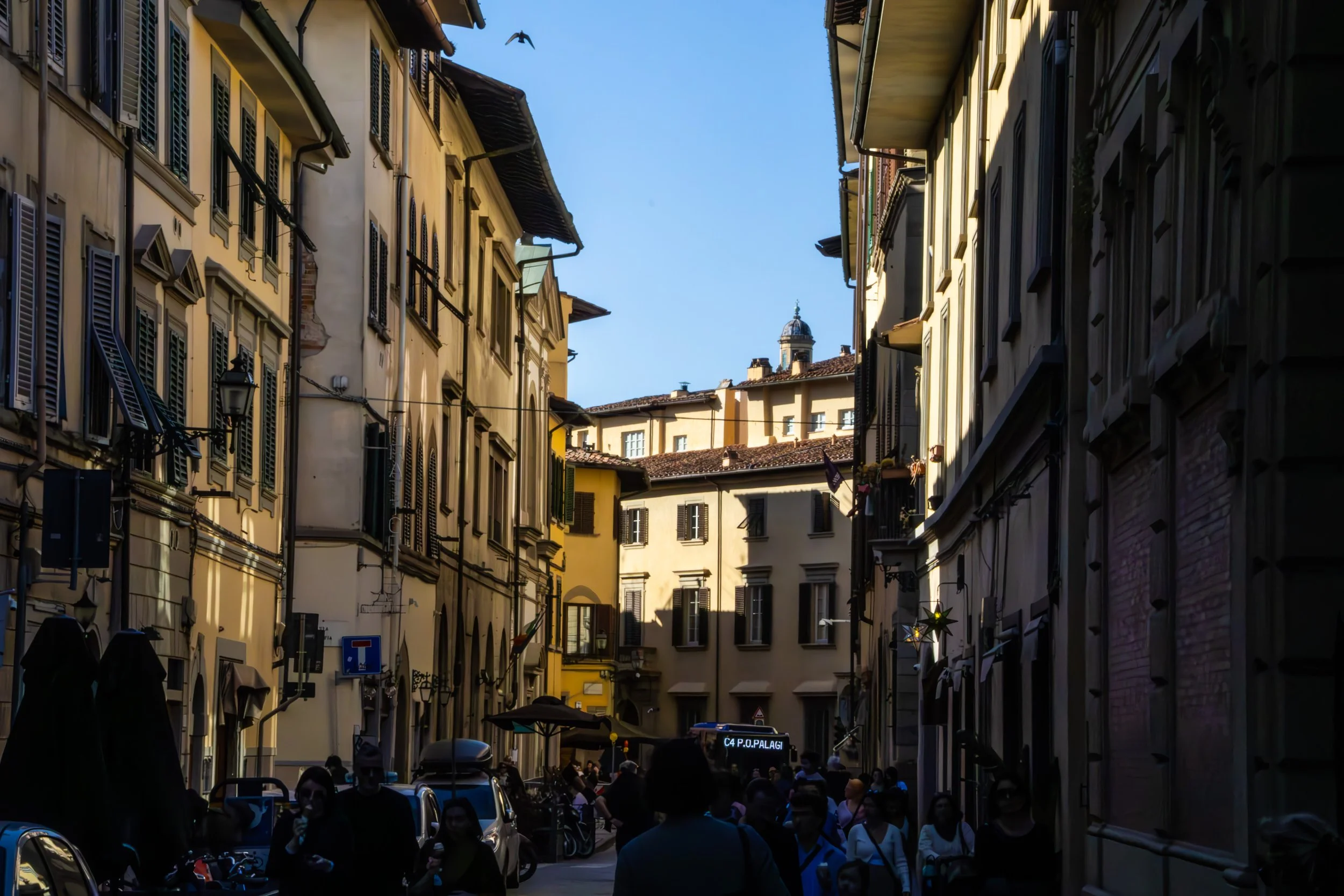
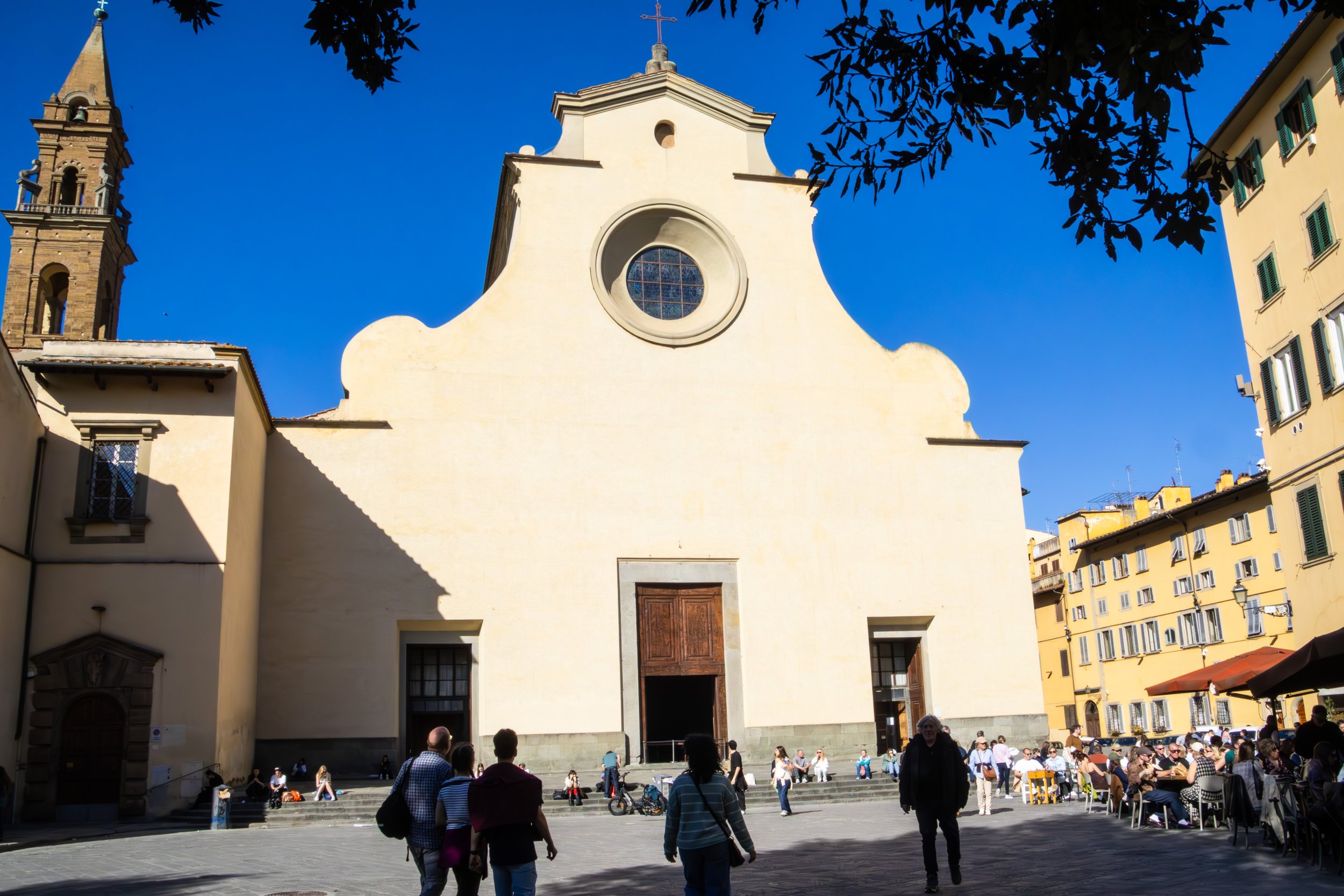
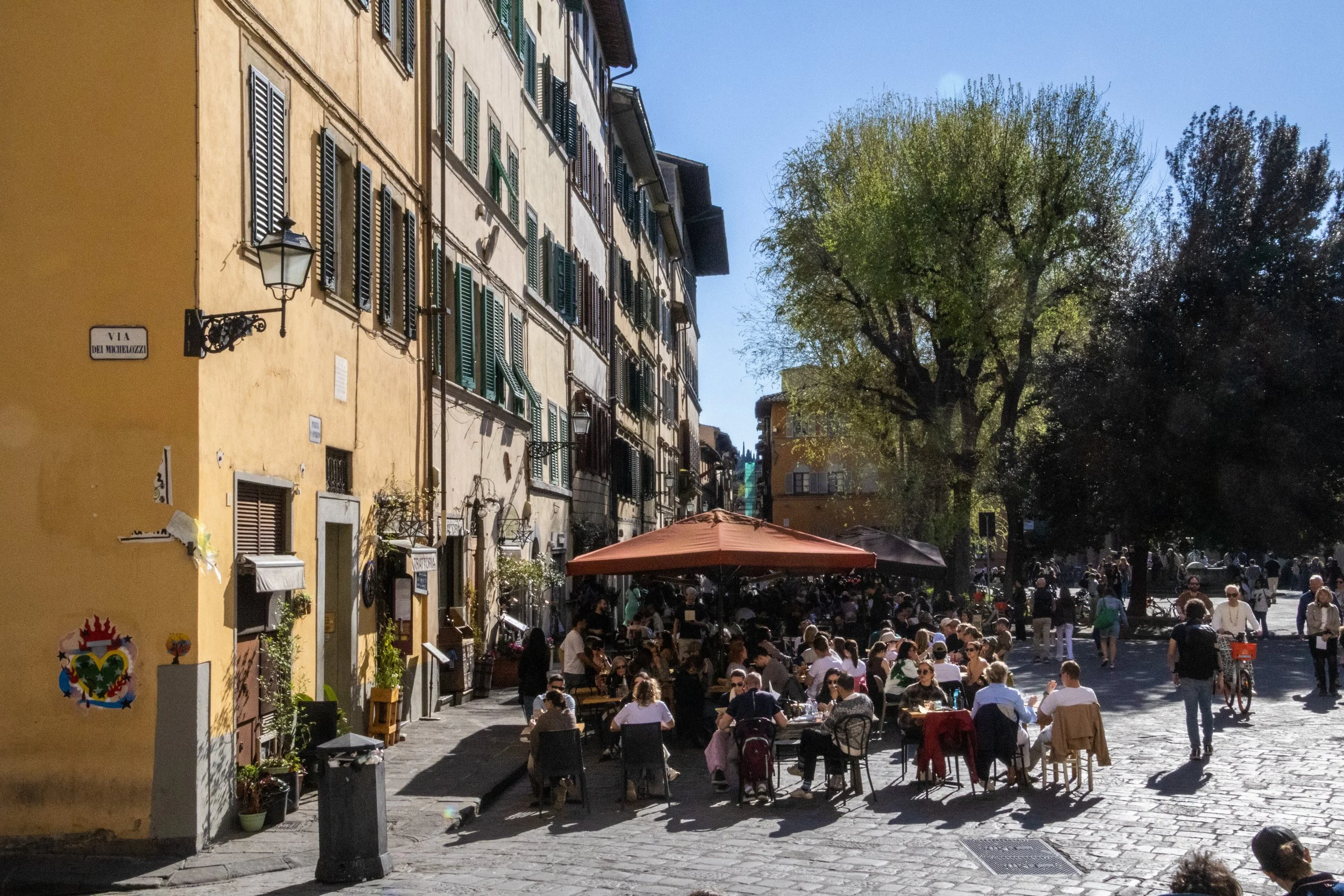
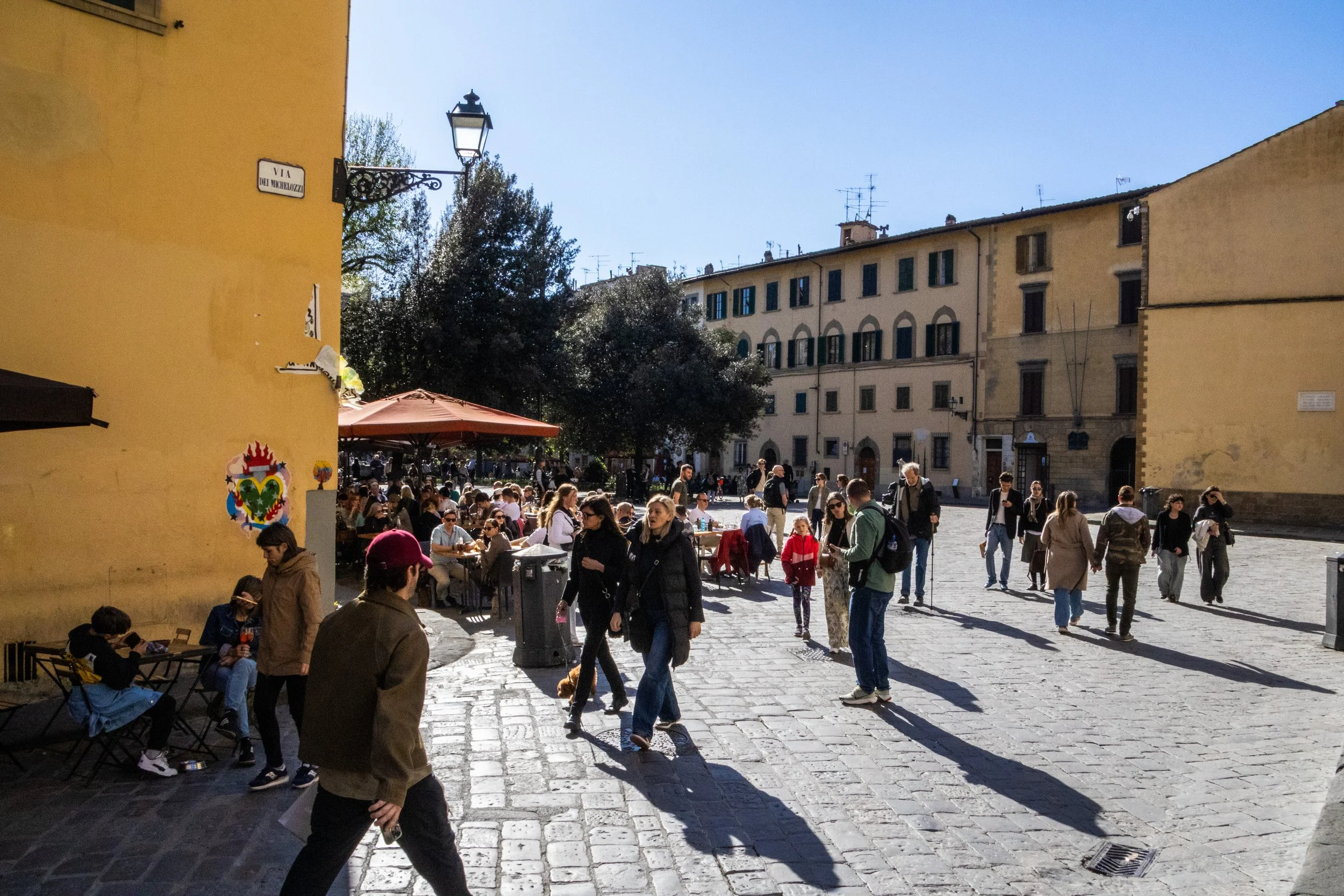
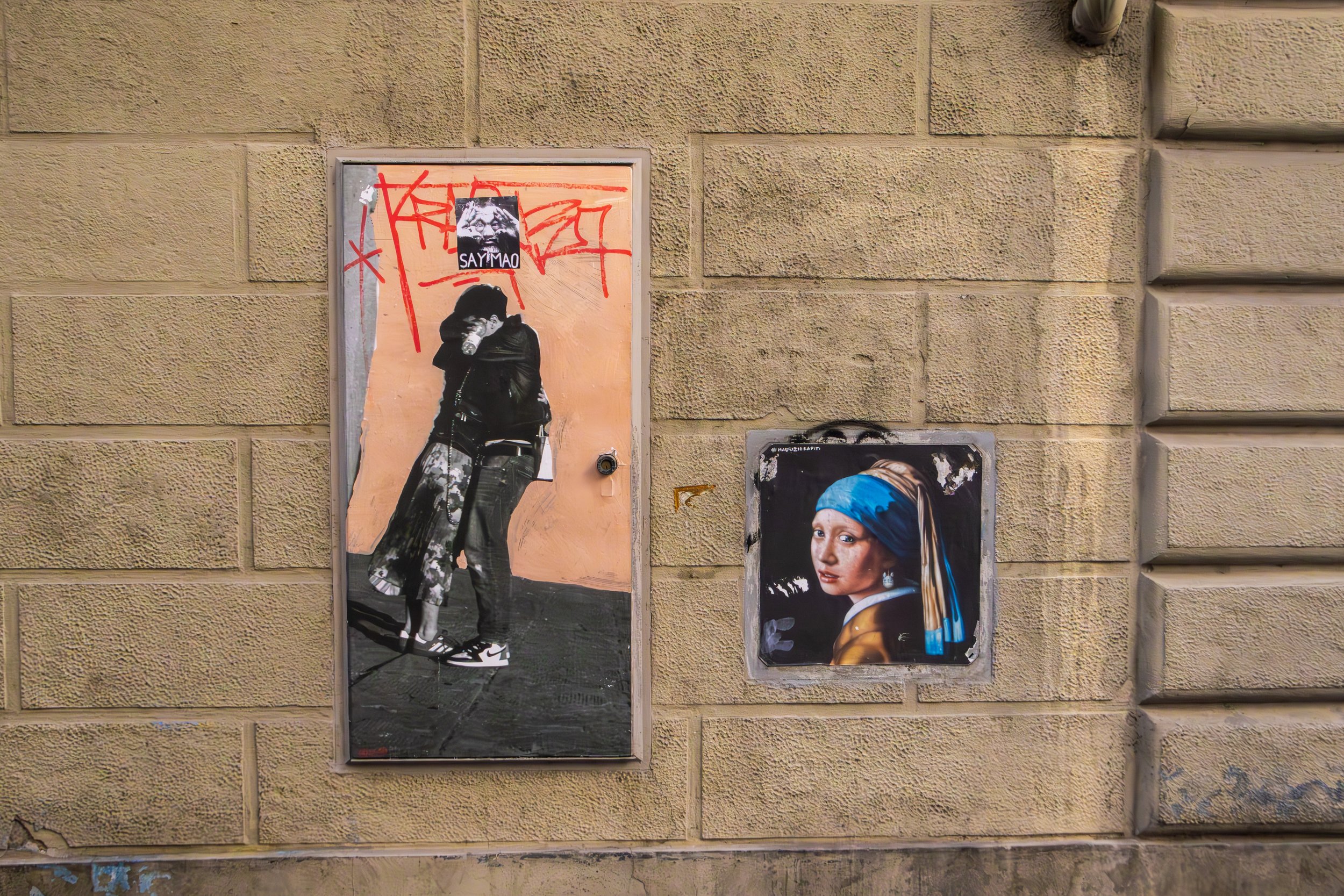
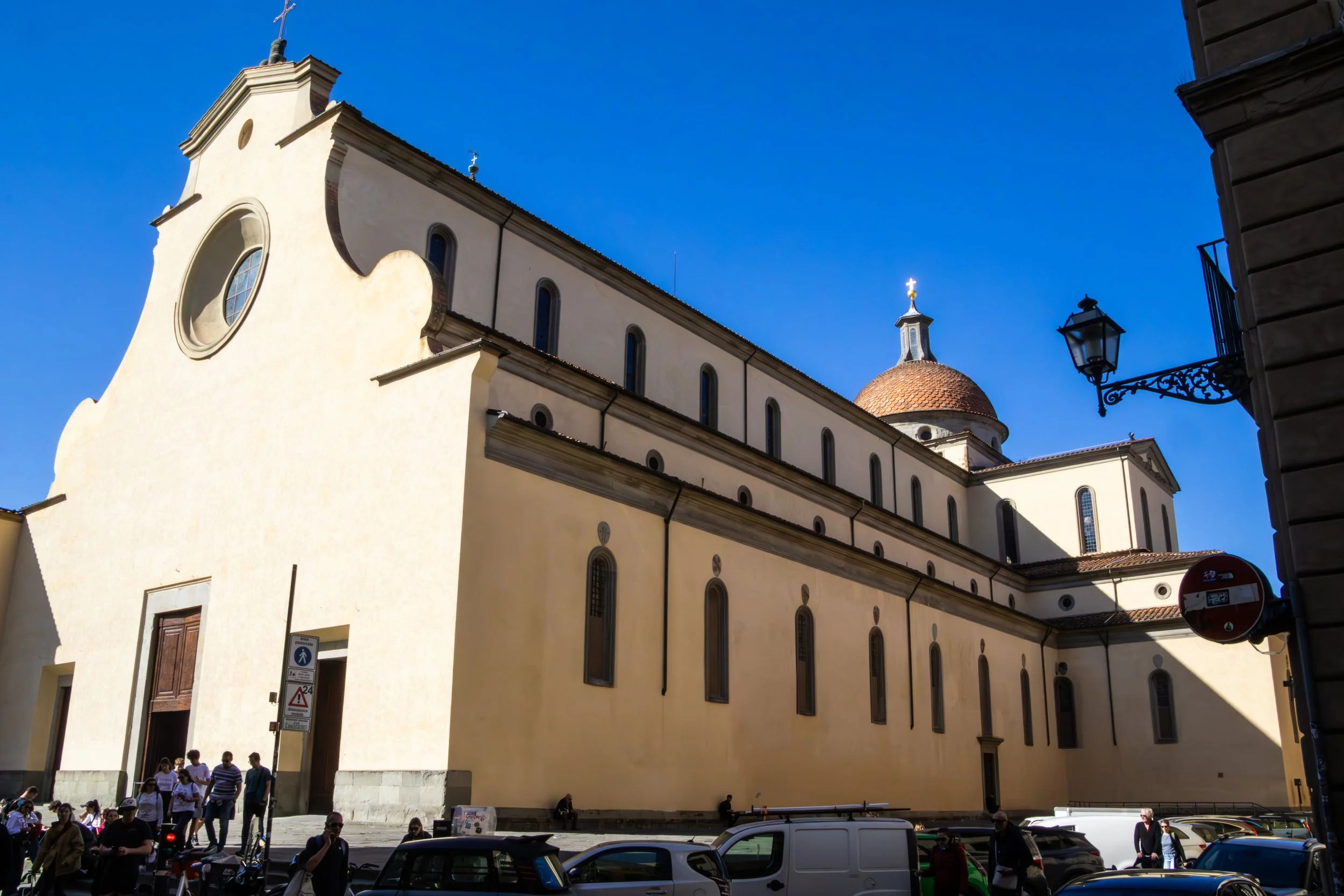
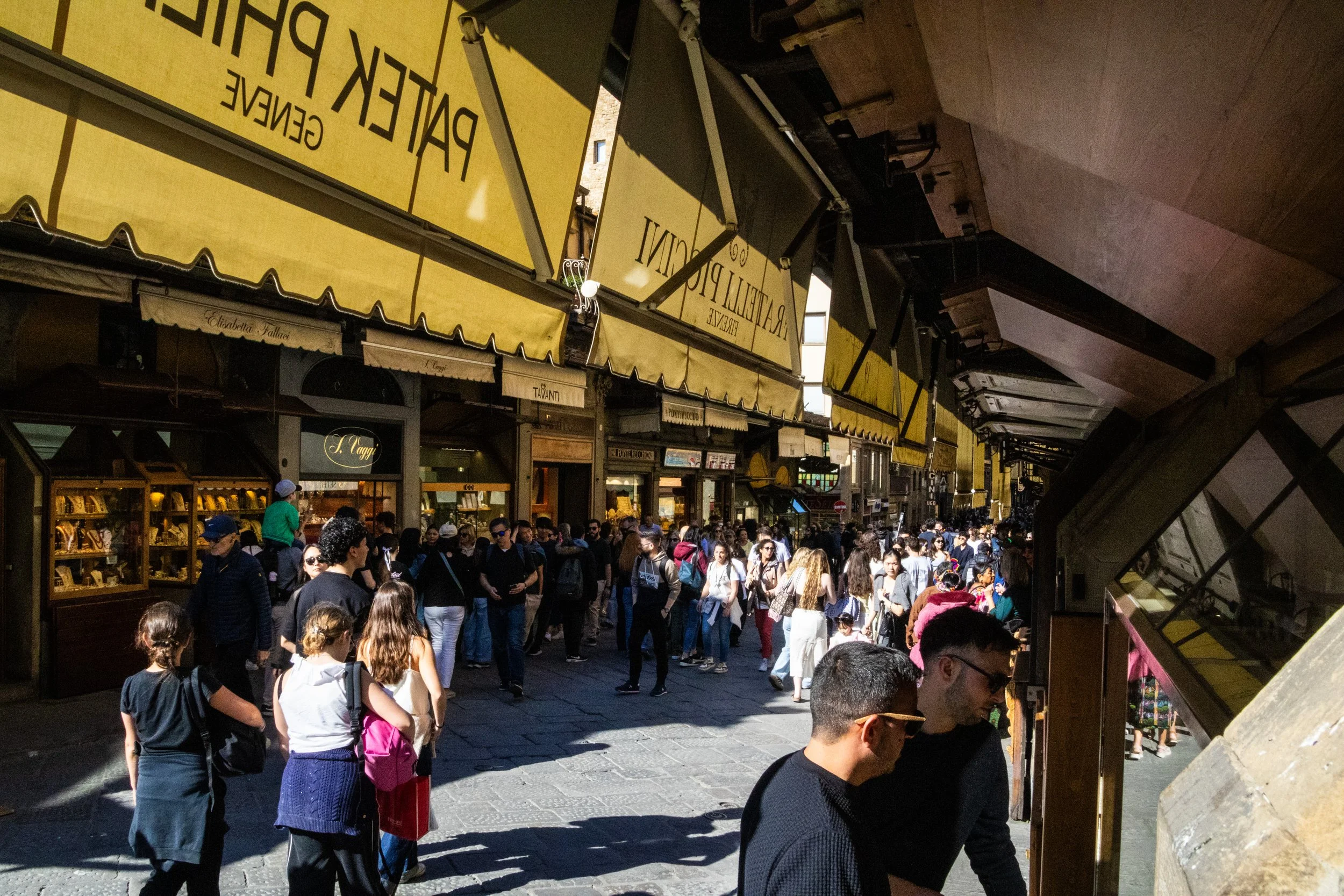
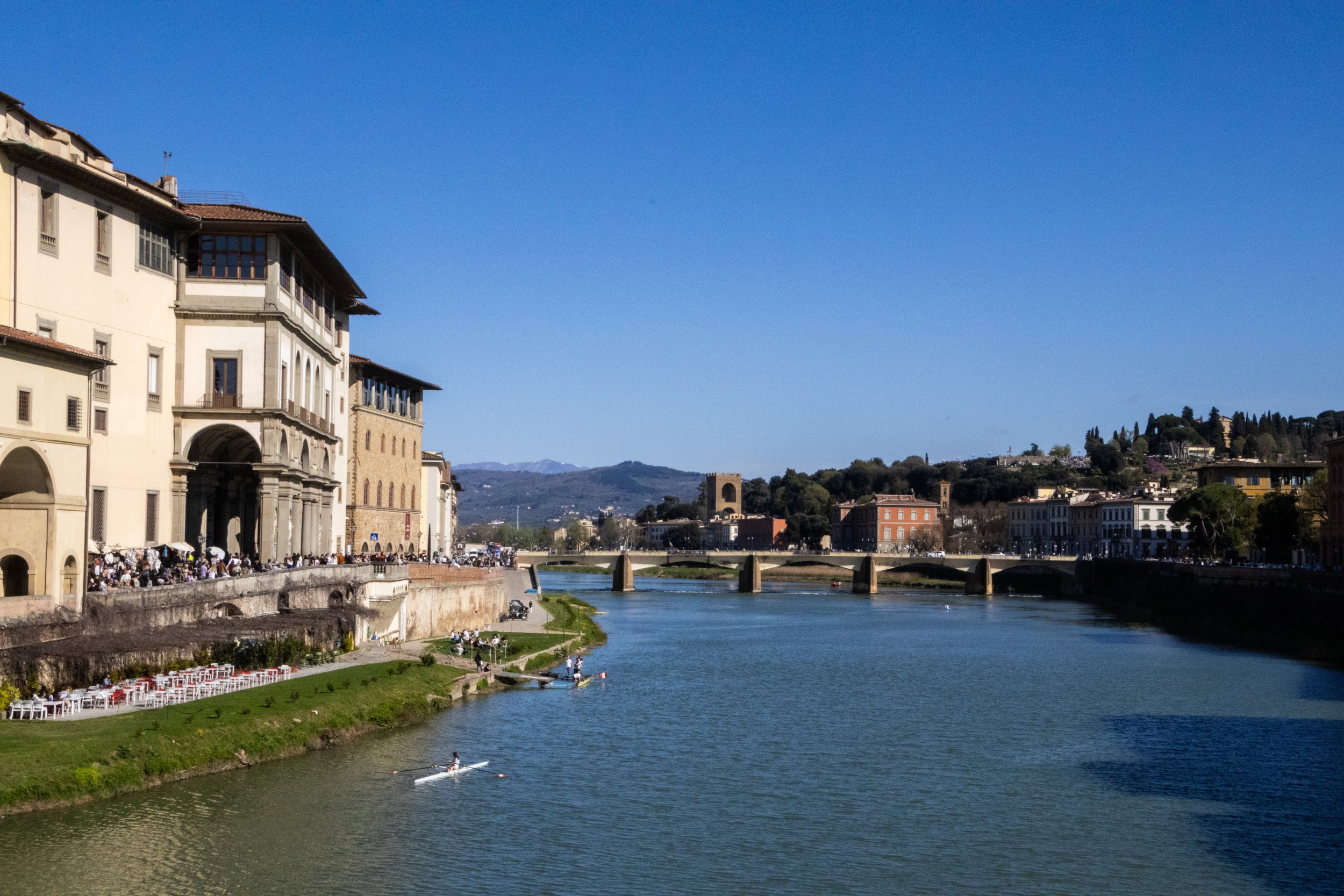
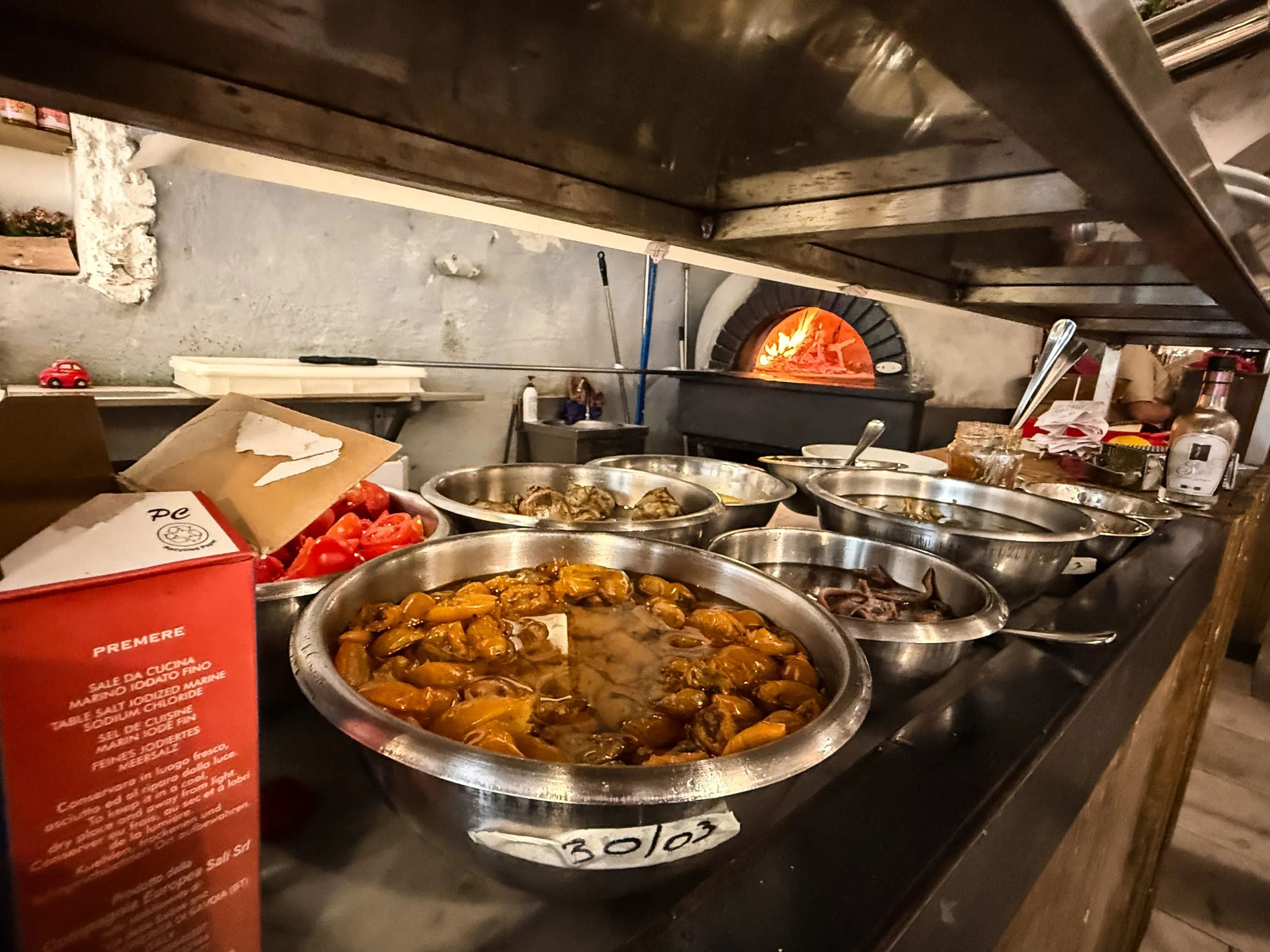
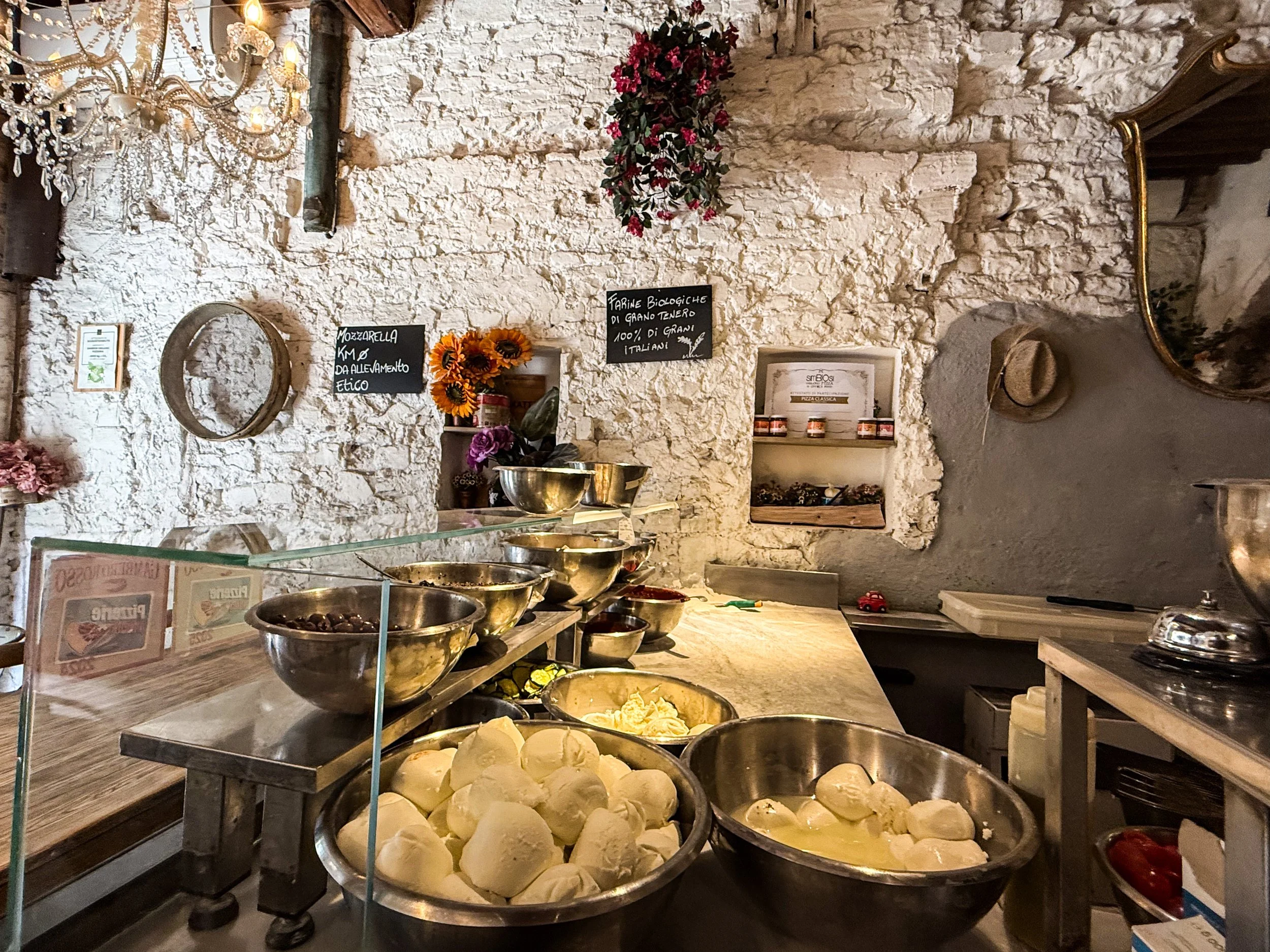
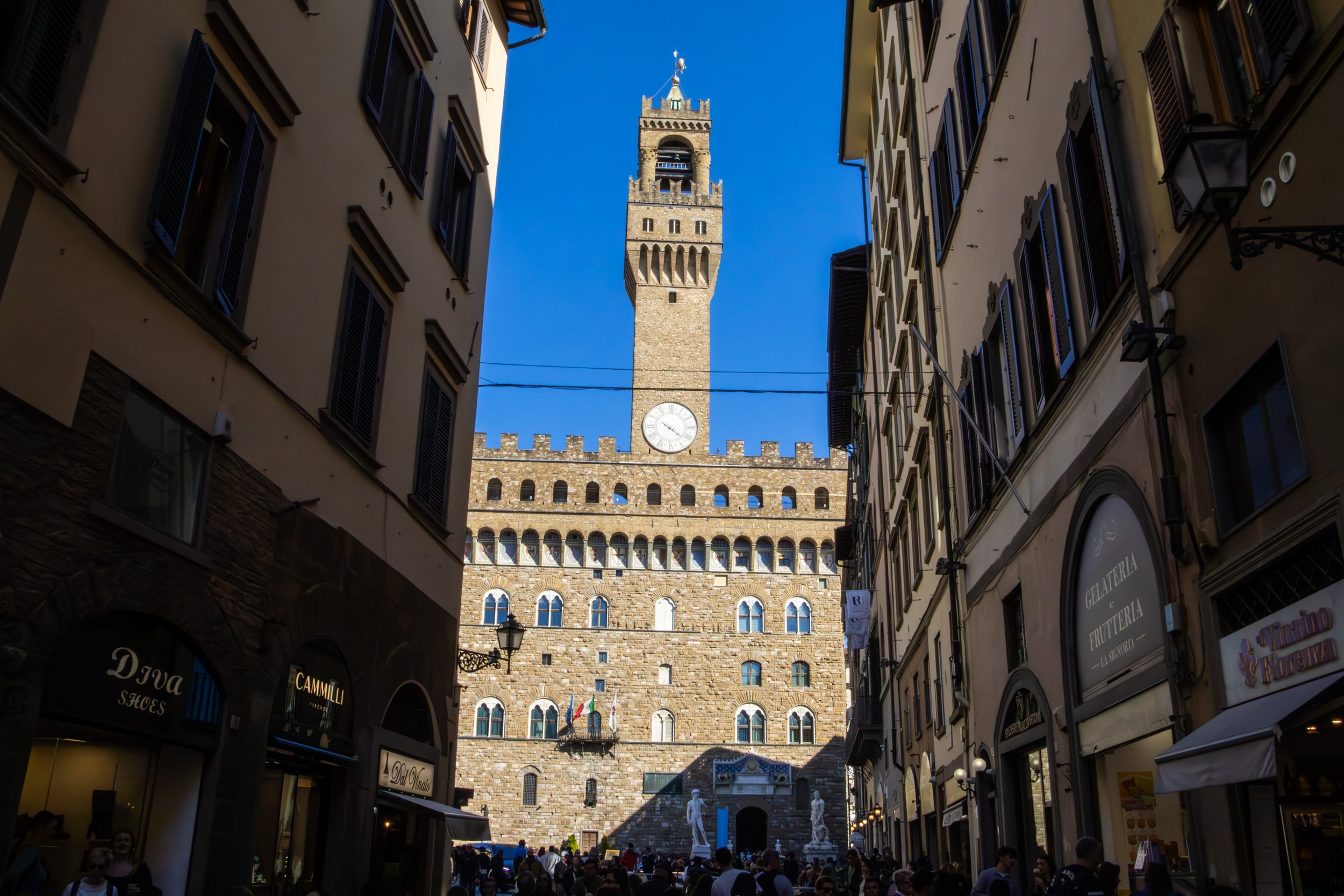
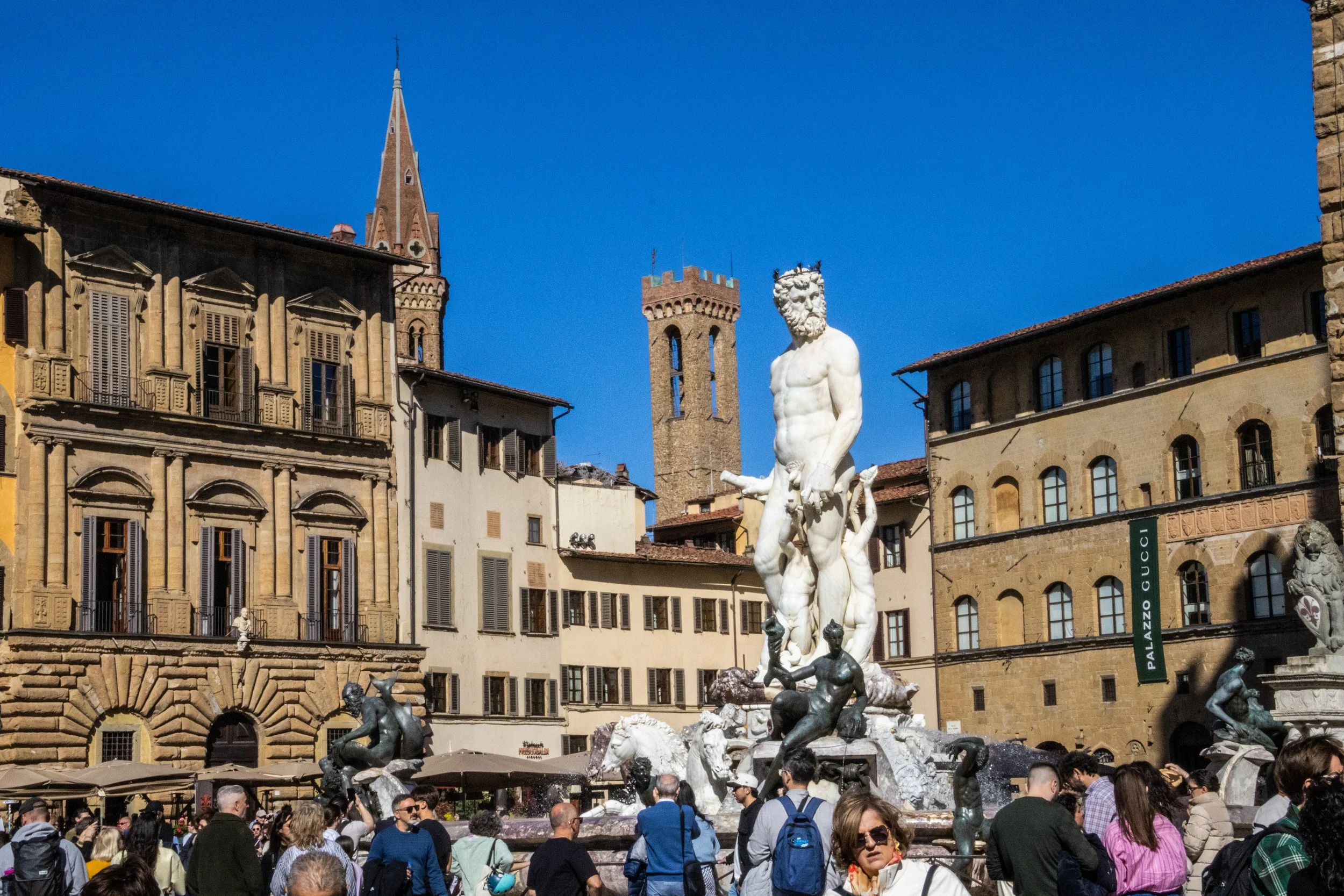
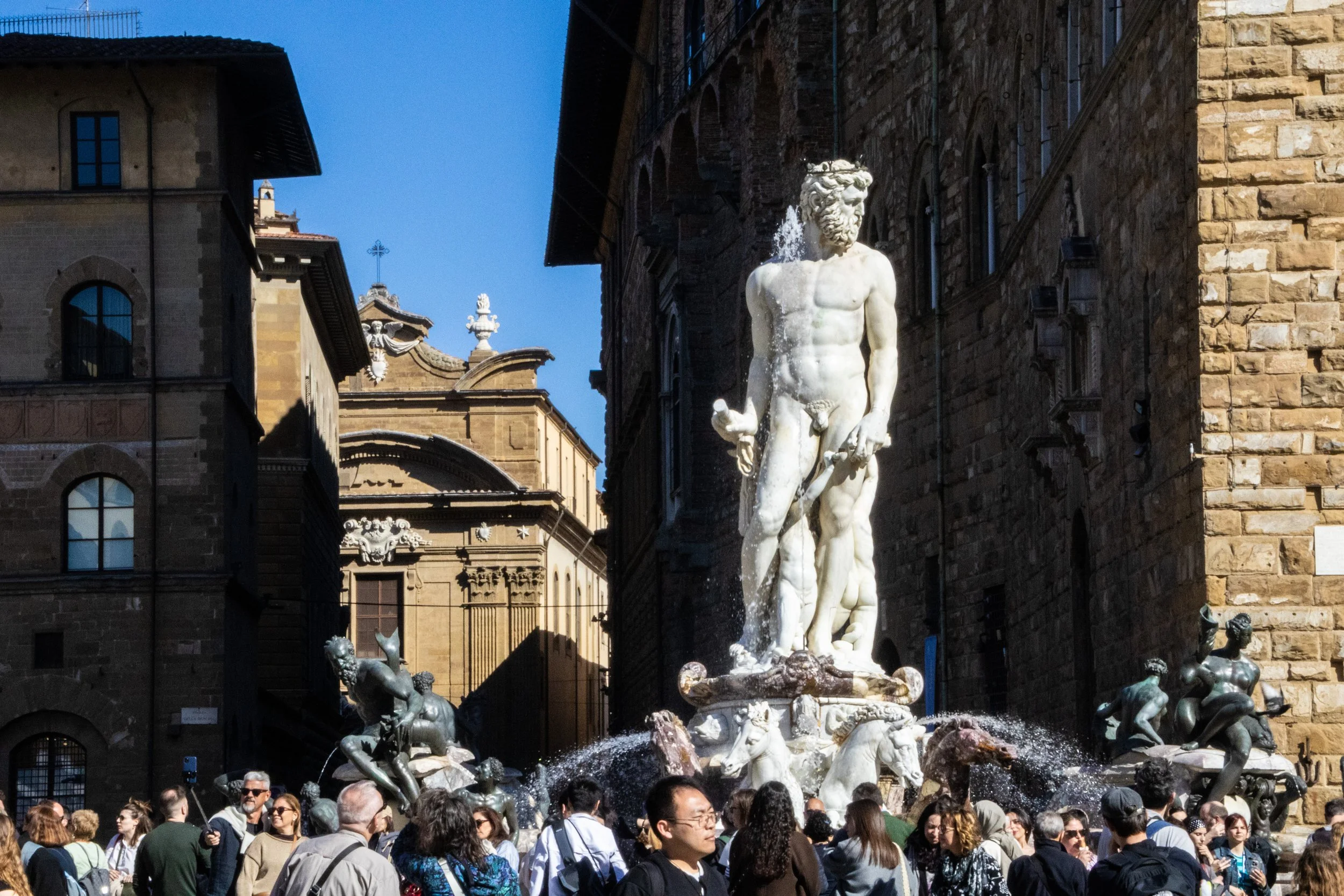
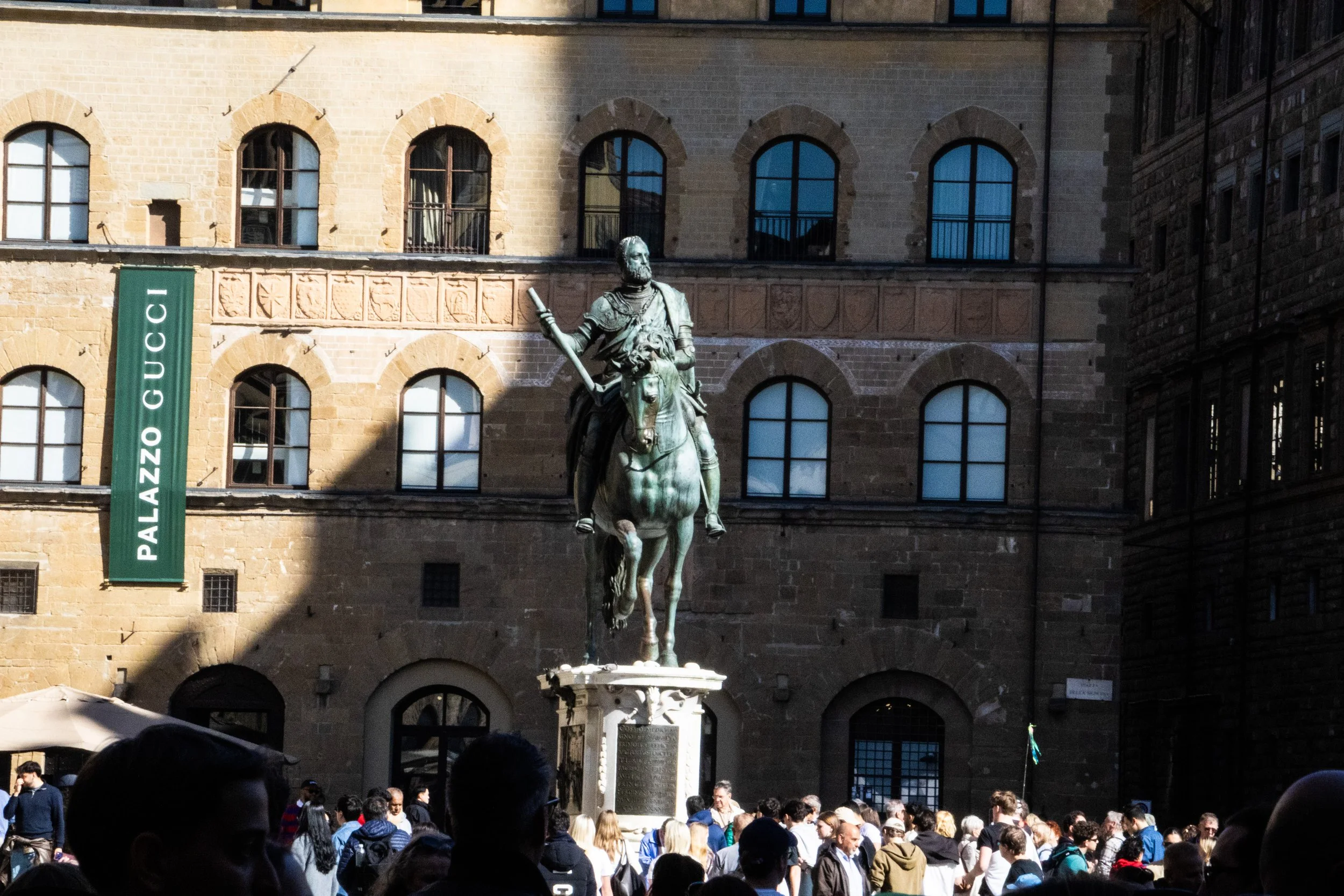
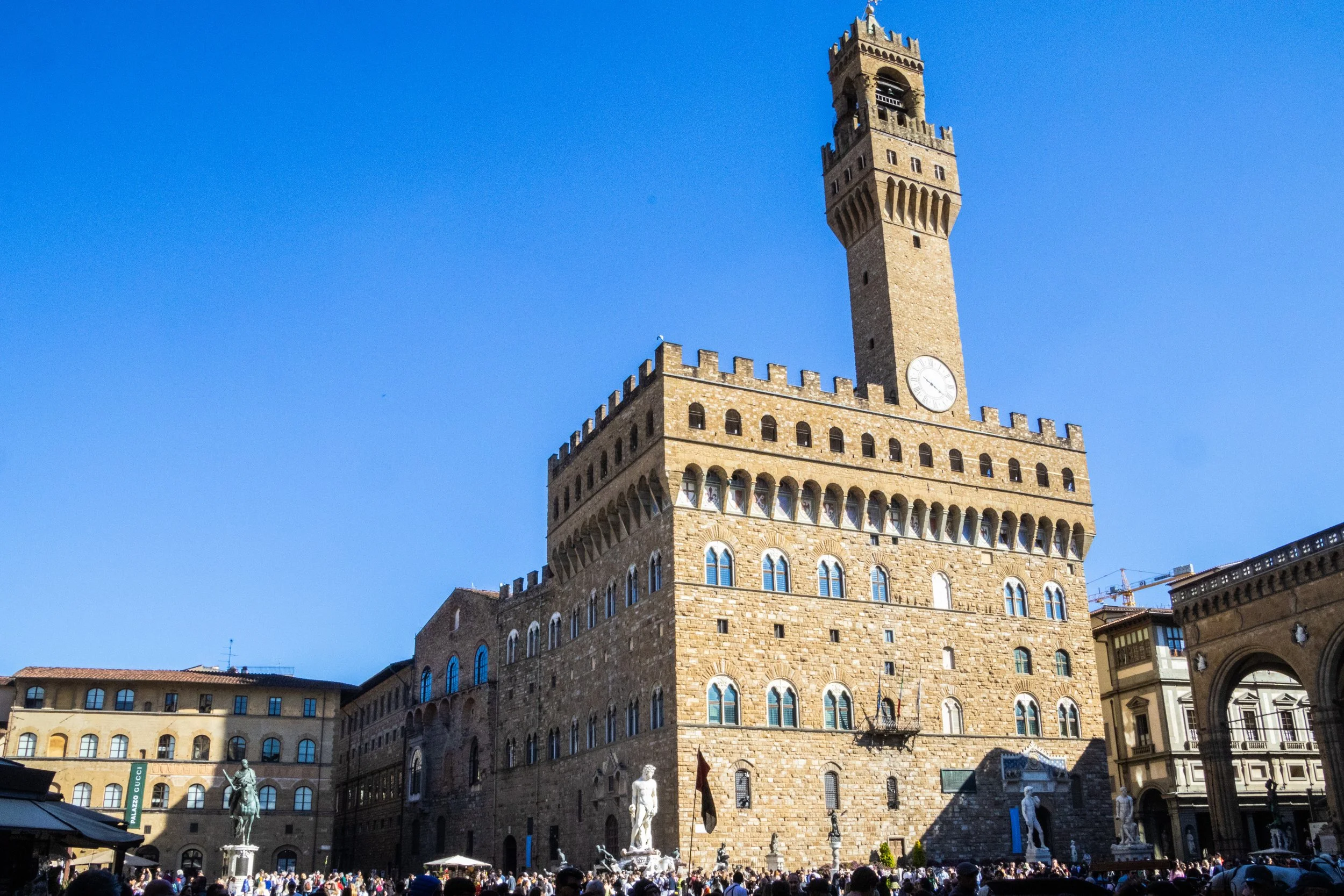
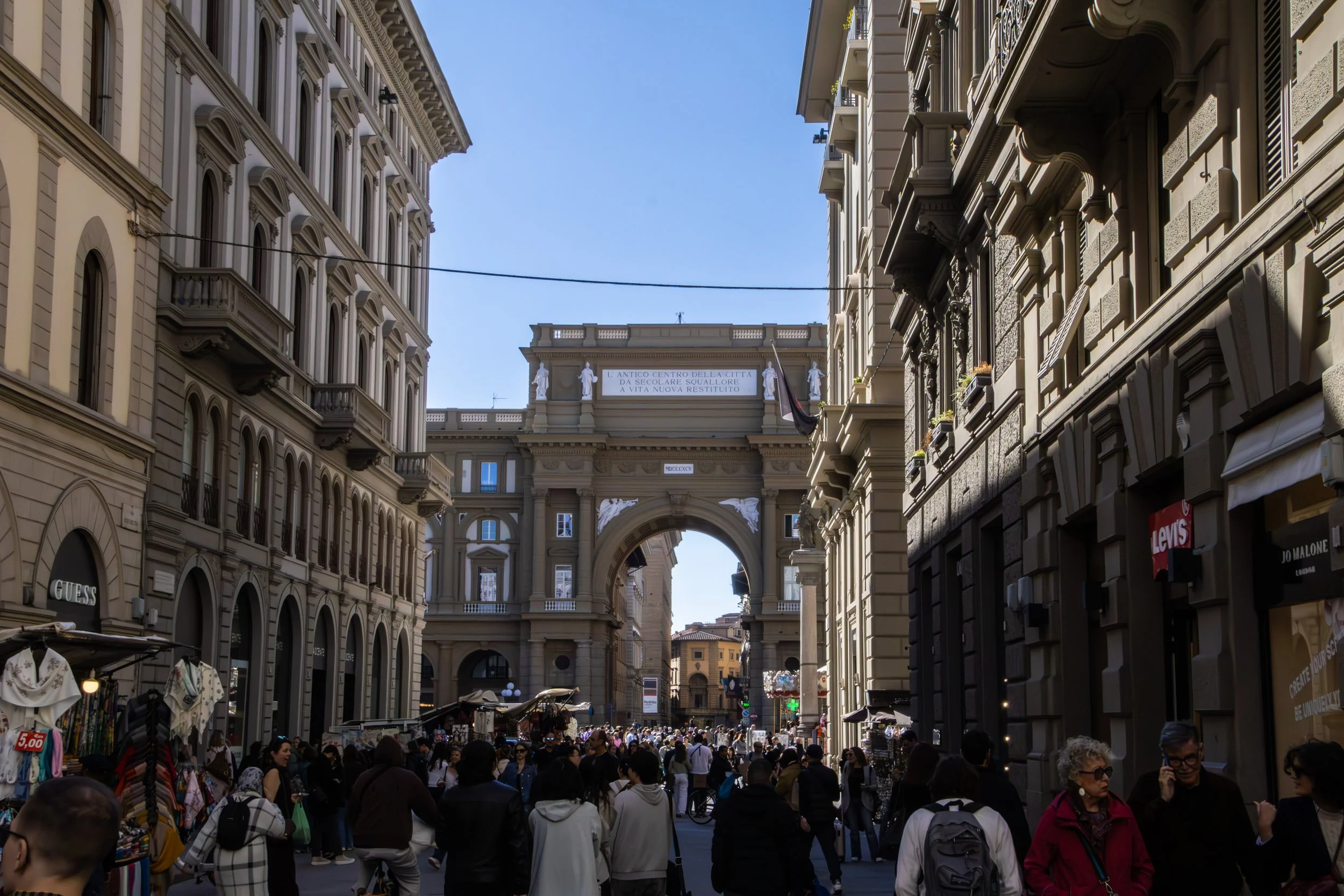
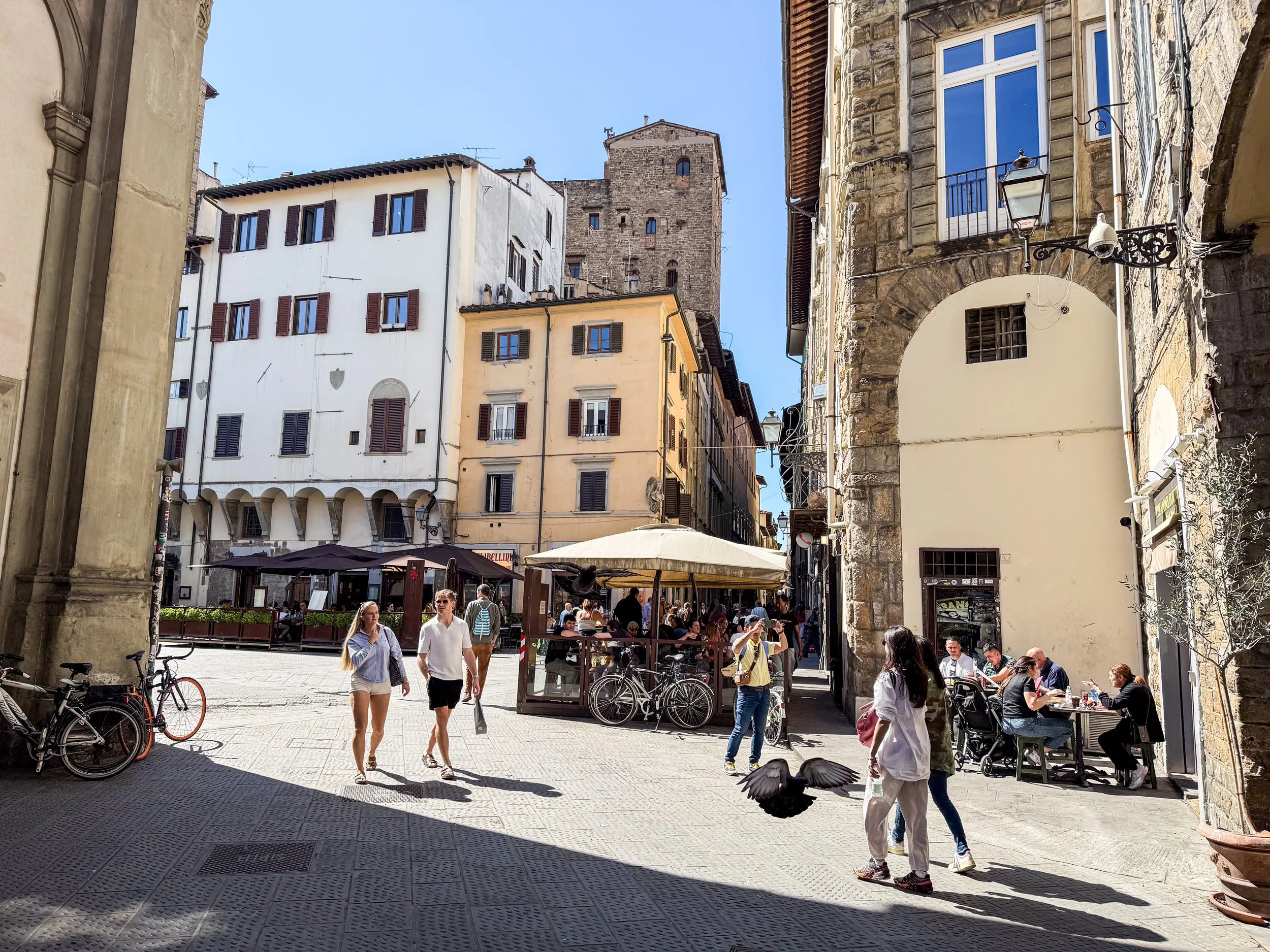
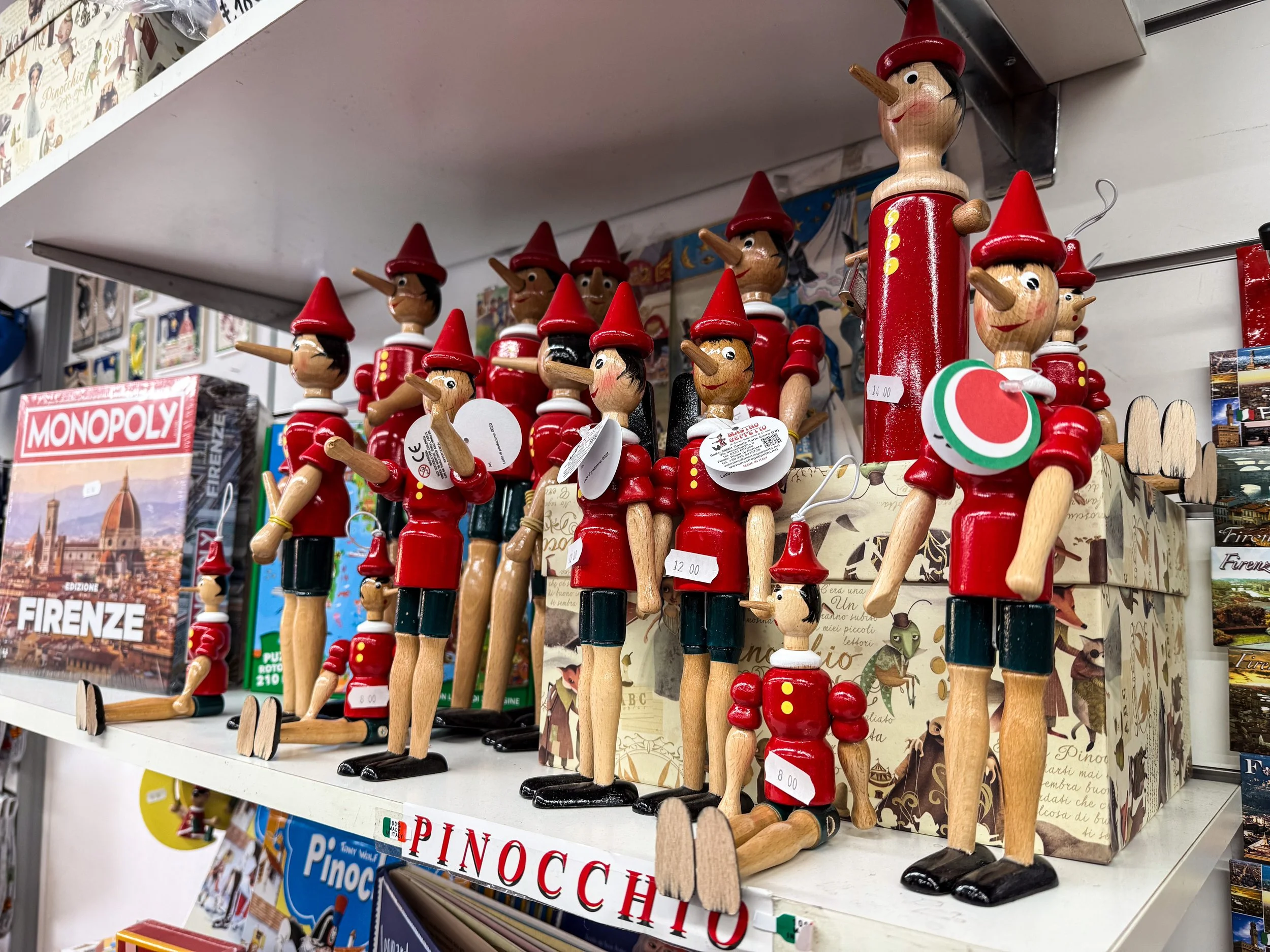
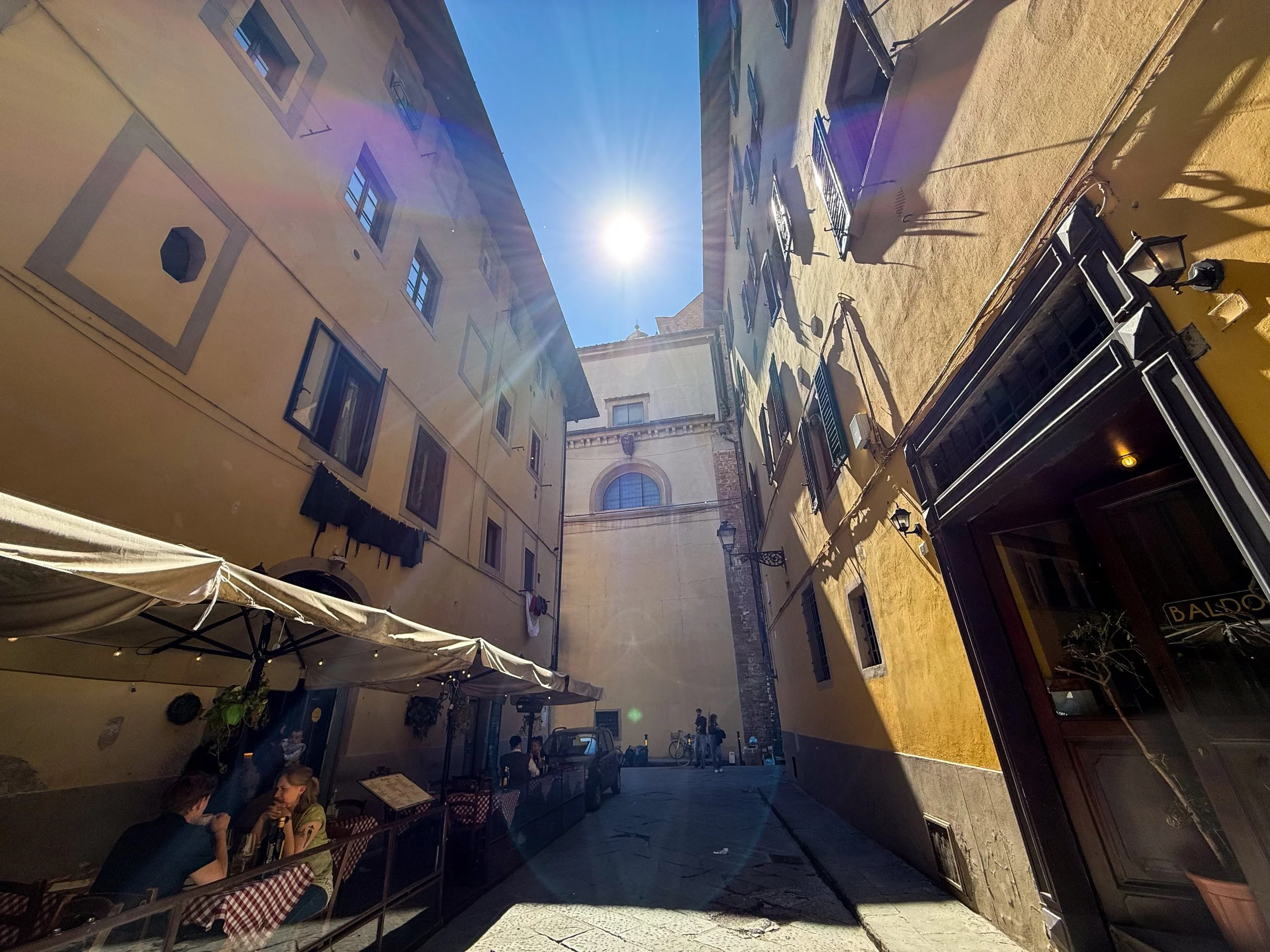
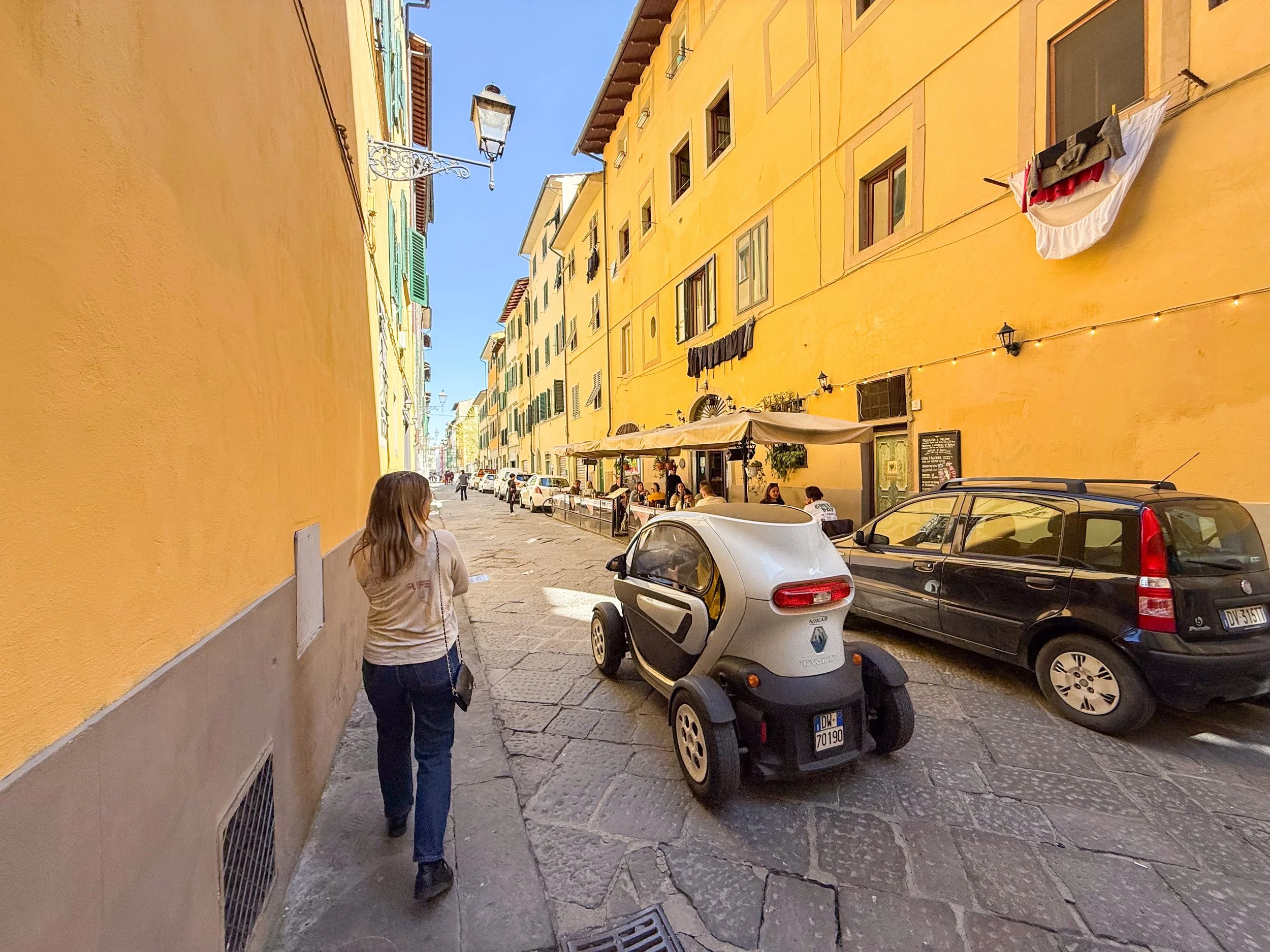
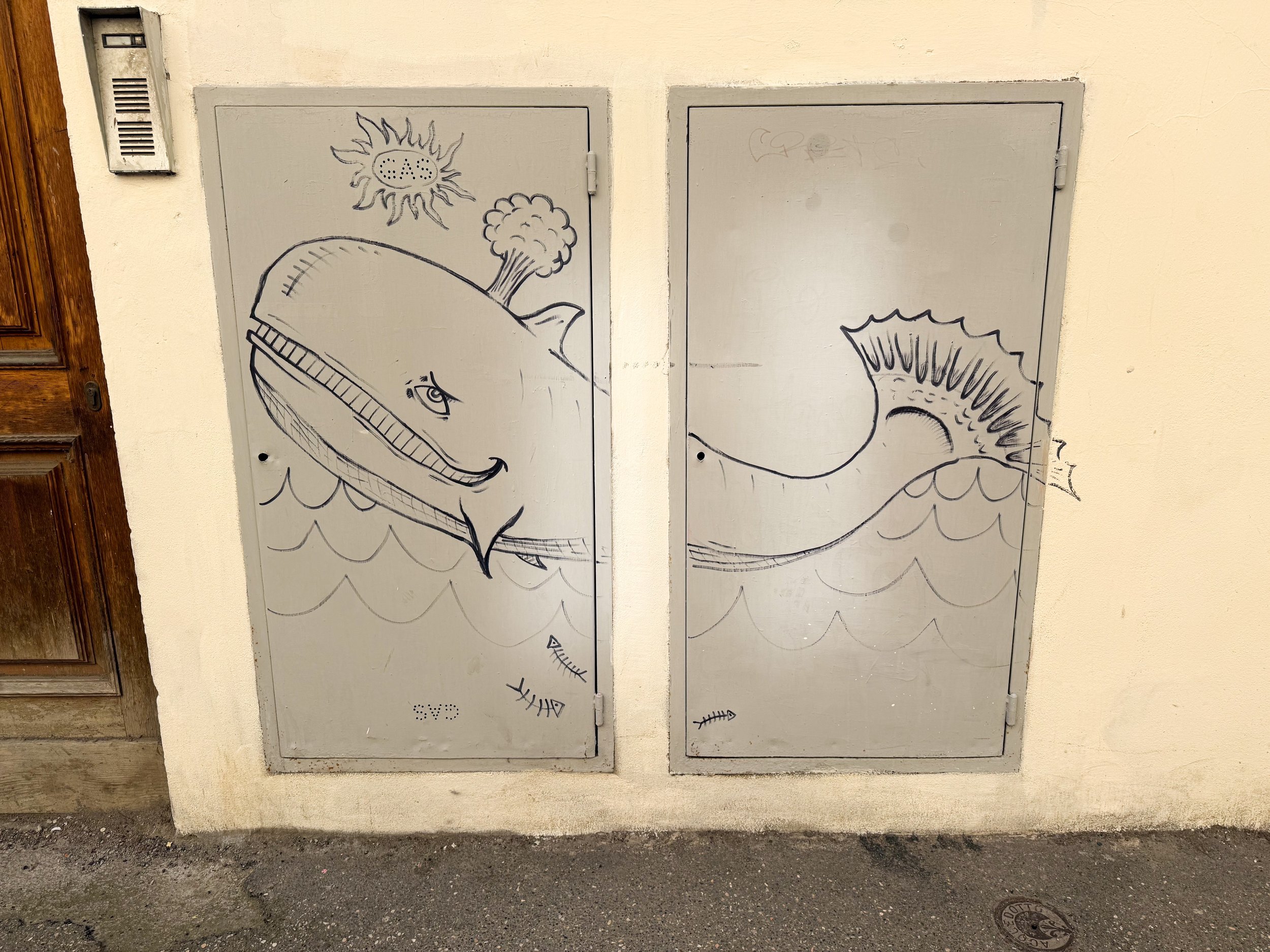
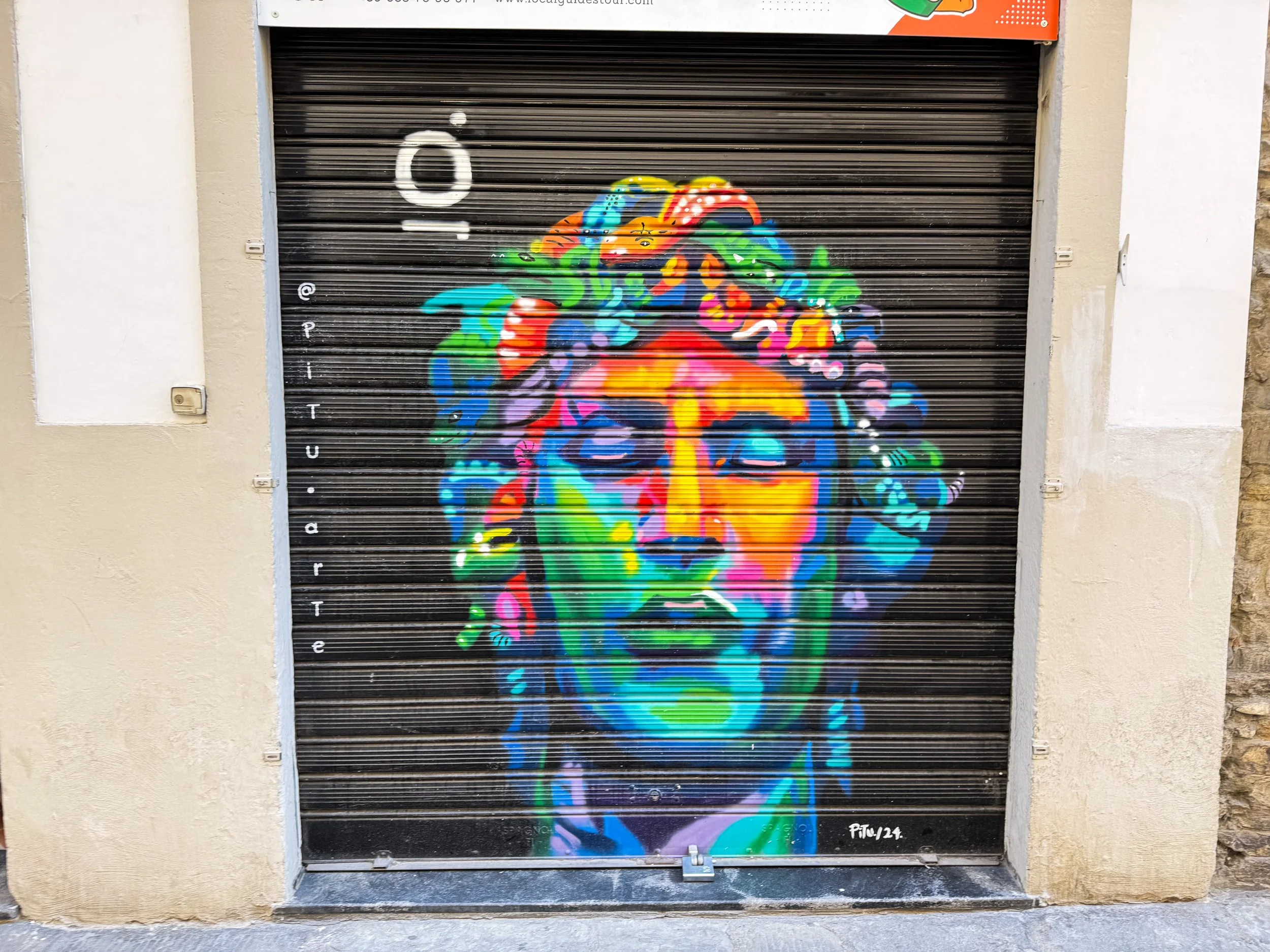
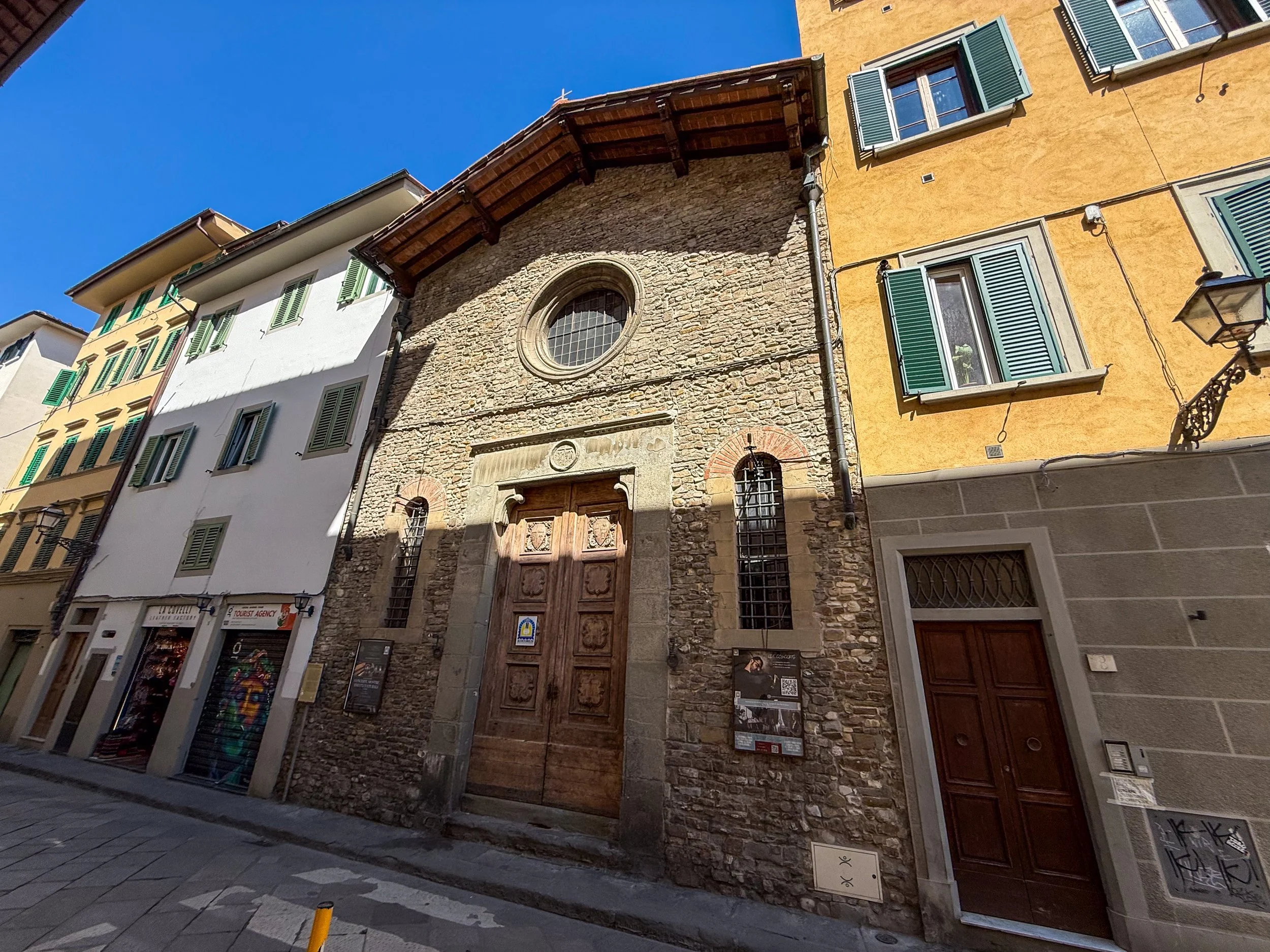
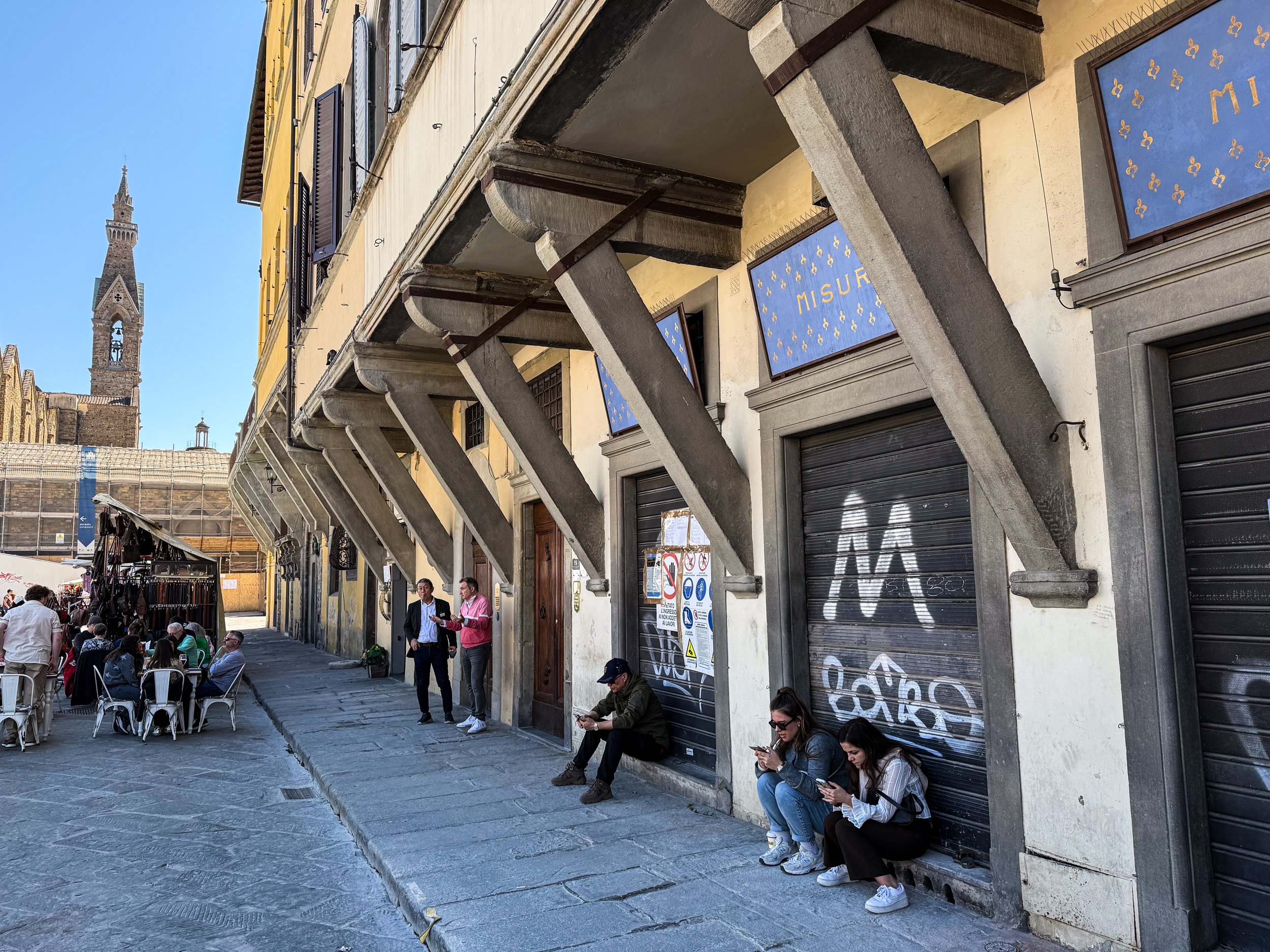
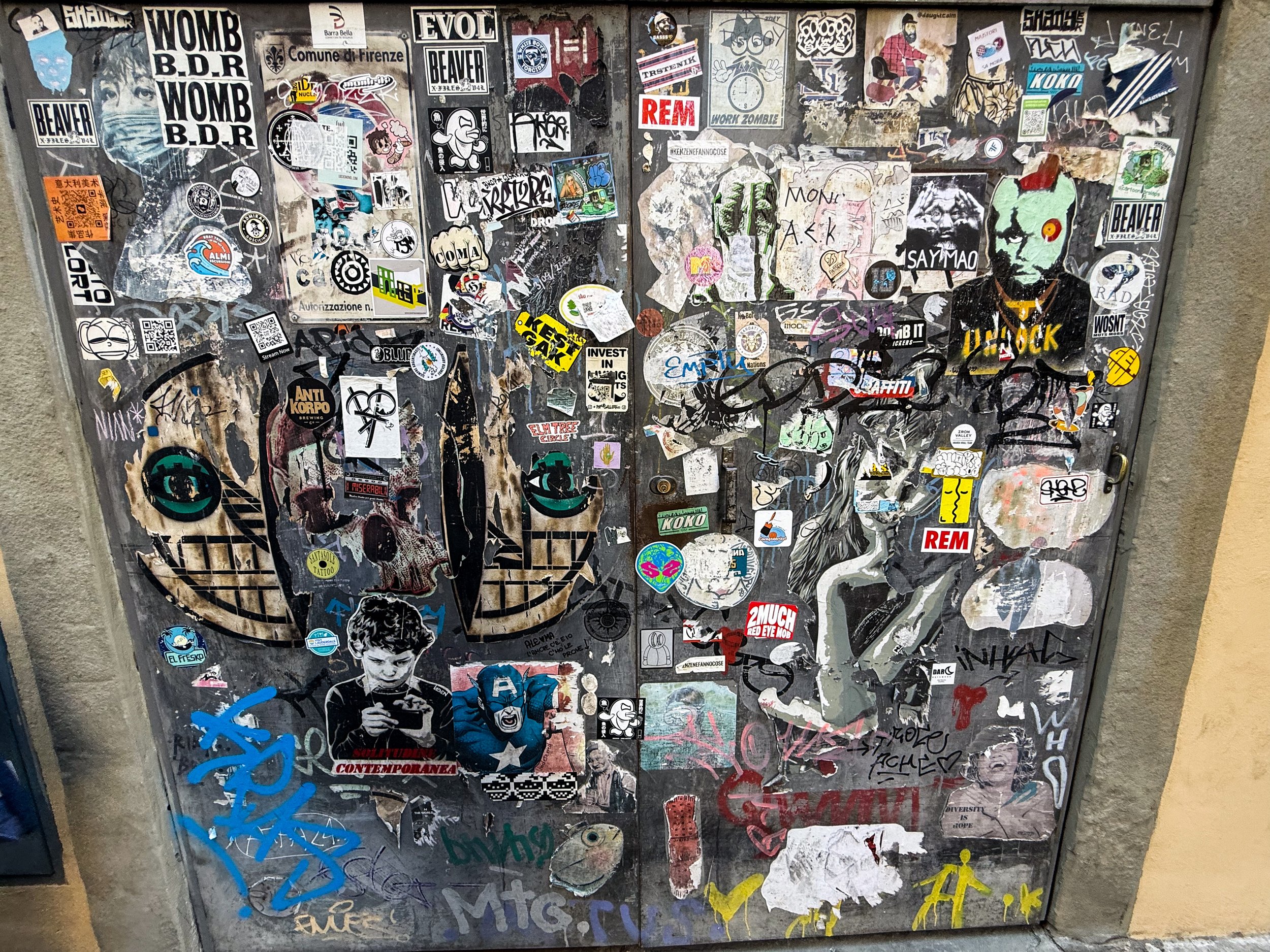
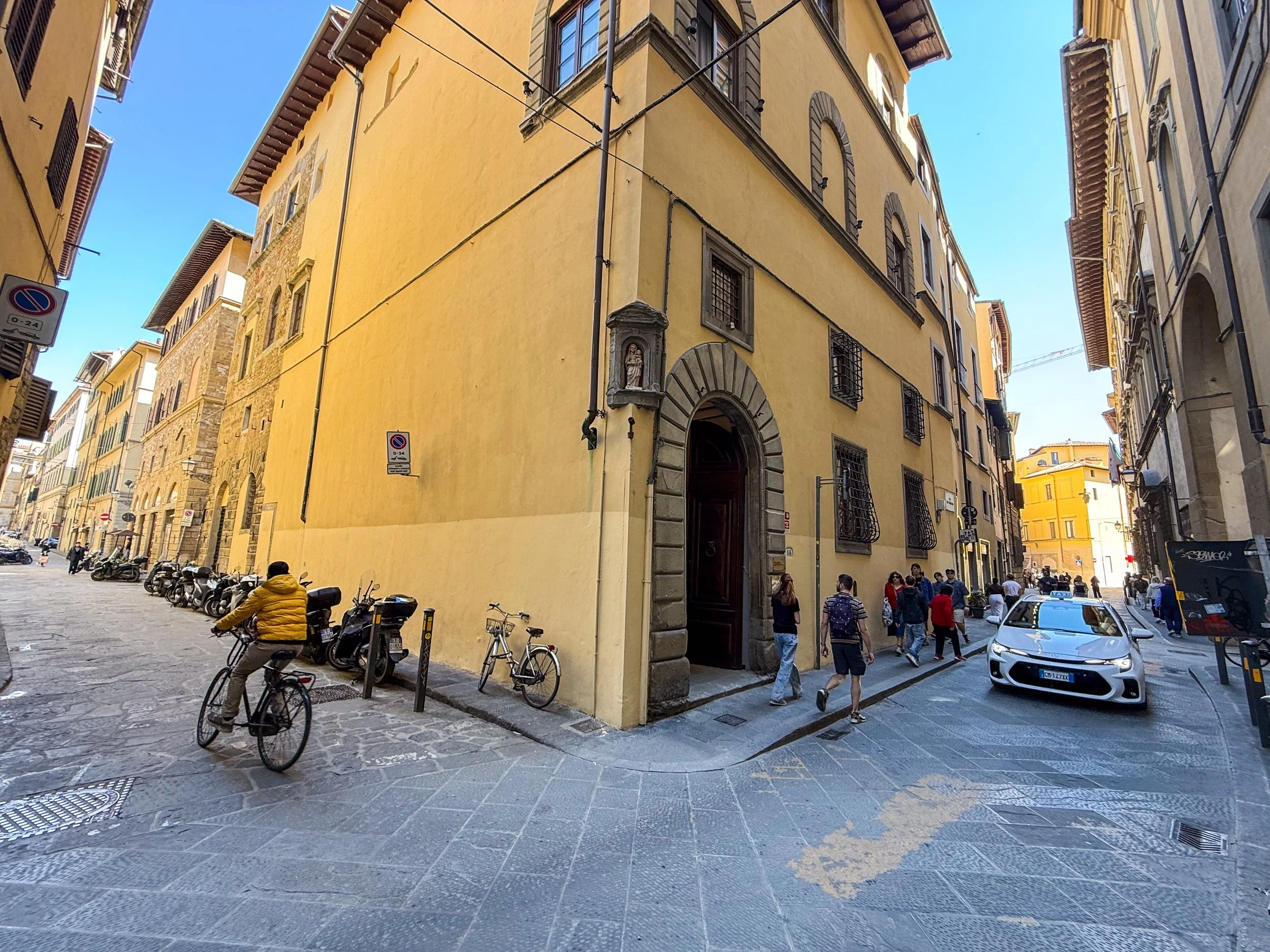
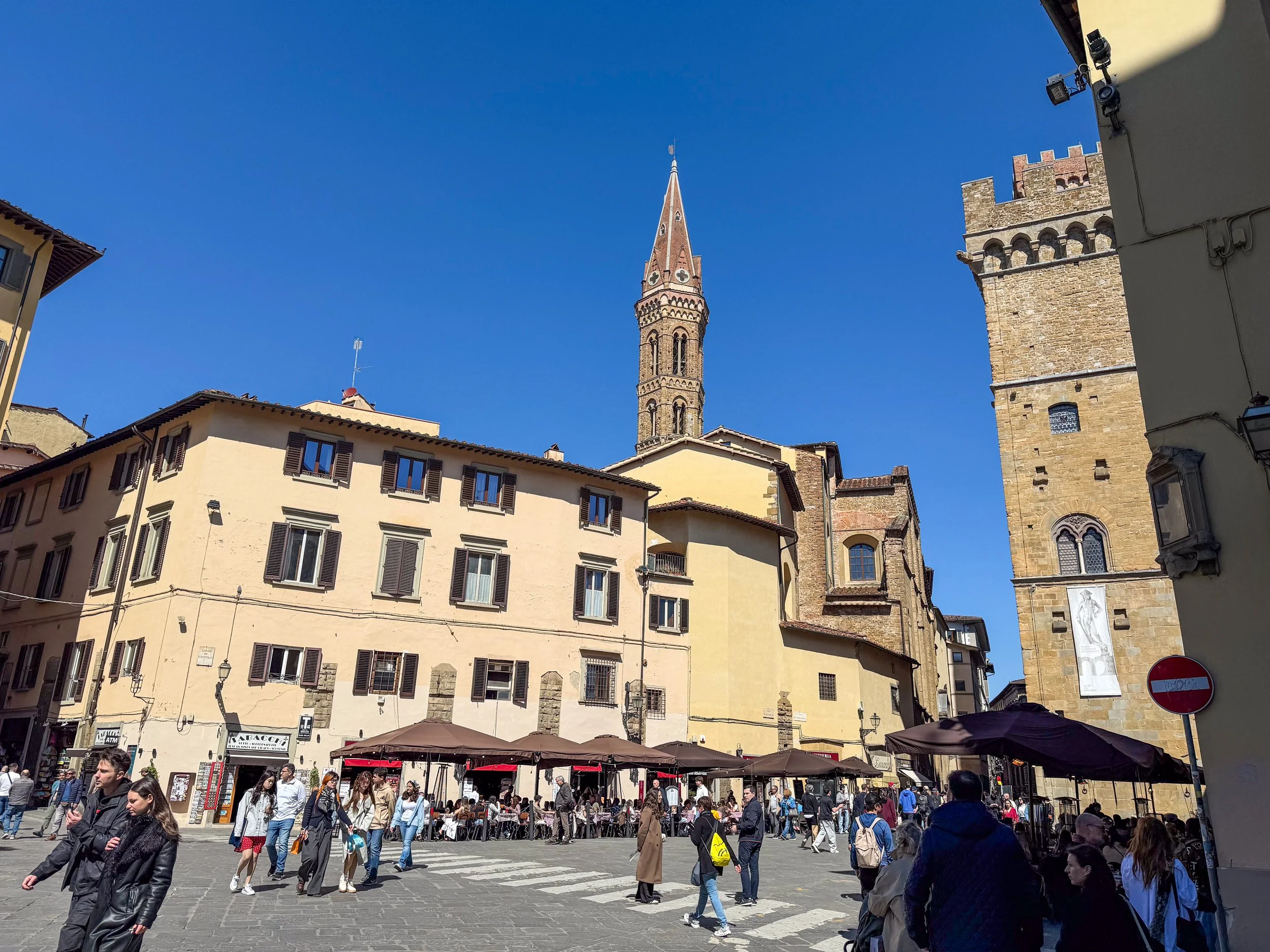
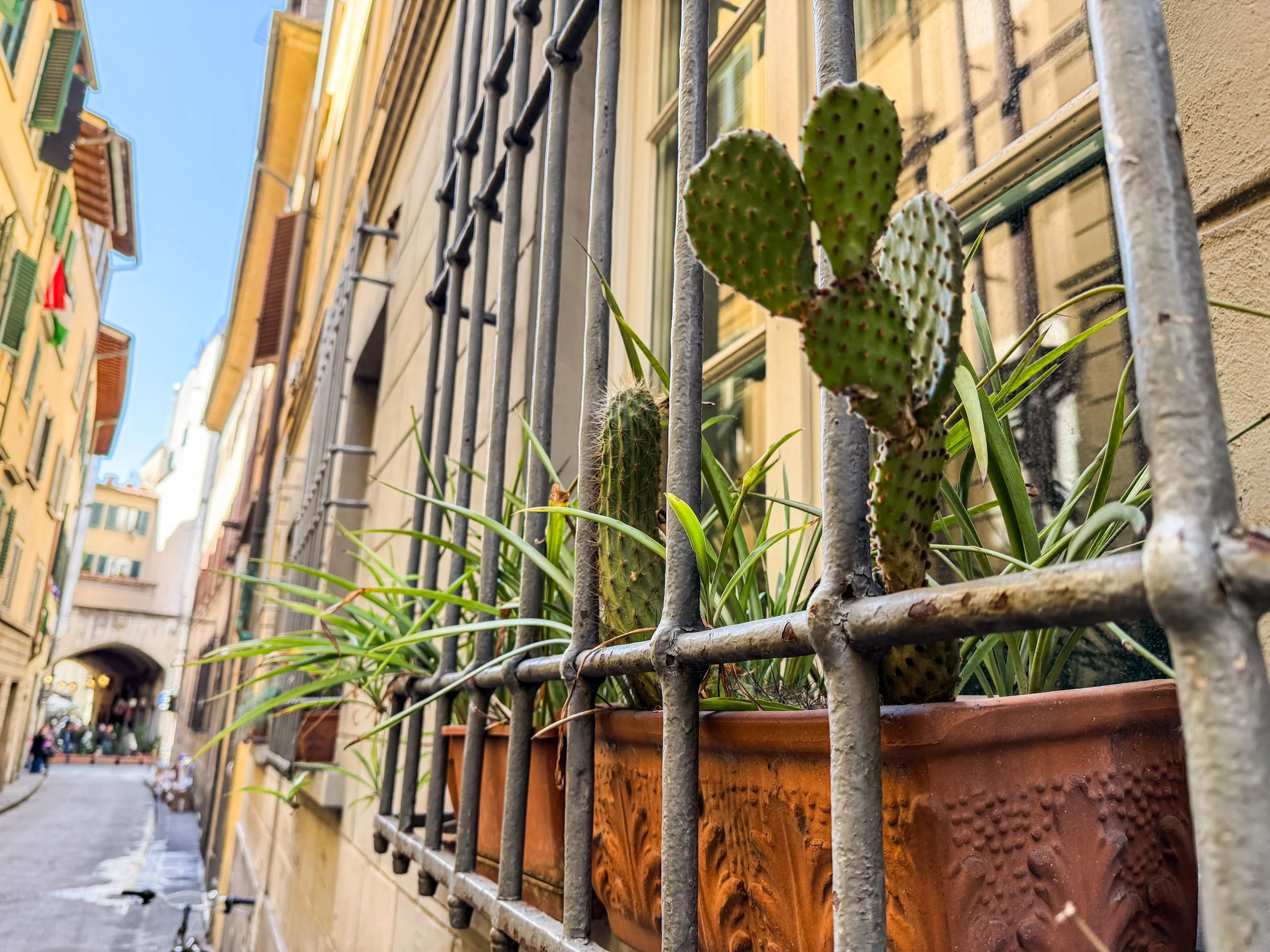
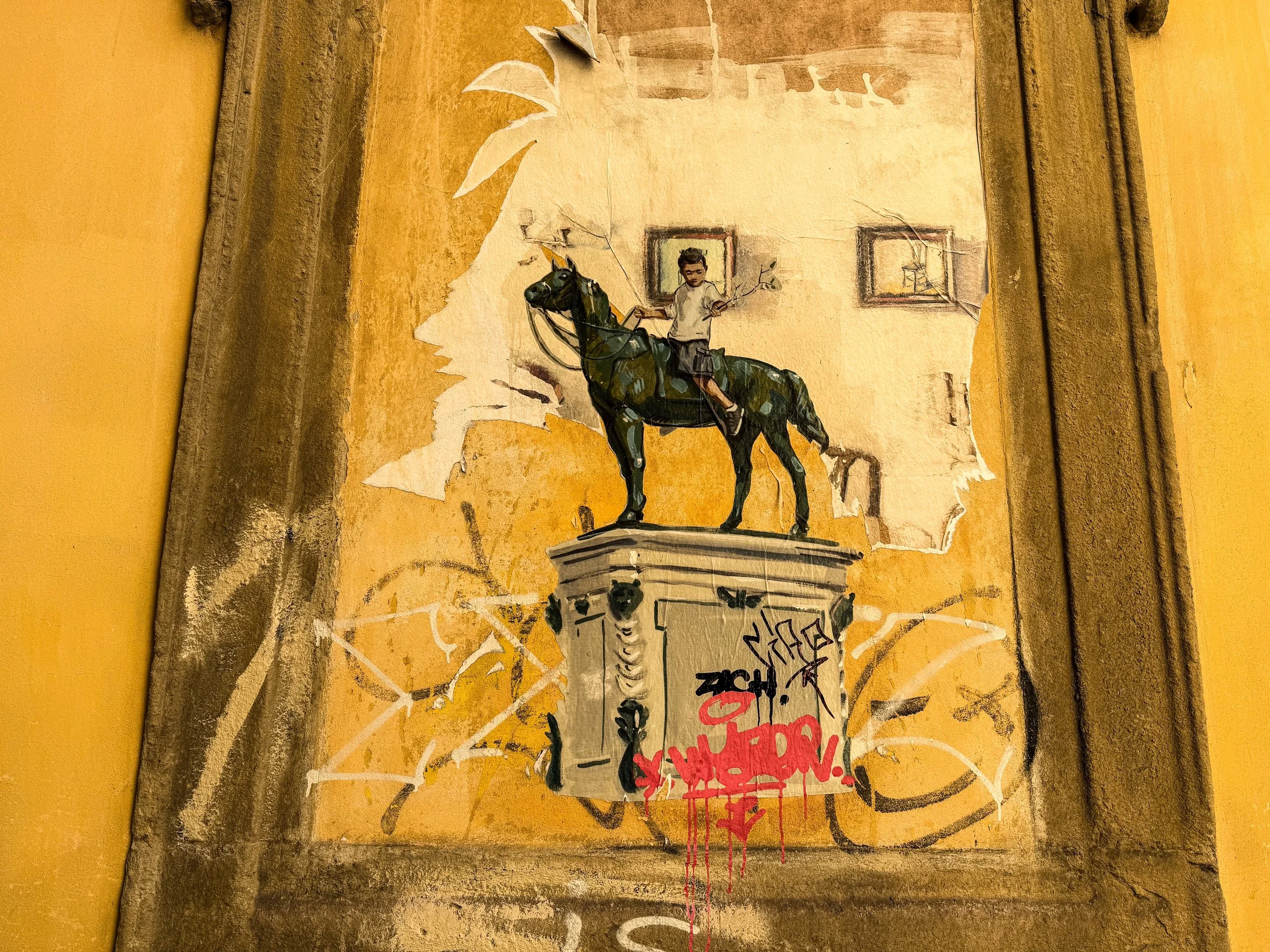
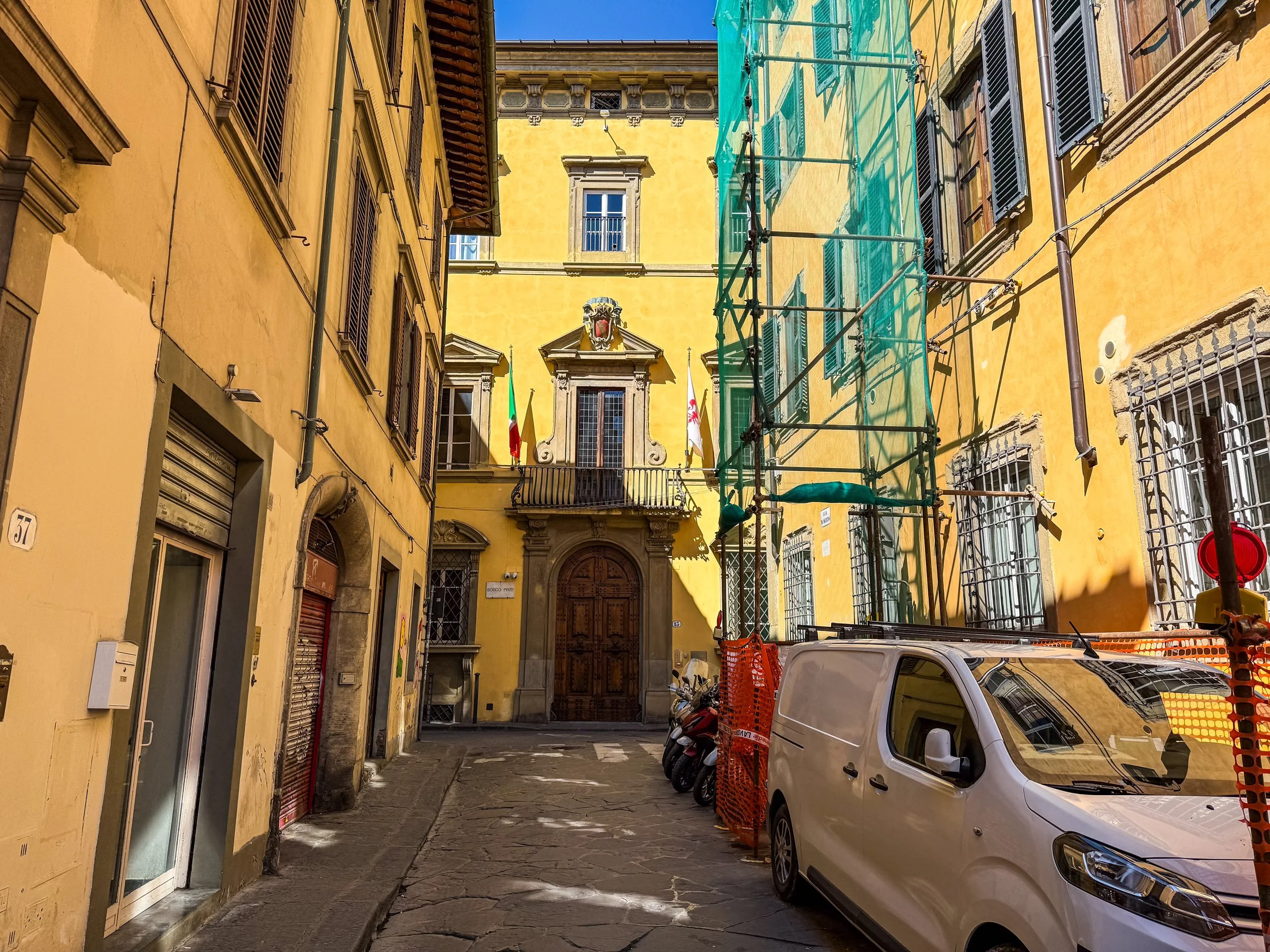
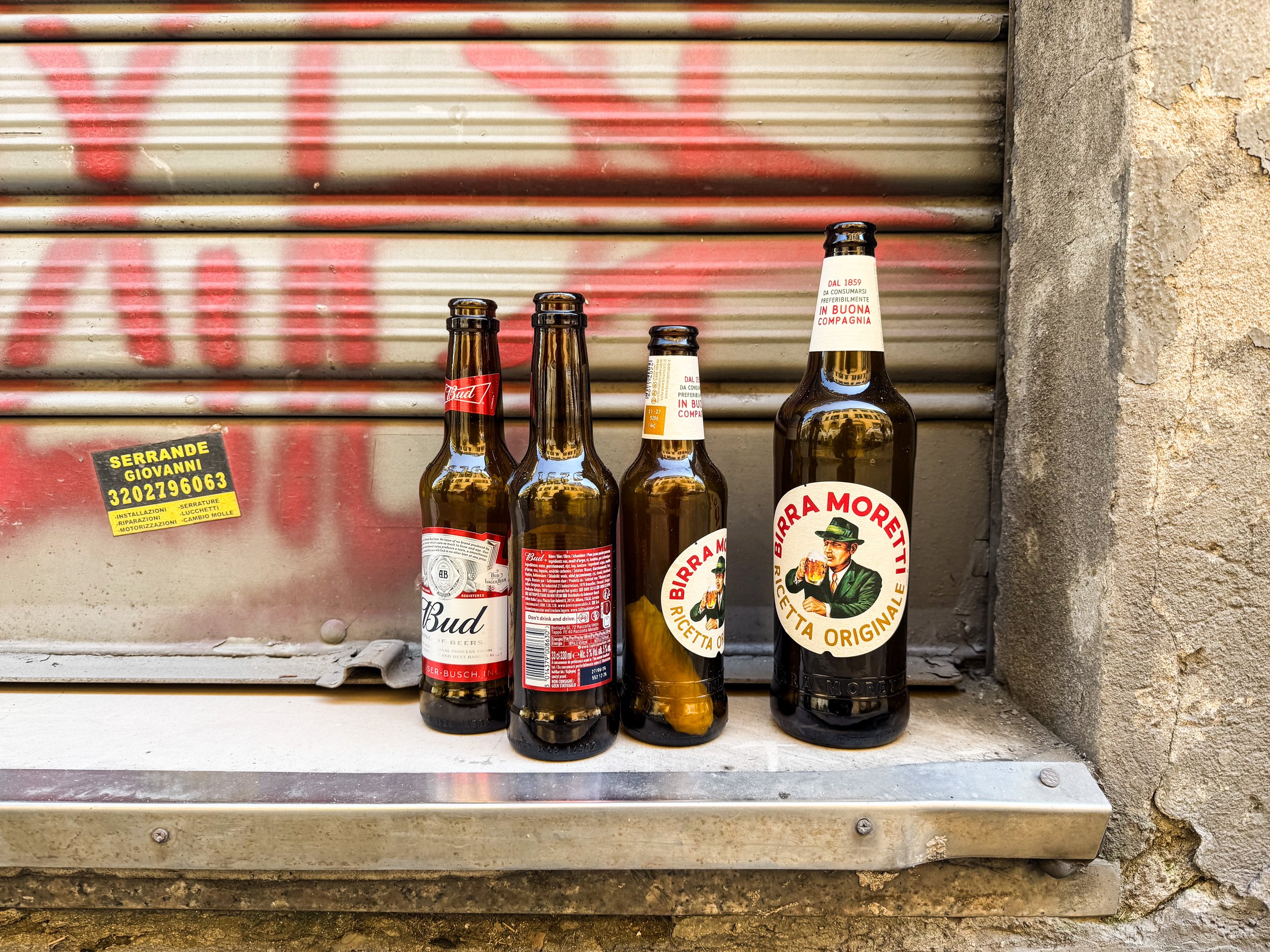
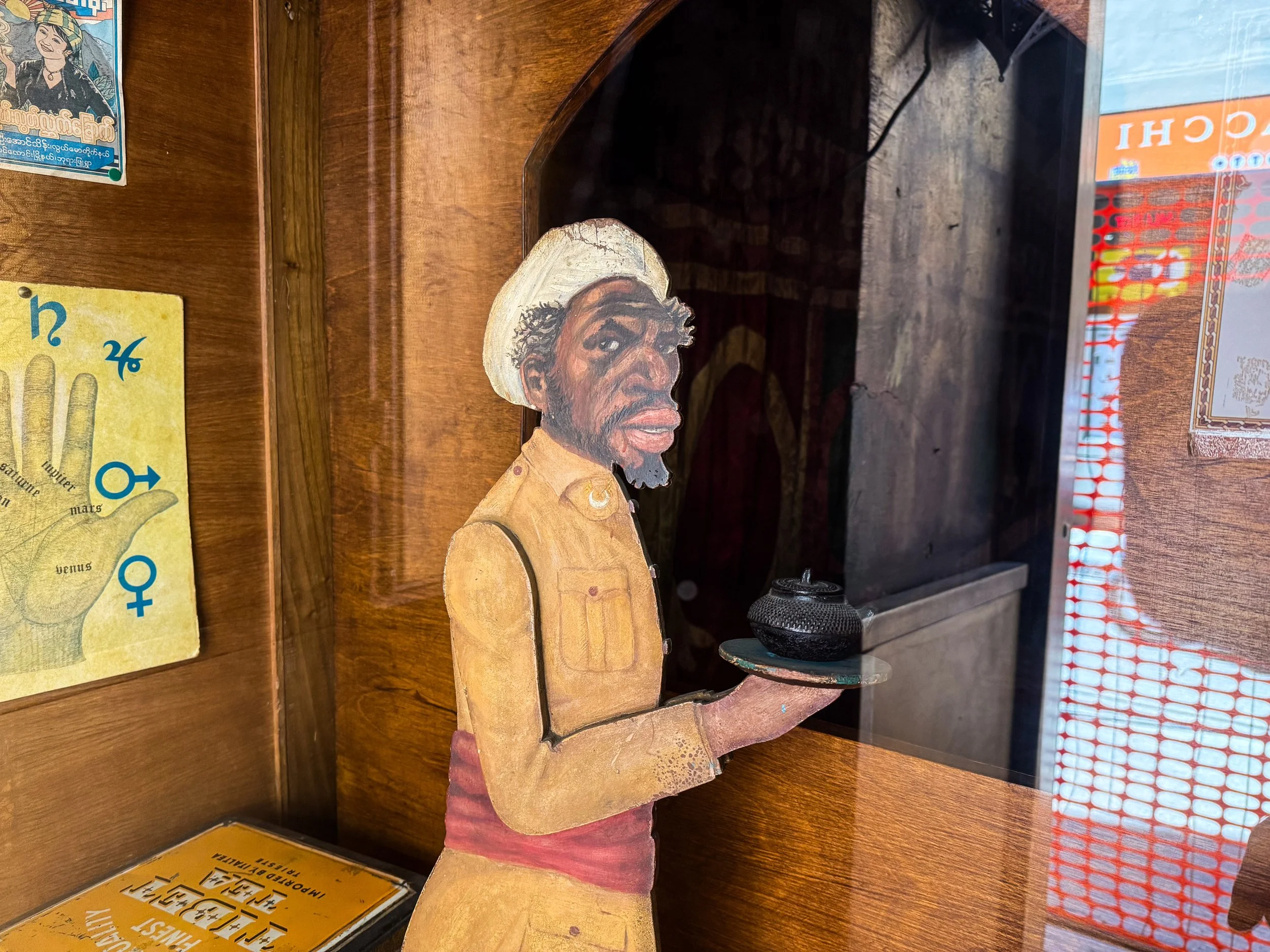
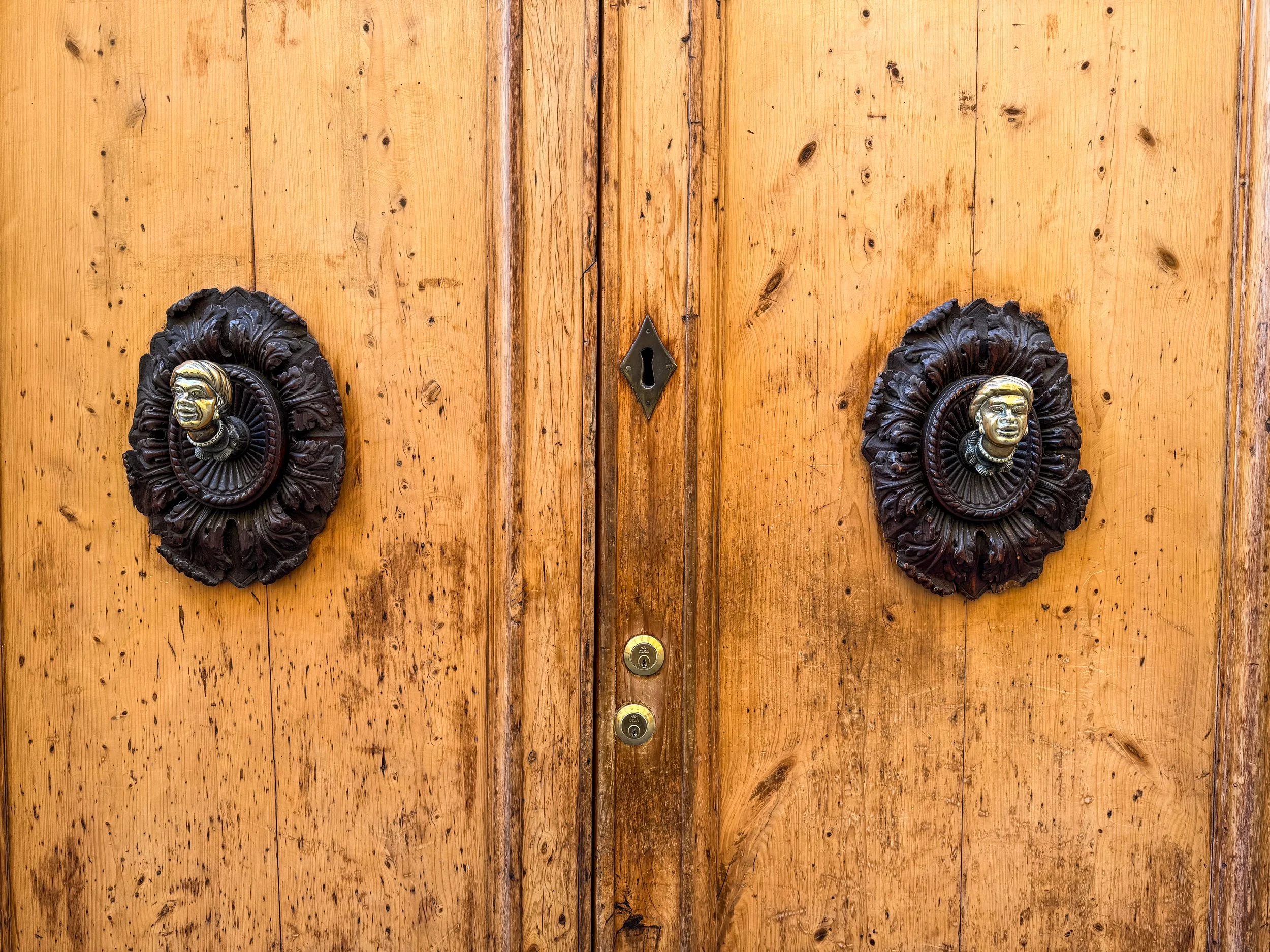
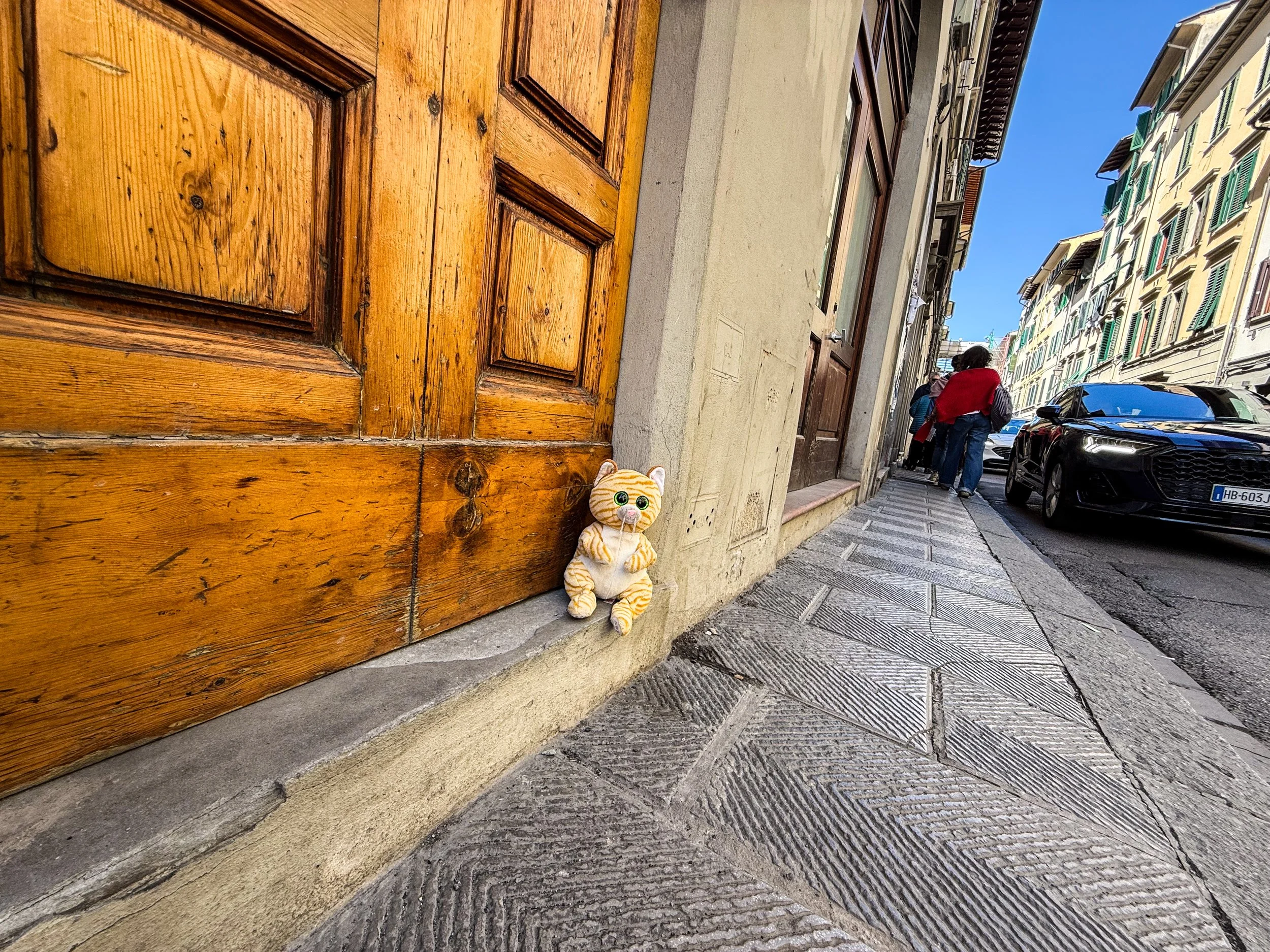
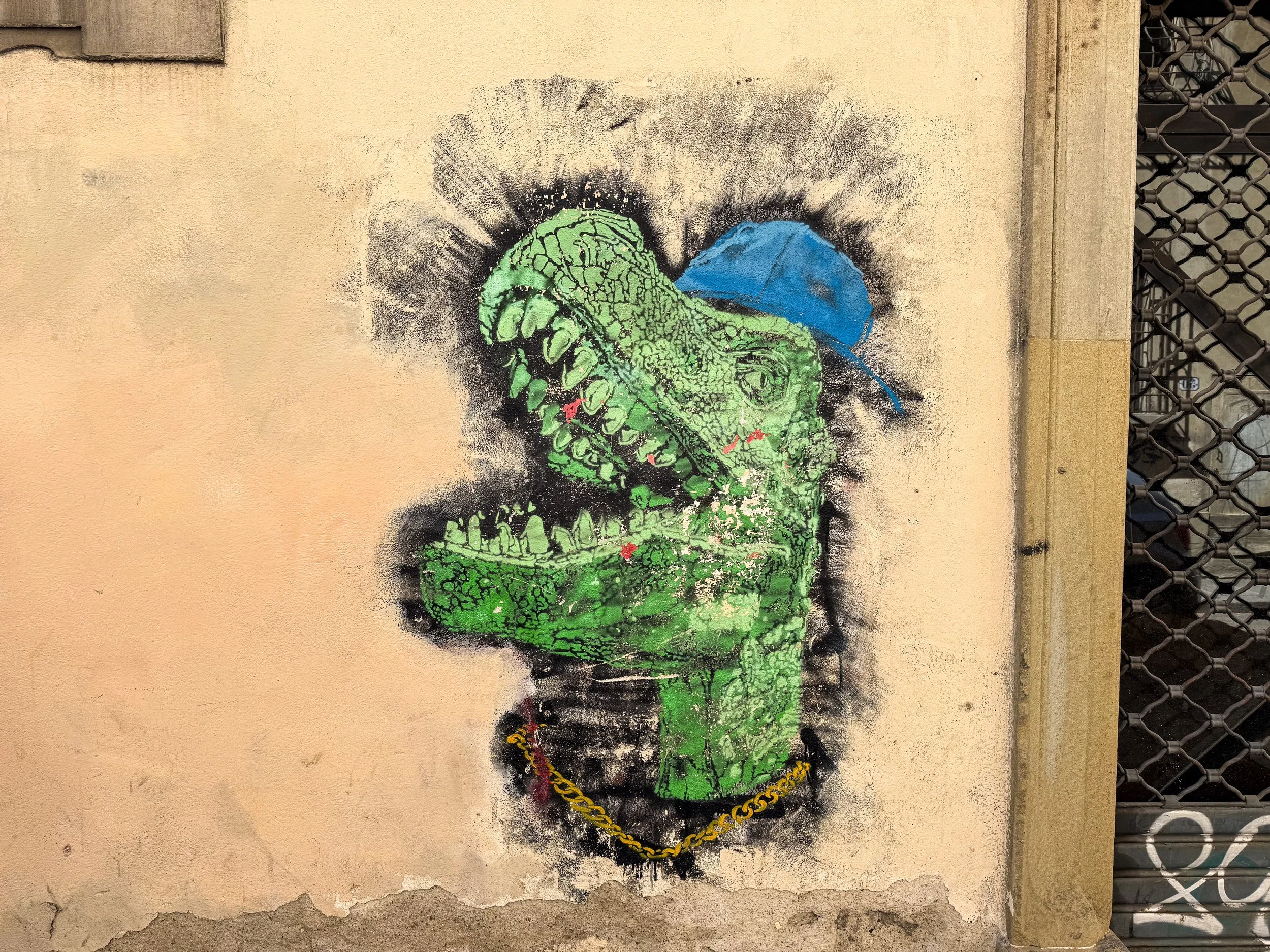
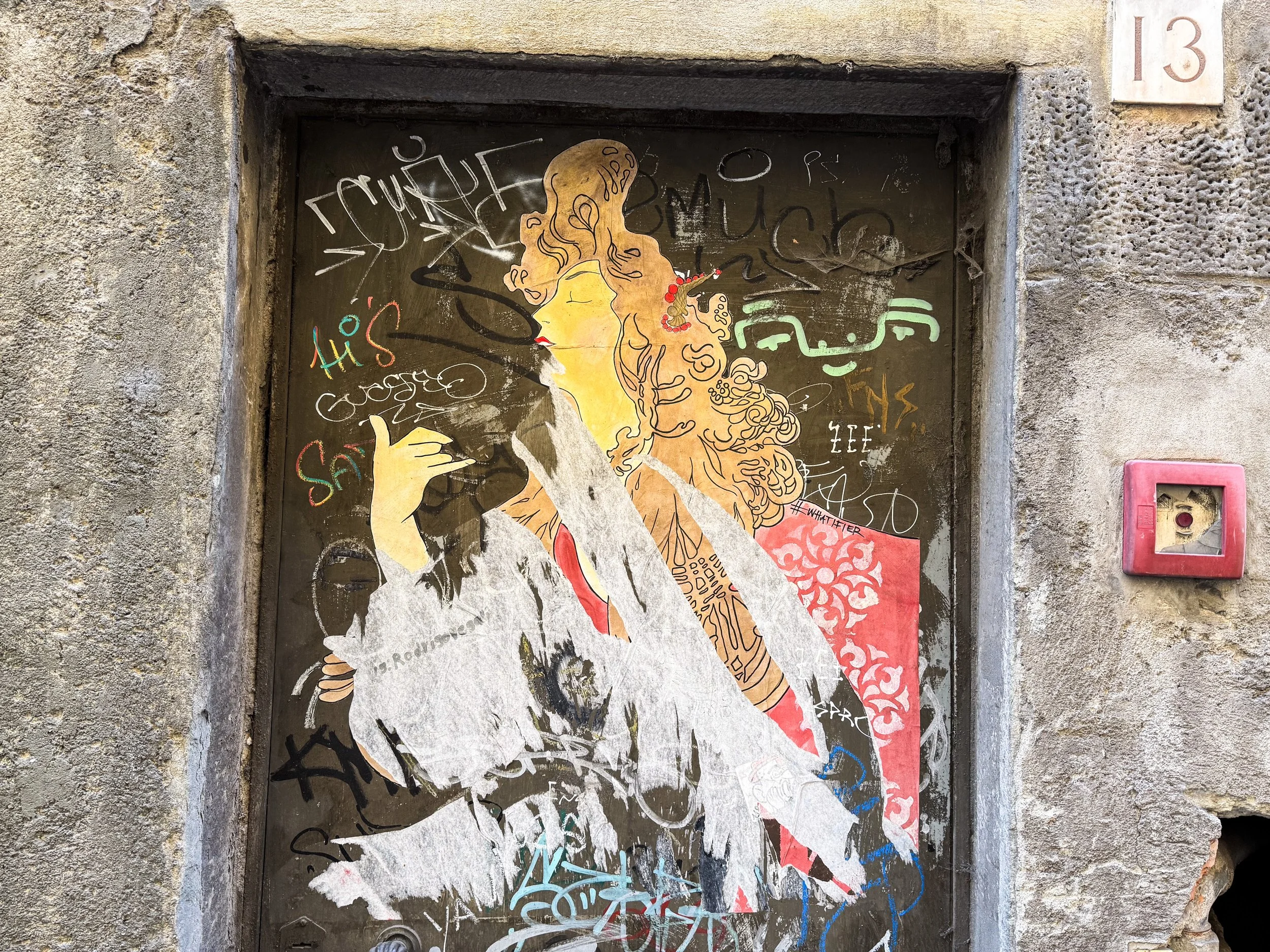
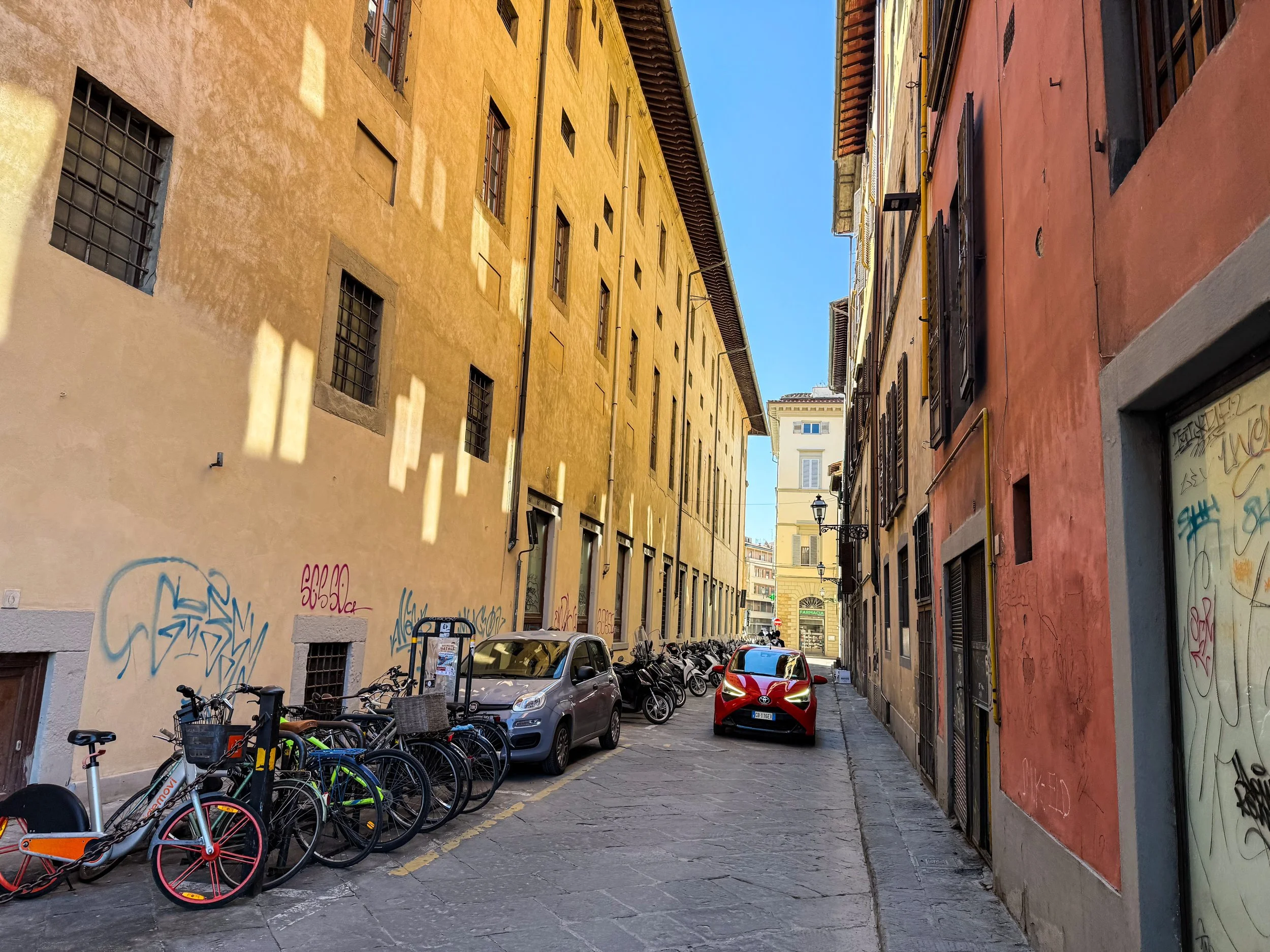
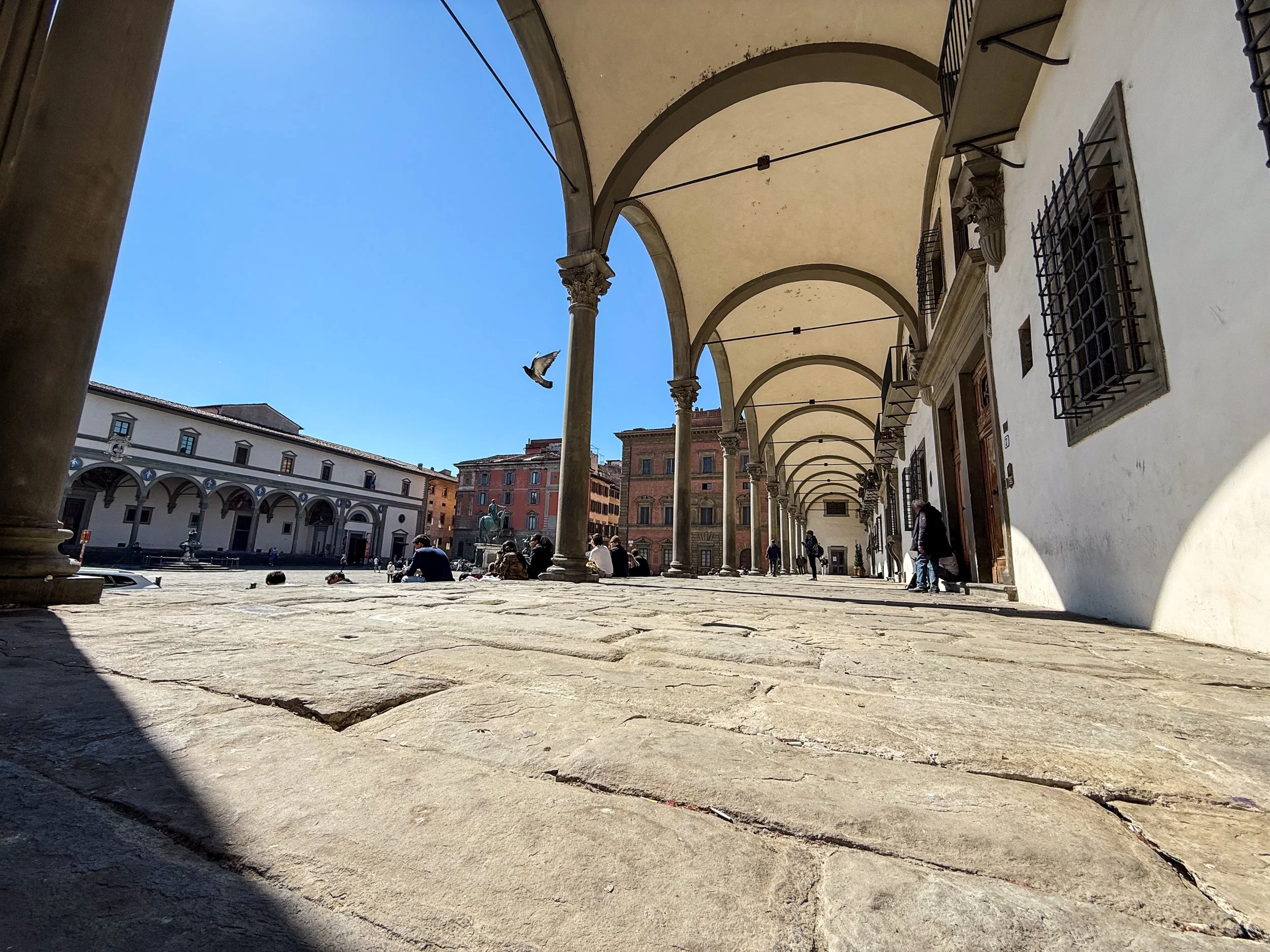
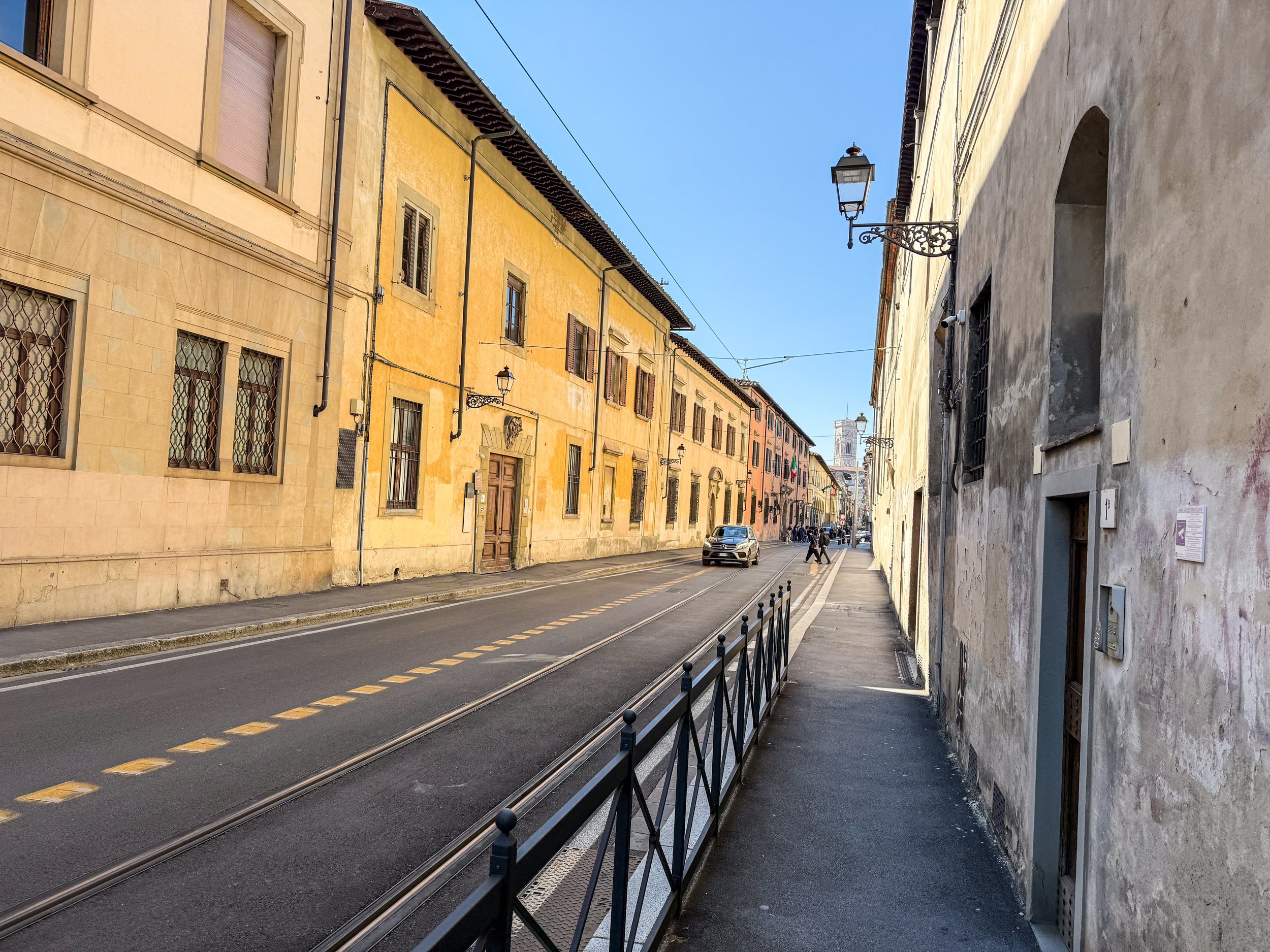
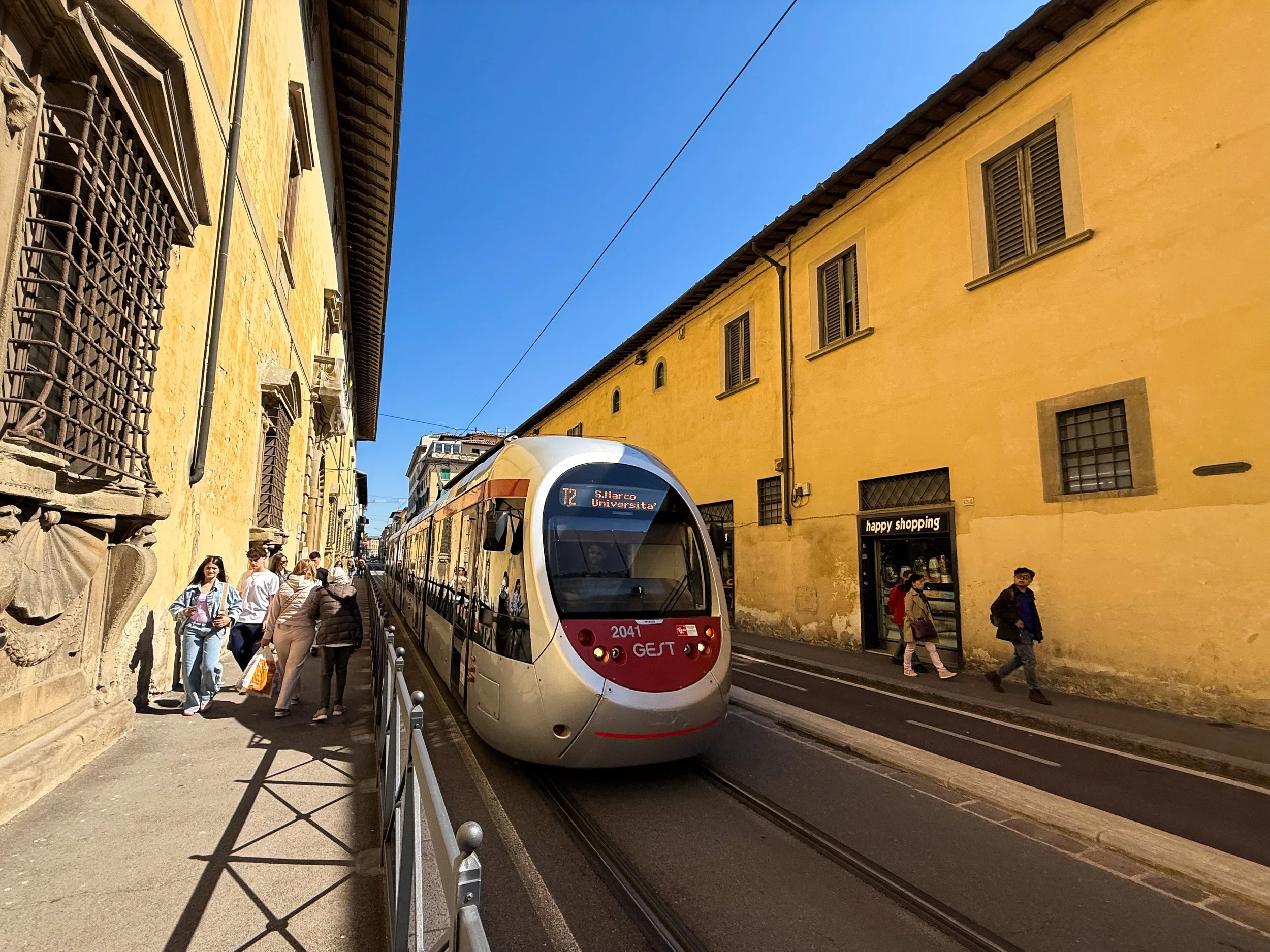
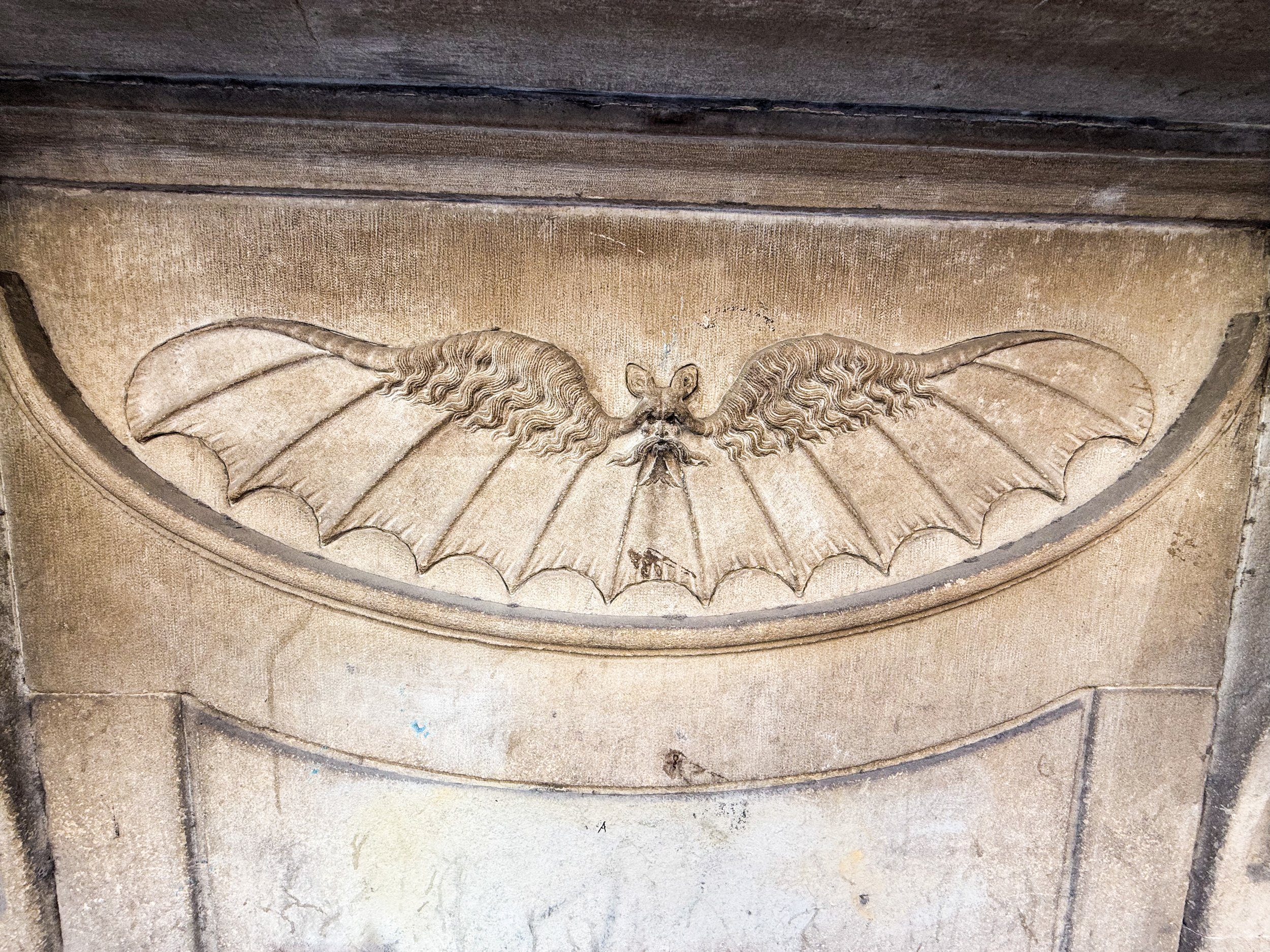
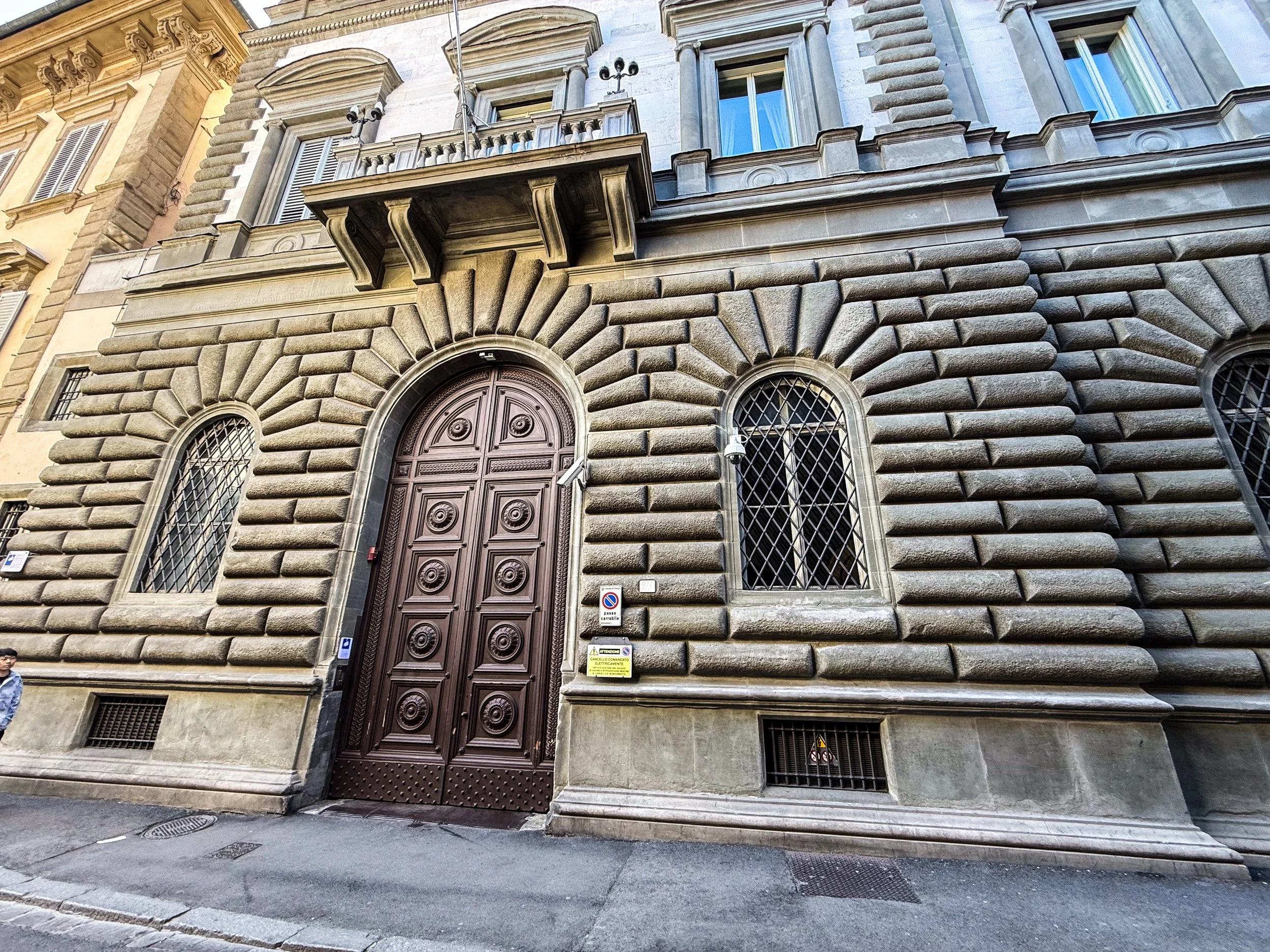
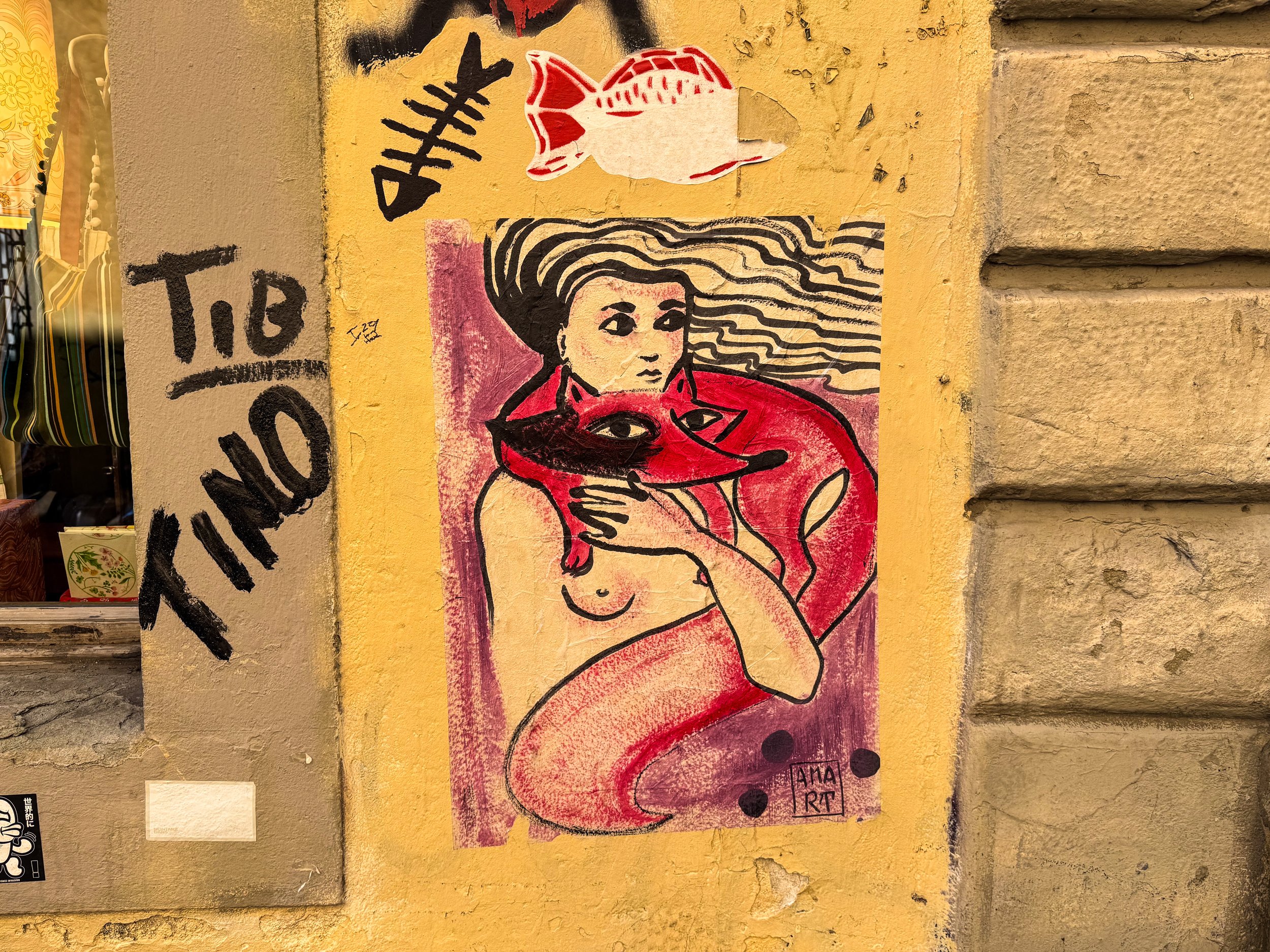
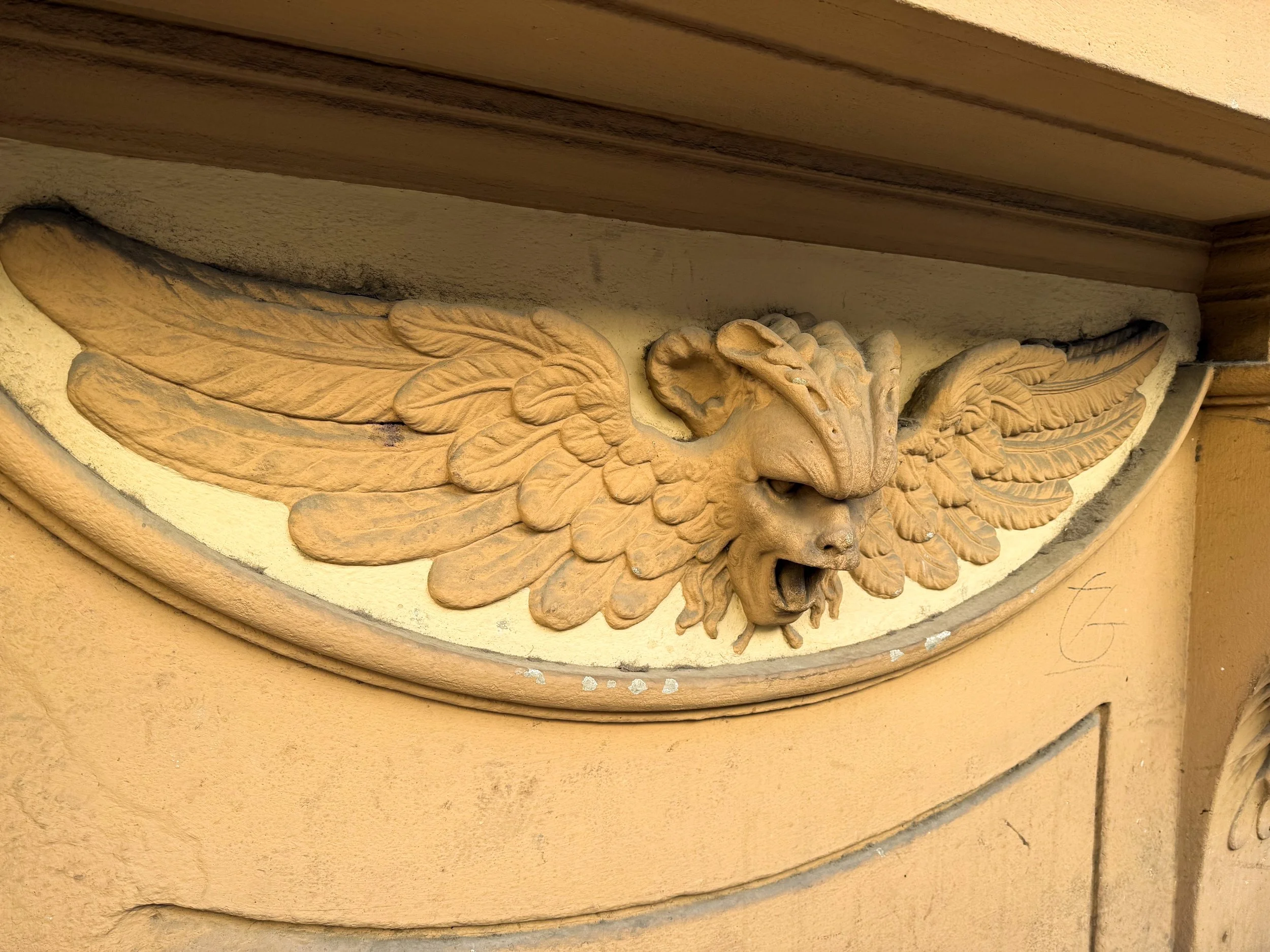
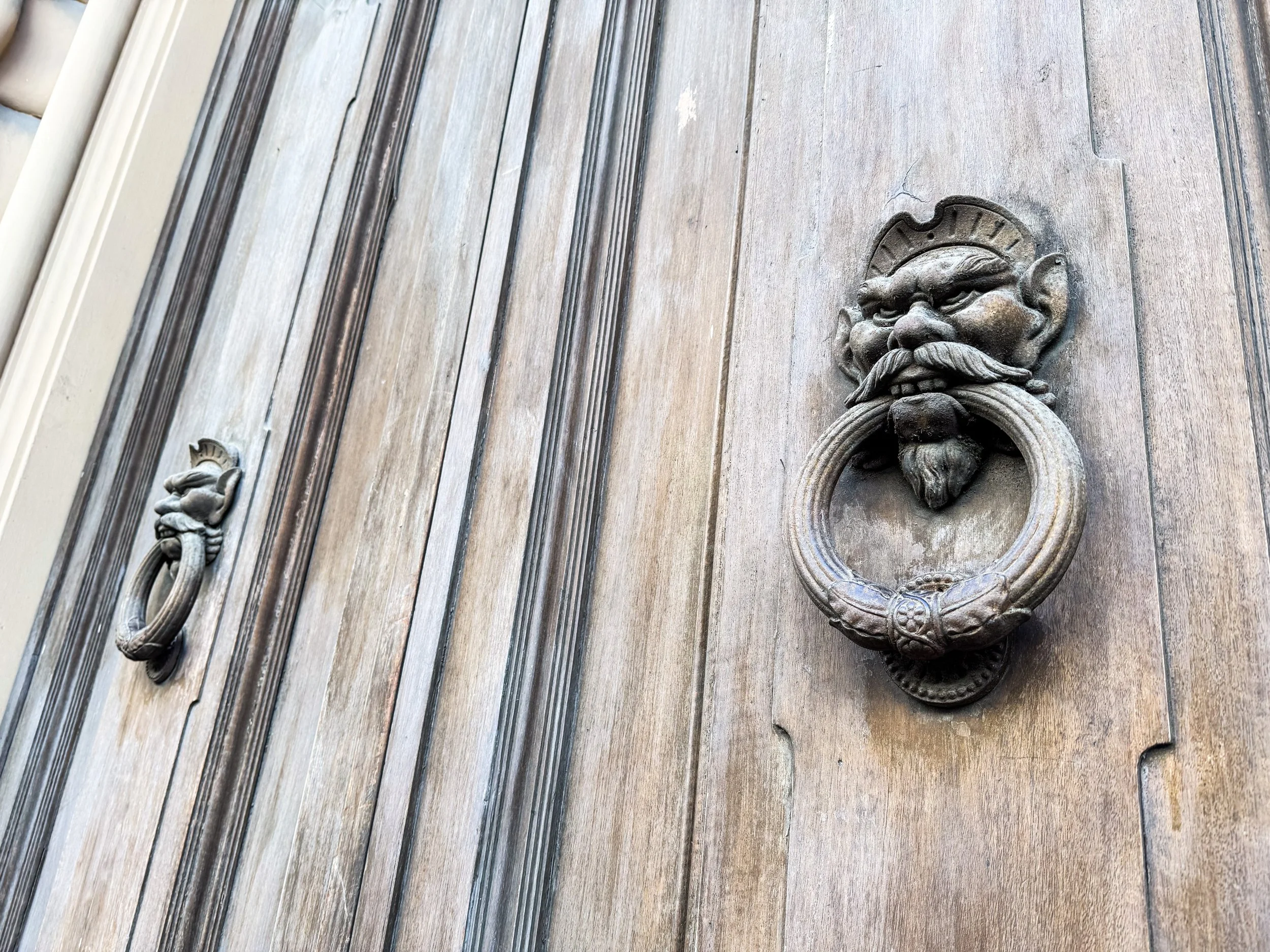
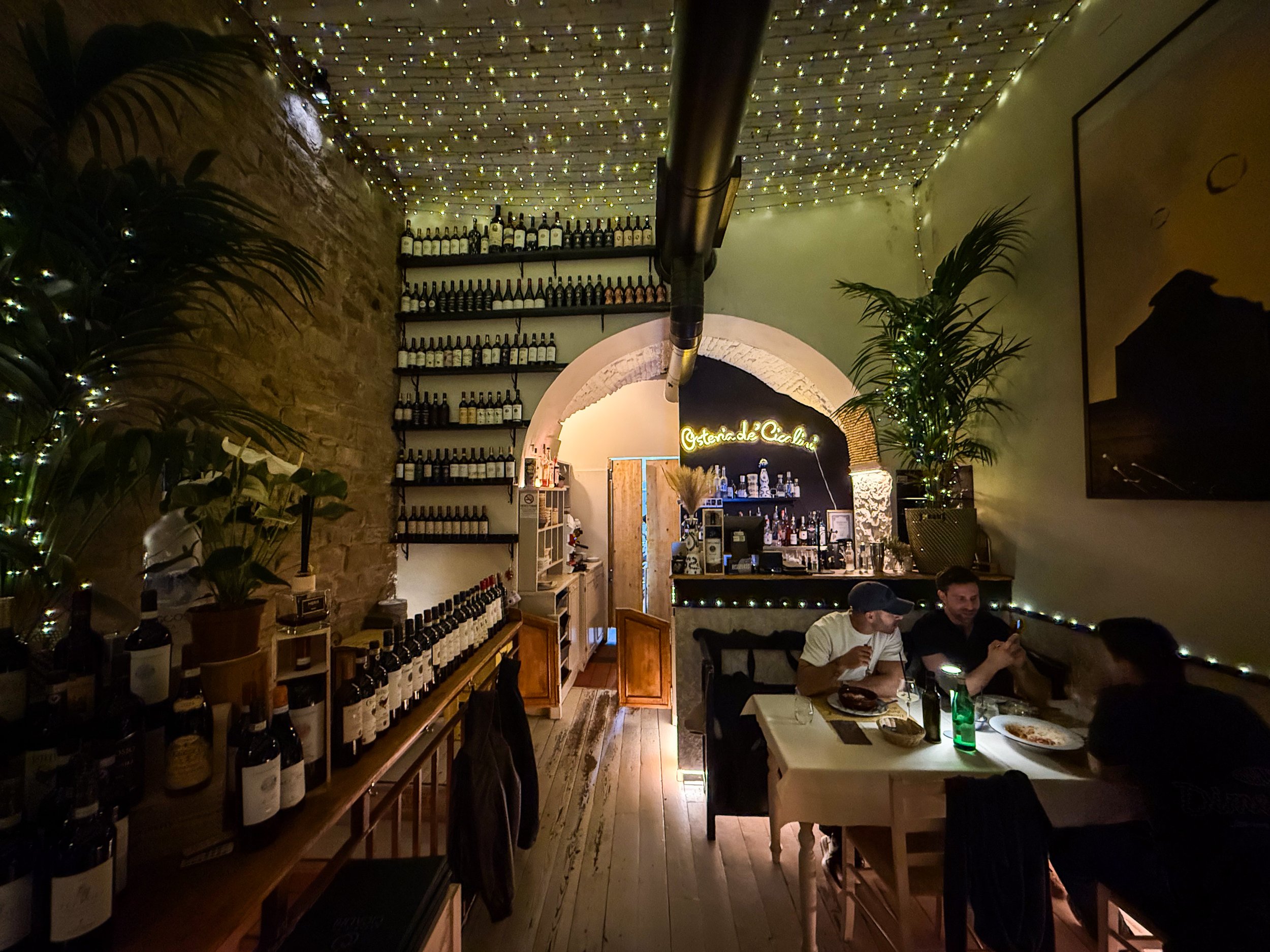
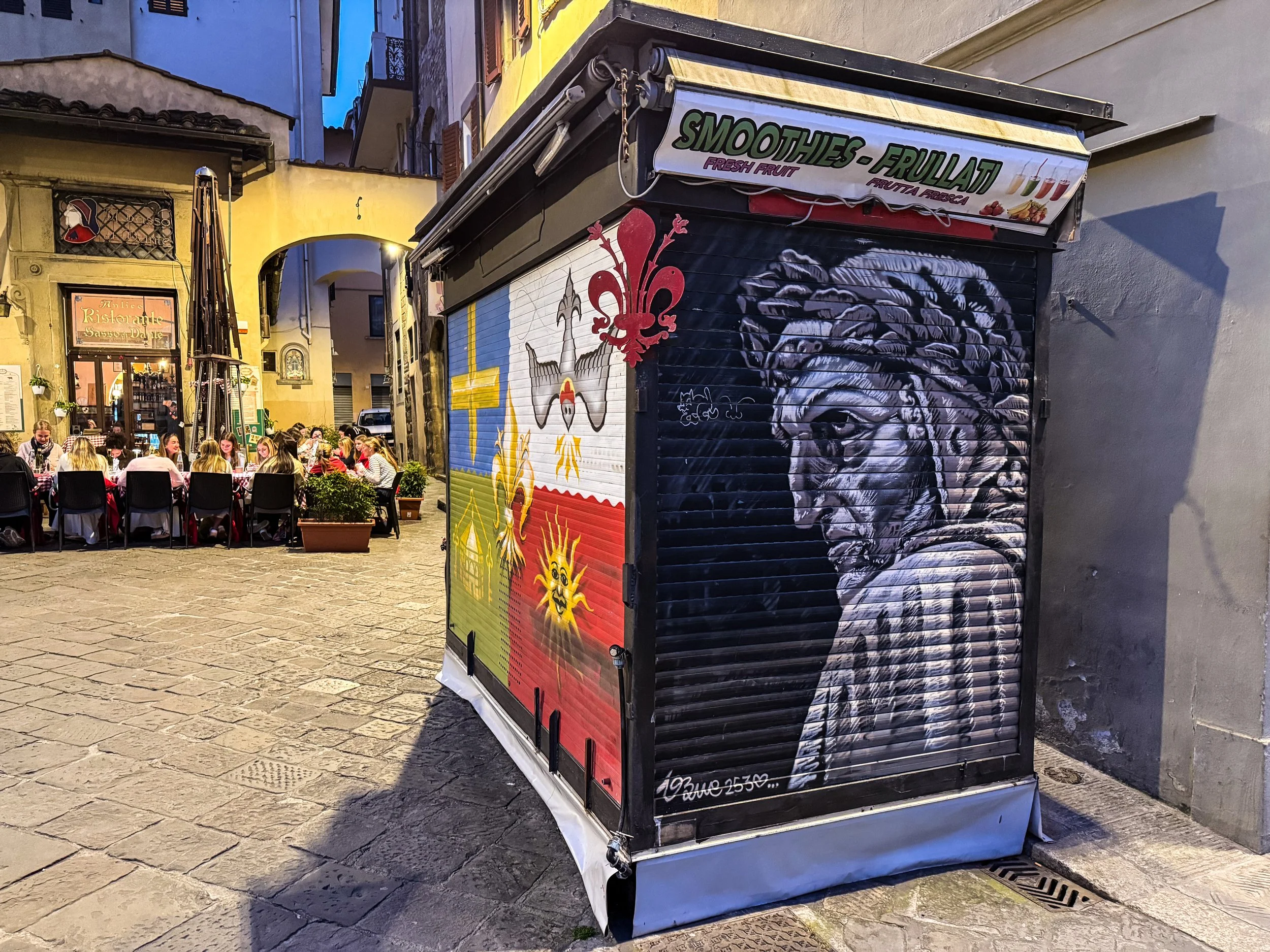
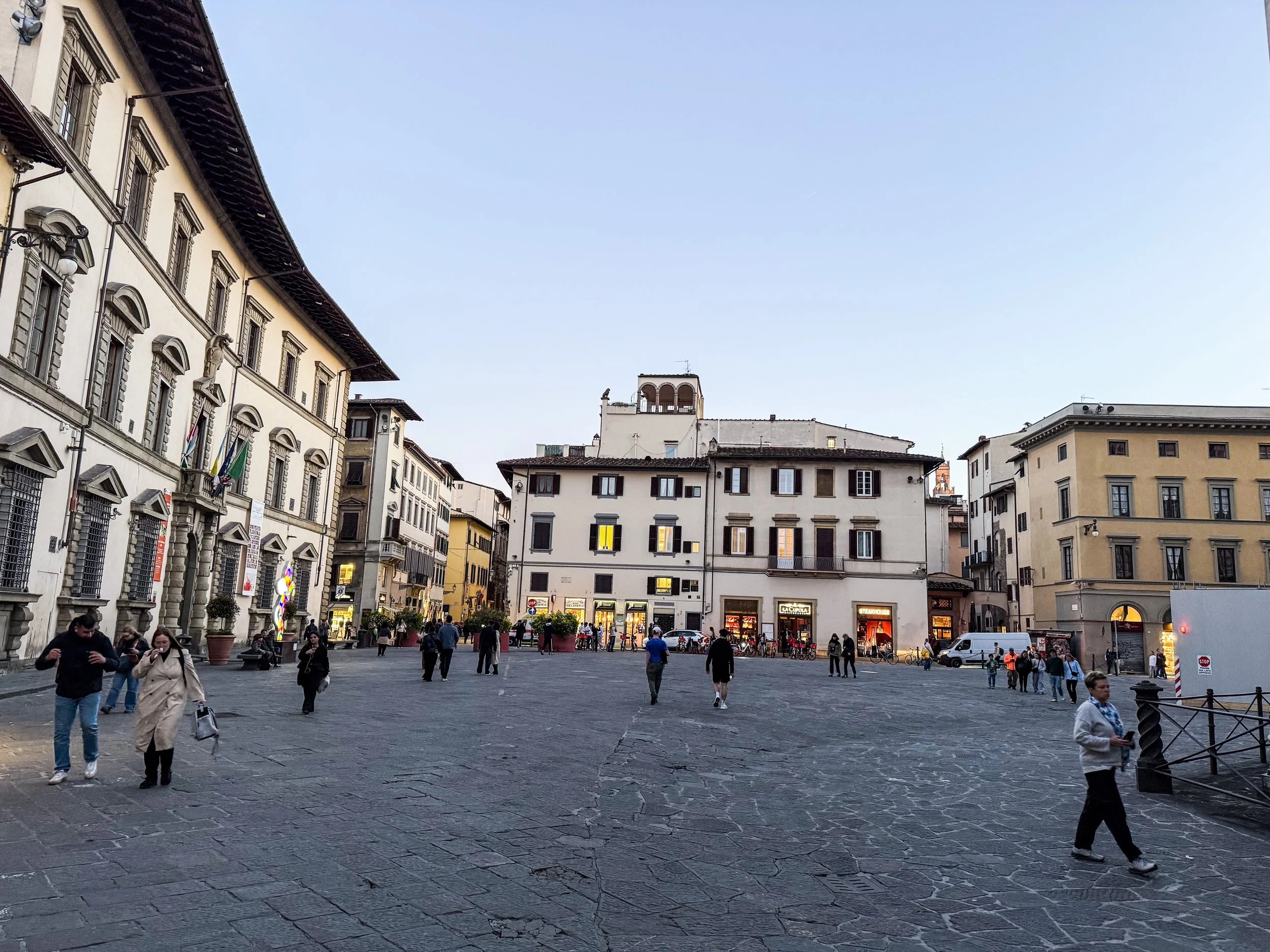
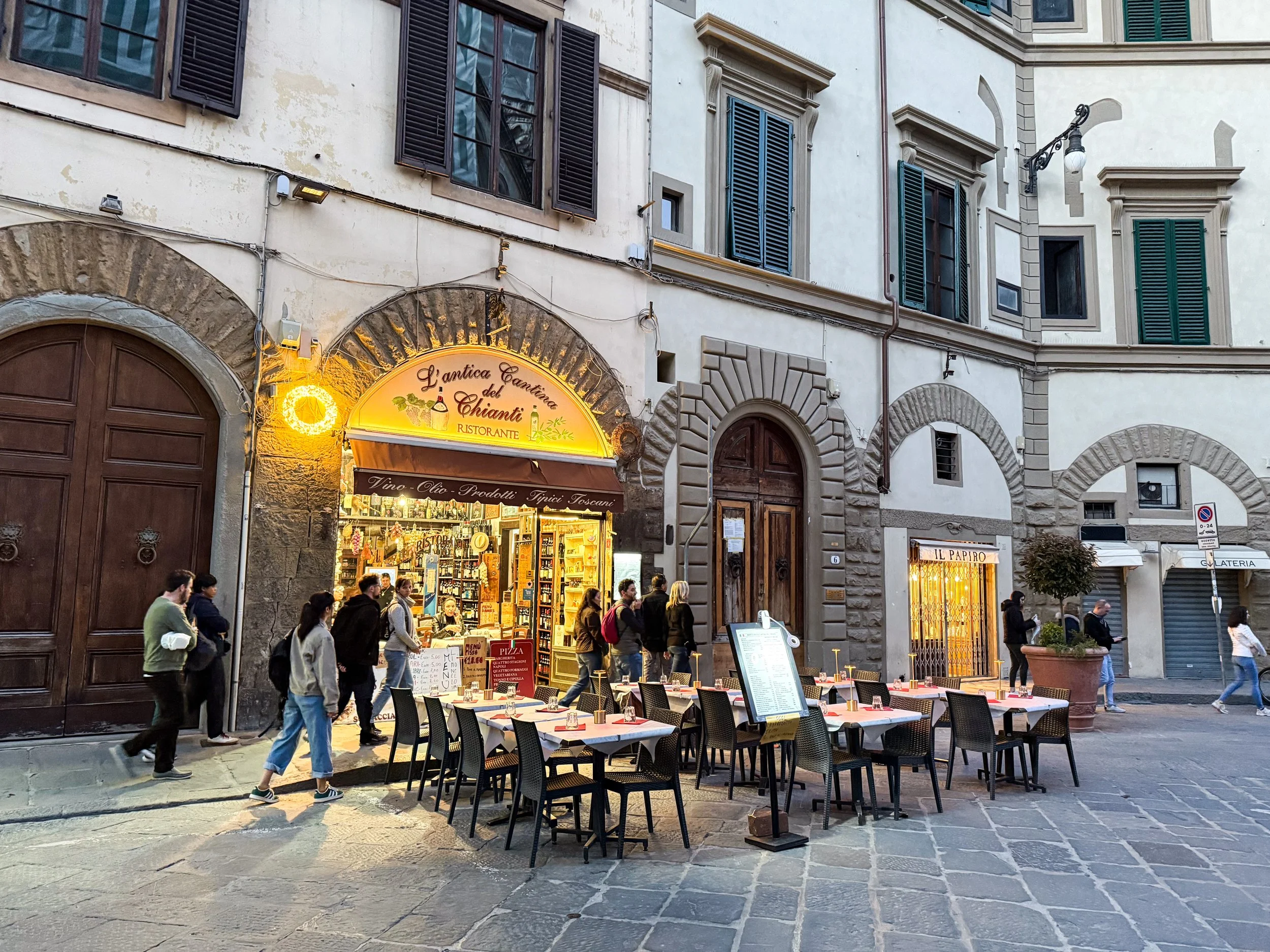
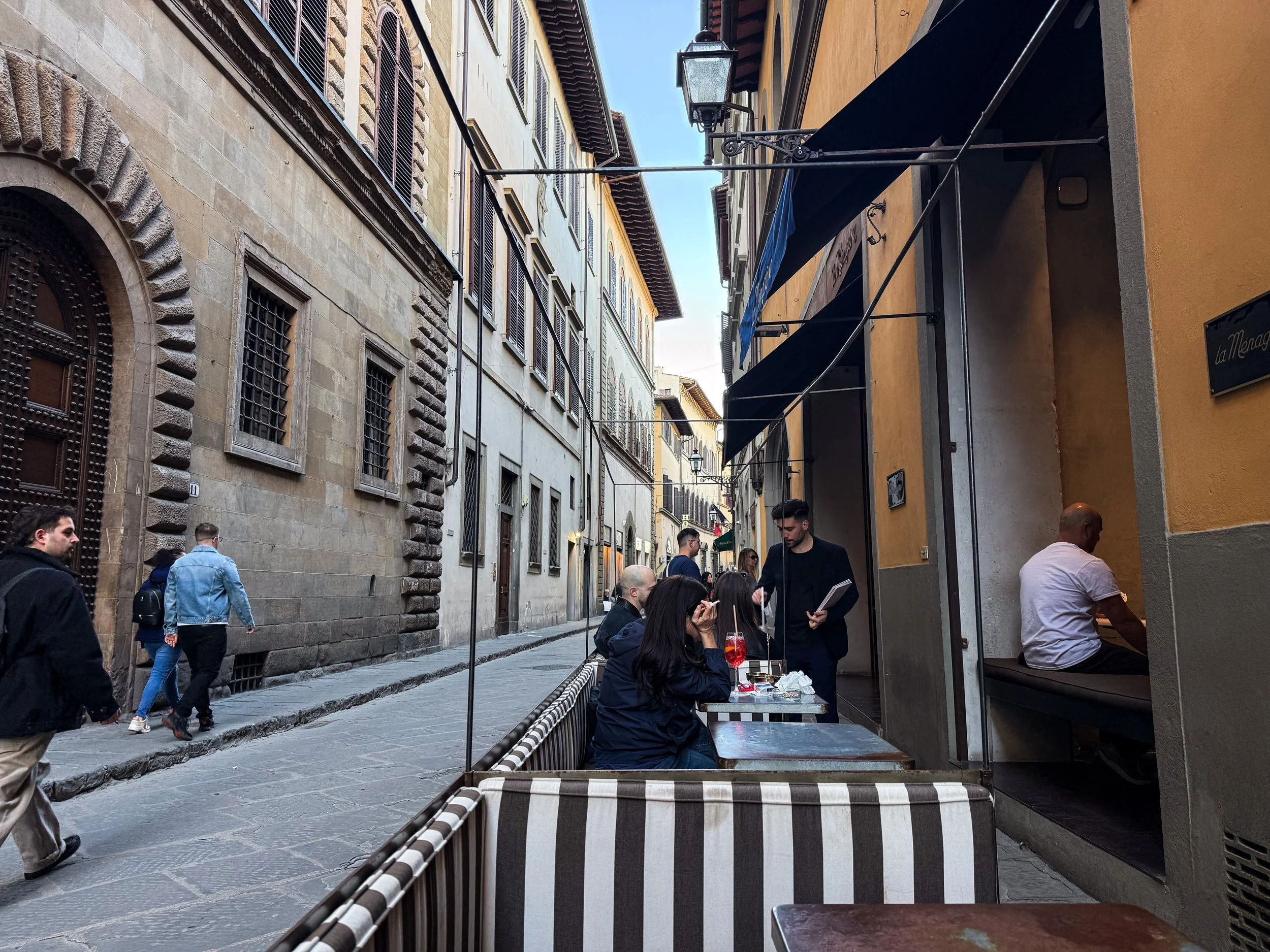
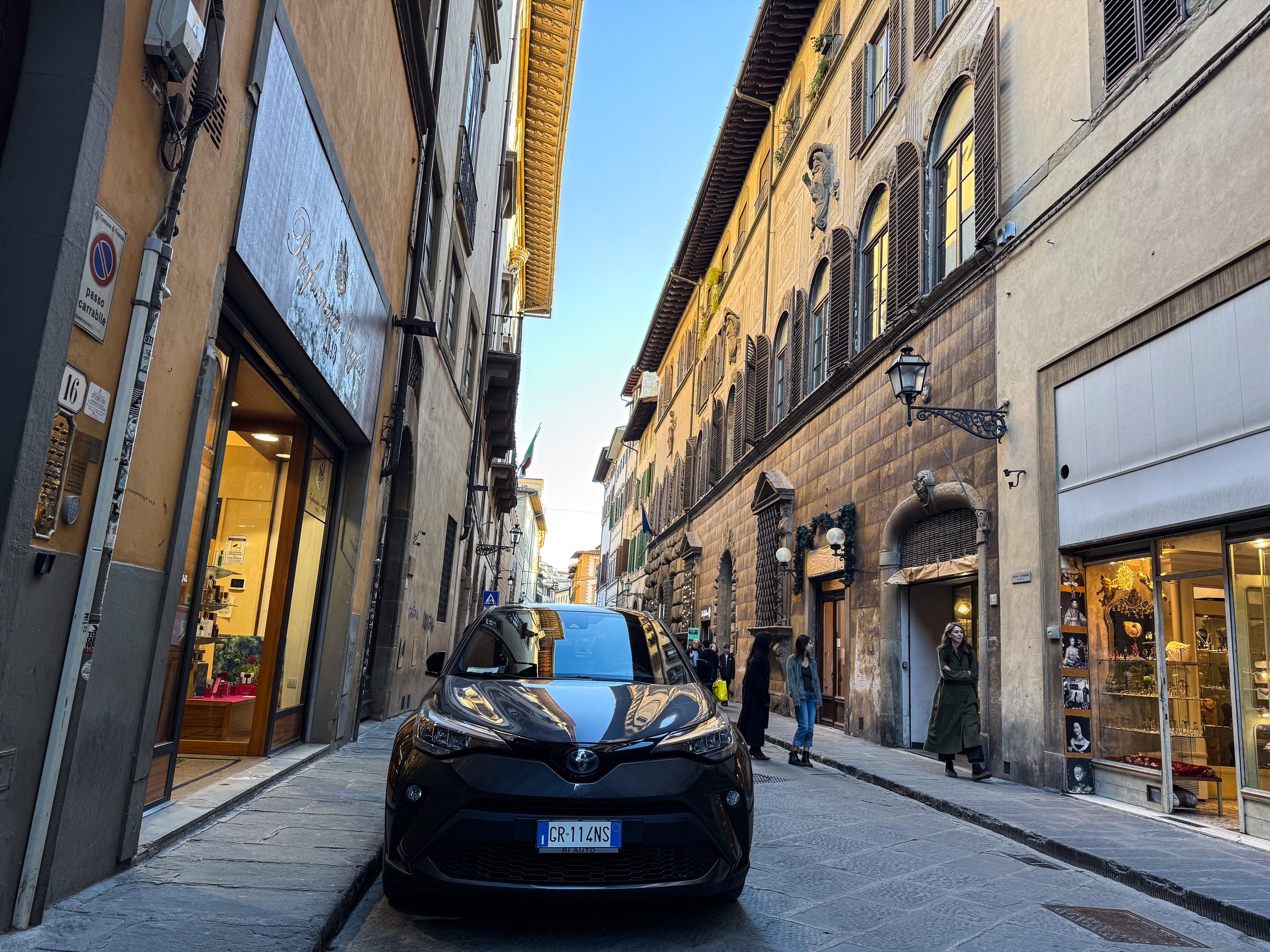
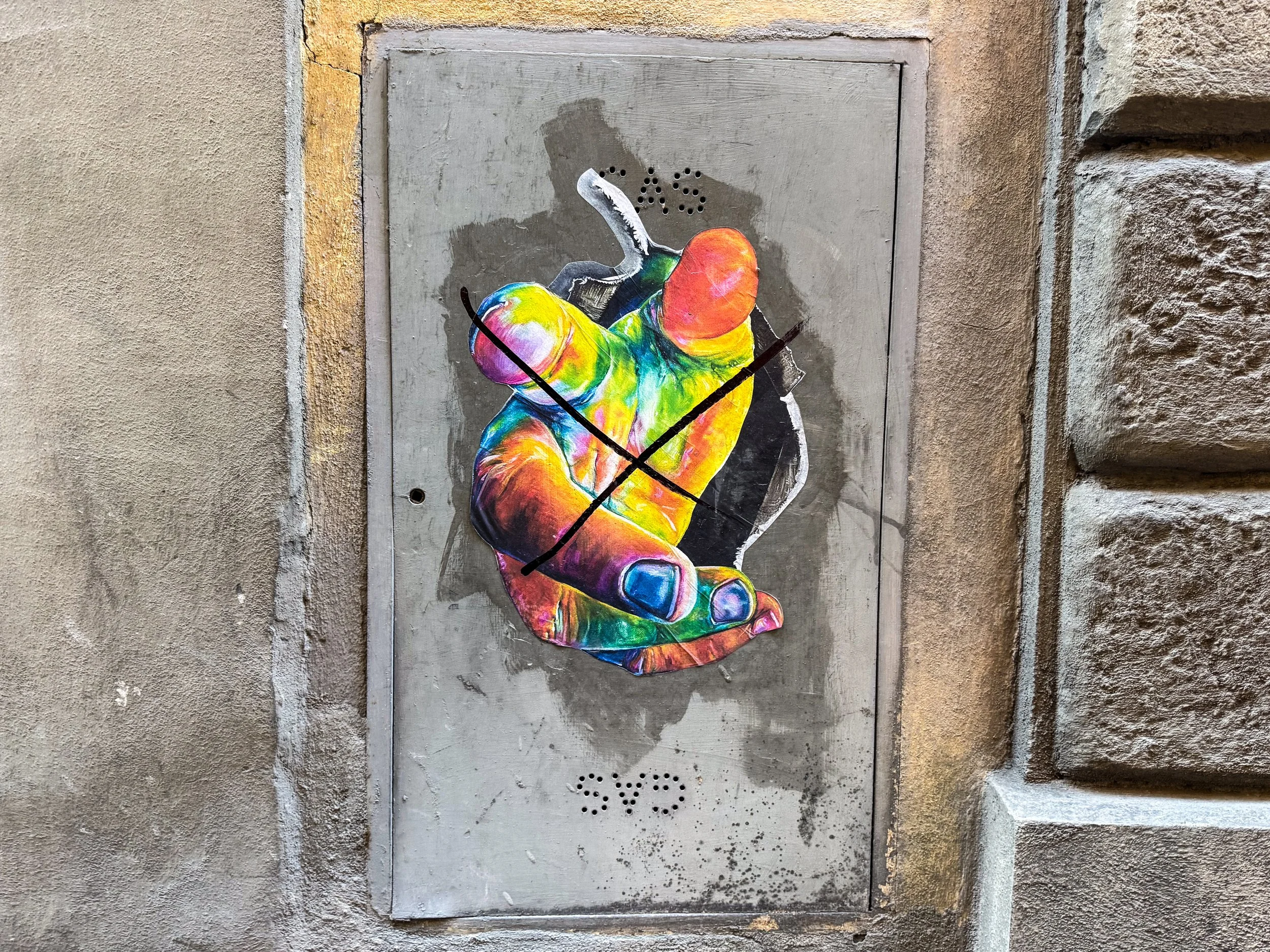
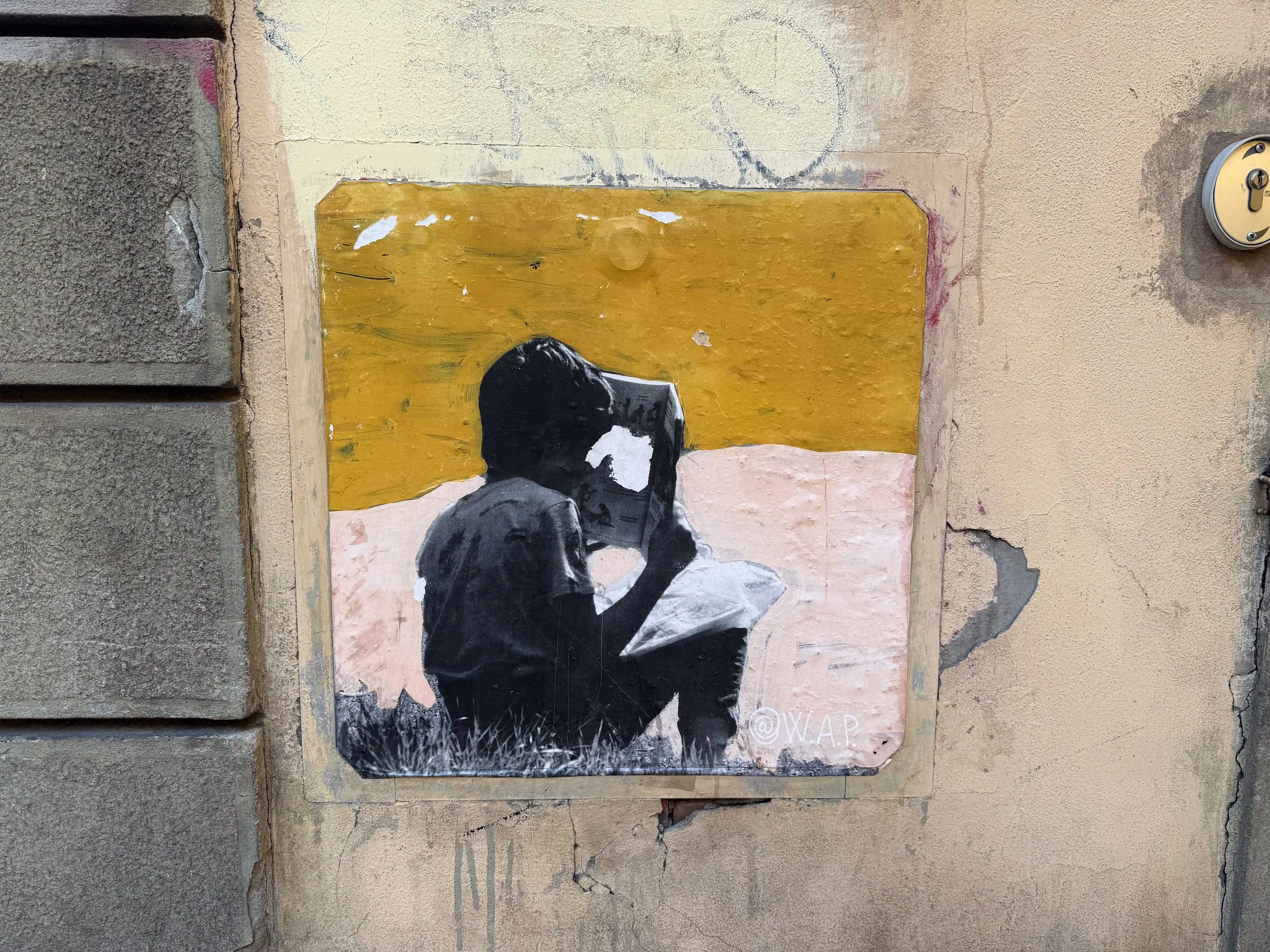
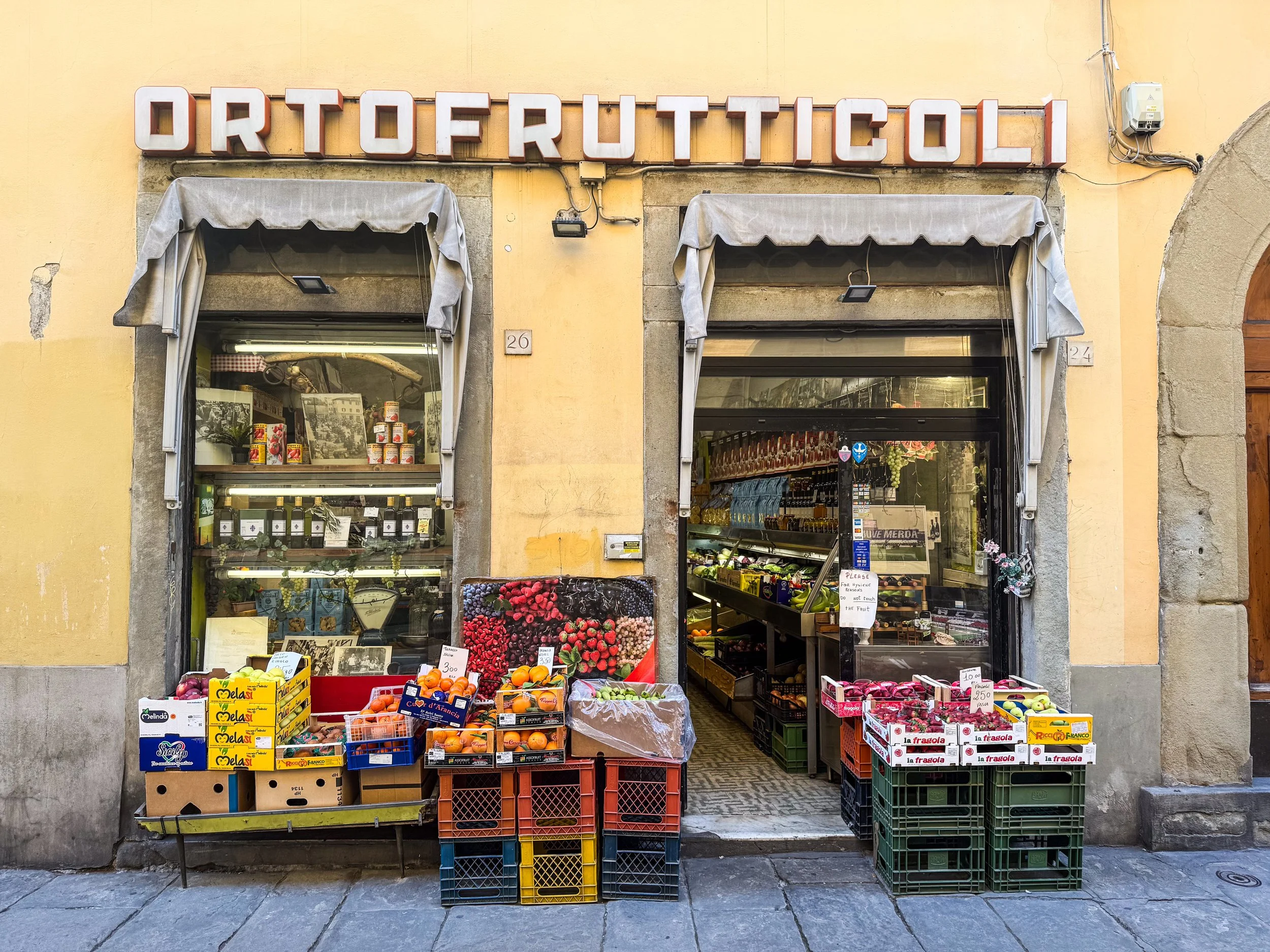
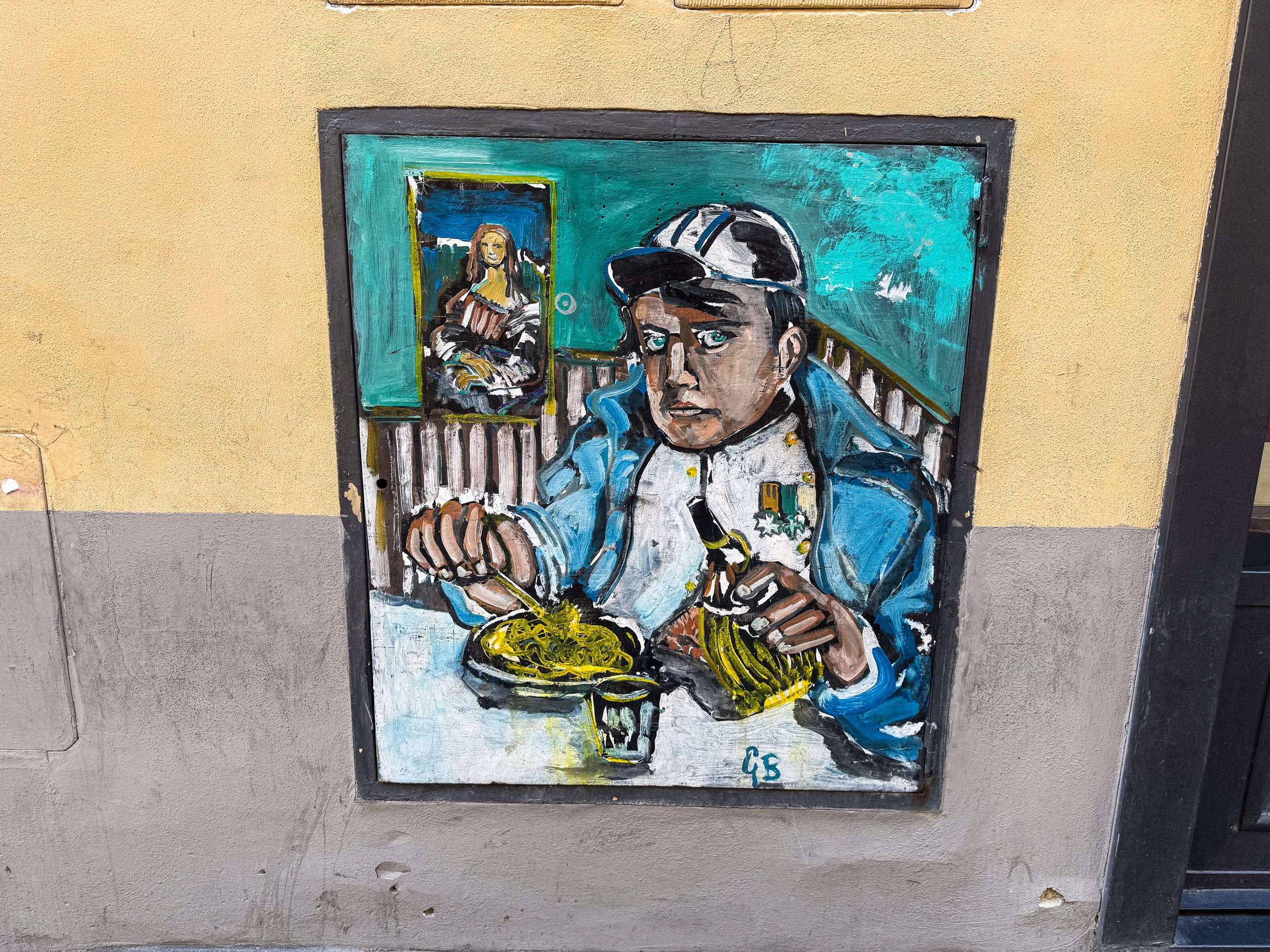
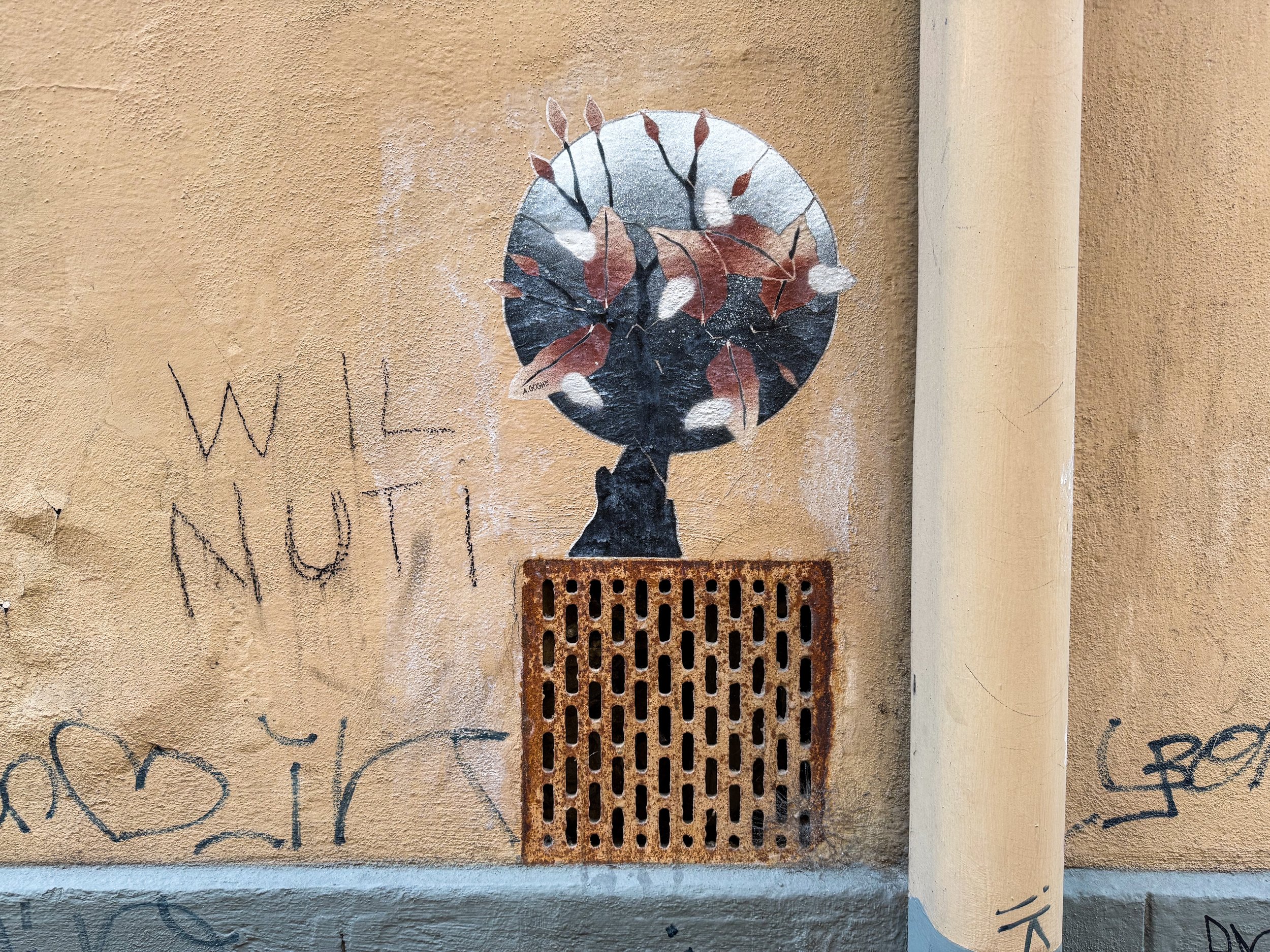
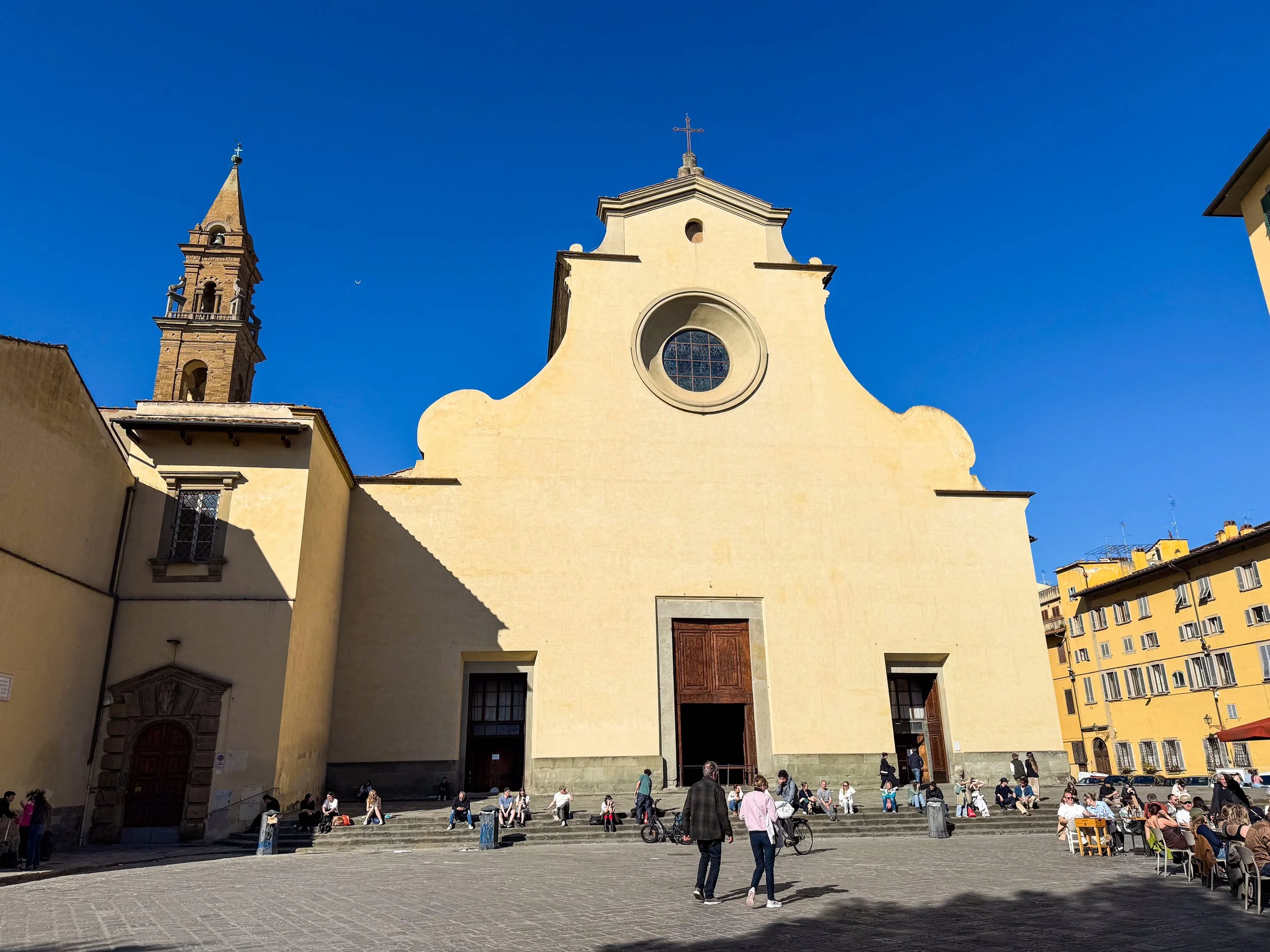
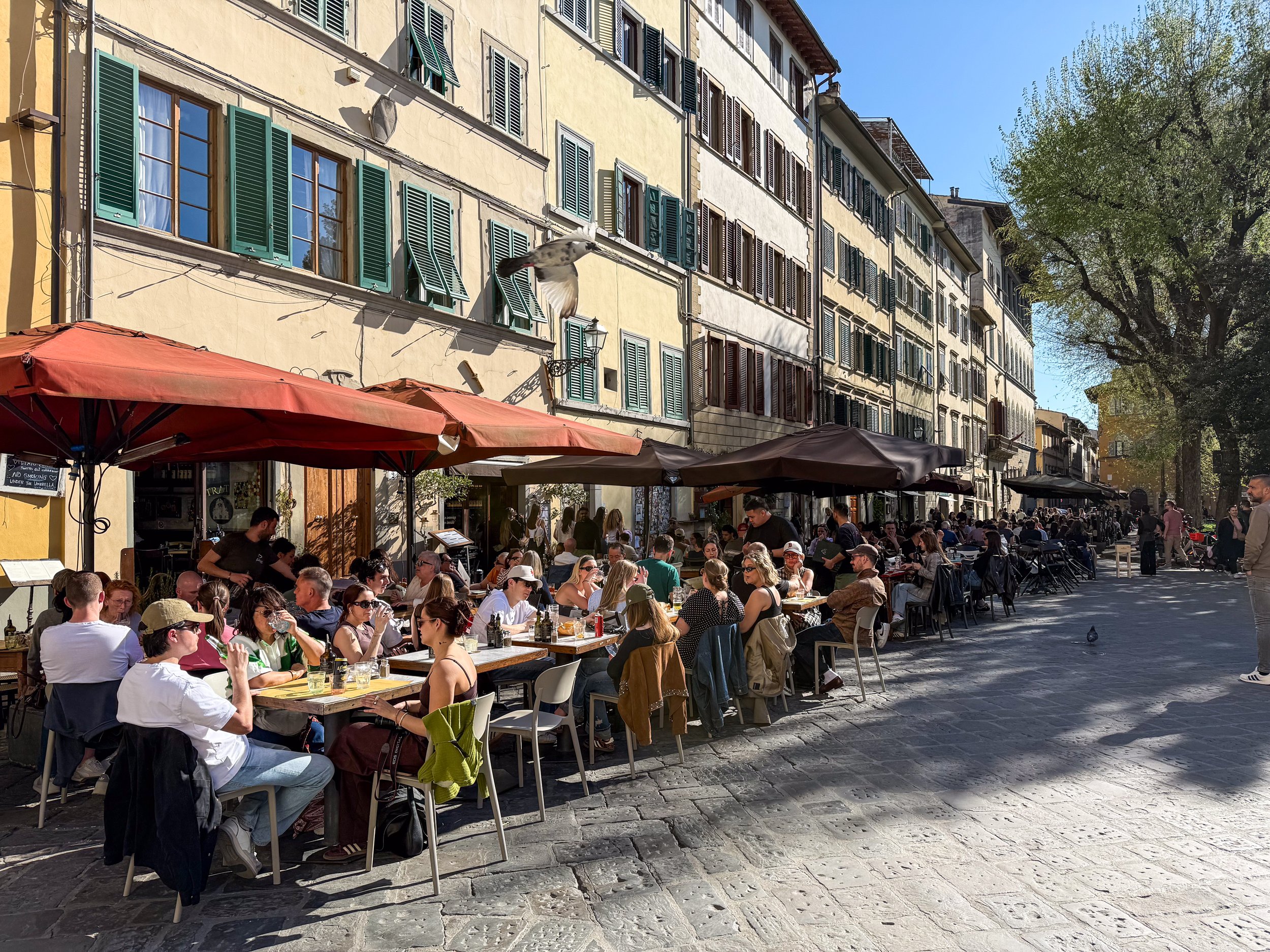
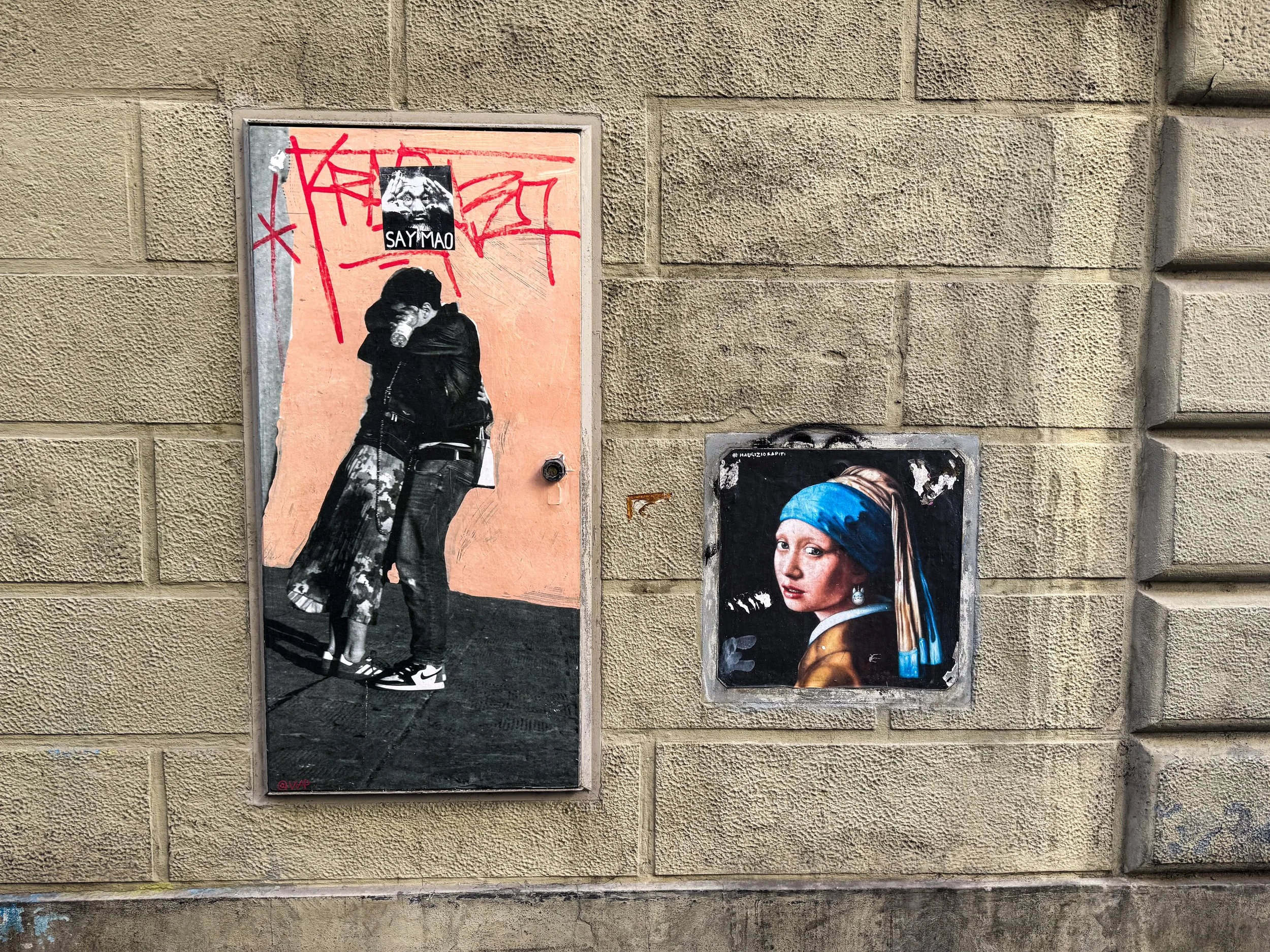
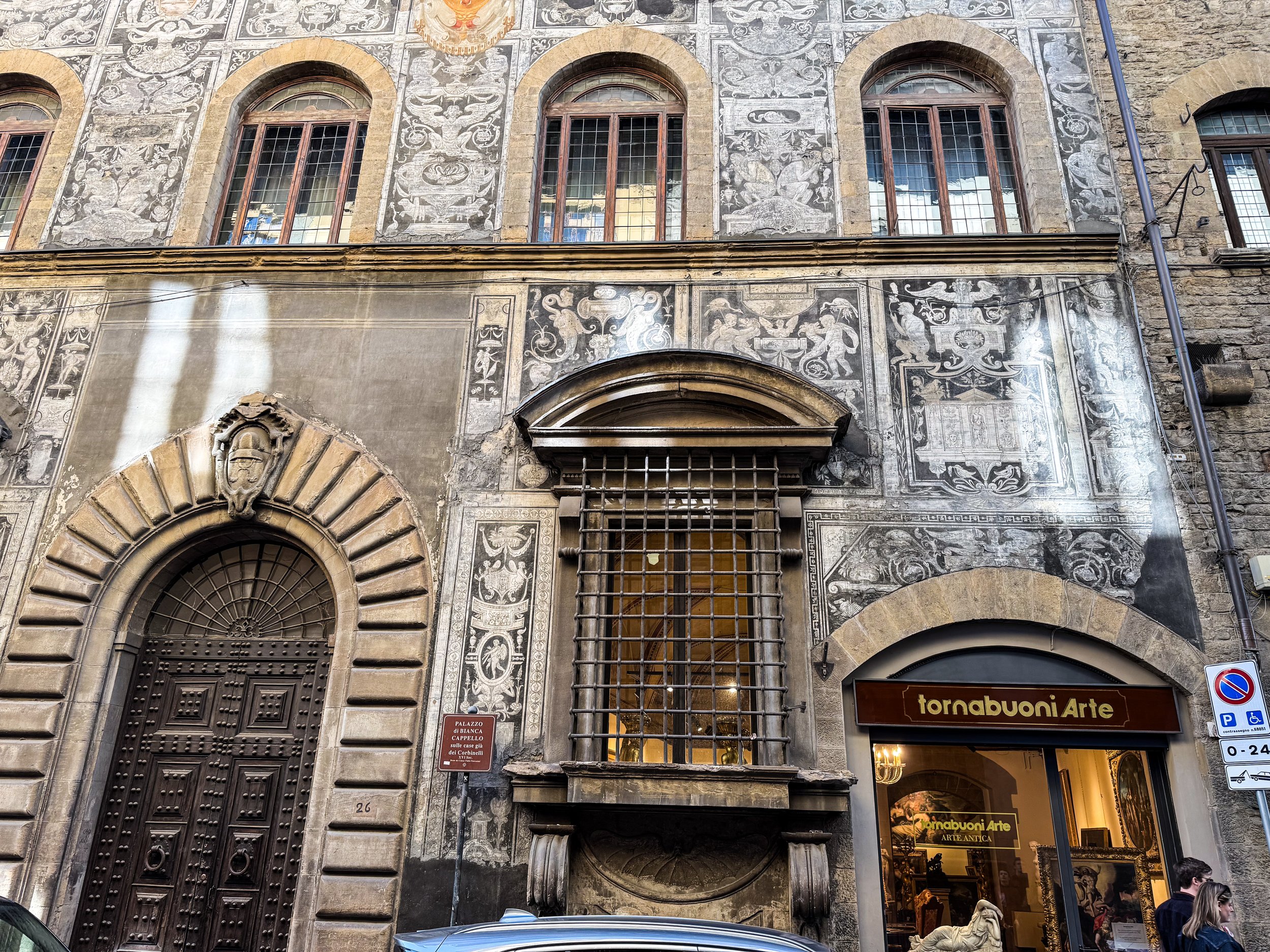
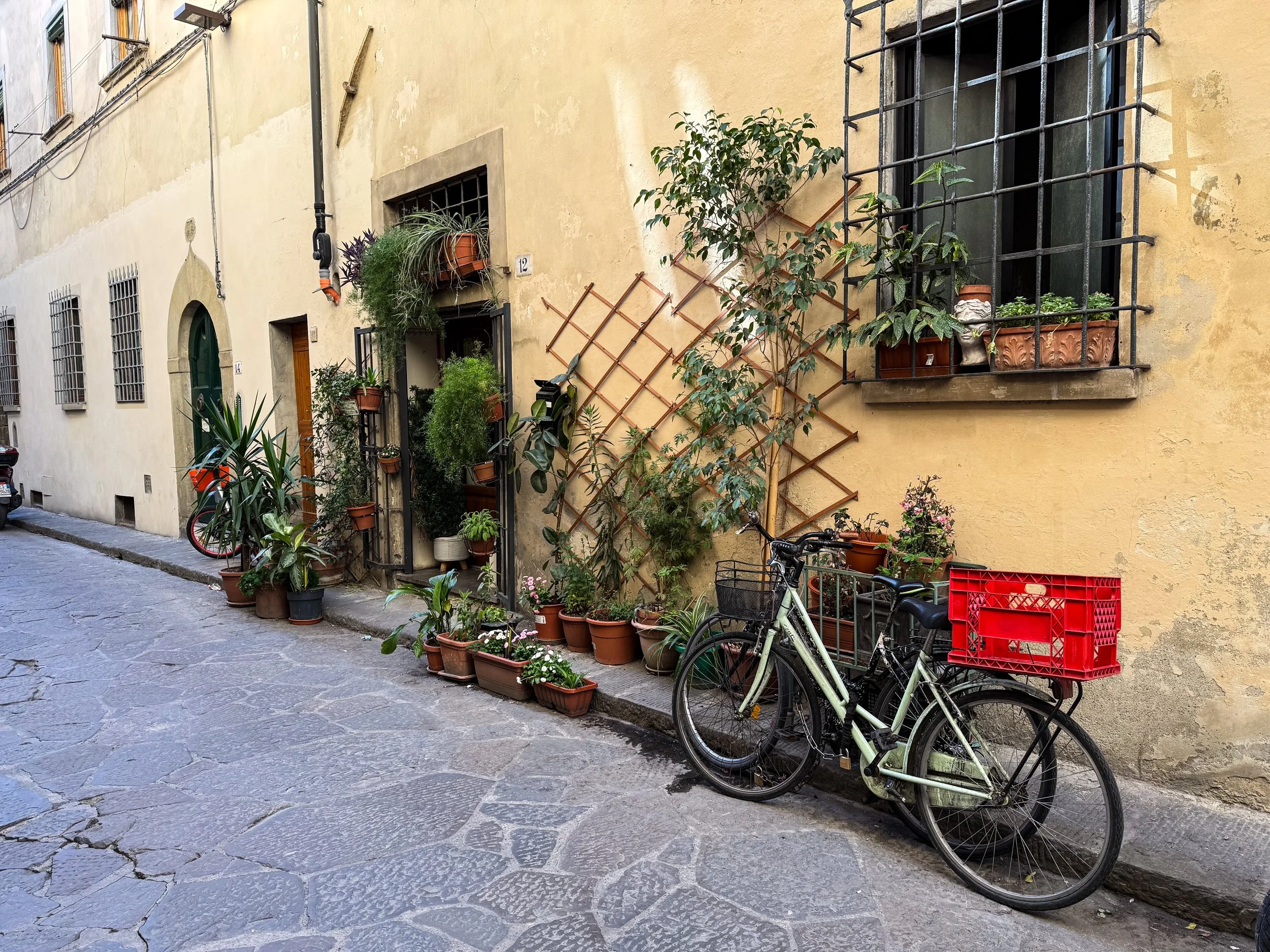
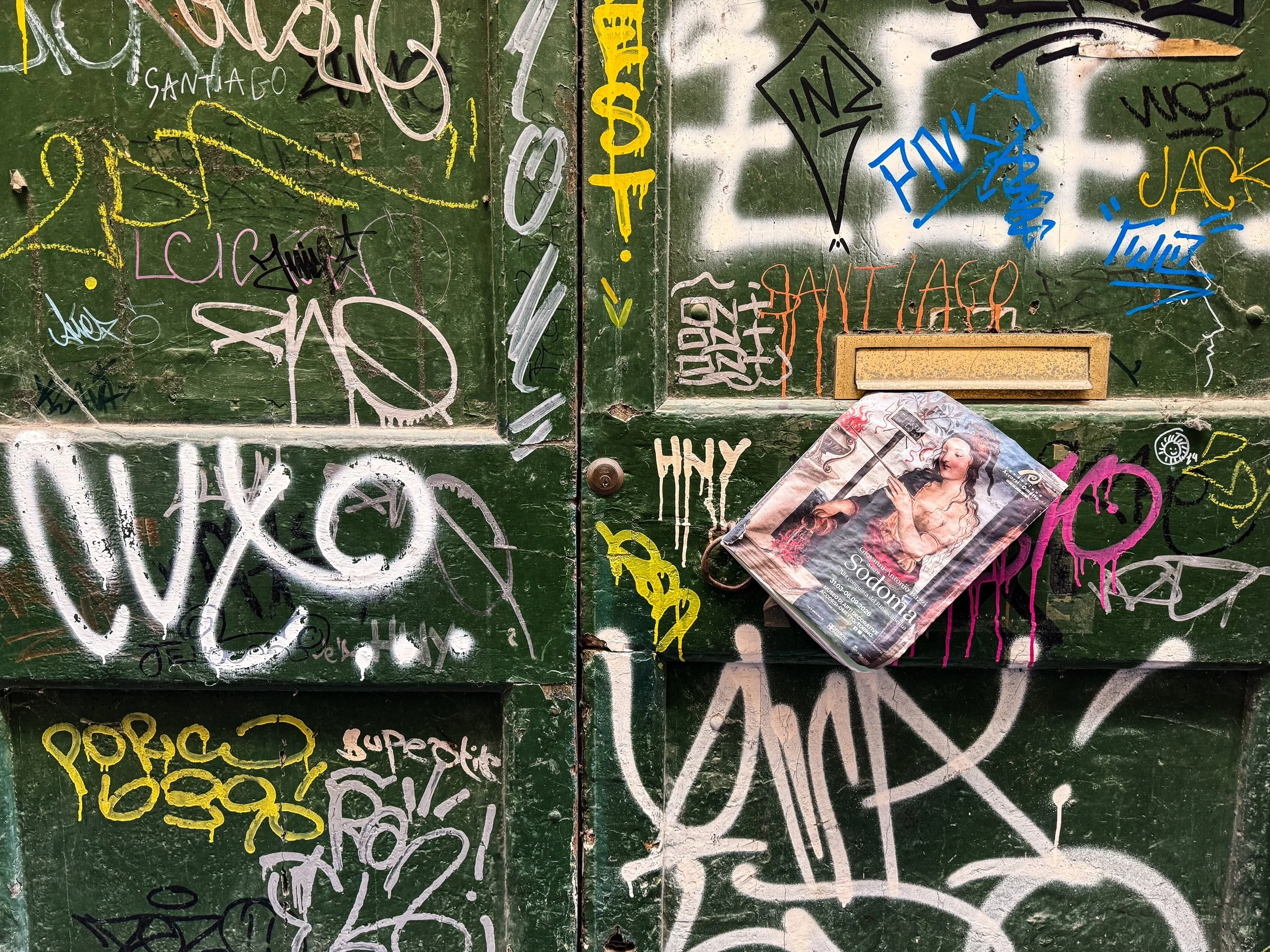
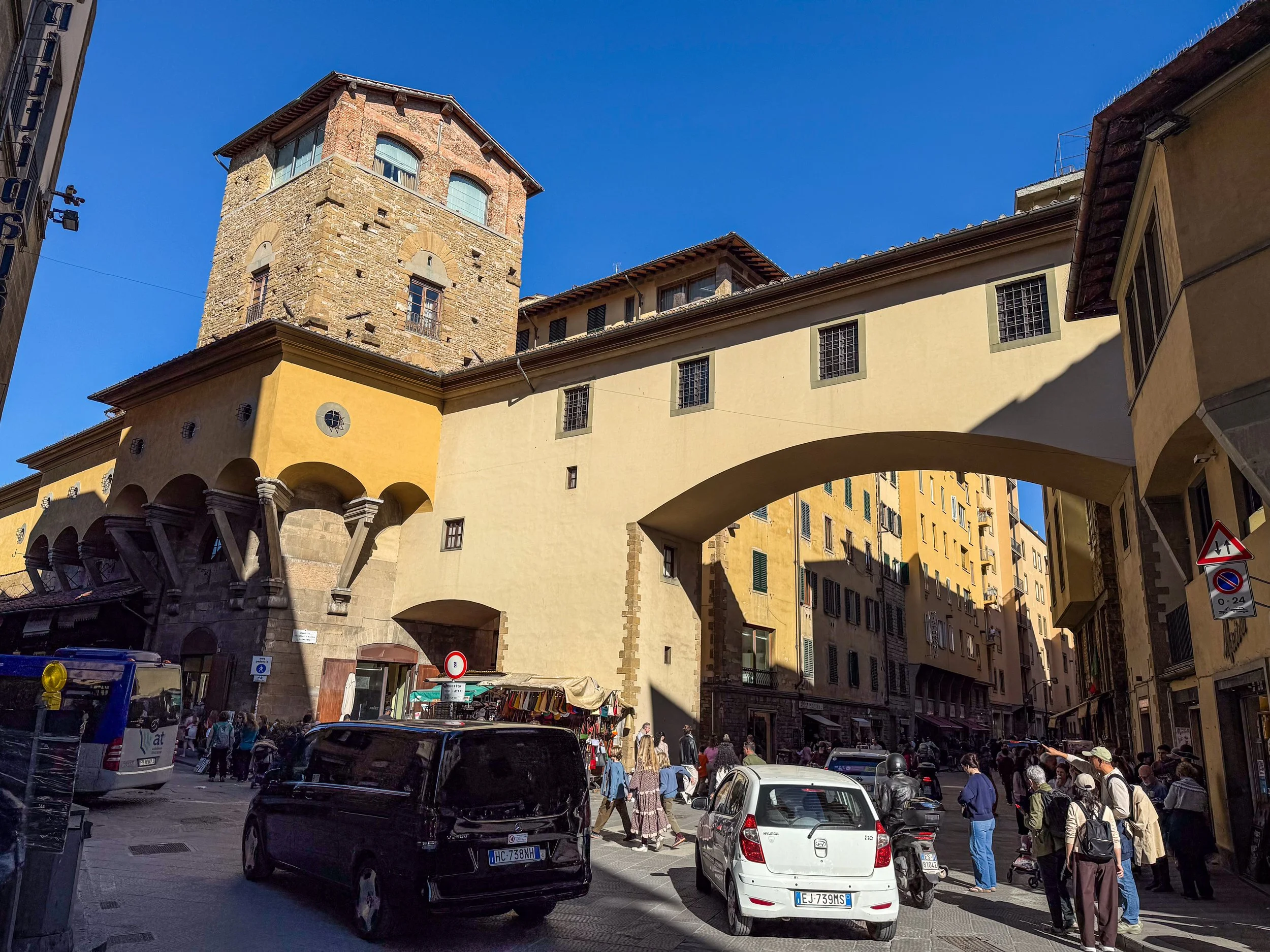
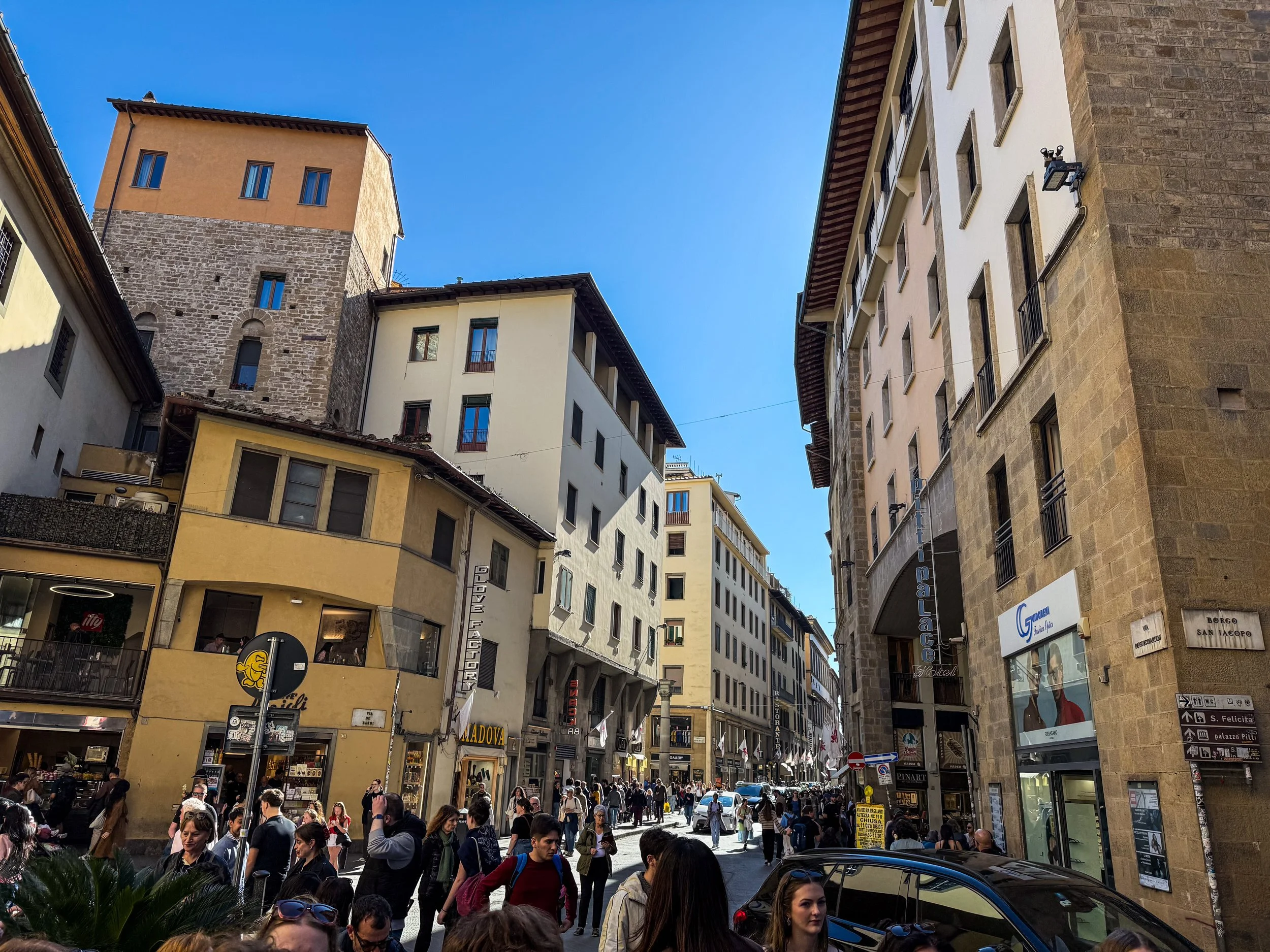
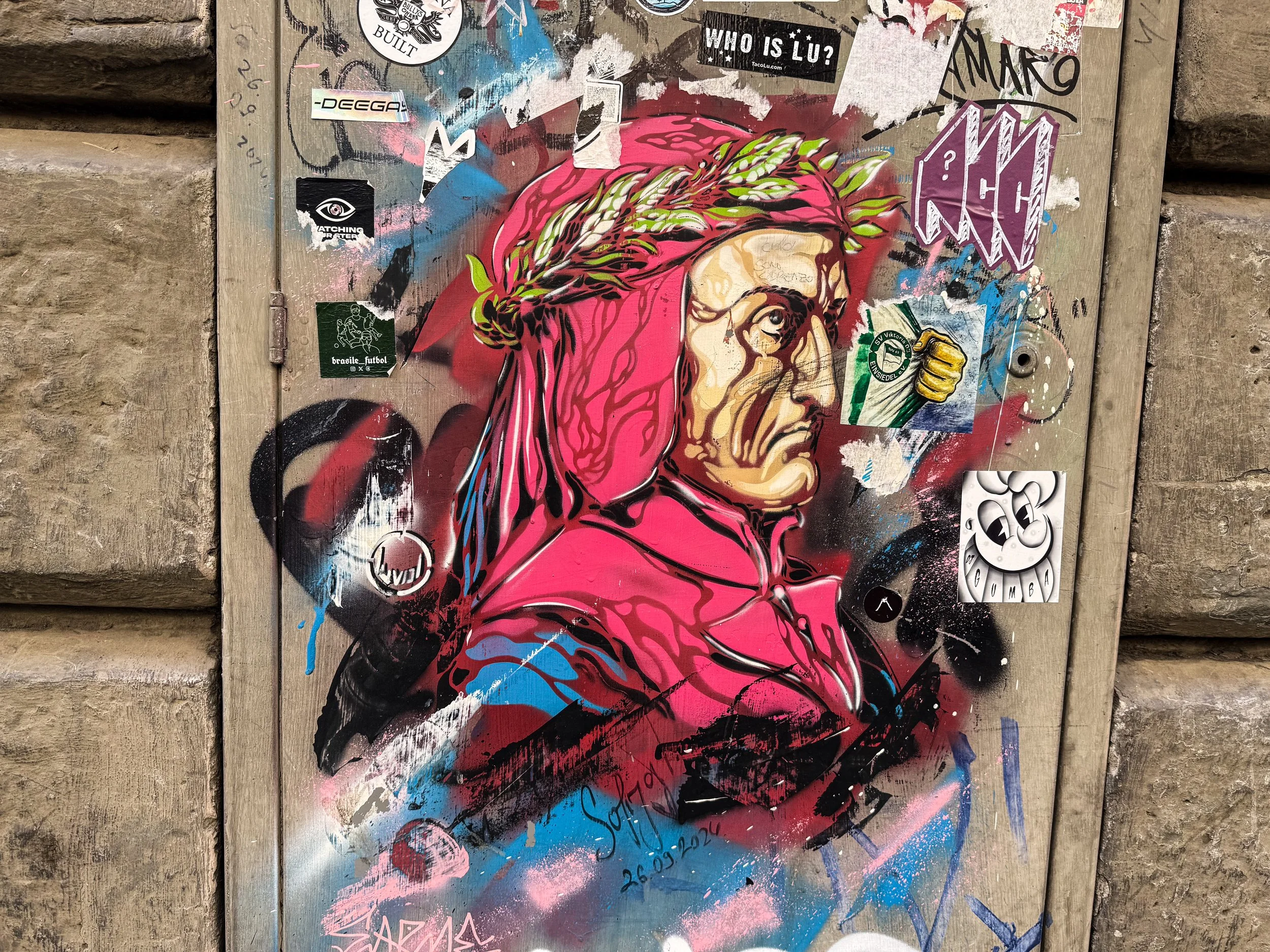
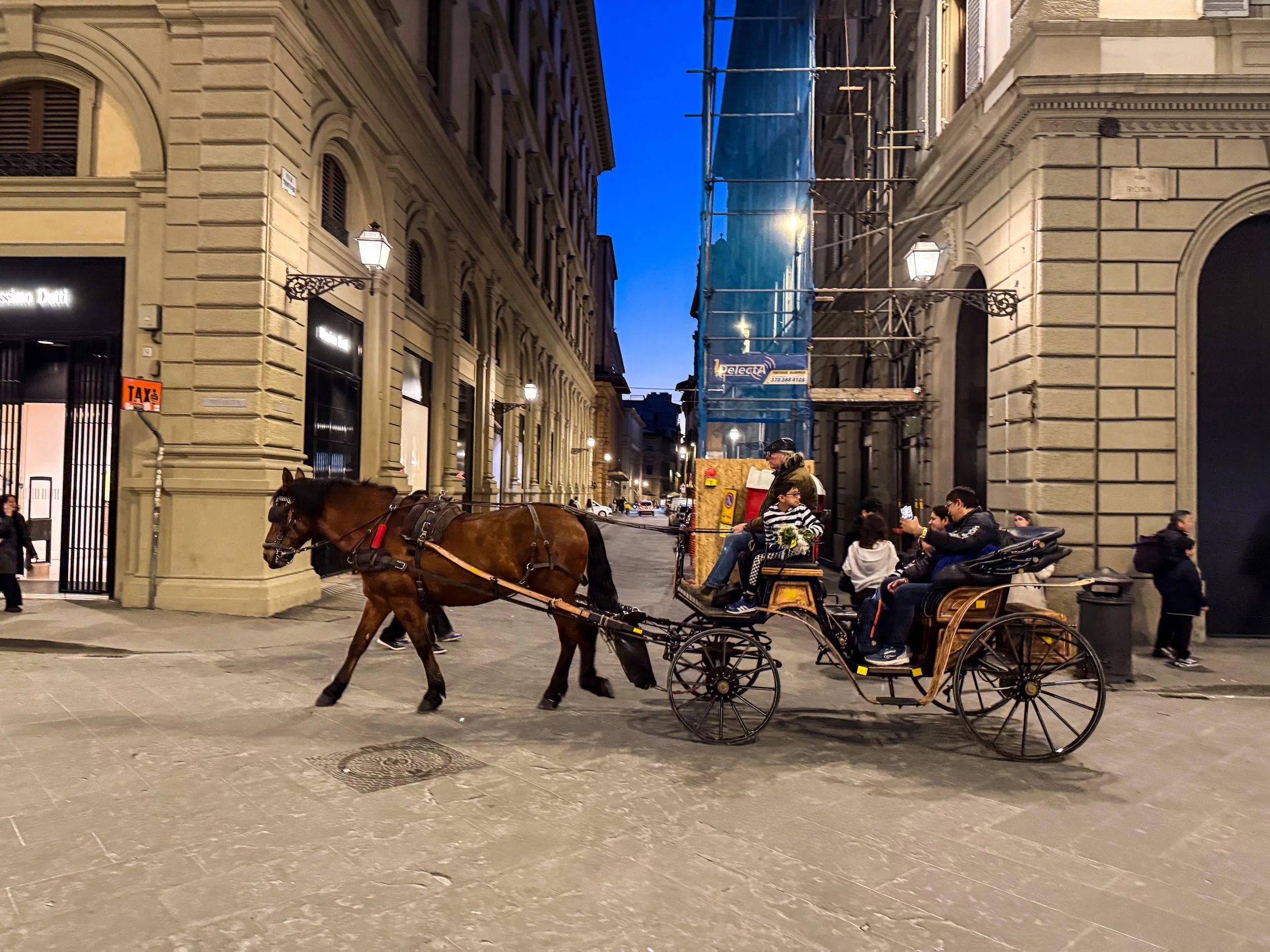
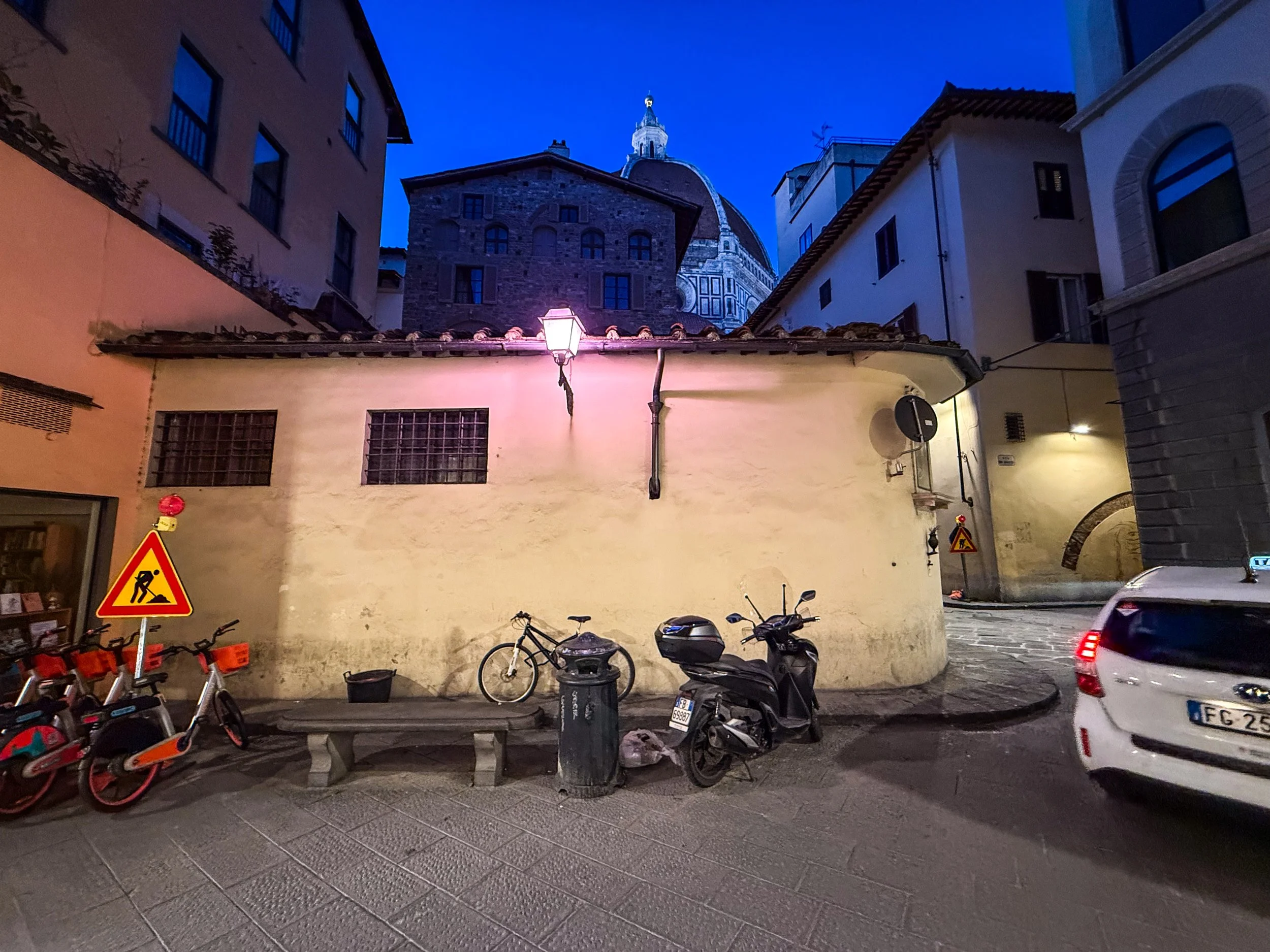
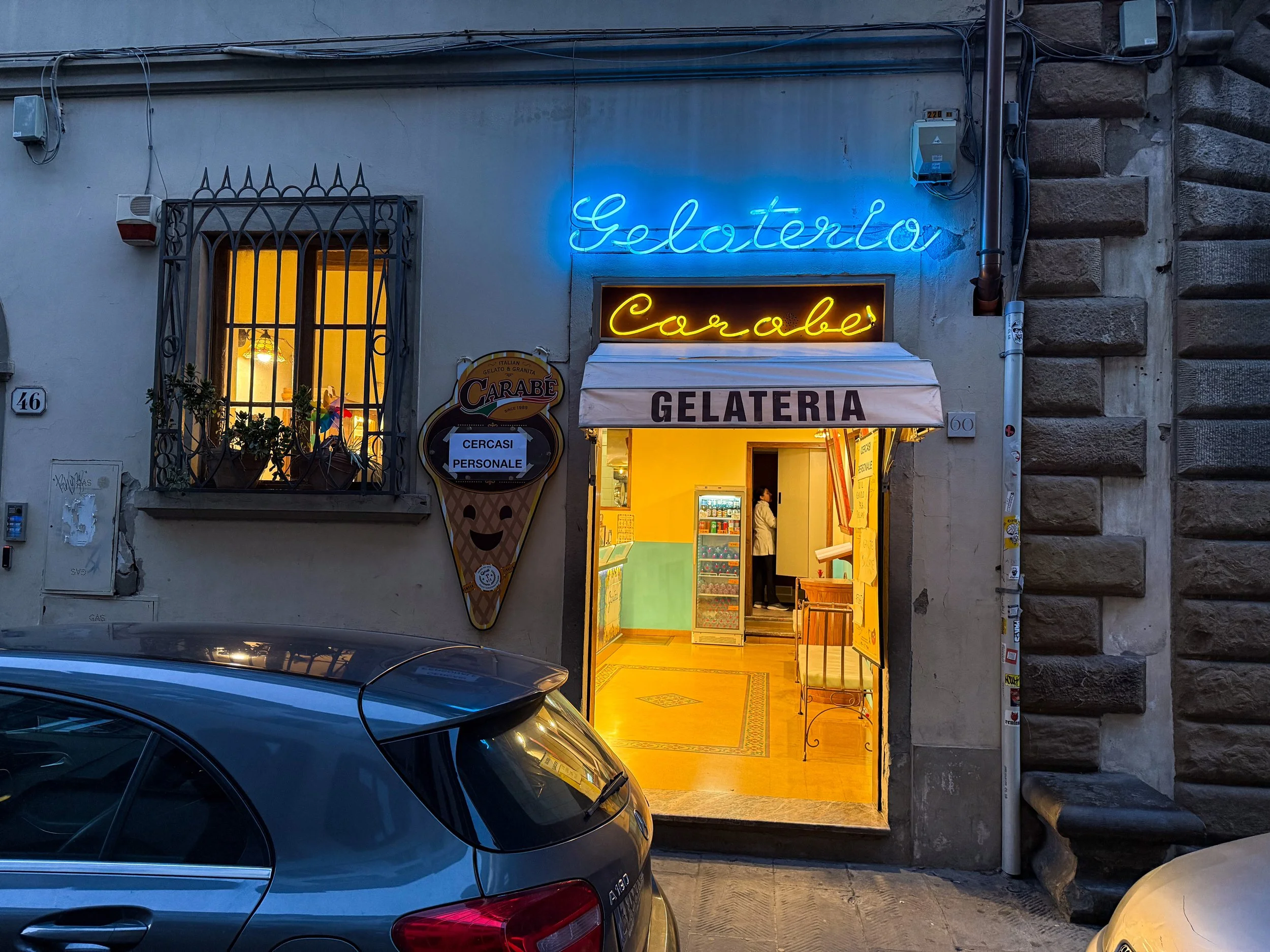
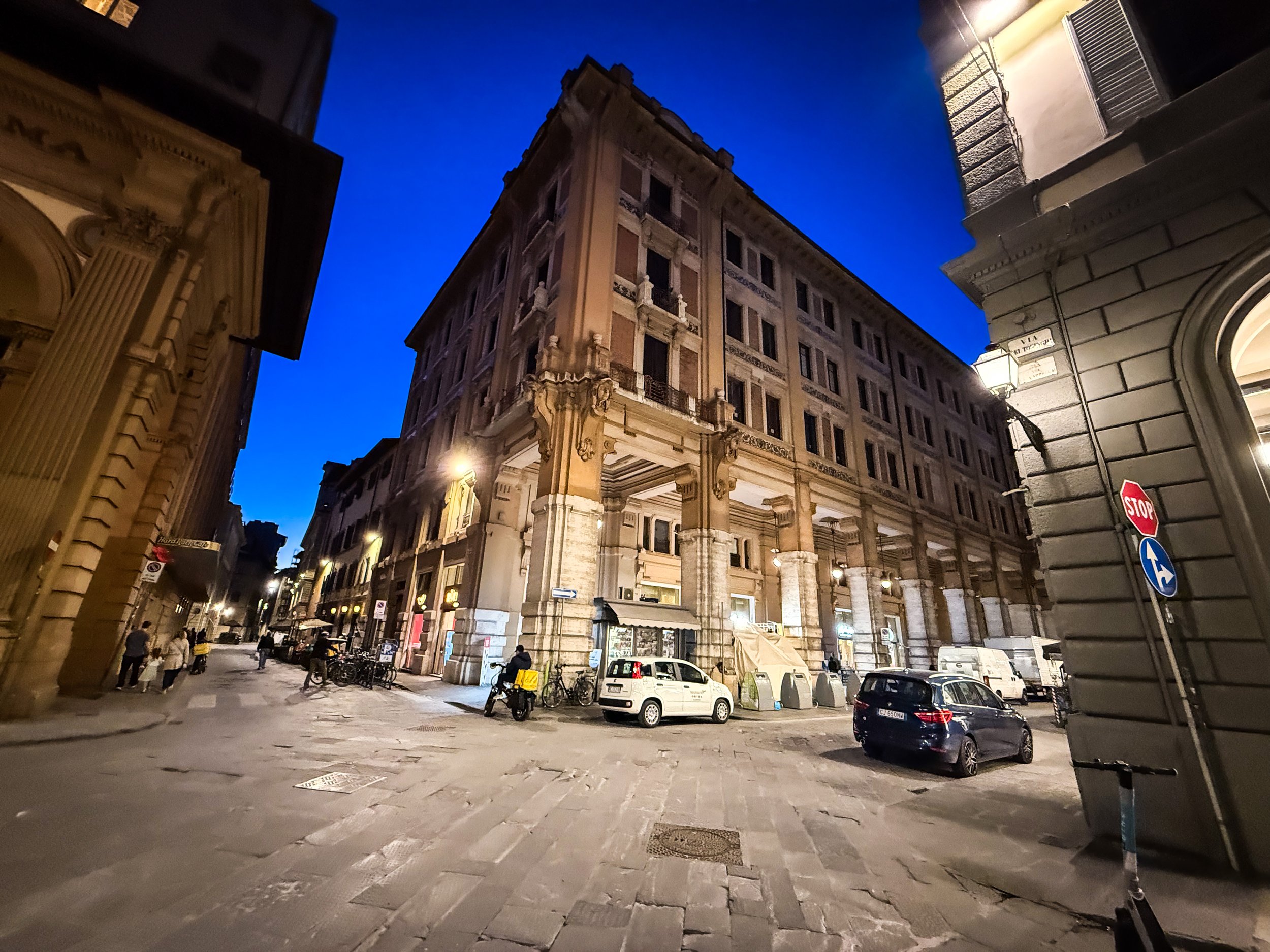
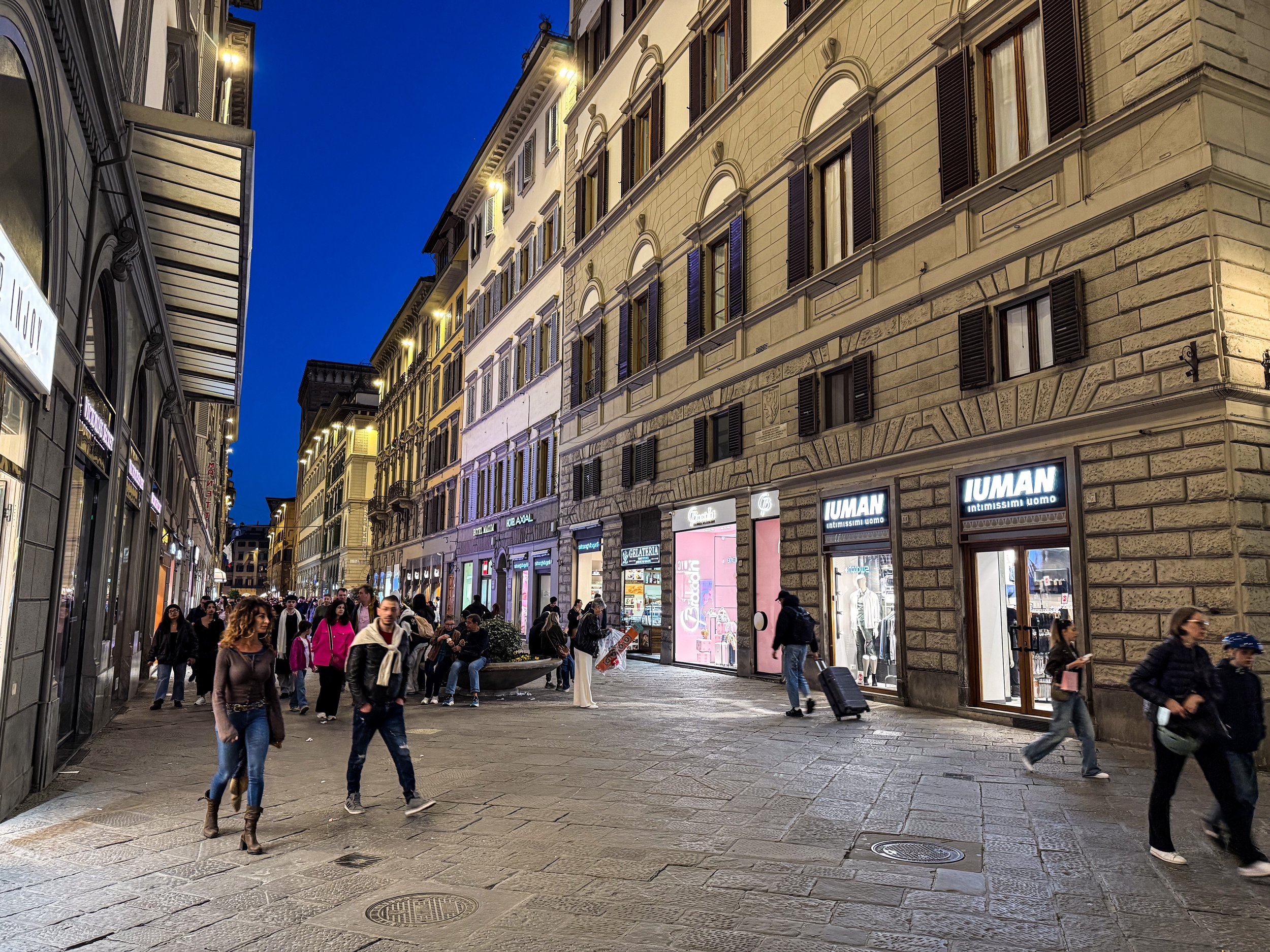
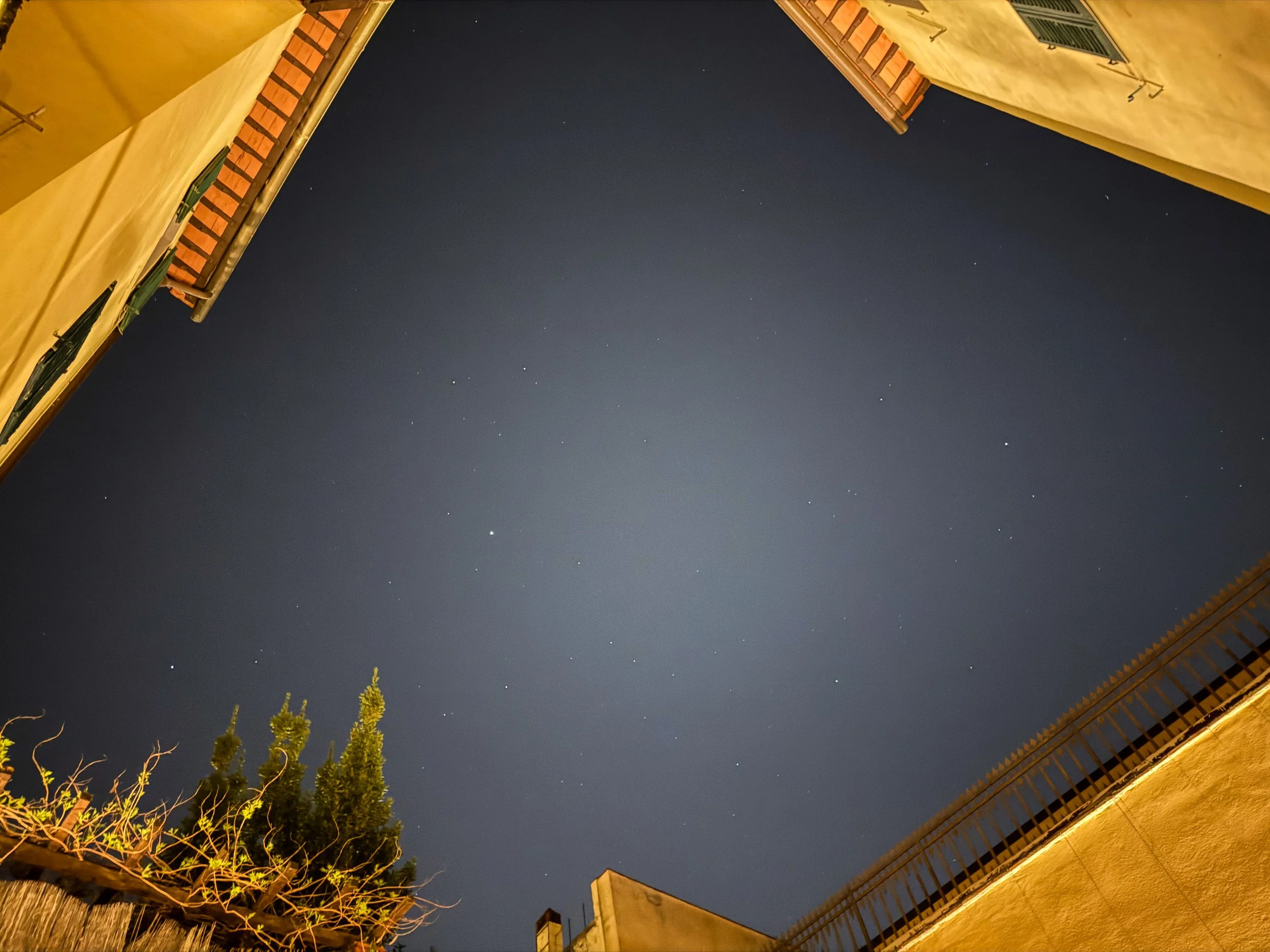
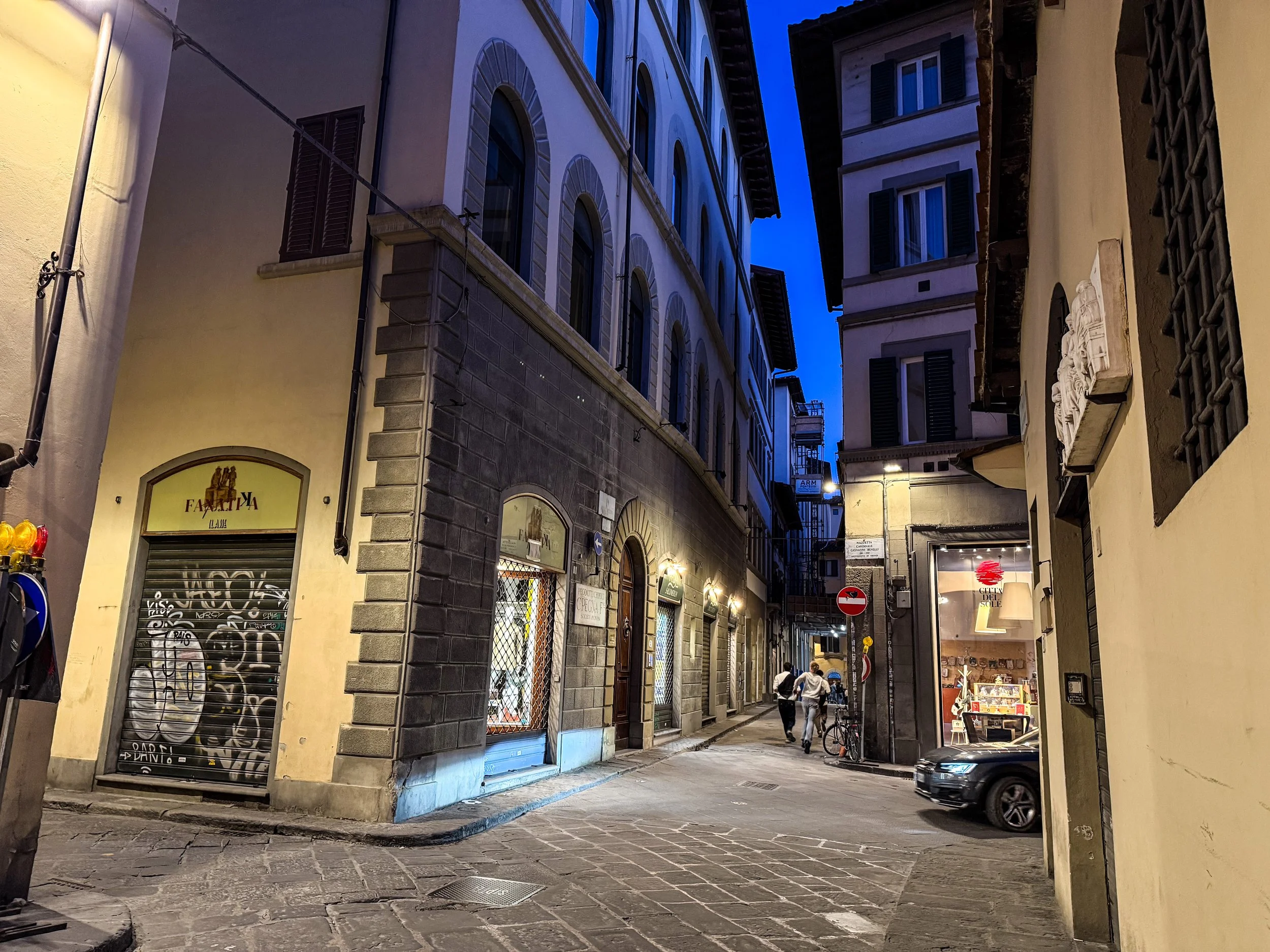
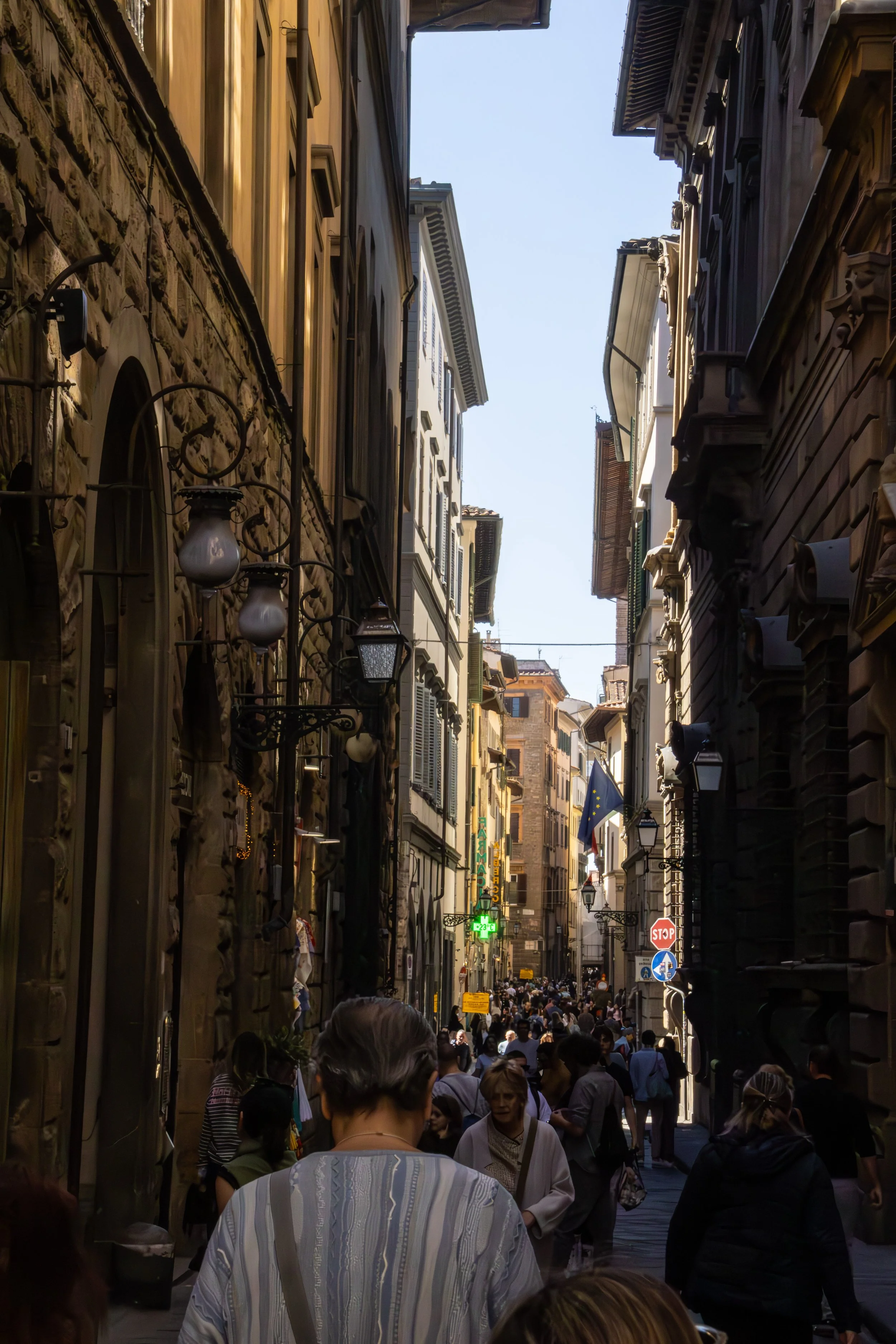
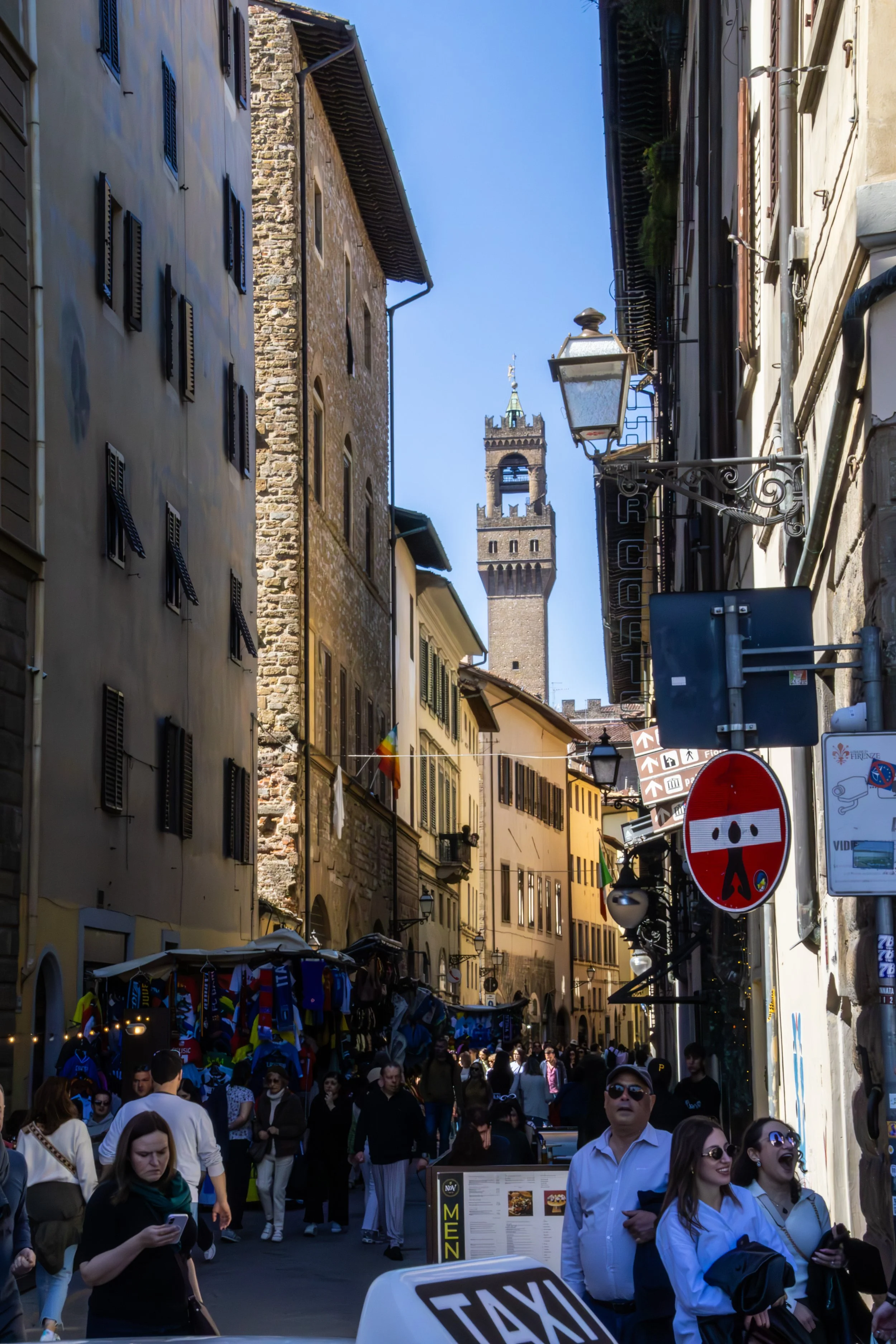
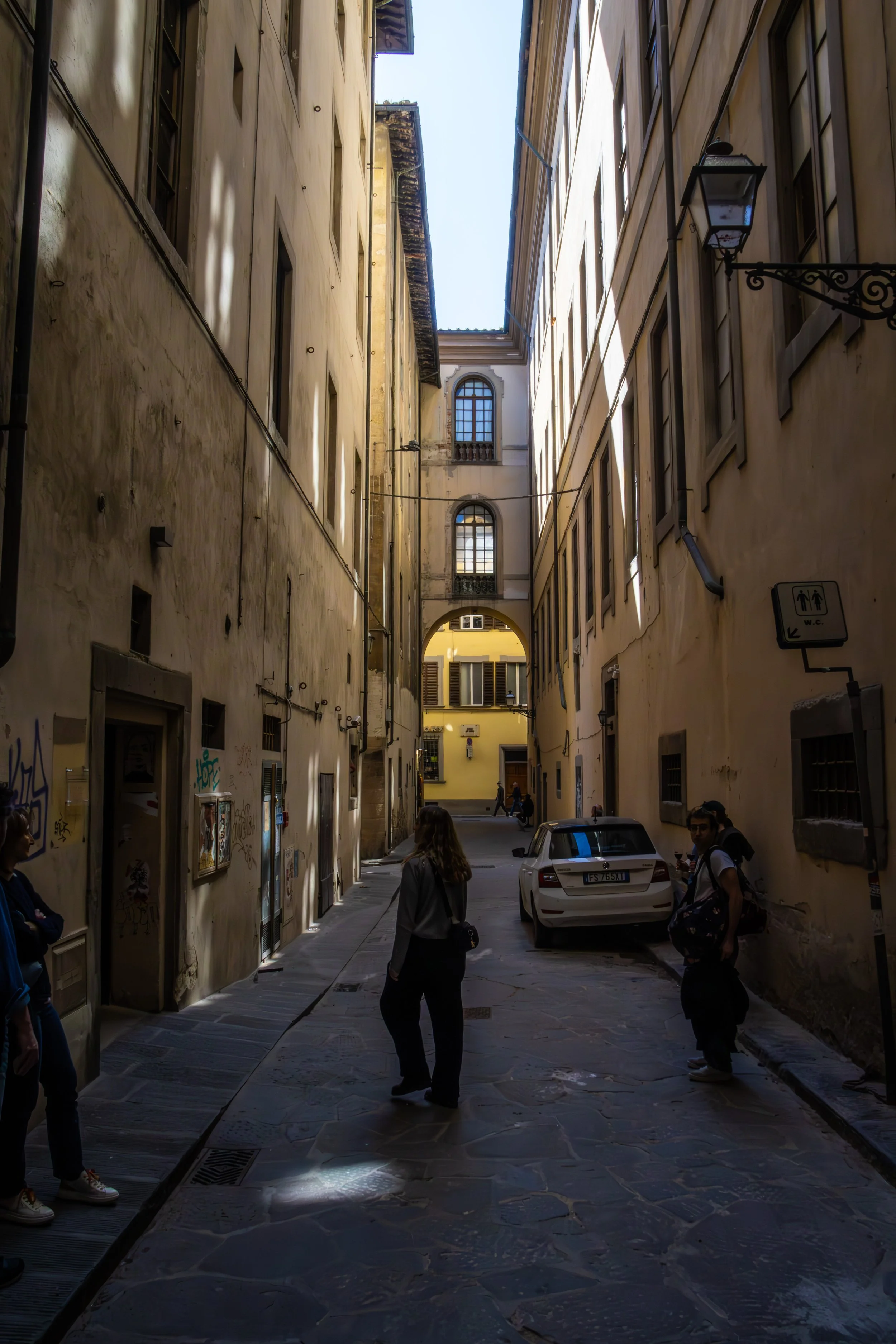
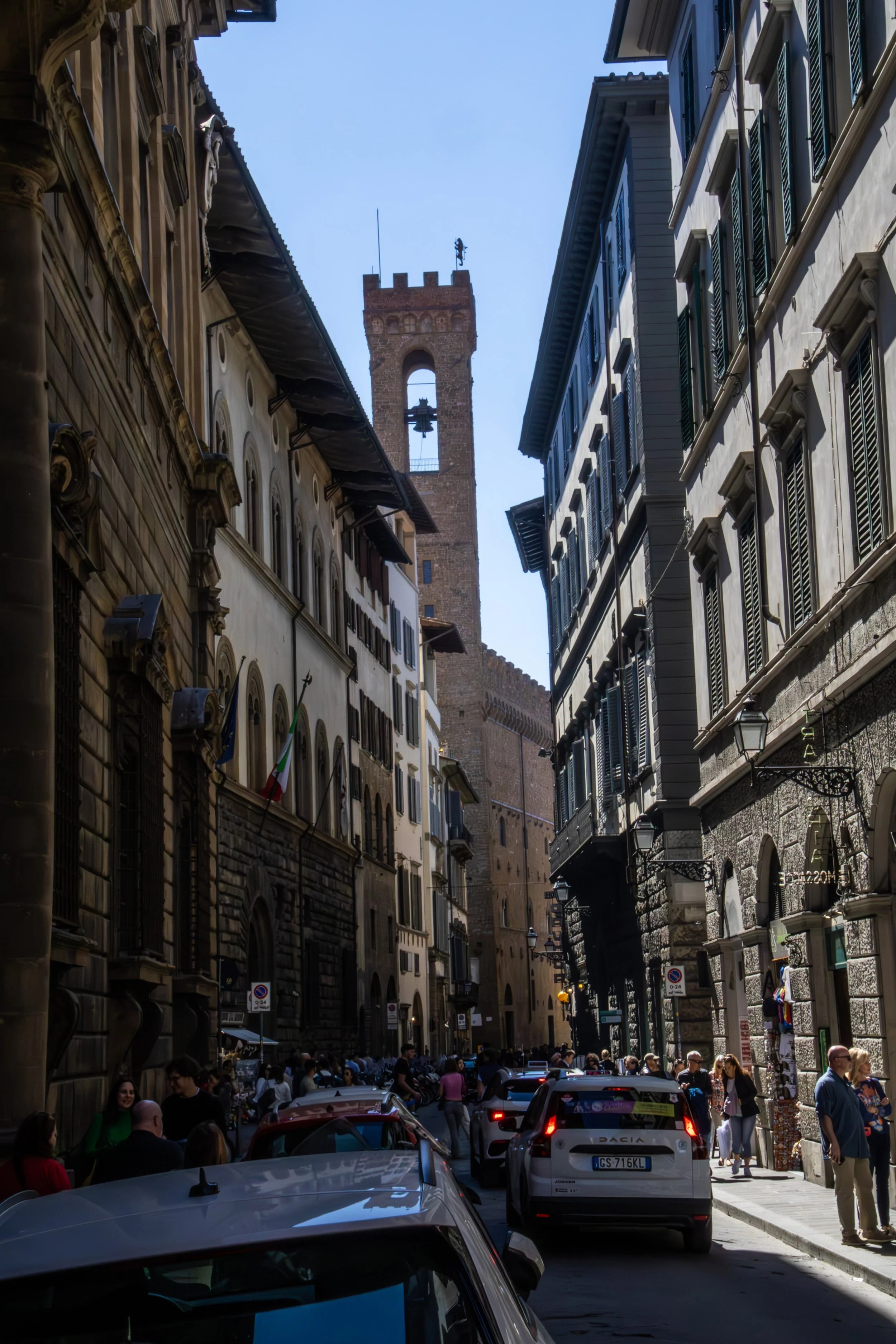
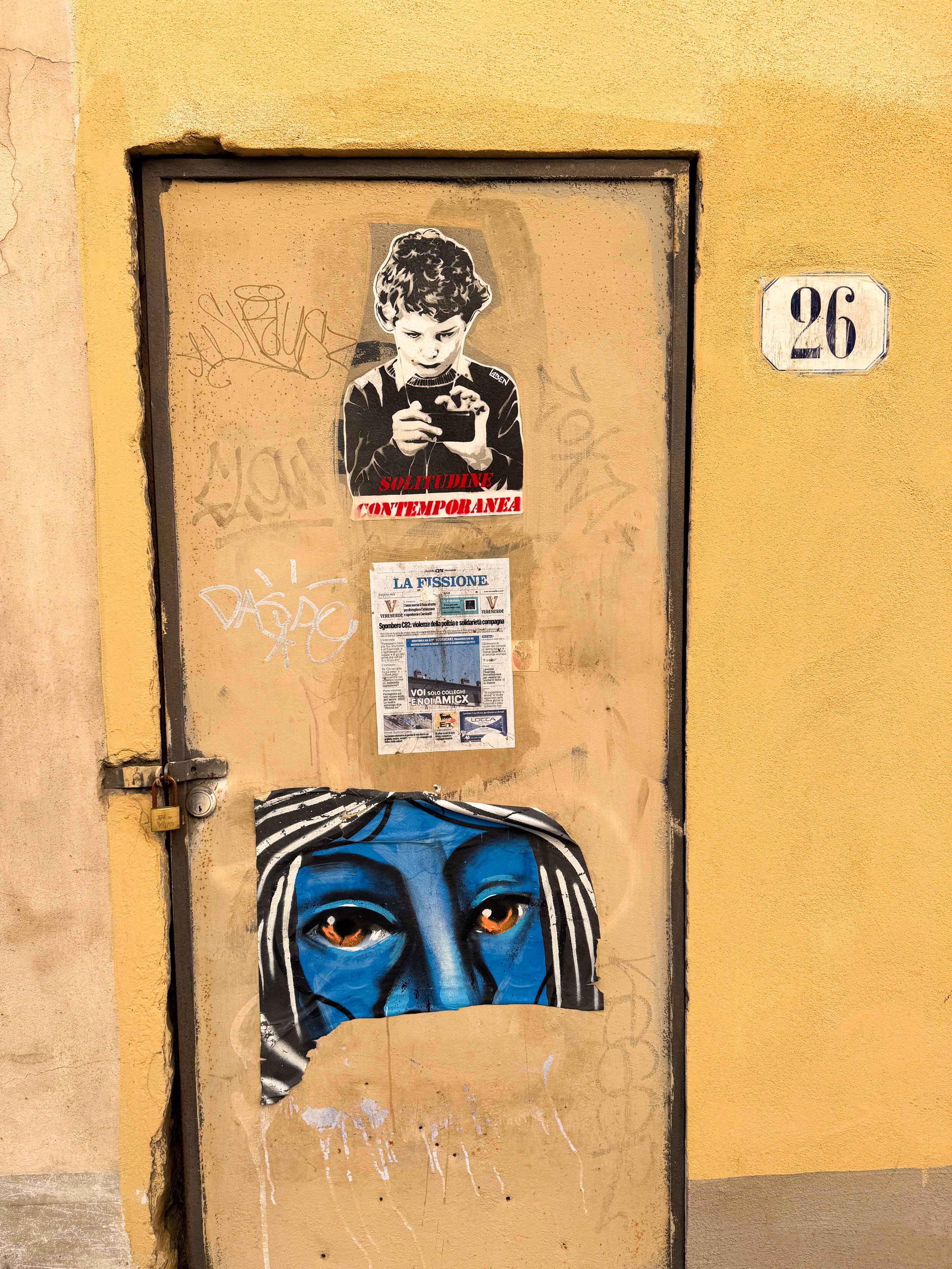
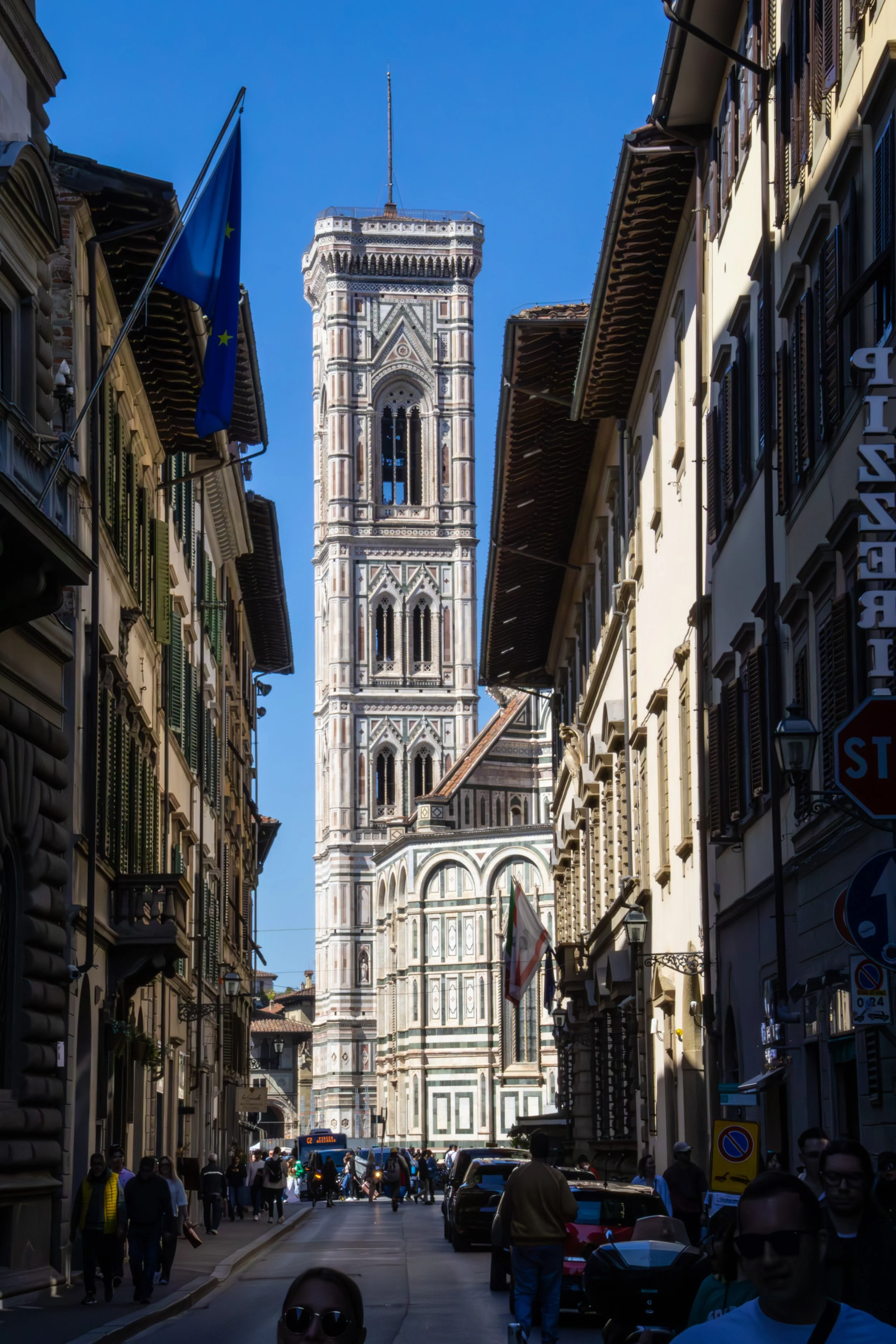
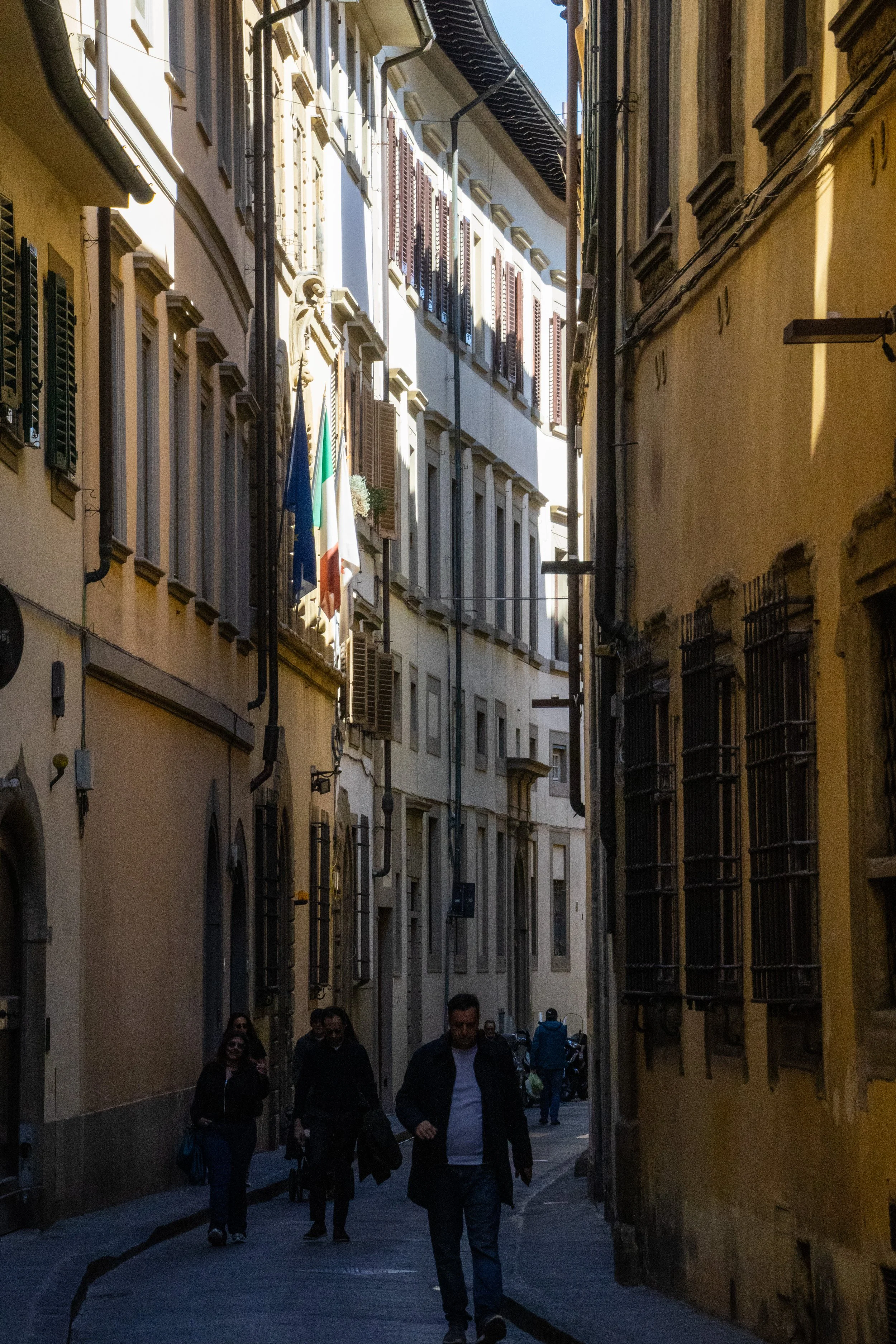
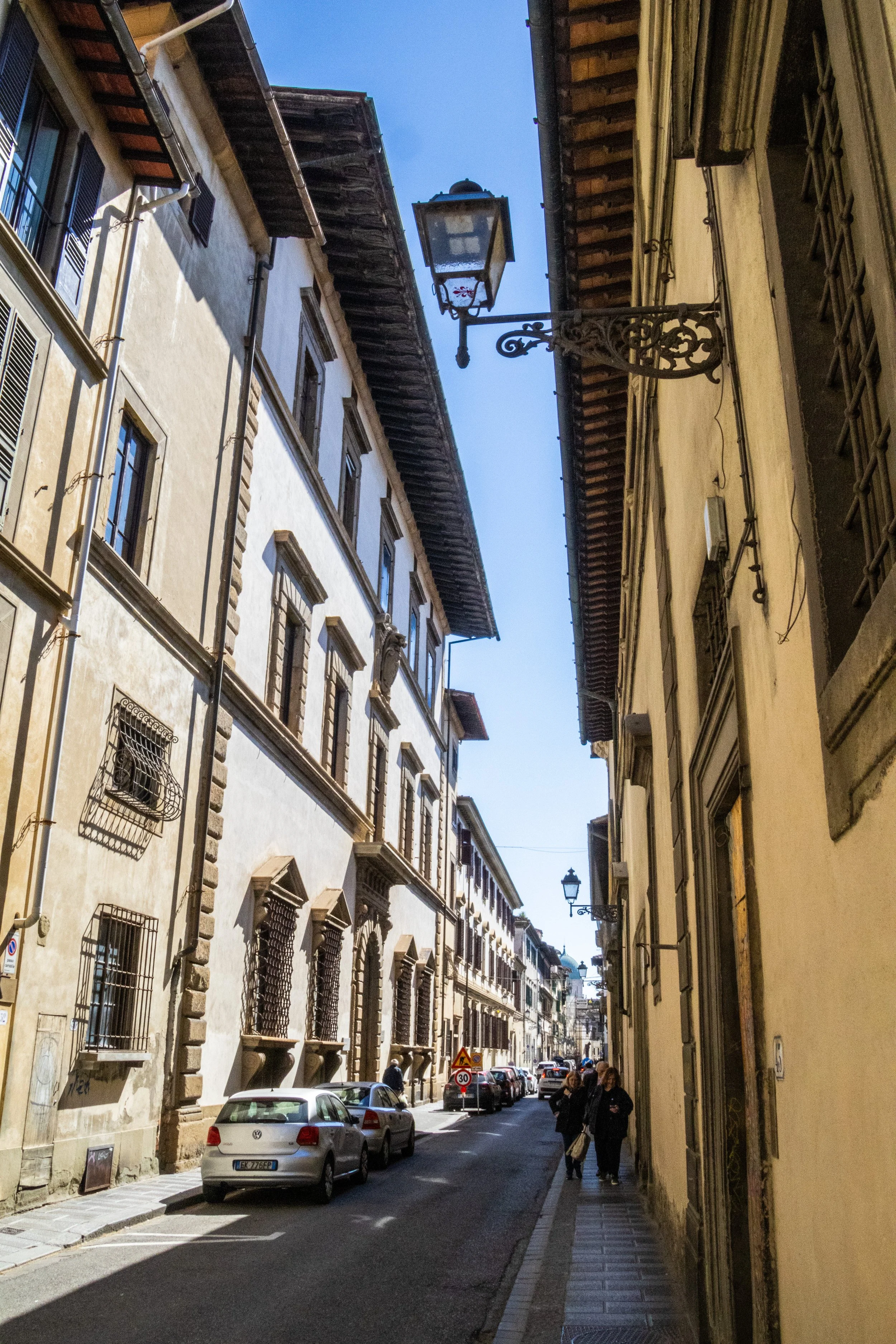
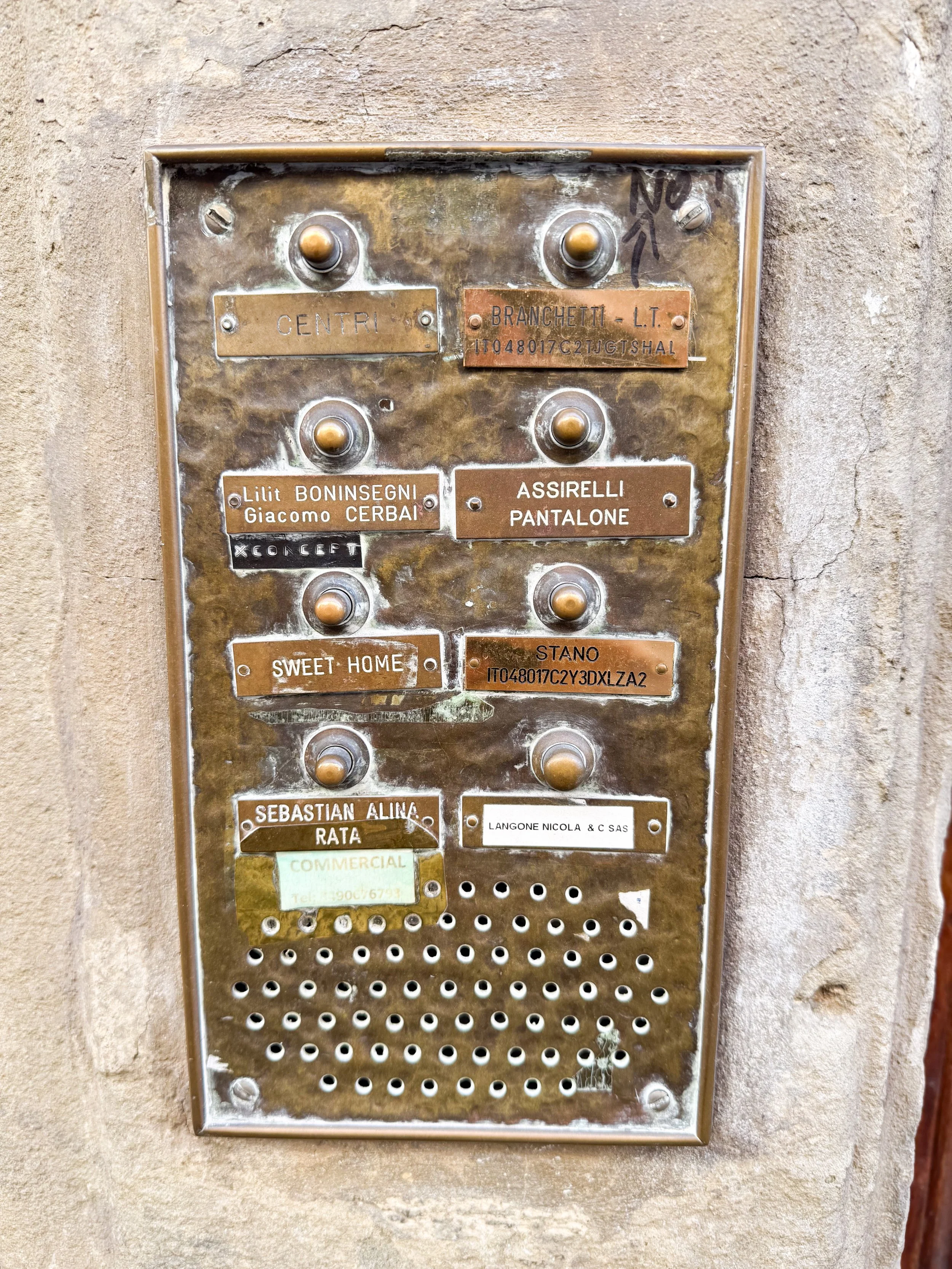
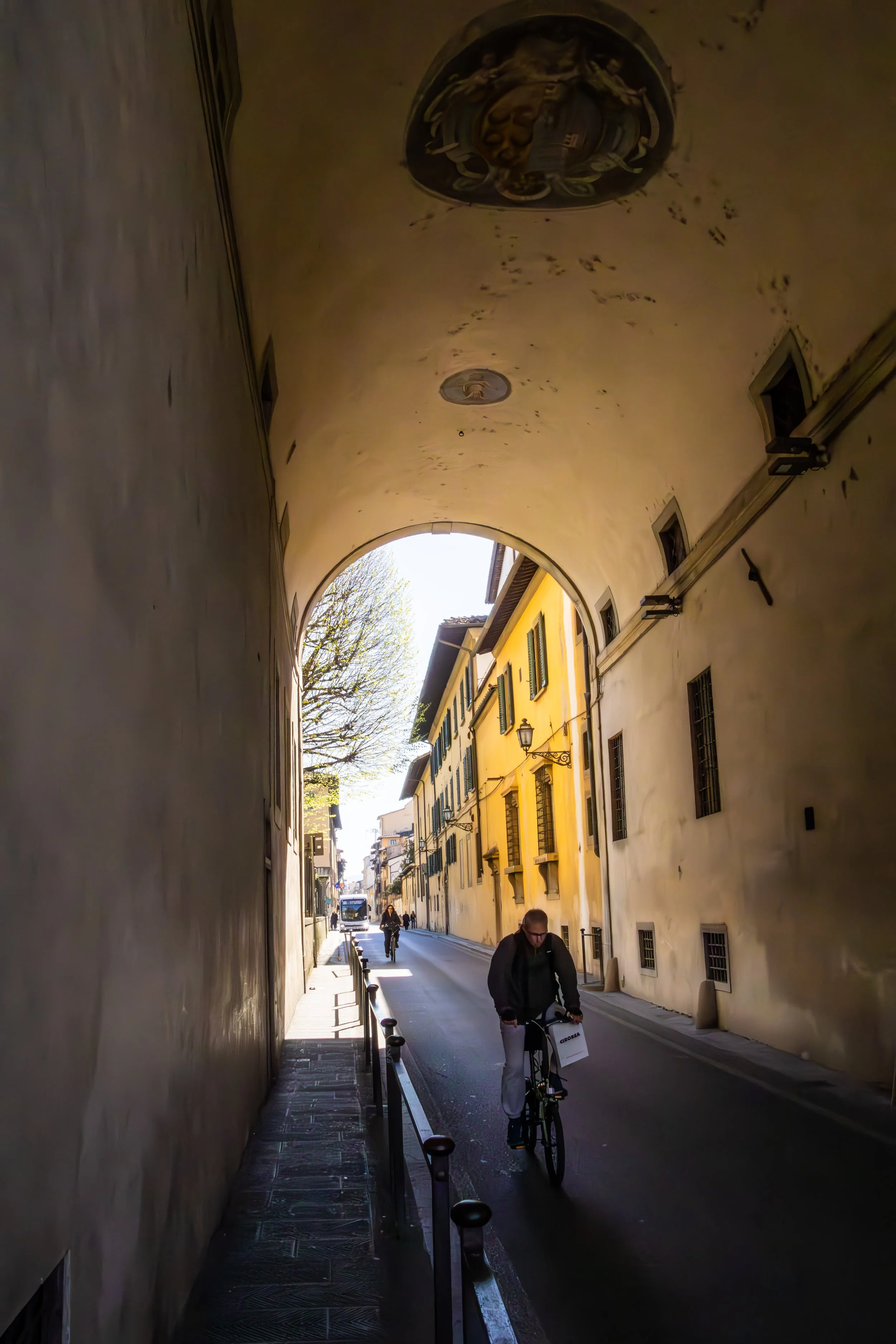
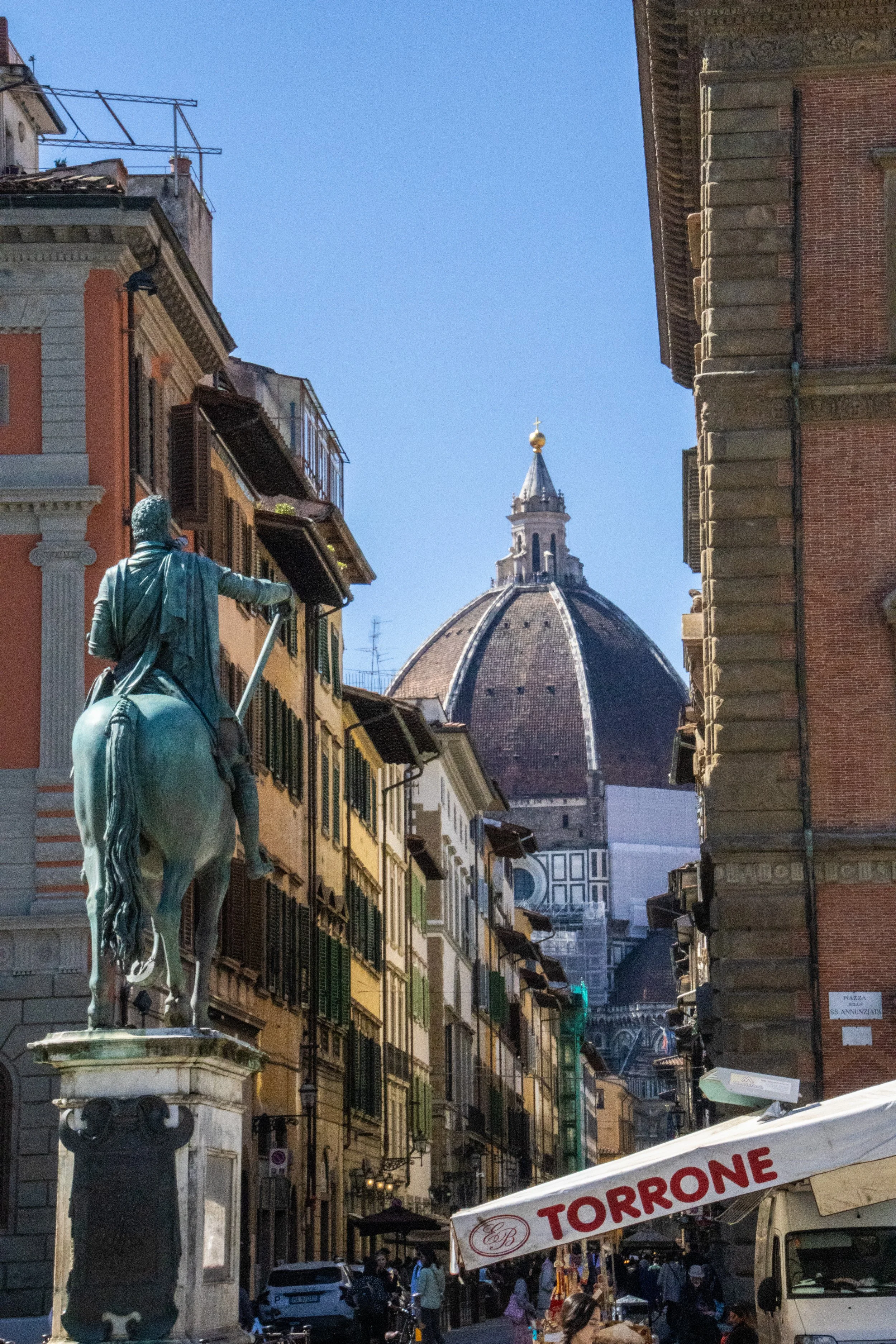
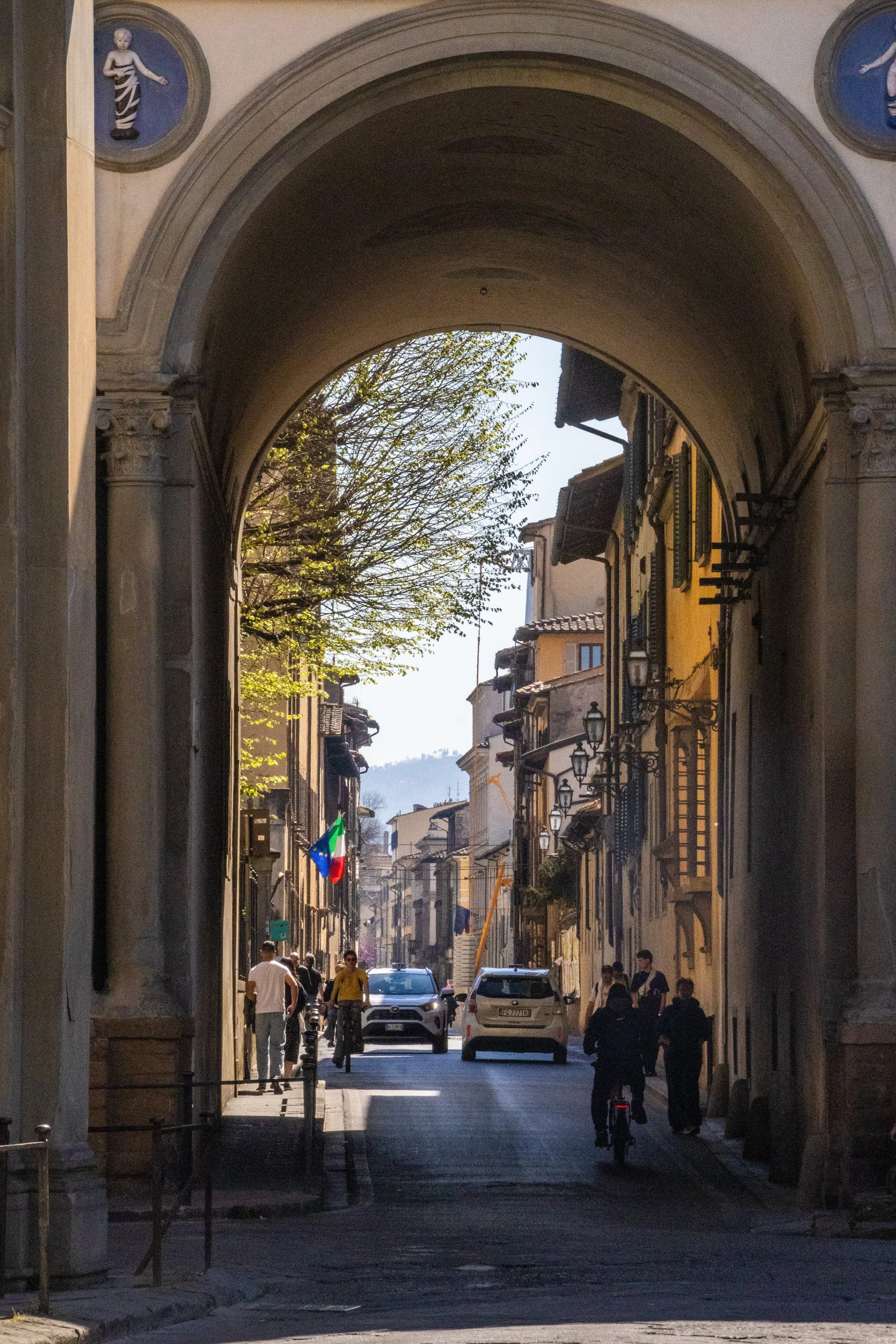
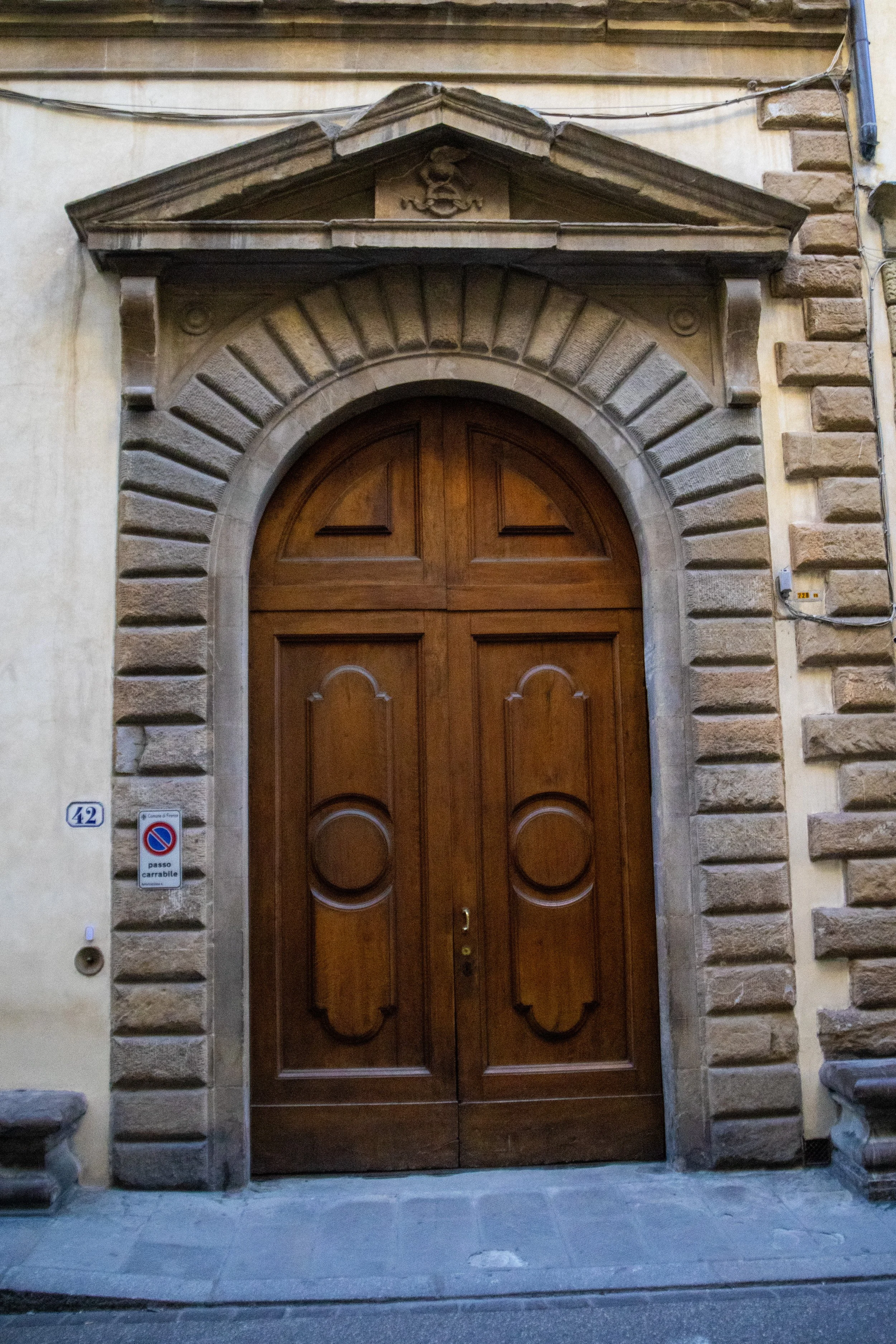
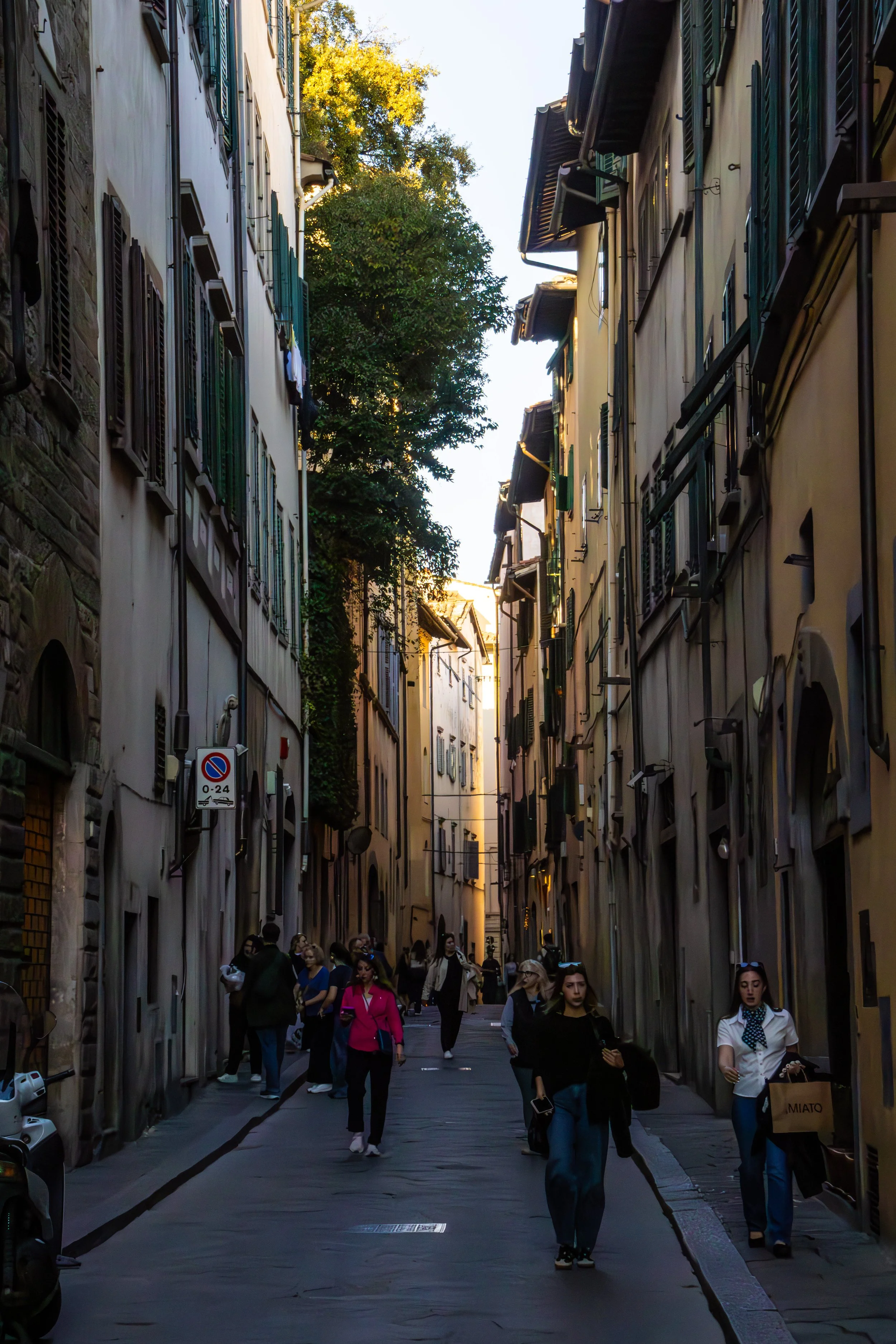
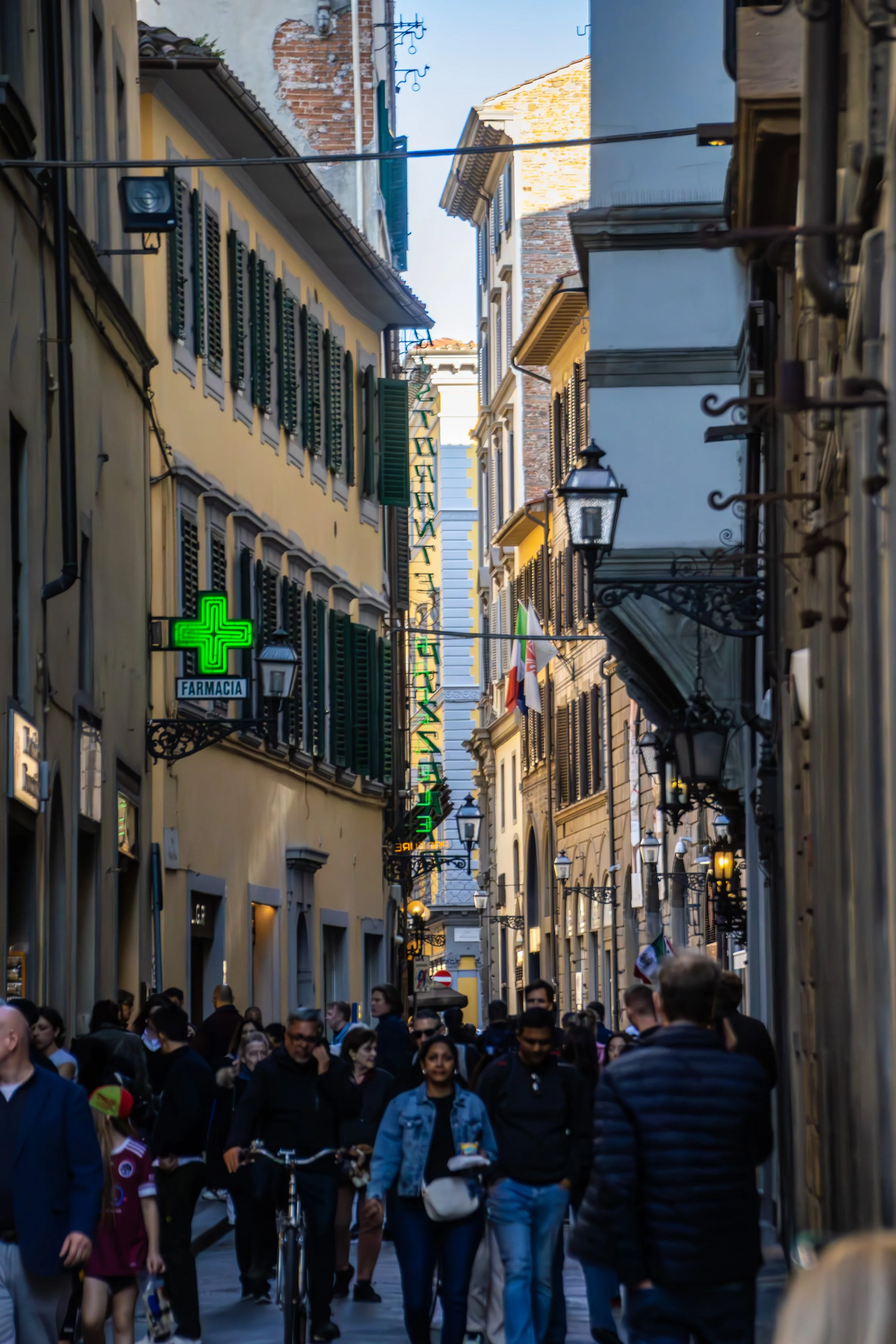
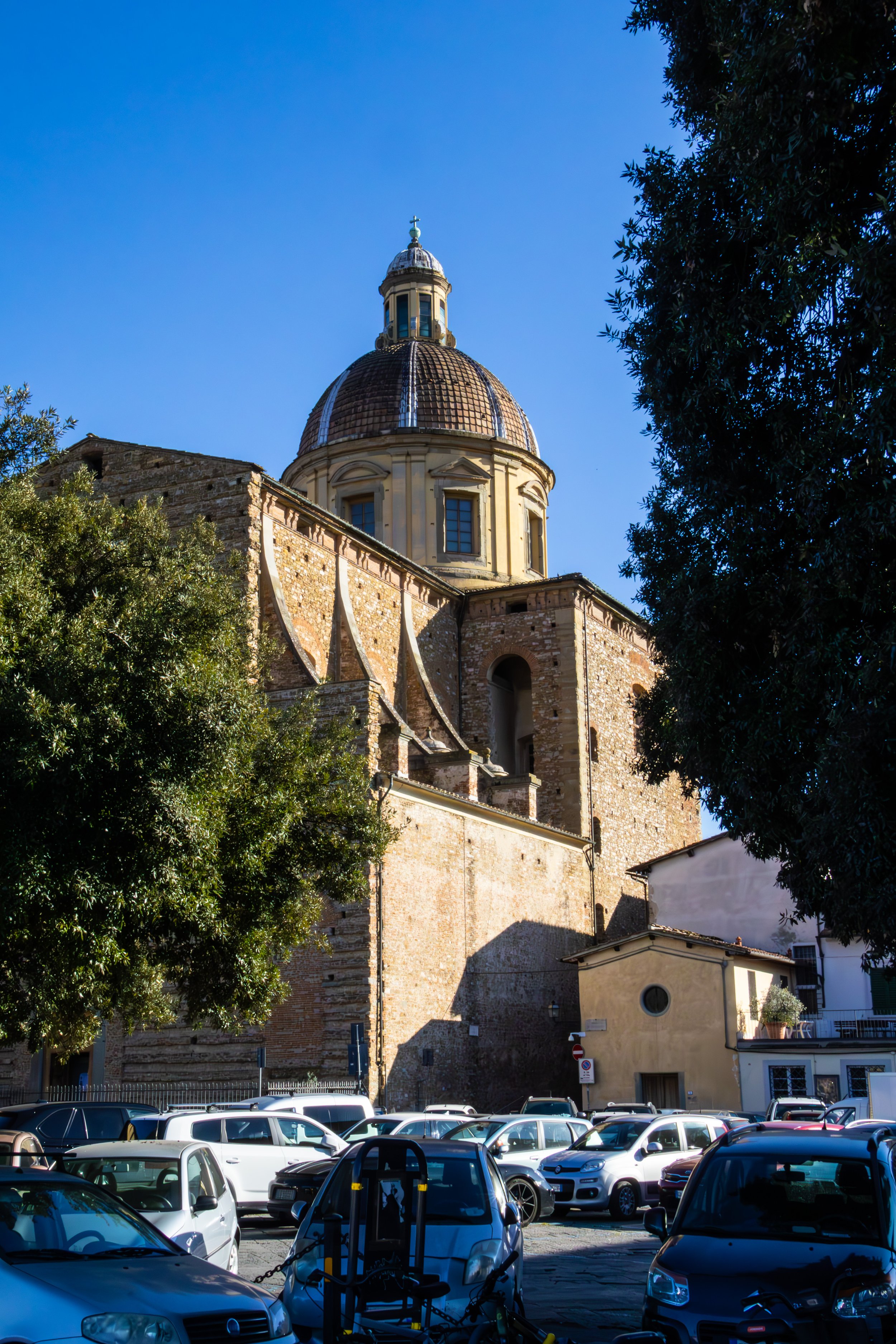
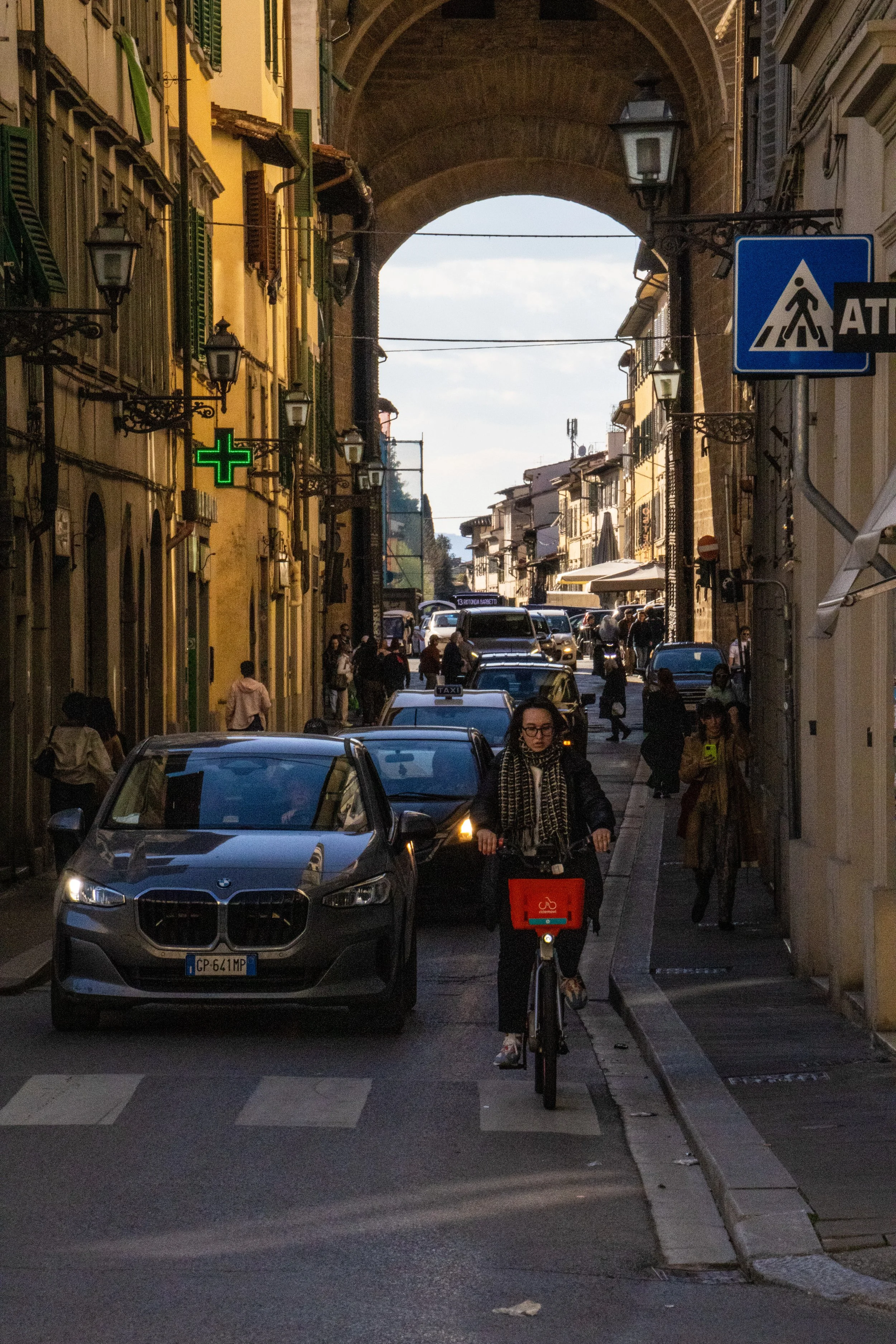
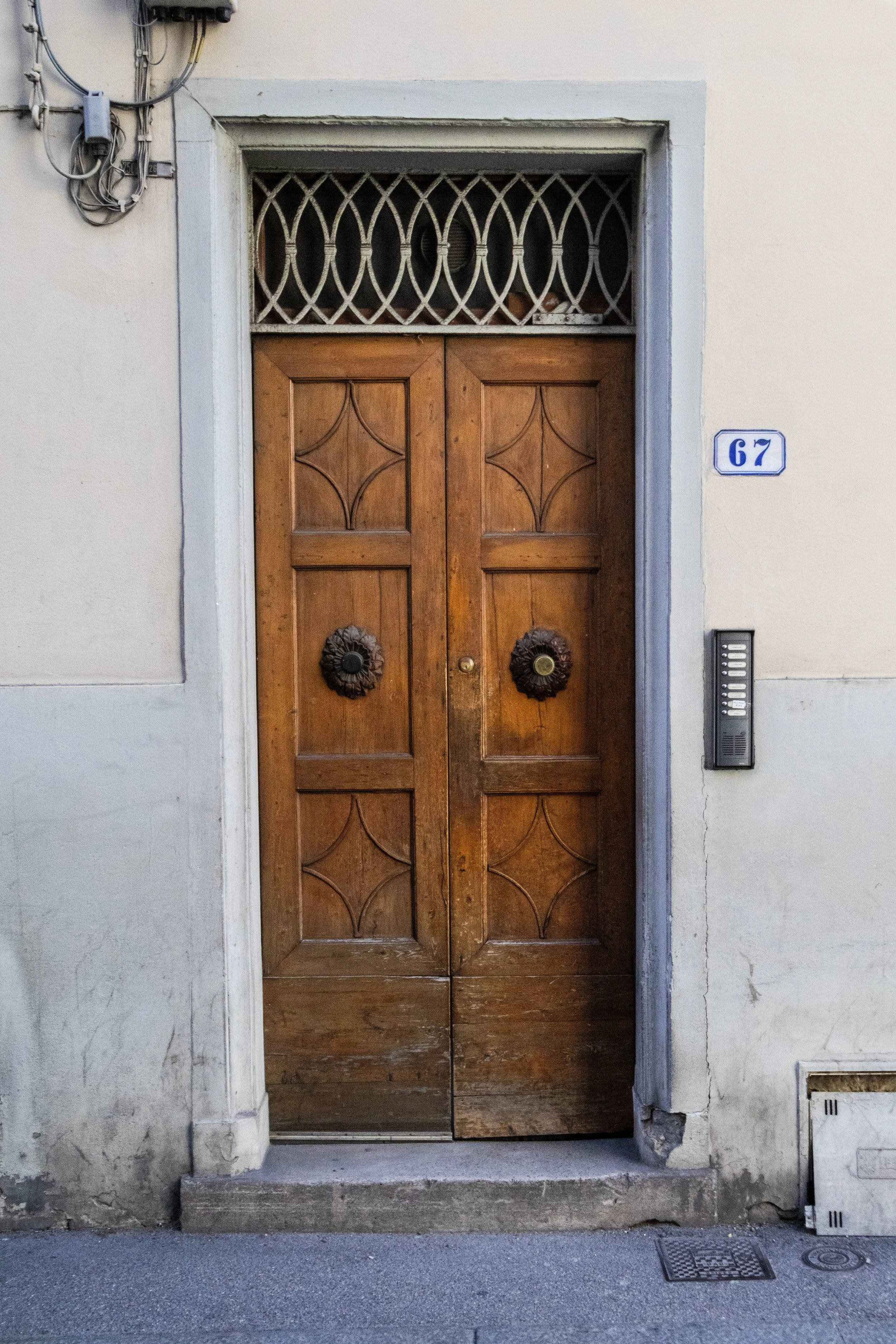
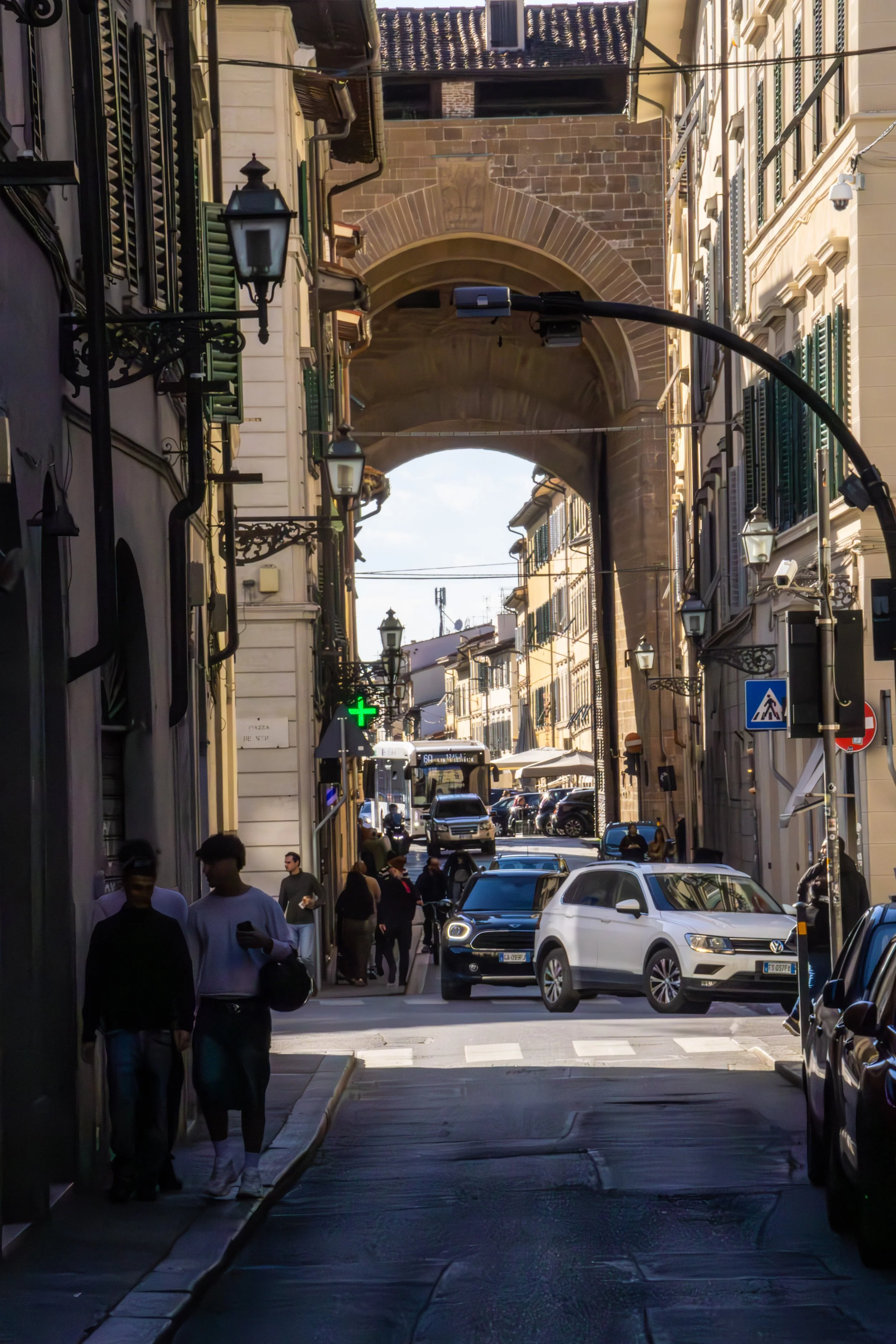
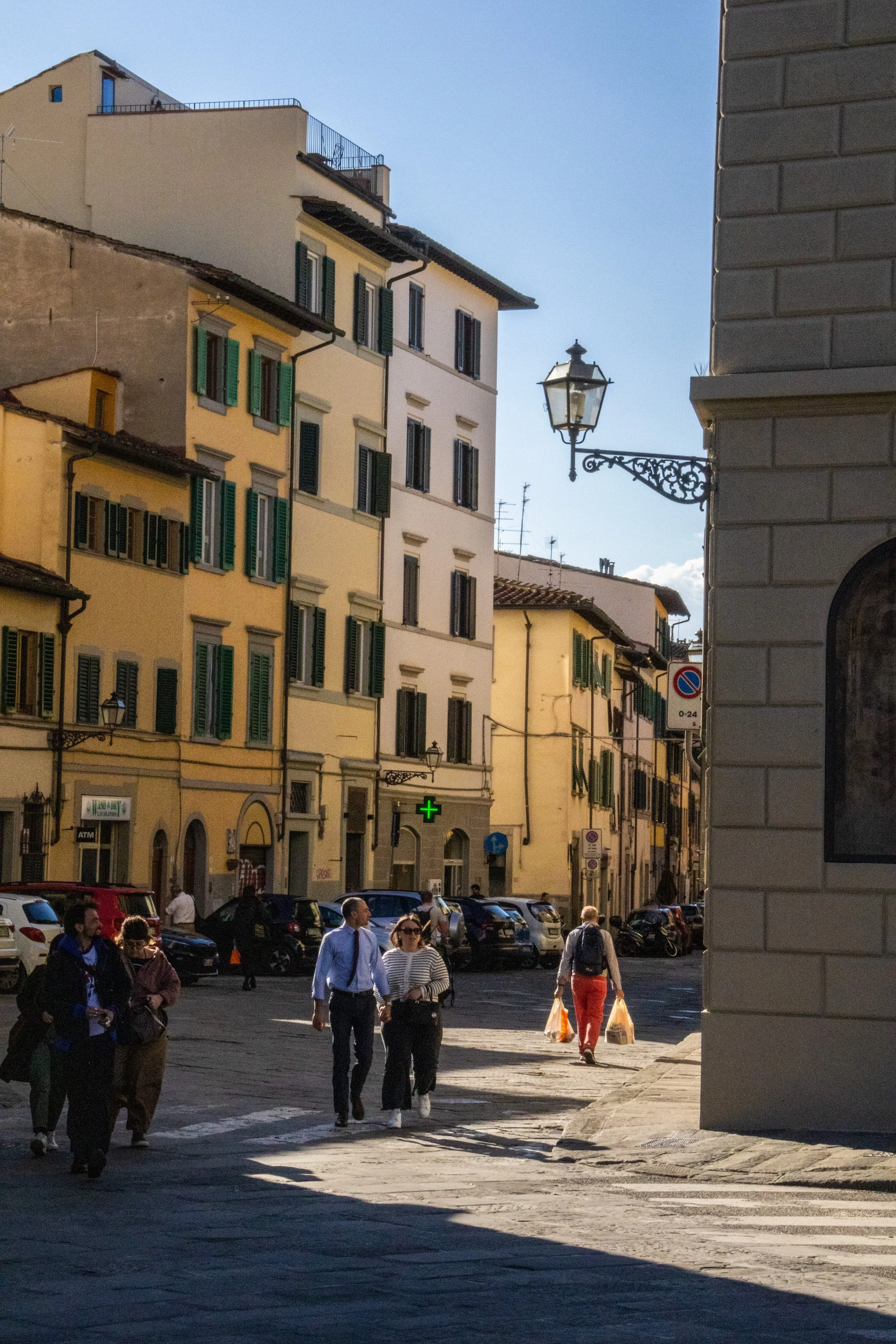
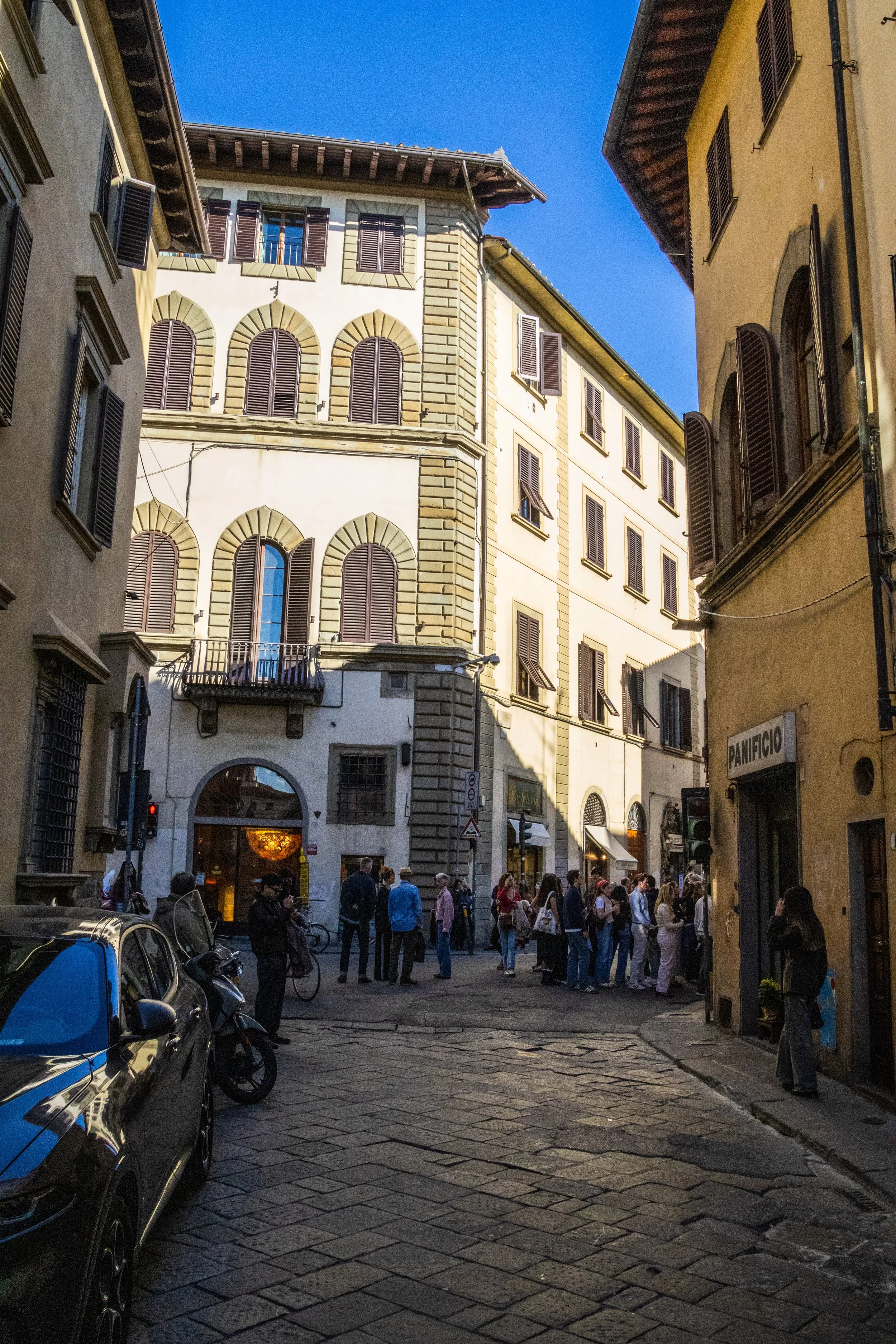
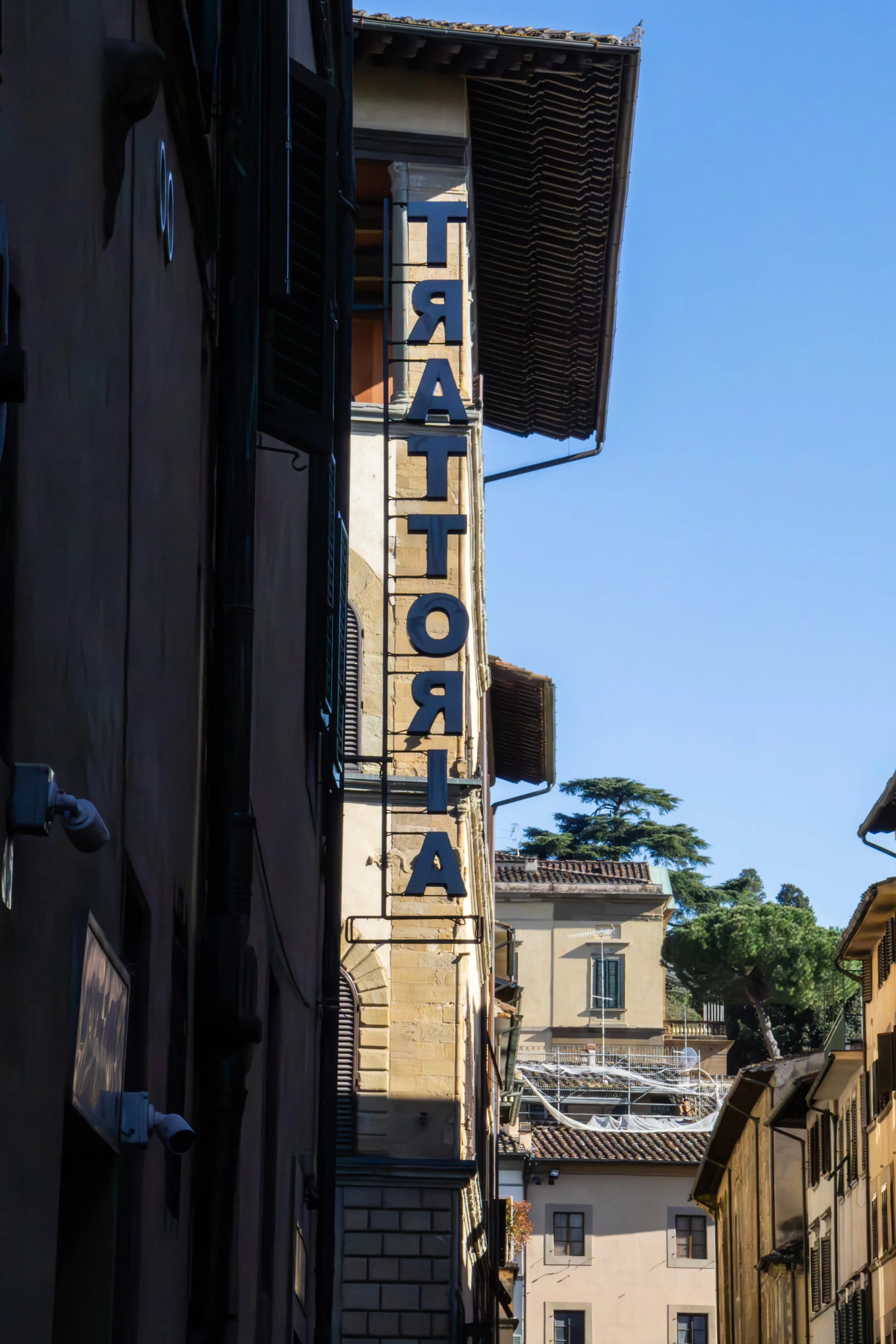
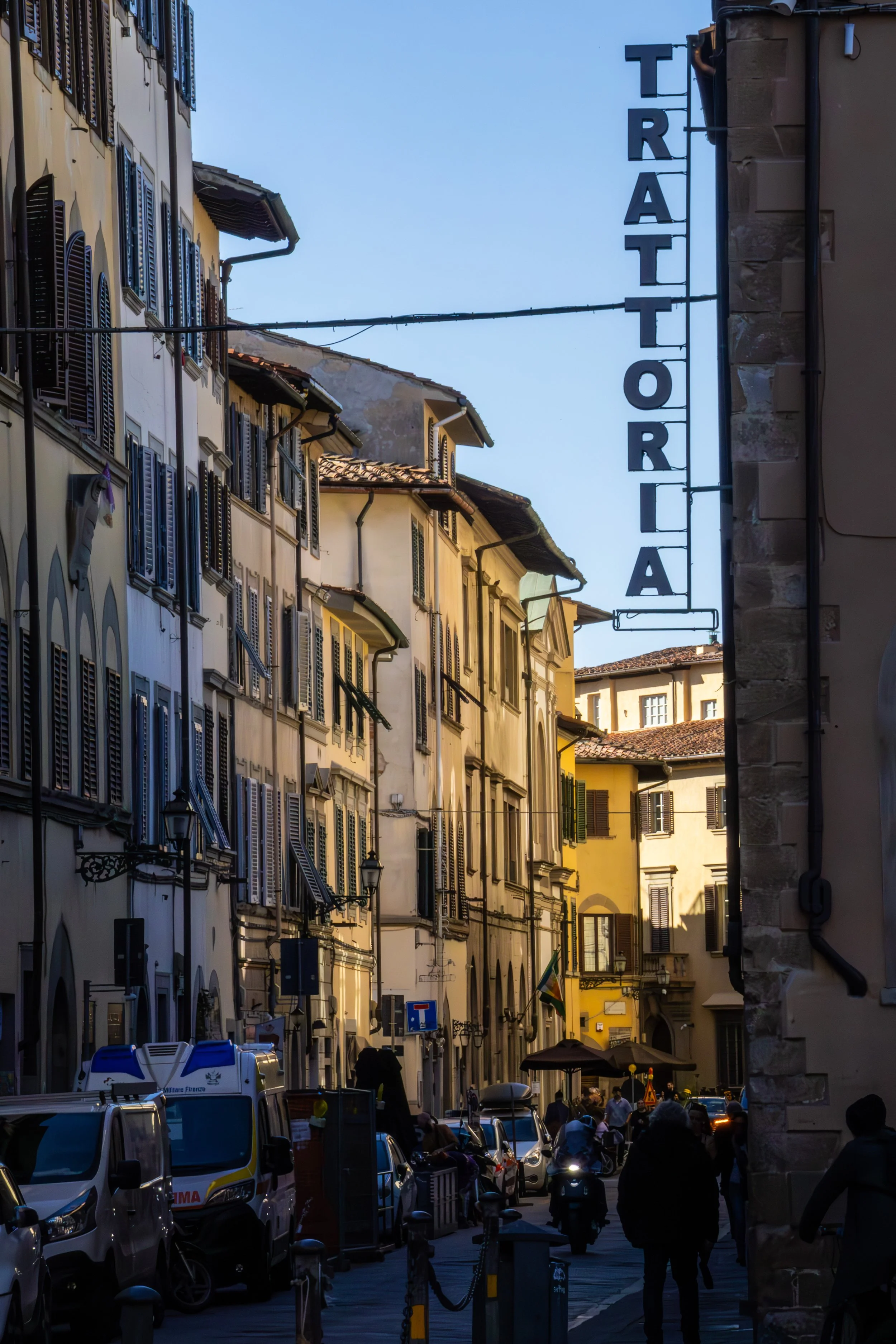
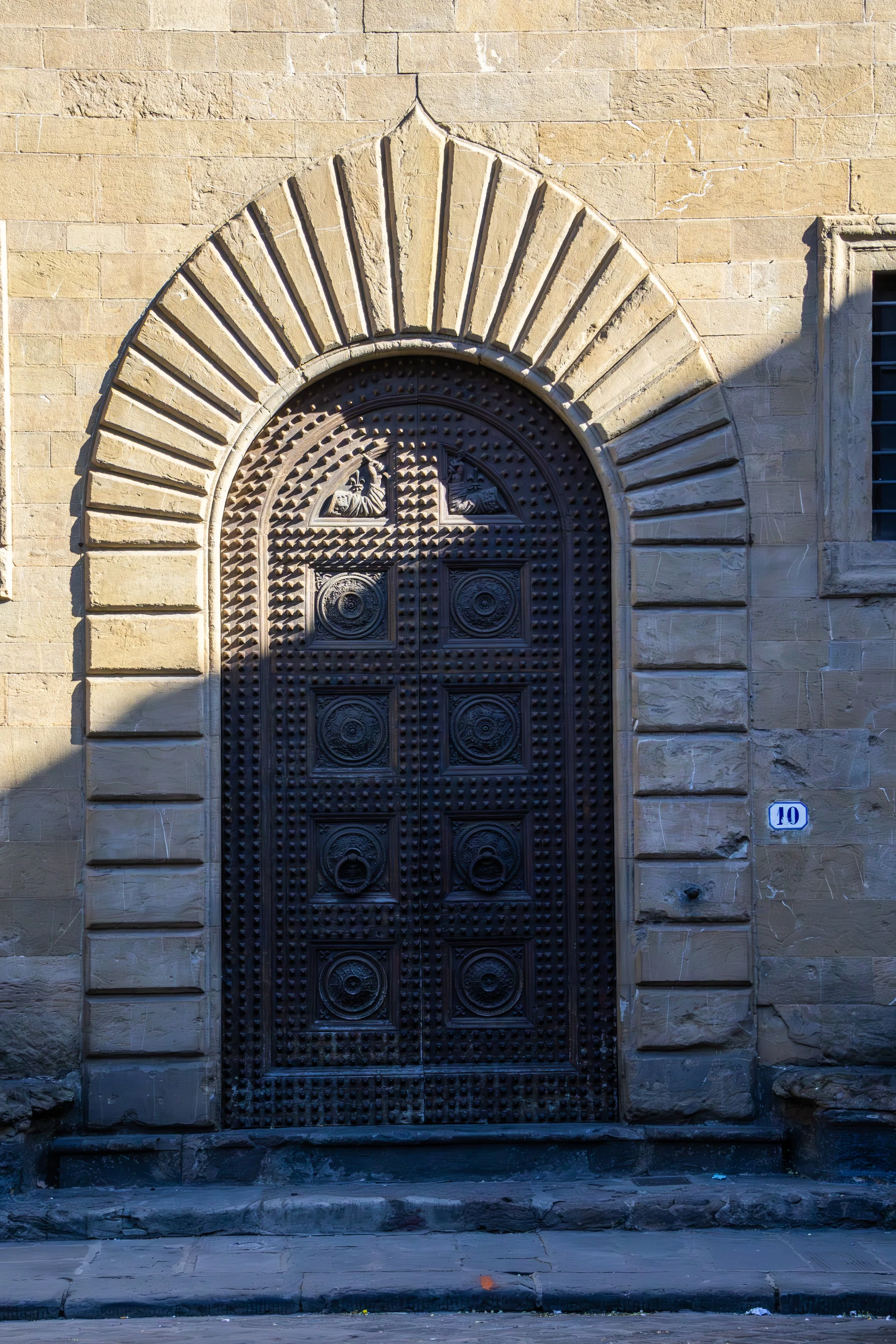
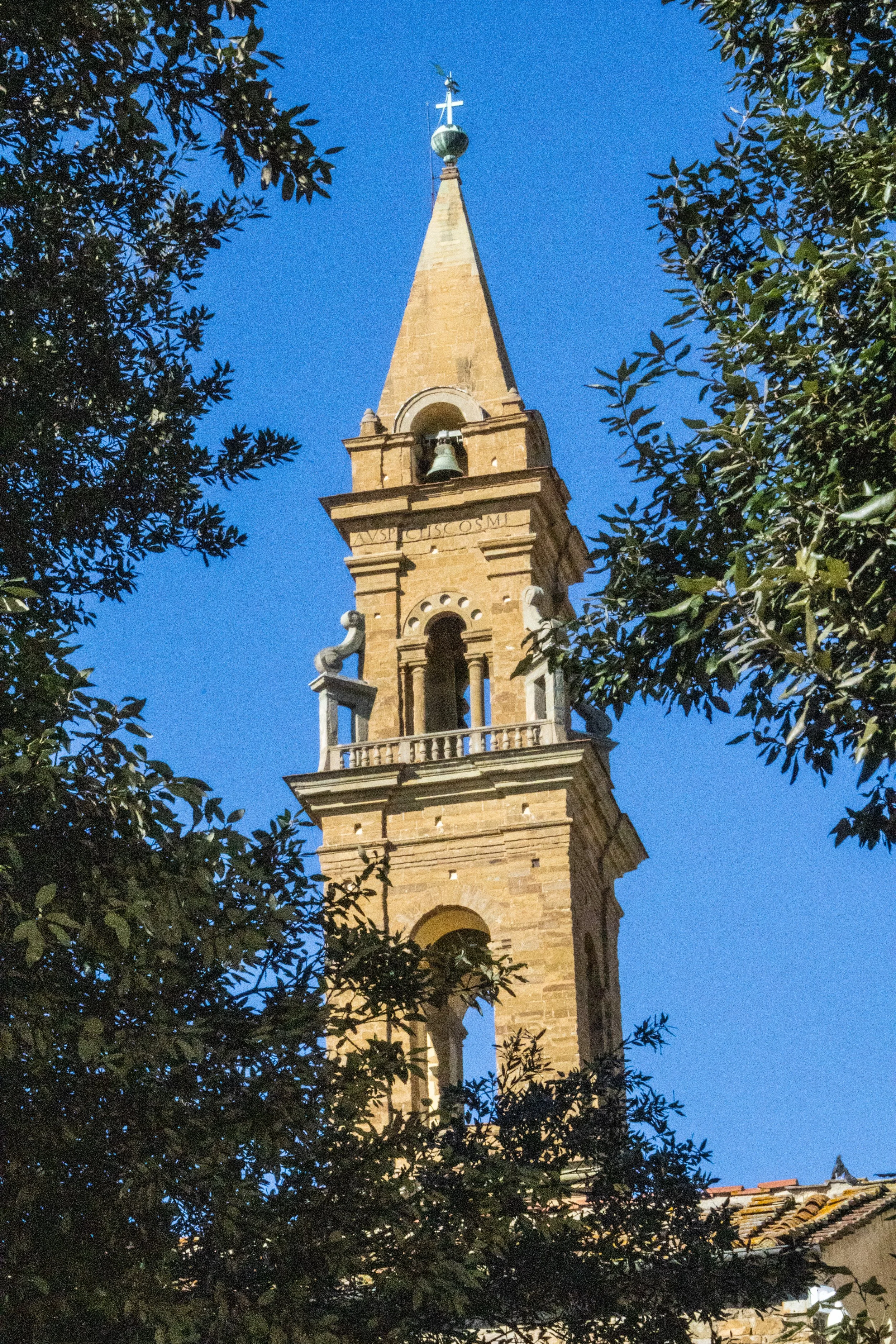
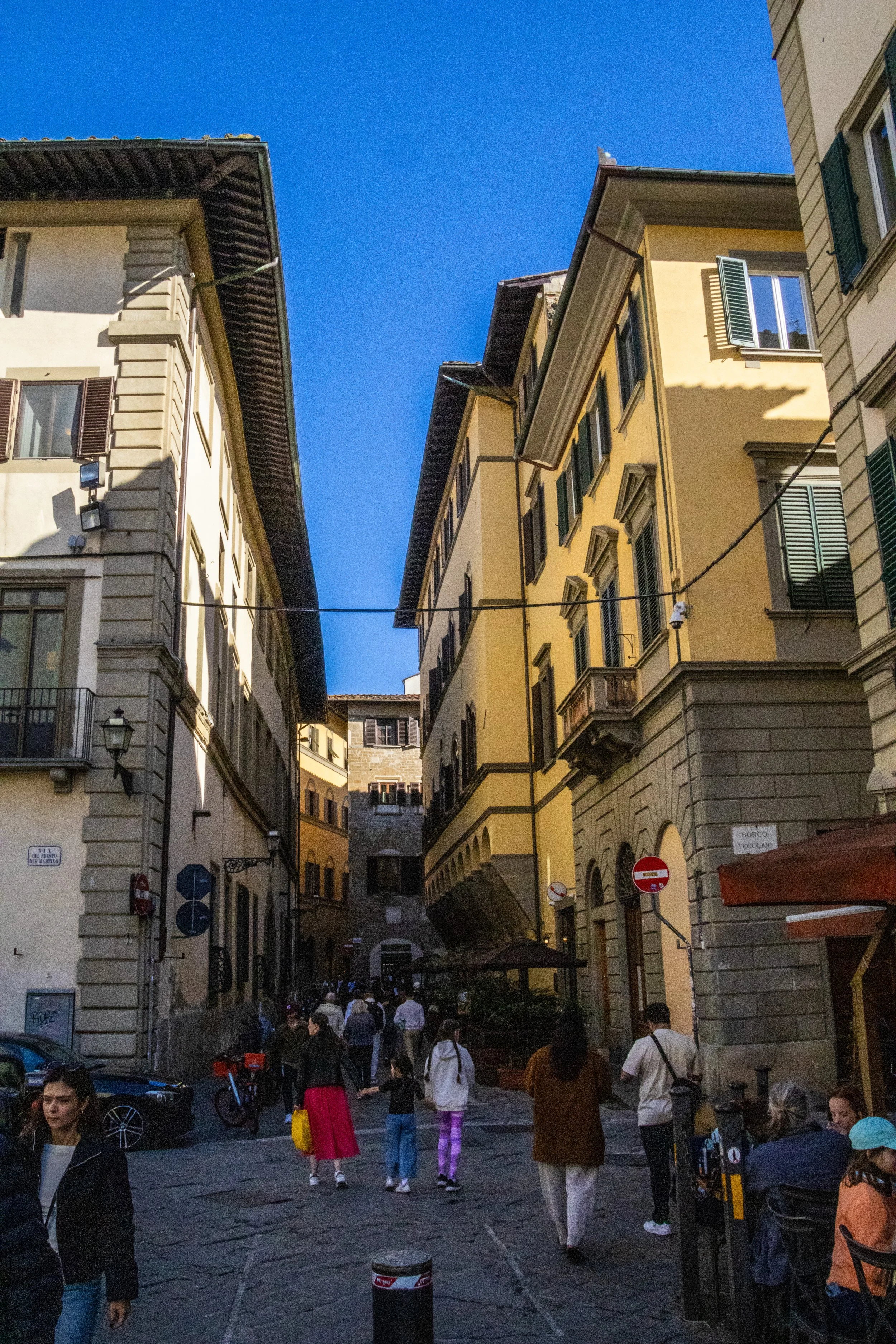
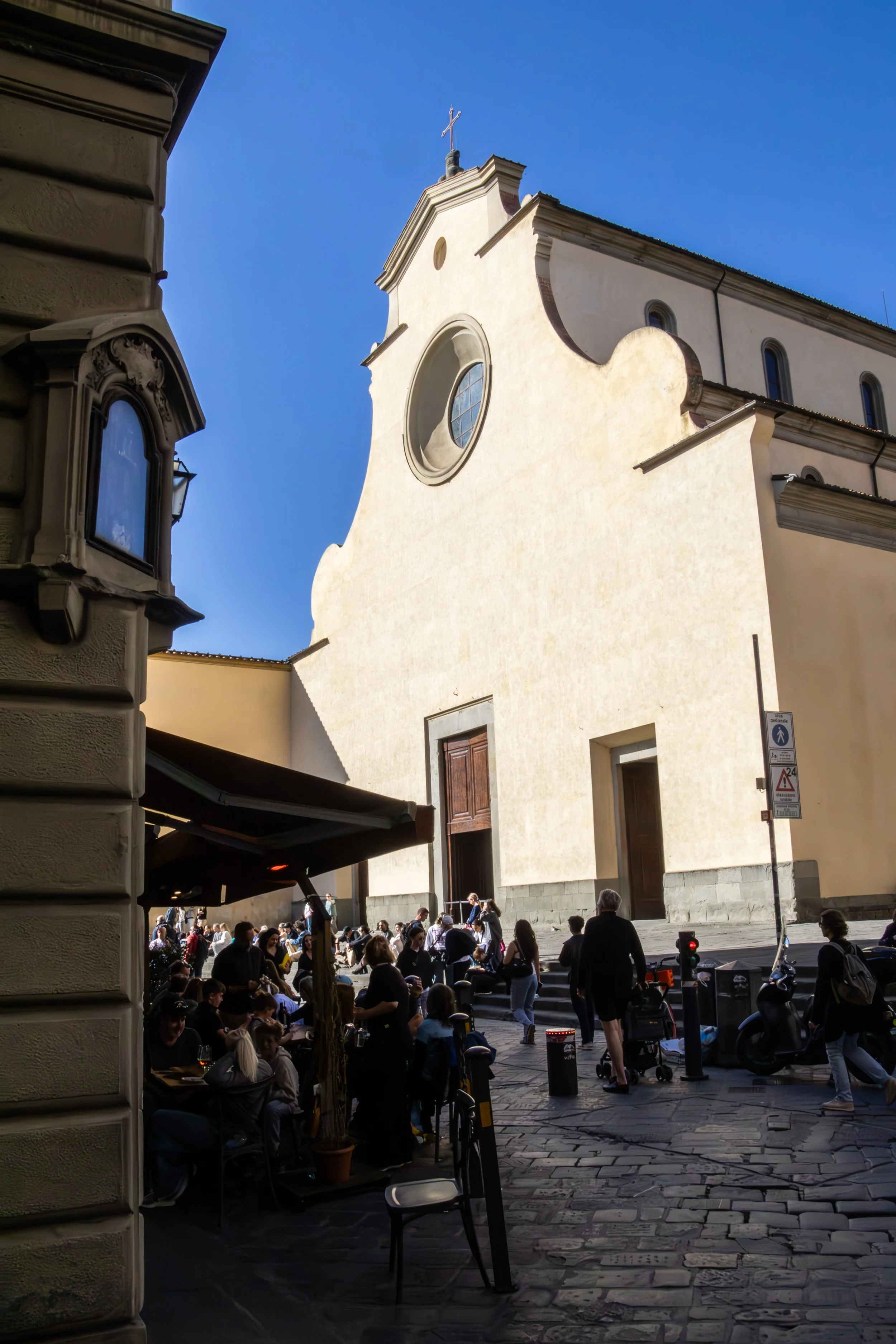
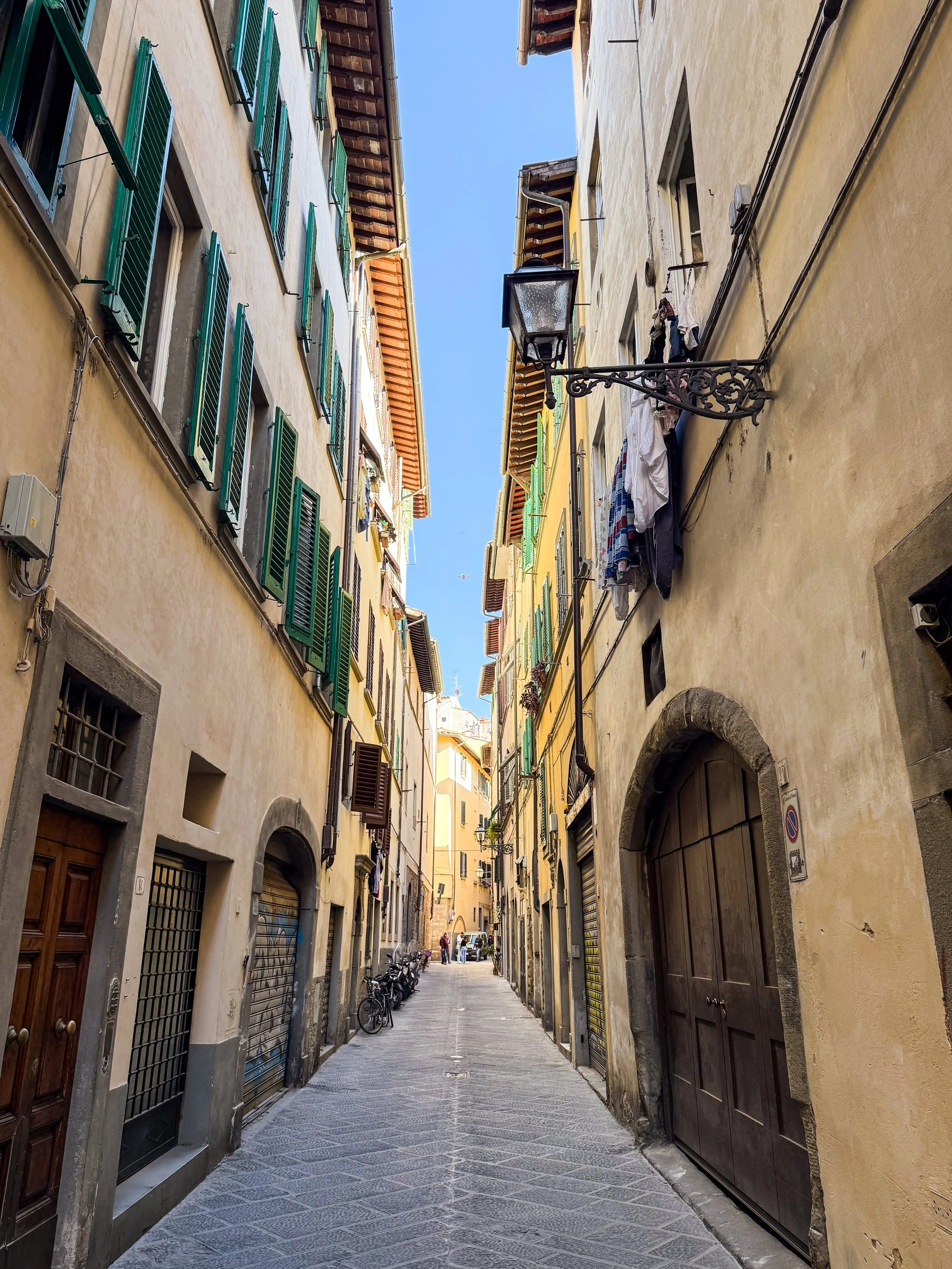
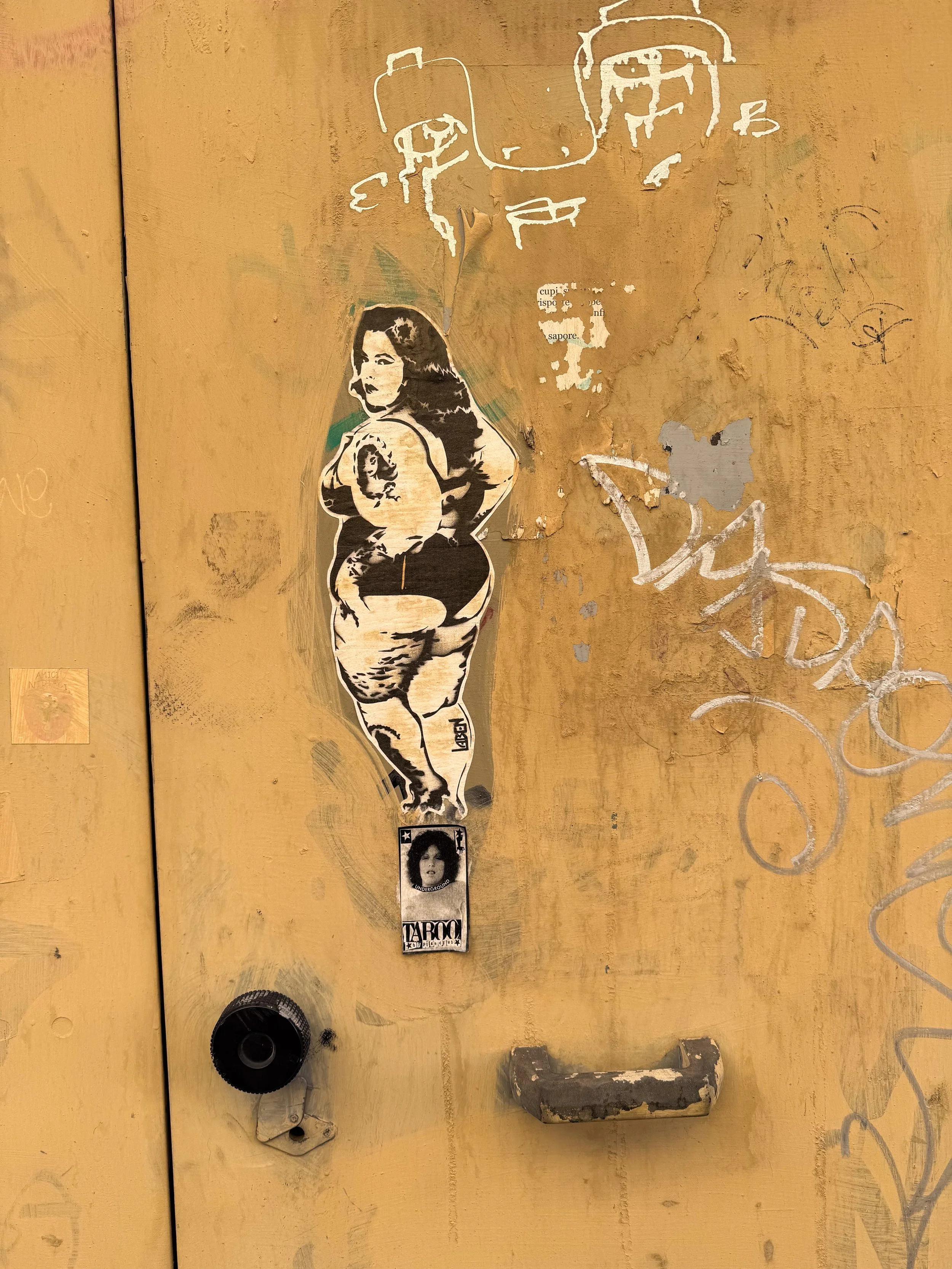
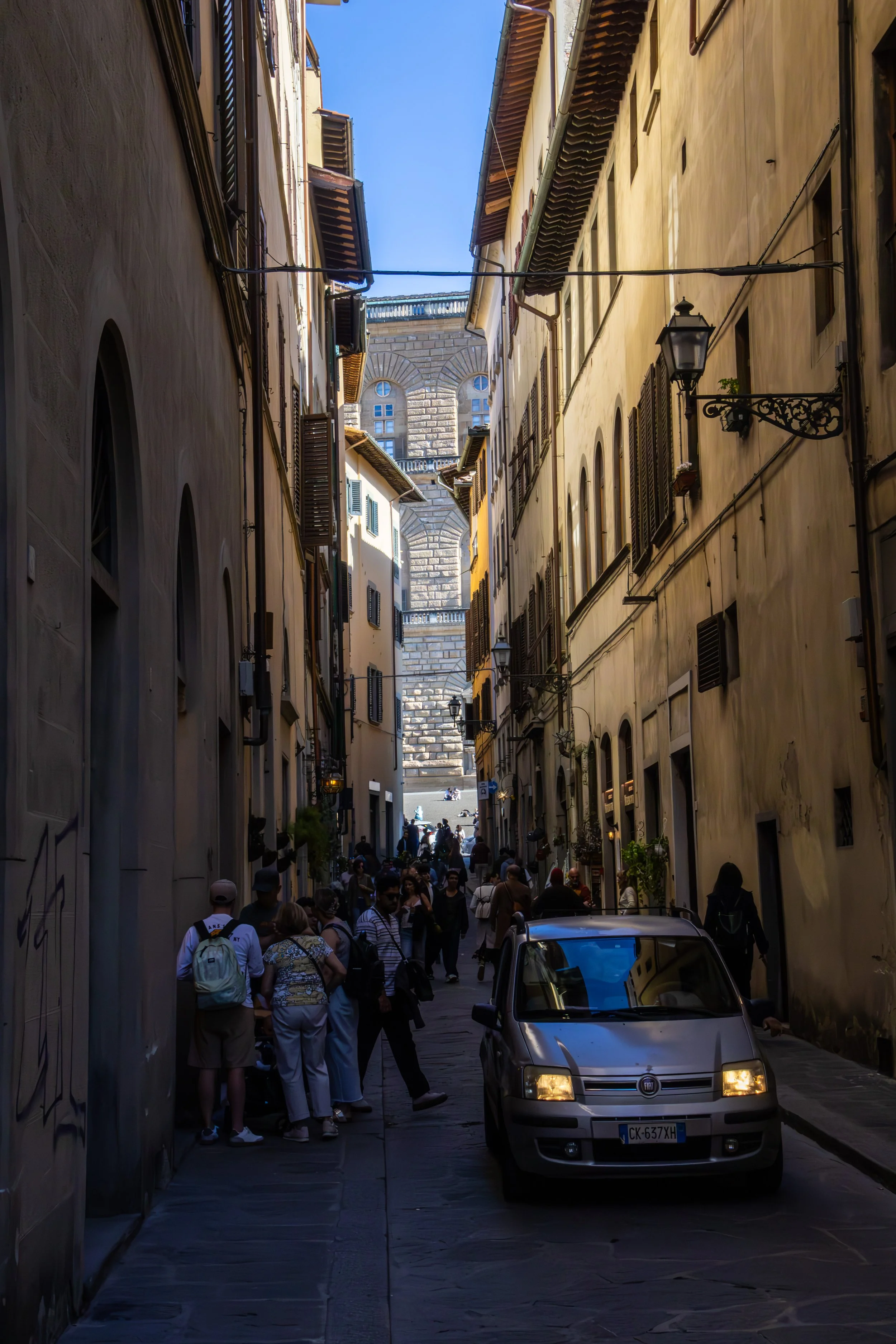
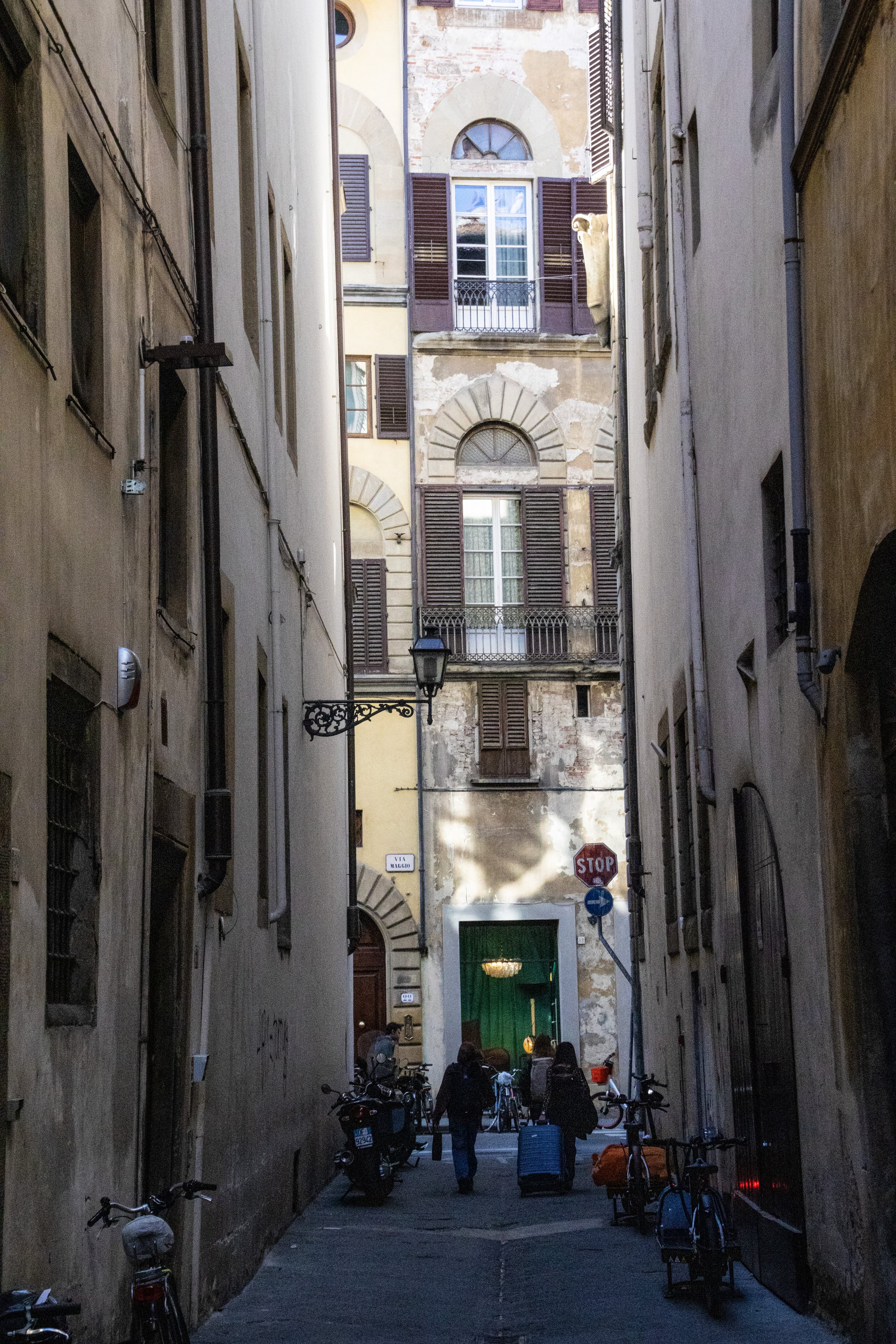
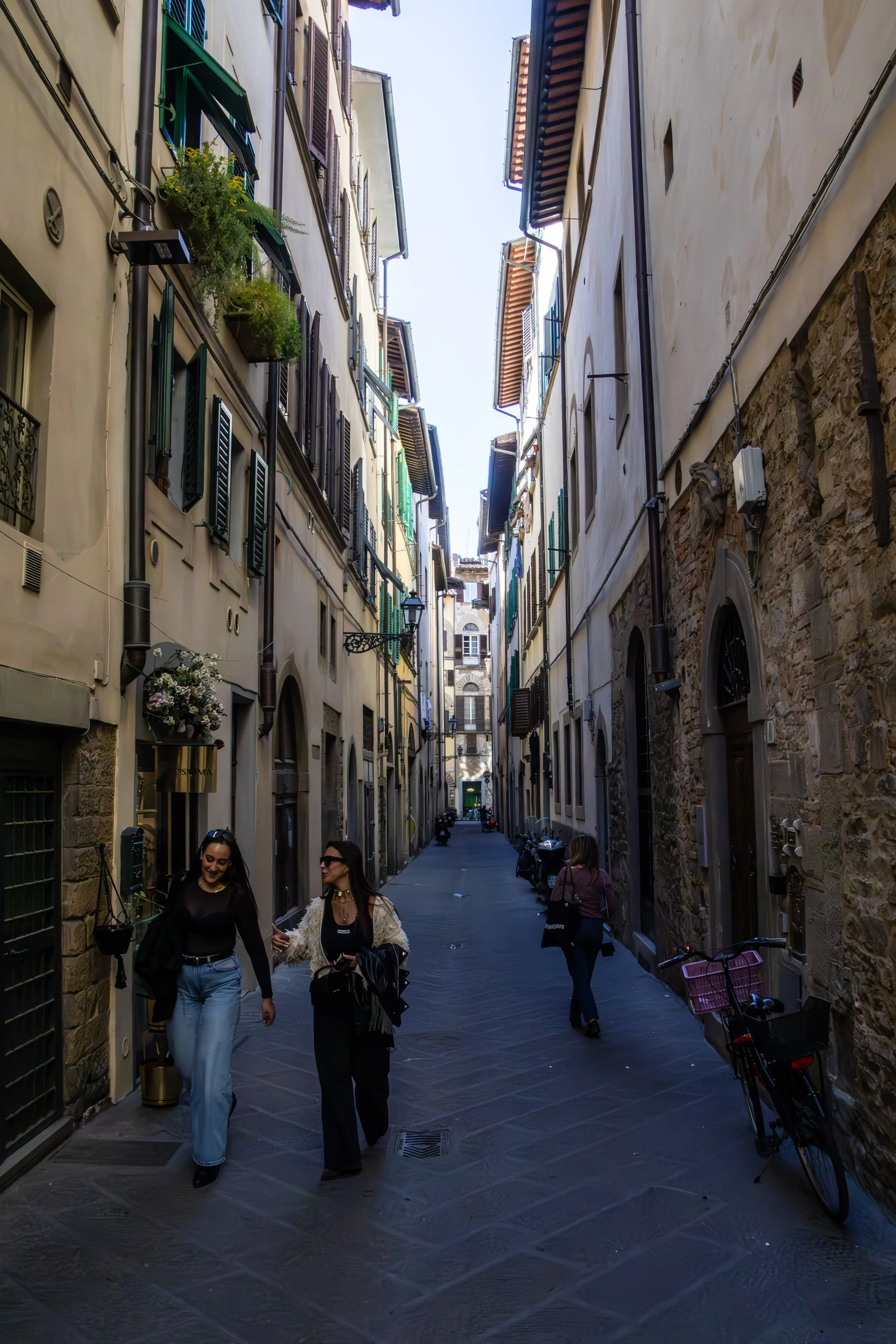
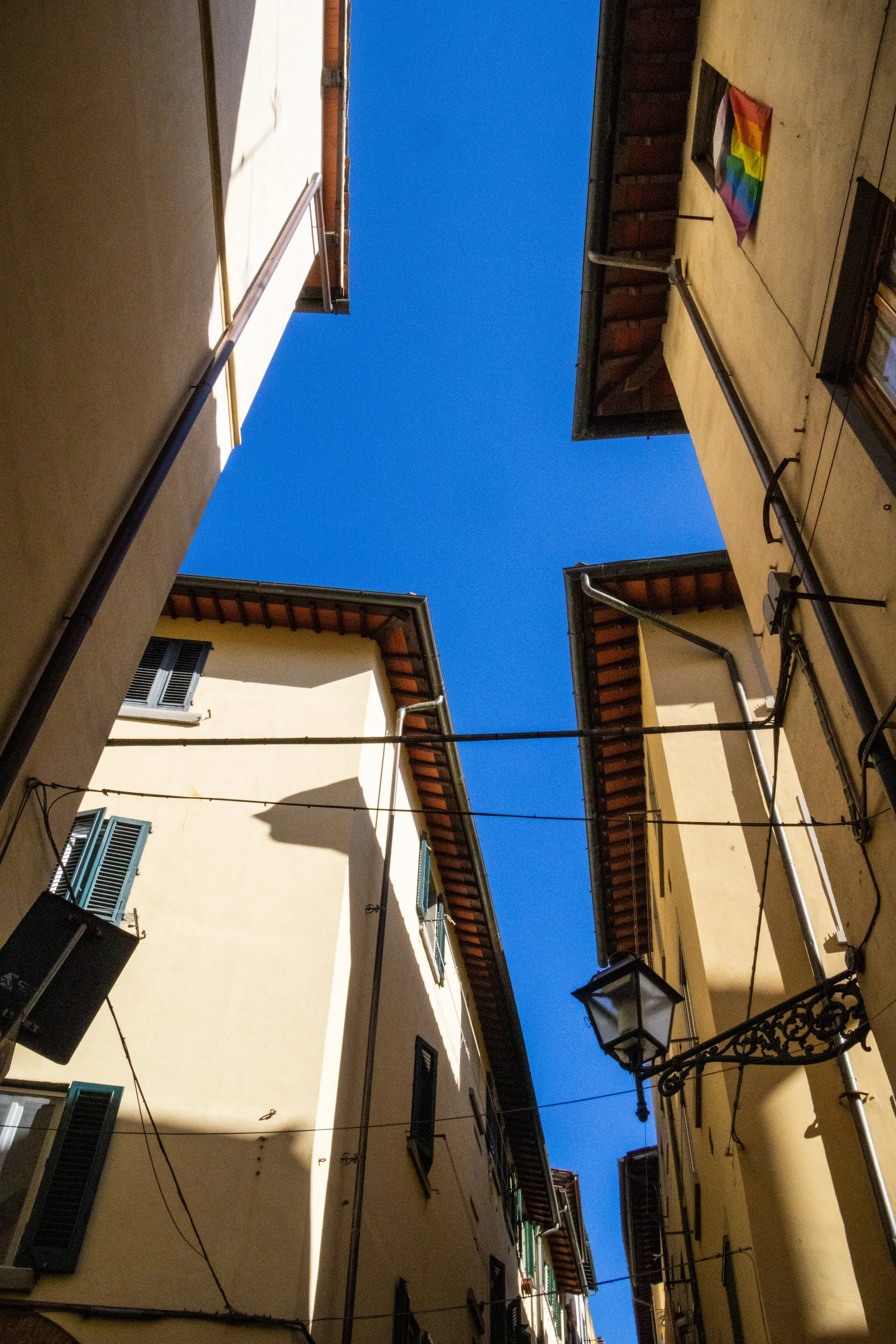
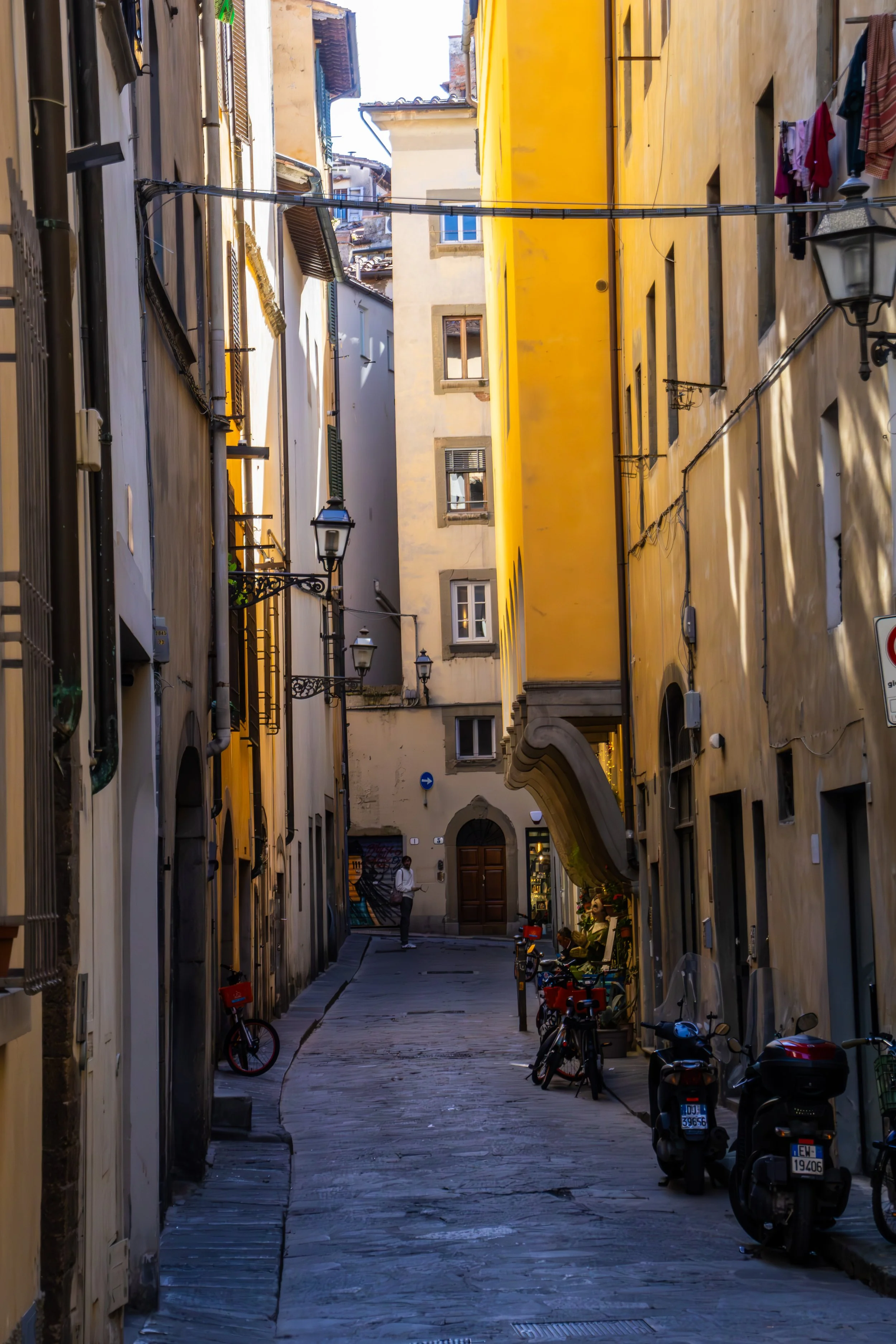
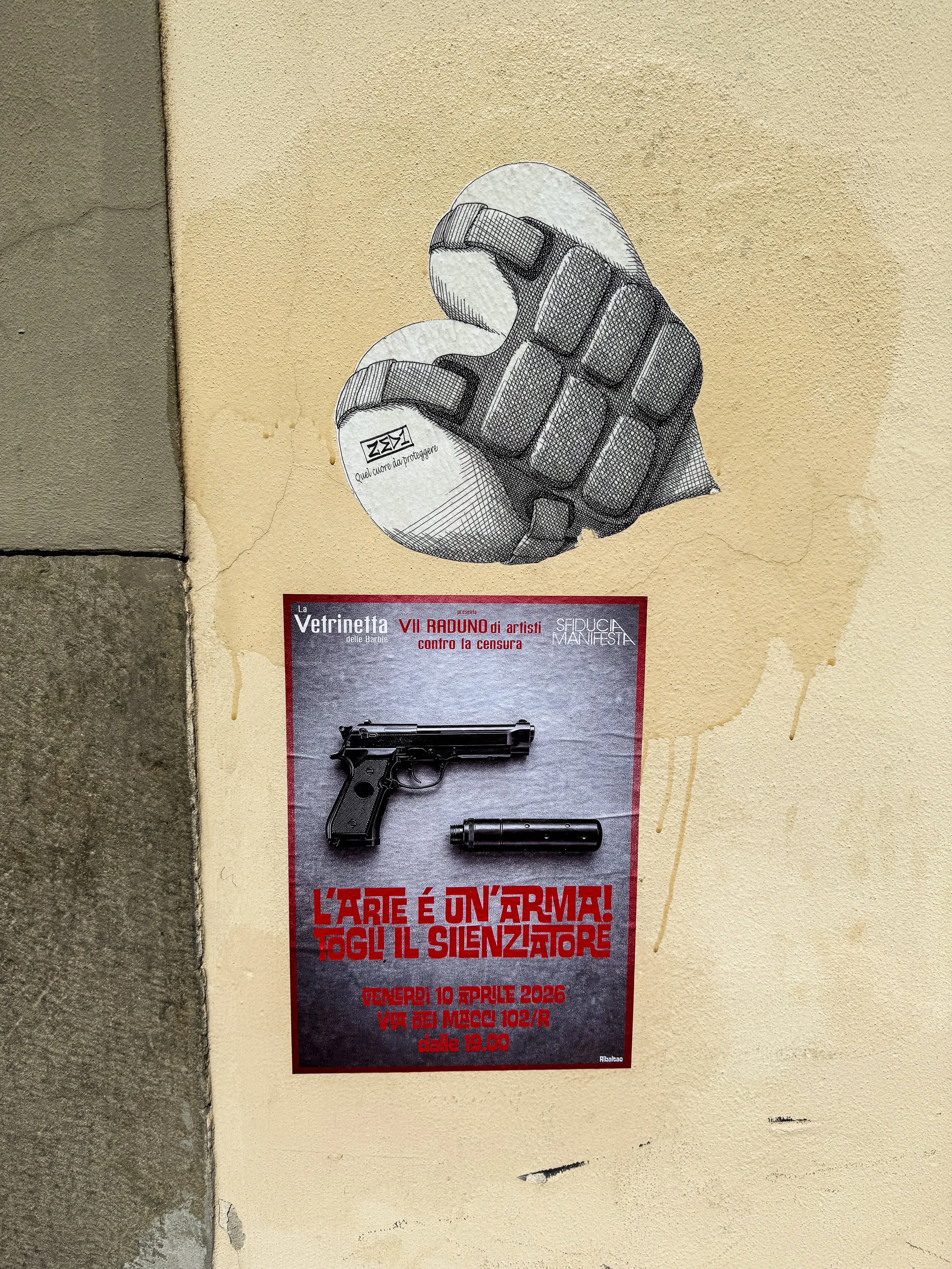
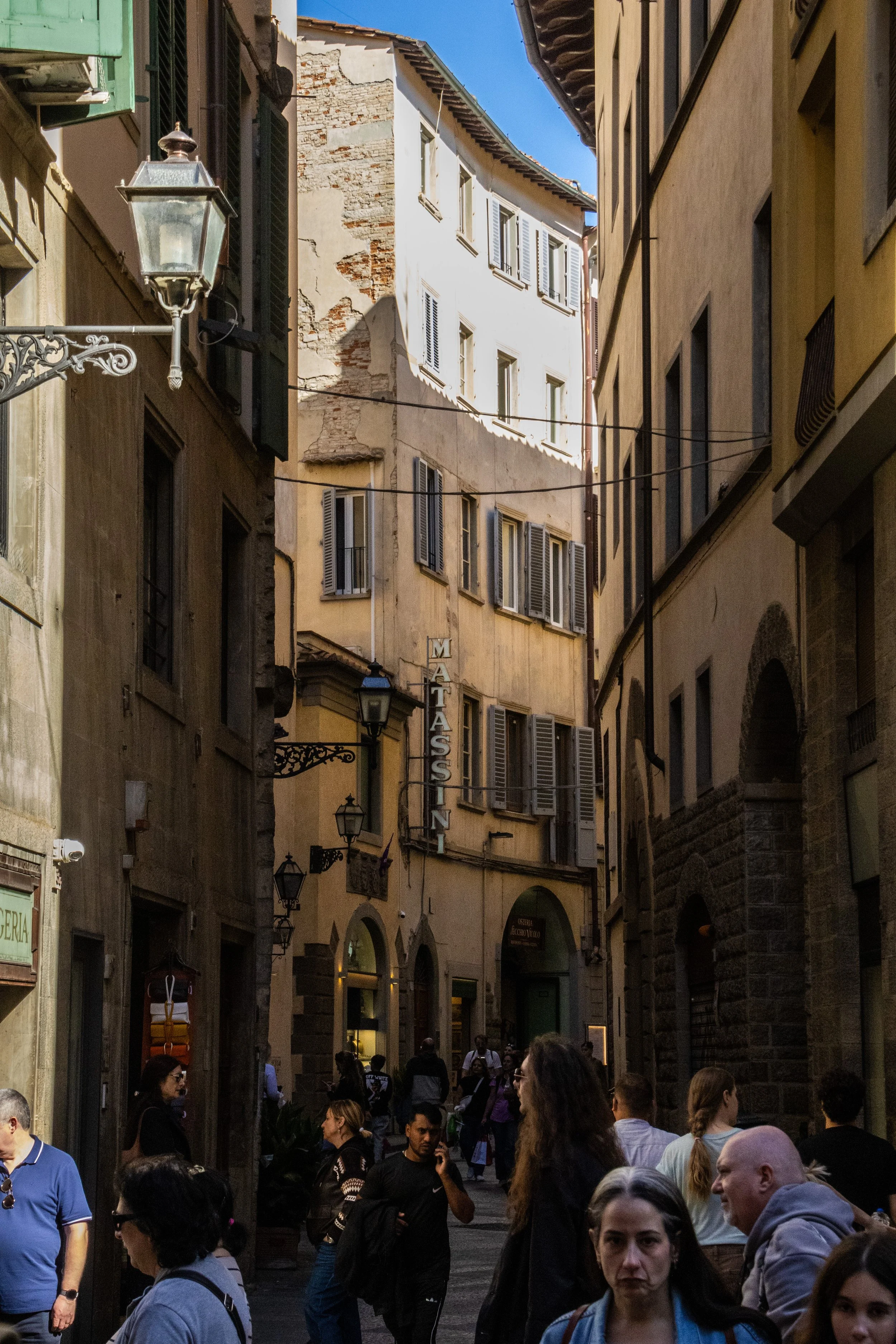
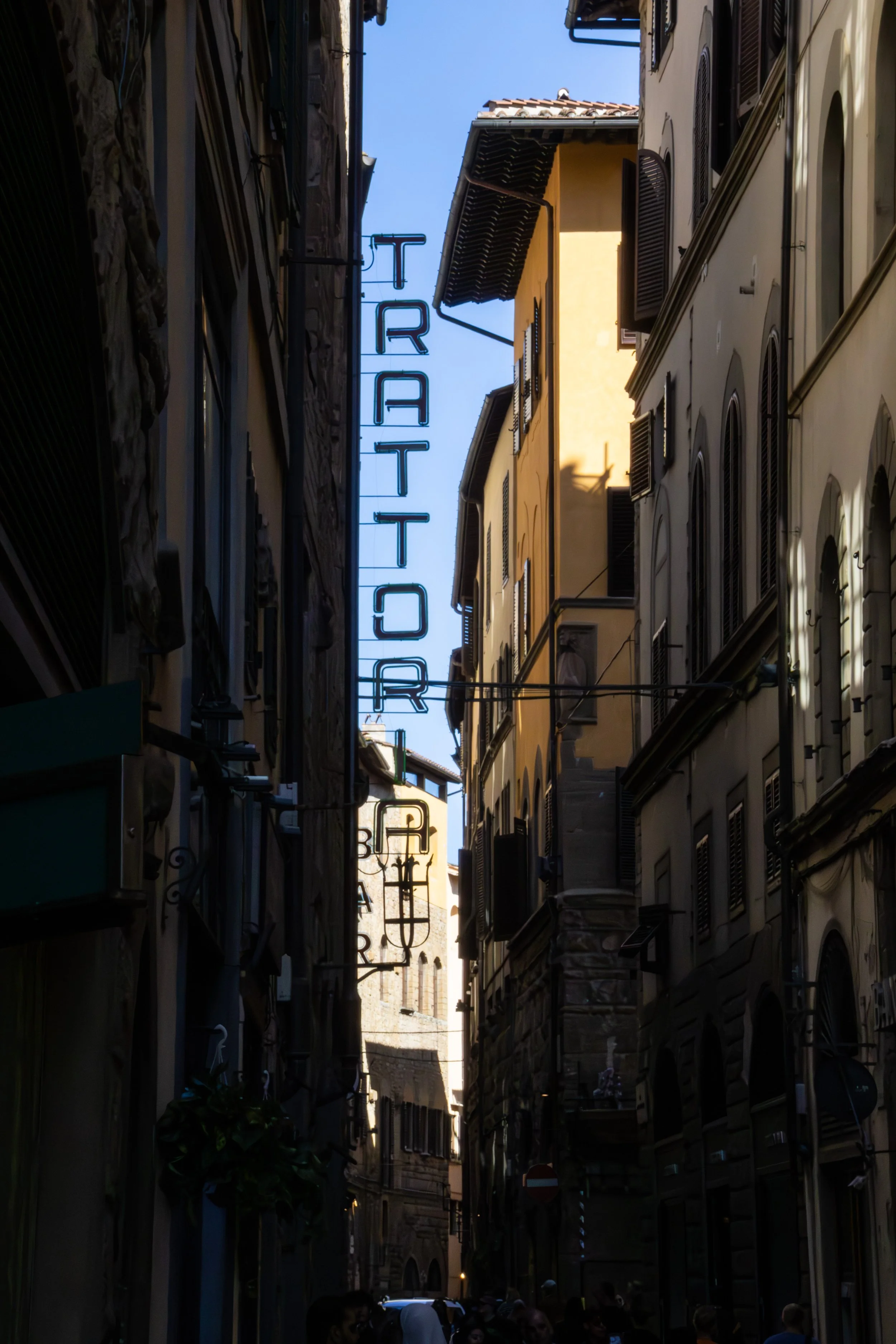
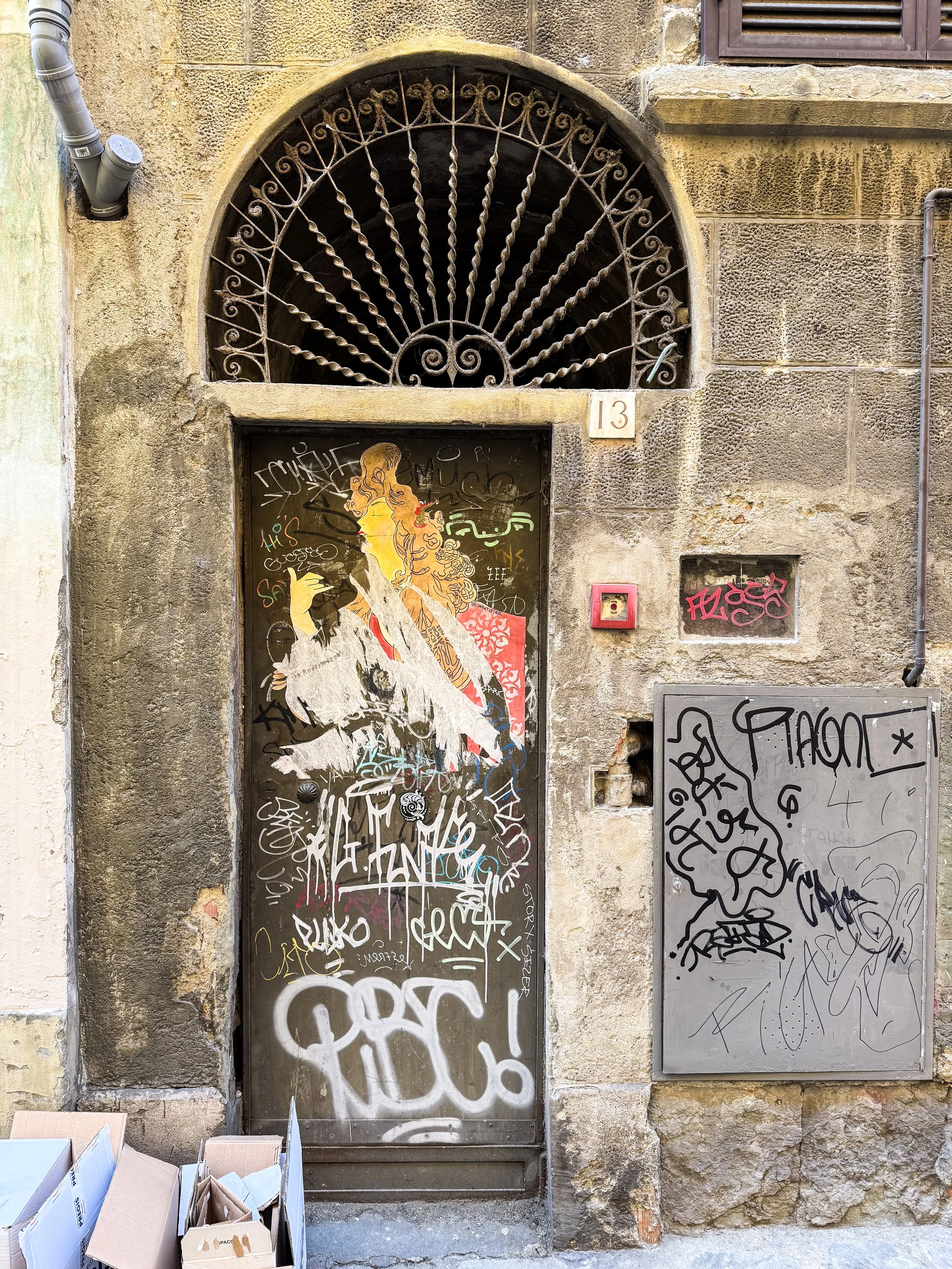
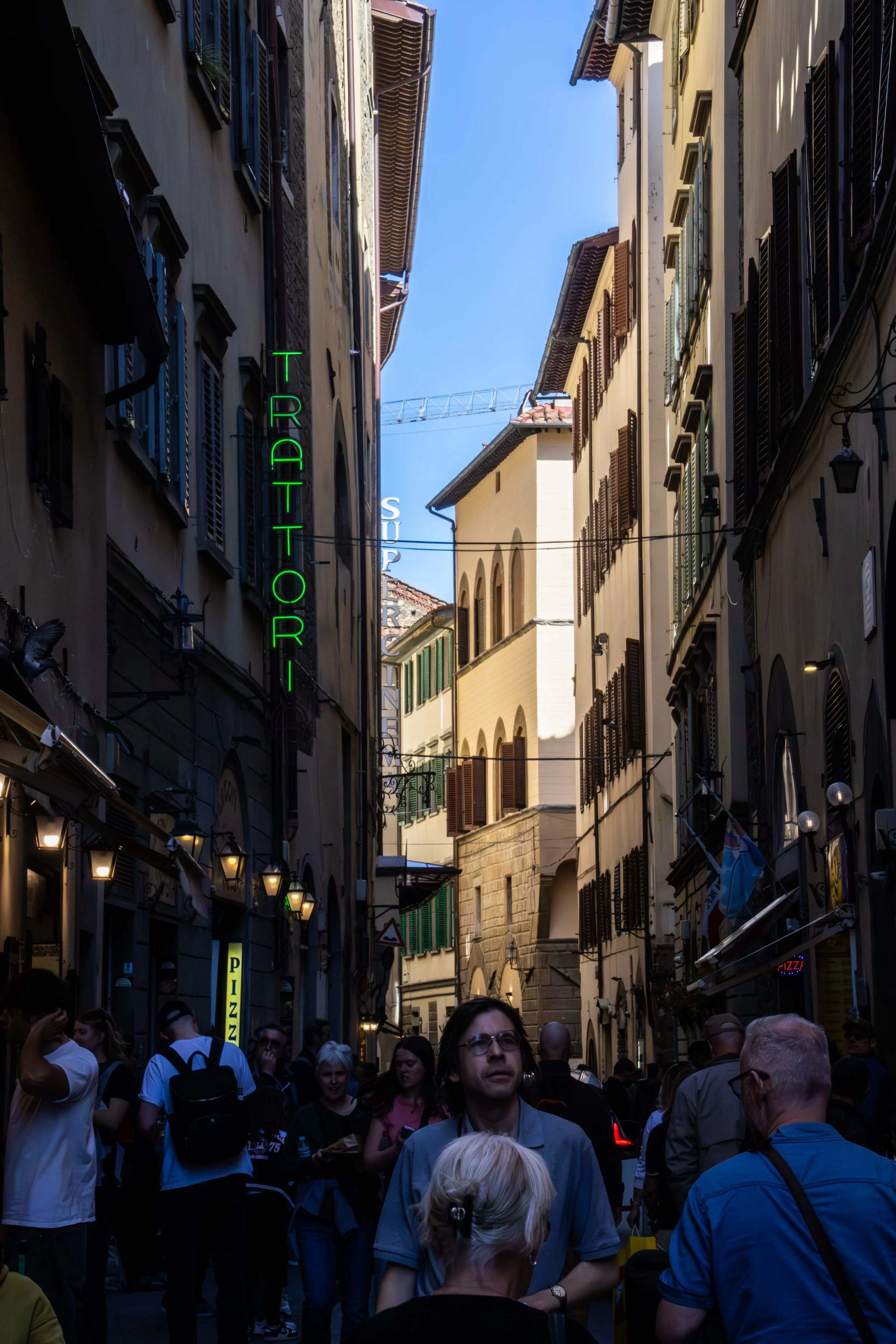
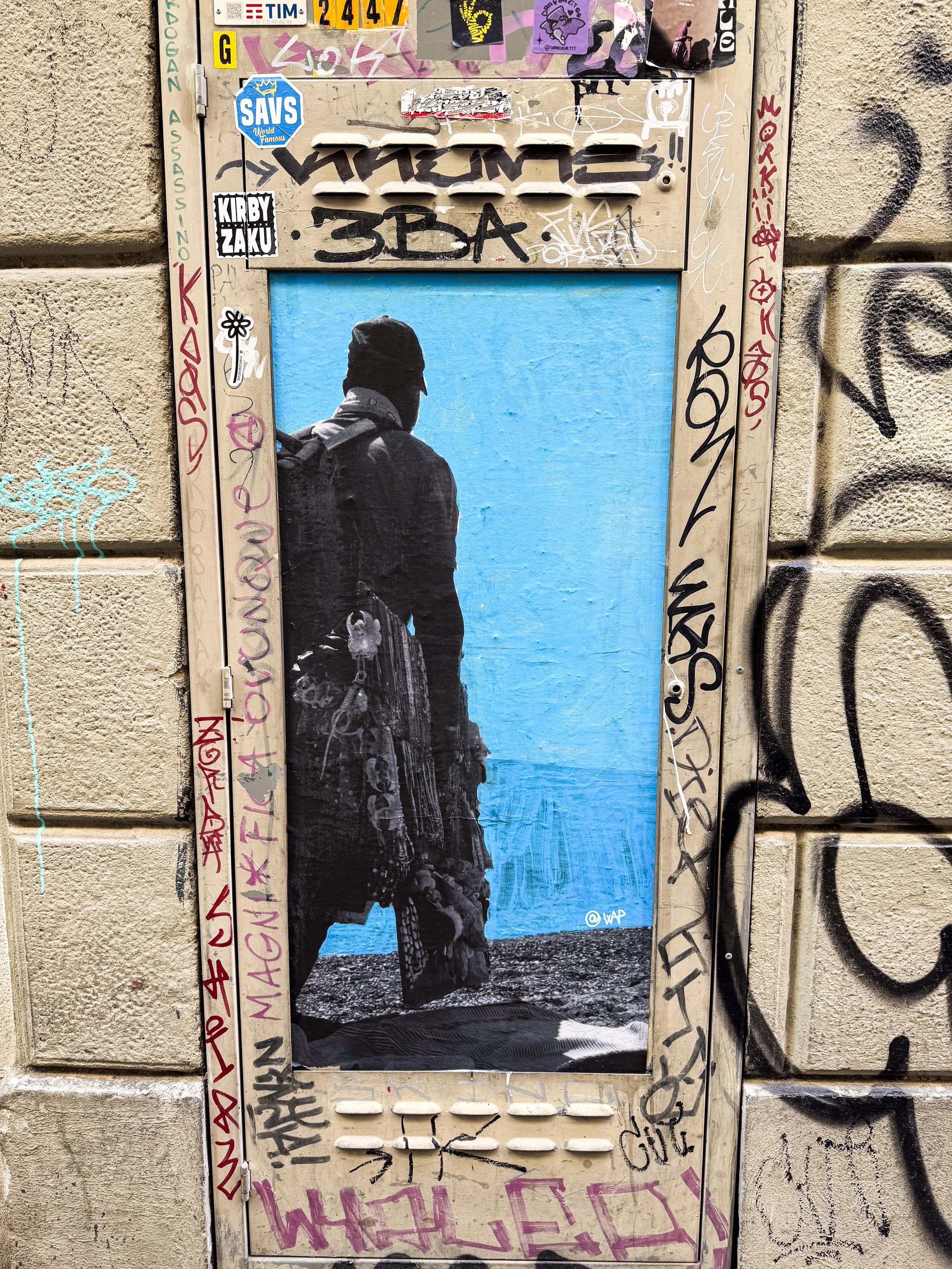
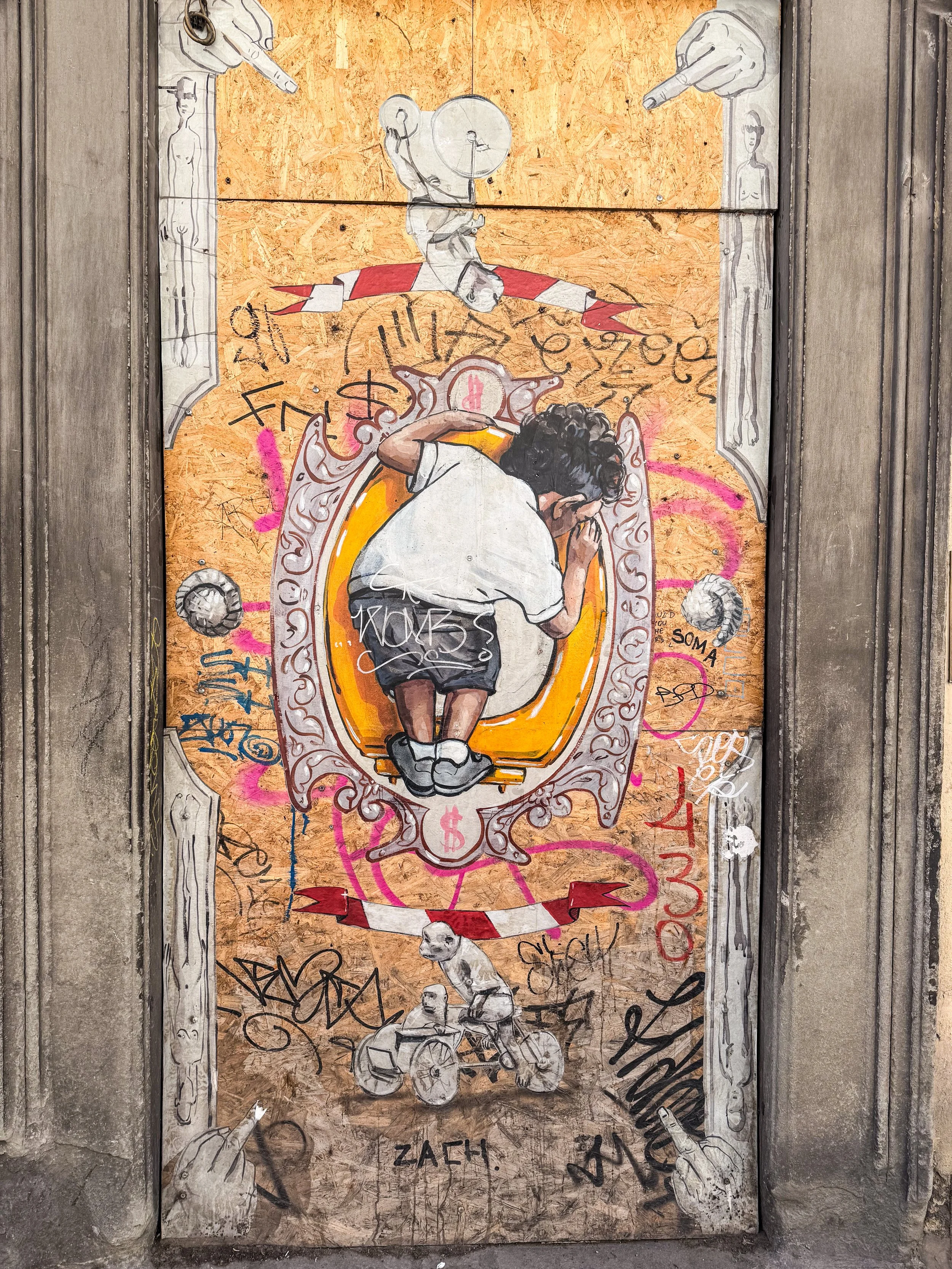
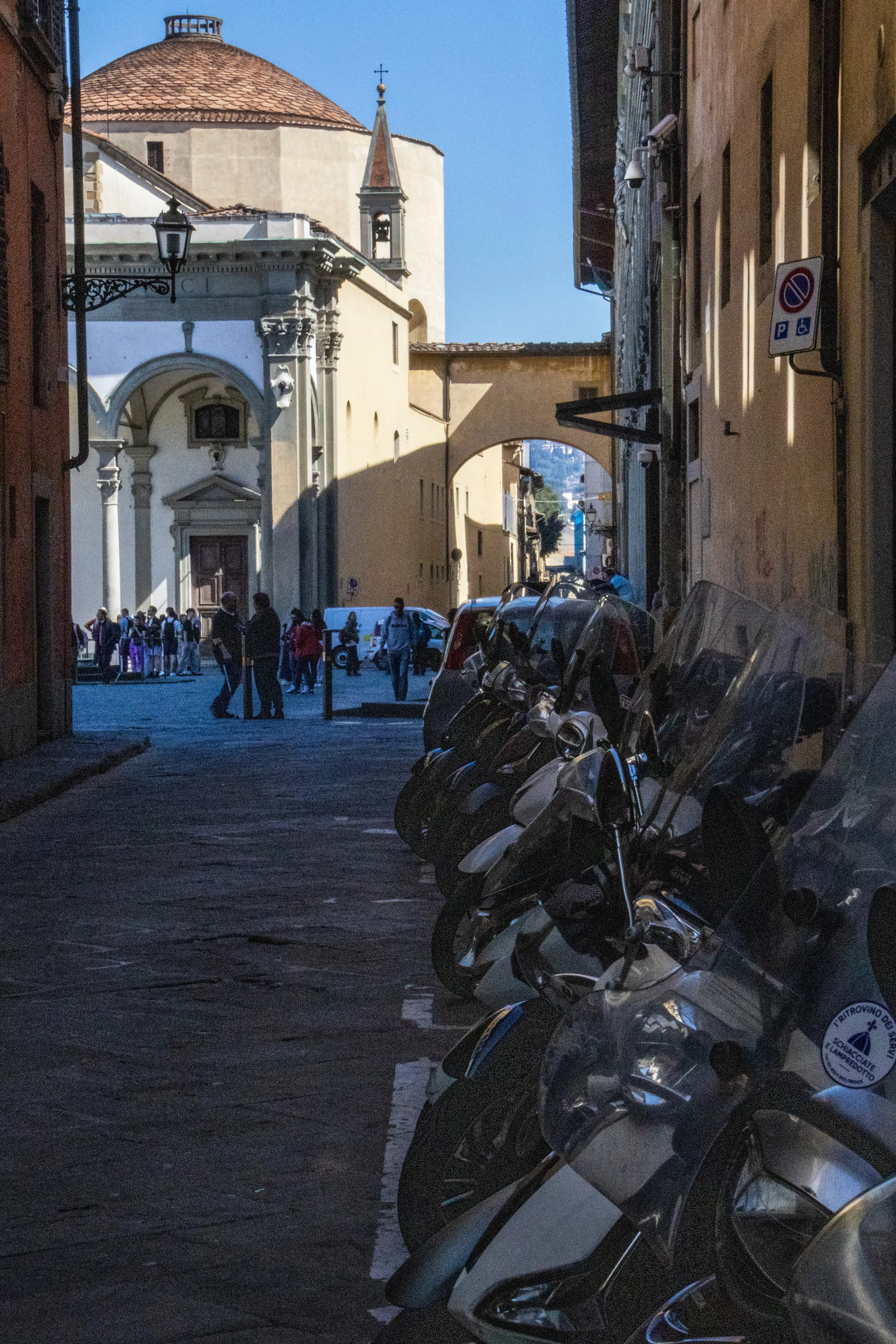
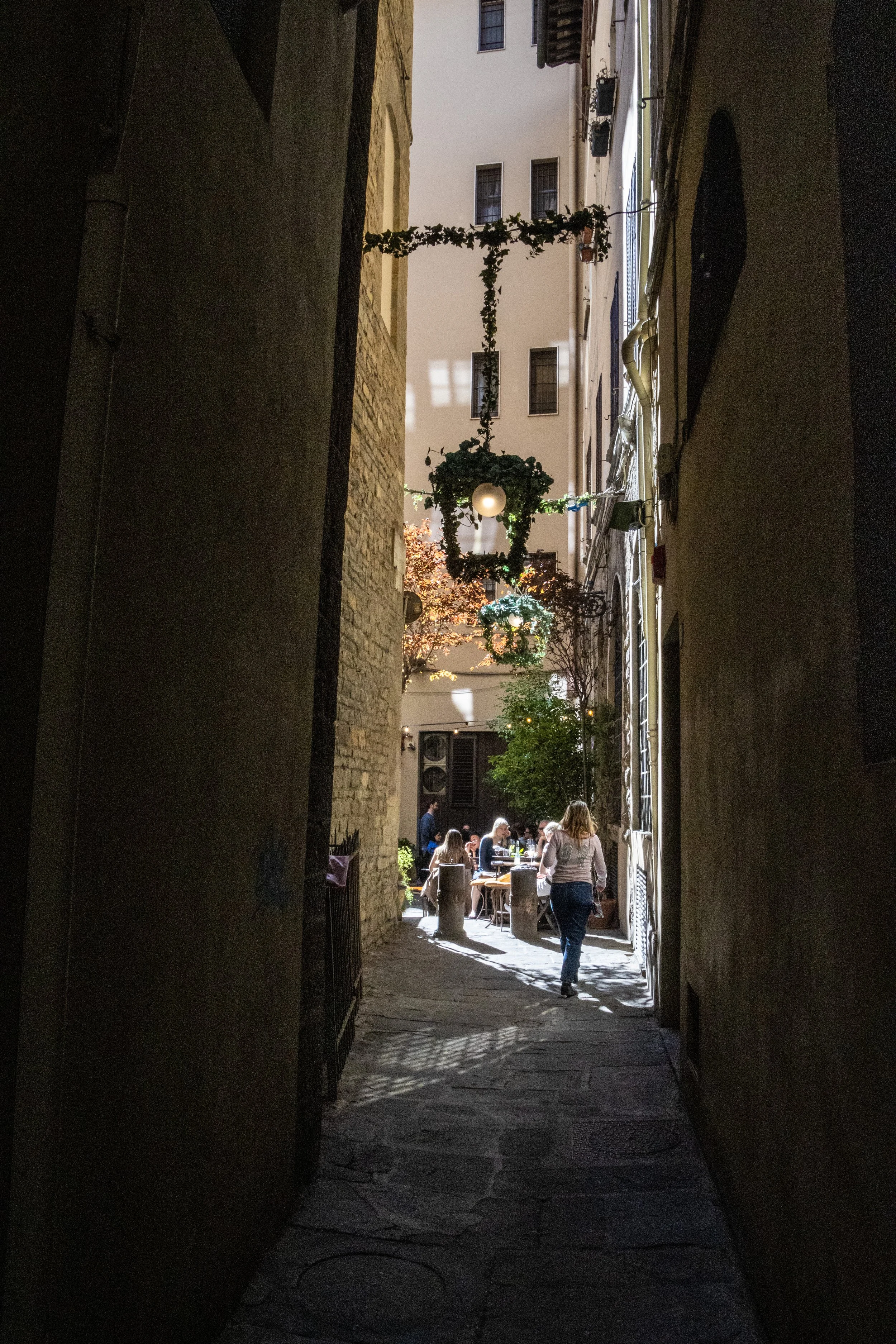
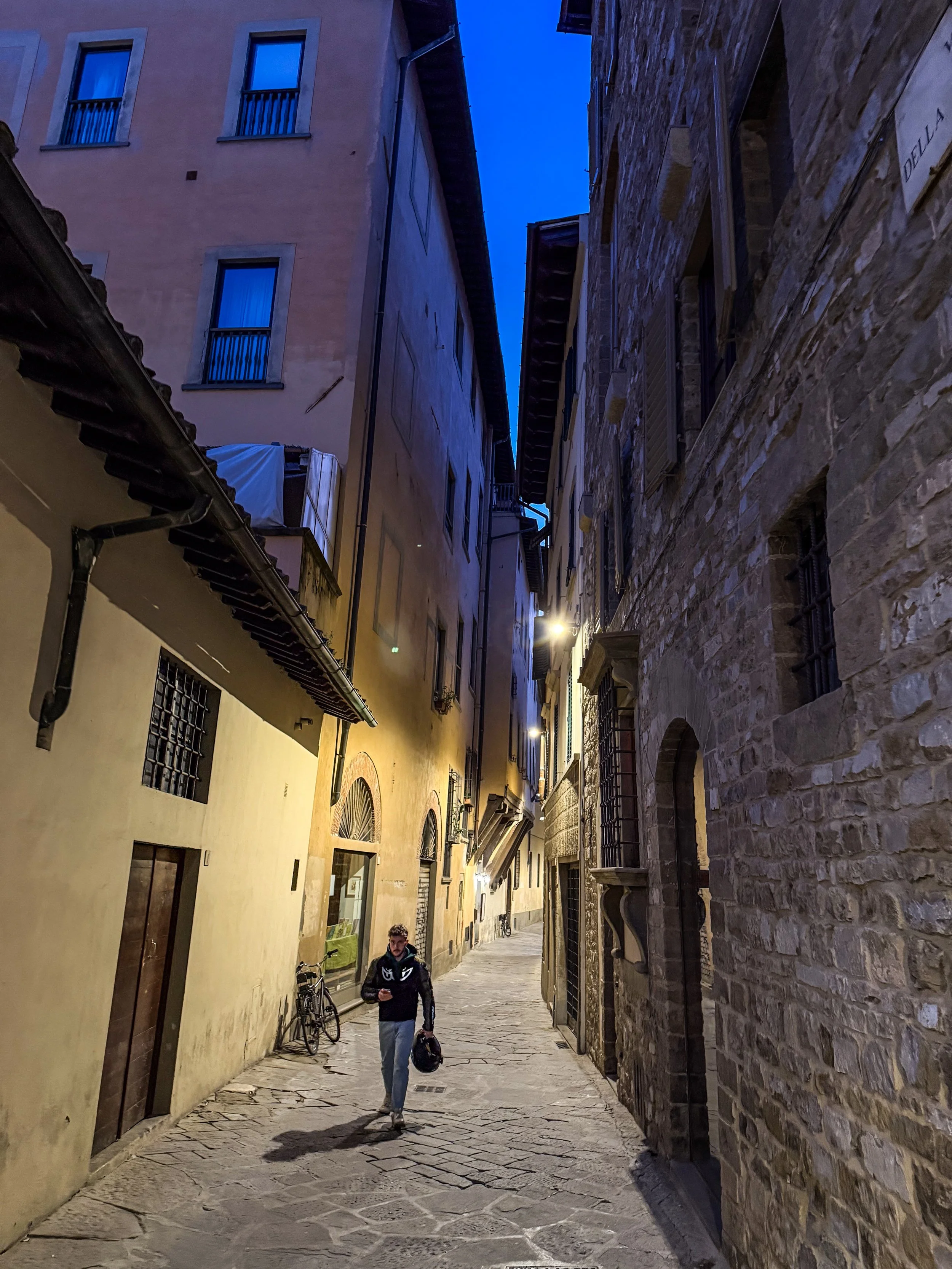
You’ll notice lots of small murals on the walls as we move through this city. I’ve covered Italian street art a bit in my travels so far, with dedicated features on Milan, Naples, and Sicily. Here’s a quick index of those, or—if you’d prefer—you can see the full street art index.


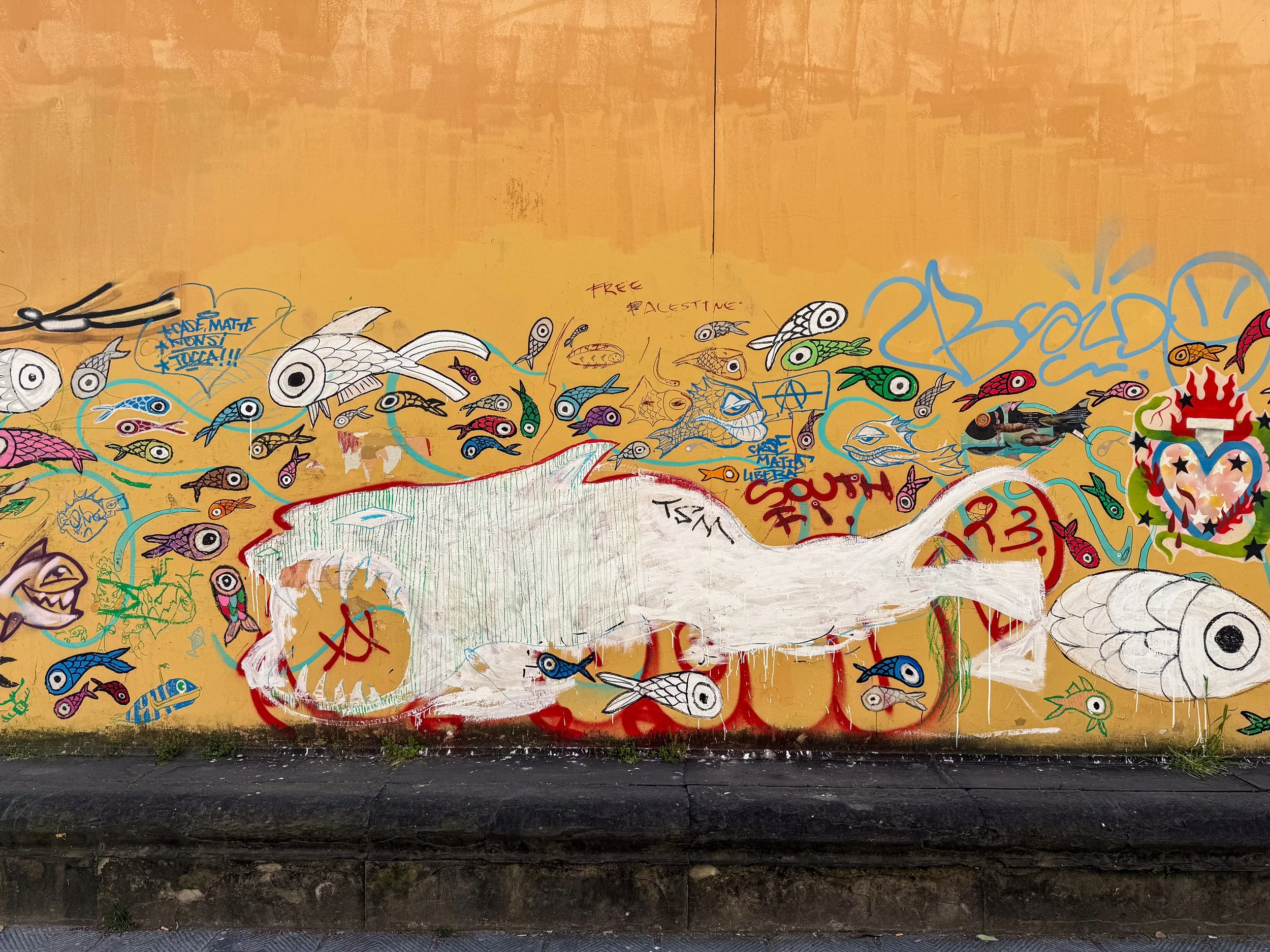
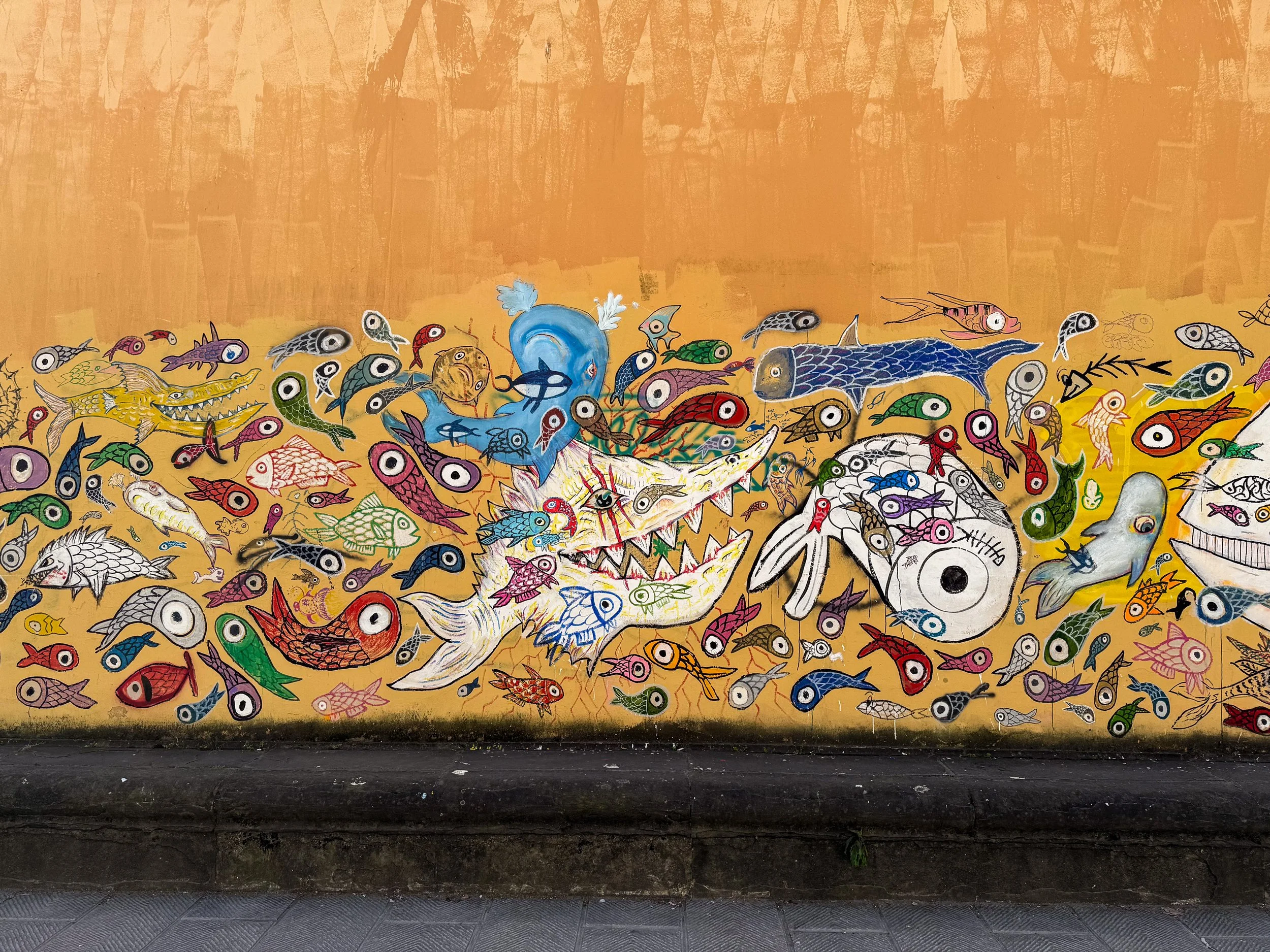
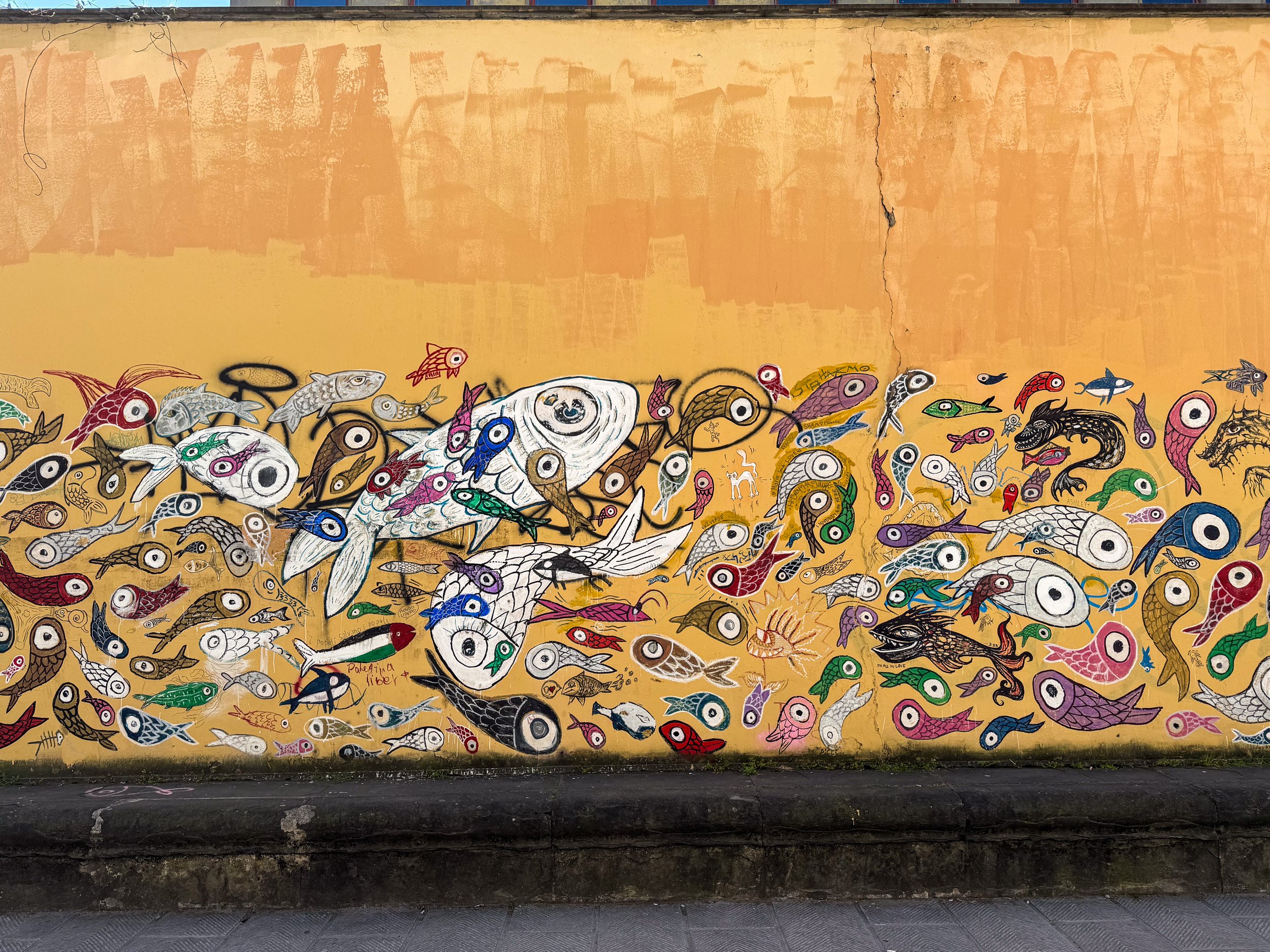
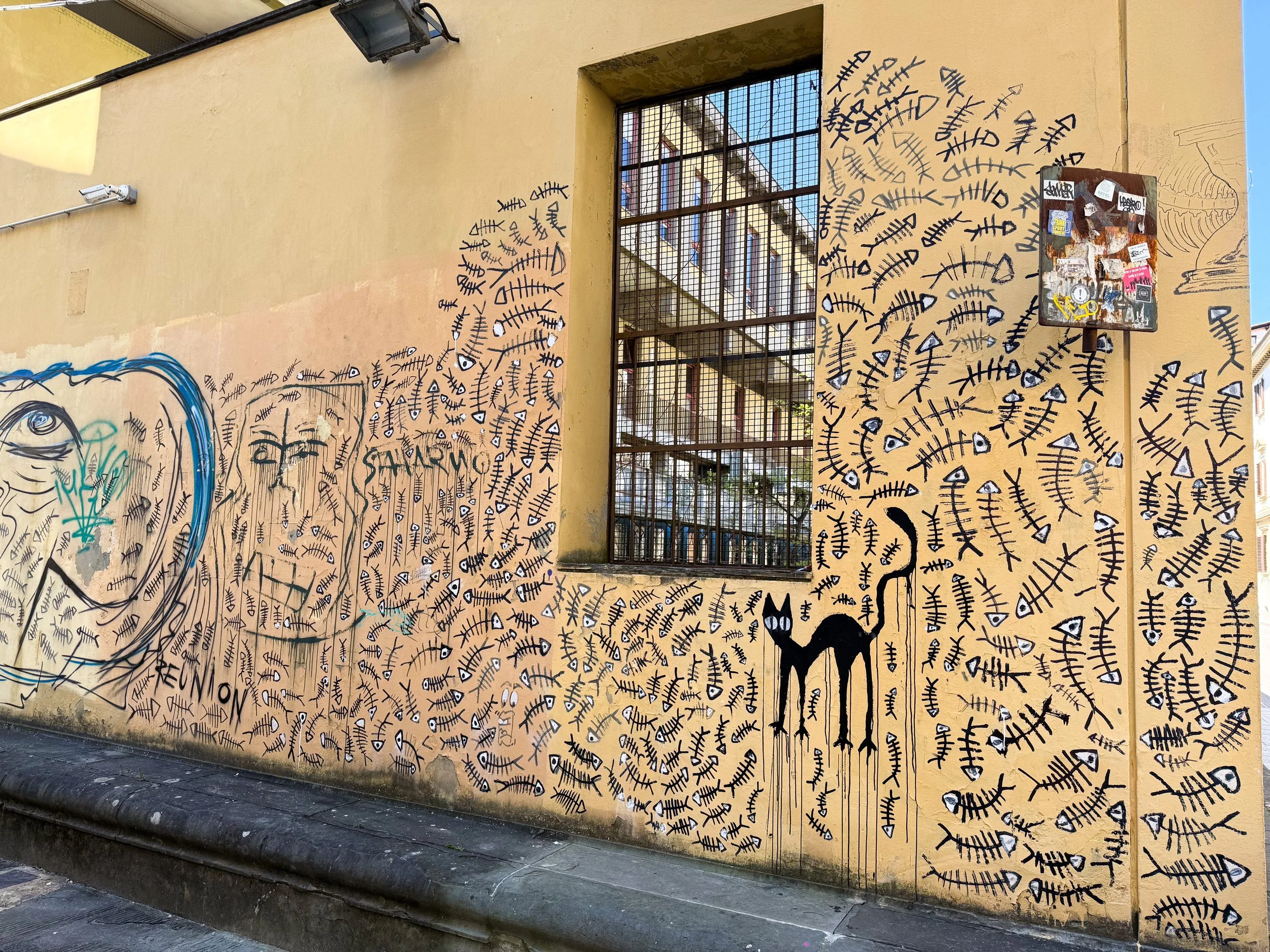
Florence didn’t quite have enough to justify its own article (or—more likely—I just didn’t happen to walk by enough of it), but what I did find here had a lot in common with the murals I’d seen in other Italian cities. The murals here have a very tasteful “work in progress” / “sketchbook” quality to them. I really appreciate that because I have not found this sort of vibe in any other country. Here’s a giant mural of fish from a random alleyway in Florence that embodies this style particularly well. It was far too long to be captured in a single photograph, so here’s the full span of it! Please appreciate that, at the end of this stretch of wall, where we turn the corner, the fish suddenly turn into skeletons.
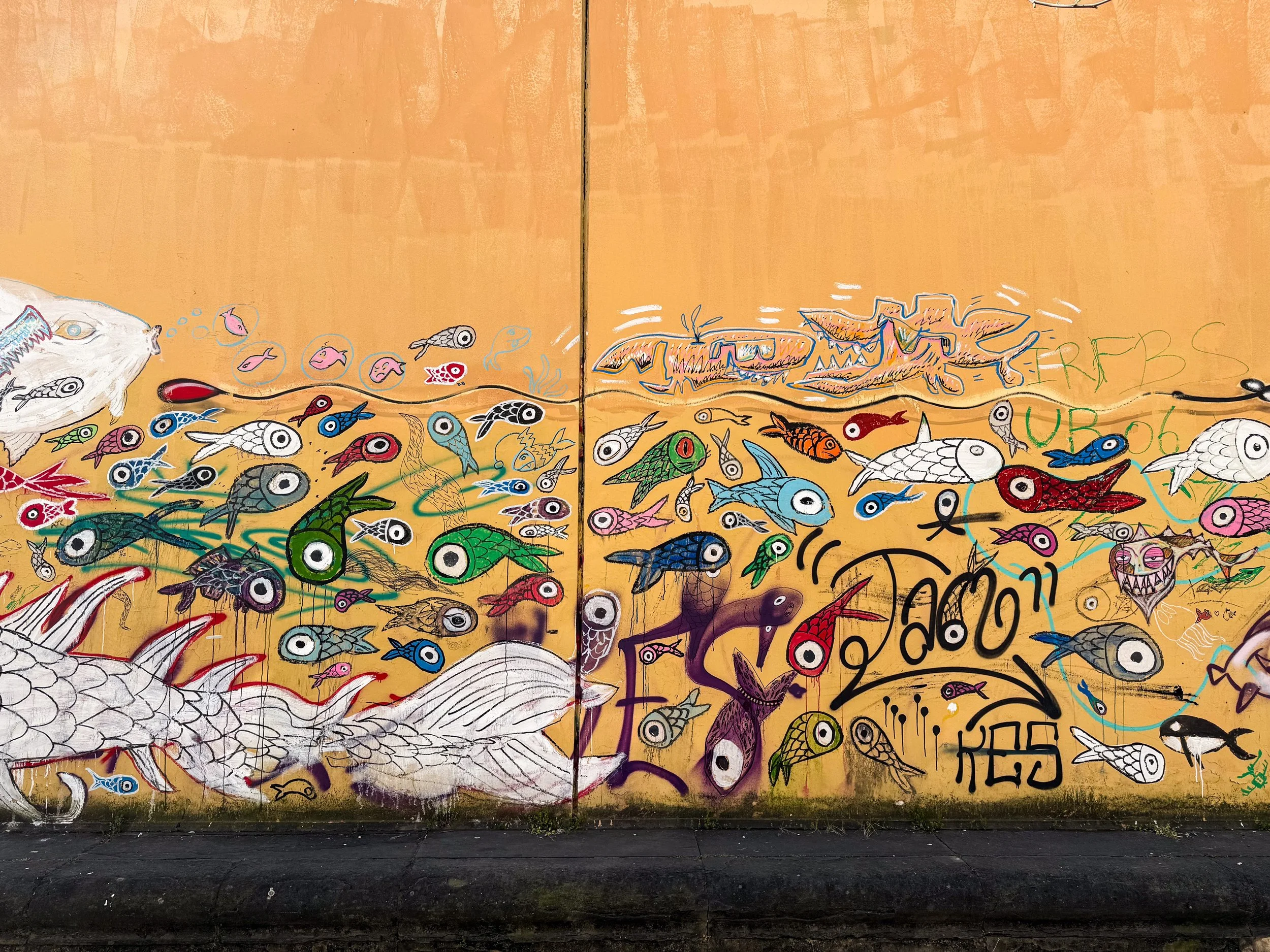
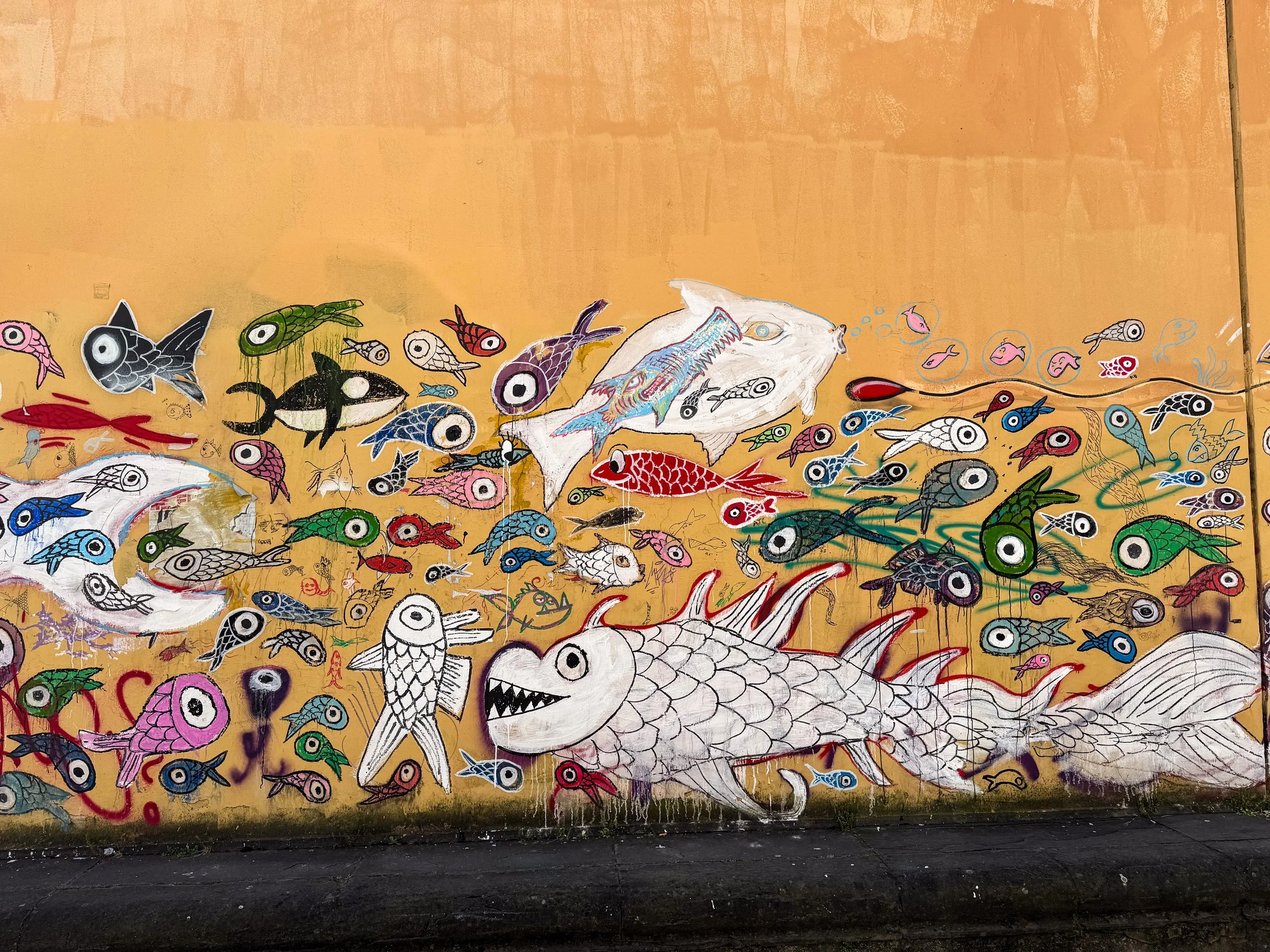
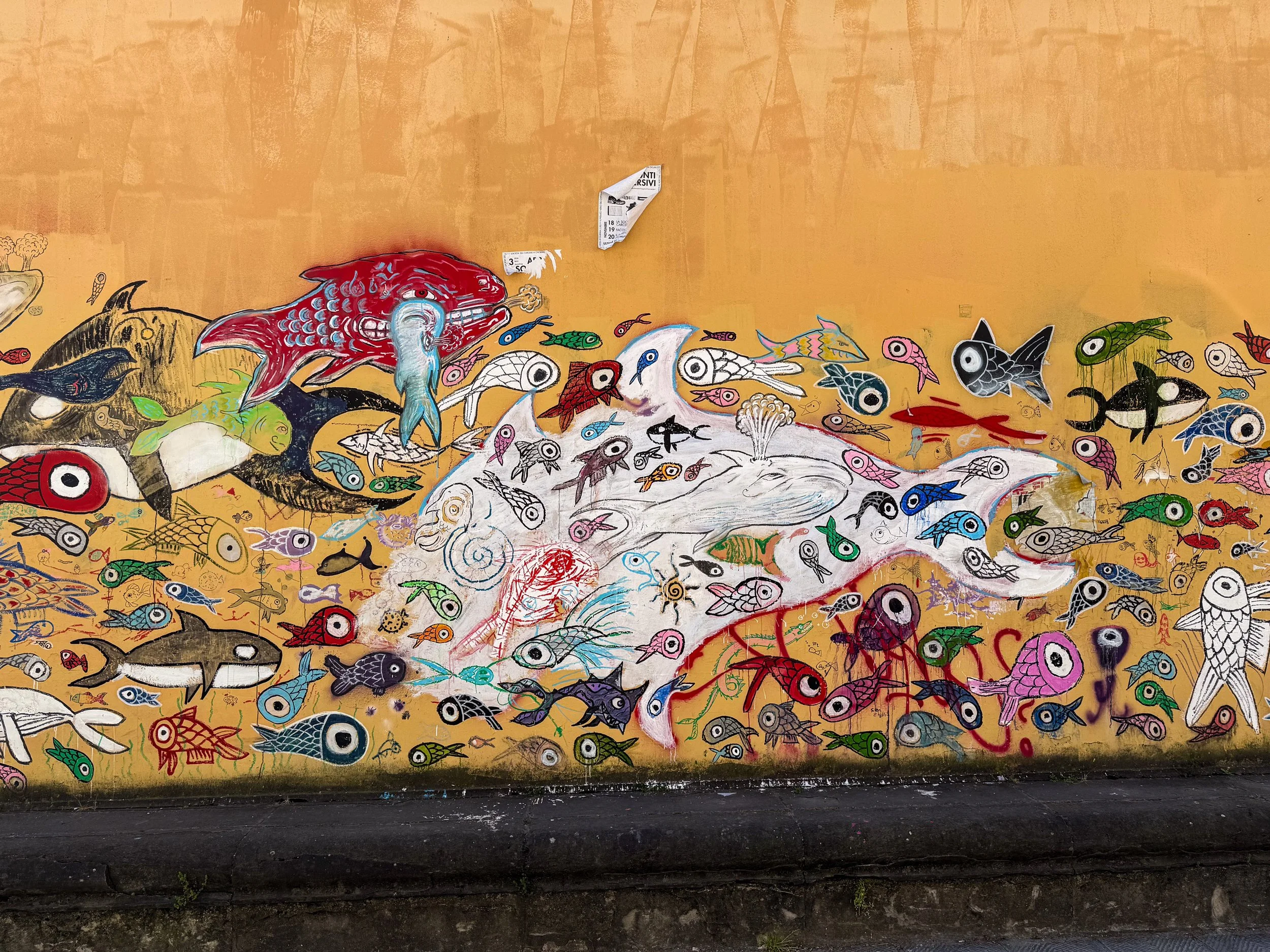
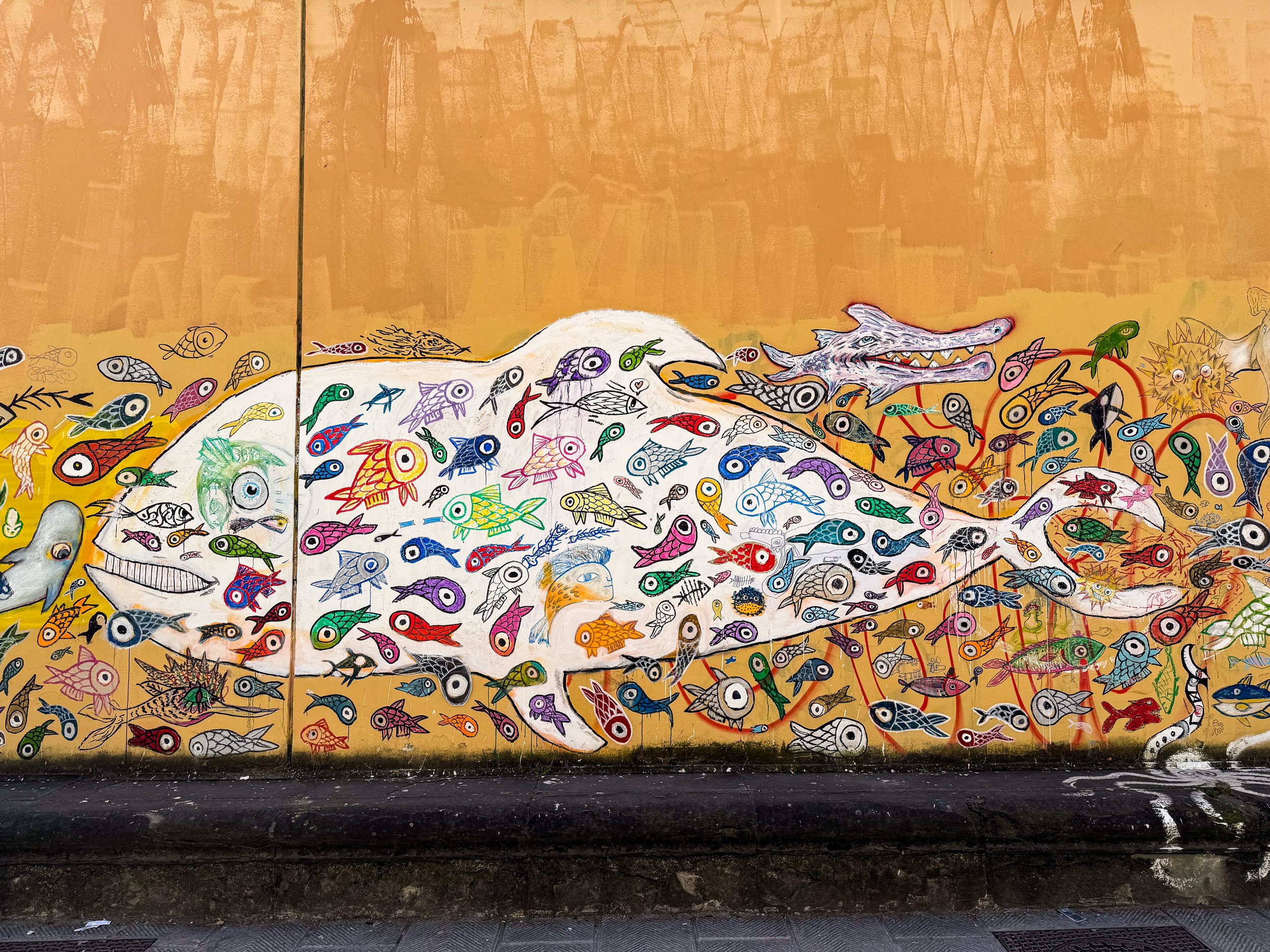
Okay okay. I will show you ONE major tourist attraction.
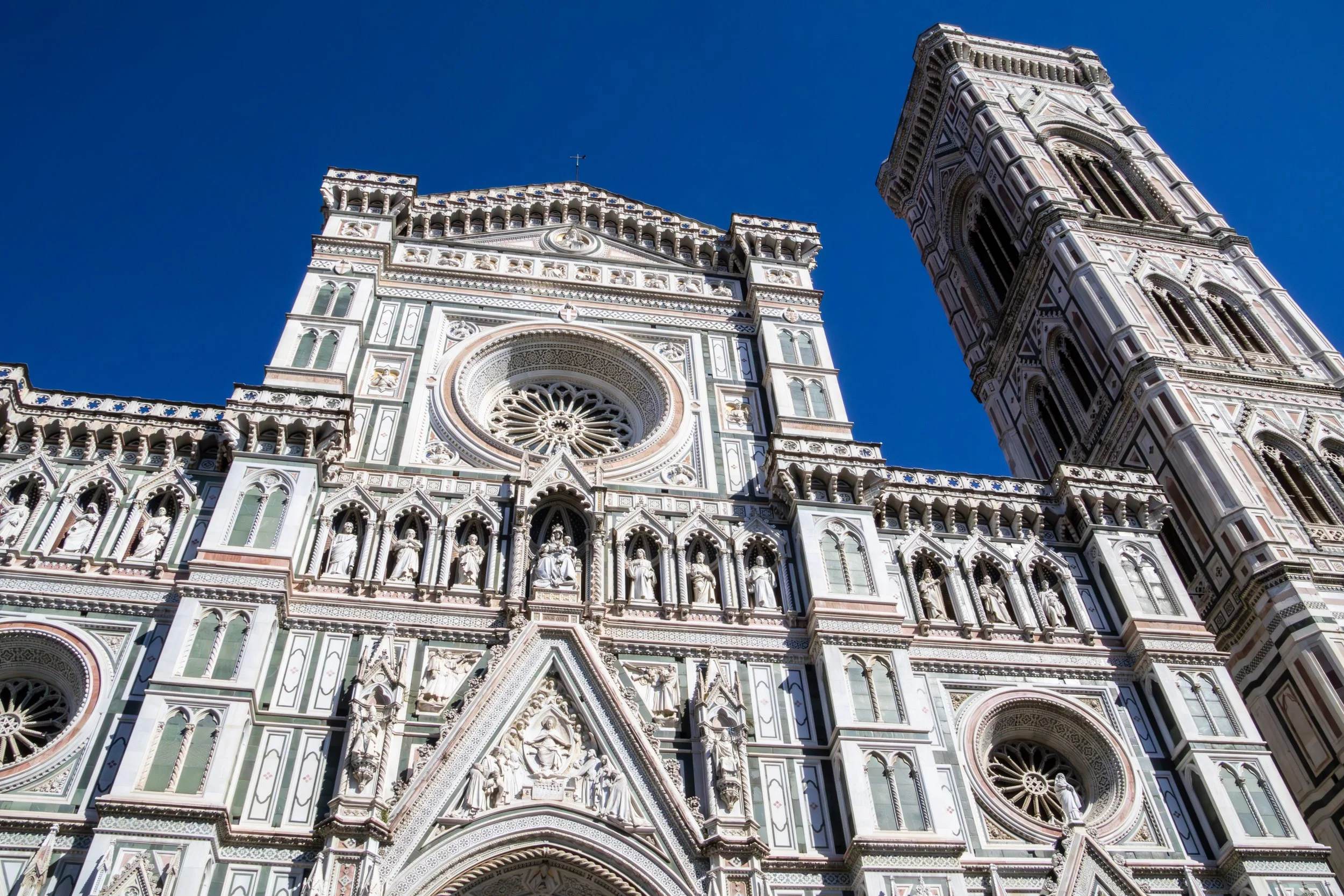
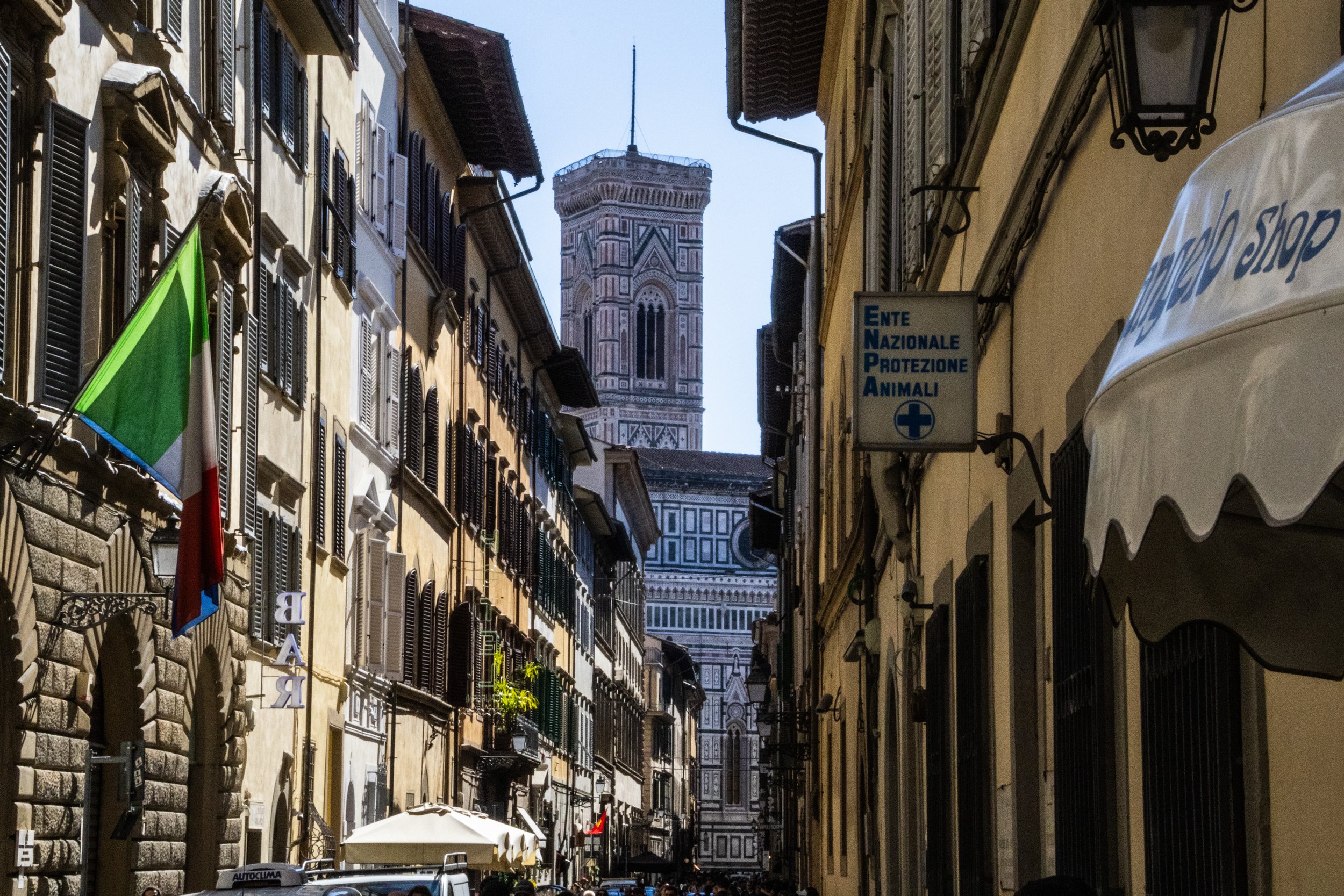
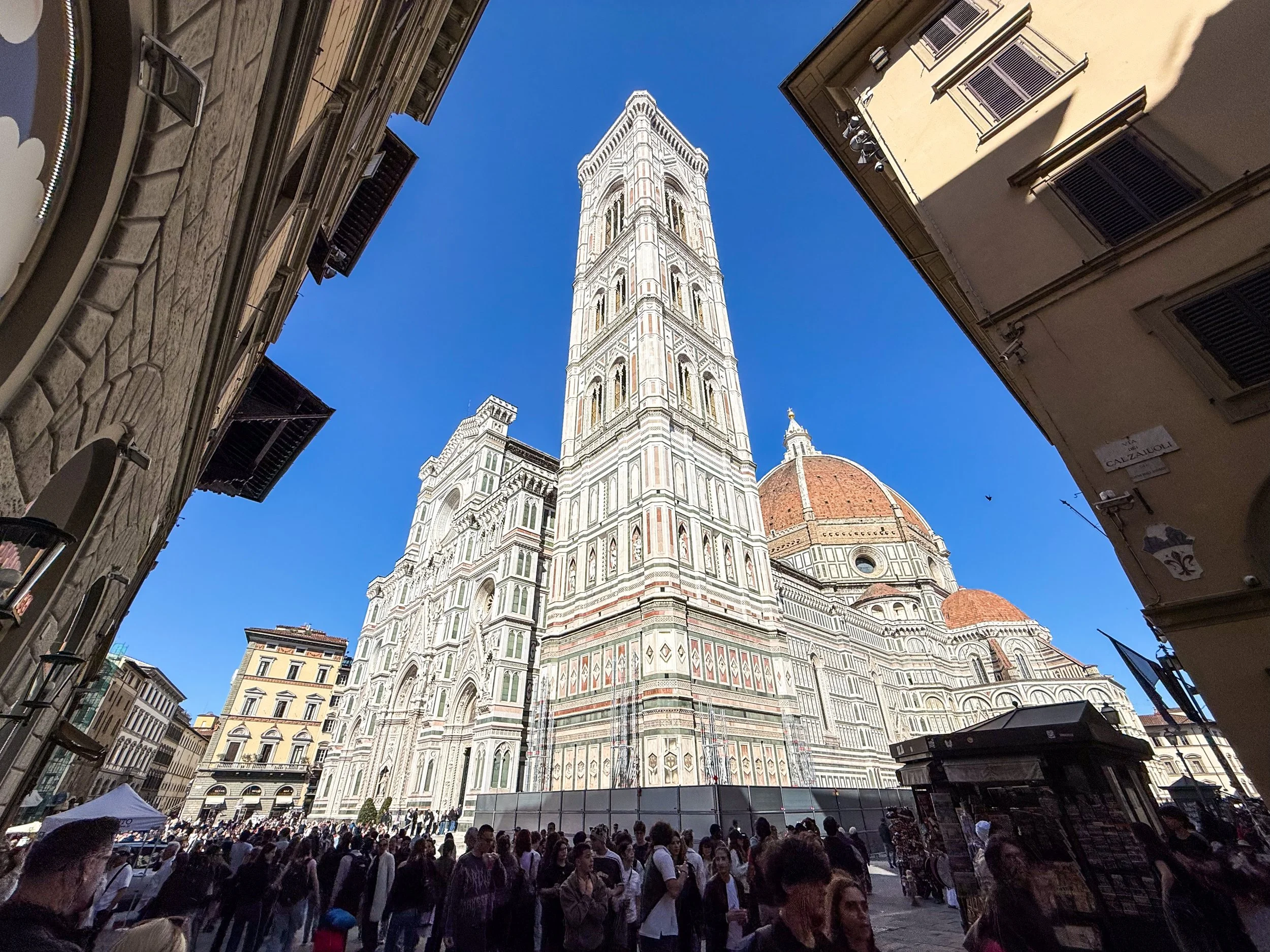
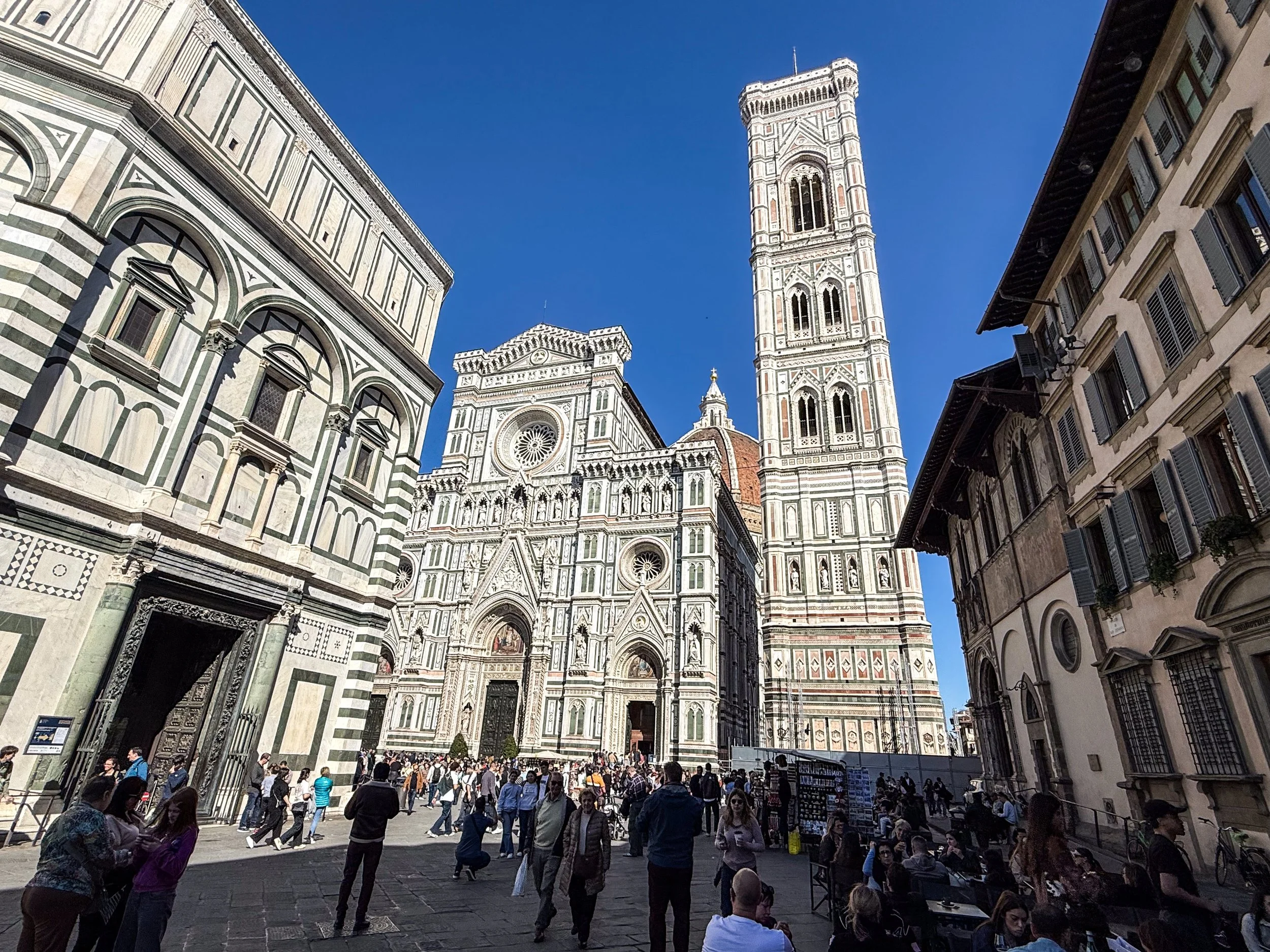
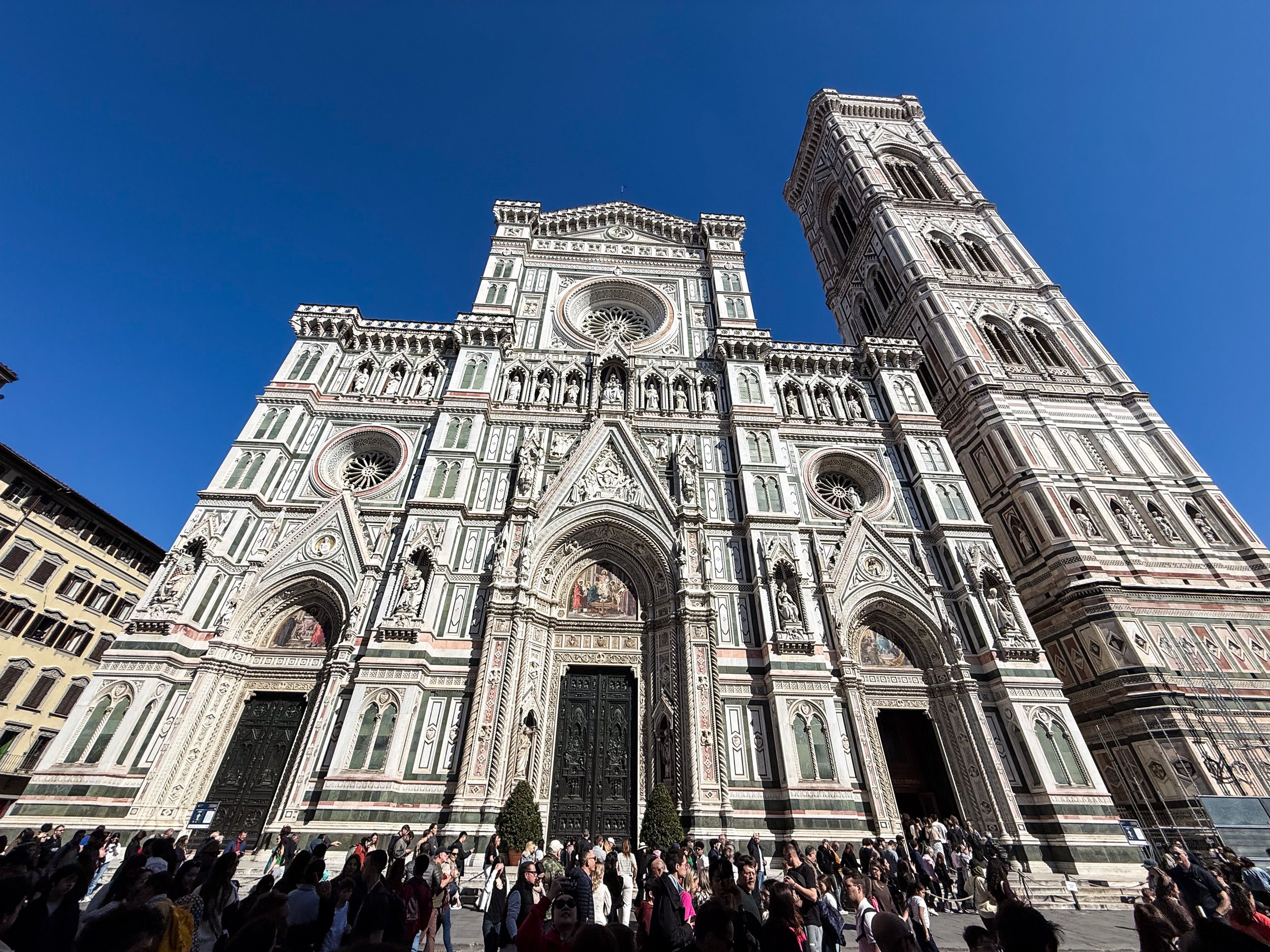
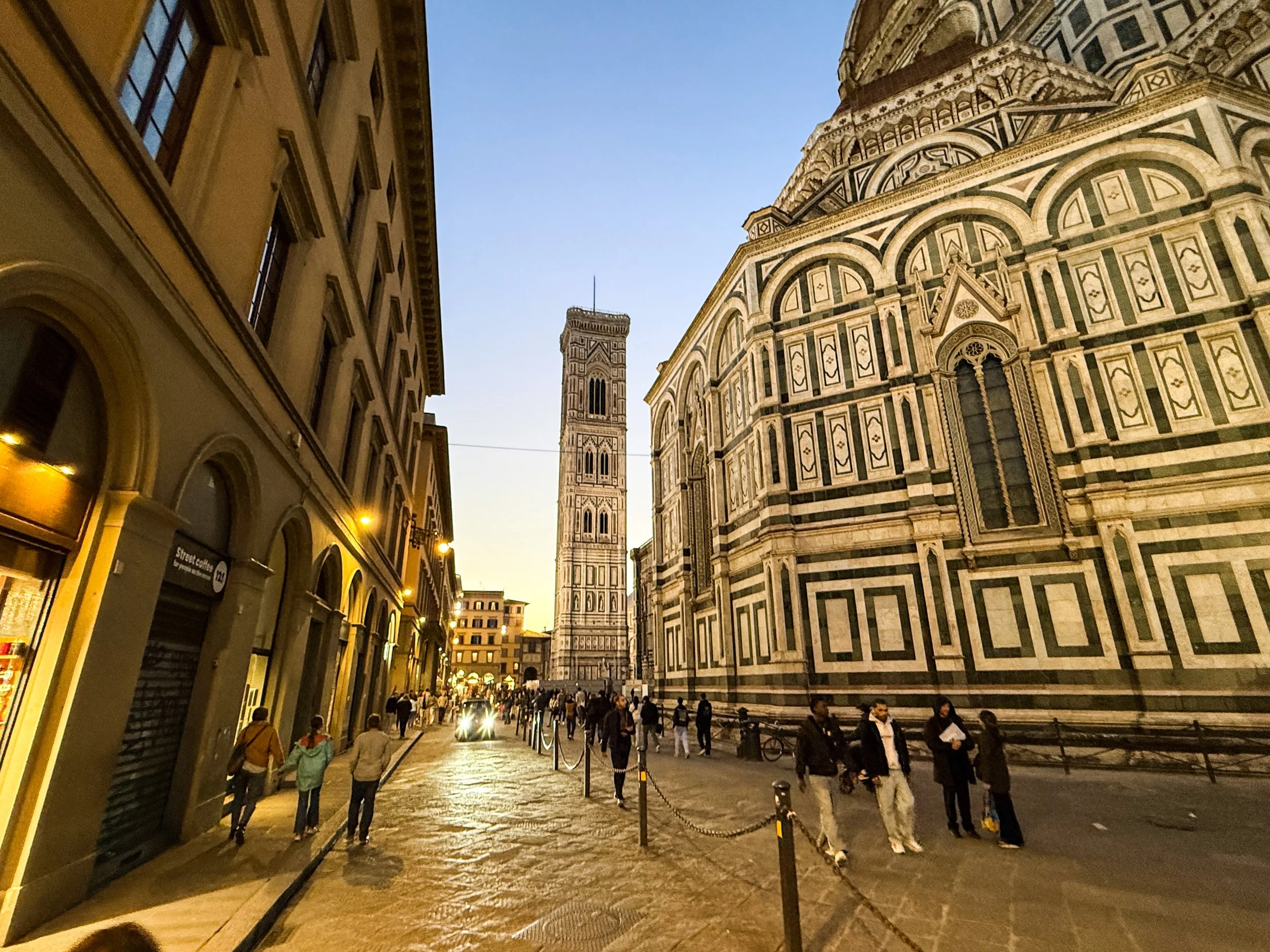
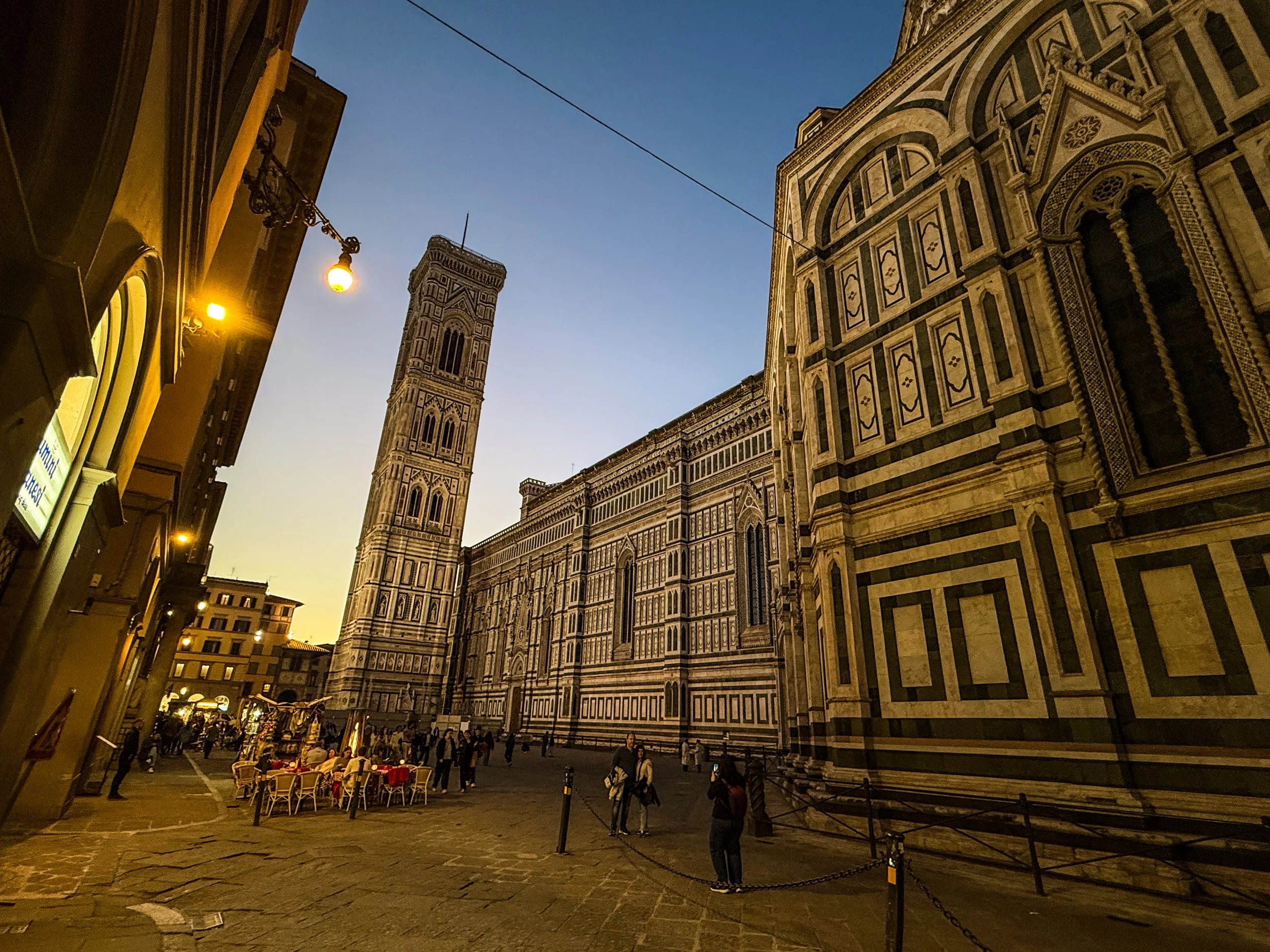
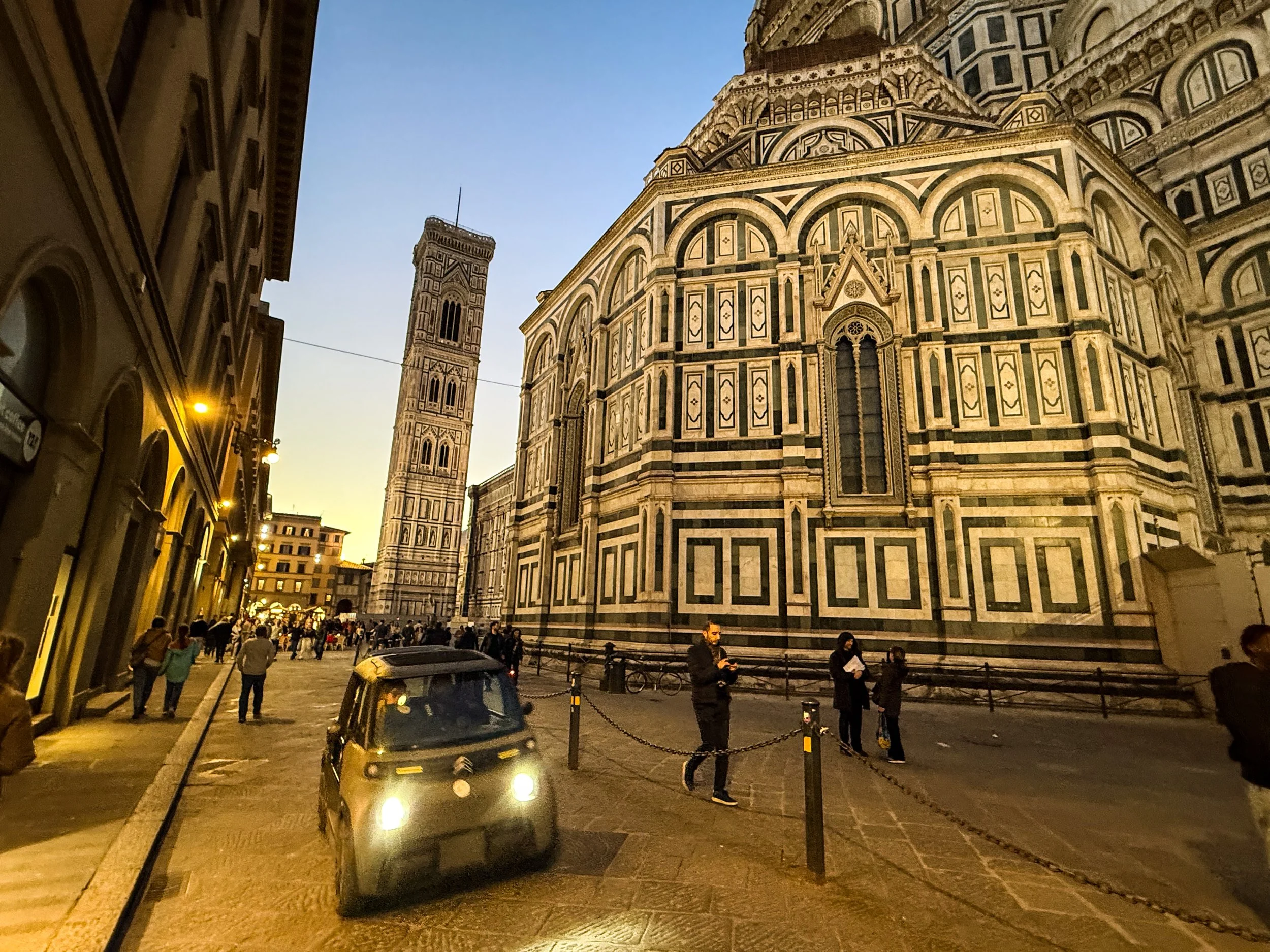
I think the two most important things to see in Florence are (1) Michelangelo's David at Galleria dell’Accademia di Firenze, and (2) the famous Duomo of Florence. Well, to see the David, you need to purchase tickets in advance, so this was a 🌈 learning moment 💫 for me. I’ll need to see this statue on the next visit. But what I can show you now is the the Duomo.
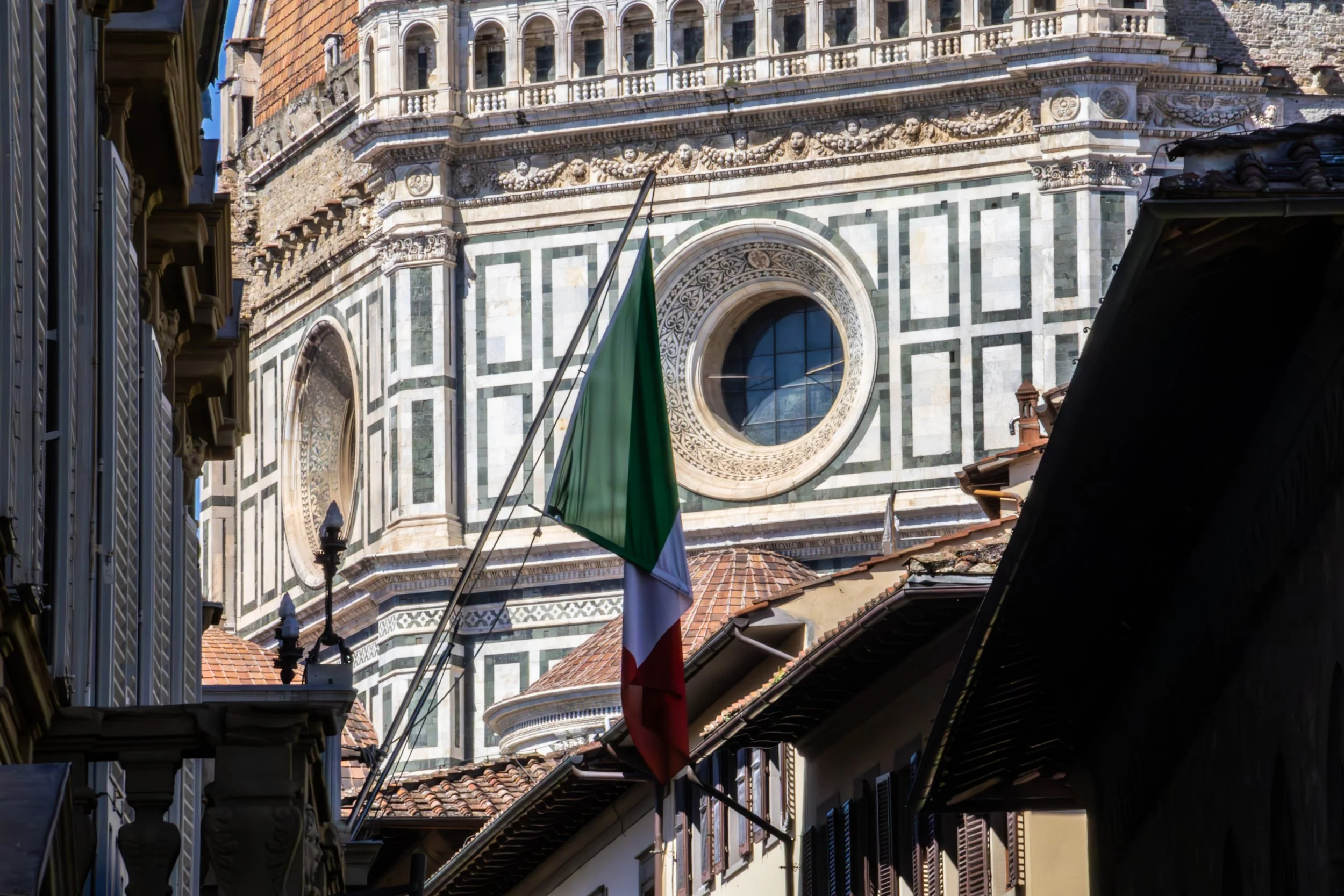
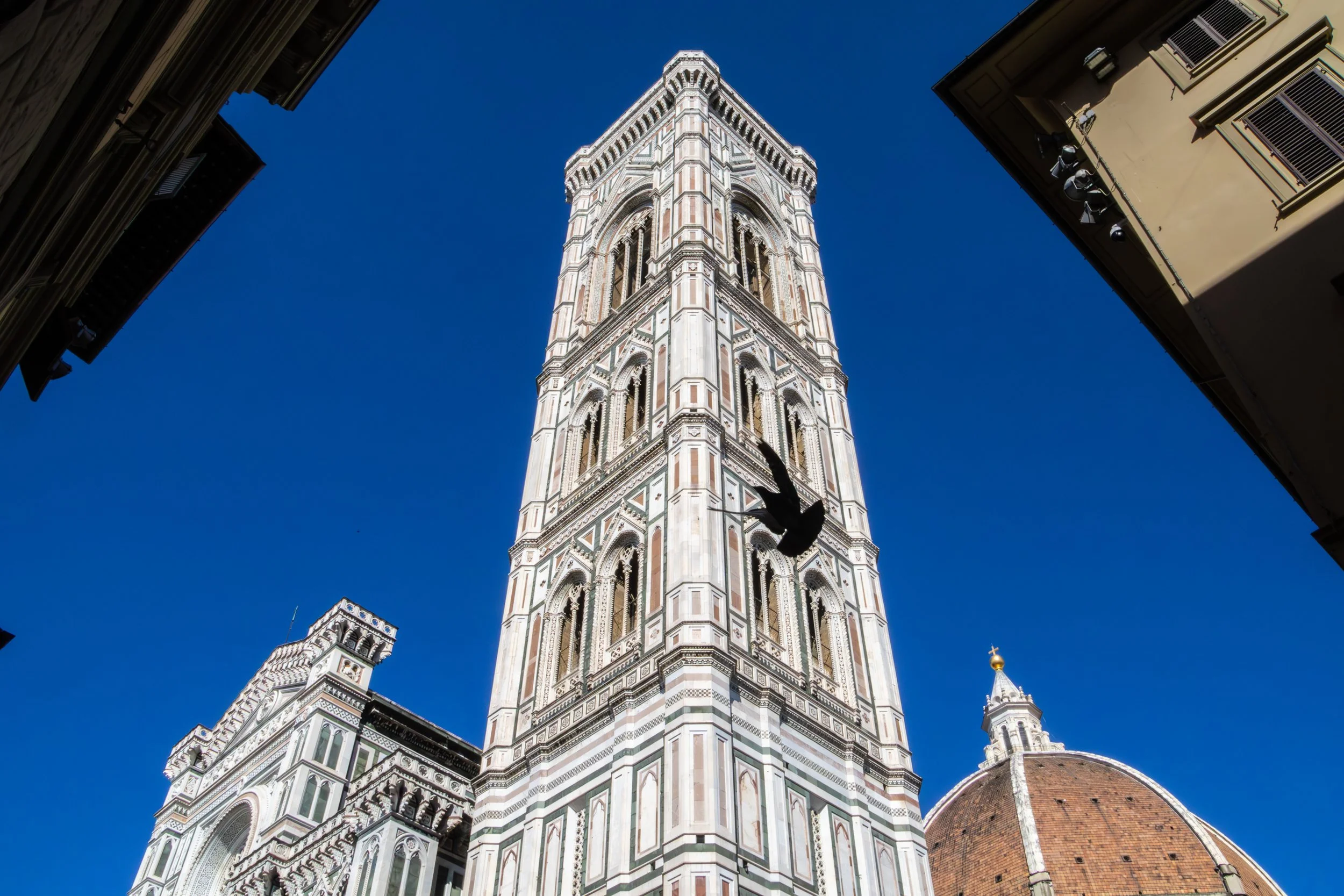
First off, you’ll hear the word “duomo” used as a colloquial short-hand to refer to the big church in many different Italian cities. You’ll usually have to infer from context which exact church is being spoken about, but I’ll save you the trouble today: it’s Cathedral of Santa Maria del Fiore (Cathedral of Saint Mary of the Flower). But you’ll hear the “Duomo” or “Cathedral” of Florence used far more often.
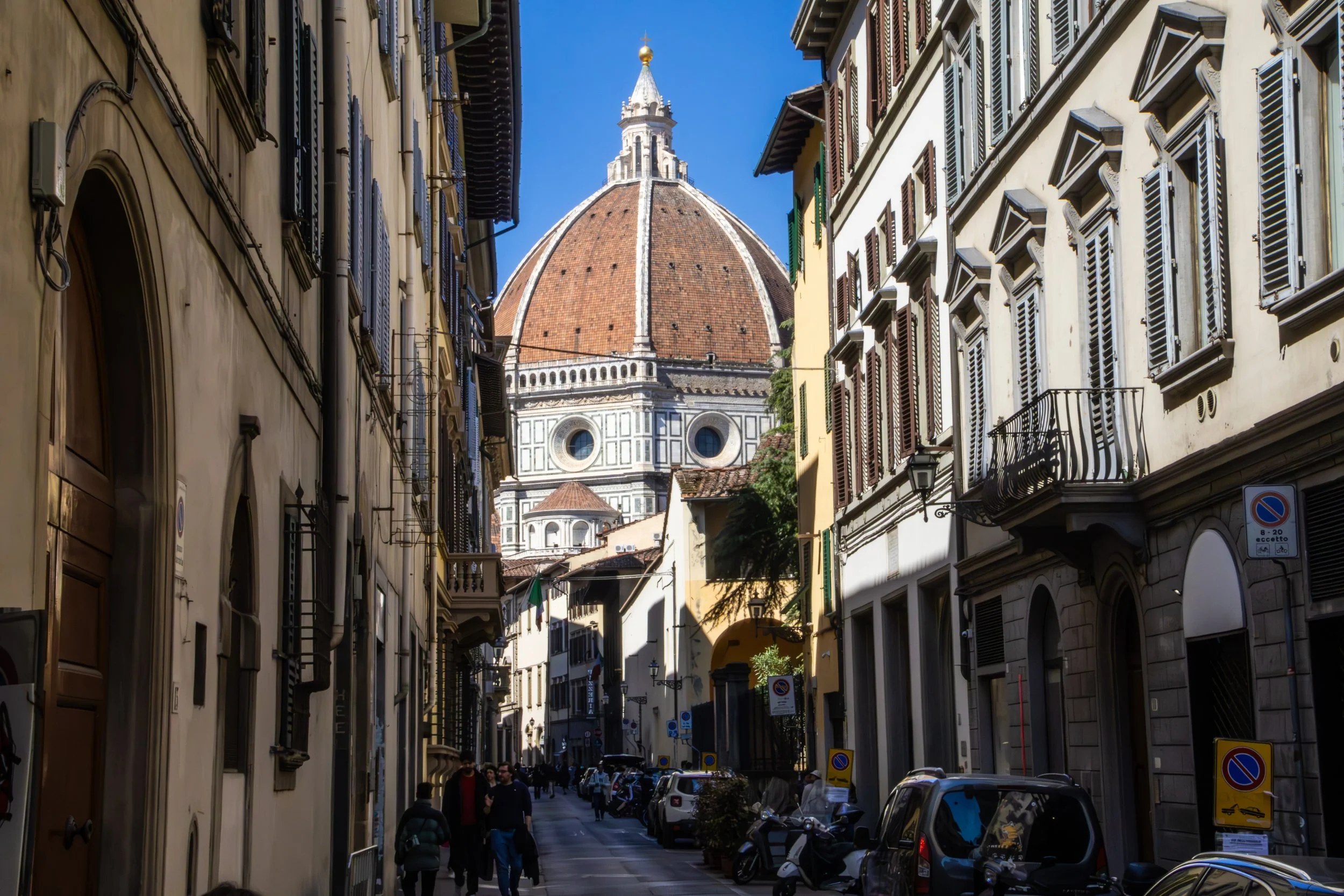
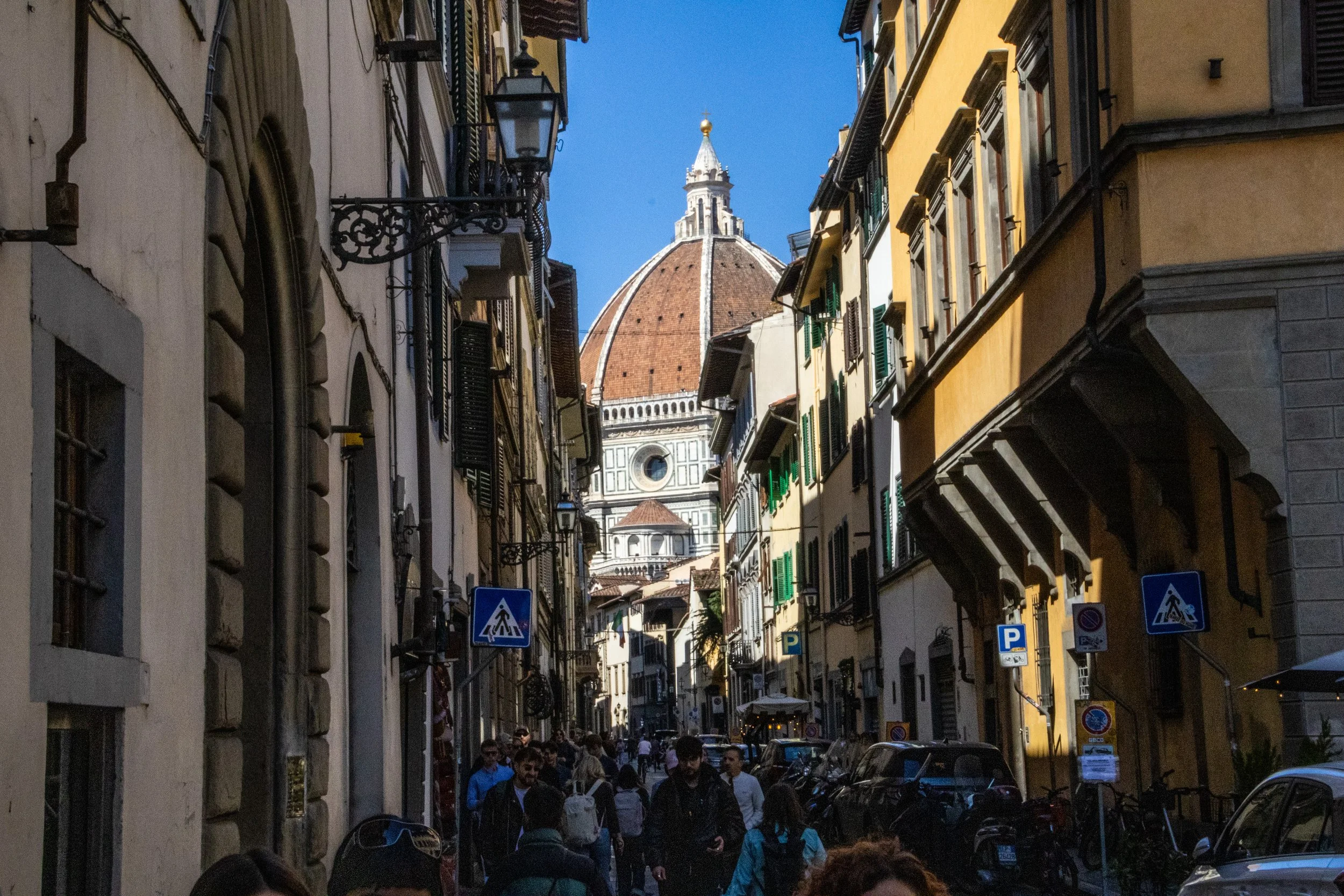
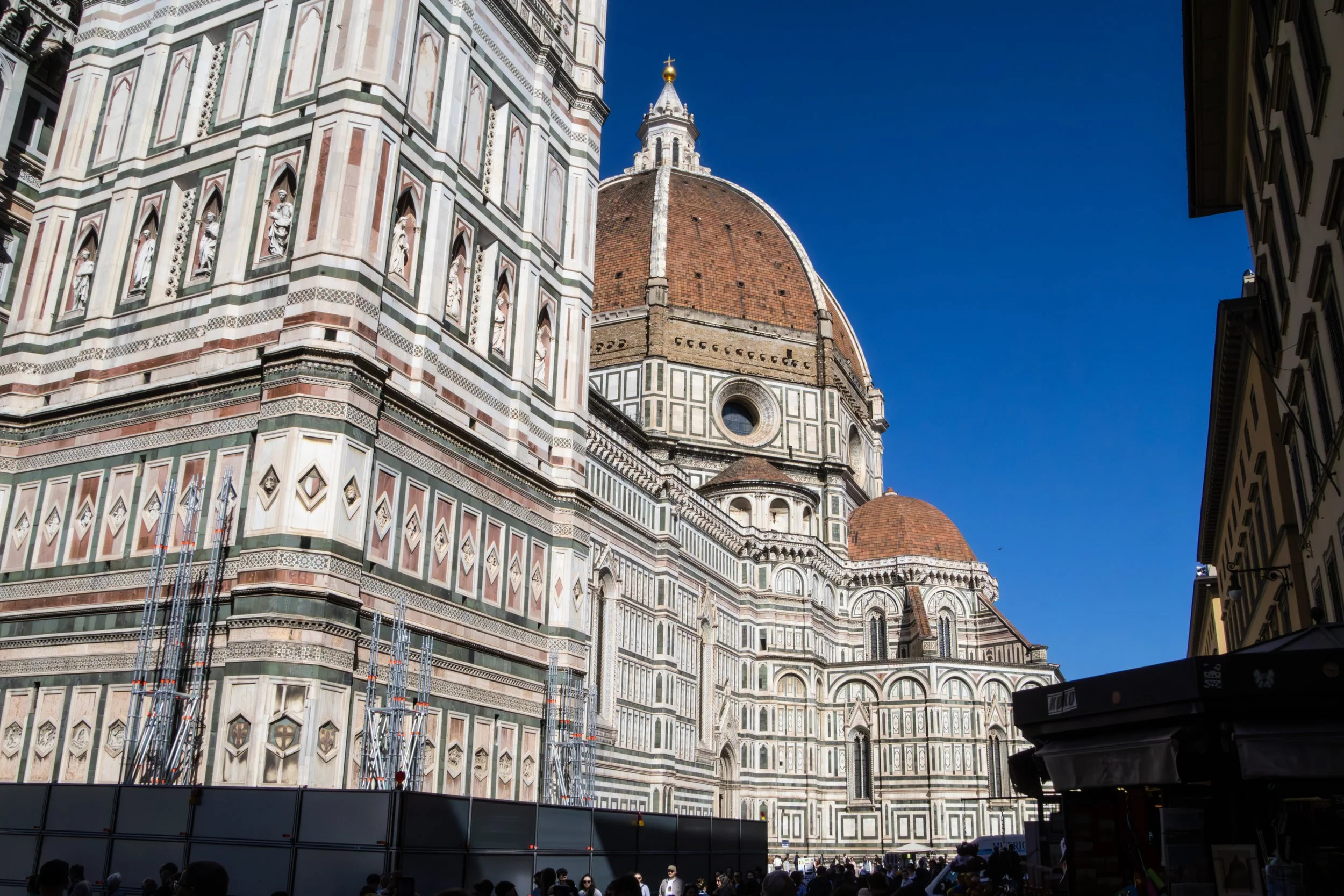
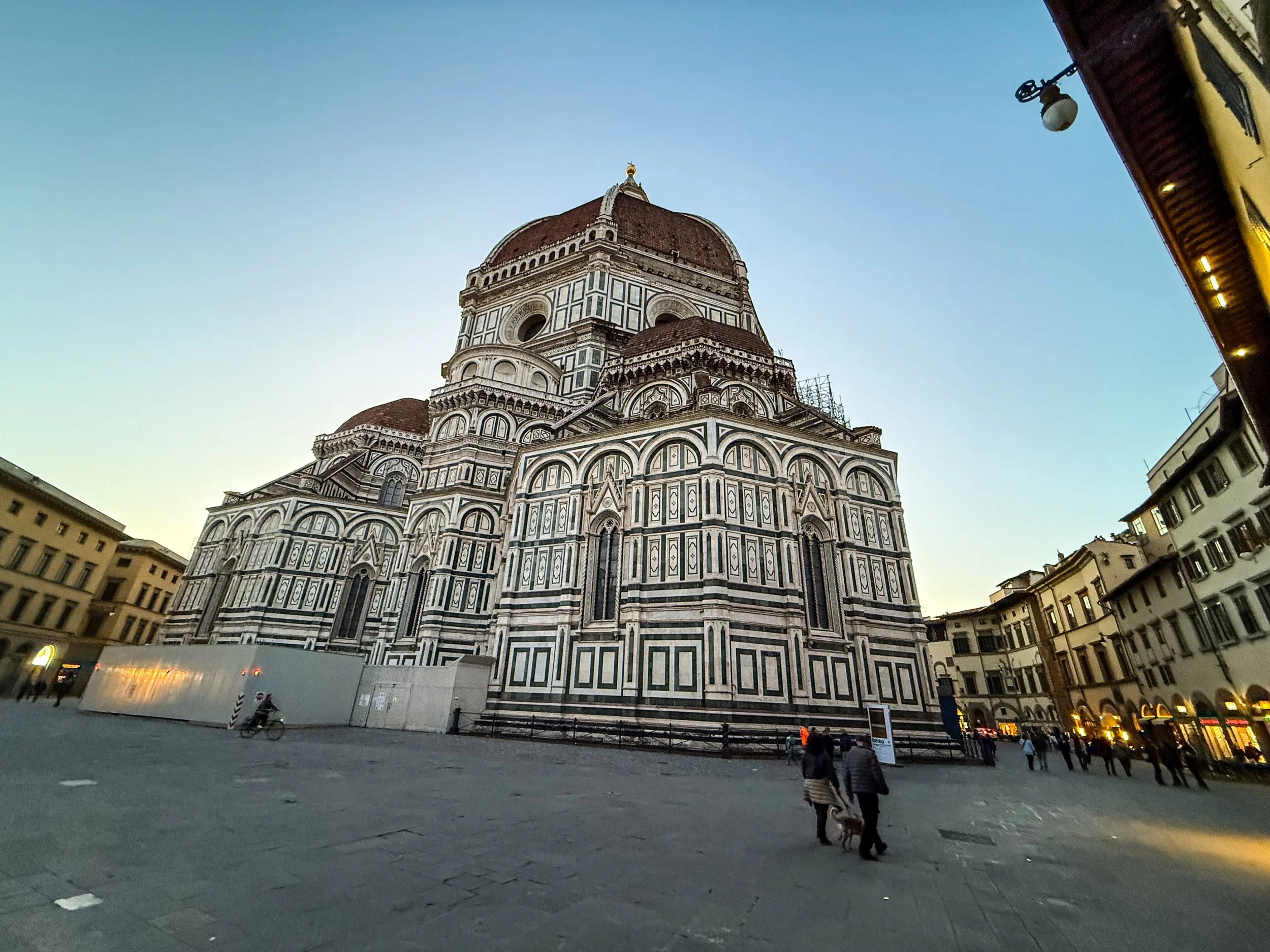
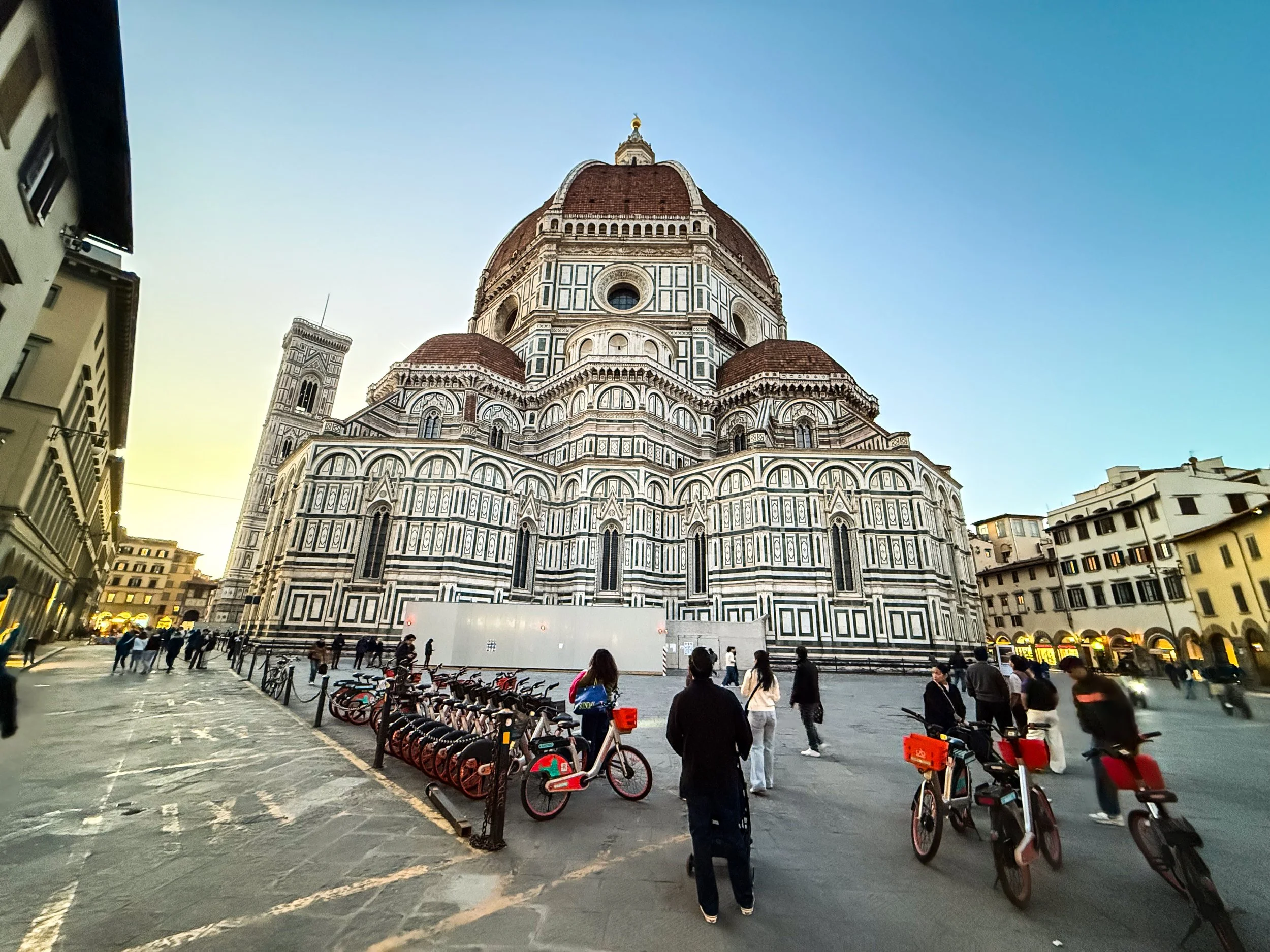
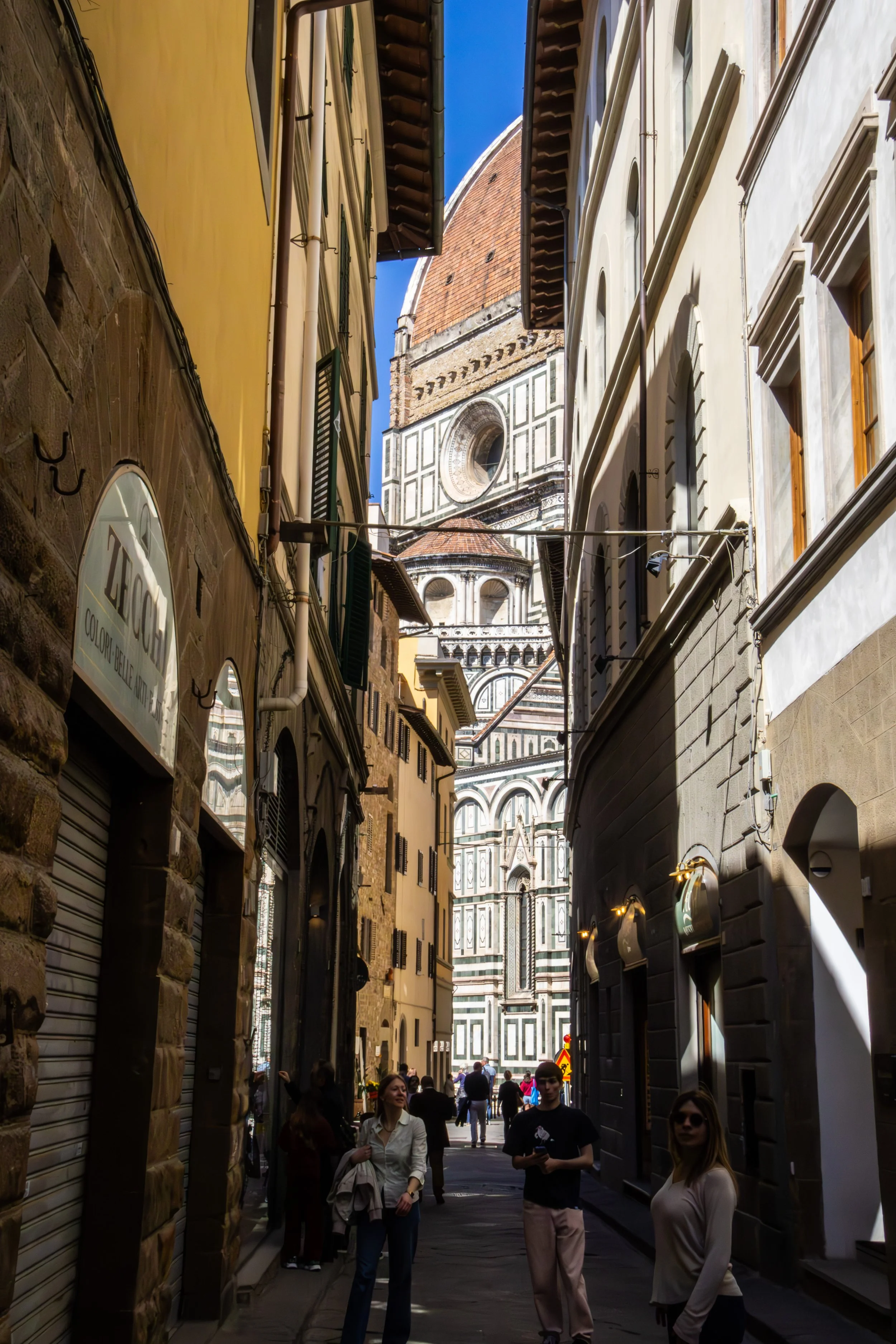
This church was arguably the single most important building of the Renaissance. Indeed, it represents the moment when Europe transitioned from the medieval world into the modern age. Or, the beginning of the modern age at least. Started in 1296, this was a multi-generational project whose ambition, scale, and sheer audacity fundamentally changed engineering and architecture forever. You see, its massive dome—as envisioned by the original architect—would have been the largest since ancient Rome and nobody knew how to actually build it! 2 architects and roughly 60 years later, the design had been expanded to make the dome even wider and thusly all the more impractical. Enter Filippo Brunelleschi, one of the names on the list of famous Florentine Renaissance figures above, and the architect who finally made it happen.
Let’s take a minute to consider the challenge this guy had ahead of him. This dome was to be almost 46 meters (~151 feet) in diameter. If we built something like that today, we’d be using steel, concrete, and cranes. None of this technology existed yet! Back then they just used crazy amounts of scaffolding for projects like this, but this proved ineffective in completing the upper portions of the dome. So the construction site had been sitting there with a big hole in the roof for YEARS. Many people lived and died under the assumption that this would just never be finished. Brunelleschi did 4 things:
Introduced a layered double-dome design, which used the combination of an inner and outer dome to drastically reduce the weight.
Instead of laying bricks in simple horizontal rows, arranged them in a distinctive zigzag ("herringbone") pattern, which locked the surrounding bricks into place as construction rose.
Introduced massive stone and iron chains, which acted like giant belts wrapped around the dome to resisted the outward thrust that would otherwise have caused the structure to spread and crack.
Invented entirely new machines to aid in the construction, such as hoists and an early ancestor of the modern-day crane; these are considered by many historians to be as important as the dome itself!
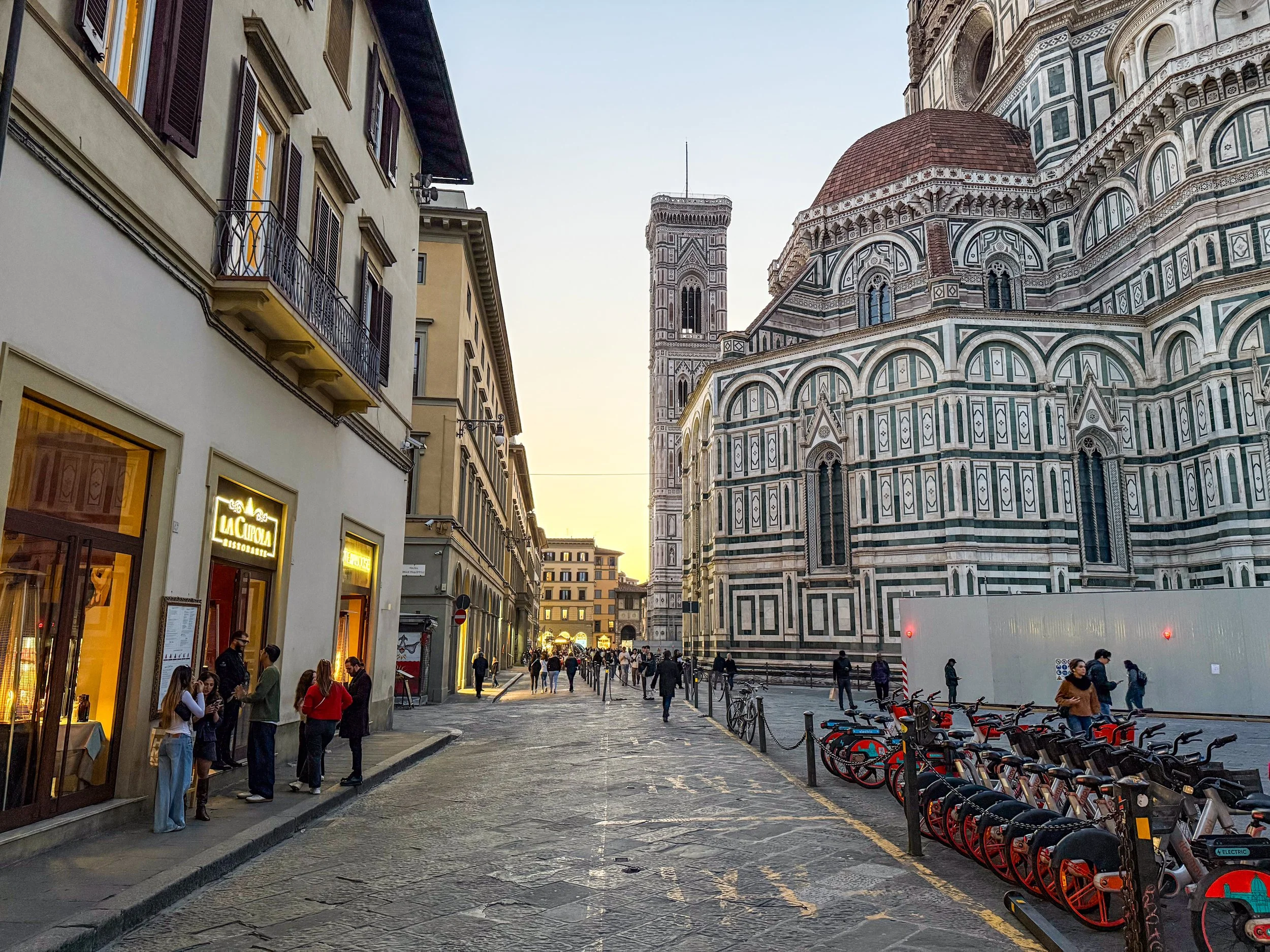
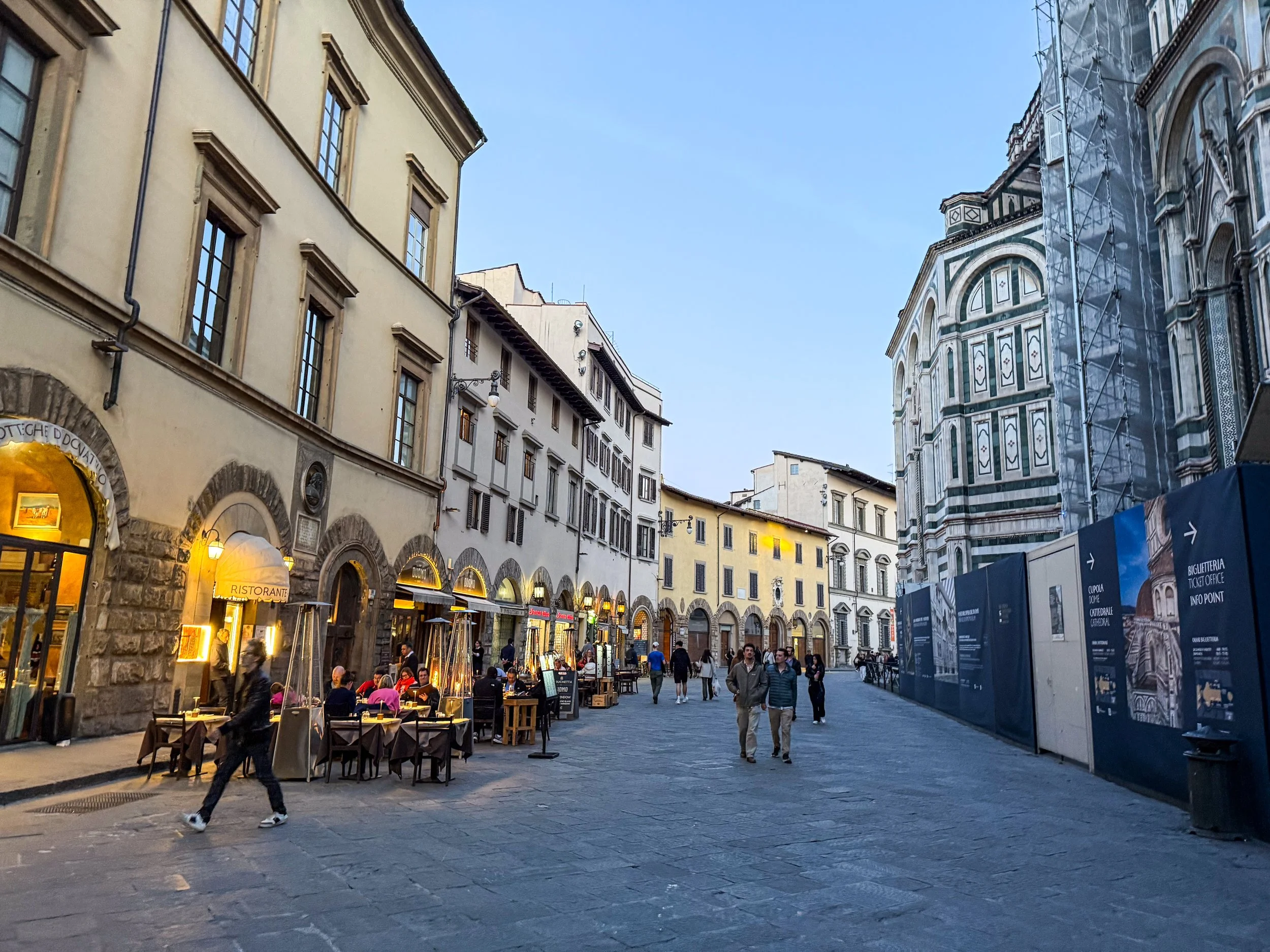
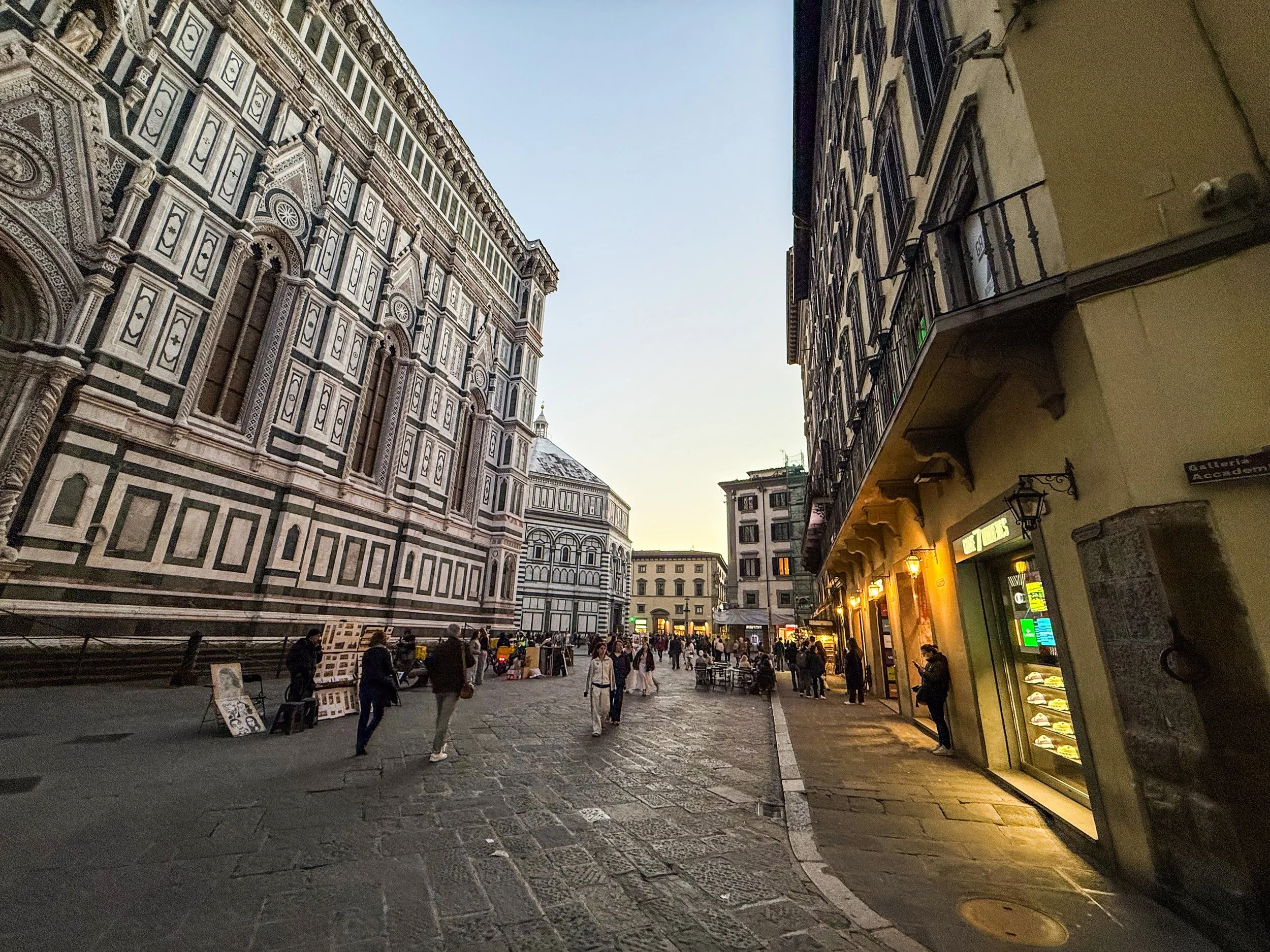
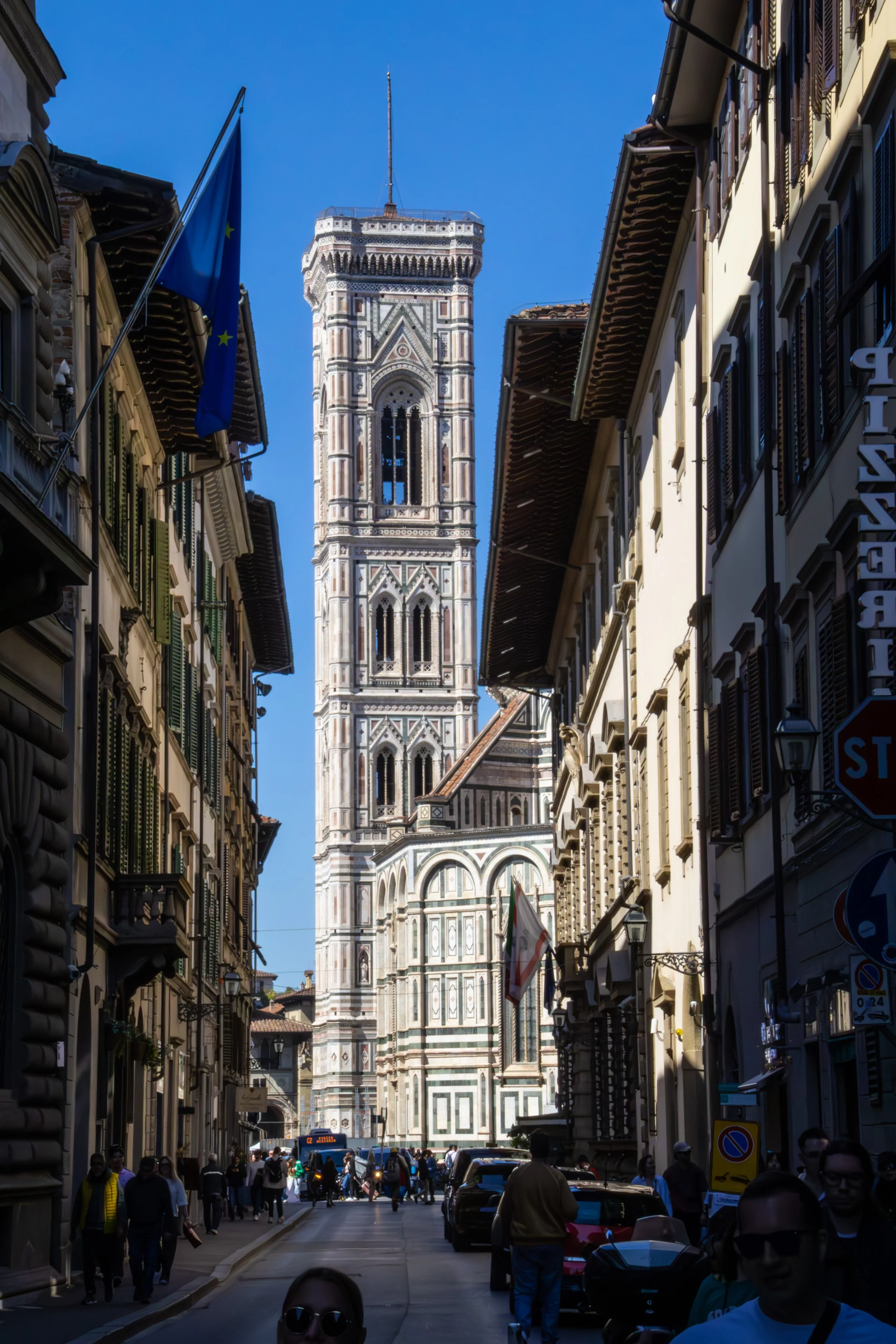
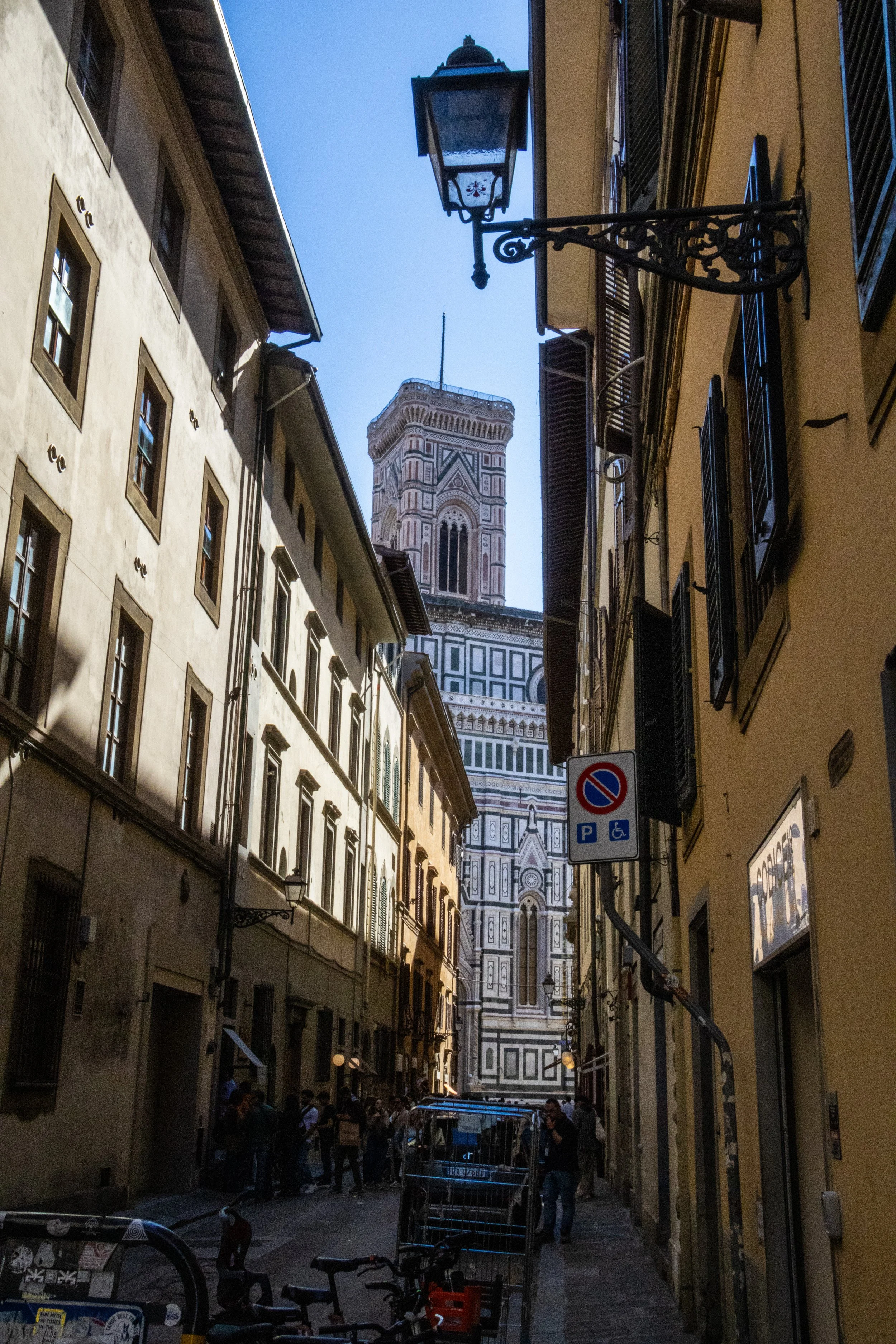
From 1420 to 1436, Brunelleschi oversaw the construction and completion of this engineering marvel which still stands today, many centuries later. Somewhere in the hills outside the city there is an awesome viewing point where you can see this dome towering over the cityscape… you don’t grasp quite how massive this thing is from point of view of the streets, but it’s beautiful nevertheless. I’ll go find that photography spot on my next visit to Florence. For now, this is all I have for you:
Coming up next, our adventures in Tuscany continue with a visit to Pisa! This was not a place that was very high on my priority list, but since we were in the neighborhood, why not? Spoiler: it was actually a gorgeous city as well, and very much on-brand with Florence.
For now, I’ll leave you with a track from an Italian singer I like. Ciao for now!




And we’re closing our time in Milano with a street art feature! On this trip I did not find nearly the quantity that I have in some of the other articles on street art, but the quality of what I did find was high enough that I decided these murals deserved their own space. That being said, the mural map of Milan that I found on streetartcities.com suggests I may have missed some really good ones along the way, but that’s okay. I’ll be back!