
I first came to Barcelona back in 2012, a couple of years before this blog started. I was in my semester abroad, living, working, and studying in Madrid. Some of my classmates and I came to Barcelona for a weekend to drink and eat our way across this beautiful city. A few years into this website, I dug up some of those photos and re-edited them for a #throwback article (link here)… but Barcelona deserves coverage that is a bit more thorough. So here we are; I’m going to do my best to do this place justice!
One interesting dimension of Spain is its cultural and linguistic diversity. When you see Spain represented in the world, united under one flag—like in their recent World Cup win—it’s tempting to view this country as a monolith. But actually, Spain encompasses multiple distinct cultural groups with their own languages and histories going back thousands of years, which are very much alive, well, and thriving right now, as you read these words! The Basque cultural identity, which we learned about in the recent article on San Sebastian, is a great example of this. But, by all quantifiable metrics, from general population to economic influence, the Catalan identity is arguably even more important in the context of modern Spain. The Catalan language—which is still in active use by ~94% of Catalonia’s present-day population, or about 6.4 million people—is not a dialect of Spanish, but a stand-alone Romance language that developed alongside French, Occitan, Italian, etc. Indeed, many Catalans see themselves as Catalan first, Spanish second. And the Catalan HQ is—you guessed it—Barcelona!
Catalonia (also spelled Catalunya) is a region of Spain that corresponds to the historical independent Kingdom of Aragon. At its height, Aragon (Catalonia) ruled over Valencia, Mallorca, Sicily, Sardinia, Naples, and parts of Greece. Its initial consolidation with Castilian Spain (Madrid) came in 1469, when Ferdinand II of Aragon married Isabella I of Castile. Even after this point, Aragon (Catalonia) still maintained many of its own institutions, which operated continuously until the War of the Spanish Succession (1701–1714), wherein Madrid eventually sacked Barcelona, bringing the Catalans under Castilian rule once and for all. At this point, Barcelona was a true medieval city, entirely encircled by defensive walls, so you can imagine the battle!
After the War of the Spanish Succession, Barcelona was (unsurprisingly) viewed by the central government in Madrid as being a political threat, so a major military fortification called the Citadel (Ciutadella) was constructed nearby with the dual purpose of defending Barcelona from attacks from outsiders… and, if deemed necessary, attacking Barcelona! 😂

Quick pause: I’m not doing this deep-dive on the history Castilian-Catalan relations purely for academic purposes. This is the prologue for what is—to me—one of the most striking aspects of Barcelona: its grid-system streets. This is extremely unique in Europe; most historic cities are still on their medieval street plans, full of narrow, winding alleyways… but Barcelona, a city that dates back to Roman times, works almost entirely on a grid system, like Chicago??? I needed some explanation for this, and the backstory did not disappoint.
By the 1800s, Barcelona was rapidly industrializing, but it was constrained by its old medieval defensive walls. As a result, the city was becoming insanely dense. Factories were built in residential areas while courtyards disappeared, buildings grew ever-higher, and sanitation standards suffered, leading to frequent outbreaks of disease. The solution might seem obvious: get some breathing room by expanding beyond the old city’s walls! Well, Madrid had banned any construction in the area immediately around Barcelona to keep the area clear for unimpeded military assault. In other words, they wanted it to be as easy as possible to attack Barcelona! And this was very much still a possibility, as Barcelona was frequently the site of uprisings against the Spanish state. In one such instance, in 1842, the Spanish army actually shelled Barcelona with heavy artillery! Needless to say, while these walls originally served as protection, they now symbolized Castilian control.
¡Abajo las murallas!!! (Down with the walls!!!) This became a rallying cry in Barcelona, and despite initial resistance from Madrid, demolition eventually began in 1854. By this point, the flat coastal area around Barcelona was completely empty, save for a few other small, medieval towns, such as Gràcia, Sants, Sant Martí, Sant Andreu, and Sant Gervasi. Having had its development artificially constrained by the Spanish state for so long, Barcelona now found itself in the unusual position of having to develop huge swaths of land from scratch.
Enter Ildefons Cerdà. He was an engineer who, in 1859, produced one of the most radical urban plans of the 19th century. He designed a massive grid system with wide streets, enormous square blocks, lots of trees, robust sewer infrastructure, abundant public transportation, large interior garden, and lots of sunlight. Most famously, to improve visibility, turning space, and airflow, he ‘chamfered’ every corner, essentially turning the square blocks into octagons. This street layout is now iconic, but it did not replace the medieval settlements; all of that history is still here! And you’ll know you’re passing through it when Barcelona’s grid suddenly weakens and its streets suddenly become more windy and narrow. And that list of smaller, independent settlements I gave in the previous paragraph? Those are all now neighborhoods of the sprawling behemoth we know today. Gràcia is a prominent example of this! In fact, the area right outside the original medieval center of Barcelona is literally called Eixample, which translates to “expansion.”
So, Barcelona is a really interesting fusion of old and new! But some things never change… I would be remiss if I did not mention the modern-day Catalan independence movement.
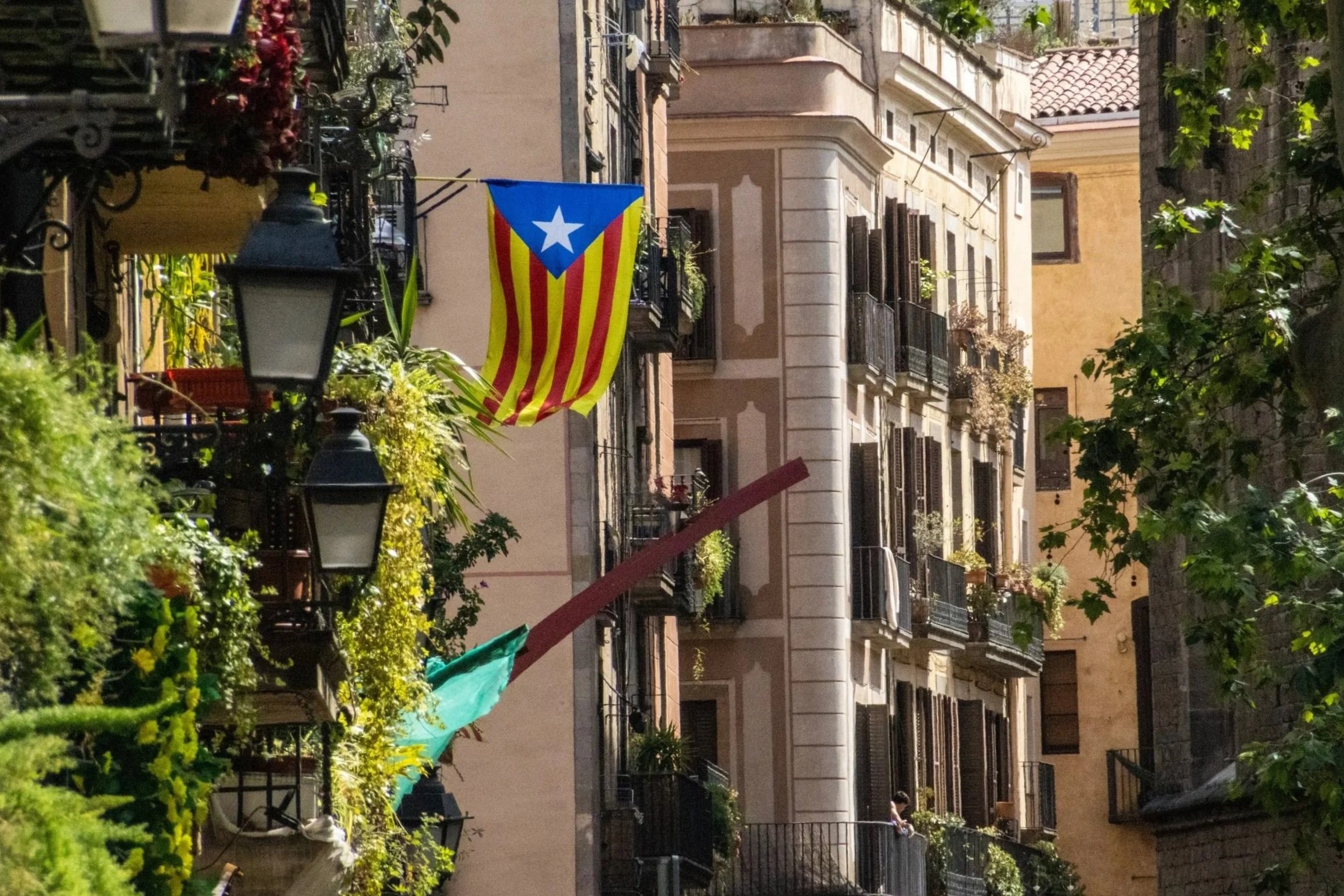
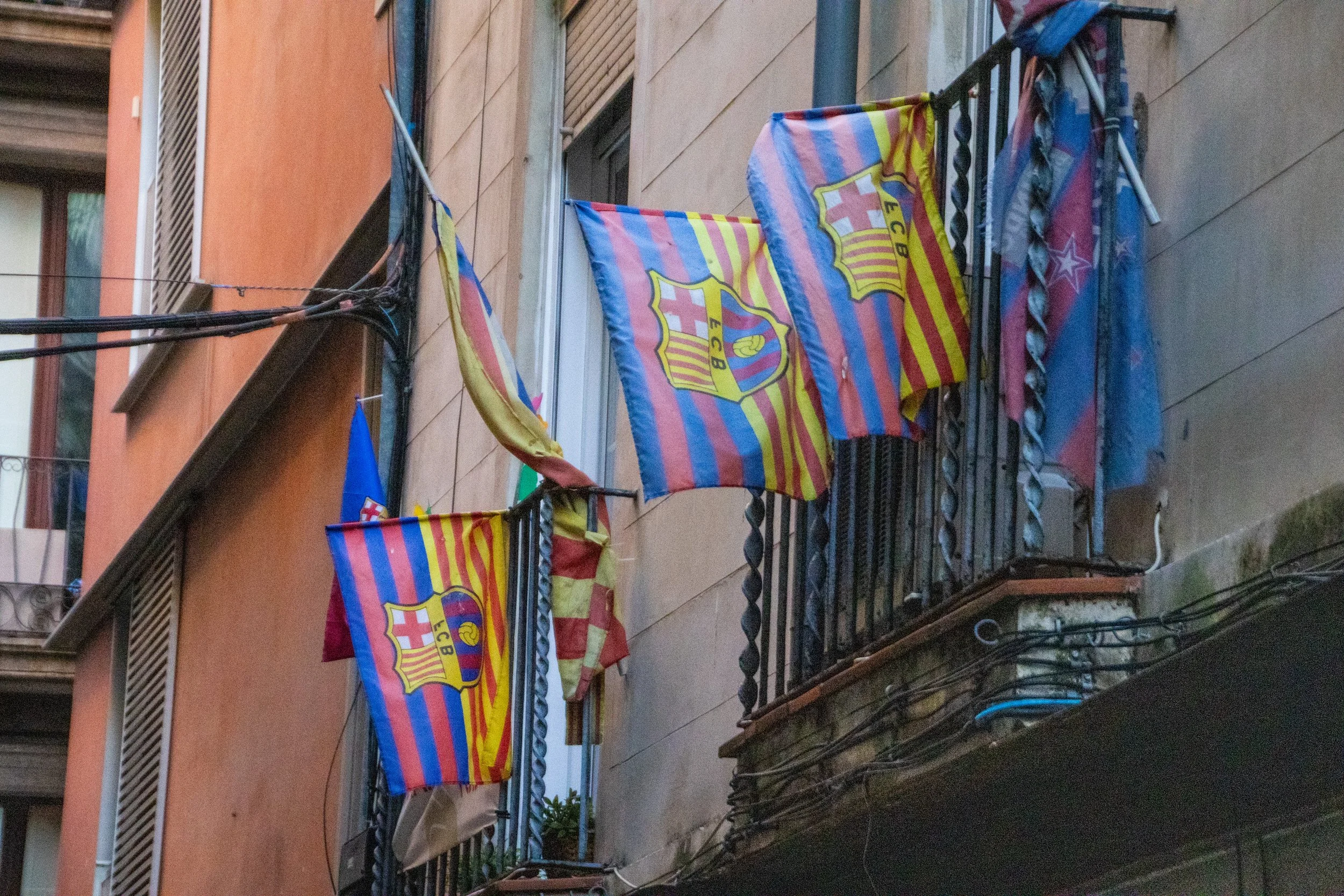
In 2017 there was an independence referendum in Catalonia, which prompted serious intervention from the Spanish government. Madrid declared this referendum unconstitutional, suspending Catalonia's right to autonomous government and even throwing some of its leader into prison, while others fled the country. This was less than 10 years ago! And even still, support for Catalan independence from Spain remains high, often at 40–50% depending on the poll and question asked. This deserves its own article sometime in the future, but I want to give you the high points now so that you can make sense of all of the different flags you will see hanging in the streets of Barcelona in the galleries that are to come. For reference, in addition to the flags of both Spain and the European Union, which you will see occasionally flying around Barcelona, it’s far more common to see the flags of Barcelona, Catalonia, and Catalan independence flying. Clearly, regional identity > national identity here. You will see these flags identified below.
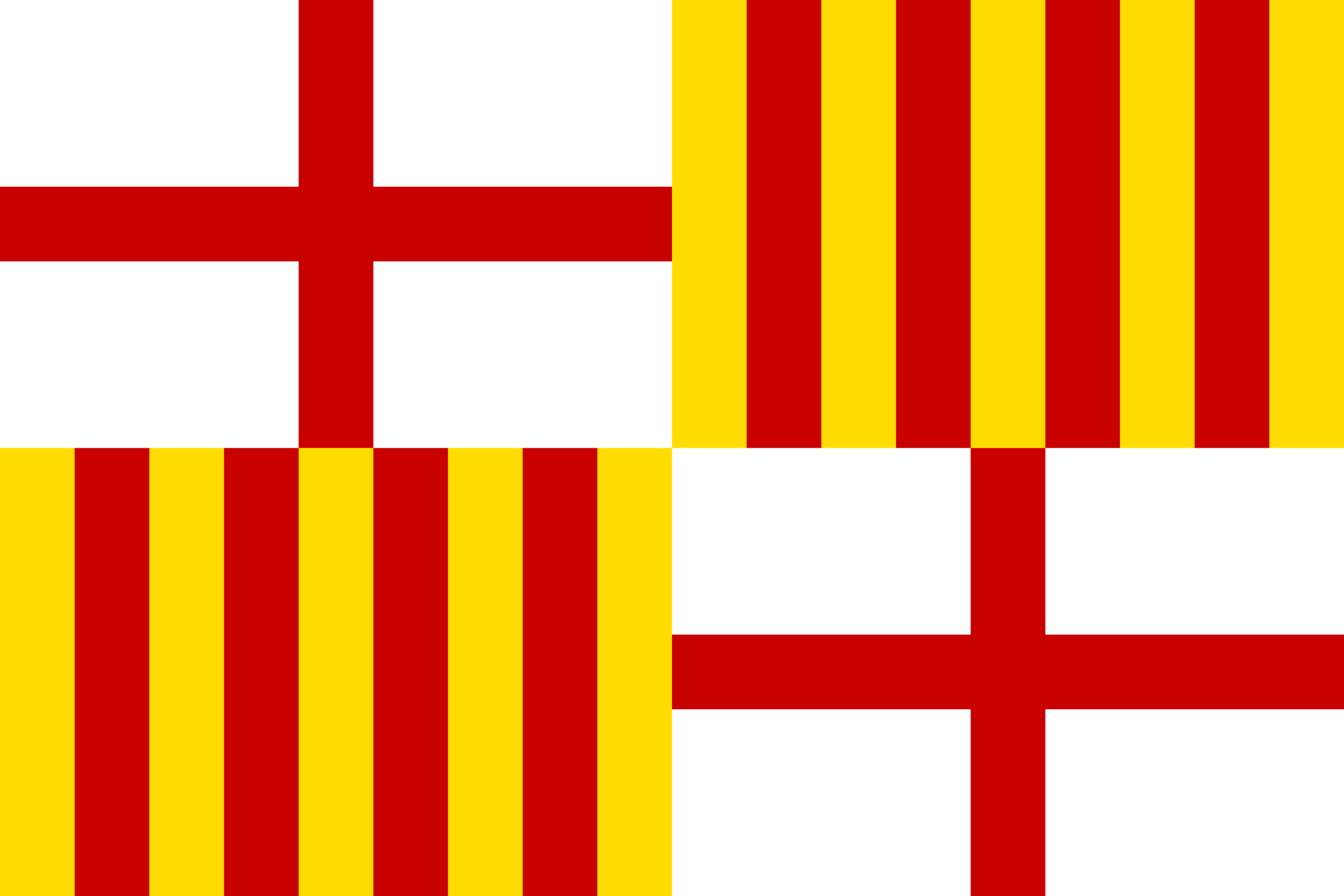
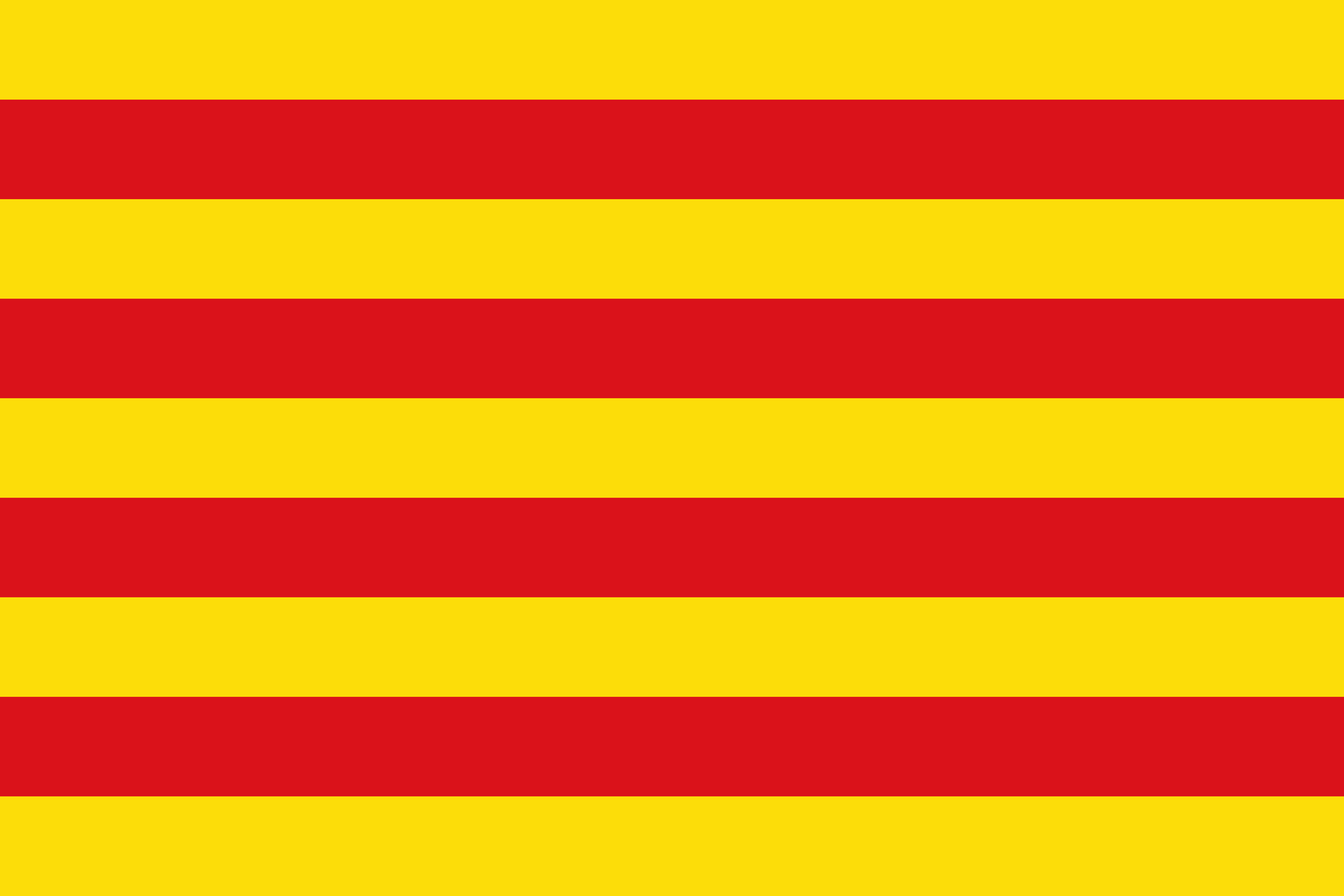
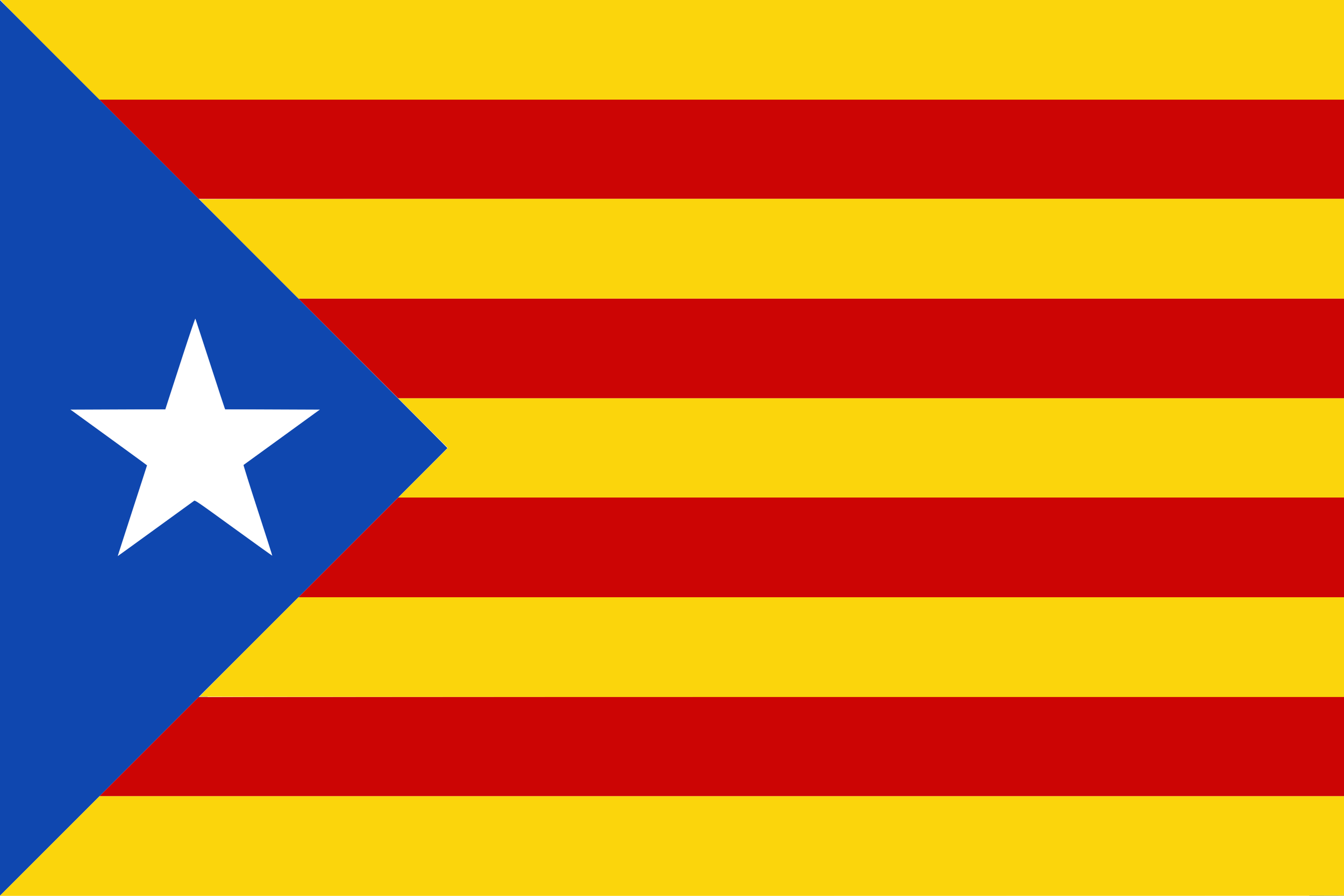
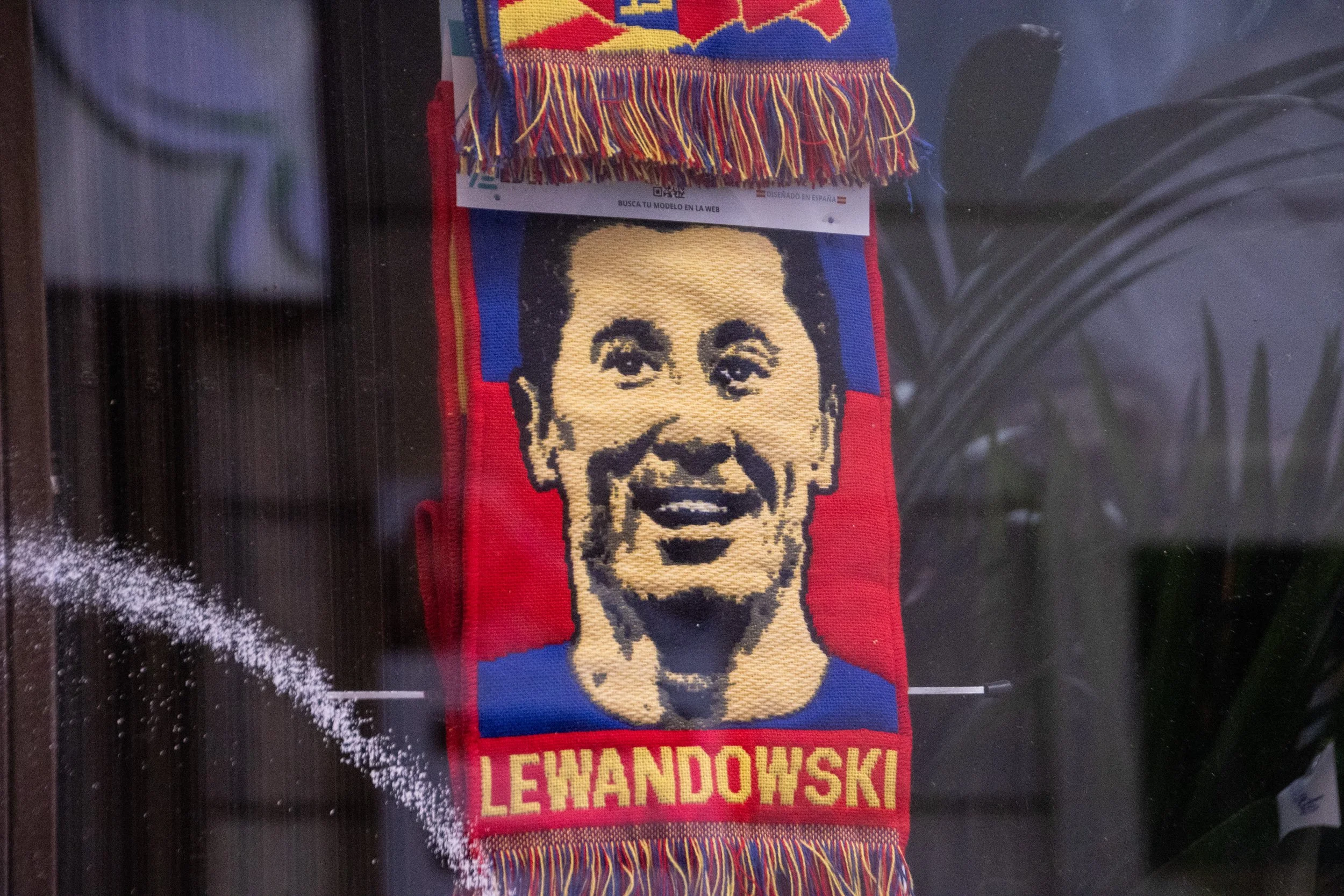
Oh, and you’ll also see FC Barcelona flags everywhere as well. Their primary rival is—of course—Real Madrid. It may seem like just a game, but the rivalry is rooted in a very real and bloody history. But that too is a topic for another day. Rest assured that I’ll be attending a game at Camp Nou sometime in the hopefully not-so-distant future. So, setting aside the sometime tense relationship between Castilian and Catalan cultures, let’s get to know the city of Barcelona, shall we??
With a metro area population of ~ 5.5 million people, Barcelona is the 2nd largest city in Spain, behind only Madrid. By basically every quantifiable metric— population, economy, political power, etc.—Madrid is the larger city. But when it comes to travel, especially international travel, this relationship reverses. Barcelona is far-and-away the favorite destination for international tourists visiting Spain. And, when you consider the fact that Barcelona also covers a much smaller land area than Madrid, the concentration of international tourists becomes much more intense. Barcelona has indeed struggled to accommodate the levels of tourism it is now receiving, but it’s easy to see why the whole world is so interested in coming here! Sandwiched between the Collserola mountains and the Mediterranean Sea, Barcelona is an absolutely idyllic city. And once you’re in the middle of it, it’s incredible how quickly the Catalan identity eclipses that of Spain.
Today I will (try to) show you a bit of what makes Barcelona—with its Mediterranean climate, endless mountains and beaches in the background of every scene, amazing food, and the eternally unattainable coolness shared by Spanish and Catalans alike—so famously idyllic. And we’re going to start in the oldest part of the city…
Gothic Quarter
This is ground zero. The Gothic Quarter is Barcelona’s oldest neighborhood… but there’s a twist.
You see, when you walk through the streets of the Gothic Quarter, you pretty much get what you were expecting in that it really feels very medieval. And while it’s true that the bones of this neighborhood are, indeed, medieval (and, in some cases, actually much older), it didn’t look like this during medieval times. In truth, after centuries of continual occupation, as Barcelona entered the 19th century, it was—from an architectural perspective—a complete mess. The city was a mish-mash of Roman, medieval, Renaissance, Baroque, 18th-century and industrial-era alterations all fused together. The Gothic Quarter, as you will see it today, was mostly the result of a massive program of architectural curation and embellishment that took place from the 1880s to 1930s.
There were a couple of reasons for this sudden medieval make-over in Barcelona’s oldest district. First, the Catalan language and culture—which had been suppressed under Castilian rule—was making a comeback. This resurgence is known as the “Renaixença.” At the time, medieval Catalonia (Aragon) was viewed as a golden age. And, from the perspective of cultural autonomy, that was true! So the medieval Gothic architecture of that time became a symbol of Catalan pride. On top of that, Barcelona was getting more international attention, so city leaders wanted to invest in beautification. And, luckily, after its rapid industrialization, Barcelona was also newly rich, so it could afford to do whatever it wanted! And so, the Gothic Quarter was reimagined into what exists today.
What I did not initially realize when I learned about this is how significant the changes were. Iconic, seemingly historic/authentic buildings were actually created, or re-created relatively recently. There were entire structures that were physically moved from one block to the next. And if there were buildings in the way, sometimes they were just demolished and rebuilt! Metaphorically, they completely rearranged the the furniture in the house… which I did not think was possible in the context of a city.
Combine this with our little exploration into how Barcelona got its grid system… and the architectural history of this city is starting to feel like CHAOS! This city must have felt like a giant construction site for like 100 years! Learning about it is stressing me out 😂 people must have lived their entire lives feeling like they were in an eternally messy house.
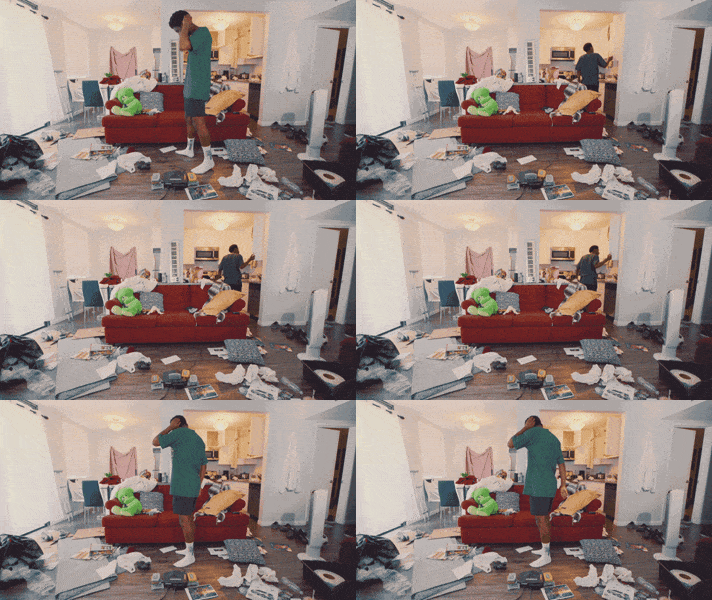
Well, the clean-up is done now… so here’s the final product!
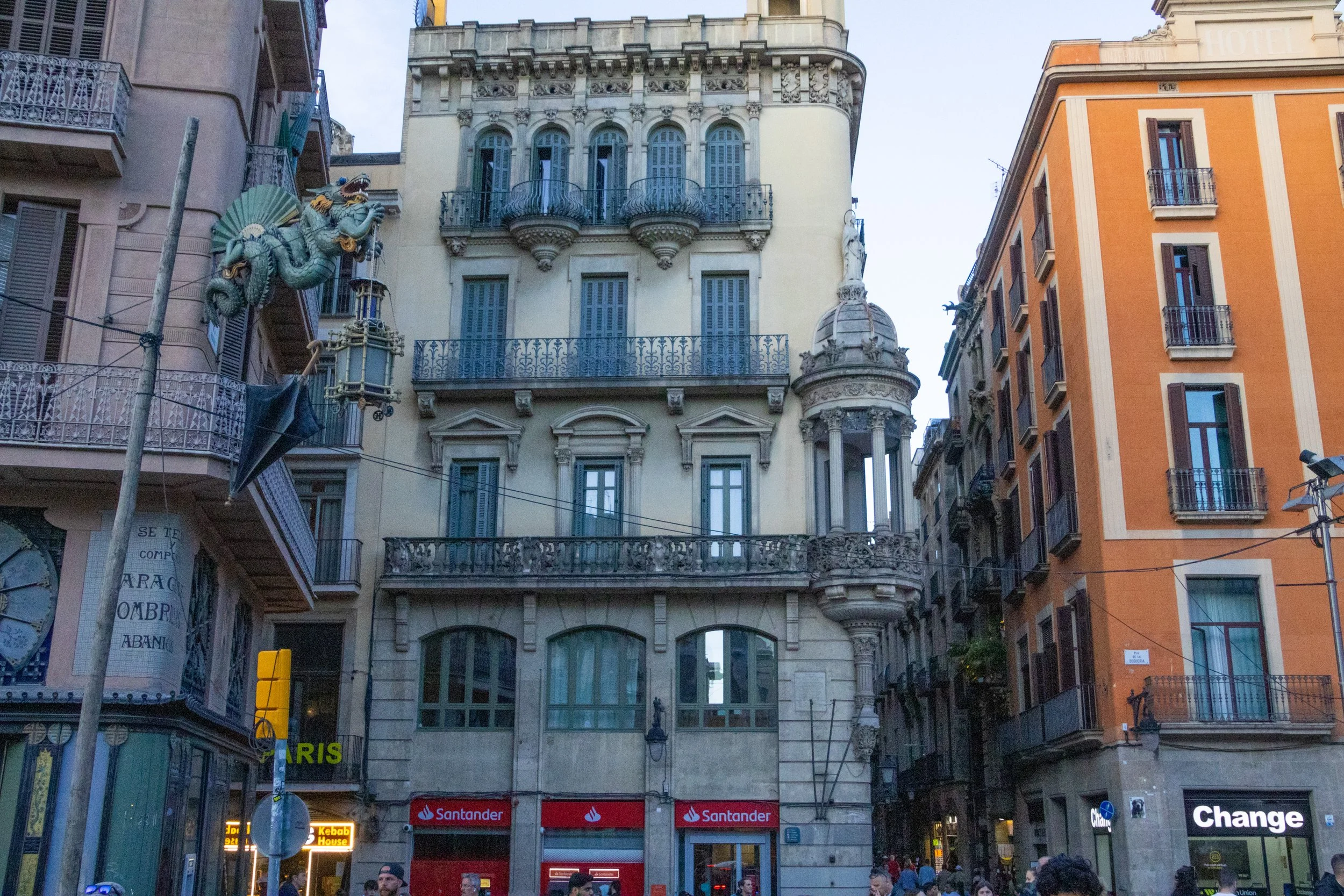
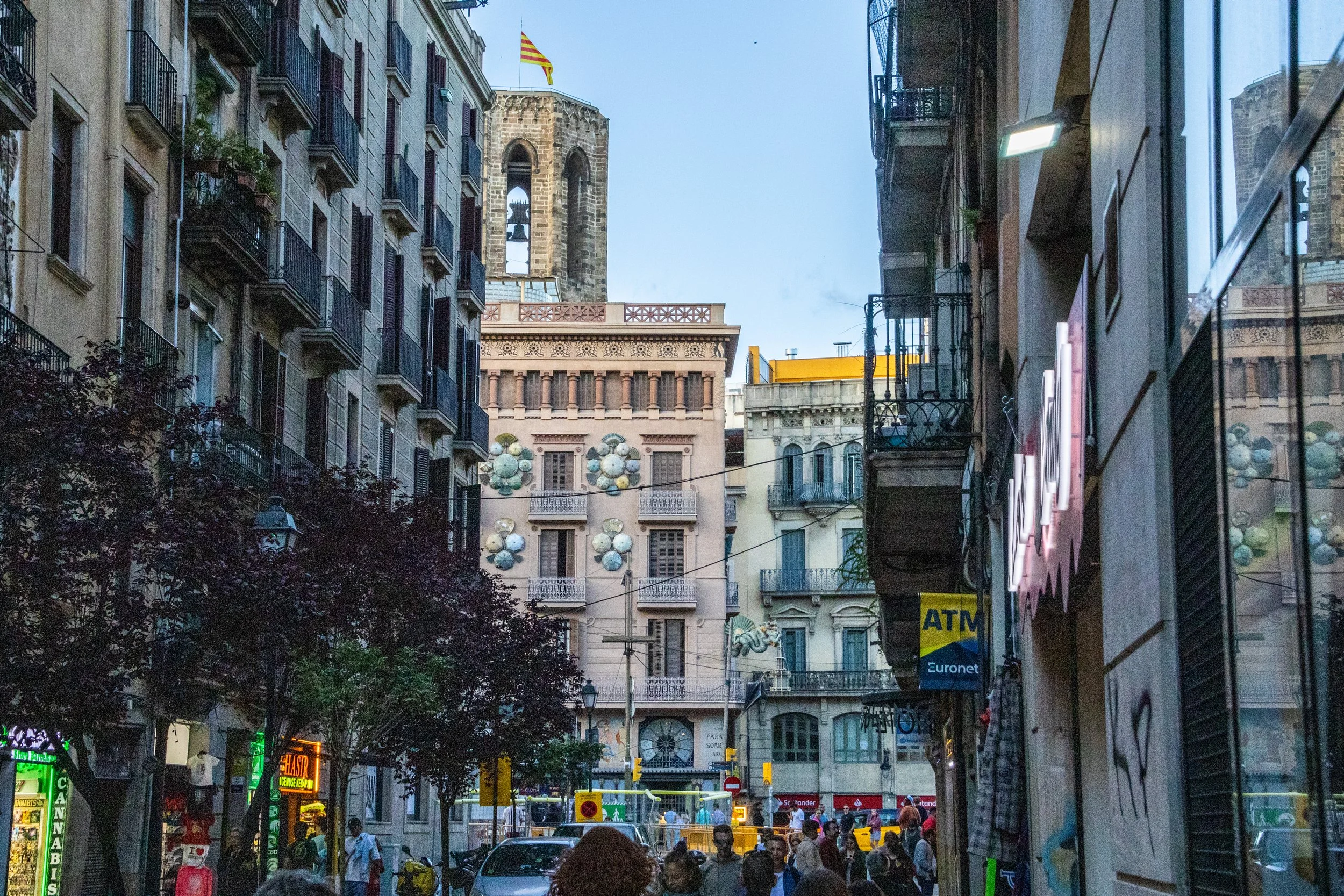
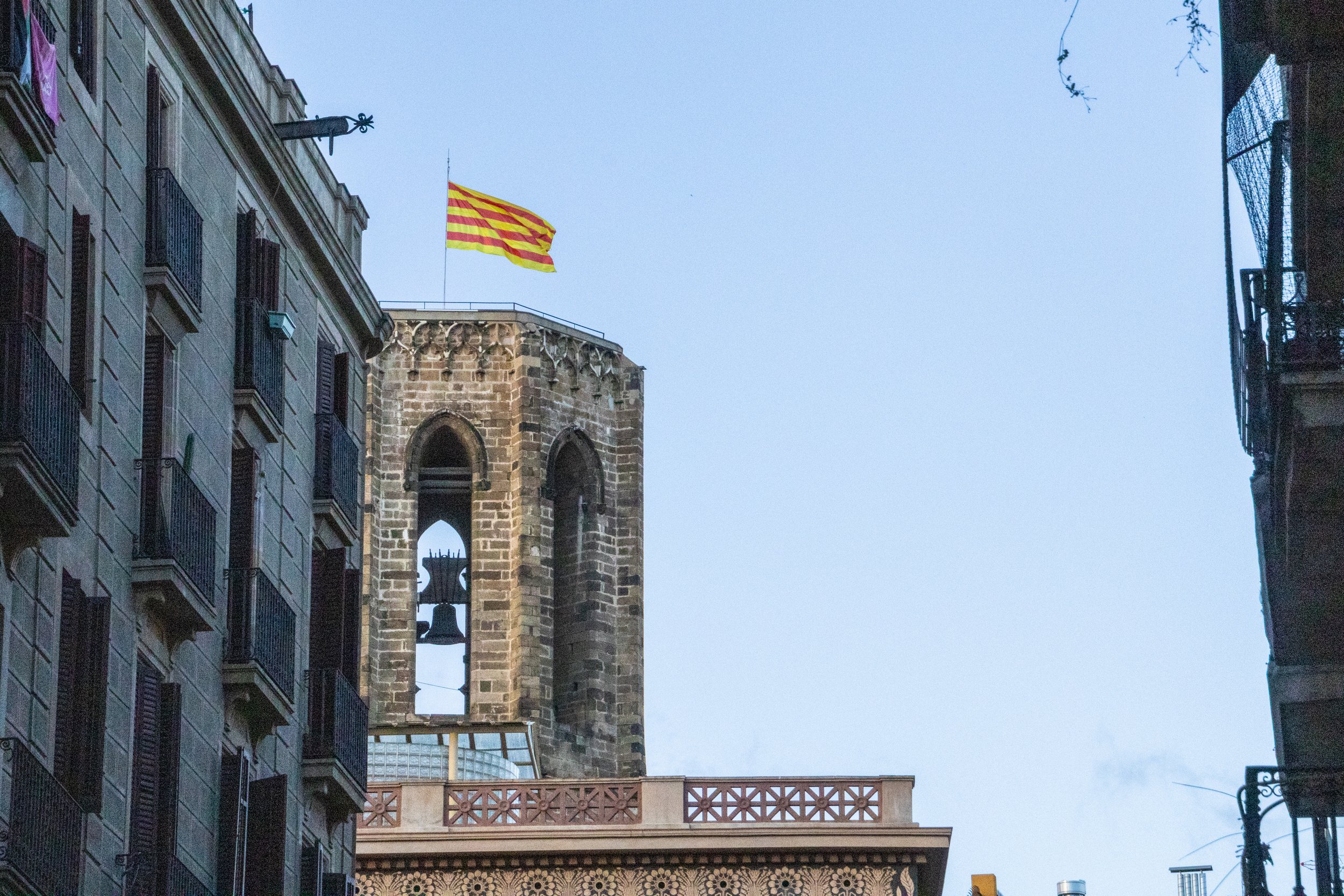
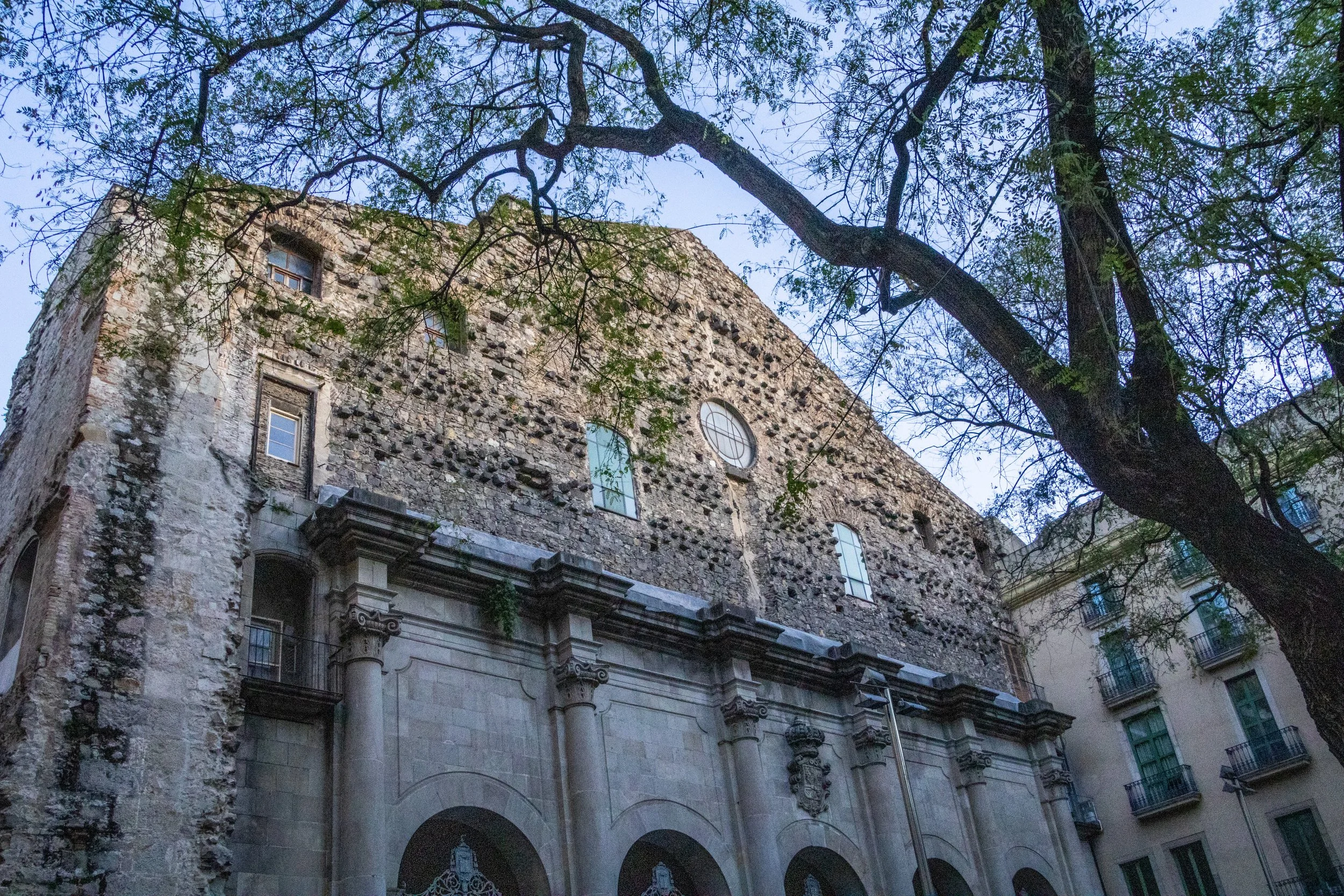
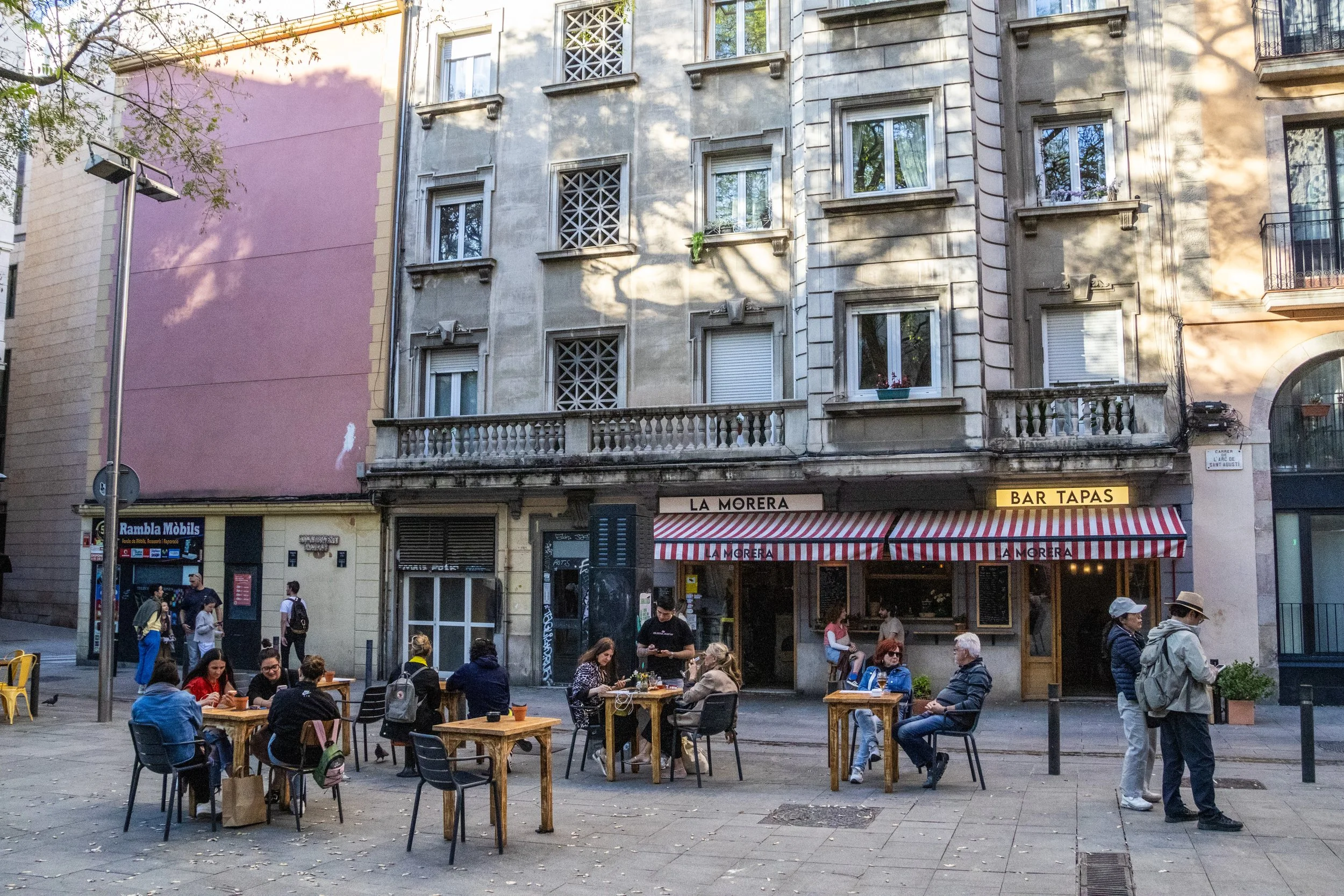
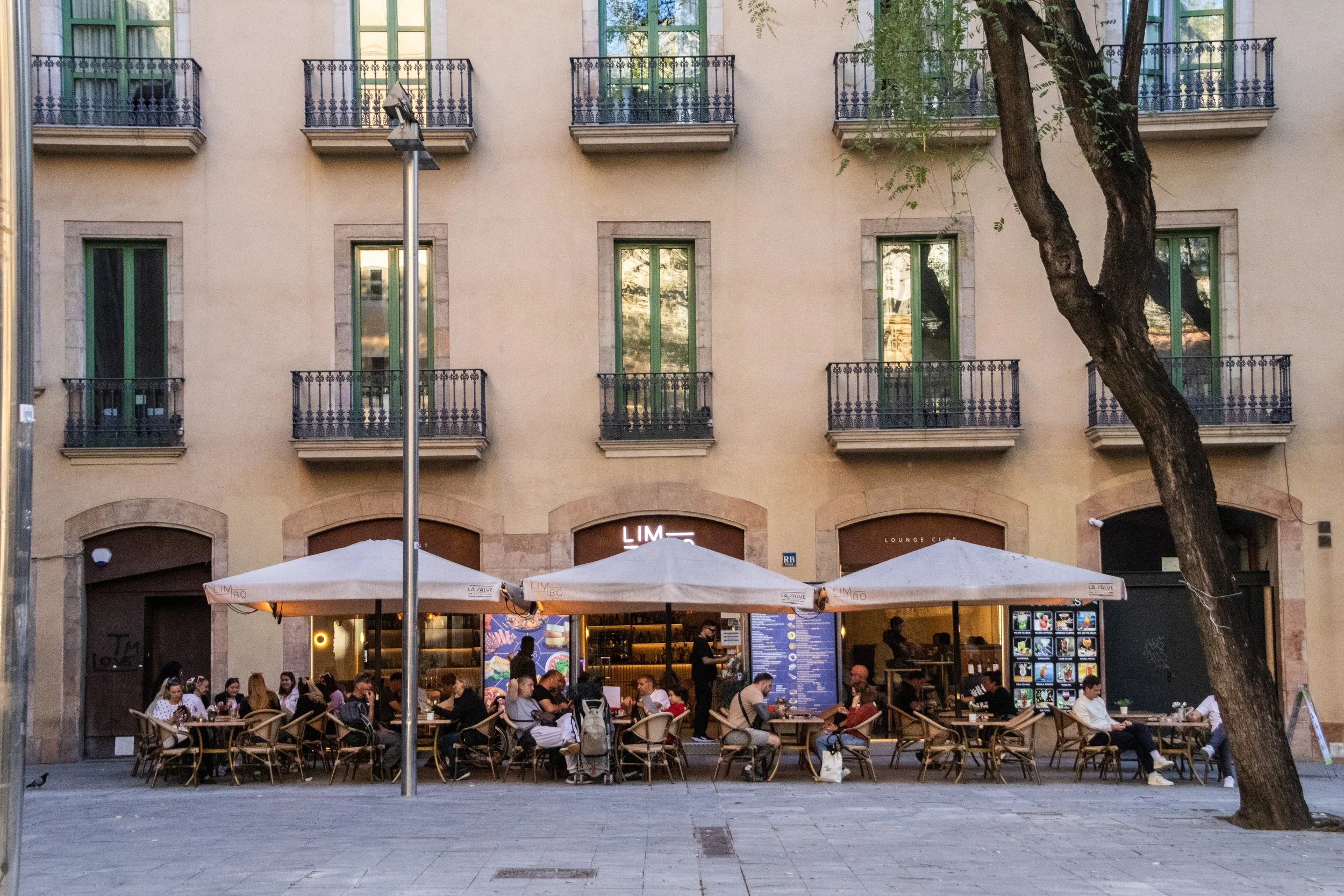
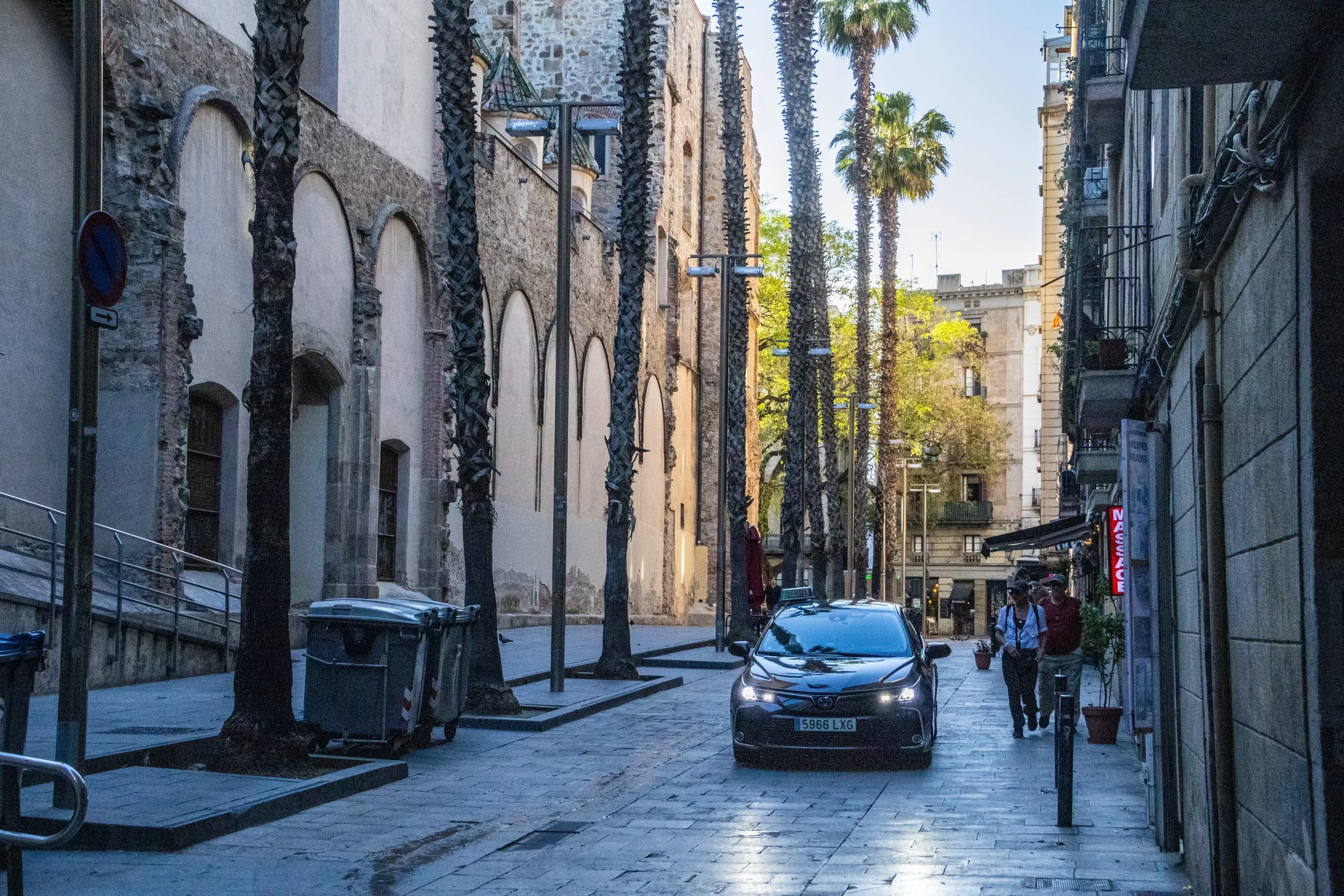
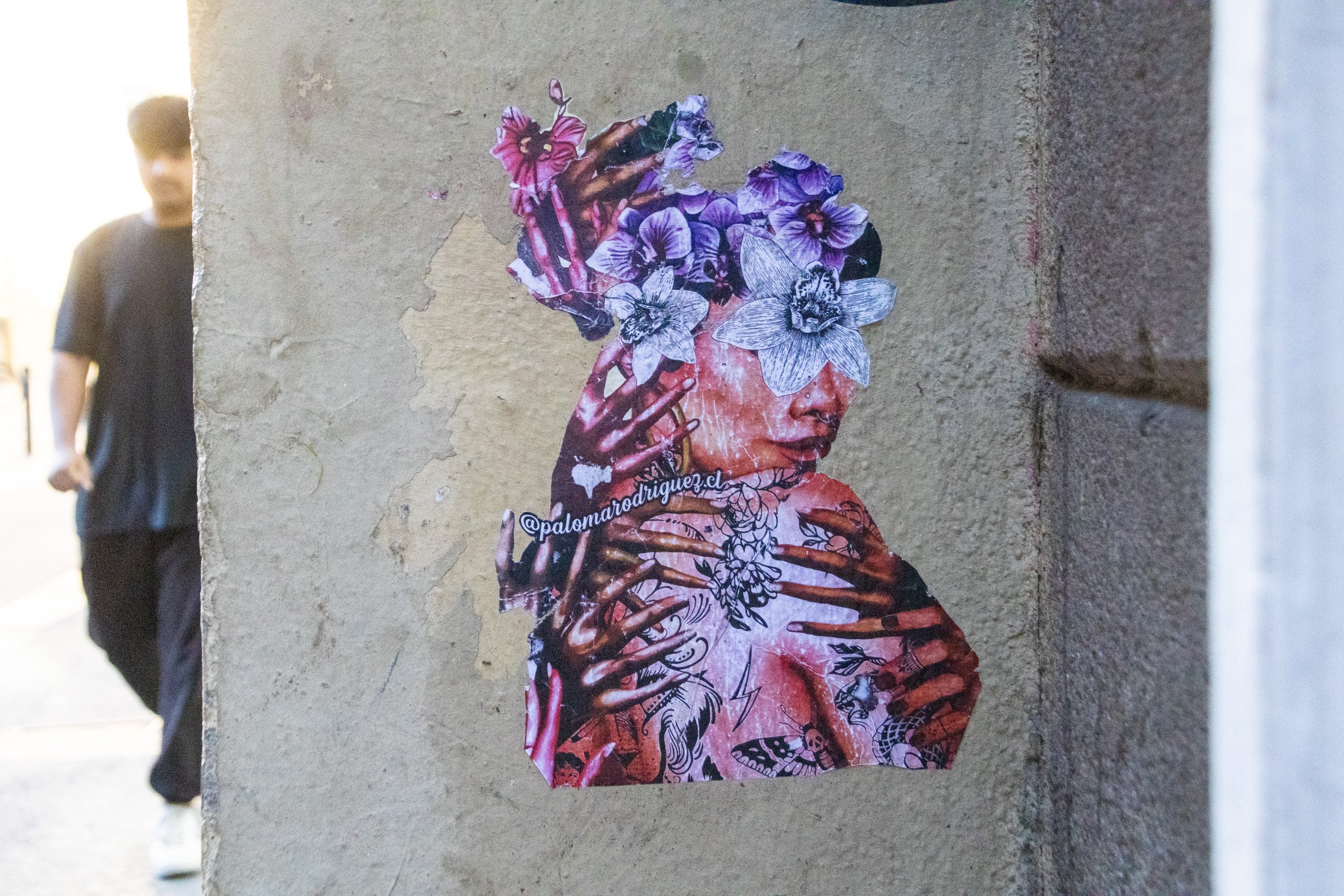
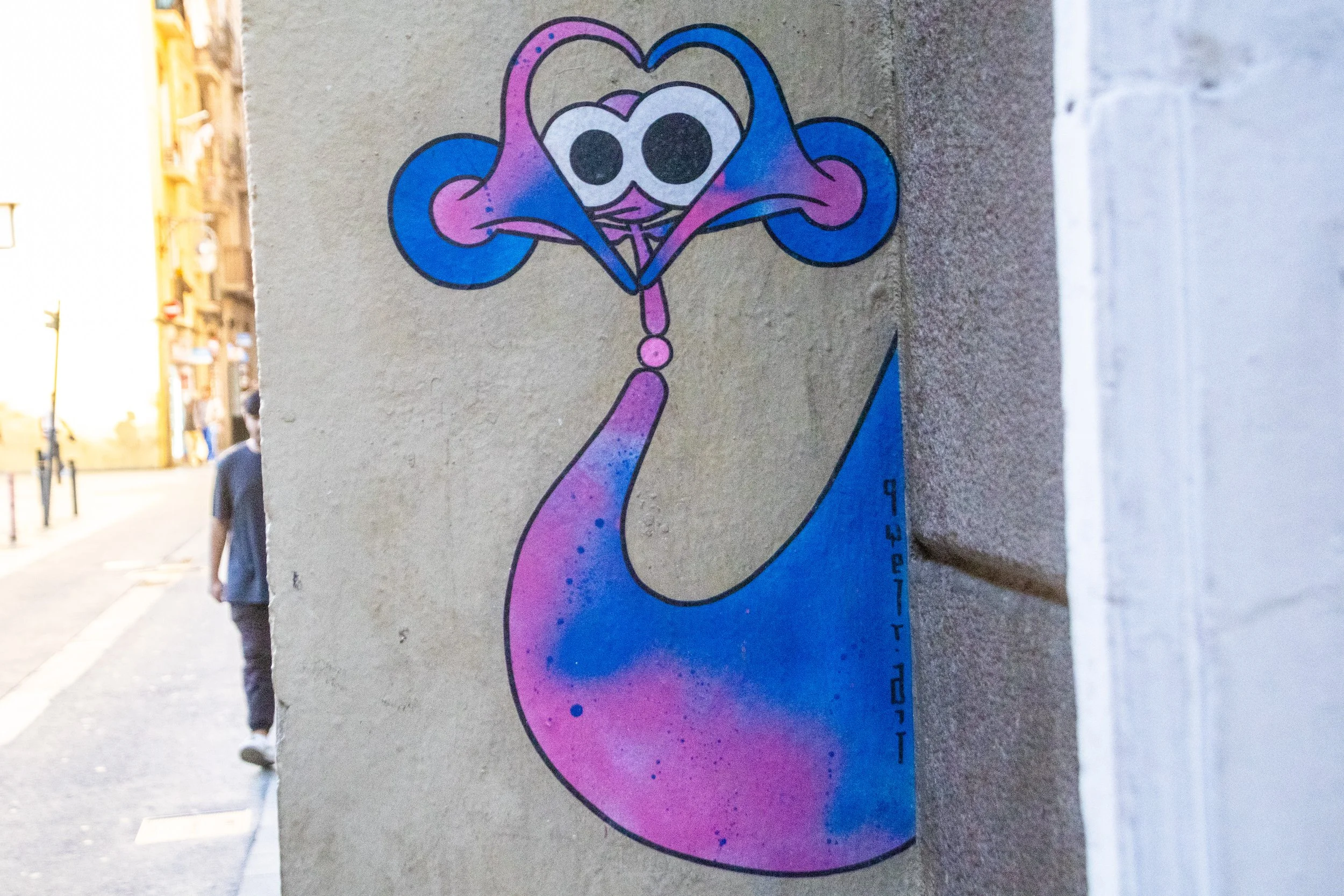
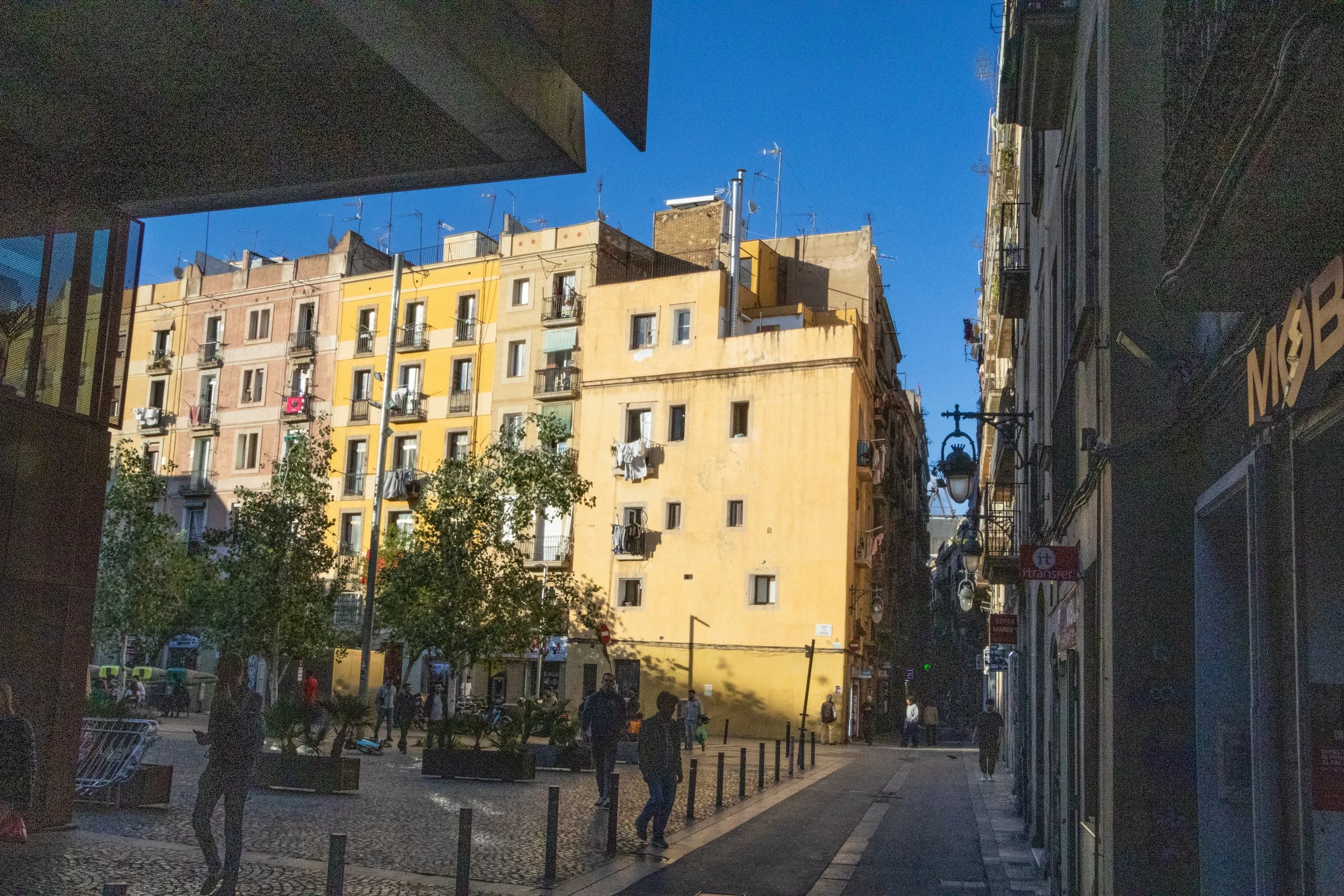
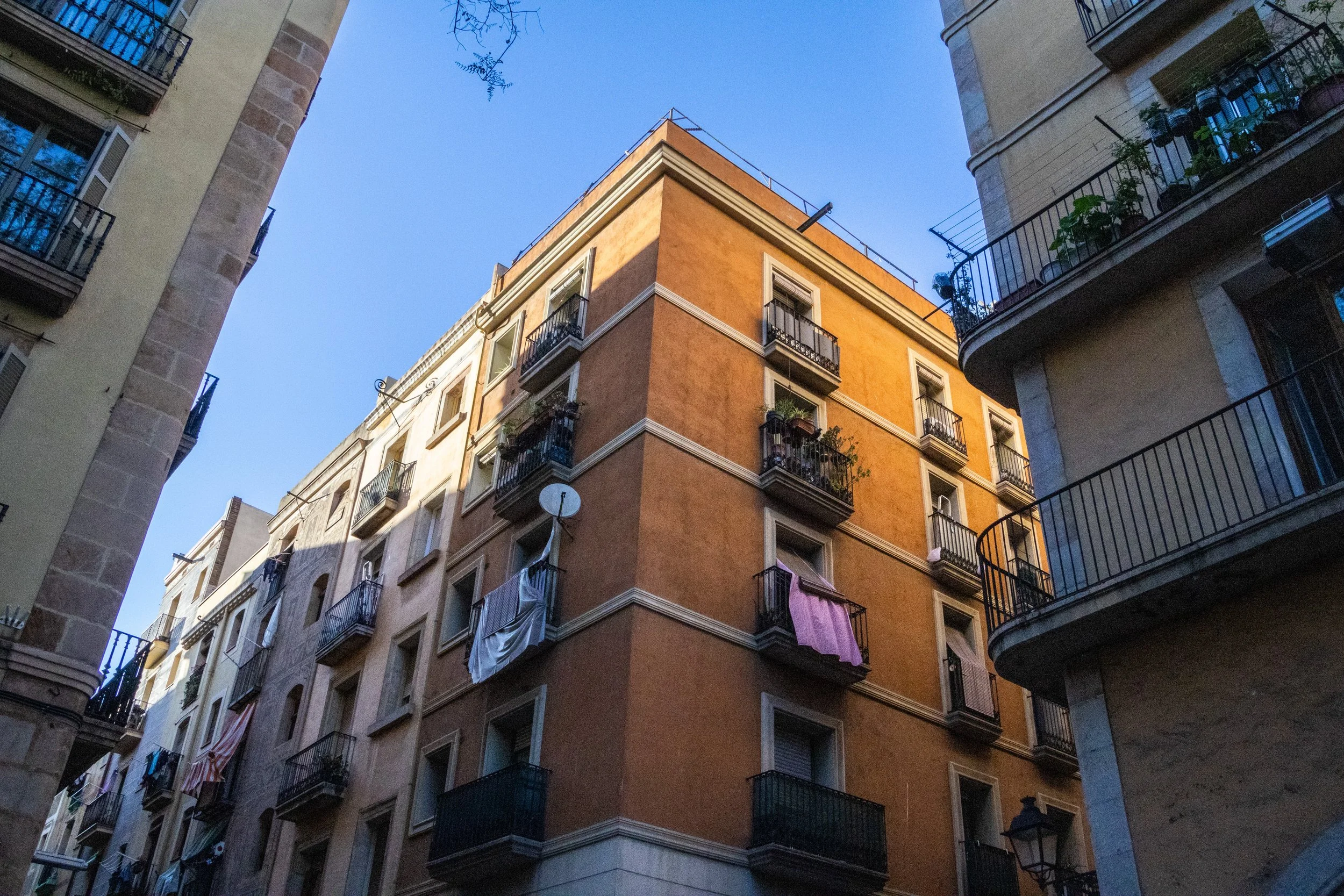
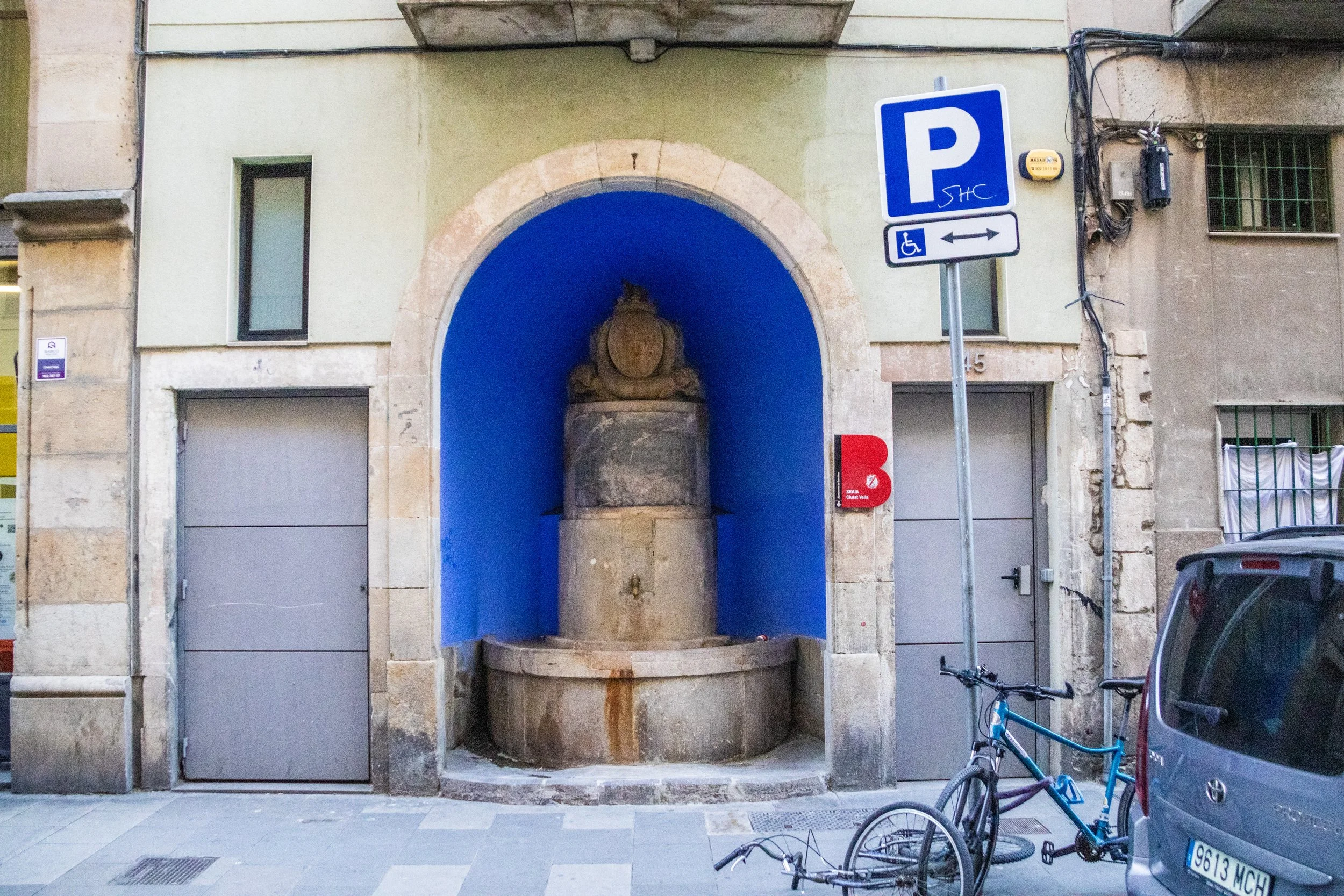
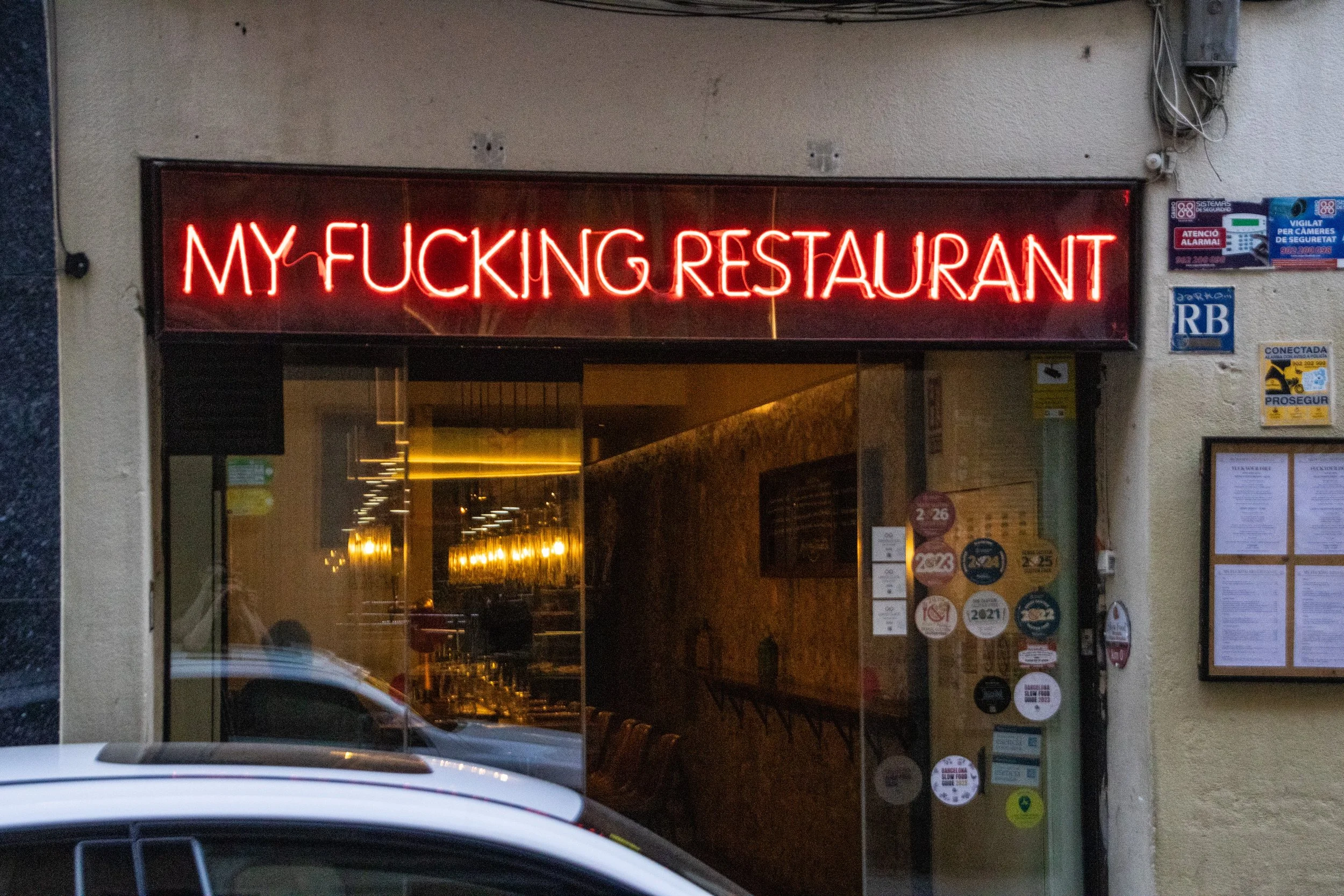
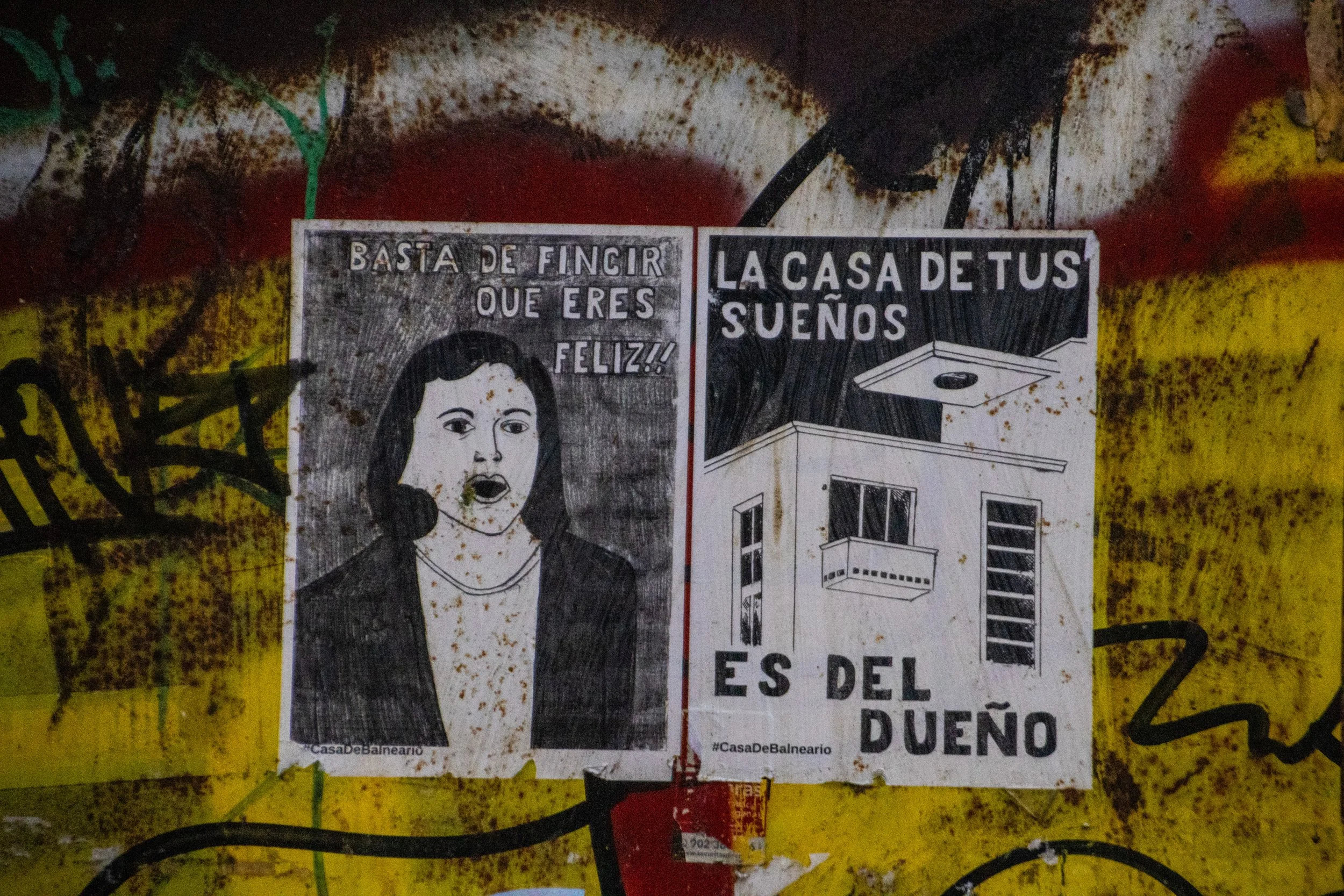
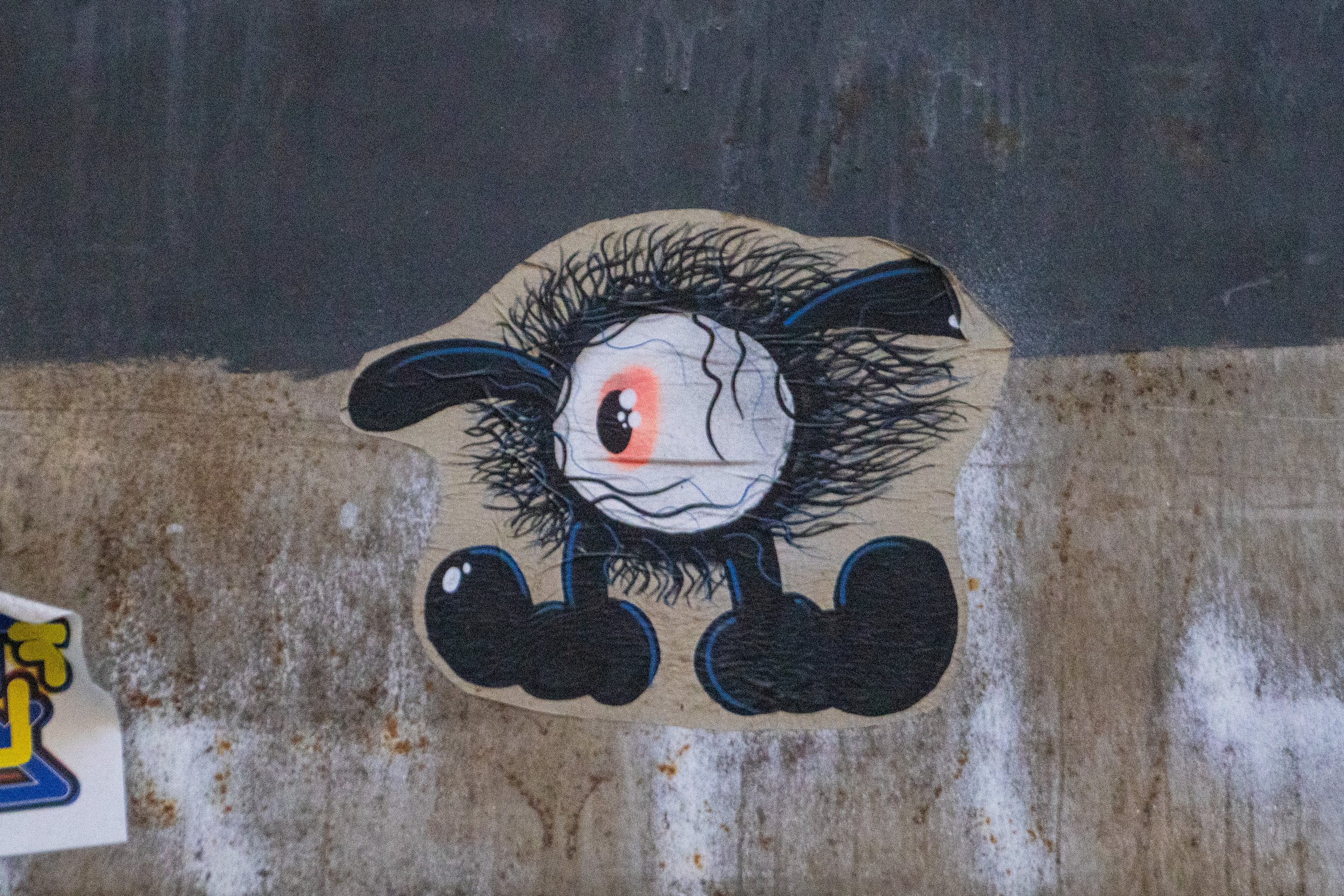
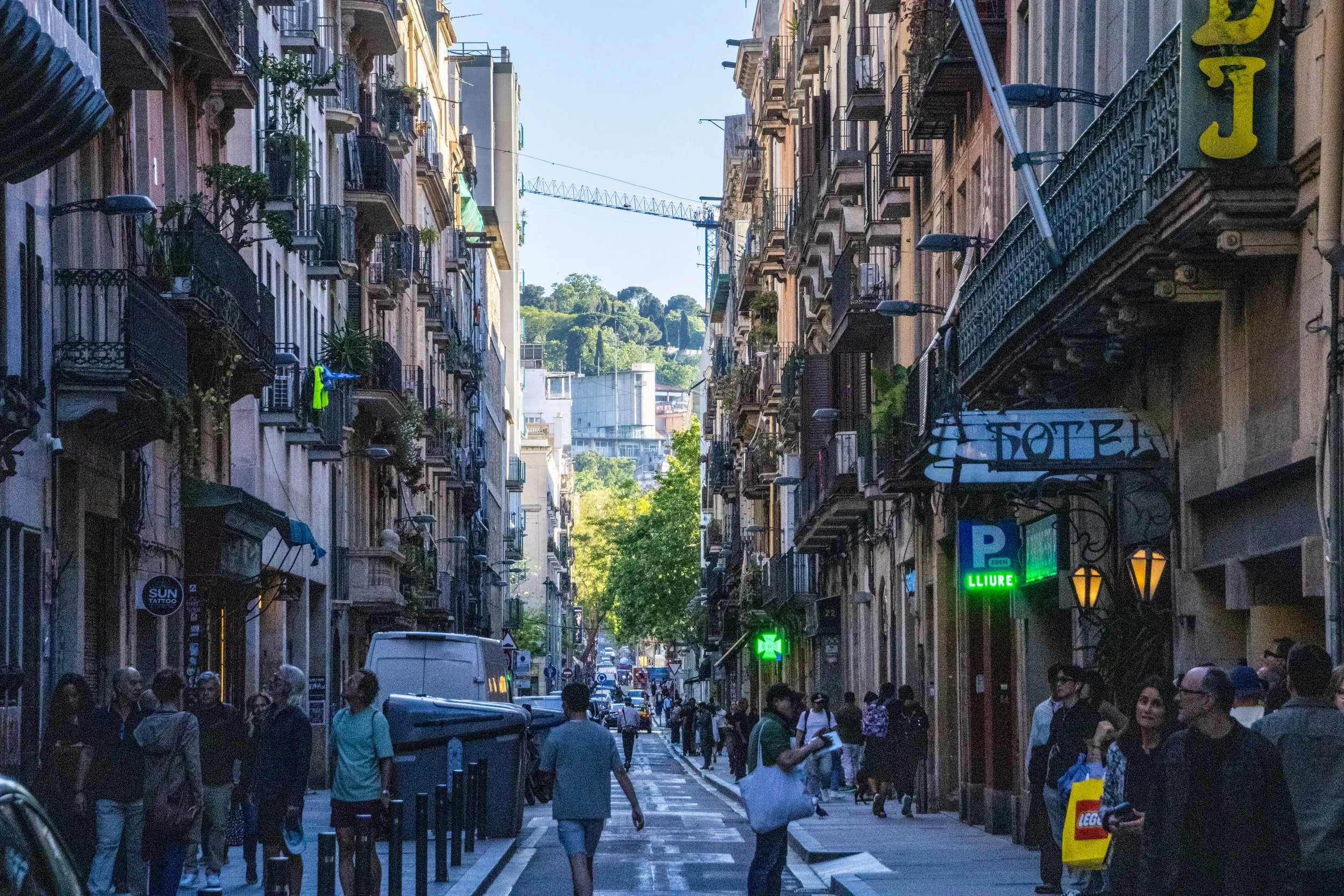
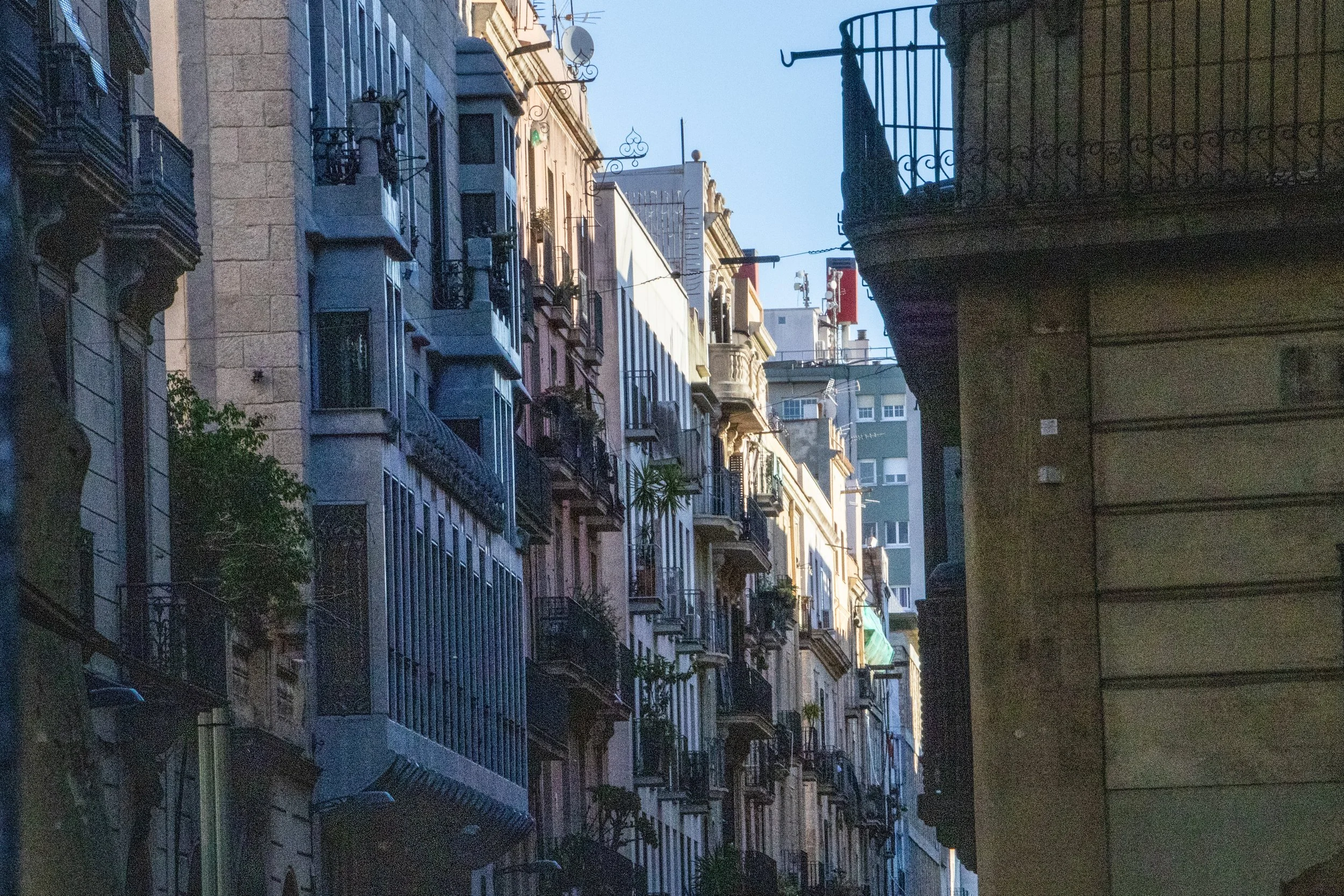
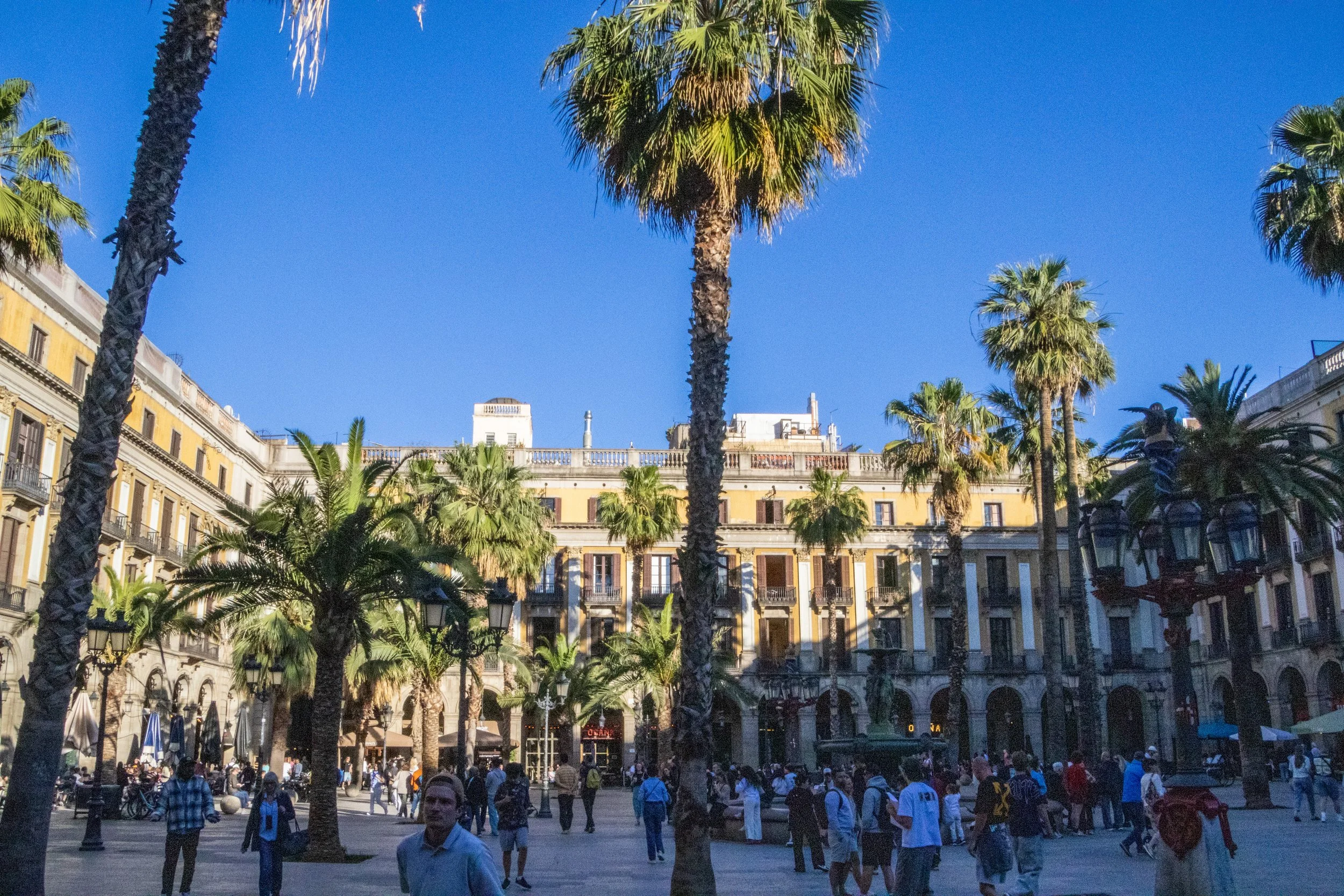
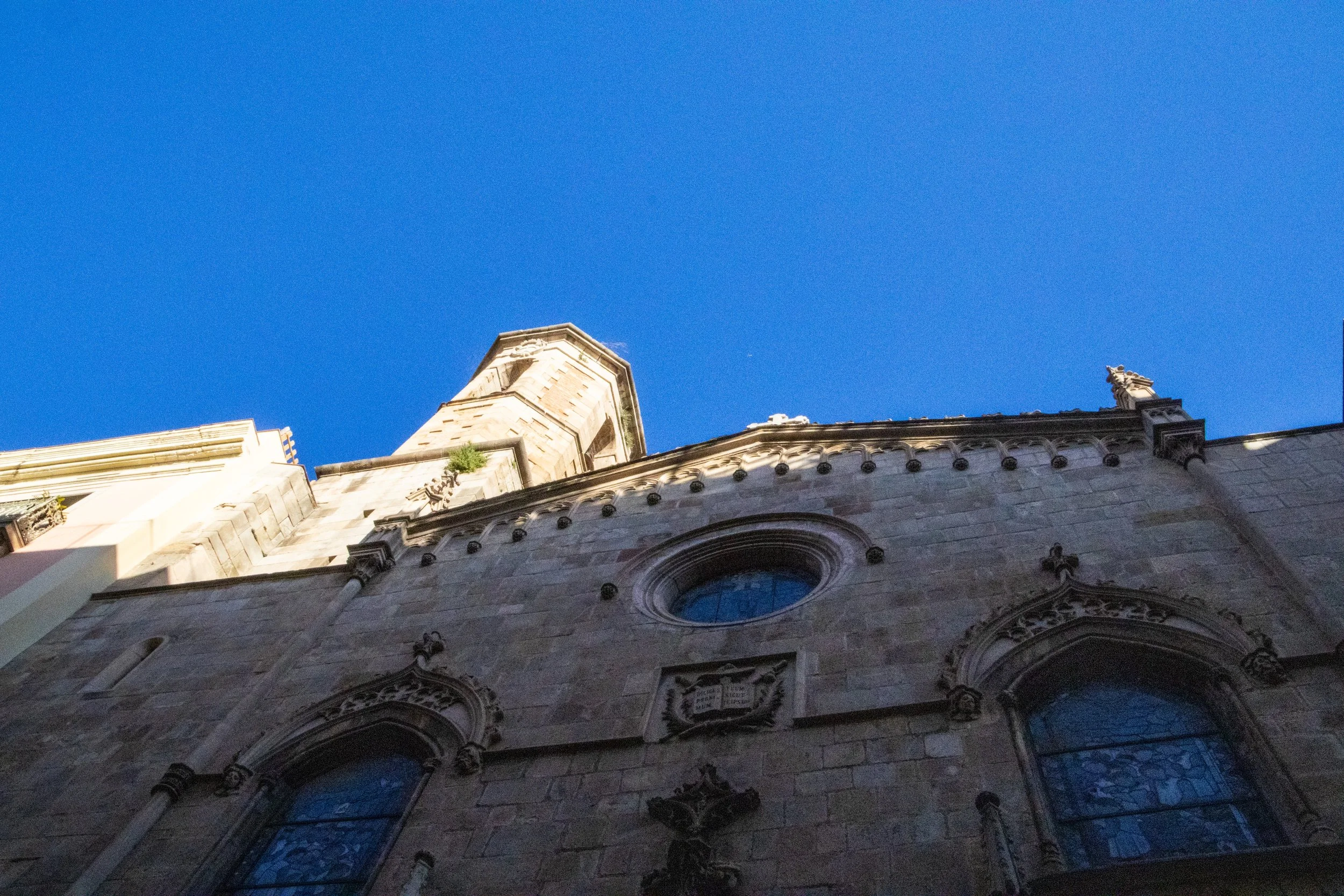
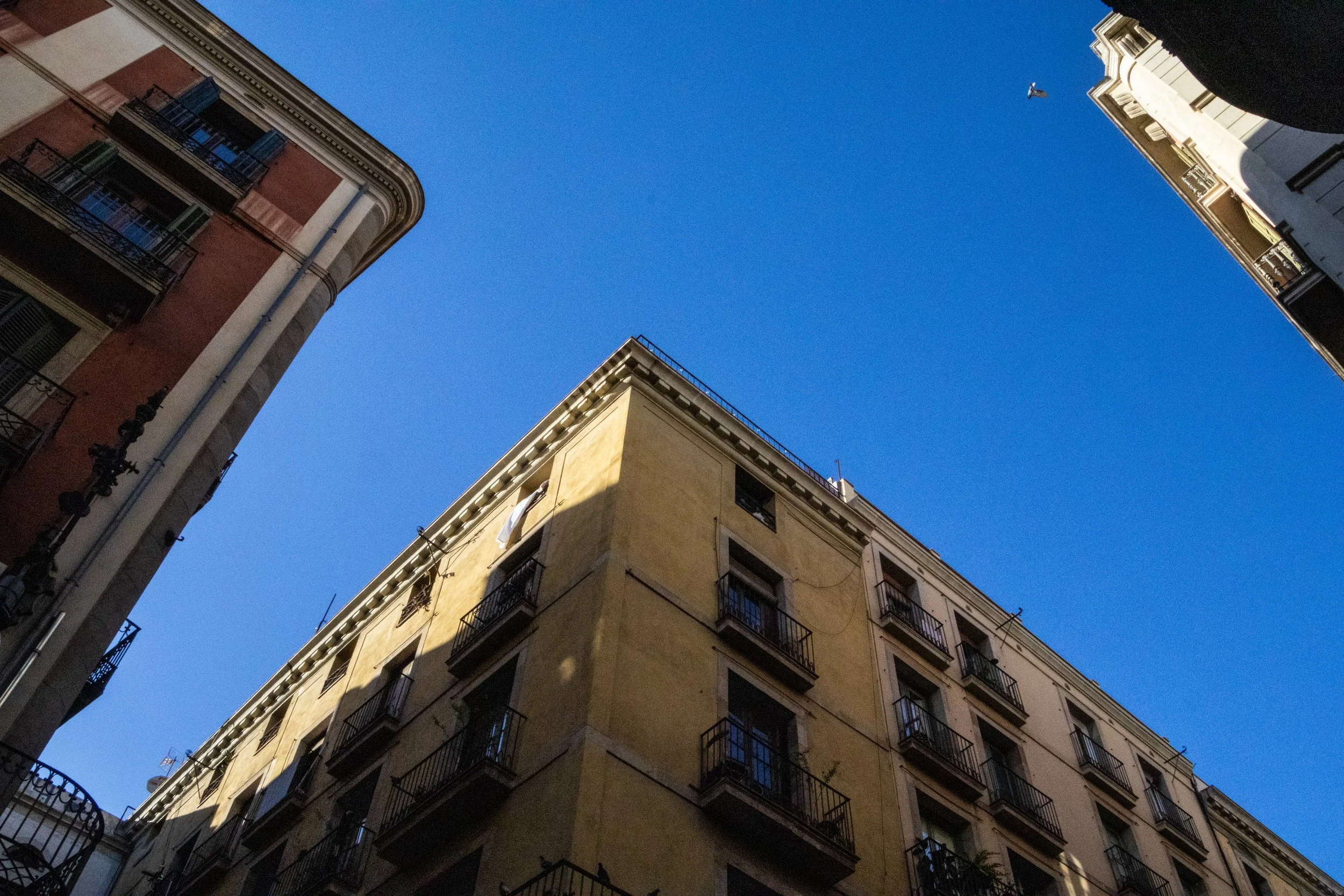
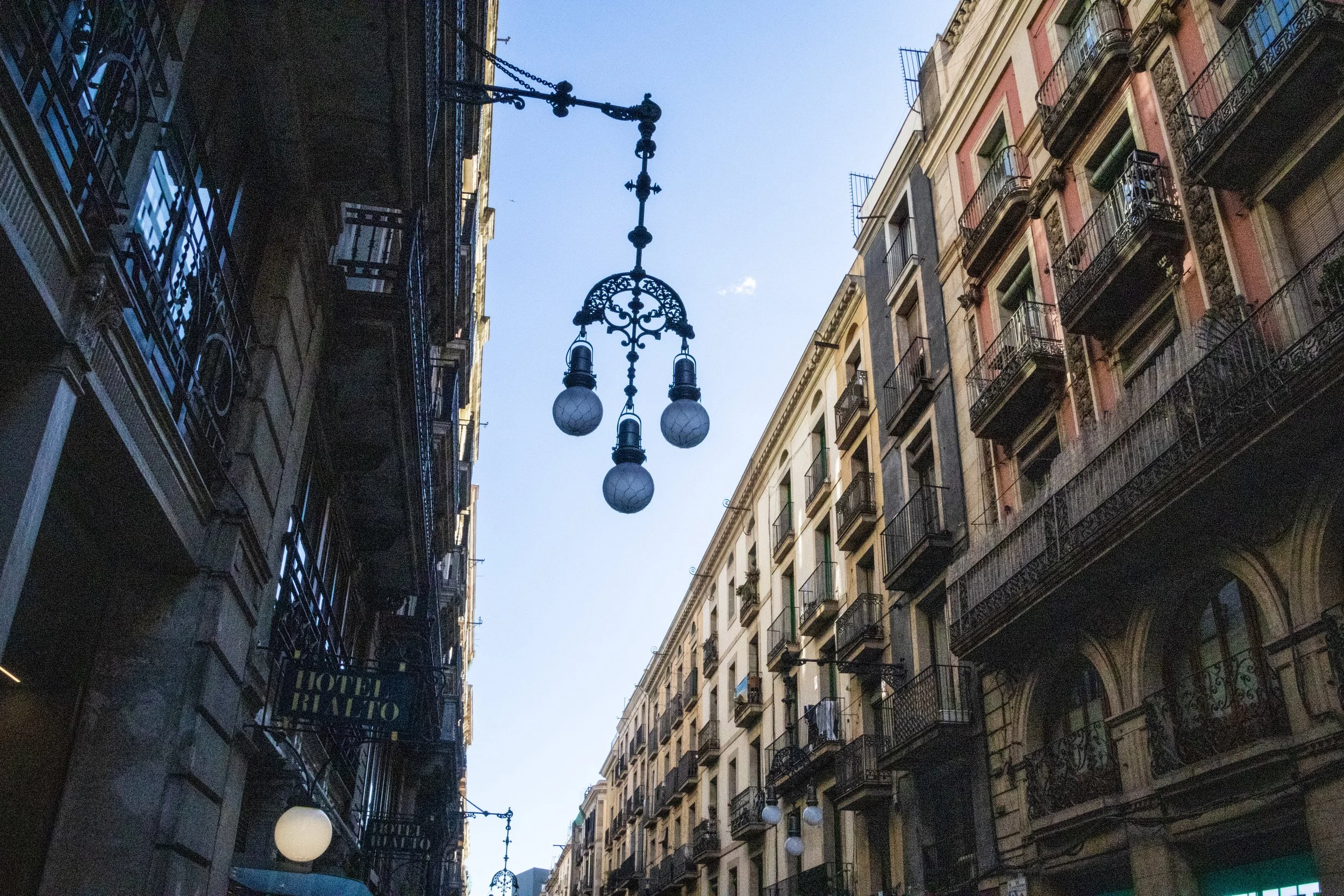
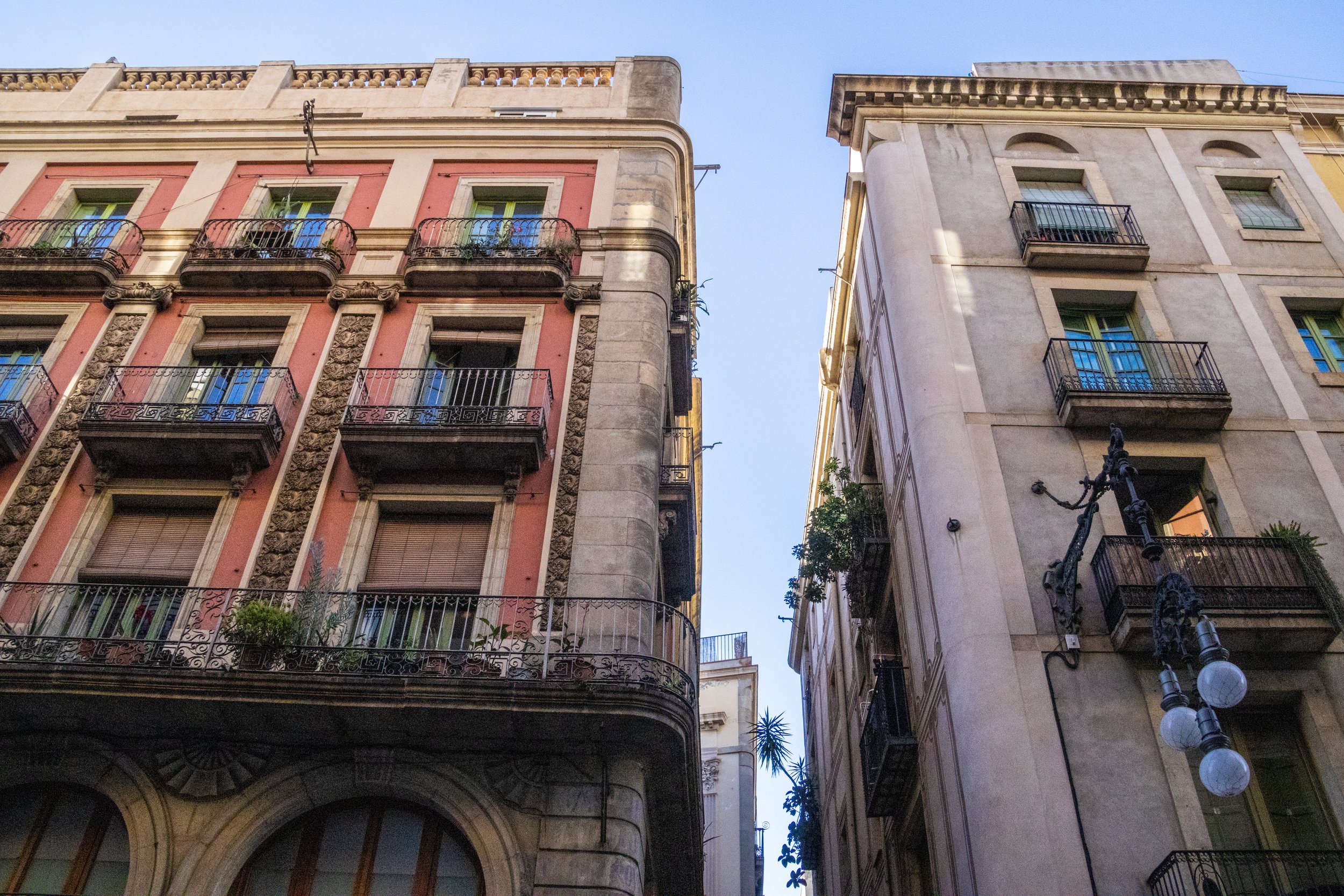
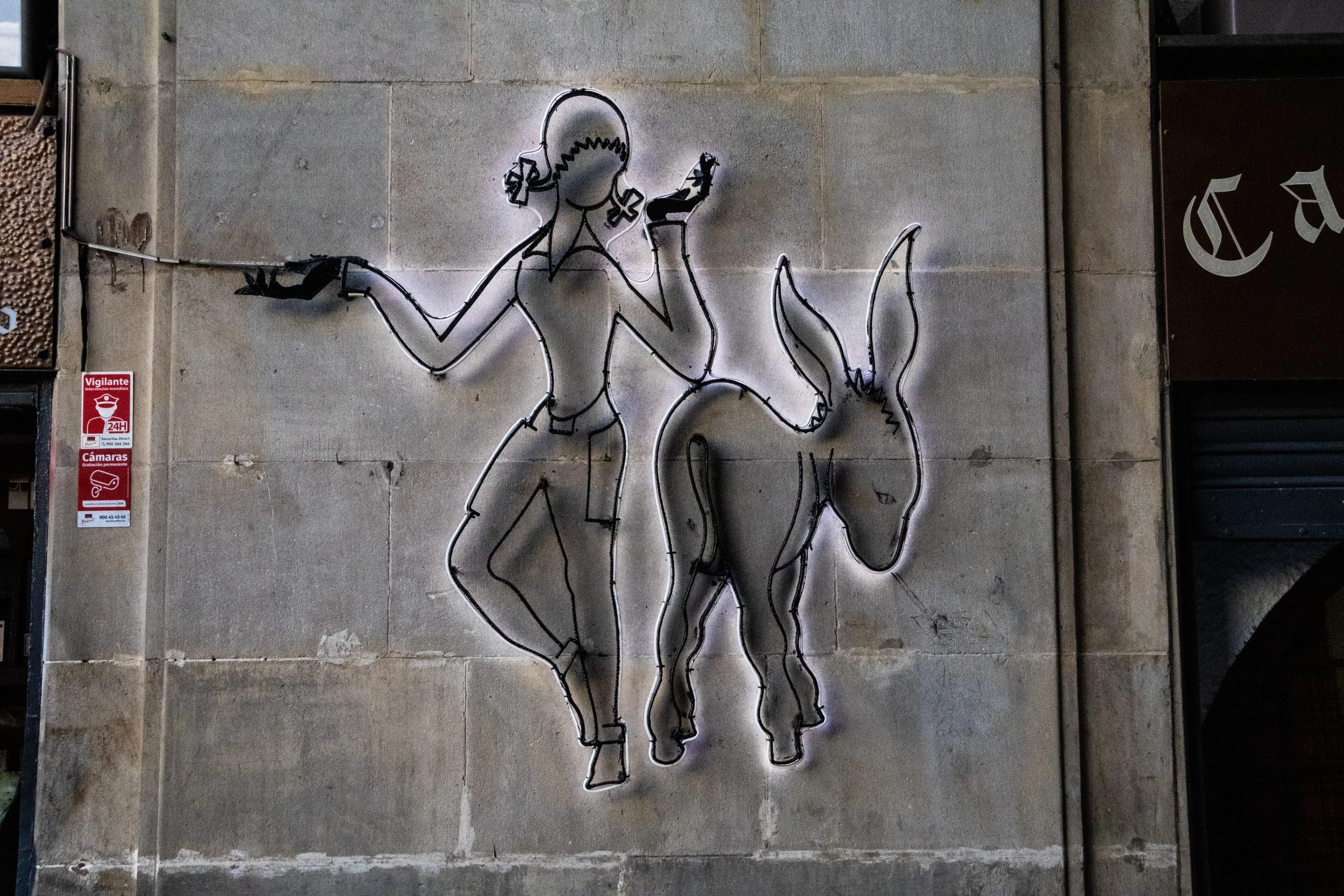
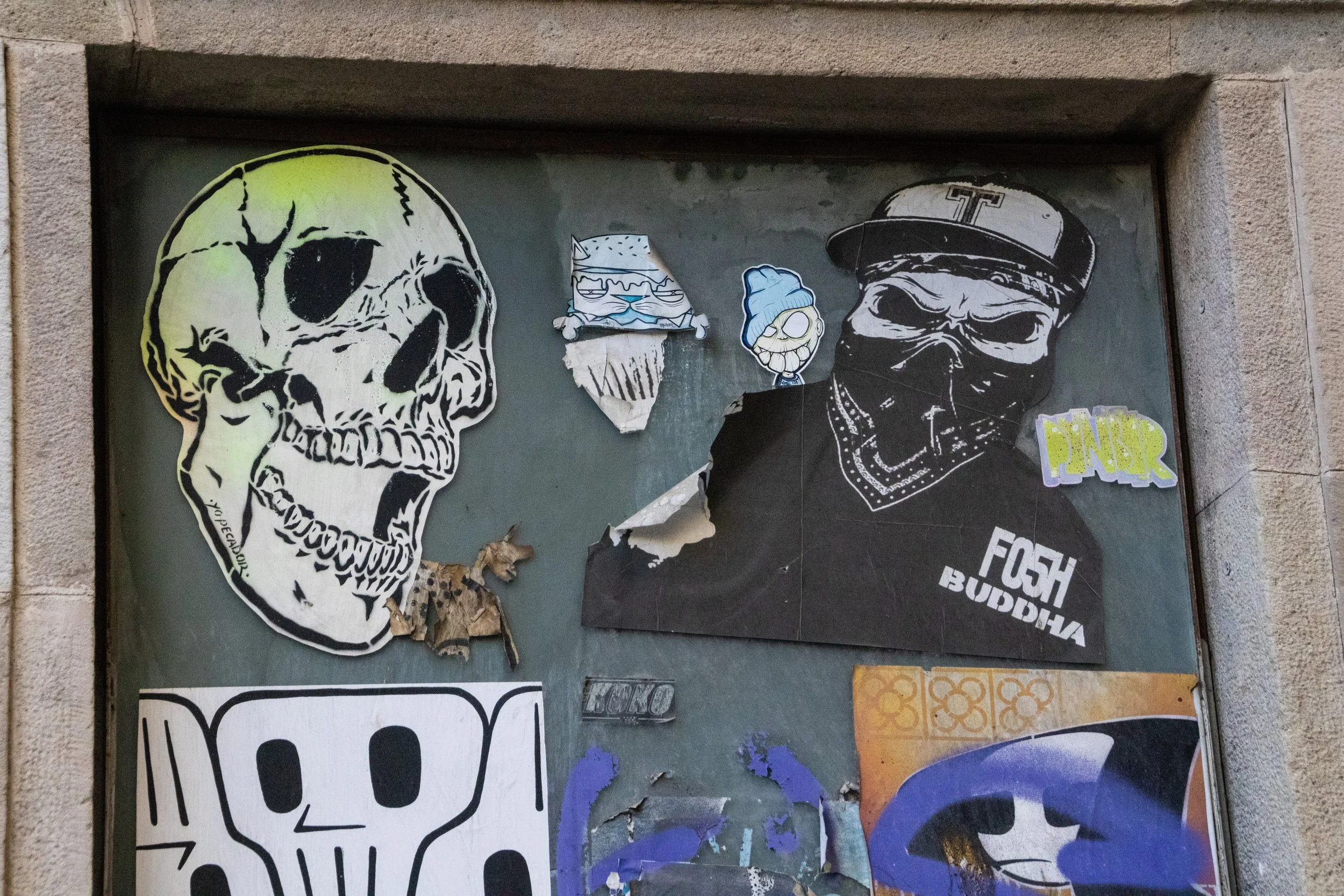
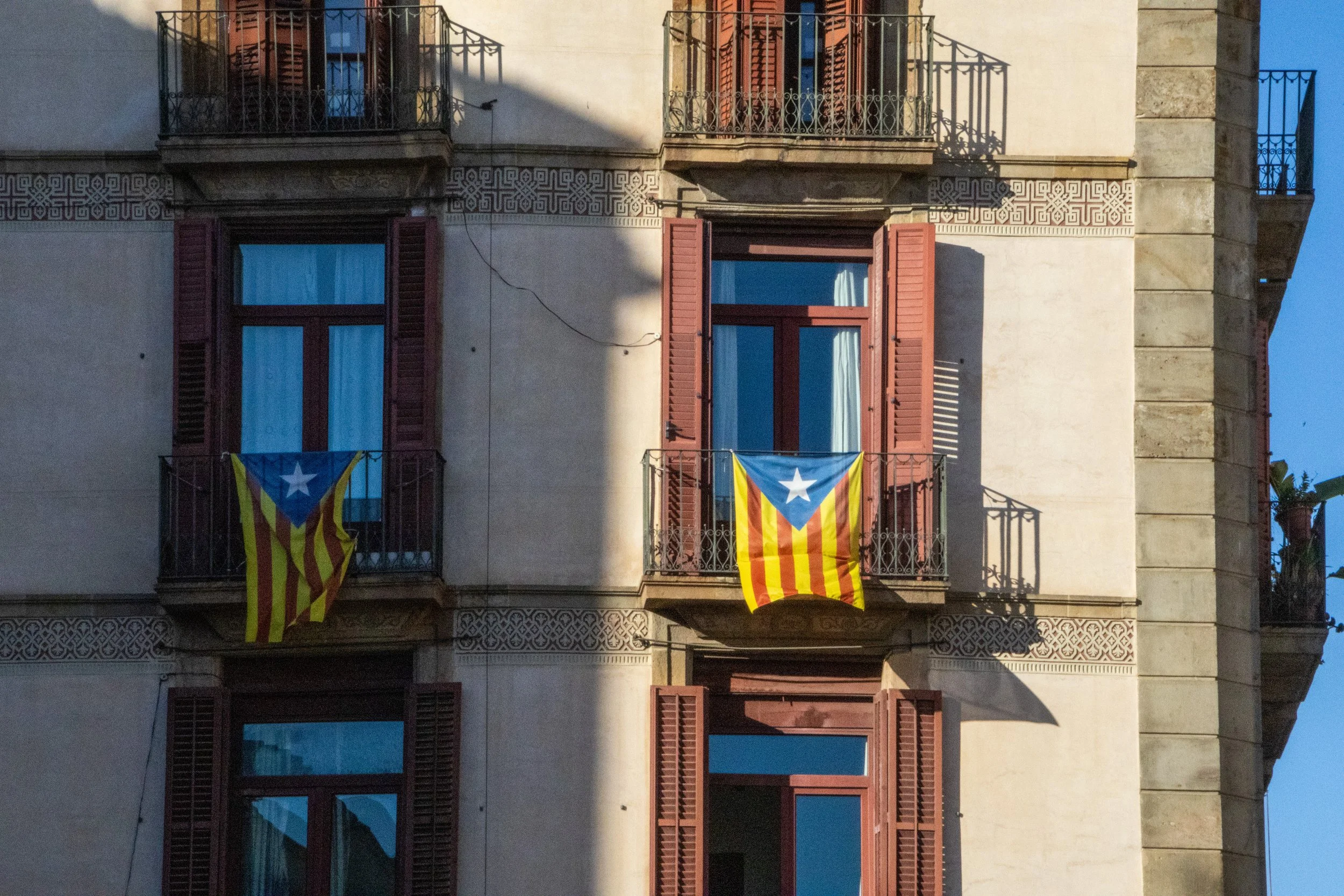
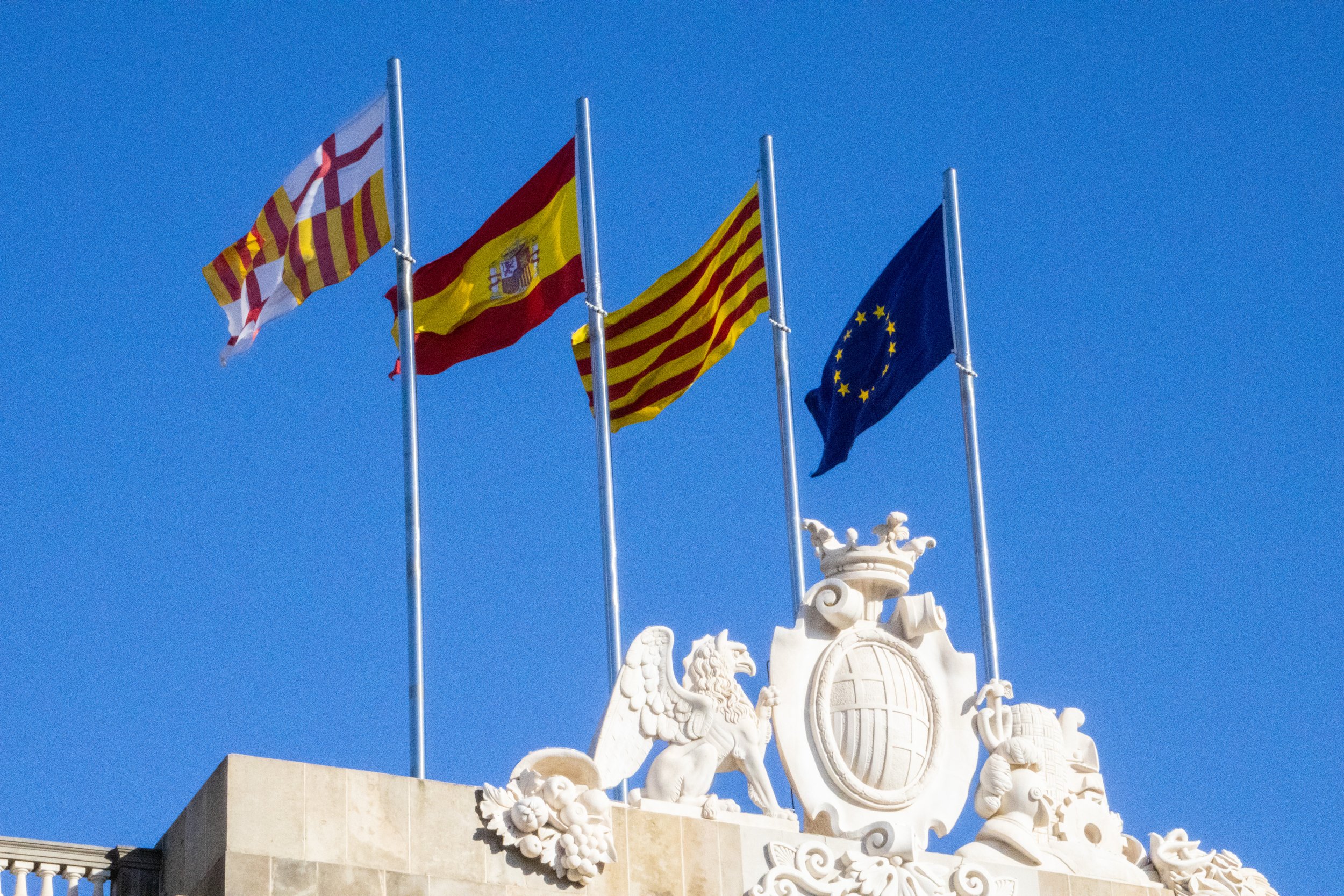
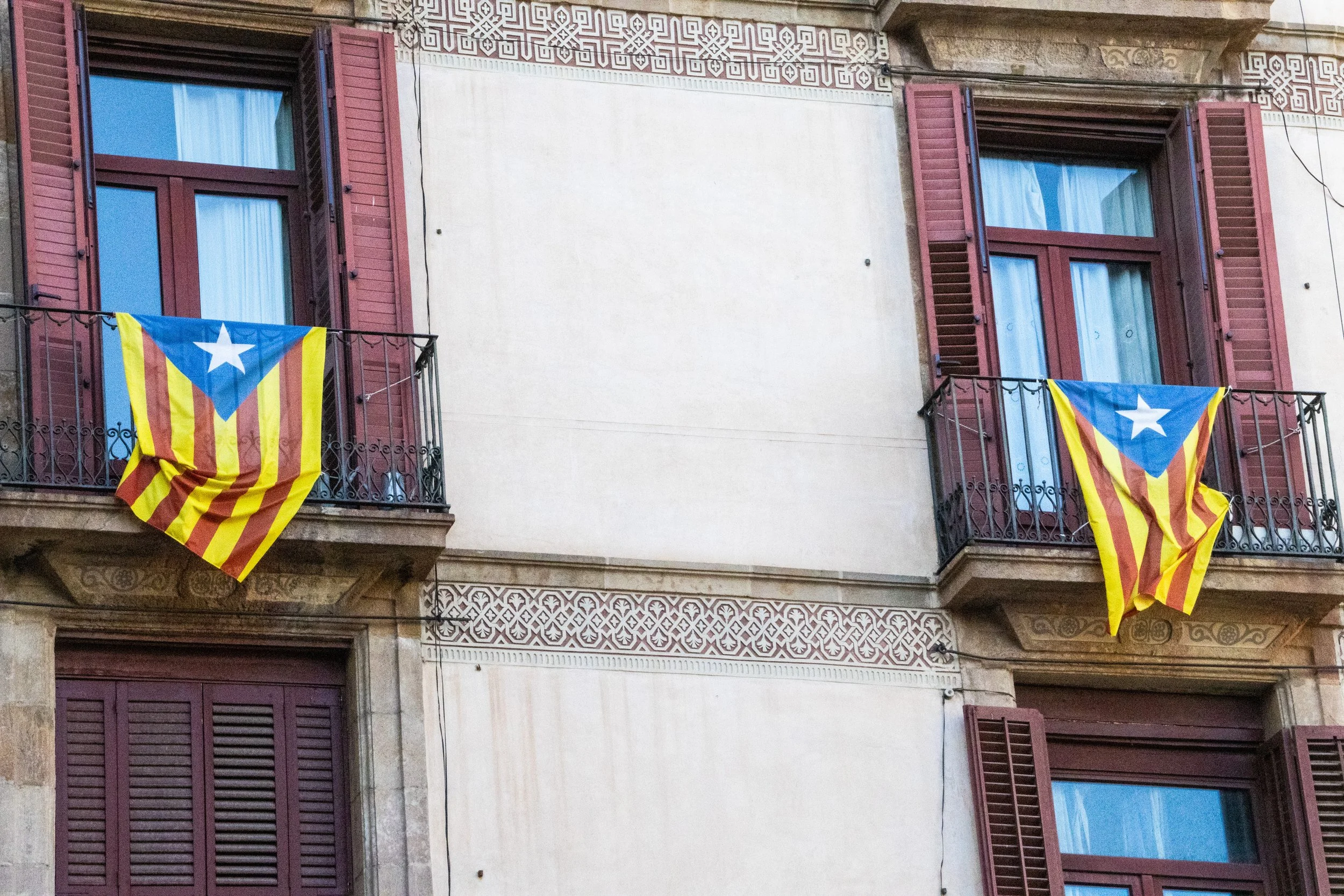
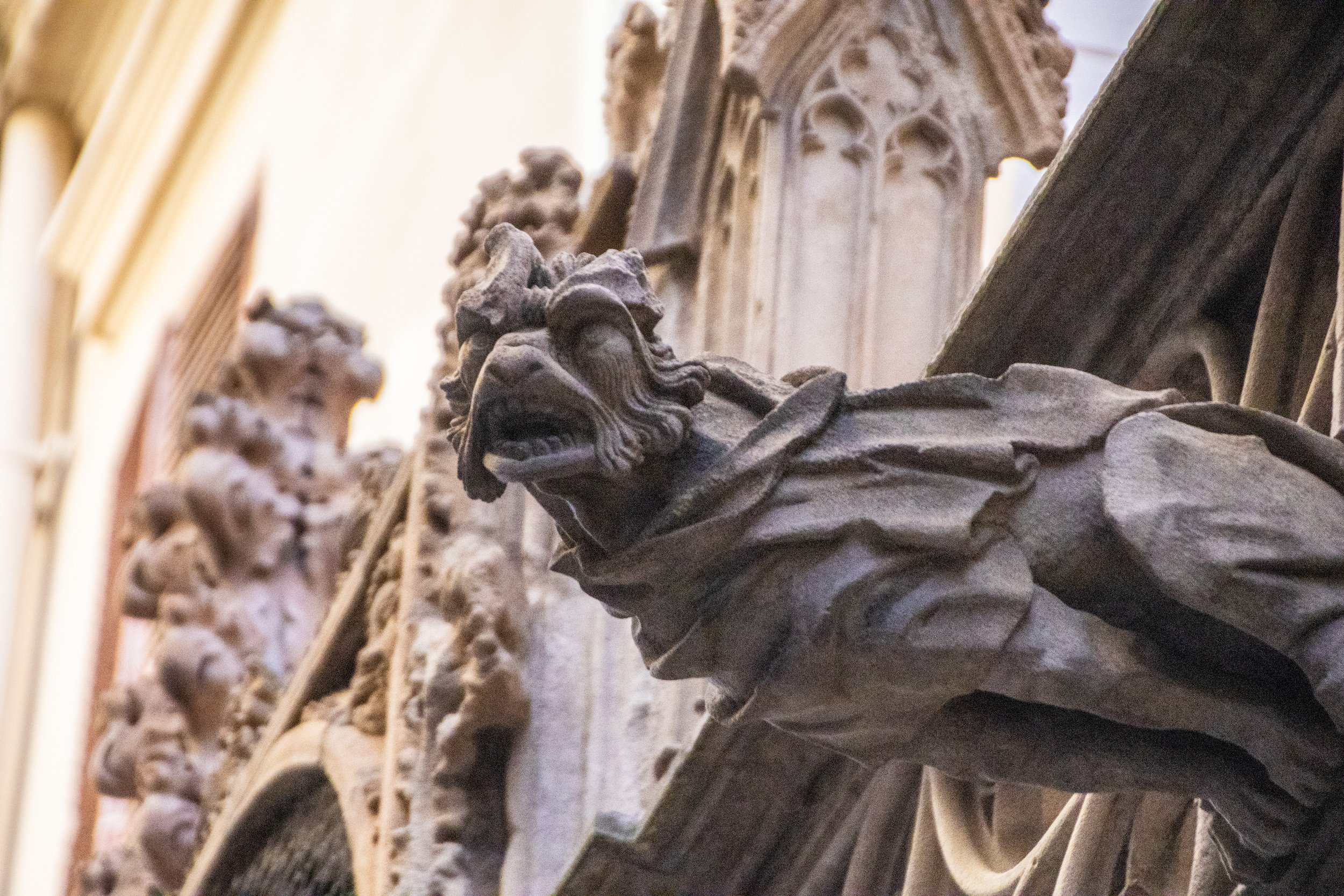
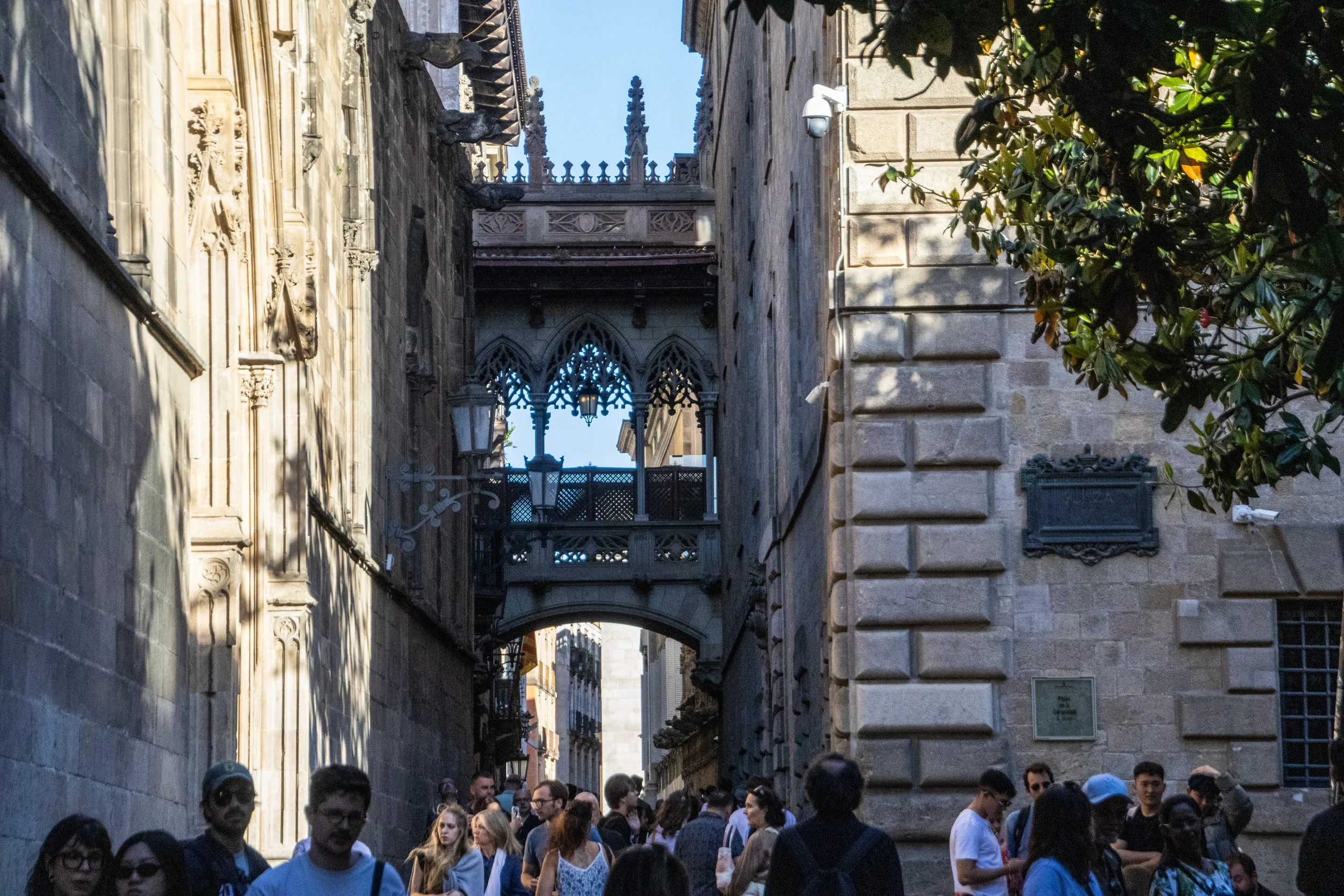
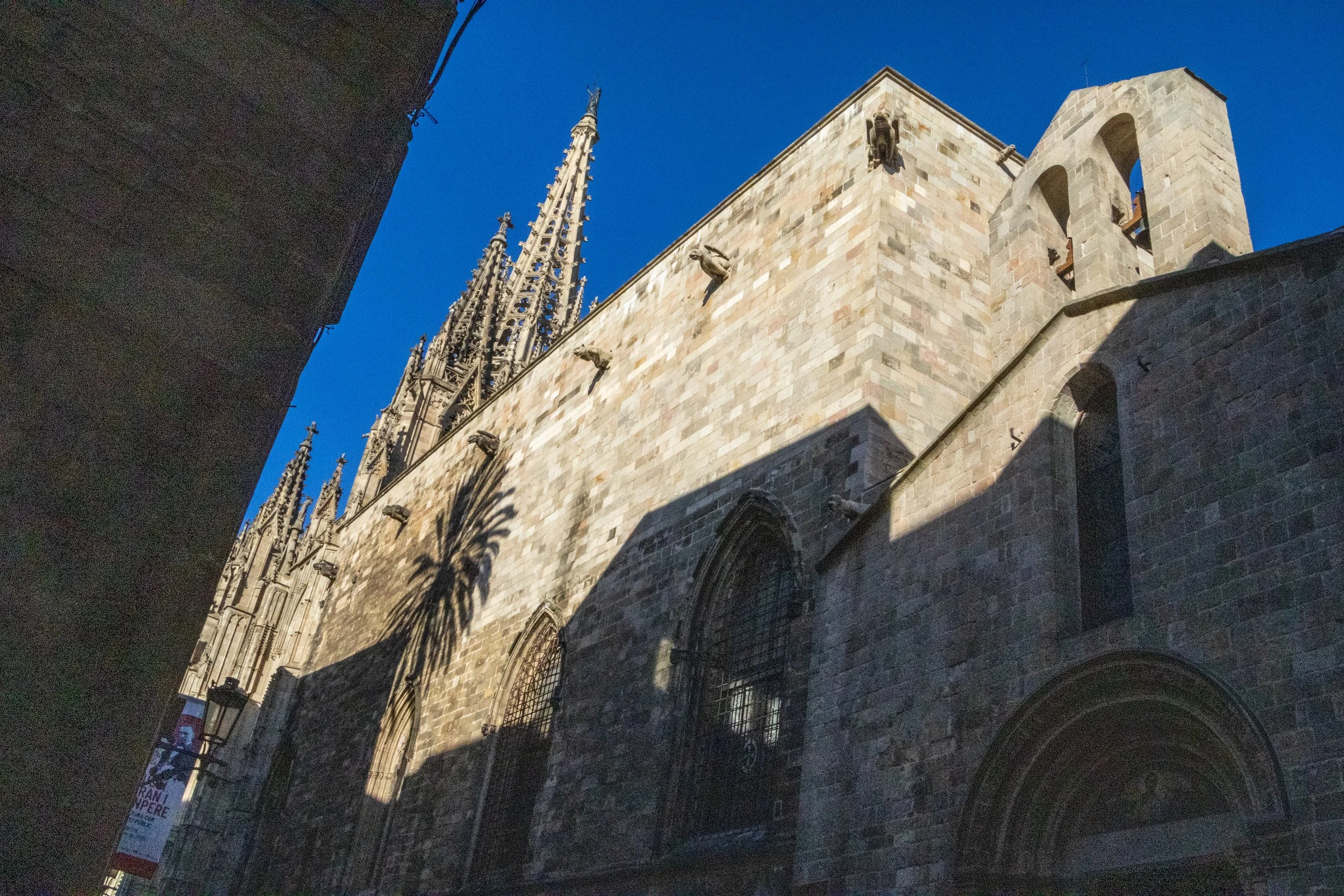
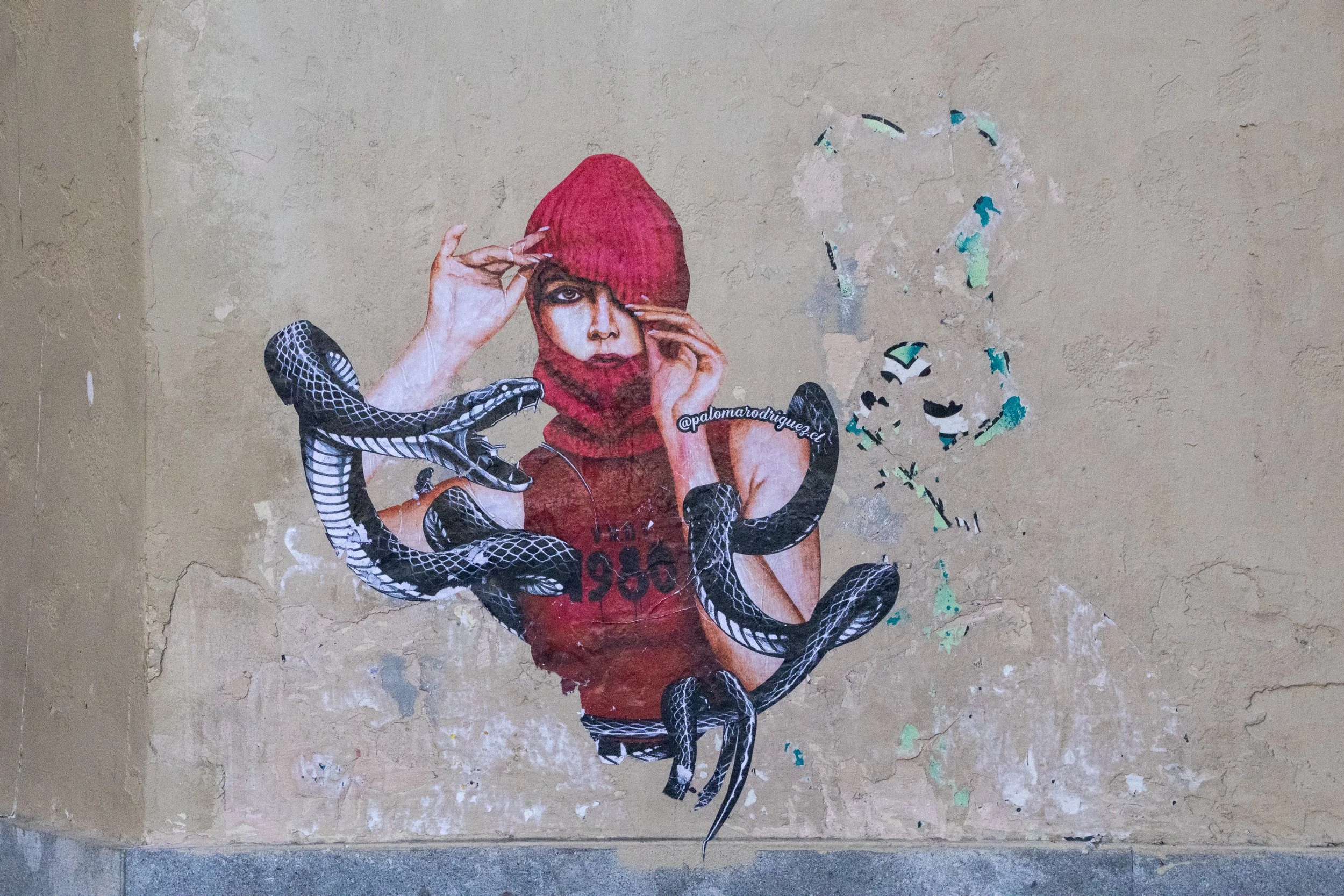
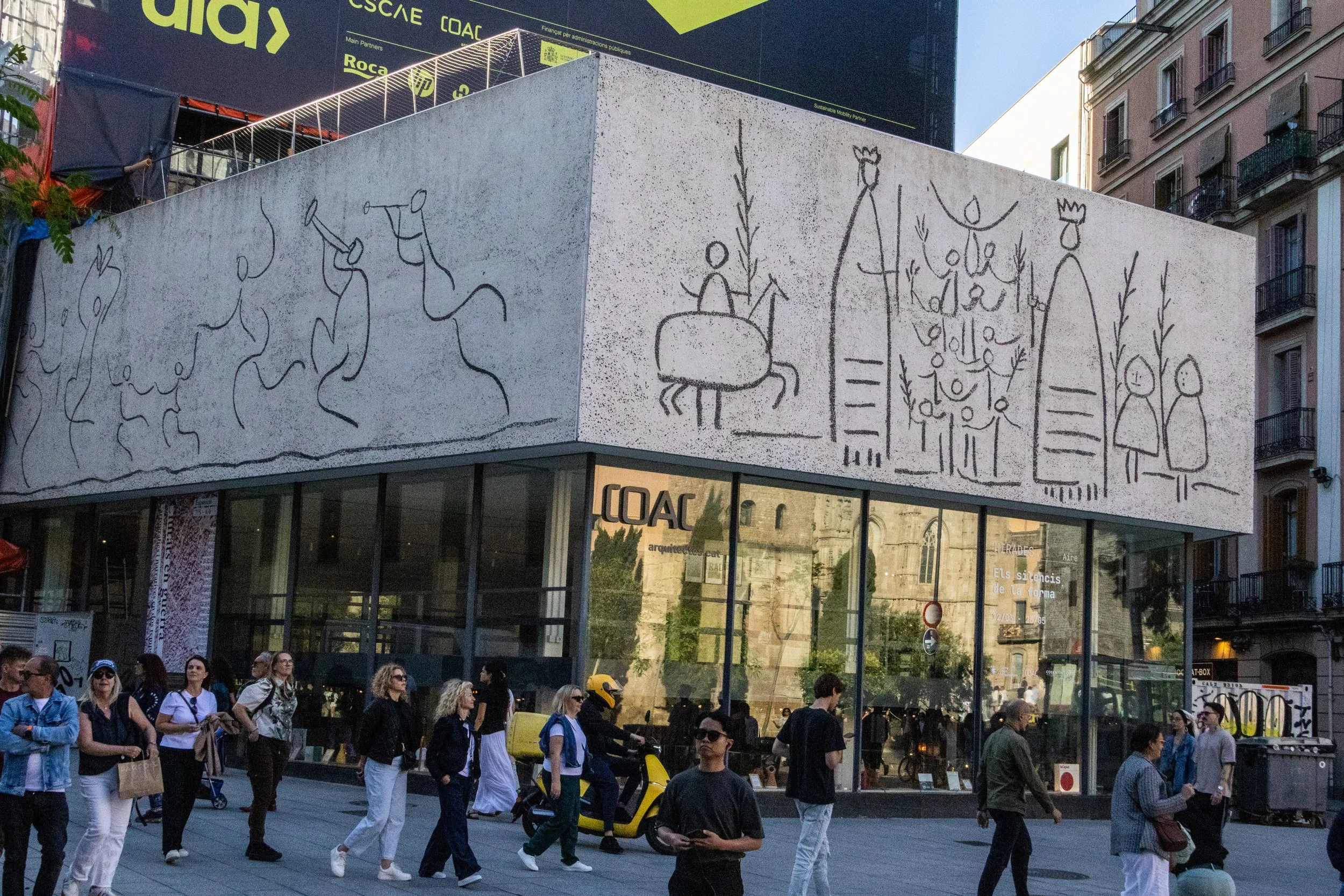
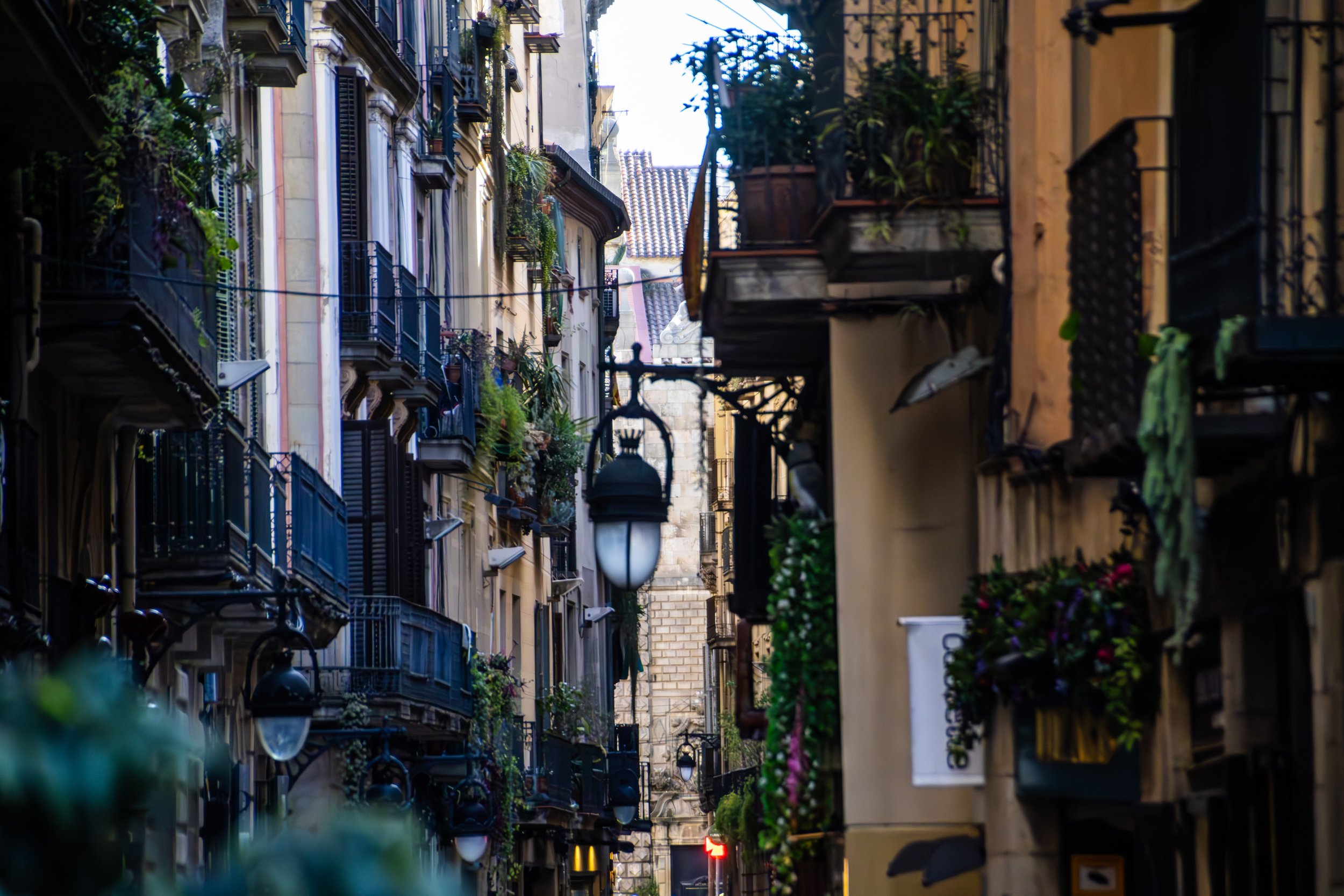
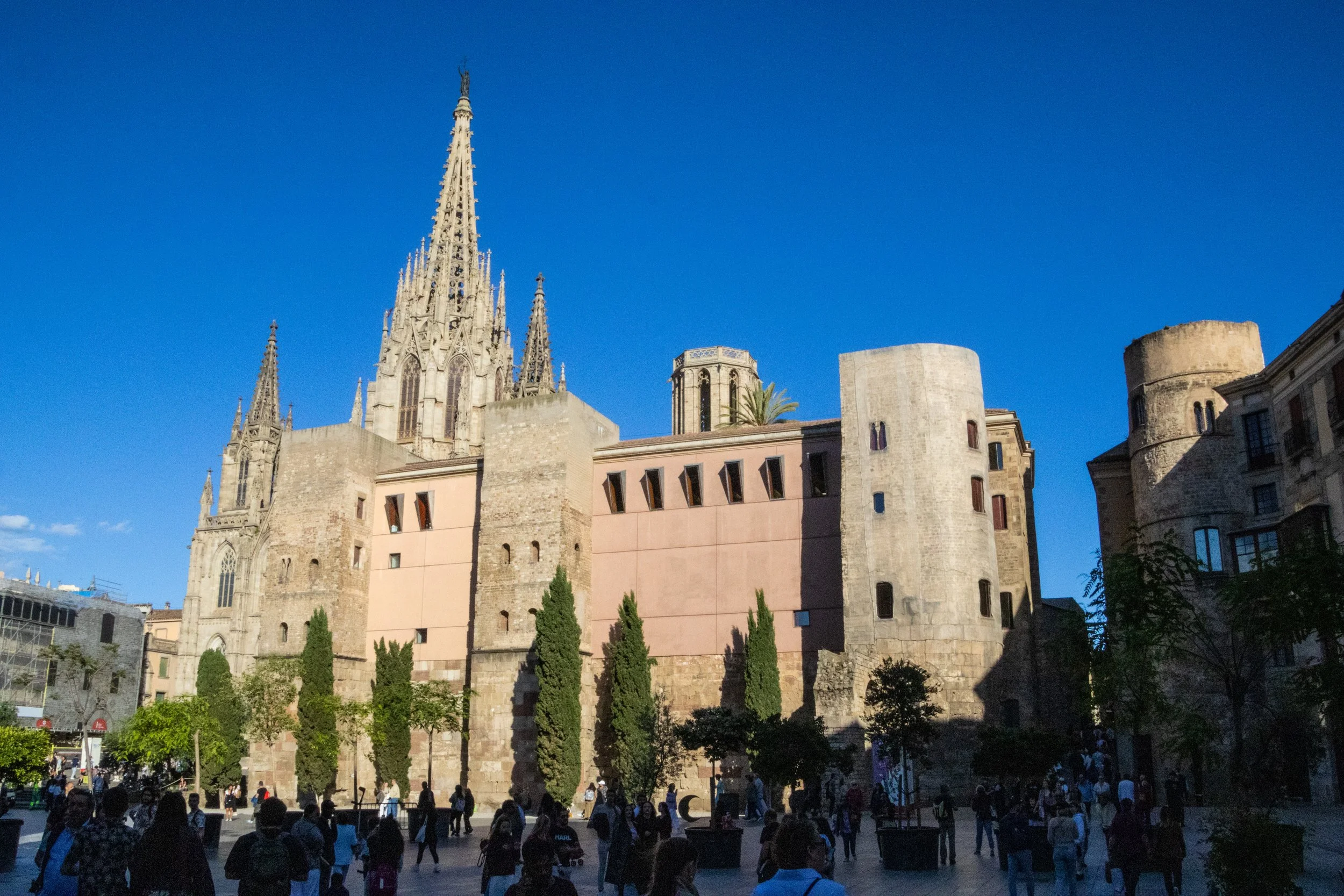
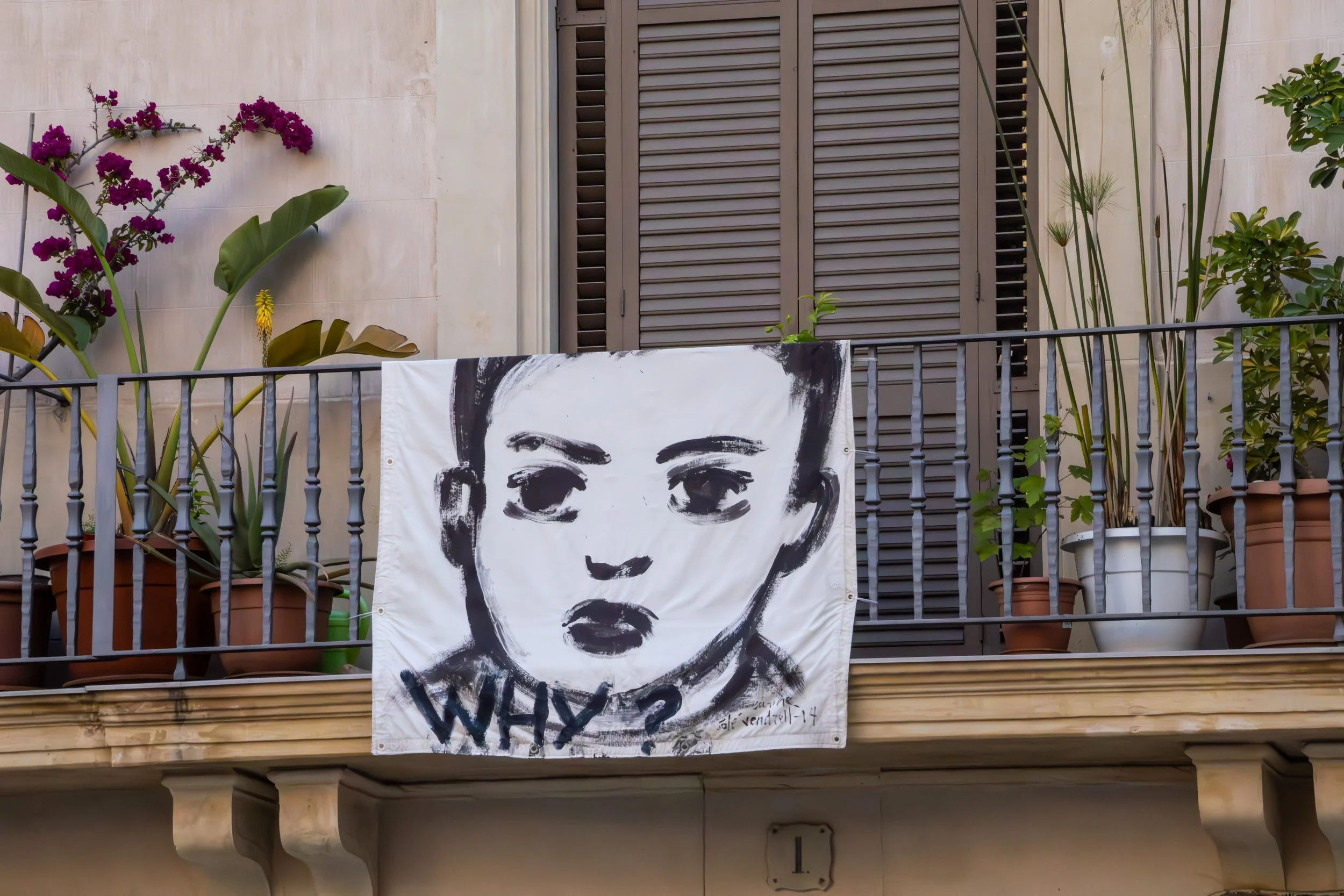
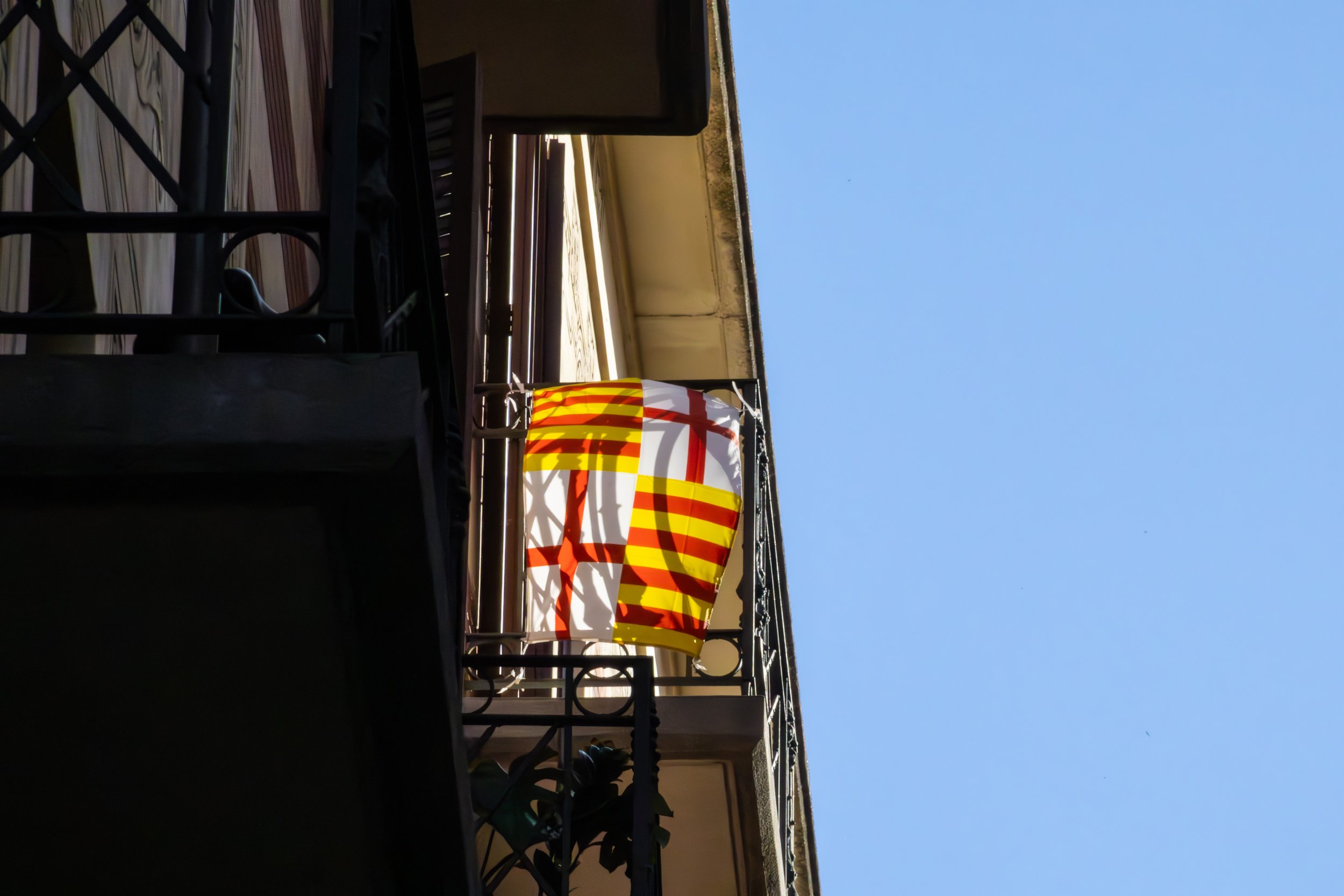
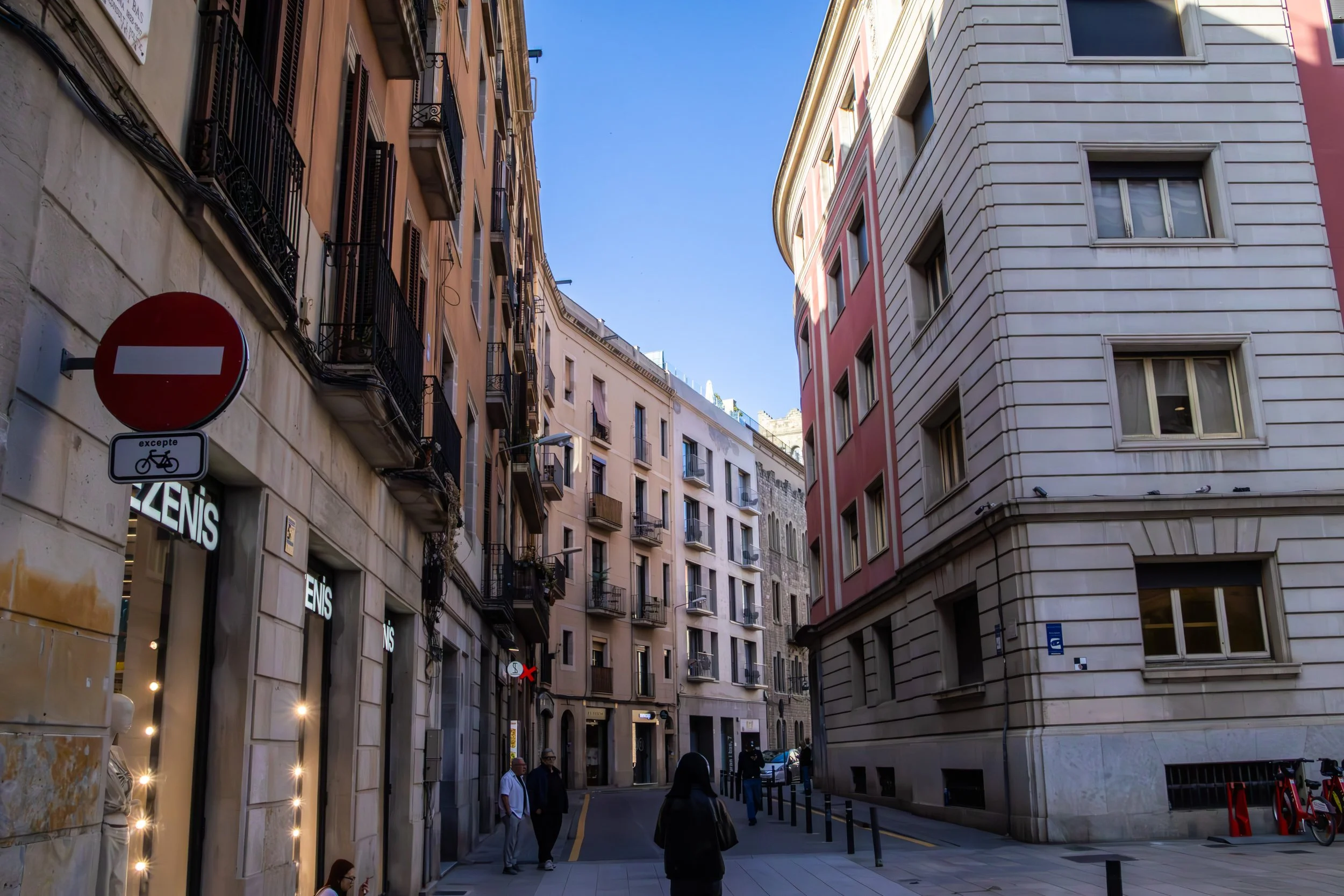
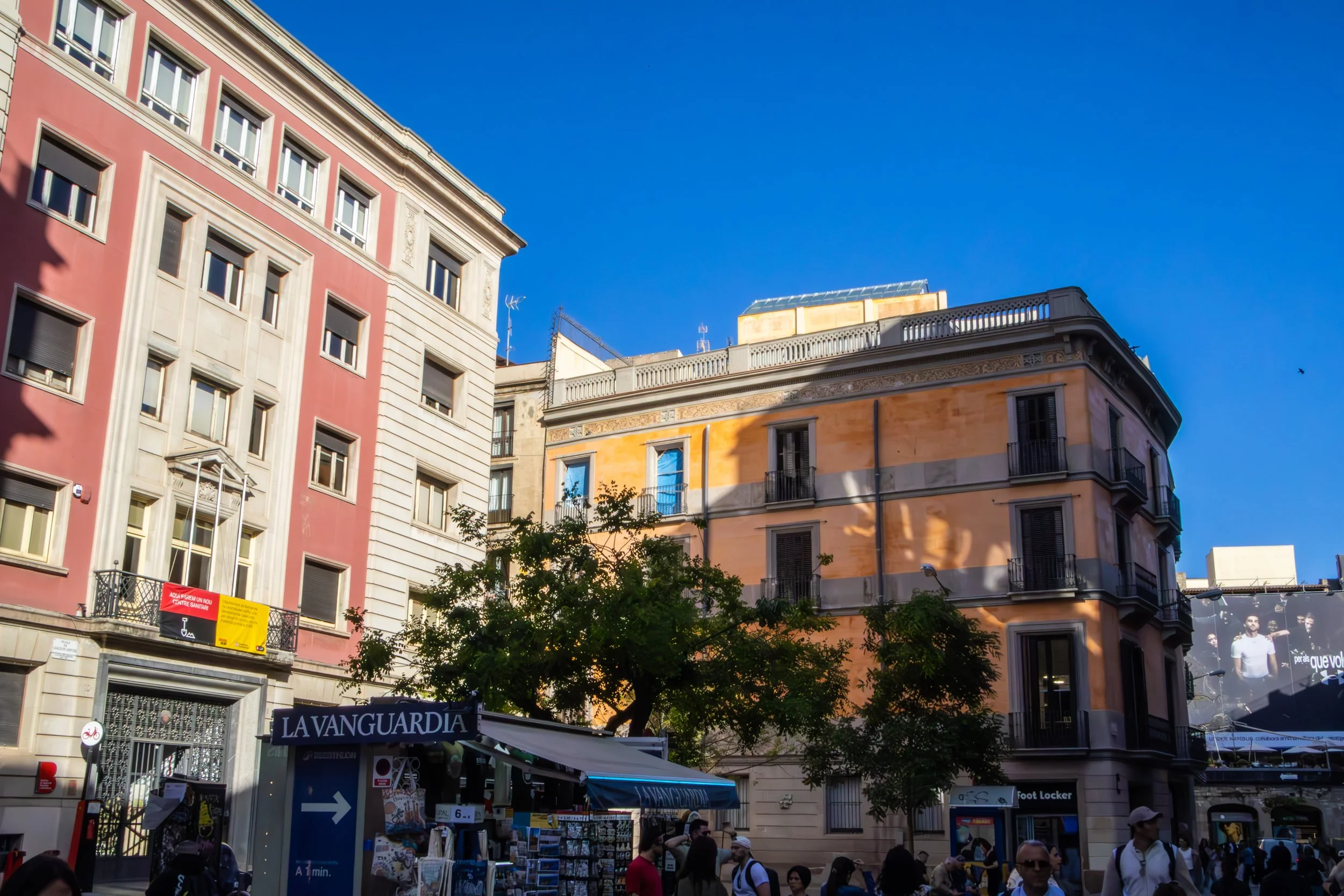

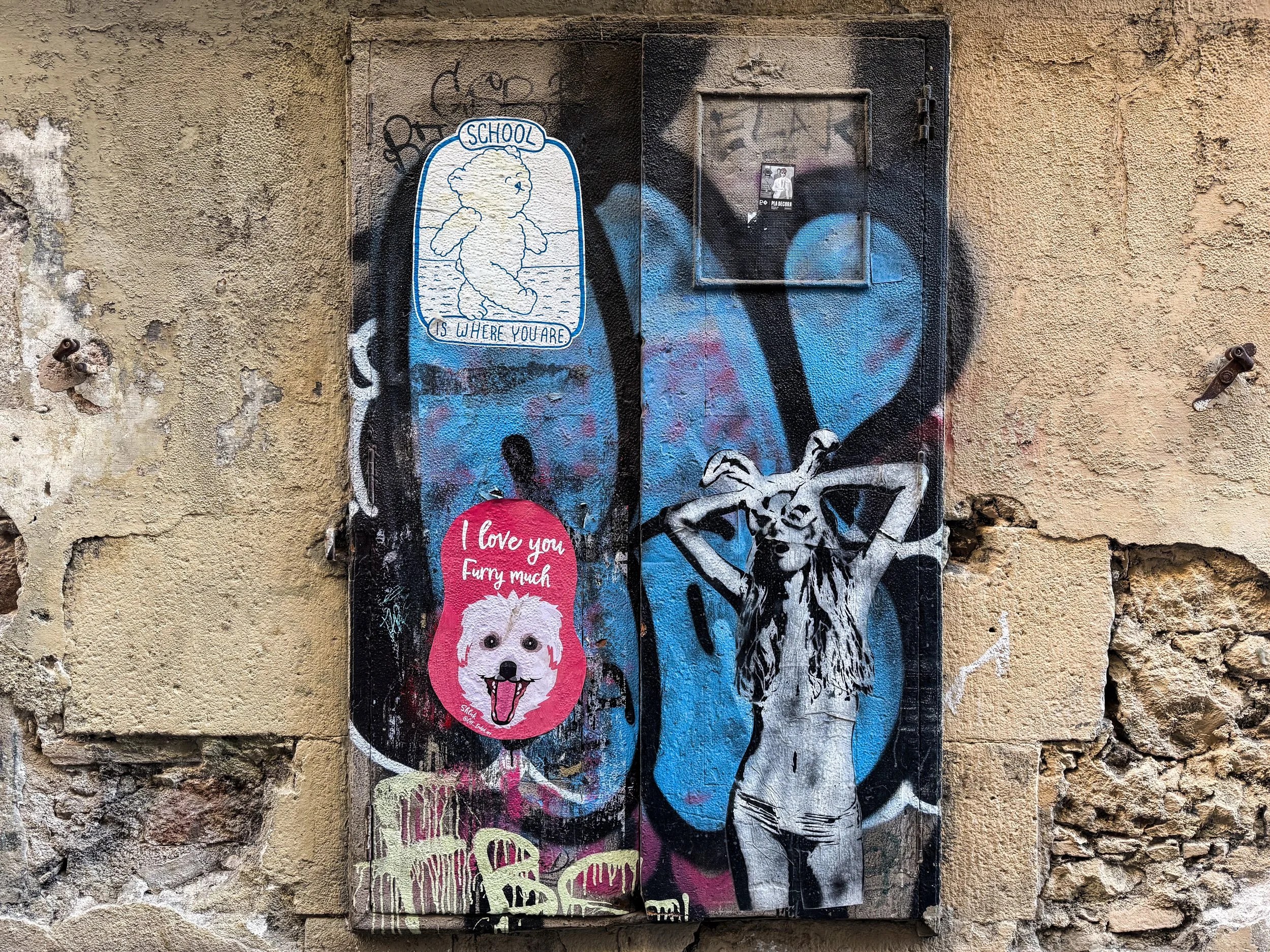
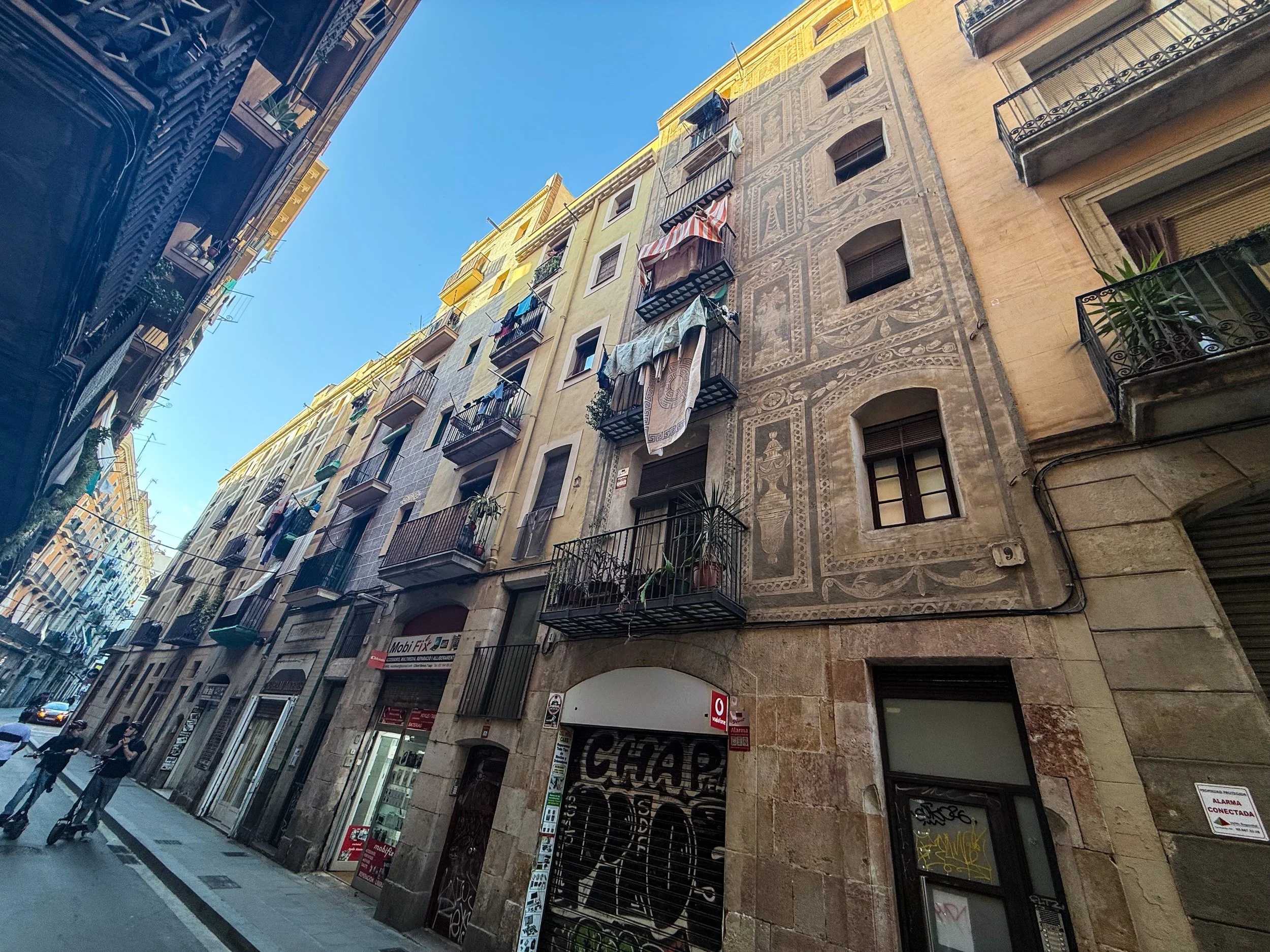
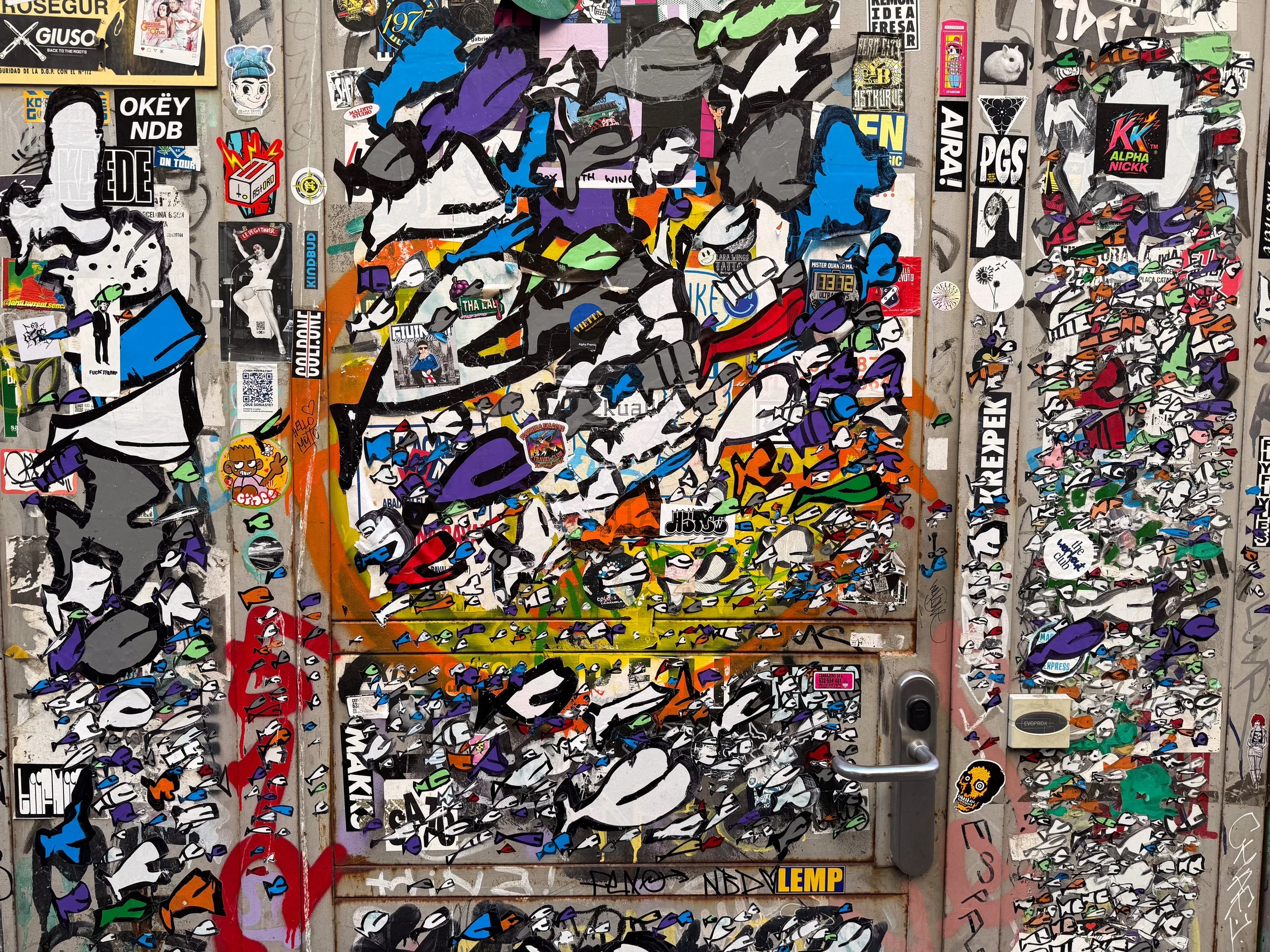
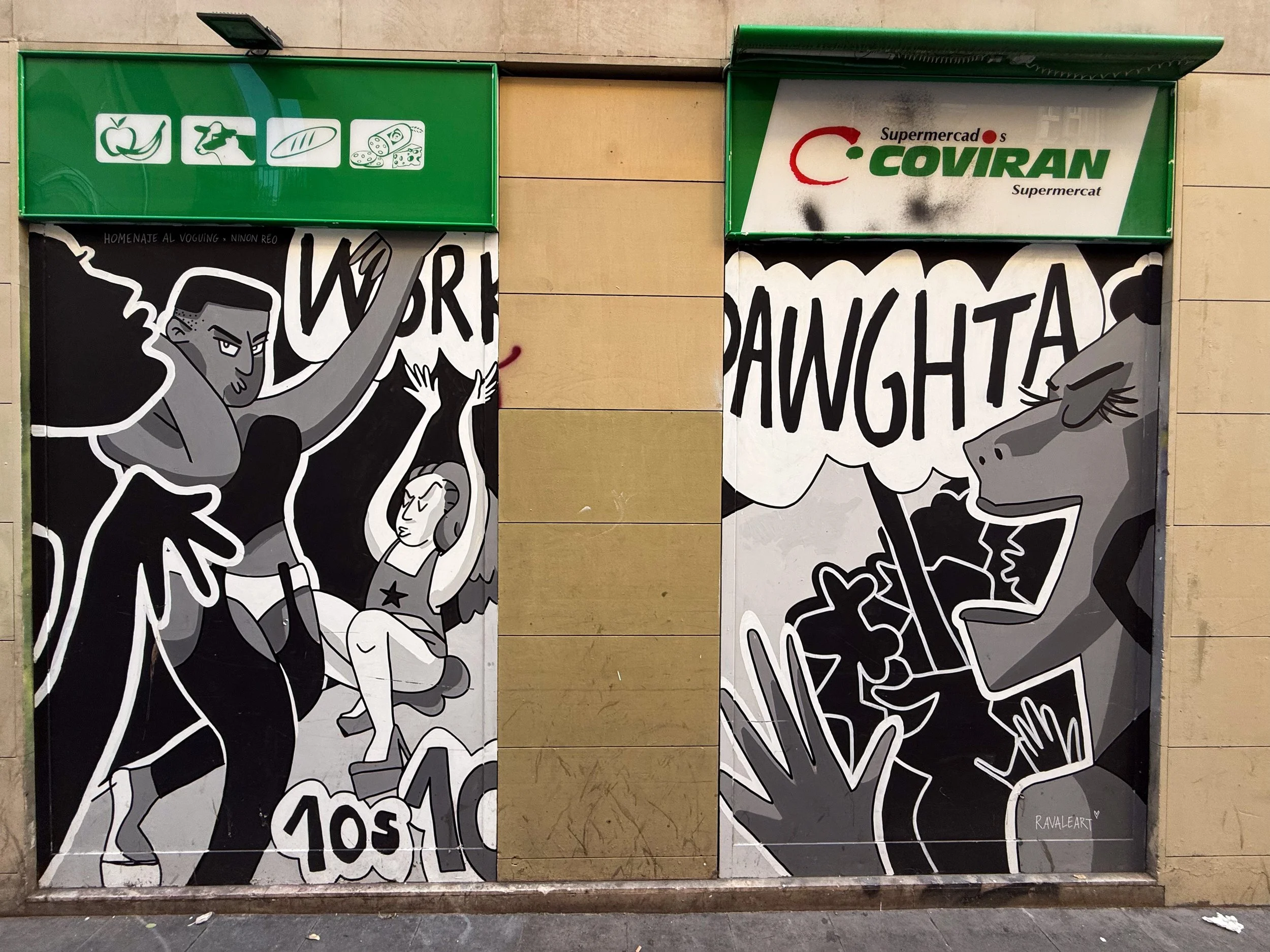
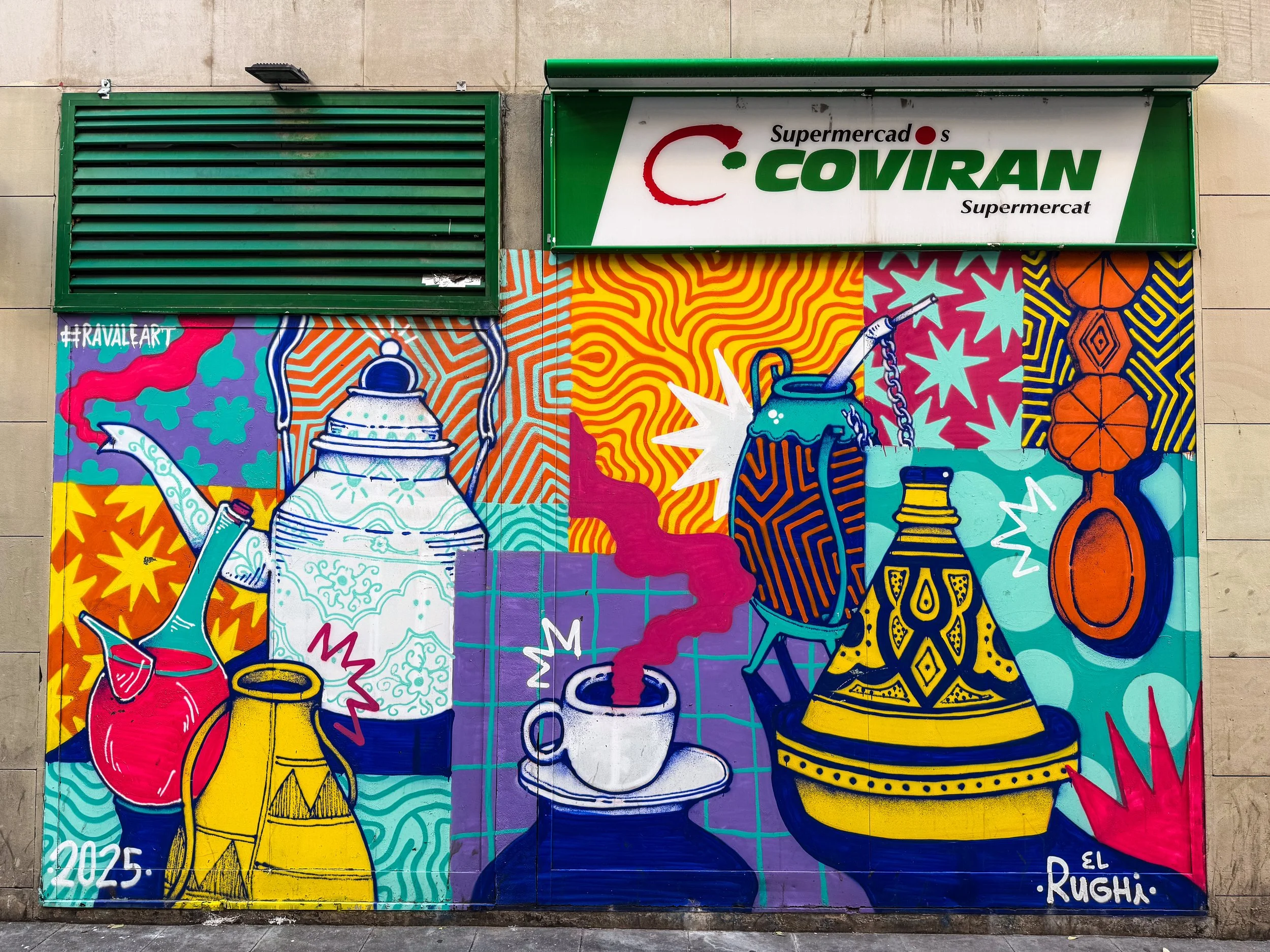
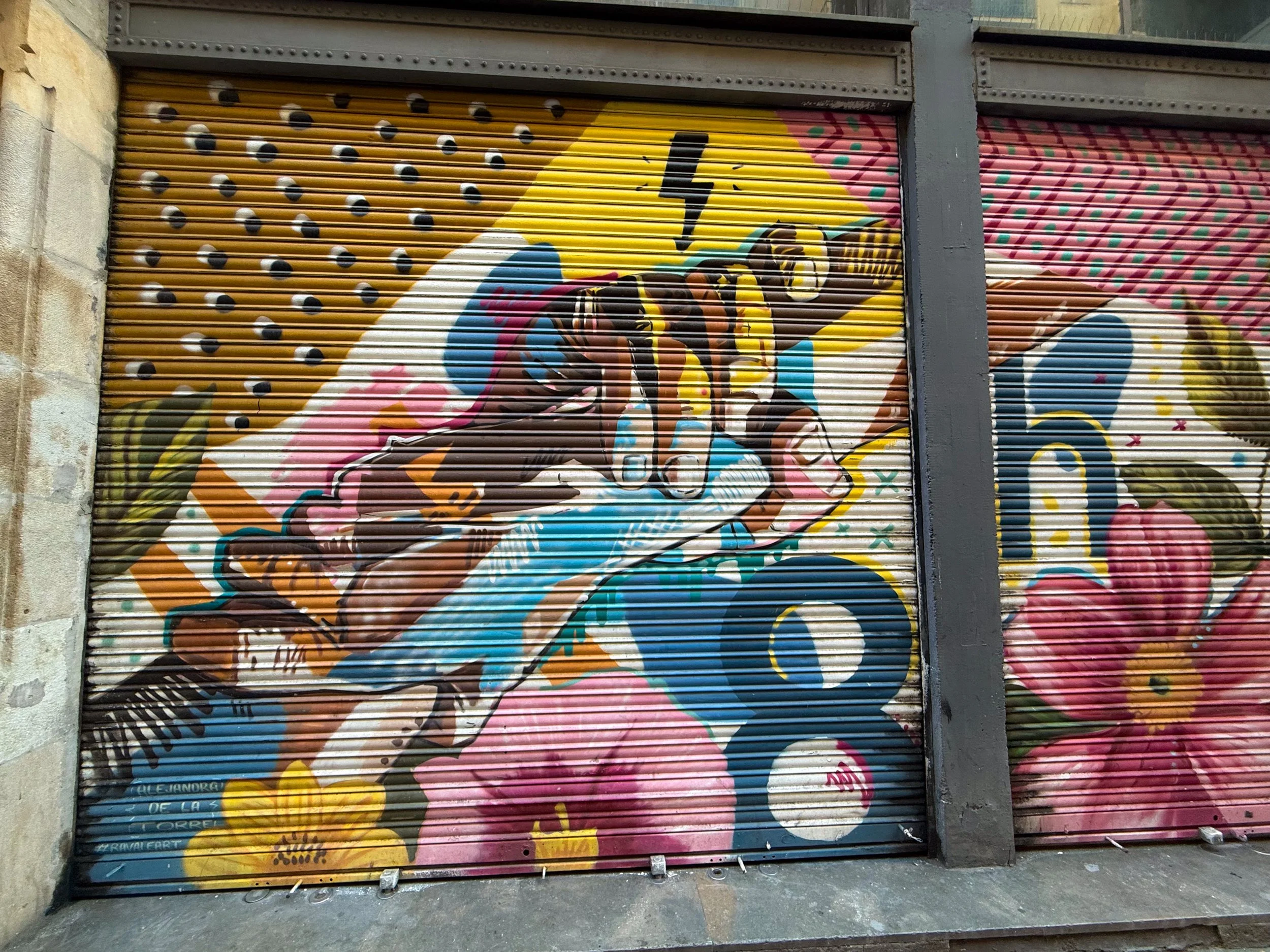
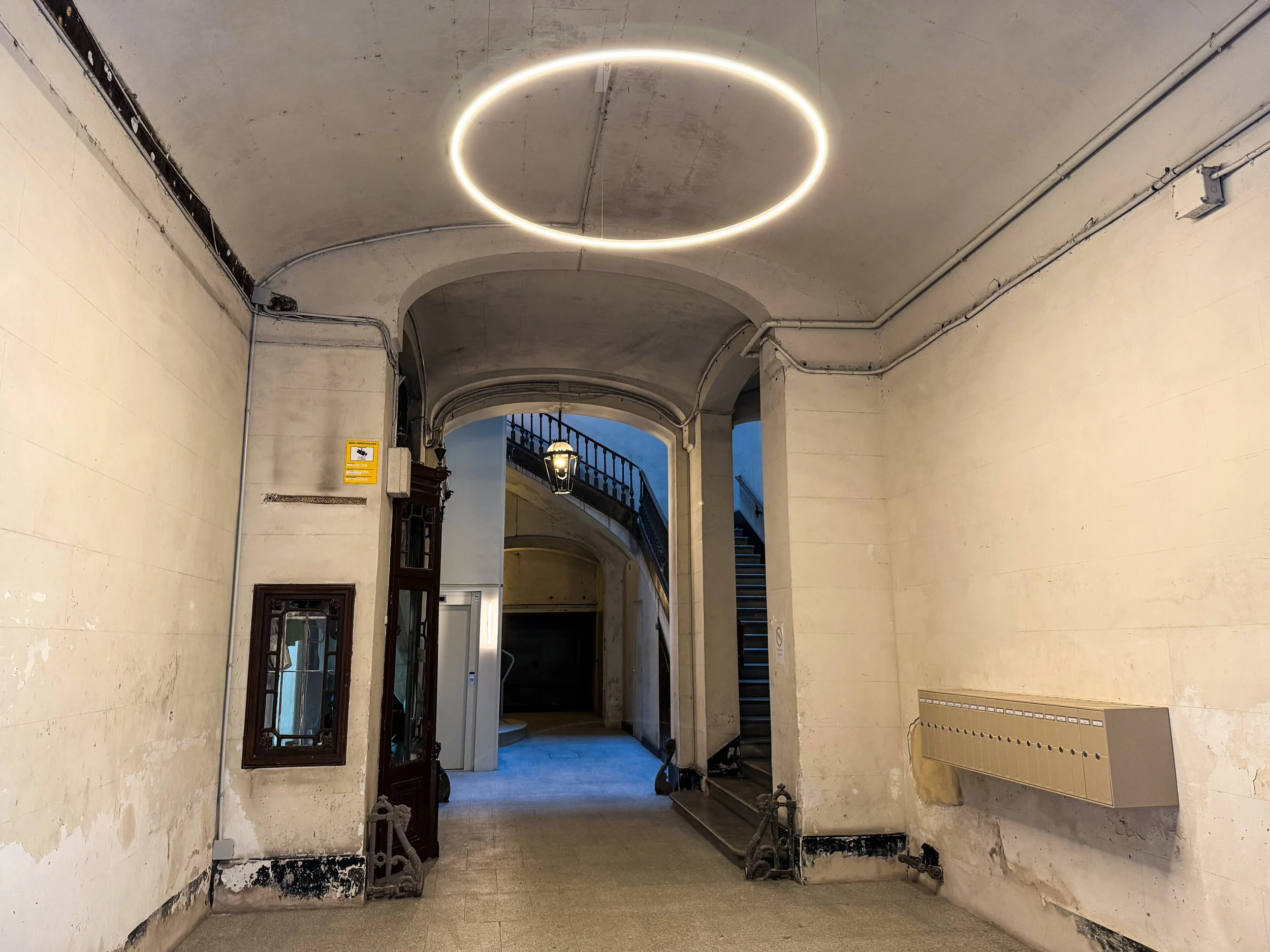
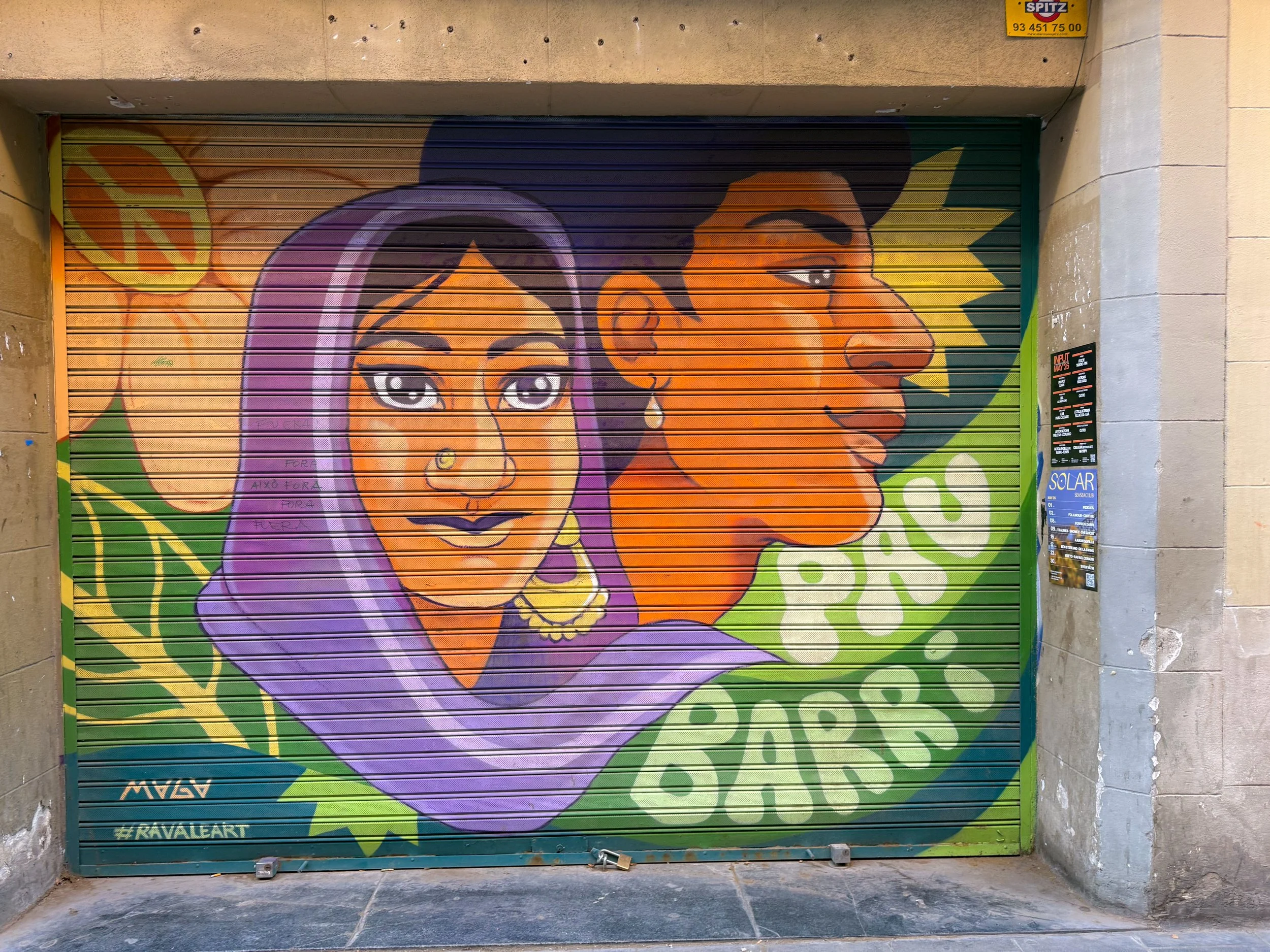
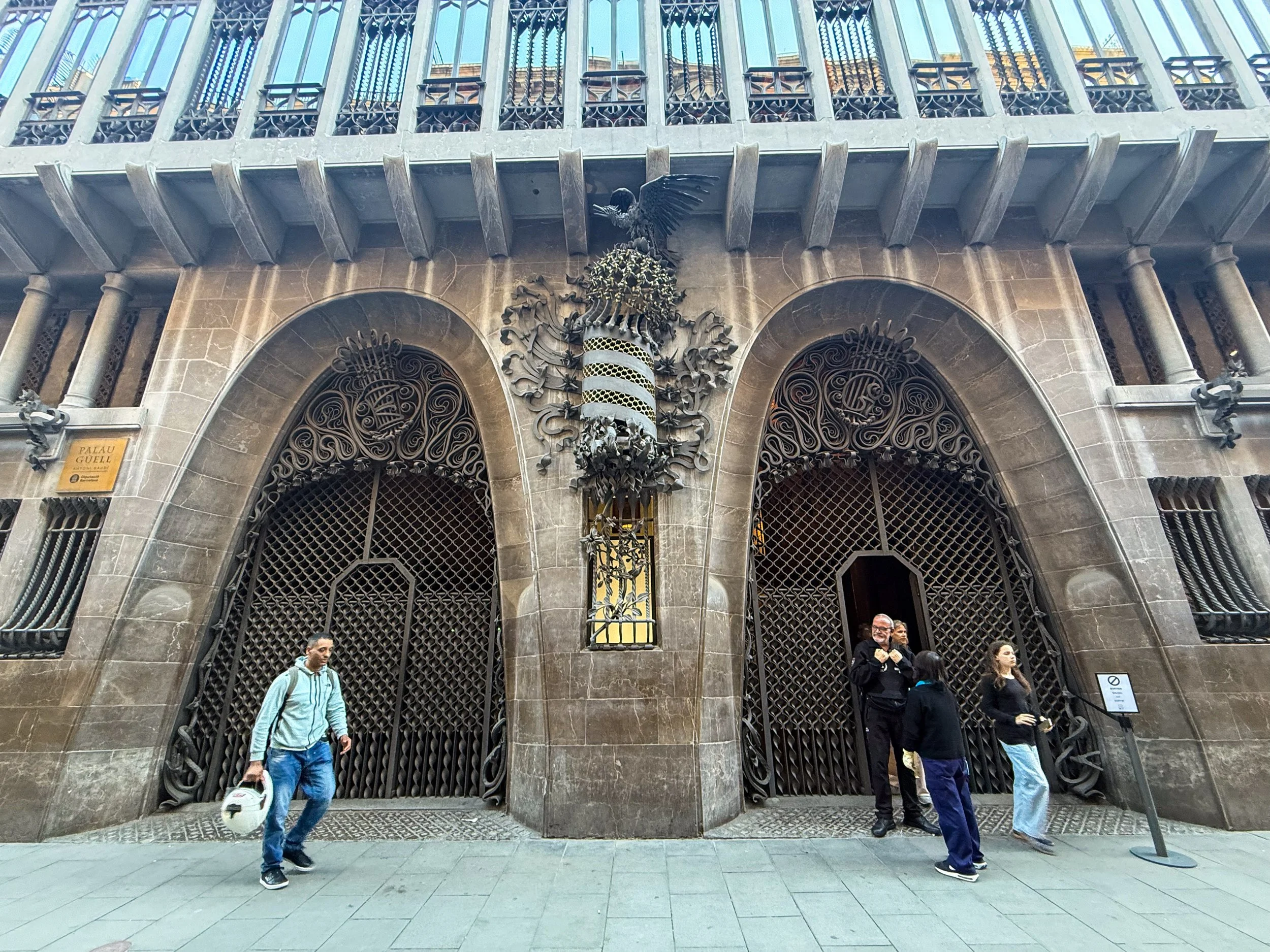
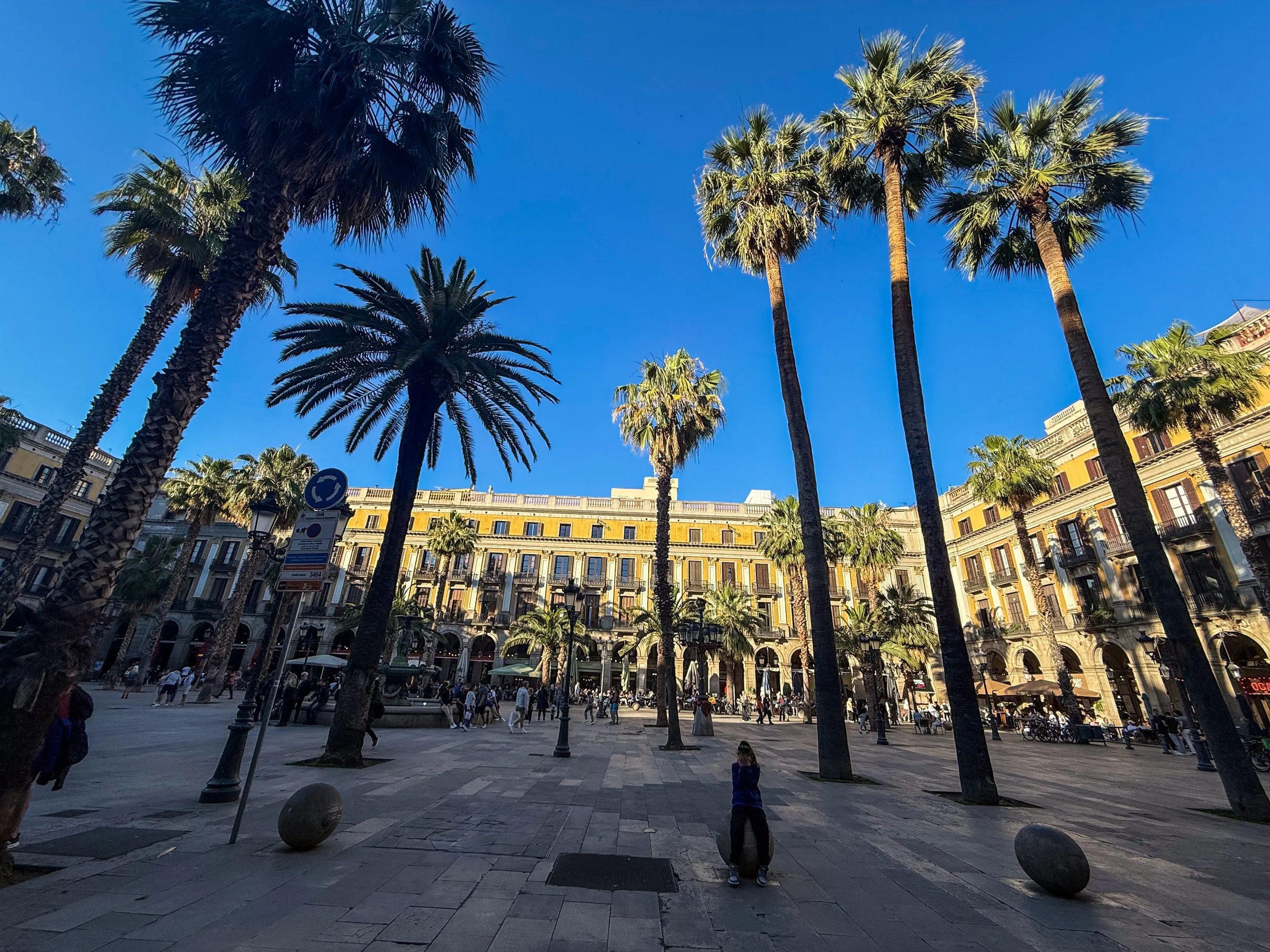
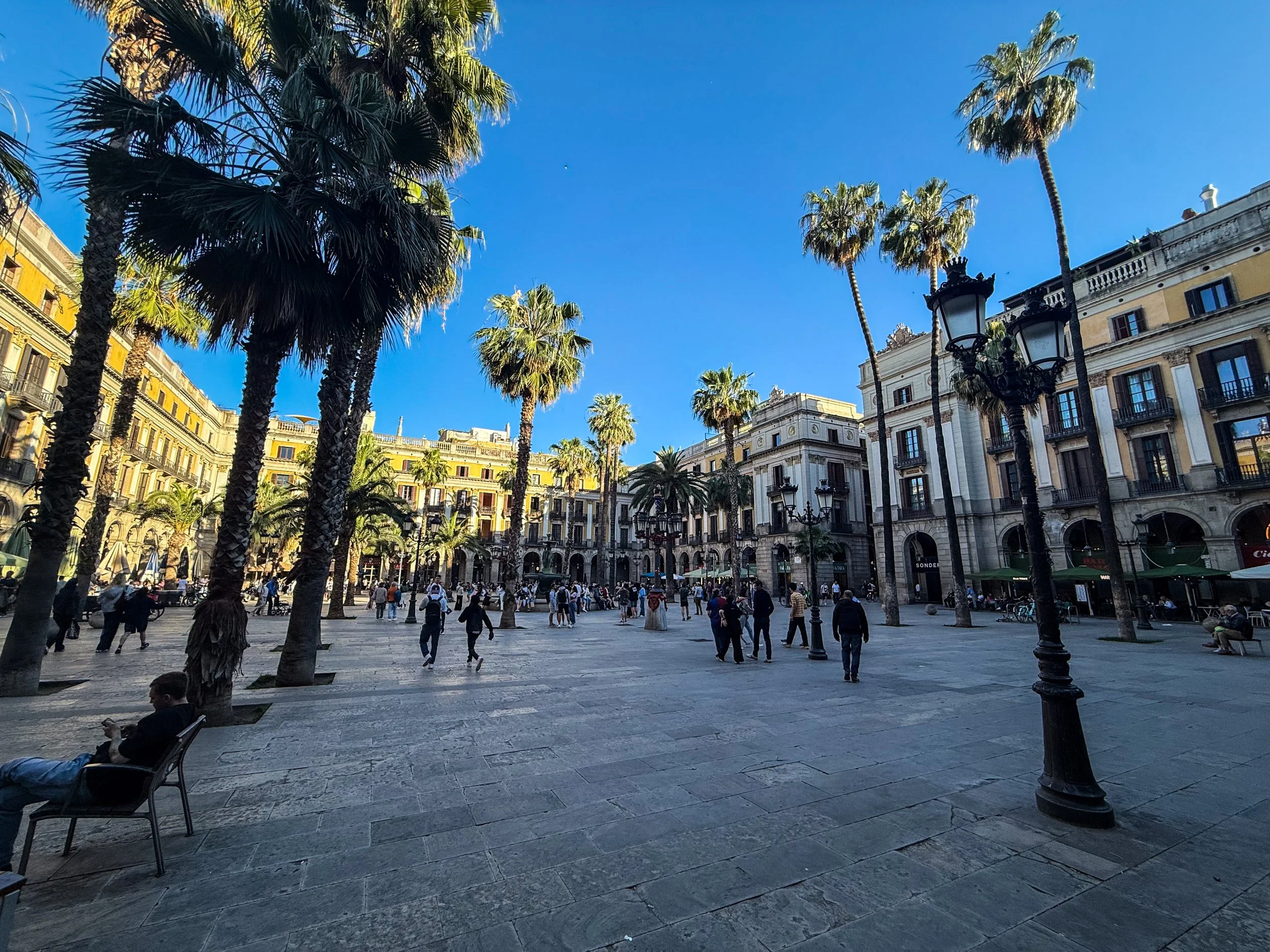
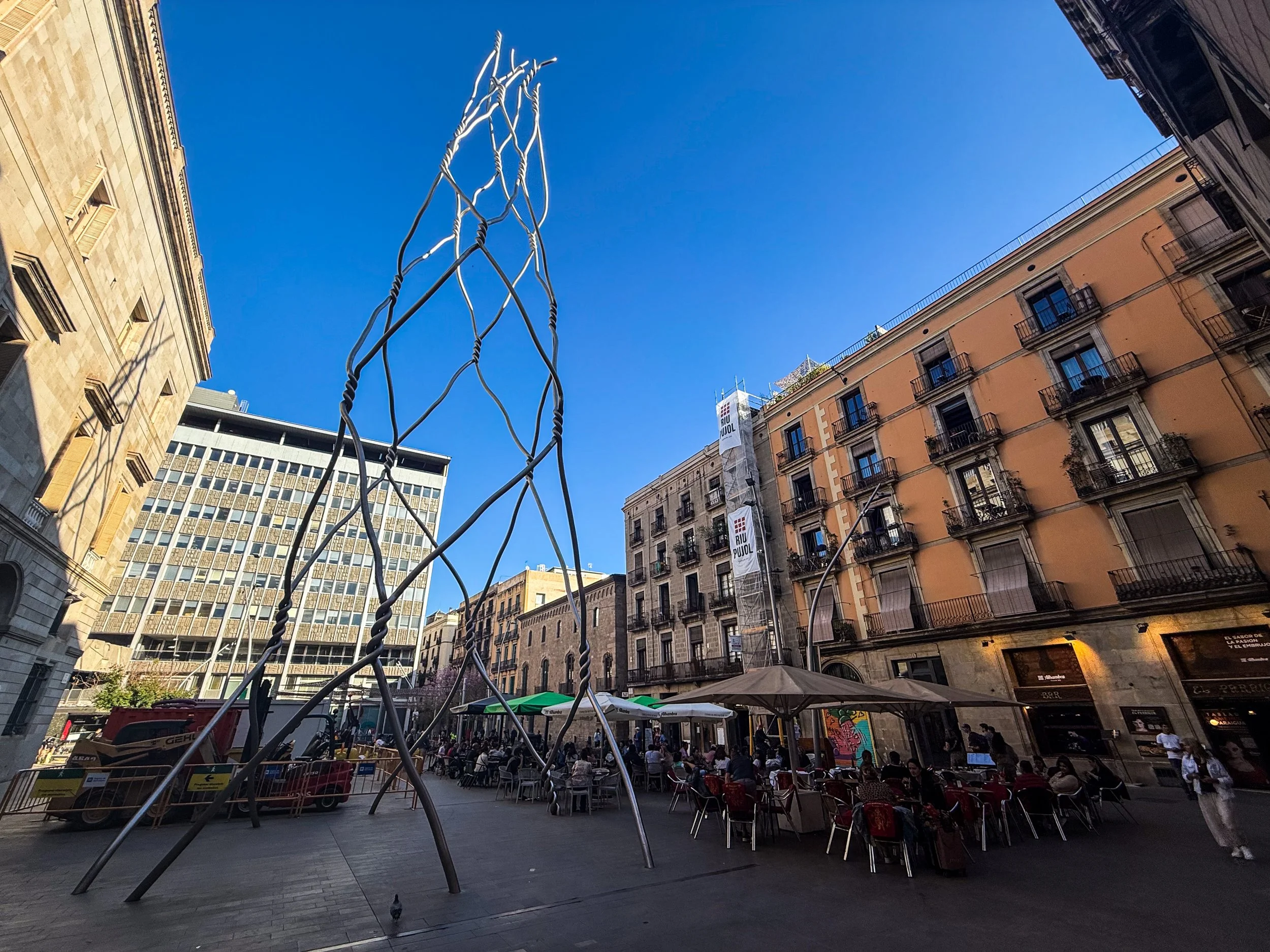
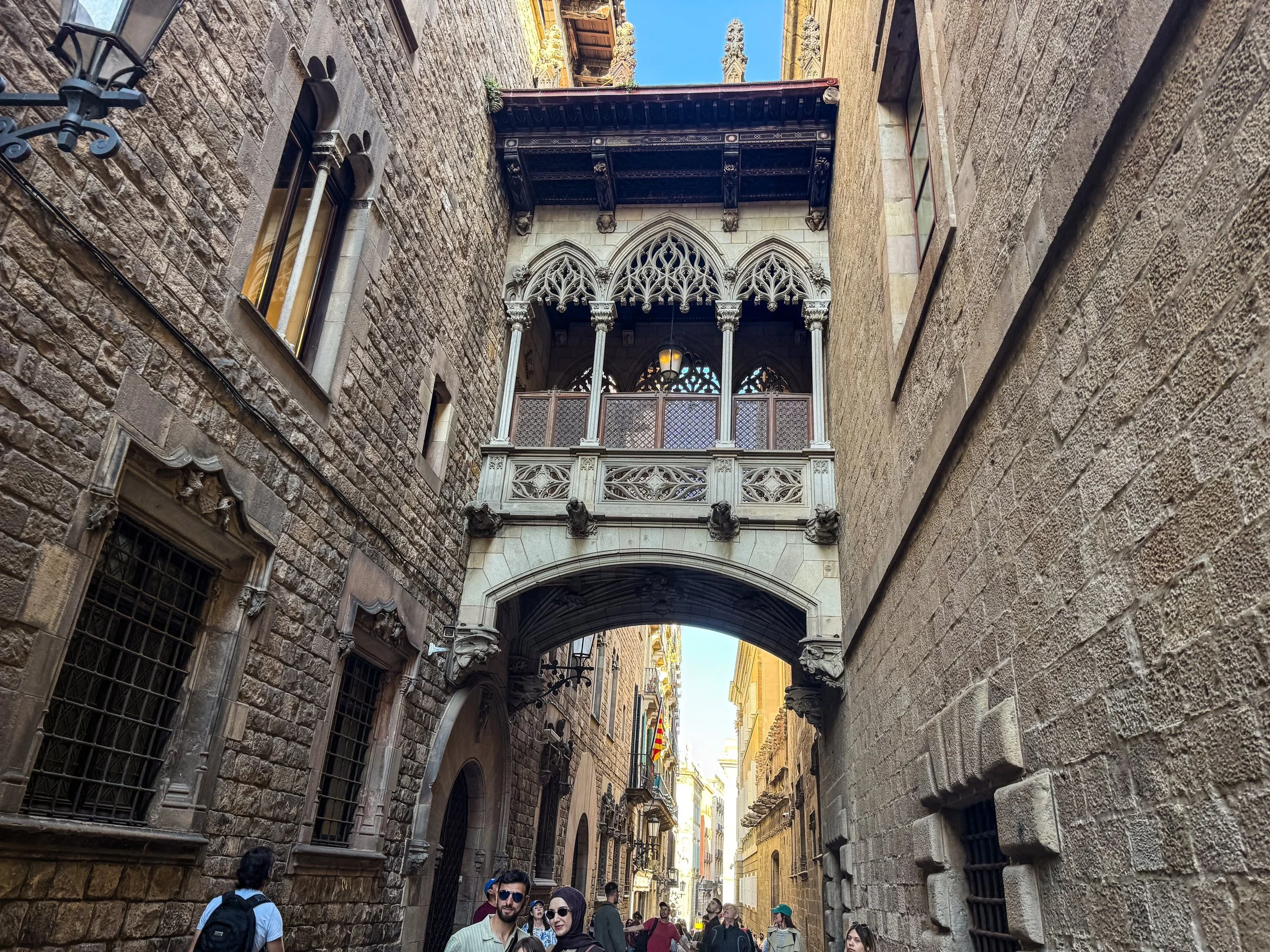
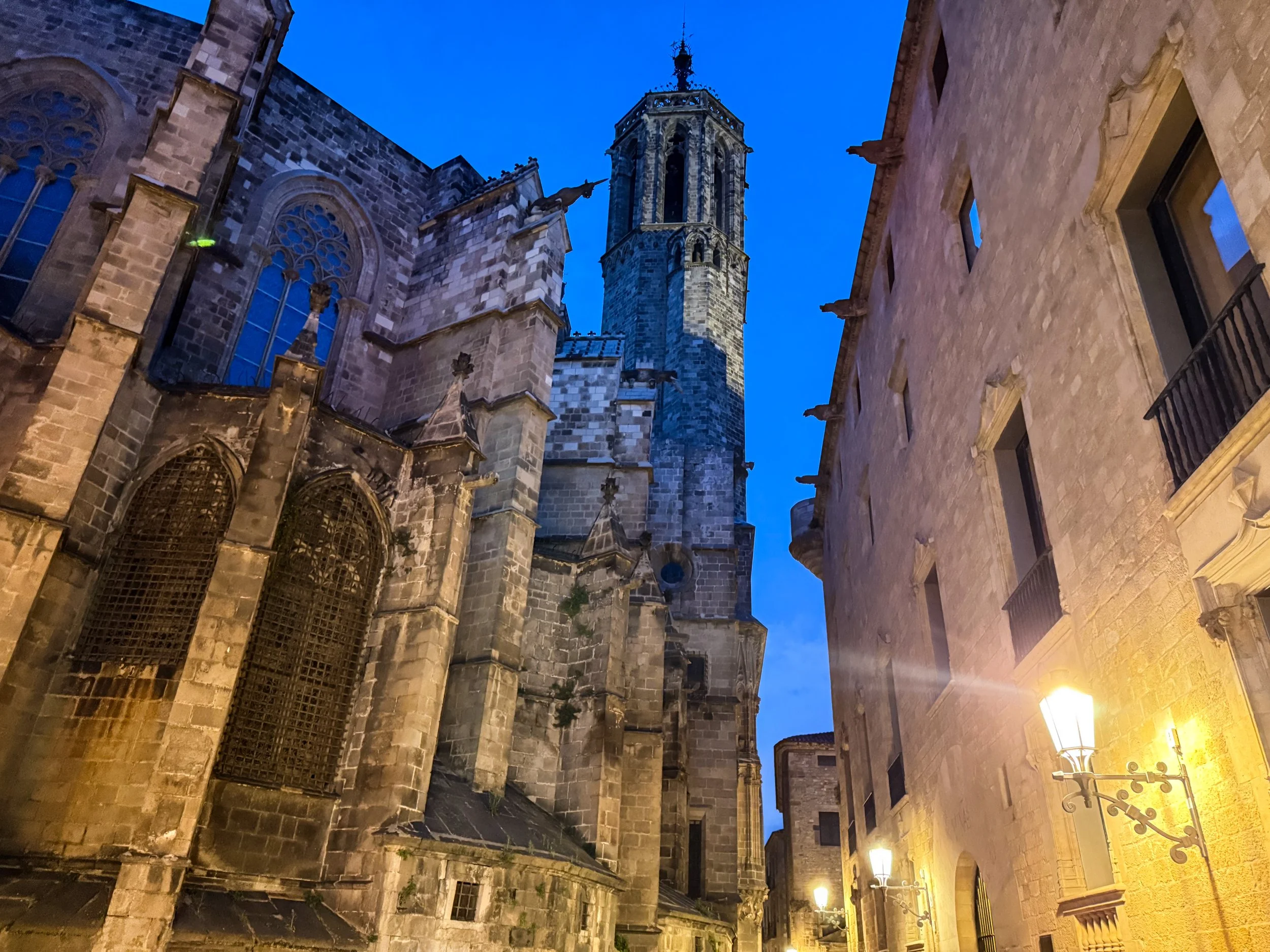
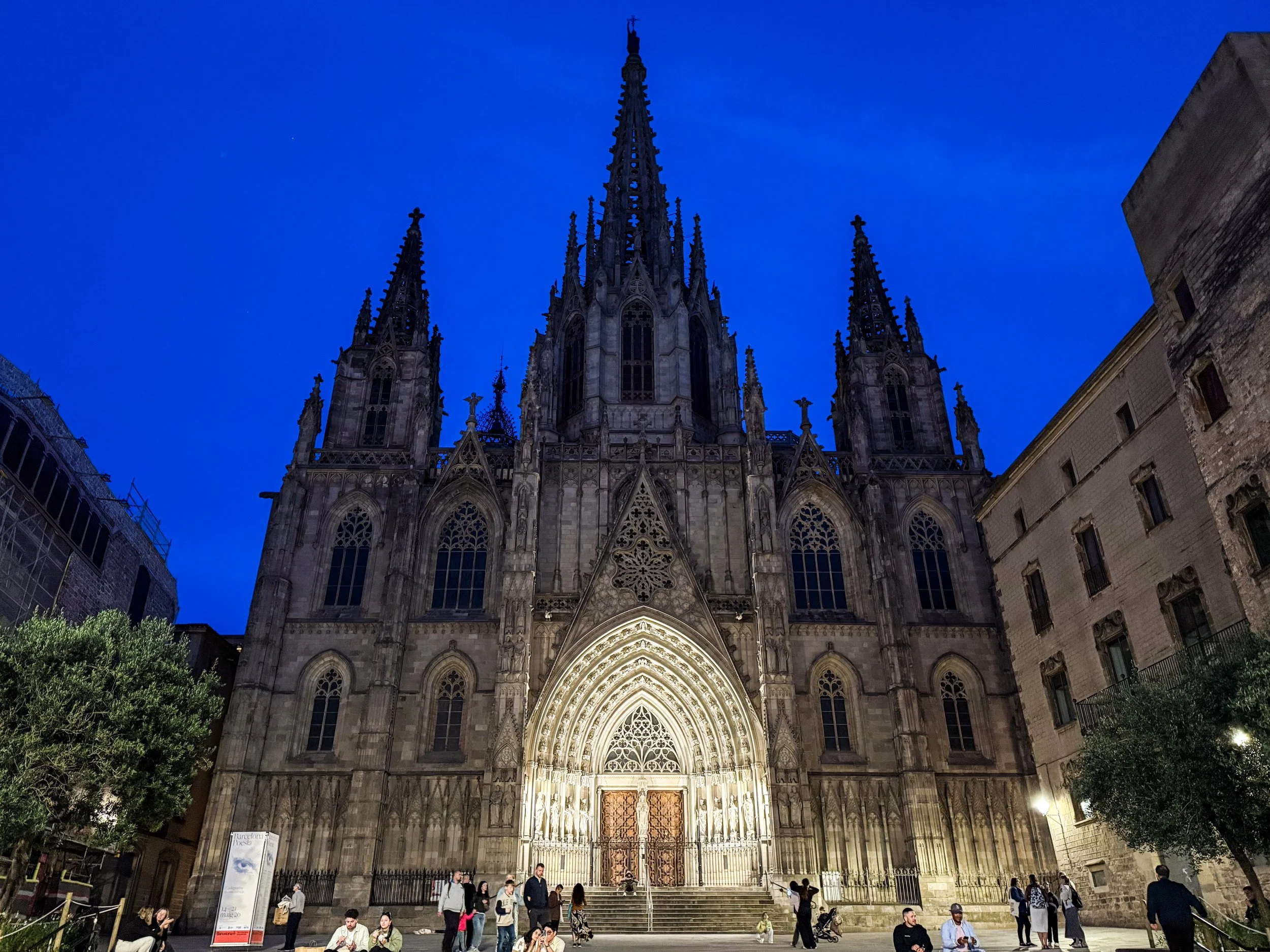
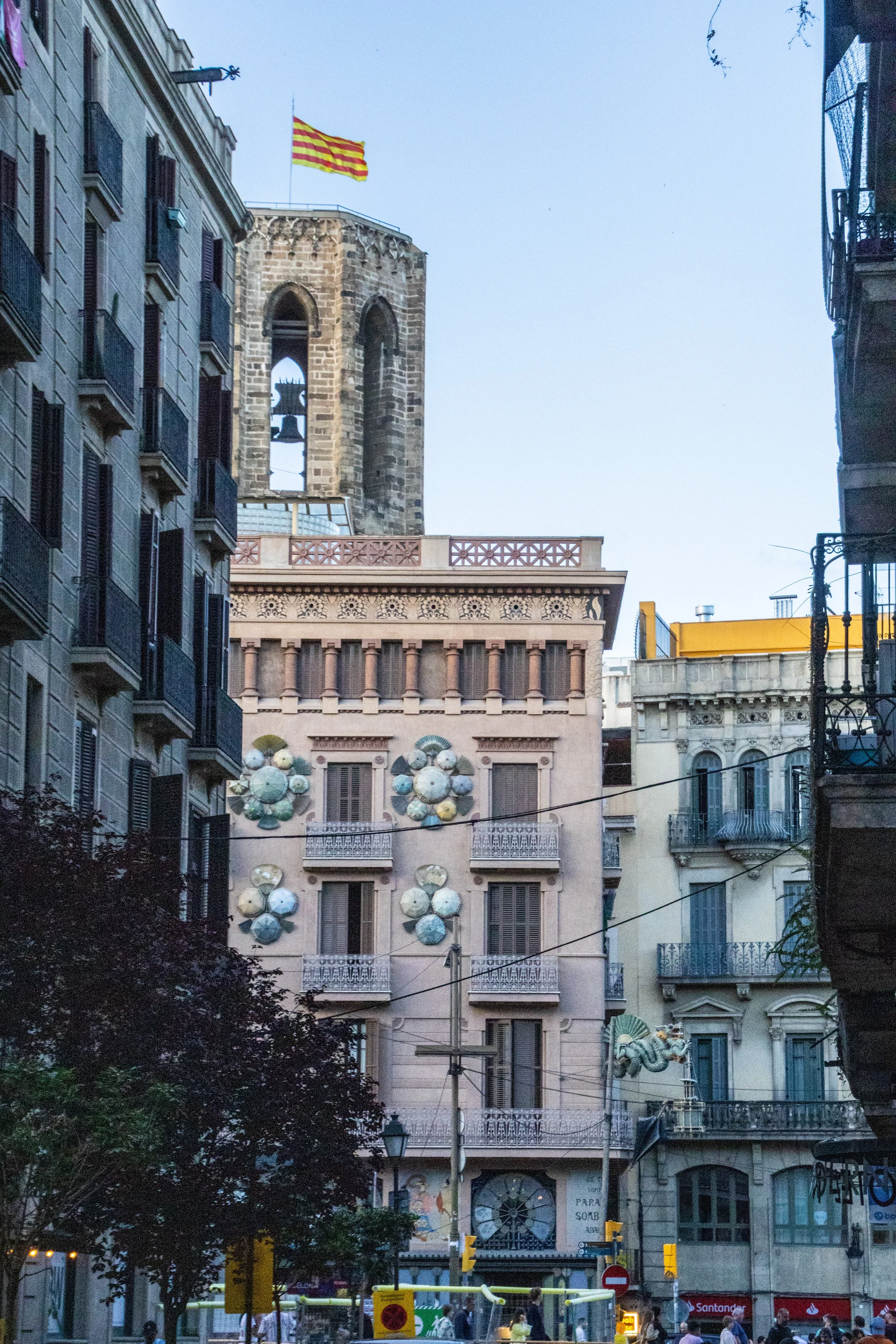
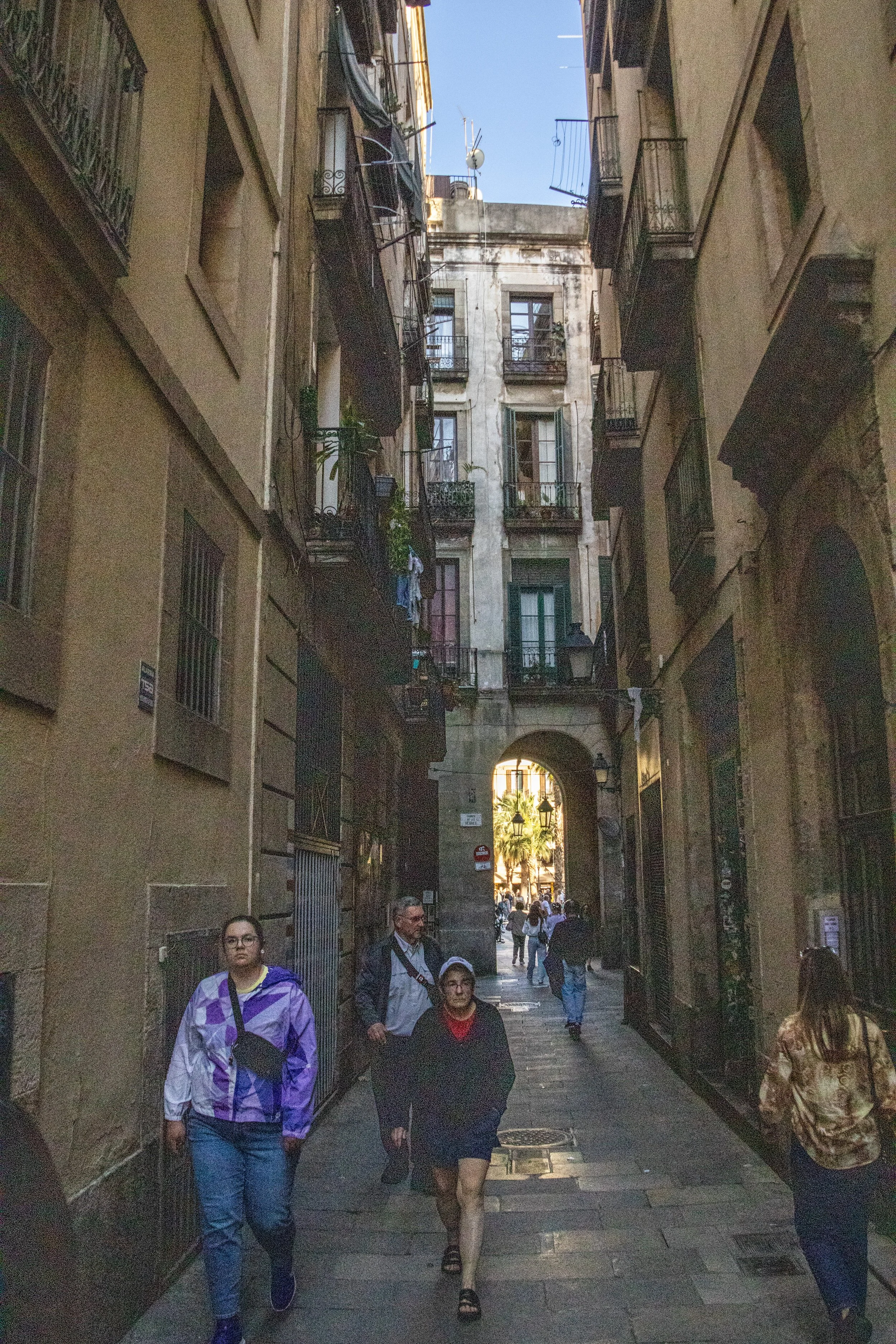
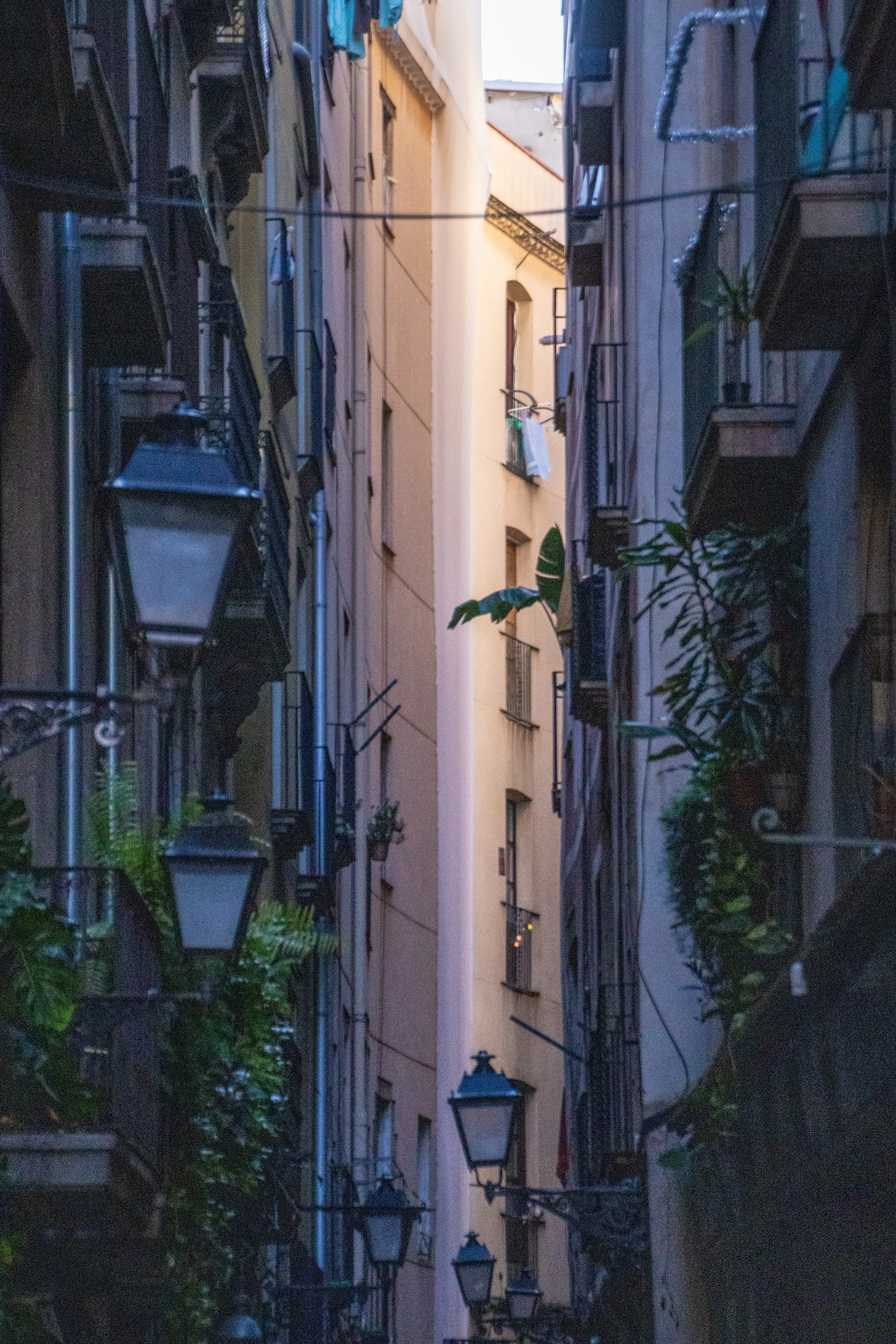
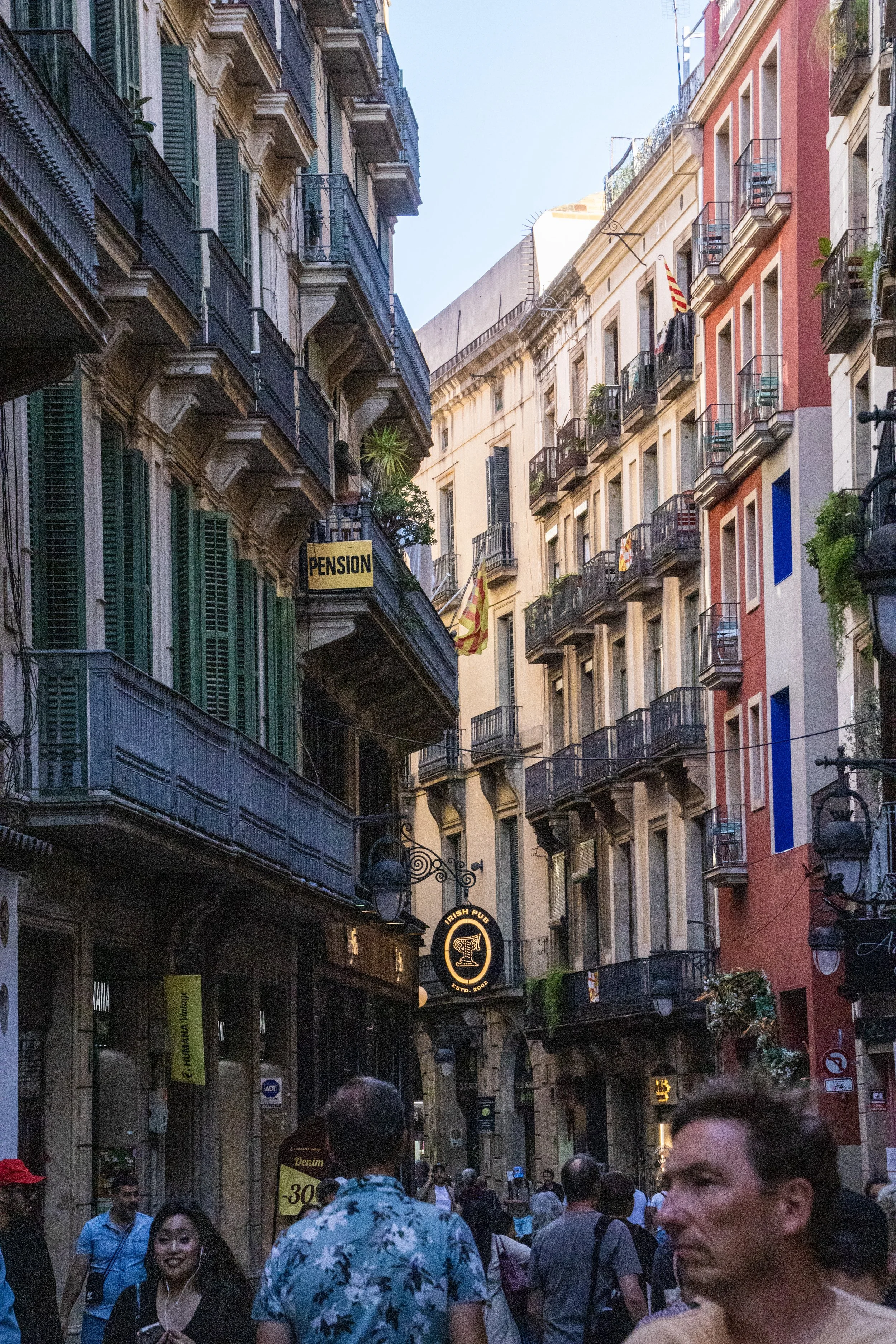
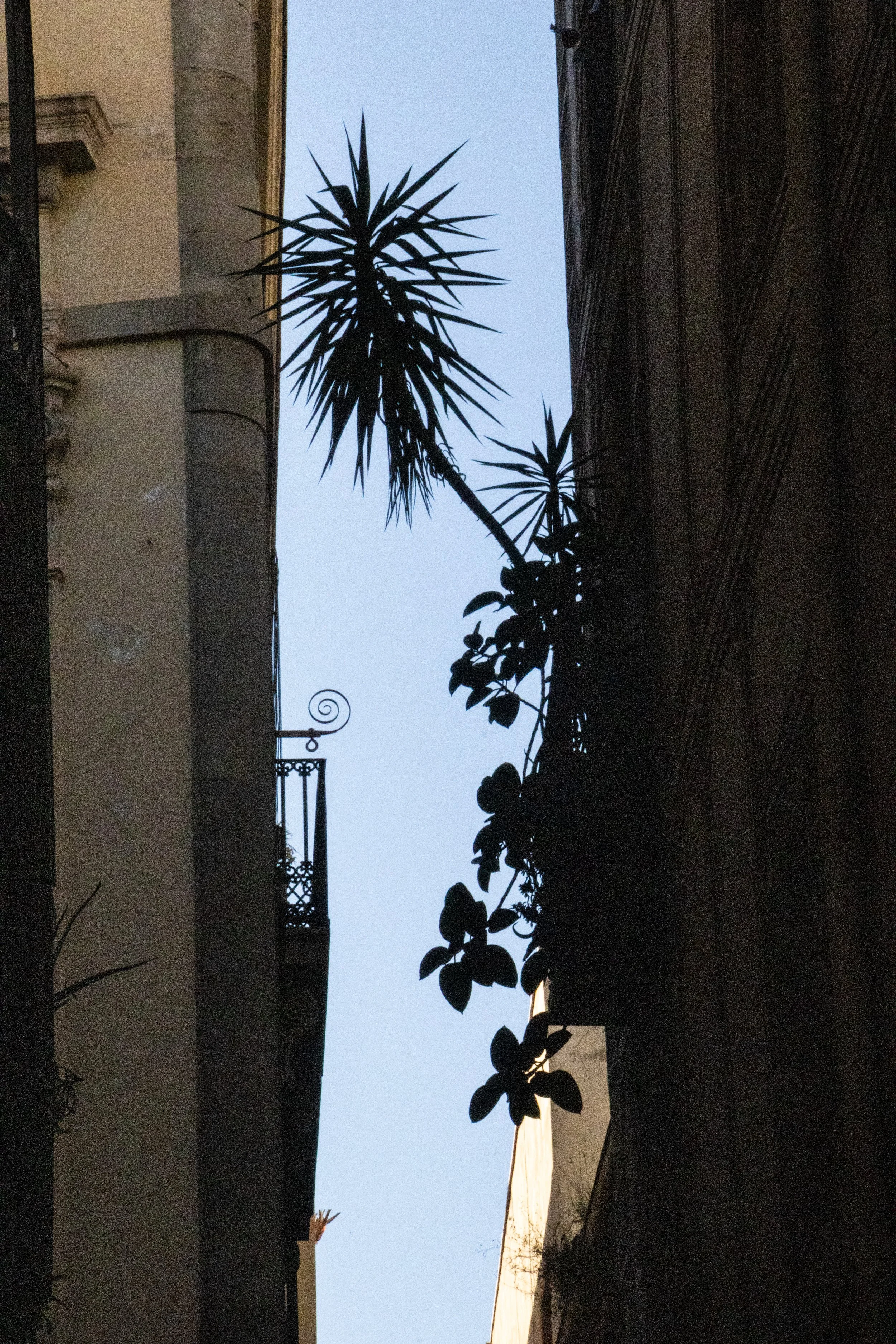
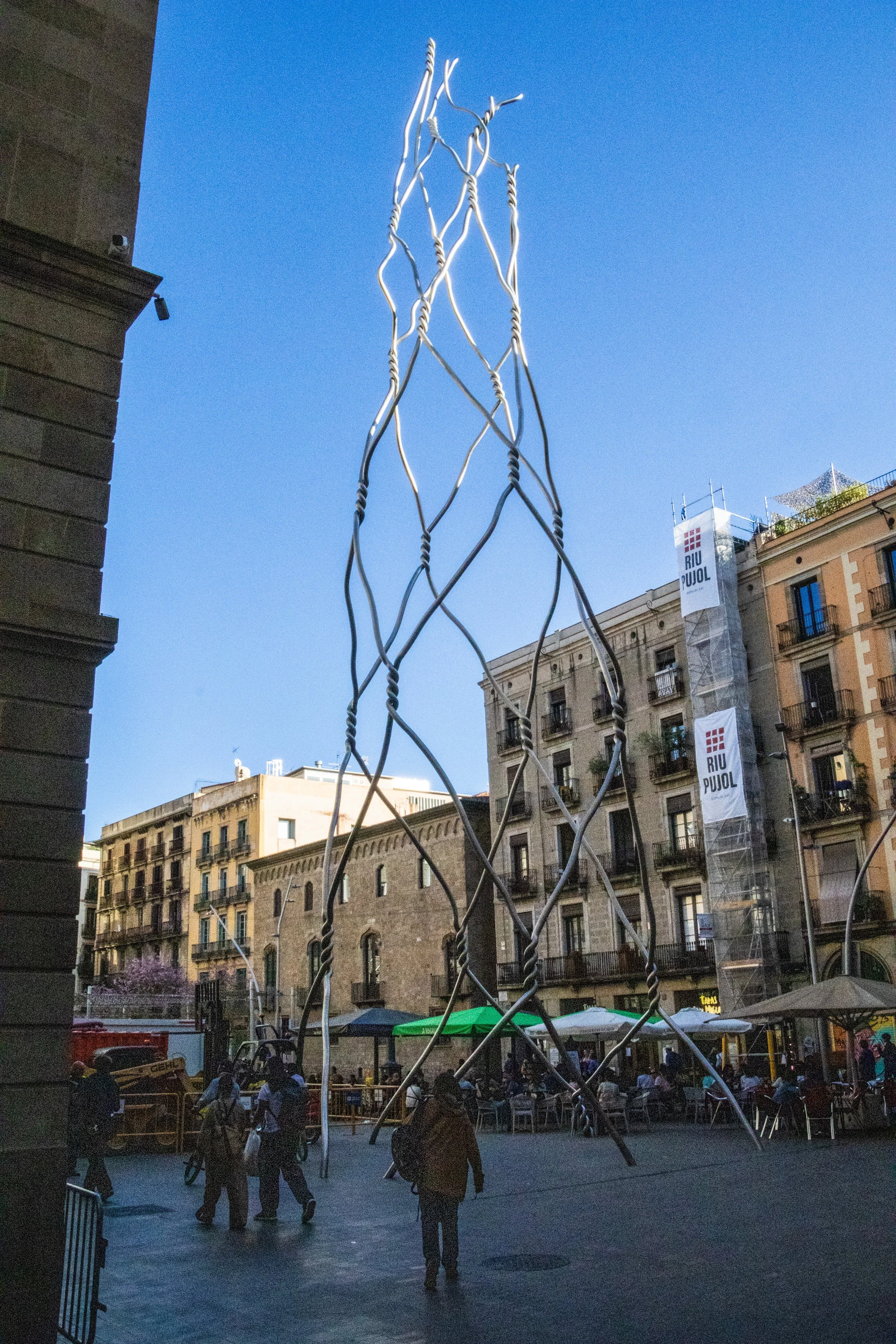
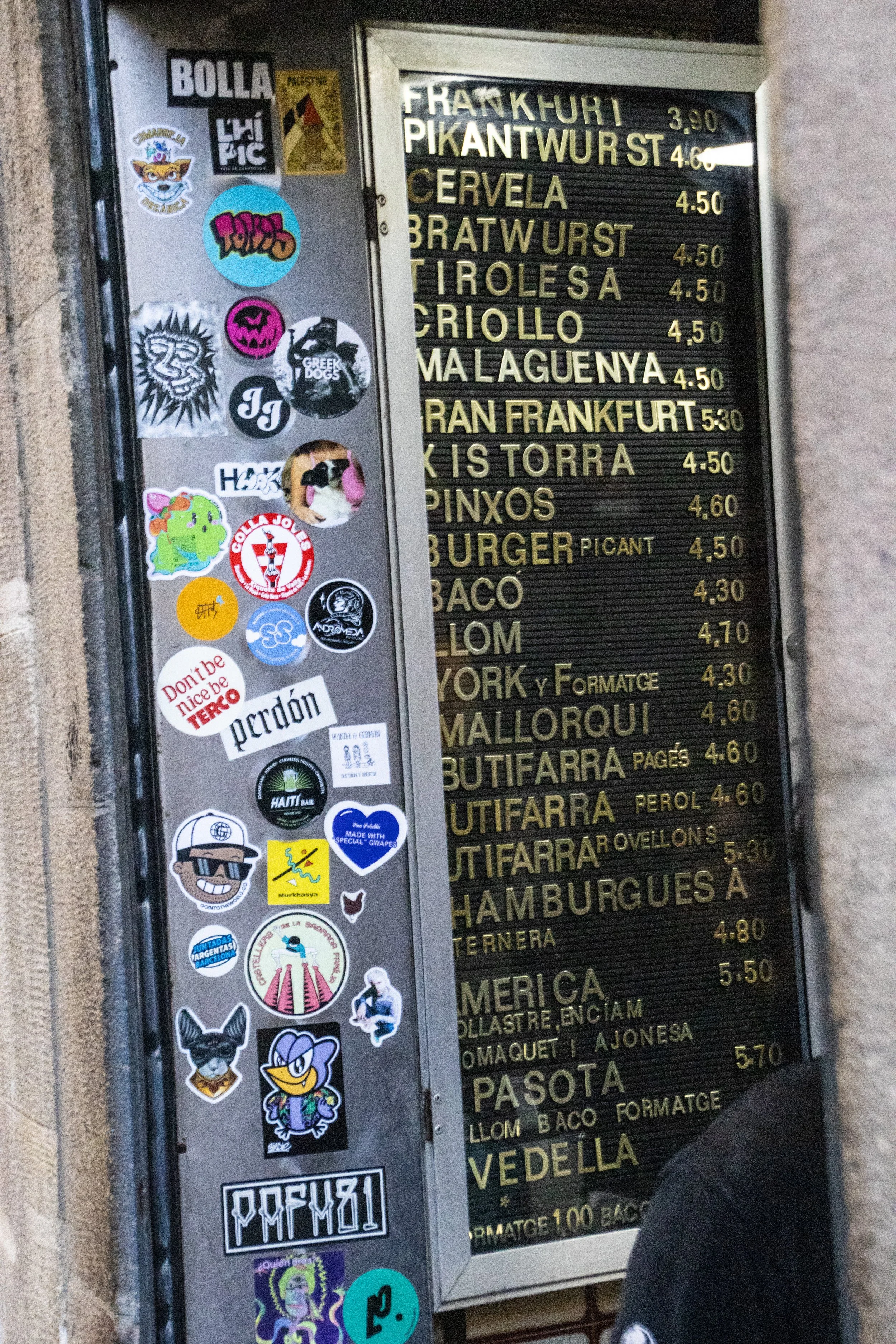
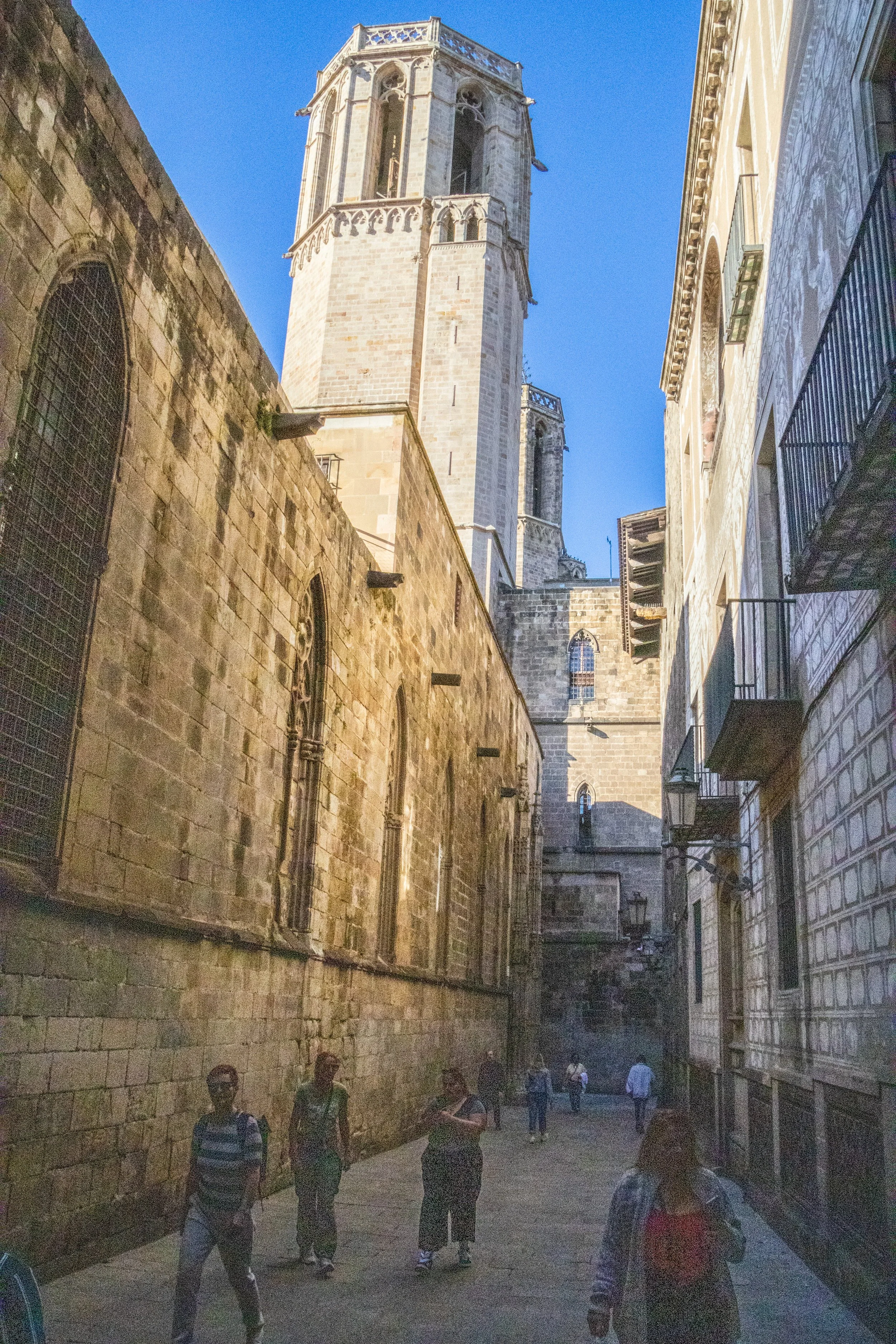
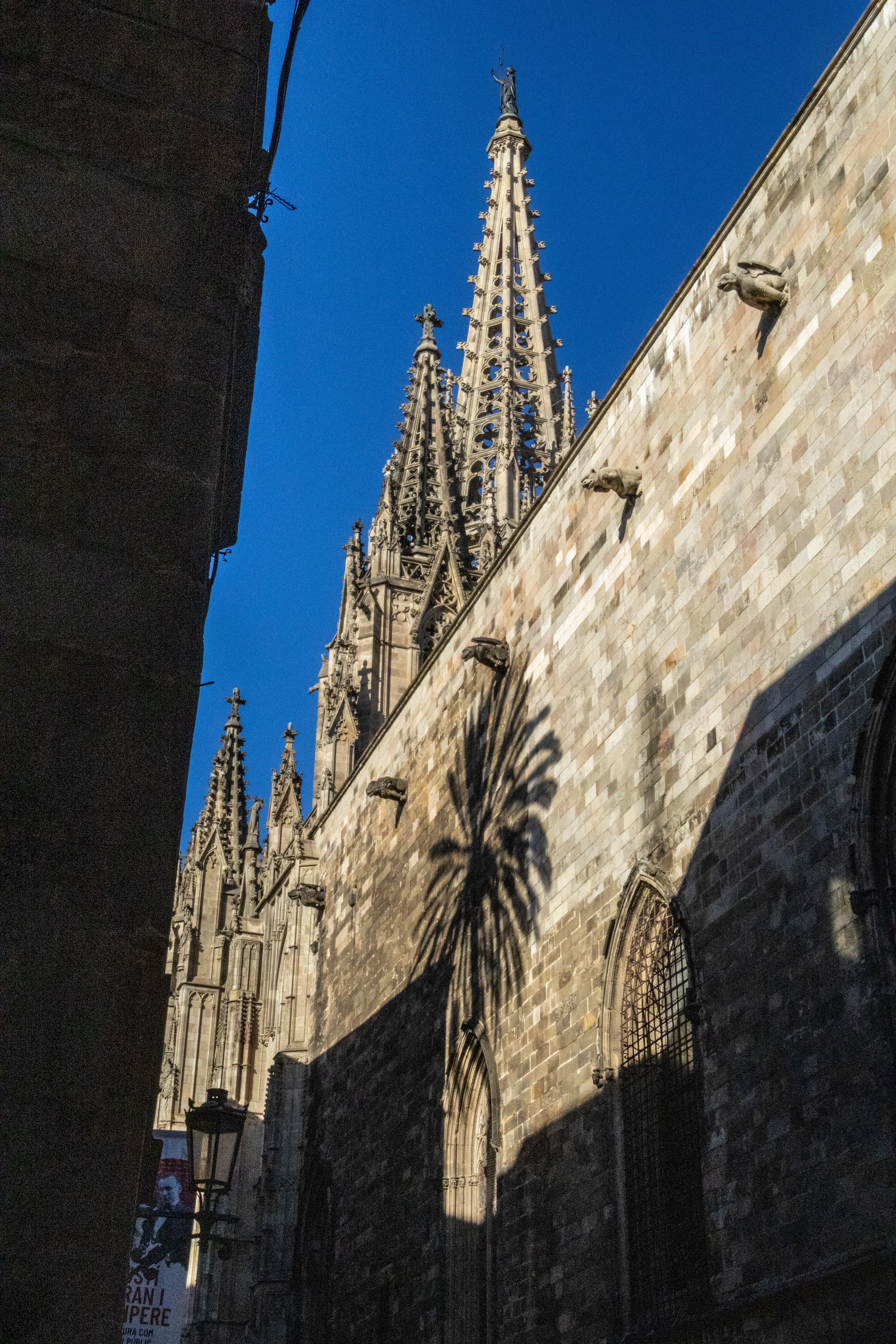
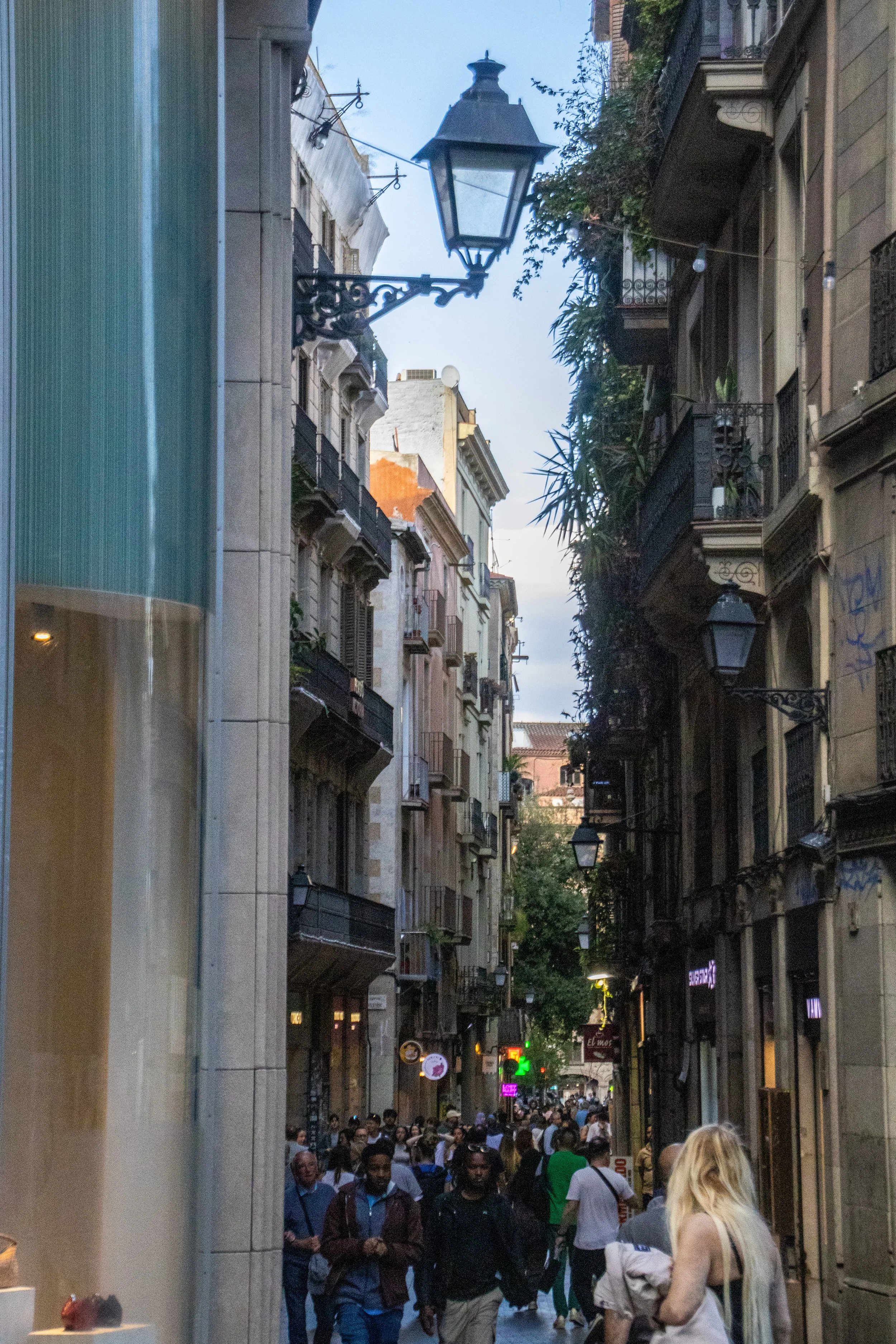
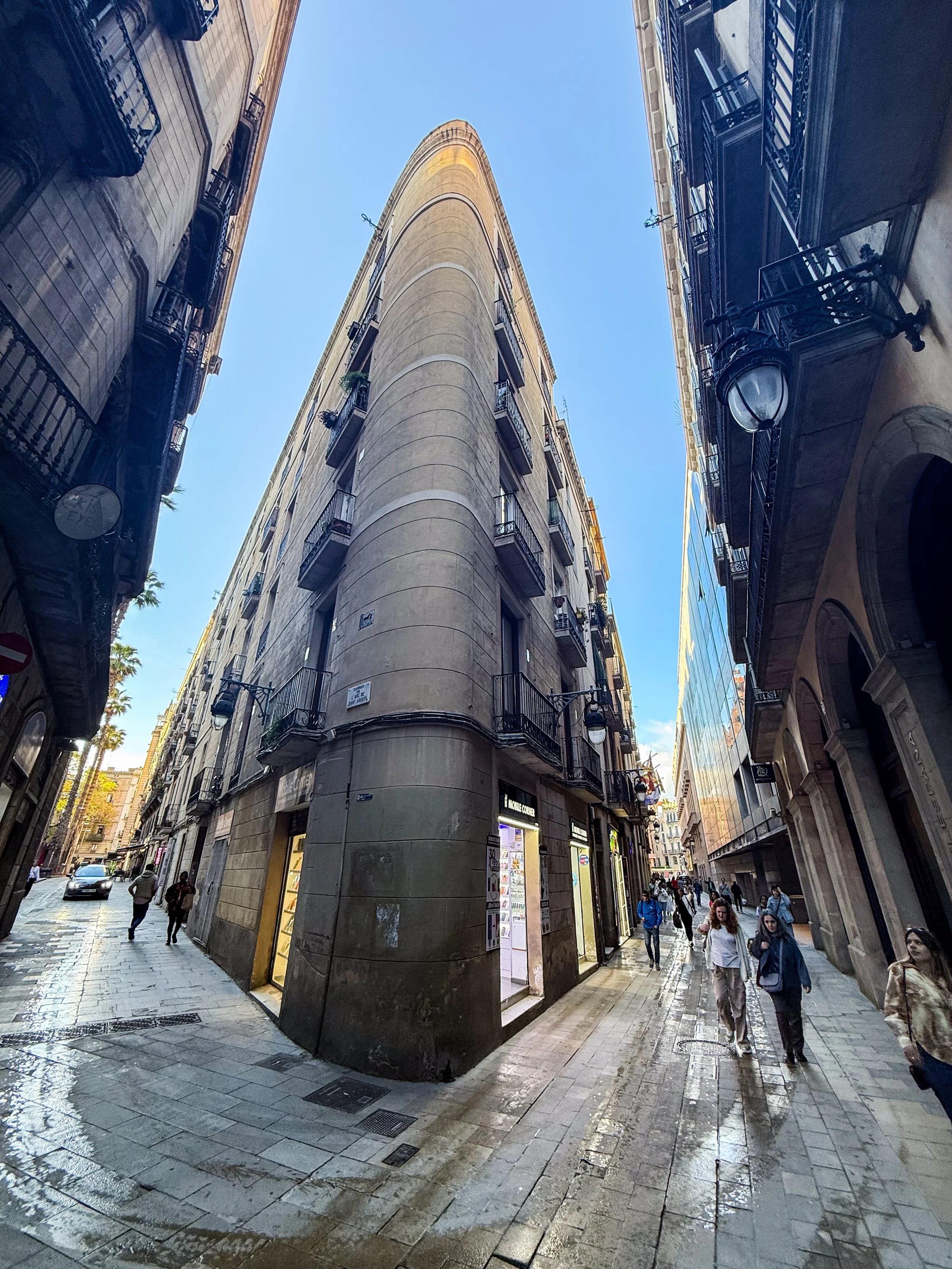
El Born
MOVING ON. Next we’ll take a quick spin through El Born. Transparently I’m not sure if this Google Maps embed is exactly consistent with the boundaries of this neighborhood, but it’s the closest thing I could find. This is right next to the Gothic Quarter, and is similarly old. But you already knew that, because it’s not on a grid system. 😉
El Born was medieval Barcelona's commercial neighborhood, playing home to merchants, craftsmen, shipbuilders, and wealthy traders. Was it also completely remodeled at some point? I DON’T EVEN WANT TO KNOW. All I will say is that TODAY, it’s an absolutely gorgeous neighborhood full of amazing restaurants, bars, galleries, and shops. We walked around, browsing through shops and stopping for sangria and tapas whenever we felt like it… which was often!
Two specific things I will call out in the gallery below are (1) scenes from Parc de la Ciutadella—which was lovely, and (2) El Born Centre Cultural i Memòria. The latter is a museum where you can see the remains of an actual Barcelona neighborhood as it existed around 1700. It’s in ruins, which makes it seem older than it is. It was actually demolished after the the Siege of Barcelona in 1713/14, which was a dark chapter of the War of the Spanish Succession, which we’ve been discussing throughout this article. Remember how Madrid built that big fortress, the Citadel (Ciutadella), to keep Barcelona in line? Well, they had to demolish parts of the city to do that… and this was one of them. Today the foundations of this part of the city—which survived—are on display as if they are from ancient times, but it’s actually quite a recent scar.
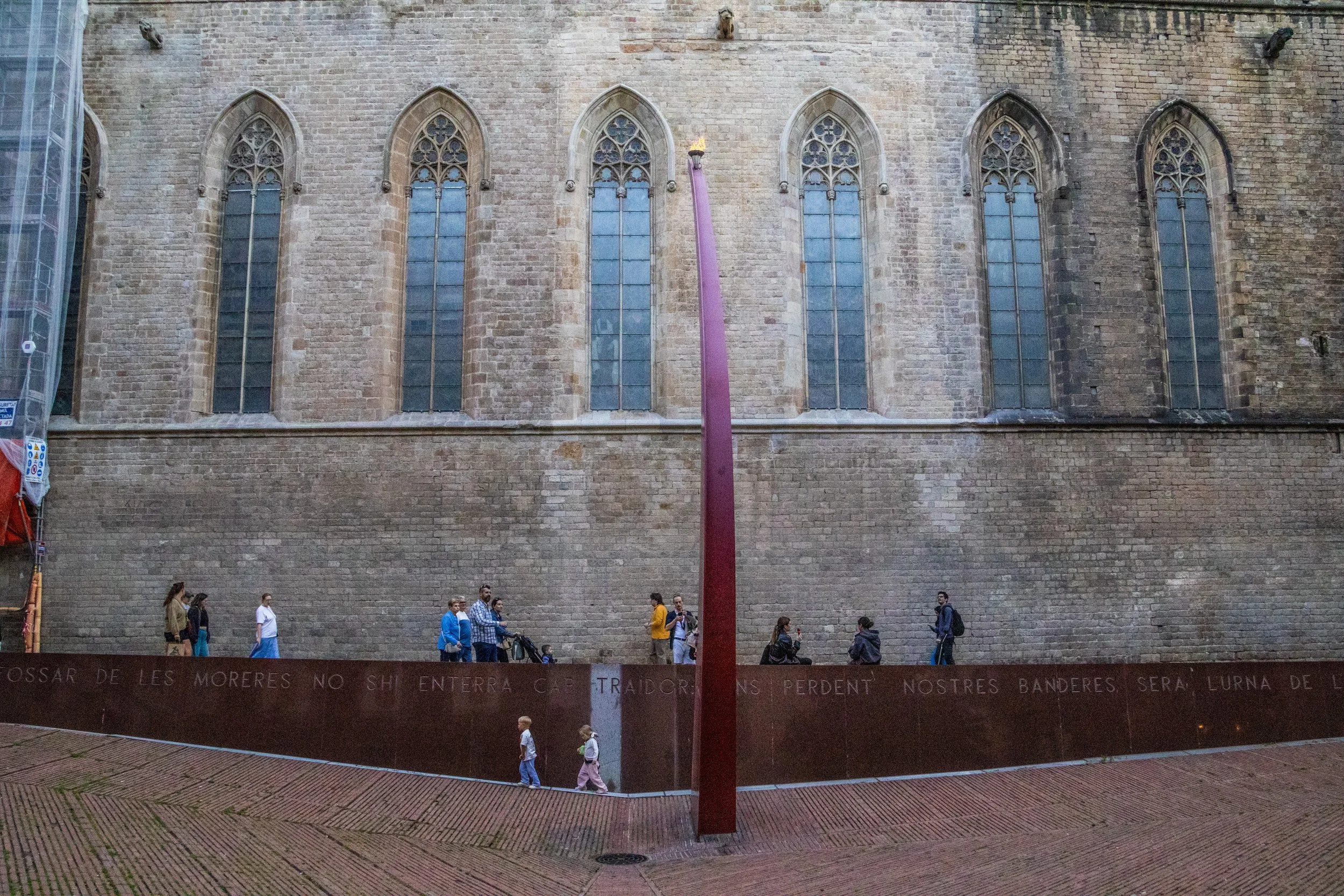
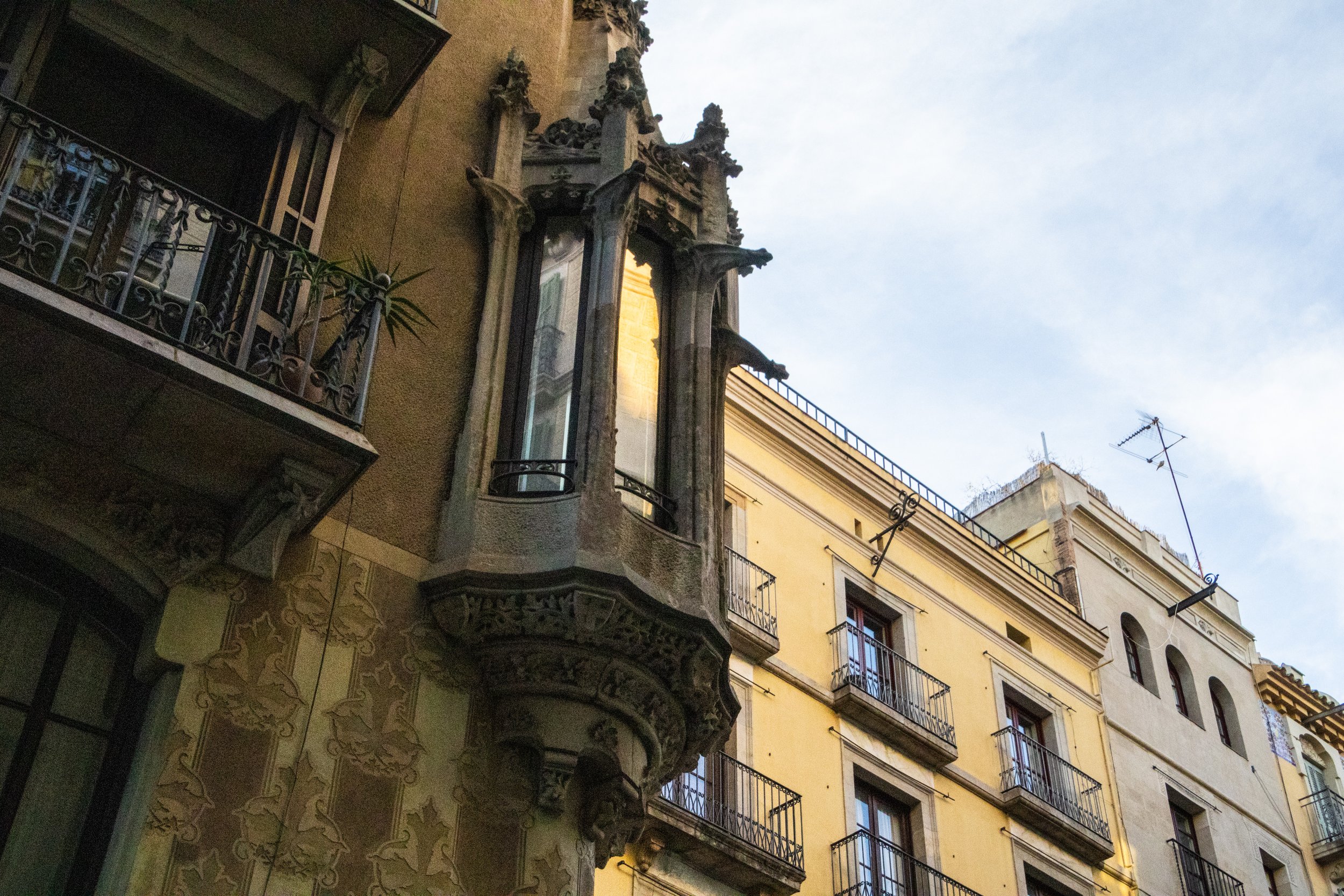
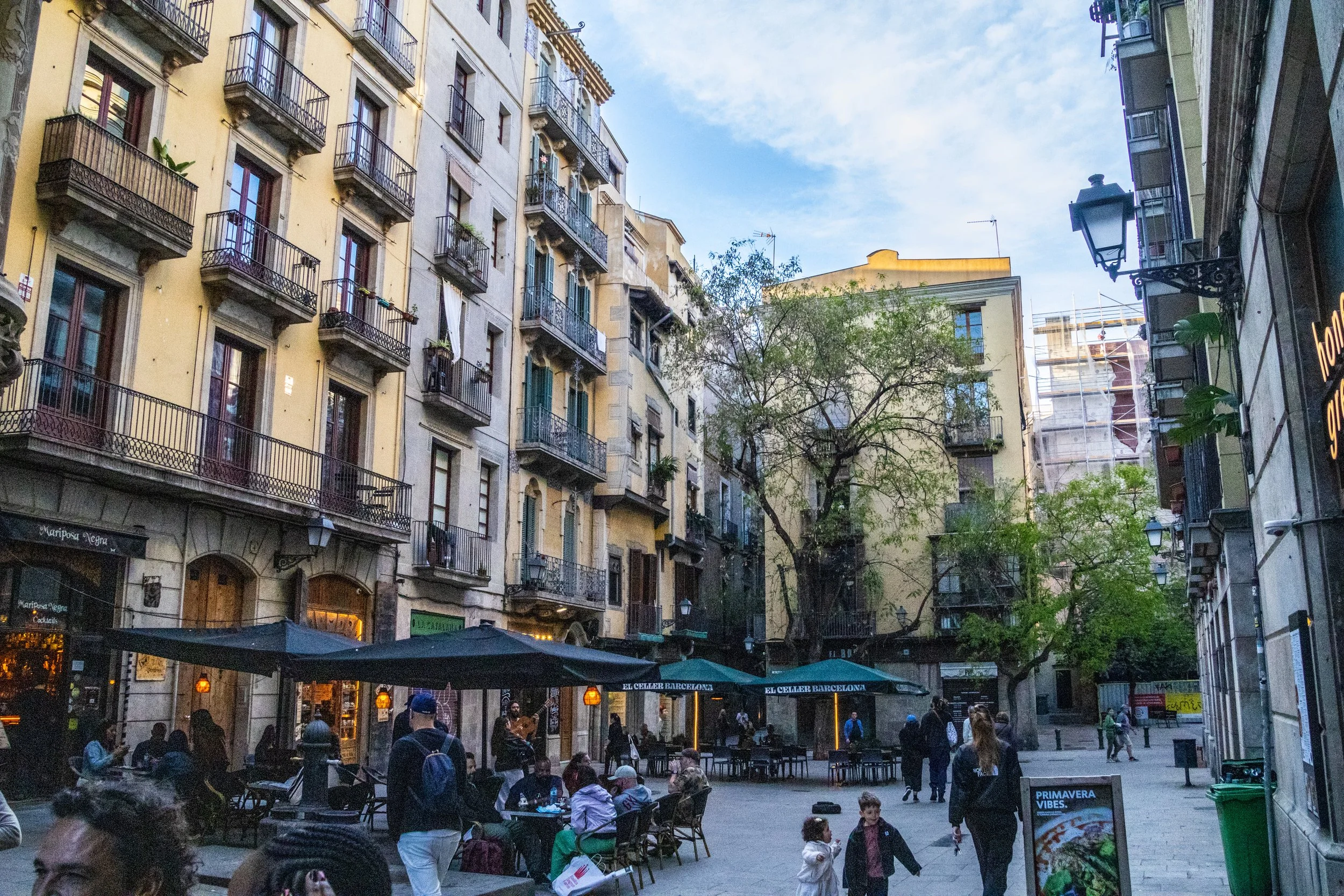
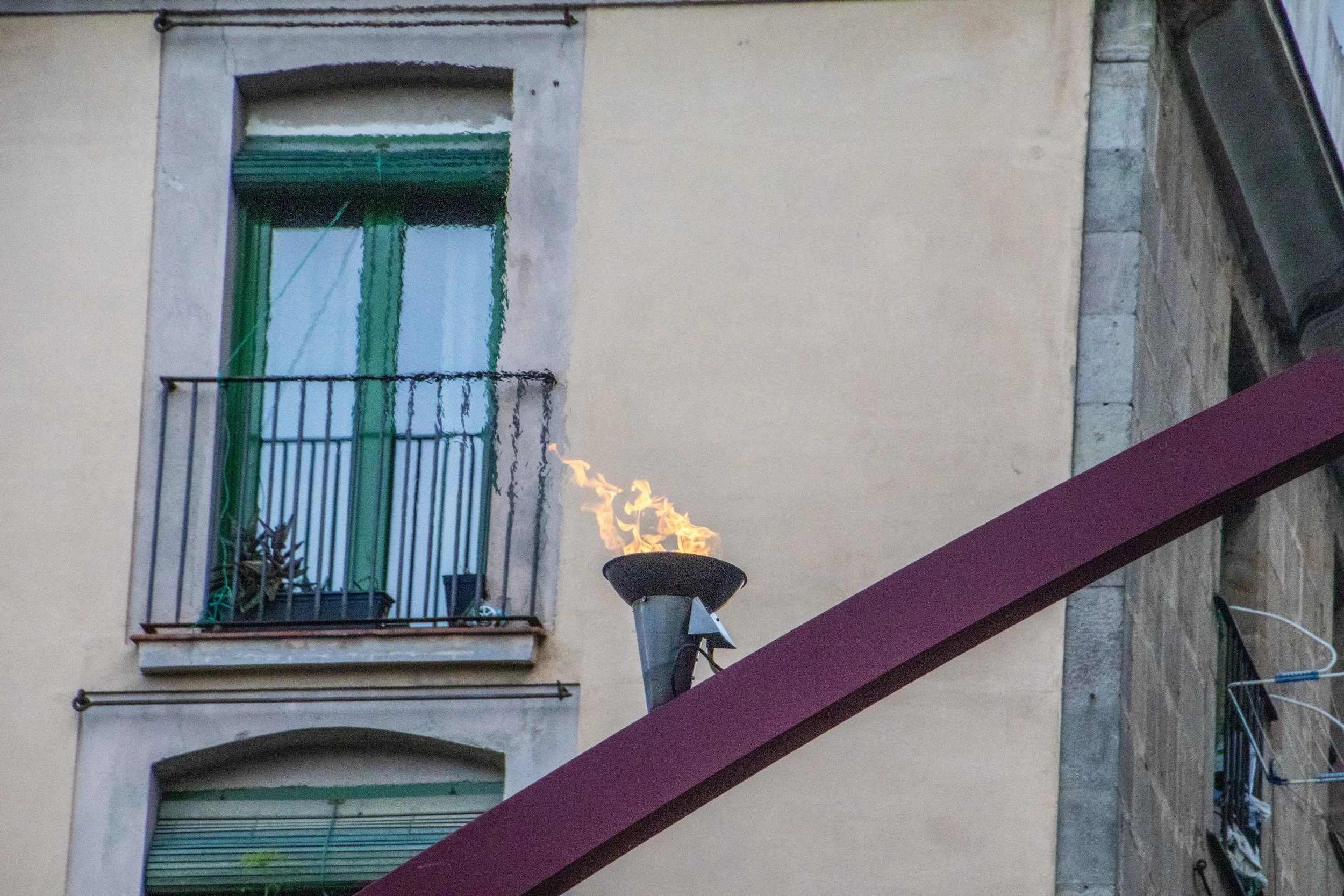
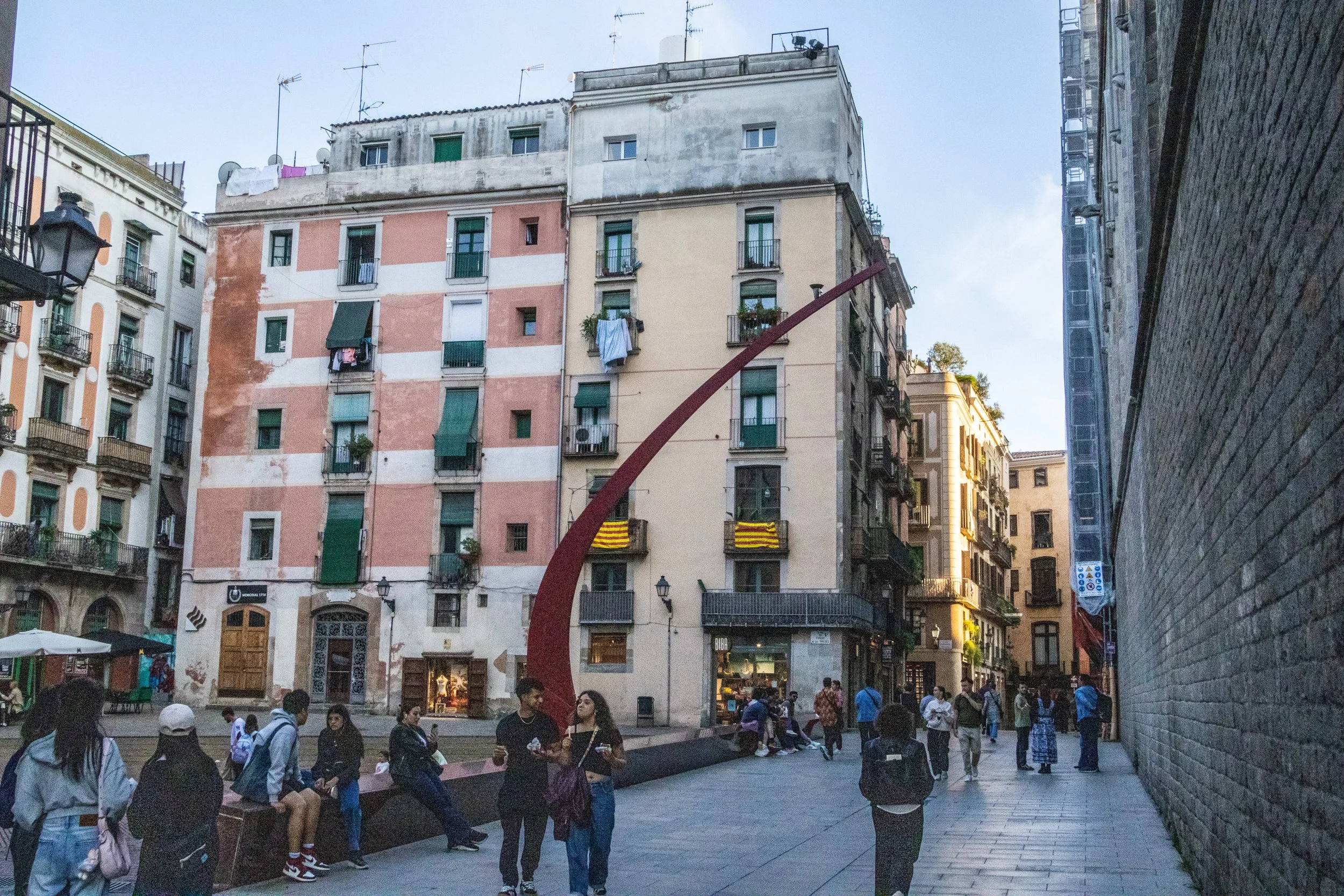
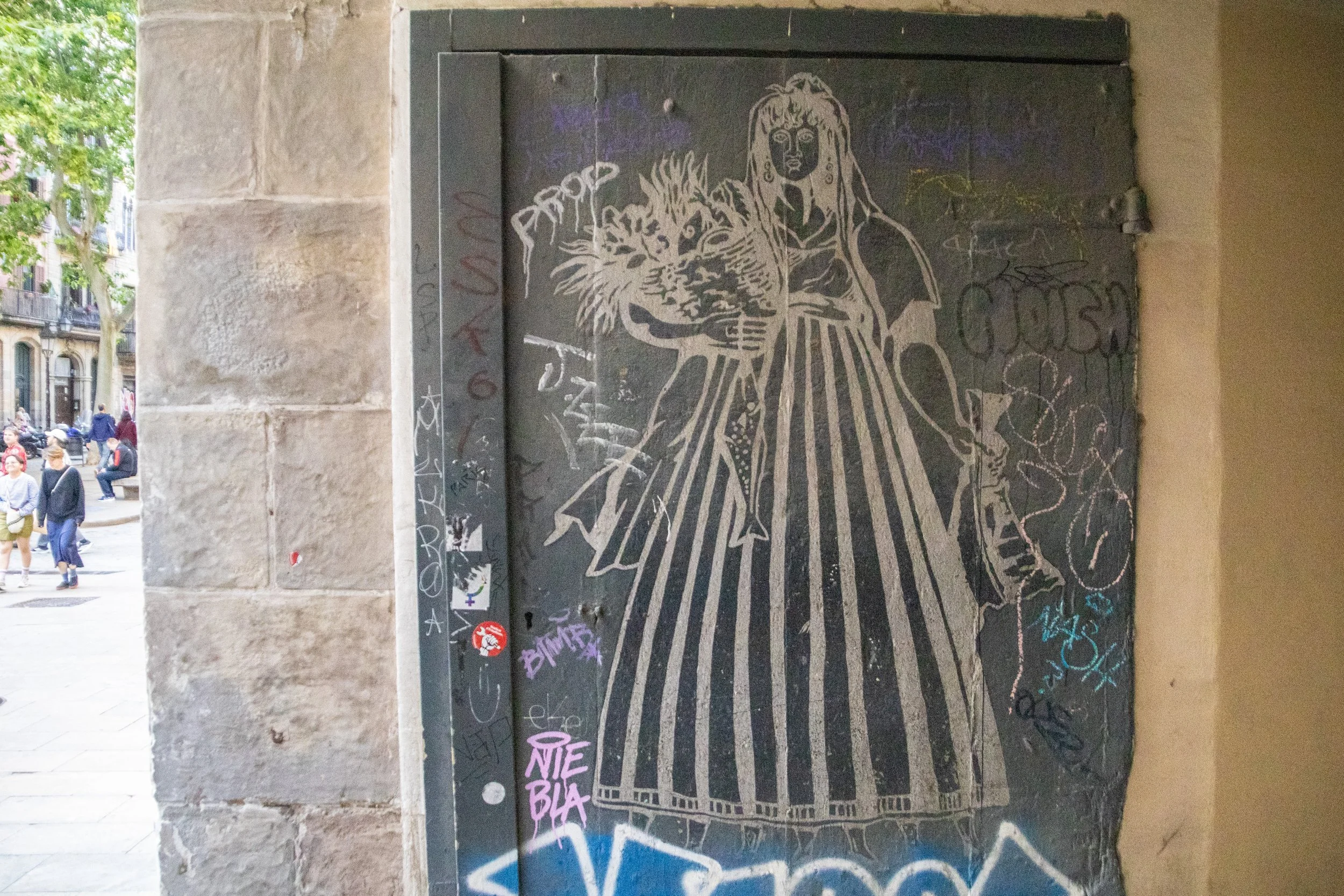
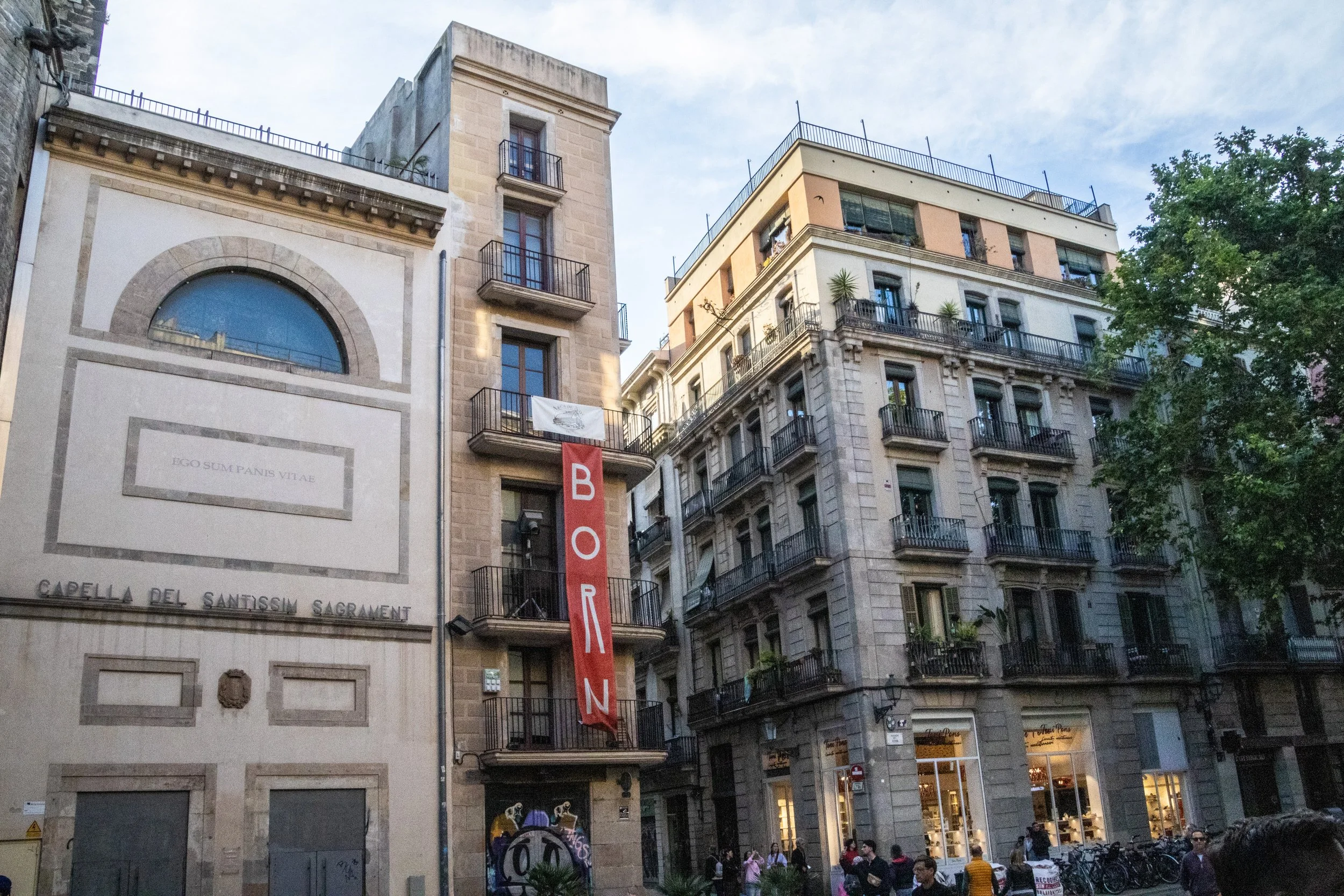
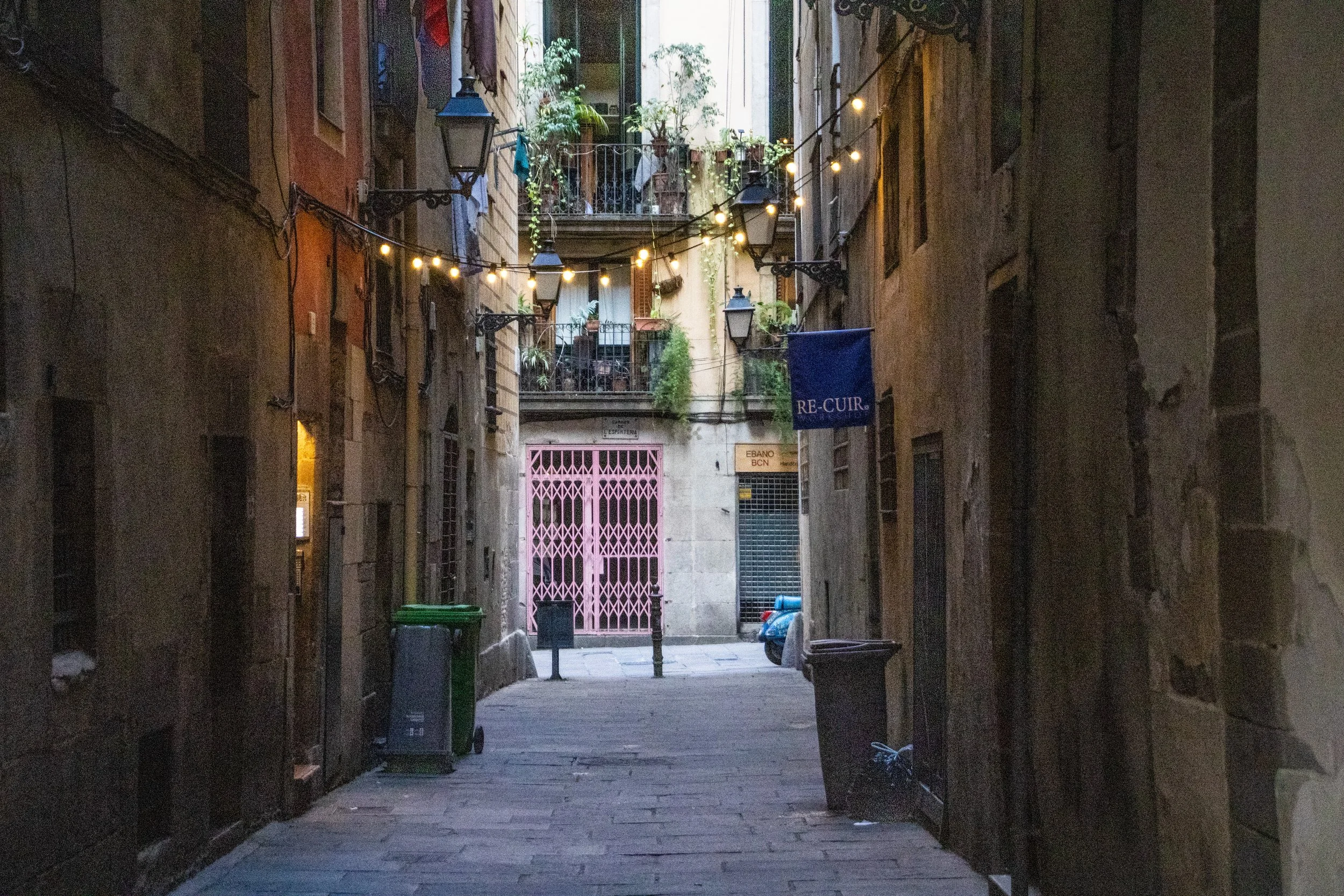
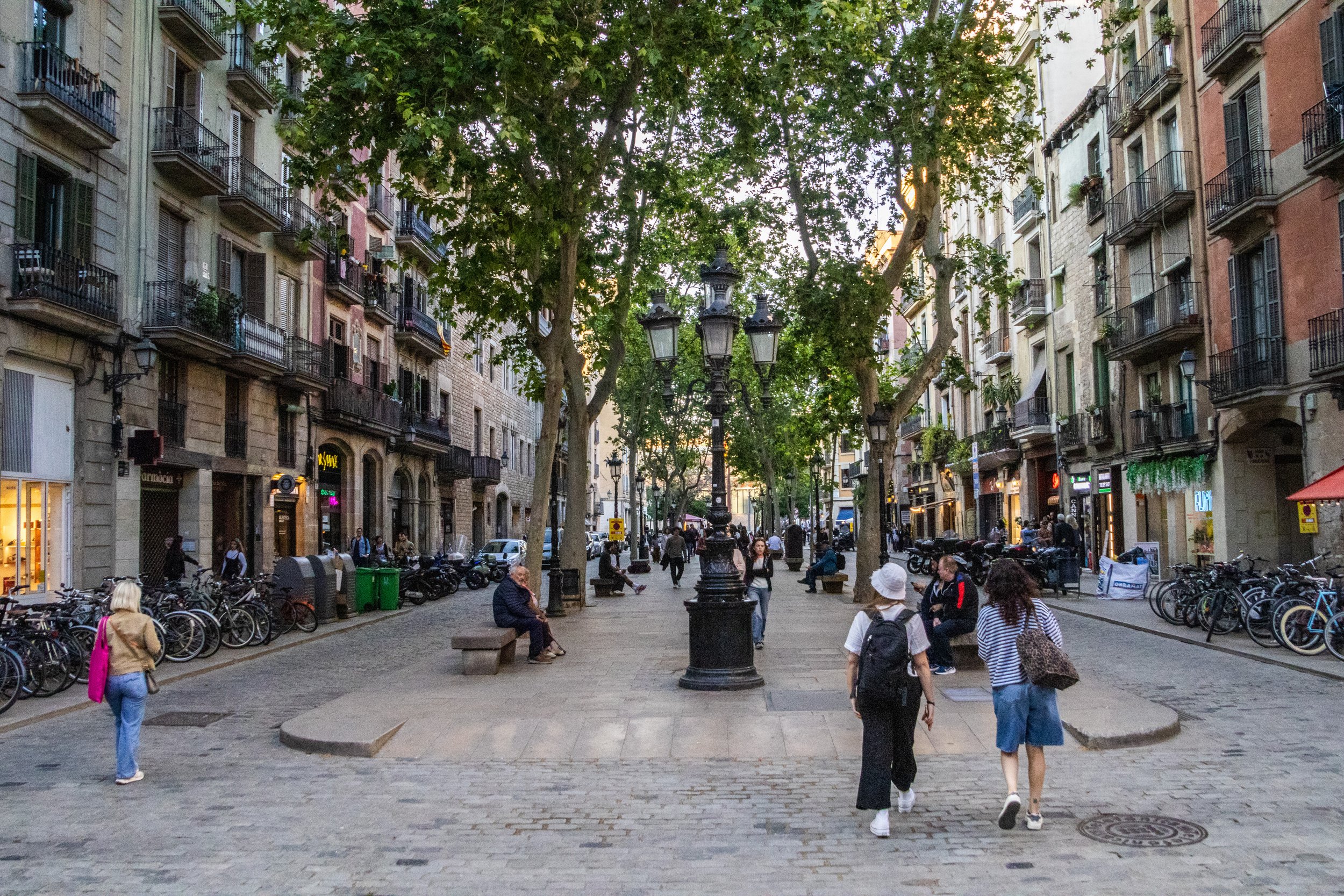
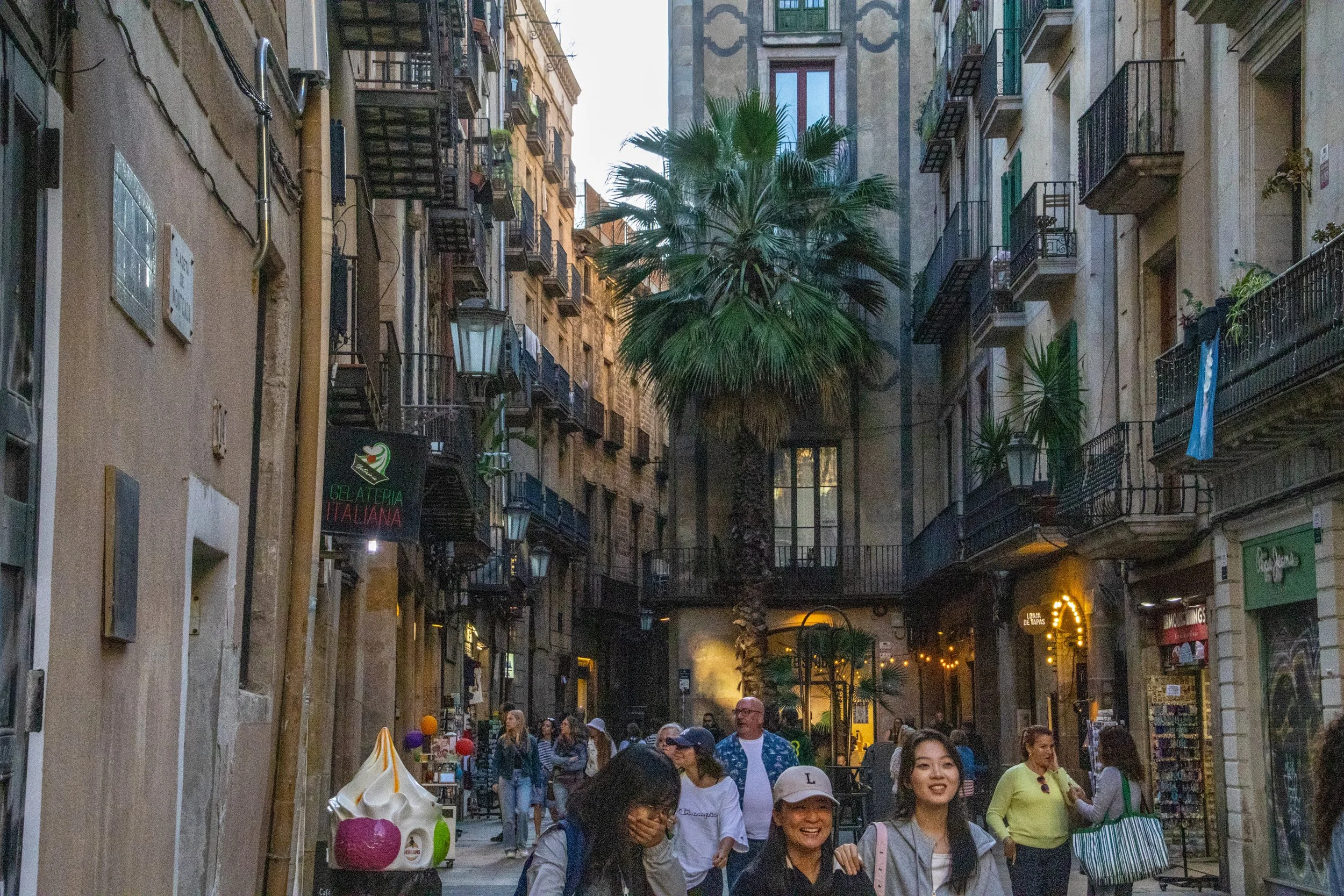
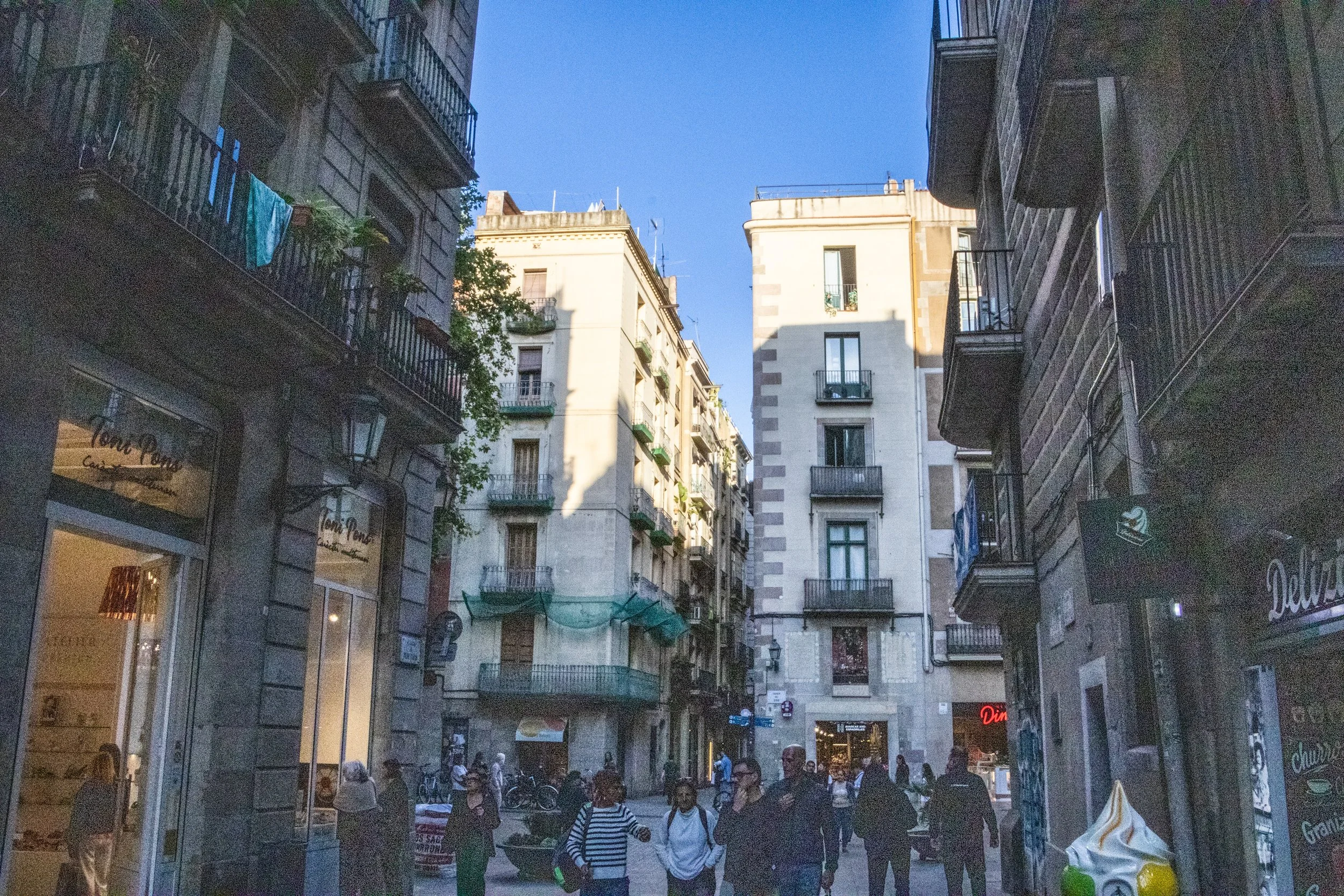
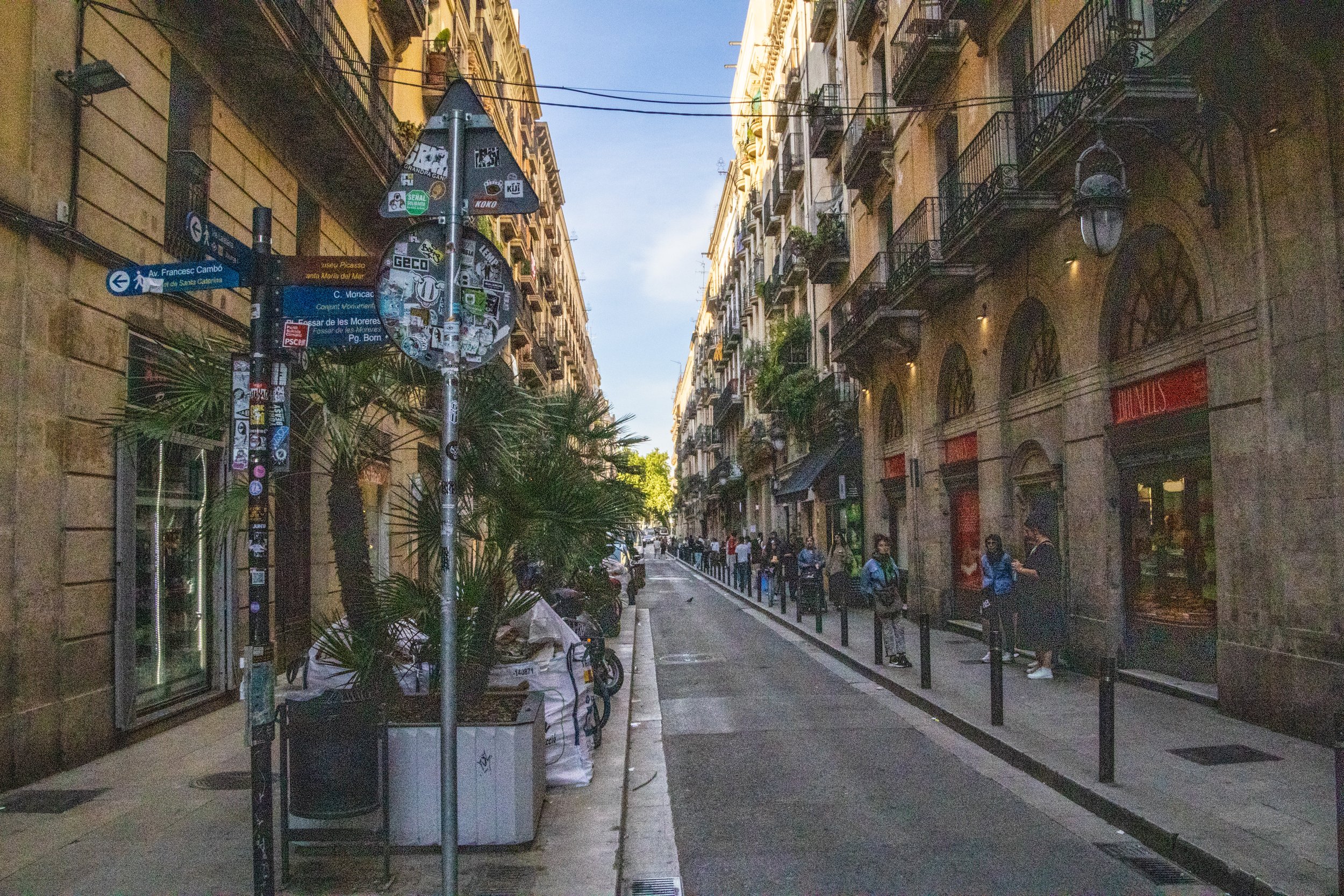
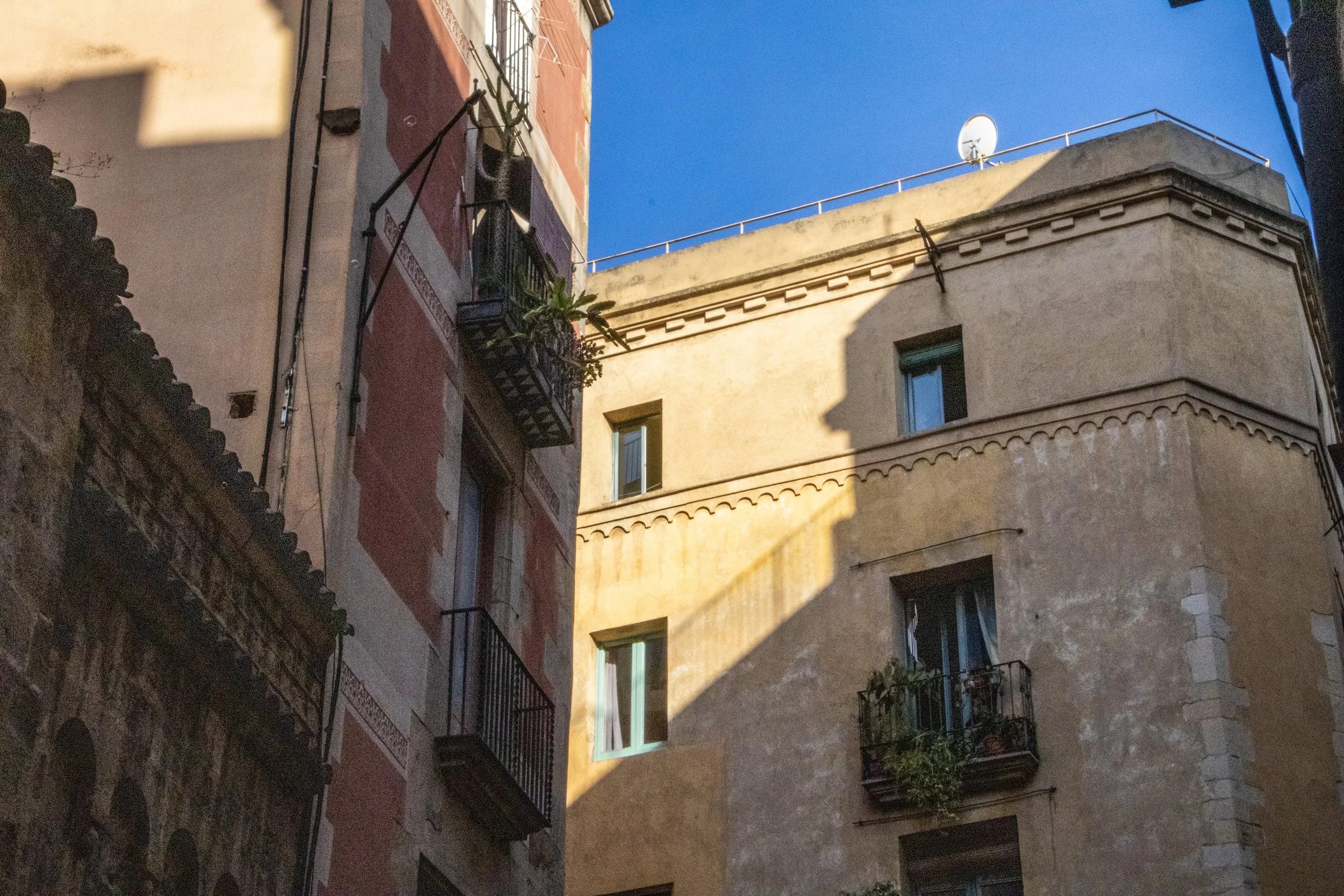
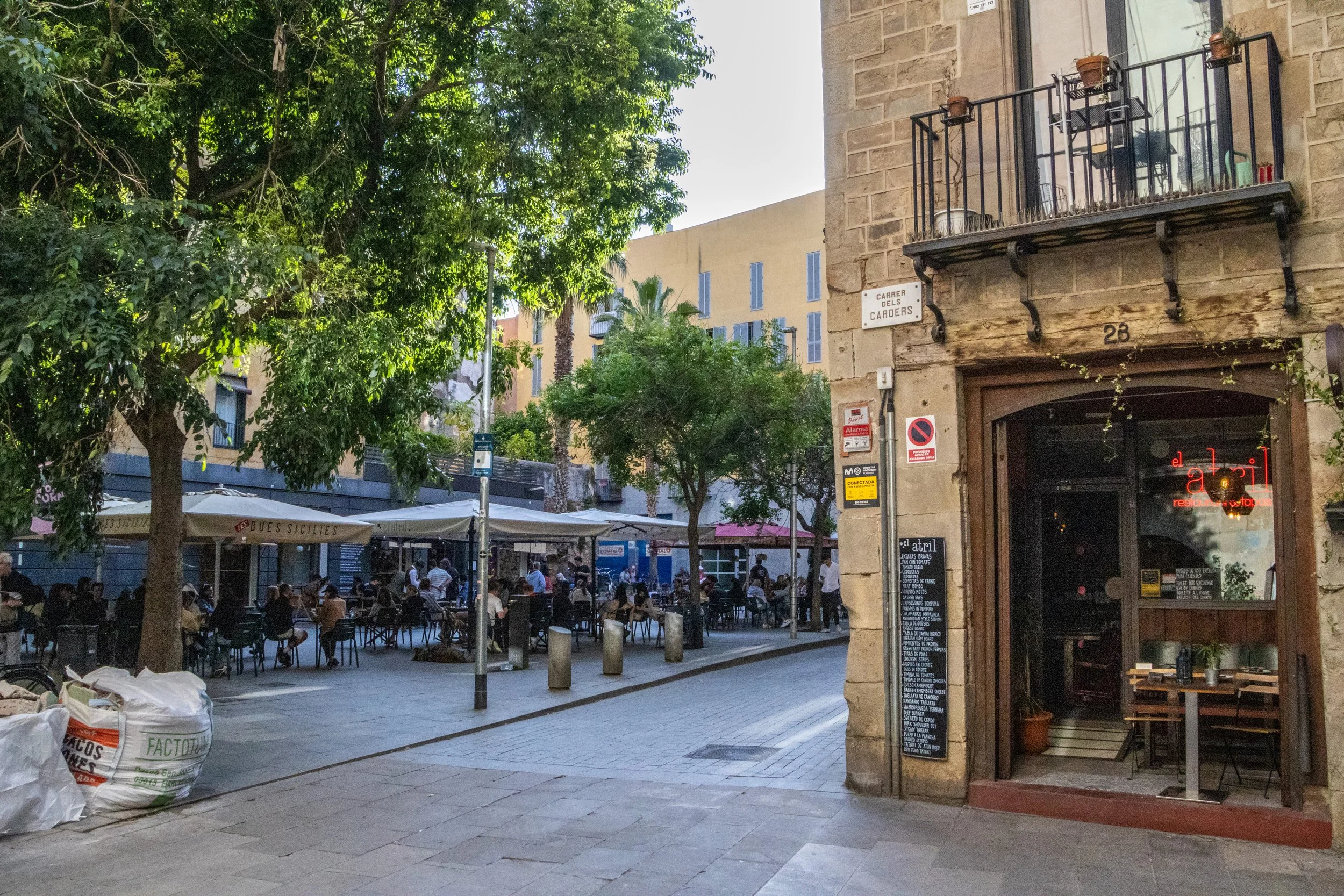
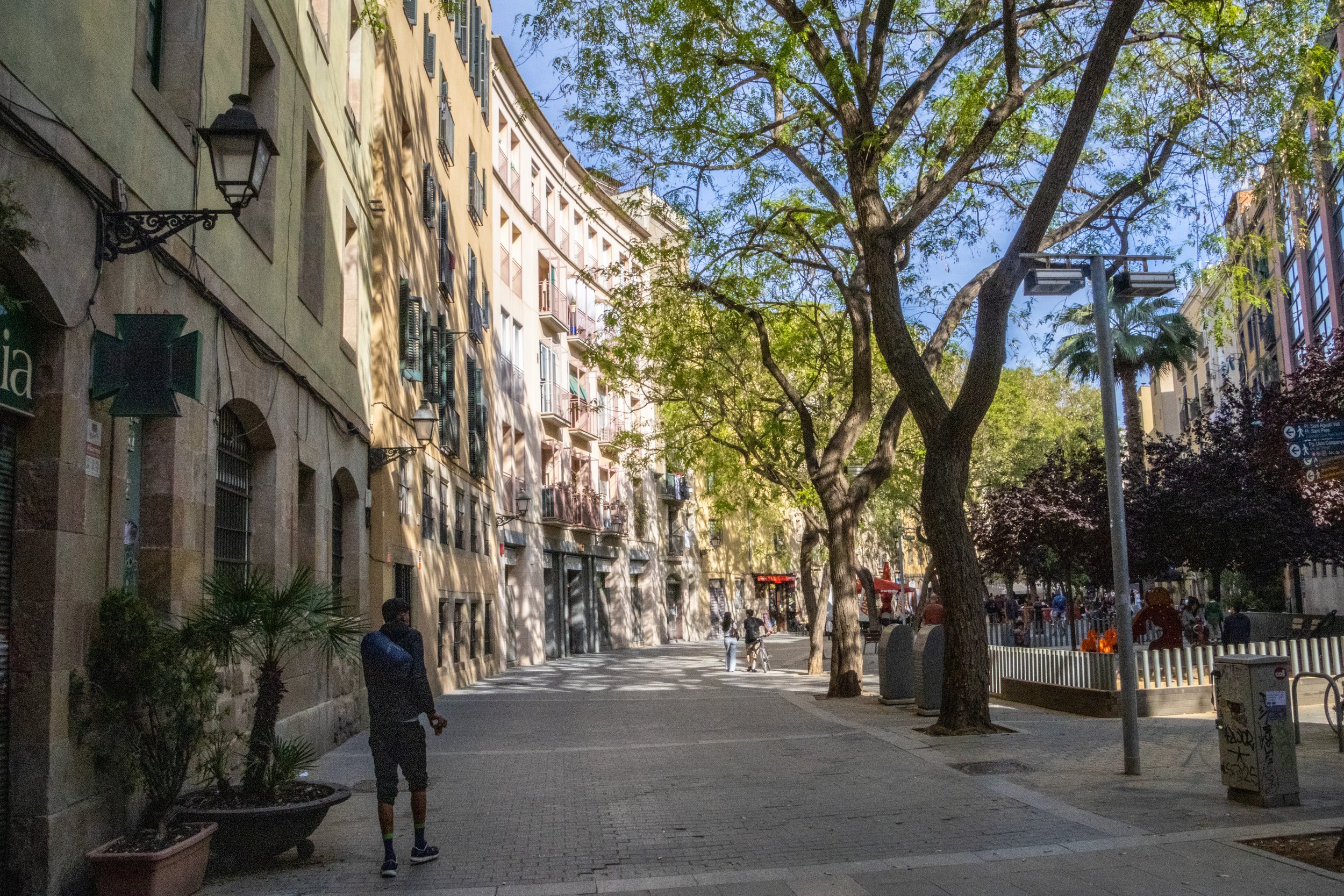
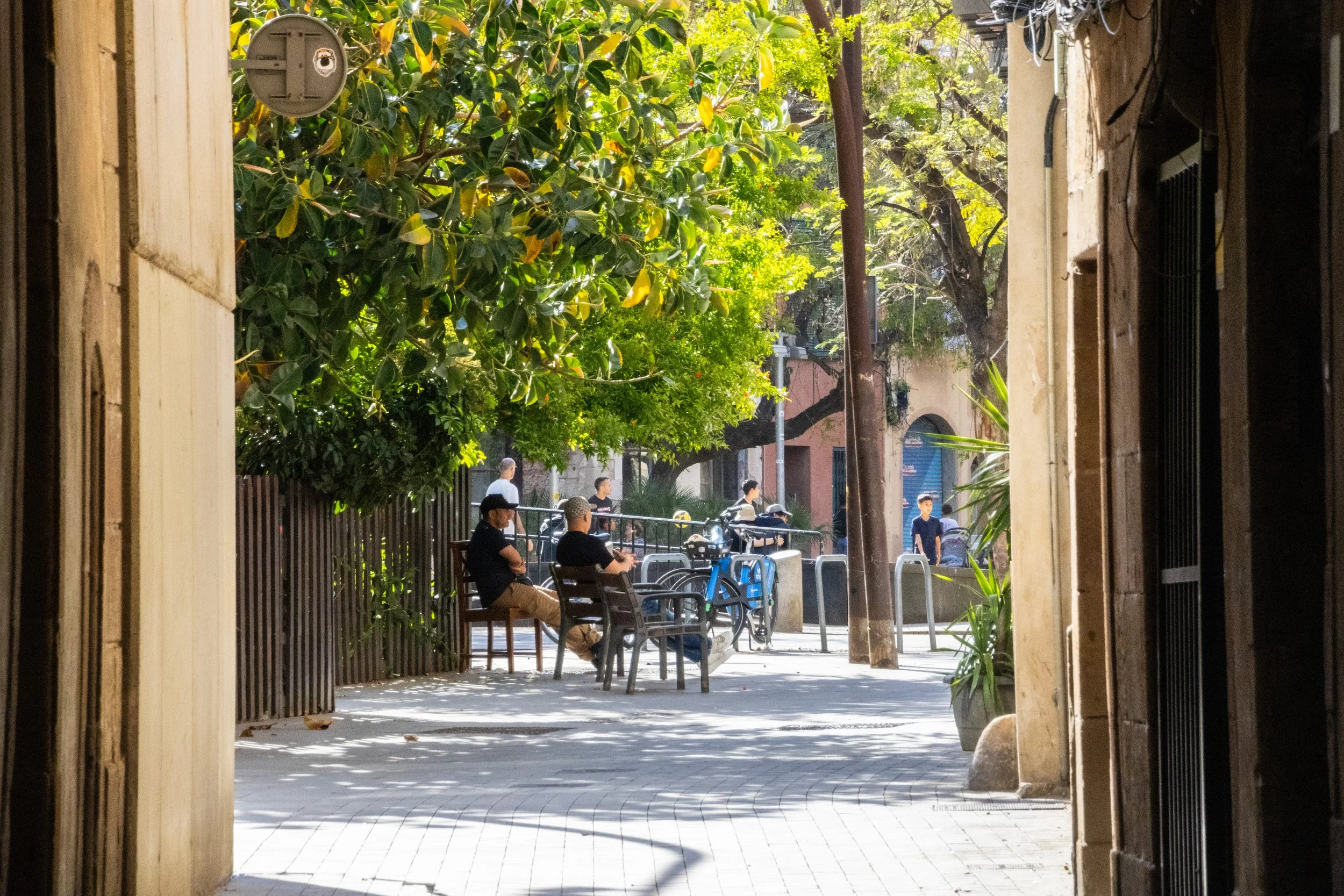
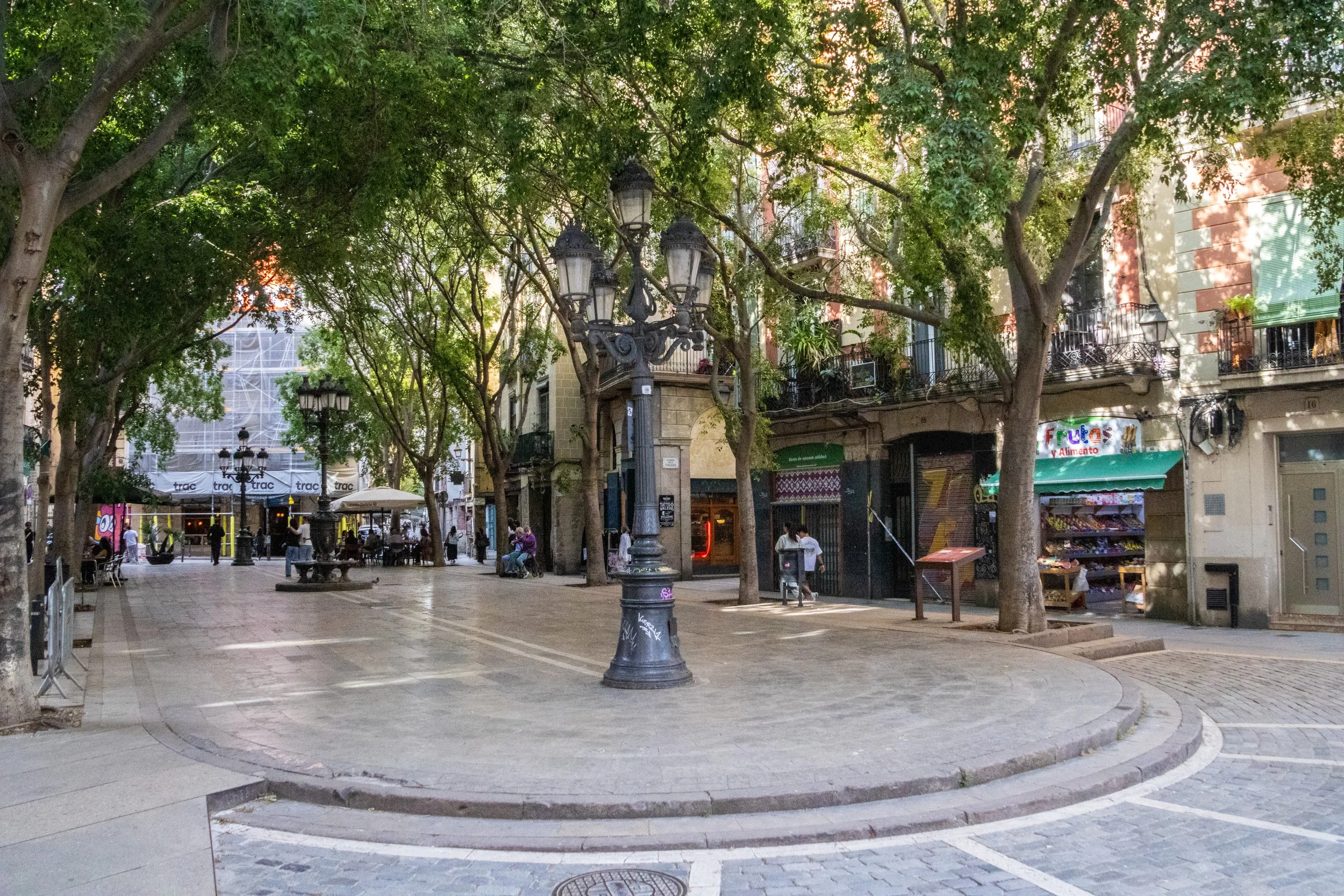
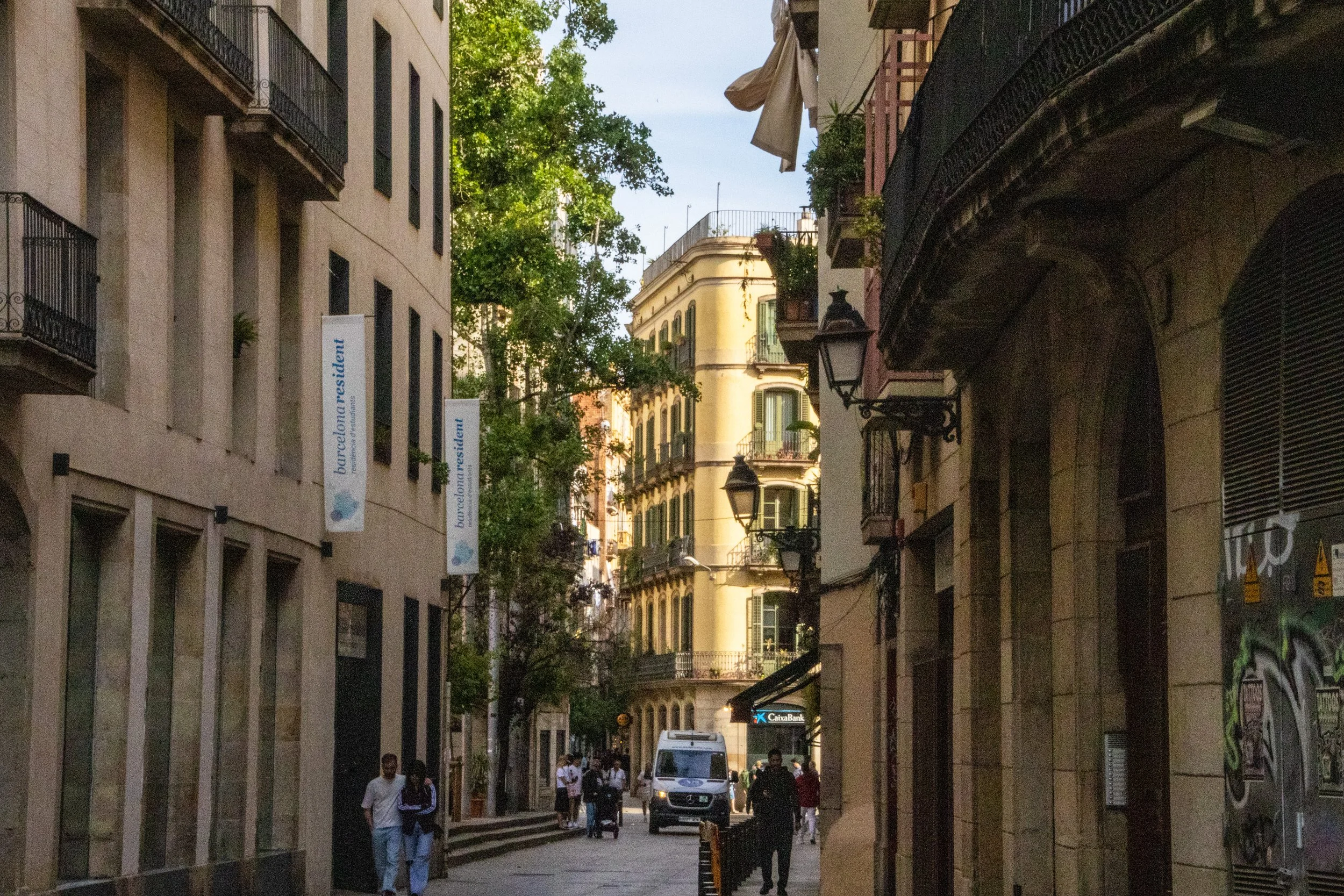
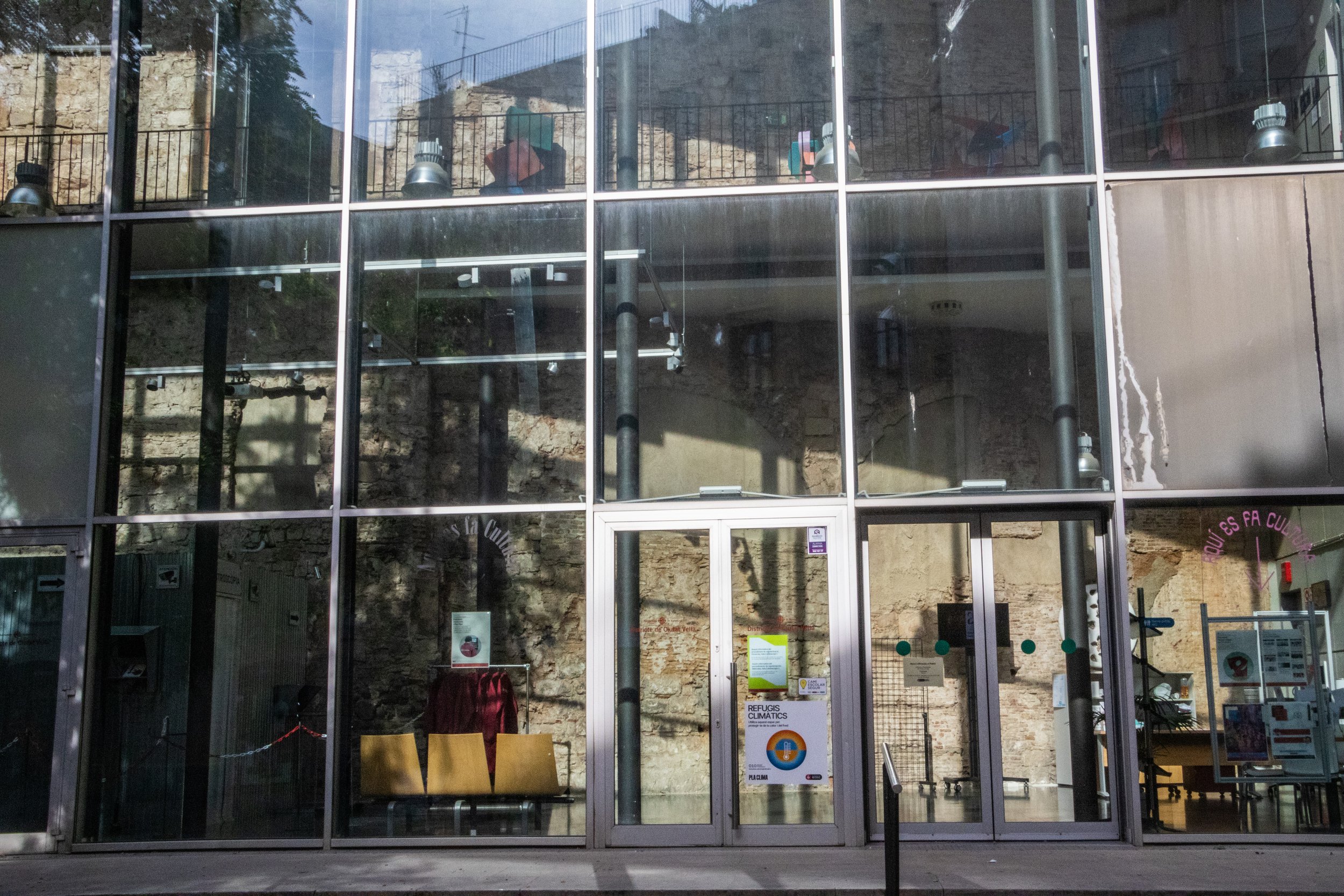
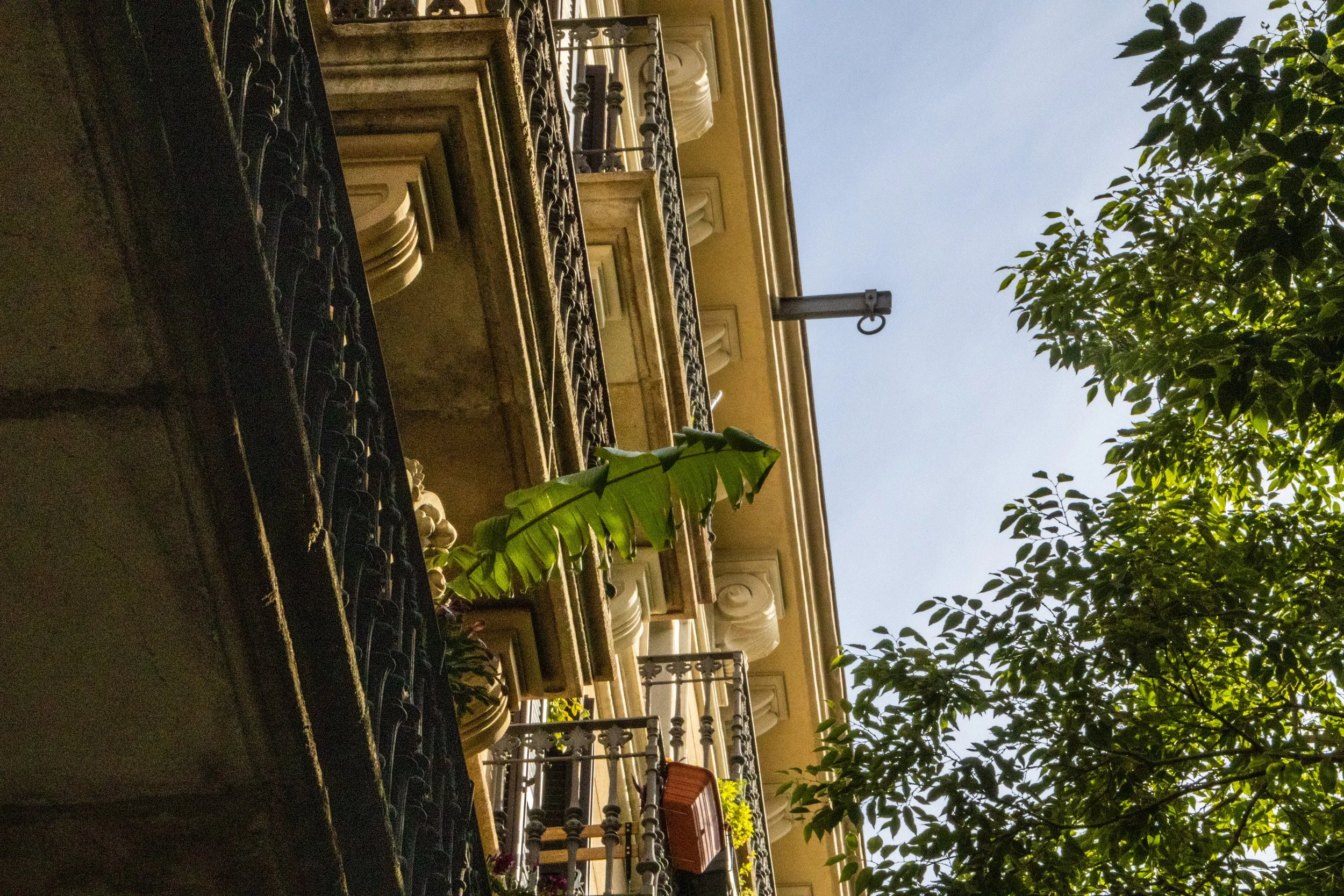
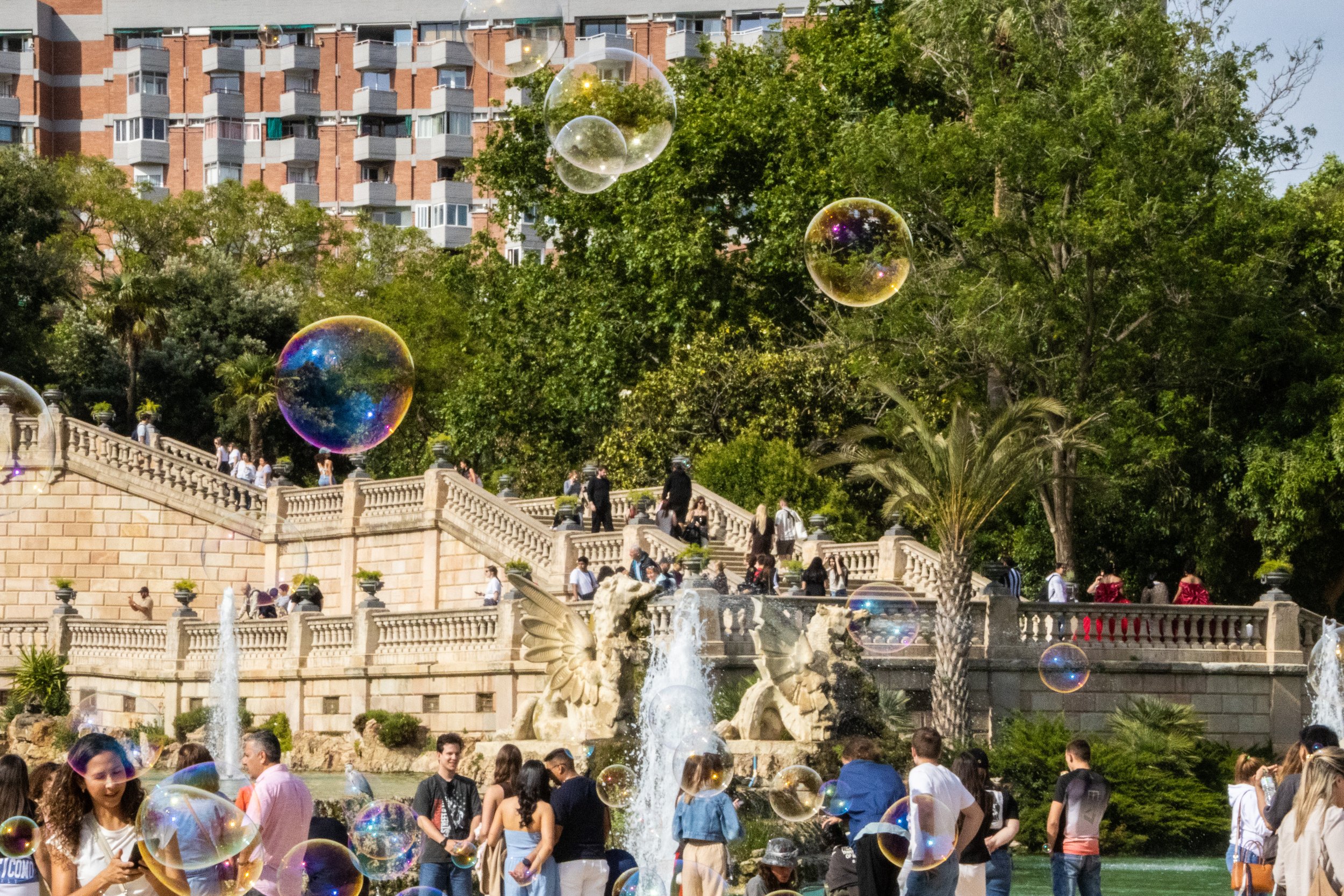
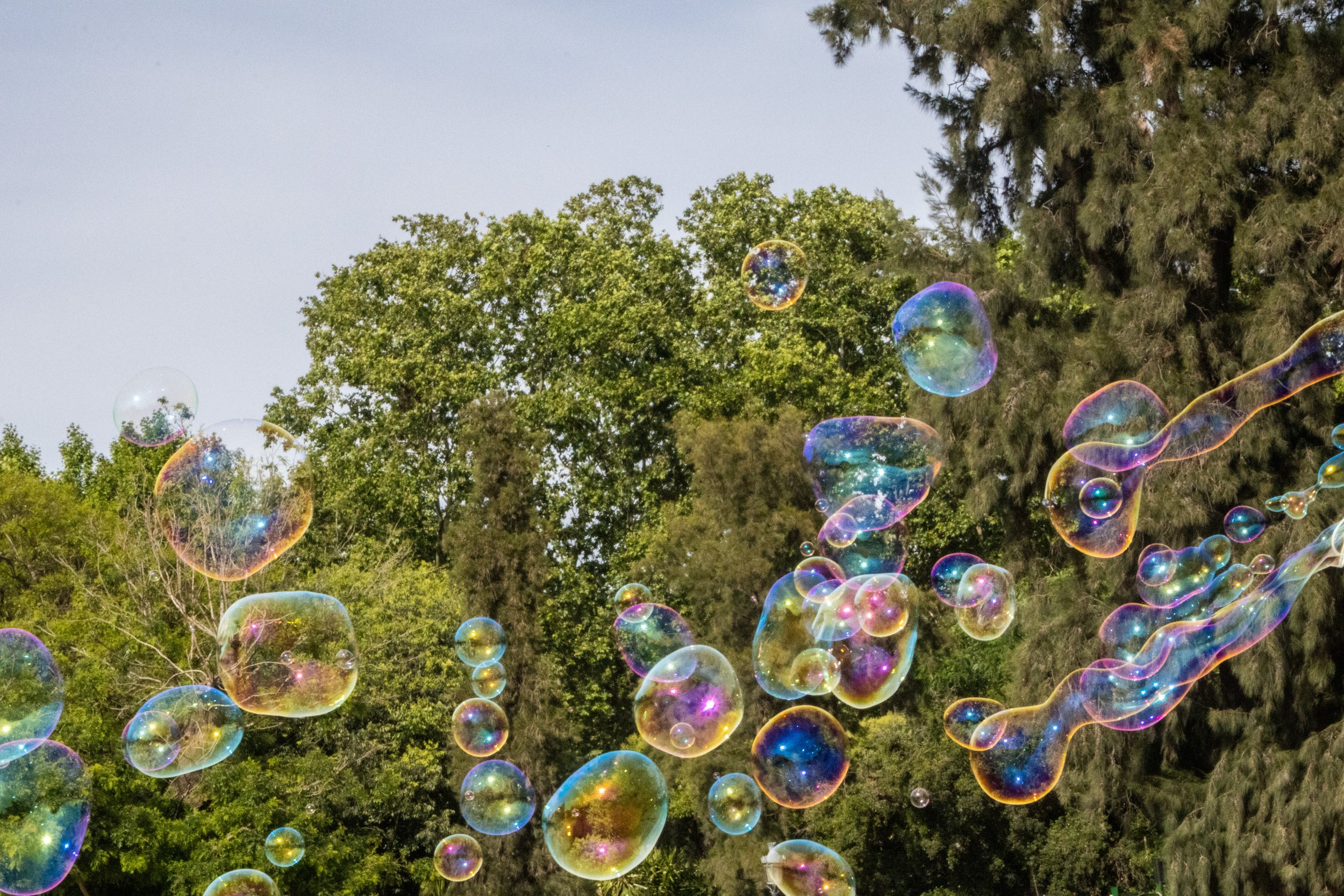
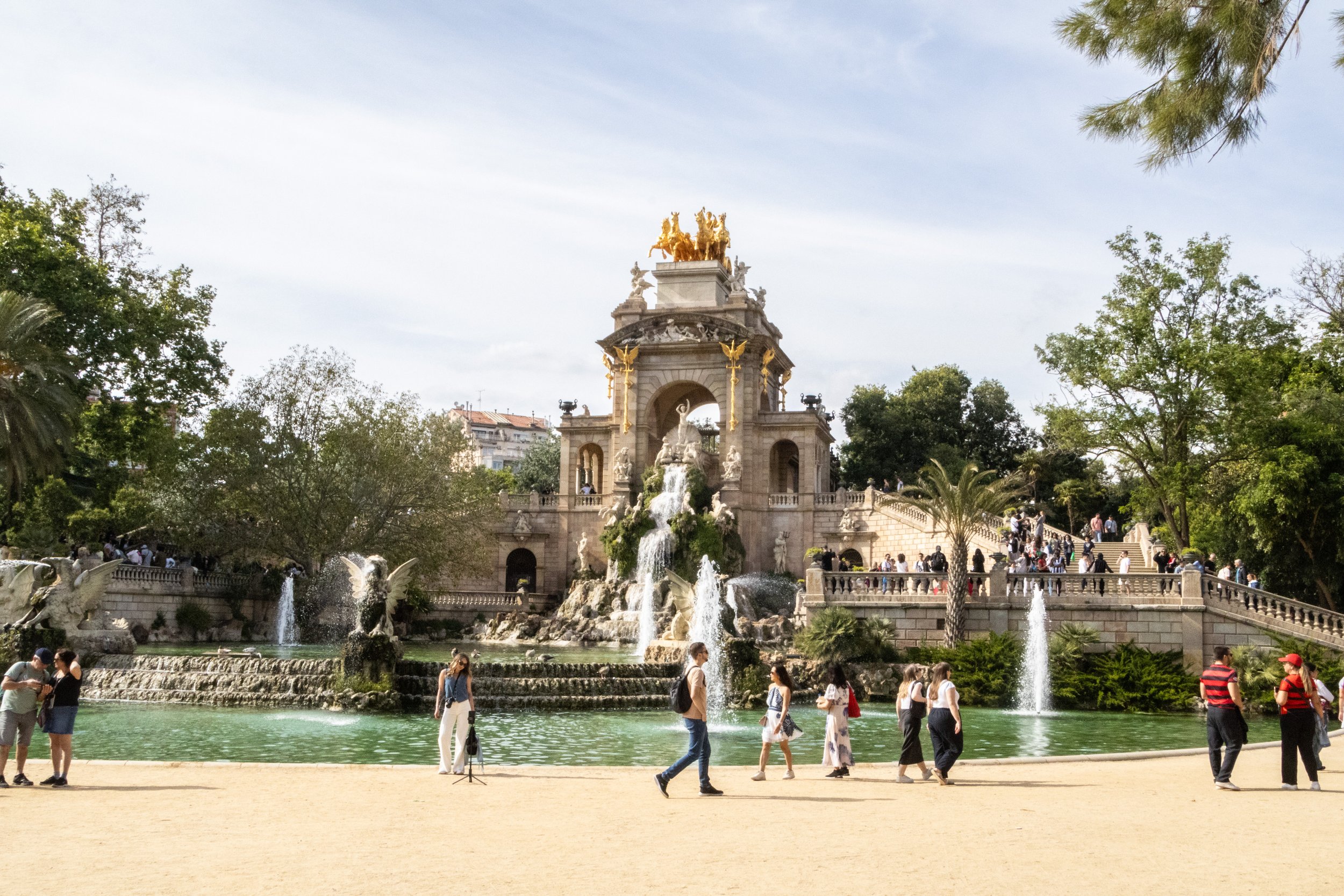
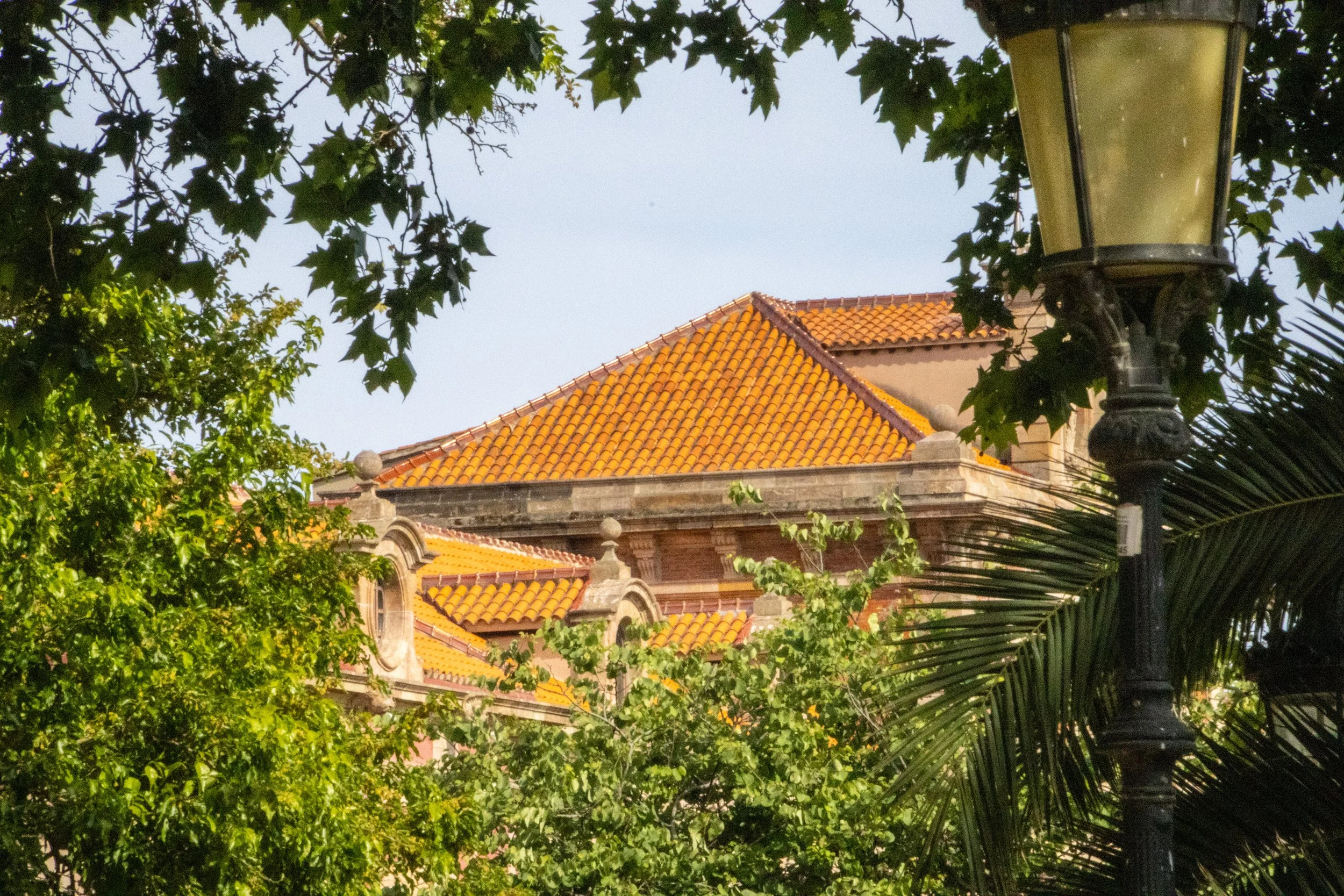
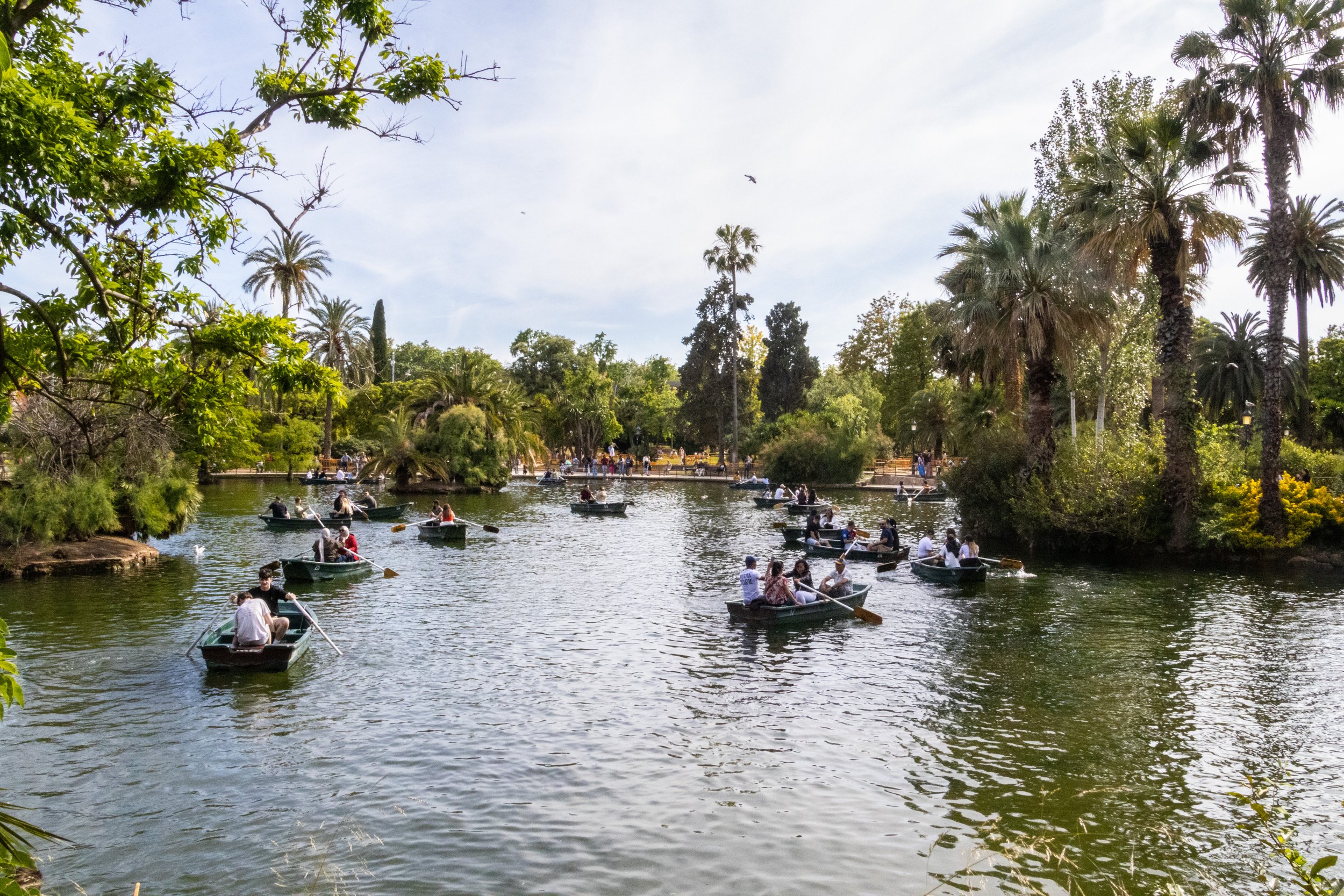
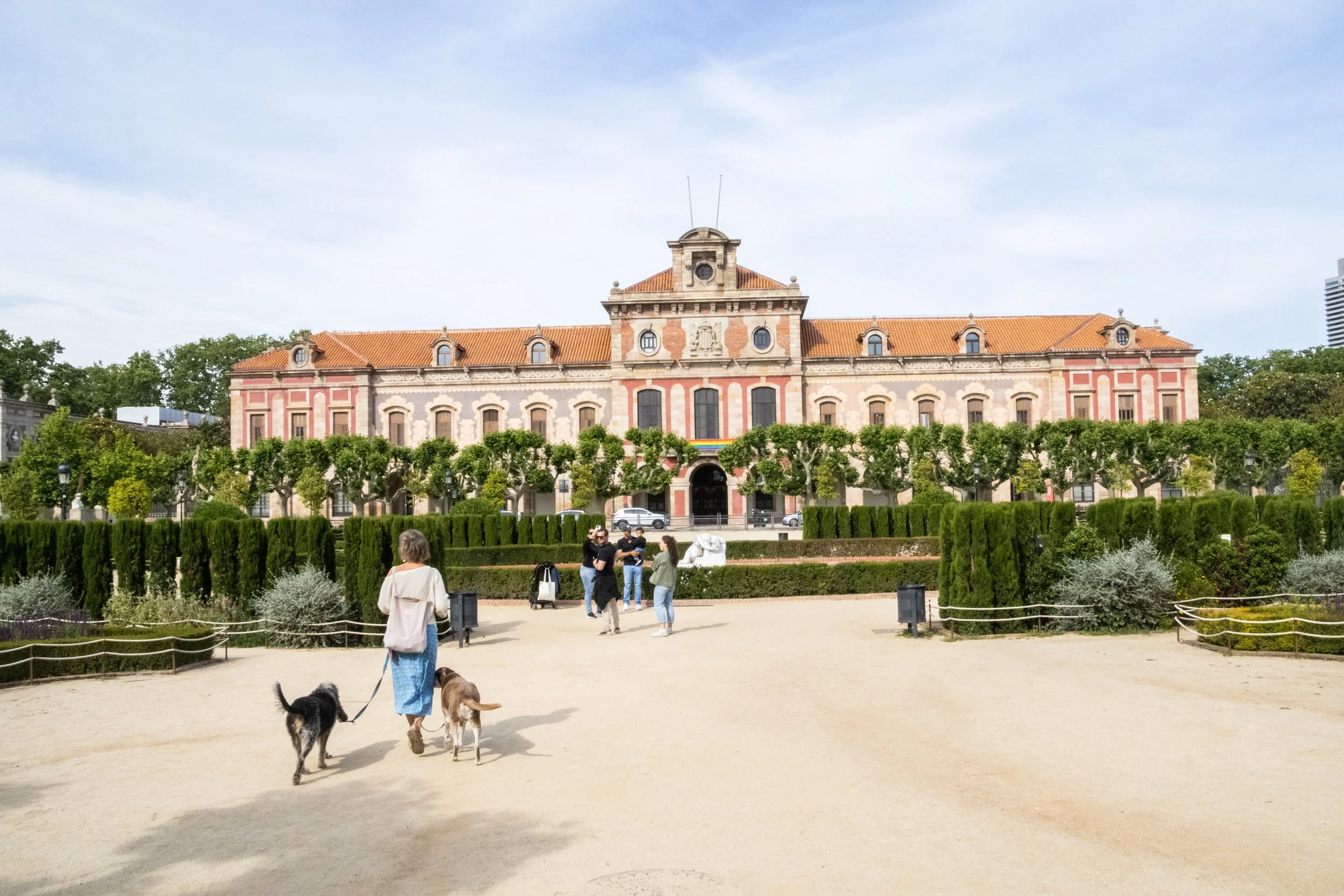
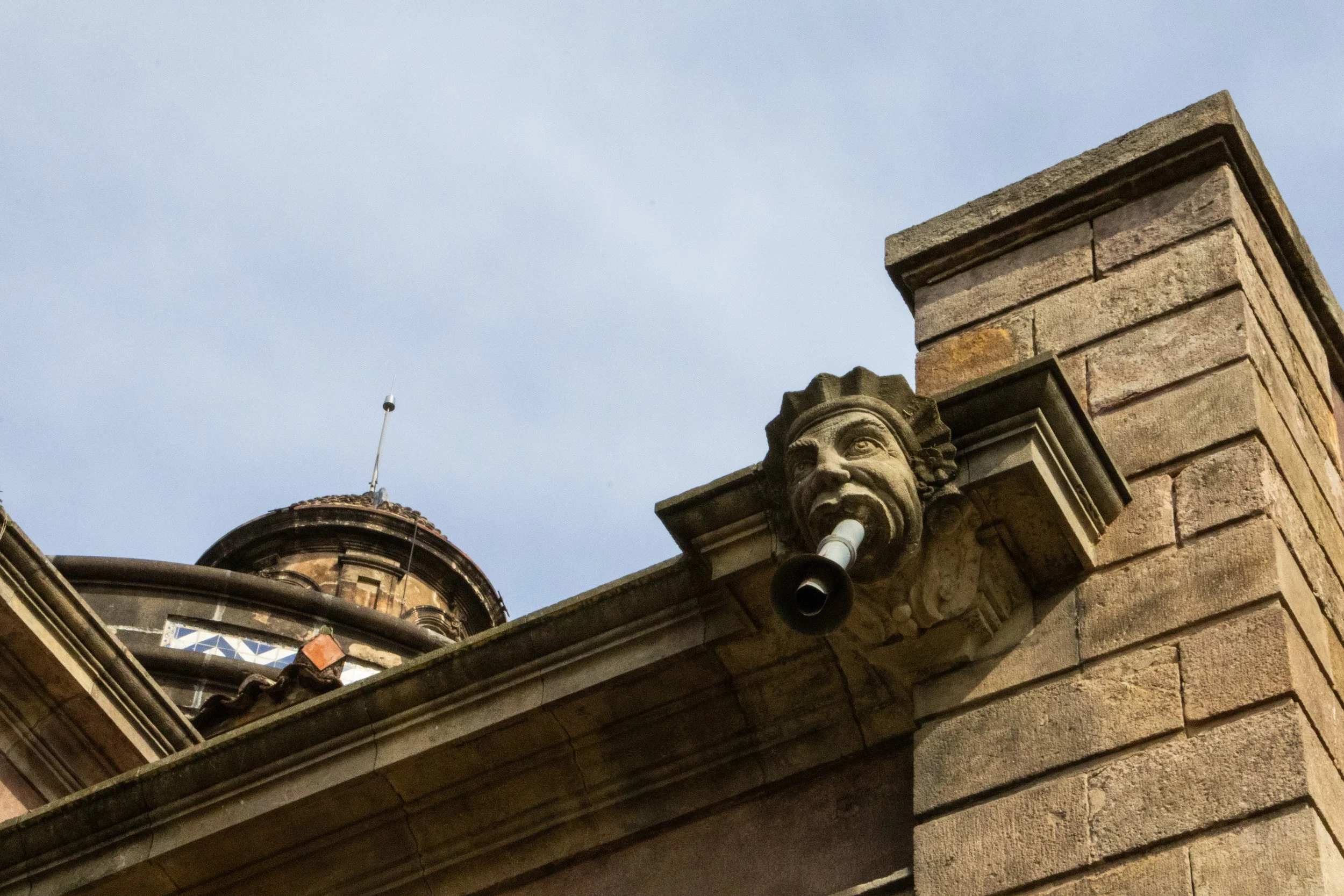
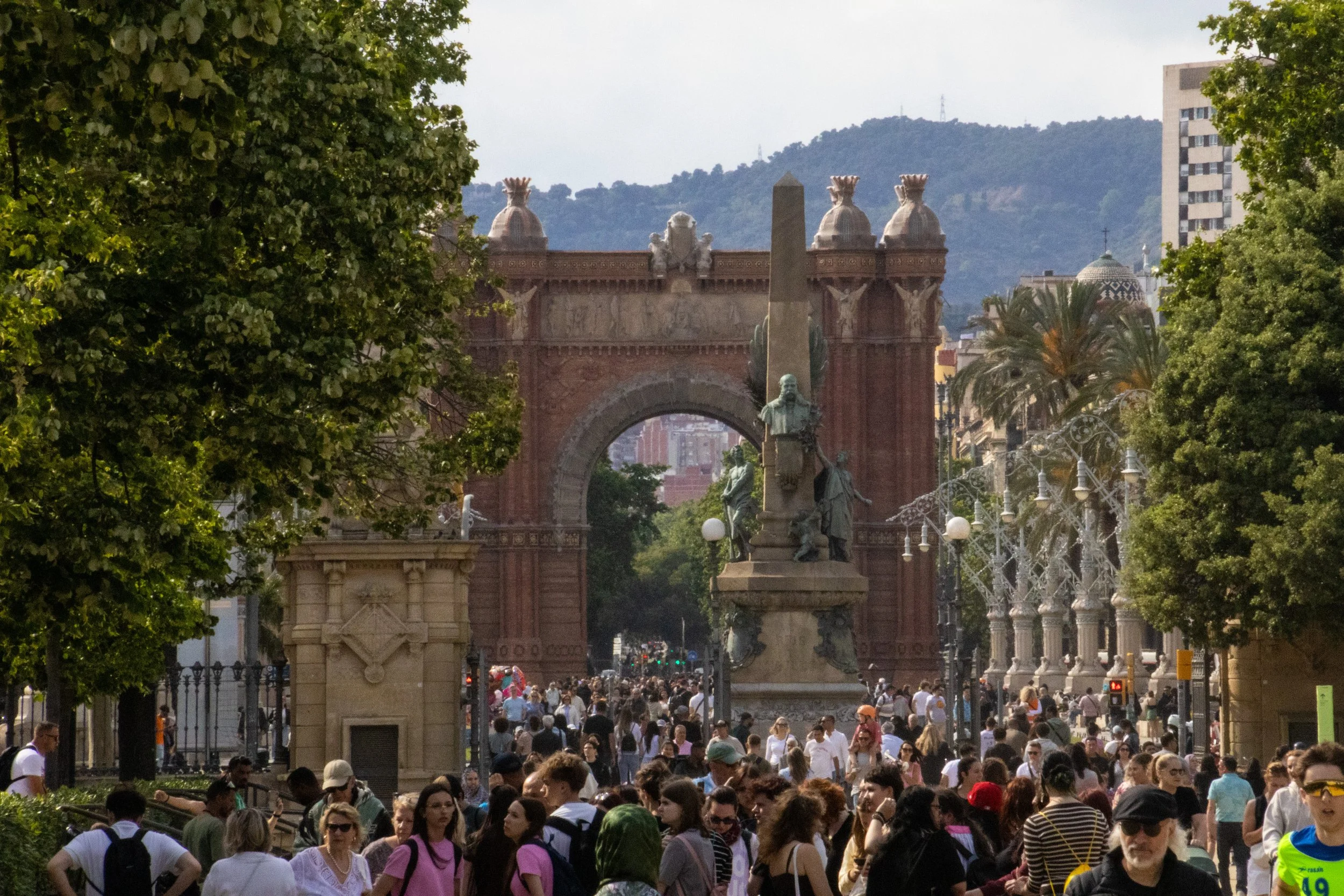
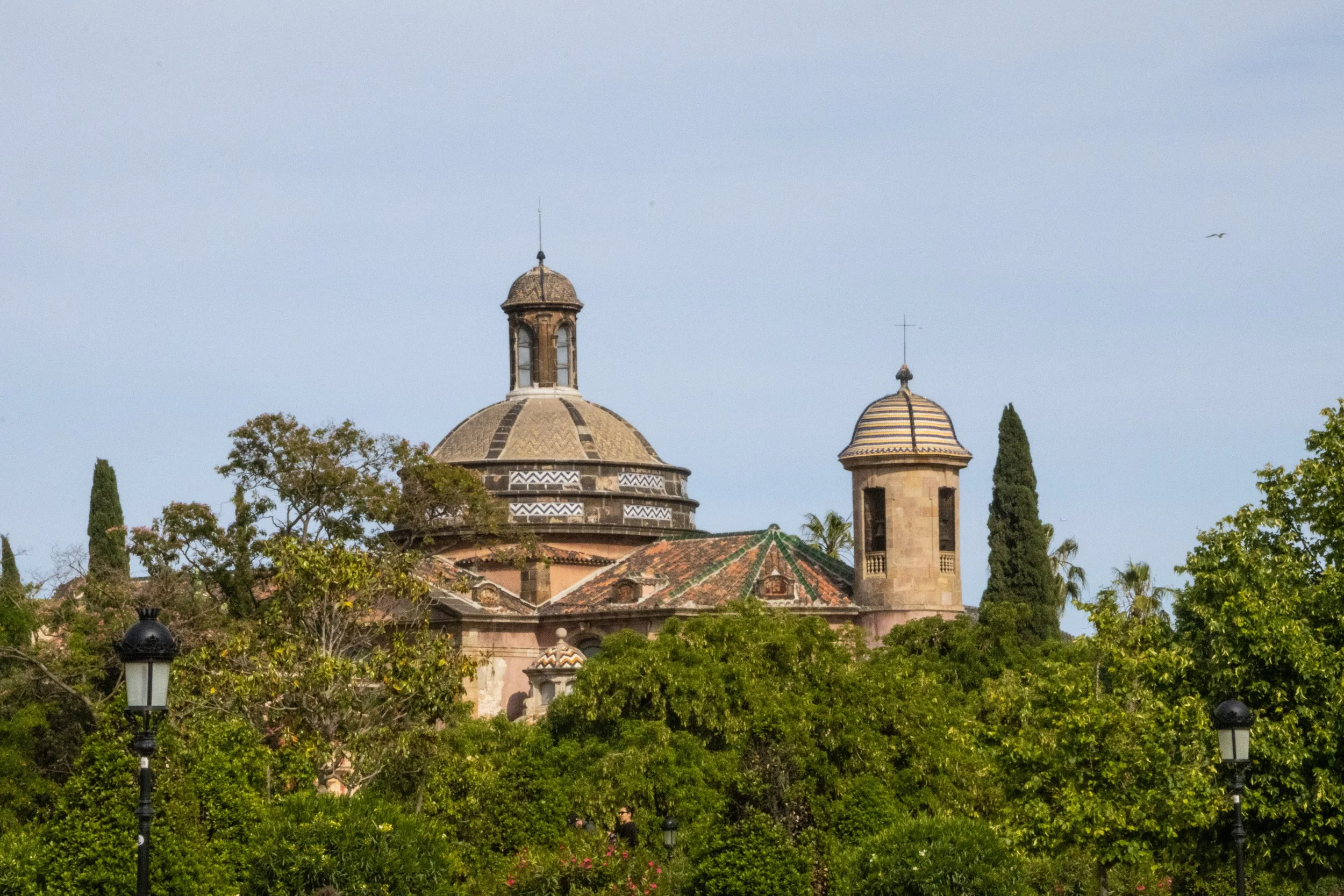
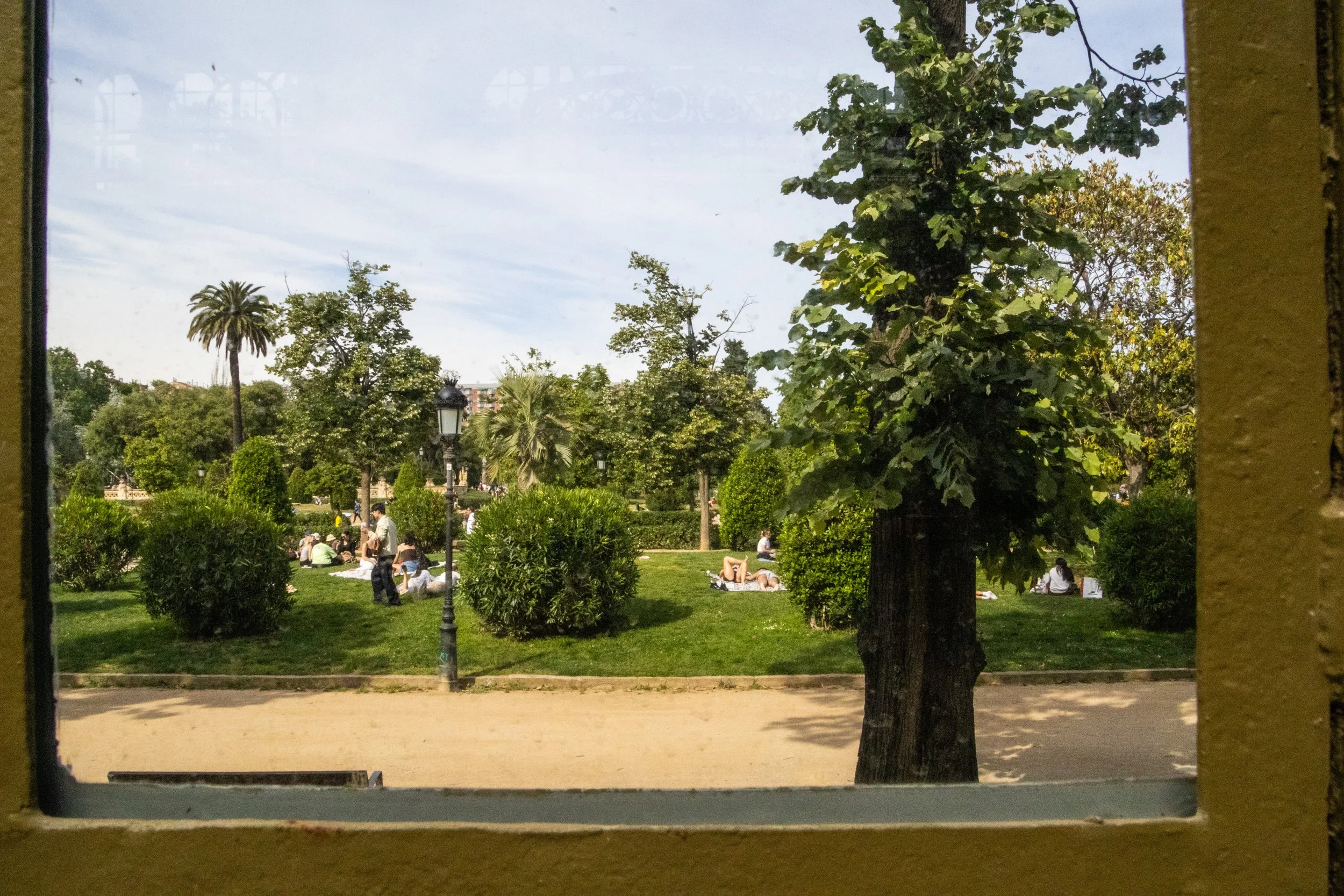
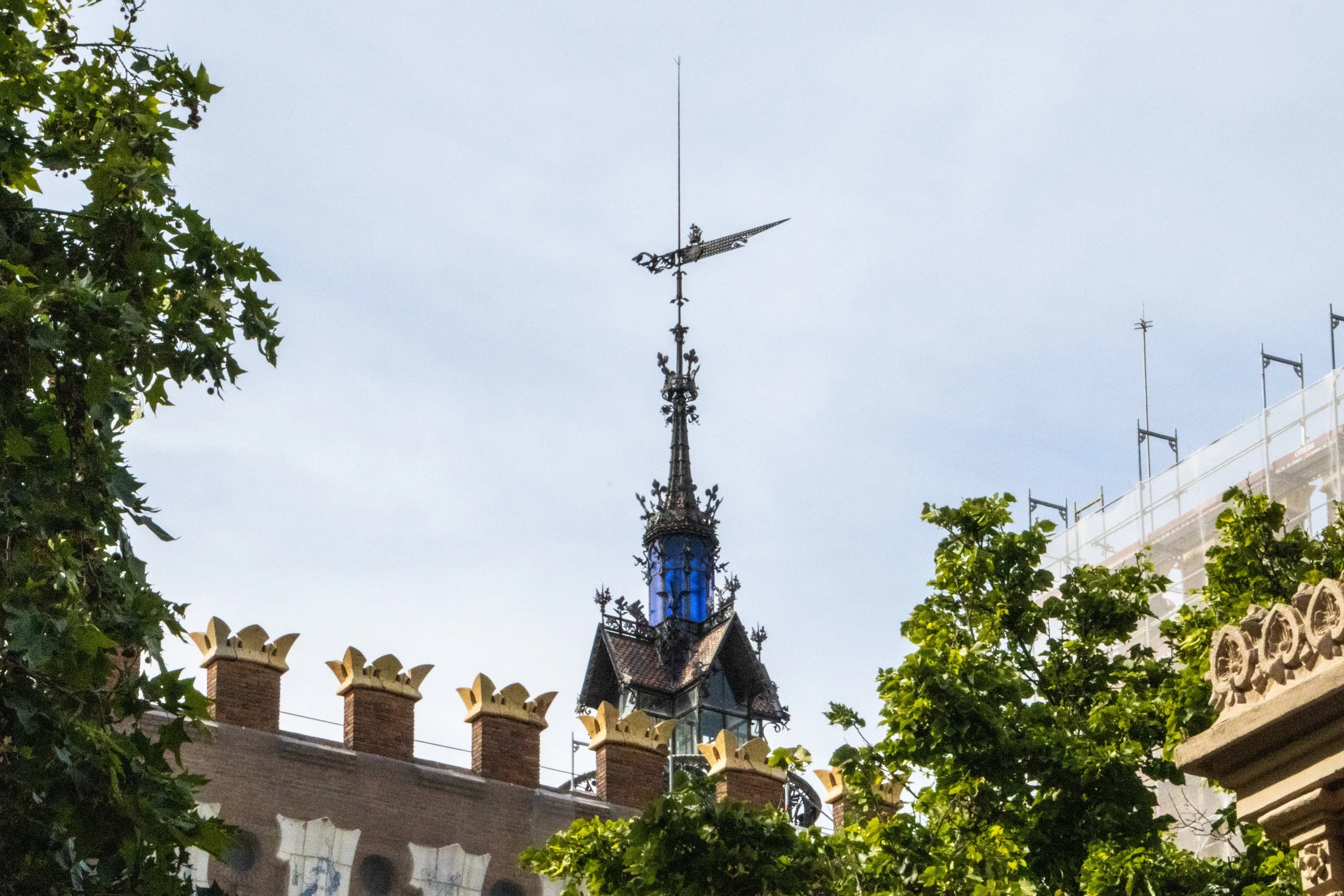
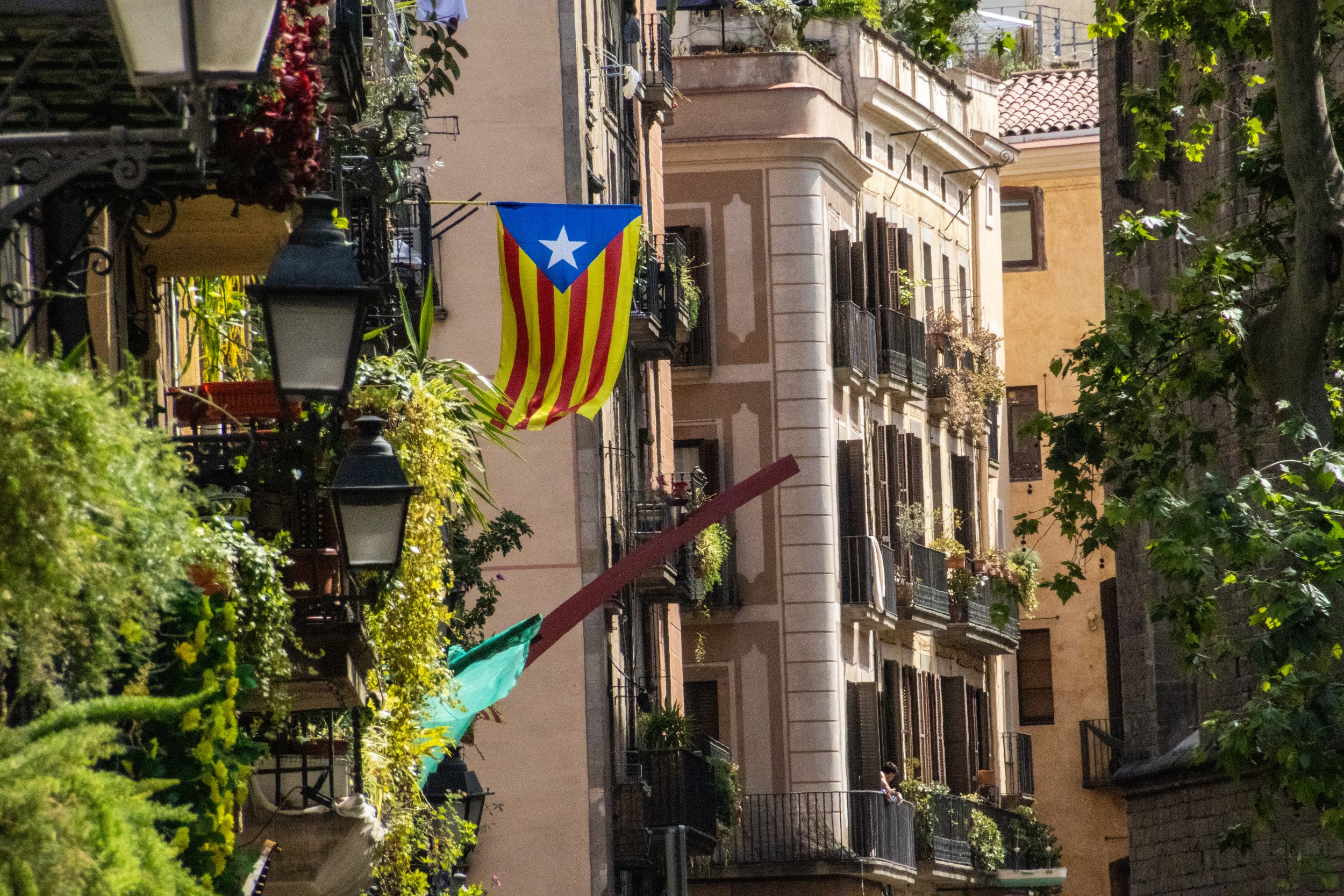
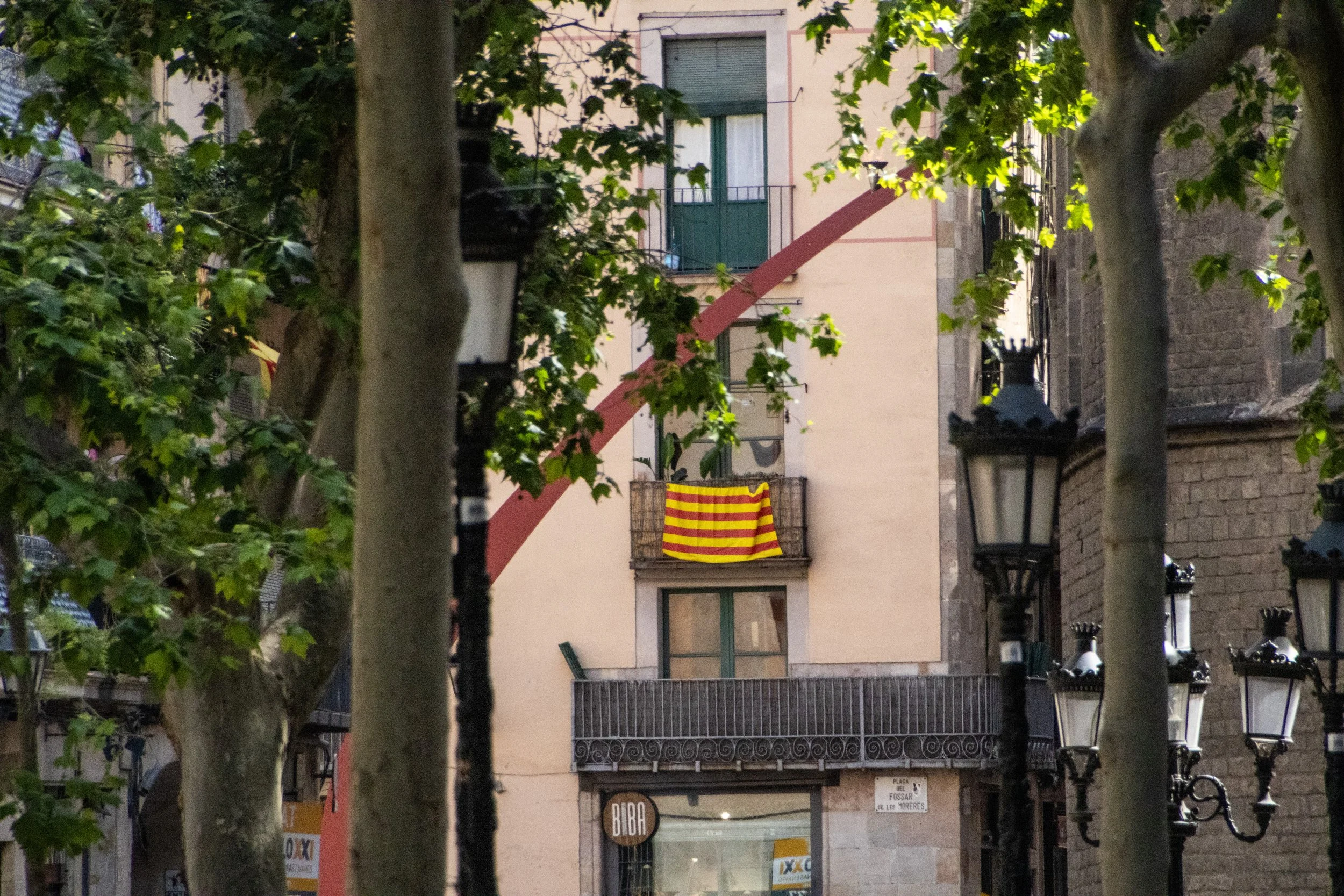
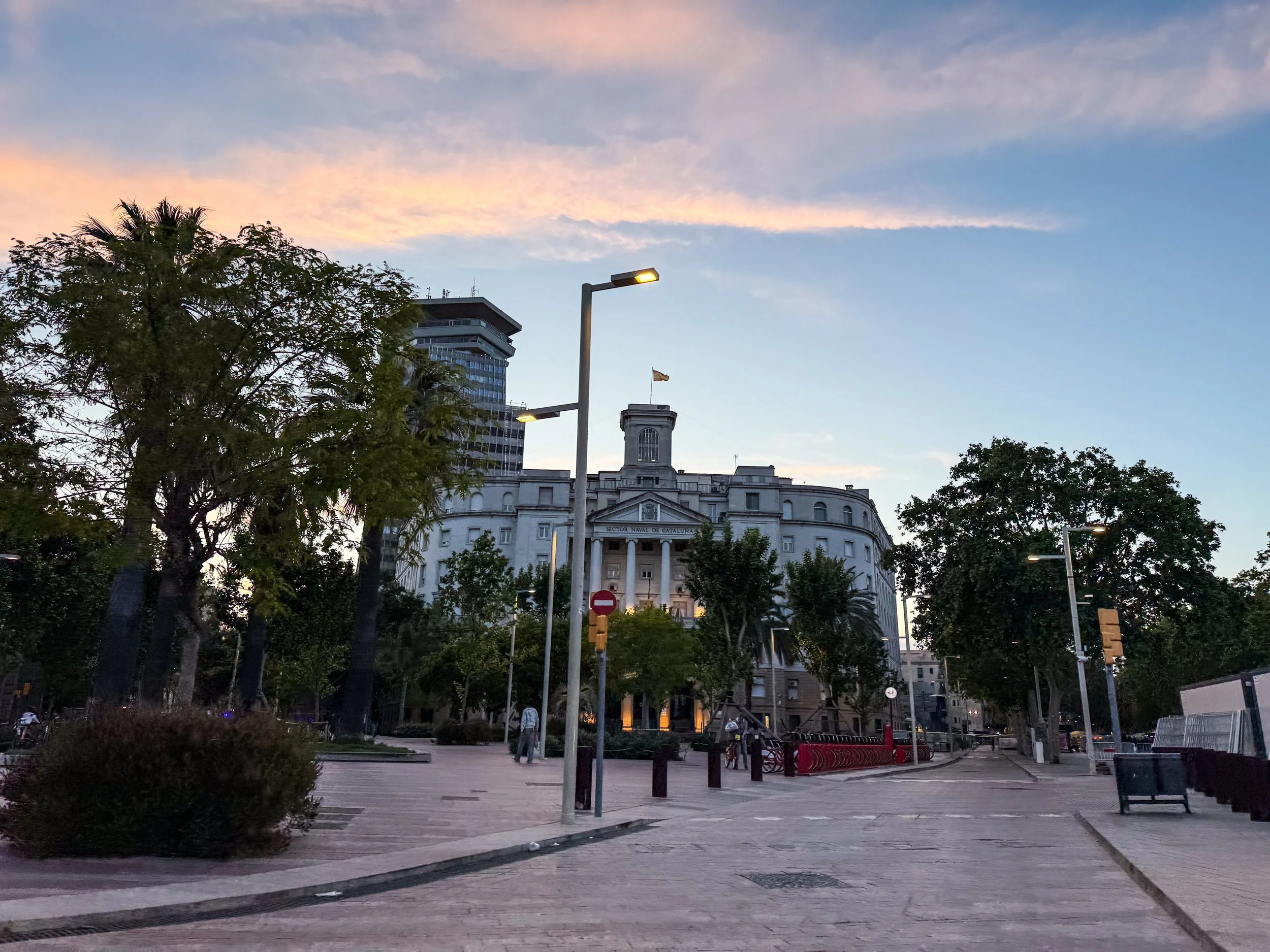
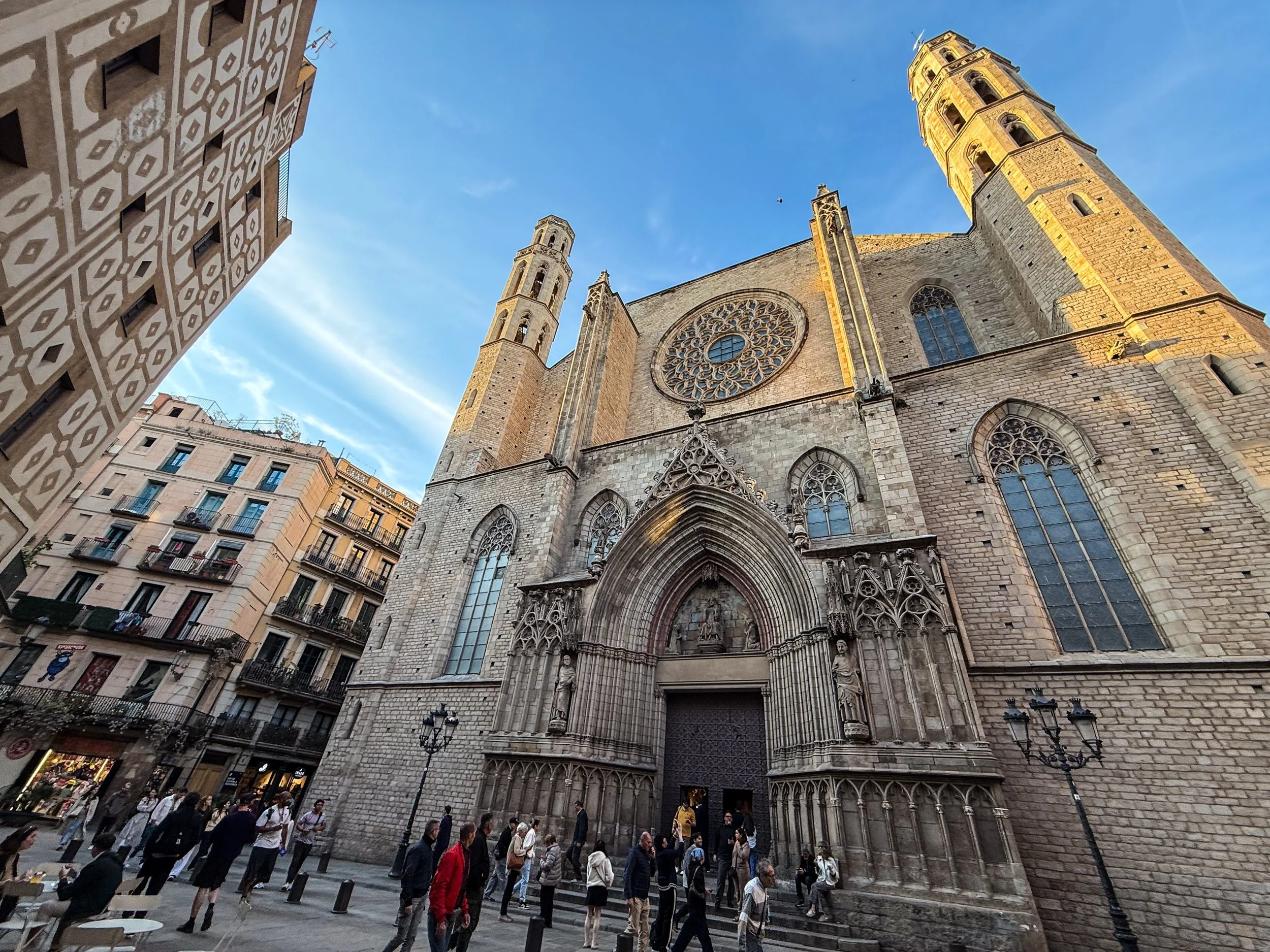
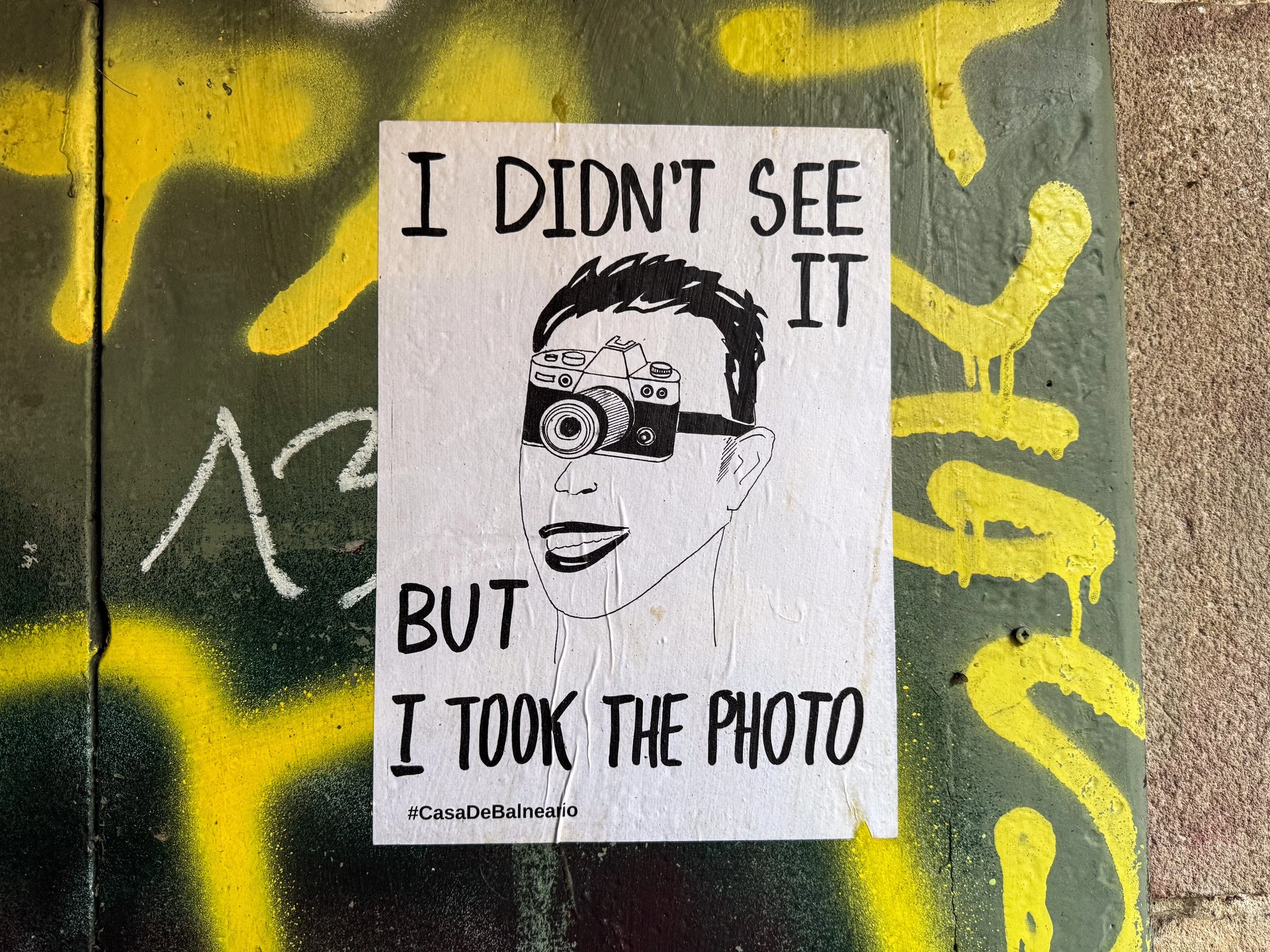
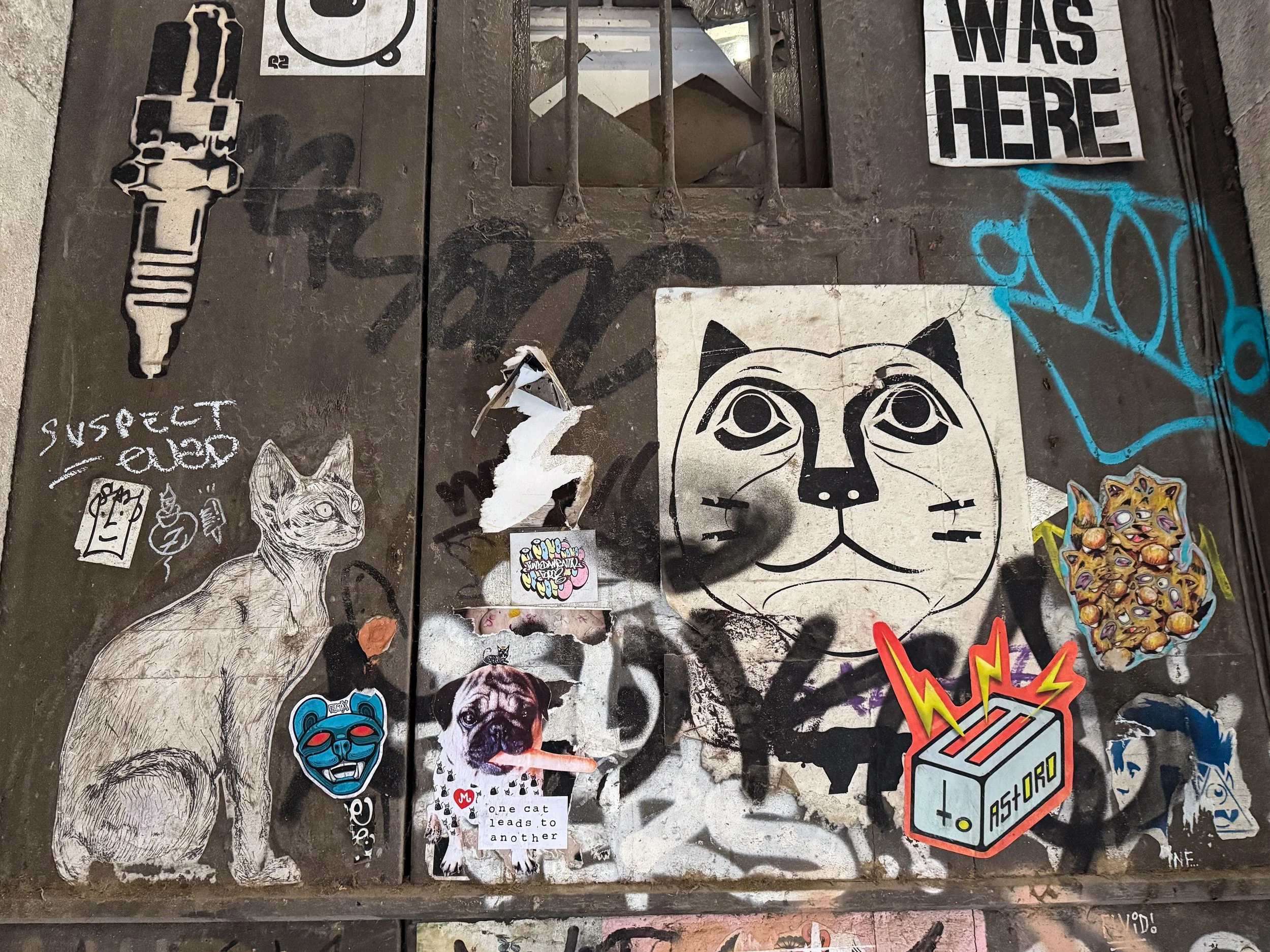
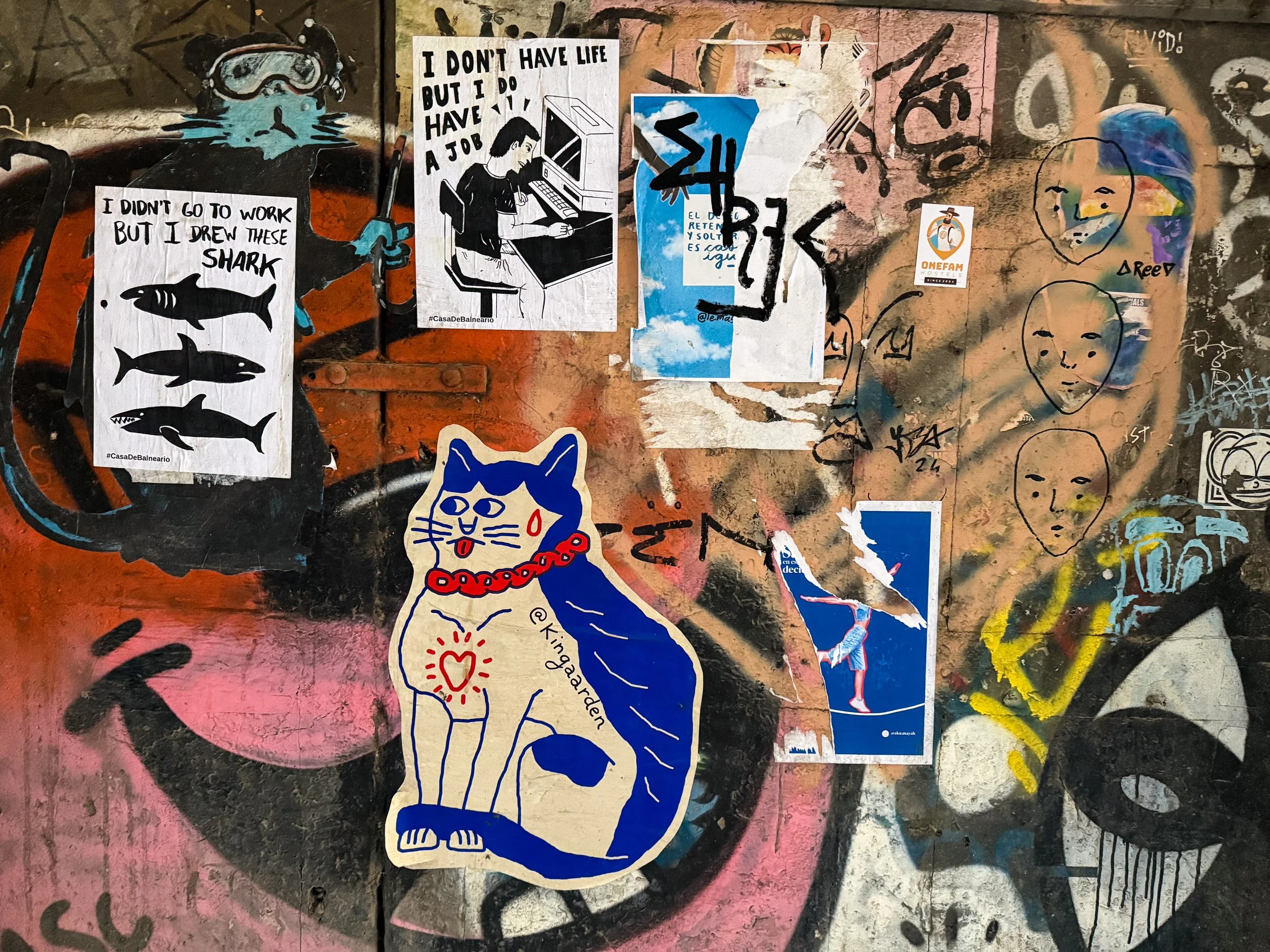
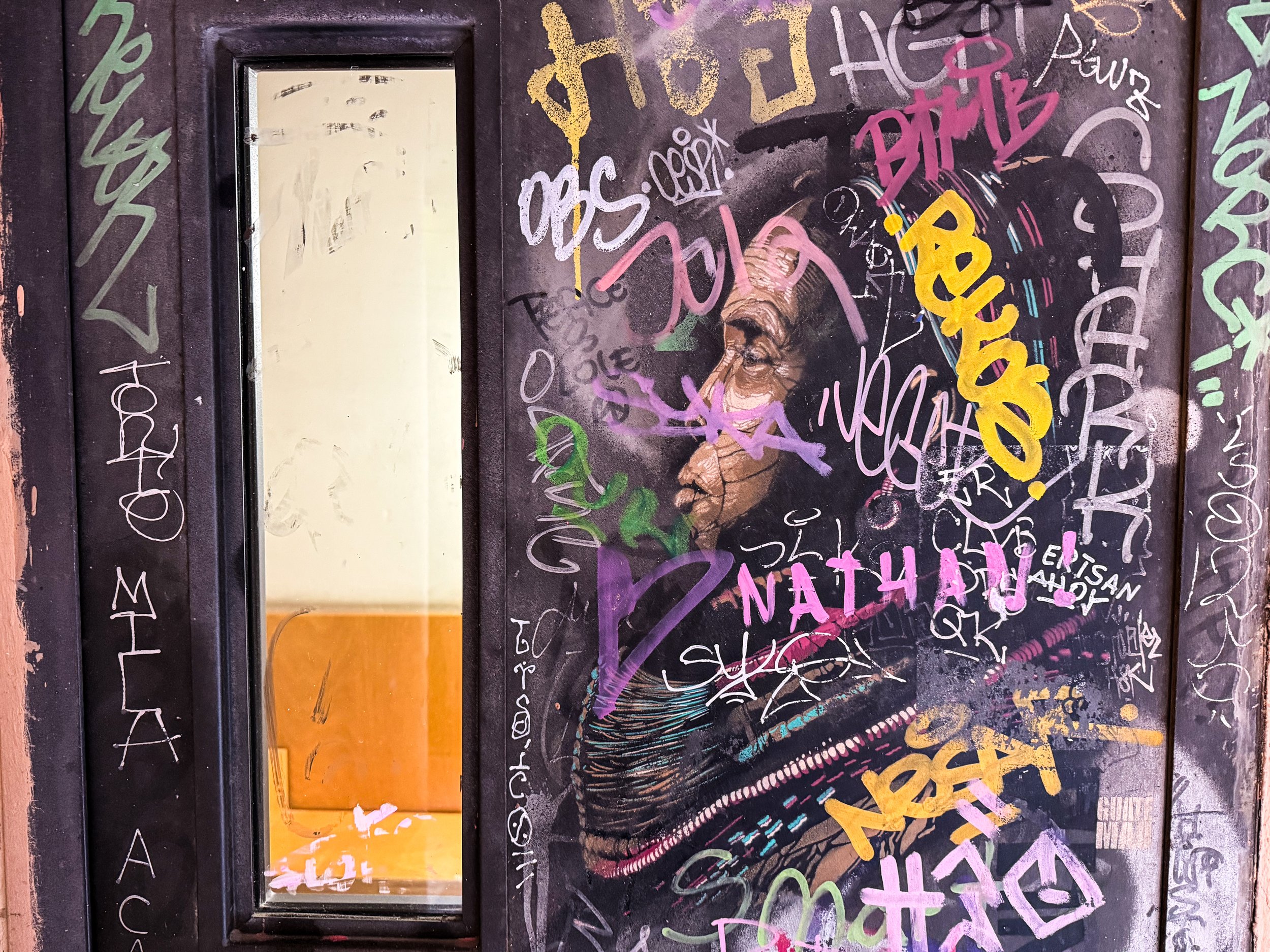
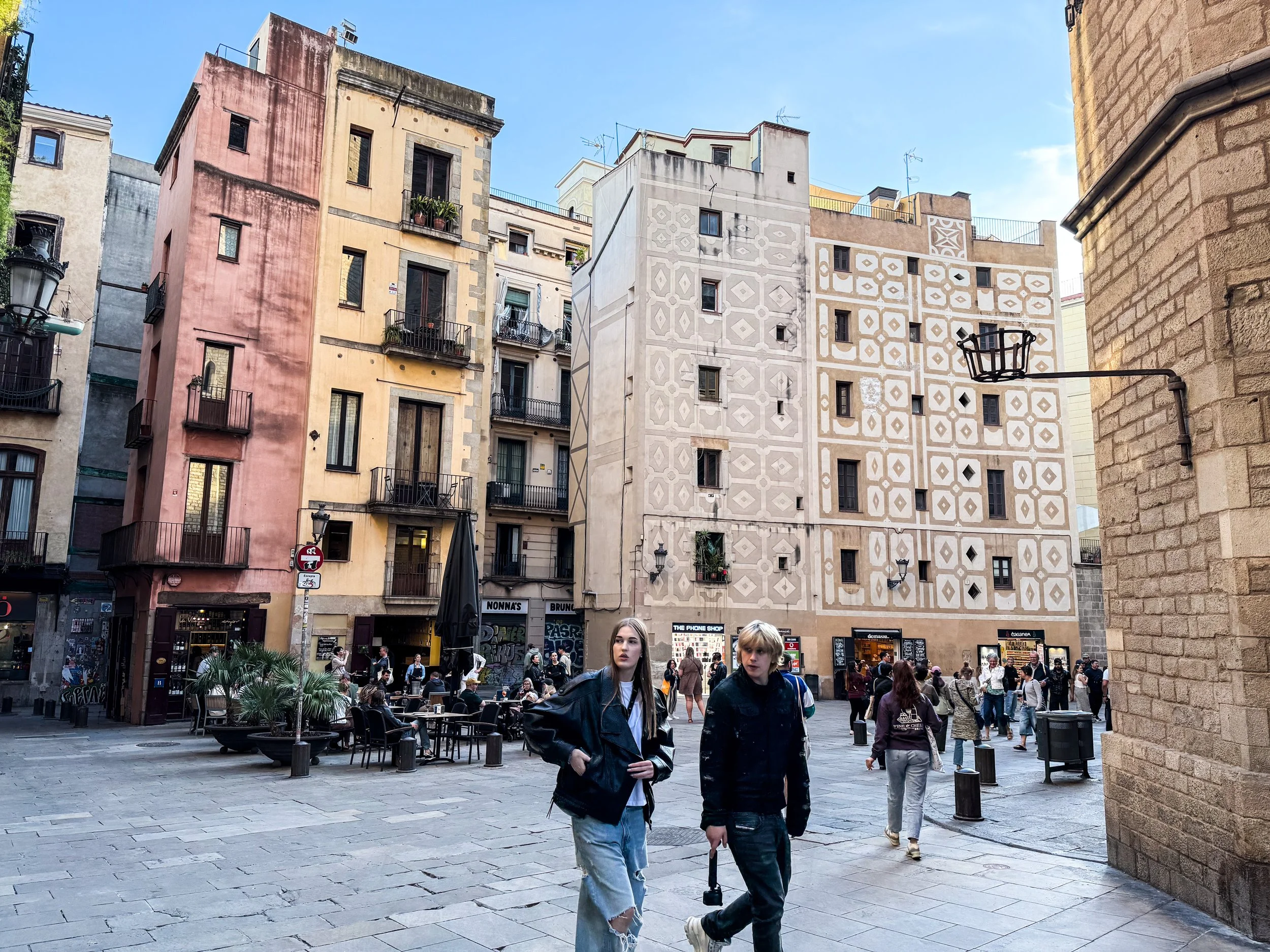
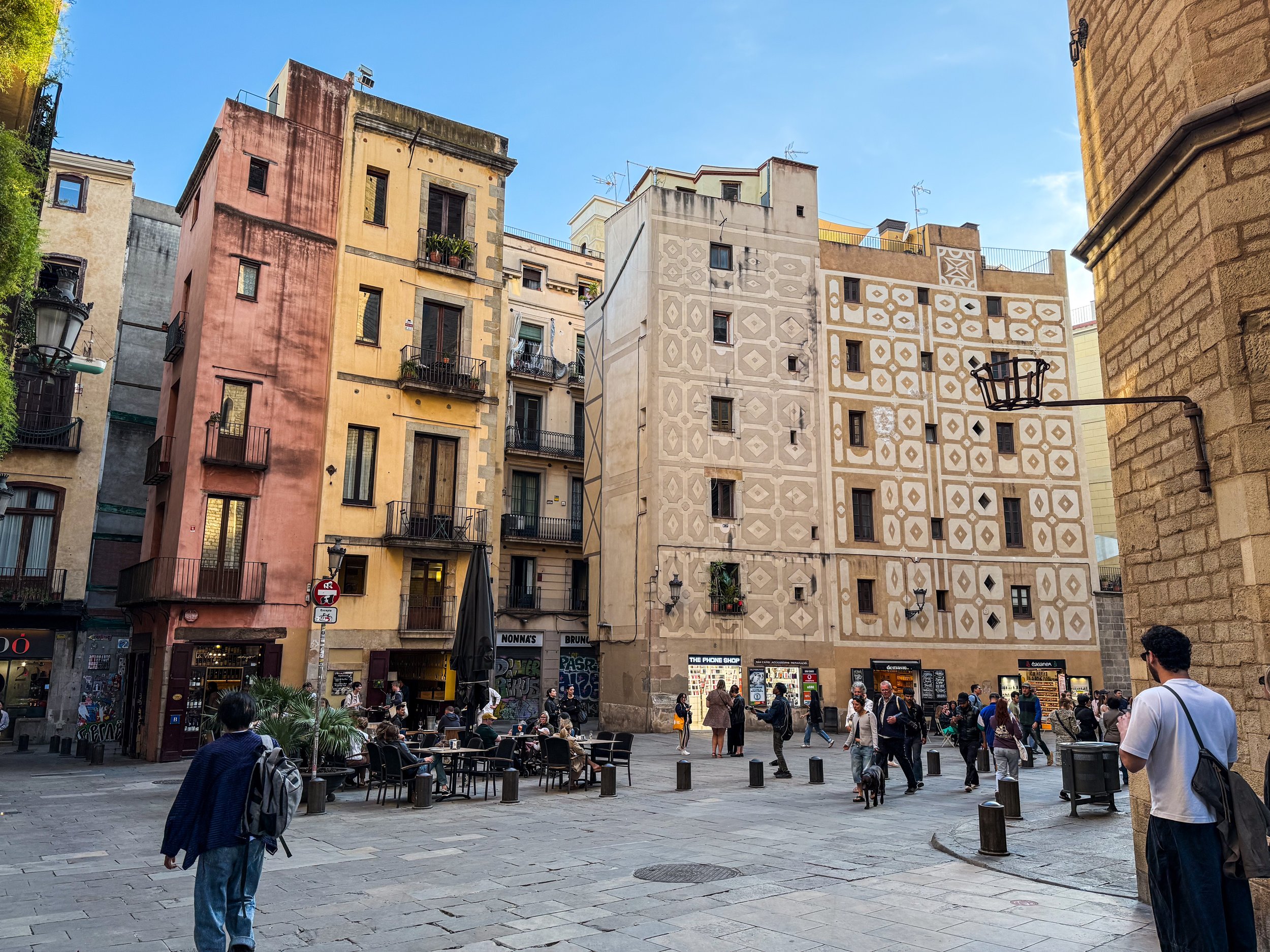
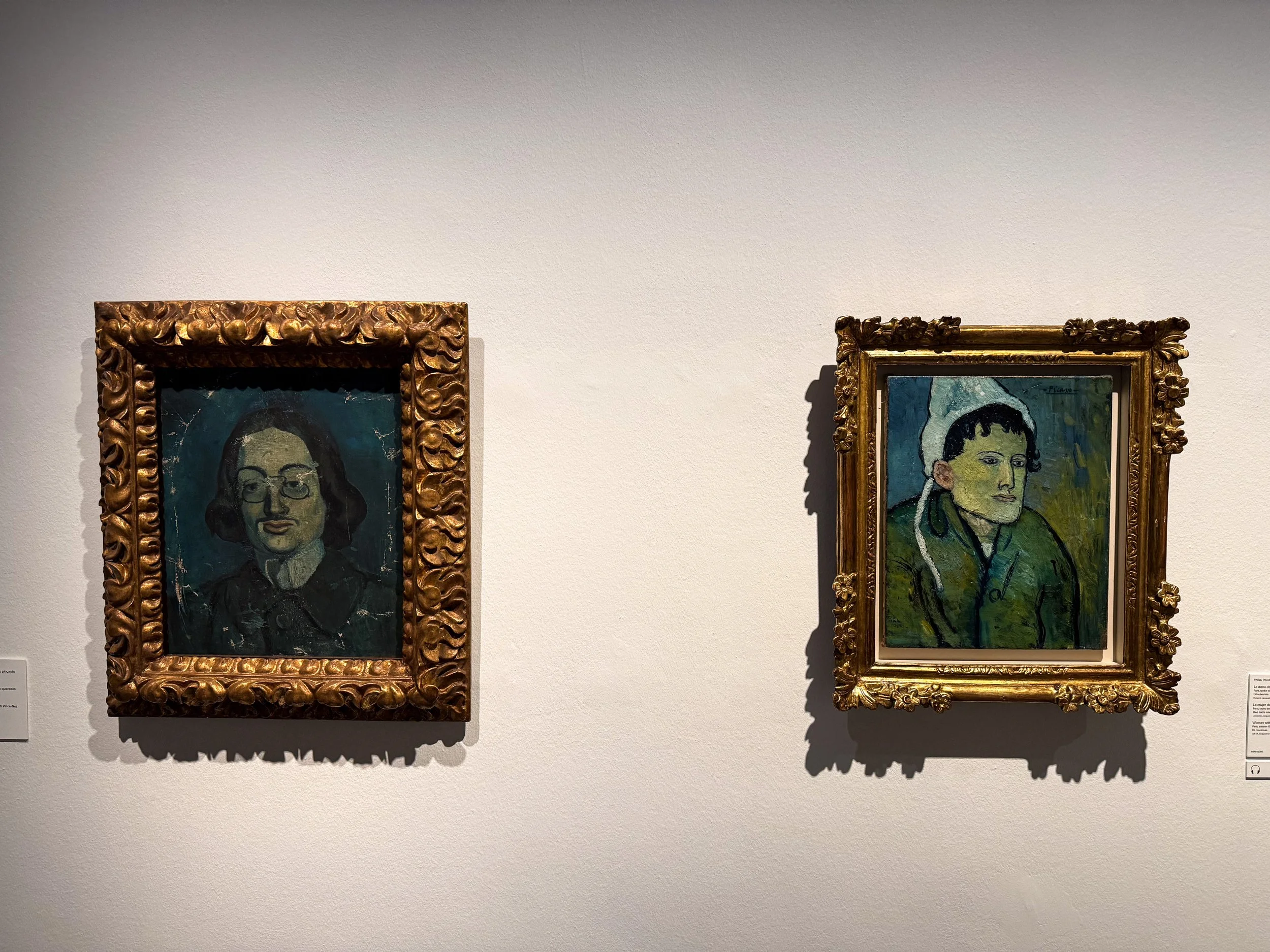
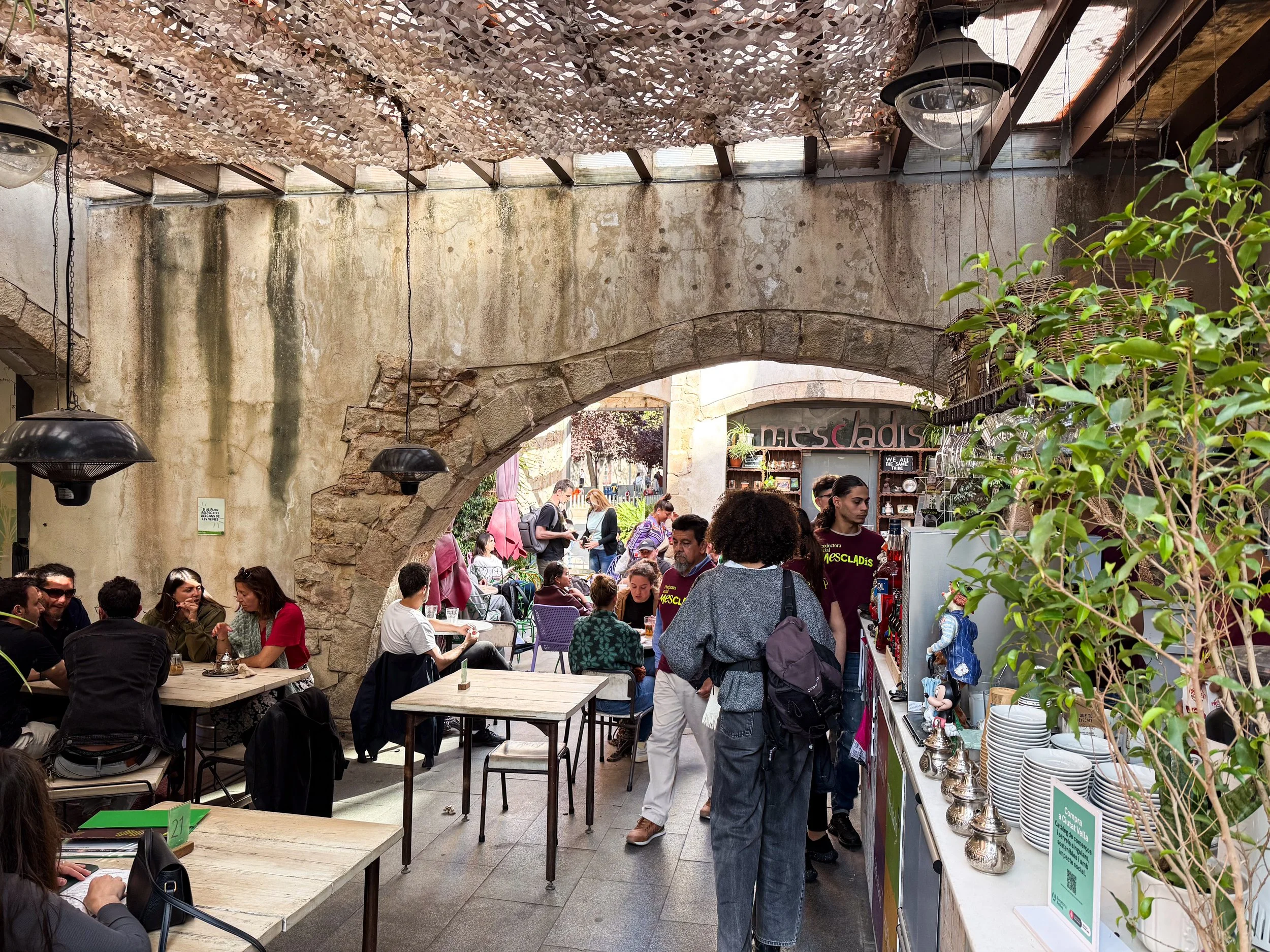
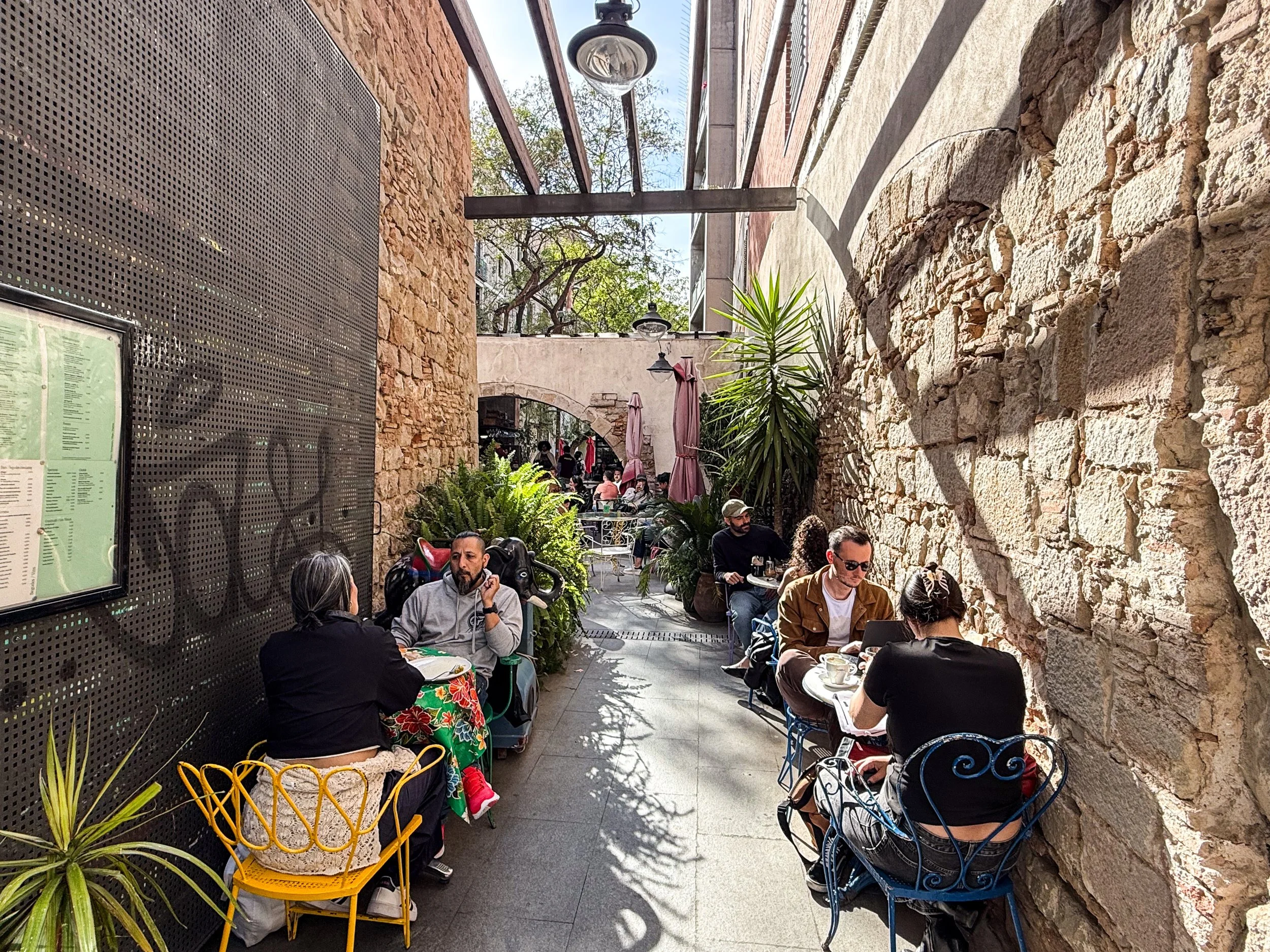
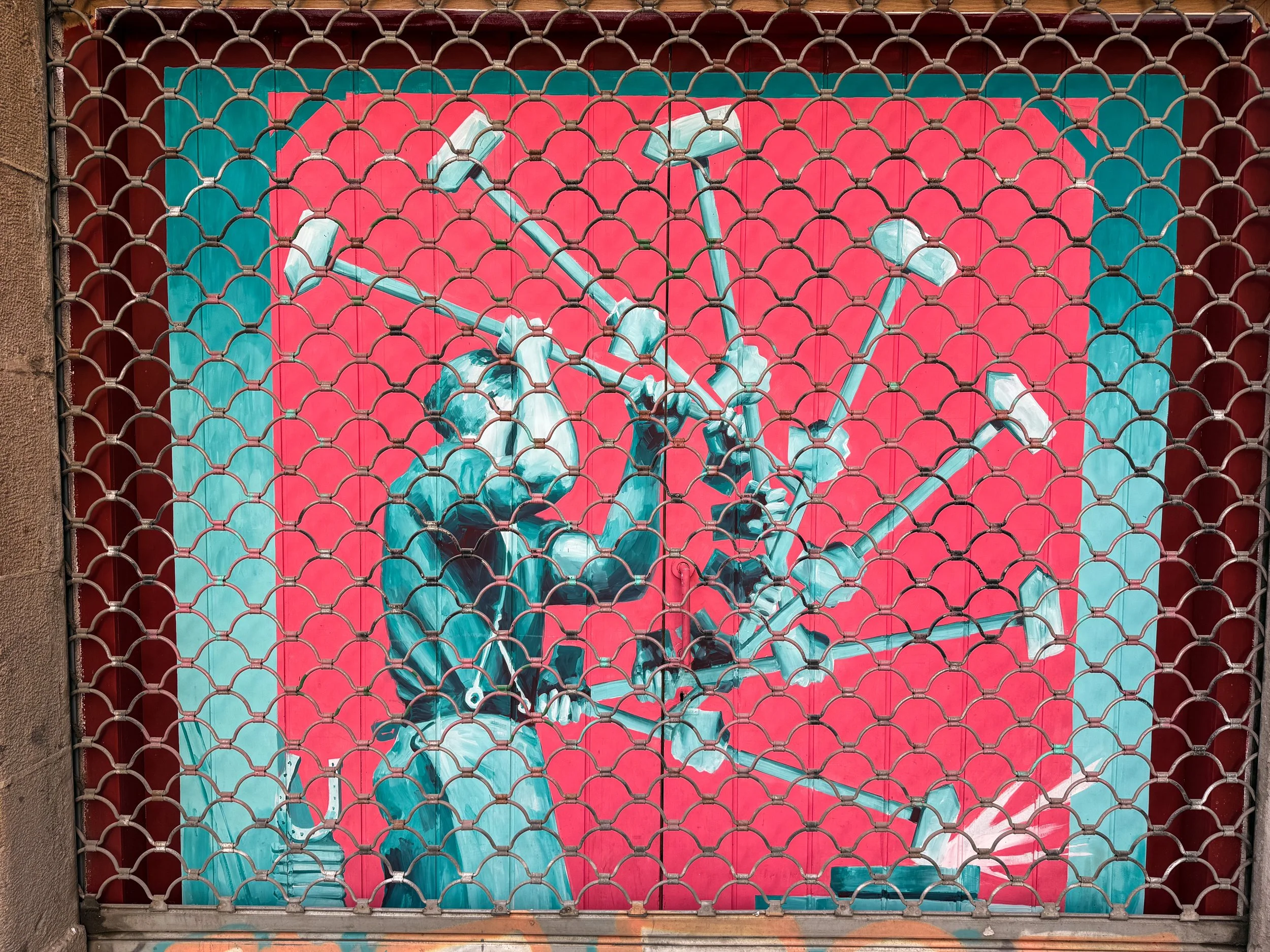
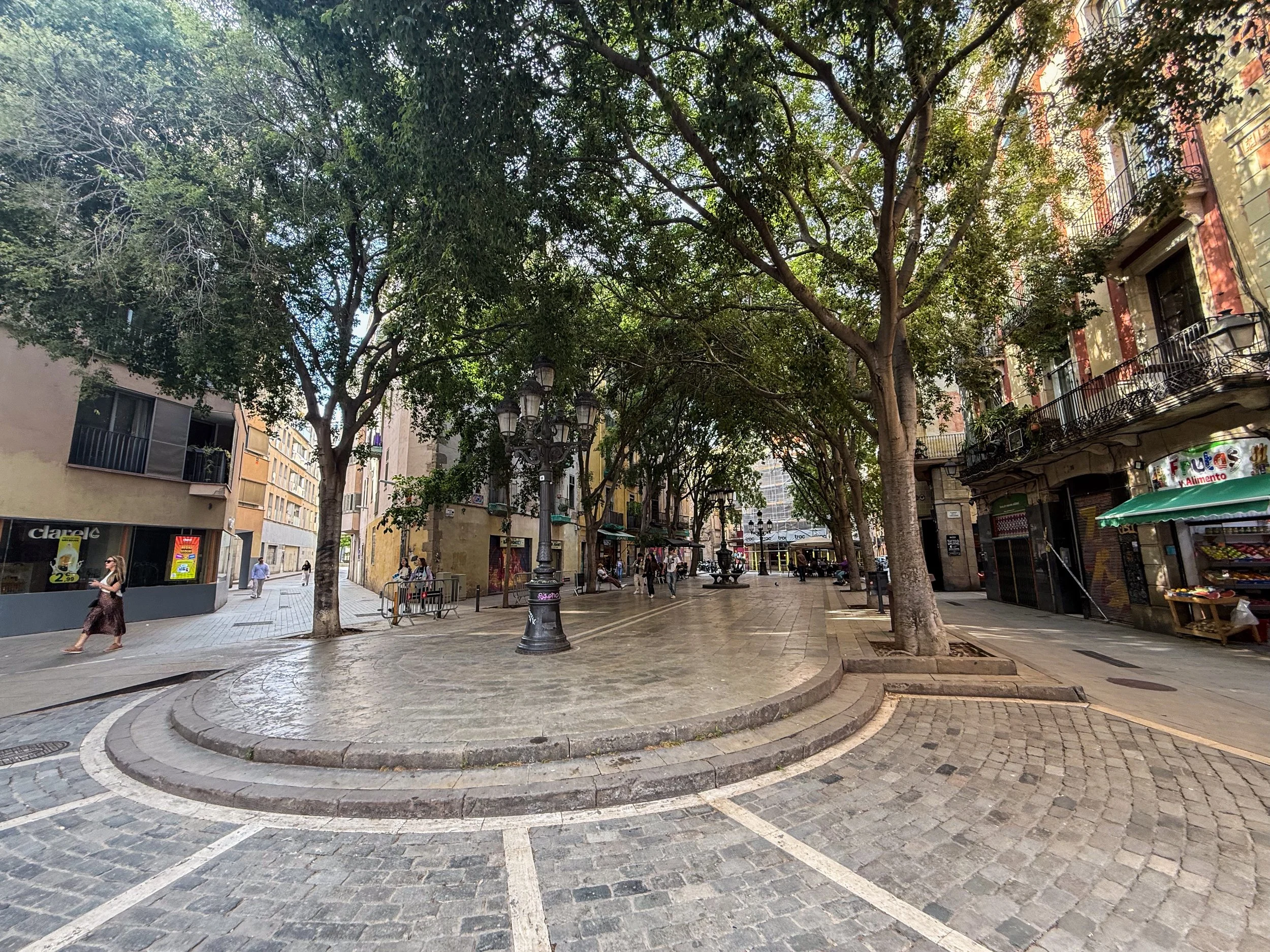
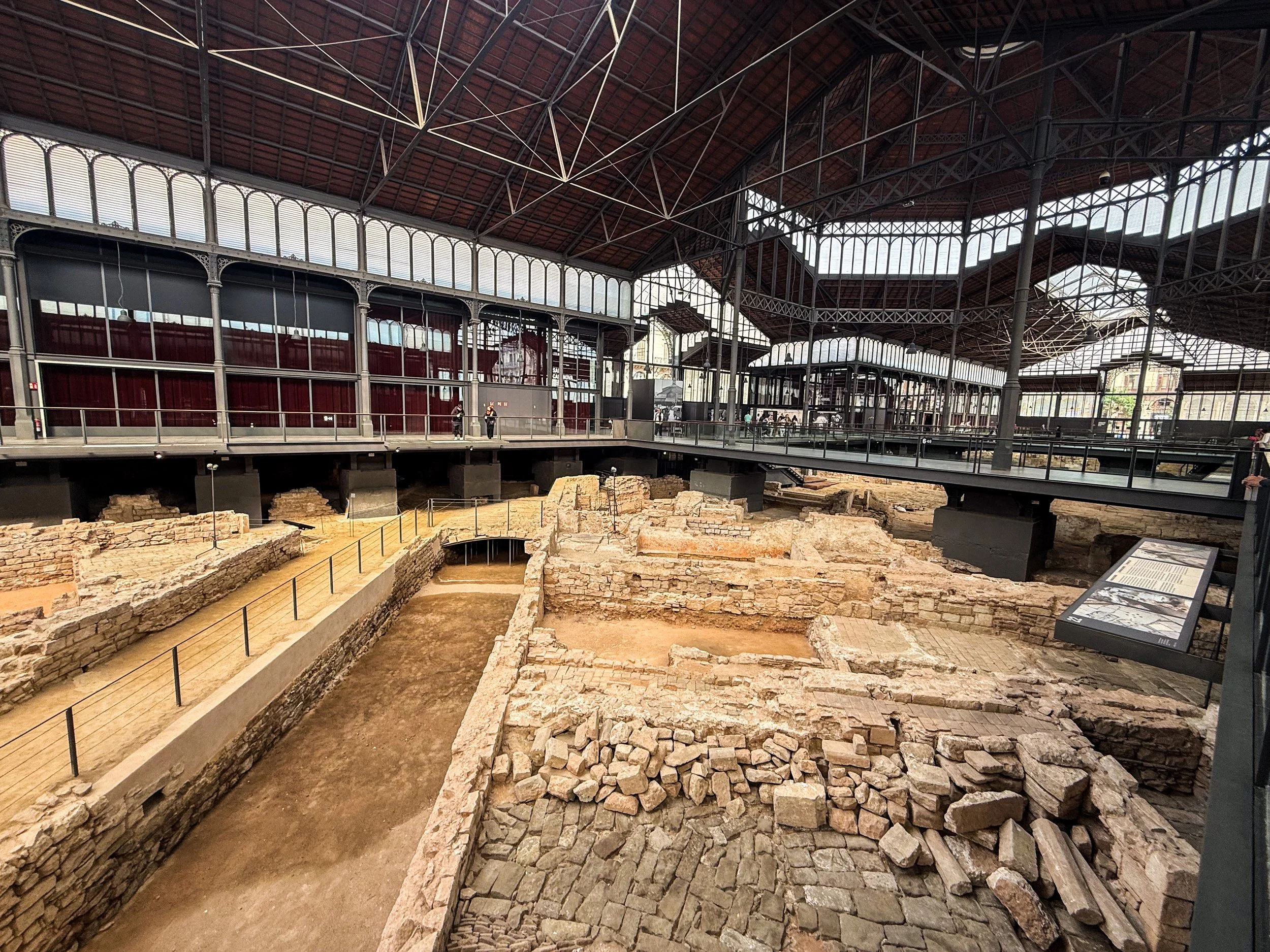
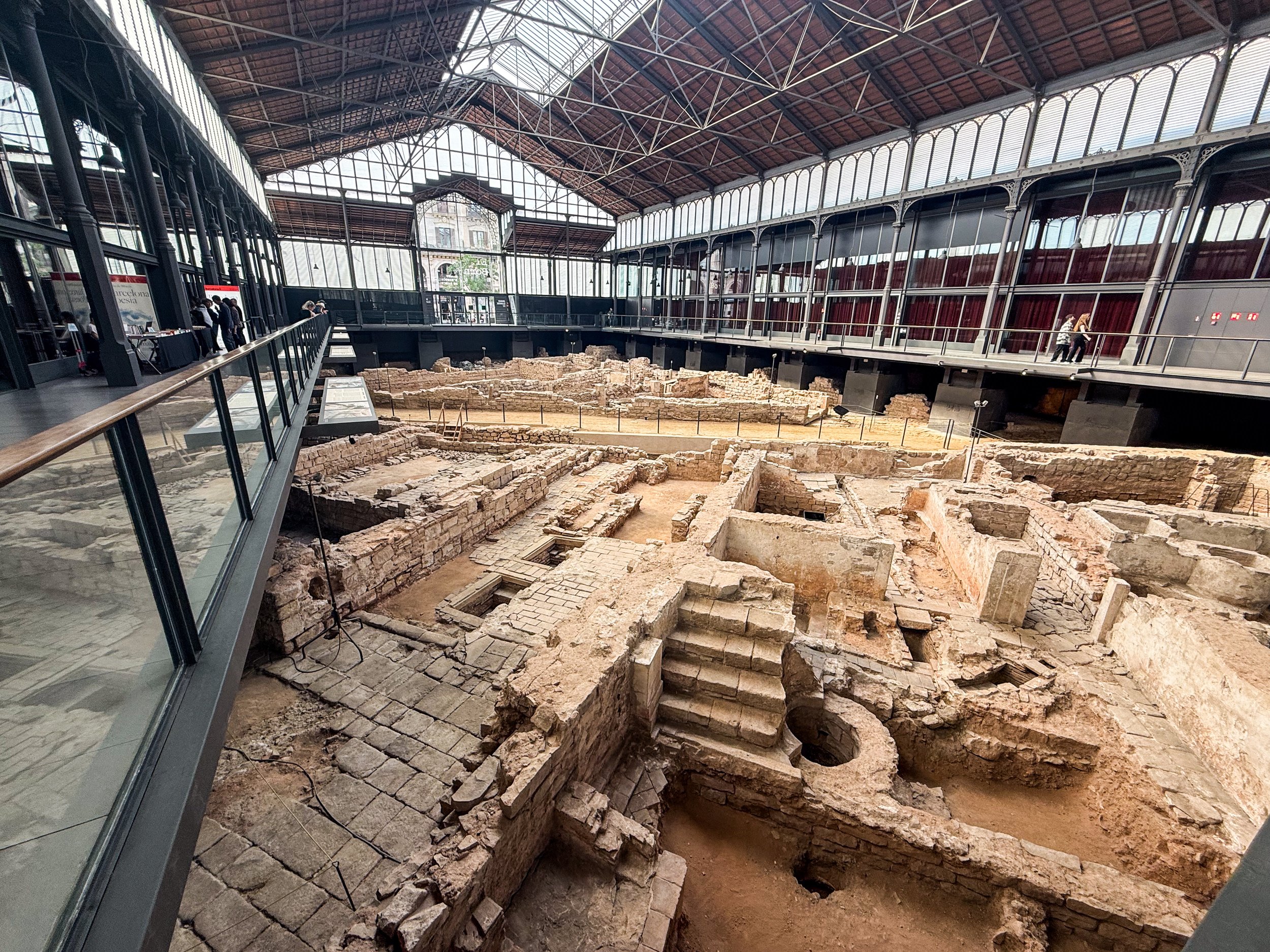
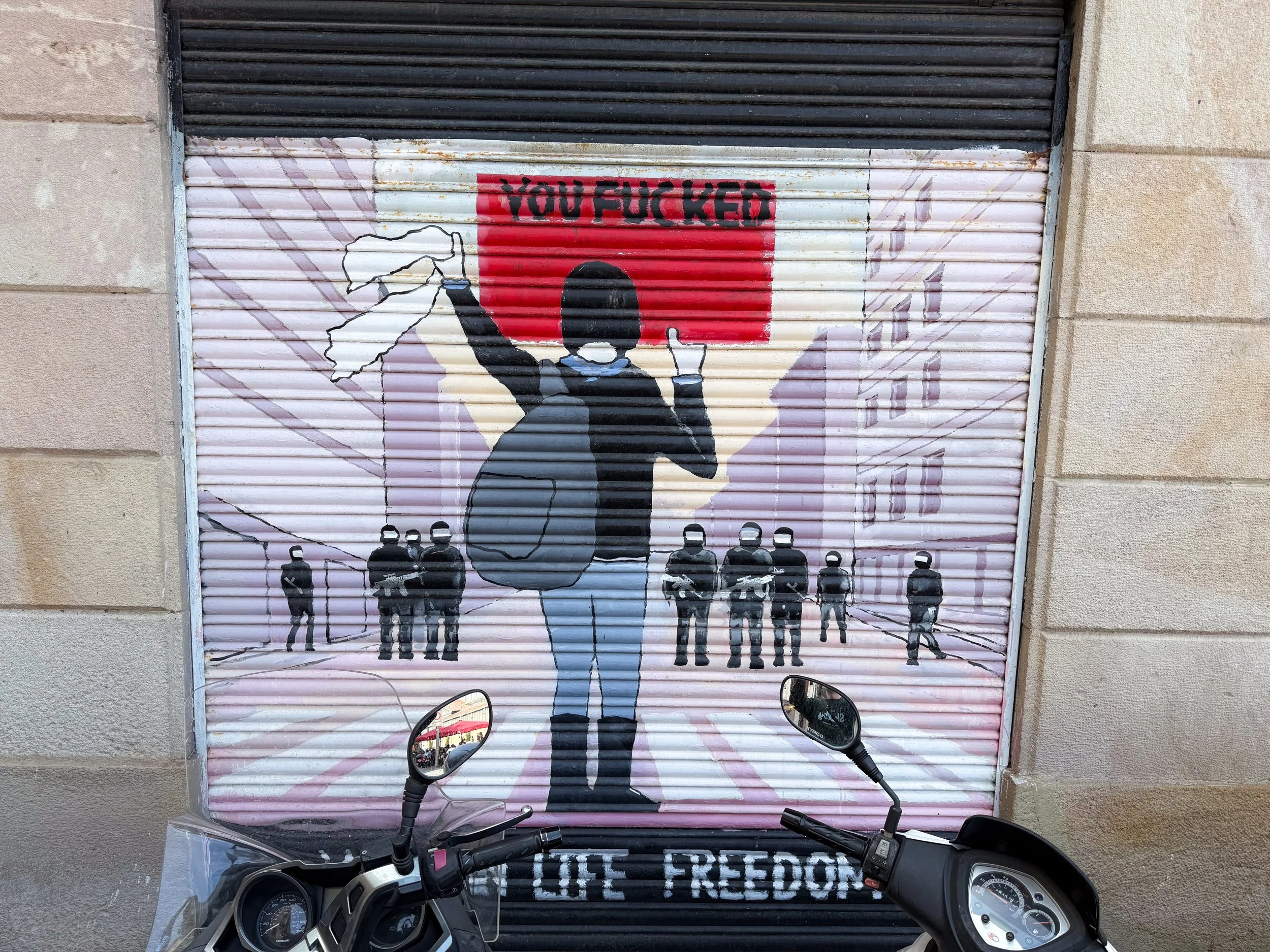
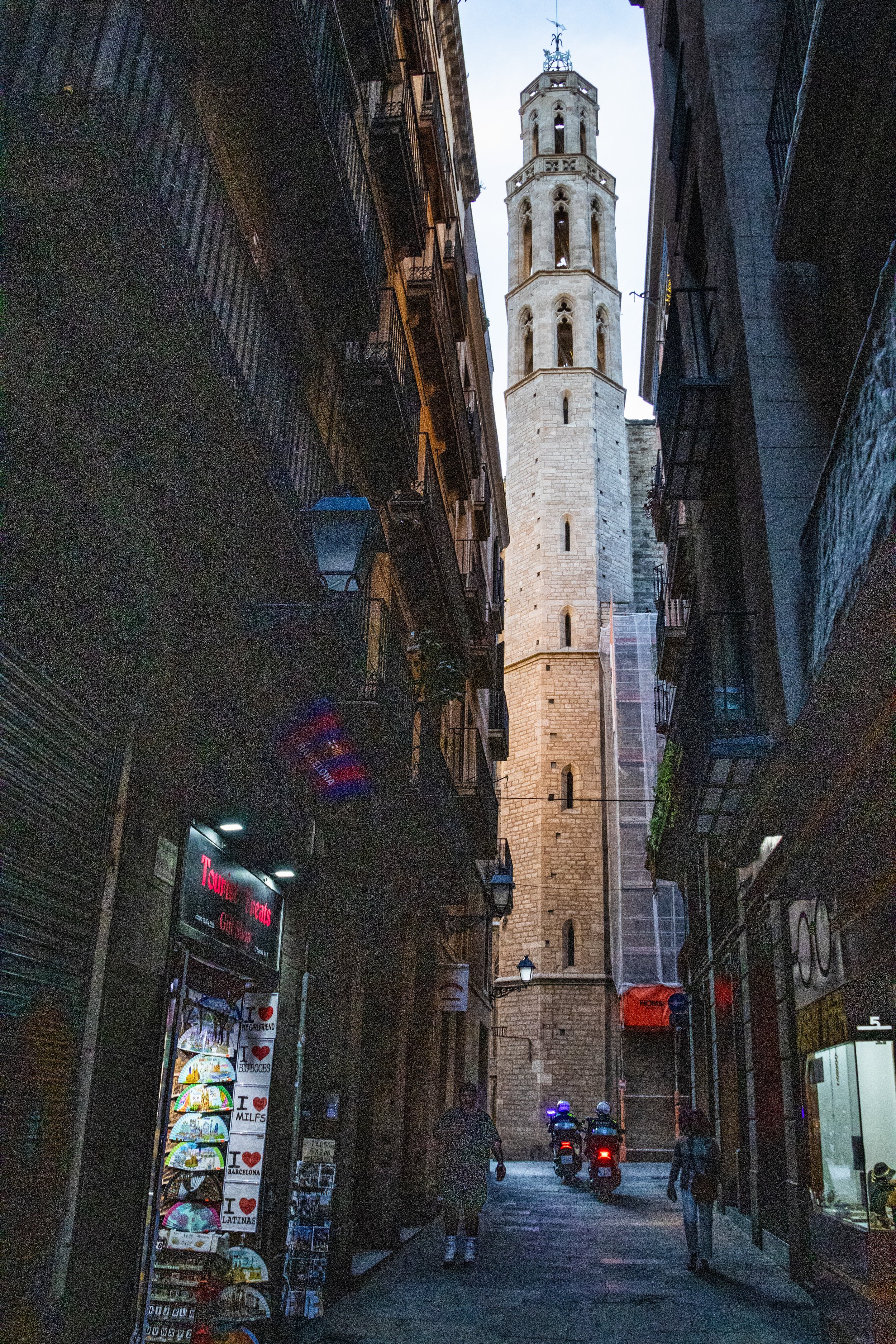
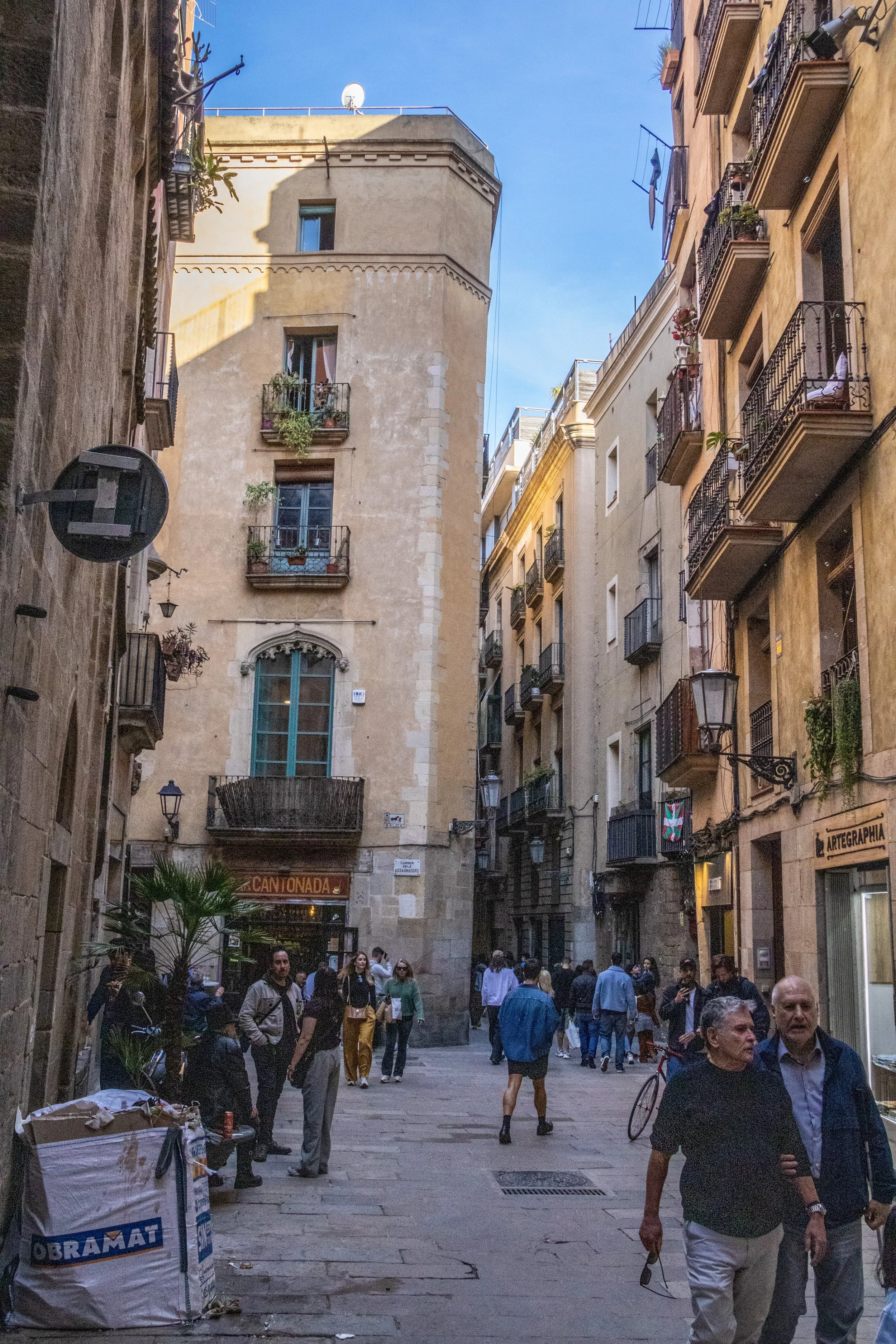
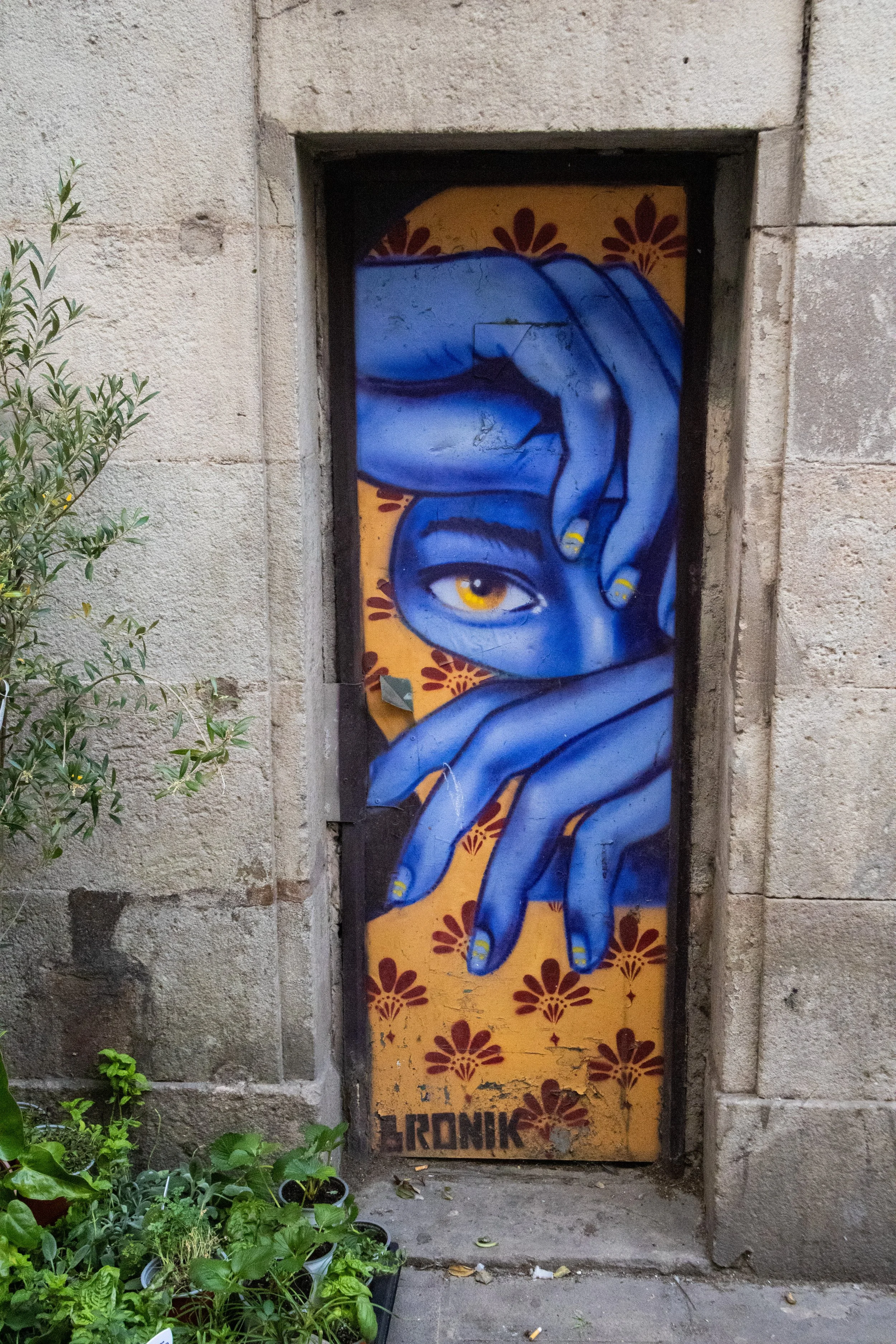
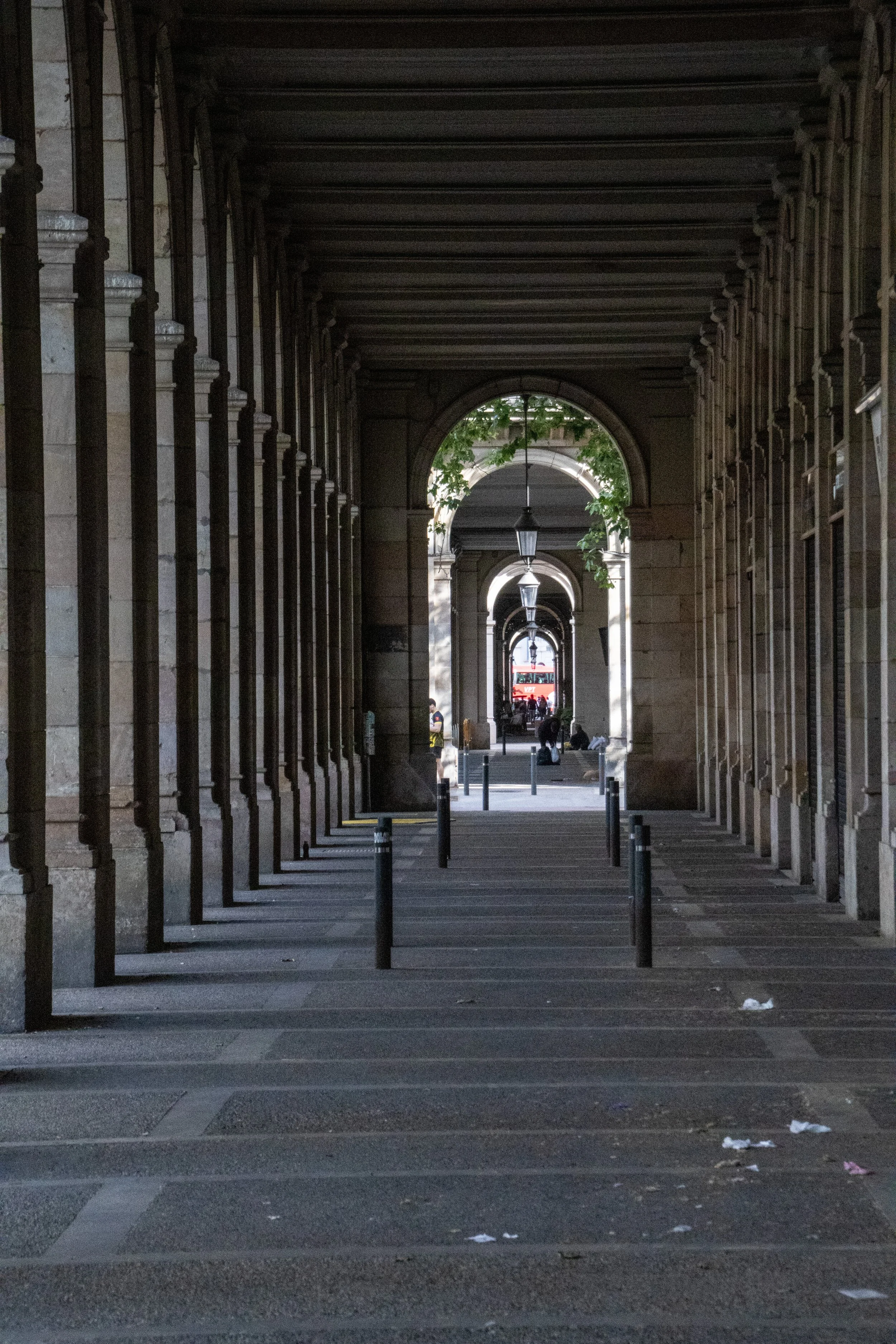
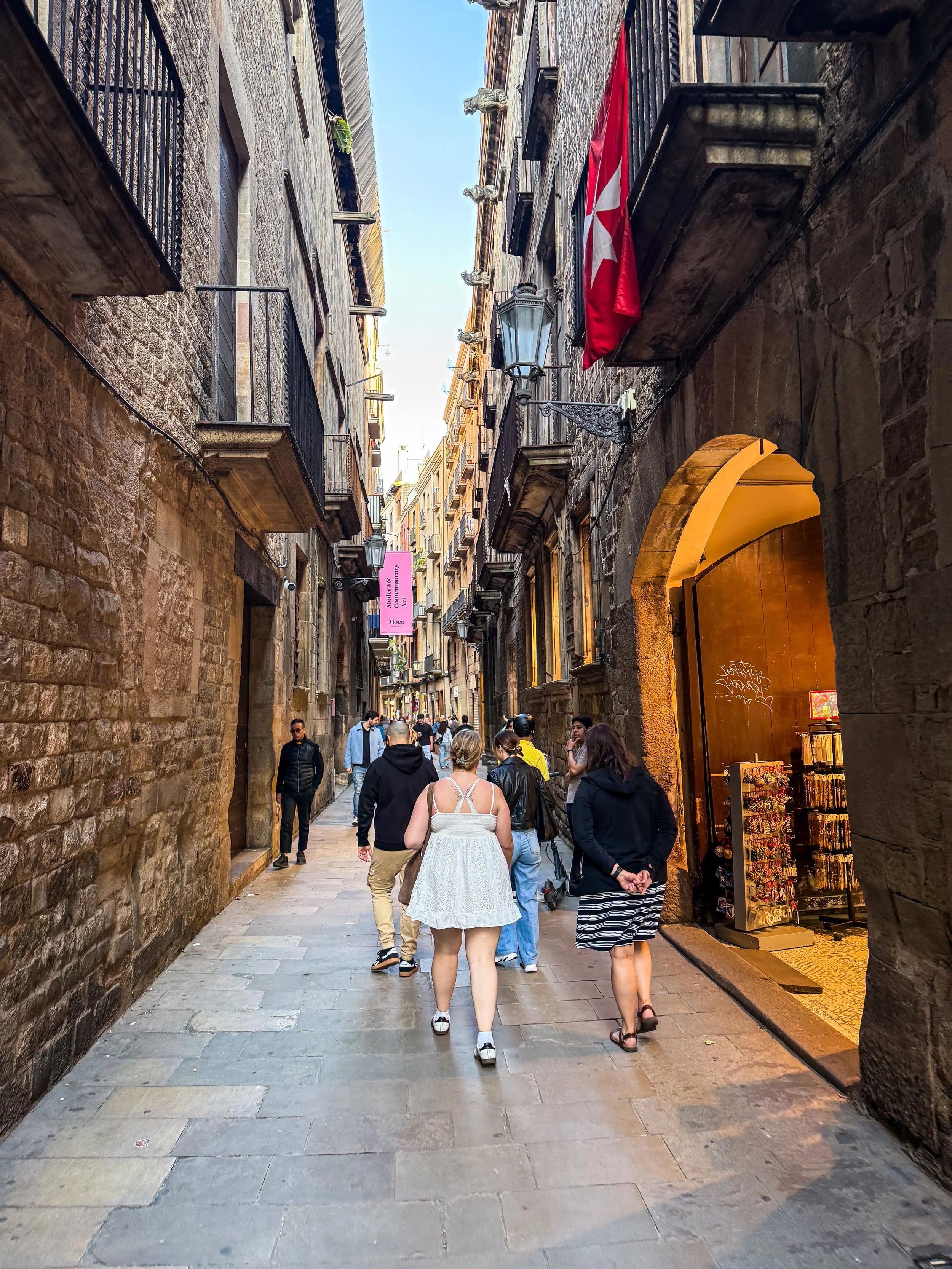
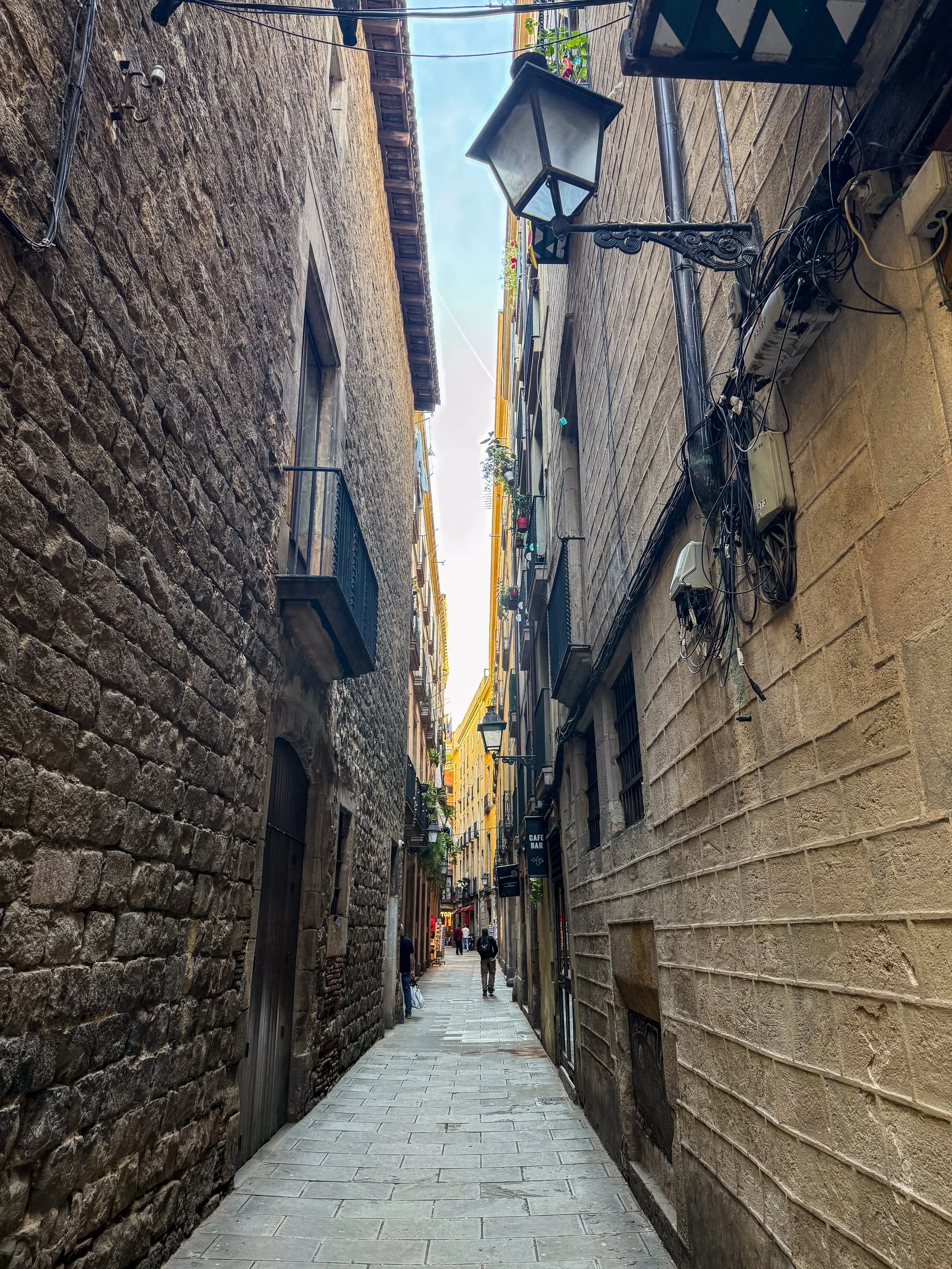
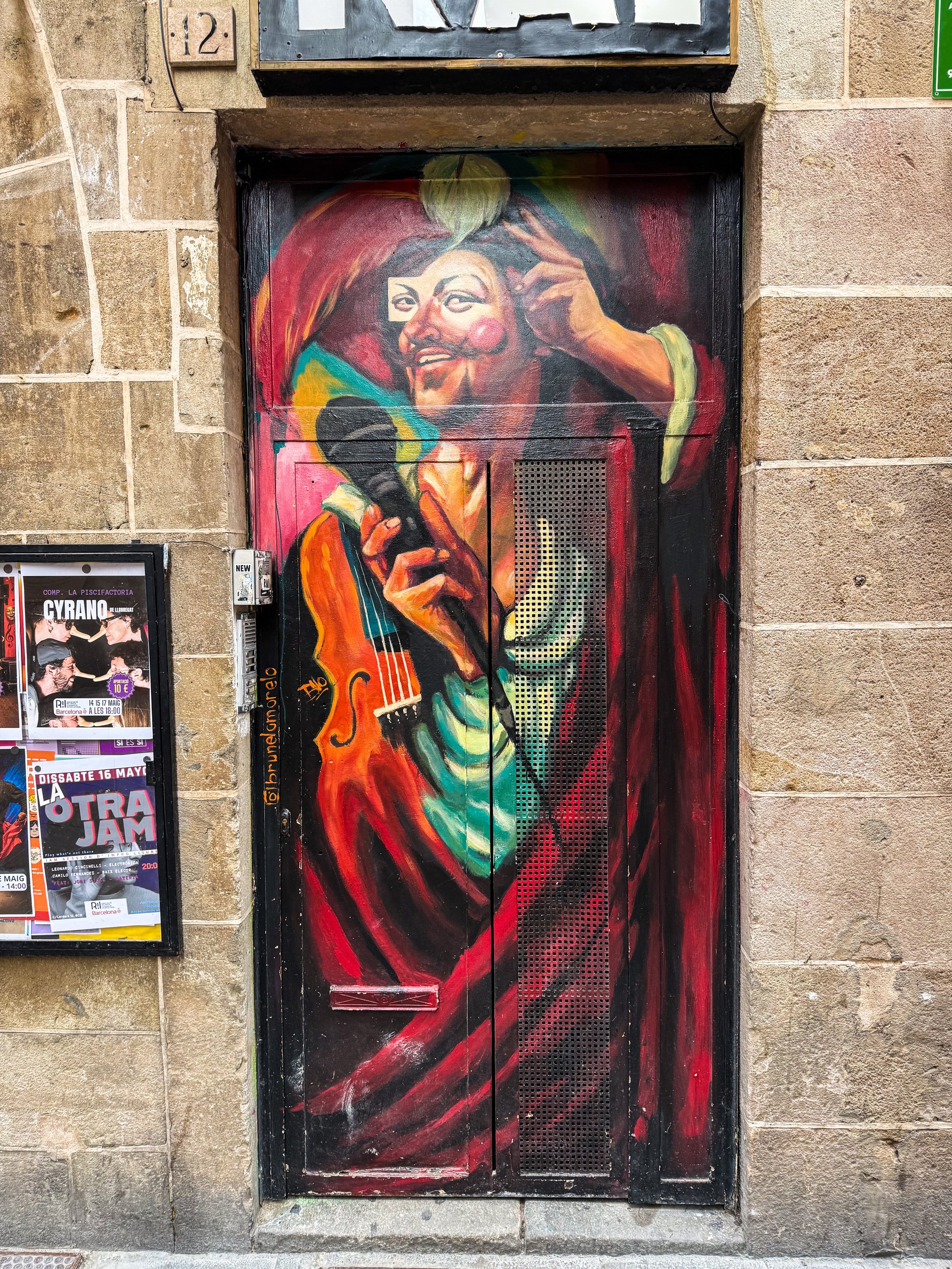
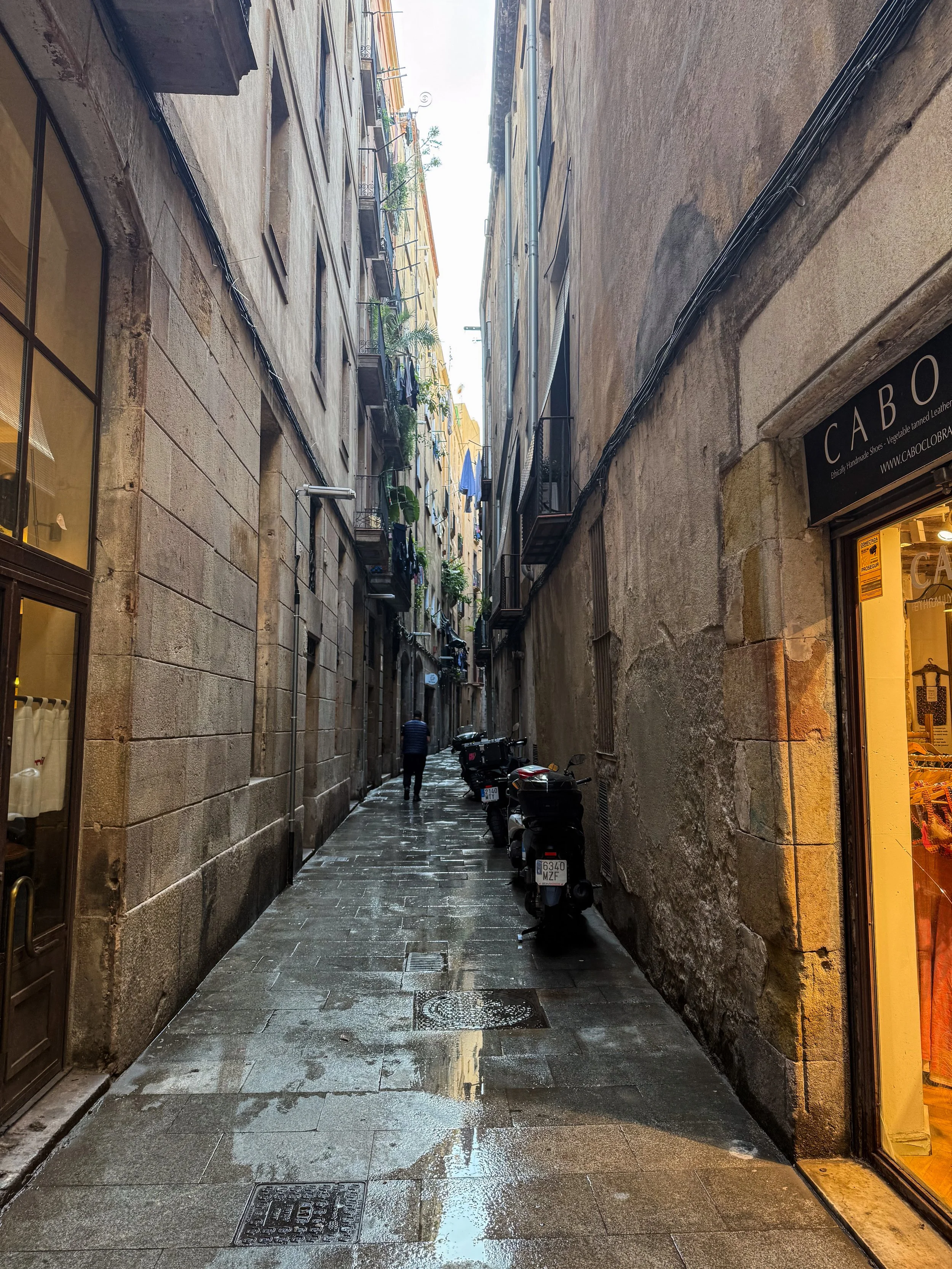
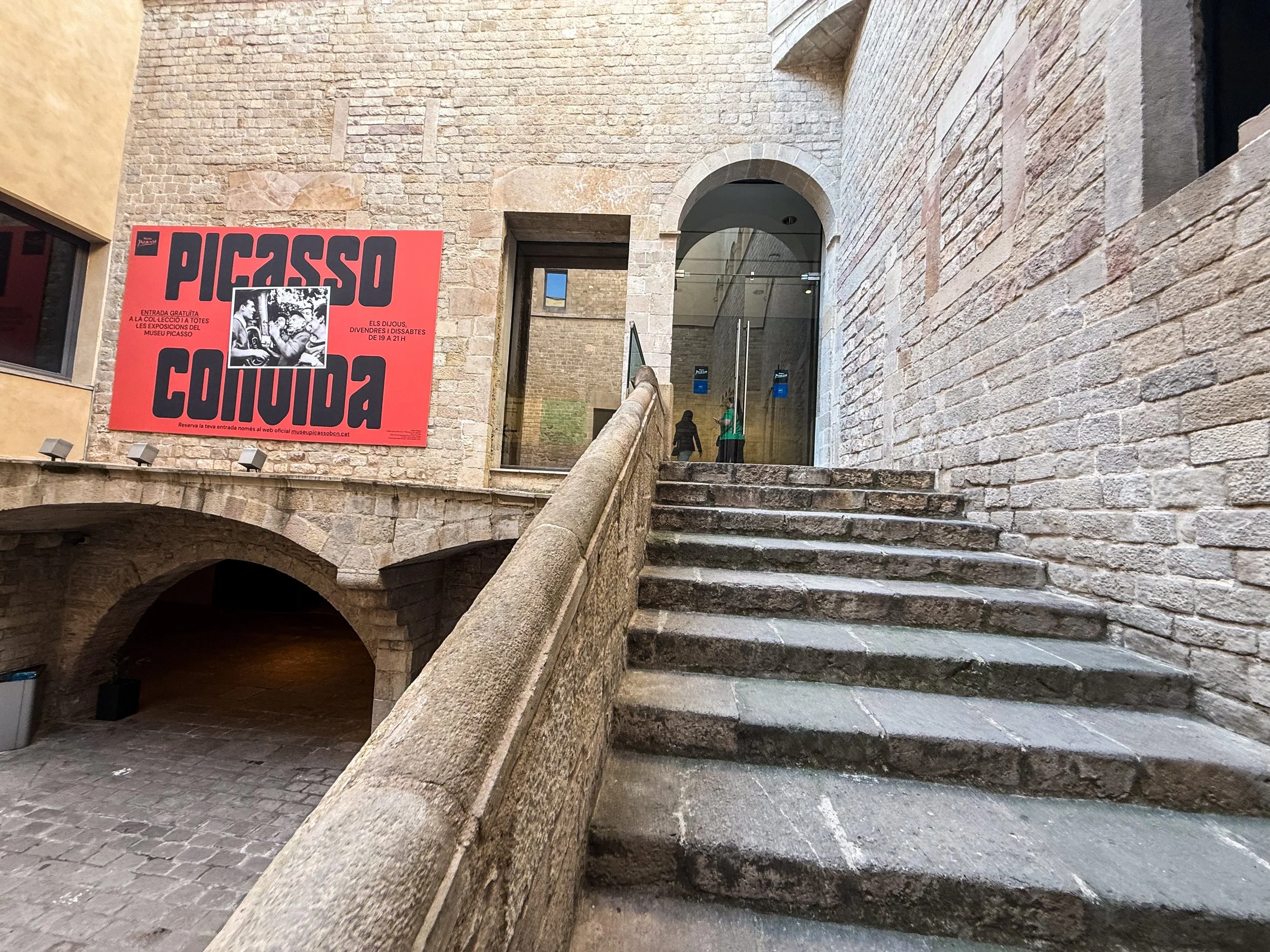
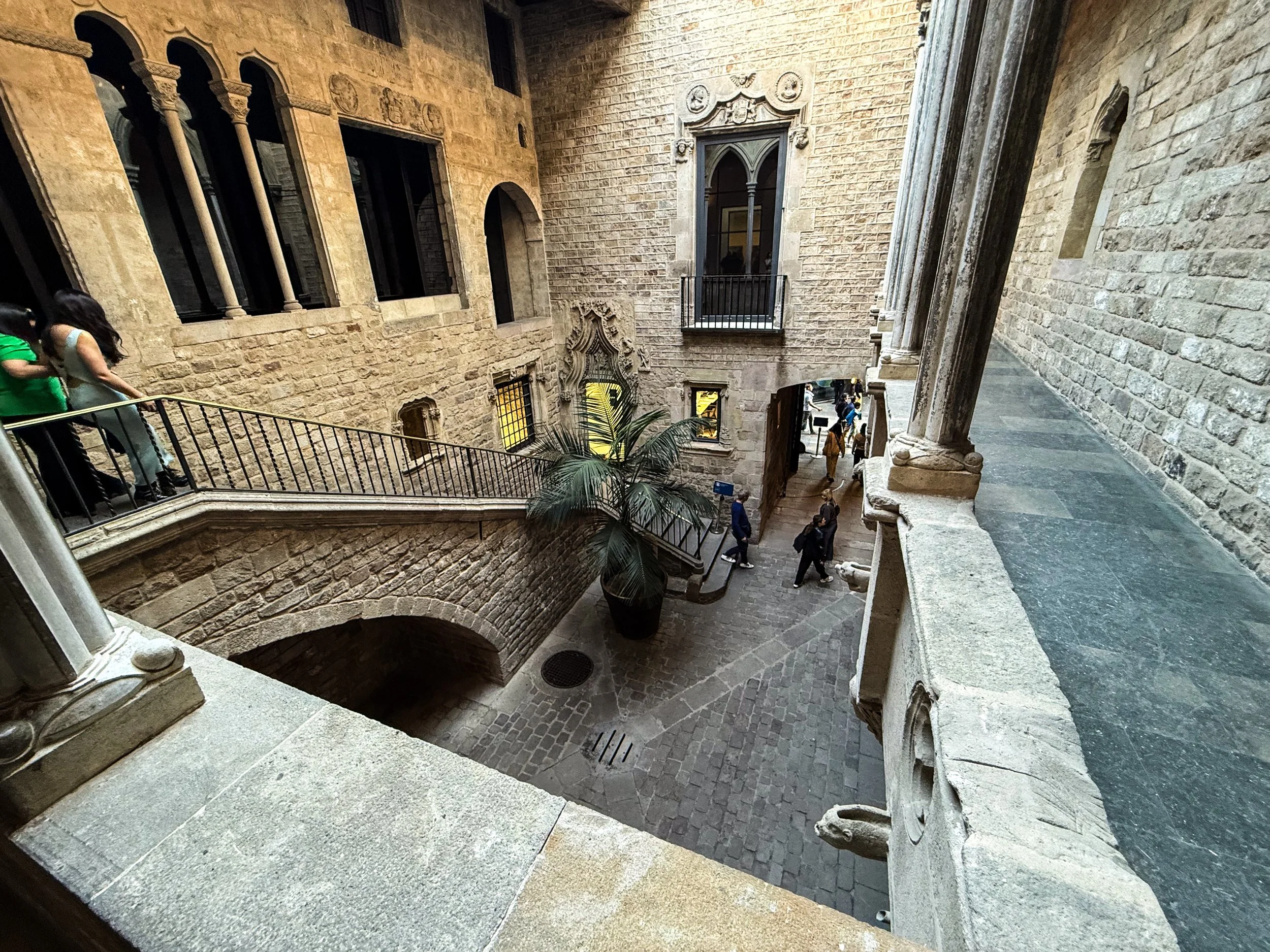
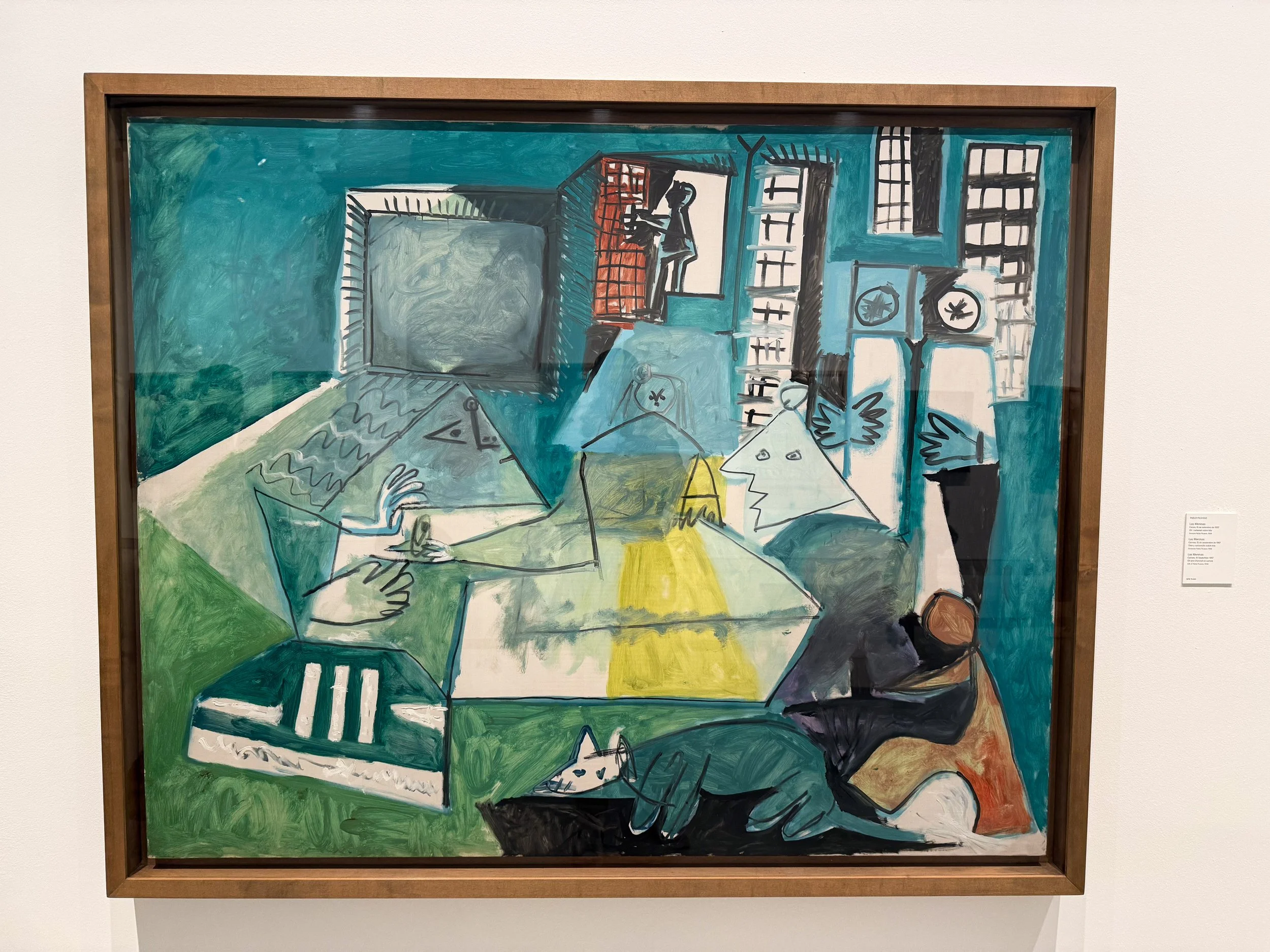
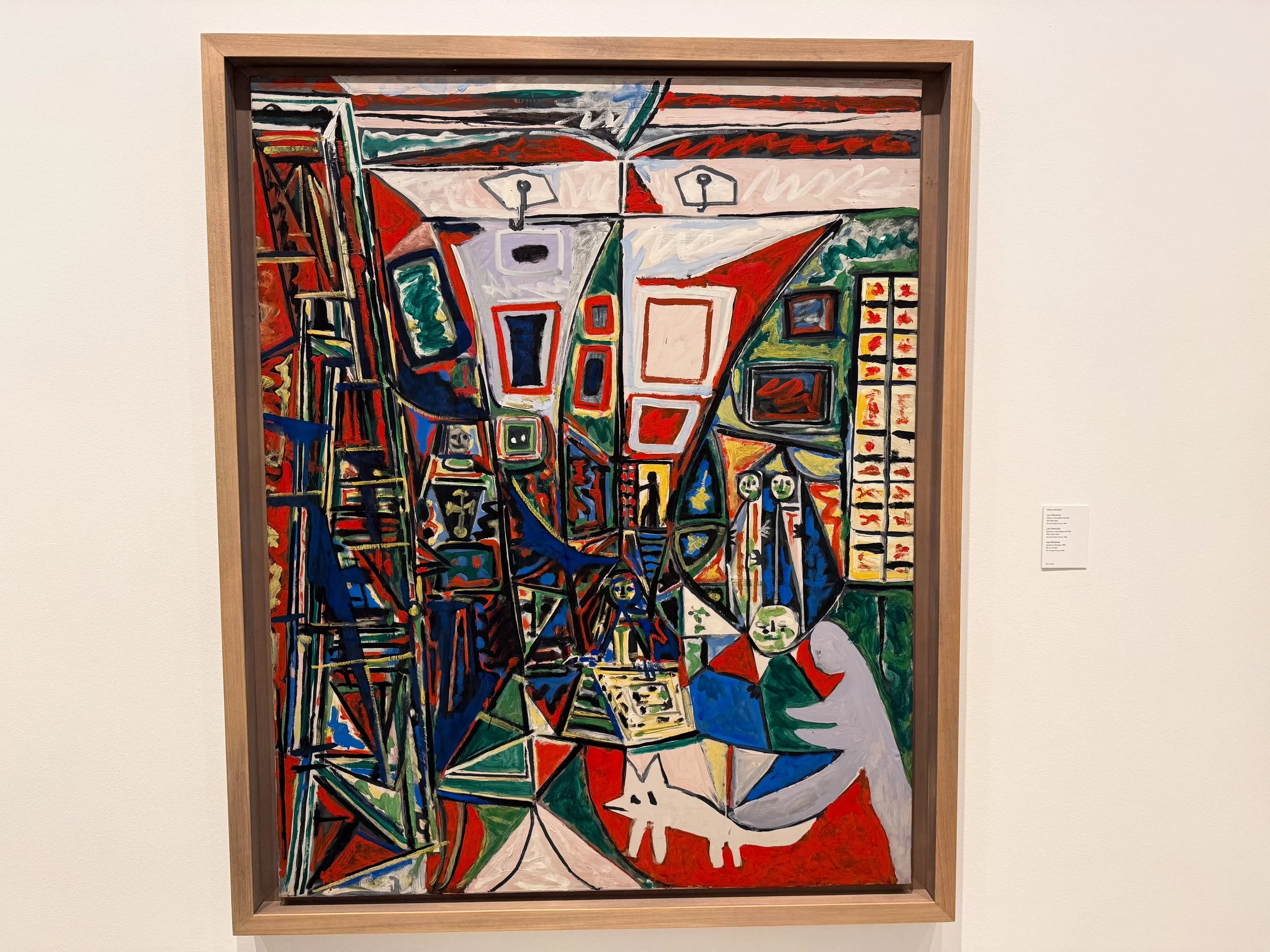
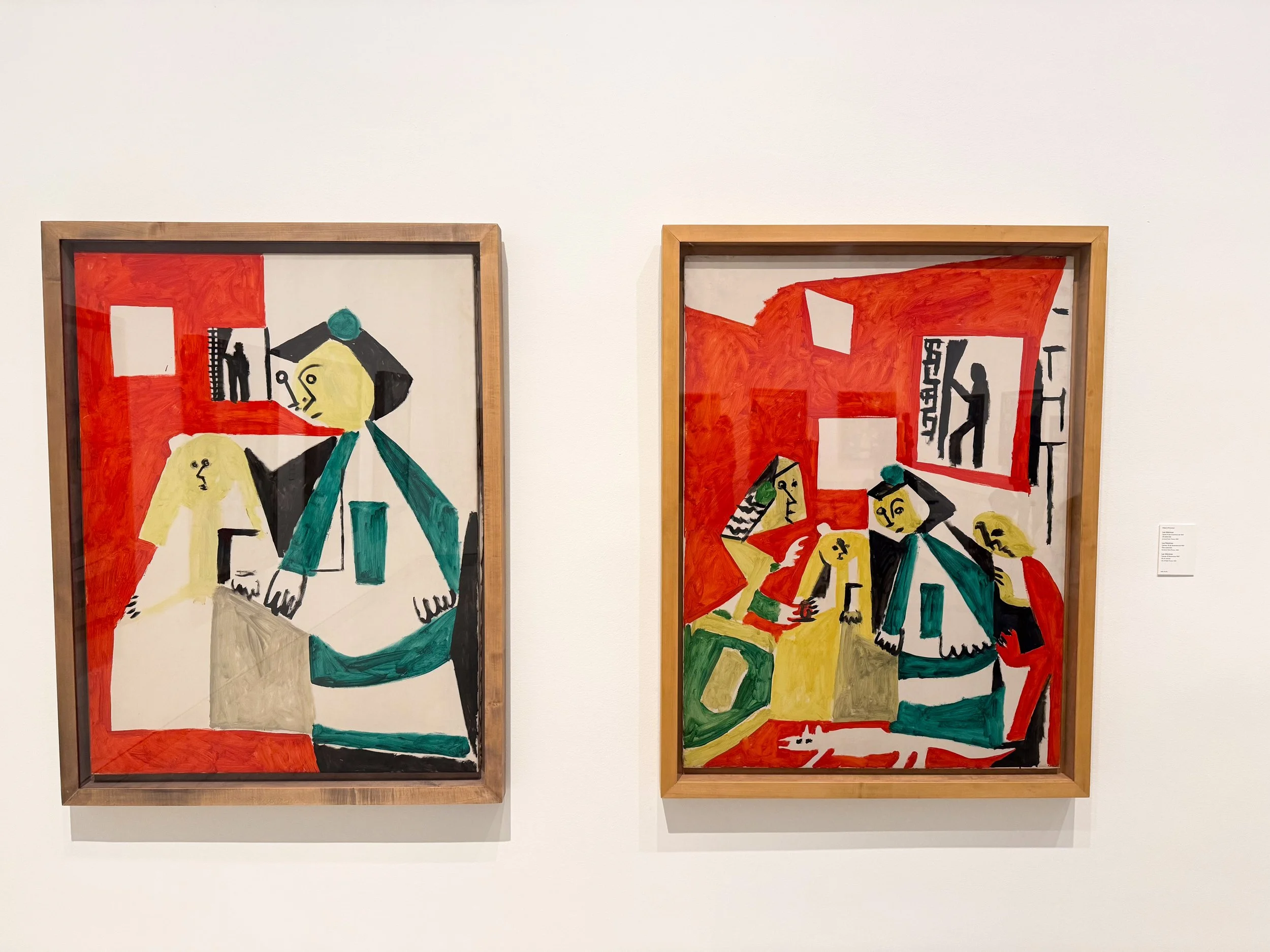
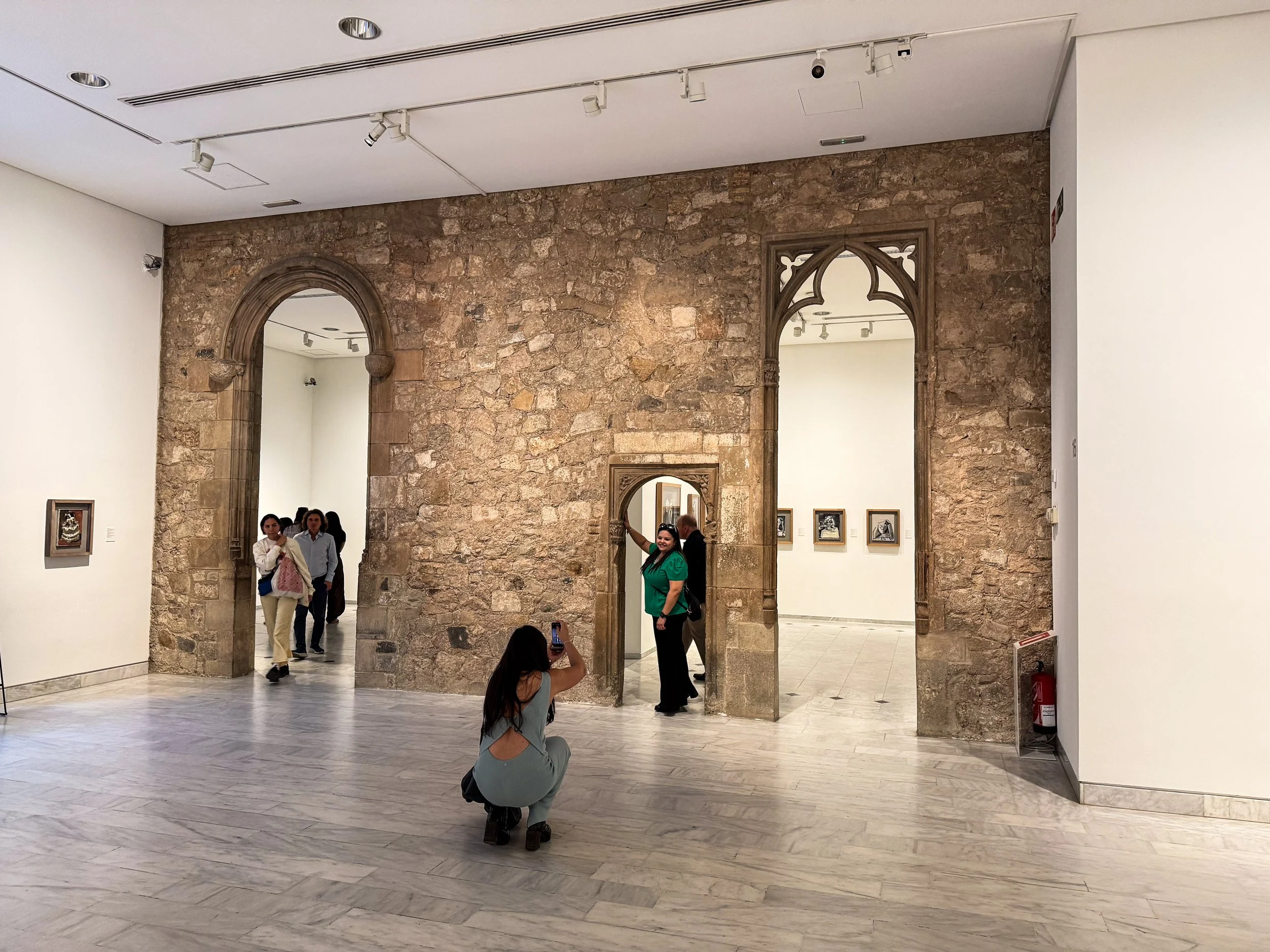
In our wanderings through El Born, between stops for wine and sangria, we stumbled across a supremely cool museum. No, it was not a planned stop, but I’m very grateful to have had the chance to see this place…
The Picasso Museum
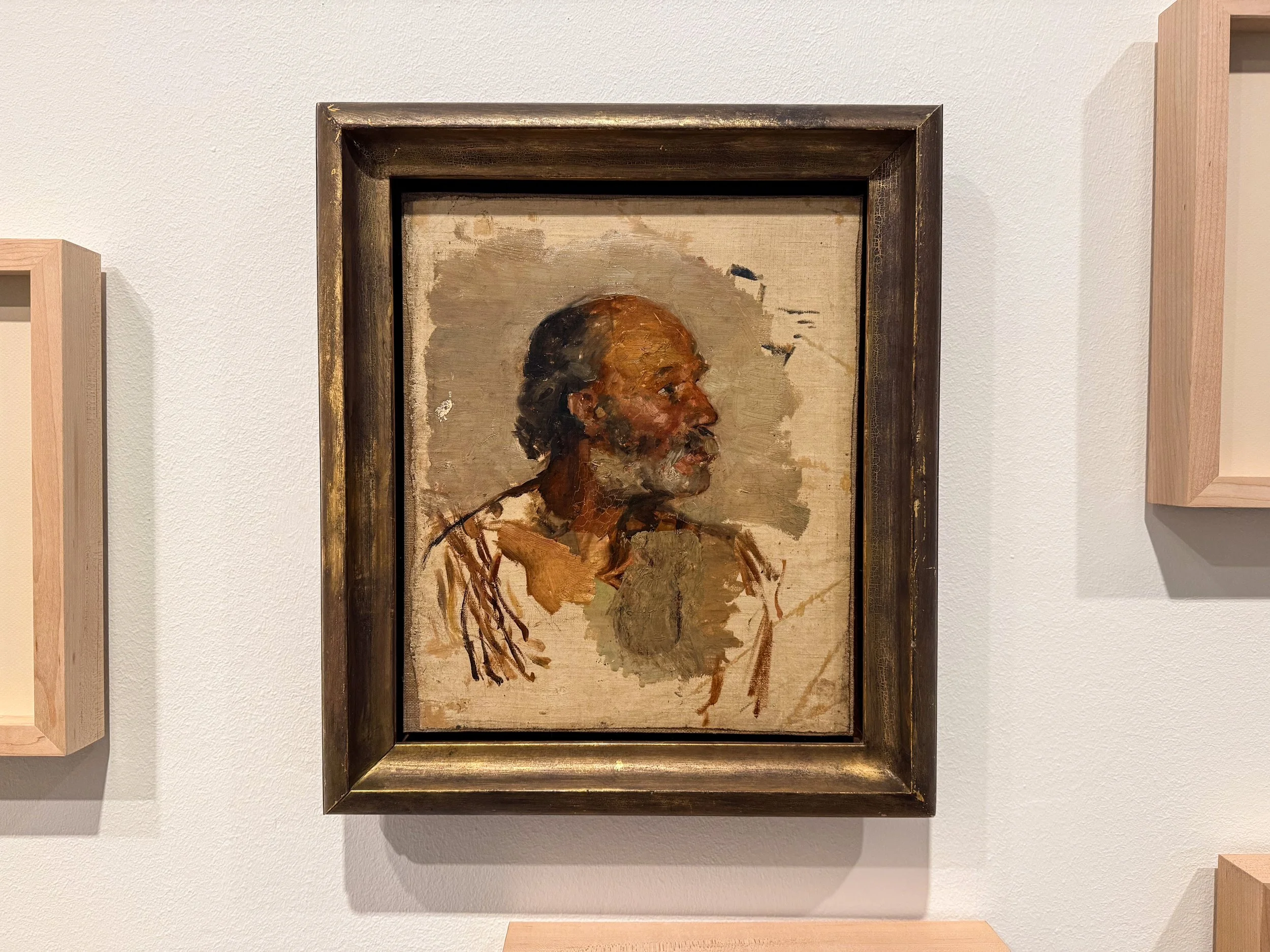
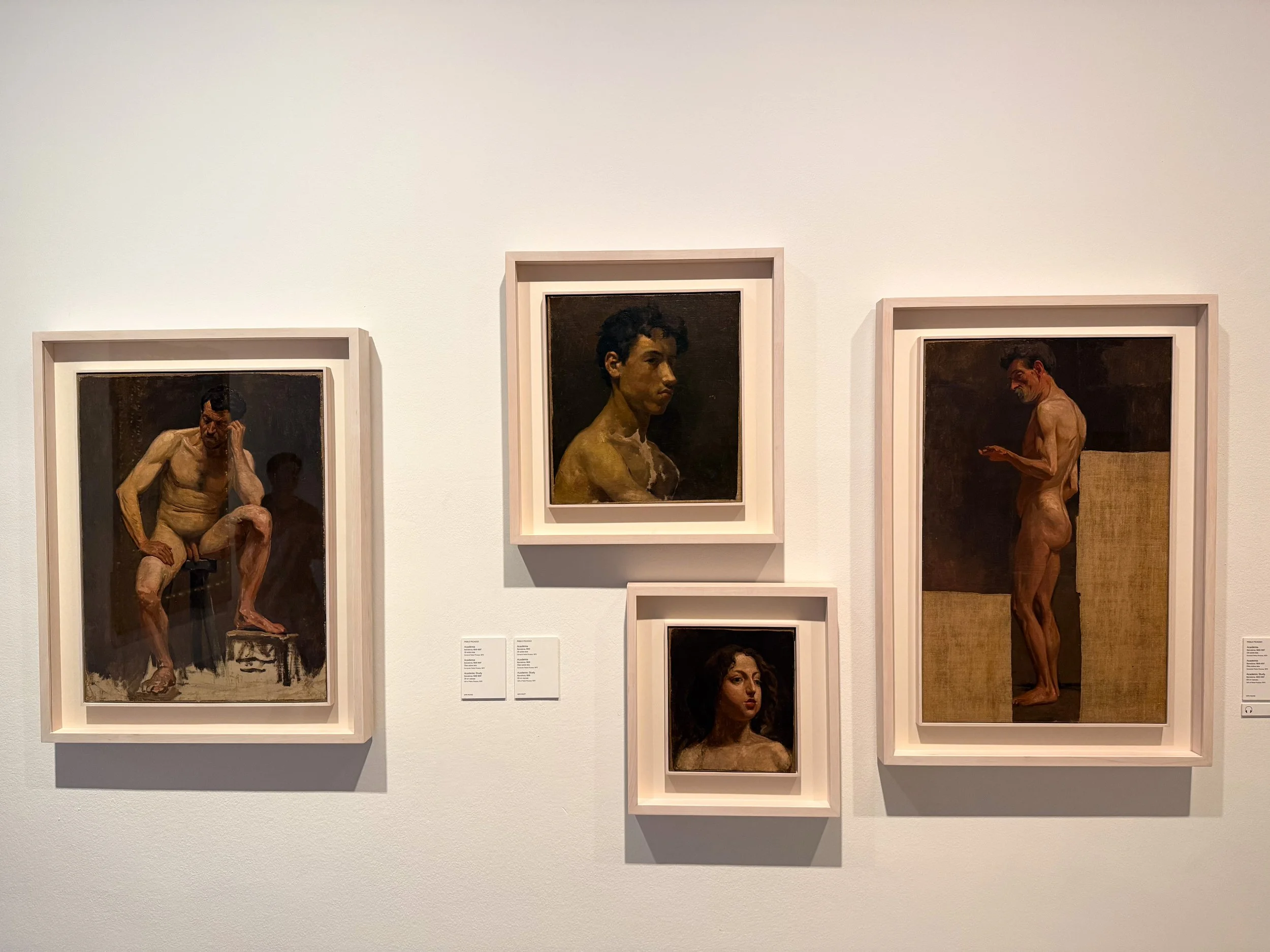
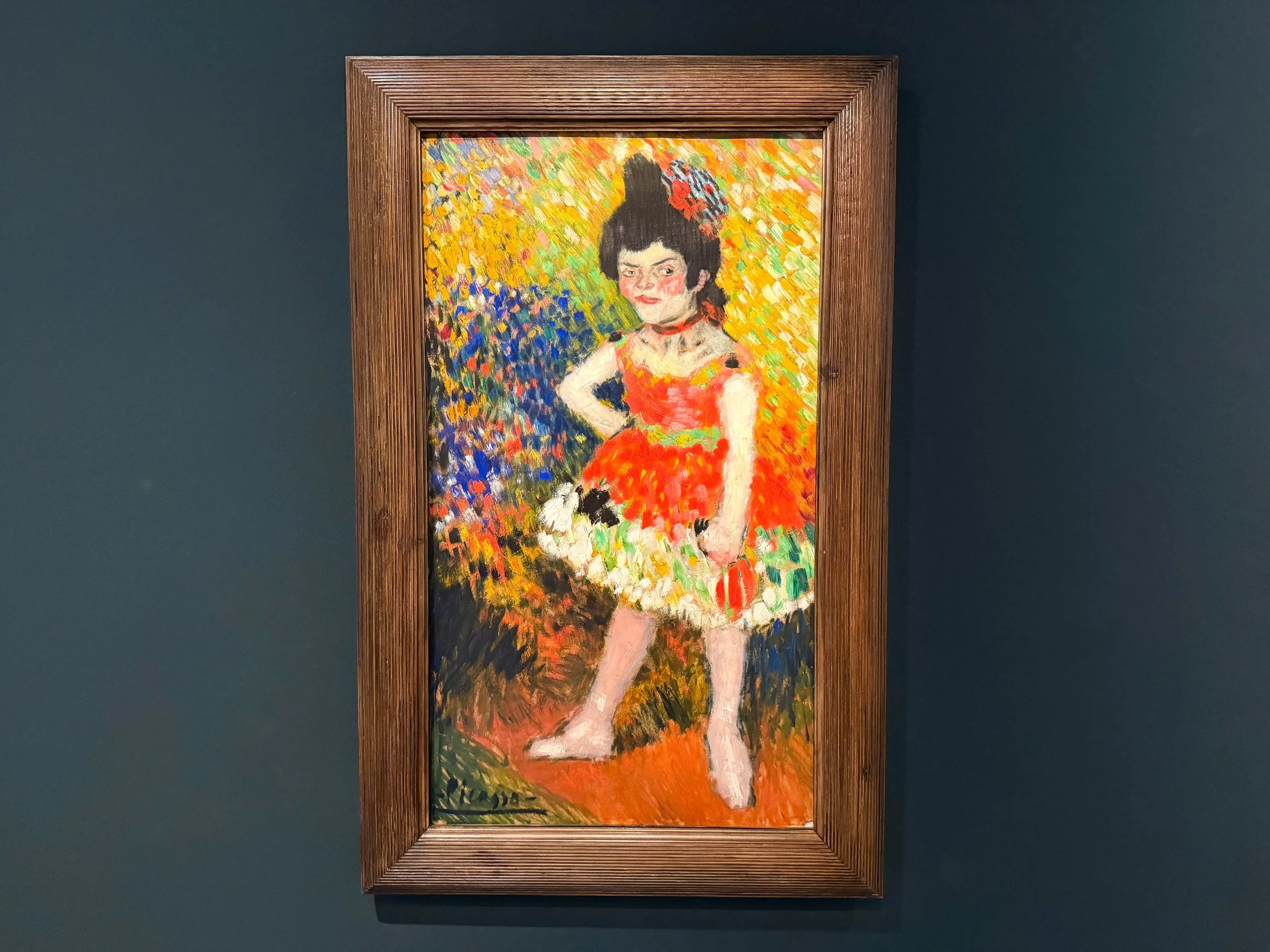
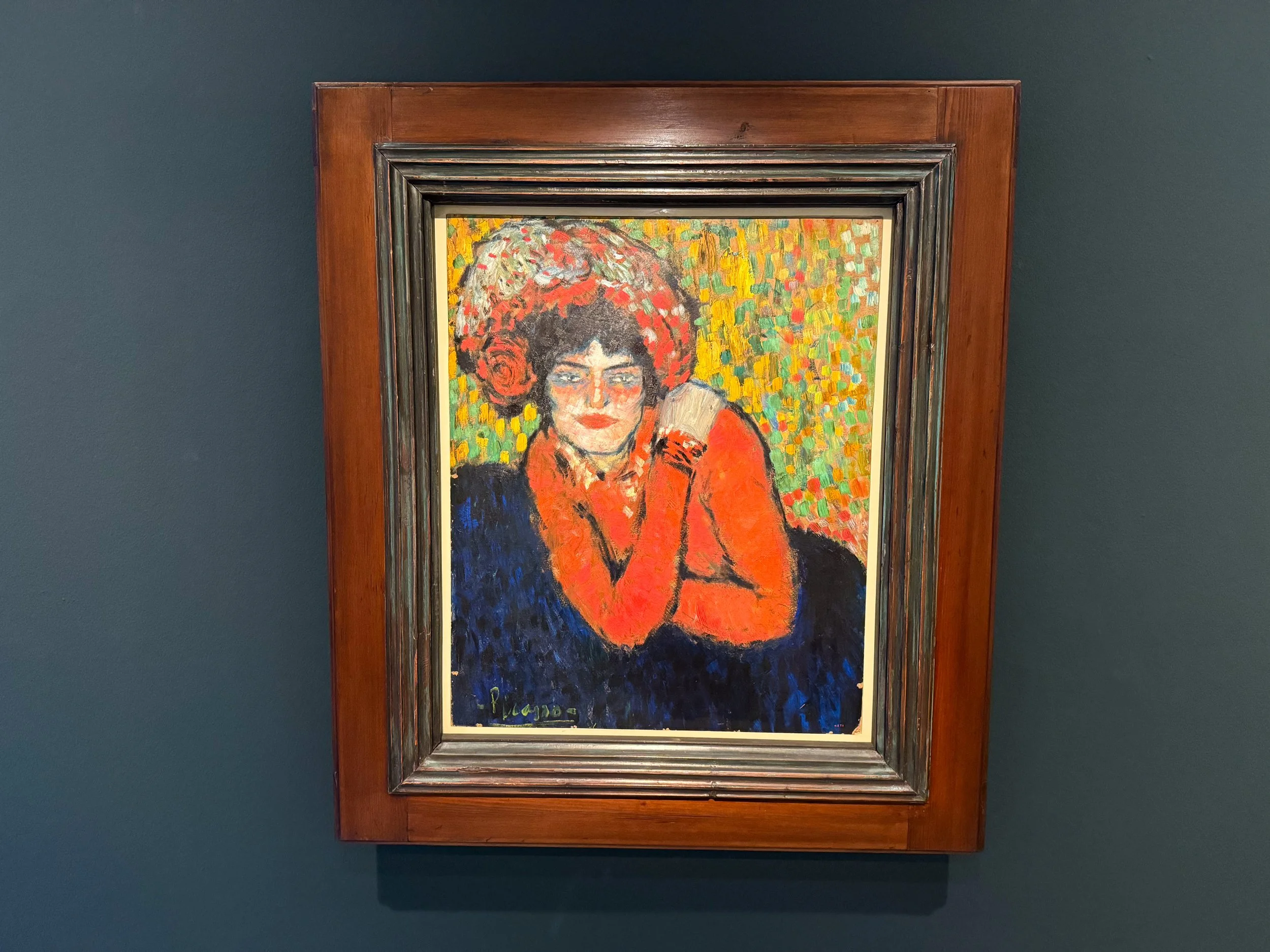
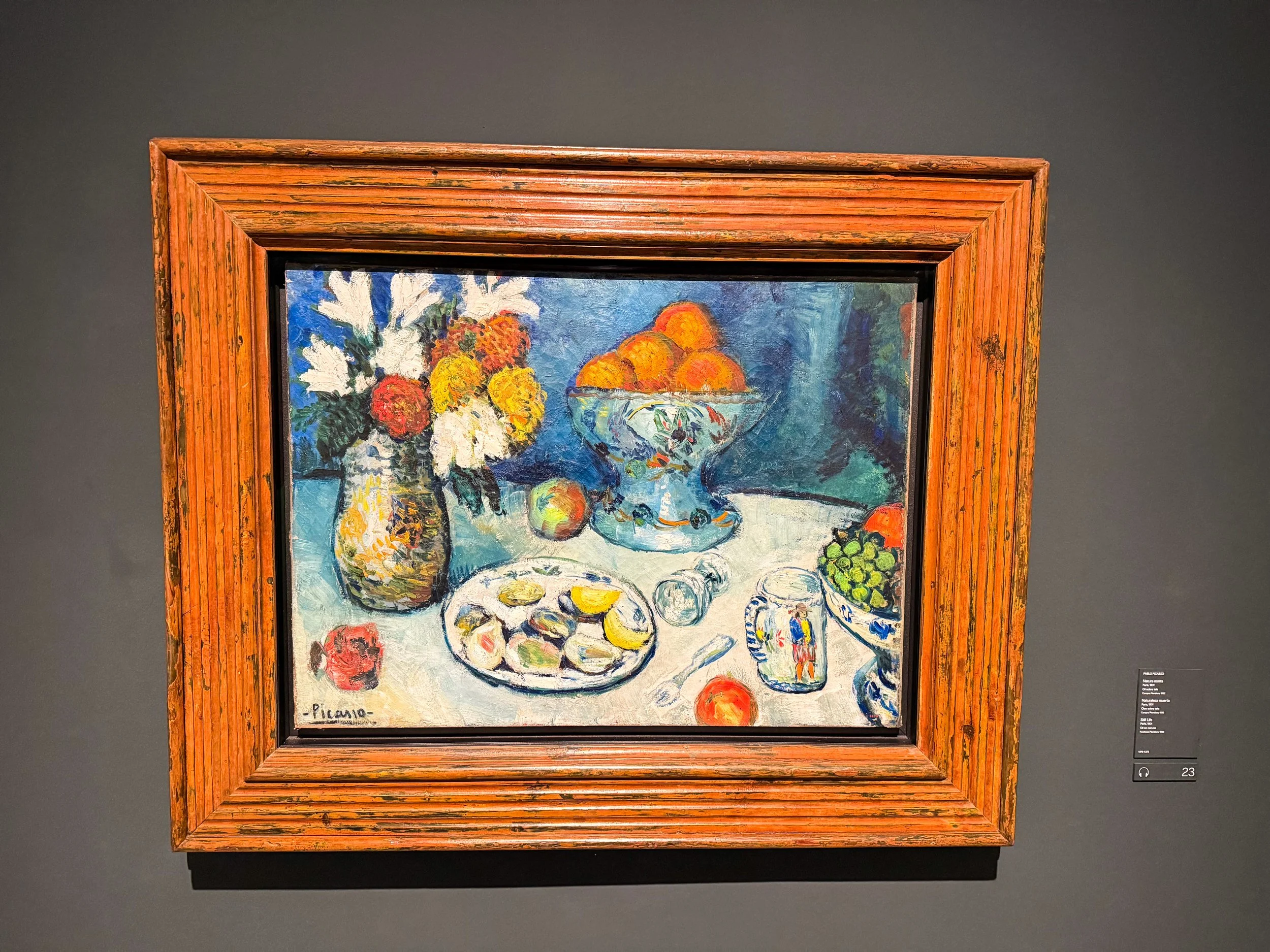
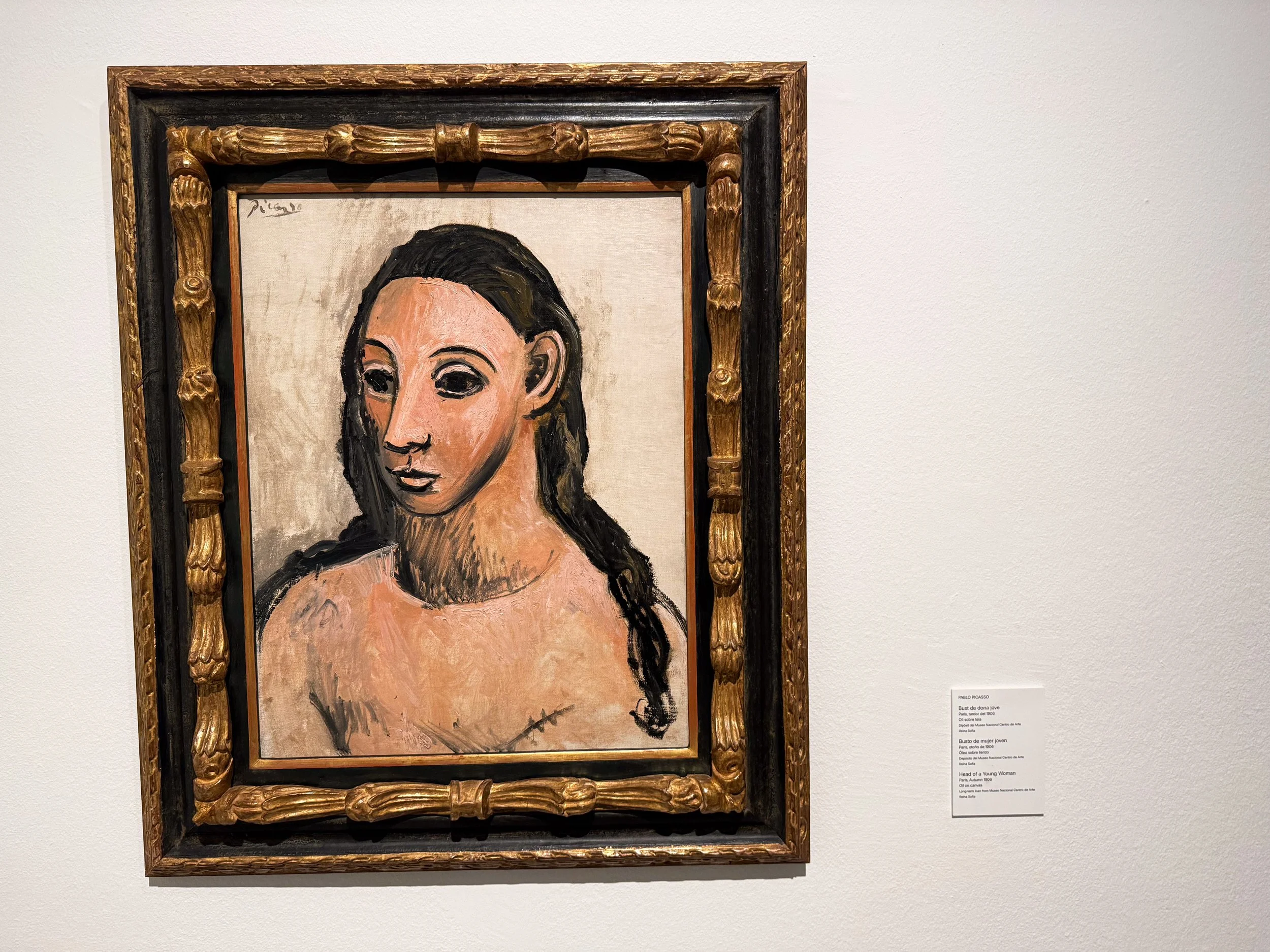
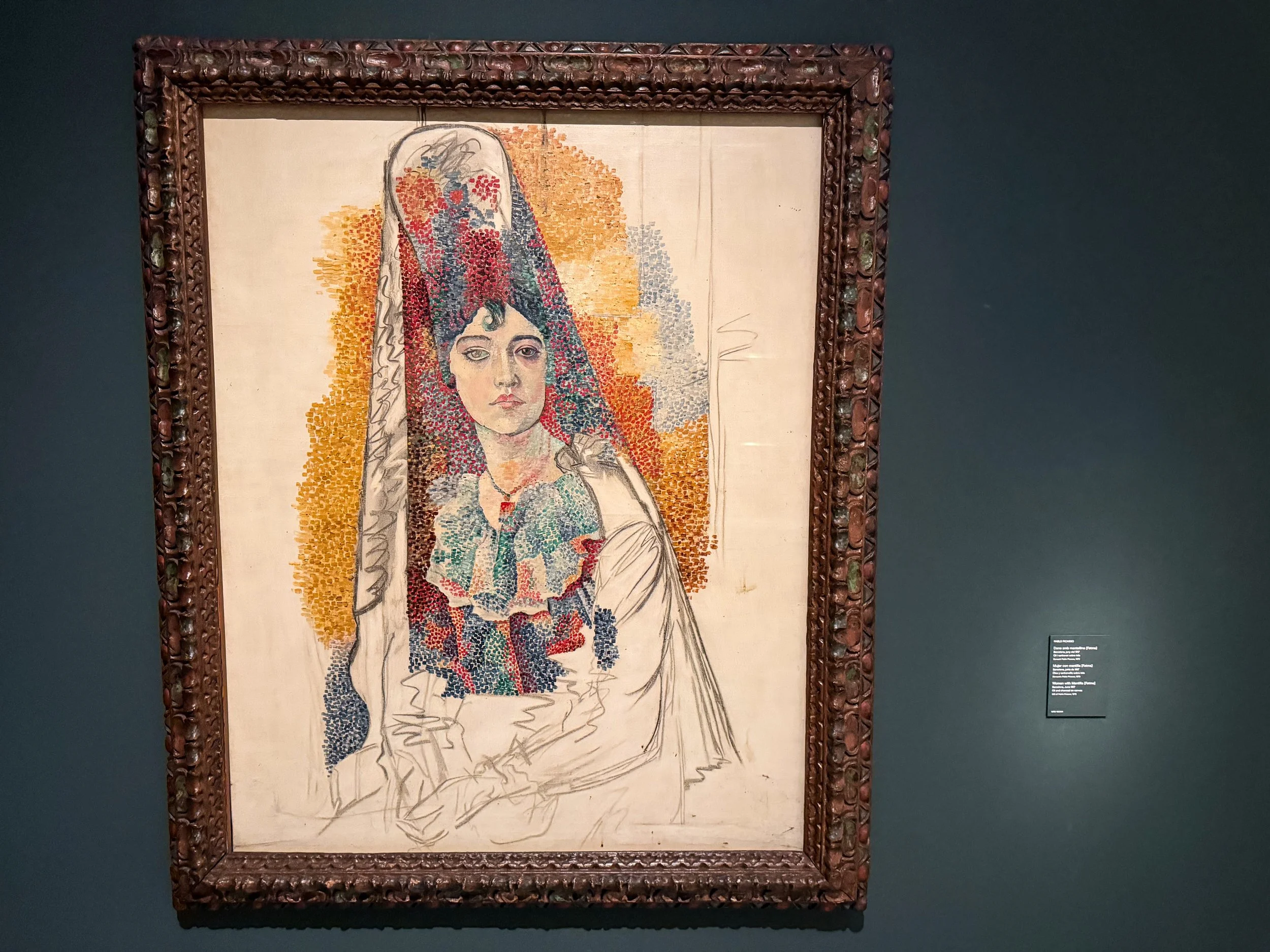
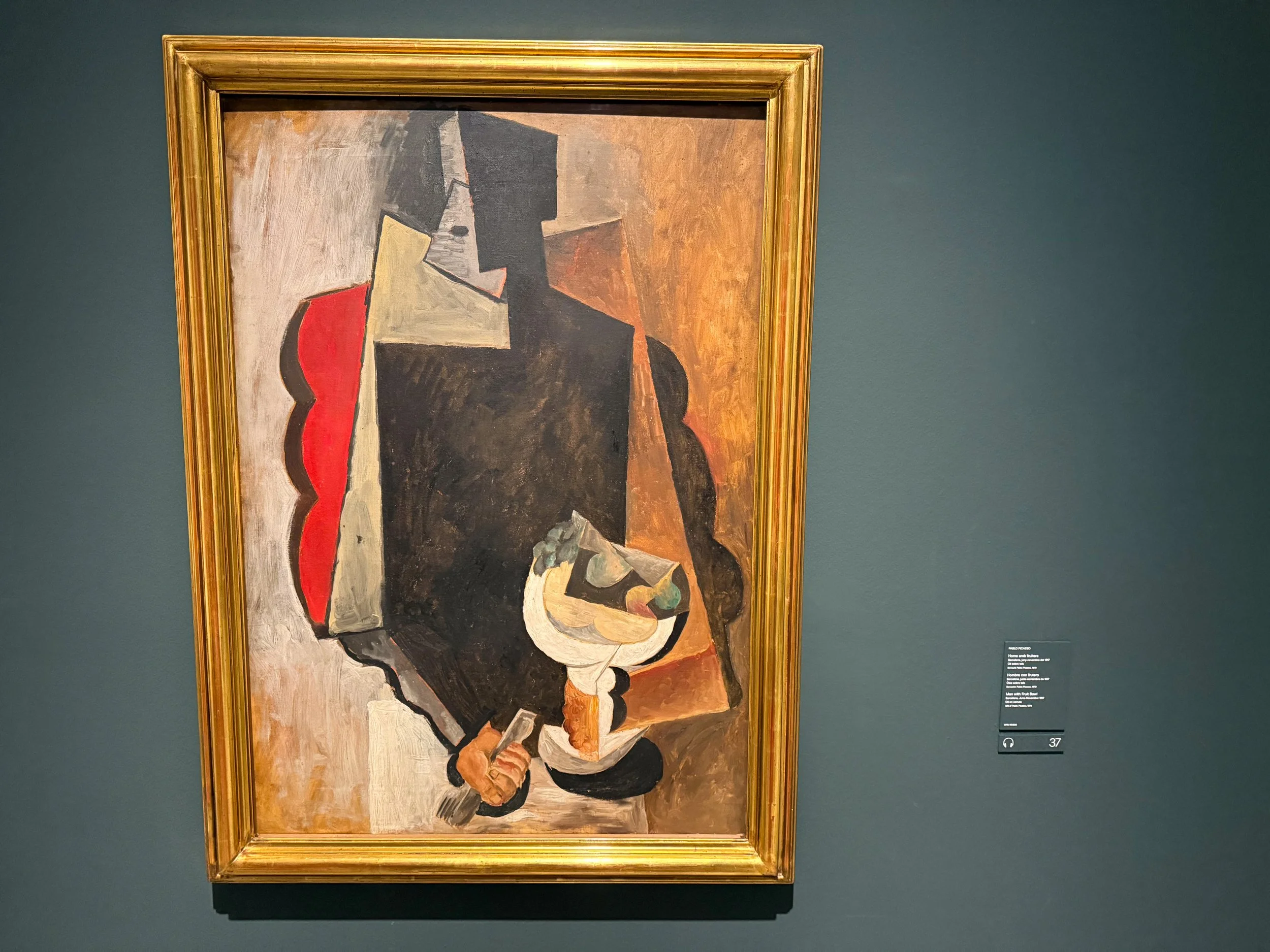
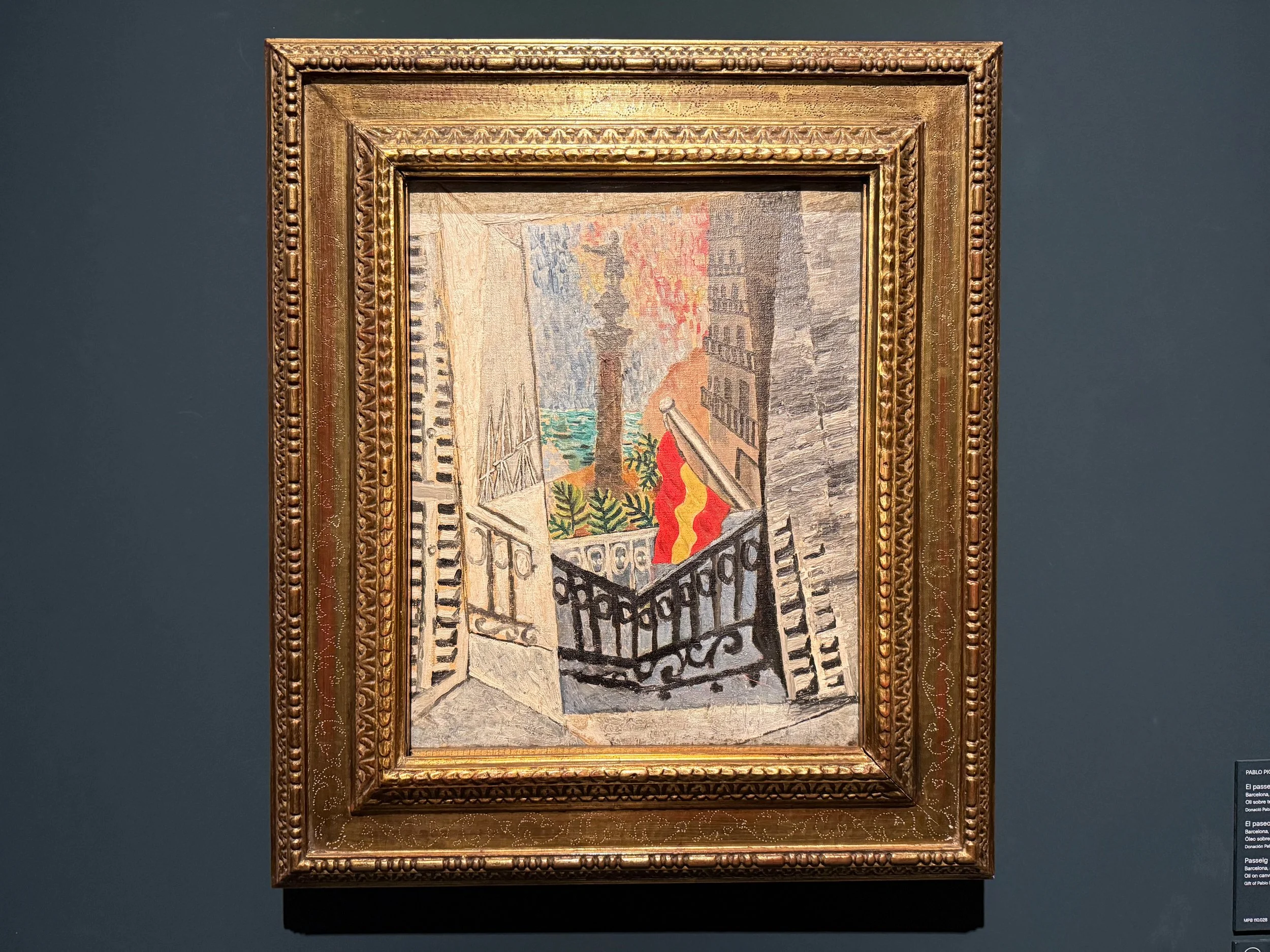
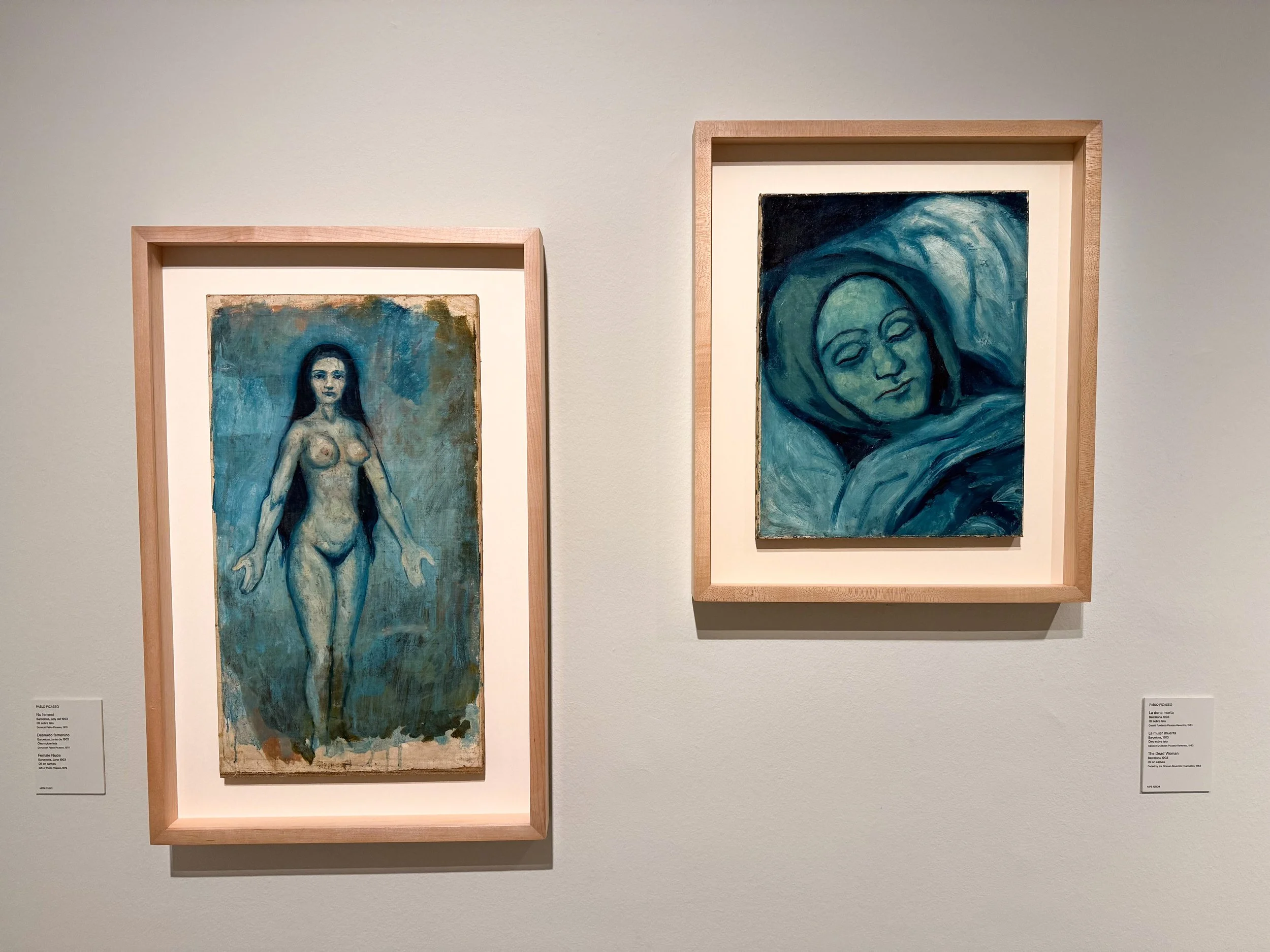
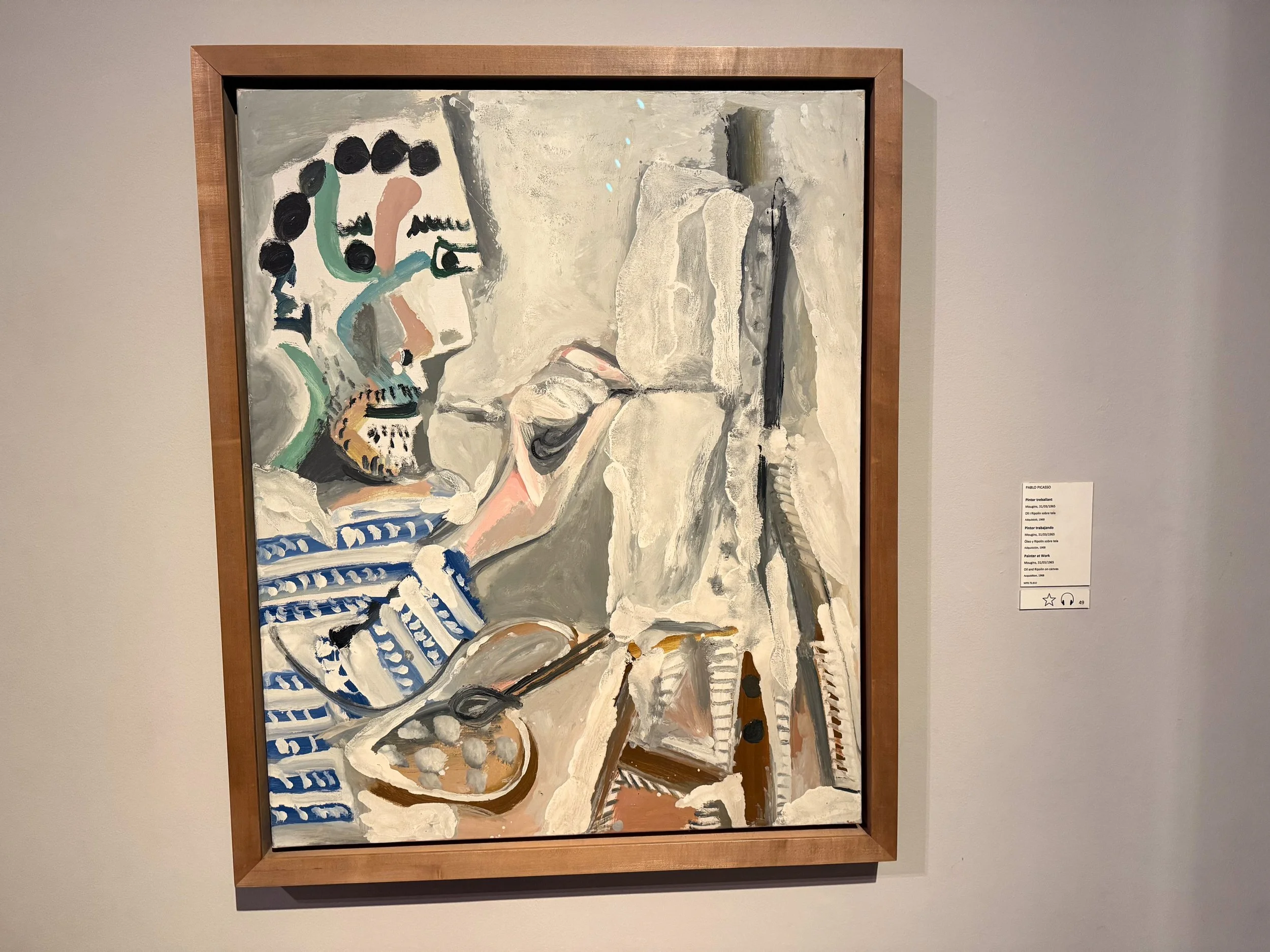
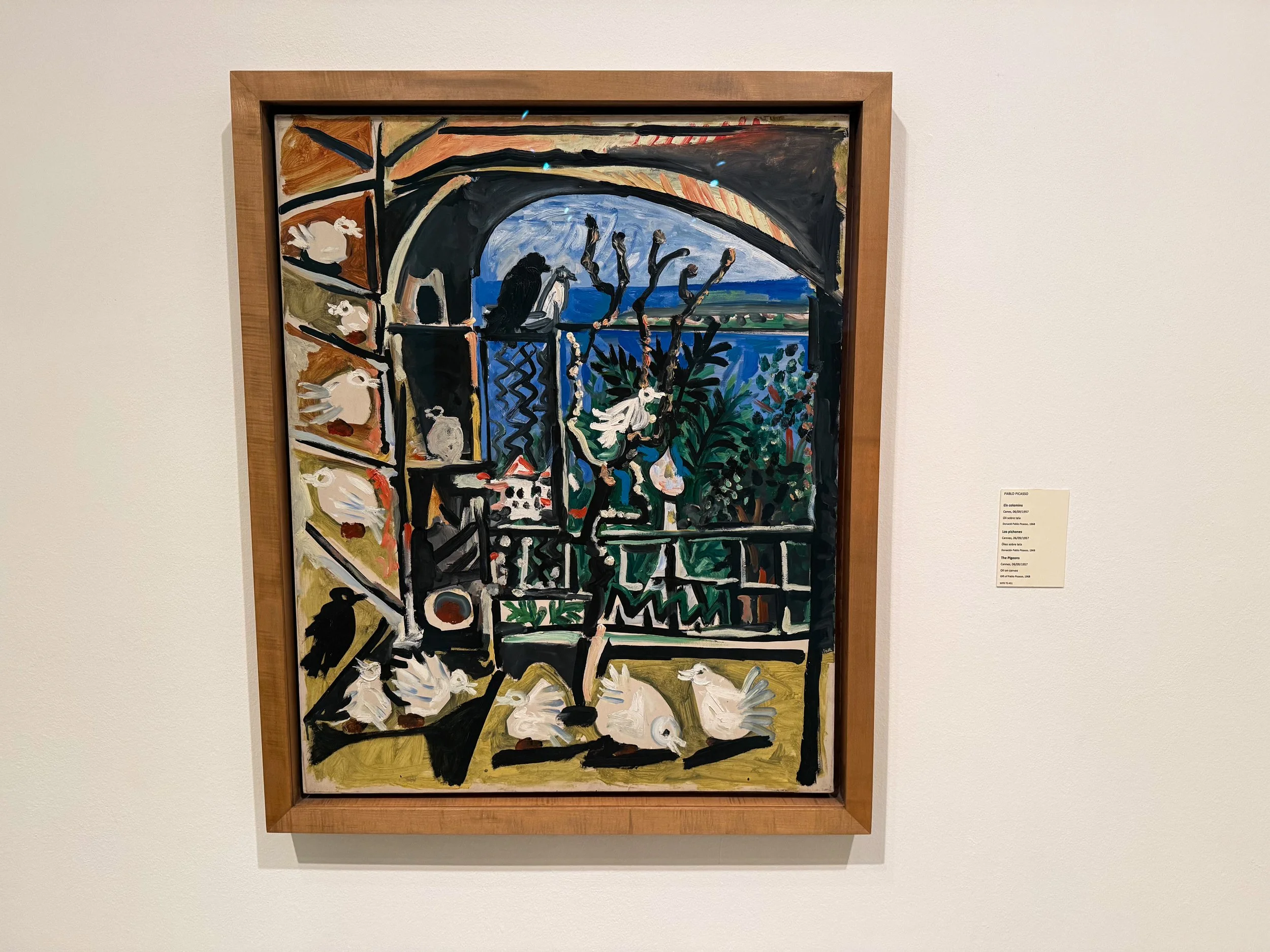
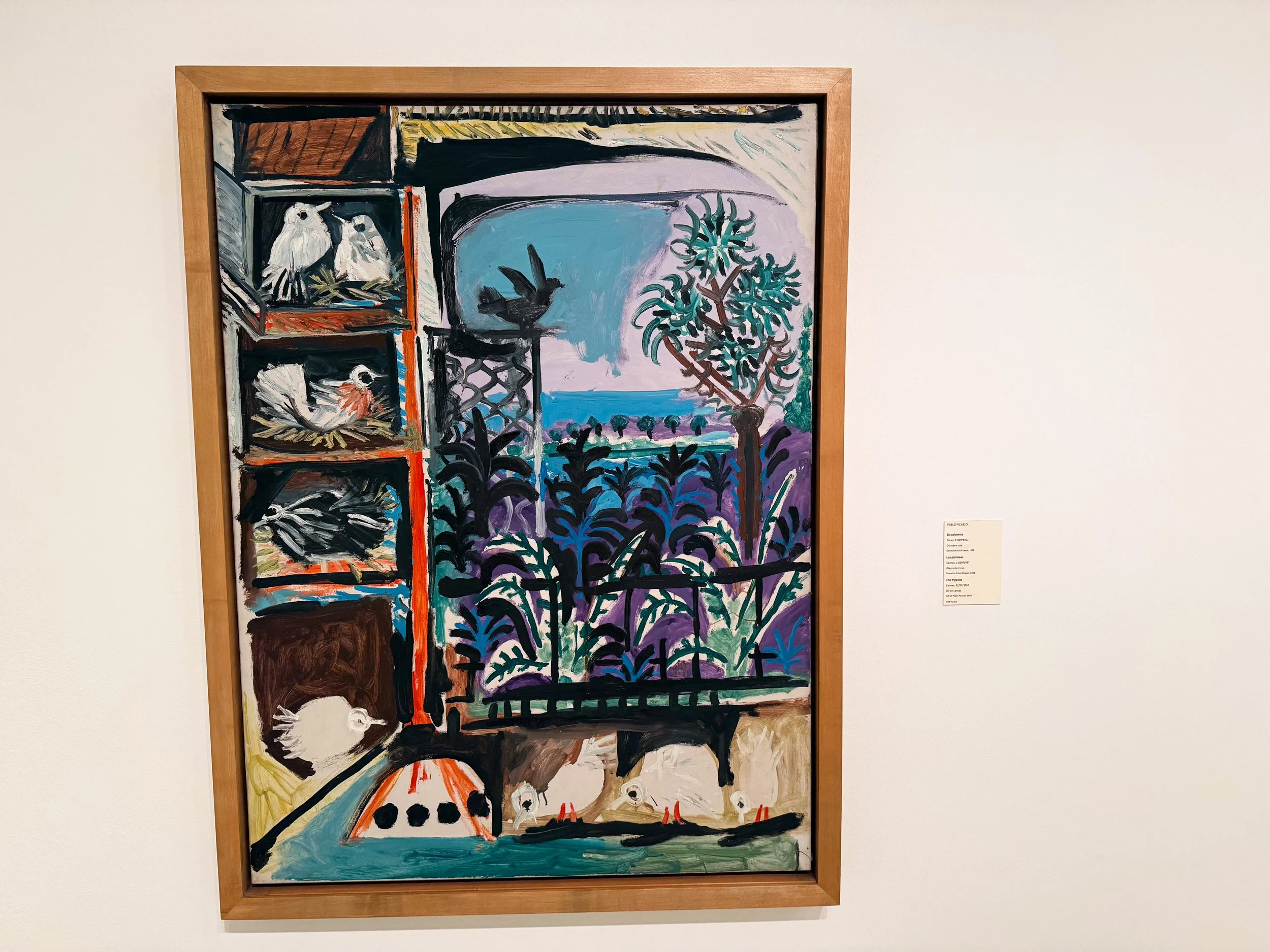
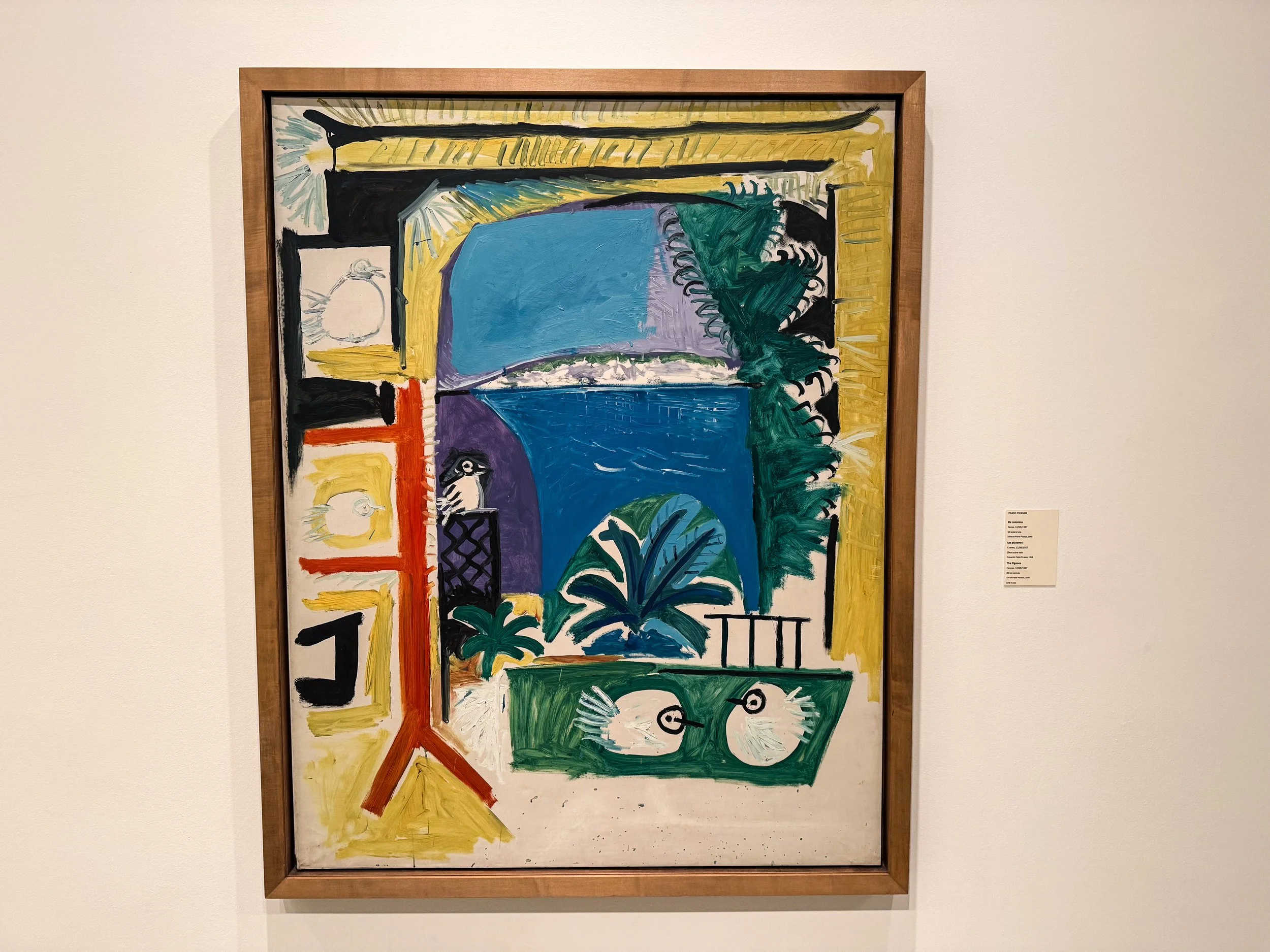
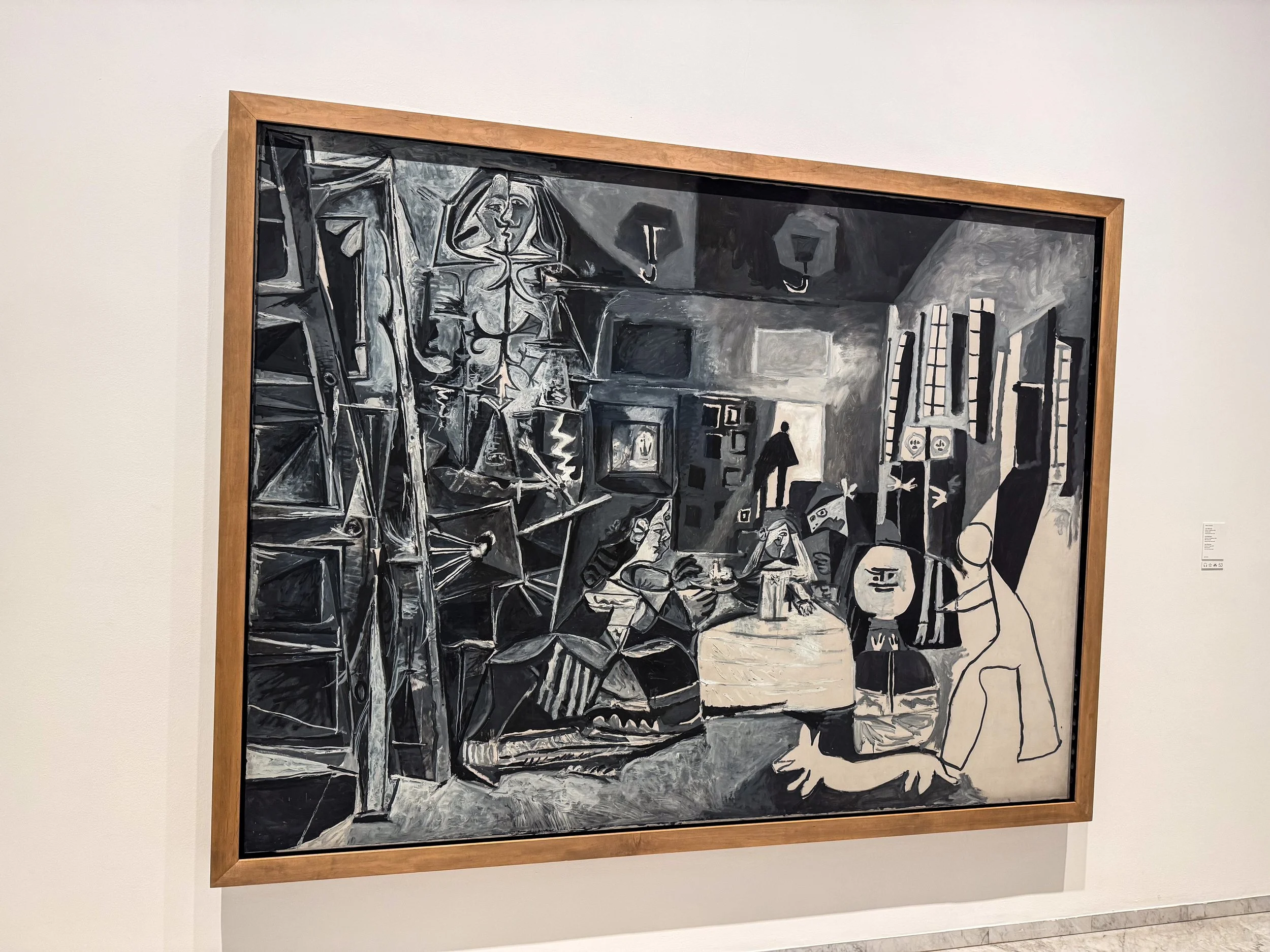
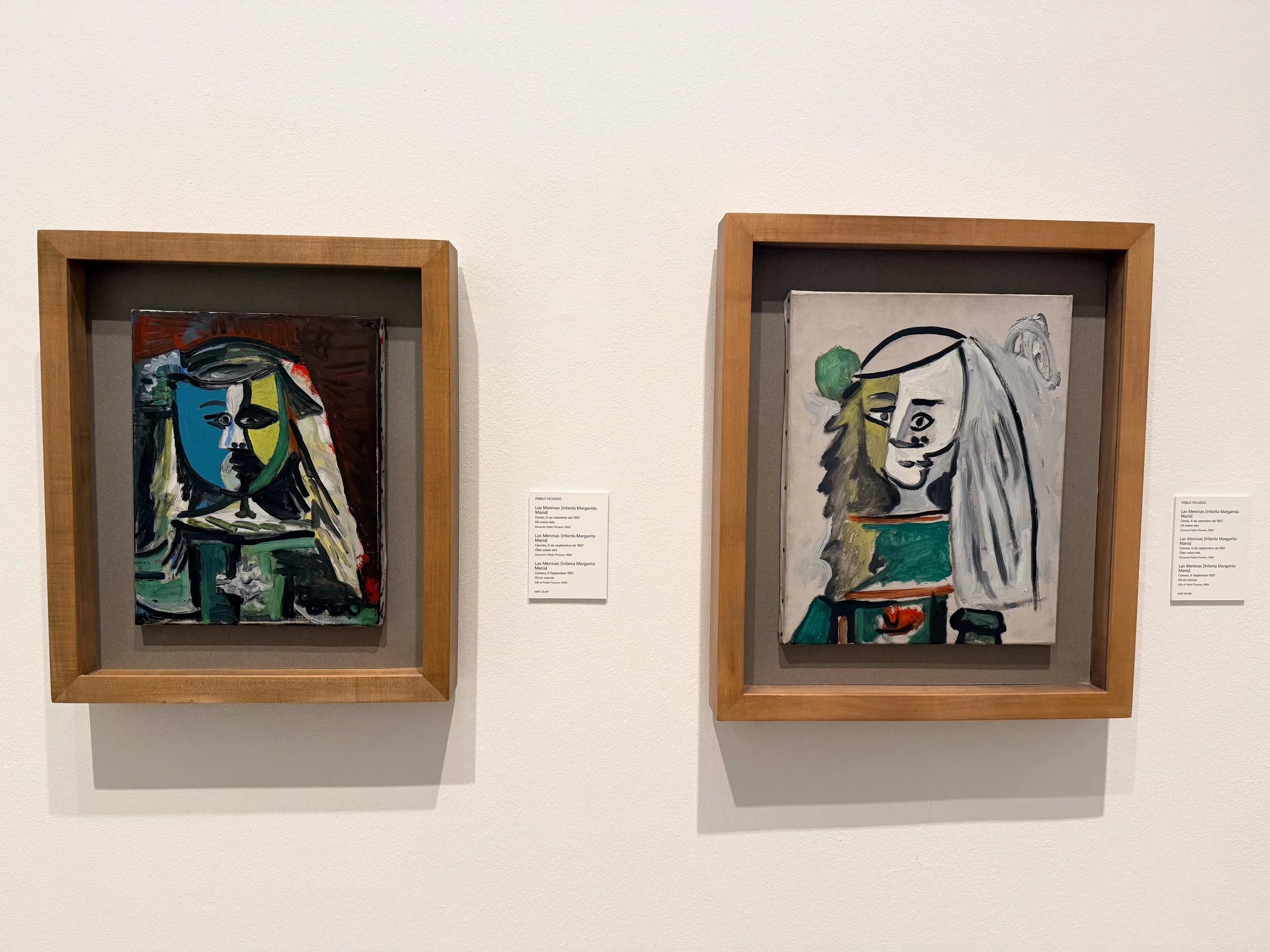
Although Pablo Picasso was born in Málaga and achieved international fame while living in Paris, Barcelona is where he developed into the artist we know and revere today.
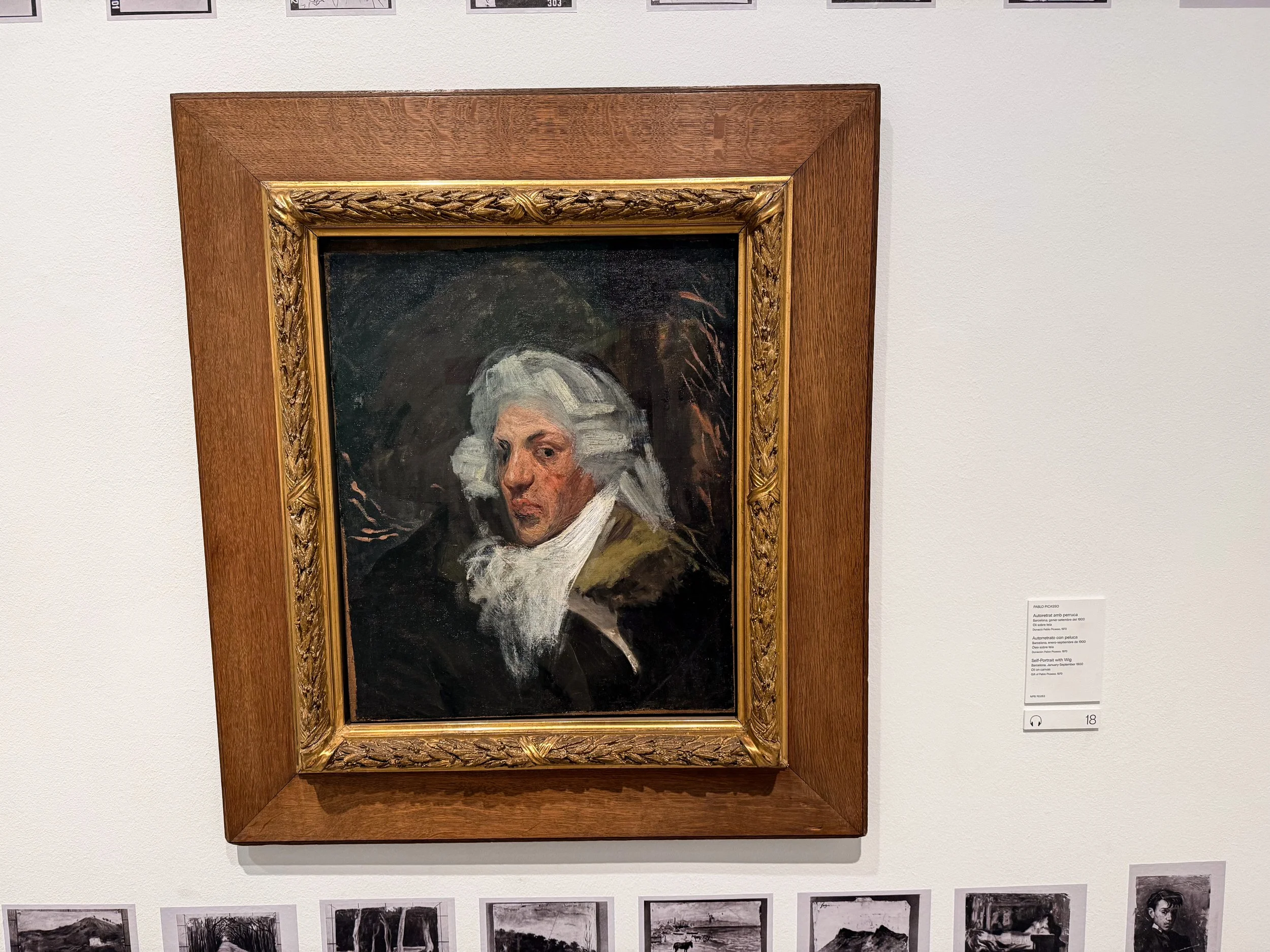
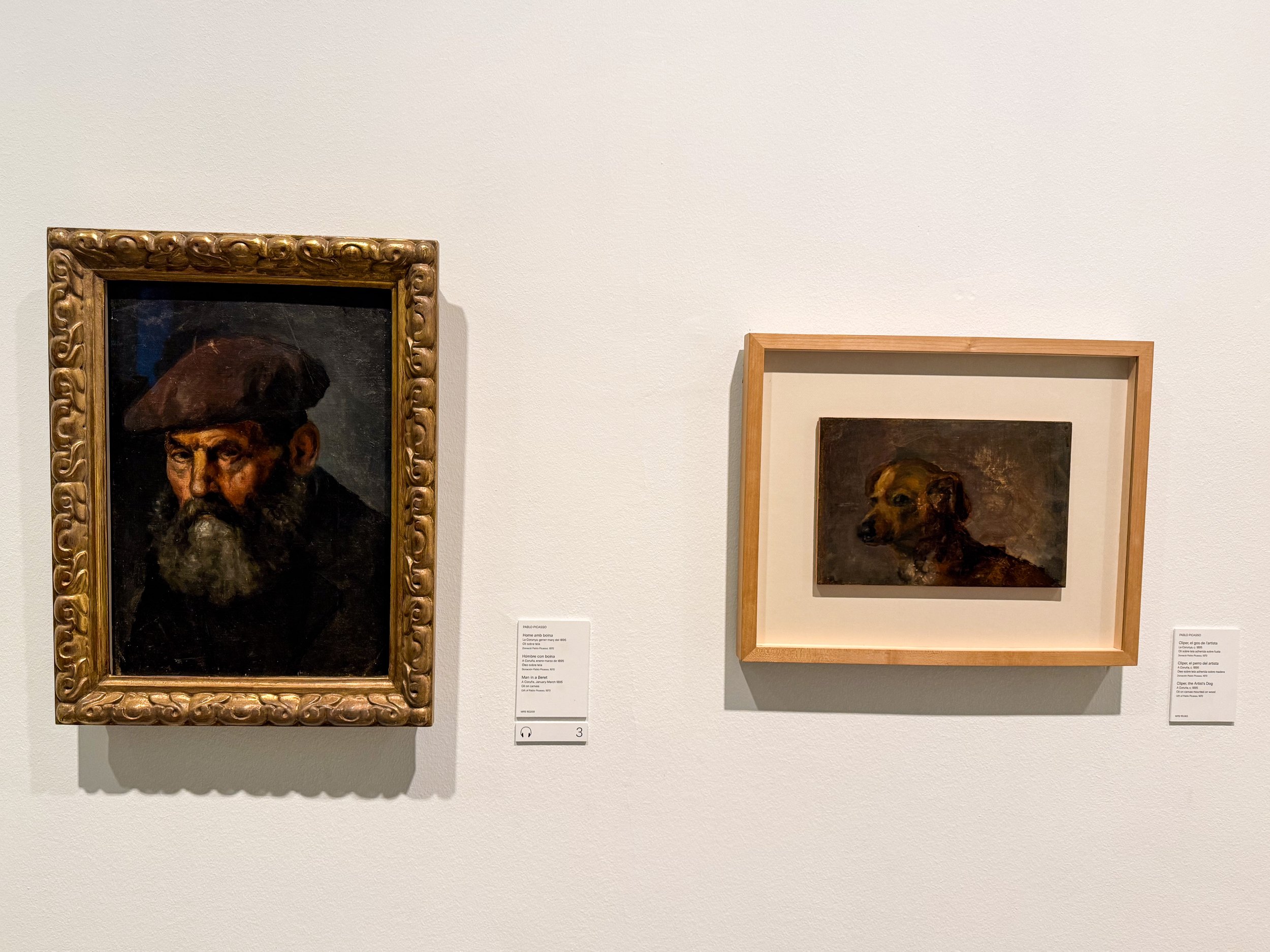
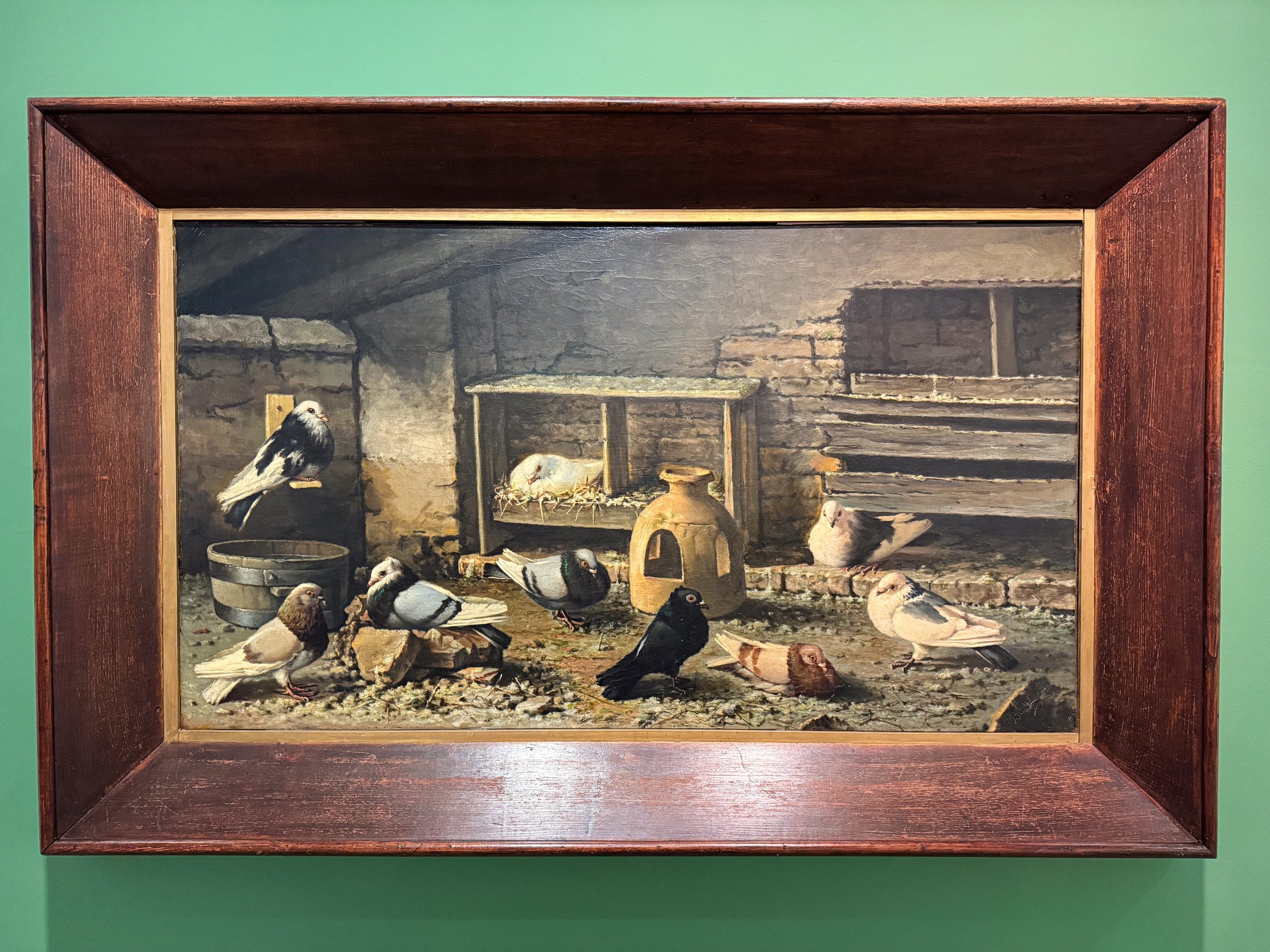
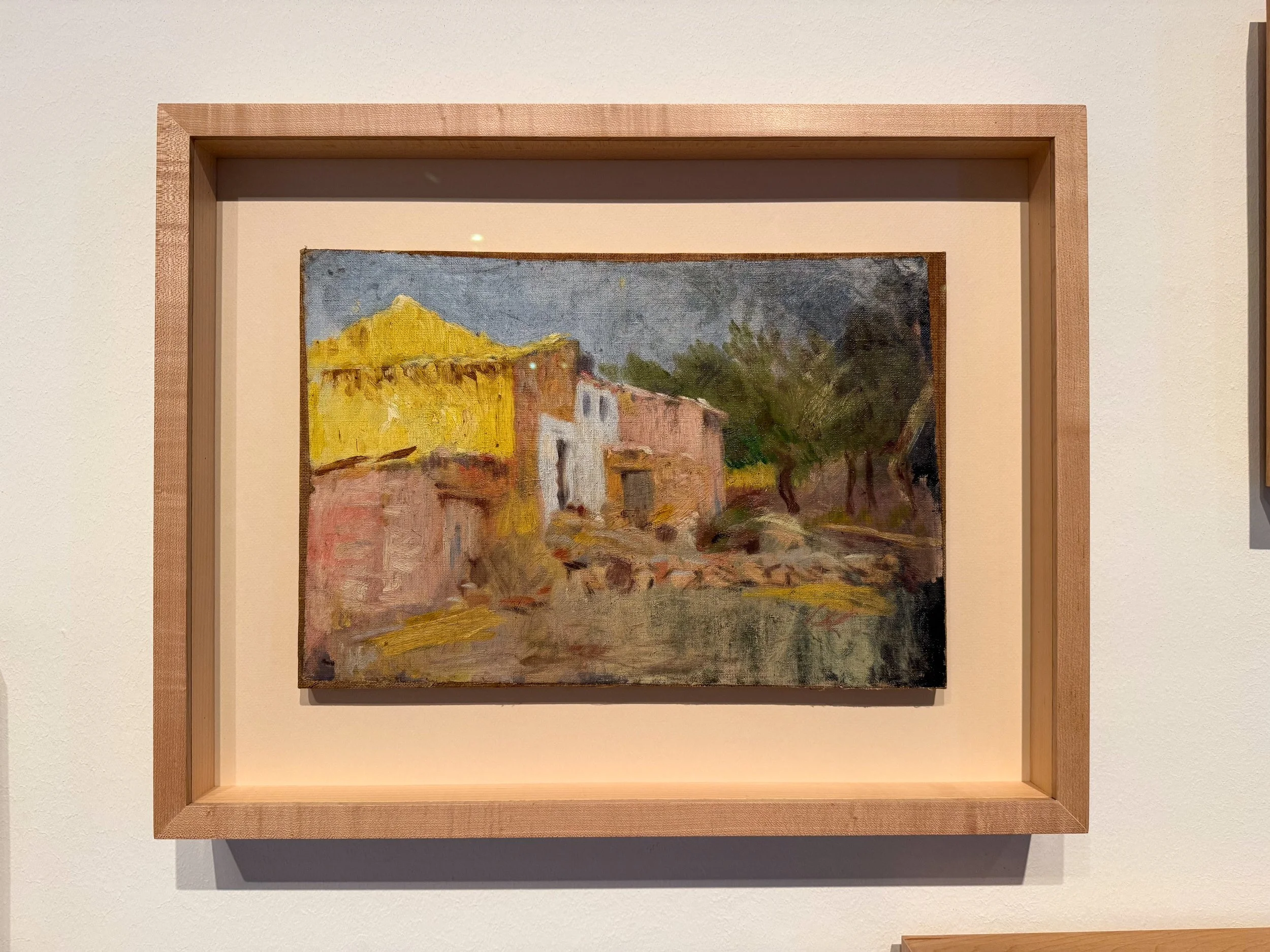
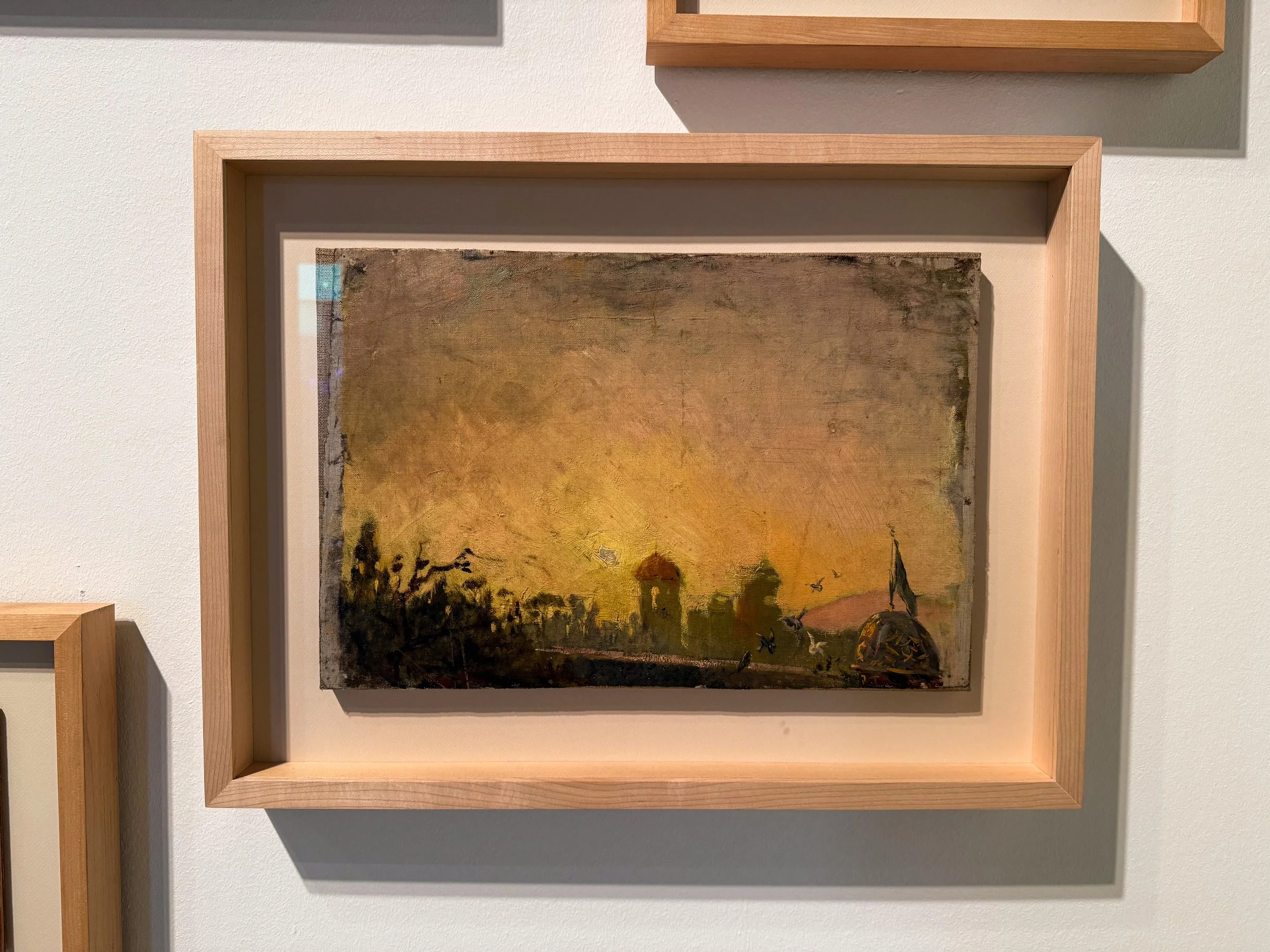
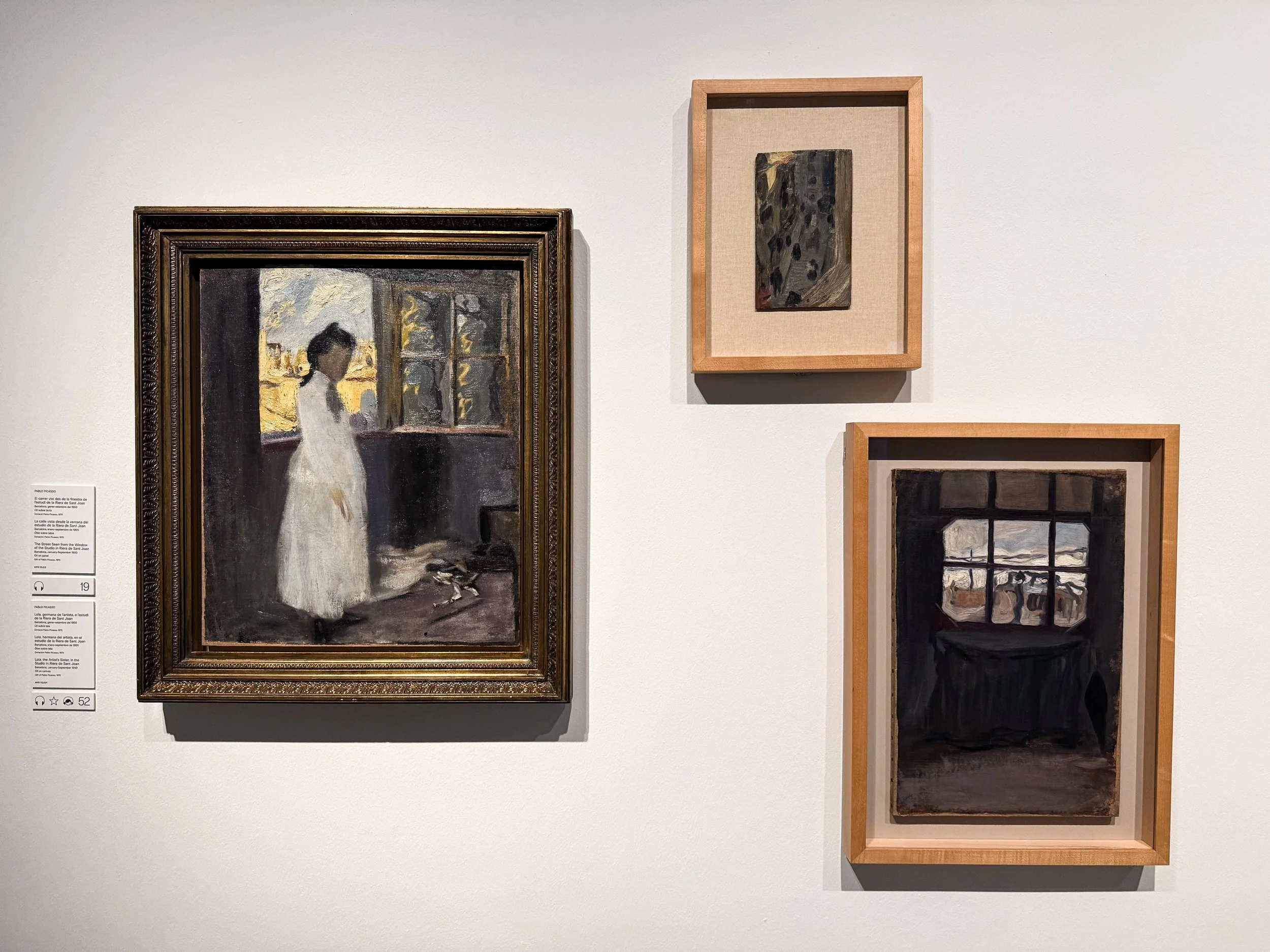
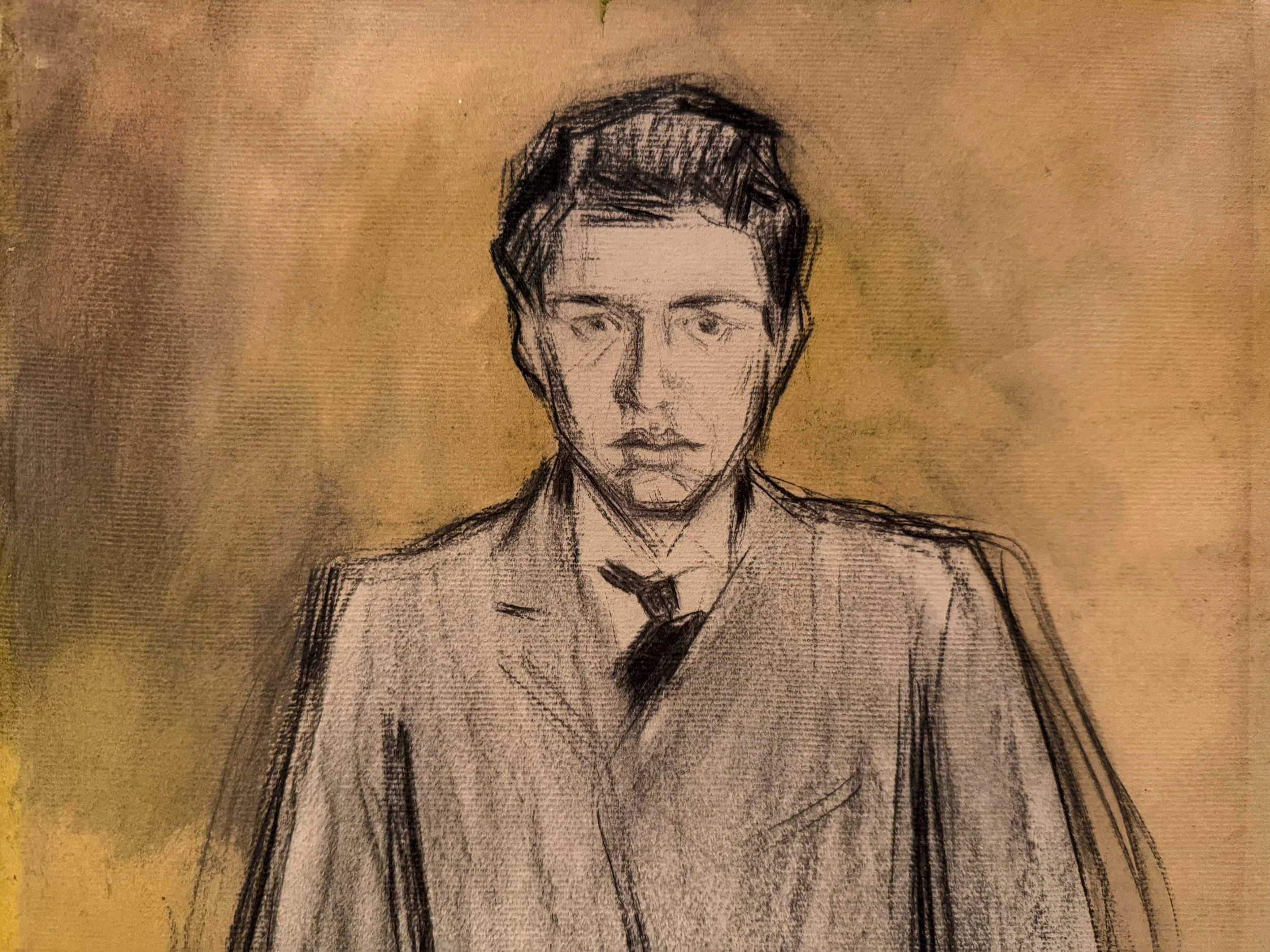
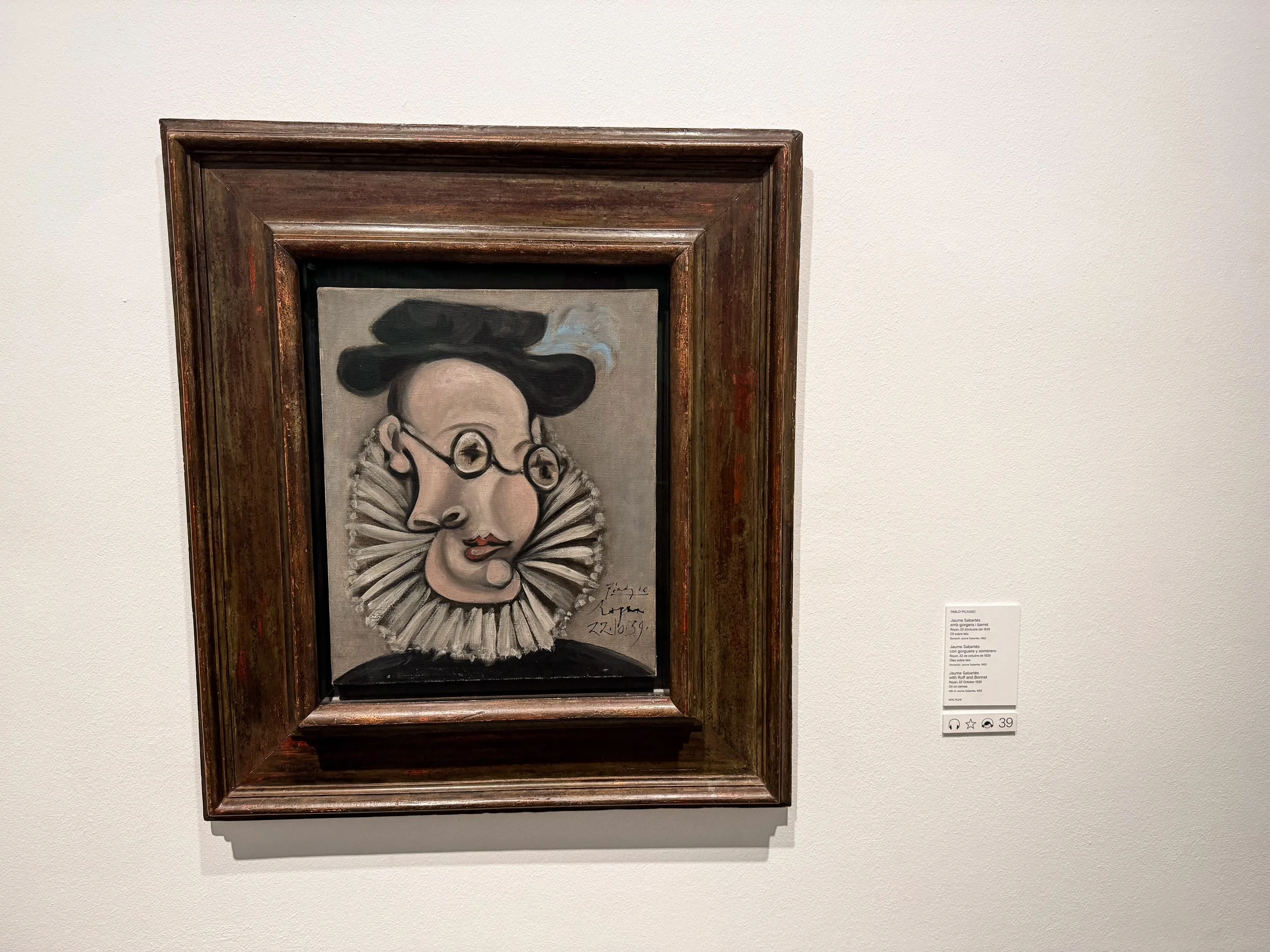
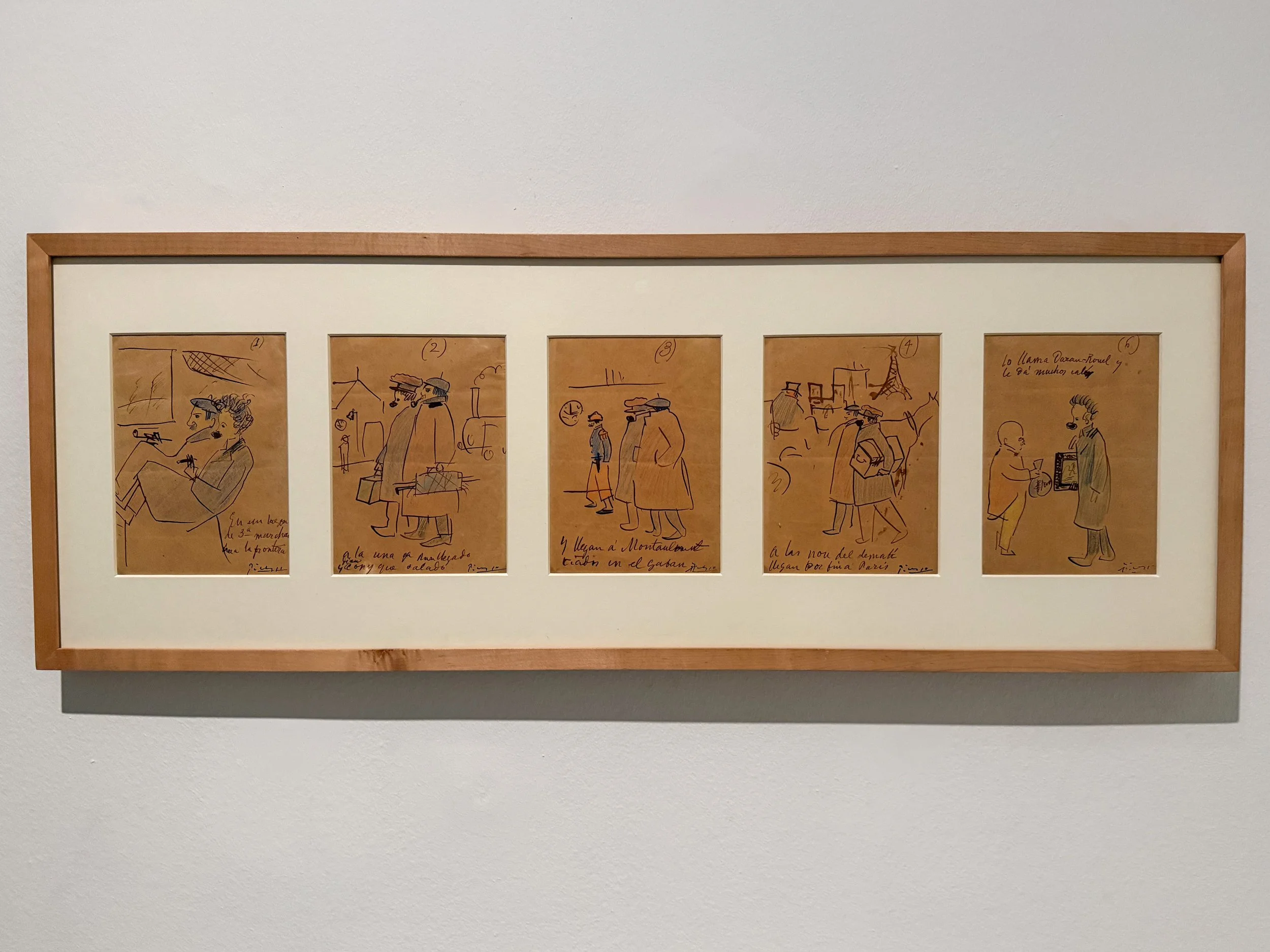
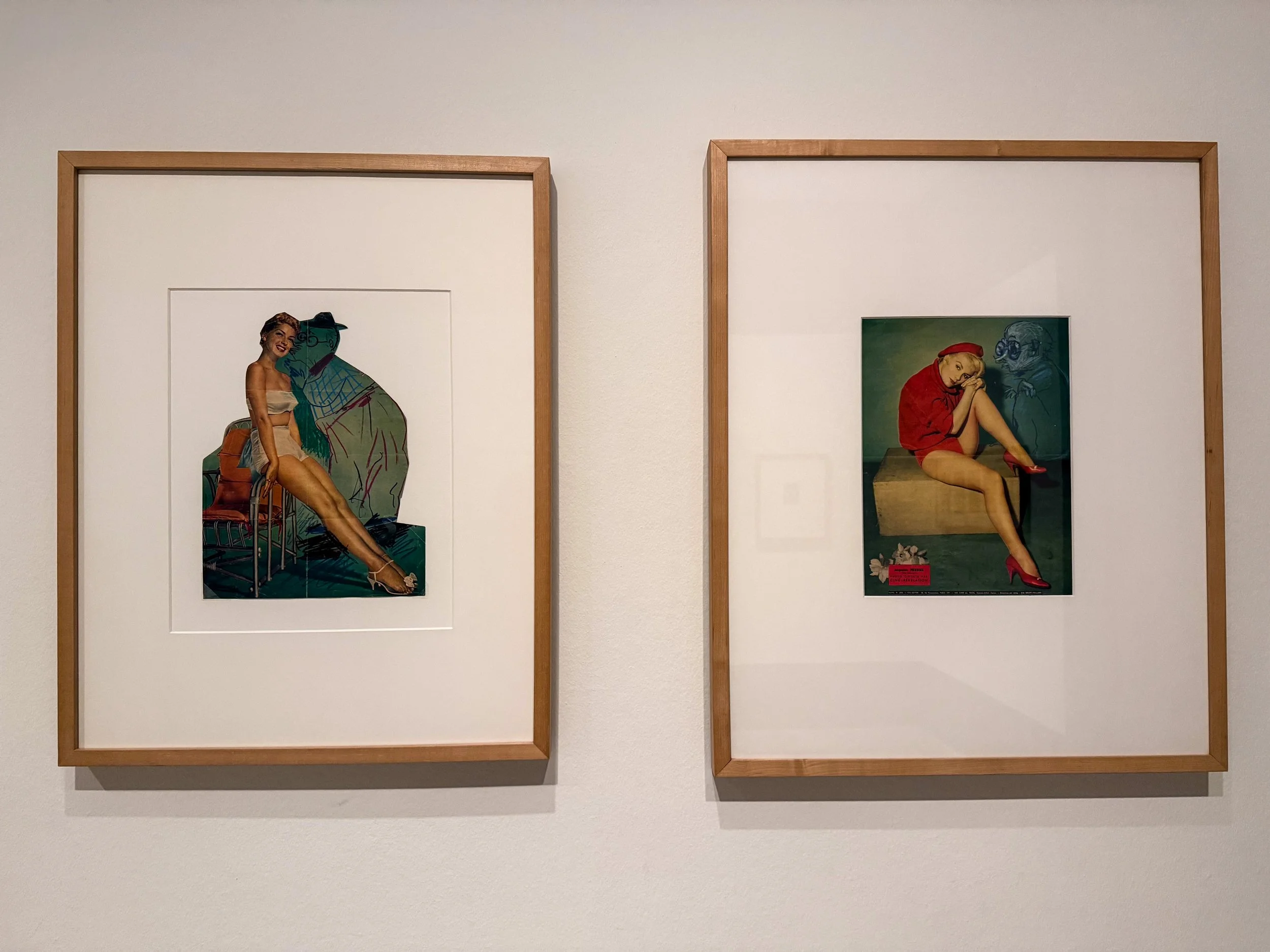
He arrived as a teenager in 1895 to study at the prestigious art school, Escola de la Llotja, which is still active today. There was actually a thriving avant-garde arts scene in Barcelona at the time, so there was no shortage of inspiration here. This museum takes you through some of Picasso’s most early works so you can see him morph from a classically trained, conventionally talented artist, to the ‘mad genius’ persona he would later become, pioneering entire new areas of abstract art.
Personally, when I see abstract art on its own, it doesn’t usually make a strong impression on me. At least, not immediately. I’ve definitely been one of those people looking at piece of modern art in a museum thinking “I could have painted that.” Sorry. Clearly I’m no art critic, but I tend to be drawn to more realistic images, and have stronger admiration for artists who are able to capture ‘real’ feeling images with just their hands. Because when I see them, I think “OK WOW. How did they do this?” But seeing Picasso’s full journey, which started with some breathtaking more realistic work, his creative genius is really undeniable. He was clearly somebody that could do anything, but prioritized creativity over all else, and was not afraid to experiment with new things. The gallery below is arranged to move more or less in chronological order so you get a taste for that evolution. But this place is very worth a visit in person!
Beyond the historic center
I spent a long time talking about Barcelona’s grid system in the beginning of this article, but I haven’t shown you much of it at all! So here are a few snippets from the land beyond Barcelona’s historic center. Honestly, I experienced this part of Barcelona mostly in passing. Our hotel was here. We walked around, we got food, stopped into shops, and I found Nitro-brew coffee for the first time EVER in Europe! +1 point for Barcelona. But for me, the defining characteristic of these parts of Barcelona—aside from this Americas-style grid system that felt completely out of place in Europe—was the greenery! Almost every single street in Barcelona is lined with trees that make shade a public good. Everywhere you go, the soothing rustling of leaves in the breeze follows you, providing a calming counter-balance to the sometimes chaotic street noise. I bet this city is magical in the fall.
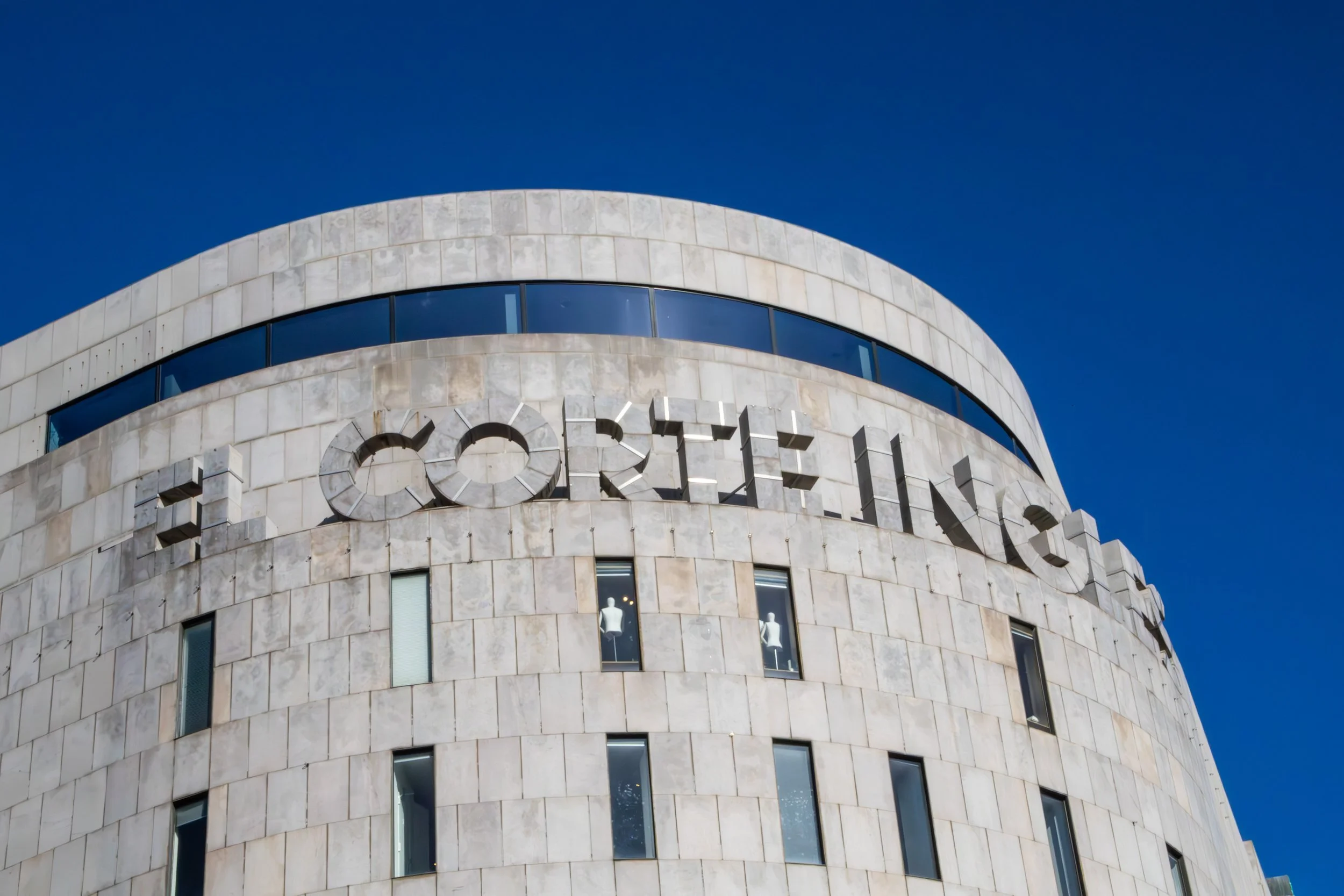
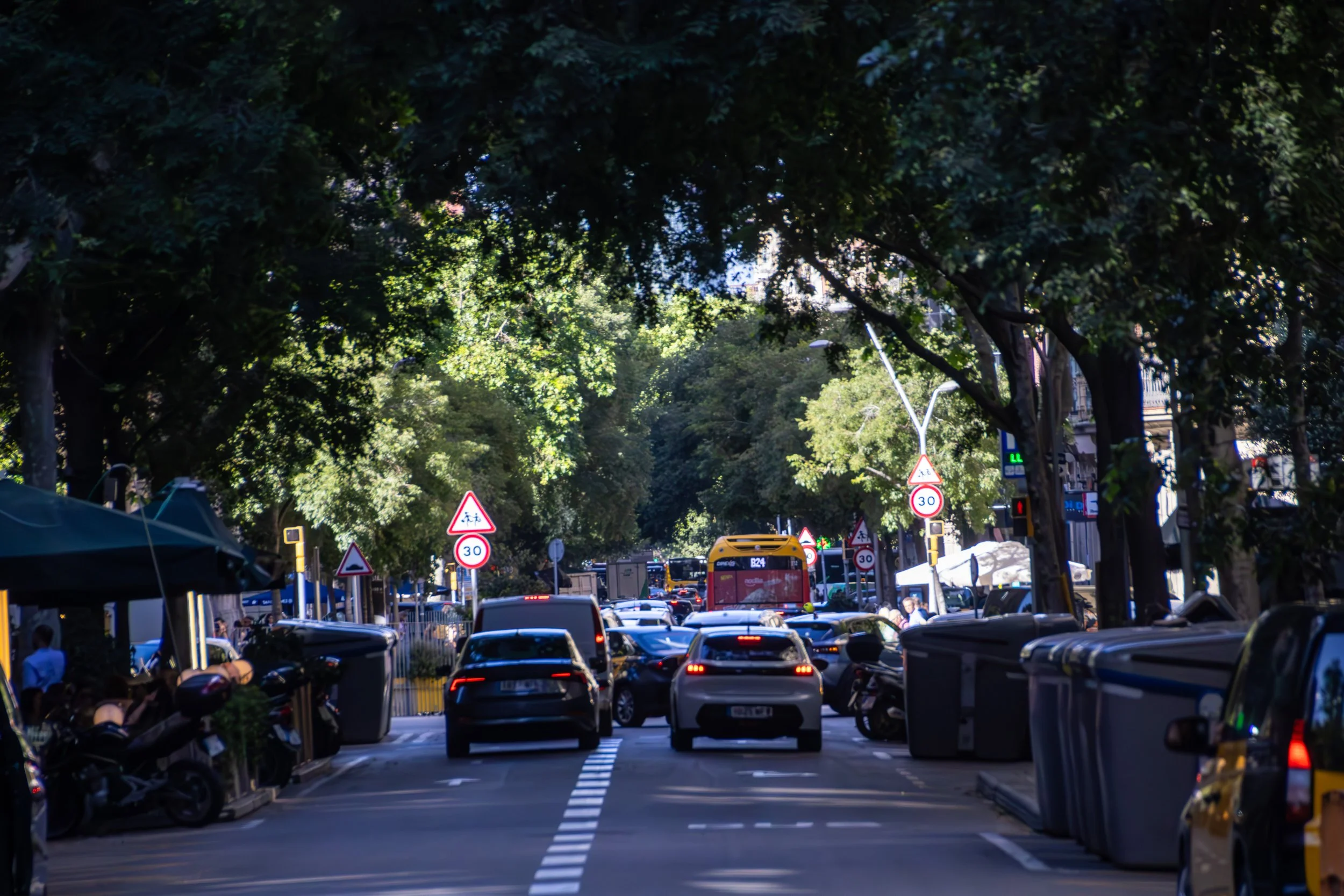
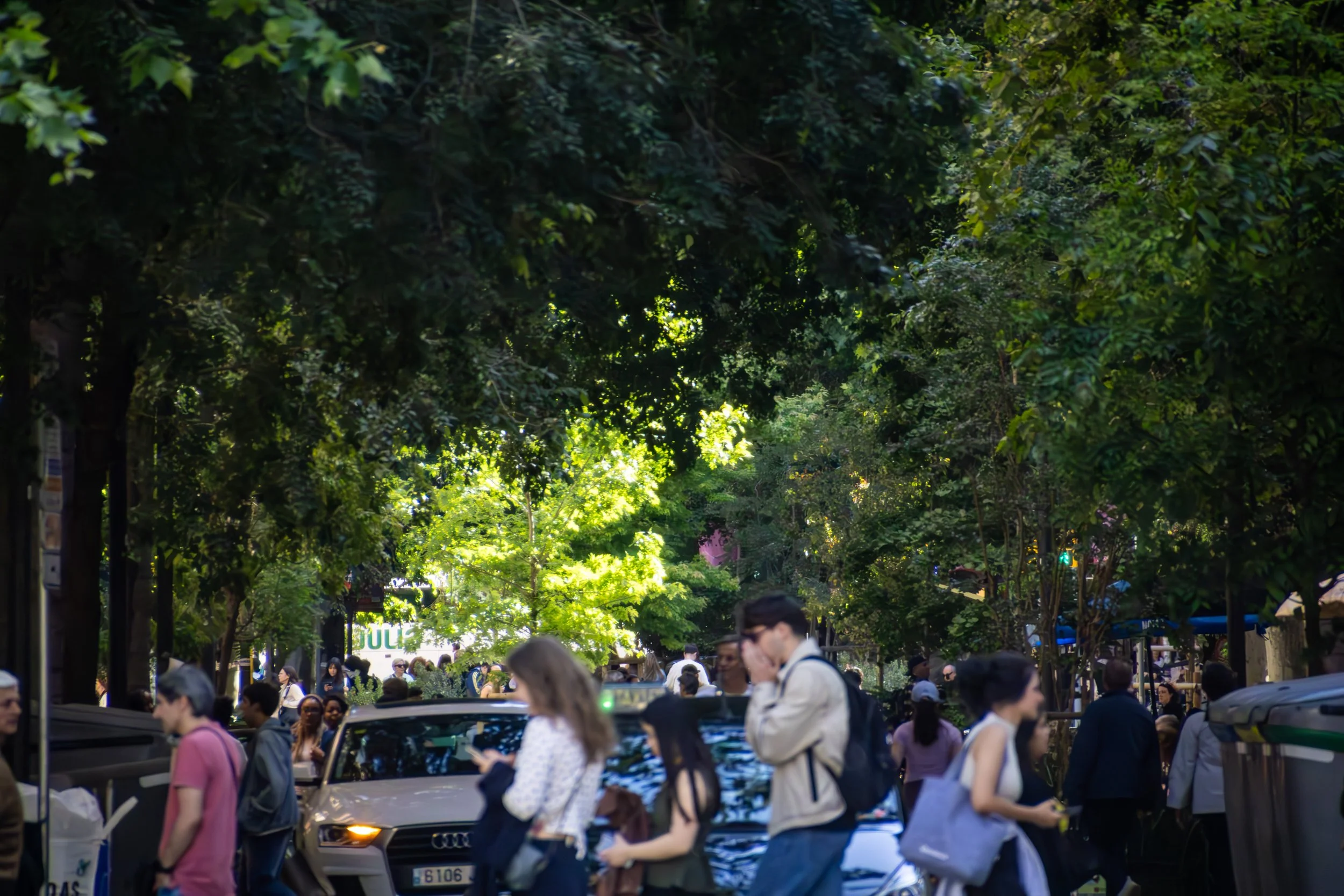
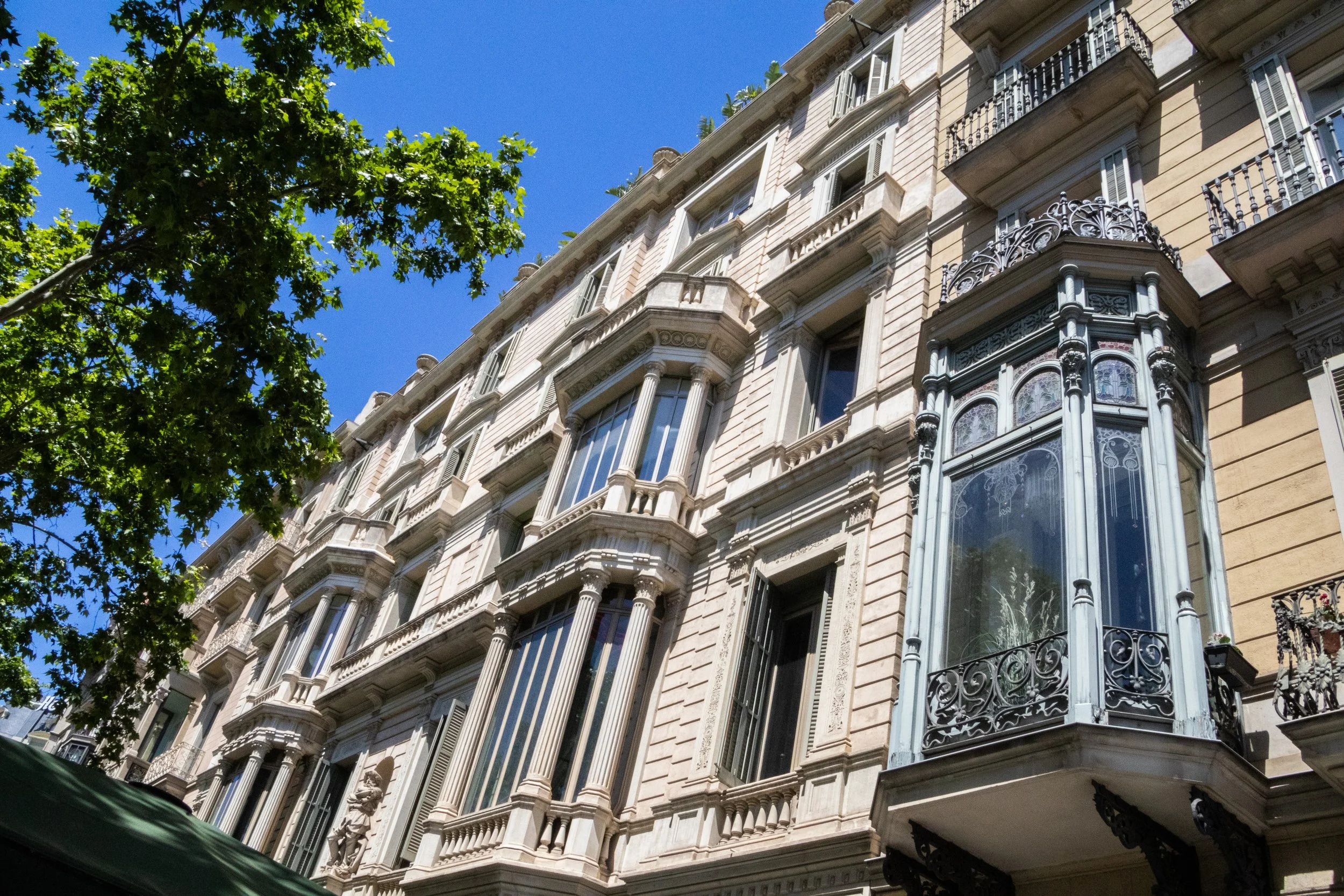
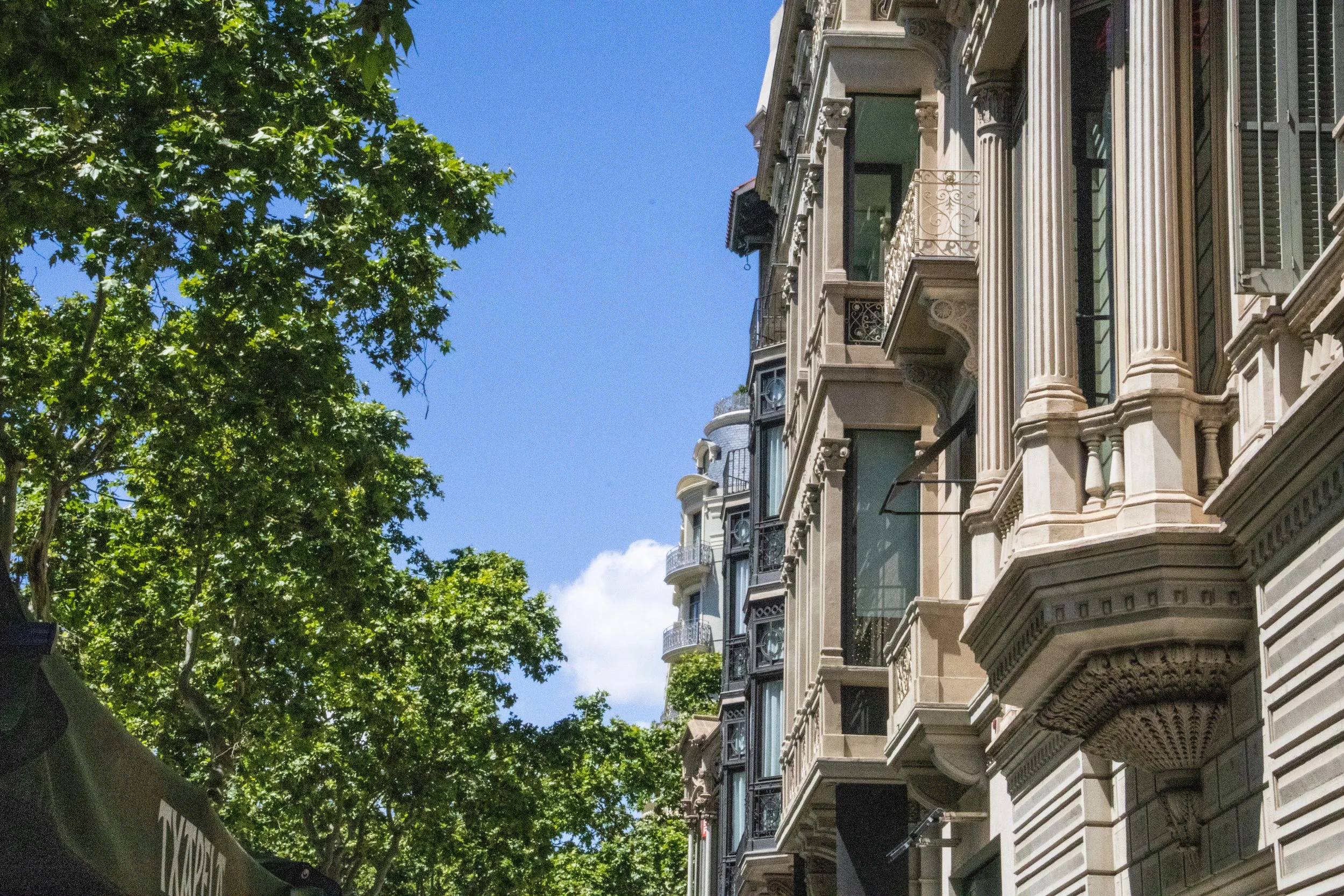
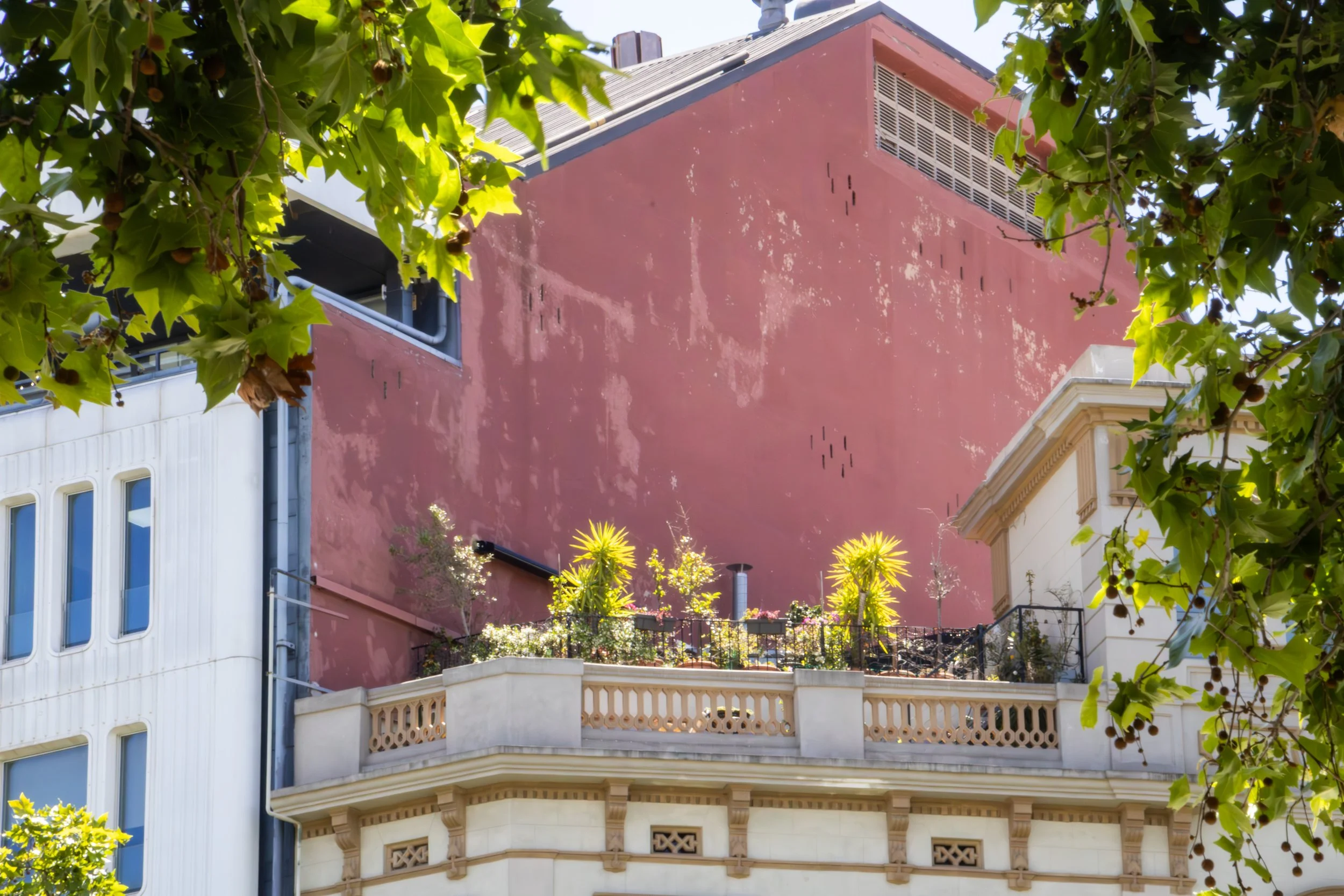
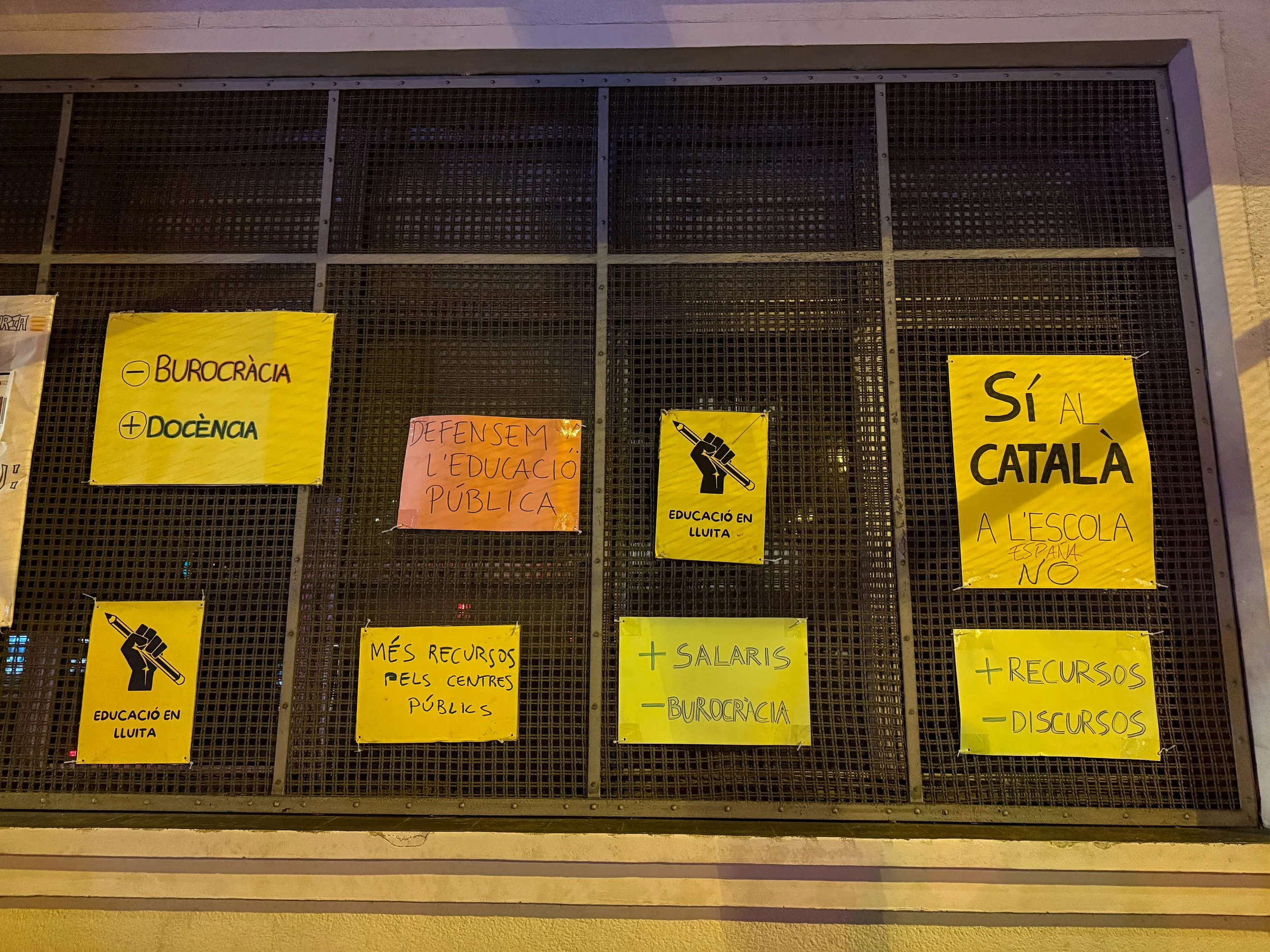
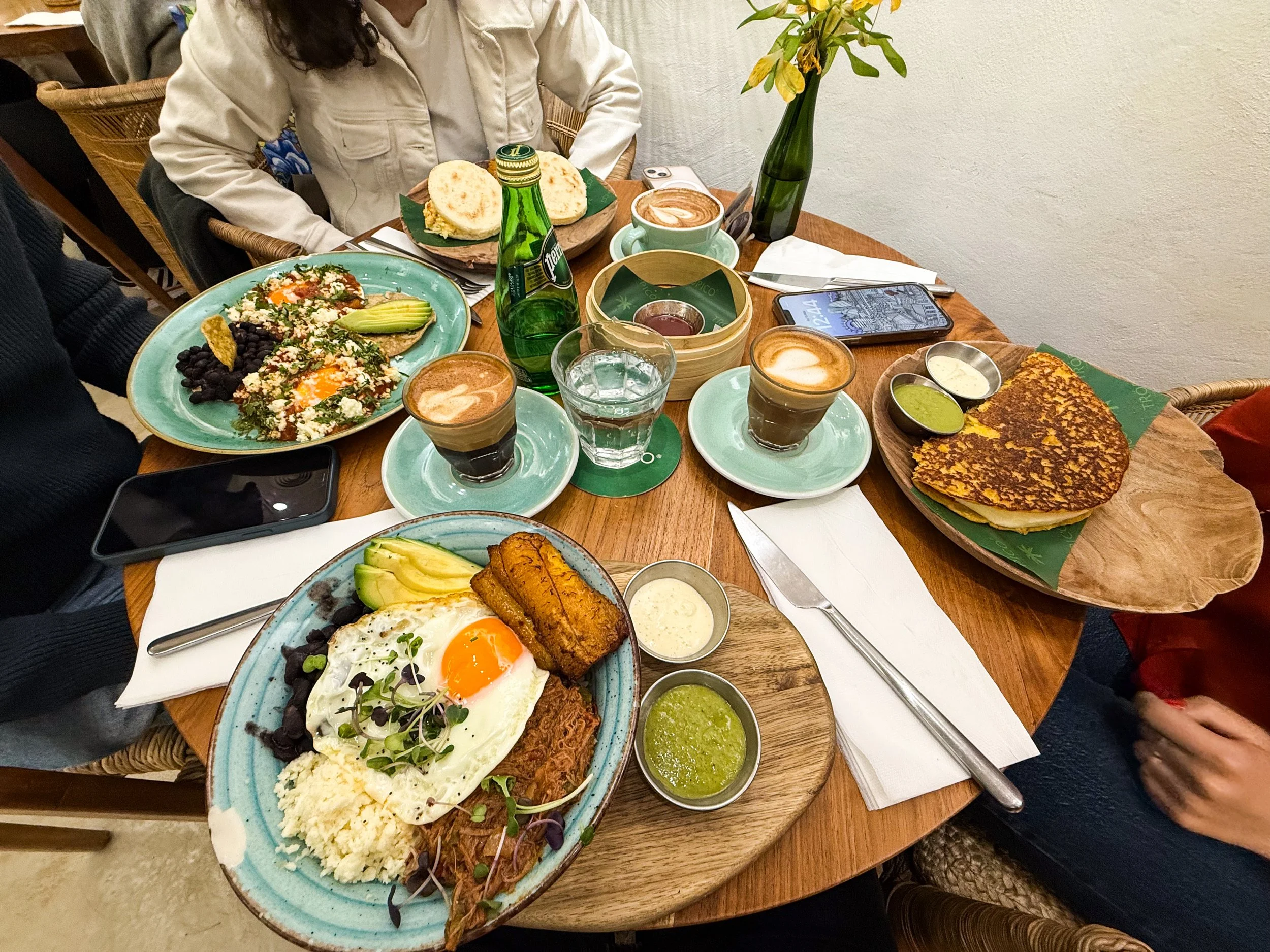
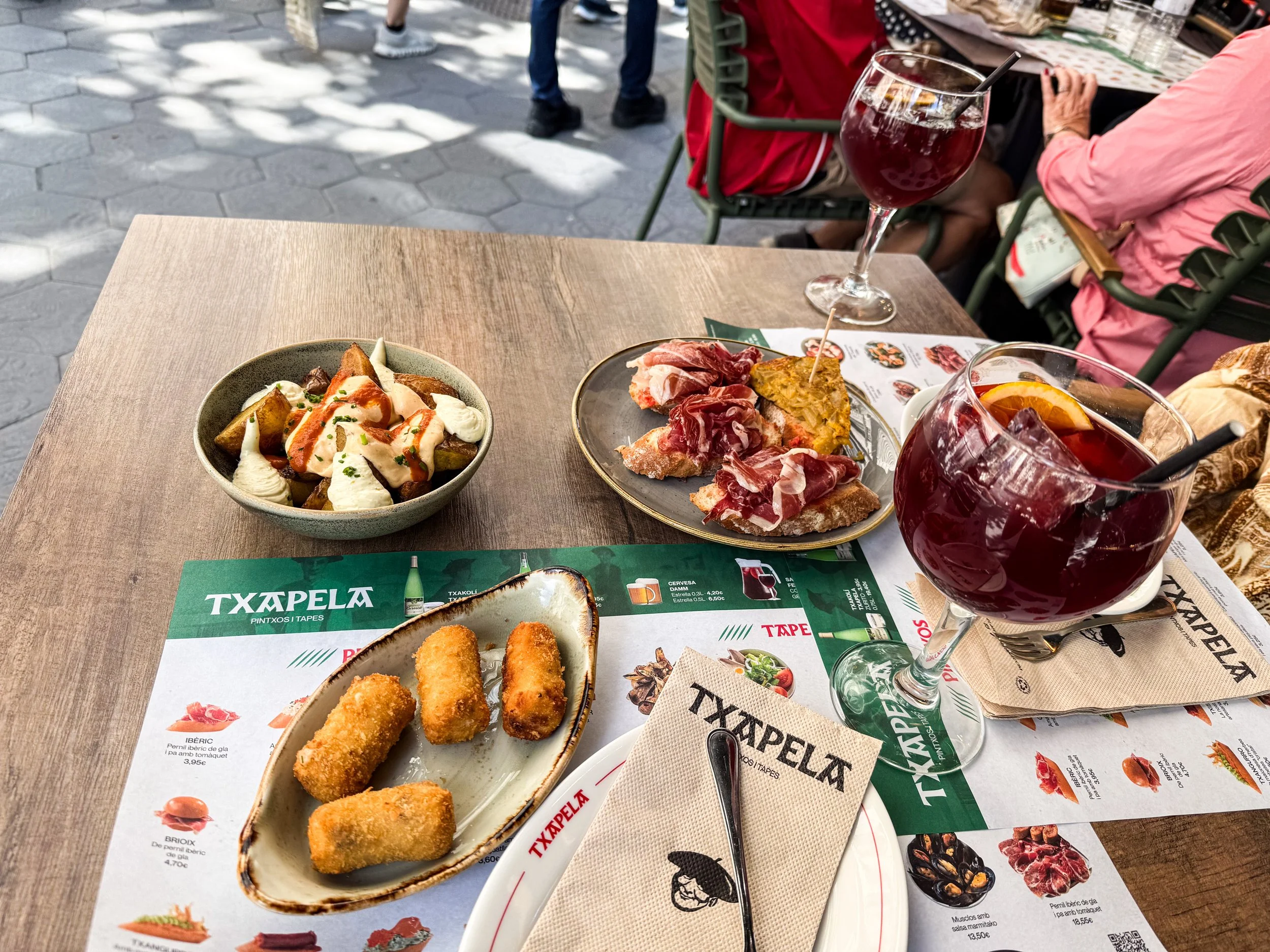
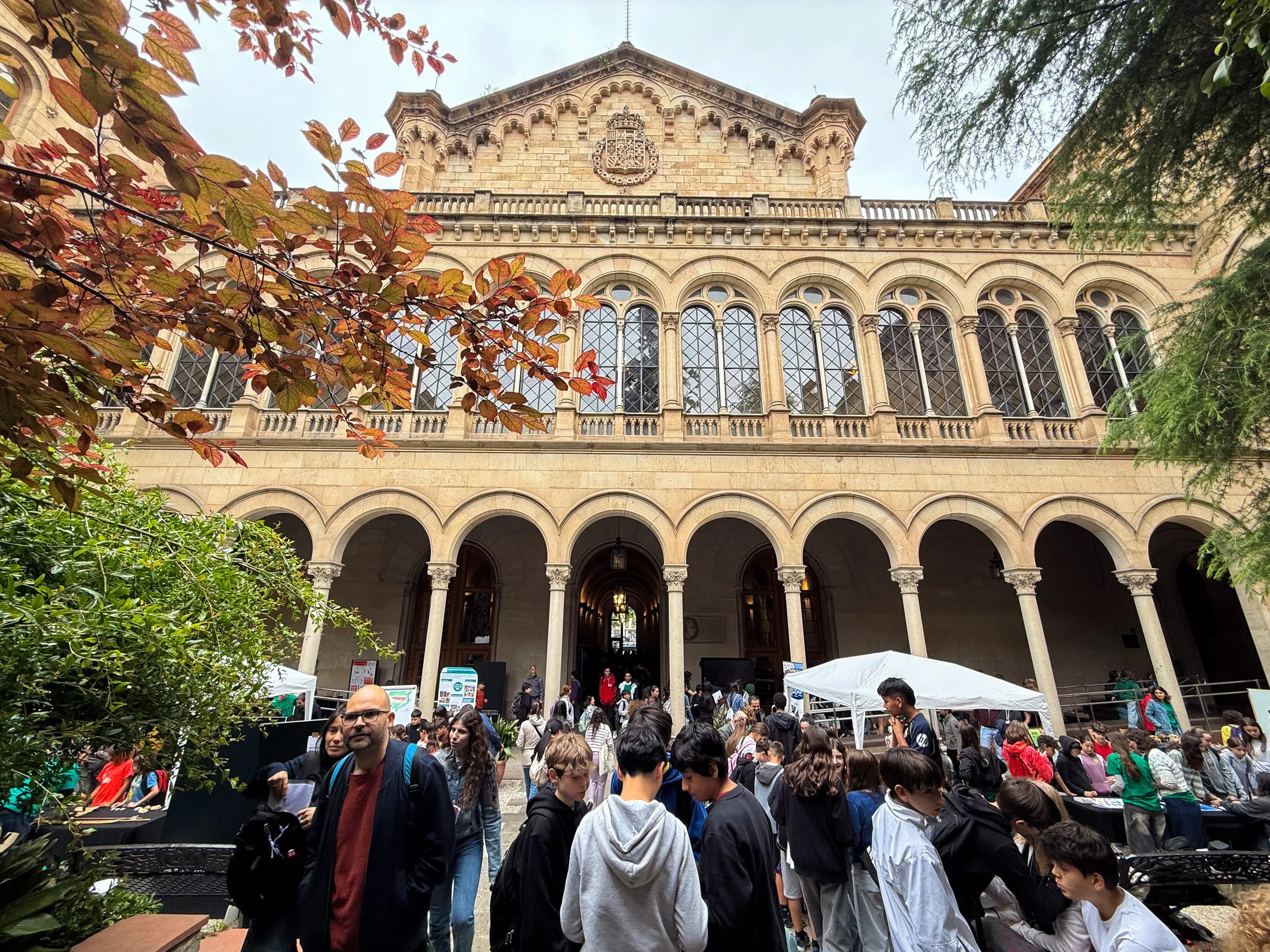
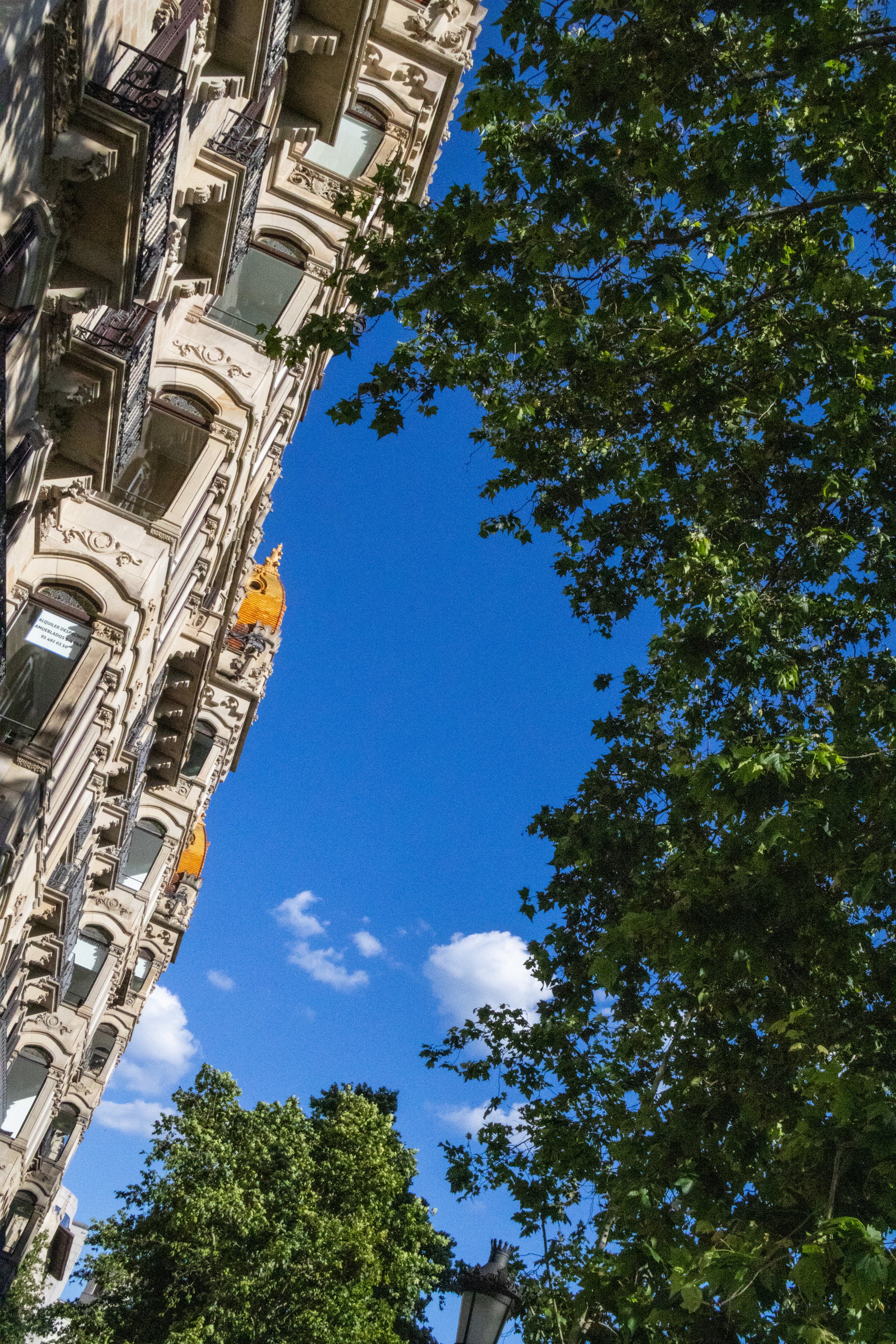
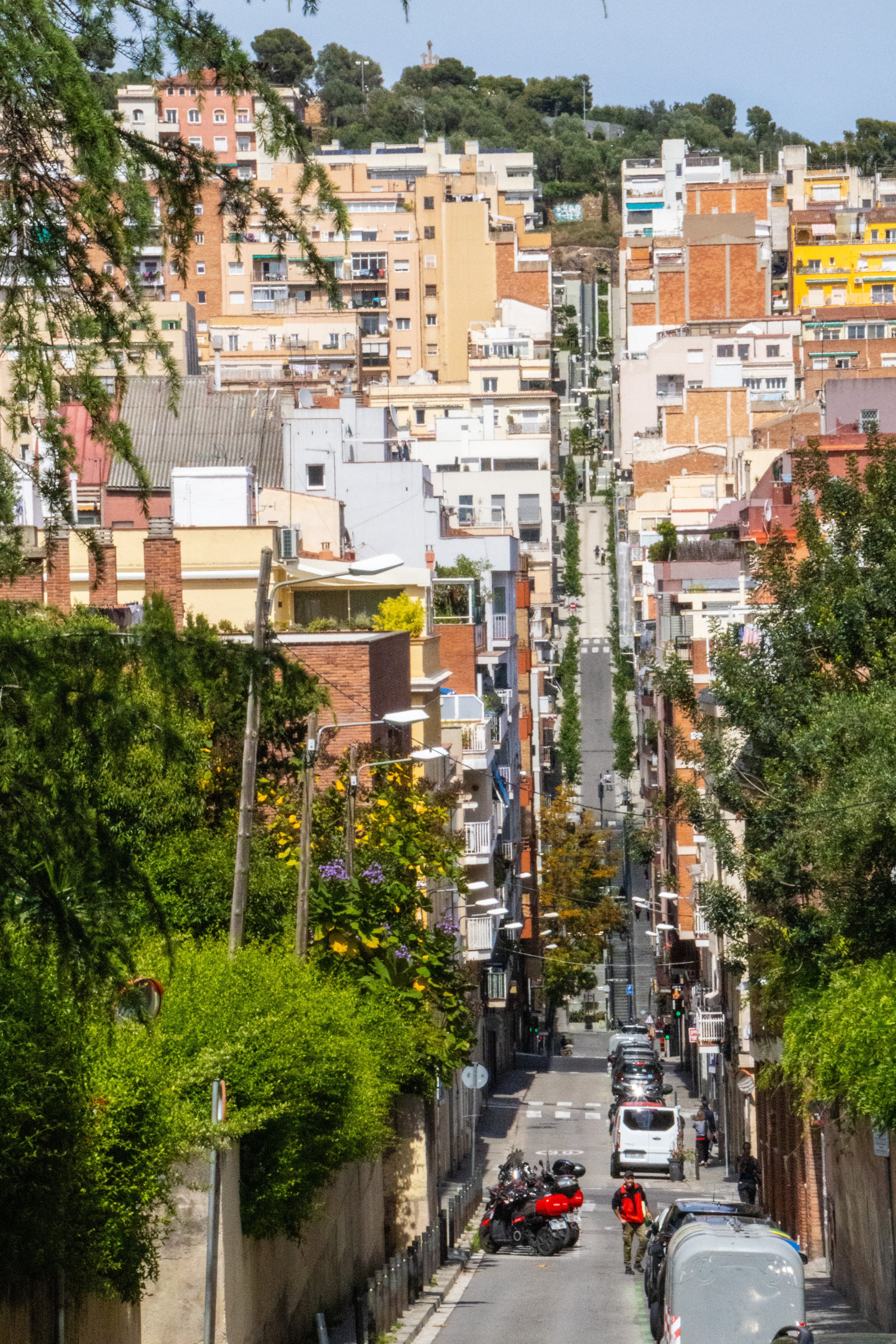
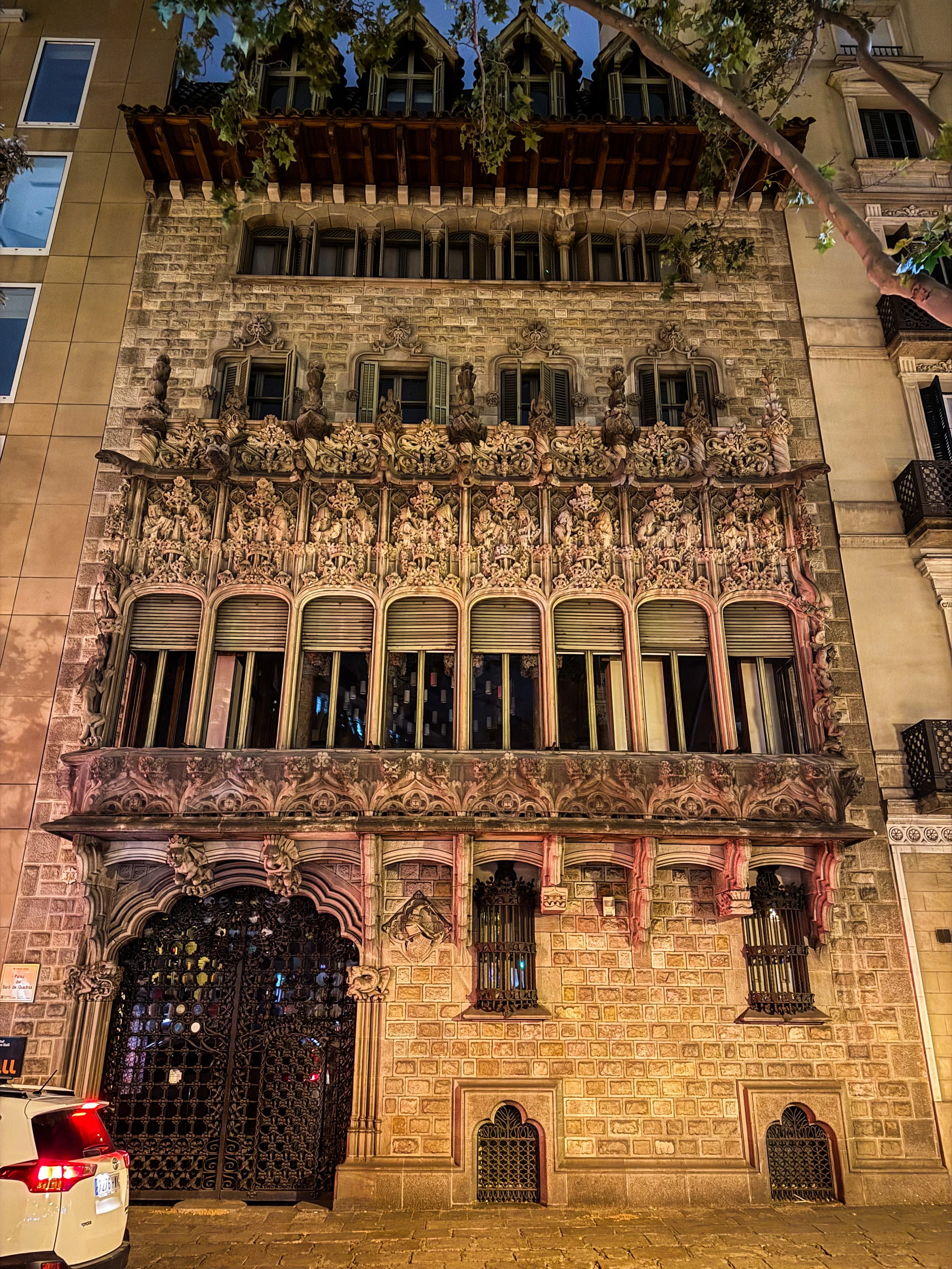
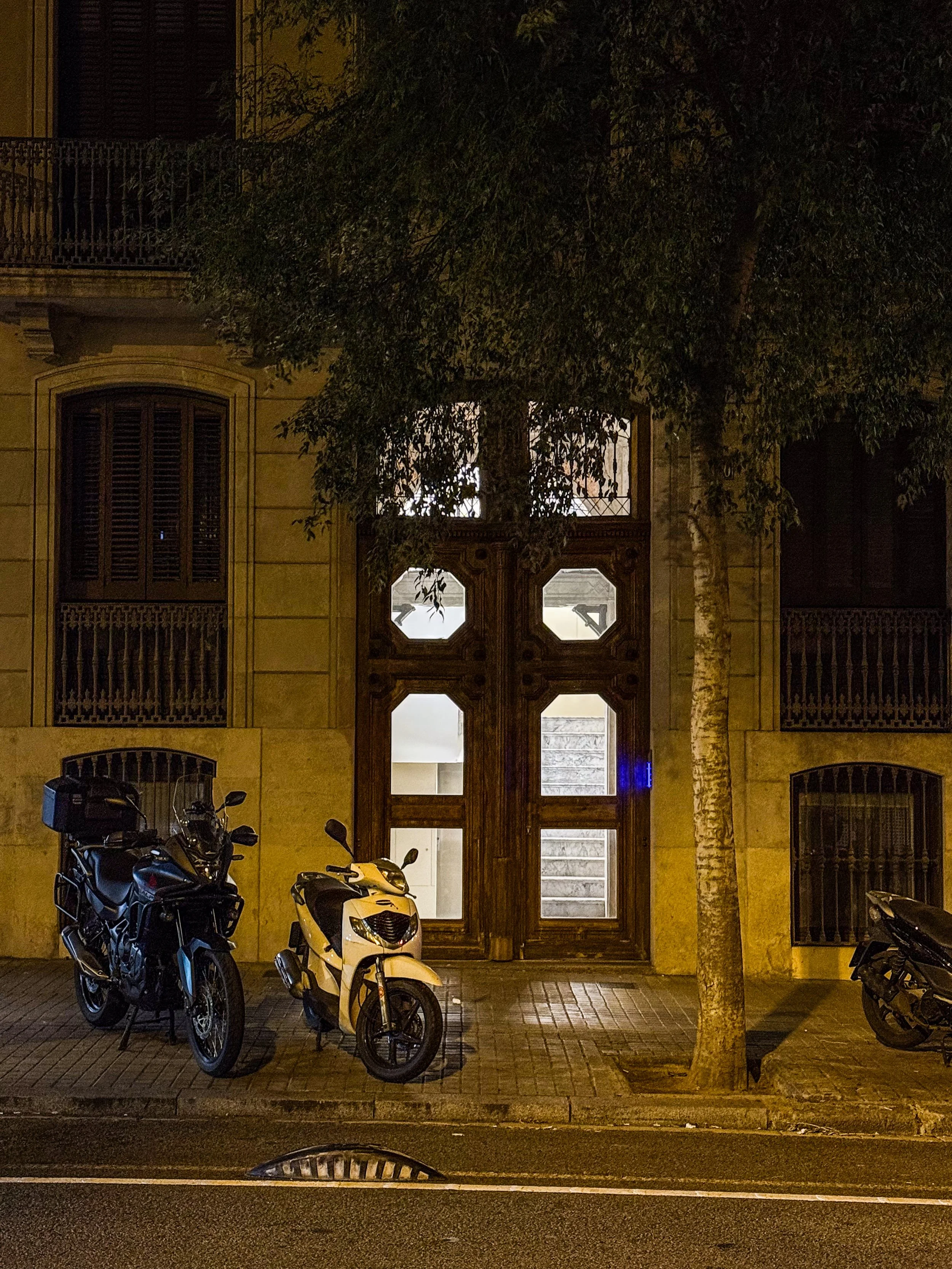
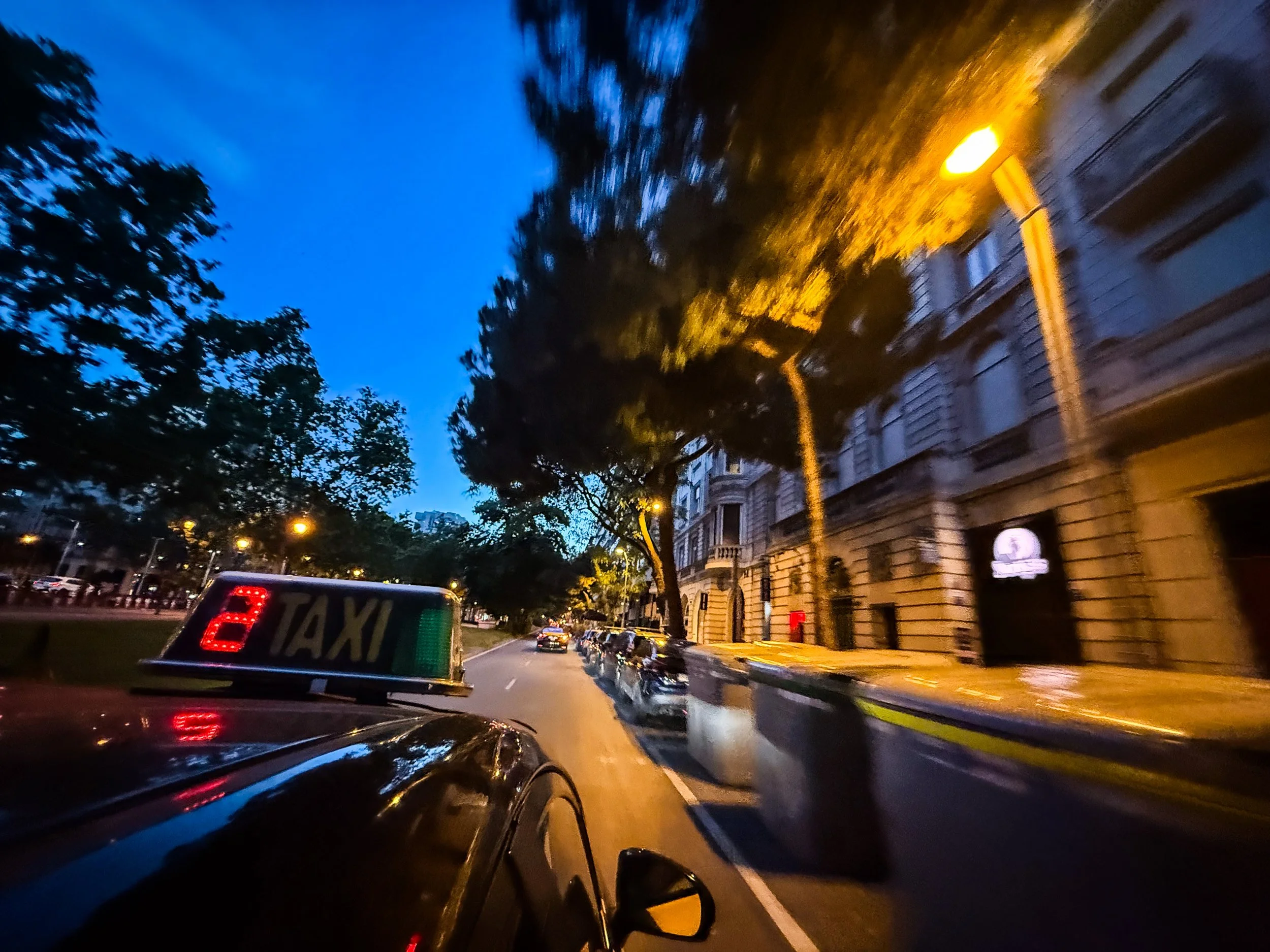
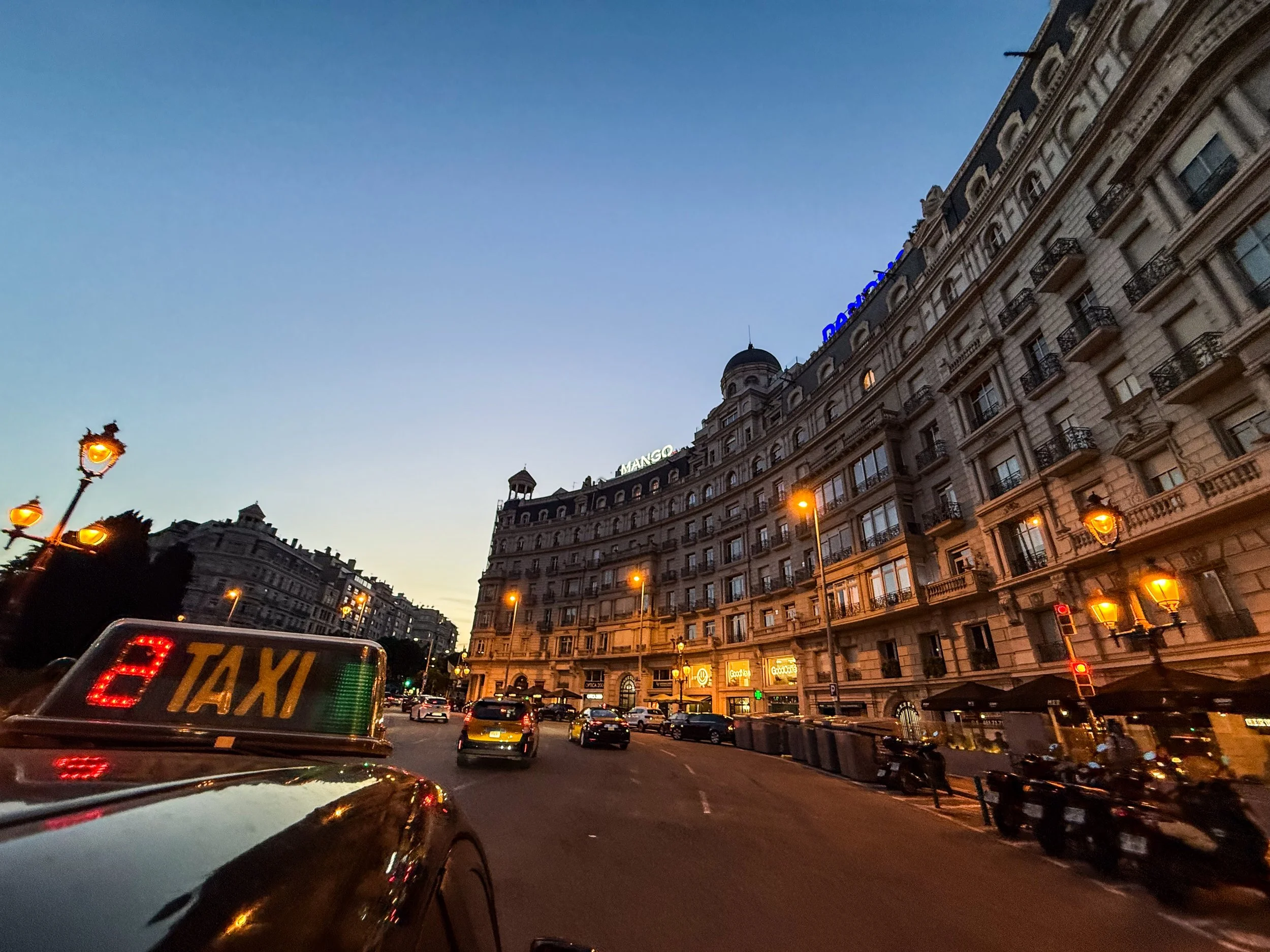
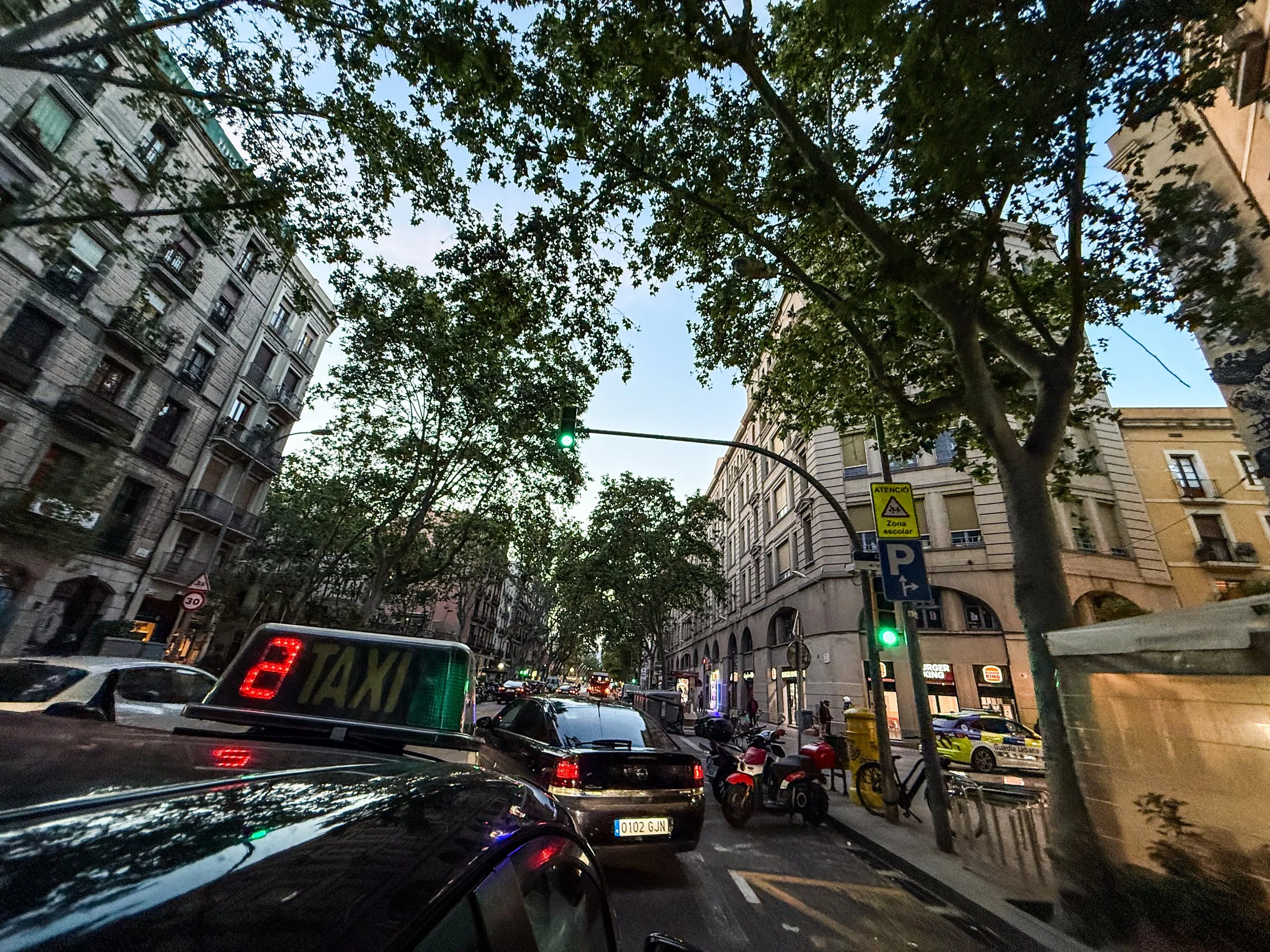
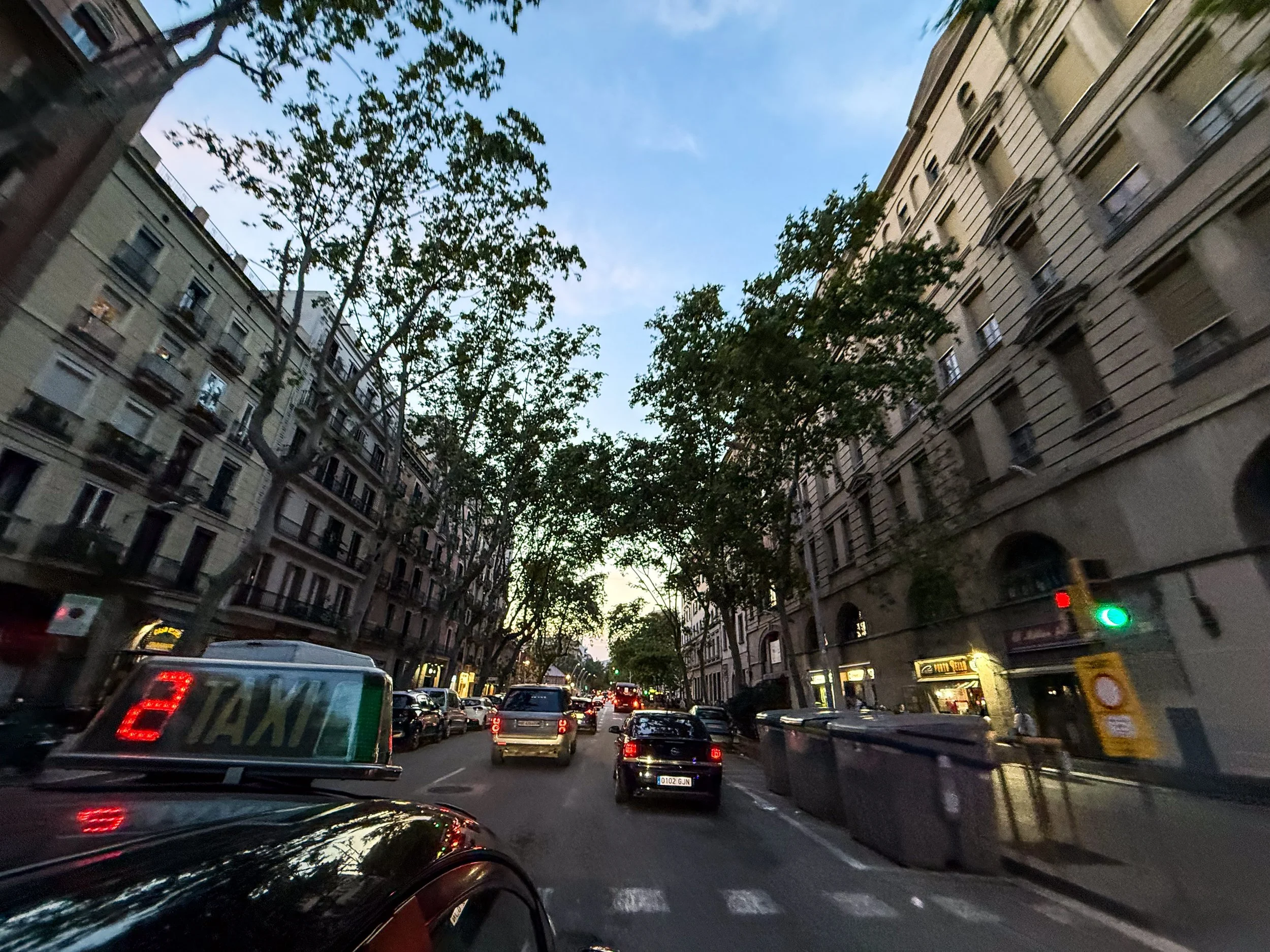
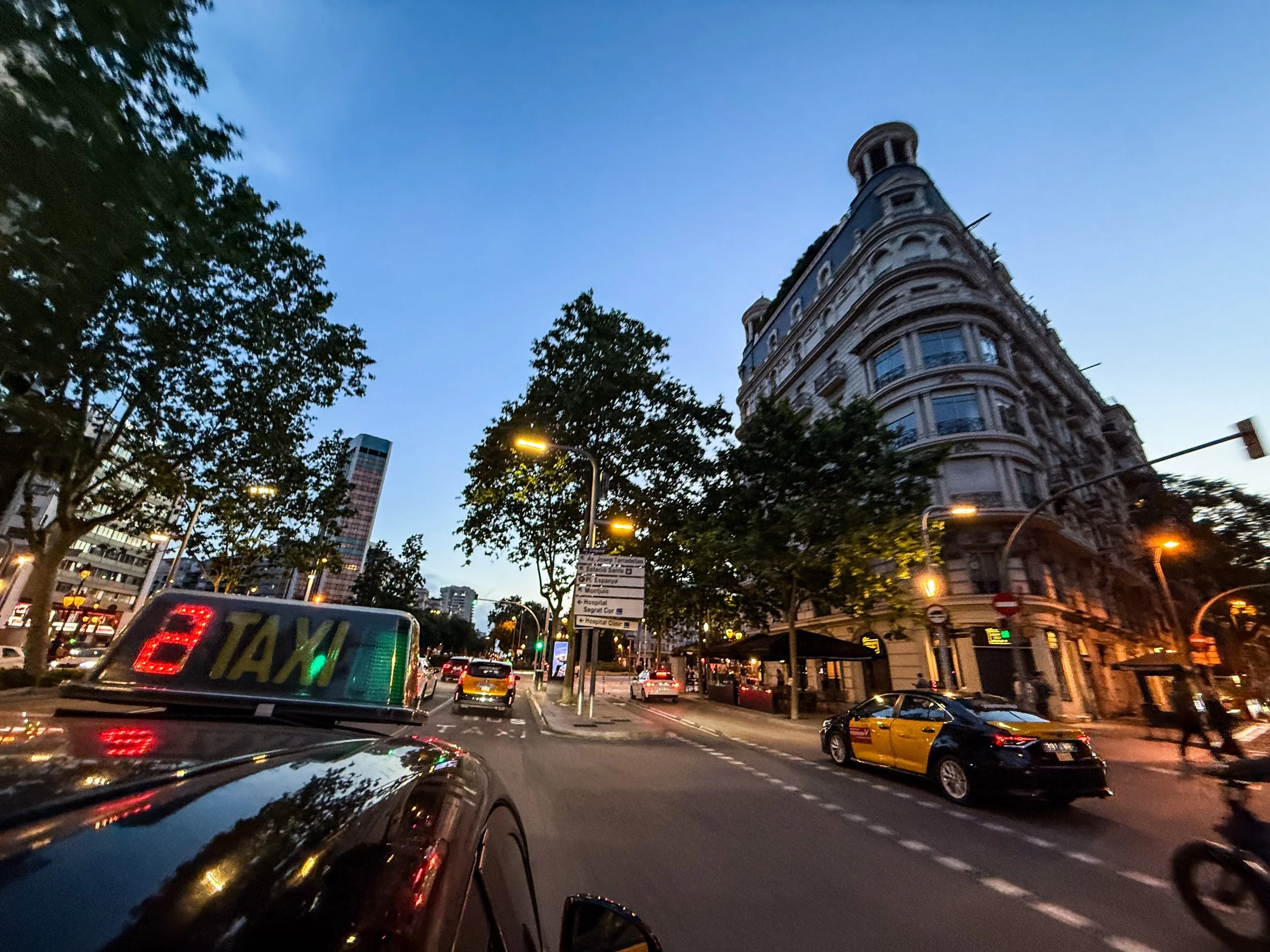
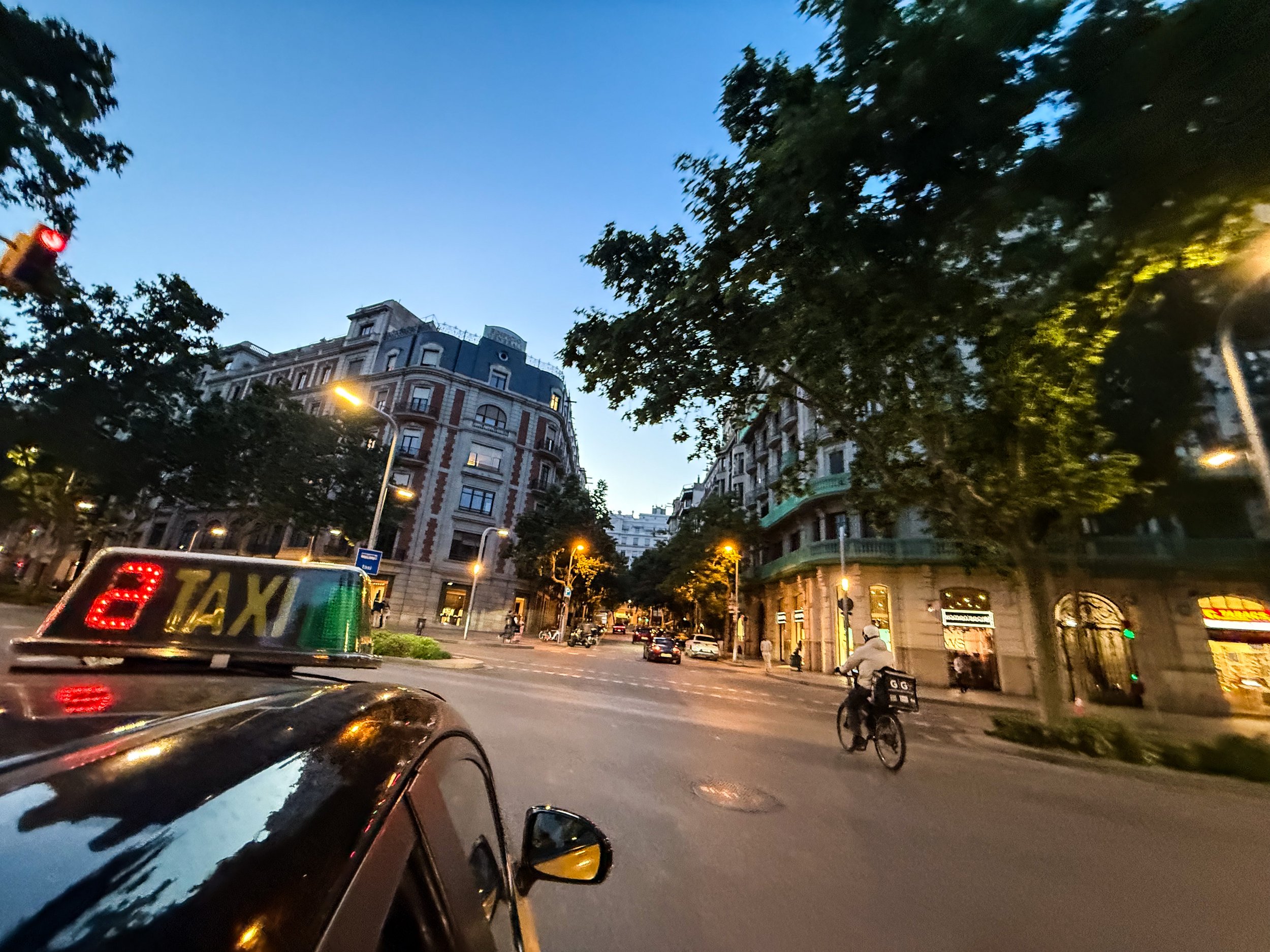
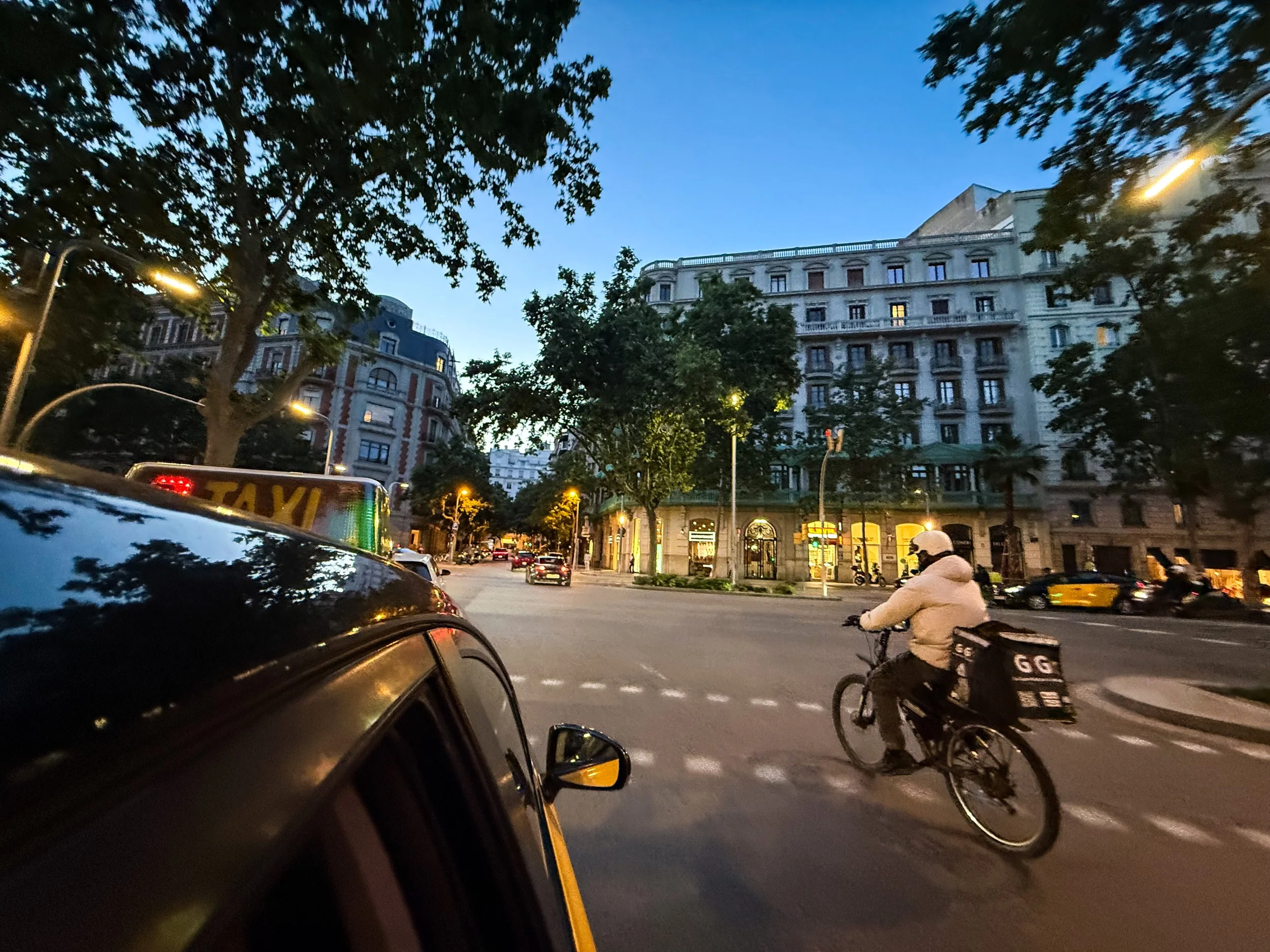
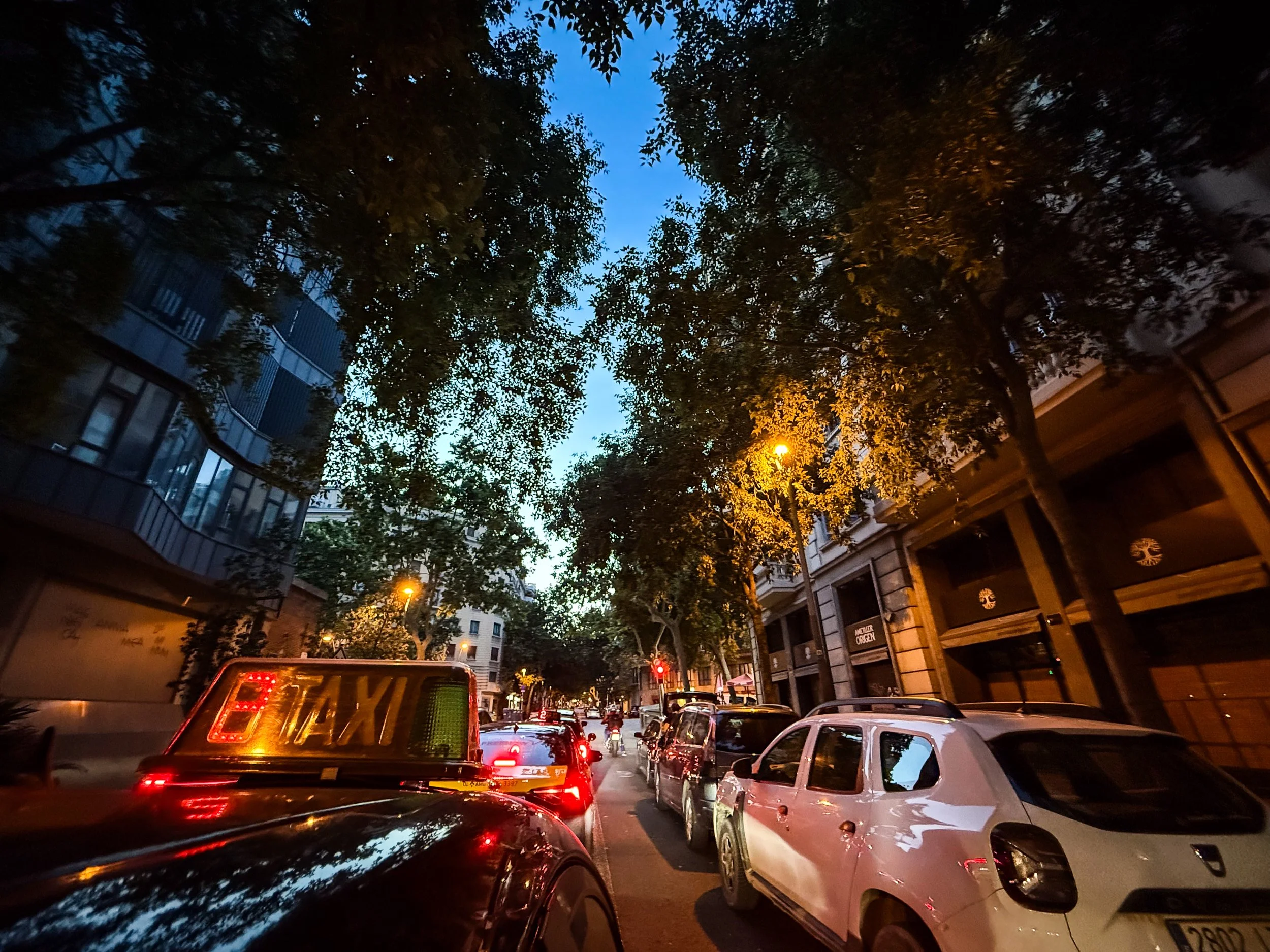
The more I explored, the more I realized just how big Barcelona actually is. Yes, it’s smaller than Madrid, but Madrid is HUGE. Barcelona is massive unto itself, and I barely scratched the surface of its vast grid system on this trip. I will, however, share with you a series of photos taken out the window of a taxi that drove me across this remarkable city at dusk. Seeing Barcelona whizz by for 40 minutes as the light gently faded was an excellent way to see the city. And doing it in the back of this classic taxi down straight roads full of street life and bicyclists gave it the whole experience a certain New York-ish quality. But in the Spanish speaking world, I expect there are other, much more apt points of comparison waiting for me in the future. I really need to hurry up and check out Buenos Aires ASAP…
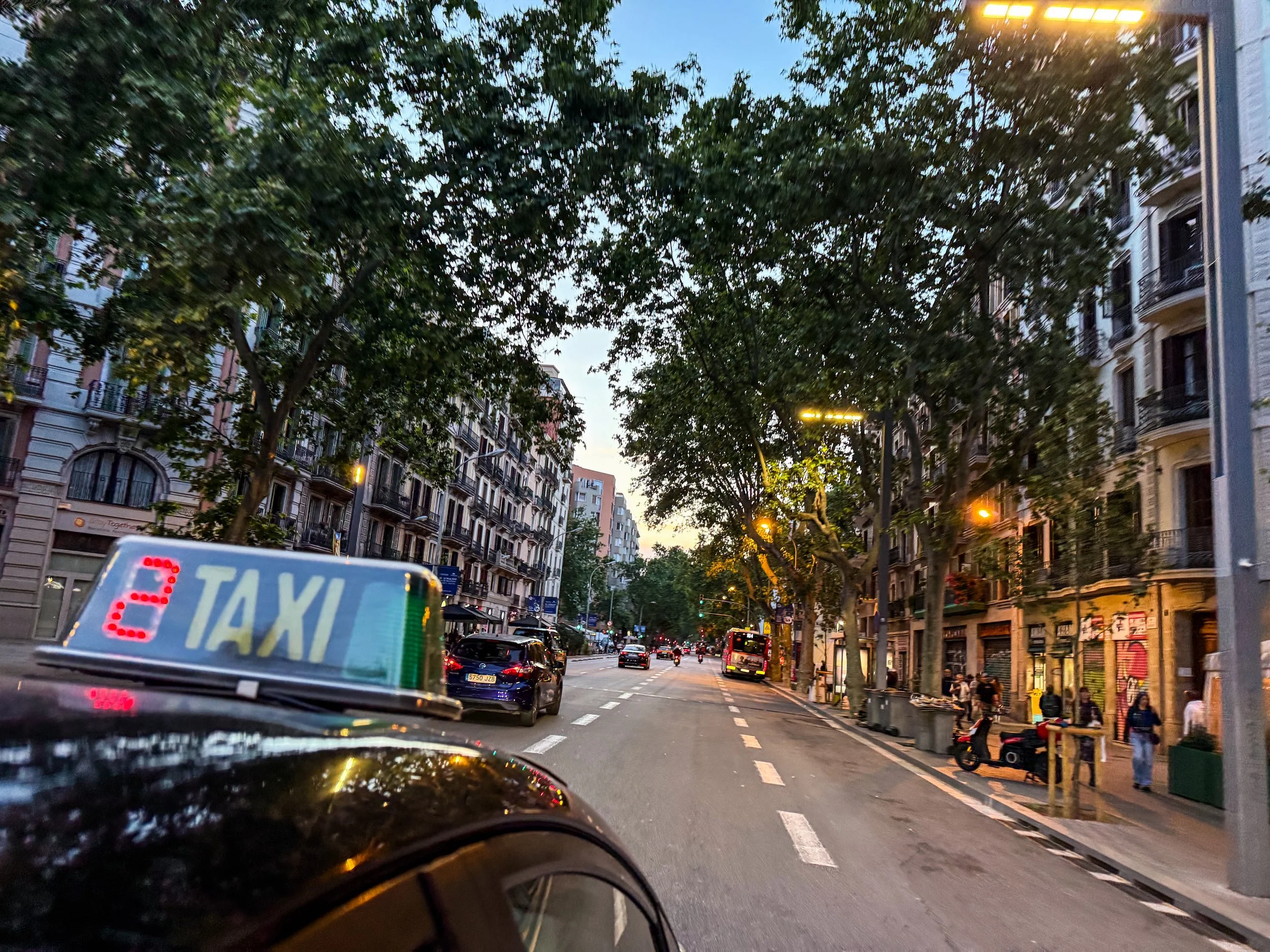
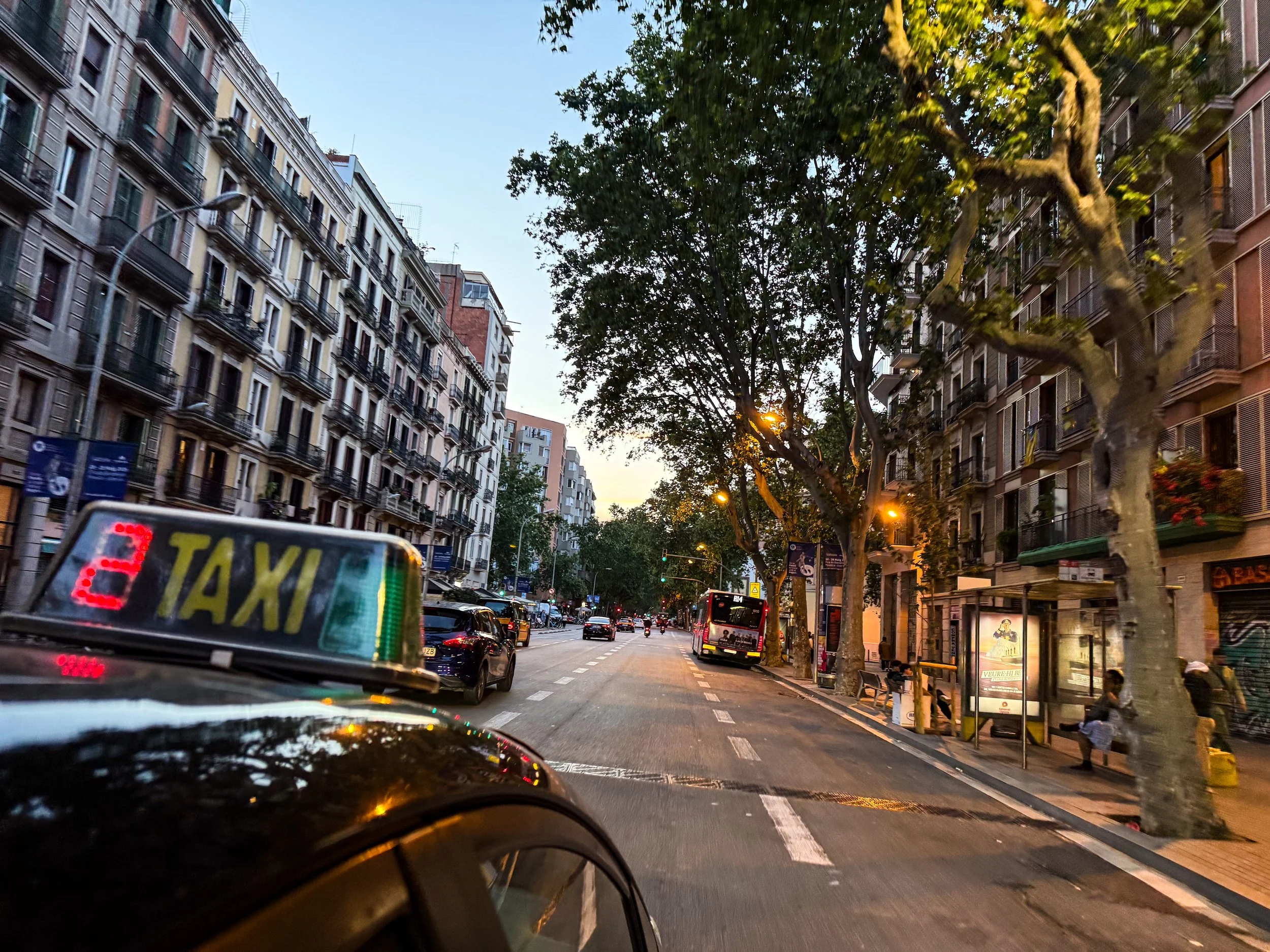
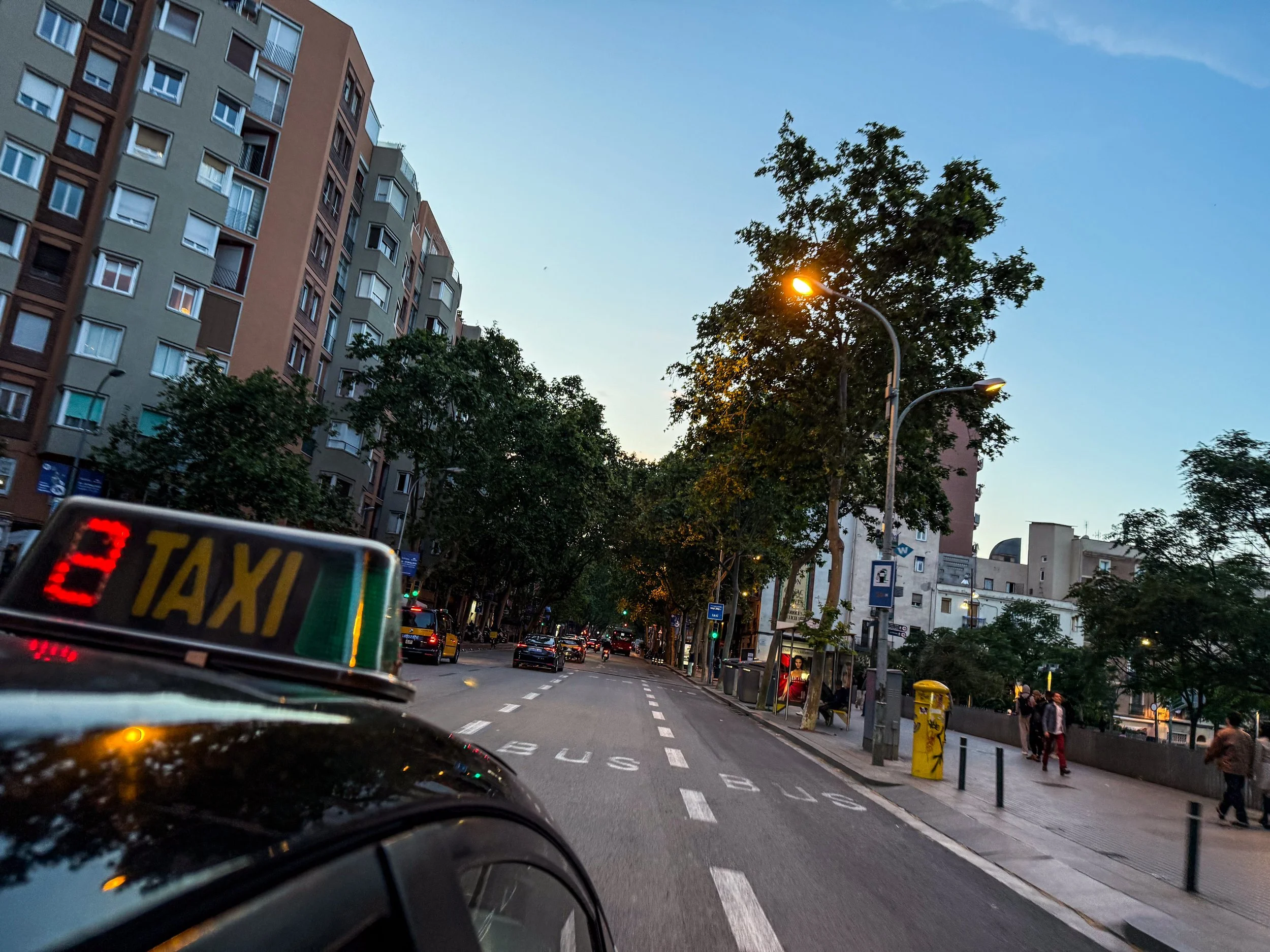
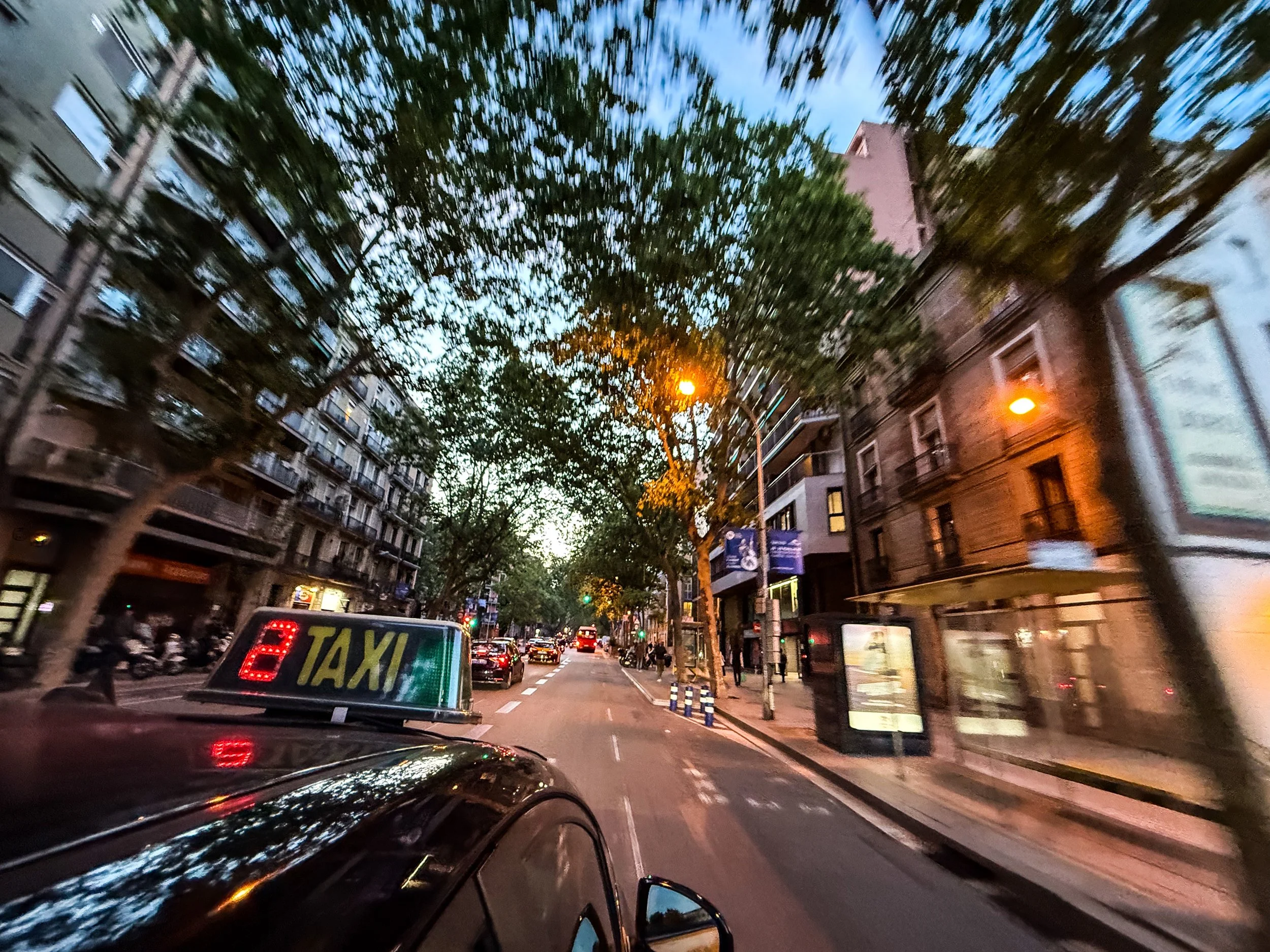
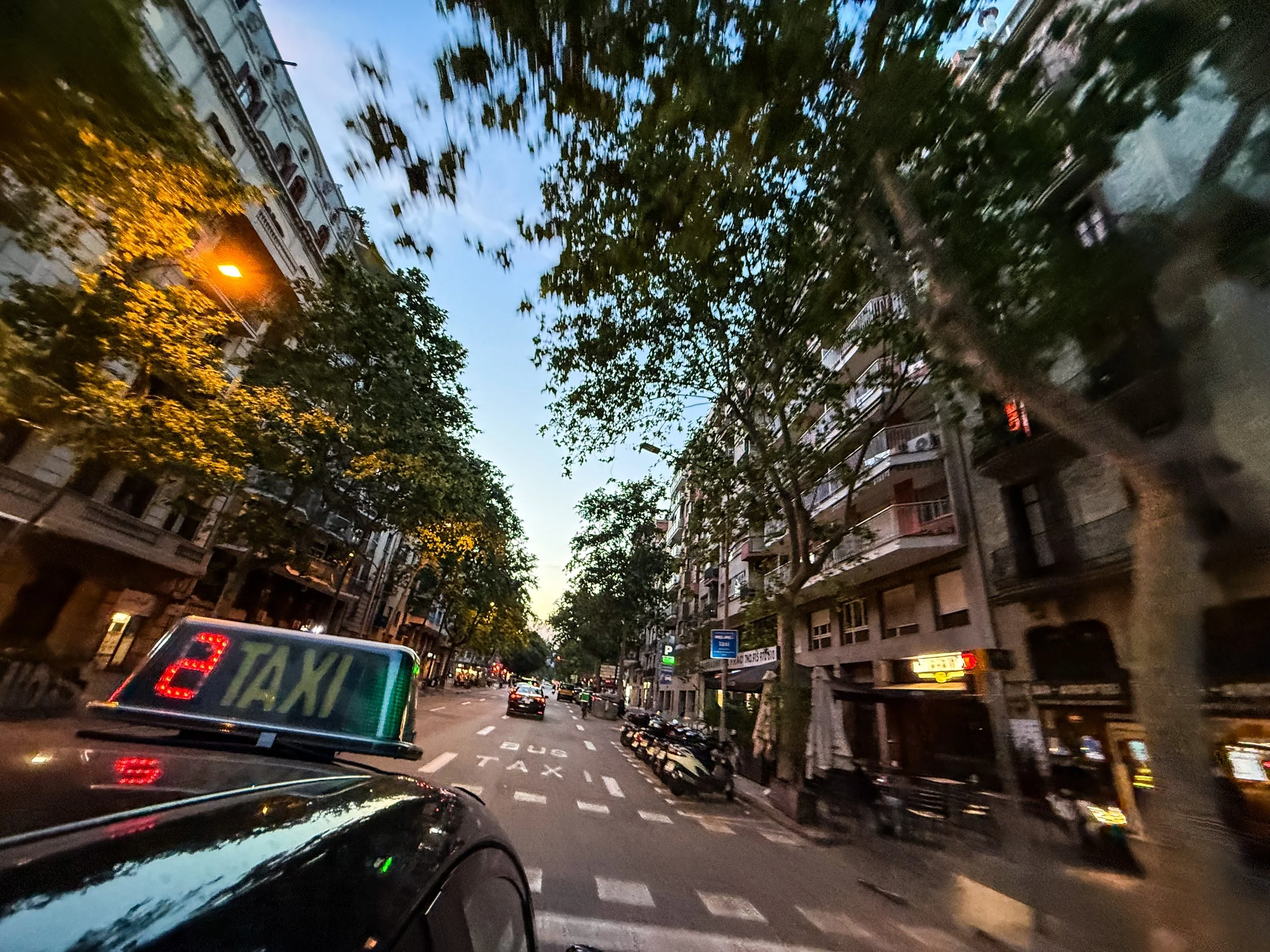
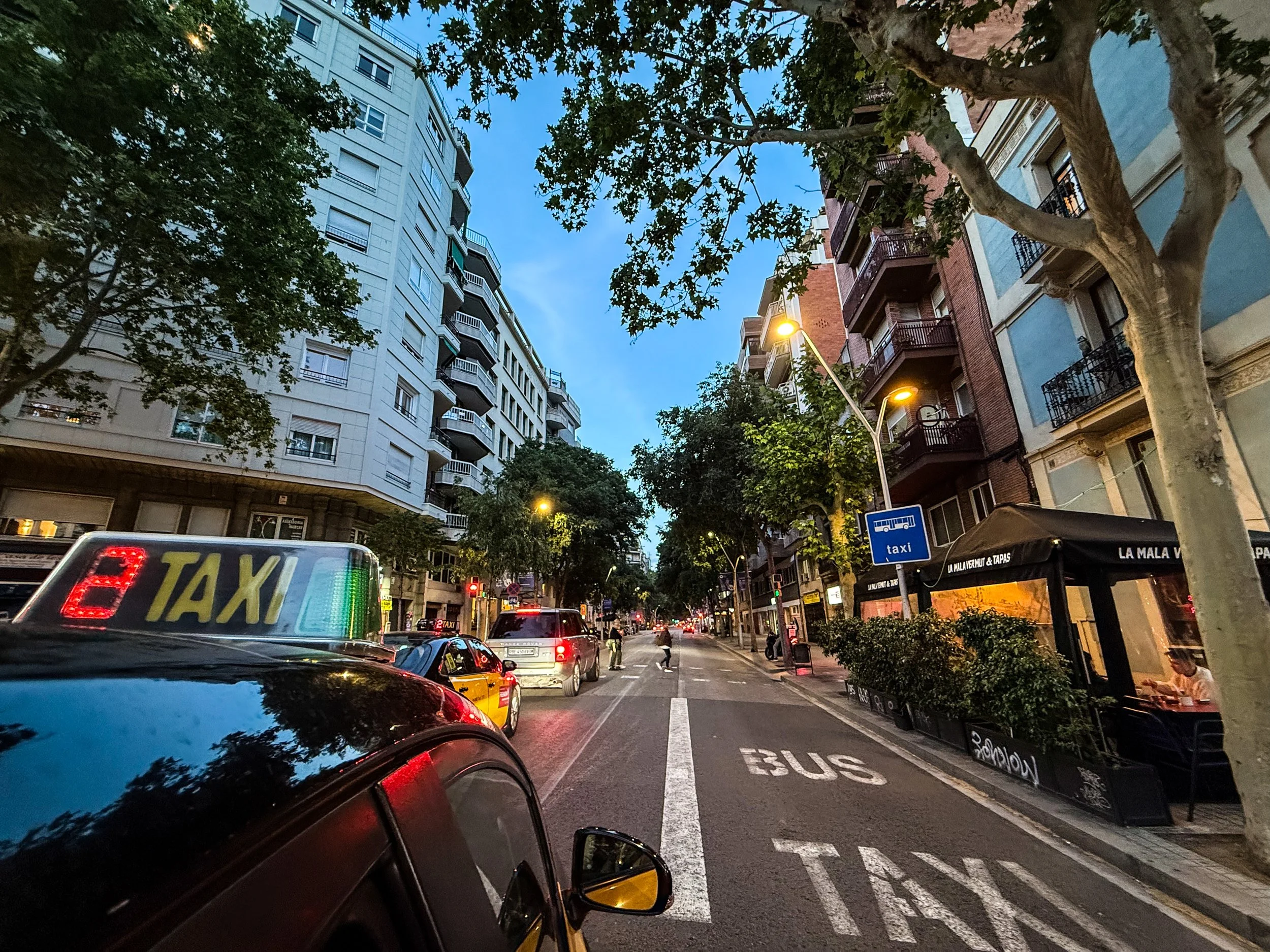
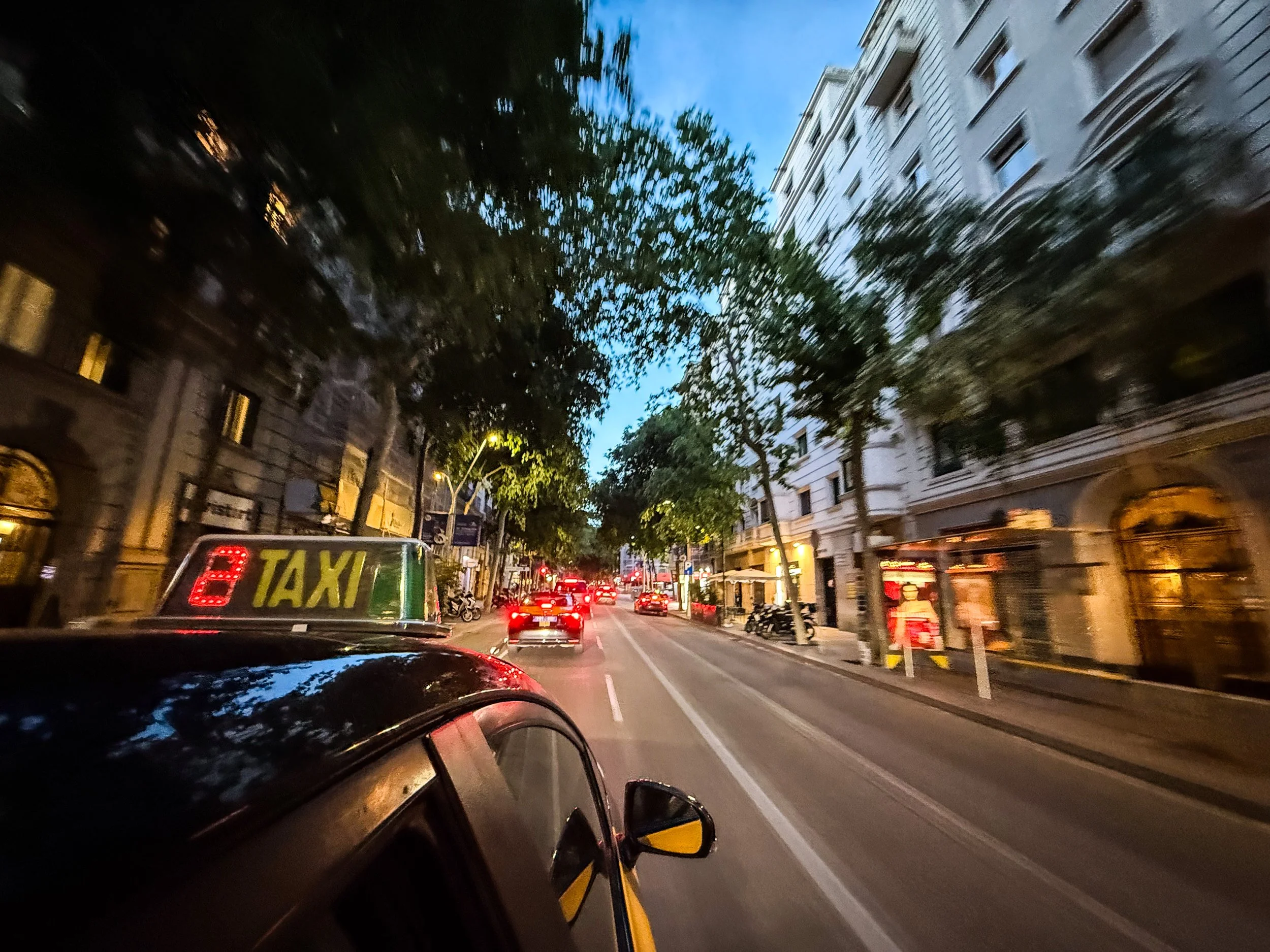
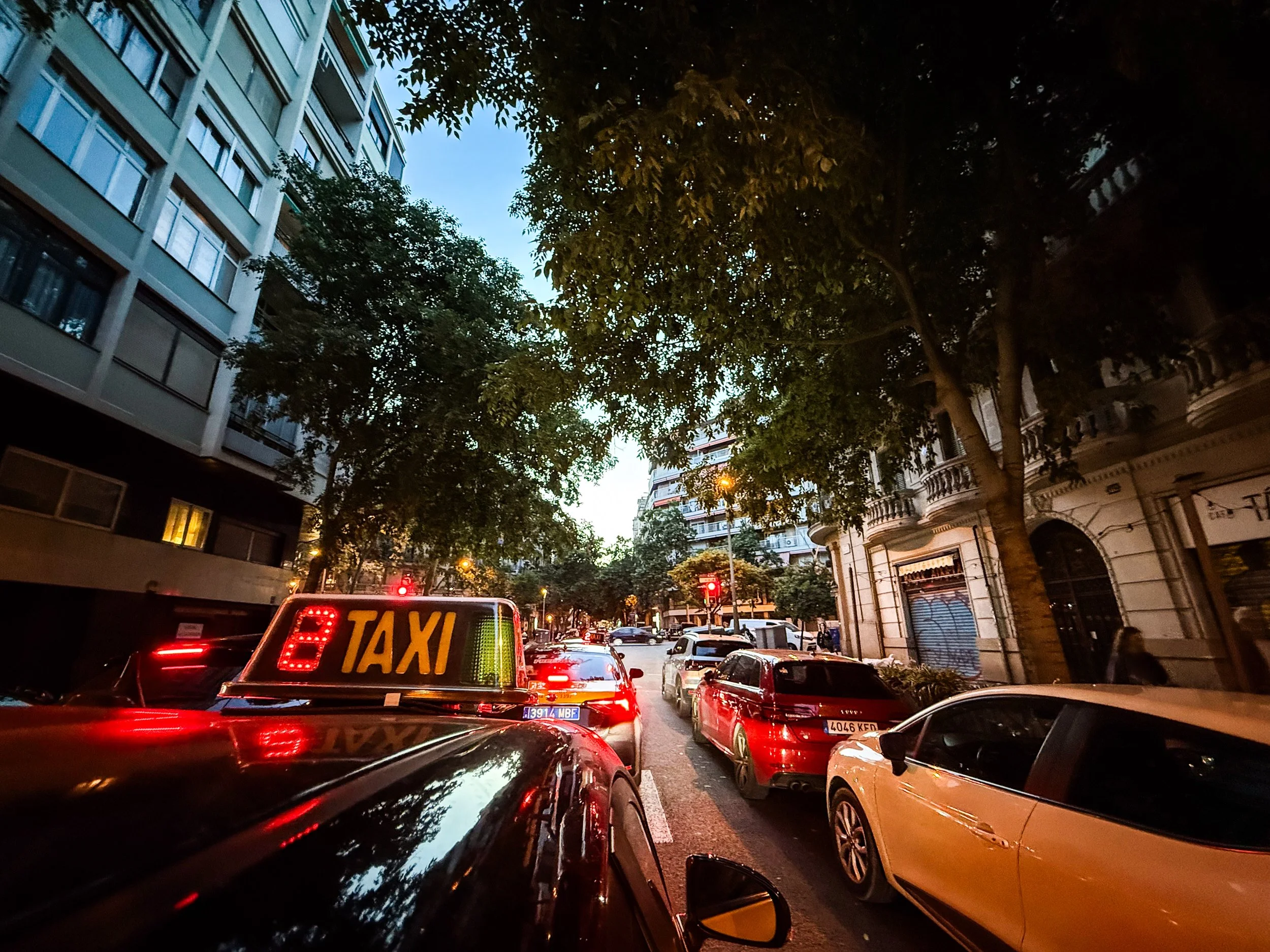
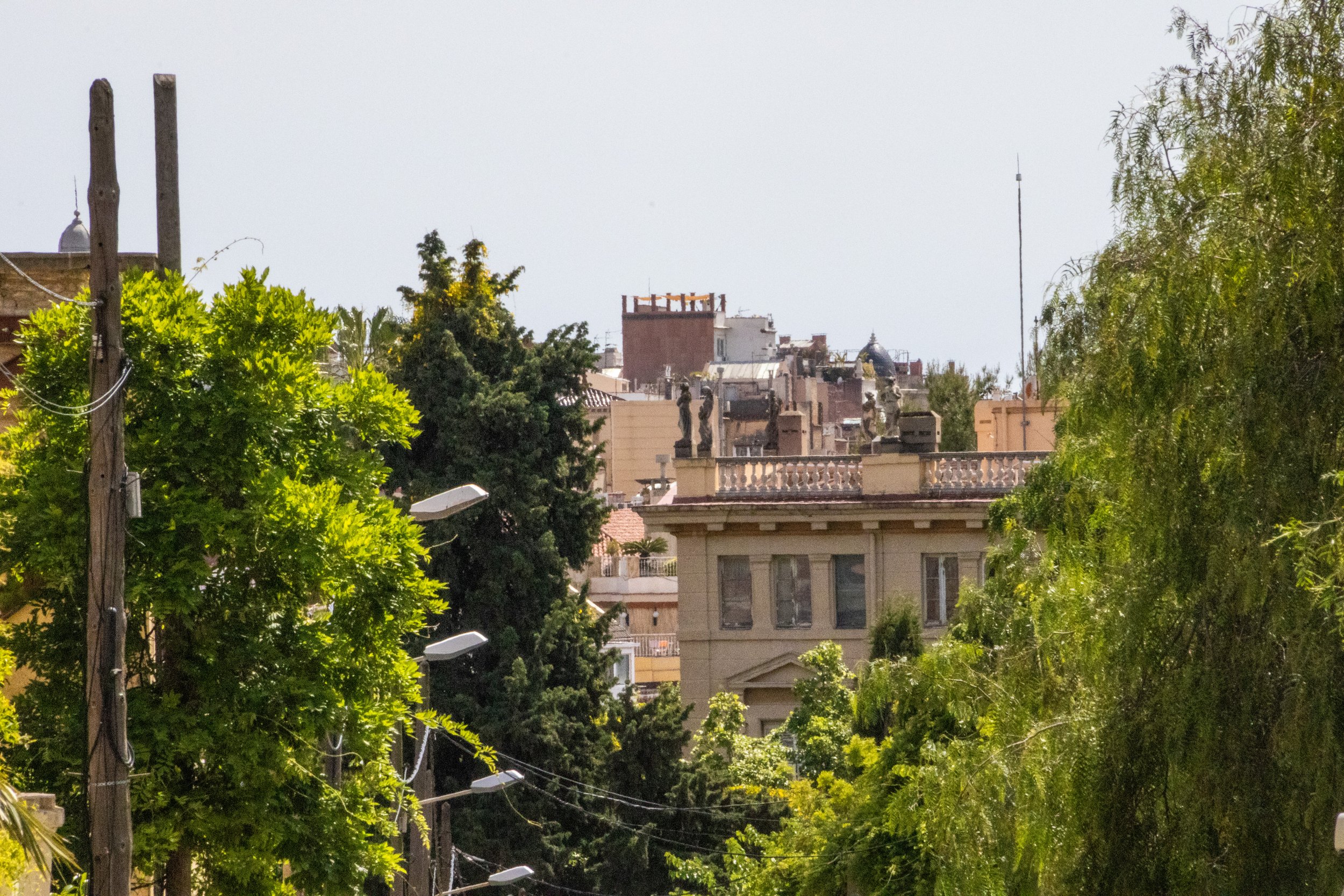
I’ll finish with a few pictures taken out the windows of the hotels I stayed at whilst here. There were two of them, and the view from the second one was especially incredible. The hotel was called Catalonia Park Putxet (l’m providing the Booking.com link here). This is an EXPENSIVE city, so this hotel was actually really good value for money. It’s pretty far out into the leafy neighborhoods of Barcelona (which is cool in its own way), but it’s quite close to Park Güell, and it sits atop a large hill, which gives the upper portions of the hotel amazing views of the city. I was very lucky to have a room on the top floor with a deck that faced toward the city, so I got to have some cool reflective time sitting out here on my last night.
My homie from my hometown in Ohio (who has co-starred in other adventures on this website in the past) just so happened to be in Barcelona at the same time with his partner, so we took advantage of this unlikely overlap and stayed at the same hotel. The next day they would continue up into the Pyrenees, while I would fly back to London. He remarked that, if our younger selves knew that one day we’d be in Barcelona at the same time by complete coincidence, we’d probably think that was really cool. I’ve been living in Europe long enough now that some of the novelty has worn off… but this was a nice reminder of how lucky I am to be able to explore the world so freely. That night, I sat out on this balcony alone, looking out over the city and I felt very grateful. Thanks Barça. ❤️
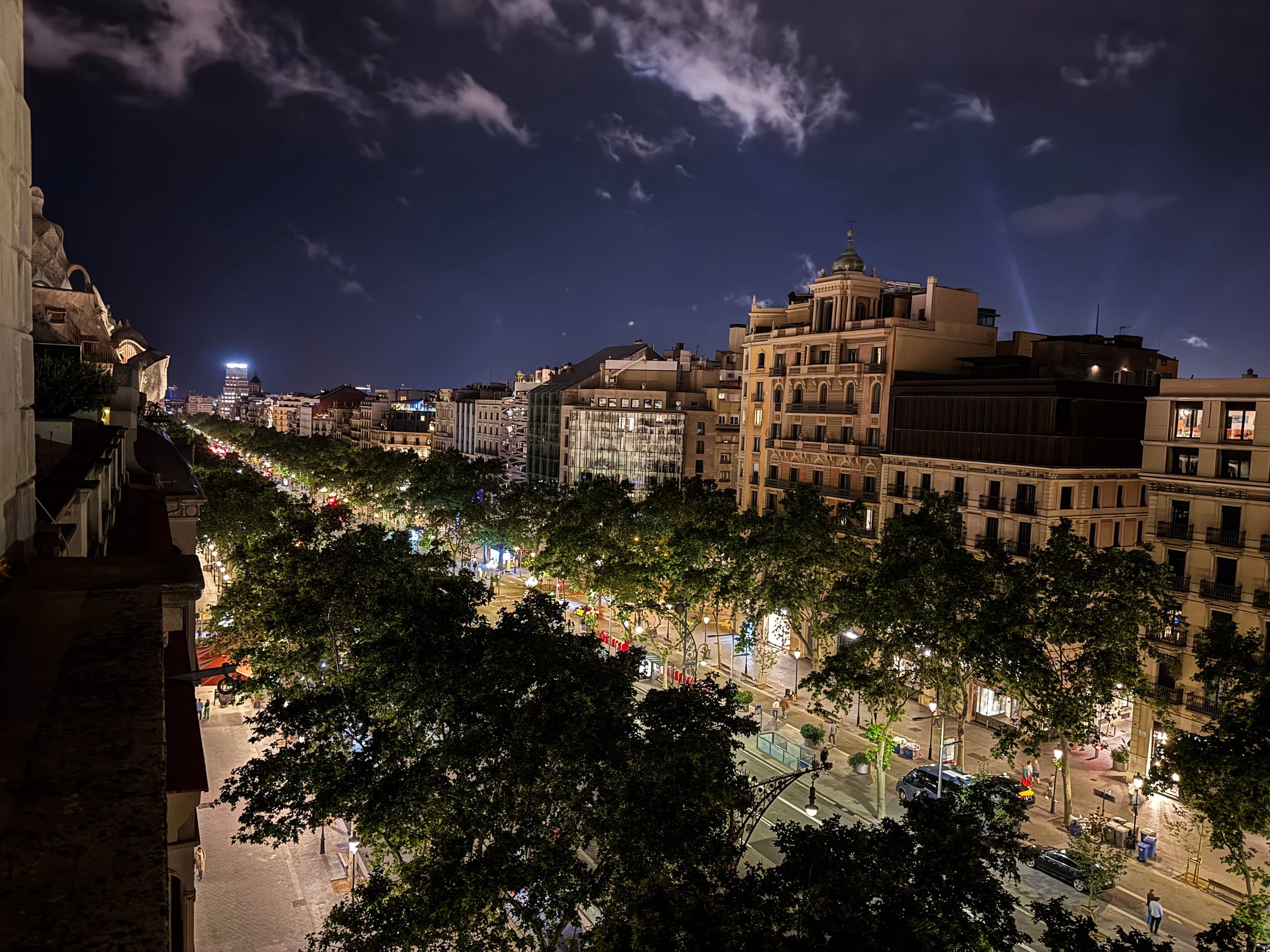
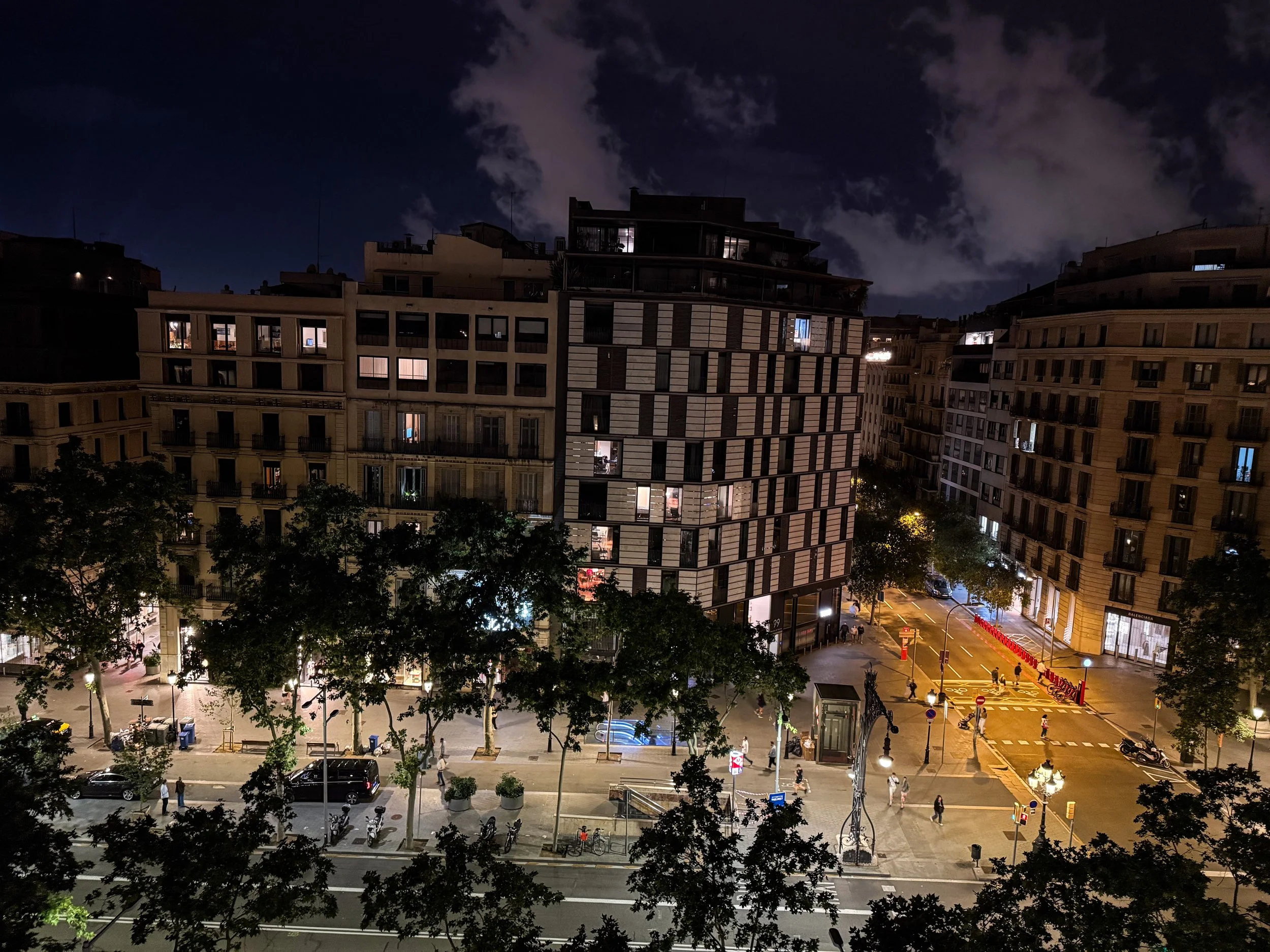
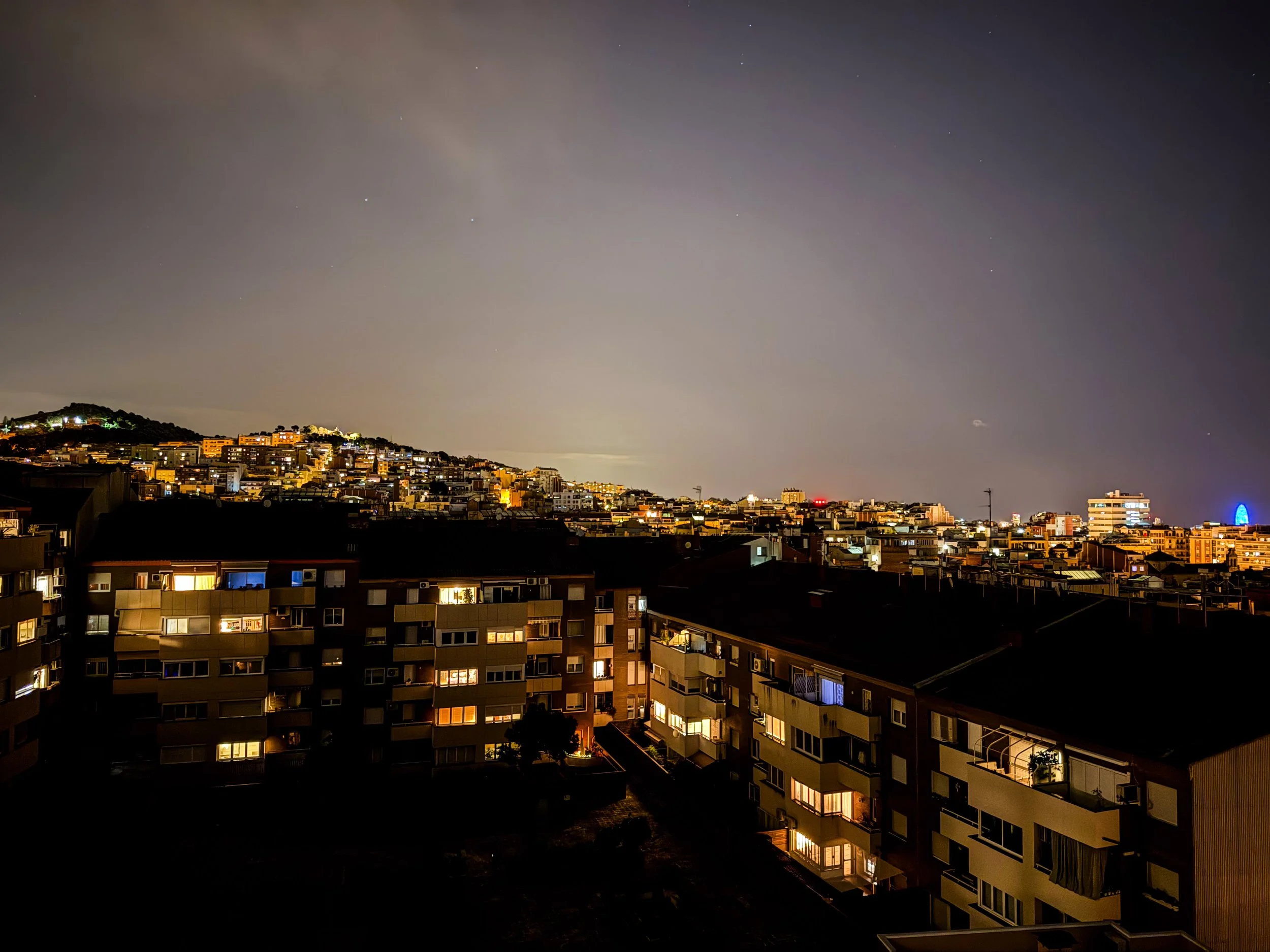
So, I just shared a moment from the very end of this trip to Catalonia, BUT THERE’S ACTUALLY 2 ARTICLES LEFT!
Up next, we’re going stick around in Barcelona, and build on the architecture theme with an exploration of the magical world of Antoni Gaudí. And then we’re going drive northward up the Mediterranean coast for an adventure that was completely unexpected.
Stay tuned. ❤️ 🍷 🇪🇸


Today, we’re in the ✨S0uTh 0f FrAnC3✨, which is a destination that carries with it some implied glitz and glam. Indeed, when you picture the “South of France”, chances are that you think of places like Nice, Cannes, or Saint-Tropez. Most of these post-card “French Riviera” destinations are over near the Italian border, in an administrative region called Provence-Alpes-Côte d'Azur. But that ain’t where we’re going today. Instead, we’re going to the even-further-south region of Occitania, which was actually only formed in 2016 when France merged the administrative regions of Languedoc-Roussillon and Midi-Pyrénées. But don’t let its administrative “newness” fool you: Occitania has a story that dates back farther than France itself.