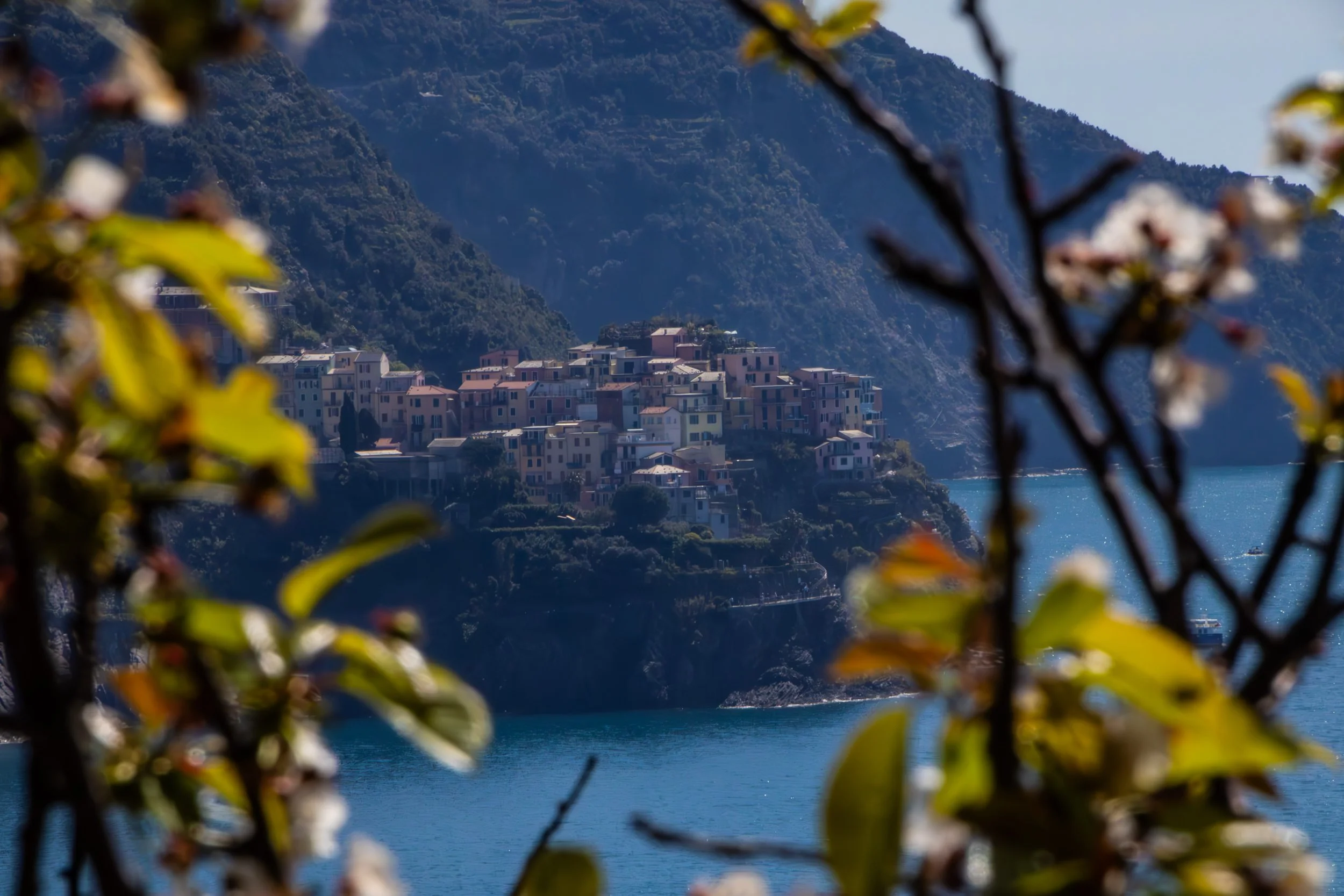
“Cinque Terre” literally translates to 5 lands, and indeed, it is not 1 place, but 5 places. It is a collection of 5 historic towns dotting the rugged, mountainous Mediterranean coastline between La Spezia and Genoa. These towns emerged between 1000 and 1200 AD, and—in their prime—were able to flourish because they combined fishing, boat building, agriculture, and maritime trade. You’ll hear them referred to just as “fishing villages” but that is only part of the story. Agriculture is also massively important to the appearance of these towns even today. The main staple of these towns, in additional to olives, was wine.
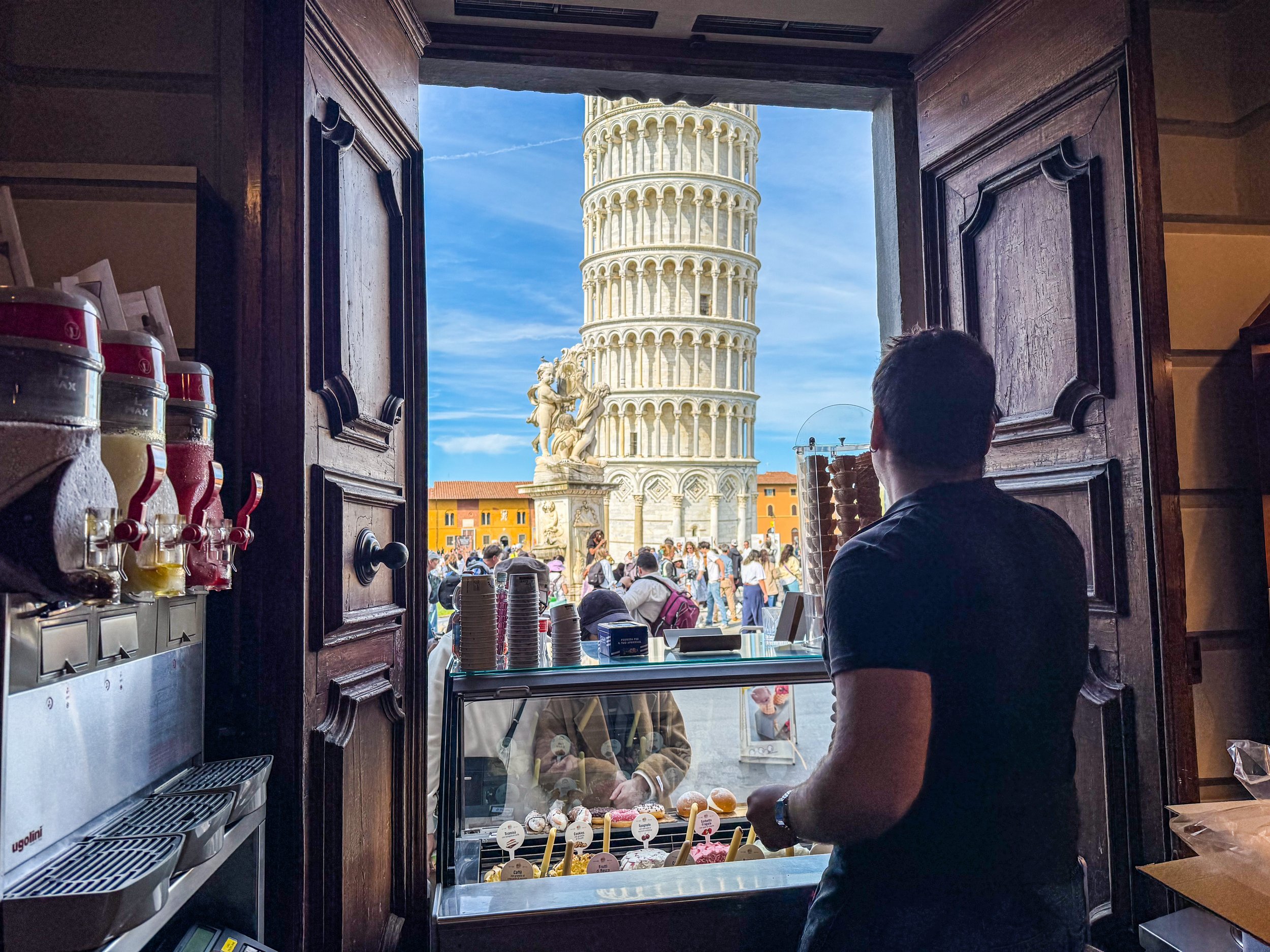
I doubt you will be surprised to learn that the Leaning Tower of Pisa was actually not supposed to lean. In 1173, when work began on this structure, the intention was for it to just be your typical free-standing bell tower. Although I should acknowledge that there was really nothing “typical” about this in the 1100s; Italy was leaps and bounds ahead of (most of) the rest of the world, which is part of what makes these sites so incredible. Anyway, construction took about 200 years, including an almost 100-year-long pause due to wars and political instability. It was officially finished in 1372.
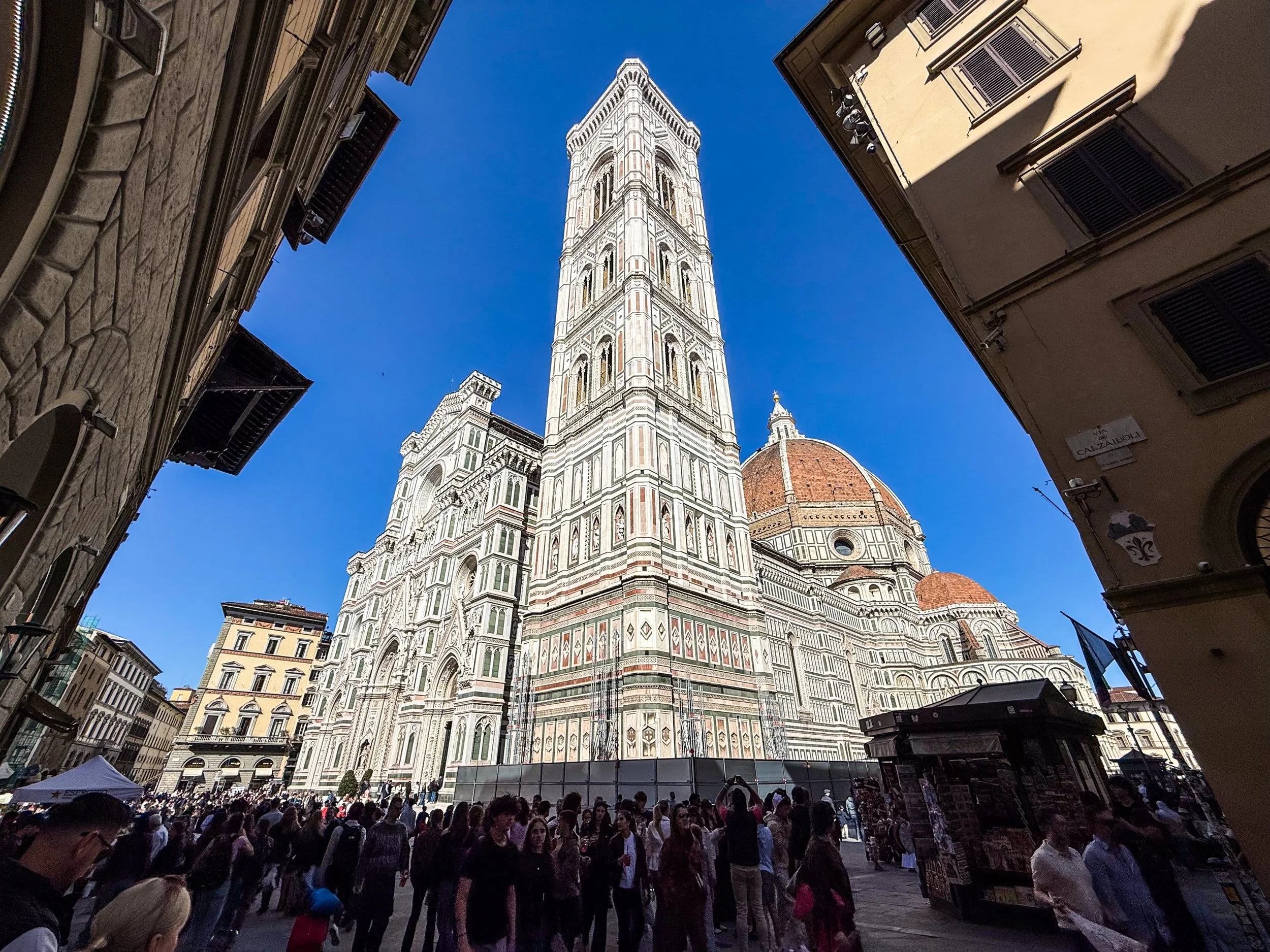
Although Florence was founded under the Romans in 59 BC, its meteoric rise did not begin until about ~1,000 AD. The intervening years saw Florence weather Gothic invasions, Byzantine rule, Lombard control, Frankish conquest under Charlemagne. A thousand years of the same struggle for incremental gains that most every city in the world was experiencing, until Florence’s petri dish yielded something entirely unique. Going into the 1400s, Florence had a unique combination of enormous private wealth, political competition, educated merchants, civic pride, and intense rivalry among wealthy families. You might assume that they the powers that be would opt to duke out their competitions in war, business, and industry (and there was certainly some of this), but the Florentine elite chose a new arena for competition: the arts. You may have heard of the Medici? This was one of those wealthy families that is famously supported some of the artists that would establish Florence as a cultural juggernaut and kick-start the Renaissance. They even have their own Netflix show now.
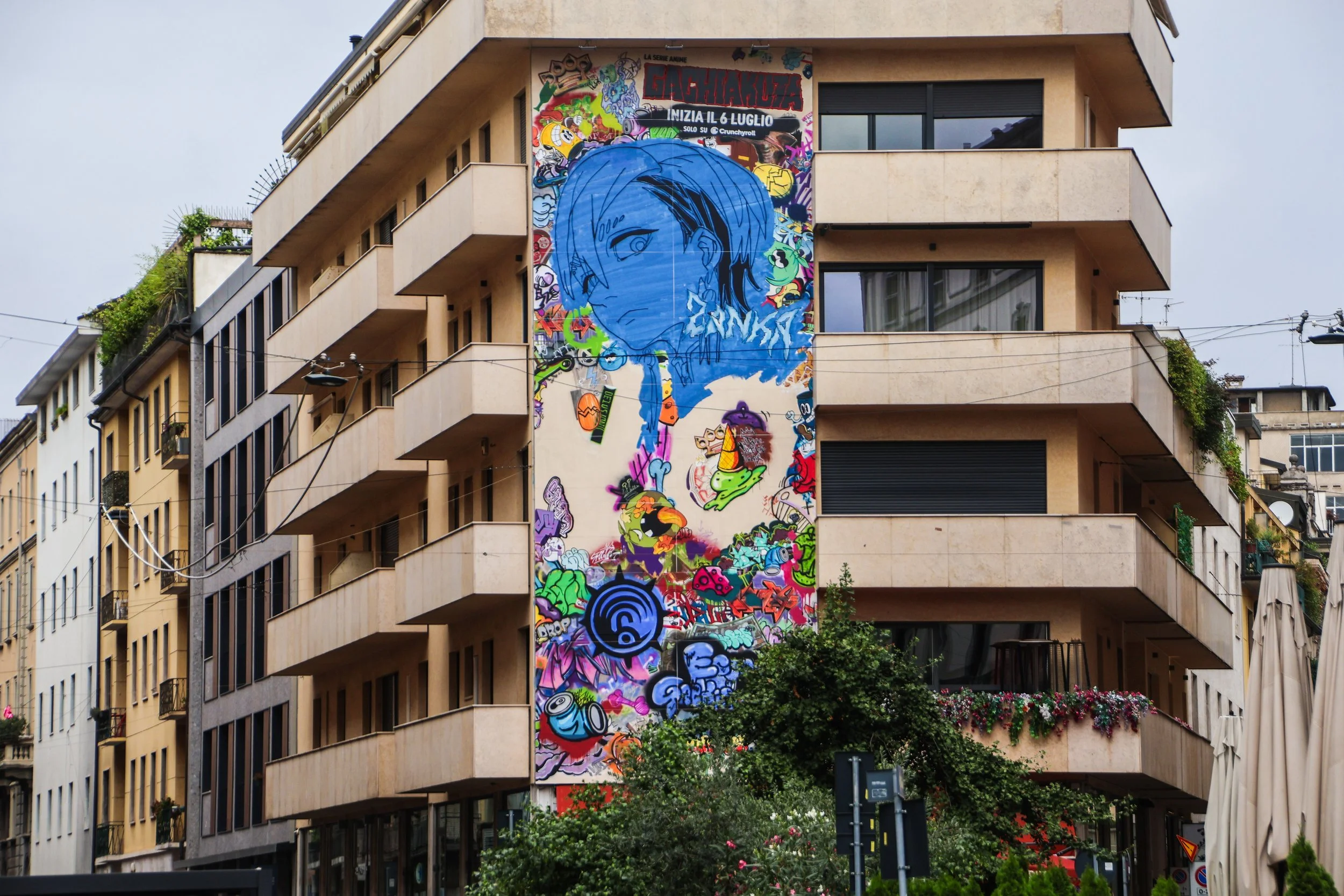
And we’re closing our time in Milano with a street art feature! On this trip I did not find nearly the quantity that I have in some of the other articles on street art, but the quality of what I did find was high enough that I decided these murals deserved their own space. That being said, the mural map of Milan that I found on streetartcities.com suggests I may have missed some really good ones along the way, but that’s okay. I’ll be back!
During my first visit to Milan, I had the great privilege of locals taking me under their wing, which is always a game-changer when exploring a new place. Dropping into communities that already exist and riding the coattails of their intuitive understanding of their home really gives you a feel for what life in a place is really like—but it also relieves you of having to think about where exactly you are in the city at any given moment. As a result, you’ll walk away with a strong emotional bond to a city, but not much concrete information about it. That was my challenge in returning to Milan. So I did the legwork of sifting through exactly where I was during my first visit to Milan, and came up withe two neighborhoods that made the biggest impression on me. They were Brera and Navigli. Let’s jump in.
Milan (or, in Italian, Milano) is not a city that is known for its beauty—at least not within Italy. But I never thought this was fair. Yes, Milan prioritizes function over form, and is more of an industrial hub than any other city in Italy… but the rest of Italy sets an extremely high bar for what it means to be a ~beautiful city. In most other countries, this would be considered an absolutely gorgeous city, but when you’re competing with Rome, Florence, and Venice… yeah, it’s going to be a losing battle. But comparison is the thief of joy, and Milan is still quite beautiful in its own rite! More to the point; it will give you a better window into what everyday life looks like for Italians much better than Venice or Florence ever could. This is real life, and—to me—real life in Milan looks pretty damn good.
Duomo di Milano is arguably the center piece of Milan, and the plaza bearing its name—Piazza del Duomo—sits at the center of “Central Milan”. We’ll branch out to other parts of the city in forthcoming articles, but today, we’re only going to focus on the comings and goings of this little area.
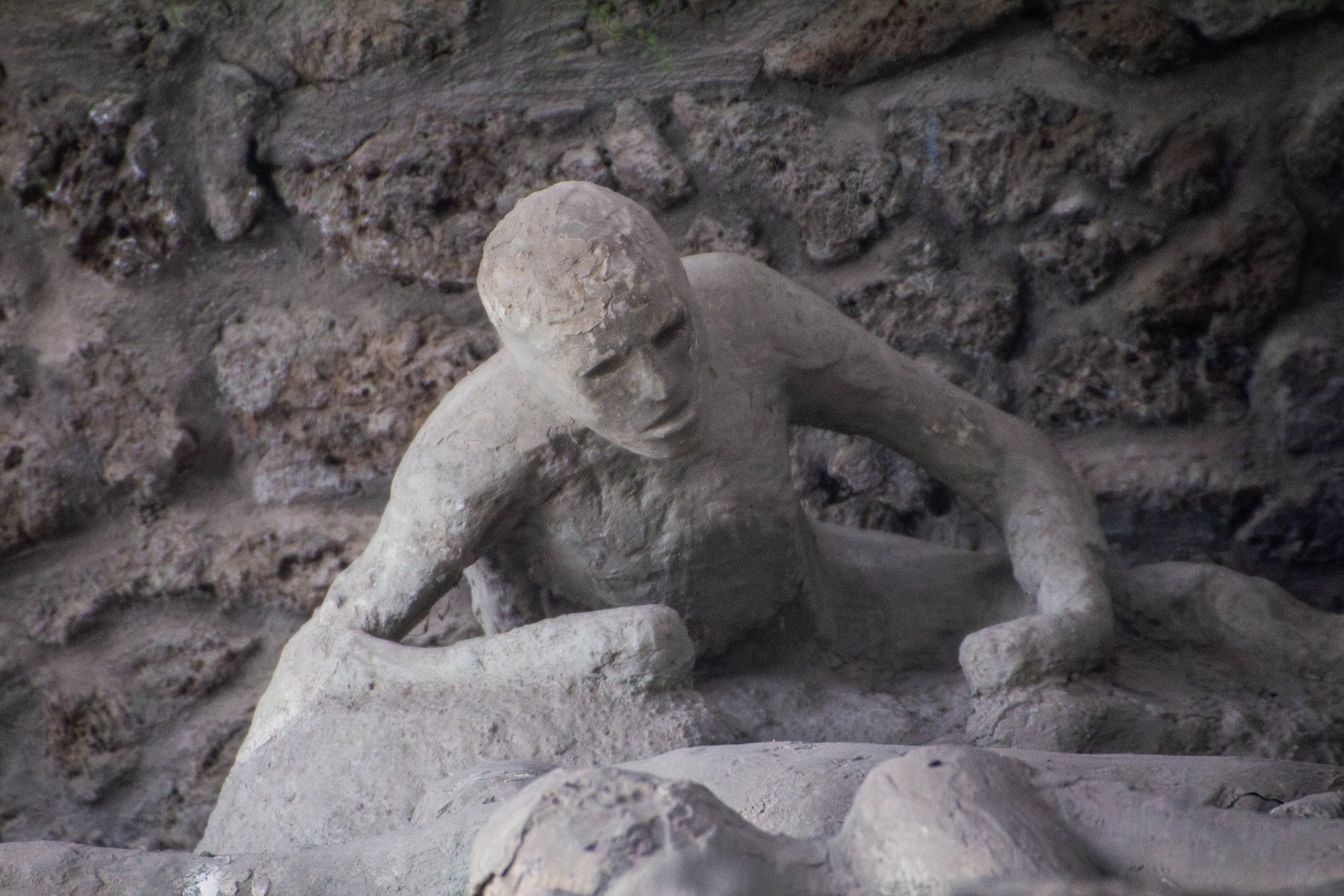
The Greeks really started to invest in and expand Pompeii around 450 BC, but a couple of centuries later, it would ultimately pass into the control of the Roman Empire. By the year 78 AD, it was a large, affluent, well-to-do town in the Roman Empire, which was already more than 3x older than the modern-day United States.
Oh yeah, and it also sat right next to a giant volcano called Mount Vesuvius.
In 79 AD, Vesuvius erupted, releasing approximately 100,000x the energy of the atomics bombs that were dropped on Hiroshima and Nagasaki during WWII COMBINED. At this point in history, the Bay of Naples was already a densely populated area, which made this one of the deadliest eruptions in history. Pompeii, as well as a few other towns in the area, such as Herculaneum, were pretty much wiped off the map, their inhabitants burned and/or suffocated by the violent pyroclastic flows.
Naples takes its calcio (football a.k.a. soccer) seriously. Support for Napoli is almost a religious belief here, and the fact that images of Maradona (the most famous Napoli player ever) outnumber images of Jesus in the streets of Naples can serve as proof of that. But it’s not just Maradona; there are images of the Napoli logo and Napoli players everywhere around Naples.
We’re back with another article set in urban Naples, AND the 2nd-ever showcase of Italian street art! The first took place in Sicily a few years ago, but Naples absolutely crushed Sicily in terms of street art.
Being in beautiful old cities—like those found in Italy—often means less murals. This is because these cities are dense, beautiful, and well-kept—so there’s no empty surfaces for street art. As such, I haven’t yet seen much street art in Northern Italy. However, Southern Italy—being the poorer half of the country—provides a bit more empty space for murals. And Napoli’s unique blend of rich culture and poor economics creates the perfect conditions for Italy the flex its artistic muscles in grittier and more contemporary ways.
Off the Sorrento Peninsula, in the Bay of Naples and the Tyrrhenian Sea, sits the tiny, beautiful island of Capri It may seem like the conversion of places into ~tourist destinations~ is something of a recent phenomenon—like in the last 70 years or so—but there are some places in this world that have attracted tourists for much, MUCH longer.
Capri is one of those places.
In fact, it was functioning as a vacation destination as far back as the ROMAN EMPIRE, likely before the birth of Christ. We actually don’t even know the origin of the name “Capri.” This idyllic isle just is. It’s eternal; immortal. And it’s also one of the rare places in the world where tourism cannot possibly cheapen the destination; it IS the destination.