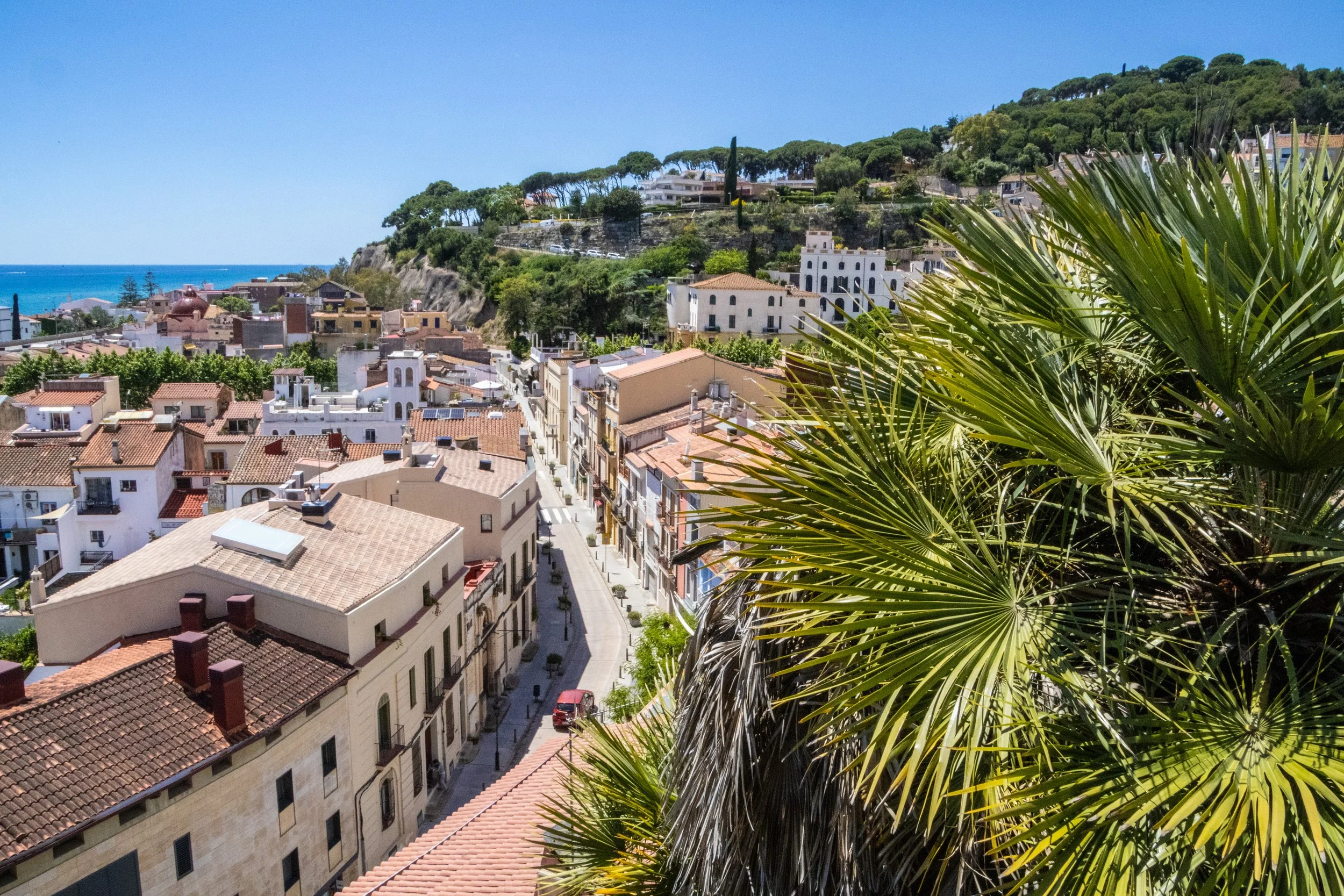
As chance would have it, on a quick errand into town, we’d spotted an old brick tower protruding through the trees off in the distance. We were standing on a ridge when we spotted it, and this was on the ridge opposite us, with a valley in between. THIS, we decided, WAS THE DESTINATION FOR OUR QUEST.
Honestly, if we never found our way up to this tower, that would be fine. But it gave us something to orient ourselves toward. The journey is what counts, right?
Well, the journey did not disappoint!
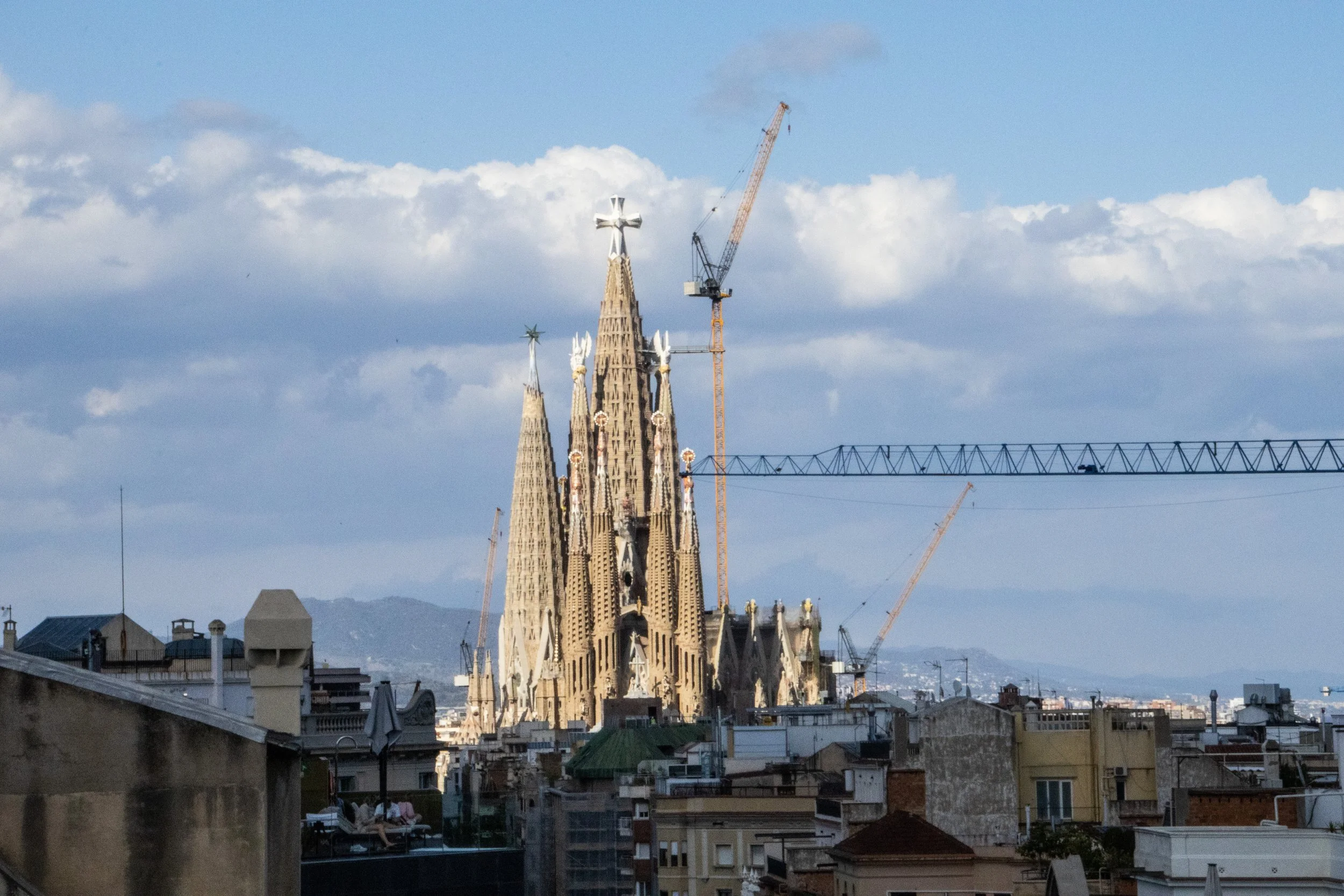
There are few cities on earth—certainly none more notable than Barcelona—whose architectural identities have been shaped so profoundly by just 1 person. Sure, other famous architects have left their mark on some of the other great cities of the world over the years, but none that I can think of whose work has so strongly and completely defined the identity of a single city as Antoni Gaudí for Barcelona. You may never have even heard of Gaudí, but if you know anything about Barcelona, chances are good that when you picture this city, you are picturing something that originated in this guy’s imagination.
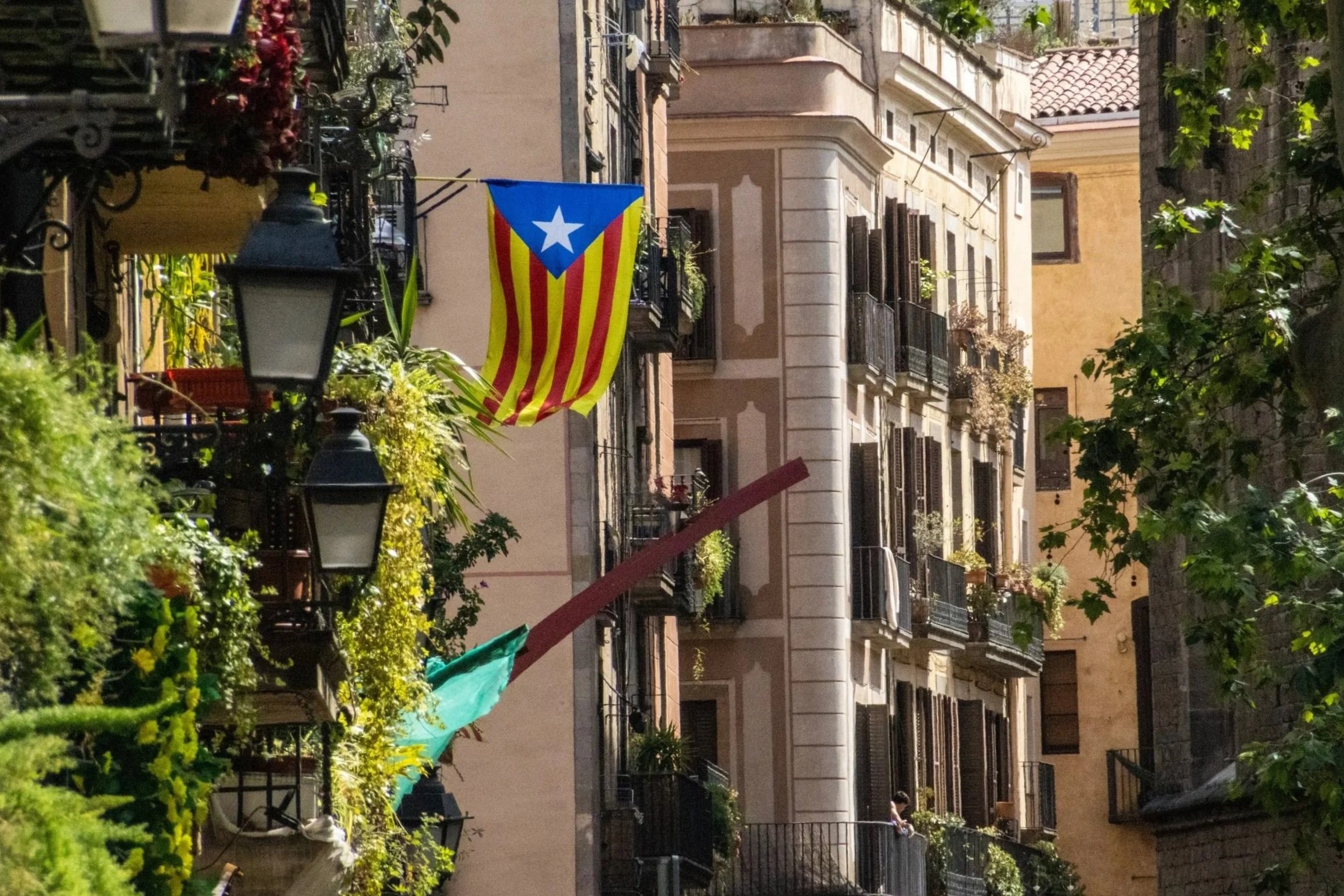
With a metro area population of ~ 5.5 million people, Barcelona is the 2nd largest city in Spain, behind only Madrid. By basically every quantifiable metric— population, economy, political power, etc.—Madrid is the larger city. But when it comes to travel, especially international travel, this relationship reverses. Barcelona is far-and-away the favorite destination for international tourists visiting Spain. And, when you consider the fact that Barcelona also covers a much smaller land area than Madrid, the concentration of international tourists becomes much more intense. Barcelona has indeed struggled to accommodate the levels of tourism it is now receiving, but it’s easy to see why the whole world is so interested in coming here! Sandwiched between the Collserola mountains and the Mediterranean Sea, Barcelona is an absolutely idyllic city. And once you’re in the middle of it, it’s incredible how quickly the Catalan identity eclipses that of Spain.
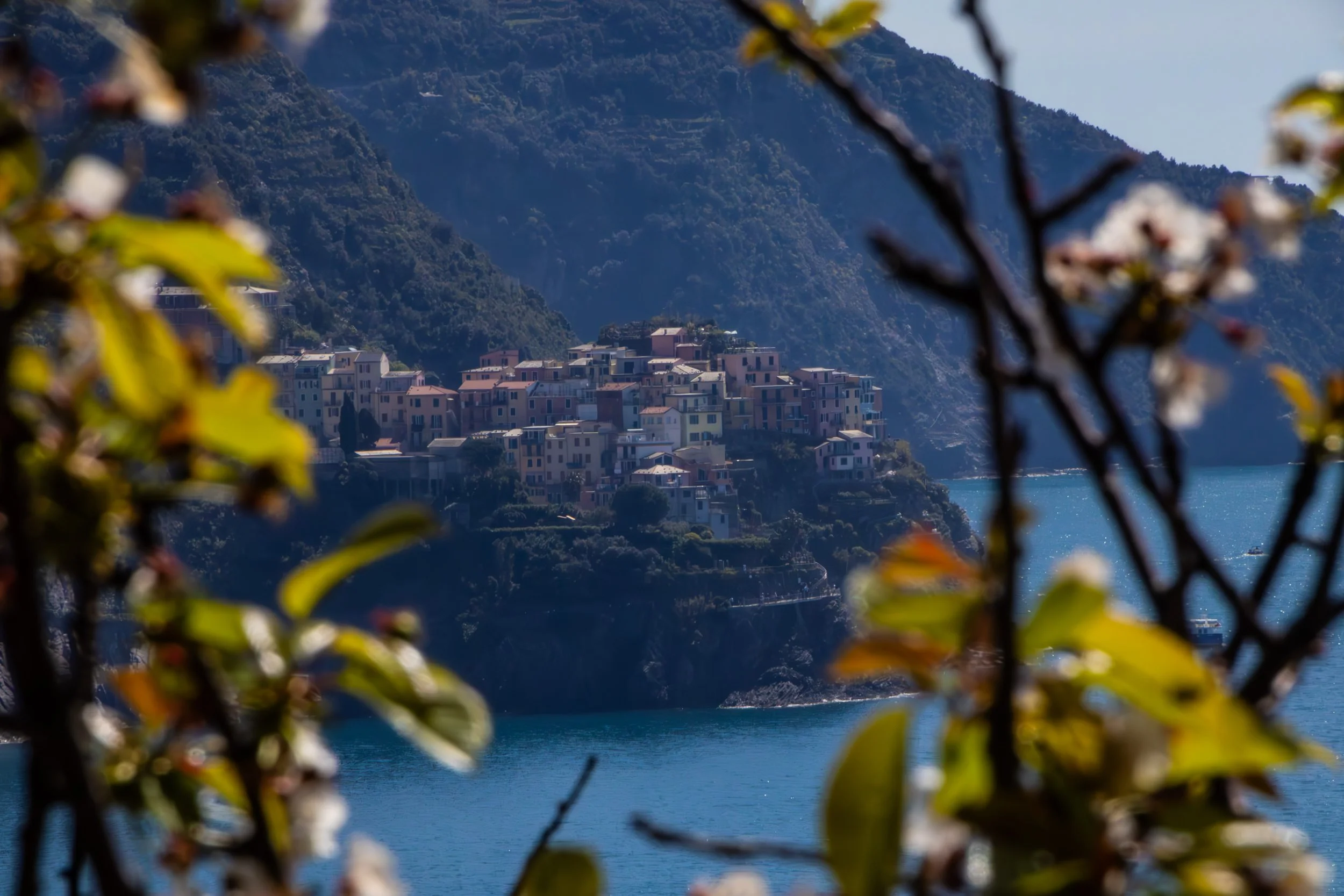
“Cinque Terre” literally translates to 5 lands, and indeed, it is not 1 place, but 5 places. It is a collection of 5 historic towns dotting the rugged, mountainous Mediterranean coastline between La Spezia and Genoa. These towns emerged between 1000 and 1200 AD, and—in their prime—were able to flourish because they combined fishing, boat building, agriculture, and maritime trade. You’ll hear them referred to just as “fishing villages” but that is only part of the story. Agriculture is also massively important to the appearance of these towns even today. The main staple of these towns, in additional to olives, was wine.
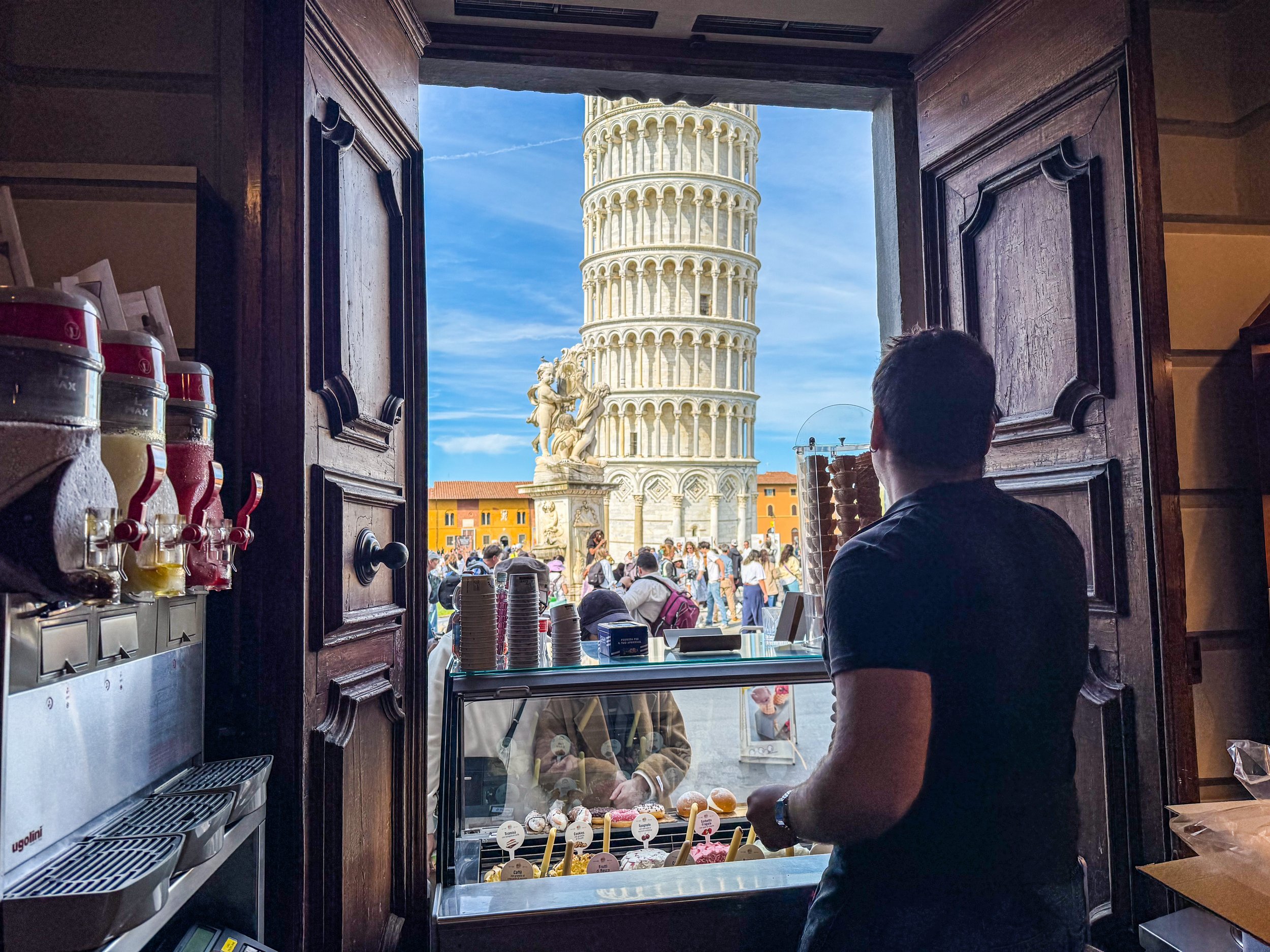
I doubt you will be surprised to learn that the Leaning Tower of Pisa was actually not supposed to lean. In 1173, when work began on this structure, the intention was for it to just be your typical free-standing bell tower. Although I should acknowledge that there was really nothing “typical” about this in the 1100s; Italy was leaps and bounds ahead of (most of) the rest of the world, which is part of what makes these sites so incredible. Anyway, construction took about 200 years, including an almost 100-year-long pause due to wars and political instability. It was officially finished in 1372.
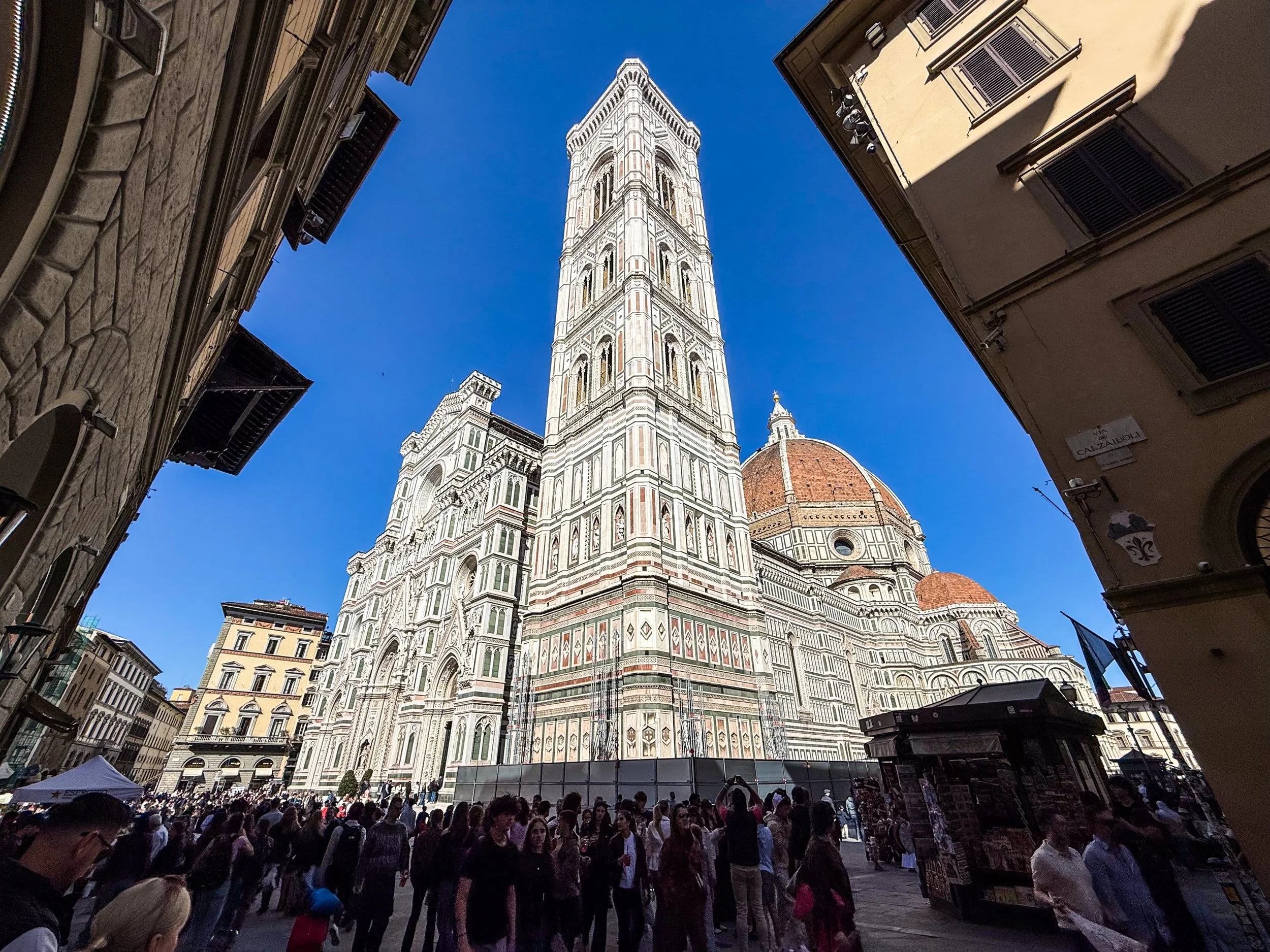
Although Florence was founded under the Romans in 59 BC, its meteoric rise did not begin until about ~1,000 AD. The intervening years saw Florence weather Gothic invasions, Byzantine rule, Lombard control, Frankish conquest under Charlemagne. A thousand years of the same struggle for incremental gains that most every city in the world was experiencing, until Florence’s petri dish yielded something entirely unique. Going into the 1400s, Florence had a unique combination of enormous private wealth, political competition, educated merchants, civic pride, and intense rivalry among wealthy families. You might assume that they the powers that be would opt to duke out their competitions in war, business, and industry (and there was certainly some of this), but the Florentine elite chose a new arena for competition: the arts. You may have heard of the Medici? This was one of those wealthy families that is famously supported some of the artists that would establish Florence as a cultural juggernaut and kick-start the Renaissance. They even have their own Netflix show now.
The Greeks really started to invest in and expand Pompeii around 450 BC, but a couple of centuries later, it would ultimately pass into the control of the Roman Empire. By the year 78 AD, it was a large, affluent, well-to-do town in the Roman Empire, which was already more than 3x older than the modern-day United States.
Oh yeah, and it also sat right next to a giant volcano called Mount Vesuvius.
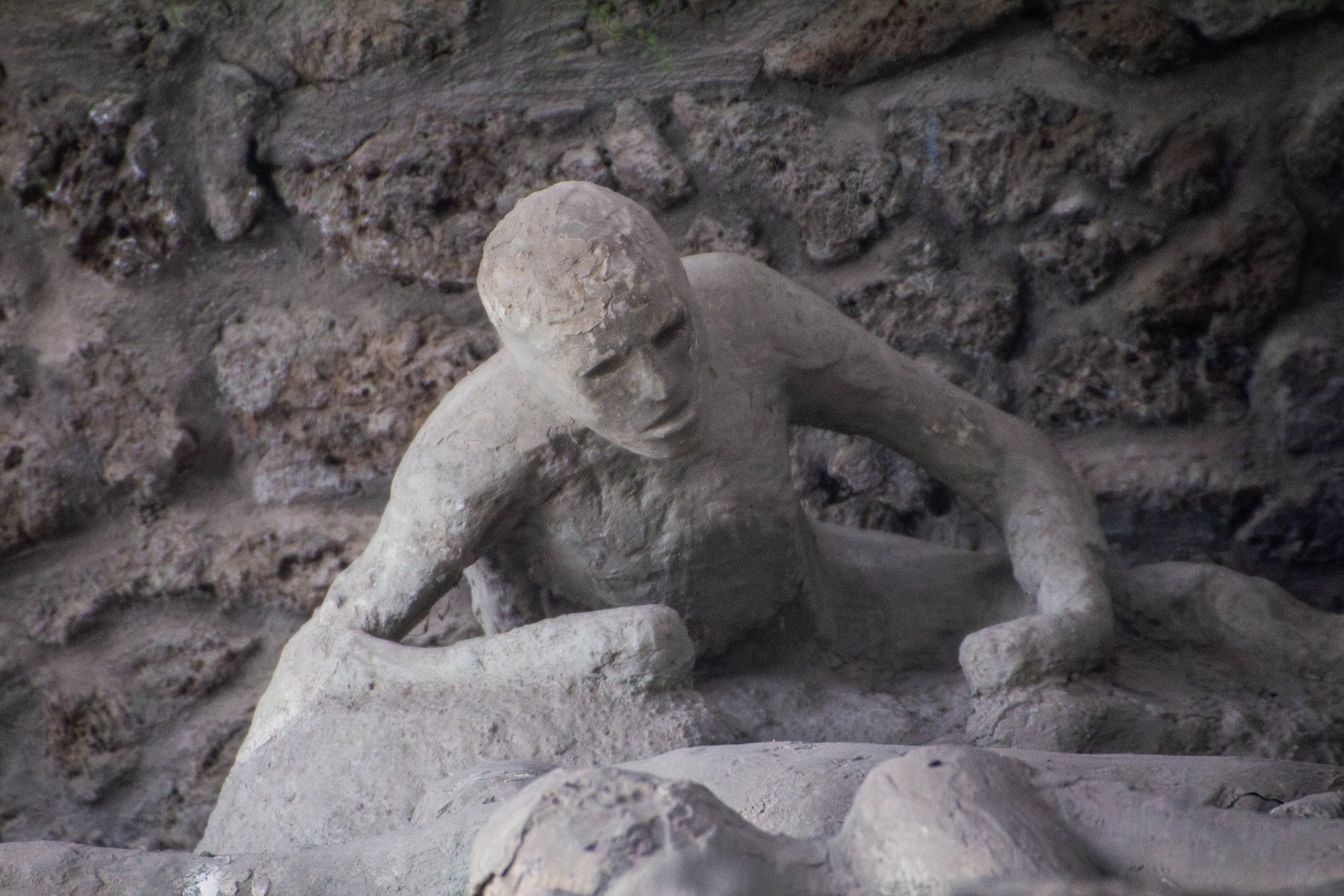
In 79 AD, Vesuvius erupted, releasing approximately 100,000x the energy of the atomics bombs that were dropped on Hiroshima and Nagasaki during WWII COMBINED. At this point in history, the Bay of Naples was already a densely populated area, which made this one of the deadliest eruptions in history. Pompeii, as well as a few other towns in the area, such as Herculaneum, were pretty much wiped off the map, their inhabitants burned and/or suffocated by the violent pyroclastic flows.
Barcelona is the last Spanish city that is going to be covered in the #ThrowBackThursday series. I came here during my study abroad in 2012, during which I lived in 313 miles inland, in Madrid. Why did I choose to study abroad in Madrid? The short answer is that I didn’t. Madrid was, incredibly, the only study abroad option in the entire world that would count towards both my major and my minor. So if I wanted to go abroad, the choice was already made for me. But, in my mind, Barcelona was “the place to be” in Spain. Ideally, I would have lived in Barcelona.
When I finally arrived in Barcelona, it wasn’t quite what I was expecting…
Are you a "glass half full" or a "glass half empty" kind of person?
I think that your opinion on Sicily will pretty much answer that question for you. I like to think of myself as somebody who is able to look on the bright side of things, and to me, Sicily was beautiful. However, it was definitely also quite gritty. Today, we’re going to take a deep dive into all that garbage and graffiti and browse though some of my favorite examples of Sicilian street art.
Seriously, nothing can prepare you for how creepy this place is... but I'm getting ahead of myself.
I'll start from the beginning. The Capuchin Catacombs are always placed highly on people's lists of things to do and see in Palermo, and it's easy to see why. It's just SO outrageous! Before we dive into this article, I've got some serious explaining to do, because you are sure to have questions. I know that for me, the biggest question I had in all of this was just "why." Why does this place exist?
Buckle in, kids!